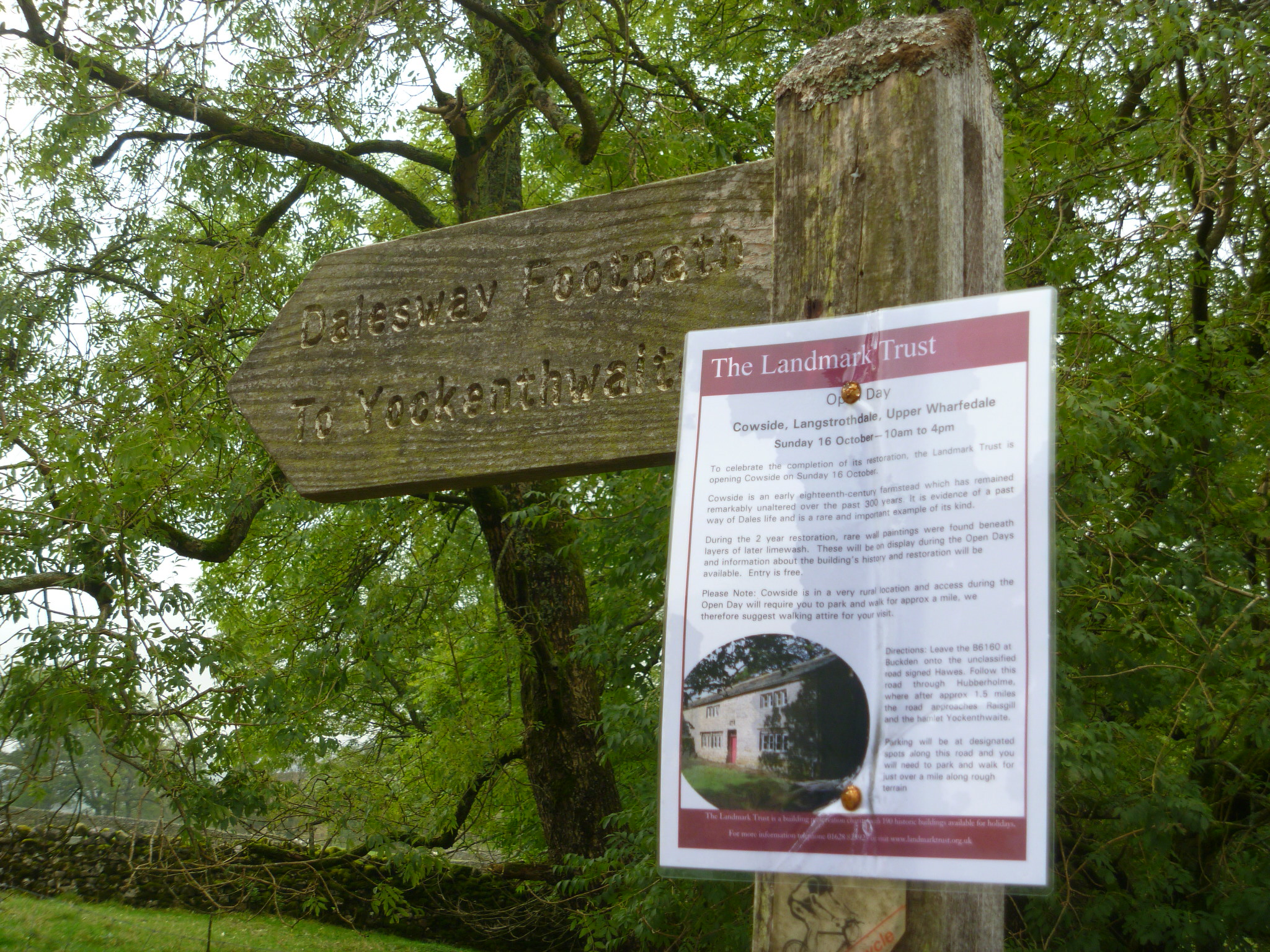
Cowside Open Day – A New Landmark Hits the Handbook!

What luck! Two invitations to visit Landmarks in one week – and I can manage both. Cowside is an extremely remote farmhouse way away in Upper Wharfedale in the Yorkshire Dales that even the National Trust (who are the owners) could not contemplate renovating as a holiday home. No mains electricity, no mains water supply – not even an access road or track. They passed it on to The Landmark Trust who seem to thrive on such challenges! Friday was my 4th visit. In April 2009 I first ventured off the Dales Way to have a peep at Cowside of which the Landmark Trust had only recently announced their intentions. In October 2010 when work was well underway I was invited to view progress and again in May 2011 when I could not believe the transformation that had taken place. The winters of both 2009/2010 and 2010/2011 have been the worst in decades. But now the work is complete and the property ready for its first guests – arriving on the 21st October – just one week away!
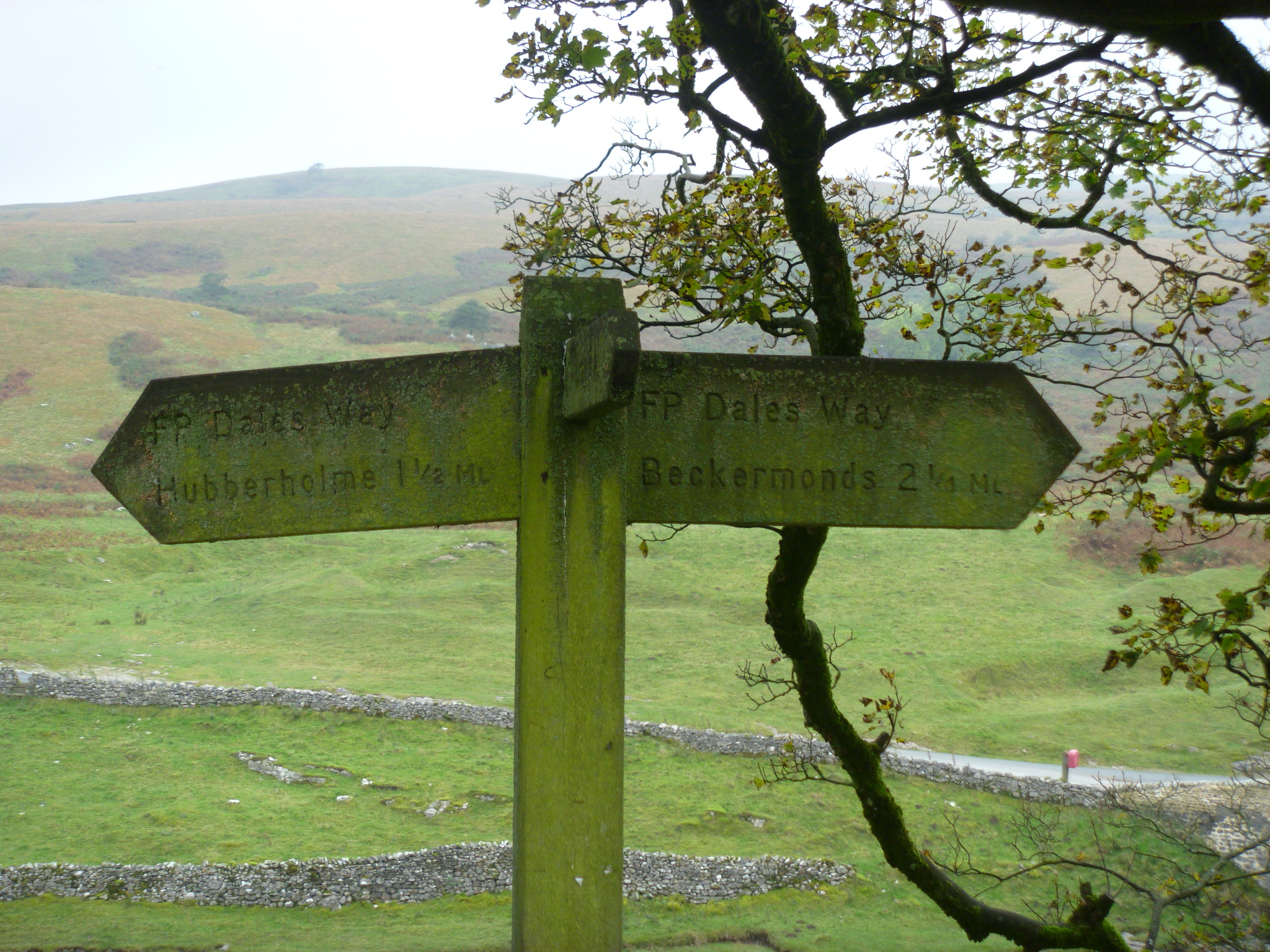
As visitors we had to park nearly two miles away but I enjoy hiking so the chance to step it out along part of the Dales Way was an additional pleasure for me.
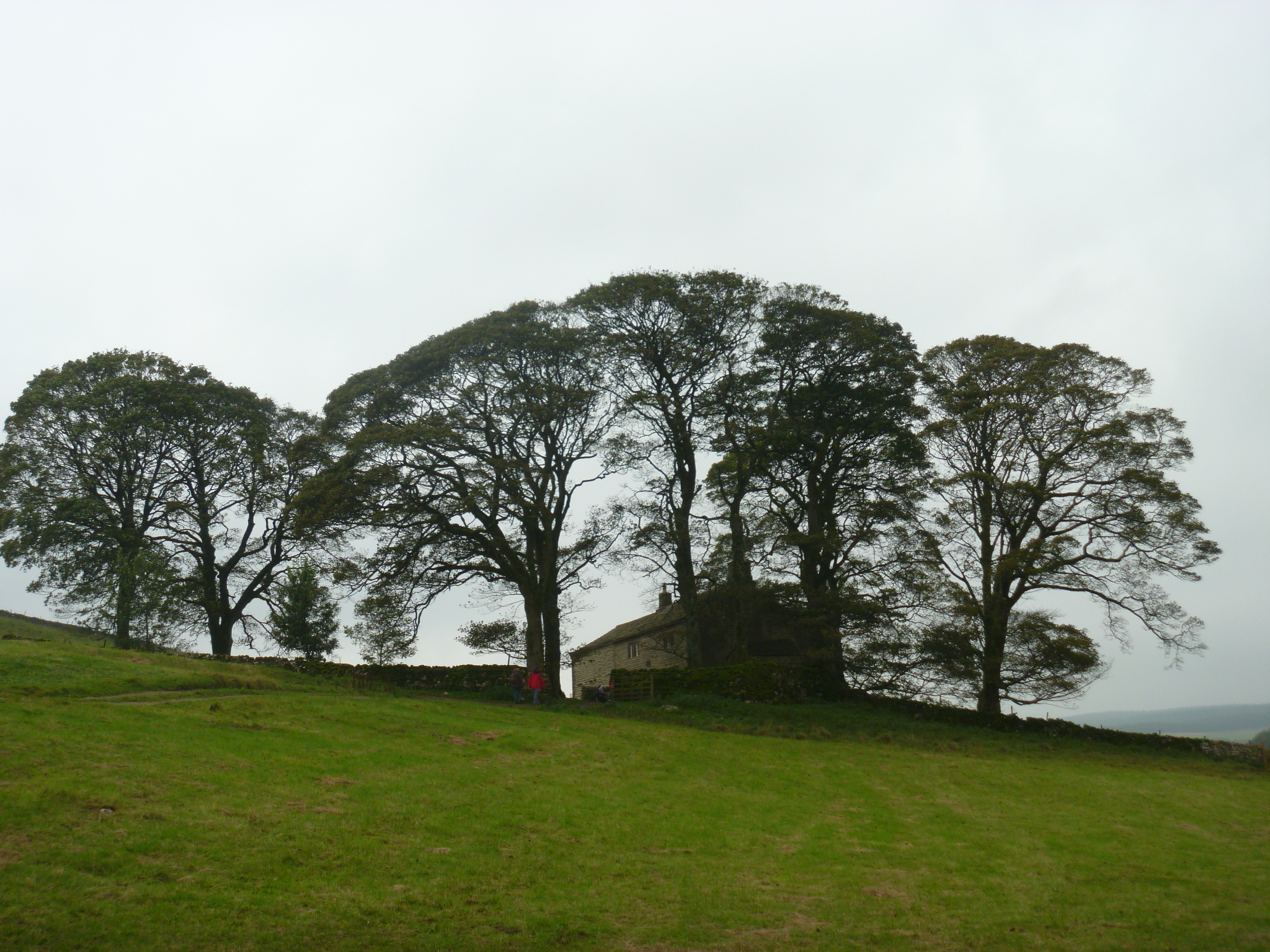
The final uphill approach to Cowside. No vehicular access so everything must be brought from the bottom of the field via the grassy track.
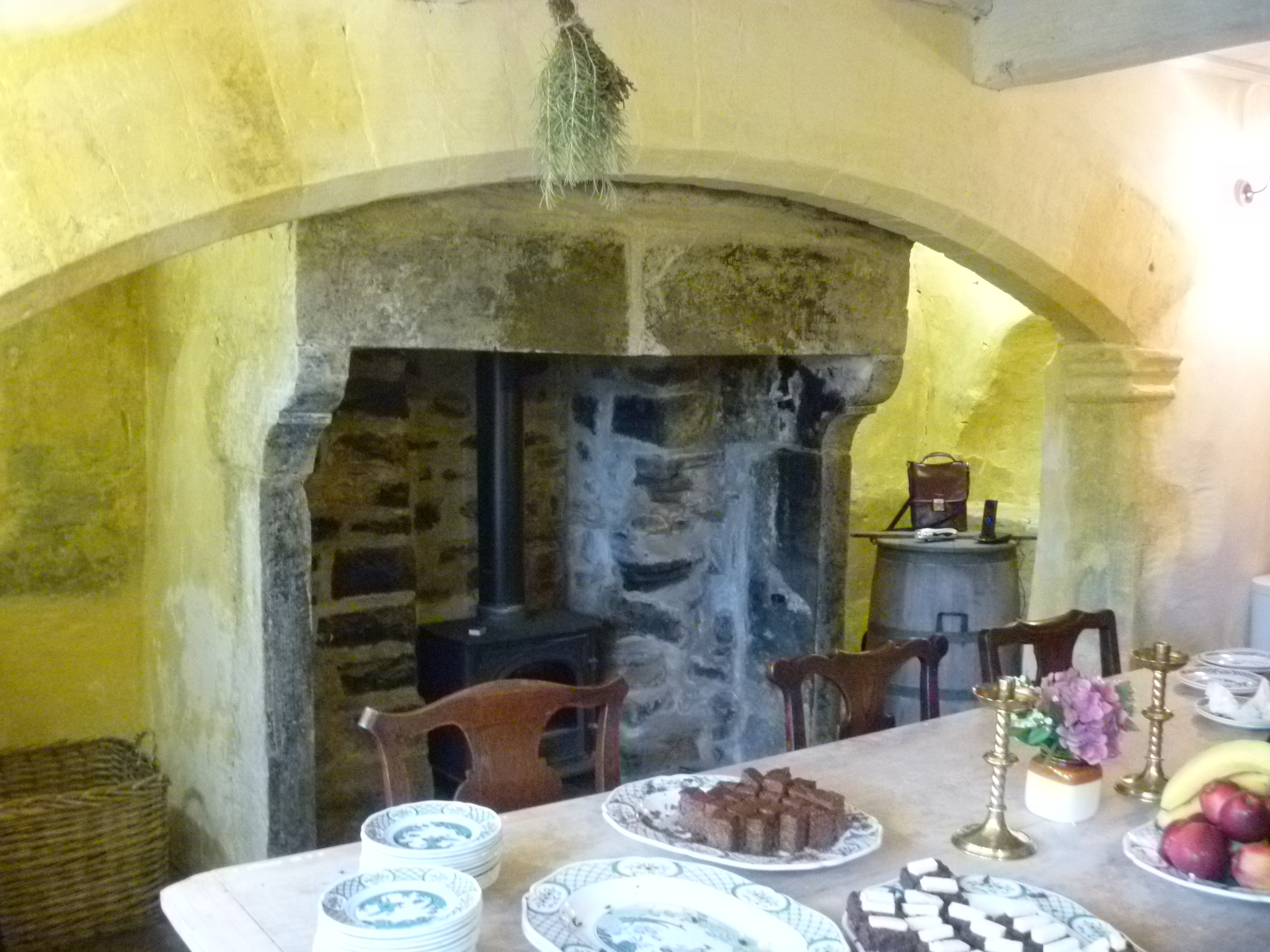
A warm welcome to Cowside. Cake on the table and a log fire in the stove in the Kitchen, or Housebody, as it is to be known.
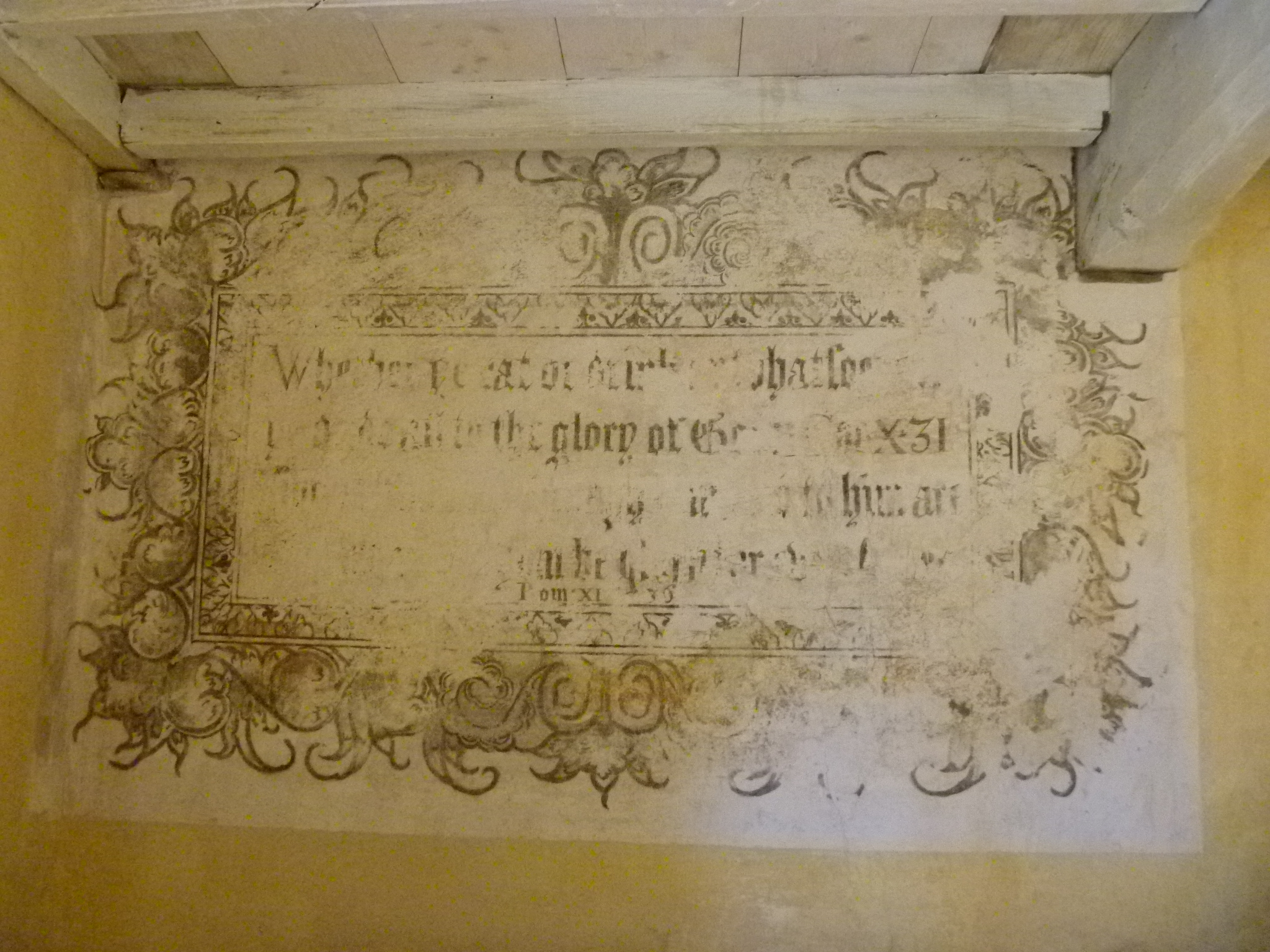
During early archaeological investigations these fantastic wall paintings were discovered. Monochrome Biblical texts in Gothic script they adorn two walls in the Parlour. “On the west wall is Whether ye eat, or drink or whatsoever ye do do all to the glory of God Cor[inthians] X:31 and For of him and through him, are all things: to whom be glory for ever. Amen. Rom[ans] XI: 36. On the east wall is Better is a dinner of herbs where love is than a stalled ox and hatred therewith Pro[verbs] XV: Cha[pter] 17 ver[se].”  From the Cowside History Sheet.
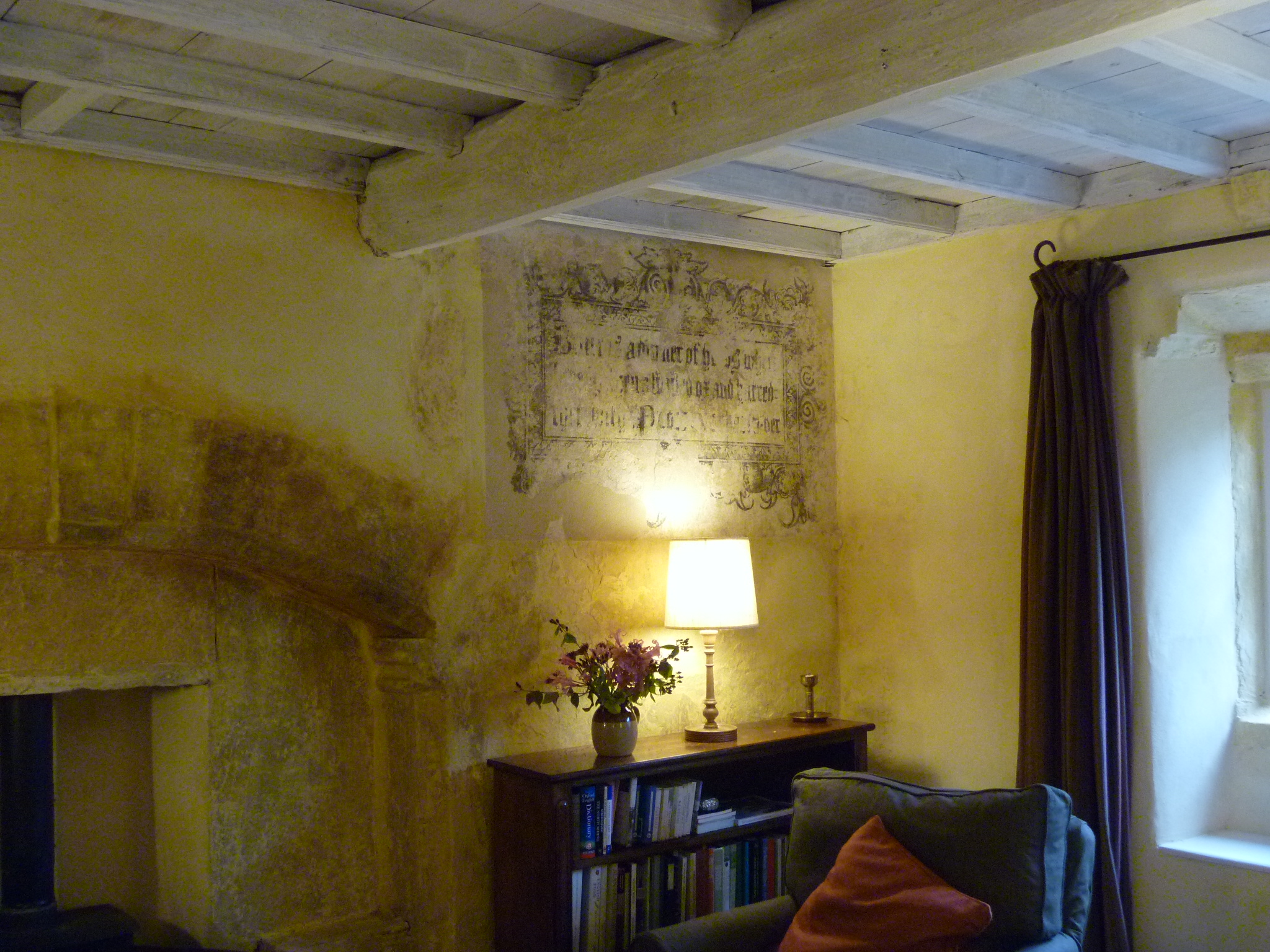
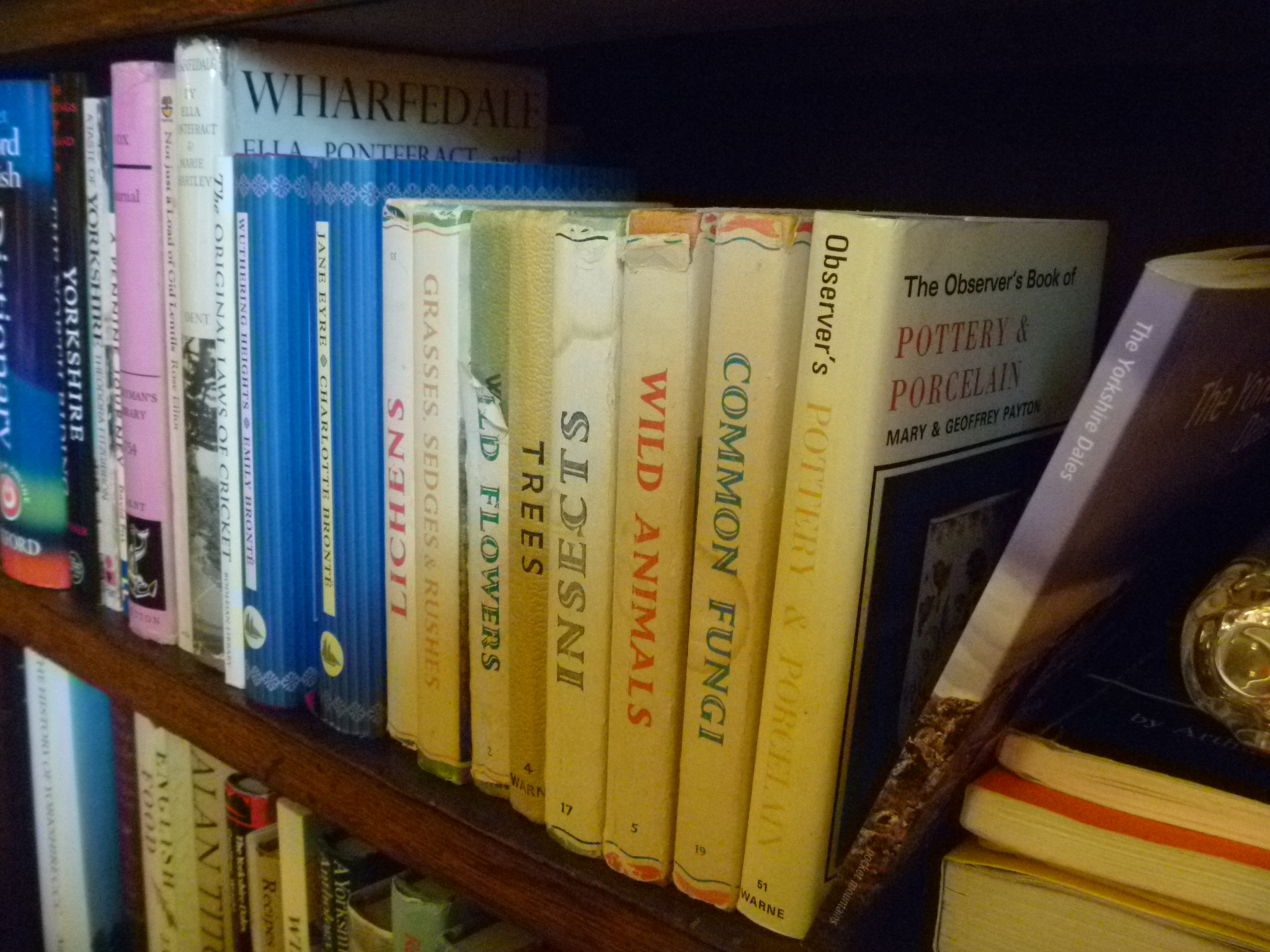
One thing I particularly appreciate when staying in Landmarks is the Landmark Library. This is not shelves of old books bought by the yard but a well chosen selection of relevant titles for adults and children alike.

“There will be a bookcase containing the sort of relevant and interesting books you might expect from a well-read host, as well as those standard reference books you sometimes need to get the most out of a good walk or conversation.”
On Ilkley Moor : The Colin Speakman Way

I’ve been regularly walking/hiking in the Dales and in Yorkshire in general since 1995. In the summer this year my sister and I tackled my (she did many of the national long distance paths during the 1970s) first long distance walk in Shropshire – Wild Edric’s Way. It was pretty tough in places – those places being along Offa’s Dyke where WEW shared the path with Offa’s Dyke Path. I learnt from this recent recording of Ramblings on Radio 4 that The Dales Way is often a first-attempt at a long distance path for many people. At various times I have walked along all of that part between Ilkley and Beckermonds finding some of it a bit too low level. It’s OK as part of a walk but it’s the sense of achievement on gaining a higher level path or peak and the views that go with it that I find the most satisfying. Still that did not deter me from setting out on Sunday to my second Ilkley Literature Festival outing which was a ramble with Colin Speakman – author of Walk!, and over 50 walking and other guides to Yorkshire and the man responsible for putting the Dales Way on the walking map.

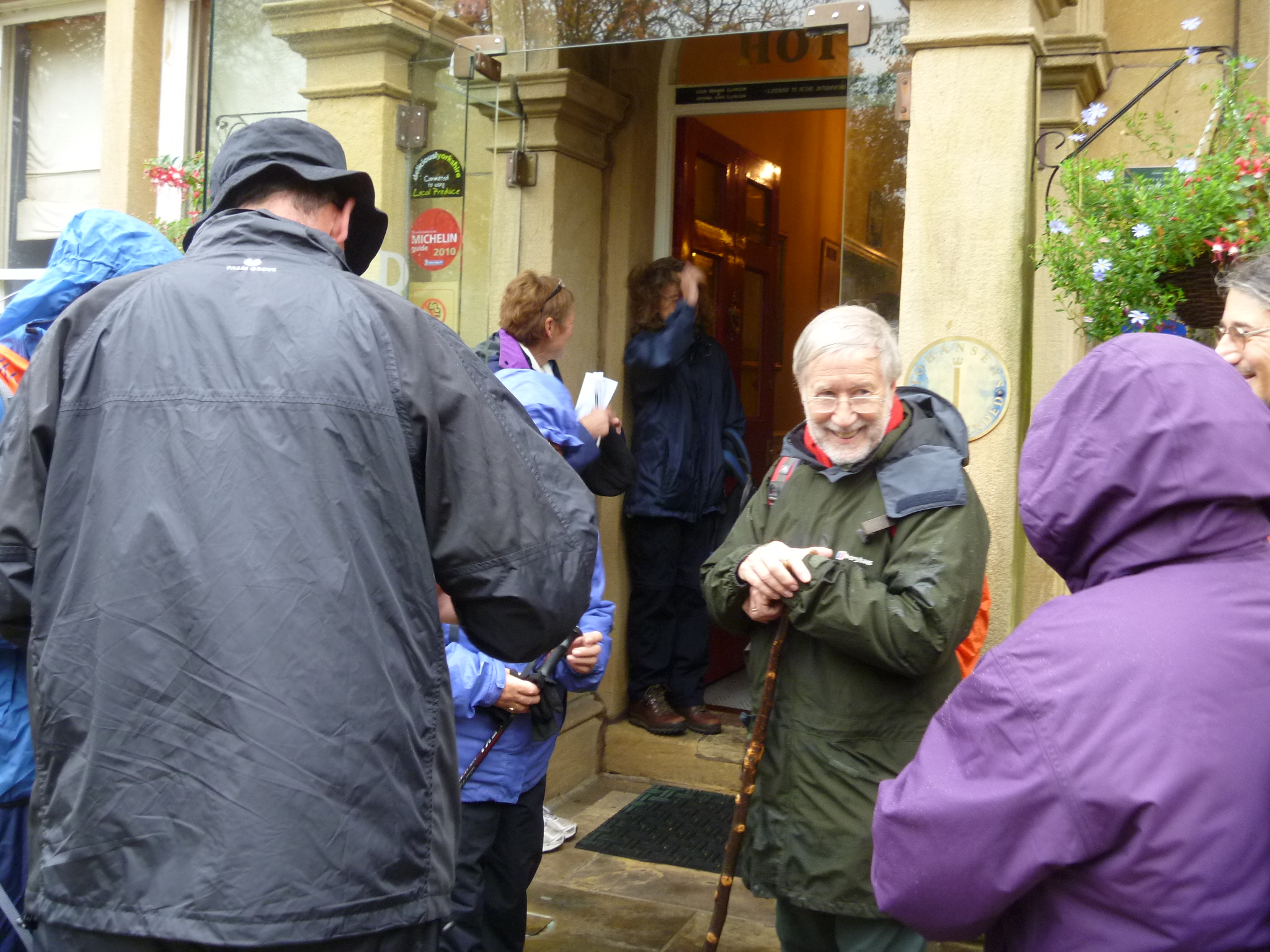
Colin Speakman meets his audience

We assembled in swirling rain by the main entrance to The Rombalds Hotel  on the doorstep of the Moor. Due to the weather our walk was to be somewhat curtailed – Colin’s ‘Plan B’. We were to take the donkey path up to White Wells and then the historic packhorse way (which links Ilkley with Bingley via the famous ‘Dick Hudson’s’ pub) through Rocky Valley and across the moor to The Cow and Calf Rocks. After a visit to the Hanging Rock quarry and the Hanging Rock itself our path would head down to the tarn and from thence back the Rombalds Hotel for tea.


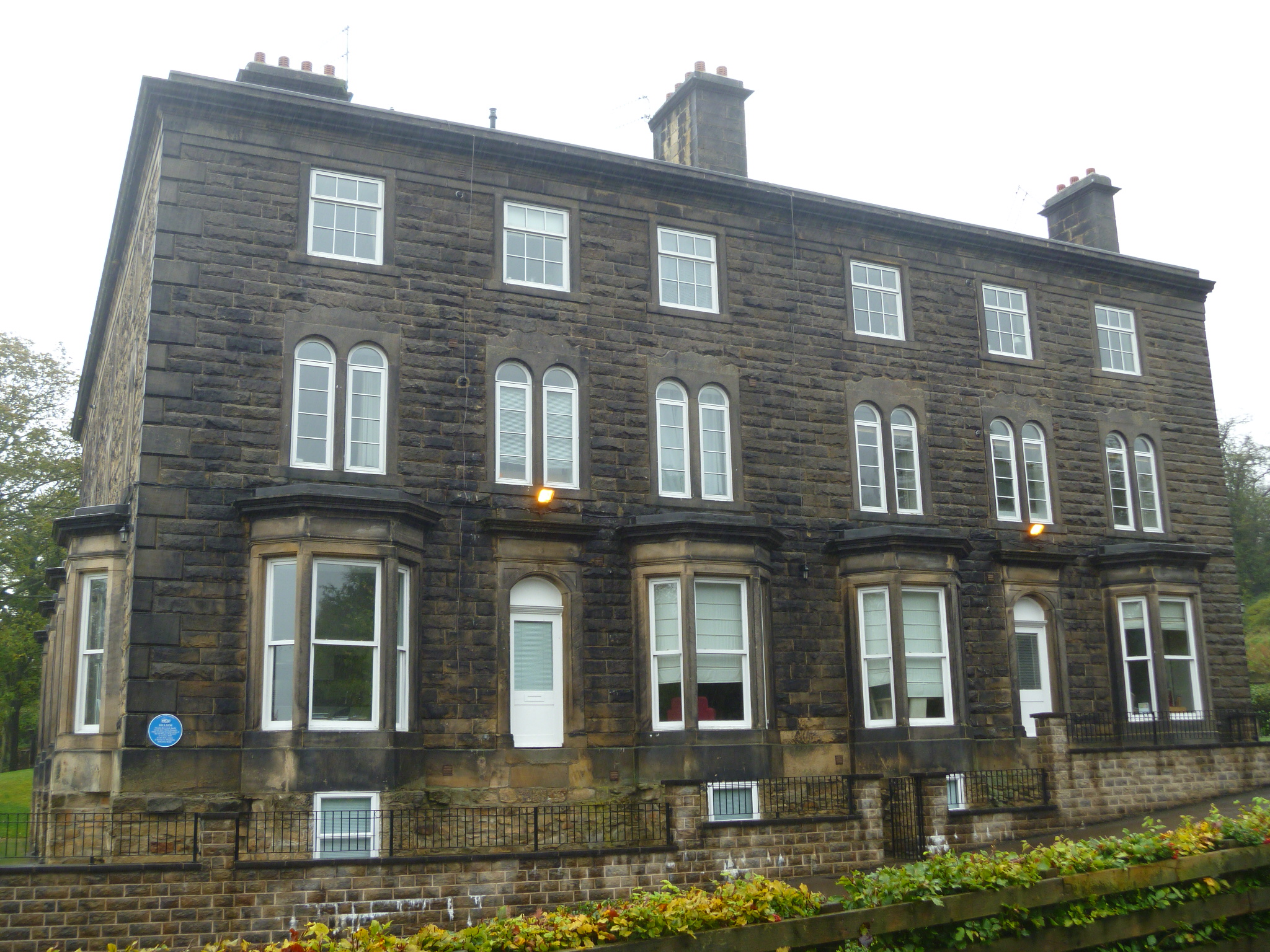
Our first stop was only steps from the Rombalds – the boarding house where Charles Darwin had stayed in Ilkley on his visit to the spa for ‘the cure’ in 1859. It was then a steep climb up to White Wells built in the 1760s.

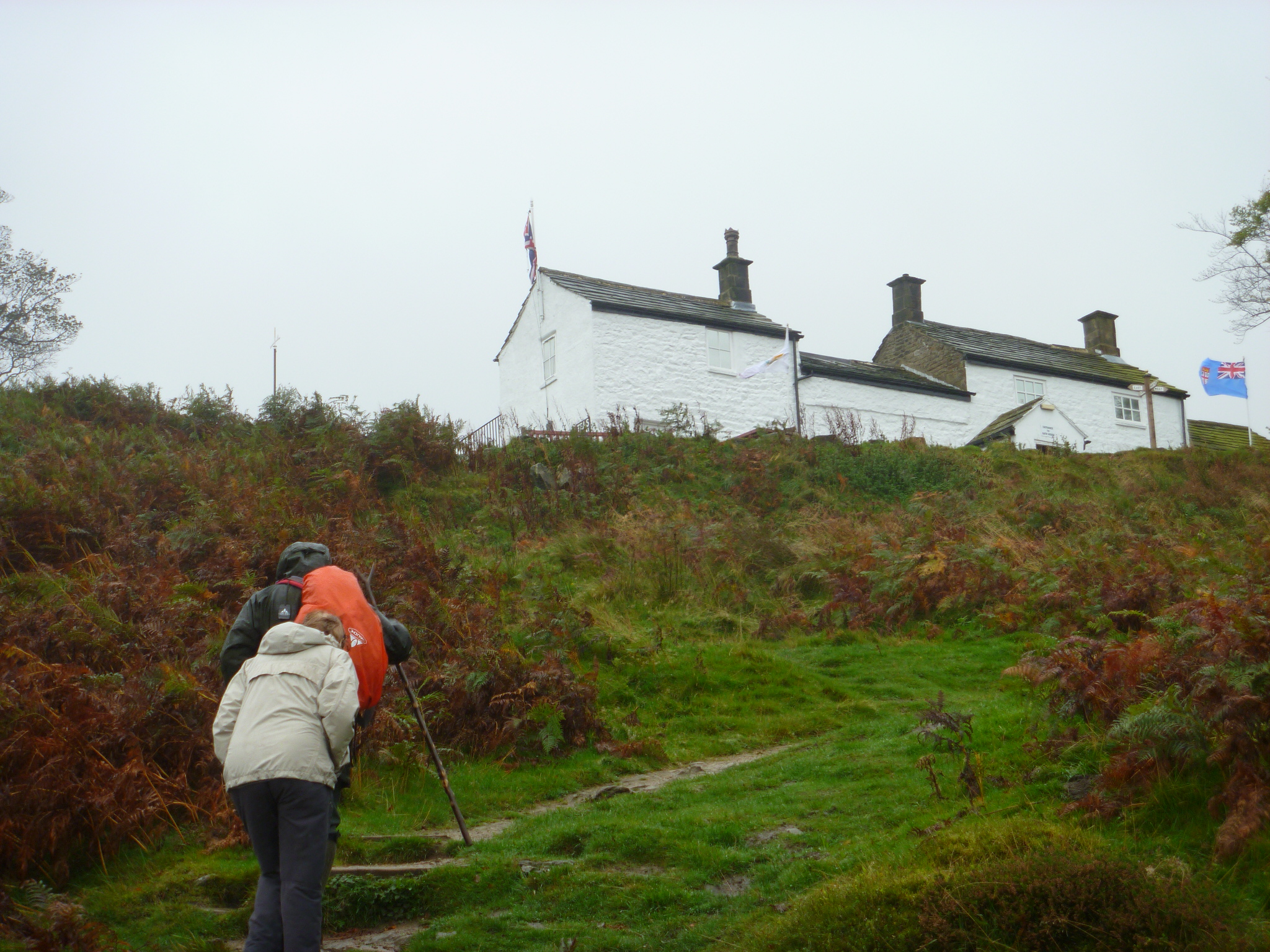
The steep path out of Ilkley to The White Wells.

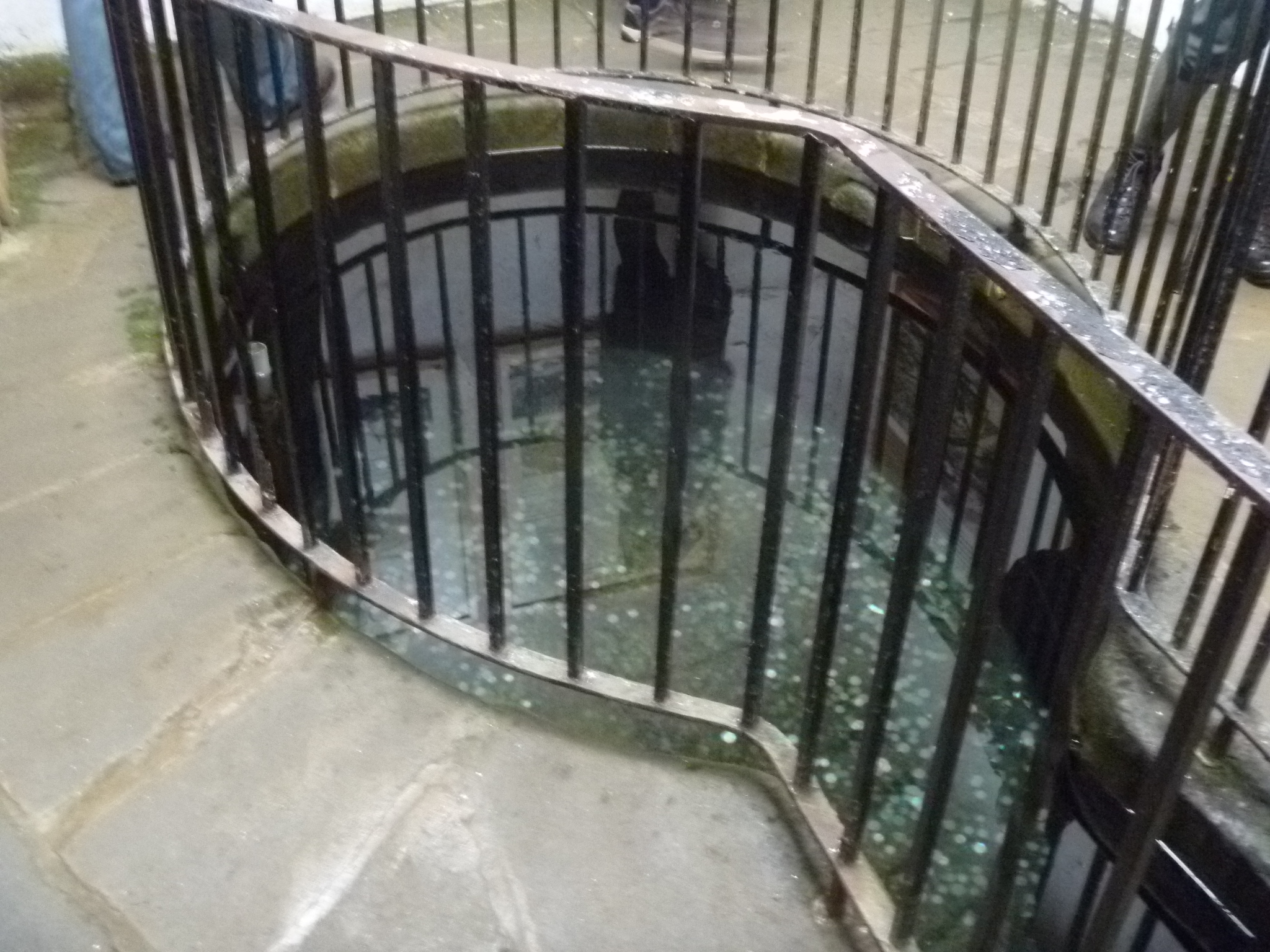
The White Wells plunge pool.

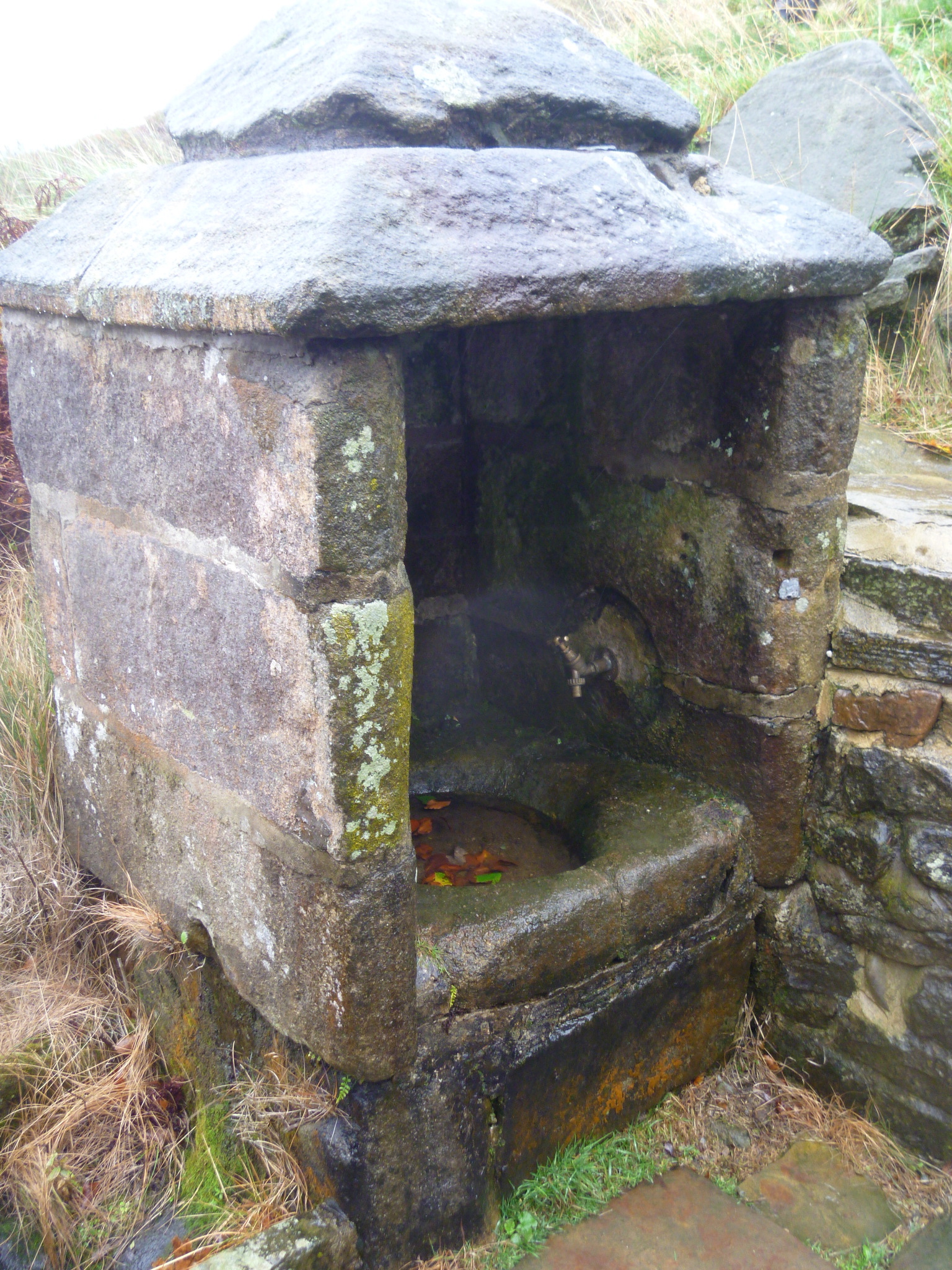
Turn the tap for the curative spring water!

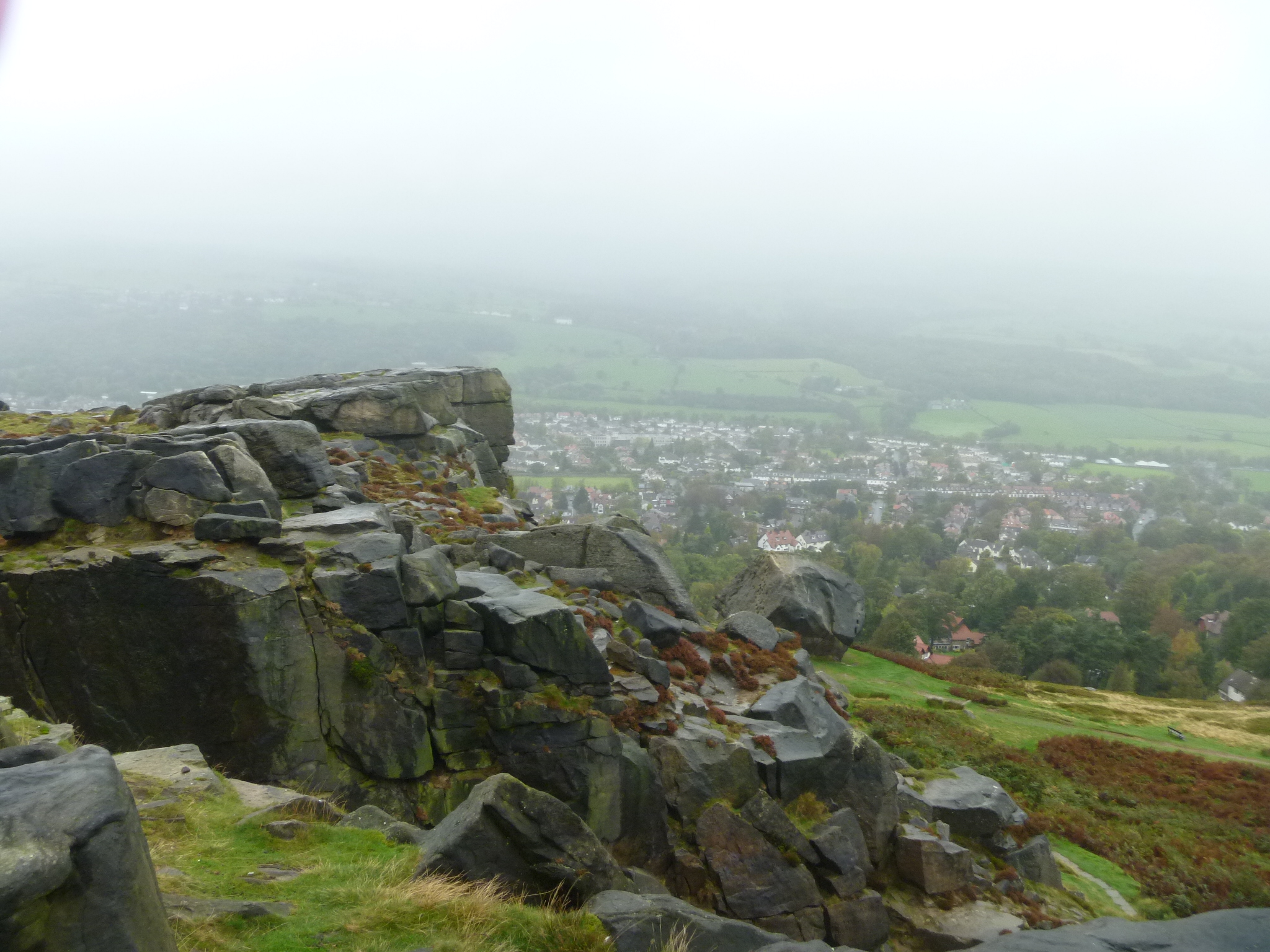
The Famous Cow and Calf Rocks

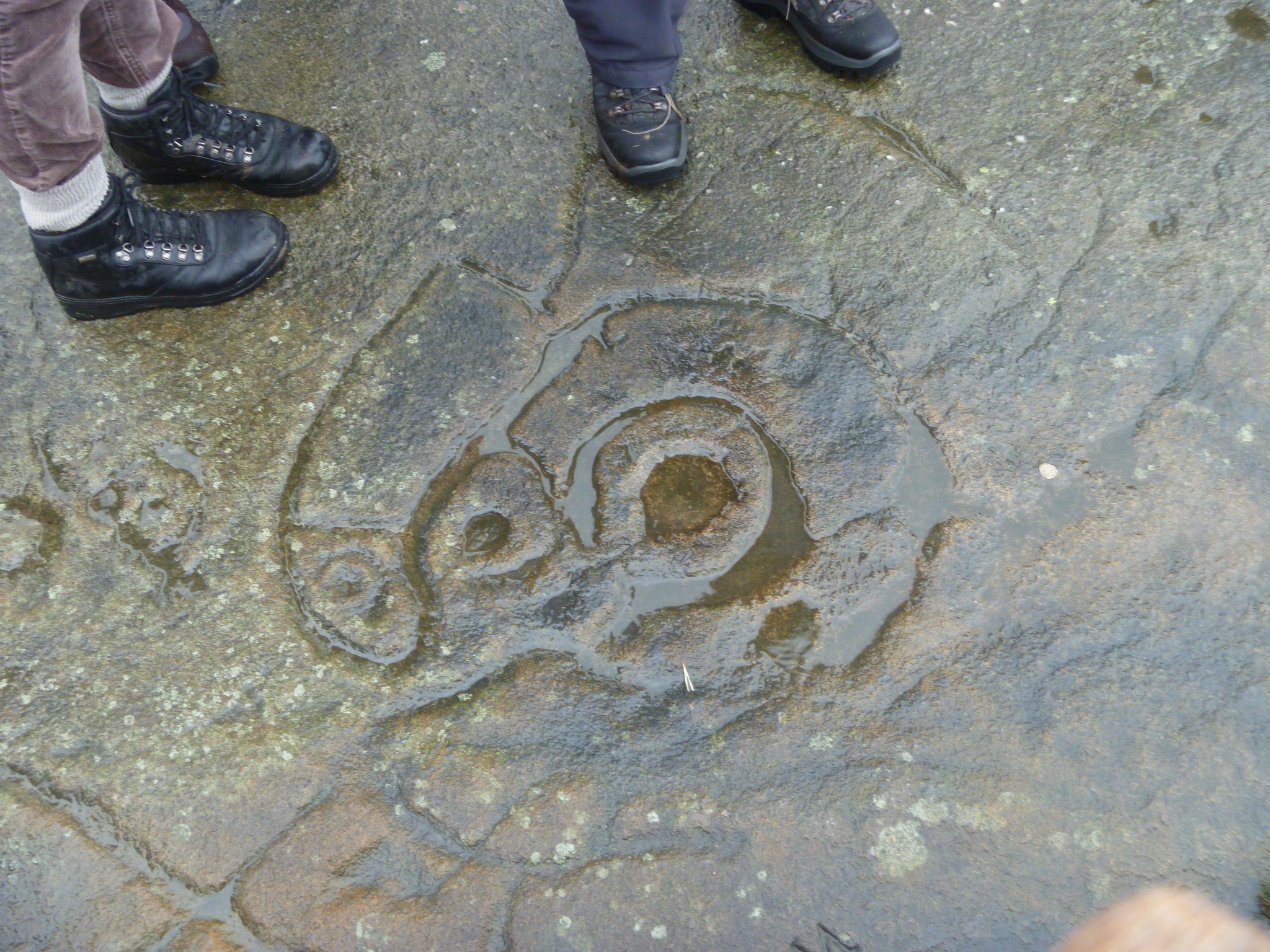
The Hanging Stone Rock with Early Bronze Age Carvings

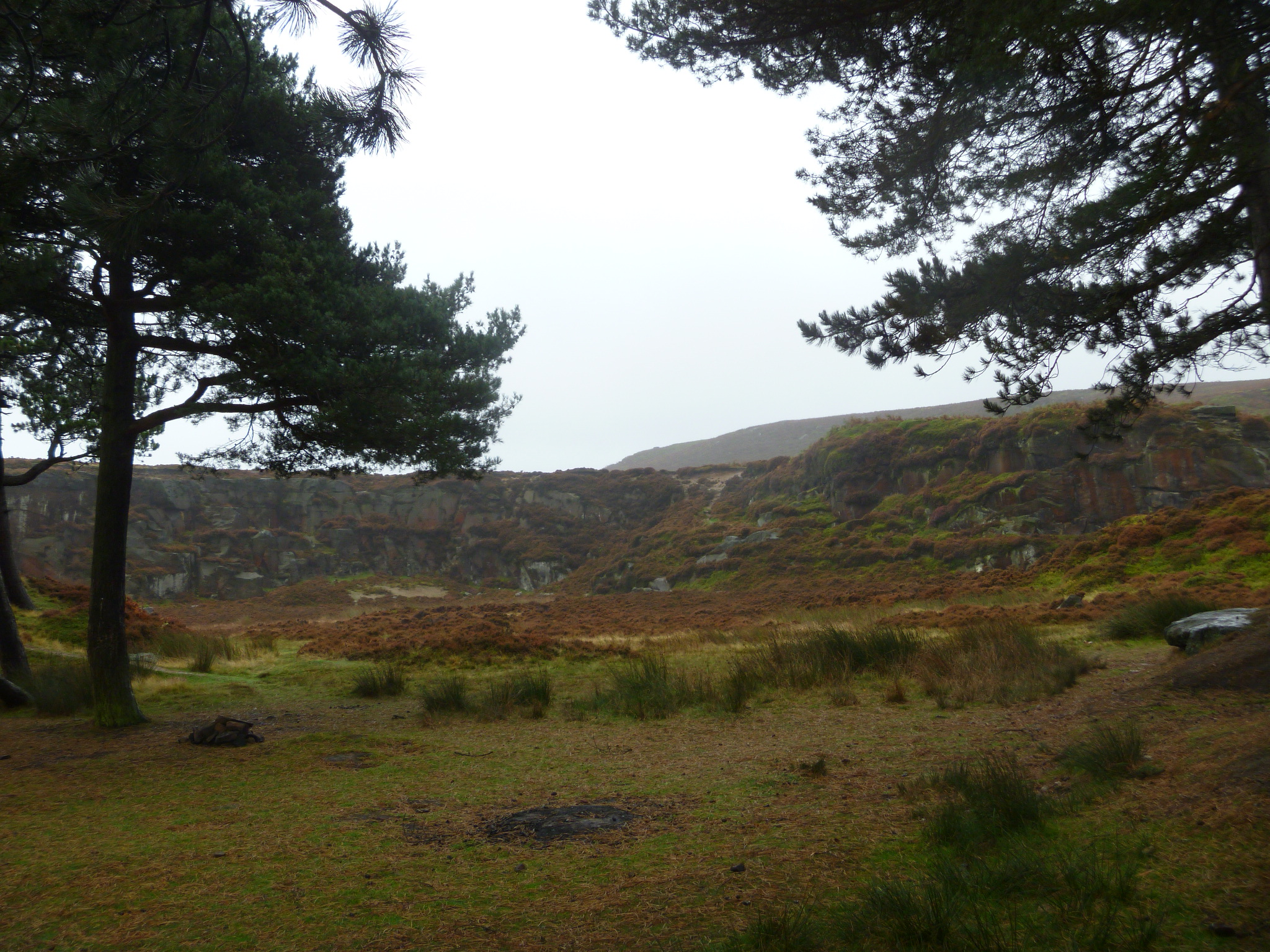
Hanging Stone Quarry

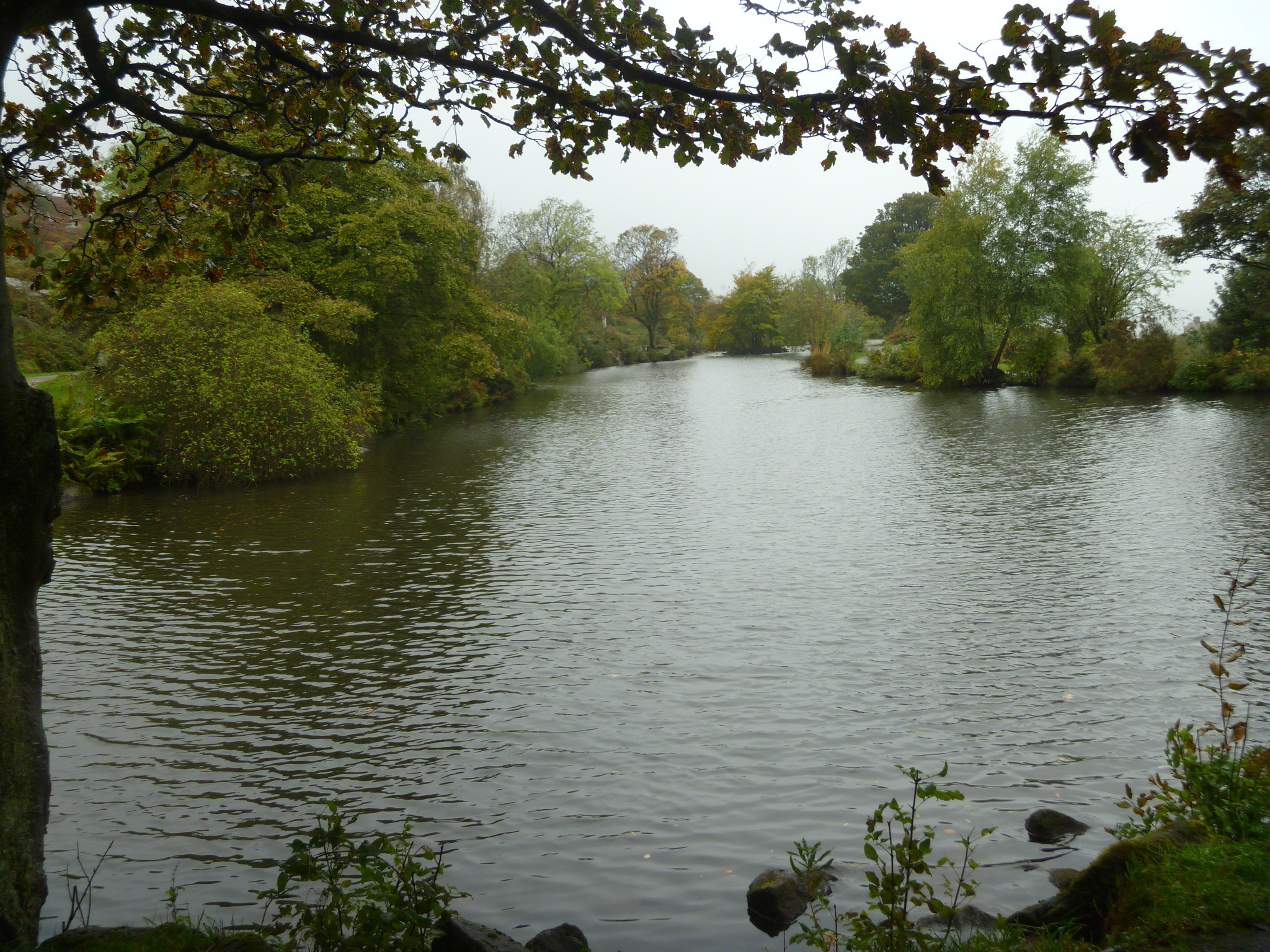
The Tarn – a natural water feature which was ‘improved’ by the Victorians who created the paths for a ‘walking’ cure.

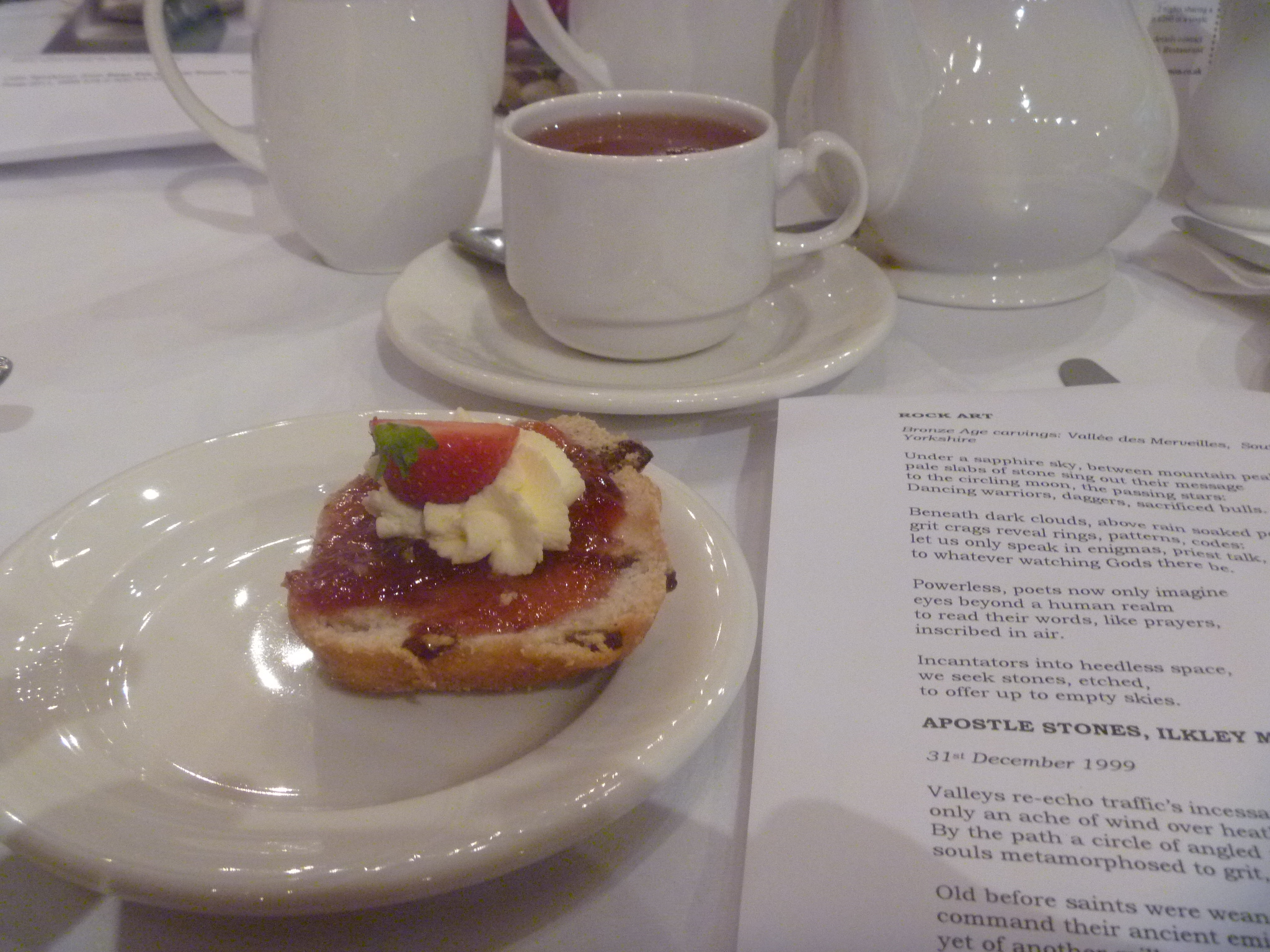
At the end of our walk – what could be better than a Rombalds tea and scones with jam and cream – yummy!

In The Magician’s Footsteps : Words, Land and Landscape

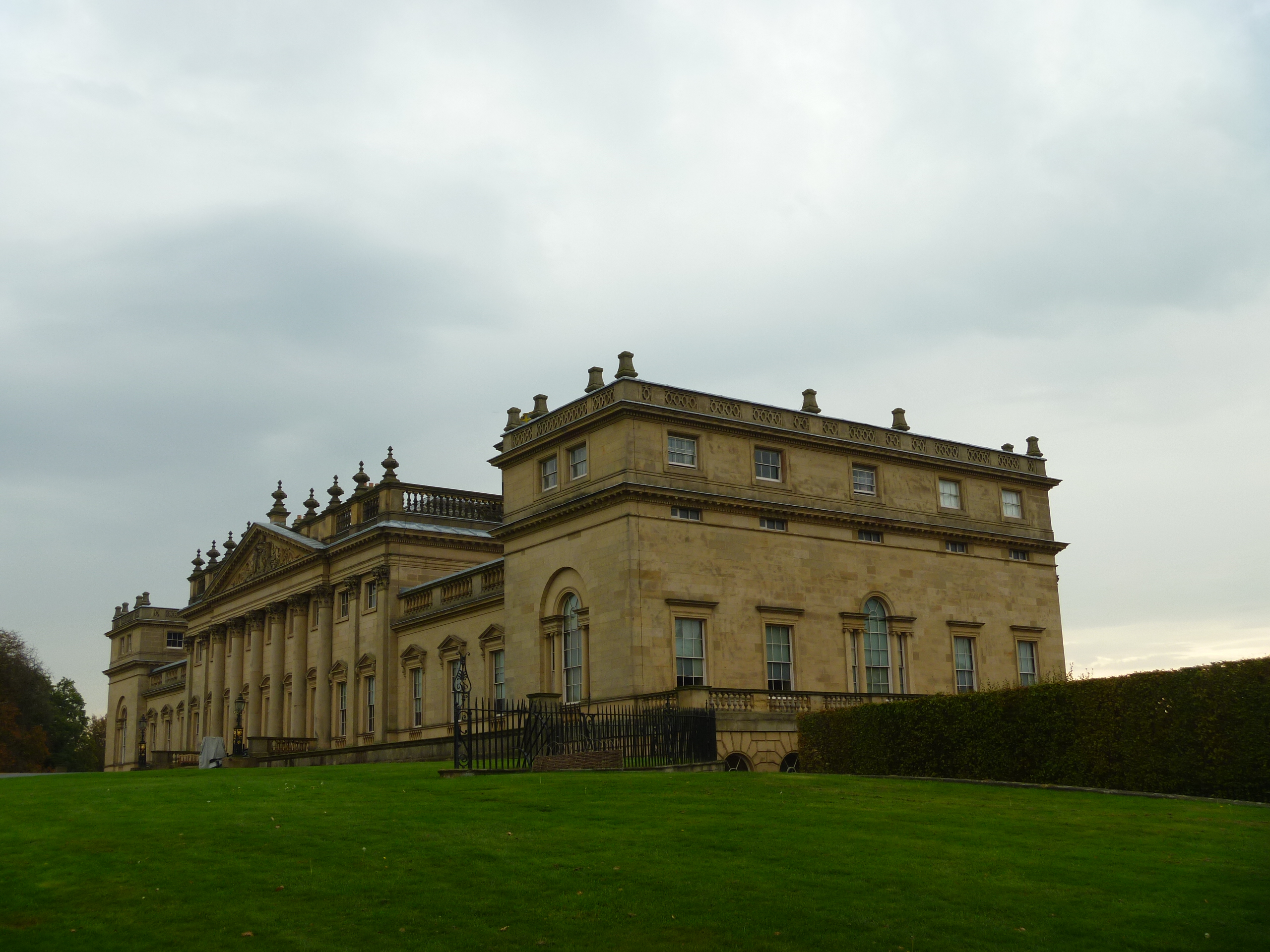
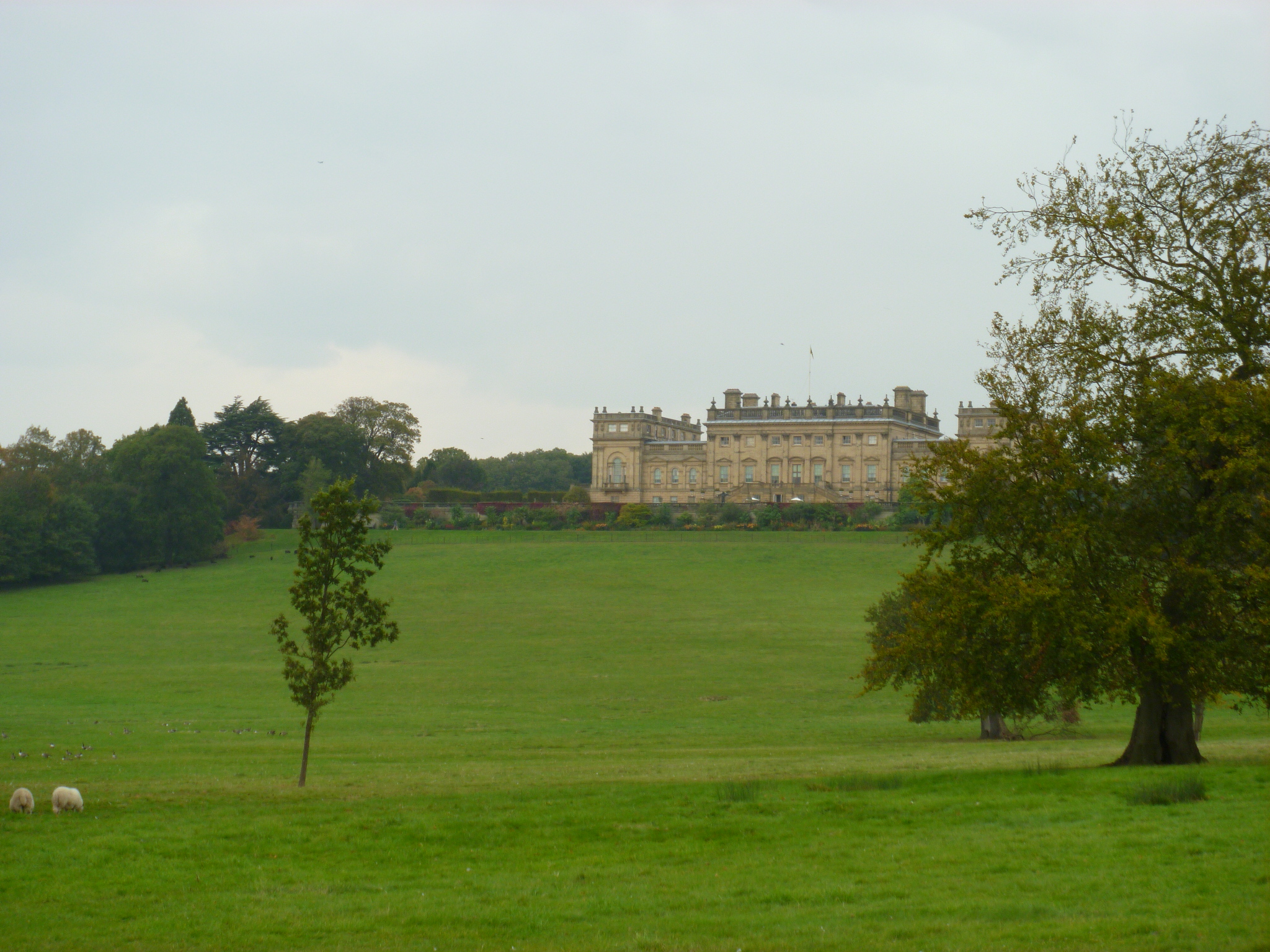
Harewood House. Today’s main entrance looks north and not over the park.

Every October The Ilkley Literature Festival in Yorkshire features a vast programme of talks, discussions and events from which it is difficult sometimes to choose just a couple. This year I had no problem with my selection and today’s choice includes more than one love of mine – books, country walking and a historic house visit: the ‘Capability’ Brown Walk.

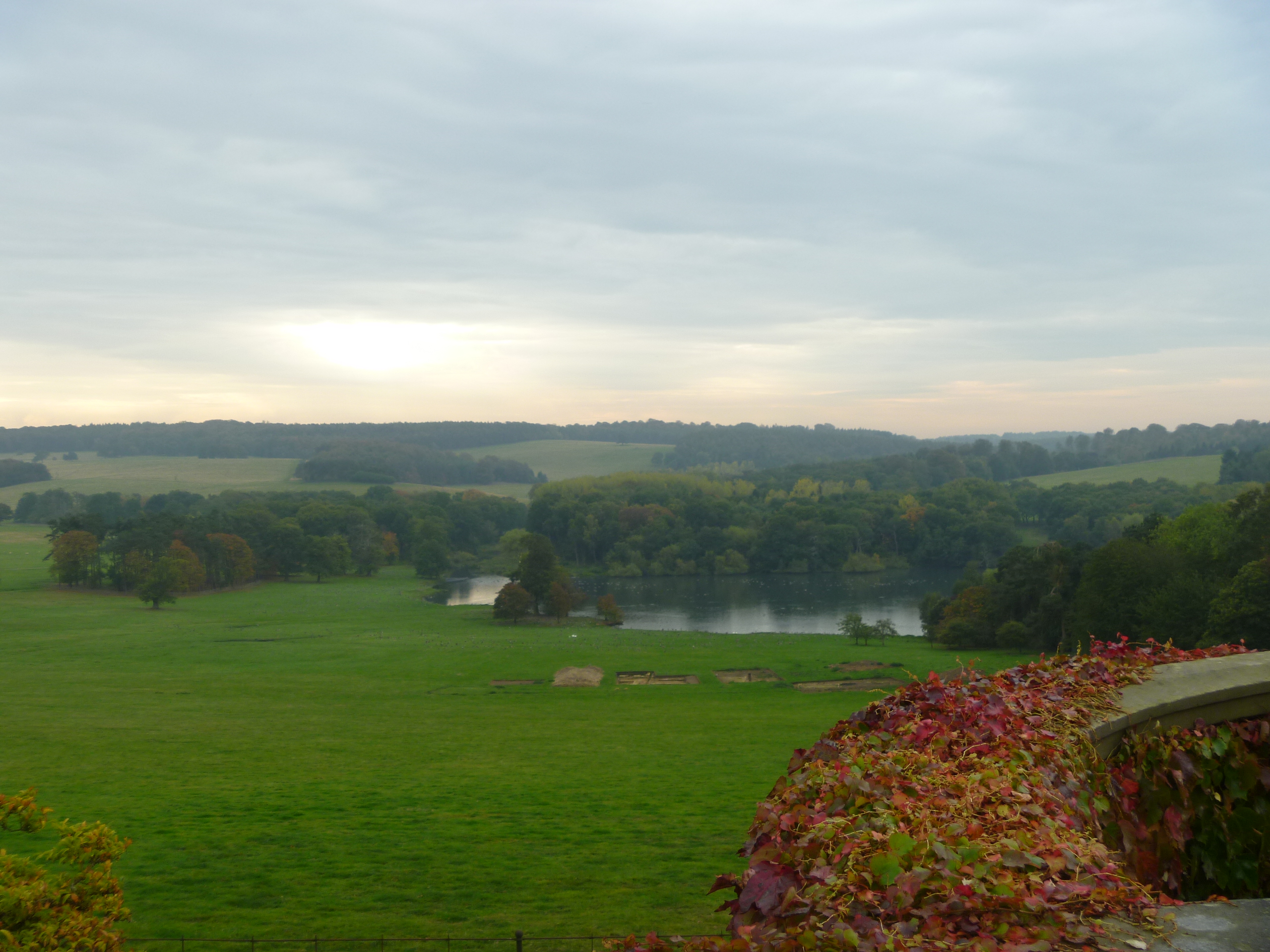
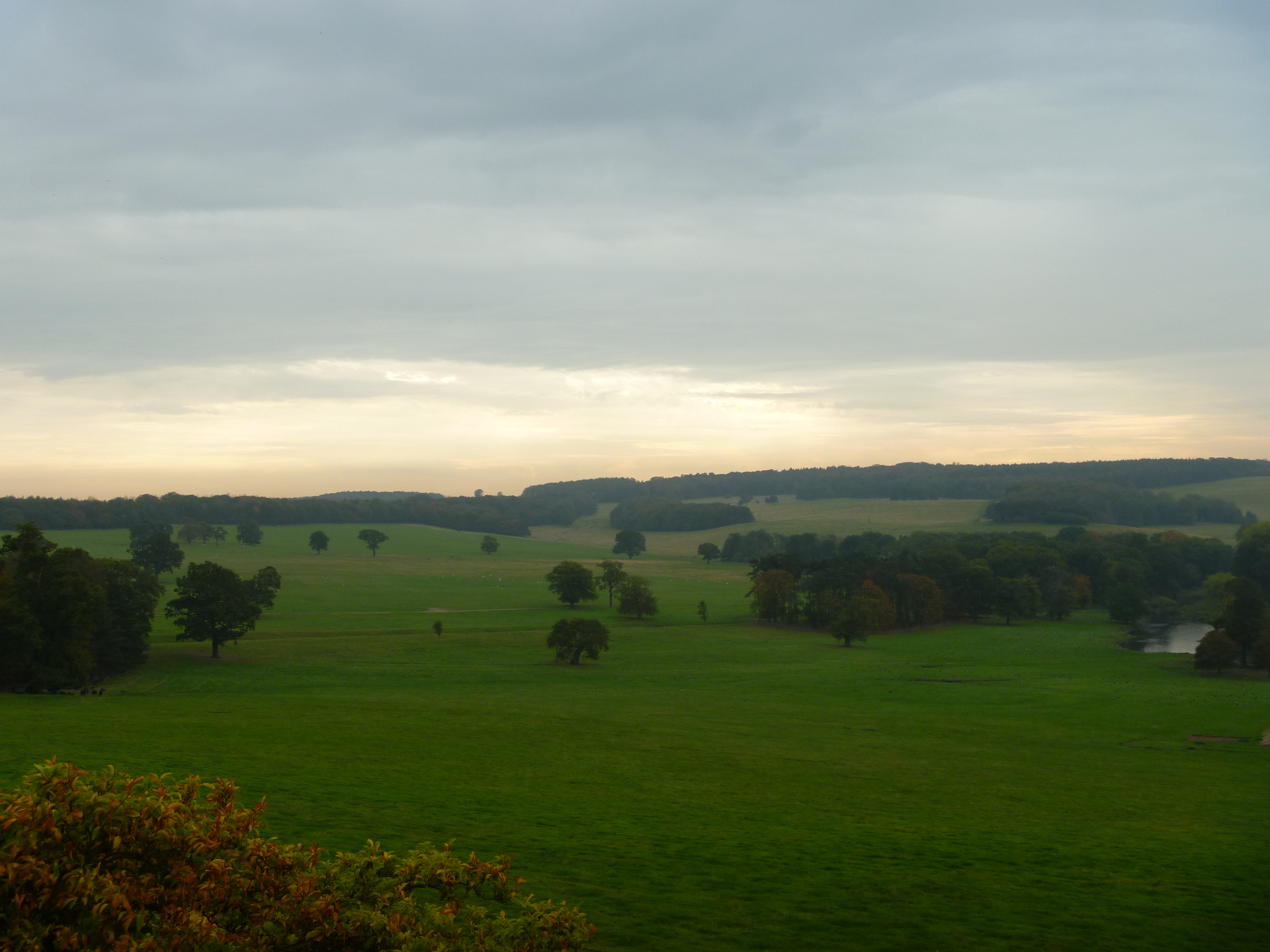
Looking south over the parkland from the Terrace.

A mixed group of us met on Sunday morning in the grounds of Harewood House, just a few miles from Leeds, to follow on the heels of Head Gardener, Trevor Nicholson and author of the book “The Omnipotent Magician: Lancelot ‘Capability’ Brown, 1716-1783″, Jane Brown (no relation). We were all there to find out more about the eighteenth century landscape designer extraordinaire – ‘Capability’ Brown. Naturally, the focus today was Brown’s influence on the superb outlook from Harewood (pronounced Harwood) House. My pictures just don’t do the scene justice.

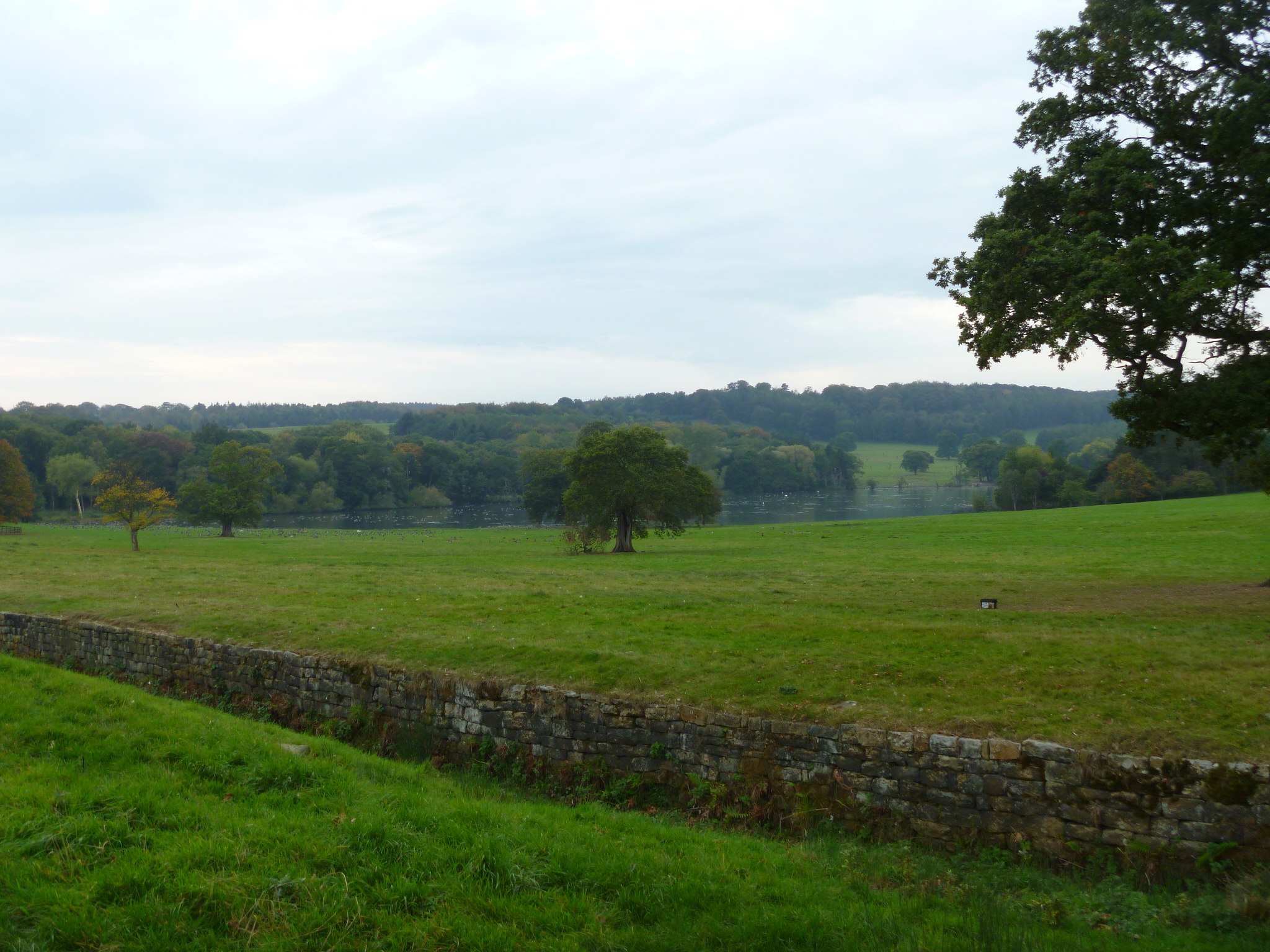
We were told that the ornamental parkland was set out in the 18th century by Brown. He came to Harewod in 1758 and proceeded to wave his magic wand over the next few years (helped by his Foremen and a large band of local labourers). This parkland is a fine example of Brown’s characteristic arrangements – native trees, gently sweeping hillsides, a lake. He got rid of all field boundaries and each and every tree is located just where Brown decided it would have the most impact. Hahas were dug in order to restrict the movement of the sheep, deer and other animals.

The Haha also forms a drainage conduit.

The original manor house (Gawthorpe Hall) had been demolished and during the time that Brown was working here a new house was being built by John Carr of York and Robert Adam on a spur of land looking south. Part of Brown’s plan was to create a carriage drive to the house in order to impress visitors arriving from London.

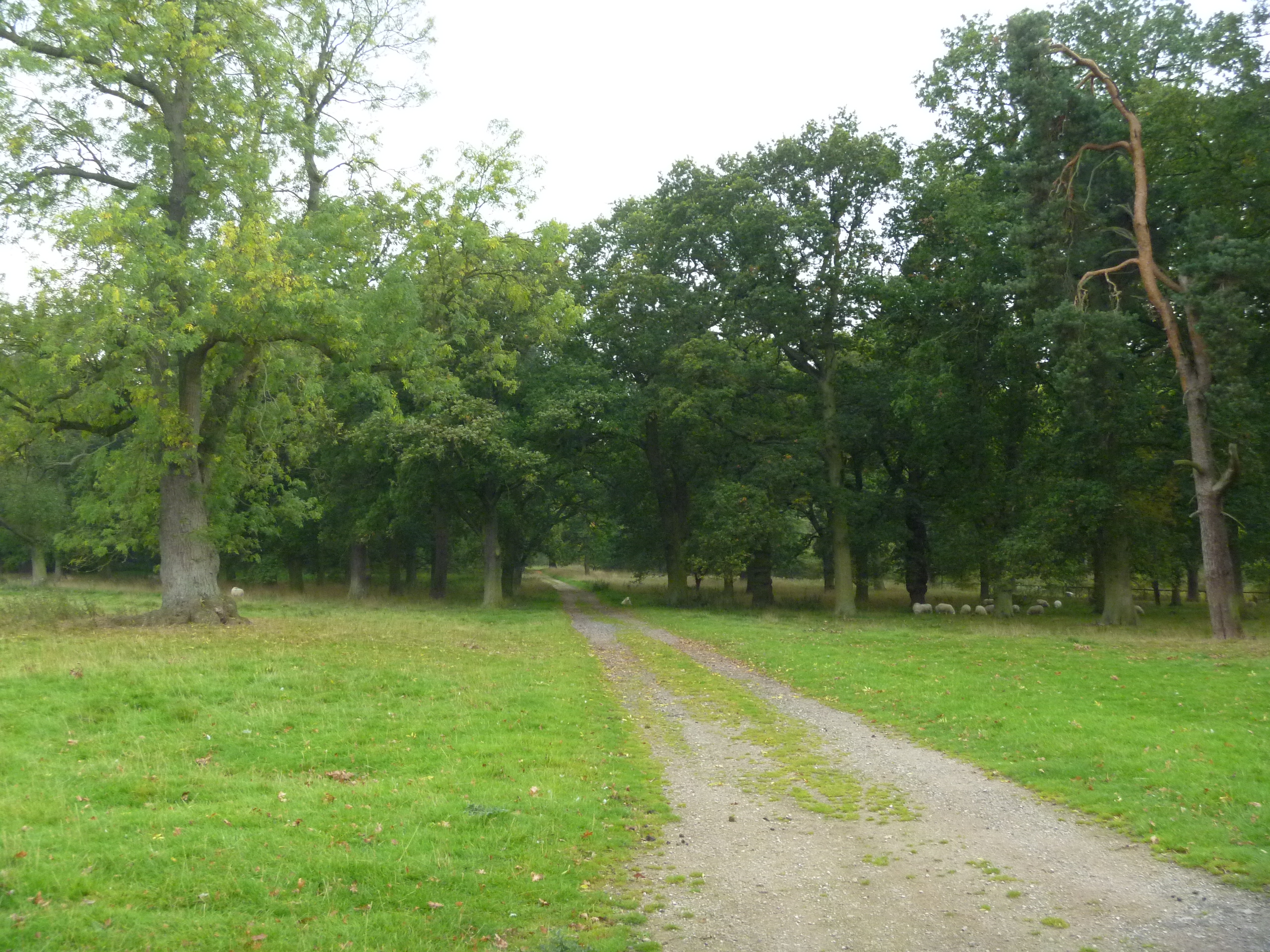
After admiring the view we were taken down this drive (which is not open to the general public) from where we gained glimpses of the house as visitors would have done since the 1770s. Brown’s plan was to improve on nature and it resulted in our typical English countryside. This is recognised as a truly English style and contrasted greatly with the French formal style. Of course, later the Victorians made changes to both the house and the gardens, but fortunately not to the park.

The Carriage Drive today as it emerges from the woodland.

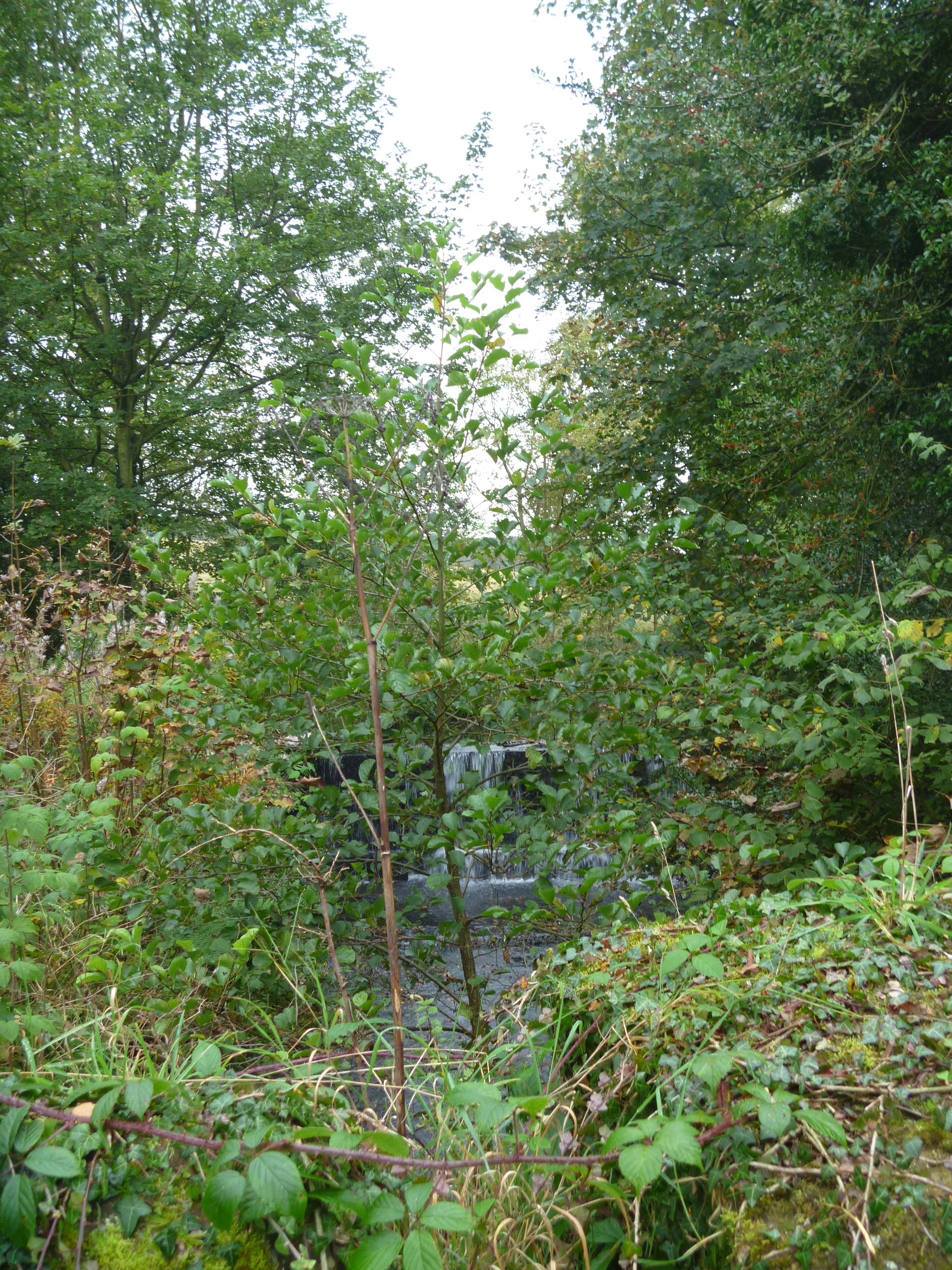
Not only did he pay attention to views and aspects but also planned cascades under bridges for the sound effects! Everything was done to impress visitors.

Cascade by the Rough Bridge

Brown seems to have had a boundless supply of energy. He travelled around the country visiting projects, extolling on the virtues of views and their ‘capability’ for improvement, collecting his fees and, according to Jane, took on at least 200 major projects.

Our walk took us across the fields by the lake in front of the house and through some delightfully wooded gardens back to the house itself where a sandwich lunch was served in the Steward’s Room where “Capability’ himself would have been entertained on his visits to Harewood. Yet again no photography is allowed in the House!