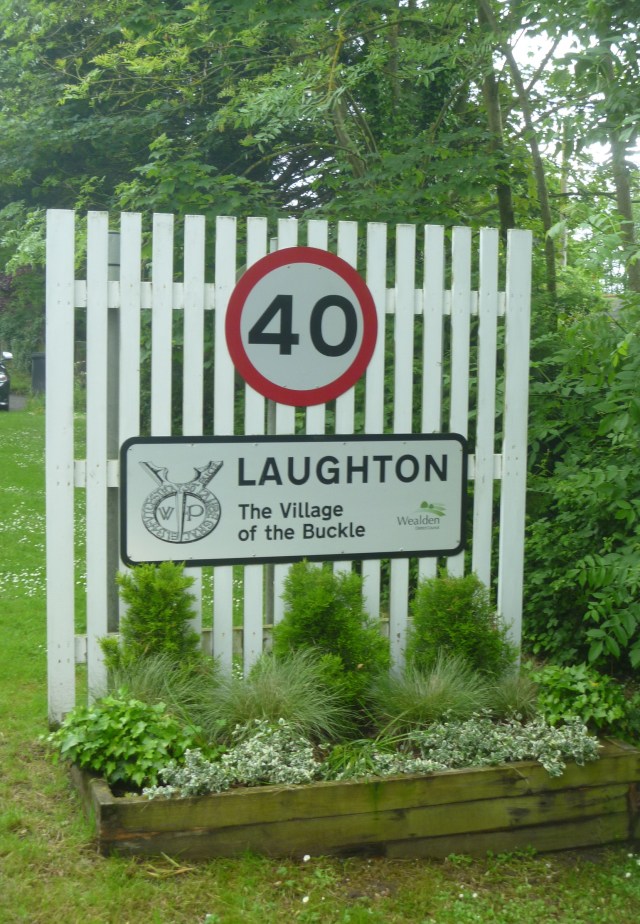
Laughton in East Sussex lies about 5 miles NE of the county town of Lewes and that is where I spent 6 nights last week. Actually, not quite in Laughton itself but at the Landmark Trust property Laughton Place about a mile and a half from the village on foot but probably two miles by road. I’ll write more about Laughton Place next time but just show some pictures of the village and explain about the Buckle here.
“What time ye French Sought to have Sackt Seafoord;
This Pelham did Repell them back Aboord”
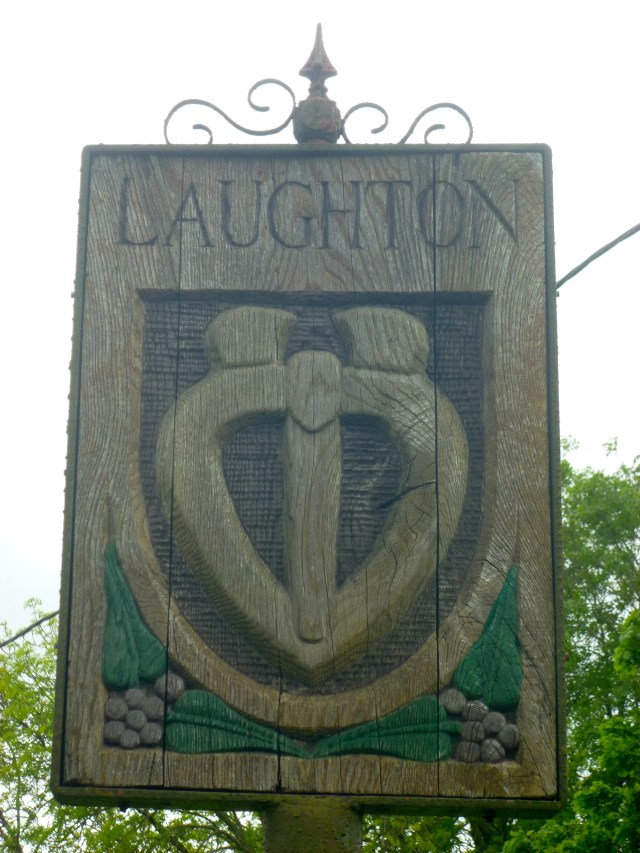
This poem and the buckle on the village sign represent the colourful Pelham family whose own history dominates that of this area. During battle in 1356 Sir John Pelham managed to capture the King of France. The English king [Edward III] was so impressed that he removed the buckle of his sword belt and handed it to Sir John as a reward. It henceforth became the badge of the Pelhams and can be seen throughout the village. [Adapted from Wealden Walks leaflet]
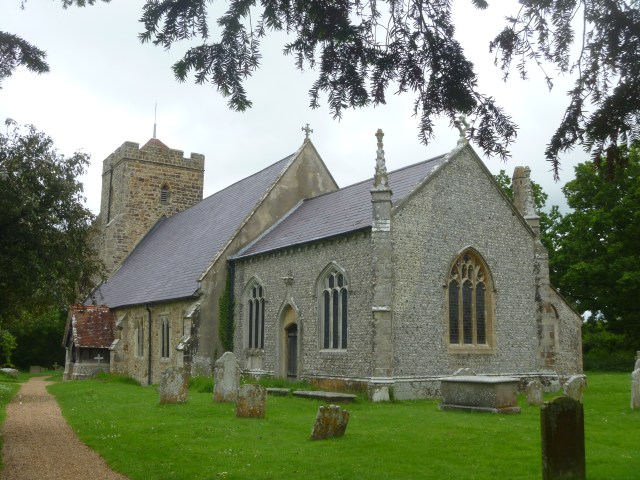
All Saints Church, Laughton
Below Laughton church lie the remains of over sixty Pelhams, including two Prime Ministers [Henry Pelham (1694-1754) and his brother Thomas Pelham-Holles (1st Duke of Newcastle) (1693-1768)]. The latter rebuilt the chancel and donated a new set of bells to the church in 1724, which he had cast on the spot by a travelling founder.
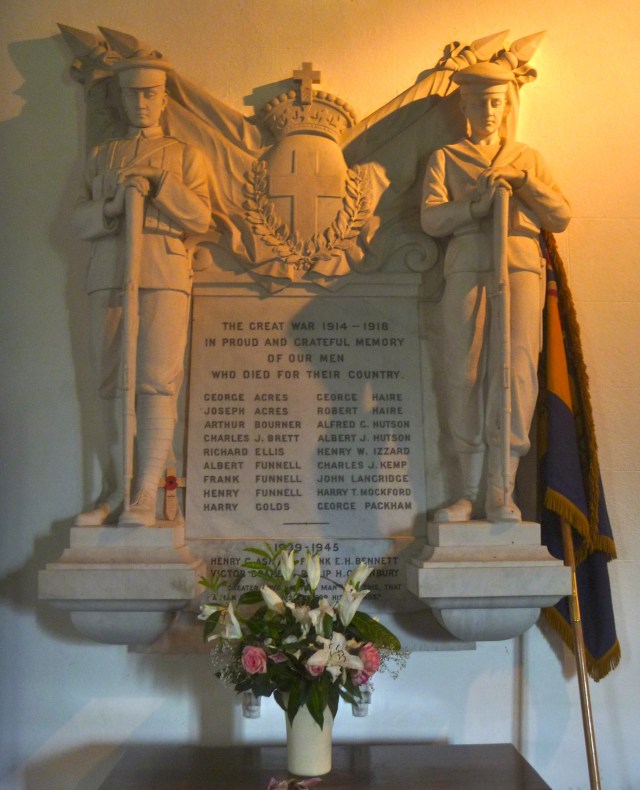
War Memorial in Laughton Church
“In front of the now blocked north door an impressive war memorial was erected in 1921 in honour of the eighteen Laughton men killed in the Great War. The striking war memorial in the nave was dedicated in 1921. Sculpted in Italy of Carrara marble, it was paid for in Italian lira to take advantage of the exchange rate at the time. Four names were added following World War II.” [Source]
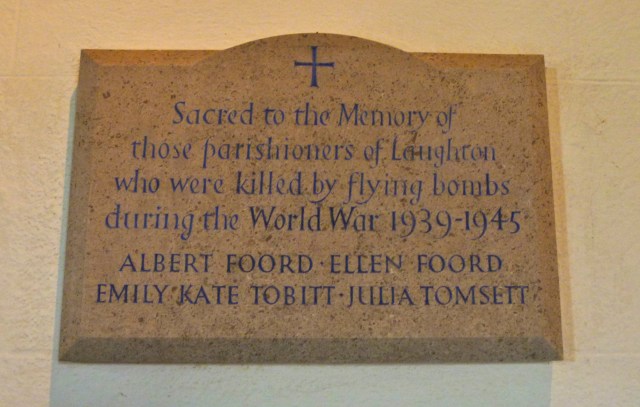
A tablet on the same wall records the death of five people killed by a flying bomb in Shortgate.
Laughton has a pub, the Roebuck (shouldn’t that be Roebuckle??) which I didn’t try and a village shop and Post Office, which I did. The kind shopkeeper was able to point me in the direction of The Hammonds where the poet and author Eleanor Farjeon lived during the First World War.
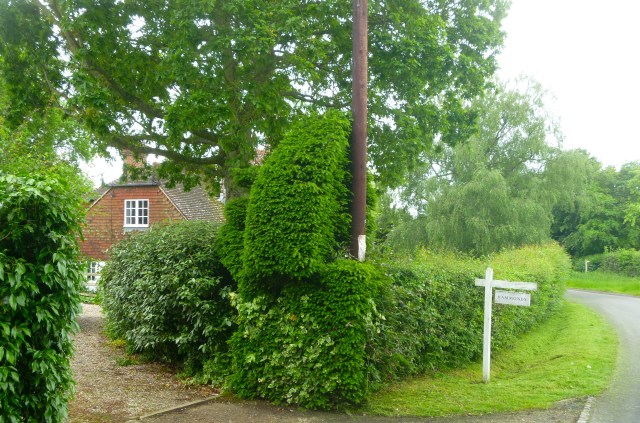
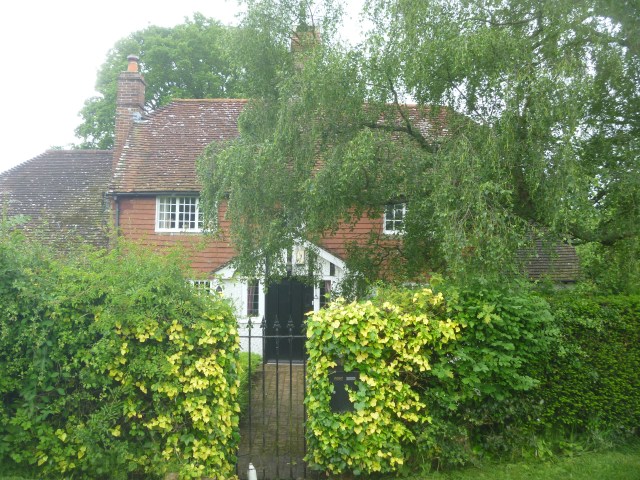
Eleanor Farjeon wrote The Little Bookroom for children and the Martin Pippin books which are based on the East Sussex countryside.
Farjeon is most famous for her hymn Morning Has Broken which became a popular track on Cat Stevens’ album .
Morning has broken,
like the first morning
Blackbird has spoken,
like the first bird
Praise for the singing,
praise for the morning
Praise for the springing
fresh from the word
Sweet the rain’s new fall,
sunlit from heaven
Like the first dewfall,
on the first grass
Praise for the sweetness
of the wet garden
Sprung in completeness
where his feet pass
Mine is the sunlight,
mine is the morning
Born of the one light,
Eden saw play
Praise with elation,
praise every morning
God’s recreation
of the new day
Oh, yes, we’ve still got our Teaser and the Firecat LP record (1971)!
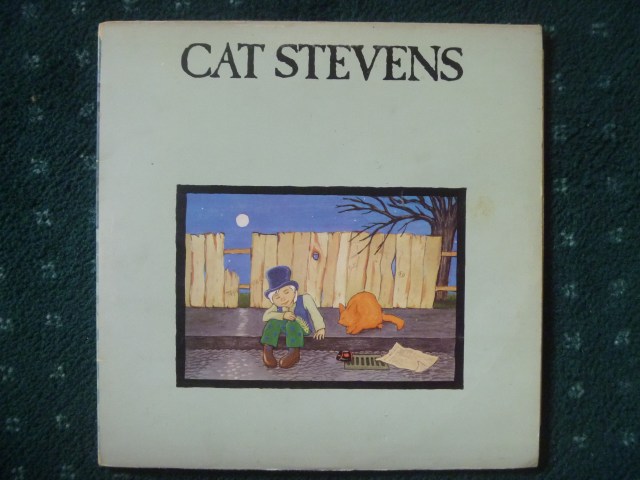
Teaser and the Firecat LP Cover
 miladysboudoir