In addition to the Barry exhibition at the Bern Natural History Museum there were several other setions which attracted my interest. By the way, re-reading my post of yesterday reminded me that I’d seen a real live Barry on the Gornergrat a few years ago. I thought he was having a day out just like me but apparently he’s part of the scenery.
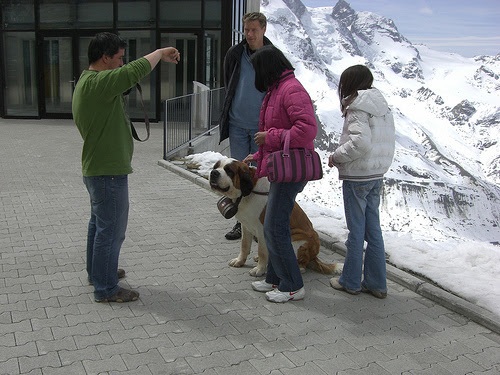
A St Bernard poses for the camera
Like most Natural History Museums the world over the museum in Bern has its fair share of mammals from around the world but these were not of great interest to me. I prefer something of more local interest.
The Planggenstock Treasure has been on display in the Museum since 2011. These quartz crystals and crystal clusters were discovered under the Planggenstock Peak in the canton of Uri in Central Switzerland in 2005.
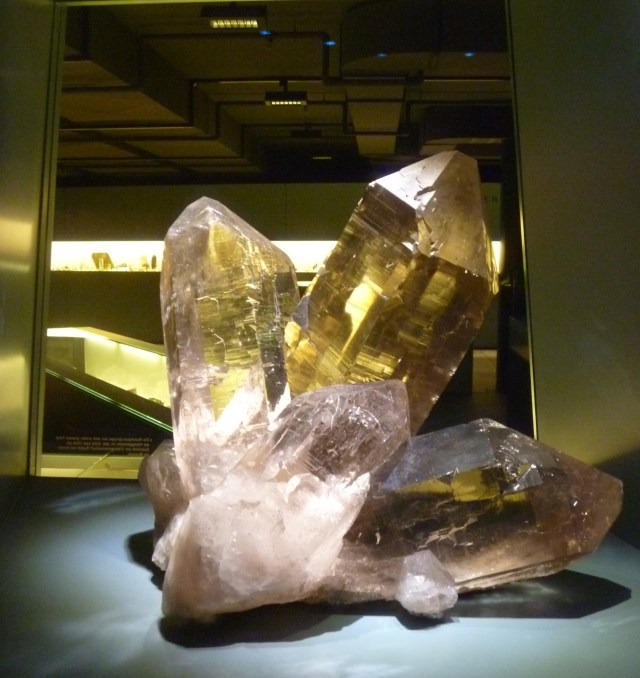
The largest group of crystals weighs 300kg.
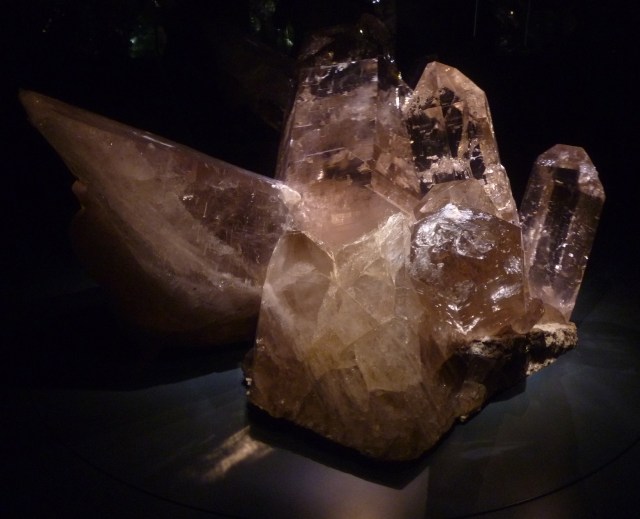
Smoky Rock Crystals
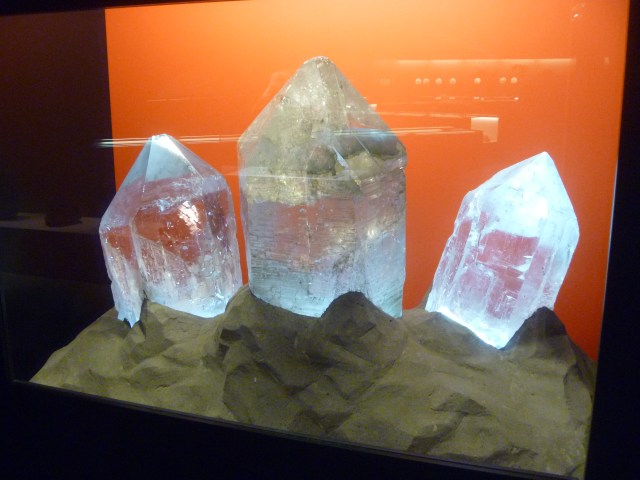
The oldest objects in the collection are three rock crystals found in 1719 on the Vorderer Zingenstock.
As time was limited I left the collection of minerals, crystals, diamonds and rocks and moved on to the section featuring dioramas of the wildlife of Switzerland. Here was diorama after diorama of birds and animals in their settings. I was particularly interested to se all the different types of deer. I would call a deer a deer but in Switzerland they always distinguish between roe deer and chamois and red deer and ibex.
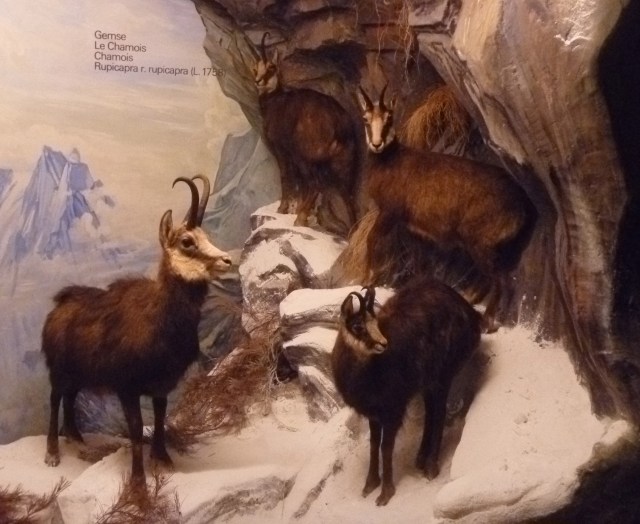
Gemse = Chamois
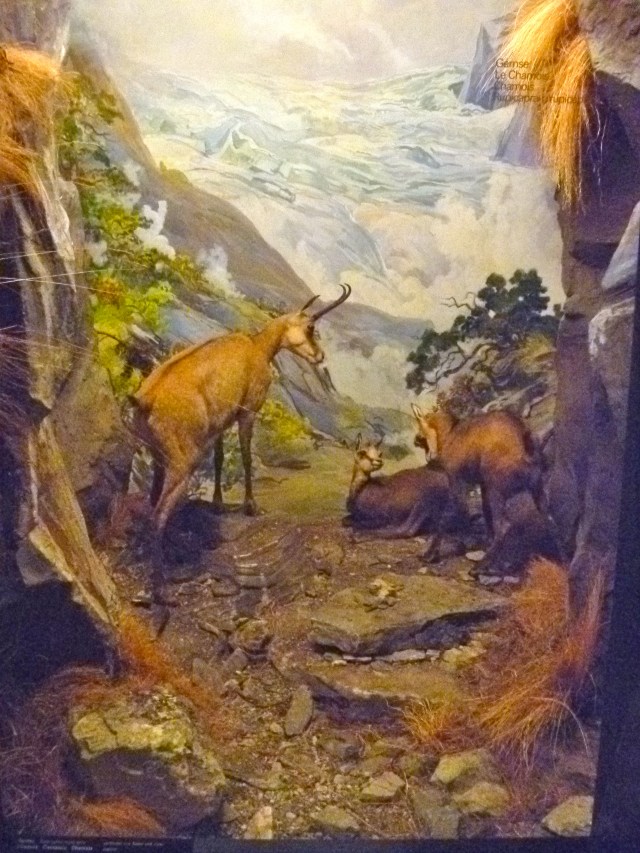
More Chamois
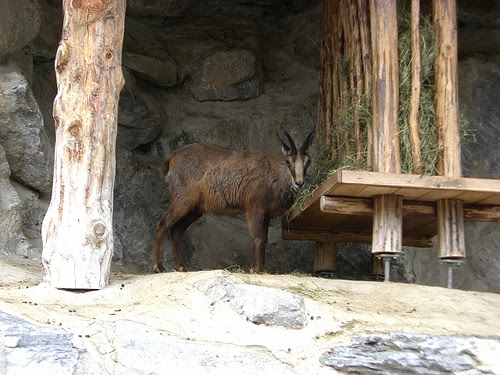
Chamois feeding at Innsbruck Alpine Zoo (2010)
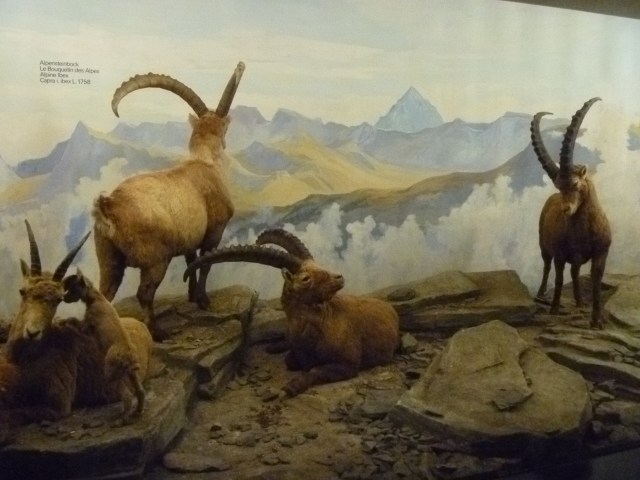
Ibex Diorama
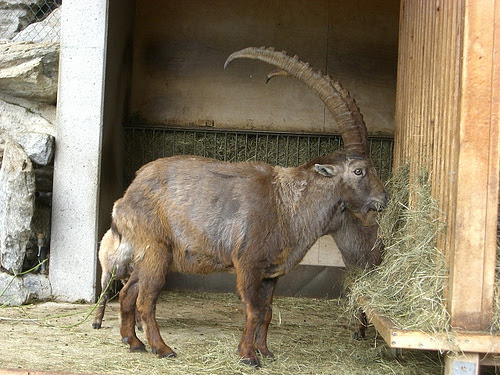
Ibex at Innsbruck Alpine Zoo
The Alpine Ibex is known at the Alpensteinbock in German. Chamois are Gemse and Reh is roe deer and Hirsch are Red deer.
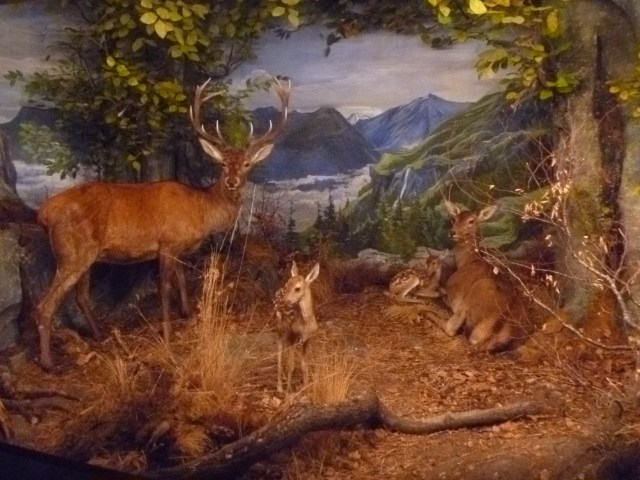
Red Deer or Hirsch
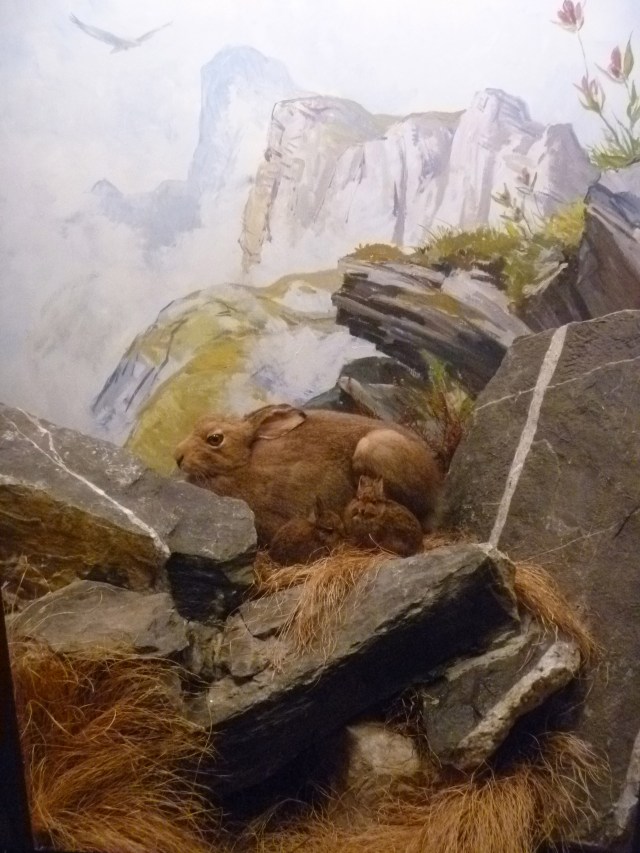
Mountain Hares in Summer

Mountain Hares in Winter
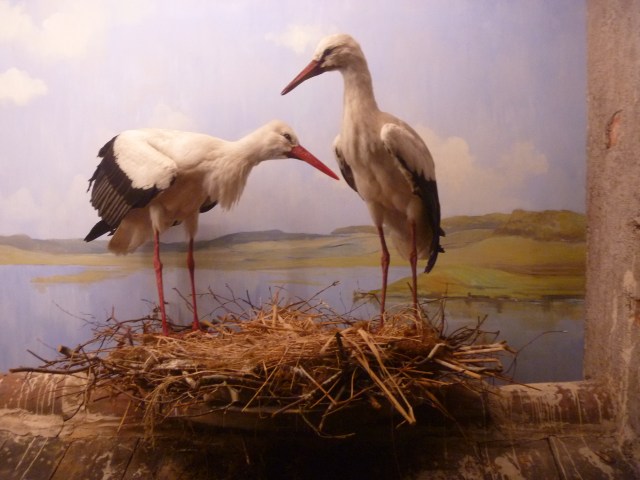
Storks
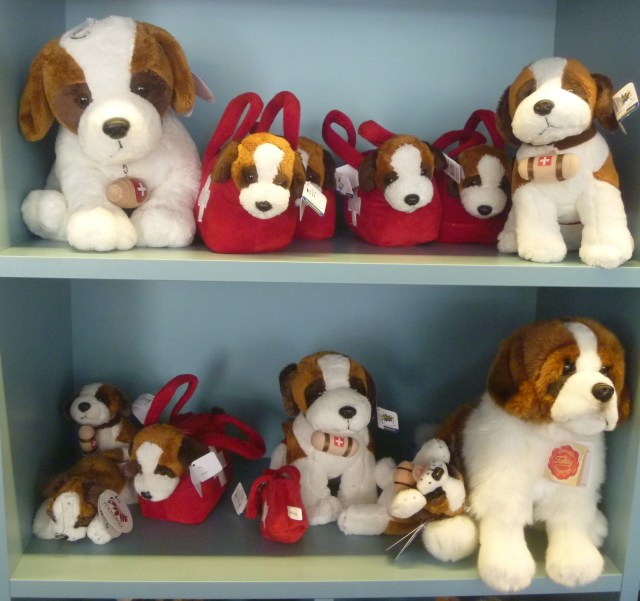
And finally … Please take me home!
 miladysboudoir