Tea and Cake and Quiet London (2)

From the peace and shade of the Bonnington Square Garden we headed for nearby Newport Street (SE11) and The Ragged Canteen at Beaconsfield (QL p.115). However when we arrived we found that it is closed for most of August. On our way there we had passed through what was left of the original Vauxhall Pleasure Gardens and we had noticed a very nice tea shop with a buzz of friendly chatter and gentle music coming through the wide open doors and windows (it was a very hot day), so we decided to turn back and take our afternoon break there. It turned out to be an excellent choice despite not being Quiet; there’s a classical guitarist strumming gently in the corner.
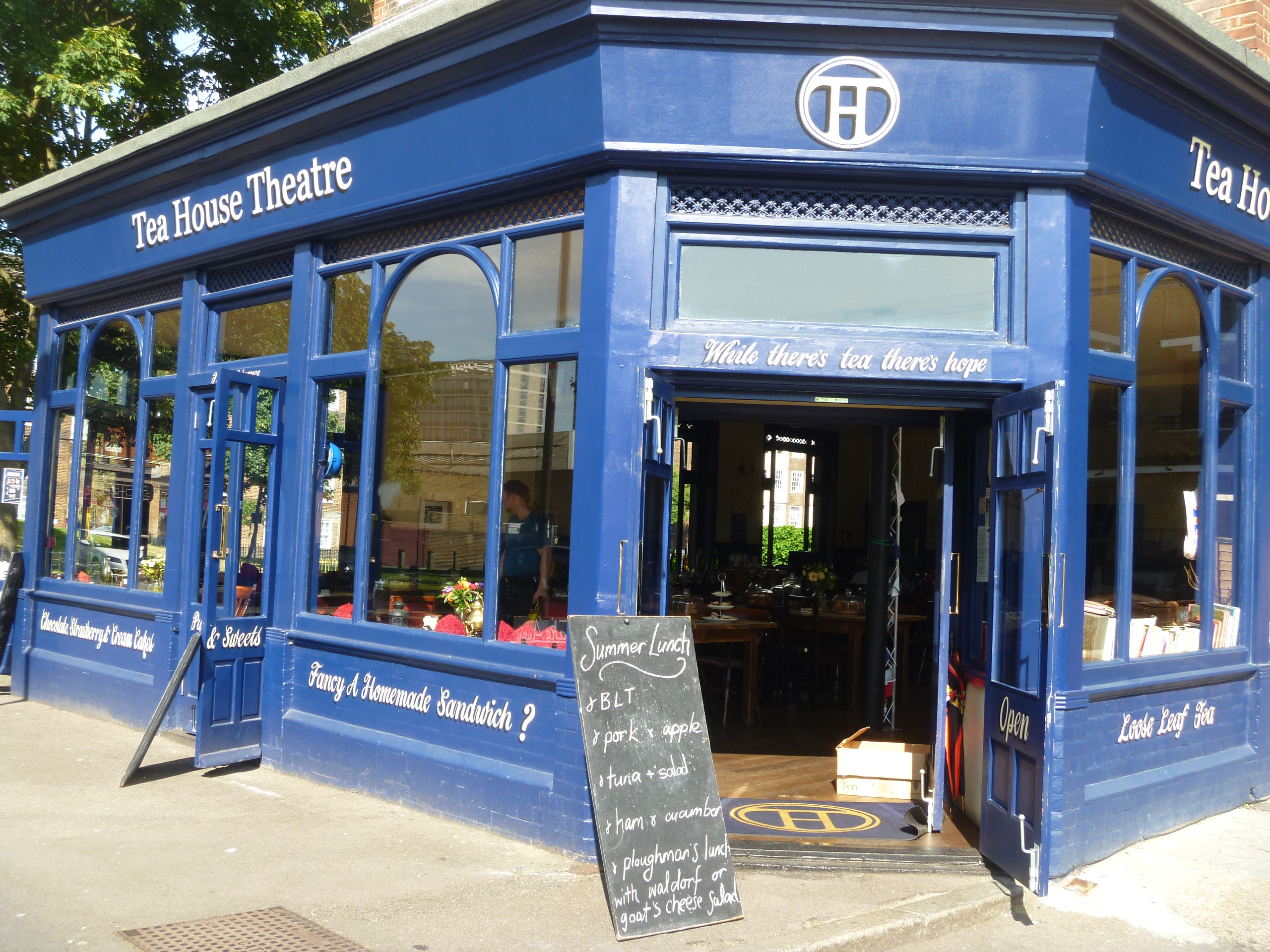
The Tea House Theatre

Inside The Tea House Theatre
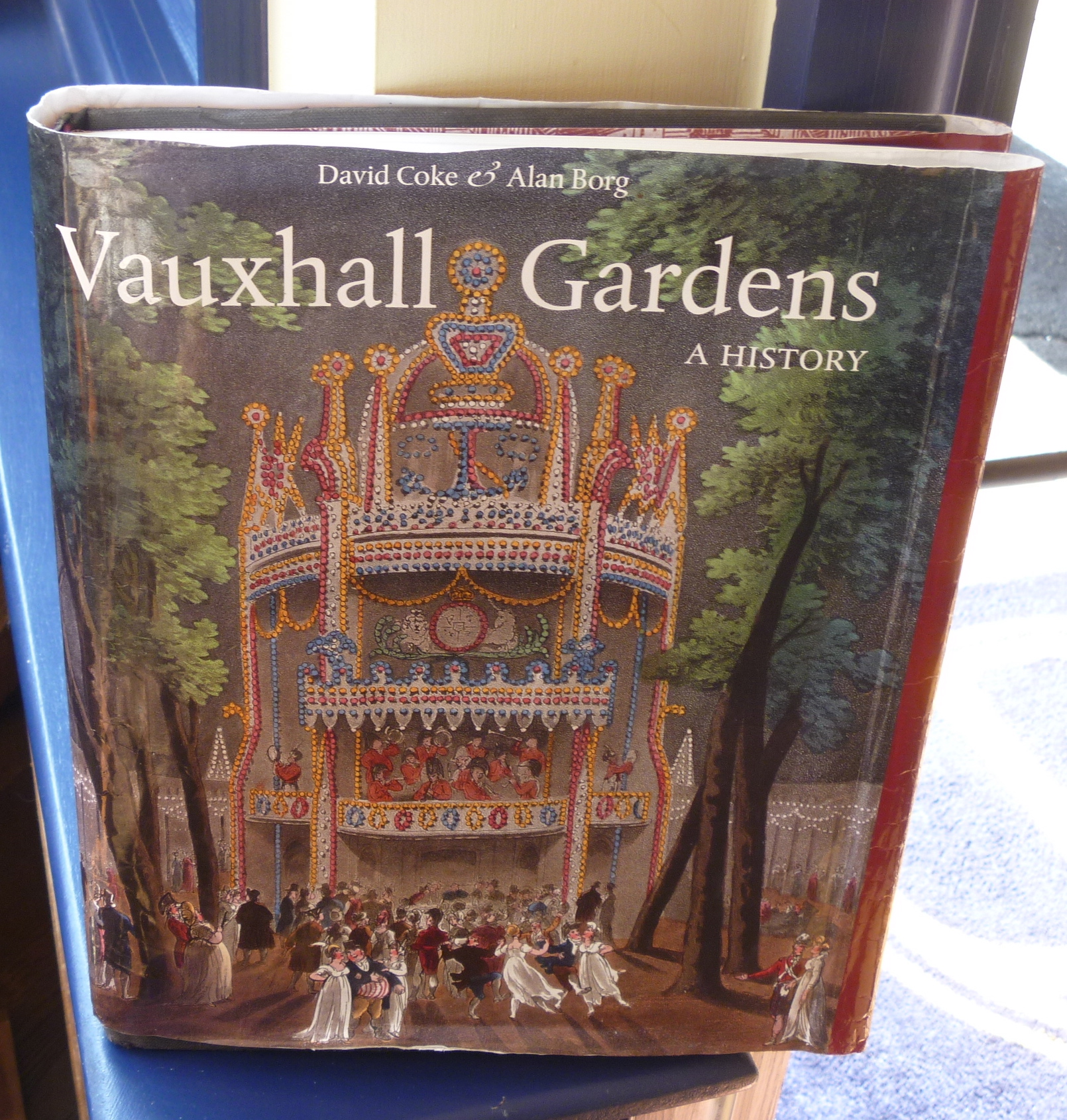
This book stood on a chair by the door.

Refreshed, we strolled along the Albert Embankment to The London Eye where we met huge milling crowds and quickly bought tickets for the Thames Clipper service to take us back down the river to Tower Pier, a short walk from our hotel.

We chose and booked a Quiet restaurant for our evening meal : Carnevale near The Barbican (QL p. 91). After an hour or so in which to refresh ourselves we then walked the mile or so to and from the restaurant. We marvelled at the height of so many buildings, the almost hidden churches and all the new work that seemed to be going on in order to cram this city with even more curiously shaped high buildings. On our way back we noticed that one of the hidden churches was still open so we peeped inside at the exhibition “This is not a Plate : your heritage, your language, your culture“. St Ethelburga’s Church (QL p. 66) is a centre for peace and the exhibition and late opening were to coincide with the London 2012 Olympic Games.
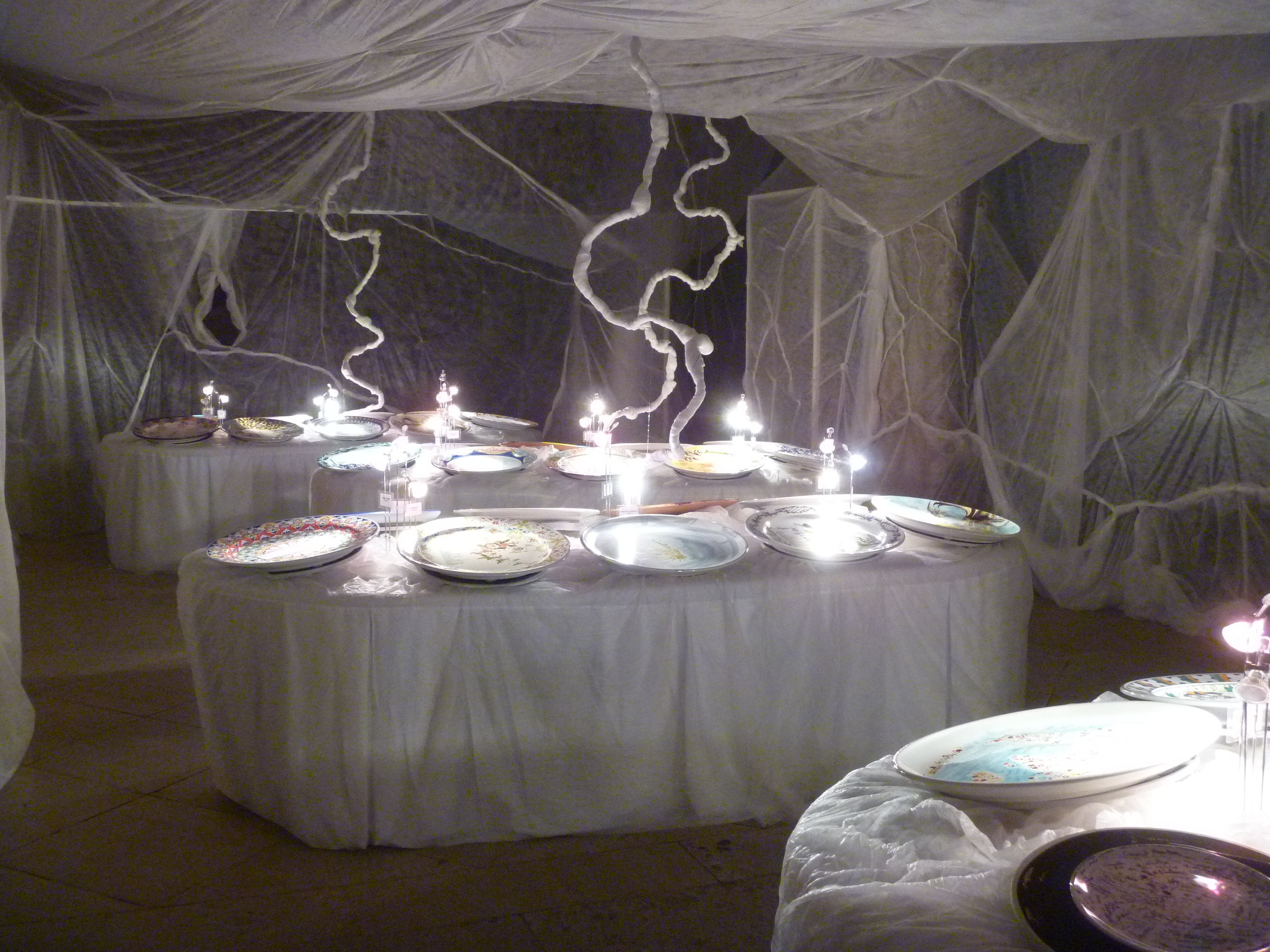
This is not a Plate display

“Following devastation by the IRA bomb in 1993, this small 700 year old church has been transformed into a centre for peace and reconciliation. Not only are services still held here, meditation sessions are also offered once a week. In the pebbled courtyard visitors can enter a Middle Eastern Bedouin tent made of woven goats hair – a special place for anyone seeking quiet contemplation.” [QL p. 66]
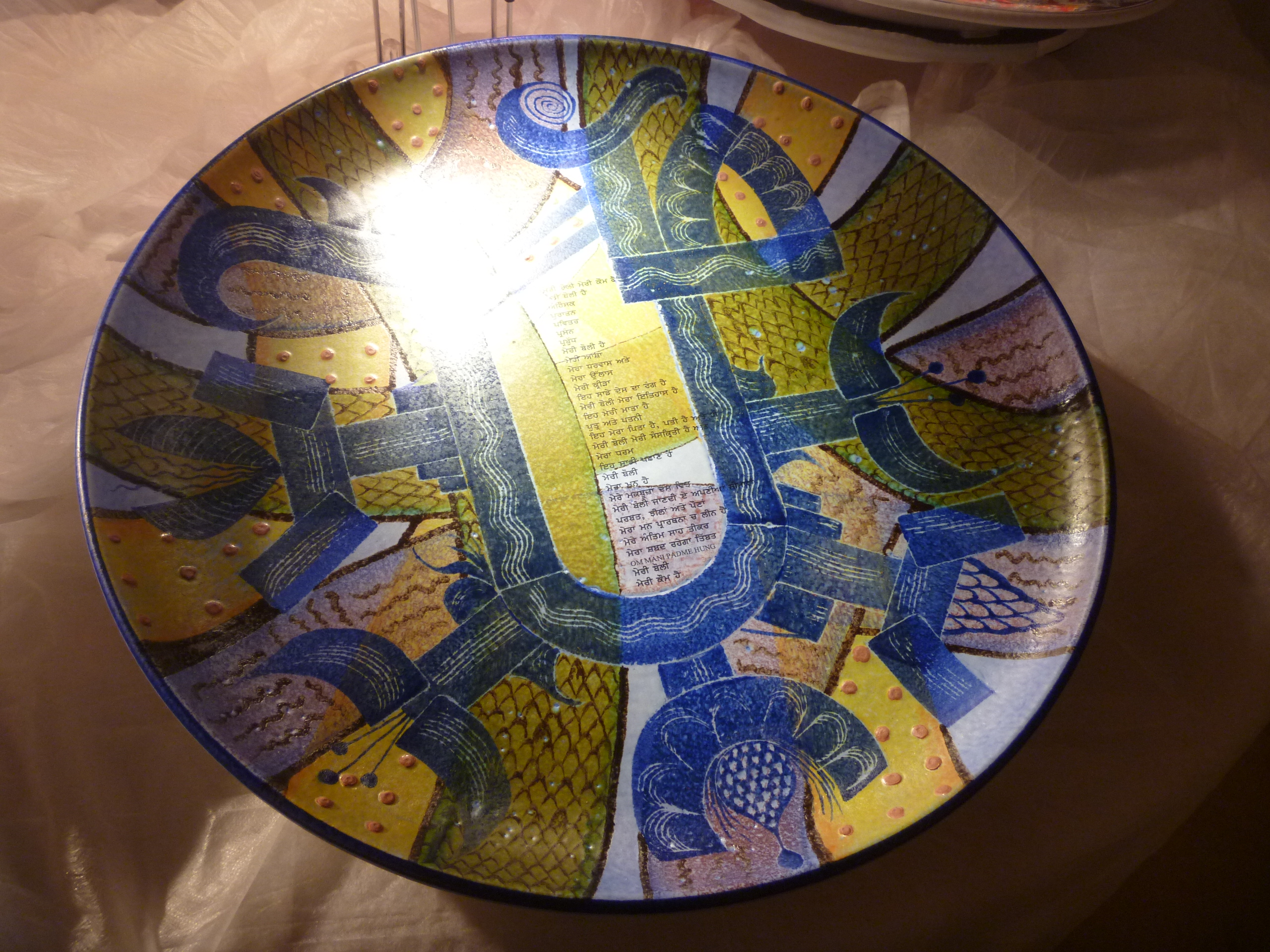
It kind of rounded off our hot and dusty day very serenely.

Sunday was another hot and sunny day but despite this we had decided to participate in one of The London Walks “The Old Jewish Quarter” departing from nearby Tower Hill at 10.30am. Perfect.

“This walk traces the history of London’s Jewish community in the East End. It’s a story that embraces the poverty of the pogrom refugees and the glittering success of the Rothschilds; the eloquence of the 19th-century Prime Minister Disraeli and the spiel of the Petticoat Lane stallholder; the poetry of Isaac Rosenberg and the poetry-in-motion of Abe Saperstein’s Harlem Globetrotters. Set amid the alleys and back streets of colourful Spitalfields and Whitechapel, it’s a tale of synagogues and sweatshops, Sephardim and soup kitchens. Guided by Shaughan.” [From the London Walks leaflet]

Lo and behold the highlight of this walk is a visit to The Bevis Marks Syngogue (QL p. 65) where Maurice took over from Shaughan to tell us more about the synagogue and its former members.

“Thanks to Oliver Cromwell, Jews in England could practice their own religion openly for the first time since the Middle Ages. In 1657, a Quaker builder was invited to build this London synagogue and it was completed in 1701. (He later returned all profits from its construction to the Jewish community). Bevis Marks is the oldest synagogue in Britain and has barely changed since the early 18th century. In the main room of the synagogue hang seven ornate brass candelabra, one for each day of the week, but overall, with its original wooden seating and simple balconies, the interior is very simple and unadorned.” [QL p. 65]

The walk finished just by Christ Church Spitalfields so we made our way down Commercial Street to Whitechapel Art Gallery. There’s a cafe serving quiches and salad, sausage rolls, Scotch eggs and cookies and cakes – all homemade. After a bite to eat and a cup of tea we found we had time to see one exhibit and we chose “Government Art Collection: Commissions: Now and Then” and “The Story of the Government Art Collection” a fascinating insight into art in public/government ownership.
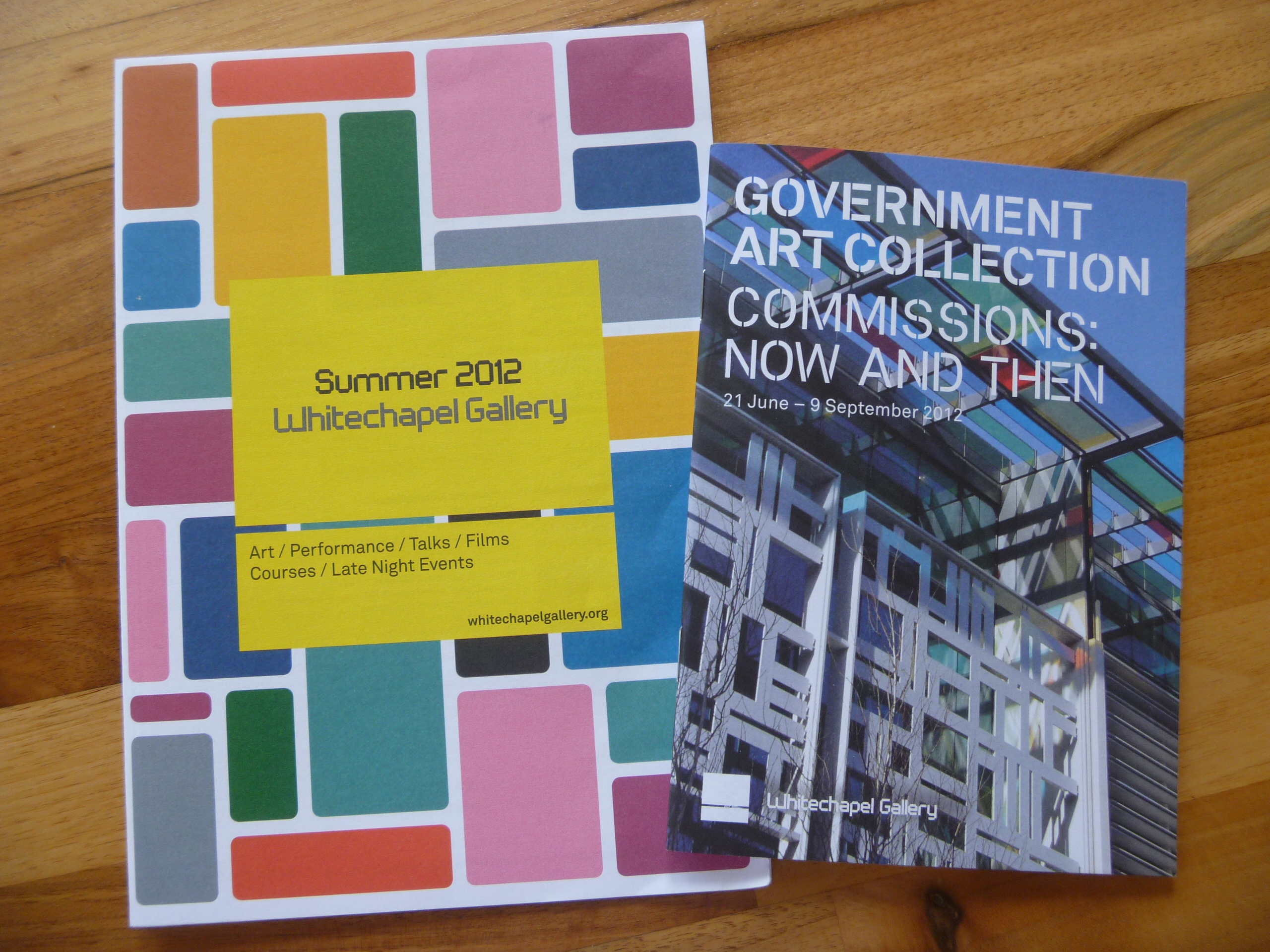
“It was the cost of decoration that prompted the use of art instead of wallpapers to cover the walls of government buildings in 1899. Today the Government Art Collection is one of the most important collections of British art, with 13,500 works dating from the 16th century to the present day displayed in over 420 government buildings worldwide.

On display for the first time from the Collection’s archives are rare documents, such as papers detailing the loan of Winston Churchill’s bust to the Oval Office in Washington from 1997 to 2008, and records of paintings hung in 10 Downing Street under Prime Ministers from the first Duke of Wellington to Margaret Thatcher. A 1962 document records artist William Coldstream’s proposal that the Whitechapel Gallery hold an exhibition of the Collection, while a World War II photograph shows the bomb damage to the State Rooms at 10 Downing Street.” [Whitechapel Art Gallery promotional literature]

A Quiet Weekend with Tea and Cake and much more besides!
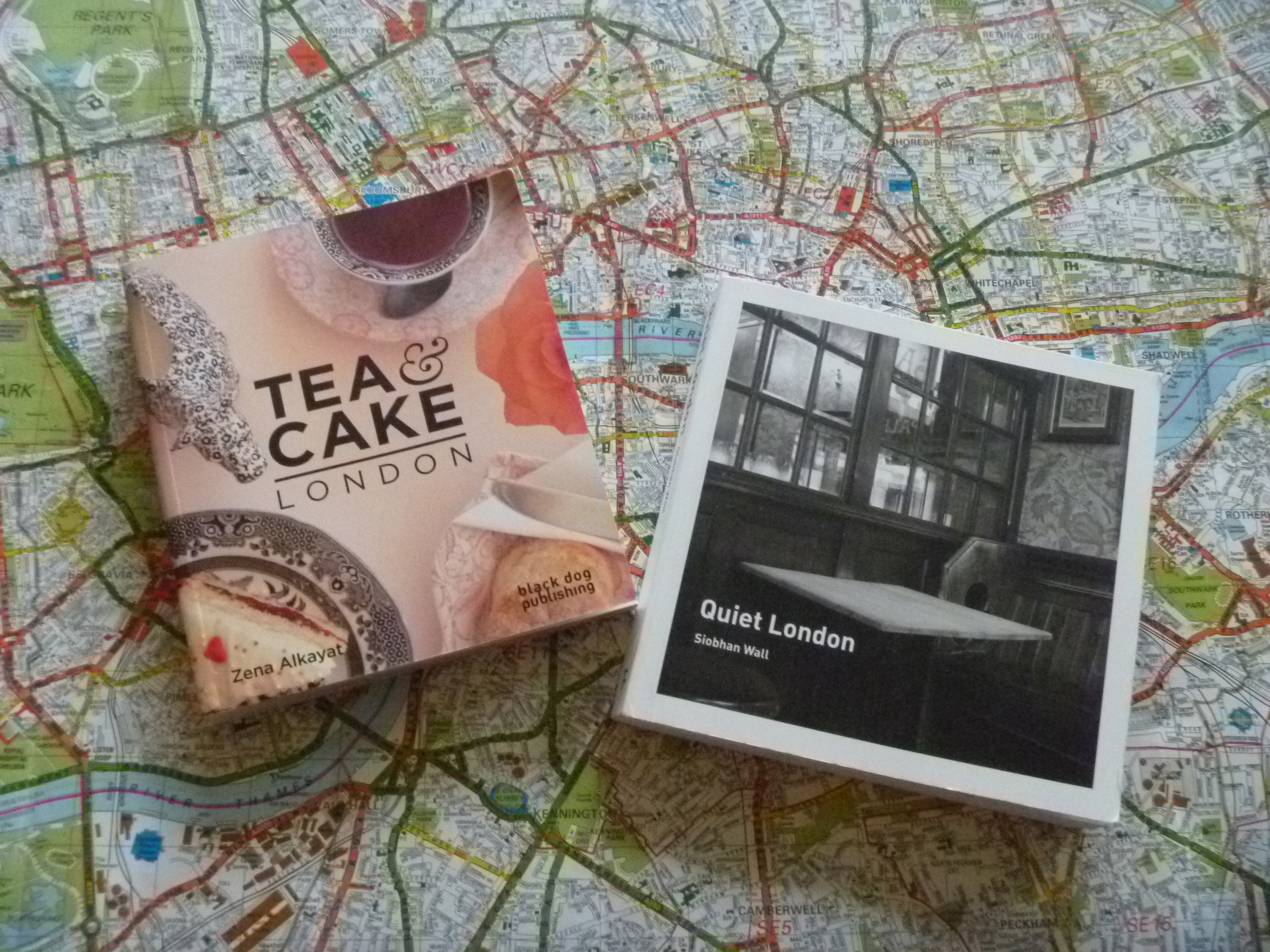
Tea and Cake and Quiet London (1)

Our visit to Benjamin Franklin House (QL p. 23) on Friday was such a success for us both that we decided to devote the rest of the weekend following up places suggested by Siobhan Wall in her book Quiet London and some eateries suggested in another little book of mine Tea and Cake London by Zena Alkayat.

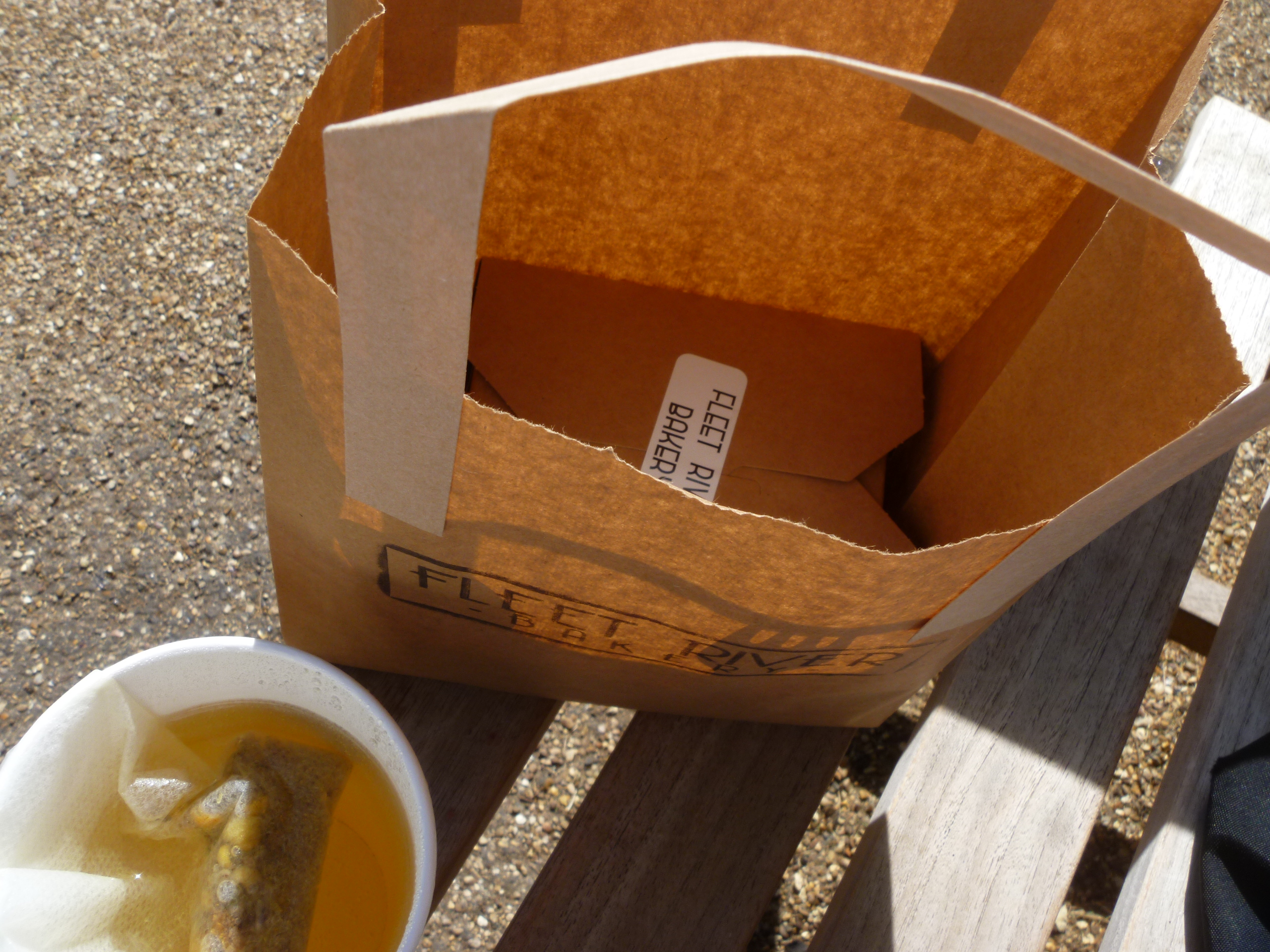
From BHF we trotted off to Lincoln’s Inn Fields to try to track down The Fleet River Bakery  (T&C L p. 40) mentioned in the Tea and Cake book. We eventually found it and bought ourselves tea and cake (my cake was Hummingbird – pineapple, mango and pineapple – so lovely and moist). We decided not to eat in but to take our food and drink into the Lincoln’s Inn Fields and picnic on a park bench in the sun.

London is so interesting and you never know what you might see so we usually walk whenever we can. Our route back to the hotel took us along Fleet Street, Ludgate Hill, past St Paul’s Cathedral, past 30 St Mary Axe (The Gherkin, to you and me) and finally to Aldgate and Minories.

The Royal Exchange and The Gherkin

We called a few of the Quiet restaurants that evening but all were full. We ended up at Morito the Tapas bar next to and owned by Moro on Exmouth Market. The tapas was excellent but the bar would not gain a place in Quiet London!

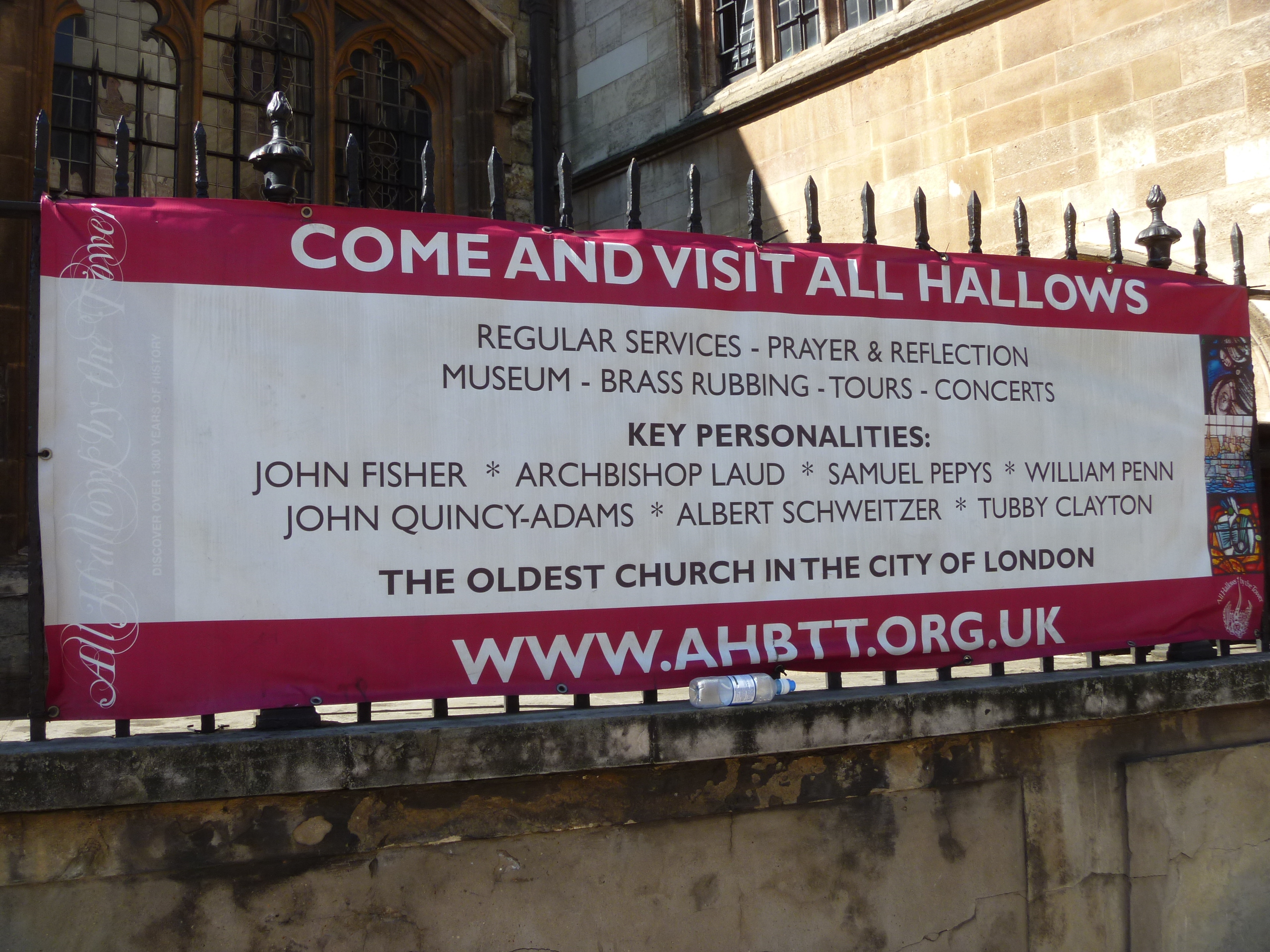
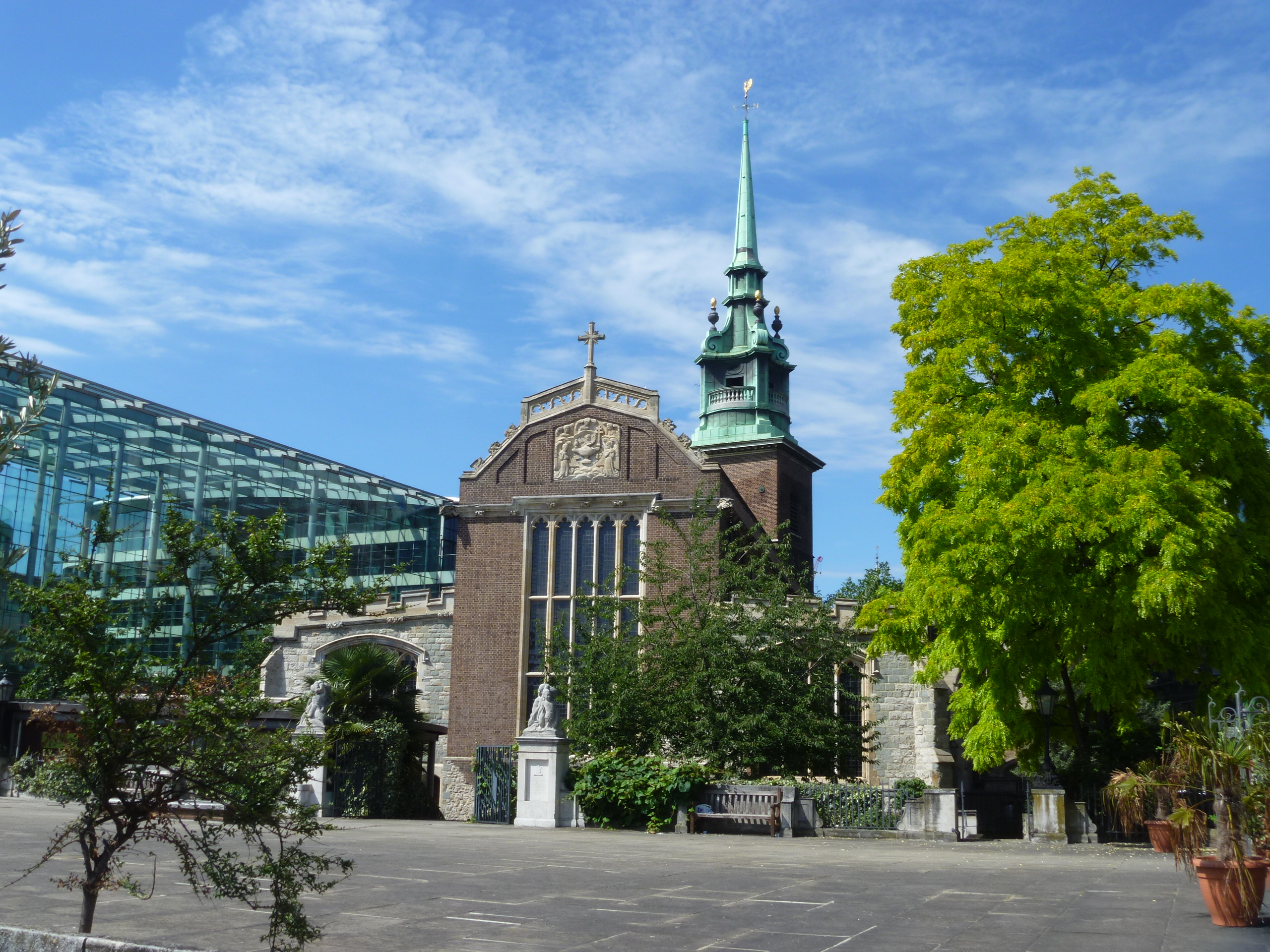
Next day we had a number of places in mind and began our Quiet London Trail at the Crypt Museum (QL p. 20). A 20 minute ‘pop in’ to the church of All Hallows By The Tower ended about two hours later! You can see why (and this poster does not mention the exhibition “Bonuses, Benefits & Bailouts : the morality of the King James Bible”).

All Hallows By The Tower

“To tie in with the 350th anniversary of the Book of Common Prayer, All Hallows by the Tower and The Museum of the Book in Limehouse are pleased to present this exhibition of manuscripts, first edition bibles, prayer books and other artefacts challenging our thinking on issues of legality versus morality using the King James Bible as a starting point.” [Summer Programme leaflet]

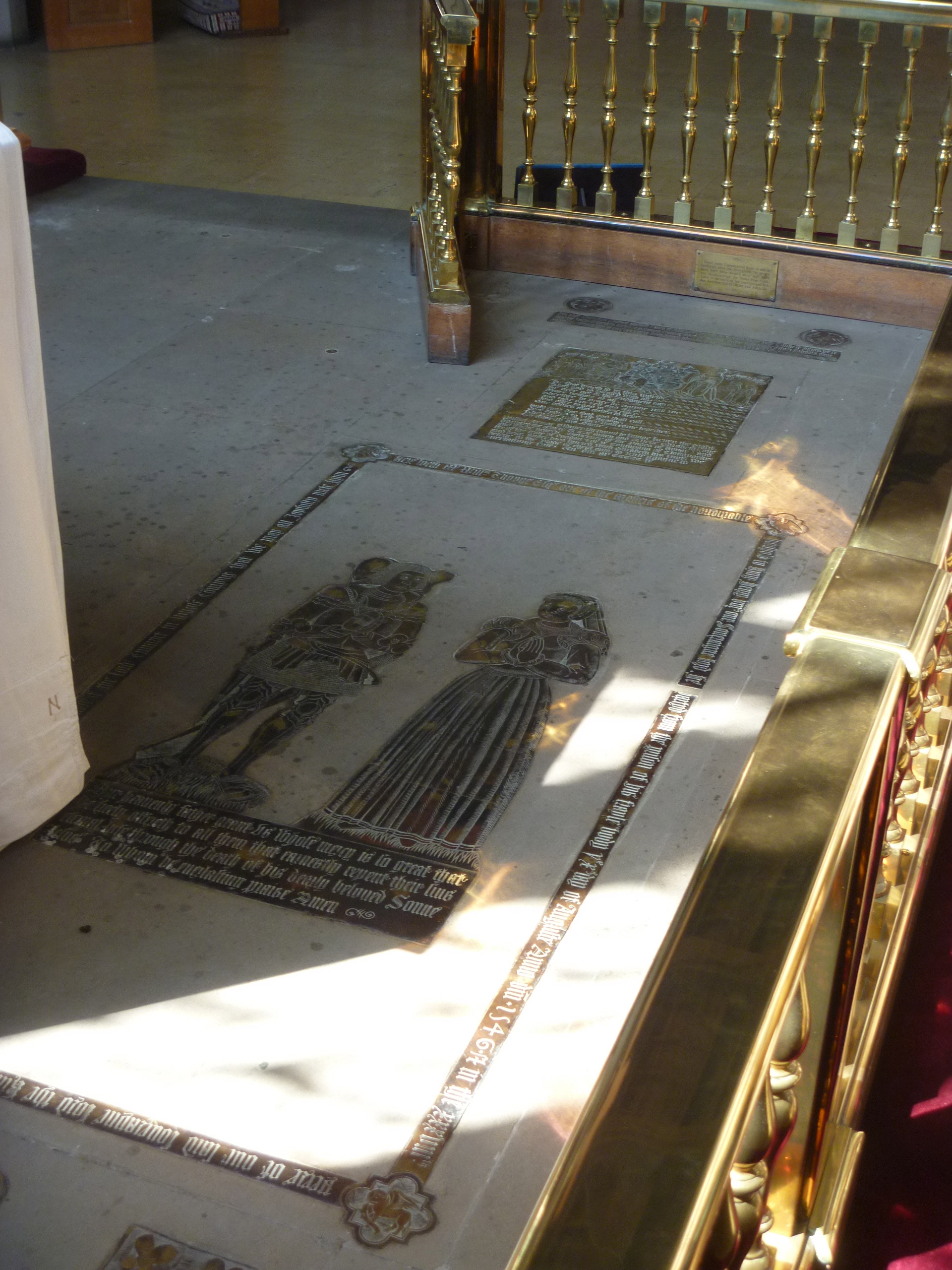
“This tiny museum lies underneath one of London’s original Saxon churches. In the crypt is a Roman tesselated floor from a house built in the late 2nd century. The museum also holds registers dating back to the 16th century. The highlight, however, is the intricate brasses inlaid in the stone floor of the church, near the altar.” [Quiet London, p. 20]

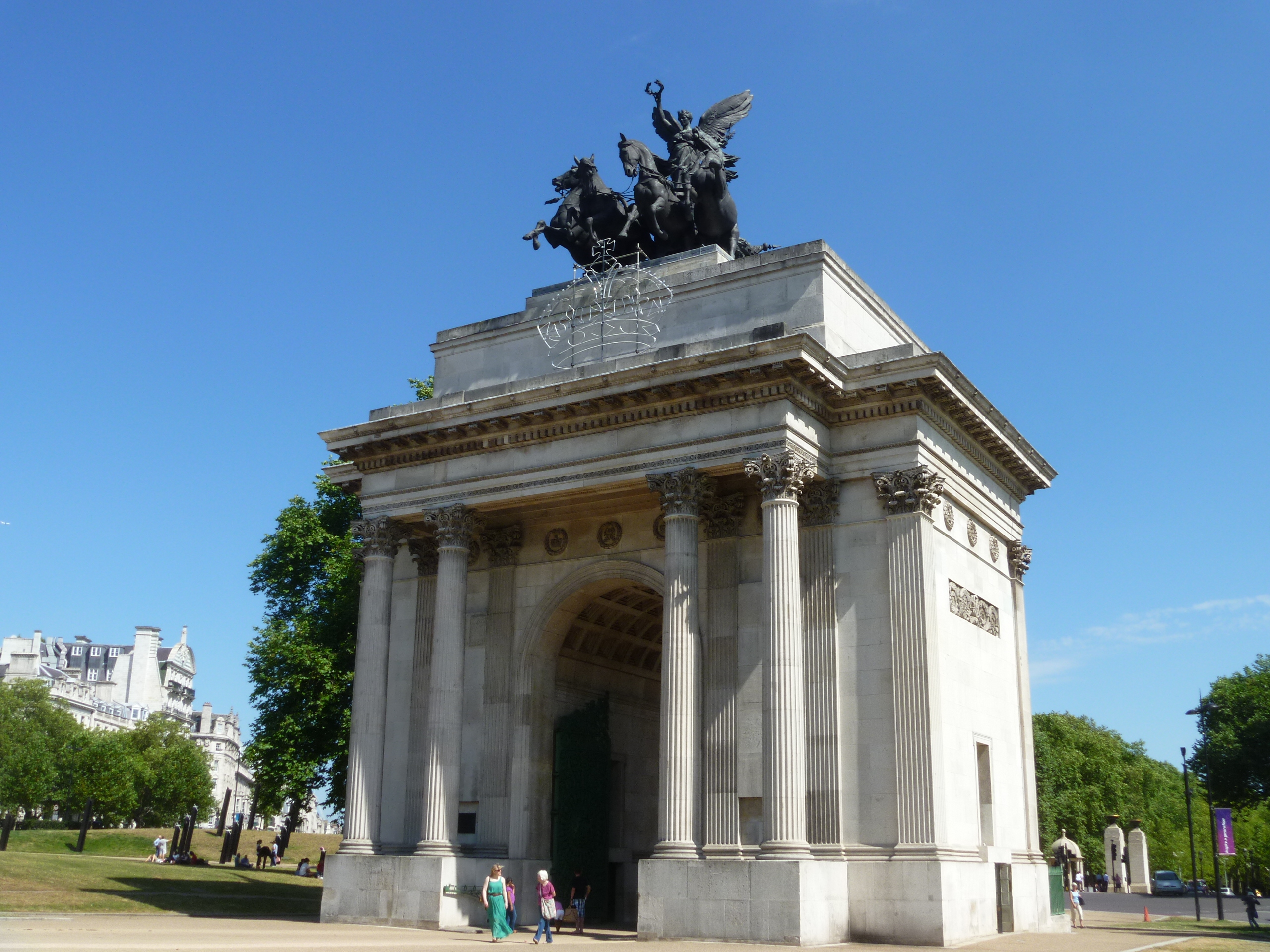
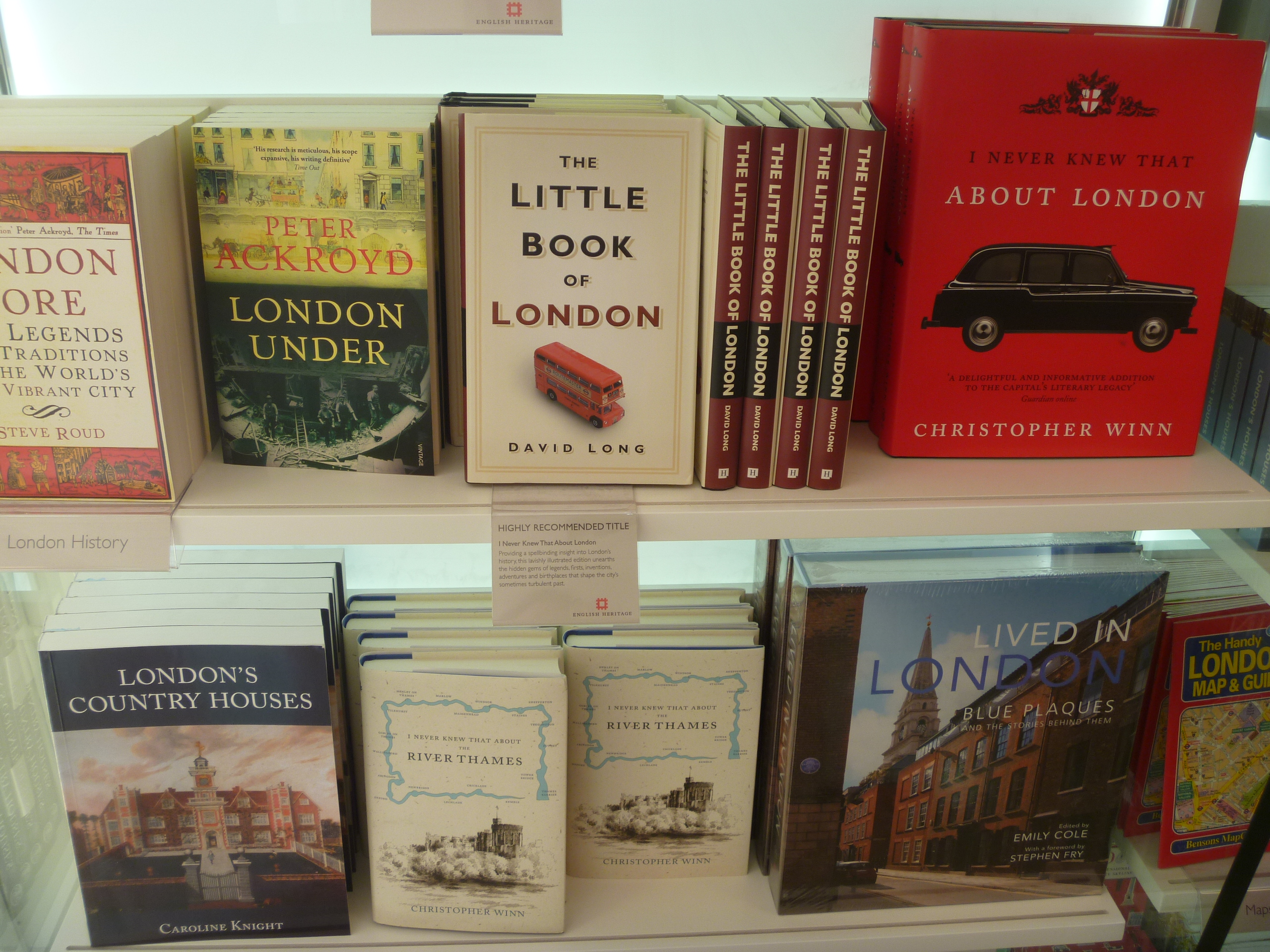
Moving on from All Hallows we visited The Wellington Arch. Recently opened by English Heritage this London landmark has not yet arrived in Quiet London. You can climb (or take the lift) to the top for views towards Hyde Park, Buckingham Palace Gardens, Green Park and Piccadilly. There’s an exhibition space (at the moment it commemorates 100 years of Blackpool Illuminations and the Blackpool Tower), a further gallery showing the history of the Arch and its former locations plus a bijou bookshop of London book titles.

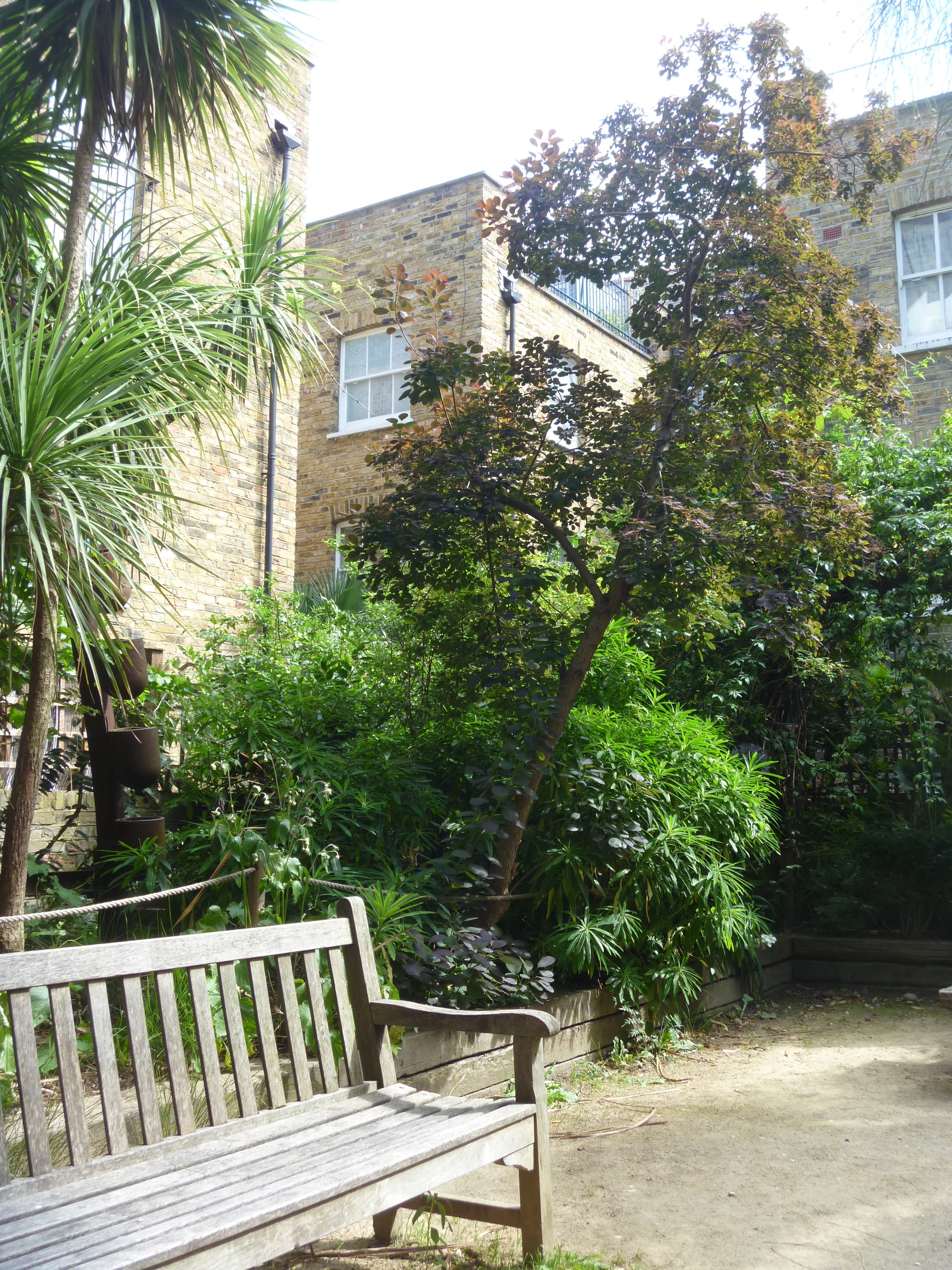
Next up we crossed the river (underground by tube) to Vauxhall. During the 17th, 18th and 19th centuries the pleasure gardens of Vauxhall were one of the London places to see and be seen but our hunt was for something very much more esoteric : Bonnington Square Garden (QL p. 46).

Bonnington Square Garden

“Known as ‘the Pleasure Garden’ in homage to the Vauxhall Pleasure Gardens, this former bomb site and derelict playground  was transformed by the imaginative residents of the Bonnington Square Garden Association. Amazingly, this south London oasis is full of lush tropical plants and intriguing public sculptures.” [QL p. 46]

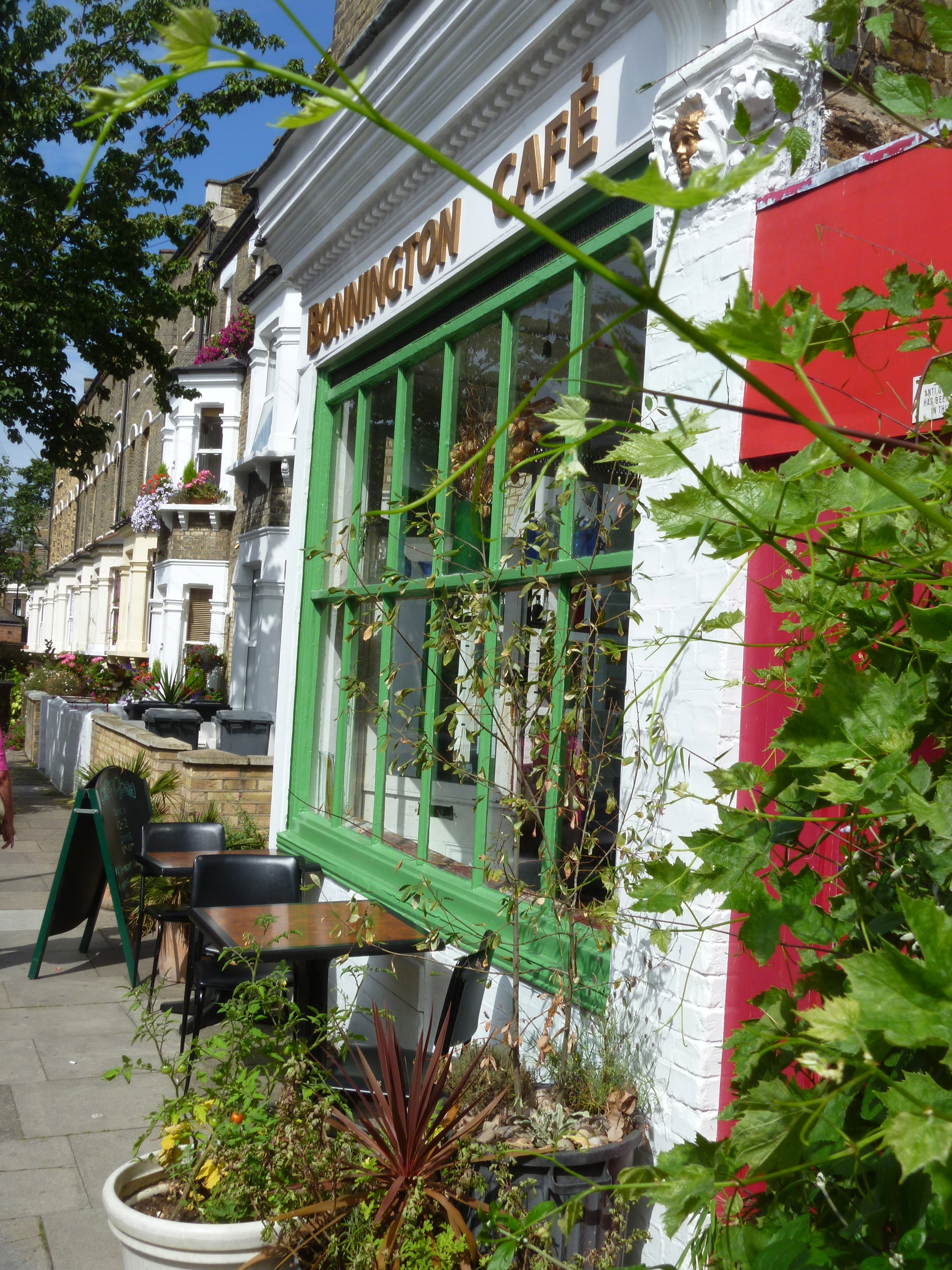
The residents continued their enthusiasm for all things green by planting out more areas in the neighbourhood, on street corners and other small open spaces.

Bonnington Cafe (plays music so not quiet!)

[To be continued]

Walking The Huddersfield Narrow Canal

About once a year we each volunteer to lead the other Weekday Wanderers on one of our monthly hikes. My choice of walk usually involves  something more than just pleasant green paths, nice views and heart-failure-inducing climbs – although I love these too! (Well, not the actual climbs, but the resultant views and feelings of achievement). For some time simmering on the back-burner  has been my idea of using public transport and doing an end-to-end walk as opposed to a circular one. With my interest in historical geography and since I heard about its re-opening about 10 years ago I’ve been wanting to plan a walk along the towpath beside The Huddersfield Narrow Canal. My chance finally arrived yesterday when I did a practice run for my ‘turn’ to lead in April.

The Huddersfield Narrow Canal was originally opened back in 1811 at the time of the great expansion of transport by waterways across England. The Canal runs for 20 miles between Huddersfield to the east of the Pennines and Ashton-under-Lyne in Lancashire to the west. This was no mean feat of engineering. Some facts from the website state :

“The summit of the Huddersfield Narrow Canal is the highest navigable waterway in Britain.
Standedge Tunnel on the Huddersfield Narrow Canal is Britain’s longest canal tunnel.
The canal has a total of 74 locks. It connects end on with the Ashton Canal and the Huddersfield Broad Canal.”

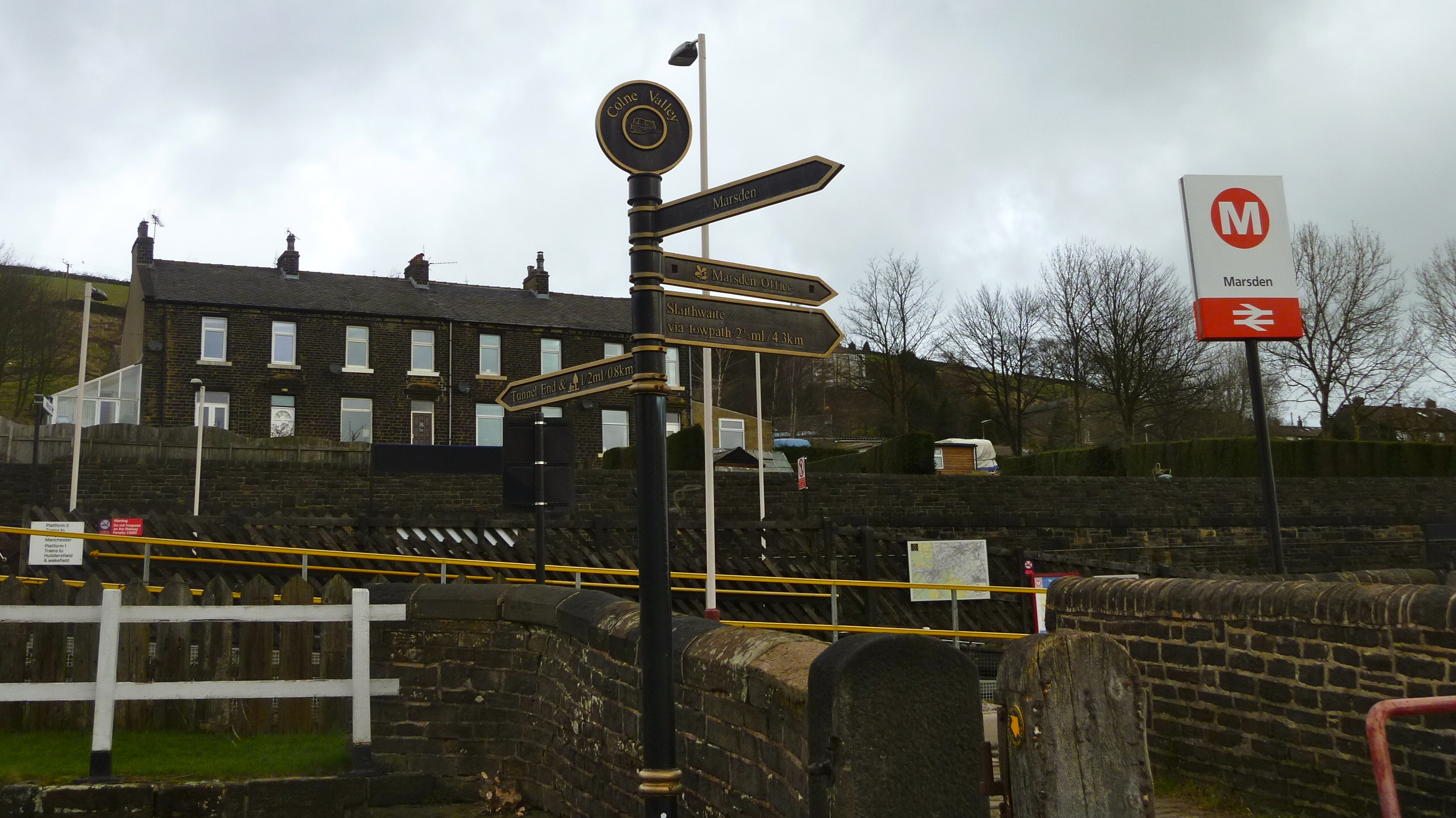
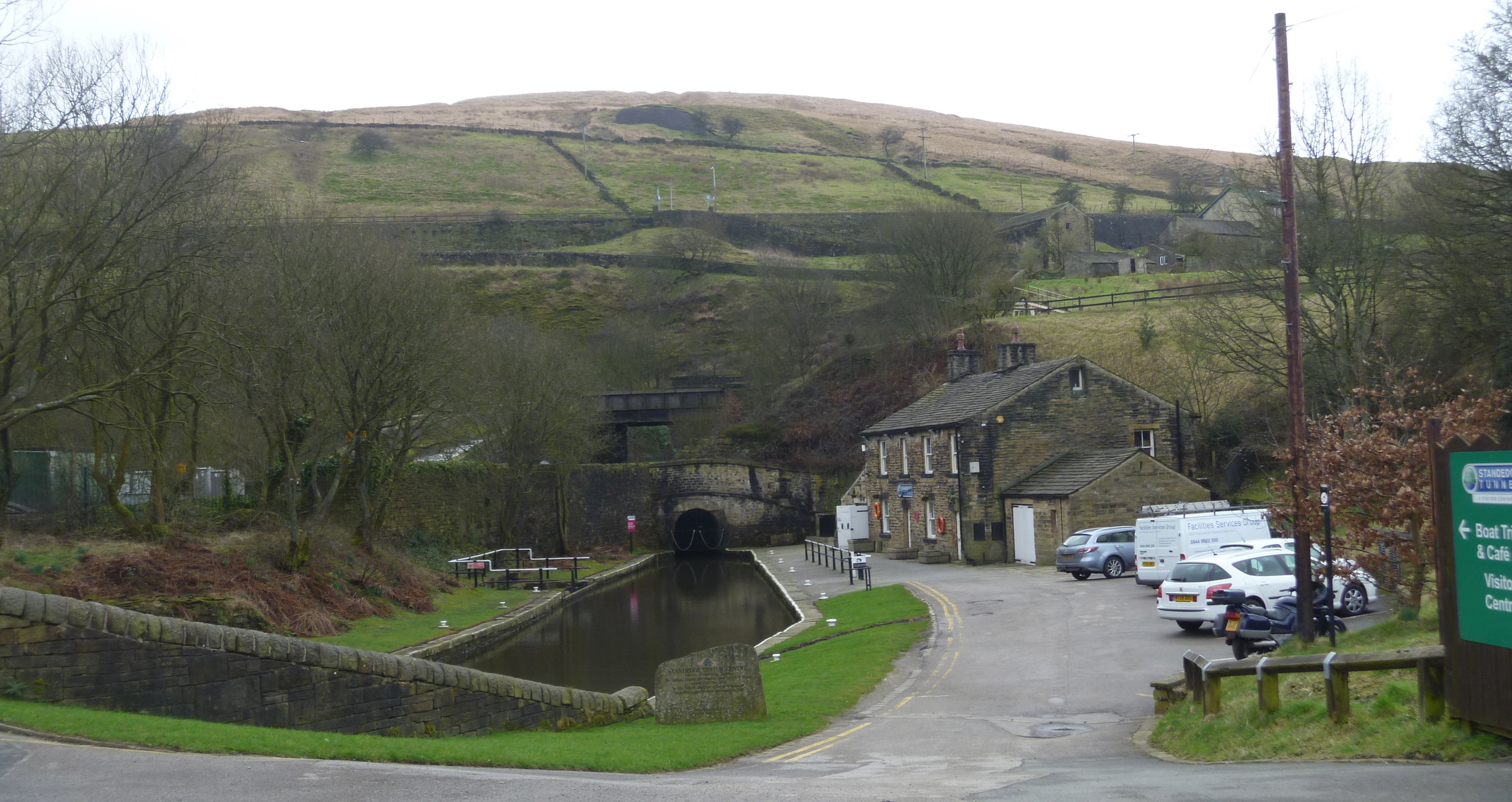
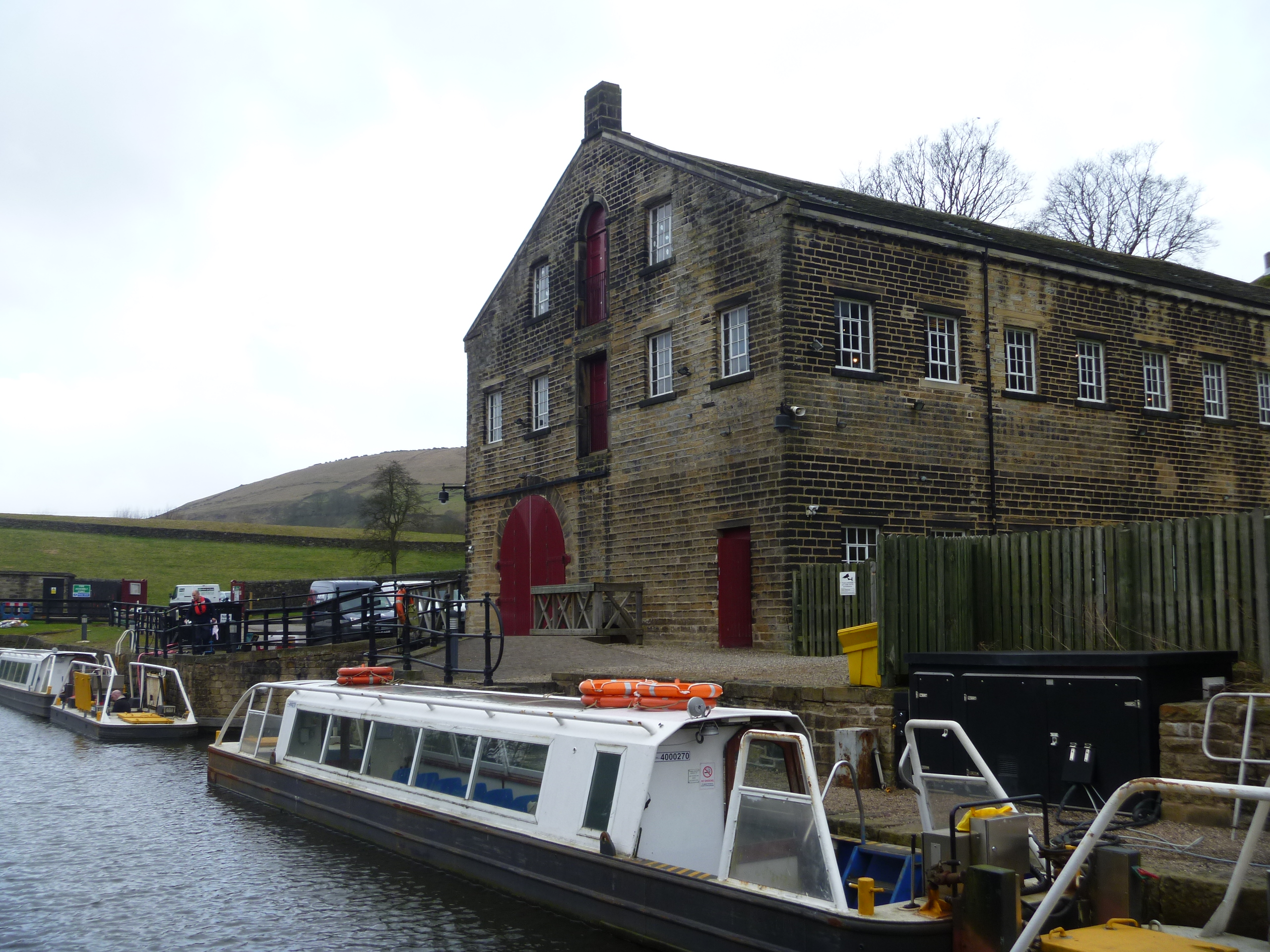
I travelled by train via Leeds and Huddersfield to one of the furthermost stations in Yorkshire – Marsden. Alighting at Marsden I chose to walk back up the canal, as far as one may go on this side of the Pennines in fact. About half a mile from Marsden is the Standedge Tunnel entrance and Tunnel End. Here there’s a Visitor Centre and the starting point in summer of public tours into the Standedge Tunnel in glass-roofed narrow boats.

Tunnel End

Tunnel End Visitor Centre and glass-topped tour boats

The tunnel being 3 miles long and with no towpath for a horse to pull the boat it was down to men to do their own “legging” to get the boat from Yorkshire into Lancashire or vice versa. These days the tour boats are hauled into the tunnel by electric tug boats.

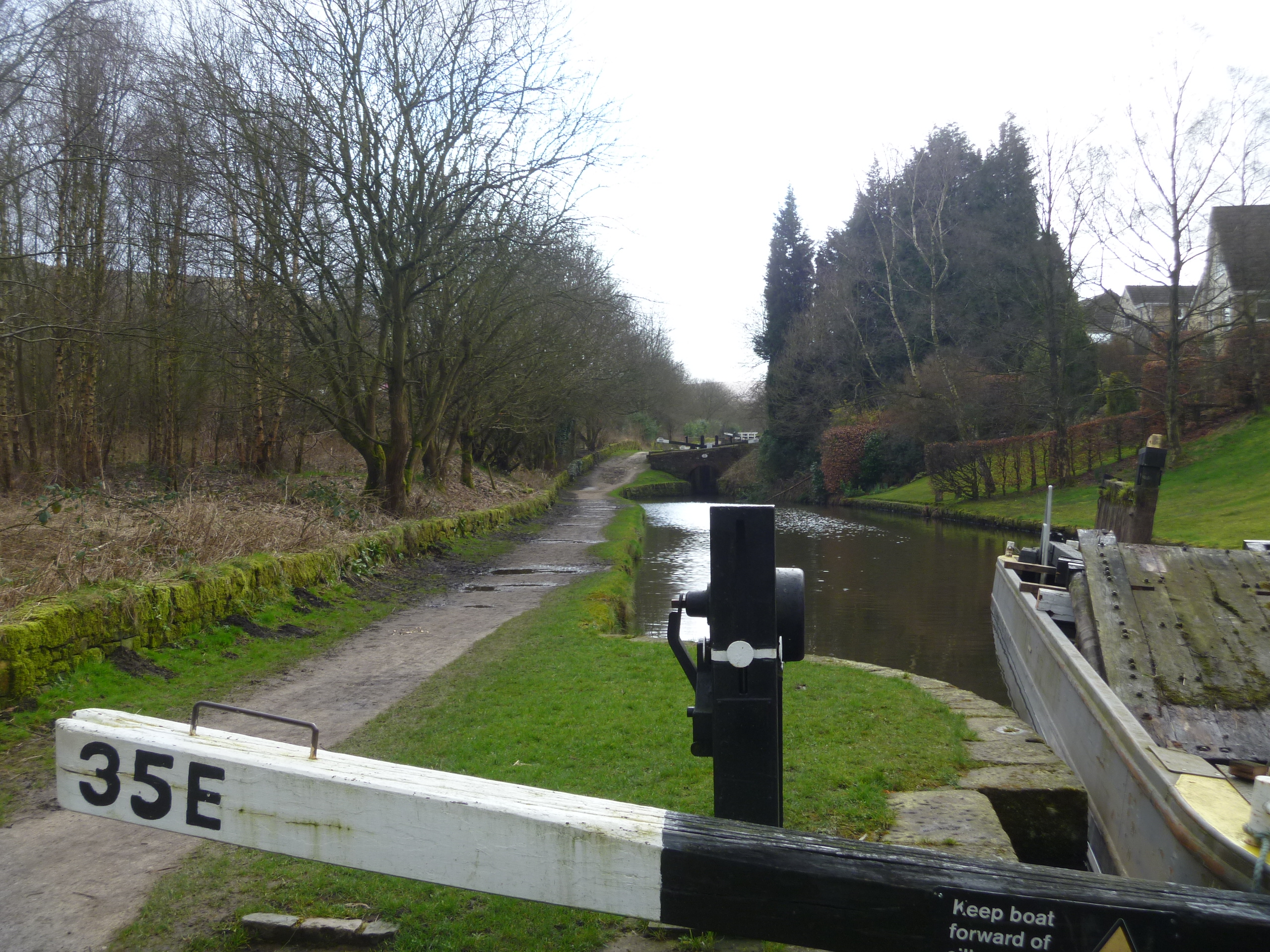
It’s about seven and a half miles from the Standedge  (pronounced Stannige) Tunnel down to the centre of Huddersfield and this section also includes more than 40 locks. Yesterday the walk was very peaceful. There were no boats on the canal but I hope there will be more ‘action’ on our April visit. Each narrow lock area has its own number and character and it was intriguing to look down into the depths of the lock itself.

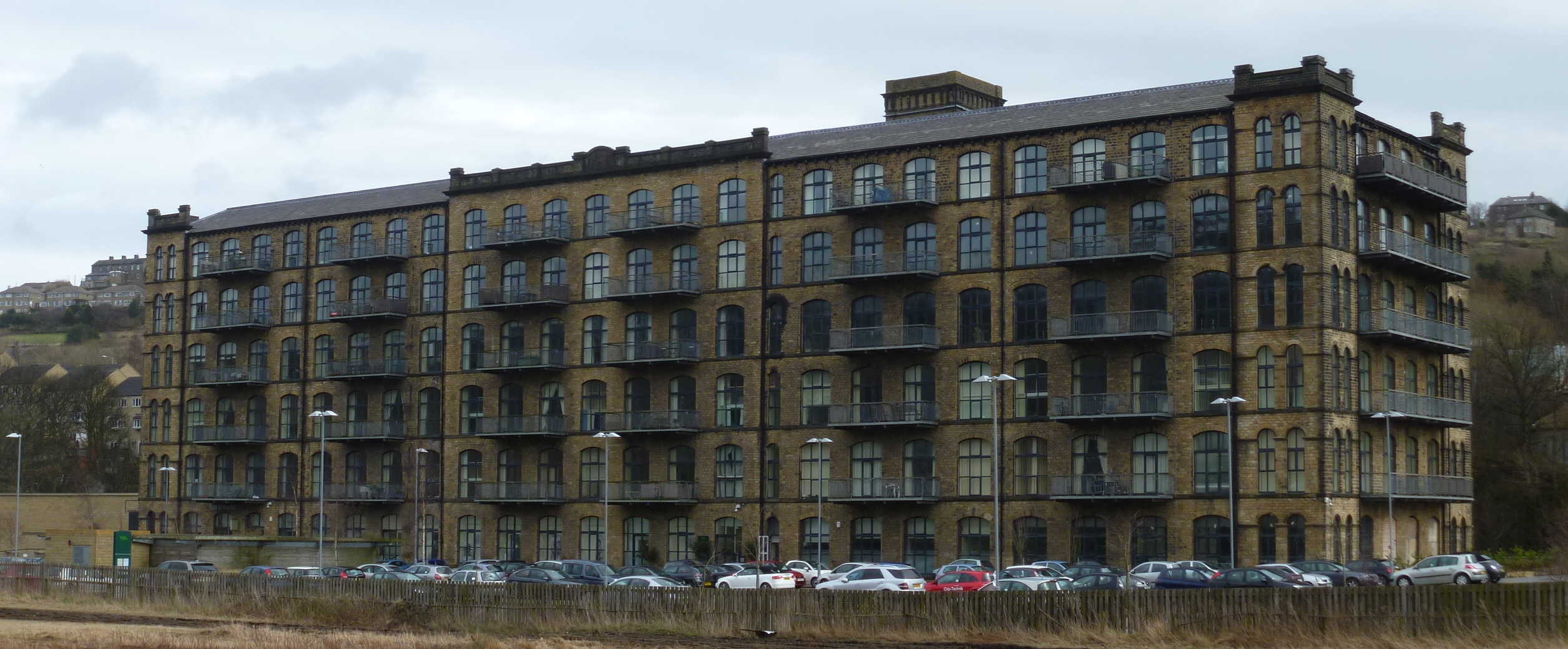
There are stretches of shady wooded paths, paths past green fields and reservoirs, past old out-of-operation mills, past mills now converted to a multitude of innovative uses such as The Titanic Mill (below) opened in 1912 and named for the ill-fated liner launched in the same year now a luxury hotel, spa and apartment building …

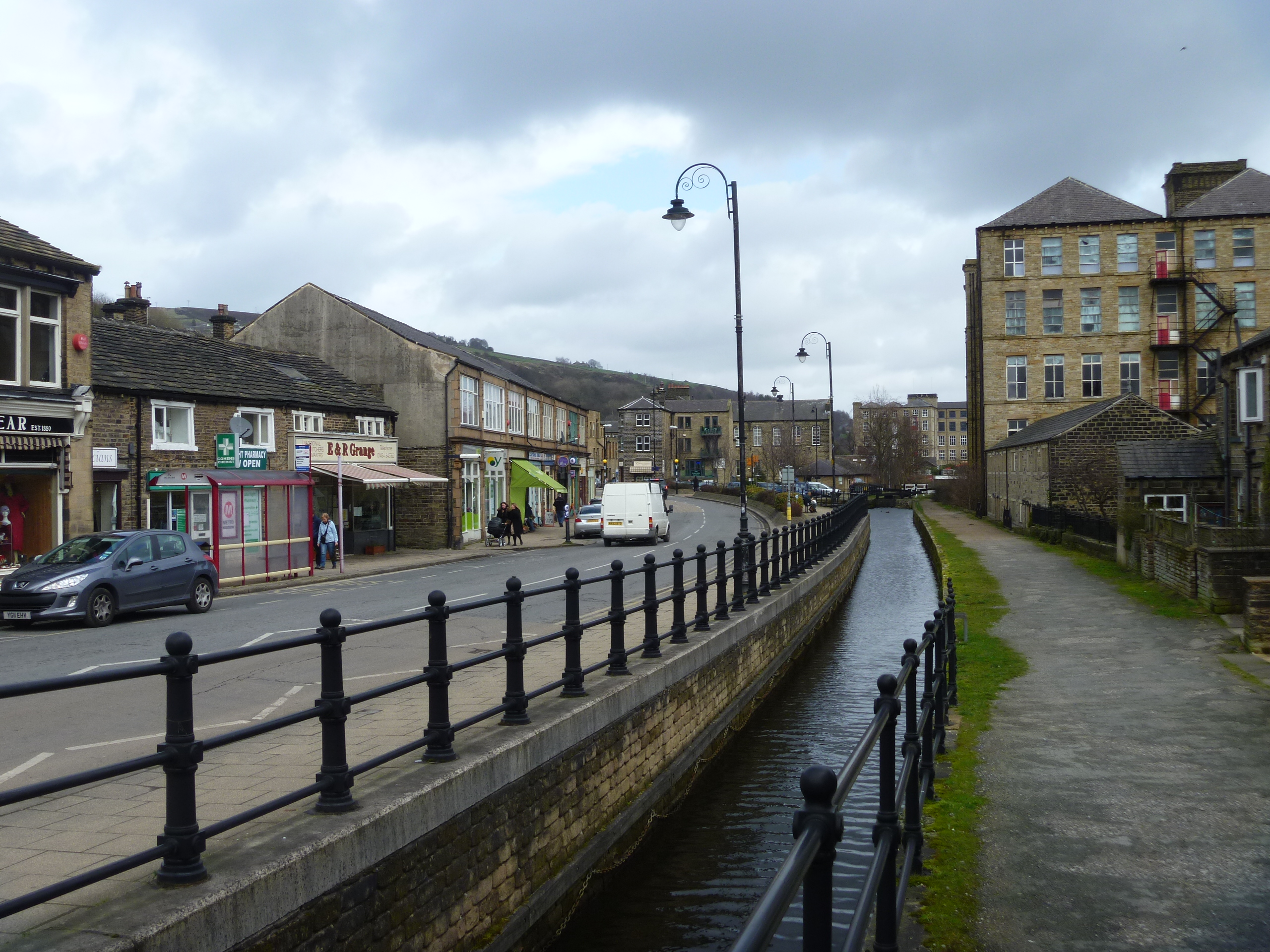
… and through small towns like Slaithwaite (pronounced Slawit) where we popped into the irresistible Slaithwaite Bakery, noted the pretty Moonraker Floating Tearoom, saw the only working guillotine lock gate in the country and ate our sandwiches under shadow of the towering Globe Mill between the canal and the main street.

At Lock 4E you are diverted away from the canal as it passes under buildings in Huddersfield. The Pennine Waterways website provides a useful map and directions to get you back on track for the last section to where the Huddersfield Narrow joins the Huddersfield Broad Canal at Aspley Marina. Reaching the town and feeling the solid pavement under my feet I felt ready to hunt out the station and start for my journey home.

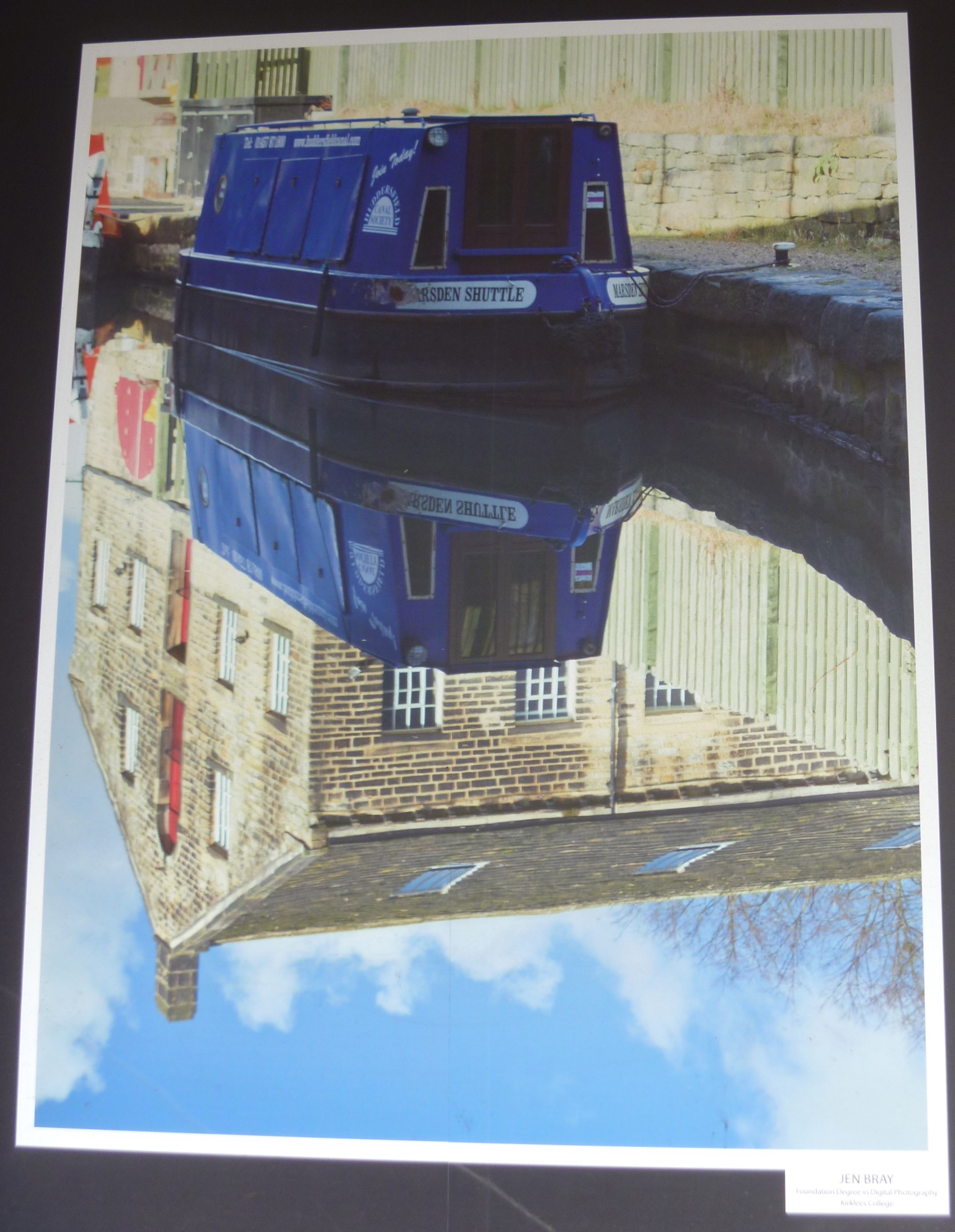
Poster seen on an unoccupied shop building in Huddersfield town centre

Tea and Books and Two London Gems

I was in warm, sunny London on Thursday. The original plan was to meet a friend from my online book group and attend a showing of the 1953 film “Little Boy Lost” organised by the Persephone Book Shop. I always book my cheap train tickets way ahead and when we came to enquire about the film all the places had been taken but I still had my train tickets. In the end it turned happily as the weather was so warm and sunny that it might have been a shame to have been cooped up in the BFI.

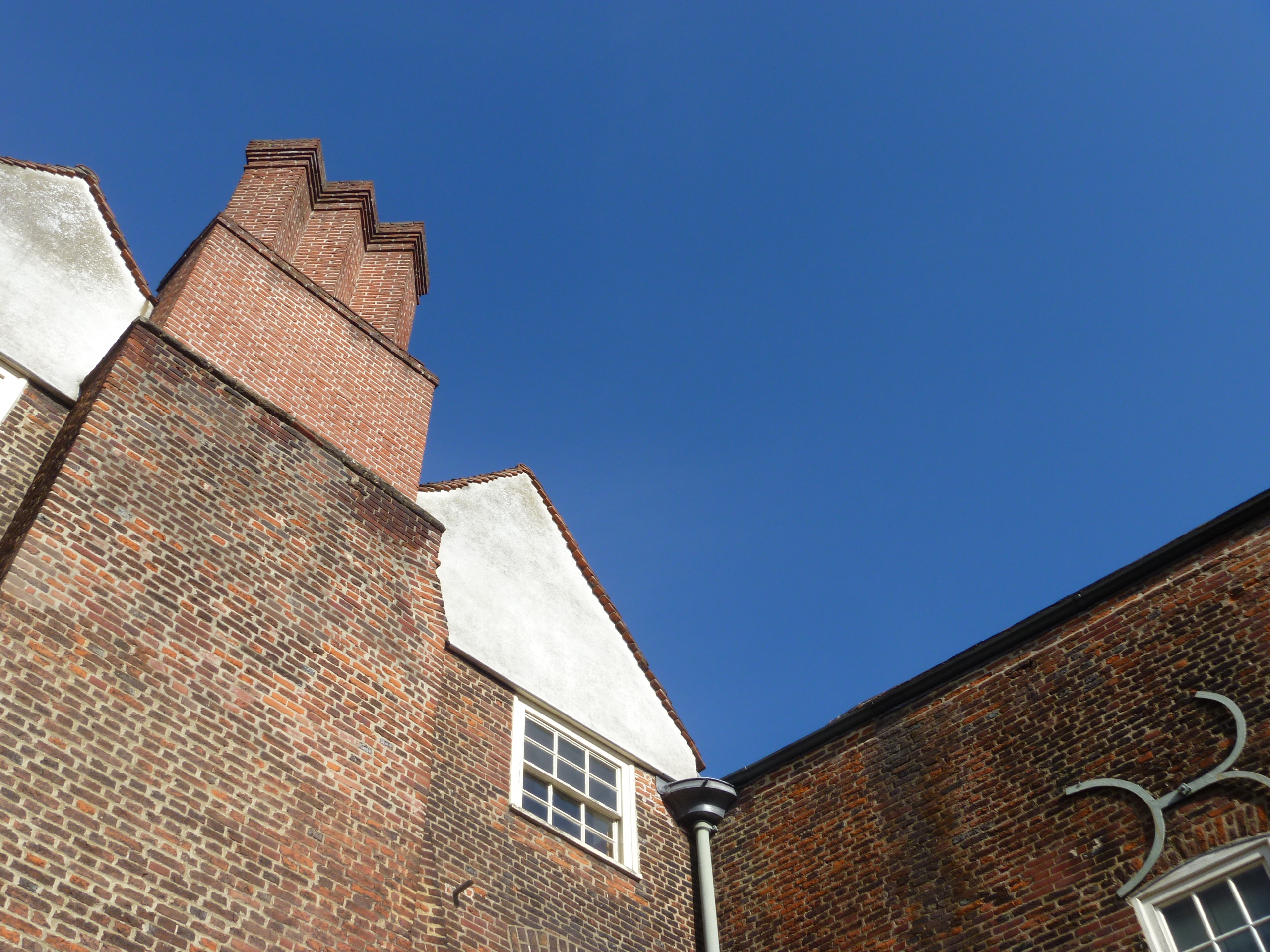
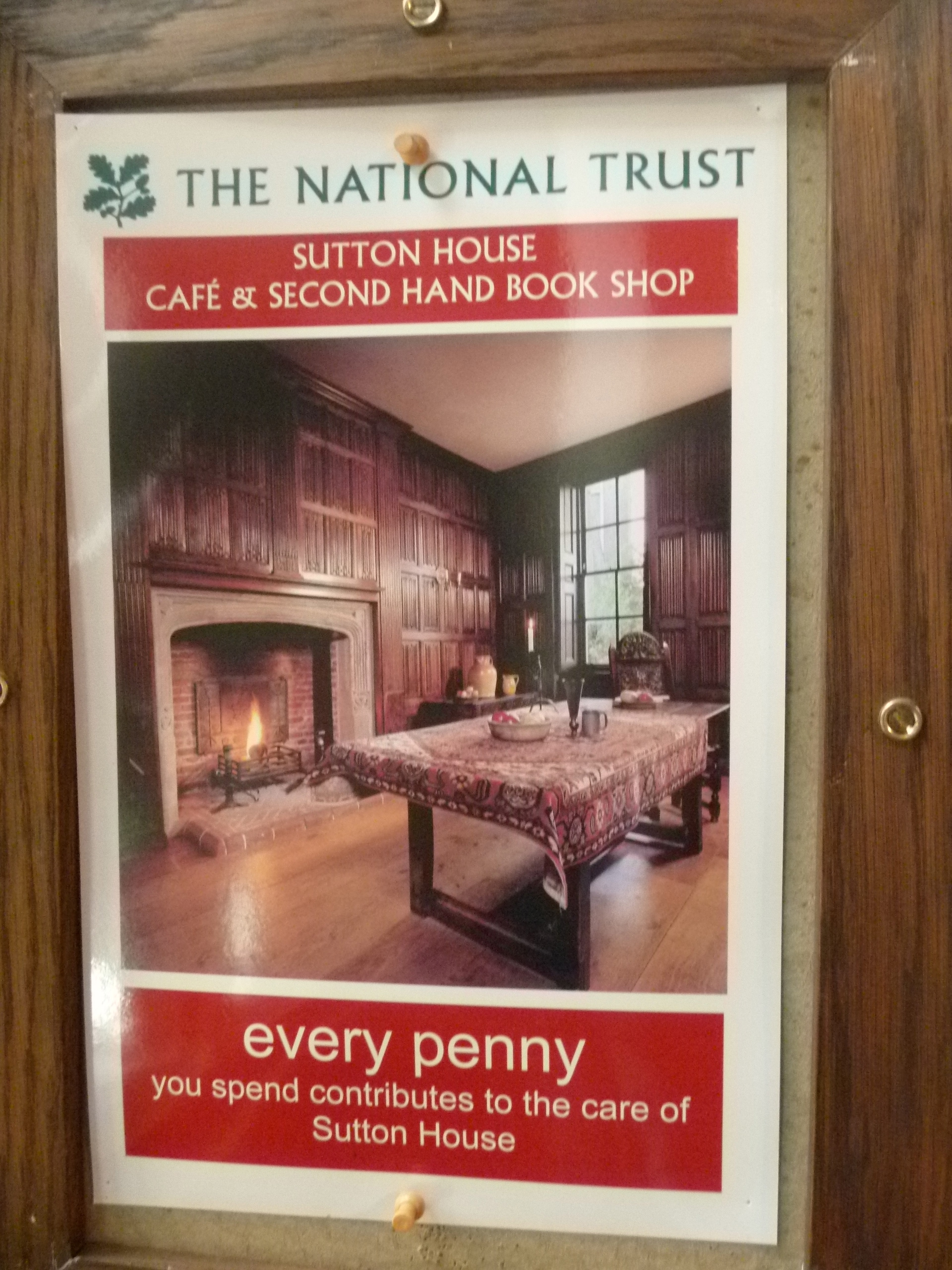
Our Plan B was to visit the National Trust property Sutton House instead. I’ll copy and paste Clare’s summary of the history of the house as she summed it up perfectly to our group yesterday :

“It is a Tudor house, with lots of later additions, and a
fascinating history. It was first owned by Ralph Sadleir, an important
official in four reigns starting with Henry VIII. After that it was owned by
other individuals plus passing through the hands of two separate girls’
schools, a boys’ school, a church institute which ran all sorts of
activities for young men, and in the 1980s it was occupied by squatters who
wanted to form an arts community there.”

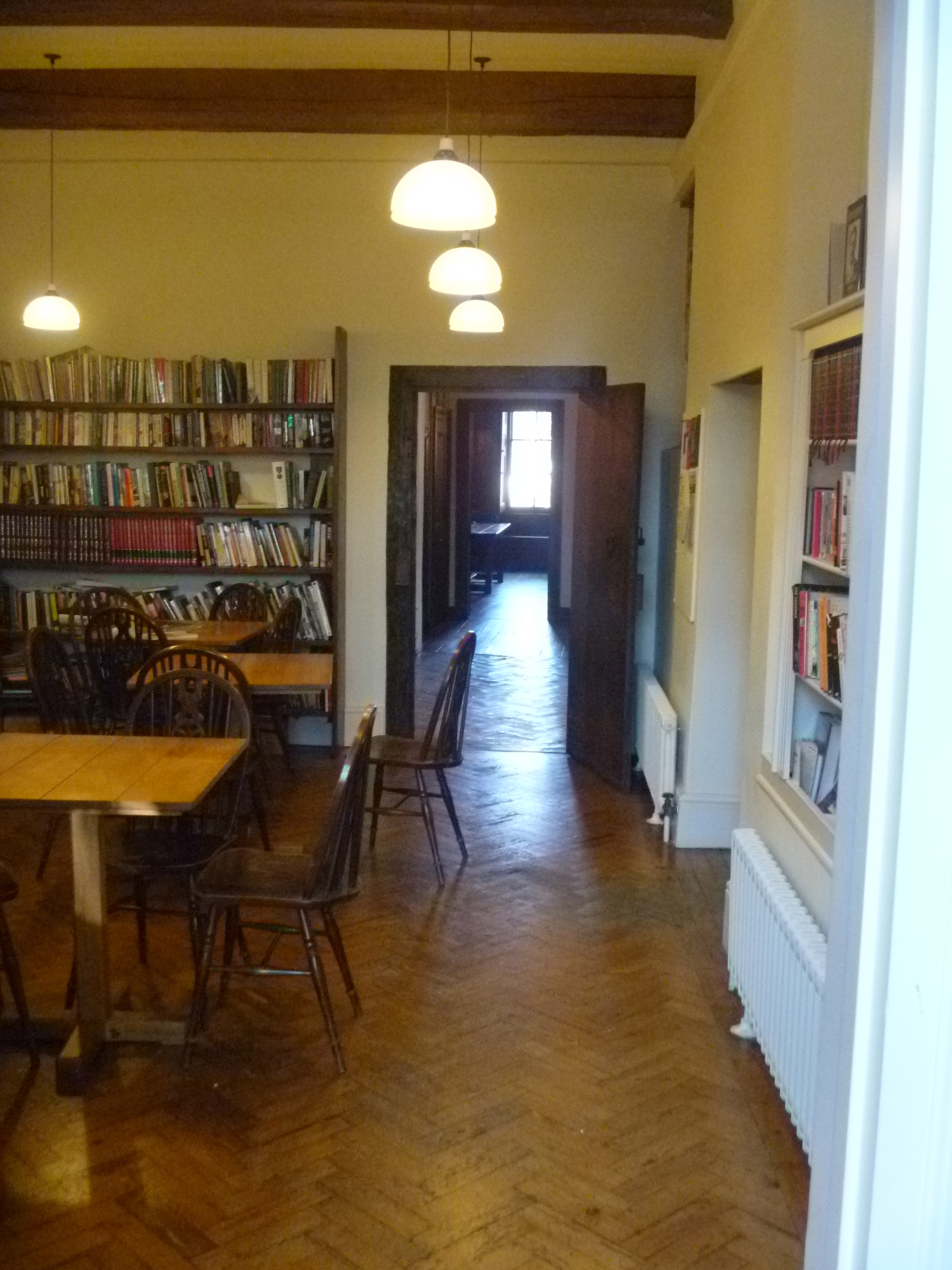
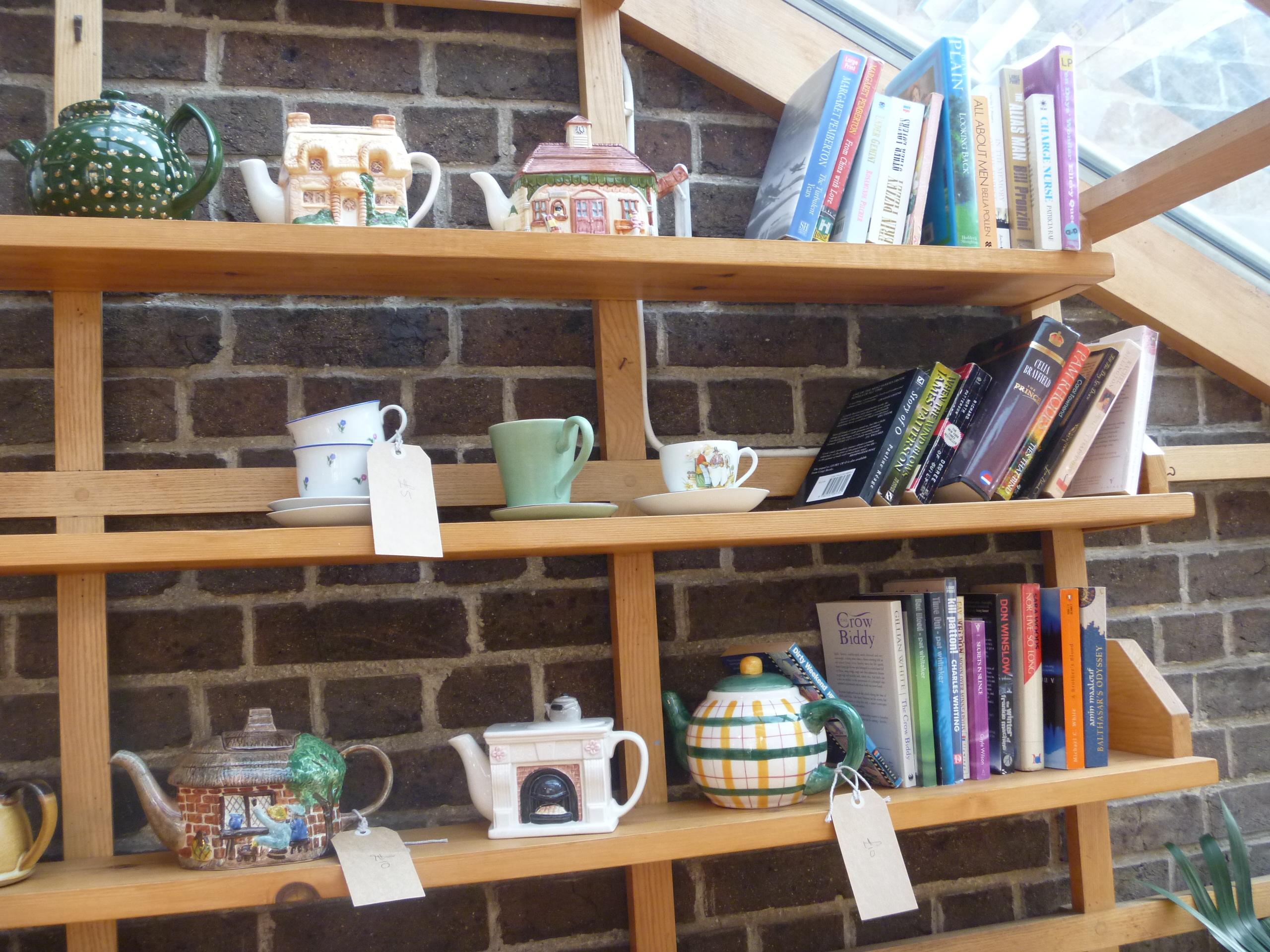
Today Sutton House is very much a part of the local community and the only staff we came across were volunteers all of whom were friendly, helpful and knowledgable. You can check out the website to see the variety of activities organised at the house – not surprisingly it’s booked up for over a year for school party visits. At one point I spotted a flyer for ‘Sutton House Book Brunchers’ who meet at the Bryck Place Tea Room once a month. Bryck Place is the original name for Sutton House and the tea room is a delight – a book lovers’ and tea drinkers’ paradise! There was a bit of renovation going on in the tea room on the day we visited so it was a matter of help-yourself to drinks and cake or scones and jam and drop a contribution in the box. So we did! The tea rooms are surrounded by shelves mostly stacked with secondhand books but some also with secondhand cups and saucers and jugs and teapots all for sale.

The tour of the house began in the Linenfold Parlour (see the poster pictured above). This would have been an important room in Sadleir ‘s original building in what was at the time (1535) a quiet, rural village. You then can visit the cellars, climb the Painted Staircase to the Gallery, the Little Chamber and the Great Chamber, a bedroom now decked out as a Victorian study and climb up again to an exhibition and history room on the second floor. A further staircase takes you right down to the ground floor again where, on this east side of the house, is a Tudor kitchen with access to an enclosed courtyard and a Georgian Parlour. This last room had a corner devoted to tea and it’s accoutrements and I was happy to note the following little verse :

 “In lands near or far

or wherever you be

friendship is welded by

a good cup of tea”

From Sutton House it’s a short walk to Hackney Central Station where we boarded our London Overground trains in opposite directions. As I sat on my train heading towards Whitechapel the following text came through on my ‘phone : “Afternoon tea now available at 45a!”  Some friends, staying at the Landmark Trust property 45A Cloth Fair this week, were inviting me to join them for (another) cuppa and more cake. I’ve stayed at 45A in the heart of Smithfield between Barbican and St Paul’s tube stations half a dozen times already so it was like arriving home as I climbed the creaking staircase to the first floor sitting room and joined my friends for tea and cake.

Dickens on the train and Dickens in the shop – a visit to my neighbour

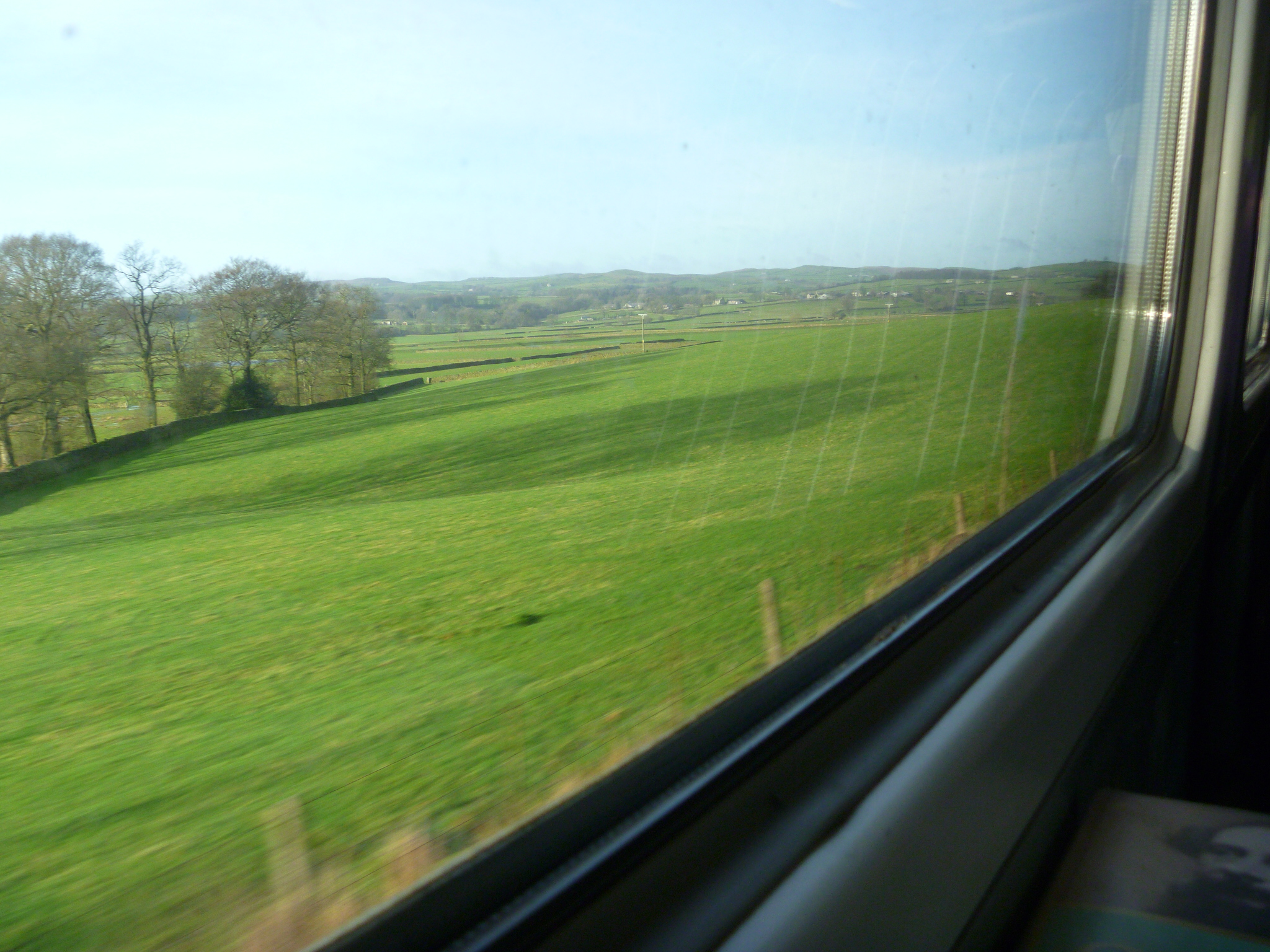
Members of my online reading group are scattered far and wide around the world. I have been lucky enough to meet many of them here in the UK and also when I’ve been on holiday abroad. My nearest group ‘neighbour’ lives in Carlisle about 100 miles away and luckily we have the famous Leeds-Settle-Carlisle line to assist us in our efforts to meet up every so often.  On Thursday I made the trip north. As you can imagine it’s a full day trip – but well worth it just to visit Carlisle but the added bonus of meeting up with a friend makes it doubly so. I was lucky in other respects as well.  The weather could not have been better, blue skies and sunshine showed the scenery at its best – you could even see snow on the Lakeland peaks in the distance.

All the trains ran to time, although on parts of the journey the L-S-C train moves very slowly. During all this time with just the odd glance out of the window I was engaged reading Claire Tomalin’s ‘Dickens: a life”.

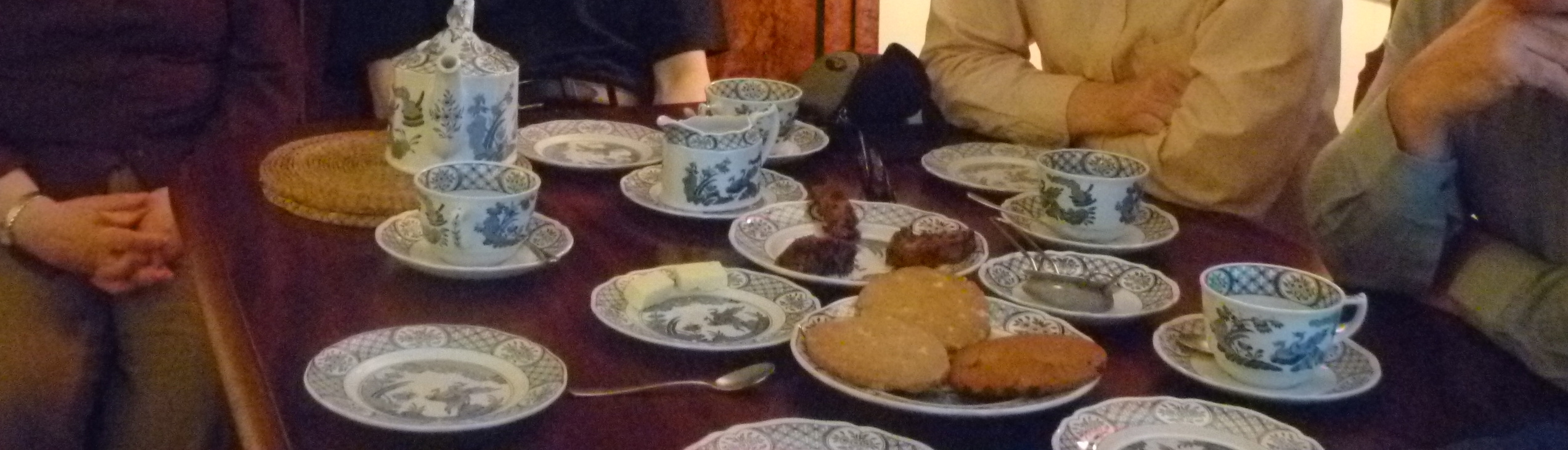
We met up at the station and went straight for tea/coffee at John Watt’s. Watt’s is primarily a Coffee Shop but I was pleased to note that they serve loose tea by the pot. Having just checked the website again I notice that they are tea blenders as well as coffee roasters. The over riding smell in the shop/cafe is roasting coffee and although I don’t drink it I have no objection at all to the smell. Teas and coffees are only half the game – they sell every kind of tea and coffee requisite accessory imaginable plus high class chocolates of all kinds. I couldn’t resist asking where the Christmas decorations had been hung – there didn’t appear to be any free space at all.

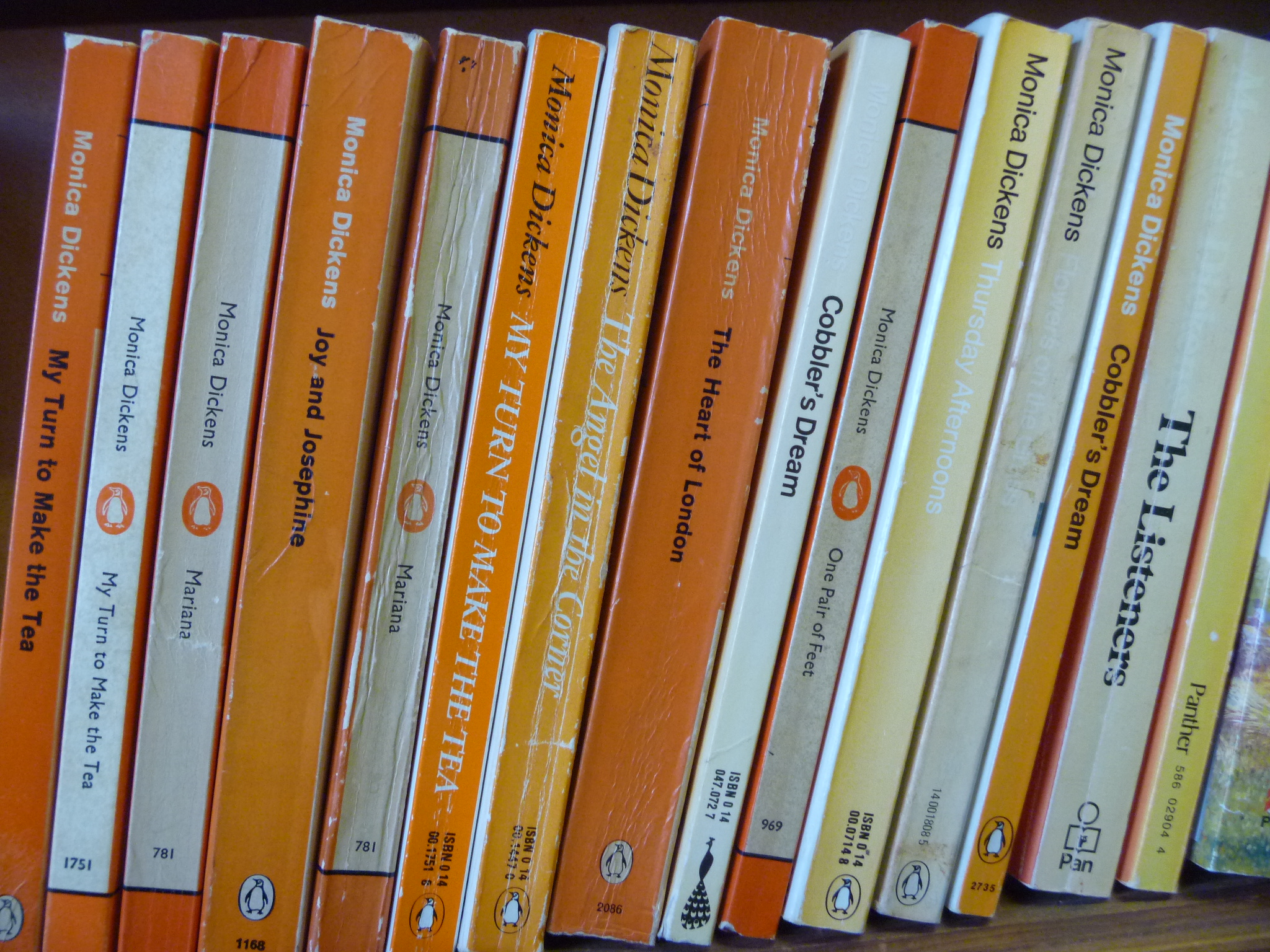
We visited two bookshops. Handily placed was The Oxfam Bookshop (most towns have one now) just two doors down from Watt’s. And then we moved on to Carlisle’s piece de resistance for bibliophiles The Bookcase. It’s a many-roomed shop filled to overflowing with books. The owners are up to date with secondhand book prices but we found lots of the old orange Penguins in pretty good to excellent condition for just a couple of pounds each. I bought an unread copy of Monica Dickens’ ‘My Turn to Make the Tea’. (The copy on the far left of the picture.)

My friend and her husband have not long lived in Cumbria. They moved over from Northumberland in 2010. I was taken back to their new home for a lovely lunch and inspection of house and garden. Suddenly it was time to head to the nearby quaint old station at Armathwaite where we said our ‘Goodbyes’ and I headed back to Leeds arriving with just one remaining chapter of the life to read.

A Sentimental Journey

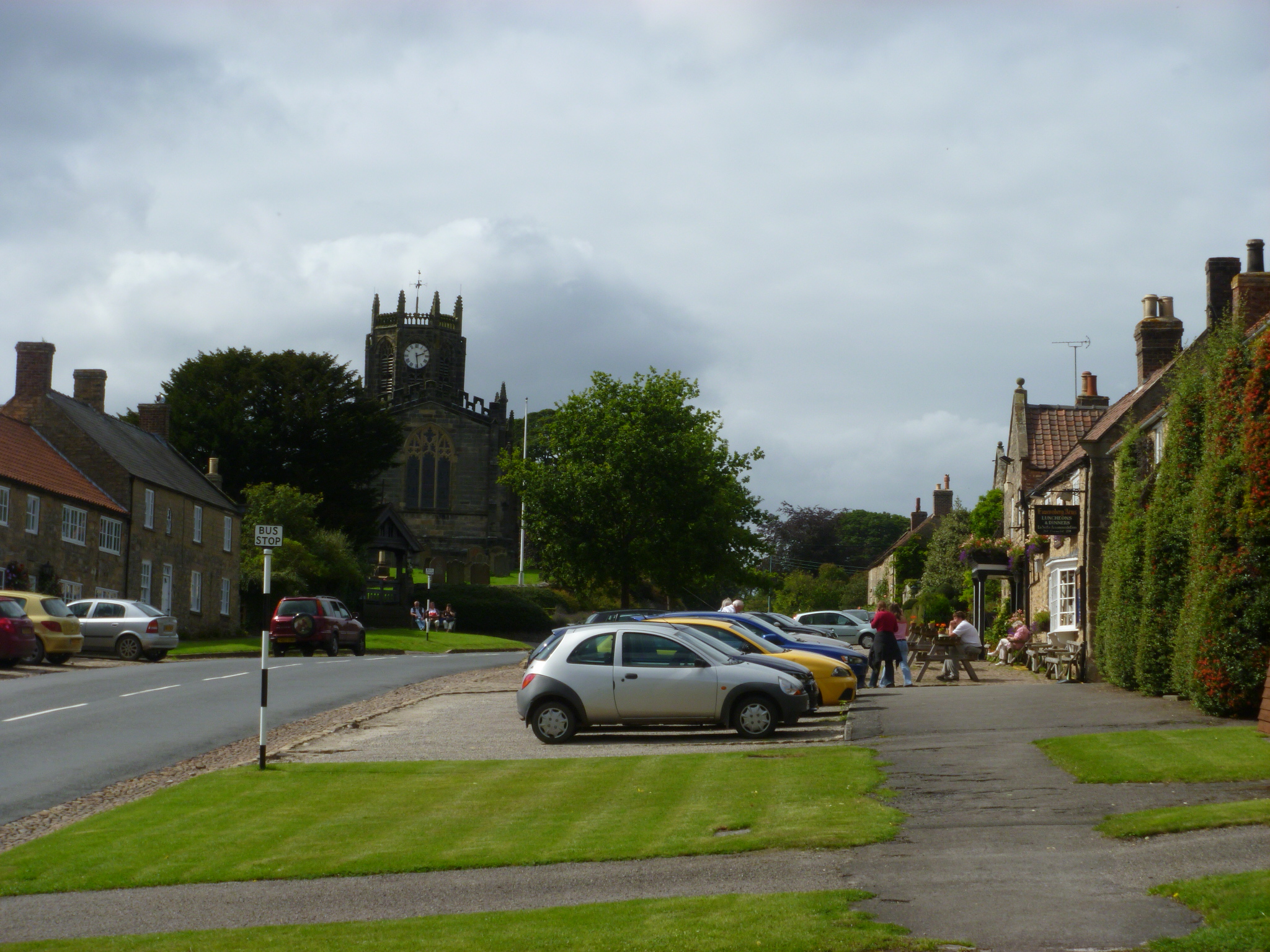
Just an hour’s drive from Leeds, Coxwold is one of the prettiest villages in North Yorkshire. It has a lovely tearoom, The Coxwold Tearooms :

an attractive and popular pub, The Fauconberg Arms

and an impressive church, Saint Michael’s.

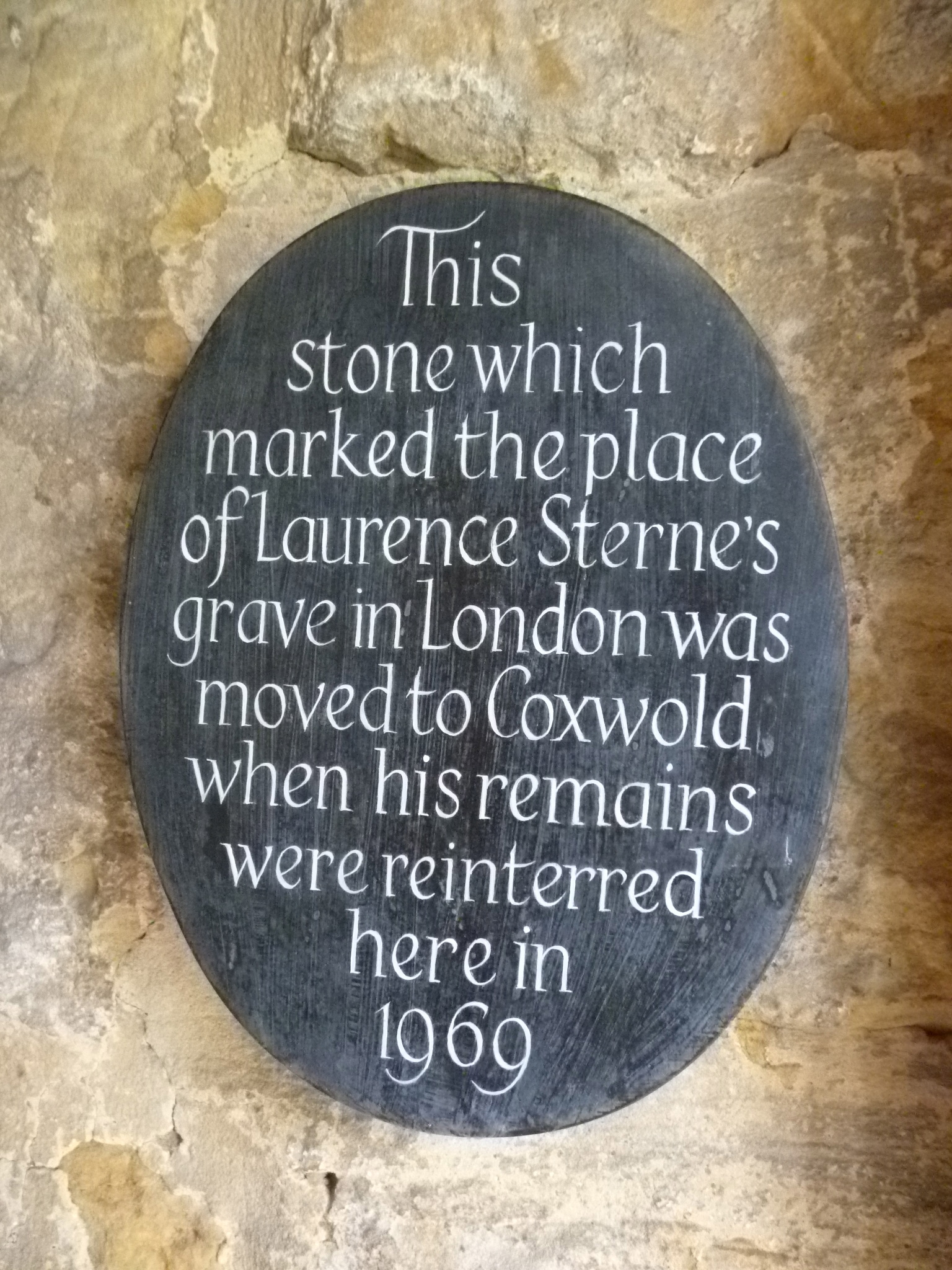
It was also home to one of the most intriguing authors of the eighteenth century – Laurence Sterne. Born of an anglo-Irish family in Clonmel in County Tipperary in 1713 Sterne was educated in Yorkshire and at Cambridge and was ordained as a Church of England clergyman in 1738. He held two Yorkshire livings before being appointed to Coxwold by Lord Fauconberg. Apart from travels in Europe and visits to London Sterne spent the rest of his life here. He died in London in 1768.

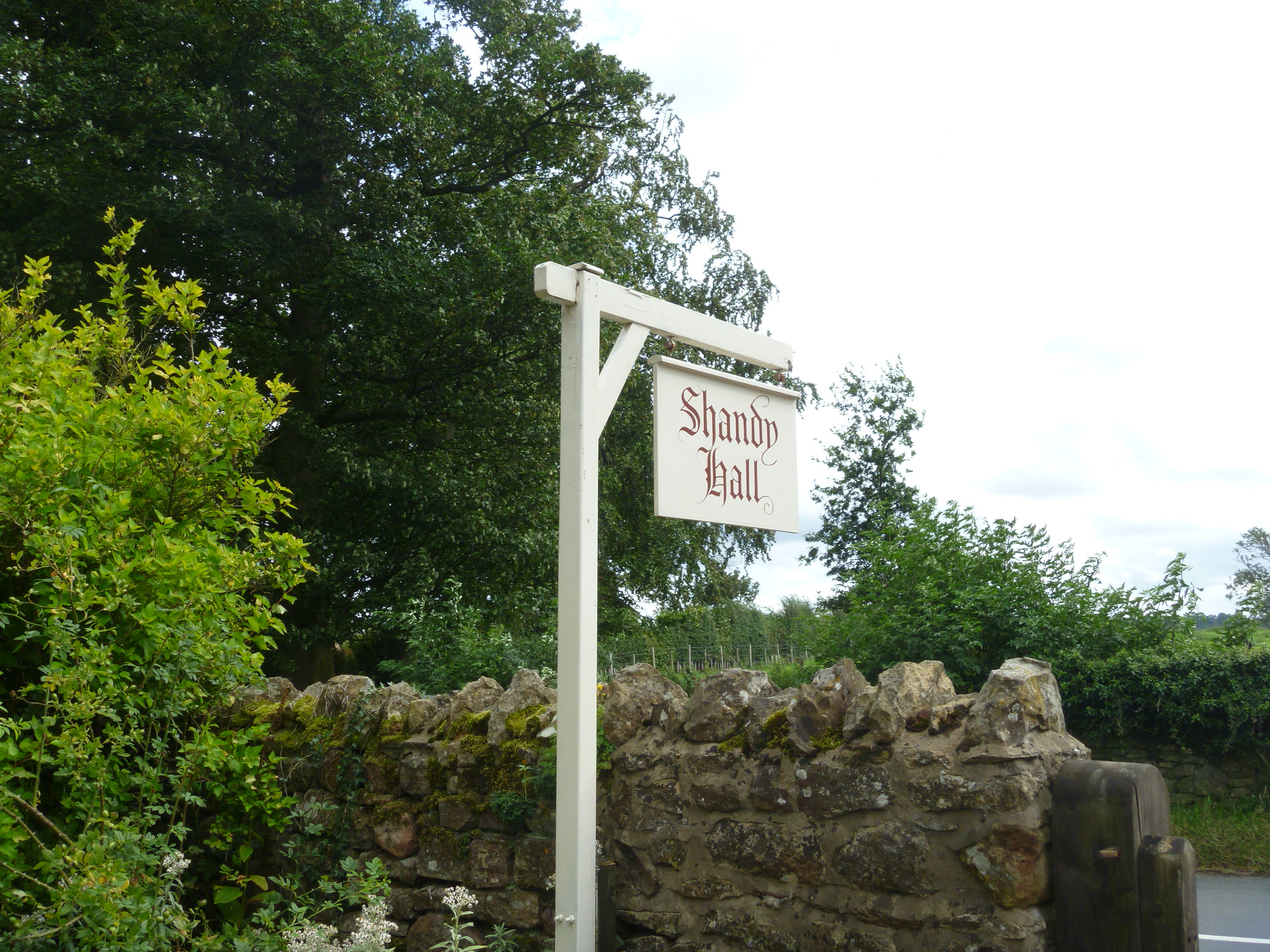
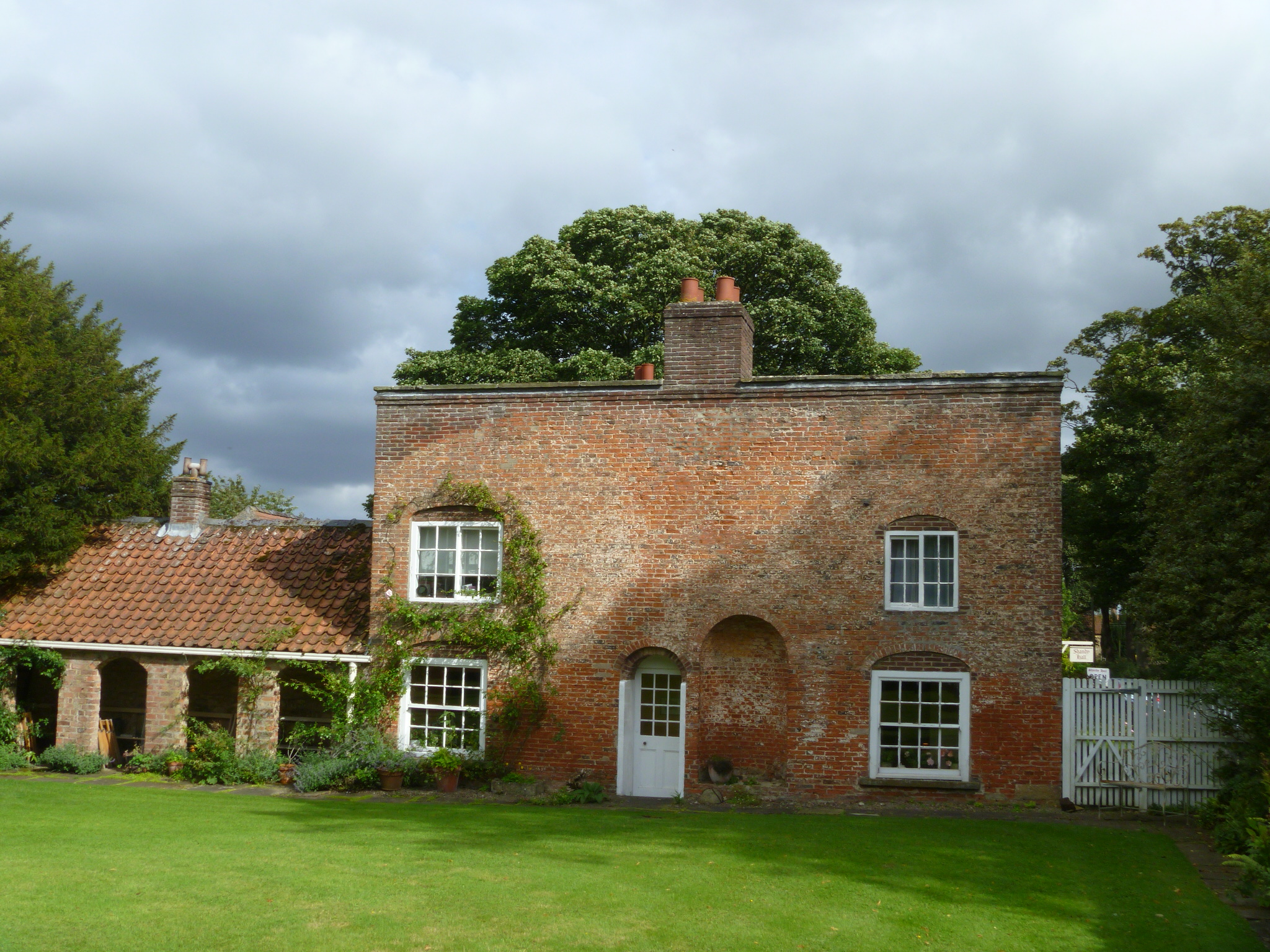
Sterne was the author of two famous books. At least they were very well known and popular during his lifetime and after but generally he is much less well known today. The Life and Opinions of Tristram Shandy, Gentleman and A Sentimental Journey. Shandy Hall, his former home in Coxwold, is run by the Laurence Sterne Trust and is open to groups by appointment throughout the year and to the general public on Wednesday and Sunday afternoons during the summer. The gardens – which include one acre of woodland – are open every day except Saturday during the same summer season.

The Laurence Sterne Trust

As eccentric as Sterne himself the house is a delight to visit. There’s an introduction by the resident curator – a true Sterne enthusiast who, by the way, will be promoting Sterne at the forthcoming Ilkley Literature Festival

and is also organising a visit to Shandy Hall from Ilkley.

Ilkley Literature Festival – Shandy Hall visit

The 2005 film A Cock and Bull Story starring Rob Brydon, Jeremy Northam and Steve Coogan demonstrates just how unfilmable the novel is :

Shandy Hall and garden.

And finally, the shop! Besides the souvenir fridge magnets, postcards and new books there is a large selection of secondhand books.