Mary Taylor : Strong Minded Woman & Friend of Charlotte Brontë

Discover the pioneering 19th century life of early feminist Mary Taylor of Red House, friend and inspiration to Charlotte Brontë. Mary’s exceptional life included emigrating to New Zealand; starting a business; leading expeditions of women mountain climbing in Europe and writing radical feminist articles and books.” (It’s Happening …)

Red House

Back in December I visited Oakwell Hall in Birstall to look at the Christmas decorations and promised myself that I would follow up with a visit to the nearby Red House; which also has Brontë connections. In the ‘It’s Happening …’ leaflet which I picked up that day I noted a future exhibition to be mounted at Red House on the topic of its one-time inhabitant Mary Taylor. The exhibition runs from 2 March until 2 June.

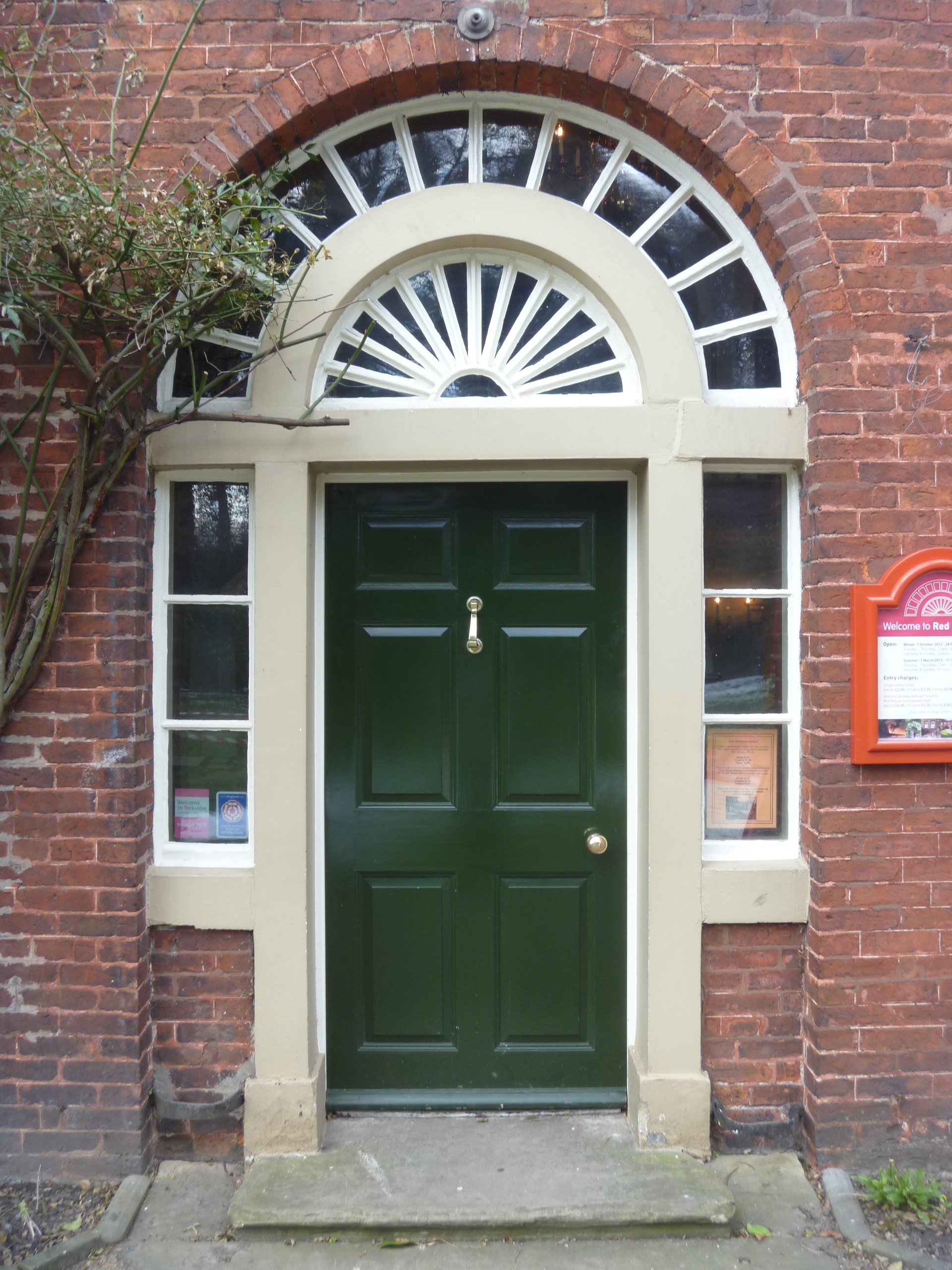
Front door Red House

No photography is allowed inside the house; but never mind it’s a bit disappointing anyway. Several times in the 1980s I brought my sons here as they laid on some good children’s craft workshops (and still do). For quite a few years it was closed for renovations and yesterday was my first visit since then.

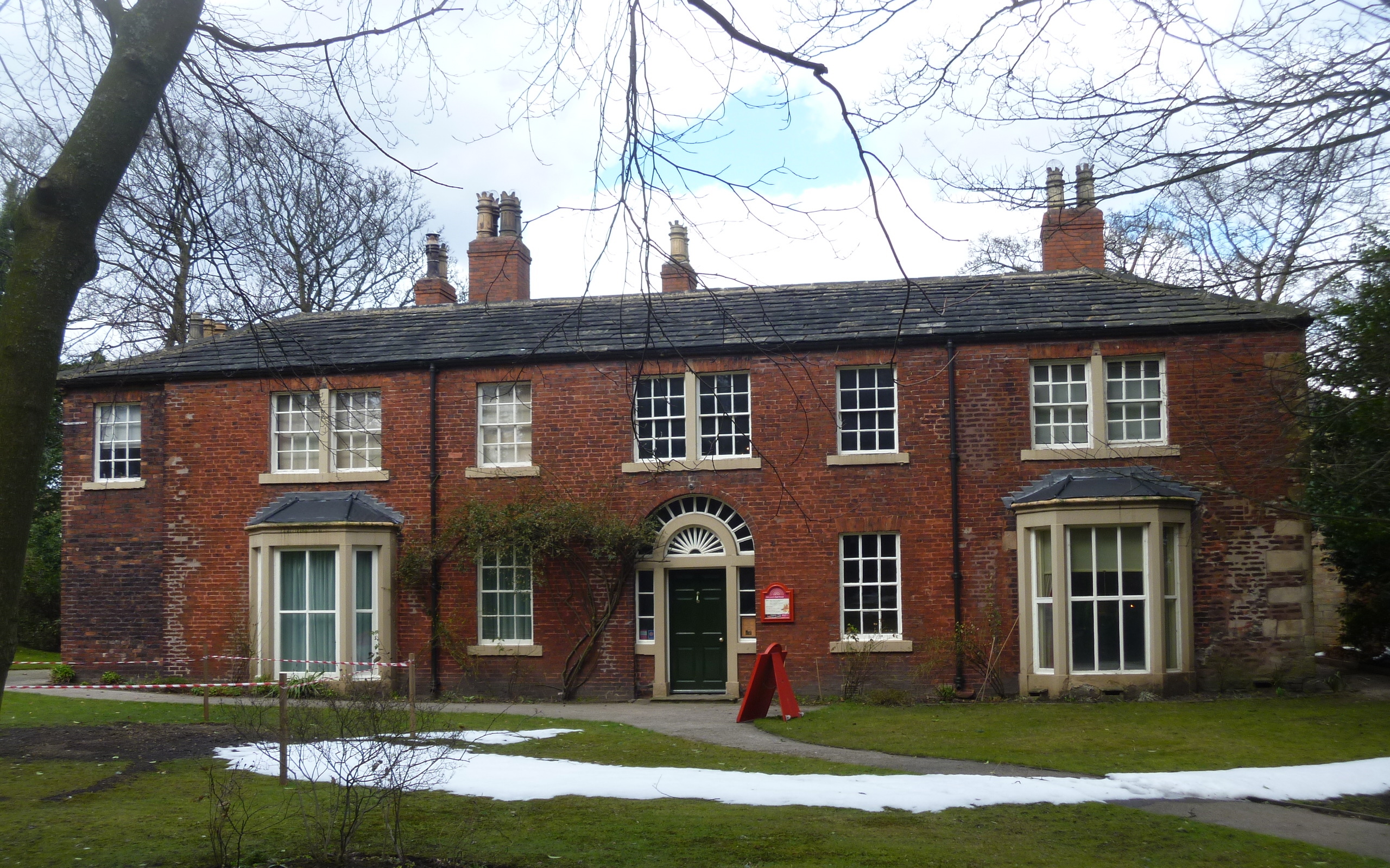
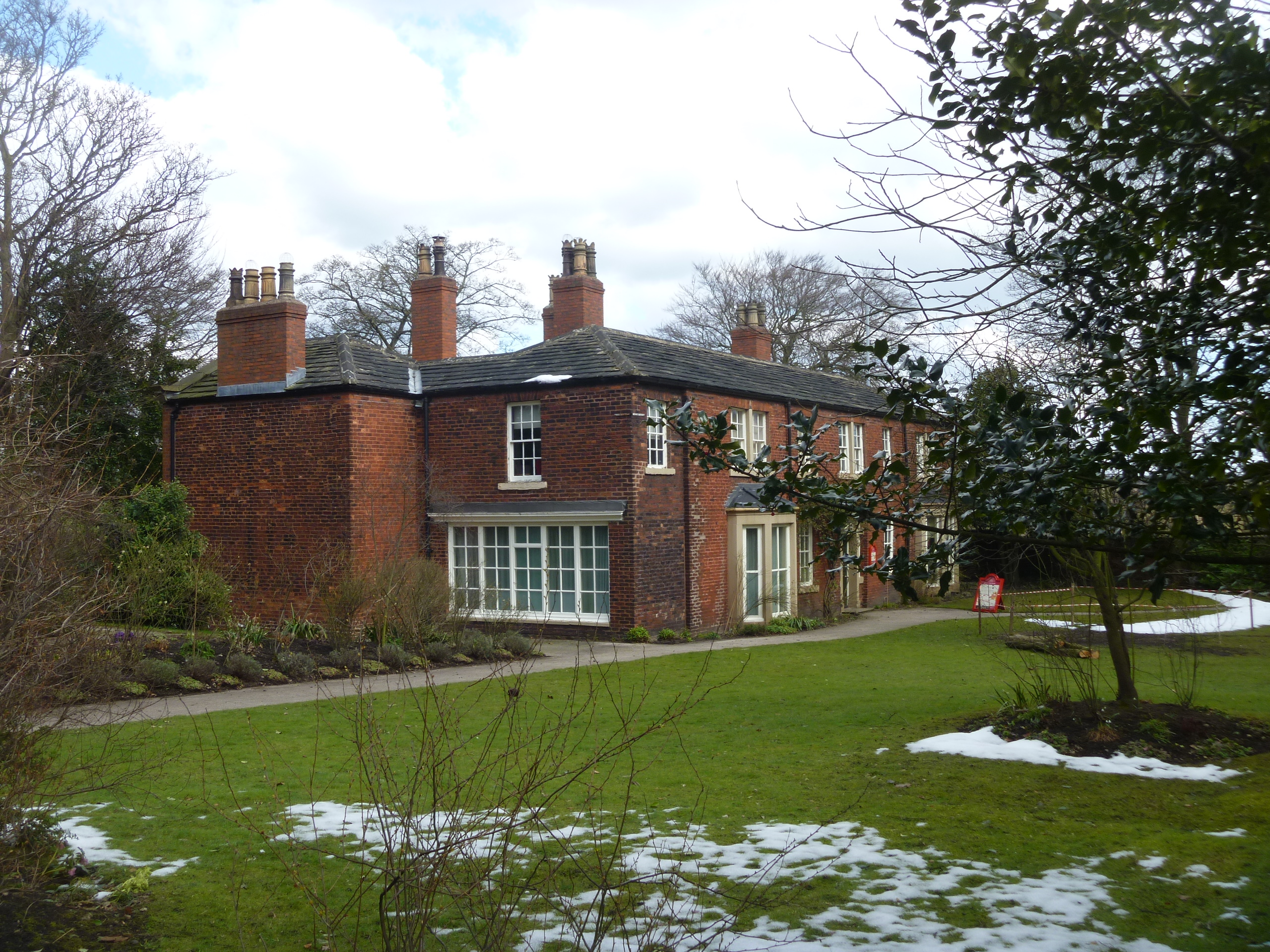
Red House - front

I was told that the house has been returned as nearly as possible to how it would have looked in the 1830s; the time when Charlotte Brontë visited. Some furniture, pictures and fittings are original, or of the period, and the rest have been carefully copied; for example the ‘Brussels’ weave, looped pile carpet in the Parlour, window curtains and bed hangings in the Main Bedroom and wallpapers.

There are very few rooms to visit – The Parlour (left in photo) with waxworks of Mary Taylor (playing the piano) and her mother (stitching tapestry); the adjoining scullery and kitchen; across the hall (which serves as reception and shop) there is the dining room and a study (right in photo). Upstairs you can visit the Main Bedchamber (above the parlour), the Governess’ room and the Girl’s room.

The Taylors were  a prosperous, middle class family and Joshua (a woollen cloth manufacturer and merchant) lived here with his wife Anne and their six children. Their daughter Mary (1817-1893) was a great friend of Charlotte Bronte, who often visited Red House and featured the house as ‘Briarmains’ and the Taylor family as ‘The Yorkes’ in her novel ‘Shirley’.

postcard

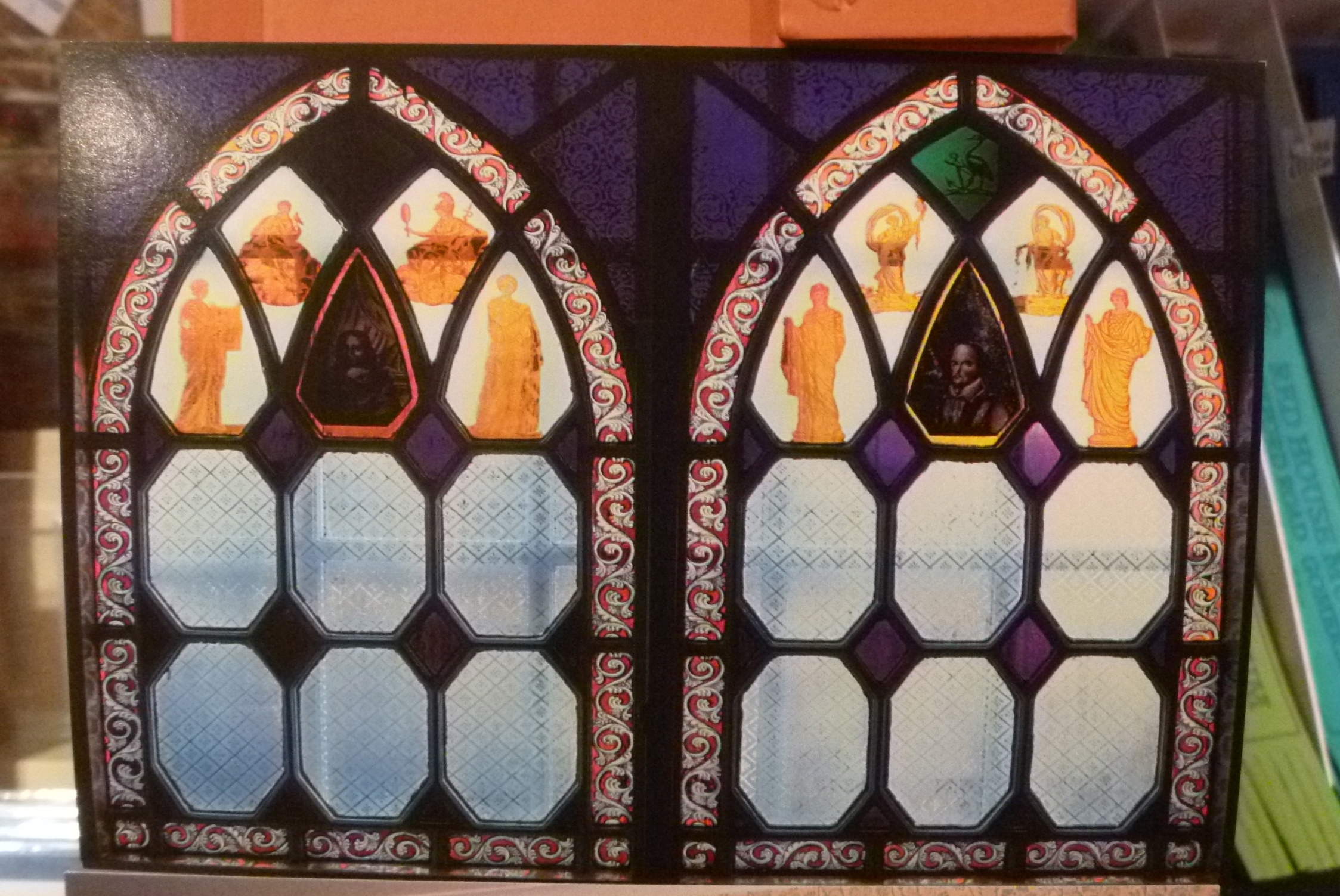
Perhaps the most interesting feature, to me, were the stained glass windows in the Dining Room with painted heads of William Shakespeare and John Milton. Charlotte Brontë describes in ‘Shirley‘.

Those windows would be seen by daylight to be of brilliantly-stained glass – purple and amber the predominant hues, glittering round a gravely-tinted medallion in the centre of each representing the suave head of William Shakspeare, and the serene one of John Milton.” (Shirley Ch.9)

MARYTAYLOR2

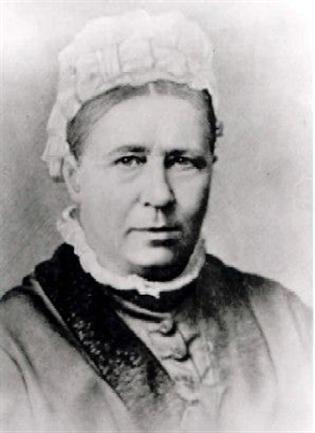
Mary Taylor (Photo source)

So, having almost galloped through the main house I spent quite some time in the Exhibition Gallery studying the fascinating life of this woman Mary Taylor. One hundred years after her death she is now gaining recognition through Charlotte Brontë’s descriptions, through her letters and through her own published works. Examples of her books were displayed (including modern reprints). She wrote “The First Duty of Women” and a novel “Miss Miles, or a tale of Yorkshire life 60 years ago”. She was a strong-minded woman intent on pursuing her own way of life and living by her own ideals. She was an early feminist and strongly believed in women having their own independence.

She attended Roe Head School near Mirfield (where she met CB) and later The Chateau de Koekelberg in Brussels. She taught in Germany and I was surprised to read that in 1845 she emigrated to New Zealand and was one of its earliest settlers. There she owned a successful shop. She returned to Britain in 1860 and spent the rest of her life in nearby Gomersal. That is, when she wasn’t being a woman after my own heart and leading women’s mountaineering holidays in Switzerland! “Swiss Notes by Five Ladies : an Account of  Climbing and Touring in 1874″ was reprinted with a supplement by Peter A. Marshall and Jean K. Brown.

Secret's Out and Spen Valley Stories

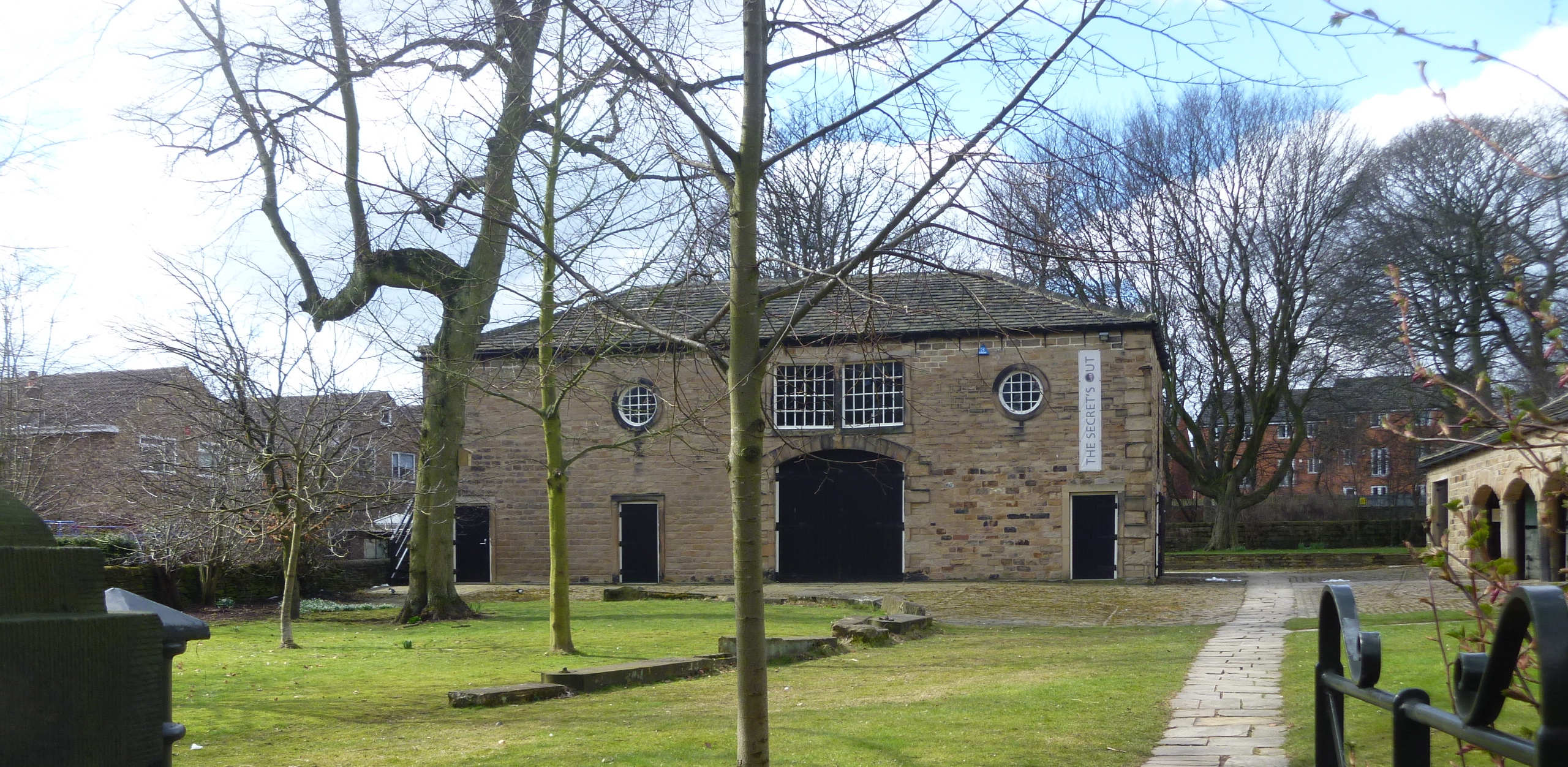
The Secret’s Out with Spen Valley Stories (right)

So that was the house … but there is more. In the converted stables and outbuildings are two more displays. The Secret’s Out all about the Brontë connection with Red House and its local area and Spen Valley Stories : “Everyday community life through a century of change is illustrated through personal stories – displays include Schooldays; Working Lives; At Home; Freetime and Shopping.”

I didn’t have time to investigate these but I will be definitely go back, so watch this space!

Back of Red House

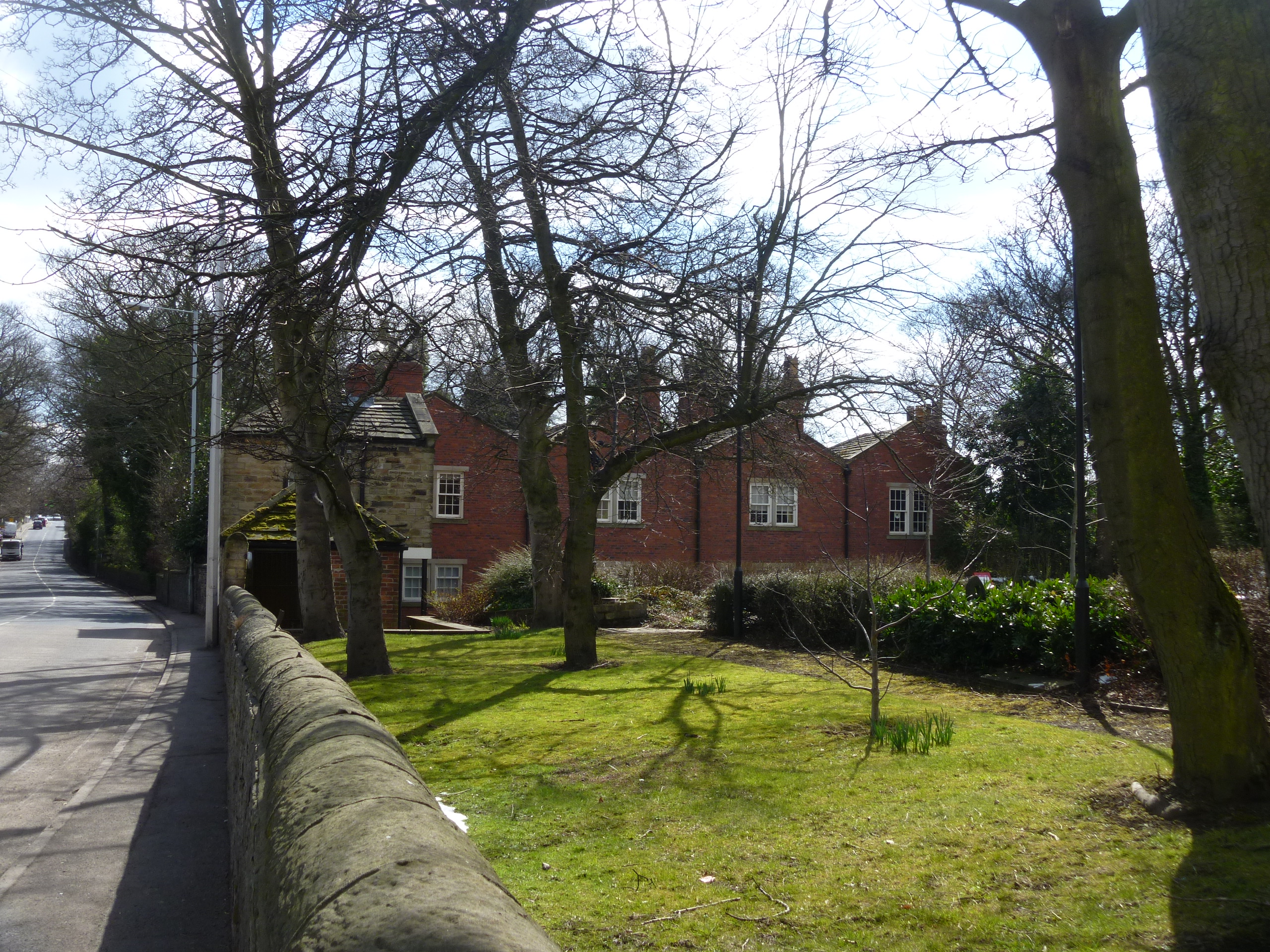
Back of The Red House from the main road

A Wintry Winterburn Walk – on the first day of spring

Last October I attempted this walk but long stretches of very muddy footpaths put me off completing it. I suppose I walked about a third of the route and then diverted from it taking an alternative track to a tarmaced country lane back to the start. So I was delighted when this month’s Weekday Wanderers ‘leader’ told us we were going to do the Winterburn Reservoir Walk yesterday. There was every chance that the paths, although muddy, would be frozen so we would be able to complete the route without being too bogged down in mud.

Muddy moor lane

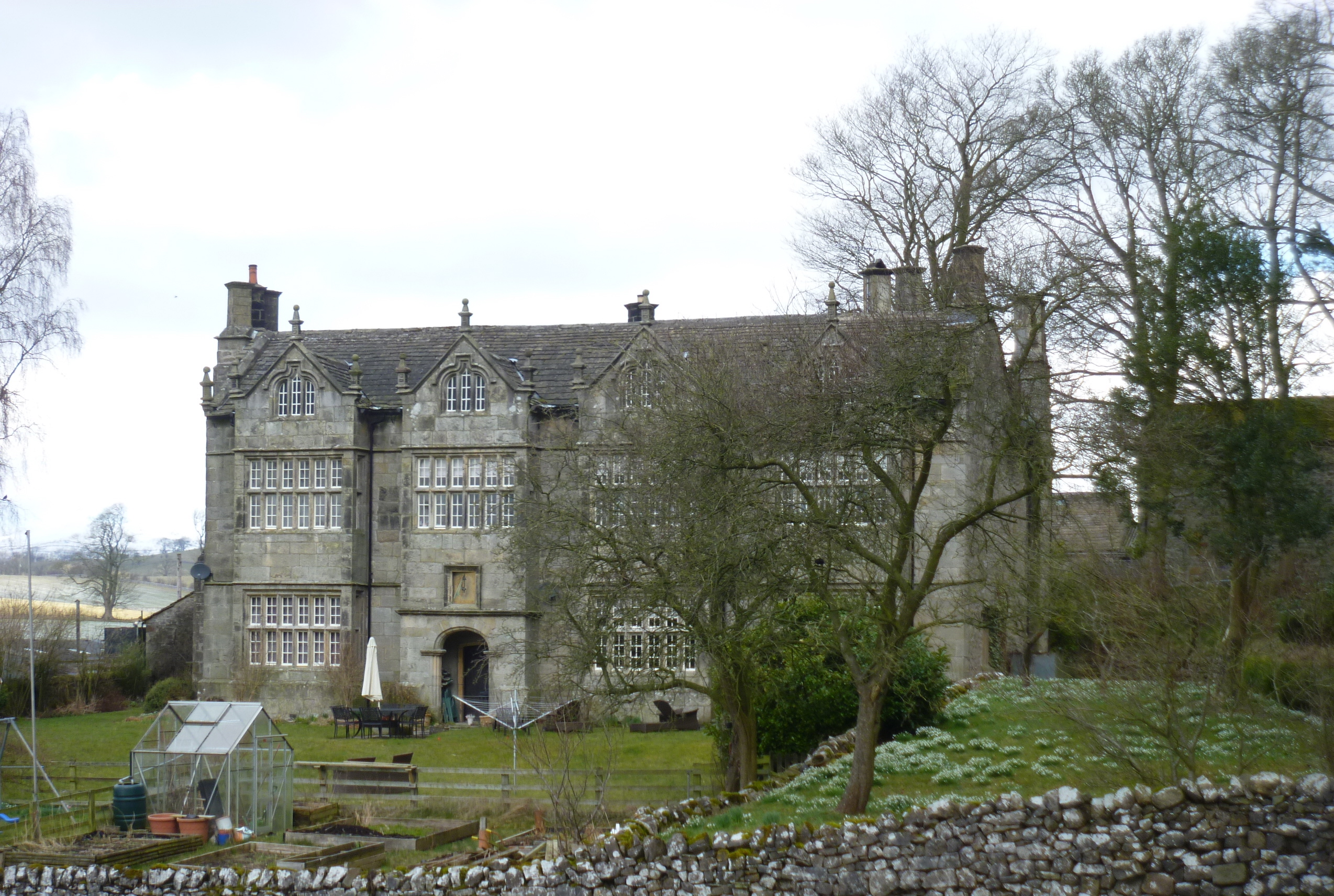
Our leader’s walk – although also extracted from the Yorkshire Post – followed the reverse route. Parking in Hetton in front of the Angel Inn, we headed along a quiet lane out of the village then we struck out across fields until we reached Friar’s Head House. A slight diversion was well worth it to see the front of this Grade 2* listed building which is now a farmhouse.

Friars Head 1

The manor of Winterburn was gifted to Furness Abbey during the 12th century. Nearby Winterburn Grange was the abbey’s administrative centre for the surrounding estates and Friar’s Head was supposedly a hunting lodge for the Abbots of Furness. The present building has a much later date however. After the Dissolution of the Monasteries a long dispute arose over Friar’s Head between its tenants under the Abbey, the Proctor family, and the Earl of Cumberland who tried to put his own tenants in. The three-storey house now at Friar’s Head was eventually built by Stephen Proctor around 1590. It is the most prominent example of a late Tudor gentry house in the Dales.”

Source : http://www.outofoblivion.org.uk/record.asp?id=237

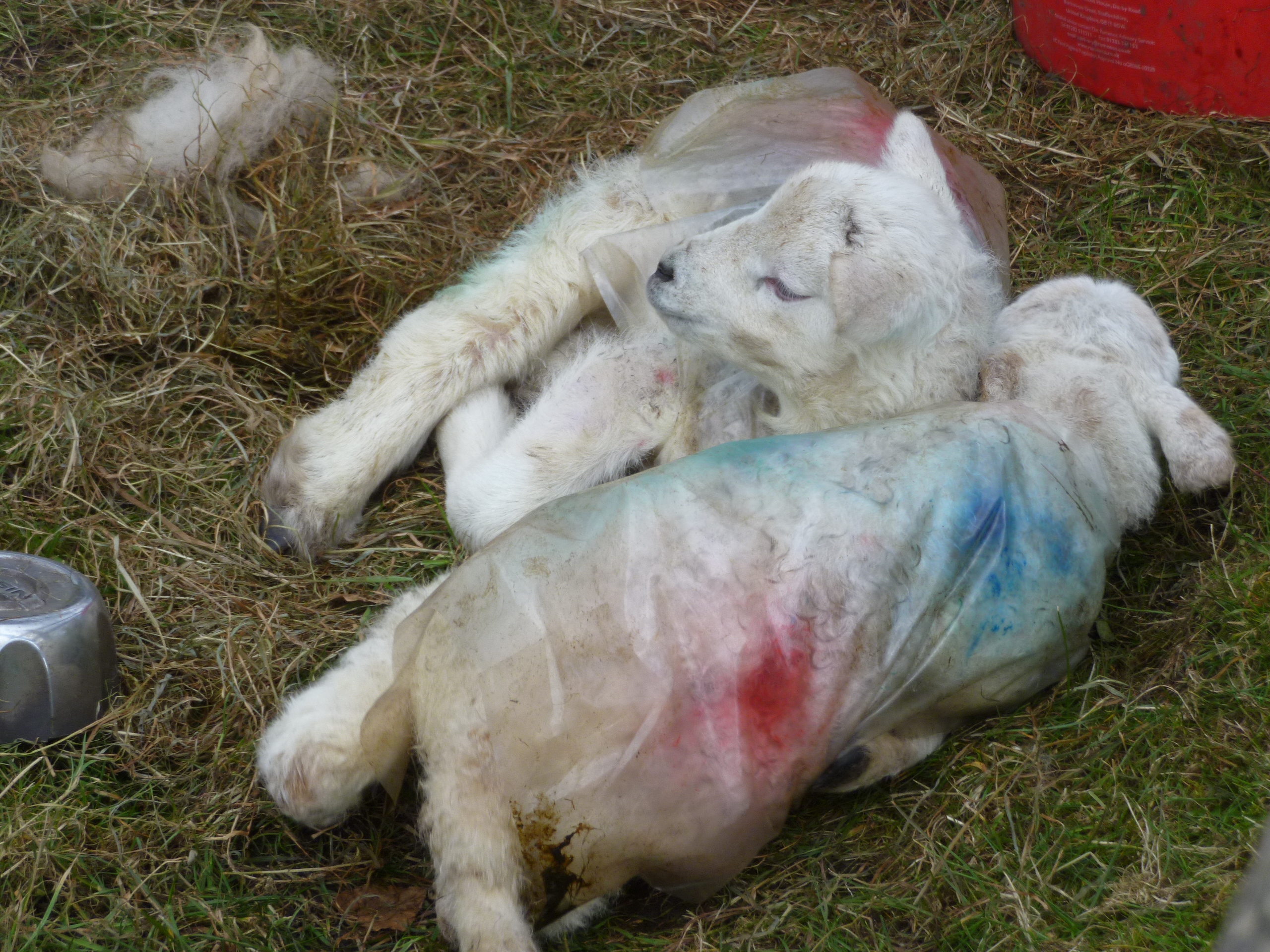
The quiet Winterburn Lane leads to the village of Winterburn itself where we were delighted to see new born lambs in their pac-a-mac raincoats!

Lambs in Plastic Macs

Lambs in Plastic Macs

Latest style in plastic rainwear

The Latest Style in Rainwear!

Eventually we left the track to climb up to fields above the hamlet and we had wide views of the Cracoe Fell with its cross and war memorial (I have yet to walk that ridge).

Winterburn walk

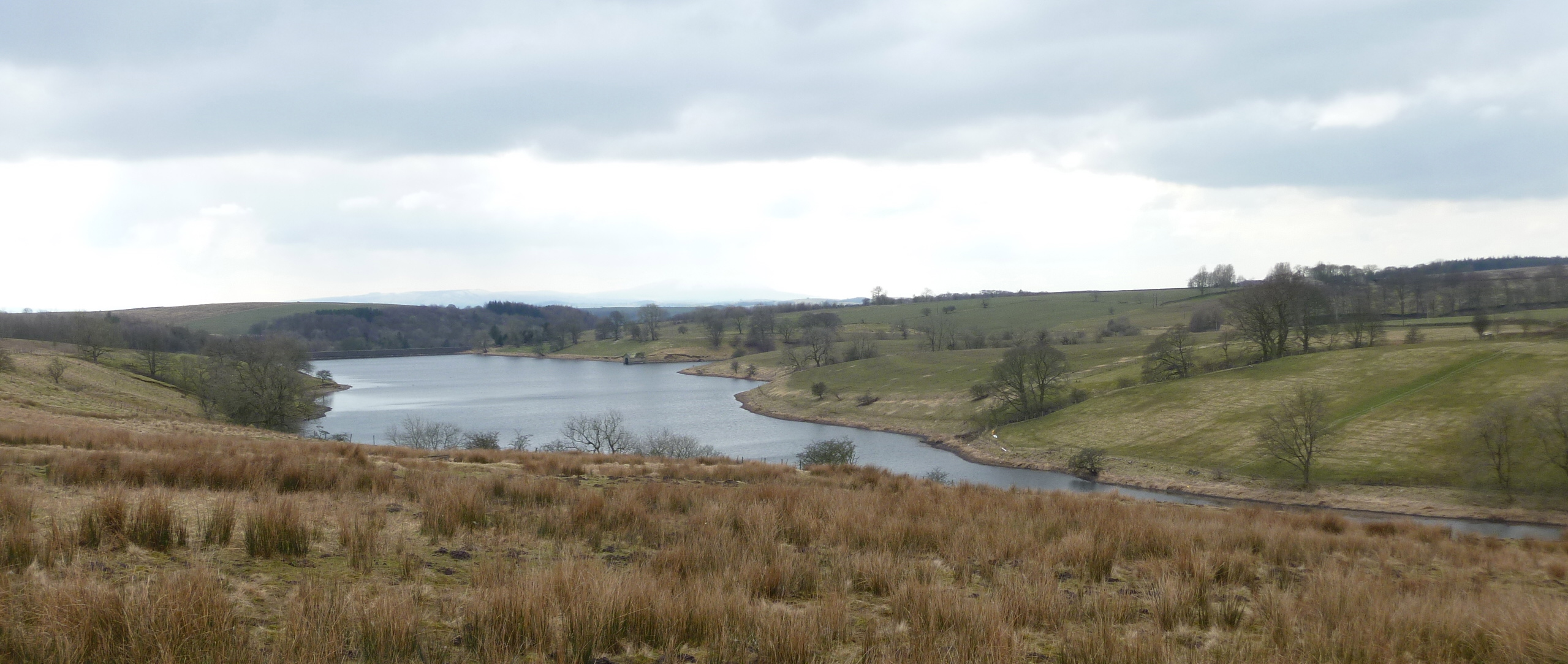
Dropping down to the reservoir itself we had to negotiate the muddy paths before joining the long Moor Lane track back to the village of Hetton.

Winterburn res.

Winterburn Reservoir

Cracoe Fell from Moor Lane

Cracoe Fell from Moor Lane

Returning to Hetton

Returning to Hetton

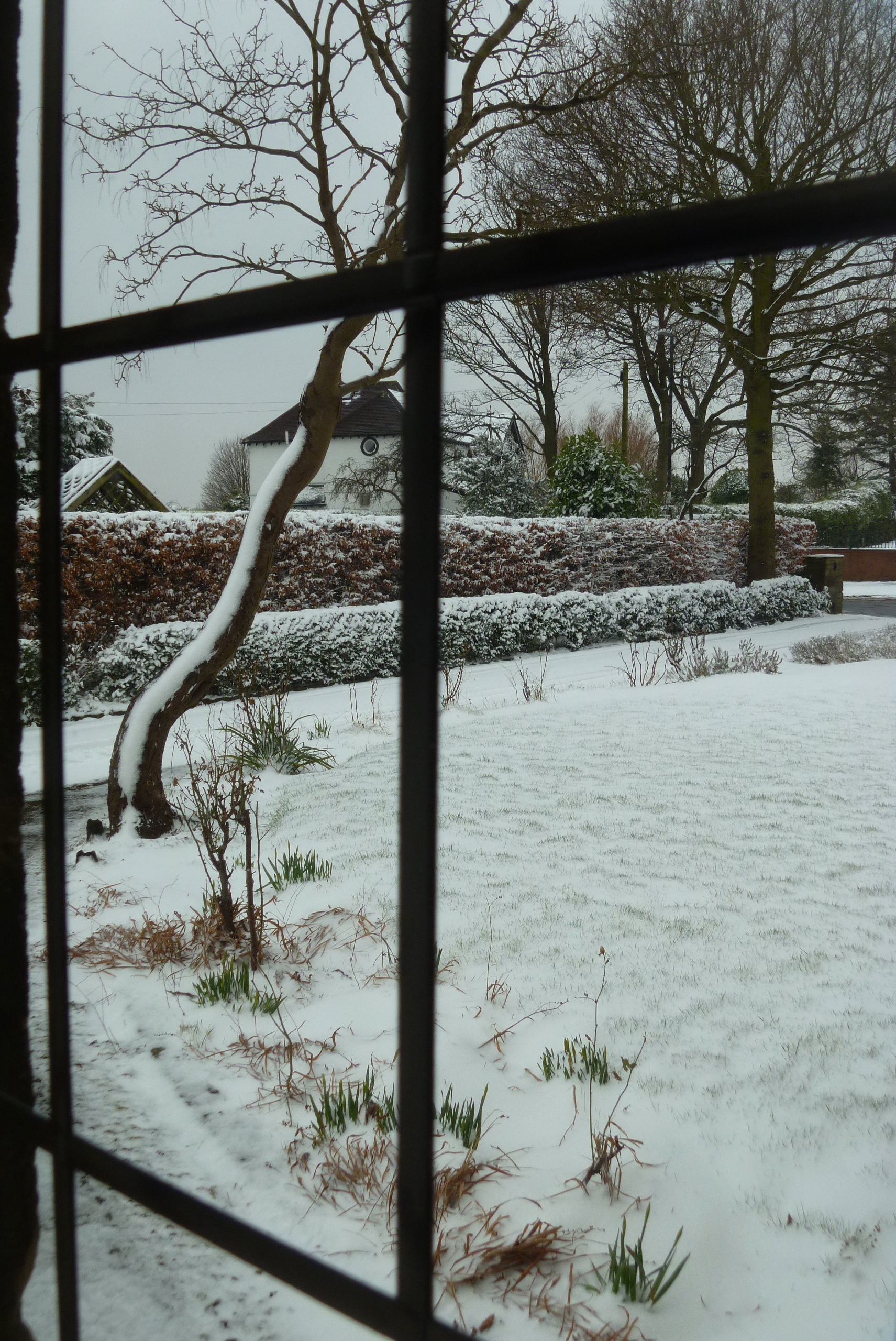
We experienced freezing cold winds but lovely clear views of the fells covered with snow. Today we have as much snow in our garden! And to think, Easter is a week away and spring has already begun!

Snow today

Snow today!

Worcester Cathedral and Strensham Church Services

Worcester Cathedral

Another port of call during the weekend was Worcester. I wanted to visit the Cathedral in connection with my family history researches. It’s a lovely cathedral and you can see its tower from a distance so not hard to find in the centre of the city.

Worcester Cathedral

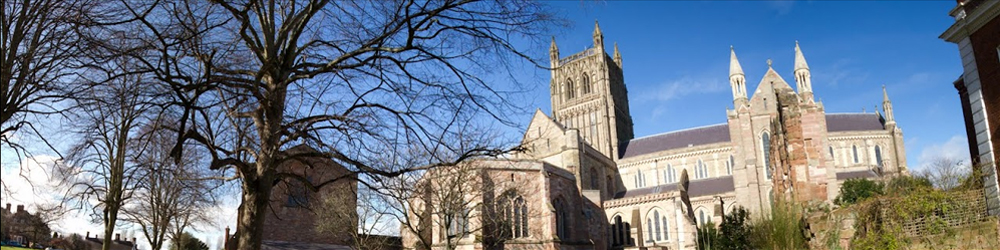
It was wet and cold on my visit the Saturday before last (9 March) so this photo of the Cathedral with blue sky behind is taken from the Worcester Cathedral website. Here is Dean Peter Atkinson’s Welcome Message introduction from that same website :

Worcester Cathedral is a magnificent sight as it rises majestically above the River Severn. Worcester has been the seat of a bishopric since the Seventh Century, and the Cathedral was served by monks until the Reformation. St Oswald and St Wulfstan were among the bishops. Since the Eighteenth Century, the Cathedral has been famous for its part in the annual Three Choirs Festival, the oldest choral festival in existence. Today the Cathedral is the centre of a vibrant community of clergy and laypeople, offering the praises of God each day, serving the city and the diocese of Worcester, and attracting visitors from all over the world.

St George's Chapel

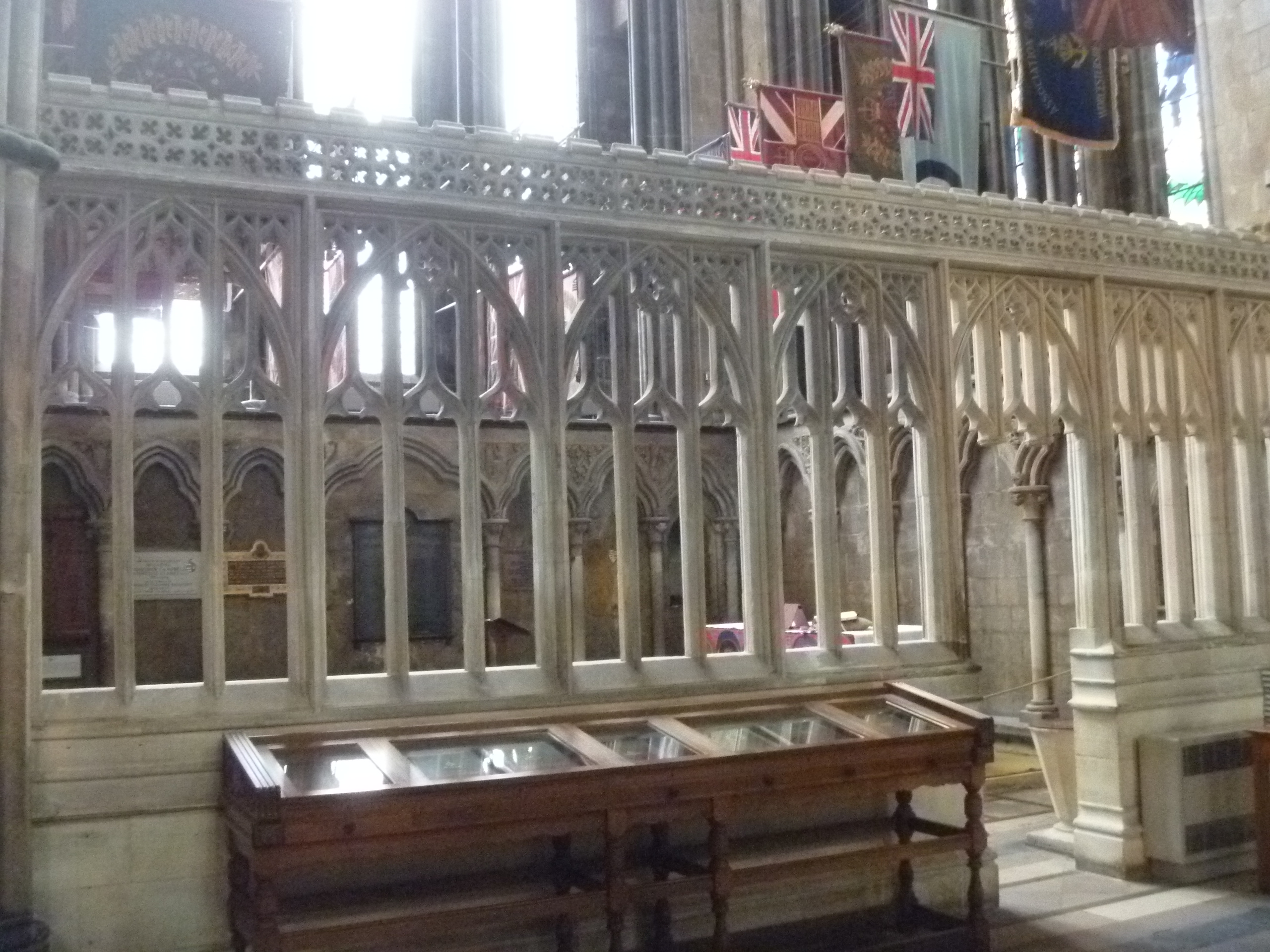
St George’s Chapel, Worcester Cathedral

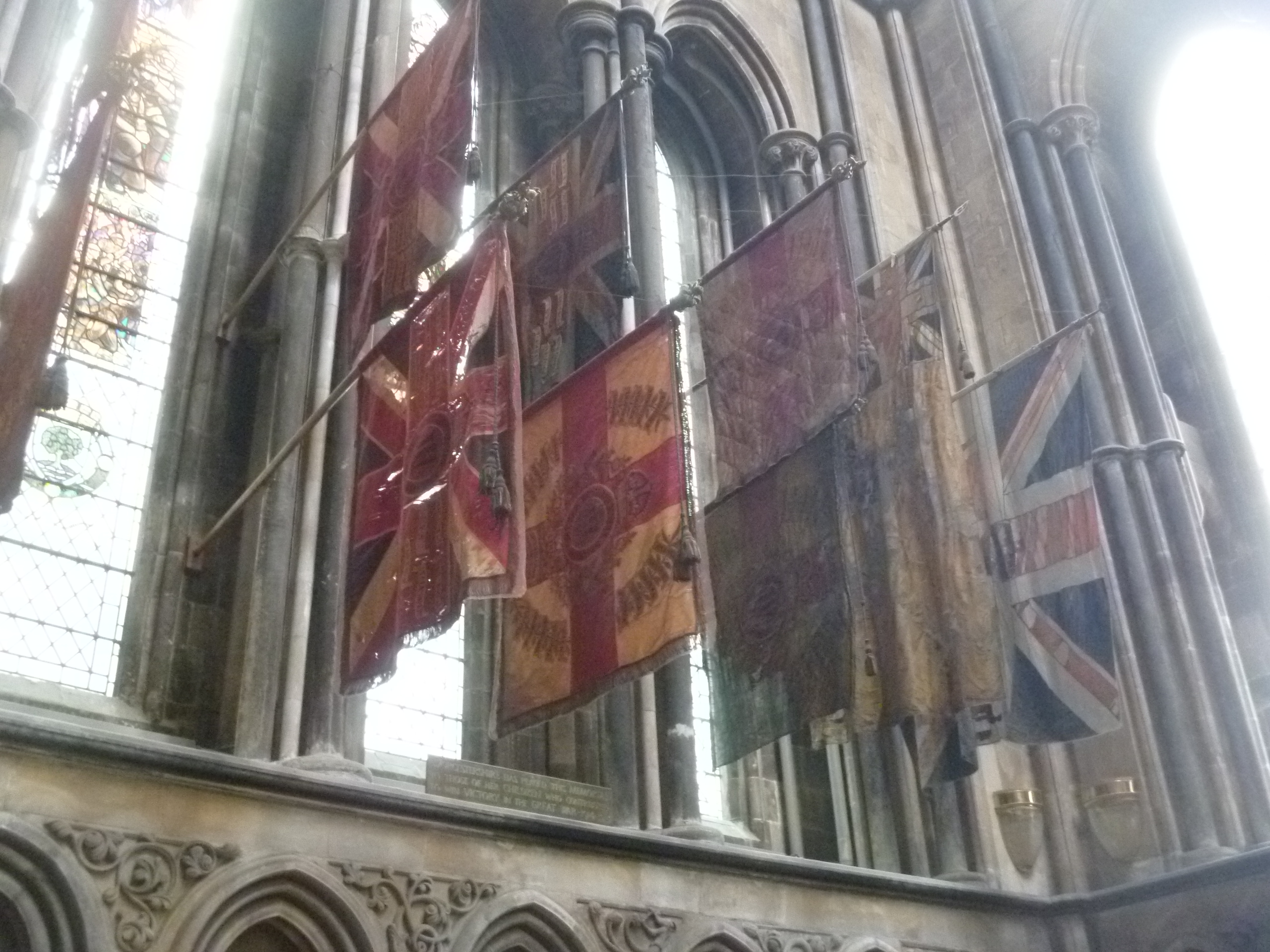
I had contacted the Vergers in advance in order arrange to see the Roll of Honour in which my relative is listed and introduced myself to a volunteer welcomer on arrival. A Verger was summoned and soon I was able to inspect the book and find his name. I then took some time to look around the St George’s Chapel where the Roll of Honour rests.

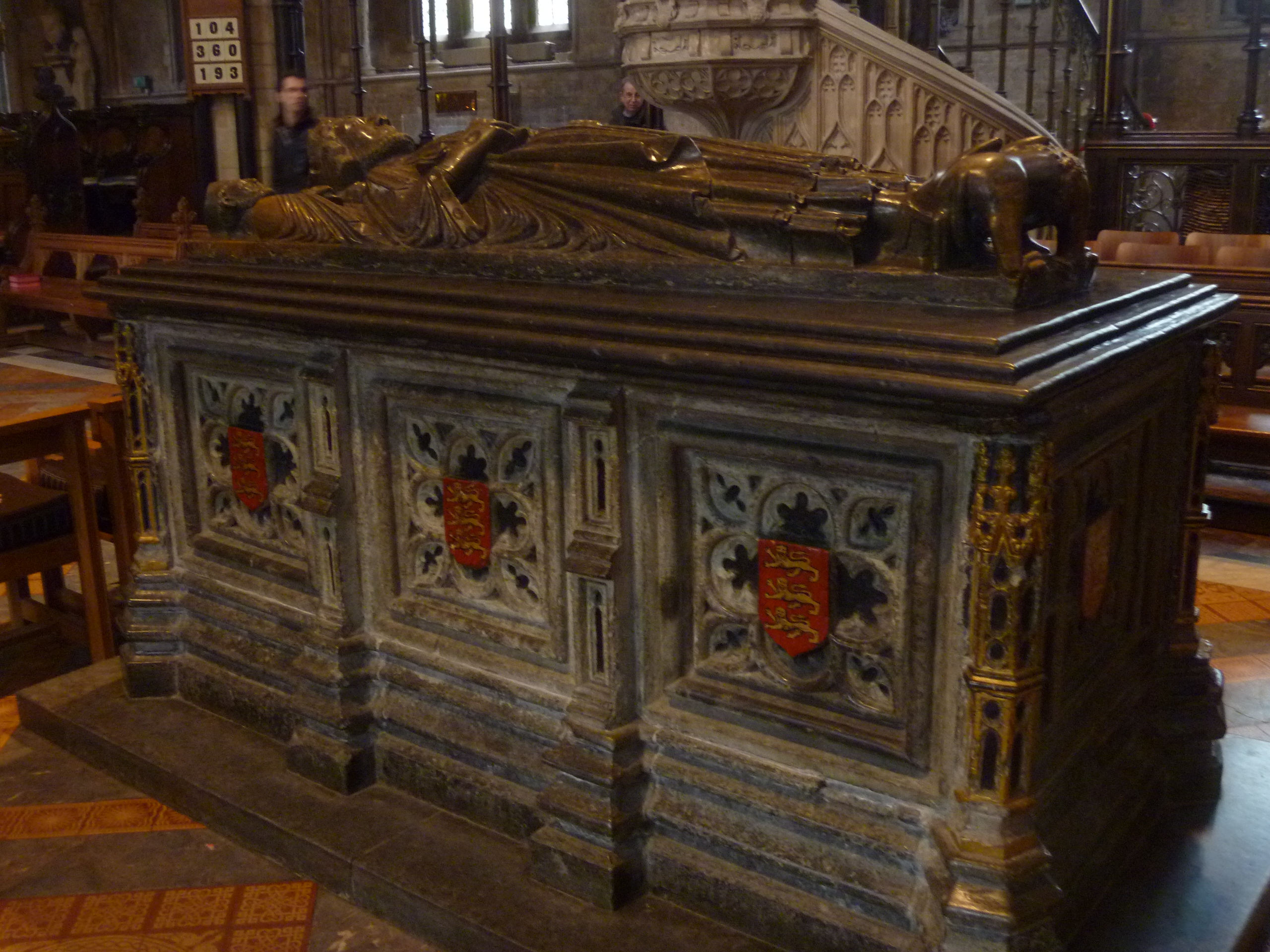
King John

The most significant tomb in Worcester Cathedral is that of King John.

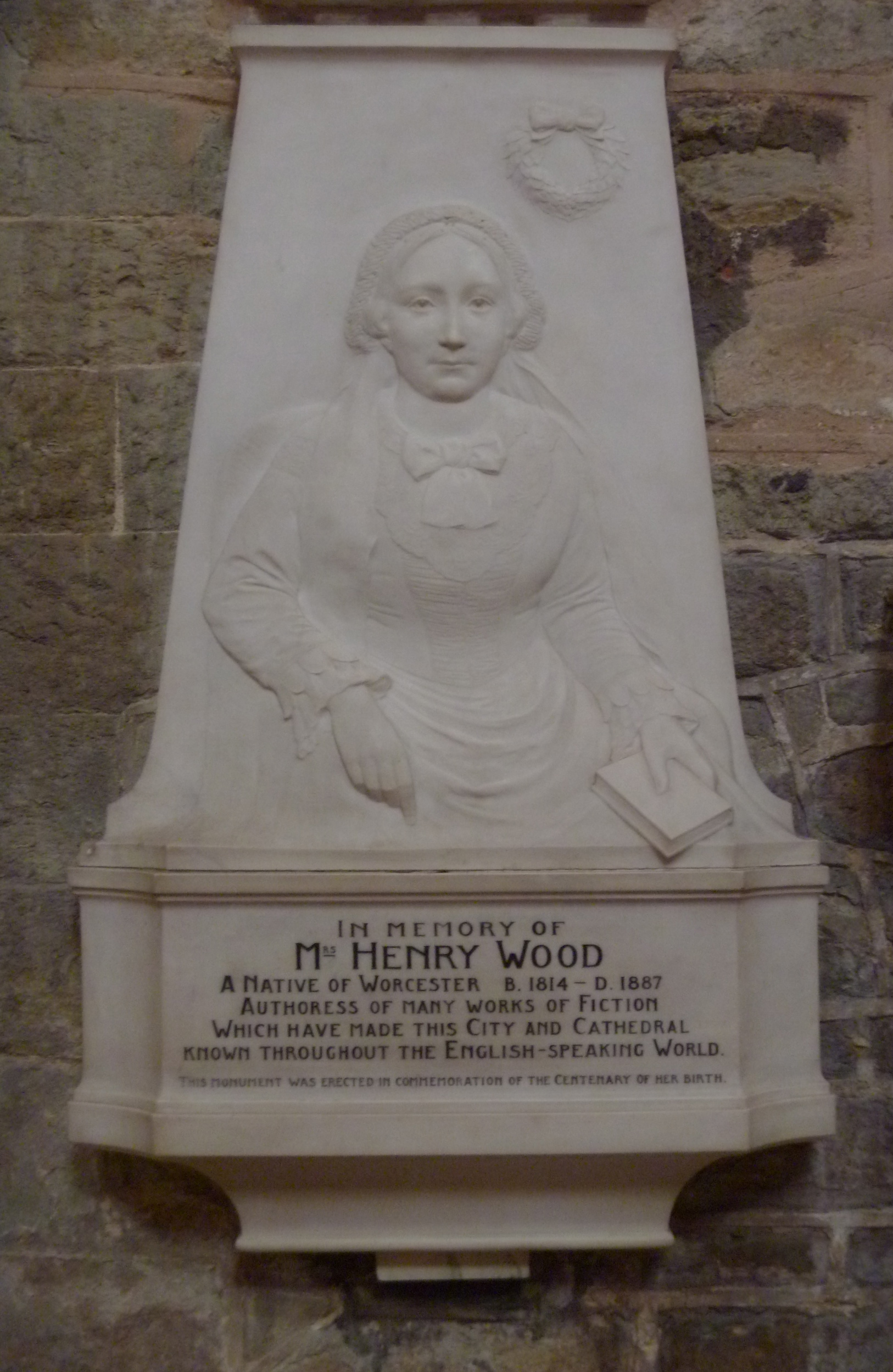
Mrs Henry Wood

In addition, in the “Poets Corner”, I found the memorial to Victorian author Mrs Henry Wood. A prolific writer, she is perhaps best known for her book “East Lynne”.

Flags St George's Chapel

St George’s Chapel, Worcester Cathedral
The Church of St John the Baptist, Strensham
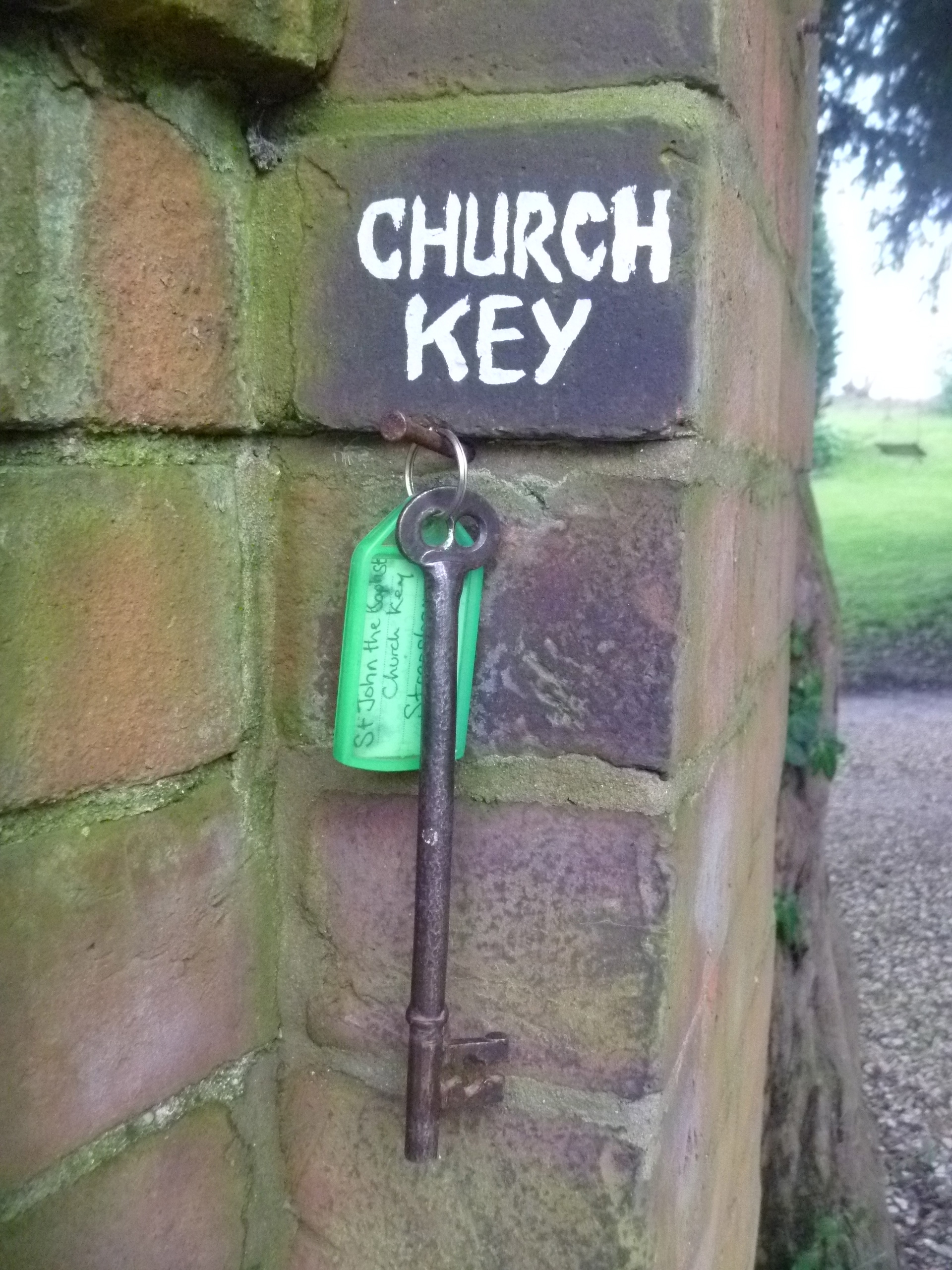
Church Key
For most people the name of the village of Strensham is synonymous with the Motorway Service Station of the same name on the M5. But for me it is the village where my relatives lived during the early years of the last century. More about them later. Strensham is divided in more ways than one; there’s a Lower Strensham and an Upper Strensham and the M5 motorway cuts between the two. However, far from the noise of the Services and the Motorway, Strensham church lies down a long lane across fields and even far from the Strenshams. It stands on cliff overlooking the River Avon. Now that I have visited I notice that you can see its creamy white tower as you drive up and down the motorway.
St John's Strensham
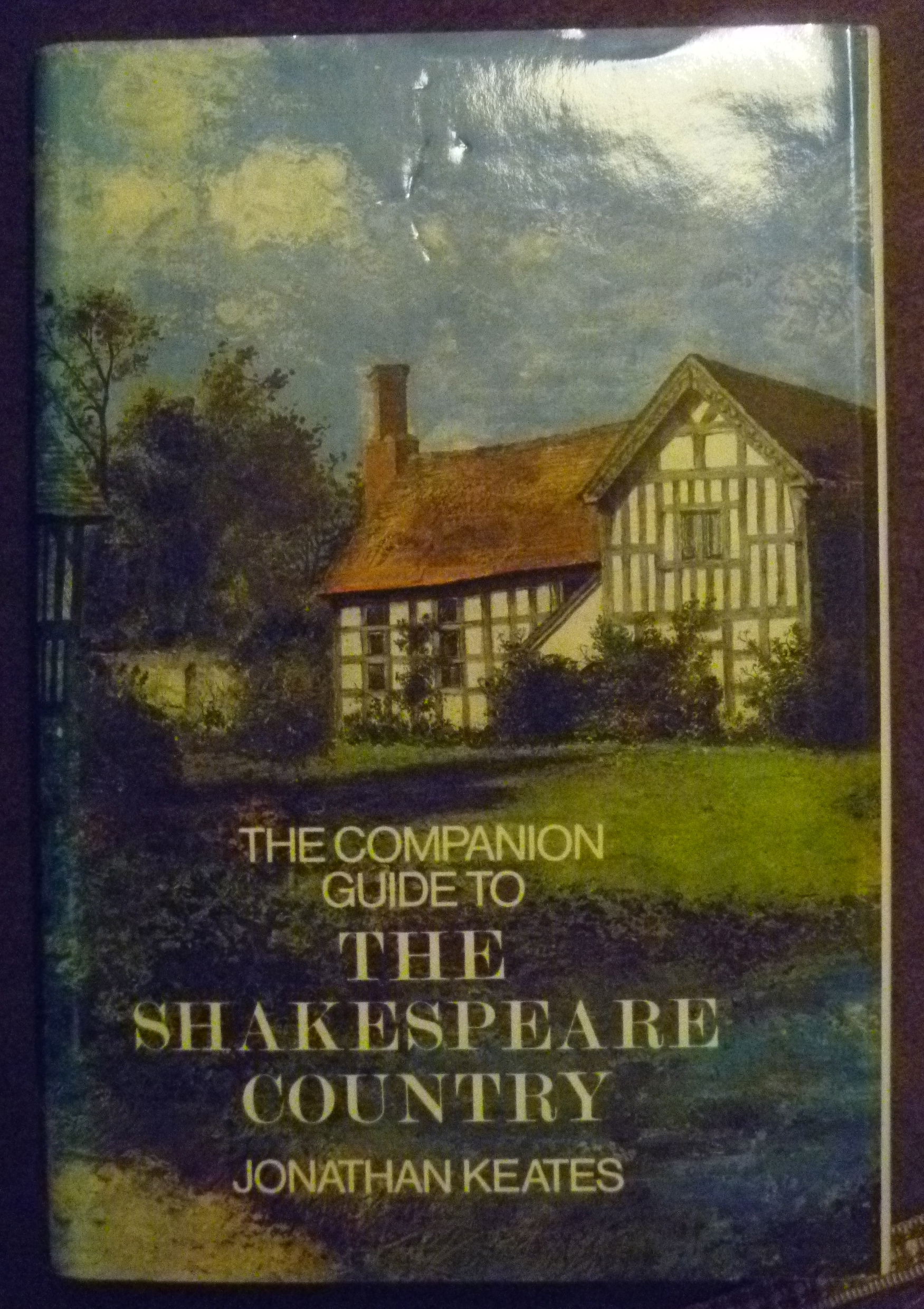
The Church of St John The Baptist, Strensham is listed in Simon Jenkins’ England’s Thousand Best Churches and given one star. It is also cared for by The Churches Conservation Trust. And there is a whole page about it in Jonathan Keates’ The Companion Guide to The Shakespeare Country. 
Companion to Shakespeare Country
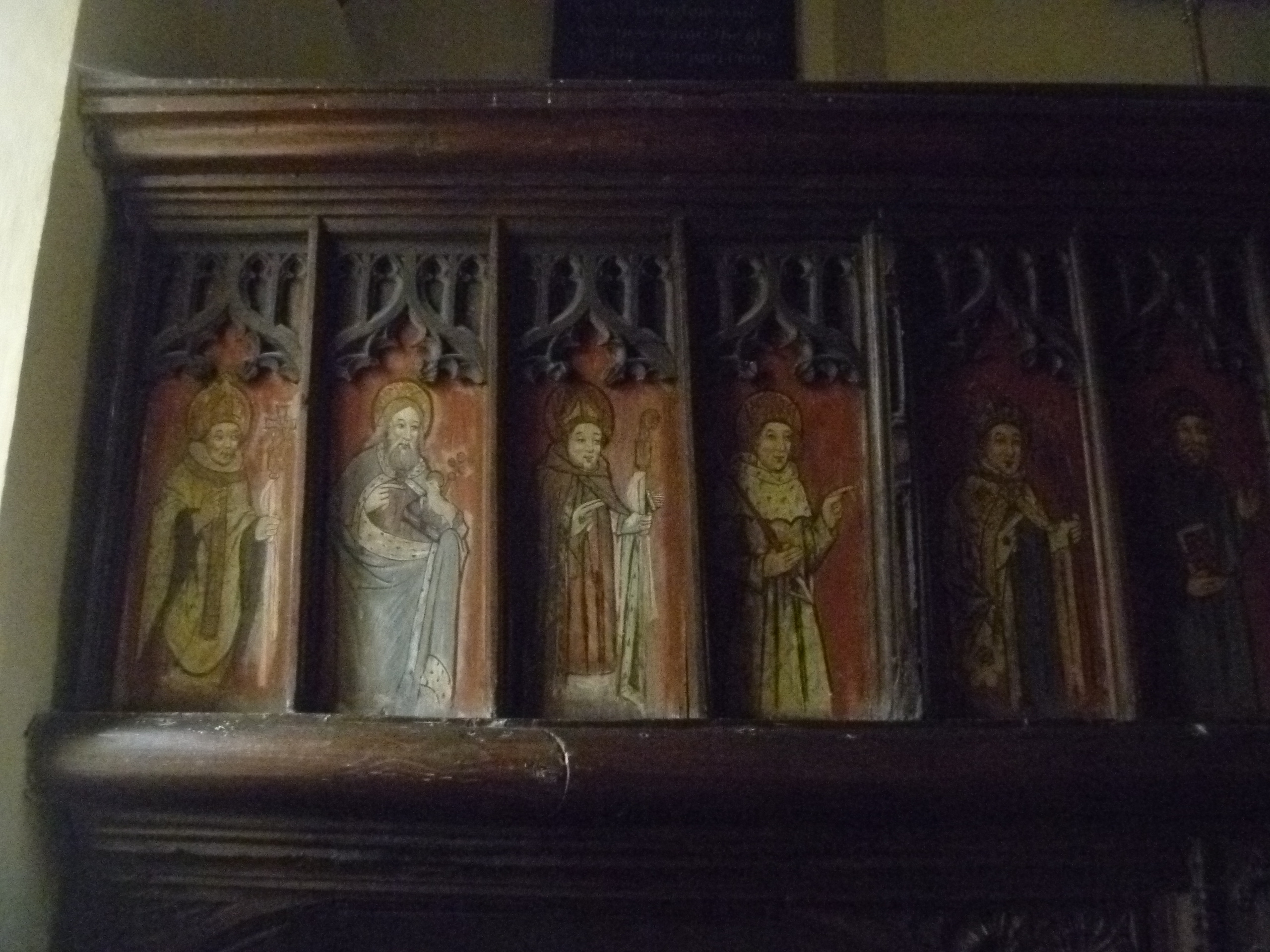
One remark in this book that I rather like is his “More Norfolk than Worcestershire (it recalls Ranworth), this set of twenty-three paintings is extraordinary “.
Painted panels
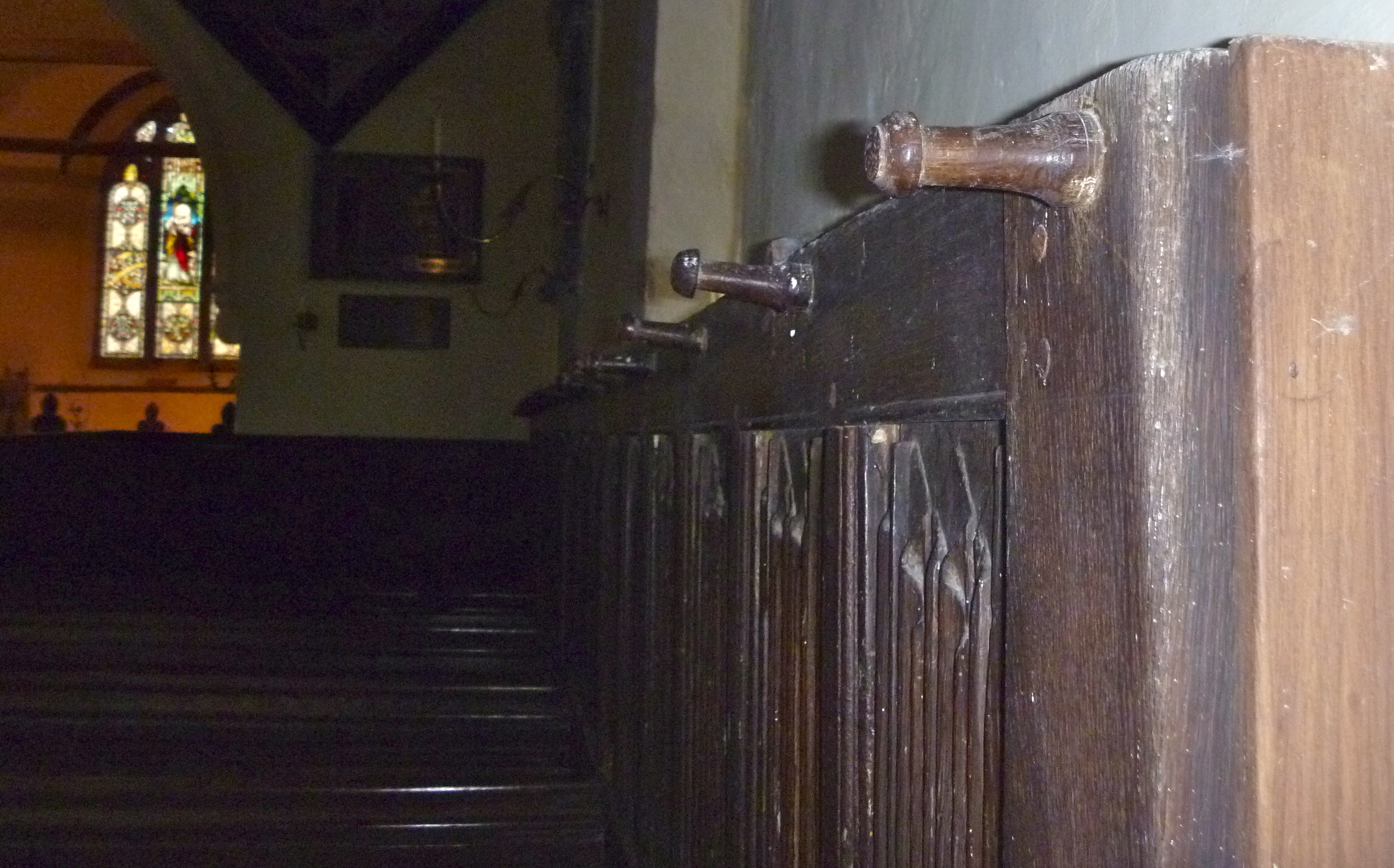
Well, my family came from Norfolk to live in Worcestershire for possibly a couple of decades in the early twentieth century, returning to Norfolk before 1920. In addition to these painted panels the church boasts some impressive monuments, superb linenfold panelling and early 16th century pews.
Linenfold panelling and pegs
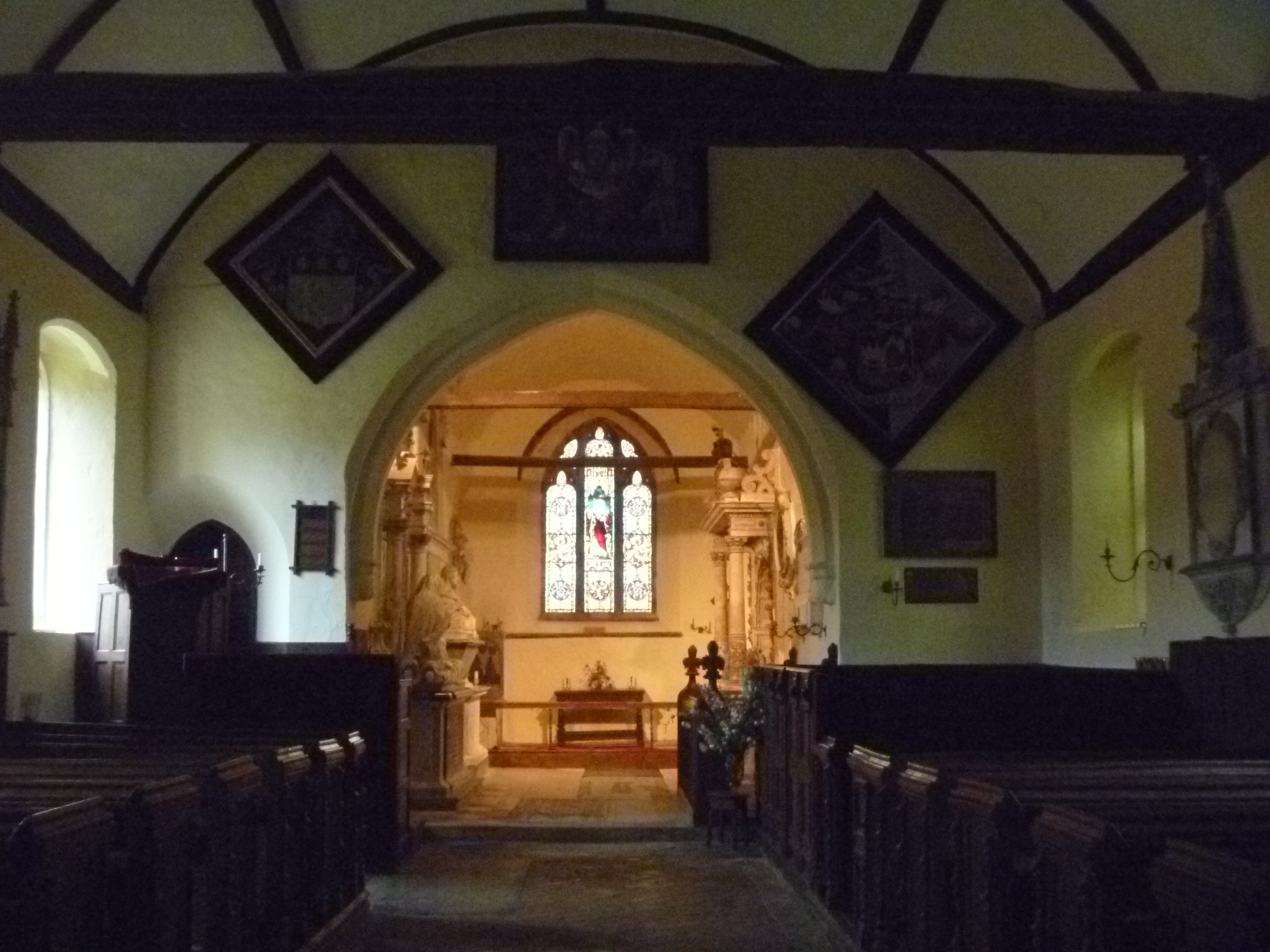
The chancel lights up as you enter but elsewhere it looks as if the gas mantels are still in use during the occasional services that are still held here.
Interior St John's Strensham
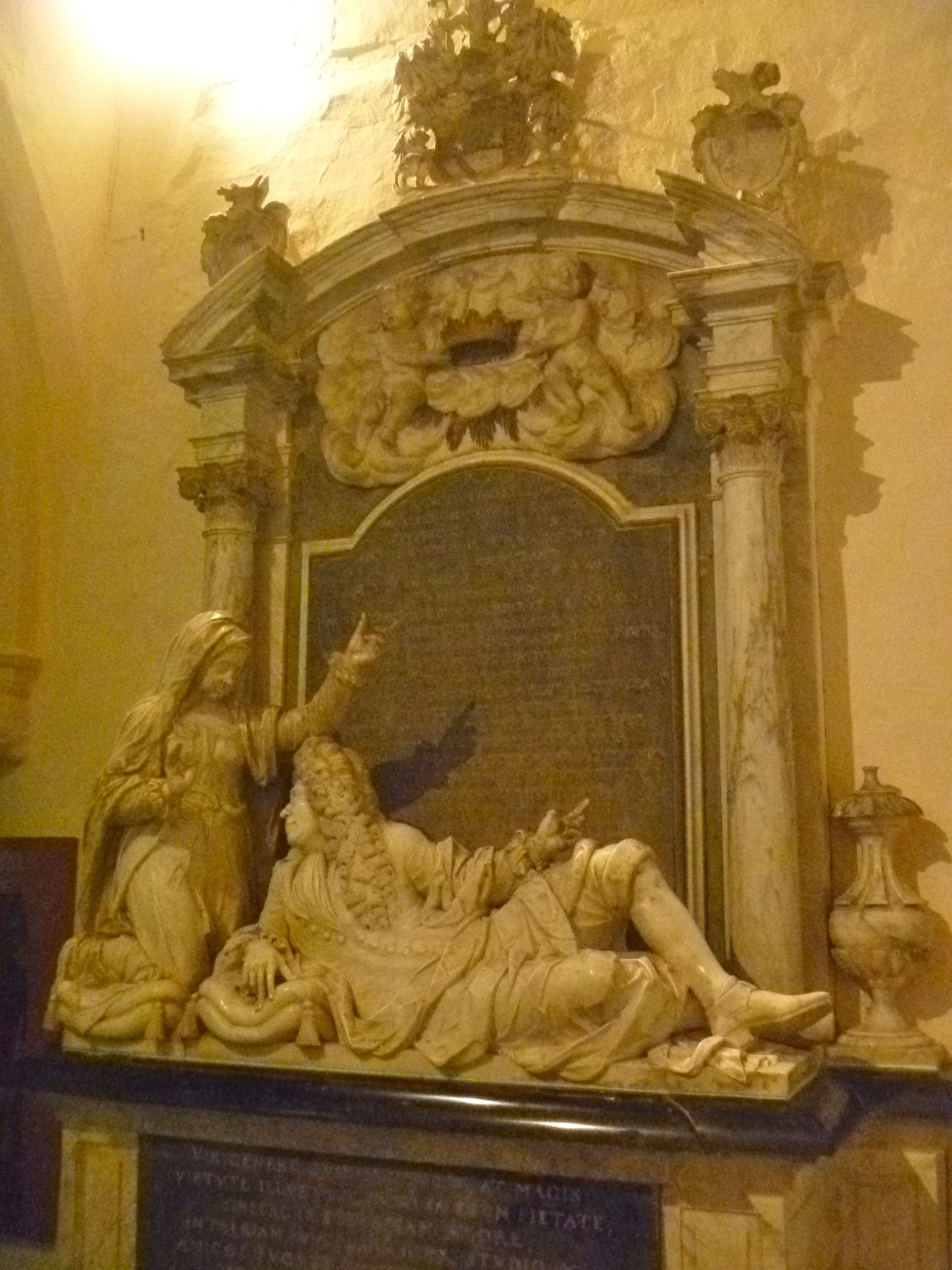
Keates goes on to say “Next to these is my favourite Worcestershire tomb, a great piece of English art,  full of unrivalled zest and excitement. Edward Stanton’s superb fantasia on the death of Sir Francis Russell in 1705 is as much Gothic as baroque in its marble schadenfreude. His face (a portrait, surely) a wrenched simian mask, he is shown half-lying as his kneeling wife beckons him towards a heaven blobbed with clouds and putti whirling a coronet.”
The Baroque Sir Francis Russell and his wife
River Avon and Eckington
The Church is perched on a cliff and overlooks the River Avon

A Music Room and a Castle and Lancastrian Hospitality

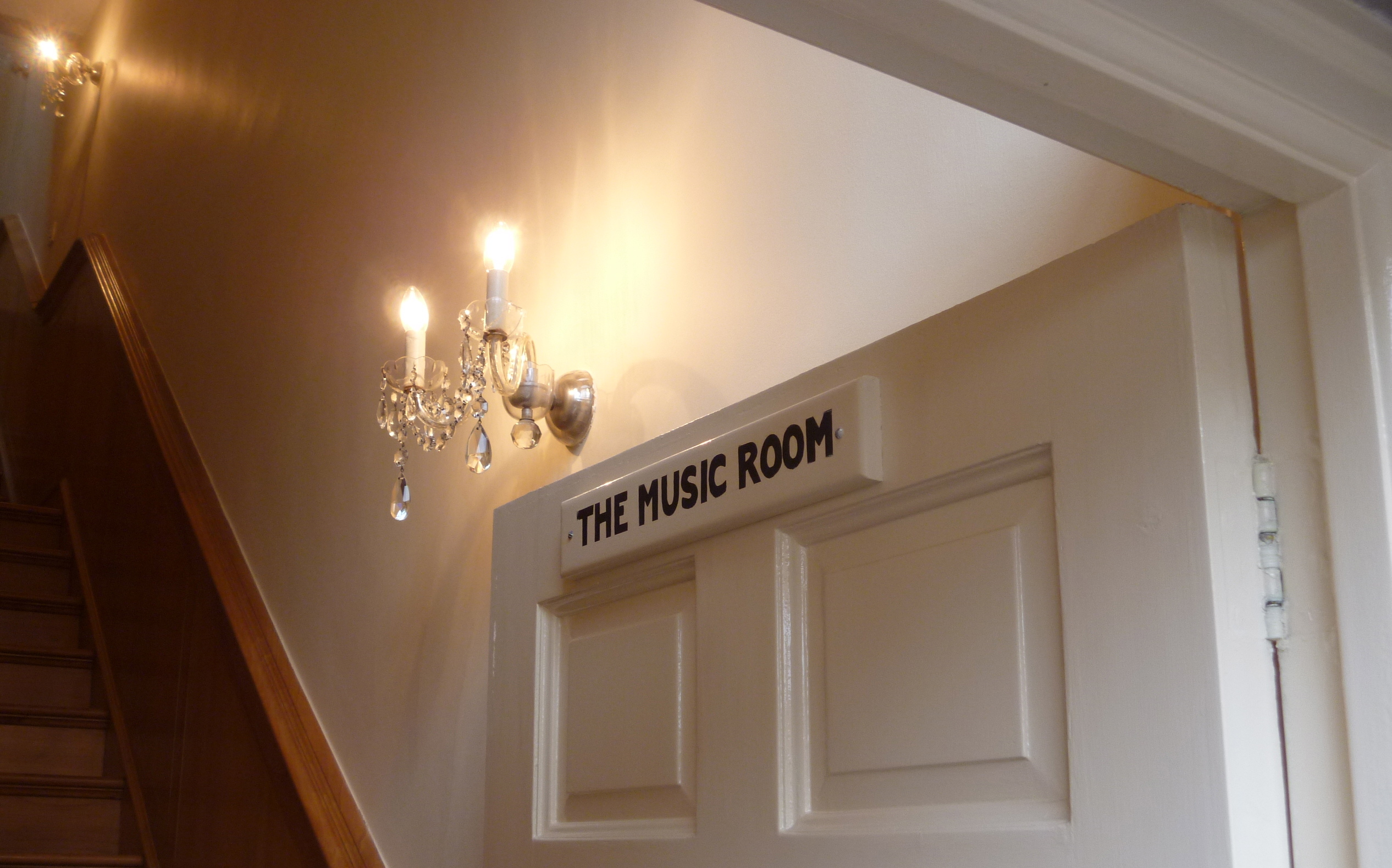
The Music Room sign

Yesterday was Open Day at The Music Room Landmark Trust property in Lancaster. Last weekend a fellow Friend of the Landmark Trust, and friend of mine now, asked if I’d like to join her to visit the newly refurbished and freshly repainted apartment in the centre of the city. There’s a direct train from nearby Shipley, which has plenty of useful parking availability on a Saturday morning, and an early start gave us six and a half hours to inspect the property, chat with organisers and fellow visitors and include an unhurried lunch (Morecambe Bay Shrimp Platter – what else??) and a tour of the major Lancaster landmark – its Castle … and more!

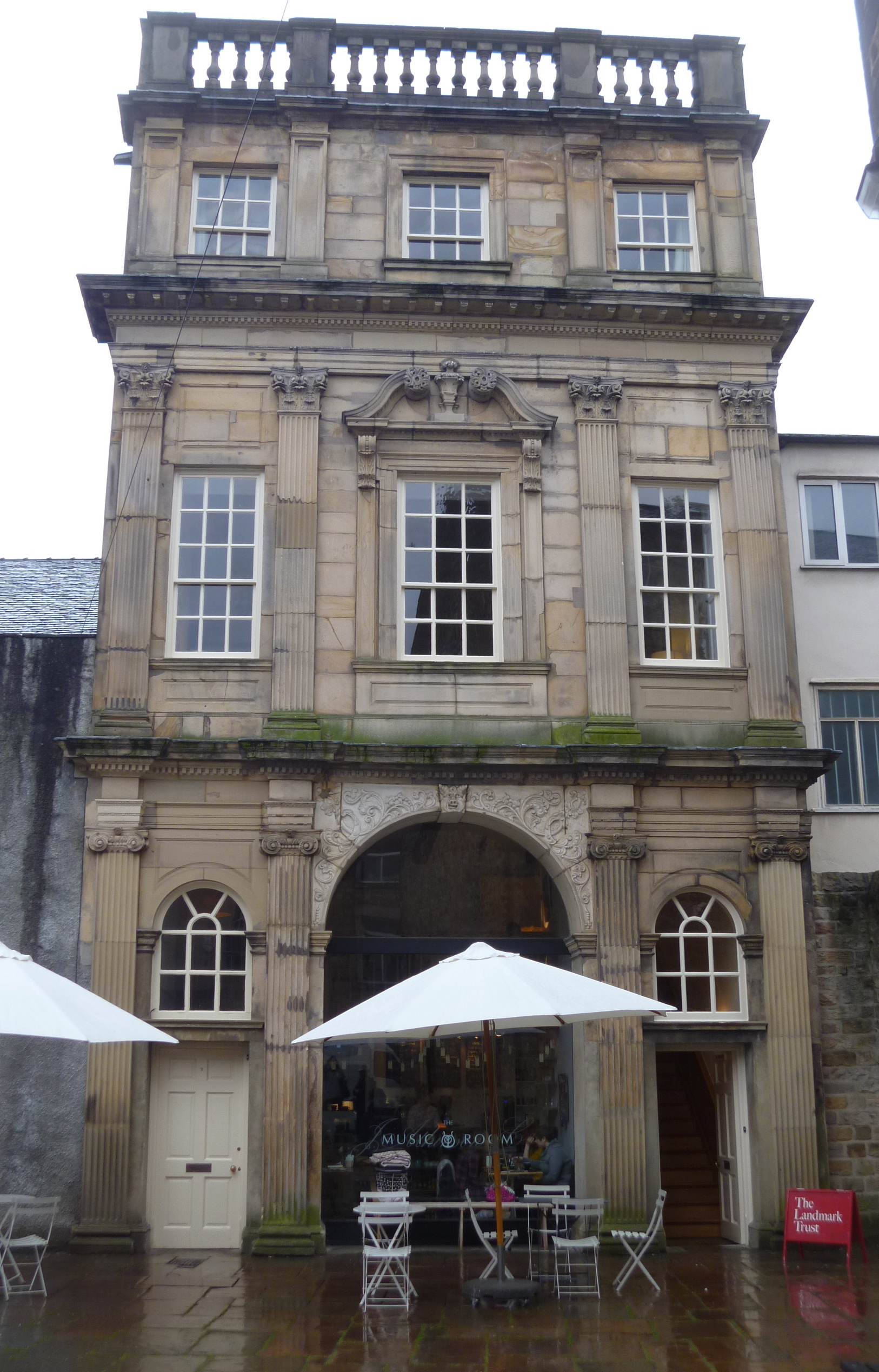
The Music Room ext

From the station the Music Room is only a few steps away. We were glad to take shelter from the rain and we spent a couple of hours inside and out on the roof top (during a lull in the rain). Coffee was supplied courtesy of the nearby coffee merchant and dispensed by the Housekeeper to which she added information about the before-and-after appearance of the property.

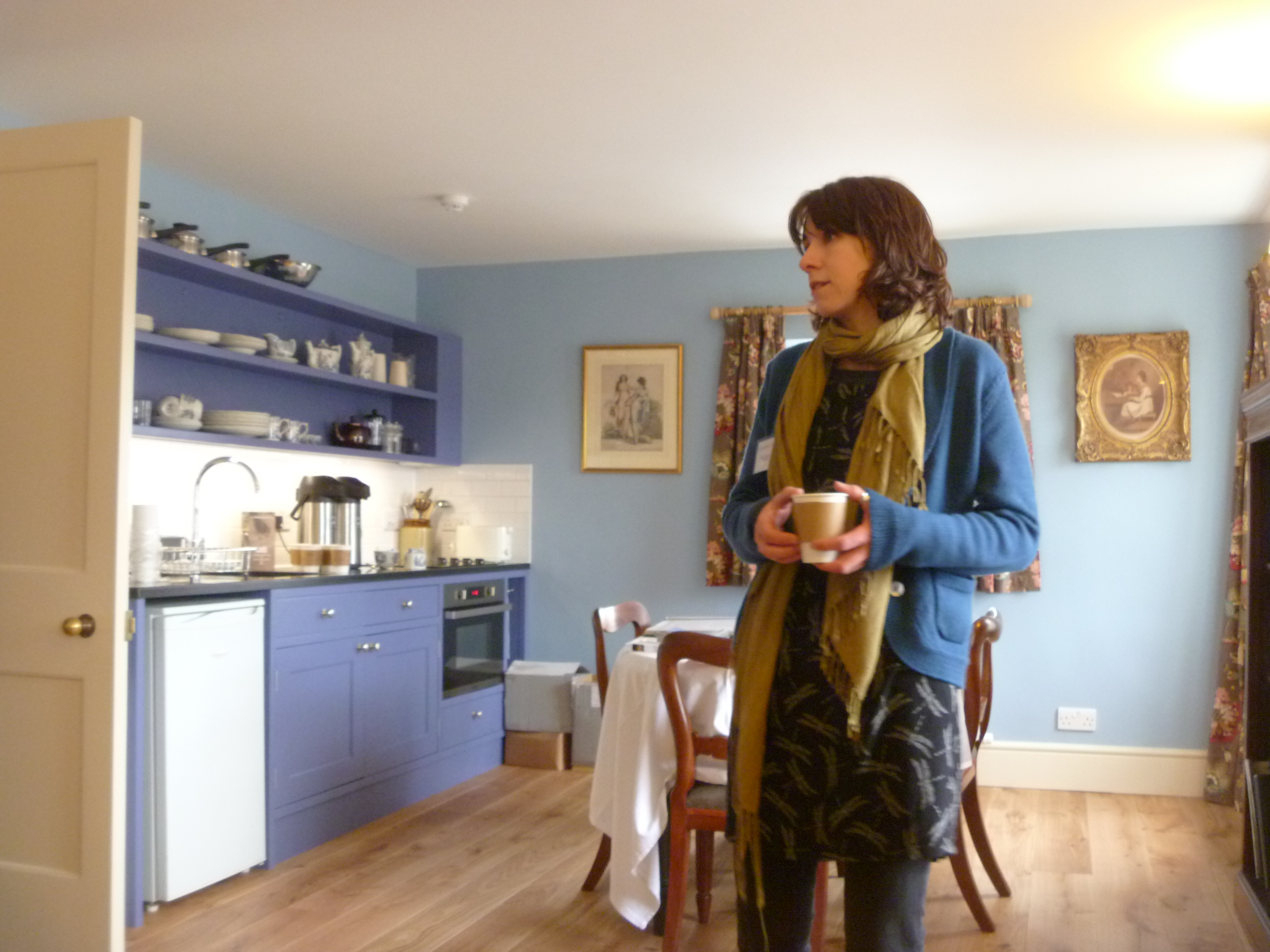
The Music Room - Kazia

A member of Landmark’s Head Office staff, Kasia, the Education Officer, (above, in the new kitchen) was also on hand to fill us in on news, plans and  future events at Landmarks.

Music Room help yourself

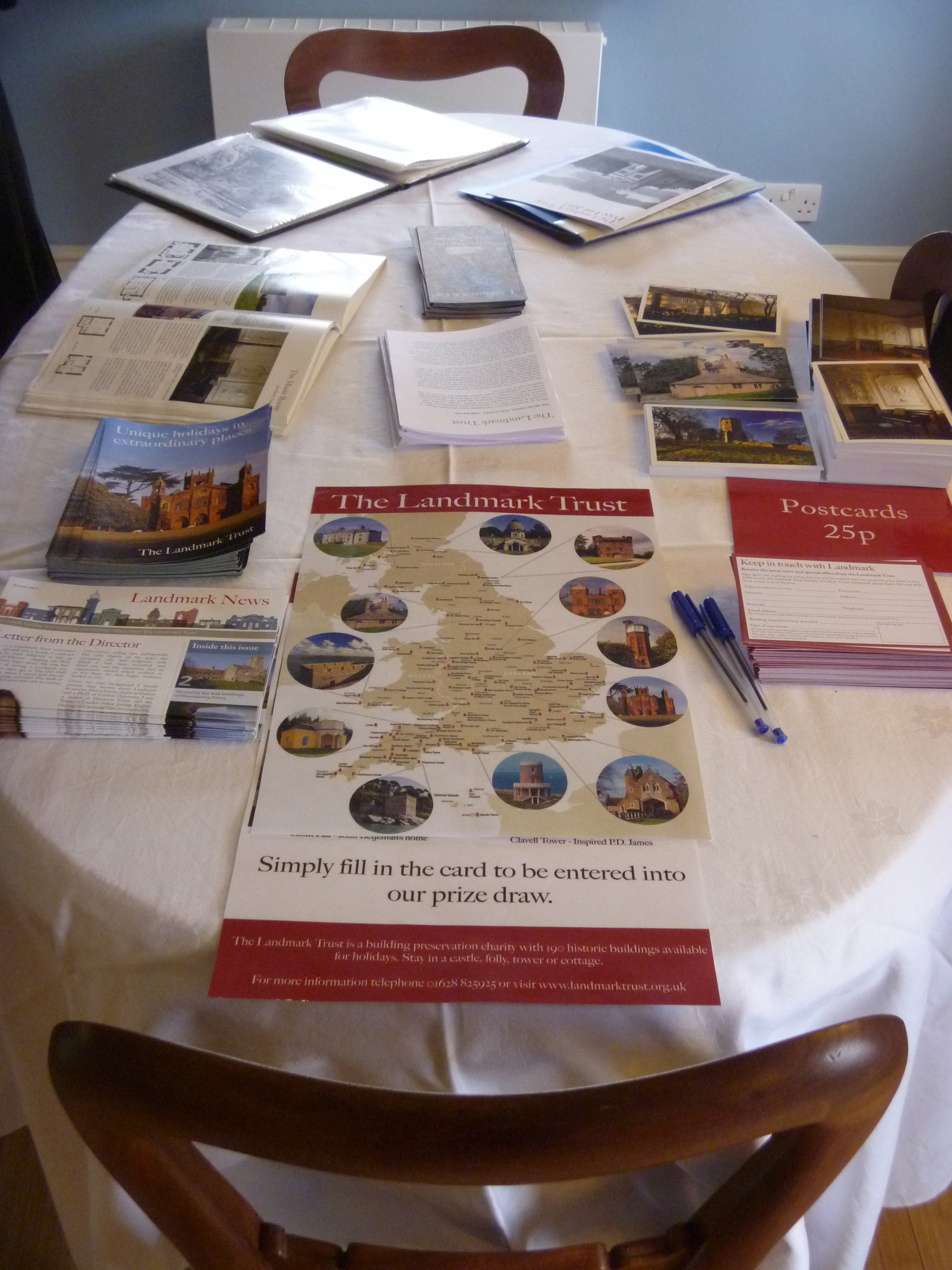
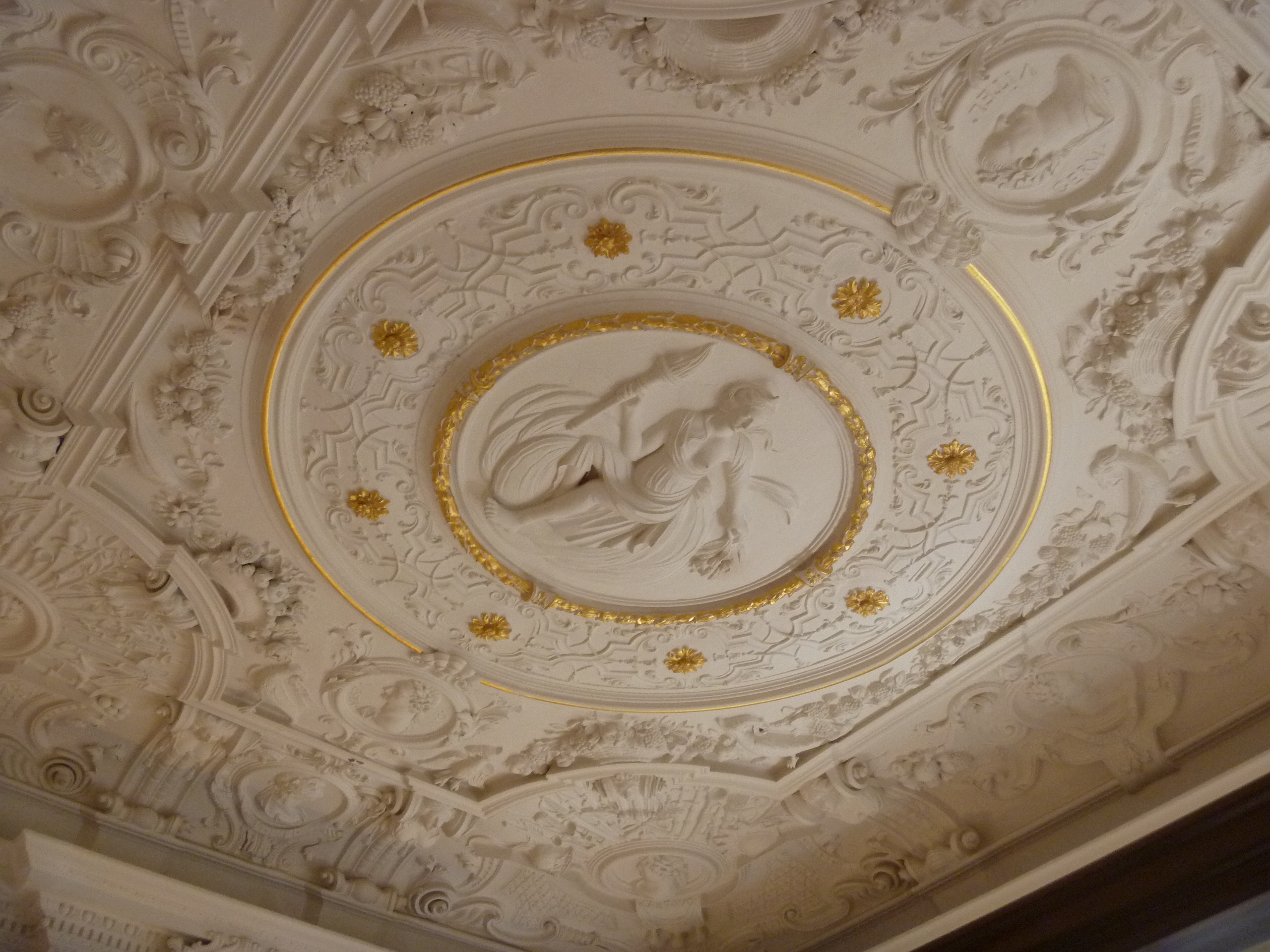
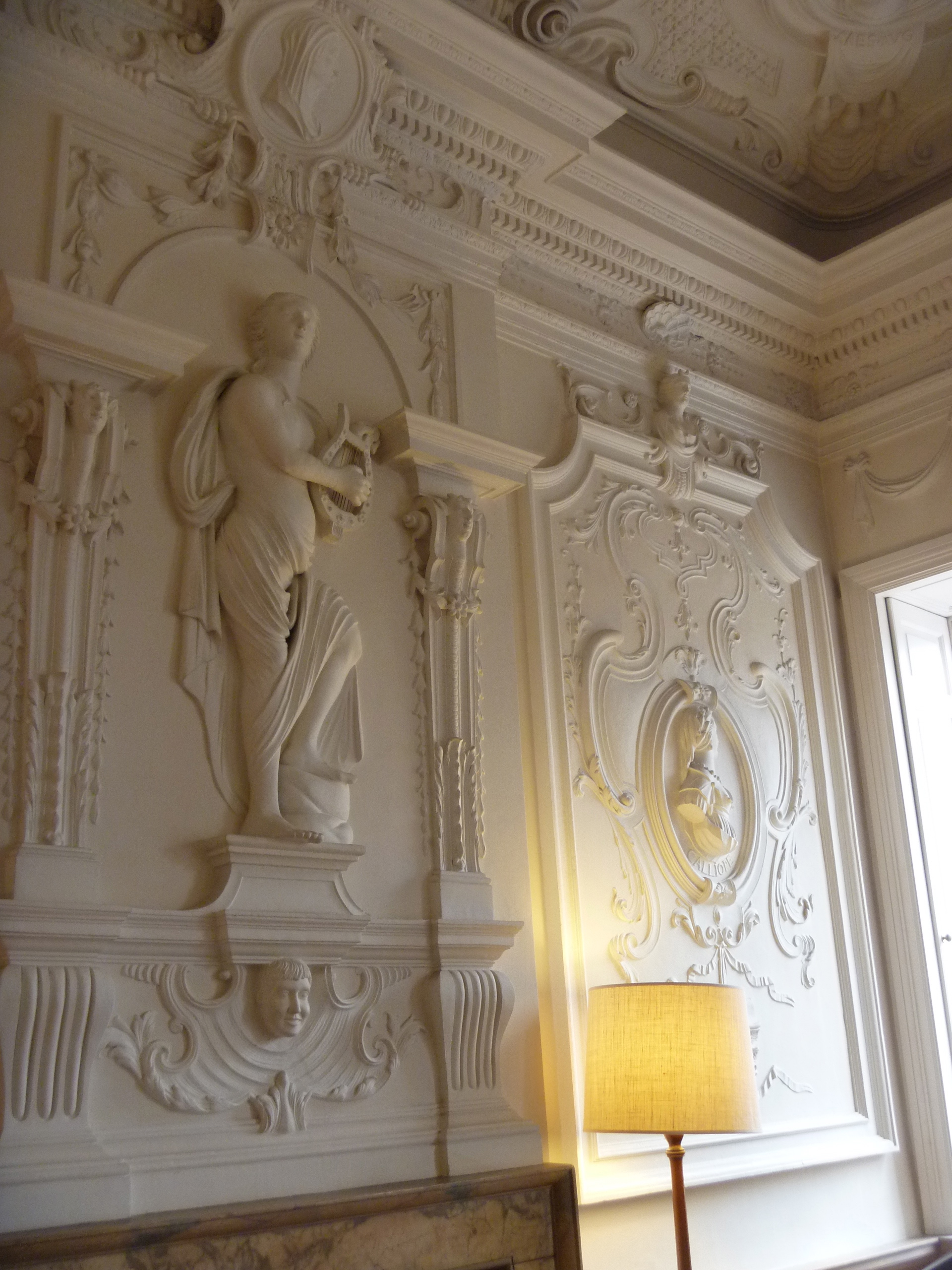
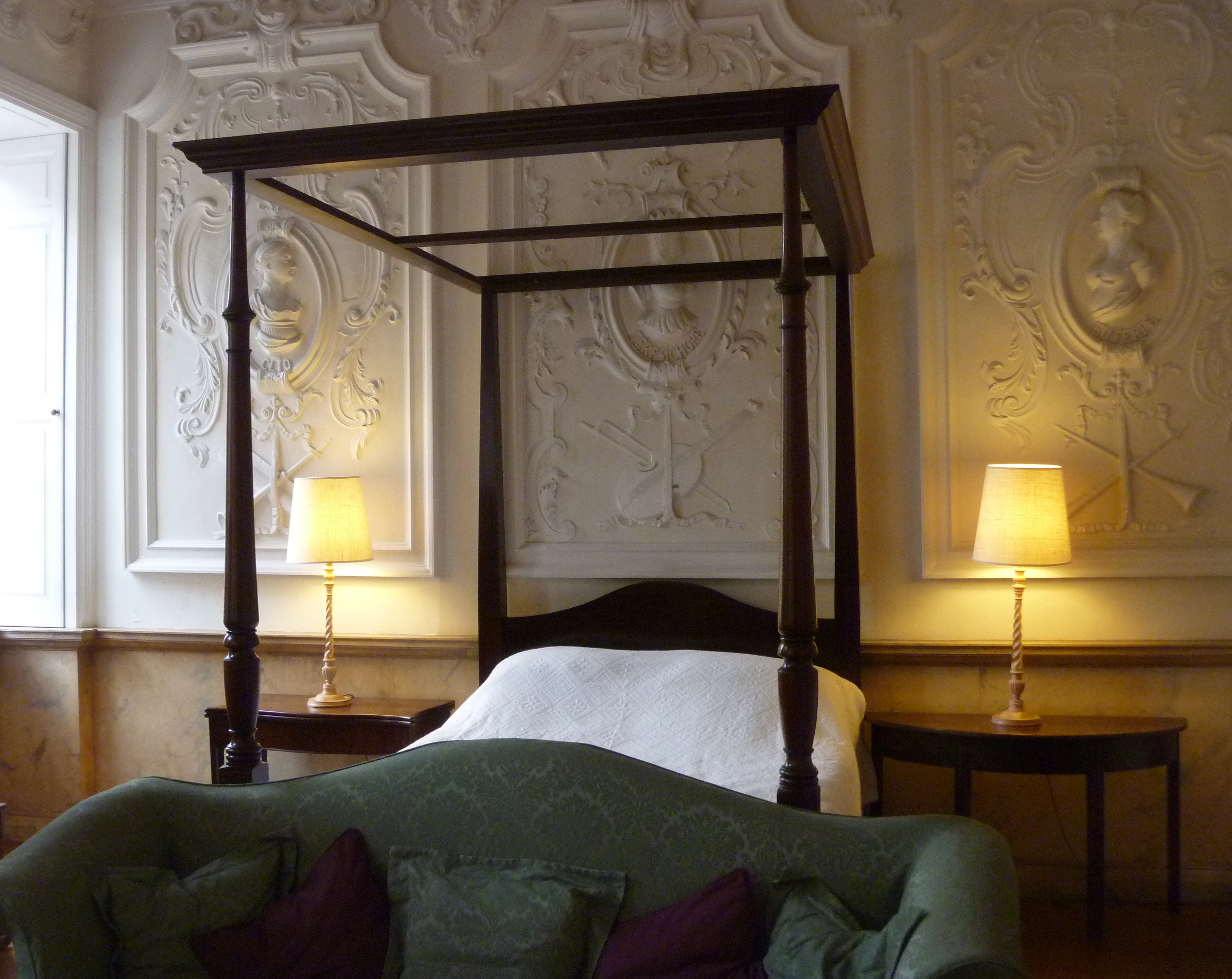
The Music Room dates back to about 1730 and was probably originally a garden pavilion; hard as this is to imagine, being now in the busy city centre. I also note from the free history sheet which is available, along with other Landmark Trust free literature and postcards and handbooks for sale, that music never really had anything to do with the building and that Music Room is probably a corruption of Muses Room (nine plasterwork muses adorn the room).

Music Room plasterwork 1

Music Room plasterwork 2

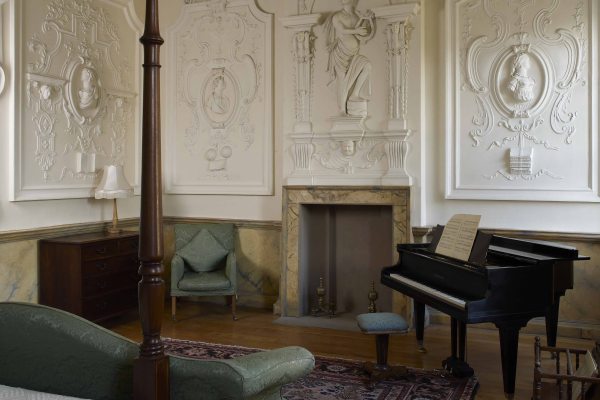
Still, it must be very special to have an elegant grand piano in your bedroom!

R

Photo : From the Landmark Trust website

When the Landmark Trust took on the property in the early 1970s it “was in an appalling condition” and when it was finally opened for letting it slept 4 in two bedrooms and the Music Room, with its exquisite plasterwork, was the sitting room or grand salon. I now quote from the history sheet :

In 2013, 35 years after the first restoration, it was time for a thorough refurbishment, including overhaul of the Baroque plasterwork, which needed hairline cracks repairing and a really good clean. The opportunity was taken to reconfigure the attic floor, since few visitors seemed to be occupying the now rather second-class twin bedroom up there. Partitions were moved and a larger bathroom and a larger area for a new kitchen at one end of the opened-up living room, with its fine views out across the roofs of Lancaster. They are even better from the roof terrace.”

The Music Room bed

The Music Room bed

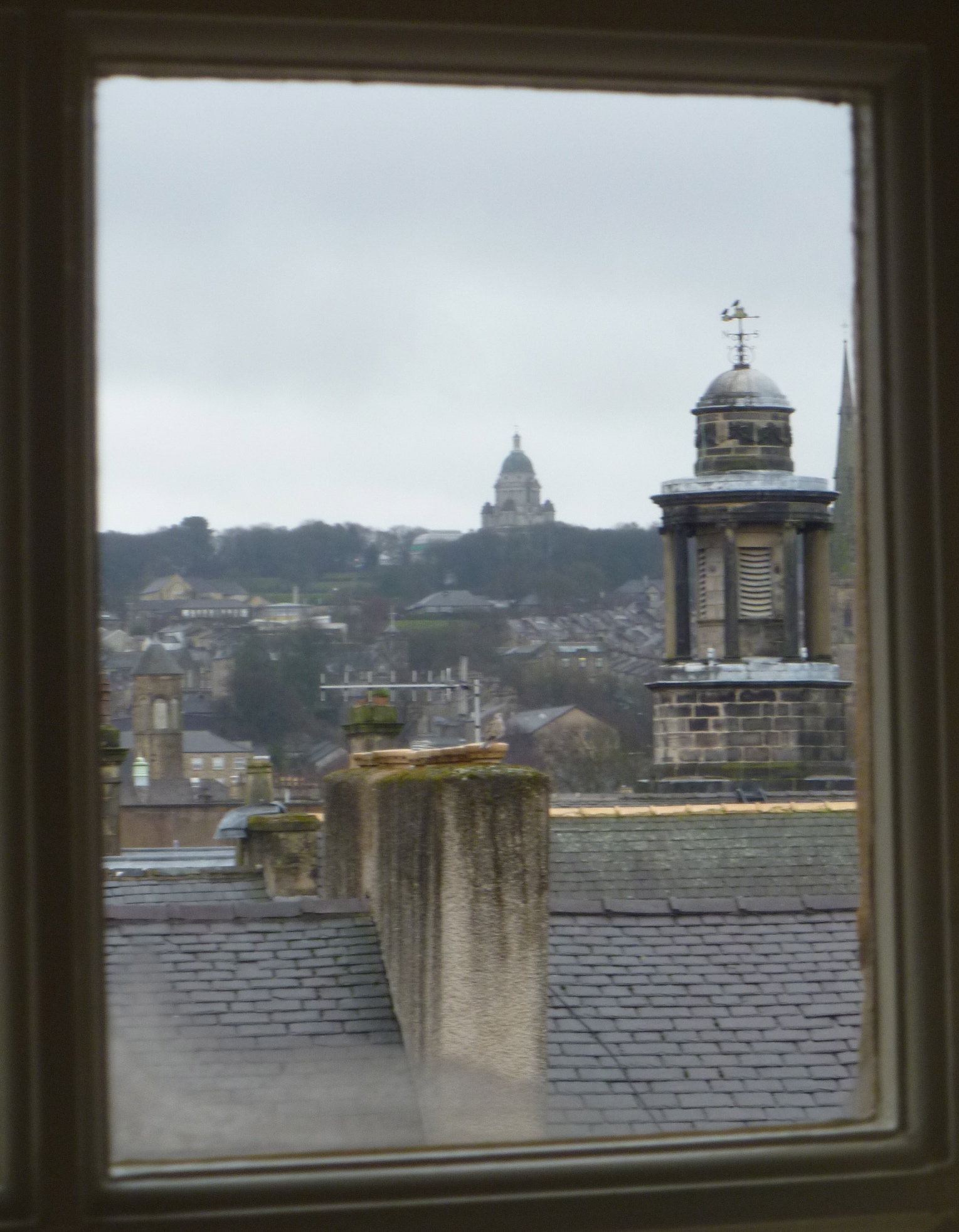
Sitting room view

View from Sitting Room Window (Ashton Memorial on the distant hill)

Castle from roof terrace

The Castle from the Music Room Roof Terrace

On the Roof Terrace a most delightful thing happened! We were taking pictures of each other when another visitor offered to take a photo of us both. We thanked her and got talking to her – she’d pointed out her house in the background of the picture she’d just taken – she is also a keen Landmarker, lives in an historic house herself and by the end, as we were saying goodbye, she invited us to call in and have a look round her own home and have a cup of tea with her just before returning to the station! In addition to this she recommended a place for lunch (The NICE cafe inside The Storey) and that we join the 2pm Tour of Lancaster Castle. Both of which we did and even managed a peep inside the Priory Church of St Mary next door to the Castle.

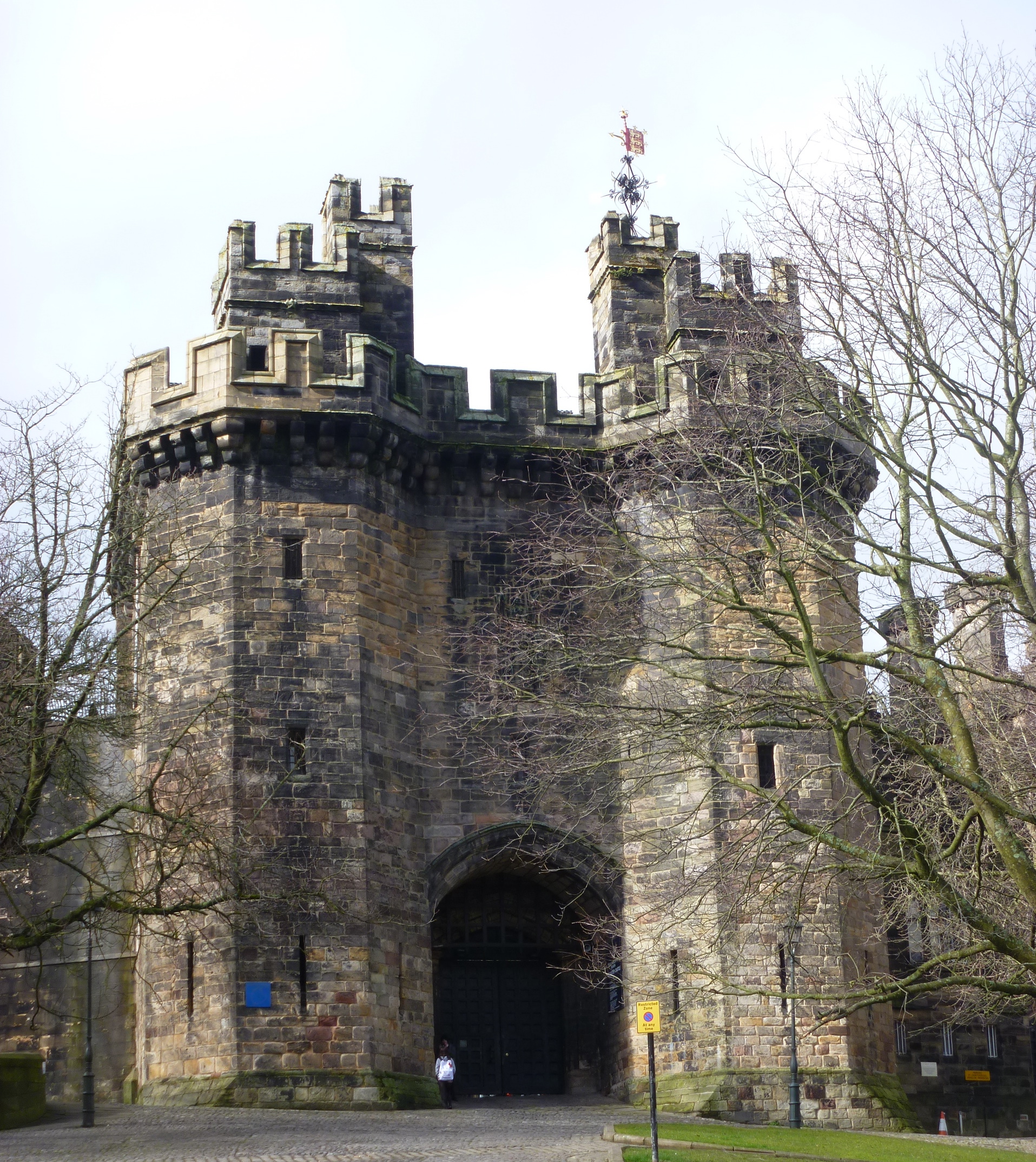
Main Castle entrance

Main Castle entrance

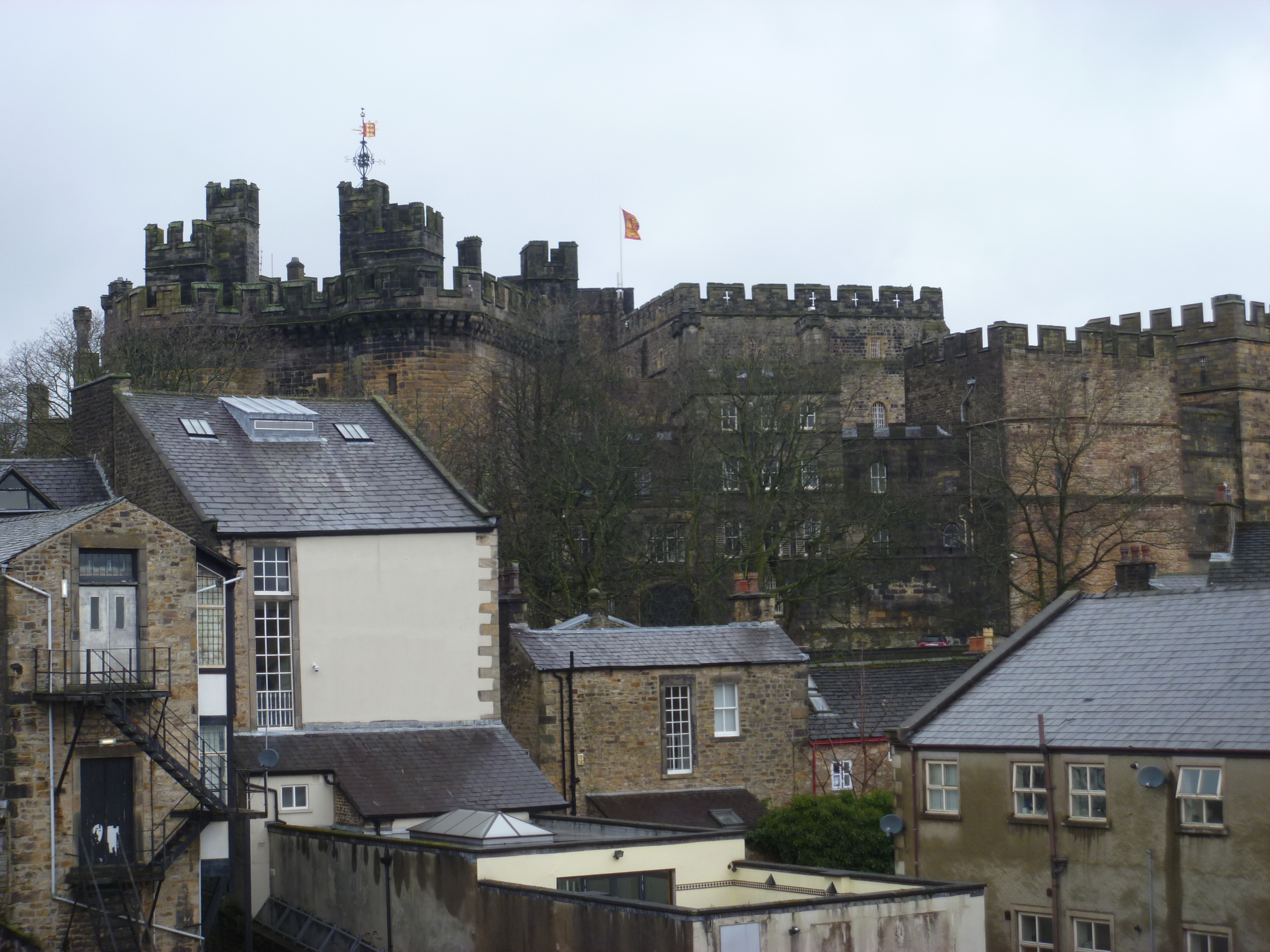
The Tour of the Castle is excellent and well worth doing. No photography is allowed but you are taken into two court rooms, the old cells, the grand jury room and much more. We learnt that it is a Royal Castle as our Queen is also Duke of Lancaster, that it had connections with the Pendle Witches, it housed a Debtors’ Prison in addition to a regular prison and that prison is now closed and due for refurbishment and change of use.

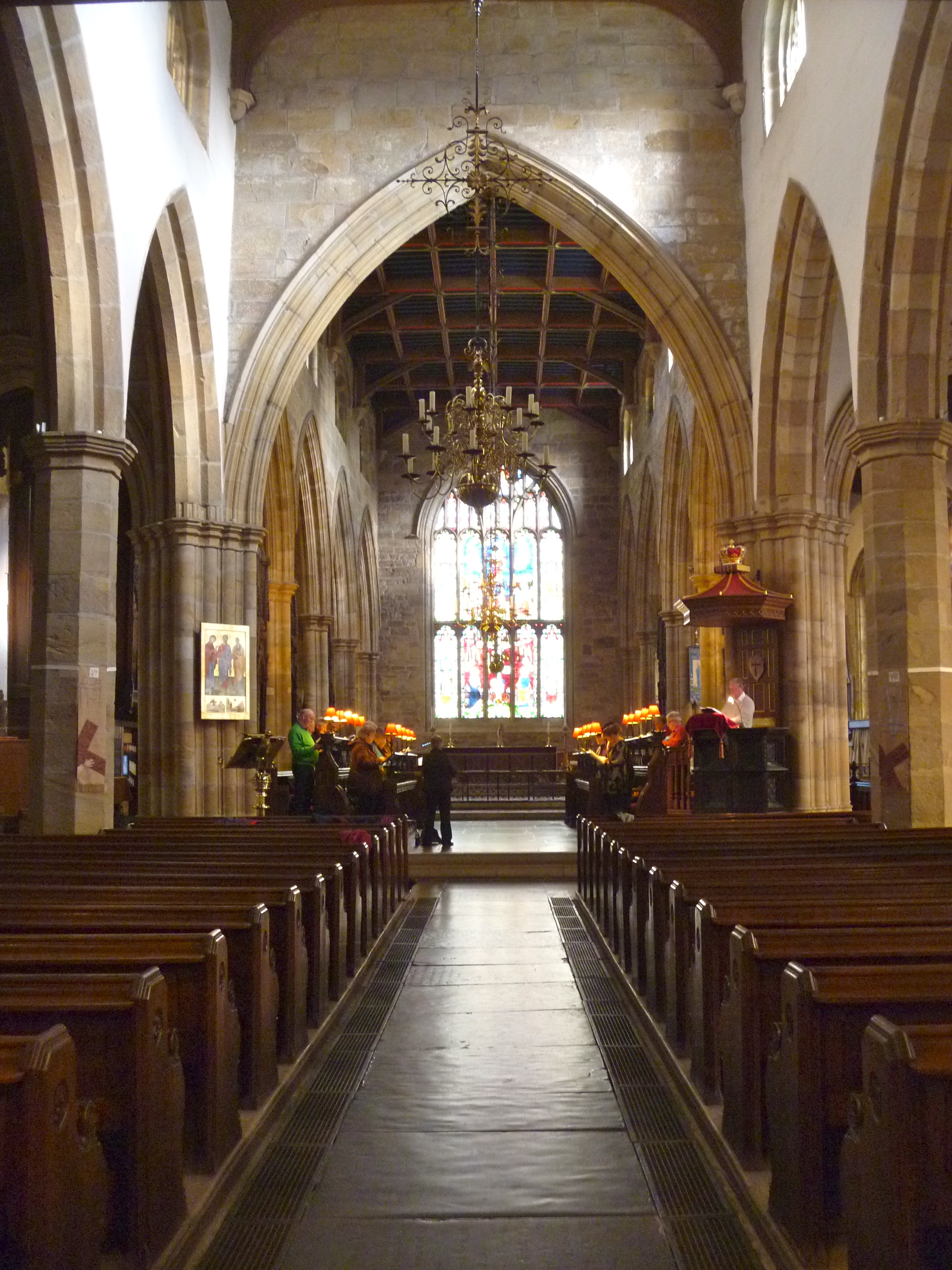
Inside Lancaster Priory Church

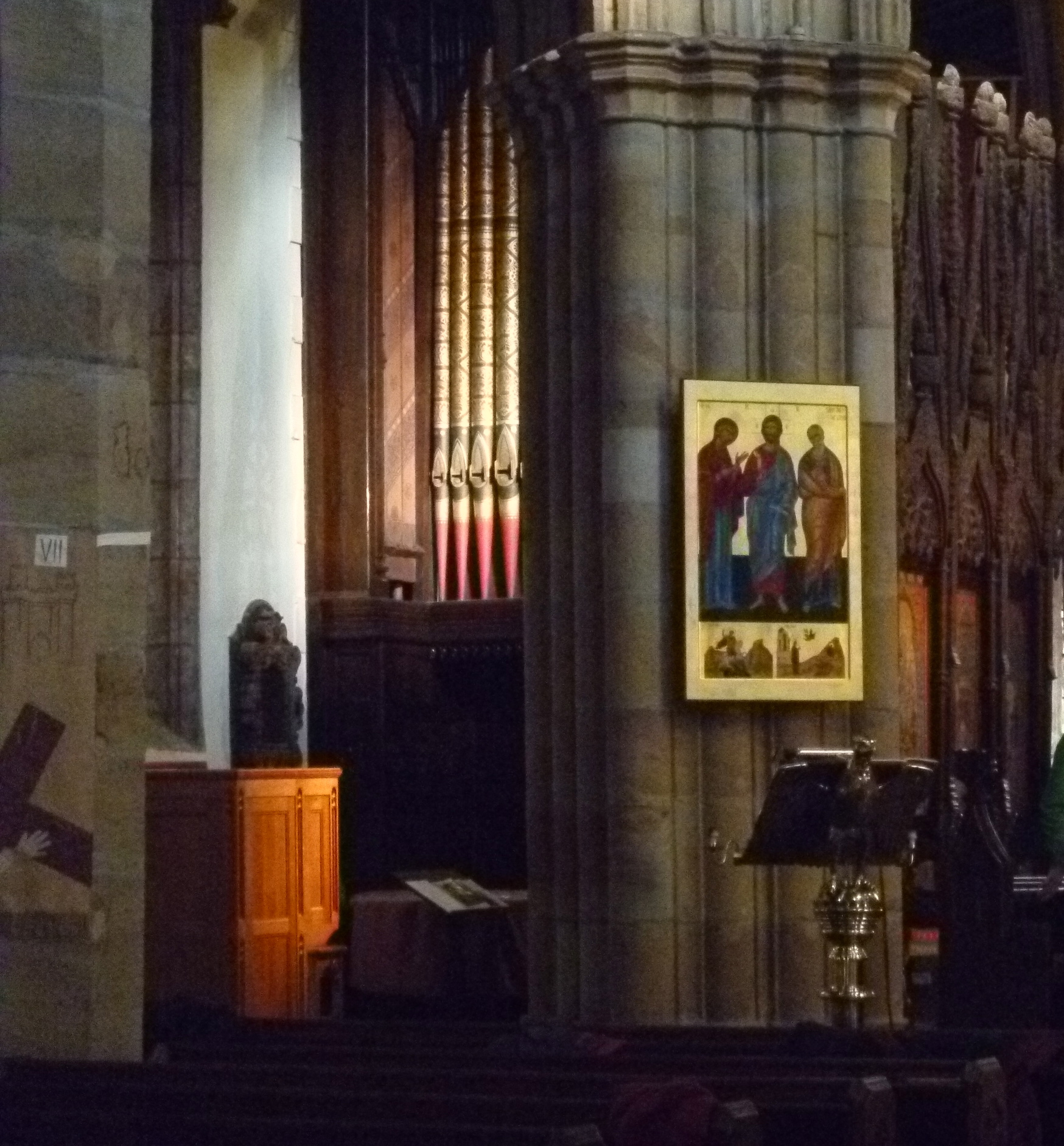
Following the hour long tour we had just time to peep inside the Priory Church and admire the view of Morecambe Bay. The choir were rehearsing for a concert this evening so we were unable to inspect the Choir Stalls which are an important feature of the church. There are some beautiful 17th century chandeliers, a Russian icon and two organs.

Organ, icon and choir stalls

One of the organs, the icon and a glimpse of the choir stalls

It was soon time to take up the kind offer of our fellow Landmarker and we enjoyed a house tour and cup of tea before heading back to the station for our trains. Despite the cold winds and rain we came away with a very warm feeling towards the city, the buildings  and the inhabitants of Lancaster and we have a lot more ideas for future visits!

An Abbey and a Chapel in Tewkesbury

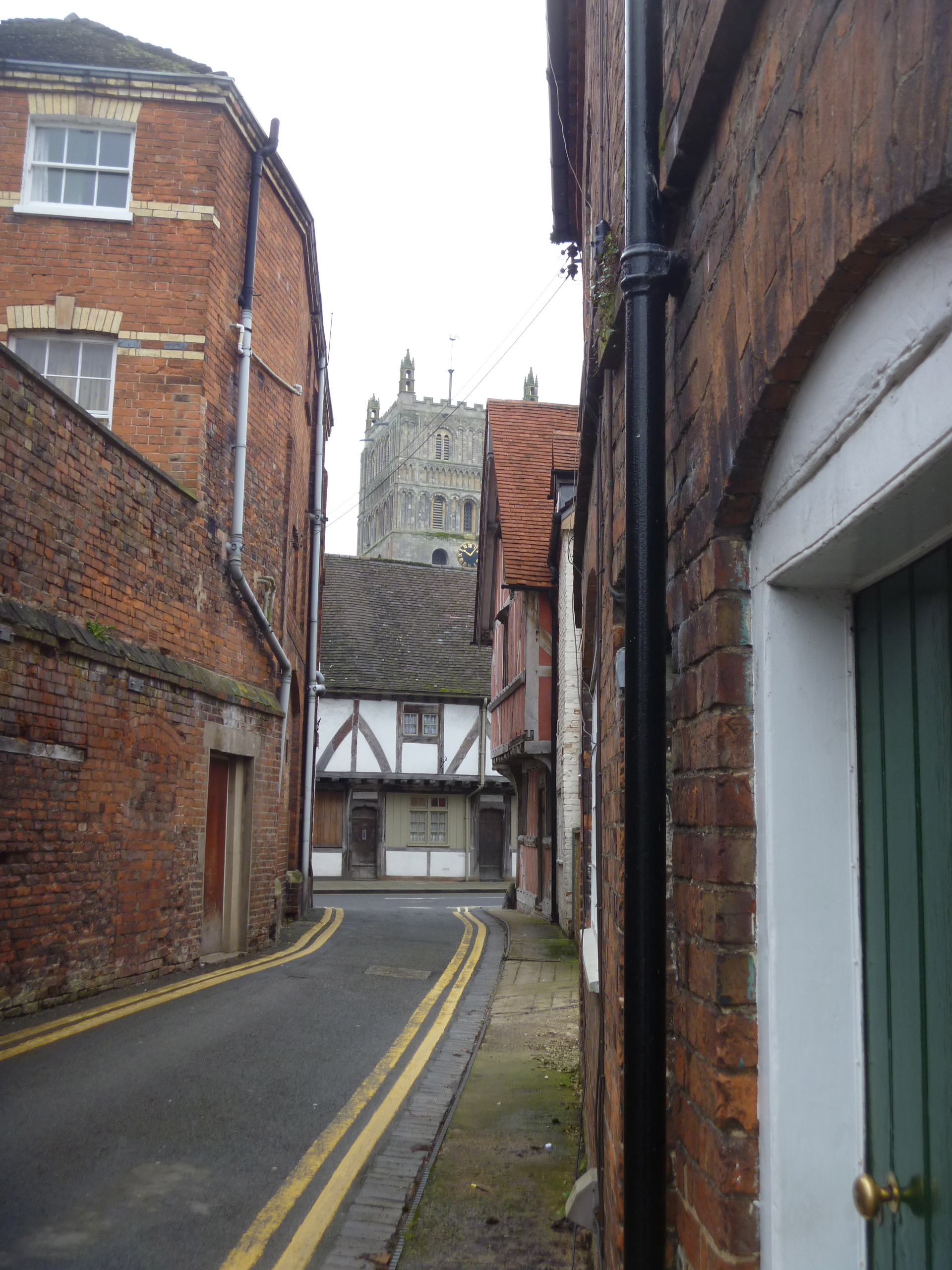
Some of my weekend based in Tewkesbury was spent researching some of my family history in Worcestershire. In addition, staying in a house so close to Tewkesbury Abbey, how could I not visit it several times? Close by there was also a curious little chapel which is probably much overlooked by its towering neighbour. I didn’t get inside as it was closed. It’s in one of the very many little courts and passageways that run off the main Tewkesbury streets and  down to the River Avon.

SML and Abbey

See how near the Abbey is to no. 32

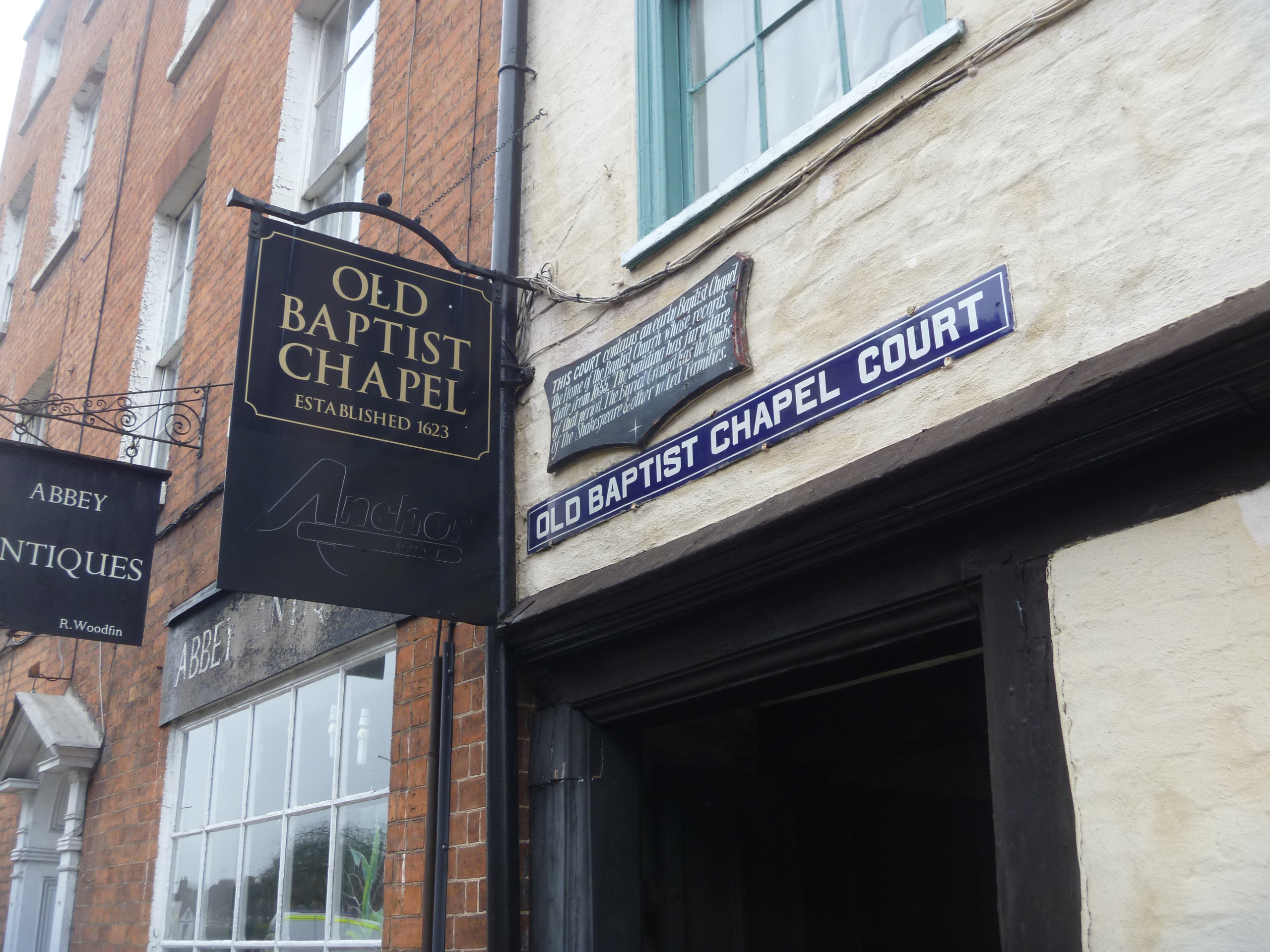
Old Baptist Chapel

Chapel sign

It may be overshadowed by its neighbour but The Old Baptist Chapel in Tewkesbury still manages to be included in Simon Jenkins’ England’s Thousand Best Churches. It is even nearer to number 32 than the Abbey.

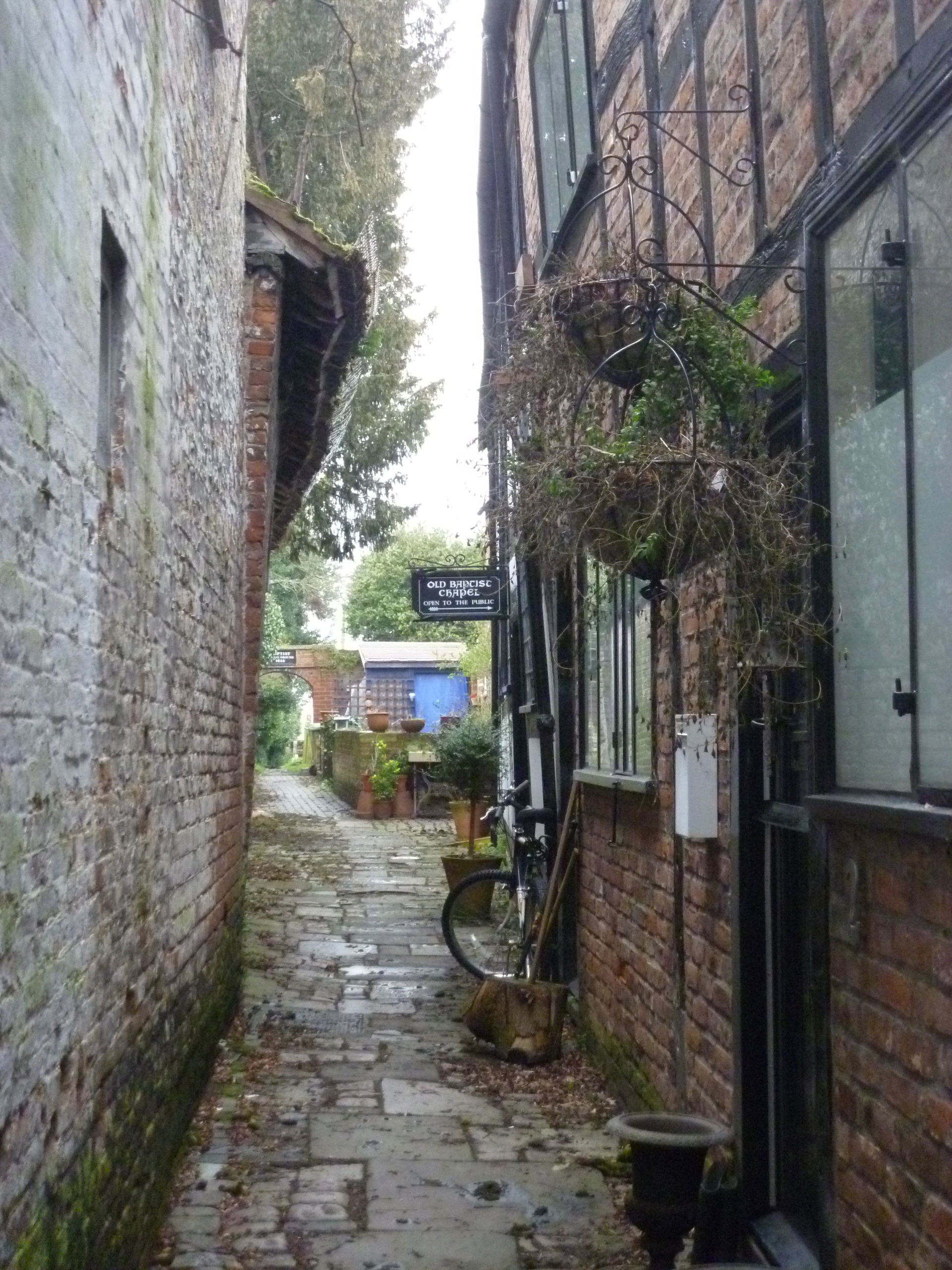
Chapel Court

Tucked away down an alleyway it was converted from a medieval timber-framed house in about the 1620s and is still used for services today. The key is available for visitors wishing to see inside the chapel from the Museum over the road in Church Street.

Burial ground

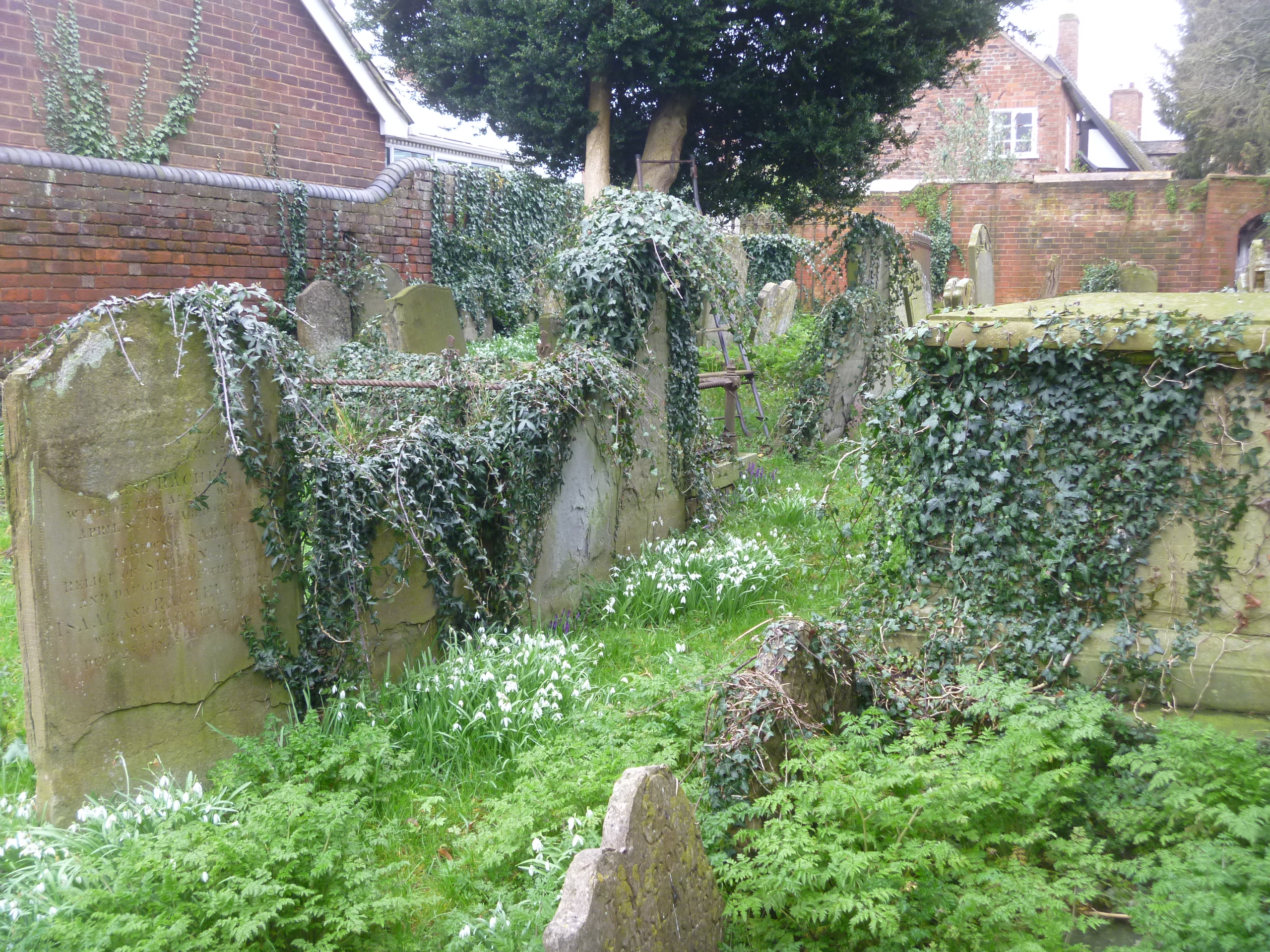
Beyond the chapel lies a peaceful, overgrown, (perfect town habitat for wildlife and plants) burial ground and beyond that is the river and a view of the Severn Ham.

Overgrown

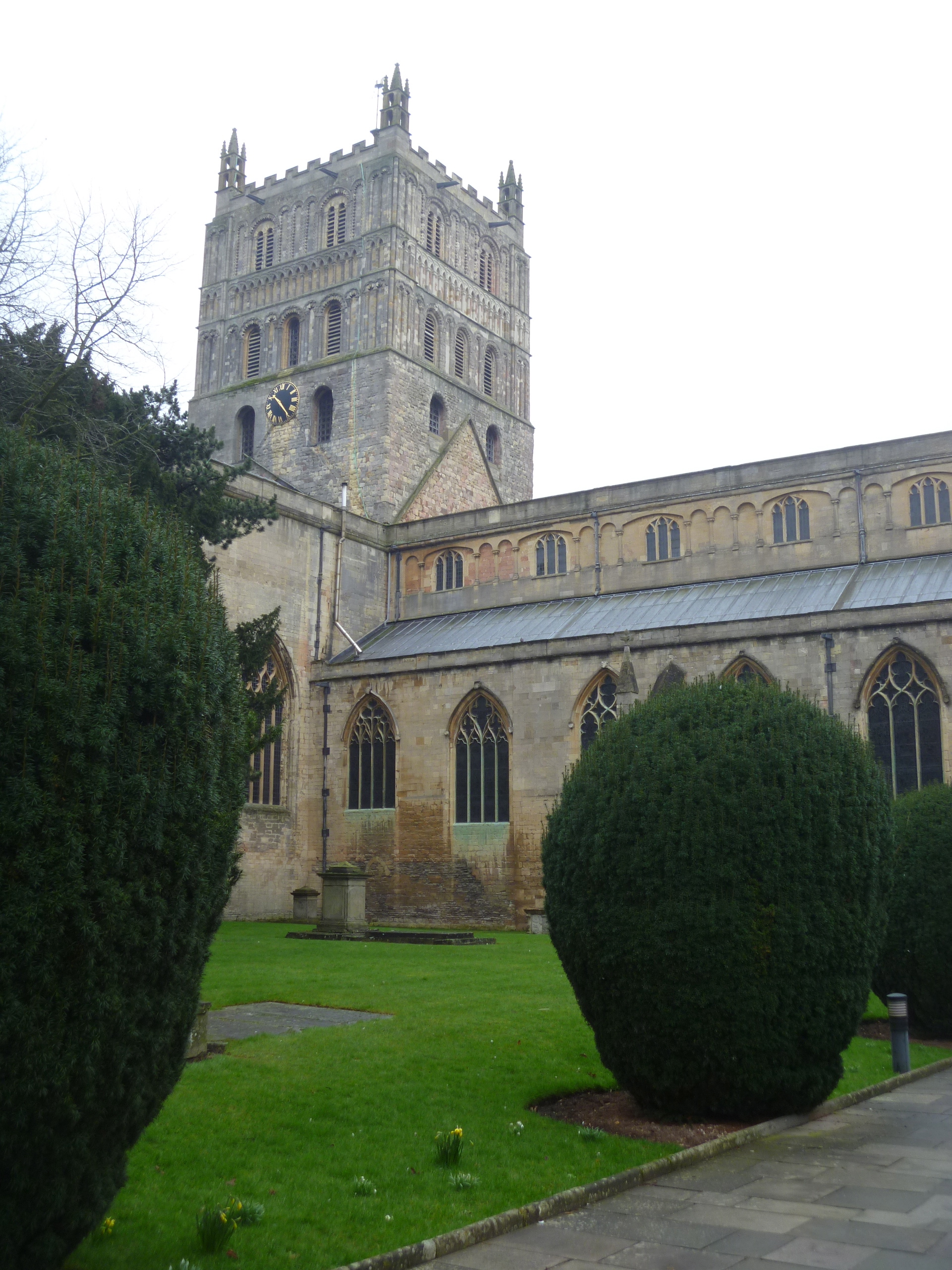
Tewkesbury Abbey

Tewks Abbey

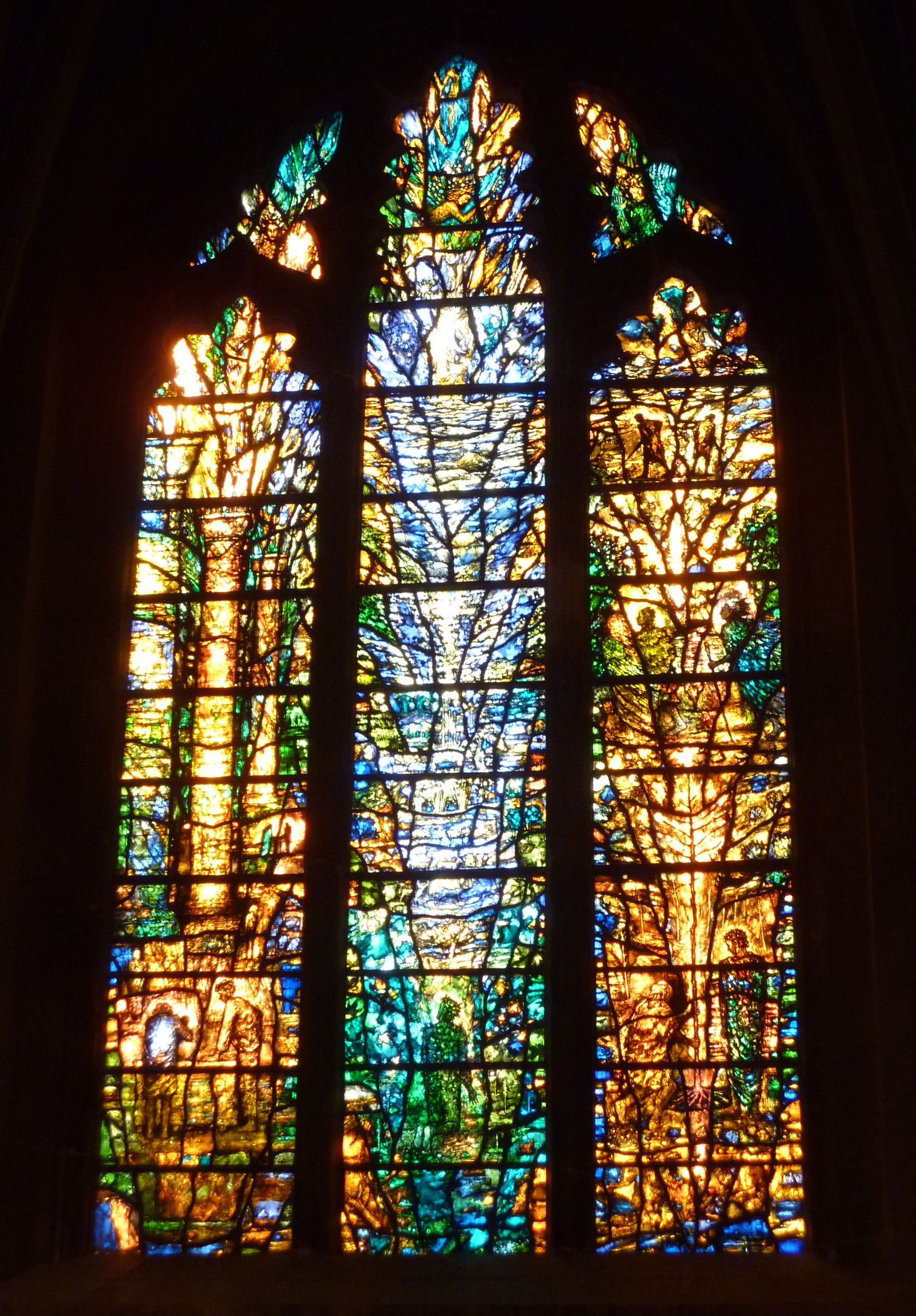
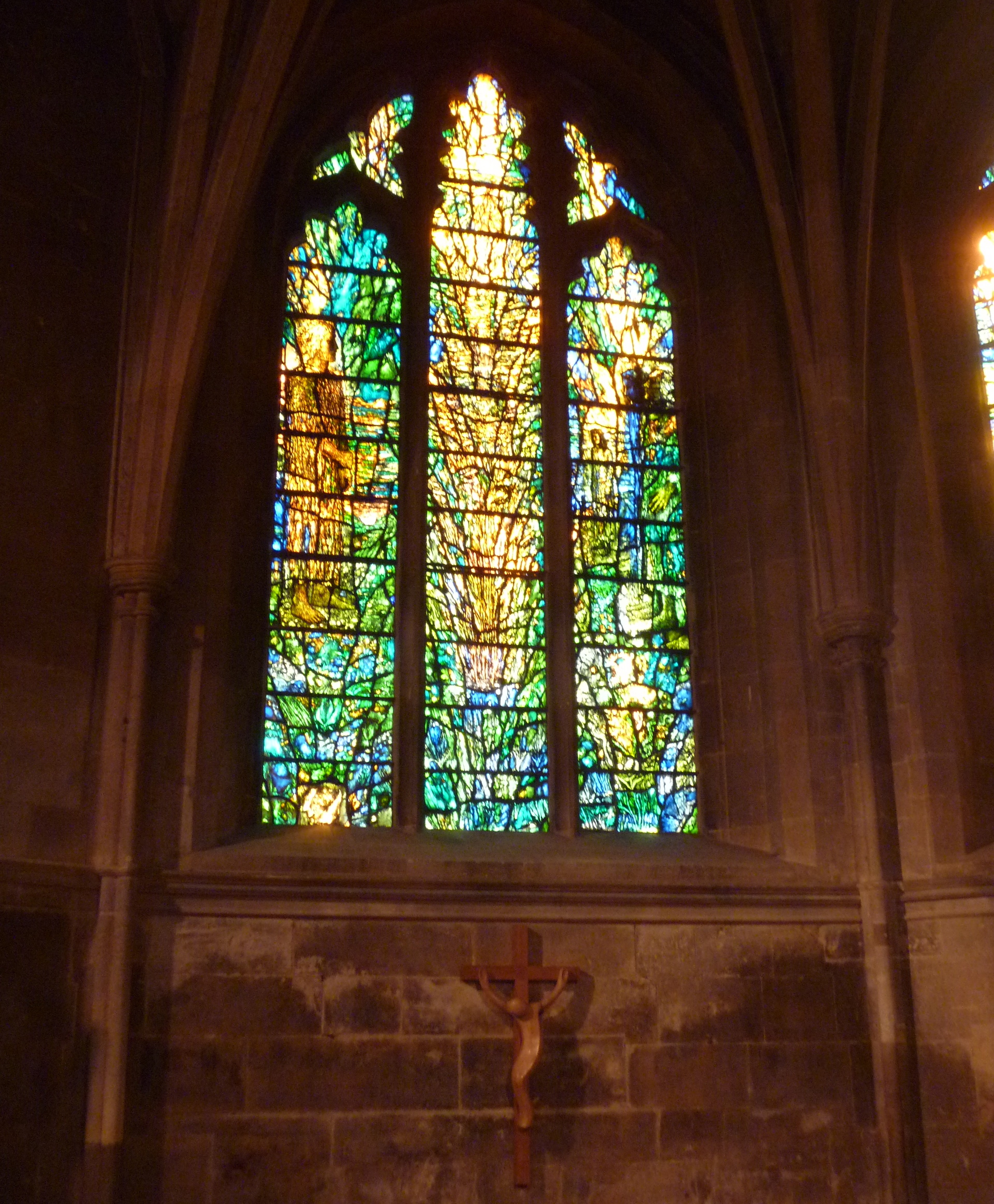
Tewkesbury Abbey fully deserves its five star status as awarded by Jenkins. During the one weekend I must have visited at least five times. Even the last morning before packing the car for the journey home I nipped across the road to admire once more the beautiful Thomas Denny windows. You see, for the first time since my arrival, the sun was shining and sunshine adds another dimension to the windows.

T Denny 1

T Denny 2

Photographs just cannot do justice to the real thing. This is what it says about the windows on a notice nearby :

“These windows have been funded by the Friends of Tewkesbury Abbey to celebrate the 900th anniversary of the arrival of Benedictine monks from Cranborne, Dorset in 1102 to the new monastery at Tewkesbury. The windows were dedicated by the Bishop of Gloucester at the 900th Anniversary Festival Service on Saturday 19th October 2002.”

Of course, I first saw T. Denny’s work in an article in Intelligent Life and shortly afterwards at Bolton Percy Church in North Yorkshire.

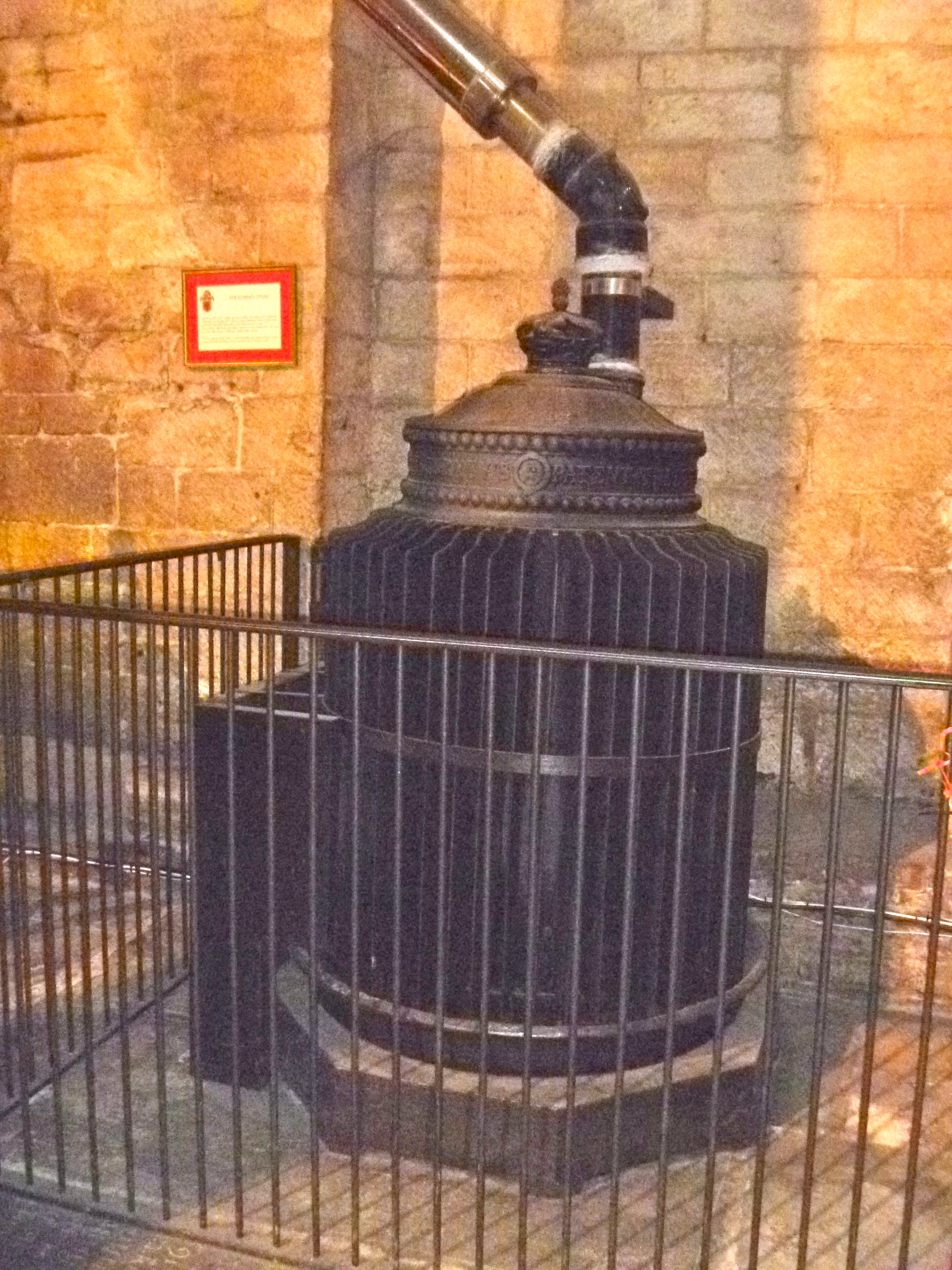
At Sunday Evensong the music is equally superb. The choir and clergy may outnumber the congregation several times over but the effort and result is just as striking as if the church had been full to overflowing as I am sure it is on high days and holidays. There is also a large choice of services on a Sunday and the evening was particularly cold. The abbey is heated by huge Gurney Stoves.

Gurney Stove

“Tewkesbury Abbey has two Gurney Stoves which were installed circa. 1875 when the Abbey underwent a major restoration by the Architect George Gilbert Scott. The stoves were converted to gas firing in 1987.”

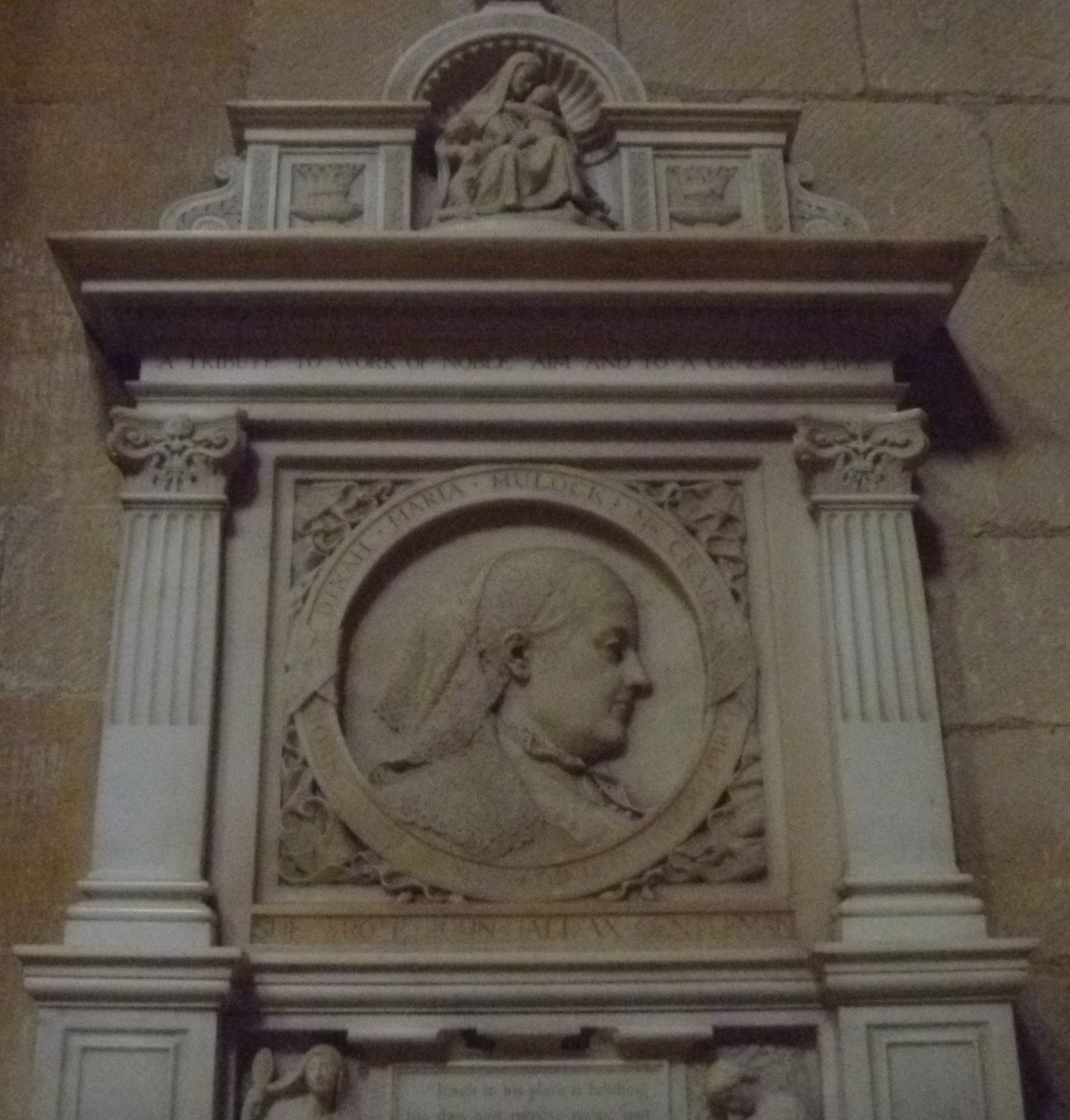
Mrs C Memorial

In Tewkesbury Abbey there is also a memorial to the “Victorian authoress Dinah Craik (1826–1887) [who] visited Tewkesbury in 1852, and later set her most famous work John Halifax, Gentleman (pub. 1857) in the town, calling it Norton Bury in the book. There is a “Craik House” in Church Street, near the Abbey, but Mrs Craik never lived there and had no other connection with Tewkesbury. There is a memorial to her in the Abbey’s south transept.” [source]


The Battle of Tewkesbury: The Bloody (Muddy) Meadow

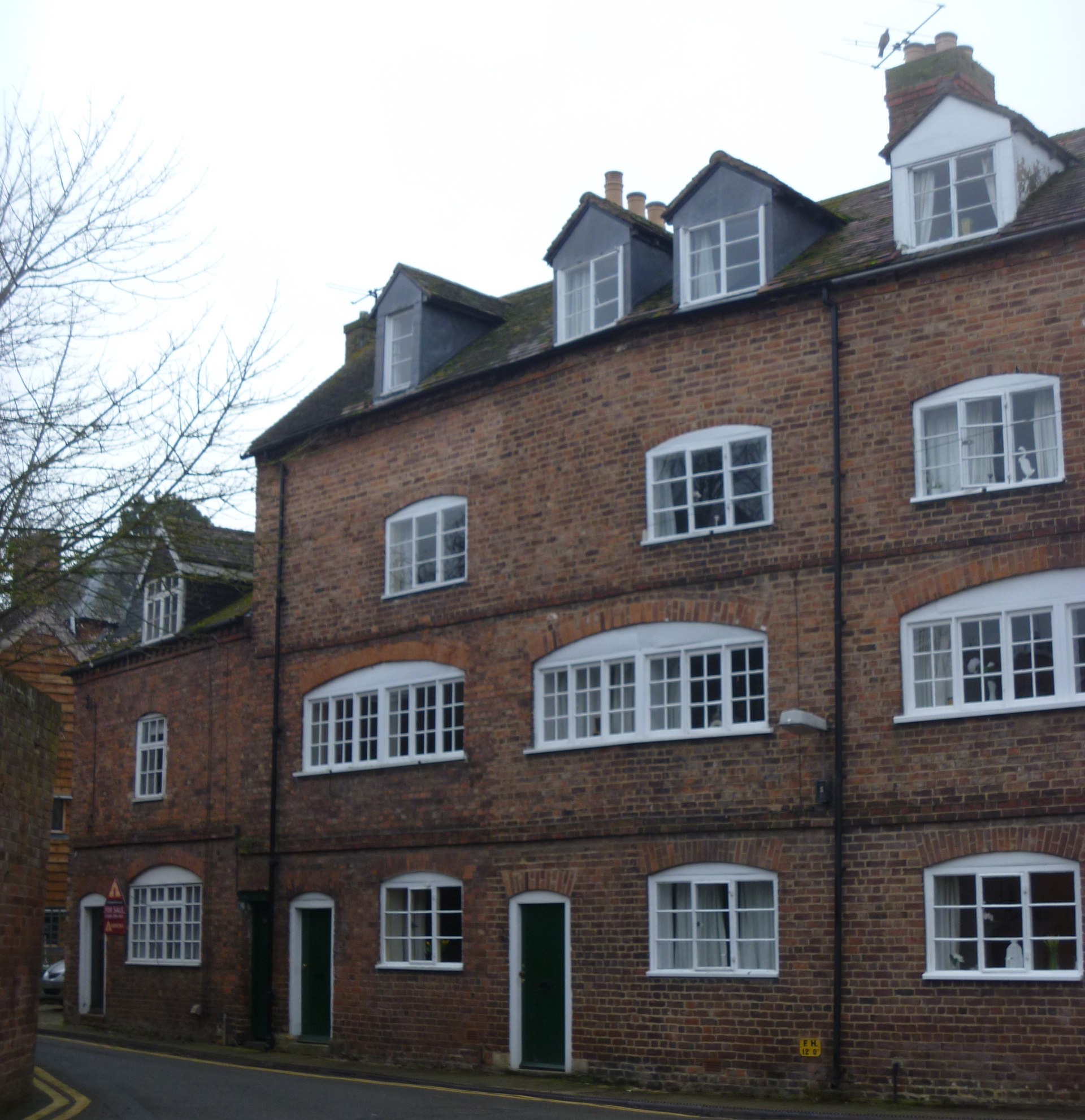
32 St Mary’s Lane

32 SM Lane

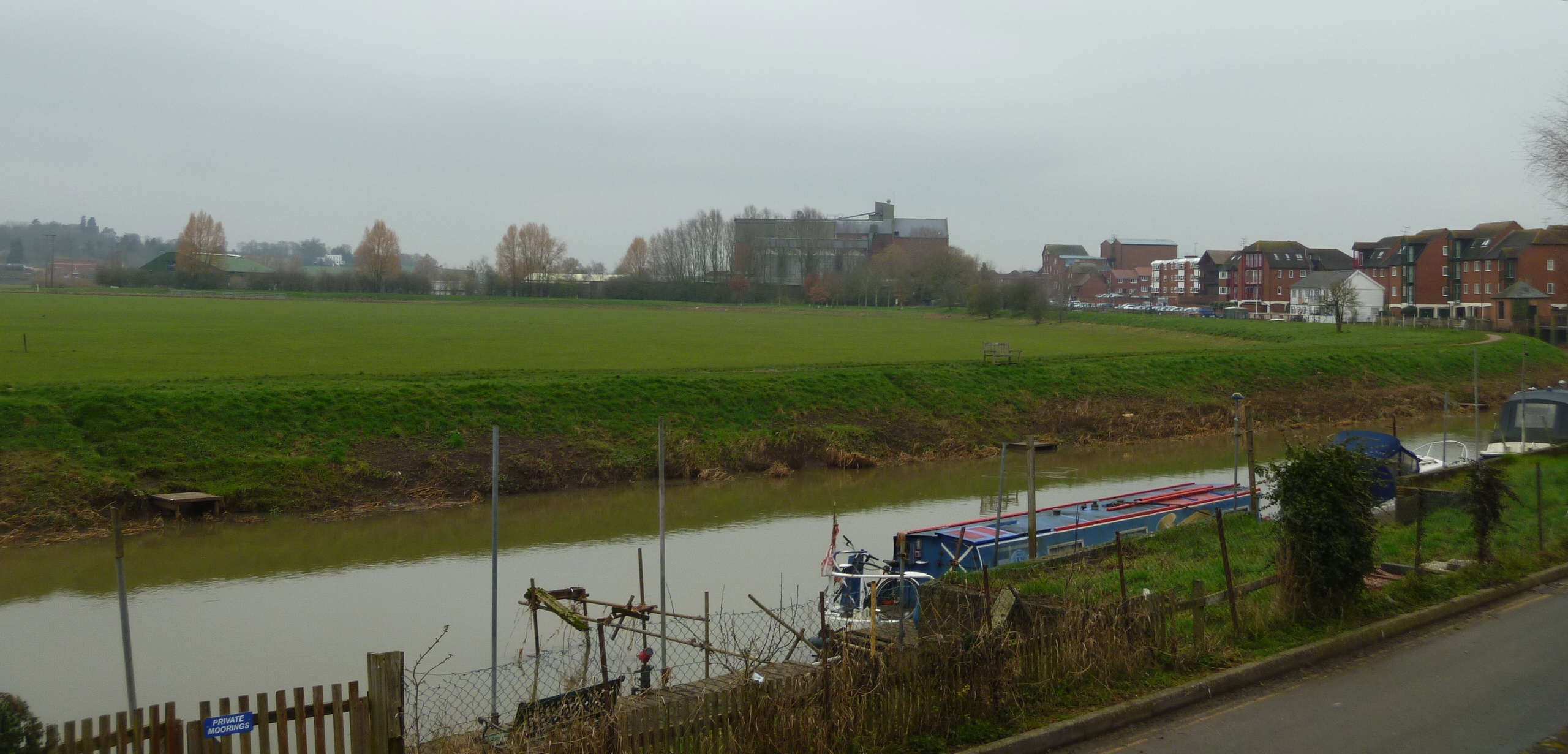
Last weekend, to break my journey between South Wales and home in Leeds, I stayed in the lovely old town of Tewkesbury. 32 St Mary’s Lane is tucked away between the main road through town and the River Avon. Beyond the river is a large expanse of flat, grassy land called Severn Ham (‘Q’ mentions it in his poem ‘Upon Eckington Bridge‘) bordered on the other side by the River Severn. The two rivers meet at Tewkesbury and it’s liable to flooding sometimes in summer.

Severn Ham

River Avon and Severn Ham

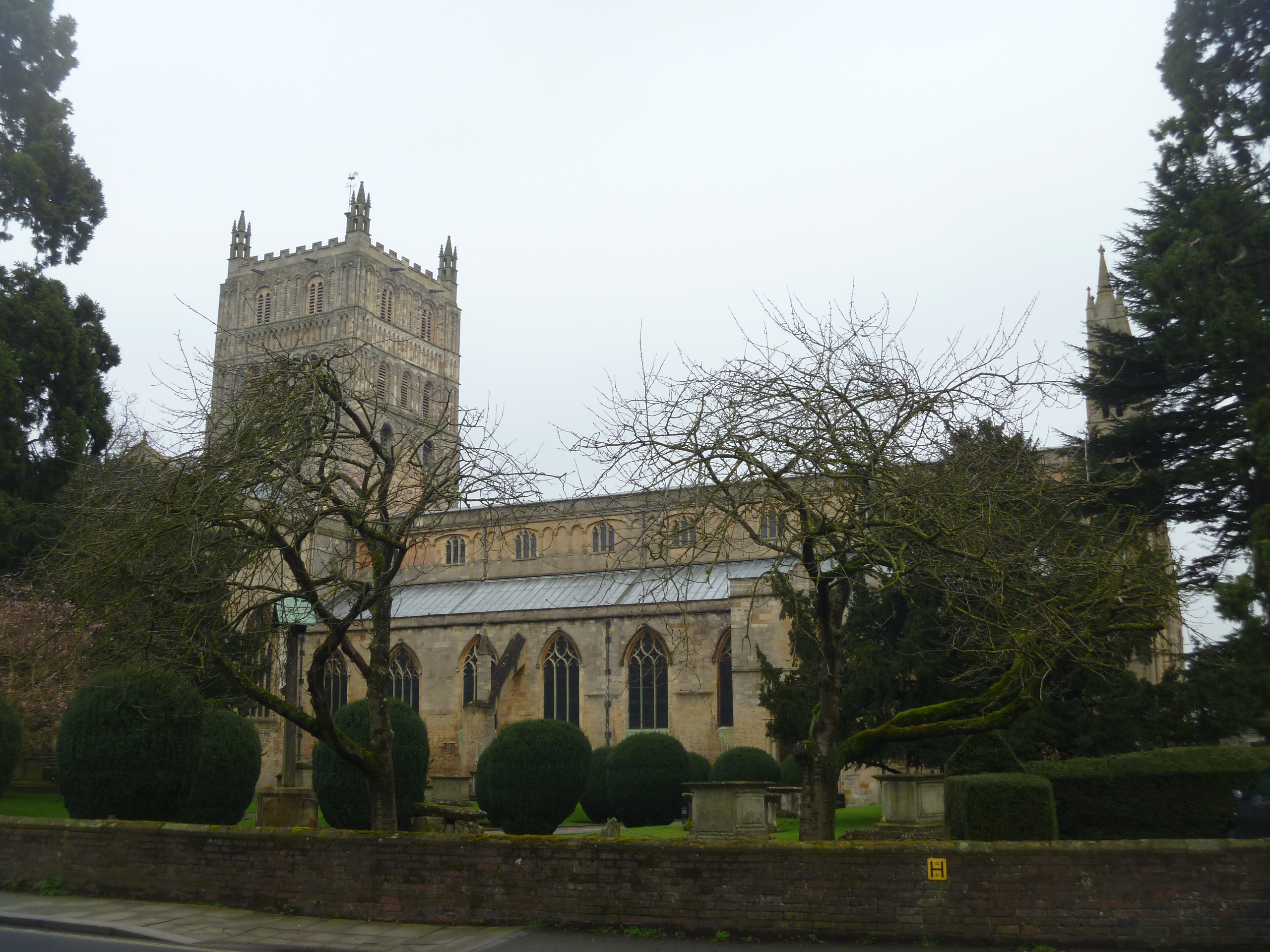
Beyond the main road, on the other side, is the great edifice of Tewkesbury Abbey which dominates the town in the nicest of ways.

Tewkesbury Abbey

The house in St Mary’s Lane was formerly a framework stocking-knitter’s home dating back to the 17th century. The row of cottages, of which no. 32 is one, were in a parlous state by the 1970s and The Landmark Trust stepped in to help a local conservation group who were unable to raise the funds required to restore the houses. No. 32 only joined Landmark’s collection of properties to let in 1982.

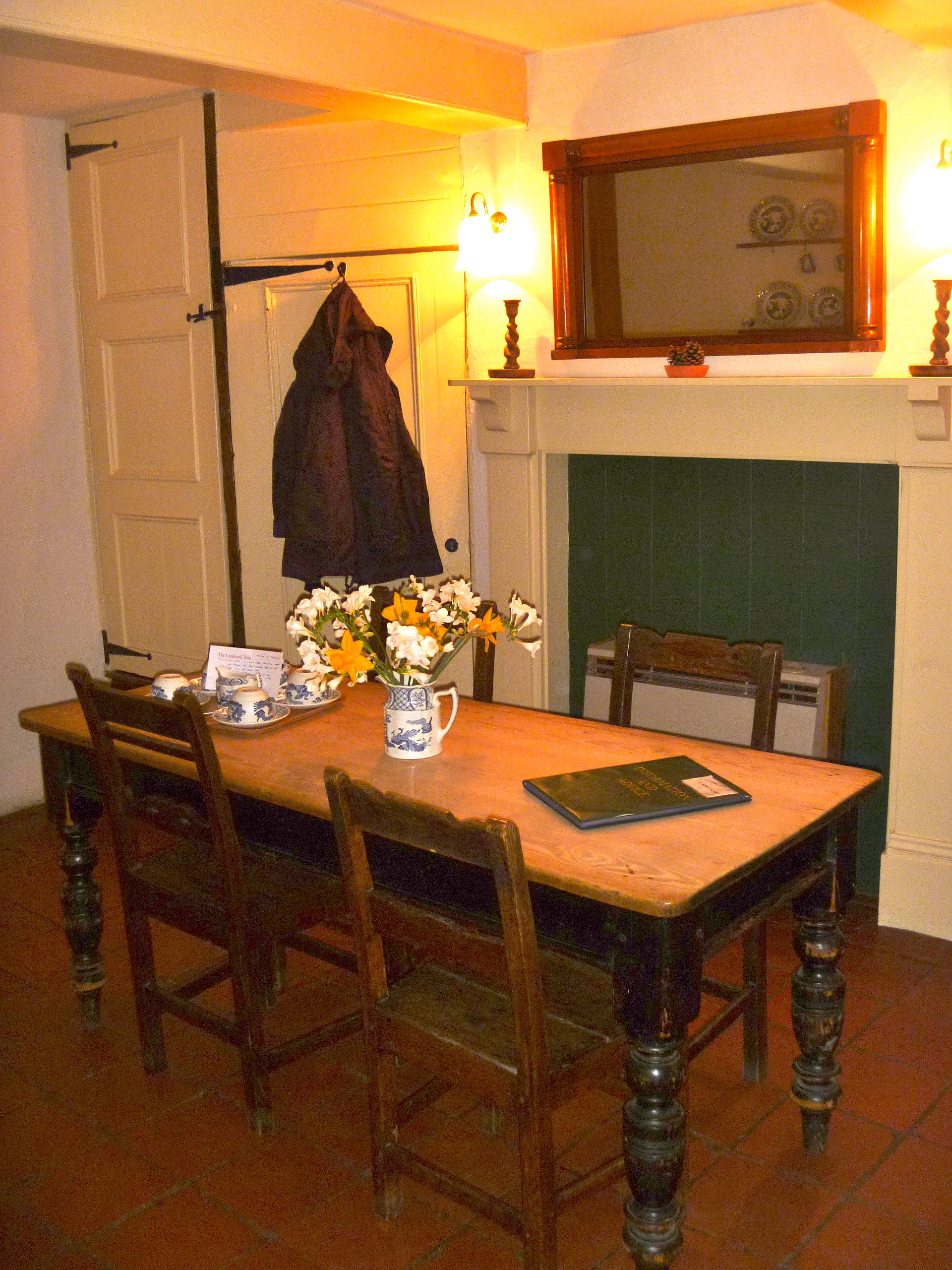
32 Kitchen

Welcome to St Mary’s Lane : The Kitchen

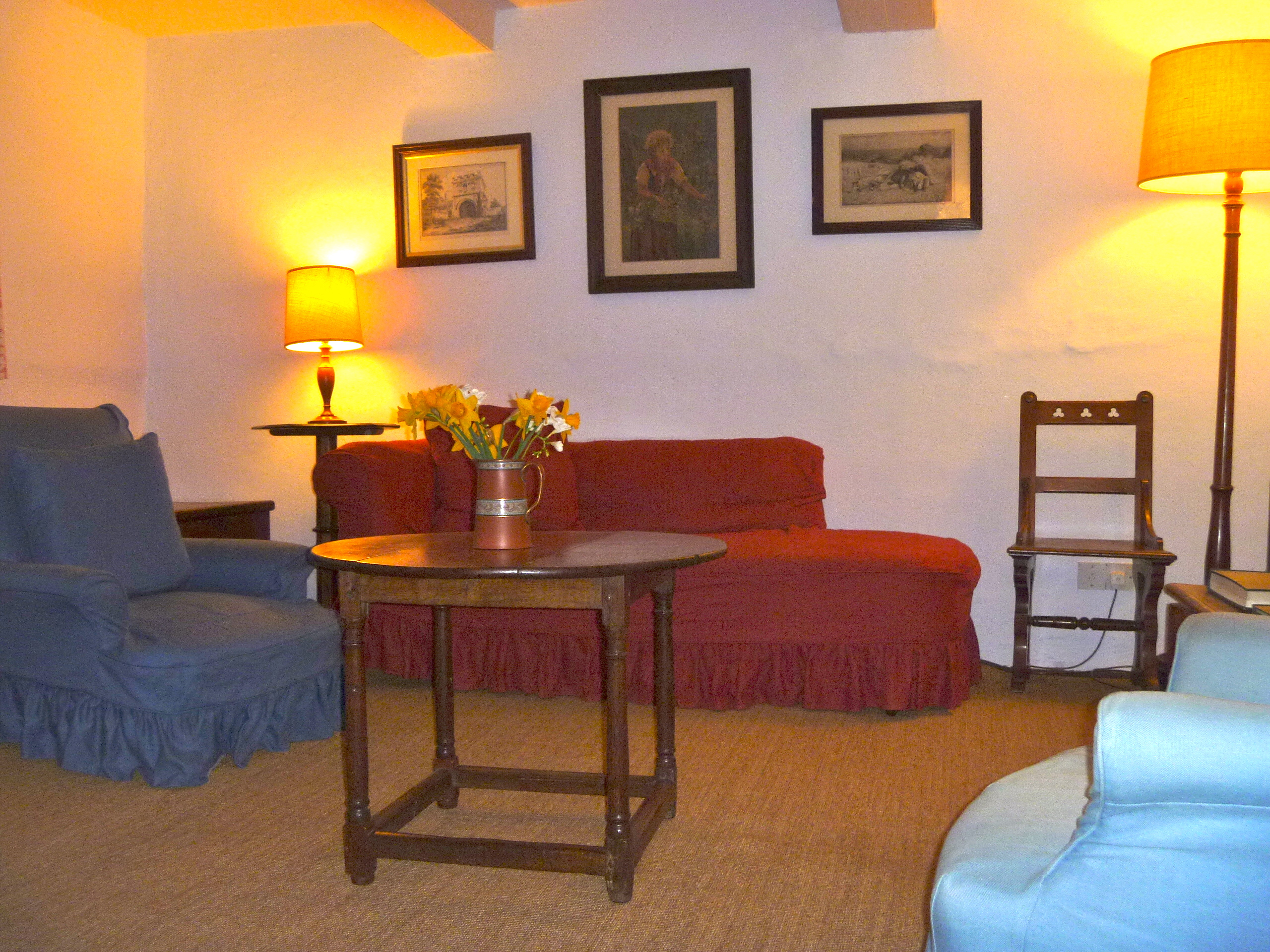
SML Sitting room

The First Floor Sitting Room

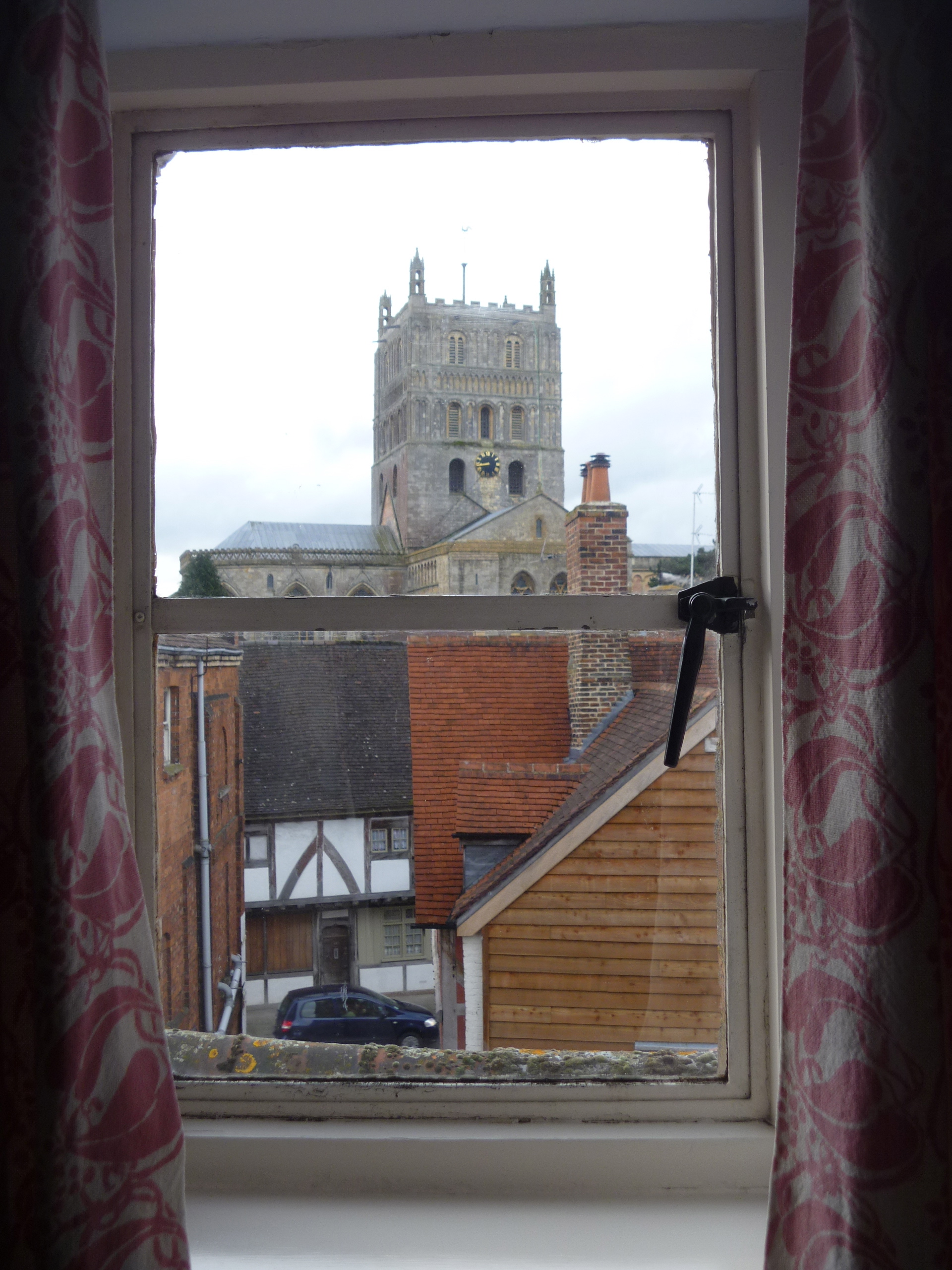
It’s a lovely warm and comfy house on 4 floors each of the upper floors accessed via steep, narrow, twisting staircases; but you soon get used to them! On the ground floor is the kitchen and a cloakroom (and there’s a backyard with picnic table for the summer months), on the first floor is the sitting room, above that is a bedroom and a bathroom and on the fourth floor is another bedroom with magnificent view of the Abbey through one tiny window.

upstairs day view

The Abbey from the Top Bedroom – by day

32 upstairs window

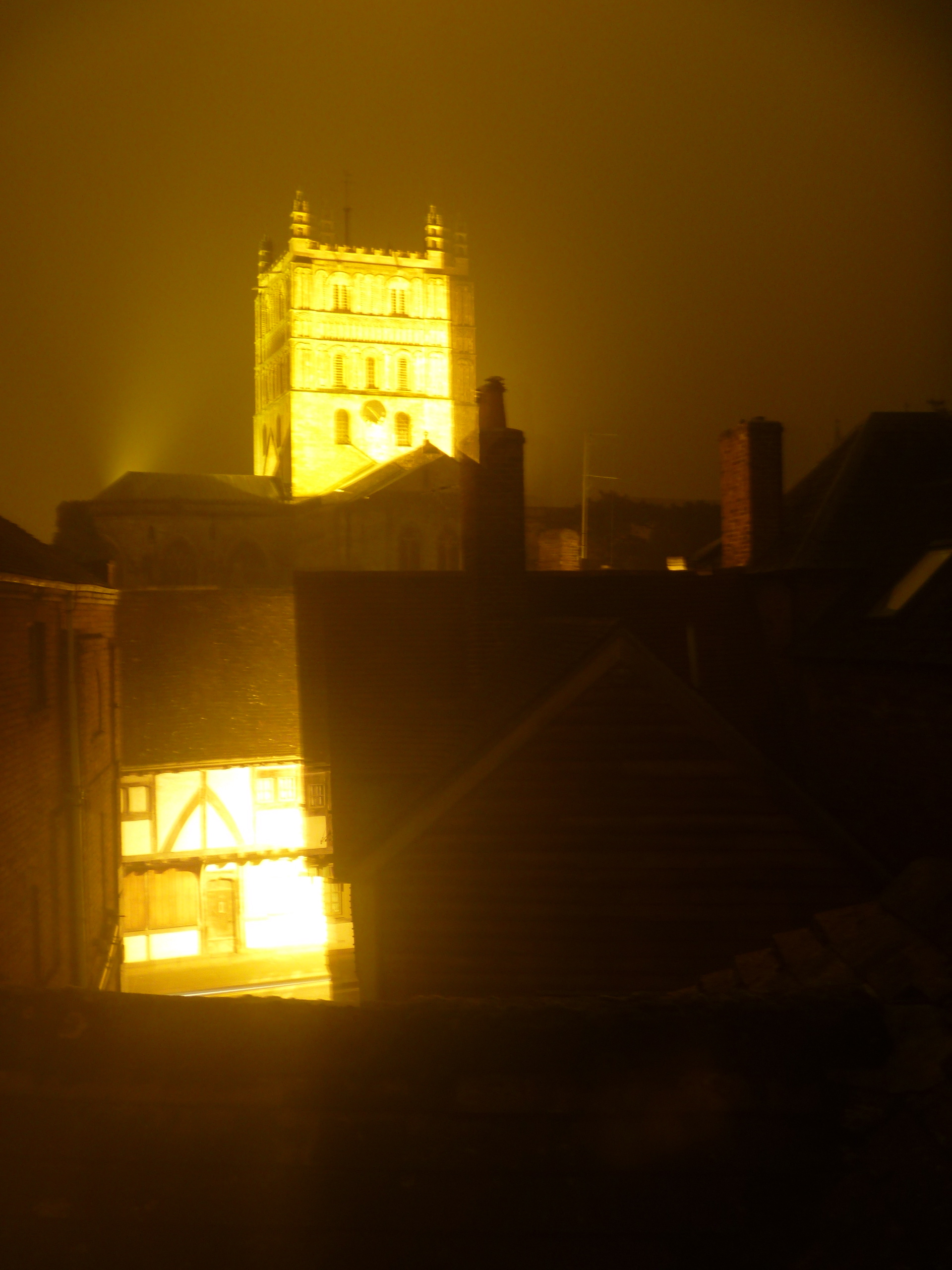
The Abbey from the Top Bedroom – by night

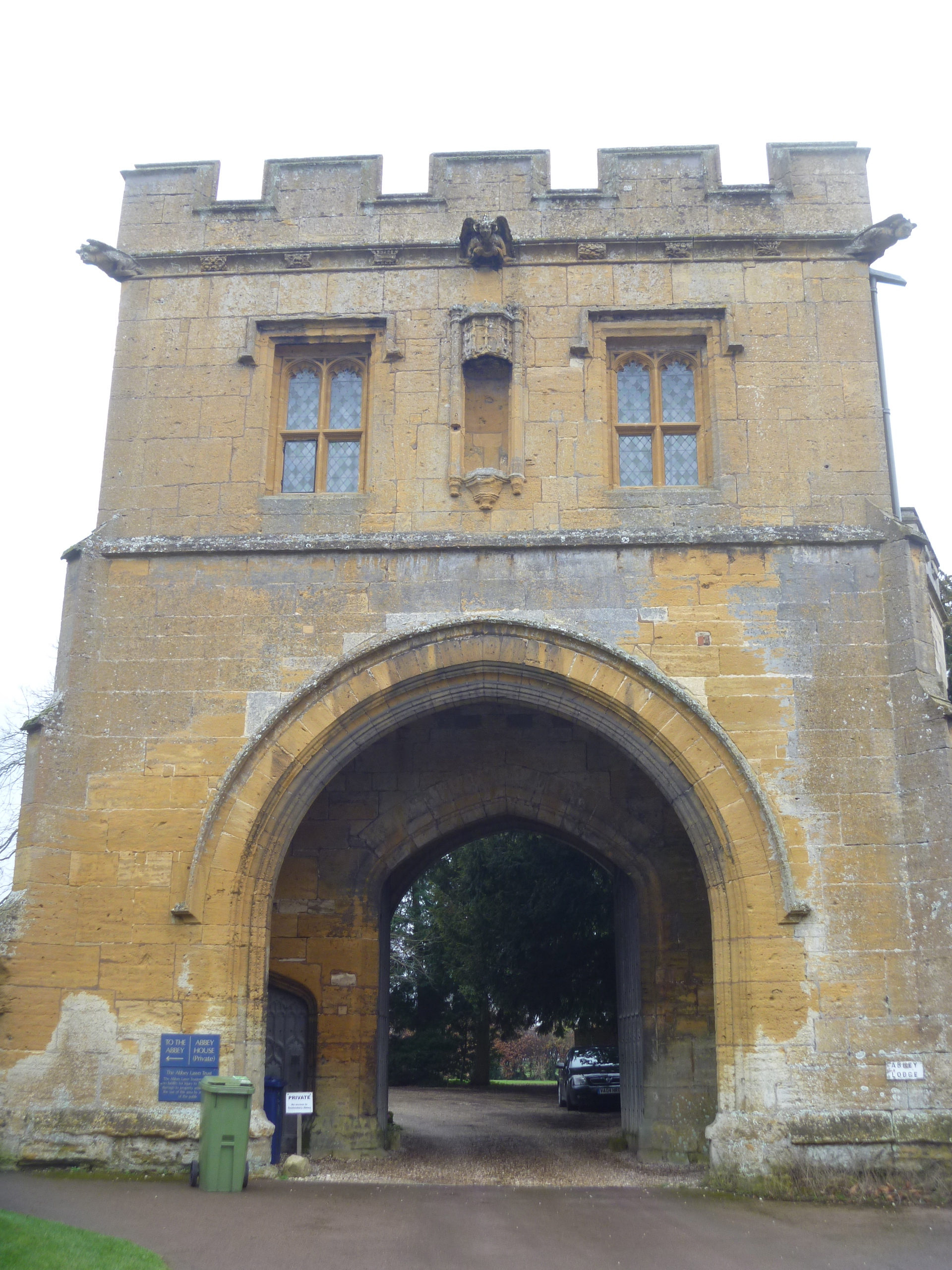
In fact there is another Landmark Trust property in Tewkesbury – The Abbey Gatehouse.

The abbey gatehouse

To Battle!

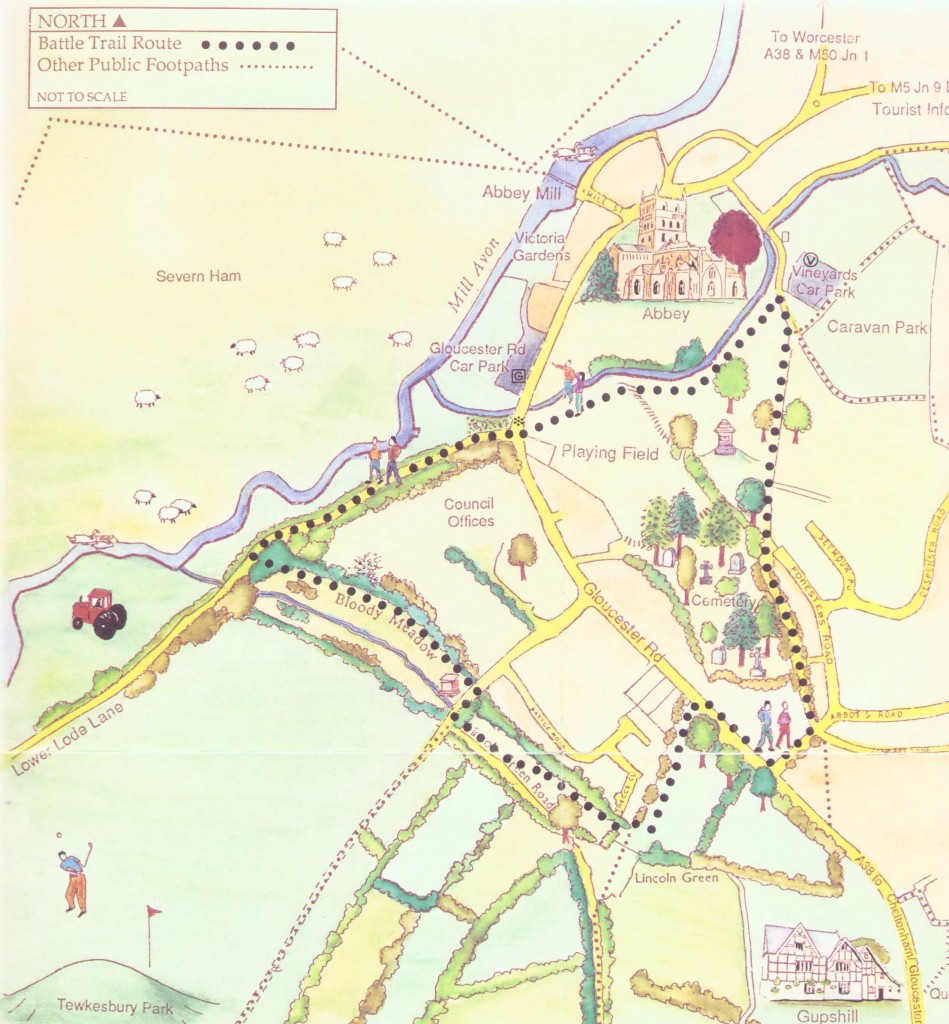
Battlefield-Trail-949x1024

The Battlefield Trail at Tewkesbury (photo)

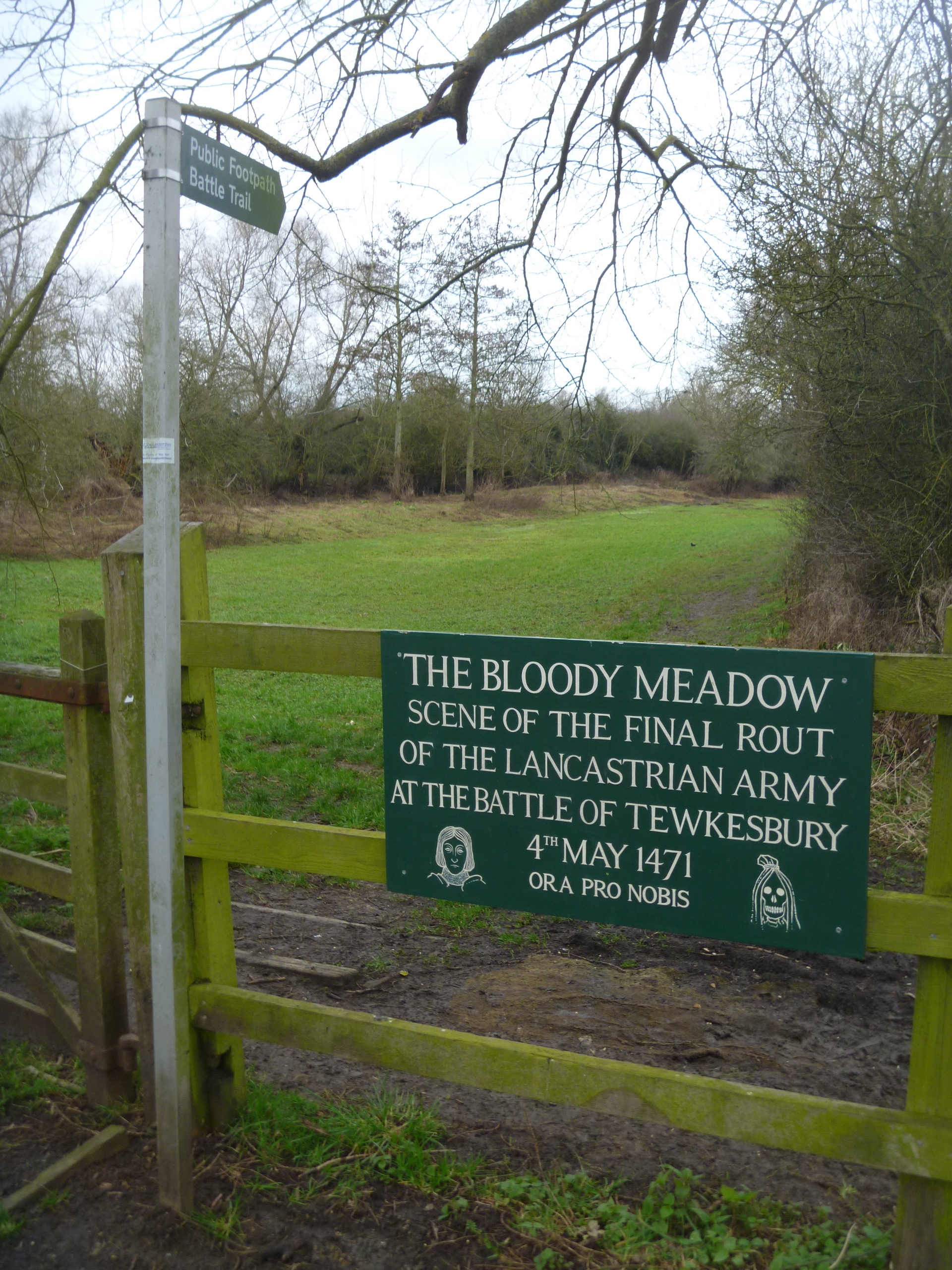
On Sunday morning, having found a Battle Trail leaflet at the house, I decided to leave its cosy confines and venture out into the cold, windy fields on the edge of Tewkesbury to discover the location of The Bloody Meadow – scene of the Battle of Tewkesbury in 1471 between the House of York and the House of Lancaster saw the death of 2000 soldiers, including Edward, Prince of Wales, who was just 18 years old. It was a defining battle of the Wars of the Roses.

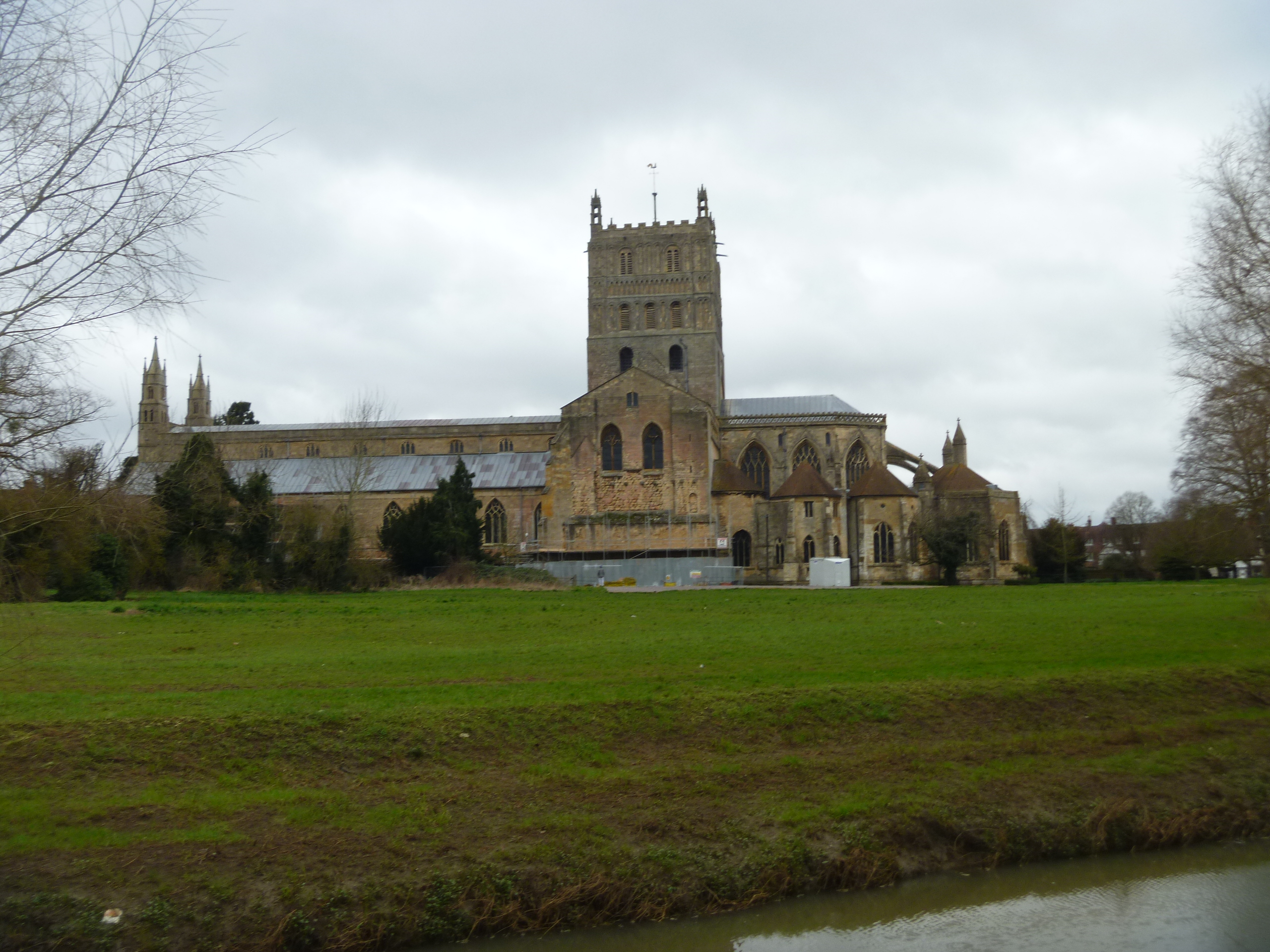
Tewkesbury Abbey

Tewkesbury Abbey from The Battle Trail

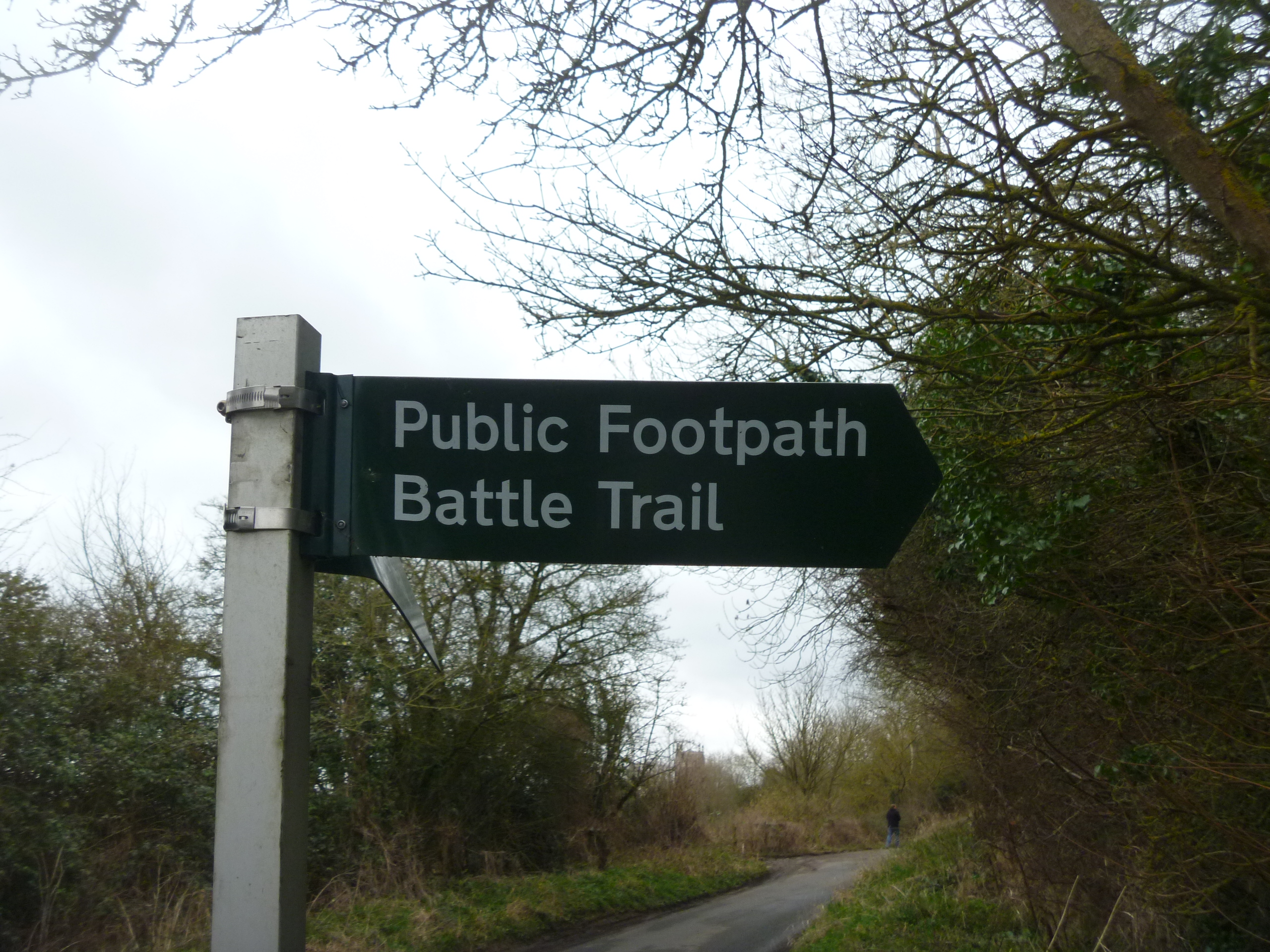
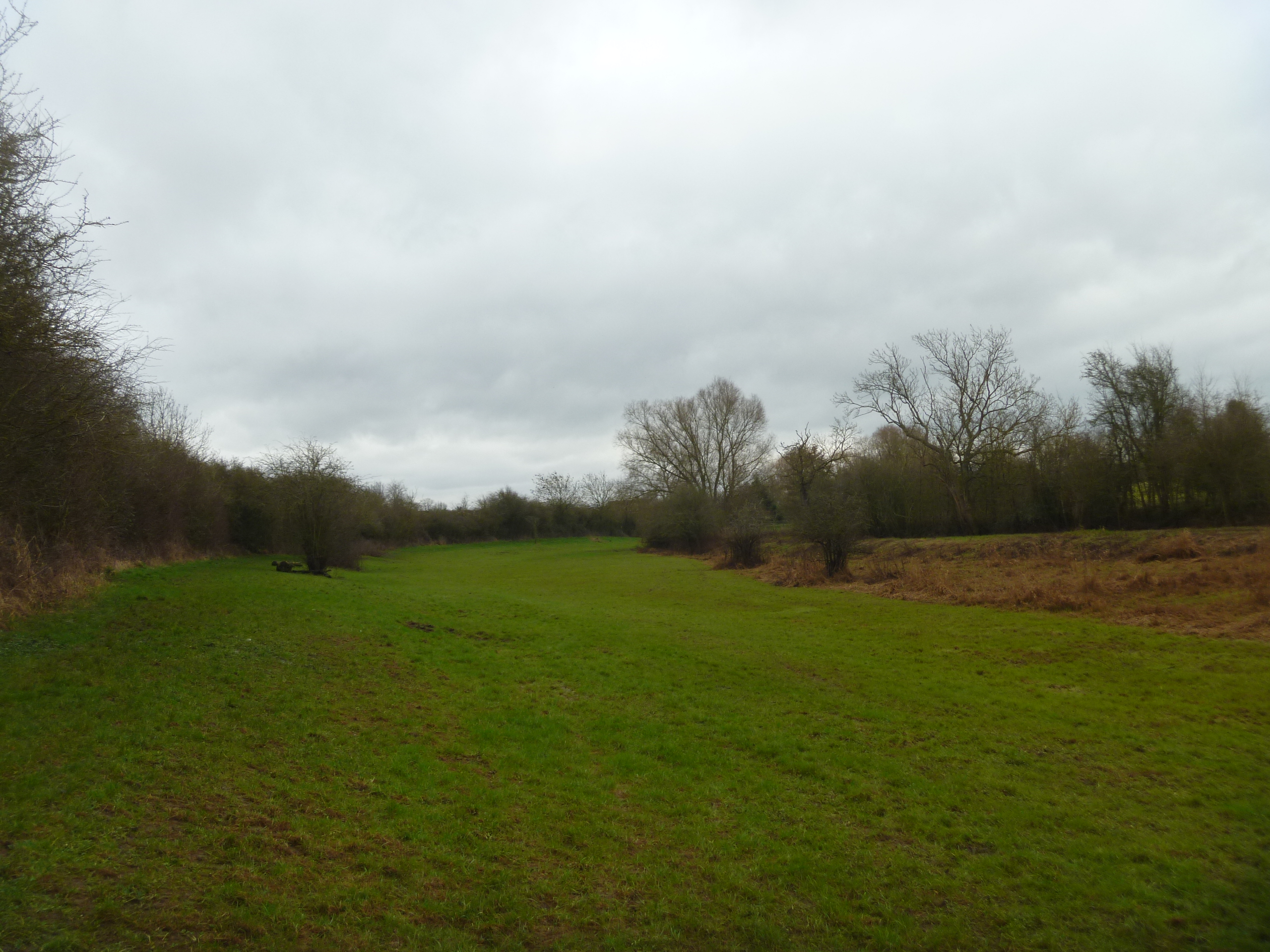
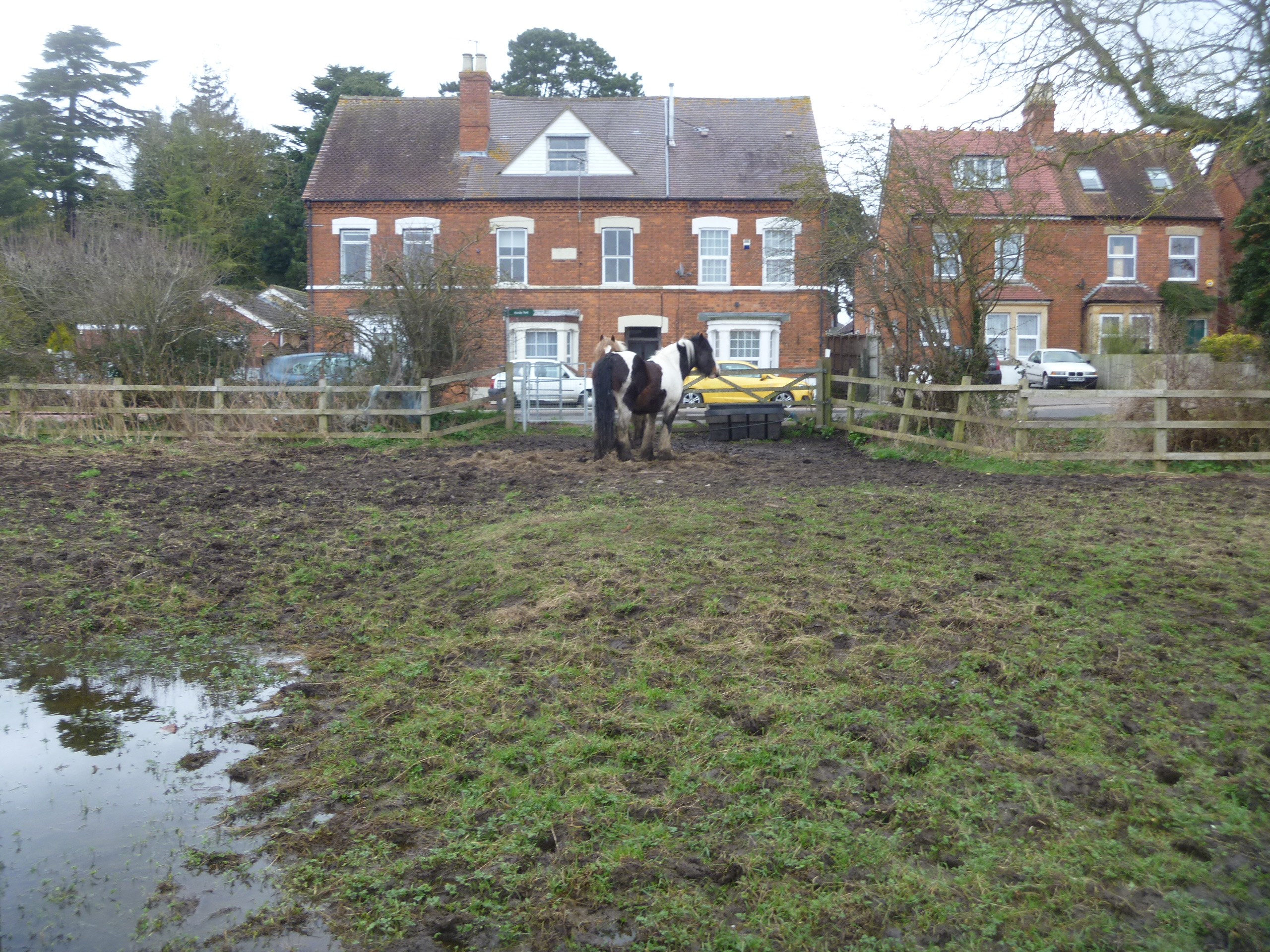
Crossing the main road and taking Gander Lane behind the Abbey I soon found the first Battle Trail sign. It was easy to follow and well-waymarked BUT there were some very very muddy parts and at one point I was unable to reach the exit gate from the Bloody Meadow due to two rather frisky-looking ponies. I had to take a detour, give them a wide berth and climb over a fence. There’s an information panel at the Meadow itself and towards the end of the trail is a monument to the town recording important events in the history of Tewkesbury.

Battle Trail

The Bloody Meadow

The Bloody (and muddy) Meadow

Info Board

Muddy Field

Horses and Mud block the Trail

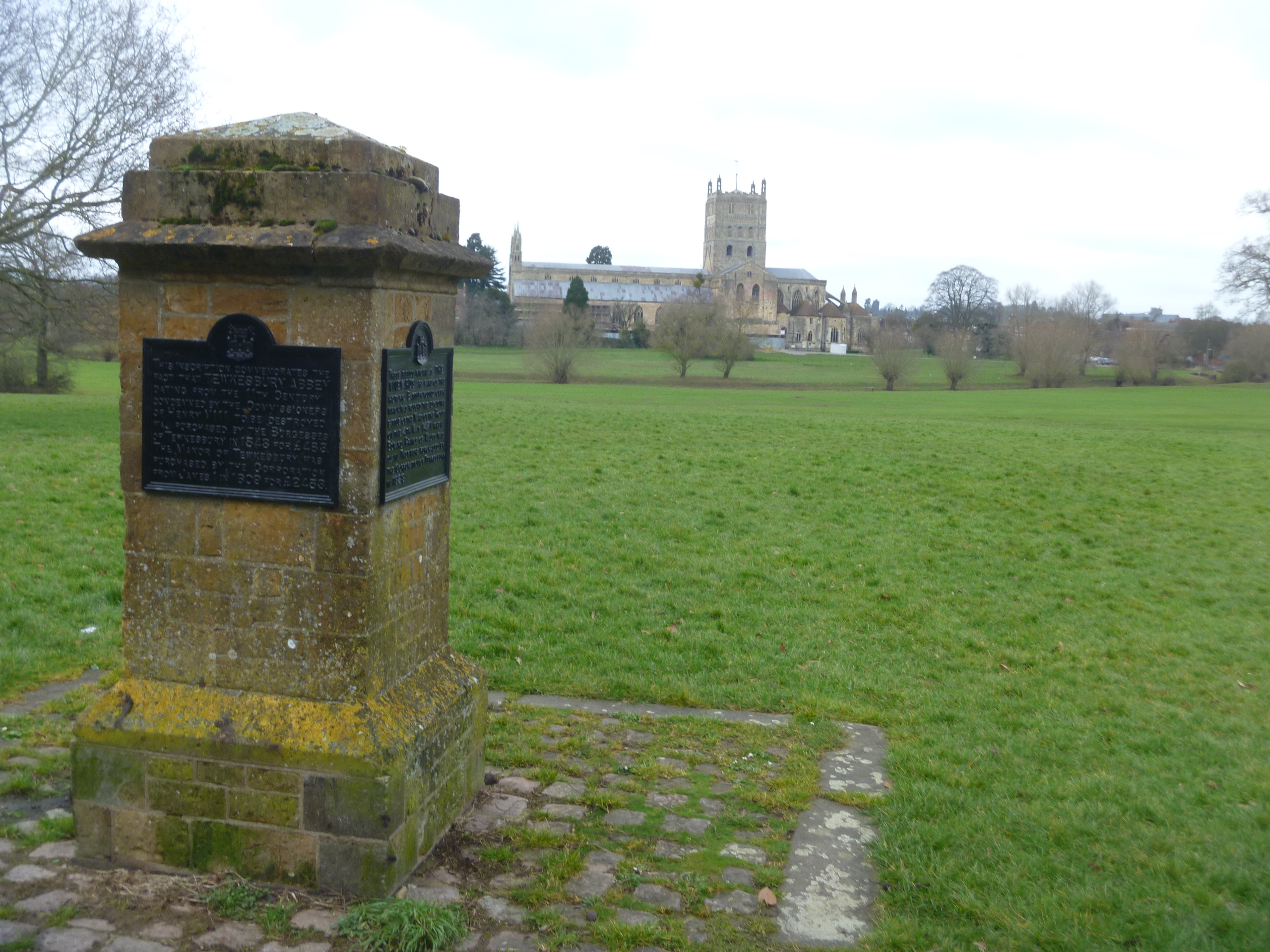
Tewkesbury Monument

The Tewkesbury Monument and Abbey at the end of the Trail

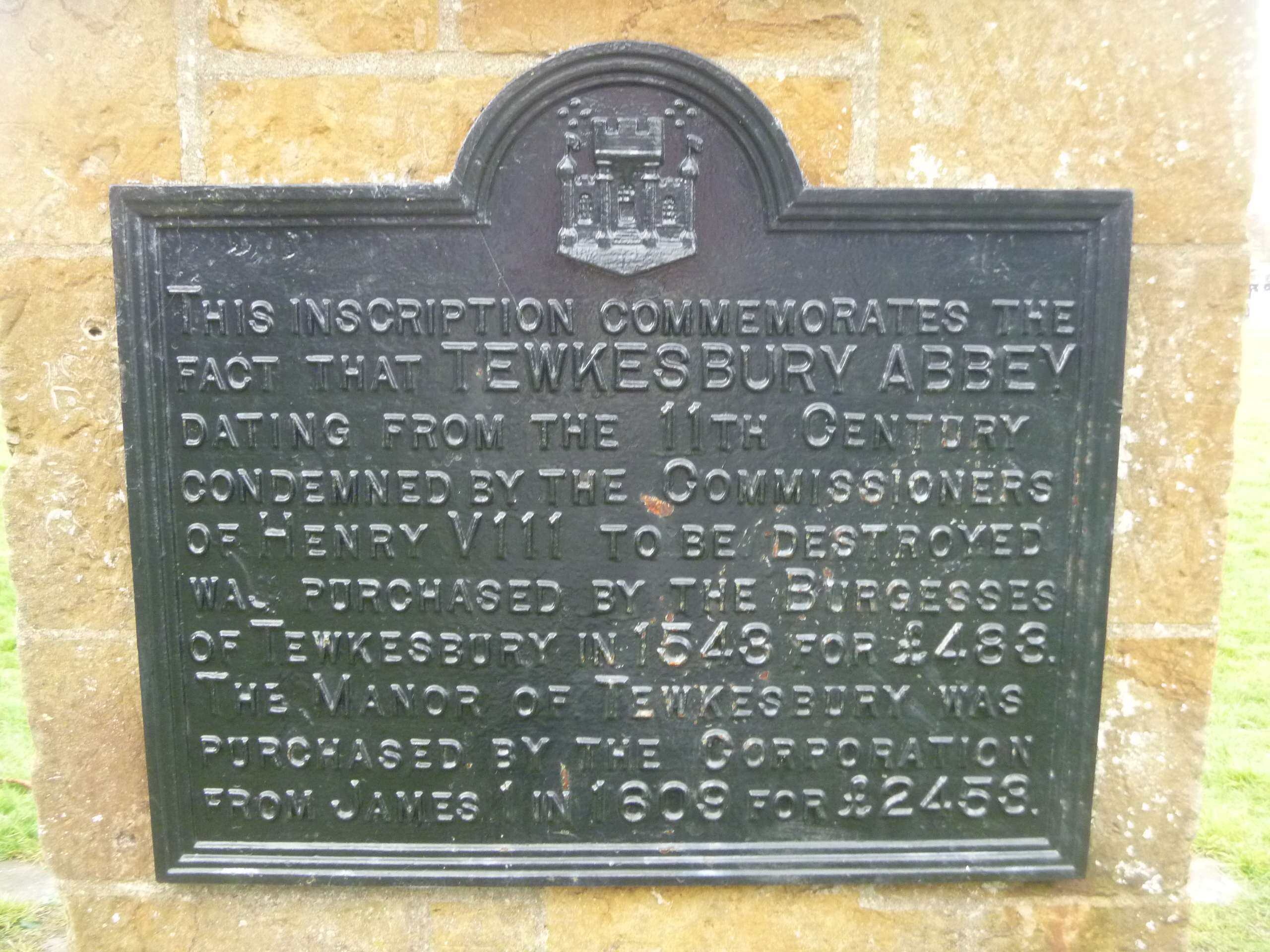
Close-up of panel

Close-up of the Monument

Tea at Lock Cottage

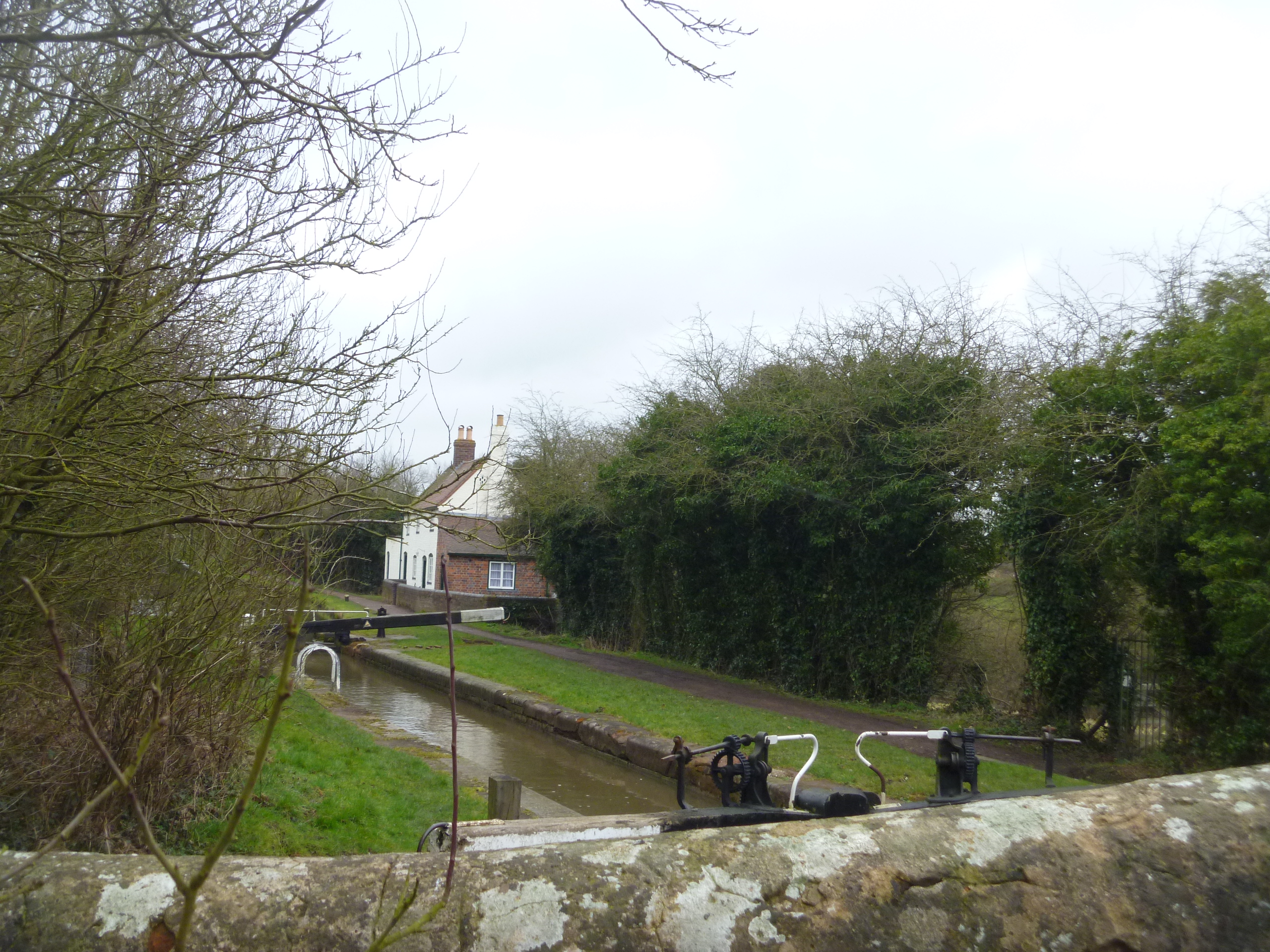
I was pleased to get back to St Mary’s Lane for a wash and brush-up before heading up the M5 to partake of afternoon tea with Landmarking friends who just happened to be staying at Lock Cottage which lies between locks 31 and 32 of the Worcester and Birmingham Canal.

Lock Cottage

I have to concur with the comment in Lock Cottage Log (Visitors) Book, namely, that “Sitting in the cottage with a cup of tea and watching the boats go by is infinitely preferable to jumping on and off a boat watching the cottages go by.”

Upon Eckington Bridge

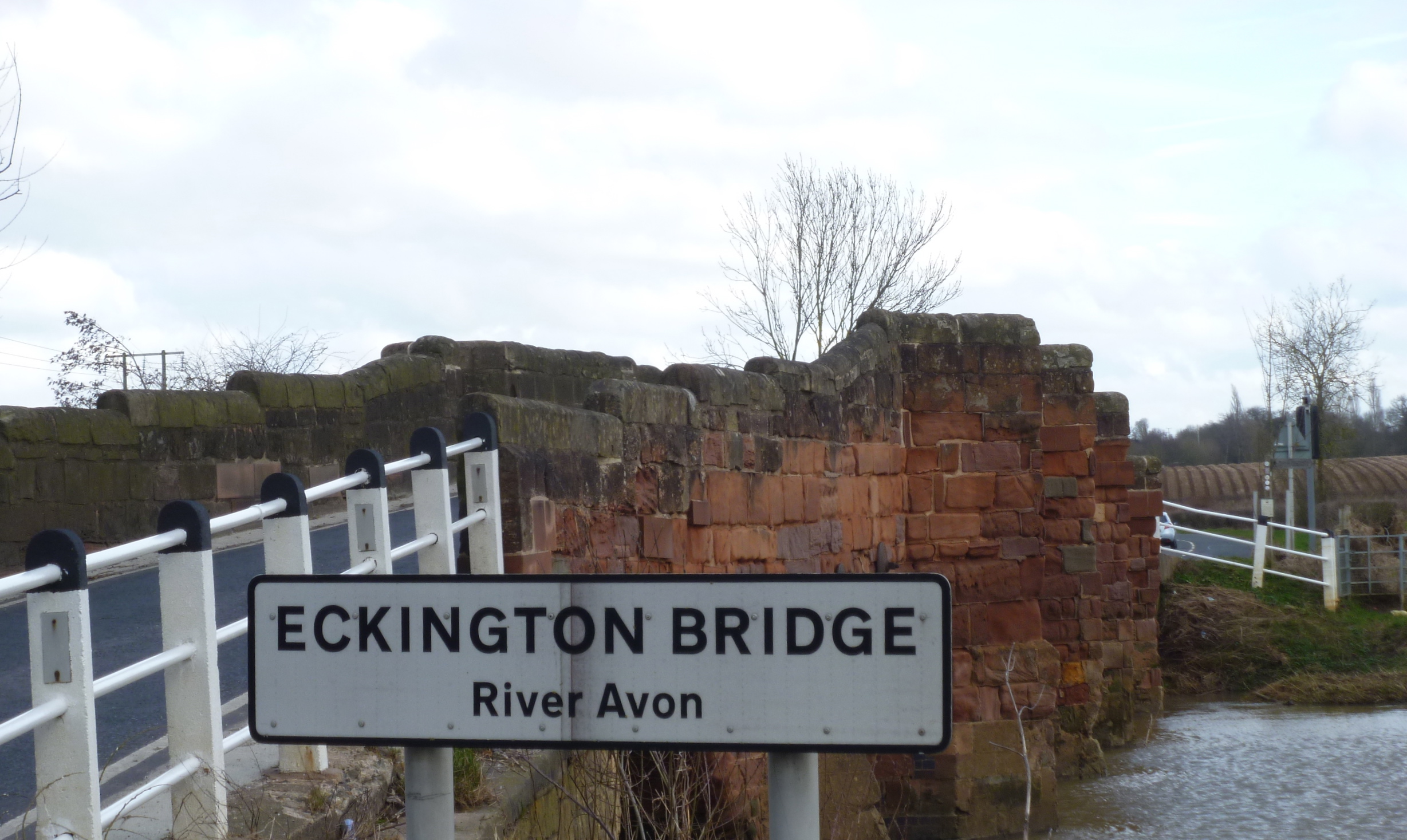
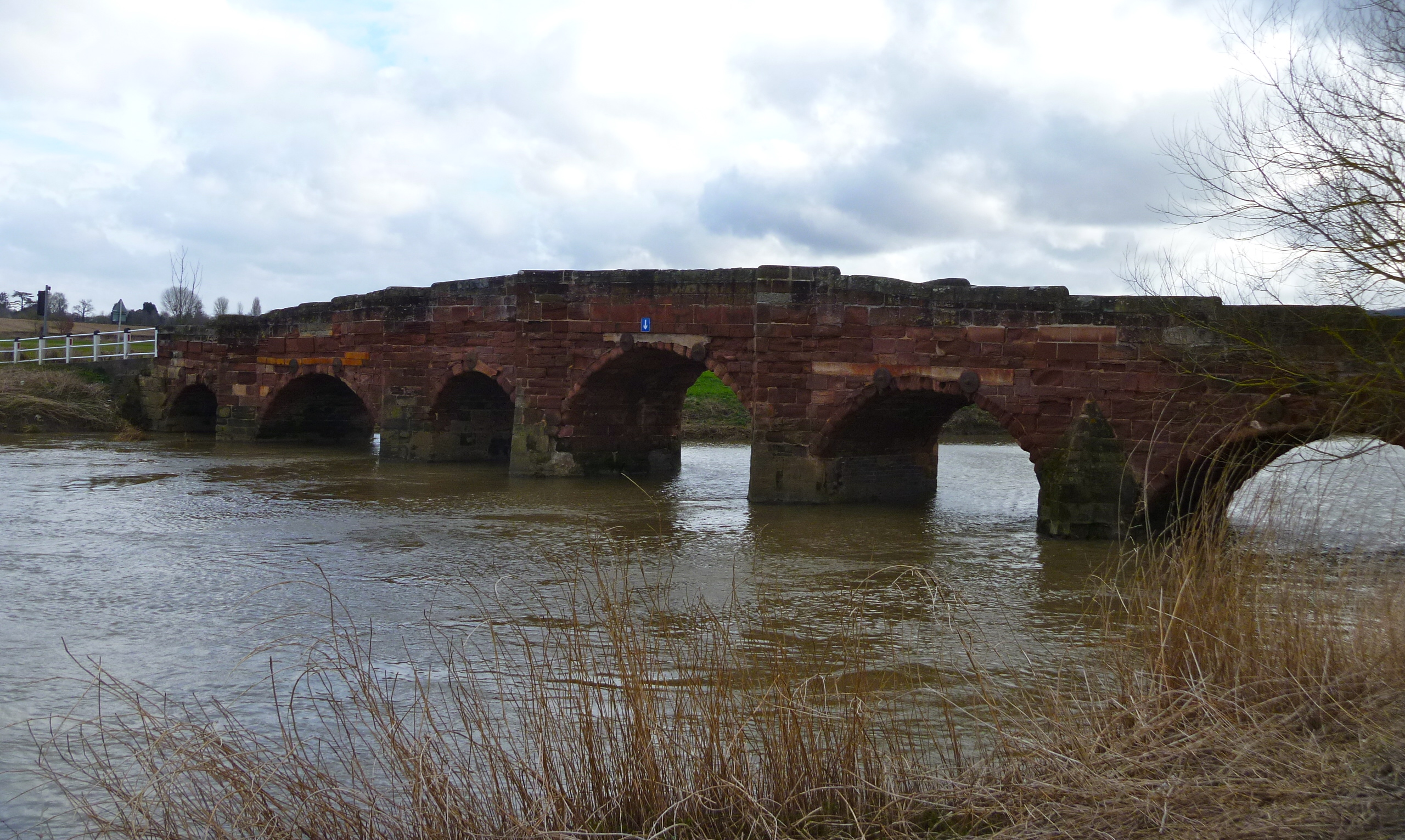
Eckington Bridge

My friend Simon, who is always stuck-in-a-book, grew up in Eckington in Worcestershire and recently mentioned to me a poem called Upon Eckington Bridge by Sir Arthur Quiller-Couch.

UPON ECKINGTON BRIDGE, RIVER AVON

by: A.T. Quiller-Couch

PASTORAL heart of England! like a psalm
Of green days telling with a quiet beat–
O wave into the sunset flowing calm!
O tirèd lark descending on the wheat!
Lies it all peace beyond the western fold
Where now the lingering shepherd sees his star
Rise upon Malvern? Paints an Age of Gold
Yon cloud with prophecies of linkèd ease–
Lulling this Land, with hills drawn up like knees,
To drowse beside her implements of war?

Man shall outlast his battles. They have swept
Avon from Naseby Field to Savern Ham;
And Evesham’s dedicated stones have stepp’d
Down to the dust with Montfort’s oriflamme.
Nor the red tear nor the reflected tower
Abides; but yet these elegant grooves remain,
Worn in the sandstone parapet hour by hour
By labouring bargemen where they shifted ropes;
E’en so shall men turn back from violent hopes
To Adam’s cheer, and toil with spade again.

Ay, and his mother Nature, to whose lap
Like a repentant child at length he hies,
Nor in the whirlwind or the thunder-clap
Proclaims her more tremendous mysteries:
But when in winter’s grave, bereft of light,
With still, small voice divinelier whispering
–Lifting the green head of the aconite,
Feeding with sap of hope the hazel-shoot–
She feels God’s finger active at the root,
Turns in her sleep, and murmurs of the Spring.

‘Upon Eckington Bridge, River Avon’ is reprinted from An Anthology of Modern Verse. Ed. A. Methuen. London: Methuen & Co., 1921.

So I thought it would interesting, as I was staying a few days in nearby Tewkesbury, to have a look at this bridge and take a few photos. Due to traffic problems and road closures yesterday my only chance was to take a diversion from my journey home and check it out this morning, en route for Leeds.

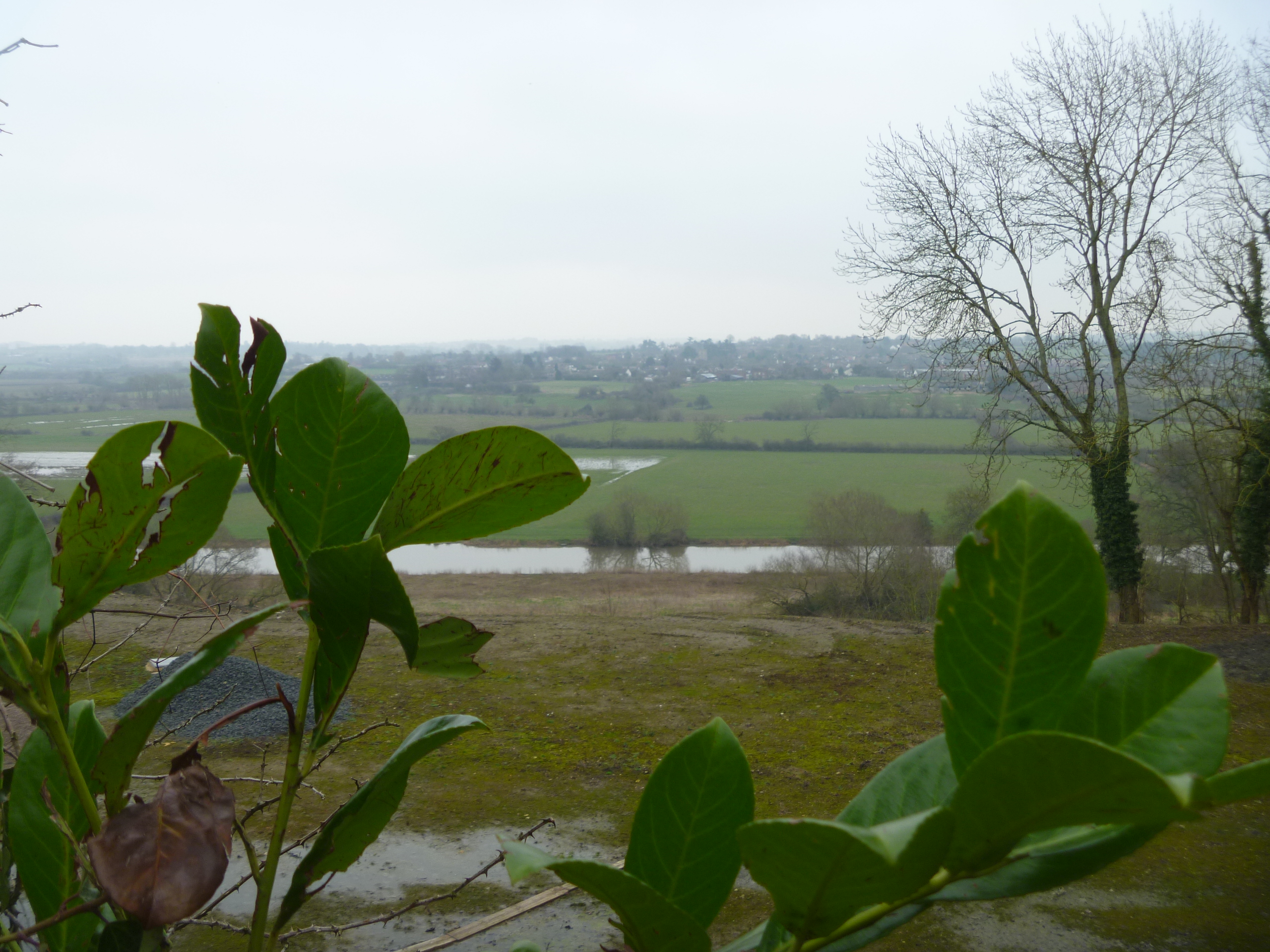
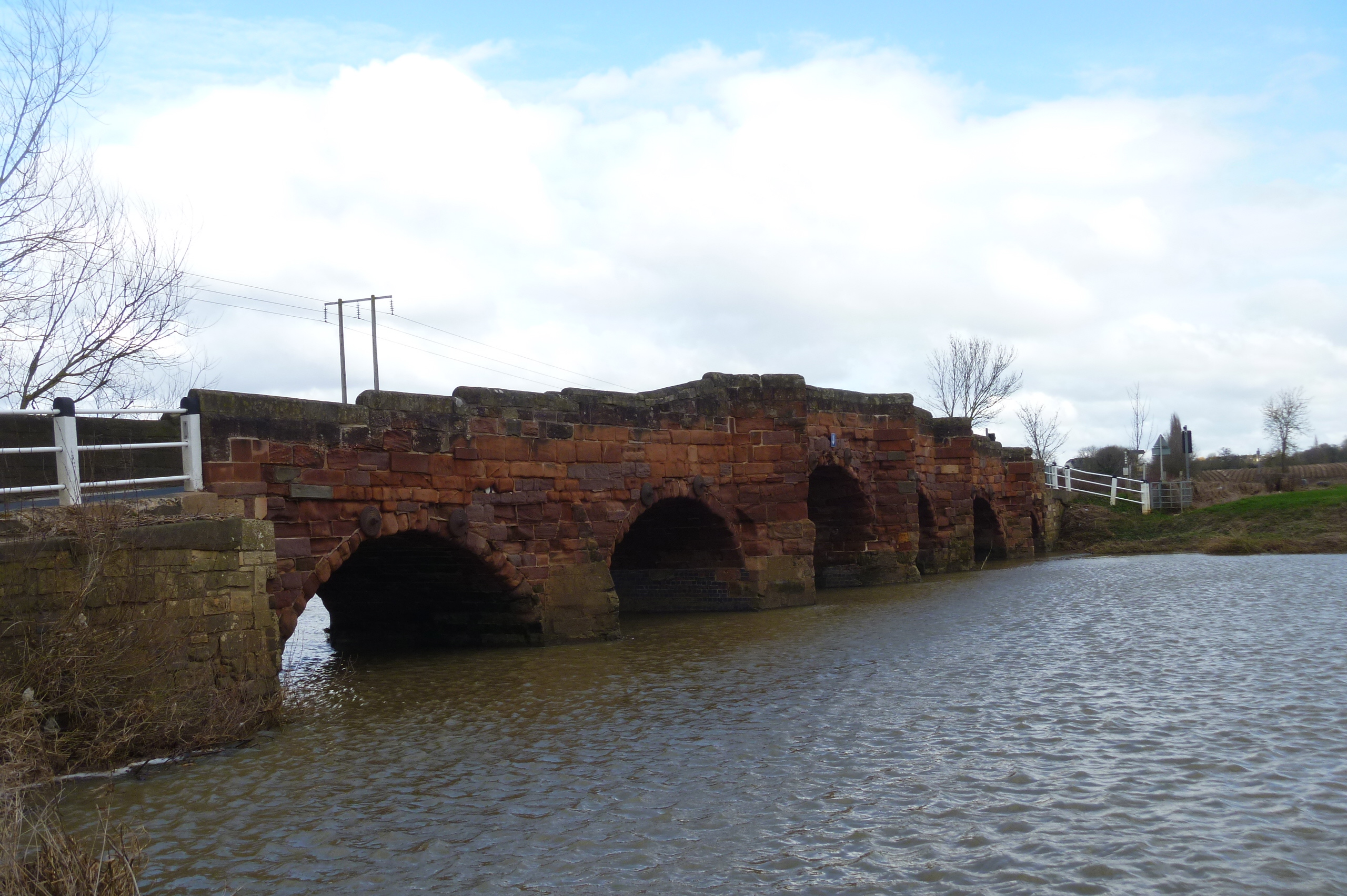
Eckington Bridge was built in 1728 of local sandstone and is a scheduled monument, enjoying a Grade II listing. I like Q-C’s references to the countryside and to battles and man outlasting his battles and returning to the land. There is nothing too dramatic about the landscape of Worcestershire but again it isn’t dull and flat and featureless. Man has definitely had a hand in shaping it. No barges passed down the river as I stood on its bank today and I’m afraid I wasn’t sufficiently brave enough to stand on the bridge’s parapets.

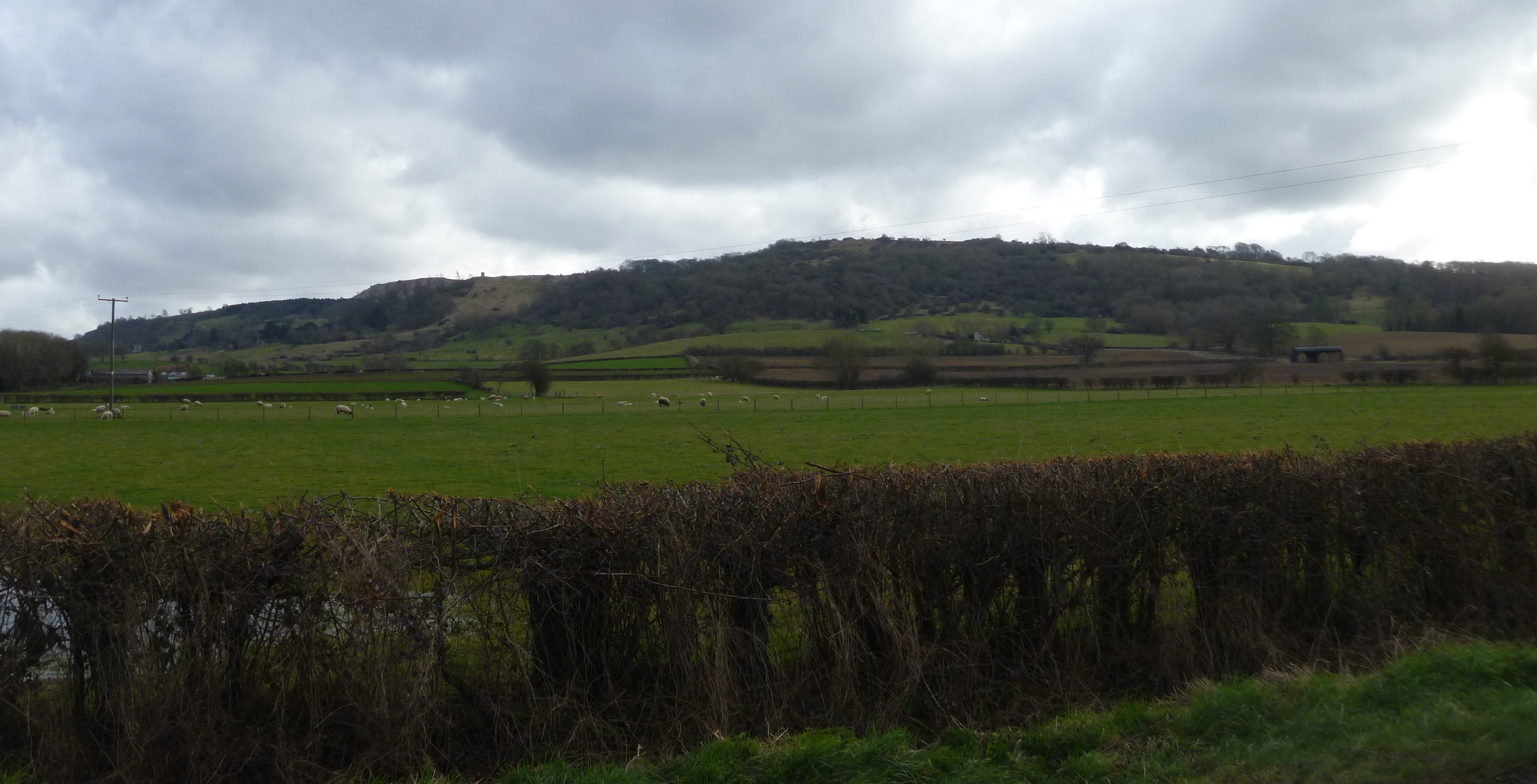
Bredon Hill

Bredon Hill, near Eckington

When I arrived at the deserted car park and picnic site by the River Avon I risked frostbite to take a few snaps and life and limb to cross the road to see the bridge from both sides! I’m sure on a warm summer’s day when folk are picnicking and messing about on the river its a divine spot. Quite frankly a couple of minutes were enough and I soon leapt back into the car to make way along various motorways home.

Simon, these pictures are for you!

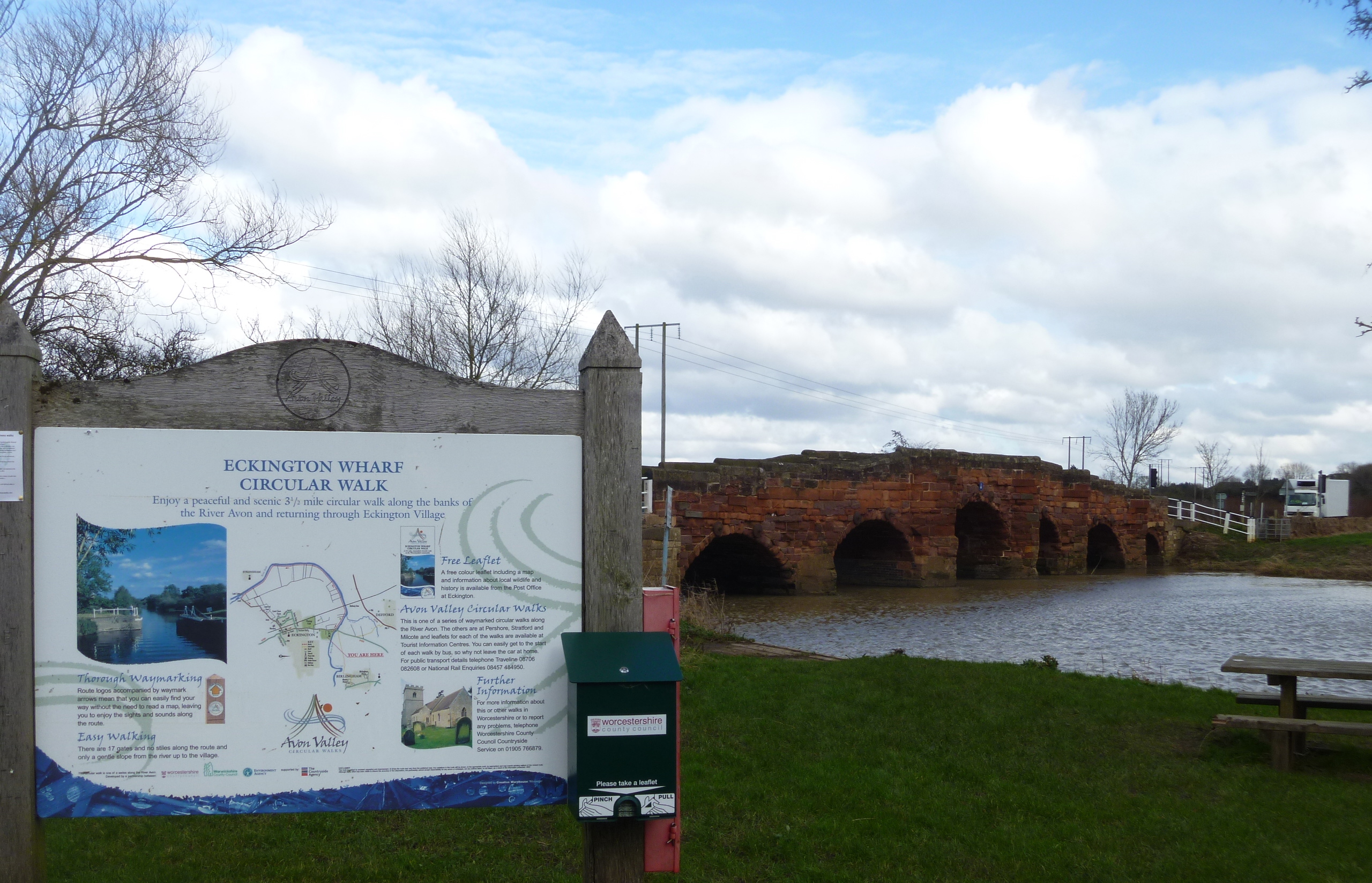
Information board

A three-and-a-half mile walk is recommended – for a warmer day, perhaps?

River Avon and Bridge

That water looks pretty chilly!

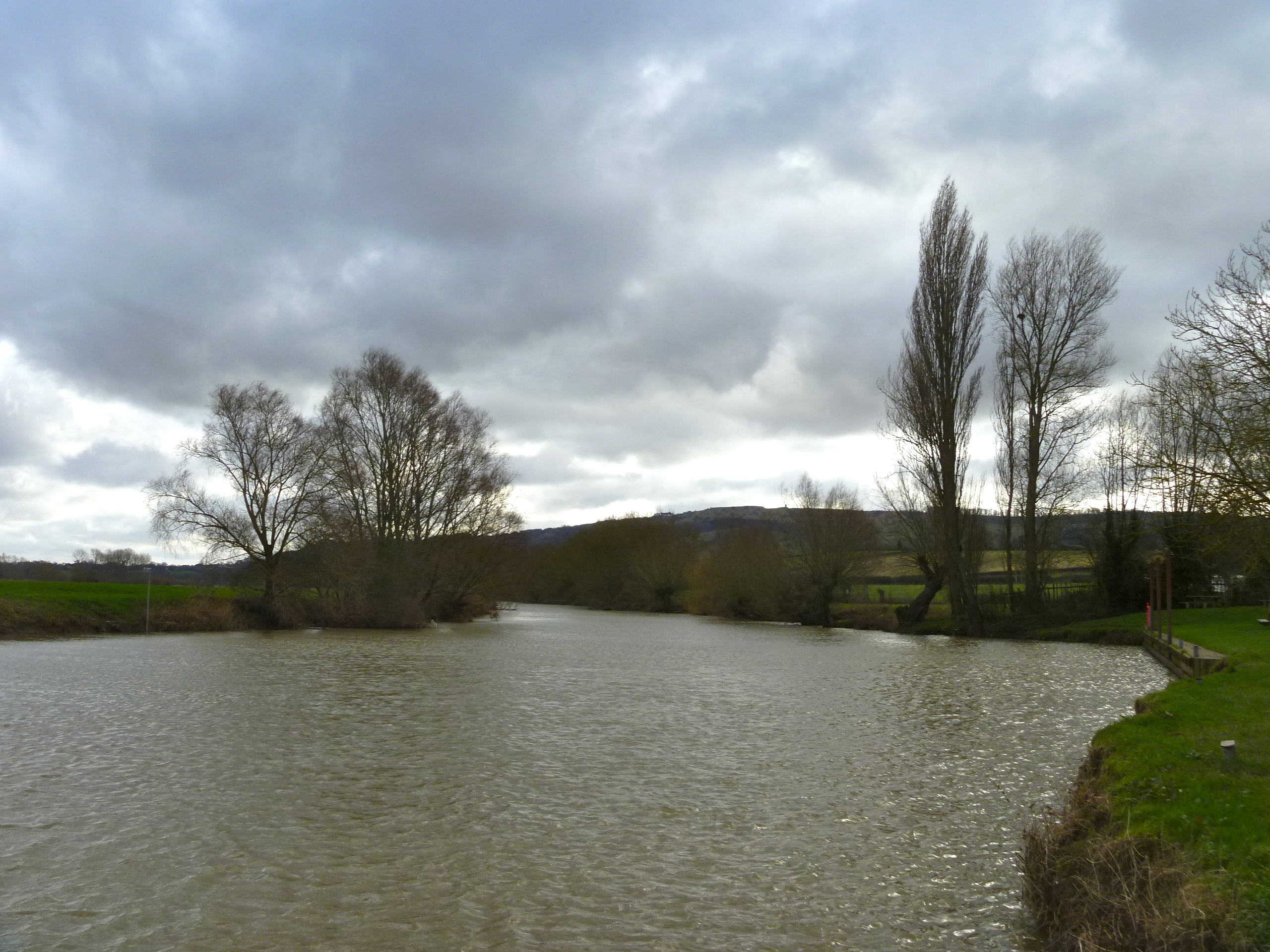
Bredon Hill and River

River Avon and Bredon Hill

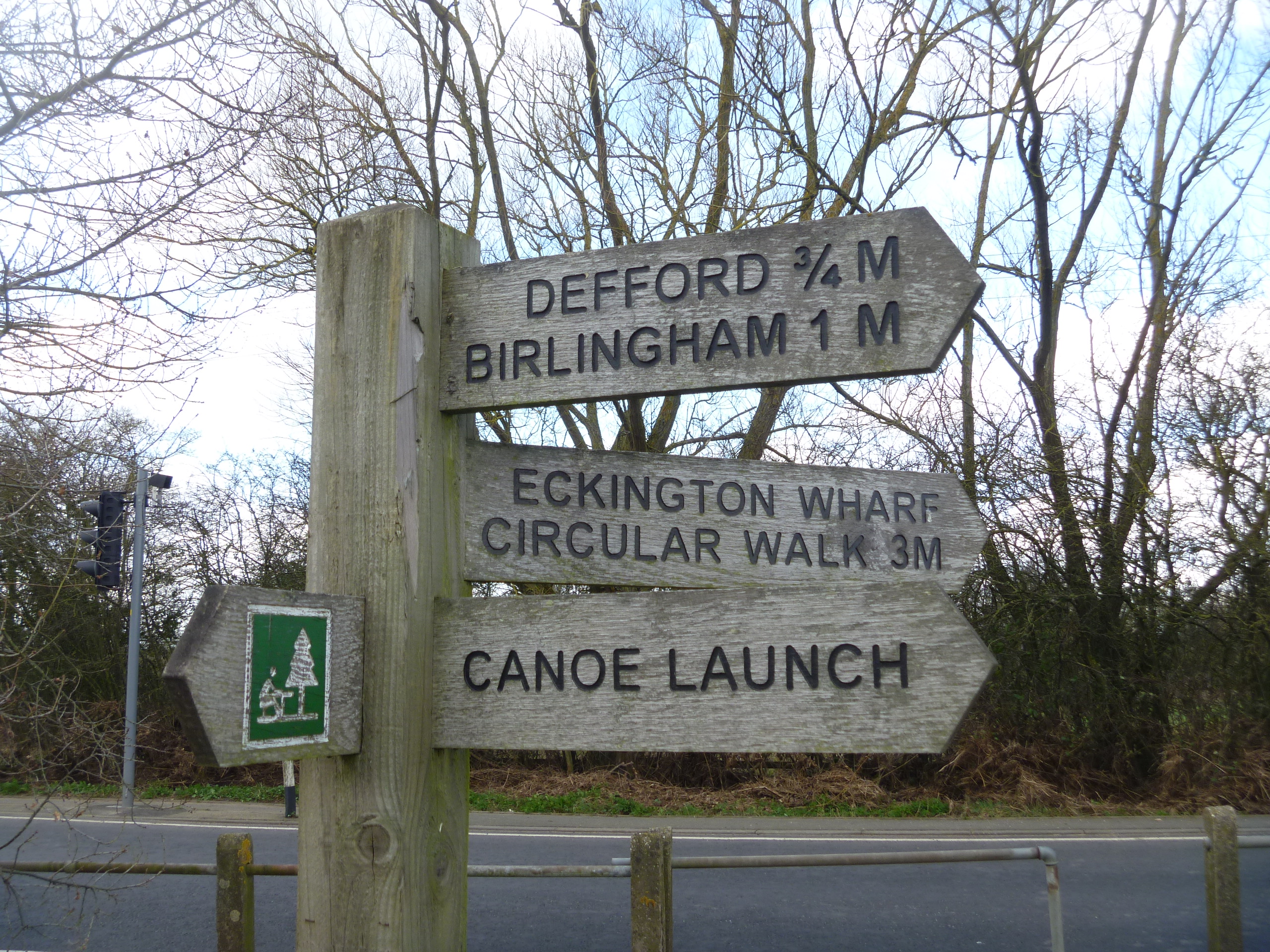
Canoe Launch

Canoe Launch and Walks

Other side

The Bridge from the ‘other’ side

A Chapel, a Diarist and a Book Town: a visit to Hay On Wye and its Environs

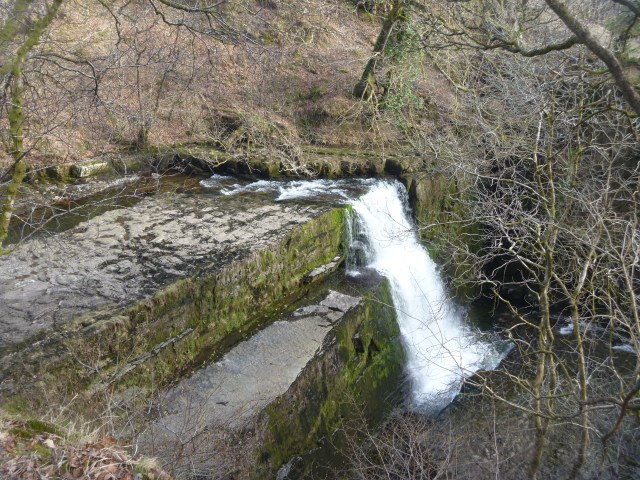
On Monday I arrived in Wales for a few days’ visit with a friend and former colleague who returned to her home country after spending most of her adult life in Leeds. I’m having a very relaxing few days interspersed with an expedition each day. Tuesday was most glorious. The sun came out and the temperatures rose and spring seemed definitely in the air. We managed a couple of short walks in “Waterfall Country”.

Sgwd Gwladus near Pontneddfechan

Sgwd Gwladus near Pontneddfechan, Neath Valley
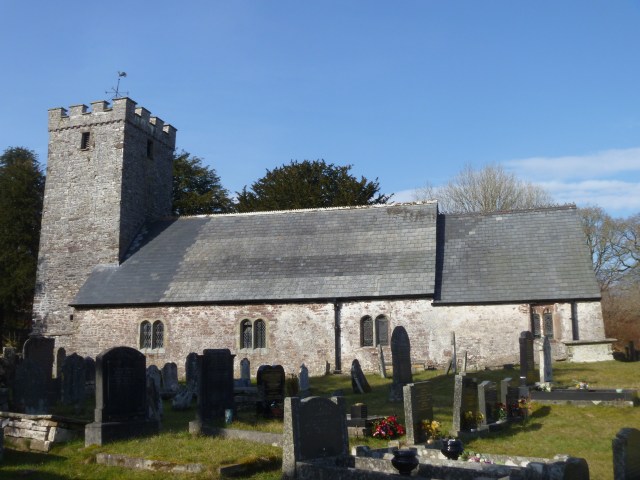
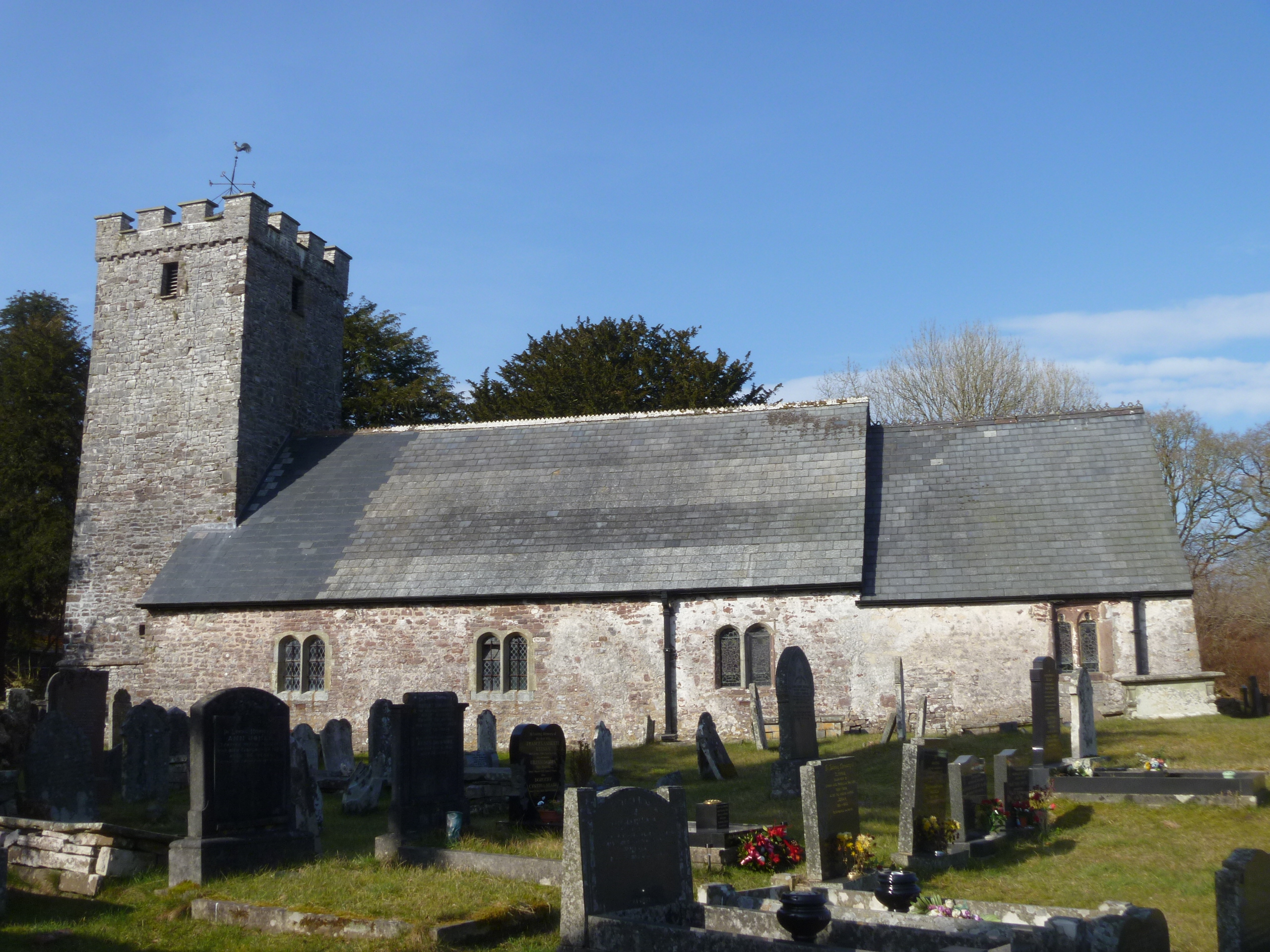
St Mary's Church, Ystradfellte

St Mary’s Church, Ystradfellte

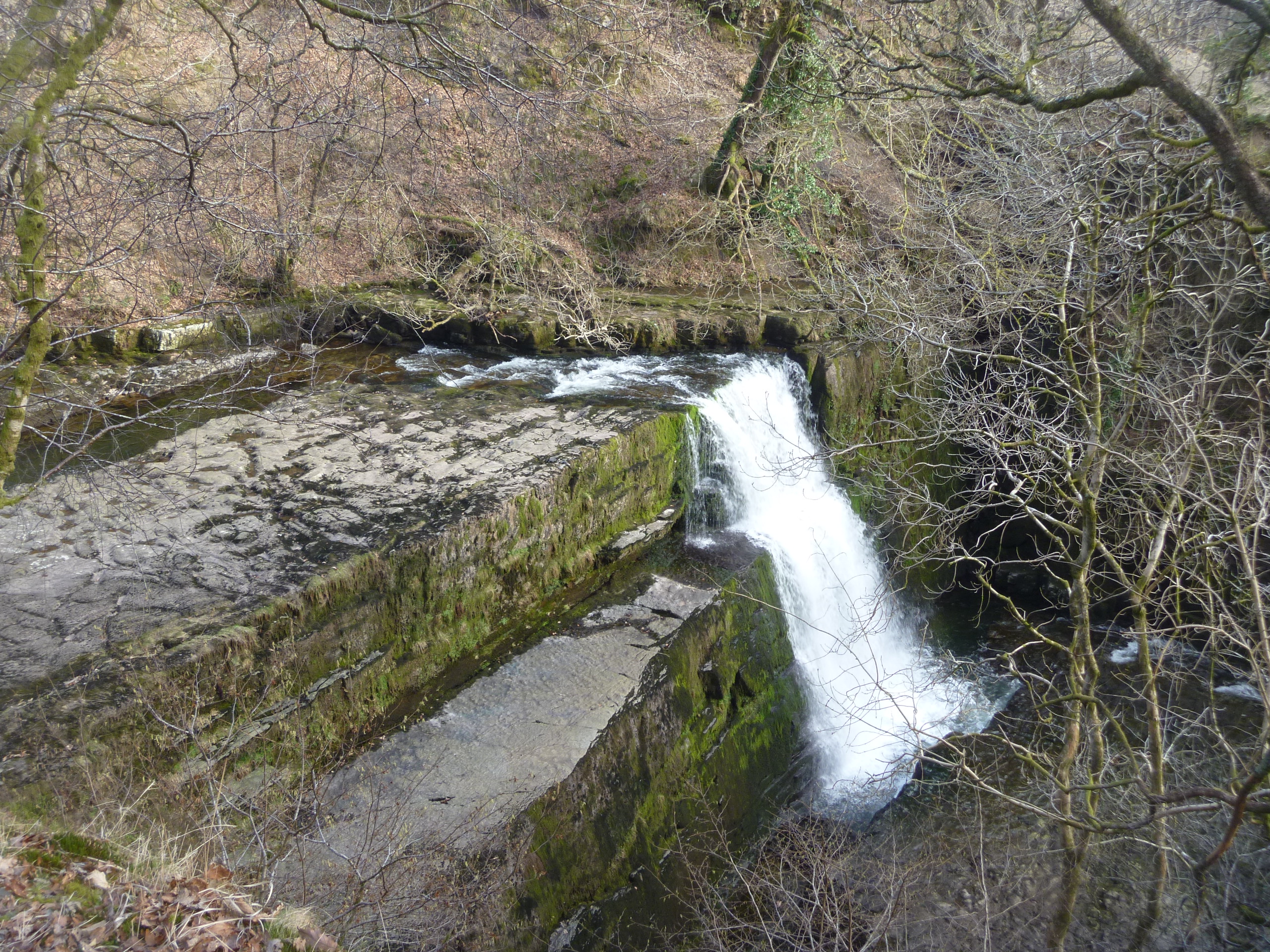
Sgwd Clun-Gwyn

Sgwd Clun-Gwyn, near Ystradfellte

By yesterday spring was over and it was winter again – misty, wet and cold. No problem, we thought, for today we have the pleasures of Hay-on-Wye, Wales’s own Book Town, in store.

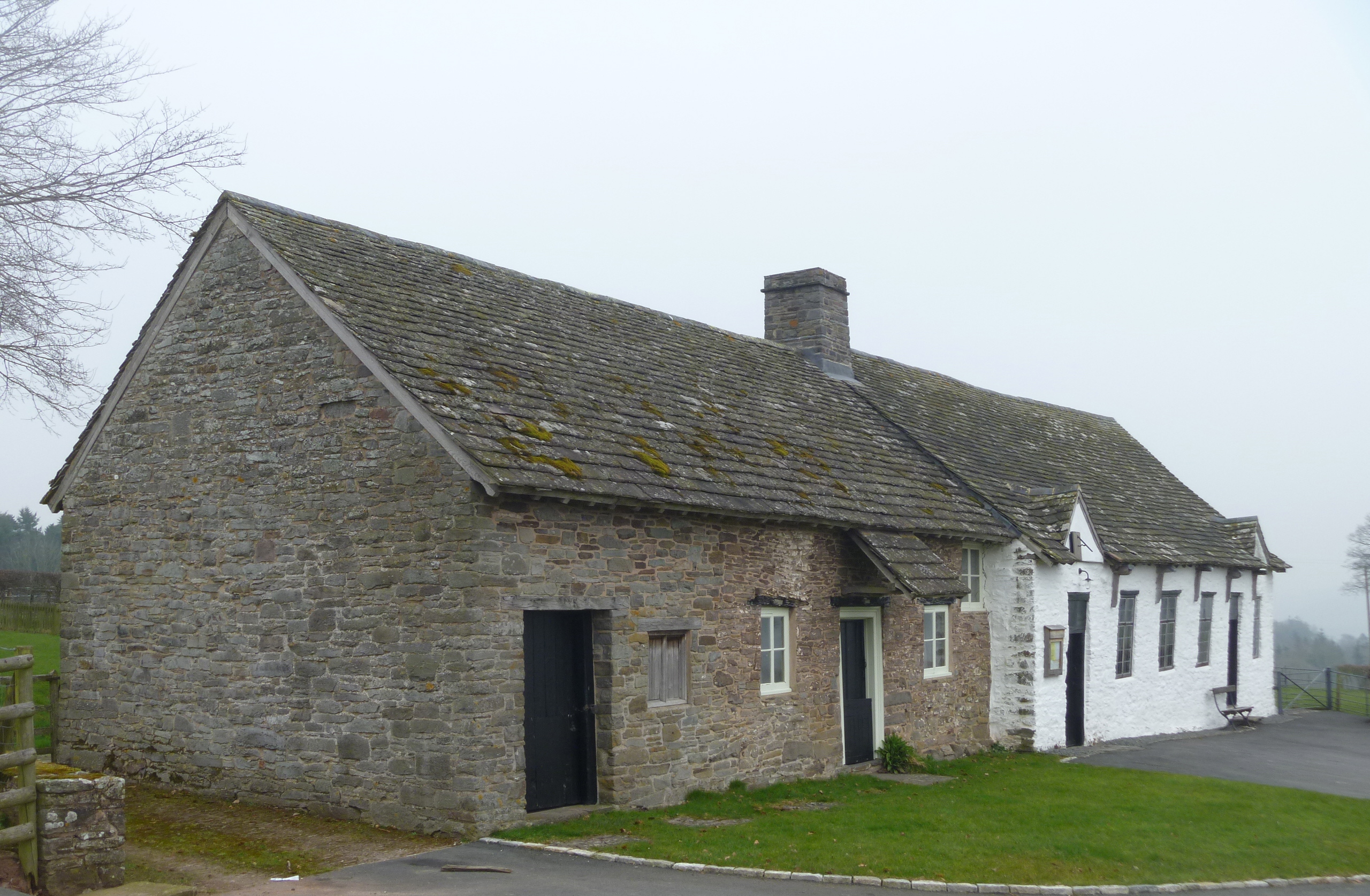
On our journey to Hay we took two very short detours. The first was to visit the Maesyronnen Chapel. Fortuitously, the adjoining former minister’s house is now a Landmark Trust property.
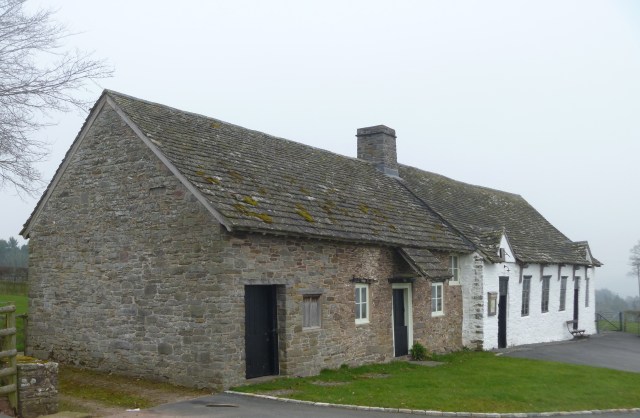
Maesyronnen

Here is an extract from the History page from the LT’s webpage for Maesyronnen Chapel:

“A Chapel Founded just after The Act of Toleration

Here we have taken on the neat and tiny cottage, built before 1750 onto the end of one of Wales’s shrines of Nonconformity, the Maesyronnen chapel. This chapel, converted from a barn in 1696, dates from Nonconformity’s earliest days, when any suitable building was made use of for enthusiastic worship. It was probably used for secret meetings even before the Act of Toleration legalised such gatherings in 1689, which explains its isolated position. Services are still held in the chapel, which is cared for by Trustees, who asked for our help. By taking a lease on the cottage we hope we have helped give both buildings a future.”
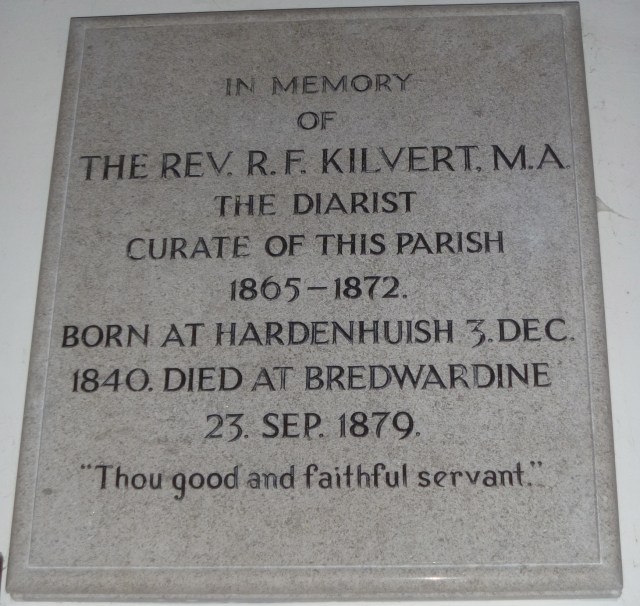
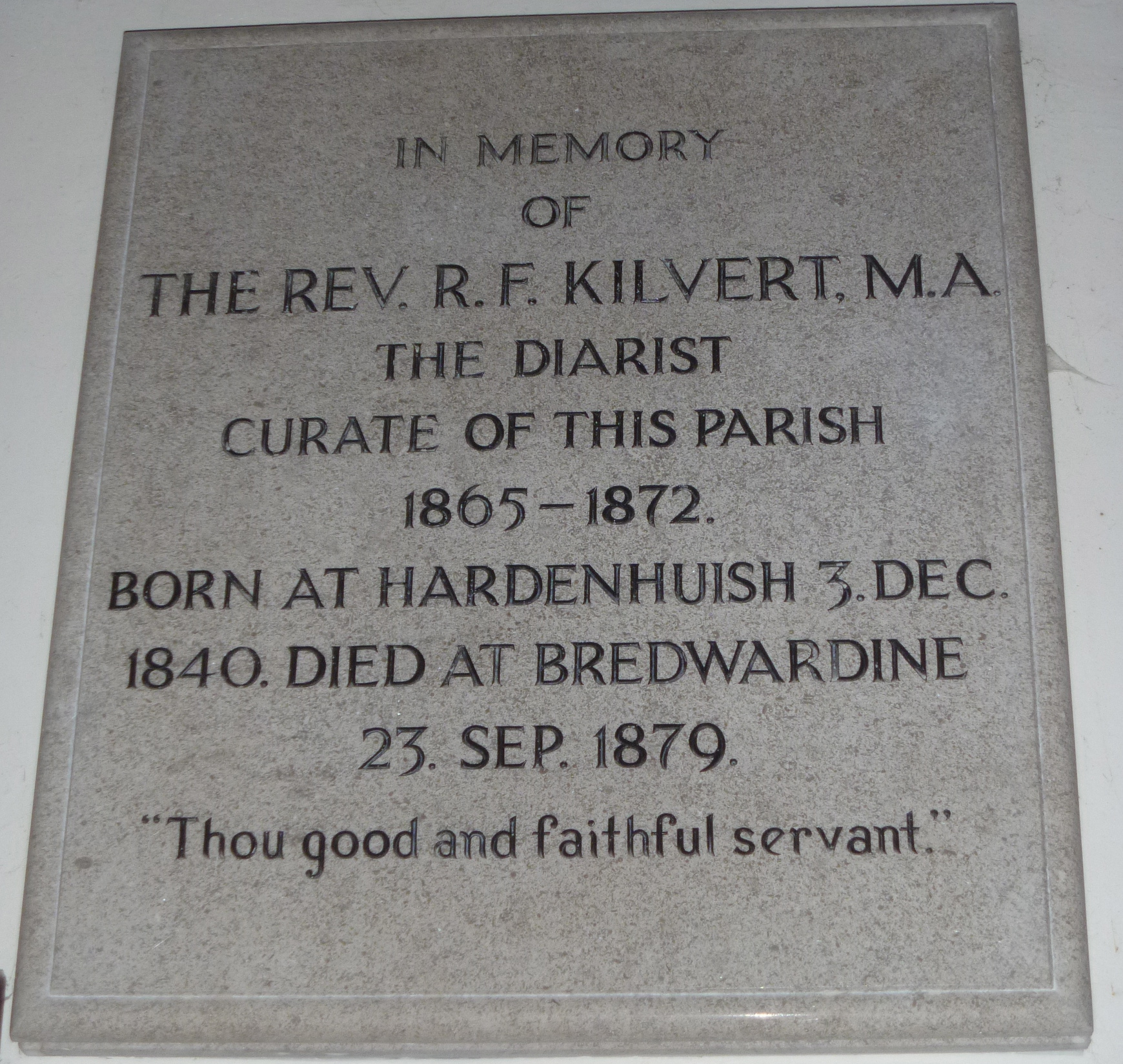
Kilvert Memorial Clyro

Francis Kilvert Memorial in Clyro Parish Church
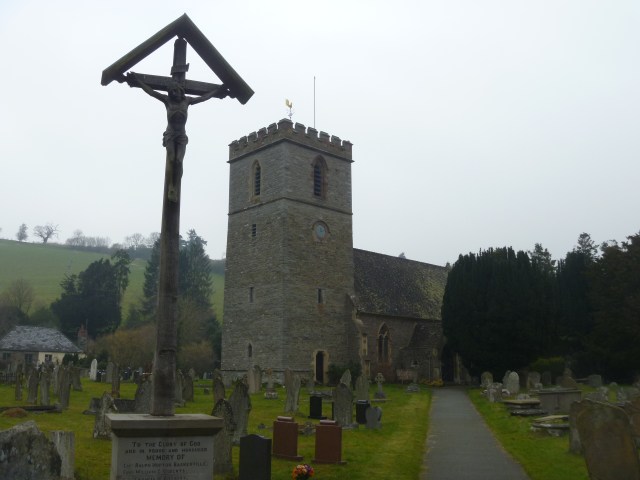
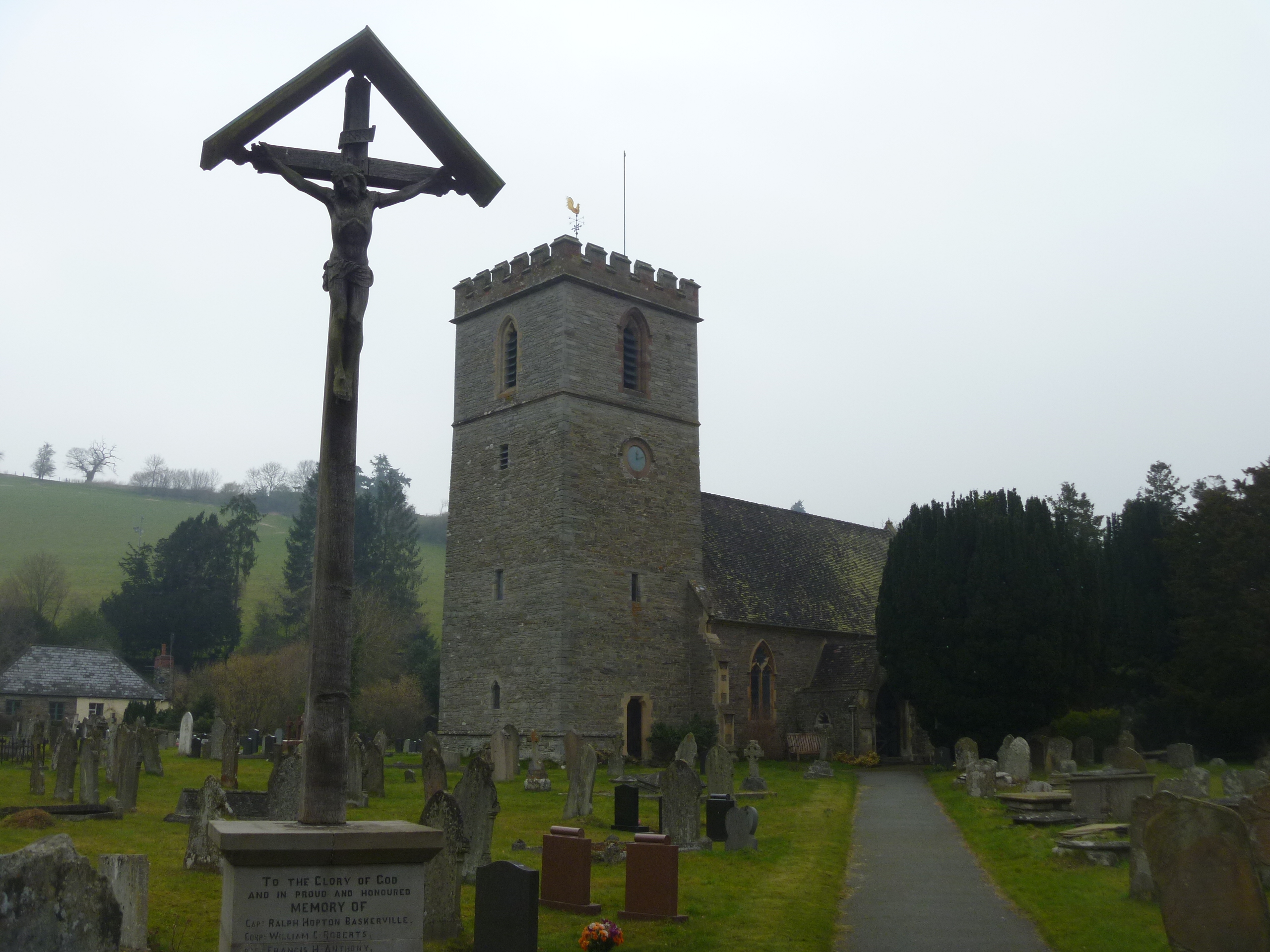
St Michael's Clyro

St Michael’s Church, Clyro

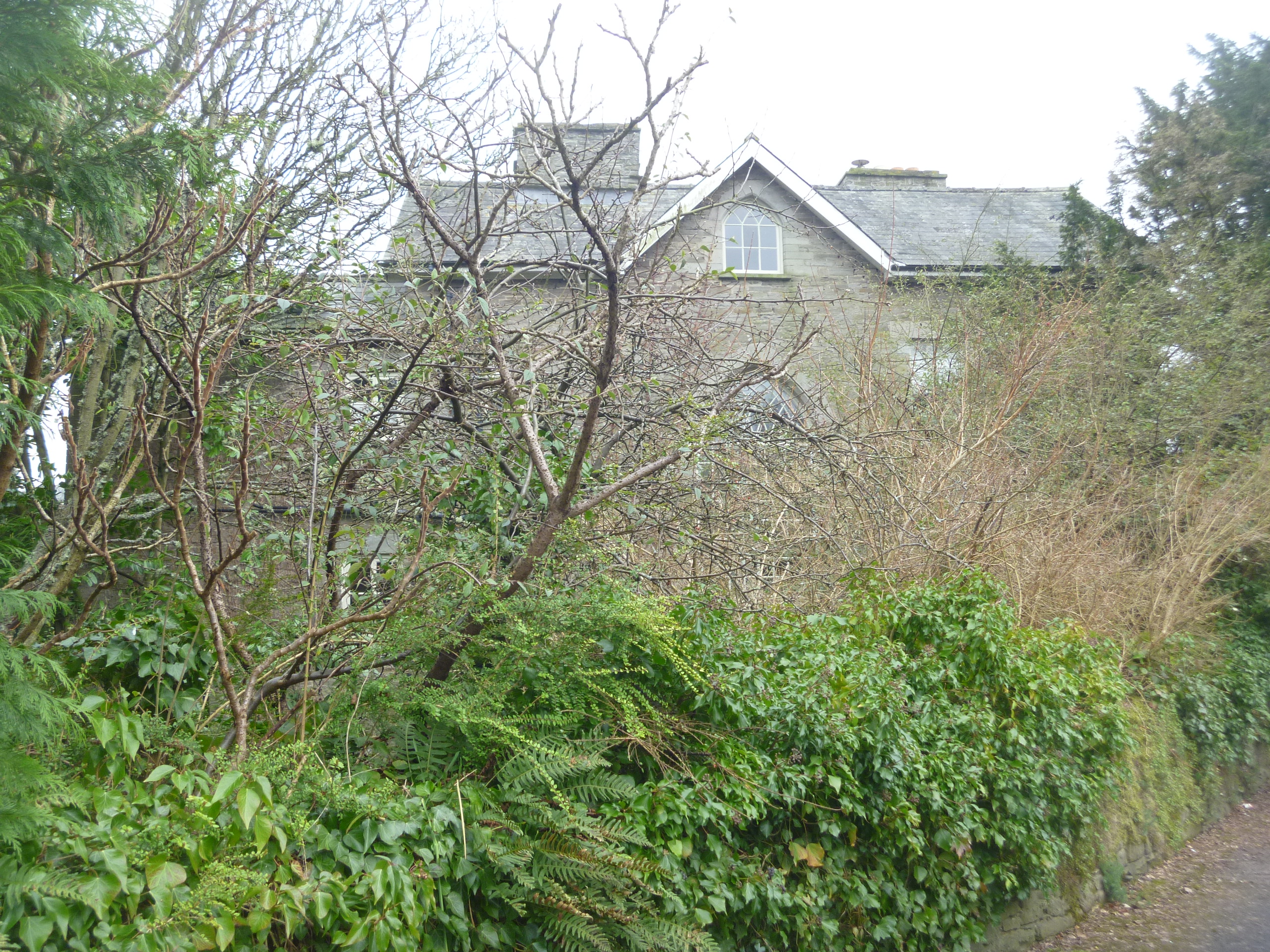
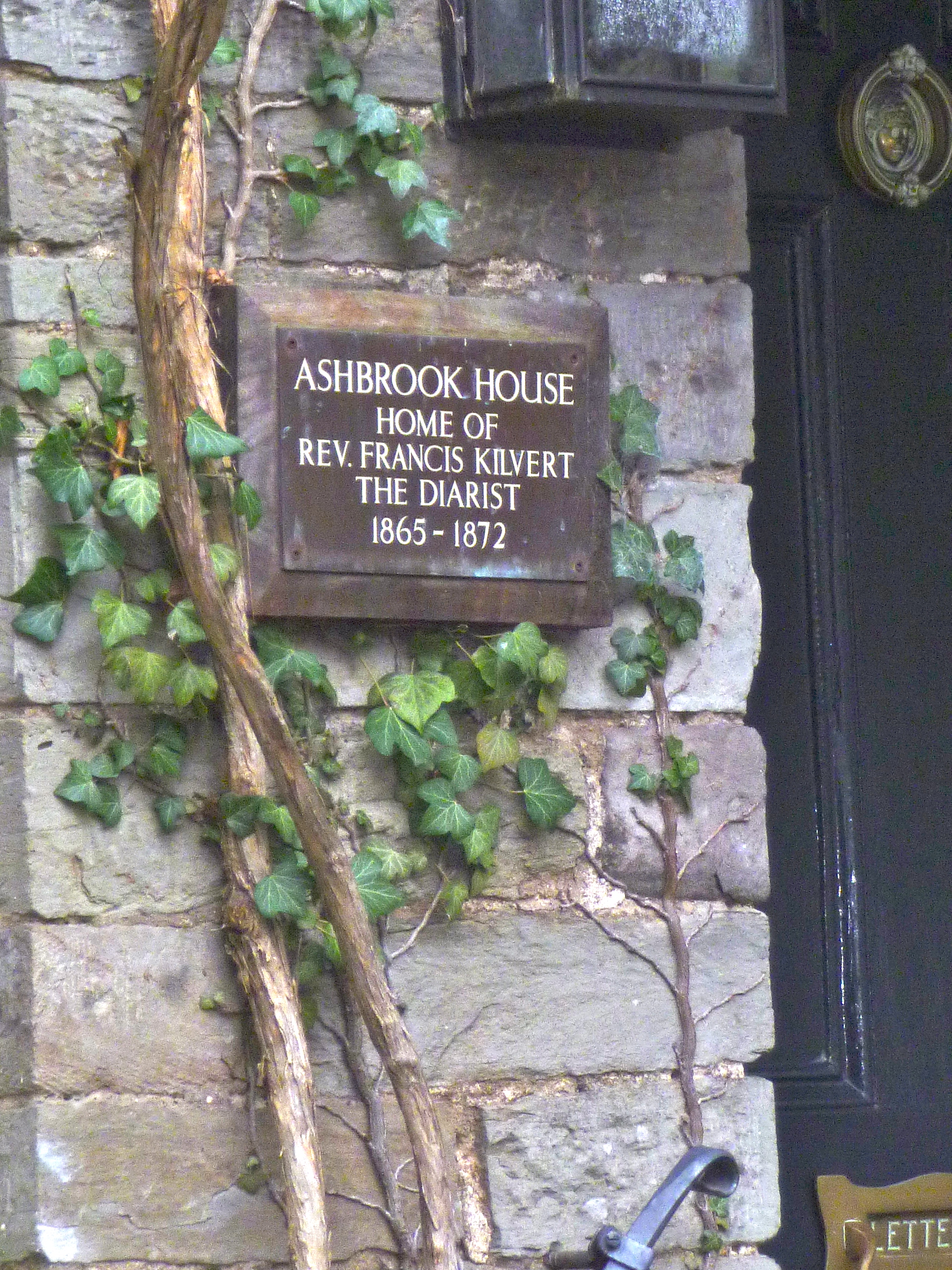
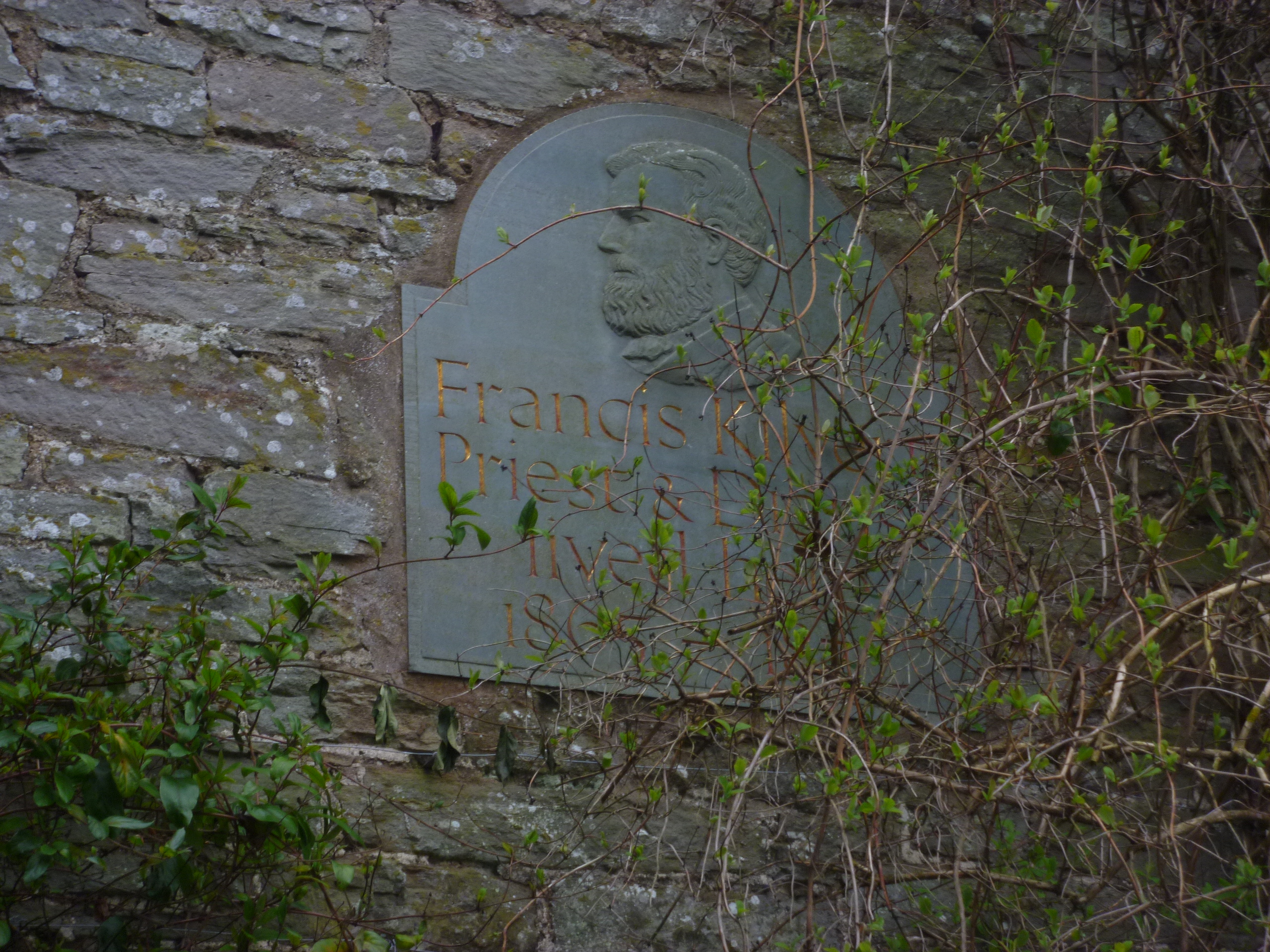
From Maesyronnen it was a short drive to Clyro and the former home of the Reverend Francis Kilvert famous for diaries recording his daily life and walks in the area. Kilvert was curate at Clyro when he began writing his diaries but he only lived there between 1865 and 1872. He lived at Ashbrook House which, until recently, had been an art gallery but currently the garden looks rather overgrown and unloved. Two plaques on the wall of the house record the fact that Kilvert lived here.
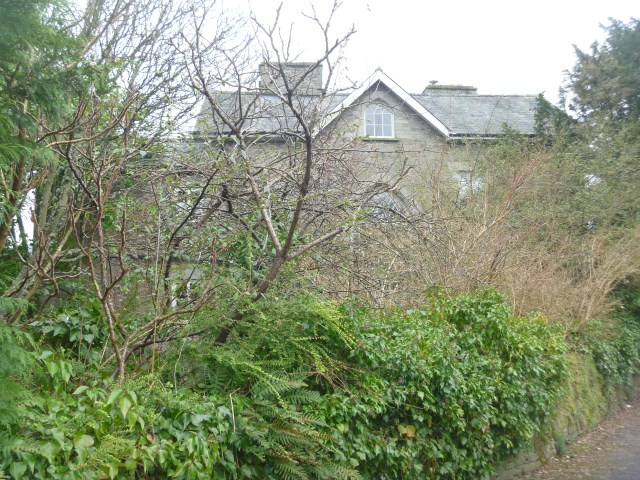
Ashbrook House, Clyro
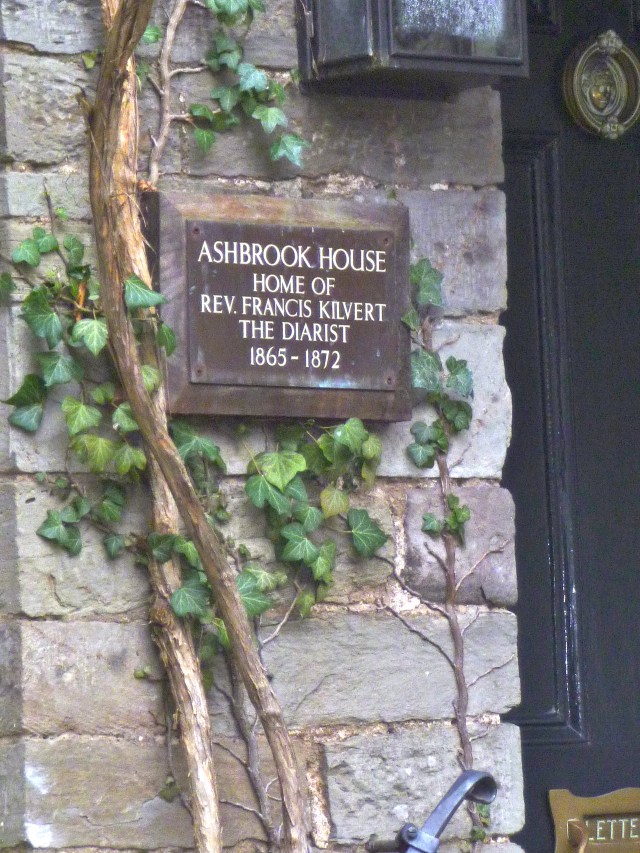
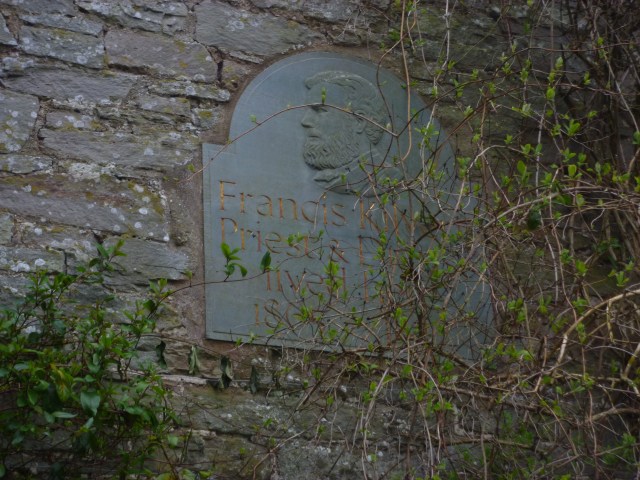
Ashbrook House, Clyro

Kilvert lived here 1

Kilvert lived here 2

Read an interesting article here about Kilvert, the man, and his diaries.

It ends : “Sadly, it’s difficult to find copies of Kilvert in bookshops today. The one-volume abridgement, published by Penguin, and subsequently by Pimlico, has fallen out of print, while Plomer’s three-volume edition has long been unavailable. To celebrate the 70th anniversary, Cape should consider authorising a critical edition of the diary, drawing on the surviving manuscripts, as well as on the background information amassed by the Kilvert Society in the years since its foundation in 1948. That way we might have the opportunity to gaze afresh on the radiant, picturesque world of the Rev Kilvert.”
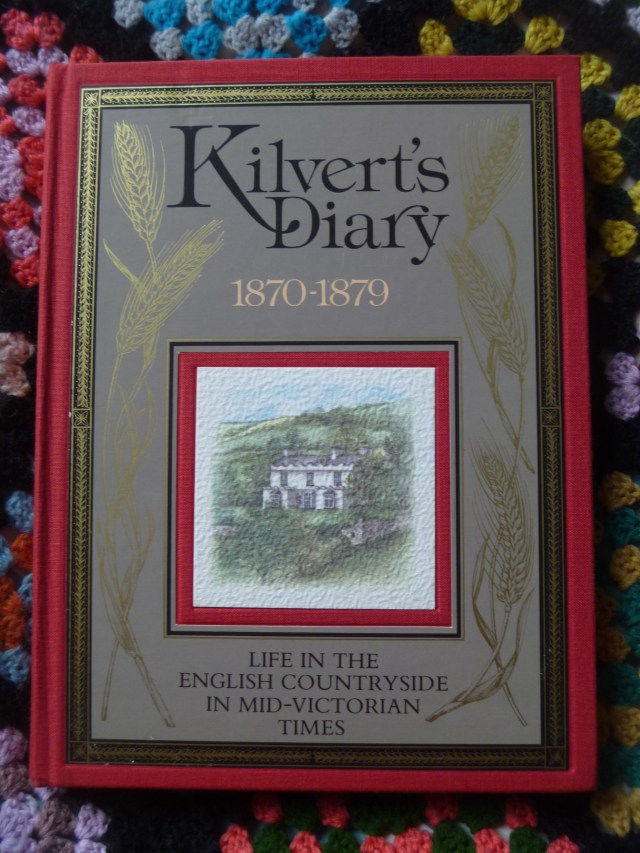
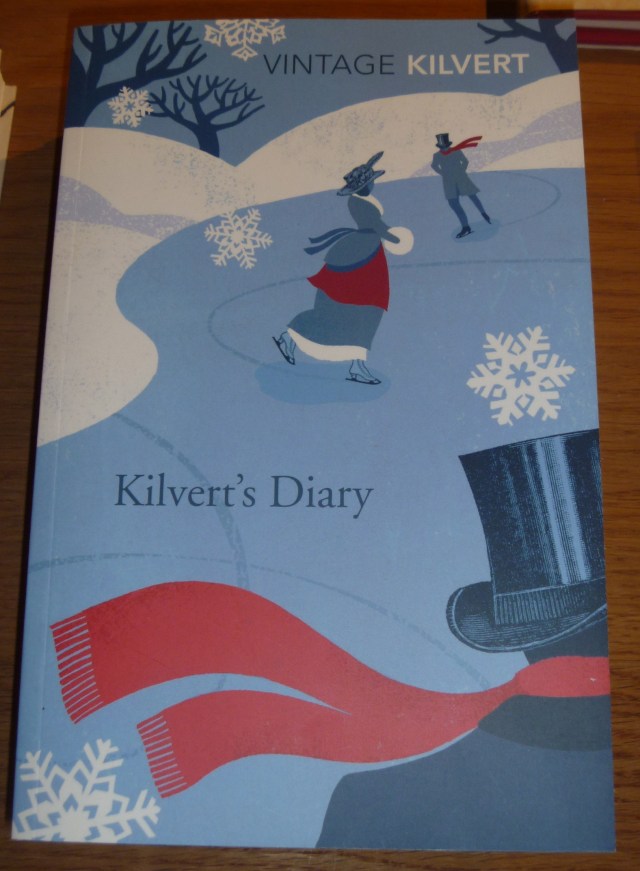
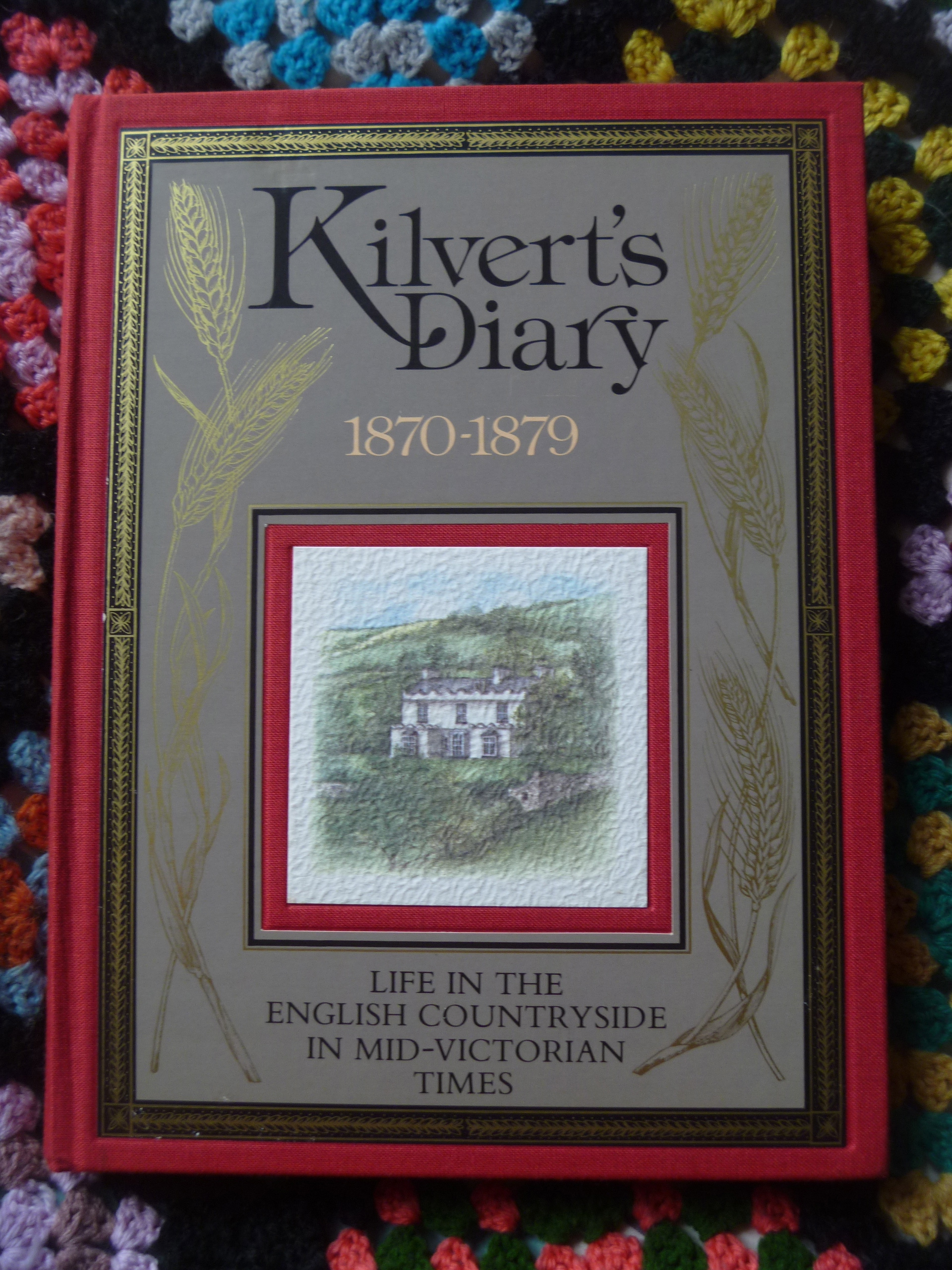
Kilvert's diary 2

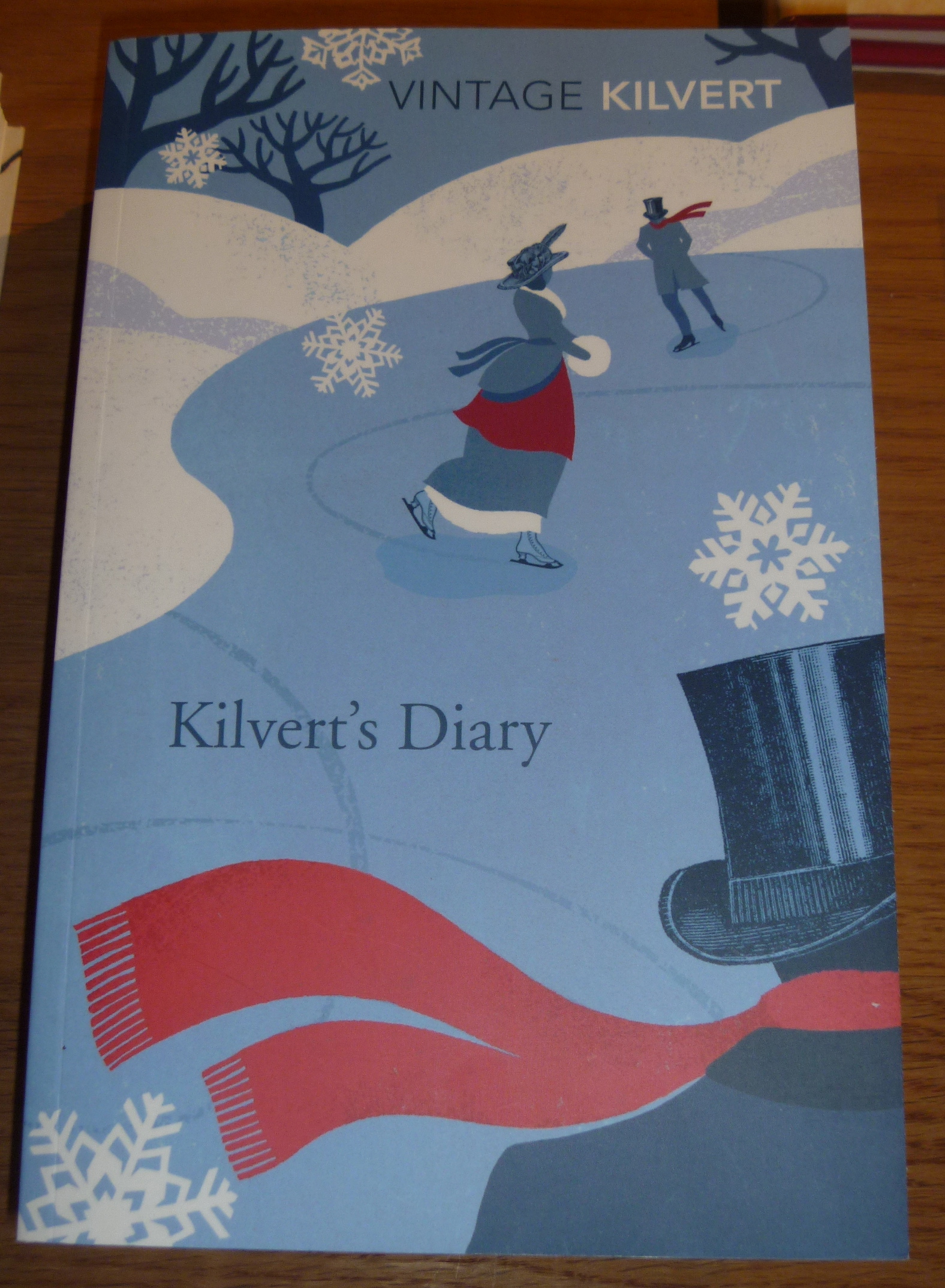
Kilvert's diary

Well, all that has changed and we saw several versions of the diaries in Hay book shops in the full 3 volume format (for around £130+) as well as reissues of the abridged version, above.
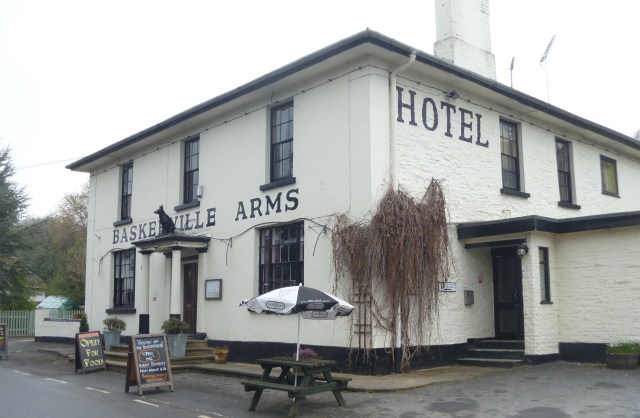
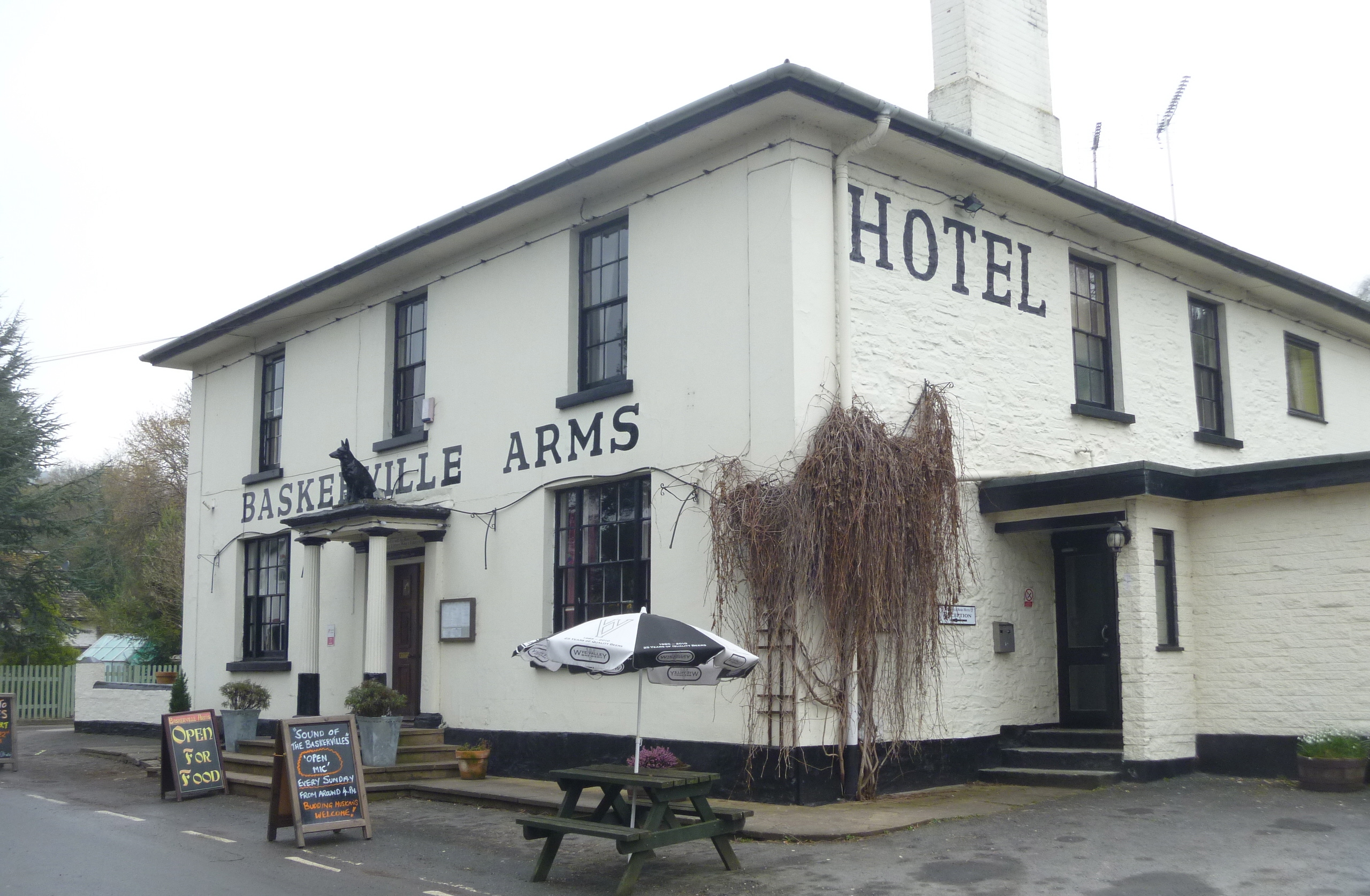
Baskerville Arms, Clyro

Clyro is also the location of the Jacobean-style mansion built by Sir Thomas Mynors Baskerville a friend of Sir Arthur Conan Doyle who borrowed his friend’s name when writing The Hound of the Baskervilles. The house is now a hotel and needless to say there is also a pub of the same name.
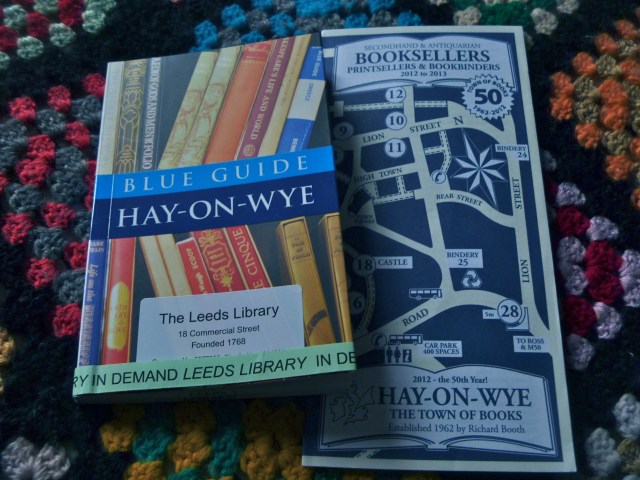
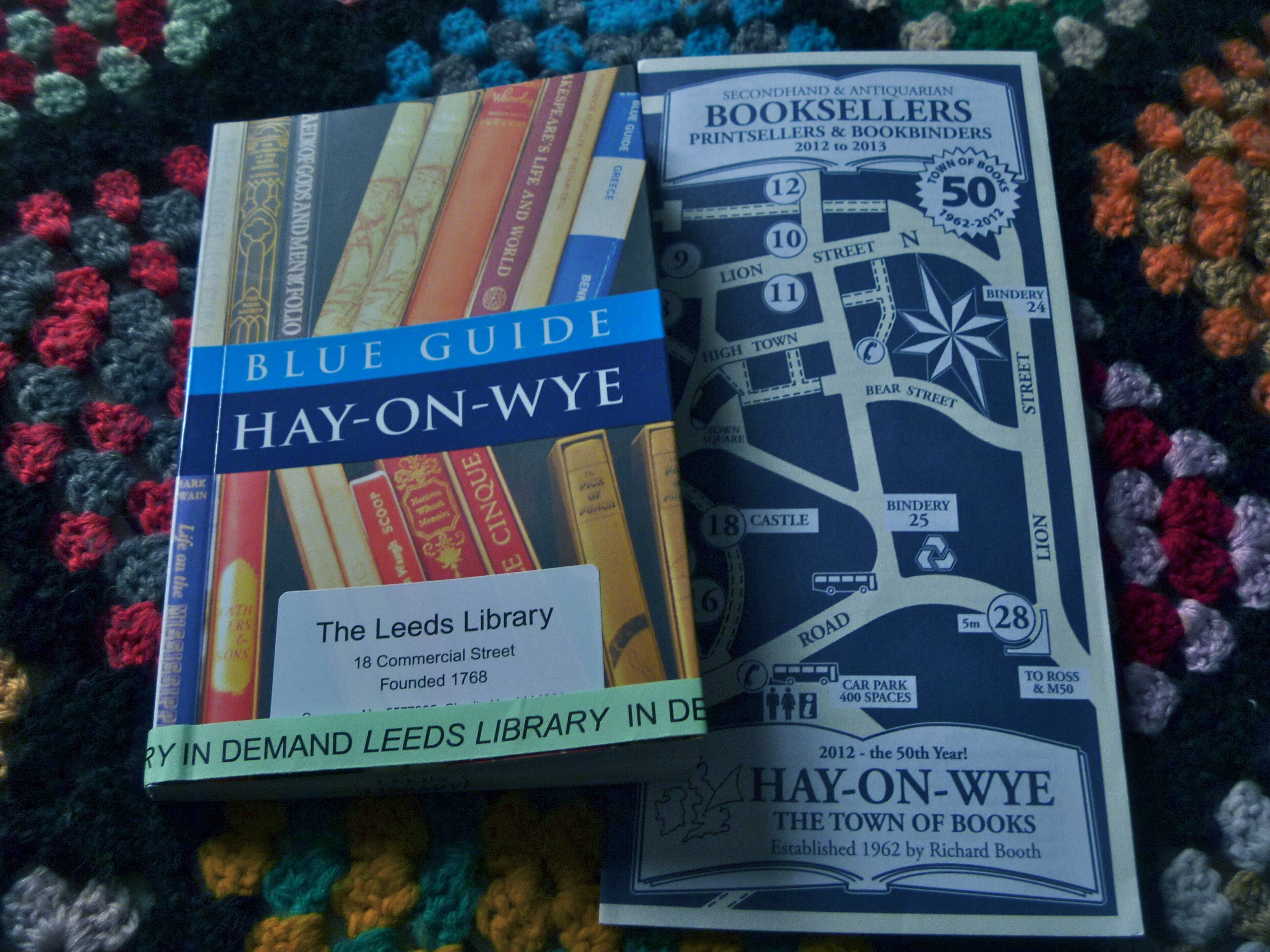
Prep for Hay

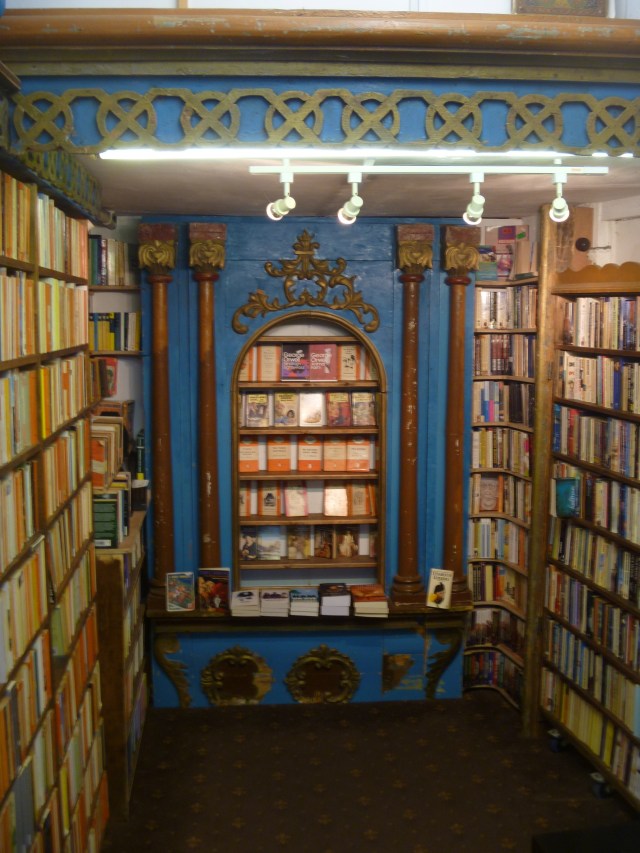
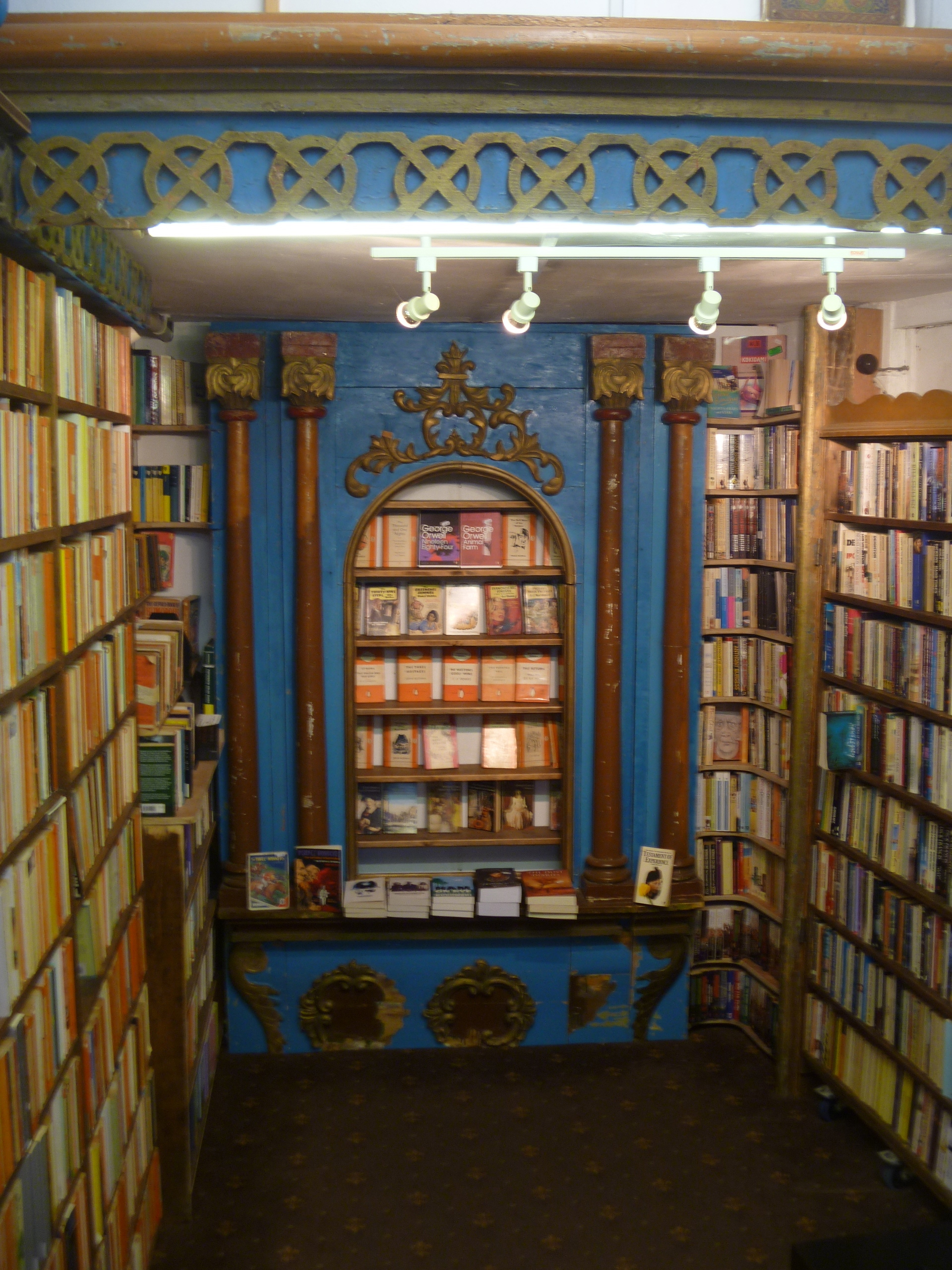
And so on to Hay itself. Despite planning in advance which shops to visit and preparing lists and so on I found that I was rather overwhelmed with choice. I realised that I am so dedicated a library user these days that I have less and less need to actually own books. It also seemed to me that in each shop we visited the value of each book was known and there was very little chance of a real bargain. However, that said, it’s an extremely pleasant way of spending a cold, damp Wednesday afternoon in March.
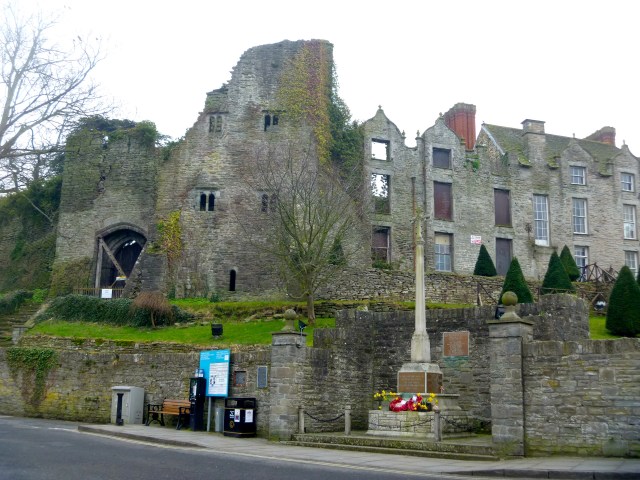
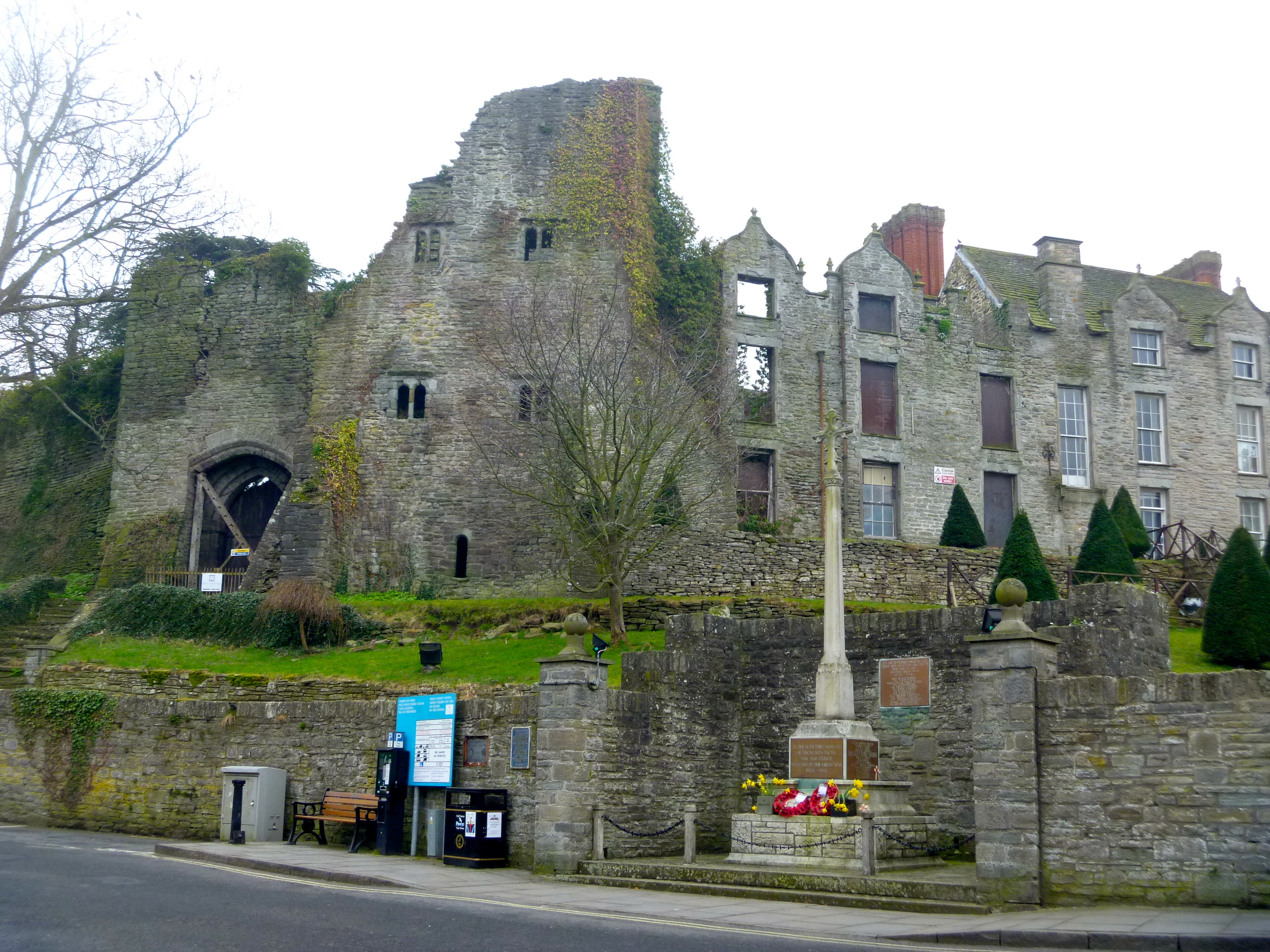
Hay Castle

Hay Castle

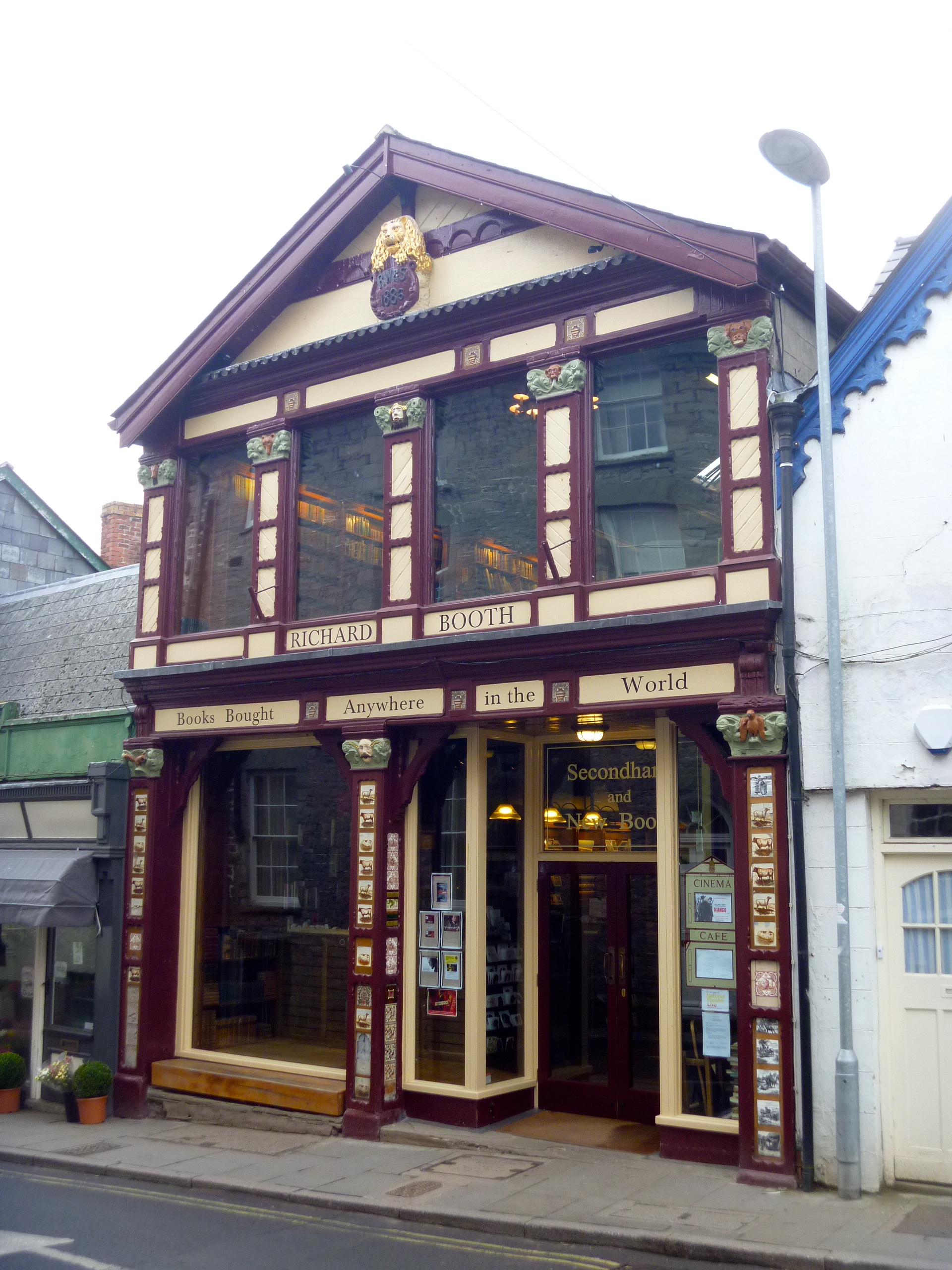
Richard Booth's Hay

Richard Booth’s Books

Inside Addyman's Hay

Inside Addyman’s Books at Hay on Wye

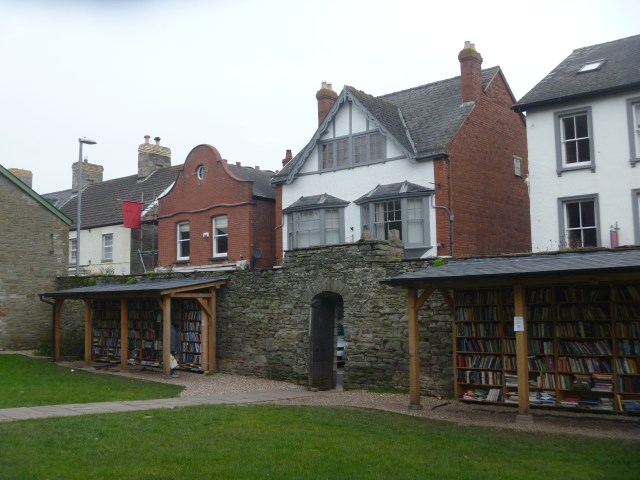
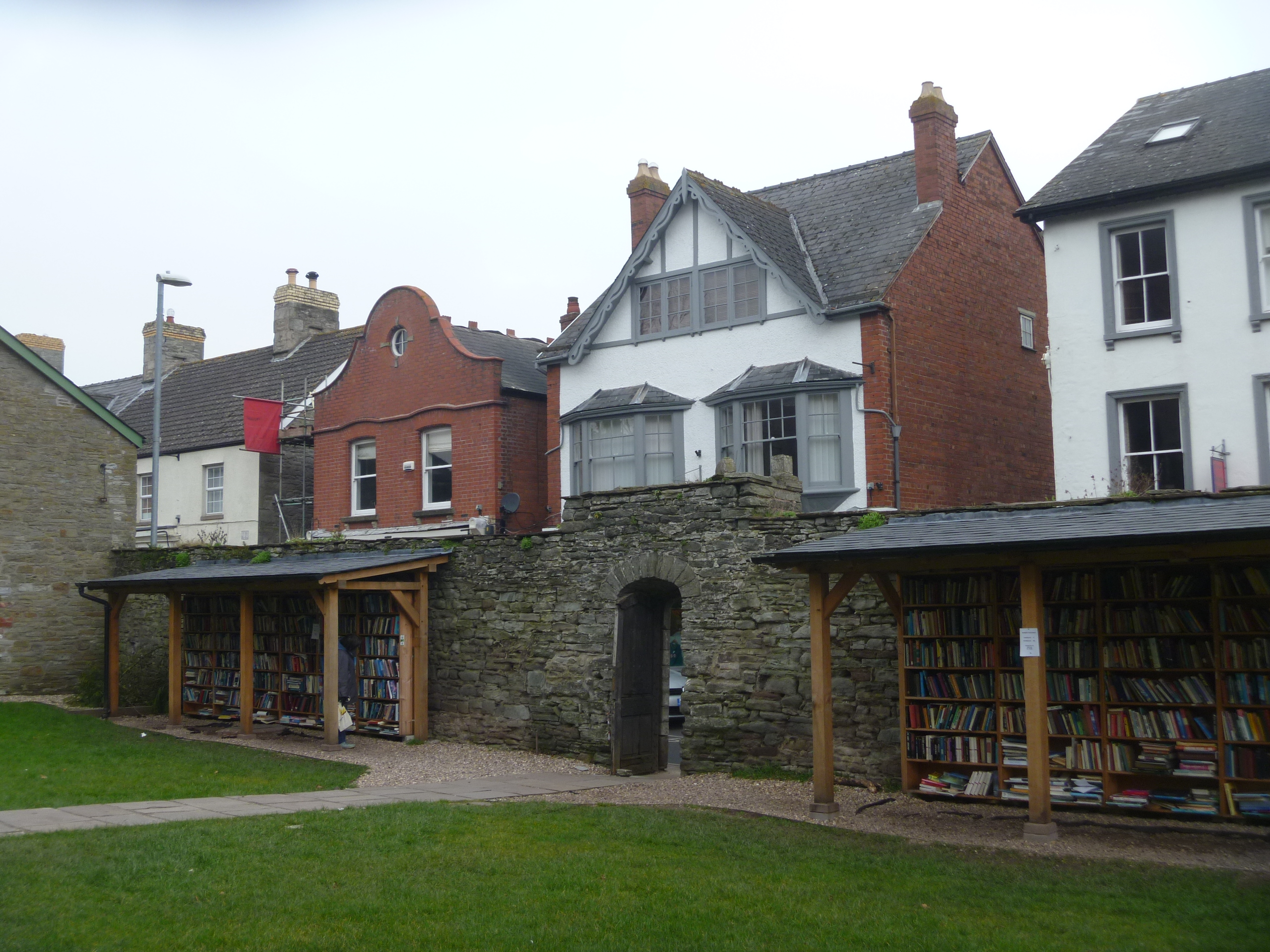
Honesty Bookshop Hay

The Honesty Bookshop, Hay

I bought only one title and that was from the Honesty Book Shop in the Castle precincts – all hardbacks £1 and all paperbacks 50p. It is a hardback copy of The Nutmeg Tree by Margery Sharp. It’s in pretty good condition and I’m pleased with it.
No Stranger in Norwich

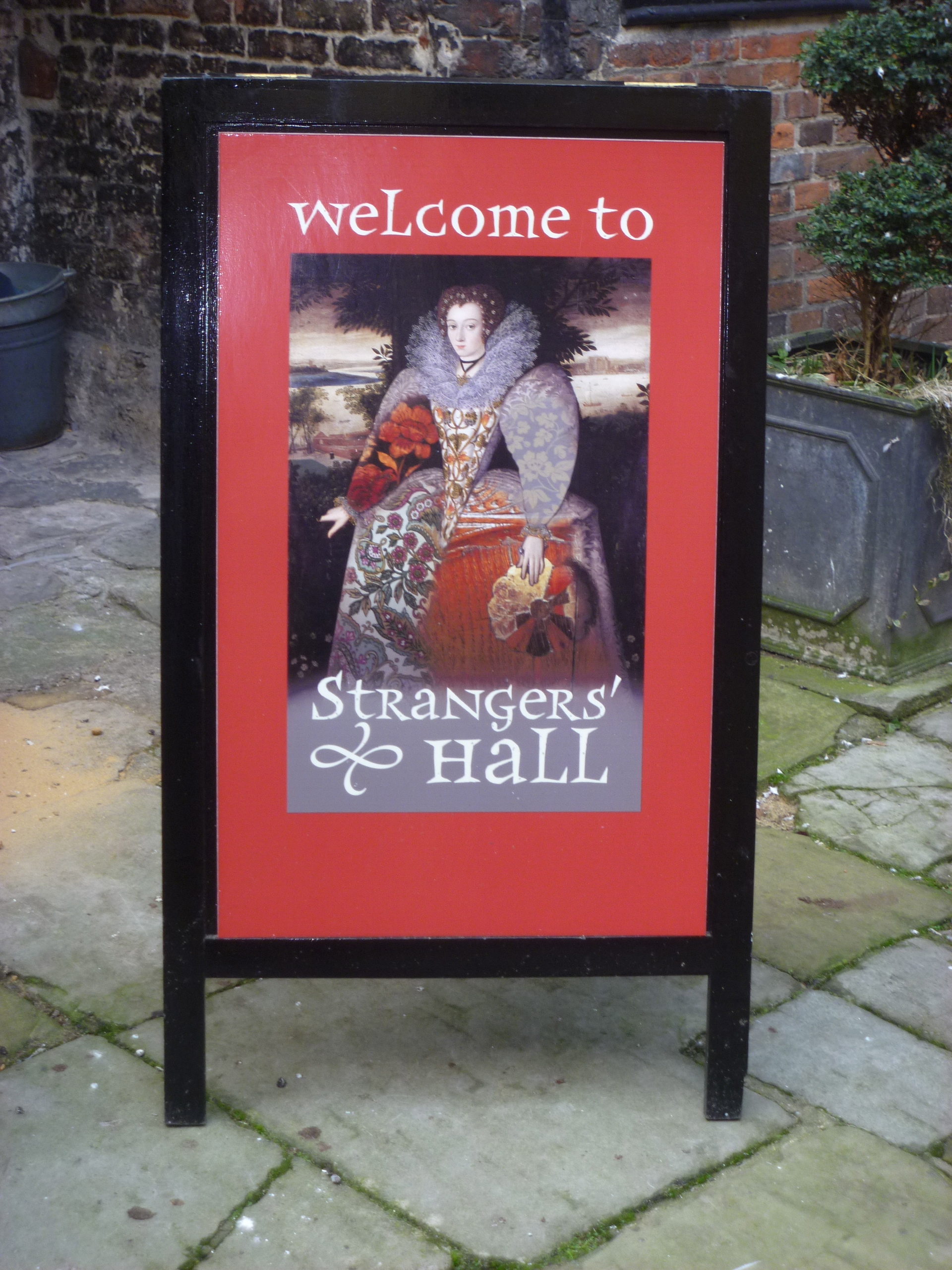
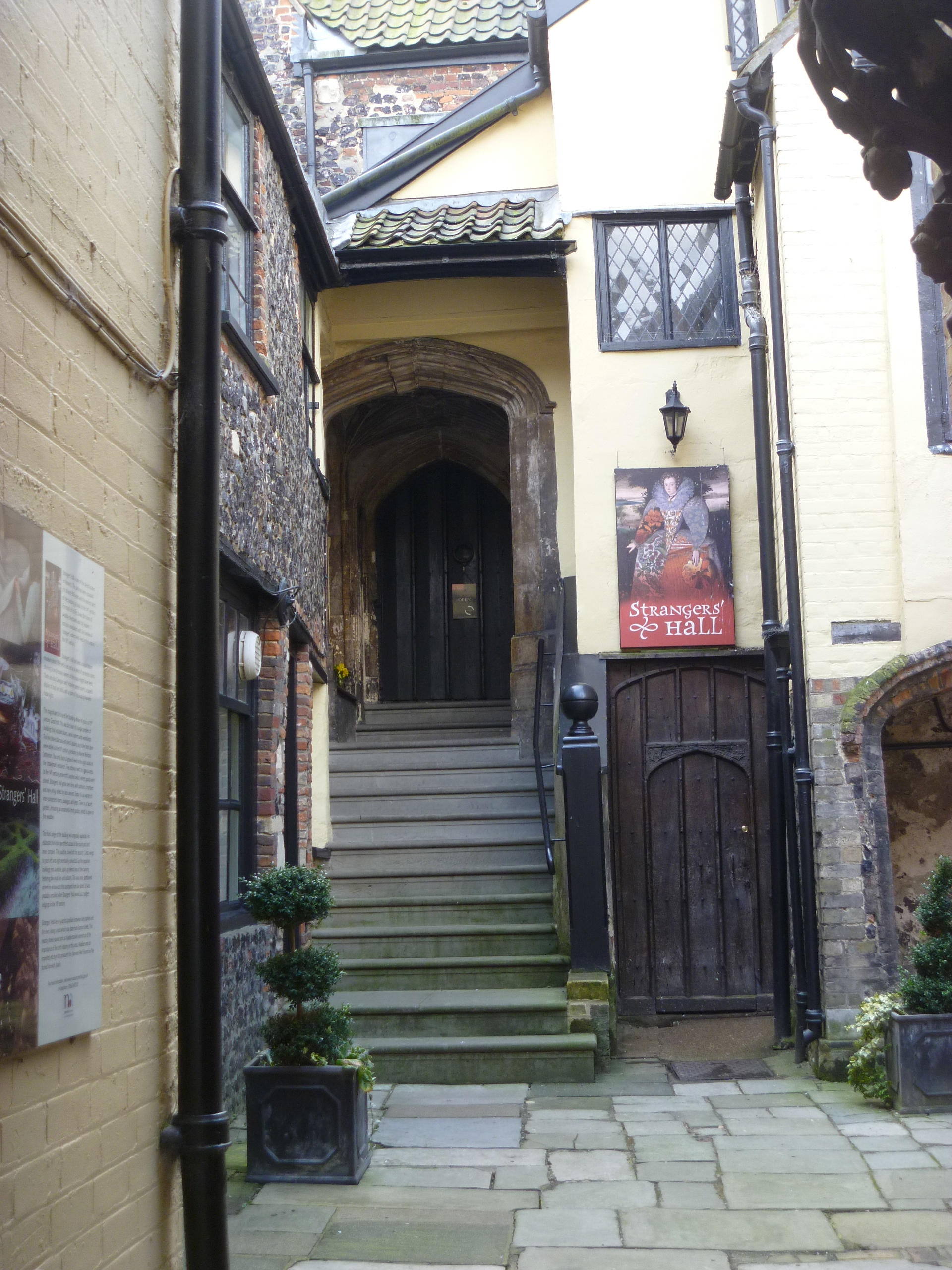
Strangers' Hall welcome

Last week I was recalling memories of the Norwich public libraries. On that same visit I also recalled other of my early hang-outs: the Norwich museums. Until my mid-teenage years when I discovered that Shopping was the thing to do and that museums were distinctly ‘uncool’ I liked nothing better on a Saturday (after a library visit) than to visit one or other of the museums in the city. The most popular was Norwich Castle Museum and Art Gallery and it still is today. Here is the record of the last visit I made there in December 2011.
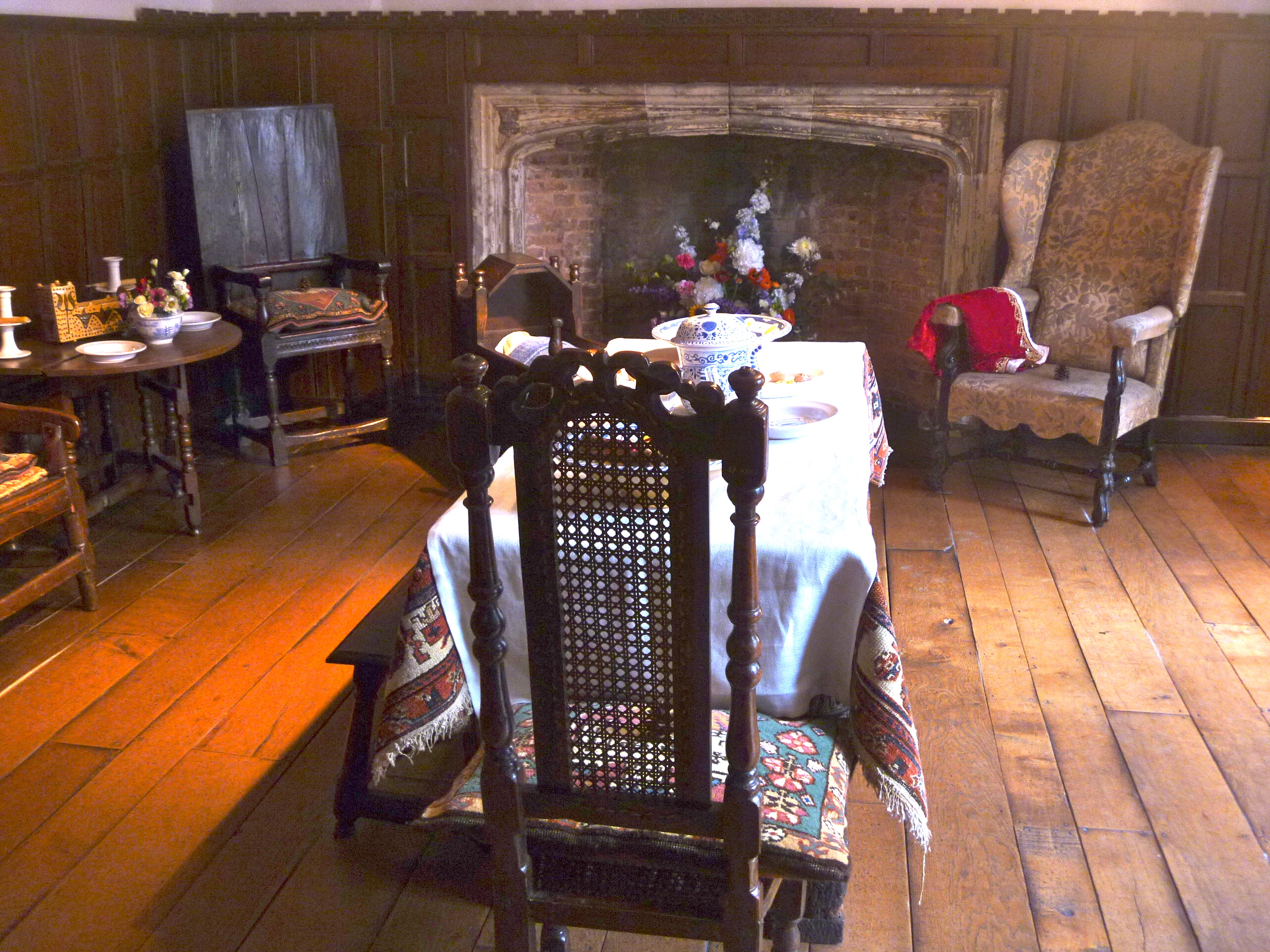
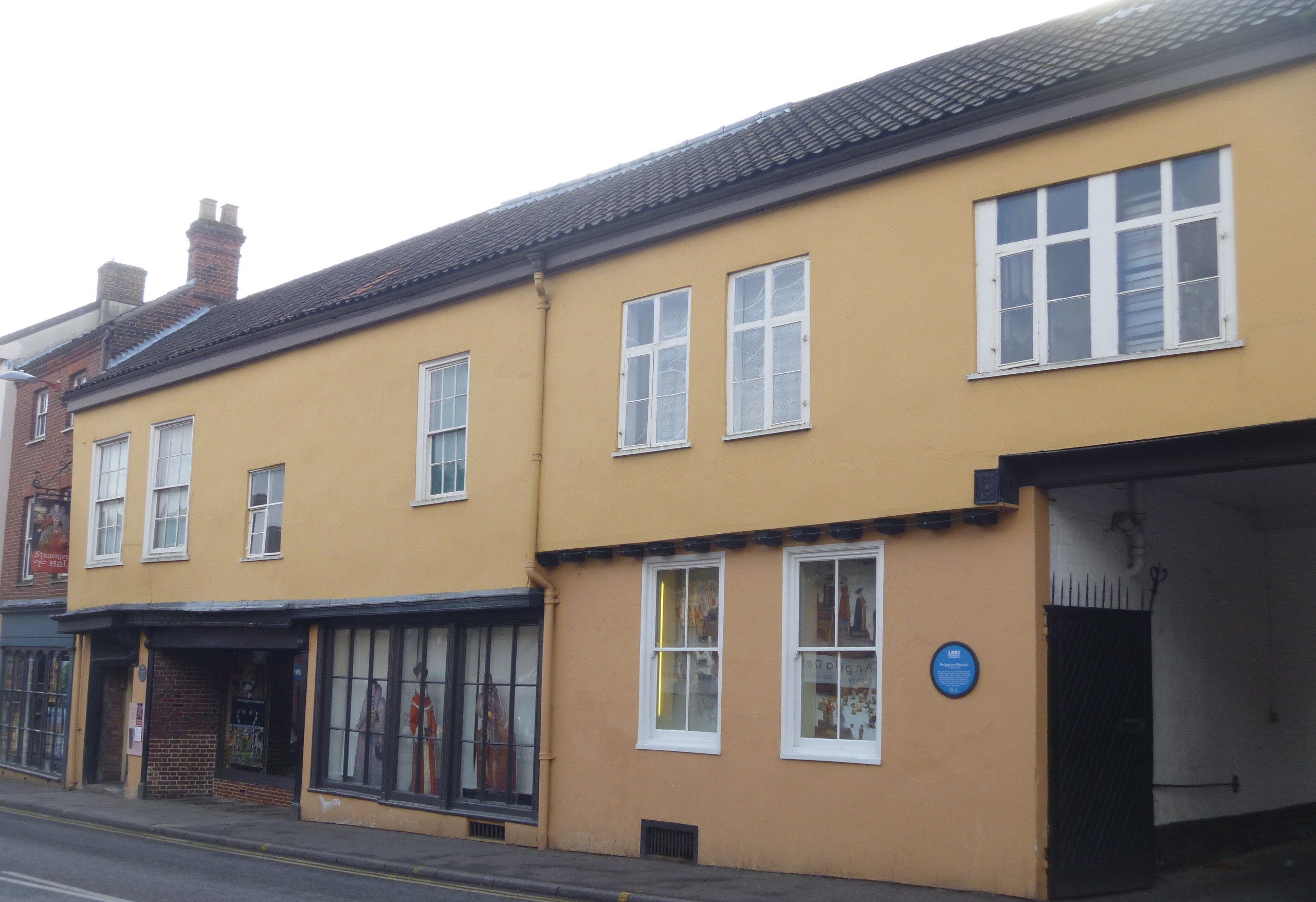
Strangers' Hall

My favourite museum in Norwich has always been The Strangers’ Hall on Charing Cross. I decided to join an Introductory Tour there last Wednesday afternoon to remind myself of the story of the Hall and its contents. For many years the Hall was closed for renovation and its reopening was at one time threatened but it is now open to the public just on Wednesdays and Saturdays. I was lucky to be in Norwich on a Wednesday!

Strangers' Hall entrance

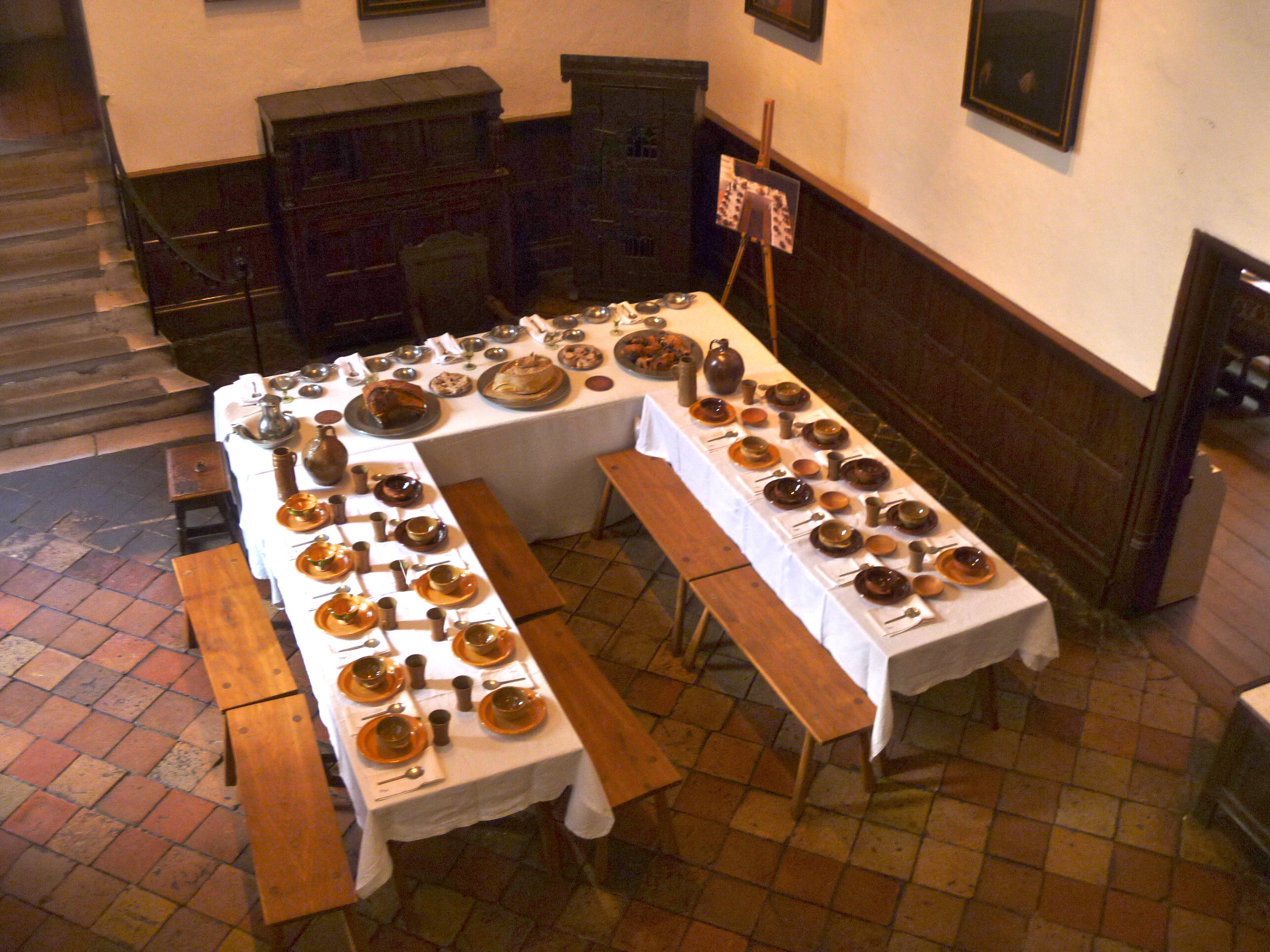
Our guide, Bethan, sat us all down in the great hall and started by telling us that this was one of Europe’s finest houses of its kind.

Great Hall

The Great Hall from the Gallery

Strangers’ Hall tends to be overlooked by tourists and visitors to Norwich because of all the other historic, cultural and non-cultural attractions that the city has to offer. We have a fine Norman Cathedral, a Norman Castle Keep that is also an excellent museum and art gallery, numerous other museums to say nothing of the shopping opportunities and that old saying – that Norwich has 52 churches (one for each Sunday in the year) and 365 pubs (one for each day of the year).

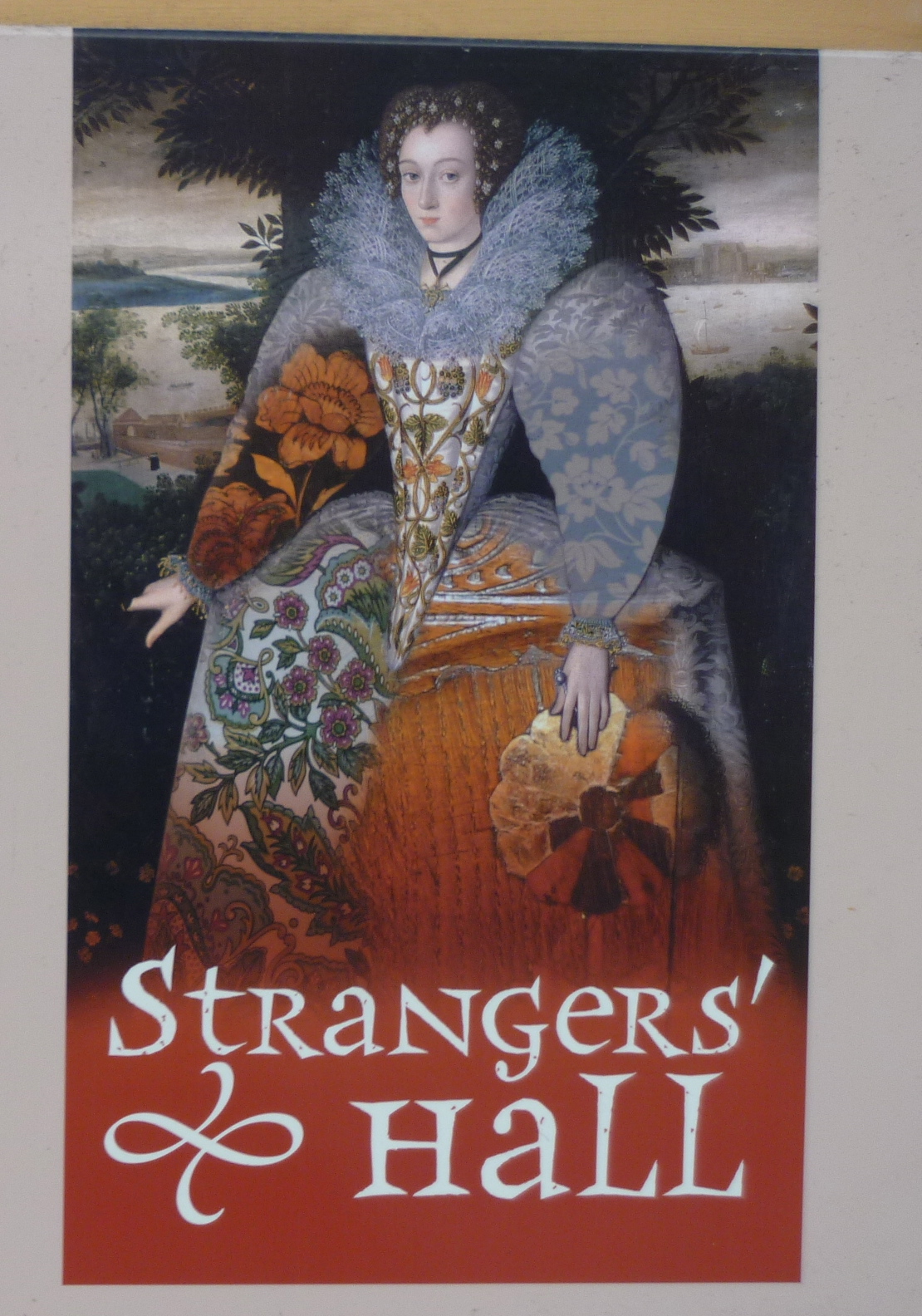
Elizabeth Buxton

Elizabeth Buxton whose portrait hangs in the Great Hall

The original Undercroft of the house dates back to 1320. The other rooms reflect the house through its various incarnations throughout history. On this tour we only visited Lady Paine’s Bedroom, The Little Bedchamber and The Great Chamber.

The Parlour

The Parlour

To explain briefly the history of this fascinating museum and the possible origin of its name I have extracted the following from the BBC History Magazine.

“Strangers’ Hall in Norwich gained a new lease of life when it became one of England’s first social history museums

Empty and neglected at the end of the 19th century, Strangers’ Hall’s illustrious history appeared all but forgotten. Constructed by Ralph de Middilton in 1320 and rebuilt in the 15th century by William Barley, it had been home to an eclectic mix of people including mayors, merchants, judges, Roman Catholic priests and a dancing master.

Leonard Bolingbroke, a local solicitor and treasurer of the Norfolk Archaeological Society, realised its importance and saved it from demolition. As an enthusiastic collector he furnished the house with antiques, appointed a caretaker and opened it to the public in 1900. Several years later he presented it to the city of Norwich as a museum of domestic life.

The rooms reflect different periods during the house’s history. The Great Chamber is laid out as it was in the 1600s when owned by hosier Sir Joseph Paine, with a high table at one end and service rooms beyond a screen at the other. The Walnut Room is styled as a 17th-century sitting room and one of the bedrooms is decorated as it might have been for his wife, Lady Emma Paine. Other rooms include a Georgian dining room, a 17th-century oak bedroom and a Victorian nursery, parlour and dining room.

One of the largest rooms is the Sotherton Room, which may once have been a counting-house. As mayor, Nicholas Sotherton boosted the textile industry by encouraging skilled Dutch and Flemish weavers to settle in Norwich. Called Strangers by the locals, it’s the presence of these refugees that may have given the building its name.

While the interiors are interesting, the architecture also deserves investigation, from the magnificent, vaulted, 14th-century cellar via the crown-post roof, stone-mullioned bay window and porch of the 16th century to the imposing staircase of the 17th. Take your children with you – the hall is great as a historical teaching resource.

Don’t miss: the beaded christening basket in Lady Paine’s chamber. Worked in tiny glass beads on a wire frame, it held gifts such as money, jewellery, spoons, rattles and silver items.”

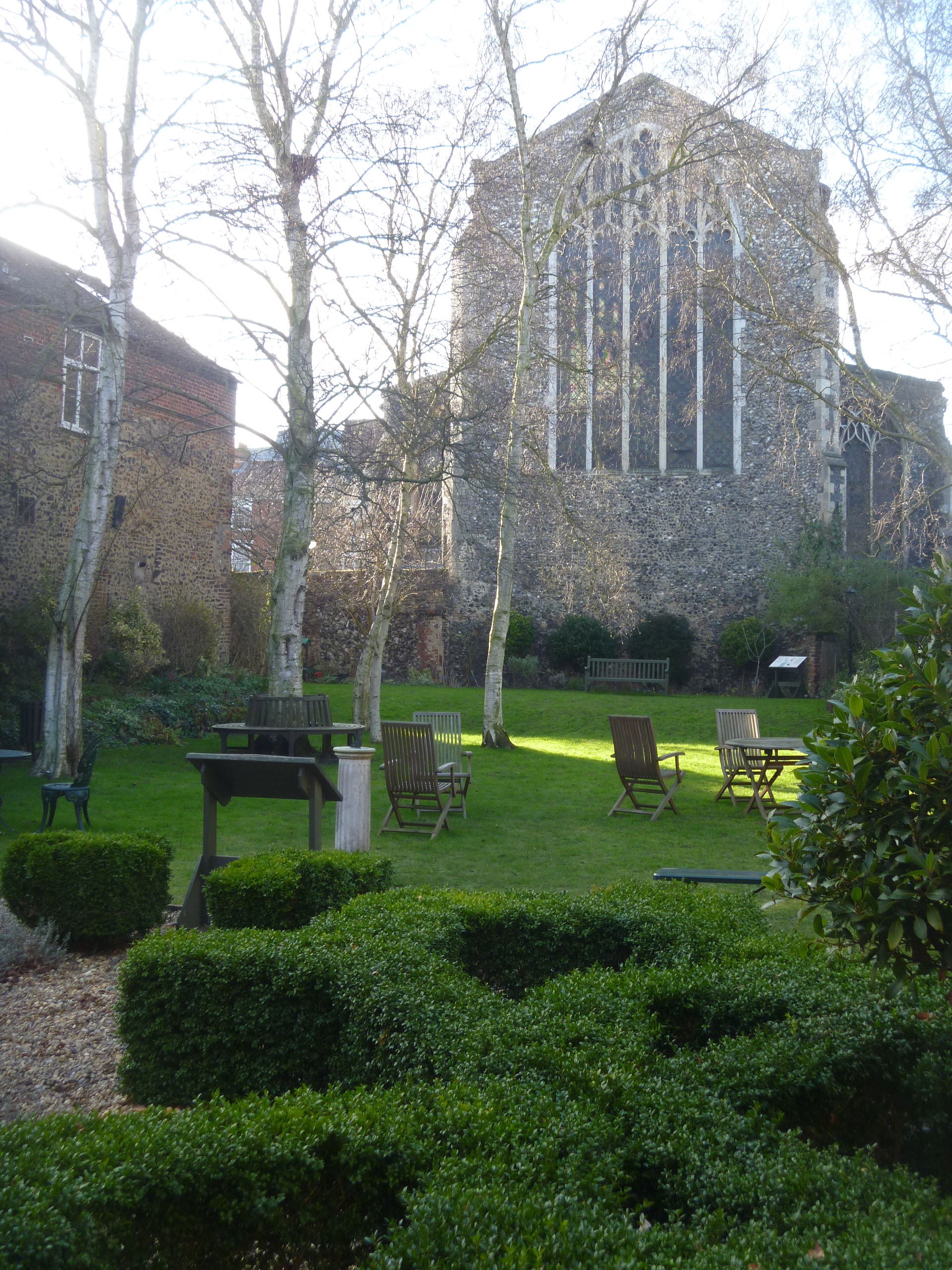
Knot Garden

After our tour it was nearly time for the museum to close so we just briefly stepped outside into the Knot Garden. I’m looking forward to a follow-up visit to The Strangers’ Hall very soon.