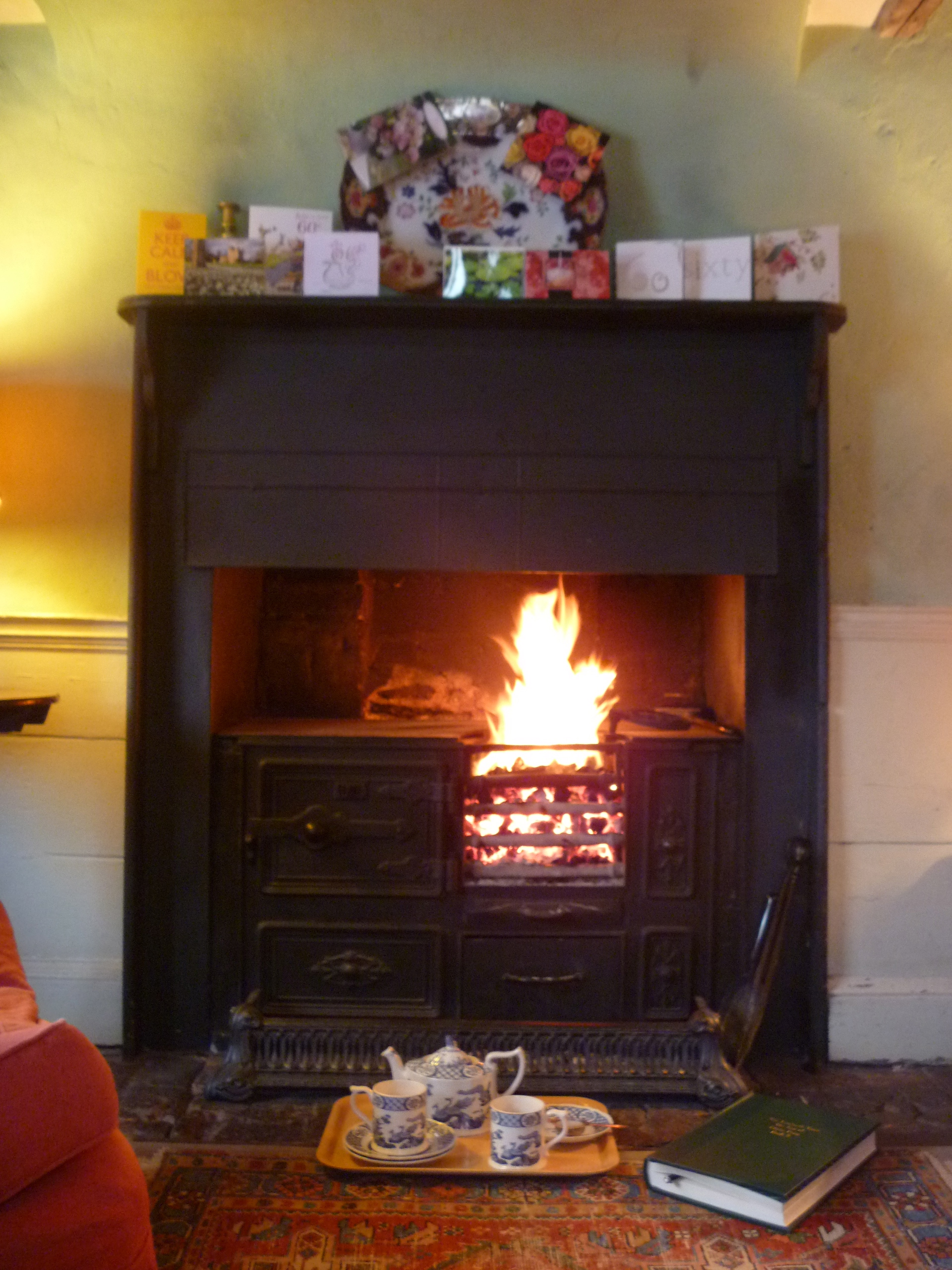
Landmark Visiting In Deepest Norfolk

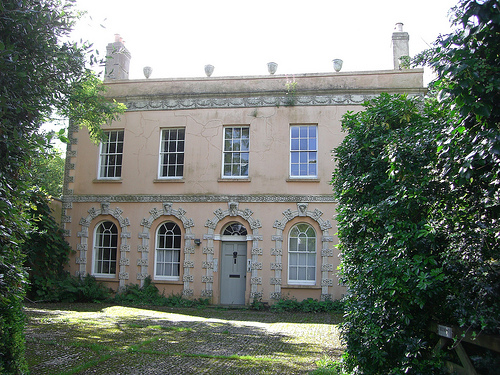
Landmark Trust properties are usually very easy to find. For each stay you are always sent meticulous instructions which in some cases may be totally unnecessary but on other occasions you really do wonder whether the building will ever materialise. As we drove further and further off the beaten track in South Norfolk this morning along narrow lanes, with grass growing down the middle, we did wonder if we were ever going to find our quest. Suddenly, on the other side a big field we spotted Manor Farm “in the pink” just as my friend’s directions suggested!
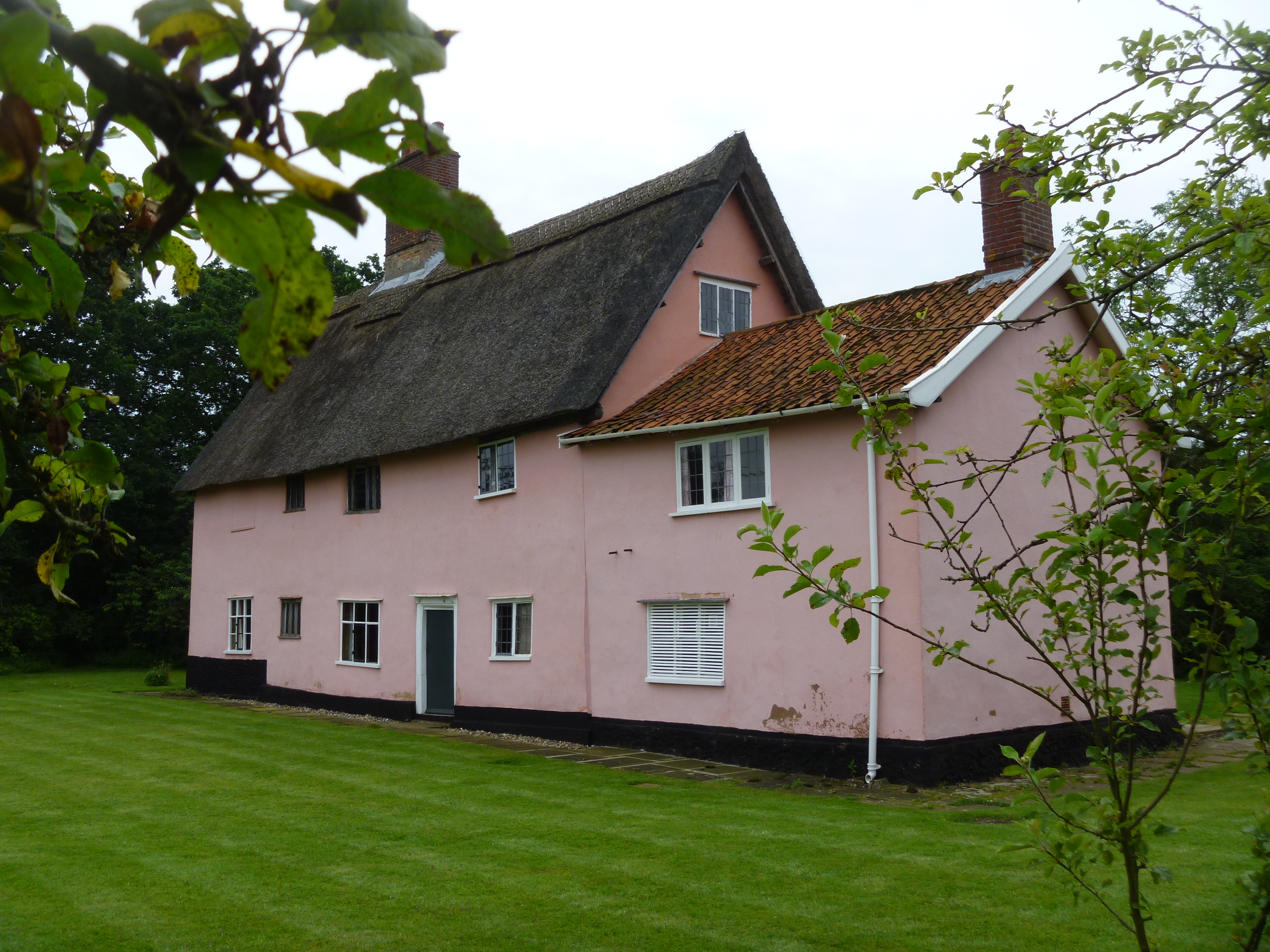
We were visiting the Norfolk Landmark – Manor Farm – on changeover day. The housekeeper very kindly allowed us to have a quick peep around and I must say it is a lovely old building in which one would very quickly feel at home. The Landmark staples are all there plus the advantage of peace and quiet and a lovely big grassy garden. There is birdsong and there are wildflowers. You are truly in the depths of the countryside.
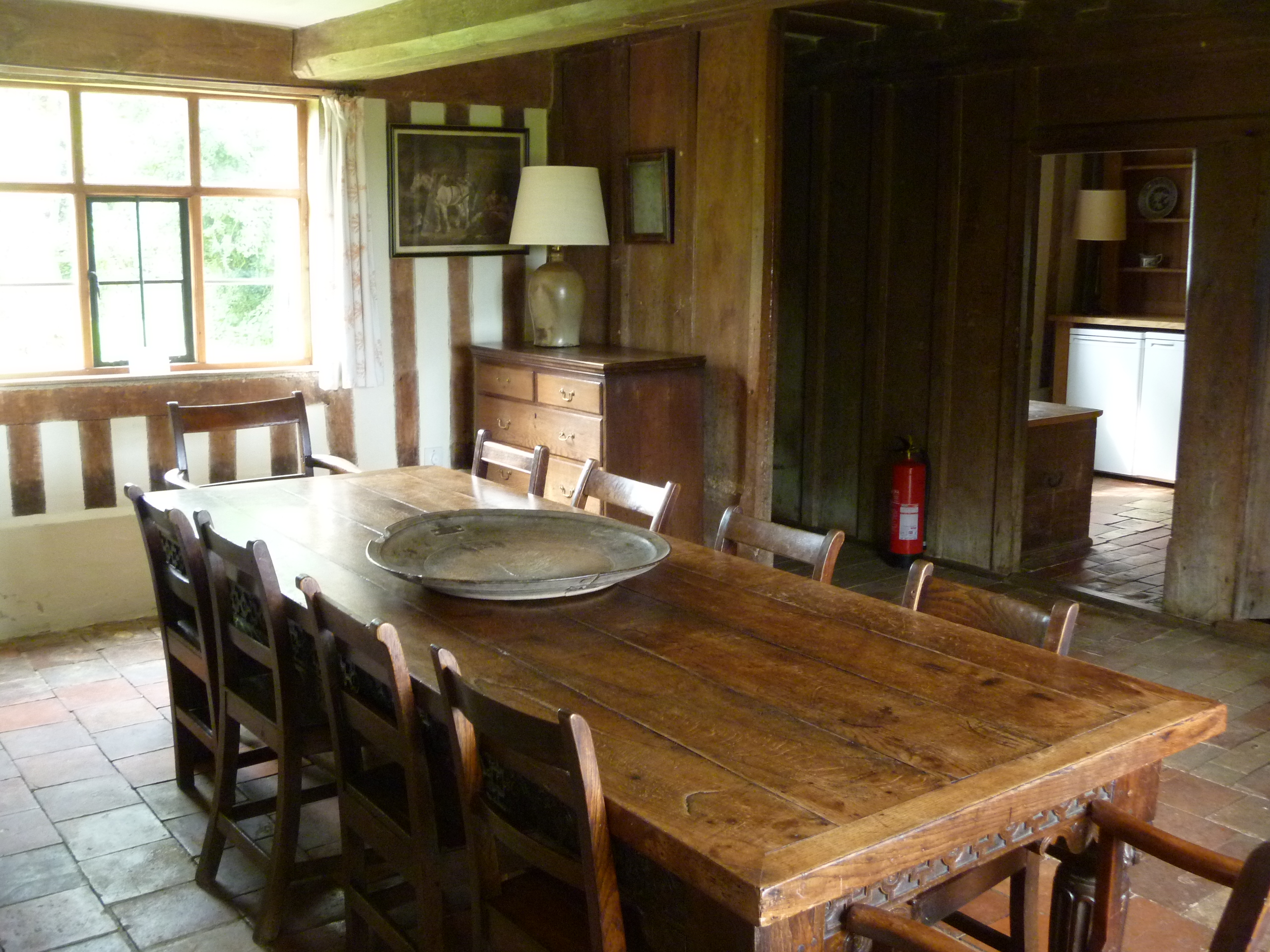
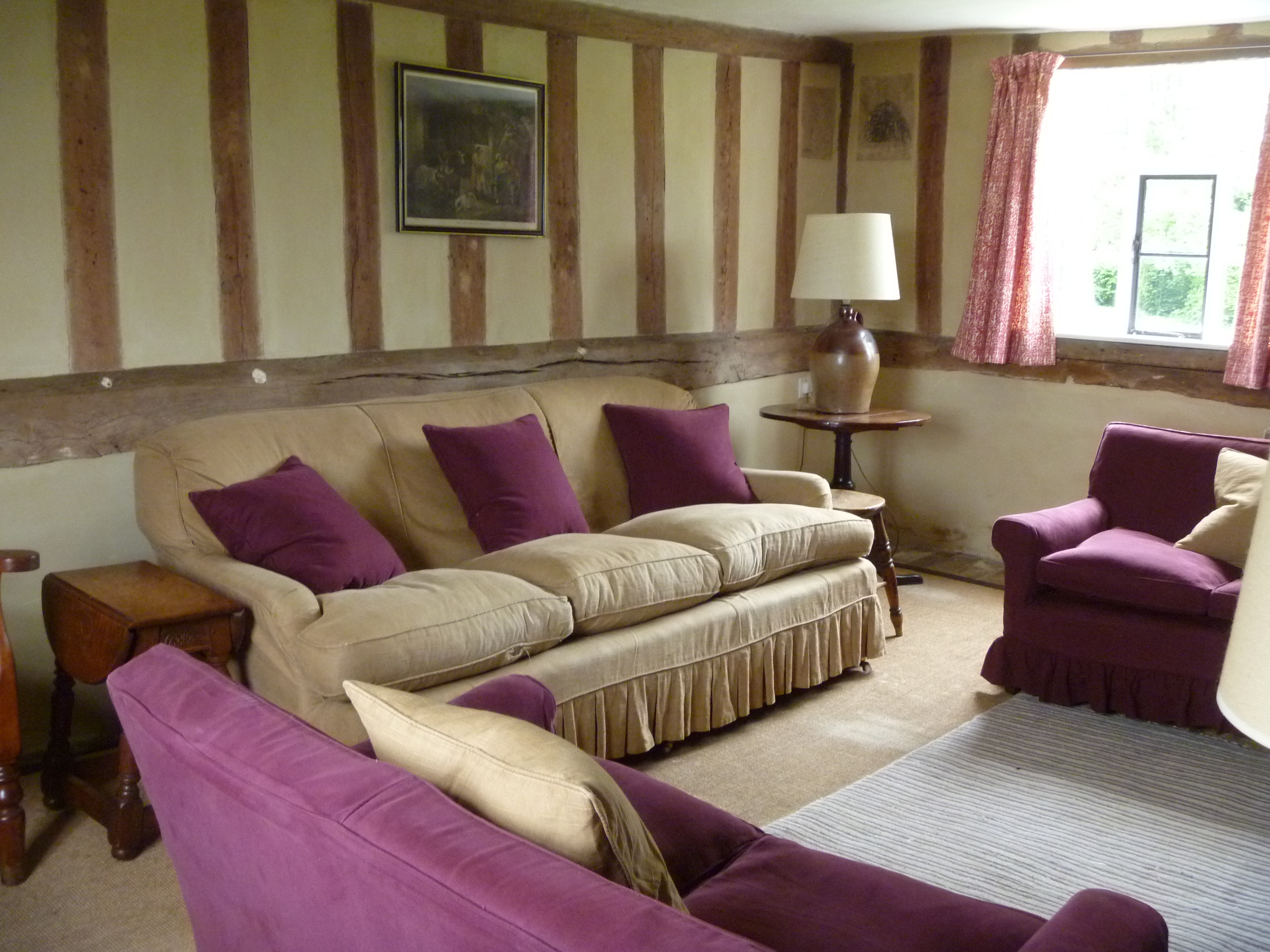
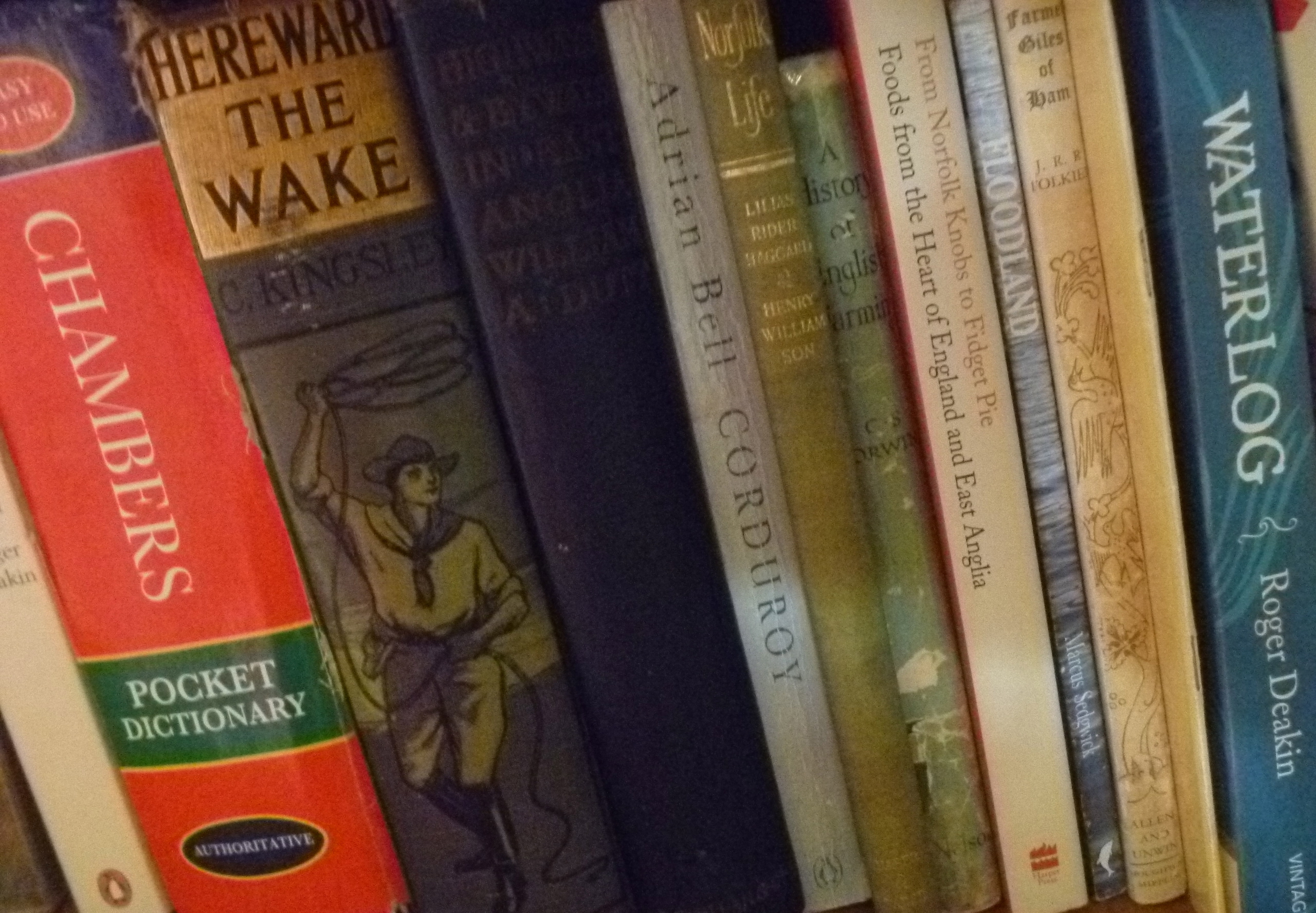
I took a particular interest in the Library at Manor Farm as Norfolk is my county of birth and I grew up and lived there for my first 18 years. I’ve read and I own lots of books about Norfolk and it’s always fascinating to see another’s take on what’s considered to be the essential reading matter for one’s own county.
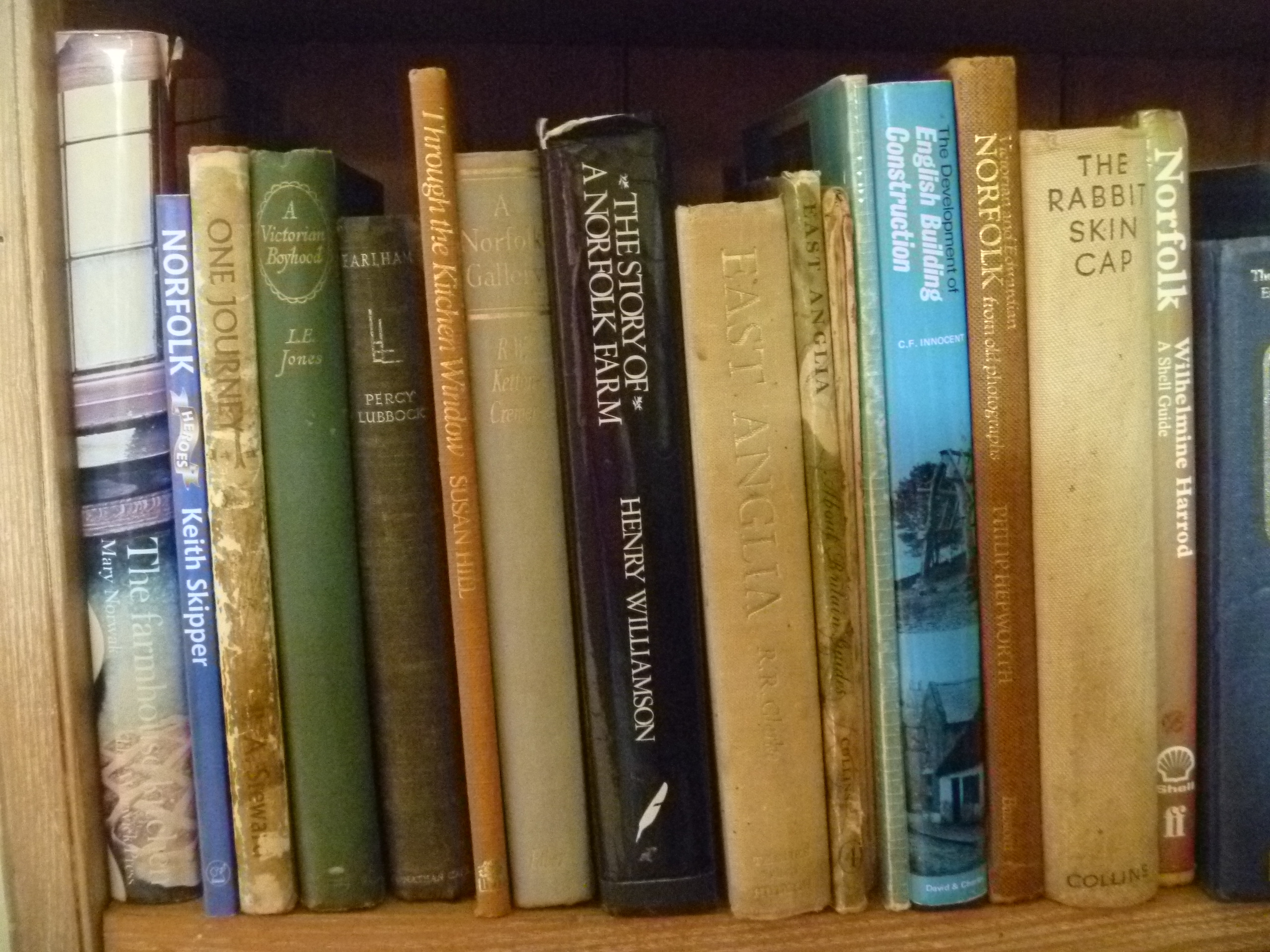
I’d expect to see Henry Williamson’s The story of a Norfolk Farm and Ketton-Cremer’s A Norfolk Gallery. I love Susan Hill’s Through the Kitchen Window which would make a good addition to all country Landmarks. I know nothing about The rabbit skin cap but it sounds very cosy!
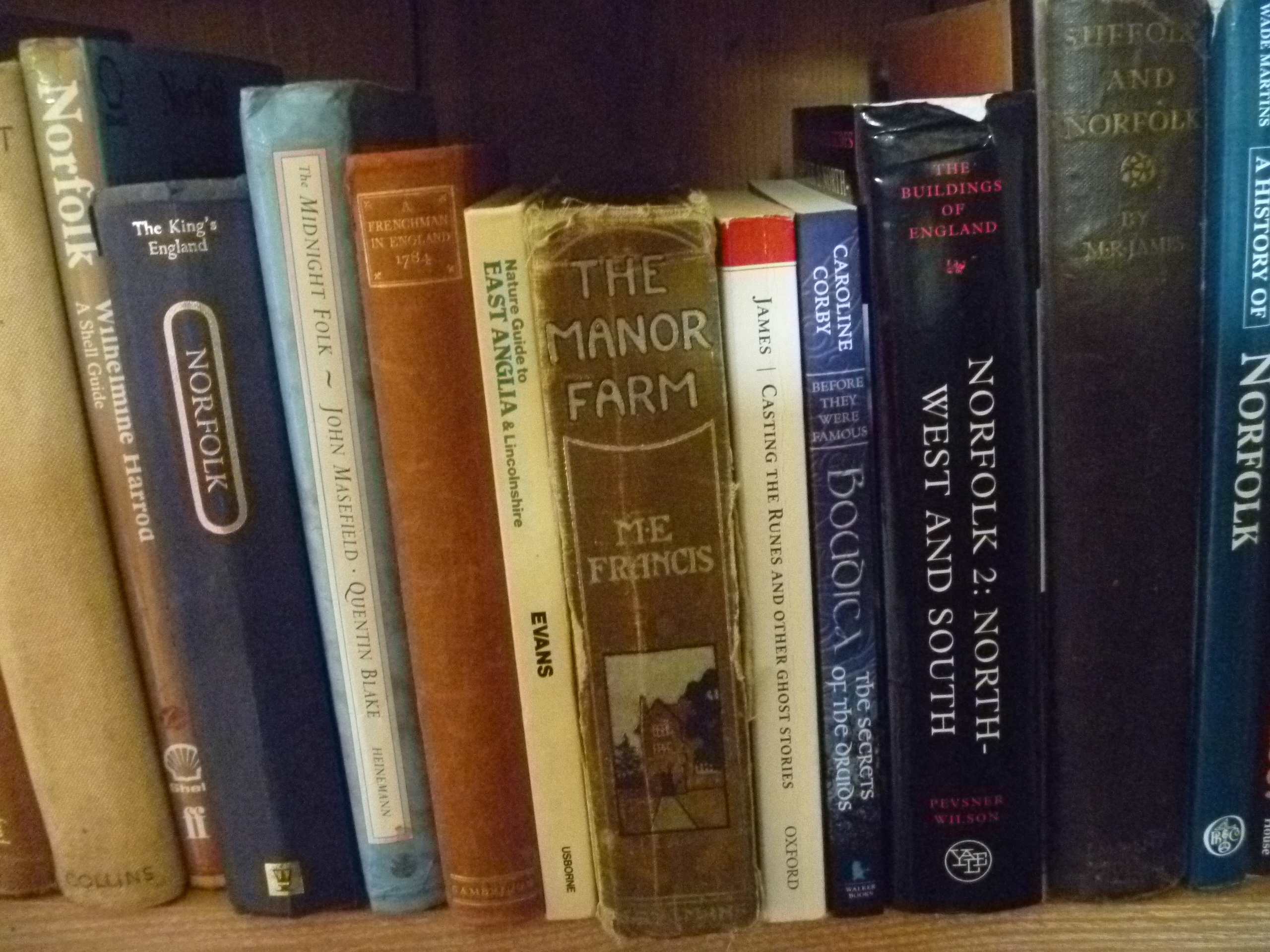
Ha! I love the fact that a copy of The Manor Farm by M. E Francis was tracked down. First published in 1902 it has no Norfolk connection (as far as I am aware) but the title is very fitting. Another good one is A Frenchman in England, 1784 Francois de la Rochefoucauld’s account of his observations of Britain and its people whilst living in Bury St Edmunds.
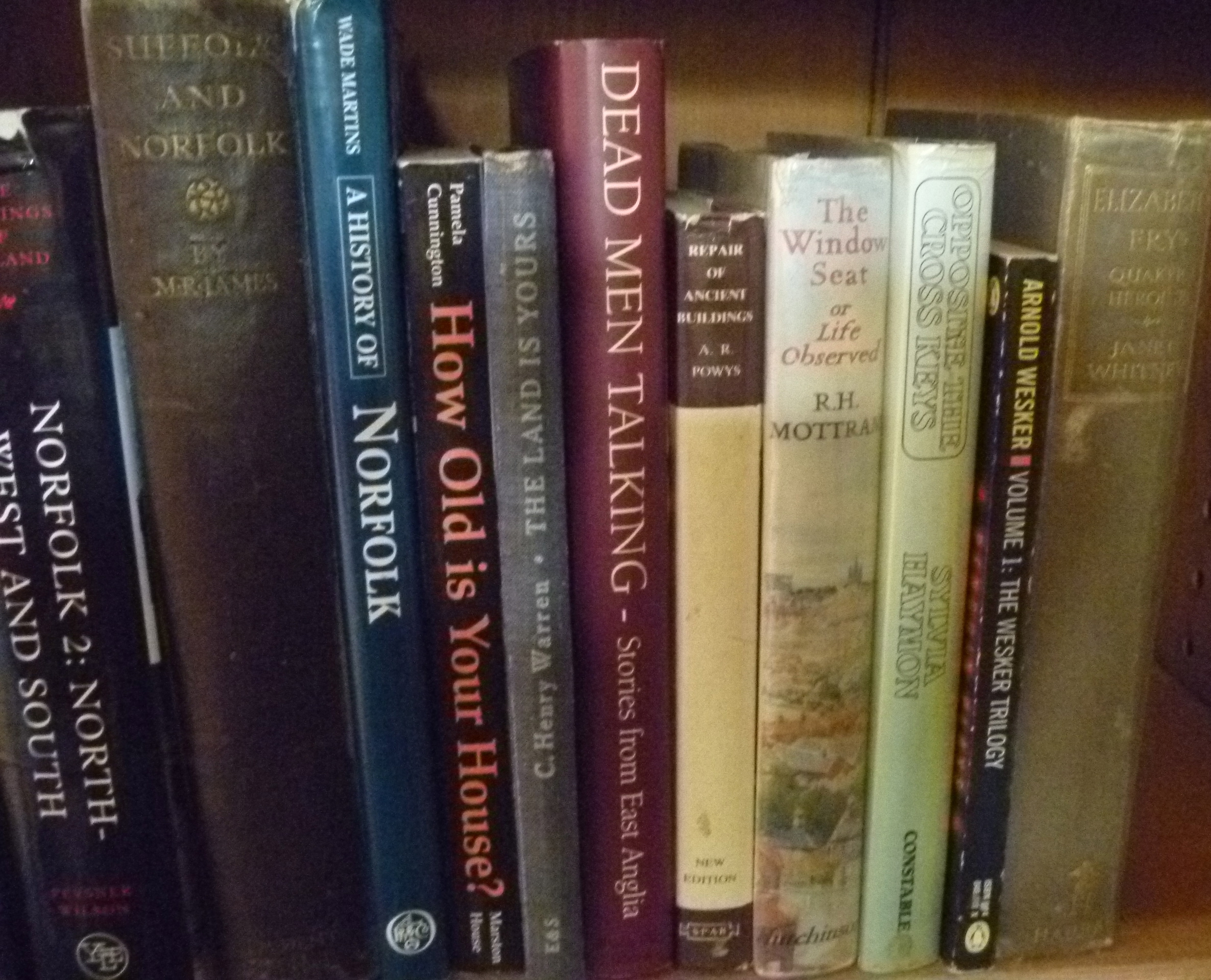
There’s a life of Elizabeth Fry the Victorian woman prison reformer born of a quaker banking family at Earlham Hall in Norwich and I note a copy of Arnold Wesker’s play Roots. I bet all Norfolk school pupils in the 1960s had to read this play – I know we did – the accents came easy to us! I’m familiar with several R. H. Mottram books. I’ve read his The Spanish Farm and If stones could speak but I don’t know The window seat. Will have to investigate. He was a prolific writer on many topics. See the list of works here.

Parson Woodforde, The Go-Between, The Paston Letters all very necessary for Norfolk. And, oh yes, I’d definitely include works by Roger Deakin. That’s his Notes from Walnut Tree Farm at the end there. Excellent reading in this part of the country especially his Waterlog. I read this book when it first came out. With the subtitle A swimmer’s journey round Britain Deakin writes here about his travels around Britain swimming in lakes and rivers and the sea. The book begins by relating his daily swims in his own moat. Moats surround many old properties in South Norfolk and North Suffolk. Here’s a quiet reach of the local River Waveney in Bungay where Deakin enjoyed swimming.
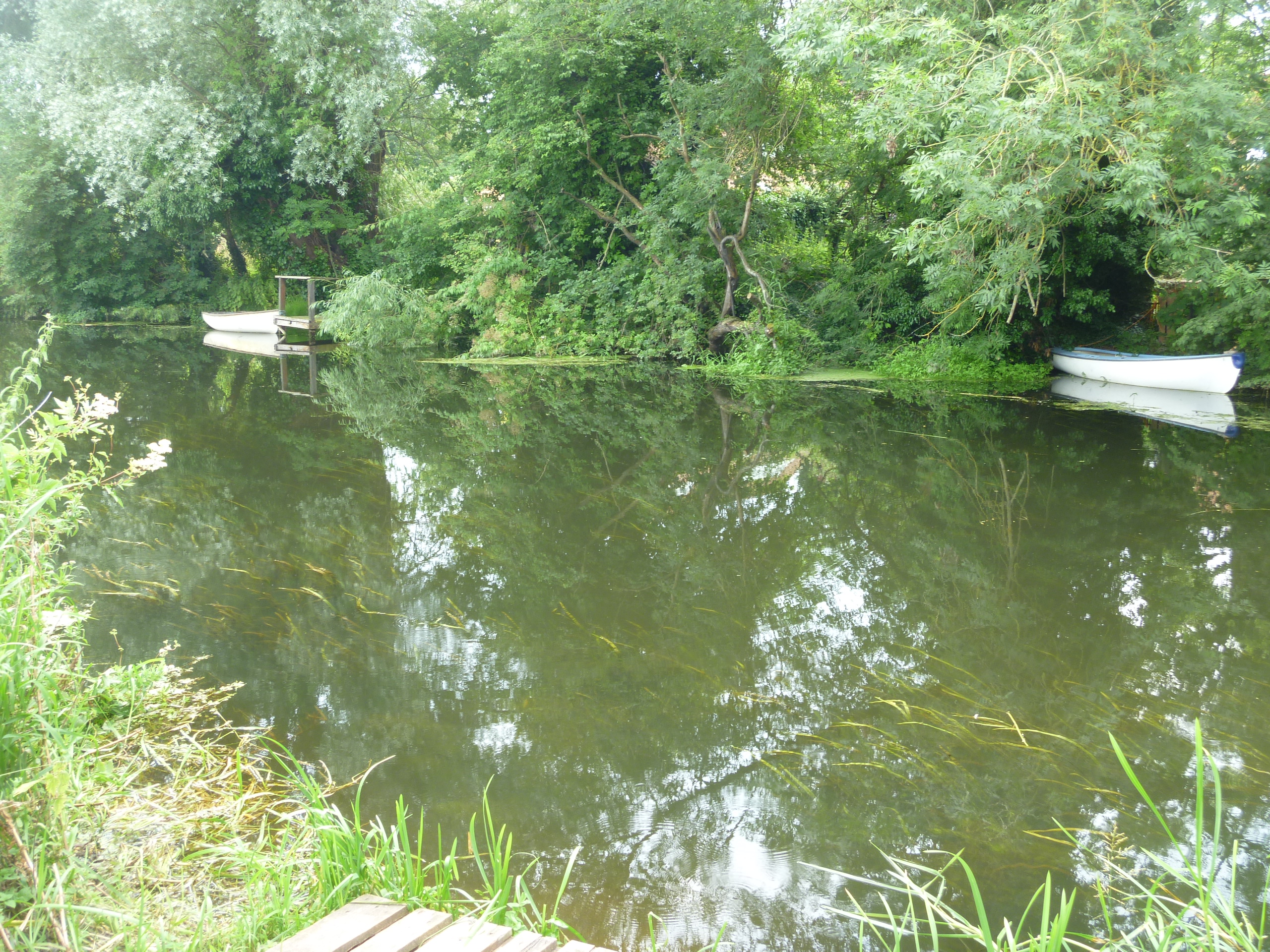
Sadly, Roger Deakin died in 2006. It’s still possible to listen to his radio programme Cigarette on the Waveney.

On leaving Manor Farm we only got lost twice and had to check maps and turn back twice and puzzle over road signs before reaching the real world of Harleston, Bungay and Hempnall. No one gave us instructions for leaving the Landmark!
Courage and Collaboration : the Challenge of Astley Castle

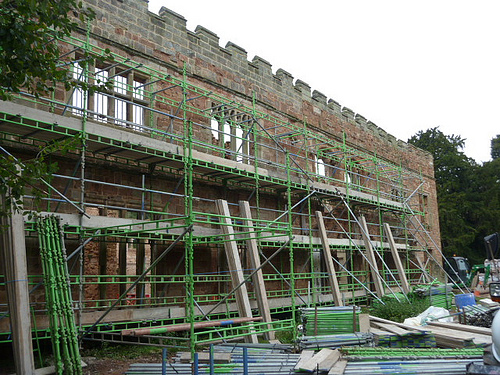
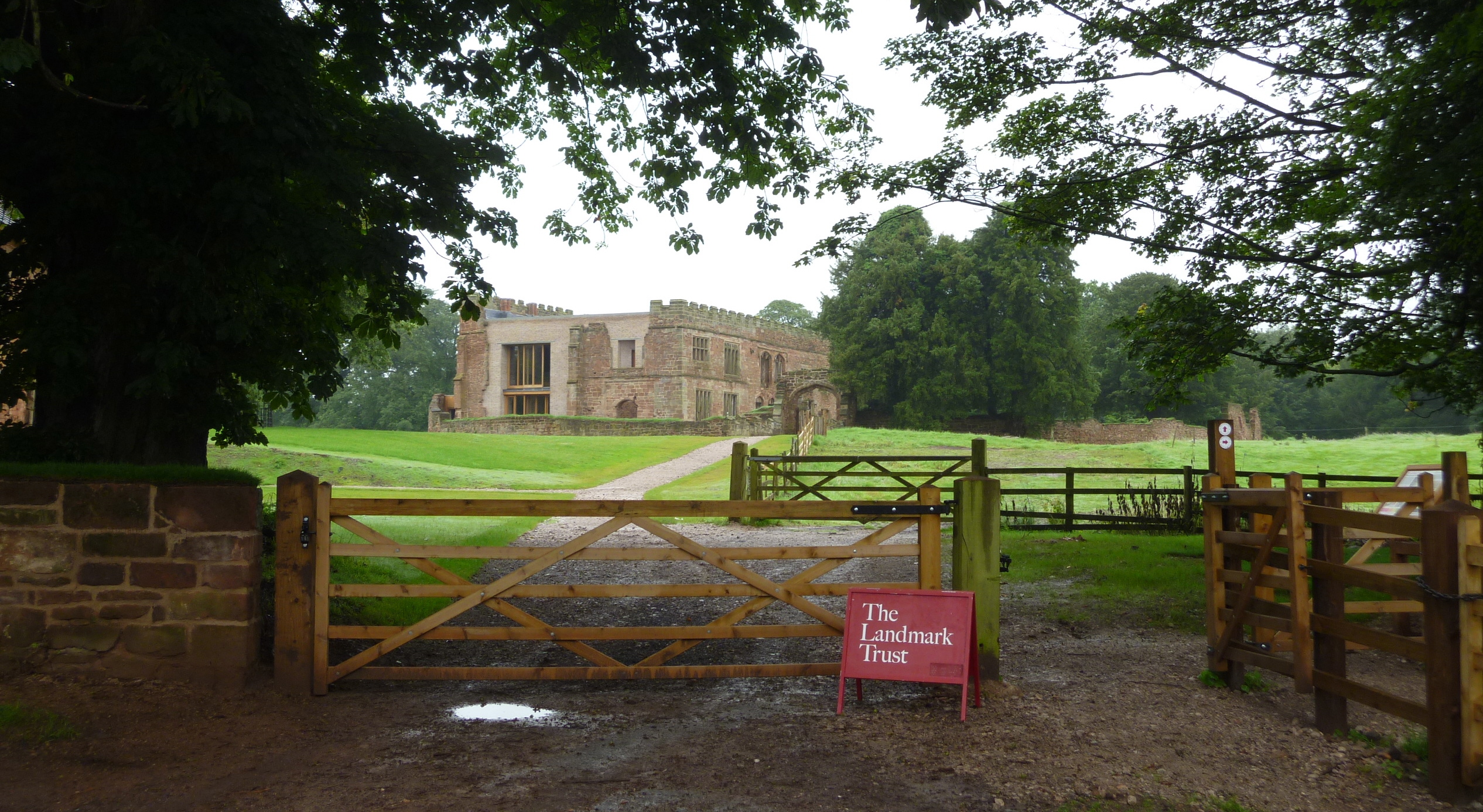
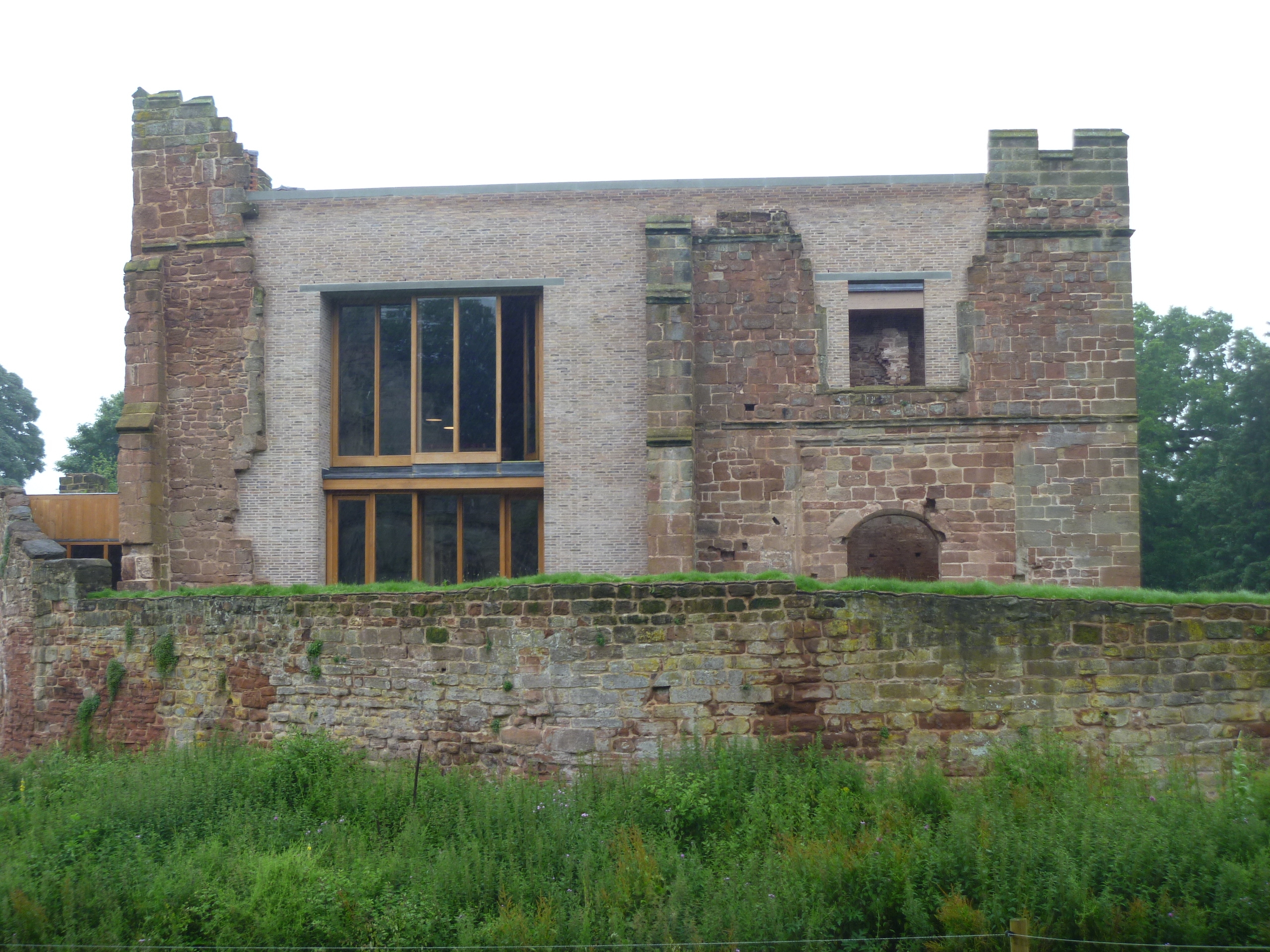
Last week I had the great good luck to be invited to attend the Opening Day of The Landmark Trust’s latest holiday property. Dating back to the 12th century Astley Castle near Nuneaton in Warwickshire has proved to be the biggest challenge to Landmark, so far. It even proved to be a challenge right up to and including the Opening Weekend due to the waterlogged fields being unfit for visitors’ parking.

“[The Trust] was established to rescue historic and architecturally interesting buildings and their surroundings from neglect and, when restored, to give them new life by letting them as places to experience for holidays.” [From the Landmark Trust website]

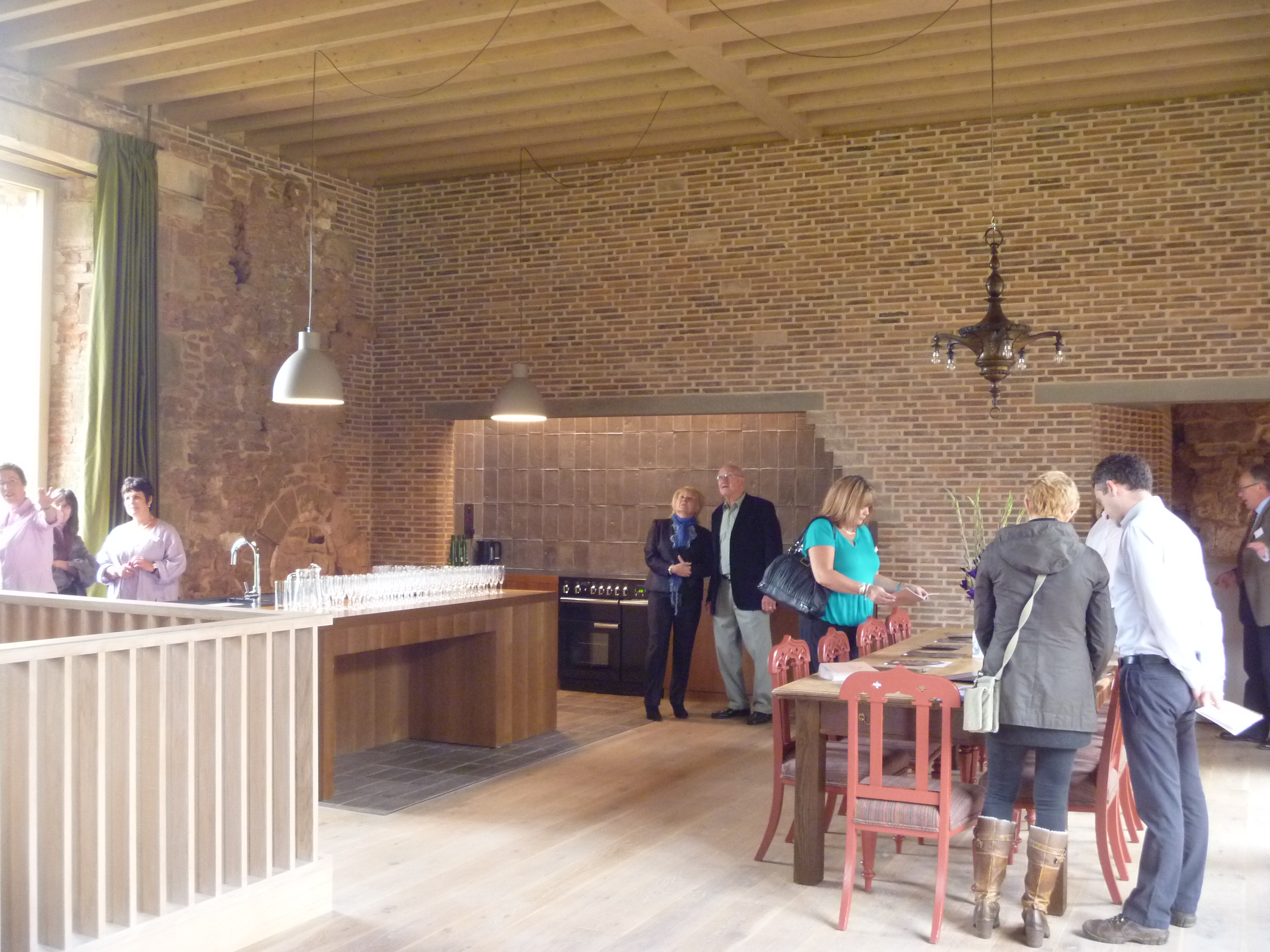
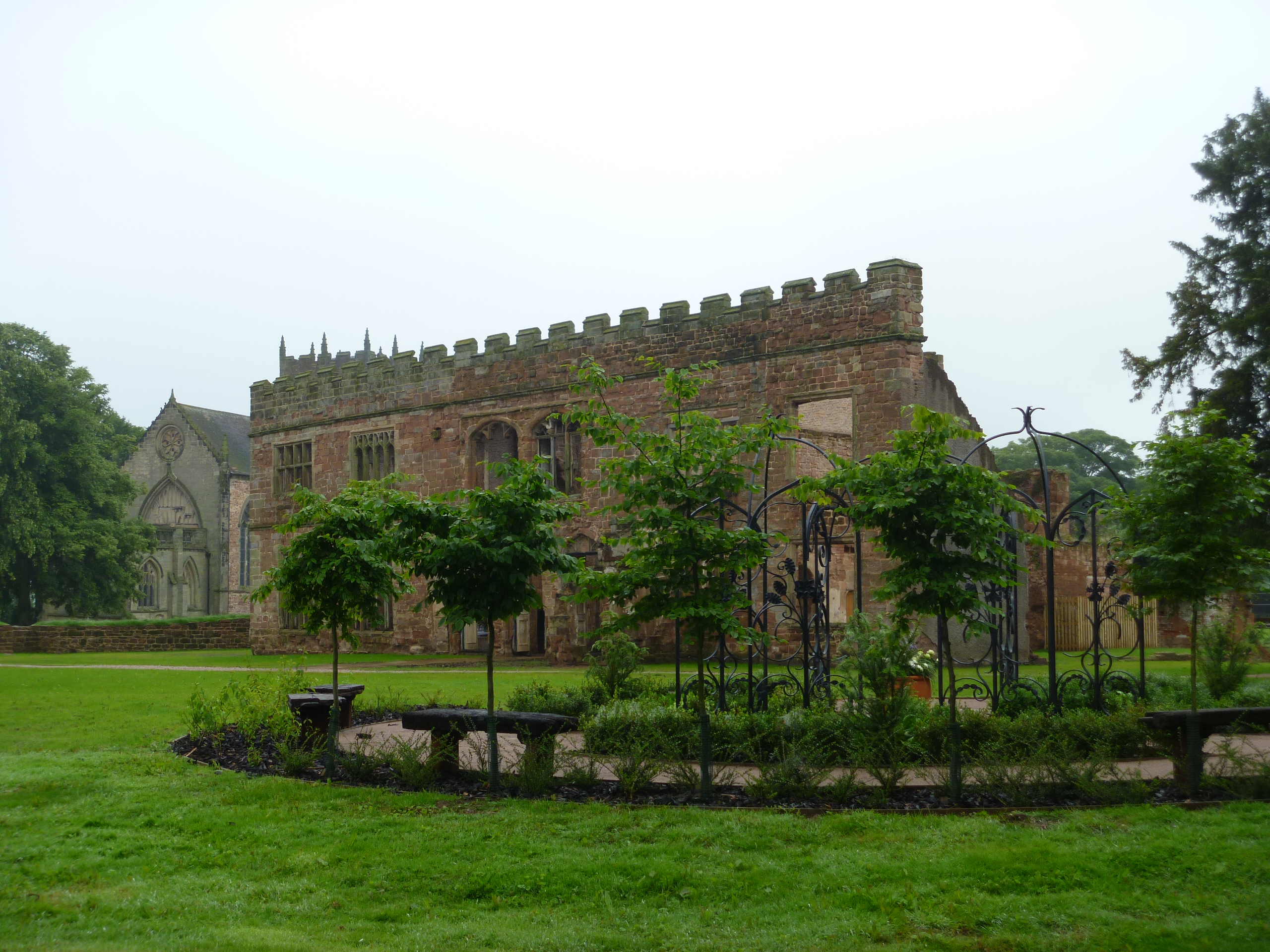
In the case of Astley Castle a completely new building has been inserted sympathetically into the medieval ruin.

I first visited Astley in the mid-1990s when studying for a Masters degree in Victorian Studies. A ‘field trip’ to the places associated with George Eliot was planned  and we spent the day visiting Coventry, Nuneaton, Arbury Hall and other places mentioned in her life and works including Astley church where we took in a view of the ruined castle. Astley Castle appeared in George Eliot’s story ‘Mr Gilfil’s Love Story’ as Knebley Abbey. The whole site is also part of the Arbury Estate, where George Eliot’s father, Robert Evans, was a farmer, surveyor and land agent and where the young Mary Ann Evans (GE’s real name) grew up.

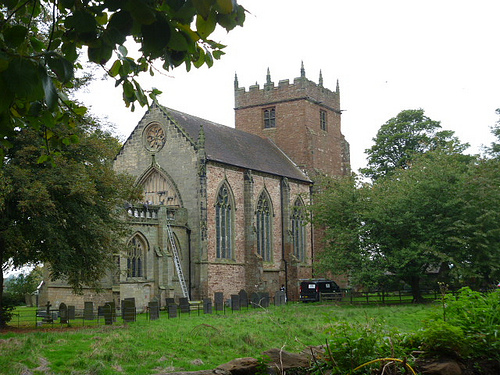
The church of Astley St Mary in 2010

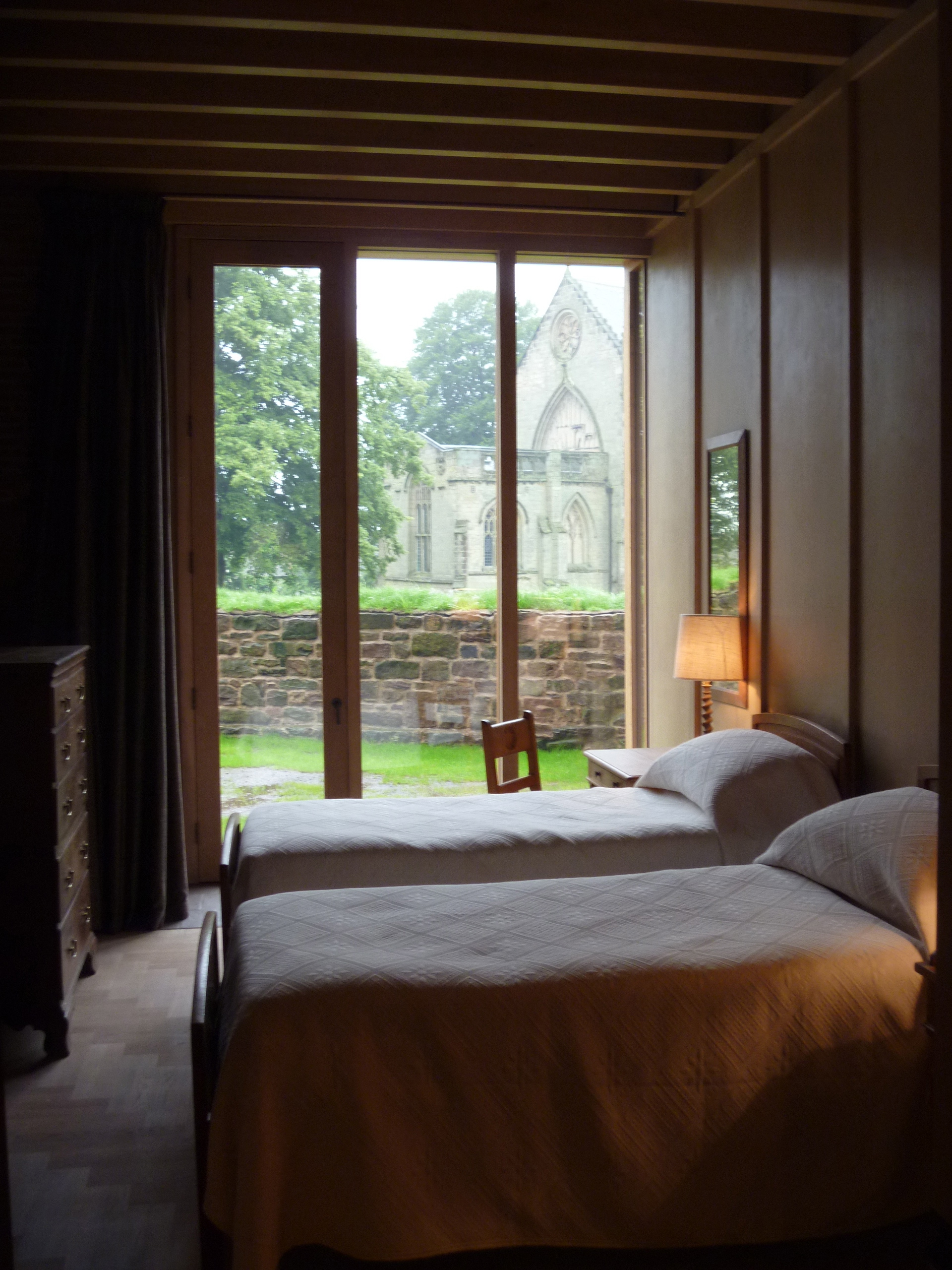
The church can be seen from one of the four bedrooms, July 2012

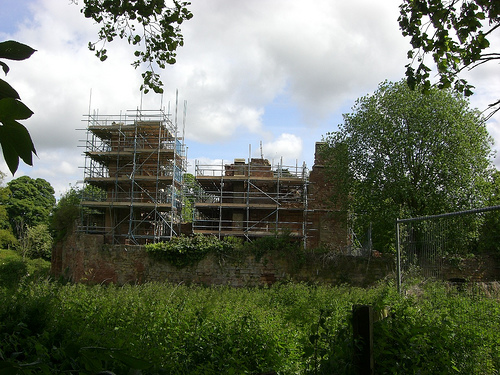
Since 2009 I have been following developments with great interest. On a visit to the Midlands that year I stopped by after browsing the secondhand book shelves at The Astley Book Farm to find the ruin being stabilised by scaffolding whilst awaiting the raising of sufficient funds to begin the huge task of bringing Astley Castle back to life again.

In October 2010 work was well under way when I visited with friends at the invitation of The Landmark Trust and we were given a guided tour of the work so far.

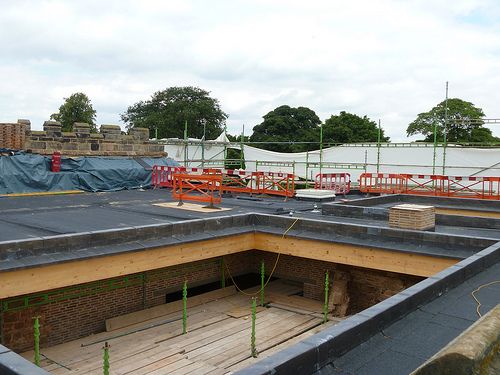
But in August 2011 on the next visit, amazingly, we were invited to climb to the top of the scaffolding and viewing the ongoing work from above – fluorescent jackets and hard hats compulsory!
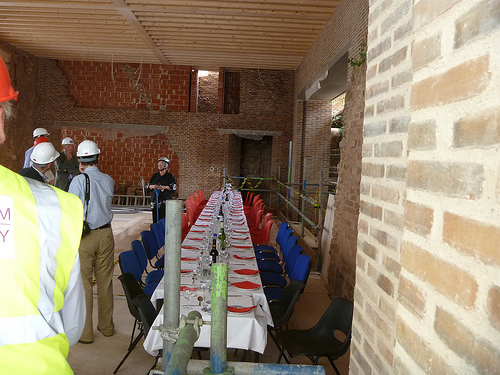
The day also included a lunch with Landmark’s Director at the time, Peter Pearce. The lunch actually took place in the first floor sitting, dining room, kitchen.

August 2011

July 2012

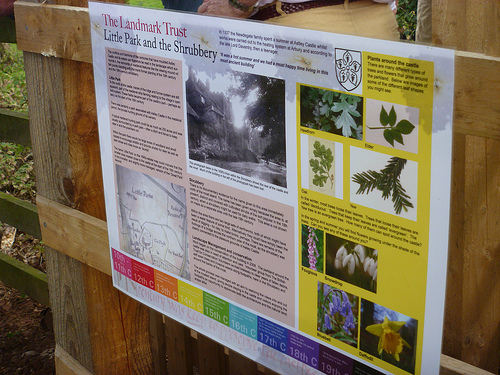
Alongside the work on the castle improvements were being made to the area around which now include public footpaths with information boards dotted along way and landscape features including a viewing mound and fish ponds and a lake.

An Elizabethan knot garden of flowers and herbs has been planted near the castle.

Hooray for Astley! Hooray for Landmark Trust! Hooray for my Landmark Patron friends! Can’t wait to experience a stay at the castle for myself but that won’t be until the end of next year – it’s getting booked up very fast!!

The Old Ways – Mastiles Lane Drovers’ Road

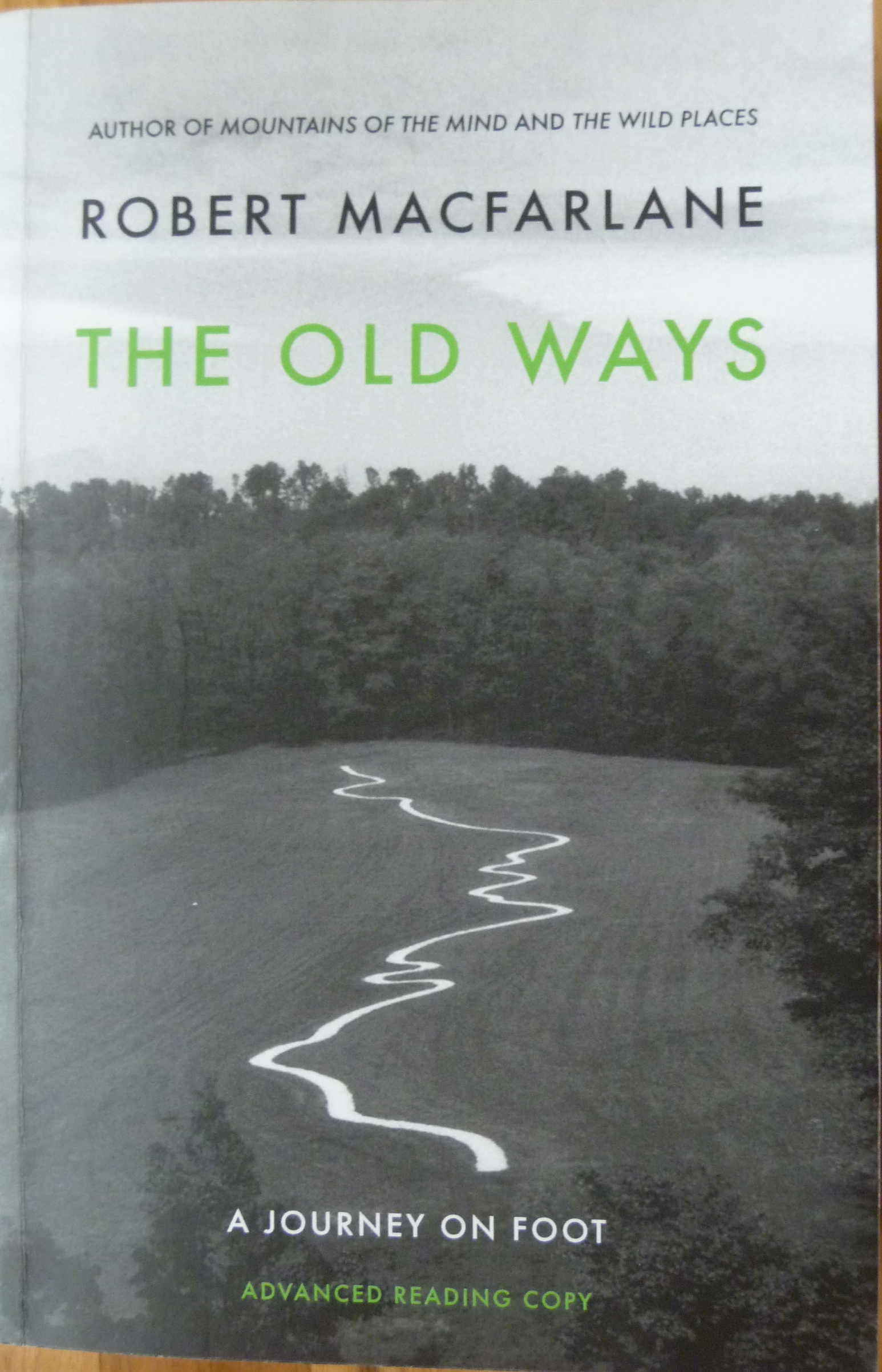
I’m currently reading a book called ‘The Old Ways : a journey on foot‘ by Robert Macfarlane. In fact, I have a pre-publication copy. A couple of months ago I decided that I would like to participate in a group read of the book organised by Lynne – the Dovegreyreader.

The plan is to read the book and and record our own ‘journey on foot’ along an ‘old way’. My hike was originally planned with a group friends for a Saturday in April but the weather on the days leading up to the trip was so bad that it has been postponed and hopefully the full walk will take place in July or August. Mastiles Lane is to be ‘my’ Old Way.

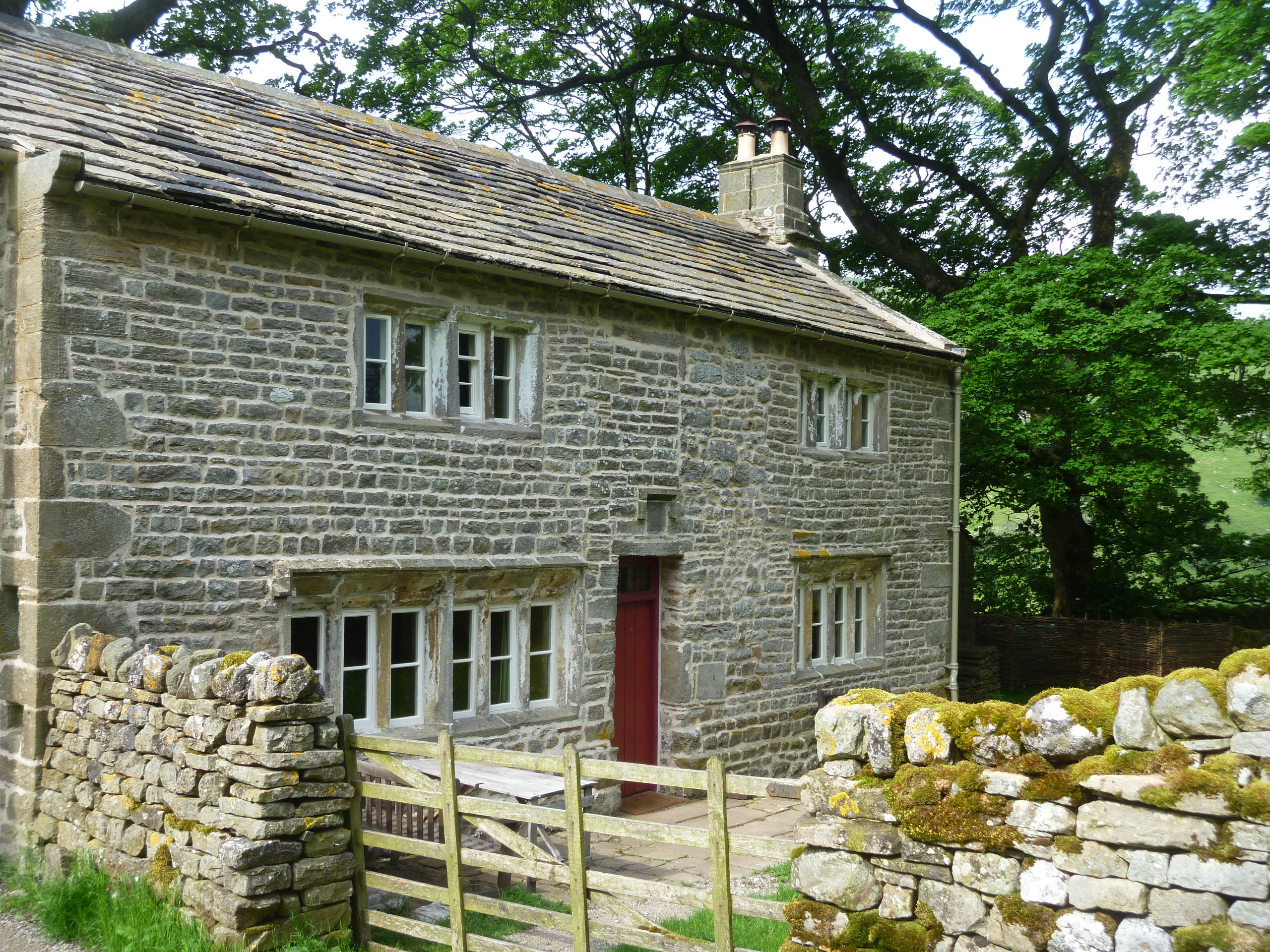
On Thursday I had been invited by my Landmarking friends to visit them during their stay at one of the latest Landmark properties : Cowside. It’s way up in Langstrothdale in Upper Wharfedale, North Yorkshire and as the invitation was for tea I set off early from home in order to fit in a couple of hours hiking along the beginning of Mastiles Lane. It is just part of an old monastic road which linked Cumbria with Fountains Abbey. Mastiles Lane itself is the stretch between Strete Gate, on Malham Moor, and Kilnsey – a distance of about 5 miles. The Cistercian monks of Fountains established a grange at Kilnsey which formed an administrative centre for the vast sheep farming estate.

Kilnsey is the village at the start of the route and it is most famous for its Kilnsey Crag a great rocky outcrop that juts out almost over the main road and is very popular with rock climbers. There are places to park in the village and along the main road and Mastiles Lane itself, although I never noticed an actual sign for it, is easy enough to find.

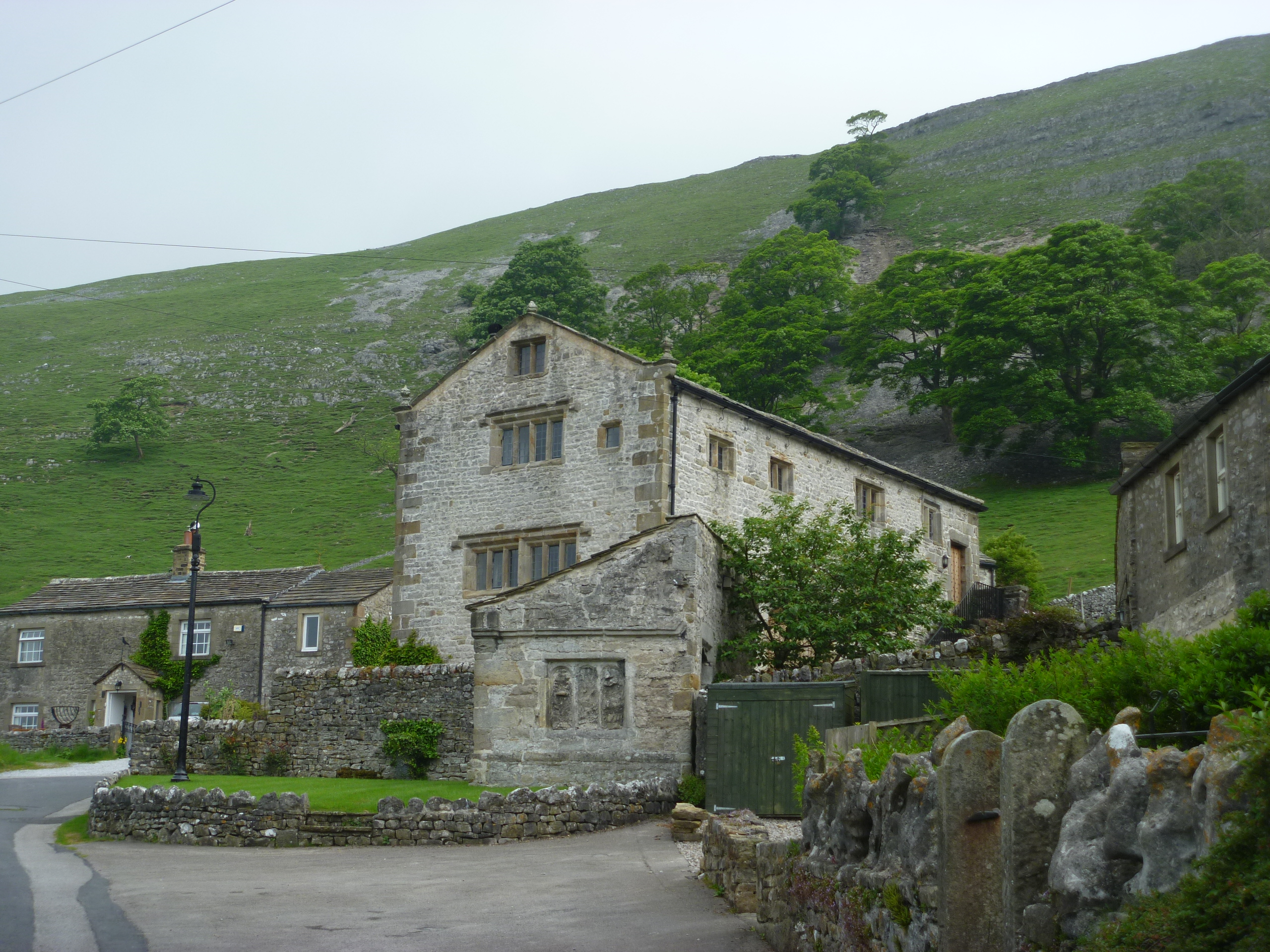
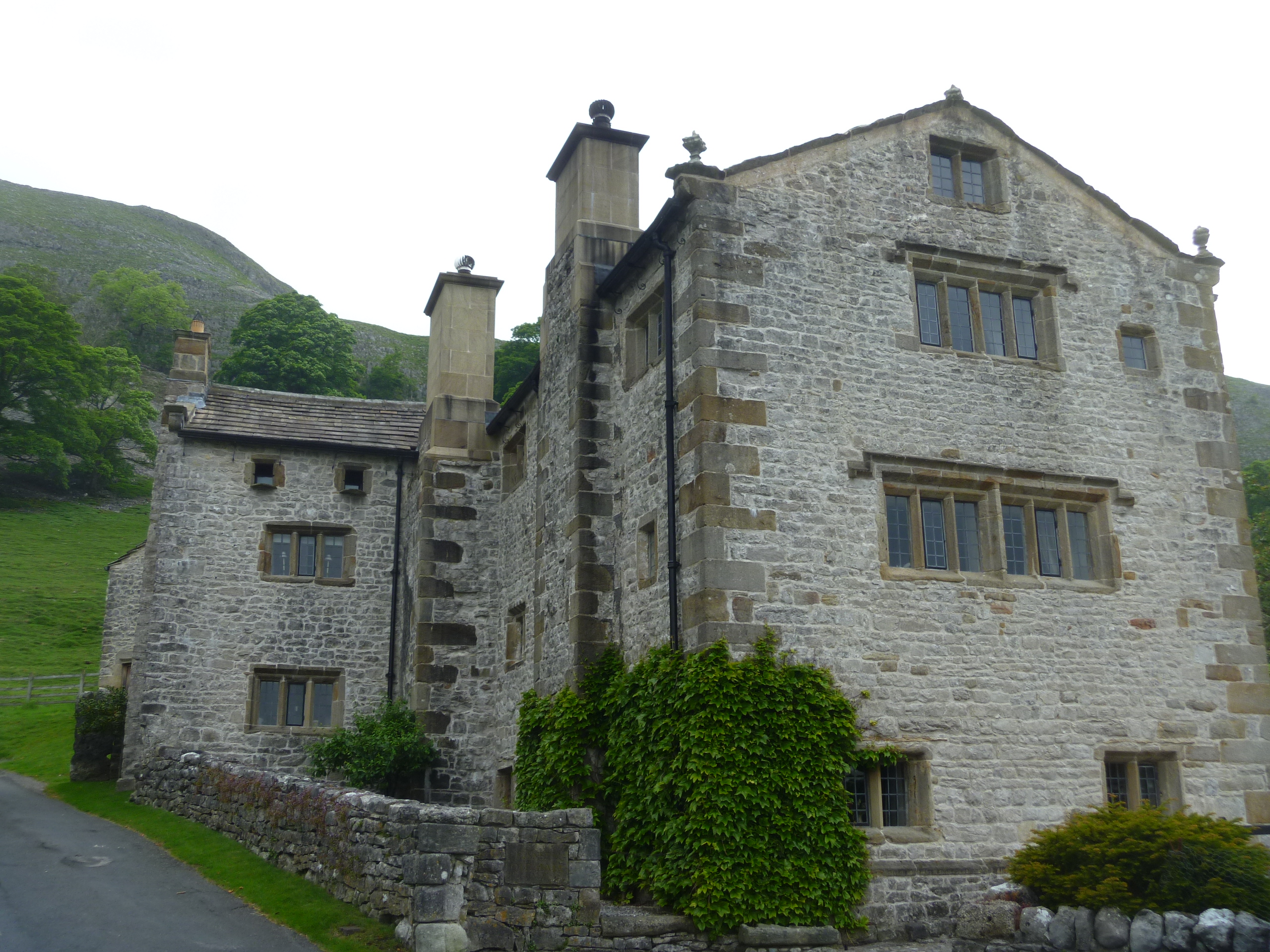
Kilnsey Old Hall

Built over the site of the former Kilnsey Grange

Kilnsey Old Hall (17th century) built on the site of the original Kilnsey grange (Fountains Abbey – by Herbert Whone, 1987.)

As you start uphill out of the village you notice Kilnsey Old Hall. The seventeenth century hall is built over the site of the original Kilnsey Grange

Kilnsey was the place to which the immense flock of this [Fountains] Abbey were driven from the surrounding hills for their annual shearing; a scene of primitive festivity to which the imagination delights on recurring'” 

from ‘The Deanery of Craven’ by T. D. Whitaker (1878).

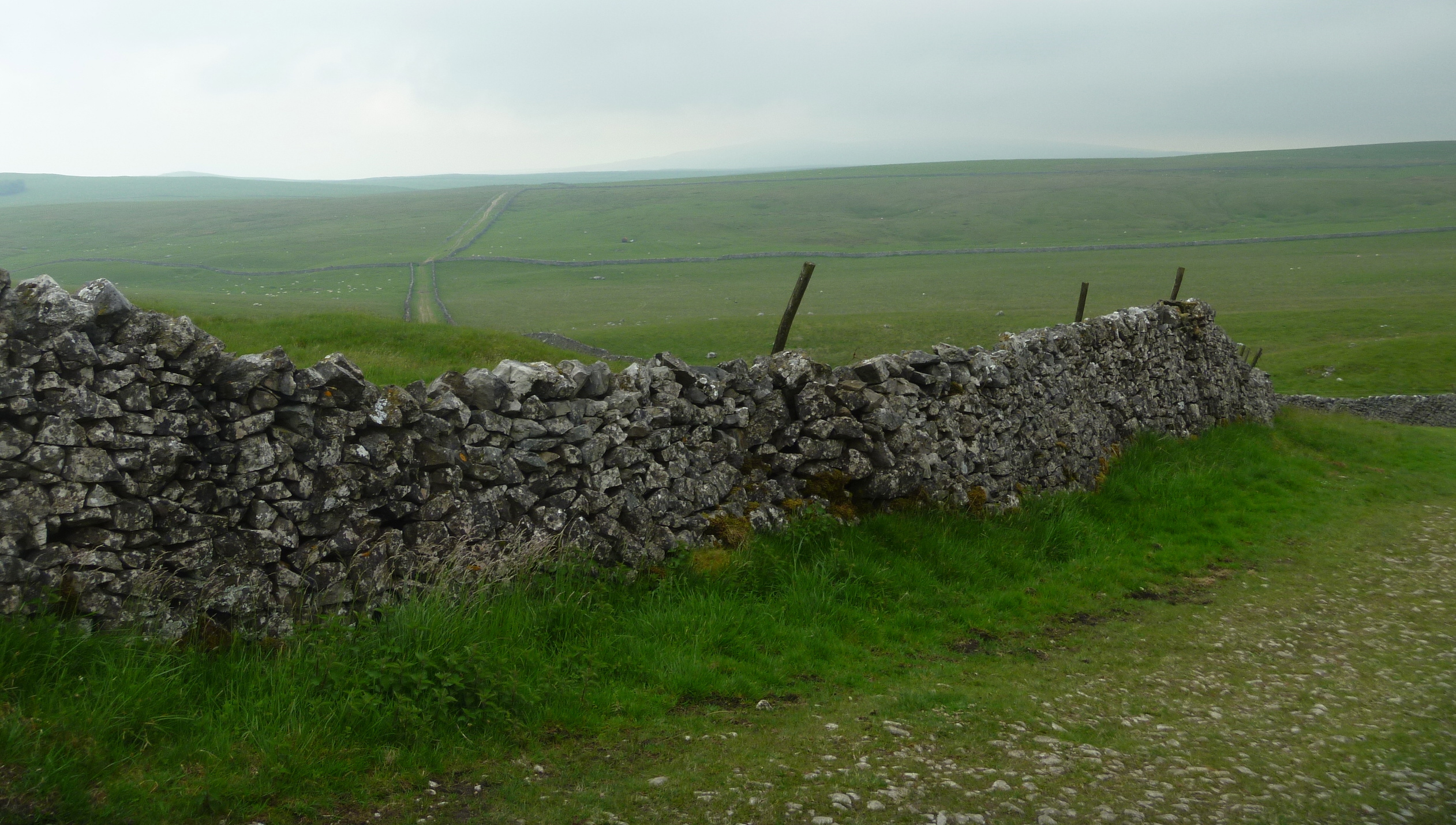
The tarmac road is soon replaced by an open track which itself is replaced, after a passing through a gate, by a walled track.

Mastiles Lane walled track in the Yorkshire Dales

Mastiles Lane continues on in a WSW direction towards Malham Moor

 I walked for about an hour on a gradual incline until I reached the highest point of the track as indicated by 1384 feet/423 meter marks on my Ordnance Survey maps. A few paces further along and I was over the brow, round a bend and could see the walled track clearly wending its way for possibly another couple of miles before disappearing over another brow.

At this point I turned back. The picture above shows the return route to Kilnsey. Many of the members of the discussion group are keen on flowers and birds and I duly noted that these both existed along the route but my own interest lies in the influence of man on the landscape and I hope to report back later in the year on the walk in full and on the evidence man has had on the landscape.

And so back to Kilnsey and a further drive deeper into the more remote part of the Dales – Langstrothdale Chase where the kettle at Cowside was whistling on the stove and the fruit cake and Yorkshire parkin were lying in wait for one hungry walker!

The Lost World of the Windsors

In one of the sitting rooms of the main building at The Moulin de la Tuilerie, or The Mill, as it is sometimes called, is a mural painted above the fireplace. It was put there by the Duchess of the Windsor and it says “I’m not the miller’s daughter but I’ve been through the mill.”

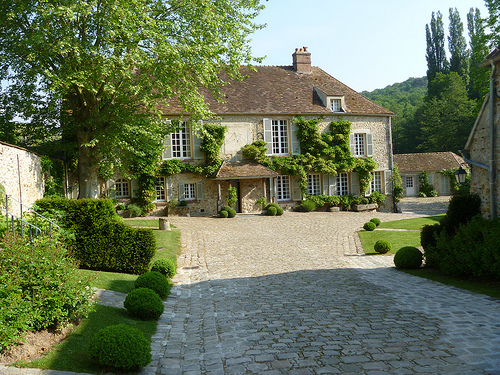
Over the years since 1734, the best date that can be given for the main building at Le Moulin de la Tuilerie, The Mill at Gif Sur Yvette has had many incarnations. The most glamourous being during the 1950s when it was the weekend home of the Duke and Duchess of Windsor. They bought the house in 1952 from the artist Drian and set about making renovations and improvements to both the house and the garden. During the 1950s and 1960s they were entertaining celebrities and the glitterati at weekend parties here just a 30 minute drive from their home in the Bois de Boulogne in Paris.

The Garden

Here is an interesting introduction  to Le Moulin and some comments by the daughter of one of the gardeners who worked with the Duke of Windsor.

Le Moulin De La Tuilerie

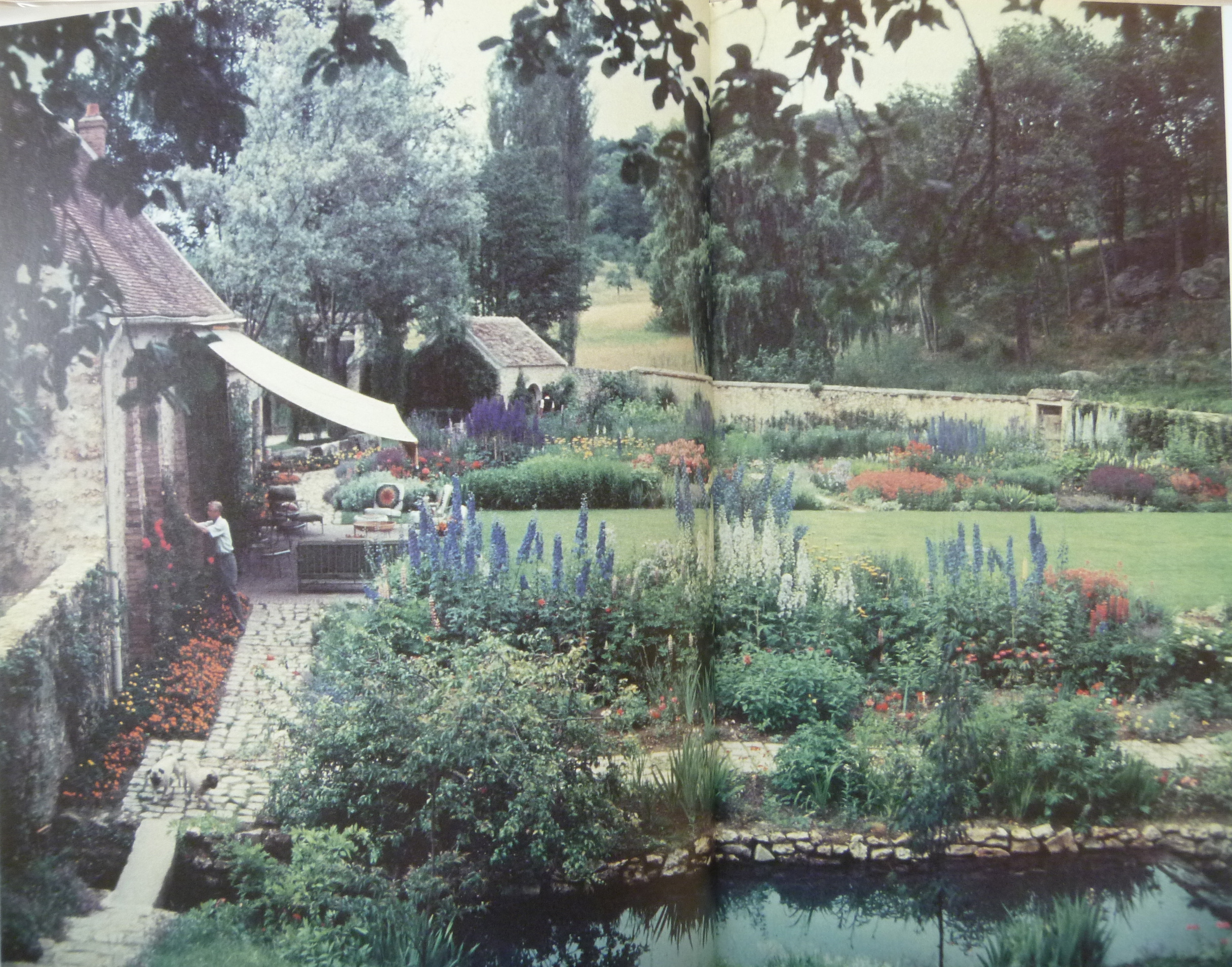
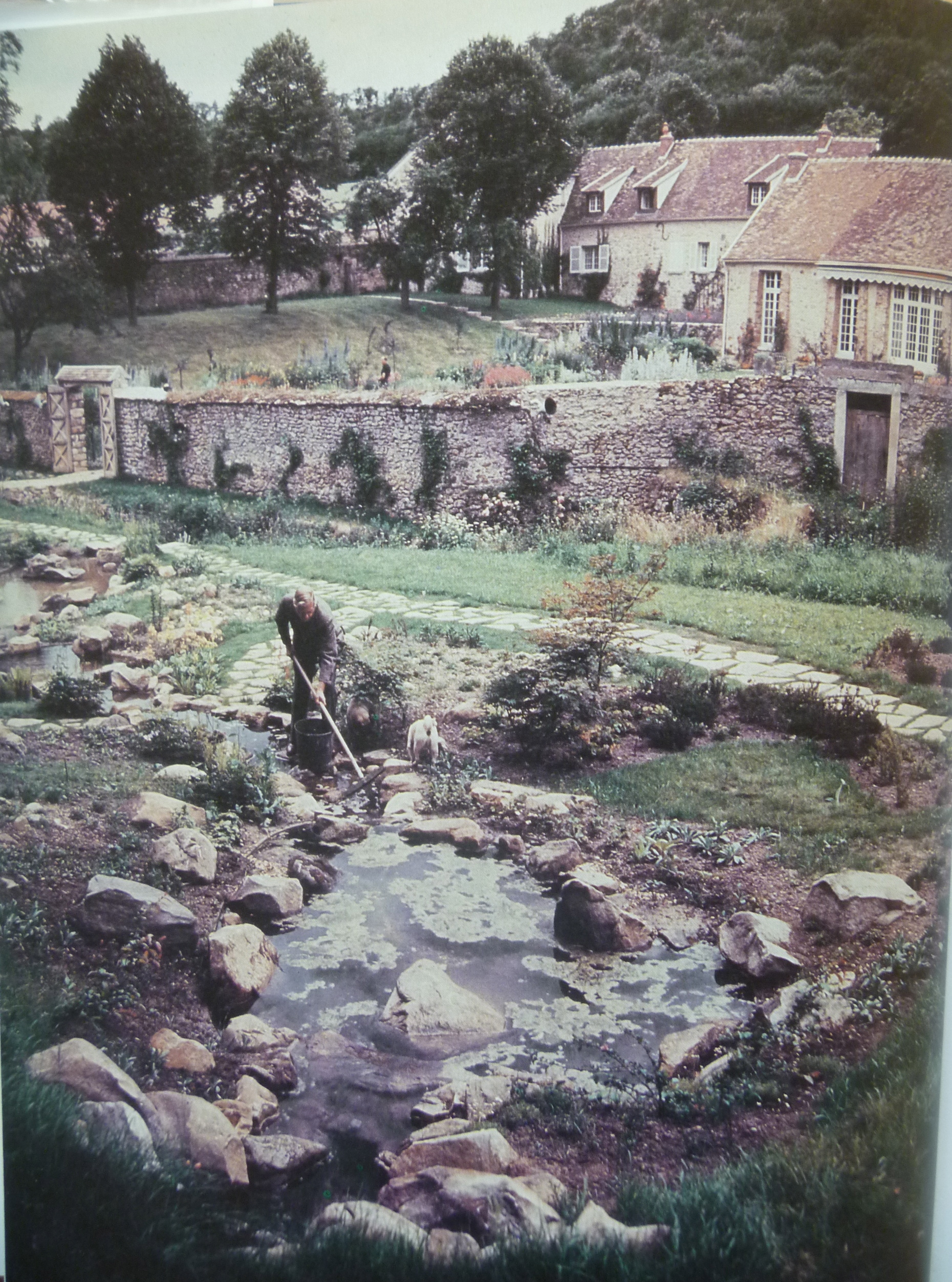
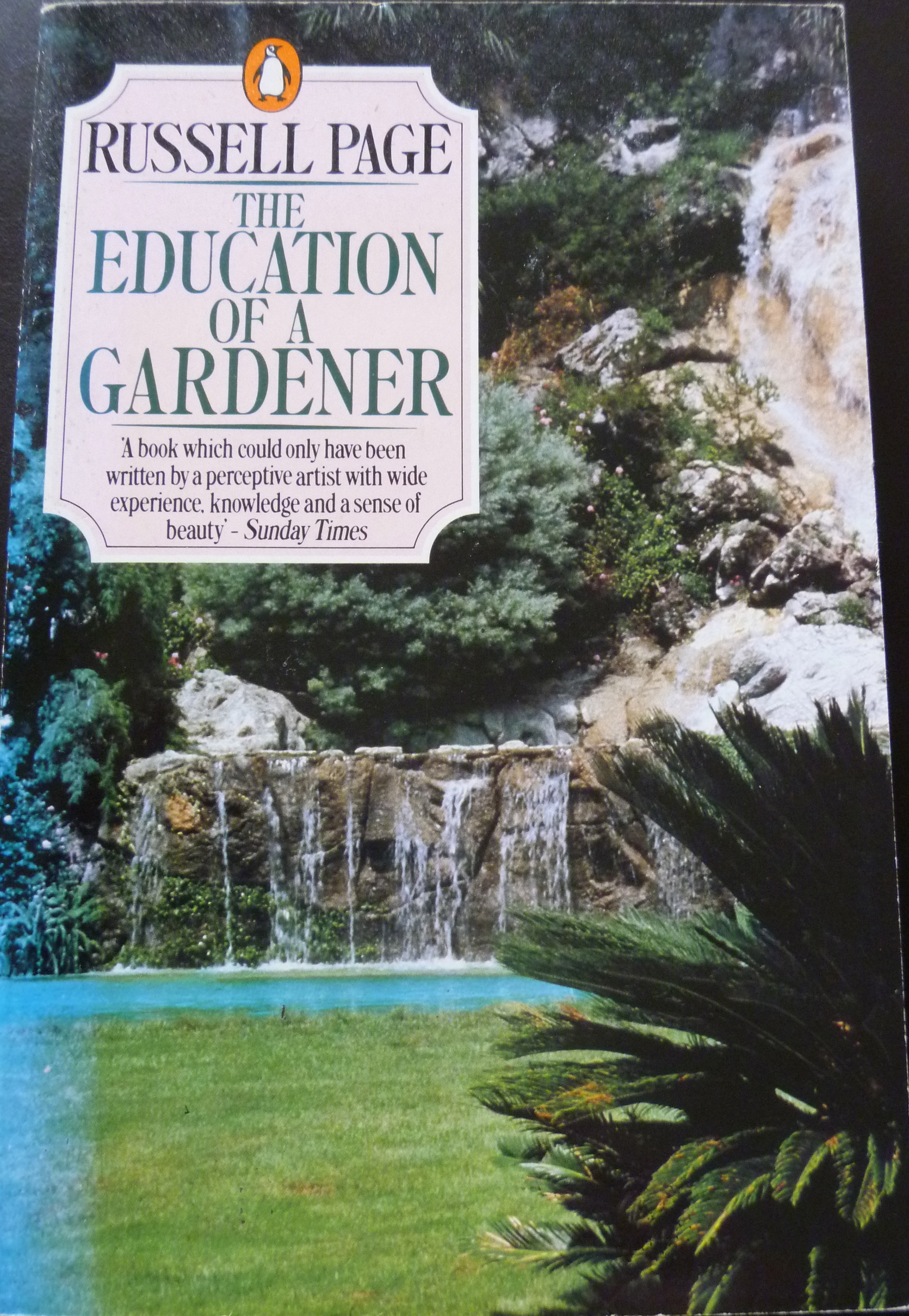
Looking at old pictures of the Mill I really do think that the Duke loved pottering in the garden. Russell Page, in his book, The Education of a Gardener makes several comments about the Duke’s choice of plants and about his keen interest in the garden in general.

Photo from The Windsor Style by Suzy Menkes.

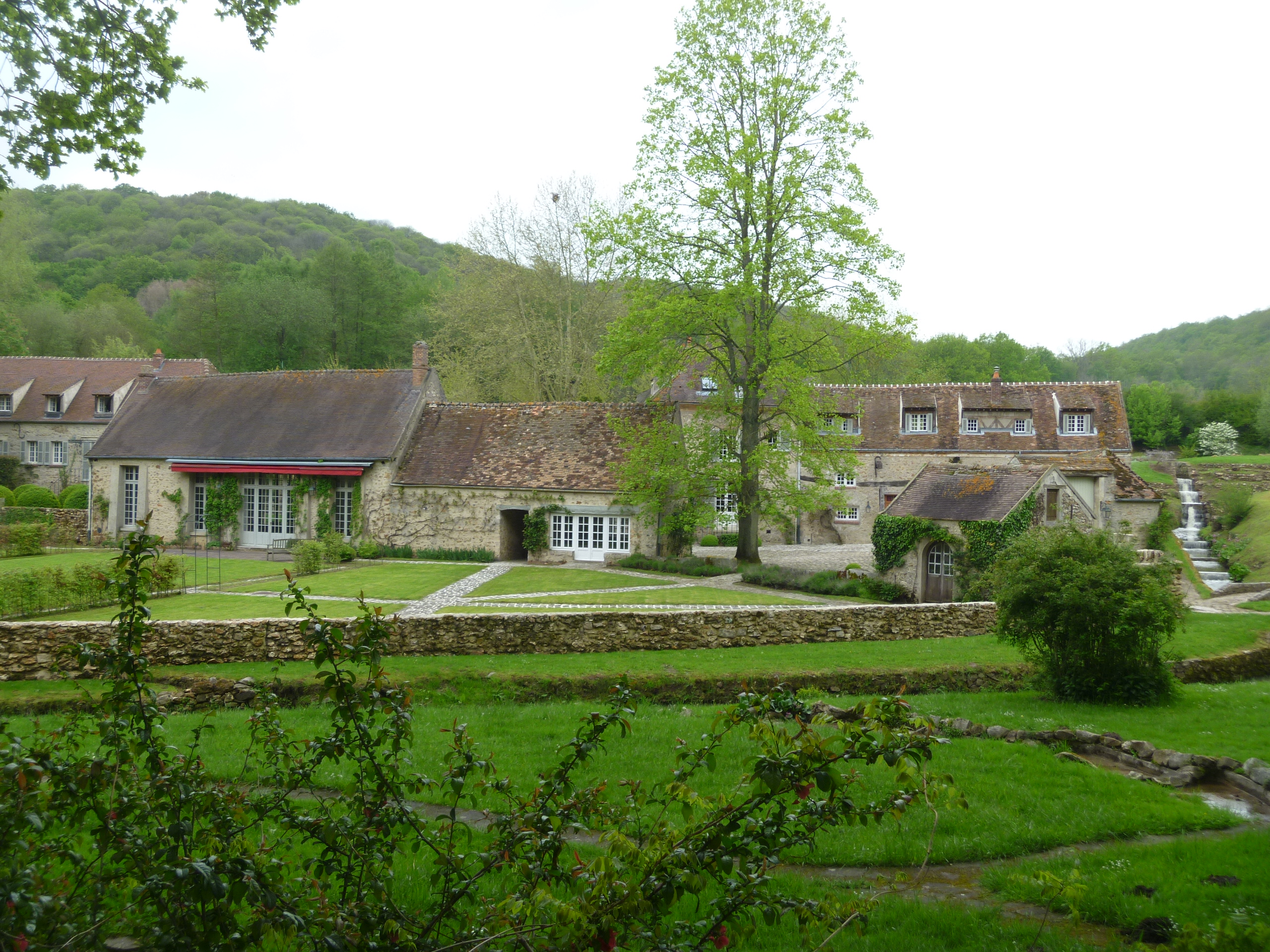
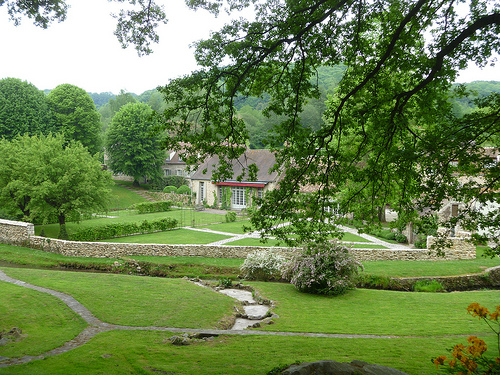
The Garden at The Mill Today

“It was a lucky day for the Duke of Windsor, who loves stones as well as streams, when in his garden near Paris, he found the remains of an old quarry with enough stone to pave all the garden paths. We used them with fairly wide mortared joints in the enclosed garden, and spaced more widely and with grass between, in the wilder parts outside the garden walls.” (Russell Page – The Education of a Gardener)

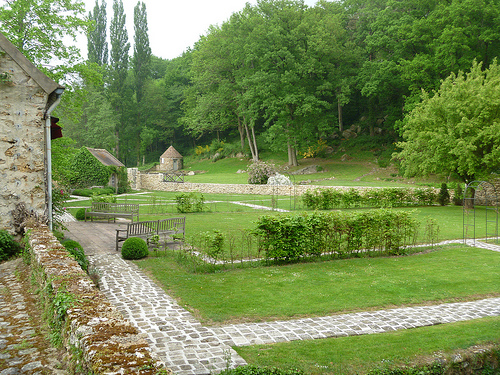
Both of my visits have been in May so very few flowers have been in bloom and the garden is generally tidier and less fussy than in the Windsor’s day.

The Grounds

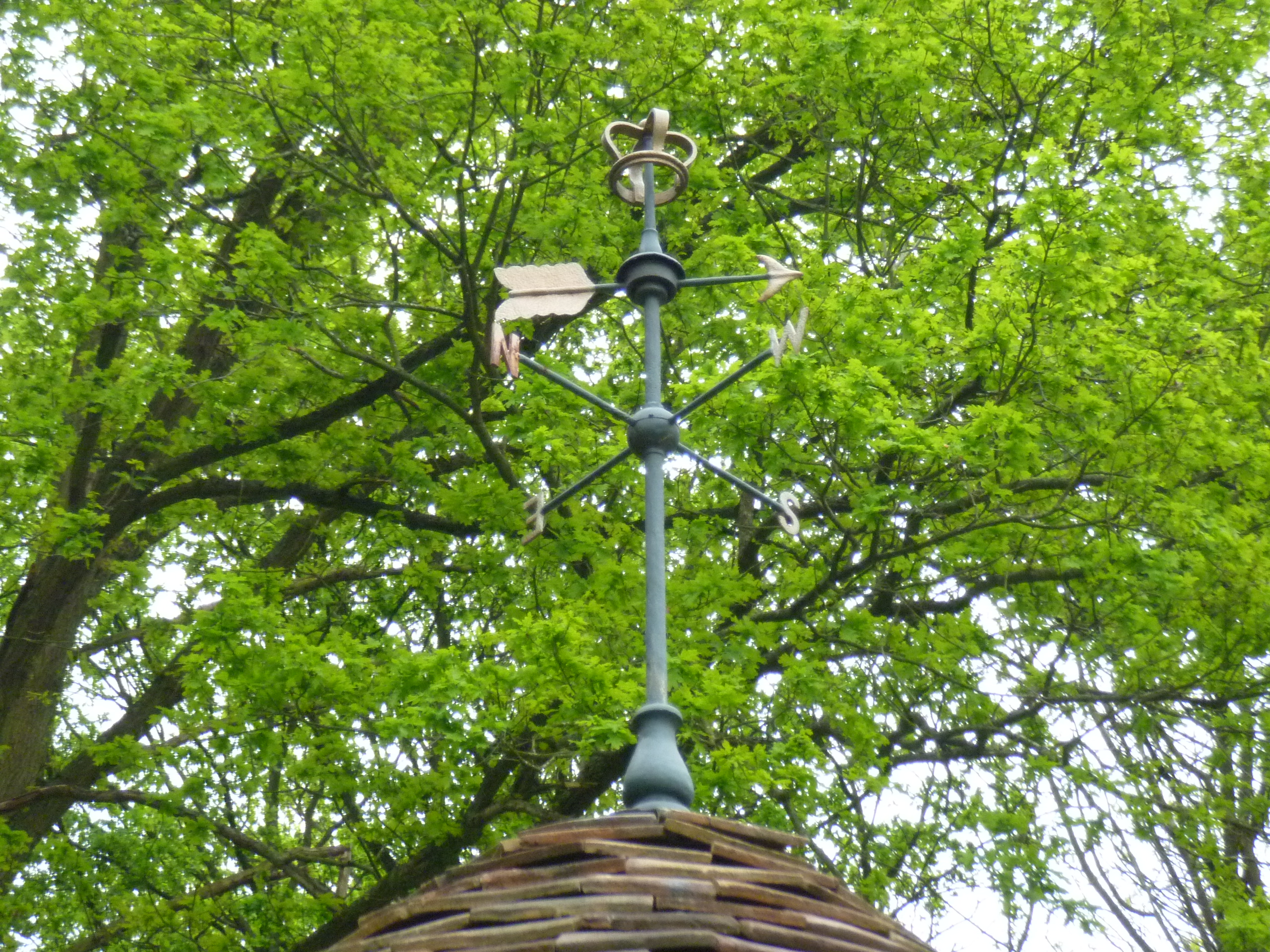
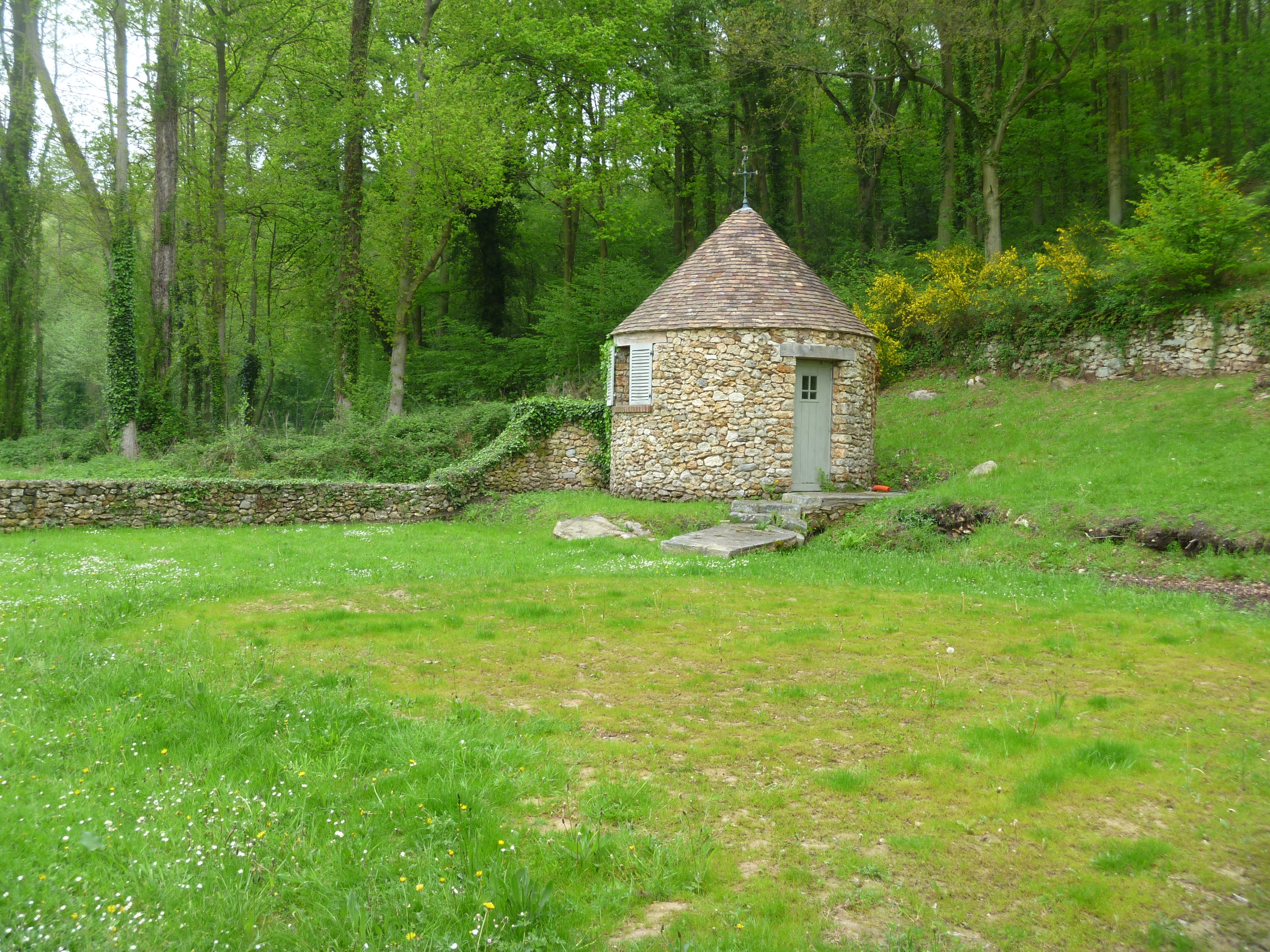
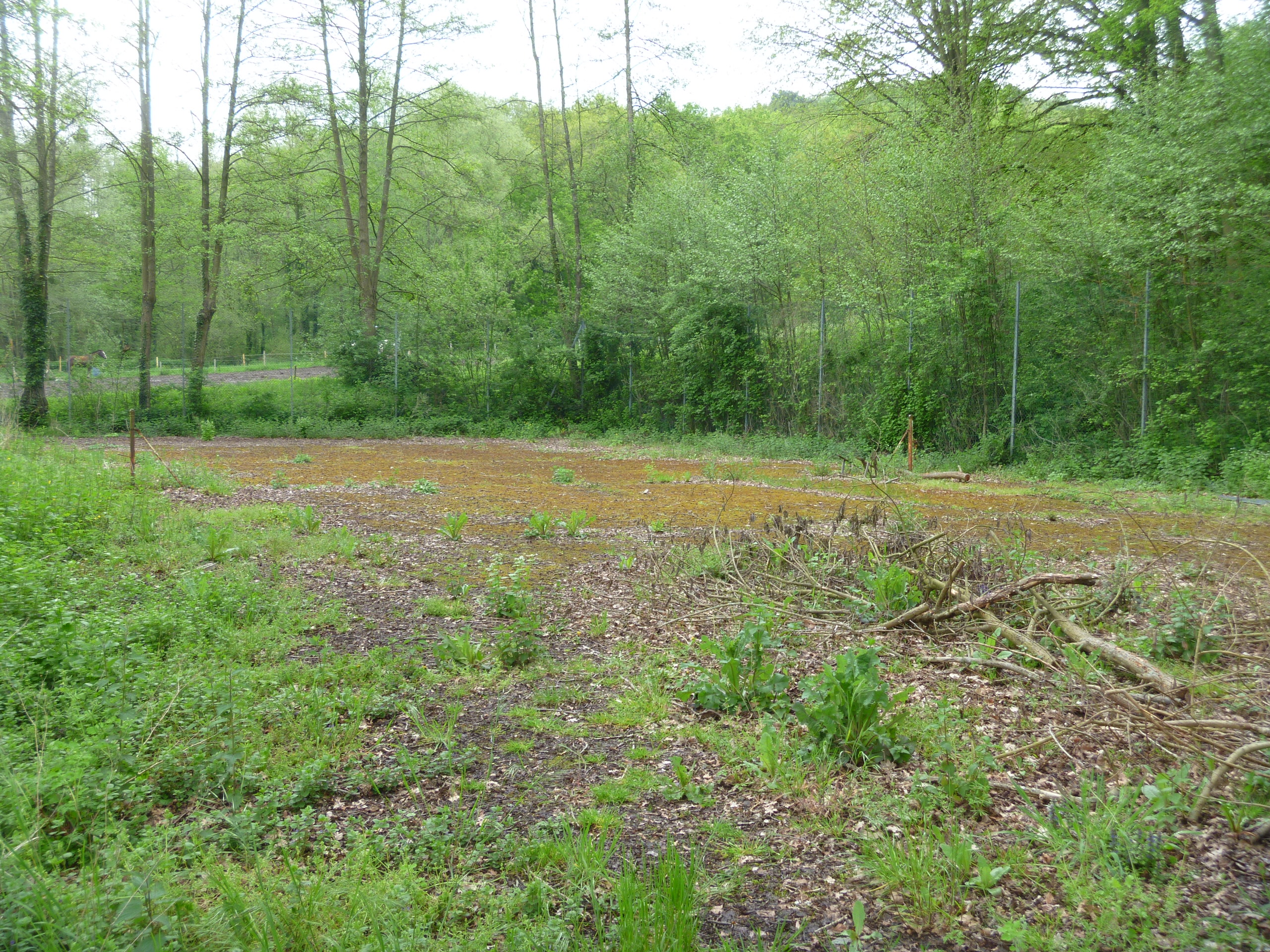
When the Duke and Duchess of Windsor lived here at the weekends and entertained their guests the grounds contained a swimming pool and a tennis court. Today these are overgrown and have all but disappeared. The pool was filled in but standing by it and still topped by a weather vane complete with coronet is a little round changing hut.

Photo from The Windsor Style by Suzy Menkes.

The garden at The Mill today

The tennis court today

The Pugs

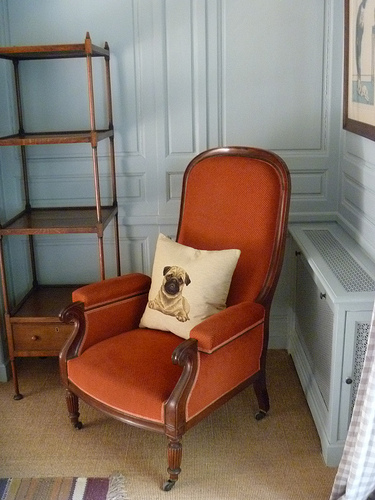
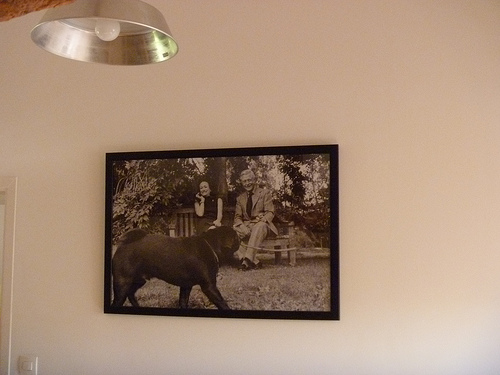
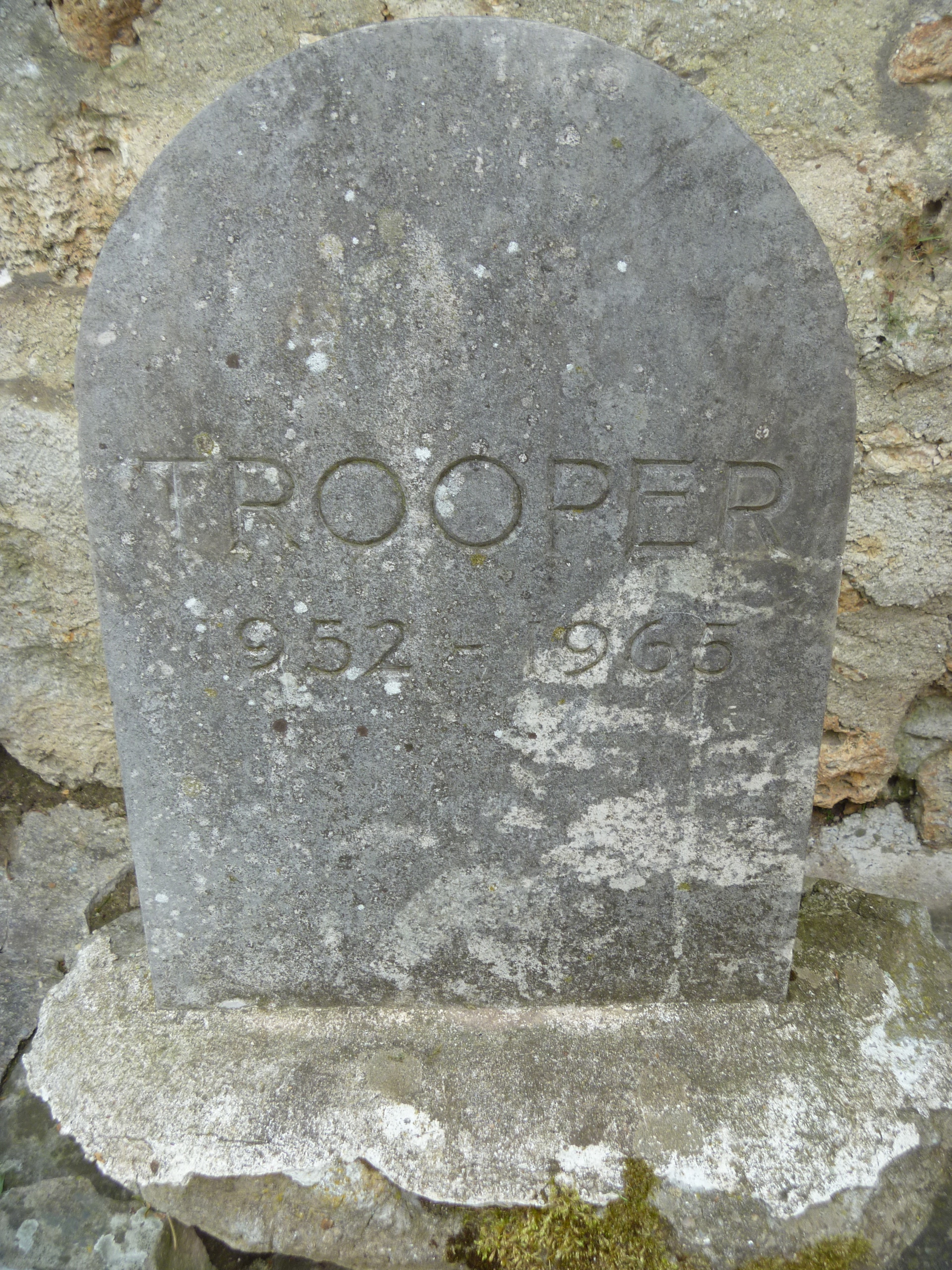
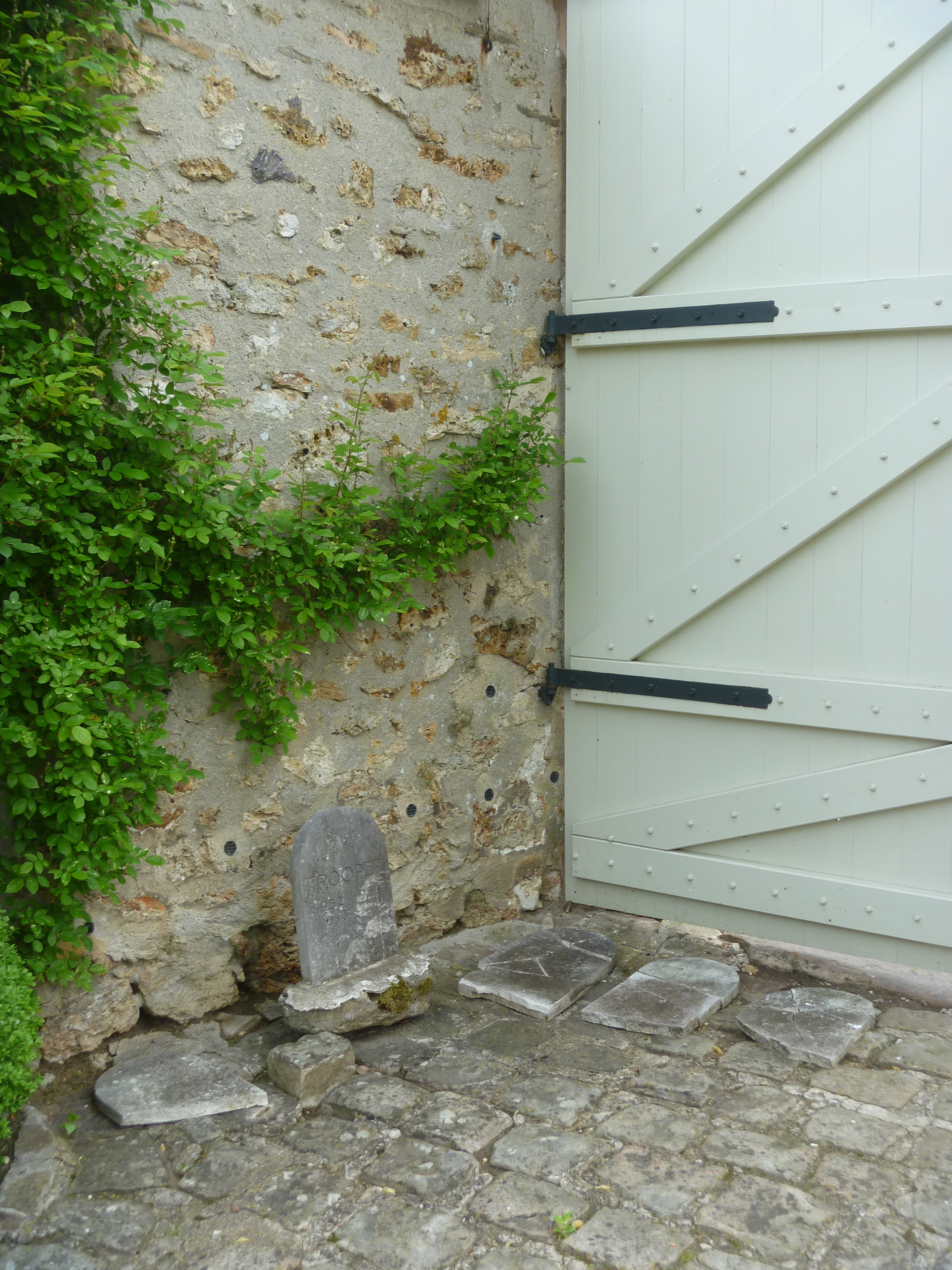
Evidence of the Duke and Duchess’s love for their pet pugs can be seen everywhere at The Mill. In the pictures hanging in each property, in the books in each library, on the cushions and by the fact that little individual tombstones were made for each pug that passed away and was buried in the Mill grounds.

The stones have been moved and now lie or stand near one of the garden gates.

 Trooper – 1952-1965 RIP

Pug Headstones

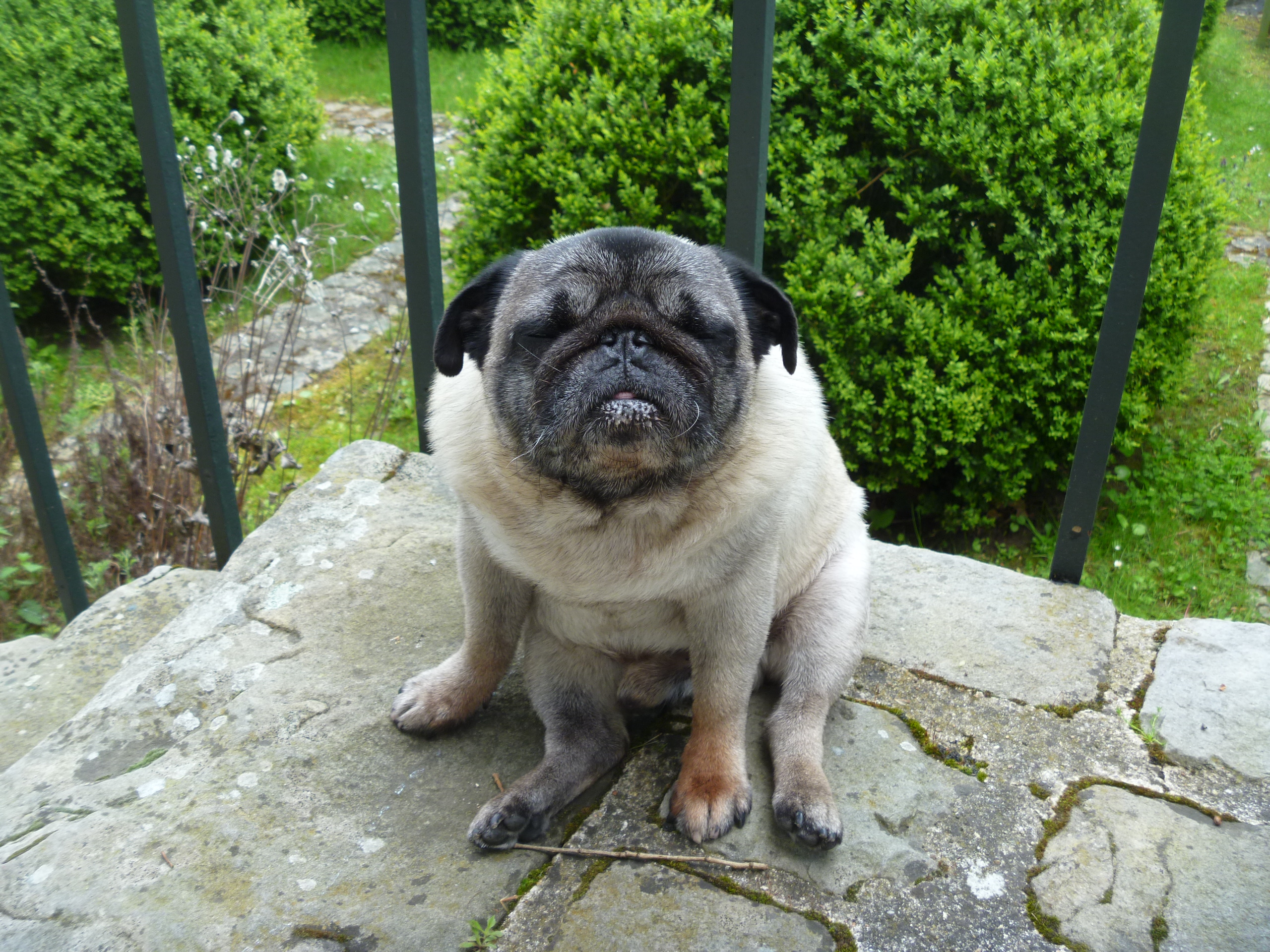
Of course, as our own contribution to try to bring Le Moulin back to its former glory we brought our very own pug Alfie to stay. He found that he had a taste for the Royal life and did not want to get back in the car to come home!

The Literature of the Windsors – a publishing phenomenon

Millions of words and countless books have been written about Him, about Her, about Them, about The Abdication and about Their Stuff.

Lots of it is repetitive – believe me I have now read quite a few.

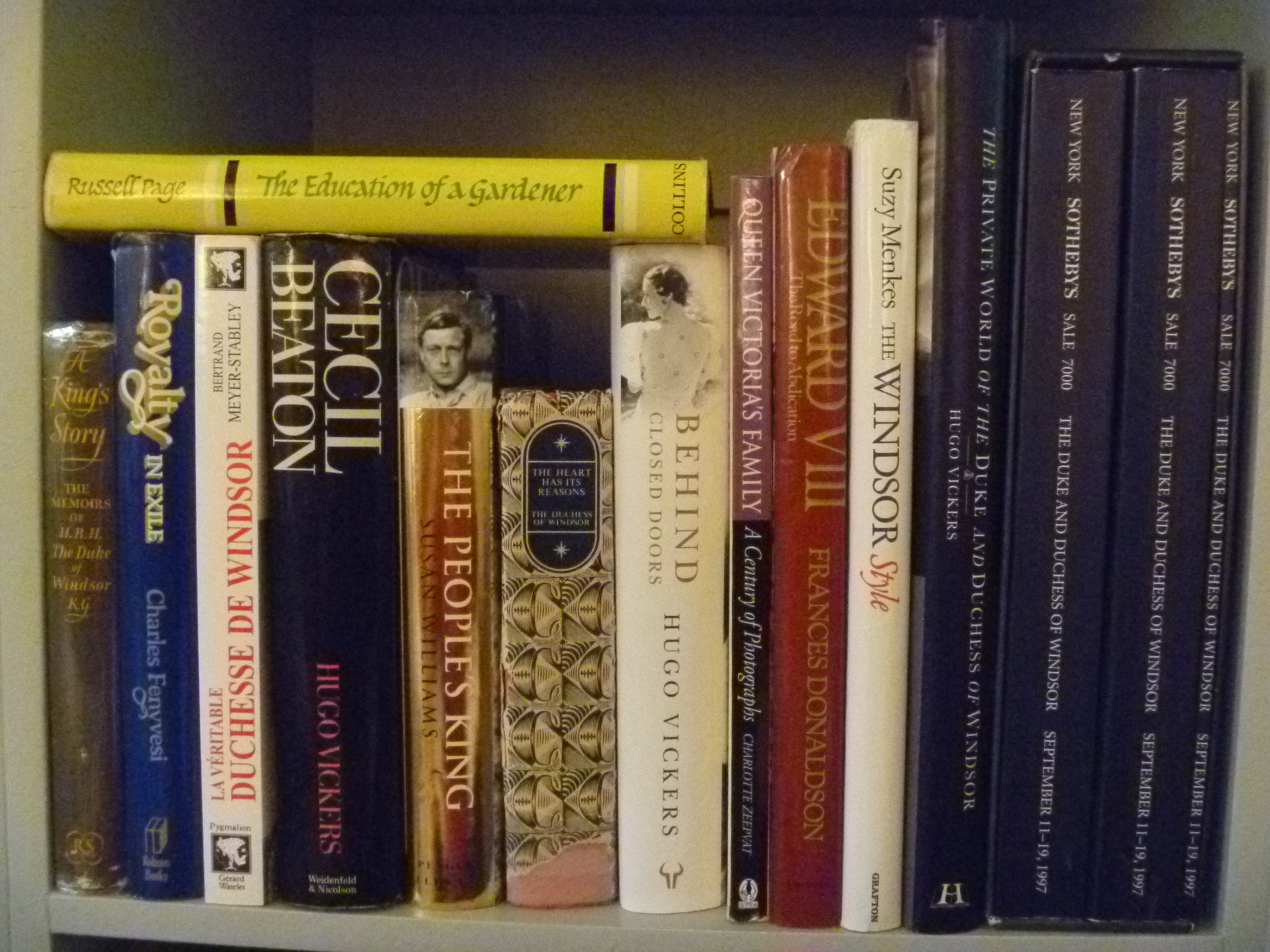
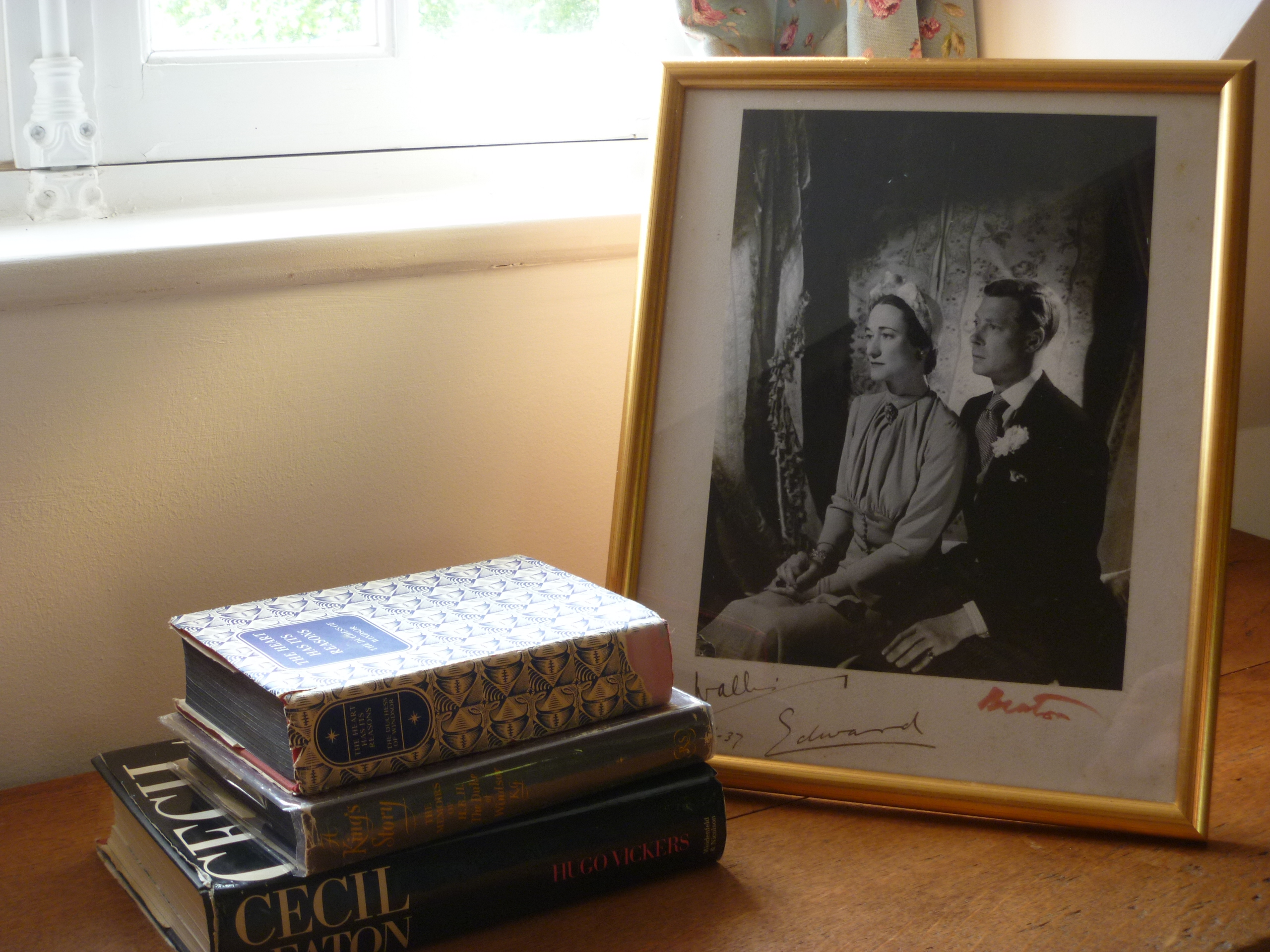
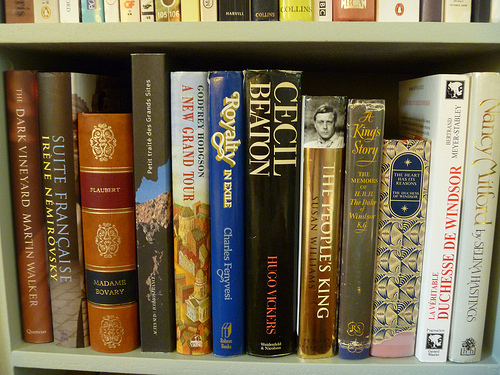
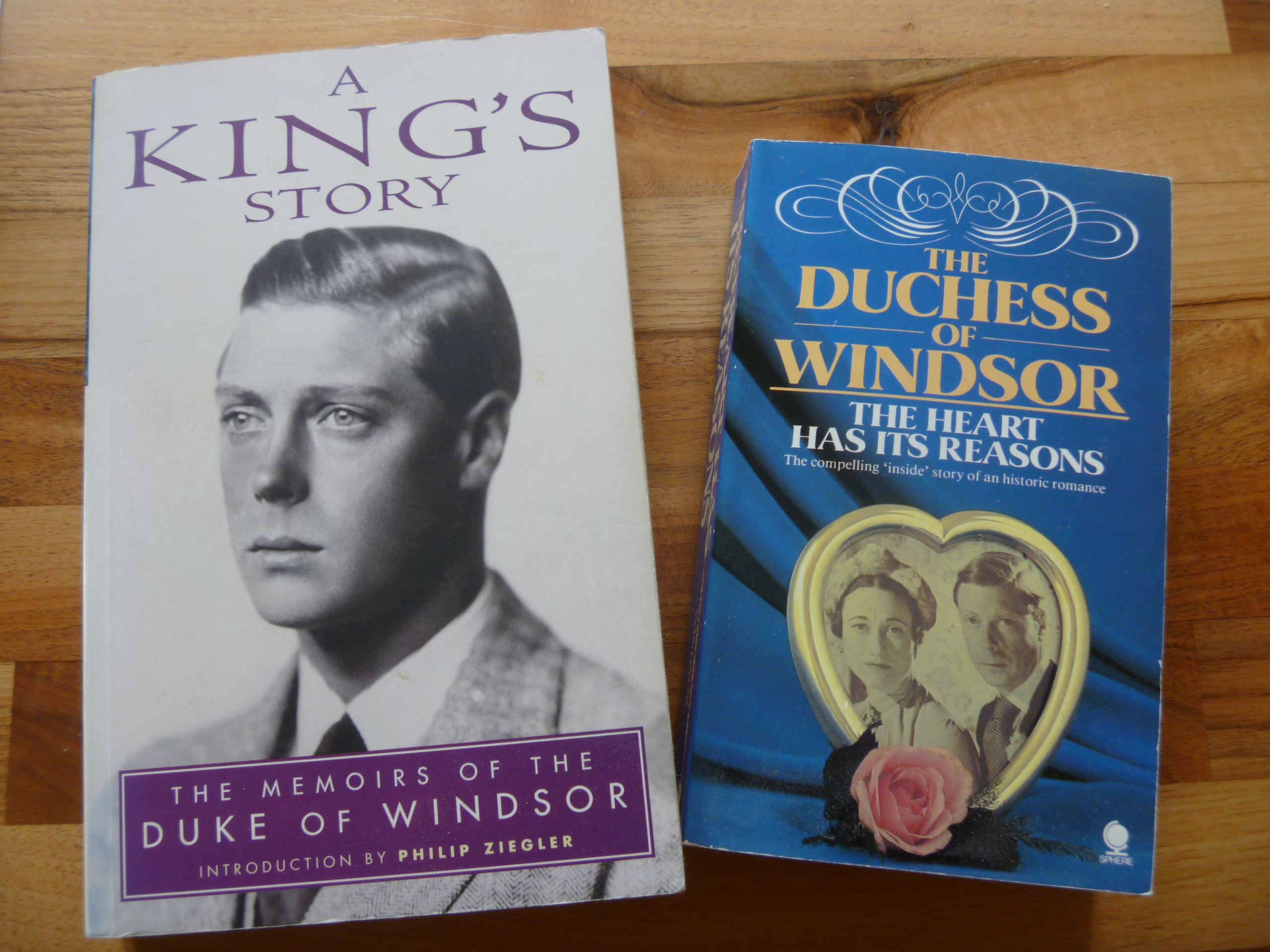
They published their own memoirs during their lifetimes, namely A King’s Story and The Heart Has Its Reasons. These two I own but have yet to read. The story goes that after the Abdication and the Second World War was over and when they had finally settled in France the former king, feeling rather at a loose end, at Wallis’s suggestion wrote his own biography. This he set about with gusto and with help of Charles J. V. Murphy. Published in 1951 A King’s Story: the memoirs of H.R.H. The Duke of Windsor was a great success. Wallis published her own story The Heart Has Its Reasons: the memoirs of the Duchess of Windsor in 1956.

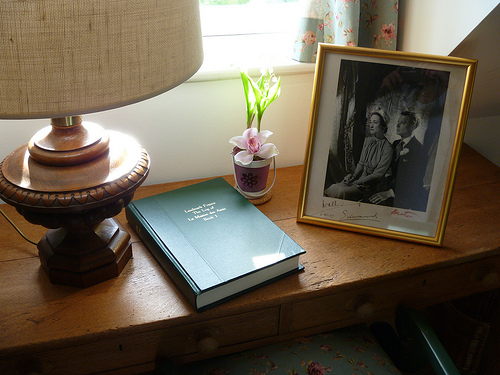
Copies of both books are on the Library shelves at La Maison Des Amis.

I have (unread, so far) copies of my own as well.

Also on the library shelves at La Maison are other biographical works telling in their own way and with their own biases the stories of the Duke and Duchess. The winner with the most publications to his name on these shelves is Hugo Vickers with a total of 3 works:

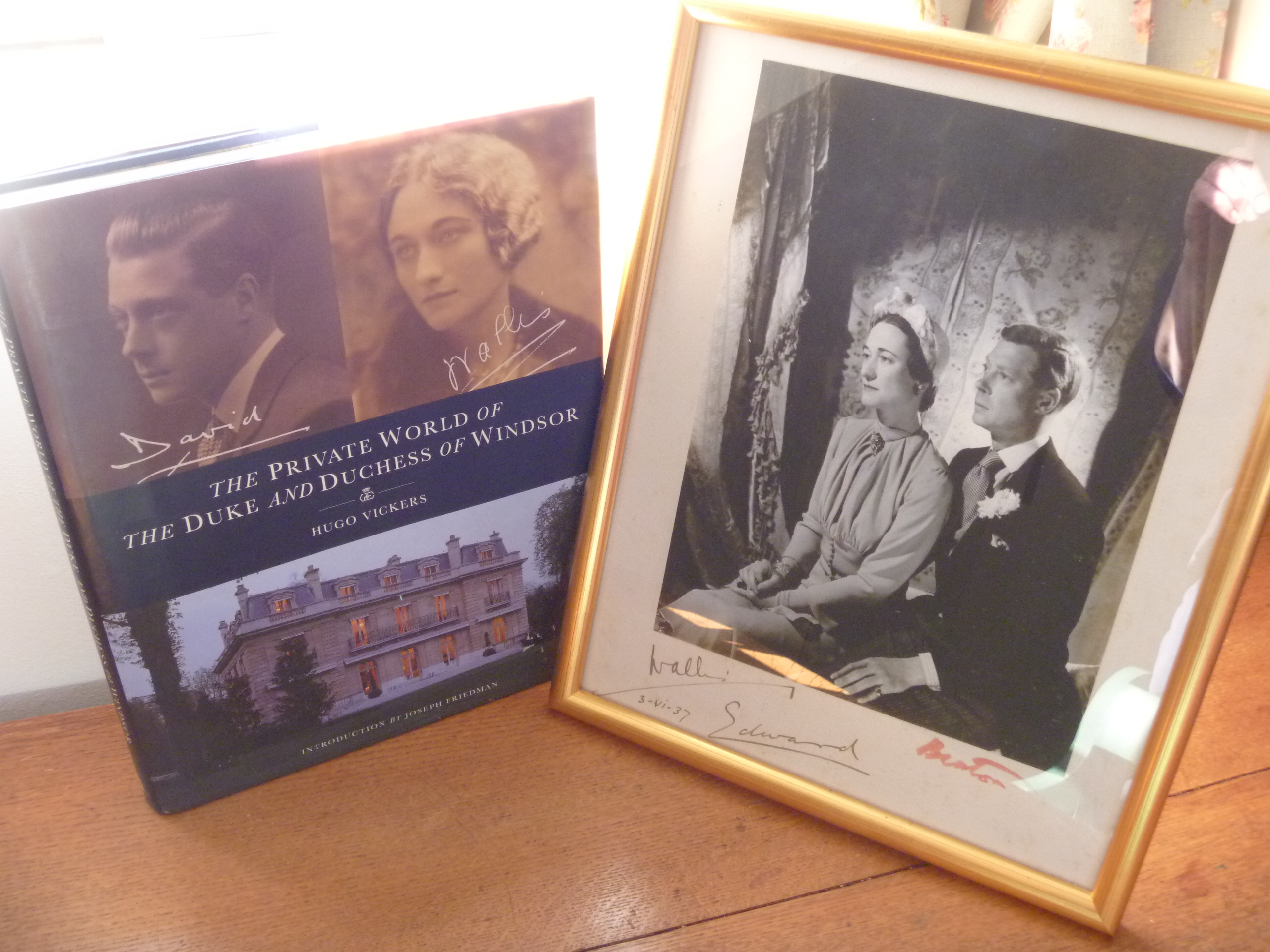
The Private World of the Duke and Duchess of Windsor, 1995. Published by Mohammed Al Fayed.

Cecil Beaton : the authorized biography; 1985.  (CB was a close friend of theirs and who took many of the best known photographs of the Windsors and who frequently came to stay at Le Moulin de la Tulierie.)

Behind Closed Doors: the tragic untold story of the Duchess of Windsor; 2011.

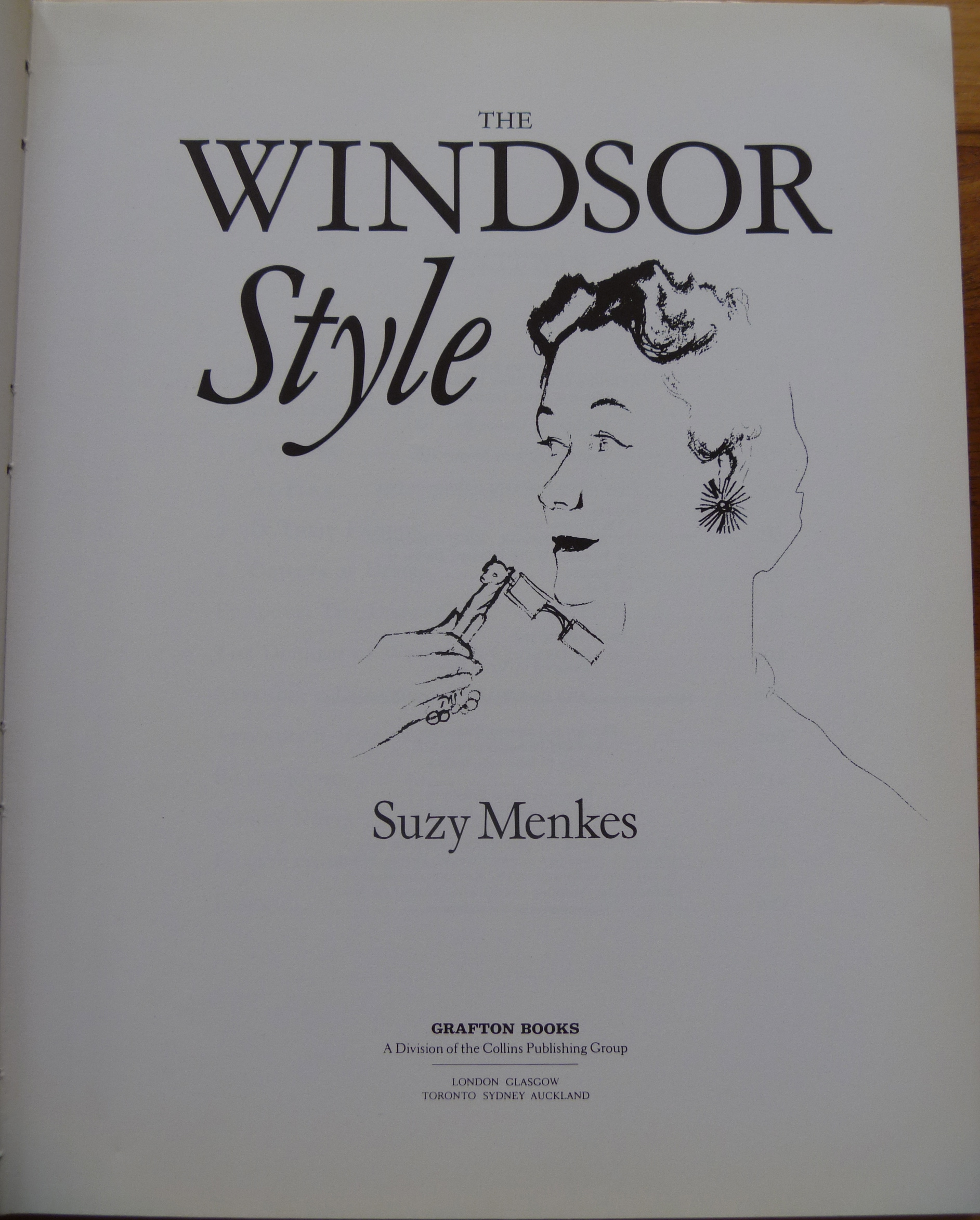
Other Windsor books at La Maison include Suzy Menkes’ The Windsor Style (1987) which covers their homes, gardens, fashions and objects. The appendices include The Duchess of Windsor’s Cookbook and a list of furnishings and objets d’art donated to The Palace of Versailles and the sale results of The Duchess of Windsor’s Jewel Sale at Sotheby’s in Geneva in April 1987.

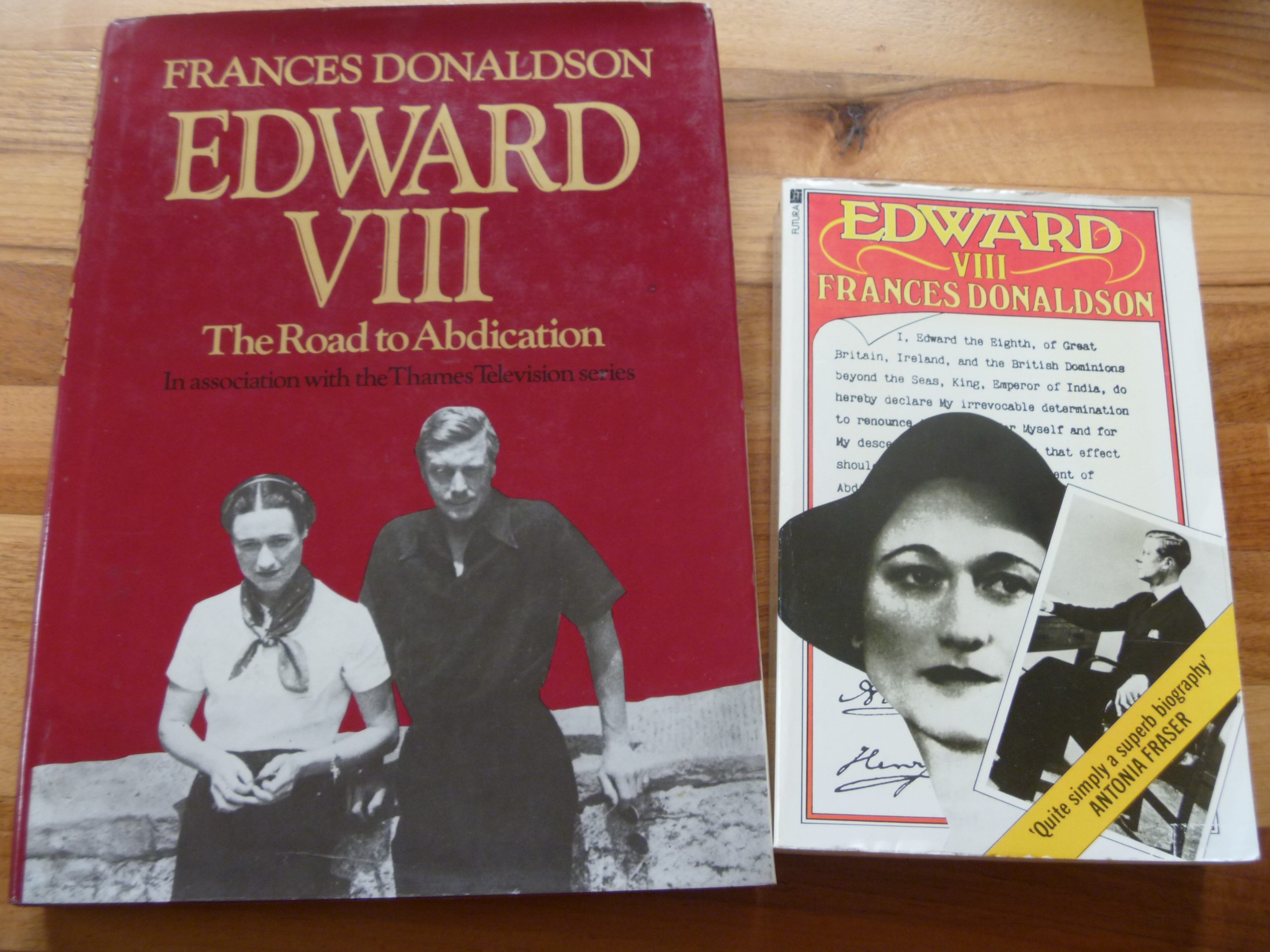
Frances Donaldson, who wrote an [official] biography of the Duke also published in 1974 Edward VIII : the road to abdication. Rather more of a photographic album with informed commentary than the aforementioned biography. Shown below are my own copies.

The selection at Gif also includes La Veritable Duchesse de Windsor by Bertrand Meyer-Stabley, Editions Pygmalion, 2002, for all the French guests staying at Le Moulin. Well, I have yet to see any French commenters in the Landmark Logbook but maybe they haven’t caught on to the British Visitor’s Book signing tradition.

The People’s King [another] true story of the Abdication; by Susan Williams [2003]

Queen Victoria’s Family: a century of photographs, 1840-1940; by Charlotte Zeepvat. [2003]

The Education of a Gardener, by Russell Page. [1962] who spent time helping the former king to establish his own garden at Le Moulin de la Tuilerie.

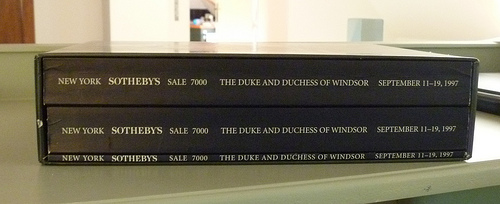
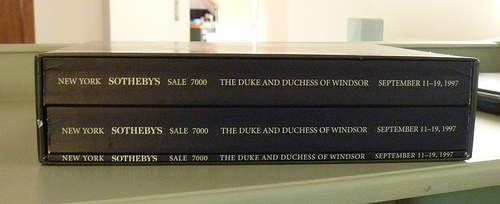
But I think the most interesting and intriguing books on the library shelves at La Maison are the 3 volumes of the New York Sotheby’s Catalogue of the Sale in 1997 of the Duke and Duchess of Windsor’s property. They are fully illustrated and contain price estimates. On our return home last year we bought the final sale price list with which to compare.

At Home With the Windsors – La Maison des Amis

I am off to France shortly. It’s another Landmarking holiday but with the added difference that I shall be in France and staying at the former weekend home of the Duke and Duchess of Windsor.

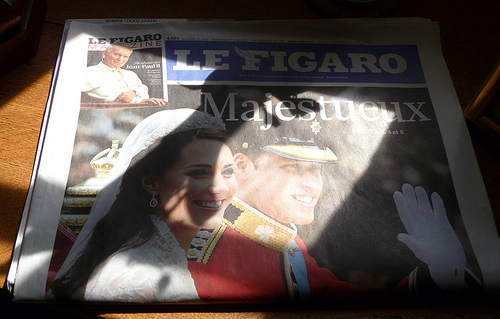
This will be my second visit. Last year the day of departure coincided with the Royal Wedding. I had my own Royal Weekend in France which made up, somewhat, for missing the live broadcasts of Kate and William’s happy day.

Le Moulin

La Maison des Amis is situated within the small estate that comprises The Moulin de la Tuilerie on the edge of the village of Gif sur Yvette in the Essonne department of France. We didn’t use it last year but there’s an RER train link with the centre of Paris and the journey takes about  40 minutes. We’re hoping to have a little trip to town this time. We don’t have too many plans but we have reserved at a restaurant in Versailles for lunch on the Sunday.

La Maison Des Amis (rear)

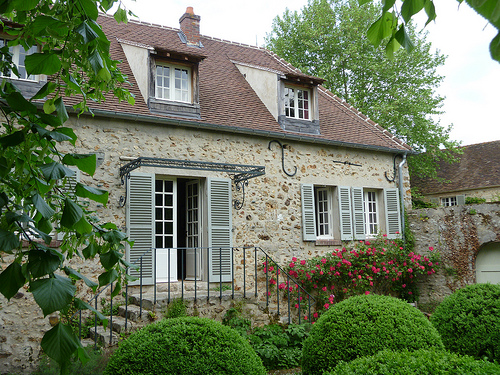
There are three rental properties on the site. Le Moulin  itself (which sleeps 12 in total) and which the Duke and Duchess themselves occupied for their weekends away from Paris and La Maison de Amis (sleeps 4) and Le Celibataire (sleeps 2) where their guests – people like Richard Burton and Elizabeth Taylor (I sleep in their room!), Cecil Beeton, Marlene Dietrich and Maria Callas – were accommodated very comfortably.

Le Moulin de la Tuilerie from ‘Cardiac Hill’ as the Duke of Windsor called it!

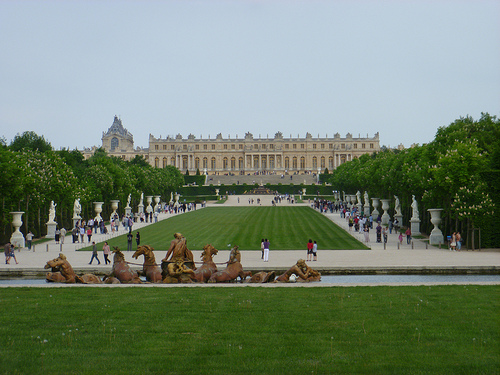
Those Windsors they recognised a great location when they saw it. In addition to being 40 minutes from the centre of Paris (or rather 35 minutes by Buick from their home in the Bois de Boulogne) the lovely old town of Versailles and its OTT palace and  grounds are about 20 minutes away and as Landmark puts it :

“Just as for Edward and Wallis, still today this is a place for contrasts: a wonderful setting to play host, or enjoy deep tranquillity; an easy day trip by direct train to the bustle and culture of central Paris or the delights of Versailles, and yet a place where the city finally yields to deep countryside.”

Sunday evening strollers in the park at Versailles

There is plenty of good reading matter in the Landmark Library, as usual. We spent a lot of time looking through the Sothebys New York 1997 Sale Catalogue of the Windsors’ stuff.

Help save Belmont – a literary landmark in lovely Lyme Regis!

Today I received a fund-raising email from the Landmark Trust to encourage support for donations to help save Belmont House in Lyme Regis.

Follow this link to read more about the house and its present desperate state :

Belmont, Lyme Regis

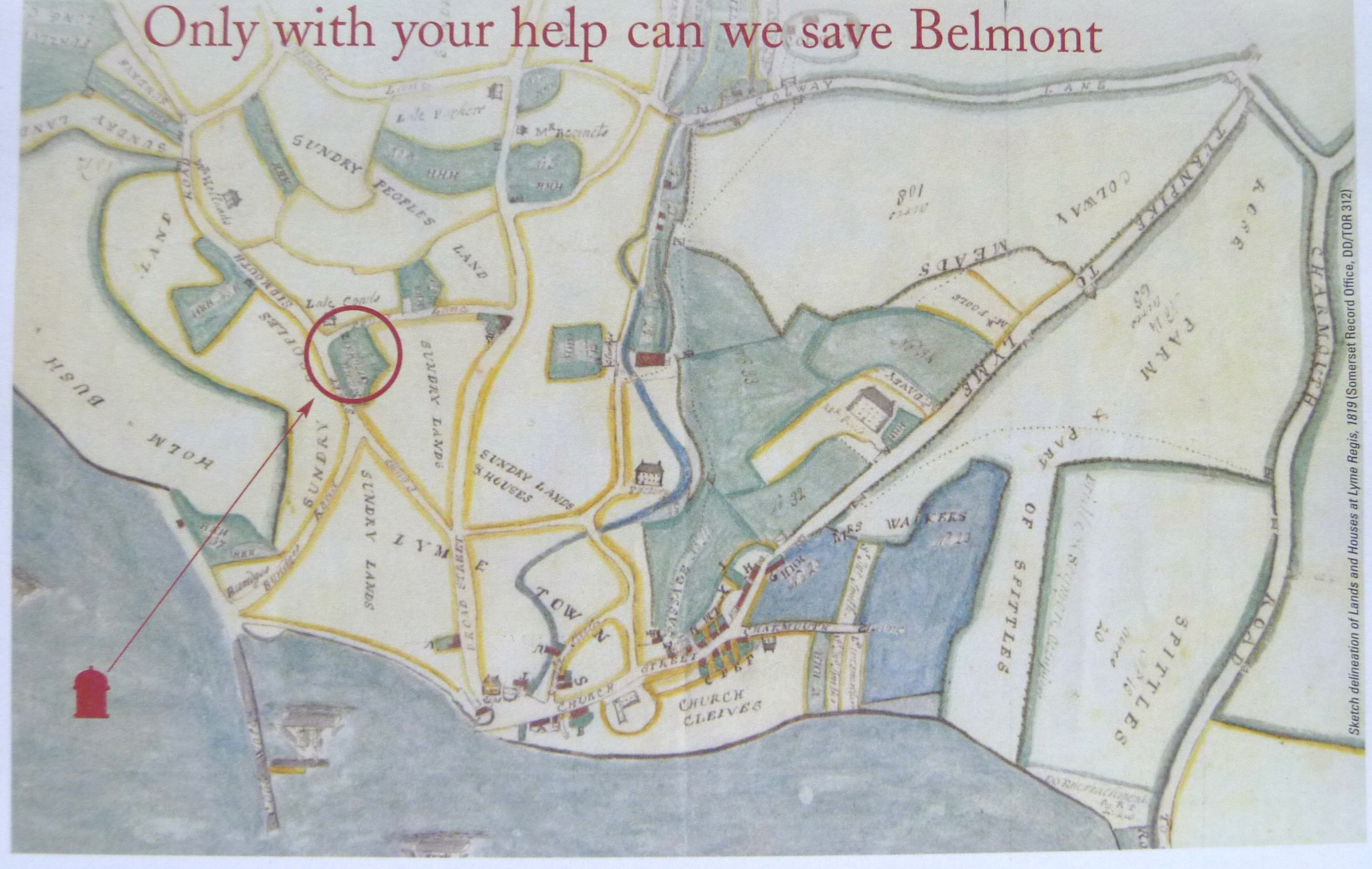
Belmont was the former home of two interesting people. During the 18th century it was the home of Mrs Eleanor Coade the lady who devised a formula to mass produce architectural embellishments and statuary of the highest quality which she named ‘Coade stone’. And between 1968 and 2005 it was the home of novelist John Fowles and it was here that he finished his most famous work “The French Lieutenant’s Woman”. Lyme Regis is the setting for the book. It was through his generosity that Belmont was left to the Landmark Trust. The Trust’s website explains why further funds are needed to restore the house and make it habitable for future holiday lets through this unique organisation:

Belmont stands empty, decaying and at risk and urgently needs funds to enable its restoration. The Grade II* house is a fine, early example of a maritime villa, a new building type that sprang up in the second half of the 18th century with the rising popularity of seaside holidays. Today the fabric of the building is deteriorating, the parapet is sagging, there are rotten wall plates and lintels, the stone skin is coming away and water is trapped behind impermeable cement render.

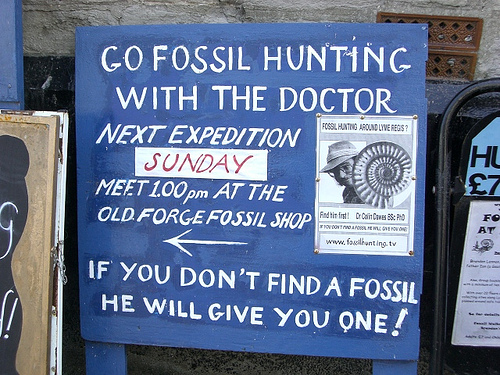
Lyme Regis is a delightful and interesting little seaside town on the Dorset coast. Each year for the past five years I have spent a week at nearby Branscombe in Devon and on each occasion I have visited Lyme at least twice. On three occasions I’ve been fossil hunting (without any luck!) for Lyme lies within the World Heritage Site Jurassic Coast.

Lyme has a promenade and sandy and pebbly beaches. You can tell which is the sandy one by the numbers of people crammed into the small area where huge amounts of sand were imported from Normandy. A lot of effort; but it has made a huge difference. I’ve never actually managed to get onto the beach as there is always so much more of interest to me. There’s a High Street crammed with shops – many of them small and individual and very many of them selling or in some other way connected with the fossils that are Lyme’s trademark.

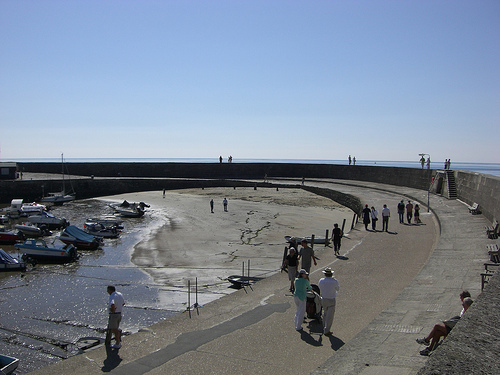
The Philpot Museum is well worth a visit, or several. Fossil Hunts are organised from the Museum. Lyme Regis has a colourful little harbour/marina protected from the sea by the famous Cobb – mentioned in Jane Austen’s ‘Persuasion‘ and featured in the film of Fowles’ ‘French Lieutenant’s Woman’. By the Cobb is the fascinating Marine Aquarium. There is good food to be had from the small cafes along the promenade, to the Town Bakery, to Hix Oyster and Fish House.

Lyme Regis :  The quintessential seaside resort for literature lovers everywhere – Jane Austen and Beatrix Potter visited it.  John Fowles lived in it.

Belmont, Lyme Regis : “Mrs Coade made it; John Fowles loved it. Now it must be saved.”

Ode to an Excellent Bookshop

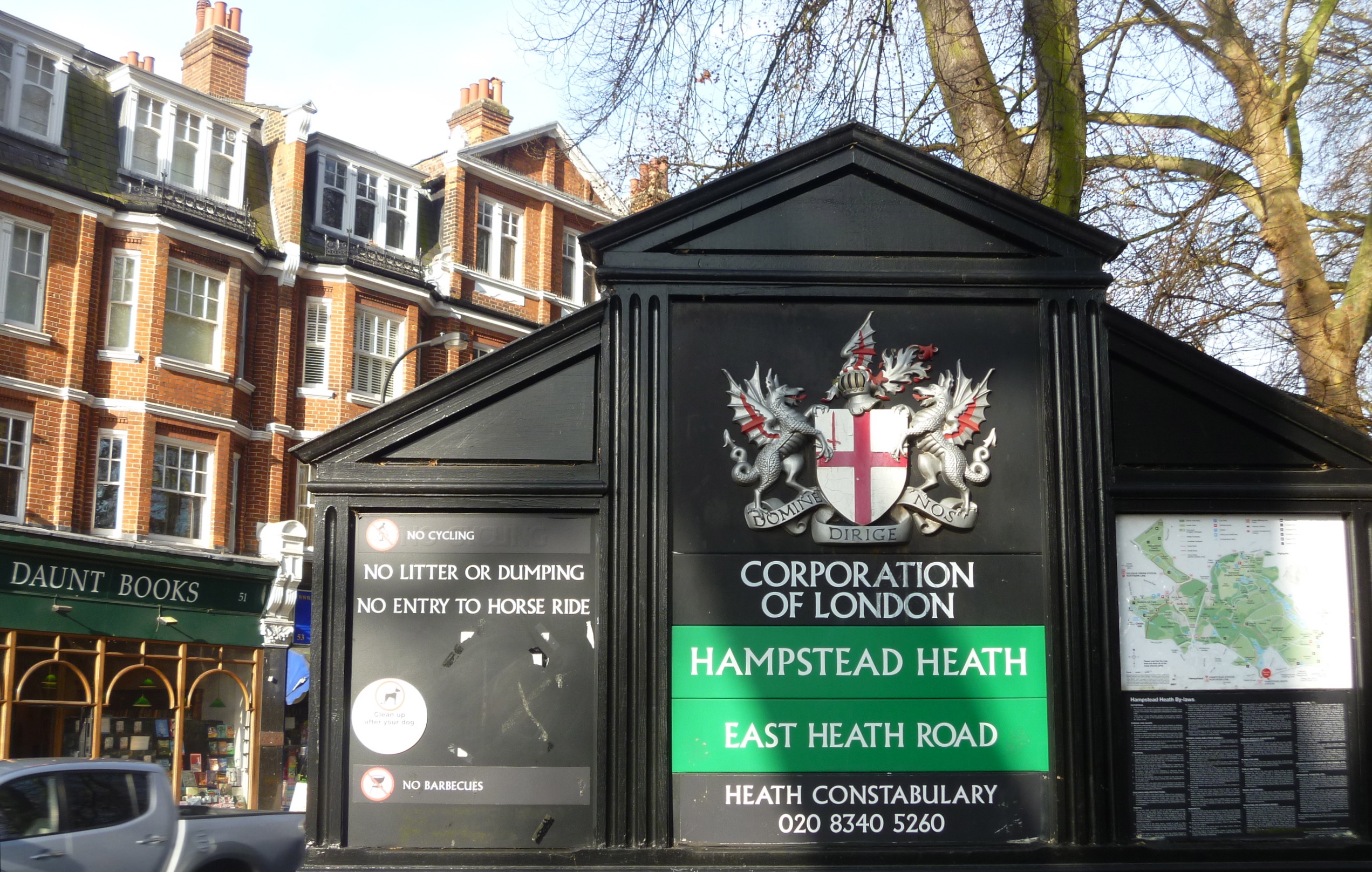
I don’t normally buy new books these days. I tend to use the library and sometimes buy secondhand out of print. The exception is if I’m in an independent bookshop. Some of my favourites are in London and last Thursday and Friday I visited two branches of this shop :  Daunt Books.

On Thursday I popped into the Hampstead Branch at South End Road near the former bookshop in which George Orwell worked now a branch of Le Pain Quotidien (right).

The shop advertises a great idea that I had never heard of before : Daunt Books Walking Book Club! I hope the weather stays fine for them.

On Friday I revisited the shop and its sister branch opposite Belsize Park tube station. I had decided to take up the “challenge” put to me by a member of my local book group to choose a couple of suggestions for future reads for the group. After a search of the tables and shelves I came up with (and bought) my two choices.

Deep Country: five years in the Welsh hills” by Neil Ansell is “Touching. Through Ansell’s charming and thoroughly detailed stories of run-ins with red kites, curlews, sparrowhawks, jays and ravens, we see hime lose himself … in the rhythms and rituals of life in the British wilderness.” (Financial Times)

and

The hare and the tortoise” by Elizabeth Jenkins – well, if it’s good enough for discussion on Hampstead Heath on Sunday, it’s good enough for us! Jenkins lived very near South End Road on Downshire Hill. Her memoir ‘The View from Downshire Hill‘ tells about her life and home and living in this delightful area of north London.

8 Downshire Hill, Hampstead. The former home of Elizabeth Jenkins.

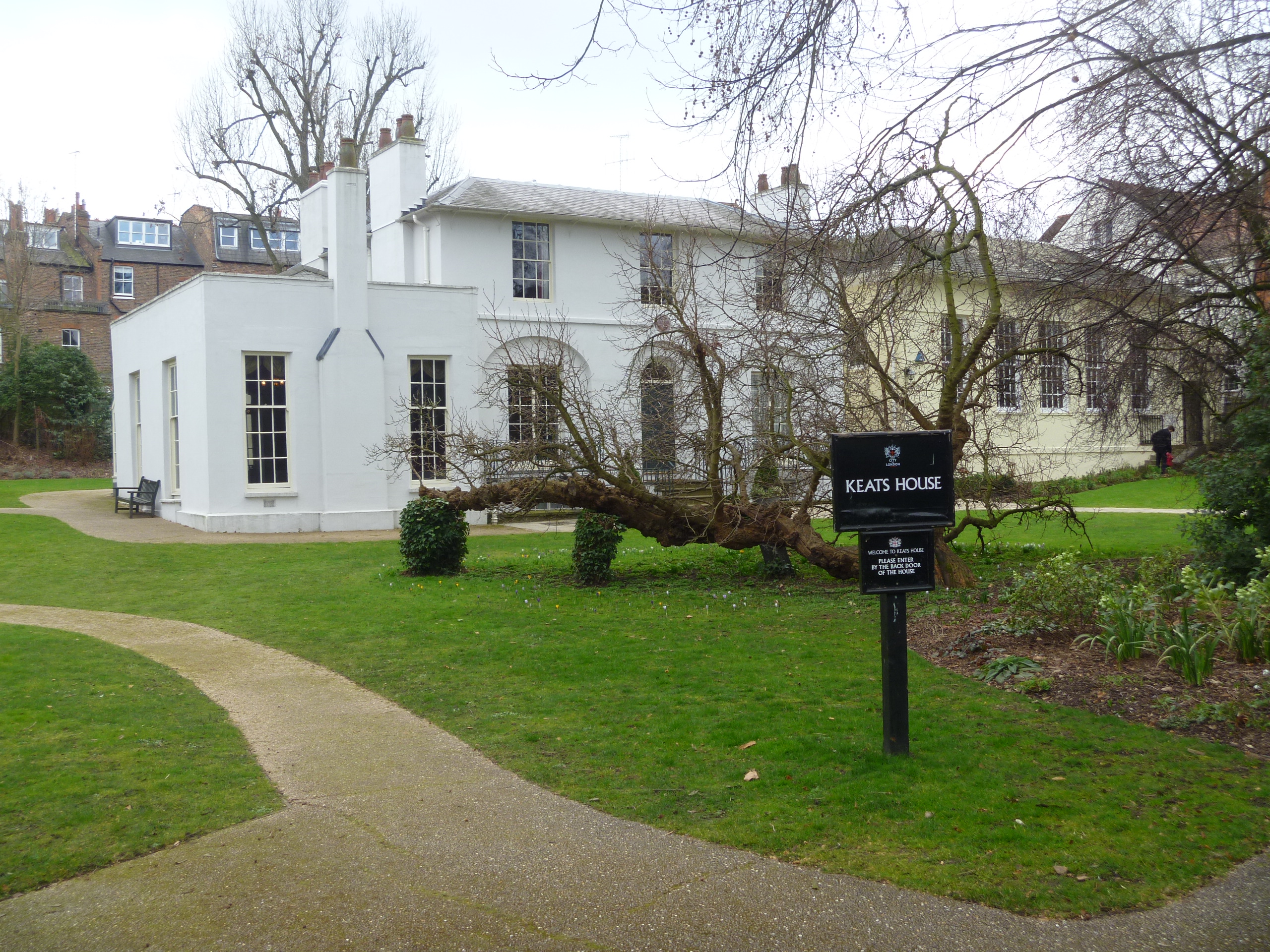
Another author who lived very near here was the poet John Keats and that very morning I had heard a brief radio snippet in which there is a visit to the Keats Shelley House in Rome where Keats died on 23 February 1821. I visited Rome back in 2008 and it was one of the highlights of the trip to see inside The Keats Shelley Museum by the Spanish Steps. There is a Landmark Property at the top of the building : Piazza di Spagna. How I would love to stay here!

The Salone, Keats-Shelley House

The Salone is dedicated to the posthumous reputations of Keats, Shelley and Byron. The main library collection of the house is here.

Keats House, Hampstead.

I am convinced more and more day by day that fine writing is next to fine doing the top thing in the world.

(John Keats 1795-1821~Letter to J. H. Reynolds, 24 August 1819, in H. E. Rollins (ed.) ‘The Letters of John Keats’ (1958) vol. 2, p. 146.)

Give me books, French wine, fruit, fine weather and a little music played out of doors by somebody I do not know.

Letter, August 28, 1819, to his sister Fanny Keats. Letters of John Keats, no. 146, ed. Frederick Page (1954).

Have you seen ‘Bright Star’?

Tea and Books and Two London Gems

I was in warm, sunny London on Thursday. The original plan was to meet a friend from my online book group and attend a showing of the 1953 film “Little Boy Lost” organised by the Persephone Book Shop. I always book my cheap train tickets way ahead and when we came to enquire about the film all the places had been taken but I still had my train tickets. In the end it turned happily as the weather was so warm and sunny that it might have been a shame to have been cooped up in the BFI.

Our Plan B was to visit the National Trust property Sutton House instead. I’ll copy and paste Clare’s summary of the history of the house as she summed it up perfectly to our group yesterday :

“It is a Tudor house, with lots of later additions, and a
fascinating history. It was first owned by Ralph Sadleir, an important
official in four reigns starting with Henry VIII. After that it was owned by
other individuals plus passing through the hands of two separate girls’
schools, a boys’ school, a church institute which ran all sorts of
activities for young men, and in the 1980s it was occupied by squatters who
wanted to form an arts community there.”

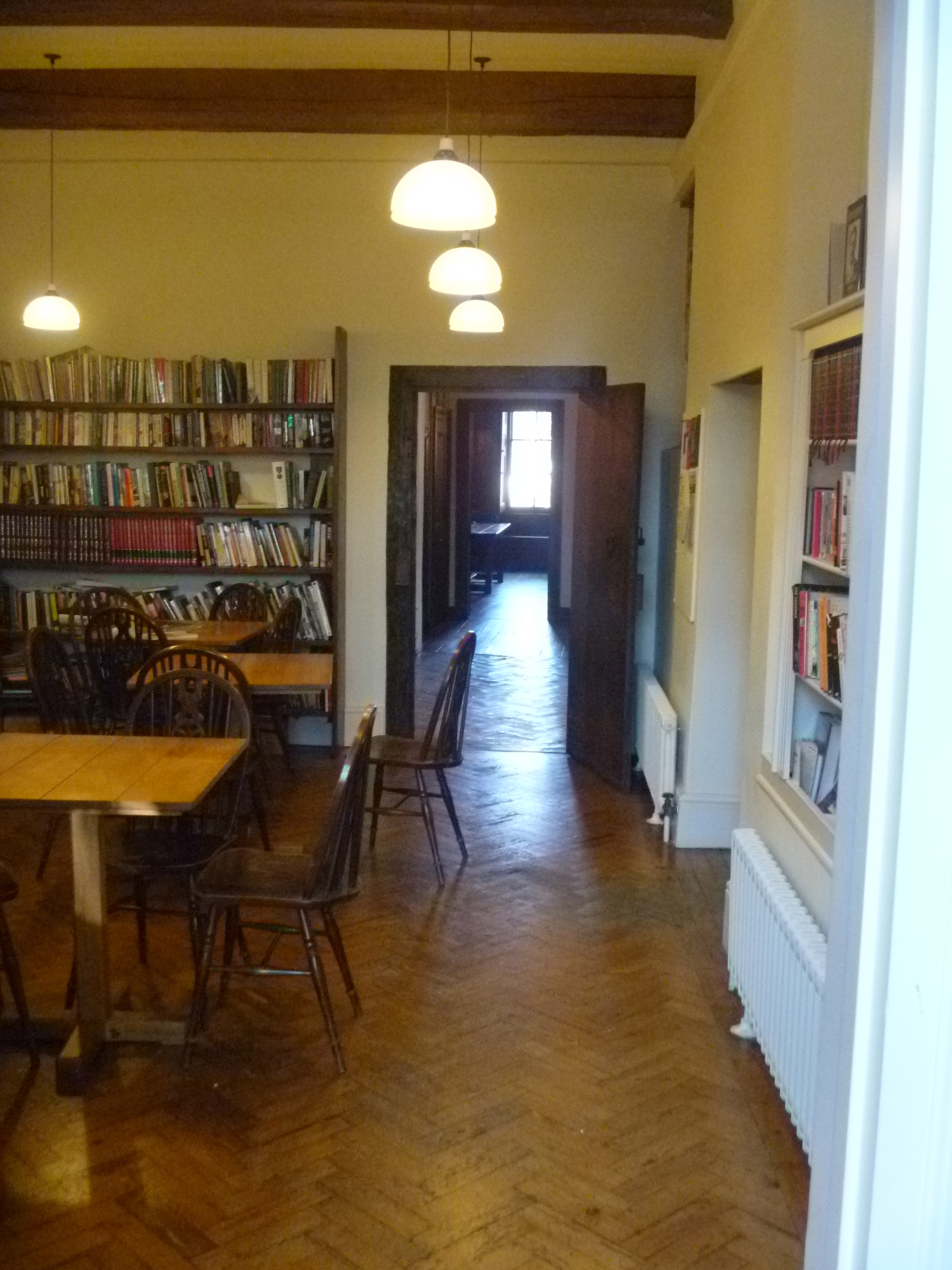
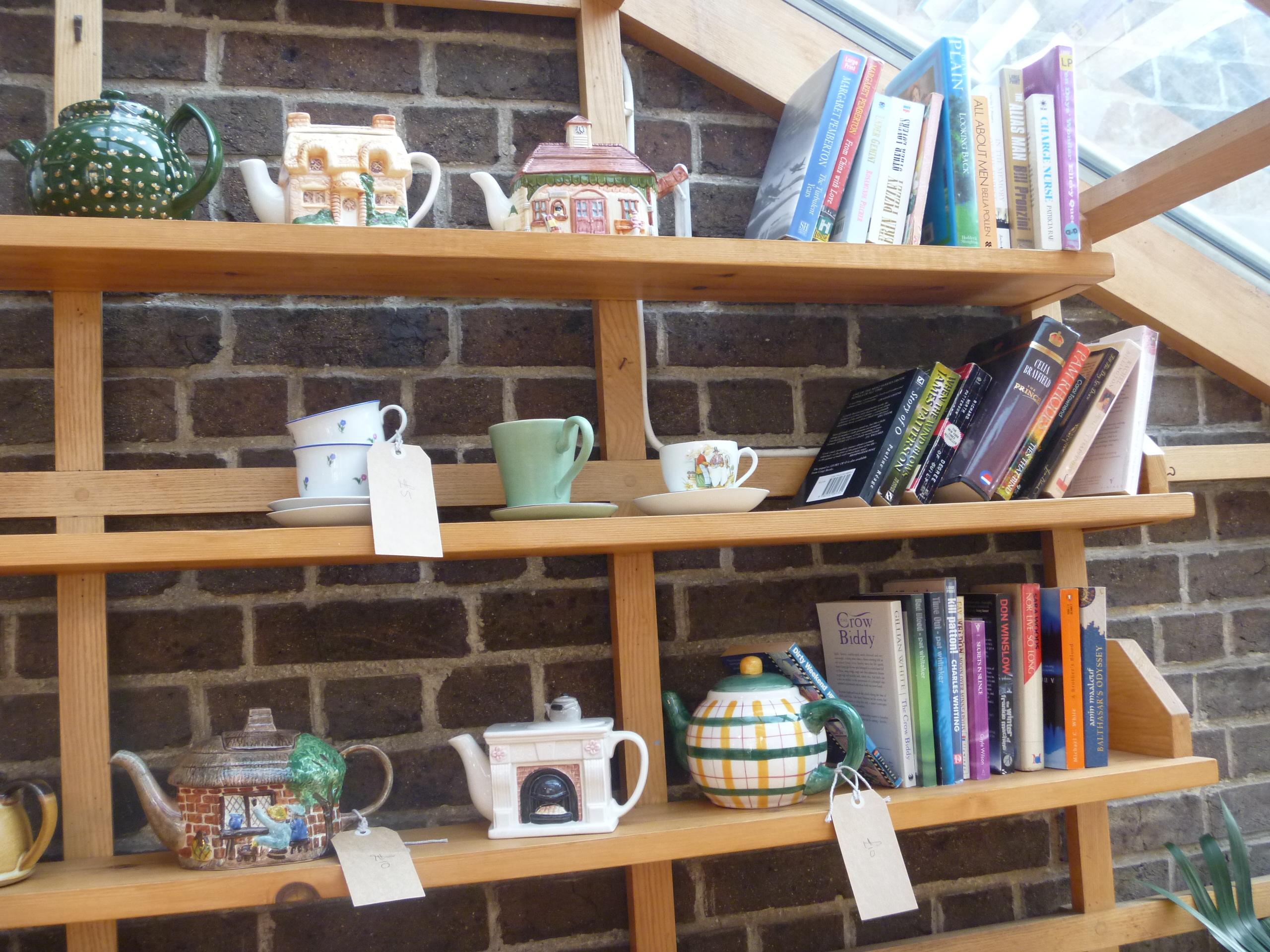
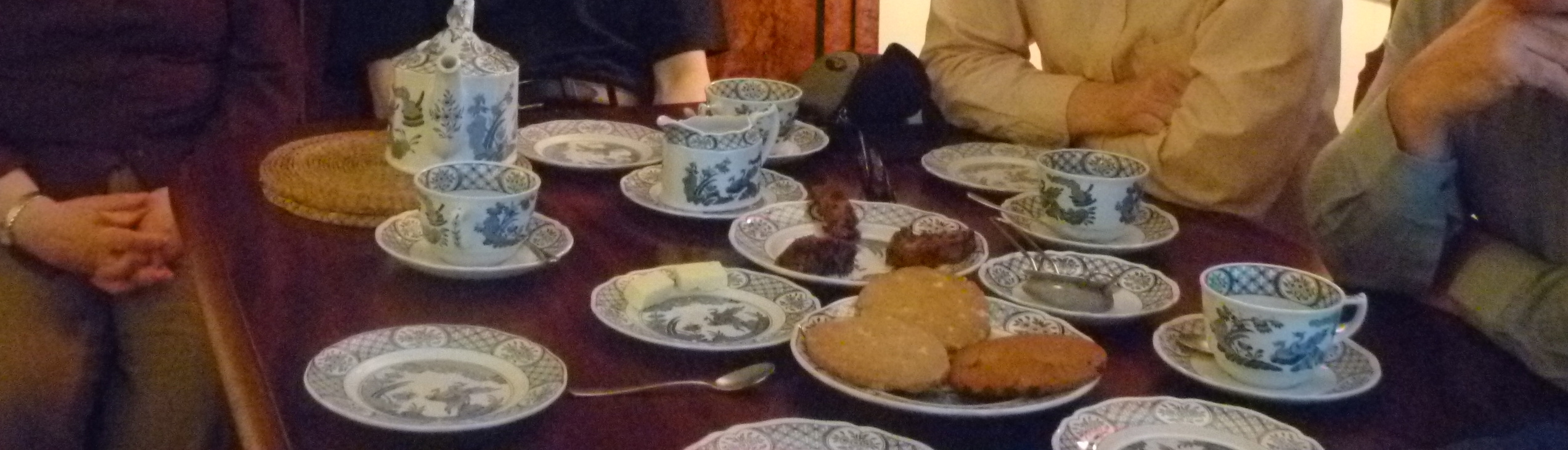
Today Sutton House is very much a part of the local community and the only staff we came across were volunteers all of whom were friendly, helpful and knowledgable. You can check out the website to see the variety of activities organised at the house – not surprisingly it’s booked up for over a year for school party visits. At one point I spotted a flyer for ‘Sutton House Book Brunchers’ who meet at the Bryck Place Tea Room once a month. Bryck Place is the original name for Sutton House and the tea room is a delight – a book lovers’ and tea drinkers’ paradise! There was a bit of renovation going on in the tea room on the day we visited so it was a matter of help-yourself to drinks and cake or scones and jam and drop a contribution in the box. So we did! The tea rooms are surrounded by shelves mostly stacked with secondhand books but some also with secondhand cups and saucers and jugs and teapots all for sale.

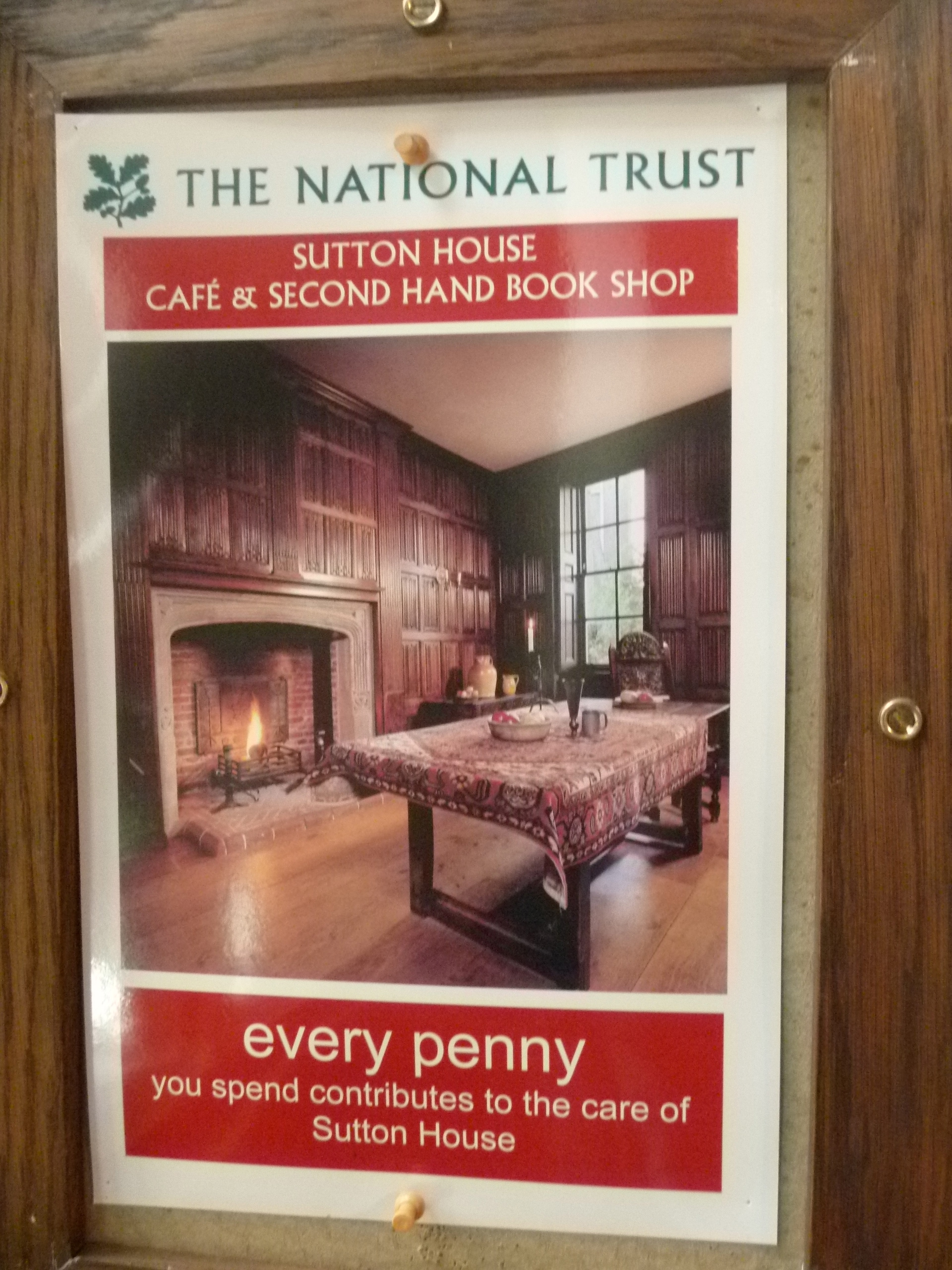
The tour of the house began in the Linenfold Parlour (see the poster pictured above). This would have been an important room in Sadleir ‘s original building in what was at the time (1535) a quiet, rural village. You then can visit the cellars, climb the Painted Staircase to the Gallery, the Little Chamber and the Great Chamber, a bedroom now decked out as a Victorian study and climb up again to an exhibition and history room on the second floor. A further staircase takes you right down to the ground floor again where, on this east side of the house, is a Tudor kitchen with access to an enclosed courtyard and a Georgian Parlour. This last room had a corner devoted to tea and it’s accoutrements and I was happy to note the following little verse :

 “In lands near or far

or wherever you be

friendship is welded by

a good cup of tea”

From Sutton House it’s a short walk to Hackney Central Station where we boarded our London Overground trains in opposite directions. As I sat on my train heading towards Whitechapel the following text came through on my ‘phone : “Afternoon tea now available at 45a!”  Some friends, staying at the Landmark Trust property 45A Cloth Fair this week, were inviting me to join them for (another) cuppa and more cake. I’ve stayed at 45A in the heart of Smithfield between Barbican and St Paul’s tube stations half a dozen times already so it was like arriving home as I climbed the creaking staircase to the first floor sitting room and joined my friends for tea and cake.

The Snowy Hills of Kent: Toys Hill, Ide Hill and The Octavia Hill Centenary Trail

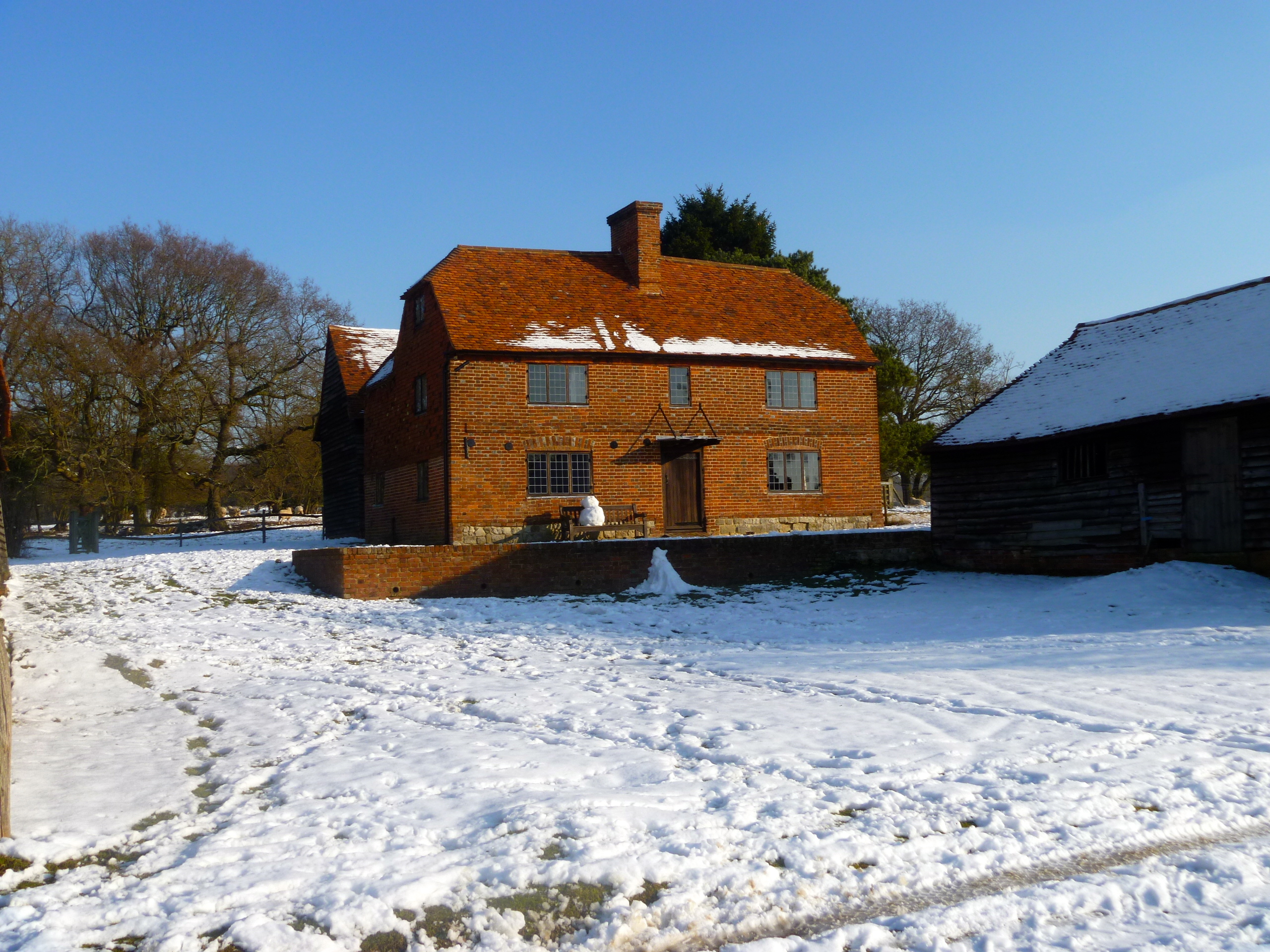
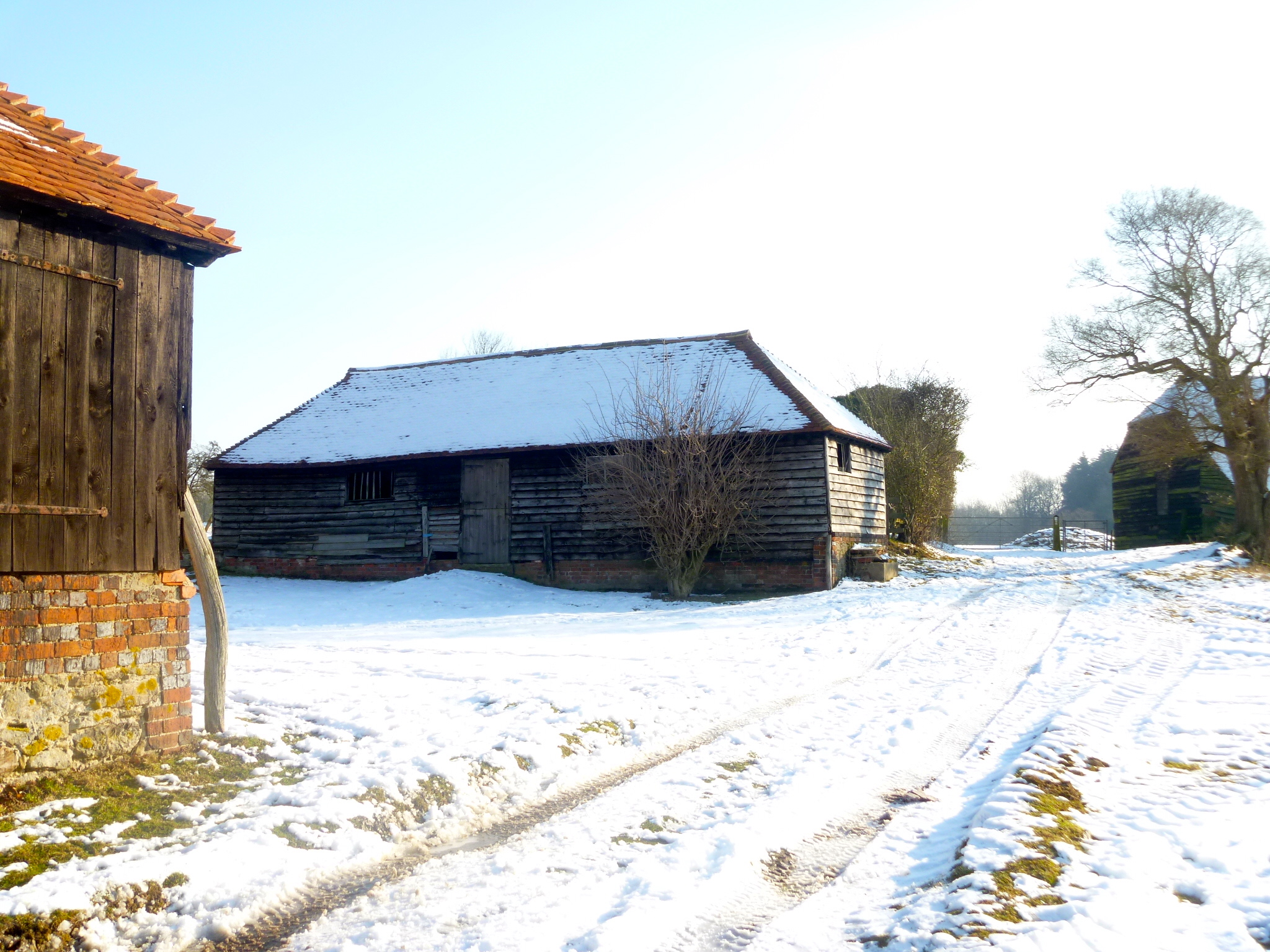
I was staying in very snowy Kent last week. Temperatures were around or below freezing but that didn’t prevent me and my sister enjoying some decent tramps around the countryside directly from the back door of our Landmark – Obriss Farm.

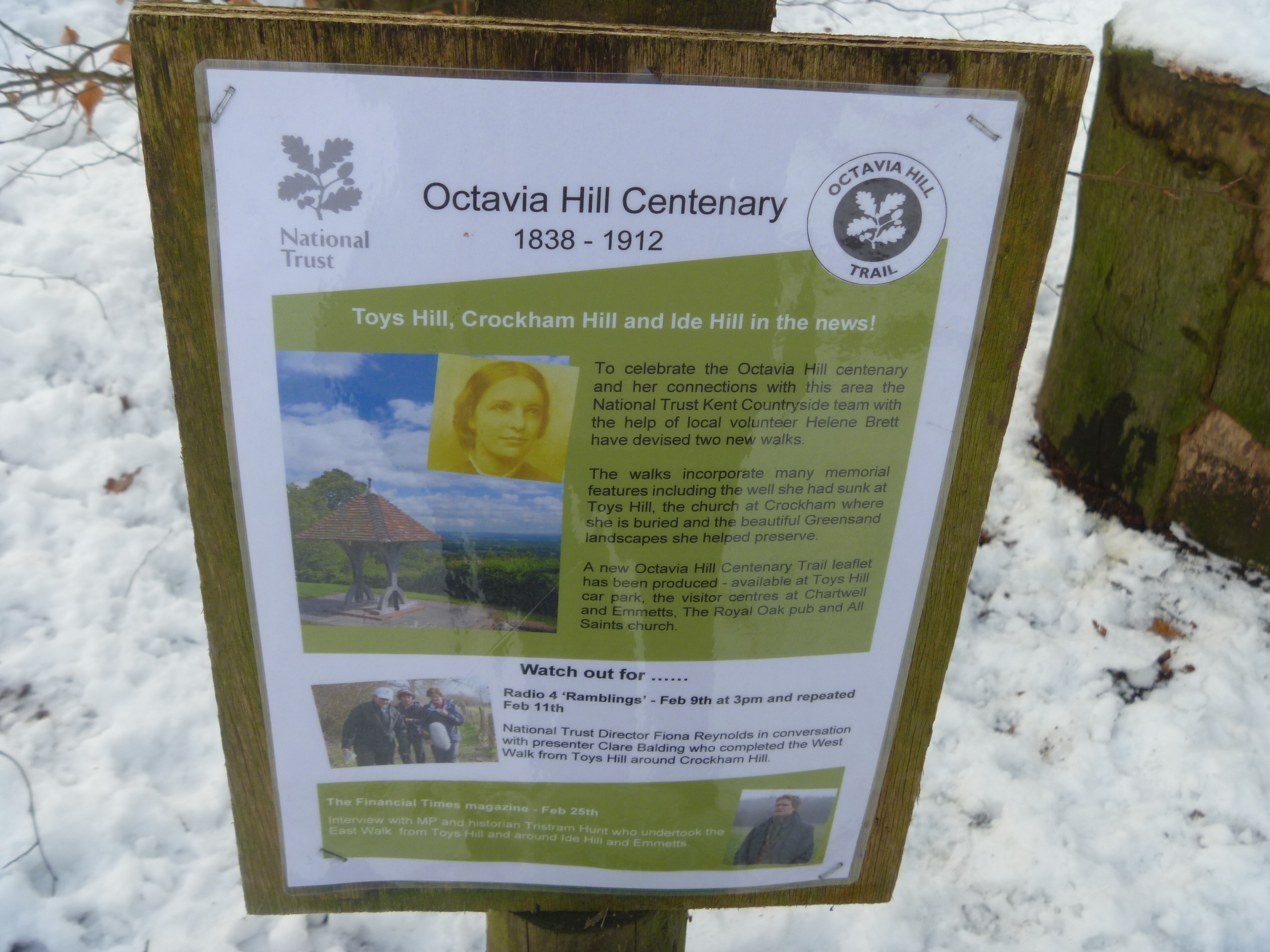
On the Tuesday, the first day’s walking, we very soon came across The Octavia Hill Centenary Trail (OHCT) signs and it seemed that this trail coincided very closely with the walking route that we had picked out from the mass of public footpaths and bridleways criss-crossing the local fields and woodlands.

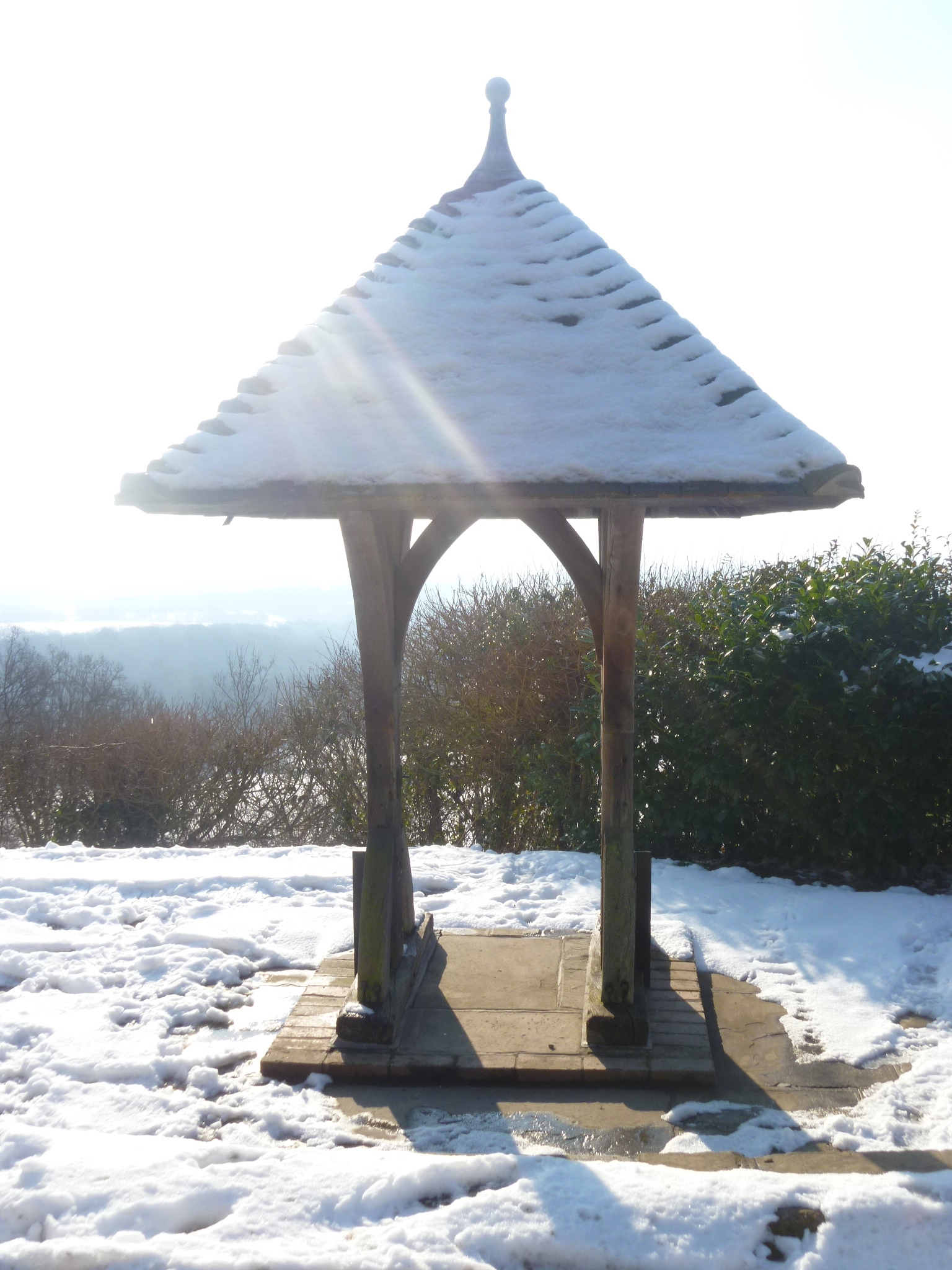
We began our walk that day by tramping over snow covered fields behind the farm to Toys Hill hamlet where the Octavia Hill Memorial Well (restored in 1999 in her honour by The National Trust of which she was a founder) marks the start of both the East and the West trails.

The Octavia Hill Memorial Well in Toys Hill hamlet

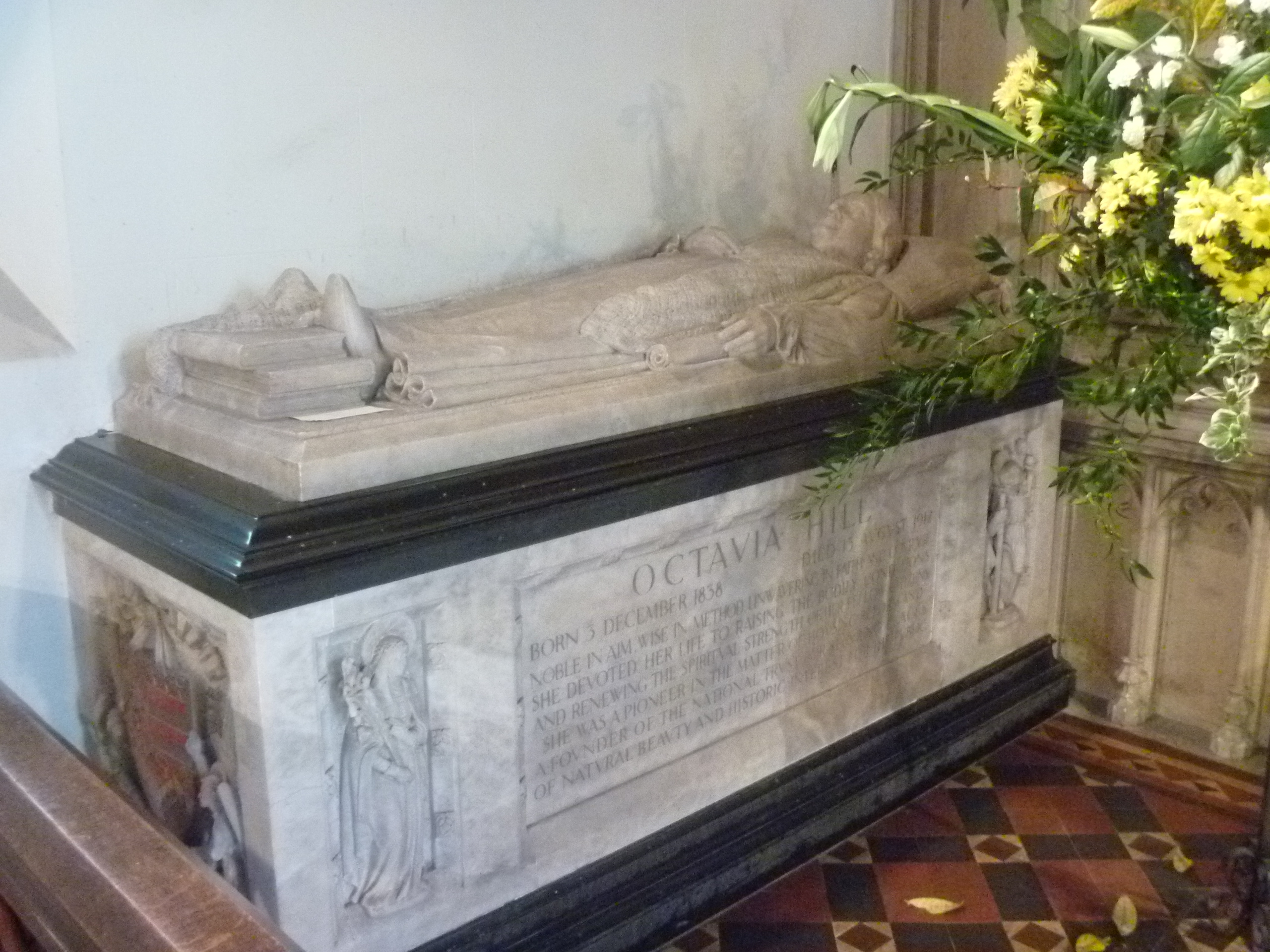
The path passes through the grounds of Chartwell (but sadly with no view of the house itself at this point) to the church and graveyard at Crockham Hill where Miss Hill is buried in the churchyard and where there is a Memorial to her in the chancel lying next to the altar.

The Royal Oak in Crockham serves decent bar snacks (and full lunches) and our circular walk finished a couple of miles later at the private track leading back to Obriss Farm. Obriss Farm doesn’t feature on the OHCT but it is only about half a mile or so from the start of the Trails at the well in Toys Hill hamlet.

To hear more about this walk click here to listen to Clare Balding on Ramblings on BBC Radio 4 undertaking the walk and which we listened to on our return from the second OHCT walk on the Thursday!

At The Royal Oak we also picked up a copy of the leaflet that outlines the two routes of the Trail which has been inaugurated as a commemoration of the centenary of the death of Octavia Hill in 1912. Our trail on Tuesday had more or less followed Walk 2 – the West Walk.

We’ve been interested in Octavia Hill for some years now via an initial interest in Beatrix Potter and visits to her (BP’s) Lake District home (Hill Top), farm and gallery and an exhibition of her work on display at The Dulwich Art Gallery back in 2006.

In August 2006 we visited Octavia Hill’s Birthplace Museum in Wisbech and came across the results of her philanthropic efforts in Marylebone on one of those London Walks : Saturday Afternoon’s Old Marylebone Walk

On Thursday we decided to do the East Walk from Toys Hill which included more hills and steep ascents than we had expected to find in Kent!

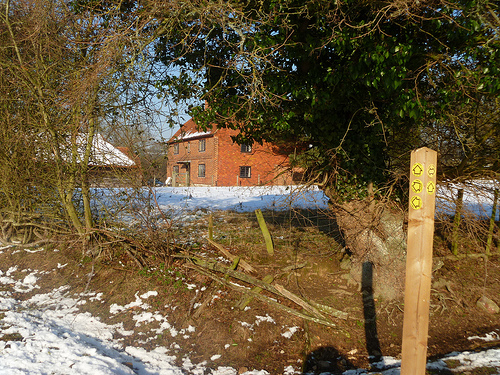
A choice of footpaths at Obriss Farm

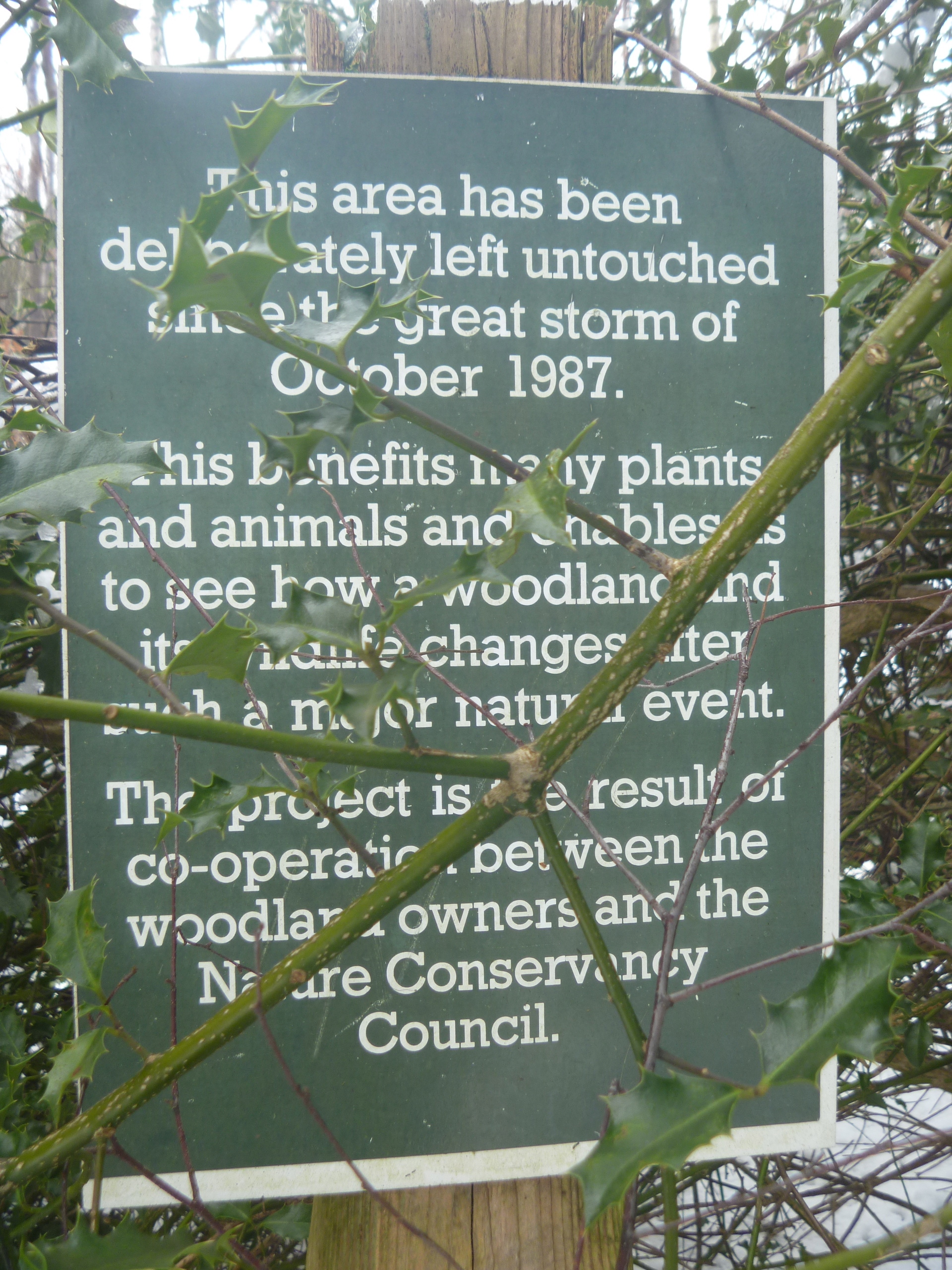
From Toys Hill hamlet we followed the path to the village of Ide Hill via the Octavia Hill stone memorial seat and from thence to Emmetts Gardens, Scords Wood and the (yes, you guessed) Octavia Hill Woodland. We were shocked to notice so many fallen trees just lying around the woods and then we saw a sign that explained what this was all about :

After several uphill climbs the path finally downhill to Toys Wood village and our track back to the farm and the cosy parlour with its open fire in the range.