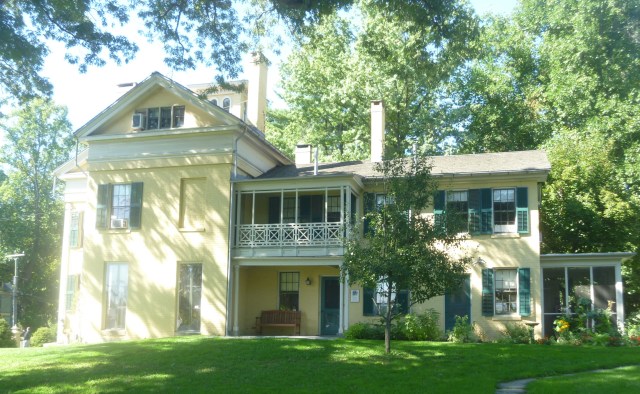
Emily Dickinson Museum : The Homestead and The Evergreens

The Emily Dickinson Home

This year we made our third visit to Brattleboro, Vermont and on each visit I have wanted to make the trip an hour south to Amherst where the former home of the poet Emily Dickinson is open to the public as a museum. Amherst is an attractive College town – five in all in the area – with some interesting shops and plenty of eateries.
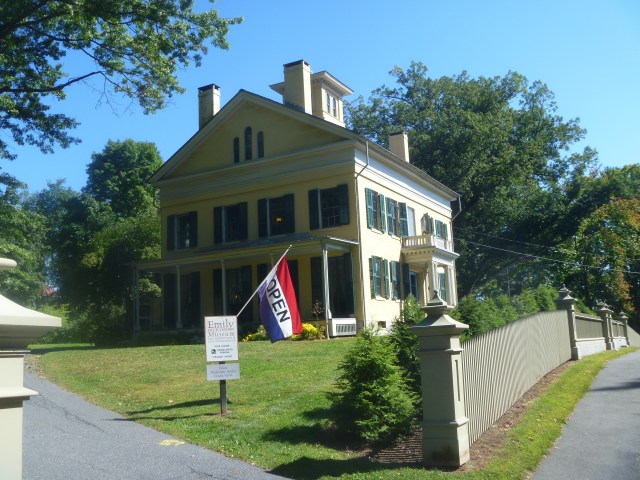
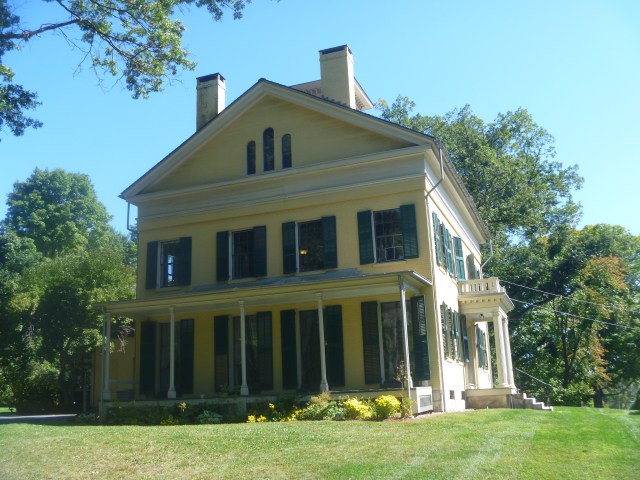
Emily Dickinson Homestead

On the Friday of our stay I drove myself back down into Massachusetts. The museum was easy to find and I was able to book onto the second tour of the day : Emily Dickinson’s World a 90-minute guided tour of both the Homestead (Emily Dickinson’s house) and The Evergreens (Austin and Susan Dickinson’s home). This constitutes an in-depth focus on Emily Dickinson’s life and family and the major influences on her writing. Includes the parlors, library, and the poet’s bedroom at the Homestead; the library, parlor, dining room, kitchen, maid’s room, water closet, nursery, and “Emily Room” at The Evergreens.
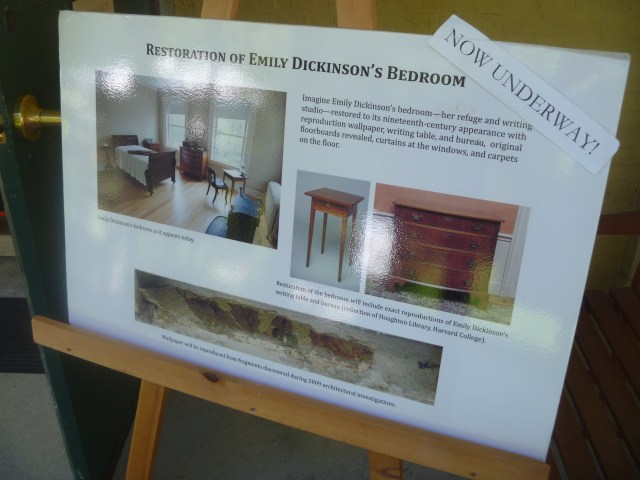
Emily Dickinson room

The Poet’s Bedroom is currently under renovation

As I had just missed the first tour by a few minutes I decided to buy the tour of the grounds which is an audio and self-guided.

“Grounds of Memory: a guide to the Dickinson landscape” The audio tour of the outdoor Dickinson grounds (duration of full-length tour is 60 minutes; visitors may tailor the tour to fit their needs) Explores Emily Dickinson’s fascination with the natural world and her family’s deep interest in the land and  includes eighteen stops outside the Homestead and The Evergreens. Stops may be visited in any order. Each stop offers a 2- or 3-minute narration and at least one Dickinson poem appropriate to that stop.

Narrated by poet laureate Richard Wilbur
Voice of Emily Dickinson provided by poet Mary Jo Salter
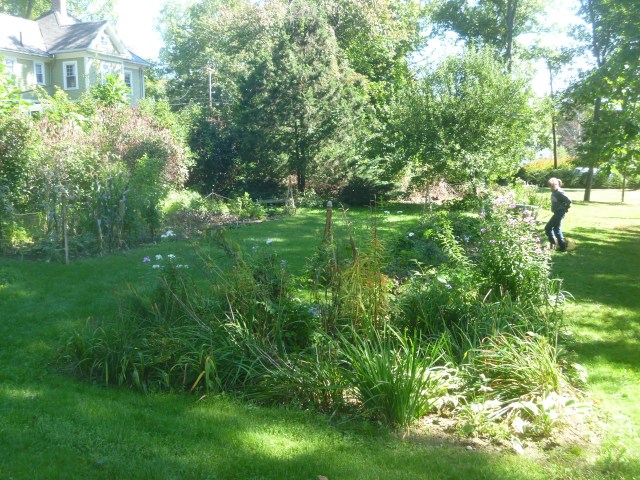
The Flower Garden

 First three stops are at the Flower Garden
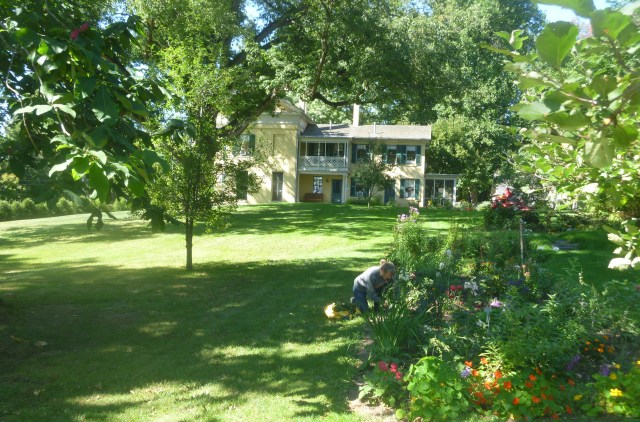
Flower Garden and Home

The Ornamental Flower Garden and the Homestead
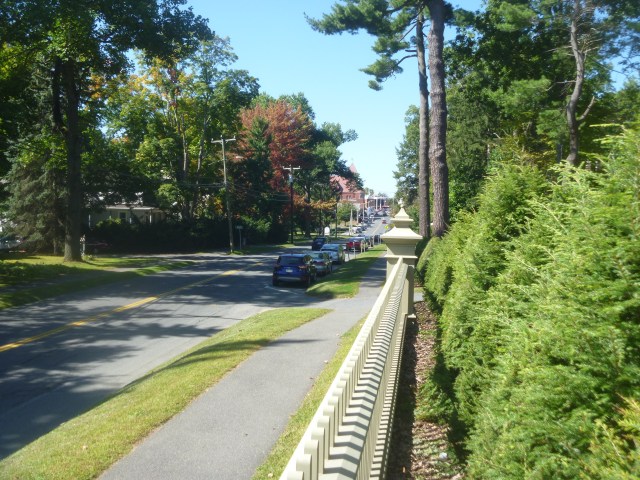
Main St and Amherst

Main Street looking towards Amherst

Evergreens

The West Bedroom (1st floor, RHS) was Emily’s
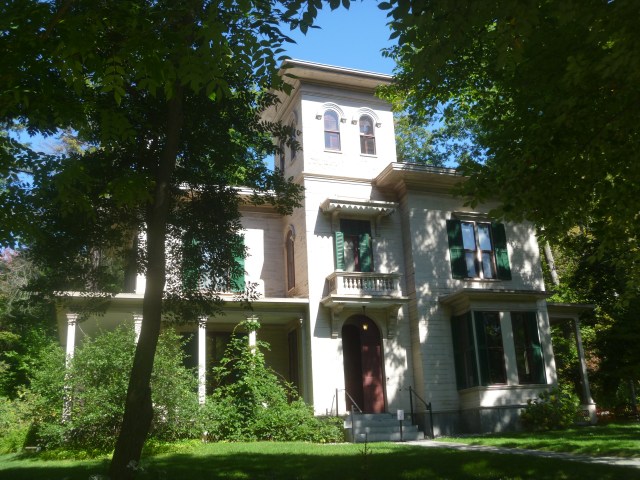
The Evergreens

The Evergreens – built by Edward Dickinson as a wedding gift to his son and daughter-in-law on their marriage
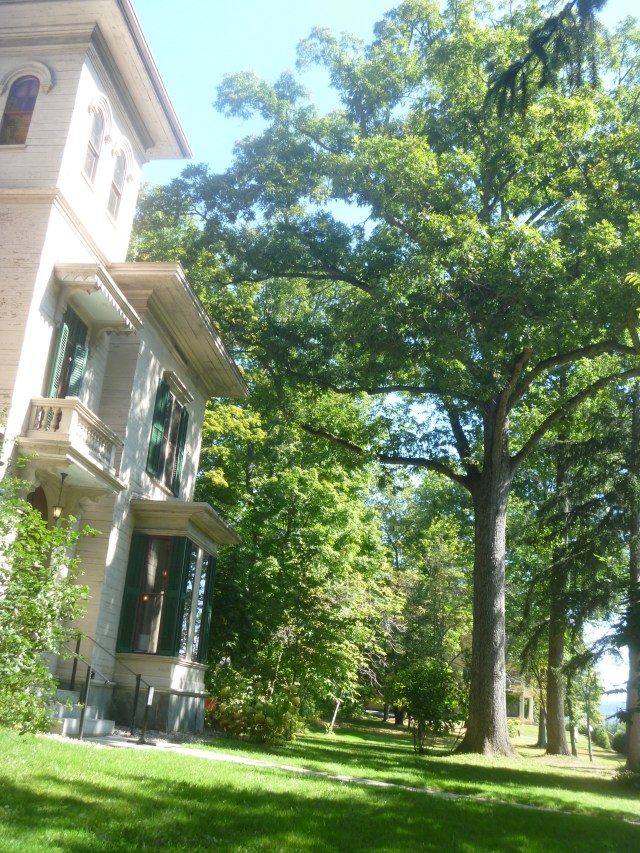
The grassy path

The grassy path between the two homes – “Just wide enough for two who love” (ED)

Here is a brief biography of the poet but the tour really brought to life her life and the lives of her family in particular her sister, Lavinia, her mother and father and her brother, Austen and his family.

EMILY DICKINSON was born in Amherst at the Homestead on December 10, 1830. Her quiet life was infused with a creative energy that produced almost 1800 poems and a profusion of vibrant letters.

Her lively childhood and youth were filled with schooling, reading, explorations of nature, religious activities, significant friendships, and several key encounters with poetry. [She was not always the recluse that many choose to characterise her – at one  time she called herself The Belle of Amherst.] Her most intense writing years consumed the decade of her late 20s and early 30s; during that time she composed almost 1100 poems. She made few attempts to publish her work, choosing instead to share them privately with family and friends. In her later years Dickinson increasingly withdrew from public life. Her garden, her family (especially her brother’s family at The Evergreens) and close friends, and health concerns occupied her.

With a few exceptions, her poetry remained virtually unpublished until after she died on May 15, 1886. After her death, her poems and life story were brought to the attention of the wider world through the competing efforts of family members and intimates.” [source]

This was a house visit par excellence. The 90 minute houses tour was filled with interest and insight into the lives. The Dickinson Landscape self-guided audio tour complete with poetry readings added to almost complete immersion into ED’s life and thoughts. Our house guide was entertainment herself and added poetry quotations and a quick ‘class’ in the importance of word choice in a ‘schoolroom’ – in which we all participated. No photography was allowed in the house but the tour was such fun and so informative that I will forgive them for that. Having visited the home of a poet I had barely heard of I came away feeling as if I met her myself. Well done, Emily Dickinson House Museum!

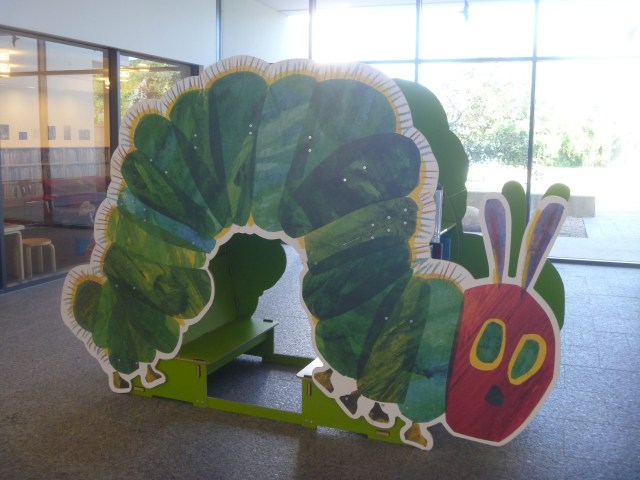
On leaving the Museum I couldn’t resist a quick visit to another nearby museum – almost from the sublime to the ridiculous – The Eric Carle Museum of Picture Book Art. A purpose-built centre devoted to the art of contemporary children’s book illustrator Eric Carle. We still have a very dog-eared copy of The Very Hungry Caterpillar at home.
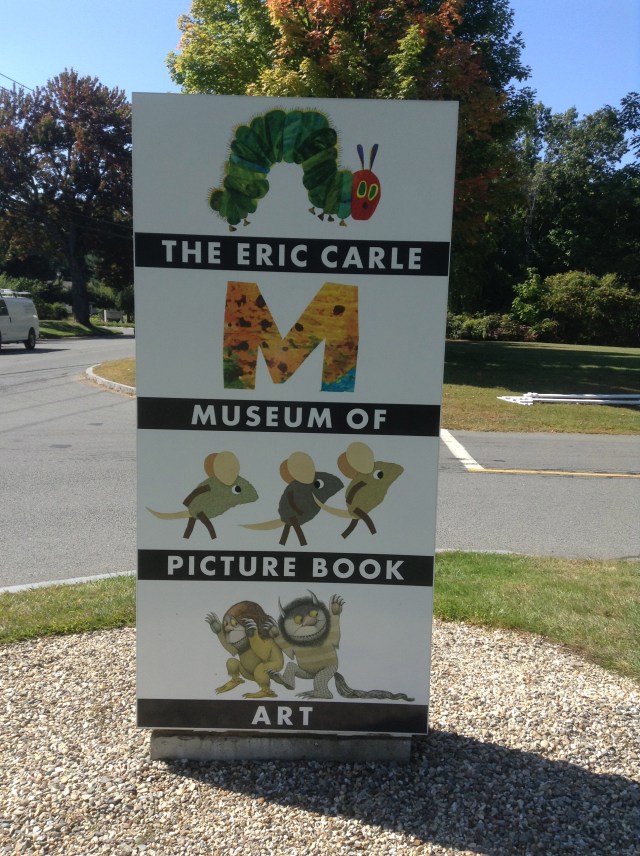
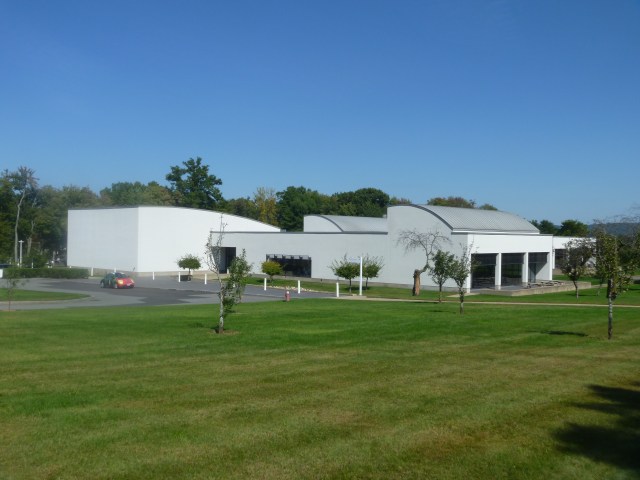
Picture Book Art


Carle Museum

 The Eric Carle Museum

The very hungry caterpillar

This is what a Very Hungry Caterpillar looks like!

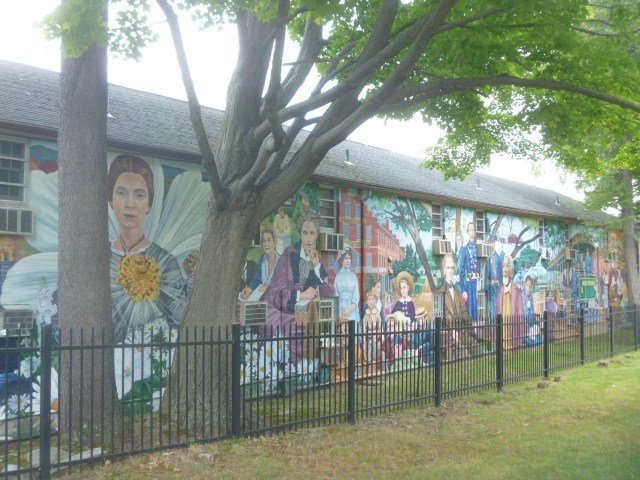
And finally, the next day we both made the journey back down to Amherst, enjoyed a decent lunch and I tracked down the Dickinson graves in West Cemetery where there is also a Community History Mural featuring characters from the Amherst story from all fields of experience (farming, literature, domestic life, education, military, industry and economic life) and including, of course, Emily Dickinson herself.
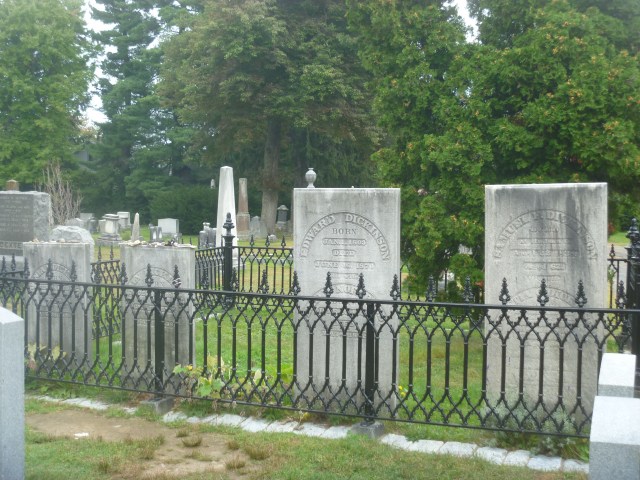
Dickinson family graves

The Dickinson Graves in West Cemetery, Amherst
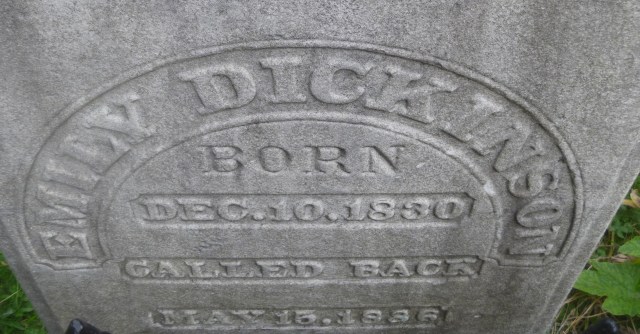
Emily Dickinson grave stone

Wording on Emily’s Gravestone

History Mural West Cemetery Amherst

The Amherst Community Mural, West Cemetery
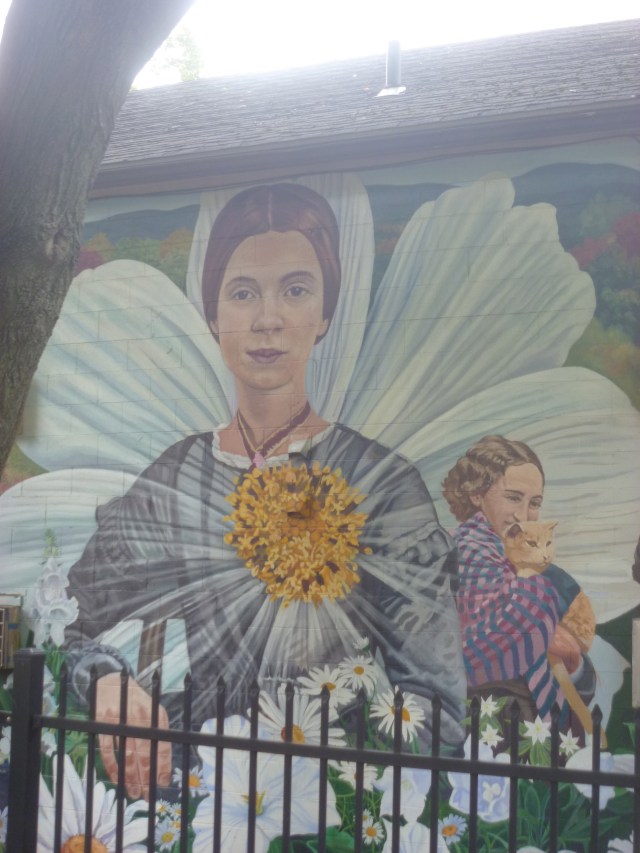
Emily Dickinson on History Mural

Emily Dickinson (Lavinia behind) on the Community Mural

Walking in East Sussex

The main aim of my stay in Sussex was to meet up with two Swiss friends. Last year when I was staying with Barbara in Bern for the weekend the idea of visiting Charleston and all those ‘Bloomsbury’ related places in Sussex was suggested. I said I’d also wanted to visit them and showed Barbara the Landmark Trust website. When she saw Laughton Place tower she would not be budged to look elsewhere for accommodation. So we ended up last weekend in the tower and visiting as many Bloomsbury locations as we could manage.

Alfriston Church

Alfriston Church and Village Sign

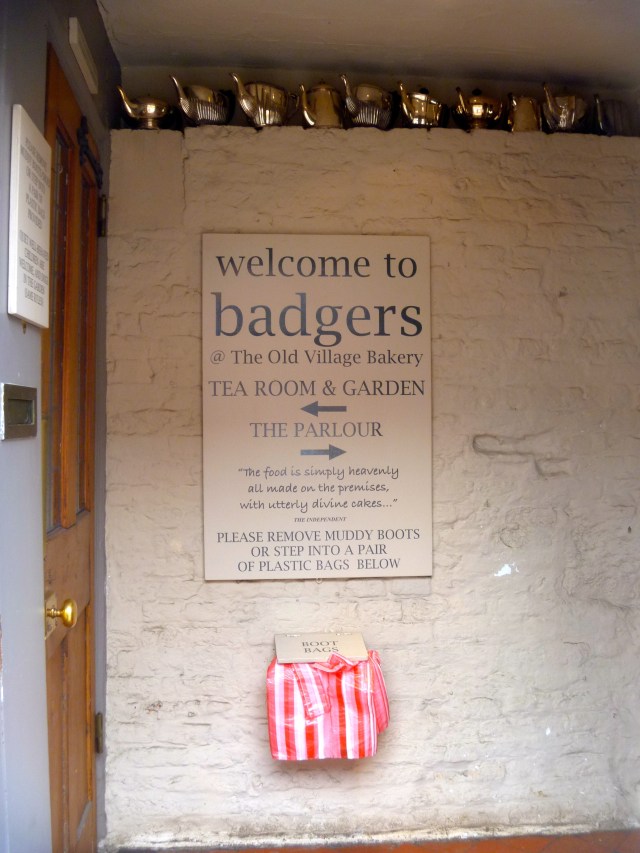
Badgers

Badgers Alfriston (Note the Boot Bags – it’s on the route of the South Downs Way)

Barbara and Kathryn first wanted to have a few days in London so I spent the first two nights at Laughton Place on my own. But for the most part I wasn’t alone thanks to Fran being able to spend Tuesday afternoon and all day Wednesday with me.

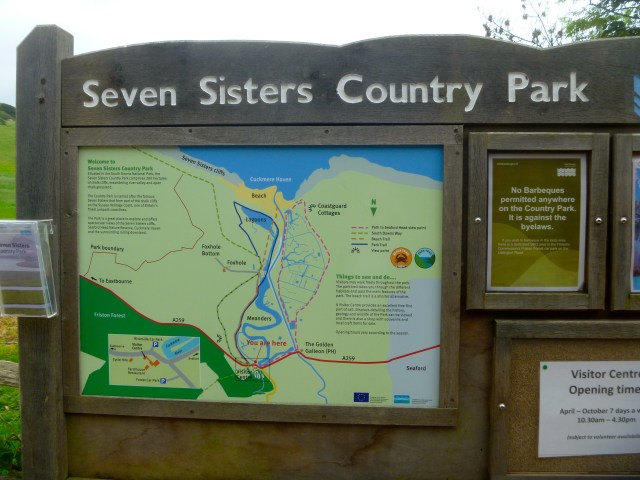
Seven Sisters Info

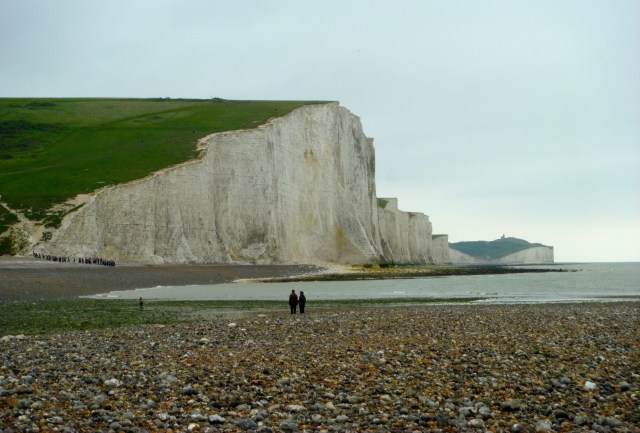
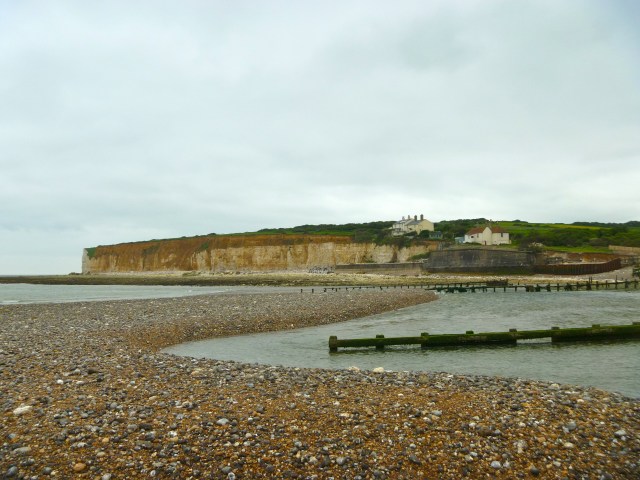
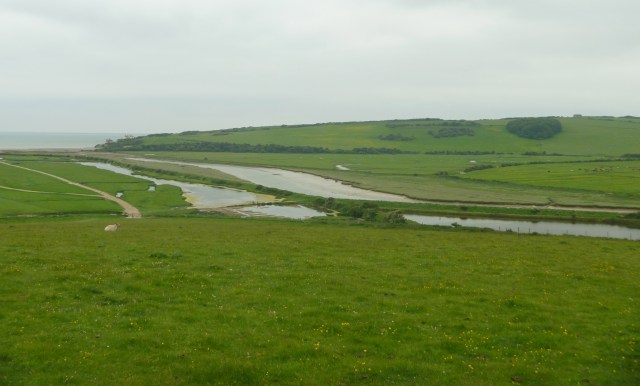
Knowing my love of hiking she had planned a walking expedition for us but the weather was not kind on the Wednesday morning so we took lunch in Alfriston and drove later in the afternoon to the Seven Sisters Country Park car park, donned our boots and set off on a shorter walk following the River Cuckmere to where it joins the English Channel. At the sea’s edge you have a wonderful view of The Seven Sisters cliffs over which we might have walked part of the South Downs Way had the morning’s weather been different.

Seven Sisters

The Seven Sisters (looking east)

Looking west at 7 sisters

Looking west

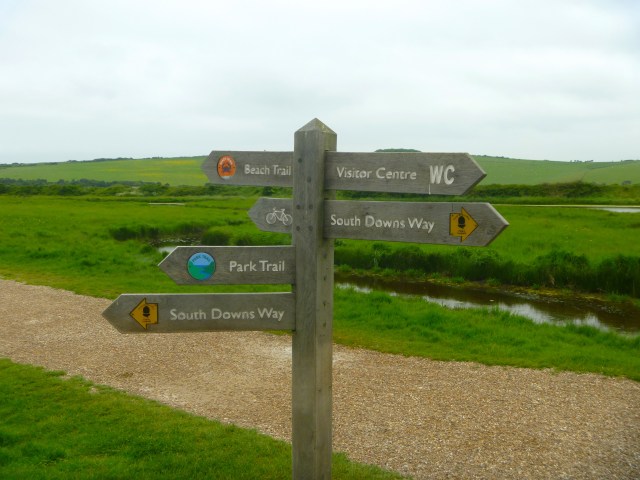
Sign and River

River Cuckmere behind the Footpath Signpost

River Cuckmere

River Cuckmere with Ox Bow Lakes, Meanders and the English Channel

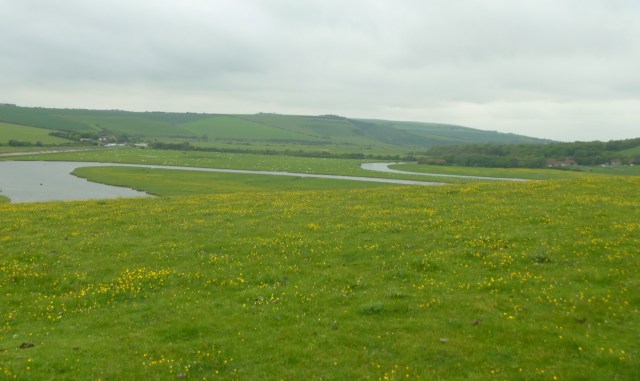
Meanders and Buttercups

Meanders and Buttercups

Thank you, Fran, for your good company and for being the most informative guide possible!

Firle

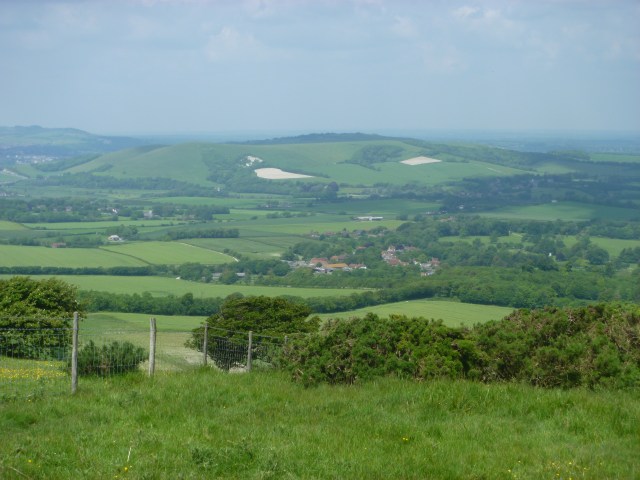
The Village of Firle nestled below the South Downs

On Sunday Barbara, Kathryn and I drove to the car park above the village of Firle and walked a mile or so each way to Firle Beacon and back. At the Beacon (an Ordnance Survey Triangulation Point) we could see the Channel and a cross-channel ferry arriving at Newhaven in one direction and the flat levels and meadows that surround Laughton Place in the other. There right in front of us but a little distant was our Tower itself.

On South Downs

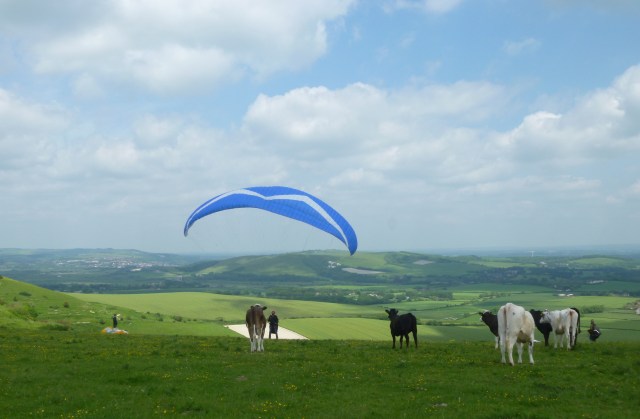
Sunday Morning on the South Downs

After our walk we headed down into Firle village. Vanessa Bell and Duncan Grant (see future posts about ‘Bloomsbury-on-Sea) are buried in the churchyard; Virginia and Leonard Woolf had a house in Firle before they moved to Monk’s House and we had a drink in the warm sunshine at The Ram Inn.

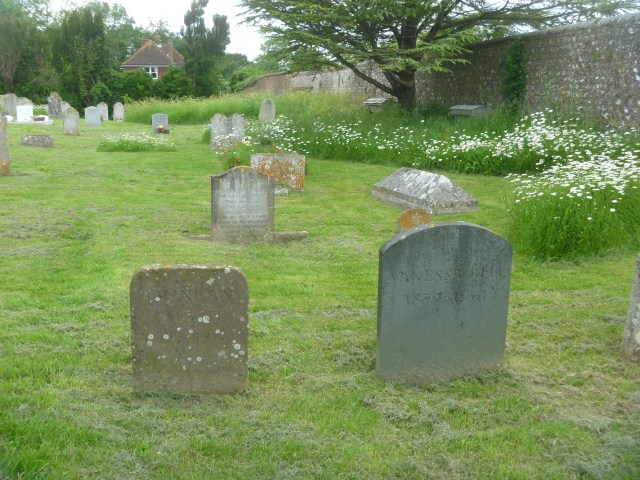
Firle churchyard

Firle Churchyard : Graves of Duncan Grant and Vanessa Bell

LT Firle

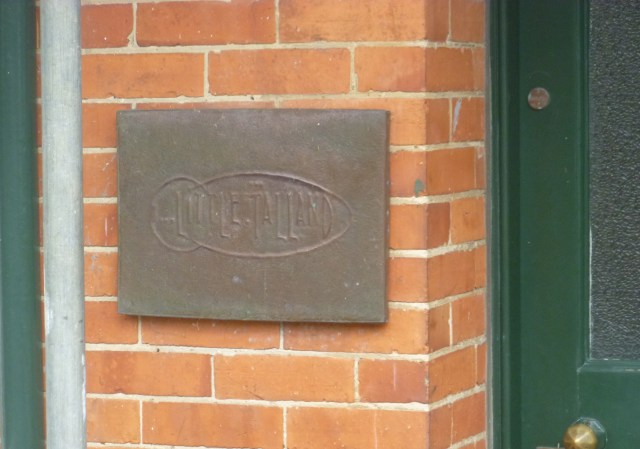
Little Talland

Little Talland House, Firle

I also managed to fit in a short walk directly from the Tower towards Laughton village but I never quite made it. I was anxious to see the village but had the time constraint of meeting the London train too so after a mile or so I turned back and drove to Laughton (the village of the buckle).

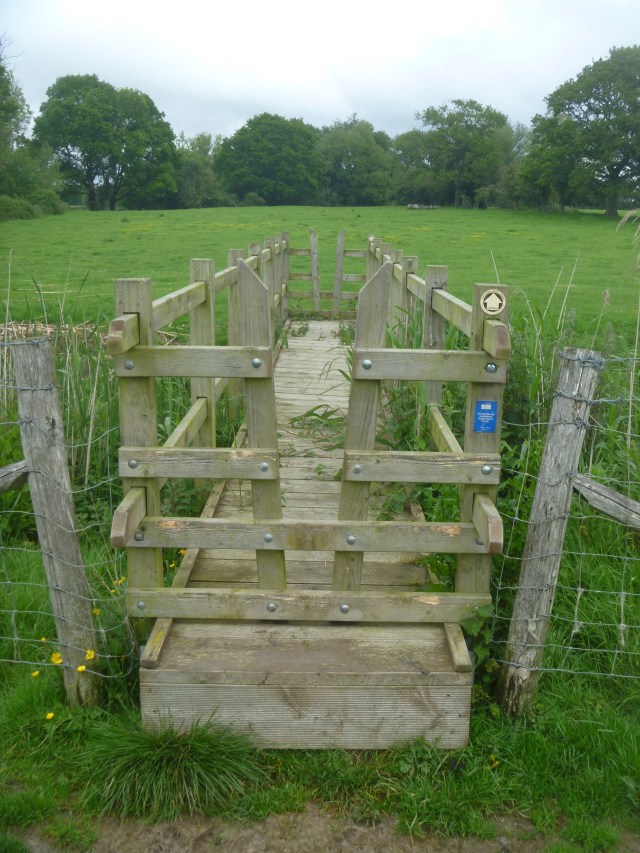
Bridge Stile

Complicated Bridge/Stile near Laughton Place

LP from footpath

Laughton Place in its Landscape

The Garden Museum

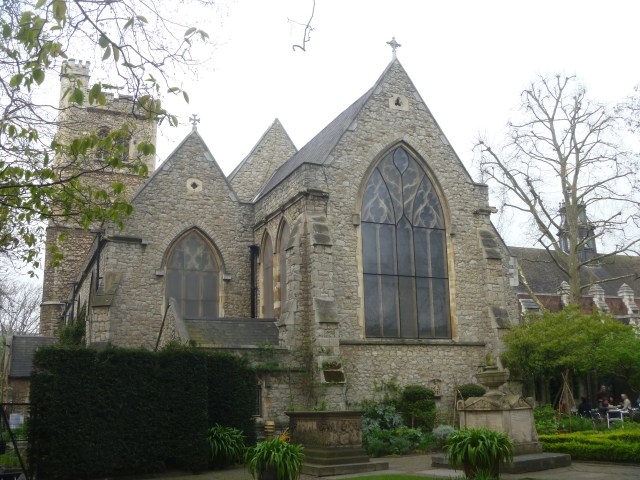
Some exhibitions, especially those national museum ‘blockbusters’, are just too unwieldy but the bijou exhibition Fashion and the Garden occupied just over half an hour of my visit the the Garden Museum on Thursday. Just a short walk along the Albert Embankment (opposite The Houses of Parliament) from Westminster Tube Station, the Garden Museum is right next door to Lambeth Palace, the official London residence of the Archbishops of Canterbury. GM exterior Formerly known as the Museum of Garden History, The Garden Museum is based in the deconsecrated parish church of St Mary-at-Lambeth. I’d met up with my friend Rosanna (the mosaics maker) with whom I had recently been to see The Isabella Blow Show at Somerset House. Garden Museum Church

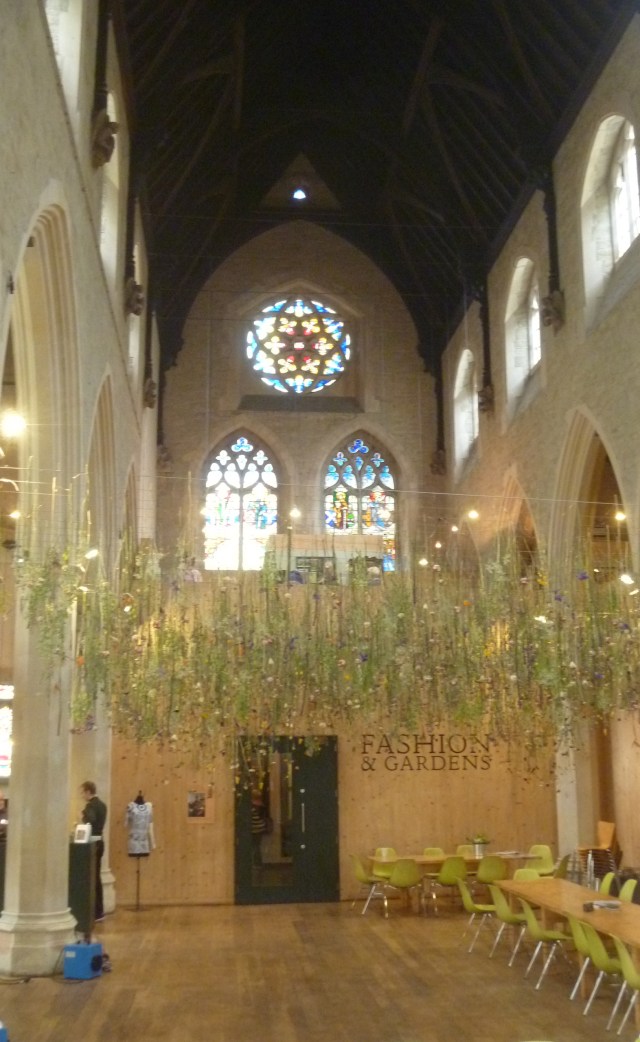
Inside the Garden Museum with Rebecca Louise Law Installation

After morning coffee in the Museum Cafe (we couldn’t resist a tiny home-cooked apple tart as well – all the food served looked very acceptable!) we headed under Rebecca Louise Law’s installation ‘The Flower Garden Display’d’ for the Fashion and the Garden exhibit that I had read about recently in the press. Booklet

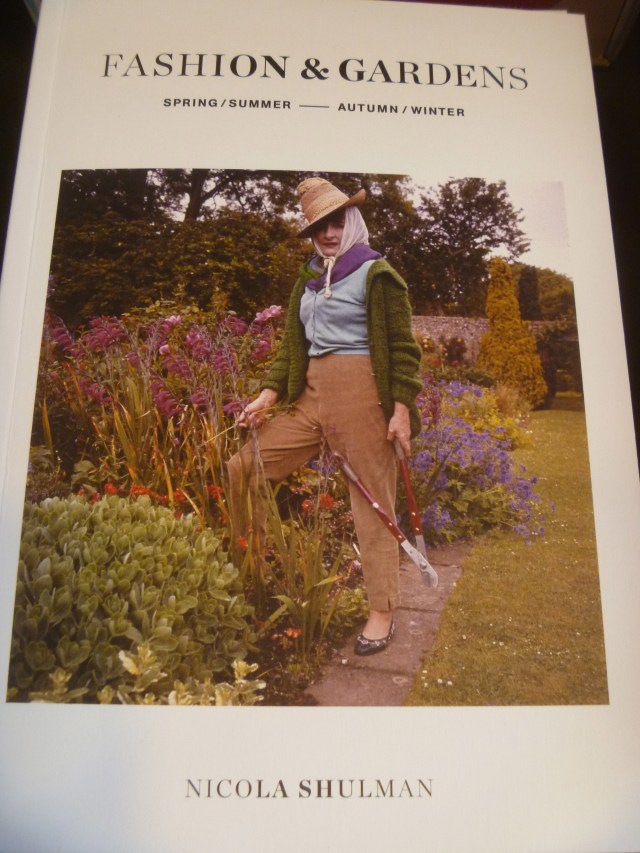
The Accompanying Booklet

Put together by Nicola Shulman, sister of British Vogue editor-in-chief Alexandra Shulman, the displays cover fashion and garden connections between the 17th and 21st centuries.

TV Introduction

unknow artist-796785

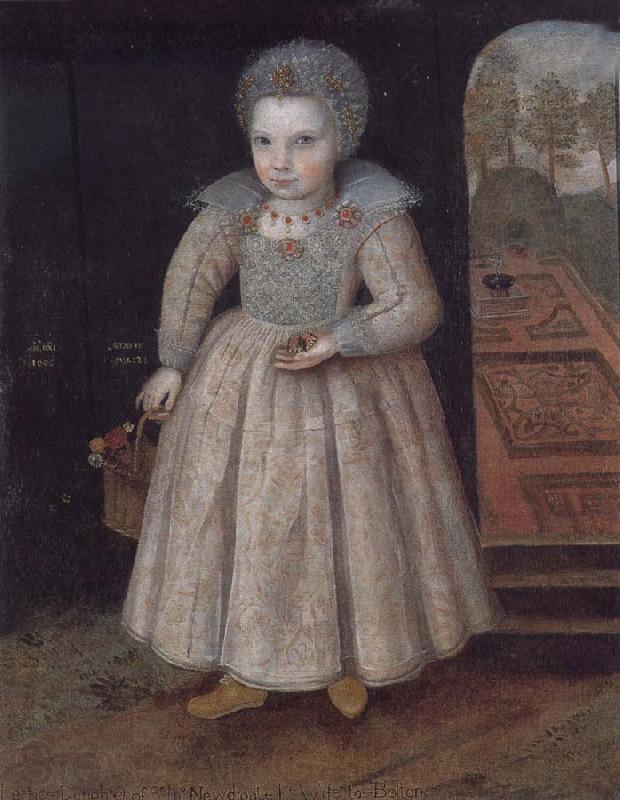
This portrait of Lettice Newdigate (1608) by an unknown artist is the first known example of a Knot Garden in art.

Influences of gardens on fashion extend over time from knot gardens reproduced through embroidery on clothing to Philip Treacy hats such as the Orchid.

Philip_Treacy__Orchid

Philip Treacy Orchid Hat

I noted that an interest in flowers is a very English characteristic. They have featured in English clothing designs throughout the centuries where they are absent, for example, in France. There were exquisitely embroidered gloves and pockets; flowers feature in the silk designs of Anna Maria Garthwaite and other 18th century Spitalfields silk weavers; phaeton carriages were built very high so that owners and their families and guests could drive around their landscape parks and show off; and then there are the clothes that we wear when visiting gardens or even when gardening.

It’s a small show but perfectly formed.

We had time to visit the permanent collection – gnomes; gardening tools from trowels to lawnmowers; rare books; paintings such the recently acquired ‘Portrait of a Black Gardener‘ by Harold Gilman; posters, ephemera and garden seed packet displays.

Yates Seeds

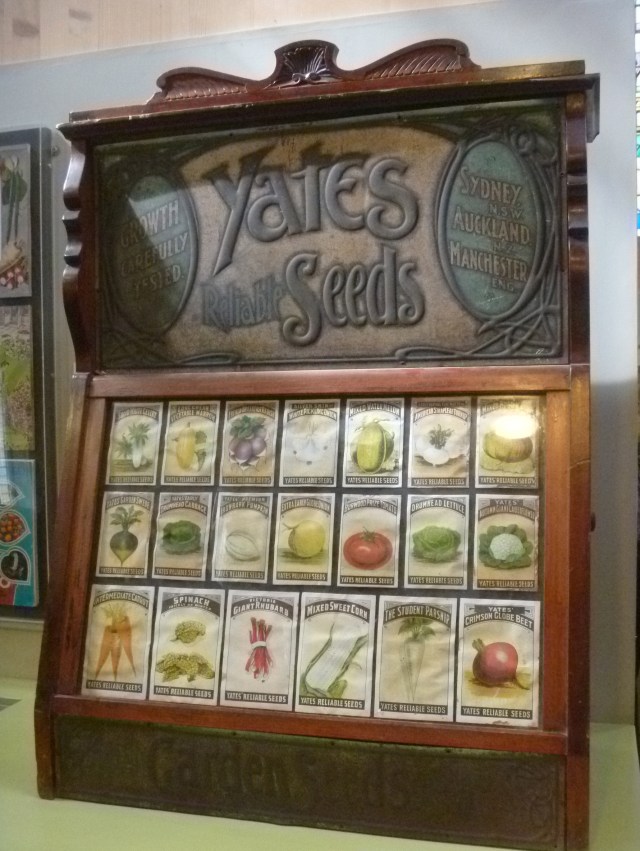
Yates Seeds. No longer sold in the UK but still available in Australia and New Zealand.

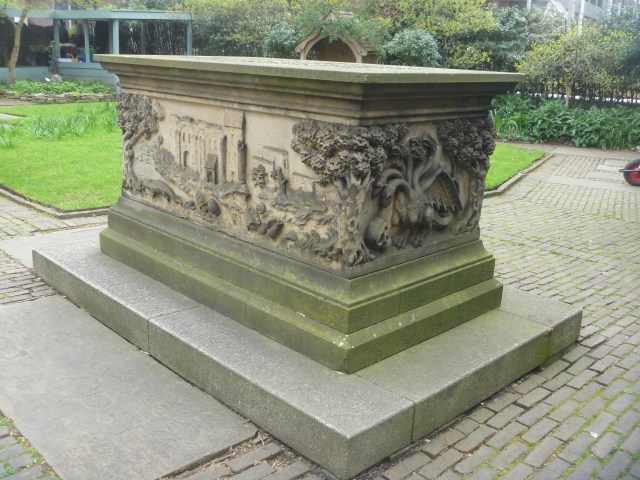
The Museum’s garden was created in 1980. At its heart is a knot garden designed by the Museum’s President, The Dowager Marchioness of Salisbury (who was then also re-making the gardens at Hatfield House, Hertfordshire). The reason for the seventeenth-century spirit of the design is that our garden also houses the tomb of the great plant-hunters, gardeners and collectors, John Tradescant the Elder (c.1570-1638) and Younger (1608-1662), the rediscovery of which originally inspired the creation of a museum of garden history in the deconsecrated, and then derelict, church of St Mary-at-Lambeth.” From the Garden Museum website.

Tradescant Tomb

The Tradescant Tomb

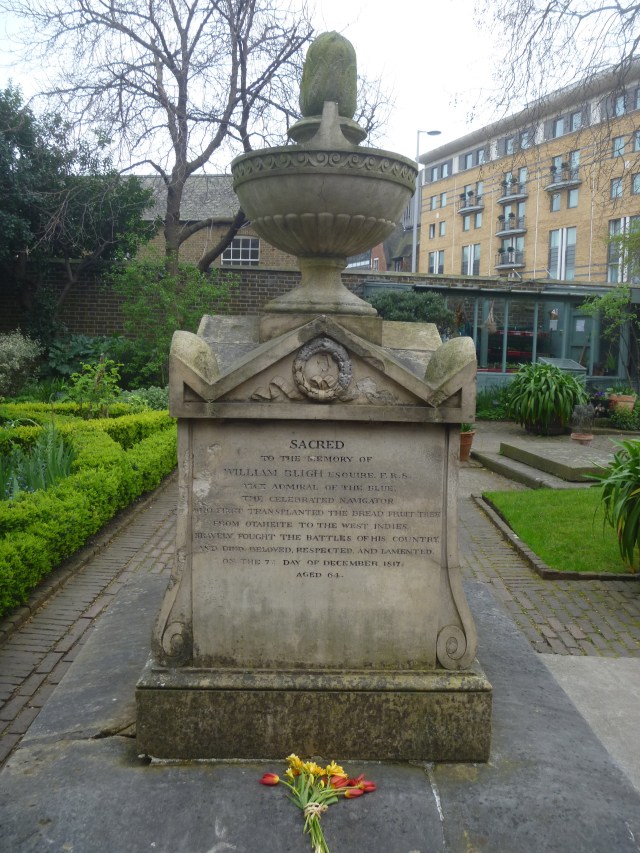
In addition to the tomb and monument to the Tradescants is the tomb of Captain William Bligh of ‘The Bounty’.

Tomb of Bligh

Captain Bligh Tomb

Outdoor Reading Pleasure : Public Benches in Chur and a Swiss Artist in England

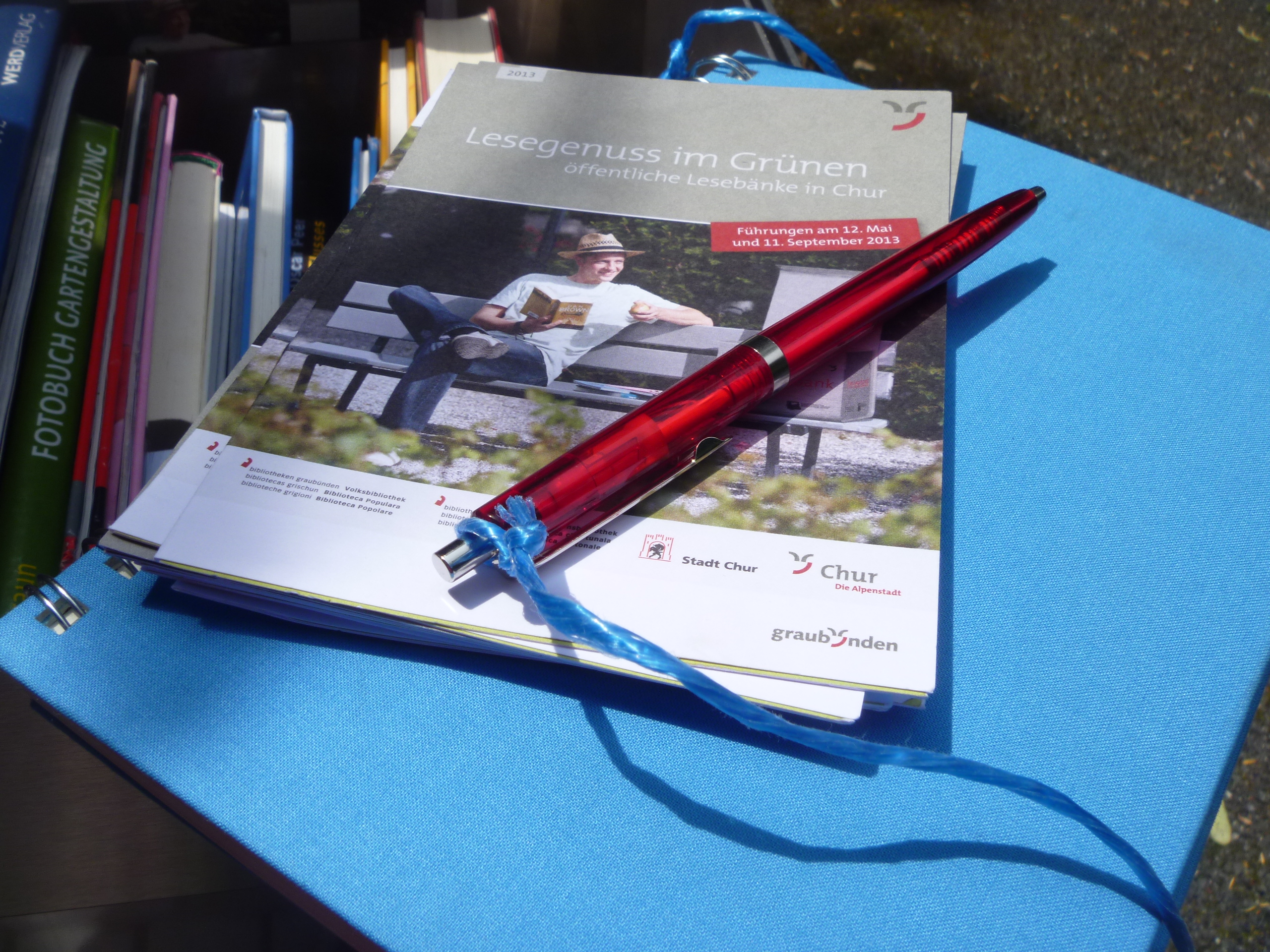
The above title is my translation of the name of a little leaflet I picked up in Chur Station on Sunday. In German it’s “Lesegenuss in Grünen – offentliche Lesebänke in Chur”. Anything with “reading” in the heading is bound to catch my eye. So today, when the work was done I made myself a cheese salad sandwich and headed off on the train again into Chur to find out more …

Intro leaflet

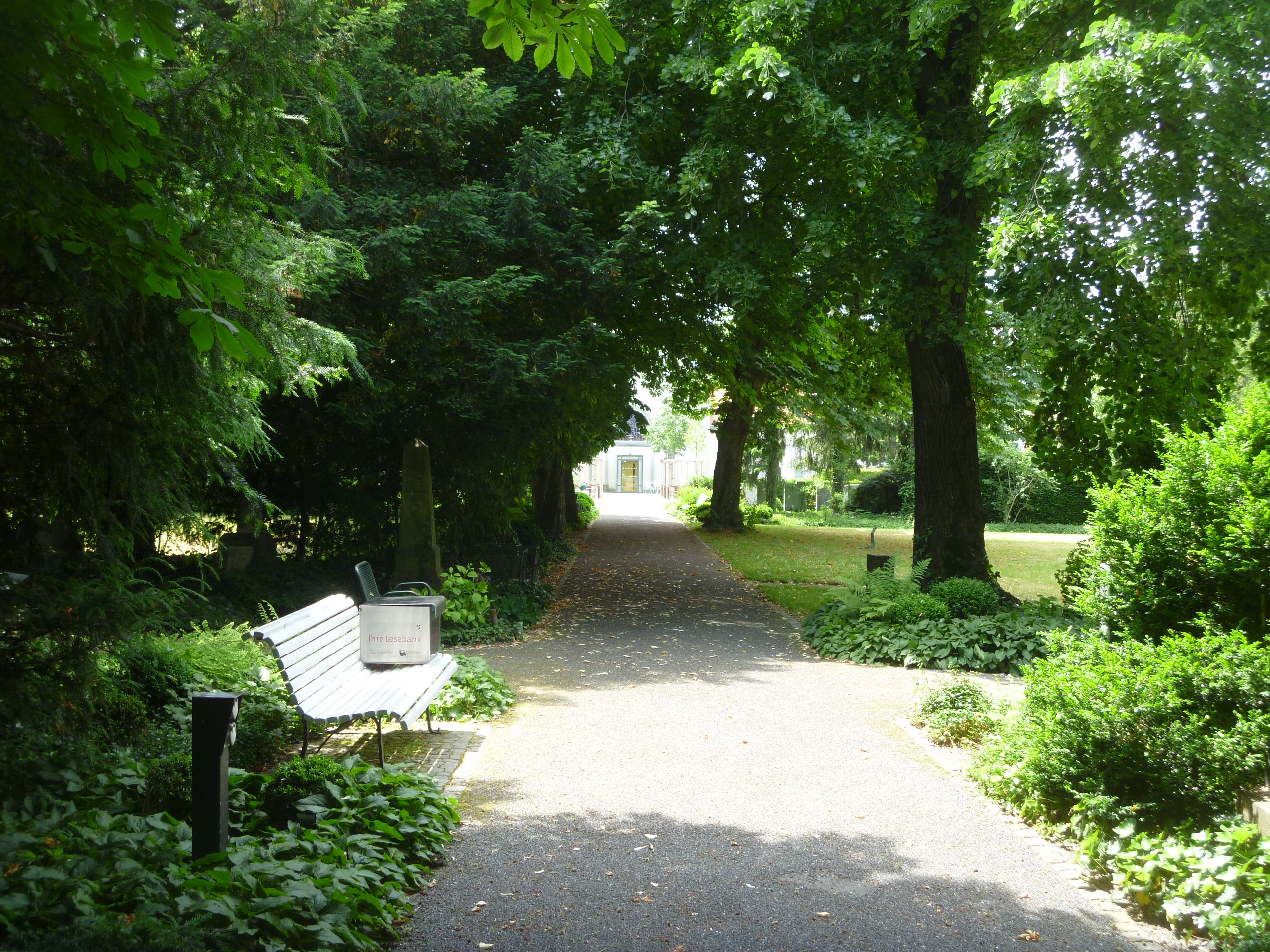
In addition to the Lesebank-Project leaflet I’d picked up a handy folded map of the city. The nearest Lesebank to Chur Station is in Friedhof Daleu. A Friedhof is a cemetery. Never mind. It turned out to be a lovely quiet shady garden with benches and chairs and I soon spotted the (empty) Lesebank on one of the main avenues.

Your Reading Bench

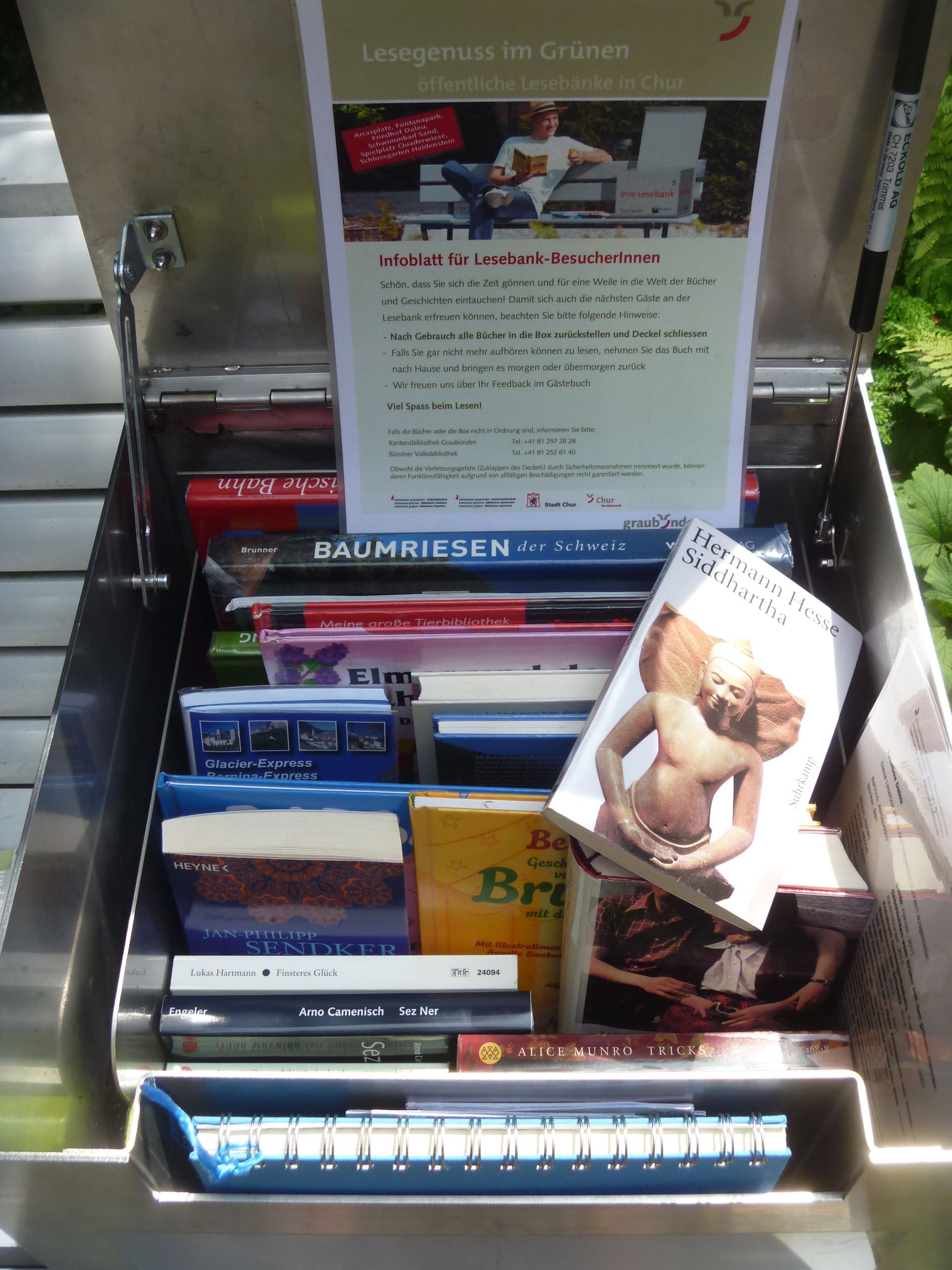
Inside the box is a selection of books – possibly about 30 – fiction and non-fiction, for children and adults, with a contents list and a ‘visitors’ book for comments. The Lesebank is the joint project of the Bündner Volksbibliothek and the Kantonsbibliothek. Two local public libraries but I’m not too sure what the difference between them is. There are 6 of these Reading Benches throughout the city.

The Contents

I wasn’t about to start reading a novel in German as the person before me had (Siddhartha, by Hermann Hesse) so I picked a small book called “The loveliest gardens and parks in Switzerland” to study whilst picnicking. I made a note of two gardens – both also cemeteries – in the Graubünden Canton.

Chur has several bookshops – all of which stocked at least a shelf or two of English language books – but nothing that I hadn’t either read already or fancied the look of.
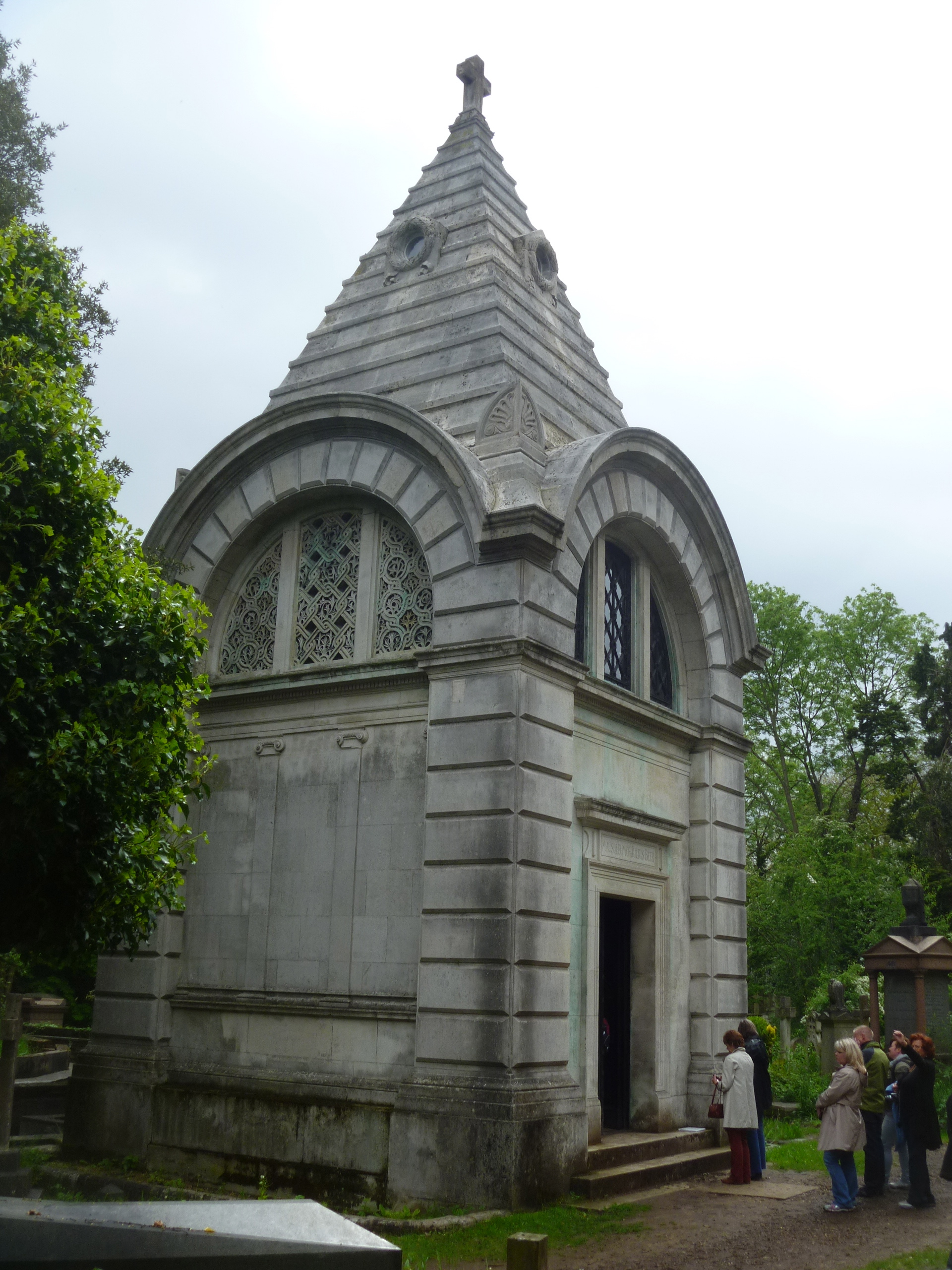
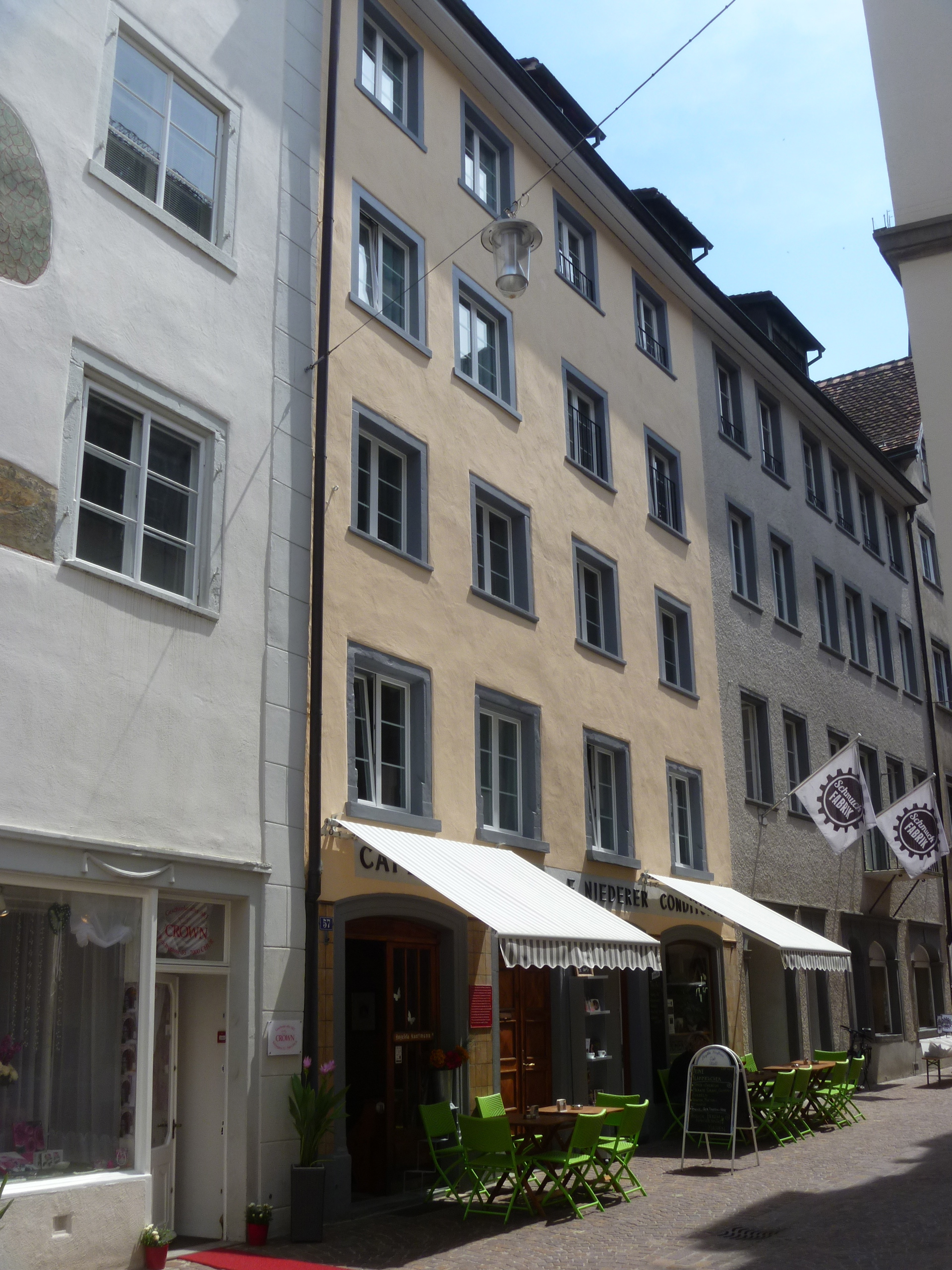
57 Reichsgasse

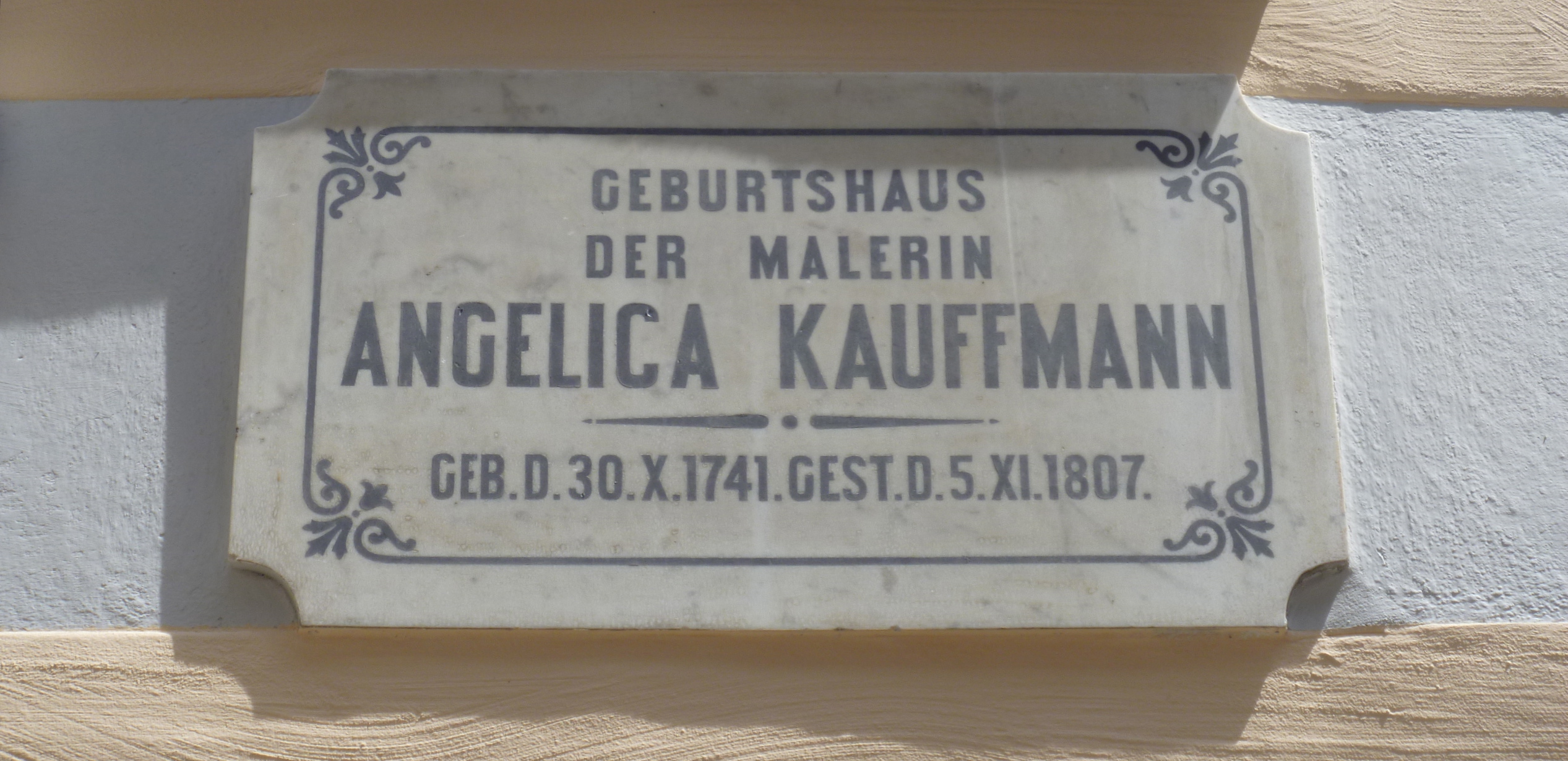
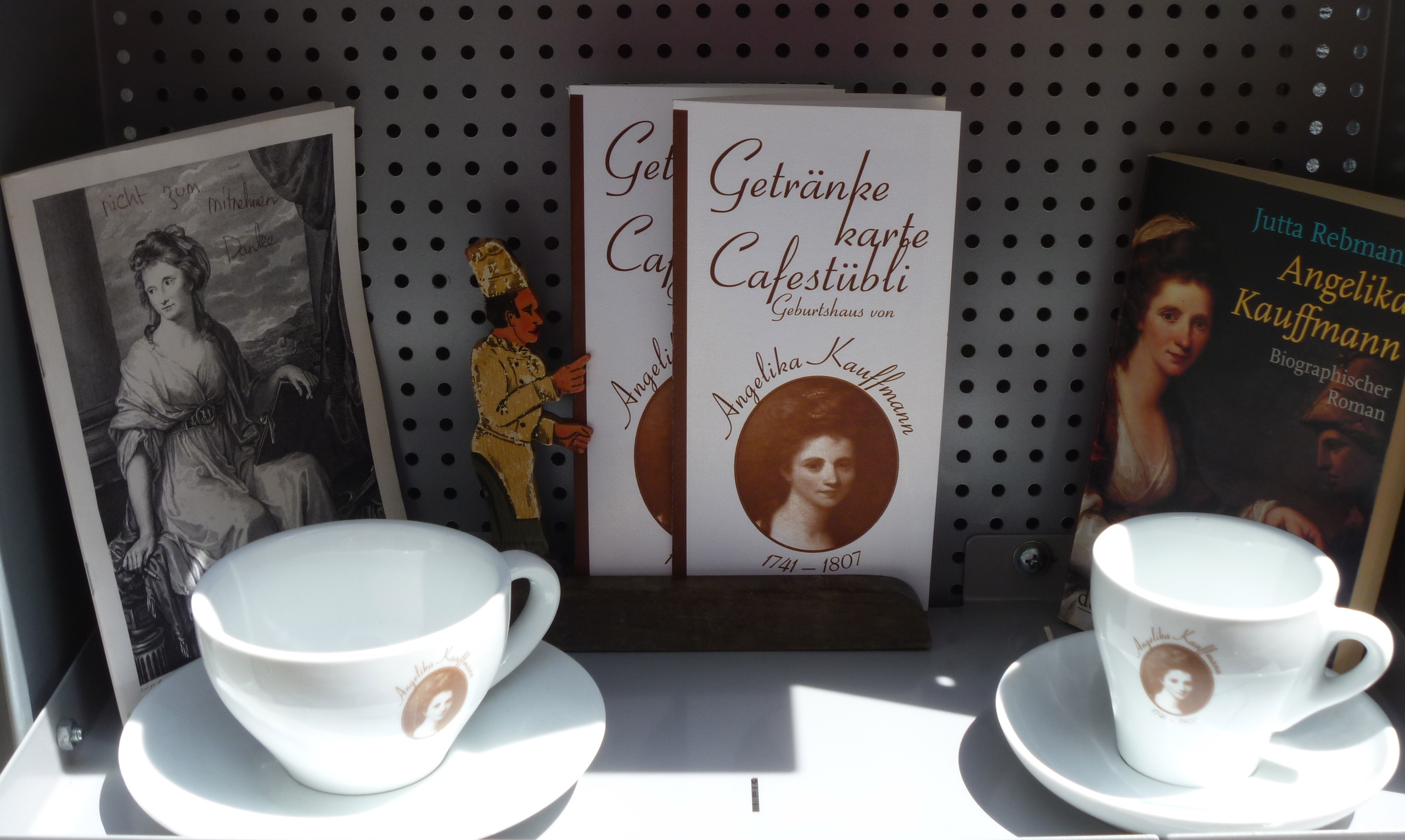
From the reading bench I went in search of the birthplace [57 Reichsgasse] of the painter and founder member of our Royal Academy Angelica Kauffman. Although born in Chur she travelled in Switzerland and Italy with her father who was also an artist and to London at the age of 25. She was a close friend of Sir Joshua Reynolds. The ground floor of her former home is now a cafe and there is a little hanging shelf unit where a few cards and books and the cafe drinks list are displayed.
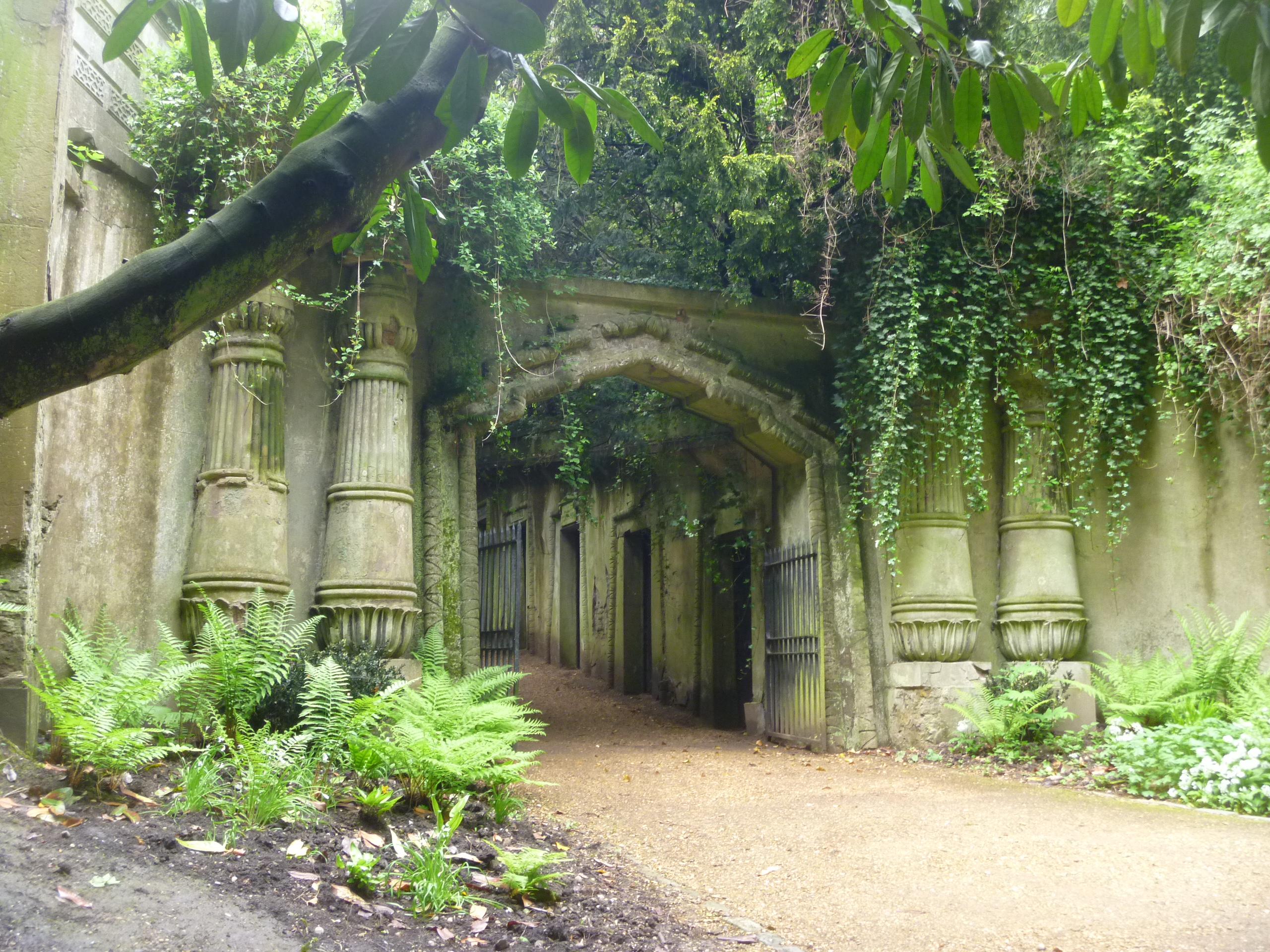
AK Born here

AK display

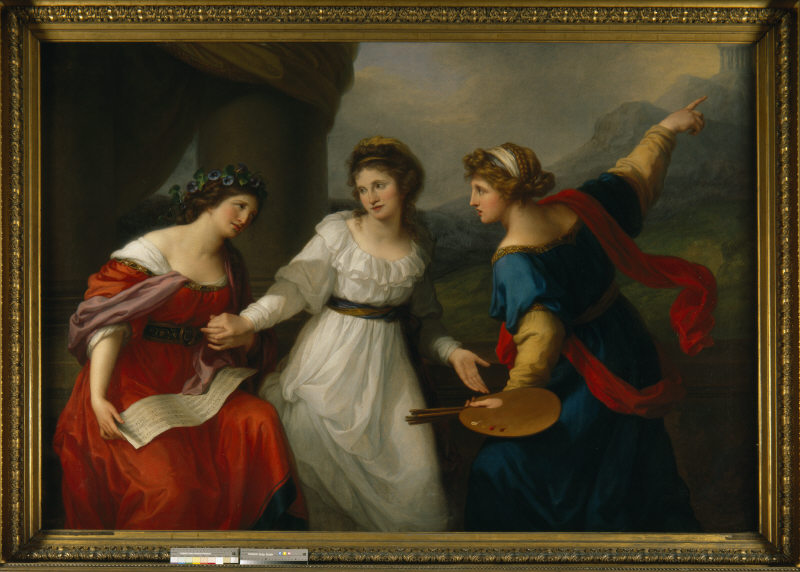
Here you can see a slideshow of Kauffman’s paintings – many of which are portraits – owned by public galleries throughout the UK including some National Trust properties. The Artist Hesitating Between the Arts of Music and Painting, 1791 or 1794, [below] was acquired with the help of the Heritage Lottery Fund in 2002 for Nostell Priory, in West Yorkshire.
Nostell Priory

Full Marks to Highgate Cemetery

For a long time I’ve been intrigued to visit Highgate Cemetery and my chance arose last Thursday. There are two cemeteries on opposite sides of the road – Swain’s Lane – in Highgate. The East Cemetery which is home to the more famous graves and still in use today (at a high price!) can be visited by anyone during opening hours for a charge of £4. The West Cemetery you have to book in advance during the week and join an organised tour. There are some more recent burials here (the so-called Russian dissident Alexander Litvinenko for one, and the author Beryl Bainbridge for another) but mostly it is full to bursting with Victorian funerary art and symbolism. The cost of the West tour also covers the entrance fee to the East Cemetery.

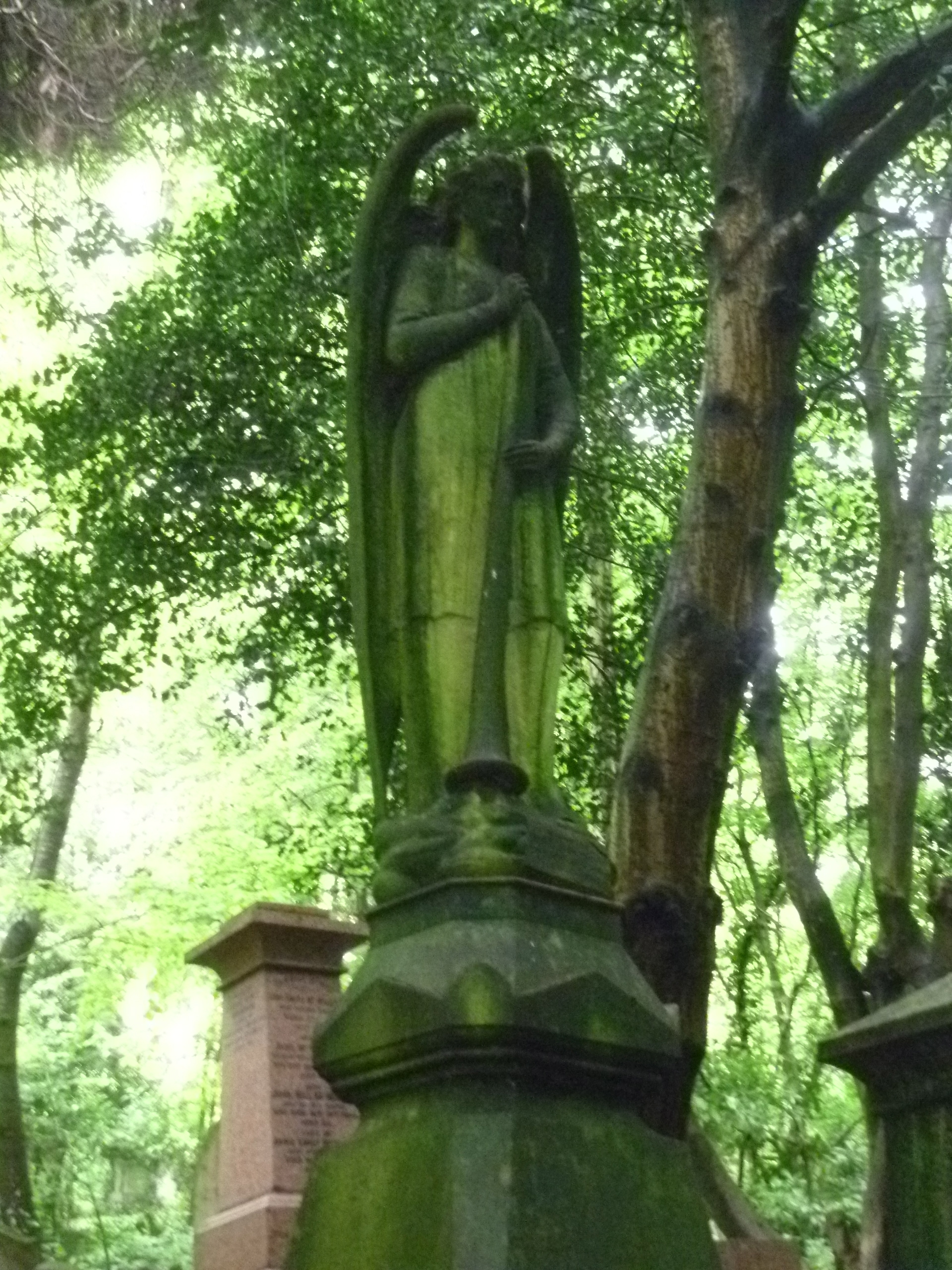
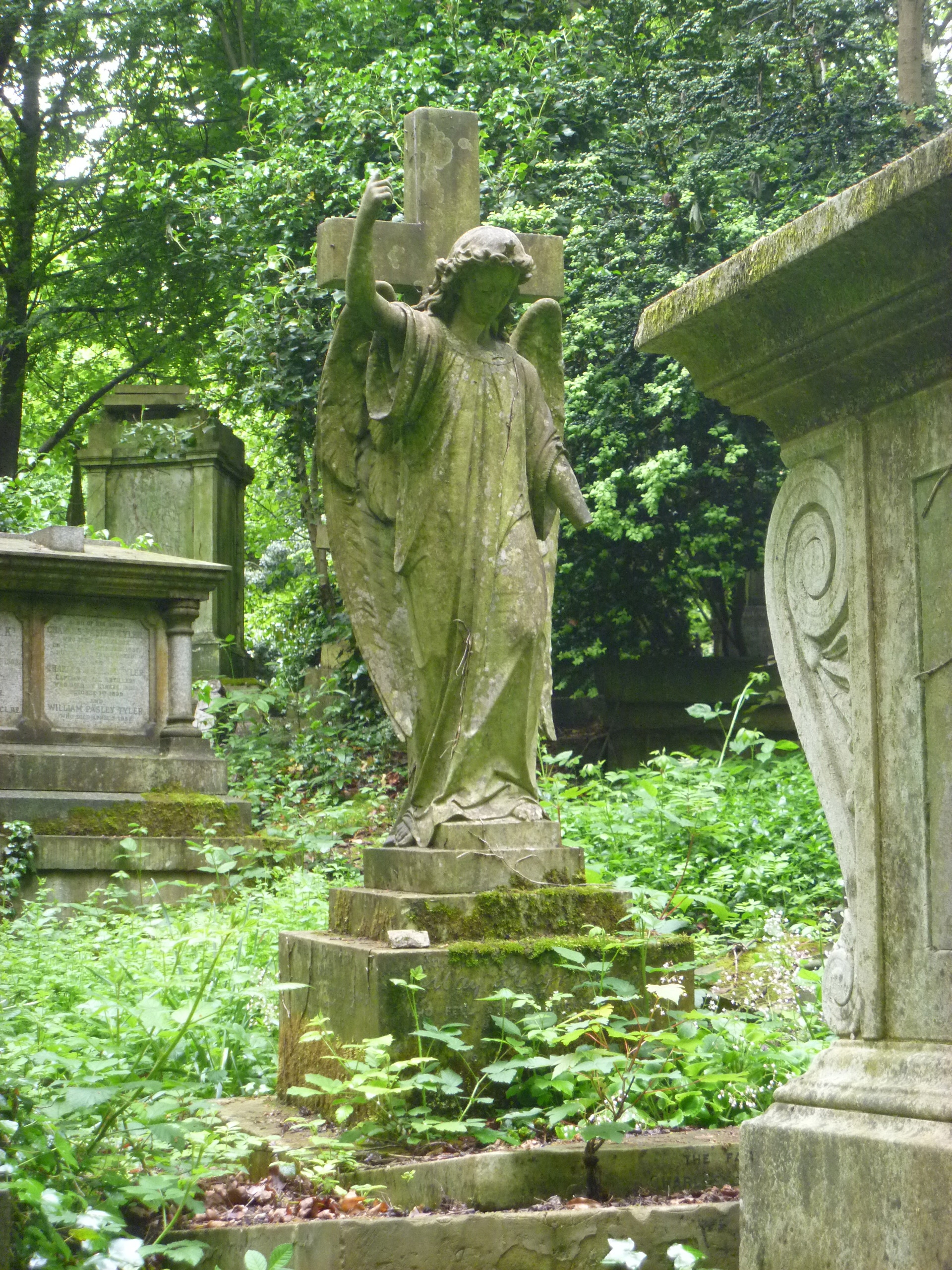
Angel and trumpet

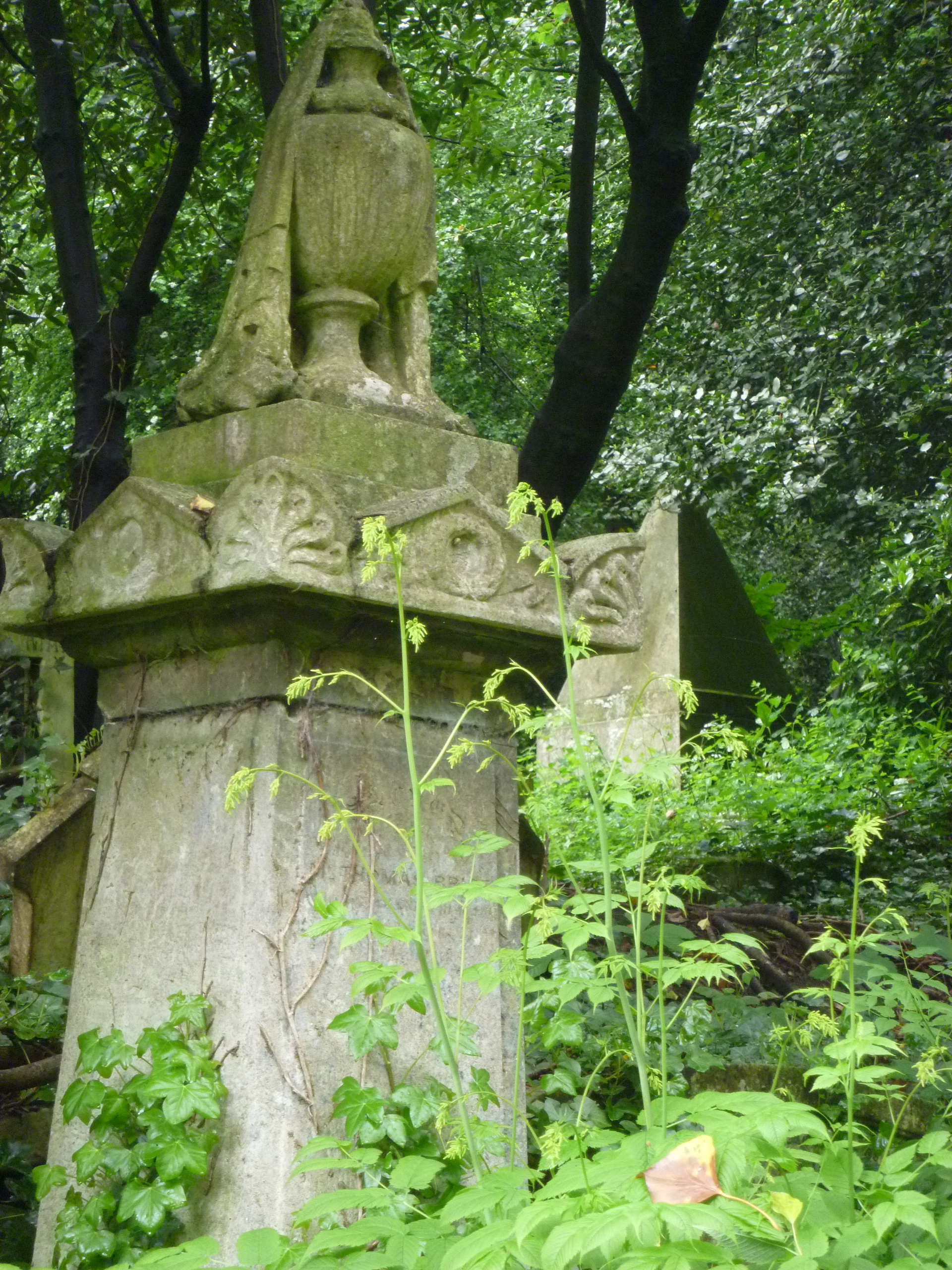
Draped urn

Highgate Cemetery was one of London’s ‘Magnificent Seven‘ cemeteries established during the early 19th century in order to alleviate overcrowding in the city’s churchyards :

Kensal Green Cemetery, 1832
West Norwood Cemetery, 1837
Highgate Cemetery, 1839
Abney Park Cemetery, 1840
Nunhead Cemetery, 1840
Brompton Cemetery, 1840
Tower Hamlets Cemetery, 1841

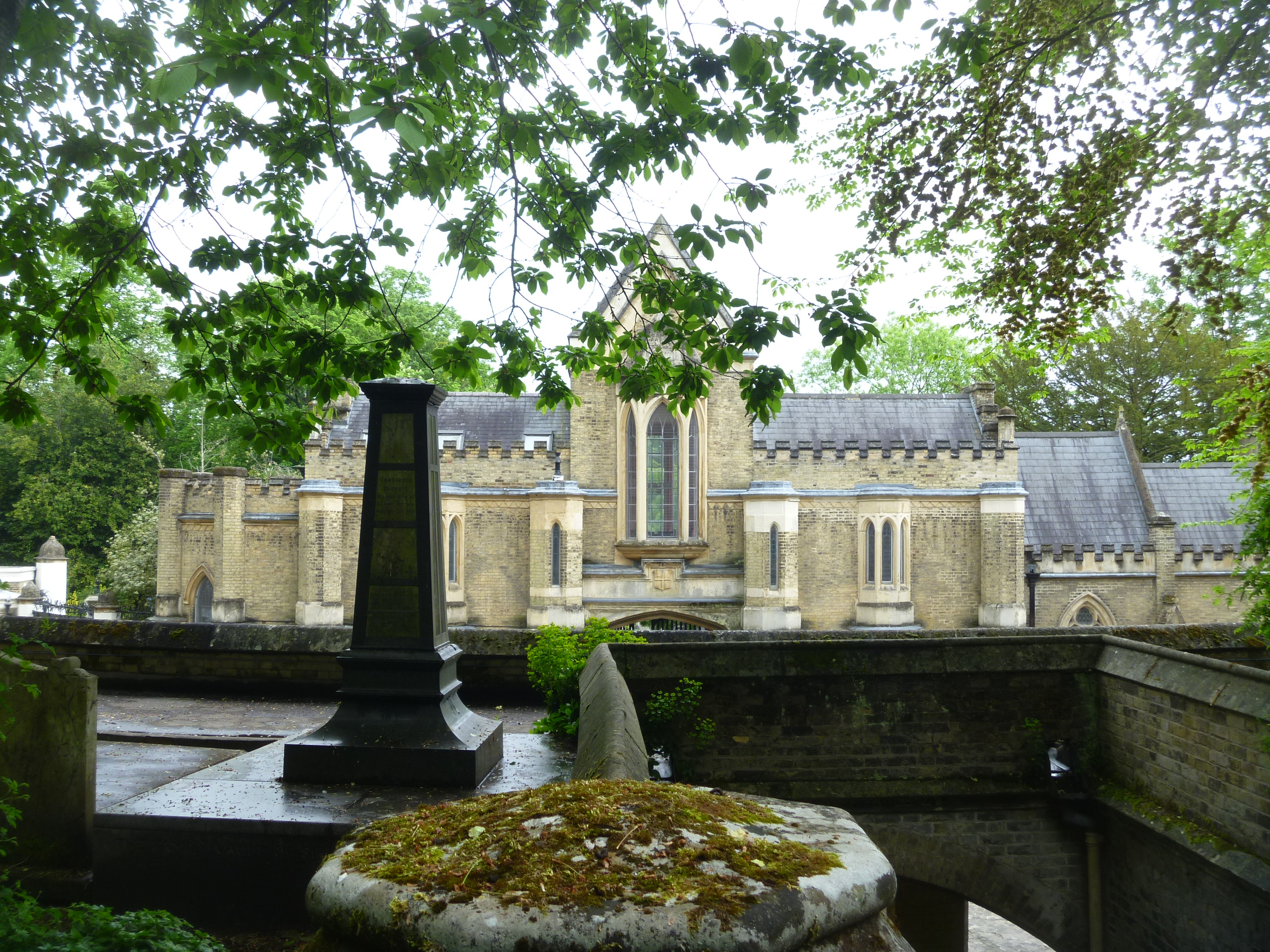
Highgate Cemetery West

Here is the description on the opening page of the cemetery website :

One of London’s greatest treasures
Highgate Cemetery is a haven of beauty and tranquility, a place of peace and contemplation where a romantic profusion of trees, memorials and wildlife flourish in the heart of London

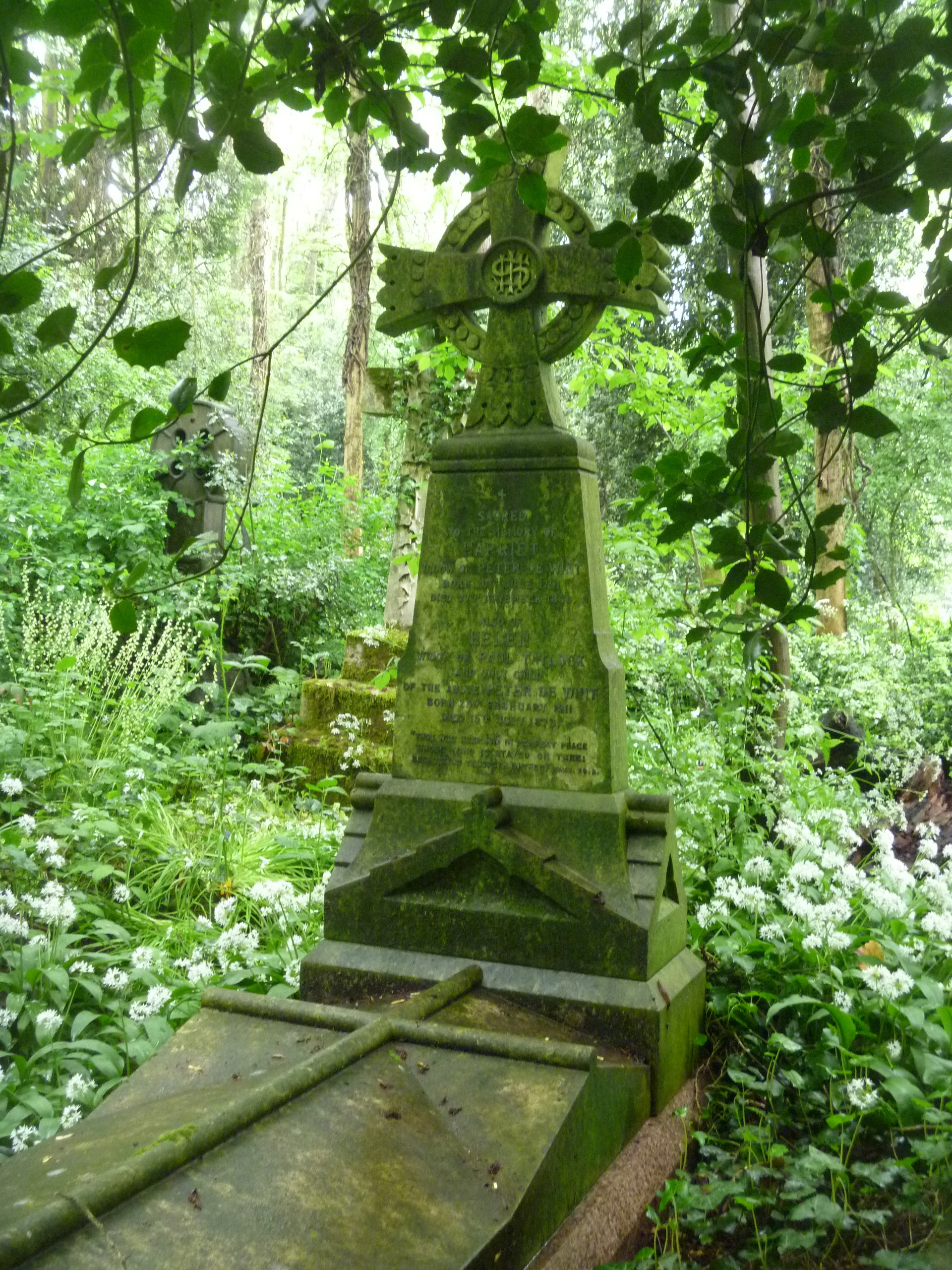
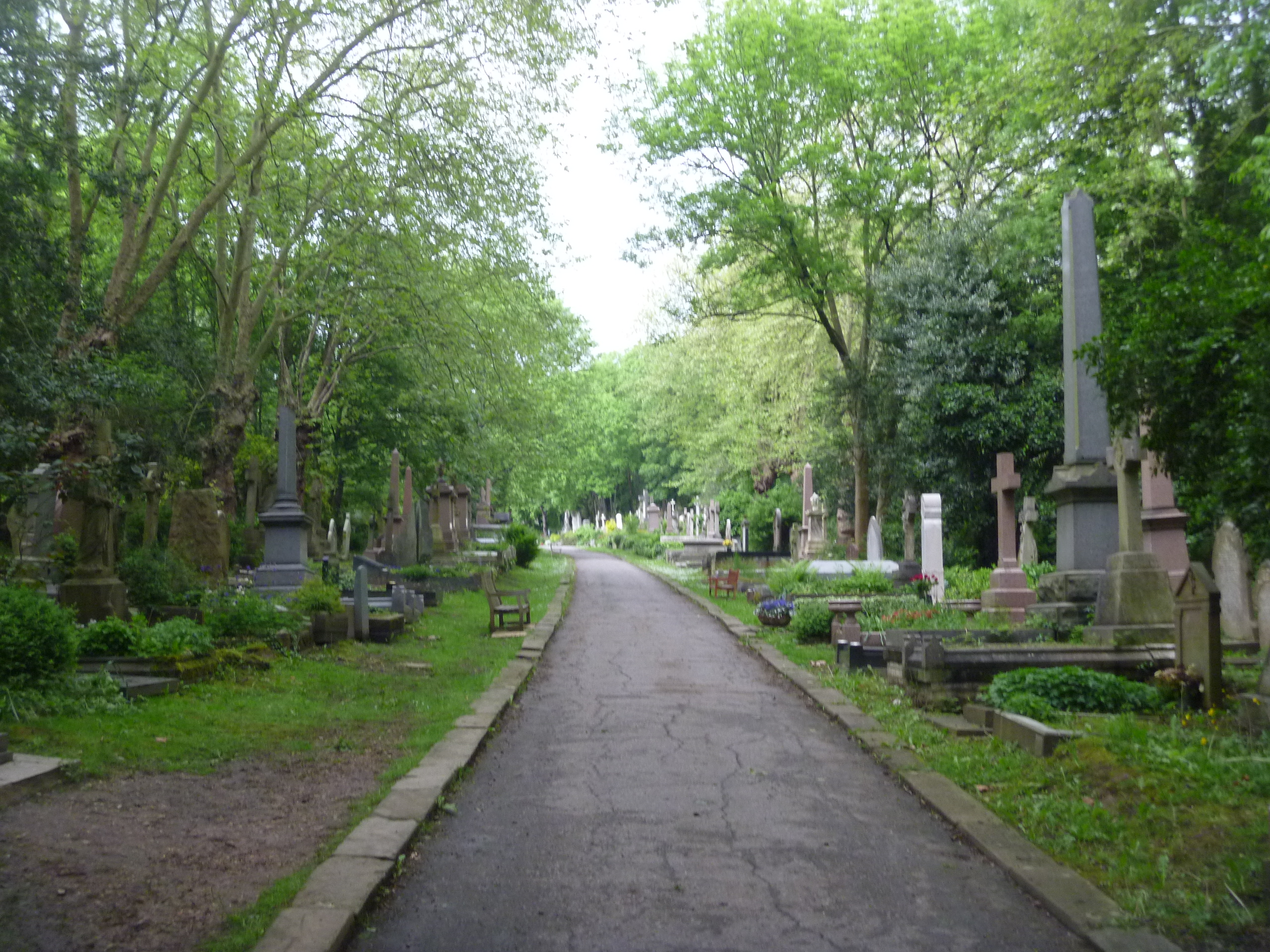
Highgate West

Highgate W

That description proved oh so true on my visit last Thursday. It is a wonderfully atmospheric place. During the introduction to the tour Gordon, our leader, explained the current policy of ‘managed neglect’. During the 1970s it was no longer profitable to run the cemetery commercially and it was left to go to rack and ruin and vandals and thieves. In 1975 a band of locally interested parties got together to rescue the cemetery and establish The Friends of Highgate Cemetery Trust which now runs the place, organising the paid staff as well as the countless volunteers, who help to guide tour groups and maintain this special landscape.

The broken column symbolises a life cut short

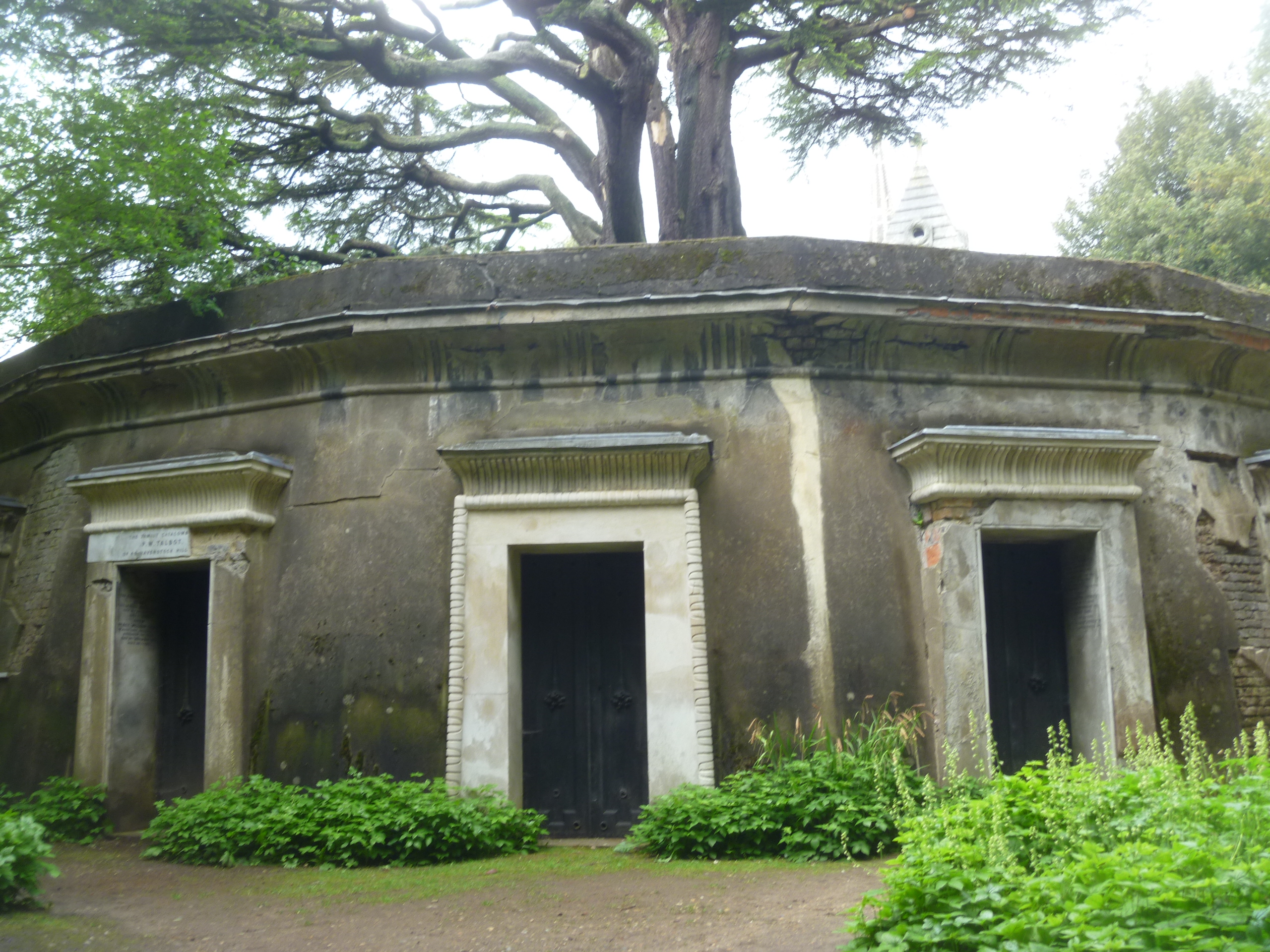
We visited a number of graves of significant people of the 19th and 20th centuries and the symbolism of many of the features was also explained to us. Three tier plinths represent faith, hope and charity; a trumpet means The Judgement Day; a broken column a life cut short. We heard stories connected with some of those buried here, were able to go into the Terrace Catacombs and the Julius Beer Mausoleum and visited the Egyptian Avenue, the Circle of Lebanon and the funerary chapel.

Mausoleum of Julius Beer

The Mausoleum of Julius Beer (no photography allowed inside)

Egyptian Avenue

The Egyptian Avenue

Cedar of Lebanon Circle

The Cedar of Lebanon Circle

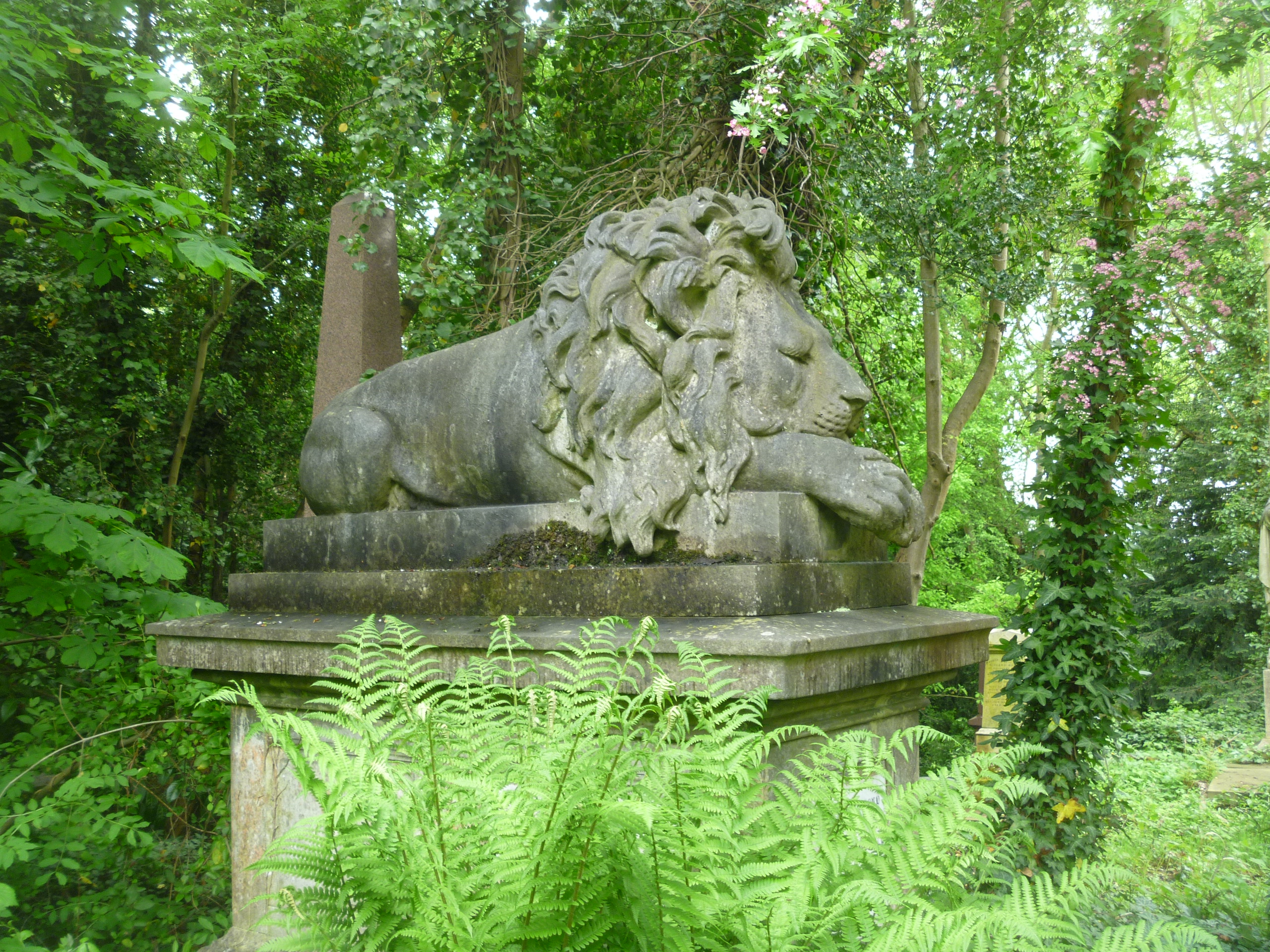
George Wombwell's Nero

Animal friends even accompany their masters: Nero guards his master George Wombwell a Menagerist

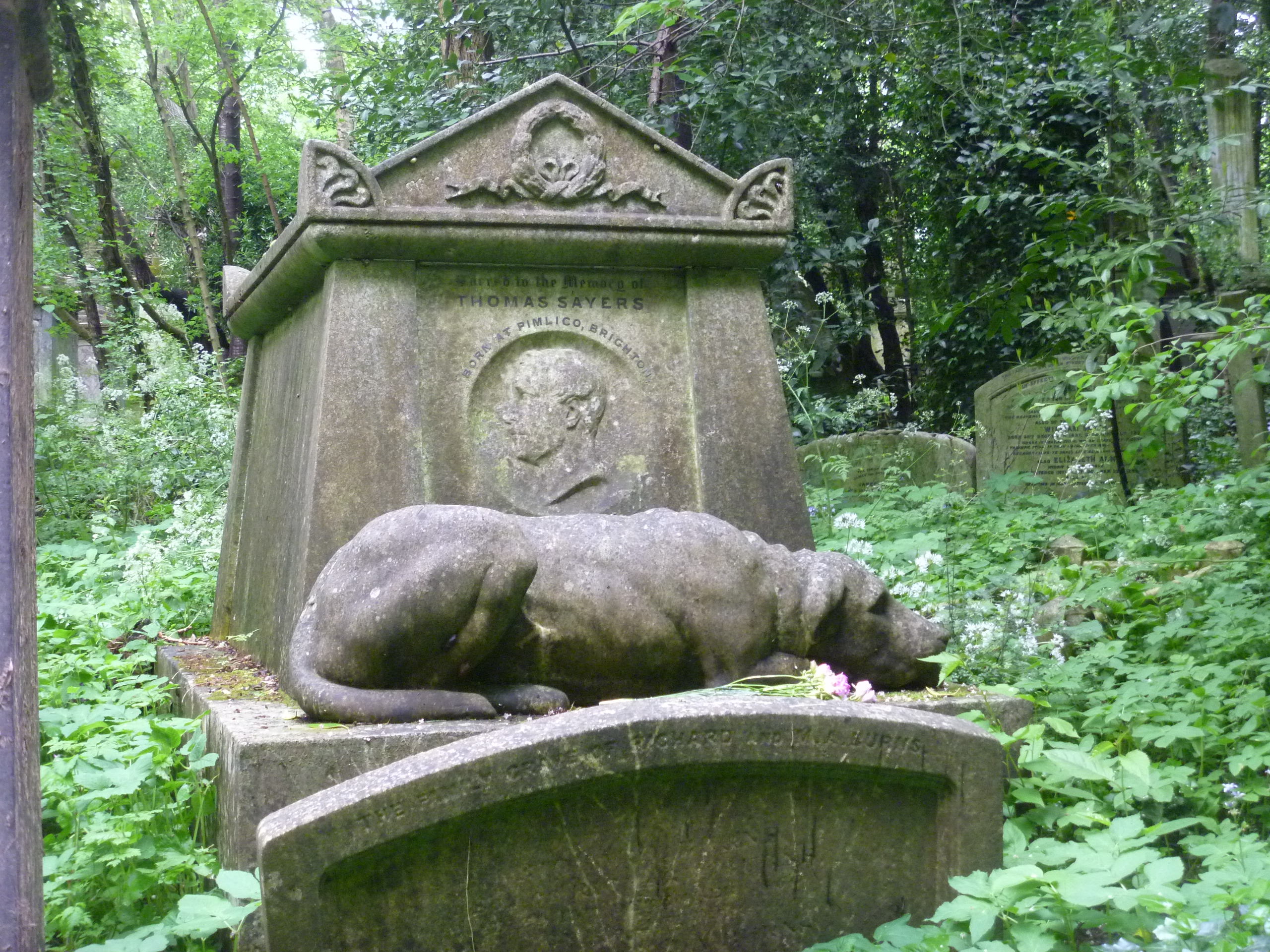
And Thomas Sayers’ bull mastiff, below

Thomas Sayers and his bull mastif

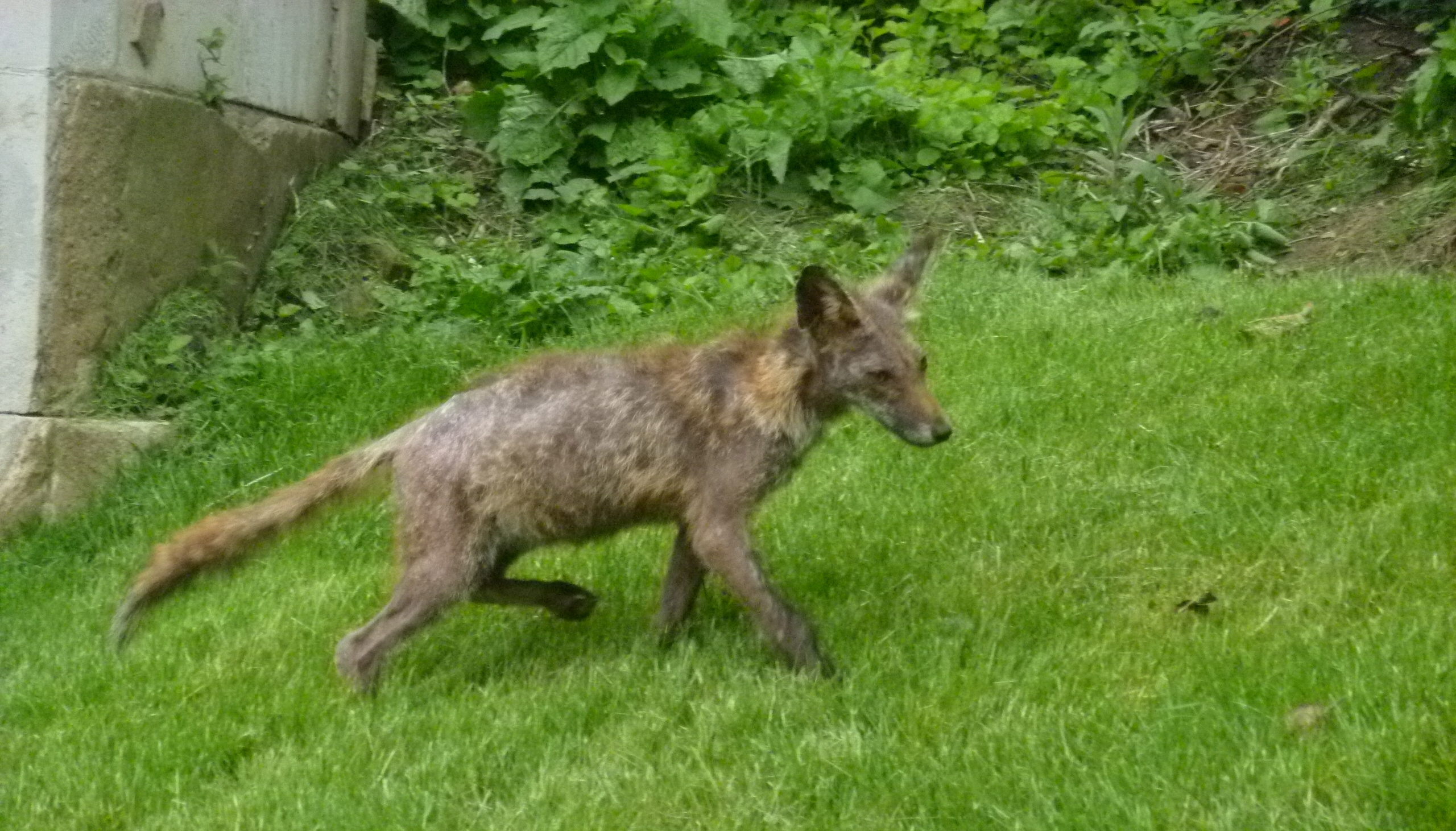
A live inhabitant

We even saw a live inhabitant!

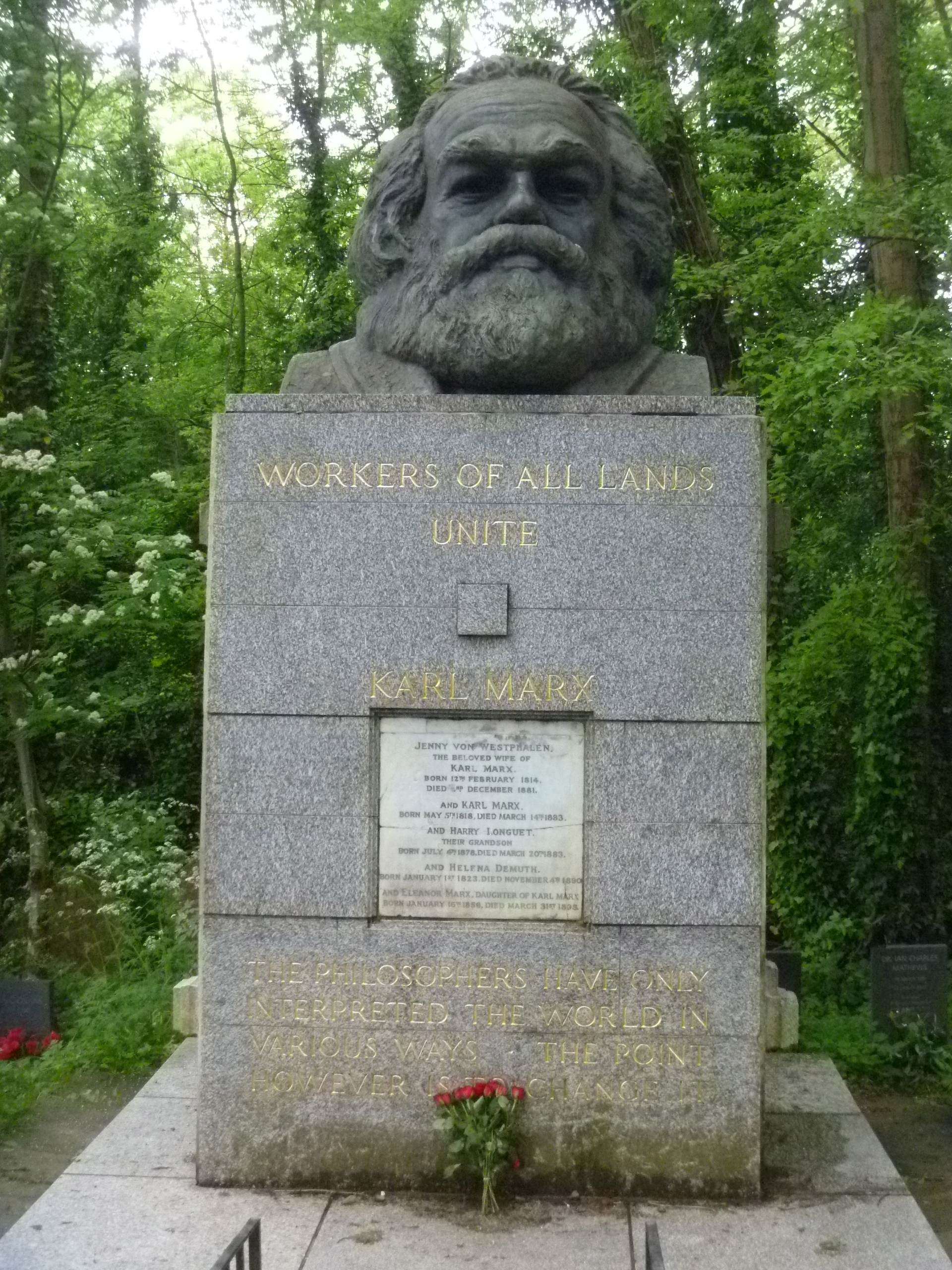
The East Cemetery has its own atmosphere and clearer to follow paths with less undegrowth and many more recent and famous graves and memorials – the most famous probably being that of Karl Marx erected and paid for by the British Communist Party in 1955. It is truly larger than life.

Highgate Cemetery East

Karl Marx