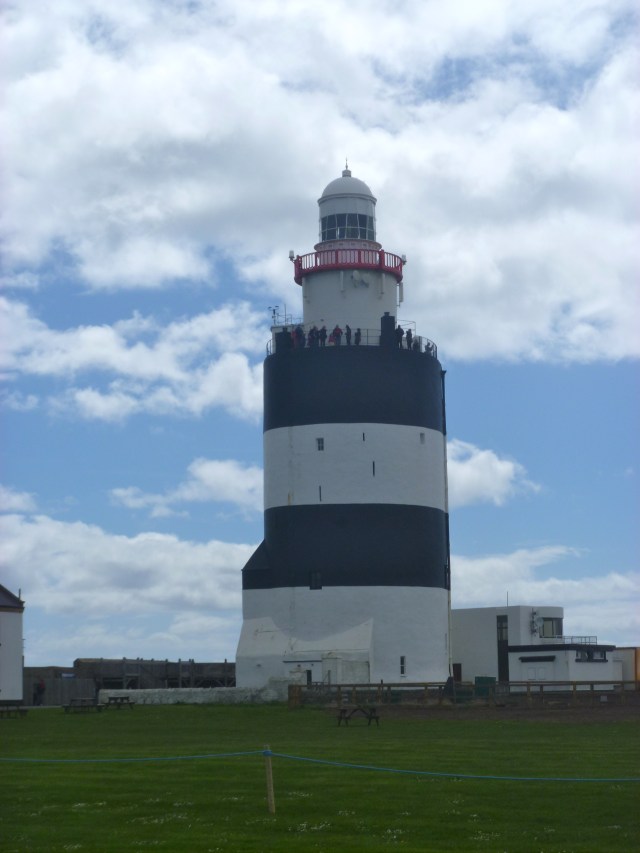
The Oldest Operational Lighthouse in the World : Hook Head

lighthouse From Tintern Abbey I drove to Hook Head Lighthouse. The roads were quiet and virtually traffic-free and I expected to be the only person booking in for a tour. Not so! Crowds were enjoying the bracing winds, the café and shop and the hourly tours of the lighthouse. At 800 years of age it Hook Lighthouse is still fully operational. It’s the oldest intact operational lighthouse in the world.   The Hook Head Lighthouse was built by the same William Marshall, Earl of Pembroke, who founded Tintern Abbey. the monastery
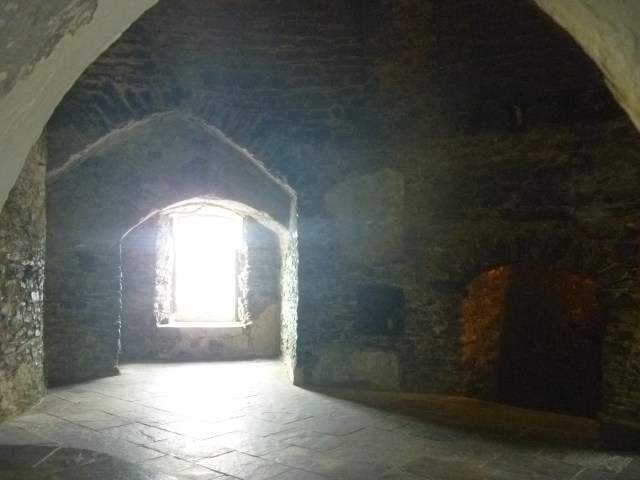
The Monastery

It’s 4 storeys high with walls up to 4 metres thick. The rib vaulted chambers with fireplaces still exist. One is called Liberty Hall and another The Monastery. On this spot monks lit fires to warn passing ships of local dangers. monk's cell
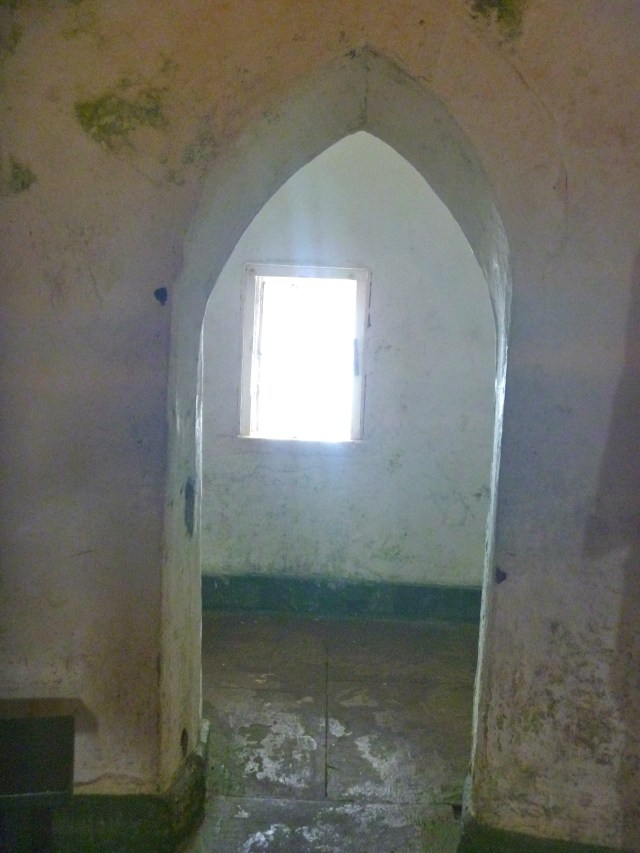
A Monk’s Cell

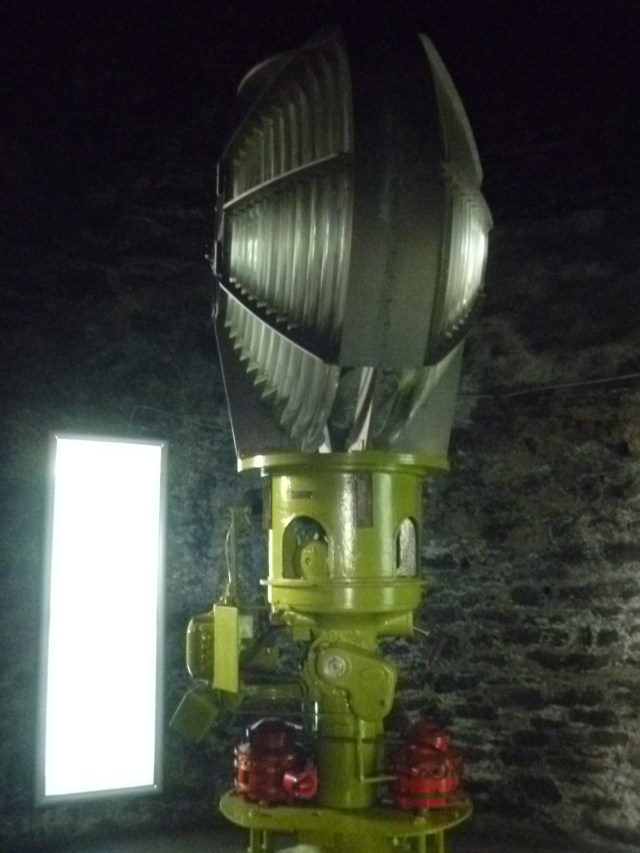
The Norman structure consists of three bullet-shaped chambers mounted one above the other. Each has an arched cross of stone at the top to strengthen the vaulted ceiling and bear the weight of the chamber above. Together they rise to a height of 100ft to support a light that has guided shipping for 1400 years. For most of that time the lighthouse was manned by monks, who carried timber and peat up 149 steps to the beacon fire, and who slept in rooms set in the walls. Now the light is run by electricity.” [Source : Reader’s Digest Illustrated Guide to Ireland] example light  It’s not possible to visit the top of the lighthouse and see the lamp close up (you just climb up to an outside balcony from where there are spectacular views) but on the ground floor is a similar light from a lighthouse from another County. But this light is only a third of the size and weight of the Hook light above us. 6:5 Hook View
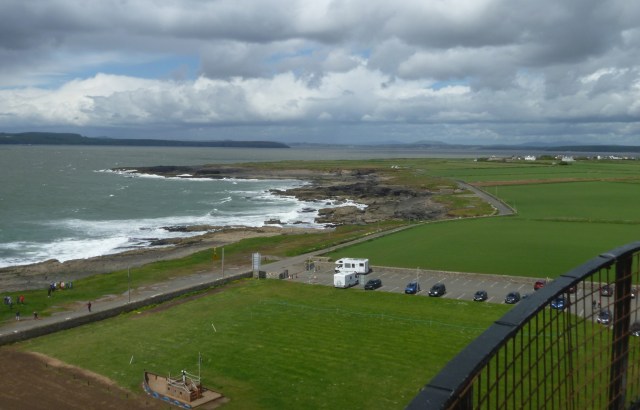
Hook Peninsula

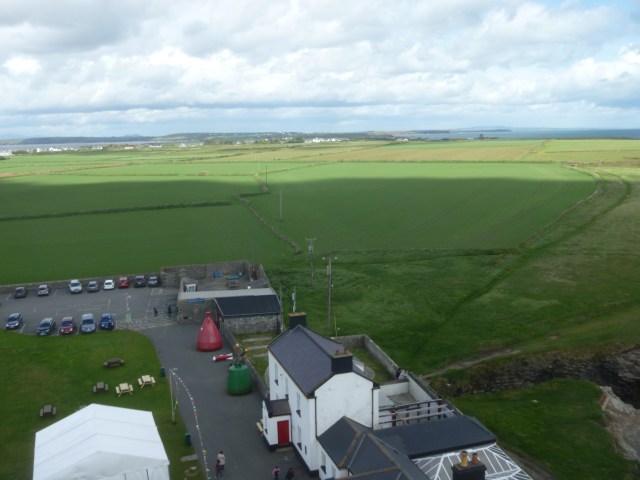
Views from Hook Lighthouse Balcony
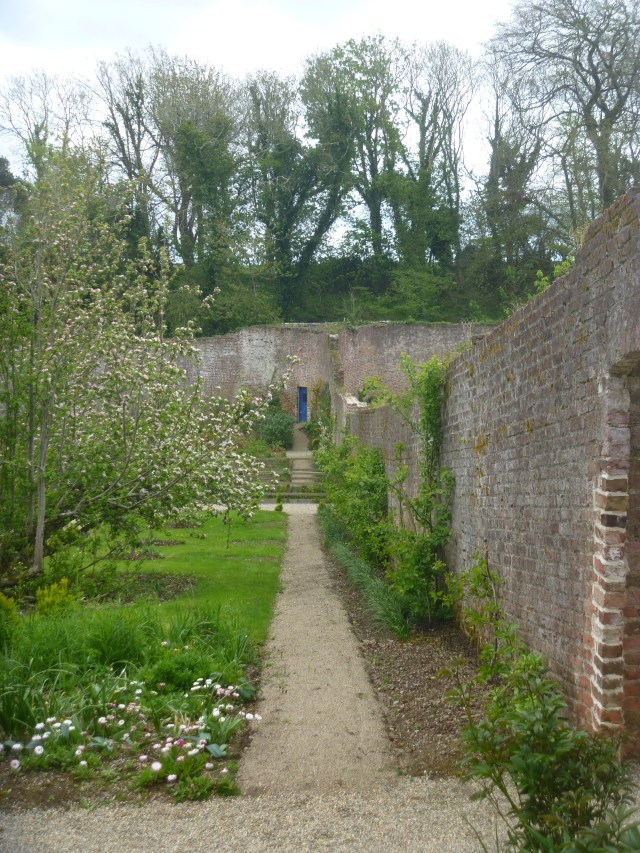
Rhubarb, Rhubarb, Rhubarb : Colclough Walled Garden


Walled garden

Established over 200 years ago and abandoned after Lucey Marie left Tintern Colclough (pronounced Coke-lee) Walled Garden has undergone a transformation in the past 4 or so years. The original layout has been reinstated using an Ordnance Survey Of Ireland historical map dated 1838. The map showed path structure, bridges, location of vegetable garden and fruit trees. It finally reopened in 2012.

At Tintern Abbey I joined Heritage Ireland and the card admitted me also to the Walled Garden.

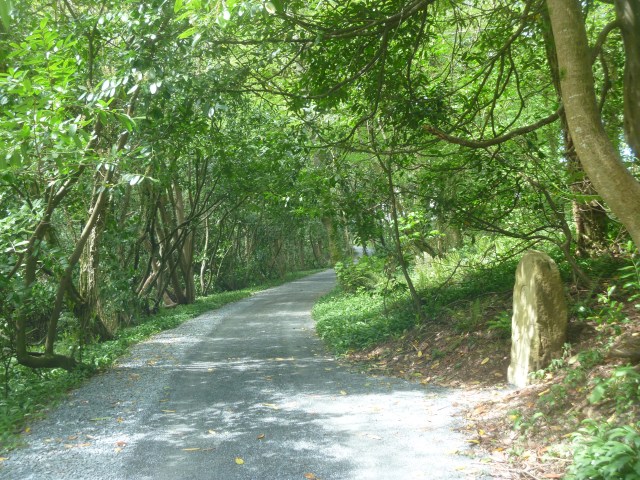
Woodland path

The approach from the Abbey is through the former village of Tintern and along a woodland path with a strong smell of garlic and fading bluebells.

edge of ornamental

The Edge of the Ornamental Garden

Veg garden

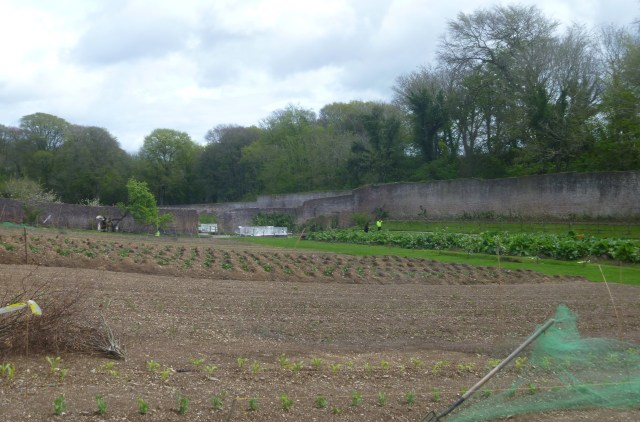
The Kitchen Garden

The garden is divided into an Ornamental Garden and a Kitchen Garden.

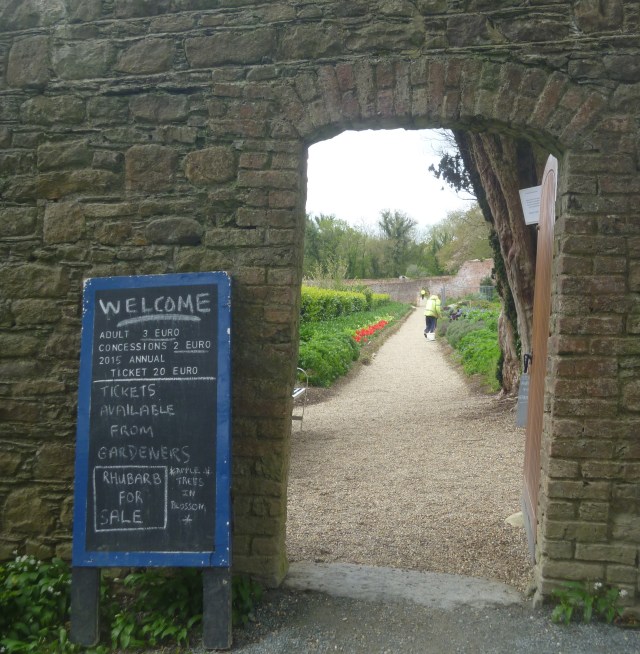
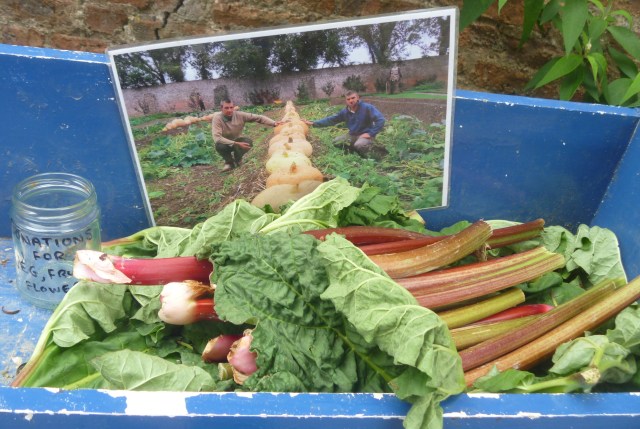
Rhubarb for sale

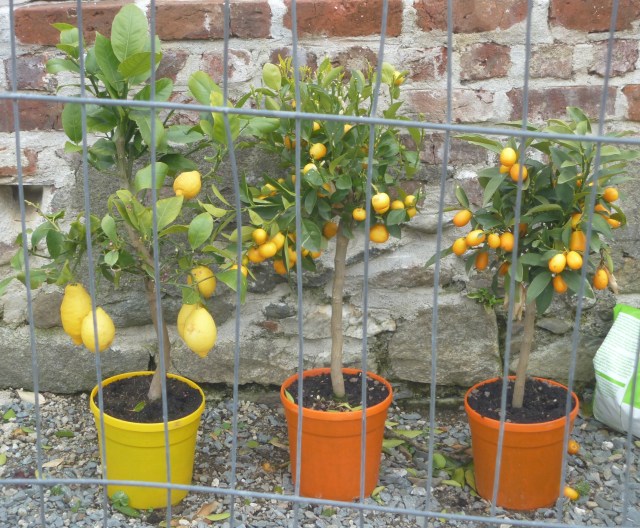
Rhubarb seems to a popular vegetable for May. The south-facing sheltered garden also supports Mediterranean fruits and efforts are made to garden as ecologically and organically as possible.

sheltered and south facing

Oranges and Lemons

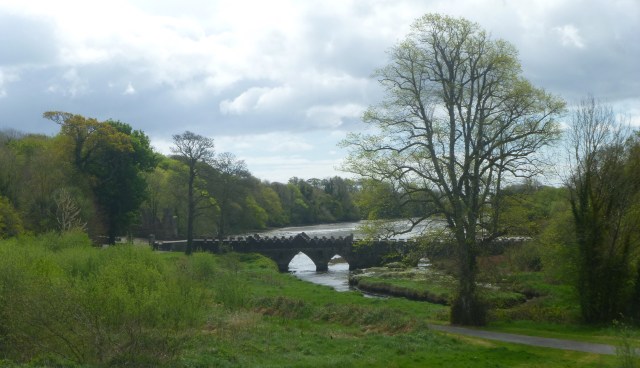
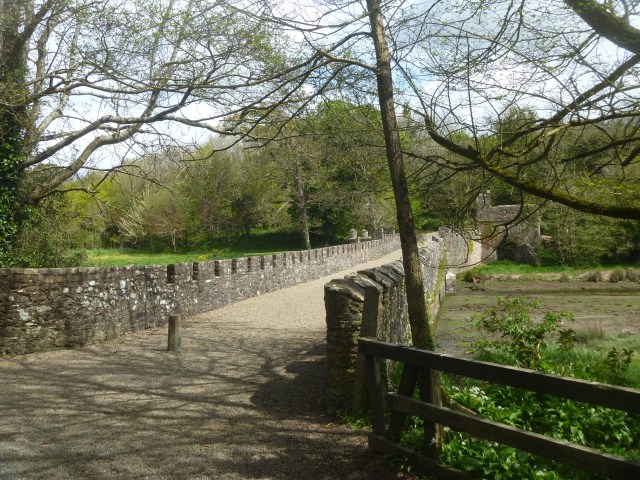
Returning to the Abbey and Car park I followed the longer route over the Battlemented Abbey Bridge and past the ruined church and burial ground.

Battlemented Abbey Bridge


Bridge


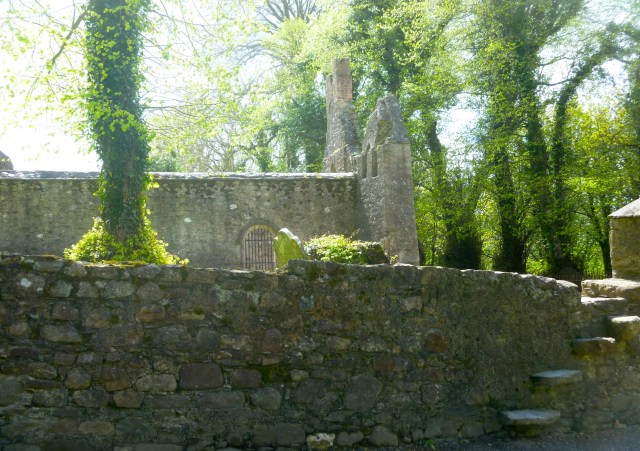
TA Church

Ruined Church and Graveyard

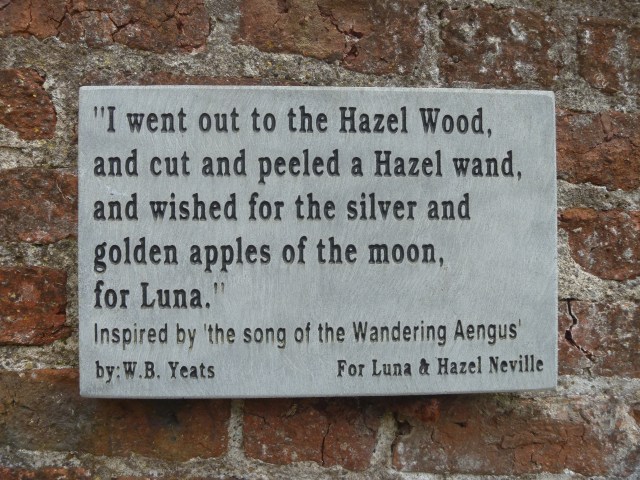
hazel wood quotation

The Irish Tintern Abbey, Co. Wexford

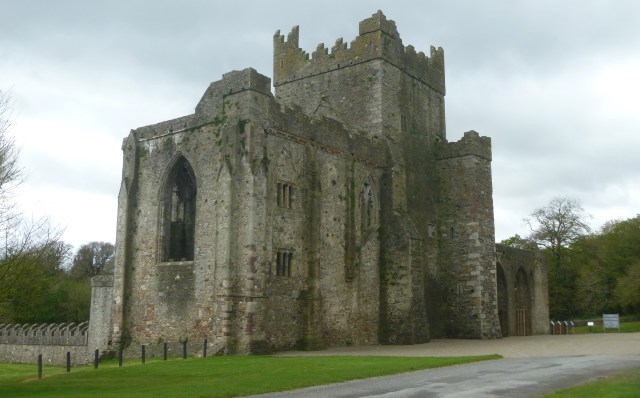
Tintern Abbey arrival

Arriving at Tintern Abbey

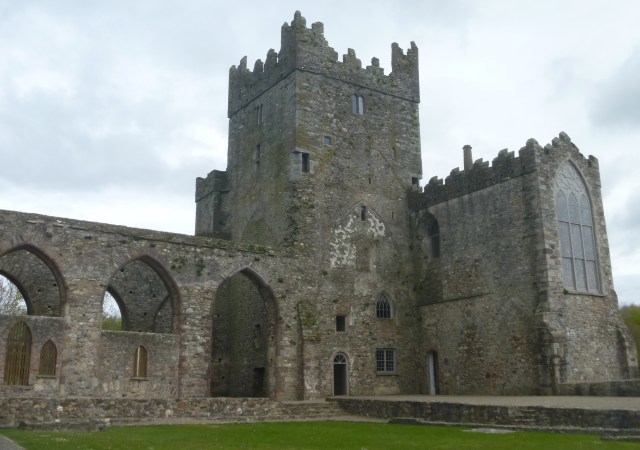
Tintern Abbey has been beautifully preserved and restored by Heritage Ireland (Office of Public Works) using only the best quality materials and workmanship.

Tintern today

Tintern Abbey today

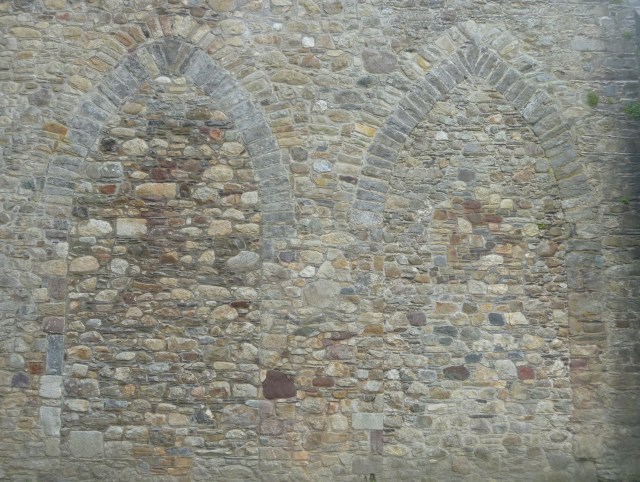
Stone work

Stonework

Some ruins remain

Ruins

The restored Abbey

The restored abbey

In AD1200 William Marshall, Earl of Pembroke and Earl of Leinster, was threatened with shipwreck off the south coast of Ireland and vowed to found an abbey whenever he should safely land. On reaching safety in Bannow Bay he redeemed his vow and granted 3,500 hectares of land for the foundation of a Cistercian Abbey – hence the name ‘Tintern de Voto’ – Tintern of the Vow. Once established, Tintern was colonized by monks from Tintern Abbey in Monmouthshire, Wales.

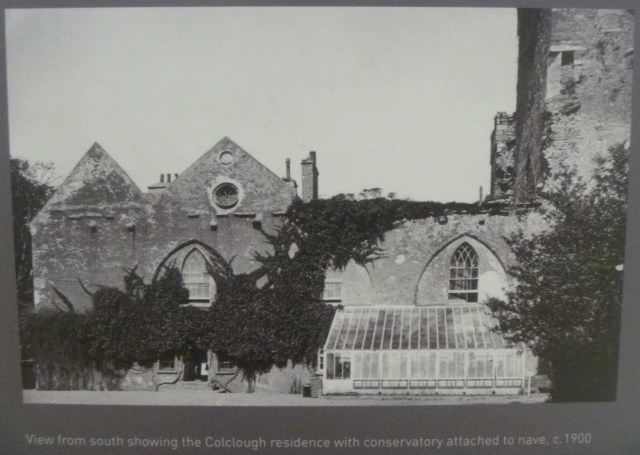
19th c house in nave

The 19th century house in the nave

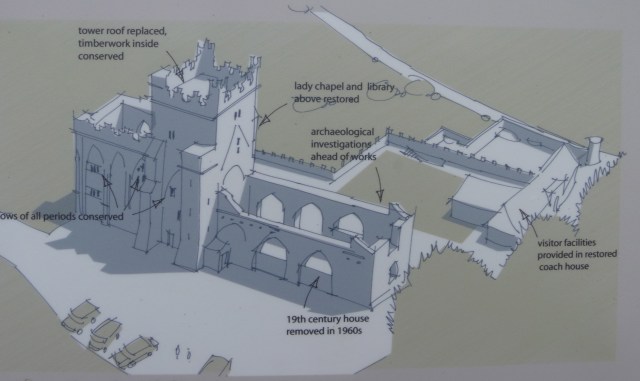
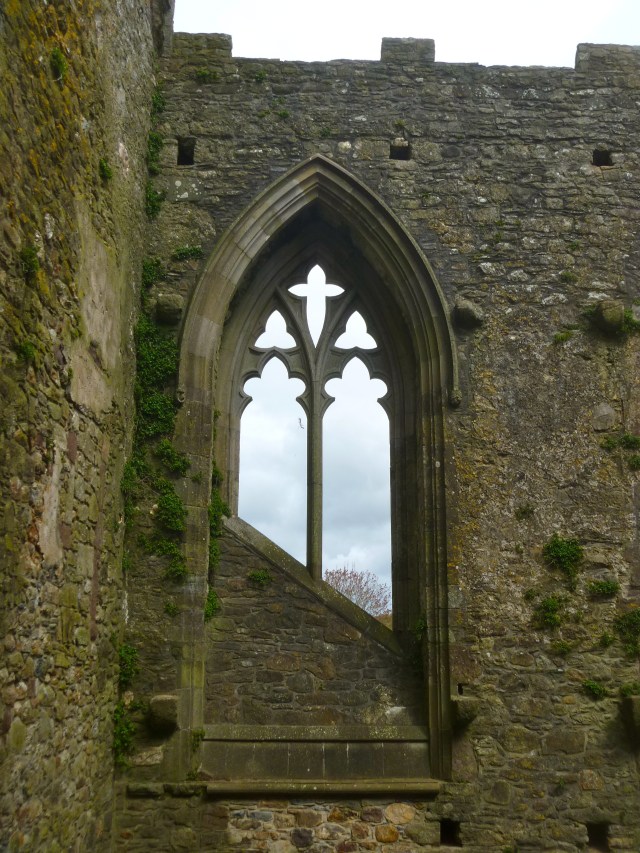
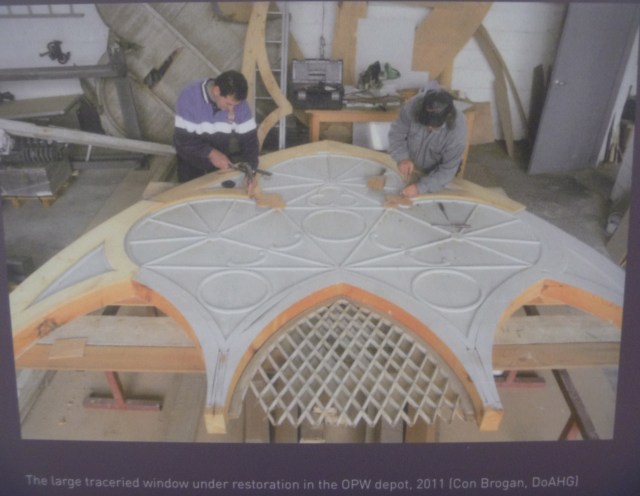
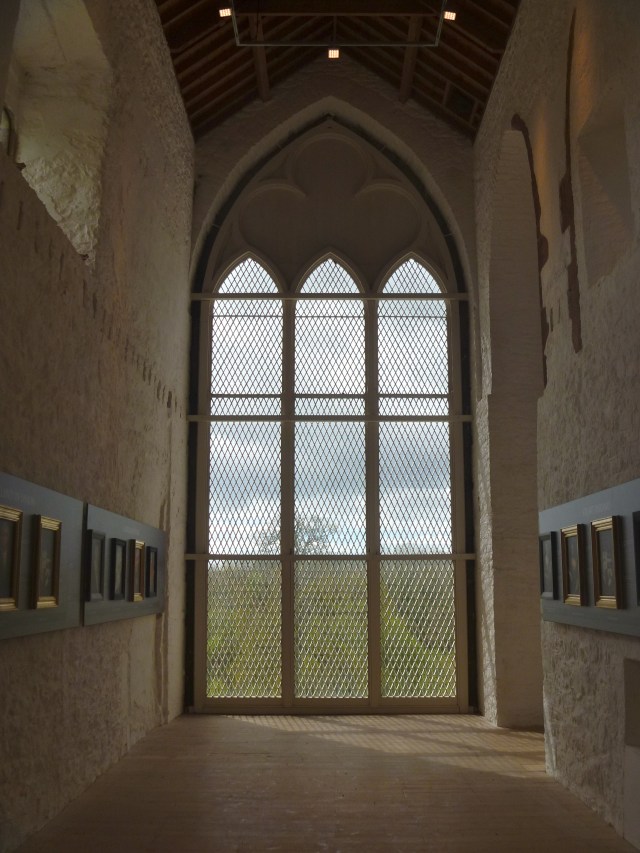
The 19th century house in poor condition was largely removed. The clearing out of the Library above the Lady Chapel was one of the initial steps in the conservation works. Removal of vegetation and the repair of the library roof were the next steps. Most recently the window of the Library (also known as The Colclough (pronounced Coke-lee)  Room) has been restored. Much of the timber was salvaged in the repair. Most of the glass has been broken but some has been retained.

Library window repair

Conserving the window of the Colclough Room

Colclough Room

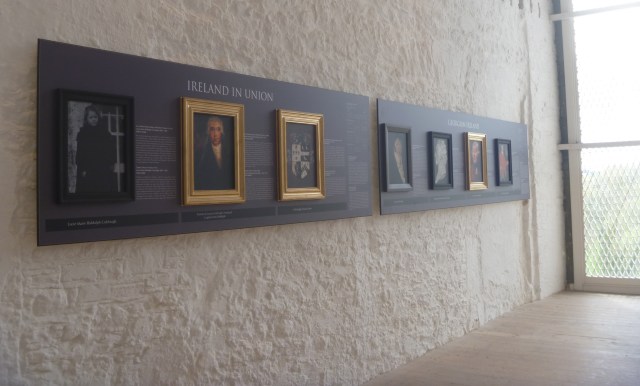
Library displays

Library displays

The Colclough Room tells the story of Tintern Abbey from after The Dissolution of The Monasteries in 1536 up to 1959 when Lucey Marie Colclough left the property and it passed into state care.

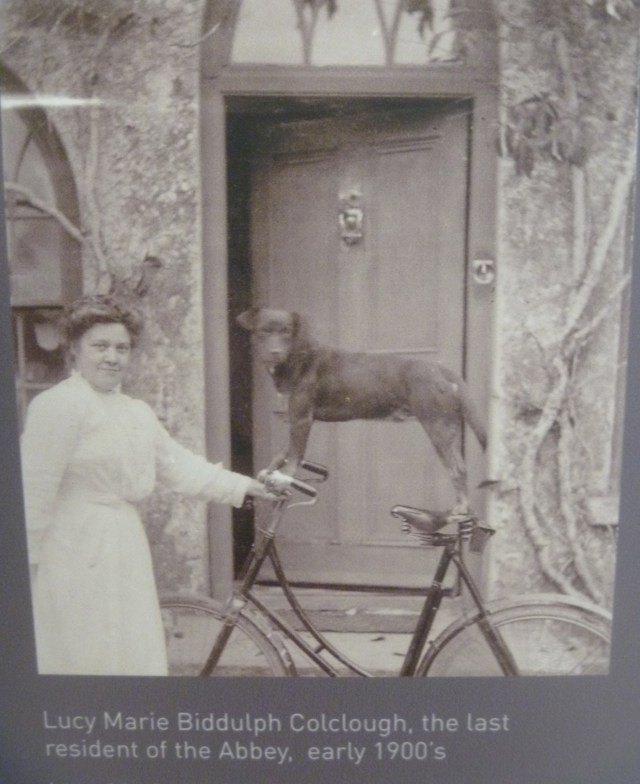
6:5 Lucey Colclough

Lucey Colclough (and trusting dog!)

Soon after the Dissolution the lands were passed to one Anthony Colclough from Staffordshire. He had two wives, the first was Protestant and together they had 12 children and the second was Roman Catholic and presented him with a further four children. With a mixed religious ancestry the family was saved from the worst of the atrocities which befell other Anglo-Irish families throughout the coming centuries.

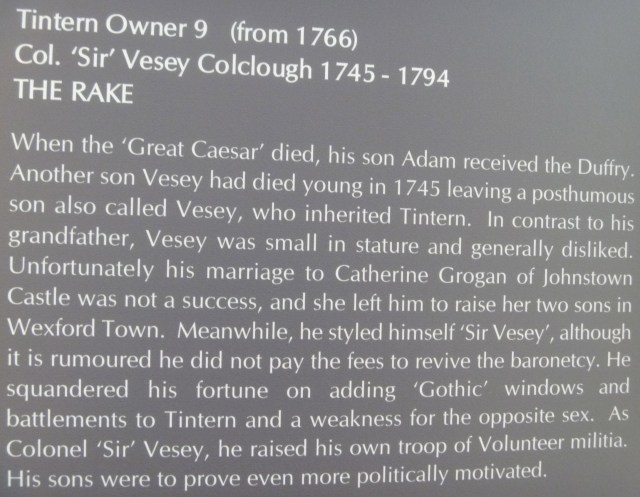
Sir Vesey

‘Sir’ Vesey

Read About The Rake :

About Sir Vesey

Milady goes to the Emerald Isle

For the month of May I’ll be away; mostly in Ireland but I’m driving to South Wales first and combining my trip with a visit to a dear friend in Powys.

My Itinerary :

1st – 5th May in Wales

5th May Ferry from Fishguard to Rosslare

6th to 11th May staying at Cappoquin, near Lismore, Co. Waterford

11th to 14th May staying with family in Co. Kildare

14th to 18th May volunteer helper at Ballymaloe Lit Fest, Co. Cork

18th to 26th May back in Co.Kildare

26th to 29th May at National Trust, Crom Estate, Co. Fermanagh

29th to 31st May at Glenarm on the Antrim coast

31st May Returning home from Belfast to Liverpool (actually, Birkenhead)

I had initially applied to ‘Workaway’ as I did in Switzerland two years ago but out of nine applications only four responded. Of those that did respond one has invited me to visit and another put me in touch with the Ballymaloe Festival.

I’m hoping to post daily again as I did in 2013 (although I may not have internet access each day) : so if you’re interested sign up to follow me here : My Irish Times : Round Ireland with a Book Box. The subtitle is from Tony Hawks’s book : Round Ireland with a Fridge. But I won’t be hitching – I’m taking my car – and I won’t have a fridge. I thought about saying ‘with a cool box’ but as I wrote this to a friend I thought, no, I’m more likely to have a box of books than a cool box of food.

Leeds Dublin

As Seen at Leeds City Station