Milady’s short trip to Geneva

Geneva is not the most attractive of the cities I have visited in Switzerland (like Bern, Zurich and Lucerne) but beyond the designer watch ads atop the lakeside buildings and Geneva’s ‘mountain’ looking more like a rocky ridge, from where I was standing, I found a delightful Old Town and two worthwhile excursions to fill my two days perfectly.

Lake Geneva

On the first full day we boarded an early boat, the S/S Simplon, from the Quai Mont-Blanc and headed off under rather cloudy overcast skies for an hour and three quarter lake cruise to Yvoire on the southern shore of Lake Geneva.
Whenever she can Milady hopes to travel in style
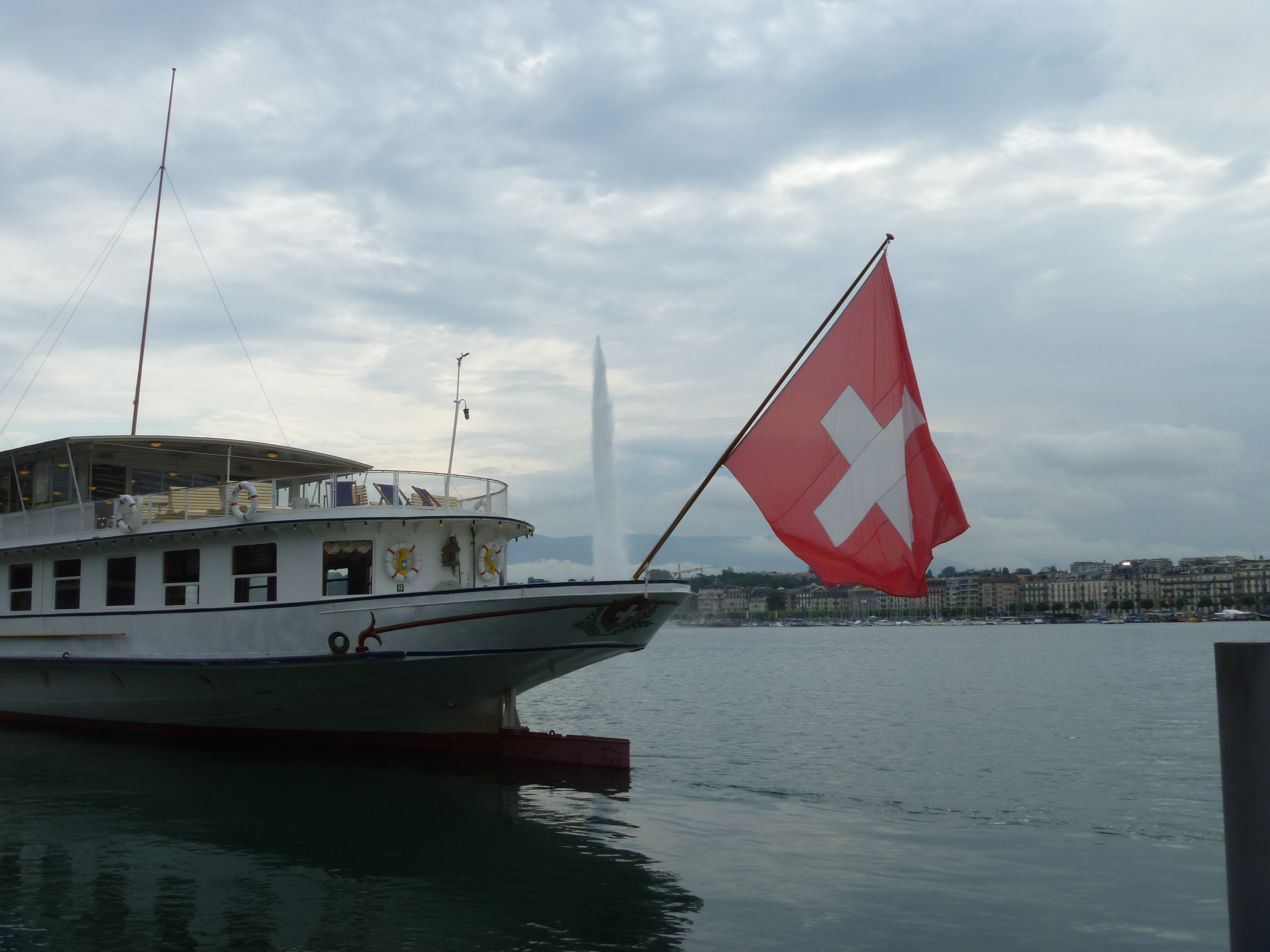
S/S Simplon and the famous Jet D’Eau, from Quai Mont-Blanc Geneva
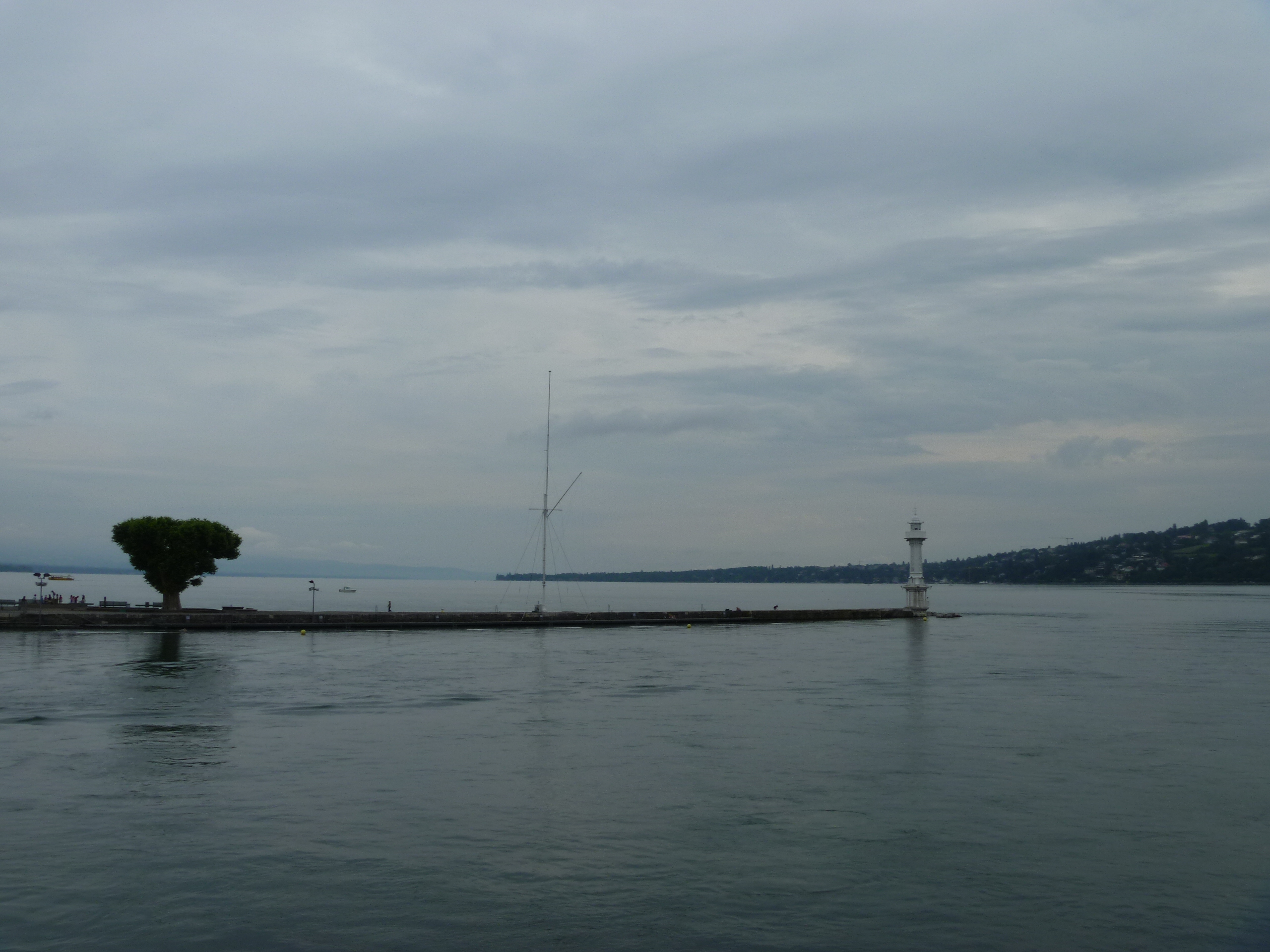
Paquins Lighthouse
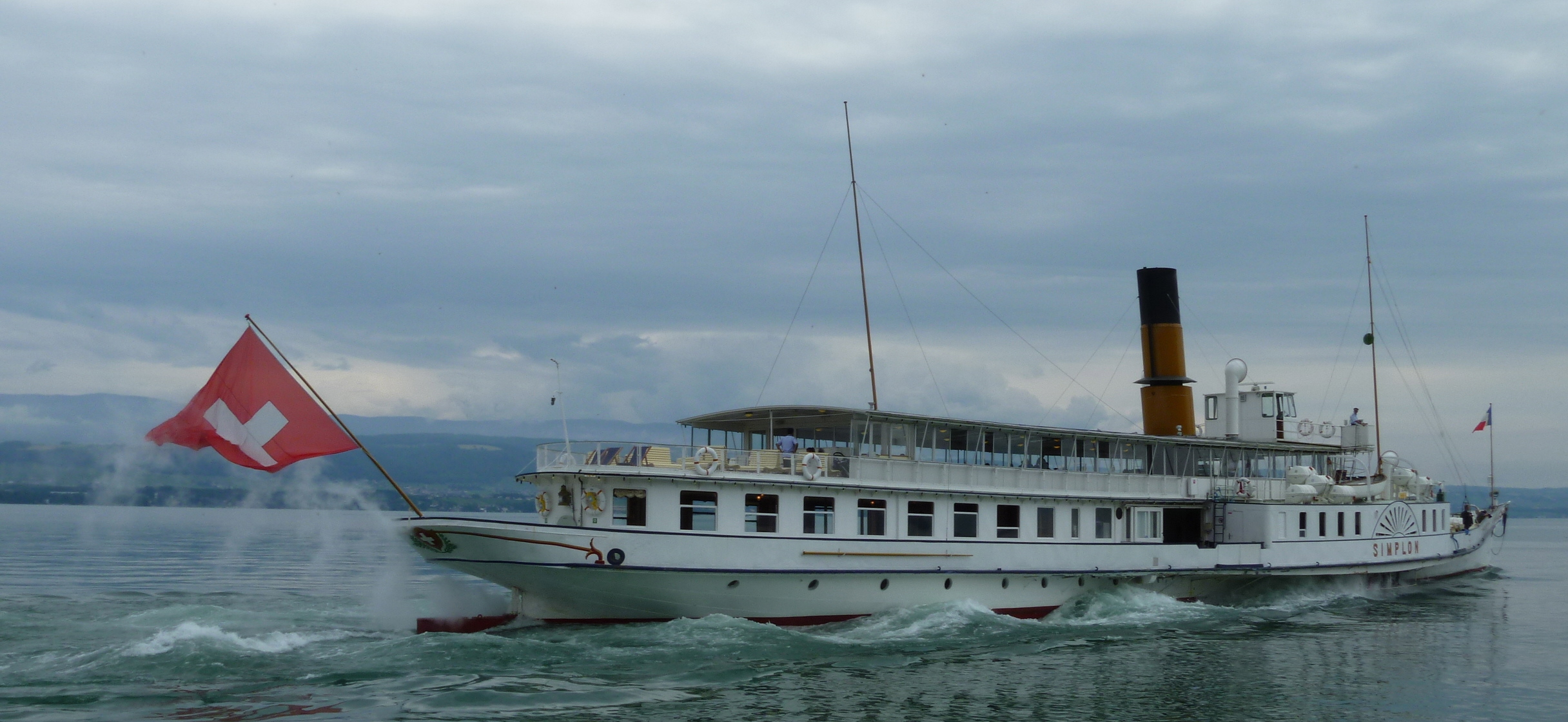
The S/S Simplon leaves us at Yvoire

Yvoire is in France but there are no passport controls or inspections it was just straight off the boat into the Restaurant du Port (the name tells you where it’s located) and lunch was served!
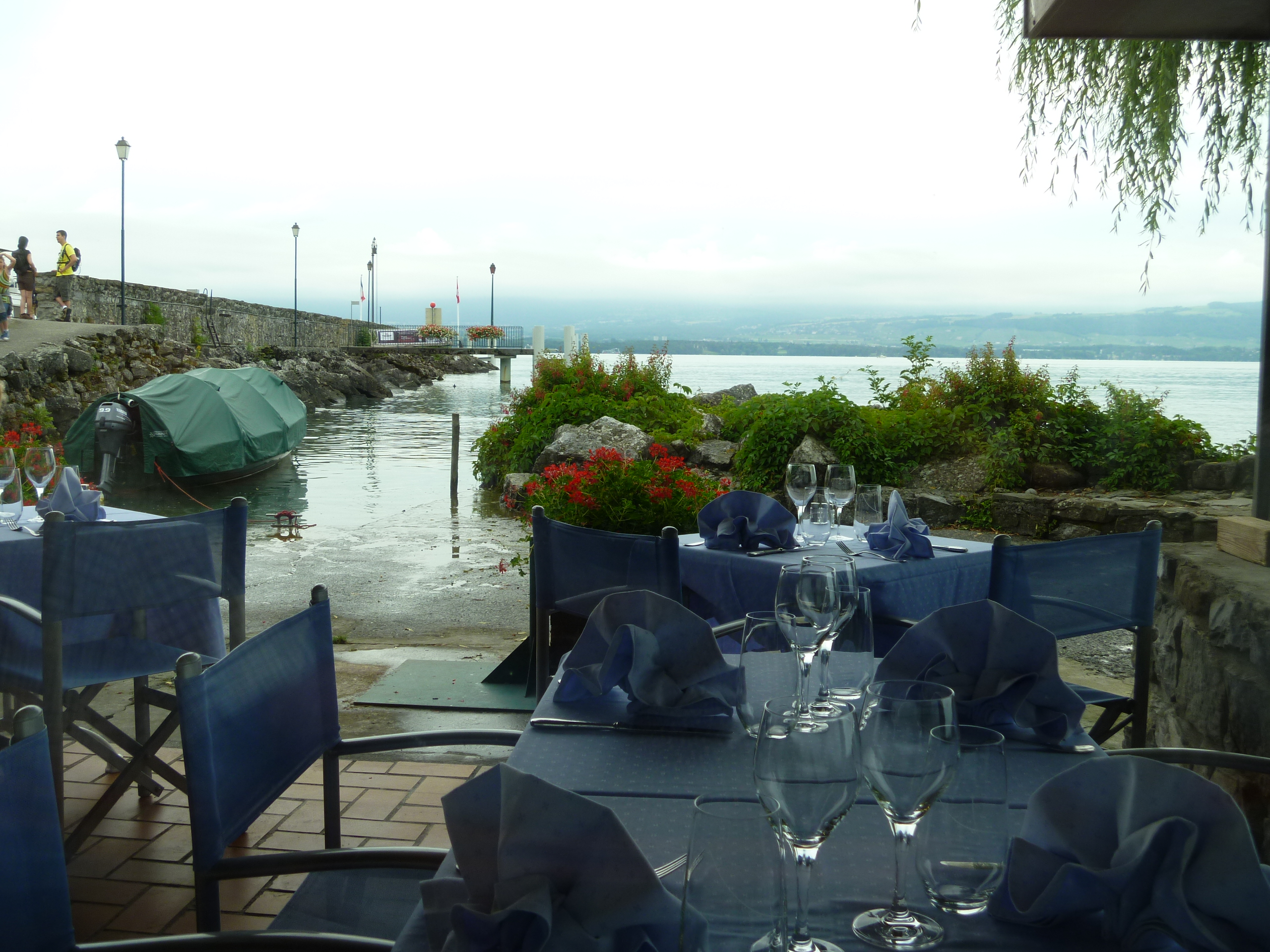
Restaurant Du Port, Yvoire

The proposed return sailing was cancelled which meant a 3 hour stay at Yvoire and you can only spend so long eating lunch. This attractive little medieval town was full of tourists so we two decided to take a walk to the next stop and pick up our boat from there later.

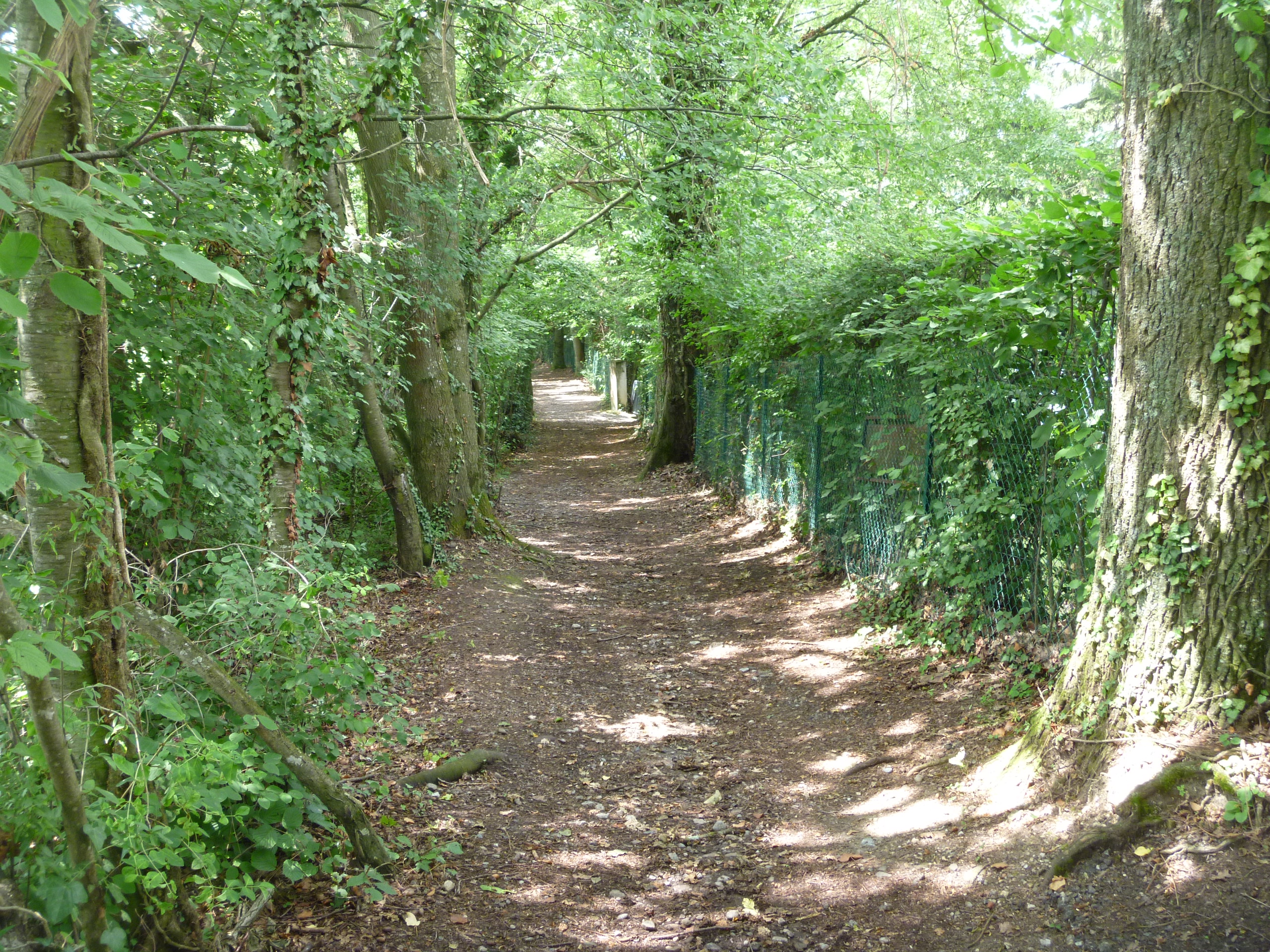
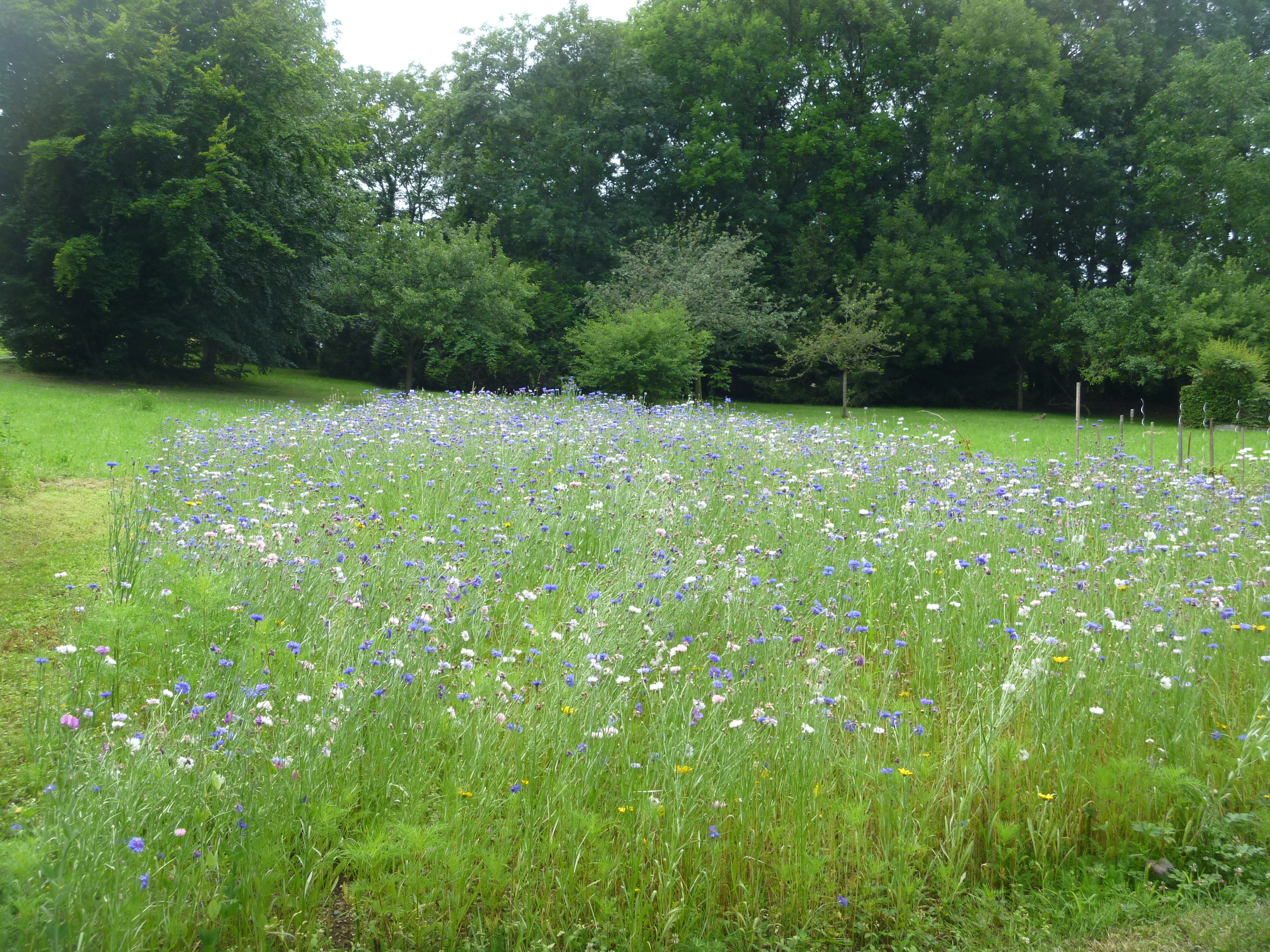
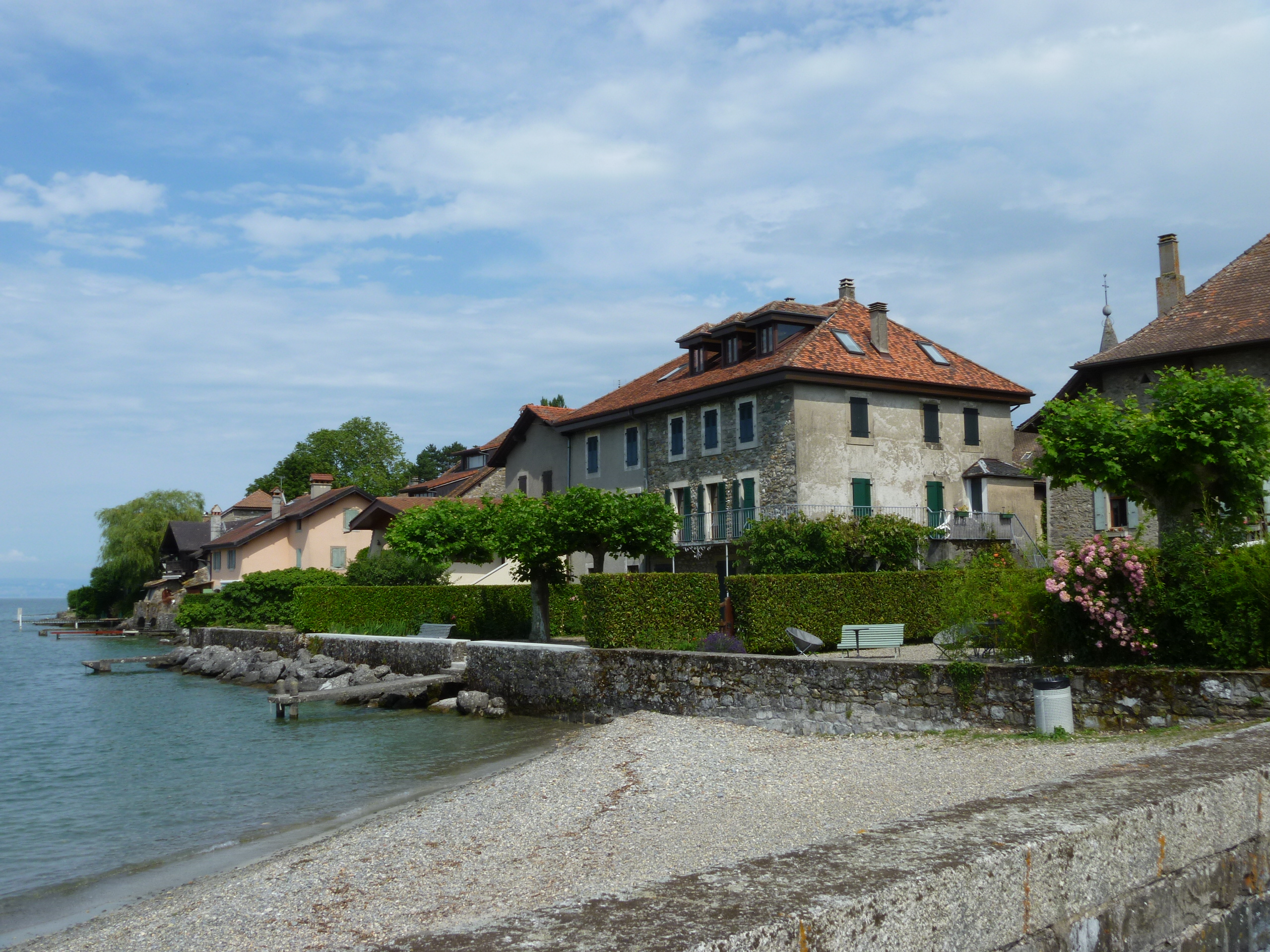
After inspecting the little shops we set off to find the footpath to Nernier. (Sounds like something out of C. S. Lewis.) It was a most pleasant walk along shady paths and tracks past interesting houses but with minimal views of the Lake, unfortunately. We came across a lovely wildflower meadow, visited an old church and arrived at Nernier with lots of time for people-watching at the port until the Simplon arrived on the dot at  5.37pm.
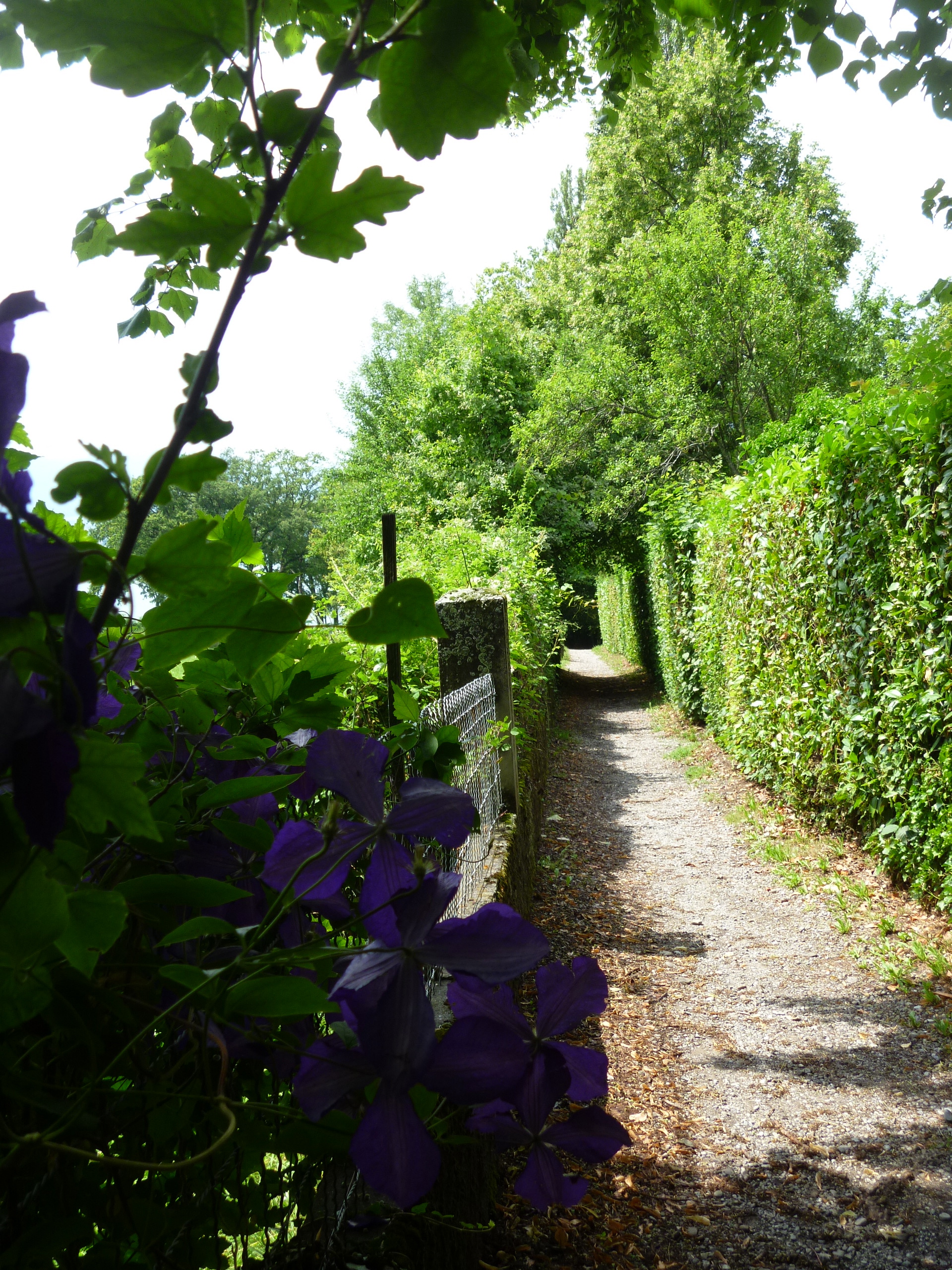
The small beach at Nernier

The Old Town

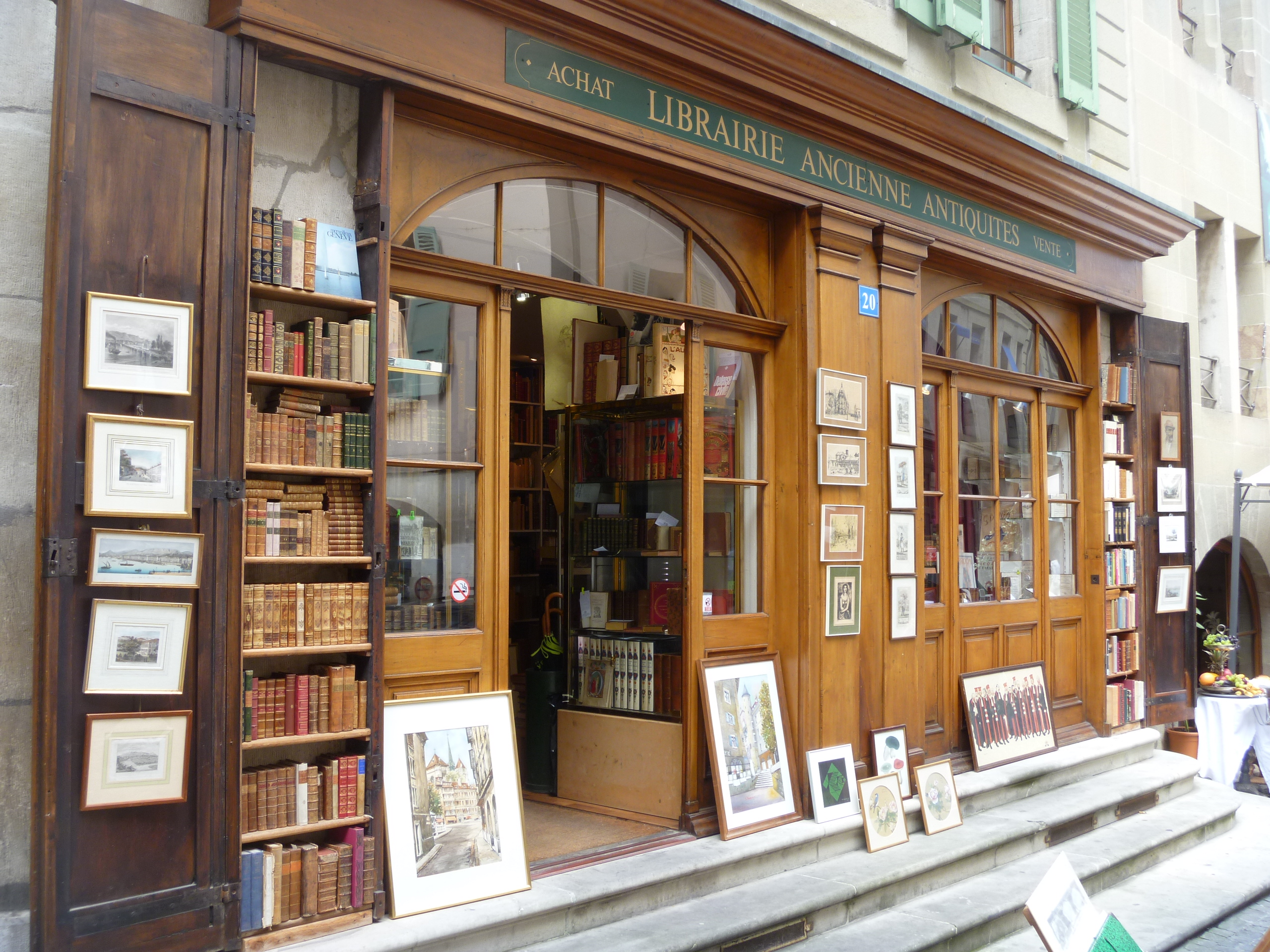
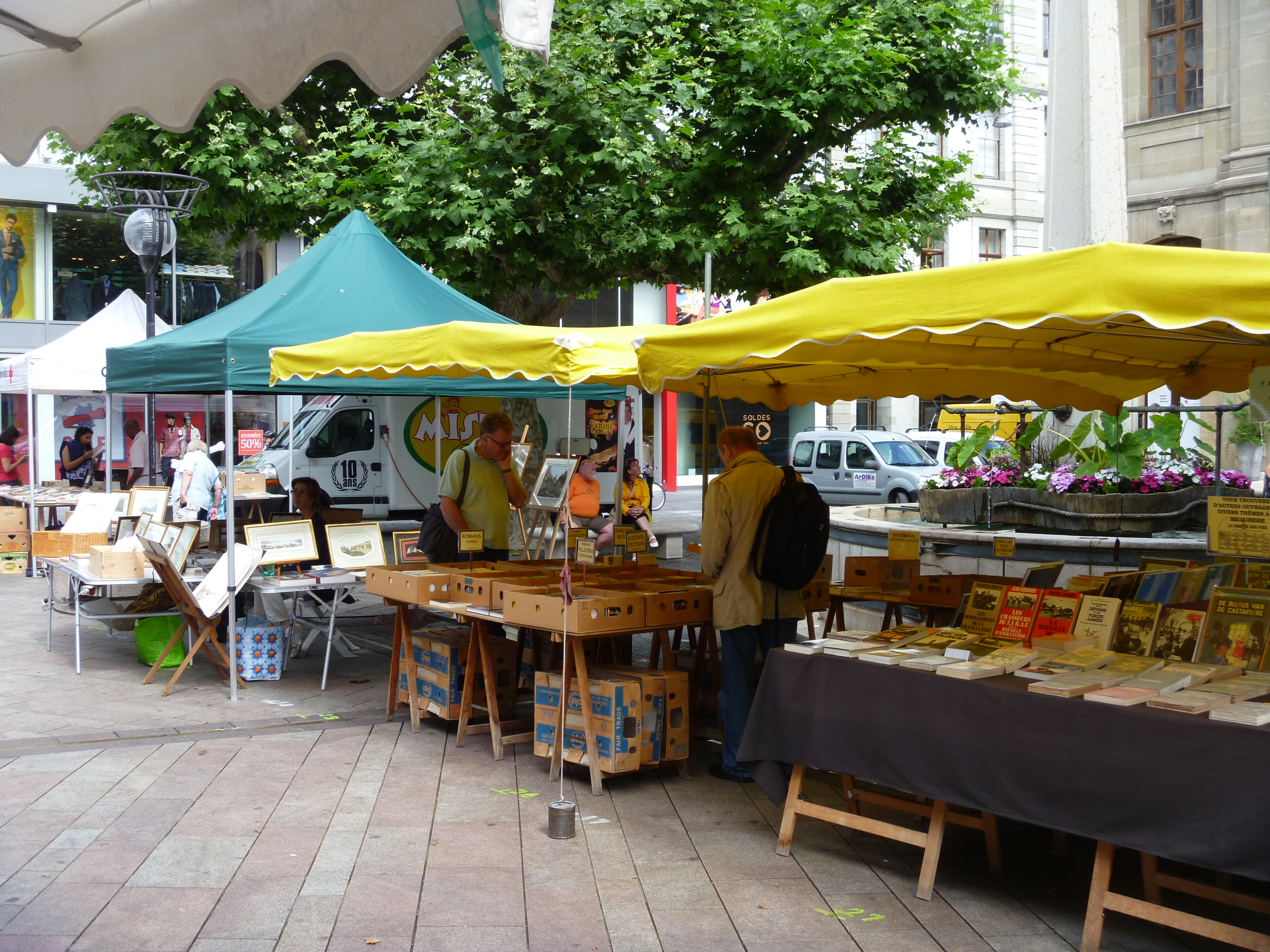
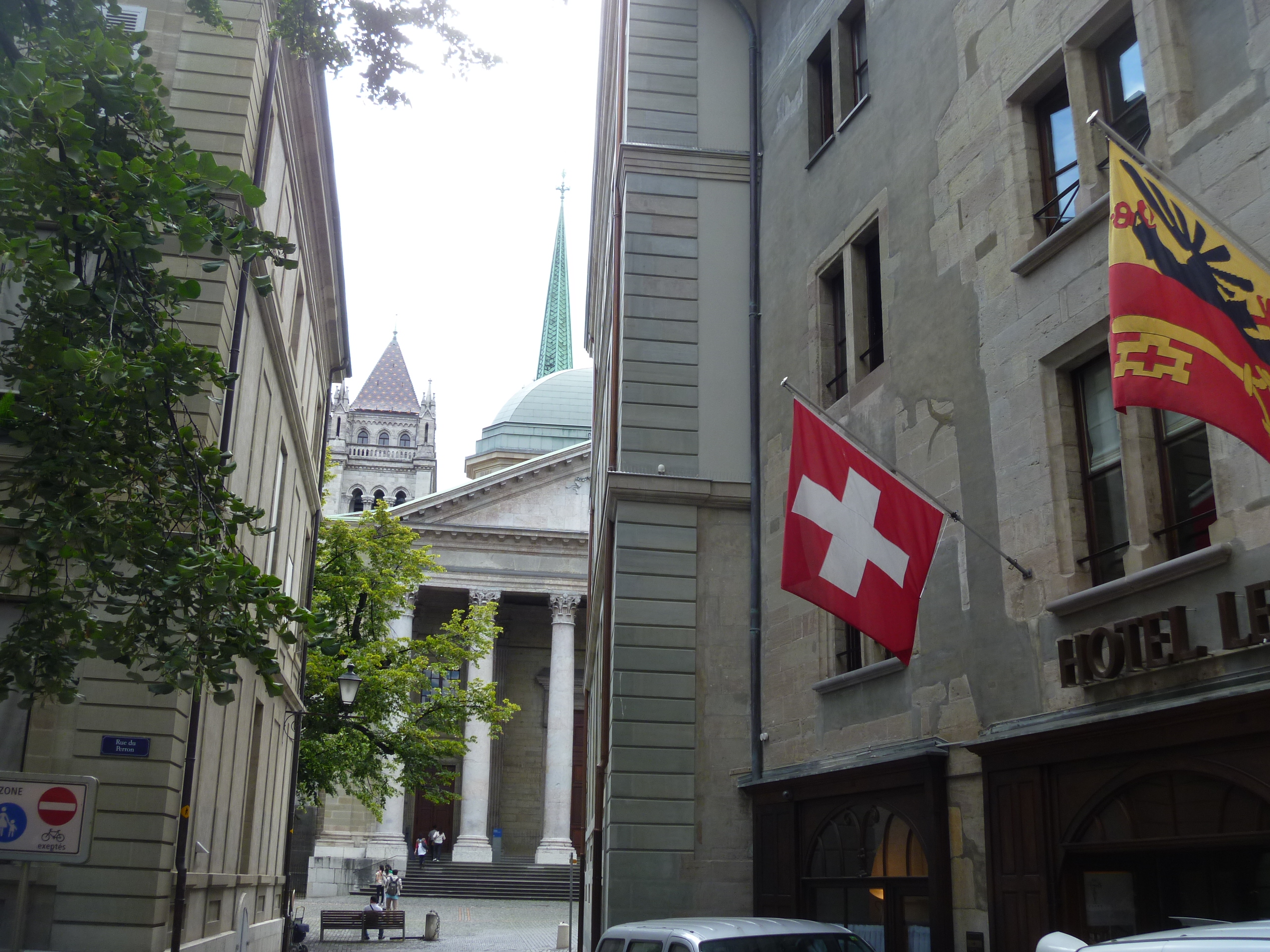
The next day I made a morning visit to the Old Town. There are some steepish climbs and lovely cobbled paths and streets and I enjoyed browsing in a secondhand book stall on the way and at a second hand book and prints shop on the Grand’Rue. There are some delightful street cafes for outdoor refreshments and the Cathedral is situated there. There’s a great view from the tower but we didn’t go up. It’s a lovely area for a bit of “flaner“.
Cologny

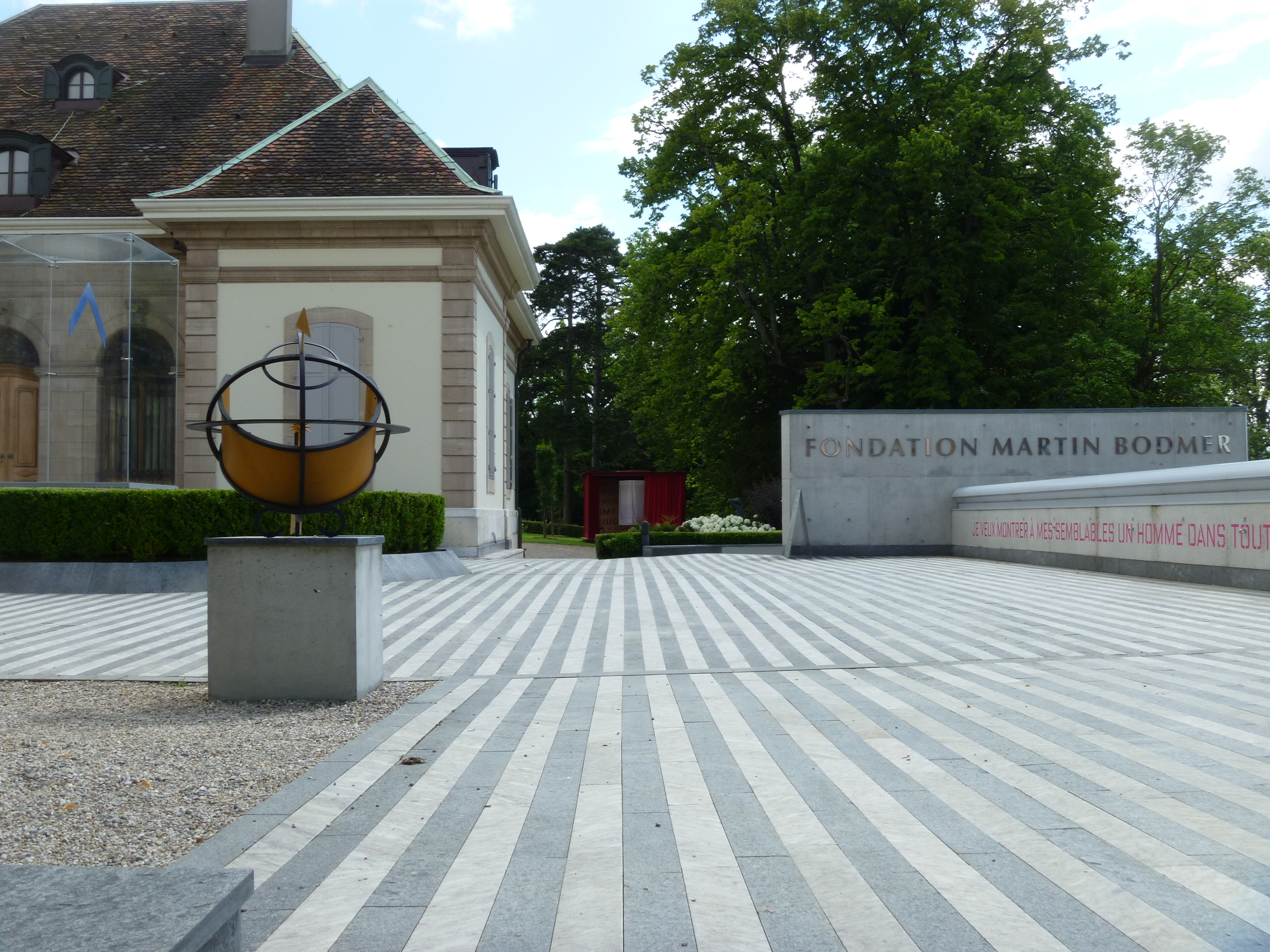
 I can only take so much aimless wandering interspersed with breaks for tea or beer so in the early afternoon I took the bus out to the residential suburb of Cologny. My purpose was to visit the Martin Bodmer Library and to try to find the Villa Diodati, the former home of Lord Byron and now a private residence.

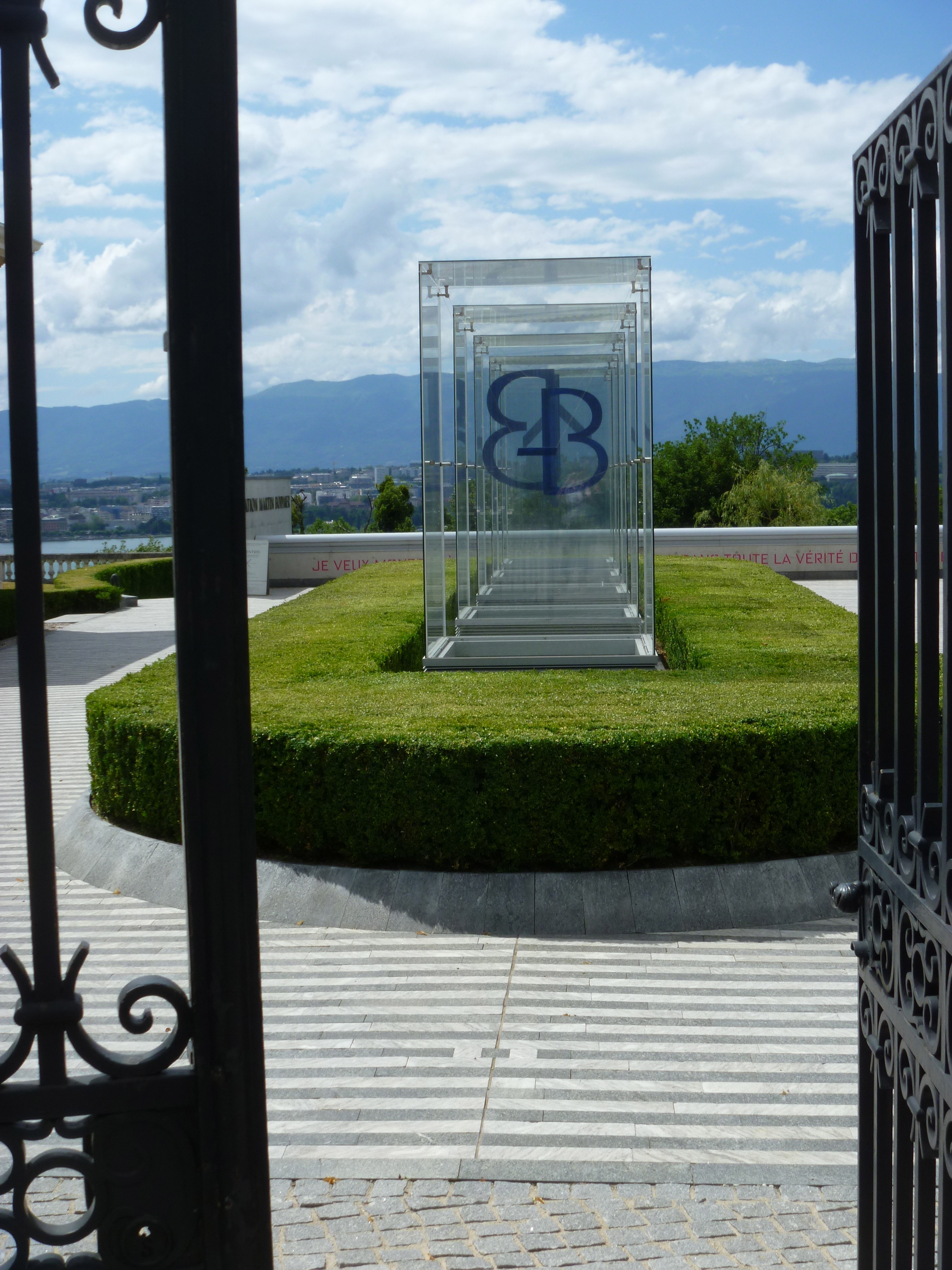
The Bodmer Foundation is fantastic! It’s one of the biggest private libraries in the world and the breadth of the display is simply breathtaking. There are samples of the written or typeset word from the earliest times – Greek papyrus fragments, the oldest manuscripts of St John’s Gospel – to ‘modern’ American first editions – Ginsberg, Steinbeck, Faulkner, Hemingway – and everything in between. And not just literary but medical, scientific, music. There’s a Shakespeare 1623 First Folio and an early Chaucer Canterbury Tales. All displayed in a modern, subtly-lit underground gallery on two floors designed by Swiss architect Mario Botta.
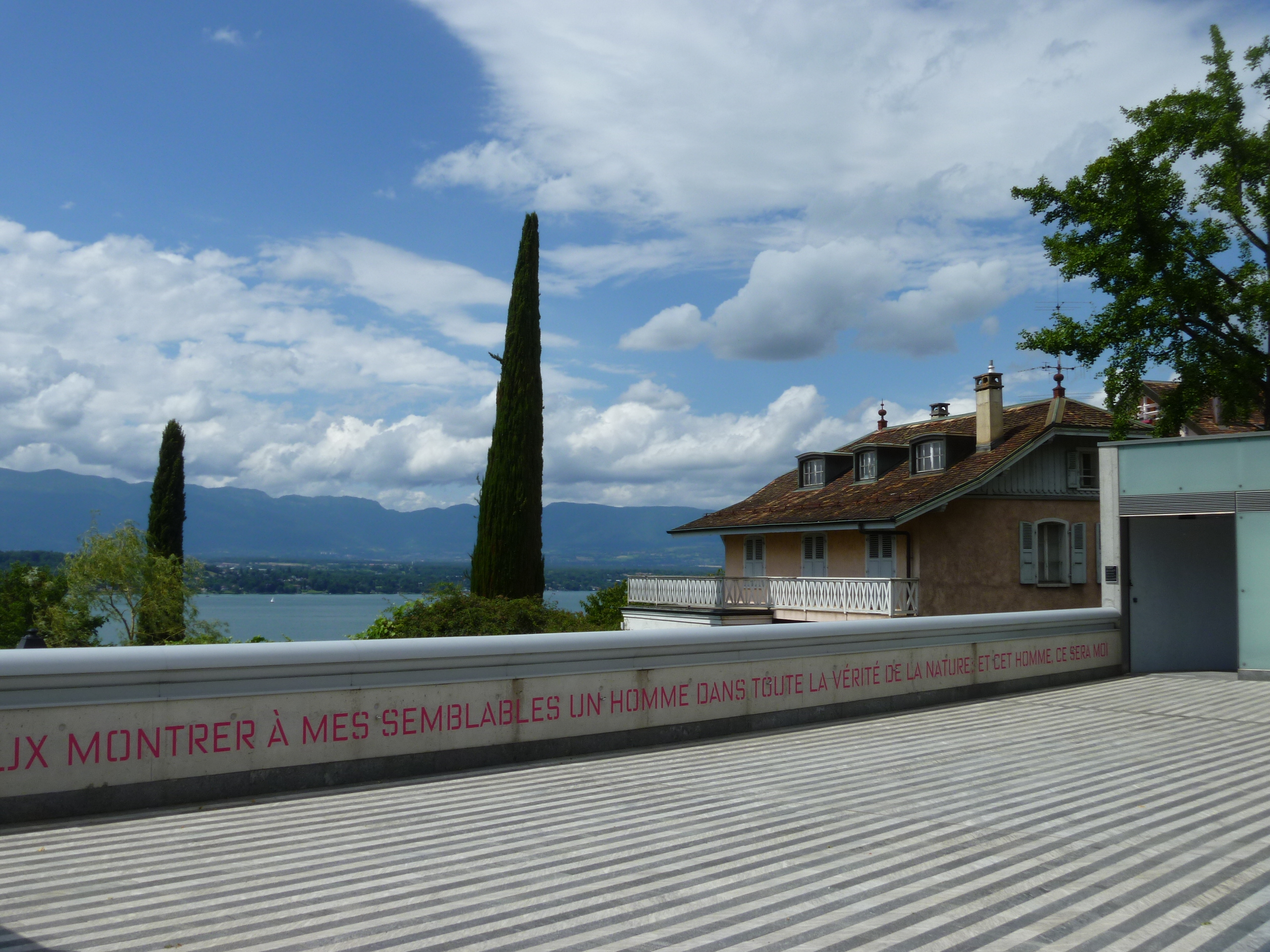
From the Bodmer gallery it’s a 10-15 minute walk to the Chemin de Ruth and number 9, The Villa Diodati.
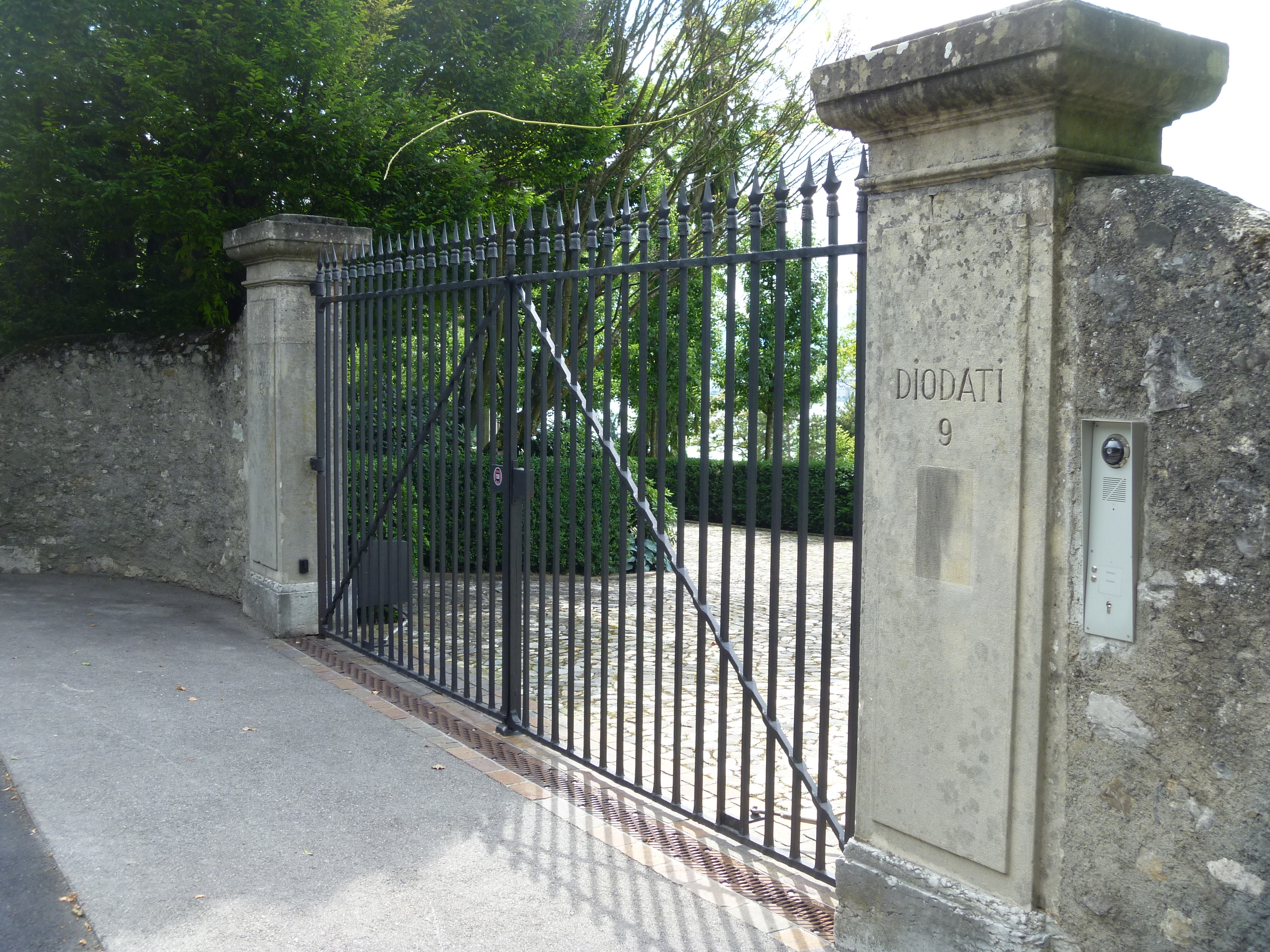
First I found the entrance gate and a bit further along the road is a meadow with seats and a view over the lake and towards the city. It’s called ‘Le Pré Byron‘. An Information Board welcomes you to the spot and explains :

“On this very spot the story of ‘Frankenstein’ was born. During the summer of 1816, the weather was atrocious, cold and rainy spells alternating with violent thunder storms. At that time, Byron, a 28 years old poet , was renting the Villa Diodati to the left of this meadow. … Mary Shelley was also spending the summer at Cologny at Jacob Chappuis’ home situated at the lower end of Montalegre, below where you are now standing. One evening at the Villa Diodati Byron and Mary Shelley made a bet as to who would be the first to write a horror novel. Mary became excited at this idea, completed the story of ‘Frankenstein’ a year later in England and won the bet.”
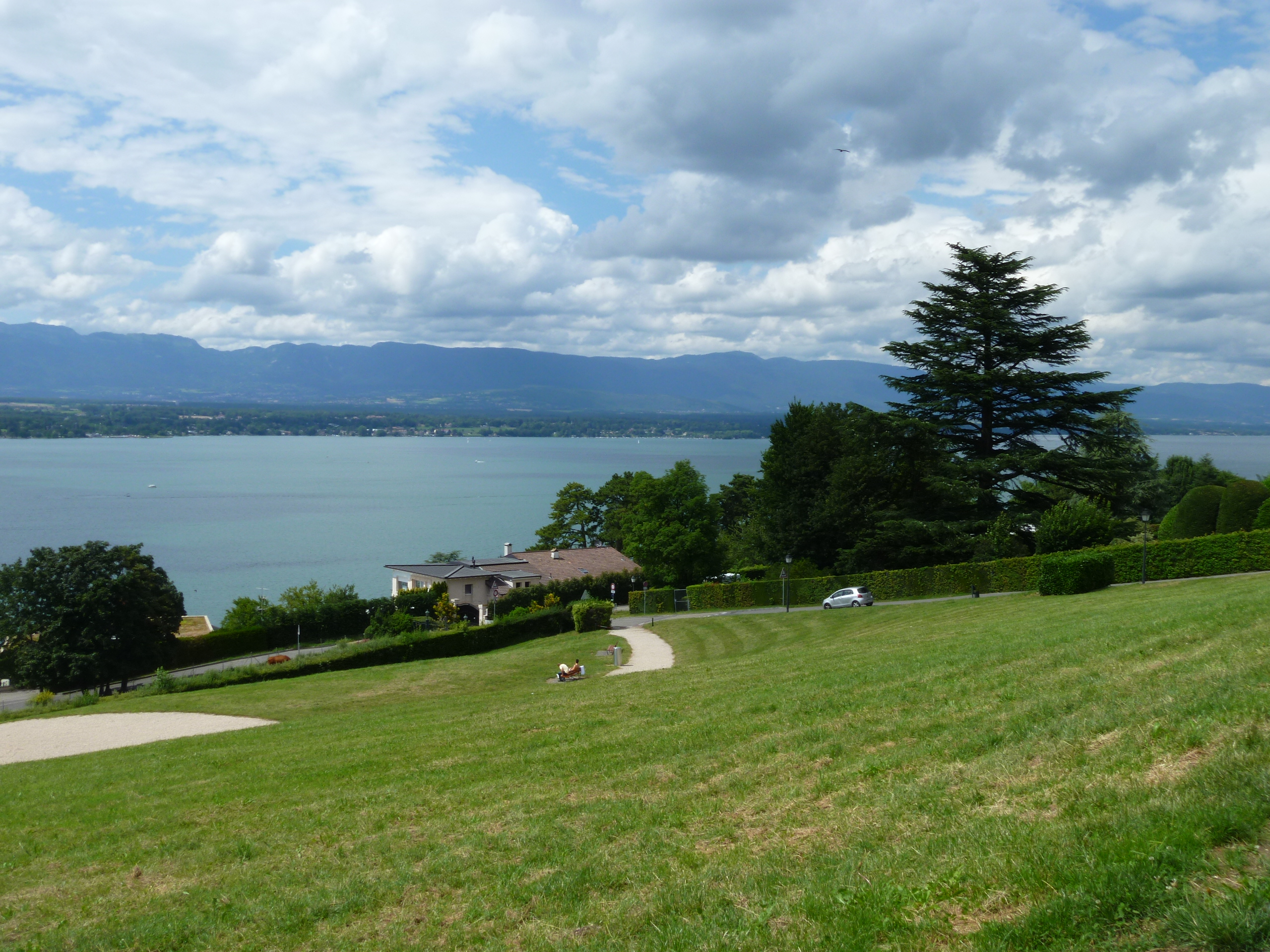
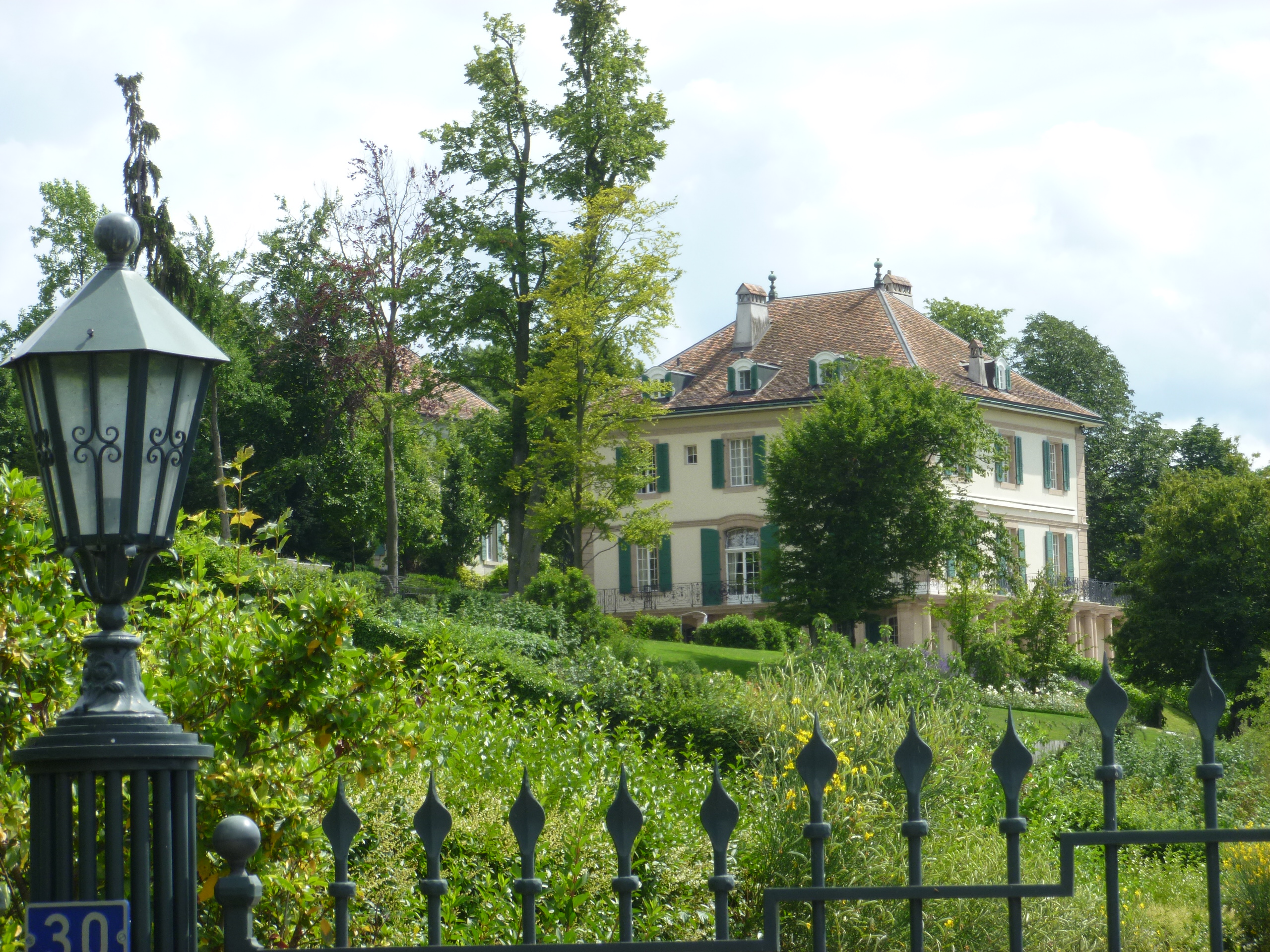
As you walk down towards the lake the house becomes clearly visible.
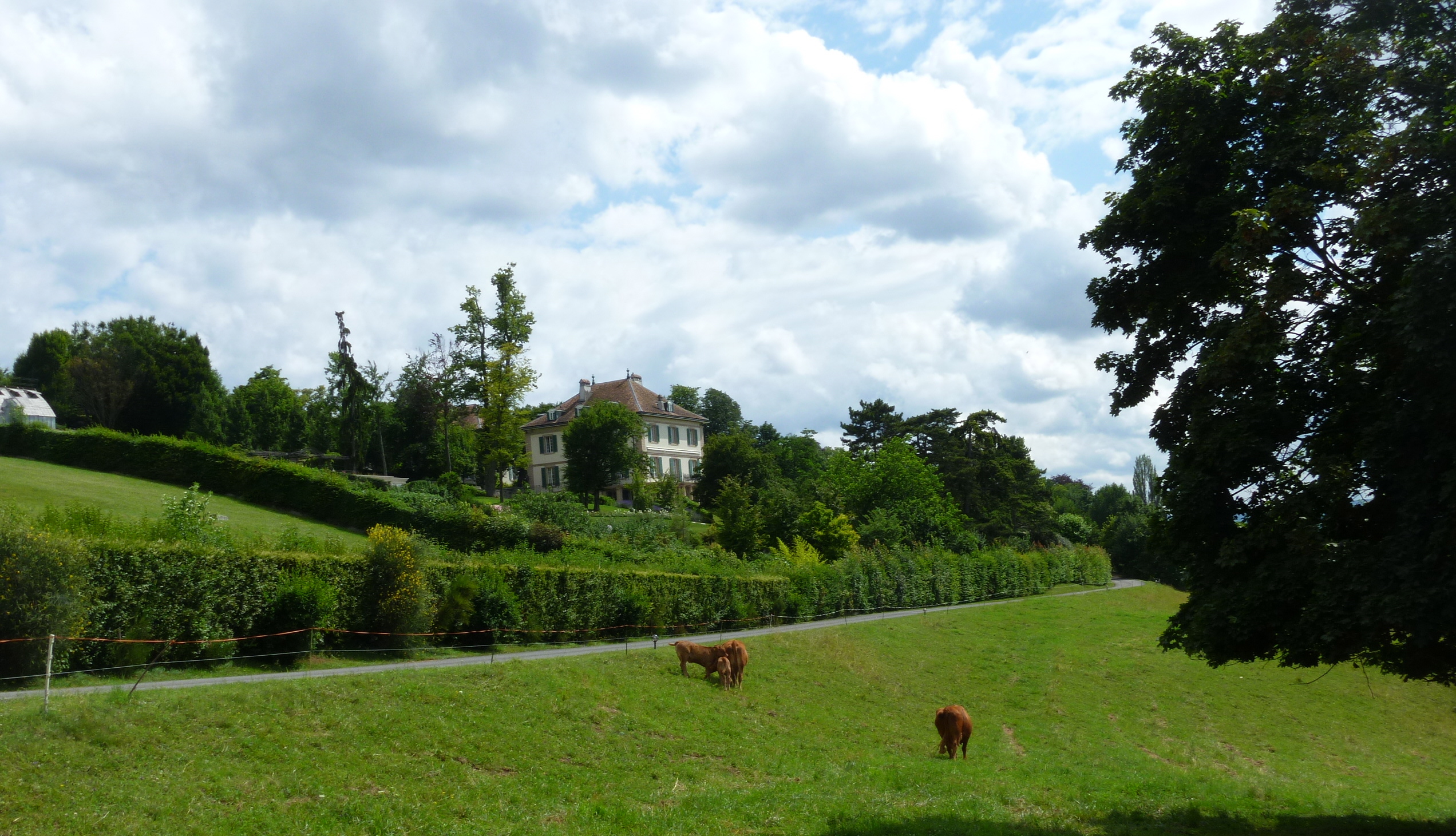
From the lake side it’s an easy bus ride back into town.

“Bear with Bern for Swiss Ski-ing” – Cosmopolitan and Charming

The Cathedral (Münster) is Bern’s most impressive example of Late Gothic architecture. The basilica with its three naves rises above Bern’s Old Town.

(Source: http://www.bern.com/en/city-of-bern/attractions )

I’ve been inspired again to write this post having read another travel article “Bear with Bern for Swiss Ski-ing” by Stephen Wood in the newspaper. This time it was The Independent Traveller section of Saturday’s ‘paper.

Now, I am not a skier and never have been but I have visited Bern very many times in winter, spring, summer and autumn. Stephen Wood, in his article, writes about his childhood love of the book Mostly Mary by Gwynedd Rae.

On the flight from London City Airport to Bern last week, I settled down to read Mostly Mary by Gwynedd Rae, a light classic of children’s literature. I have read it before, but not for half a century. On first reading, this book and the others in a series about a family of bears living in the bear-pit at Bern had considerable impact on my world view. You could keep your Paris, New York and Berlin; the place I most wanted to visit was Bern, for the bear pit.”

Apart from one very brief stopover in Bern when there was not sufficient time to visit the bears it was not until investigating for this article that he eventually makes a proper visit to Bern.

Wood applauds Bern’s small, but international, airport the use of which cuts down considerably on journey times to the Bernese Alps ski region. He, like me in 1966, ended up with a stay in Adelboden but my journey was far from quick travelling from Norwich by coach with a night in Paris and another in Neuchatel before we reached our destination.

Bern is another UNESCO World Heritage Site and I have a very good friend who lives there. We manage to get together at least once every couple of years and this year will be in Amsterdam after Easter but more of that in a future post.

My first ever visit to this gorgeous city – the capital city of Switzerland – was on the same Girl Guides trip mentioned earlier this month. On every visit since then I have been enraptured by this beautiful city. There is so much to see and do in the city itself let alone the surrounding countryside. I have shopped in the covered arcades, sipped a drink at an open air cafe watching the Bernese go by, walked by the green waters of the Aare River at the Tiergarten (zoo), and taken the funicular Gurtenbahn up the local mountain for a panoramic view over the city. But as I wrote in my ‘diary’ of the original visit “Bern is the city of bears. You see them everywhere and at Nydegg Bridge is a real bear pit.” I’ve taken my sons and my mother to visit the bear pits but today there are no longer bears there as Wood tells us :

Bears are an institution in Bern too, the city’s name being derived – at least in legend – from a bear killed by its founder, Duke Berchtold of Zähringen, while out hunting. There are bears all over the place: bear-shaped cakes, carved wooden bears, innumerable bear emblems. In fact, the only place you won’t find one is in the bear pit, despite a tradition of keeping bears there which goes back to 1513 (with an interruption in 1798 when the French army stole the animals). Quite rightly the bears – Björk, Finn, Ursina and Berna – are no longer confined to a pit; they now live in a “bear park”, below the pit on a bank of the river Aare.”

Peak Time Service – One Hundred Years At The Top Of Europe

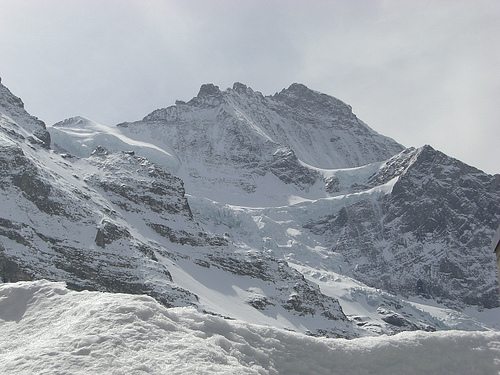
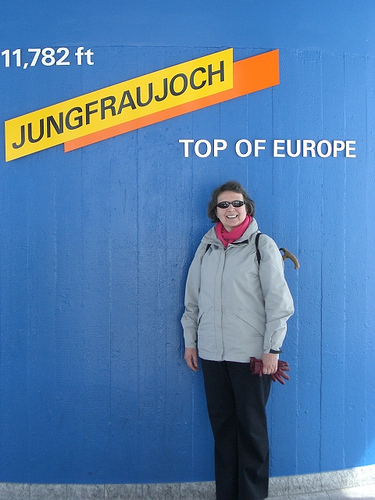
There was a full-page article in the Financial Times last weekend about the upcoming 100-year anniversary coming up in August this year of the Jungfrau Railway. The weather outside being rather ‘Jungfrauian’ my thoughts went back to my journey on this wonder of the manmade world and visit to the UNESCO World Heritage Site that is Swiss Alps Jungfrau-Aletsch.

The author of the article, Jan Morris, was the guest of the Swiss National Tourist Office and stayed at the Victoria-Jungfrau Grand Hotel and Spa in Interlaken and travelled on the Jungfrau Railway to ‘The Top of Europe’. I was a guest of my dear friend Susanne and her family in their lovely home near Lucerne and we drove to Lauterbrunnen to join the same Jungfrau Railway.

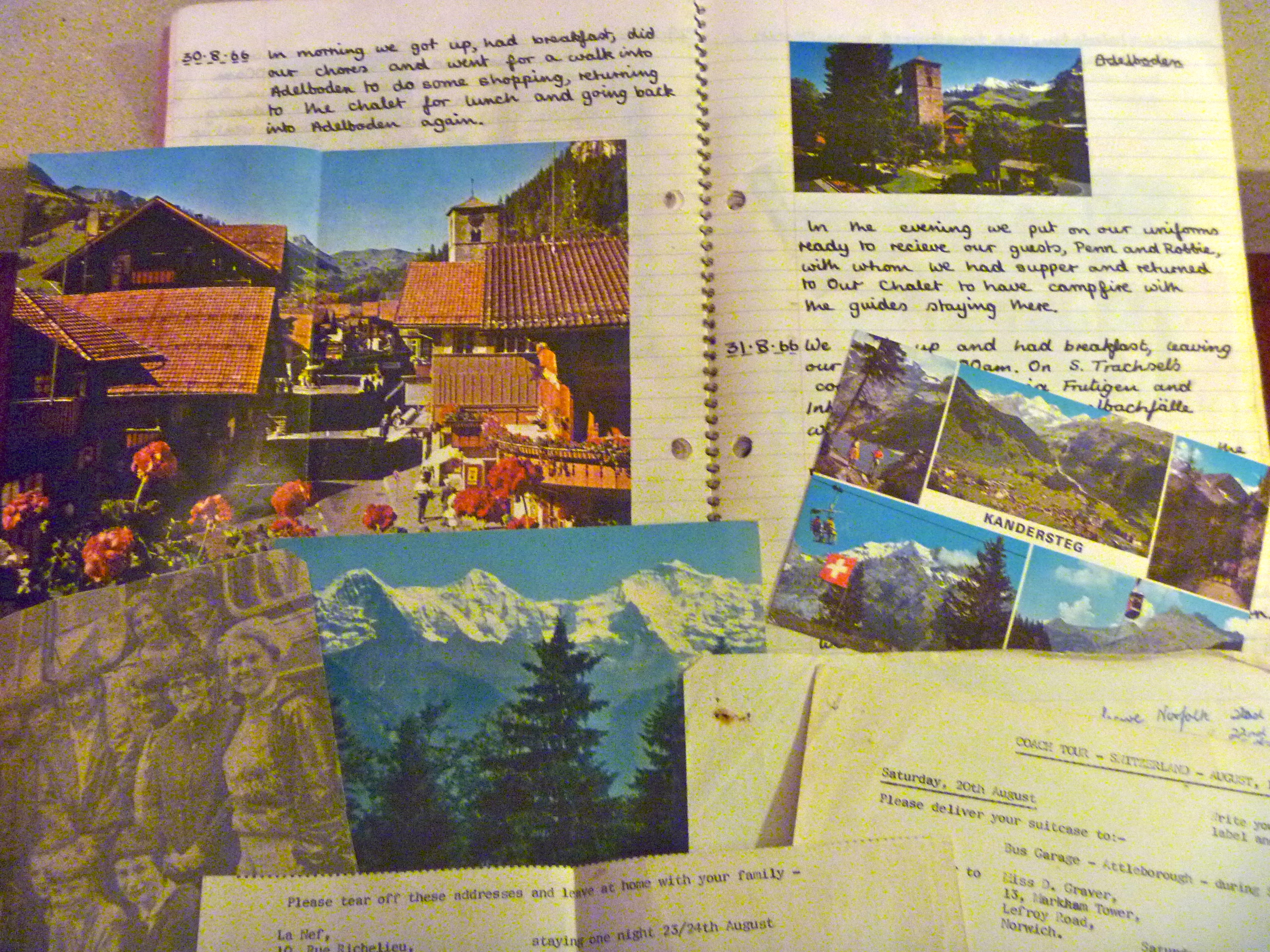
My first visit to Switzerland coincided with my first ever trip abroad in 1966. A group of Girl Guides and Guiders travelled from Norwich and Norfolk by coach, via a stay in Paris in each direction, to spend 6 nights in a Swiss chalet in the tiny hamlet of Boden within walking distance of the large village of Adelboden and very near the Girl Guides Association’s ‘Our Chalet’.

Since then I have made possibly 20 or more visits to Switzerland including working in hotels for two long summer vacations from university, accompanying my husband on ski-ing trips, taking my mum on holidays and visiting my friends in Berne and near Engelberg (Wolfenschiessen).

I didn’t visit The Jungfrau until April 2010. It’s a very expensive day out and there has always been a huge choice of other things to do. My Bernese friend had also never done the journey and my friend Susanne had only taken her family on the trip in 2009. It was at her suggestion that we decided to bite the bullet and do the trip. I texted Bernese Barbara but unfortunately due to work commitments she was unable to join us.

Unlike Morris we began our journey from the station at Lauterbrunnen.  Our visit fell between seasons so we left the car in the vast, empty multi-storey car park, purchased our tickets and travelled via Wengen on The Jungfrau Railway.

Morris describes much better than I could what it’s like at The Top Of Europe.

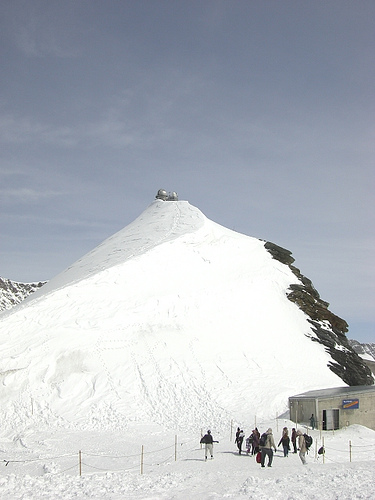
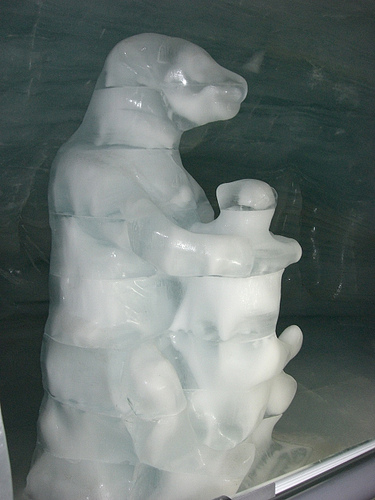
The settlement up here was first established in 1912 but it still feels to me almost surreally futurist. For inside the rock of that snowy mountain, or clinging to its surface, a small town thrives. Besides the highest railway station in Europe there is the highest post office and also, this being Switzerland, the highest watch shop. There are three restaurants (including Bollywood serving Indian cuisine) and souvenir shops, of course, and a coffee bar. If we have time to spare, we can wander through the Ice Palace, a long pedestrian tunnel beneath the glacier equipped with ice-figures of penguins, polar bears and such, together with instructive geological features. But dear God, that’s not all. We may well feel queasy now, after our trek through the Ice Palace at 11,000ft-plus, but after another trudge through another tunnel we find awaiting us a space-age elevator. In the blink of an eye this whisks us vertically another 400ft to the tip of a pinnacle called the Sphinx, the very top of the Top of Europe, and here science fiction becomes science fact.” 

For the full article see : http://www.ft.com/cms/s/2/7973ce3a-476c-11e1-b646-00144feabdc0.html#ixzz1m6qCETdx

Bernese Bear and Cub in the Ice Palace

Susanne brought sandwiches and fruit for our picnic so apart from a cup of tea we didn’t try out the restaurant facilities.

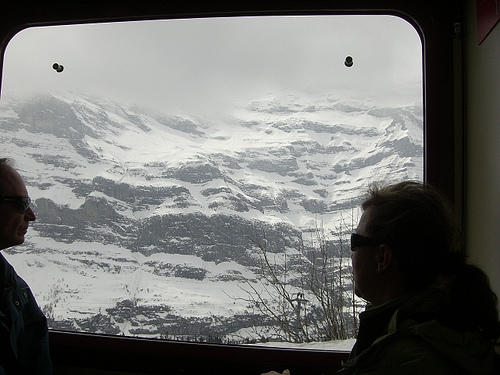
We made the return journey by train/funicular via Kleine Scheidegg and Grindelwald.

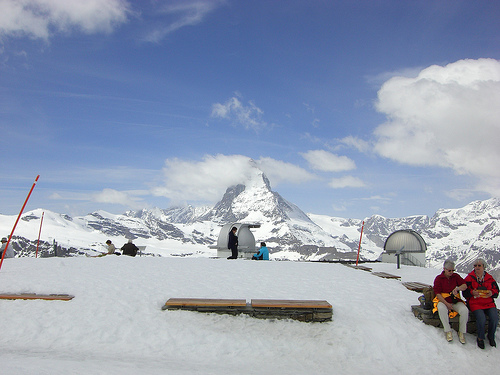
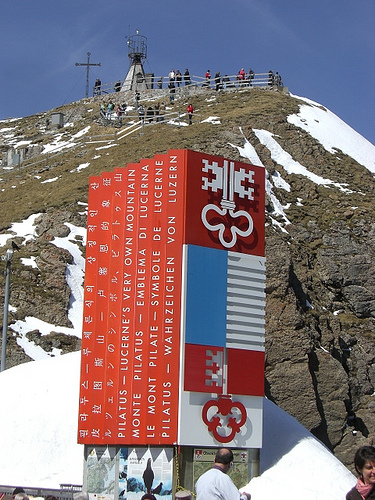
In the past I’d visited the peaks of the Stanserhorn, the Titlis, Pilatus and the  Gornergrat from Zermatt but the Jungfrau trip was truly the icing on the cake and the most memorable experience.

The Matterhorn from the top of The Gornergrat

Mount Pilatus near Lucerne