For a whole week from 7th to 14th September I was immersed in Kiplingiana. I stayed at Naulakha near Brattleboro Vermont and enjoyed chota pegs on Rudyard Kipling’s verandah, ate vegetable curry at his dining table, slept in his (and his wife Carrie’s) bedroom, relaxed in his bath, read his books in the study where he wrote some of them and wrote postcards home from his desk for Naulakha is a Landmark Trust USA property and anyone can book to stay to there.

In a box file in the study is a typescript House Tour Guide so I have adapted this and added my own photographs in order to take you on a tour of this wonderful house.
BACKGROUND
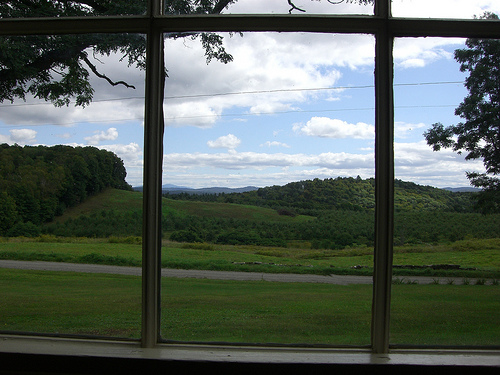
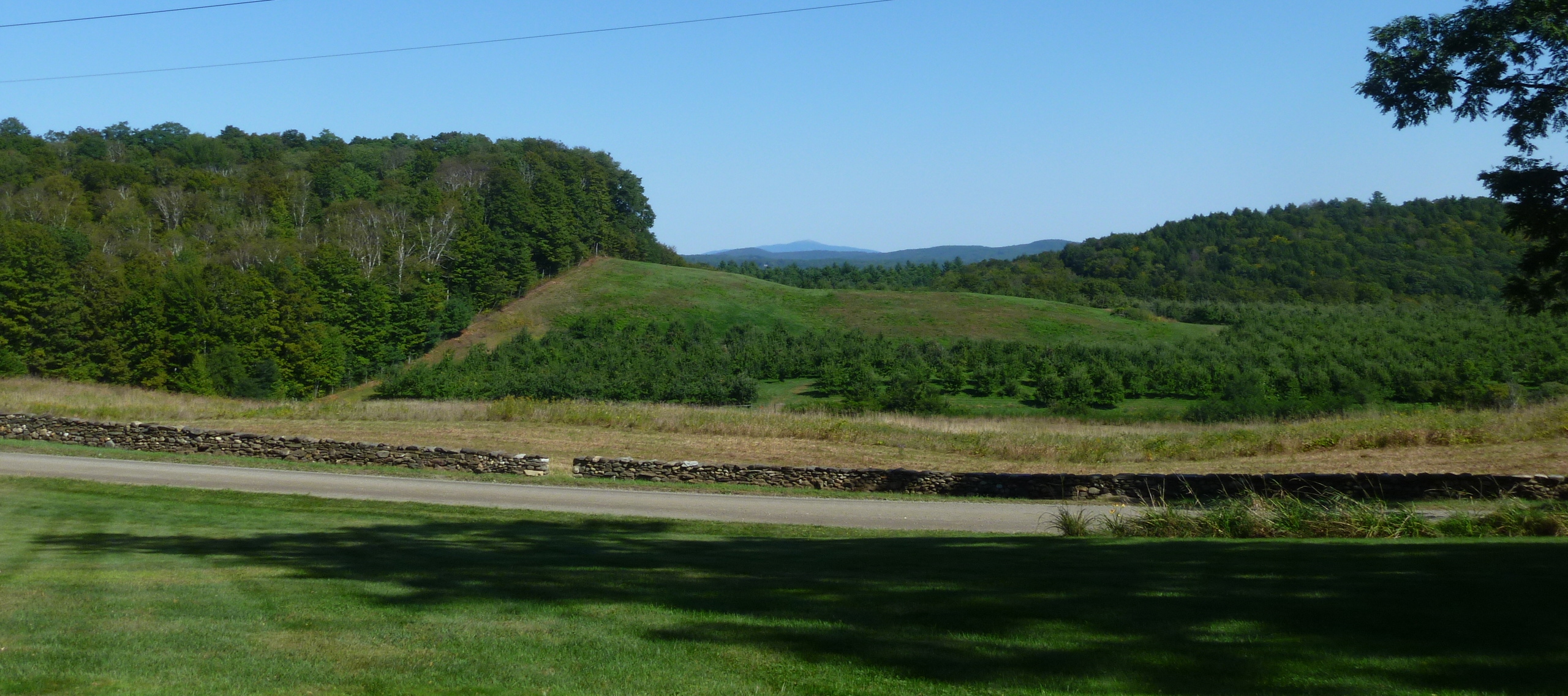
Naulakha is a Hindi word that means ‘great jewel’. It was built in 1892-1893 on an 11 acre plot that the Kiplings bought from Beatty Balestier, Mrs Kipling’s brother. Henry Rutgers Marshall of New York was the architect who carried out Rudyard Kipling’s wishes. The house, described as a ship by Kipling, is 90 feet by 22 feet with the rooms facing the lovely view over the Connecticut River valley; a hallway runs along the uphill side.The windows are large and were called “lavish and wide” by Kipling. The house cost just over $11,000 and is the only one built by Kipling.
ENTRY HALL AND LOGGIA

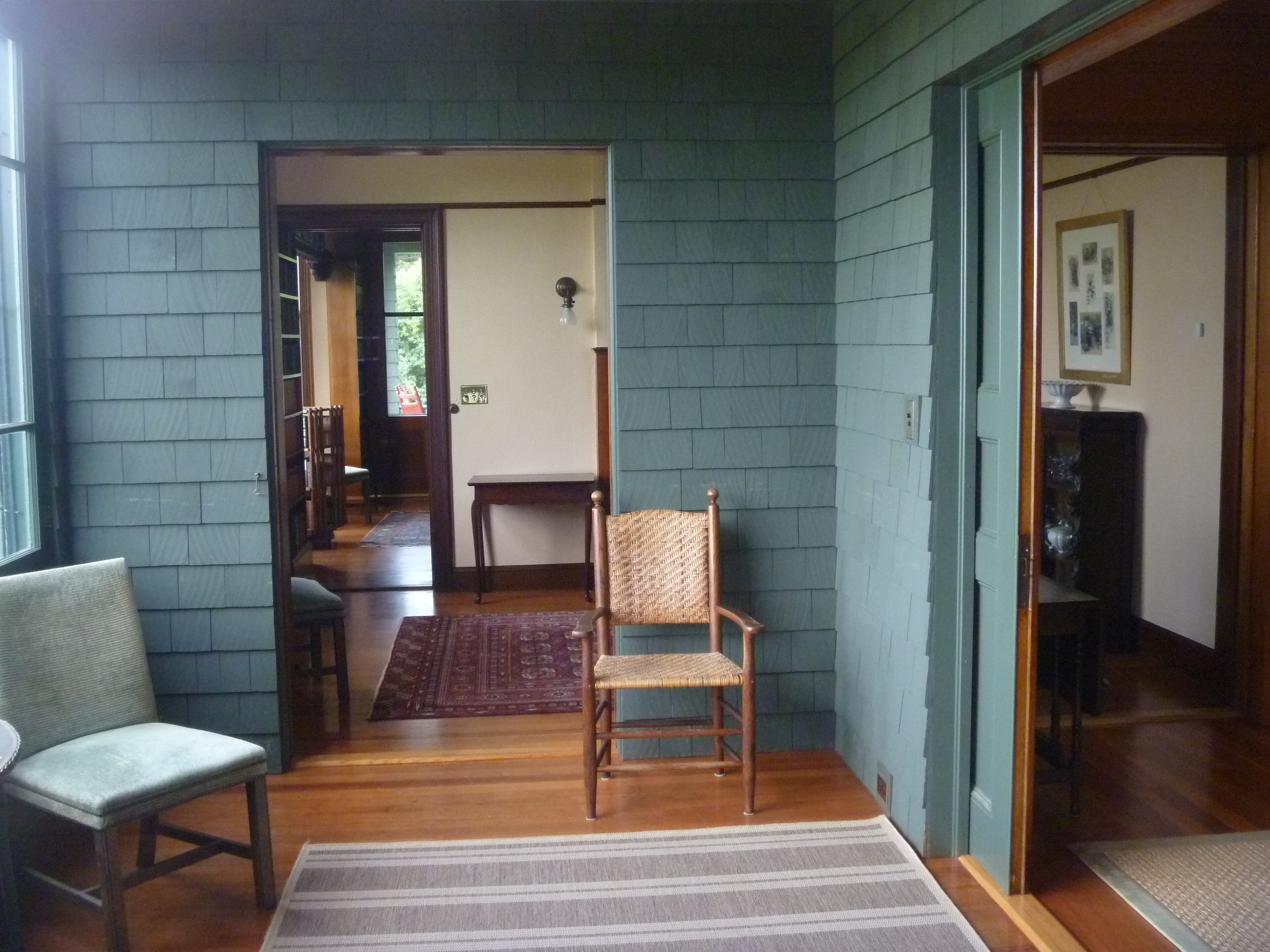
The interior walls forming these rooms were removed by later owners, the Holbrooks, in order to create a large, open central space. Rudyard Kipling himself said that the Loggia was “the joy of the house” so its reinstatement was important. Fortunately, the original pocket doors and ash panelling were discovered in a barn up the road. The two brown wicker chairs are original.

MRS KIPLING’S STUDY
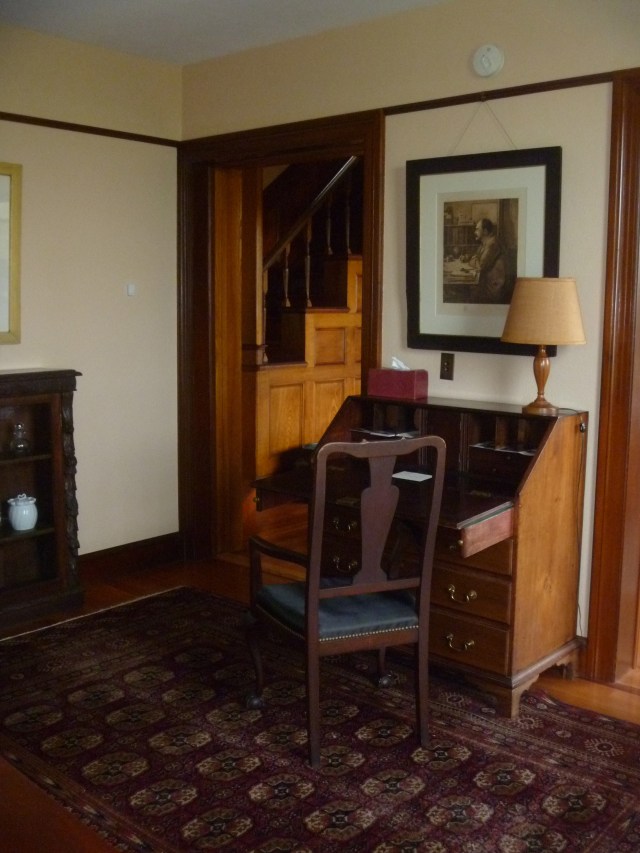
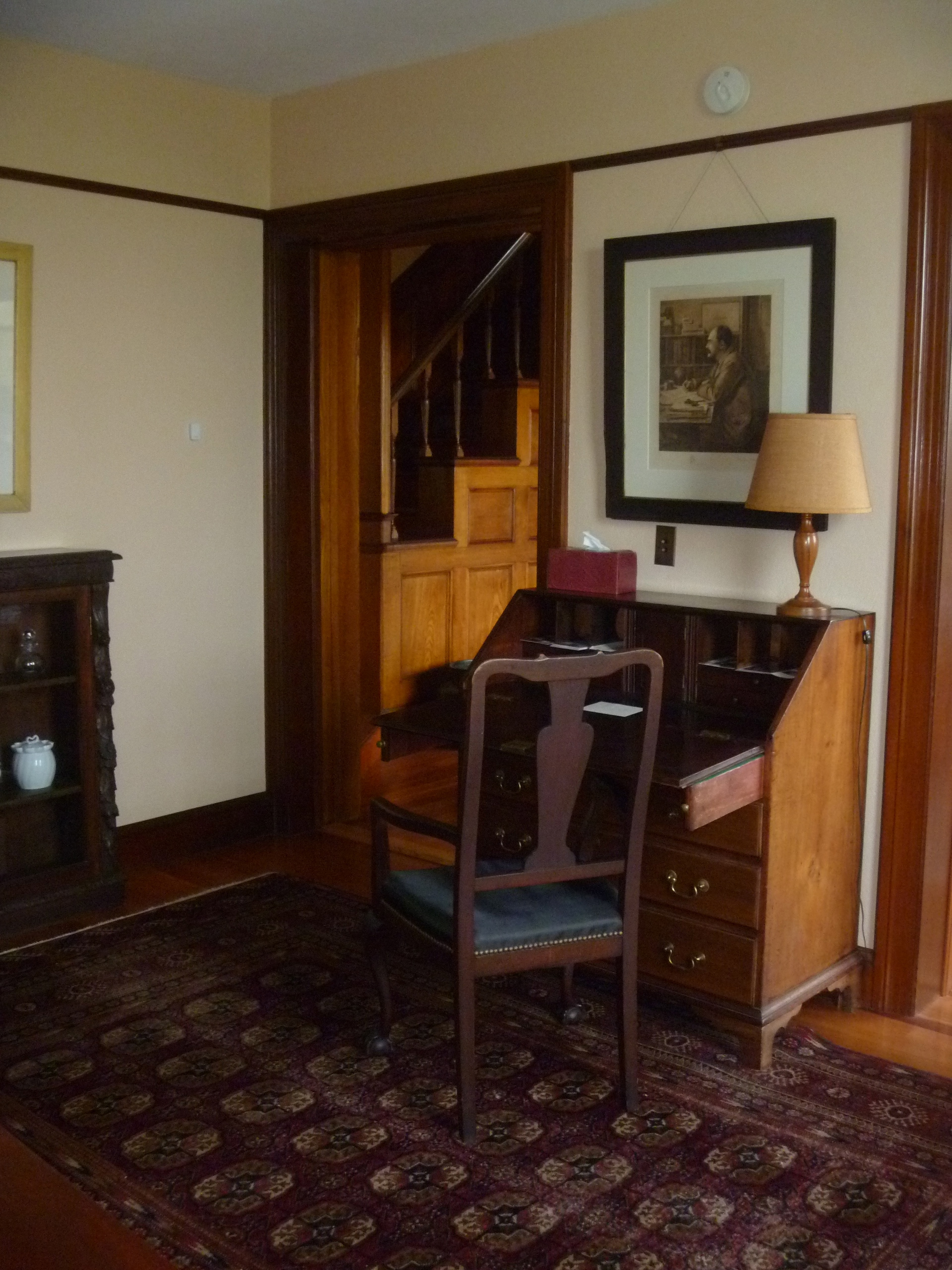
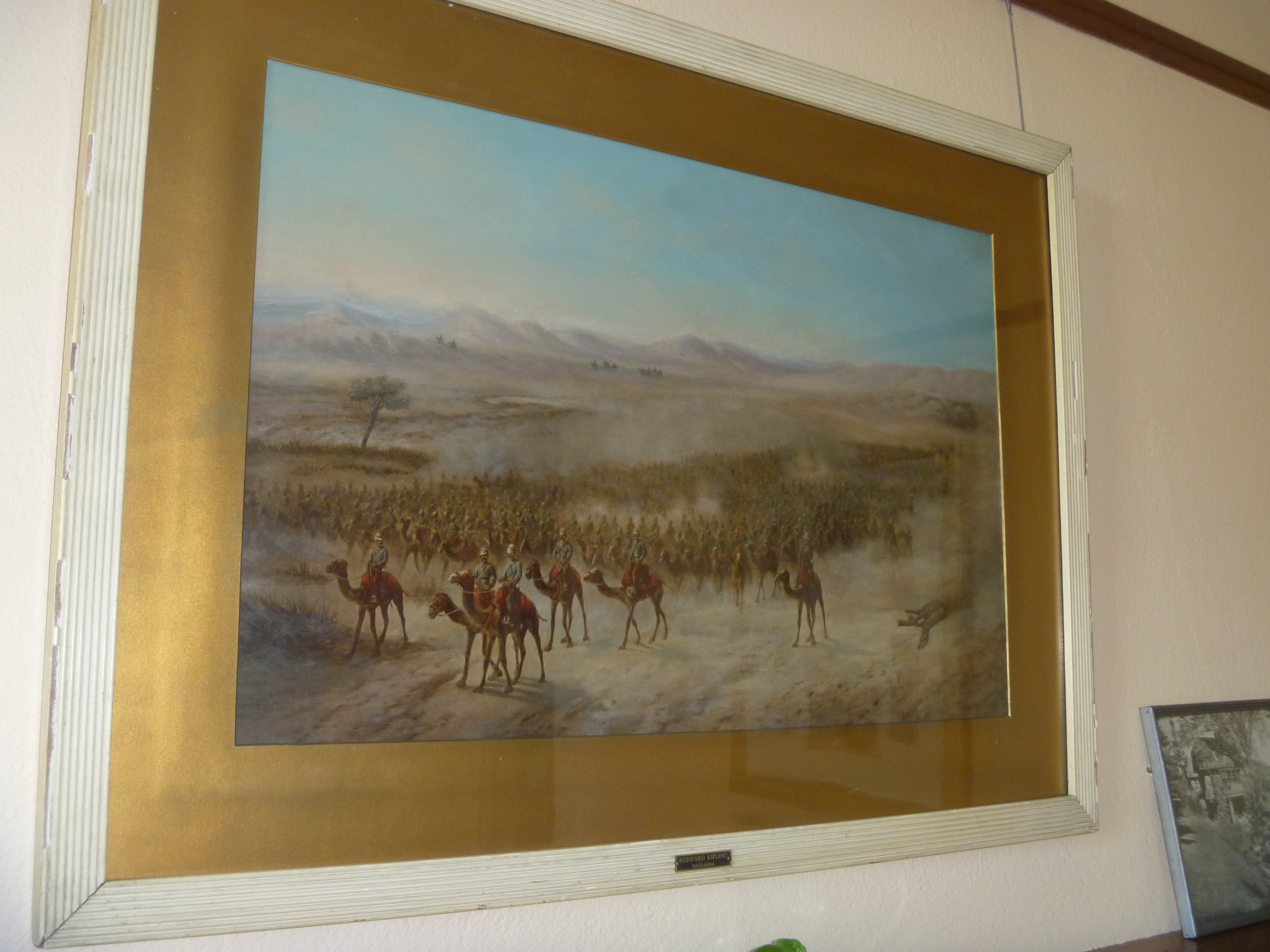
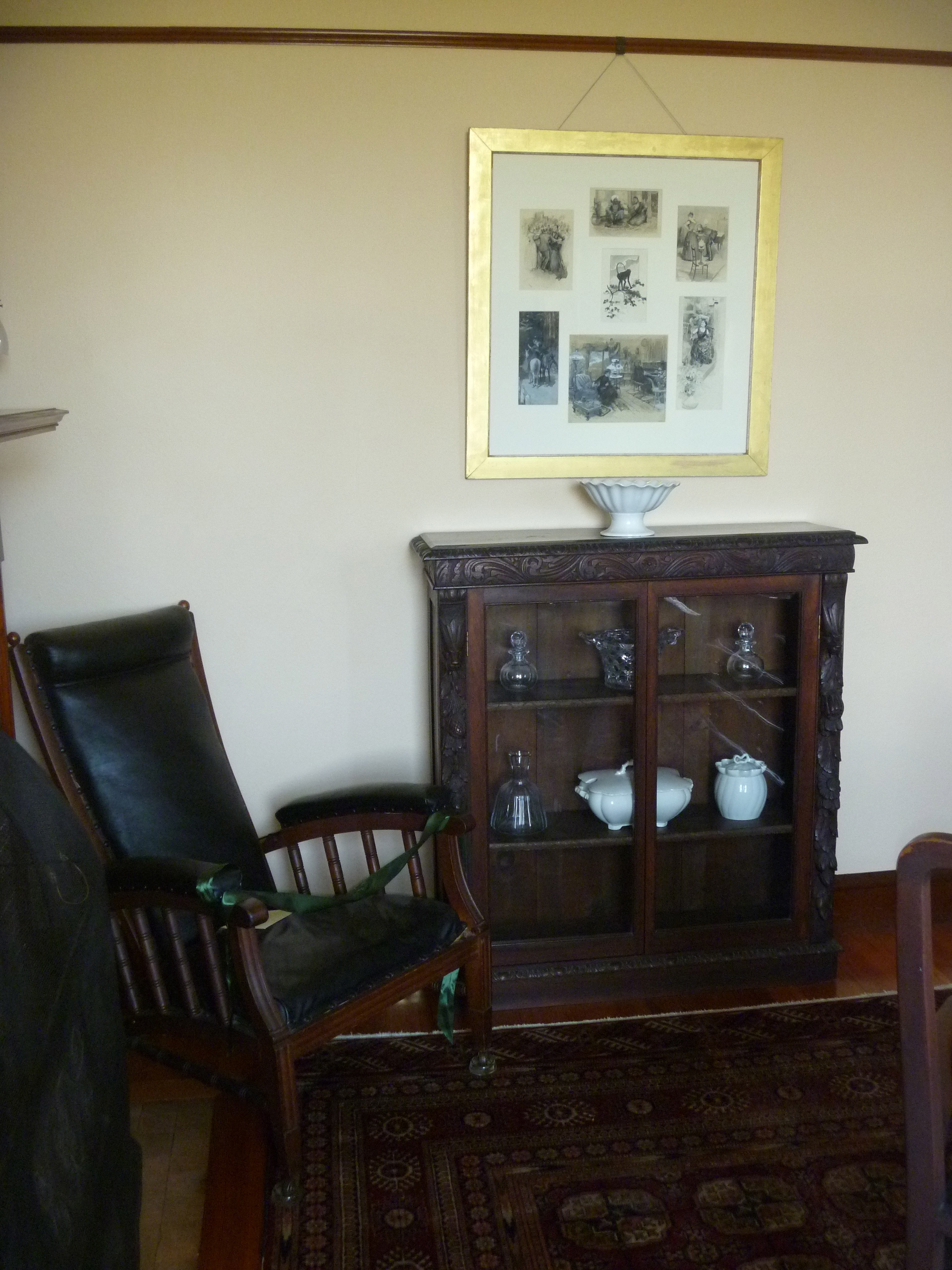
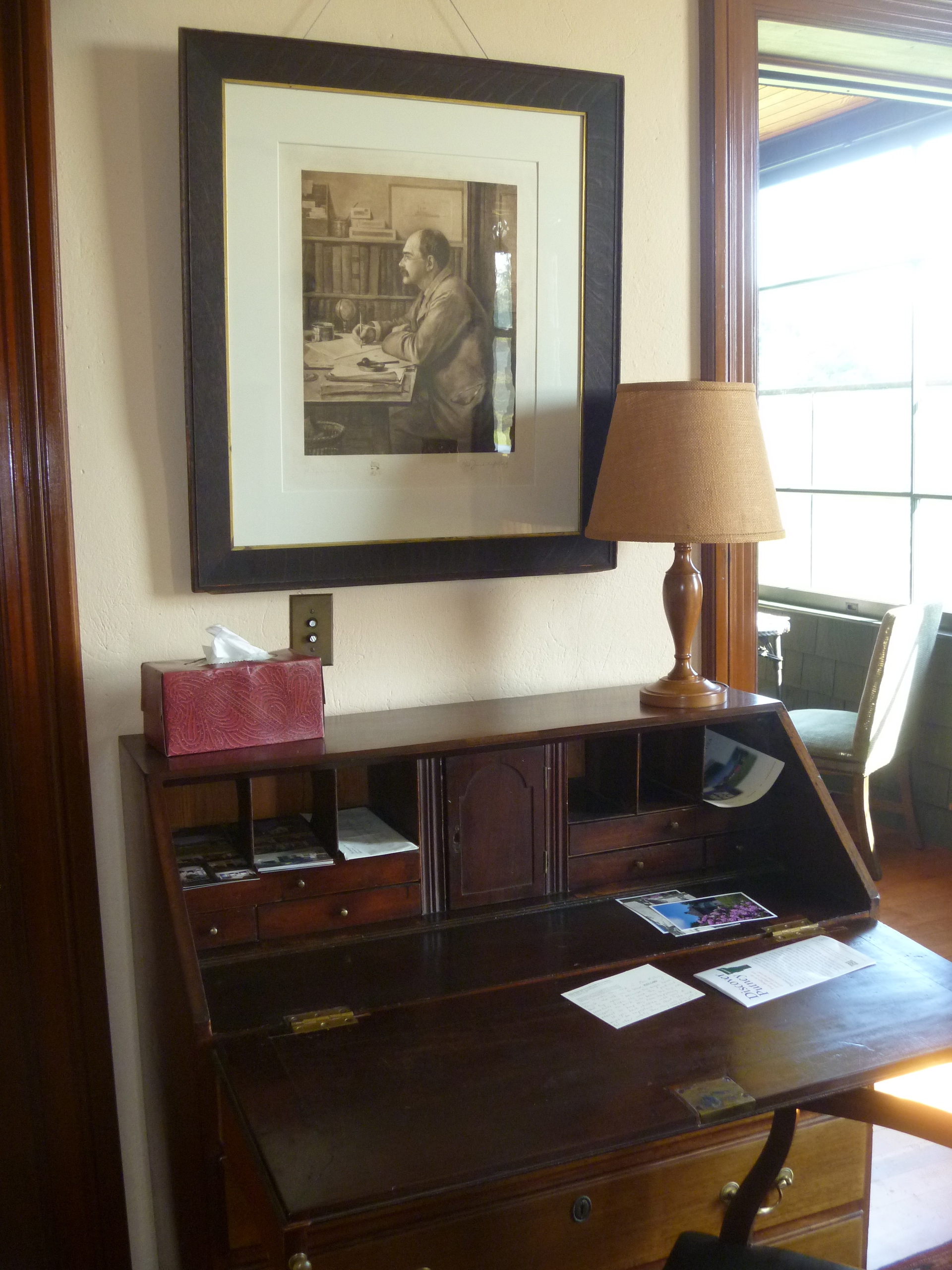
Visitors wishing to see Rudyard had to pass through this room. Carrie diligently protected her husband’s work time and privacy – so effective was Mrs K that this became known as the ‘dragon’s chamber’. The picture ‘The camel corps’ and illustrations from Mrs Hauksbee stories are original.


The lithograph of Kipling is based on the oil painting by his cousin Philip Burne-Jones which now hangs in the National Portrait Gallery in London. Philip and Rudyard made this lithograph.

RUDYARD KIPLING’S STUDY


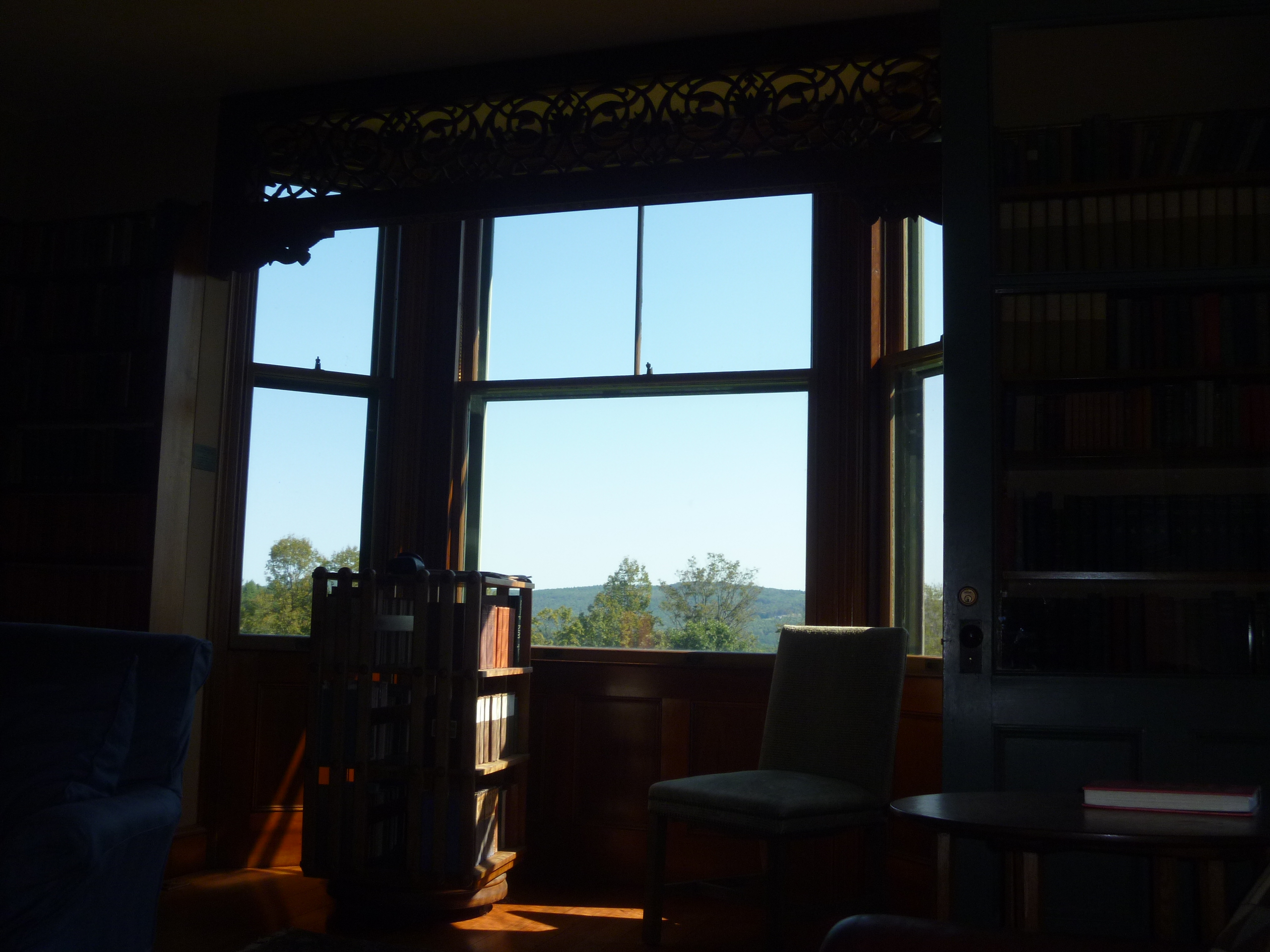
Most of the bookcases are original including the revolving case. The inscription over the fireplace was done in 1893 by Rudyard’s father, John Lockwood Kipling and is from the Gospel of St John.

“The Night Cometh When No Man Can Work”
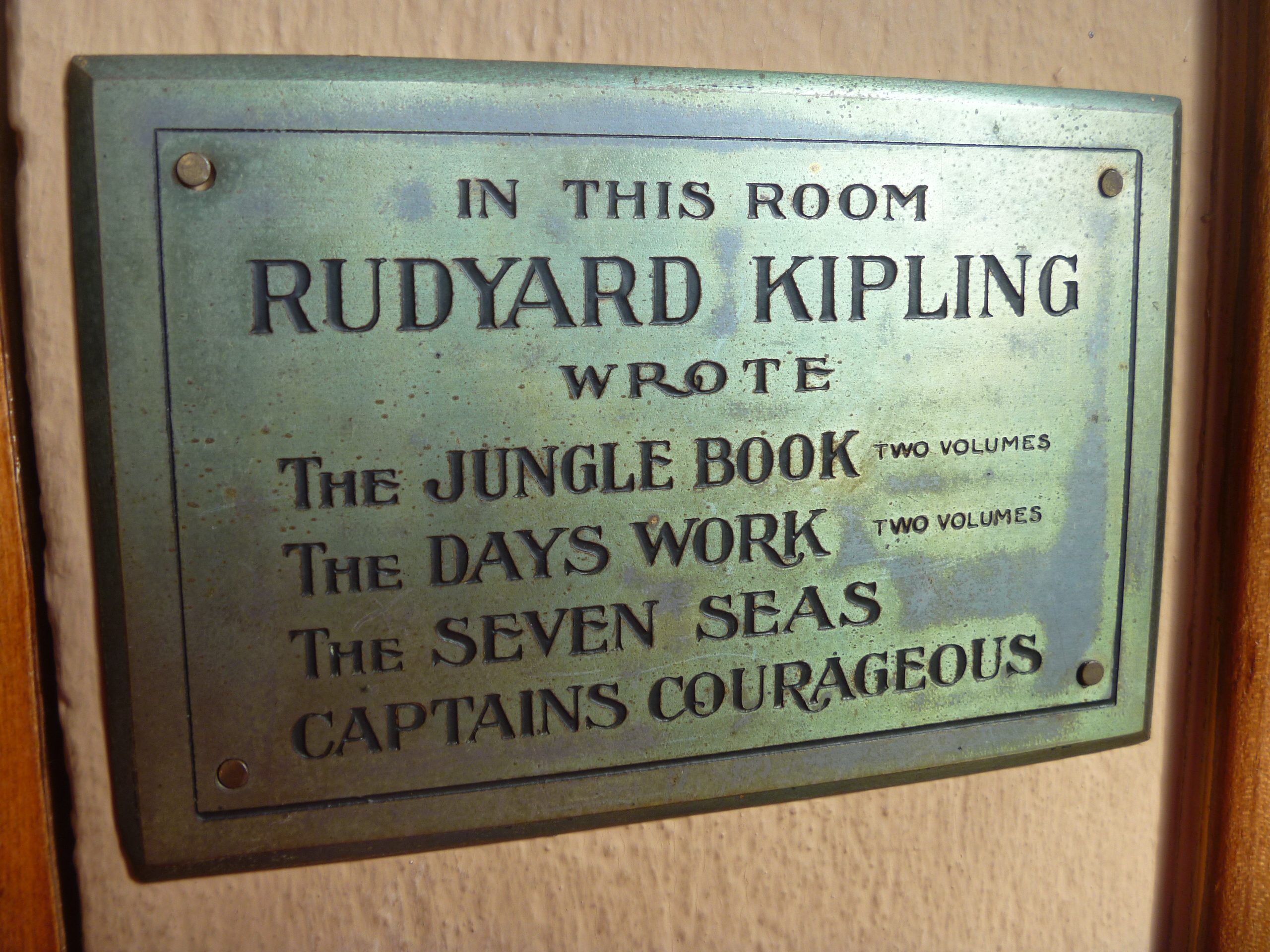
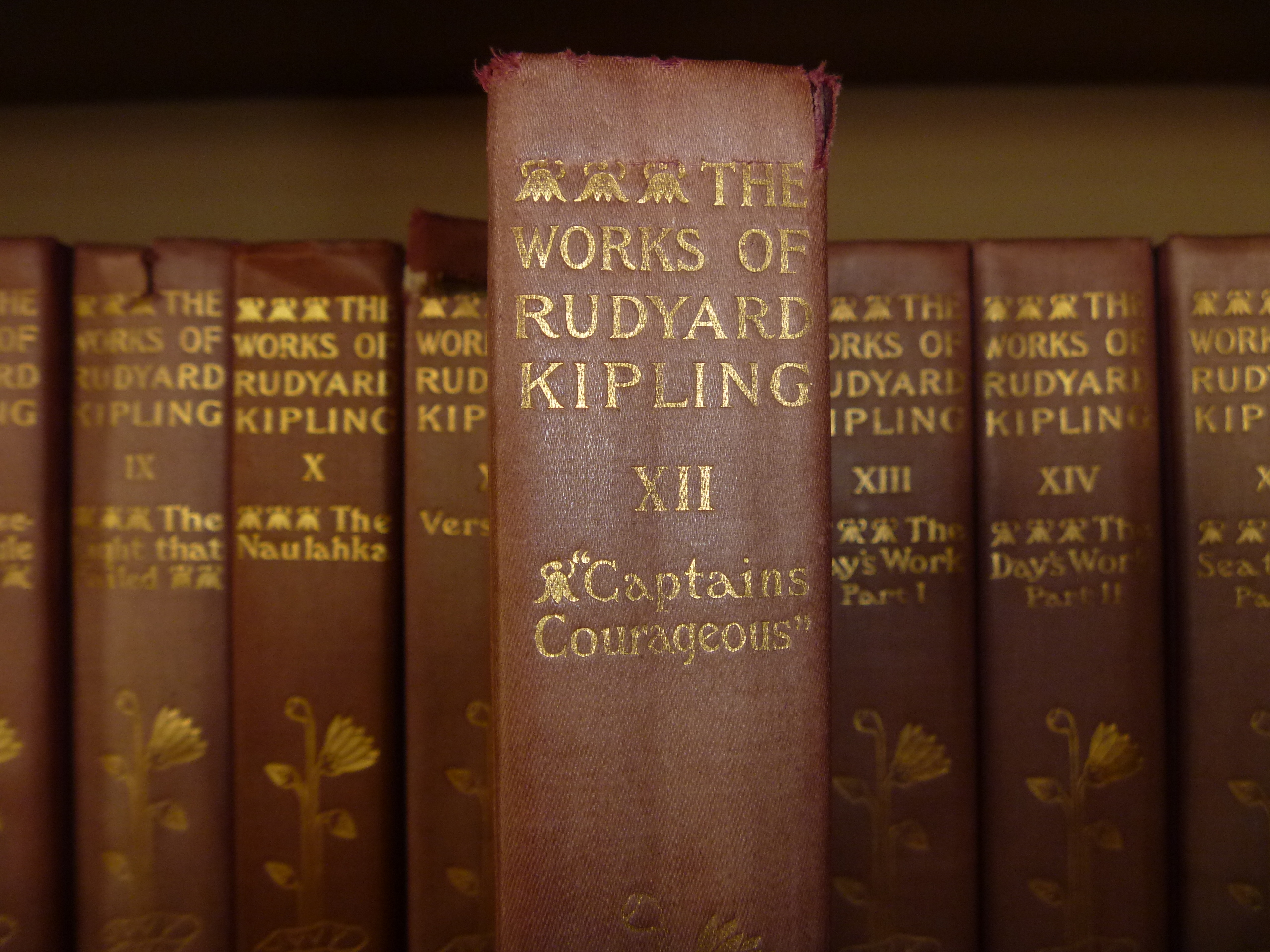
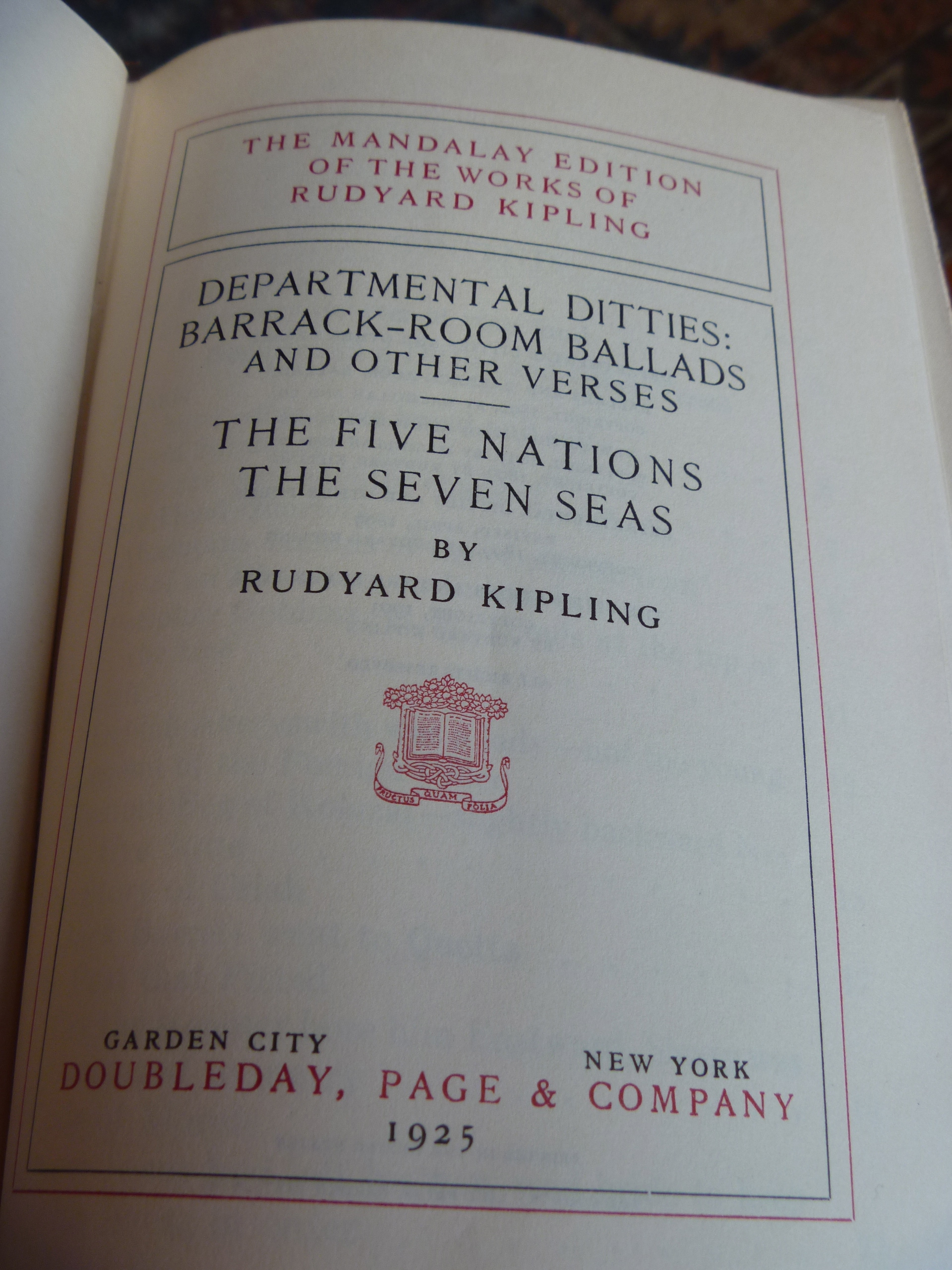
In this room Rudyard Kipling wrote the Jungle Books, Captains Courageous, A Day’s Work and The Seven Seas. He also began Kim and the Just So Stories.
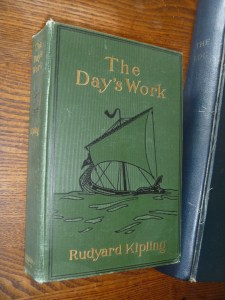

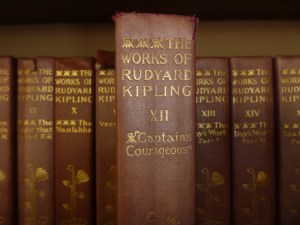

The original leather couch is too frail to leave out. The decorative screen in the bay window is likely from Kashmir. The bookcases and stained glass panels on the west wall were added to ensure privacy.

MAIN STAIRCASE

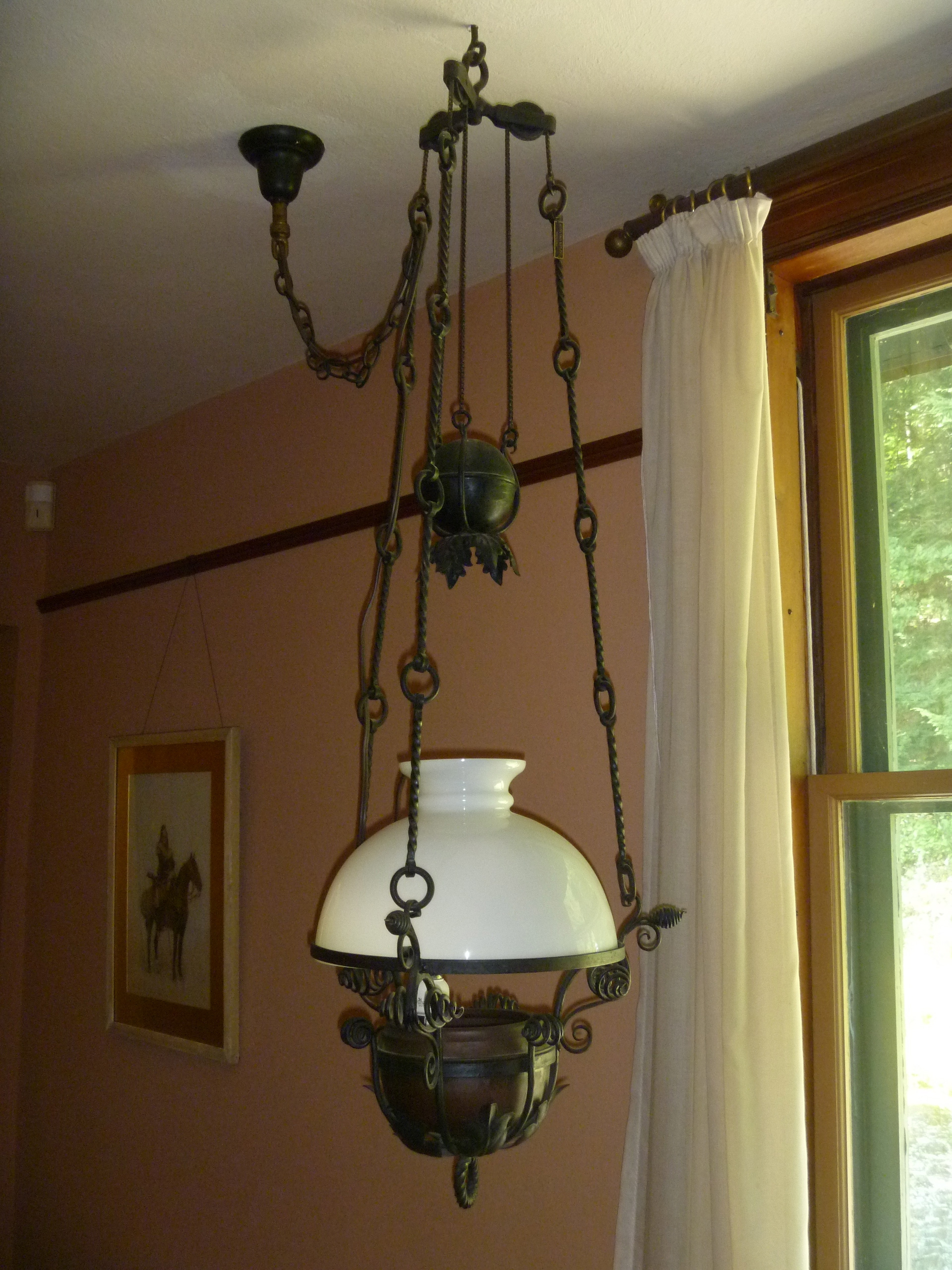
This is the original oil light fixture, later electrified by the Holbrooks. Most of the pictures on the first floor landing are original.
GUEST BEDROOM

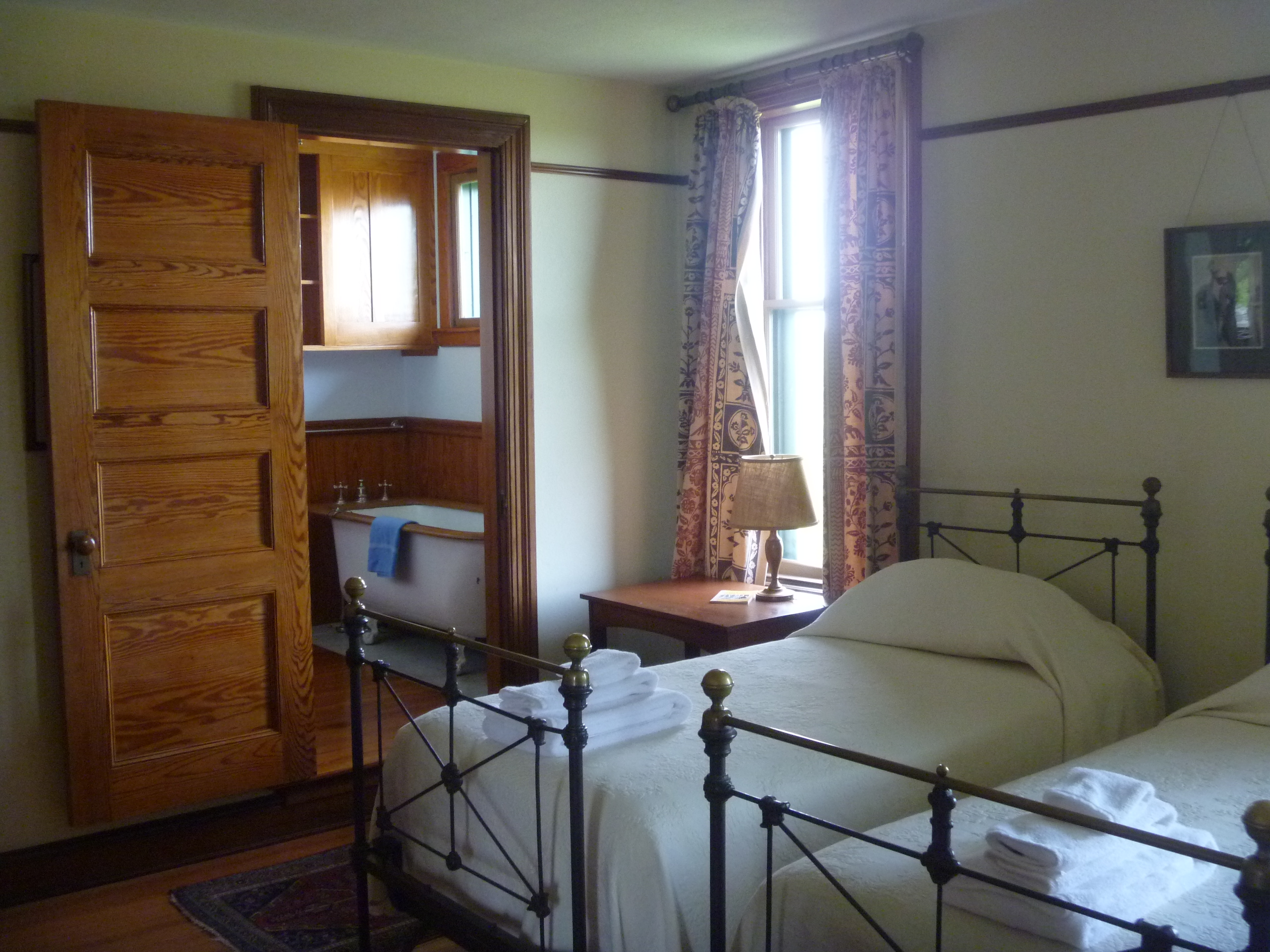
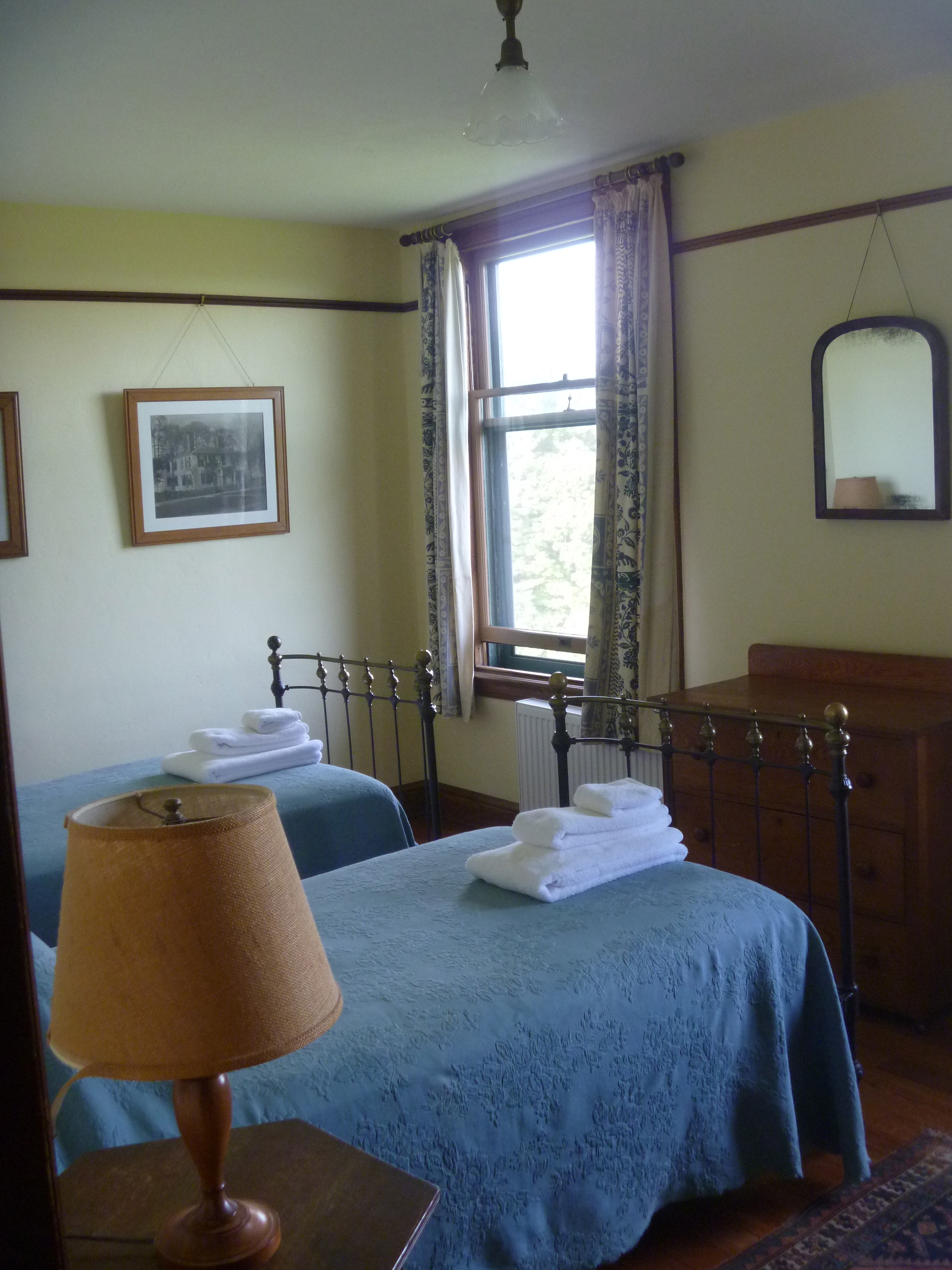
At the top of the main flight of stairs is the main guest room. Sir Arthur Conan Doyle and William James (brother of novelist Henry) are two famous guests who have slept here.
MASTER BEDROOM

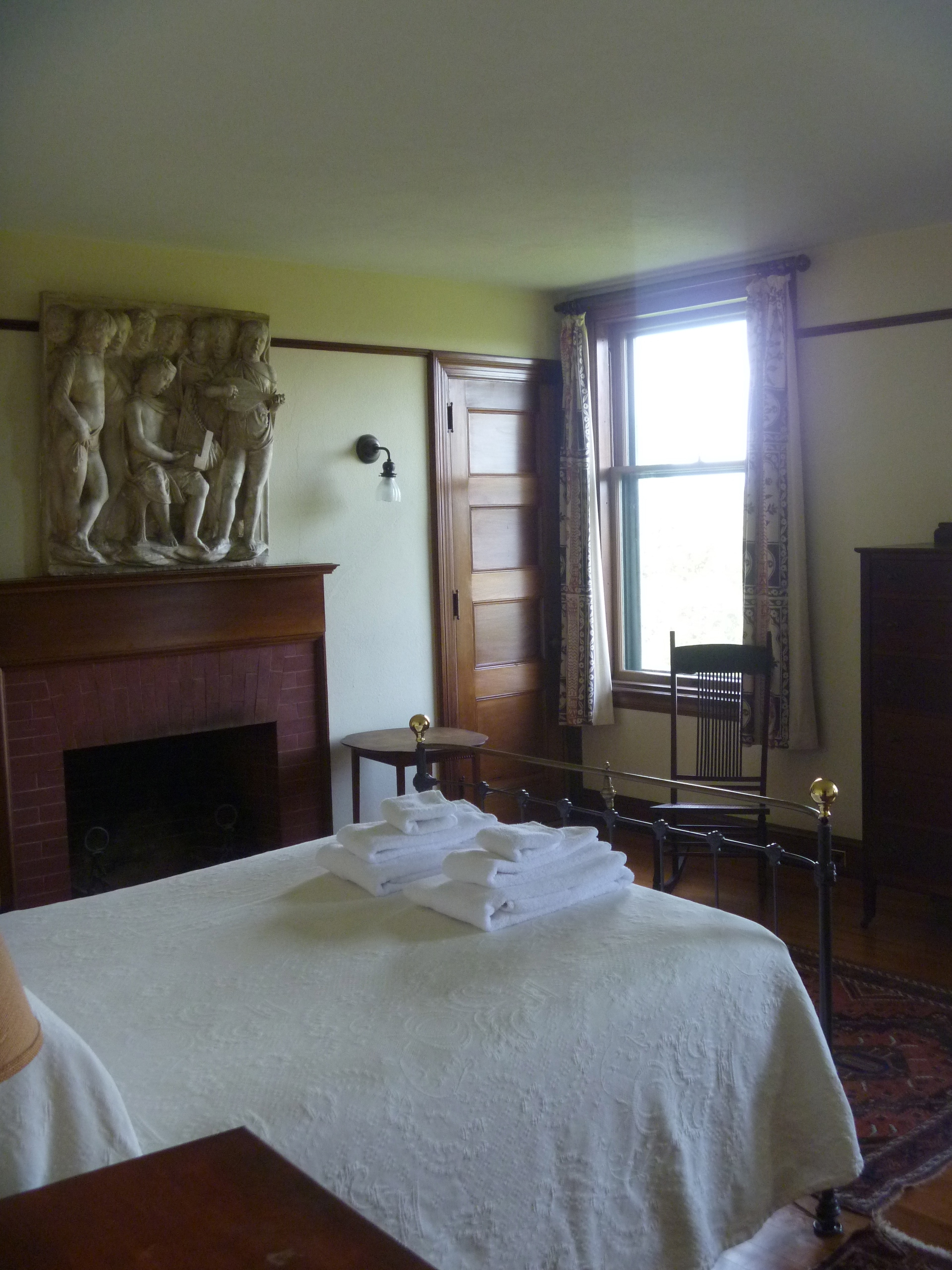
This was the bedroom of Rudyard and Carrie Kipling.
NURSERY
This is divided into the day and the night nurseries. The decorative plaster work in the day nursery was done by John Lockwood Kipling for his first granddaughter, Josephine. It was for Josephine that the Just So Stories were composed. Jospehine was born down the road at Bliss Cottage in 1892. Elsie Kipling was born in Naulakha in 1896.
ATTIC

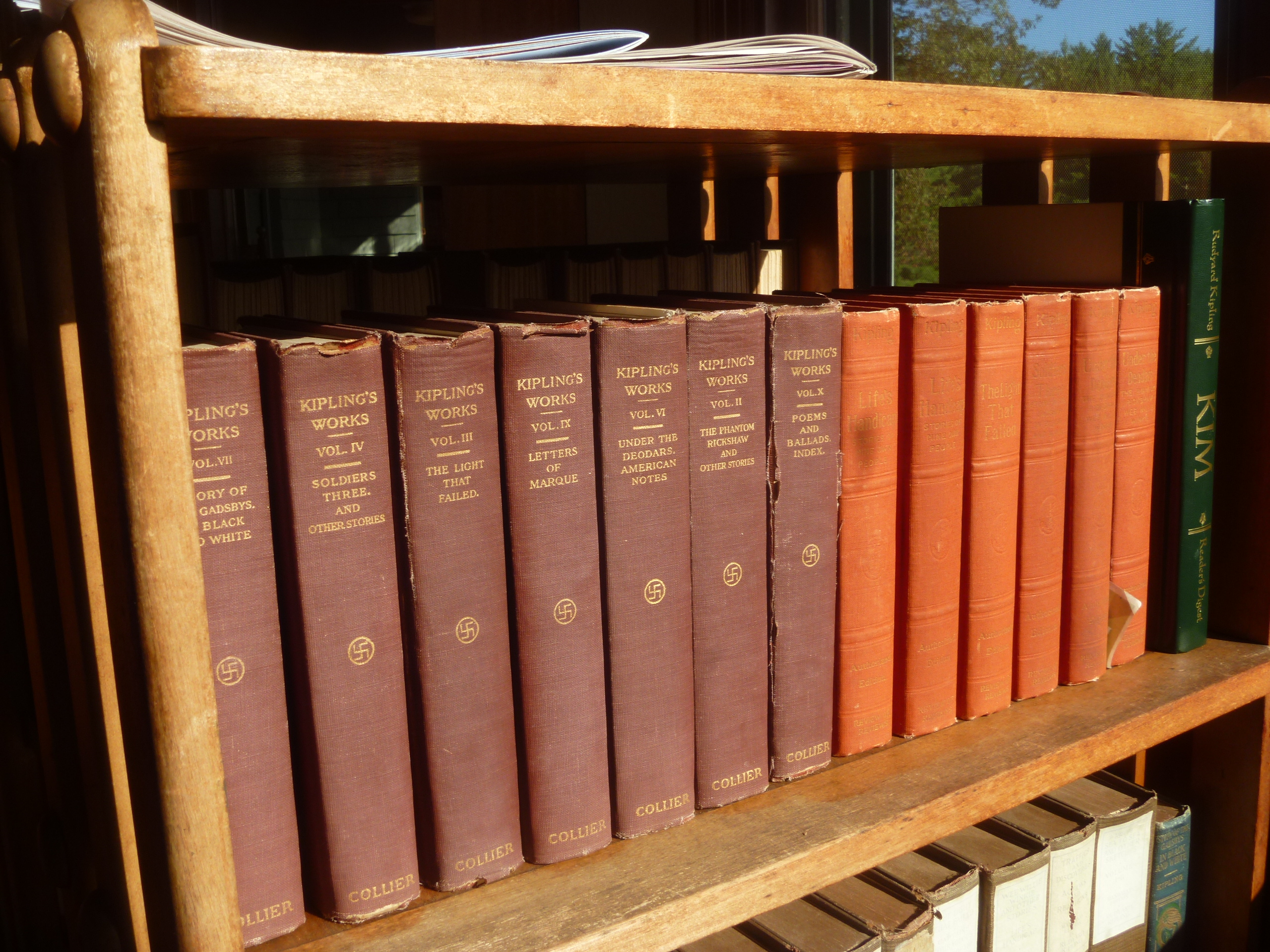
There is a large playroom used by the Kiplings (still a games room today) and a small bedroom (now houses display cases and a book collection) probably used by the maid.
SERVANTS ROOMS
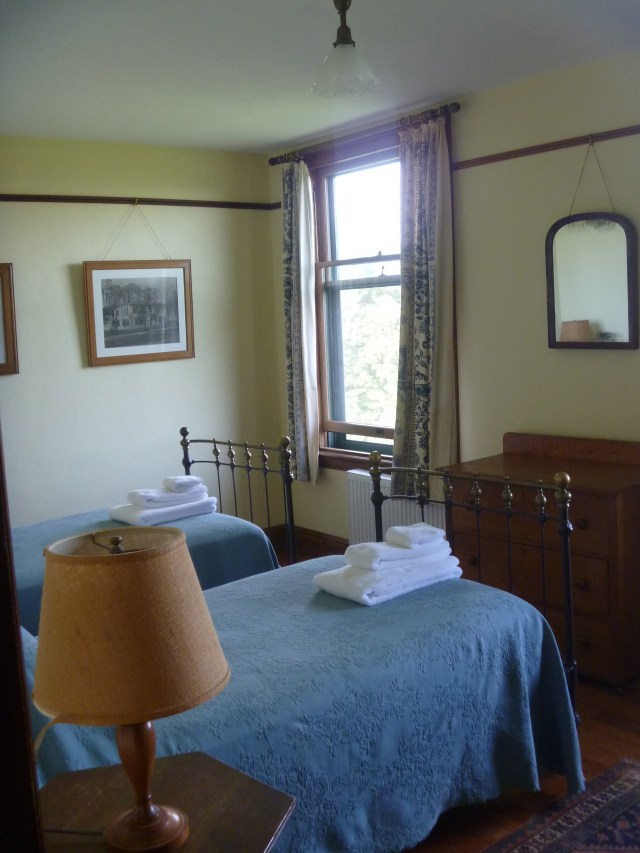
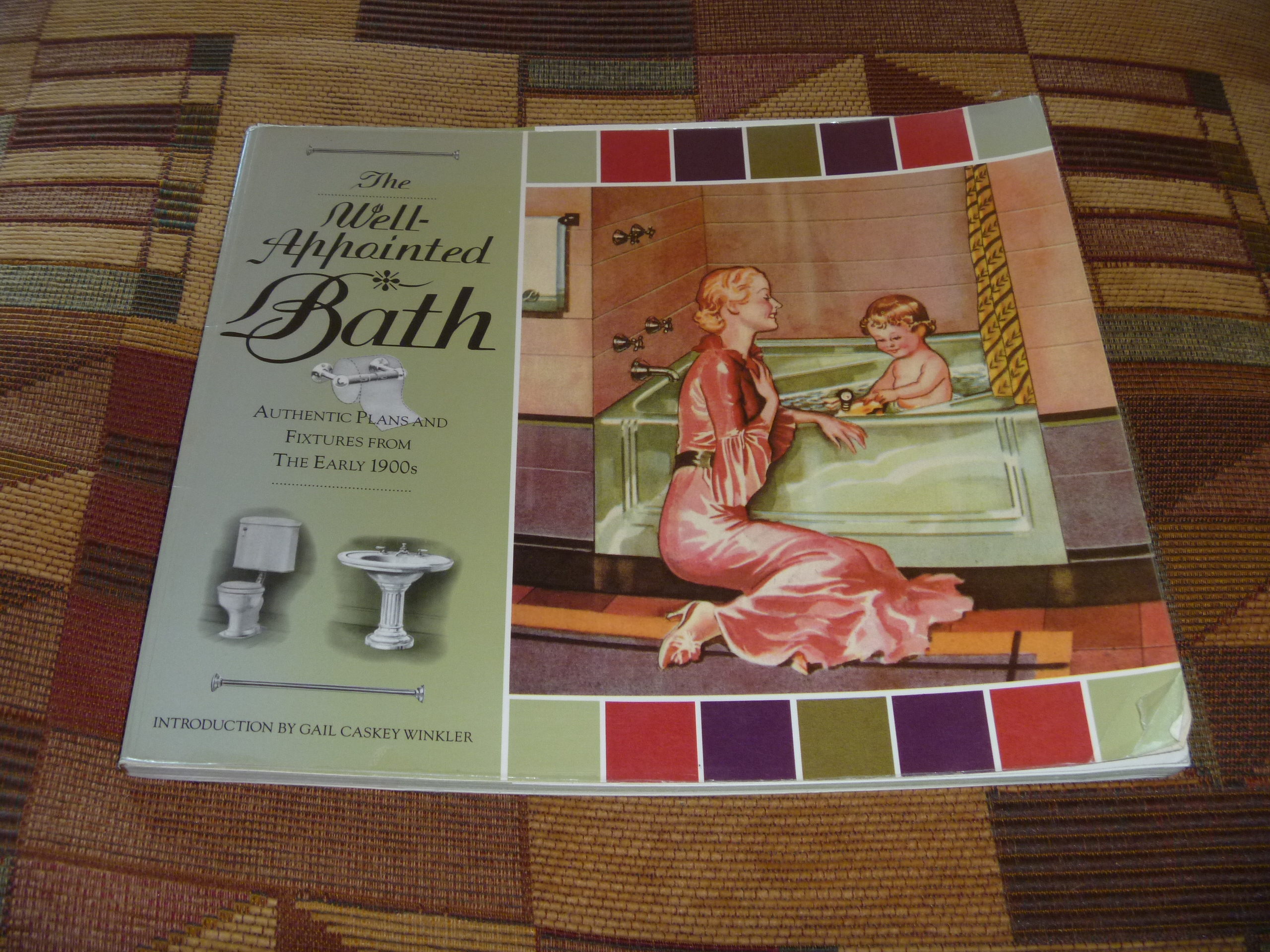
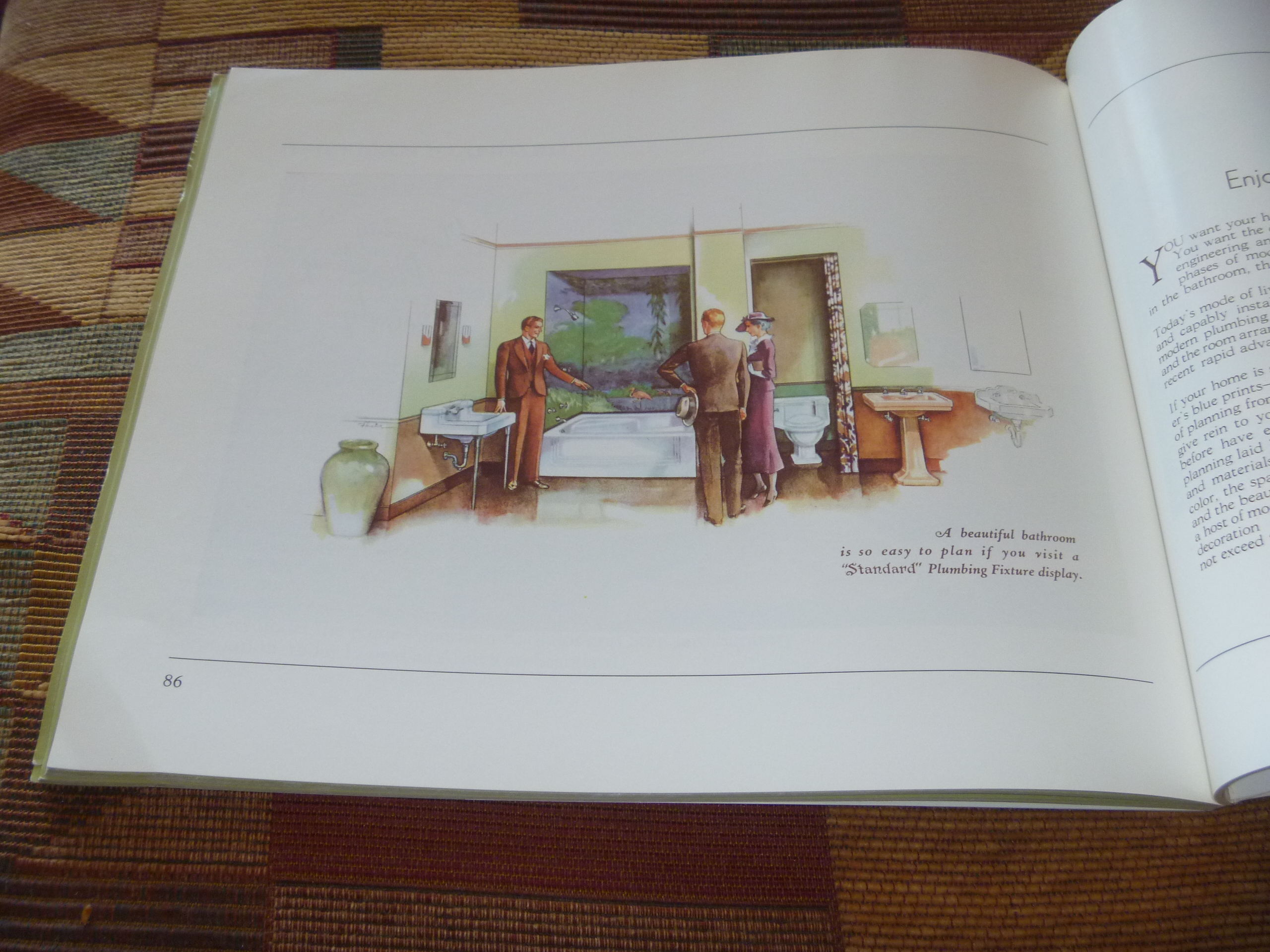
The north end of the house was for servants’ use. One of the sernants’ bedrooms was converted to a bathroom by the Holbrooks. The bedroom furniture is not original. There are no records of how these rooms were furnished.
KITCHEN

The layout is original including the stove hood and hearth stone. The small windows to the east of the stove allowed light but did not allow the servants to see the Kiplings on the small porch. The Holbrooks used this room as a study and moved the kitchen to the basement. The Trust have restored it to its original ground floor location.
DINING ROOM

The table and china cabinet are original The sideboard was built for the Kiplings in New York with panels brought from India. Most of the dining chairs are too fragile to use and were, in fact, broken over the years; they are currently in storage. The stained glass is original except for one panel which was broken. The small porch was built as a fun space and gives the feeling of being on a ship’s deck.
THE GROUNDS
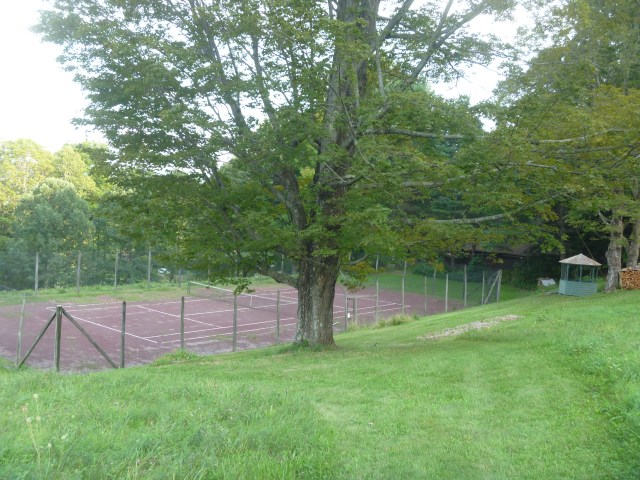
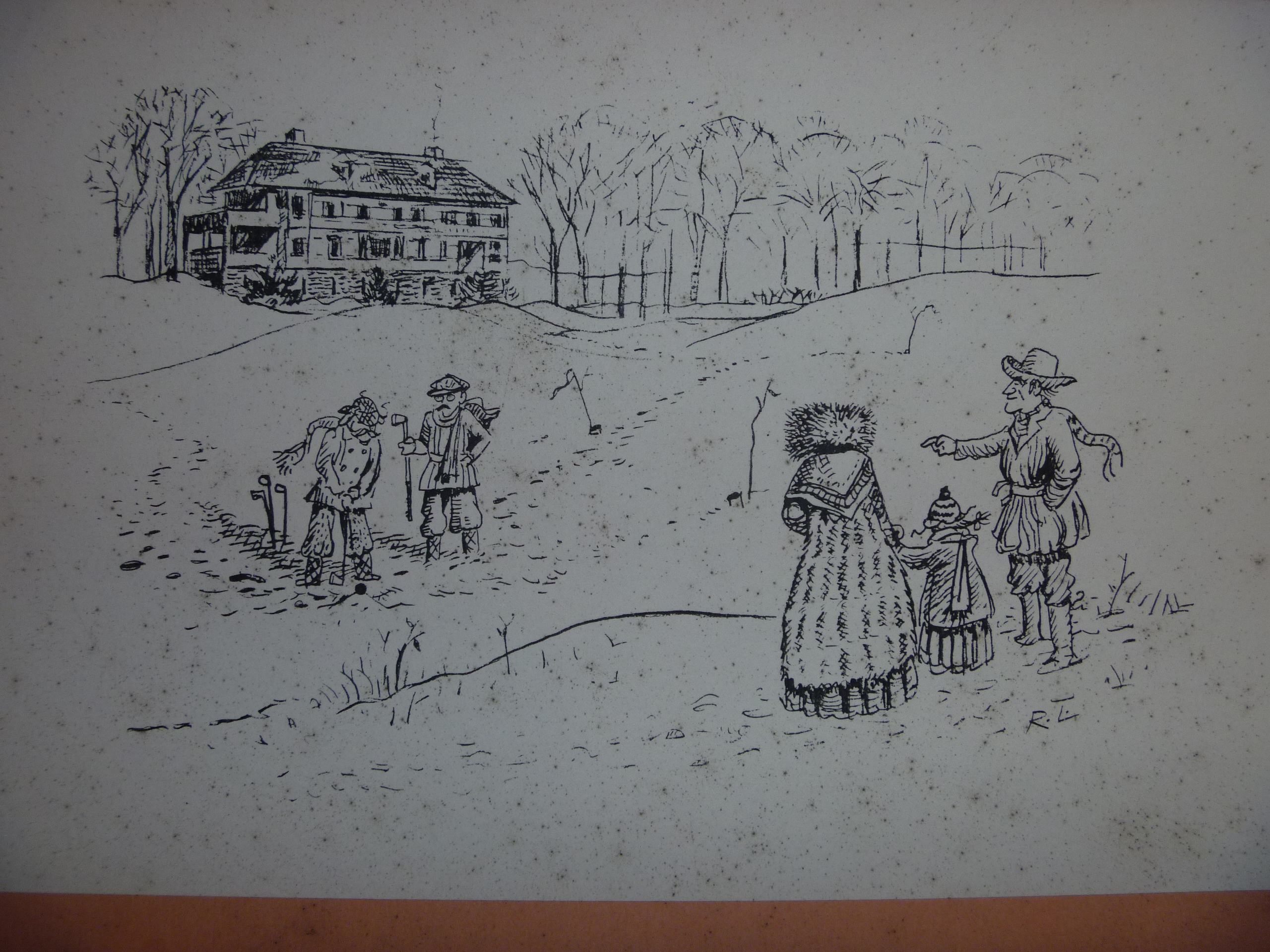
The tennis court and small gazebo (called ‘the summerhouse’ by the Kiplings) were built by the Kiplings.
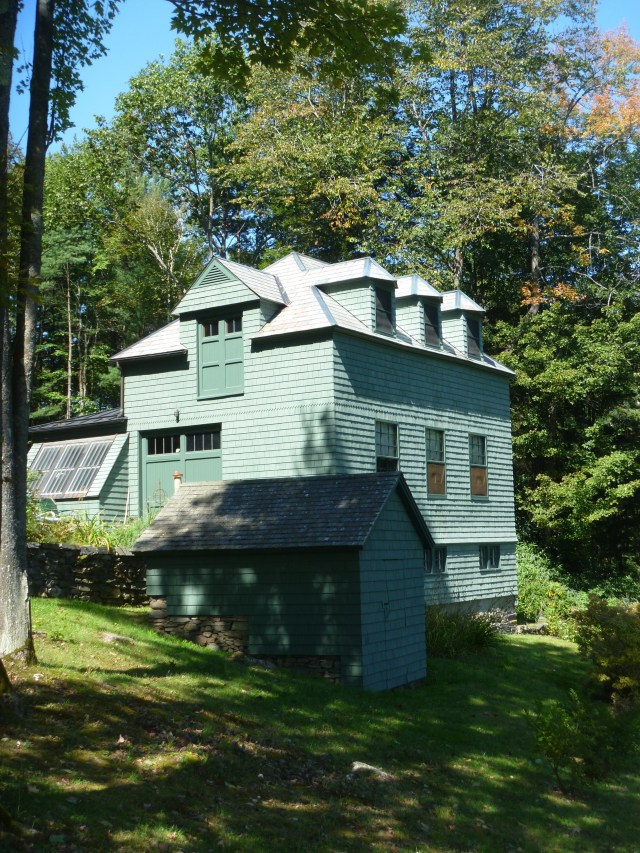
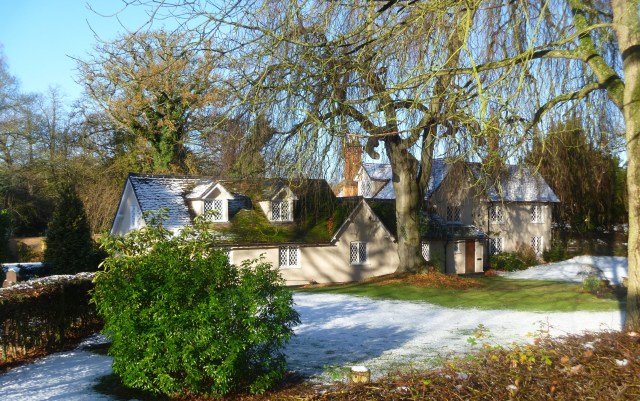
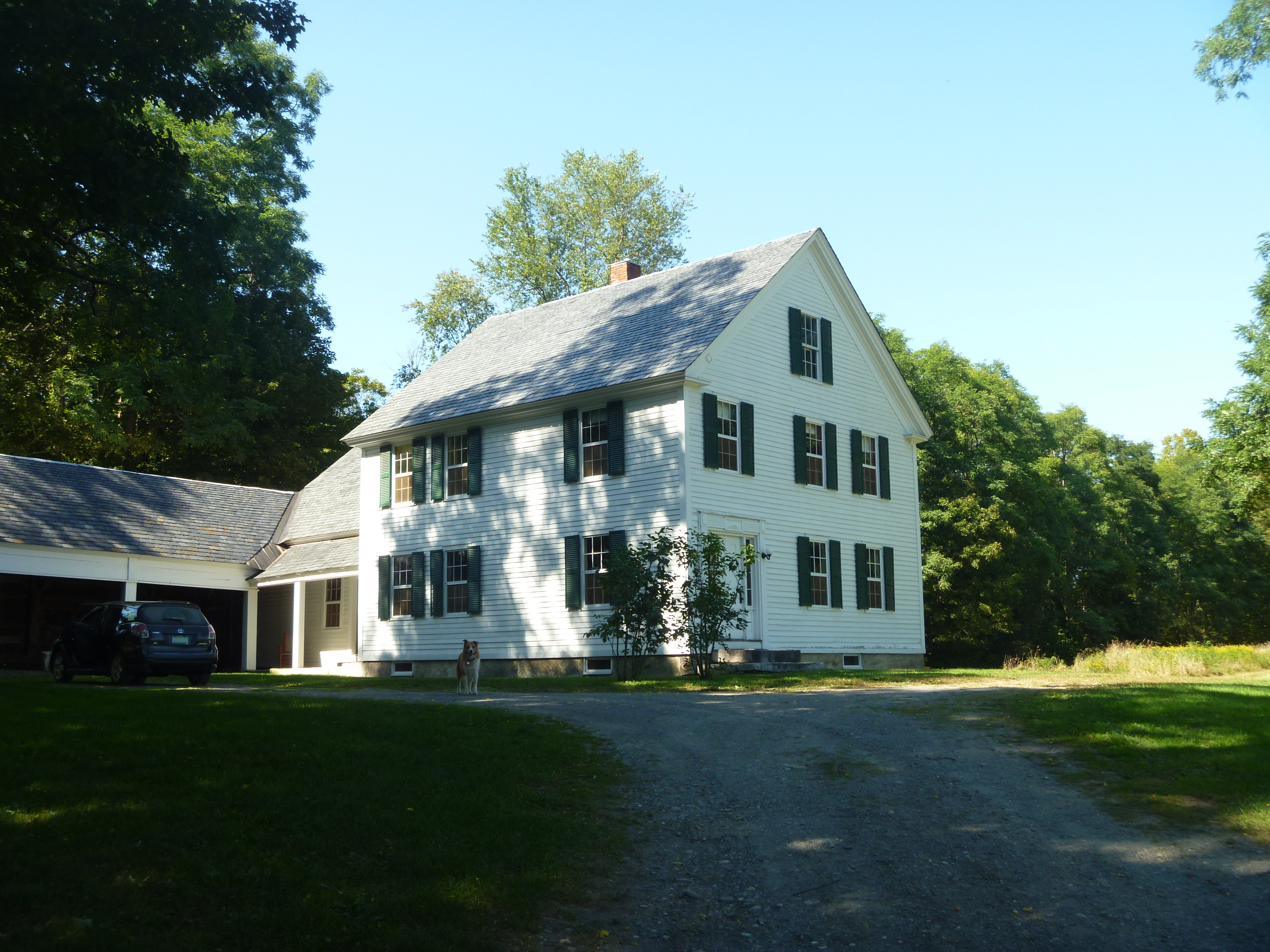
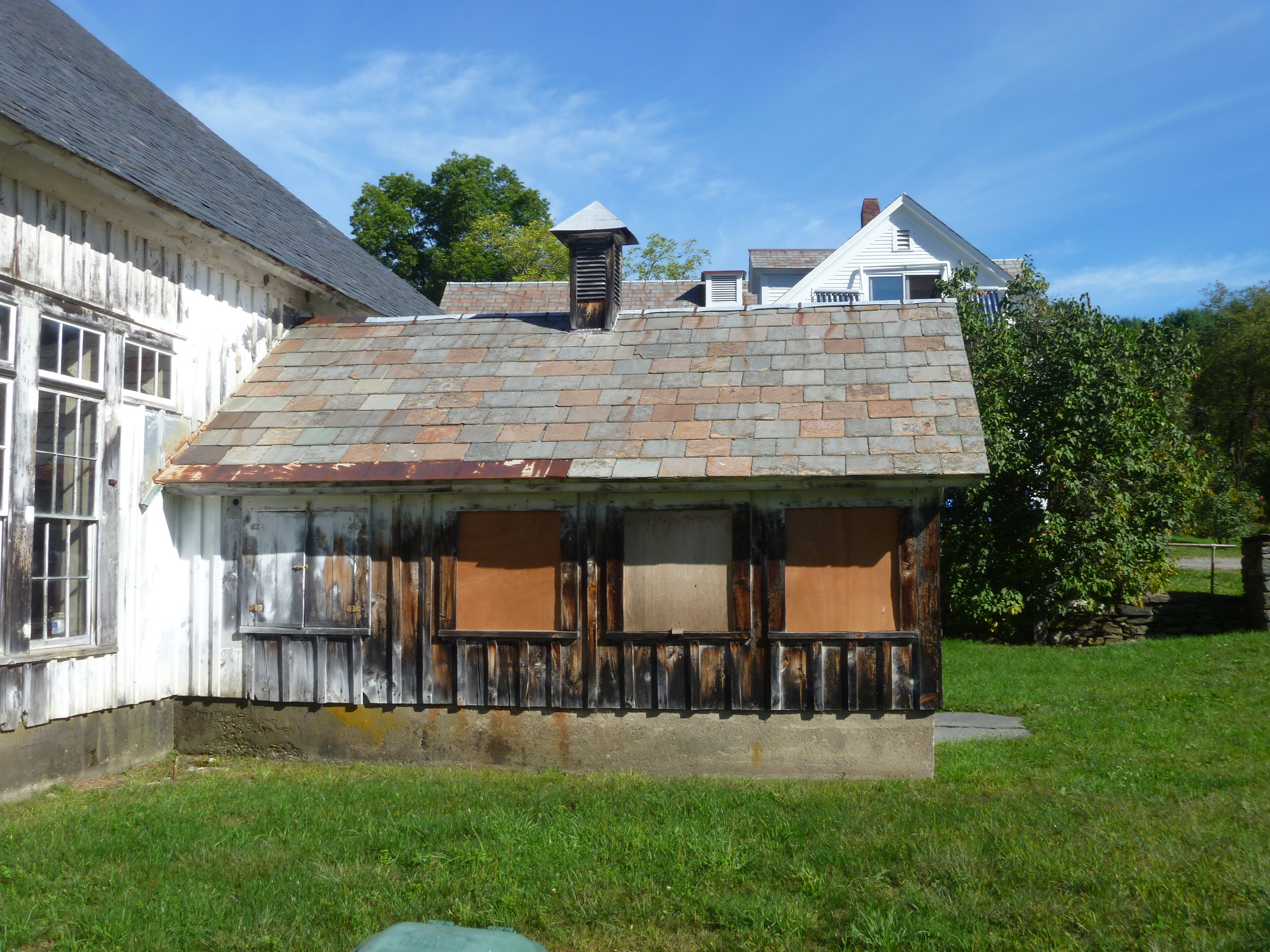
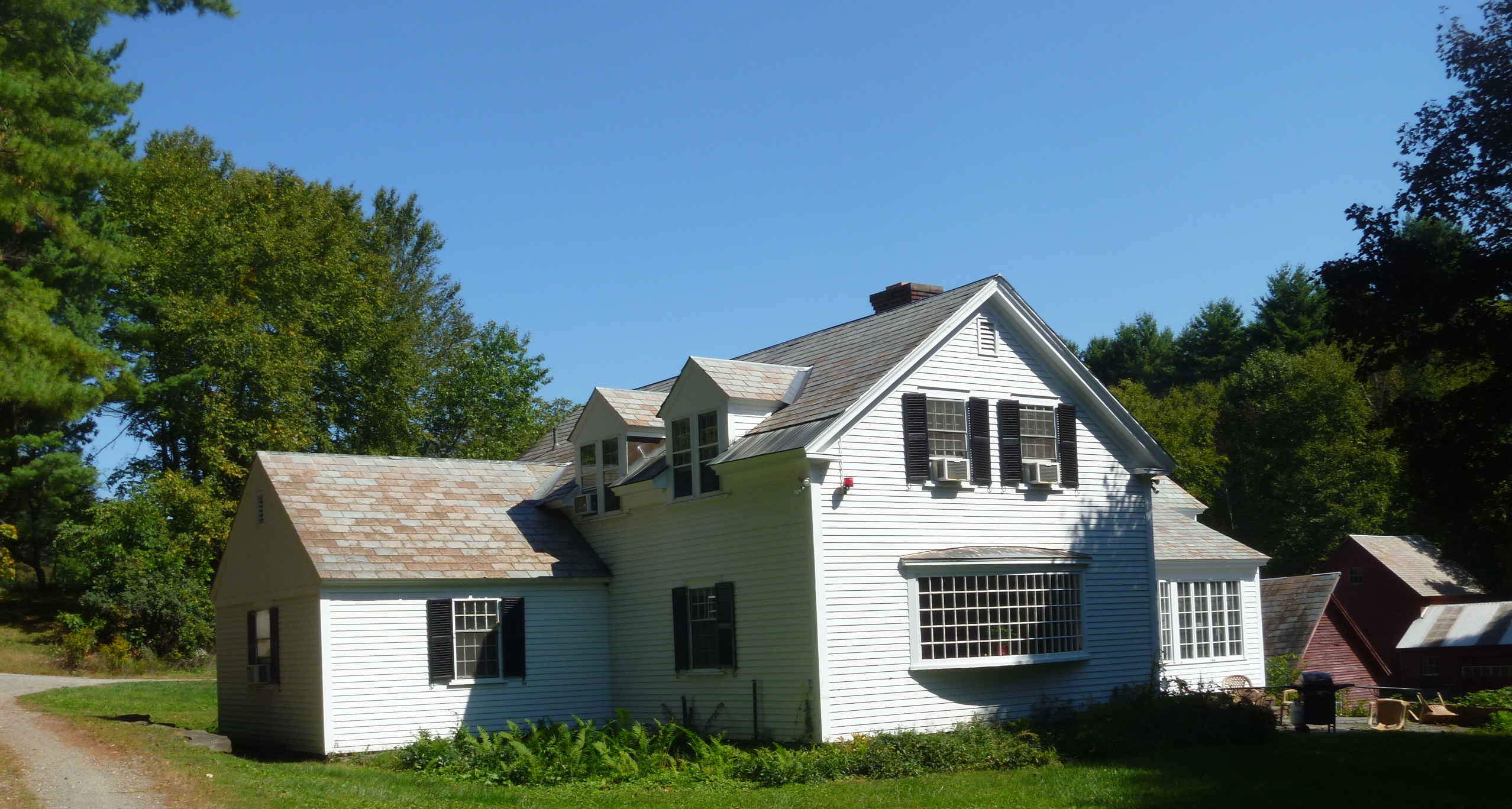
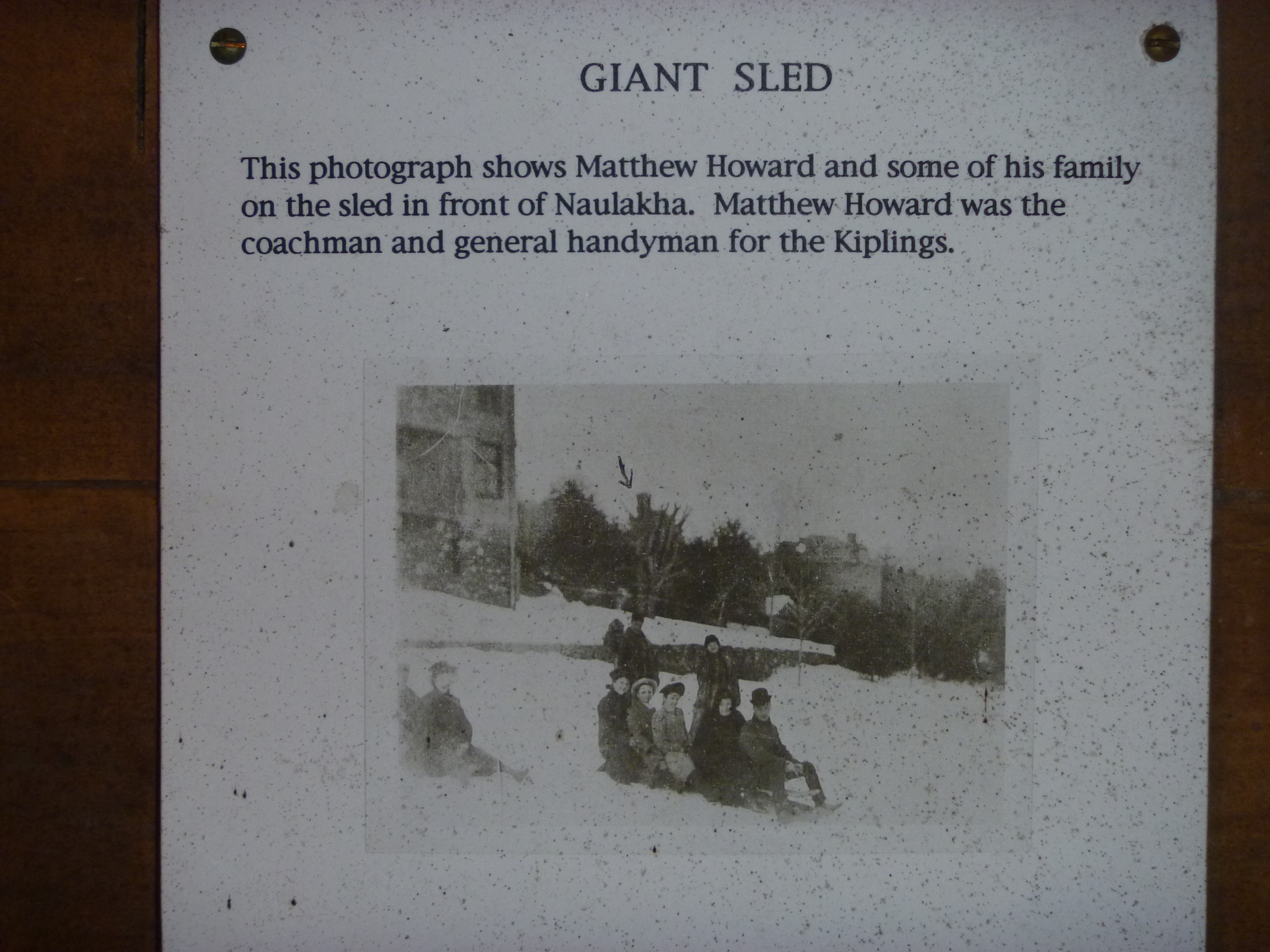
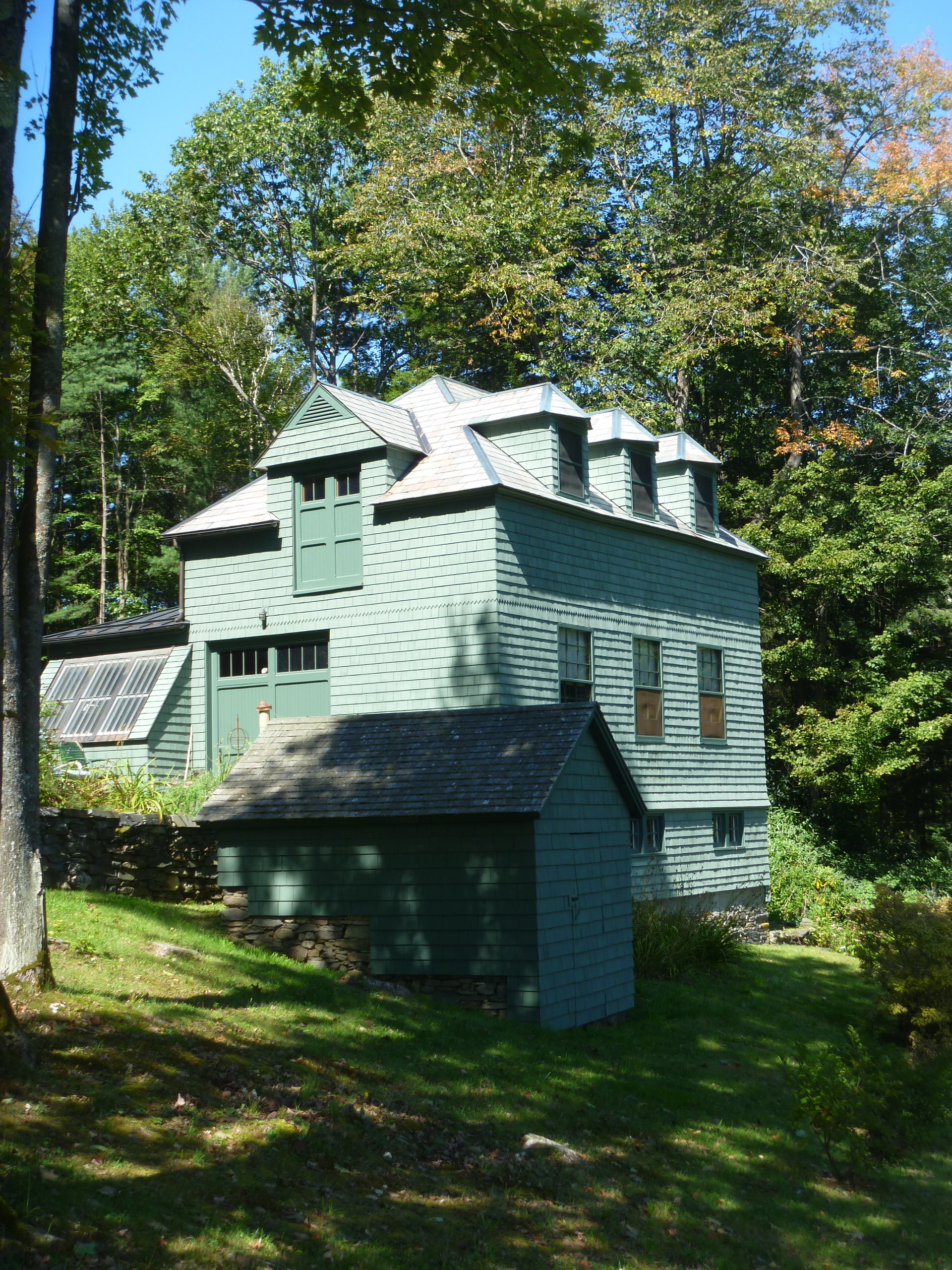
The small gabled building along the driveway was the Kiplings’ ice house. The house behind was originally the carriage house with living quarters above for the coachman, Matthew Howard, and his family.
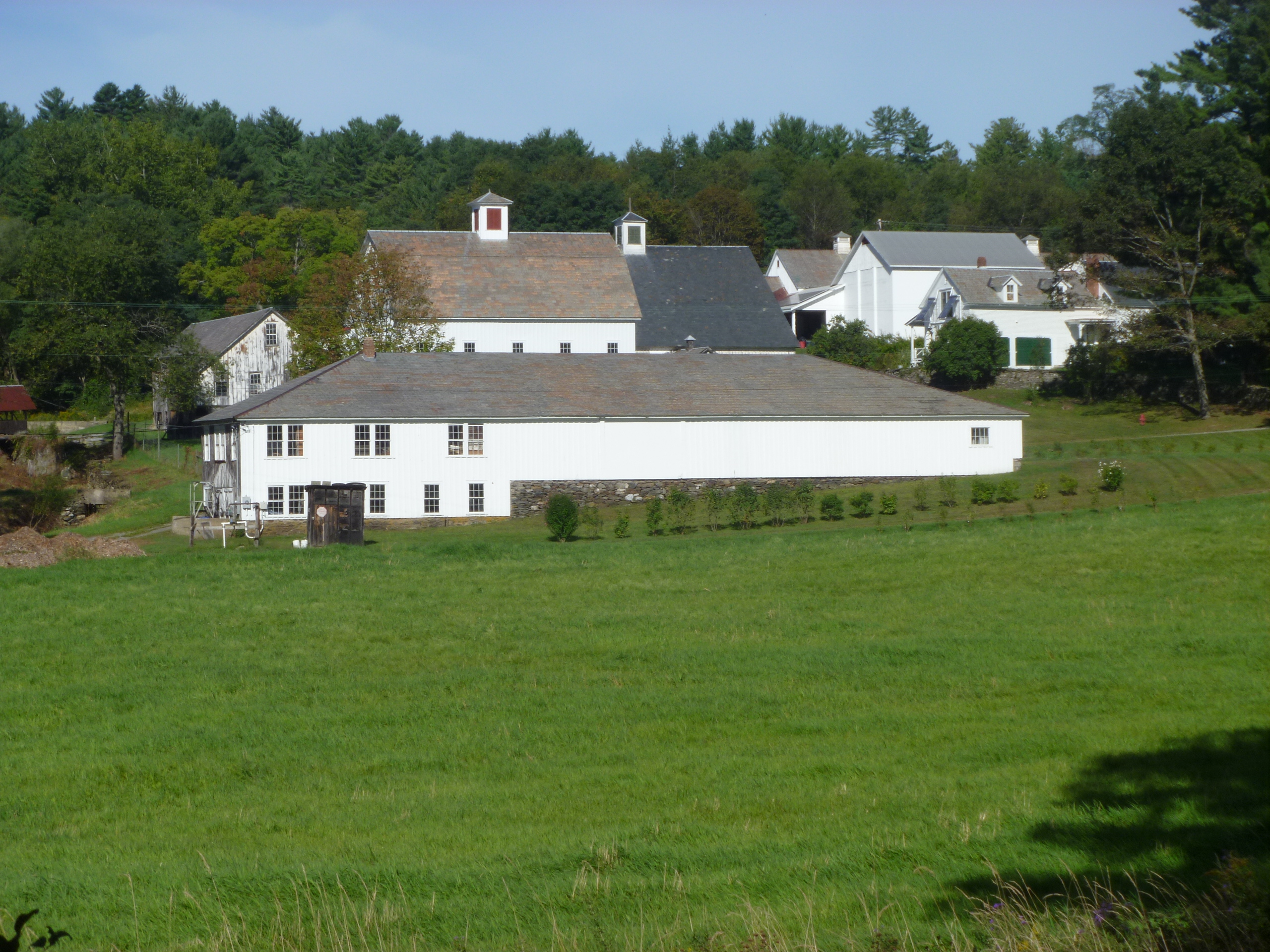
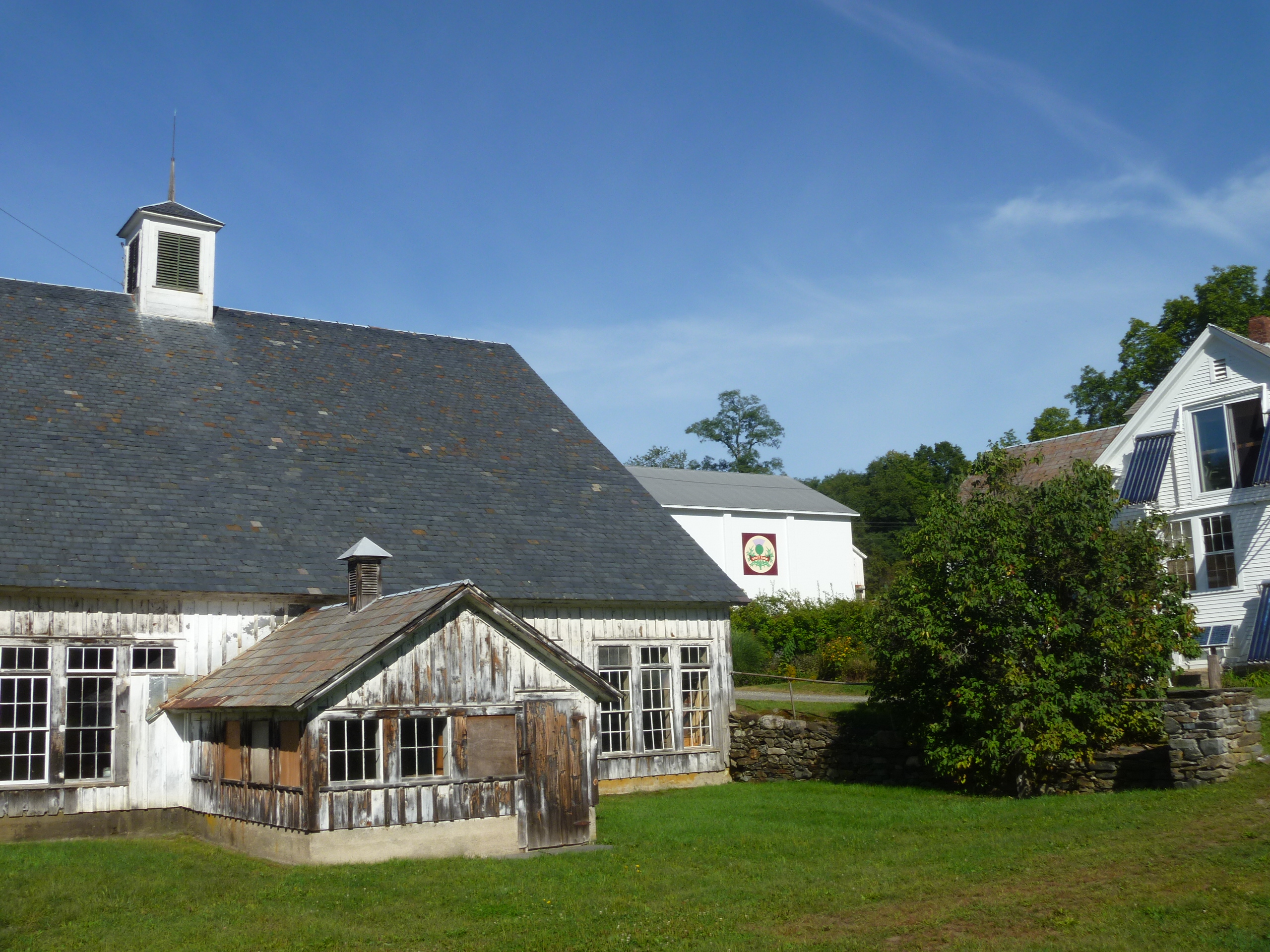
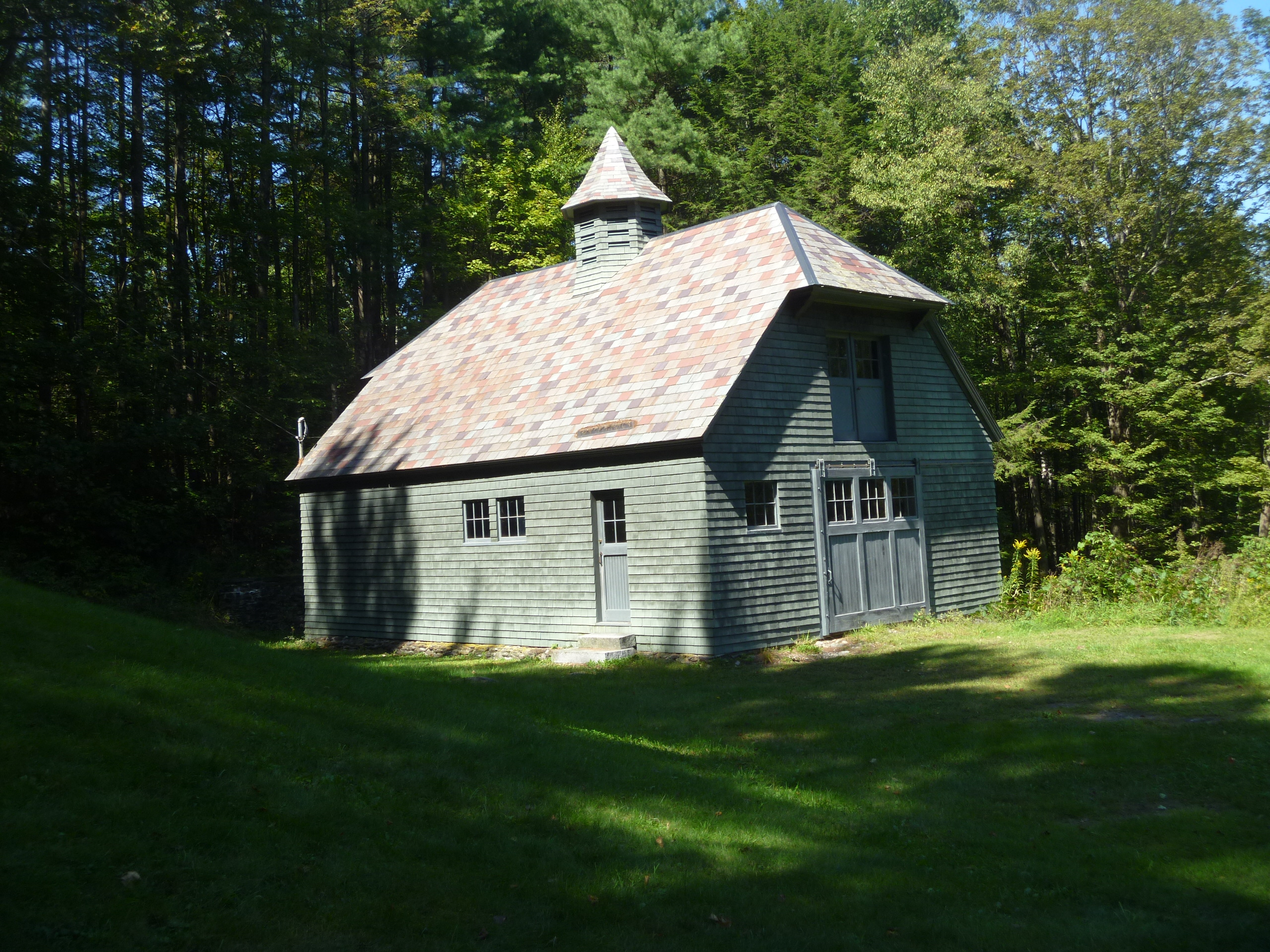
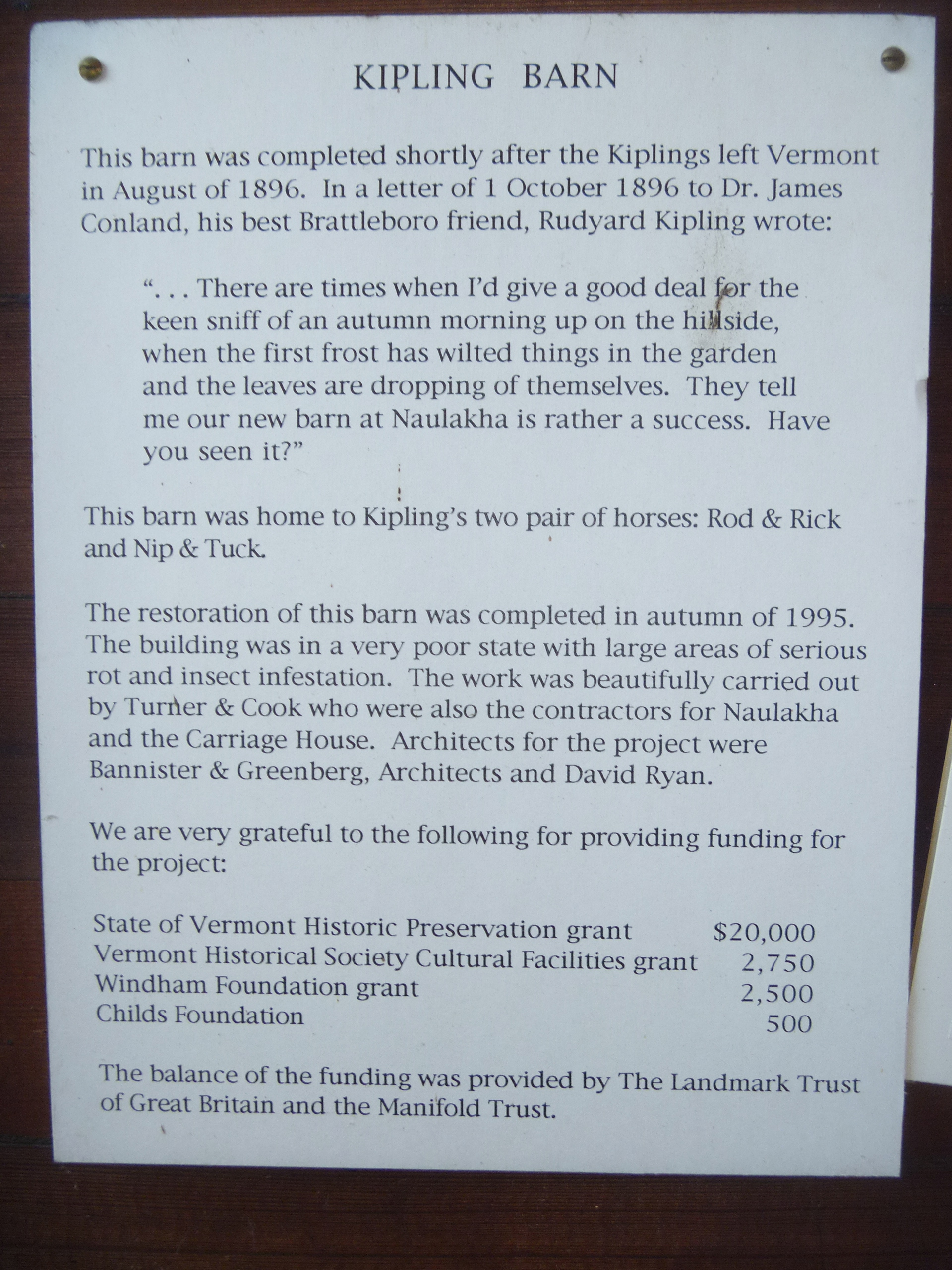
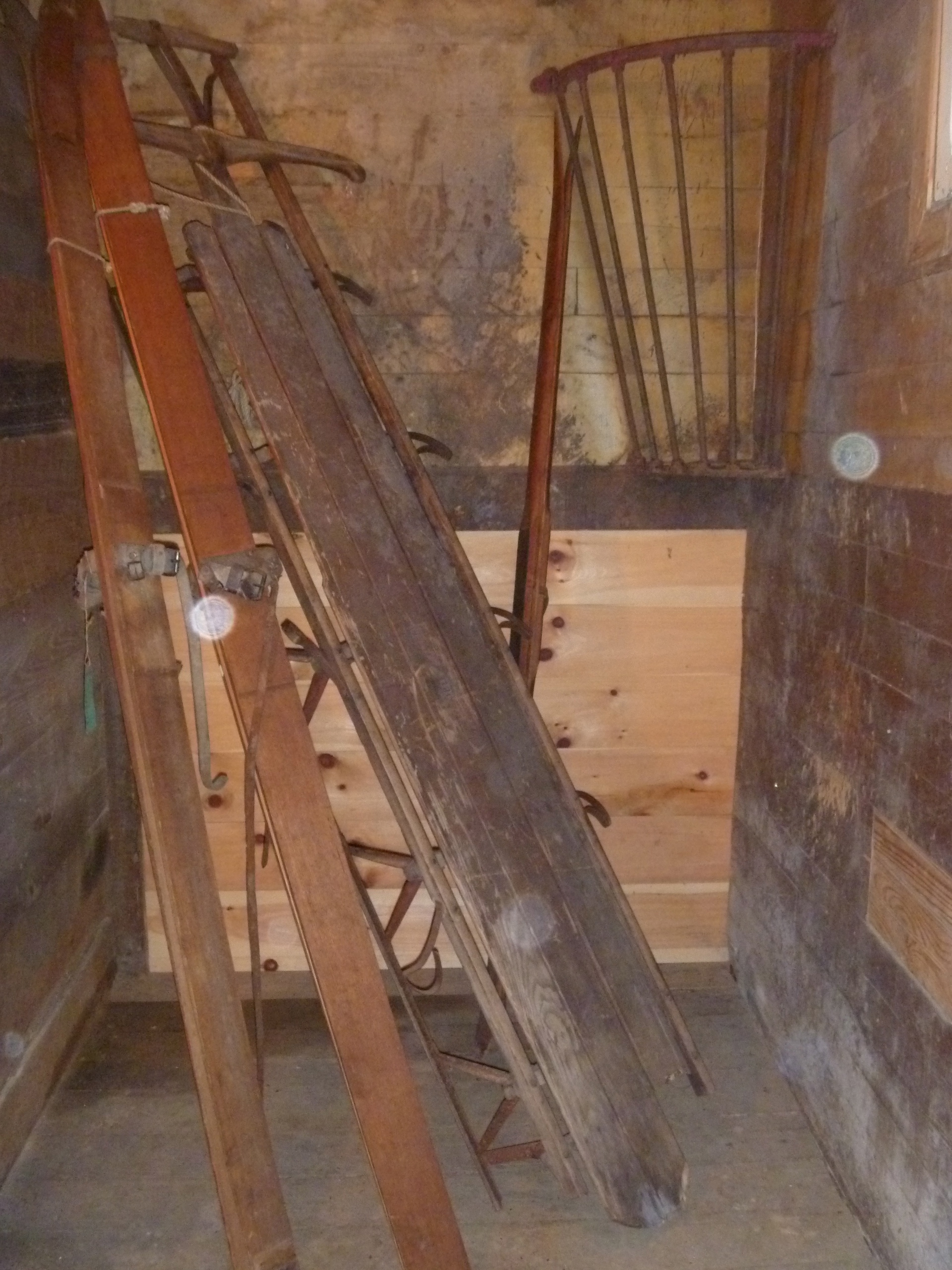
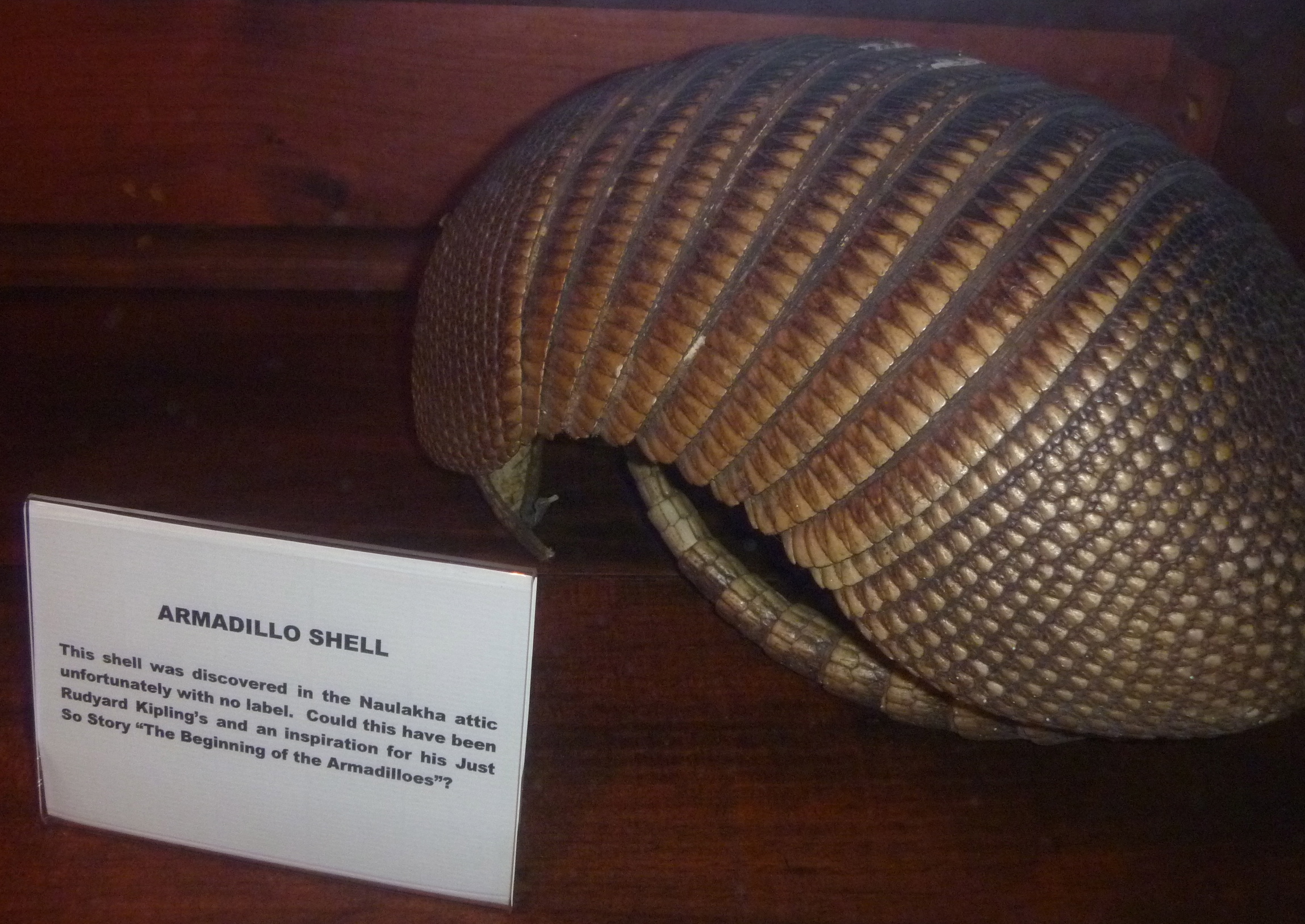
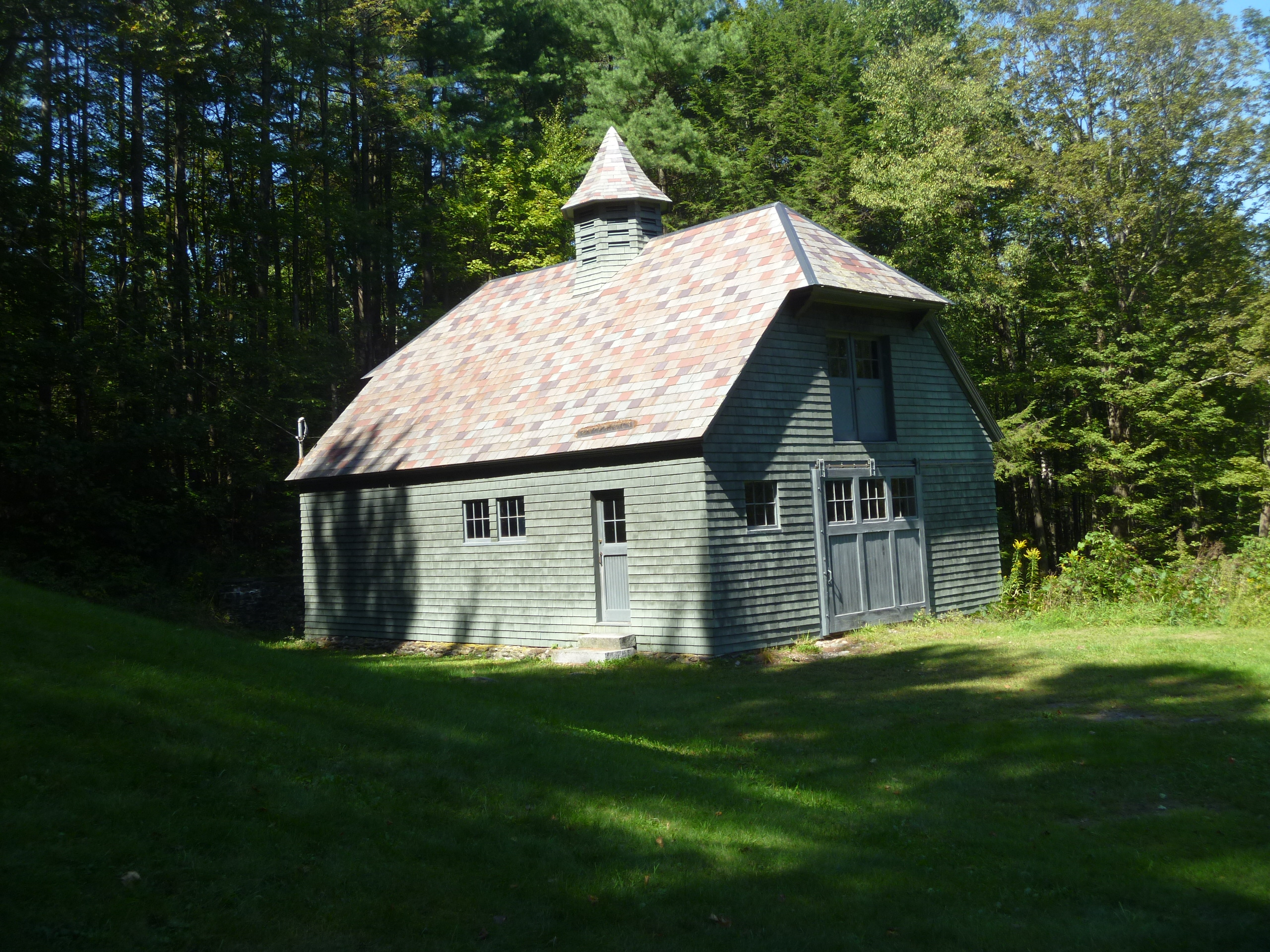
The barn, which now houses displays of Kipling’s years in Vermont, was built by the Kiplings in 1896. No other buildings are from the time of the Kiplings. The layout of the garden walls is the same as for the Kiplings, although all of the walls have collapsed at different times over the years and been rebuilt.







































 miladysboudoir