Upon Eckington Bridge

Eckington Bridge

My friend Simon, who is always stuck-in-a-book, grew up in Eckington in Worcestershire and recently mentioned to me a poem called Upon Eckington Bridge by Sir Arthur Quiller-Couch.

UPON ECKINGTON BRIDGE, RIVER AVON

by: A.T. Quiller-Couch

PASTORAL heart of England! like a psalm
Of green days telling with a quiet beat–
O wave into the sunset flowing calm!
O tirèd lark descending on the wheat!
Lies it all peace beyond the western fold
Where now the lingering shepherd sees his star
Rise upon Malvern? Paints an Age of Gold
Yon cloud with prophecies of linkèd ease–
Lulling this Land, with hills drawn up like knees,
To drowse beside her implements of war?

Man shall outlast his battles. They have swept
Avon from Naseby Field to Savern Ham;
And Evesham’s dedicated stones have stepp’d
Down to the dust with Montfort’s oriflamme.
Nor the red tear nor the reflected tower
Abides; but yet these elegant grooves remain,
Worn in the sandstone parapet hour by hour
By labouring bargemen where they shifted ropes;
E’en so shall men turn back from violent hopes
To Adam’s cheer, and toil with spade again.

Ay, and his mother Nature, to whose lap
Like a repentant child at length he hies,
Nor in the whirlwind or the thunder-clap
Proclaims her more tremendous mysteries:
But when in winter’s grave, bereft of light,
With still, small voice divinelier whispering
–Lifting the green head of the aconite,
Feeding with sap of hope the hazel-shoot–
She feels God’s finger active at the root,
Turns in her sleep, and murmurs of the Spring.

‘Upon Eckington Bridge, River Avon’ is reprinted from An Anthology of Modern Verse. Ed. A. Methuen. London: Methuen & Co., 1921.

So I thought it would interesting, as I was staying a few days in nearby Tewkesbury, to have a look at this bridge and take a few photos. Due to traffic problems and road closures yesterday my only chance was to take a diversion from my journey home and check it out this morning, en route for Leeds.

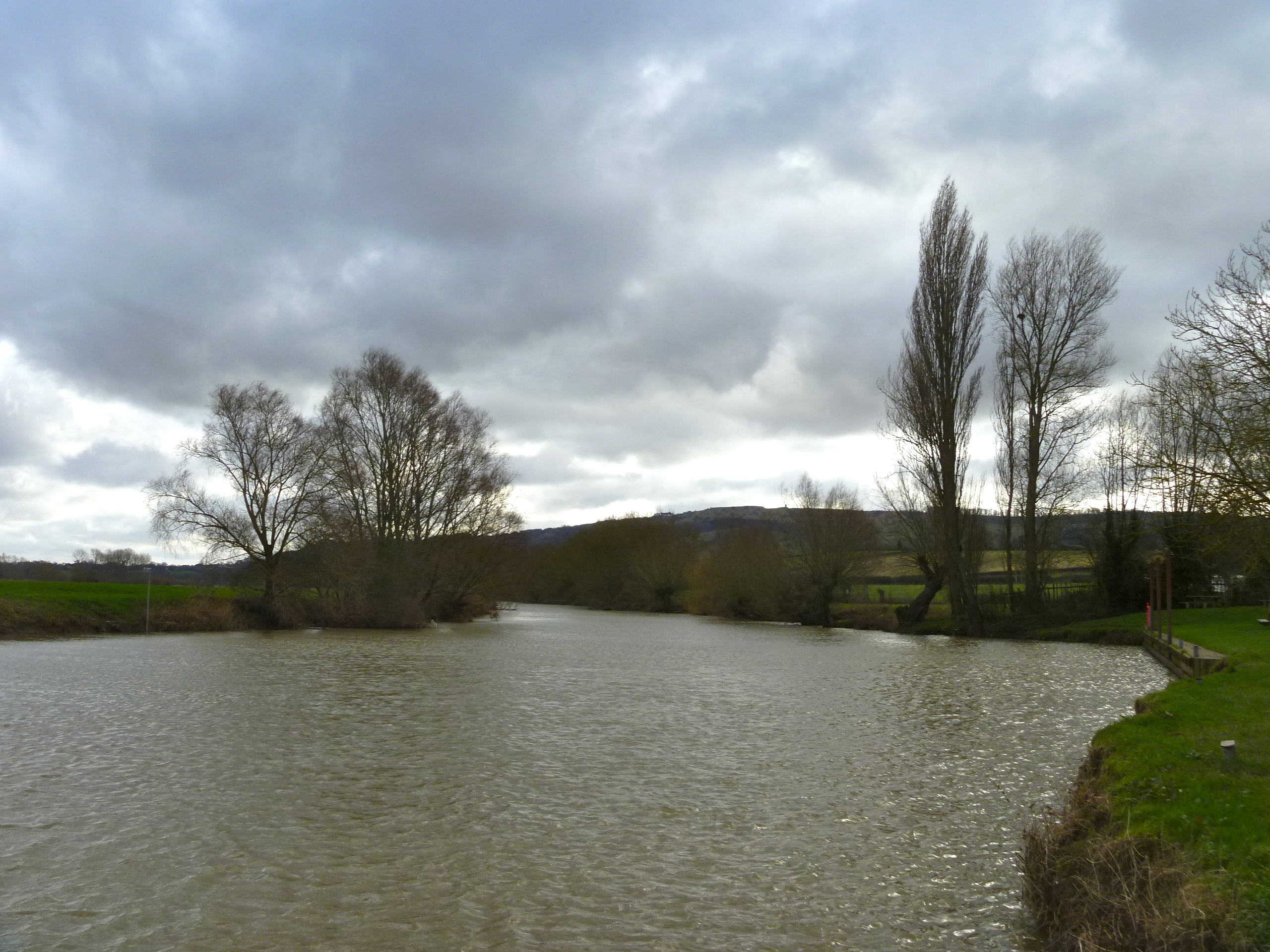
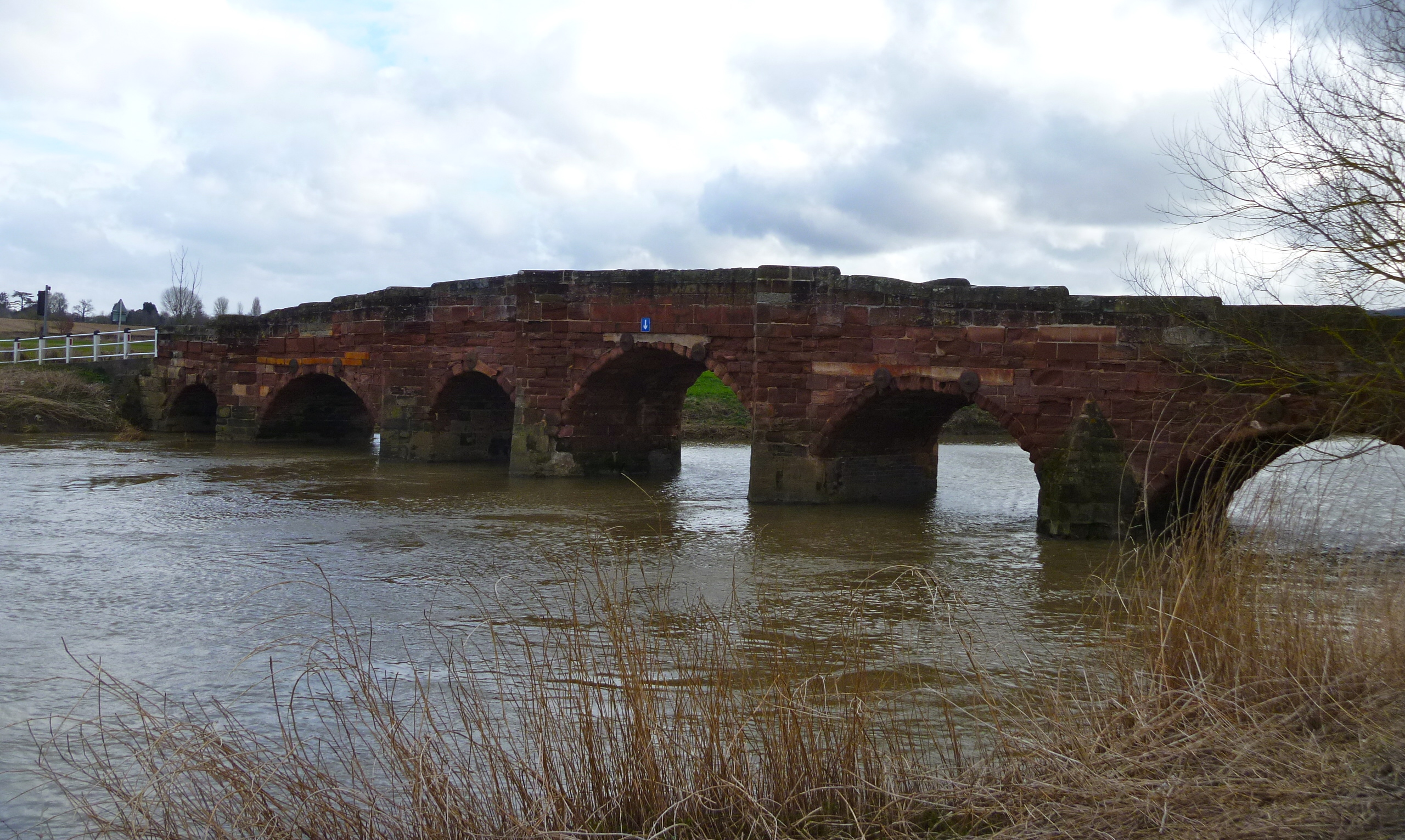
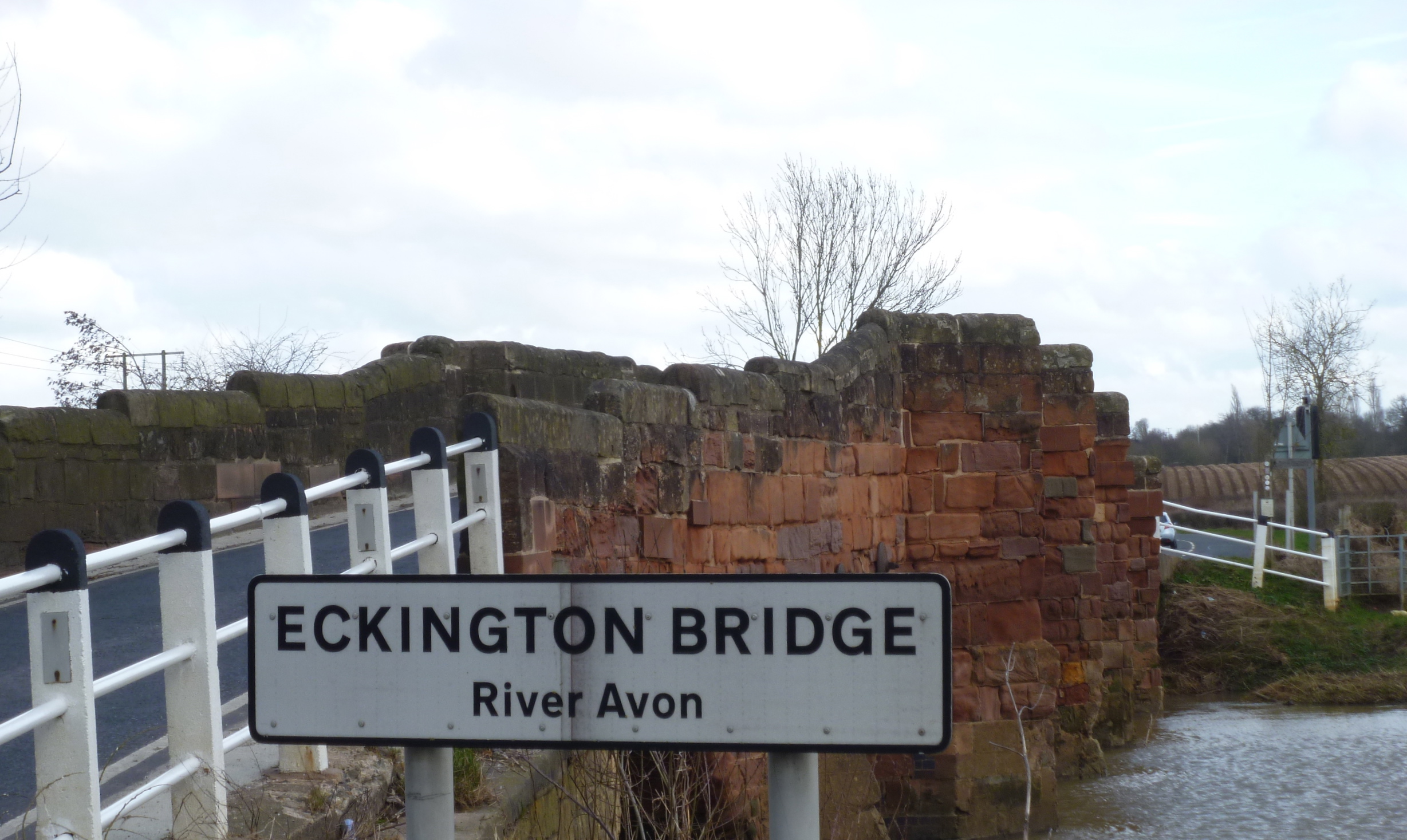
Eckington Bridge was built in 1728 of local sandstone and is a scheduled monument, enjoying a Grade II listing. I like Q-C’s references to the countryside and to battles and man outlasting his battles and returning to the land. There is nothing too dramatic about the landscape of Worcestershire but again it isn’t dull and flat and featureless. Man has definitely had a hand in shaping it. No barges passed down the river as I stood on its bank today and I’m afraid I wasn’t sufficiently brave enough to stand on the bridge’s parapets.
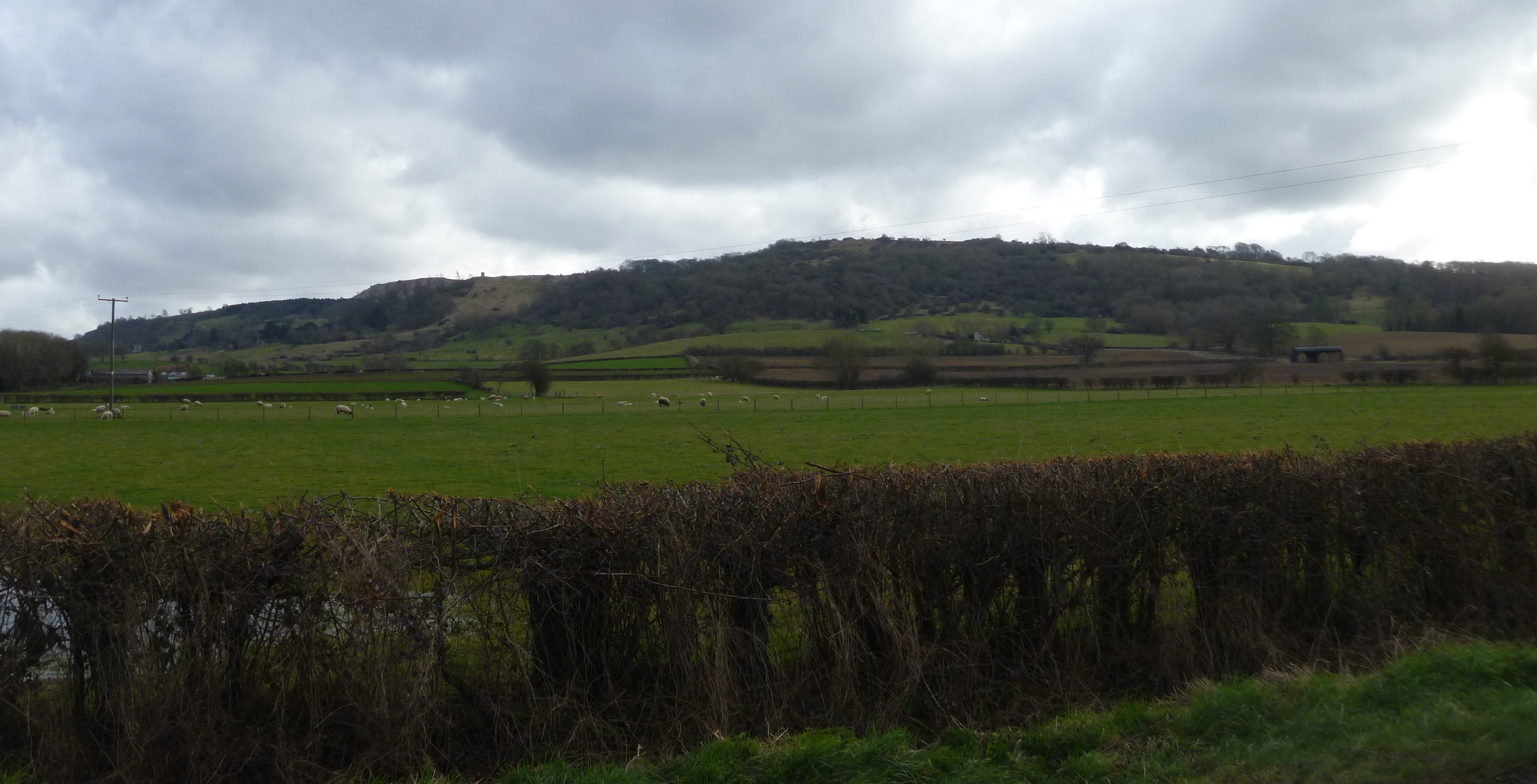
Bredon Hill

Bredon Hill, near Eckington

When I arrived at the deserted car park and picnic site by the River Avon I risked frostbite to take a few snaps and life and limb to cross the road to see the bridge from both sides! I’m sure on a warm summer’s day when folk are picnicking and messing about on the river its a divine spot. Quite frankly a couple of minutes were enough and I soon leapt back into the car to make way along various motorways home.

Simon, these pictures are for you!
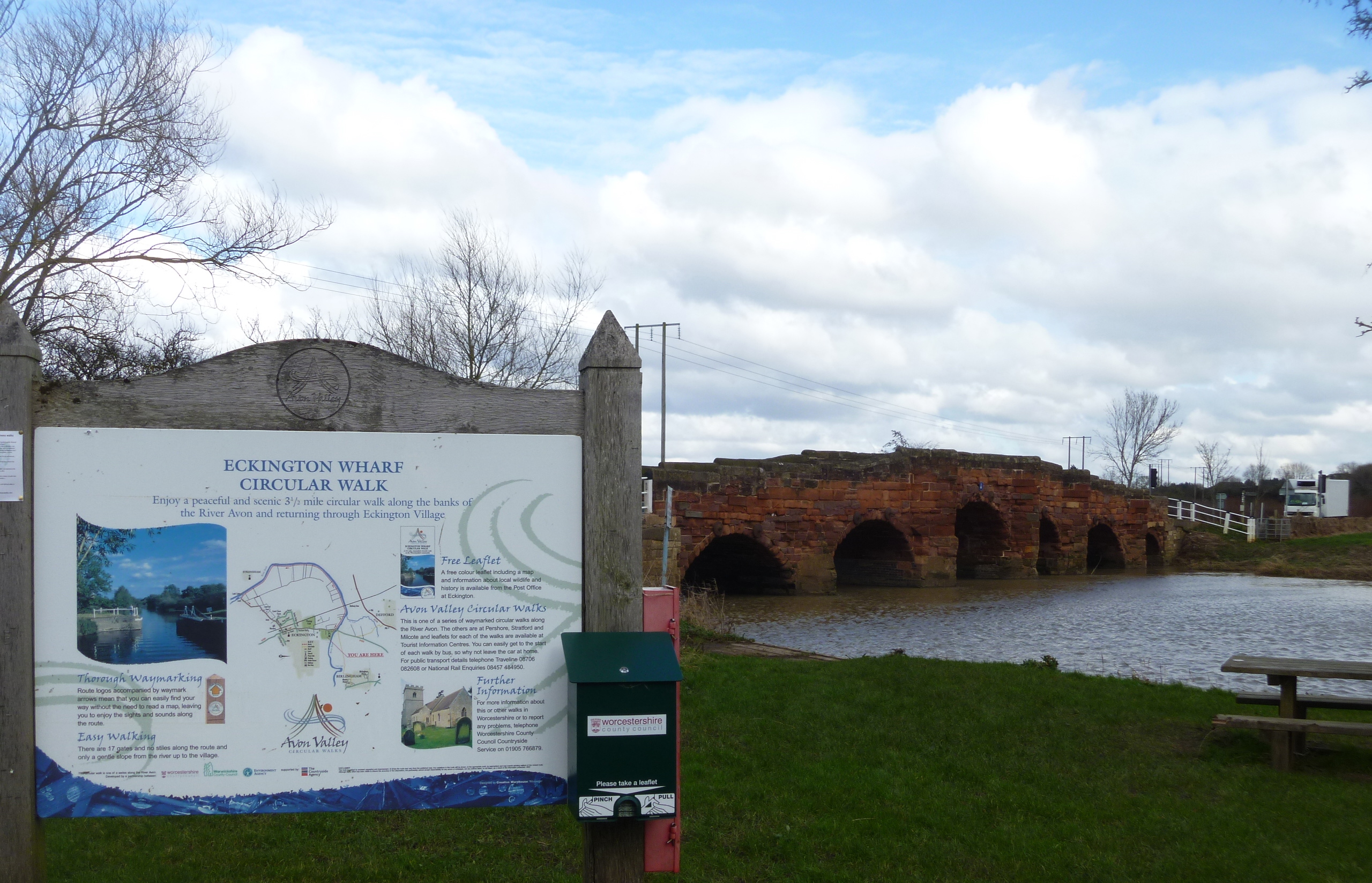
Information board

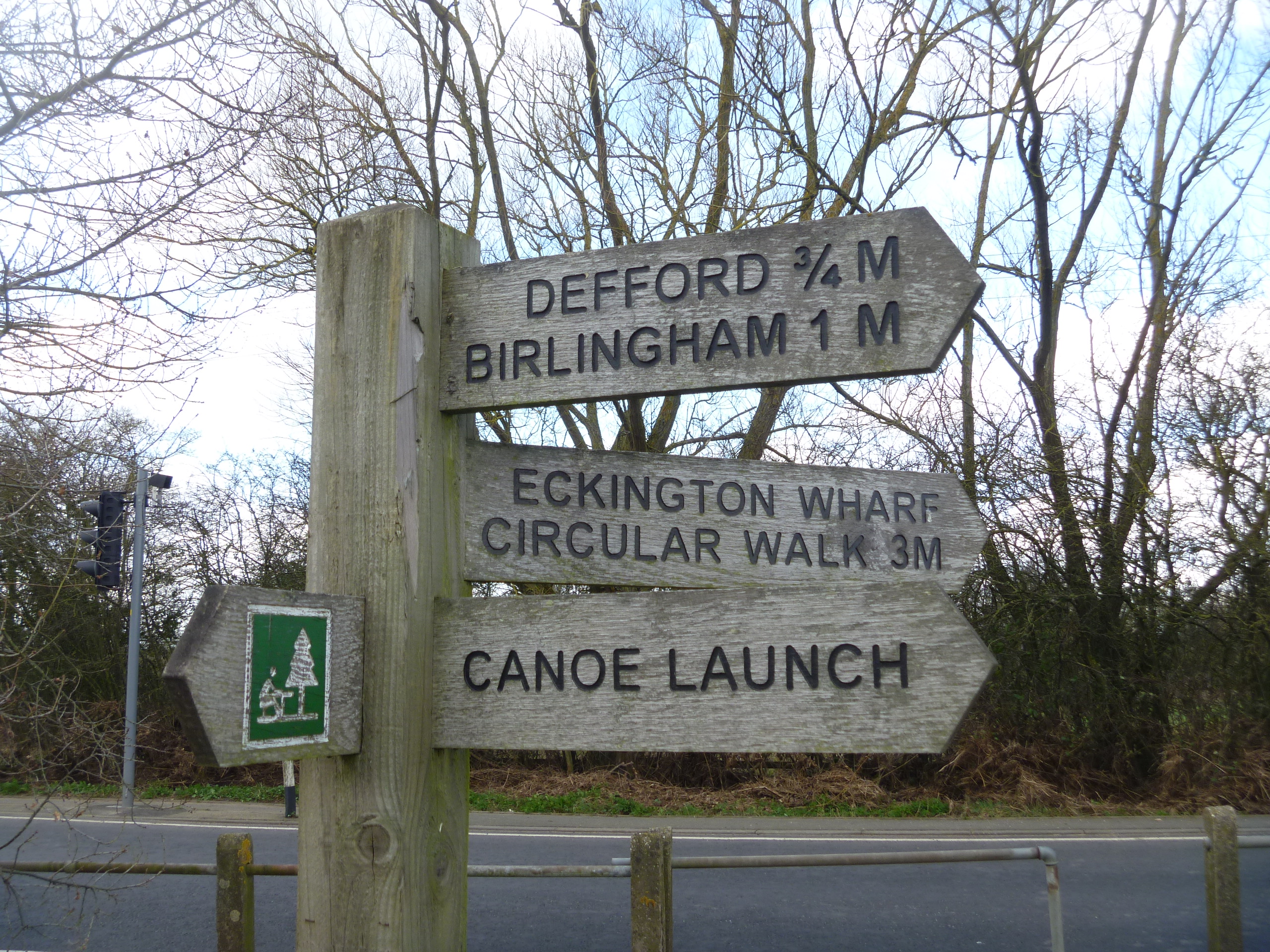
A three-and-a-half mile walk is recommended – for a warmer day, perhaps?
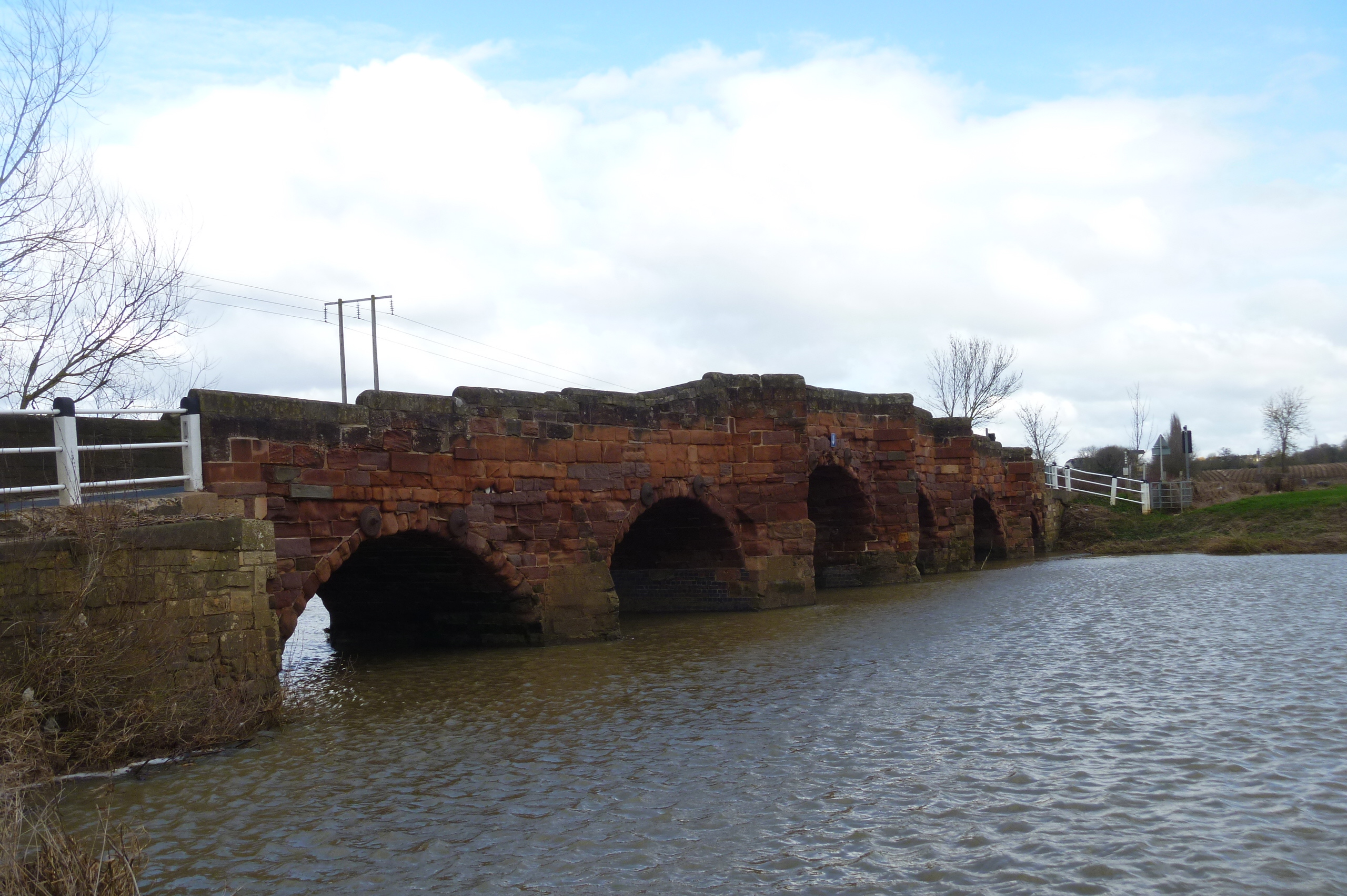
River Avon and Bridge

That water looks pretty chilly!

Bredon Hill and River

River Avon and Bredon Hill

Canoe Launch

Canoe Launch and Walks

Other side

The Bridge from the ‘other’ side
No Stranger in Norwich

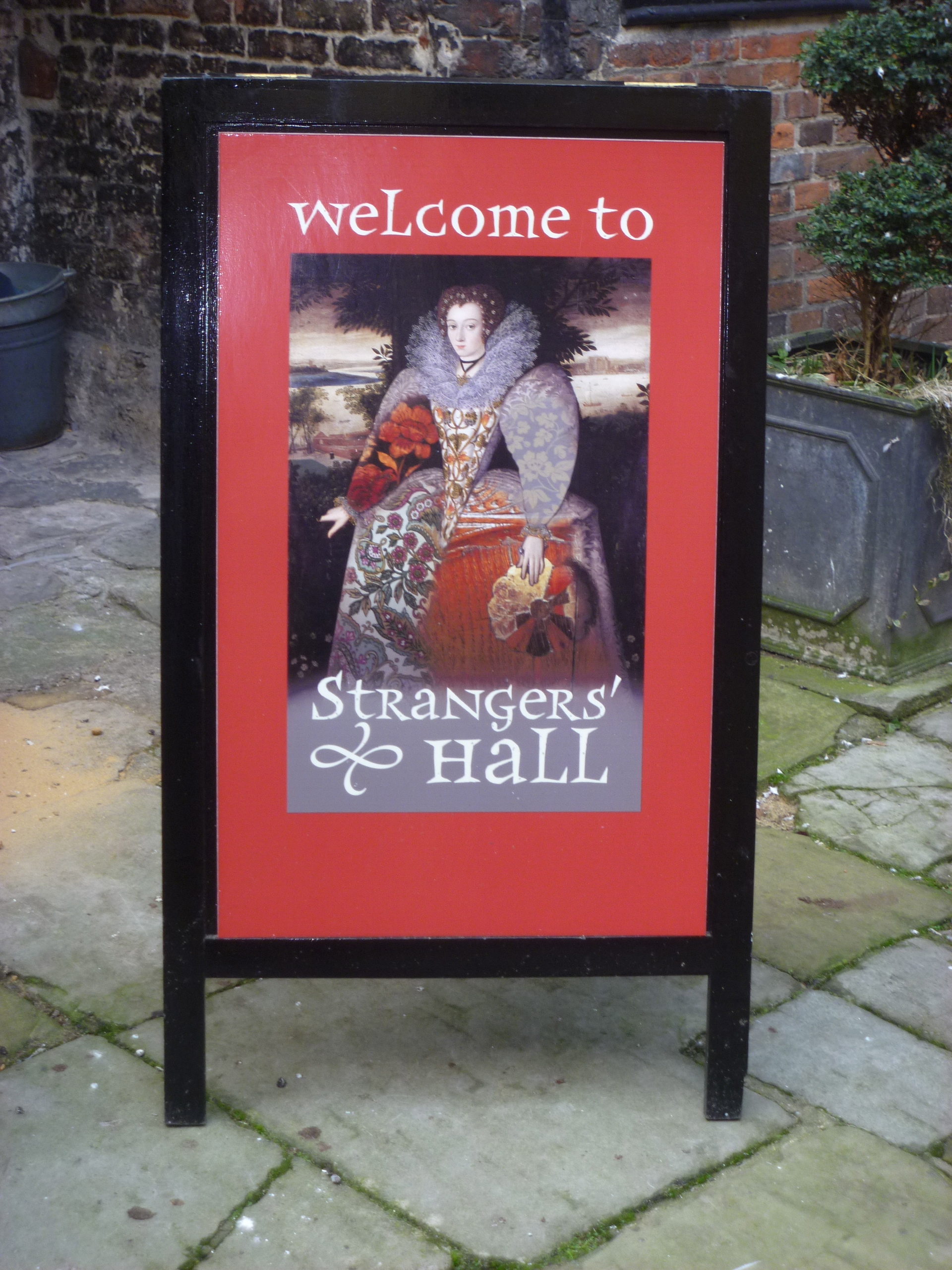
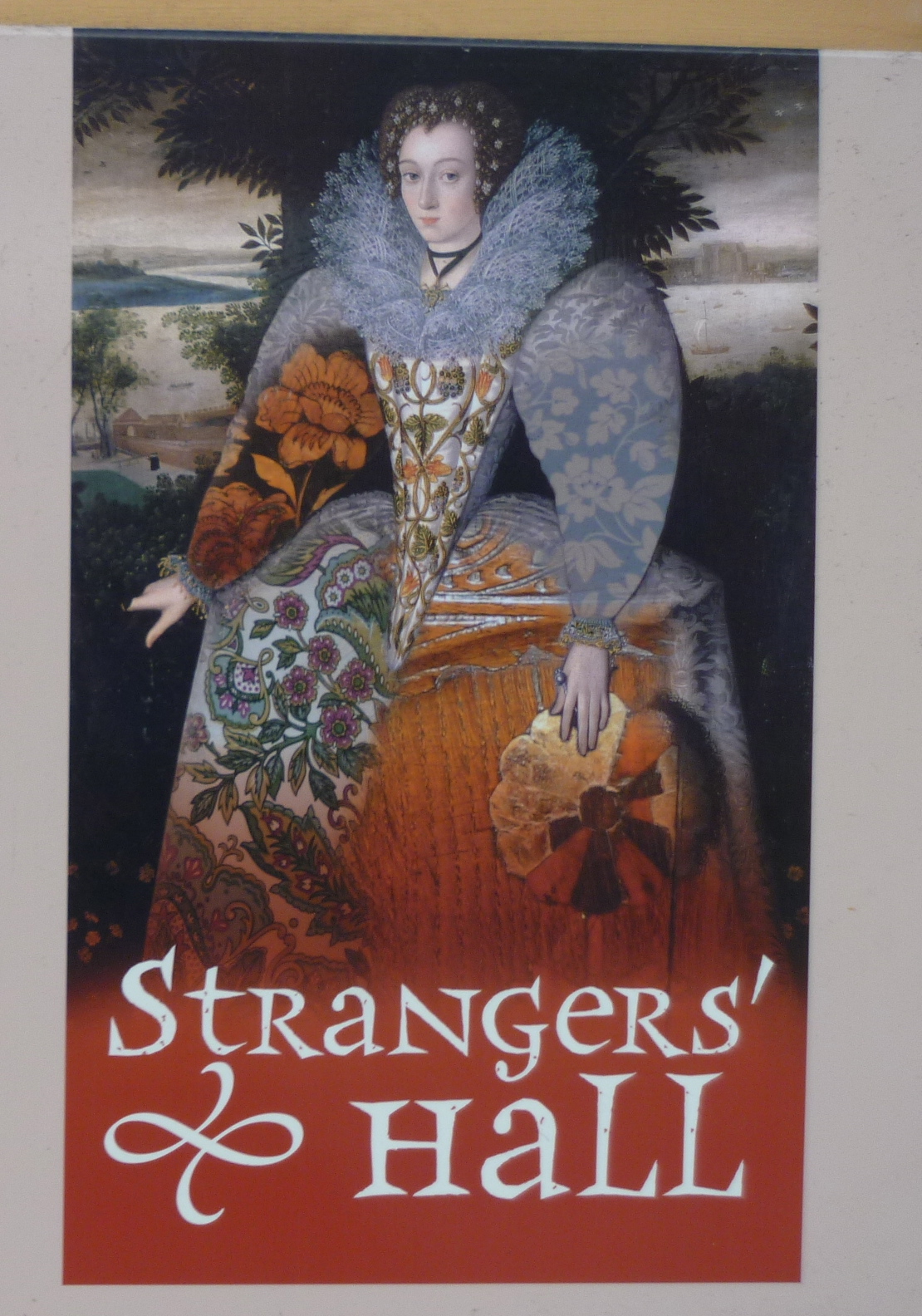
Strangers' Hall welcome

Last week I was recalling memories of the Norwich public libraries. On that same visit I also recalled other of my early hang-outs: the Norwich museums. Until my mid-teenage years when I discovered that Shopping was the thing to do and that museums were distinctly ‘uncool’ I liked nothing better on a Saturday (after a library visit) than to visit one or other of the museums in the city. The most popular was Norwich Castle Museum and Art Gallery and it still is today. Here is the record of the last visit I made there in December 2011.

Strangers' Hall

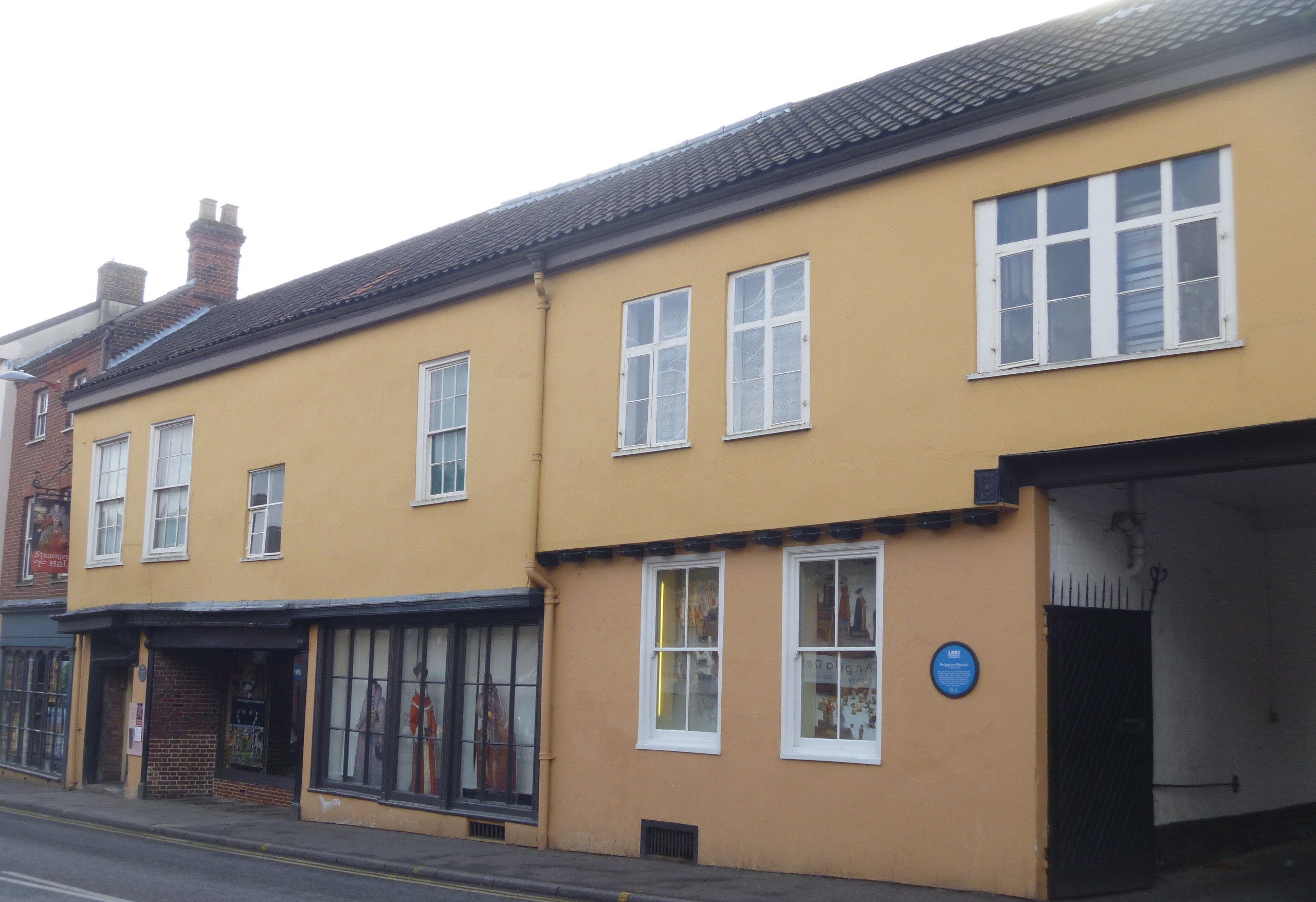
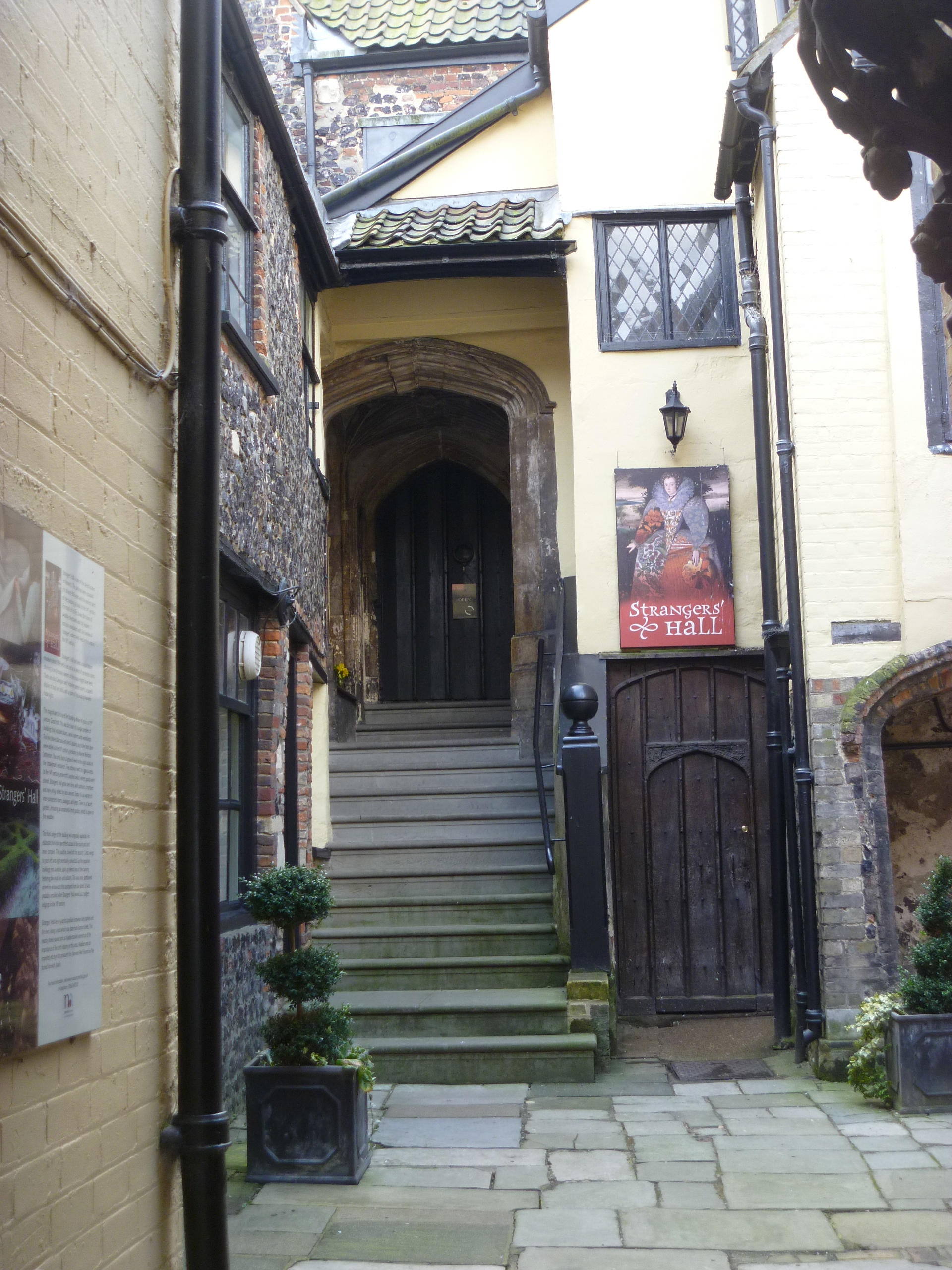
My favourite museum in Norwich has always been The Strangers’ Hall on Charing Cross. I decided to join an Introductory Tour there last Wednesday afternoon to remind myself of the story of the Hall and its contents. For many years the Hall was closed for renovation and its reopening was at one time threatened but it is now open to the public just on Wednesdays and Saturdays. I was lucky to be in Norwich on a Wednesday!

Strangers' Hall entrance

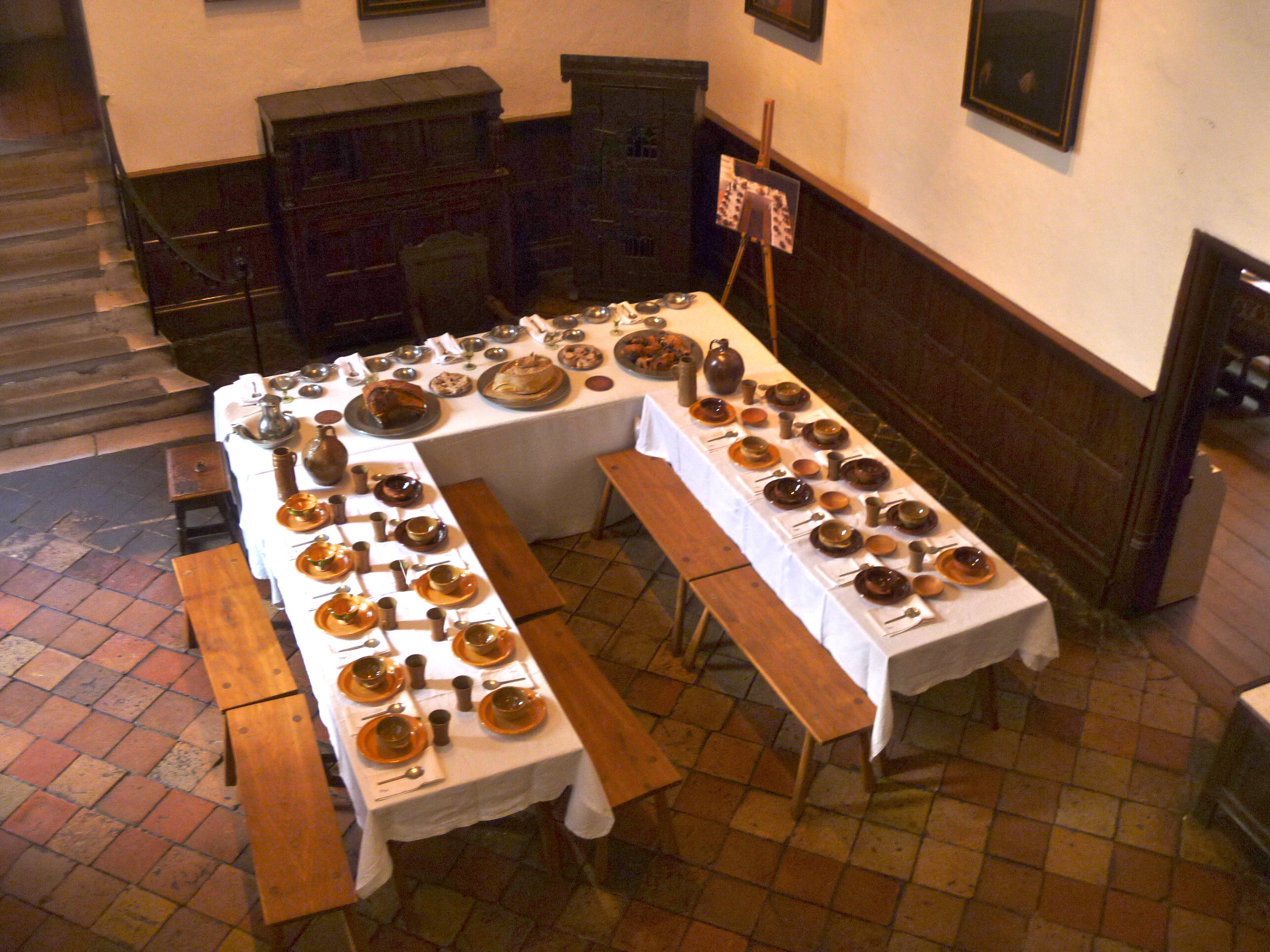
Our guide, Bethan, sat us all down in the great hall and started by telling us that this was one of Europe’s finest houses of its kind.

Great Hall

The Great Hall from the Gallery

Strangers’ Hall tends to be overlooked by tourists and visitors to Norwich because of all the other historic, cultural and non-cultural attractions that the city has to offer. We have a fine Norman Cathedral, a Norman Castle Keep that is also an excellent museum and art gallery, numerous other museums to say nothing of the shopping opportunities and that old saying – that Norwich has 52 churches (one for each Sunday in the year) and 365 pubs (one for each day of the year).

Elizabeth Buxton

Elizabeth Buxton whose portrait hangs in the Great Hall

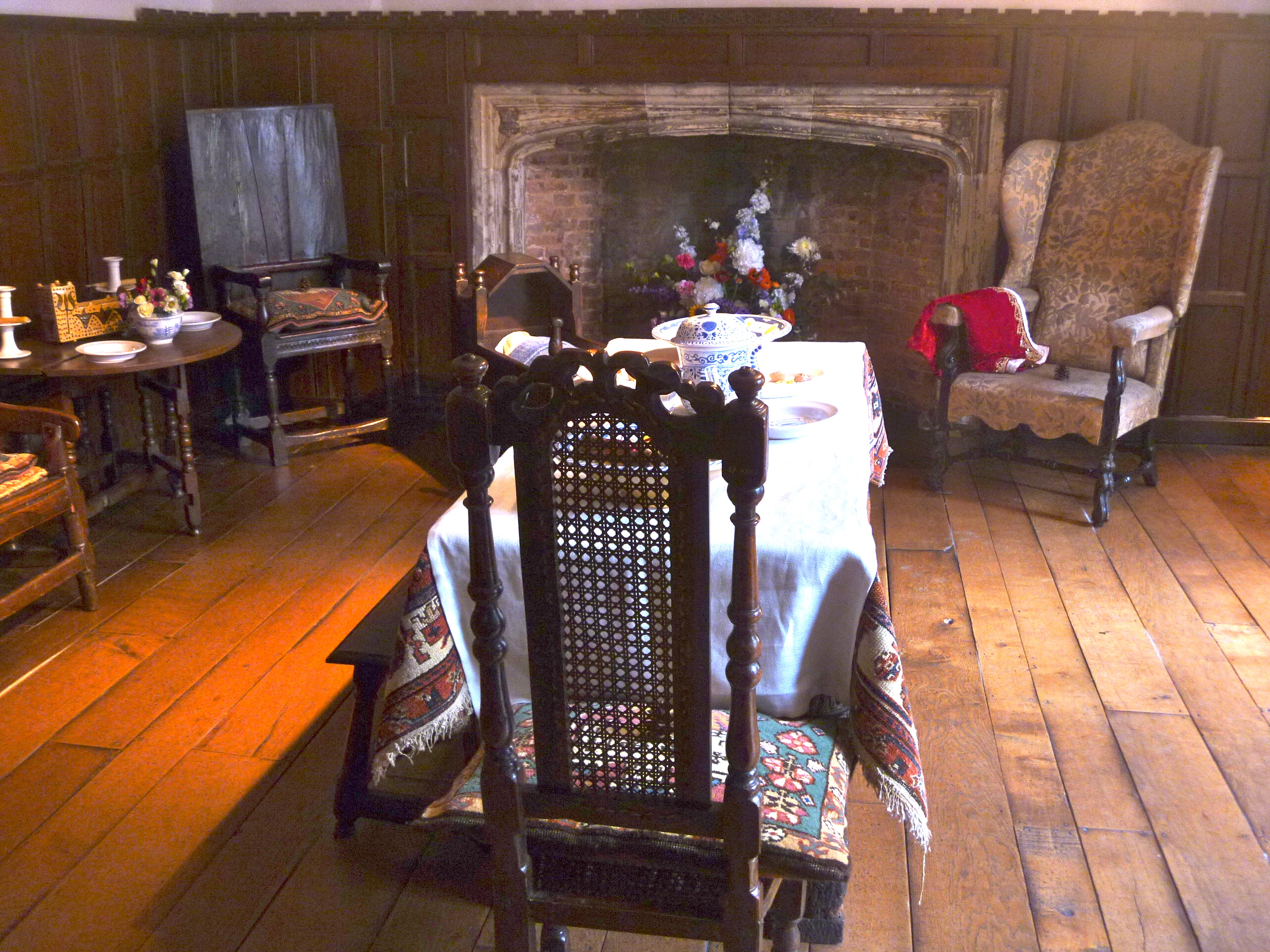
The original Undercroft of the house dates back to 1320. The other rooms reflect the house through its various incarnations throughout history. On this tour we only visited Lady Paine’s Bedroom, The Little Bedchamber and The Great Chamber.

The Parlour

The Parlour

To explain briefly the history of this fascinating museum and the possible origin of its name I have extracted the following from the BBC History Magazine.

“Strangers’ Hall in Norwich gained a new lease of life when it became one of England’s first social history museums

Empty and neglected at the end of the 19th century, Strangers’ Hall’s illustrious history appeared all but forgotten. Constructed by Ralph de Middilton in 1320 and rebuilt in the 15th century by William Barley, it had been home to an eclectic mix of people including mayors, merchants, judges, Roman Catholic priests and a dancing master.

Leonard Bolingbroke, a local solicitor and treasurer of the Norfolk Archaeological Society, realised its importance and saved it from demolition. As an enthusiastic collector he furnished the house with antiques, appointed a caretaker and opened it to the public in 1900. Several years later he presented it to the city of Norwich as a museum of domestic life.

The rooms reflect different periods during the house’s history. The Great Chamber is laid out as it was in the 1600s when owned by hosier Sir Joseph Paine, with a high table at one end and service rooms beyond a screen at the other. The Walnut Room is styled as a 17th-century sitting room and one of the bedrooms is decorated as it might have been for his wife, Lady Emma Paine. Other rooms include a Georgian dining room, a 17th-century oak bedroom and a Victorian nursery, parlour and dining room.

One of the largest rooms is the Sotherton Room, which may once have been a counting-house. As mayor, Nicholas Sotherton boosted the textile industry by encouraging skilled Dutch and Flemish weavers to settle in Norwich. Called Strangers by the locals, it’s the presence of these refugees that may have given the building its name.

While the interiors are interesting, the architecture also deserves investigation, from the magnificent, vaulted, 14th-century cellar via the crown-post roof, stone-mullioned bay window and porch of the 16th century to the imposing staircase of the 17th. Take your children with you – the hall is great as a historical teaching resource.

Don’t miss: the beaded christening basket in Lady Paine’s chamber. Worked in tiny glass beads on a wire frame, it held gifts such as money, jewellery, spoons, rattles and silver items.”

Knot Garden

After our tour it was nearly time for the museum to close so we just briefly stepped outside into the Knot Garden. I’m looking forward to a follow-up visit to The Strangers’ Hall very soon.
“Remembering the past … inspiring the future …” : 2nd Air Division (USAAF) Memorial Library

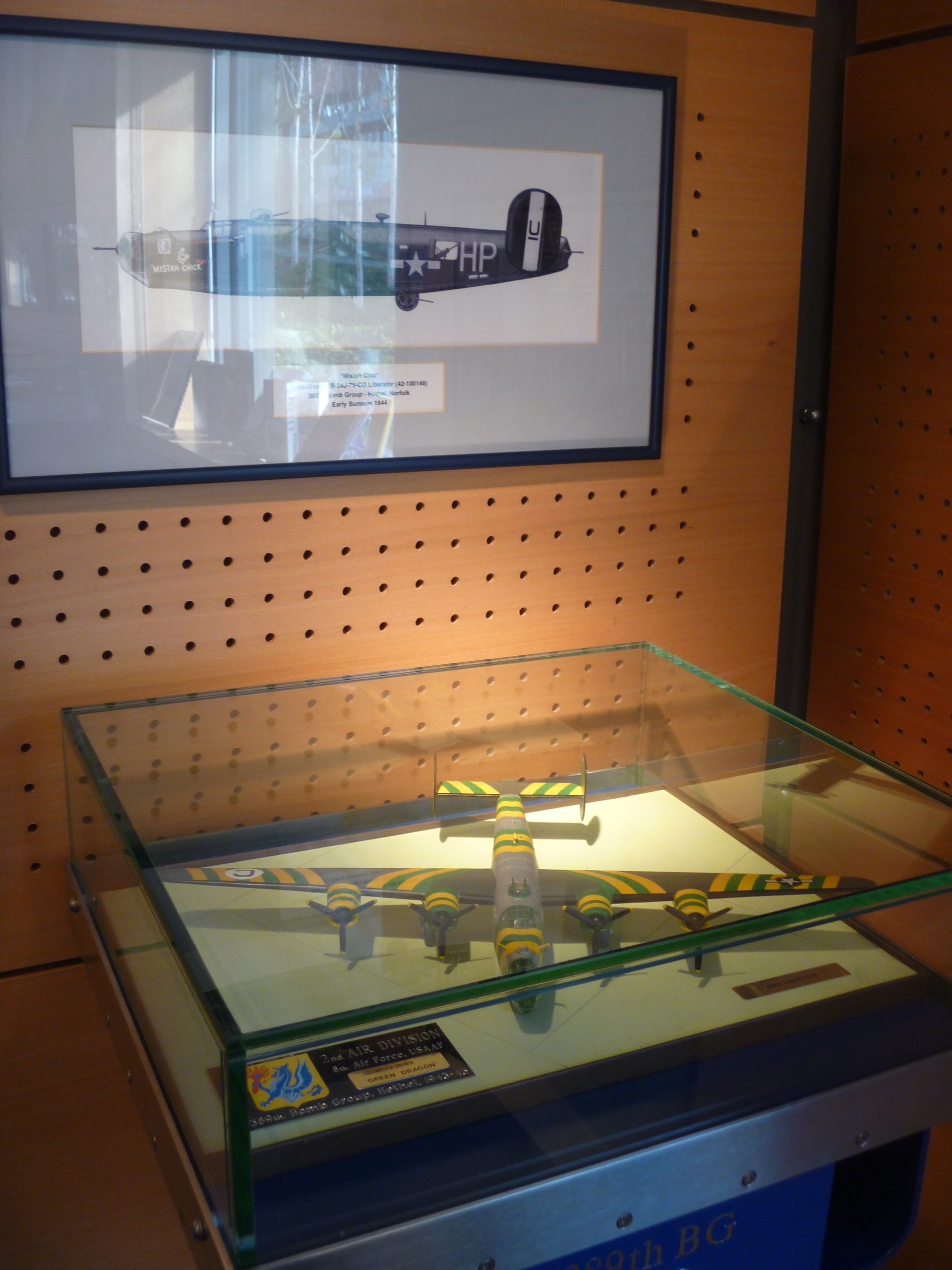
Yesterday I wrote about the libraries of Norwich, which I knew and loved. Within these libraries there was (and still is) an important post-war link with our American friends and allies. The ‘new’ library [the one opened in 1963] had a special space and a fountain as a dedicated memorial to the airmen of the United States Air Force who fought along with the British from UK bases during the Second World War.

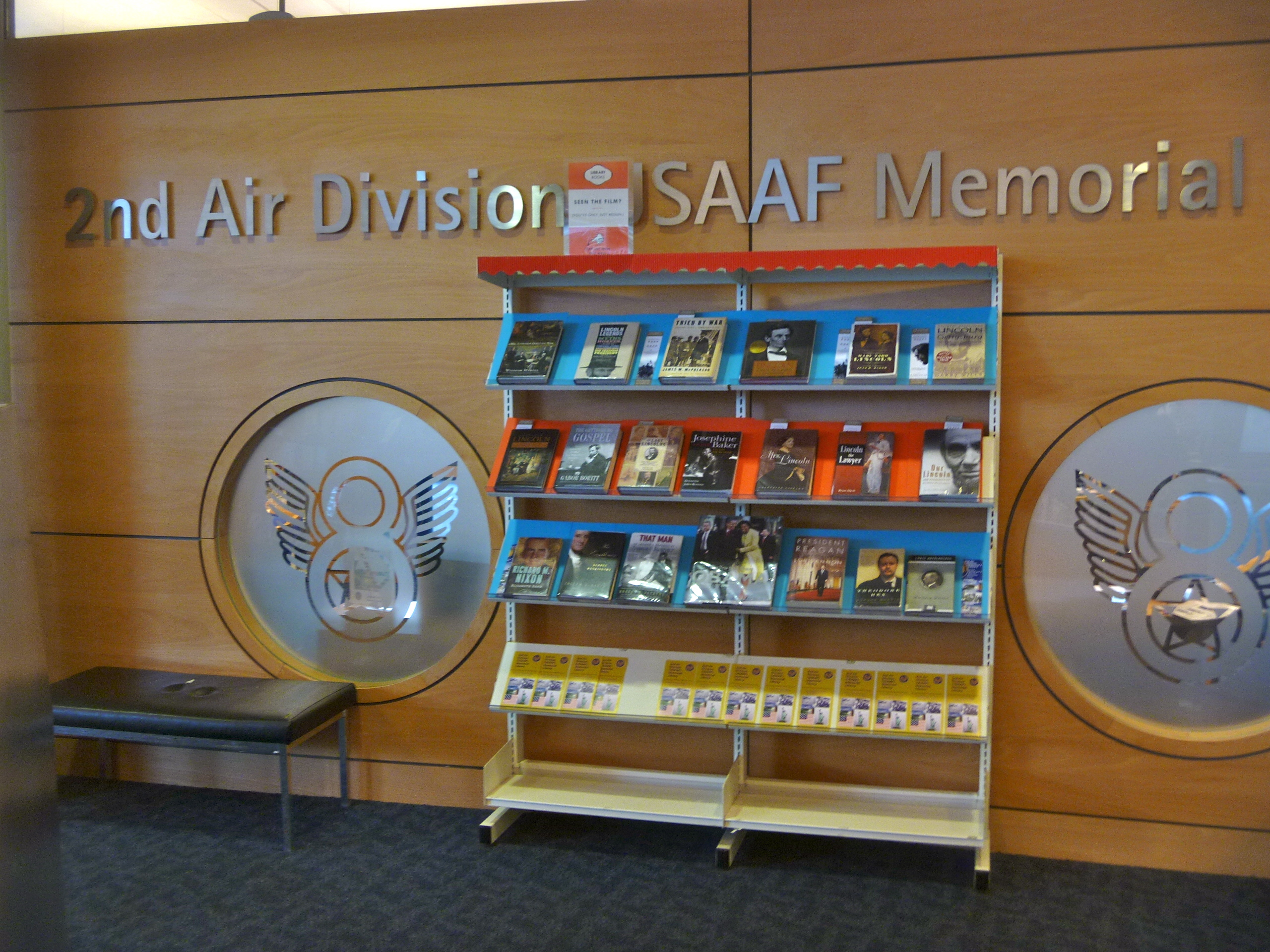
2nd Air

Sadly the contents of that library and the fountain itself were destroyed by  the raging fire in 1994. This would have included the Roll of Honour and other precious documents and artefacts.

Memorial Library

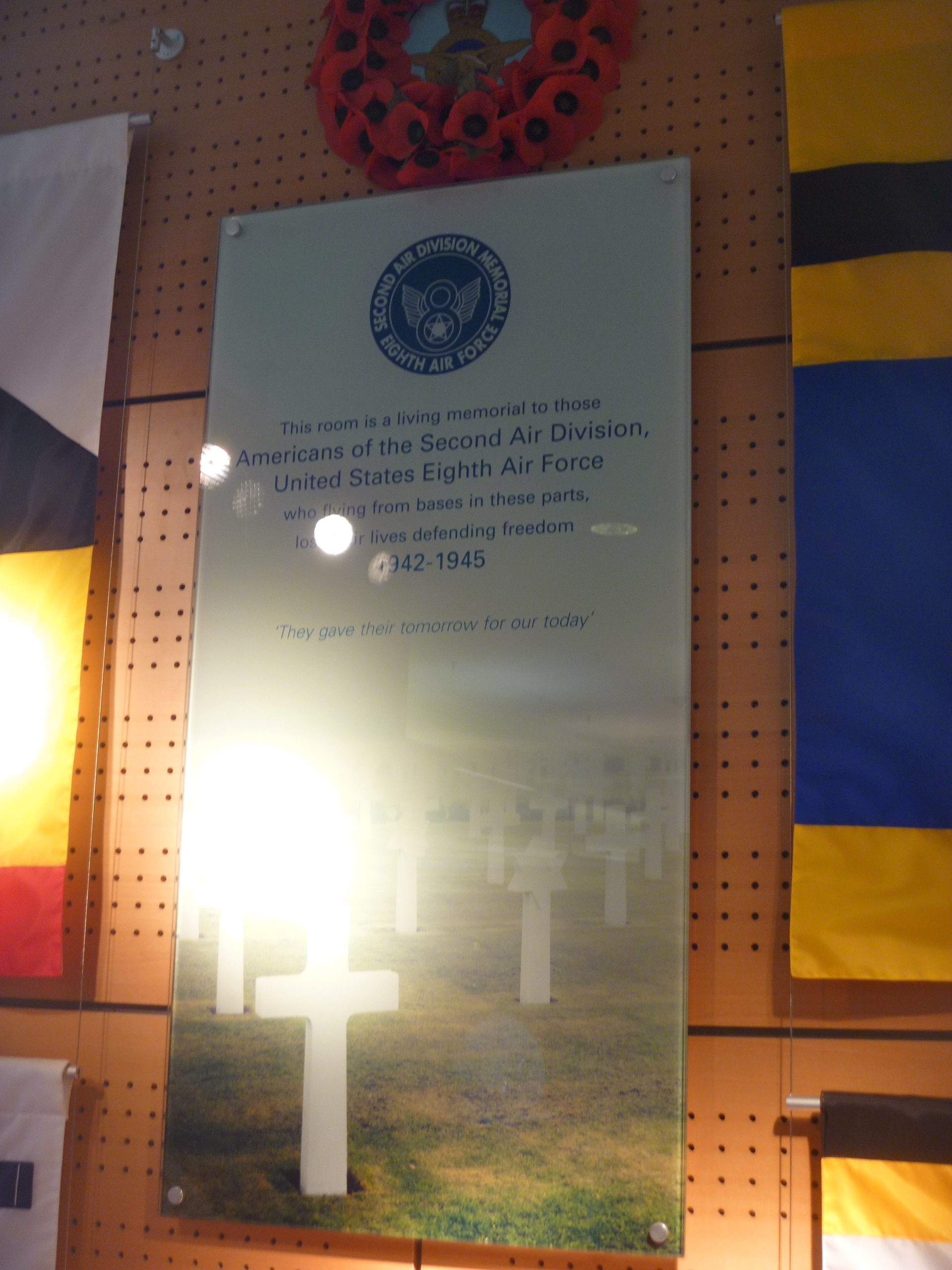
‘They gave their tomorrow for our today’

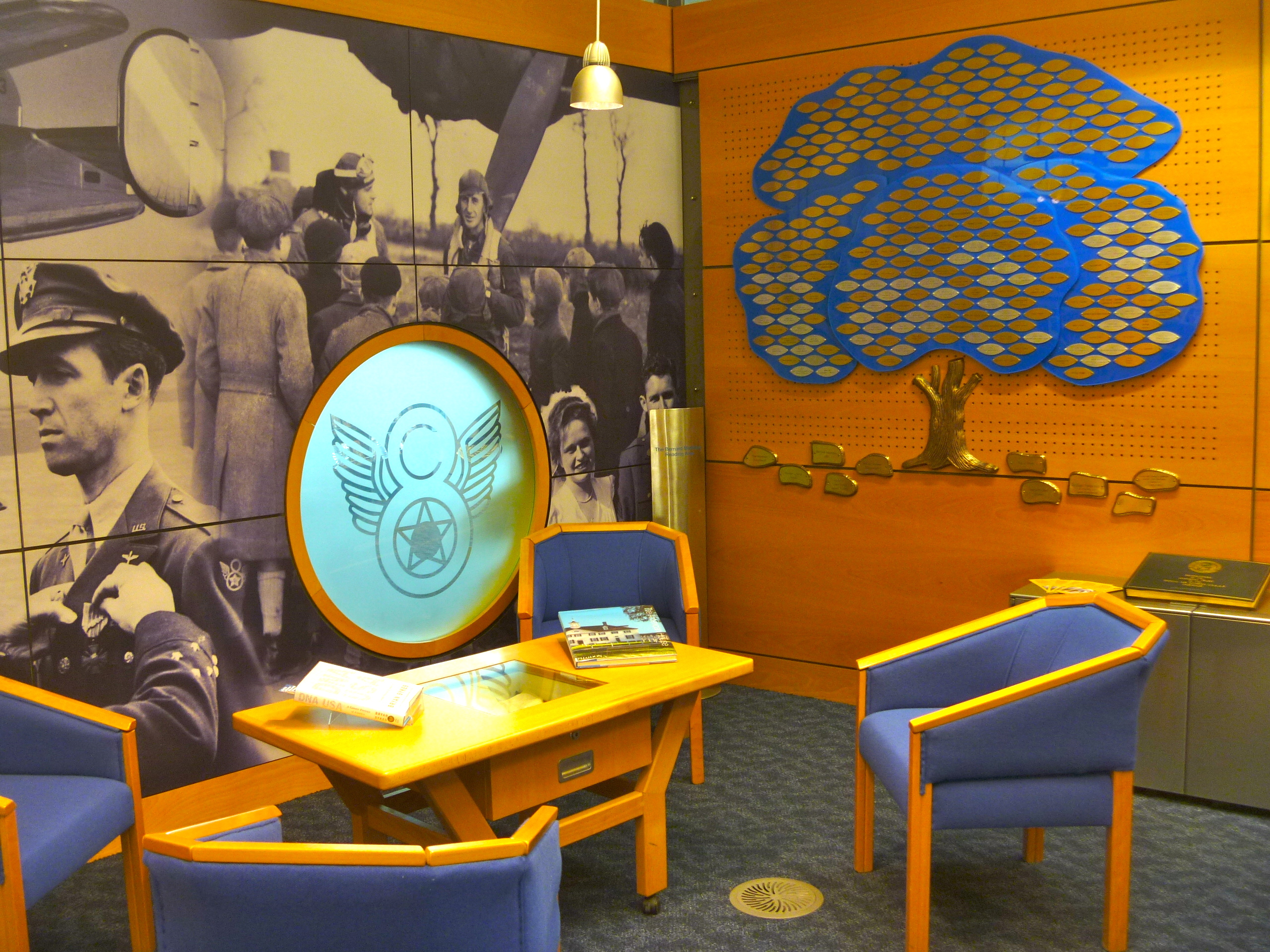
The staff and trustees were not going to let a little thing like a devastating fire get in their way and immediately after the fire work began on planning the replacement and a bigger library has now replaced the old one in a place of honour within the Forum.

On this recent visit I took a closer look at the Memorial Library and its contents. Here is what it says about the library on the website :

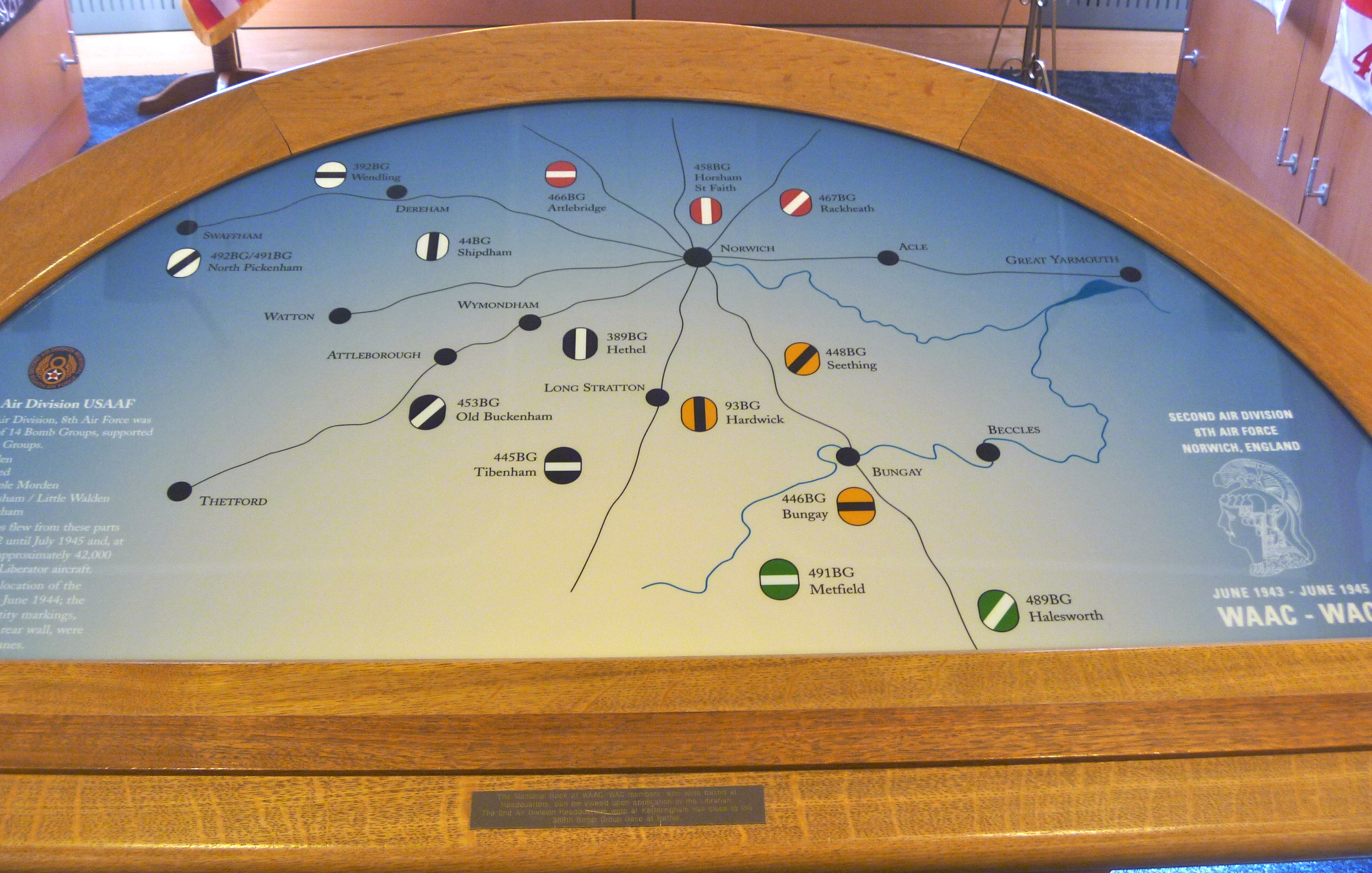
During the Second World War the United States Eighth Air Force despatched 3,000 bombers and fighters on a day’s operations involving more than 20,000 airmen, flying from airfields in East Anglia; the largest air strike force ever committed to battle. At full strength the Second Air Division, one of the Eighth’s three divisions, controlled fourteen heavy bomber airfields in Norfolk and northeast Suffolk, and five fighter airfields. Ketteringham Hall served as the Division’s headquarters. Nearly 7,000 young Americans, in the Second Air Division lost their lives in the line of duty.
With peace, the Second Air Division chose to honour its casualties through a unique library in Norwich, a ‘living memorial’, not only a tribute to those Americans ‘who flying from bases in these parts gave their lives defending freedom’, but also an educational and friendship bridge between two nations.

Map of bases

Locations of the USAAF bases in Norfolk and Suffolk

P1080626

New books and US magazines display

Display 1

Display 2

Other library displays

Birch trees

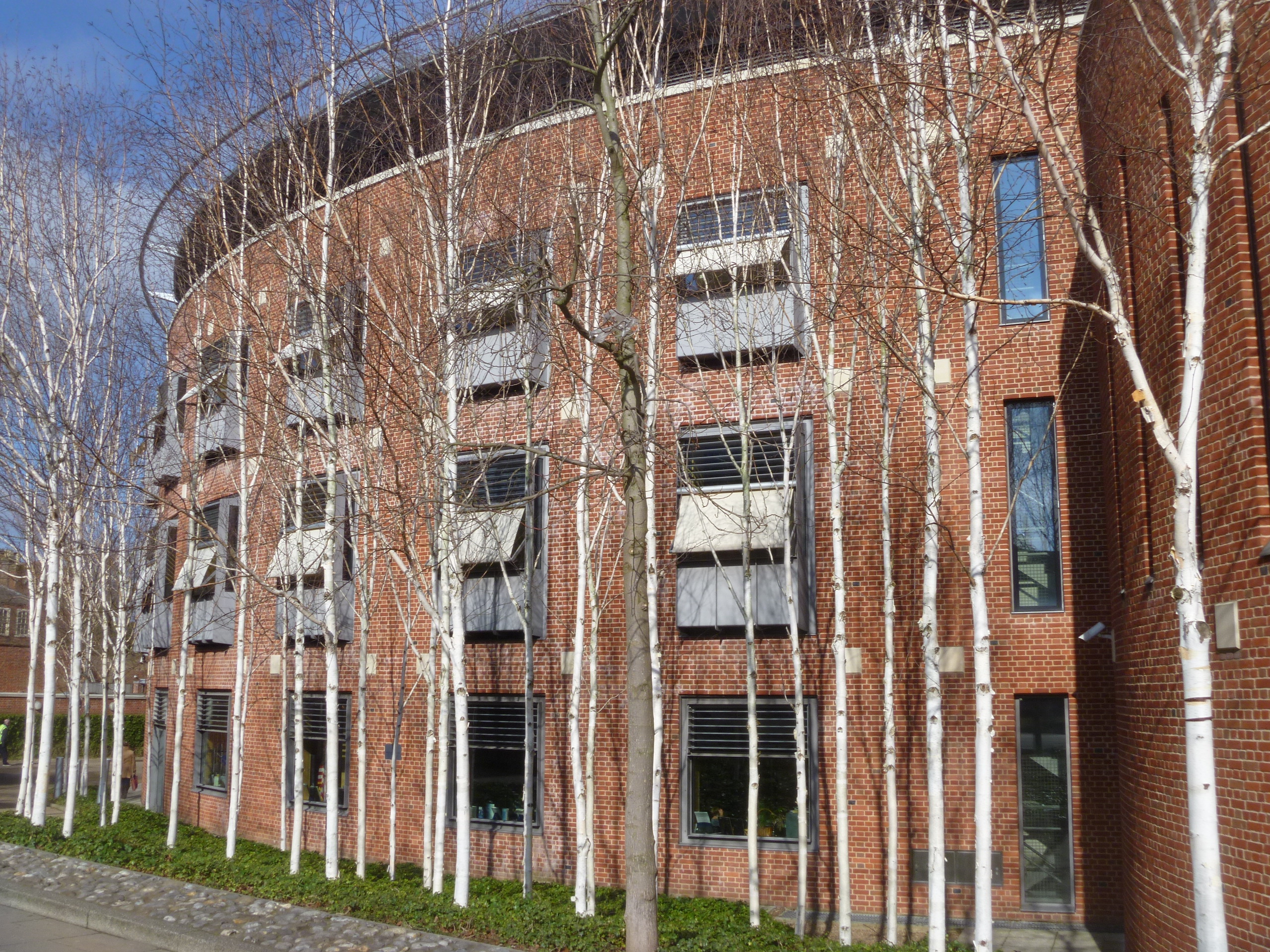
A number of American birch trees were given to the Trust by The Friends of the Memorial Library and planted just outside.

What a wonderful idea. I cannot think of a better living and ever-evolving memorial to those brave fighters who died in defence of freedom so far from home!

Libraries Old and Libraries New

This week I was back in the city of my birth, and where I grew up, Norwich. These days almost everything looks smaller than I remember from my childhood.

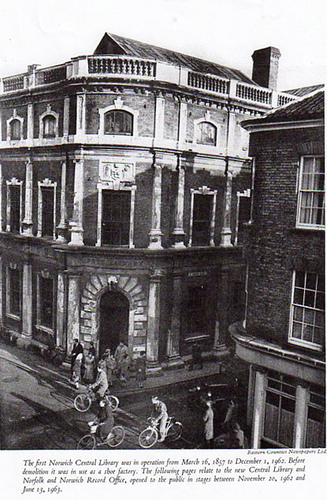
One of my earliest memories that lead to a lifetime’s love, and my career, was my first visit one Friday tea-time when I was about 5 to the local Norwich Public Library. It must have been summer as it was light and the whole family walked from where we lived, off St Stephen’s Road, to the library (opened in 1857) on the corner of Duke Street and St Andrew’s Street. It seemed a long way at the time but later I can remember running there with my sister and a neighbour ready for the Children’s Library opening time at 10am on each morning of one school summer holiday, ready to exchange our books.

The old Norwich public library

The Norwich public library that I knew and loved. Photo credit here.

The Queen Mother

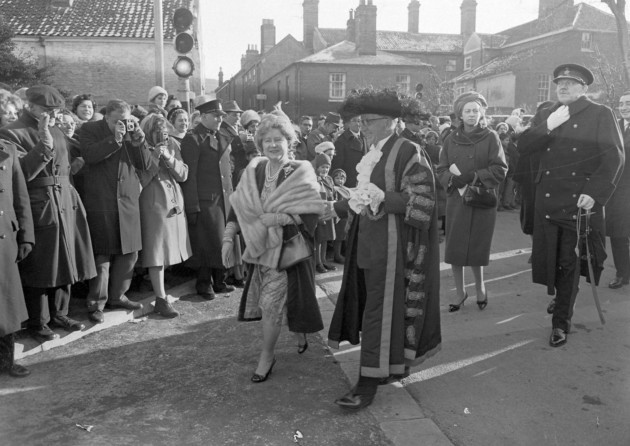
In 1963 Queen Elizabeth The Queen Mother opened a new public library in Norwich much nearer home for me! Photo credit here.

I was in the crush – on the front row – and I think somewhere in my ‘archive’ [shoe box] I have the newspaper snipping. Not a week went by for the rest of my time in Norwich when I didn’t visit that library at least once. I studied for exams there. Used the local history library for my Regional Essay and final year dissertation. I even worked there briefly between study and ‘proper’ job.

Norwich_Central_Library_Fire

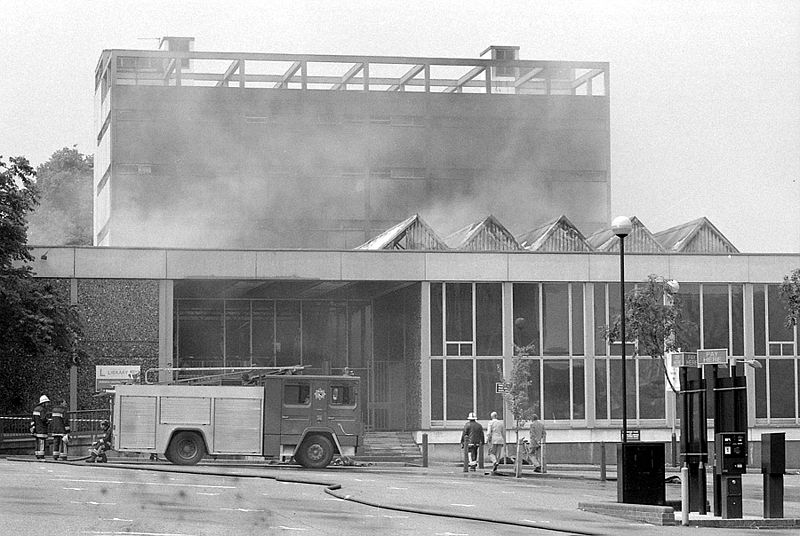
Norwich Public Library 1st August 1994

Amazingly, even though I had long since left Norwich to marry and bring up my family in far away Yorkshire, I was one of the last people to leave that library on the eve of the devastating fire that all but destroyed the building and its contents. I had even borrowed a book which I was happy to return by post to the temporary premises in Ber Street!

Norwich Forum

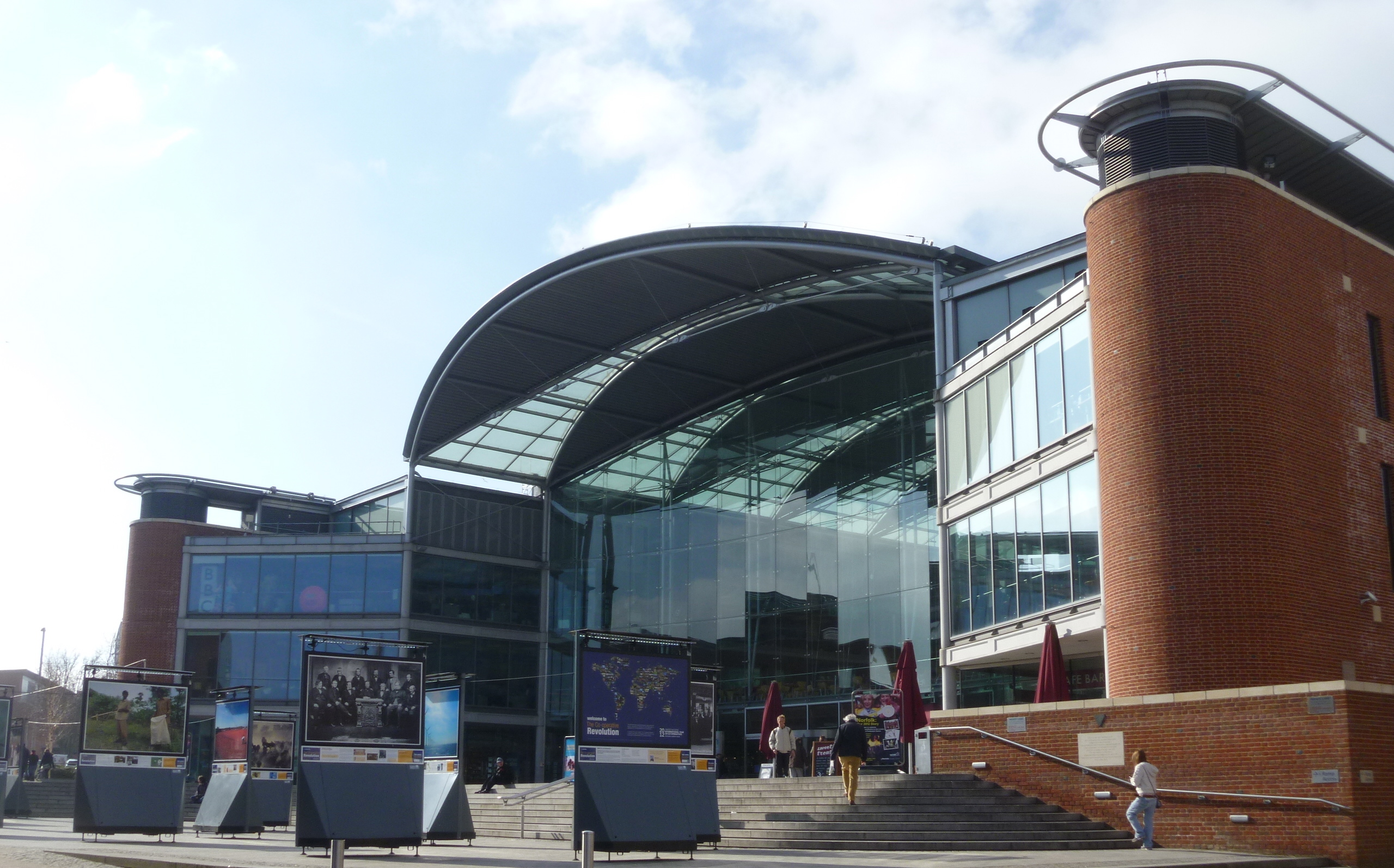
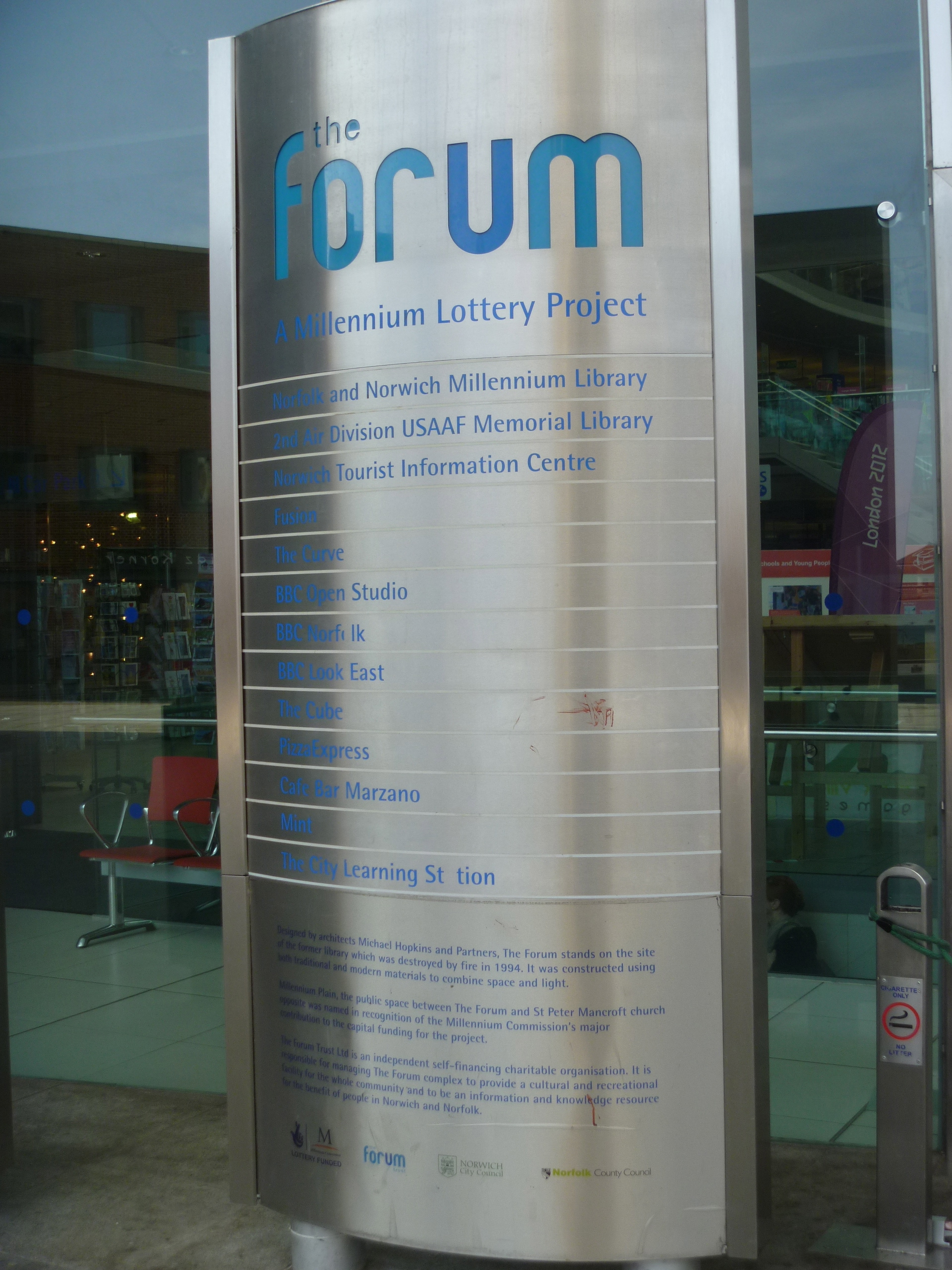
It took many years but eventually a new library was built and opened on the site. It is HUGE! So this is one library that is not smaller than I’d remembered in my childhood. The vast Norwich Forum which contains the Norfolk and Norwich Millennium Library opened in October 2003 and its building benefitted from The Millennium Lottery Project.

Forum

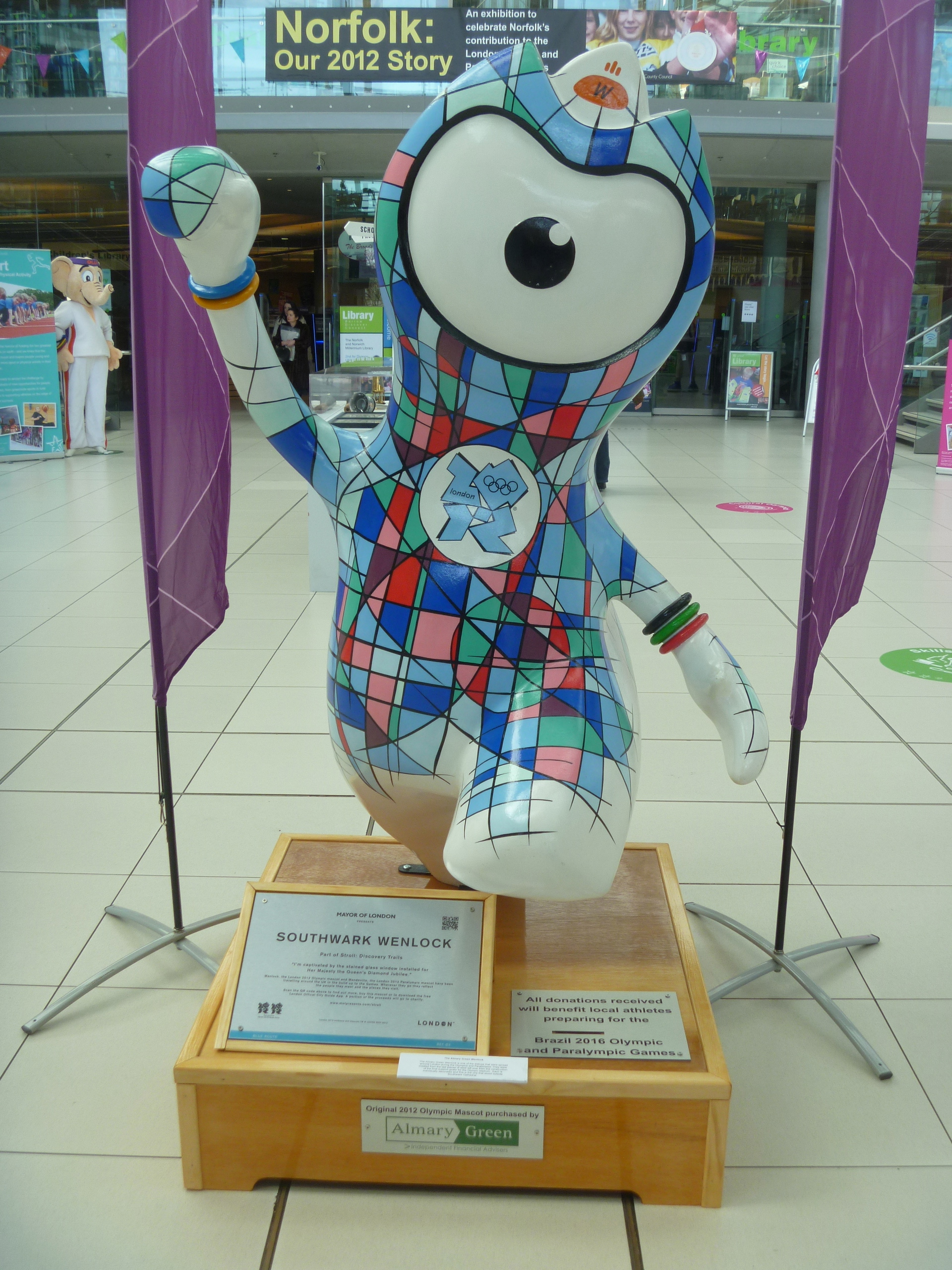
Southwark Wenlock

Southwark Wenlock at The Norwich Forum

This week’s exhibition was Norfolk: Our 2012 Story.

An exhibition to celebrate our local contribution to the London Olympic and Paralympic Games.
Since the Olympic and Paralympic flames were handed from Beijing to London, Norfolk has embraced the 2012 opportunity. We have seen over four years of exciting projects, innovative programmes and celebrations large and small to ensure that these once-in-a-lifetime events will never be forgotten in our county.”

The Forum is open everyday (except Christmas day and Boxing Day) from 7am until 11.30pm. Along with the library there are cafes and a Pizza Express, the BBC Norwich studios, exhibition space and the Tourist Information Centre and shop.

It’s been declared that the Norfolk and Norwich Millennium Library has been named as the UK’s most popular library for the sixth year running!

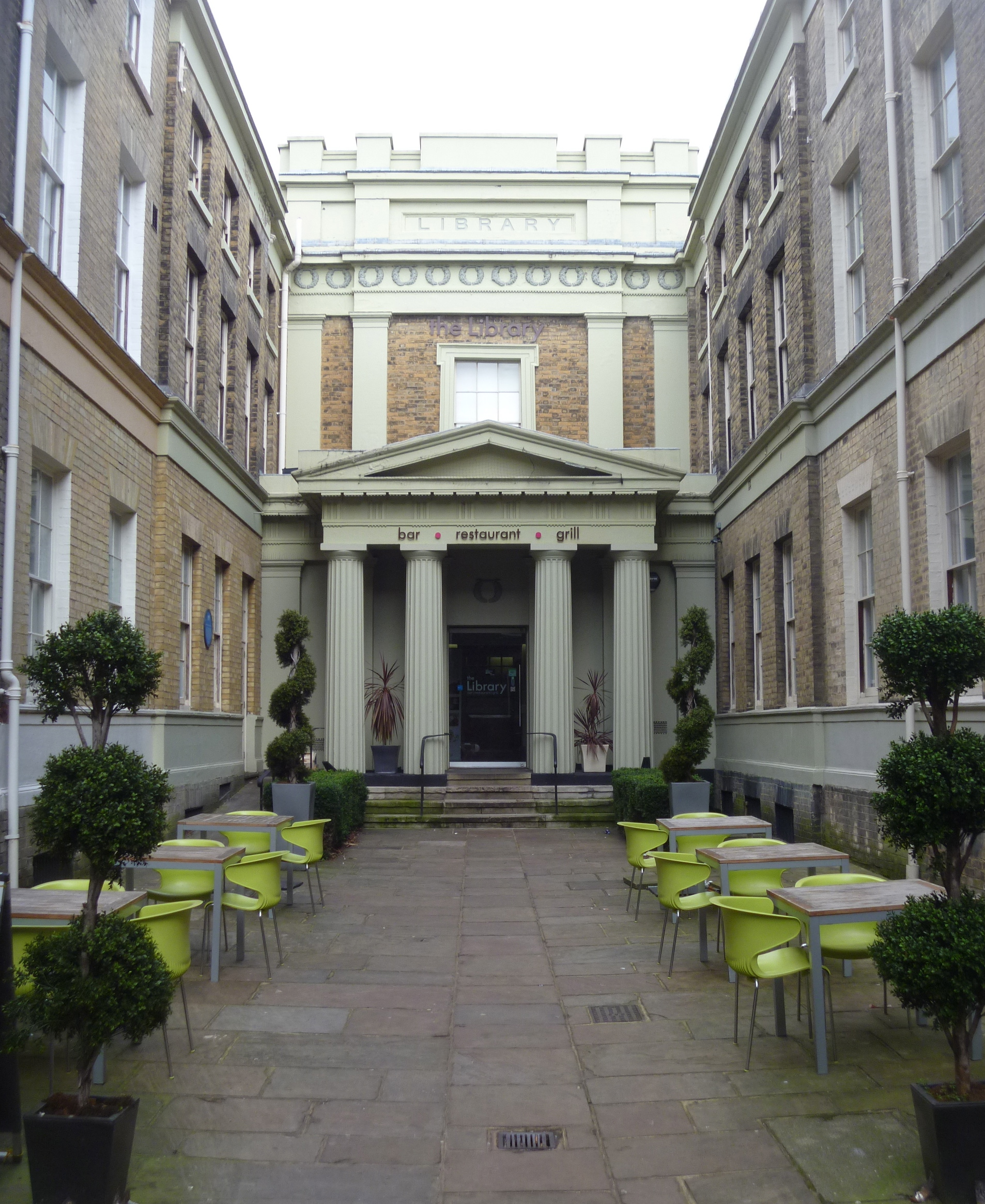
There was another library in Norwich when I was growing up although I never went inside. The Norfolk and Norwich Subscription Library was instituted as a private library in 1784. It eventually closed in 1976. It’s stock was transferred to the Norwich School and forms the basis of its Local History Library.

The Library Restaurant

The Library, Norwich

I have now been in the N&N Subscription Library as these days it is a restaurant. We ate a very good meal there on Wednesday evening.

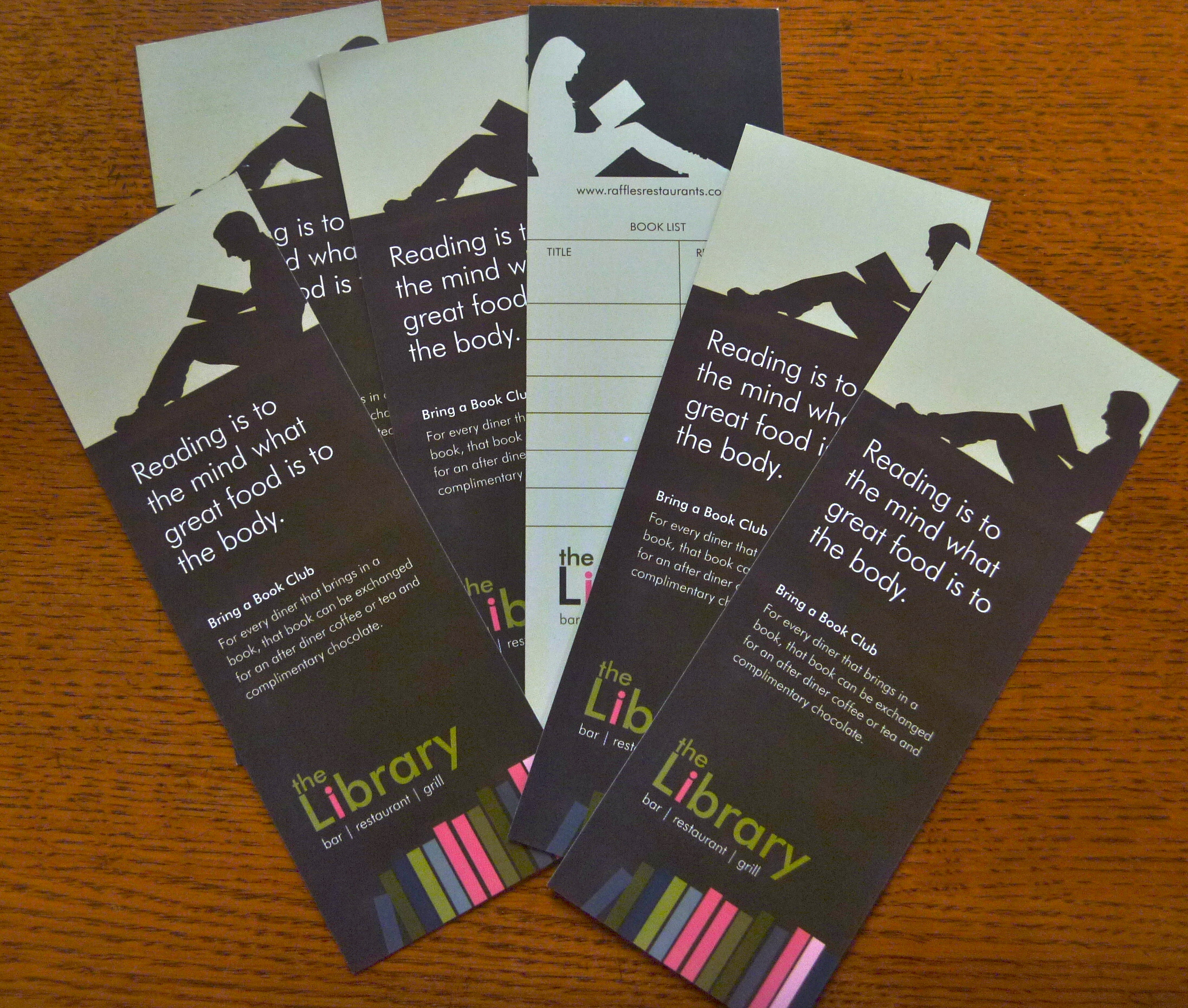
Library book marks

“Reading is to the mind what great food is to the body”

Shuttleworths, Shuttleworths everywhere … some Old Warden history

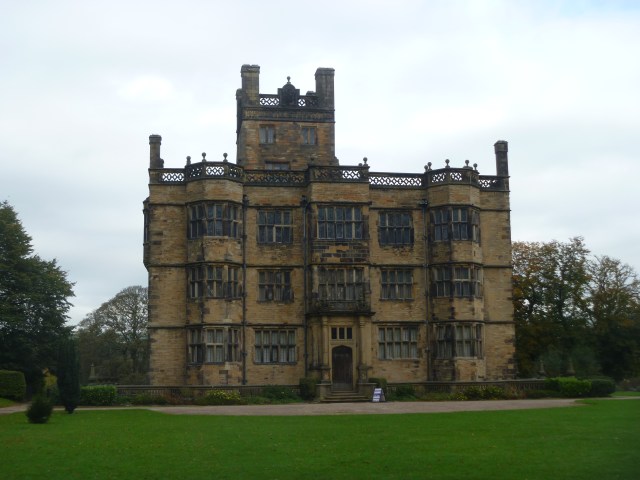
Gawthorpe Hall

Gawthorpe Hall in Lancashire

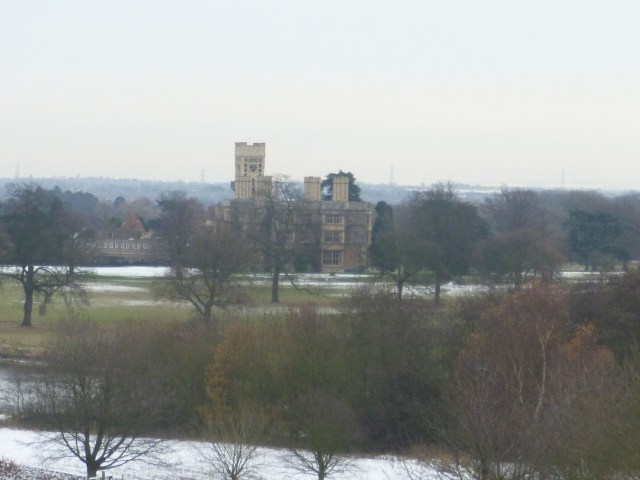
Shuttleworth College

Shuttleworth College in Bedfordshire

See how similar the two buildings above are – they are connected only by the name “Shuttleworth”. In October I met a former work colleague, who lives in Lancashire, at Gawthorpe Hall. I knew the owners were the Kay-Shuttleworths but I never at all linked their name with the Collection with the same name down in Bedfordshire.

I was fascinated to read in the Keeper’s Cottage History Album :

What is intriguing is that there seems to have been no connection whatsoever between Joseph Shuttleworth and the Gawthorpe (by then Kay) Shuttleworths. In seeking to establish his own pedigree in Bedfordshire, Joseph seems to have wished to imply a connection with these ancient, Lancastrian namesakes that was apparently without foundation. He adopted a crest that was similar to their own and the family arms also feature the Gawthorpe Shuttleworth’s ‘three shuttles sable tipped and fringed with quills of yarn and threads bend or; a cubit arm in armour proper grasping in the gauntlet a shuttle of arms.’

… the estate at Old Warden represented a perfect fit for the new dynasty, with a model village half begun by an expiring family (the Ongleys) offering the opportunity for benevolent philanthropy as well as revivication of an ancient estate.”

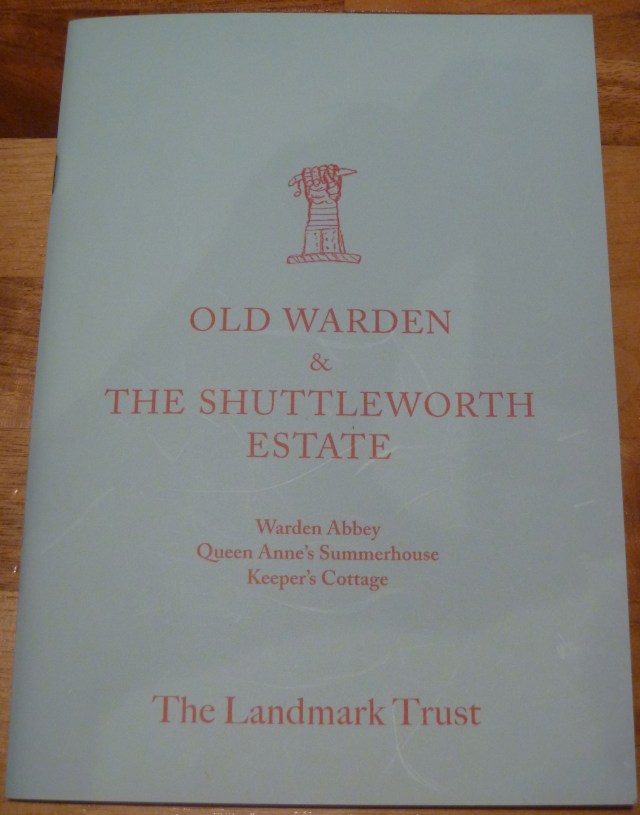
Old Warden Booklet

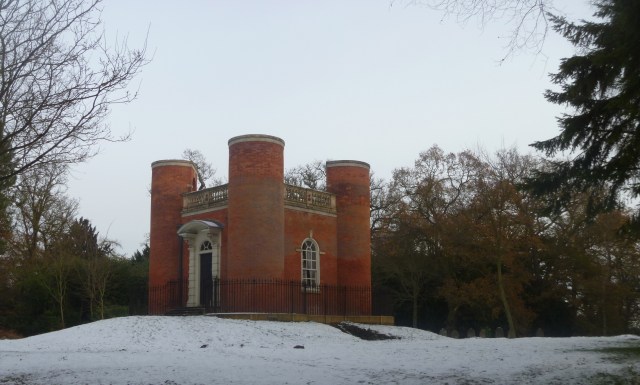
The Landmark Trust have published a history booklet “Old Warden and the Shuttleworth Estate : the history of Old Warden told through three buildings; Warden Abbey, Queen Anne’s Summerhouse and Keeper’s Cottage”. 

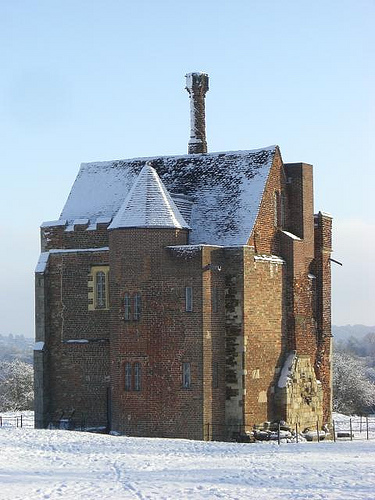
Warden Abbey

Warden Abbey (now also a Landmark Trust property)

Queen Anne's Summerhouse

Queen Anne’s Summerhouse (now also a Landmark Trust property)

I was able to buy a copy from the housekeeper at Keeper’s and it tells the history, briefly, of the area from the foundation of the Cistercian Warden Abbey in 1135 to the present day  co-operation between the Shuttleworth Trust and The Landmark Trust.

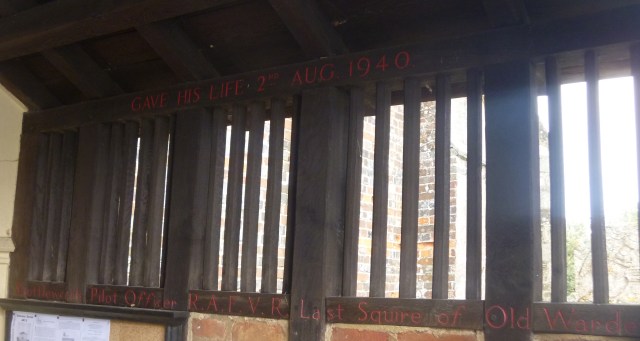
The Shuttleworth Trust was set up by Dorothy Shuttleworth following the early death in 1940 during an RAF flying accident of her only  son and the squire of Old Warden, Richard Ormonde Shuttleworth. The hall became a hospital during the War and afterwards the devastated mother turned the entire estate into a charitable trust in his memory. The hall is now a College  specialising in running outdoor and country-based courses. Richard’s collection of old aeroplanes formed the original Shuttleworth Collection.

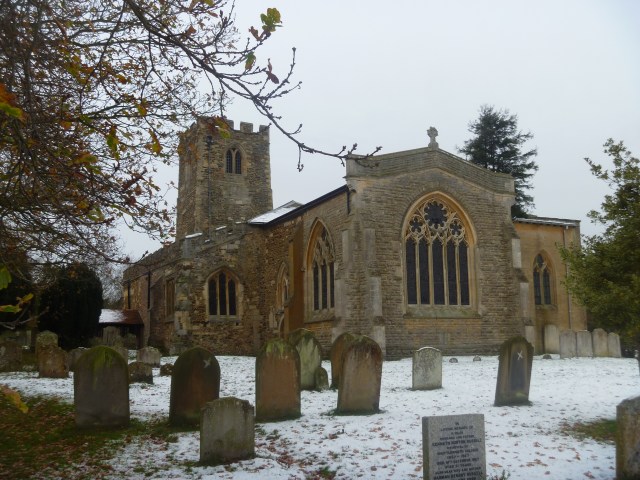
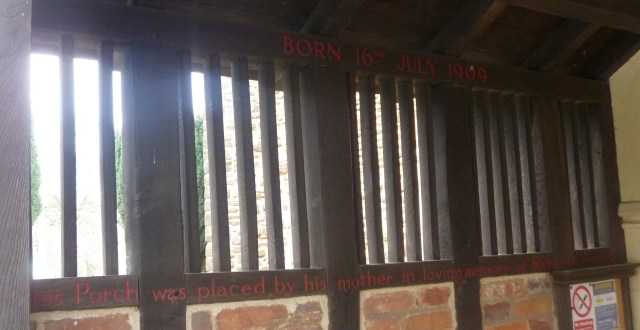
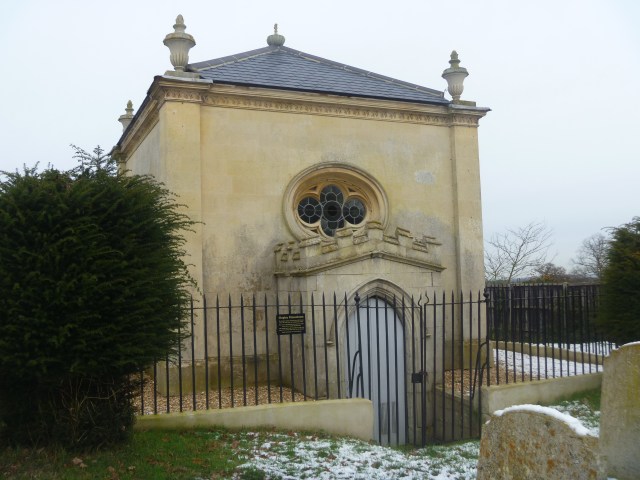
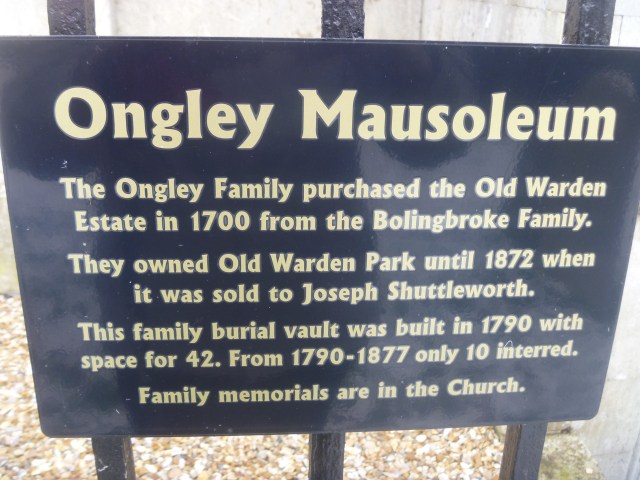
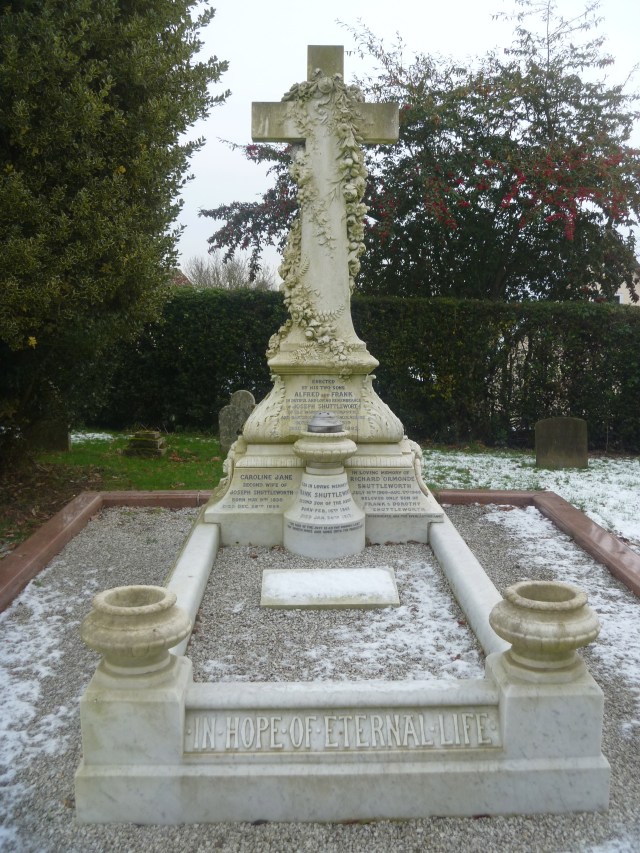
I took a walk one day to visit St Leonard’s church, in Old Warden (2 stars in Jenkins’s book). Unfortunately it’s only open at the weekend so I wasn’t able to inspect the various Ongley and Shuttleworth memorials and the 14th century window depicting an abbot in a white habit from the Cistercian Warden Abbey. But in the porch Richard is commemorated and the Ongley Mausoleum and the Shuttleworth graves lie in the churchyard.

St Leonard's Old Warden

St Leonard’s Church

Porch 1

Porch 2

The porch is a memorial to Richard Shuttleworth

The Ongley Mausoleum

Ongley notice

The Ongley Mausoleum

Shuttleworth grave

The Shuttleworth Grave

Additional Note :

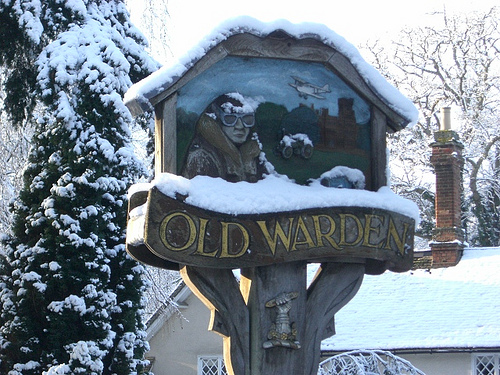
Old Warden sign 2009

Village sign in 2009

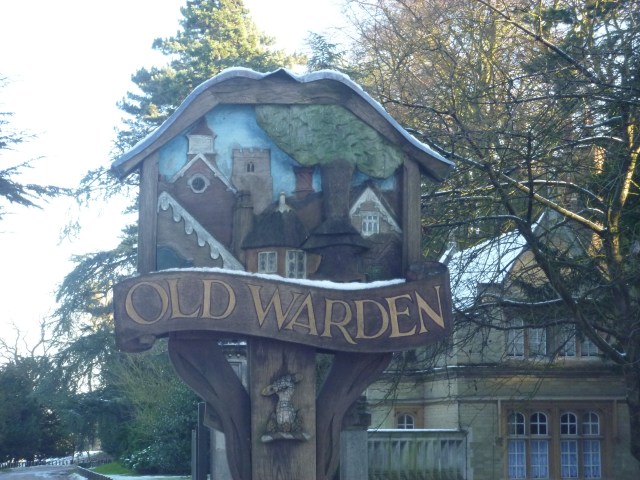
Old Warden sign 2012

The Sign today in 2012

I’m not sure that I don’t prefer the older, more distinctive one.

The Pilgrim’s Progress and A Winter’s Tale – Some Literary Remains in Bedfordshire

The clues to the literary connections in the local area can always be found in the Landmark Library of any property.

Keeper's book case

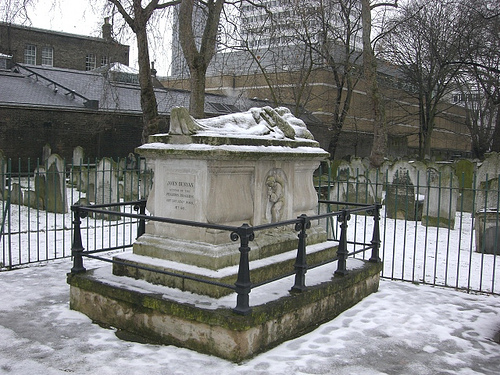
John Bunyan was a Bedfordshire man. He was born in the village of Elstow in 1628 and he spent 12 years as a prisoner of conscience in Bedford Jail where he had the idea to write his most famous work. The Pilgrim’s Progress was published in two parts in 1678 and 1684. Bunyan died in Holborn in London in 1688 and I have seen his grave and memorial in Bunhill Fields Cemetery in London.

Bunyan in Bunhill Fields

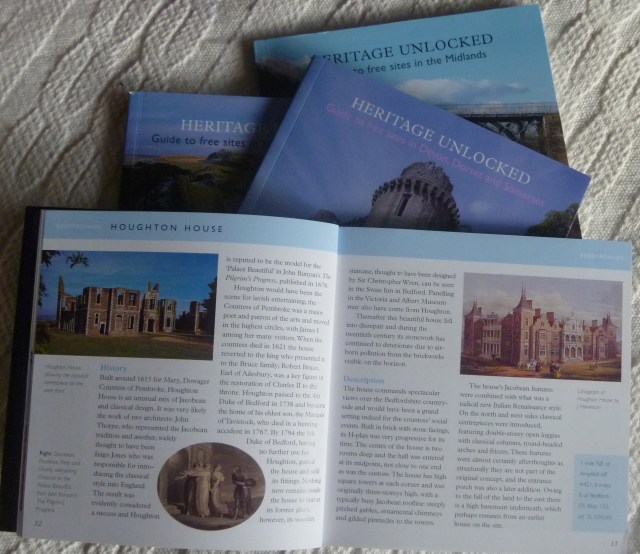
I discovered the existence of Houghton House not too far from Old Warden from another little series of books which I consult before making trips; the Heritage Unlocked series published by English Heritage.

EH Heritage Unlocked

I’m not a member of EH and to visit the remains of Houghton House, just outside the busy little town of Ampthill, it’s no advantage to be because it’s free to visit during daylight hours.
Houghton House

From the EH website :

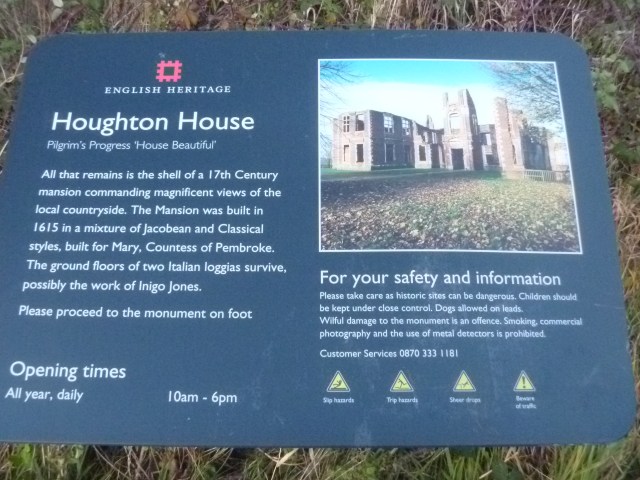
Houghton House today is the shell of a 17th century mansion commanding magnificent views, reputedly the inspiration for the ‘House [or Palace] Beautiful in John Bunyan’s Pilgrim’s Progress.

It was built around 1615 for Mary, Dowager Countess of Pembroke, in a mixture of Jacobean and Classical styles: the ground floors of two Italianate loggias survive, possibly the work of Inigo Jones.

EH Information board

Information panels describe the house, its owners and the surrounding hunting estate.”

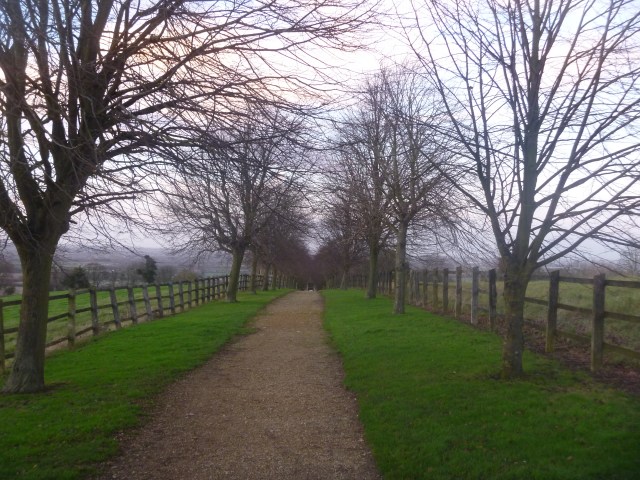
Approaching HH

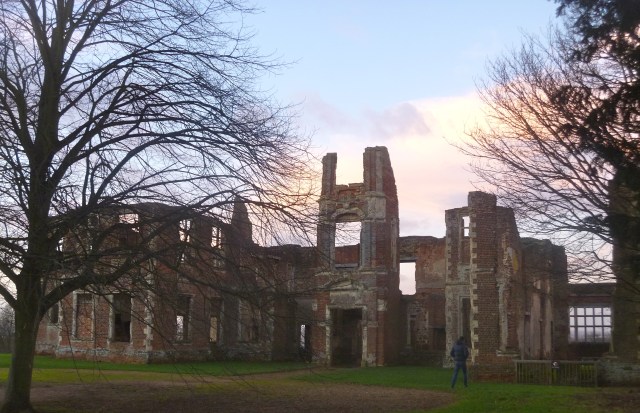
The ruin of Houghton House is approached along a tree-lined track.

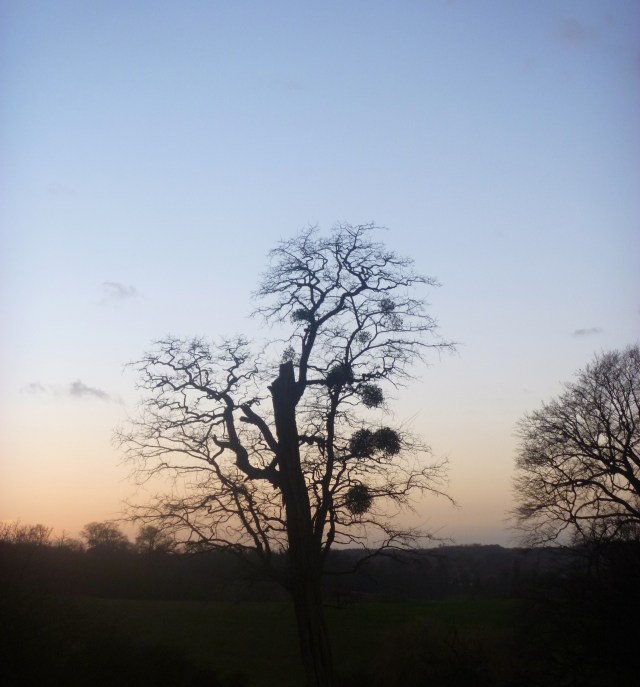
Tree with mistletoe

There are also many trees laden with mistletoe – giving quite a seasonal feel. Also, it was approaching dusk which increased the dramatic effect of the ruin but maybe my photos turned out a little on the dark side.

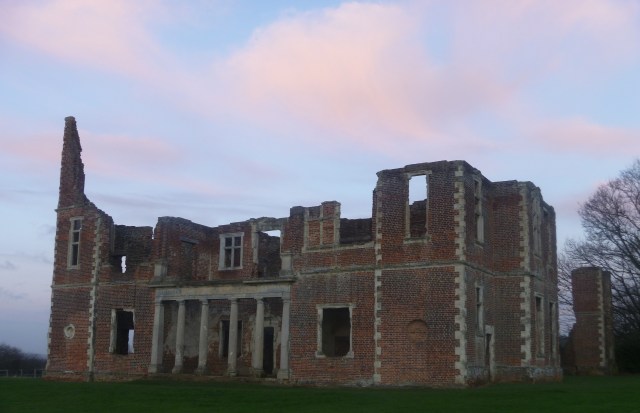
HH south

Houghton House “commands spectacular views over the Bedfordshire countryside and would have been a grand setting indeed for the countess’ social events.”
And in the History Album at Keeper’s Cottage we are informed of a Shakespearean connection to Old Warden :

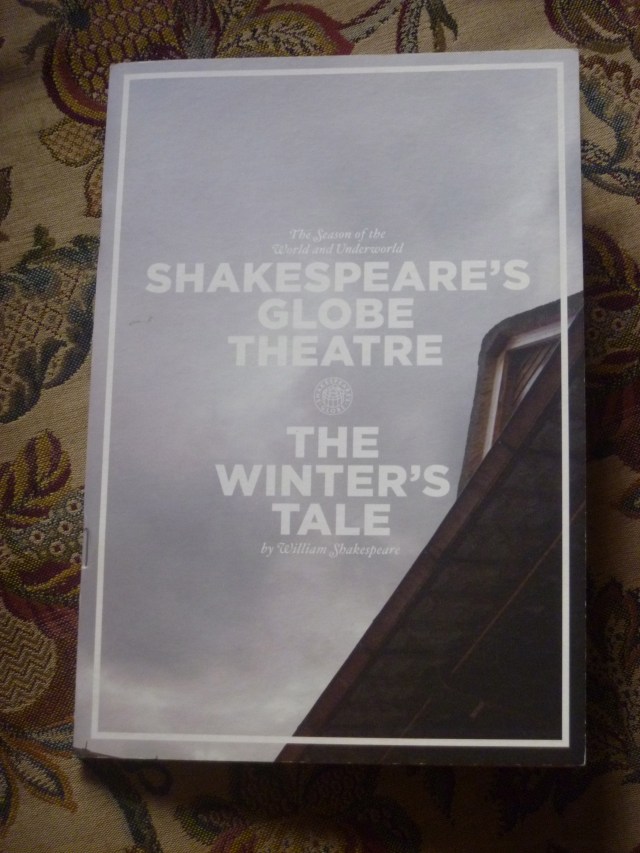
Warden Pear. A small pear used for cooking, the Warden Pear was the key ingredient in Warden Pies, which crop up here and there in Elizabethan and Stuart literature, most notably in Shakespeare’s Winter’s Tale , where the Clown almost gives the recipe : “I must have saffron to colour the warden pies; mace; dates? …nutmegs, seven; a race or two of ginger, byut that I may beg, four pounds of prunes and as many raisins o’ the sun” [Act IV, sc. Iii] Hot Warden Pies were still sold in Bedford in the nineteenth century.”

The Winter's Tale

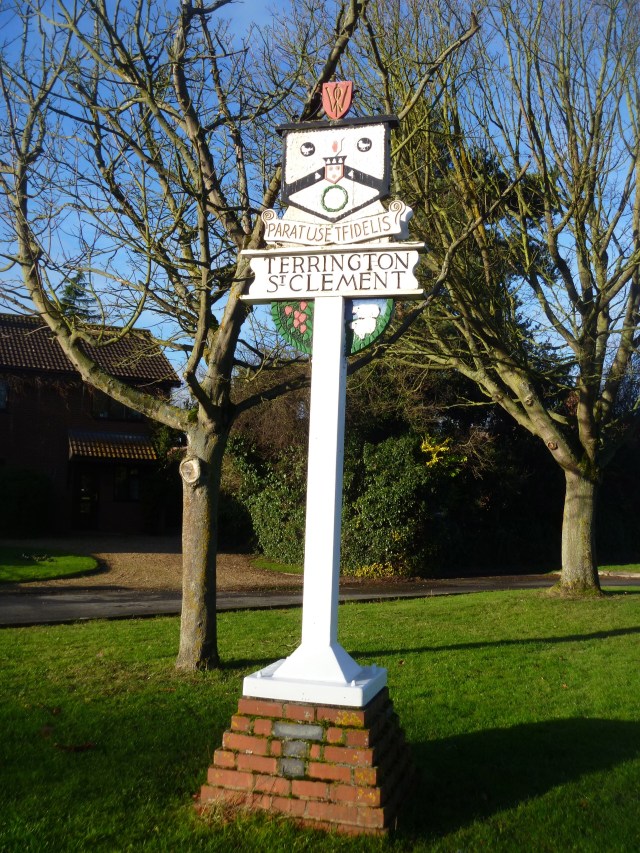
A Marshland Church – Terrington Saint Clement

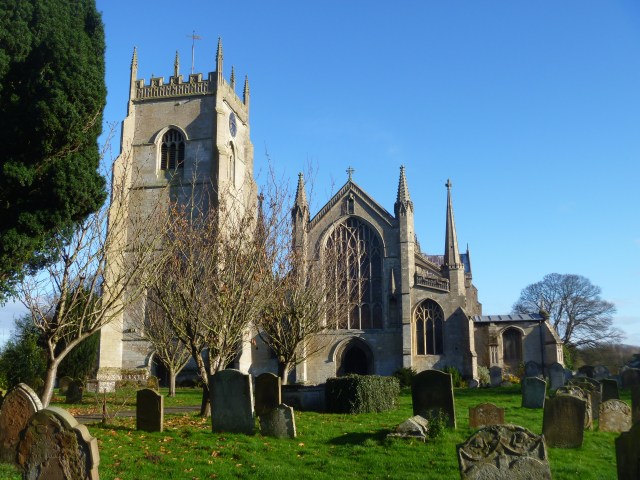
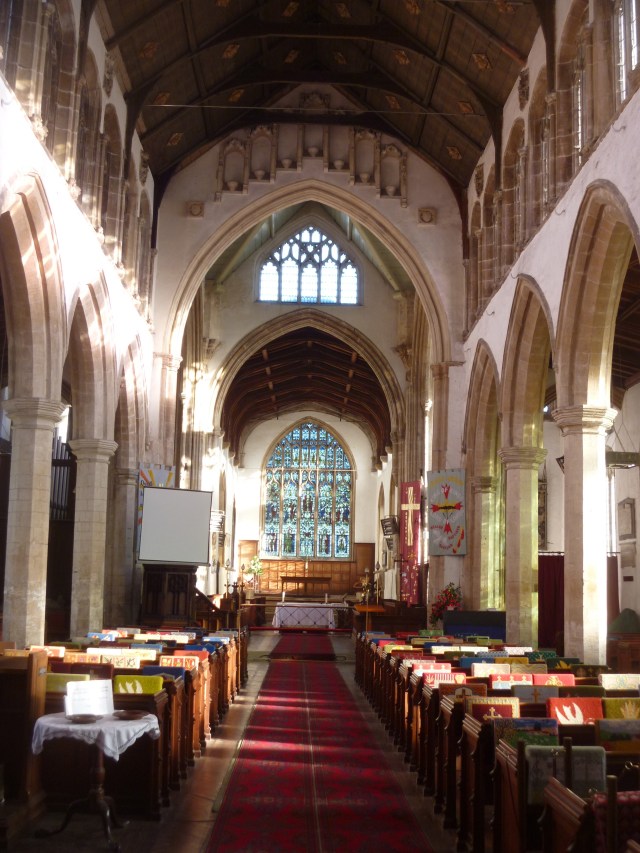
This morning whilst sipping my morning tea and flicking through a back issue of Country Life (17 October 2012) I noticed a single page in a series devoted to things to see in country churches. My eye was caught by the name Terrington Saint Clement and the amazing 17th century painted font cover. I recognised the name of this village and, checking my road atlas, found it lay very close to my route to Norwich; just in Norfolk and west of Kings Lynn. As I just happened to be driving down to Norwich this morning I decided this would be just the spot to have my picnic lunch and take a look at the church and the stunning font cover.

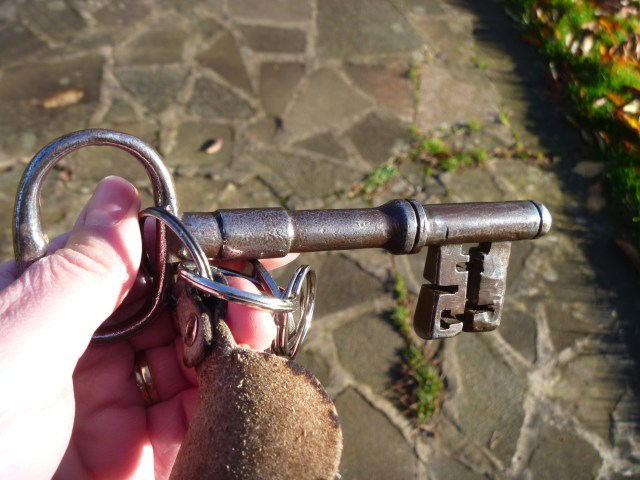
It was a beautiful day for the drive and after my quick picnic lunch I headed for the church door. Like many churches it’s kept locked but the notice on the door told me to call at the house next  door to collect the key. So I did.

The Church Door Key

Once inside I could see what Simon Jenkins meant when he said “This church is a hymn to light”. 

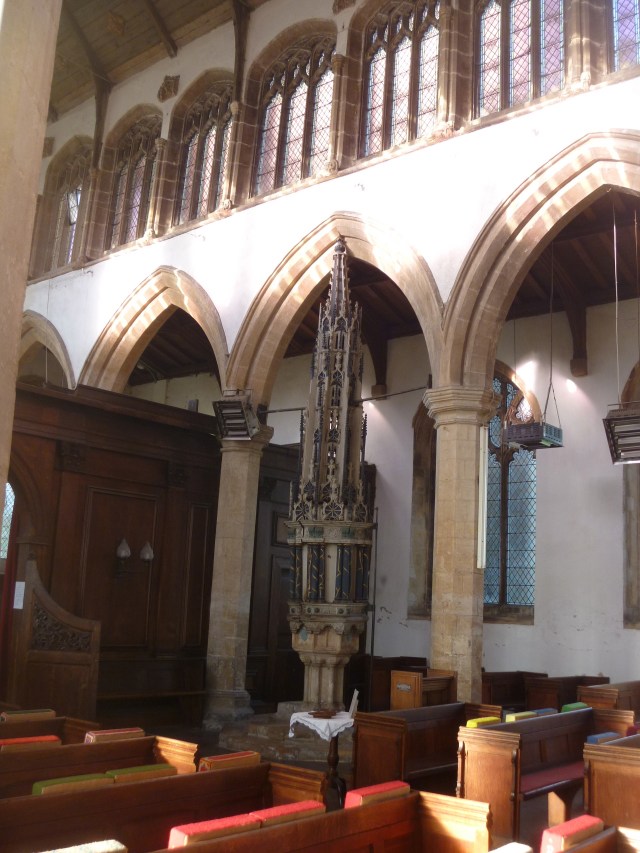
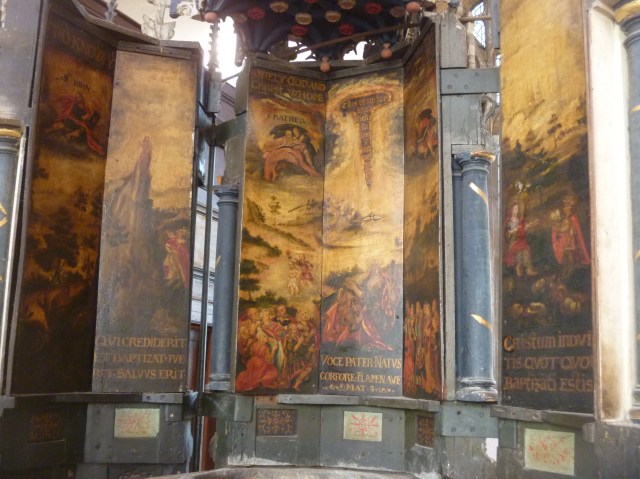
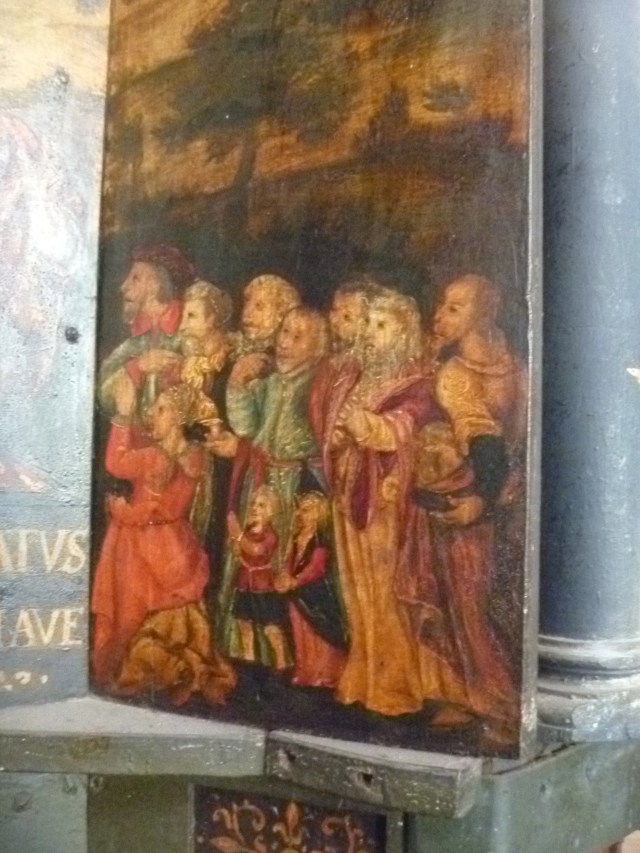
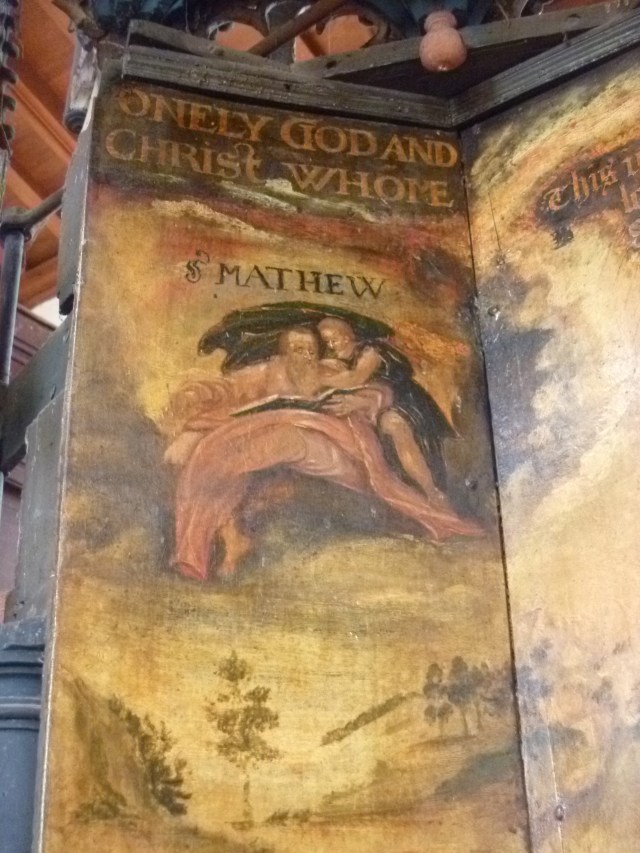
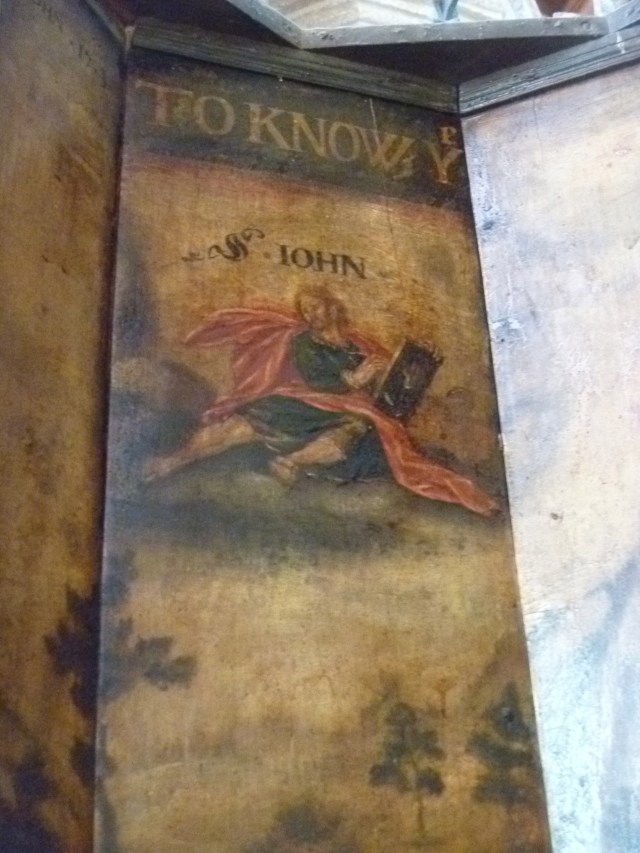
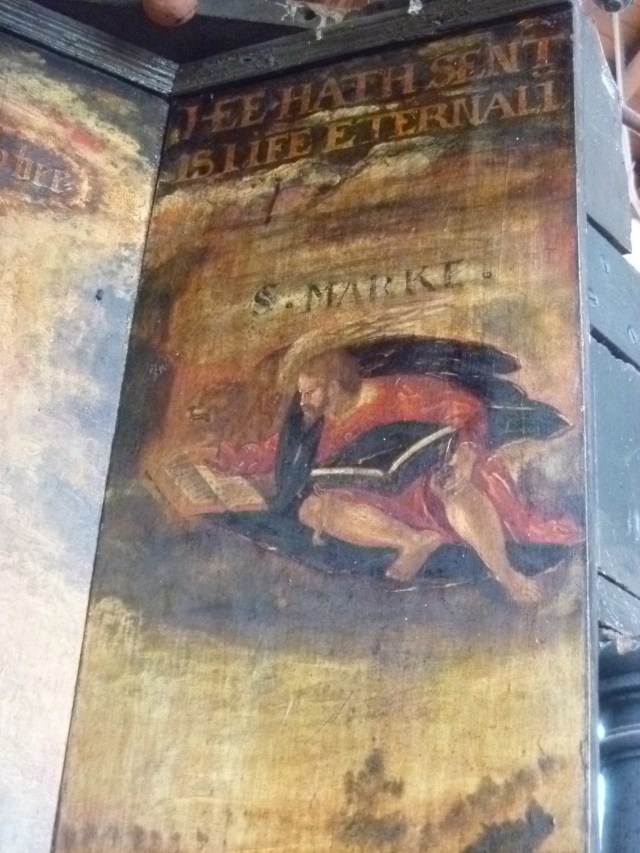
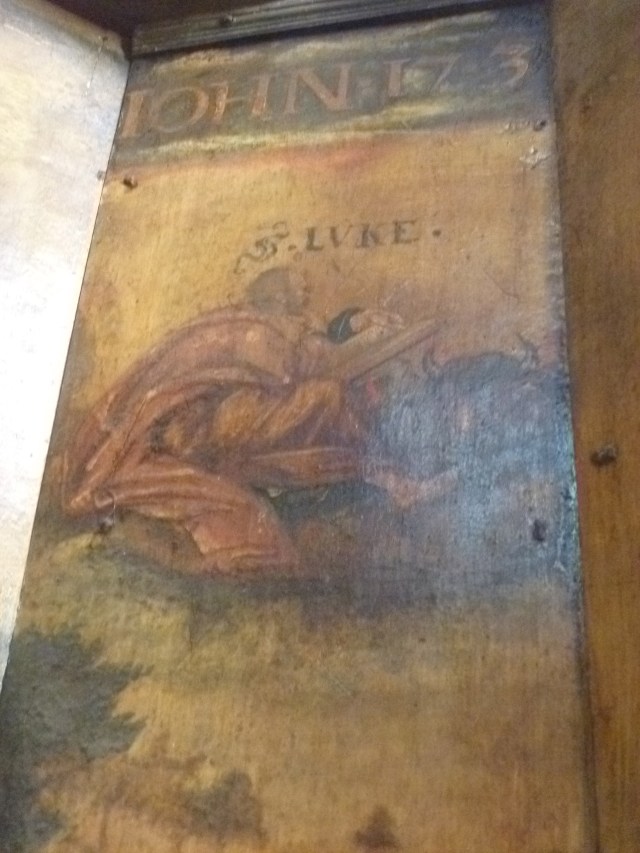
The font is indeed impressive. The triptych was closed but I gently lifted the latch and the whole opened up to display the 17th century paintings of Saints Matthew, Mark, Luke and John and the baptism of Christ by Saint John The Baptist. The Gothic font cover, painted blue, rises up almost to the church rafters.

The font cover

The open triptych

Saint Matthew

St John

St Mark

St Luke

Interestingly, the tower is not attached to the church itself. Jenkins suggests that this was probably due to the soft soil of this marshland region.

The tower came into its own during a flood in 1670 when the community gathered there and were fed by boat from King’s Lynn” This could easily have happened again this week since I noticed that many of the fields around Terrington and in the Fens were looking  pretty wet, to say the least.

Where to stay at Fountains Abbey

Back in January this year I wrote about a visit to Fountains Abbey and Studley Royal Water Garden saying that I’d be visiting throughout the year at different seasons and reporting back. Yesterday was my second visit this year. Maybe this was because I took out an annual membership to Harewood House in March. Harewood is much nearer home than Fountains and I may only retain the membership for a year or two whereas I will always be a member of the National Trust.

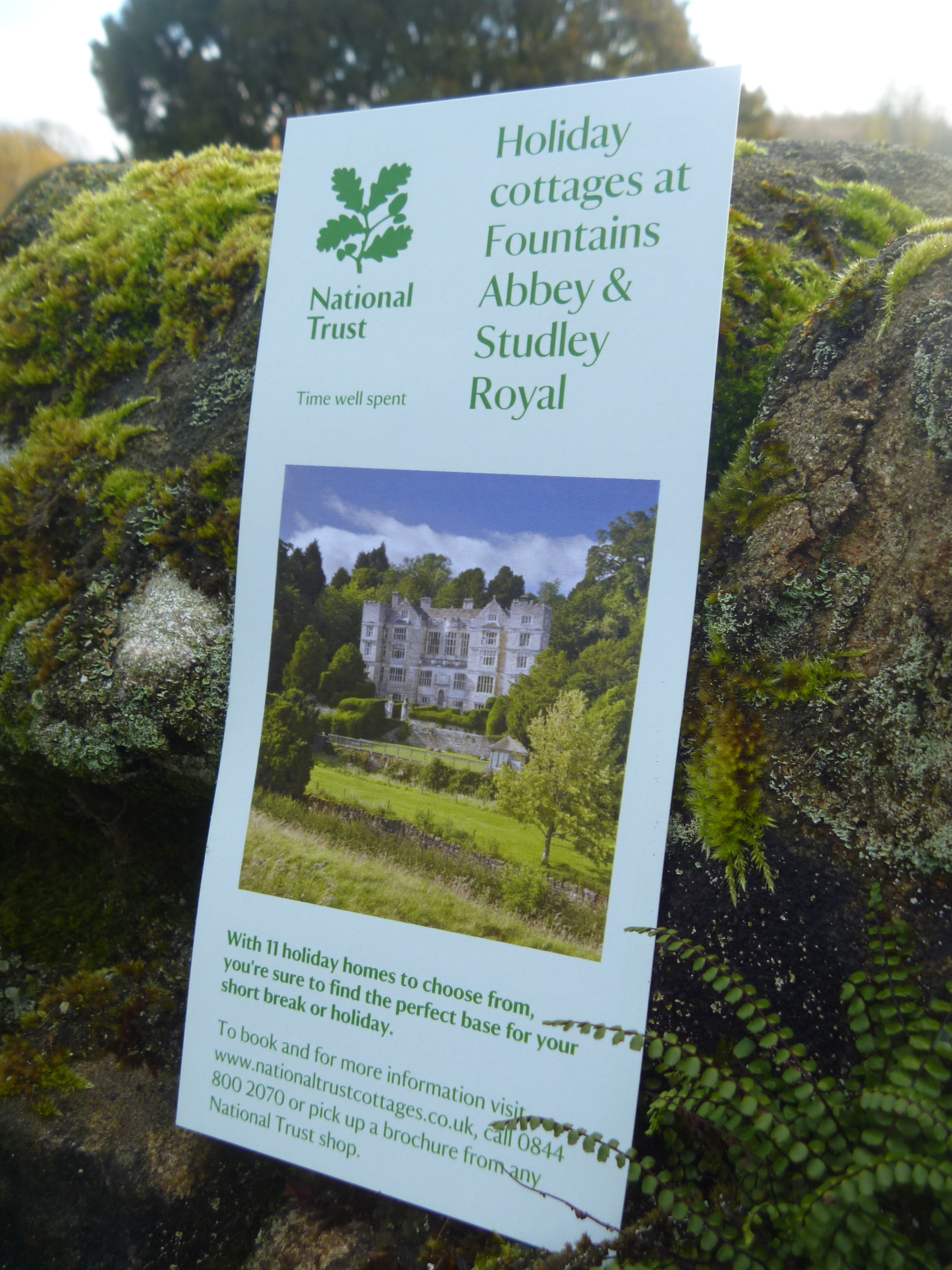
Fountains Abbey may be further from home than the Harewood Estate but still it’s very unlikely that I would ever stay there for a holiday although whenever I visit I think the NT Cottage Properties (as they are called) always look very inviting. They may be part of the Trust’s portfolio of Cottages but several do not warrant this title – for they are very much grander than one would suppose from the blanket “Cottages” title. Yesterday I made these properties the ‘theme’ of my walk through the estate.

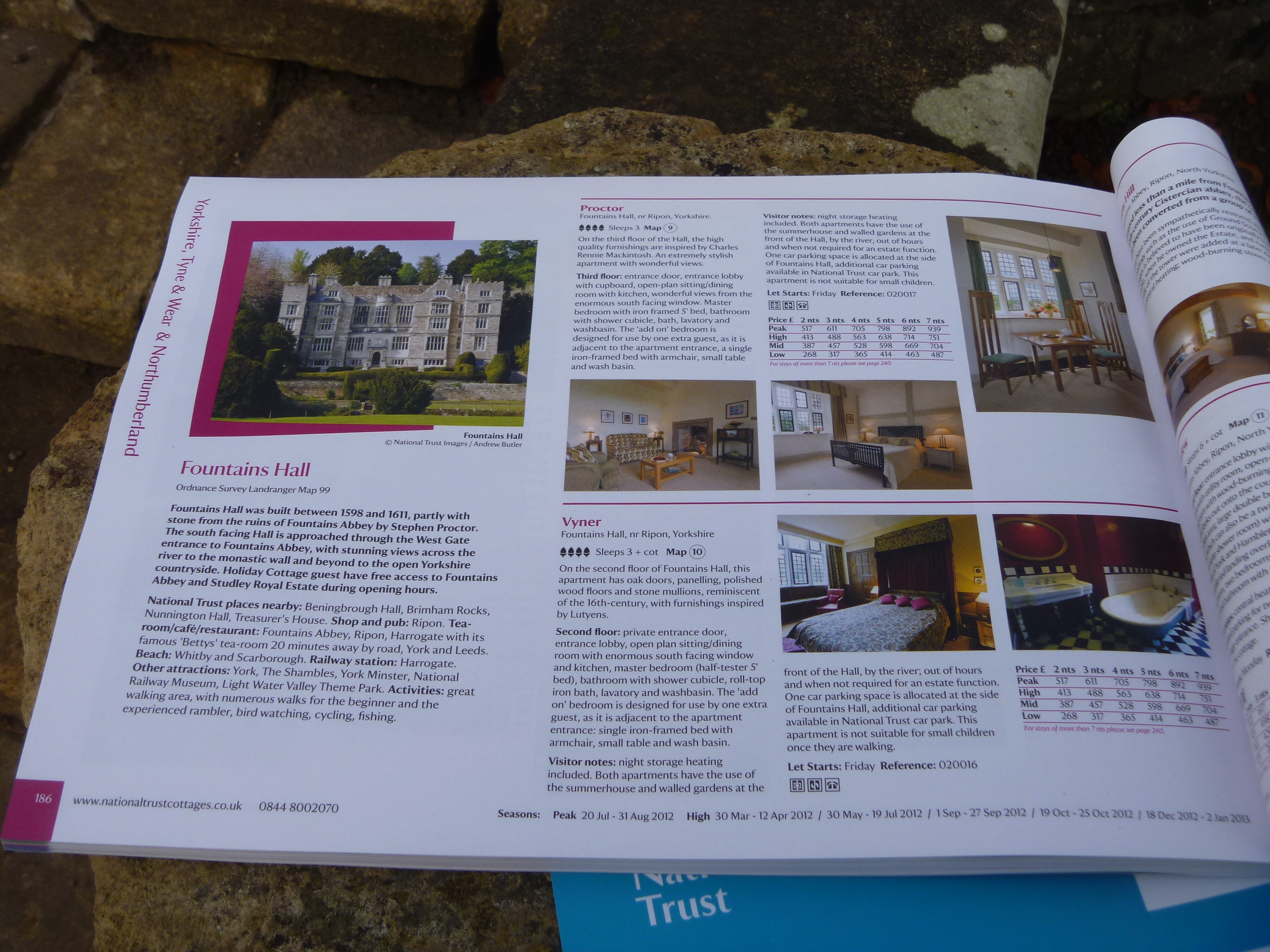
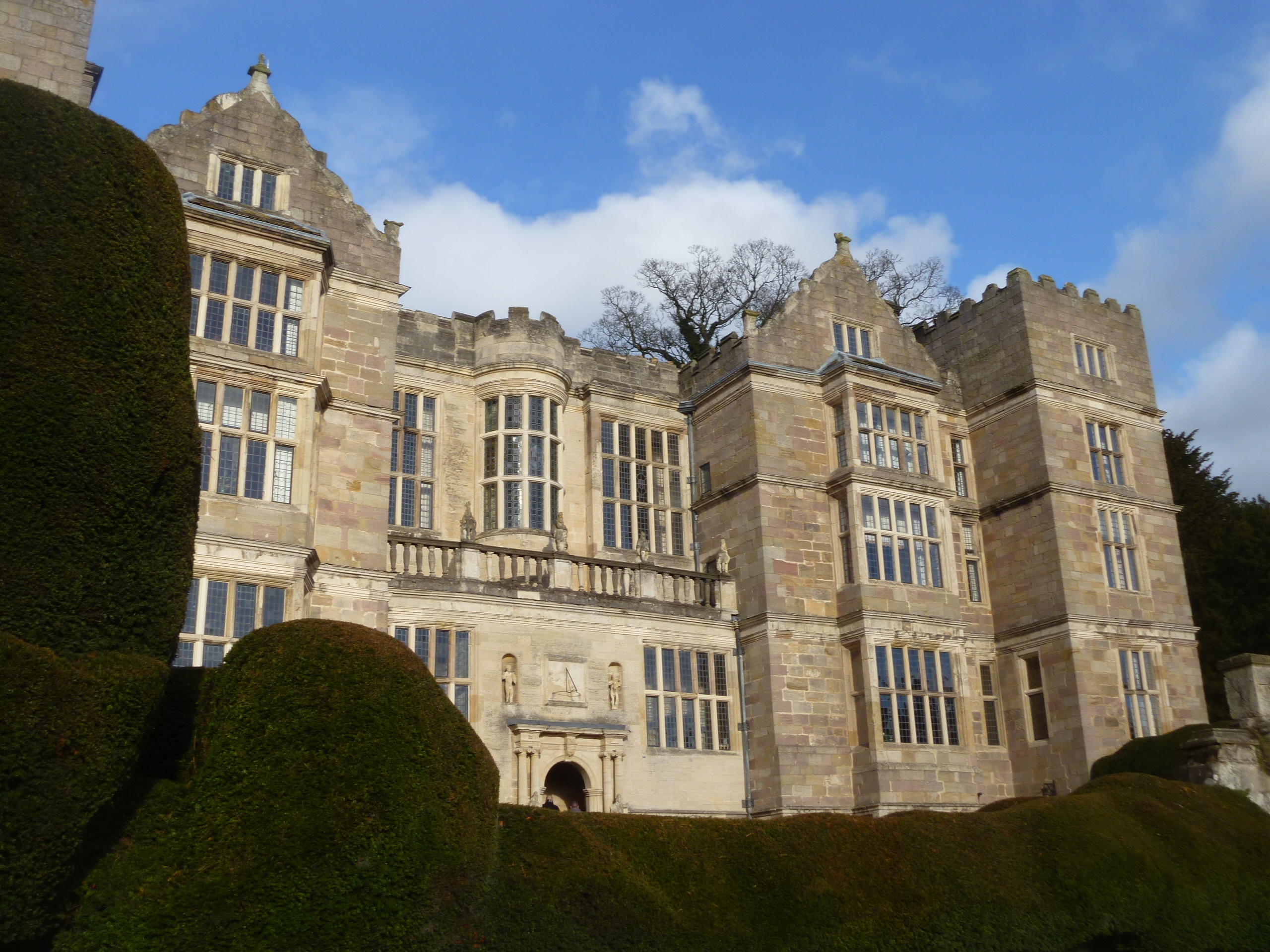
Built between 1598 and 1611 Fountains Hall is home to two apartments. On the third floor Proctor is furnished in the style of Charles Rennie Mackintosh and the views must from there must be spectacular. Below Proctor, on the second floor is Vyner furnished in the style of Edwin Lutyens.

Fountains Hall

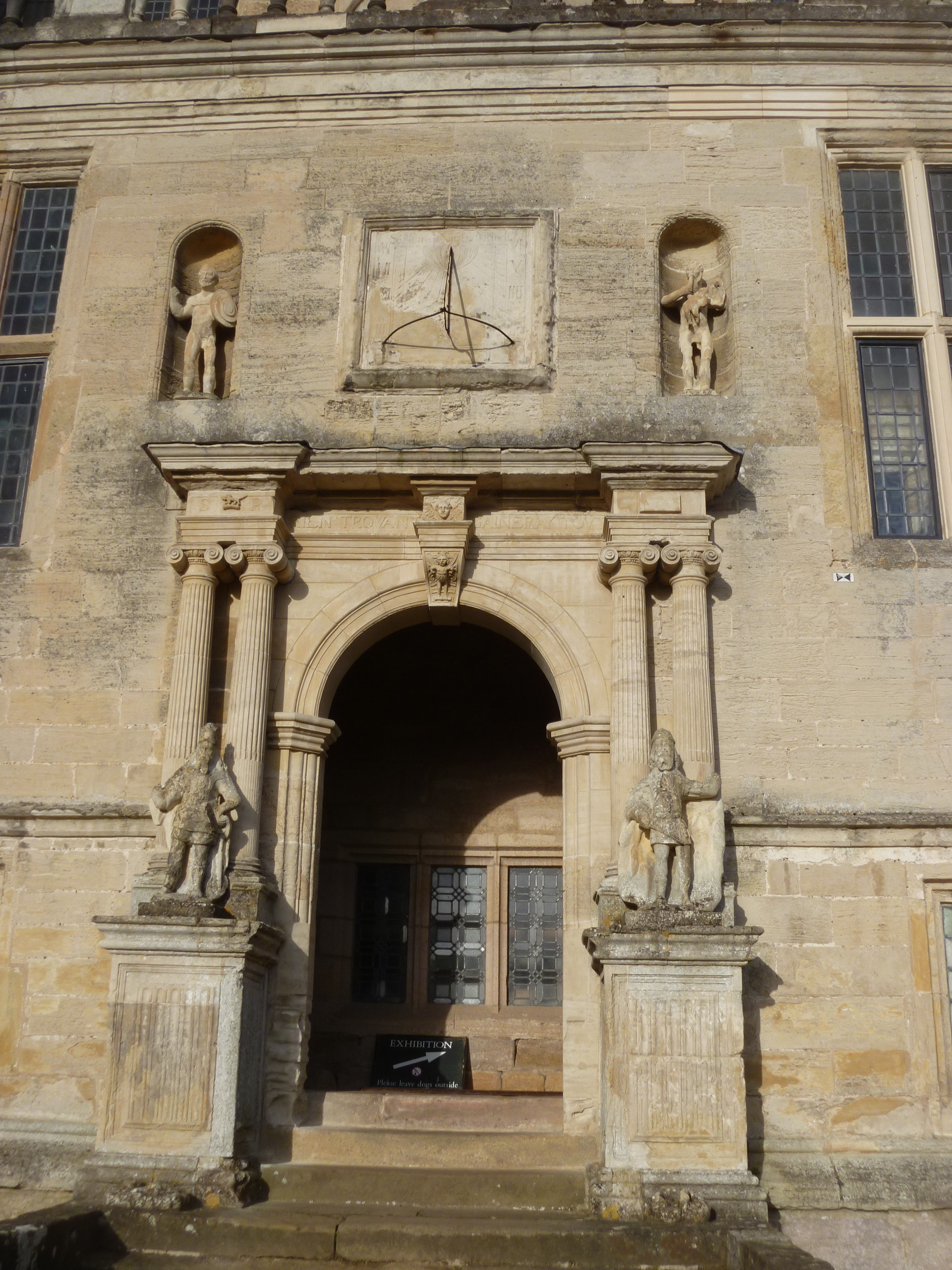
The Doorway to Fountains Hall

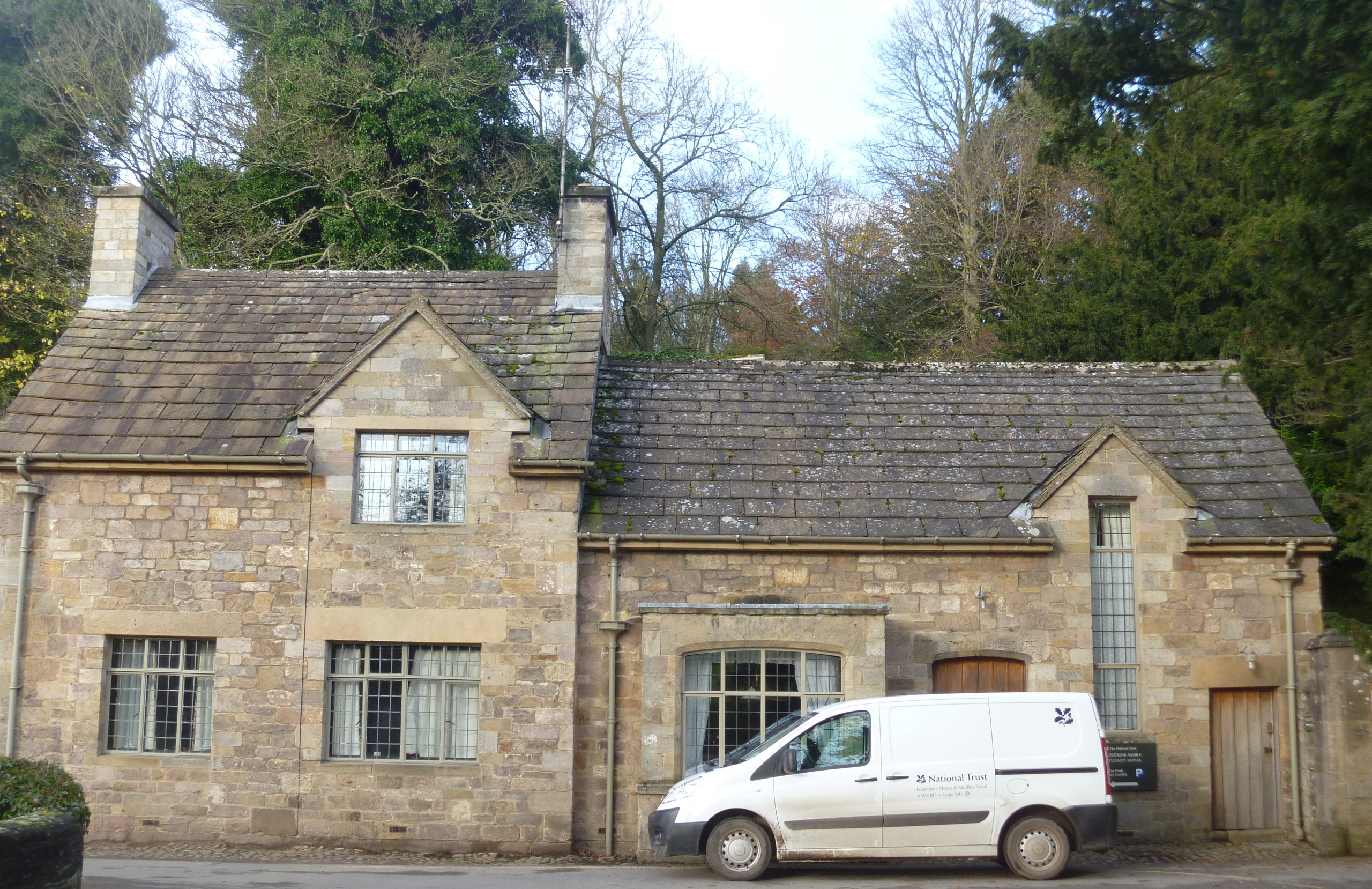
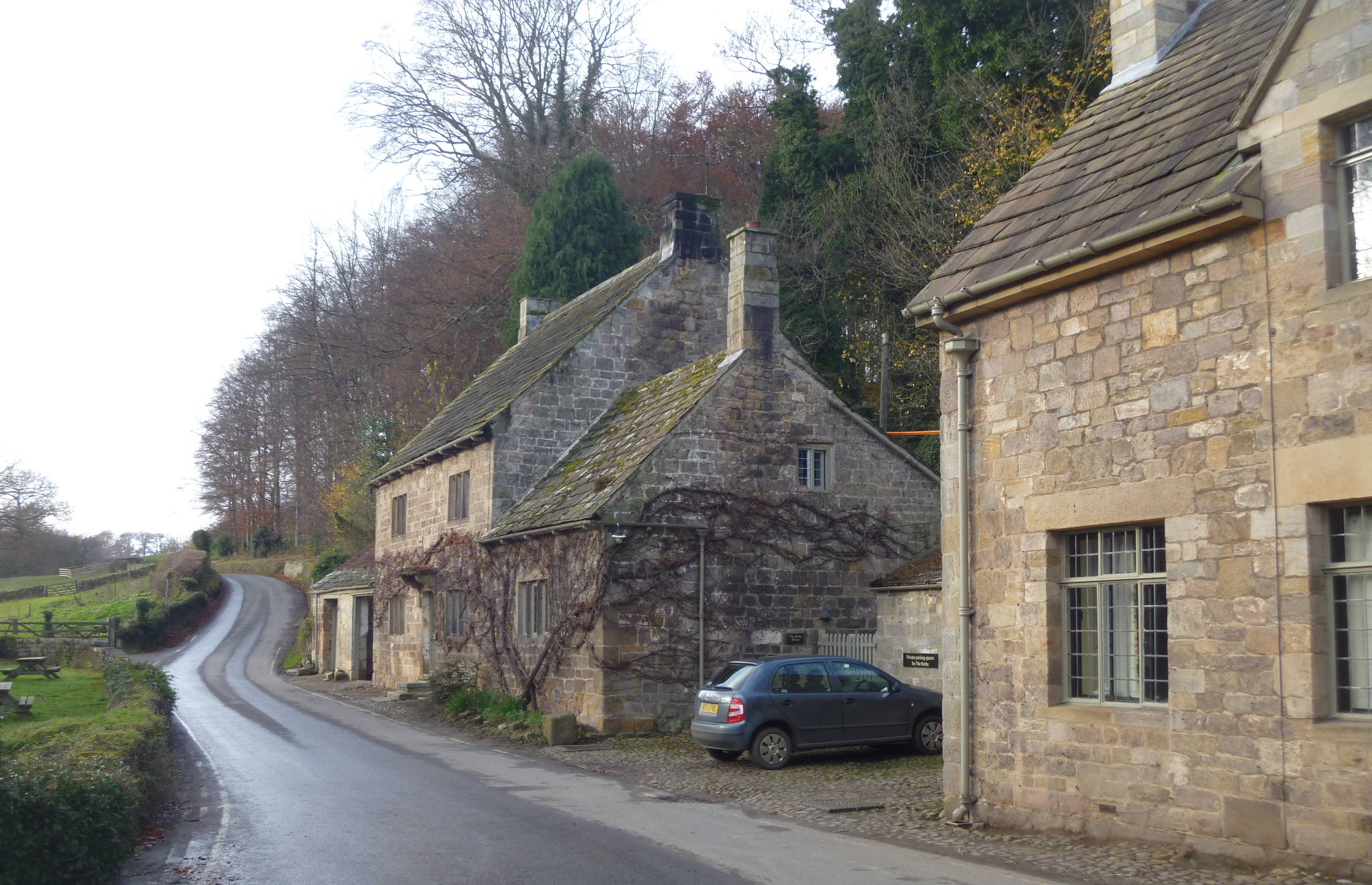
Just outside the gates of Fountains Abbey and opening straight out onto one of the minor approach roads are three self-catering cottages converted from what I remember well from a few years ago as the NT shop.

Abbey Cottage and Abbey Stores

Fountains Cottage

Until the ‘new’ Visitor Centre was opened in 1992 this was the main entrance and car park to the ruins. My, how things have changed – I couldn’t even find a space in that car park yesterday, the main car park was overflowing and the Studley Royal Car Park was full too.

Burges’s St Mary’s Church and Choristers’ House

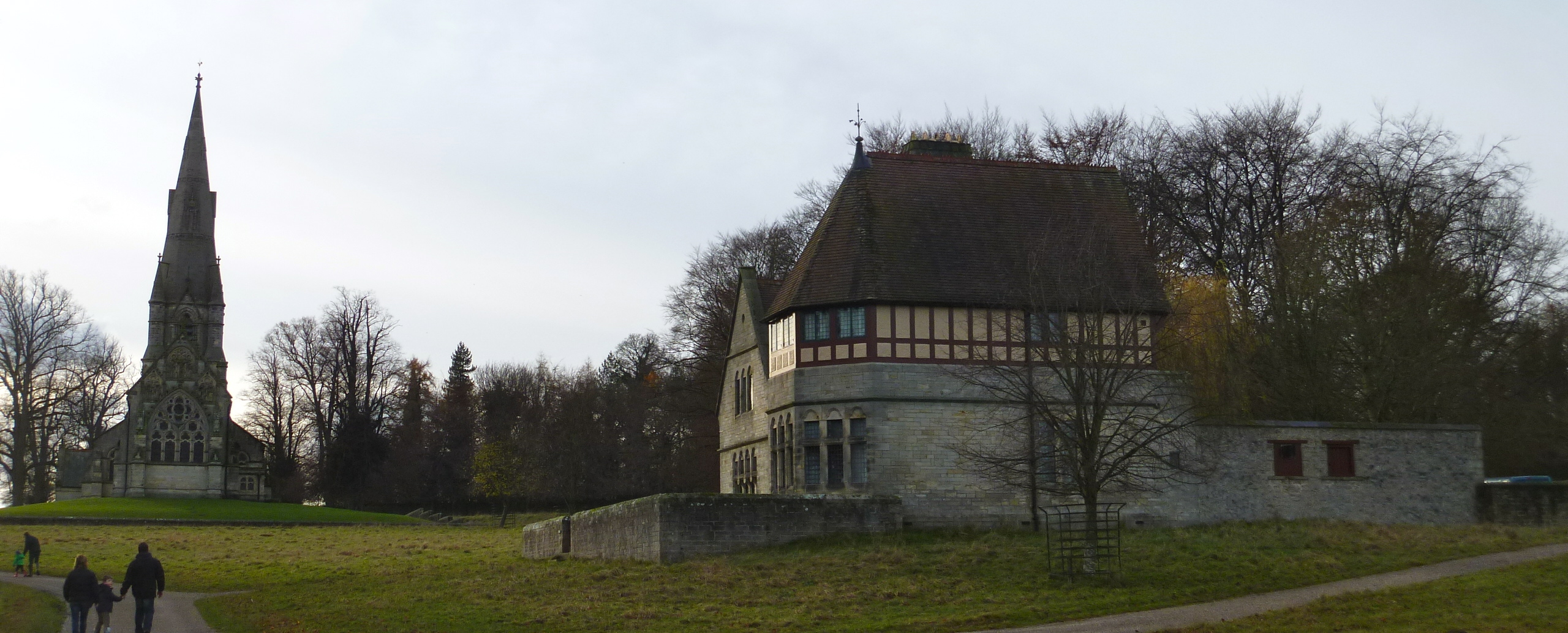
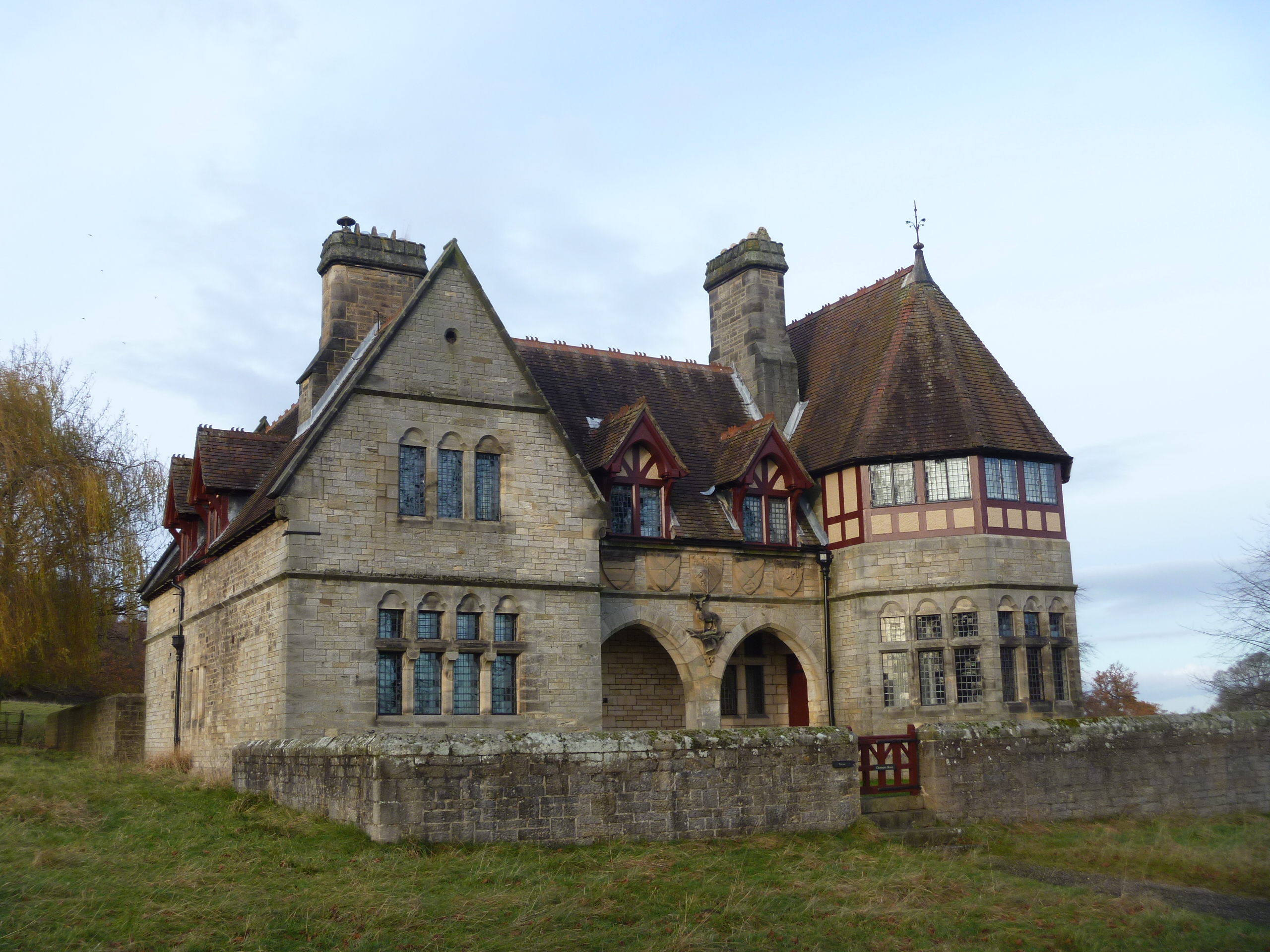
Finally, on the actual Fountains/Studley Royal Estate, a walk though the grounds from the ruins to the Lake brings you out into the Studley Royal Park. Walking along the main drive through the deer park one can clearly see Ripon Cathedral to the east and the Church of St Mary to the west. On the approach to the church, just on the right and standing detached and rather exposed, is the William Burges designed Choristers’ House which sleeps 10 and has been awarded 5 ‘acorns’ for comfort.

Built in 1873 the original use was to house a music school along with the organist and music master. It was the Estate Office until 2001 and now it is a holiday home sleeping ten people. The interior reflects the Burges style with all existing original features maintained.” (NT Holiday Cottages Brochure)

It’s another holiday home in an outstanding location: right in the middle of a deer park.

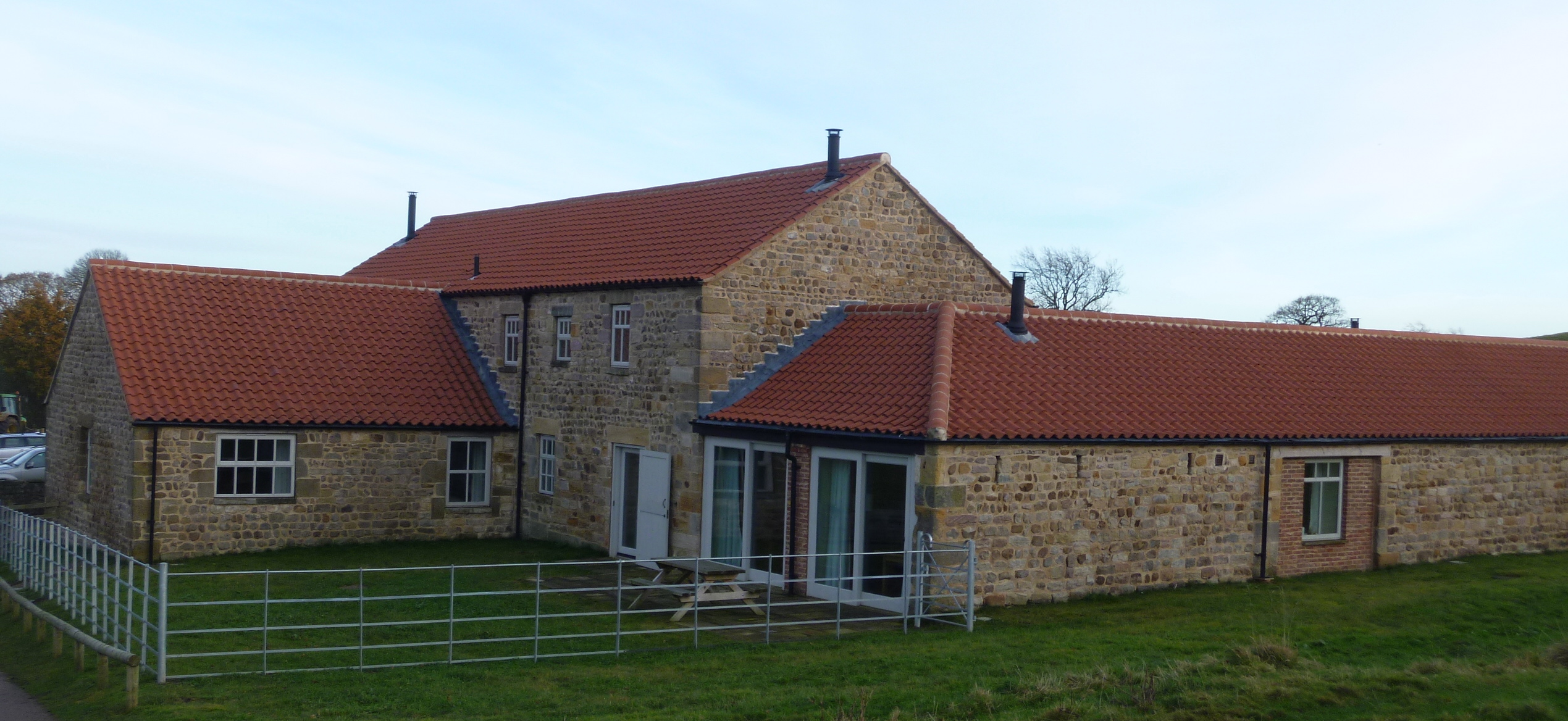
How Hill Cottages

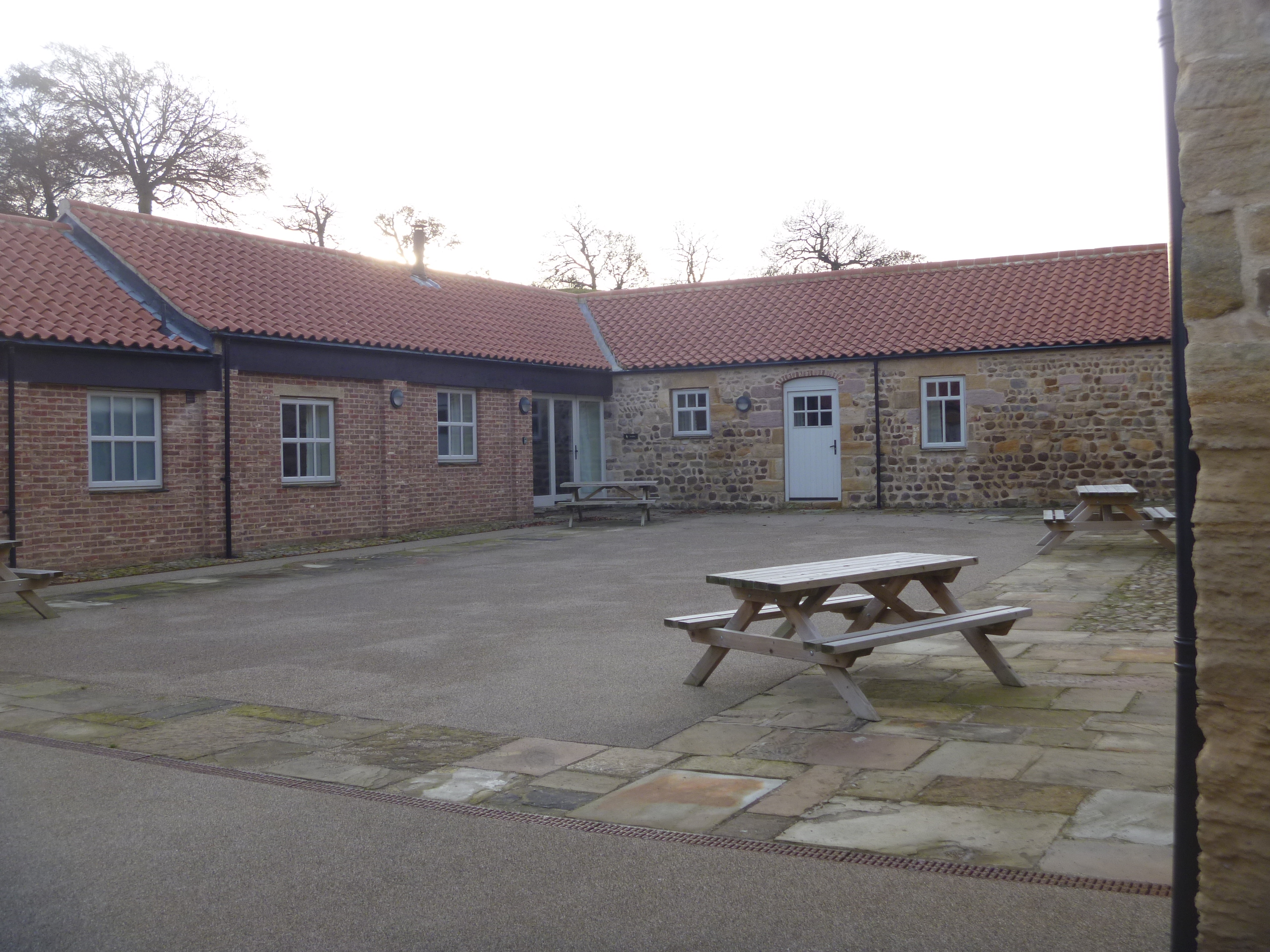
Finally, a short walk along one of the approach lanes to Fountains Abbey are the newly converted, and lately added to the portfolio, How Hill Cottages. These fall into the Trust’s “Celebration Collection” category of properties. From a group of 18th century farm buildings five self-catering units (using the most up-to-date green technology) have been created.

The Shared Courtyard at How Hill

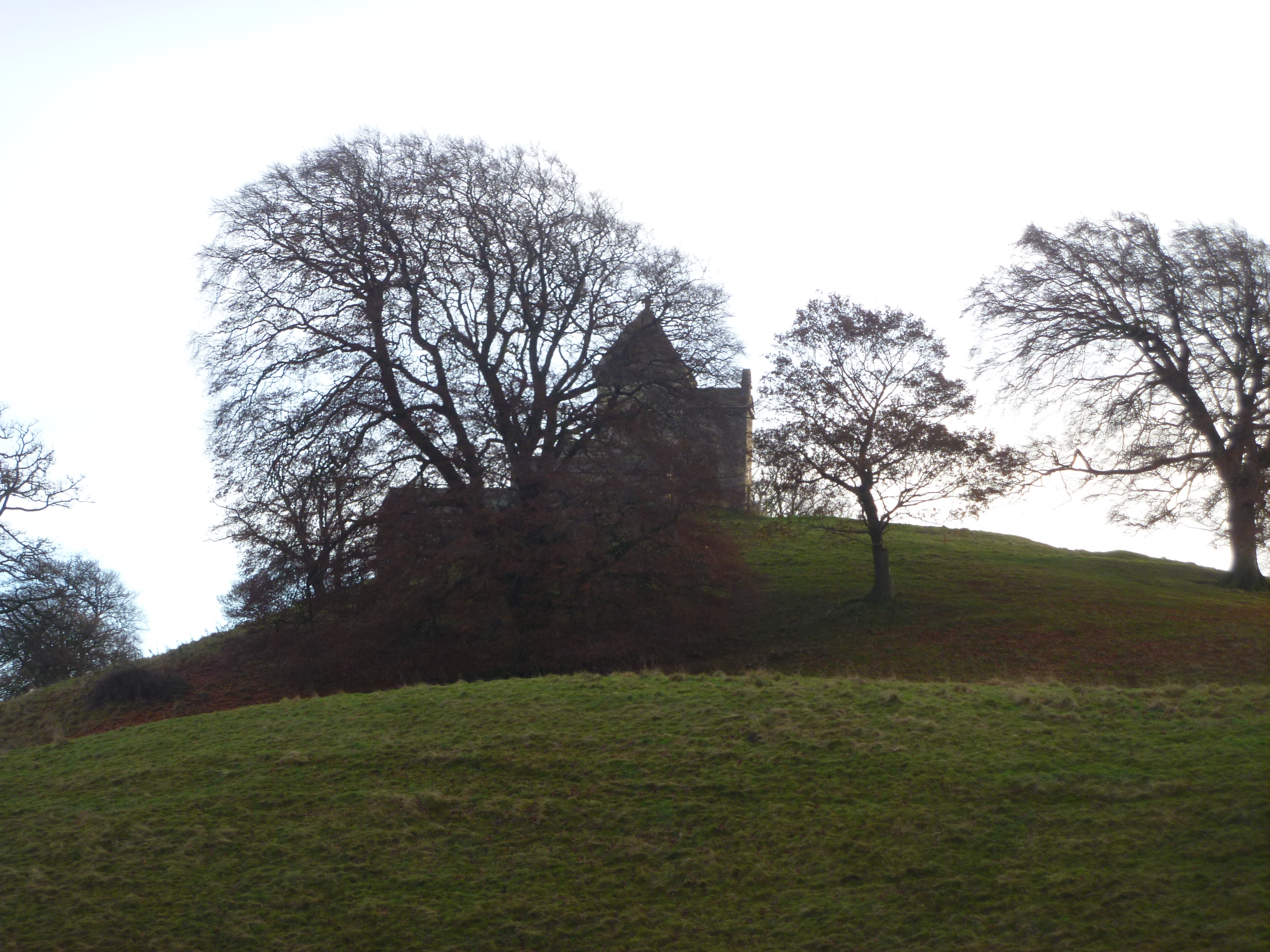
The tower on the hill behind the cottages is believed to have been originally built as an outlying chapel for the Abbey. It was restored by John Aislabie, when he owned the Estate, and rumour has it that he used it as a gambling den.” (NT Cottages Brochure, 2012)

How Hill Tower

The cottages share a single sheltered courtyard and there are magnificent views, including some of the Fountains Abbey buildings from a couple of them. Each is named after a bird : Curlew, Lapwing, Wren, Swallow and Lark.

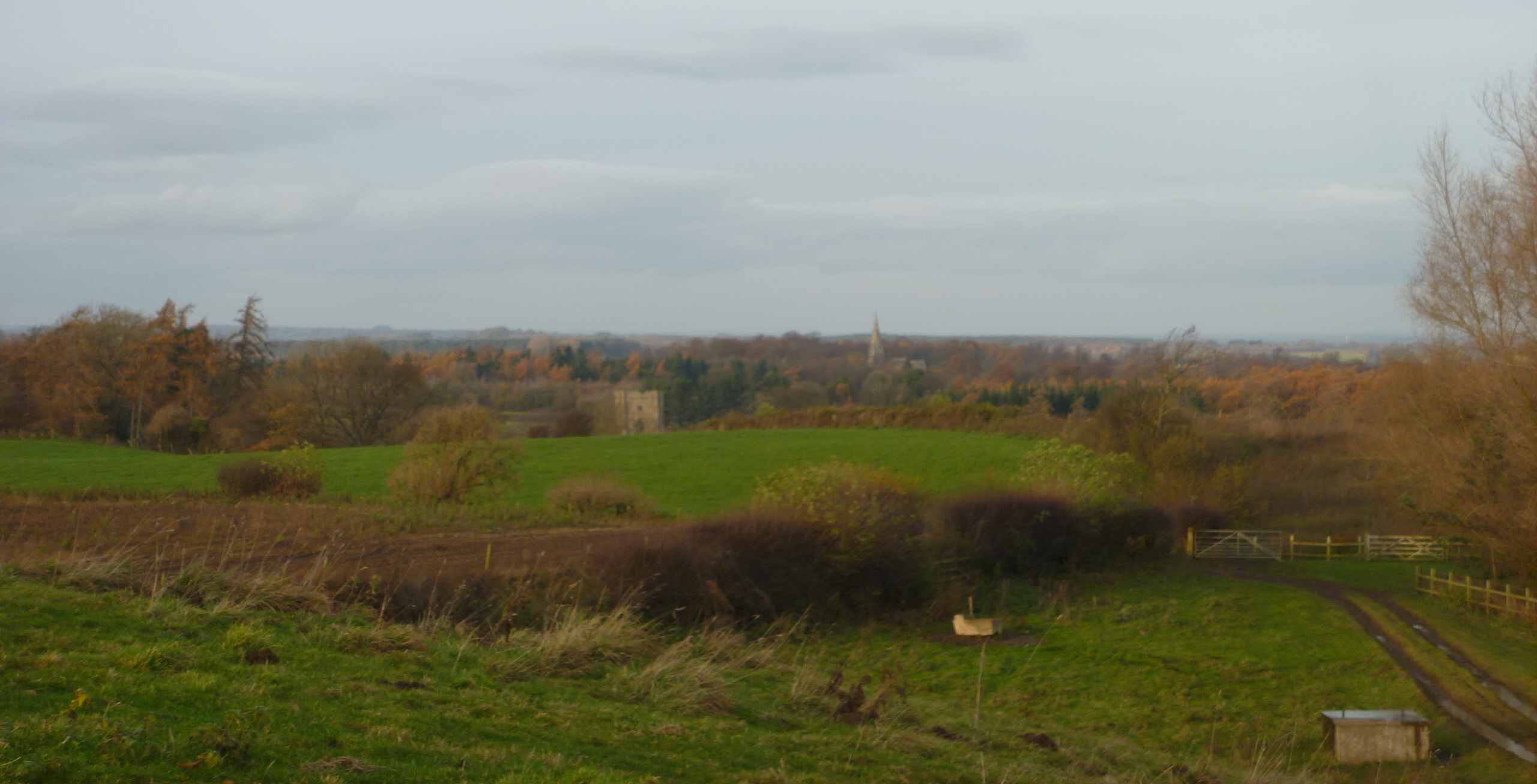
The View from How Hill Cottages

Agatha Christie at Home and at Hotels

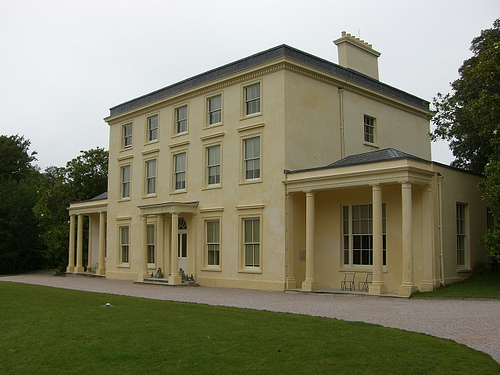
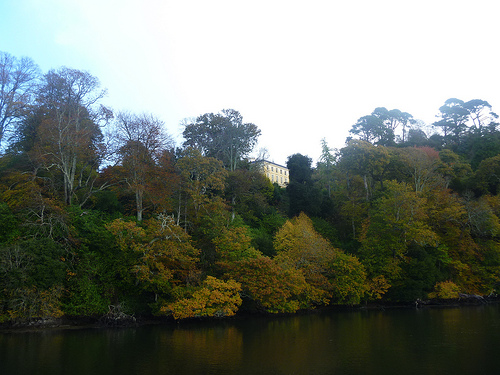
It was great news when The National Trust announced in 2000 that they had received the gift of Greenway to add to their inventory, although the house did not open to the public until 2009. Being a regular visitor to Devon I made particular point of arranging a visit to Greenways on 22nd August that year. I’d seen the house, perched above the River Dart, several times from river excursion boats and apparently travelling by river boat (The Green Way) is the best way to approach it.

But I had my elderly mother in tow so we booked a car parking space and a table in the restaurant (converted from Agatha’s own kitchen). The gardens are beautiful and varied and paths lead up above the house to the kitchen garden and down to the River Dart and the Greenway Boat House.

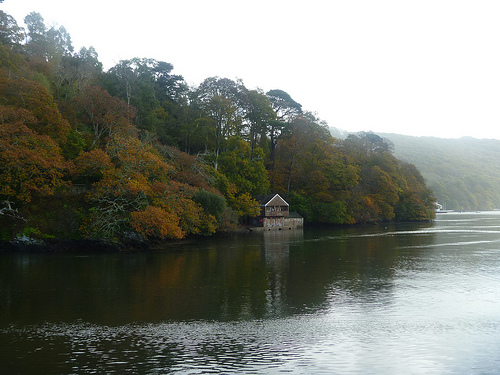
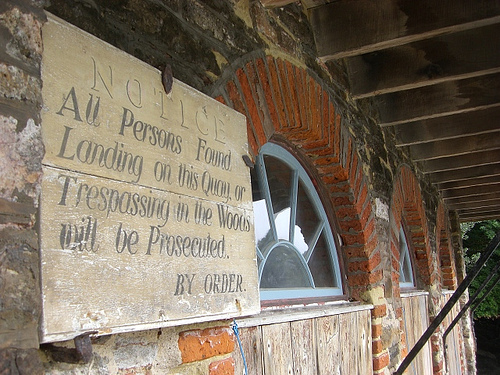
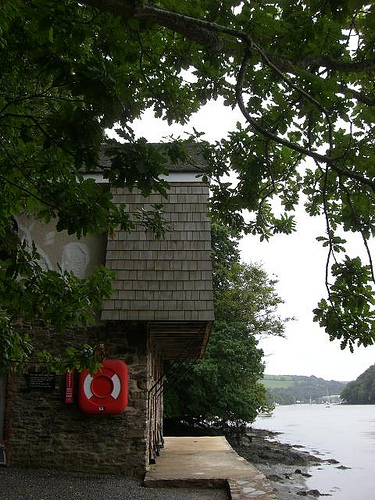
Greenway Boat House from the River Dart: featured in Agatha Christie’s ‘Dead Man’s Folly’.

The Greenway Boat House (above and below)

Agatha Christie used the boathouse as the location for the fictional murder of Marlene Tucker in ‘Dead Man’s Folly’

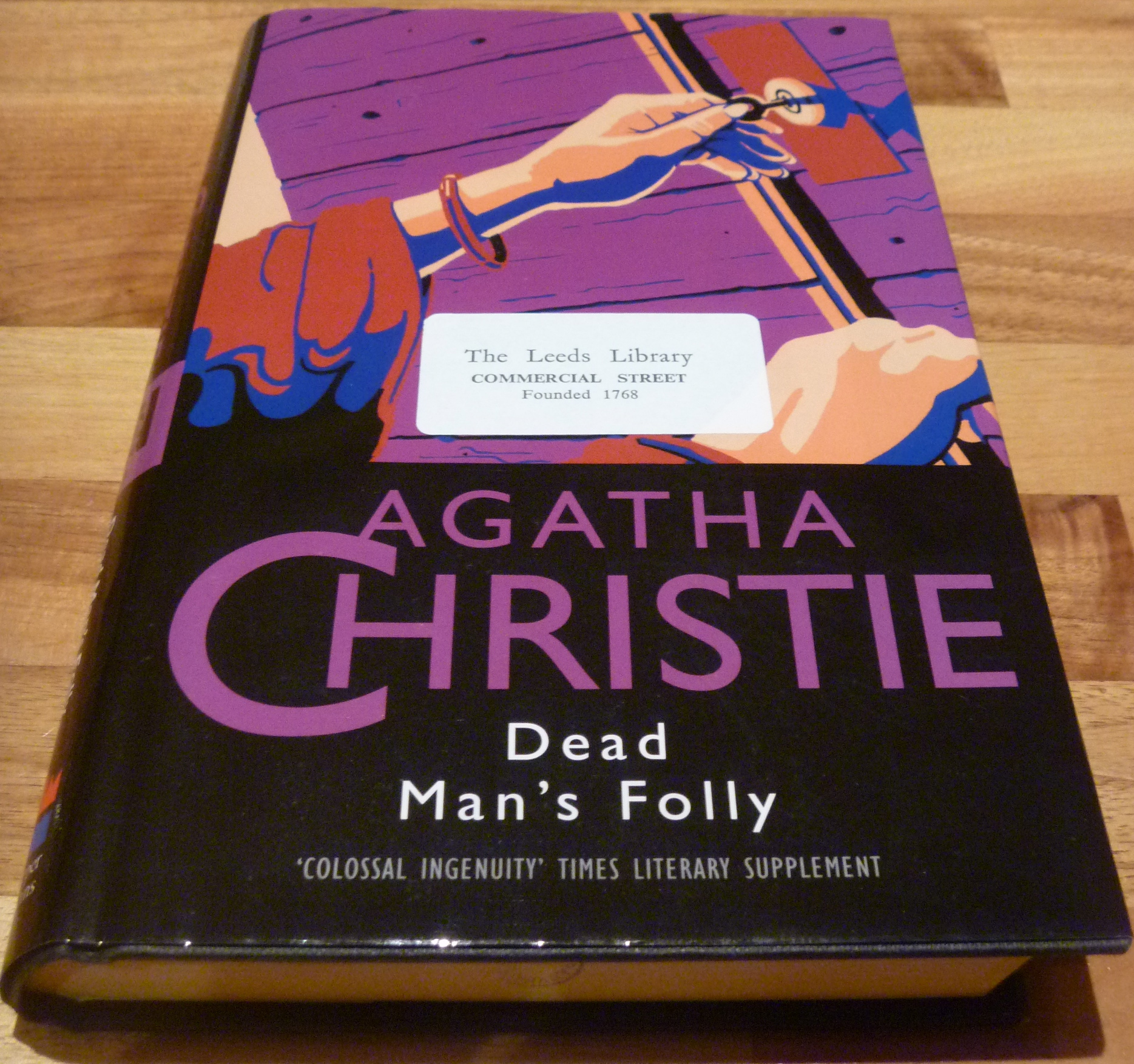
We made a tour of the house with an introduction by a room steward and were then left to our own devices. I don’t have any interior photos so we were probably asked not to take any. My question to the guide was “Which books did Agatha actually write here?”. The answer was “None”. She used the house as a summer retreat and invited guests of friends and family to join her. Here she would read her latest manuscript to these guests in the evenings before publication in the following autumn. However, one book was written based entirely around the Greenway location : “Dead Man’s Folly“. I read loads of Christie novels in my late teens but have never gone back to them since. With the exception of DMF which I bought secondhand the day after visiting the house and read straightaway. All the locations came back to me with immediate clarity. The boat house featured as the location where the murder took place.

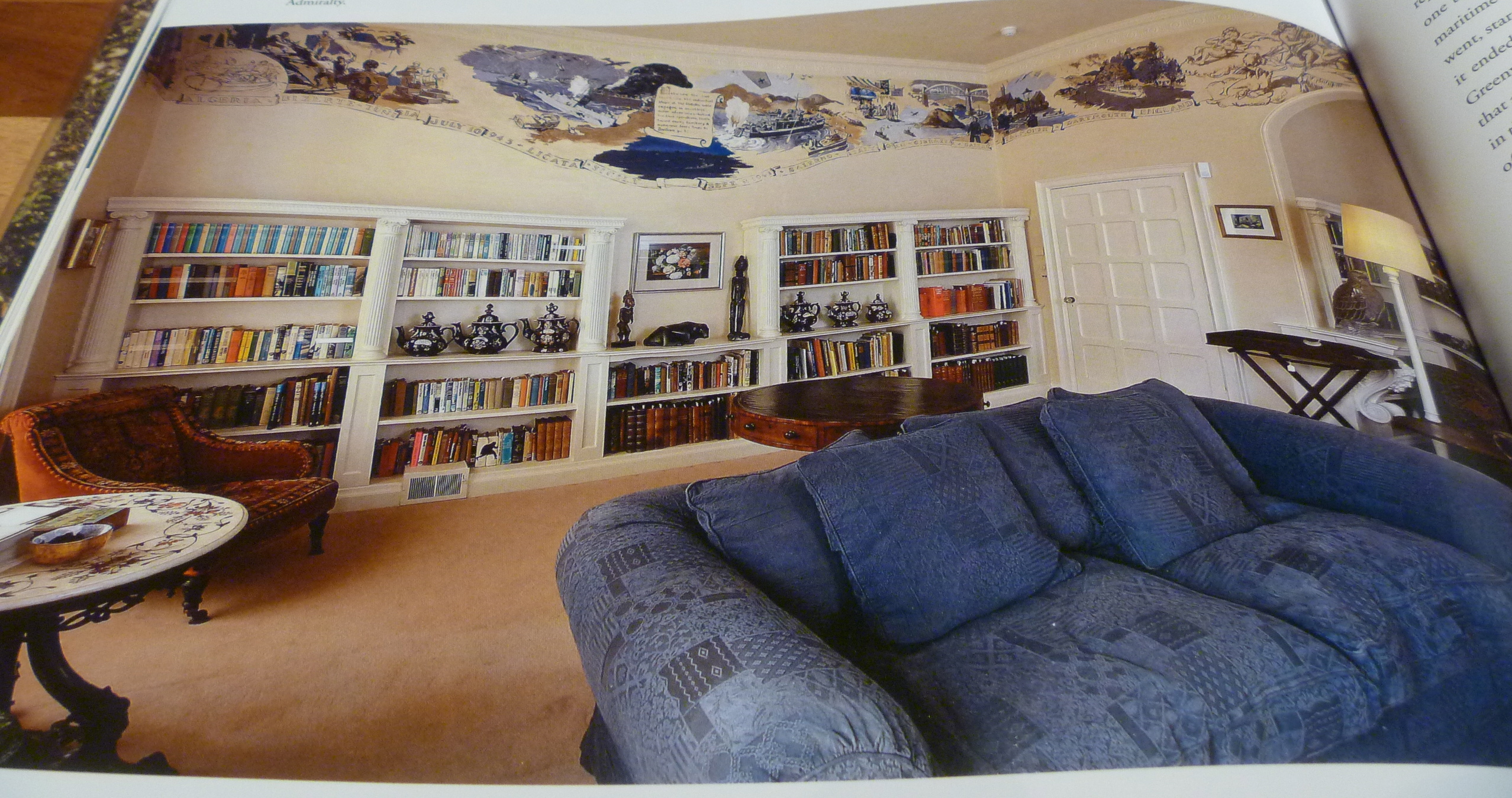
Greenway Library – my favourite room (Photo from Agatha Christie at Home by Hilary Macaskill)

[The frieze was painted by Lieutenant Marshall Lee when he was stationed at Greenway by the US Navy. The house had been requisitioned by the Admiralty during the Second World War.]

After our house tour we used the servants’ entrance to the dining room where only 3 or 4 tables were set for lunch. We enjoyed our meal surrounded by Agatha Christie’s cookery books and kitchen equipment.

Moorlands Hotel

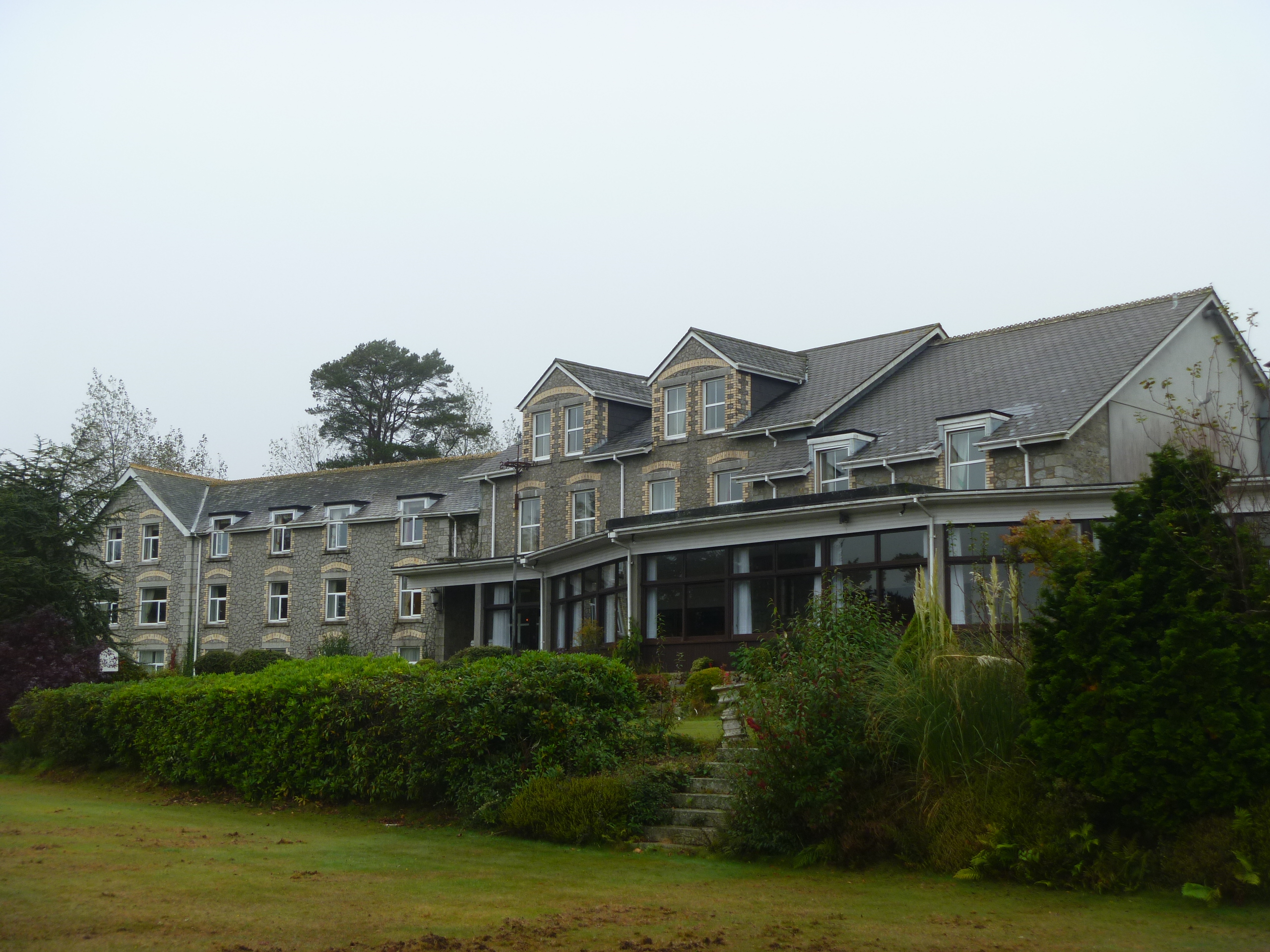
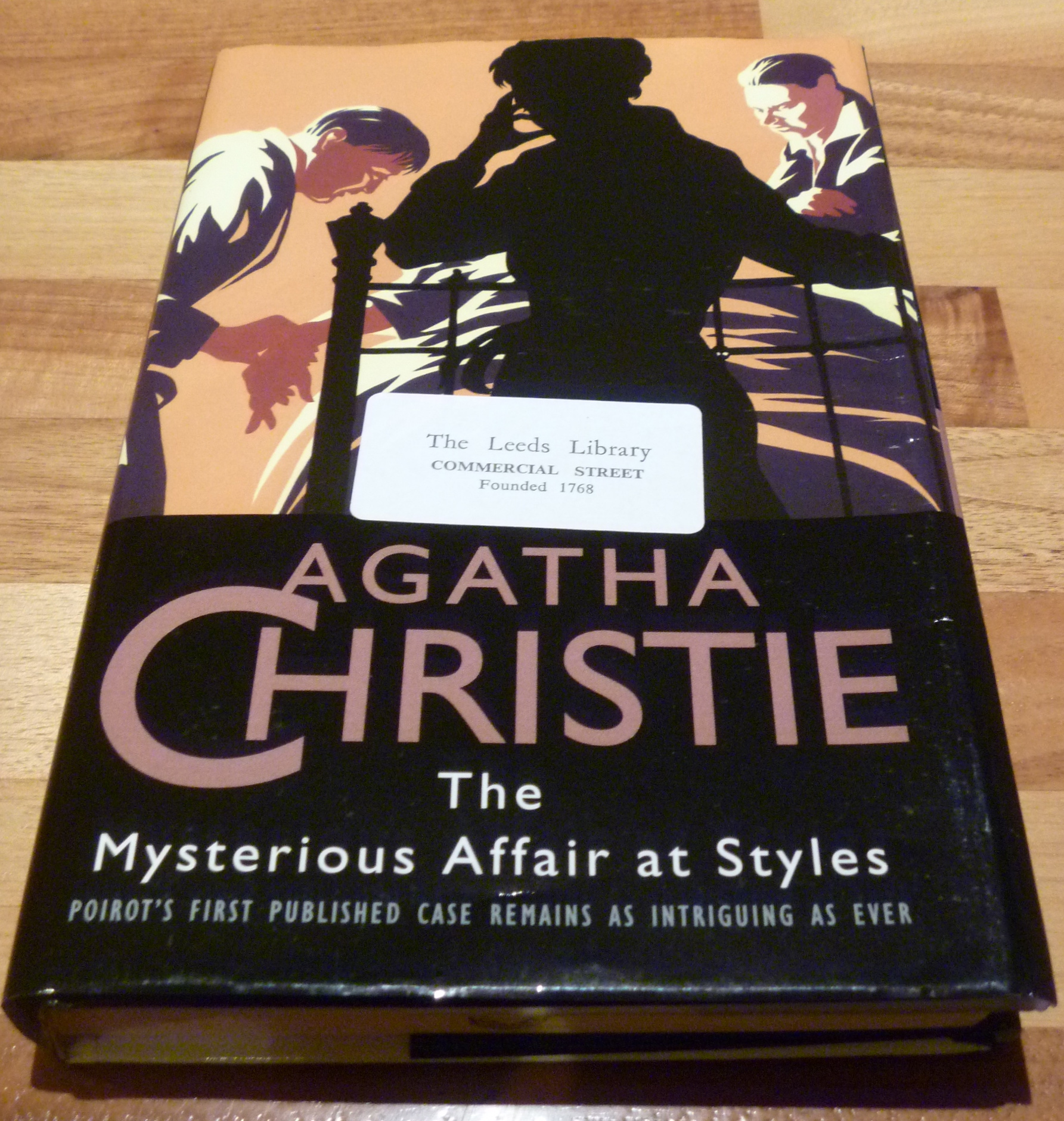
Interestingly, I have come across two hotels with Agatha Christie connections within just a couple of weeks. The first is Moorlands near Haytor just on the edge of Dartmoor. Whilst staying here Agatha Christie was inspired to write her first book, The Mysterious Affair at Styles.

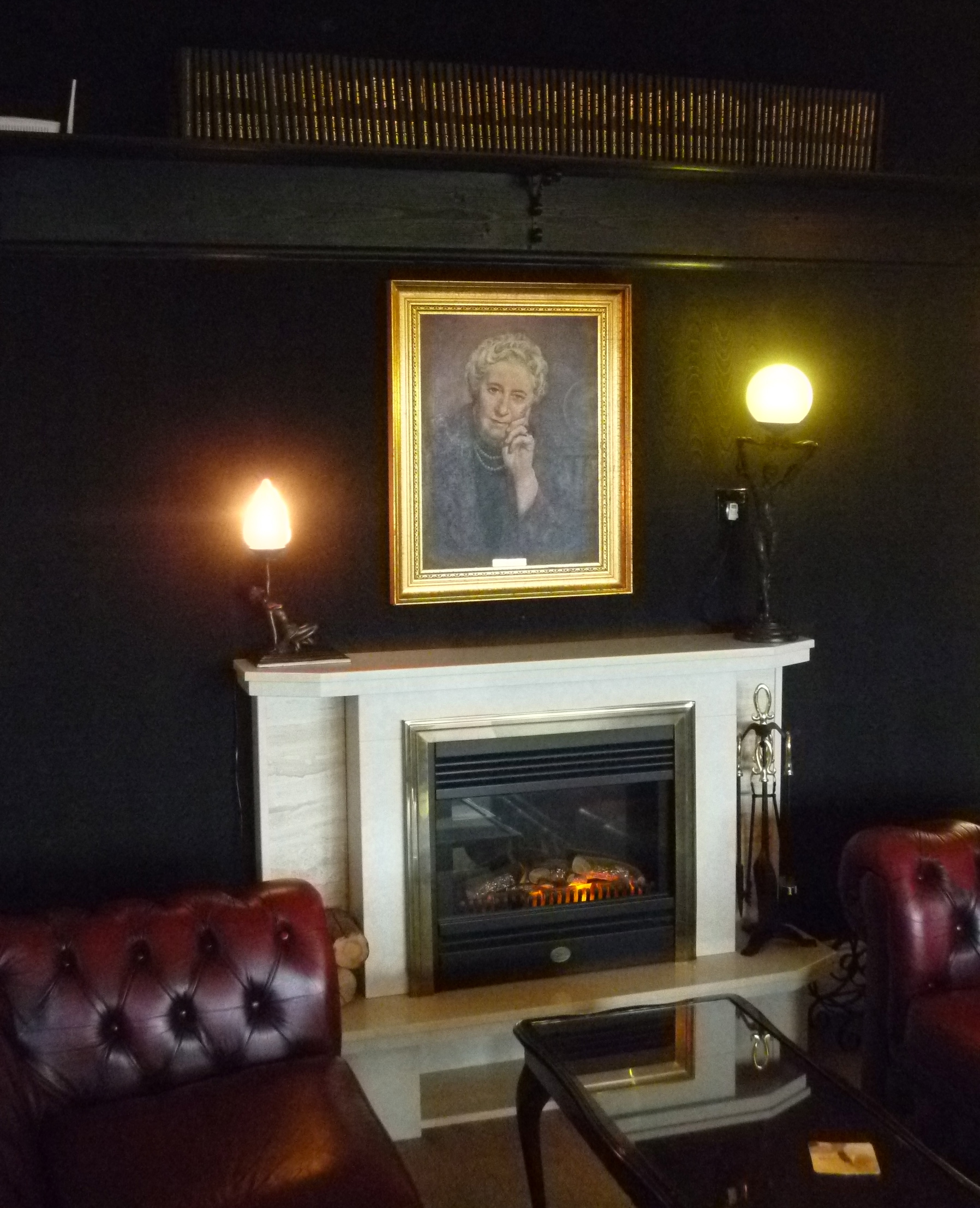
Moorlands is now a hotel belonging to the HF Holidays organization and it was just steps away from our cottage on Dartmoor in October. There’s a lovely cafe (with wifi) – Dandelions – which is open to non-residents. I already knew about the Christie connection and asked to see the picture.

Agatha Christie Portrait and Complete Works

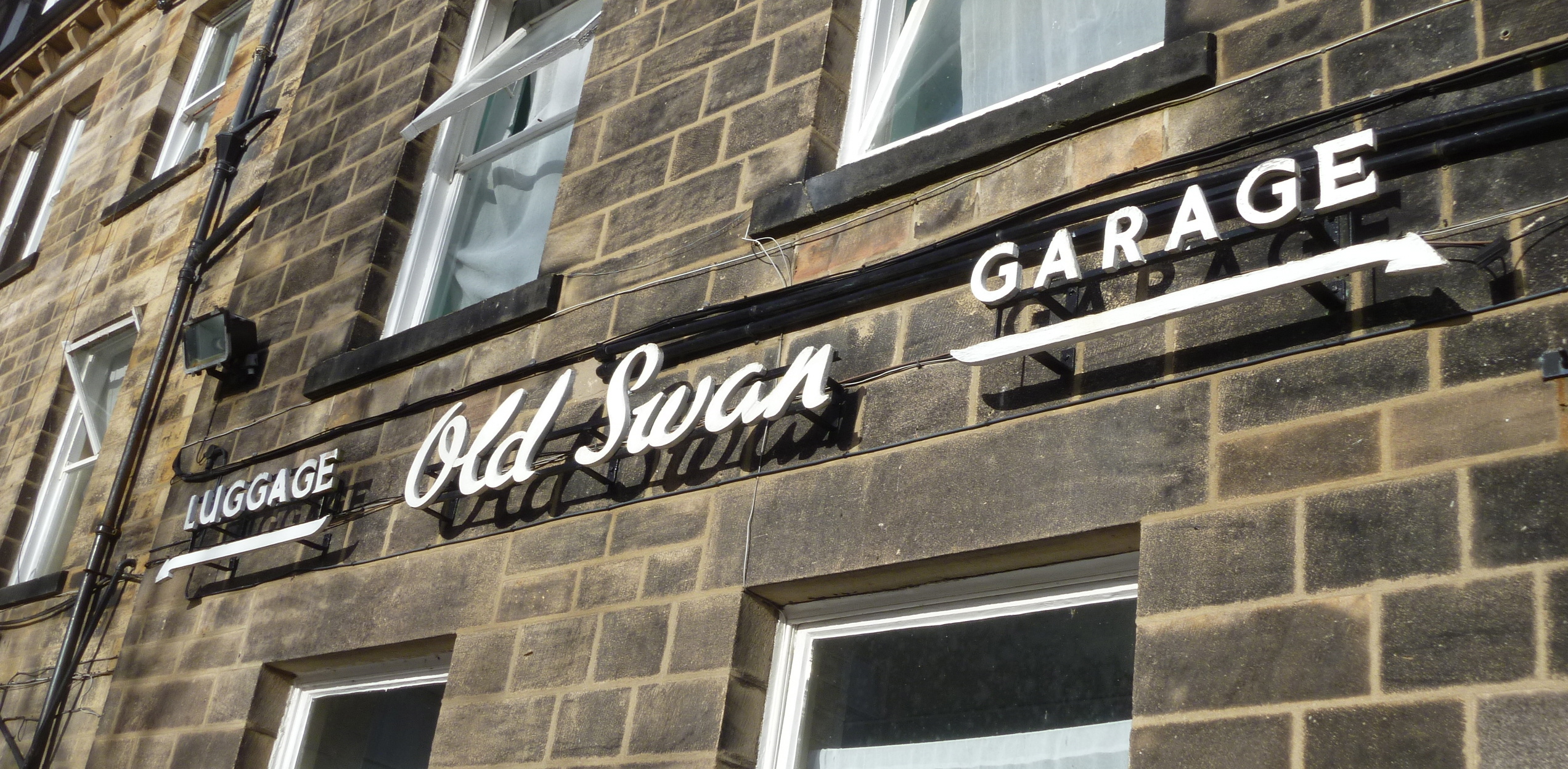
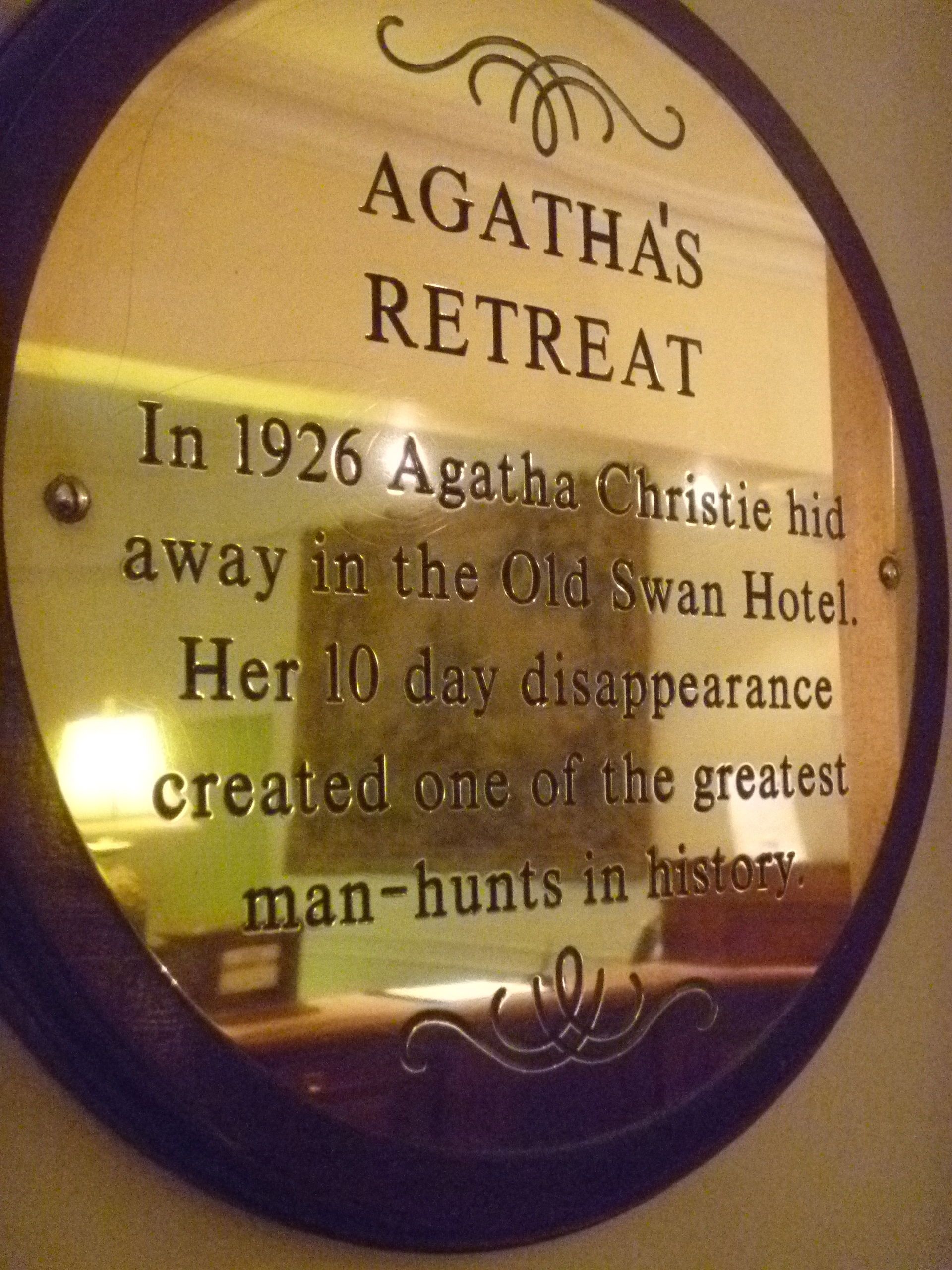
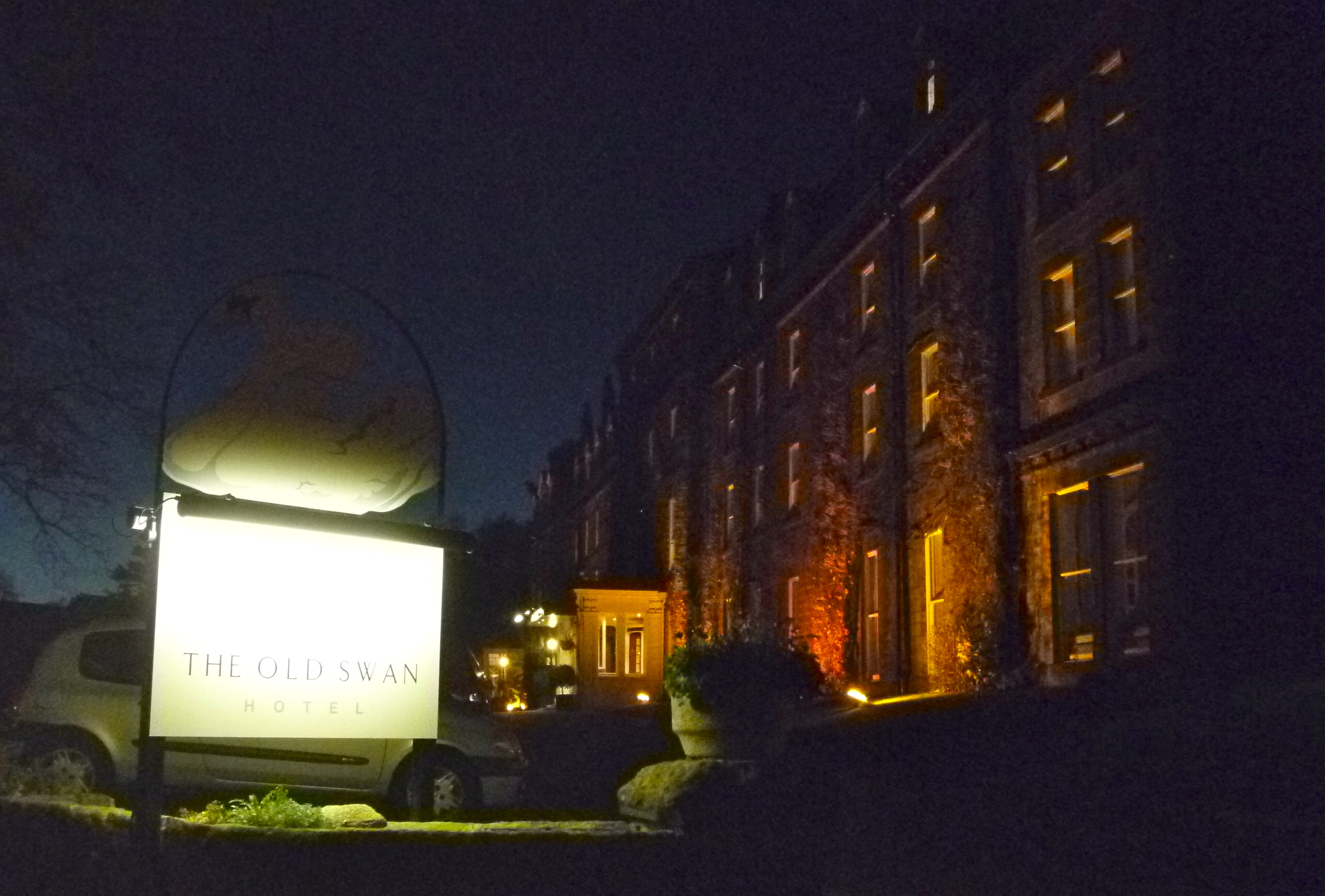
Then this weekend I visited a friend who was staying at The Old Swan Hotel in Harrogate. This was the hotel where AC was found 10 days after she mysteriously disappeared following her husband’s revelation that he was leaving her for another woman.

And finally, what do Agatha Christie, The Duke and Duchess of Windsor and Edith Wharton (all featured in these pages) have in common? Answer : they all had doggie cemeteries for their own pets.

Buckfast Abbey Window

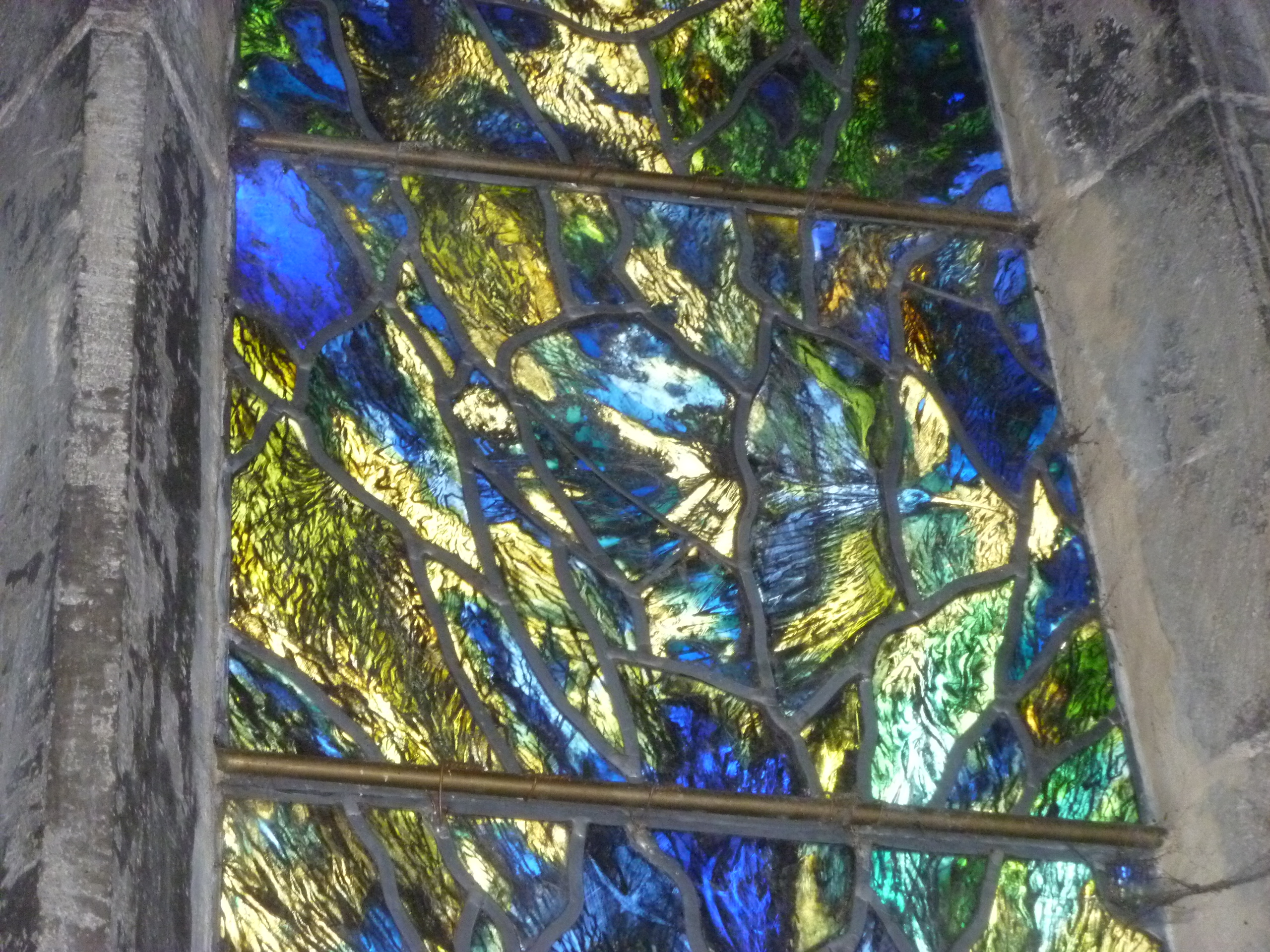
Earlier this month Lynne commented here that she loved the blues of the Millennium Window by Tom Denny at Bolton Percy church she compared it with the newer window at Buckfast Abbey.

Tom Denny Millenium Window, Bolton Percy

So, after we left Dartington late last Thursday afternoon we drove a few miles to Buckfast Abbey. Lynne specially wanted to show me the stained glass window in the Blessed Sacrament Chapel. But before heading into the Abbey tea and cake called. The Grange Restaurant can be highly recommended for its homemade cakes and cheesecakes!

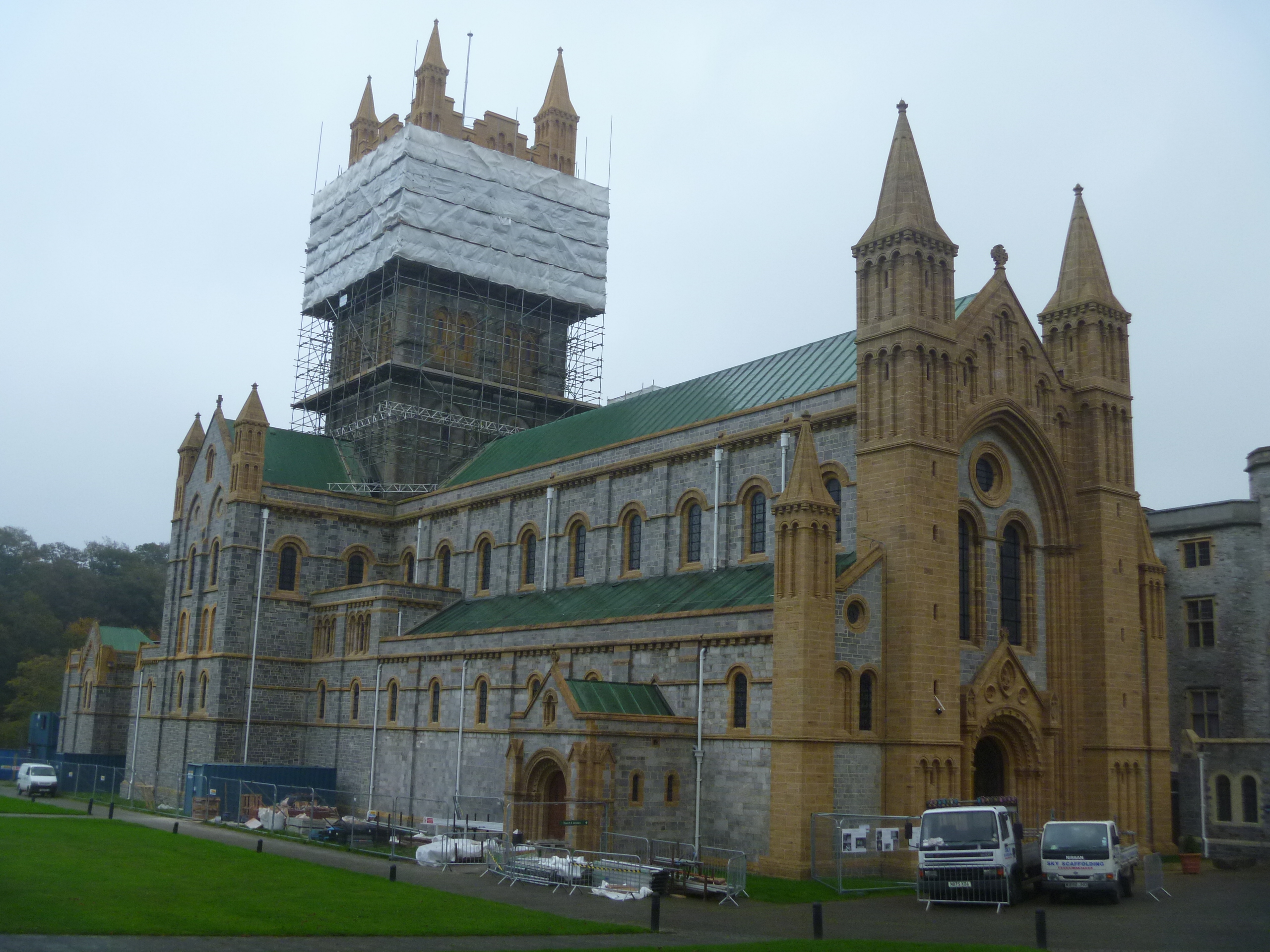
The Abbey interior and exterior are currently undergoing major renovation works. The nave is full of scaffolding but we made our way to the only dust-free, quiet area The Blessed Sacrament Chapel.

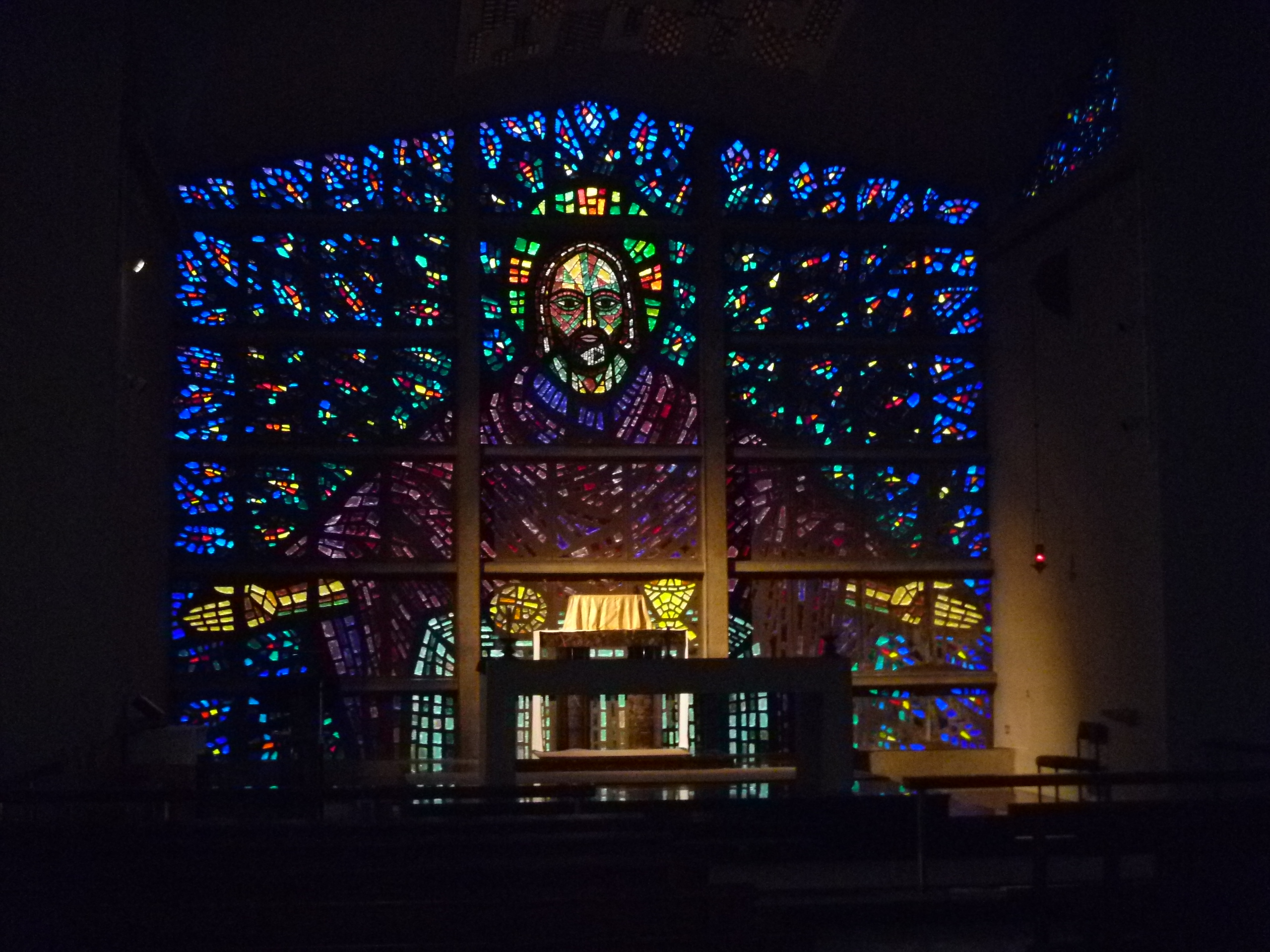
“In contrast to the rest of the Abbey, the Blessed Sacrament Chapel brings a touch of modern. After the main church was completed, the chapel was added to provide a place for quiet prayer, especially during the summer months when thousands of people visit the church daily. The splendid stained glass windows depicting Christ at the Last Supper, were designed and made in the Abbey’s workshops by the monks.”

[http://www.buckfast.org.uk/site.php?use=stills]

The window is breathtaking and to think that it was made by the monks themselves and we could actually touch the chunky roughly-hewn glass.