Amsterdam Made By Hand – De 9 Straatjes en De Noordermarkt

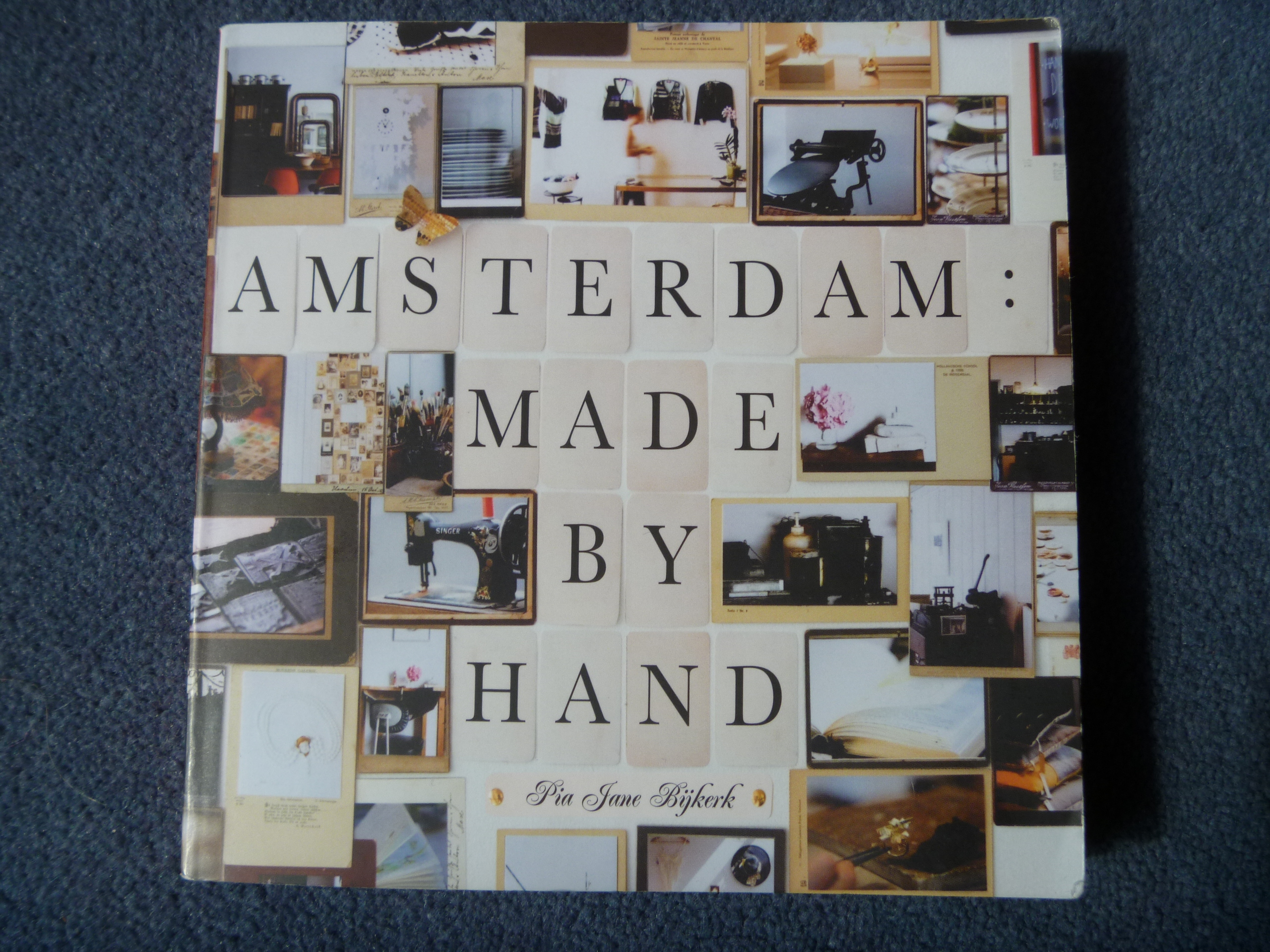
For quite some time I have had my eye on this lovely little book and as soon as I knew about my trip to the city I could not resist buying. To me there is something very special about these travel publications from the Little Bookroom. Here’s a press comment from their website :

“The Little Bookroom…wants travelers to slow down. They’ve carved themselves a niche in the over-crowded travel book industry by thinking small with titles that define the character of a city.”—The Pittsburgh Tribune
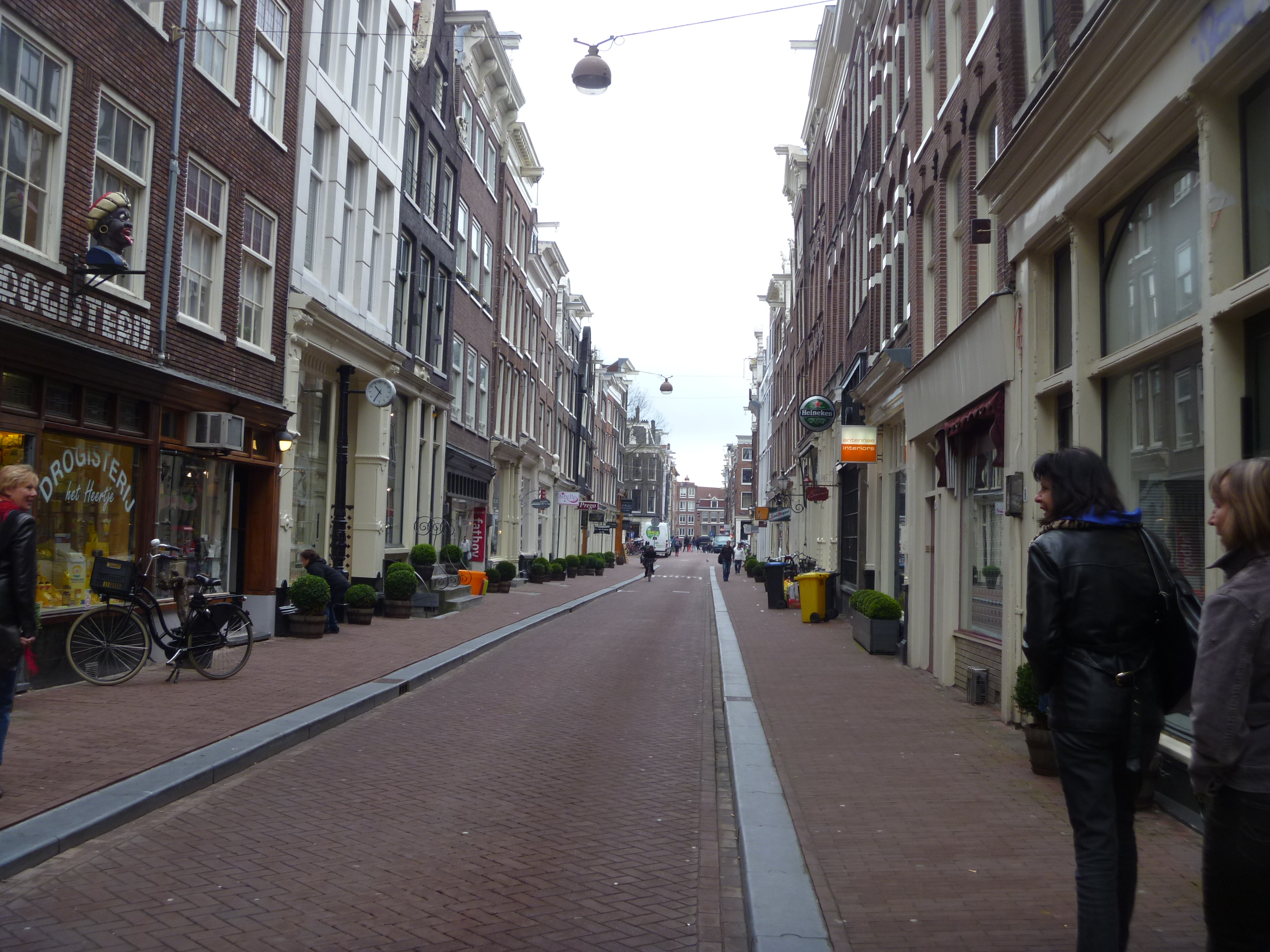
There’s an area of Amsterdam, very near to our digs, called The Nine Streets  [De 9 Straatjes]. On our first morning we found ourselves wandering along the nine streets, popping into cafes for sustenance and to warm ourselves, calling into boutiques, shoe shops, design shops, galleries and studios, trying things on and generally having fun spotting the unusual. We also took lots of photos.
Antiquariaat Culturel

Gasthuismolensteeg 4

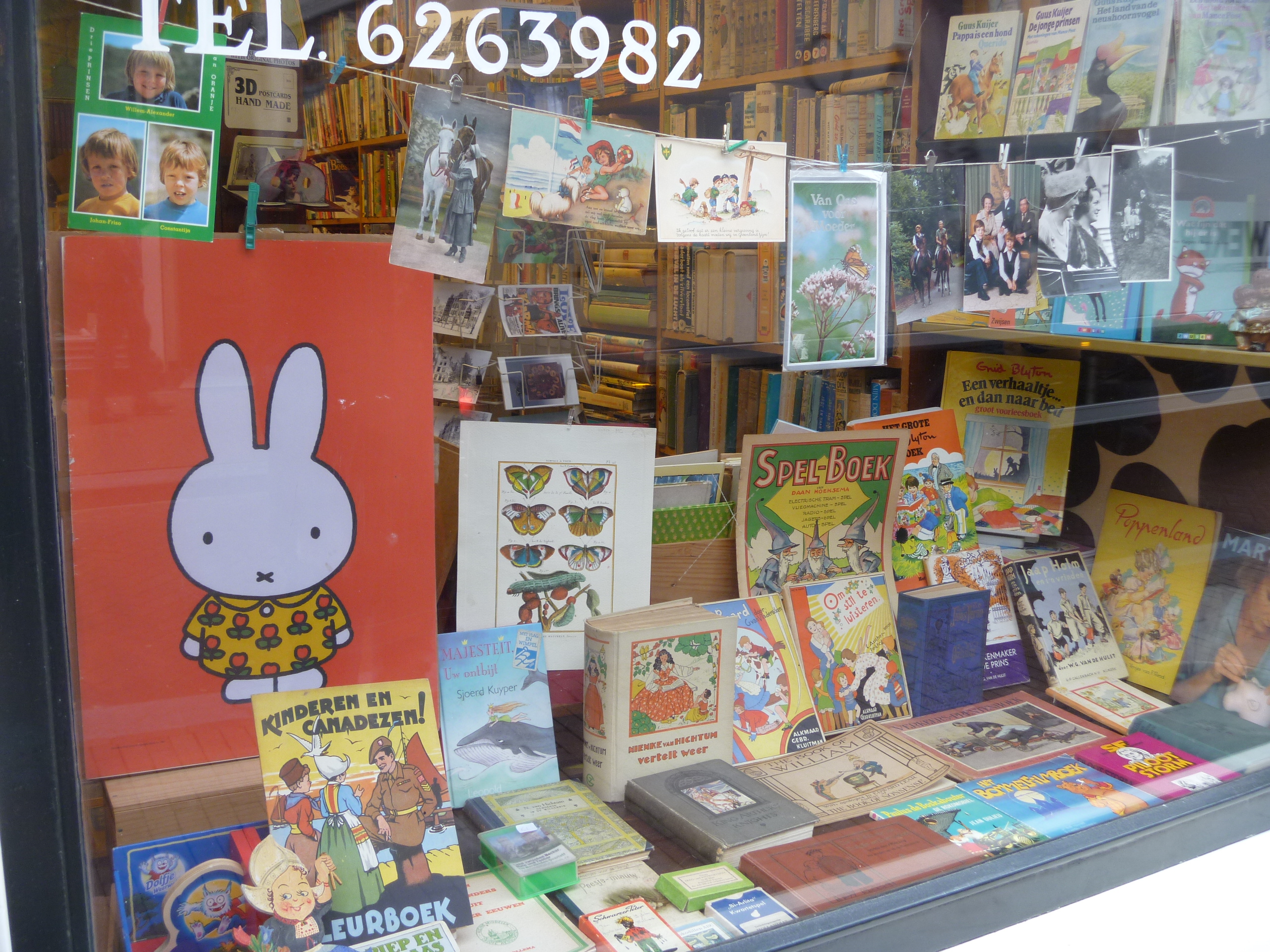
Culturel is run by Hans and Ina Cramer, who I like to imagine spending their non-working hours amid a snug muddle of crosswords, sleeping dogs and homemade cake. Their business oozes quintessential second-hand bookshoppishness, with precarious towers of tomes and ceiling-to-floor shelves crammed with literature, art and history books hand-picked by Ina. None of them is catalogued; there is no computer, let alone a website, or even a till. Among other books, I have bought an Esperanto translation of The Little Prince here, and also a copy of The Diary of a Nobody, mainly because I liked the fact that on the inside cover Hans has written ‘very funny’.”  From an article in the Guardian in 2008 : Amsterdam: literature’s capital city
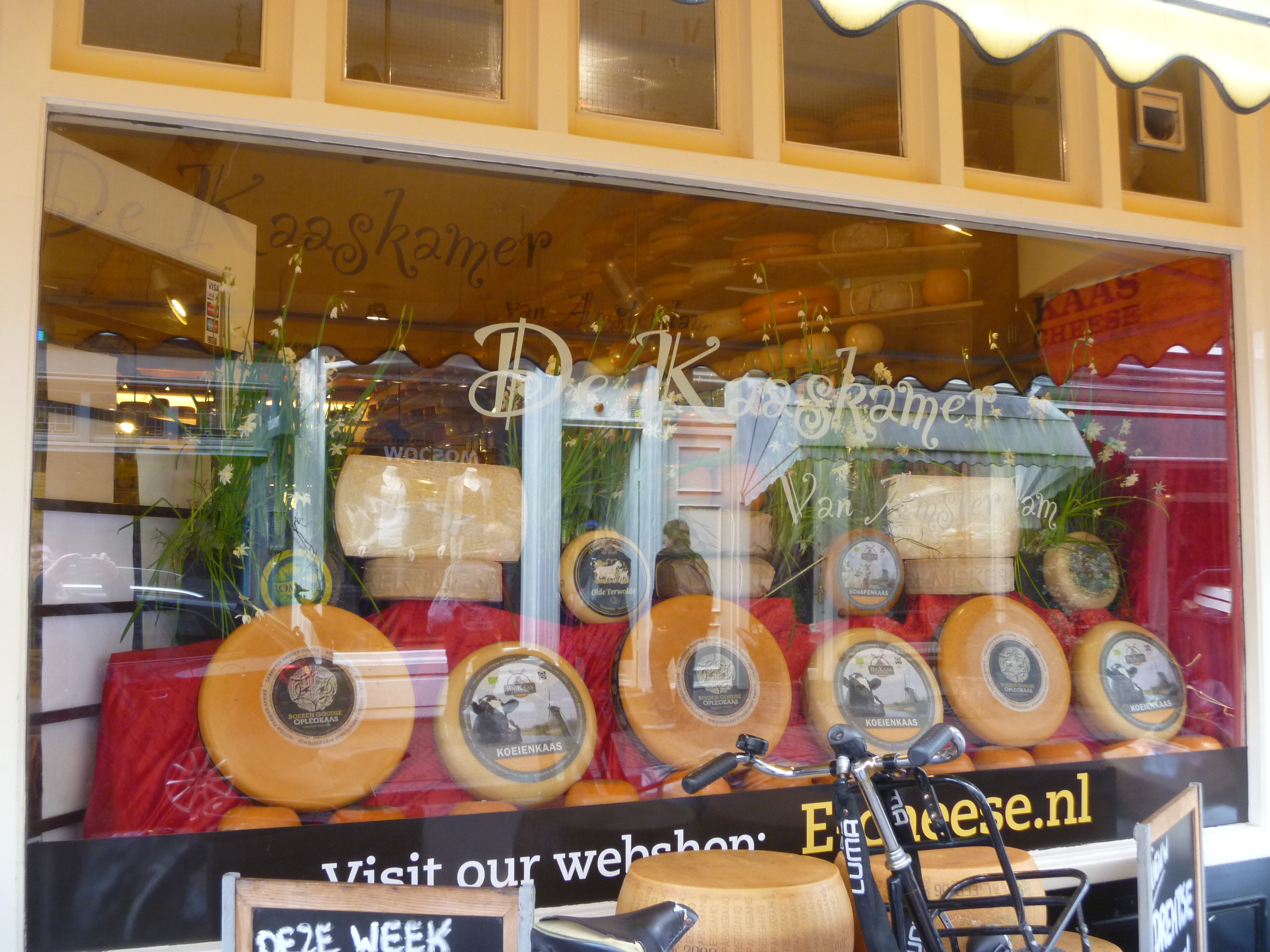
De Kaaskamer – The Cheese Shop (7, Runstraat)
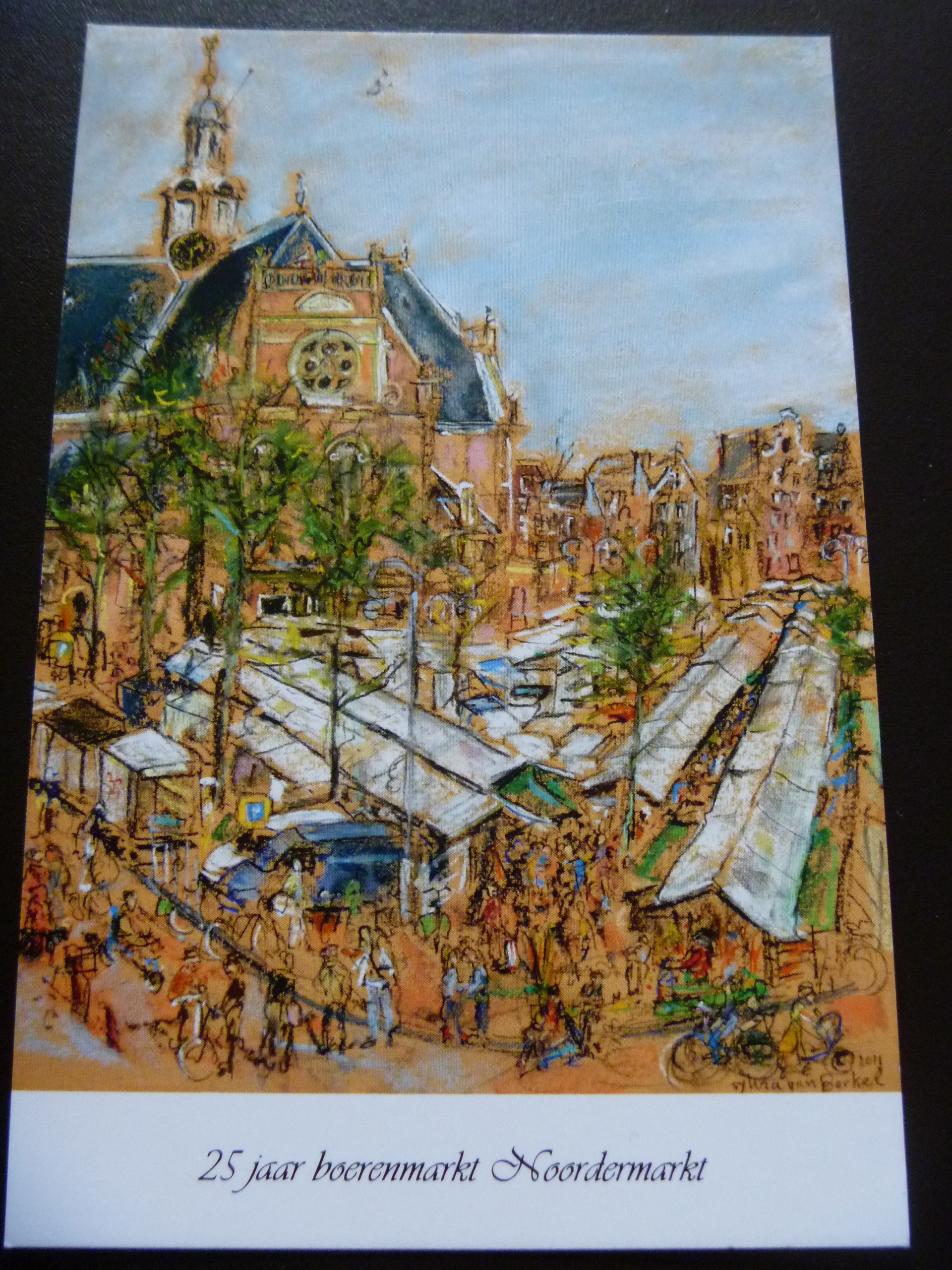
The Noordermarkt celebrates its 25th birthday on 5 May 2012.
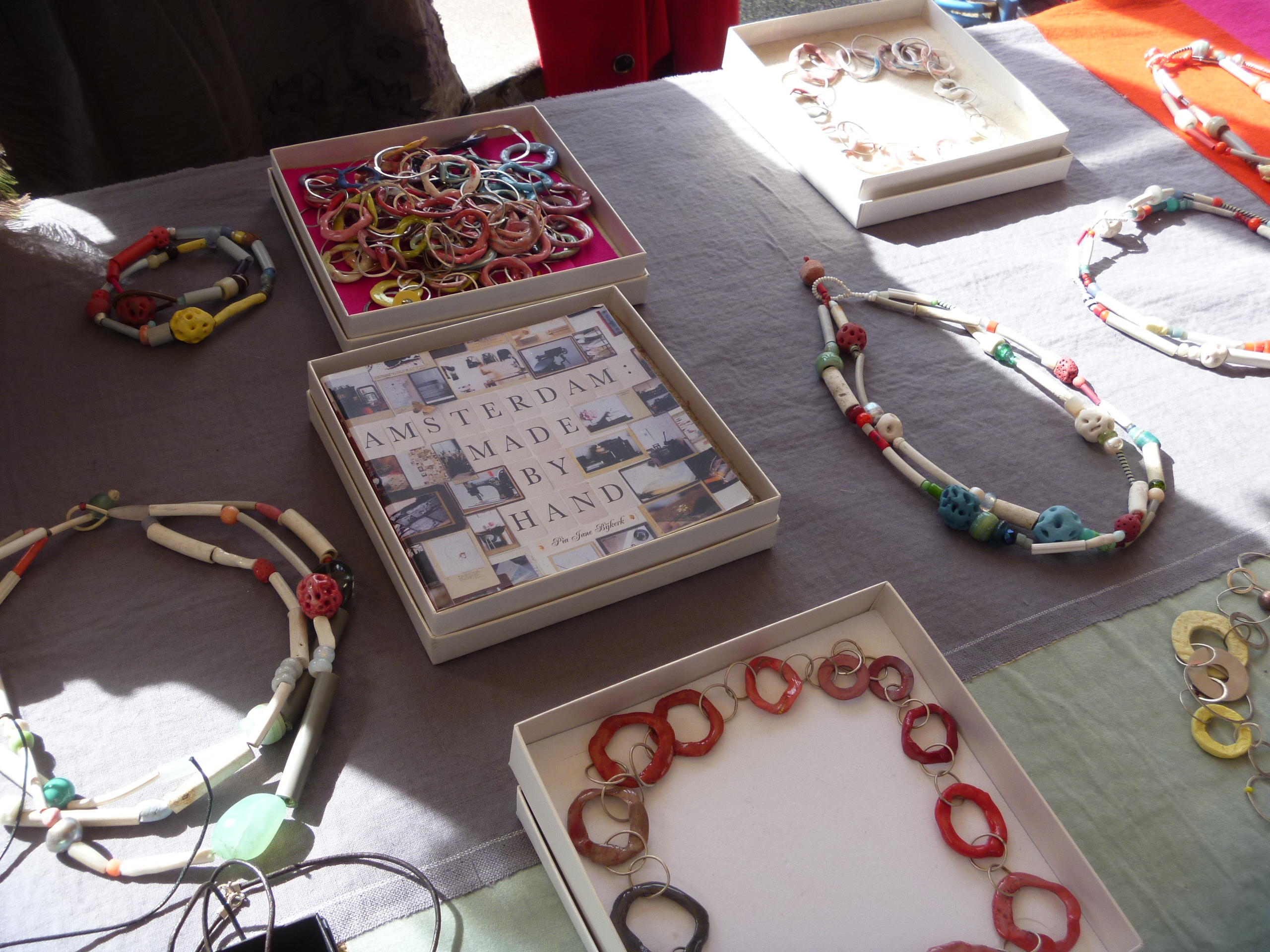
Akelei on the Noordermarkt

The Noordermarkt, also very near our place, lies in the shadow of the Noorderkerk just by the Prinsengracht. Mainly it’s an organic farmers’ market with stalls of mouthwatering fruit and vegetables, spices and herbs and homemade honeys and preserves. It operates on Saturdays and in addition to the food stalls there are several secondhand and ‘made by hand’ stalls, including Akelei (jewellery),  Anne (recycled clothing and stuff) and Anna Maria Preuss.
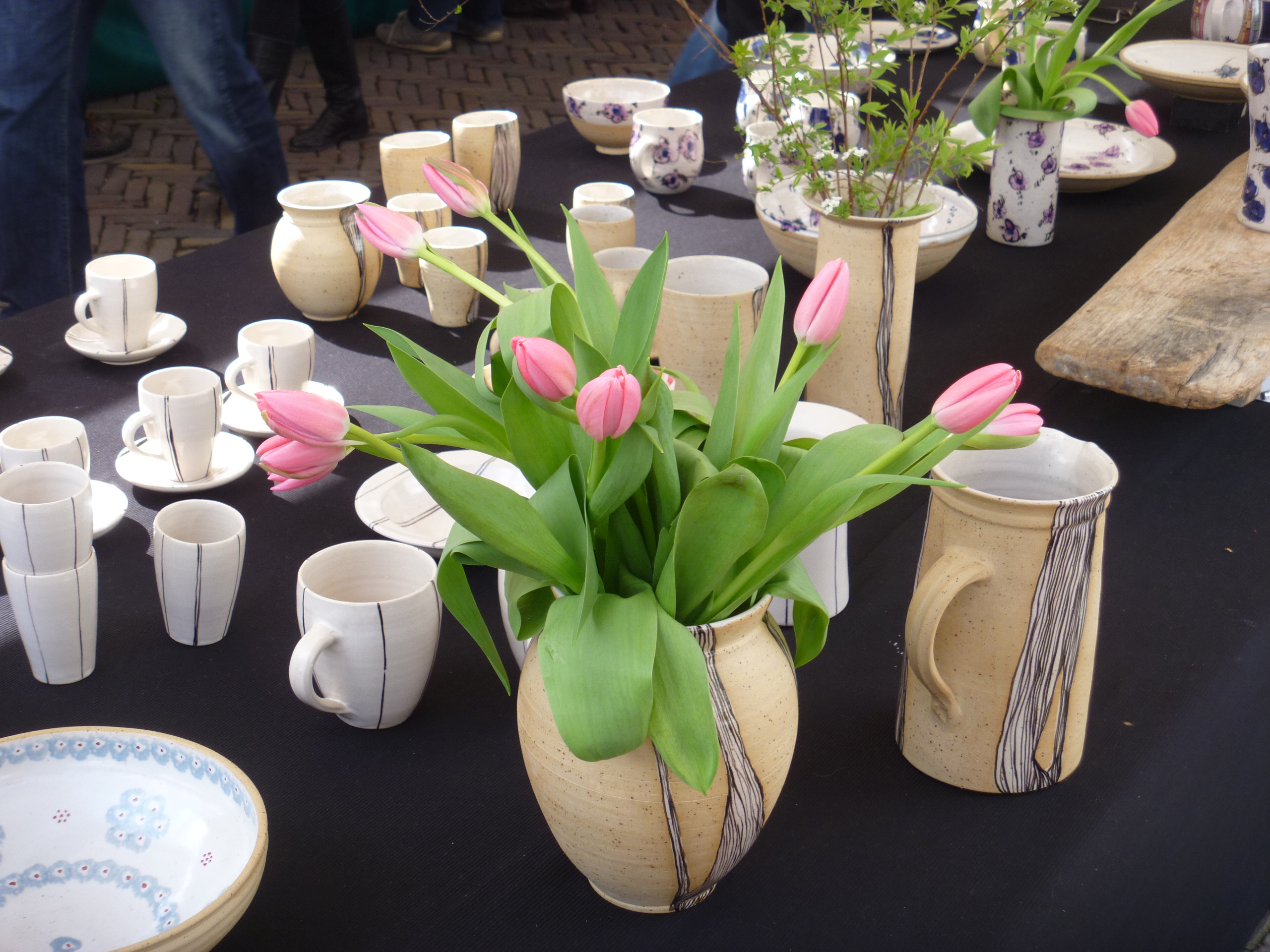
Anna Maria Preuss stall, Noordermarkt
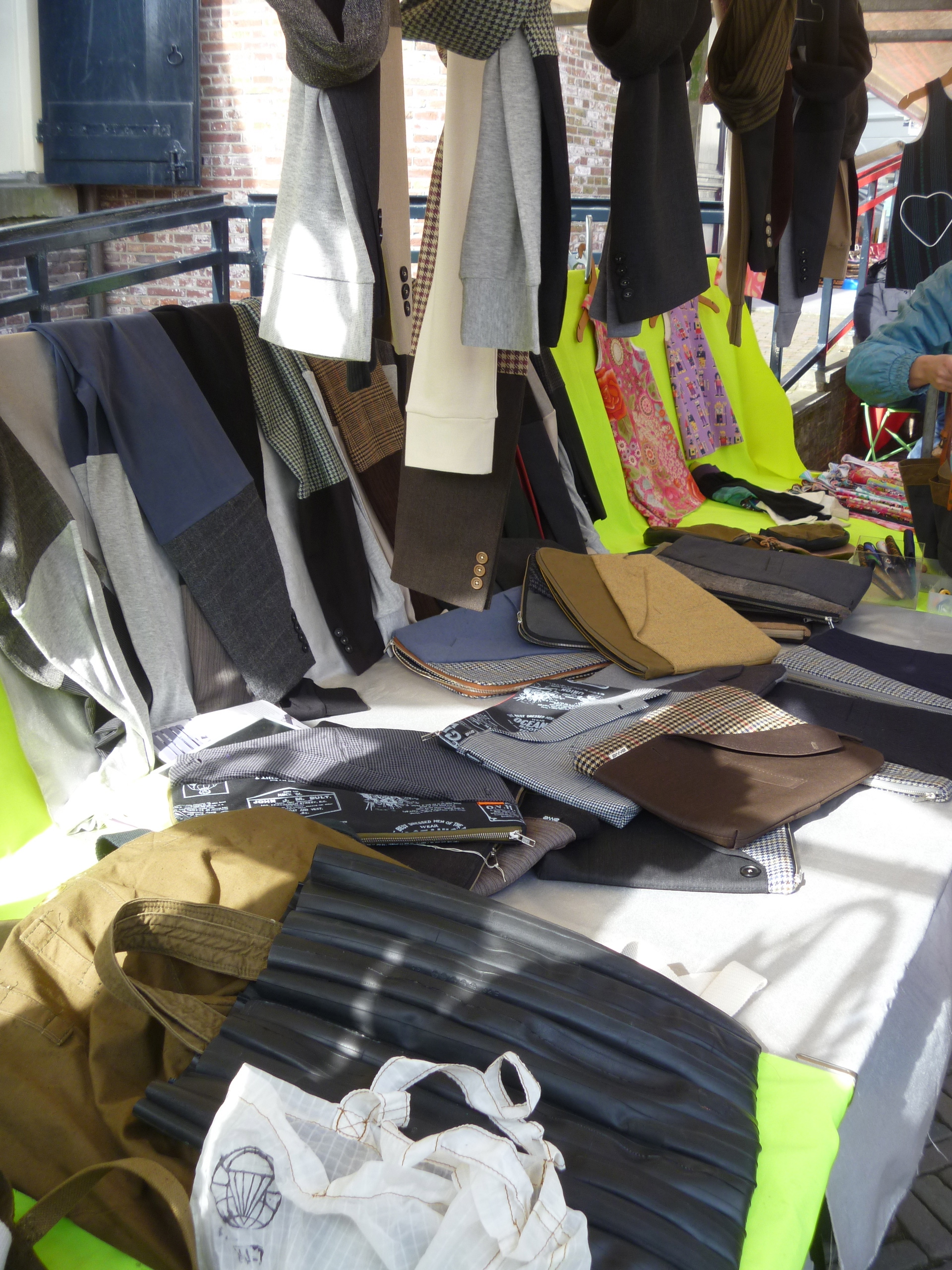
Anne’s Stall, Noordermarkt

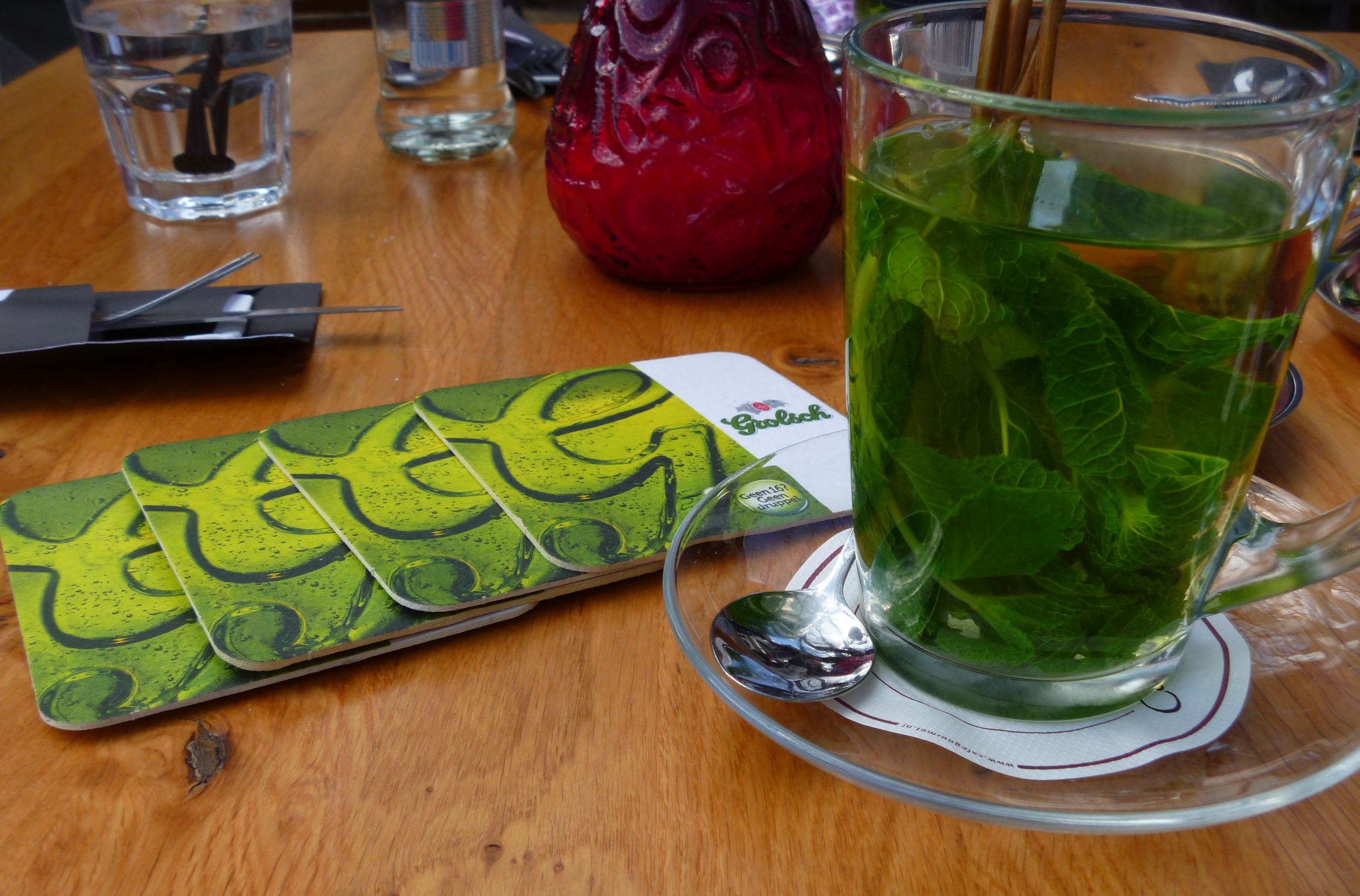
On our Saturday morning the sun shone and we sat outside by the church where a band of musicians played Russian music and we watched the world go by.
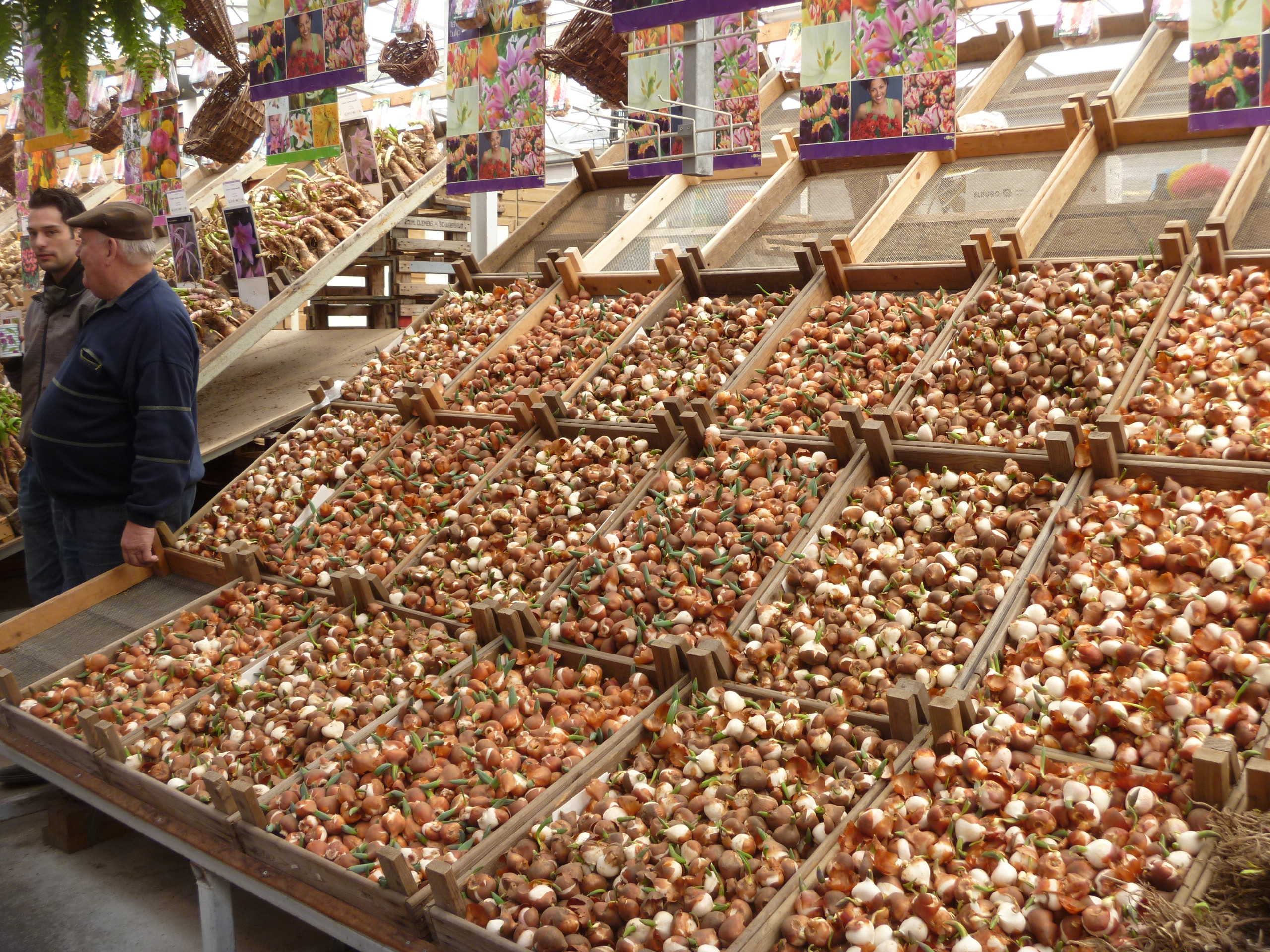
Then it was on to the famous daily Flower Market by the Singel canal – a good place to stock up on bulbs to take home!
Lundy – Cooking on My Island of Dreams

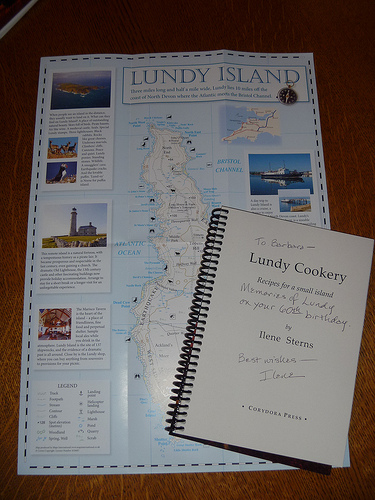
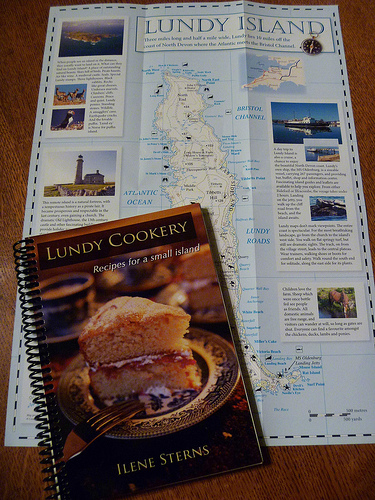
I’ve been celebrating my birthday over the past few days. I’ve received lots of cards and flowers and some lovely gifts including several books. Only one of these book gifts was what I would call a ‘reading book’.  The other books include a photo book celebrating a friendship and places visited, a set of LV European City Guides, a book by Rob Ryan and … ‘Lundy Cookery: recipes for a small island‘ by Ilene Sterns. The book is published by Corydora Press who have formed their own FlickR group ‘Lundy Cookery Around The World’. My friends also managed to get Ilene to sign it especially for me!

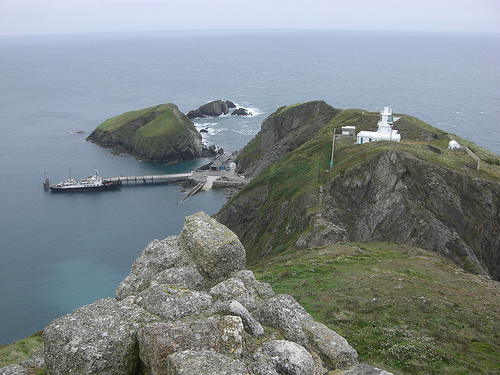
I’ve twice visited Lundy, an island in the Bristol Channel 3 miles long by half a mile wide, as a day tripper by boat from Ilfracombe. The journey takes about two hours on the MS Oldenburg and fortunately on both occasions the Bristol Channel was as still as a millpond! Sailings are in the spring and summer months from about the beginning of April to the end of  October. During the remaining months Lundy is a mere 7 minute helicopter ride from Hartland Point, 20 miles west of Bideford on the north Devon coast.

The MS Oldenburg tied up at the Lundy quayside

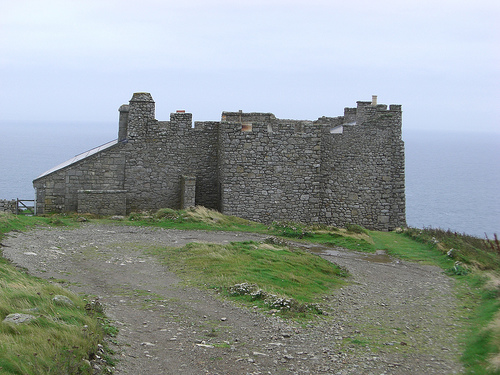
Lundy, or Puffin Island, is owned by the National Trust (so there’s a small discount on the sailing price for members) and the 23 self-catering holiday properties are managed by the Landmark Trust. It’s an uphill trek from the quay to the village but when you get there there’s a pub – The Marisco Tavern – and a shop and a cluster of buildings – some farm and some holiday accommodation. My first stop has been at the pub each time for sustenance and then a call at the shop for postcards and Lundy stamps and then I have taken a walk. There are marvellous views of the north Devon coast and the paths are clear and grassy. One walk was up the east side to Threequarters Wall and across to the west side and back down to the Old Light, the cemetery and St Helena’s Church. On my second visit a much shorter walk was to the Castle, the South West Point and back up to the Old Light. Then a final cup of tea at the Marisco before heading back down to the Quay and the awaiting boat.

Lundy Castle and Approach Track

In her introduction to Lundy Cookery Ilene reminded me what a treasure trove and Aladdin’s Cave the shop was despite its remote location. All Lundy Landmark kitchens are well equipped with basic cooking equipment but they do lack weighing scales, liquidisers, toasters and loaf tins. Ilene’s recipes manage to get around these would-be problems. In particular her recipes specify quantities by volume rather than by weight. She has also included a useful section which she has called ‘Salmagundi’ *- it’s about minimising food waste and lists ingredients alphabetically linking them to recipes in the book. For example under Honey she lists 6 dishes included in the book including Honey Mustard Vinaigrette (p.98), Lundy Mess (p.116) and then suggests some other uses. Waste not want on Lundy Island. There’s a useful index too.

*Definition: a salad plate of chopped meats, anchovies, eggs, and vegetables arranged in rows for contrast and dressed with a salad dressing. (http://www.merriam-webster.com/dictionary/salmagundi) Sounds good to me!

“Most of the book’s recipes are simple and quick to prepare, so you won’t be stuck in the kitchen when you’d rather be outdoors.” (p. 2) Now that’s my kind of cookery book!

Antarctica in Leeds

Yesterday was the centenary of Captain Robert Falcon Scott’s arrival at The South Pole on his ill-fated journey in Antarctica.

The day the boiler broke down at The Leeds Library just happened to be the day that they were hosting an Antarctica Evening!

Here is the programme :

Antarctica Evening – All Welcome

Tuesday 17th January 2012 at 17.00

17.00 Welcome, refreshments and a chance to browse the exhibition of books, artefacts and photographs 1911-1912

18.00 ‘Antarctica’ a talk with slide show by John Whitley (Leeds Library member)

19.00 ‘Why read books on Antarctic exploration’ a brief talk by John Bowers (Leeds Library member)

During the event there will be a chance to talk to the Leeds Library Staff about the Library’s holdings and their interest in the Scott-Amundsen story.

There will be a charge of £5 per person with proceeds being split equally between the United Kingdom Antarctic Heritage Trust, The Guide Dogs for the Blind Association and The Leeds Library.

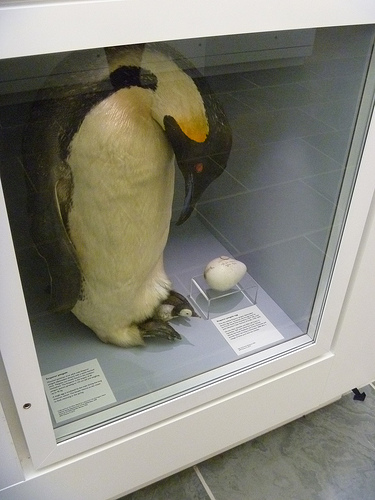
The talk and slides took us on a wonderful journey where we could see the icebergs and the rough seas and only shiver slightly in the chilly room.  At the end John reviewed his trip in the light of what he had seen and pointed out his Top Five which included the penguins, the icebergs, the whales.

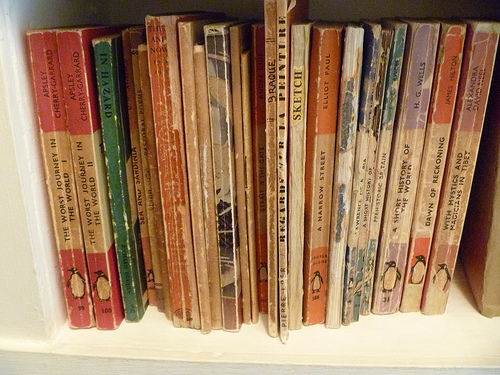
We came away from the second talk with our own annotated bibliography of Antarctica ‘must reads’ and a fascinating and revealing comparison of secondhand book buying and book prices between the late 1950s and 1960s when John and his wife were starting their collection and if one were to start a similar collection today. These days many of the books  turned out to cost less when purchased via Amazon mainly because there are more popular, cheaper editions and reprints available.

Of the books on the list I have read only one: Apsley Cherry-Garrard’s excellent “The Worst Journey in the World“. John rounded off his talk with a quotation from “Shackleton’s Way: Leadership Lessons from the Great Antarctic Explorer” by Margot Morrell and Stephanie Capparell. He said ‘Shackleton’s leadership was so exceptional as to be deemed a worthy subject by management specialists’.

But there’s one book I’ll be looking out for (I hope it is in the Library Catalogue!) and that is “Mrs. Chippy’s Last Expedition: The Remarkable Journal of Shackleton’s Polar-Bound Cat” by Caroline Alexander. She was the only female member of an Antarctic Expedition at the time.

An addition was made to the programme and another speaker, Jane Francis of Leeds University, talked briefly about her own expeditions to the South Pole (10 in all) and showed us sample fossils (glossopteris) that she had collected.

Finally there was a Q&A session when we were able to question the speakers and a member of the library team on all manner of related topics not least the differences between the Scott and the Amundsen teams and methods.

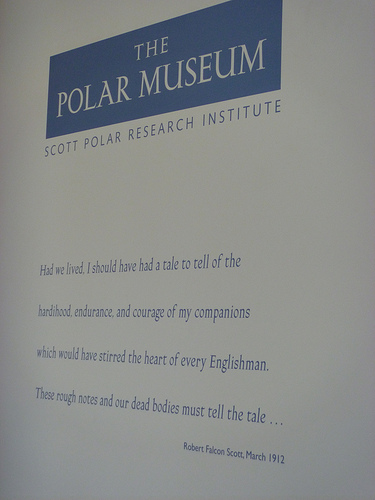
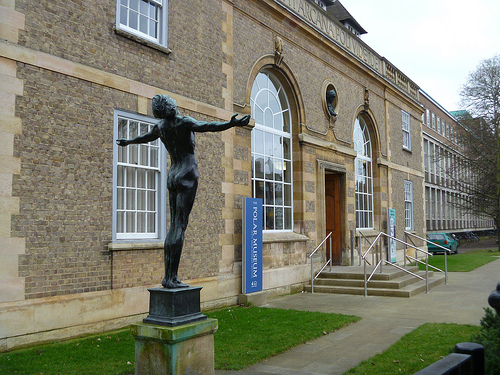
This evening reminded me again of my visit to the Scott-Polar Research Institute in Cambridge last February.

We Will Remember Them

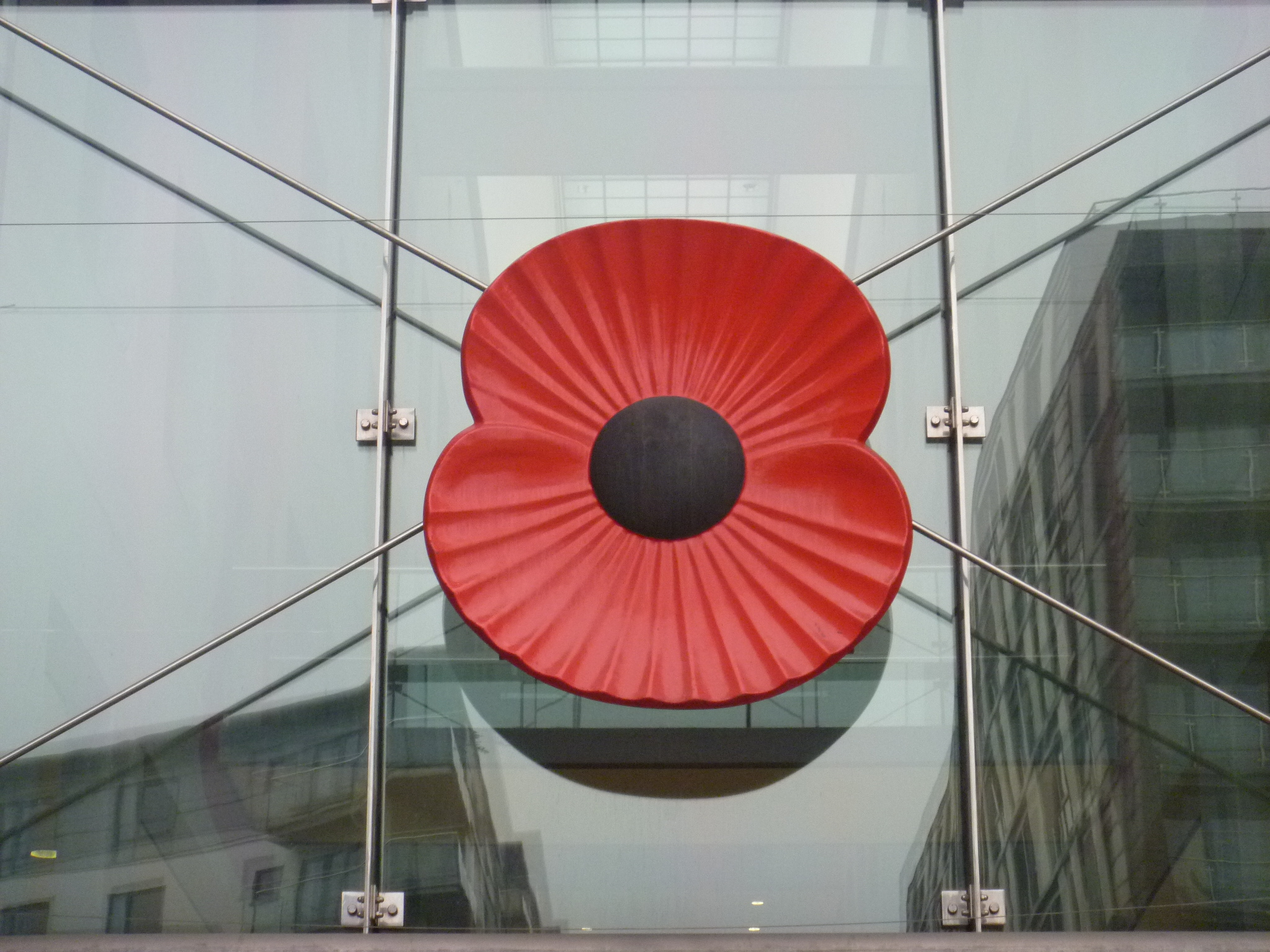
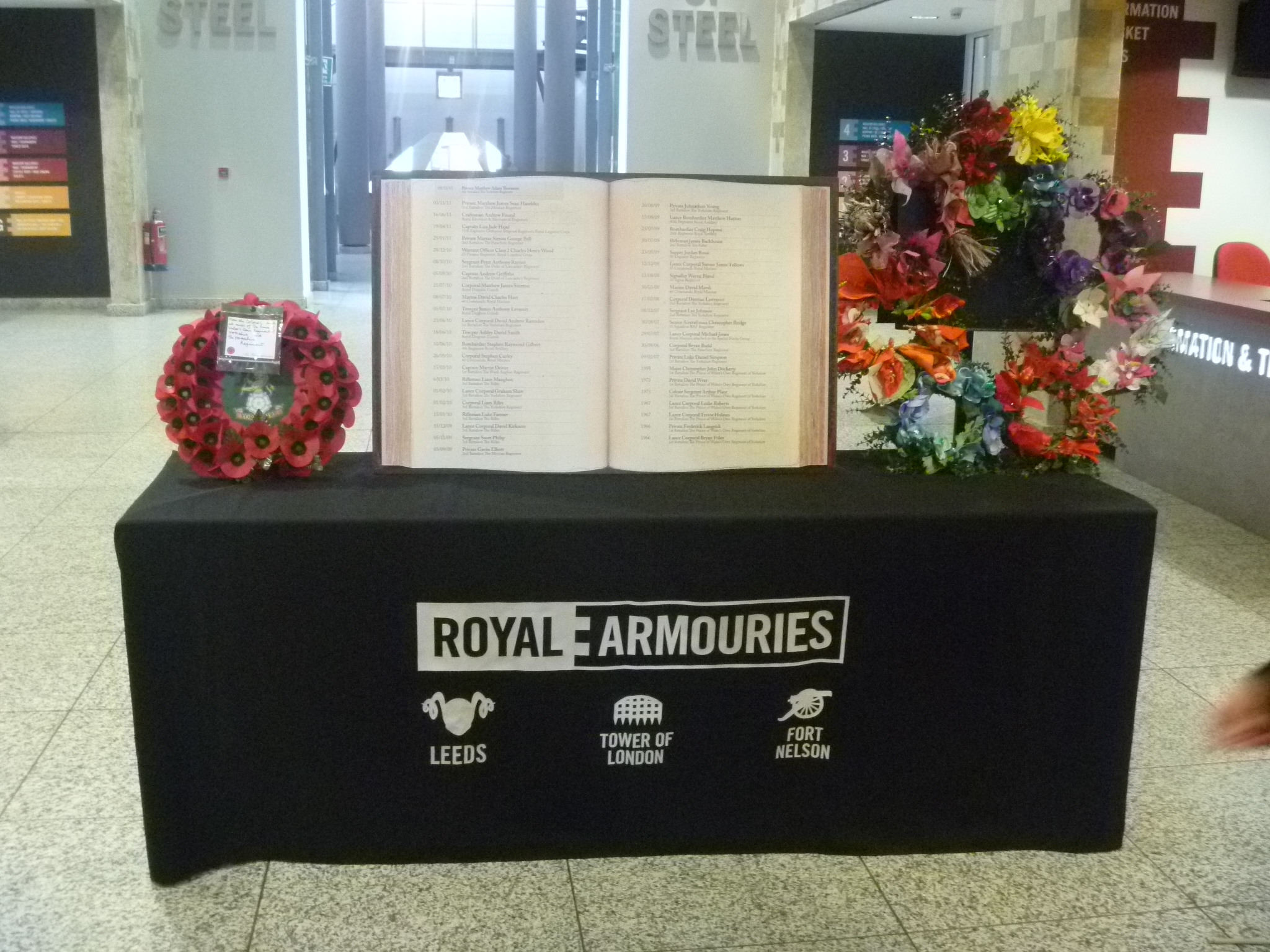
Today a Service of Remembrance was held at The Royal Armouries in Leeds. The Regimental Standards were presented and after The Last Post, the Two Minutes Silence and The Reveille the names of the British servicemen and women from Yorkshire and The Yorkshire Regiment to fall in Afghanistan and Iraq, as well as the names of all the fallen from The Prince of Wales’s Own Regiment of Yorkshire since 1966 were read. At the same time wreaths were laid and poppies floated down from the galleries above the main atrium where the service was held.

Ode to Remembrance

from For The Fallen by Lawrence Binyon

They shall not grow old as we that are left grow old,

Age shall not weary them, nor the years condemn,

At the going down of the sun and in the morning

We will remember them

We will remember them

Don’t call me Ishmael

I have never read Herman Melville’s classic fictional work ‘Moby Dick’. That is, if you don’t count the numerous extracts from it that we had to read for English comprehension tests at school. I always marvelled that so much could be written on the subject of a whaling expedition – the Penguin Classics edition fills 720 pages.

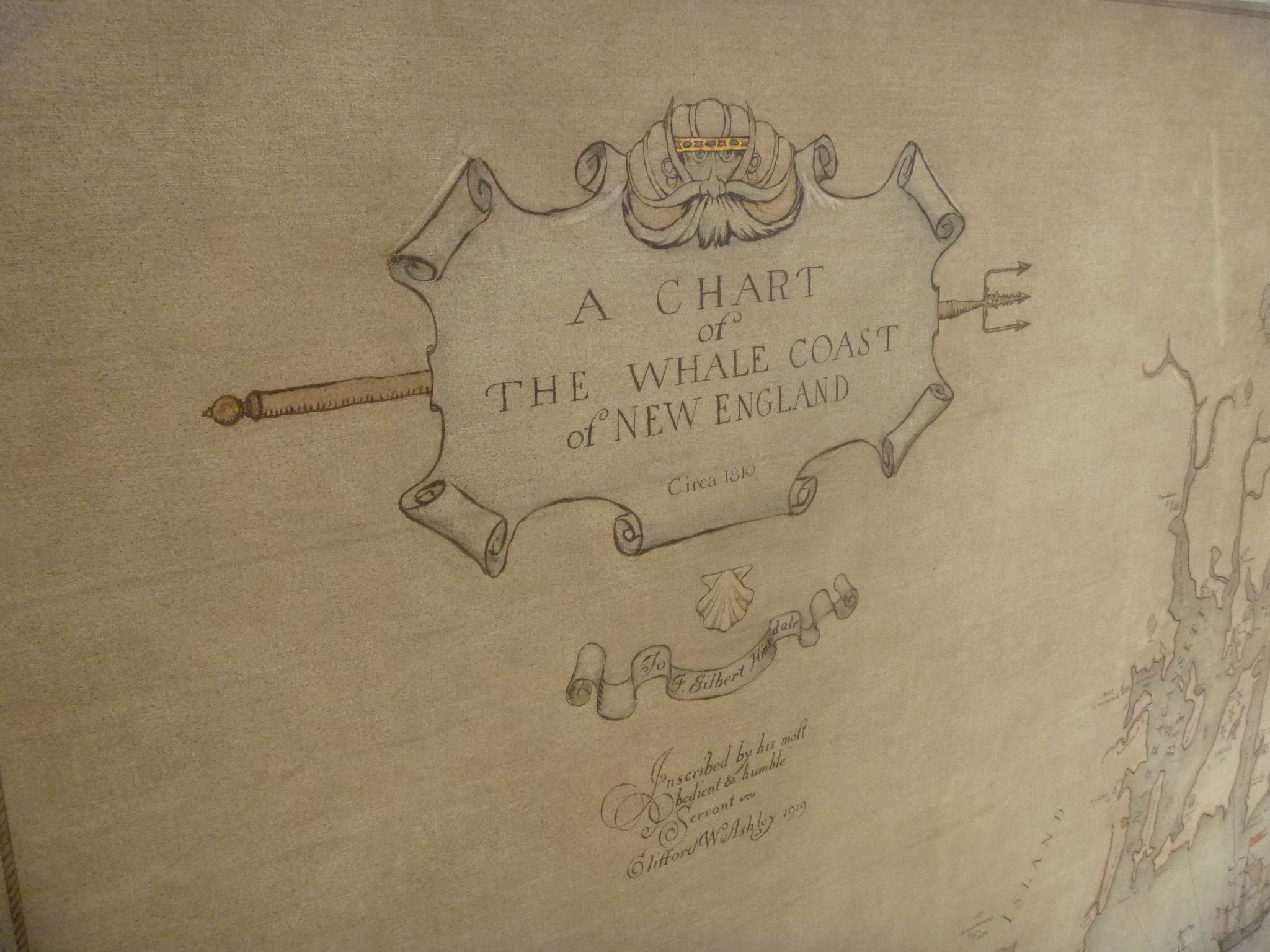
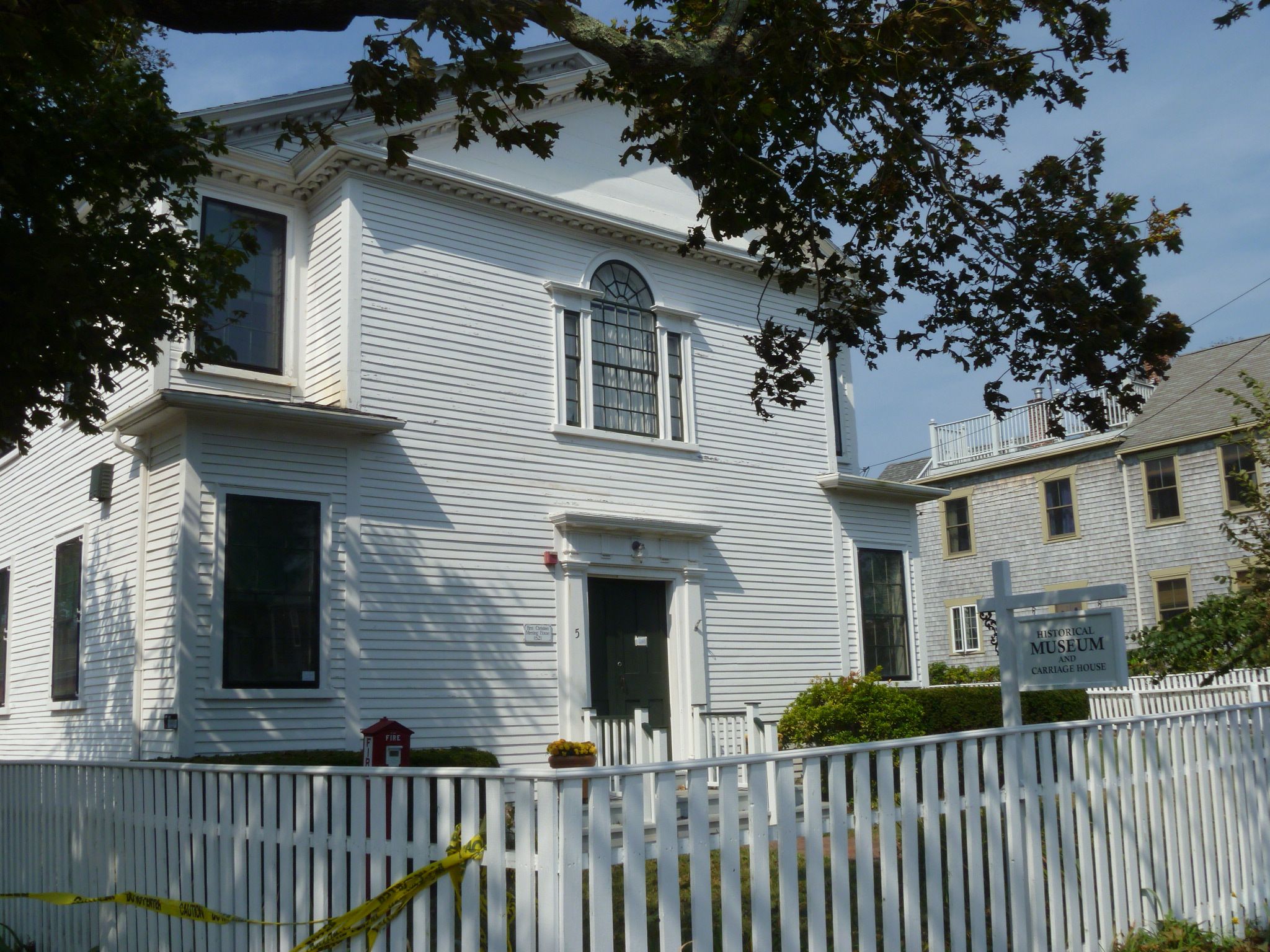
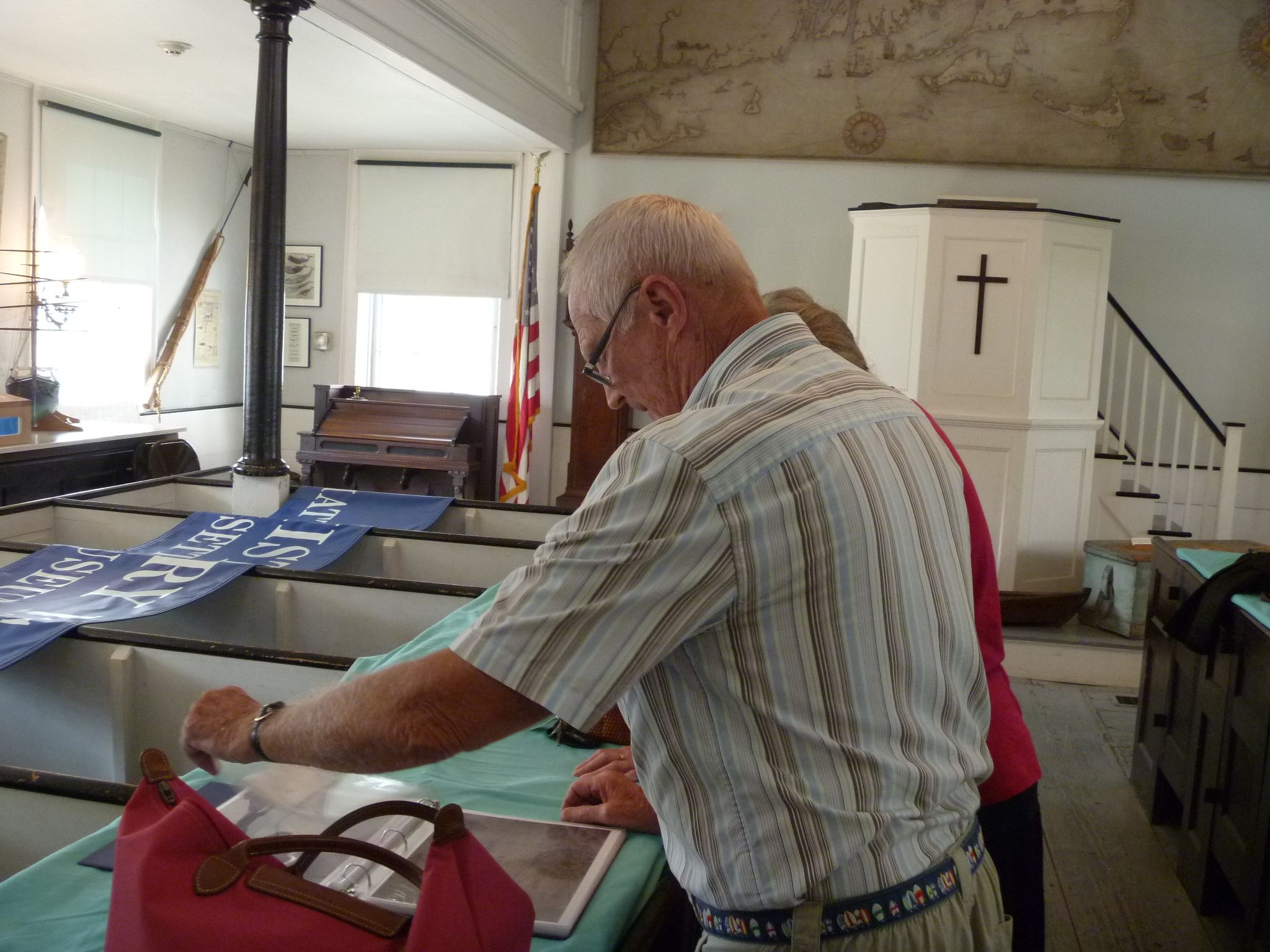
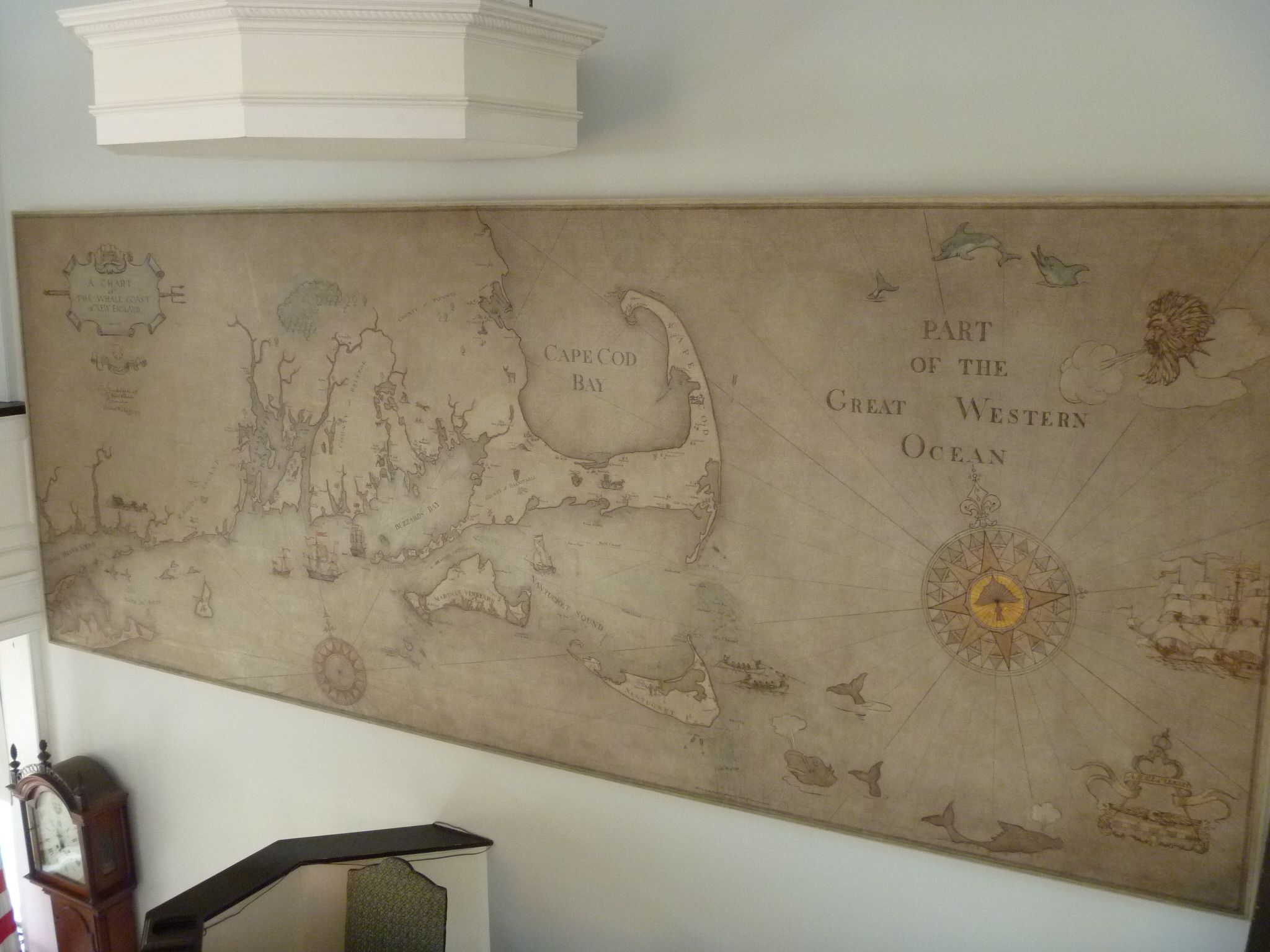
On a recent trip to Cape Cod I spent a day with my friend Marion who lives on the other side of Buzzards Bay. She knew just what I would be interested to see  – A Chart of the Whale Coast of New England.  M had chanced upon a newspaper report telling about a mural that had lately been removed from a seaside (bayside) home, had been carefully renovated and was now hanging proudly in the local museum. After lunch we drove to the Mattapoisett Historical Museum housed in a former Baptist church.

The icing on the cake for us was that we were welcomed to the Museum and shown in detail the Ashley Mural (as it is called) by Mr Seth Mendell himself, President of the Historical Society and a primer mover in the preservation of this wonderful piece of local whaling history for the community.

Mr Mendell explained all the intricacies involved in the creation, removal, renovation and final re-hanging of the Mural via the photo proofs for his book which is due to be published this autumn.

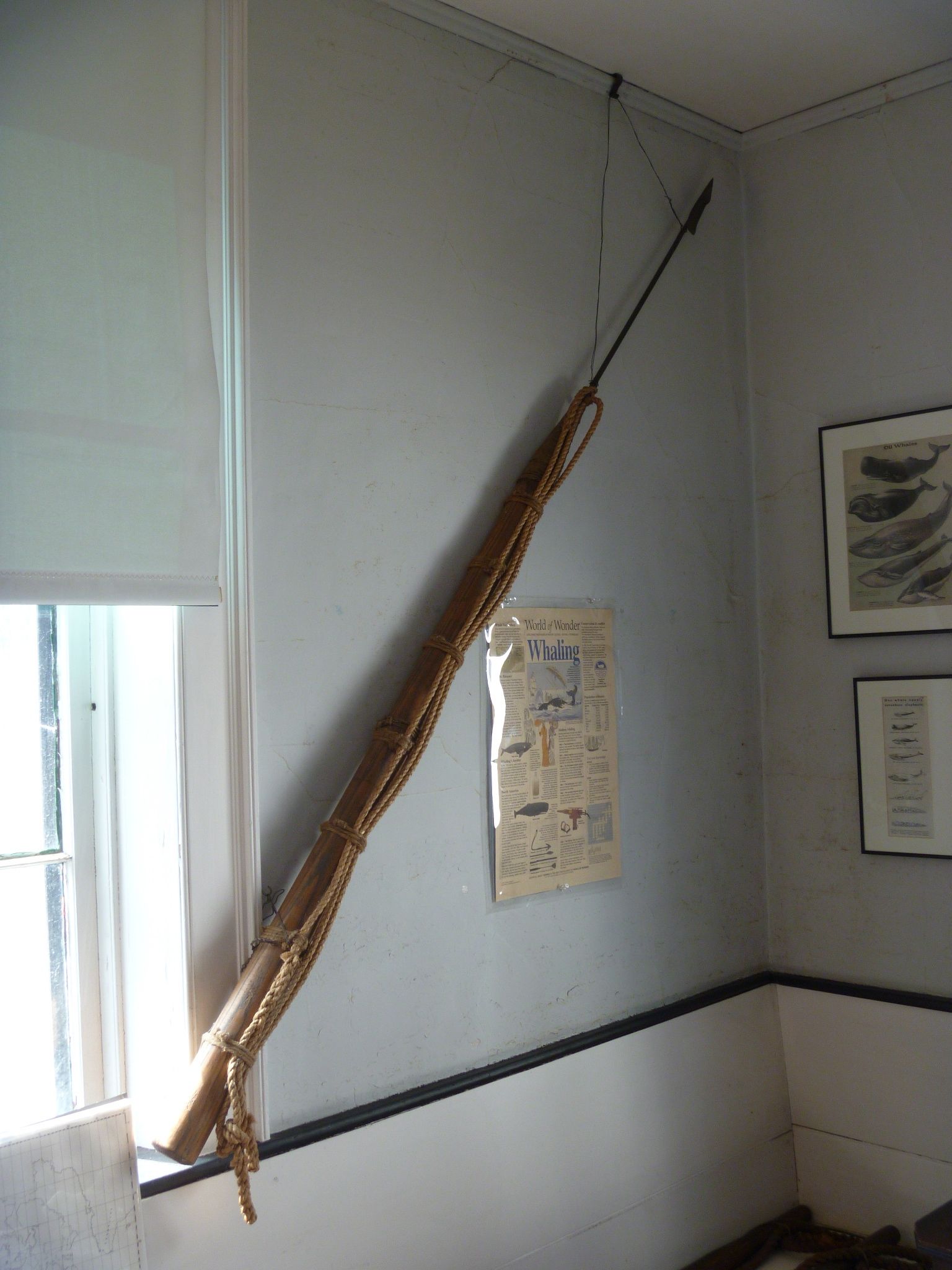
In addition to the Mural we were introduced to various forms of whaling harpoon.

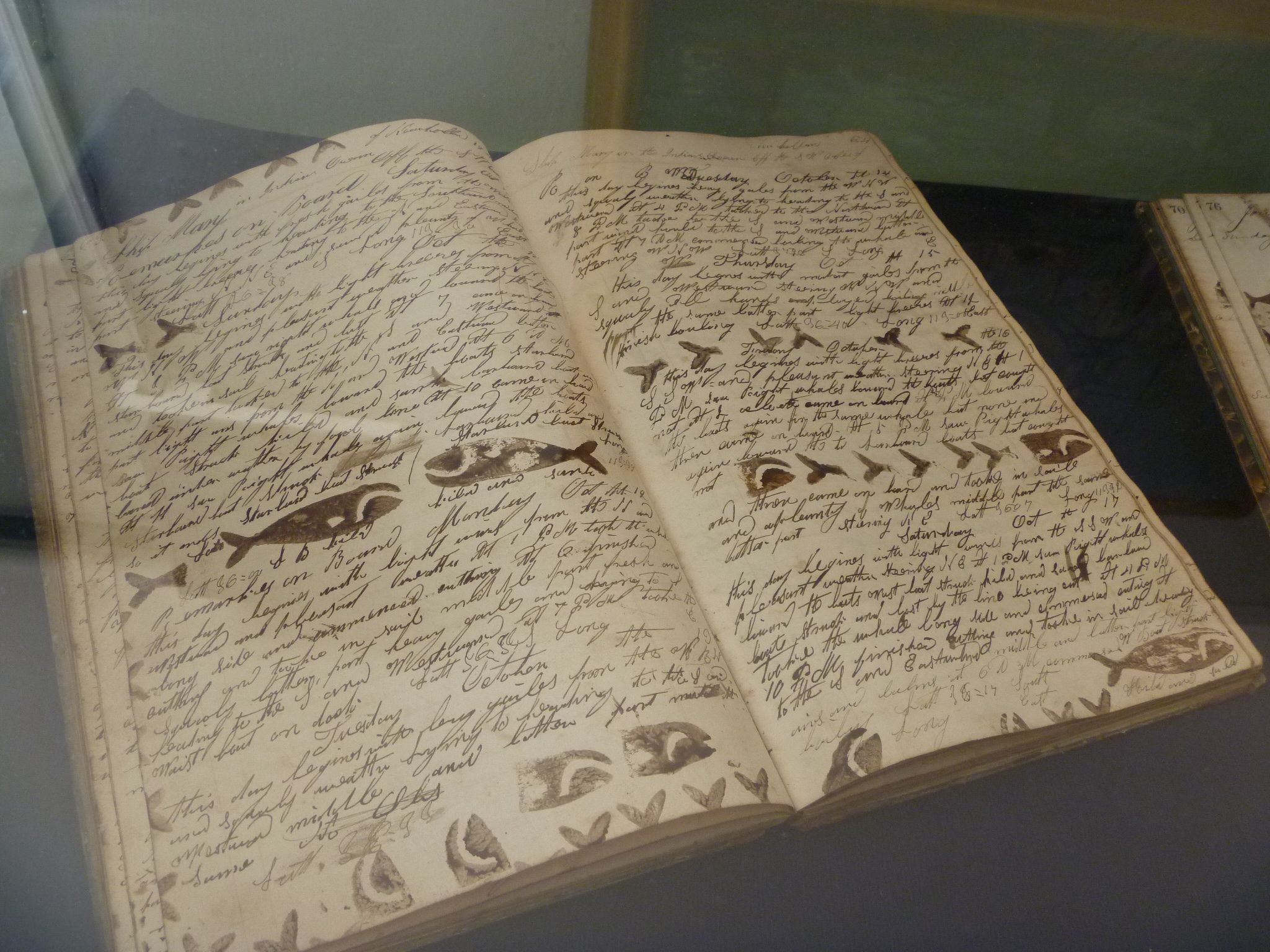
And we were delighted to inspect some very fine examples of Whaling Journals. After pages and pages of seemingly undecipherable handwriting there suddenly appear ink stamp prints of whale tails (indicating sightings/attempted harpoonings) and full whales (indicating capture). One of the museum copies was also decorated with beautiful drawings of full-masted ships.

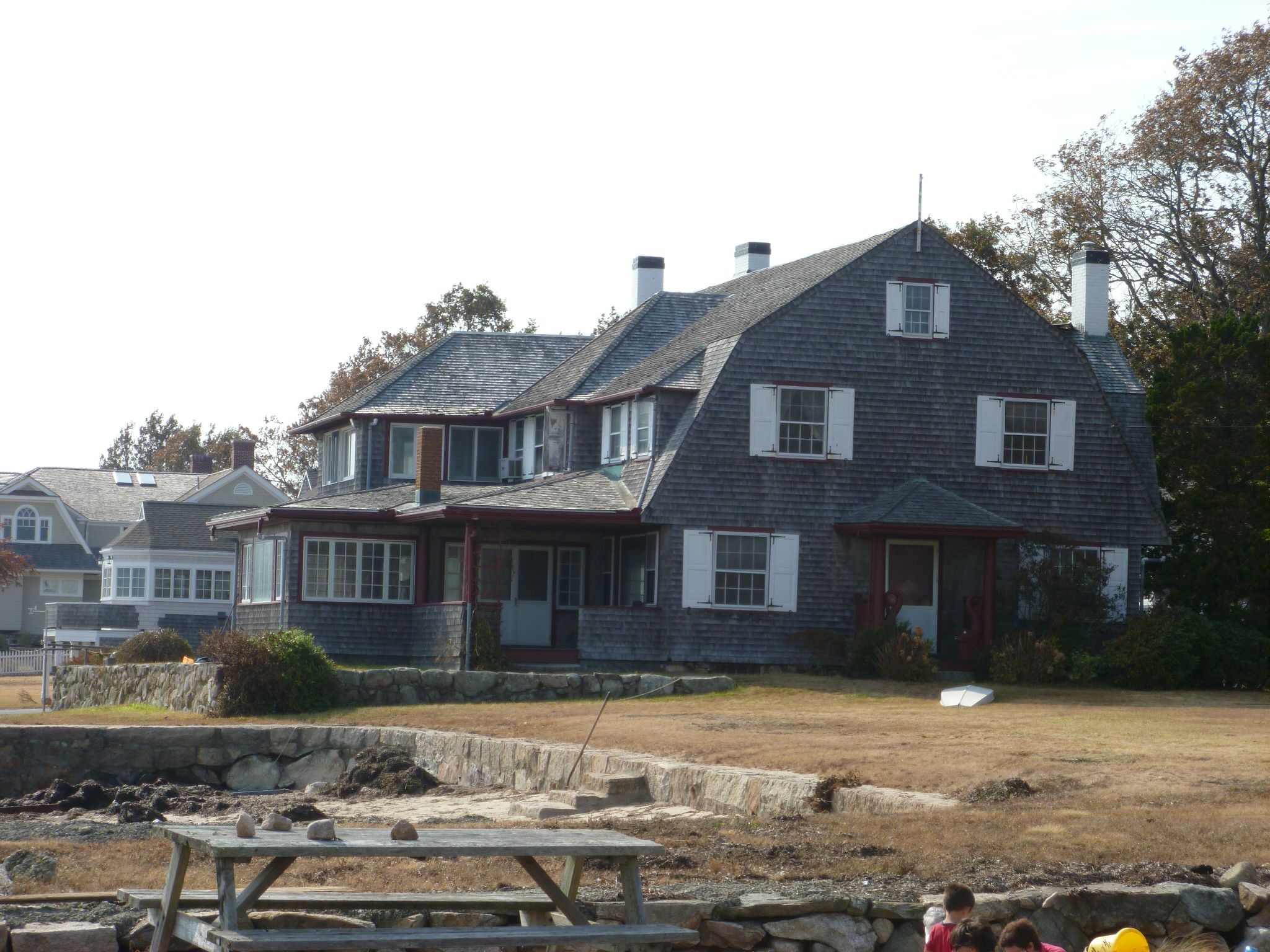
Later we went off to find the house where the Mural had hung for 90 years. It was discovered hanging at an angle from the ceiling in the conservatory at the front of the house (20, Water Street, Mattapoisett) overlooking the bay.

Yet, even after all this new-found whaling knowledge I was still not tempted to take a Whale Watch Cruise out into the Atlantic Ocean! And will I read the book? ….. probably not.