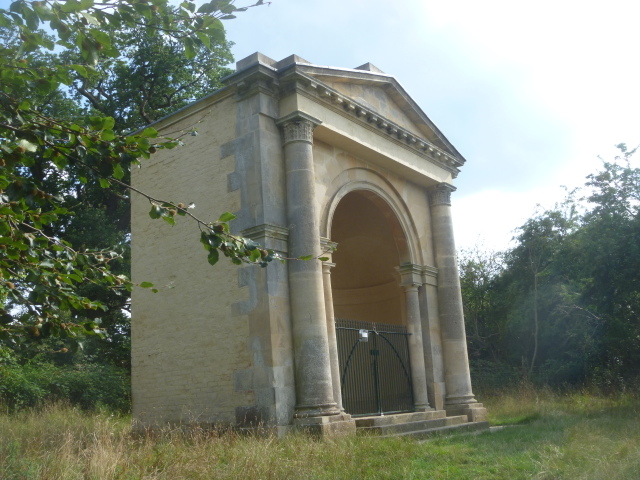
Lancaster II : The Ashton Memorial in Williamson Park and The Judges’ Lodging

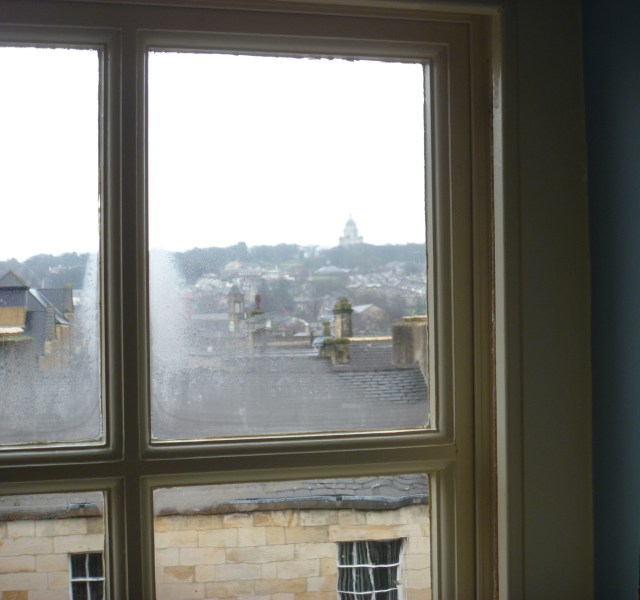
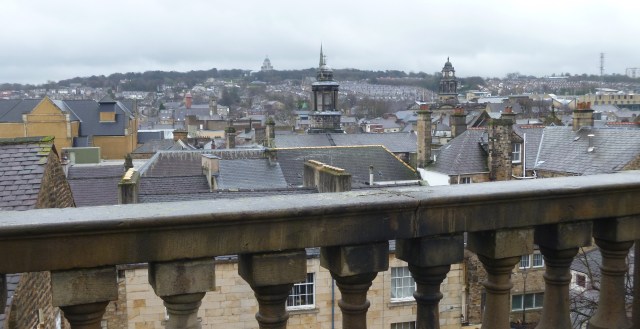
A couple of weeks ago I paid my second visit to Lancaster. The main purpose of my visit last March was meet a friend and visit the newly refurbished Landmark property The Music Room. From the Music Room roof we could see across the city Williamson Park and the very prominent Ashton Memorial. We promised each other that later this year we’d meet again and visit the Memorial.
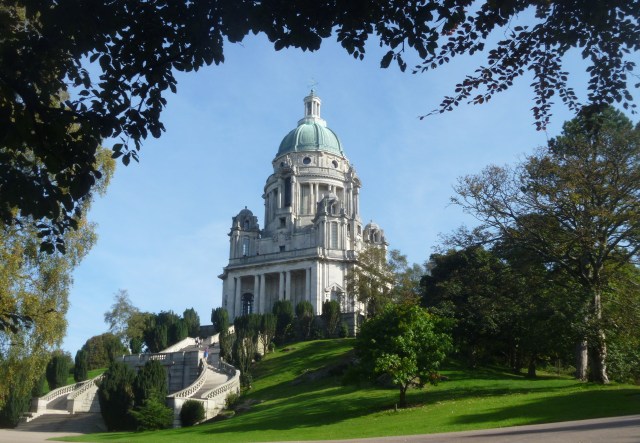
Ashton M Ashton M from MR

The Ashton Memorial from Music Room Window and Roof

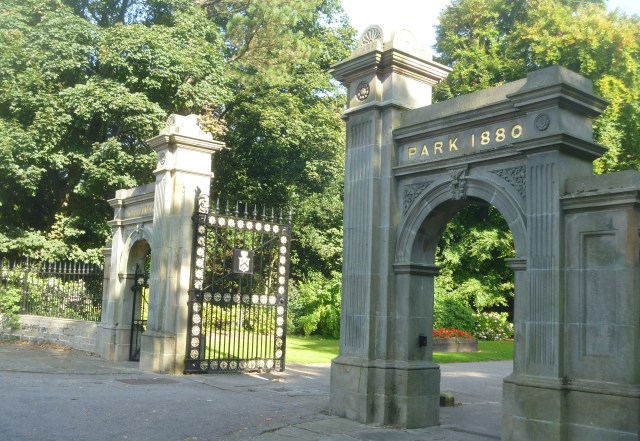
So that is what we did. Again we met at the Railway Station and headed for coffee and catch-up. Then we took the bus out of the city and up Wyresdale Road to the entrance to the park. In September the weather proved to be drier and sunnier than in March.
Gate Williamson Park

Williamson Park Gates

The Ashton Memorial was commissioned by Lord Ashton as a tribute to his late wife. It was designed by John Belcher and completed in 1909, the restored interior hosts exhibitions and concerts and can be hired for private functions, including wedding ceremonies.

Externally, the dome is of copper. The main stone used in the building is Portland stone although the steps are of granite from Cornwall. Externally around the dome are sculptures representing “Commerce”, “Science”, “Industry” and “Art” by Herbert Hampton. The interior of the dome has allegorical paintings of “Commerce”, “Art” and “History” by George Murray. The ceiling is presently undergoing restorative works and has been covered with drapes.
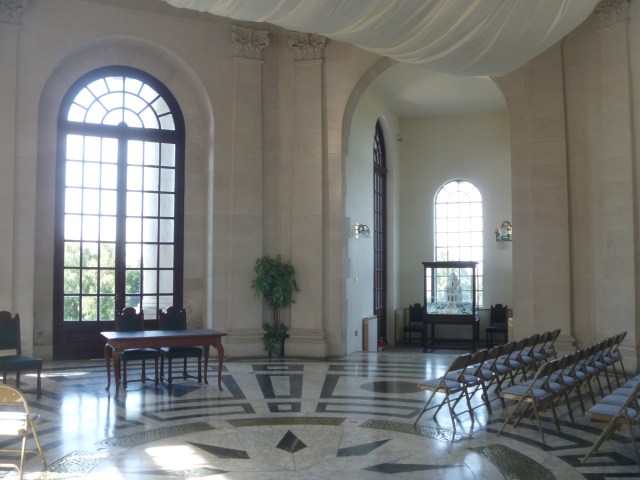
Ground Floor Wedding Venue

The Ground Floor Wedding Venue

At around 150 feet tall it dominates the Lancaster skyline. The first floor outdoor viewing gallery provides superb views of the surrounding countryside and across Morecambe Bay.

[From The City Council website]

Ashton Memorial

The Ashton Memorial in Williamson Park
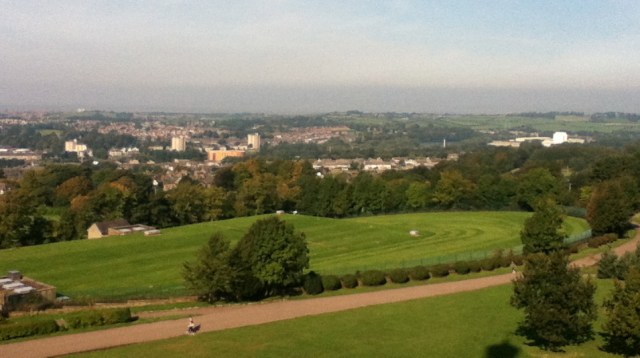
Hazy view to coast and Morecambe

Hazy View from the Gallery to Coast at Morecambe

It’s a lovely park with lakes and follies, woodland paths and a Butterfly House in the original Edwardian Palm House. We ate our lunch from the very nice Pavilion Cafe out on the sunny terrace.
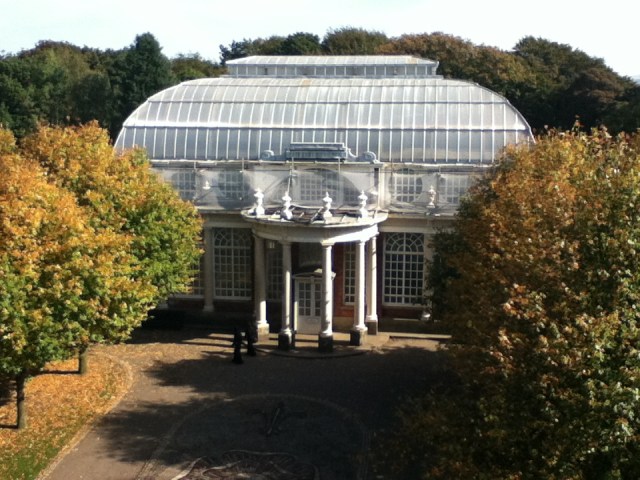
Butterfly House

Butterfly House

We decided to walk back to the city centre and had a peep at the Lancaster Grammar School Hall and the Roman Catholic Cathedral of St Peter on our way.

The Judges’ Lodging is so called because it was where until the 1970s the circuit judge would be accommodated during his visit to the Assize Court in the Castle.
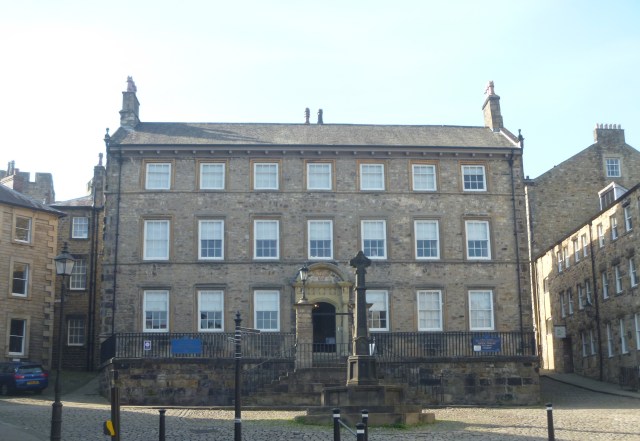
Judges' Lodging

Discover the treasures of Lancaster’s oldest town house

Built in the centre of Lancaster against the backdrop of Lancaster Castle and Lancaster Priory this elegant, Grade I listed building is Lancaster’s oldest town house. The house was originally home to Thomas Covell, Keeper of Lancaster Castle and notorious witch hunter. Between 1776 and 1975 the house became an impressive residence for judges visiting the Assize Court at nearby Lancaster Castle.

The museum is now home to a renowned collection of Gillow furniture which is displayed in fabulous Regency period room settings, fine art and also the enchanting Museum of Childhood which explores toys and games from the 18th century to the present.”

[From the Judges’ Lodging website]
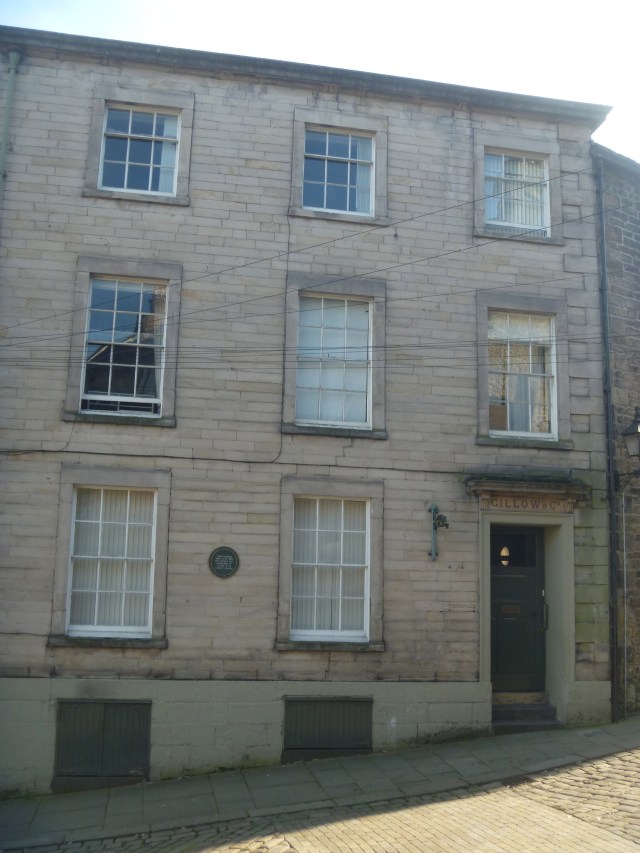
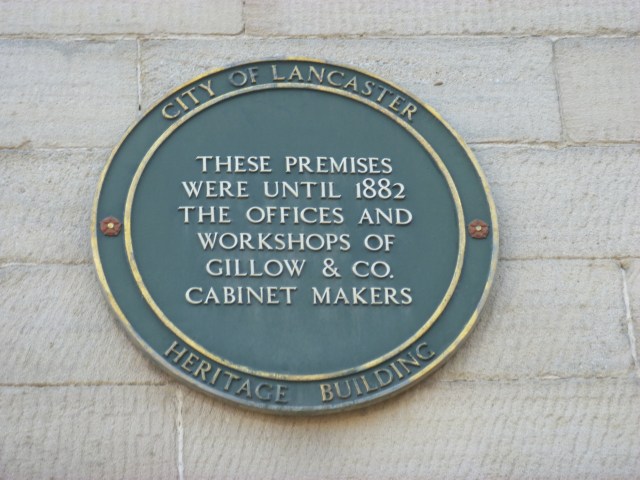
Gillow Lancaster

Gillow Plaque

The former Gillow and Co. workshop and offices is next door to The Judges’ Lodging.  After our visit (No Photography Allowed) there was just time for a cup of tea outside the cafe below the Music Room in what is now called Lancaster’s “Coffee Quarter”.
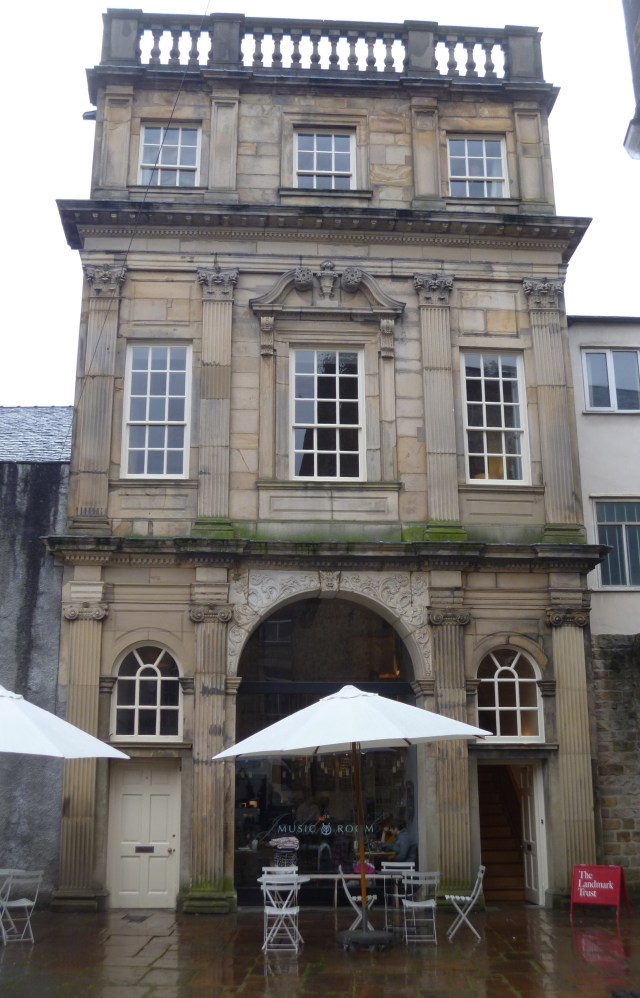
Music Room Cafe

It was warm and sunny on our last visit!
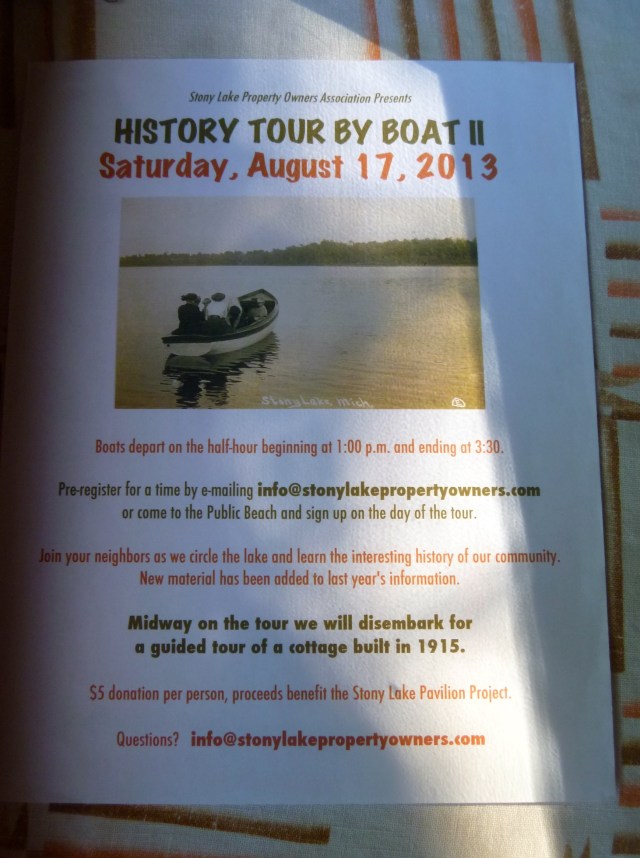
Stony Lake History Tour by Boat

History Tour by Boat

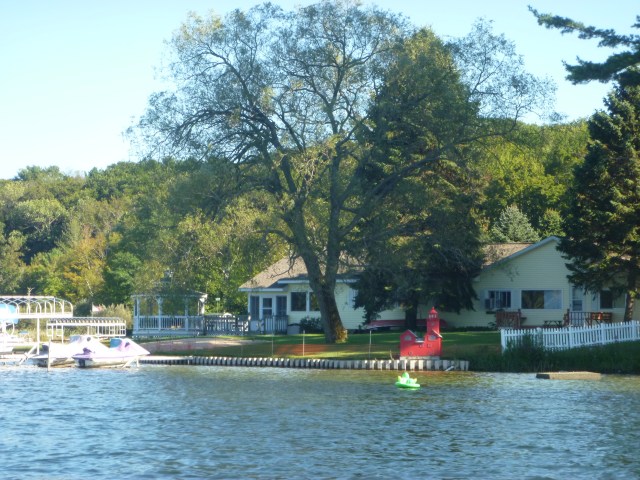
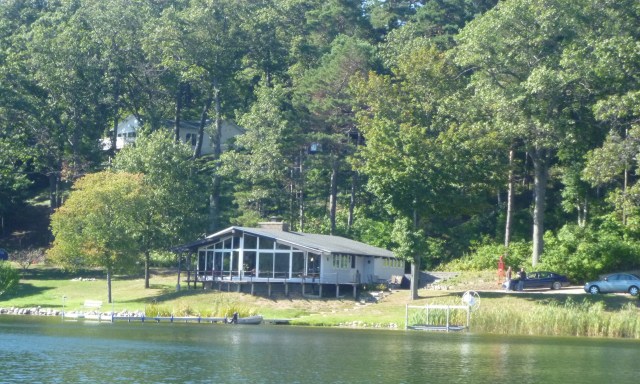
Stony Lake is just inland from Lake Michigan, one of the five Great Lakes of North America. The Stony Lake Property Owners Association cares deeply (47 feet deep at its maximum, I’m told) about the state of the lake itself, its flora and fauna, about possible sources of pollution and about the immediate banks where many individuals and some organisations have property.

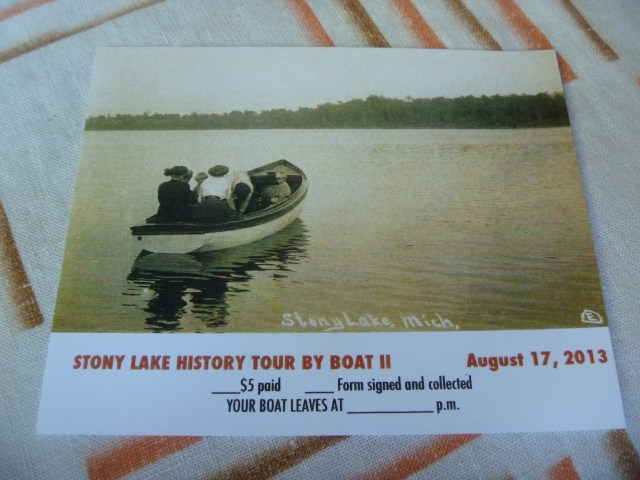
Boat Tour Ticket

Last year the SLPOA introduced a new activity to their summer calendar – The Stony Lake History Tour By Boat. This event is scheduled to take place annually in August visiting a different property each year. Although my visit was in September I had the good luck to stay with a member of the Association’s Committee and my own private, individual, tailor-made tour was arranged by my hosts. We didn’t actually visit a lakeside home. But that was no problem as I was lucky enough to be staying in one myself – and a very special one it is too!

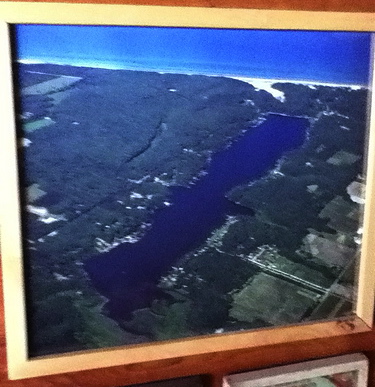
Aerial view of Stony L

Aerial View of Stony Lake with the Shore of Lake Michigan Along the Top (the view looks approximately west)

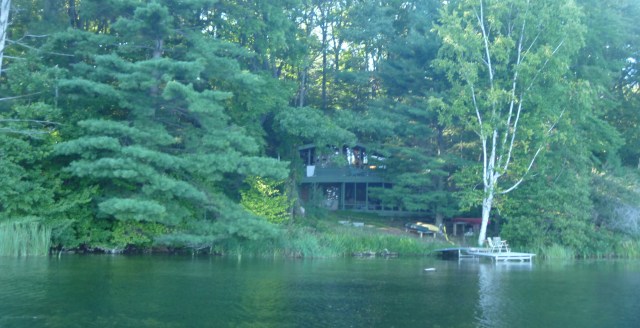
Cottage

Our Stony Lake Retreat

Some of this commentary is taken or adapted from the notes from which the docents read during the Tour.

Stony Lake has a lot of tradition. Much of the land, and in many cases the cottages, have been lovingly passed down for generations, shared or sold to friends or family members or even neighbours. 

But things change over the years, and the way of life many long time cottagers grew up with is changing too. More people come for short visits … They have less time to participate in community activities. One reason for doing the Tours is to help getting to know each other a little better.”

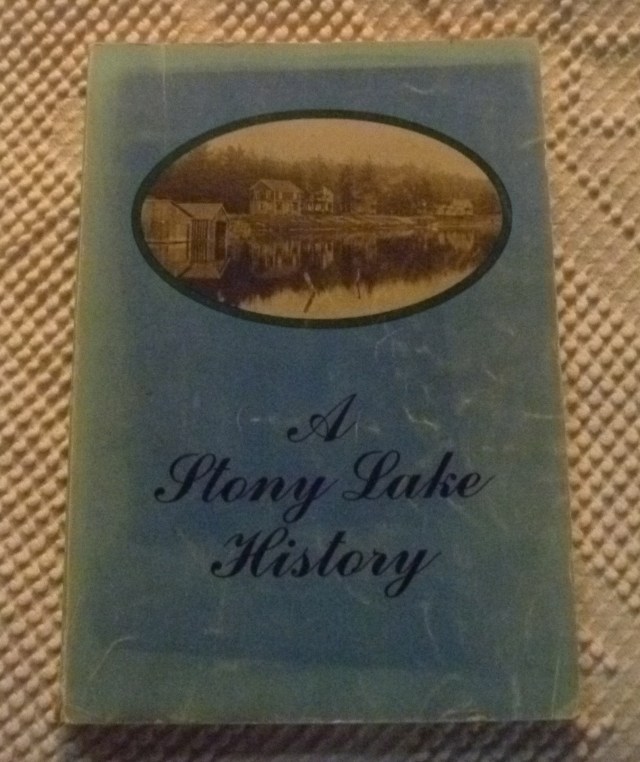
A Stony Lake History

“In the 1980s The Property Owners Association organized a project to publish A Stony Lake History, which was published in 1986. We hope it can be updated and republished.”

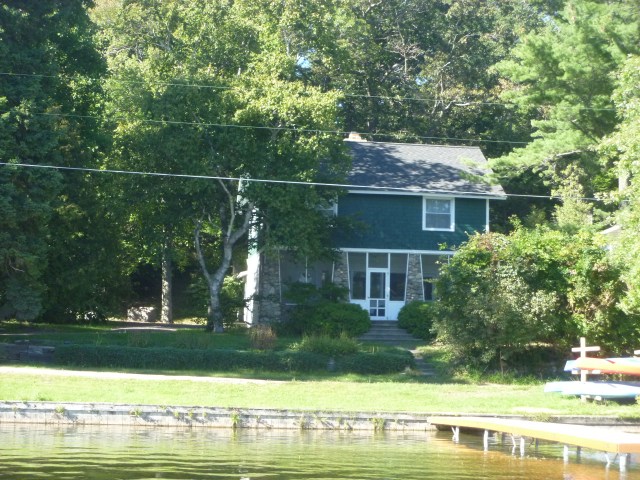
Huey House

The first house we ‘visit’ is The Huey House built by  John and Myra Huey in 1902.

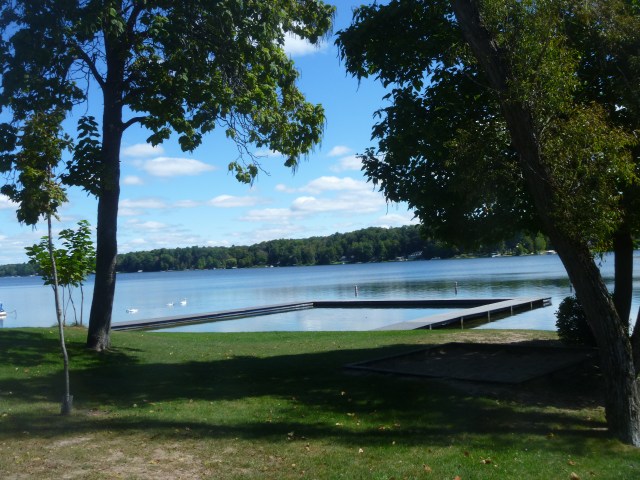
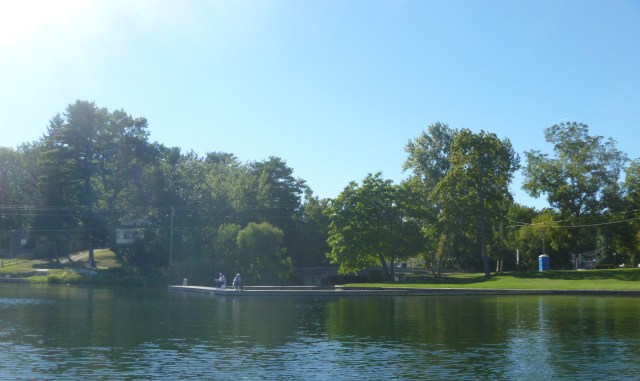
Public beach

The Public Swimming Beach – I enjoyed a few swims here

Beach from Boat

The Beach from the Boat

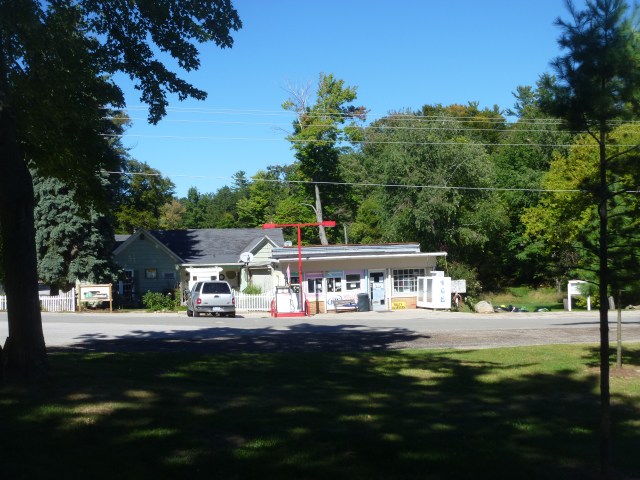
Stony Lake Store

Just across the road from the beach is The Stony Lake Store – once it housed the local Post Office, alas no longer.

As we moved around the Lake I was able to view the several Youth Camp Sites including Camp Miniwanca owned by The American Youth Foundation and in existence since 1924.

Miniwanca dock

Here is the Miniwanca Camp Dock

I’m afraid that whenever I see these camps I can’t help singing this to myself :

Remember Allan Sherman?

Another camp on Stony Lake is the Lutheran Camp with a sandy beach and its own swimming area and on the opposite bank and near to ‘our’ cottage is Camp Ao-Wa-Kiya. “Everyone who has a property on Stony Lake should appreciate the special atmosphere that the three camps on the lake provide. These large  chunks of land remain mostly undeveloped, and because of that there is less traffic on the lake. And most nights when the camps are in session the air rings with sounds of happy campers singing and cheering.” 

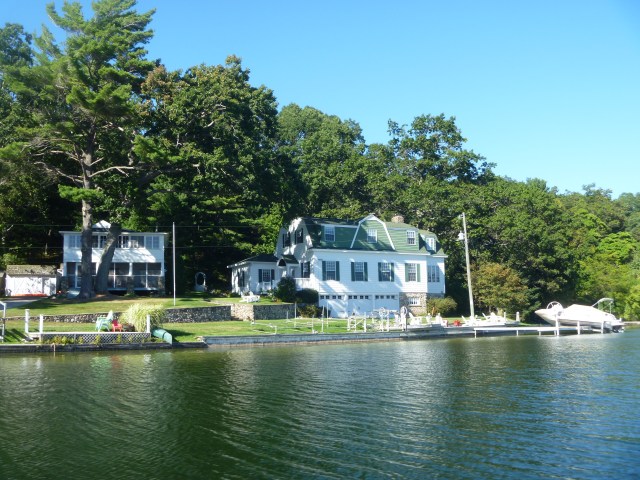
Shore line cottages

South Shore

Single storey cottage

Some Stony Lake Properties that caught my eye

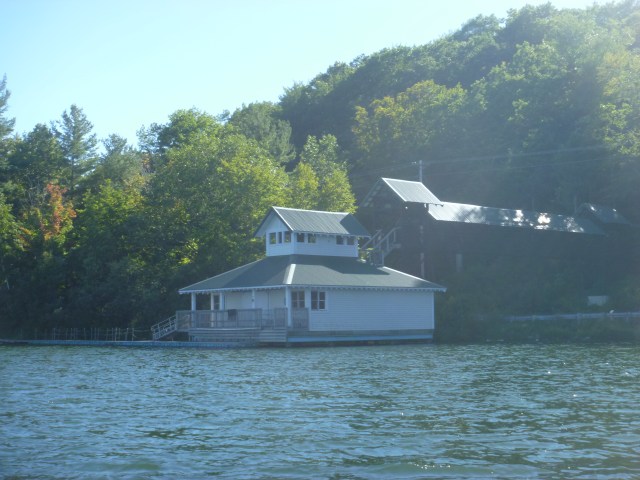
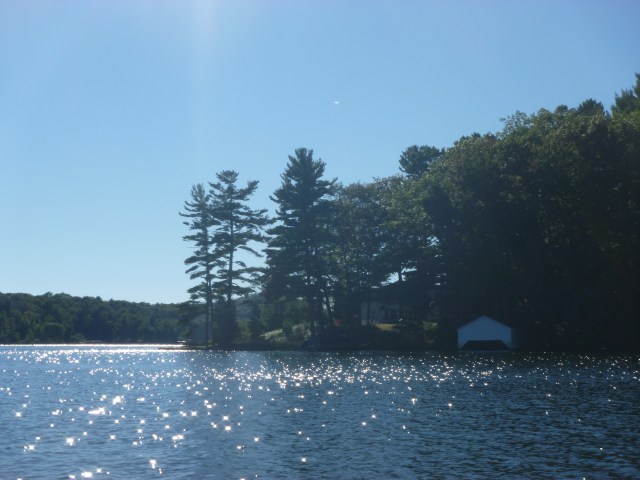
Boat House

A Stony Lake Boat House

My thanks to John and Julie for being magnificent and generous hosts and for taking me on my own private History Tour Boat.

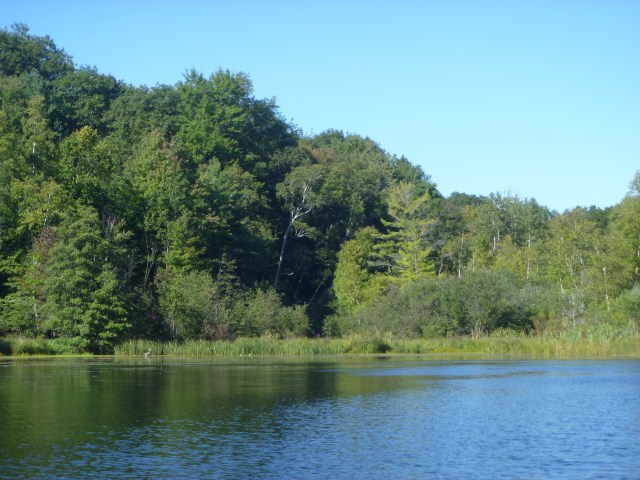
Quiet area

A Quiet Area of Stony Lake (that’s a heron over to the left there)

Along The West Michigan Pike: From Sand Trails to U.S.31

We spent the first fortnight in September this year at our friends’ cottage in Michigan. We’ve visited several times before but it’s always a pleasure to stay there with them and make new discoveries in the area as well re-visiting old haunts.

The Book

On the bookshelves at the Cottage my attention was drawn to a book by friends of our hosts called ‘Vintage Views Along the West Michigan Pike‘. Christine Byron and Thomas Wilson have collected memorabilia and old photos and postcards and assembled them together to produce an illustrated history of the road that wends (or wended) its way along the eastern side of Lake Michigan from the Indiana State Line to the Mackinac Bridge that links the Lower Peninsula of Michigan to the Upper Peninsula.

Sticker

The West Michigan Pike has been more or less swallowed up by the highway U.S.31 which actually starts way south of Michigan in Alabama.

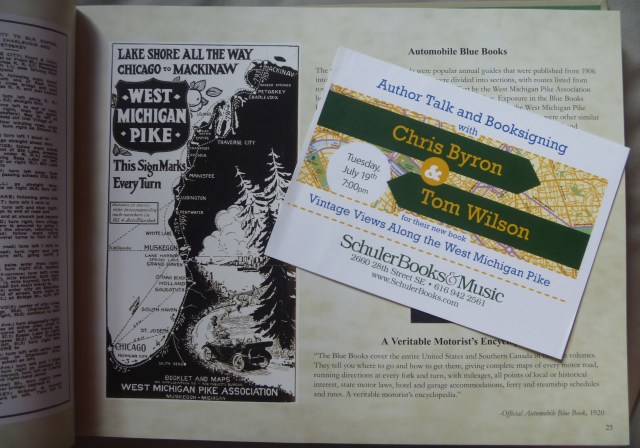
WMP author talk

I’ve picked out a few  pages of places that I’m more familiar with and included some of my own photos of places along the route.

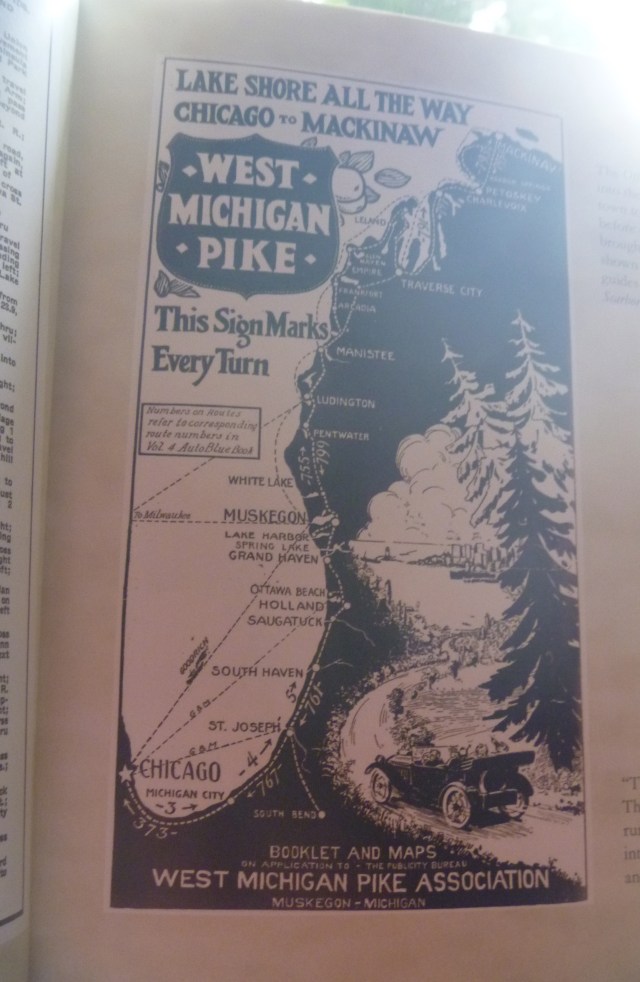
WMP map

Map

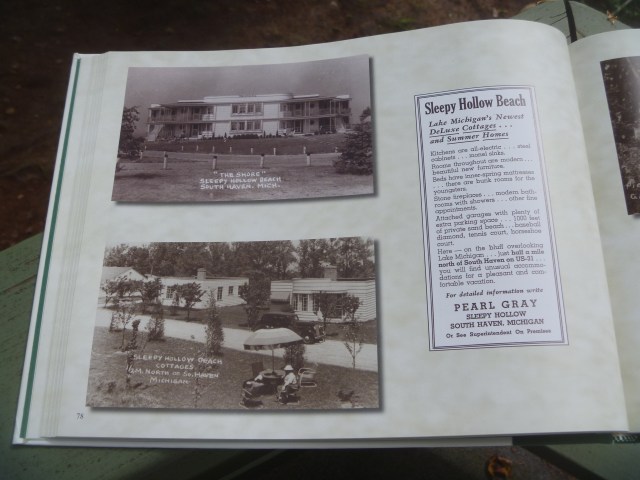
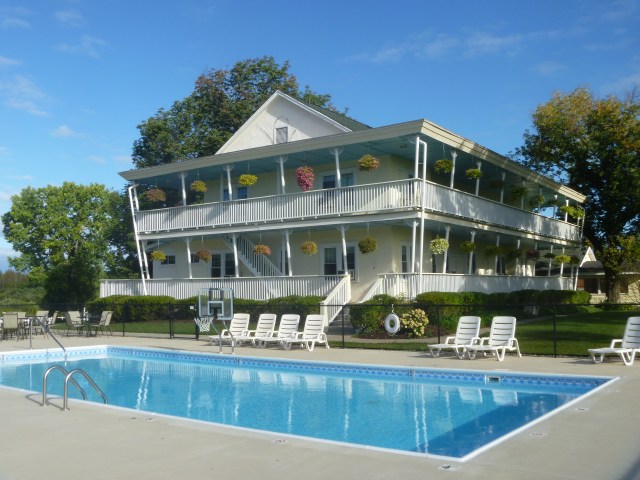
WMP Accommodations SH

South Haven Accommodations in yesteryear

Sun 'n' Sand

Our 1950s Sun ‘n’ Sand Resort Accommodation 2013

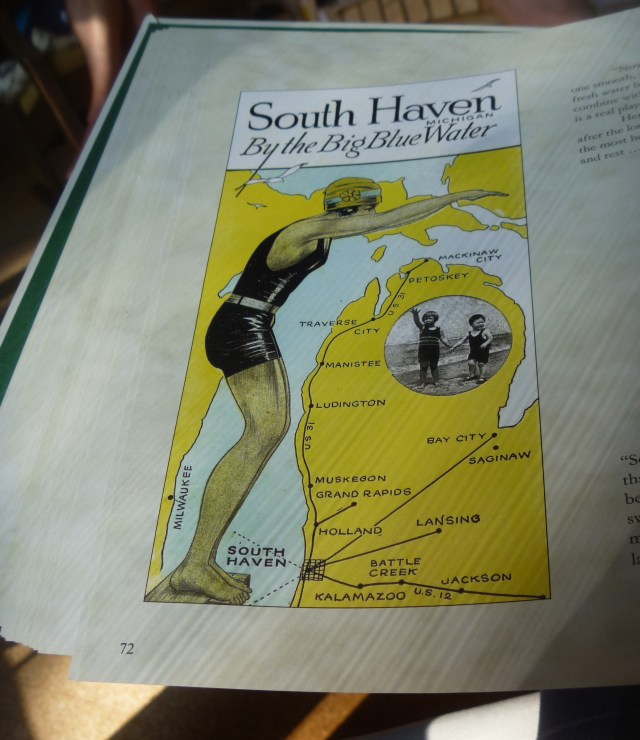
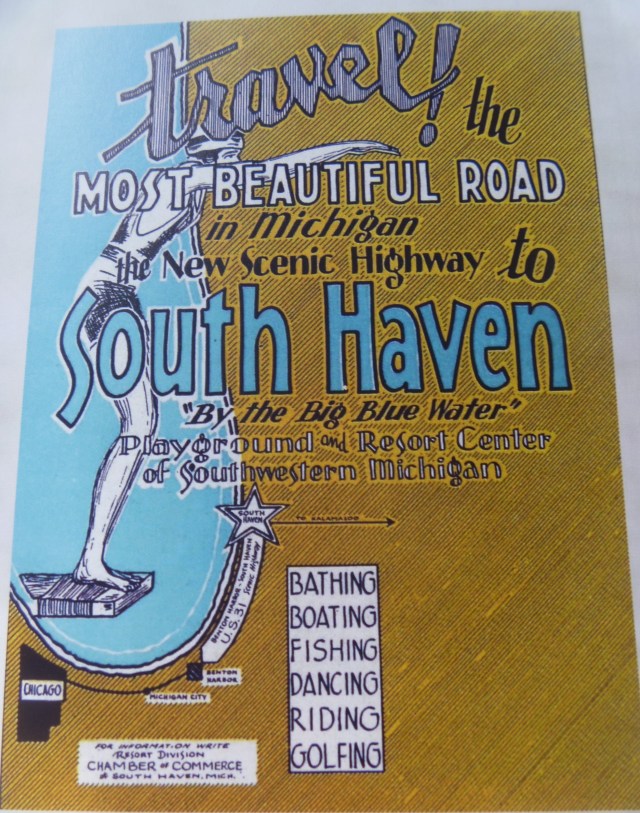
WMP S Haven

WMP South Haven

South Haven was our overnight stop between Chicago O’Hare Airport and Stony Lake where the Cottage is located.

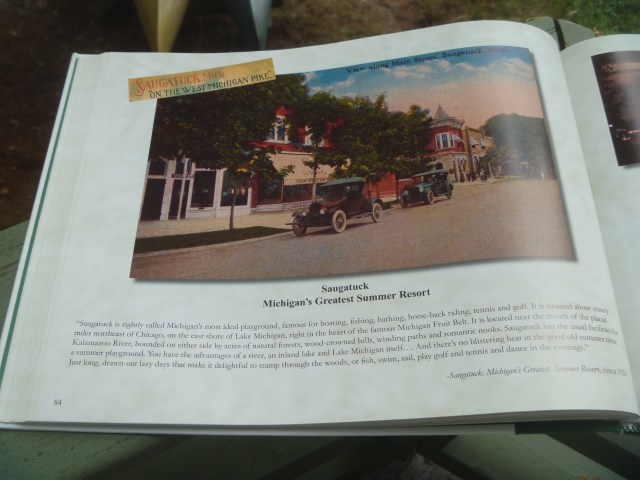
Saugatuck

Saugatuck is always a favourite stopping off point just off the 31 on journeys between Stony Lake and Chicago.

S.S.Keewatin

The S.S.Keewatin, moored on the south bank of the Kalamazoo Lake near Saugatuck is one of the few remaining of dozens of passenger ships that criss-crossed Lake Michigan. The Scottish-built ship is now a museum and is the biggest vessel to ever enter Saugatuck’s Harbour. I haven’t yet managed to visit as the museum is closed after Labor day and our trips are normally in September.

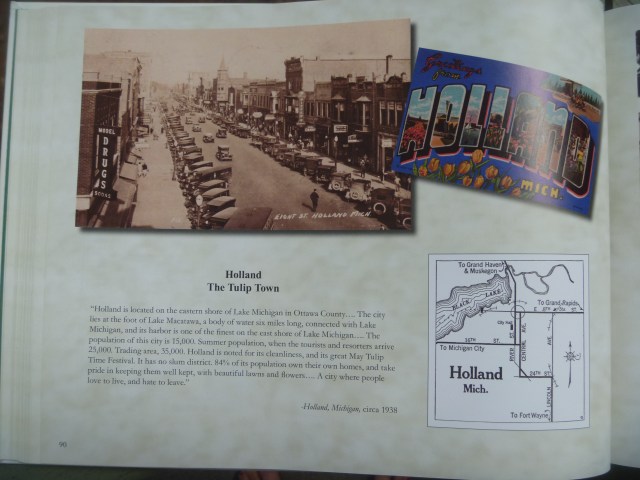
Moving on north up the US31 you come to Holland with its very Dutch buildings and atmosphere. We visited Downtown Holland for the first time this trip but it’s not easy to take picturesque pictures these days, with cars parked everywhere. Better to view it from the old time postcards and pictures.

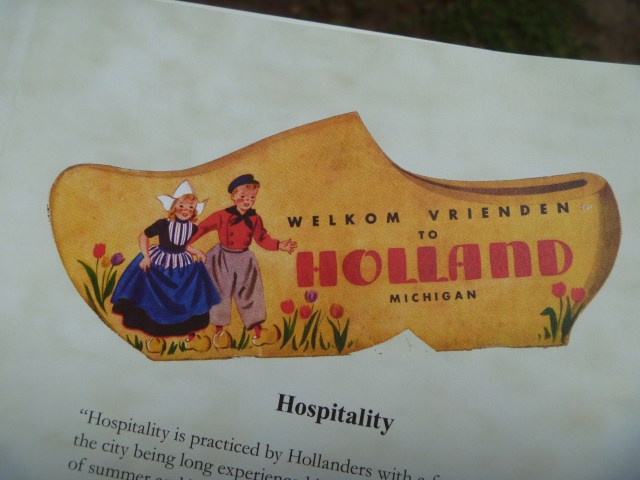
Welcome to Holland

Welcome to Holland

Holland Tulip Town

Holland – Tulip Town

Holland

Holland Postcard – I love this style but no longer available these days!

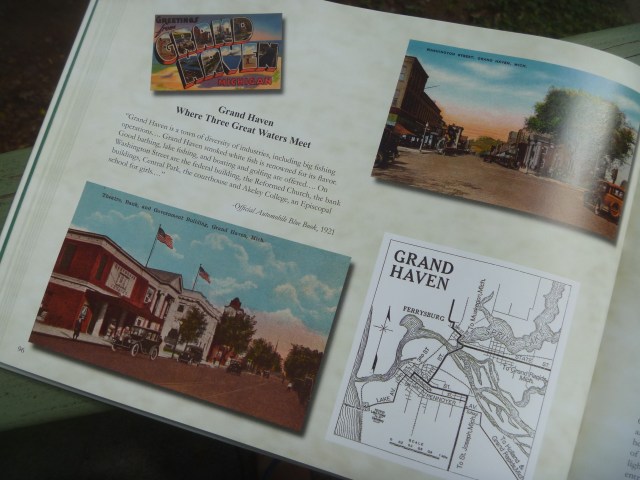
Grand Haven

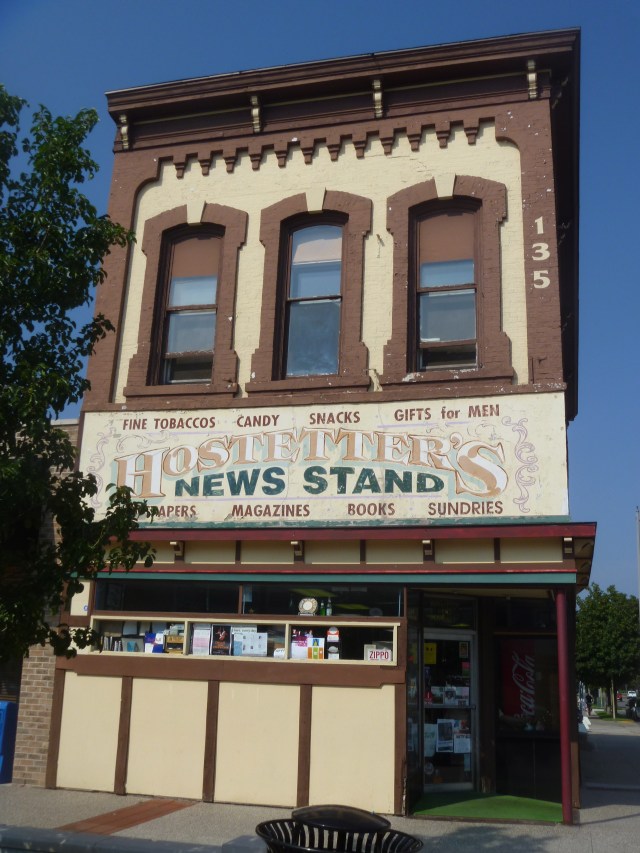
Next along the route is Grand Haven. We’ve visited a few times and love this wide  streeted town with its individual shops like Hostetter’s Newsagent and Bookshop and old style deli Fortino’s.

Hostetters

Hostetter’s, Grand Haven, MI

Another favourite town of ours is Pentwater. Dubbed “A Norman Rockwell Kind of Town” it is, like the many of the others, just one wide main street with good eateries and shops. Sailing is also very popular here and the yachts big and small bob up and down in the harbour/marina as you approach the centre of town.

Pentwater

Main Street Pentwater 2007

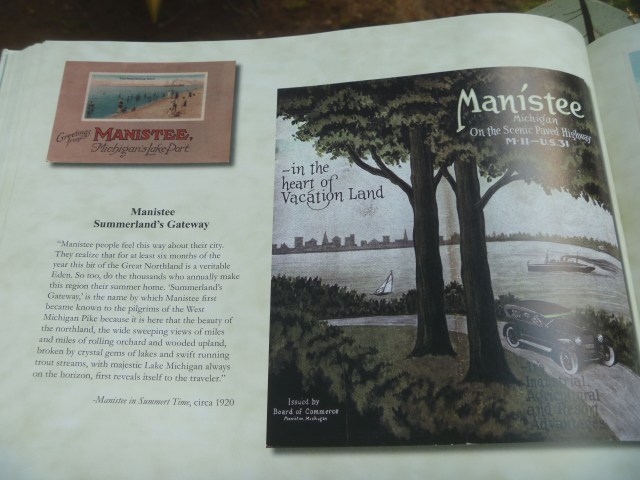
North of Pentwater has usually been outside our holiday ‘comfort zone’ but we made a day-long excursion this year via Manistee and Benzonia to the delightful small city of Traverse City. It’s one of those places listed in Top 10 Small Town America lists such as this and we thought it deserved its placing.

Manistee

Manistee

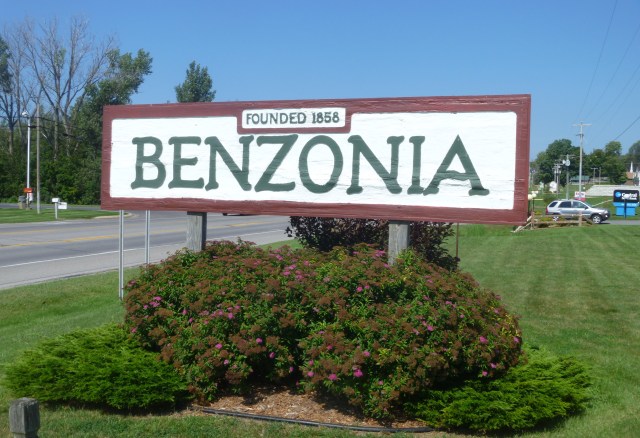
Benzonia sign

Welcome to Benzonia!

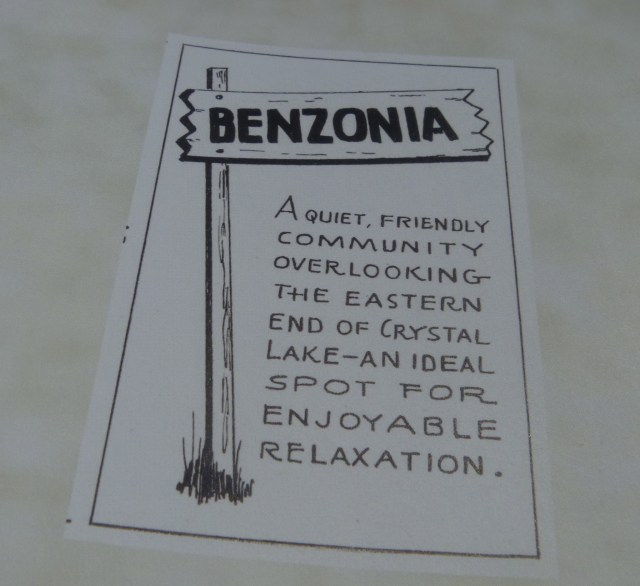
Benzonia

Description of Benzonia

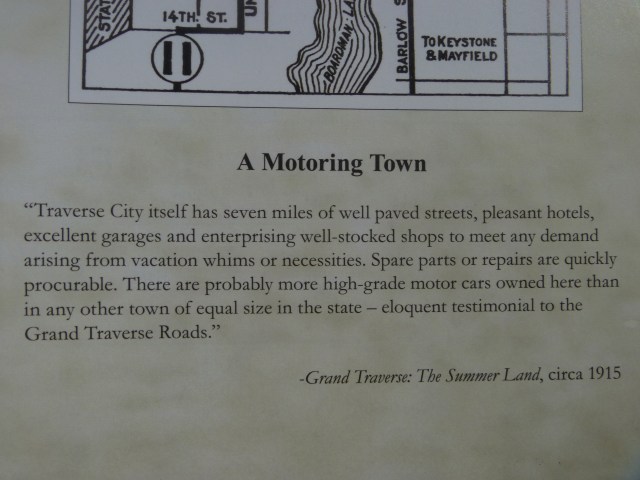
A Motoring town

Traverse City ‘A Motoring Town’ – Still Full of Parked Cars Today!

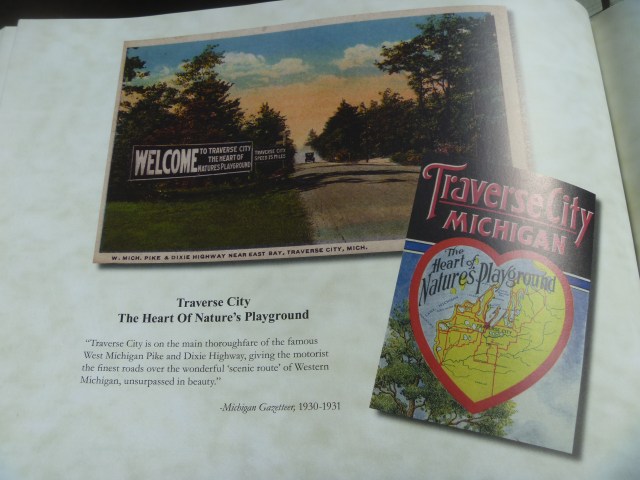
Traverse City

Traverse City – Also, ‘The Heart of Nature’s Playground’!

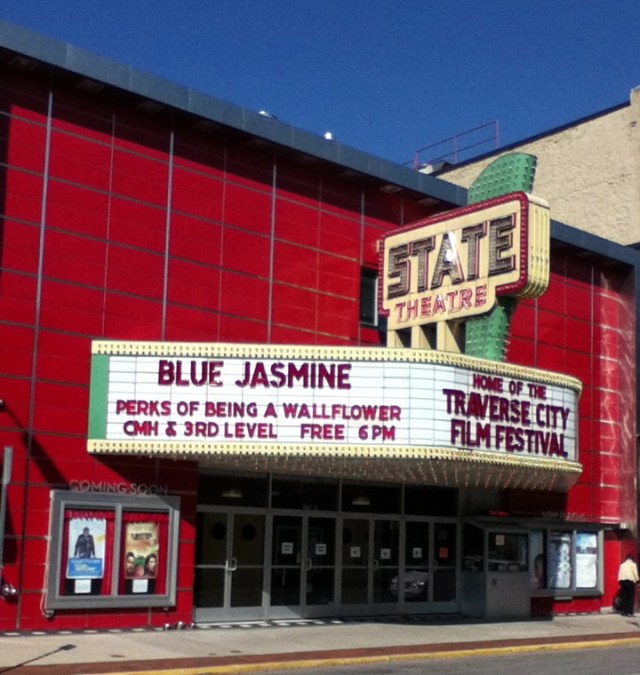
Cinema Traverse City

The Cinema that Local Film Maker Michael Moore helped to Save

And here’s Lake Michigan itself – By Day

Lake Michigan

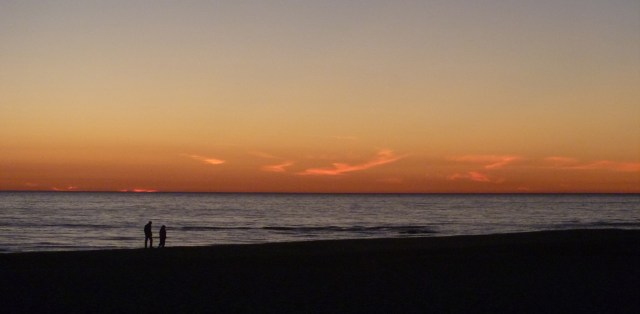
… And At Sunset

L Michigan sunset

The City that Built Chicago : The Hackley and Hume Houses in Muskegon, MI

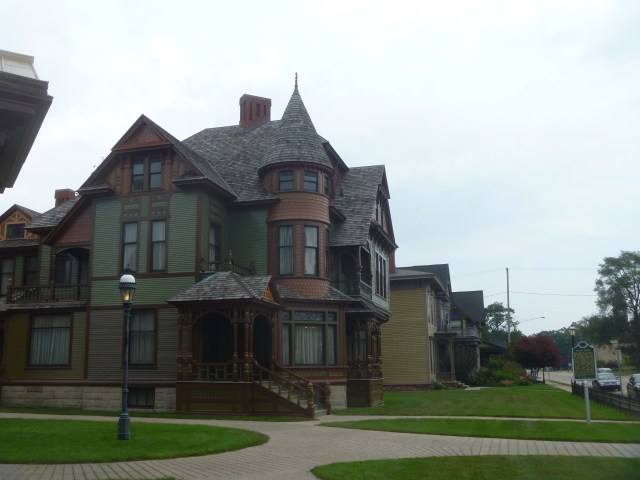
On Saturday 7th September as we drove into Muskegon, a city of 38,000 in the State of Michigan more or less opposite Milwaukee on the eastern shores of Lake Michigan, and drew to a stop outside the Hackley and Hume Houses I thought I had arrived in pre-revolutionary Russia!

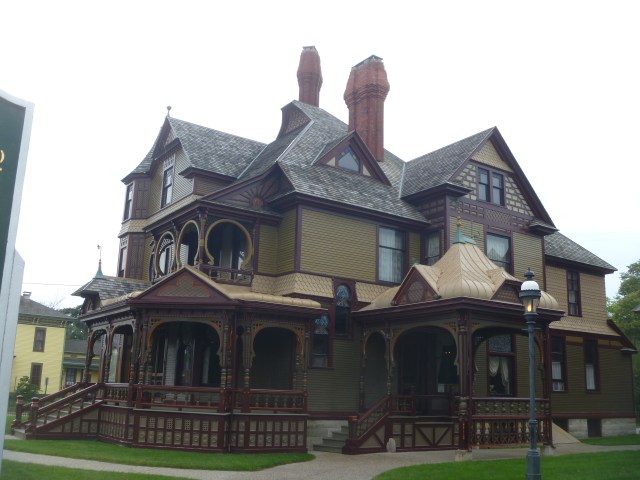
The Hackley House

The Hackley House

Hume House

The Hume House

Look at the pictures and you will see what I mean. But I could get no satisfactory answer from the tour guide as to why the houses were built in this particular style. But otherwise we had a most interesting tour of both houses and were able to compare and contrast the house styles and the lives of their former inhabitants.

Our guide referred to Muskegon as the city that built Chicago due to its huge influence and reliance on the lumber (timber) trade.  Needless to say that was what Charles Hackley and Thomas Hume were involved in.

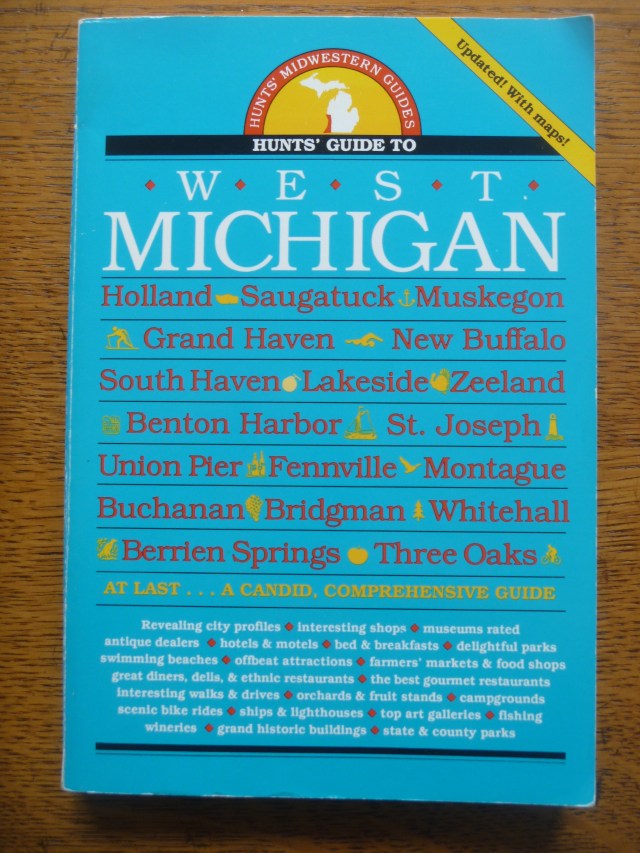
Hunts' Guide

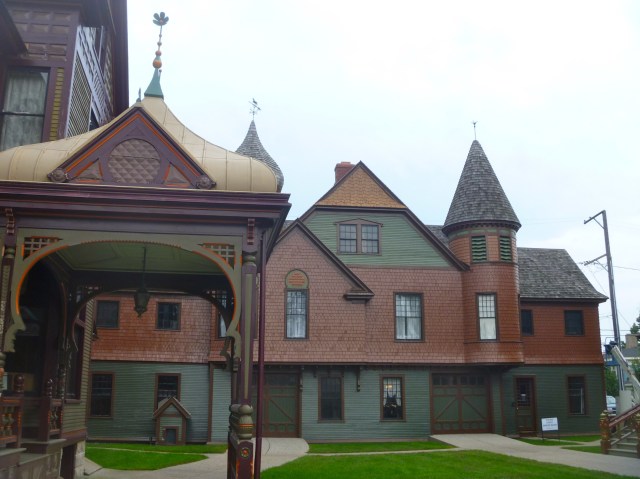
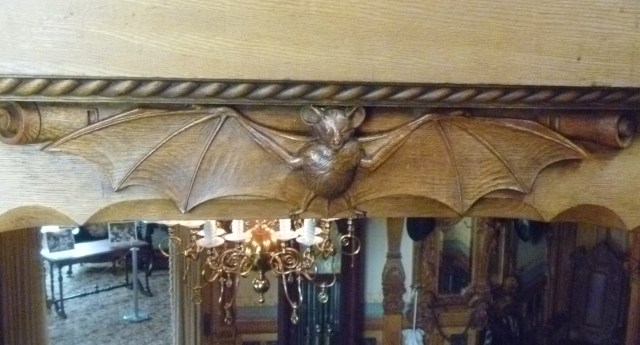
Victorian love of ornament may have reached a new height in the 1888 home of Muskegon’s great benefactor and richest lumber baron, Charles Hackley. Together with the house of his partner next door and the elaborate, prominent carriage house they share, it forms a remarkable urban ensemble, almost Oriental (we thought it Russian) in its turretted silhouette and rich colors and textures. Houses of this size and splendor were usually made of brick or stone, but Hackley and Thomas Hume, his friend and business partner since 1875, built with the material that made their fortunes. It is said to have taken years for German woodcarvers to finish the Hackley House’s fanciful, fascinating carvings of birds, dragons, bats and a portrait of Hackley himself.”

Taken from Hunt’s Guide to West Michigan (above).

Carriage House

The Prominent Carriage House

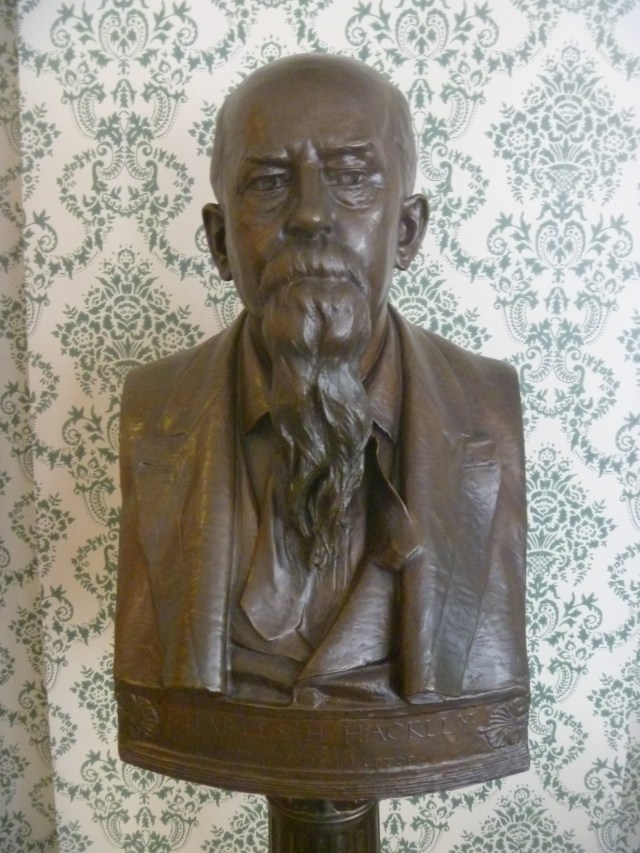
Charles Hackley

Charles H. Hackley carved in wood

Bat carving

Bat Carving

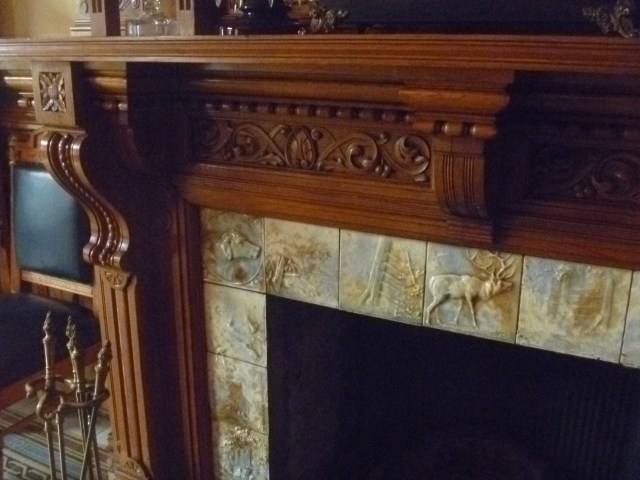
Hackley Fireplace

The Hackley Carved Fireplace

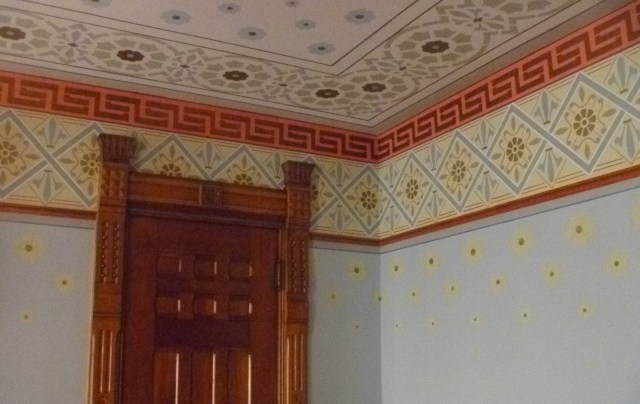
Ornate Room

Ornate walls, ceiling and door in the Hackley House

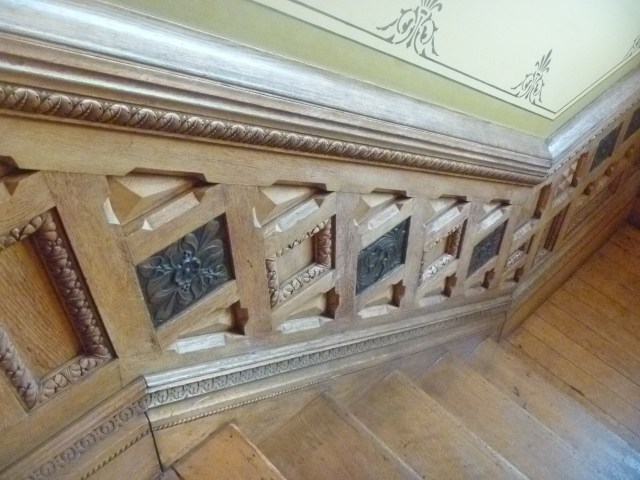
Hackley Stairs

Staircase at The Hackley House

Wedding preparations

The Hume House was being Prepared to Show a Wedding Party

Charles Hackley was a generous benefactor to the city of Muskegon and many buildings and sites still survive today as evidence of this. We visited the park, the library and the art museum, all very near the houses, but there’s also a hospital, a school and other philanthropic institutions.

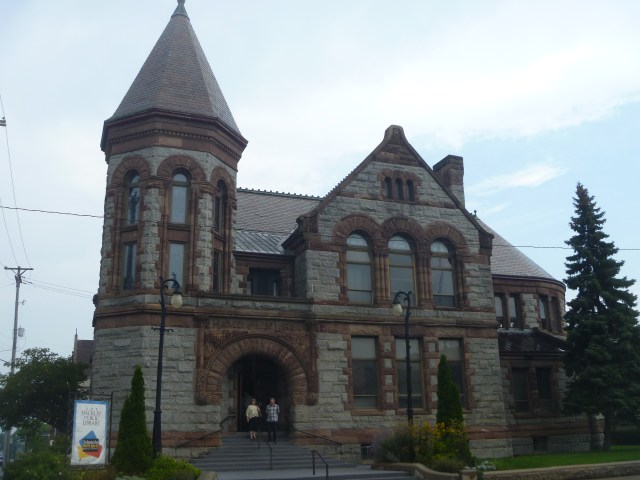
Hackley Library

The Hackley Library

Library poster

Welcome to The Hackley Library – the Hackley Park is behind

Hackley Library 1

Hackley Library 2

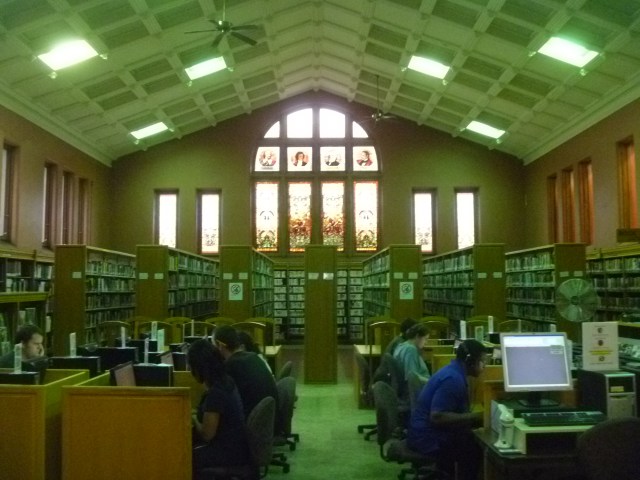
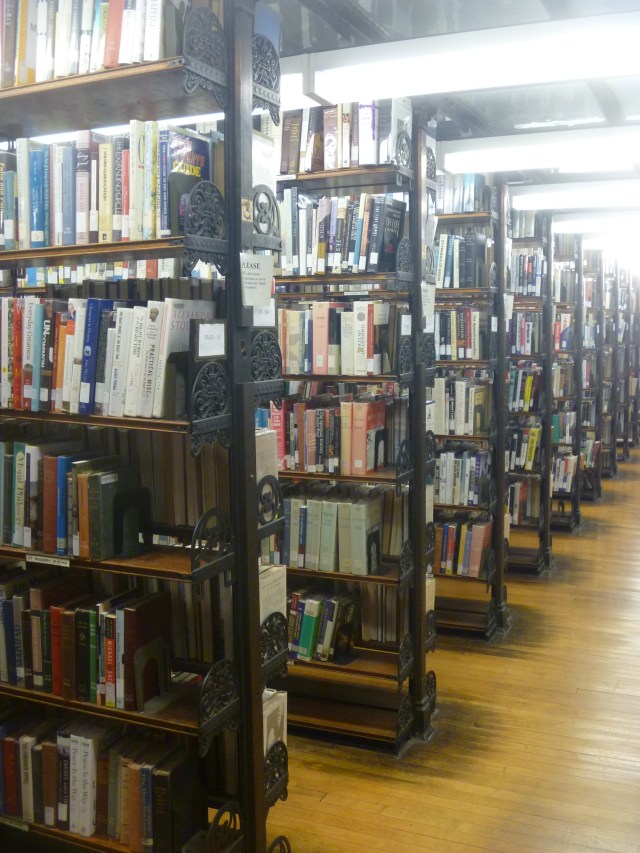
Inside The Hackley Library Today

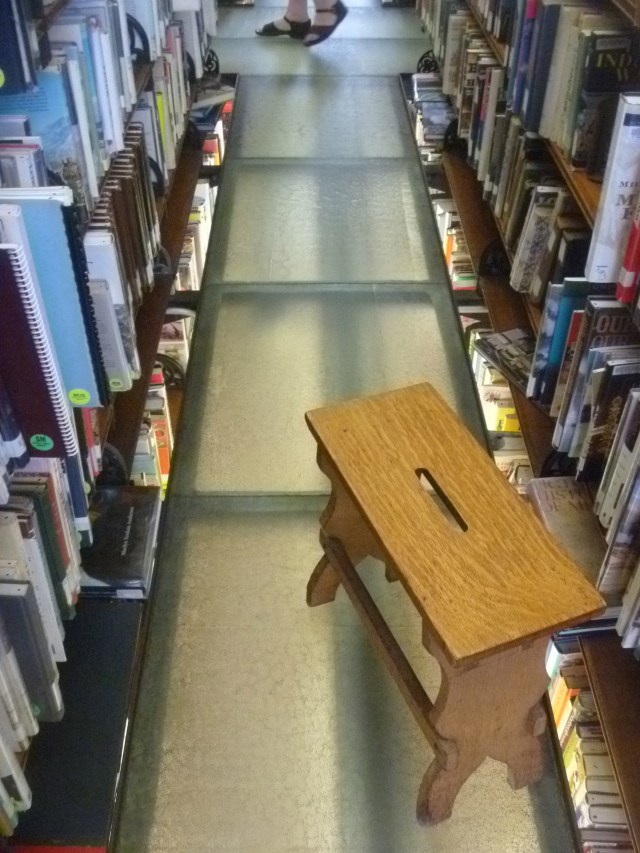
Glass Floor

The first floor mezzanine has a glass floor to allow as much natural light into the building as possible.

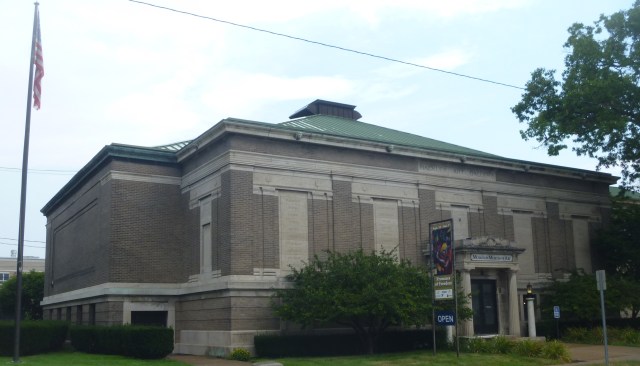
Art Museum

The Muskegon Museum of Art

Oak Park : Wide Lawns and Narrow Minds

The Chicago suburb of Oak Park is probably best known for its connections with Frank Lloyd Wright. I mentioned his Home and Studio are here in a previous post and also a large number of fine examples of his work. Twentieth century novelist Ernest Hemingway was born on Oak Park Avenue in 1899 so I decided to visit his home and museum to find out more about ‘Papa’. He left Oak Park as a teenager for a world of adventure and I’m not sure he ever came back.  My Michelin Chicago Guide says “He later derided the conservative suburb for its ‘wide lawns and narrow minds'”.

North Oak Park Ave

North Oak Park Avenue, Oak Park

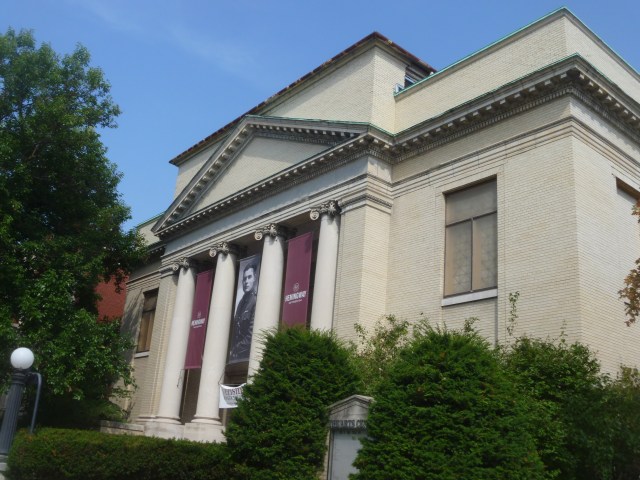
Hemingway Museum

The Hemingway Museum

To get to Oak Park I took the bus down Michigan Avenue to the Loop business district and then the Green Line El Train to Oak Park Avenue. Straight up from the station, on Oak Park Avenue itself, and just a few minutes walk from it, is the Hemingway Museum. This is the place to find out all about the novelist and his life but for the tour of his birthplace you need to book a ticket in advance. Luckily I was able to join the next tour.

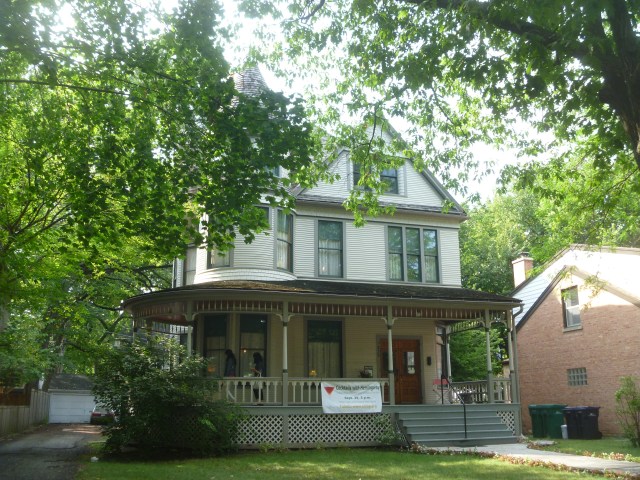
Hemingway Birthplace

Ernest Hemingway Birthplace, 339 North Oak Park Avenue

The birthplace is just another 5 minutes walk along the same avenue of gracious homes and low-rise apartment buildings. The tour was as interesting to me for the guide (whose home it now is) as for what I found out about Hemingway. Still, he (the guide/owner) had managed to furnish the house with some original artefacts and furnishings and all the rest seemed very much in keeping with the late 19th and early 20th centuries.

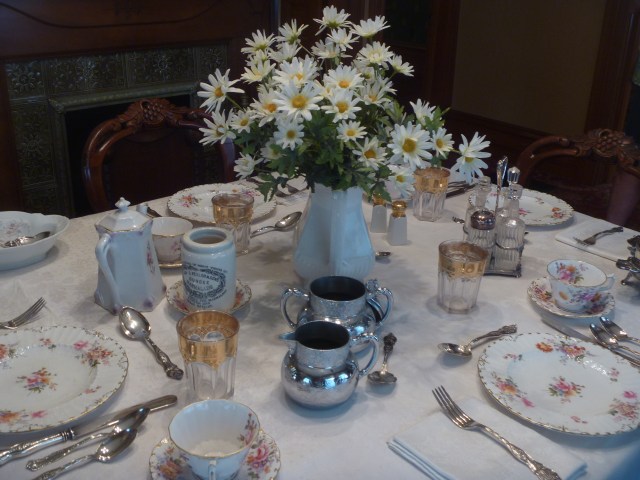
Breakfast Table

Breakfast with the Hemingways

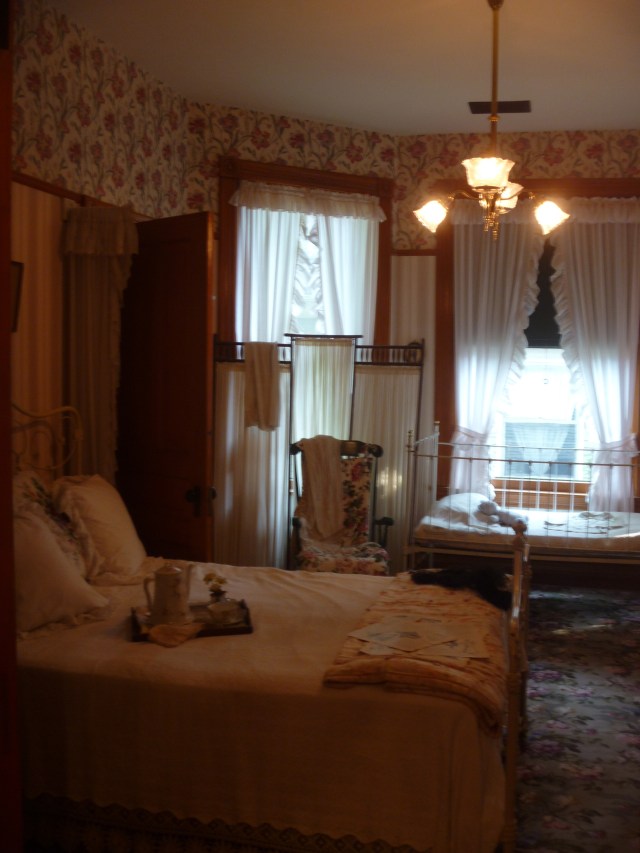
Bedroom

The Room where ‘Papa’ was born

We learned that Ernest and some of his siblings were born in this house but that his family actually lived diagonally across the street and that this house was the home of his maternal grandparents.

Photographs around  the House and the Museum show Ernest and his elder sister looking remarkably alike.

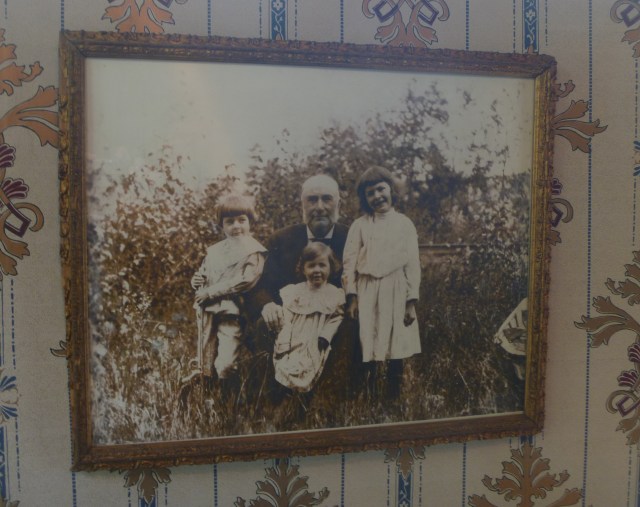
Hemingway family photo

Ernest (left) and Marcelline (right) with their Grandfather

“The two were a year apart in age, and their mother early on decided to raise them as twins, even to having them photographed in matching gowns and bonnets in the style of the day. Whatever injury Ernest felt he had suffered from such embarrassments, it may have been Marcelline who made the greater sacrifice: she was kept out of school for a year so they would be in the same class, and, despite her own considerable talents, she seems to have willingly stood in his shadow a good deal of her early life.”

[Idaho Librarian book review]

I can’t say I’m very familiar with Hemingway’s work. I’ve read his “A Moveable Feast” and didn’t really warm to him. Recently I read “The Paris Wife” by Paula McLain a novelised version of his life with Hadley Richardson, his first wife. Oh, and I saw him in the Woody Allen film “Midnight in Paris

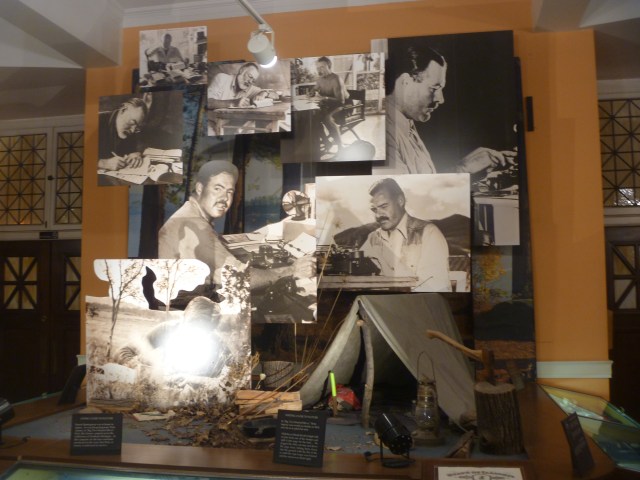
After the House Tour I made my way back to the Museum. There was lots to read and look at and time was getting on so I had skip through much of the Museum. Here are some pictures of the displays and film posters.

Nick Adams display

Ernest Hemingway’s early trips to Michigan made a big impression on him and he relates lots of his own adventures in The Nick Adams Stories. Nature had a huge influence on many of his works.

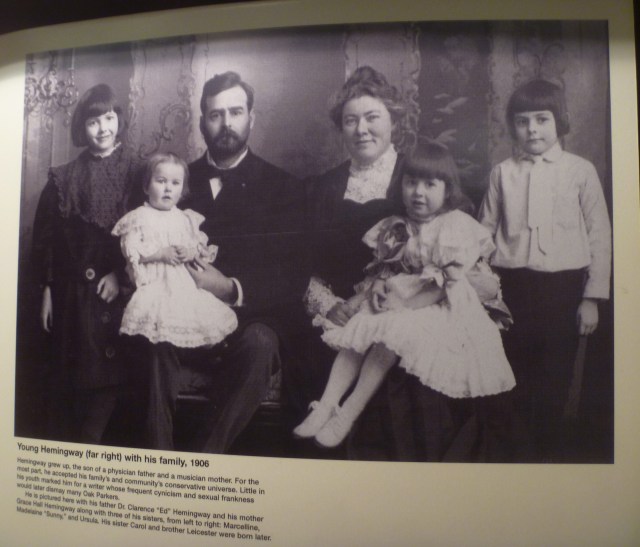
Family picture

Hemingway with his family

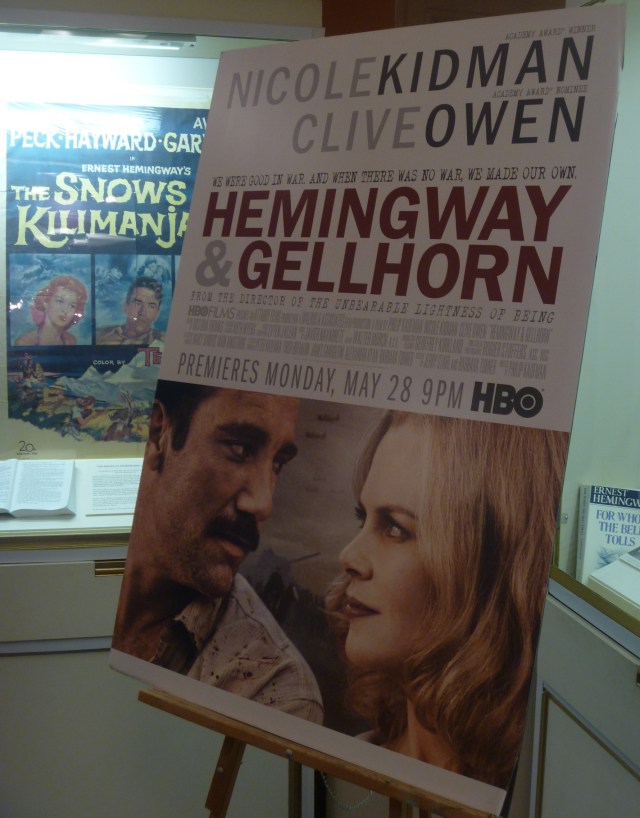
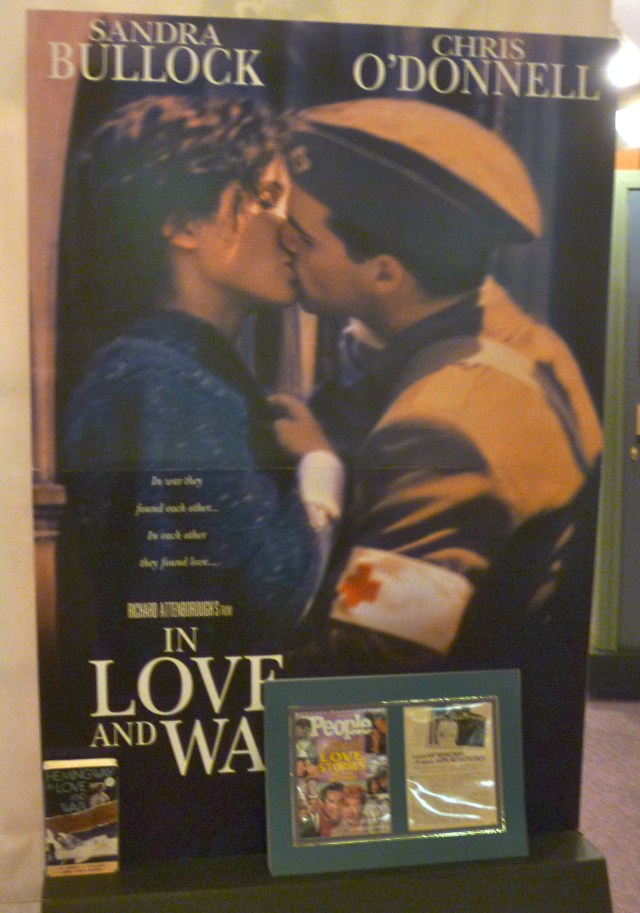
Film posters

In Love and War

Hemingway-related Cinema Posters

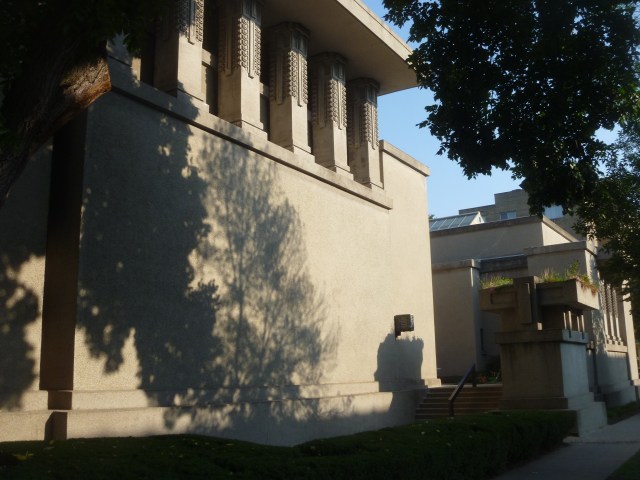
On my return to the train back to Chicago I diverted briefly to see Frank Lloyd Wright’s Unity Temple on Lake Street. It was already closed to visitors that day. Read about the Temple and the current restoration programme here.

Unity Temple

Unity Temple

Charnley-Persky House Museum, Chicago

CPH Welcome

Welcome to The Charnley-Persky House, Chicago

These days Chicago is famous for its architecture and I would highly recommend one of the Chicago Architecture Foundation Architectural Tours – by bike, on foot, by bus, by boat and even on the elevated train. On one of our earlier visits I did their River Cruise along the Chicago River ending up out on Lake Michigan for a magnificent skyline view of the city.

On another visit I travelled out to Oak Park famous for it’s Frank Lloyd Wright Home and Studio Tour and the sheer number of Wright designed homes in the immediate neighbourhood. Then last time, in 2007, we travelled south to the University of Chicago and did the Robie House Tour.

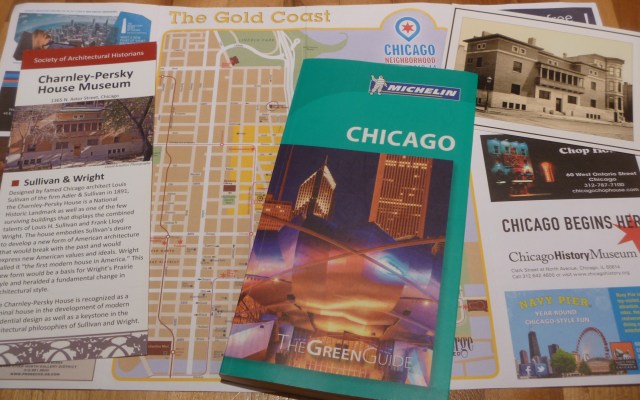
Michelin Chicago 2013

As it’s 6 years since we were last in Chicago I bought a new 2013 guide book Michelin Chicago and was delighted to find that there was a further Frank Lloyd Wright house open to the public just a few streets away from our hotel at Delaware Place.

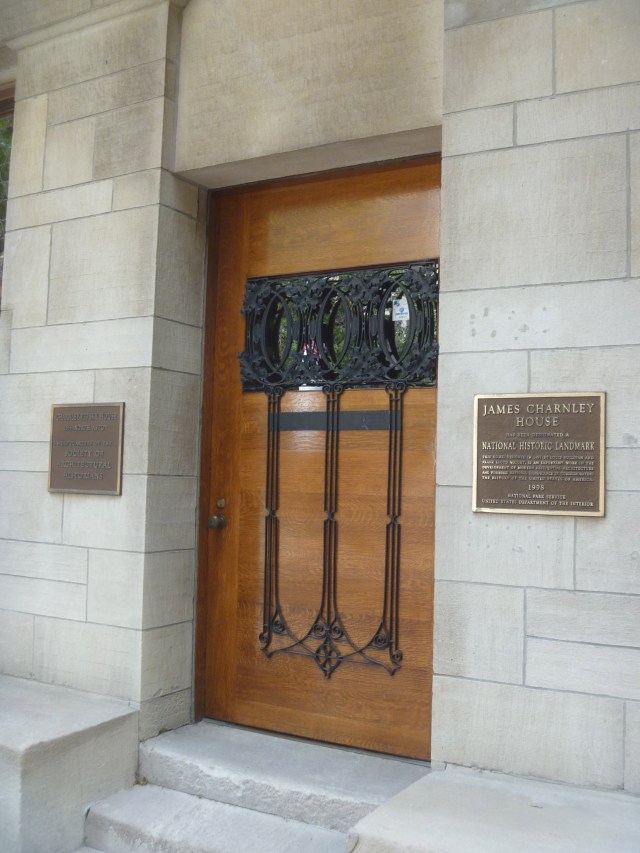
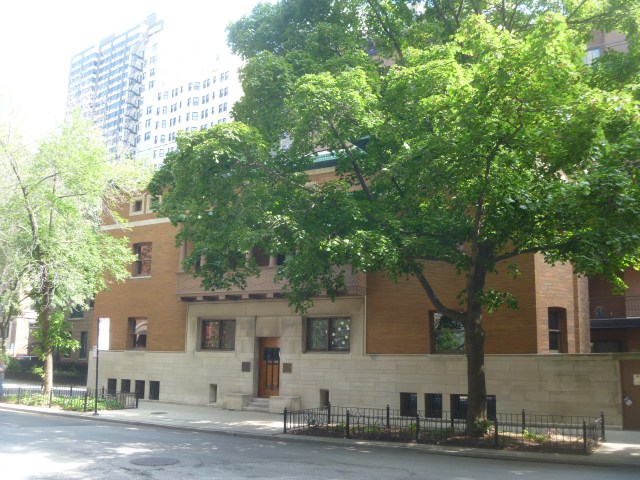
Charnley-Persky House front

Front View – Charnley-Persky House

The James Charnley House is at 1365 North Astor Street in a lovely tree-lined residential area called Gold Coast. The houses are very big here and many of them are worthy of a mention as there is 2.3 mile walking tour describing many of them in my Michelin Guide. 

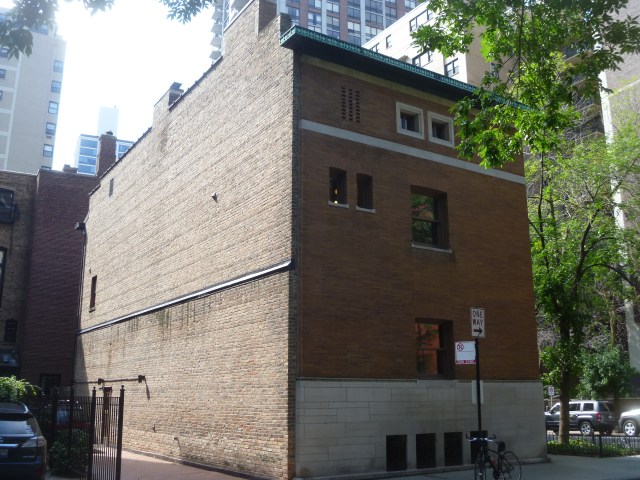
Rear CPH

Rear View – Charnley-Persky House

Arriving at the house in good time – tours are (in theory) limited to 15 – I signed in and waited around for ours to begin. More and more people kept turning up (over 30) but that didn’t seem to stop our docent (tour guide) from welcoming us all. I had my $10 note ready to pay but it turns out that the Wednesday at noon tour is free. No wonder it was so popular.

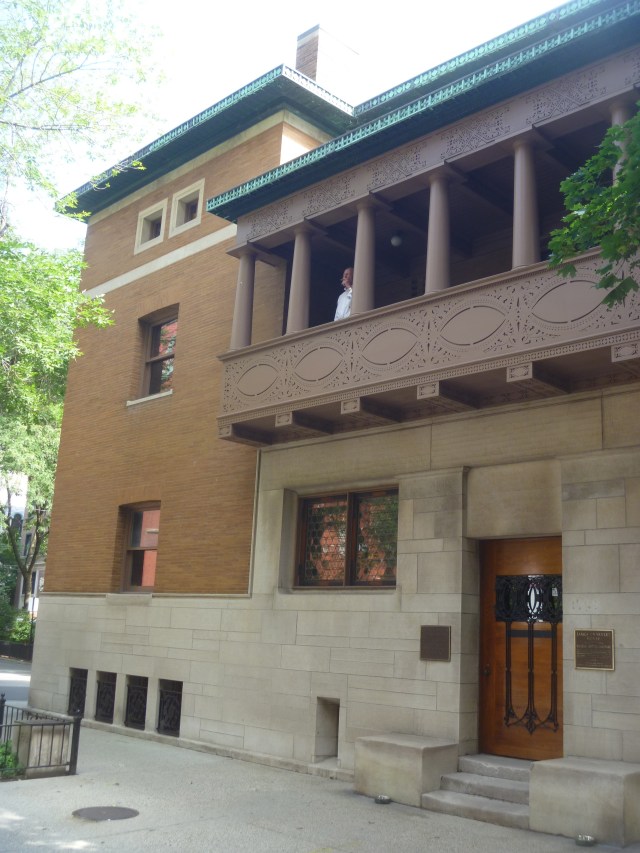
Close-up CPH

Front Detail – Love the Doggy Bowls – Gold Coasters love their dogs!

The introduction took place in the tiny shop which had formerly been the family kitchen and from where we headed out across the street to study the exterior before entering through the front door and being shown the ground and first floors.

James Charnley was a wealthy businessman who dealt in the railways and in lumber. The house was built in 1891 and was of a completely new and different style with very few classical references.

Designed by famed Chicago architect Louis Sullivan of the firm Adler & Sullivan in 1891, the Charnley-Persky House is a National Historic Monument as well as one of the few surviving buildings that displays the combined talents of Louis H. Sullivan and Frank Lloyd Wright. The house embodies Sullivan’s desire to develop a new form of American architecture that would break with the past and would express new American ideals. Wright called it “the first modern house in America”. This new style heralded a fundamental change in architectural style.

The Charnley-Persky House is recognised as a seminal house in the development of modern residential design as well as a keystone in the architectural philosophies of Sullivan and Wright.”

[From the Charnley-Persky House flyer]

But what is the Persky connection? Also from the reverse of the flyer :

In 1995, funds to purchase the house were provided by Chicago philanthropist Seymour H. Persky. The Charnley-Persky House is the national headquarters for the Society of Architectural Historians, a membership organization that promotes the study and preservation of the built environment worldwide.”

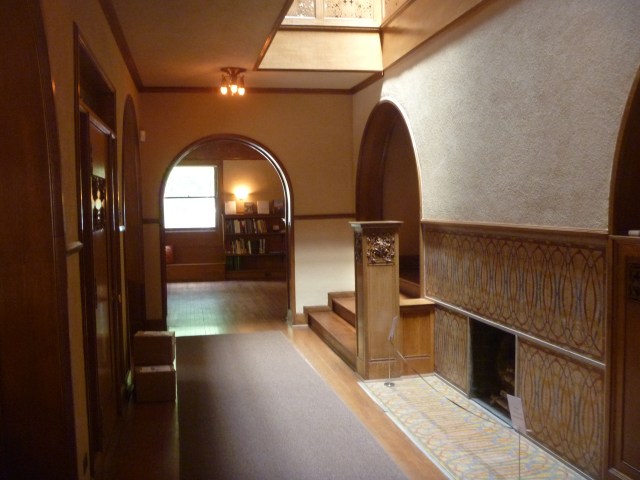
Ground floor hall

The ground floor hall is filled with light from the floor to roof atrium

Inside the house, interestingly, it didn’t seem so big. There were just two rooms plus hall or landing on each floor. Charnley being in the timber trade the house features lots of beautiful wood – mainly white oak but mahogany in the dining room.

Roman and Chicago Common brick

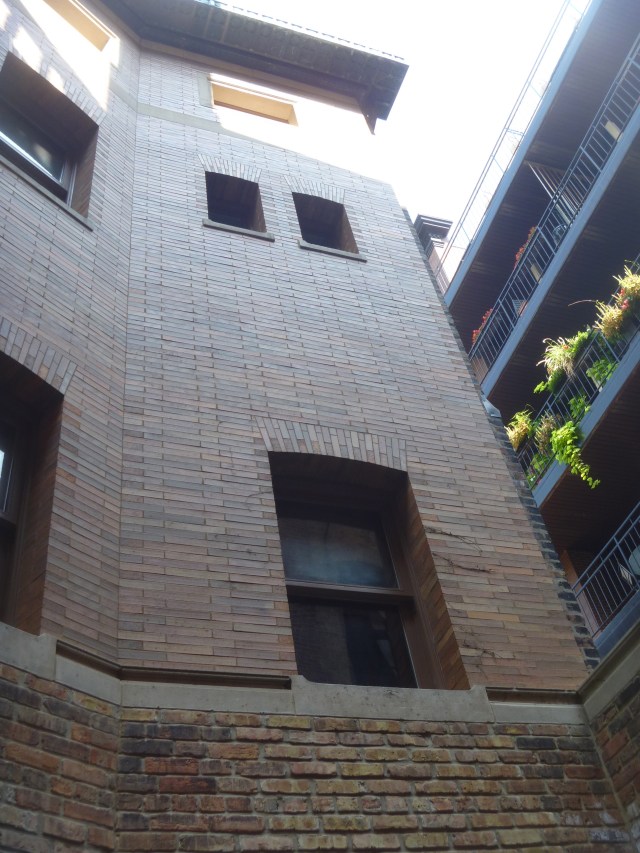
It is built of Roman brick with Chicago common brick used for the lower, unseen levels. There is no garden and no coachman or coach house. The first floor balcony (our guide insisted it wasn’t a loggia!) is the only outside space.

Balcony detail

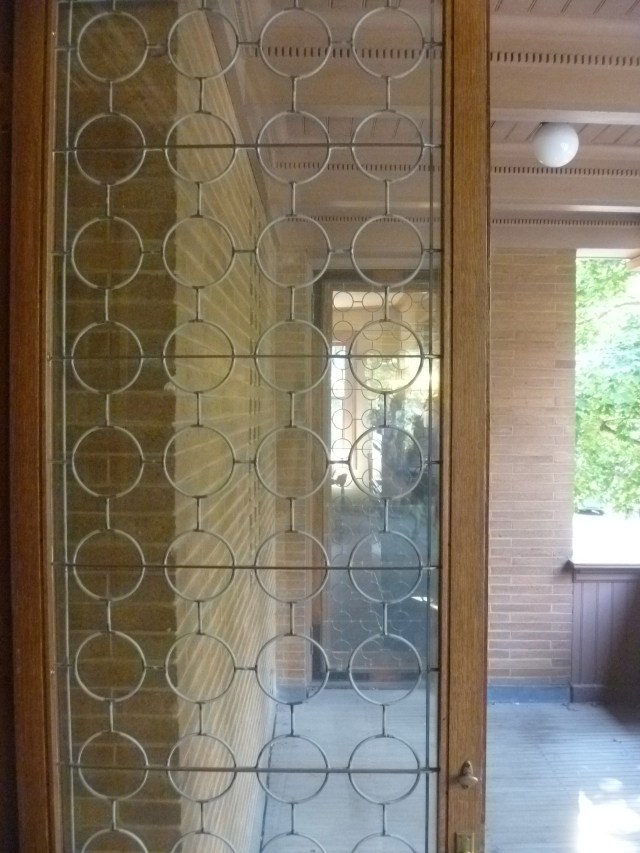
Balcony detail – circles and squares are found throughout the house design

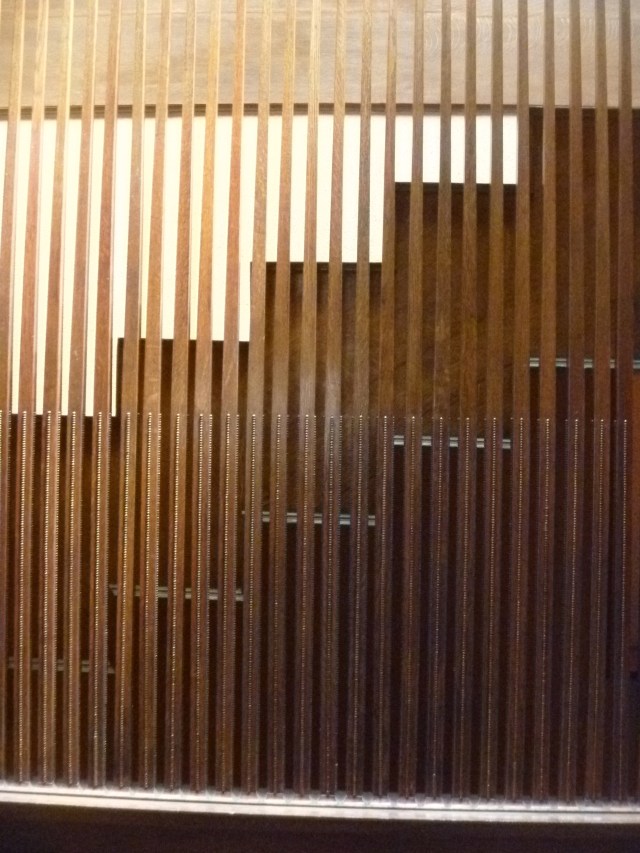
You can see in the photo of the rear of the house that there’s just one window at the back.It’s the beginning of a FLW trademark to let as much natural light into the house as possible. The staircase runs up the back of the house but despite the lack of windows on the east side light filters in through the wooden bannisters.

Staircase

The fancy metal work and leave patterns are typical Louis Sullivan designs whereas the geometrics are very Frank Lloyd Wright.

The house has been wonderfully renovated since being taken over by the SAH and although it’s empty of original furniture the fixtures and fittings have been preserved virtually throughout.

Gas and electric light

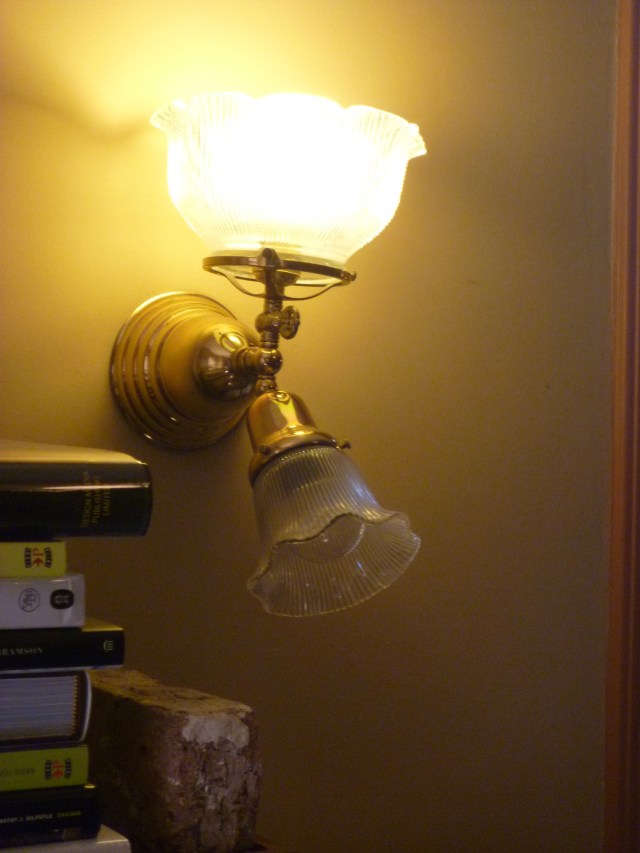
Original gas and electric light fitting

The 45 minute house tour lasted well over an hour. Afterwards I took the bus south along Michigan Avenue (The Magnificent Mile) to the Loop Chicago business district for a quick look at The Auditorium Building and afternoon tea at a favourite Chicago restaurant Russian Tea Time.

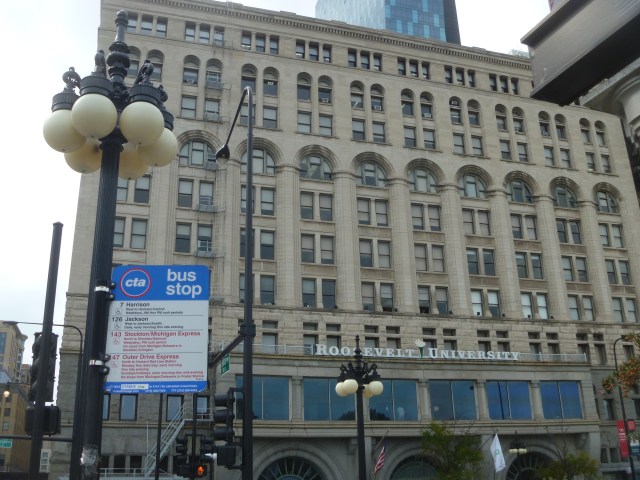
Auditorium Building

The Auditorium Building is now The Roosevelt University

The Auditorium Building launched the careers of architects Dankmar Adler and Louis Sullivan. … [It] ranked as the tallest and heaviset structure in Chicago when it was completed in 1889. The pioneering multi-use building … incorporated a 400-room hotel, a 17-storey office-tower and a 4,000 seat theater.” [Source: Michelin Chicago, 2013]. It is now occupied by The Roosevelt University.

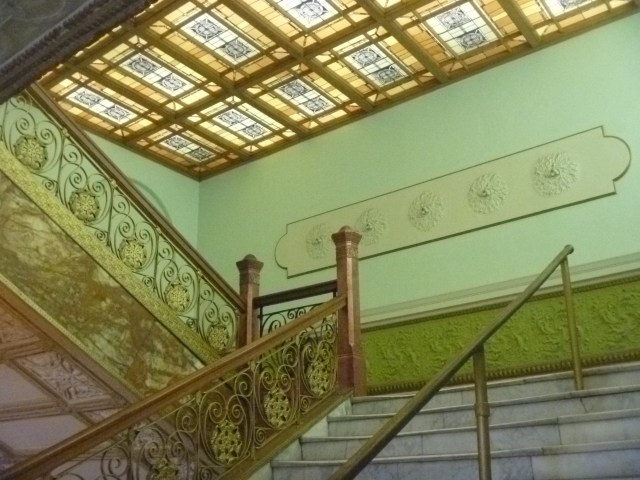
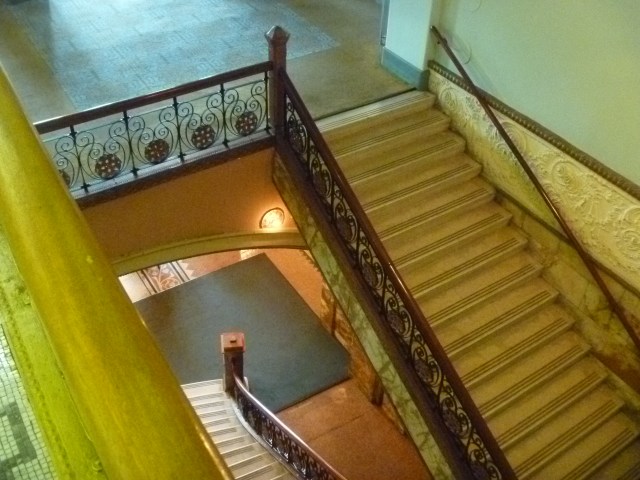
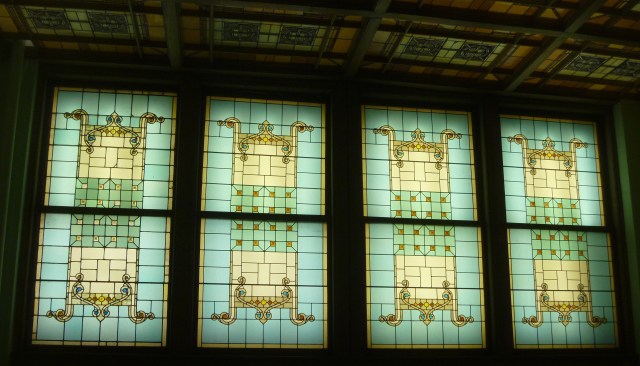
Interior

Stairs

Windows

Interior Photos of the Auditorium Building

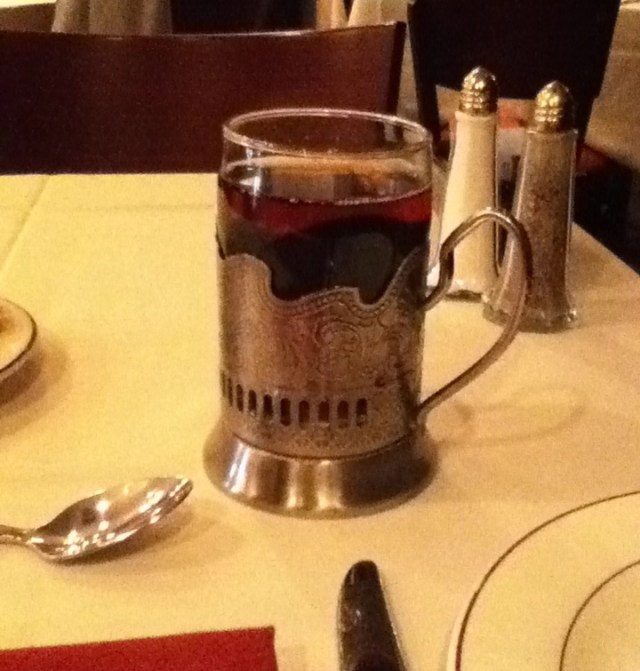
Russian tea

Russian Tea at its Best!
The Secret Life of Wormington Grange

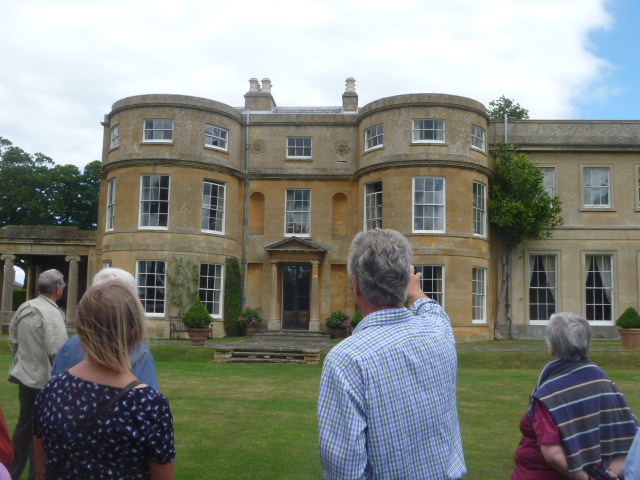
Wormington Grange

As you drive down the avenue of trees approaching Wormington Grange in Gloucestershire it appears as an elegant and serene Cotswold stately home.  Built of typical warm Cotwold stone and fronted by a smooth green lawn nothing gives a hint of what is going on in the stables and out-buildings behind the house.

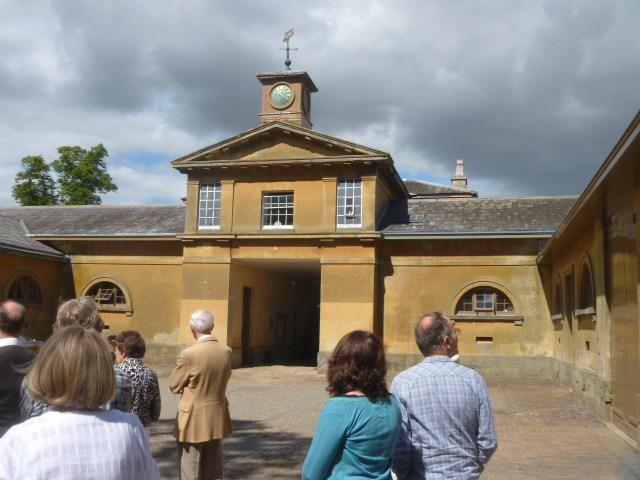
Wormington Store

The impressive stable block store

Wormington Grange is the home and work place of John Evetts The Landmark Trust’s Furnishings Manager and on Friday 9 August I had the honour and pleasure to have been included in a small group of Landmark Patrons and their guests at a private and ‘magical‘ tour behind the scenes. We were shown the store of furniture and furnishings and the workshops and told the history (accompanied by amusing anecdotes and asides) of the collection and of the house and grounds by Mr Evetts himself.

JE in garden

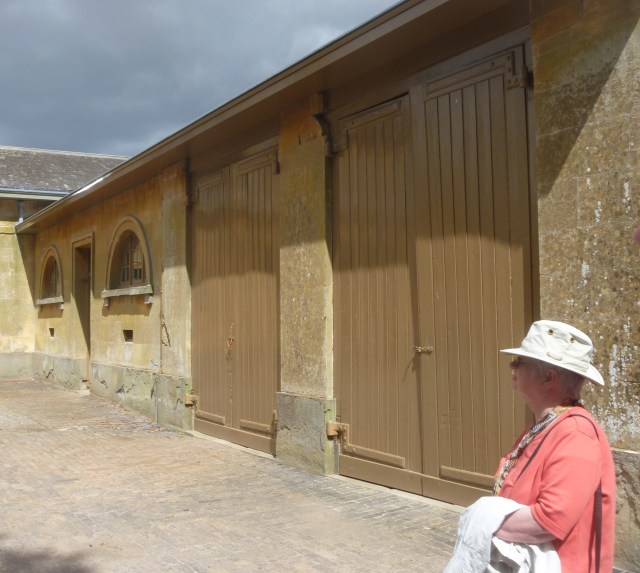
We started our tour behind the house at the impressive set of stable buildings.  John explained the history and architectural features and then … the moment of revelation … he unlocked each of the large heavy doors to reveal the furniture delights held inside.

Ann at Stables

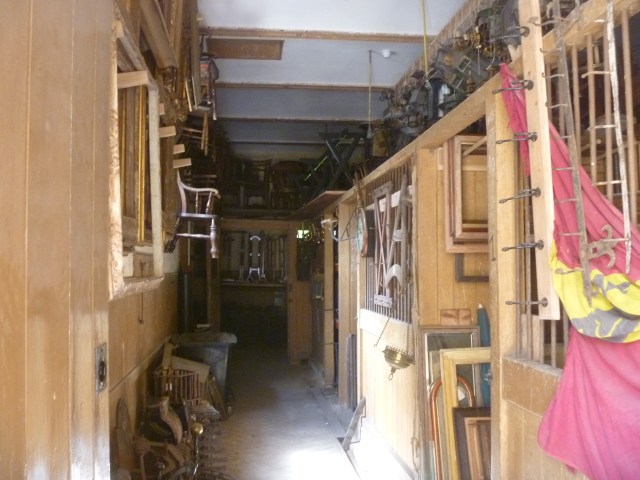
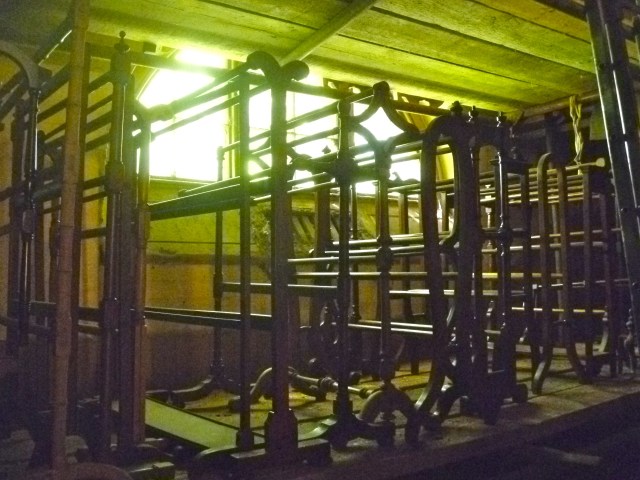
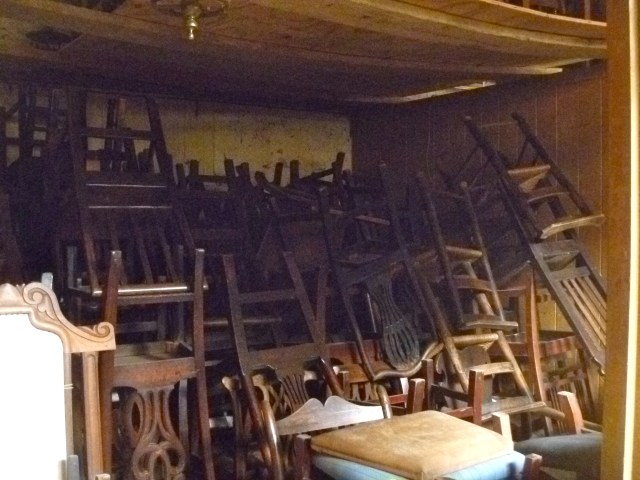
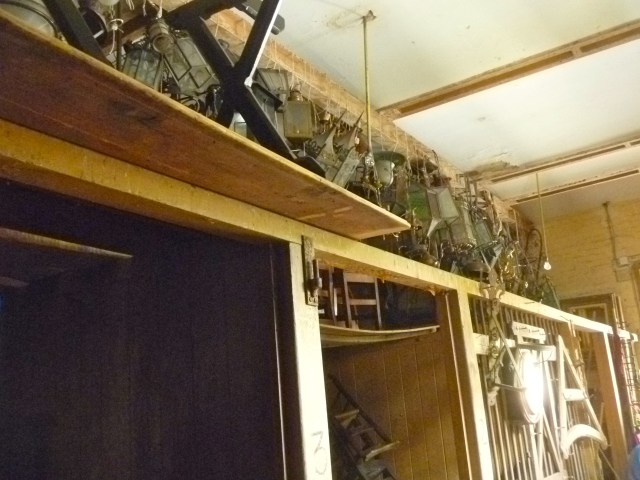
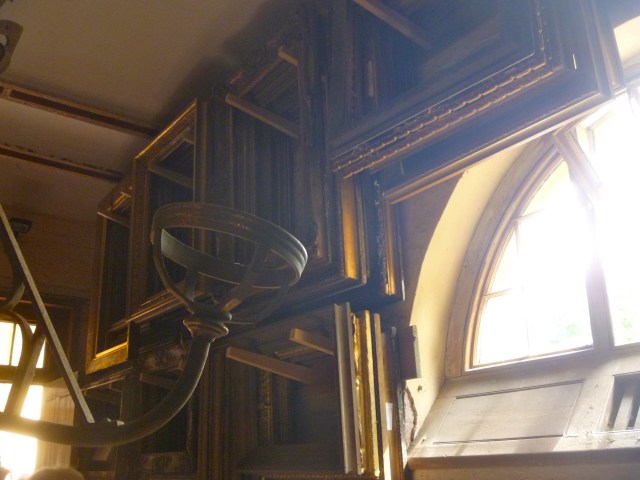
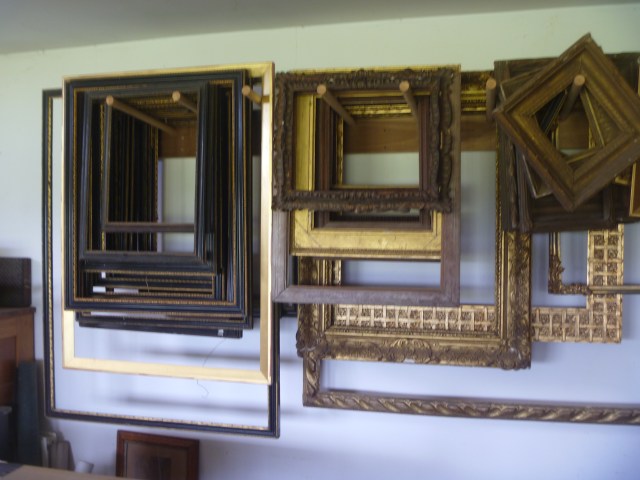
So much of it was familiar to us as devout Landmarkers! Here were ‘container’ pieces – chests of drawers, wardrobes and the like. There were shelves of towel rails and hook upon hook of picture frames and brass lanterns. Another former horse box was piled high to the rafters with kitchen chairs – and not just any old kitchen chairs – each one had been chosen for its shape and stretchers. John is on the lookout everywhere for the right furniture and suitable pictures. Years ago he bought ‘brown’ furniture at a higher price than today. Currently it is out of fashion. When Landmark acquire a ‘new’ property John is asked to provide suitable furniture, soft furnishings, pictures and often adapts items for new purposes or builds completely from scratch pieces to fit – like here in the kitchen at the Clavell Tower:
Clavell Interiors JMiller Oct 2008 (4)

Photo source.

As he travels up and down the country from Landmark to Landmark John is always on the look out for suitable pieces to add to the collection. He has special sources abroad – he finds suitably large bed heads in Italy and fabrics in France at the Marché St Pierre in Paris.

Inside Stable Store

Inside the Stable Store

Towel rails

How many towel rails?

Chairs

A Choice of Chairs

Brass lanterns

Brass Lanterns Abound

Picture frames

Picture Frames Galore

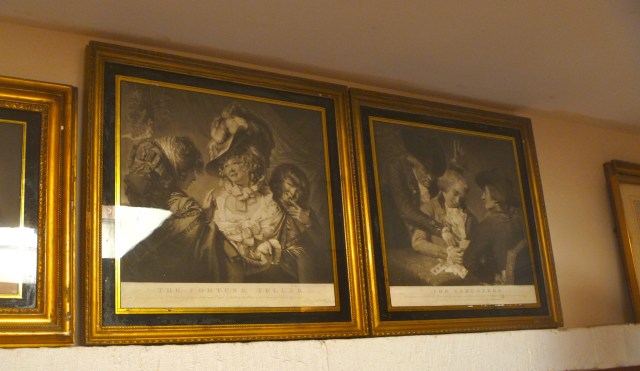
Prints

Prints for the Hanging

More frames

More Picture Frames – the Hogarth frames (left) for prints (currently being collected) for Belmont.

In the past soft furnishings were made up here, too. These days the orders are shipped off to Bideford in Devon where a specialist company can perform the ‘magic’ at a more reasonable price than can be done in house. The same for the actual sofas and easy chairs (I use the term guardedly!). These are now made to order by an upholstery company in Nottingham.

Soft furnishing fabrics

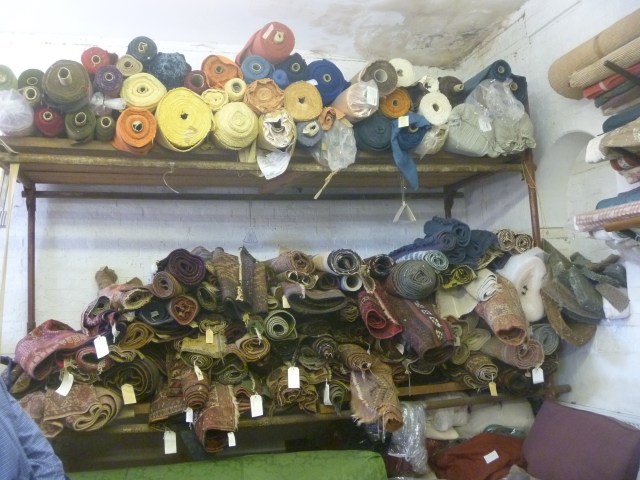
Rolls of Furnishing Fabrics

Easy chair and sofa covers

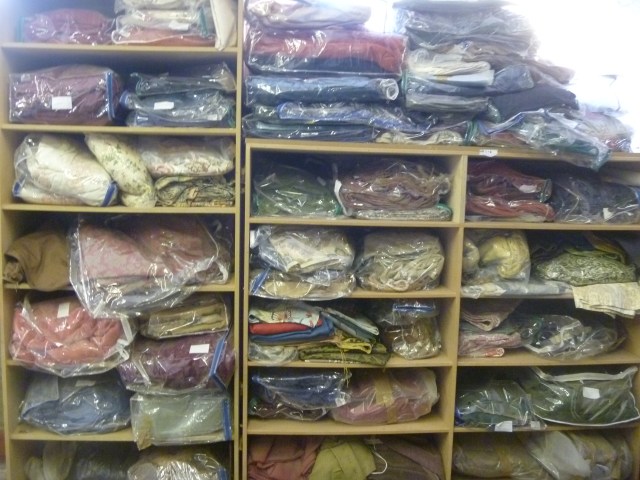
Easy Chair and Sofa Covers in Waiting

Sofa ready to go

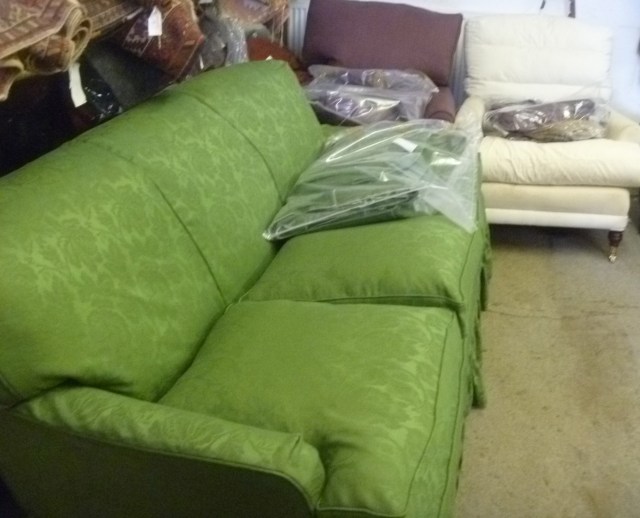
Sofa Ready to go

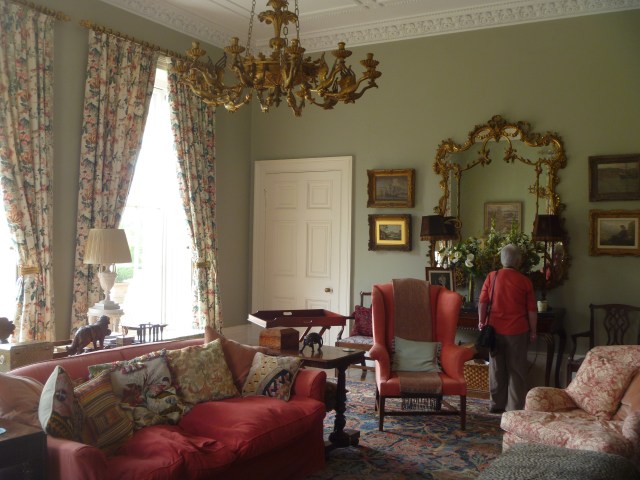
After the tour we were invited into the house – equally as elegant and serene as it appears on the outside – for a buffet lunch. Here we could enjoy the Dining Room, Sitting Room and Hall and have a chance to meet other members of the group and talk Landmarks.

The dining room

The Dining Room

The sitting room

The Sitting Room

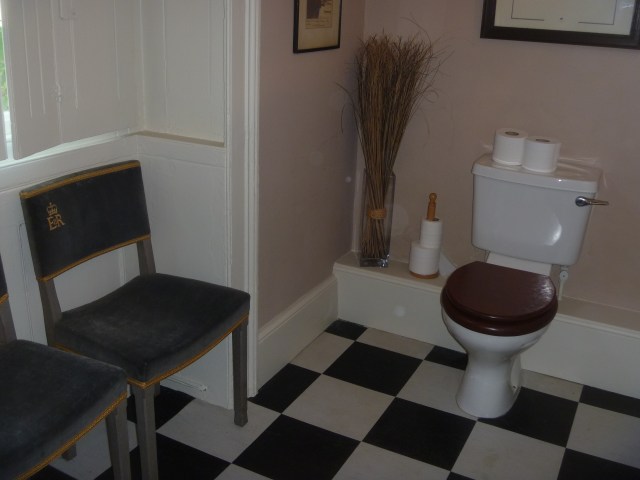
John Evetts’ grandfather was Lord Ismay former Chief of Staff to the Ministry of Defence 1940-46 and as chief military assistant to Winston Churchill during the Second World War he served on the Chiefs of Staff Committee. So it was interesting to see in the ‘Throne Room’ the chairs sat upon by Lord and Lady Ismay at the Coronation of our Queen in 1953.

The Throne Room

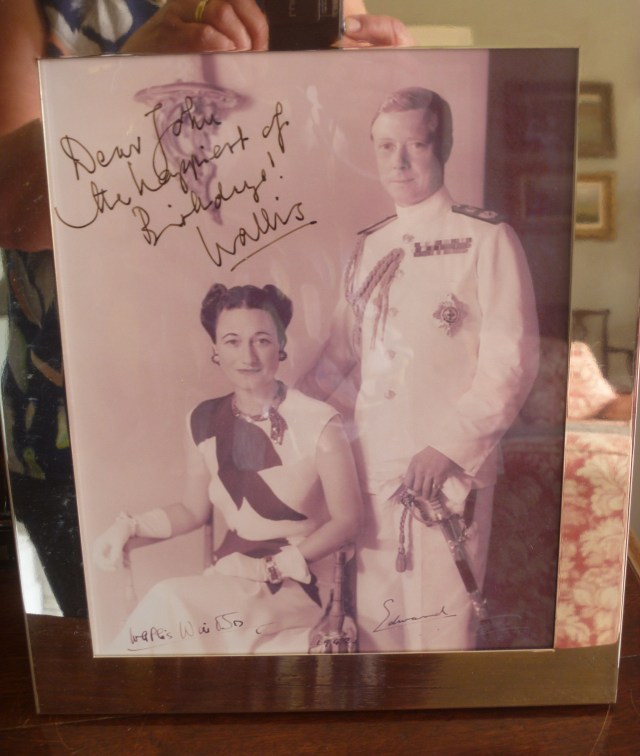
And even That Woman had connections here.

That woman she gets everywhere

I now view Landmarks and their furnishings with added insight – from the lamps and light bulbs through the towel rails and cushions to the double beds and sofas! Ann and I continued our Landmarking theme by staying at Saint Mary’s Lane in Tewkesbury that night where we were able to put our newly found knowledge to the test. Thank you, Ann, for a wonderful day out!
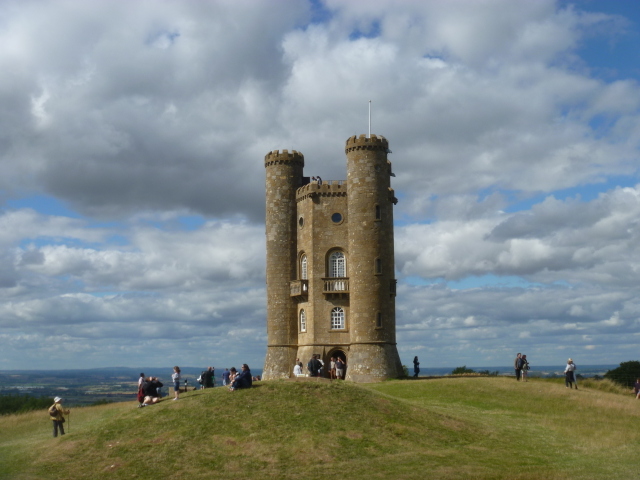
The Broadway Tower

After our Hailes Abbey walk followed by lunch in the Abbey grounds last Sunday we had enough time to drive towards Broadway and to visit The Broadway Tower.

Broadway Tower

Situated on the second highest point along the Cotswold Escarpment Broadway Tower is a unique folly the brainchild of the great 18th Century landscape designer, Capability Brown. His vision was carried out for George William 6th Earl of Coventry with the help of renowned architect James Wyatt and completed in 1798. So it had connections with the Earl of Coventry’s Croome Park which I visited on the previous Thursday.

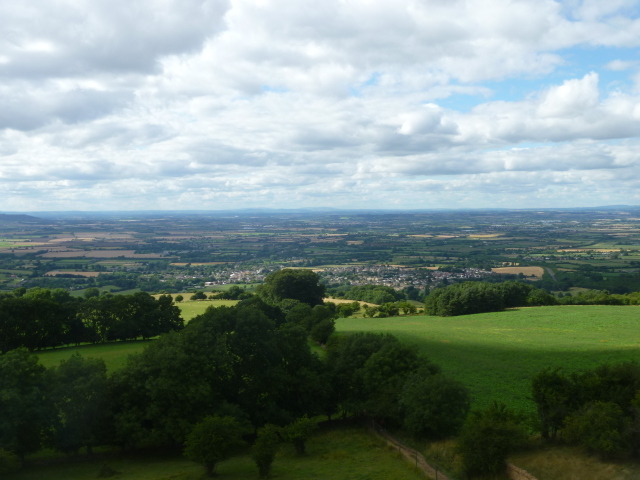
View from Tower

View from the top of the Tower

The Tower has  had a fascinating history and this is illustrated through the current exhibitions on each floor.

Throughout the centuries, Broadway Tower has always inspired and with this inspiration came a large number of uses, such as home to the printing press of Sir Thomas Phillips, perhaps the greatest collector of manuscripts and books in history.

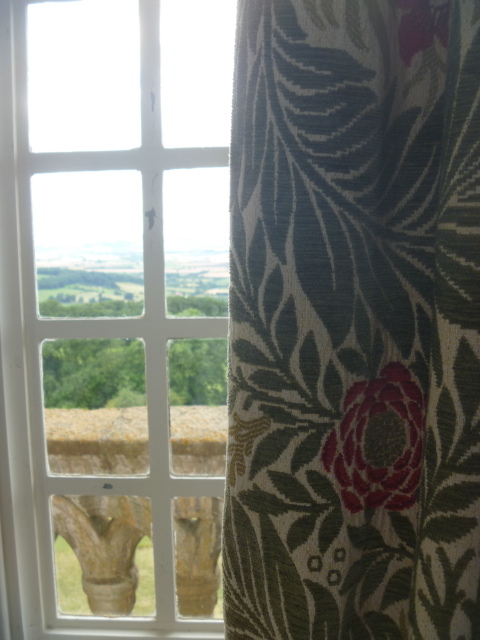
Members of the Arts and Crafts movement used Broadway Tower as a holiday retreat. Pre-Raphaelite artists William Morris, Dante Gabriel Rossetti and Edward Burne-Jones were frequent visitors. Indeed, it was Broadway and the Tower that sparked Morris’ campaign for the preservation of historic monuments.

Morris curtain

Morris Larkspur Curtain at the Tower Window

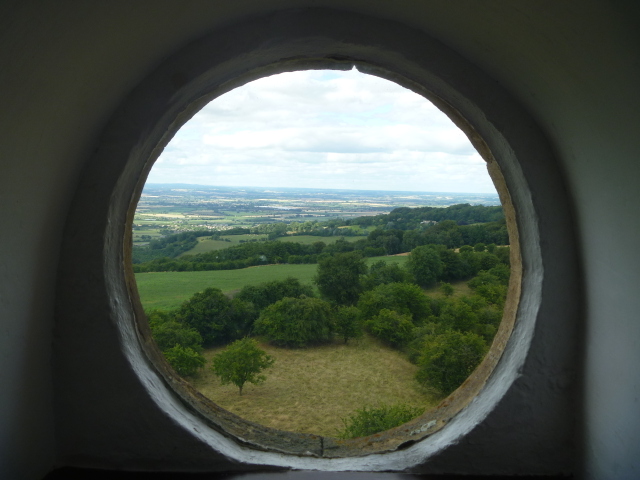
The Royal Observer Corps used the unique vantage point to track enemy planes over England during the world wars of the 20th Century and later constructed a nuclear bunker to report nuclear attacks during the “Cold War“.” From the Tower’s website.

ROC window

View from the Royal Observer Corps Exhibition Floor

Hailes Abbey Walk

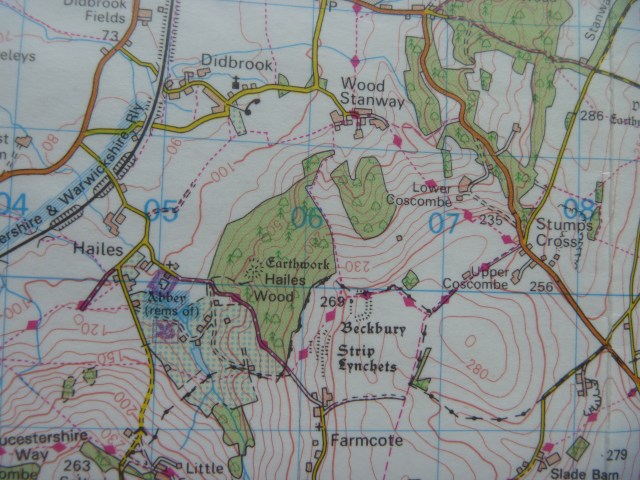
HA Route map

Our Route : The Pink Diamonds indicate The Cotswold Way

Tewkesbury is only a few miles from The Cotswolds so on Sunday my sister and I chose the five mile walk “Thomas Cromwell and Hailes Abbey: how an important abbey was destroyed by a King’s Commissioner”. We drove the few miles to Hailes Abbey and parked up by the church. We decided to have our picnic lunch in the Abbey grounds after the hike.

Hailes Church

Hailes Church (undedicated)

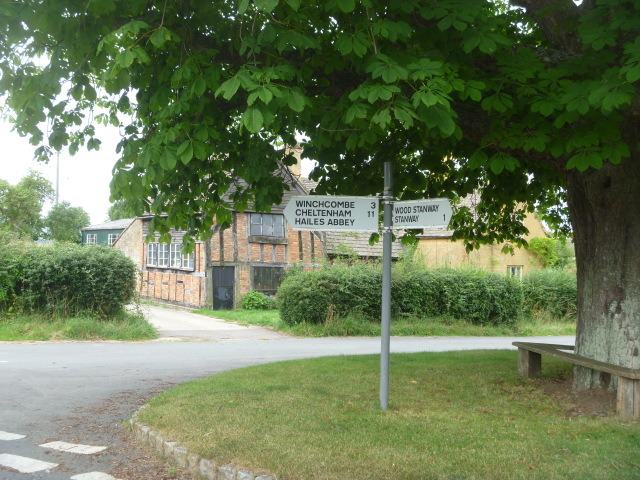
After a short distance back-tracking down the lane we headed off the road along grassy field paths to the village of Didbrook. We were surprised that this village had a primary school besides the honey-coloured stone church and houses. The school does serve a largish catchment area though, not just the village.

Didbrook

Acorn Smithy in Didbrook

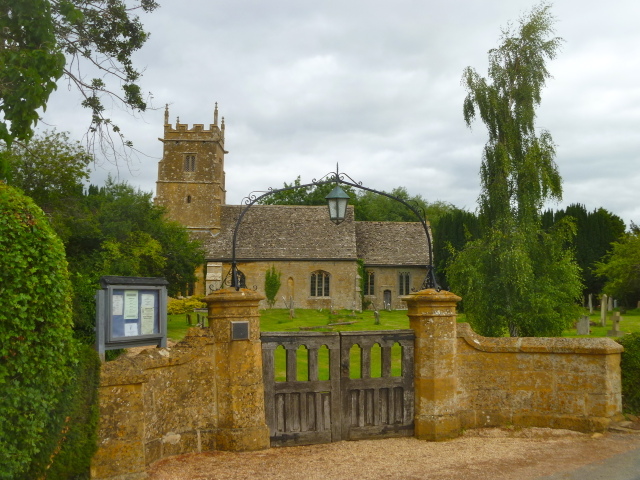
Didbrook Church

St George, Didbrook

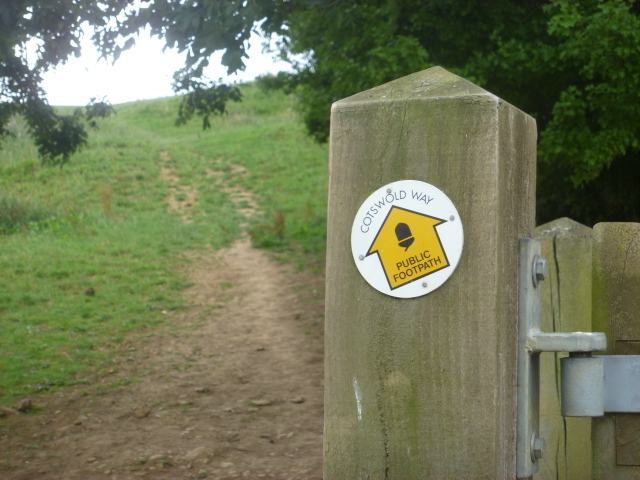
After Wood Stanway, which we approached along quiet country lanes, we joined the Cotswold Way which is a National Trail and indicates to us a well-marked route with its acorn-topped wooden marker posts. After quite a climb we were pleased to see a wooden bench and enjoy the view towards the Malvern Hills and possibly the Welsh Mountains too.

The Cotswold Way

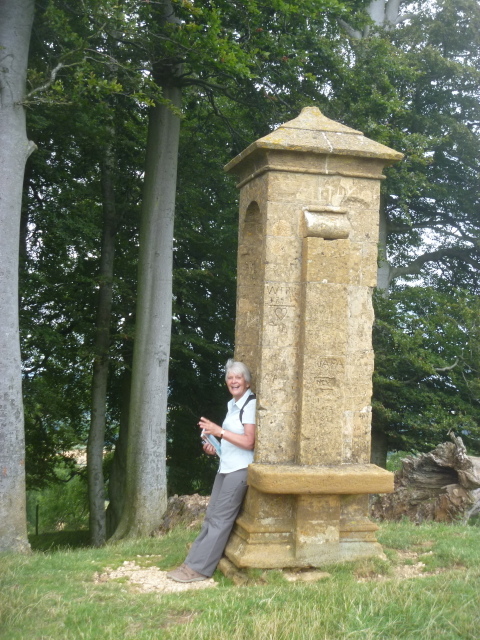
After passing the ramparts of an Iron Age fort (Beckbury Camp) we came across a bizarre little stone pillar with a niche carved out of it. According to local lore it was from here that Thomas Cromwell (Wolf Hall) watched the destruction of Hailes Abbey in 1539.

Thomas Cromwell's niche

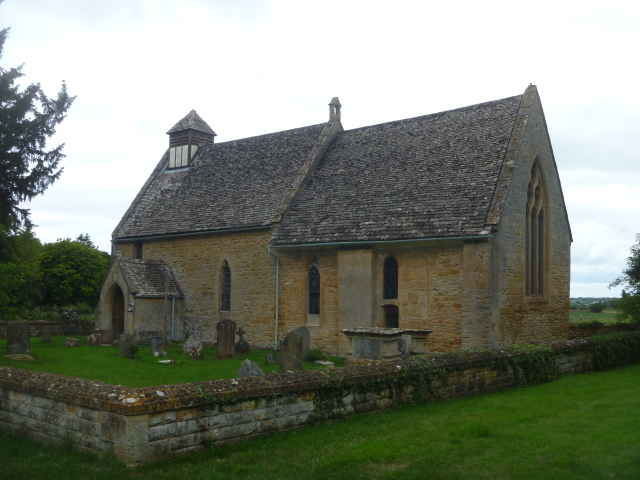
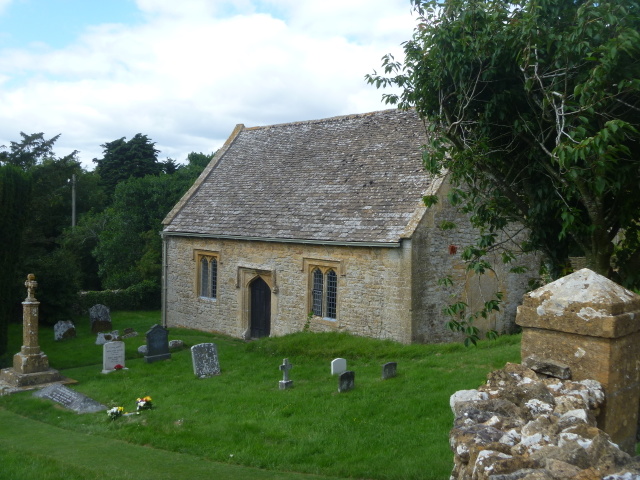
A half-mile deviation from the Cotswold Way lead us to the hamlet of Farmcote with its tiny chapel and herb and chilli peppers farm.

Farmcote Chapel

St Faith’s Church, Farmcote

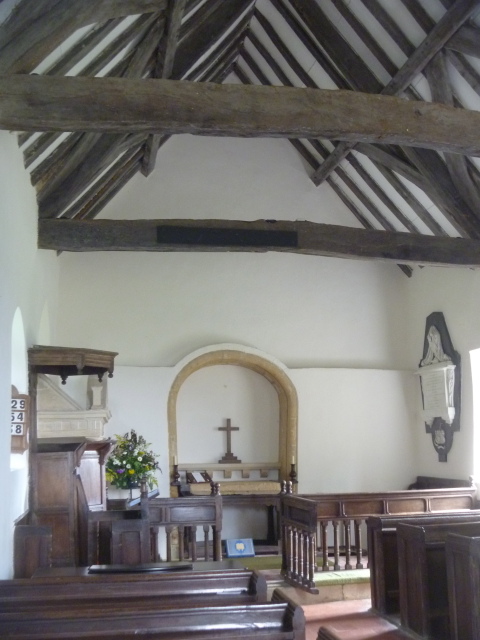
“The body of this beautiful little chapel is Saxon and fairly early Norman, though the round Saxon apse was destroyed in the early nineteenth century. It has massive windbraces and huge cross-beams, still bearing the axe marks of pillagers. It is thought that the Saxon builders of the Chapel made have made use of an earlier, possibly even Roman building. The Chapel has a Norman rectangular nave and a tiny chancel linked to it by a narrow Saxon arch. the chancel houses a Jacobean canopied oak pulpit and arcaded reading desk, oak benches of 1597, fine altar rails of the Seventeenth Century and an altar itself of the Fifteenth Century with the original Mensa slab scratched with the five crosses, symbolizing the five wounds of Christ.” BBC Domesday

St Faith's interior

St Faith’s Farmcote : Interior

From Farmcote we descended steadily down the track (Cotswold Way) to the road and Hailes Abbey where we flashed our National Trust cards and settled at a picnic table for our well-earned tasty lunch! After lunch we walked around the Abbey grounds studying the information boards and the museum artefacts and discovering just how important this lonely ruin off the beaten track had once been.
Welcome

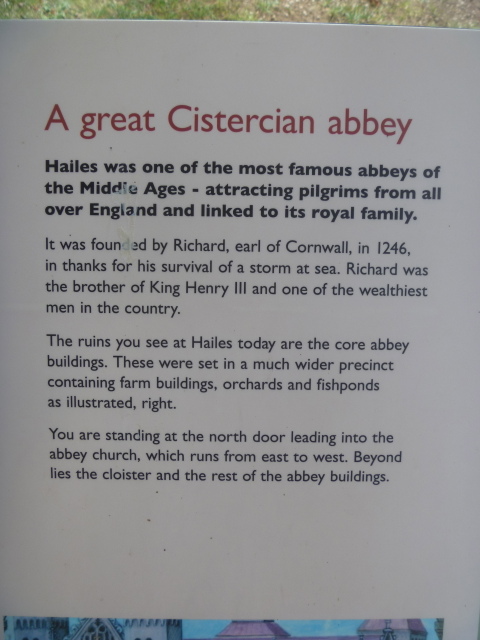
Welcome to the Cistercian Abbey of Hailes

Museum

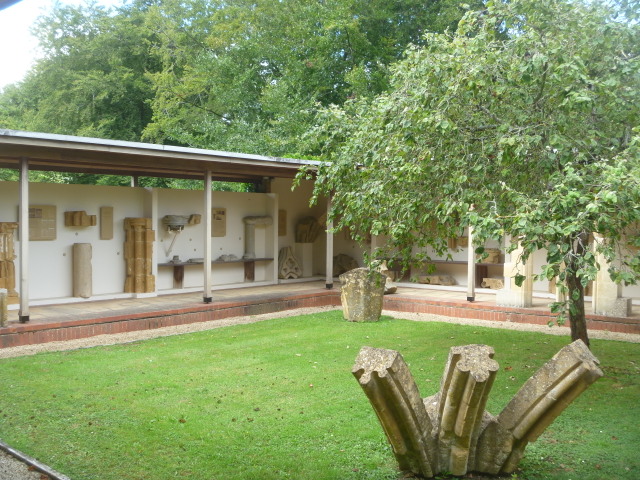
Hailes Abbey Museum

As it was

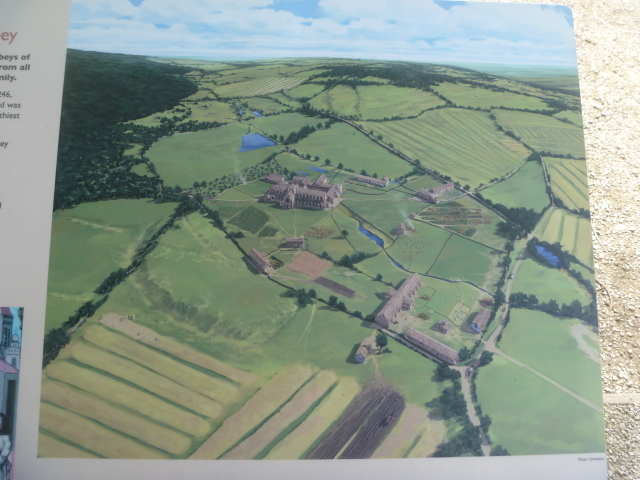
Hailes as it was

Ruins

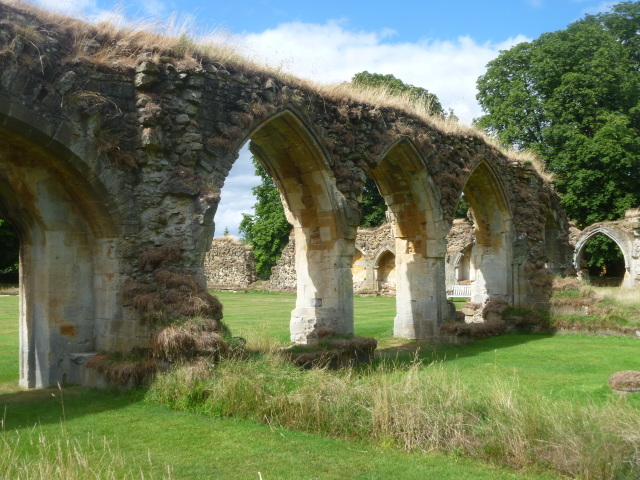
Ruined Cloister Walls, Hailes Abbey

Culverts

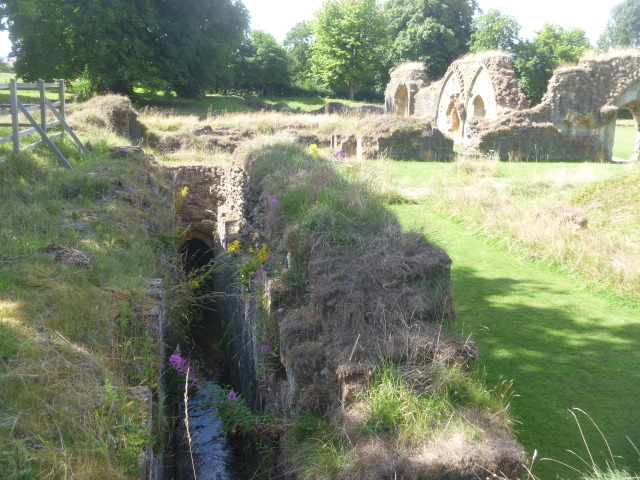
The Drainage Culverts Established by the Monks – Still in Use Today

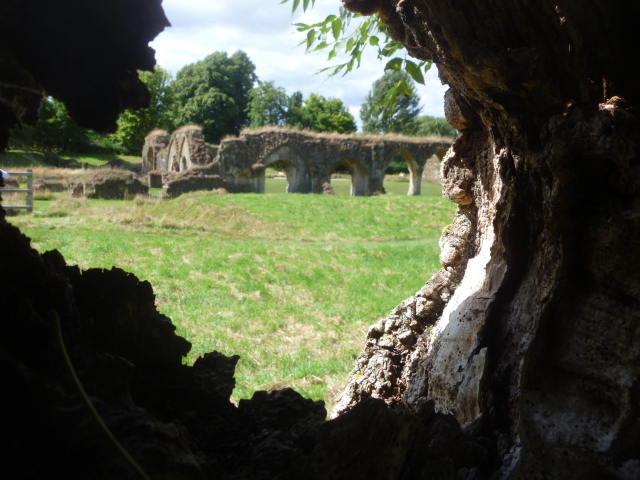
Abbey through tree

Goodbye Hailes Abbey

Croome Park, Court and Church

Last Thursday I met up with a good friend of mine at Coleshill Parkway Station for a couple of days’ adventures in Evesham and Tewkesbury.

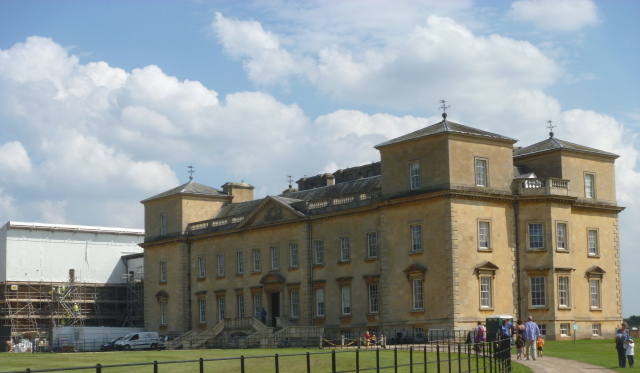
Croome Court

Croome Court

Our first port-of-call on meeting up was an hour’s drive away – the National Trust owned Croome Park and Court in Worcestershire. The park was the responsibility of ‘Capability’ Brown – he crops up everywhere, of course. The house has only been in the possession of the Trust for about 4 years. They have carried out an awful lot of work during that time and a lot more is ongoing. It will be interesting to revisit in a year or so to see what has been achieved/improved/changed using the £1.8m granted by the Heritage Lottery Fund under the programme “Croome Redefined”.

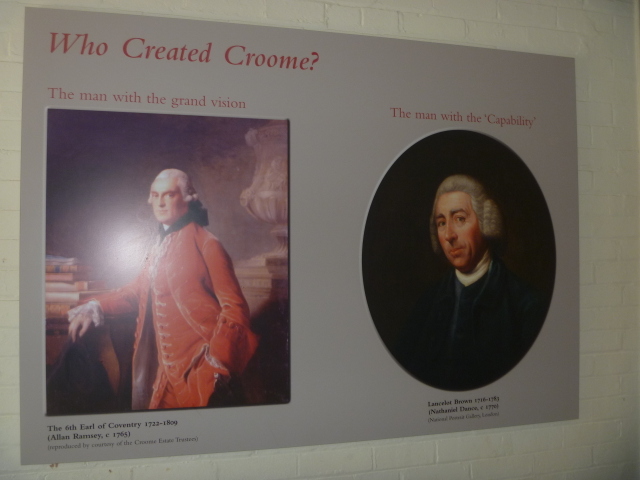
Coventry and Capability

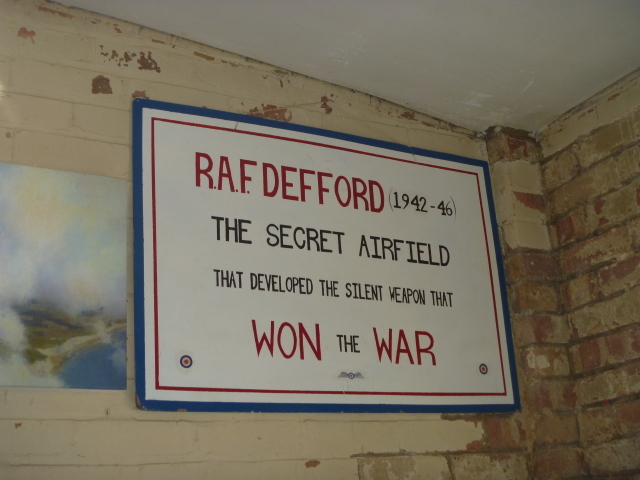
When you arrive the visitor centre seems to occupy what appear to be black painted army Nissen huts but on closer inspection are in fact restored RAF buildings which once served the nearby airbase as their sick quarters.  Exhibition rooms tell the story of RAF Defford.

Defford

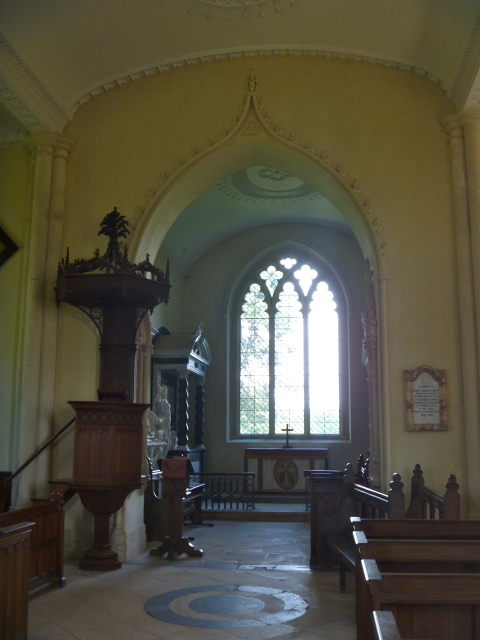
After our picnic we headed into the Park and the first stop was the church. The church of St Mary Magdelene, Crome d’Abitot is cared for by the Churches Conservation Trust and just celebrated its 250th anniversary in June. Gothick in style the building, like the house, is attributed to Robert Adam.

Croome d'Abitot Church

From the church, as time was limited and the house would close to the public at 4pm (the park stays open until 5.30), we made straight for Croome Court itself, missing a large selection of follies and the lake.

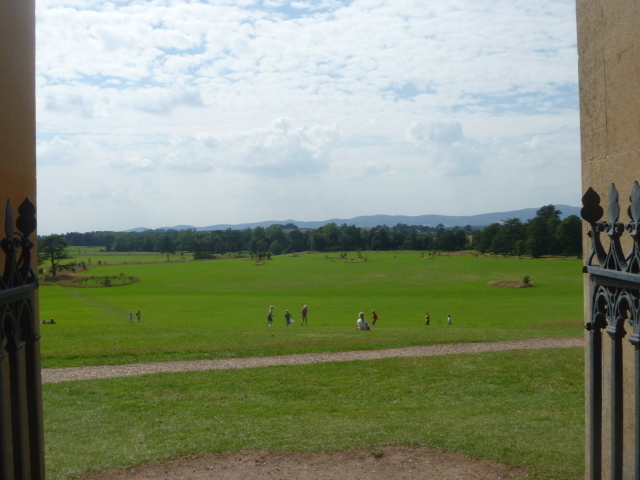
Croome Park

The Park from the Church Door

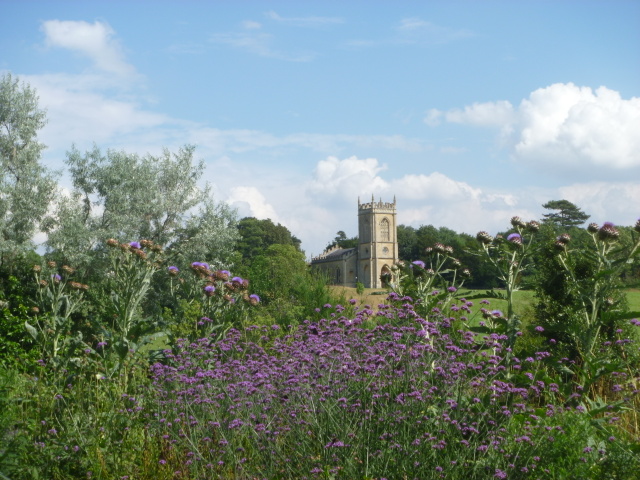
Church from shrubbery

The Church from the Evergreen Shrubbery

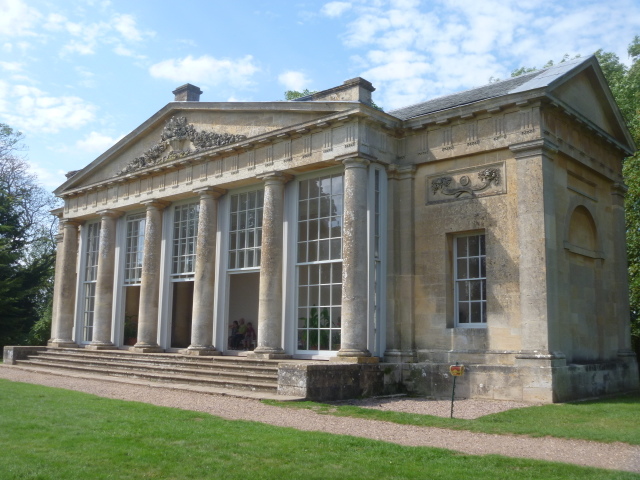
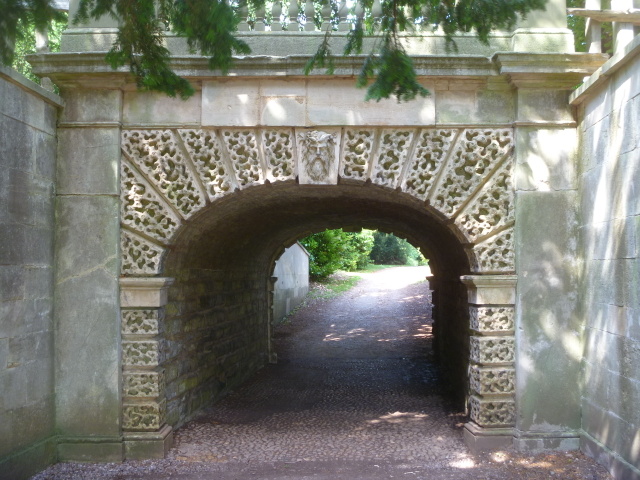
Our walk from the church to the house did take us past some follies notably The Temple Greenhouse and the Dry Arch Bridge. We noted Coade Stone had been used in several places. And as we walked along I was reminded of Stowe Landscape Gardens in Buckinghamshire and indeed it turns out that Brown moved from Stowe down to Croome.

Temple Greenhouse

The Temple Greenhouse

Dry Arch Bridge

The Dry Arch Bridge with Coade Stone Façade and Keystones

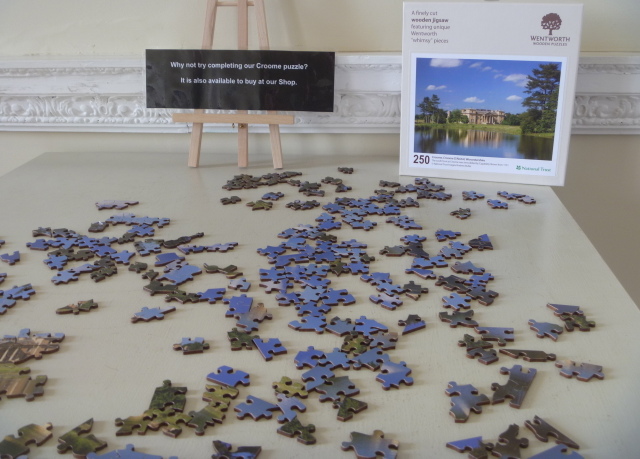
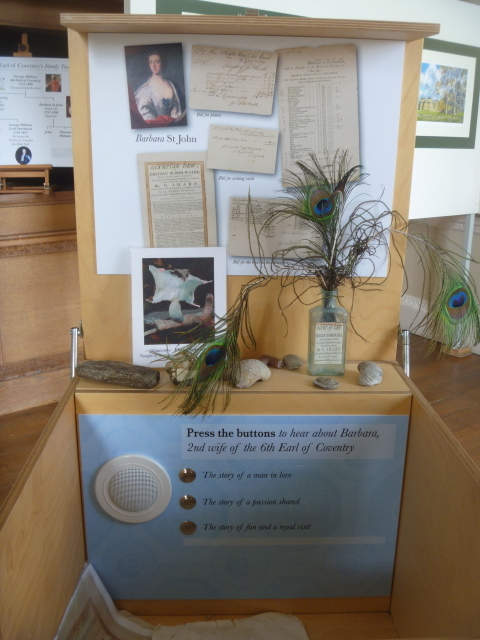
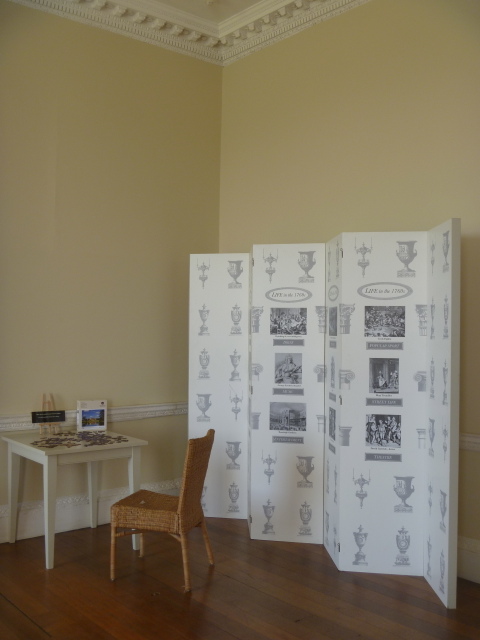
To me the house was a refreshing change from the usual ornate furniture, furnishings and priceless contents and restricting ropes. You could go anywhere and touch everything. Of course, there was nothing of value to touch and that may change as renovations and restorations continue but for the moment it suited me fine to read about the house and family; to listen to recordings of workers and hear what the inhabitants might have said; to dress up; contribute a few pieces to a jigsaw puzzle.

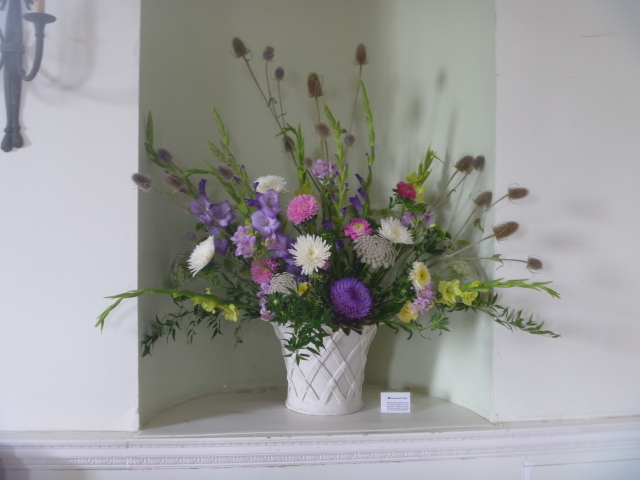
Donor Flowers

Flowers – given by a generous donor

Jigsaw

The Croome Park Jigsaw

Listen and read

Read and hear about former inhabitants

Croome Room

A Corner of Croome

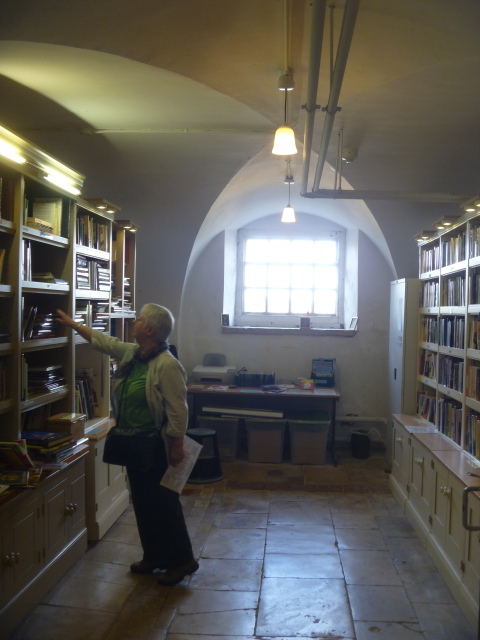
Croome Bookshop

Bookshop Browsing in the Basement

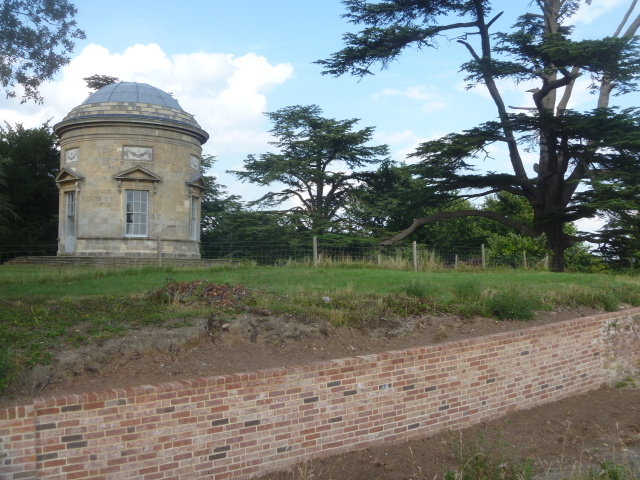
One of the rooms is now a tea room with some tables outside but we only had time for a quick browse and buy in the secondhand book shop before heading out into the park and a longish walk around the perimeter via the Rotunda and Park Seat.

Rotunda

The Rotunda and Ha-ha (Cedars planted by Brown)

Park Seat

Park Seat has the best views across the Park and the Court

We managed to leave at about 5.30pm knowing that we had left a few things to enjoy on a future visit!