Pass the Postal Book Parcel – Every One a Winner!

Well, the clocks have gone back,  the temperatures have descended, autumn is well and truly here and my travelling is more or less done for the year. I’ve a couple of trips to London due before Christmas but now my thoughts are turning back to the boudoir and I mean to write a bit more about books and reading and more home-based or local topics.

For many years and as many of you know I have been a member of an online book discussion group. It was a brilliant idea and I joined when recovering from a bad bout of ‘flu one new year and have never looked back. Many members have met in person in many different countries. I don’t know if there are many (or even any) other such groups but this one is very special. Besides discussing books in general and some books in particular we often choose a nineteenth century novel – usually one that was originally published in parts – and read this a part at a time over a few weeks or months.
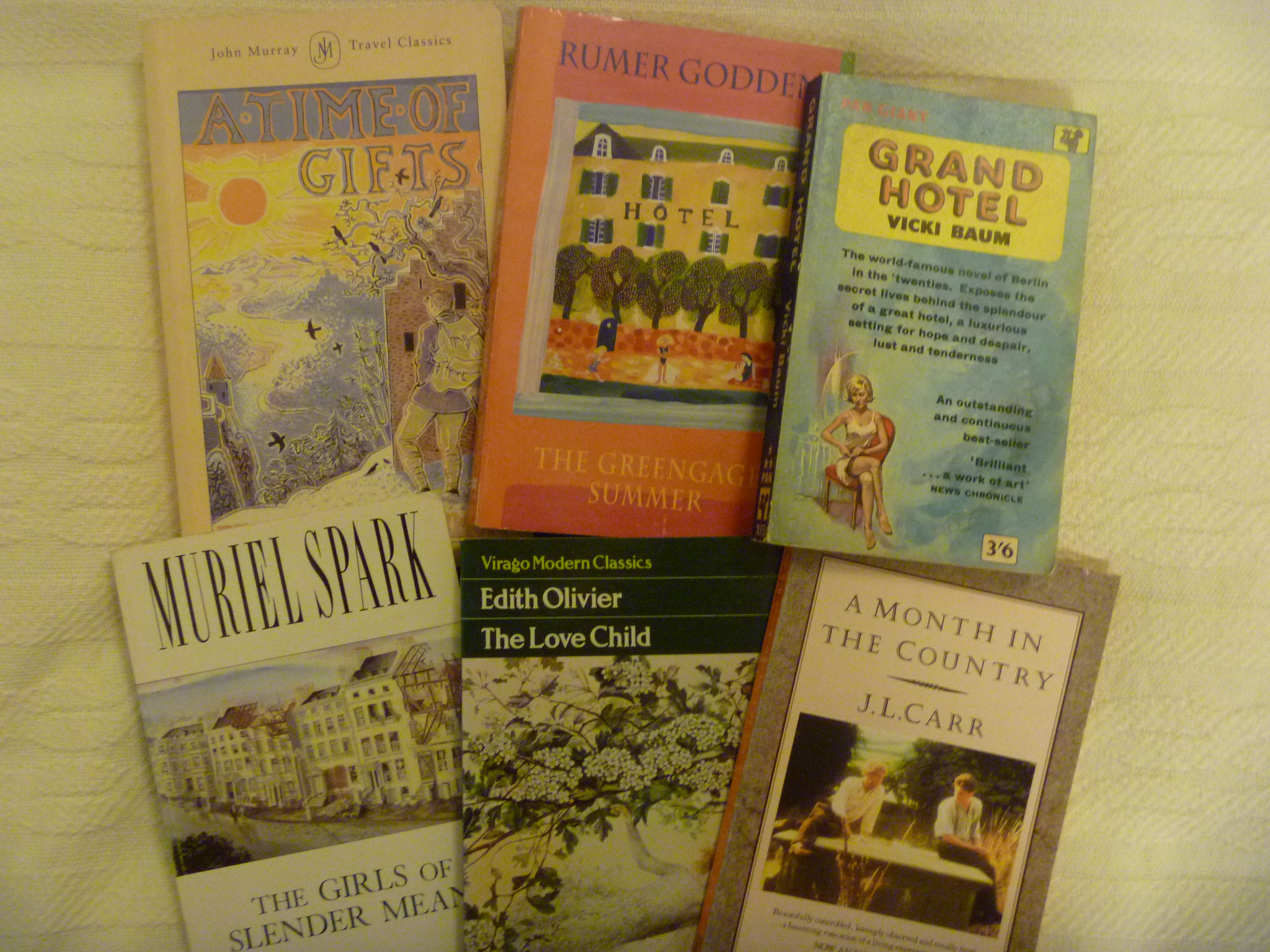
Some Postal Book Group reads – that I also own.

Several years ago we established what is known by us as The Postal Book Group. It works like this: one member volunteers to organise it for the duration of one ’round’ and those who wish to join in send their addresses to that member who makes a list and distributes to the Postal Book Group members. On the 1st of a chosen month everyone sends their own book choice to the next person on the list, along with a notebook explaining why they have selected that particular book and a bit of background information. A few days later all PBG members should have received their first book. You then read the book, comment in the notebook and on the first day two months later send on the book to the next person. The most exciting thing is when the mystery package lands on the doormat with the next book inside! I did drop out one round but I couldn’t wait to re-join as I missed so much the arrival of the mystery book and its notes.

The current Postal Book Group has the most members yet. There are 14 of us. This particular round started in February this year and will run until April 2013 when we should get our own books back complete with everyone’s thoughts written in the notebook. I can’t tell you anything more about the current round as we keep the book titles a secret so that no-one knows which book will arrive next.

Unfortunately I know of two instances where the books have gone astray but they’ve been replaced and as far as I know only one part-filled notebook has been lost for good. As the books even cross continents I do think this is pretty good going. Currently participants live as far apart as the UK – from Somerset to Cumbria – Ireland, Belgium and the USA – from Oregon and California to Massachusetts and Tennessee. I can tell you it is great fun!
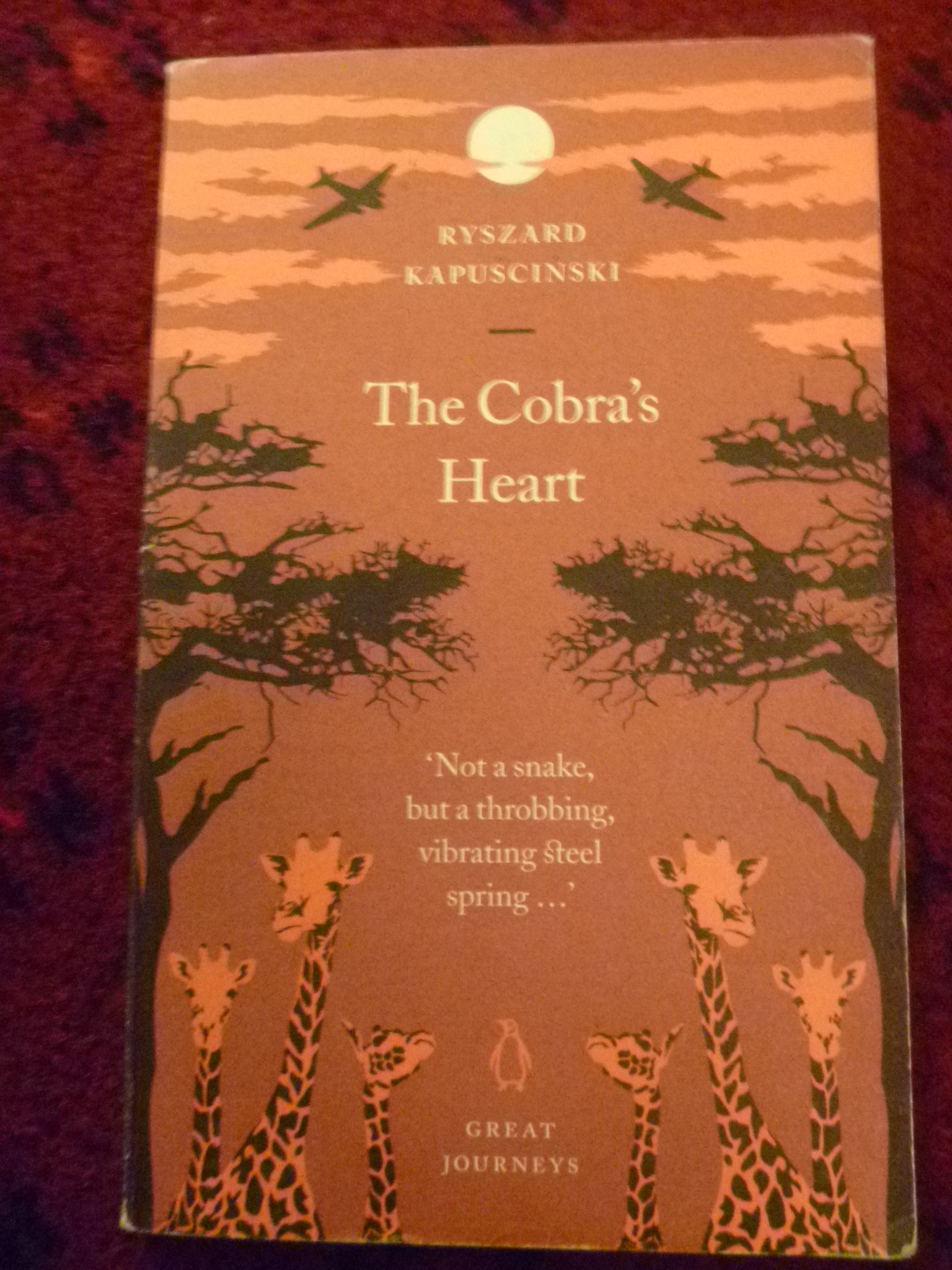
The second most exciting thing is getting the book back and reading the comments that readers have made about your own choice! In the last round I sent out Ryzard Kapuscinski’s The Cobra’s Heart. It’s nice and short – less than 100 pages long – we have to fit the postal book in with all our other reading! It was recommended on the Radio 4 programme ‘A Good Read’ in October 2007 and, I’m pleased to say, it was pretty well received.

Here’s an extract from what I wrote in my notebook before sending it on its way :

“Maybe you know lots about Africa already. I’m ashamed to admit that I do not. All of the things Kapuscinski writes about are new to me. Things I had never thought about such as the sudden difference between day and night, about white people who are not from colonial countries, sickness, wizards, and, of course, cobras. … The book is extracted from a fuller version of this Polish journalist’s writings about Africa “The Shadow of the Sun”. I hope you will find something of interest in this little book of travel writing about Africa.”
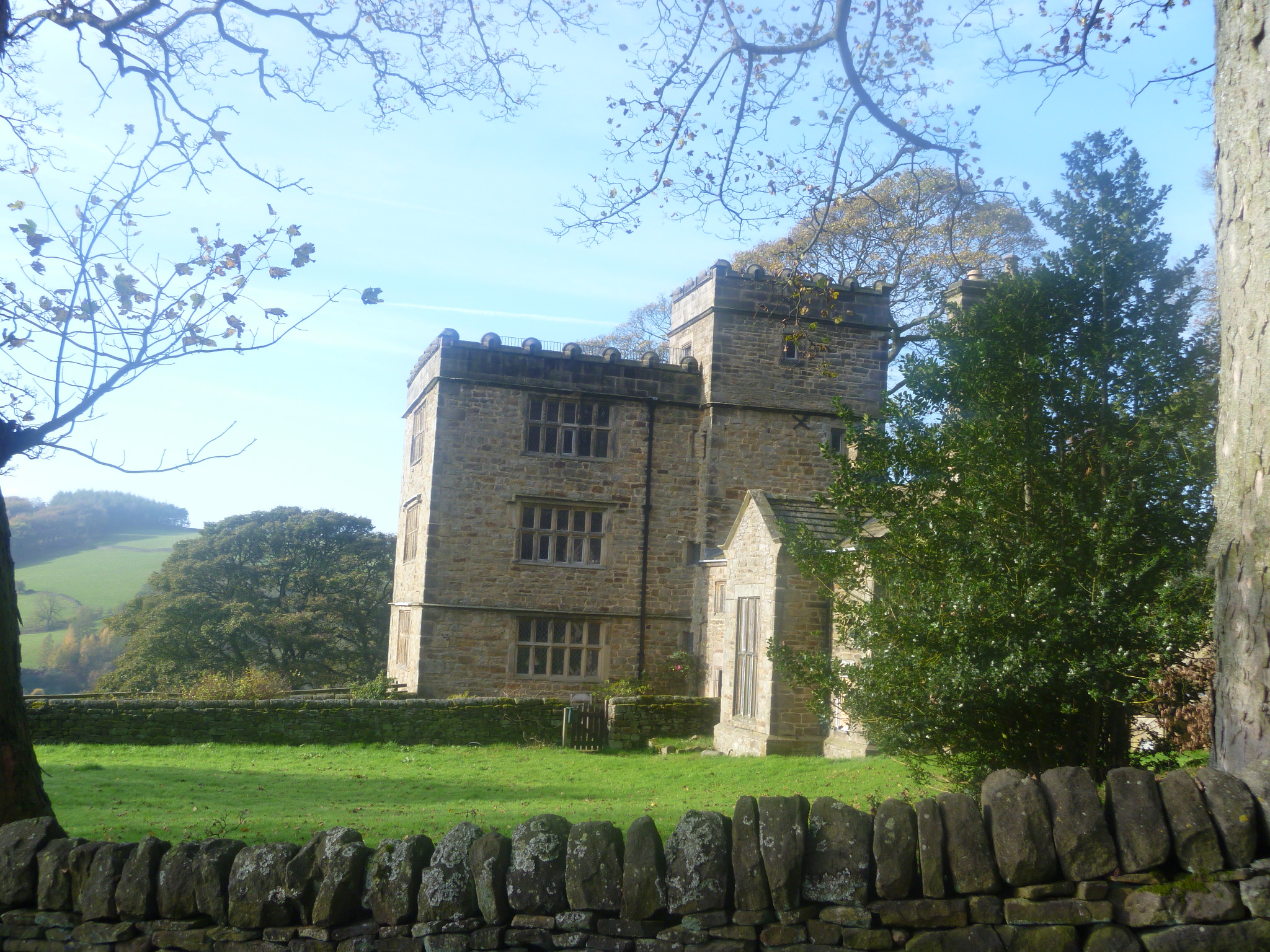
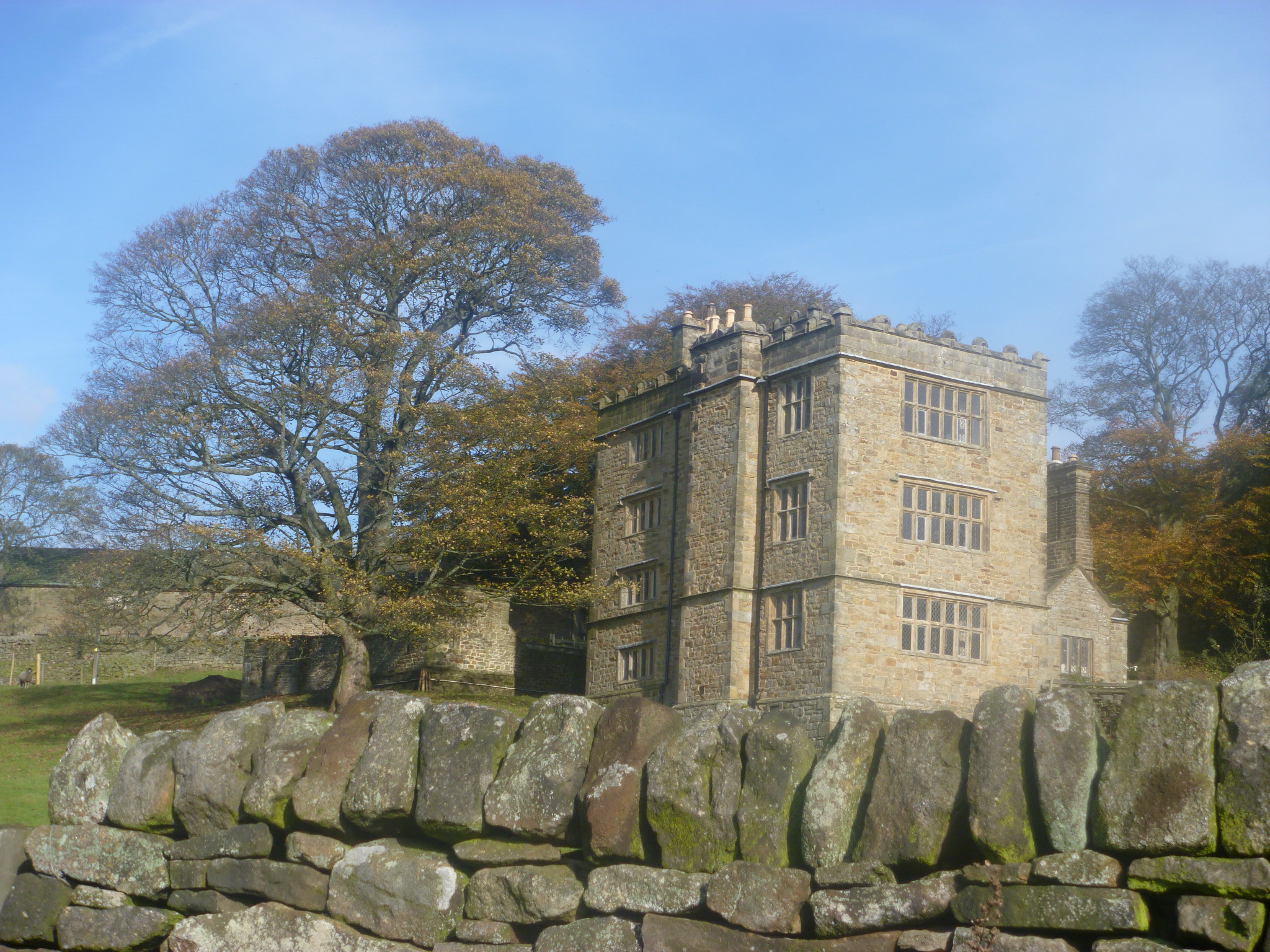
The Literary Connection of North Lees Hall

“It was a fine autumn morning; the early sun shone serenely on embrowned groves and still green fields; advancing on to the lawn, I looked up and surveyed the front of the mansion. It was three storeys high, of proportions not vast, though considerable: a gentleman’s manor-house, not a nobleman’s seat: battlements round the top gave it a picturesque look.

Its grey front stood out well from the background of a rookery, whose cawing tenants were now on the wing: they flew over the lawn and grounds to alight in a great meadow, from which these were separated by a sunk fence, and where an array of mighty old thorn trees, strong, knotty, and broad as oaks, at once explained the etymology of the mansion’s designation.

Farther off were hills: not so lofty as those round Lowood, nor so craggy, nor so like barriers of separation from the living world; but yet quiet and lonely hills enough, and seeming to embrace Thornfield with a seclusion I had not expected to find existent so near the stirring locality of Millcote. A little hamlet, whose roofs were blent with trees, straggled up the side of one of these hills; the church of the district stood nearer Thornfield: its old tower-top looked over a knoll between the house and gates.”

Jane Eyre  (Chapter 11)

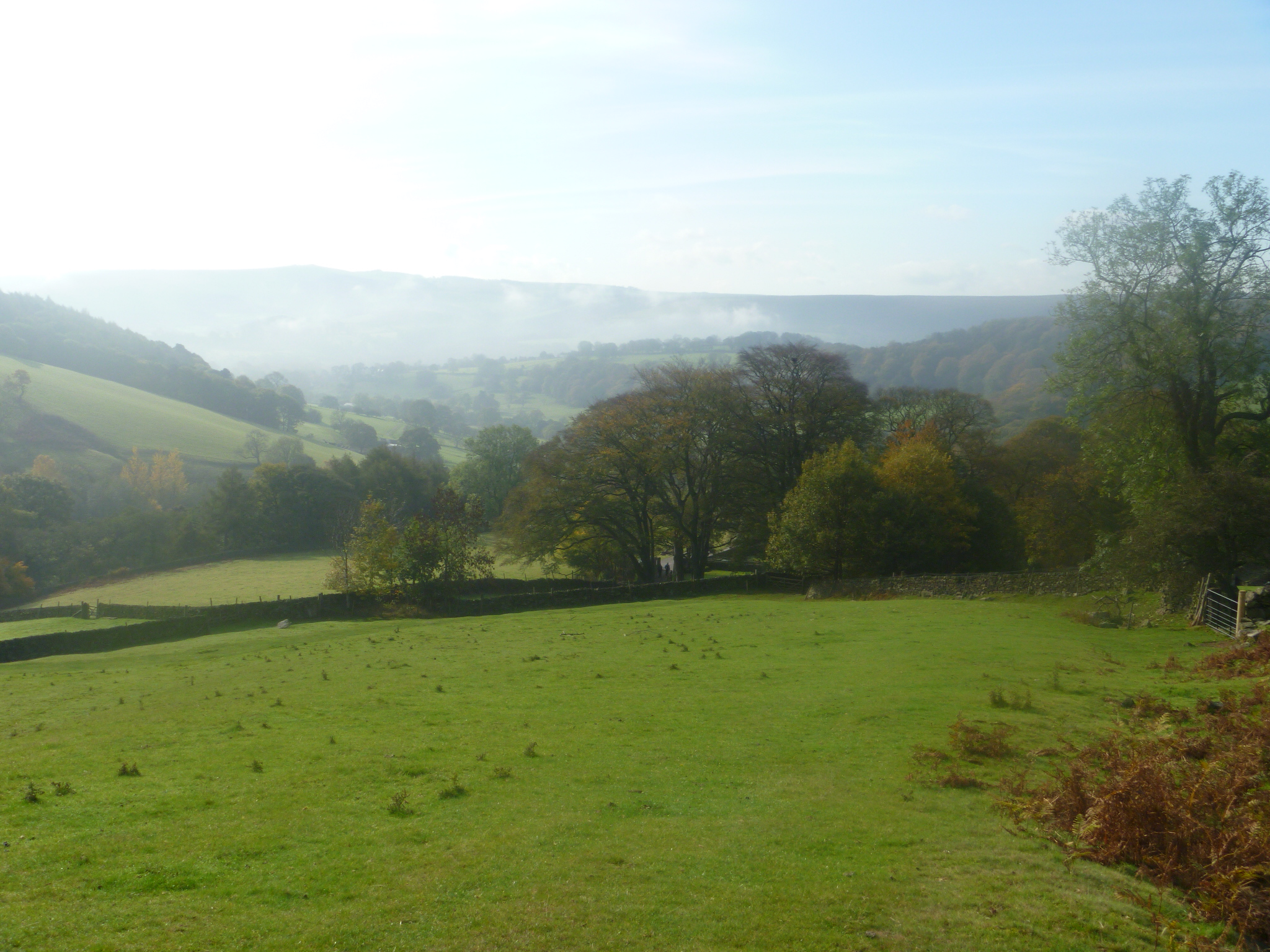
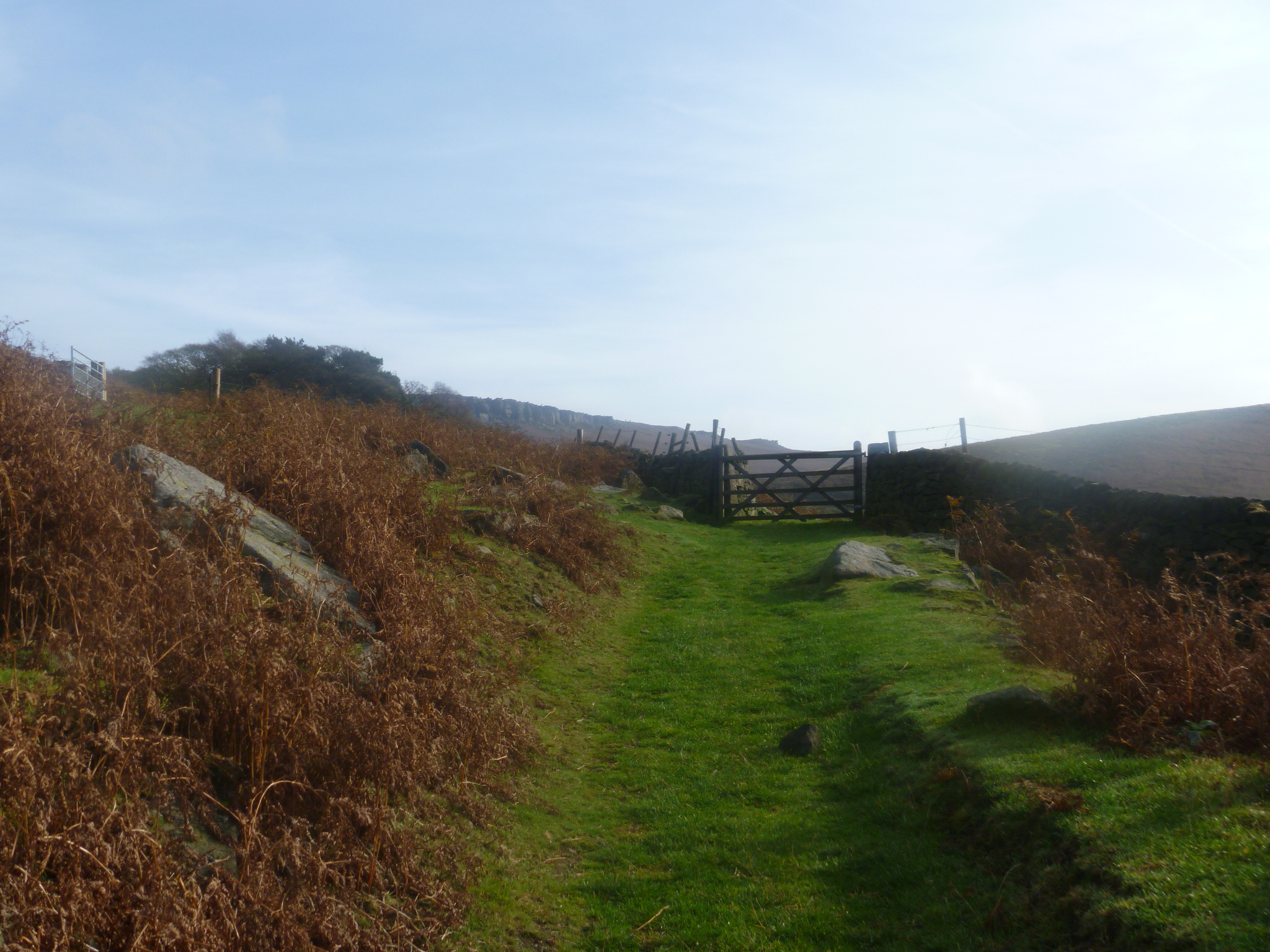
Today I visited a friend and former neighbour who, with her husband, moved to work in Sheffield. They now live in the Hope Valley in the beautiful Derbyshire Peak District . Our plan was to take a walk from her house to visit North Lees Hall, visited by Charlotte Bronte and her friend Ellen Nussey. Bronte later based Mr Rochester’s home Thornfield Hall on North Lees Hall.

The Vivat Trust has similar aims to The Landmark Trust. I have never stayed in one of their properties but my feeling is that they do everything much more comfortably or even luxuriously but that they don’t have such a ‘low’ (ruinous?) starting point. North Lees Hall is a Vivat Trust property.

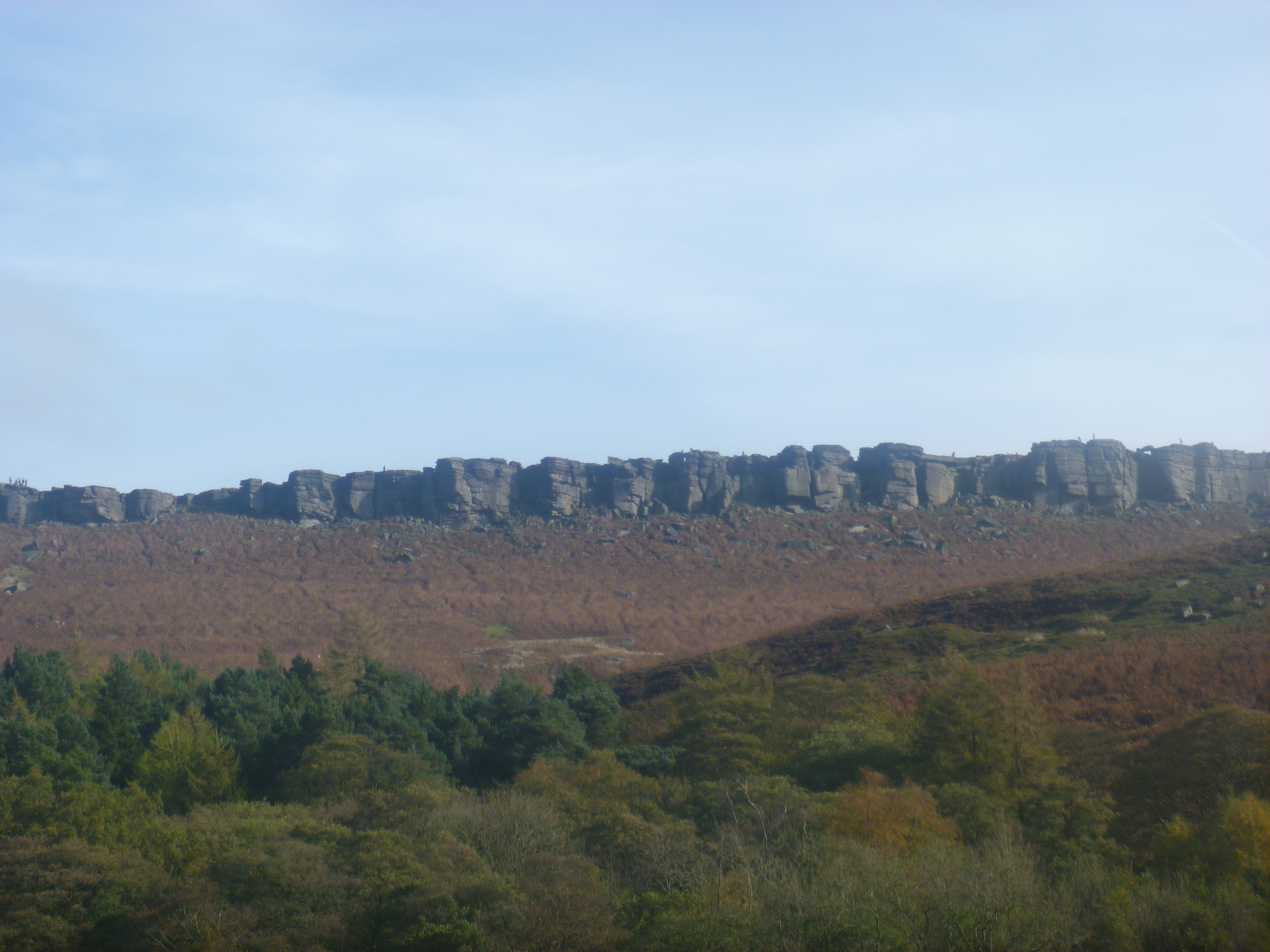
The day started off very misty – but these always turn out the best. After a cup of tea and brief chin-wag we headed off up the hill from her house. It was a perfect walk – a climb up the lane to begin and over a couple of stiles and then green grassy paths for a good hour or so with wonderful views of Stannage Edge (a climbers paradise, apparently). Eventually through a wooded copse we spied the Hall. By this time the sky was fully blue and cloudless (Jane Eyre’s “fine autumn morning” indeed).  Another hour’s walk via an Ice Cream Parlour  (Hope Valley Ice Cream) brought us across a golf course and home for lunch.

Stannage Edge, Derbyshire

My Historic Maine Coast 1


” The last day of October in 1777, Colonel Jonathan Hamilton came out of his high house on the river bank with a handsome, impatient company of guests, all Berwick gentlemen. They stood on the flagstones, watching a coming boat that was just within sight under the shadow of the pines of the farther shore, and eagerly passed from hand to hand a spyglass covered with worn red morocco leather

‘The Tory Lover’ by Sarah Orne Jewett (1901)

Hamilton House is another property of Historic New England. This beautiful house is situated overlooking a peaceful and very wide stretch of the Salmon Falls River, just a couple of miles outside the town of South Berwick, Maine. It wasn’t always like this. When it was built in 1785 Jonathan Hamilton’s graceful Georgian home overlooked his busy shipping and ship building business and quayside.

The decor of the house today reflects the more recent ownership of Emily Tyson and her stepdaughter Elise. The Tysons made it their summer retreat during the late 19th and early 20th centuries. This “Colonial Revival” style characterises the house today. Again no photography is allowed inside but it’s a large, light and airy summer house with breathtaking painted murals on the walls of the downstairs reception rooms. There are antiques, hooked rugs and other handcrafted decorative arts in all rooms.

The house has limited opening hours but the beautiful garden is free for all to visit and admire daily from dawn to dusk.

Sayward-Wheeler House is in York Harbor and like The Hamilton House stands on a bank above a wide river – in this case the York River.

On the obligatory house tour we are told that this house is unique amongst all 36 Historic New England properties in that it is the least changed over the centuries with virtually all its original furnishings, including wall coverings, in tact. The most curious room in the house is the Parlour where the larger items of furniture (that can be dated back to when the house was built) never fitted properly! A clock has had its finials removed, a cabinet, too tall for the room, had its pediment removed and it’s always been a mystery as to how the sideboard ever got into the room in the first place – by its dimensions it could not fit through any of the room’s doorways in any direction!

In The Country of The Pointed Firs

Just before leaving for my trip to New England I discovered the existence of an organisation that sounded like just my cup of tea: Historic New England. A close study of the website lead me to list 3 properties within easy reach of places where I’d be staying AND that would be open on a day or days when I would be able to visit.  I was especially happy to discover an author’s home just a 30 minute drive from our lodgings (The Dunes on the Waterfront) in Ogunquit, Maine.

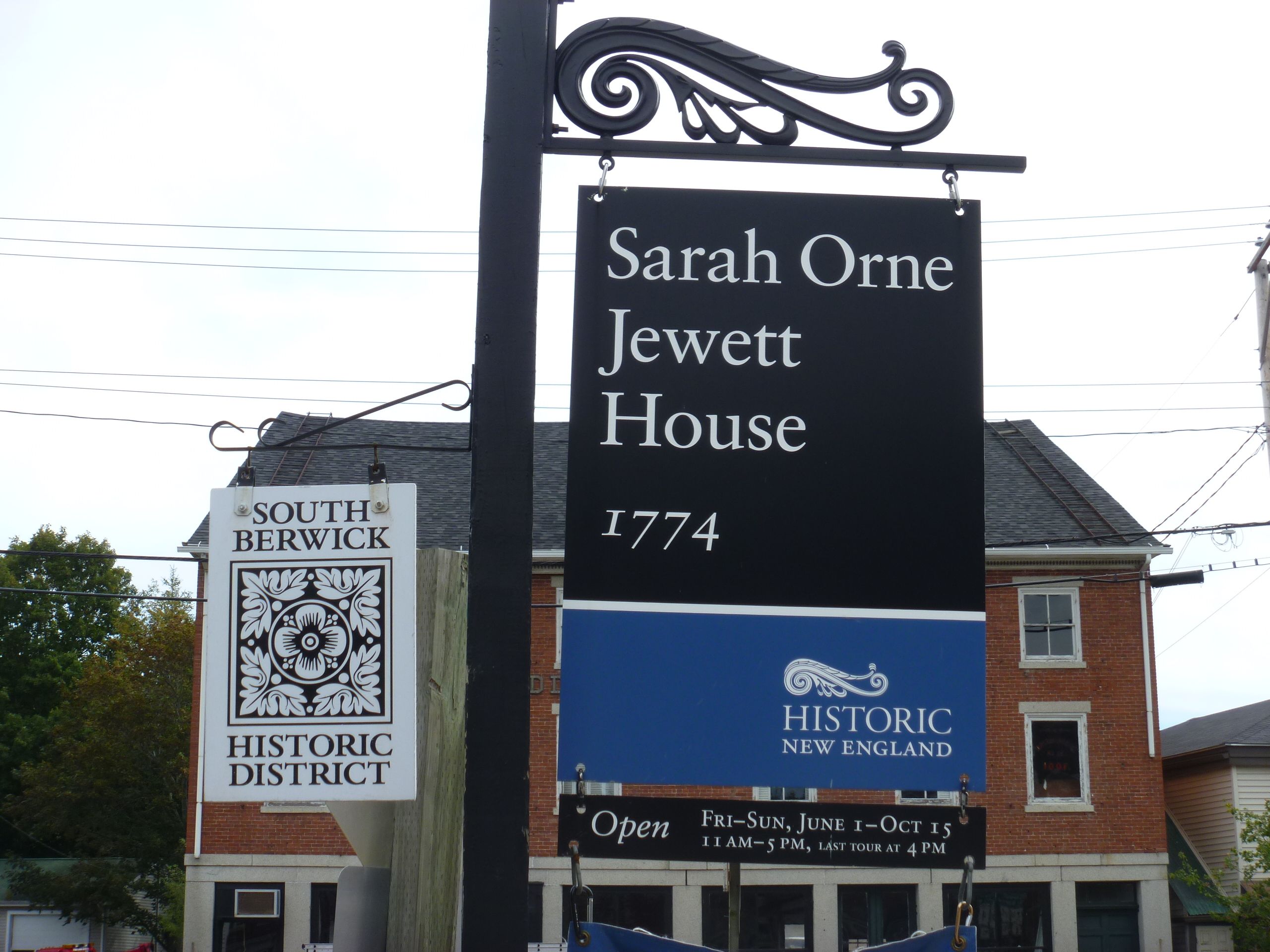
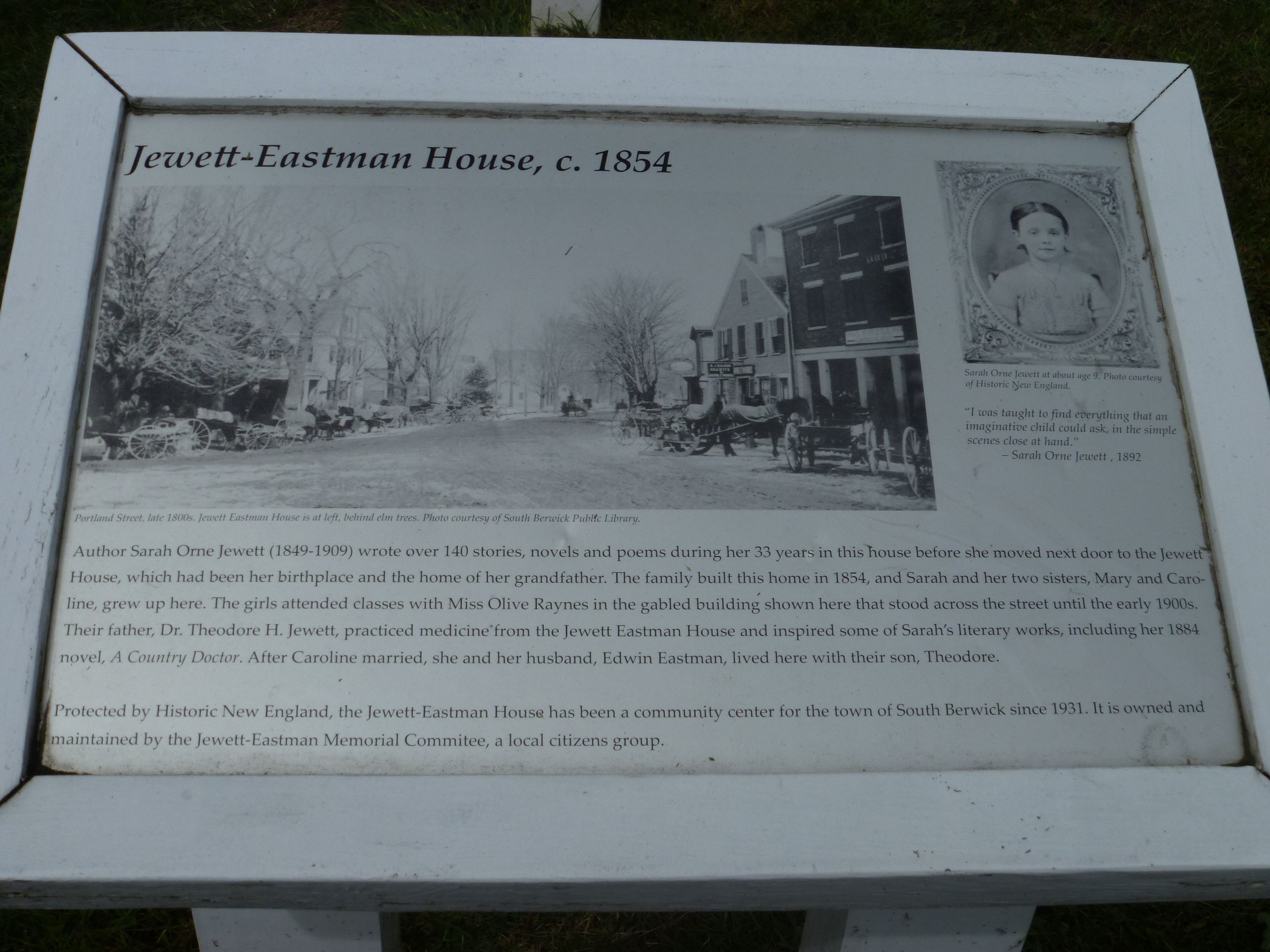
Sarah Orne Jewett (1849-1909) lived much of her life in the town of South Berwick, Maine. She was born in this house at 5, Portland Street when it belonged to her shipbuilding grandfather but soon the family built a home of their own next door (now the town’s public library).

Sarah and her sister moved back to the original house in 1887. She spent much of her time in Boston and travelling but this house was always home. No photography is allowed  in the house but it was fascinating to see the decor is still the same as Sarah and her sister Mary chose for it. Following their deaths a lot of the furniture was distributed to members of the family but Historic New England have bought back many original pieces at auction.

Having discovered the existence of the house I was anxious to read one of her books in advance of my visit. I chose a good one! A Country Doctor was first published in 1884. Like most of Jewett’s writing it is concerned with the everyday lives of the people living in the countryside of Maine. In particular Doctor Leslie is based on her beloved father, Dr Jewett.

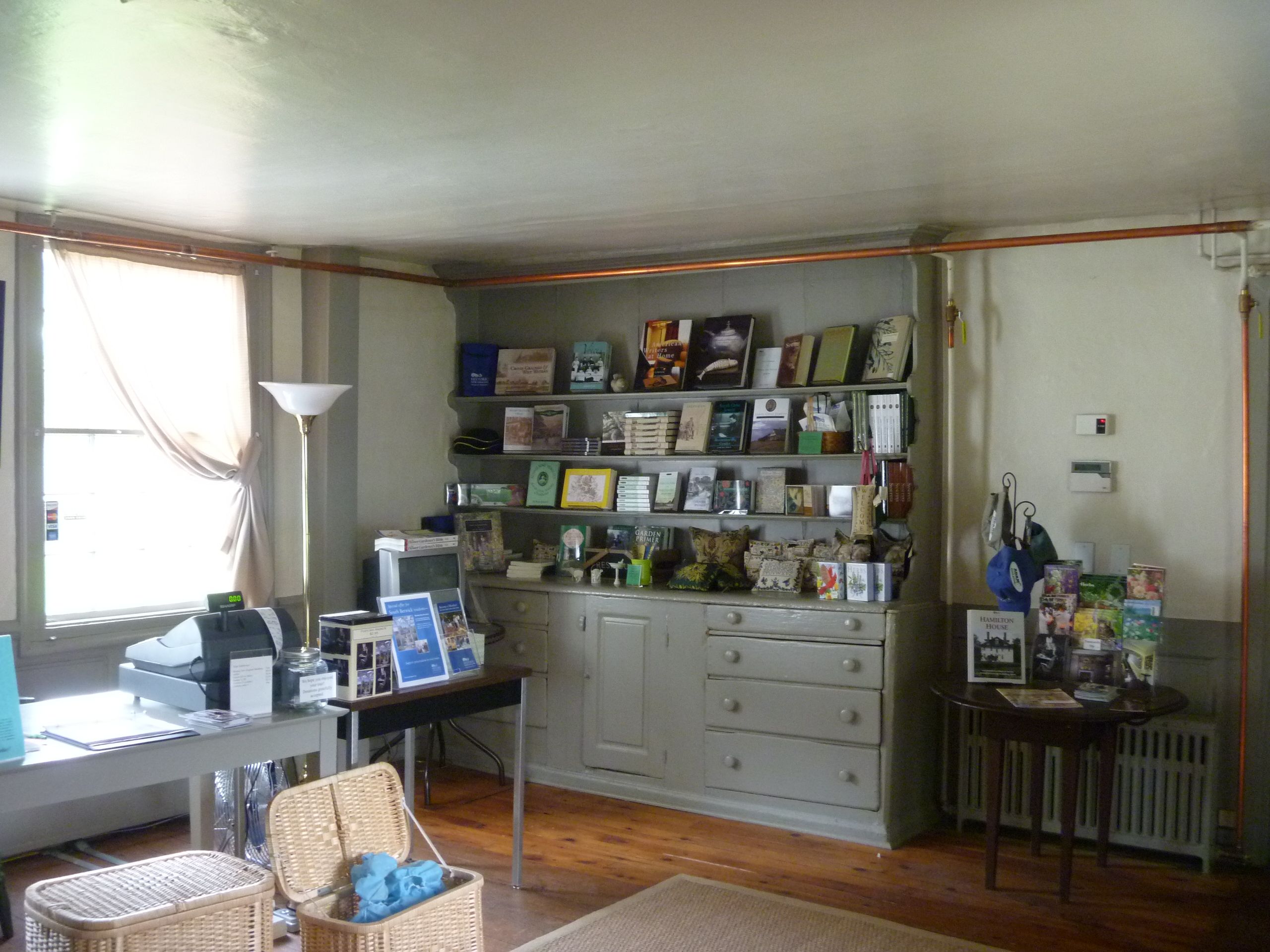
My friend Marion kindly gave me an illustrated copy of what is probably Jewett’s best known work The Country of The Pointed Firs. Her (Jewett’s) Deephaven is still in print in the USA and is set in the coastal Maine area around Ogunquit. Her books (those still in print) and other related works are available in the shop (where photography was allowed!).

There is a small garden around the house where today a gardener still carefully tends many of the herbs of the types that the Jewett sisters grew there during the nineteenth century.

On my way back to Ogunquit I sought out Sarah Orne Jewett’s grave on Agamenticus Road just outside South Berwick. I had been given instructions as to where to find it by the guide at the house. I expected a well-tended grave and was sorry that I hadn’t brought my own flowers. The tombstone was just about legible and the area filled with weeds. Sarah lies peacefully surrounded by various relatives including her sister. On the following Sunday a special ‘party’ was planned at the house in celebration of her birthday but sadly her grave is rather a forgotten memorial.

“Until the day breaks and the shadows flee away”

Don’t call me Ishmael

I have never read Herman Melville’s classic fictional work ‘Moby Dick’. That is, if you don’t count the numerous extracts from it that we had to read for English comprehension tests at school. I always marvelled that so much could be written on the subject of a whaling expedition – the Penguin Classics edition fills 720 pages.

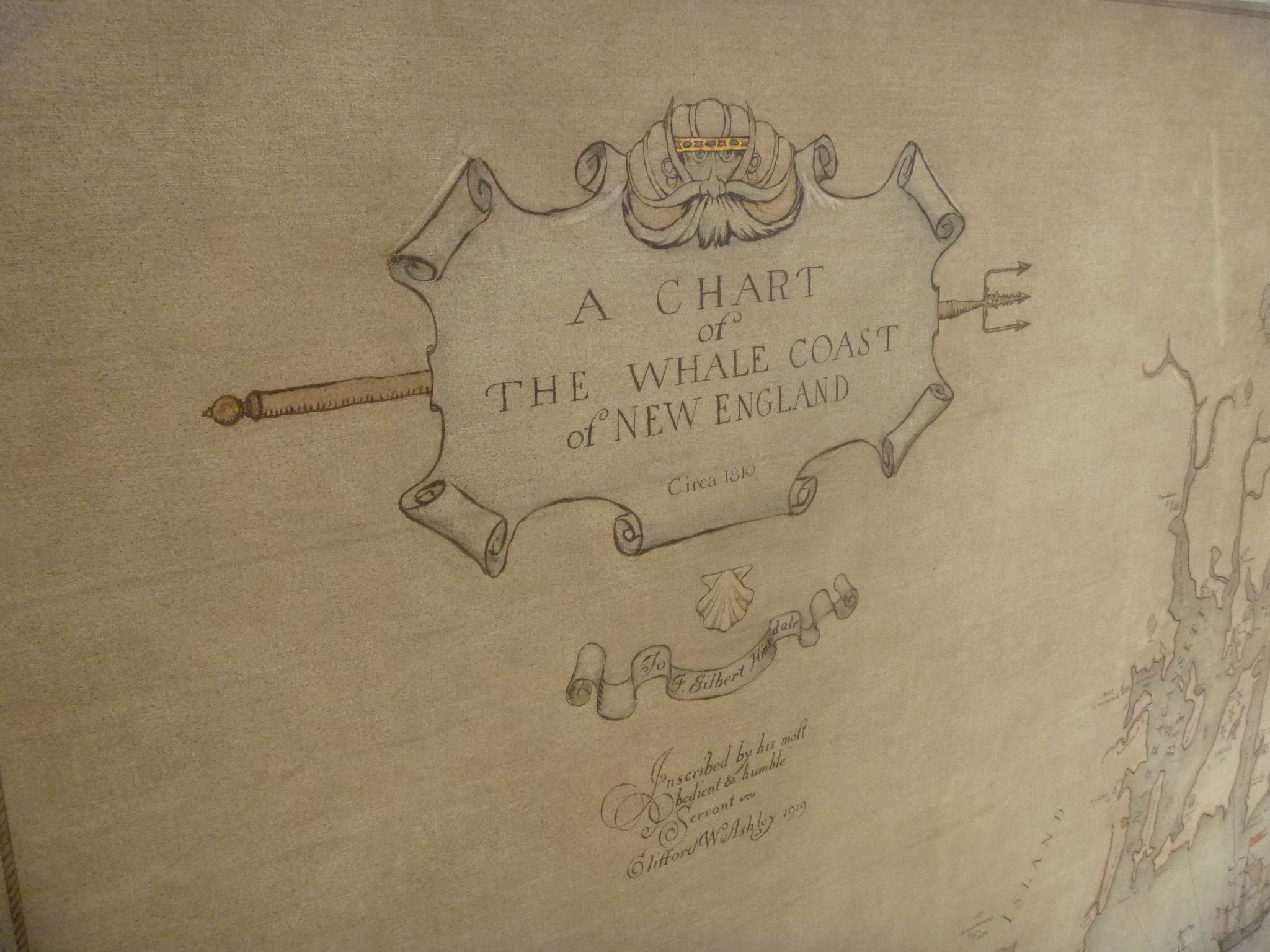
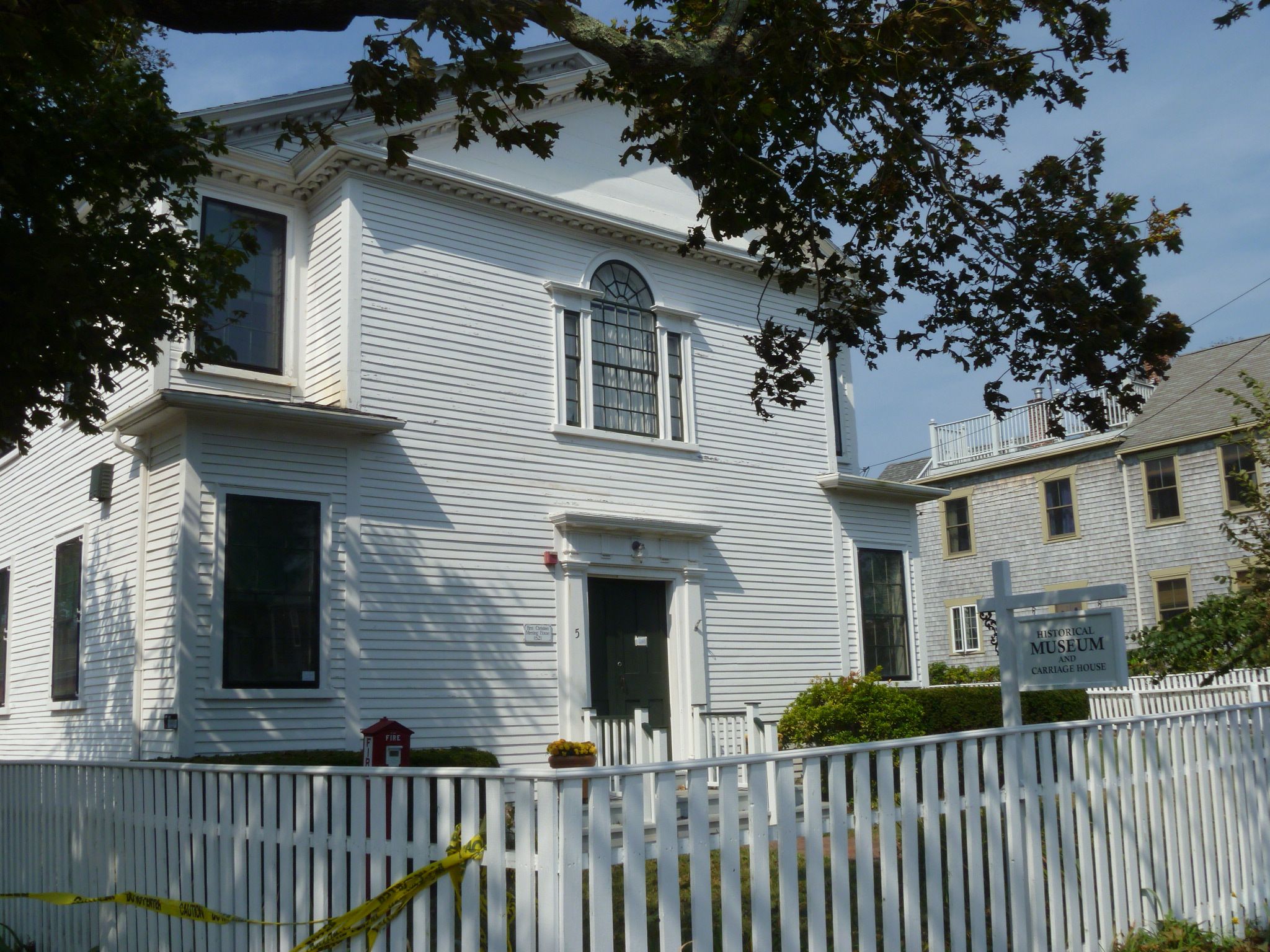
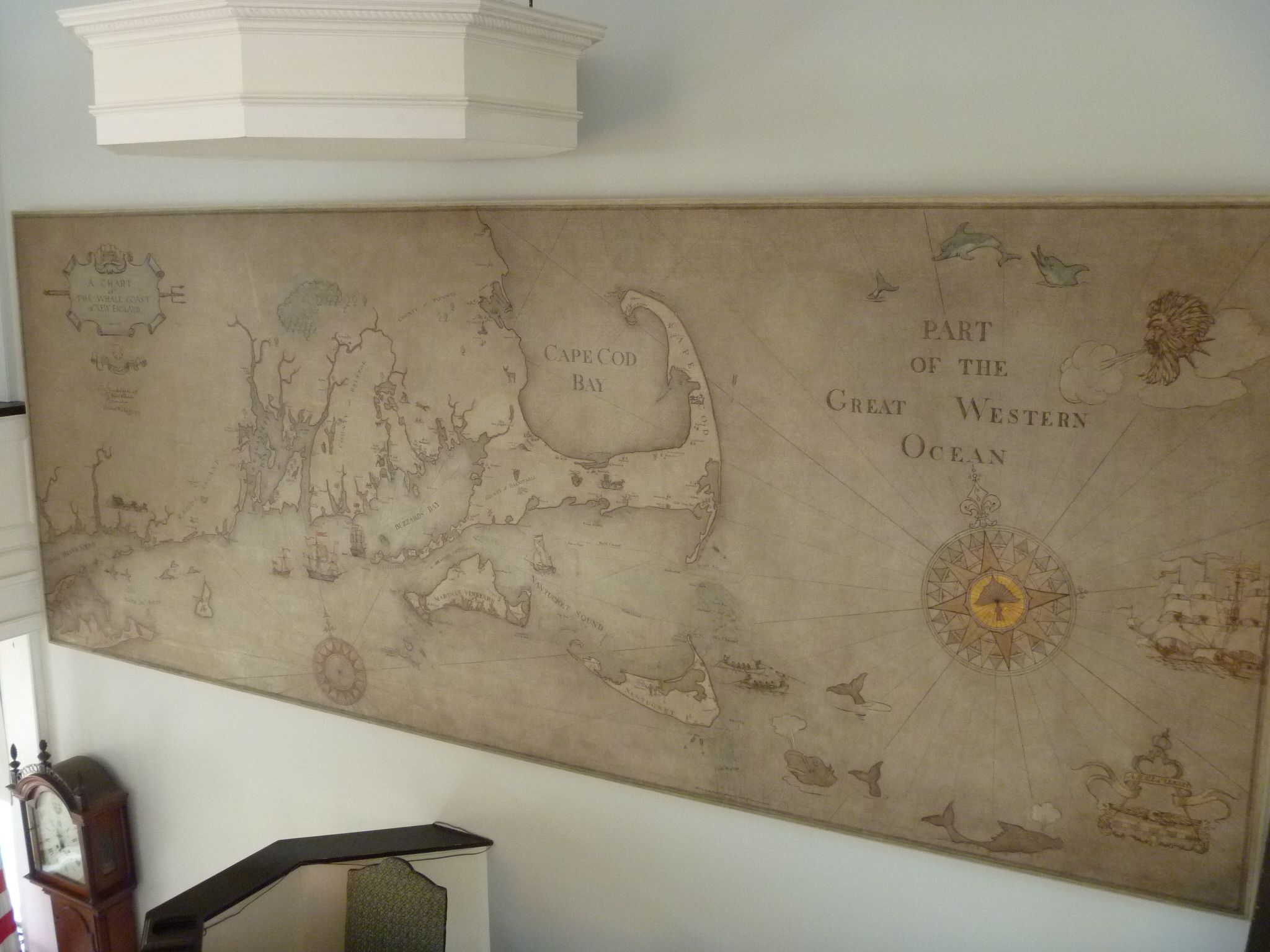
On a recent trip to Cape Cod I spent a day with my friend Marion who lives on the other side of Buzzards Bay. She knew just what I would be interested to see  – A Chart of the Whale Coast of New England.  M had chanced upon a newspaper report telling about a mural that had lately been removed from a seaside (bayside) home, had been carefully renovated and was now hanging proudly in the local museum. After lunch we drove to the Mattapoisett Historical Museum housed in a former Baptist church.

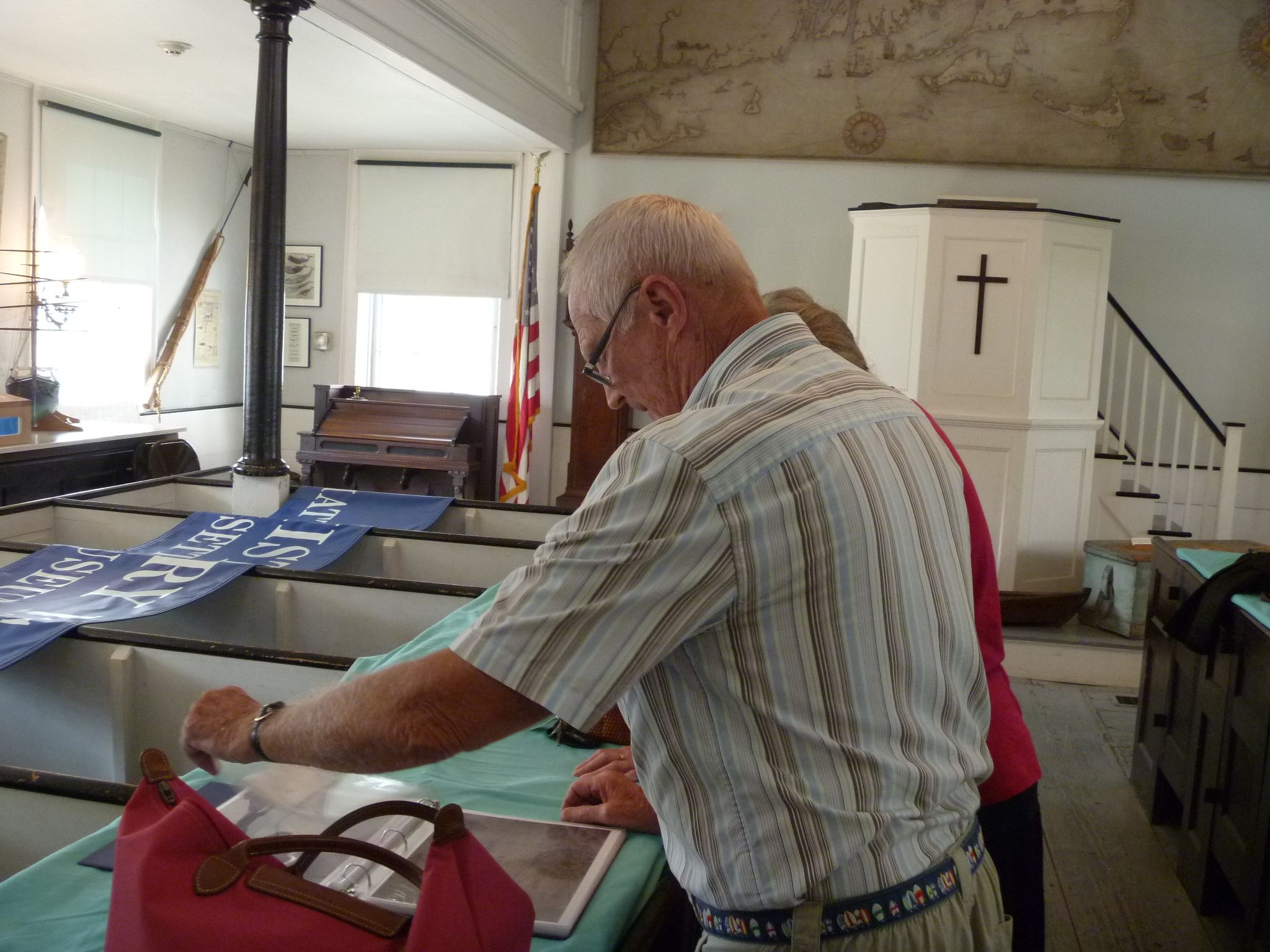
The icing on the cake for us was that we were welcomed to the Museum and shown in detail the Ashley Mural (as it is called) by Mr Seth Mendell himself, President of the Historical Society and a primer mover in the preservation of this wonderful piece of local whaling history for the community.

Mr Mendell explained all the intricacies involved in the creation, removal, renovation and final re-hanging of the Mural via the photo proofs for his book which is due to be published this autumn.

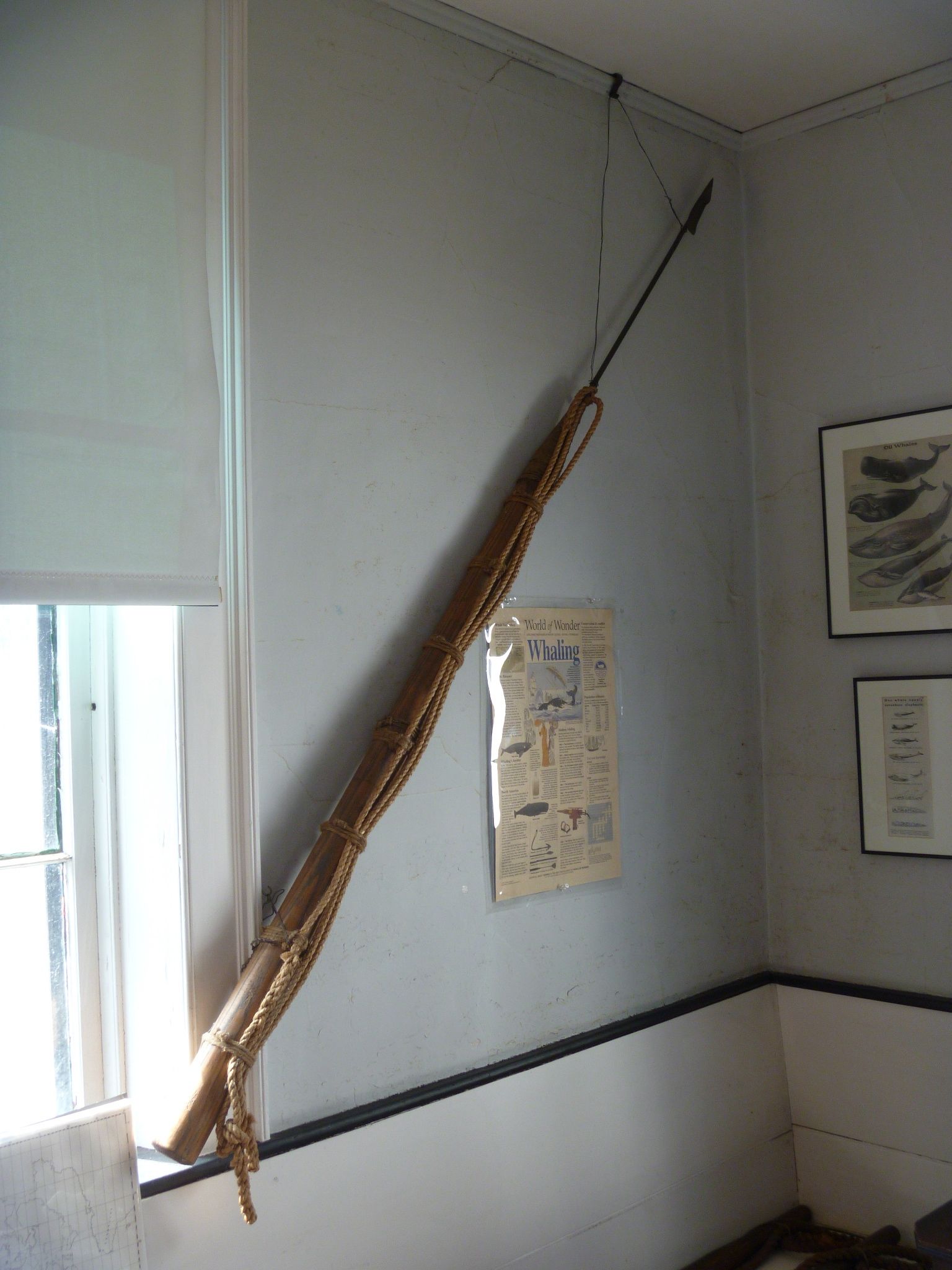
In addition to the Mural we were introduced to various forms of whaling harpoon.

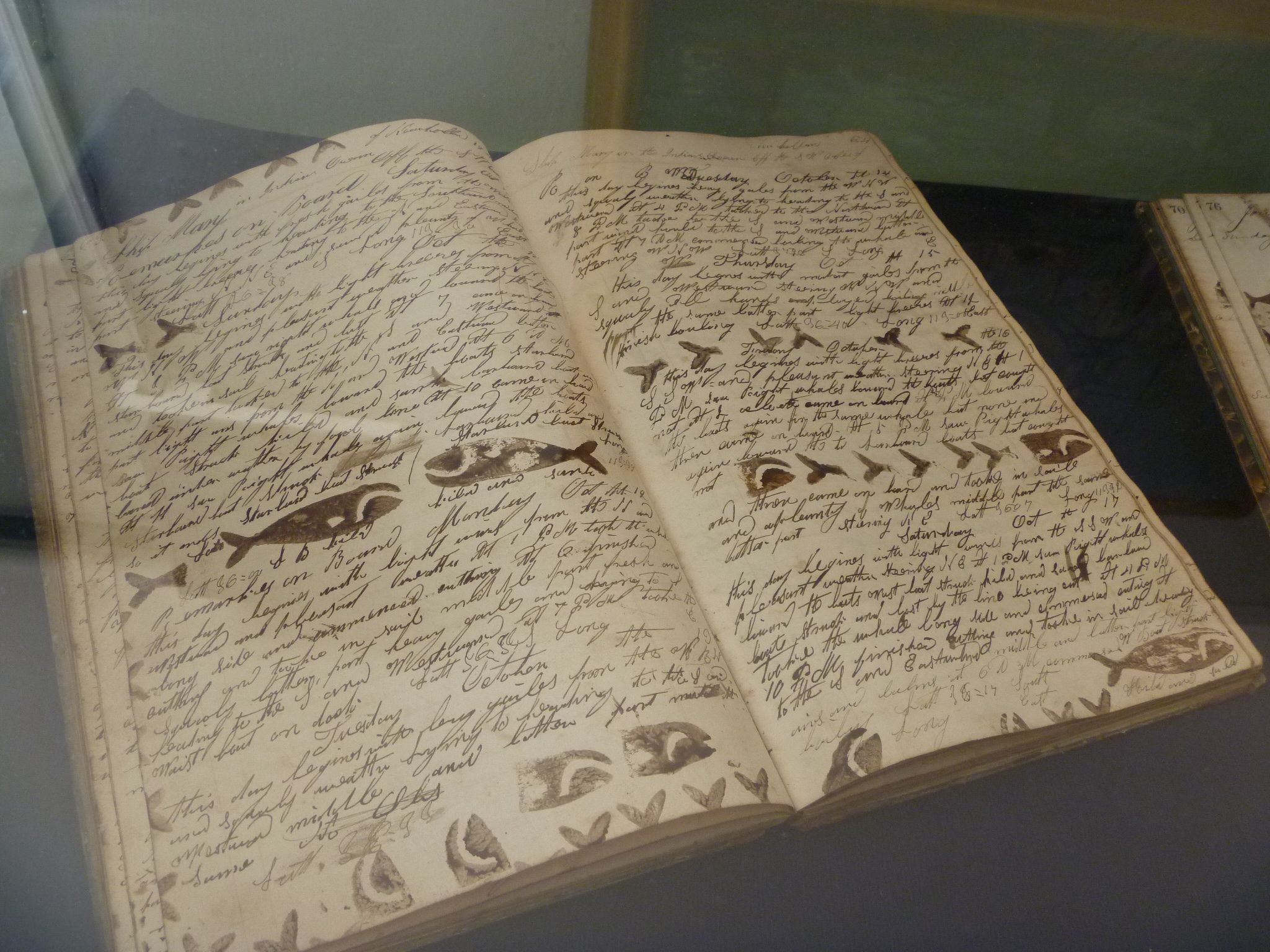
And we were delighted to inspect some very fine examples of Whaling Journals. After pages and pages of seemingly undecipherable handwriting there suddenly appear ink stamp prints of whale tails (indicating sightings/attempted harpoonings) and full whales (indicating capture). One of the museum copies was also decorated with beautiful drawings of full-masted ships.

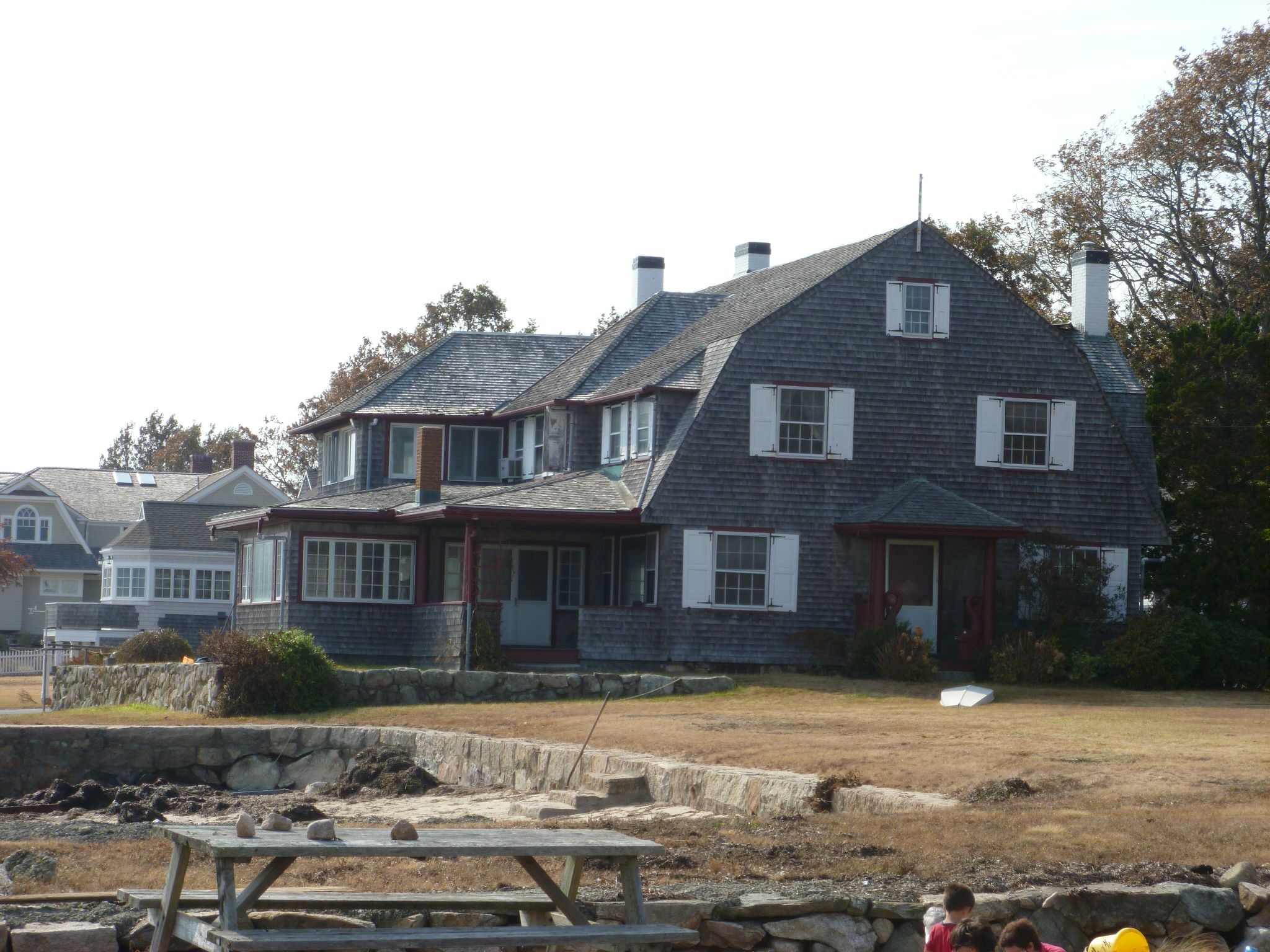
Later we went off to find the house where the Mural had hung for 90 years. It was discovered hanging at an angle from the ceiling in the conservatory at the front of the house (20, Water Street, Mattapoisett) overlooking the bay.

Yet, even after all this new-found whaling knowledge I was still not tempted to take a Whale Watch Cruise out into the Atlantic Ocean! And will I read the book? ….. probably not.