In Praise of Nature and A Manifesto for Modernity : From Marie Antoinette to Le Corbusier

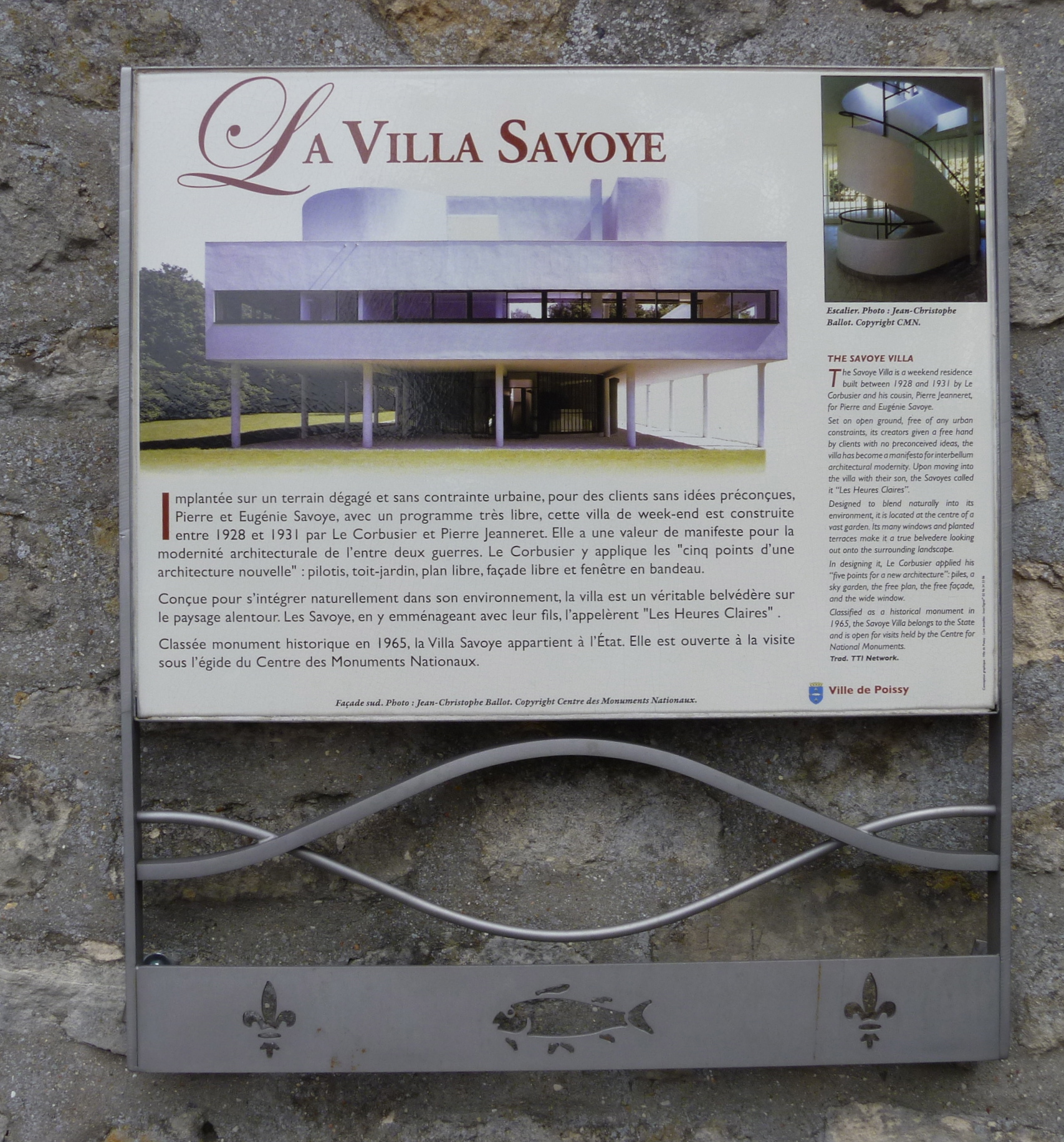
An architect friend of mine, following a trip to the Paris region last year, told me about his visit to the Villa Savoye (as the villa “Les Heures Claires” is best known) in Poissy, Ile de France.
Upon investigation I discovered the existence of (roughly) the French equivalent of English Heritage – Centre des Monuments Nationaux – of which the Villa S is one. Further searching of the CMN website revealed a) that Poissy is directly on our favoured route between Gif sur Yvette and Le Shuttle and b) there were other CMN sites “worth a detour” within easy reach of Gif itself.

Rambouillet
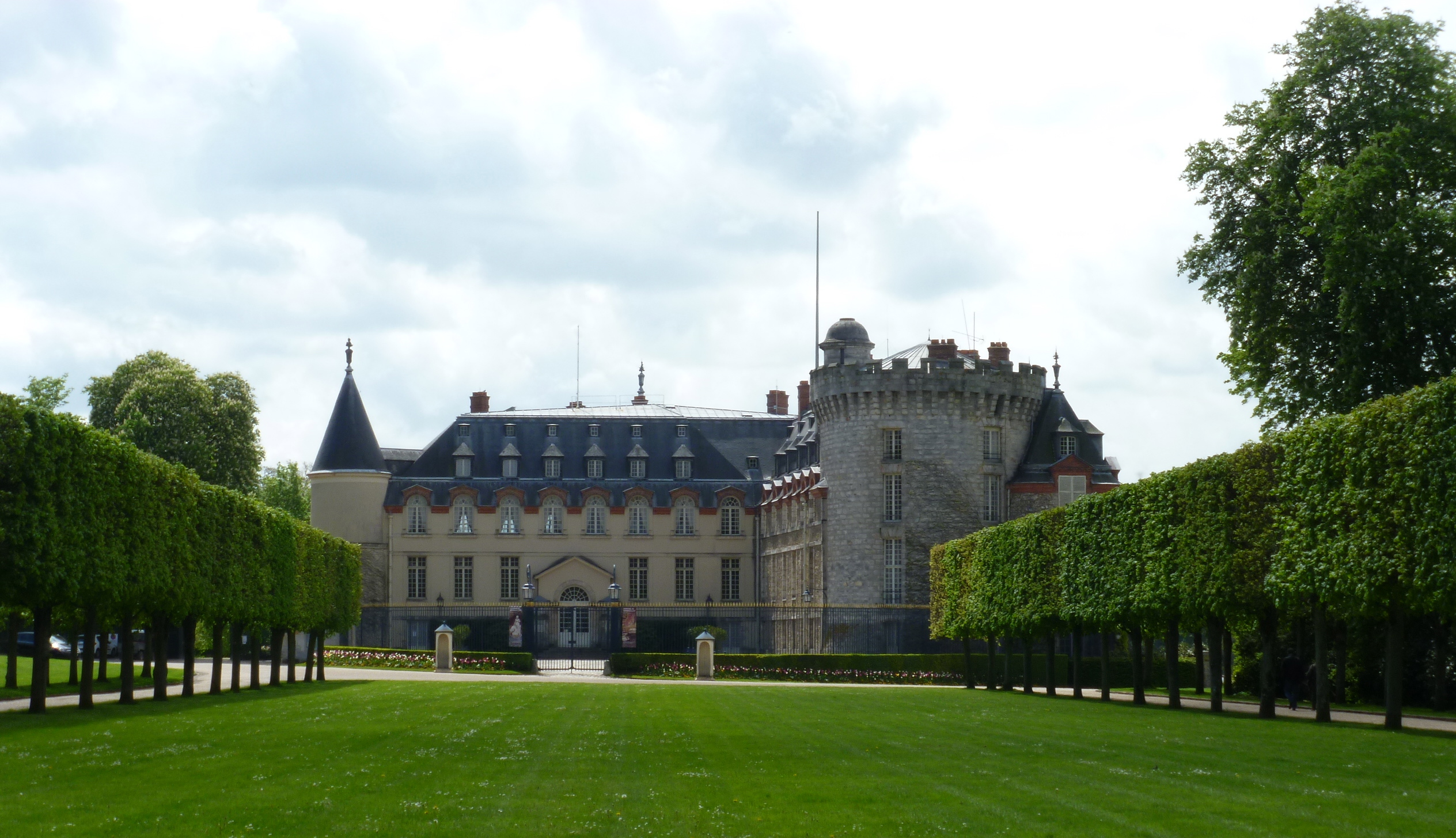
The Queen’s Dairy [Laiterie de la Reine] and the Shell Cottage [La Chaumiere aux Coquillages] are both follies within the vast park surrounding the Chateau of Rambouillet, a mere 30 minutes drive away. It’s a charming town, dominated by the Castle and with a large church on a hill. Like all other French towns it is pretty much shut down on Monday mornings. Of course, I missed the morning tours so bought a ticket for the 2pm show. We bought foodstuffs for a picnic in the Chateau grounds from the Carrefour Express (only food shop open in town) and headed towards the follies to be sure not to miss the guided tour. The Chateau itself is the Official Residence of the President of France and is also open to the public but it was the follies that I most wished to see and enjoy the sunshine whilst it lasted.
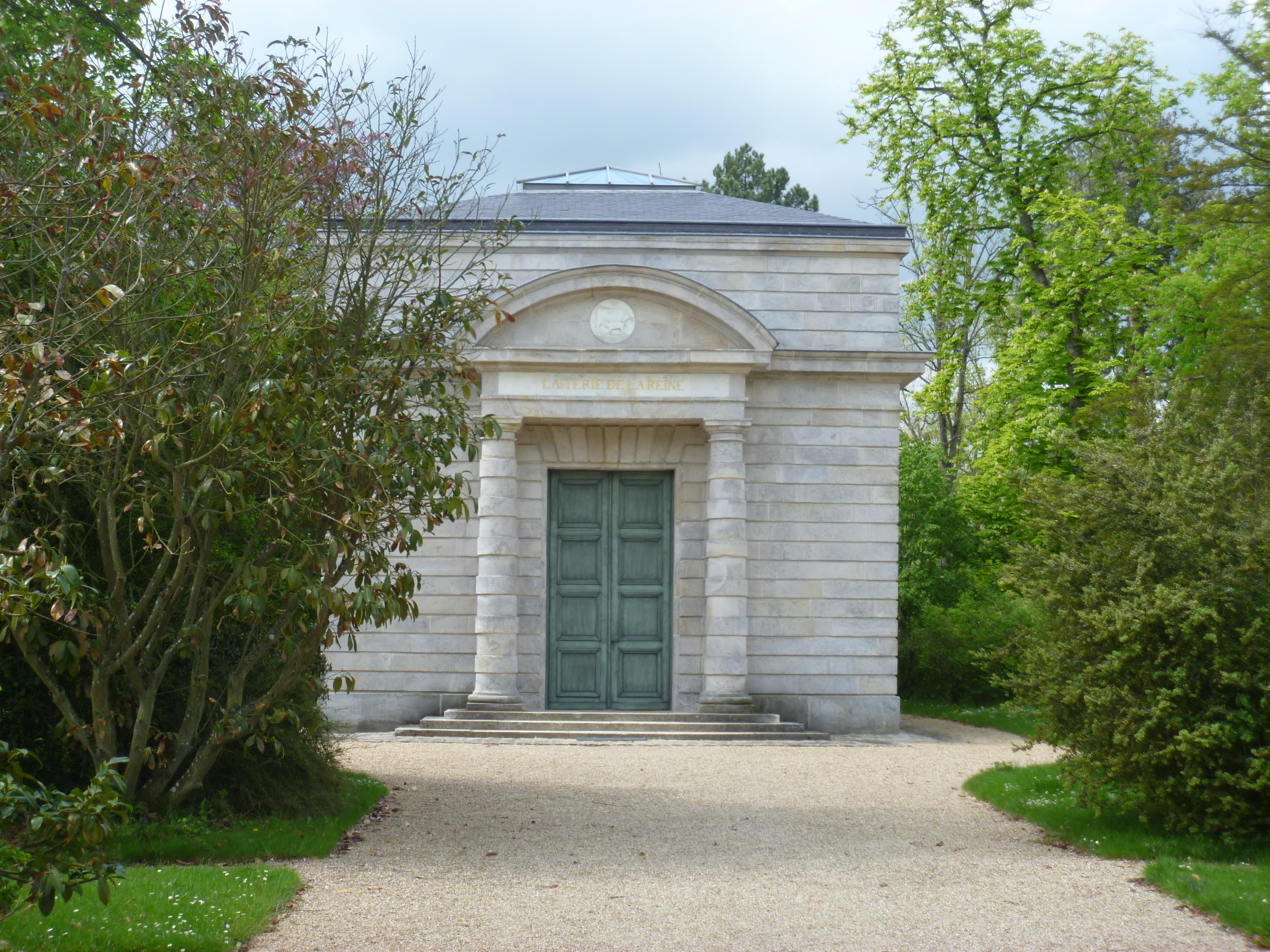
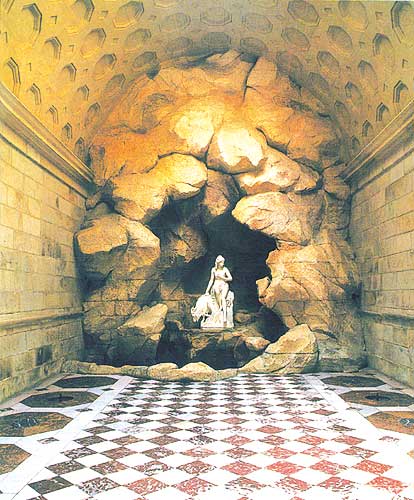
The Queen’s Dairy was built for Queen Marie Antoinette by her husband Louis XVI. It’s a plain building from the outside but once inside you are in a vast rotunda where the tasting took place – all veined marble, sandstone walls and a grey and white floor to give a milky atmosphere.
http://www.rambouillet-tourisme.fr/decouvrir/photos-rambouillet/laiterie-de-la-reine.htm

Beyond the rotunda is the cooling room (above) at the back of which is a grotto containing the figure of Jupiter as a child suckling Amalthea’s nanny-goat. There are various other roundels and friezes depicting mythological creatures and characters. Apparently after the French Revolution these ended up in England and were only finally restored to their original location just a few years ago in 2009.
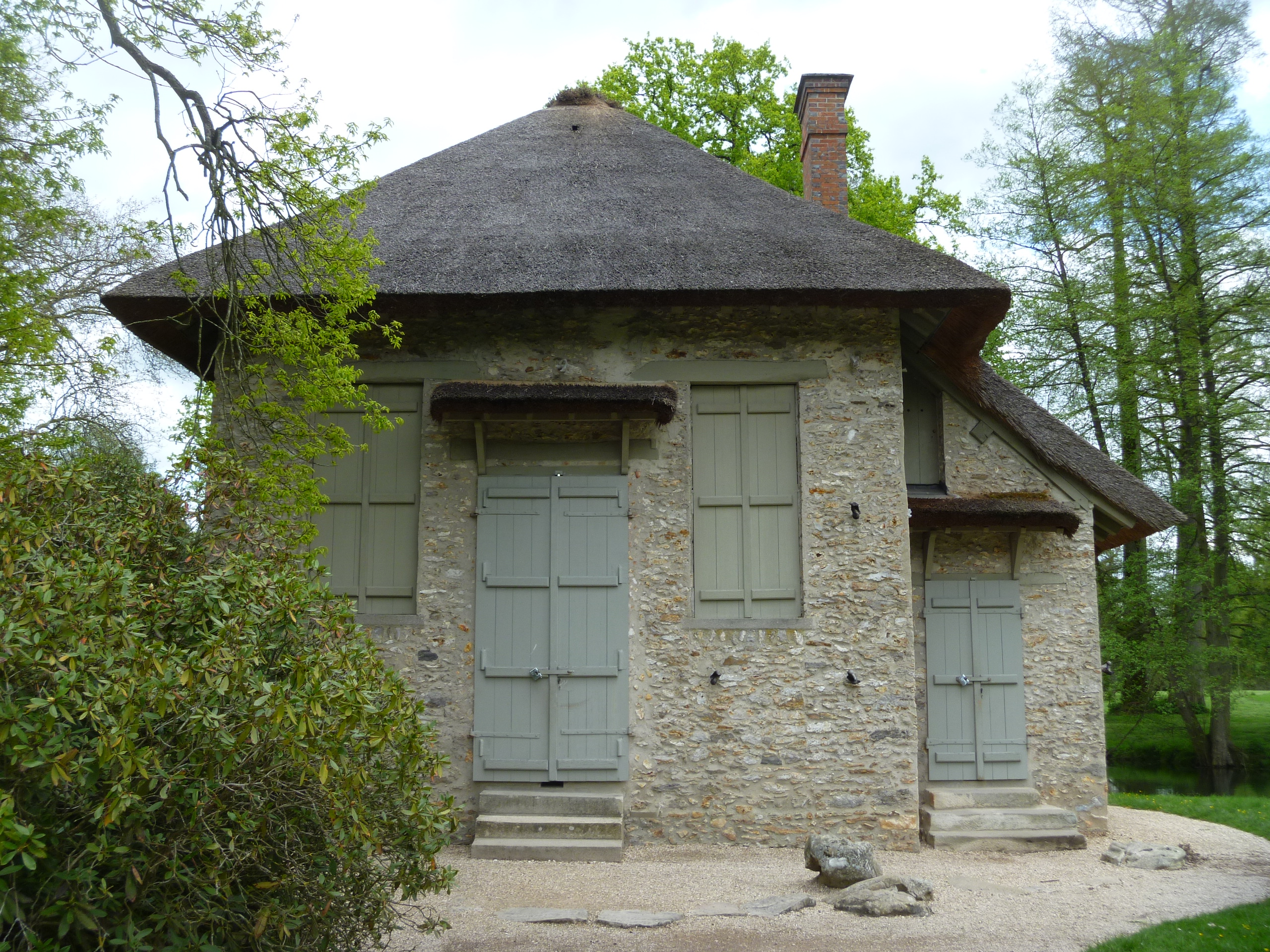
The Shell Cottage in another part of the grounds is equally breathtaking. It has a thatched roof and ox bones built into the walls. It’s a copy of a late 18th century rural building but inside is an amazing shell-decorated room with original furniture and fireplaces. Of course, no photography is allowed which is even more of a shame as the postcards definitely did not show the interiors to the best advantage. The guided tours are in French which would be OK but the guide spoke at break-neck speed it was hard to follow everything he said.

Poissy

I would like to say that it was like going from the sublime to the ridiculous going from Rambouillet one day to Poissy the next but there is nothing ridiculous about the Villa Savoye. It is an amazing visionary building so far ahead of its time. I just felt that it was so sad that it did not have the care and attention devoted to it as had the Rambouillet properties.

Built between 1928 and 1931 by the Swiss architect Le Corbusier “this ‘box in the air’ was the culmination of the architect’s formal research and implementation of The Five Points of New Architecture”.  Briefly these points are :
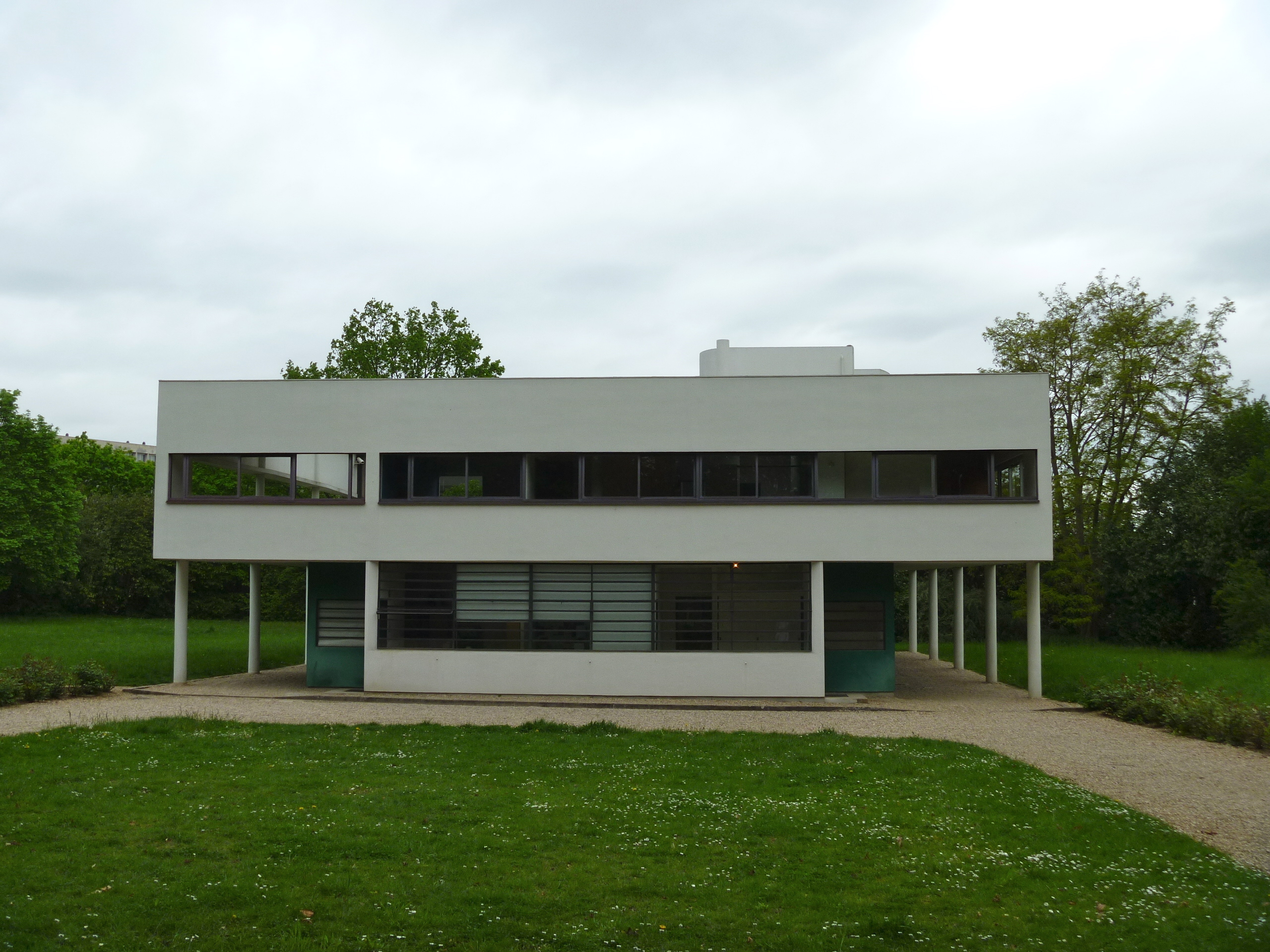
Stilts  – by using stilts he built his ‘box in the air’ as if just sitting on the grass
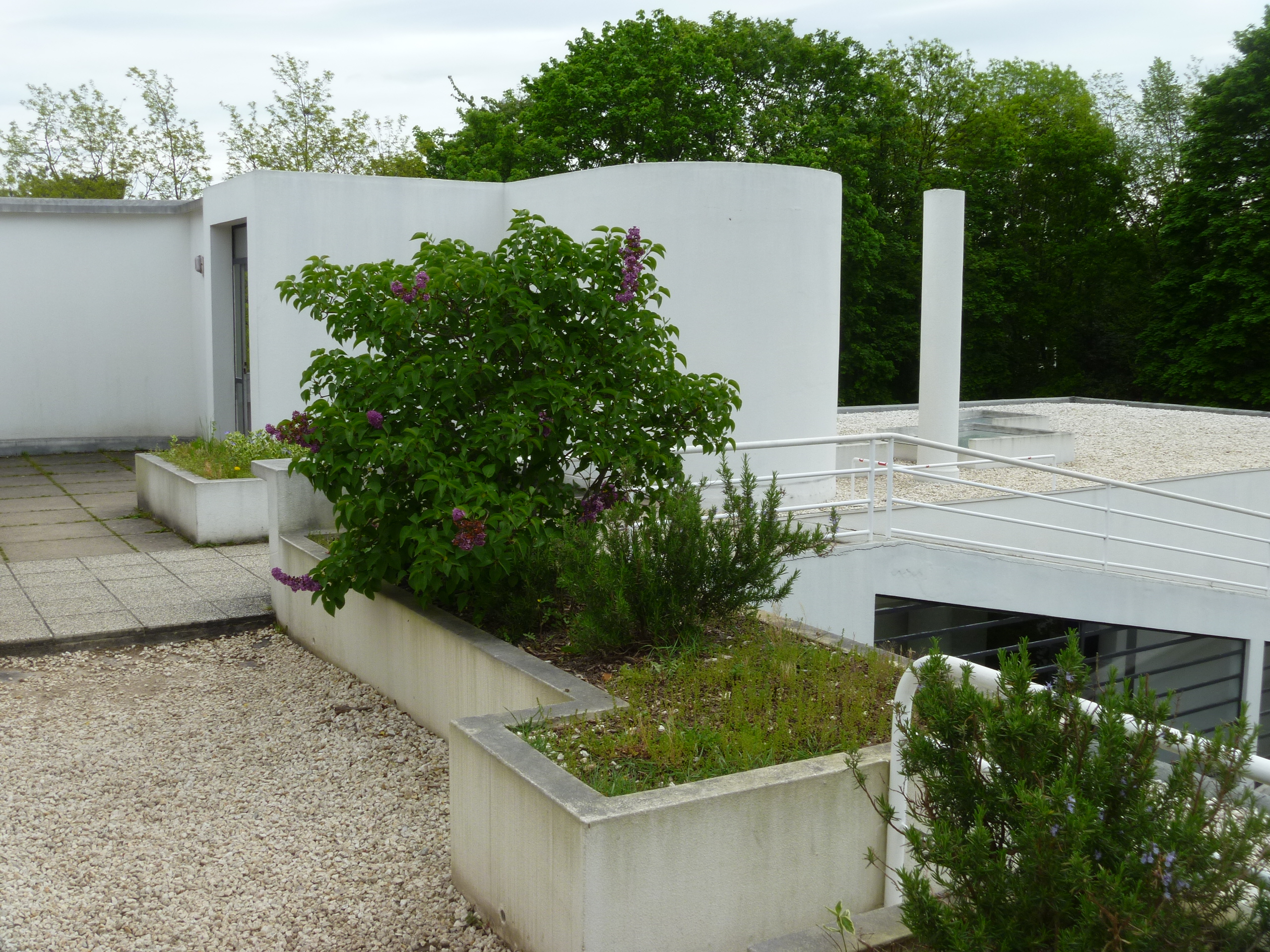
Roof Gardens – the flat roof is a usable terrace and flowers may be planted
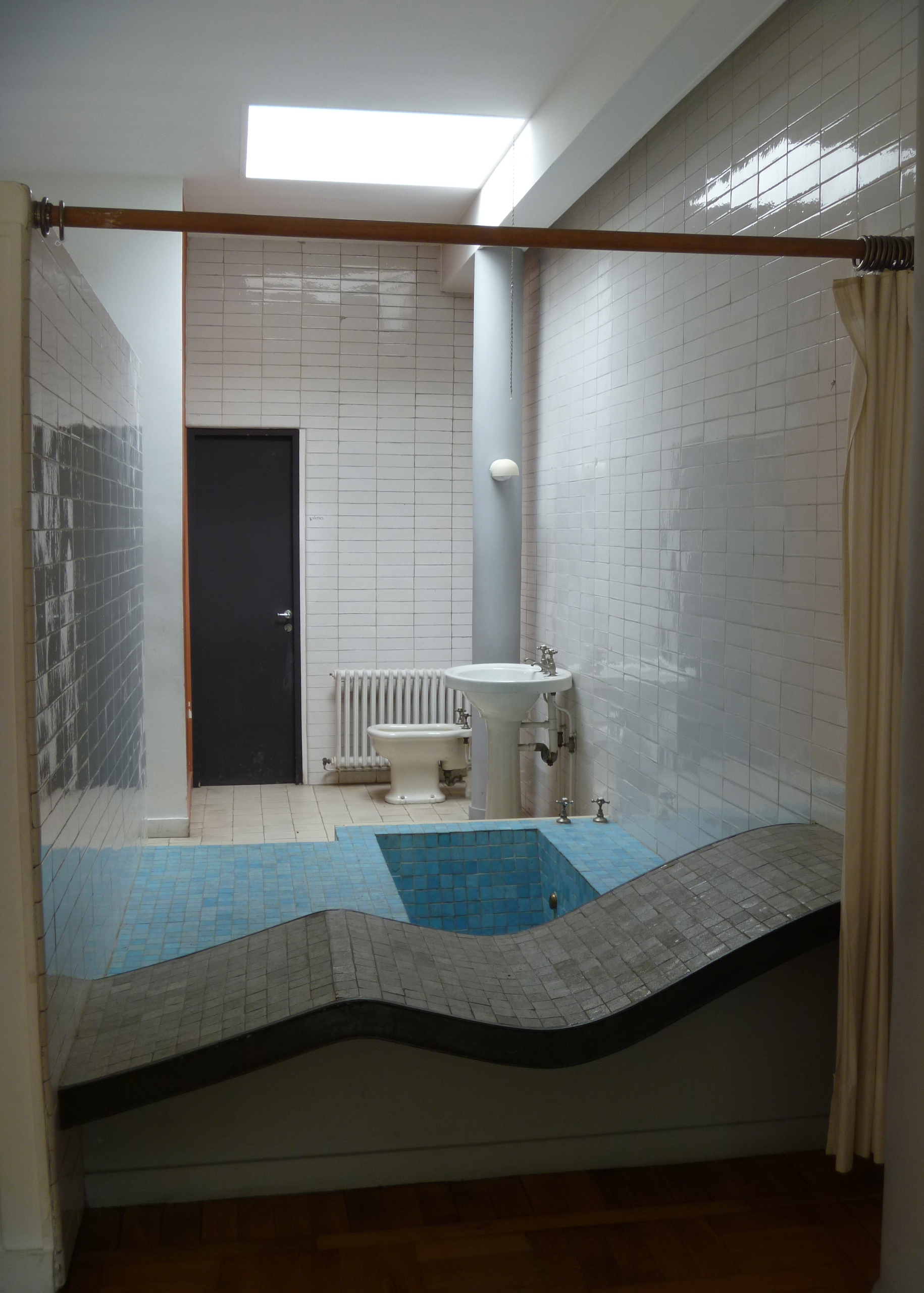
Open-plan – reinforced concrete frees the interior of load-bearing and separating walls. Light partitions are sufficient to separate the different areas
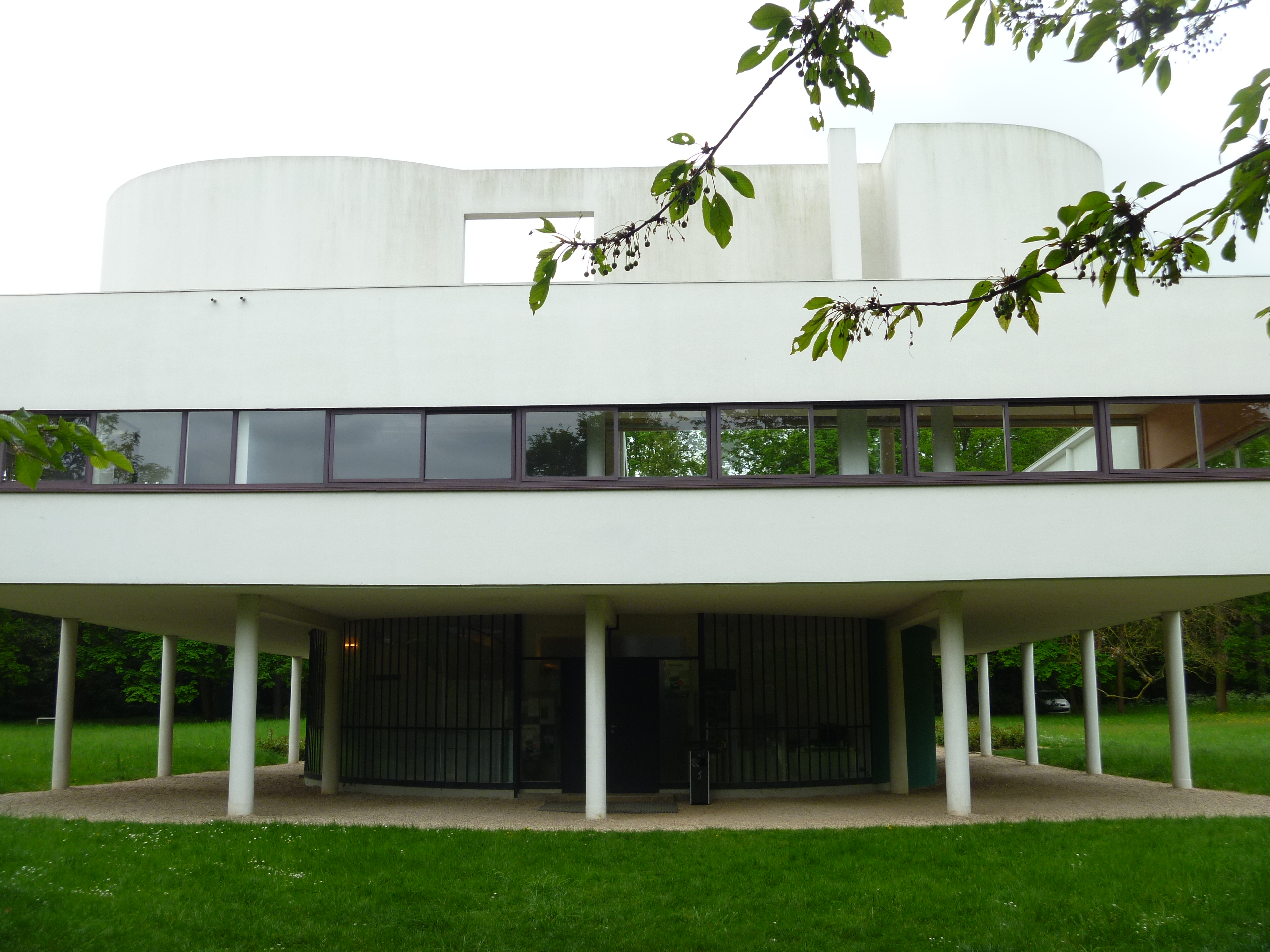
Free-floating facade – the facades are free of the load-bearing structure, and placed freely on the stilts.

Horizontal window – the non-load-bearing facades can have long windows creating light and airy interiors. (See the exterior pictures above)
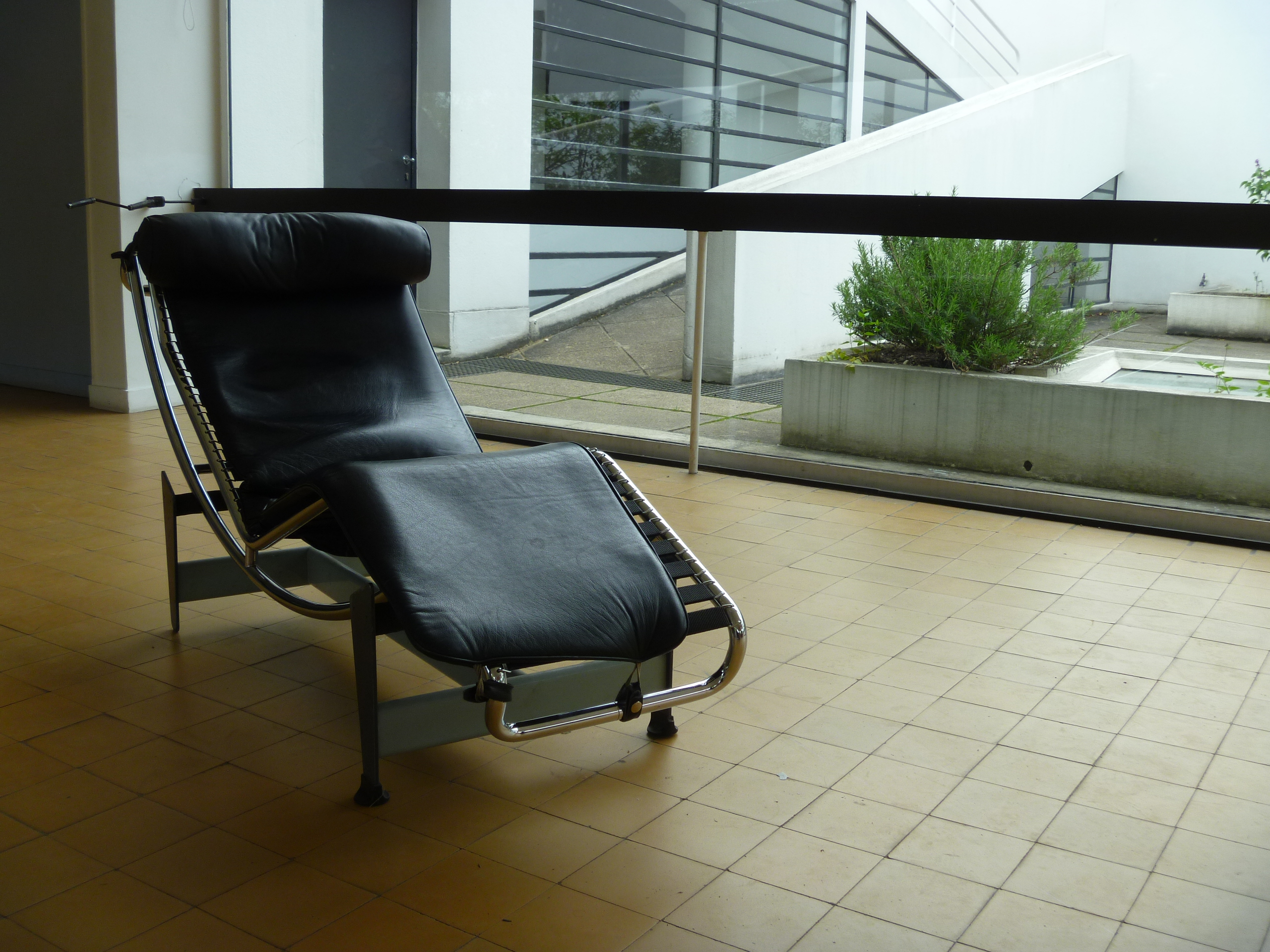
Corbusier Chaise Longue
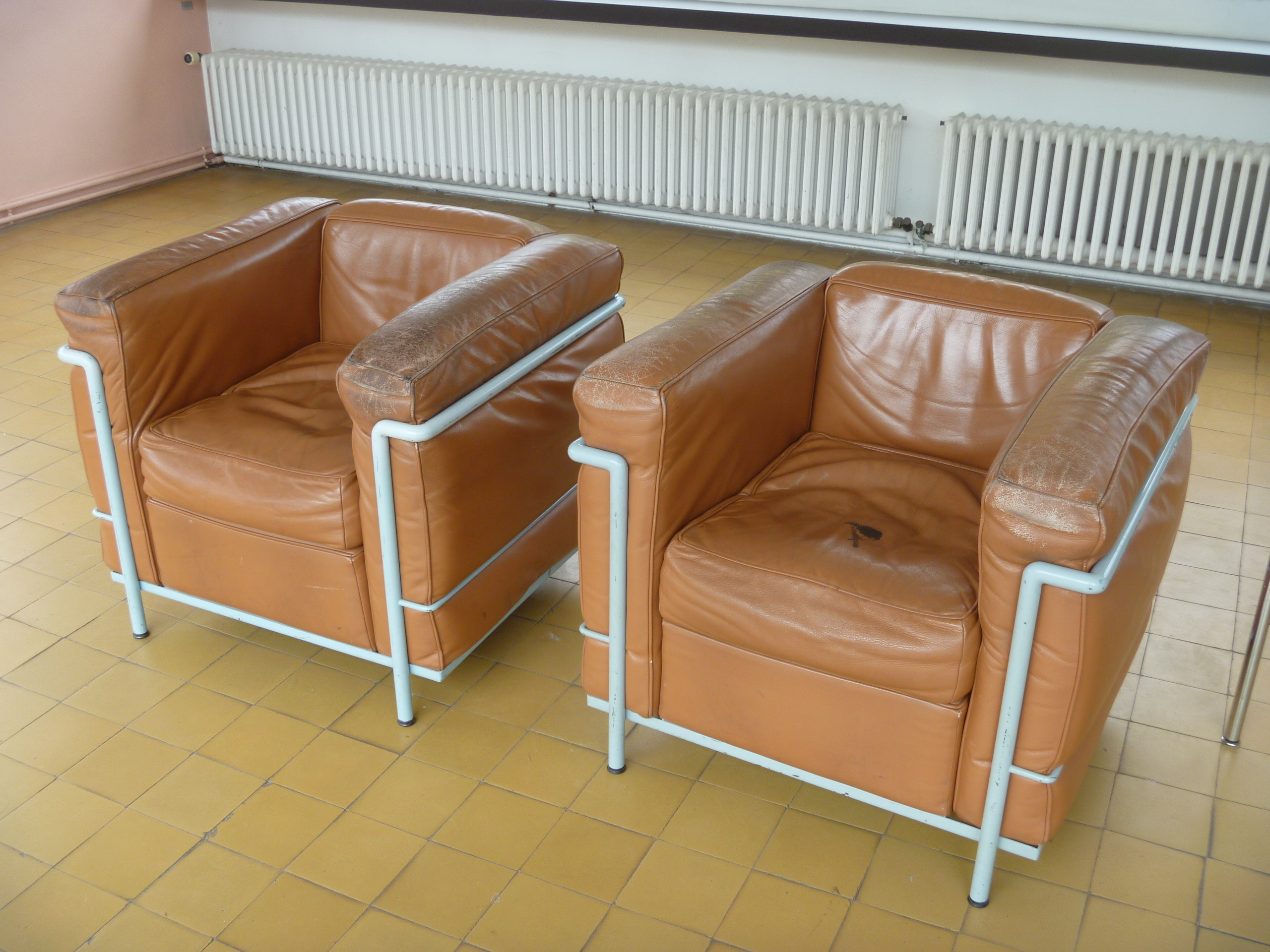
Le Grand Confort Armchair
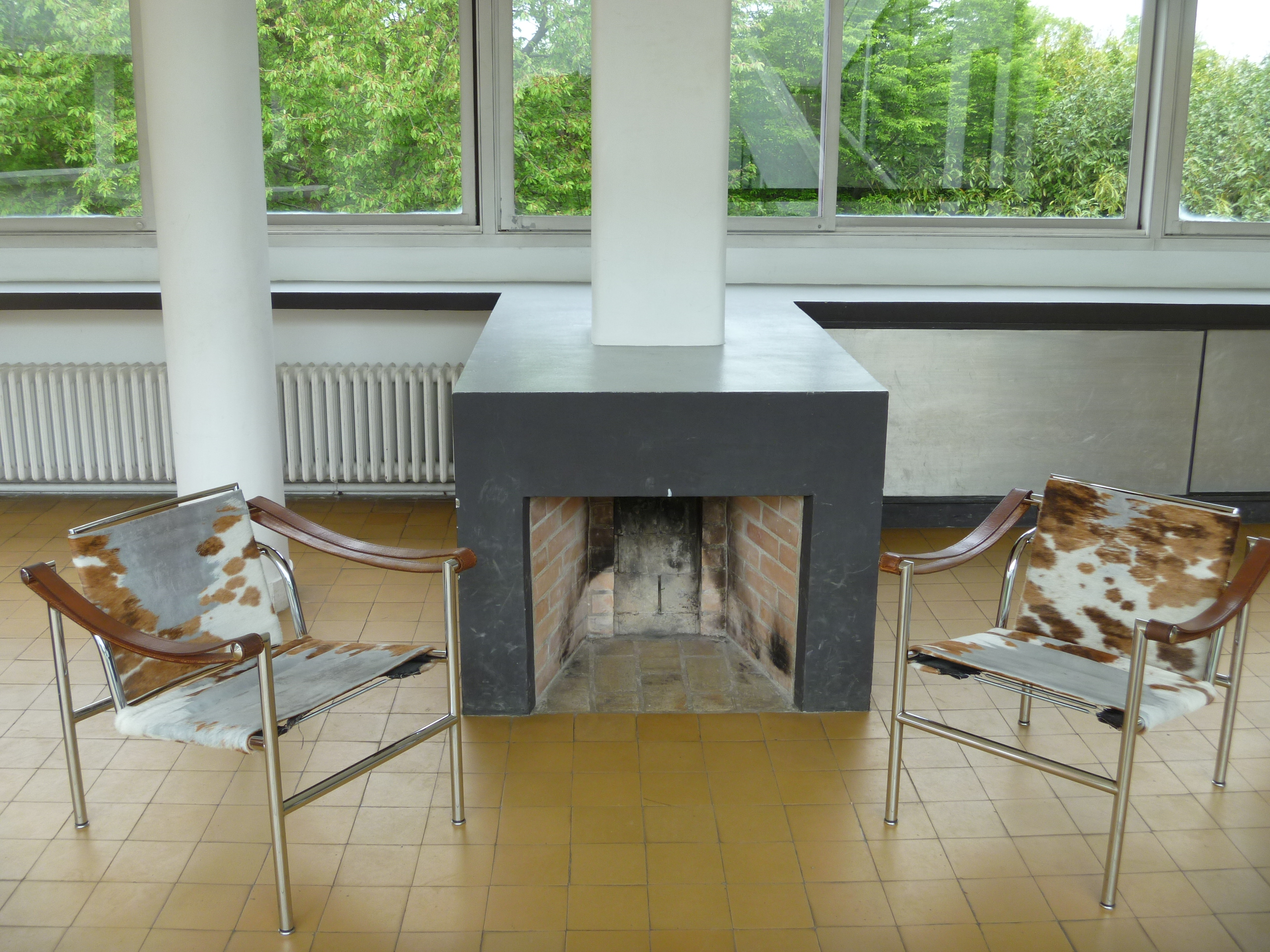
Pony Hide Lounge Chairs

To be said in its favour it was possible to tour the building in your own time, take photos at will, sit in the various architect-designed chairs and generally please yourself!
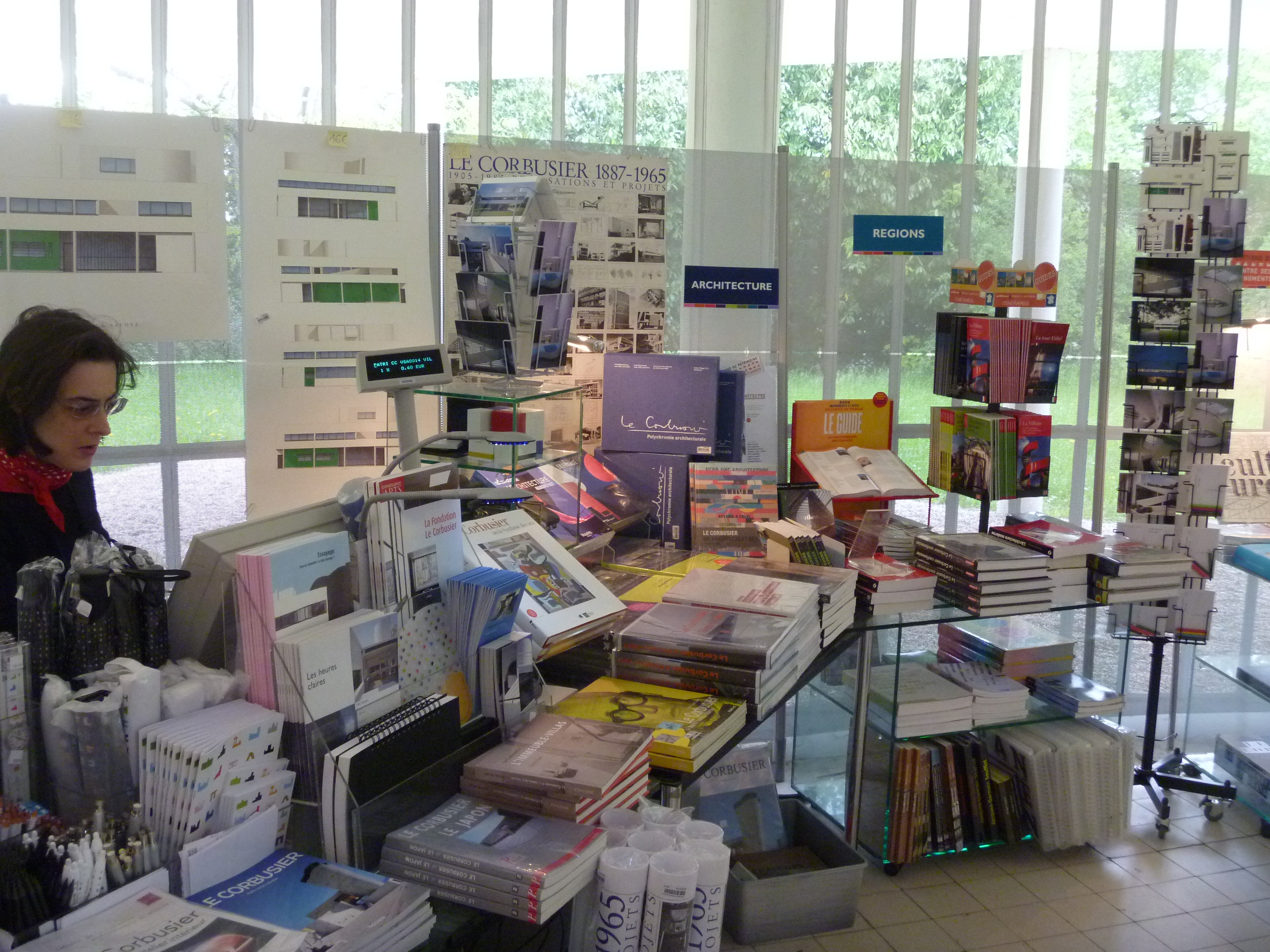
Also there was an excellent bookshop – much better than the one at Rambouillet.

The Lost World of the Windsors

In one of the sitting rooms of the main building at The Moulin de la Tuilerie, or The Mill, as it is sometimes called, is a mural painted above the fireplace. It was put there by the Duchess of the Windsor and it says “I’m not the miller’s daughter but I’ve been through the mill.”

Over the years since 1734, the best date that can be given for the main building at Le Moulin de la Tuilerie, The Mill at Gif Sur Yvette has had many incarnations. The most glamourous being during the 1950s when it was the weekend home of the Duke and Duchess of Windsor. They bought the house in 1952 from the artist Drian and set about making renovations and improvements to both the house and the garden. During the 1950s and 1960s they were entertaining celebrities and the glitterati at weekend parties here just a 30 minute drive from their home in the Bois de Boulogne in Paris.

The Garden

Here is an interesting introduction  to Le Moulin and some comments by the daughter of one of the gardeners who worked with the Duke of Windsor.

Le Moulin De La Tuilerie

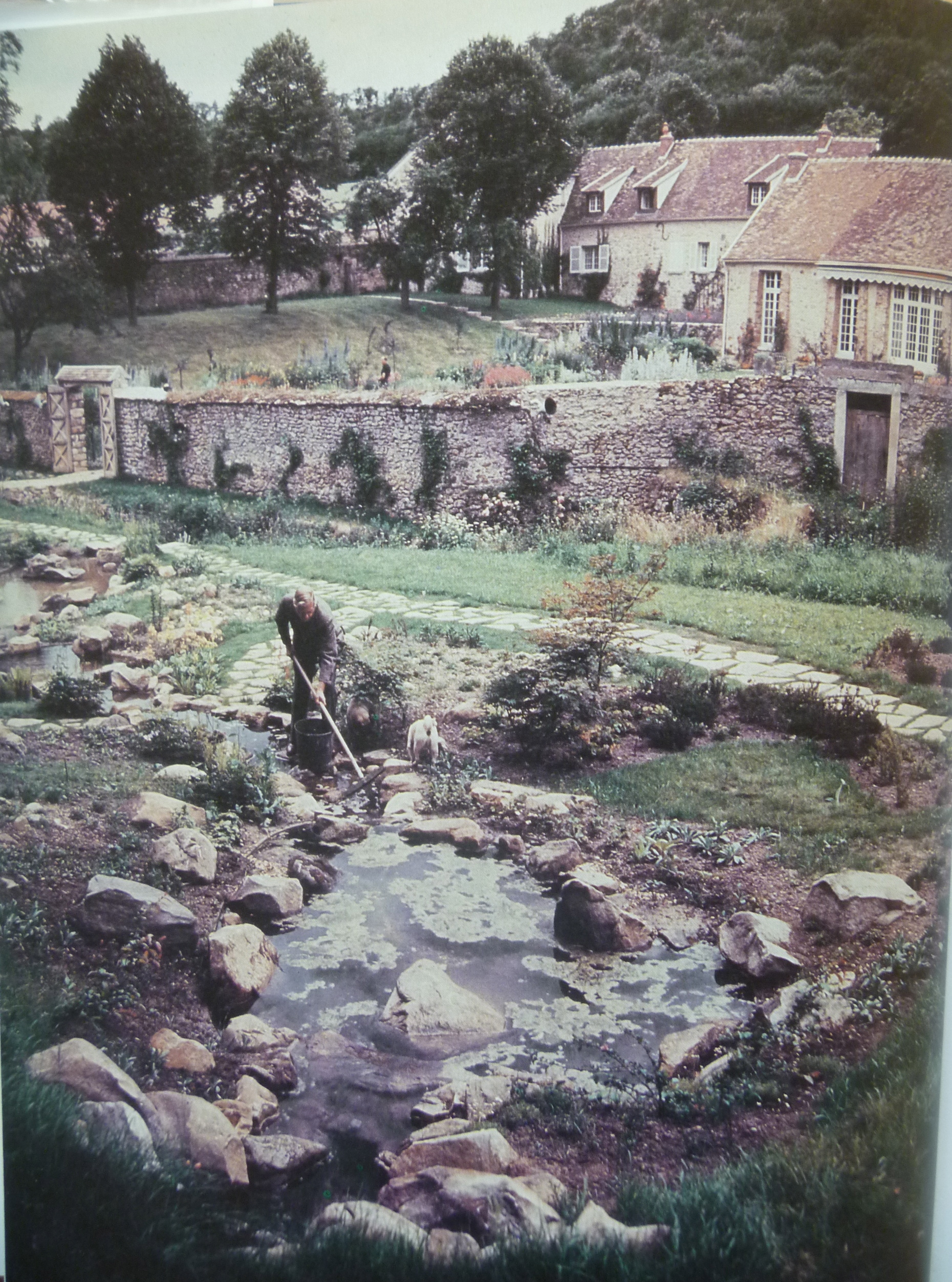
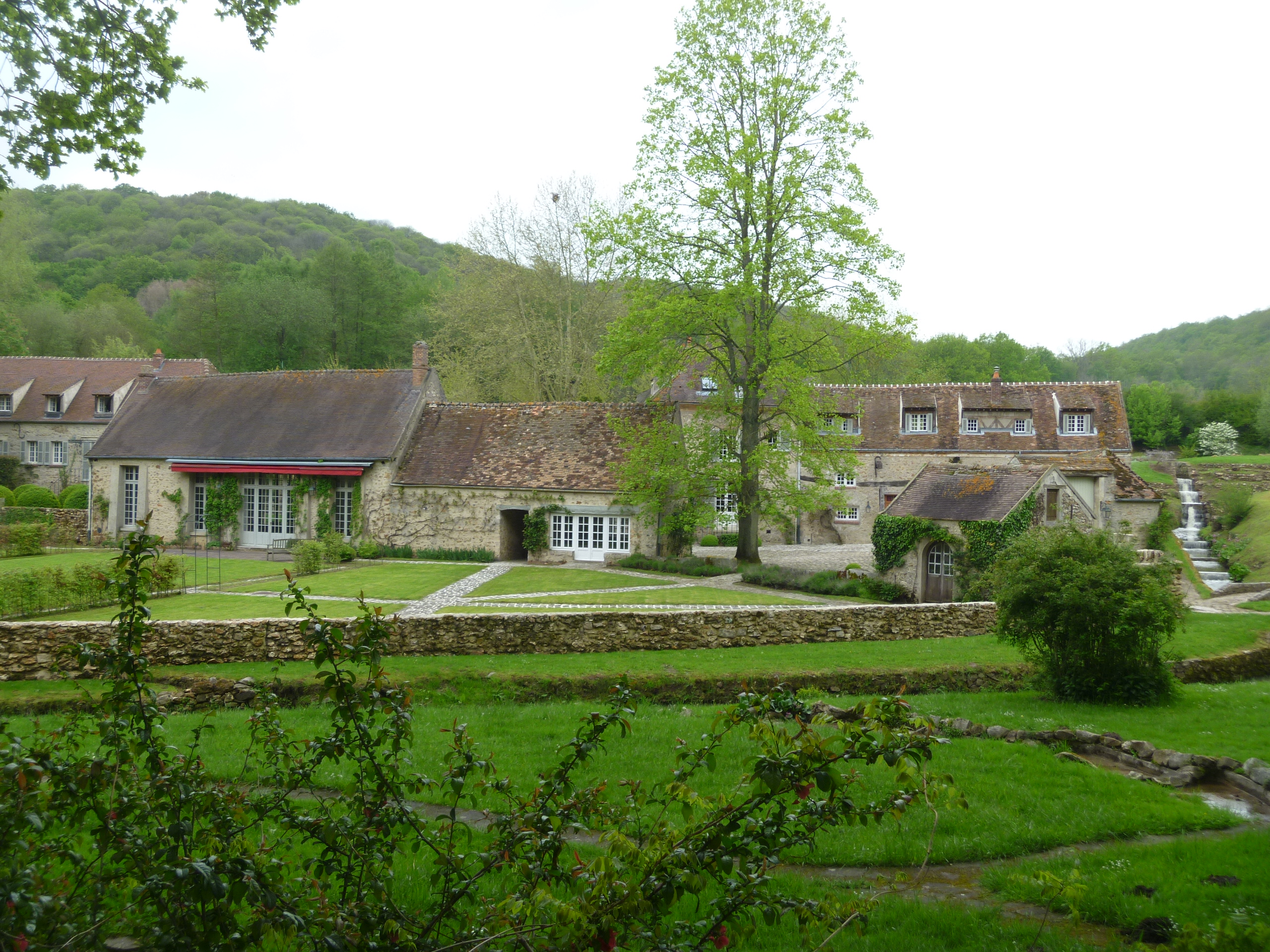
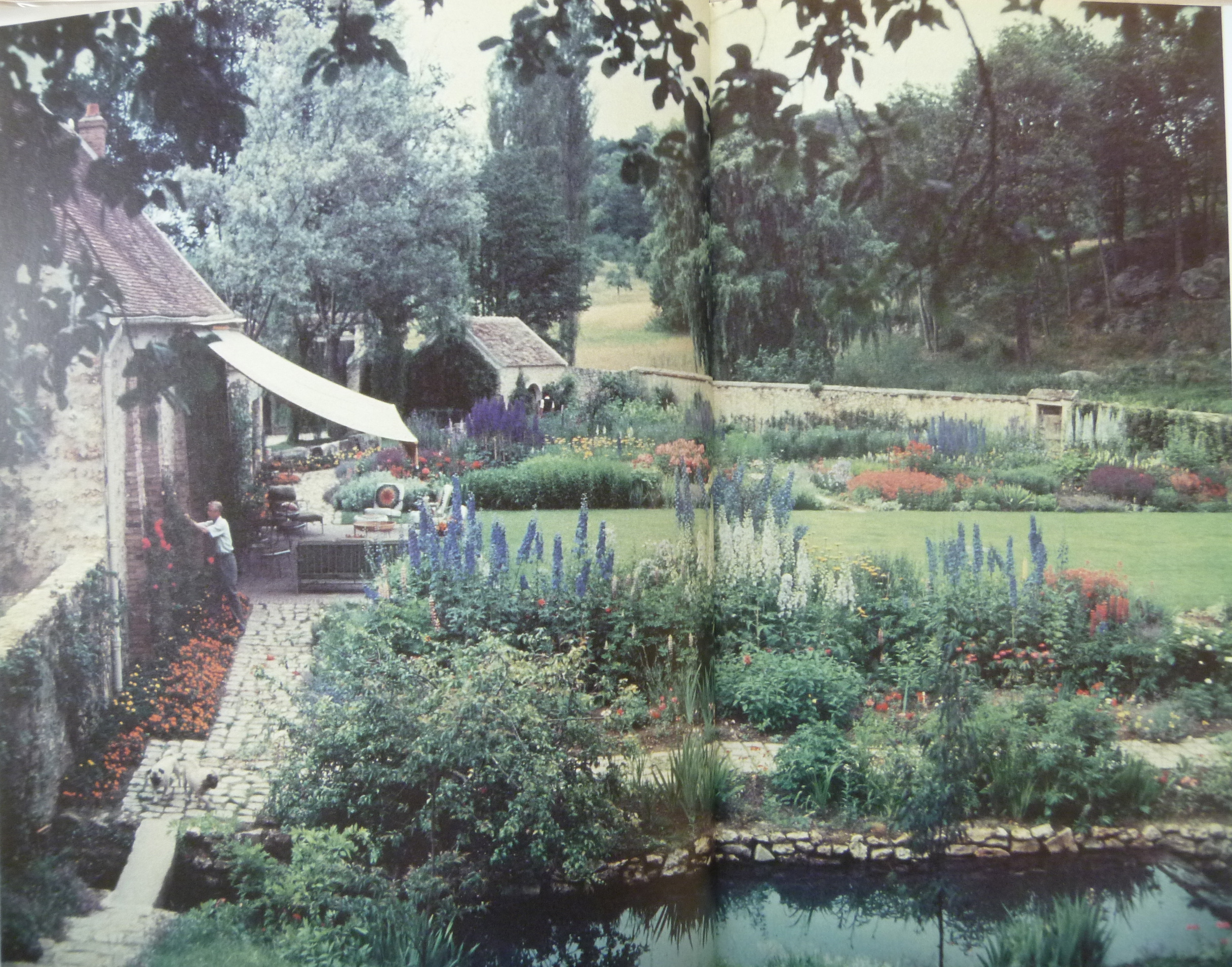
Looking at old pictures of the Mill I really do think that the Duke loved pottering in the garden. Russell Page, in his book, The Education of a Gardener makes several comments about the Duke’s choice of plants and about his keen interest in the garden in general.

Photo from The Windsor Style by Suzy Menkes.

The Garden at The Mill Today

“It was a lucky day for the Duke of Windsor, who loves stones as well as streams, when in his garden near Paris, he found the remains of an old quarry with enough stone to pave all the garden paths. We used them with fairly wide mortared joints in the enclosed garden, and spaced more widely and with grass between, in the wilder parts outside the garden walls.” (Russell Page – The Education of a Gardener)

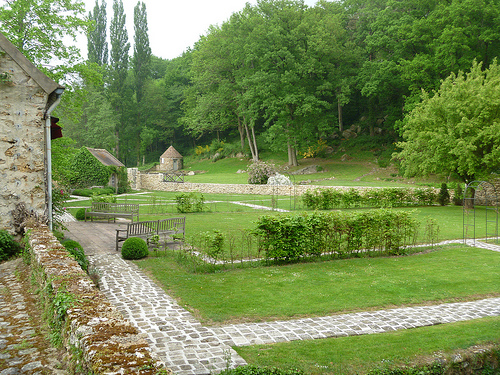
Both of my visits have been in May so very few flowers have been in bloom and the garden is generally tidier and less fussy than in the Windsor’s day.

The Grounds

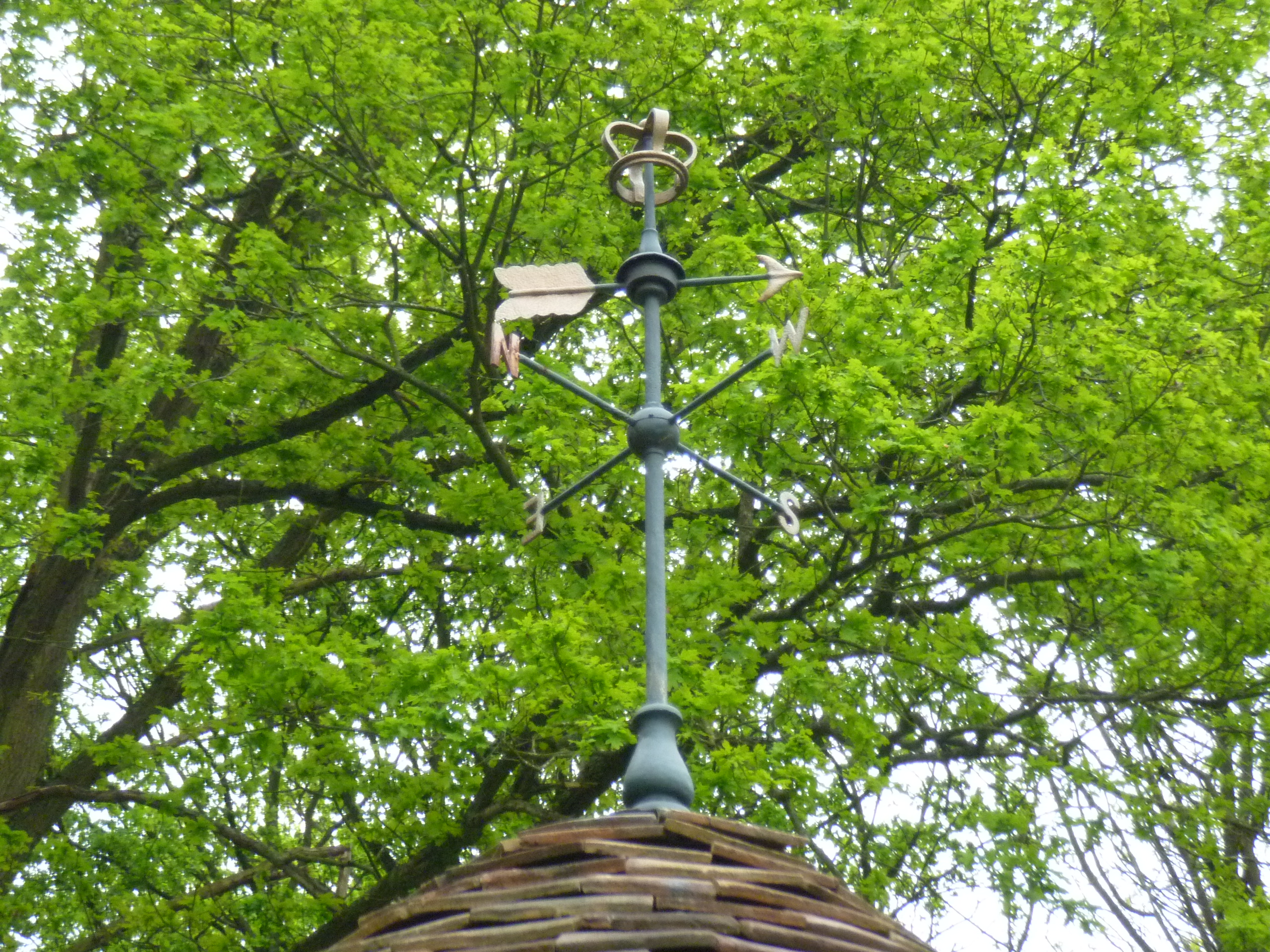
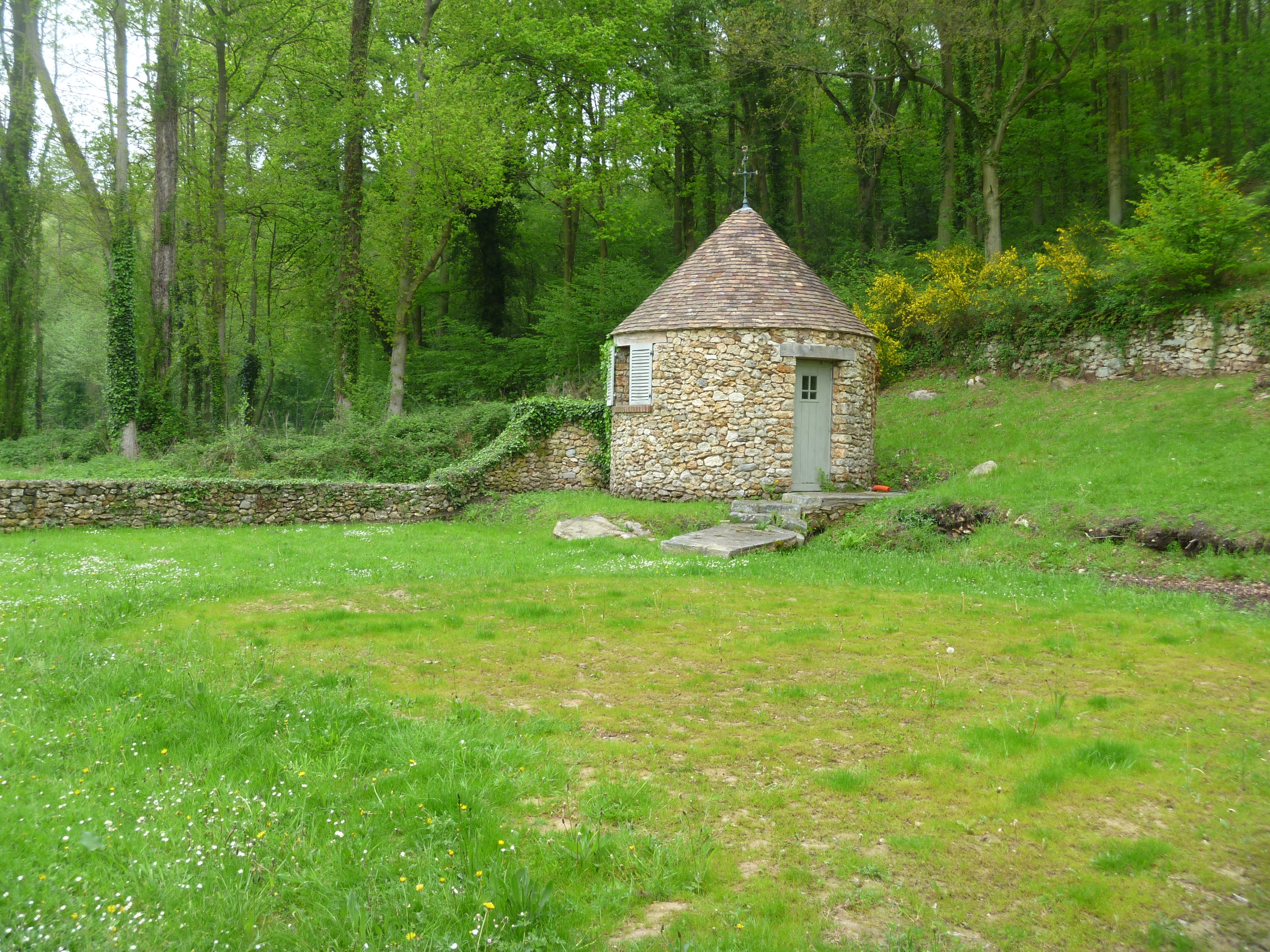
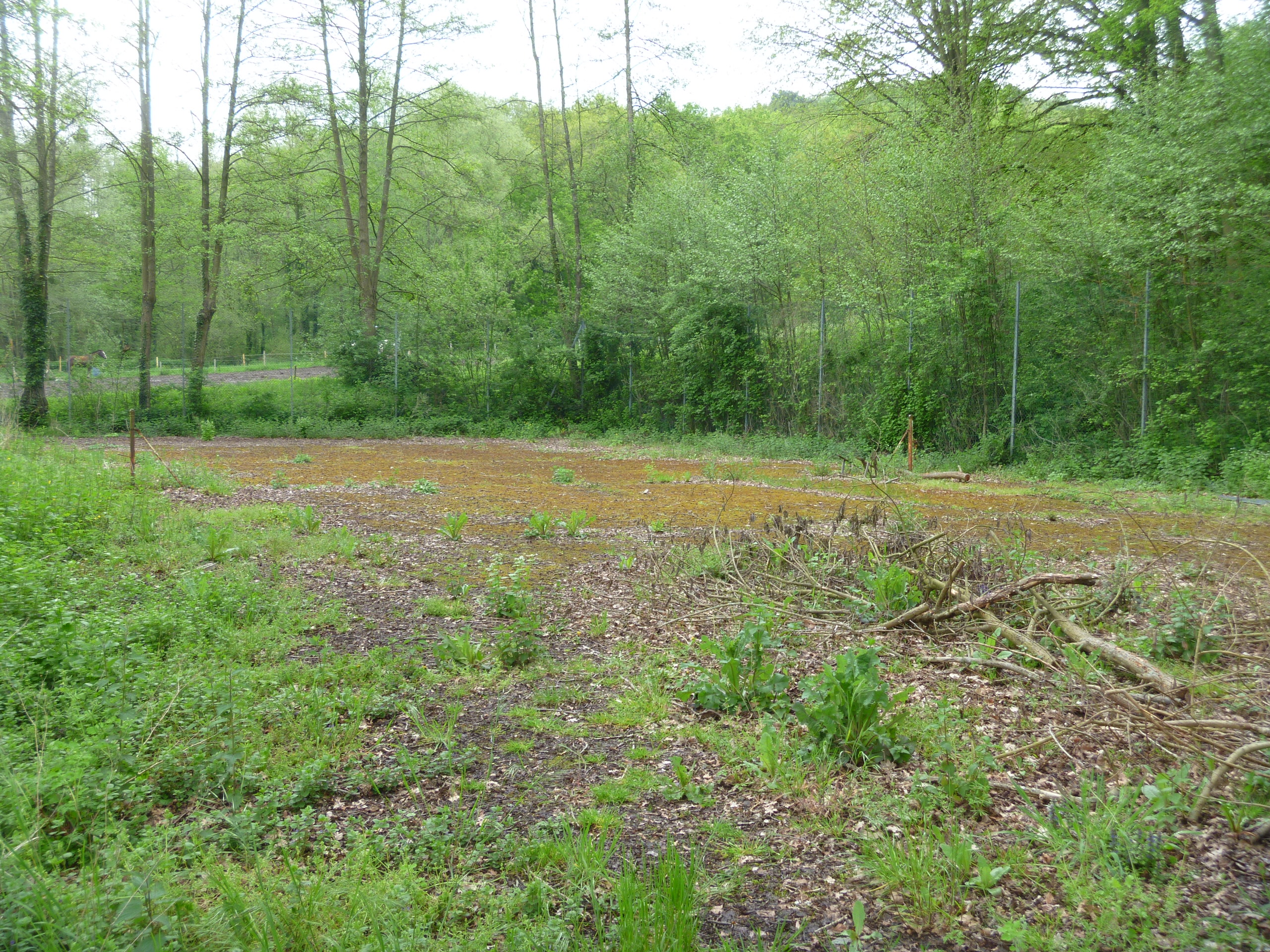
When the Duke and Duchess of Windsor lived here at the weekends and entertained their guests the grounds contained a swimming pool and a tennis court. Today these are overgrown and have all but disappeared. The pool was filled in but standing by it and still topped by a weather vane complete with coronet is a little round changing hut.

Photo from The Windsor Style by Suzy Menkes.

The garden at The Mill today

The tennis court today

The Pugs

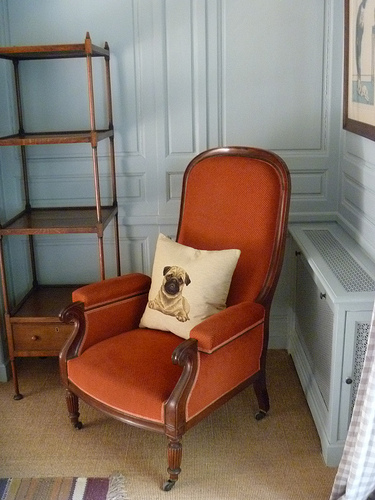
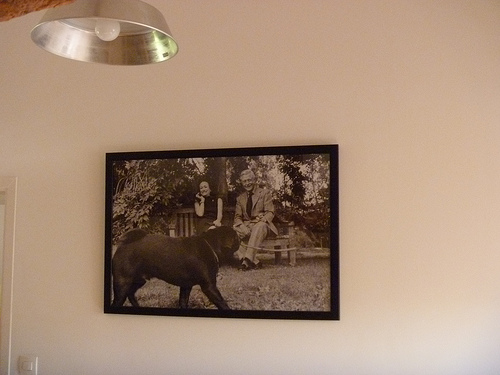
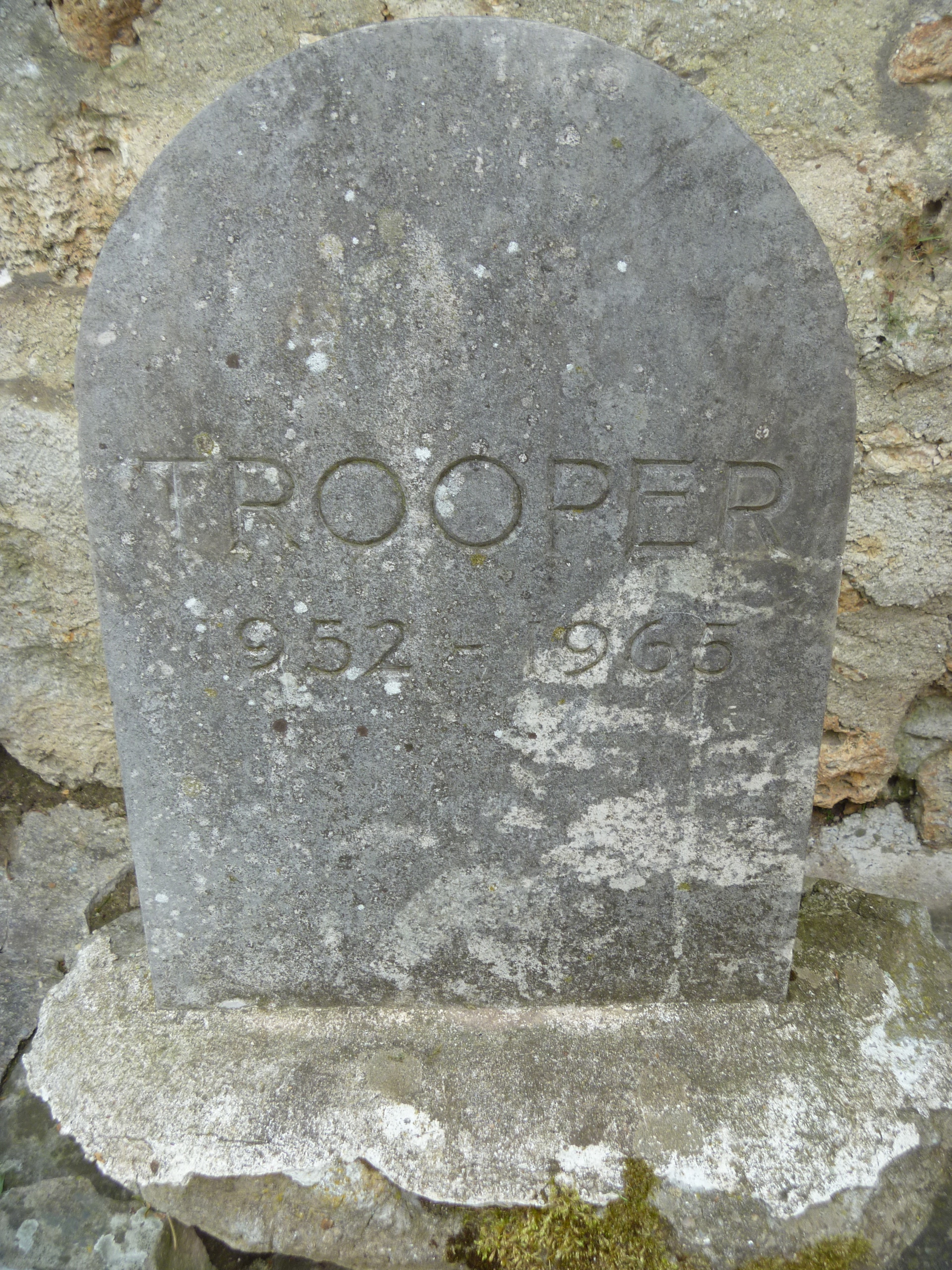
Evidence of the Duke and Duchess’s love for their pet pugs can be seen everywhere at The Mill. In the pictures hanging in each property, in the books in each library, on the cushions and by the fact that little individual tombstones were made for each pug that passed away and was buried in the Mill grounds.

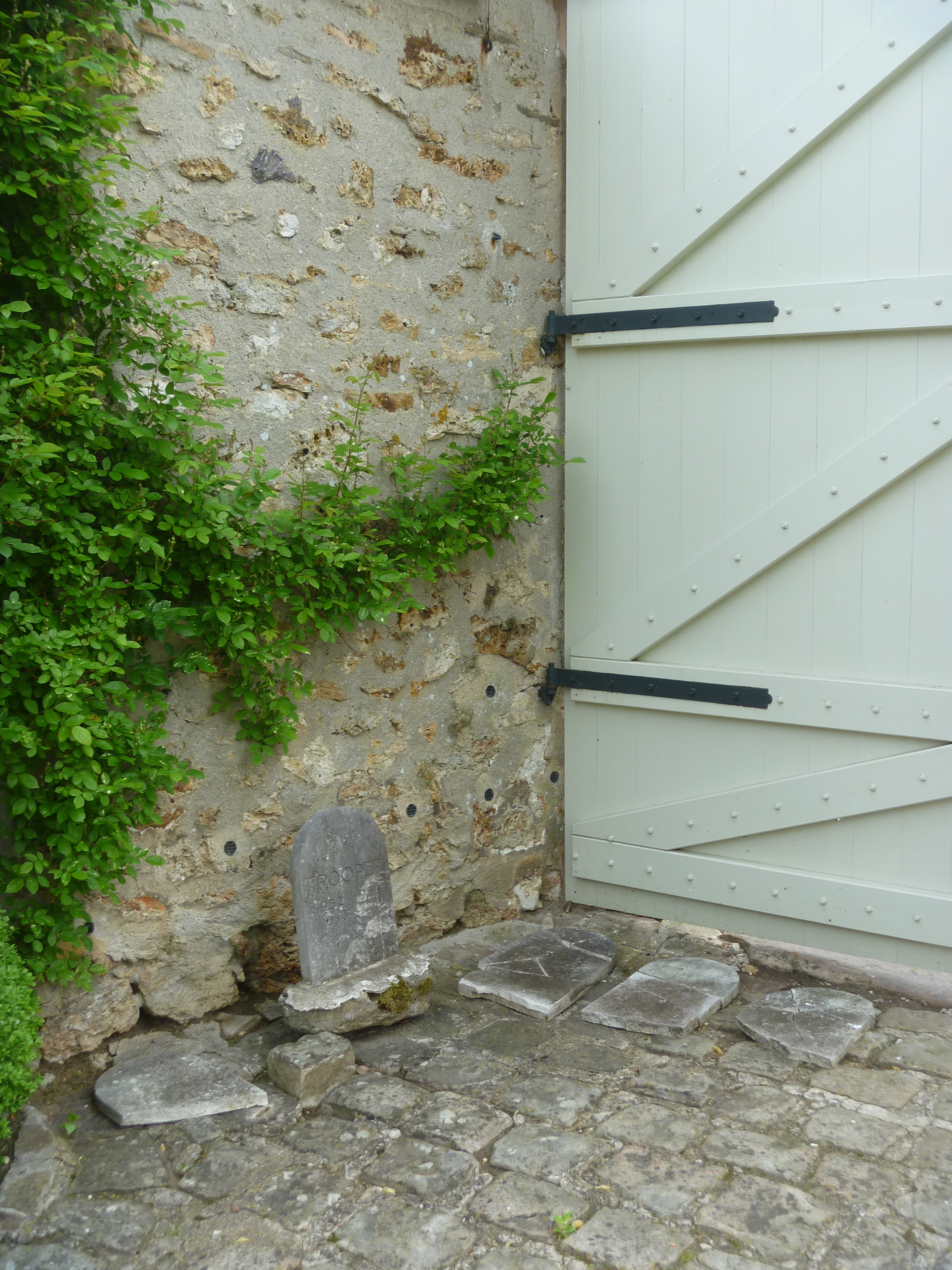
The stones have been moved and now lie or stand near one of the garden gates.

 Trooper – 1952-1965 RIP

Pug Headstones

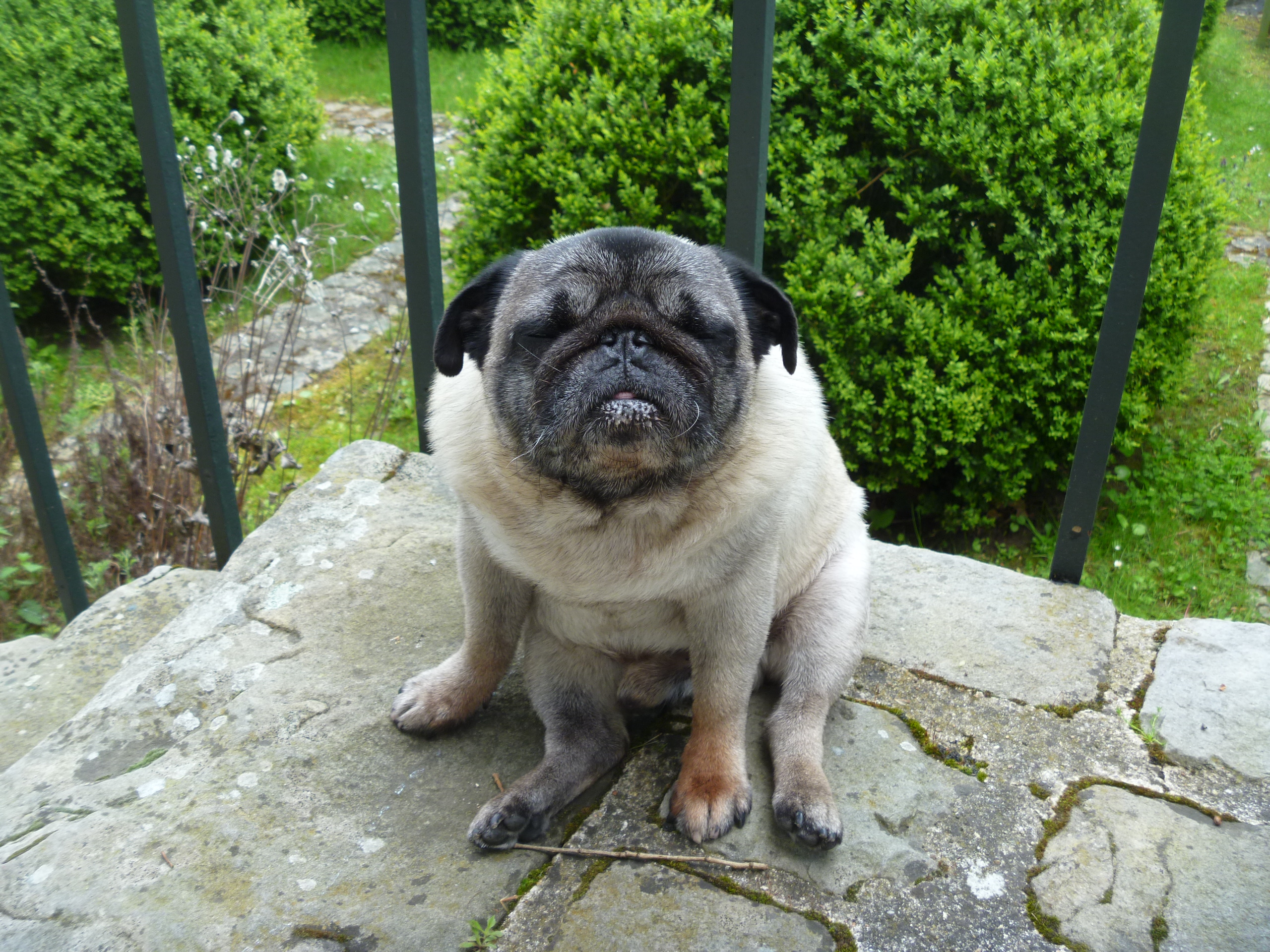
Of course, as our own contribution to try to bring Le Moulin back to its former glory we brought our very own pug Alfie to stay. He found that he had a taste for the Royal life and did not want to get back in the car to come home!

“Seriously Wacky and Occasionally Mad” – The New Arcadian Journal

I first came across Patrick Eyres and The New Arcadian Journal a few years ago when I was studying the Open University Course “Heritage, Whose Heritage?”. There was a chapter in the book Sculpture and the Garden which is edited by Eyres that particularly interested me.

Then last week at the Leeds Library I noticed an advertisement for a talk at the Henry Moore Institute in Leeds :

“Drawings and proofs for the New Arcadian Journal: “The

Blackamoor” Wednesday 7th March 2012

An evening with Dr Patrick Eyres at the Henry Moore Institute Wednesday 7th March

18.30-20.00

Drawings and proofs for the New Arcadian Journal: “The Blackamoor”.

An evening with Dr Patrick Eyres at the Henry Moore Institute.  Enjoy a glass of wine, a powerpoint talk, see the display, talk with the illustrators and look at the Institute’s Library.

This event is £5.00 a head – numbers are limited to thirty.  Please book your place with payment at the Leeds Library.  Contact us for more information.”

I bought my ticket and then by happy chance came across this article in Saturday’s Yorkshire Post : Jottings from the Journal.

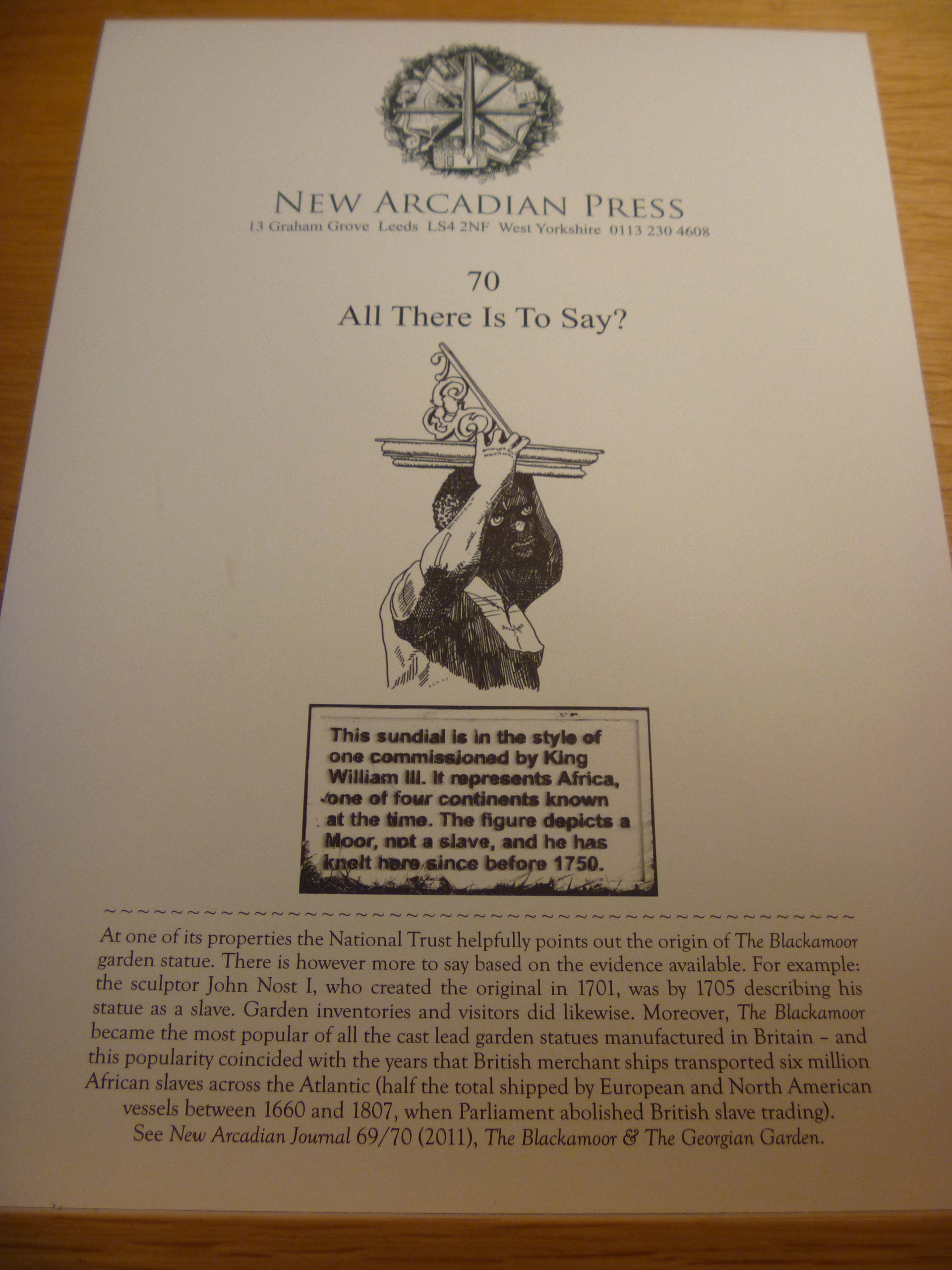
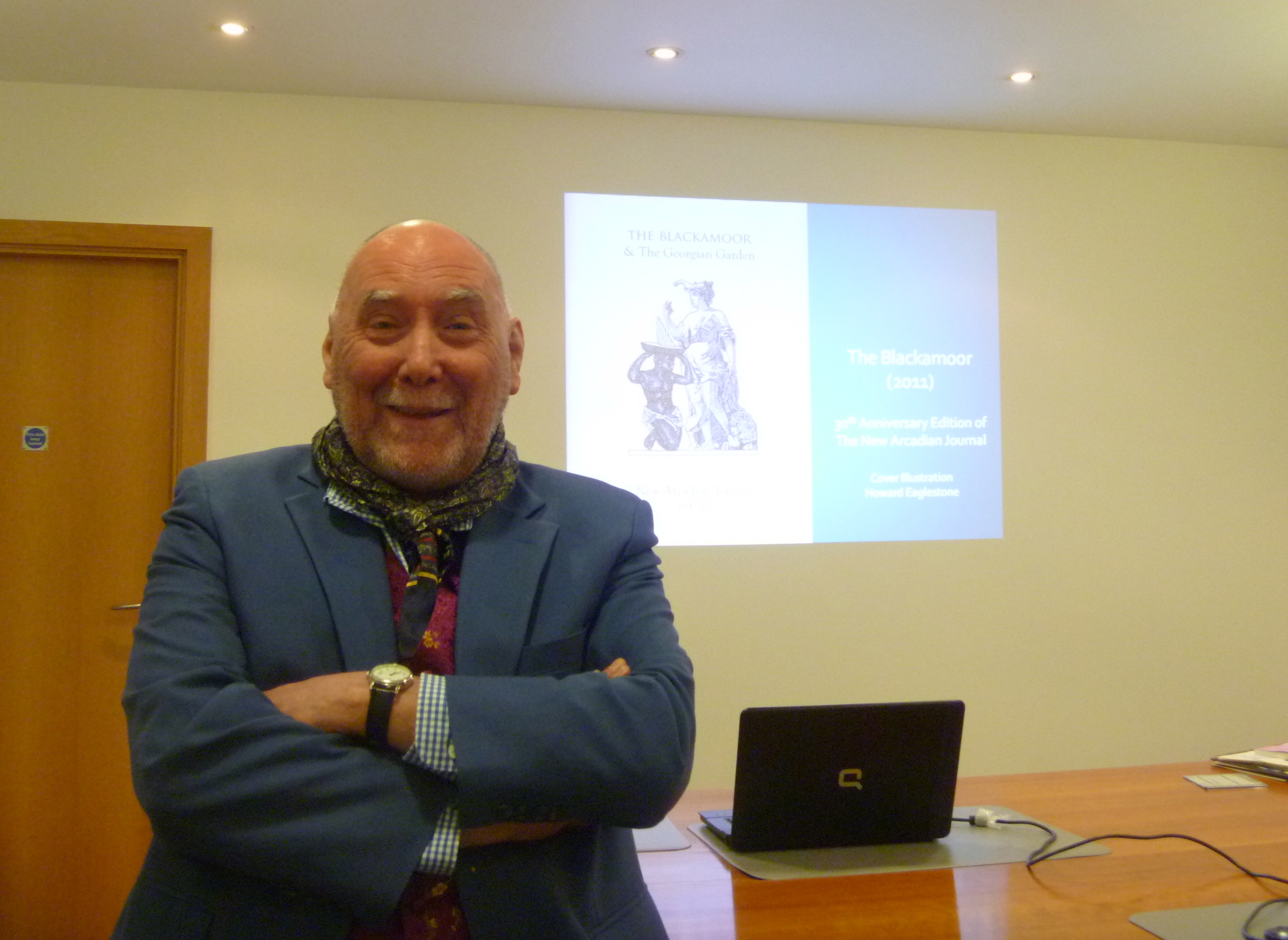
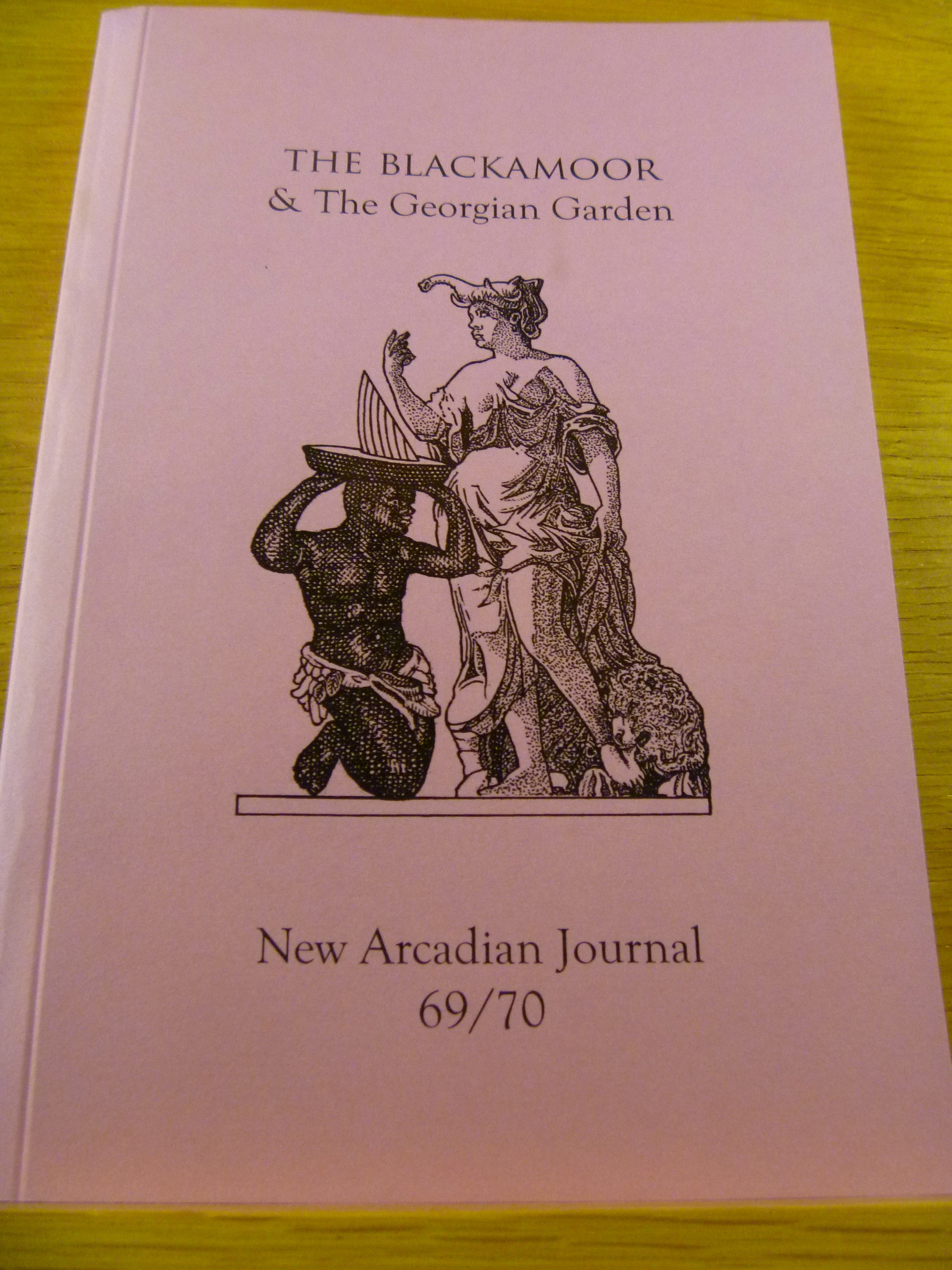
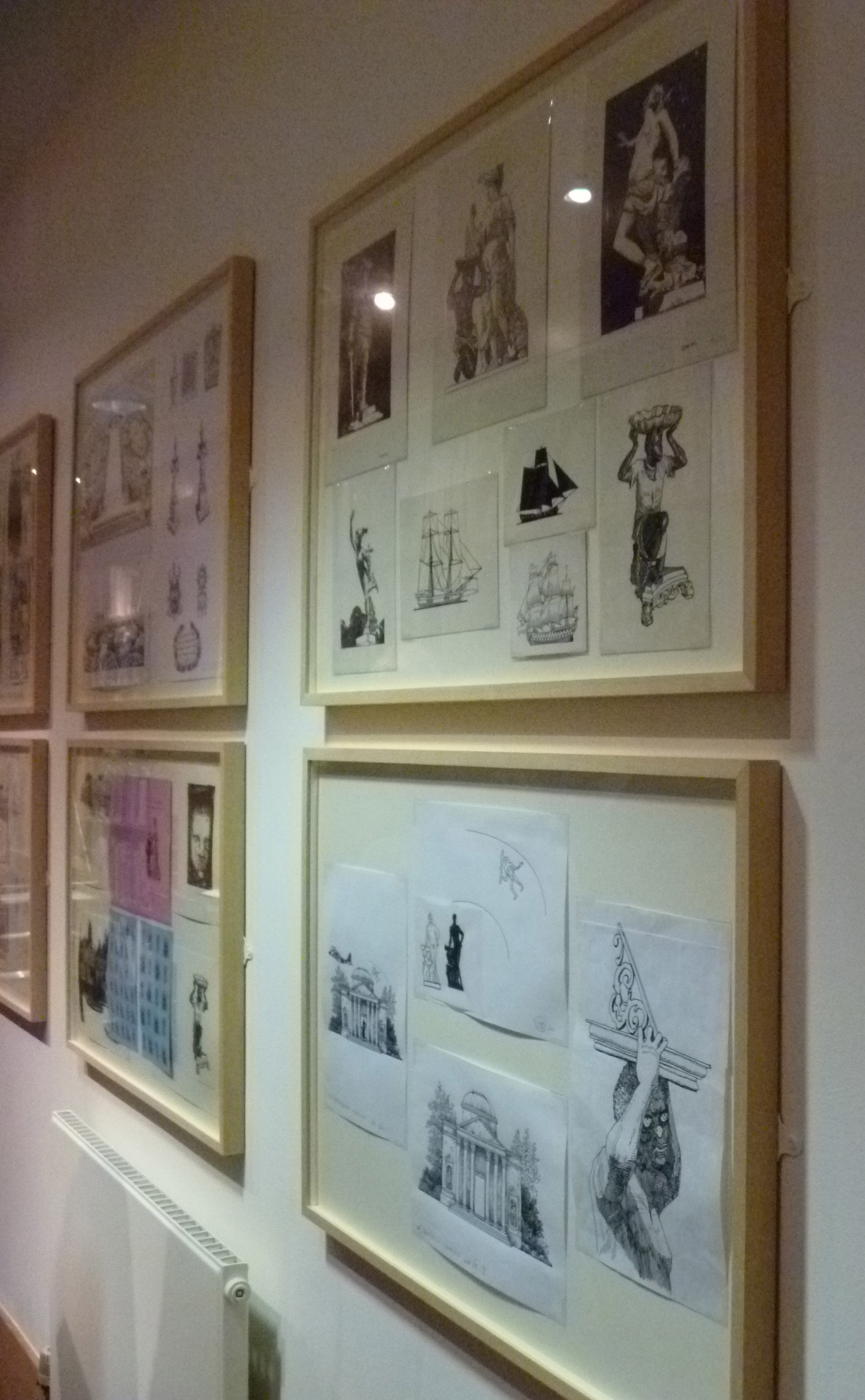
Dr Eyres’ entertaining talk celebrating thirty years of the New Arcadian Journal centred on the latest issue entitled “The Blackamoor and the Georgian Garden”. The Blackamoor was the most popular of all lead statues made in Britain during the 18th century which, by coincidence, was the height of British dominance in the African slave trade. Probably very many of the statues were destroyed or melted down following the abolition of slavery and in more enlightened times. Dr Eyres has tracked down 20 including 2 in the Privy Garden at Hampton Court Palace, one in Lincoln’s Inn in London, another at Melbourne Hall in Derbyshire and another supporting a sundial at Wentworth Castle in South Yorkshire which is currently under restoration and the topic of interpretation work. The talk was illustrated with photos of the various statues and reproductions of the beautiful drawings and prints (the work of artists Catherine Aldred and Howard Eaglestone who were also present this evening). It seems that the Blackamoor (African) along with the North American Red Indian were used to symbolise their continents of origin. There were emblems for Europe and Asia as well. These were also illustrated in the popular 16th and 17th century Books of Emblems.

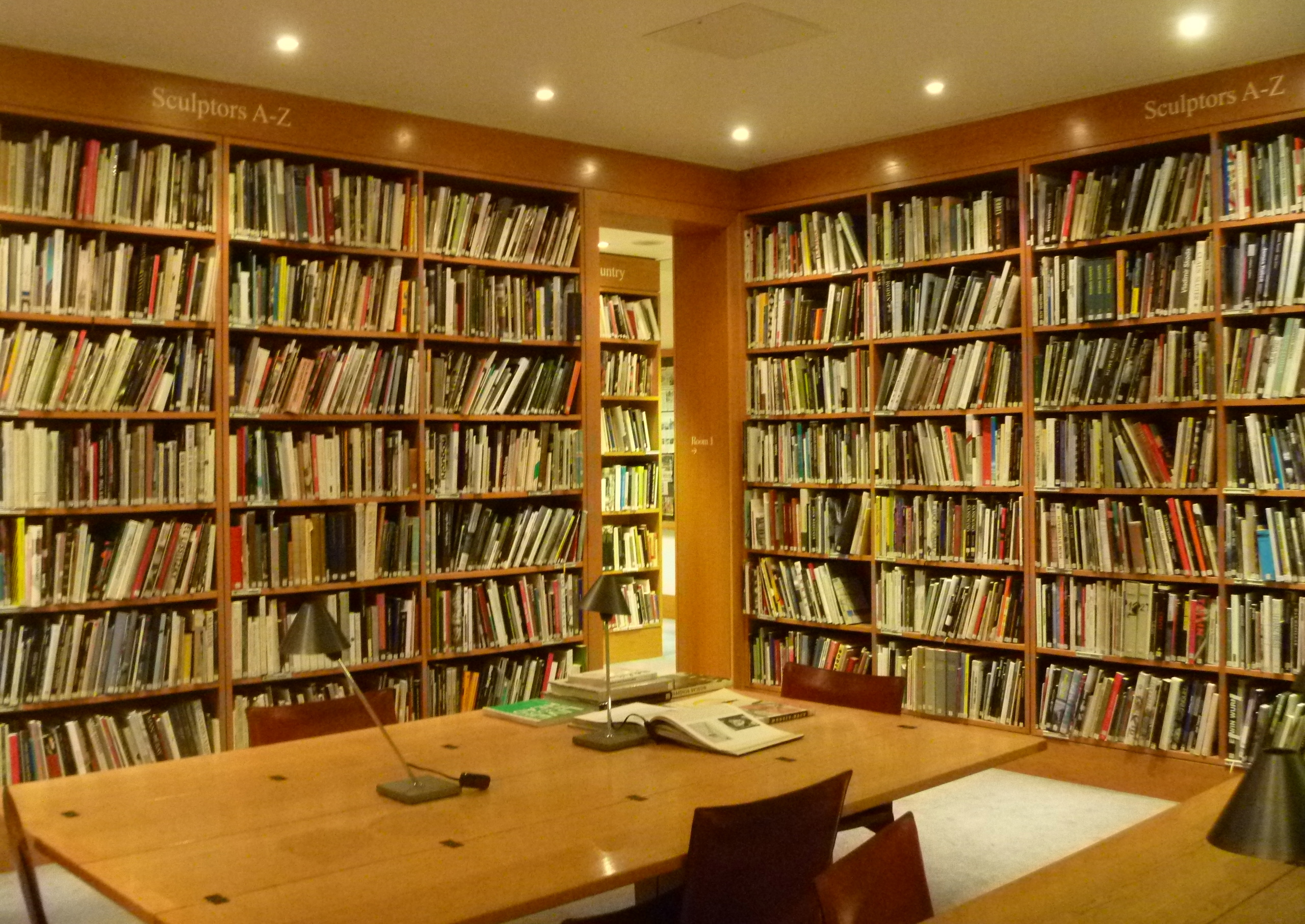
After the talk we were shown the small exhibition in the Henry Moore Library where examples of drawings and copies of the Journal itself were displayed.

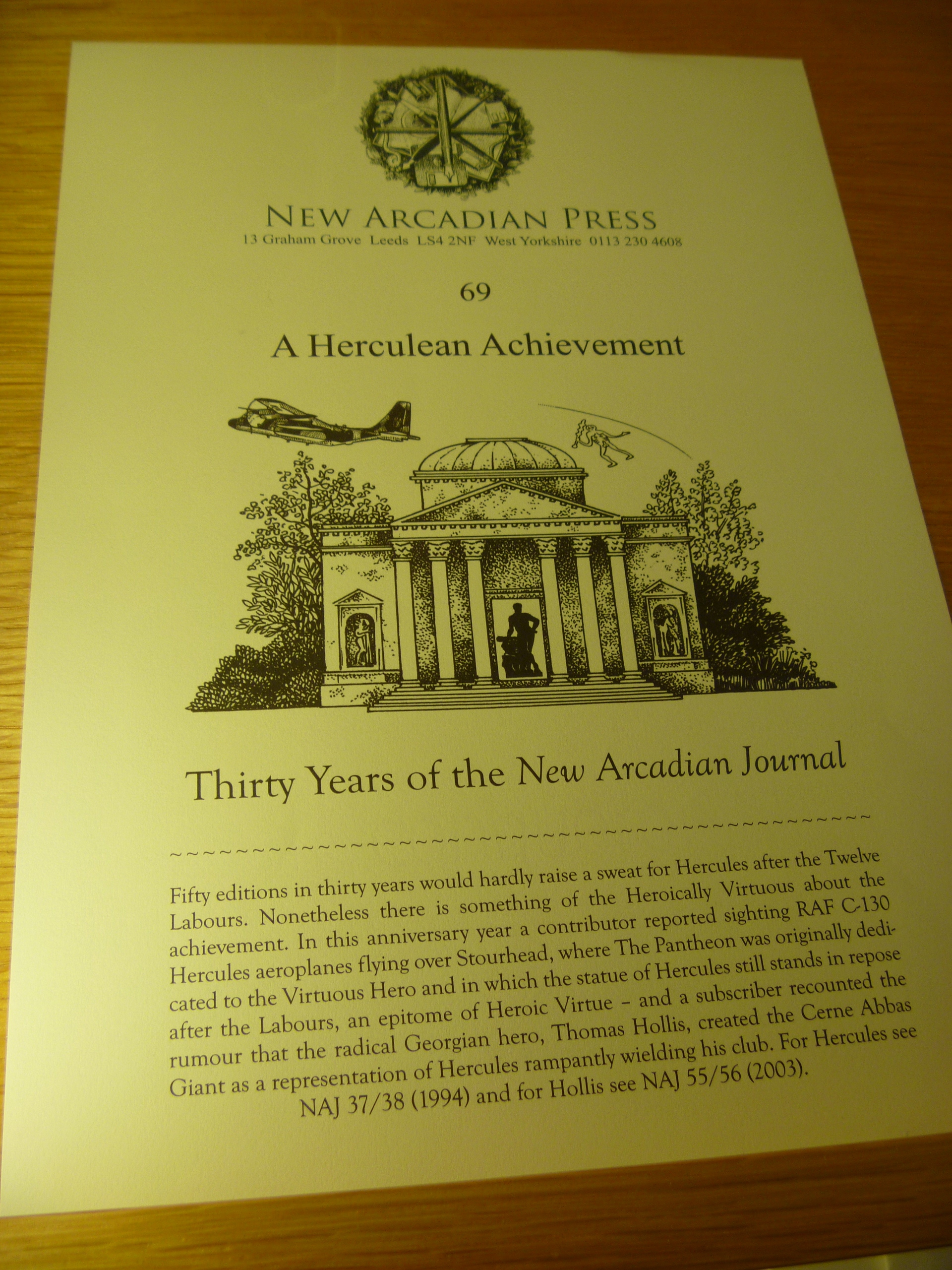
Catherine and Howard spoke briefly about their own work which as you can see is exquisite. Howard’s pictures also display humour as you can see from the above examples.

The Snowy Hills of Kent: Toys Hill, Ide Hill and The Octavia Hill Centenary Trail

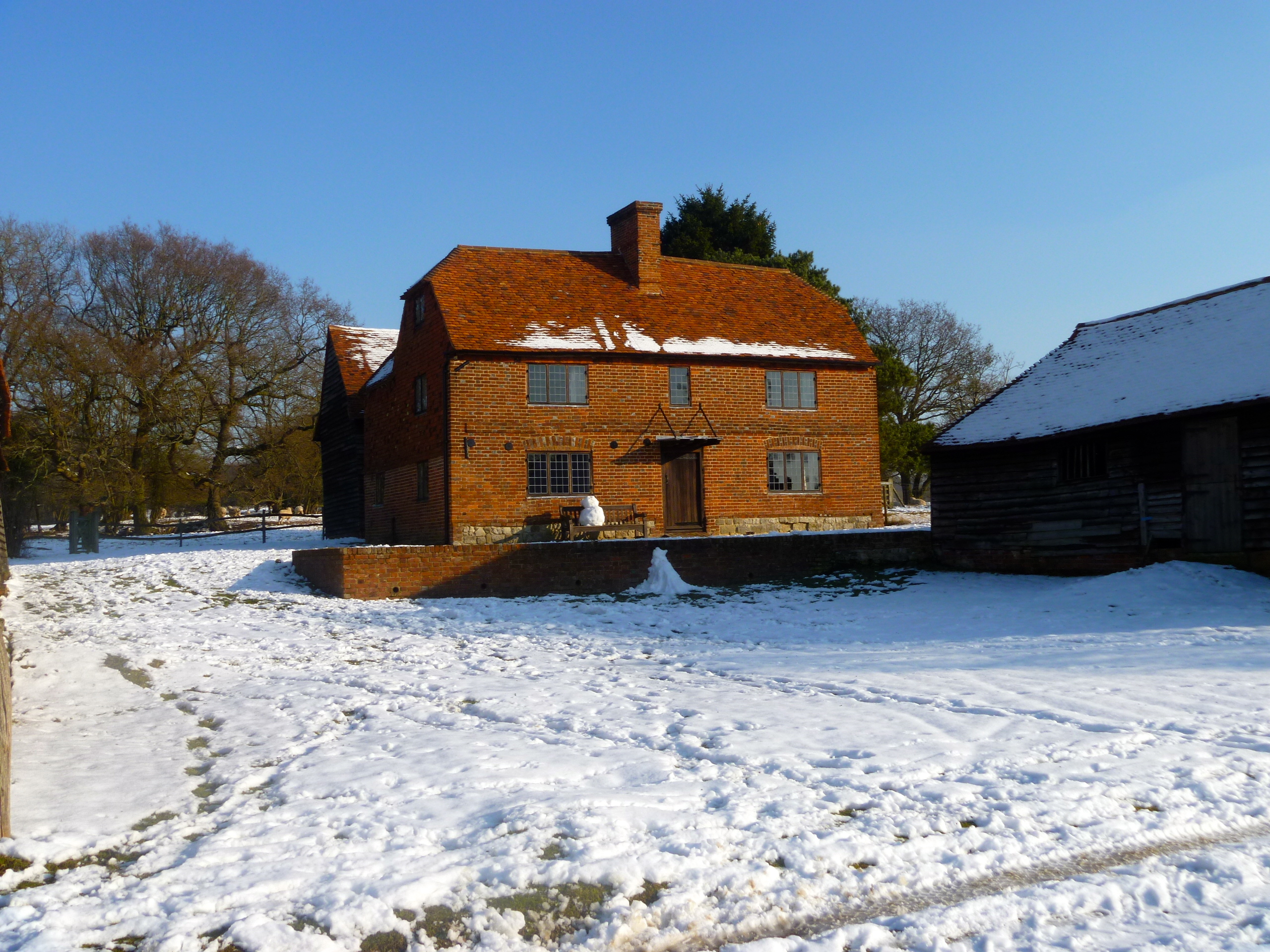
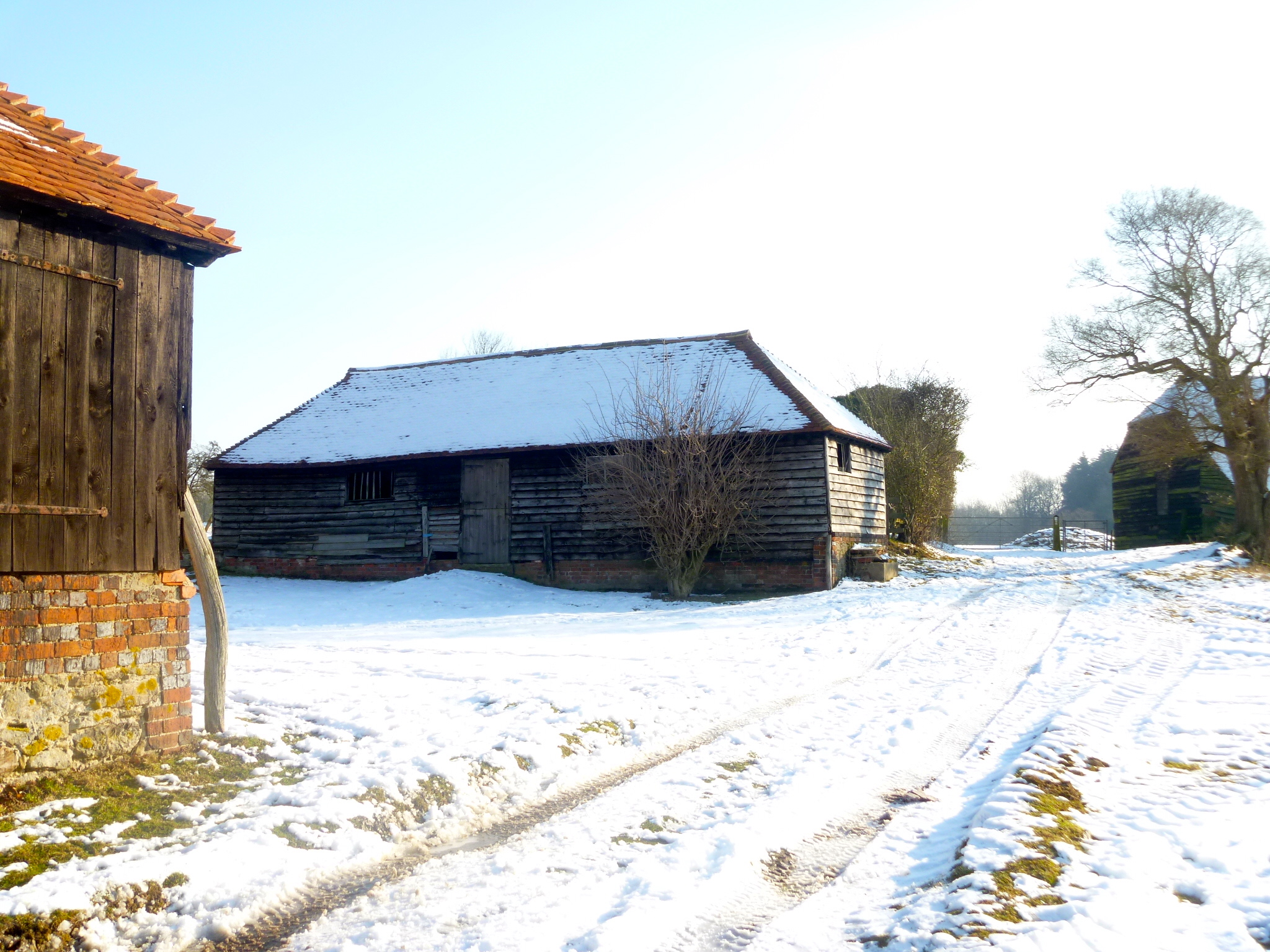
I was staying in very snowy Kent last week. Temperatures were around or below freezing but that didn’t prevent me and my sister enjoying some decent tramps around the countryside directly from the back door of our Landmark – Obriss Farm.

On the Tuesday, the first day’s walking, we very soon came across The Octavia Hill Centenary Trail (OHCT) signs and it seemed that this trail coincided very closely with the walking route that we had picked out from the mass of public footpaths and bridleways criss-crossing the local fields and woodlands.

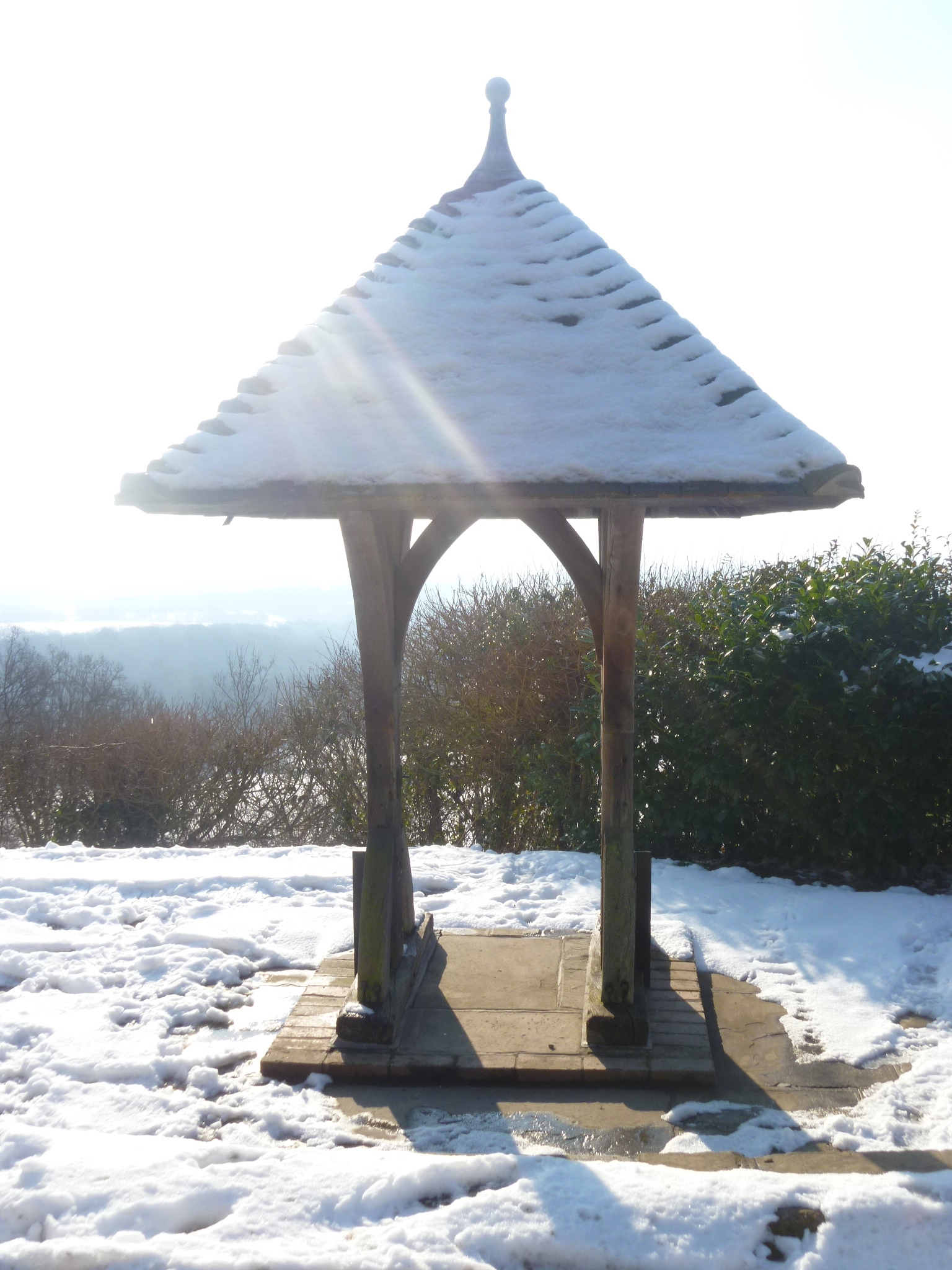
We began our walk that day by tramping over snow covered fields behind the farm to Toys Hill hamlet where the Octavia Hill Memorial Well (restored in 1999 in her honour by The National Trust of which she was a founder) marks the start of both the East and the West trails.

The Octavia Hill Memorial Well in Toys Hill hamlet

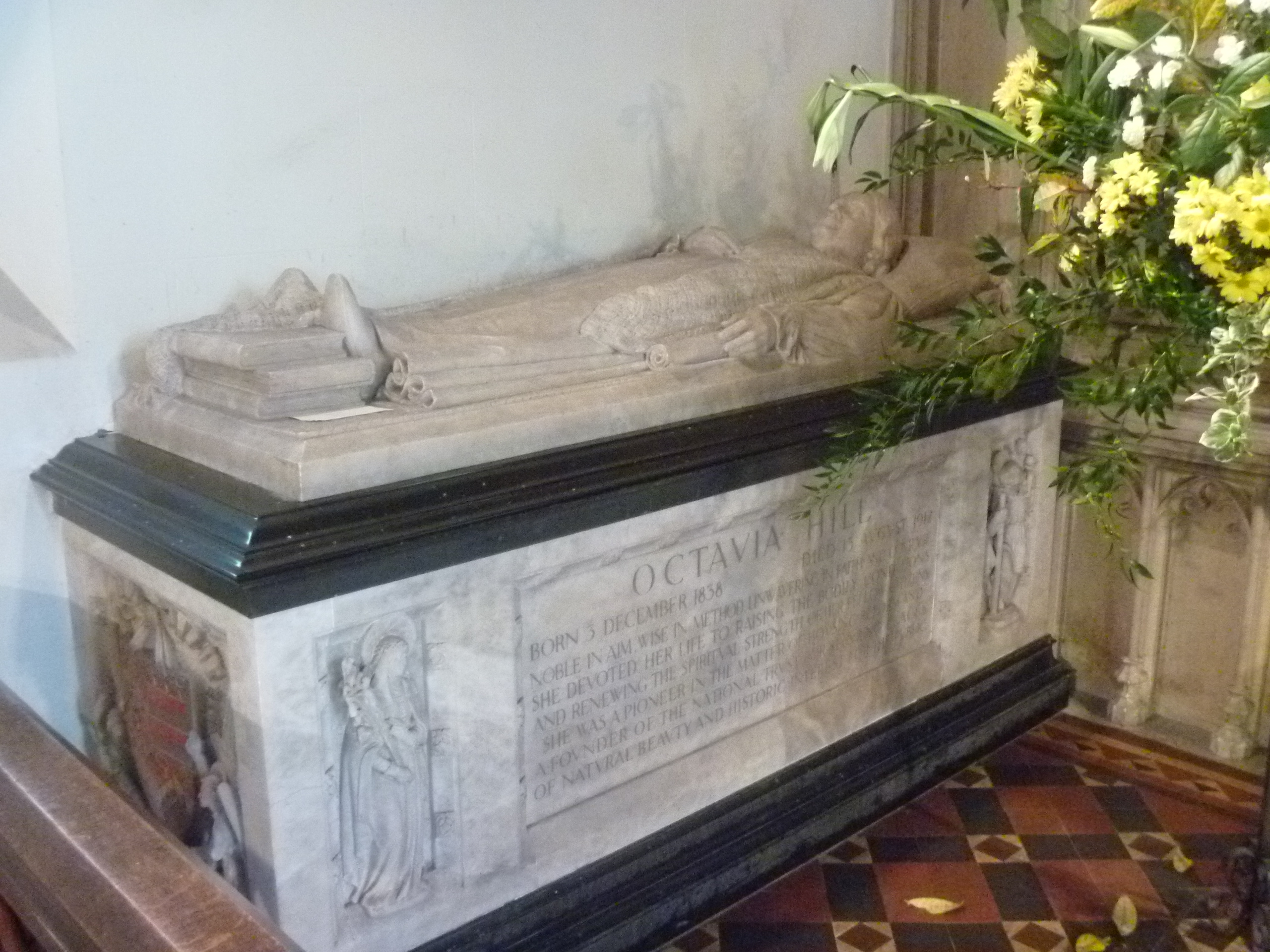
The path passes through the grounds of Chartwell (but sadly with no view of the house itself at this point) to the church and graveyard at Crockham Hill where Miss Hill is buried in the churchyard and where there is a Memorial to her in the chancel lying next to the altar.

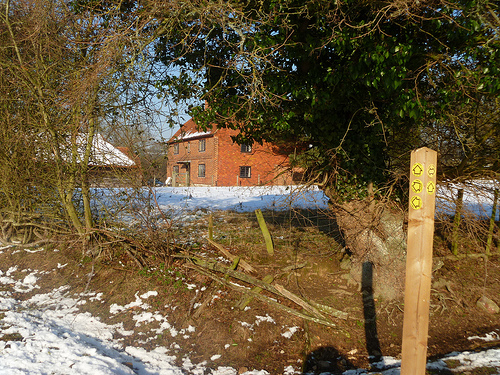
The Royal Oak in Crockham serves decent bar snacks (and full lunches) and our circular walk finished a couple of miles later at the private track leading back to Obriss Farm. Obriss Farm doesn’t feature on the OHCT but it is only about half a mile or so from the start of the Trails at the well in Toys Hill hamlet.
To hear more about this walk click here to listen to Clare Balding on Ramblings on BBC Radio 4 undertaking the walk and which we listened to on our return from the second OHCT walk on the Thursday!

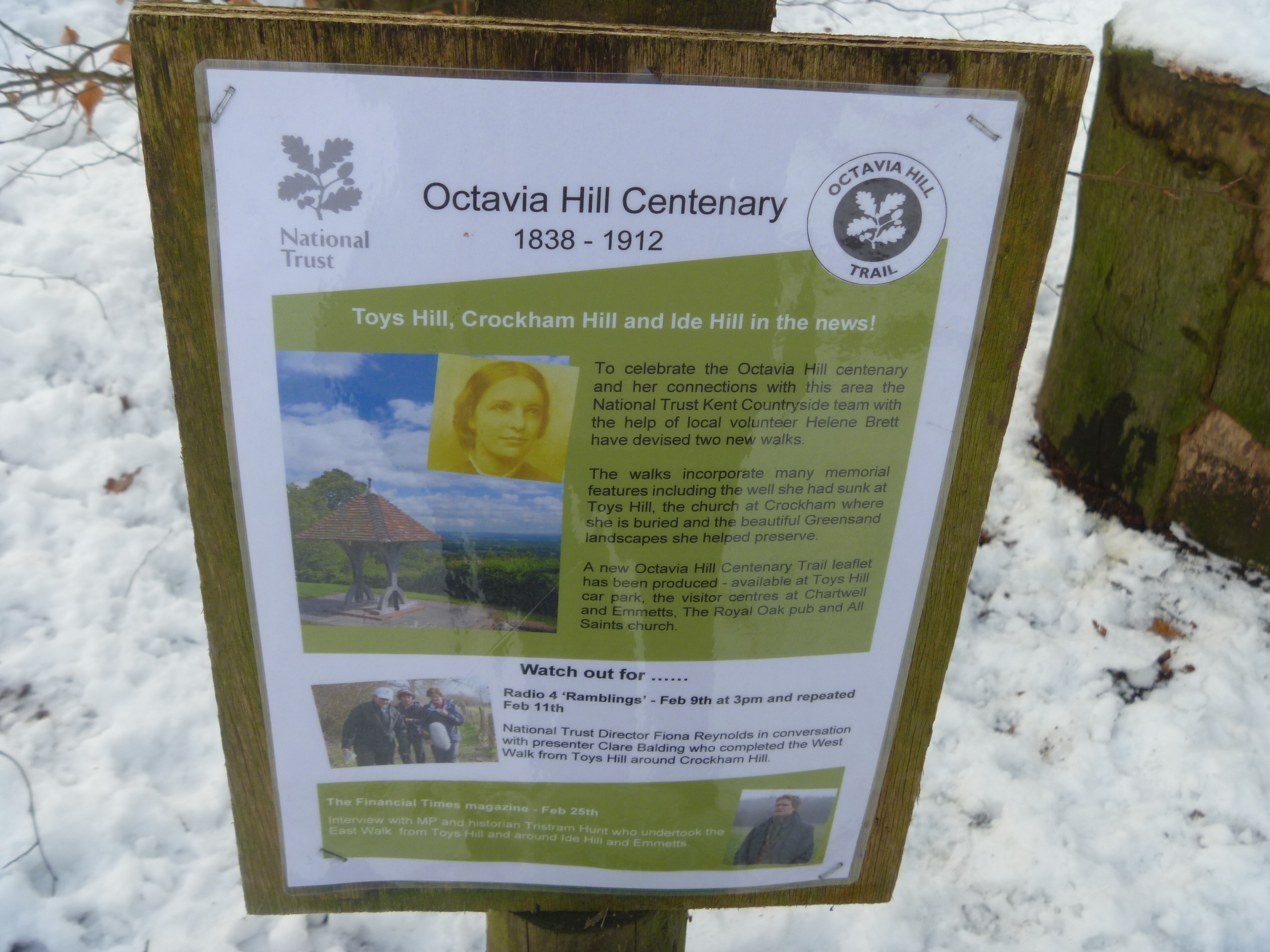
At The Royal Oak we also picked up a copy of the leaflet that outlines the two routes of the Trail which has been inaugurated as a commemoration of the centenary of the death of Octavia Hill in 1912. Our trail on Tuesday had more or less followed Walk 2 – the West Walk.

We’ve been interested in Octavia Hill for some years now via an initial interest in Beatrix Potter and visits to her (BP’s) Lake District home (Hill Top), farm and gallery and an exhibition of her work on display at The Dulwich Art Gallery back in 2006.

In August 2006 we visited Octavia Hill’s Birthplace Museum in Wisbech and came across the results of her philanthropic efforts in Marylebone on one of those London Walks : Saturday Afternoon’s Old Marylebone Walk

On Thursday we decided to do the East Walk from Toys Hill which included more hills and steep ascents than we had expected to find in Kent!

A choice of footpaths at Obriss Farm

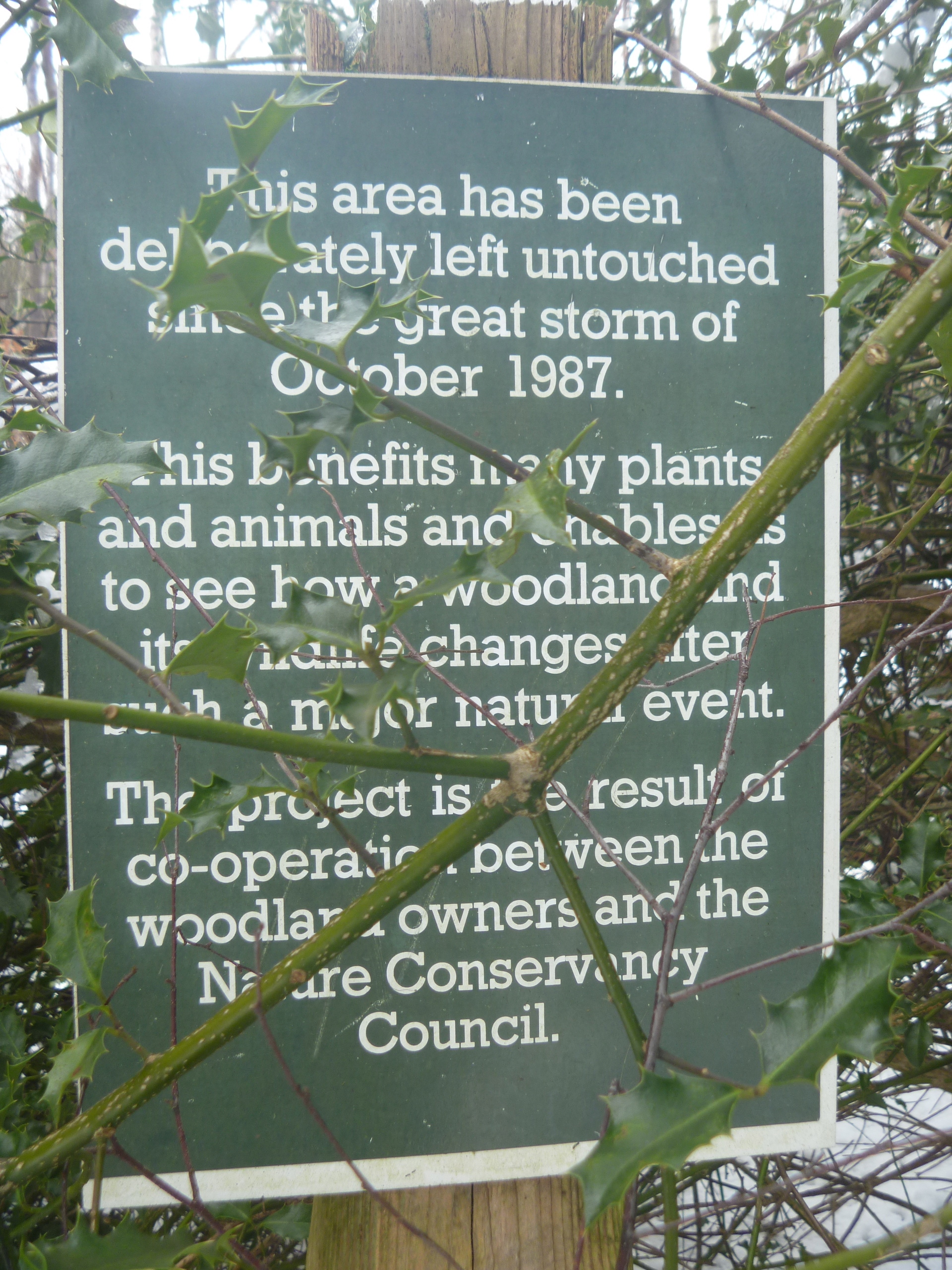
From Toys Hill hamlet we followed the path to the village of Ide Hill via the Octavia Hill stone memorial seat and from thence to Emmetts Gardens, Scords Wood and the (yes, you guessed) Octavia Hill Woodland. We were shocked to notice so many fallen trees just lying around the woods and then we saw a sign that explained what this was all about :

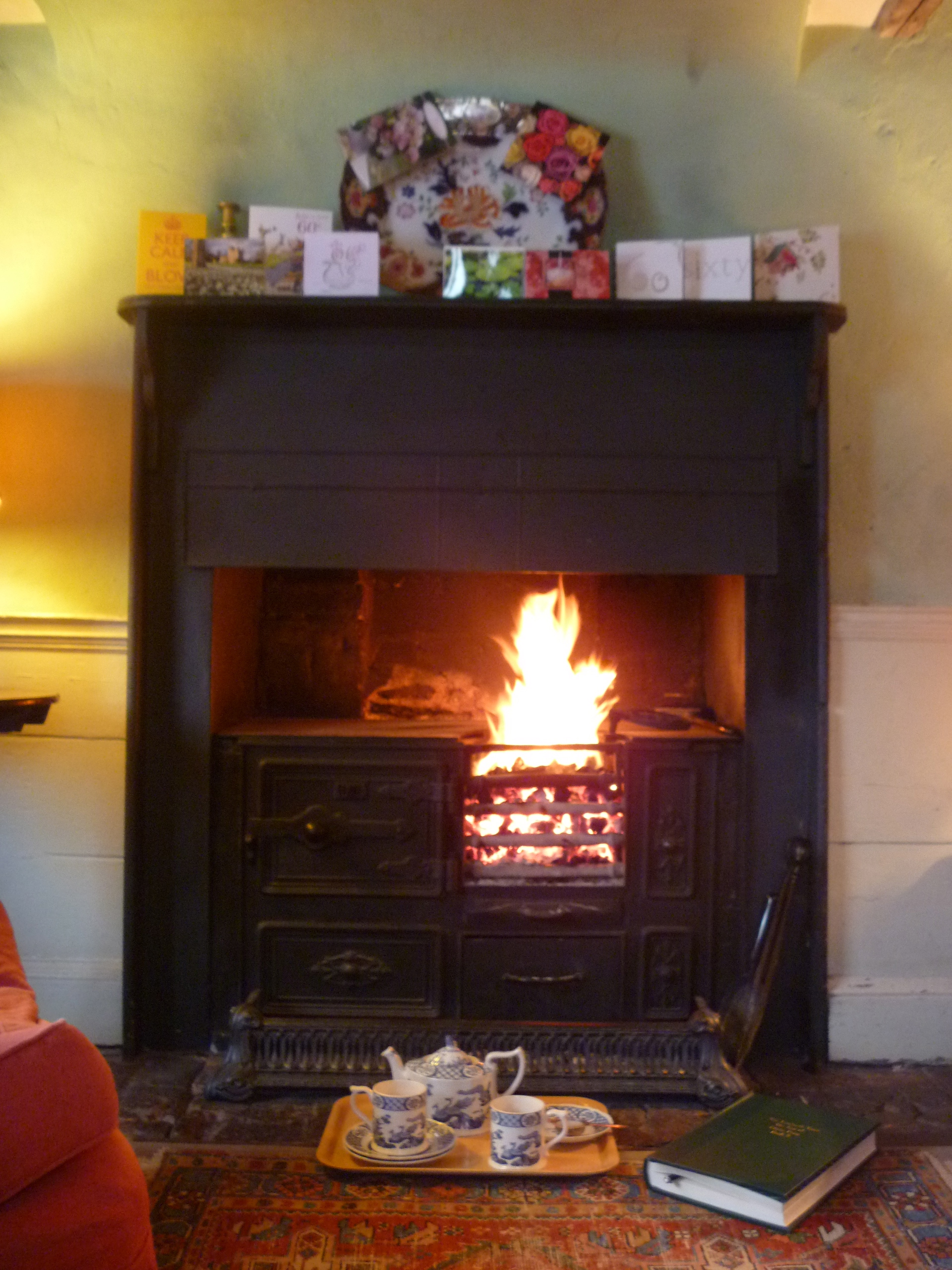
After several uphill climbs the path finally downhill to Toys Wood village and our track back to the farm and the cosy parlour with its open fire in the range.

A walk in the woods: a Ruin, follies and another Turner view

A Walk in the Woods‘ is one of my favourite walks in Yorkshire. I made three visits last year. The walk starts from Masham car park and initially follows the Ripon Rowel route alongside the River Ure. After about 3 miles you enter Hackfall Woods.

There’s a choice of walks through the woods and all of them include views of the river and follies. The first viewpoint is Limehouse Hill. At the top turn and look back to see the river and the spire of Masham Church from where you have just walked. I think you can just about spot it right in the middle of the picture.

The next view is pretty special. There’s a seat at Sandbed Hut and from this point William Mallord Turner painted his view of Hackfall. The painting itself forms part of the Wallace Collection in London. In the distance is Mowbray Castle a mock ruin thought to have been built for William Aislabie some time between 1750 and 1767.

John Aislabie of Studley Royal bought Hackfall in 1731 but it was his son William who set about transforming the woods into an ornamental landscape in 1749/1750 and this work continued until around 1767. The Hackfall website includes a potted history of the site and here’s a list of the features Aislablie created :

“1750 Fisher’s Hall was completed, inscribed on plaque above the door.

1751 The view from Limehouse Hill to Masham church was created by felling trees and digging a ditch.

1752 Work on the reservoir above the 40 foot Fails and ‘Alcoves in ye wood’.

1755 Kent’s Seat completed.

1755 Planting and work on a wooden stable at Hackfall it is thought near to Fishers Hall.

1756 Fountain Pond dug and Rustic Temple completed.

1766 Work started on the Banqueting House at Mowbray Point. The pond at the entrance to the Grewelthorpe Beck valley and wiers had been completed; Fisher’s Hall was used for entertaining guests; Nicholas Dall the landscape artist painted two views of Hackfall.
(1768 William Aislabie purchased Fountains Abbey ruins and set about incorporating the Abbey into Studley Royal gardens.)”

William died at Studley Royal in 1781.

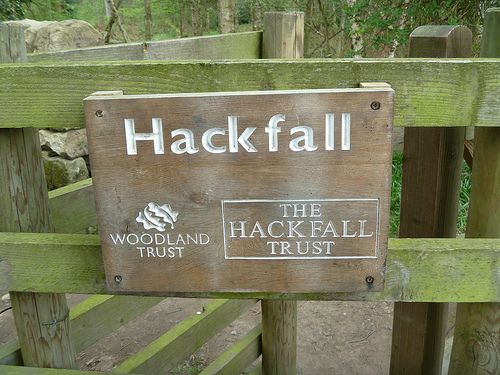
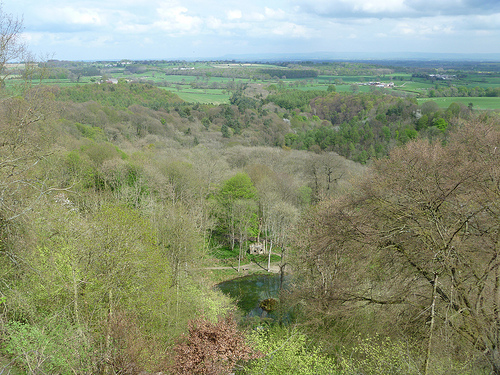
It’s good to see that the Hackfall Trust, founded in 1988, are restoring many of the paths and features. But they are not the only ‘Trust’ to be involved in preservation and conservation at Hackfall. The piece de resistance is the former Banqueting House mentioned above which is now owned by the Landmark Trust and let as holiday accommodation for two people. The public path out of Hackfall Woods (after a gentle climb) emerges onto the terrace of the Ruin (as it is now called) from where there’s a marvellous view over the wood and landscape beyond.

 View of Hackfall from the terrace at The Ruin
The Landmark Trust hold regular Open Days at some of their properties throughout the year and the Ruin is one that is regularly open one weekend each September :

The Ruin

Hackfall, North Yorkshire

Saturday 8 to Sunday 9 September 2012 10am to 4pm

As part of Heritage Open Days

This little pavilion is dramatically perched above a steep wooded gorge, in the remnants of an outstanding mid eighteenth-century garden at Hackfall, conceived and created by the Aislabies.

The walk then leaves this fascinating area of woodland and continues through Oak Bank, Nutwith Common (sounds like somewhere out of a Rupert Bear story!), along Roomer Lane and with a glance at Swinton Park the last section of the walk is along the quiet roadside between the Park and Masham.

Swinton Castle, near Masham, now a posh hotel, was bought in 1882 by Samuel Cunliffe-Lister born at Calverley Old Hall (another Landmark Trust property) and later owner of Lister’s Mill (also known as Manningham Mill) in Heaton, Bradford.

If you’ve time there are some good tea shops and pubs for refreshments in Masham and I recommend The White Bear Hotel where, if the weather is fine, as it was for me, you can have tea or something stronger on their terrace outside.

Jerusalem, Alabaster Heads and The Heart of Trees in Yorkshire

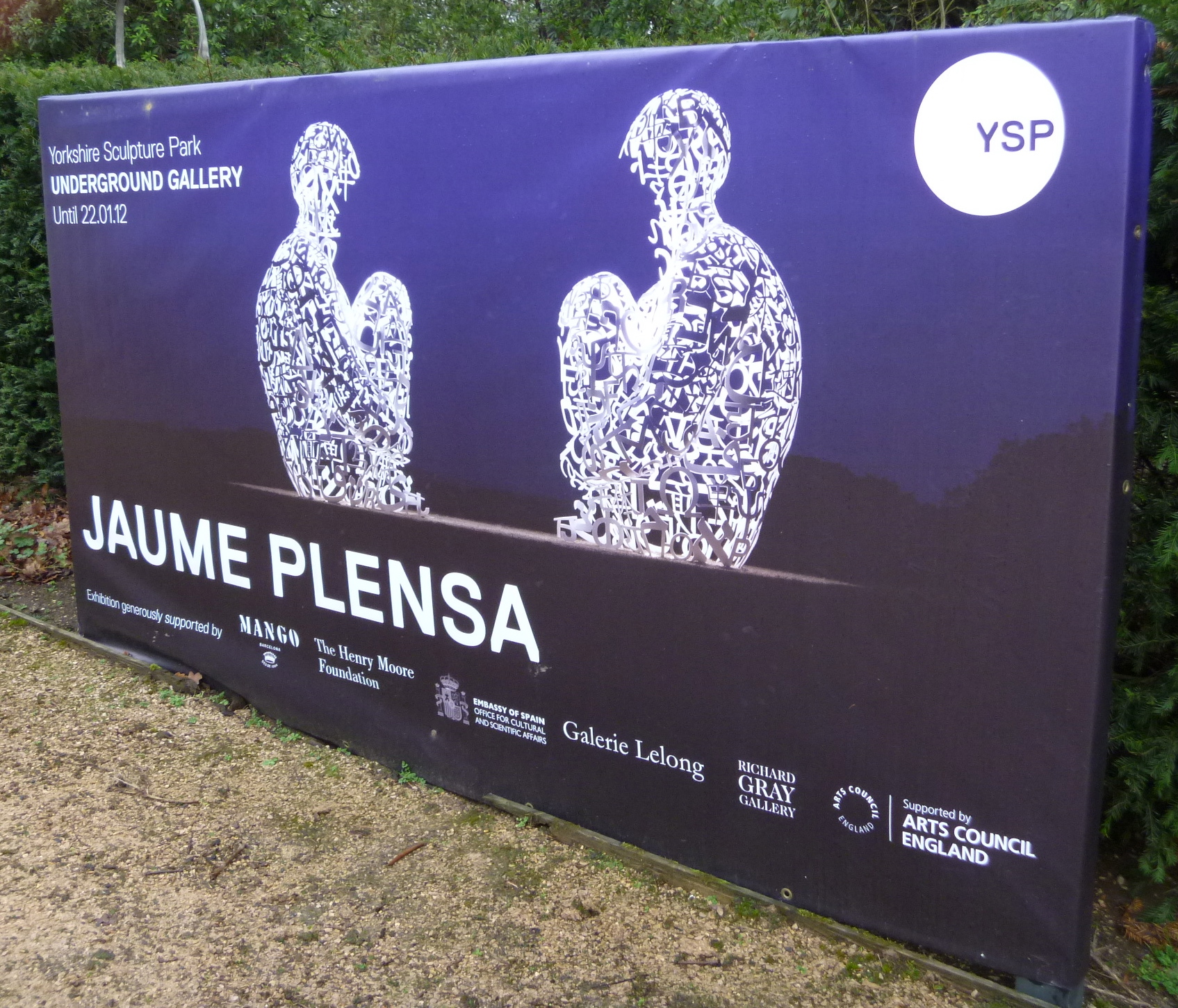
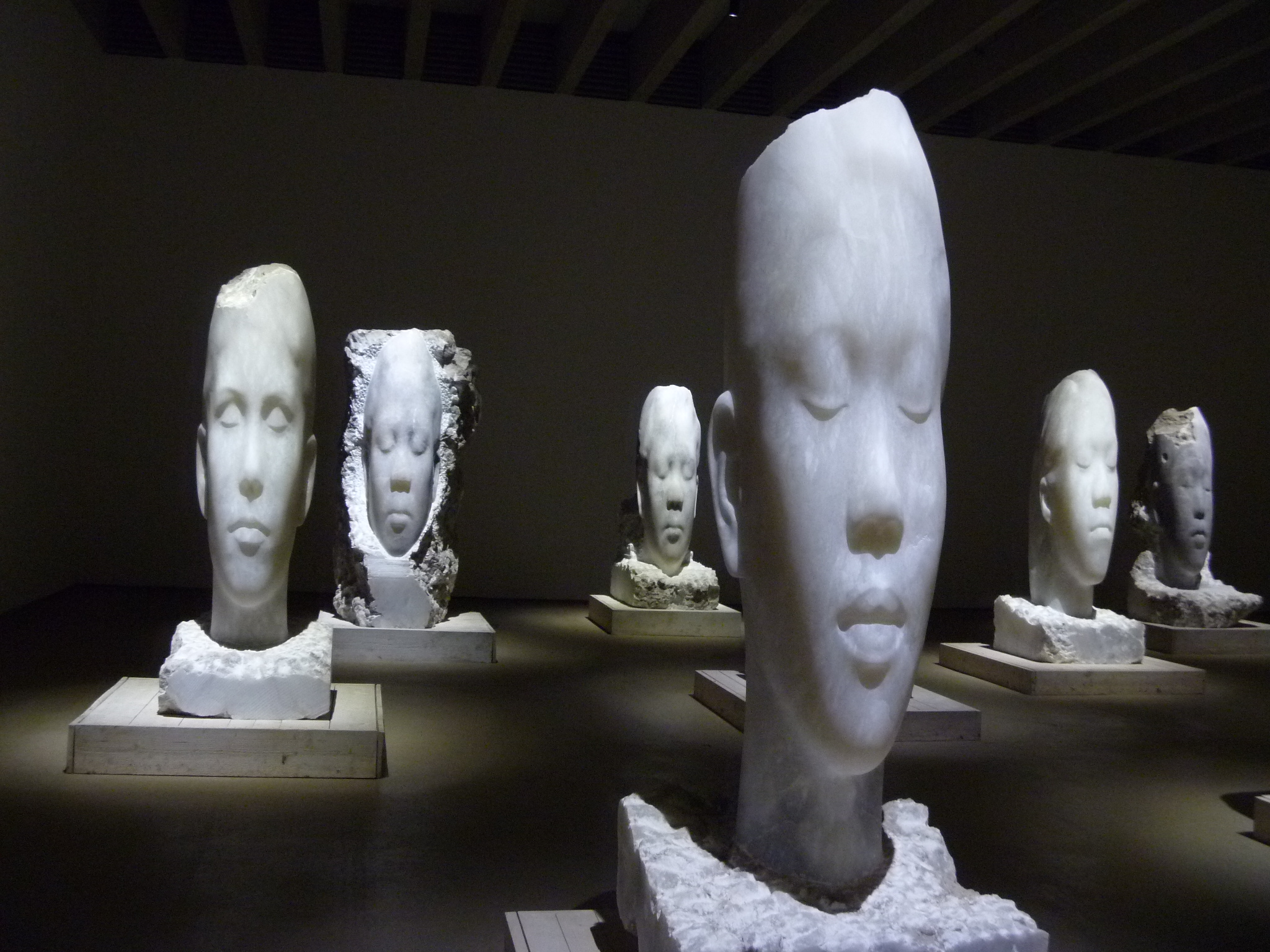
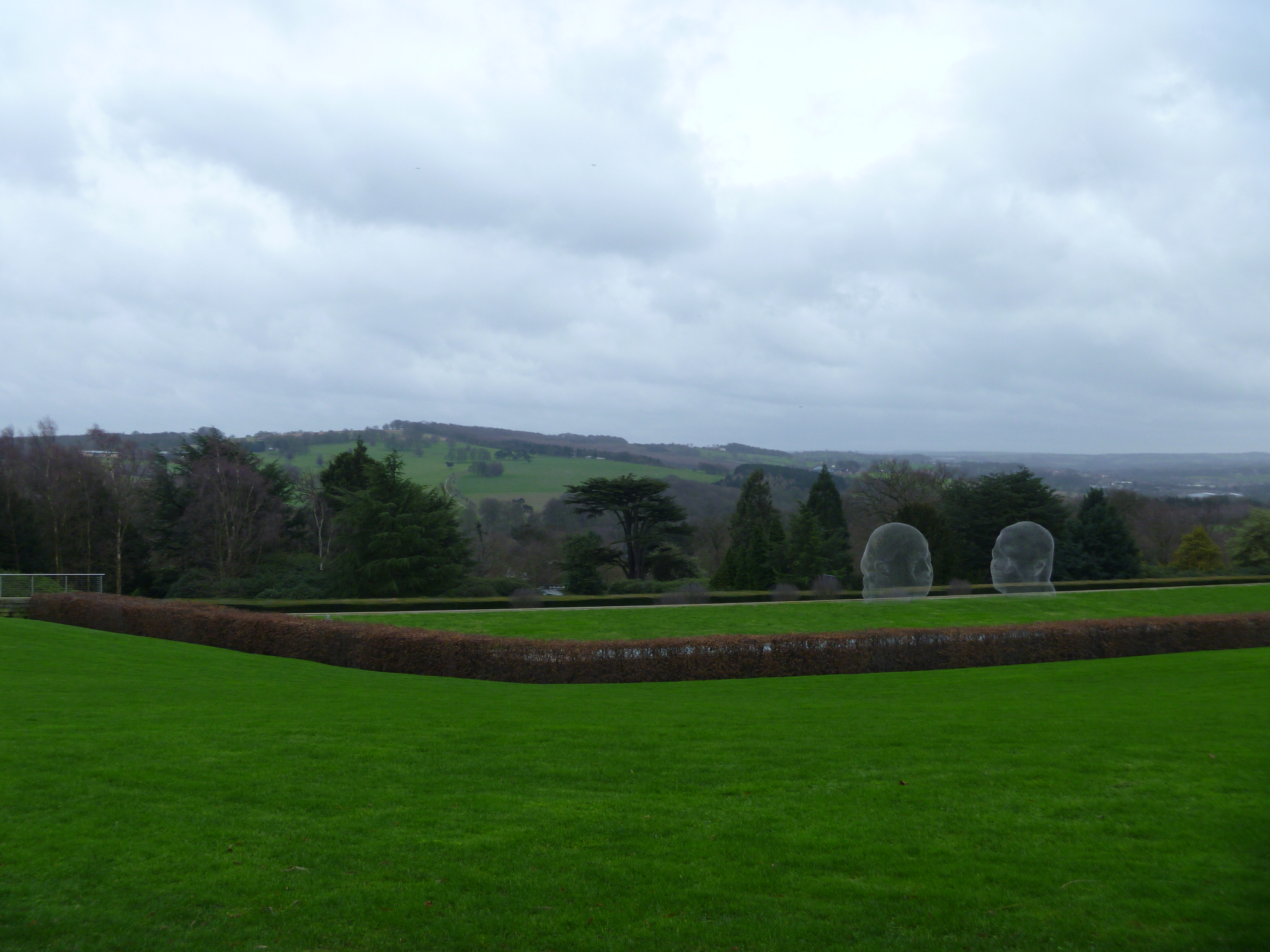
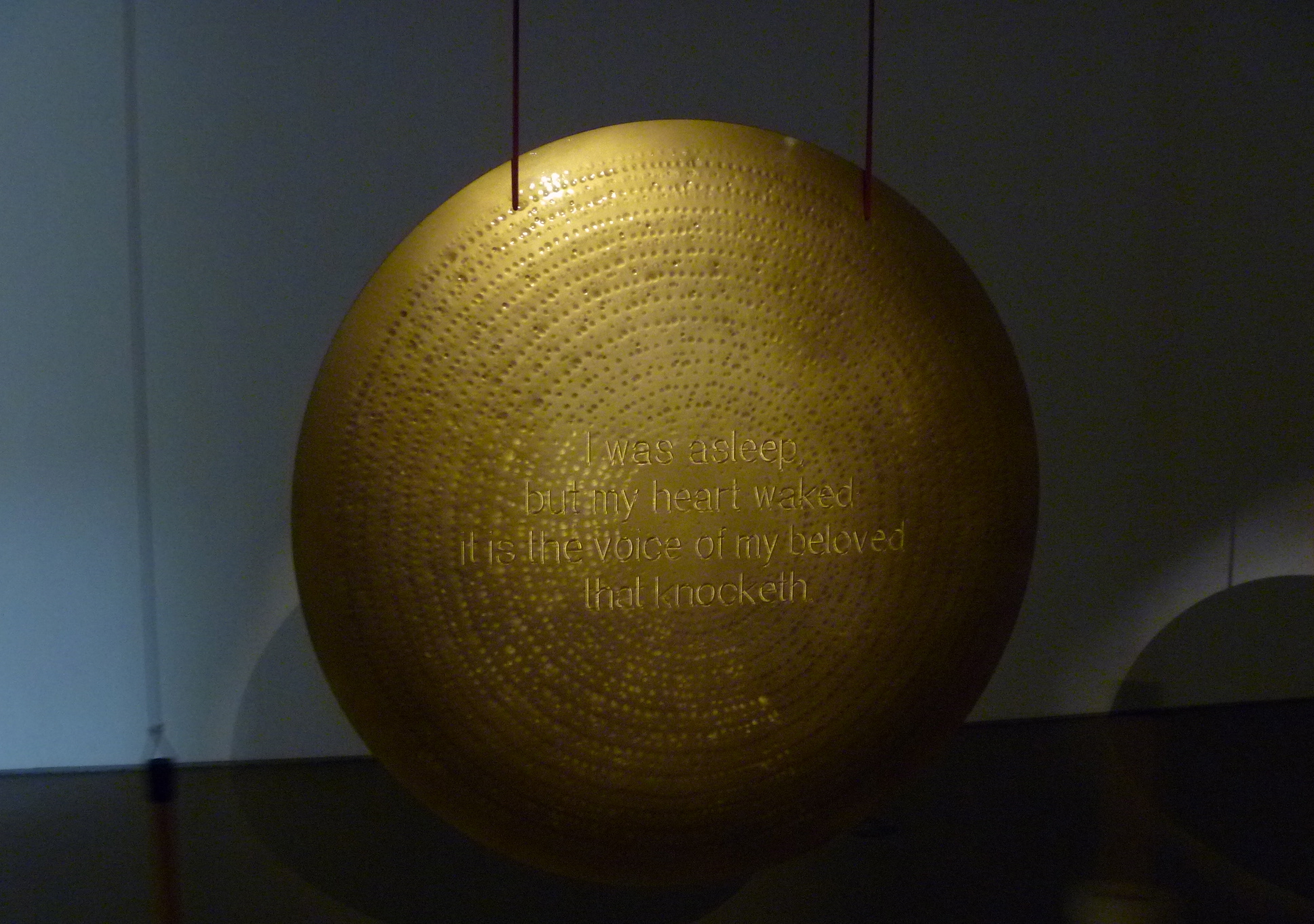
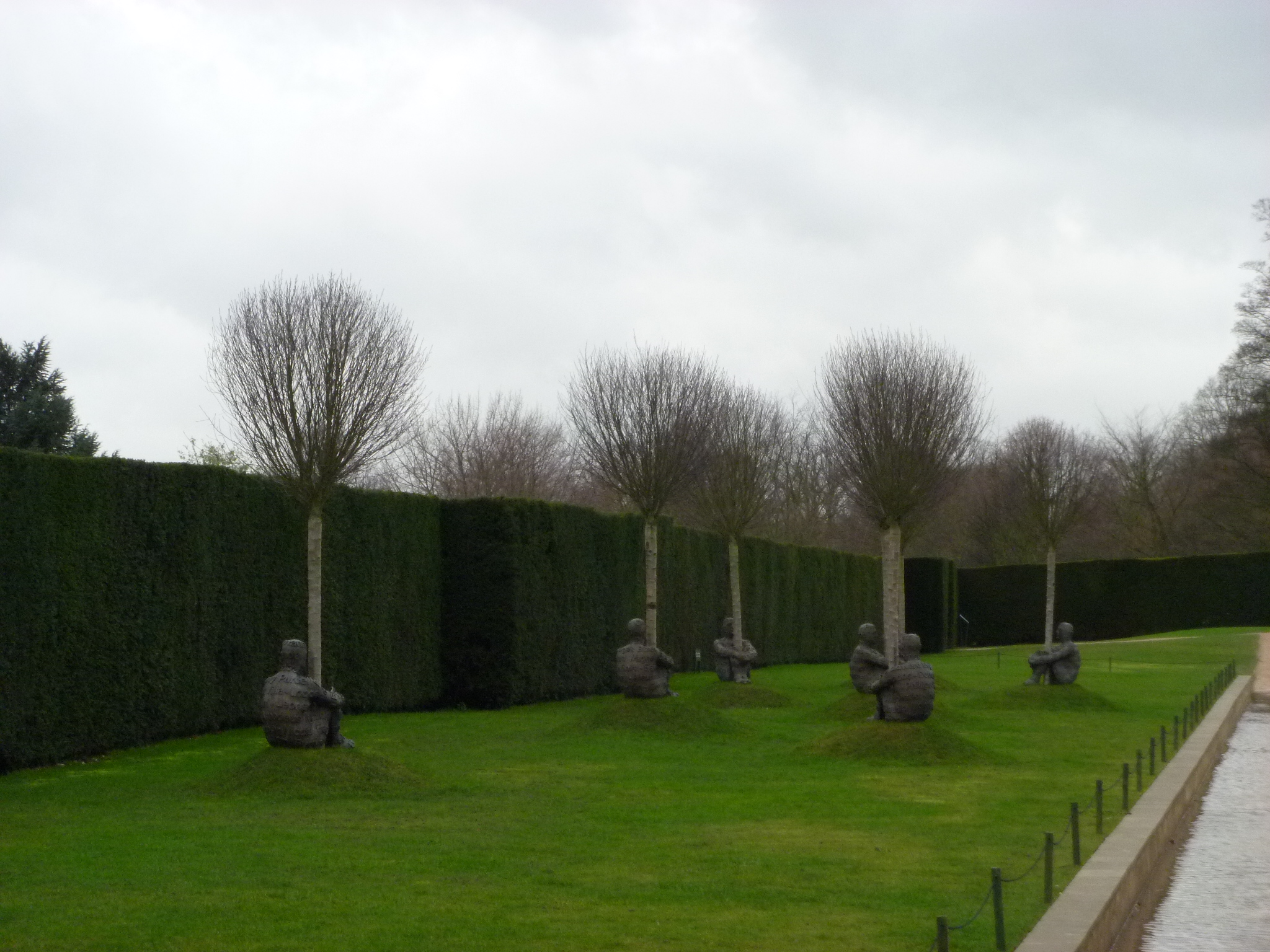
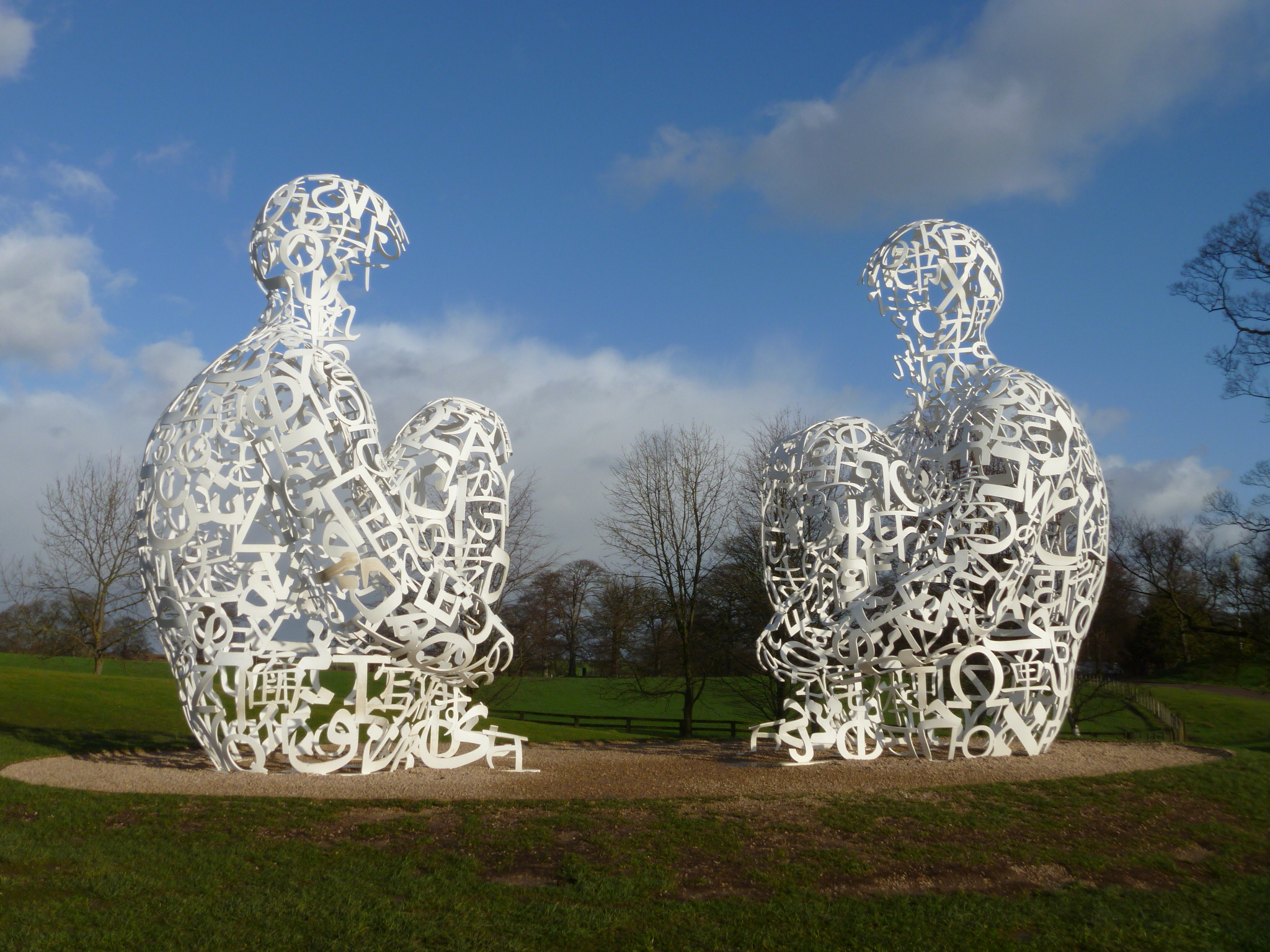
I love a tramp in the countryside but I also love to see something new and/or interesting and that is often possible in Yorkshire. We’ve been generously given an extra day off work today as a substitute day for the Queen’s Diamond Jubilee Bank Holiday in June. We already get two days holiday then anyway. So what better way to spend it than to drive for 20 minutes down the M1 to the Yorkshire Sculpture Park. I’ve visited many times in the past but there is always something new to see and on every visit the park seems to have extended its boundaries. Today was no exception. There are some new paths around the Upper Lake and some renovated 18th century garden features to inspect – a Shell Grotto, a Boathouse, an Obelisk and a Greek Temple. The wind was blowing a gale and we had to watch our step along some of the muddier tracks but there were still some good photo opportunities to be had around the park. The main feature of these were the extraordinary work of Spanish artist Jaume Plensa. The exhibition was due to close in the autumn but has been extended until 22 January 2012. I’d seen friends’ photos of these stunning metalwork sculptures but it’s something else to see them for real many of them appearing suspended in the Yorkshire countryside. After our exertions we headed for the cafe for excellent homemade soup and a look round the also excellent shop.

Jerusalem in The Underground Gallery

Alabaster Heads in The Underground Gallery

The Heart of Trees

Jaume Plensa Sculptures

Jaume Plensa

The Park and Estate – with Talking Heads

Lovely stuff in the YSP Shop

Studley Royal Park including the Ruins of Fountains Abbey

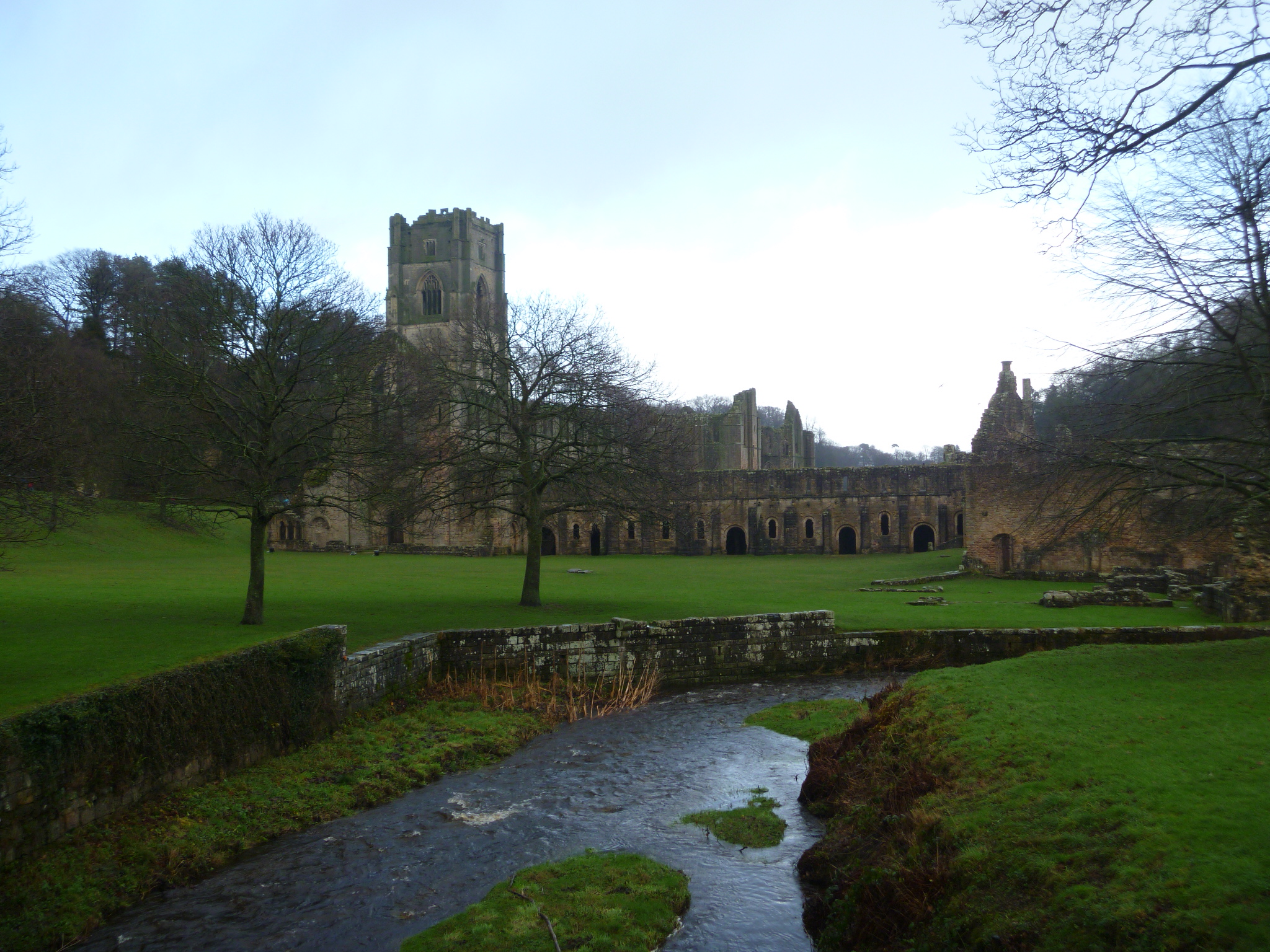
When I wrote about Saltaire and Salts Mill last year I mentioned how lucky I was here in Yorkshire to have TWO Unesco World Heritage Sites on my doorstep. Today I visited the other site in North Yorkshire – Studley Royal Park and the ruins of Fountains Abbey.

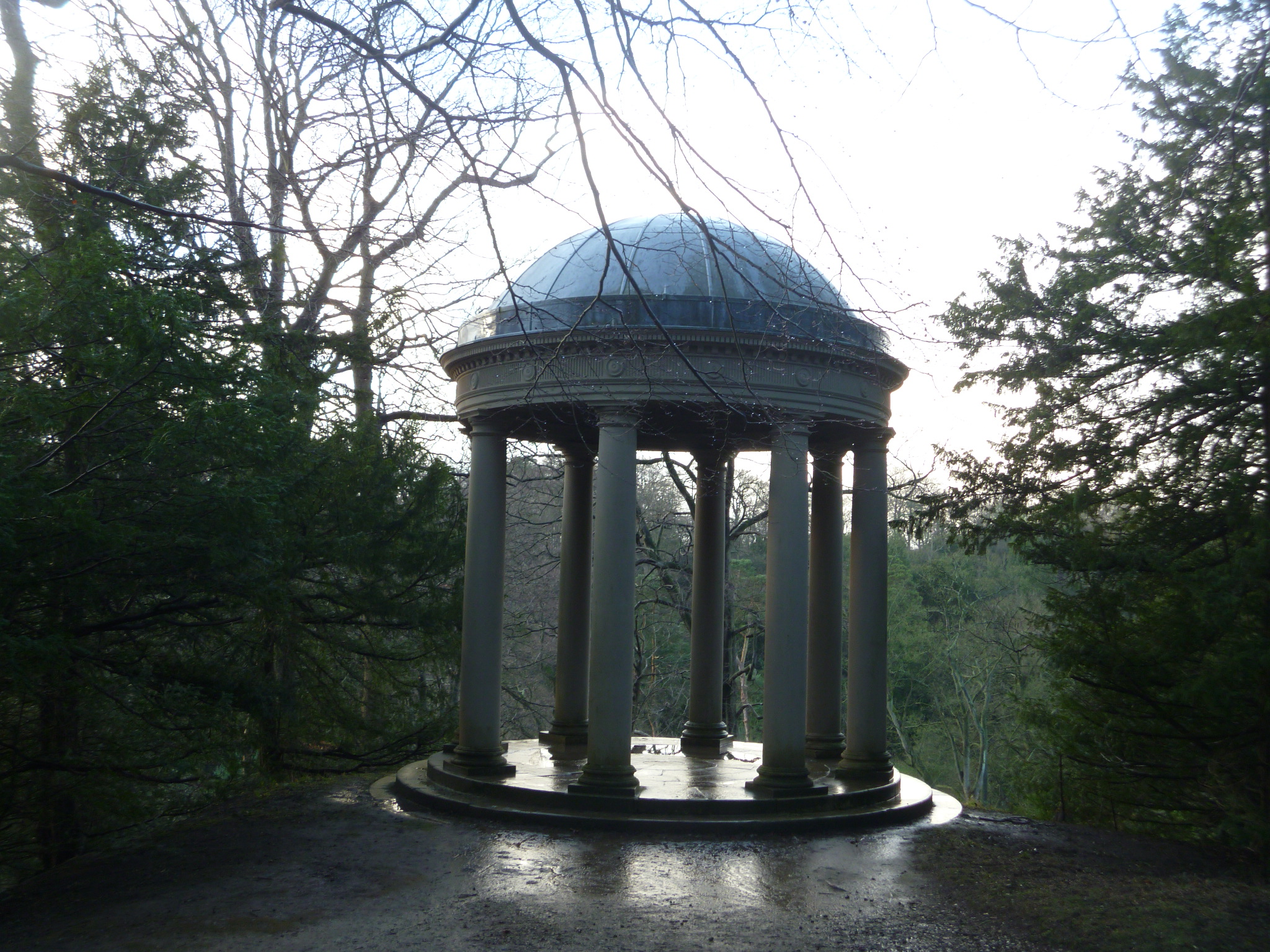
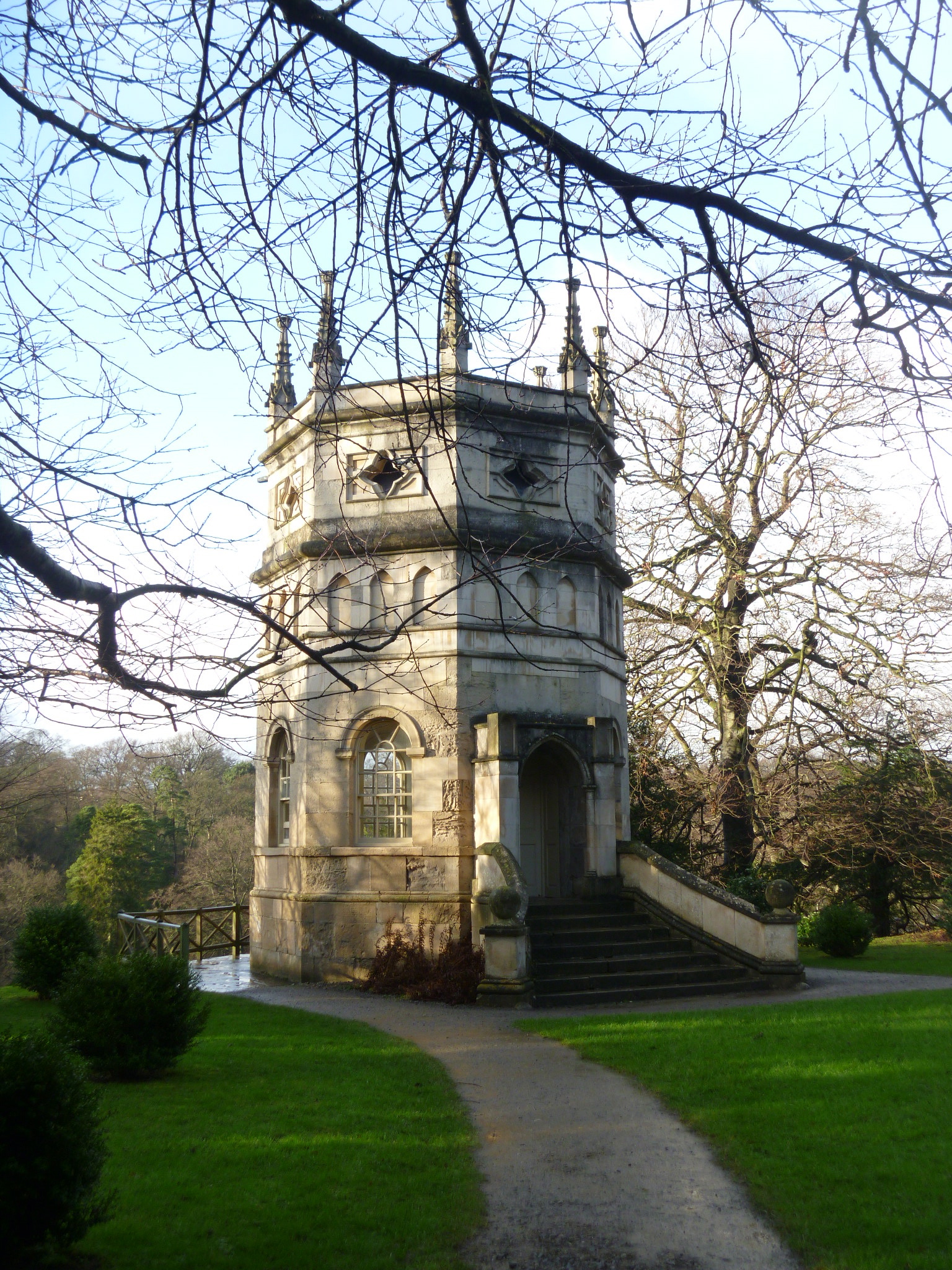
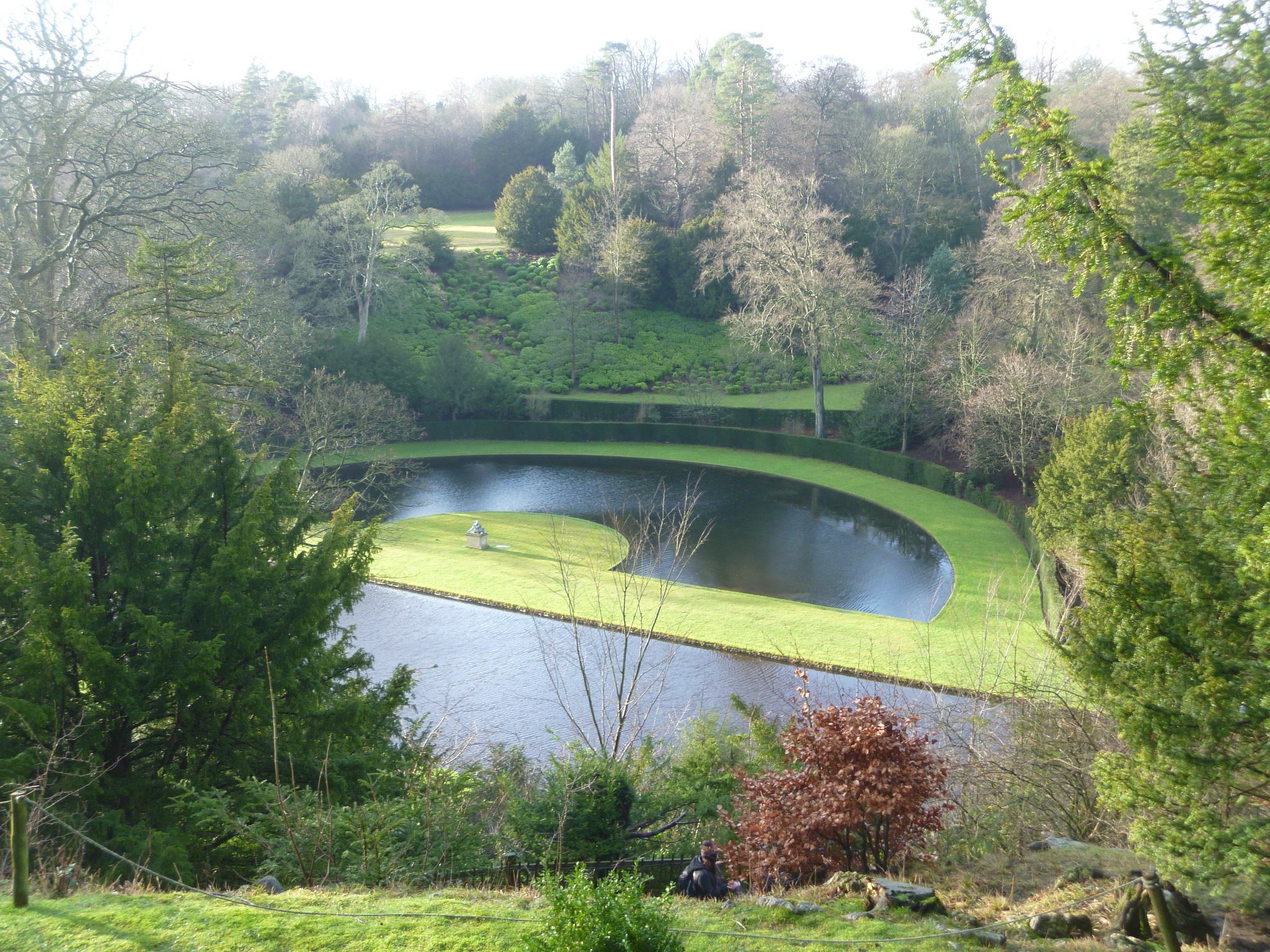
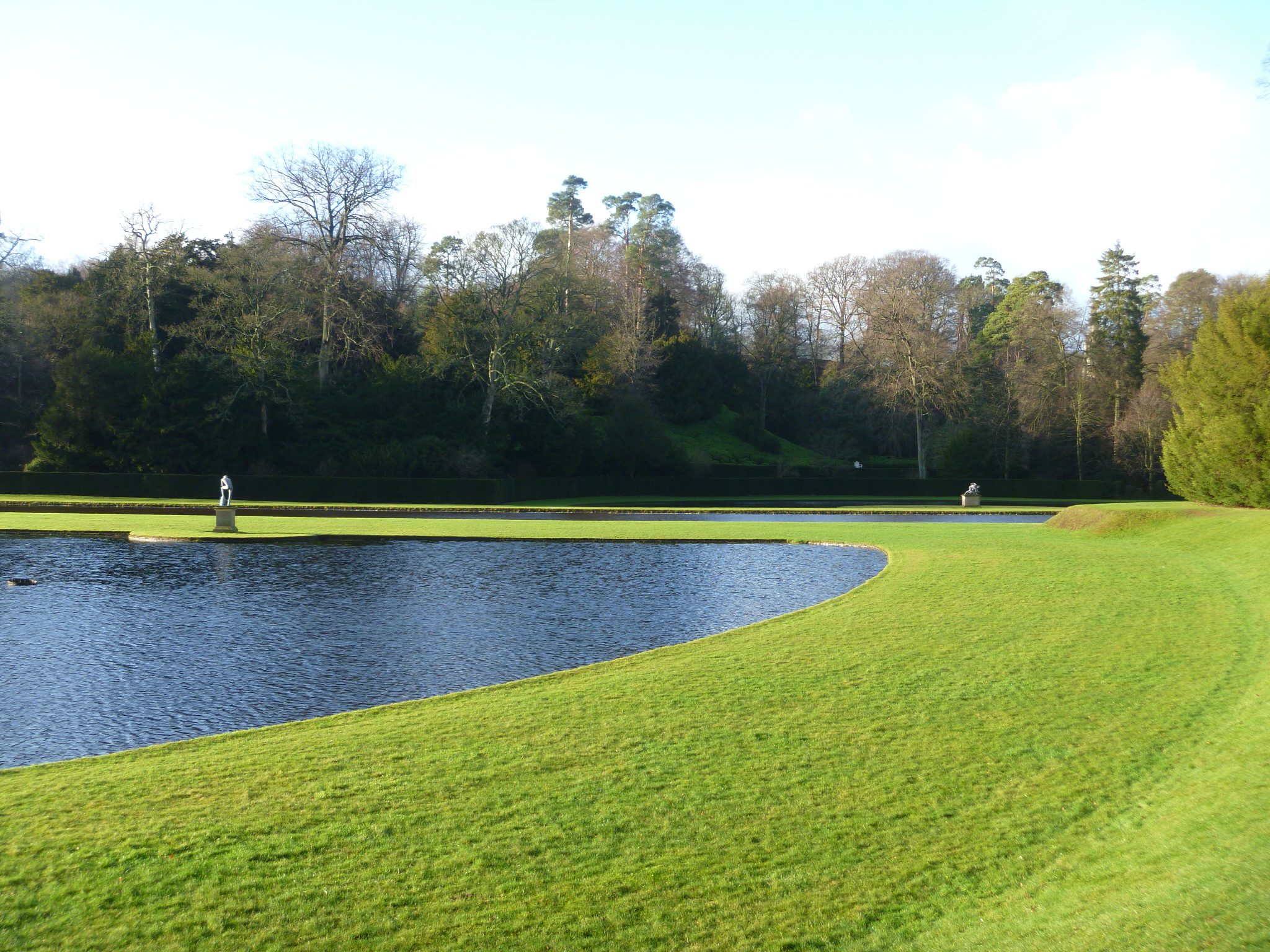
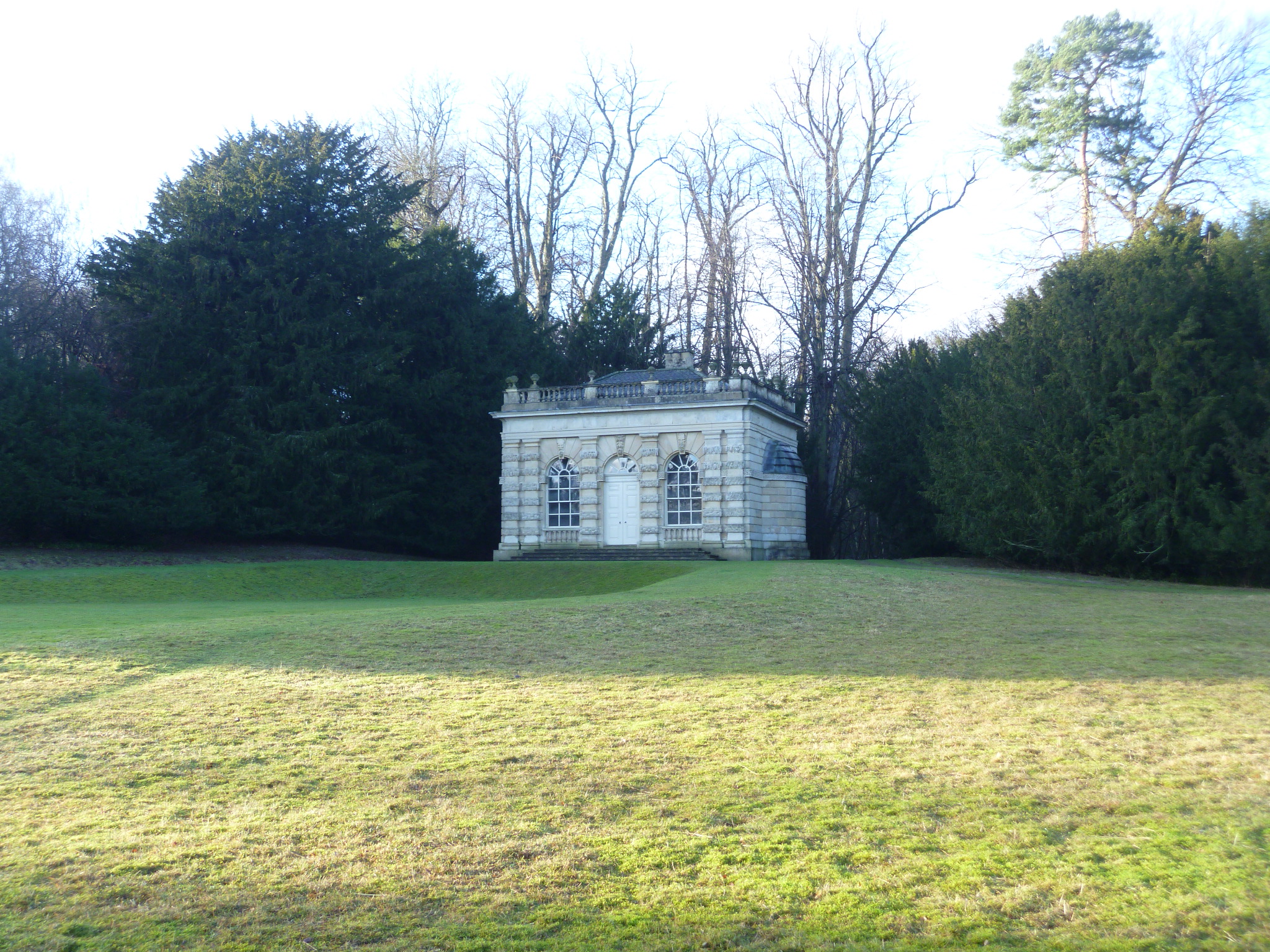
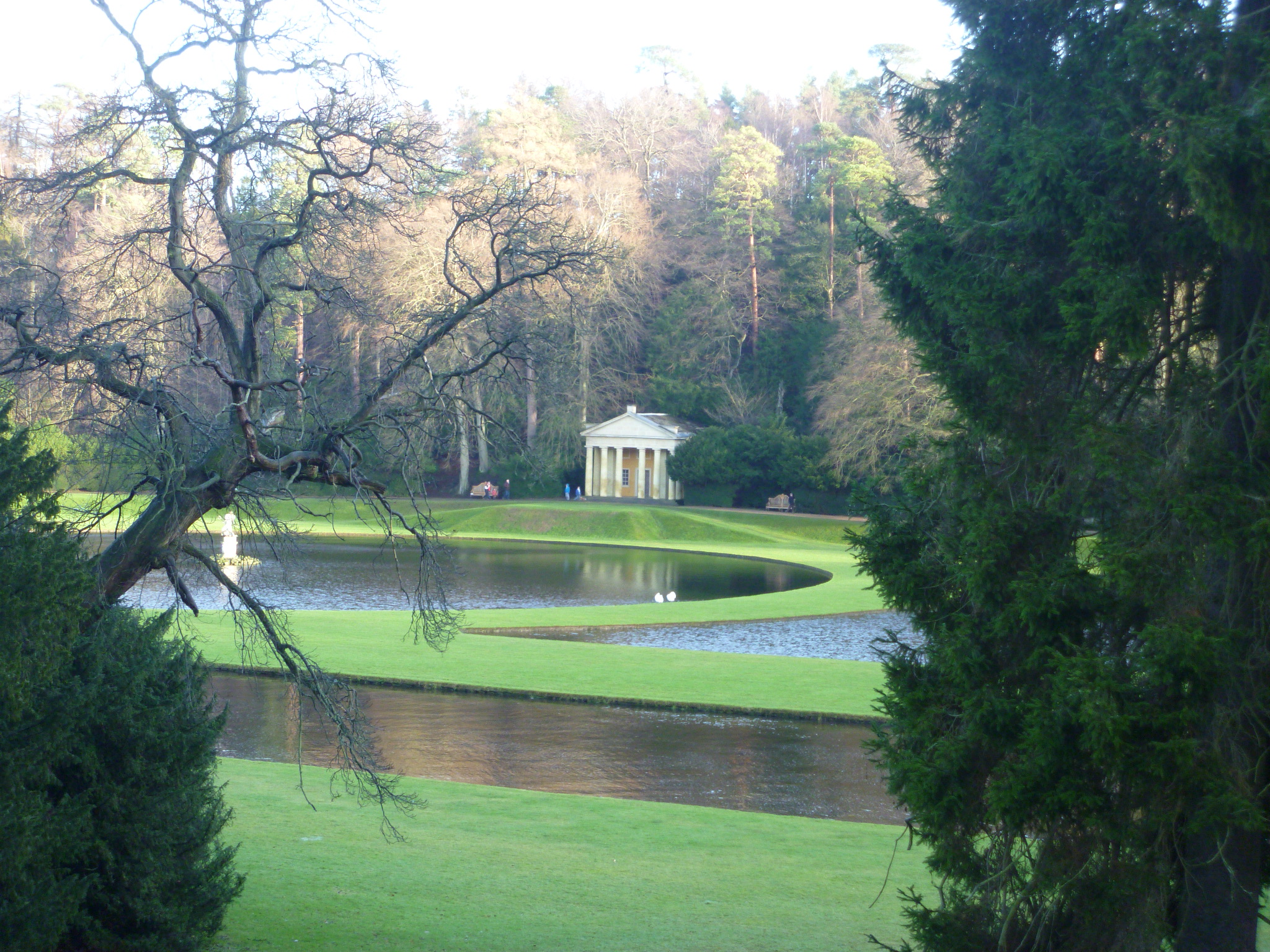
Fountains Abbey is about 23 miles and a world away from busy Leeds. That is not to say that the car parks weren’t empty and there weren’t queues at the restaurant counter today and the shop wasn’t a-buzz with bargain hunters – the world and his wife had come to breathe the fresh air and walk around the gravel paths and let his children climb over the ruins. But it is easy to get away from the crowds and follow some of the paths that lead to higher levels and peace and tranquility. Every step of the paths around the estate reveals something of interest whether it’s a temple, a tower, a banqueting house, a surprise view, a river, waterfalls, a lake. It’s easy to see why the whole area is classified as a World Heritage Site.

The Temple of Fame

The Octagon Tower

The Gardens of Studley Royal

The Water Gardens with Statues

The Banqueting House

The Temple of Piety and Moon Pond

As you can see this Yorkshire World Heritage Site has a lot more than 25 trees and the time is nearly here already to take down my own Christmas Tree. I’ll be visiting Fountains Abbey a lot more times throughout the different seasons. I hope you will join me here again.

In The Magician’s Footsteps : Words, Land and Landscape

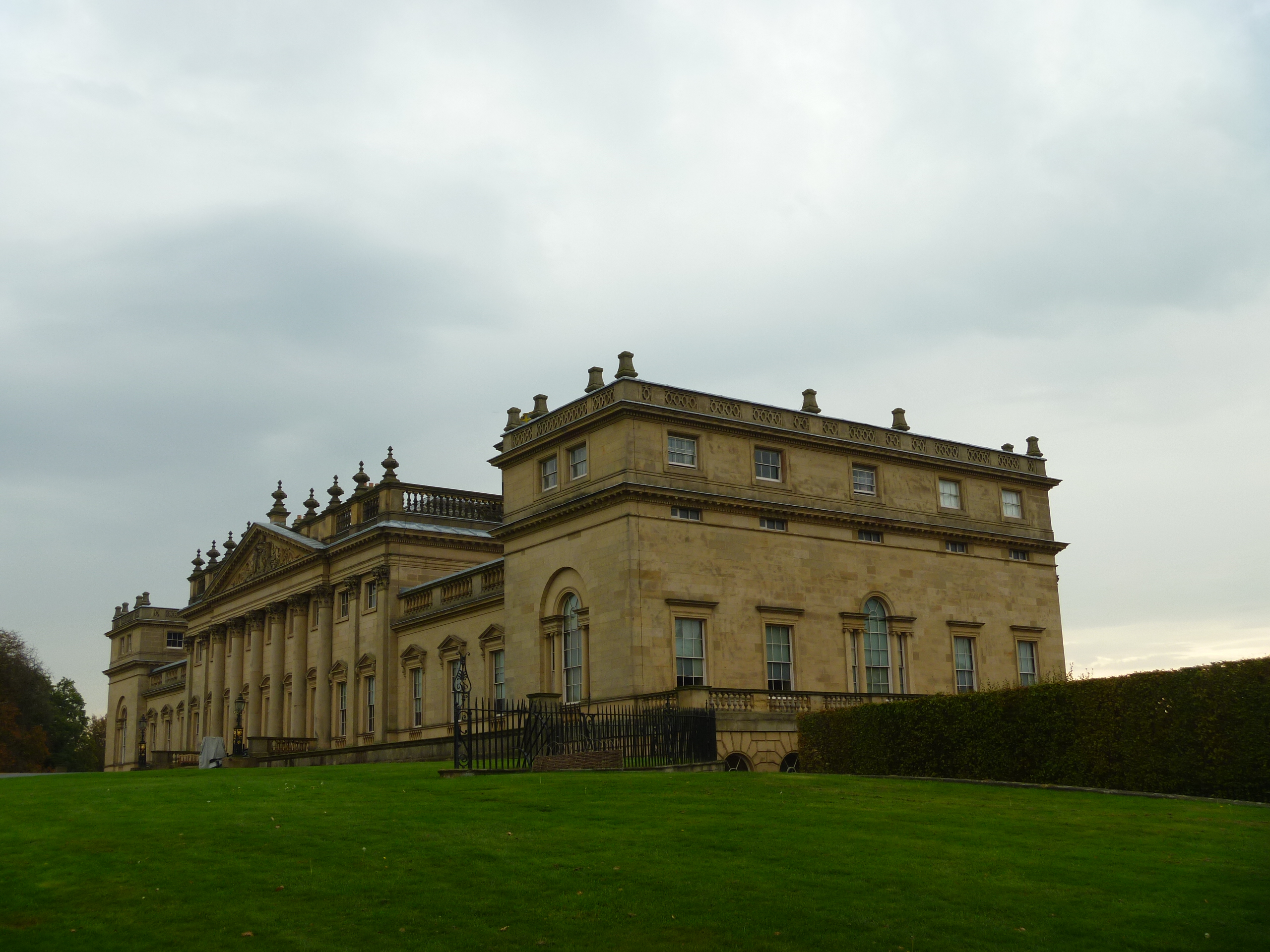
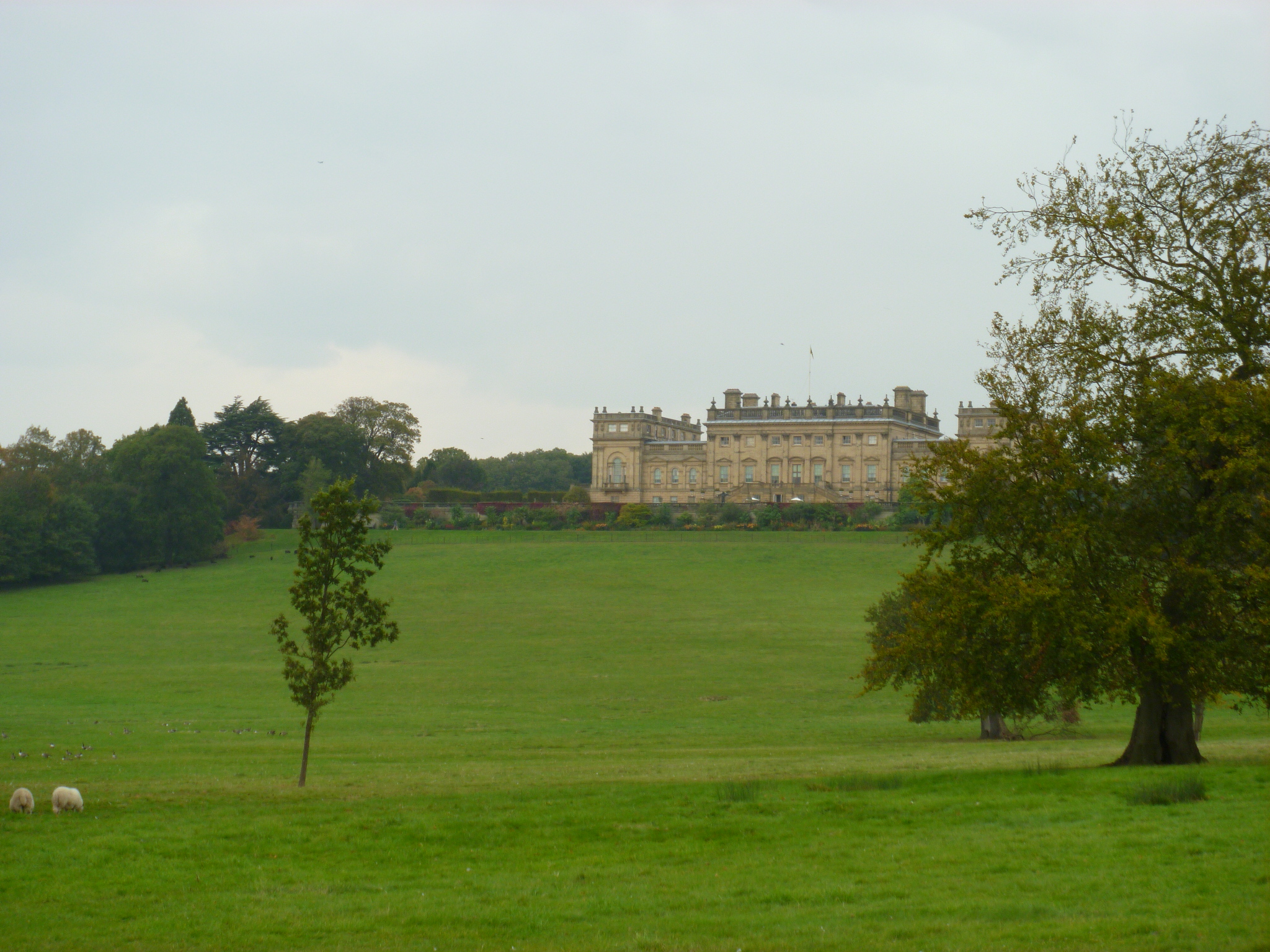
Harewood House. Today’s main entrance looks north and not over the park.

Every October The Ilkley Literature Festival in Yorkshire features a vast programme of talks, discussions and events from which it is difficult sometimes to choose just a couple. This year I had no problem with my selection and today’s choice includes more than one love of mine – books, country walking and a historic house visit: the ‘Capability’ Brown Walk.

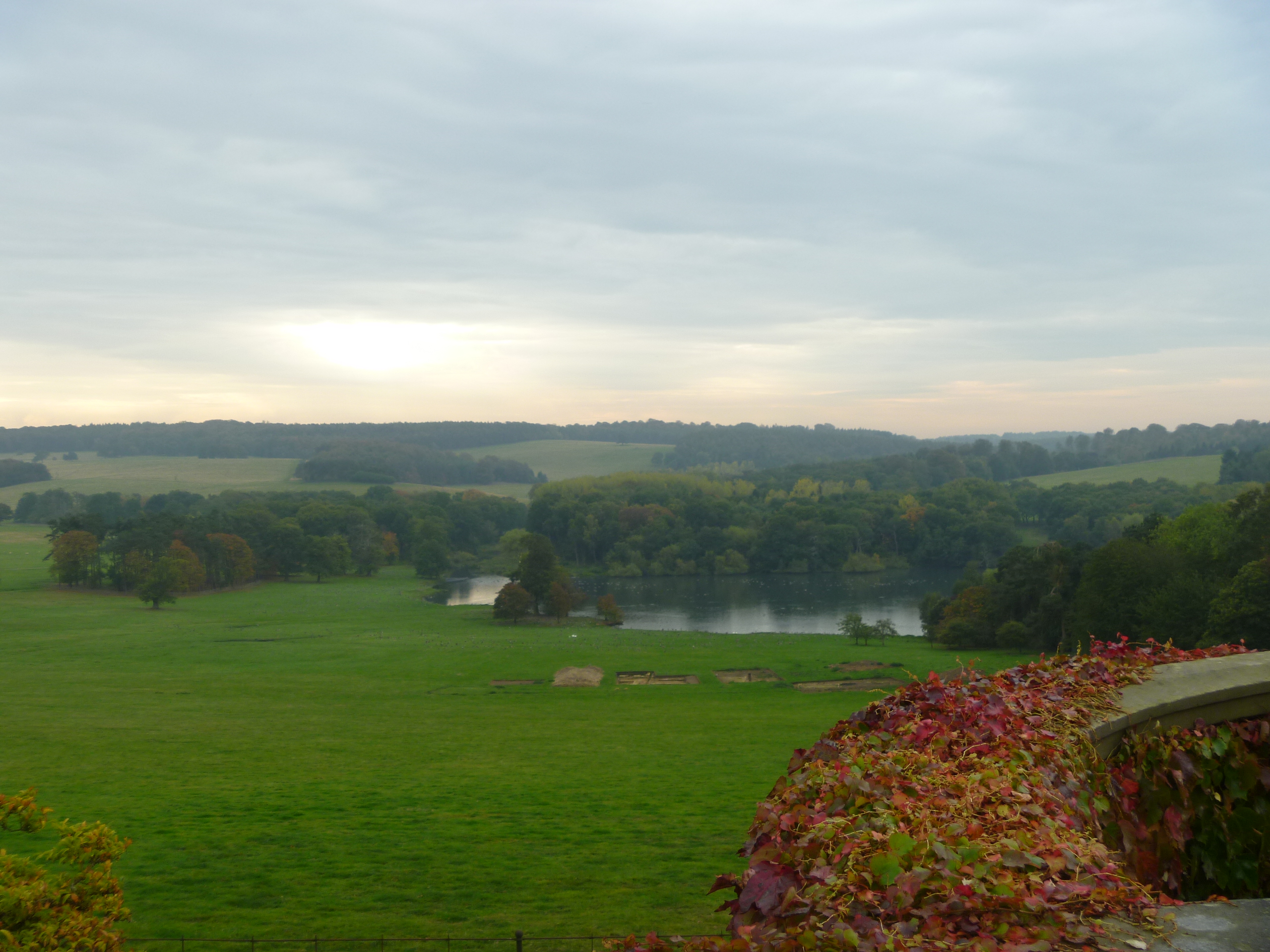
Looking south over the parkland from the Terrace.

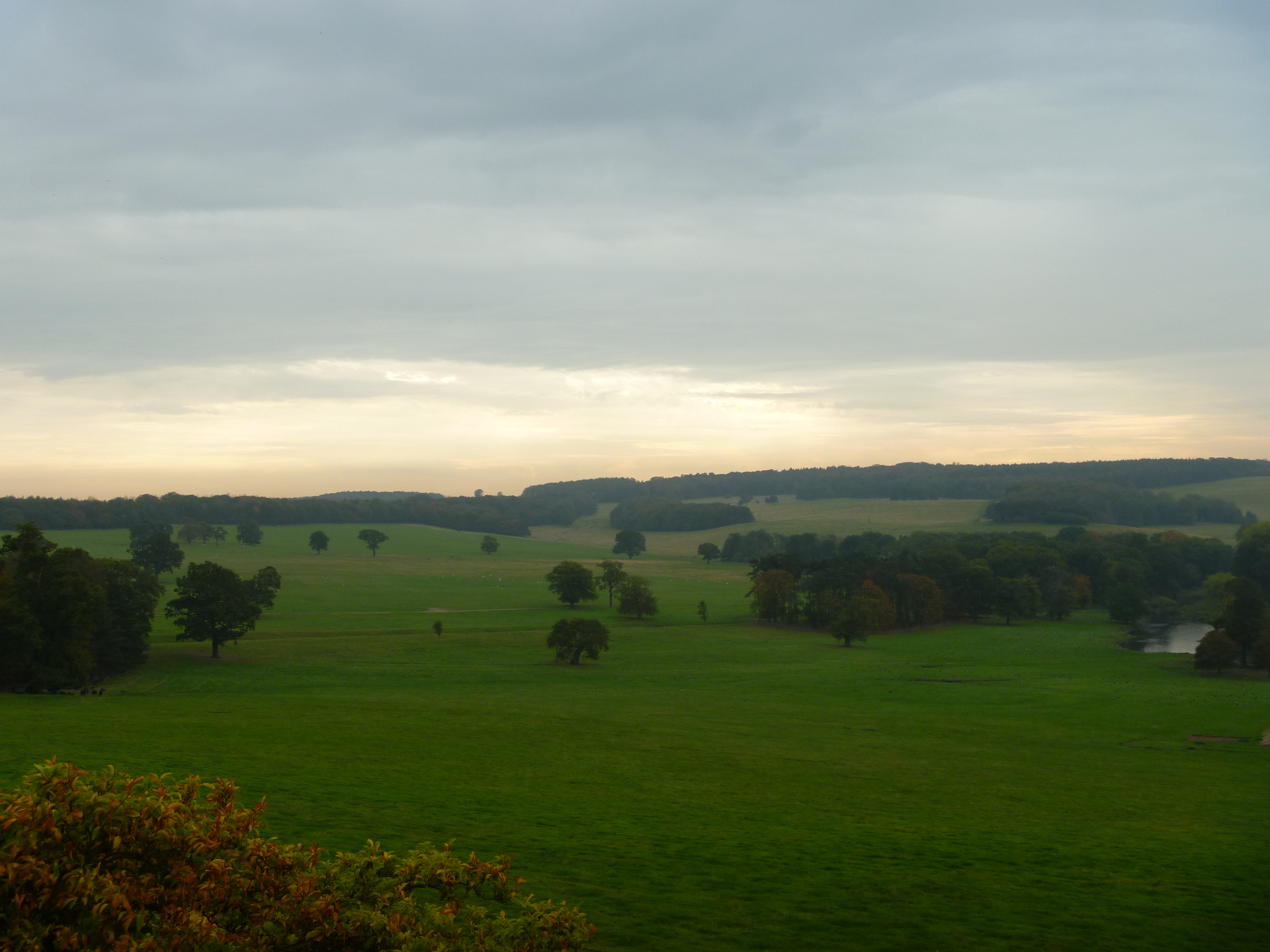
A mixed group of us met on Sunday morning in the grounds of Harewood House, just a few miles from Leeds, to follow on the heels of Head Gardener, Trevor Nicholson and author of the book “The Omnipotent Magician: Lancelot ‘Capability’ Brown, 1716-1783″, Jane Brown (no relation). We were all there to find out more about the eighteenth century landscape designer extraordinaire – ‘Capability’ Brown. Naturally, the focus today was Brown’s influence on the superb outlook from Harewood (pronounced Harwood) House. My pictures just don’t do the scene justice.

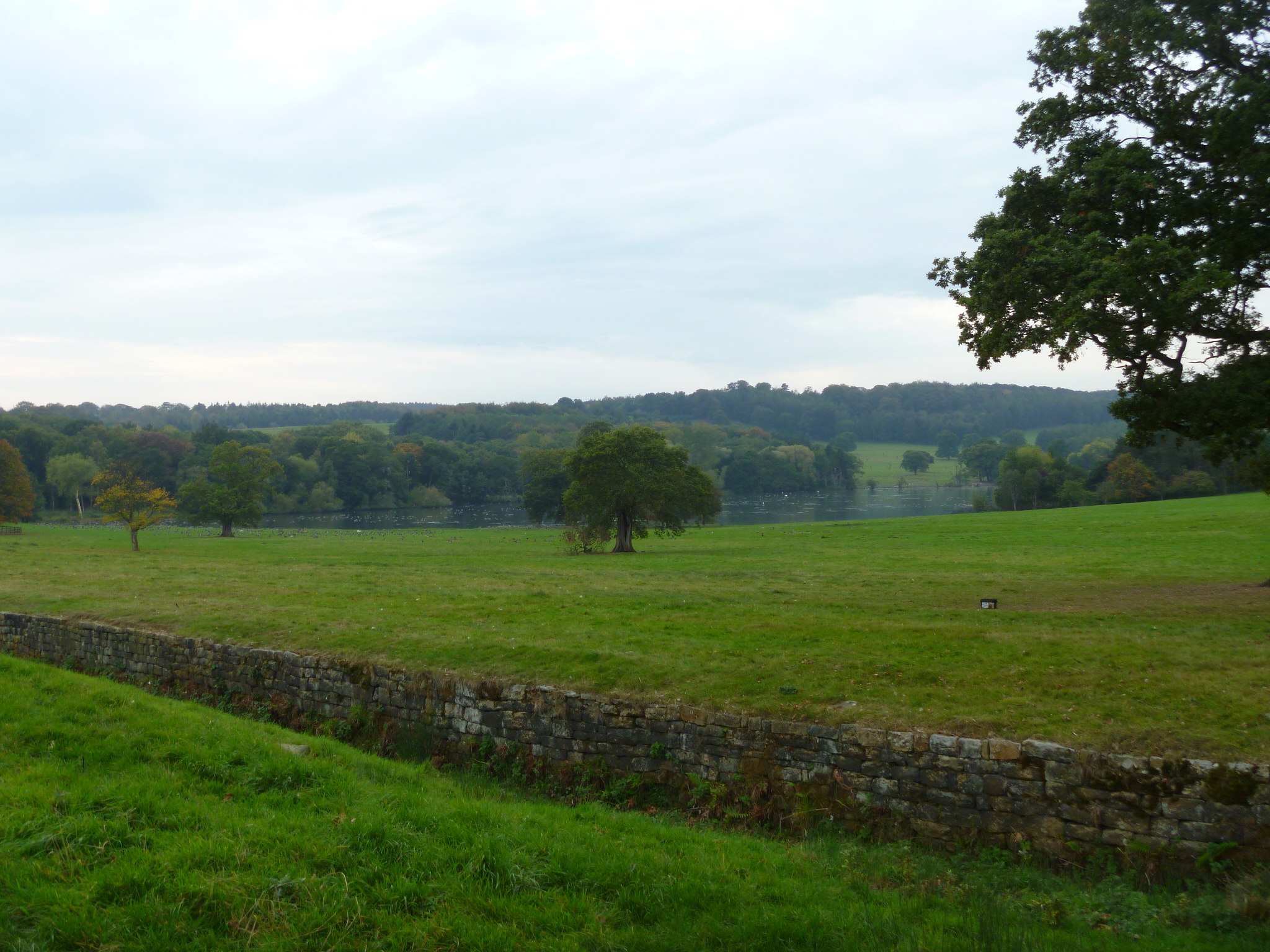
We were told that the ornamental parkland was set out in the 18th century by Brown. He came to Harewod in 1758 and proceeded to wave his magic wand over the next few years (helped by his Foremen and a large band of local labourers). This parkland is a fine example of Brown’s characteristic arrangements – native trees, gently sweeping hillsides, a lake. He got rid of all field boundaries and each and every tree is located just where Brown decided it would have the most impact. Hahas were dug in order to restrict the movement of the sheep, deer and other animals.

The Haha also forms a drainage conduit.

The original manor house (Gawthorpe Hall) had been demolished and during the time that Brown was working here a new house was being built by John Carr of York and Robert Adam on a spur of land looking south. Part of Brown’s plan was to create a carriage drive to the house in order to impress visitors arriving from London.

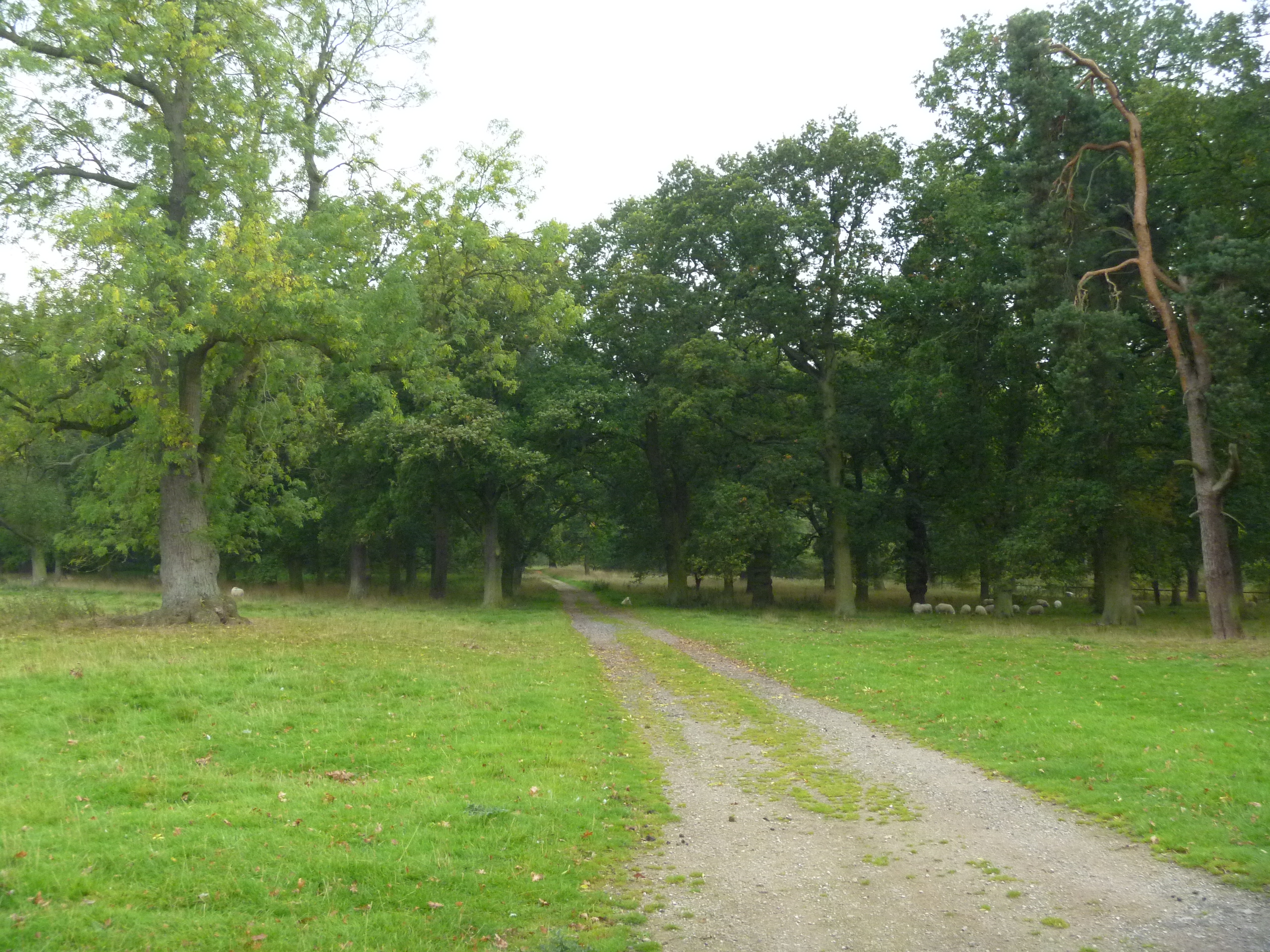
After admiring the view we were taken down this drive (which is not open to the general public) from where we gained glimpses of the house as visitors would have done since the 1770s. Brown’s plan was to improve on nature and it resulted in our typical English countryside. This is recognised as a truly English style and contrasted greatly with the French formal style. Of course, later the Victorians made changes to both the house and the gardens, but fortunately not to the park.

The Carriage Drive today as it emerges from the woodland.

Not only did he pay attention to views and aspects but also planned cascades under bridges for the sound effects! Everything was done to impress visitors.

Cascade by the Rough Bridge

Brown seems to have had a boundless supply of energy. He travelled around the country visiting projects, extolling on the virtues of views and their ‘capability’ for improvement, collecting his fees and, according to Jane, took on at least 200 major projects.

Our walk took us across the fields by the lake in front of the house and through some delightfully wooded gardens back to the house itself where a sandwich lunch was served in the Steward’s Room where “Capability’ himself would have been entertained on his visits to Harewood. Yet again no photography is allowed in the House!

The House that Mrs Jack Built

“Years ago I decided that the greatest need in our Country was Art… We were a very young country and had very few opportunities of seeing beautiful things, works of art… So, I determined to make it my life’s work if I could.” Isabella Stewart Gardner, 1917.

One of the loveliest and most interesting art museums that I have ever visited is just a few stops on the ‘T’ from downtown Boston.

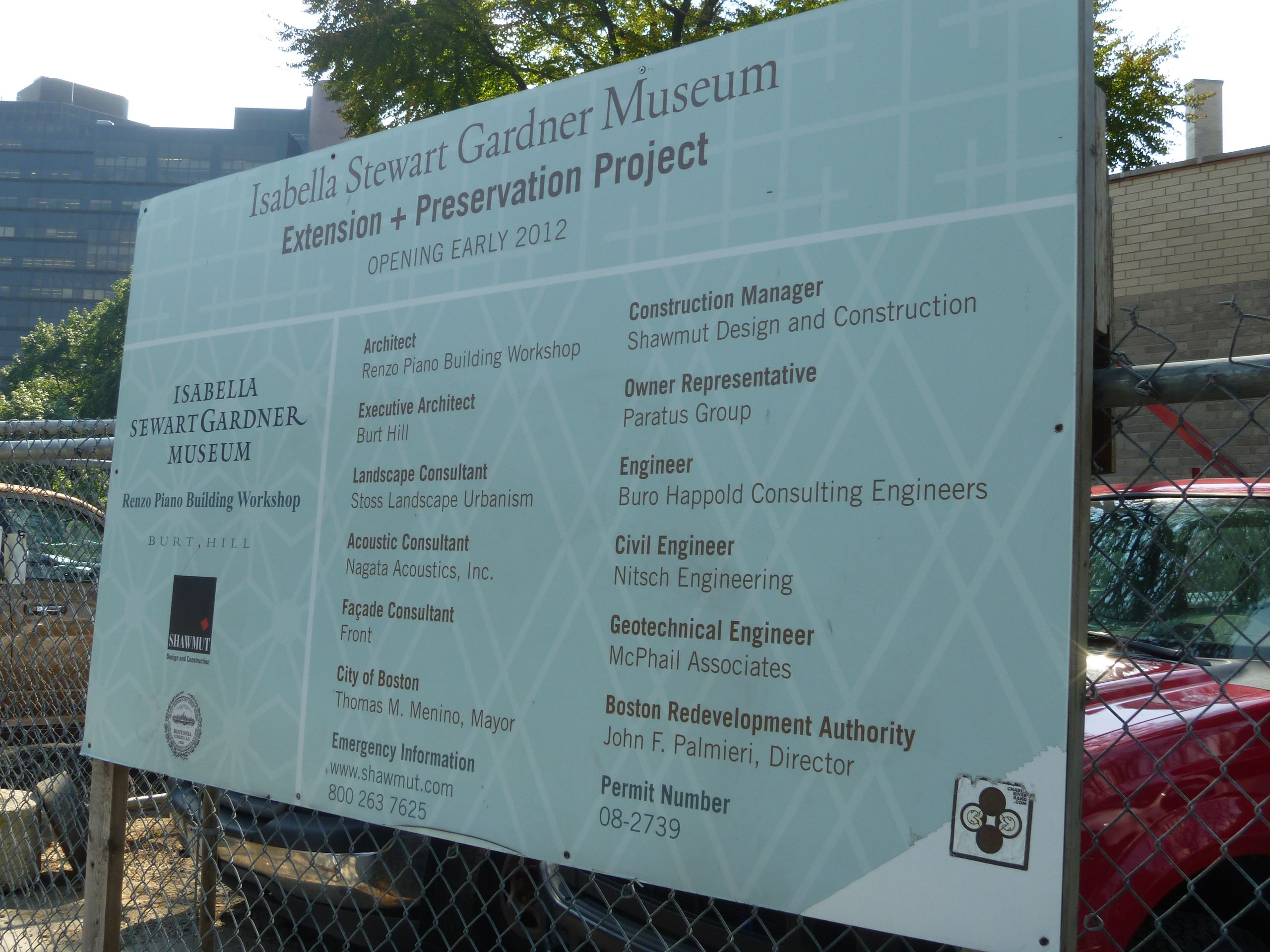
The Isabella Stewart Gardner Museum is currently undergoing change. Not too sure what Mrs Jack Gardner would make of that but there you go. We’re told on the audio guide that she planned the whole place herself from the building to the purchase of the works of art themselves to where she meant them to hang and then left strict instructions that that was how it was to stay.

Isabella Stewart was born in 1840 in New York and married John (‘Jack’) Gardner in 1860. They travelled widely and ‘Mrs Jack’ developed an interest in art which turned into a passion for collecting after her father left her his entire fortune when he died in 1891. Jack died in 1898 and she continued to collect, purchasing some land on Fenway and designing and planning the museum just as it is today. It opened to the public in 1903. She died in 1924.

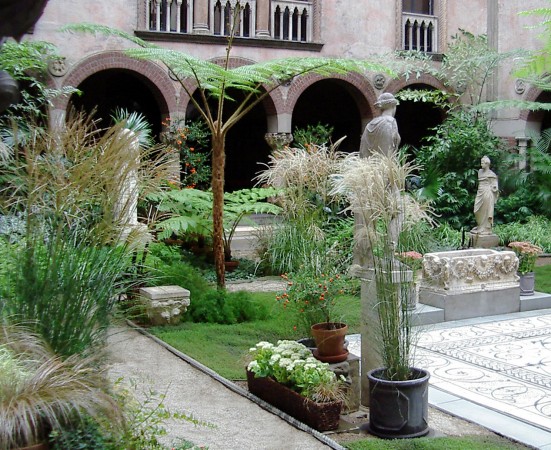
Photo from ISGM website

The Museum centres on the dramatic Japanese-style courtyard full of greenery and mosaic tiles which is in such great contrast to the darker rooms through which you approach it. On three floors each room has a theme of its own from The Titian Room to the Blue Room and the Yellow Room through to a Tapestry Room and a Gothic Room. Due to the work going on just now some of the rooms were closed and others had items removed.

My favourite room was the Dutch Room where an early Rembrandt self portrait hangs.

Photo from ISGM website

But when you enter the Dutch Room you are also in for a shock. There on the wall hangs an empty frame – where once Rembrandt’s ‘Storm on the Sea of Galilee’ was hanging. In 1990 the ISGM was victim of the largest single property theft in the world. None of the works of art has yet been recovered.

Also due to all the building works going on the shop and cafe are both closed. There were just two books for sale:

The Yale Guide, by H. T. Goldfarb and a biography of Mrs Jack by Louise Hall Tharp. No fridge magnets, no rubbers, no pens and not even one postcard!

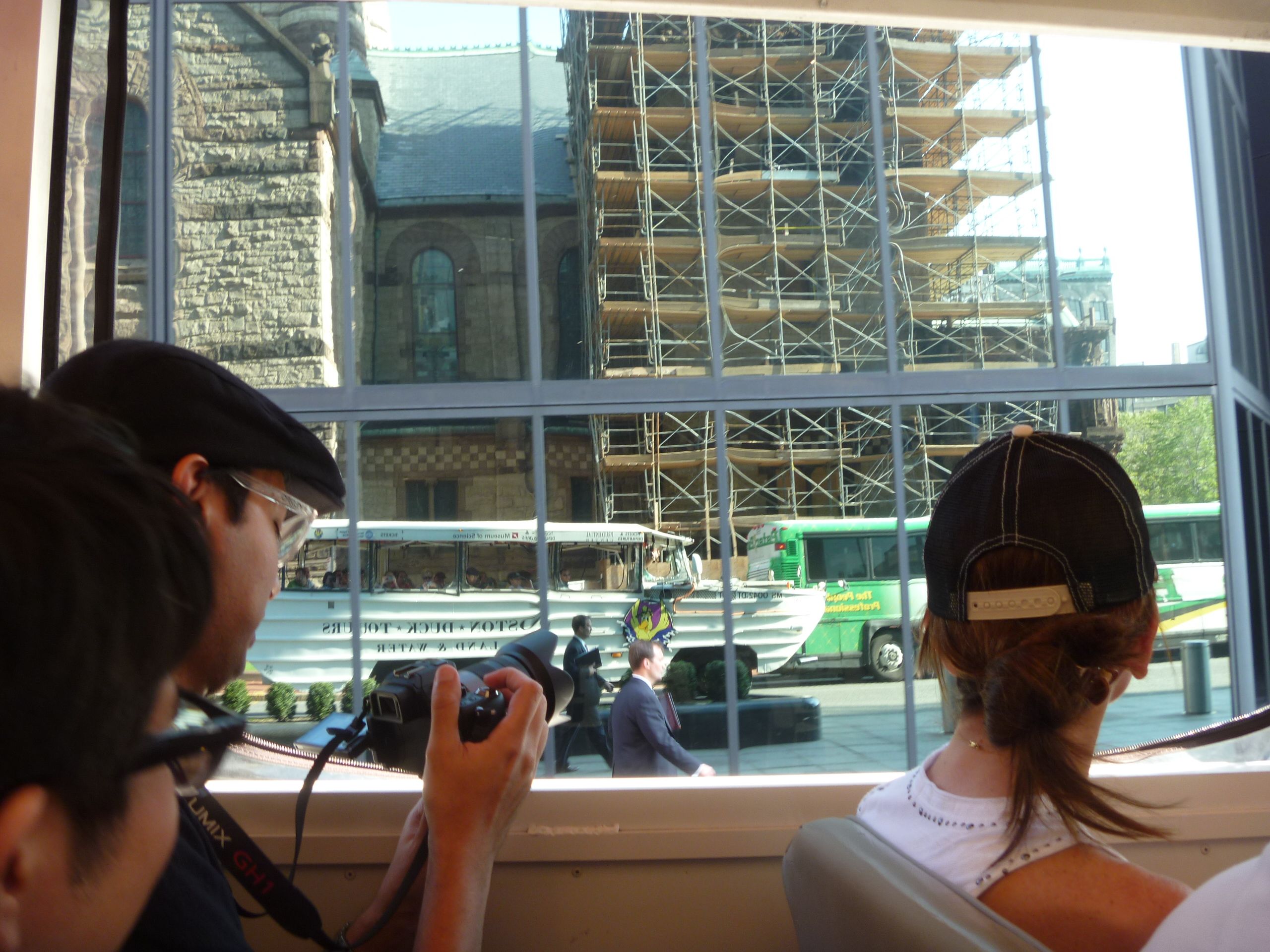
Then, from the sublime to the ridiculous, I fulfilled a long term wish of mine since first seeing it in 1995 – I went on DUCK TOUR!

There we are reflected in office windows on Copley Square!

My Historic Maine Coast 2

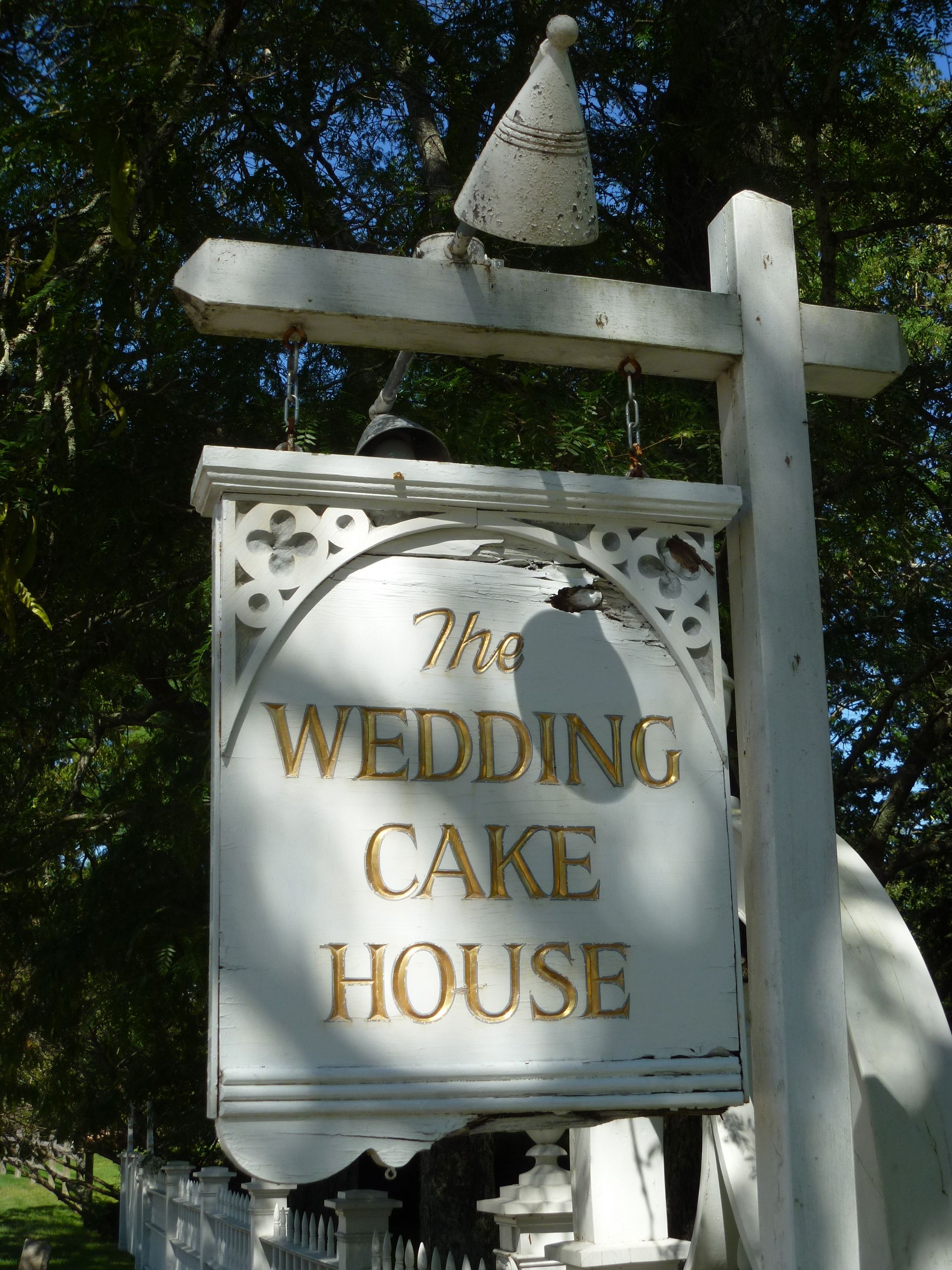
The Wedding Cake House in Kennebunk is said to be one of the most photographed houses in Maine and you can certainly see why!

The local myth is that it was built by a sea captain for his bride as an apology for leaving for his ship before the ceremony reached the cutting-the-cake stage! It’s a private home so not open to the public at all but I understand that a fund-raising event was held a few years back in aid of Hurricane Katrina victims.

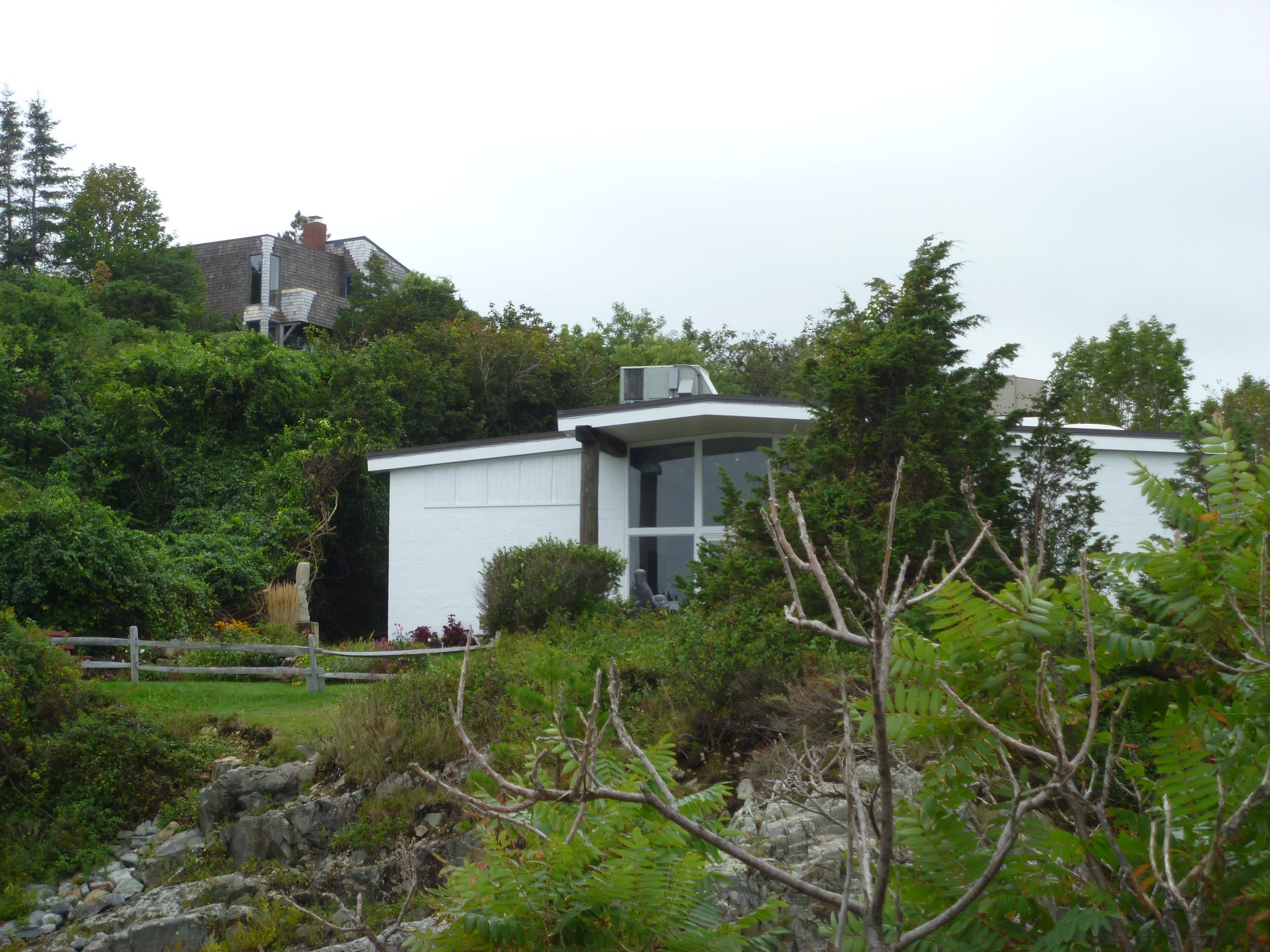
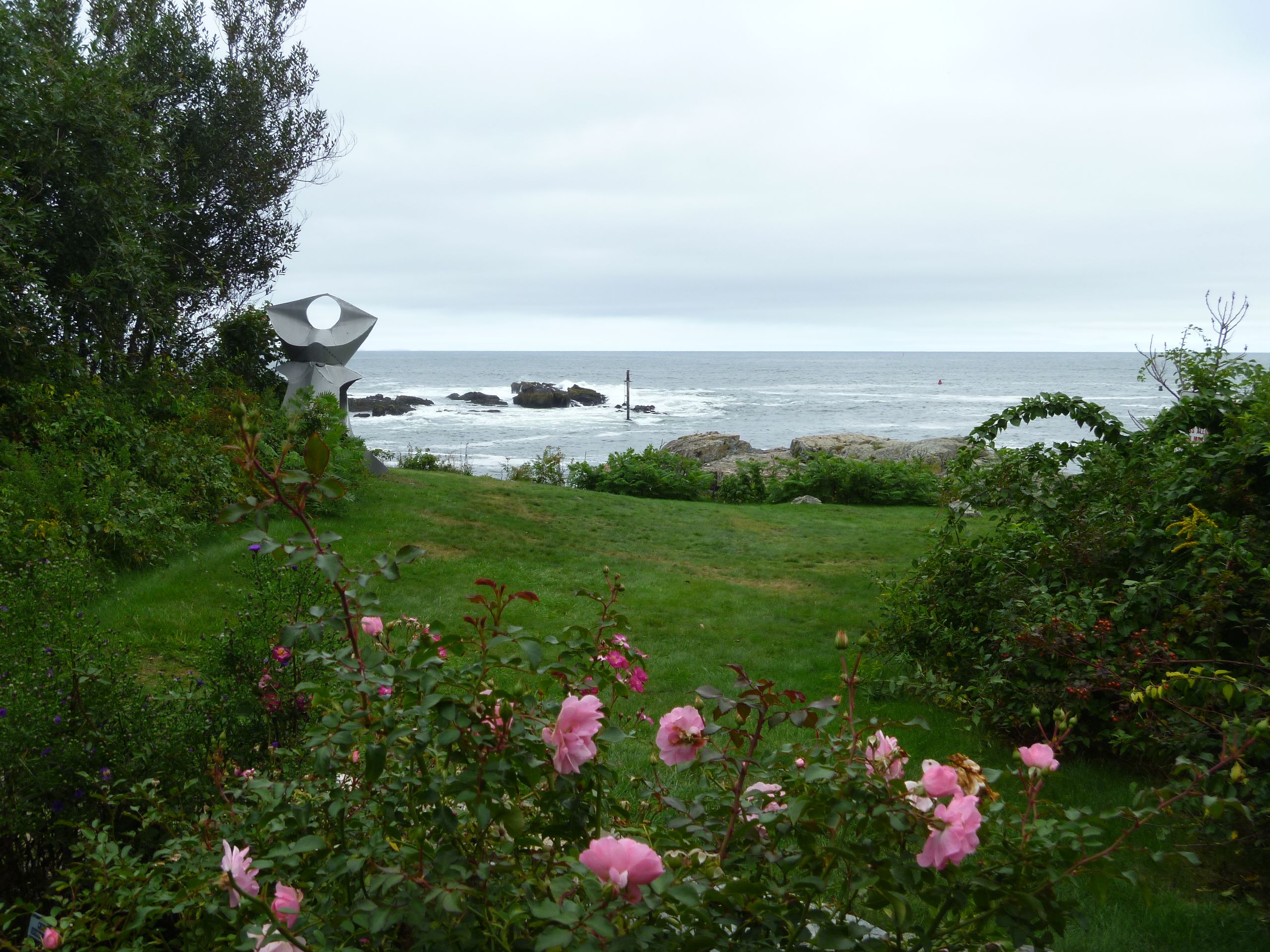
The Ogunquit Museum of American Art is the least historic of my selection of Historic Maine Coast visits. The Museum first opened in 1953 but has been extended since. Artist Henry Strater founded the Museum at 543 Shore Road, Ogunquit by first buying the Ocean facing plot of land on which it stands in 1950. Ogunquit and the Maine Coast area had long been the haunt of artists – an Ogunquit Art Colony was founded here in 1898.

In 2009 we visited The Portland Museum of Art and it was an exhibition there “Call of the Coast: exploring art colonies of New England” that drew my attention to the significant contribution of the Ogunquit colony to the American art scene in the 20th century.

The Museum is surrounded by beautiful sculpture gardens with a wonderful view of the Ocean. The Museum and Gardens are a delight to visit during the Summer months and it is no surprise that it rates as one of the finest small art museums in the United States.