Shuttleworths, Shuttleworths everywhere … some Old Warden history

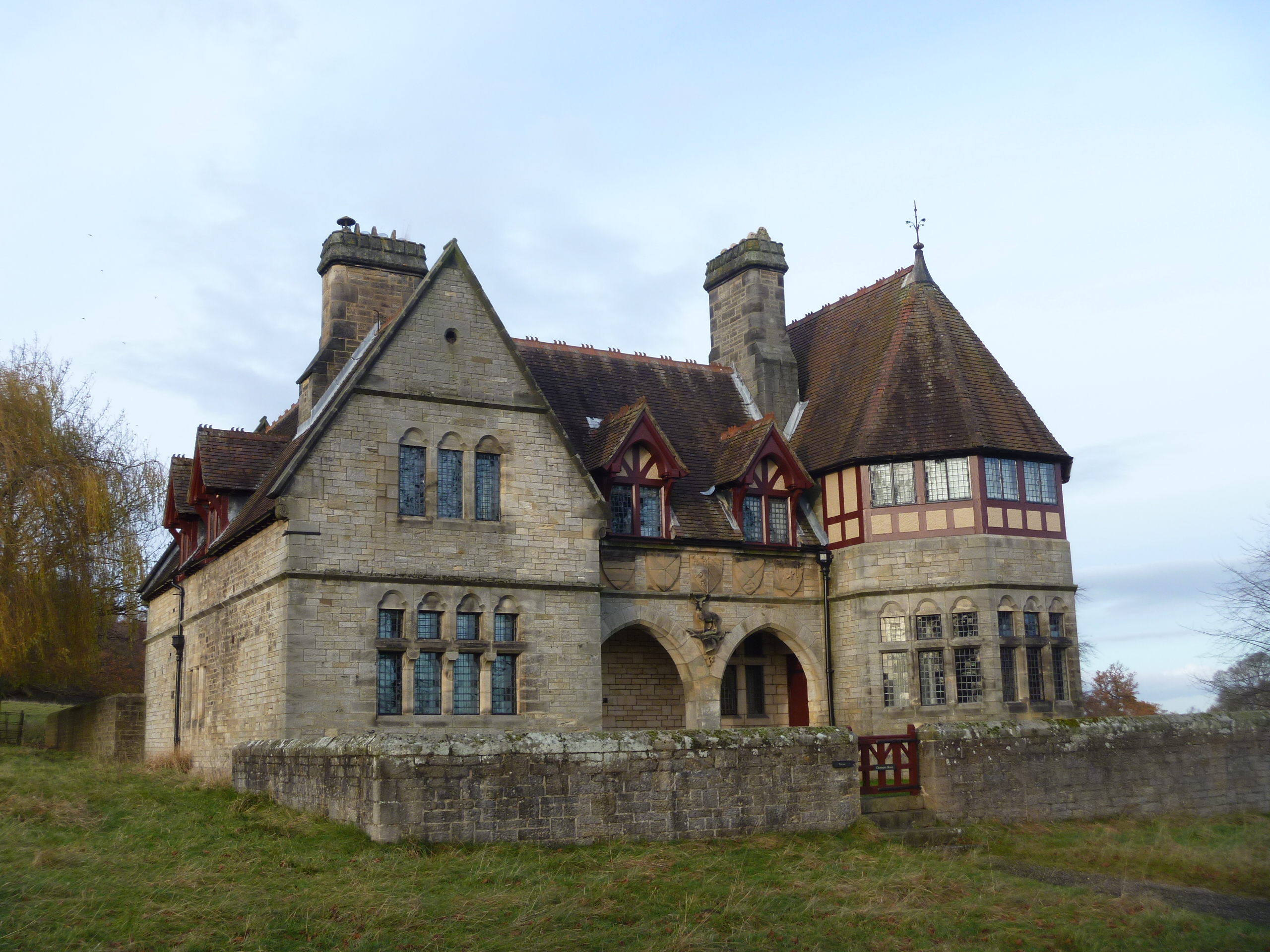
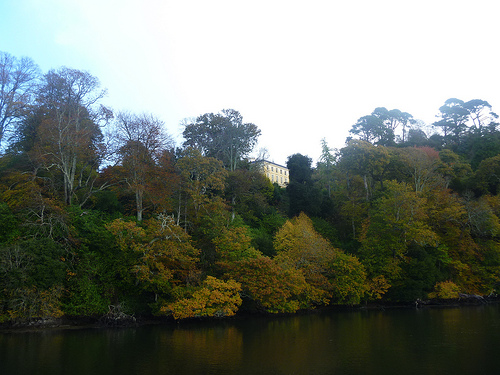
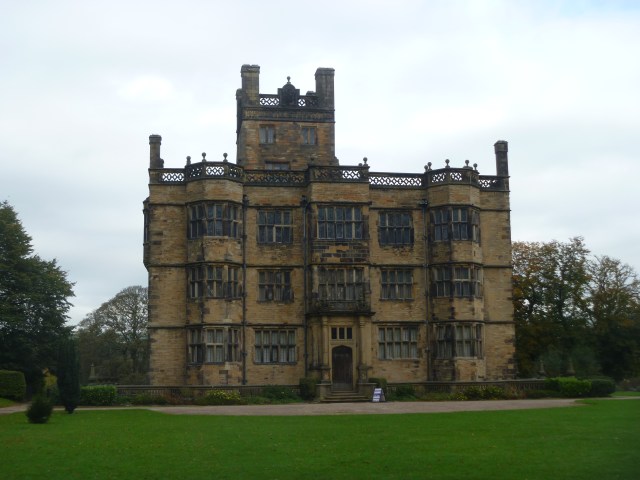
Gawthorpe Hall

Gawthorpe Hall in Lancashire
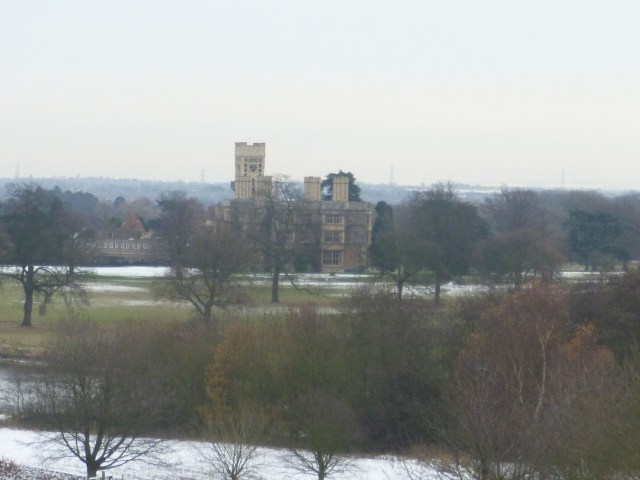
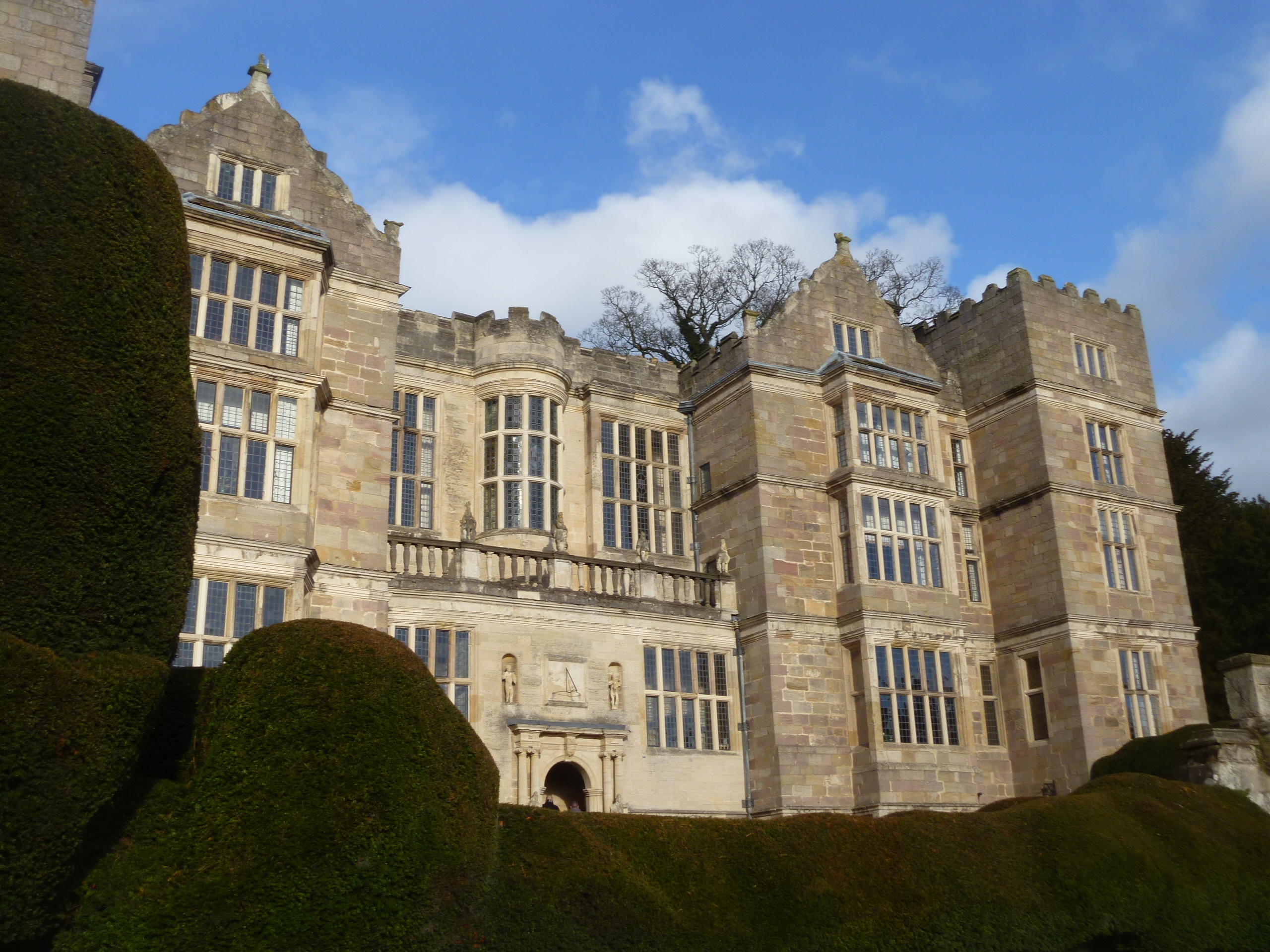
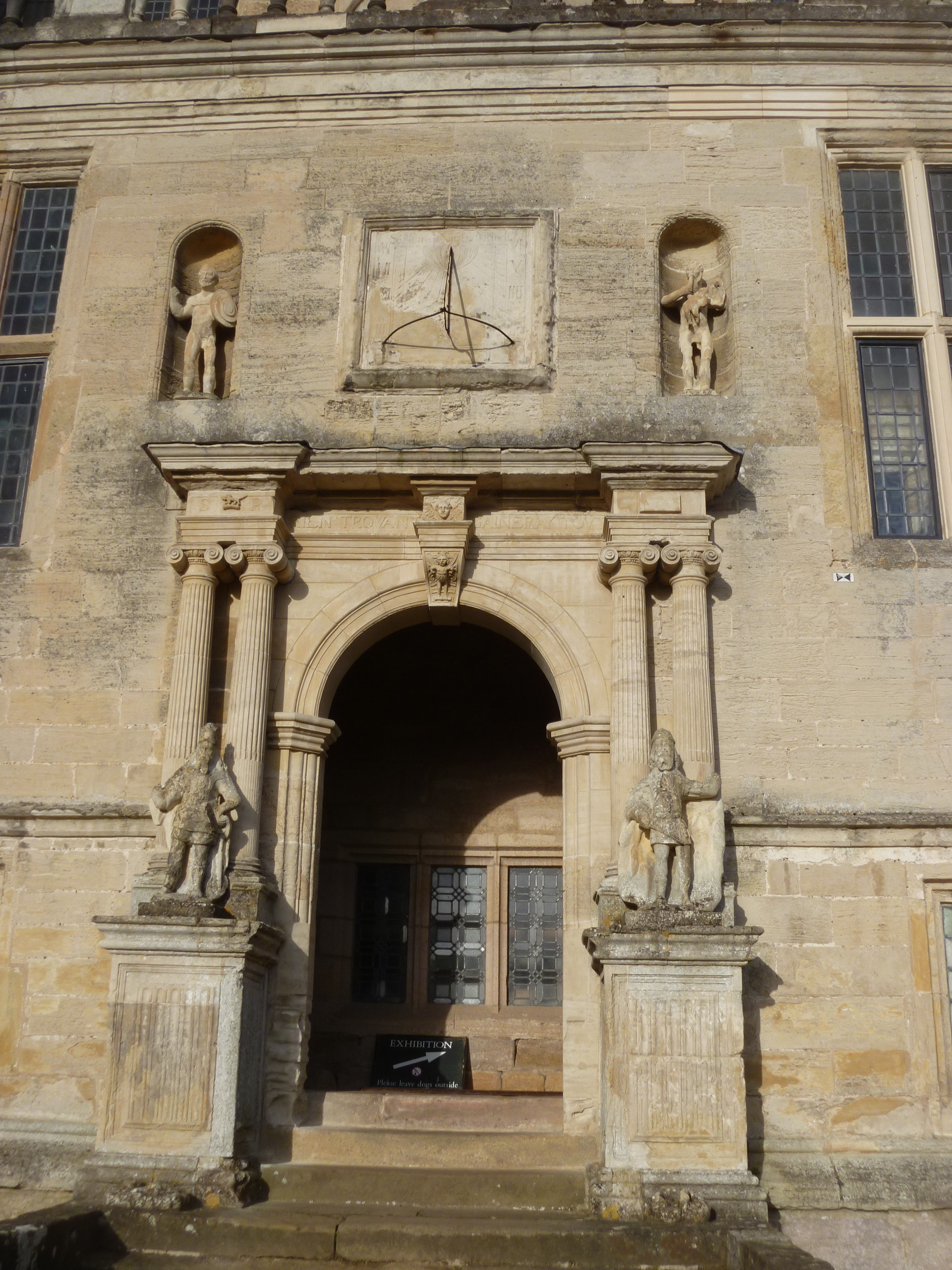
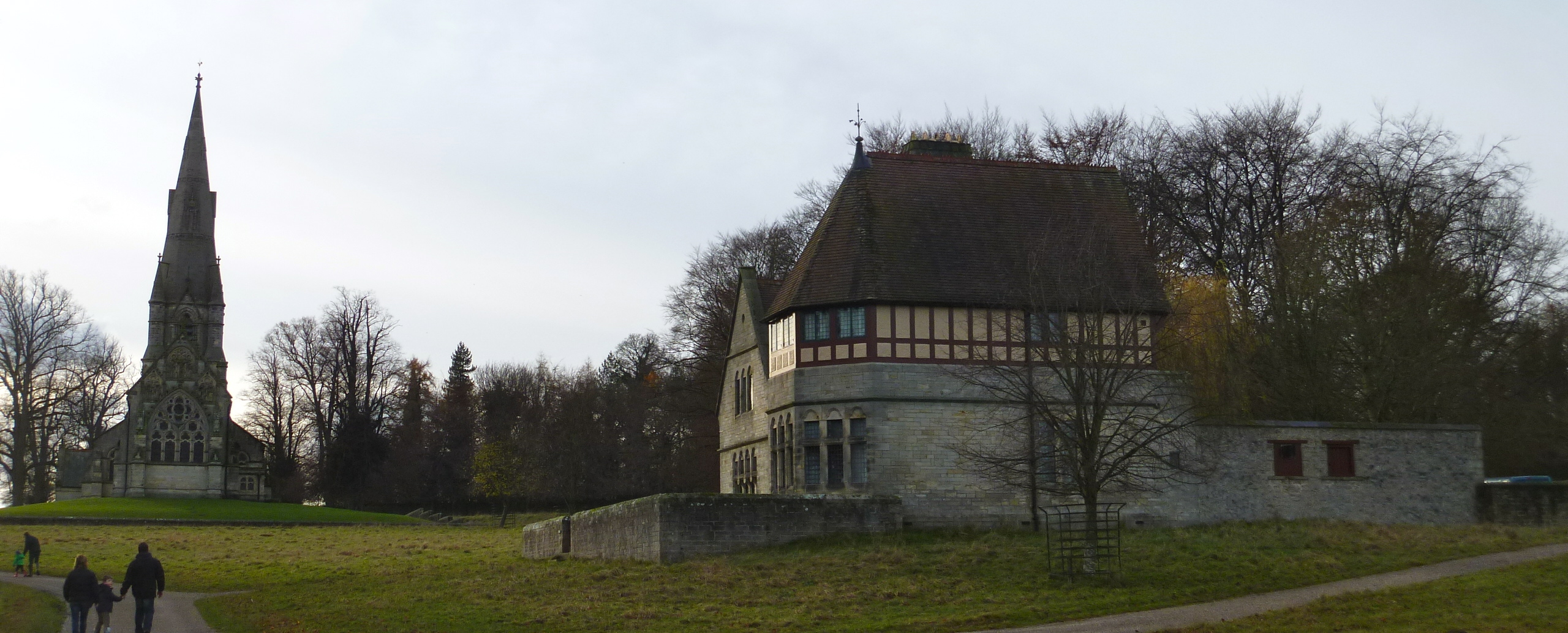
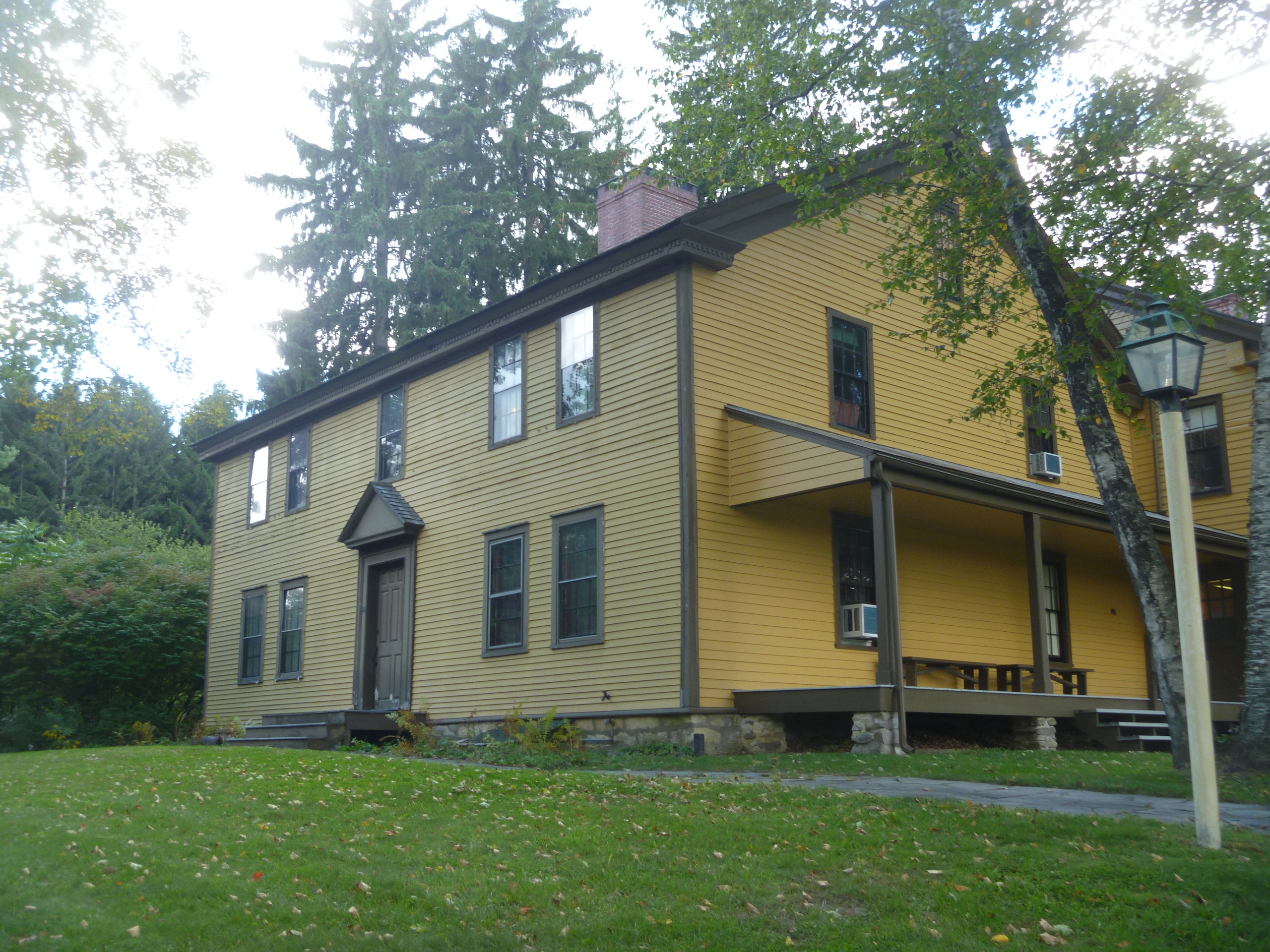
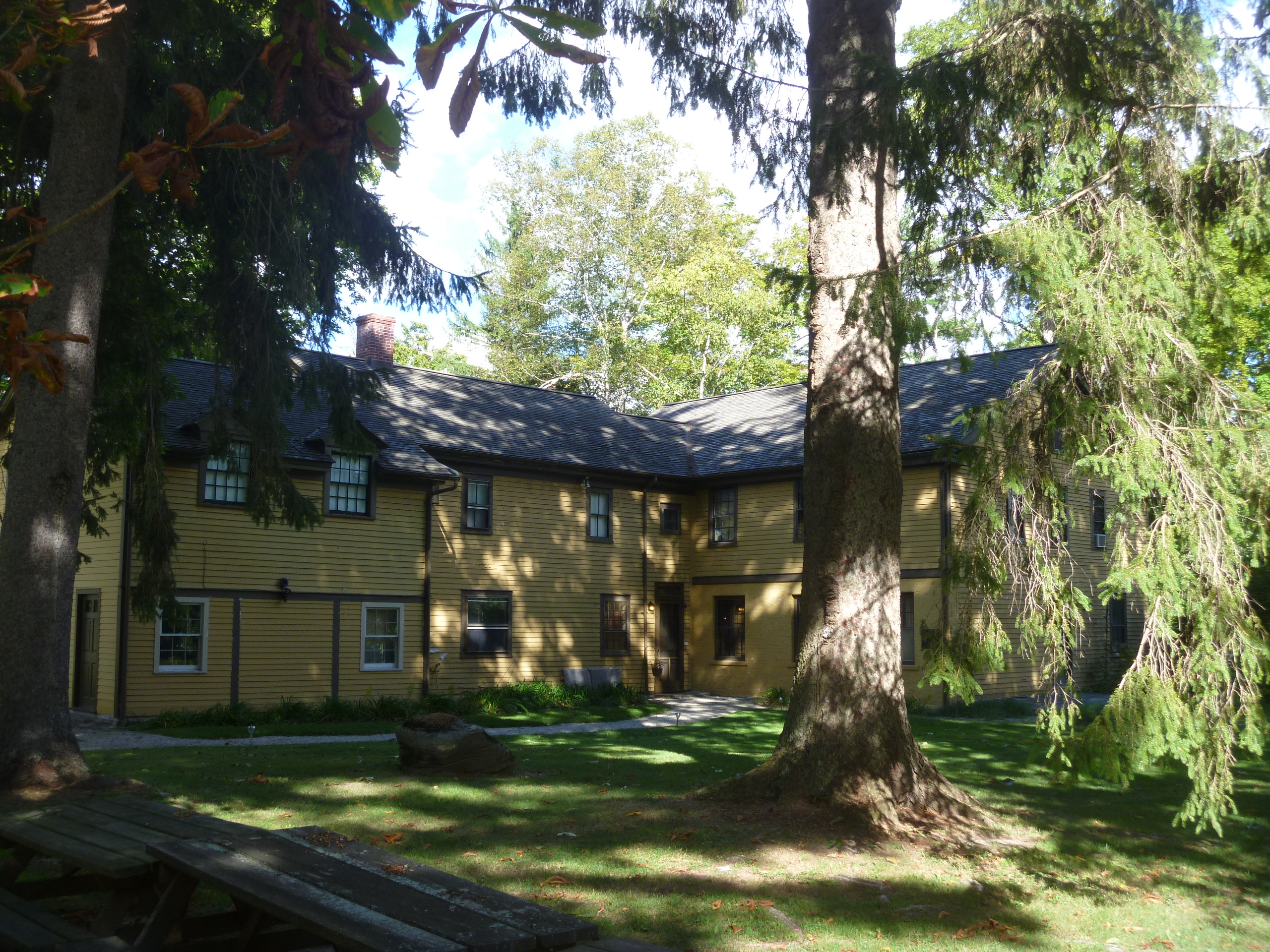
Shuttleworth College

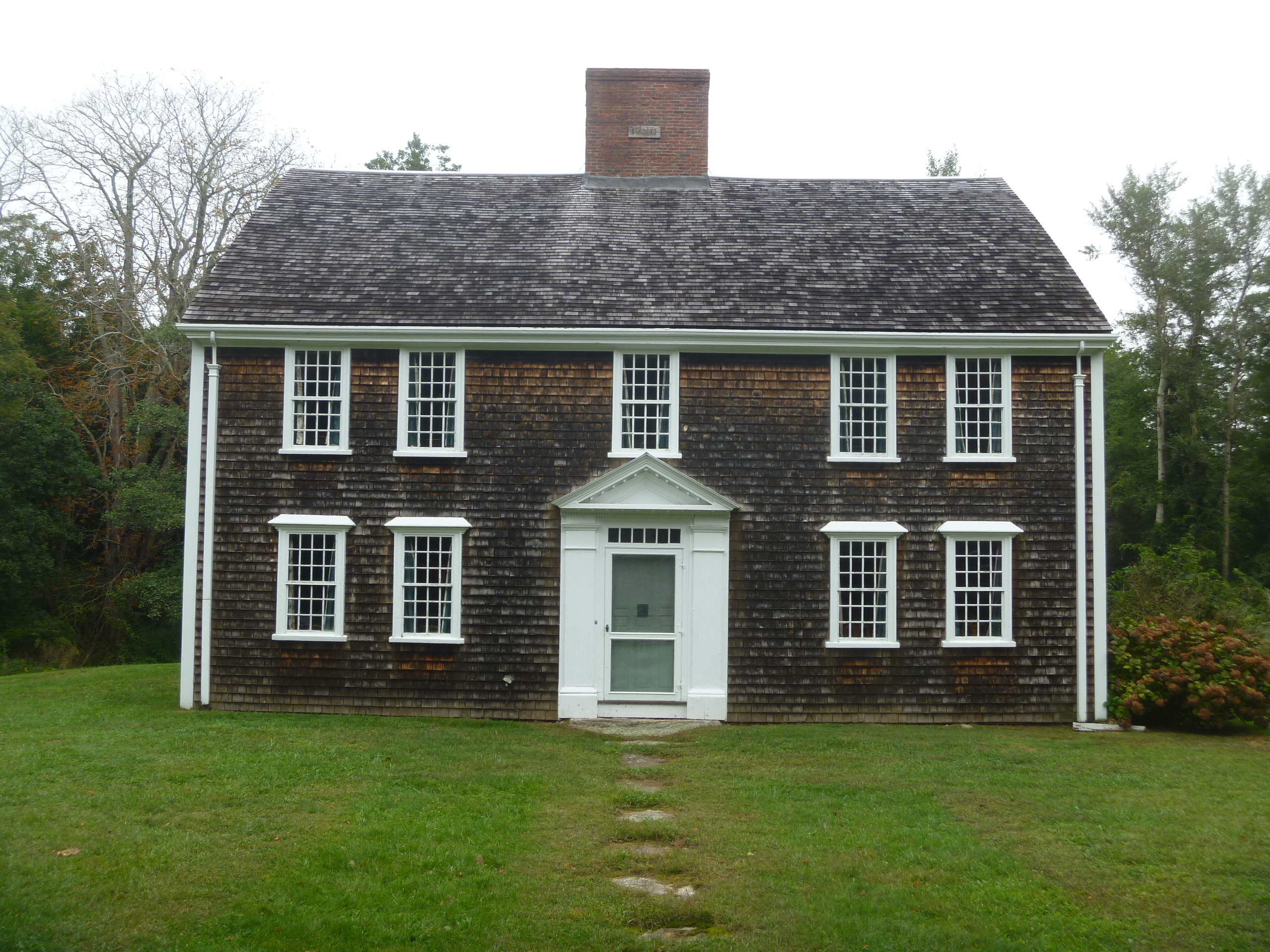
Shuttleworth College in Bedfordshire

See how similar the two buildings above are – they are connected only by the name “Shuttleworth”. In October I met a former work colleague, who lives in Lancashire, at Gawthorpe Hall. I knew the owners were the Kay-Shuttleworths but I never at all linked their name with the Collection with the same name down in Bedfordshire.

I was fascinated to read in the Keeper’s Cottage History Album :

What is intriguing is that there seems to have been no connection whatsoever between Joseph Shuttleworth and the Gawthorpe (by then Kay) Shuttleworths. In seeking to establish his own pedigree in Bedfordshire, Joseph seems to have wished to imply a connection with these ancient, Lancastrian namesakes that was apparently without foundation. He adopted a crest that was similar to their own and the family arms also feature the Gawthorpe Shuttleworth’s ‘three shuttles sable tipped and fringed with quills of yarn and threads bend or; a cubit arm in armour proper grasping in the gauntlet a shuttle of arms.’

… the estate at Old Warden represented a perfect fit for the new dynasty, with a model village half begun by an expiring family (the Ongleys) offering the opportunity for benevolent philanthropy as well as revivication of an ancient estate.”
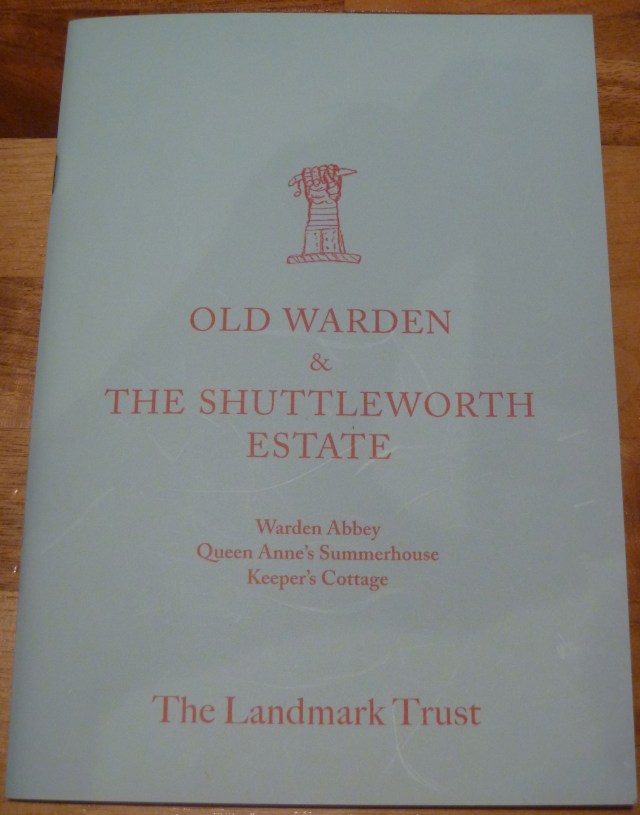
Old Warden Booklet

The Landmark Trust have published a history booklet “Old Warden and the Shuttleworth Estate : the history of Old Warden told through three buildings; Warden Abbey, Queen Anne’s Summerhouse and Keeper’s Cottage”. 
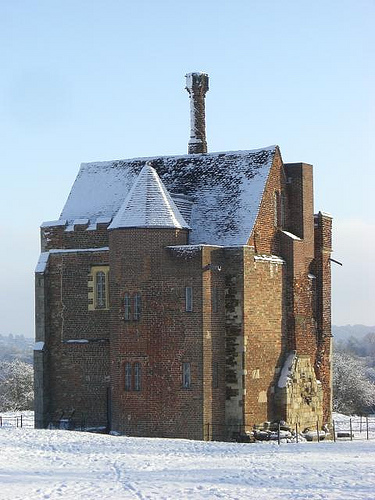
Warden Abbey

Warden Abbey (now also a Landmark Trust property)
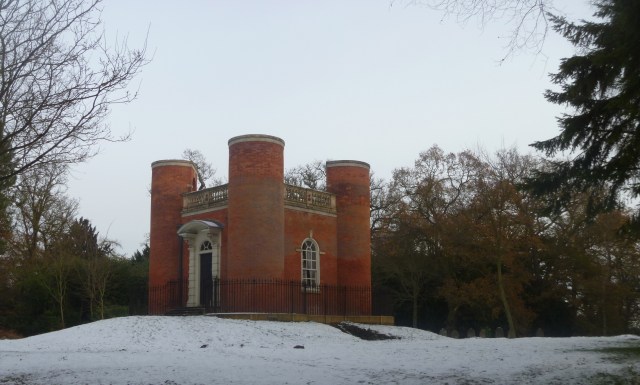
Queen Anne's Summerhouse

Queen Anne’s Summerhouse (now also a Landmark Trust property)

I was able to buy a copy from the housekeeper at Keeper’s and it tells the history, briefly, of the area from the foundation of the Cistercian Warden Abbey in 1135 to the present day  co-operation between the Shuttleworth Trust and The Landmark Trust.

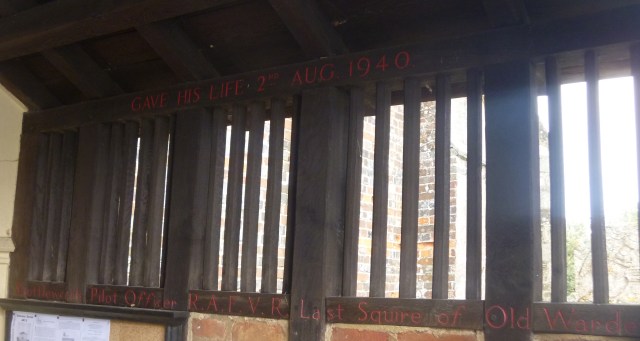
The Shuttleworth Trust was set up by Dorothy Shuttleworth following the early death in 1940 during an RAF flying accident of her only  son and the squire of Old Warden, Richard Ormonde Shuttleworth. The hall became a hospital during the War and afterwards the devastated mother turned the entire estate into a charitable trust in his memory. The hall is now a College  specialising in running outdoor and country-based courses. Richard’s collection of old aeroplanes formed the original Shuttleworth Collection.

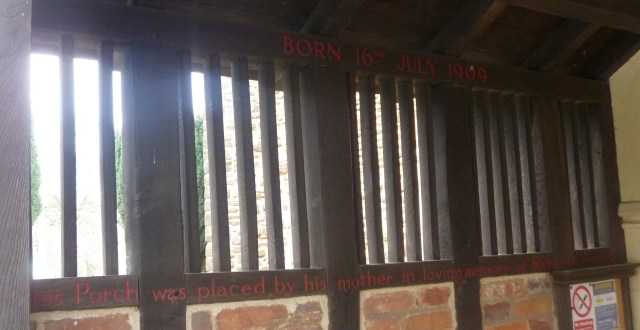
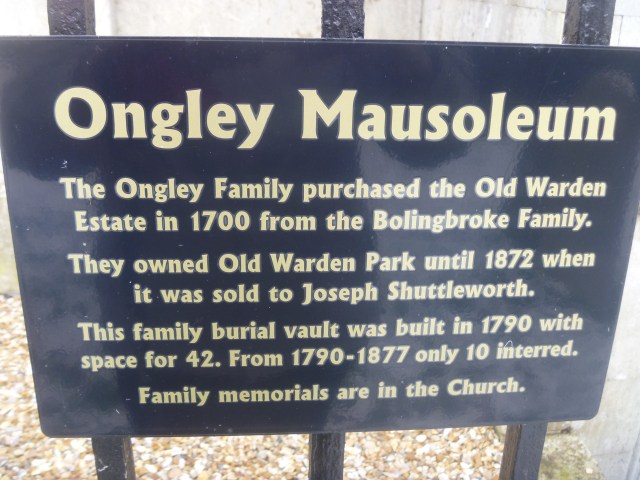
I took a walk one day to visit St Leonard’s church, in Old Warden (2 stars in Jenkins’s book). Unfortunately it’s only open at the weekend so I wasn’t able to inspect the various Ongley and Shuttleworth memorials and the 14th century window depicting an abbot in a white habit from the Cistercian Warden Abbey. But in the porch Richard is commemorated and the Ongley Mausoleum and the Shuttleworth graves lie in the churchyard.
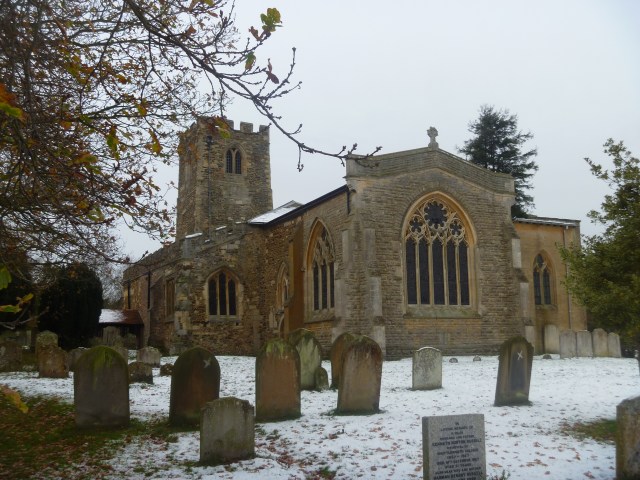
St Leonard's Old Warden

St Leonard’s Church

Porch 1

Porch 2

The porch is a memorial to Richard Shuttleworth
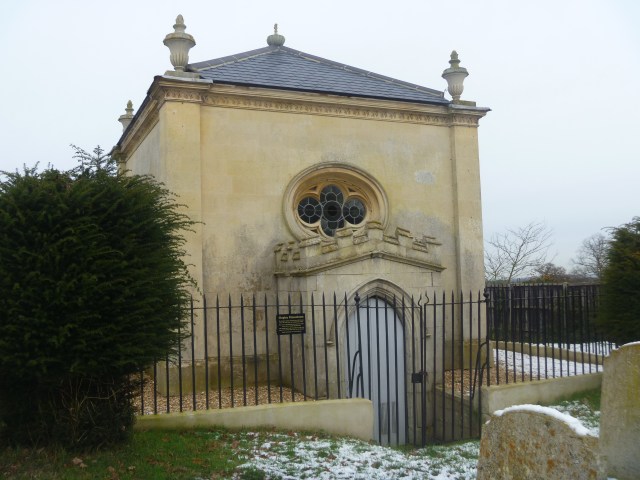
The Ongley Mausoleum
Ongley notice

The Ongley Mausoleum

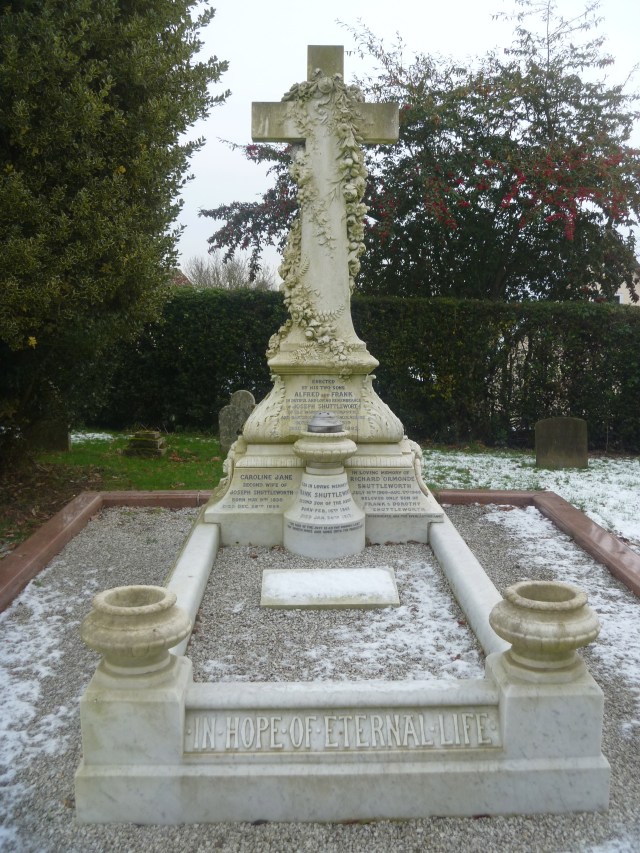
Shuttleworth grave

The Shuttleworth Grave

Additional Note :
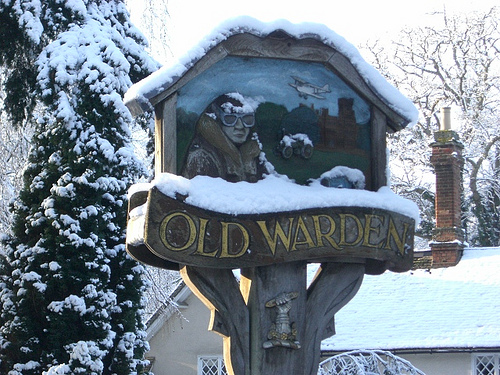
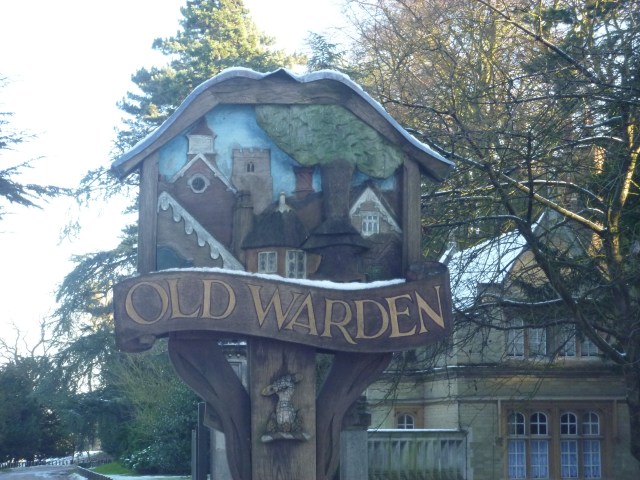
Old Warden sign 2009

Village sign in 2009

Old Warden sign 2012

The Sign today in 2012

I’m not sure that I don’t prefer the older, more distinctive one.
The Pilgrim’s Progress and A Winter’s Tale – Some Literary Remains in Bedfordshire

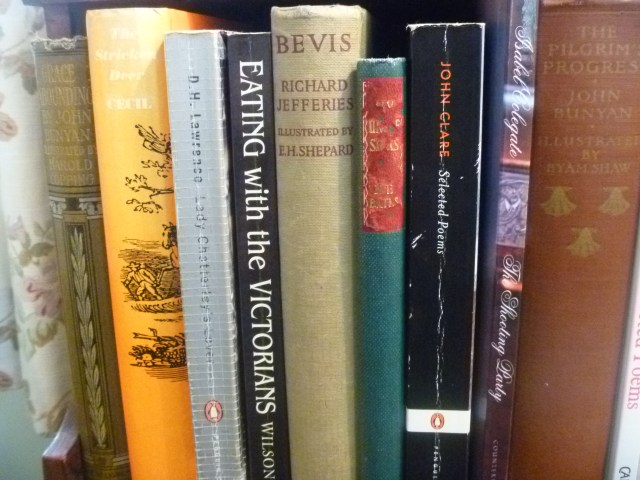
The clues to the literary connections in the local area can always be found in the Landmark Library of any property.

Keeper's book case

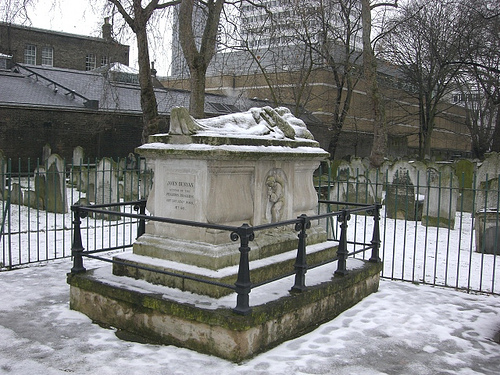
John Bunyan was a Bedfordshire man. He was born in the village of Elstow in 1628 and he spent 12 years as a prisoner of conscience in Bedford Jail where he had the idea to write his most famous work. The Pilgrim’s Progress was published in two parts in 1678 and 1684. Bunyan died in Holborn in London in 1688 and I have seen his grave and memorial in Bunhill Fields Cemetery in London.

Bunyan in Bunhill Fields

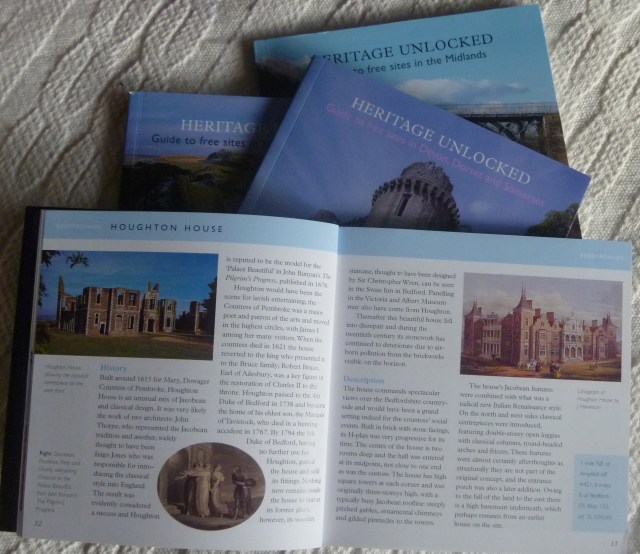
I discovered the existence of Houghton House not too far from Old Warden from another little series of books which I consult before making trips; the Heritage Unlocked series published by English Heritage.

EH Heritage Unlocked

I’m not a member of EH and to visit the remains of Houghton House, just outside the busy little town of Ampthill, it’s no advantage to be because it’s free to visit during daylight hours.

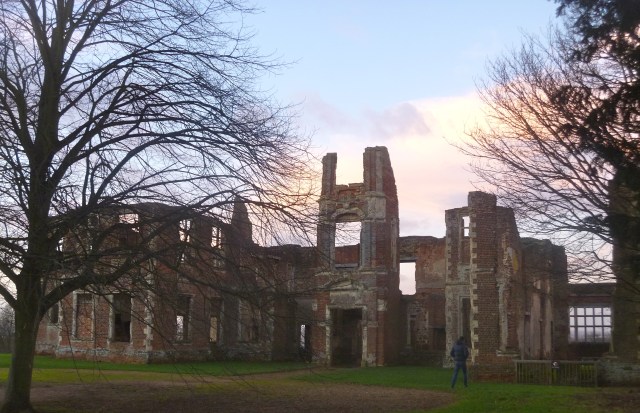
Houghton House

From the EH website :

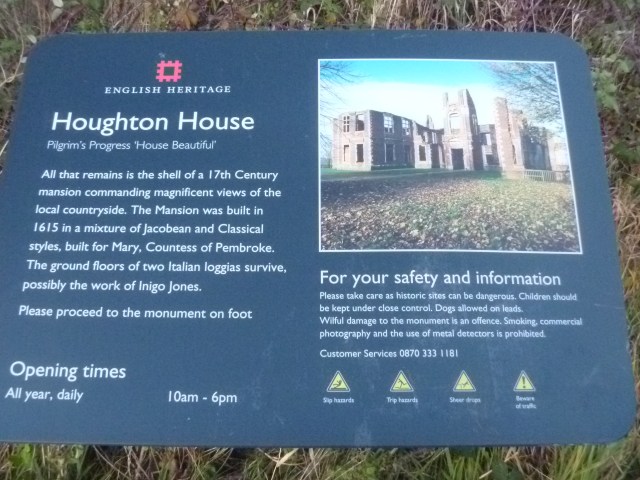
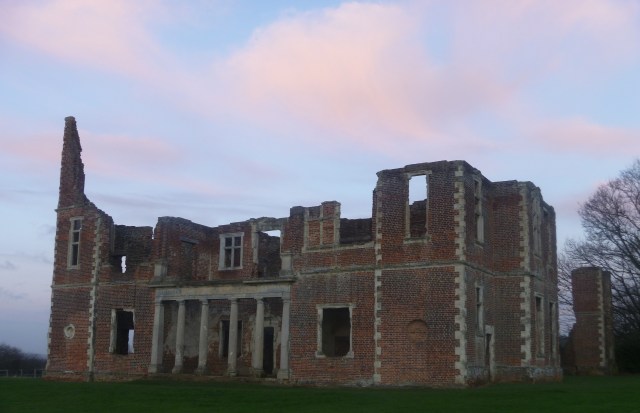
Houghton House today is the shell of a 17th century mansion commanding magnificent views, reputedly the inspiration for the ‘House [or Palace] Beautiful in John Bunyan’s Pilgrim’s Progress.

It was built around 1615 for Mary, Dowager Countess of Pembroke, in a mixture of Jacobean and Classical styles: the ground floors of two Italianate loggias survive, possibly the work of Inigo Jones.

EH Information board

Information panels describe the house, its owners and the surrounding hunting estate.”

Approaching HH

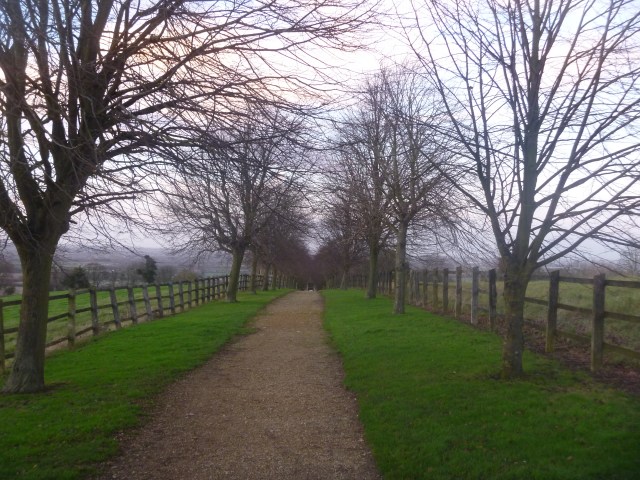
The ruin of Houghton House is approached along a tree-lined track.

Tree with mistletoe

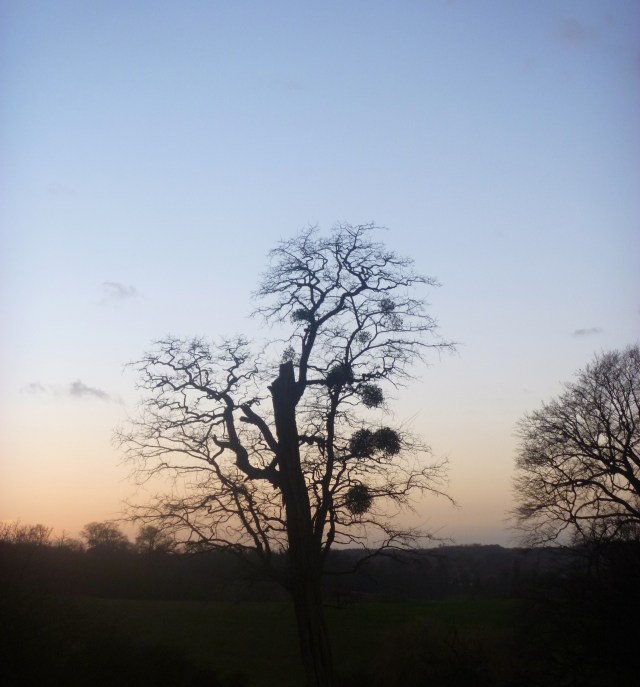
There are also many trees laden with mistletoe – giving quite a seasonal feel. Also, it was approaching dusk which increased the dramatic effect of the ruin but maybe my photos turned out a little on the dark side.

HH south

Houghton House “commands spectacular views over the Bedfordshire countryside and would have been a grand setting indeed for the countess’ social events.”

And in the History Album at Keeper’s Cottage we are informed of a Shakespearean connection to Old Warden :

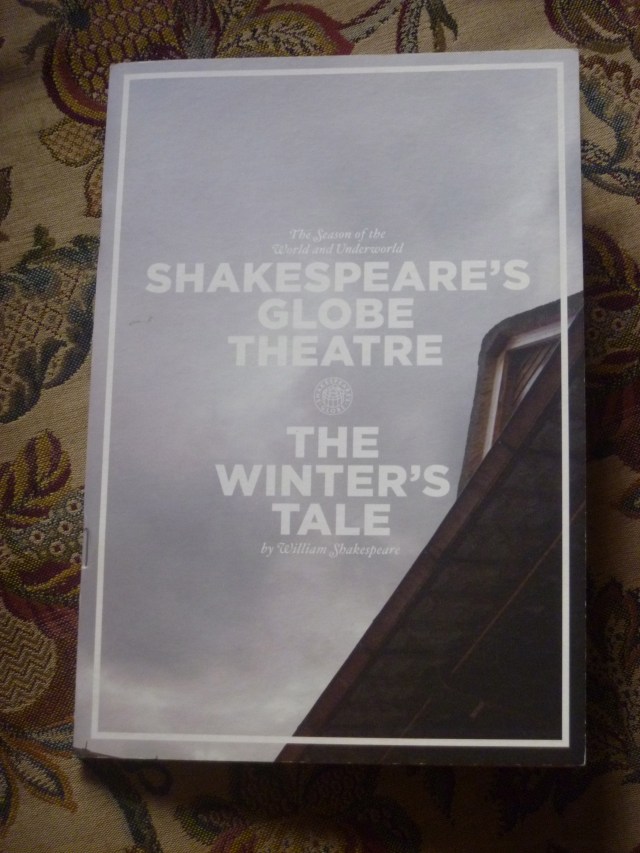
Warden Pear. A small pear used for cooking, the Warden Pear was the key ingredient in Warden Pies, which crop up here and there in Elizabethan and Stuart literature, most notably in Shakespeare’s Winter’s Tale , where the Clown almost gives the recipe : “I must have saffron to colour the warden pies; mace; dates? …nutmegs, seven; a race or two of ginger, byut that I may beg, four pounds of prunes and as many raisins o’ the sun” [Act IV, sc. Iii] Hot Warden Pies were still sold in Bedford in the nineteenth century.”

The Winter's Tale

A Literary Pilgrimage in Yorkshire

Yesterday I revisited Haworth with a friend. Looking back at my Flickr photos I see that my last visit to this Literary Shrine was in 2005. On that day, it was a Sunday, the queue to get into the Parsonage stretched down through the garden. I planned to return on a quieter day. So, a mere 7 years later, I was back again and indeed found the village and Parsonage very much quieter. [Mental note to self – visit Haworth Parsonage on a Monday in November] My only previous visit inside the house itself was in the early 1990s.

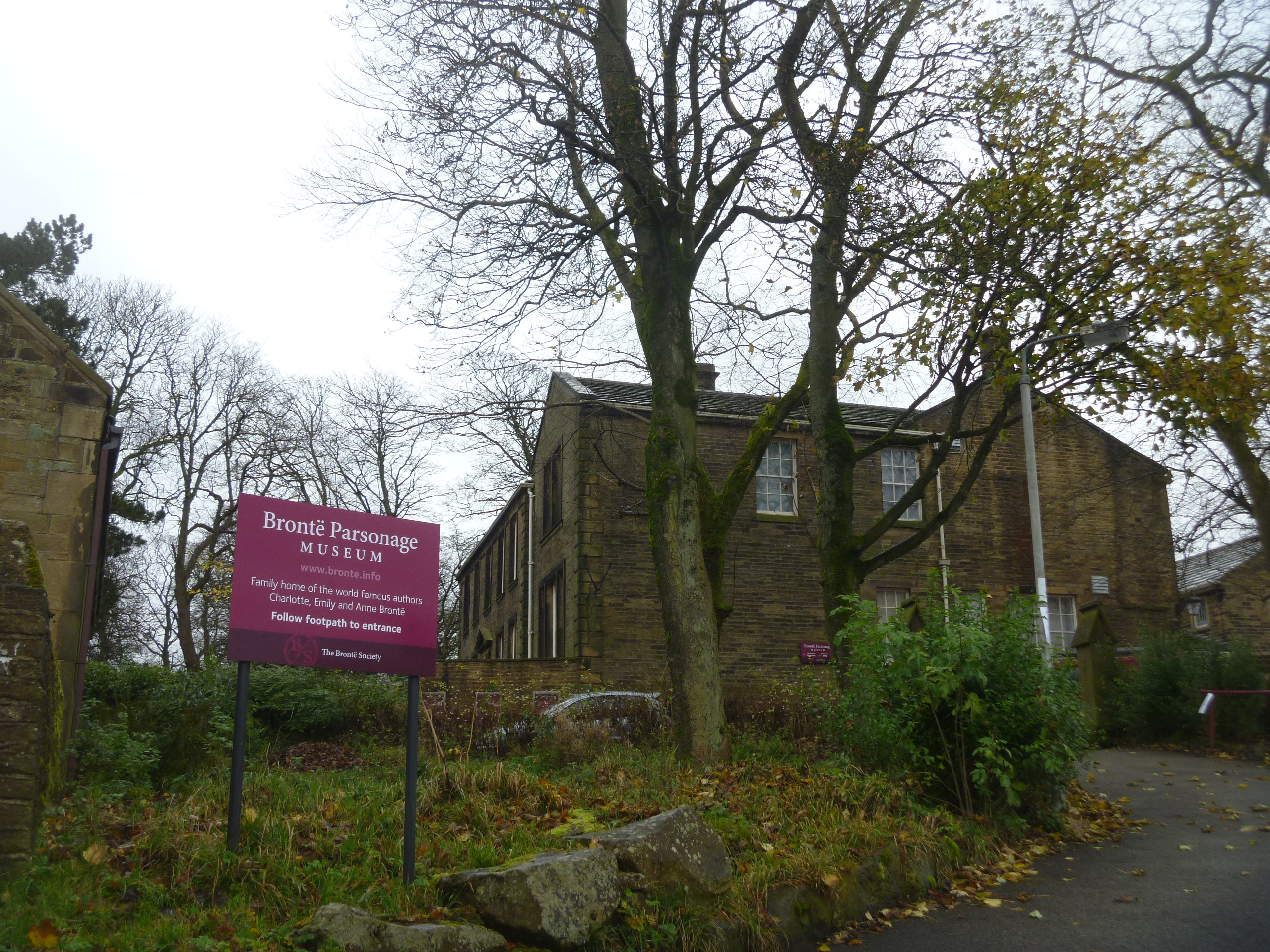
Approaching the Museum from the Car Park

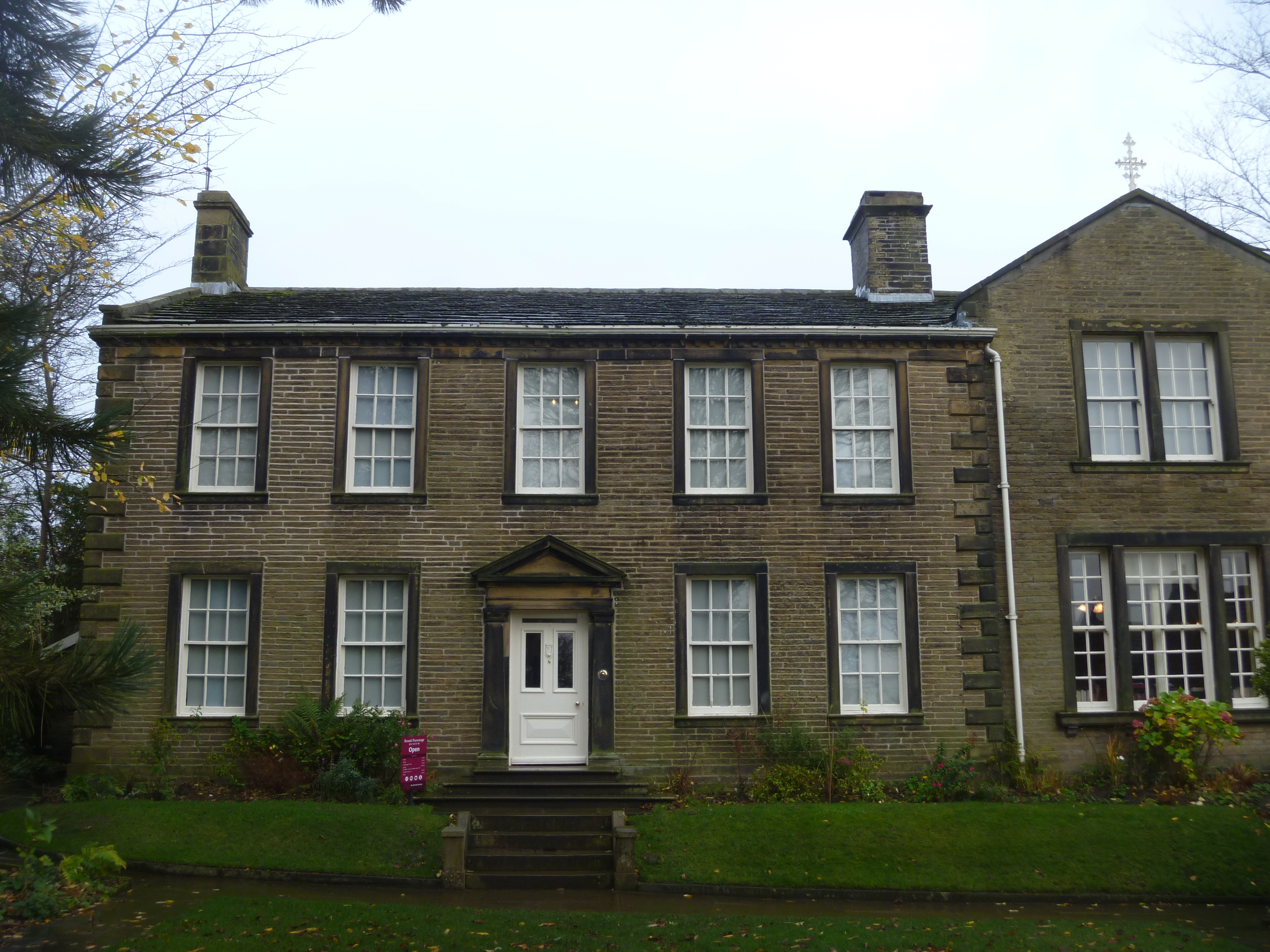
I’m sure I don’t need to explain here that the Parsonage at Haworth, near Keighley in West Yorkshire was home to the Bronte family (probably the world’s most famous literary family) from 1820 to 1861.

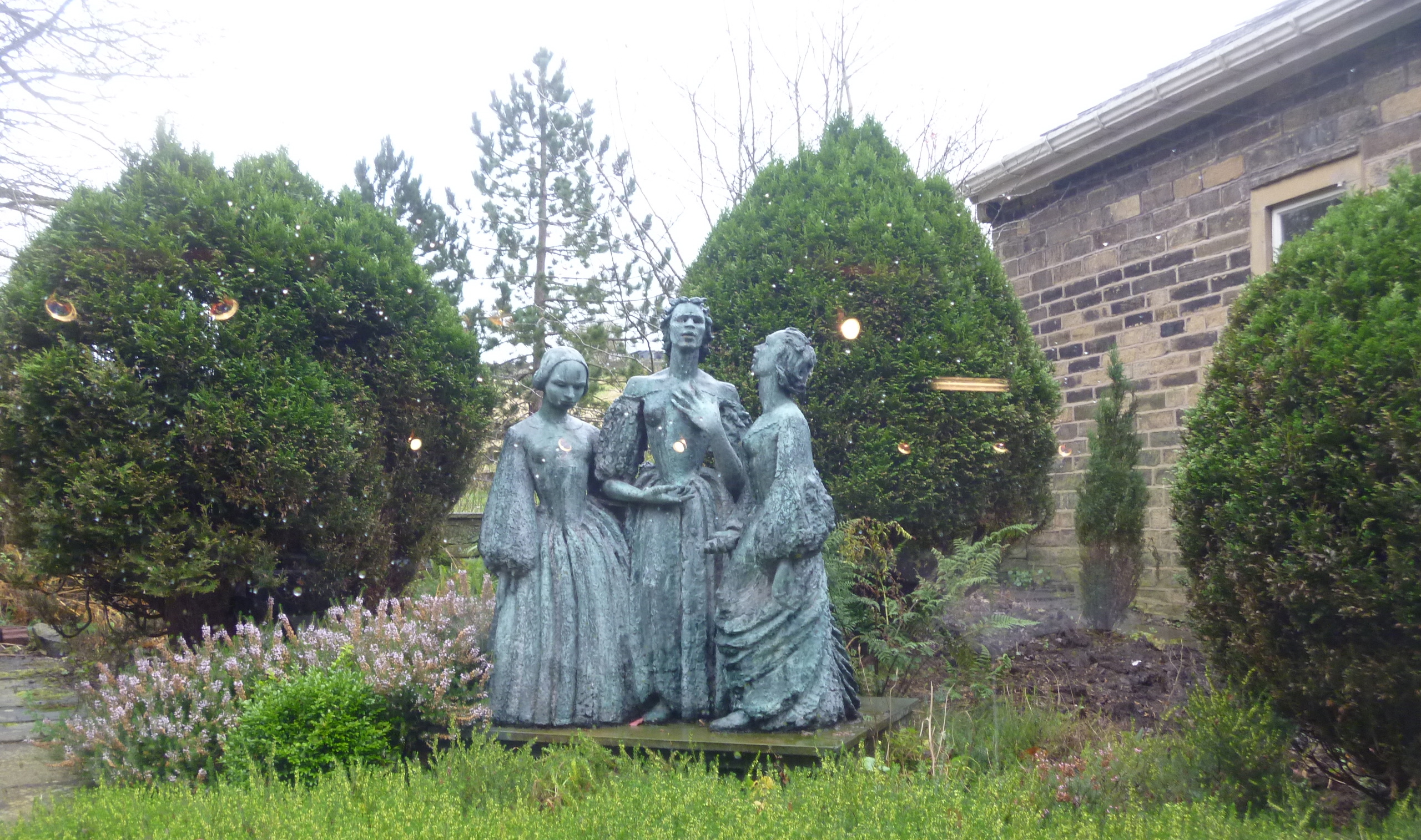
Bronze Sculpture (by Jocelyn Horner) of The Bronte Sisters in the Heather Garden

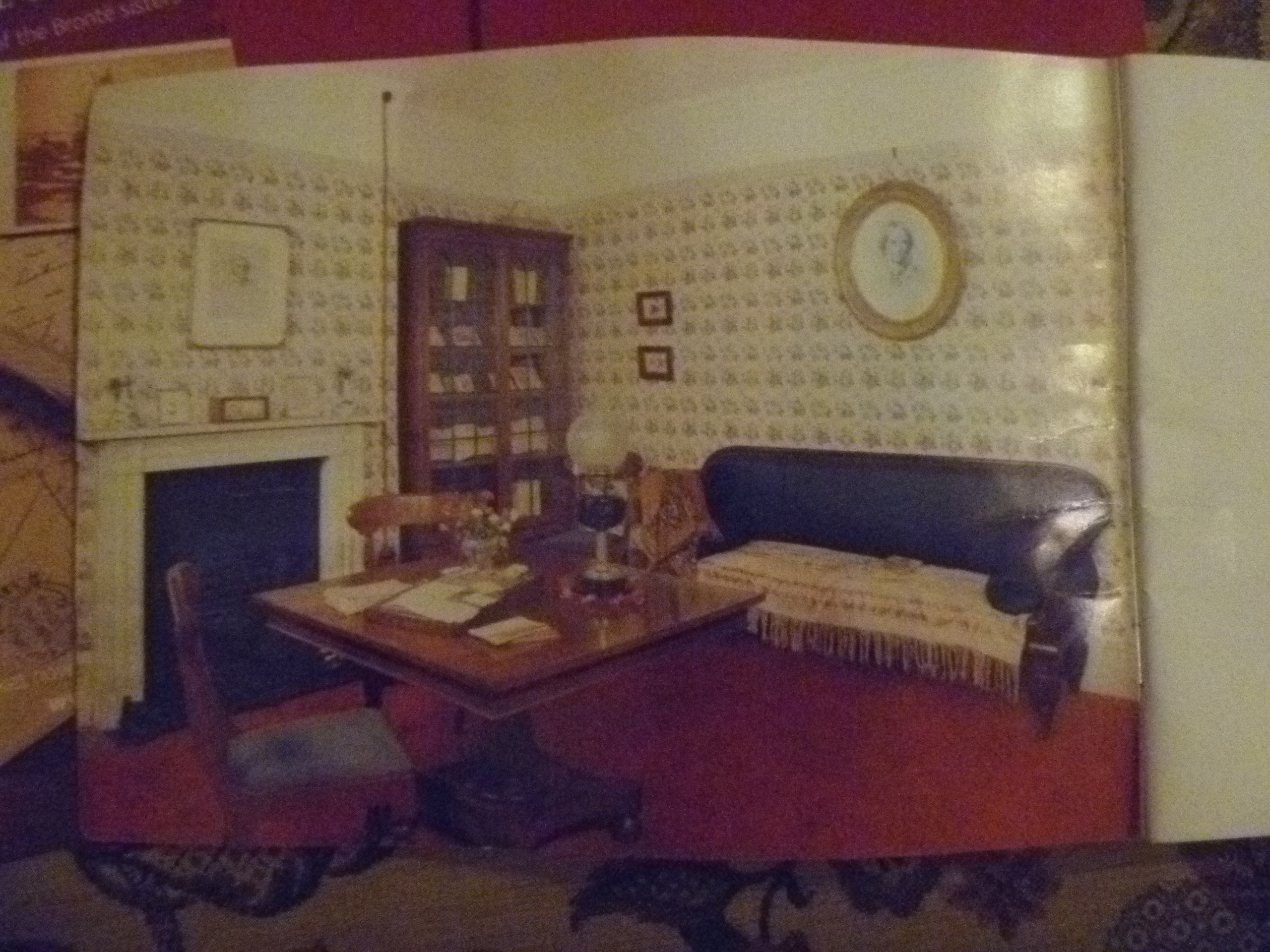
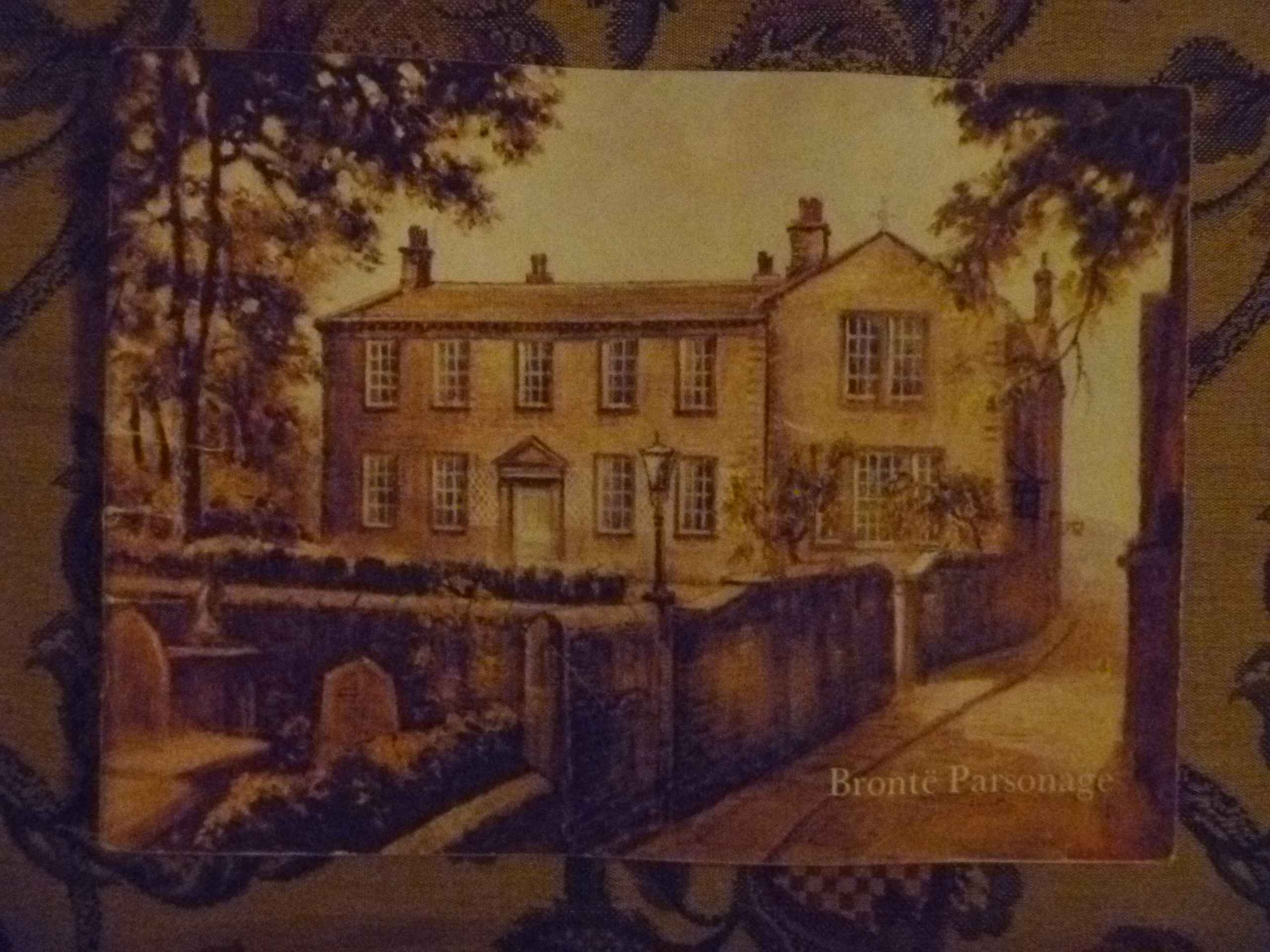
Little had changed in the house itself – my friend and I and one other couple were the only visitors at 1pm today. Some of the pictures had been moved about and there’s a much improved permanent exhibition called Genius: The Bronte Story. My friend had brought along her guidebook from a previous trip [in 1983] so we were able to compare and as photography inside the house is prohibited. Here are some pictures from that book:

The Dining Room

Mr Bronte’s Study

Bronte Parsonage Guide, 1983

There’s a further exhibition called Bronte Relics : A Collection History.

New exhibition looking at the fascinating history of the Bronte Parsonage Museum collection, a story almost as extraordinary as the Bronte story itself.” [website]

“The provenance of a variety of objects is traced back through previous owners and collectors to the major sources of Bronteana; amongst them Charlotte’s husband, Arthur Bell Nicholls; Ellen Nussey, Charlotte’s lifelong friend; the family of Martha Brown, the Brontes’ servant, and the American collector, Henry Houston Bonnell.” [2012 flyer]

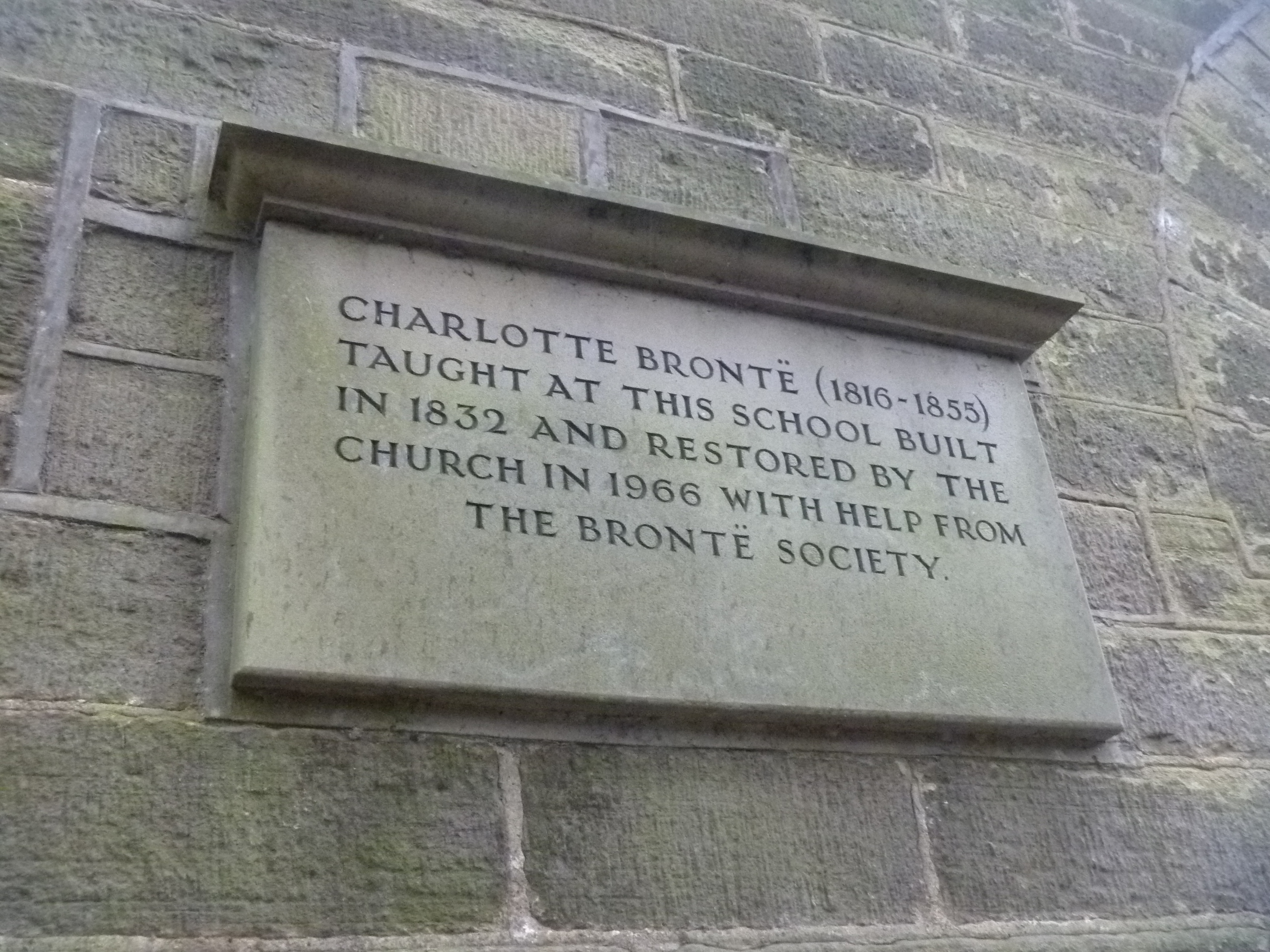
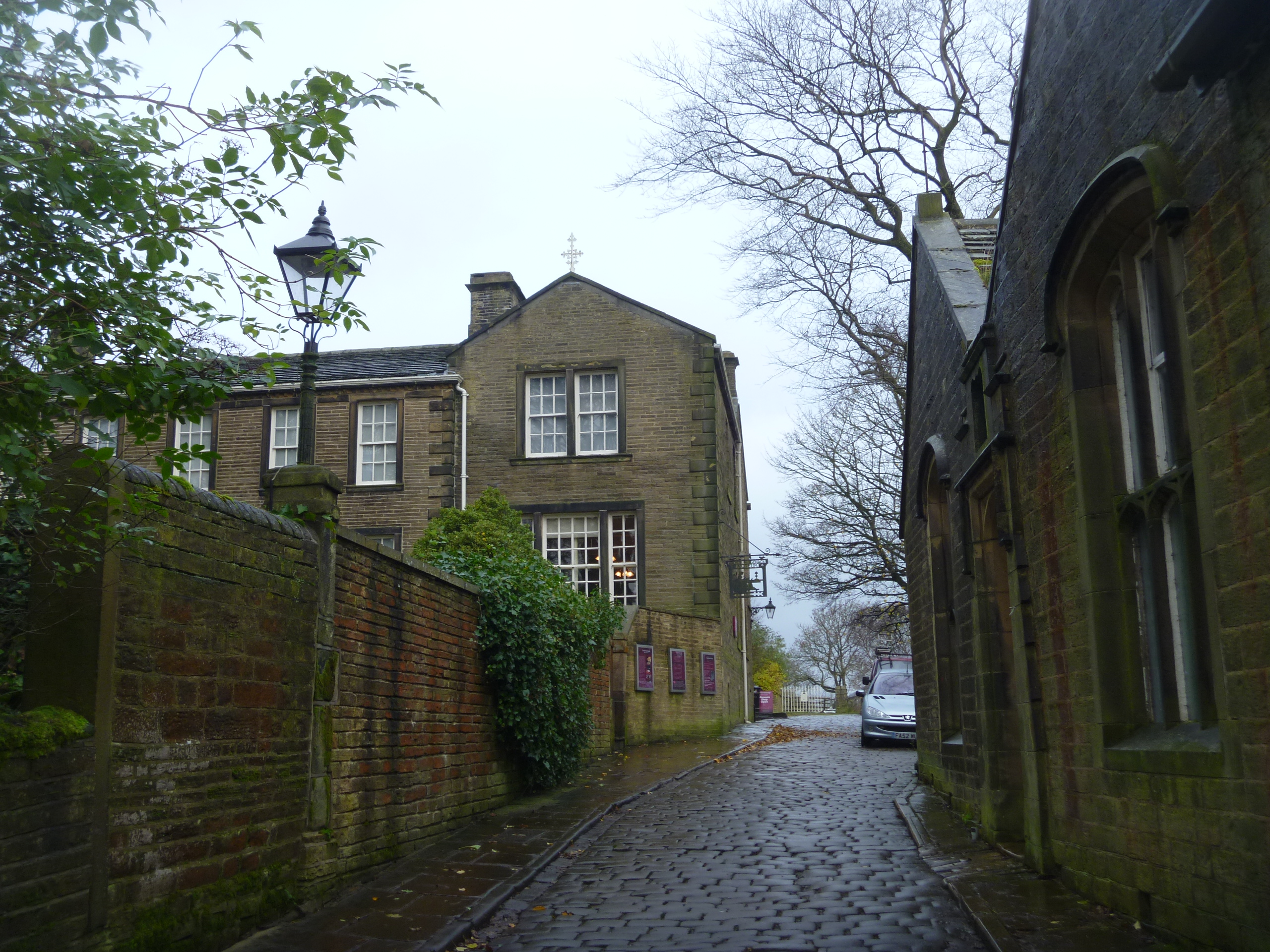
Opposite The Parsonage is the School in which Charlotte Bronte taught at one time.

The Parsonage is on the left and the School on the right

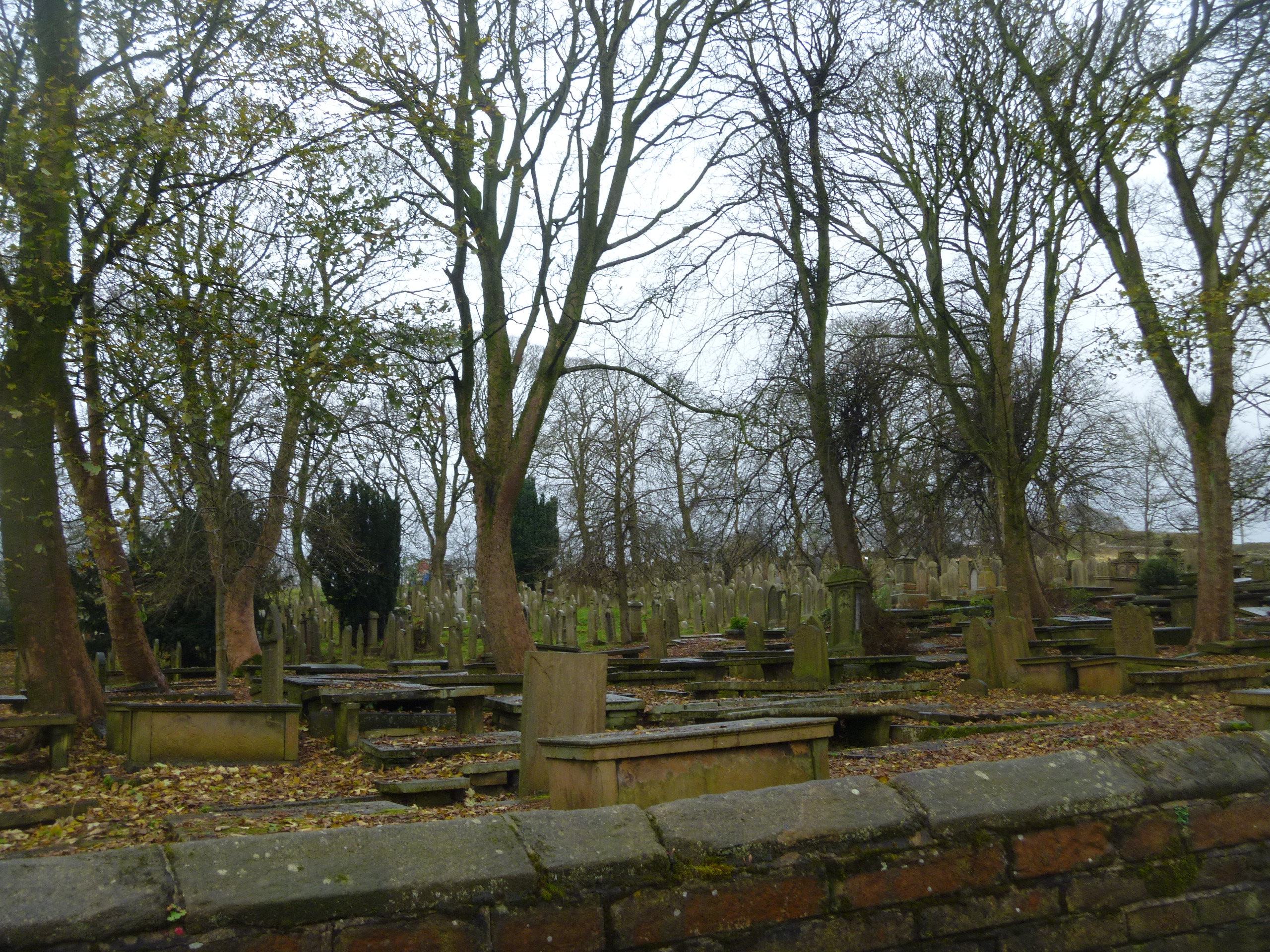
The Churchyard, Haworth

No visit to Haworth can be described without a mention of the weather. Maybe on occasion the sun shines up on Haworth Moor but I do believe that I have yet to experience this phenomenon! Today was cloudy and wet and typically atmospheric. But read here about a summertime visit.

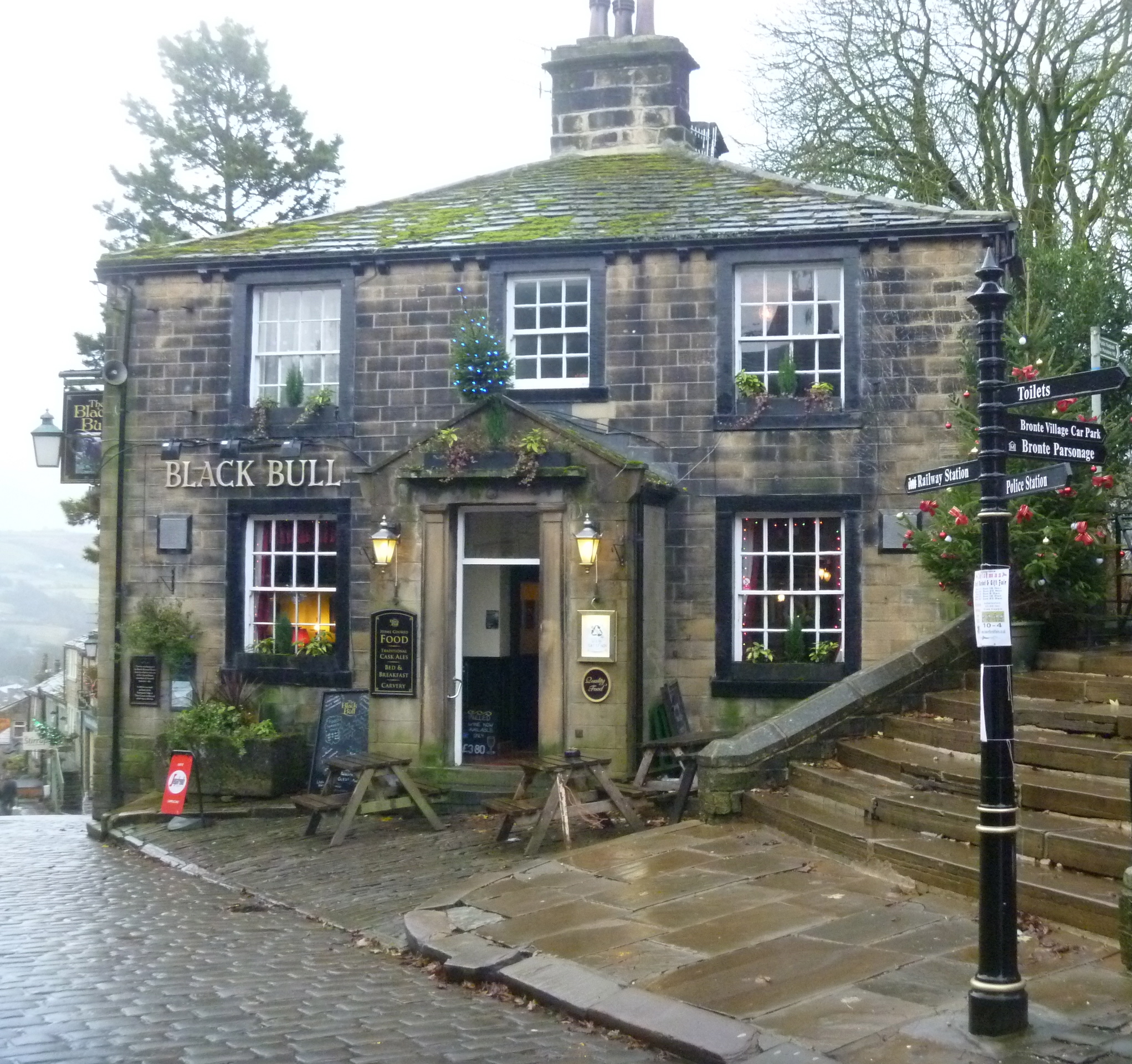
The Black Bull – Branwell was a ‘regular’

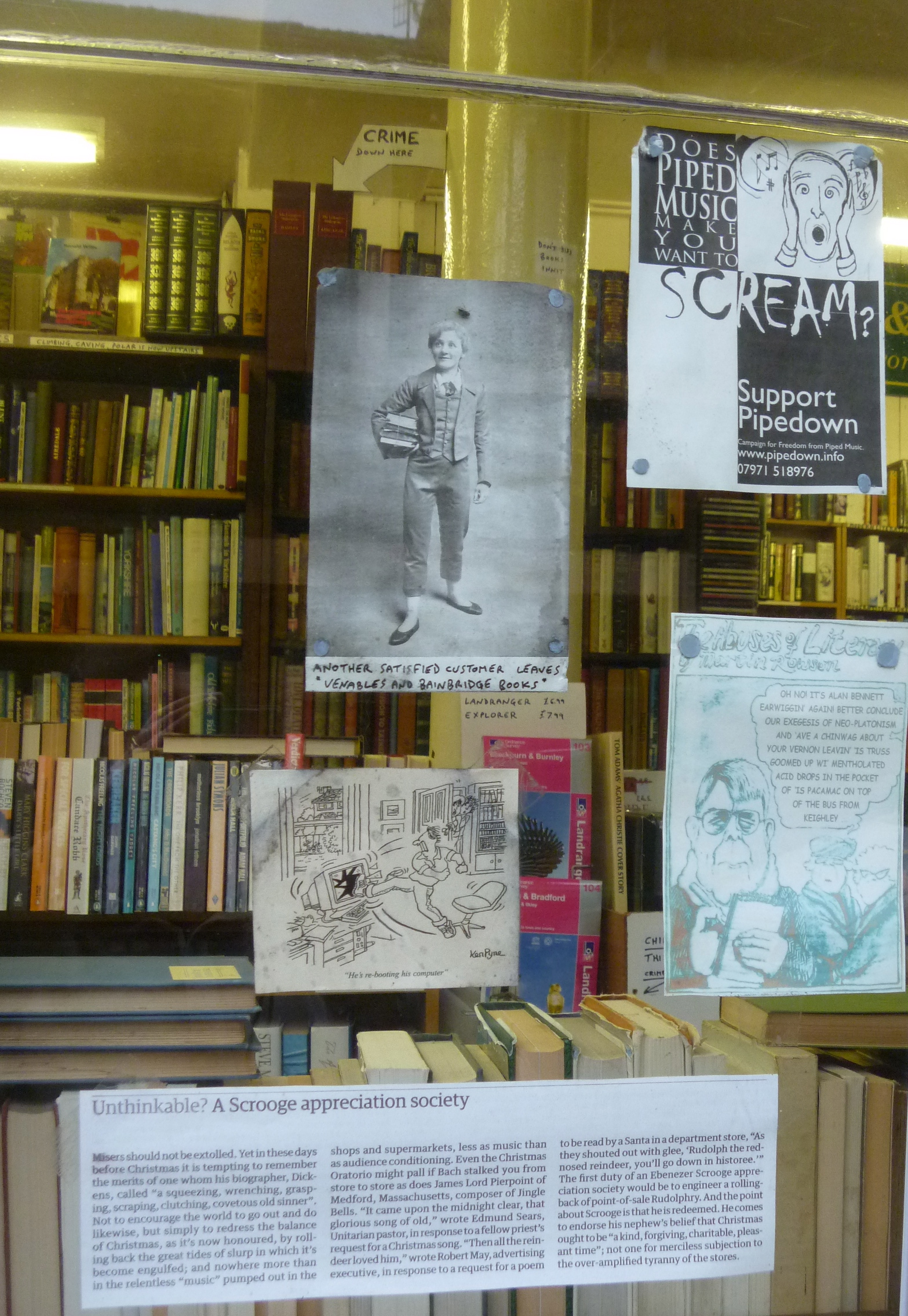
Through The Book Shop Window

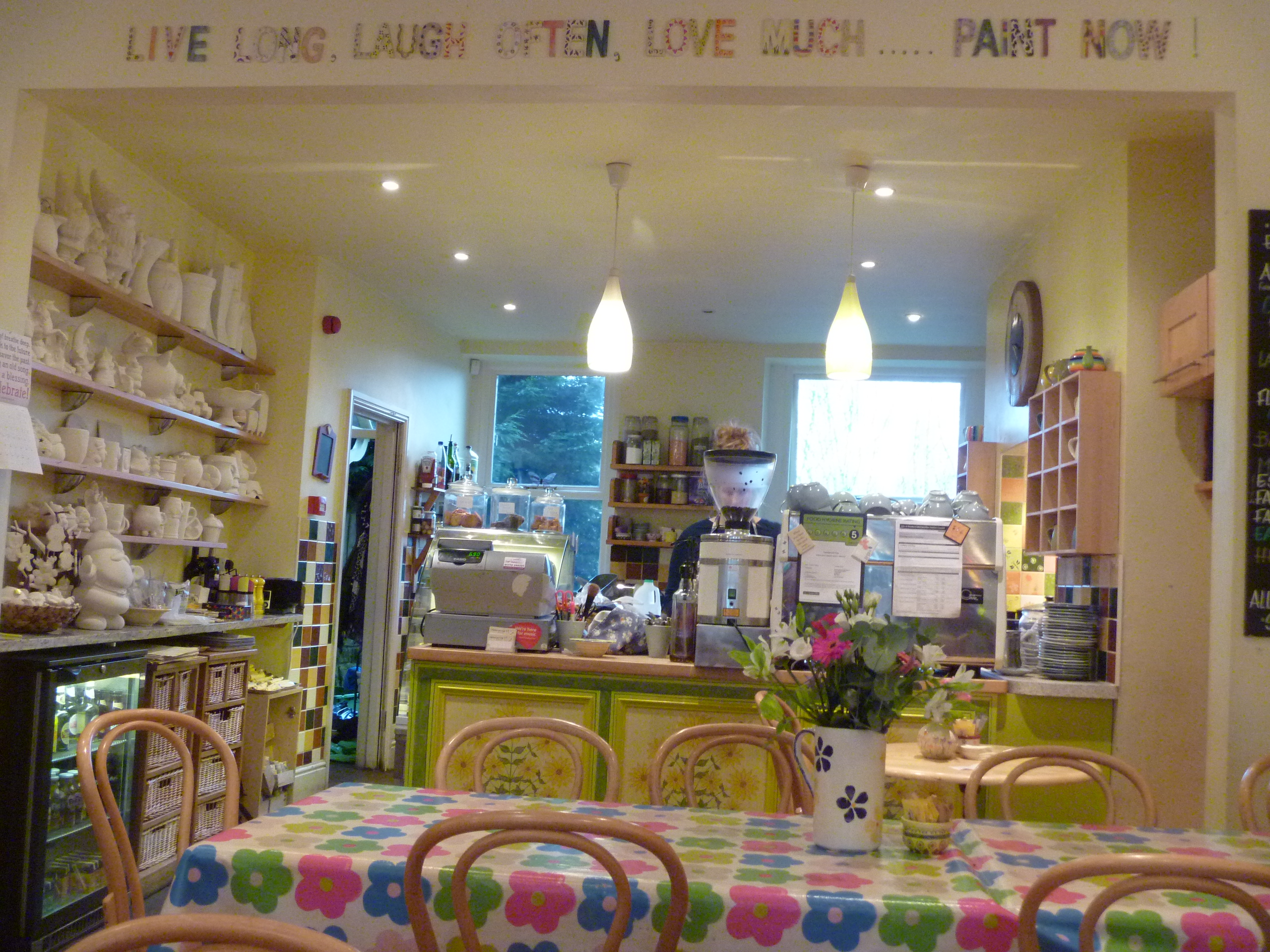
Cobbles and Clay Art Cafe, 60 Main Street, Haworth

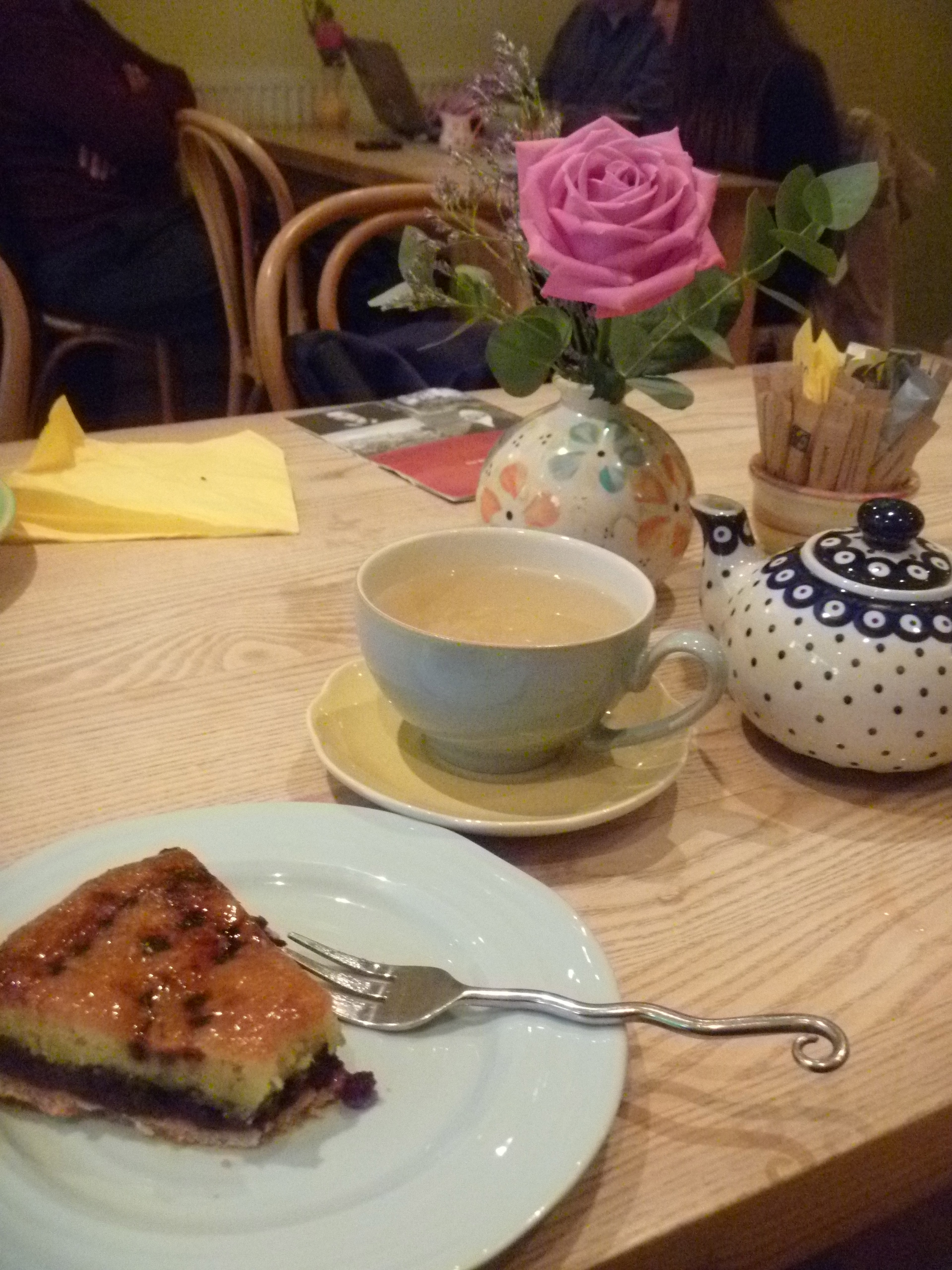
Tea and Tart at Cobbles and Clay

After just over an hour in the Museum we headed for a bright and jolly Haworth tea shop, stopping briefly to enquire whether the bookshop [Venables and Bainbridge] had any copies of Wuthering Heights in Polish for my friend to buy for her daughter-in-law. It didn’t. We were surprised that there were no foreign language versions of the great novels in the Bronte Museum Shop. We know they had sold French and German versions in the past.

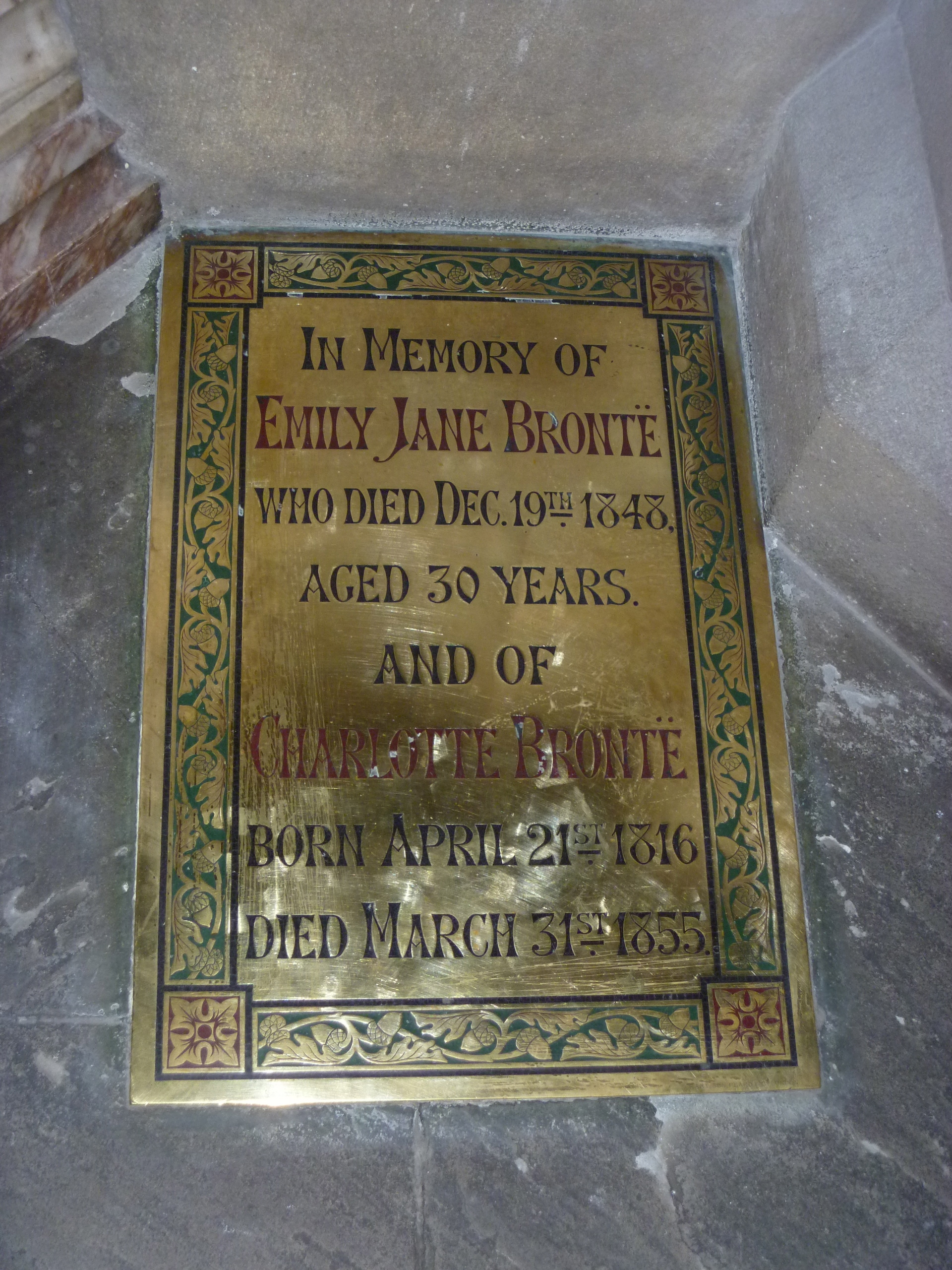
As we returned up the hill, back to the car park, we noticed that the church was open and popped quickly inside to look at the Bronte memorials before leaving the village.

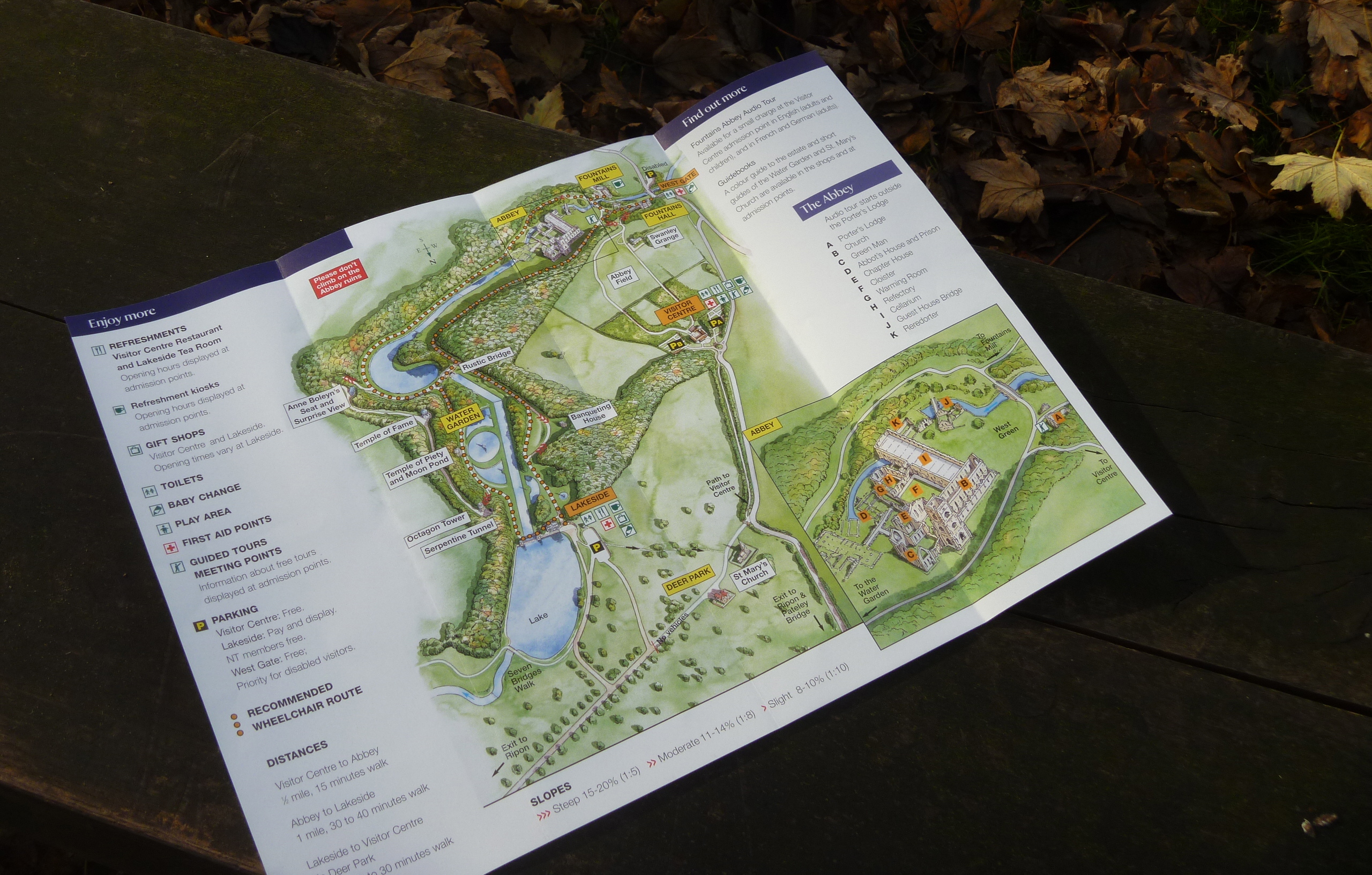
Where to stay at Fountains Abbey

Back in January this year I wrote about a visit to Fountains Abbey and Studley Royal Water Garden saying that I’d be visiting throughout the year at different seasons and reporting back. Yesterday was my second visit this year. Maybe this was because I took out an annual membership to Harewood House in March. Harewood is much nearer home than Fountains and I may only retain the membership for a year or two whereas I will always be a member of the National Trust.

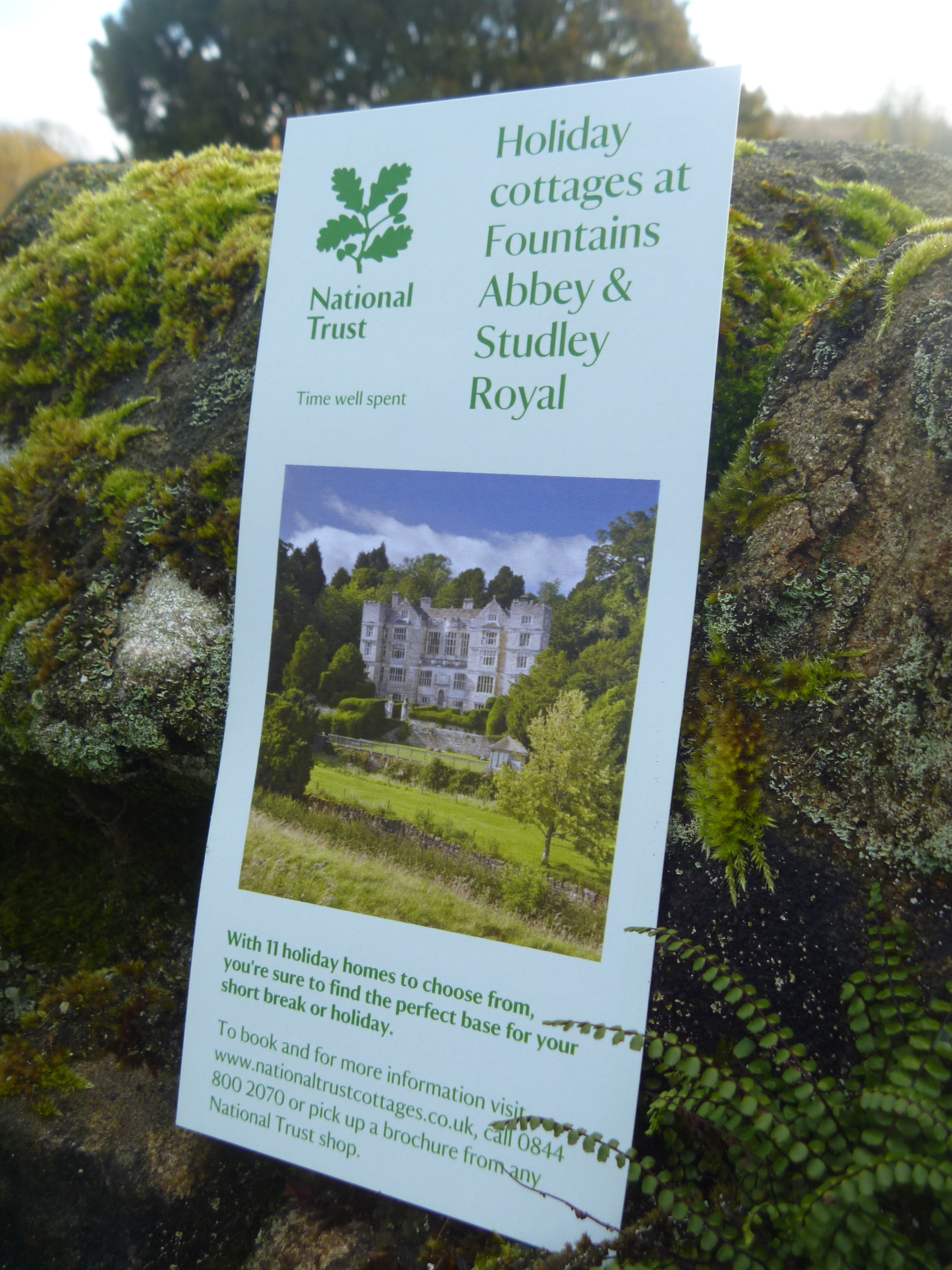
Fountains Abbey may be further from home than the Harewood Estate but still it’s very unlikely that I would ever stay there for a holiday although whenever I visit I think the NT Cottage Properties (as they are called) always look very inviting. They may be part of the Trust’s portfolio of Cottages but several do not warrant this title – for they are very much grander than one would suppose from the blanket “Cottages” title. Yesterday I made these properties the ‘theme’ of my walk through the estate.

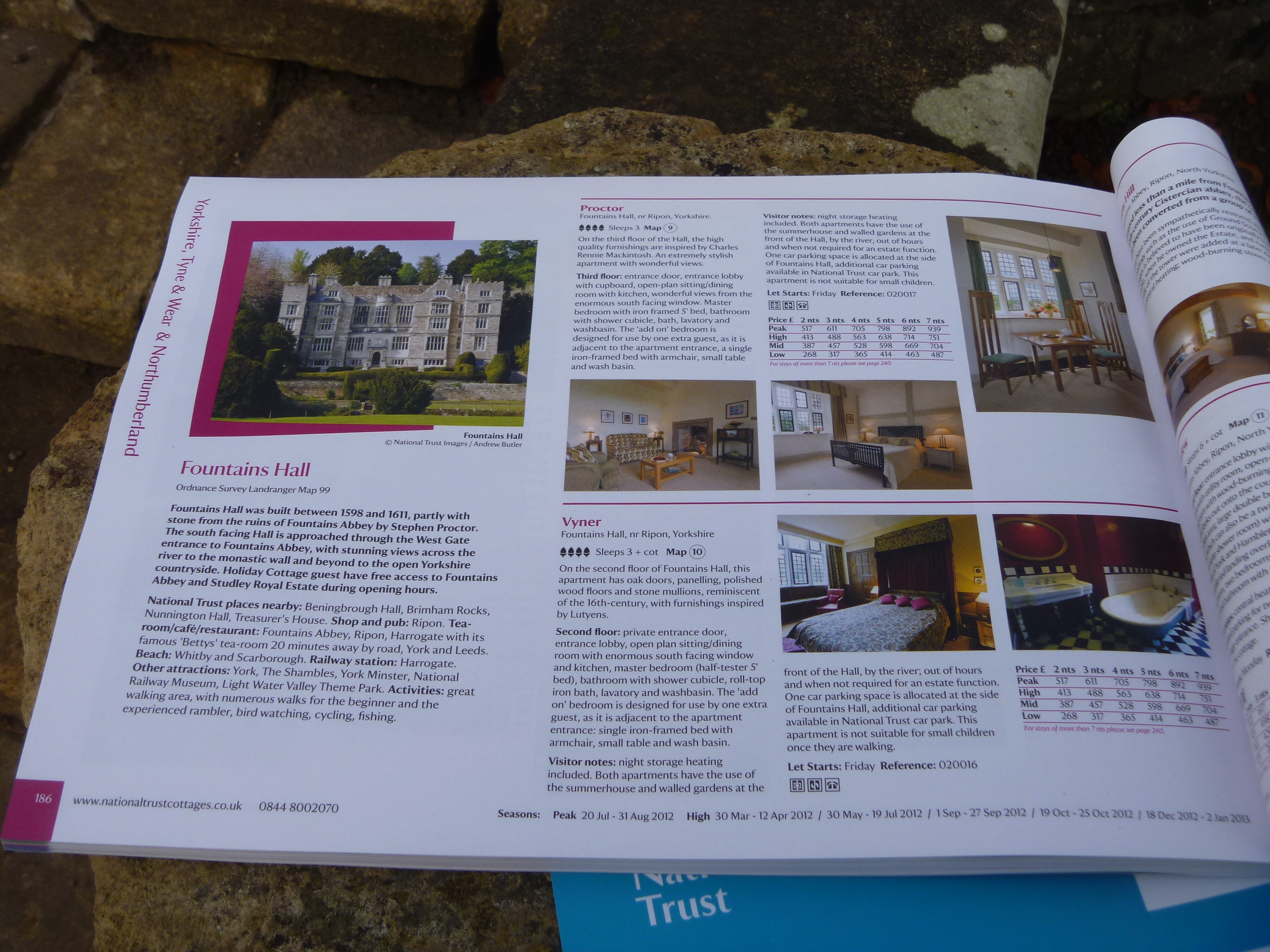
Built between 1598 and 1611 Fountains Hall is home to two apartments. On the third floor Proctor is furnished in the style of Charles Rennie Mackintosh and the views must from there must be spectacular. Below Proctor, on the second floor is Vyner furnished in the style of Edwin Lutyens.

Fountains Hall

The Doorway to Fountains Hall

Just outside the gates of Fountains Abbey and opening straight out onto one of the minor approach roads are three self-catering cottages converted from what I remember well from a few years ago as the NT shop.

Abbey Cottage and Abbey Stores

Fountains Cottage

Until the ‘new’ Visitor Centre was opened in 1992 this was the main entrance and car park to the ruins. My, how things have changed – I couldn’t even find a space in that car park yesterday, the main car park was overflowing and the Studley Royal Car Park was full too.

Burges’s St Mary’s Church and Choristers’ House

Finally, on the actual Fountains/Studley Royal Estate, a walk though the grounds from the ruins to the Lake brings you out into the Studley Royal Park. Walking along the main drive through the deer park one can clearly see Ripon Cathedral to the east and the Church of St Mary to the west. On the approach to the church, just on the right and standing detached and rather exposed, is the William Burges designed Choristers’ House which sleeps 10 and has been awarded 5 ‘acorns’ for comfort.

Built in 1873 the original use was to house a music school along with the organist and music master. It was the Estate Office until 2001 and now it is a holiday home sleeping ten people. The interior reflects the Burges style with all existing original features maintained.” (NT Holiday Cottages Brochure)

It’s another holiday home in an outstanding location: right in the middle of a deer park.

How Hill Cottages

Finally, a short walk along one of the approach lanes to Fountains Abbey are the newly converted, and lately added to the portfolio, How Hill Cottages. These fall into the Trust’s “Celebration Collection” category of properties. From a group of 18th century farm buildings five self-catering units (using the most up-to-date green technology) have been created.

The Shared Courtyard at How Hill

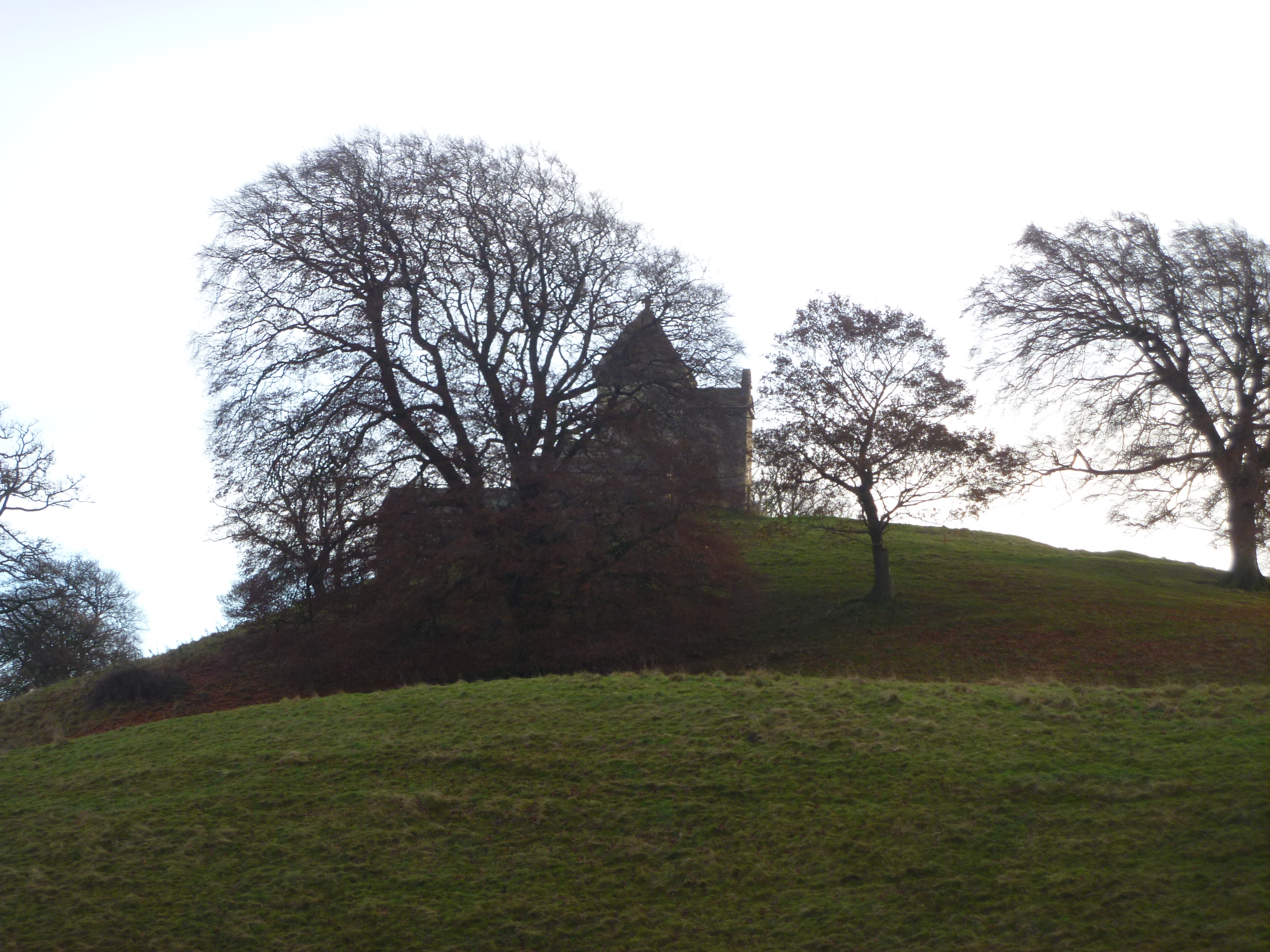
The tower on the hill behind the cottages is believed to have been originally built as an outlying chapel for the Abbey. It was restored by John Aislabie, when he owned the Estate, and rumour has it that he used it as a gambling den.” (NT Cottages Brochure, 2012)

How Hill Tower

The cottages share a single sheltered courtyard and there are magnificent views, including some of the Fountains Abbey buildings from a couple of them. Each is named after a bird : Curlew, Lapwing, Wren, Swallow and Lark.

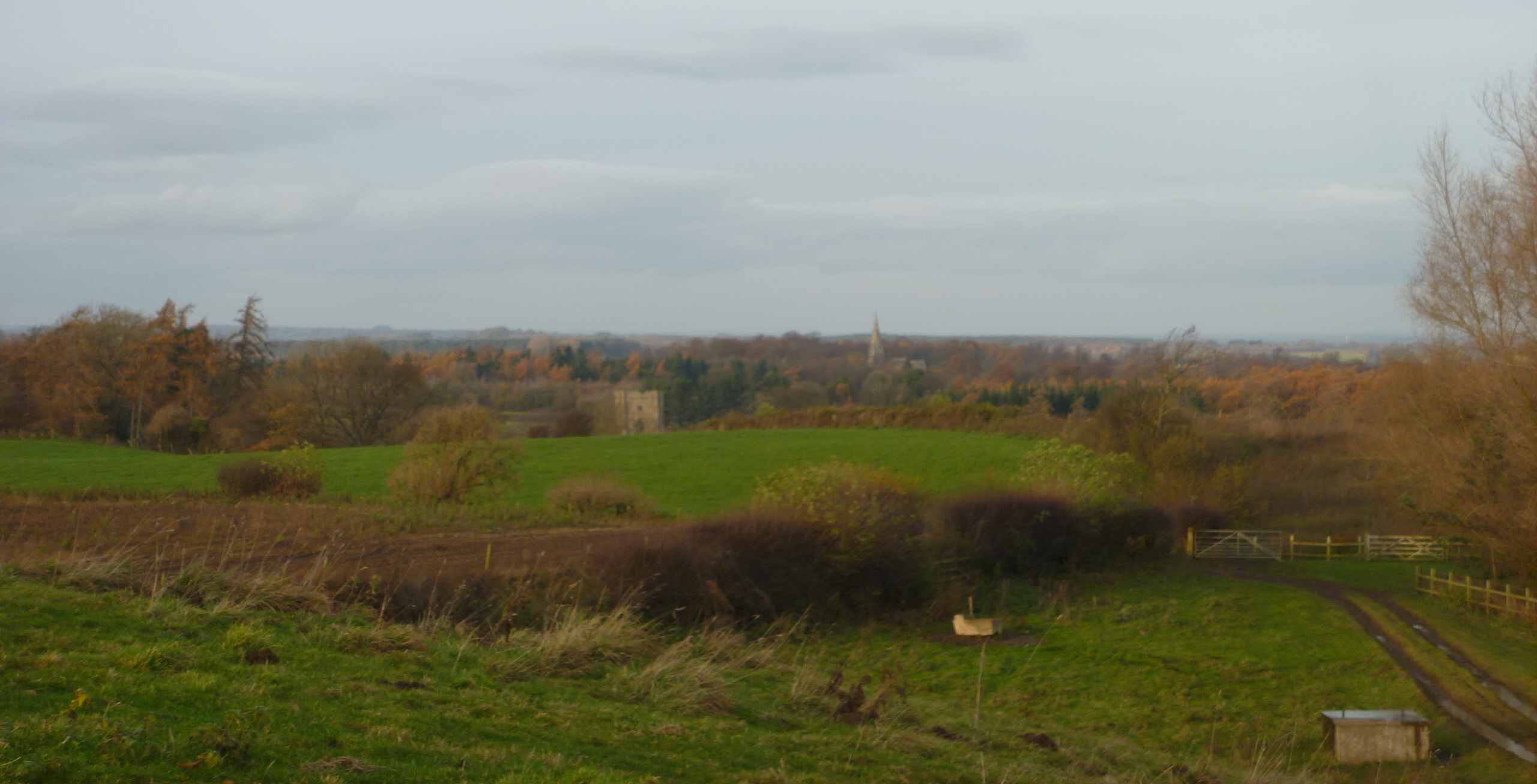
The View from How Hill Cottages

Agatha Christie at Home and at Hotels

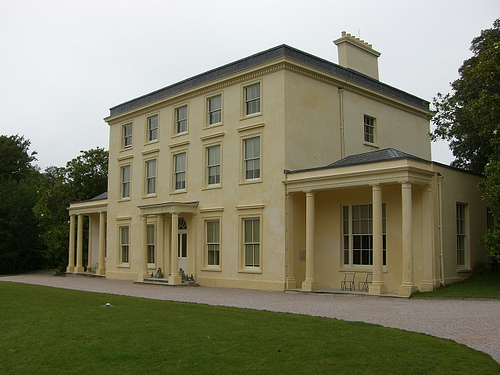
It was great news when The National Trust announced in 2000 that they had received the gift of Greenway to add to their inventory, although the house did not open to the public until 2009. Being a regular visitor to Devon I made particular point of arranging a visit to Greenways on 22nd August that year. I’d seen the house, perched above the River Dart, several times from river excursion boats and apparently travelling by river boat (The Green Way) is the best way to approach it.

But I had my elderly mother in tow so we booked a car parking space and a table in the restaurant (converted from Agatha’s own kitchen). The gardens are beautiful and varied and paths lead up above the house to the kitchen garden and down to the River Dart and the Greenway Boat House.

Greenway Boat House from the River Dart: featured in Agatha Christie’s ‘Dead Man’s Folly’.

The Greenway Boat House (above and below)

Agatha Christie used the boathouse as the location for the fictional murder of Marlene Tucker in ‘Dead Man’s Folly’

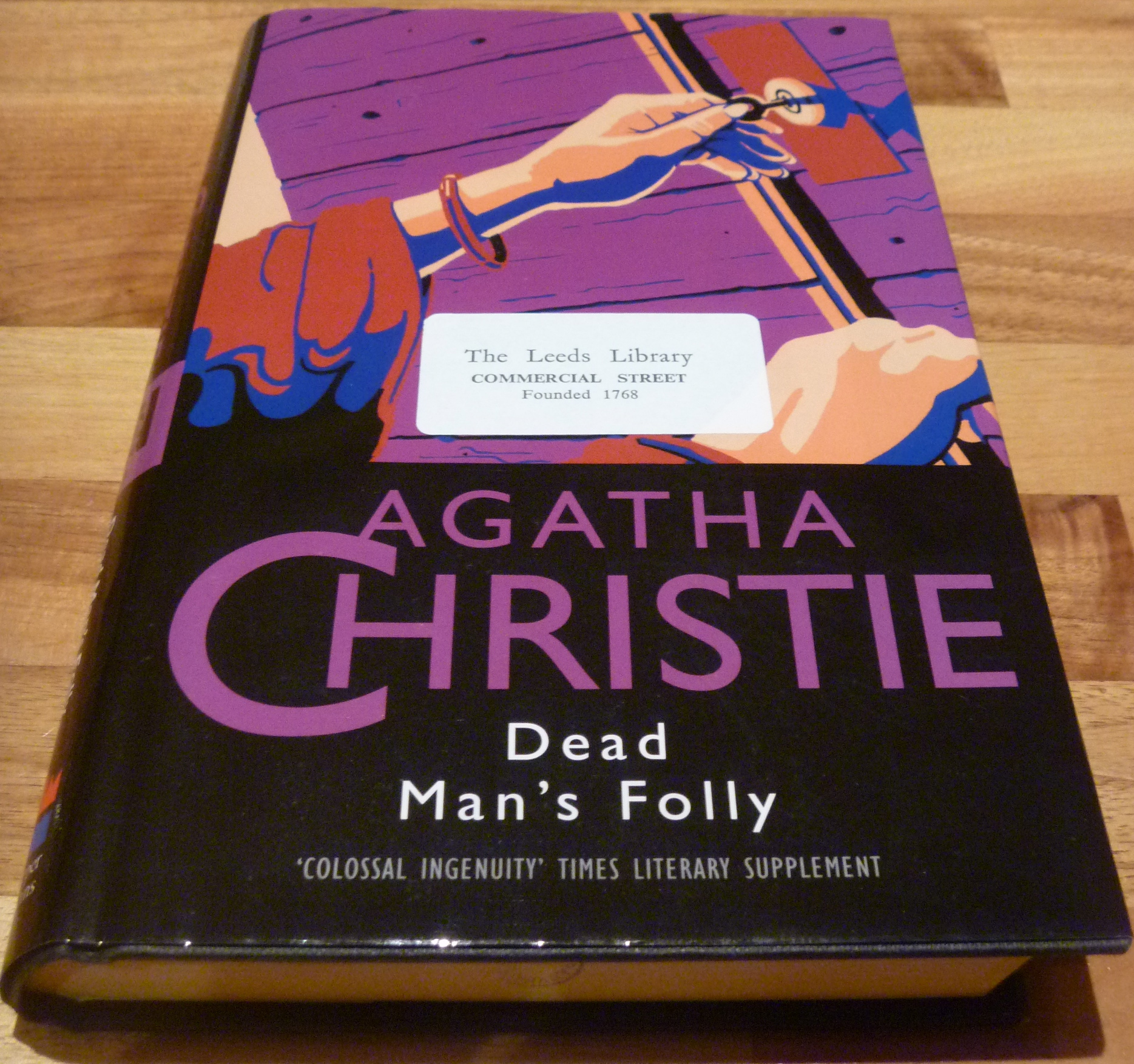
We made a tour of the house with an introduction by a room steward and were then left to our own devices. I don’t have any interior photos so we were probably asked not to take any. My question to the guide was “Which books did Agatha actually write here?”. The answer was “None”. She used the house as a summer retreat and invited guests of friends and family to join her. Here she would read her latest manuscript to these guests in the evenings before publication in the following autumn. However, one book was written based entirely around the Greenway location : “Dead Man’s Folly“. I read loads of Christie novels in my late teens but have never gone back to them since. With the exception of DMF which I bought secondhand the day after visiting the house and read straightaway. All the locations came back to me with immediate clarity. The boat house featured as the location where the murder took place.

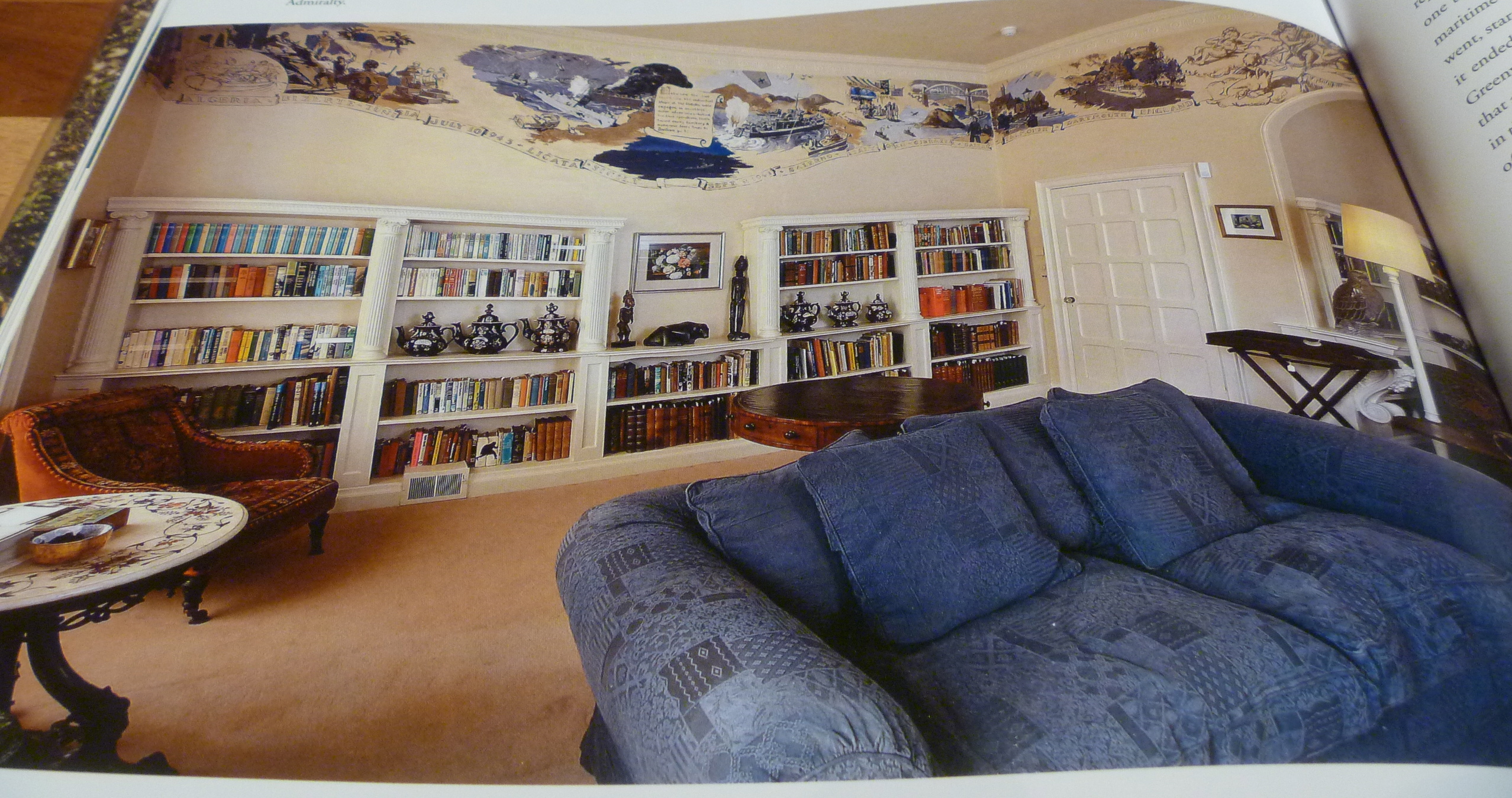
Greenway Library – my favourite room (Photo from Agatha Christie at Home by Hilary Macaskill)

[The frieze was painted by Lieutenant Marshall Lee when he was stationed at Greenway by the US Navy. The house had been requisitioned by the Admiralty during the Second World War.]

After our house tour we used the servants’ entrance to the dining room where only 3 or 4 tables were set for lunch. We enjoyed our meal surrounded by Agatha Christie’s cookery books and kitchen equipment.

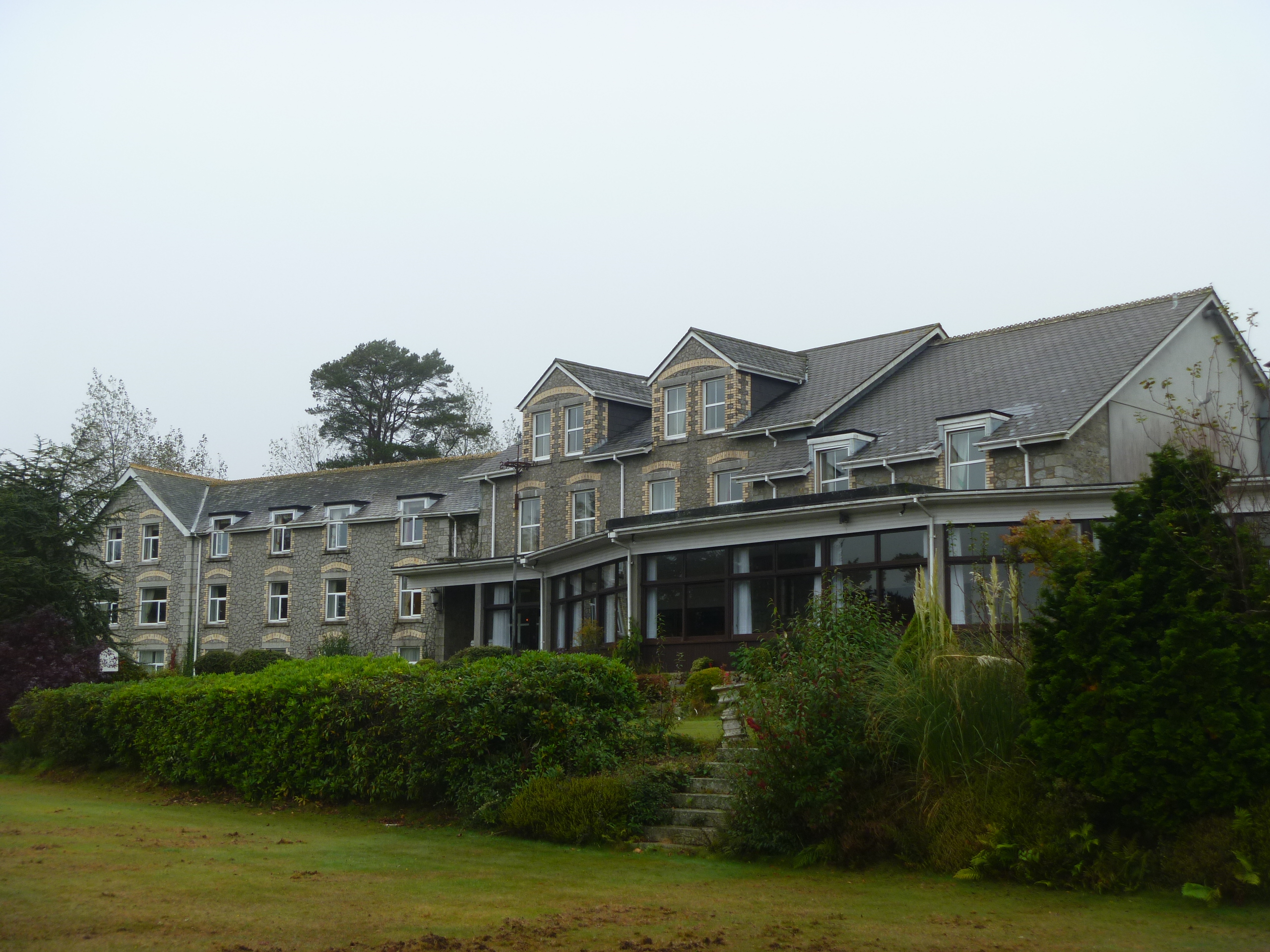
Moorlands Hotel

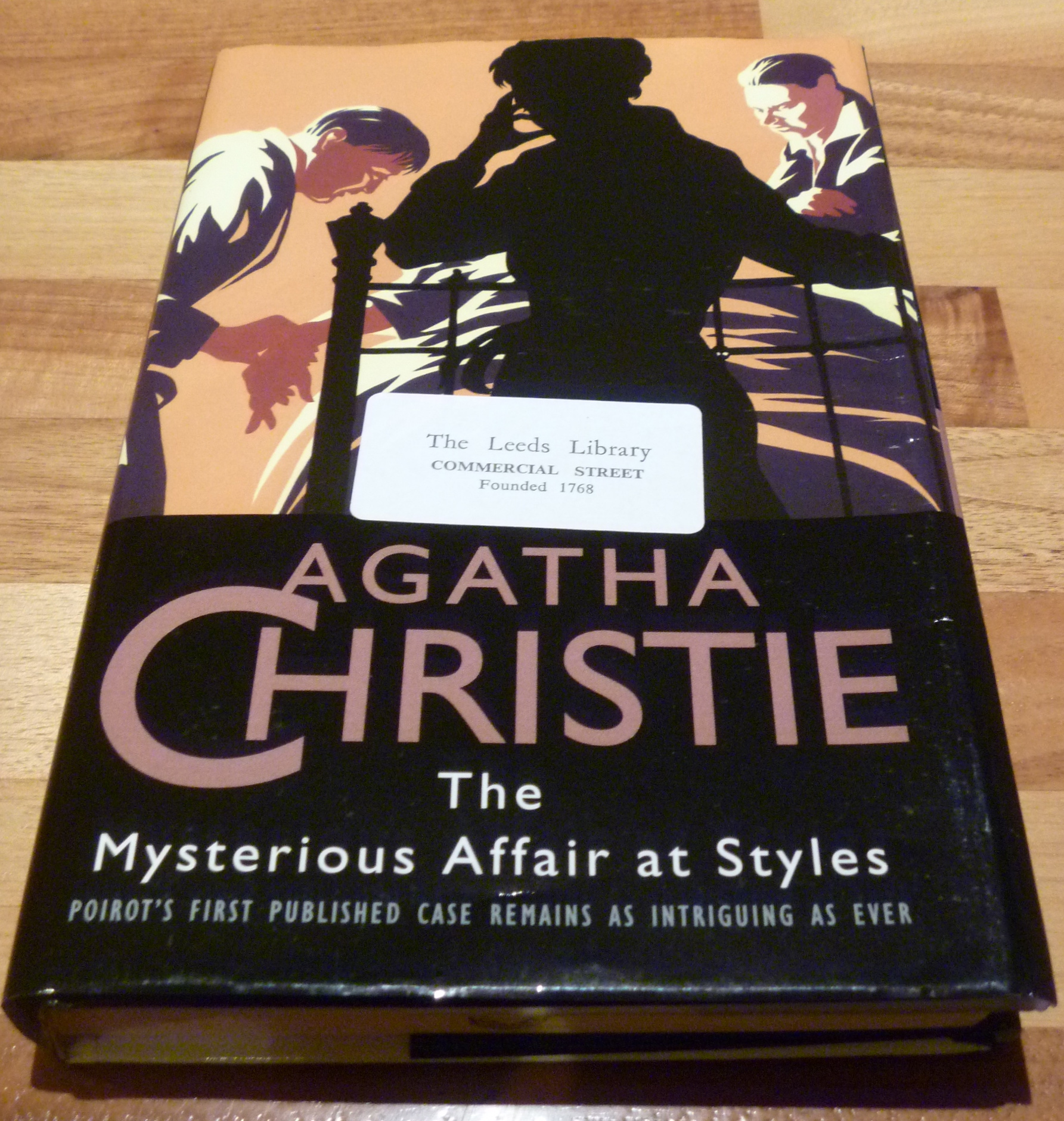
Interestingly, I have come across two hotels with Agatha Christie connections within just a couple of weeks. The first is Moorlands near Haytor just on the edge of Dartmoor. Whilst staying here Agatha Christie was inspired to write her first book, The Mysterious Affair at Styles.

Moorlands is now a hotel belonging to the HF Holidays organization and it was just steps away from our cottage on Dartmoor in October. There’s a lovely cafe (with wifi) – Dandelions – which is open to non-residents. I already knew about the Christie connection and asked to see the picture.

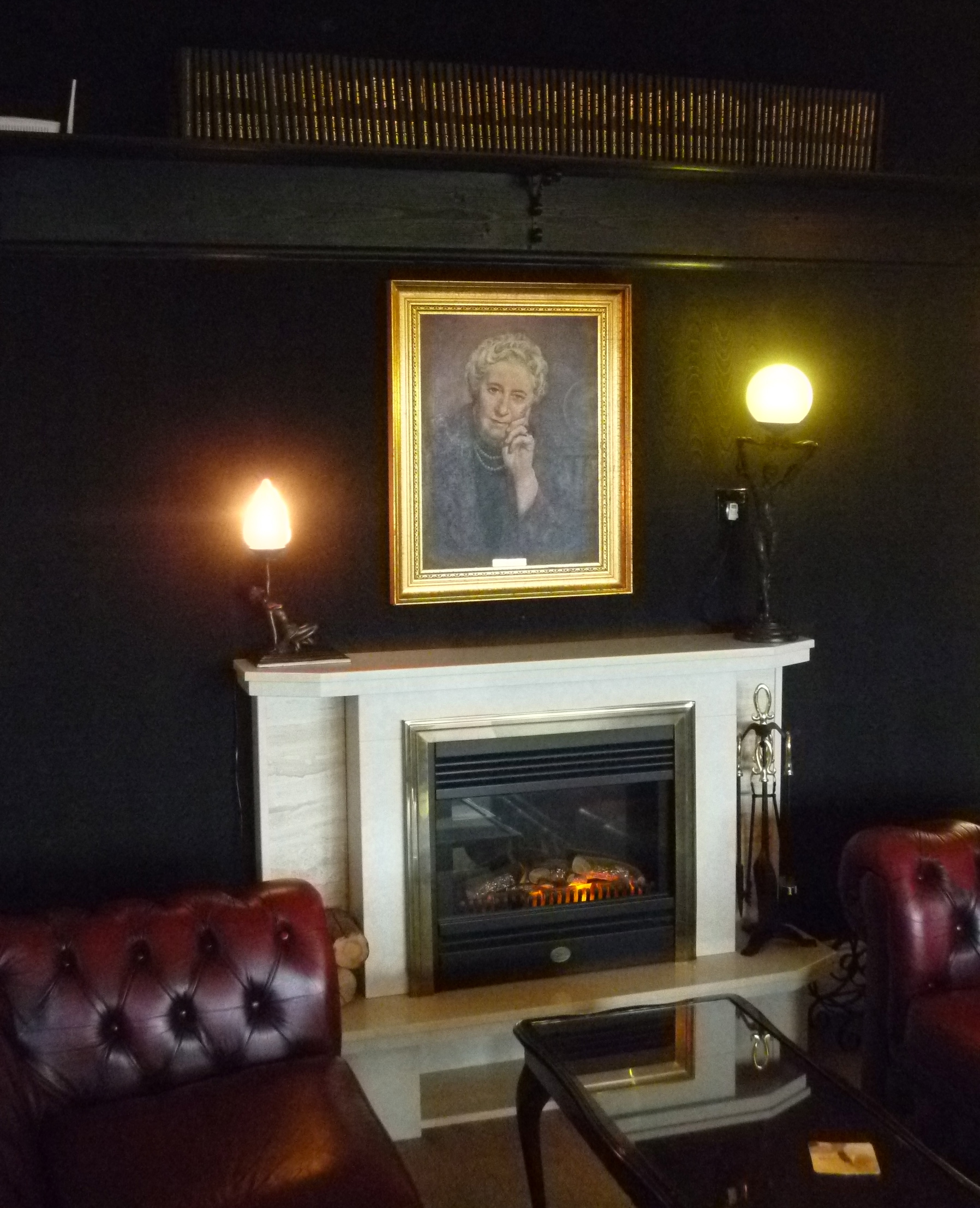
Agatha Christie Portrait and Complete Works

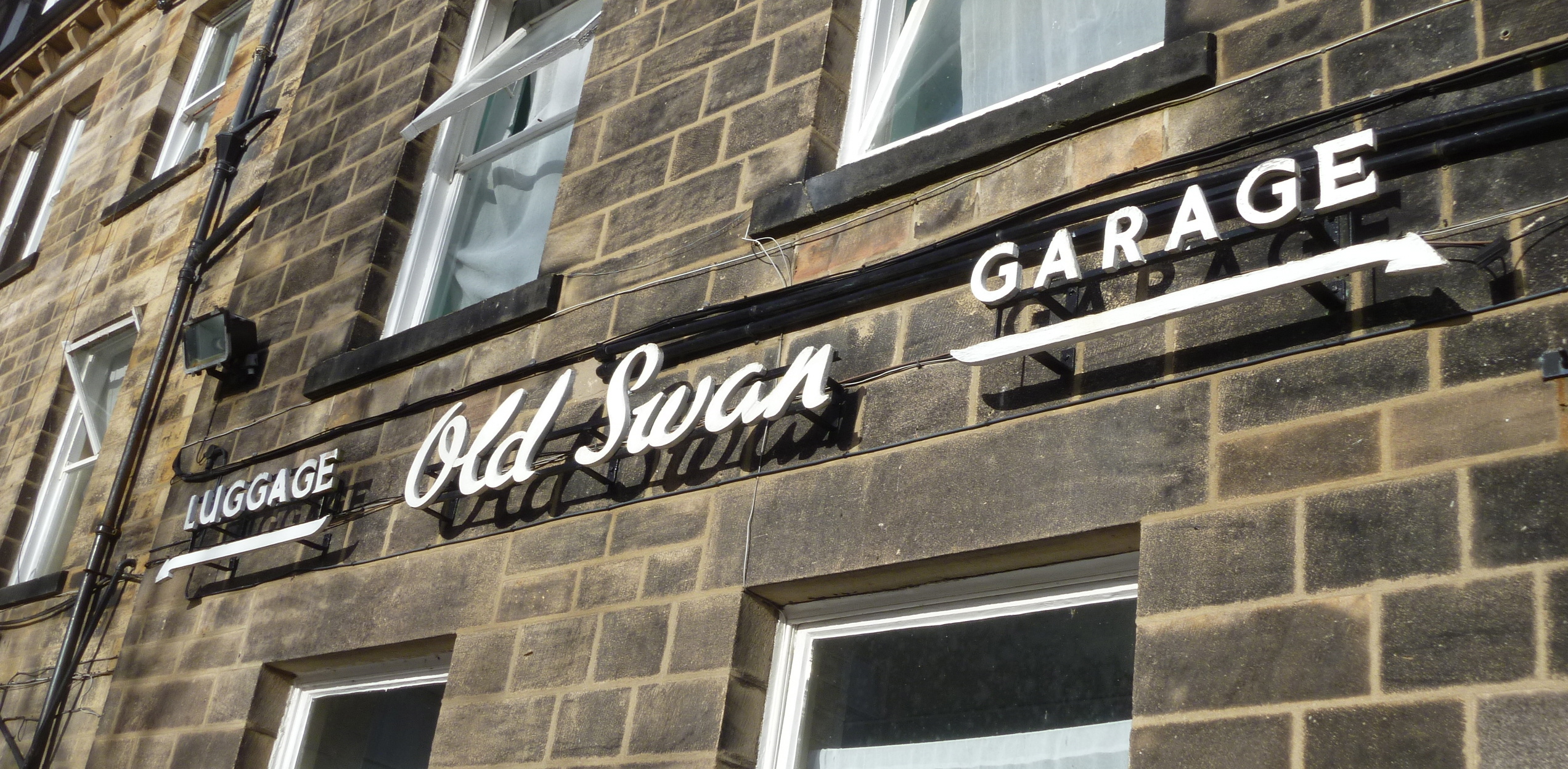
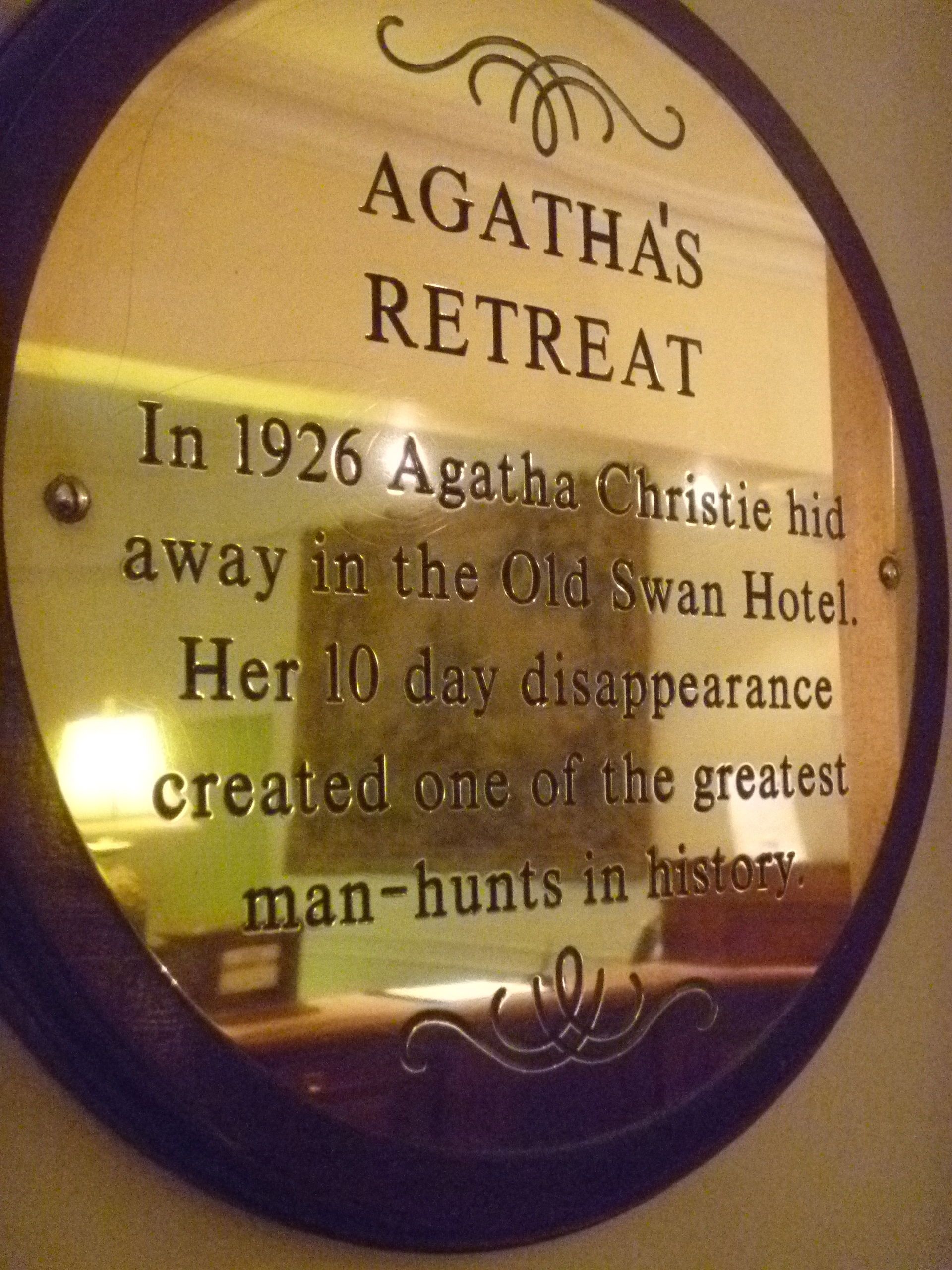
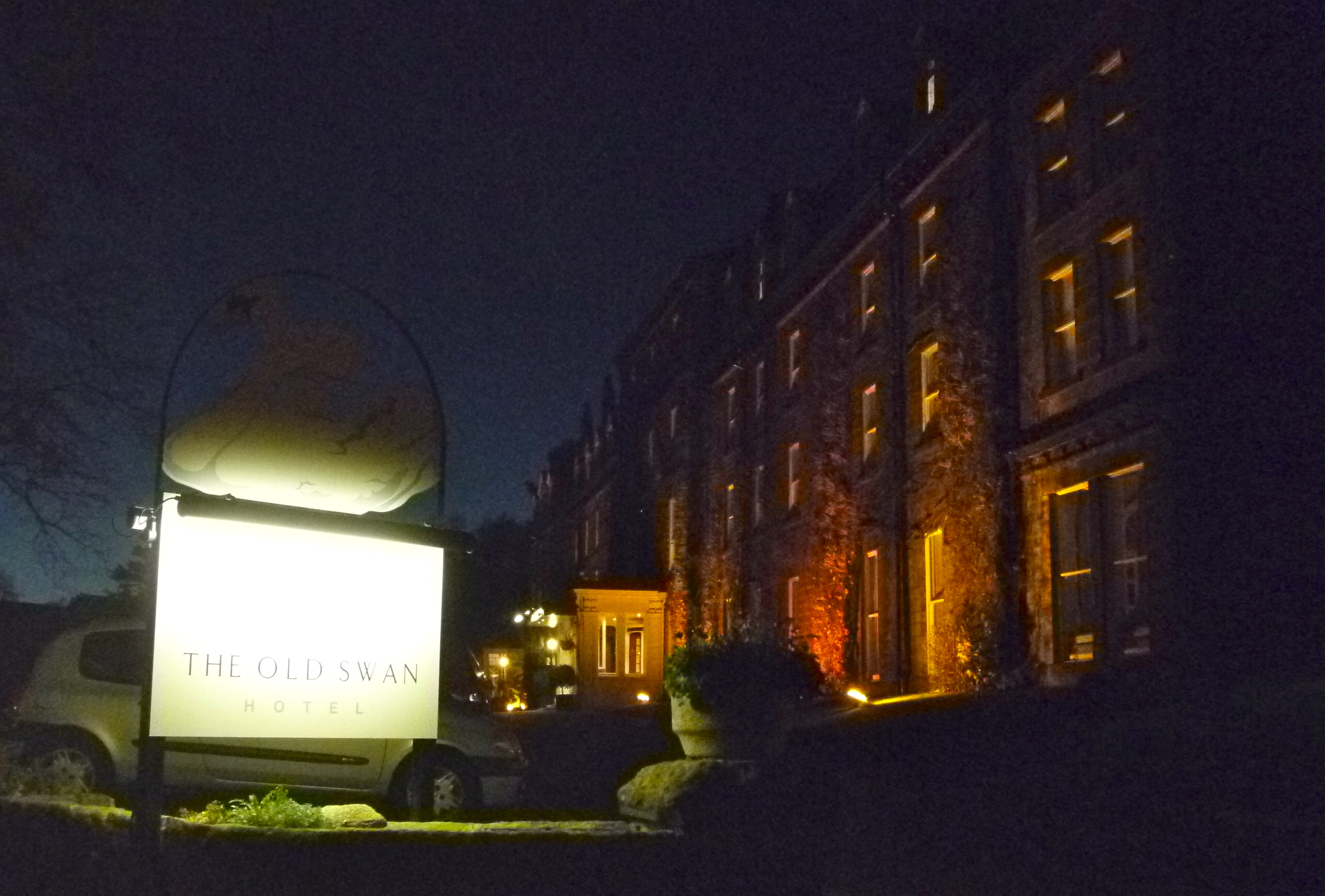
Then this weekend I visited a friend who was staying at The Old Swan Hotel in Harrogate. This was the hotel where AC was found 10 days after she mysteriously disappeared following her husband’s revelation that he was leaving her for another woman.

And finally, what do Agatha Christie, The Duke and Duchess of Windsor and Edith Wharton (all featured in these pages) have in common? Answer : they all had doggie cemeteries for their own pets.

Lord Byron’s Lover’s Books in Leeds

An interesting article caught my eye in The Independent on Sunday on 21st October: Byron Treasure Found in Gift to Used Bookshop.

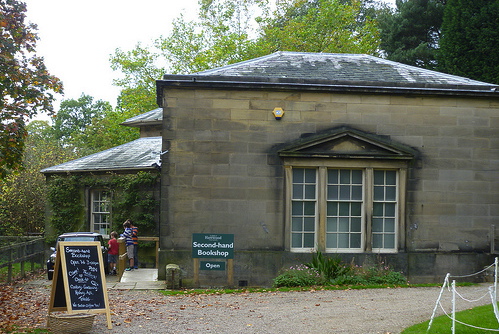
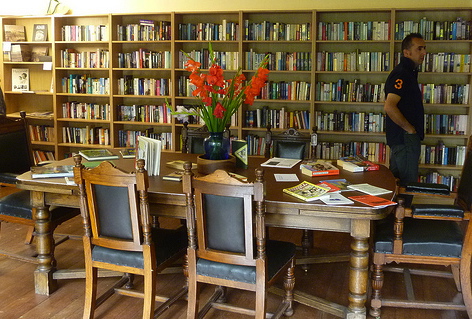
The secondhand bookshop in question is a relatively new one set up last year in a redundant building in the grounds of Harewood House. I’ve been a frequent visitor at the house and love to walk around the terrace gardens, woodland and the walled garden and, if it’s open, browse the book shelves.

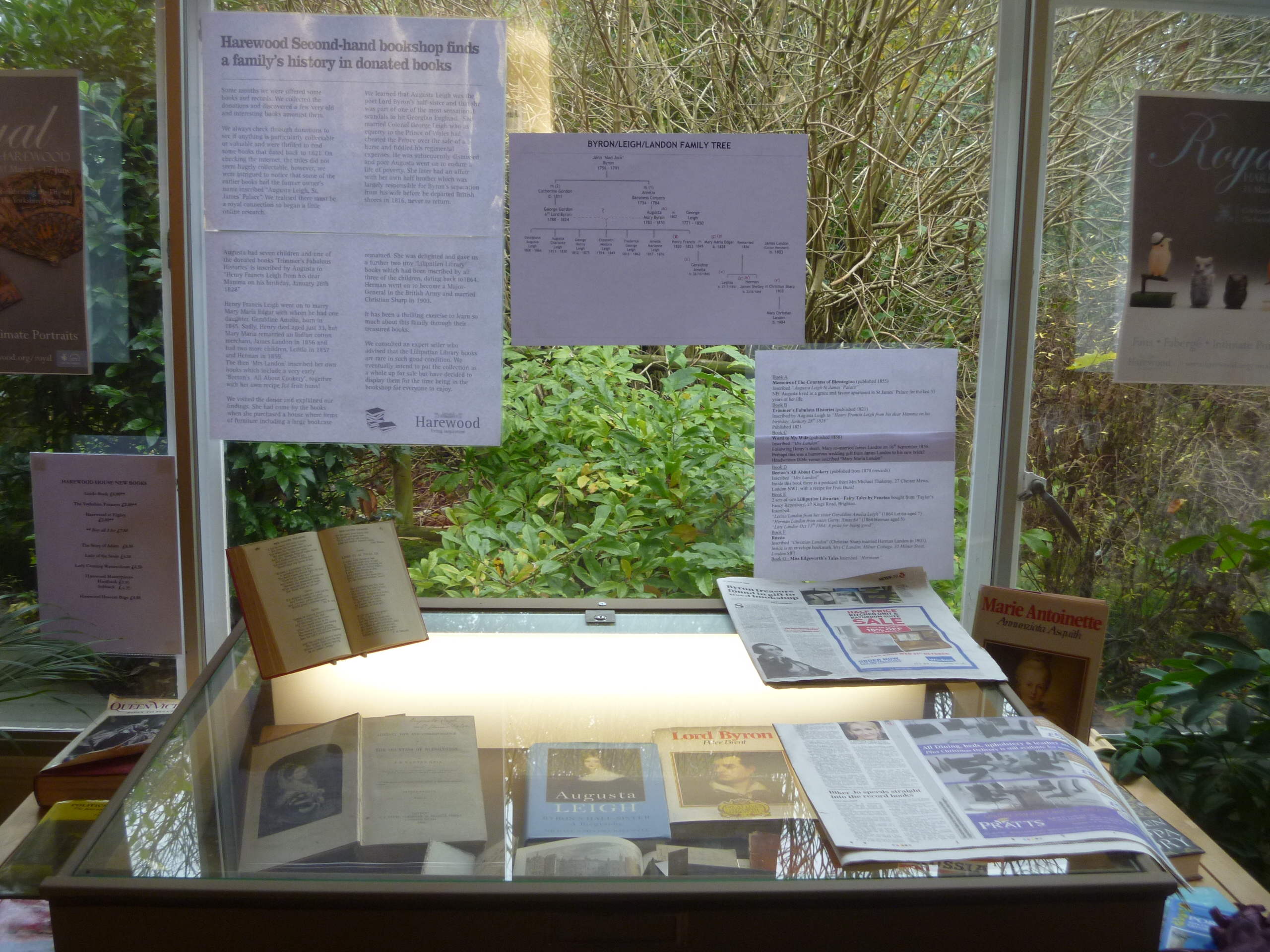
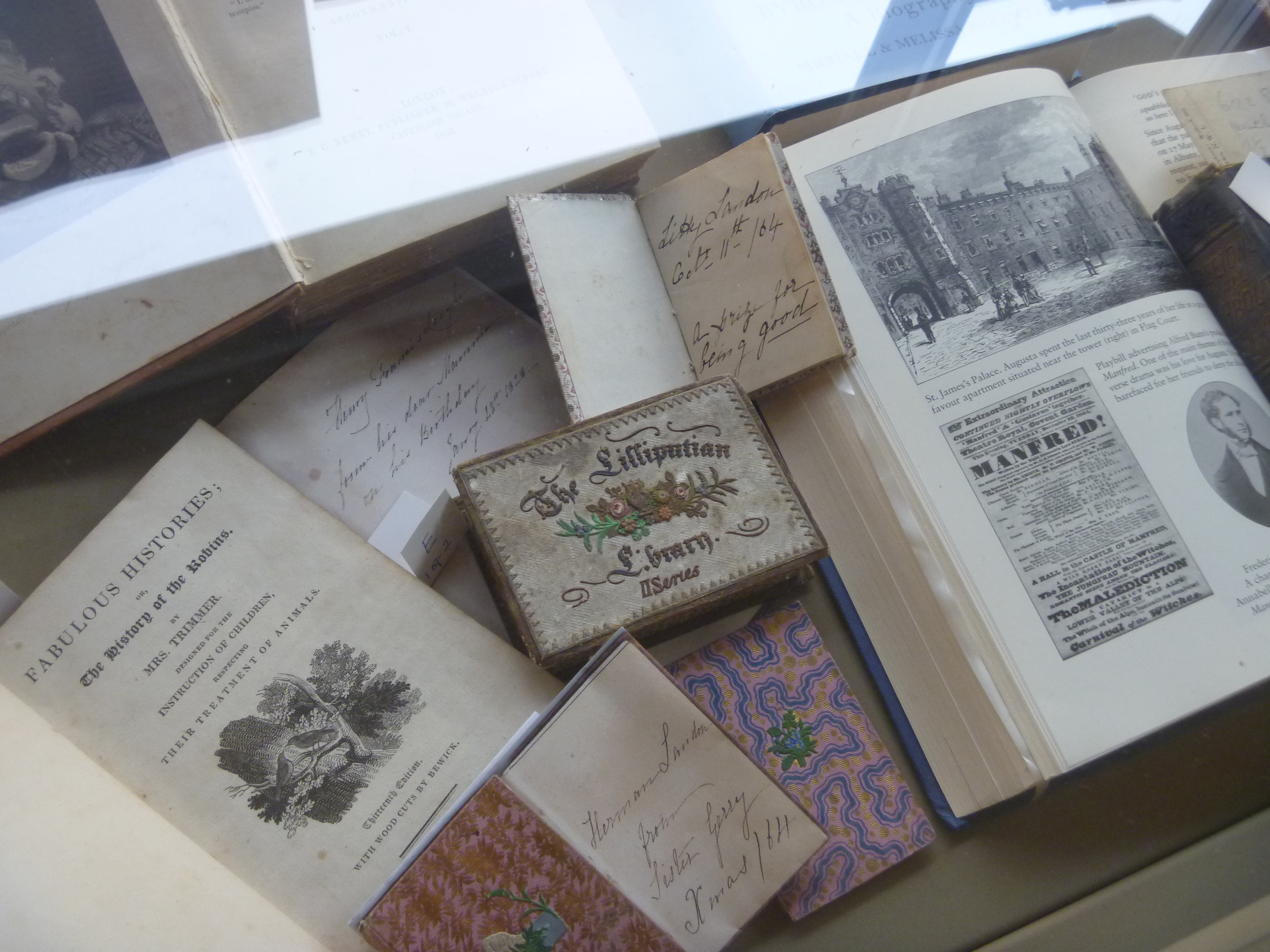
The Augusta Leigh Display at Harewood

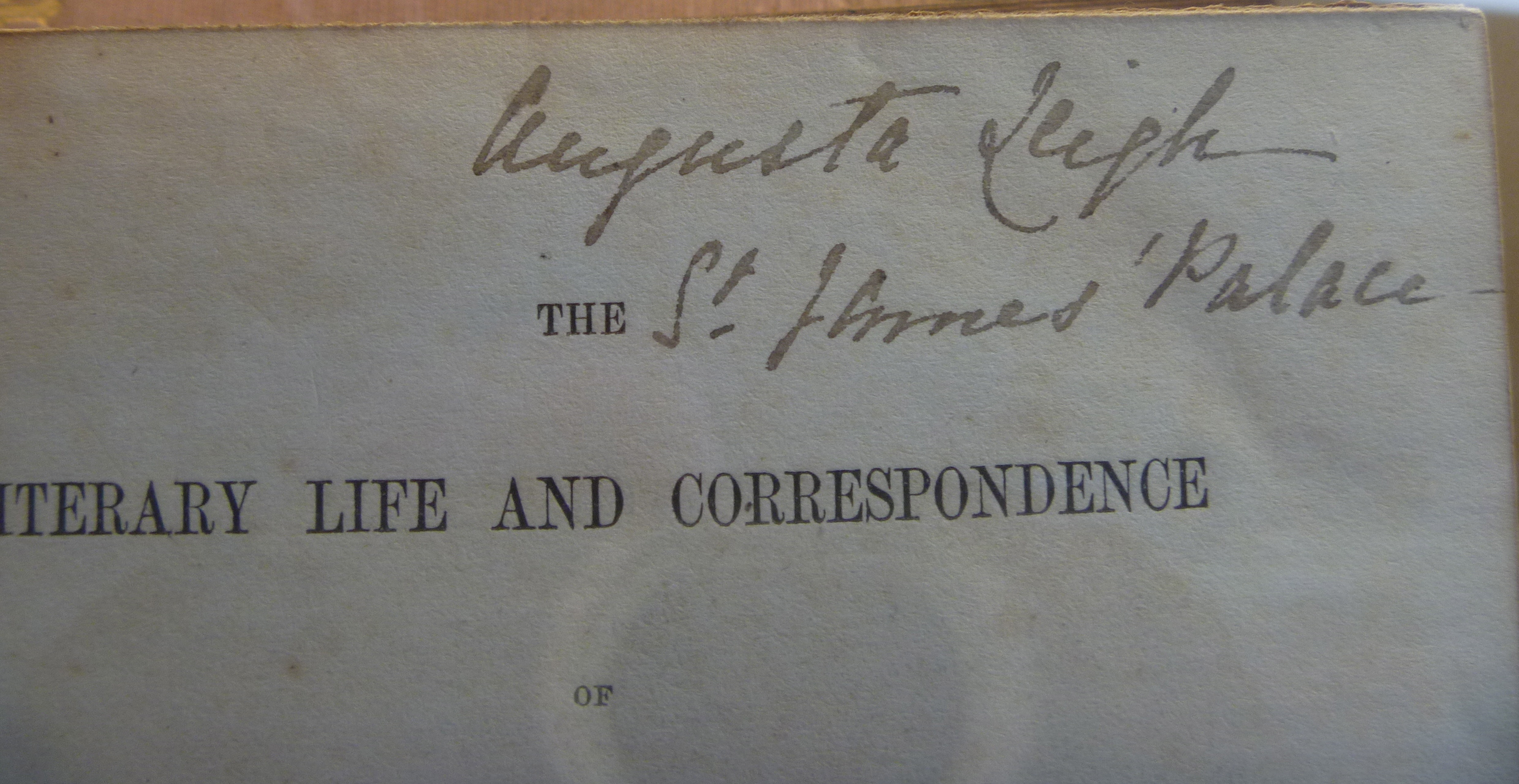
The article in question tells the story of a member of the volunteer staff at the shop discovering amongst donated books some inscribed “Augusta Leigh, St James’ Palace”.

With no idea who the Augusta was Audrey Kingsnorth began an investigation  that lead her to the Byron connection. Not only was Augusta Lord Byron’s (mad, bad and dangerous to know) lover, she was also his half sister, the result of the liaison between John (Mad Jack) Byron and Amelia Osborne. The books had been acquired by the donor (now in her 80s) following the purchase of a London House; the bookshelves of which were to large to move.

Close-up of the Display

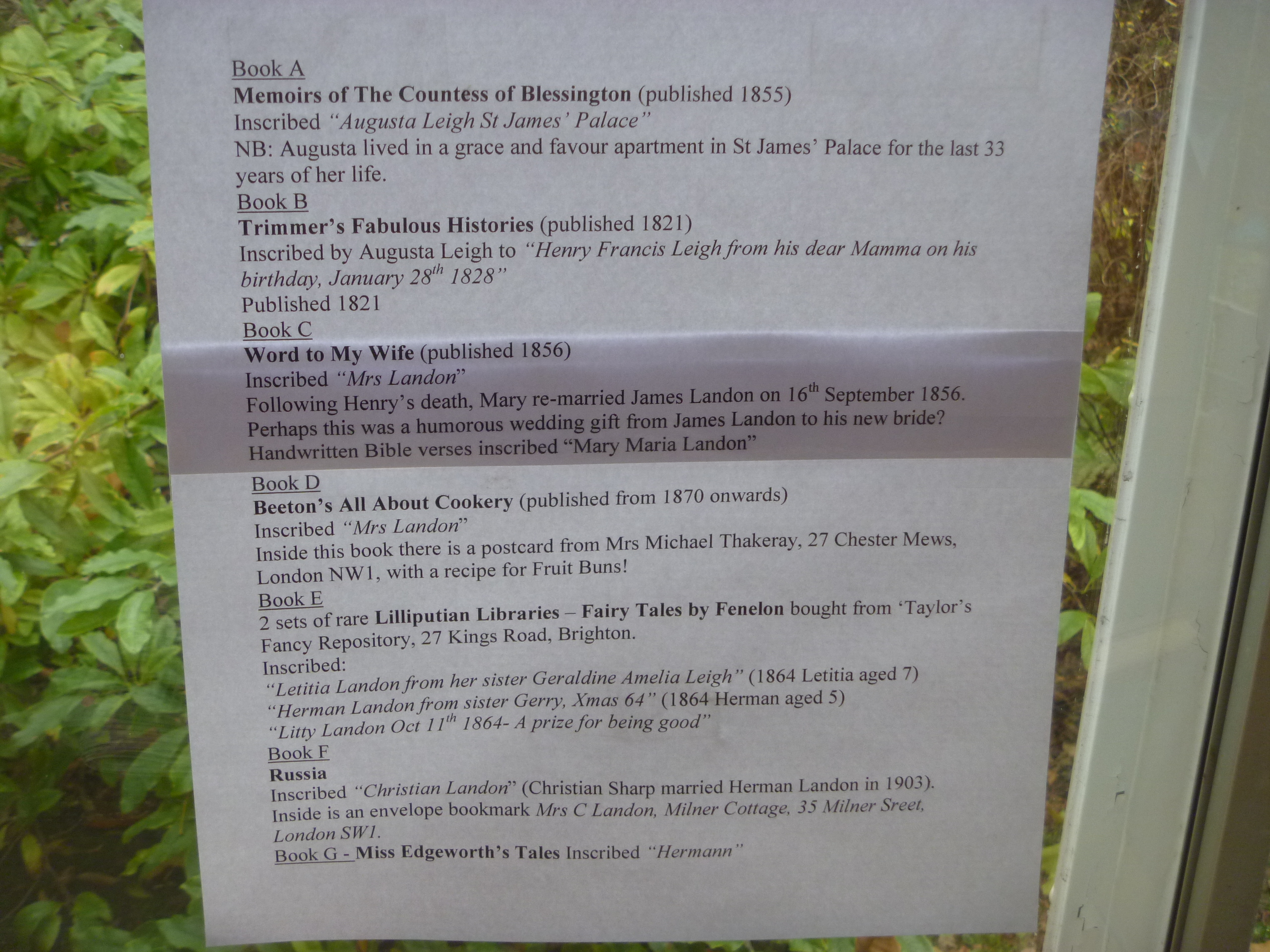
“[One] of the donated books, Trimmer’s Fabulous Histories, is inscribed by Augusta to one of her children: “Henry Francis Leigh from his dear Mamma on his birthday, January 28th 1828″. Henry Francis died at 33, leaving a widow, Mary, and a daughter; Mary remarried and had another daughter and a son. Augusta had seven children, one of whom, Elizabeth Medora, is thought by many to be Byron’s lovechild.” 

Valued recently at around £2500 the books will put up for auction at a later date. As the books are currently still on display in the shop I thought I’d pop along and have a look at this valuable donation to the Harewood Bookshop.

The List of Donations

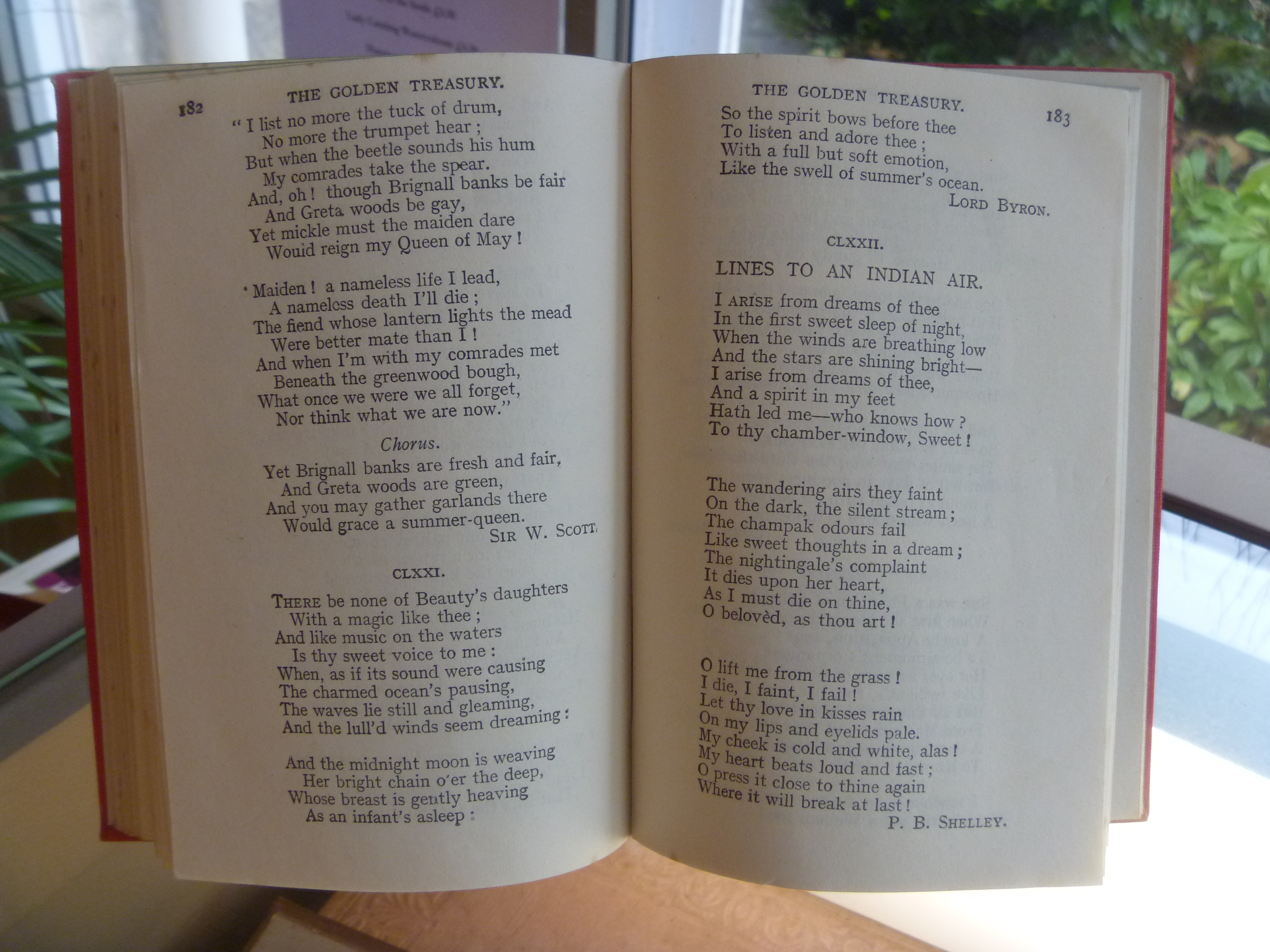
A Copy of The Golden Treasury Open at a Poem of Byron’s

Day Out at Dartington Devon with Dovegreyreader

The Dovegreyreader has made several comments to me to the effect that reading Milady’s posts here save her a great deal of time and expense and the bother of travelling when she can read about the places that appeal – with her feet up by the fire in winter or in her deckchair in the garden in summer. Well, last Thursday she was persuaded to leave home and travel a few miles across misty Dartmoor to join me and act as guide for the day at the Dartington Estate near Totnes.

The arrangement was to meet late morning at The Cider Press Centre, now called simply, and to the point, Dartington Shops. This was the part of the Estate that I was already familiar with and it was by mutual consent that we headed straight for Cranks Restaurant. I’d eaten here many times over the years since the early 1980s and I have the cookery book still. It’s been well-used and the recipes are well-loved. The restaurant and the food were little-changed and with tea and cake followed later by soup and cheese scones we clung to our table for probably three hours (who’s counting the time when there is so much book and family talk to catch up with??).

Eventually we decided a walk was in order as that had been the ‘plan’ for the day in the first place and our reason for meeting at Dartington; besides we needed to work up an appetite in order to take afternoon tea at some point later in the day!

We headed straight out of the car park along a public path (past the former Dartington School) and along the main approach road to Dartington Hall to our first port-of-call the School’s  former Headmaster’s House – High Cross House.

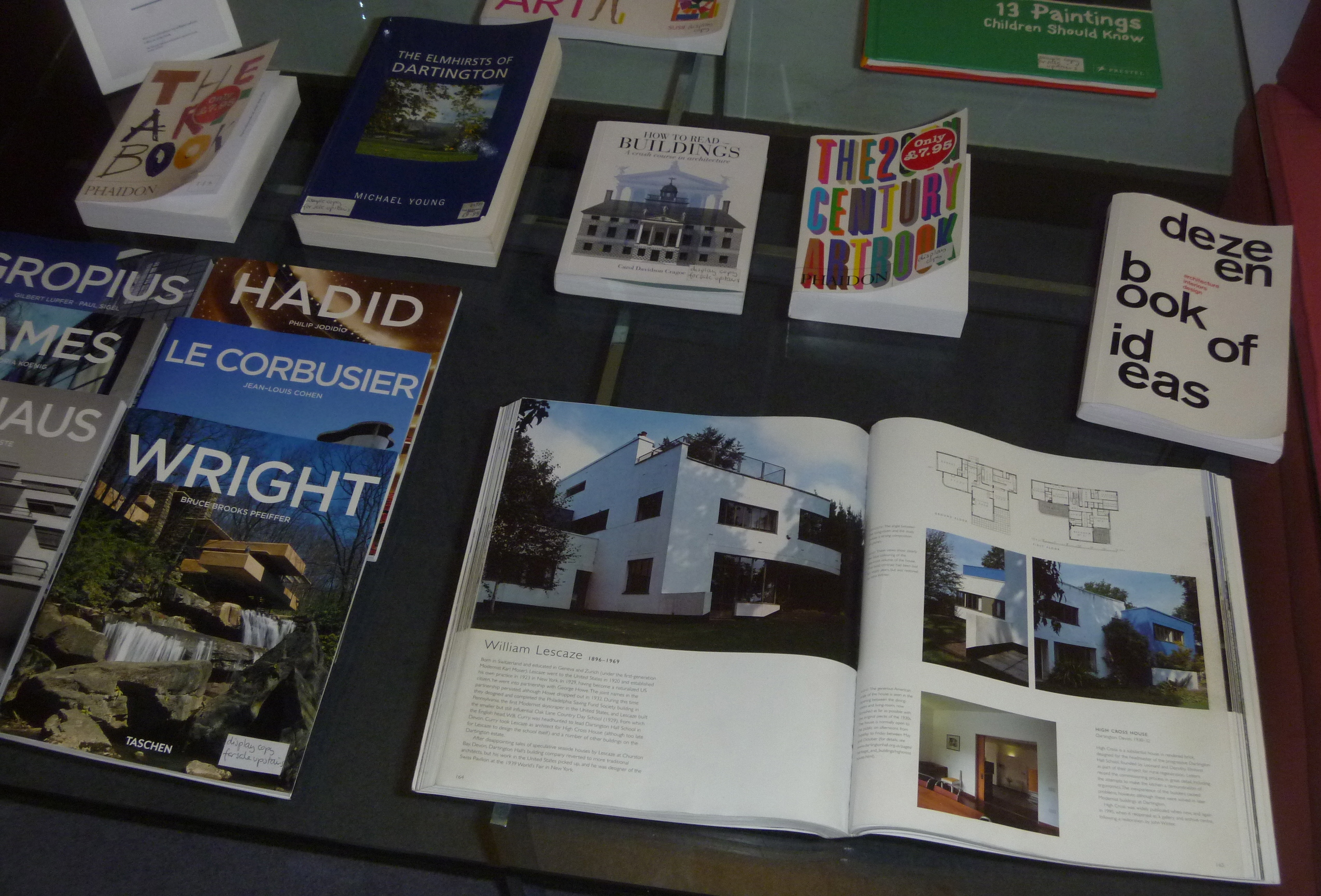
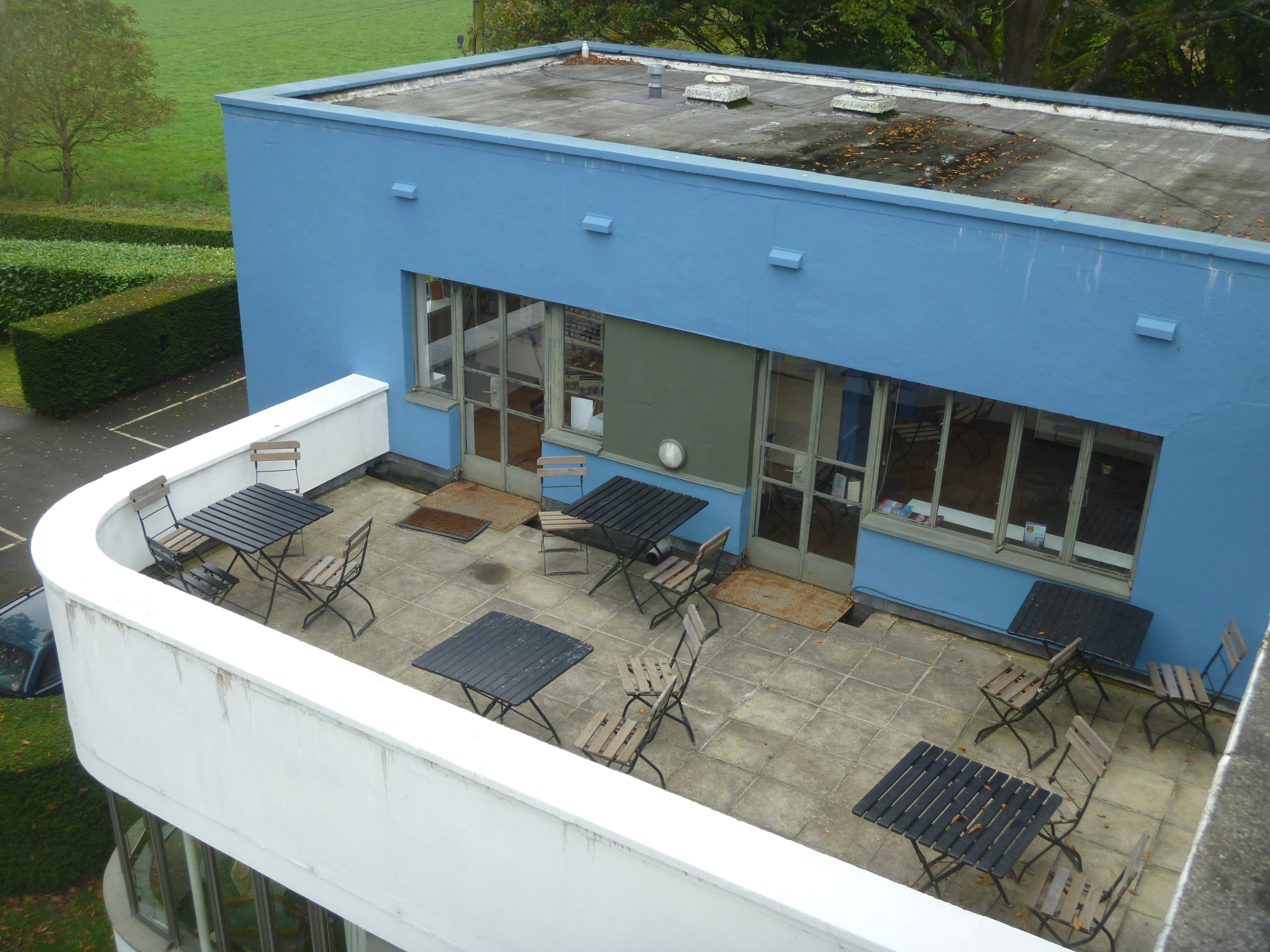
It’s now under the auspices of The National Trust and is a fine example of Modernist architecture and a host to a number of exhibitions and resident artists. There’s a cafe (that spreads out onto a roof terrace in summer) and small bookshop. The house has a relaxed atmosphere and you may sit on the chairs and handle the books.

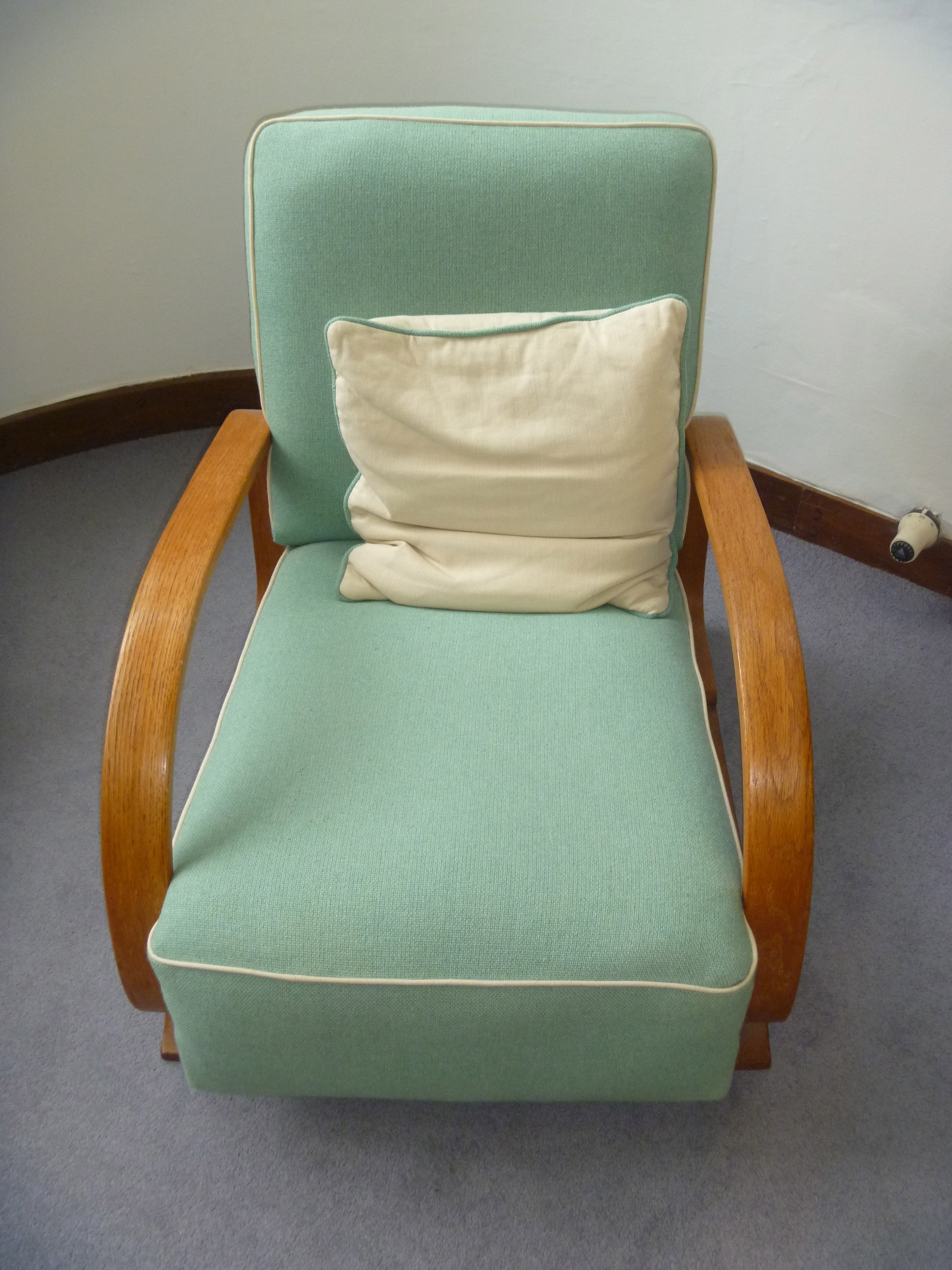
Comfy chair originally to be found in the common rooms at Dartington Hall residences

Cafe Terrace

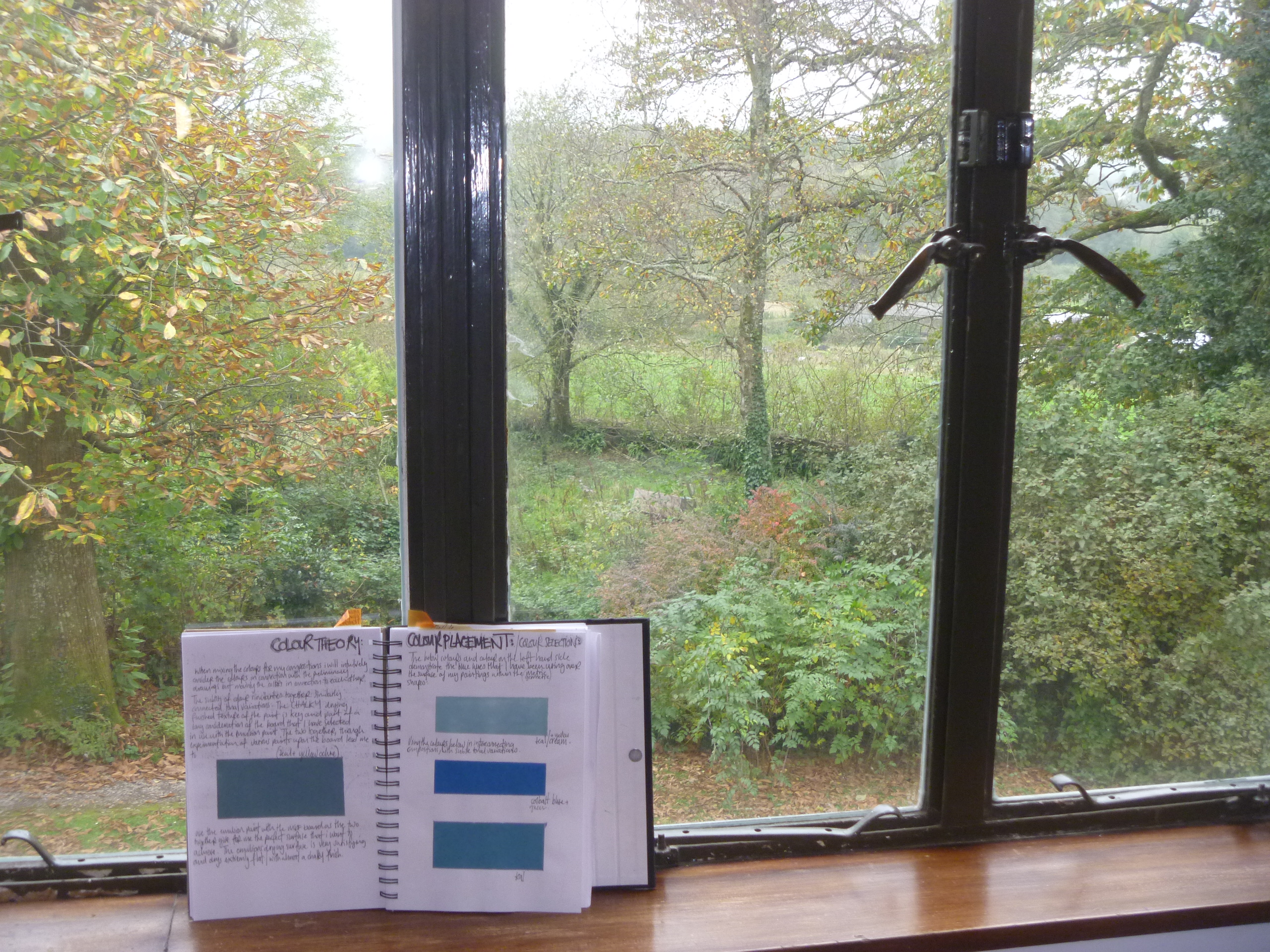
Colour Theory and the View of  High Cross House Garden

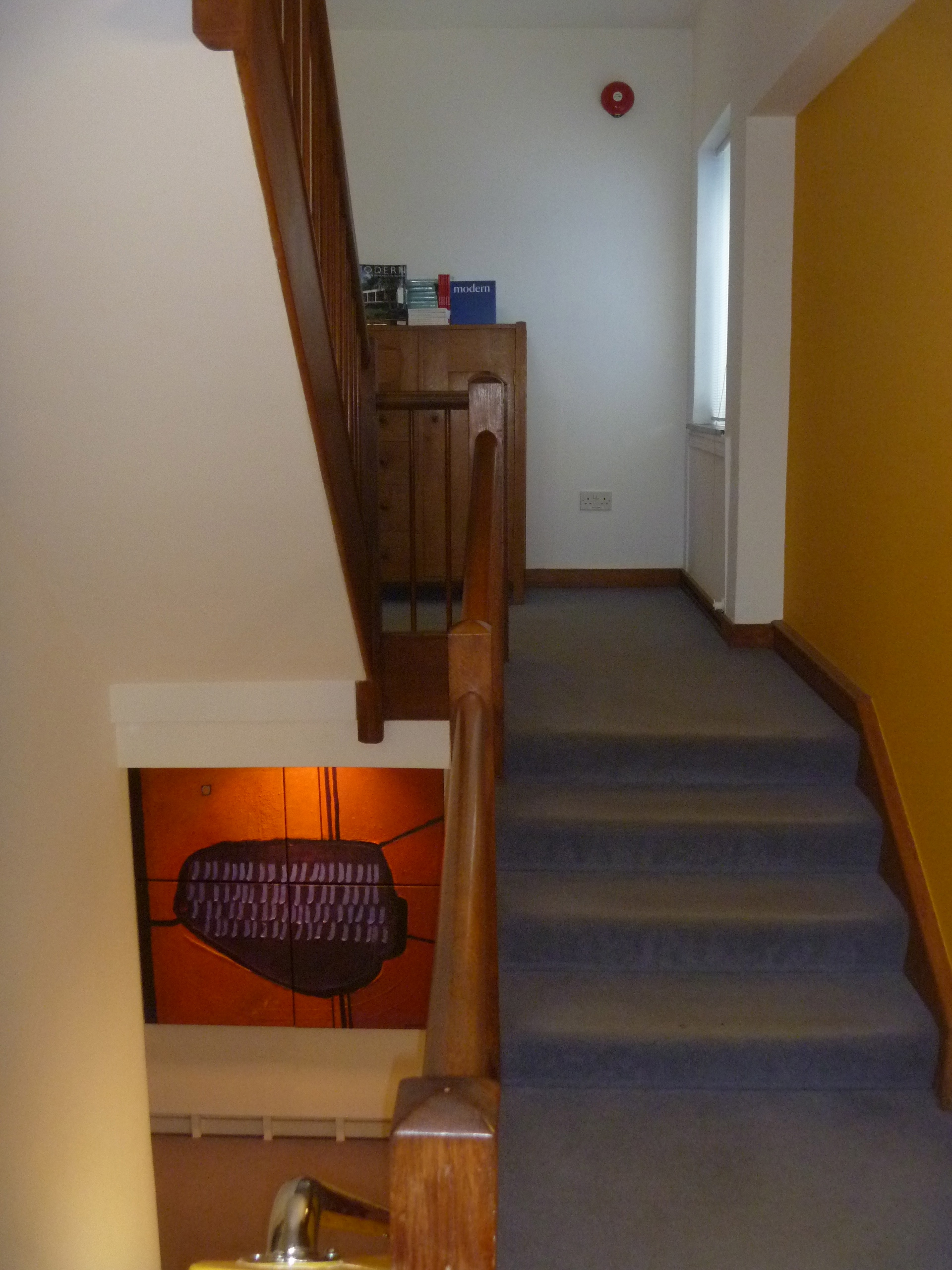
Staircase at High Cross House

Any artist who is in residence that day and helpful room stewards will also answer any questions you may have. Here is the NT brief resumé of the house :

“Built for William Curry, headmaster of Dartington Hall School, this Modernist gem was commissioned by Leonard Elmhirst and designed by William Lescaze in 1932. The house still evokes the ‘serenity, clarity and a kind of openness’ described by Curry.

High Cross is one of Britain’s most celebrated Modern residences, and we are excited to be presenting it to the public under our management, working in partnership with the owners of High Cross House, the Dartington Hall Trust.

The architecturally important building is playing host to contemporary art exhibitions and sales, talks, demonstrations and musical evenings, and is a perfect and unusual space for events. High Cross is to become a local centre for contemporary arts, as a community-led sustainable model of management.”

View from the footpath – High Cross House to Dartington Hall

From the HCH we headed towards Dartington Hall which I particularly know of as host to the summer Ways With Words literary festival. I’ve only heard of it and read about it but DGR has attended and participated there. This makes her the perfect guide to the estate and buildings.

In the gardens we admired the autumn colours and sculptures and topiary and we entered the Hall and the Residences. Lynne painted a vivid picture of leisurely picnic lunches, crowded halls of participants on tiered seating and comfy common room chats bringing the summer festival alive for me.

Dartington Hall and Garden Topiary

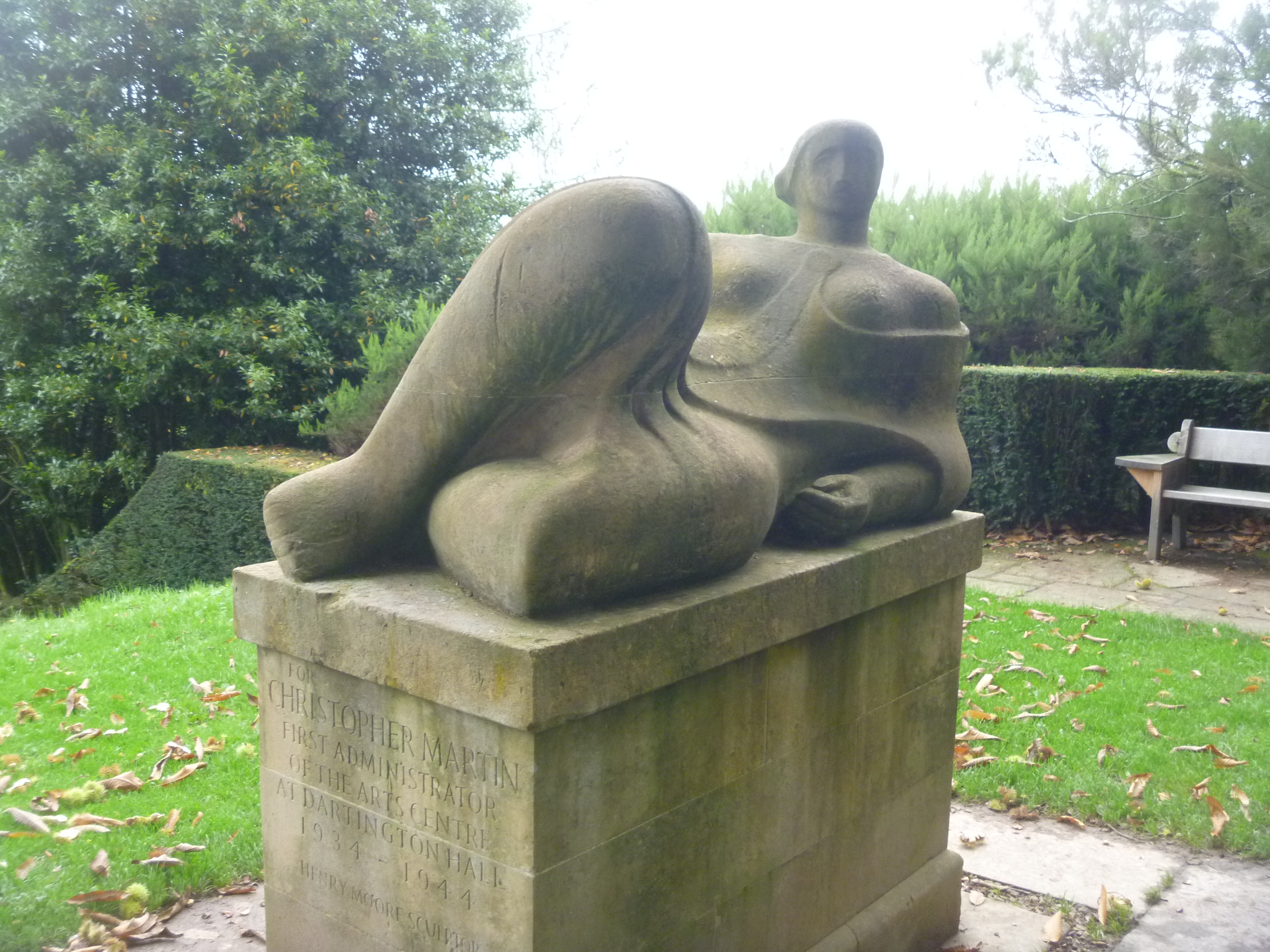
Henry Moore Reclining Figure Sculpture

The Dartington Hall

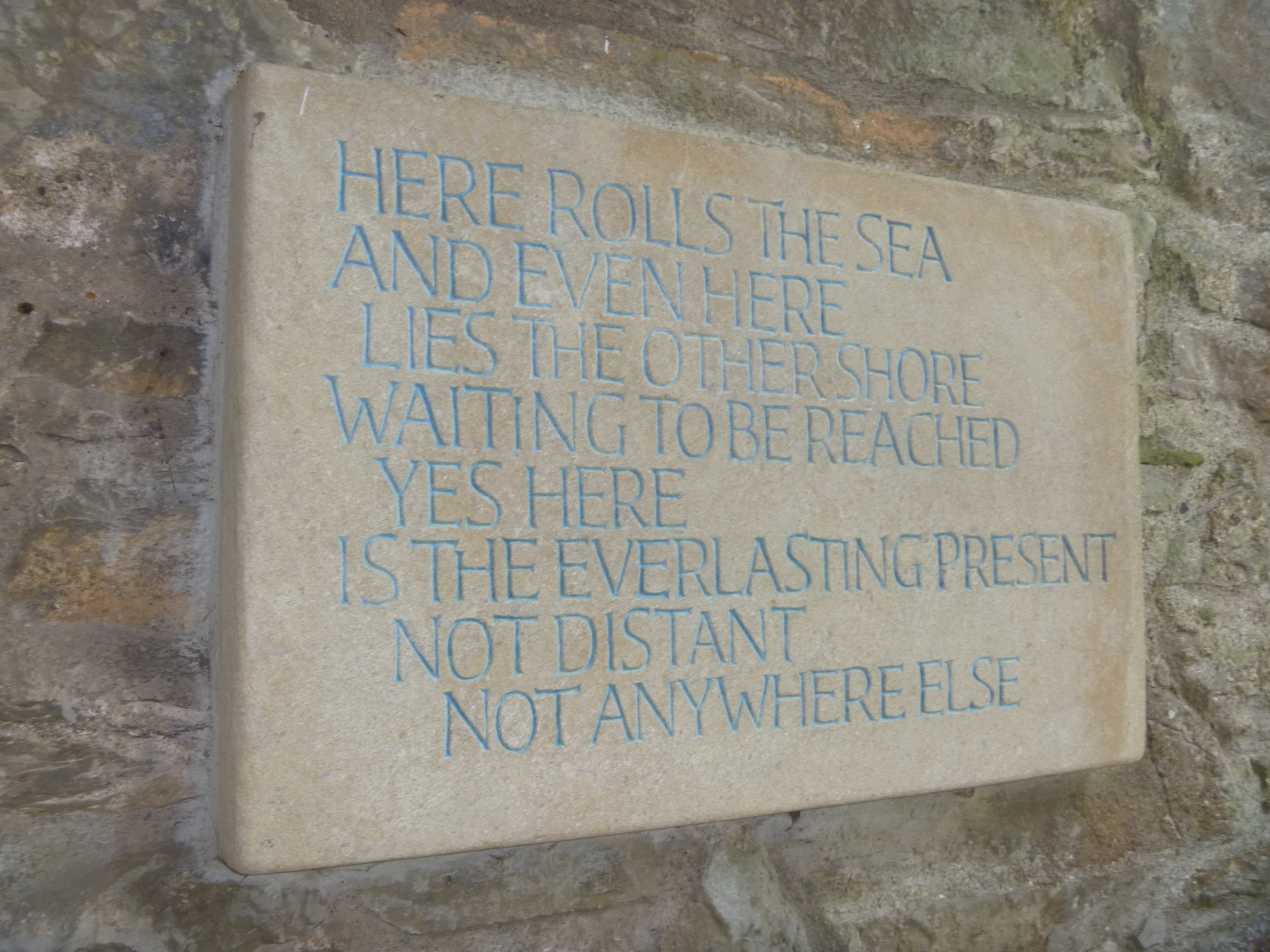
Calligraphy at Dartington

The Old King’s Highway : Route 6A Cape Cod

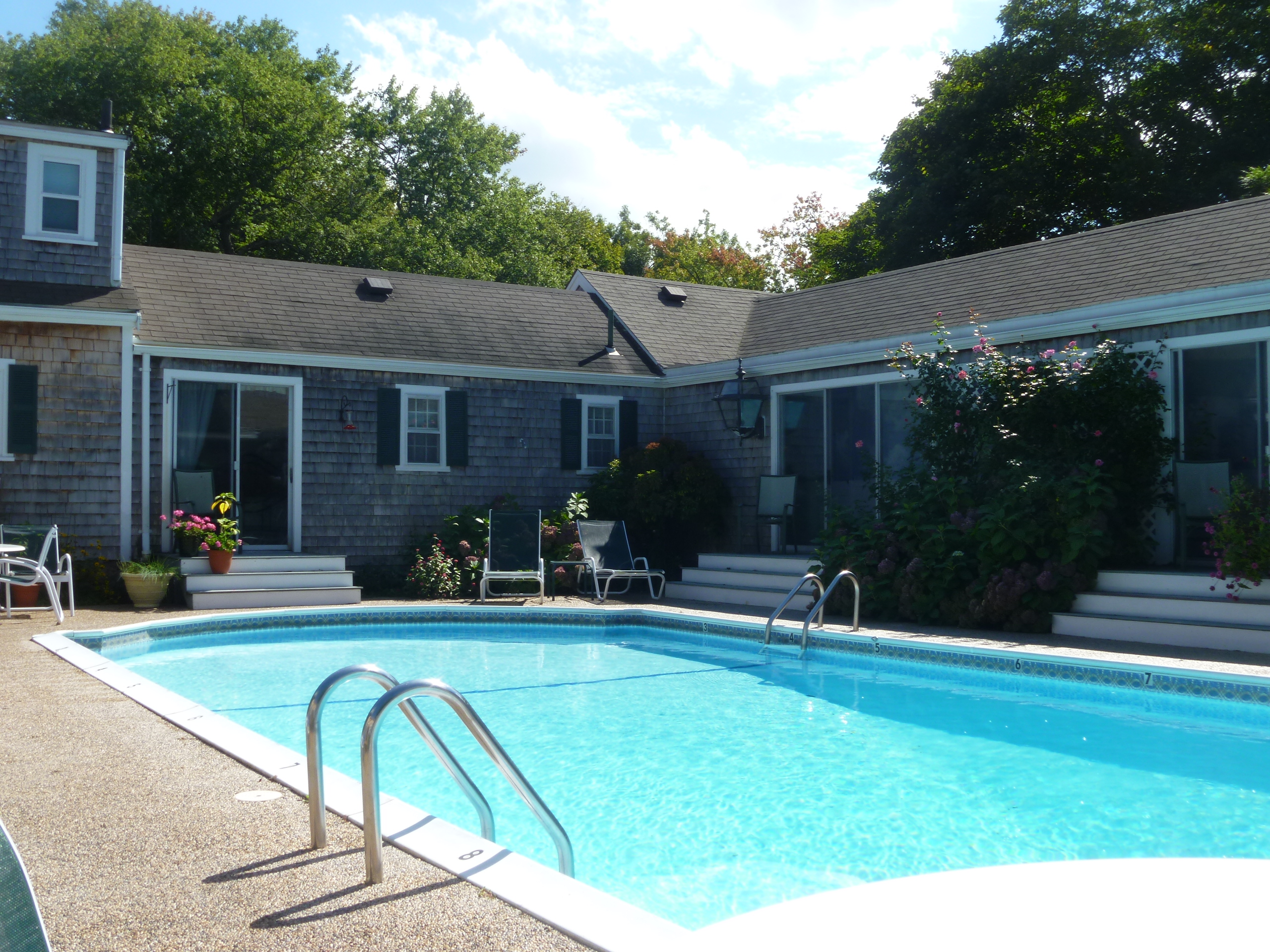
The final nine nights of our September New England holiday were spent on Cape Cod at one of our very favourite places : The Lamb and Lion Inn at Barnstable. This year was our fourth visit but this shrank in insignificance when we met two couples who had been visiting for their 18th and 23rd times respectively.

The Lamb and Lion Inn right on the 6A

So, I was pretty familiar with the Old King’s Highway but have only on more recent visits realised the full historical significance of this road. When you cross the Sagamore Bridge you join Highway 6 the main dual carriageway that links the Sagamore with Provincetown 72 miles away. However, to reach the Lamb and Lion and follow a slower pace and drop down a gear or two you need to take the Route 6A to the north.

The 6A leaves the 6 at Sagamore and rejoins it just west of the town of Orleans and in total the OKH is 34 miles long and traverses seven towns and is just yards from the beach in some places. In fact it is hard to realise that you are so near the seaside as you drive along but turn left (north) down almost any lane as you drive from Sagamore to Orleans and you’ll find  sandy beaches hugging Cape Cod Bay or, nearest to us at the L&L, the lovely sheltered Barnstable Harbour.

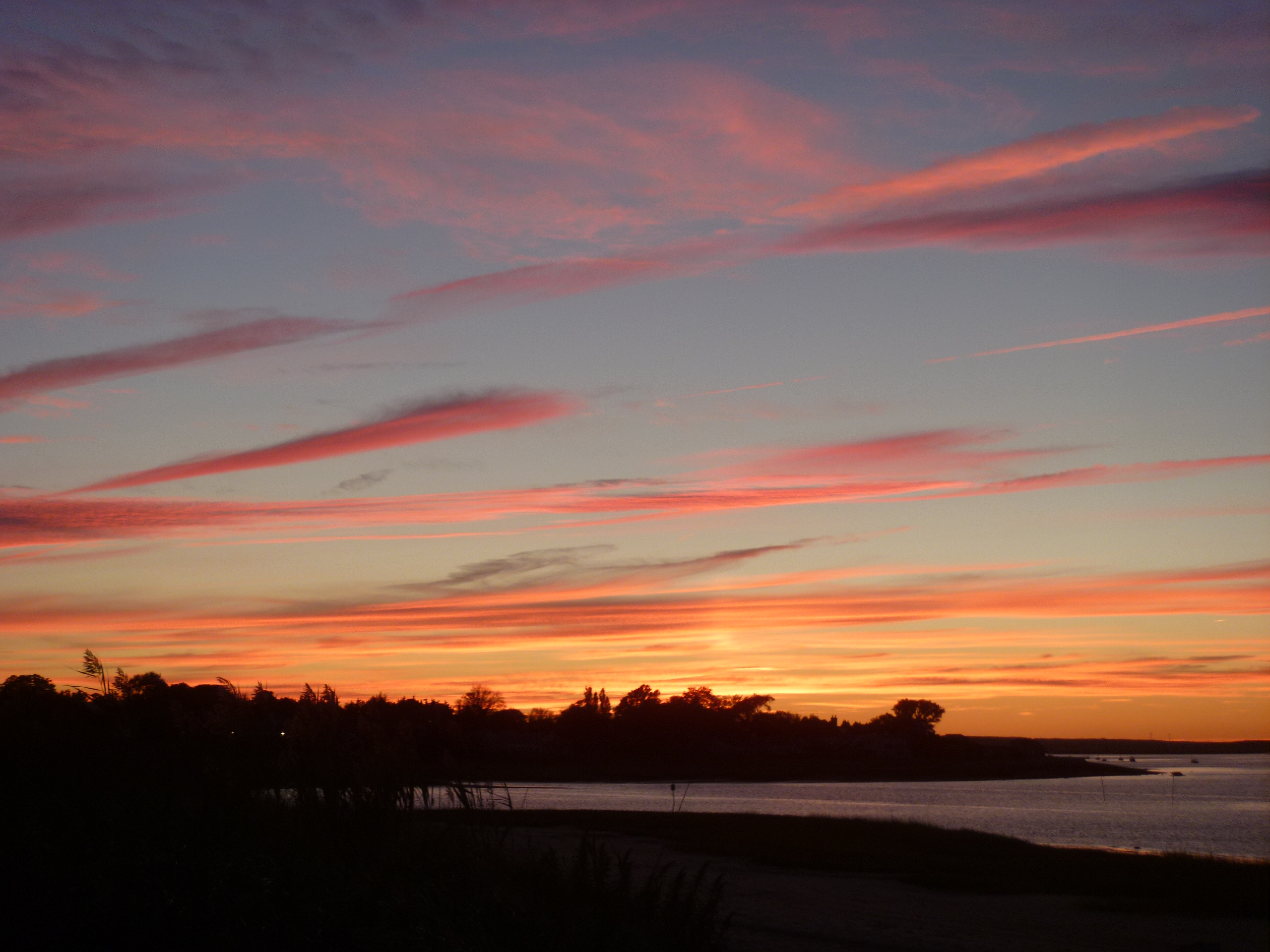
Sunset at Barnstable Harbor Beach

When we stay on Cape Cod we have a very limited “comfort zone” so the part of The Old King’s Highway that I’m going to tell you about is just that between Barnstable and Dennis. I just checked on Mapquest and it’s a distance of about 11 miles.

I have tried to find out exactly which “Old King” the highway is named for but it’s not mentioned in the bits of literature that I have collected and no sign on “Google” either. I assumed King George III but it’s much older than that – a late 17th century extension of the King’s Highway from Plimouth. The whole of it is designated a Regional Historic District and is the largest such district in America. It is also one of America’s most scenic highways.

This 34 mile roadway winds through 7 cape towns, past hundreds of historic sites and landscapes, including farmsteads, cranberry bogs, salt marshes, sea captain’s homes, and village greens.”

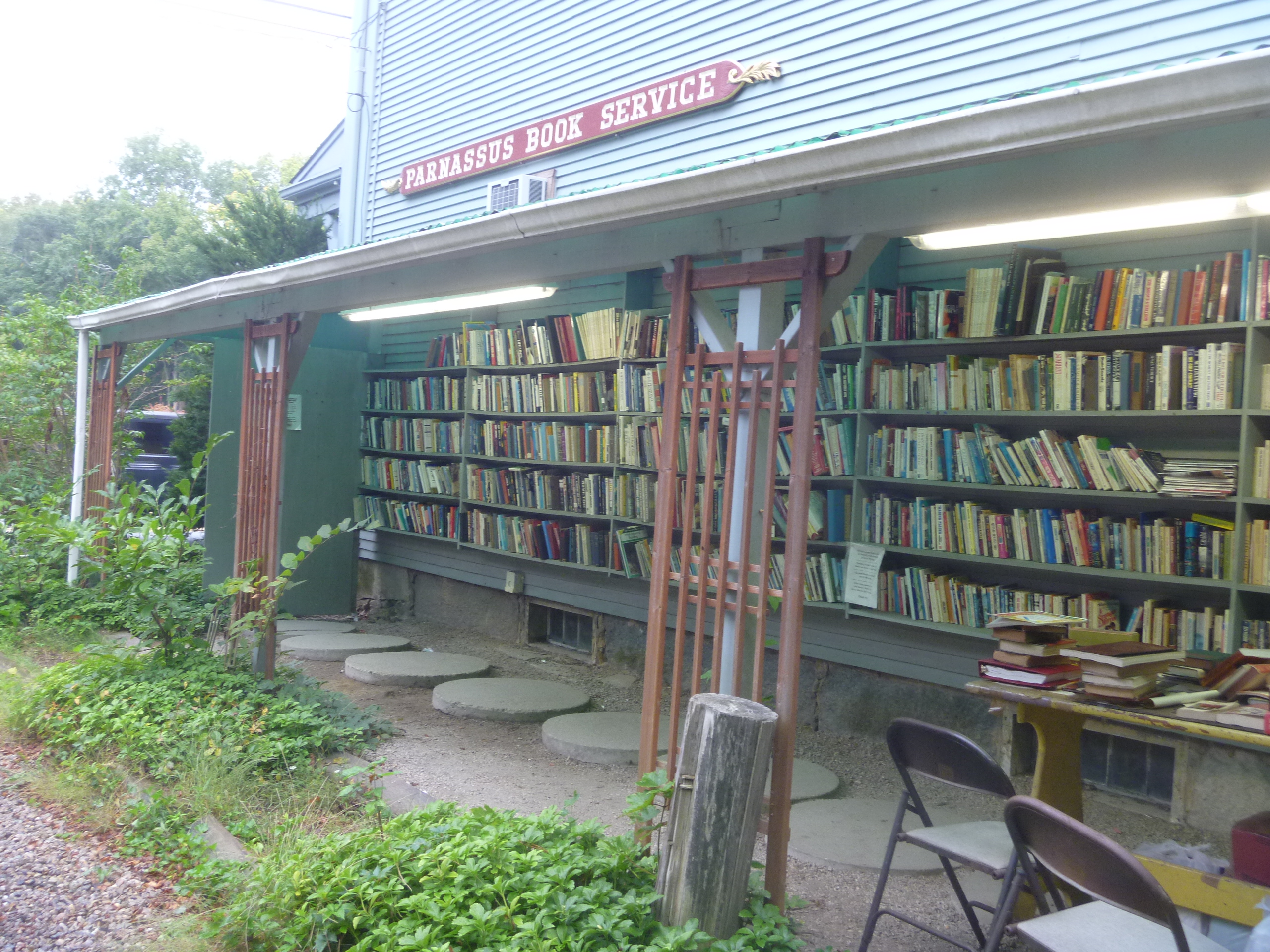
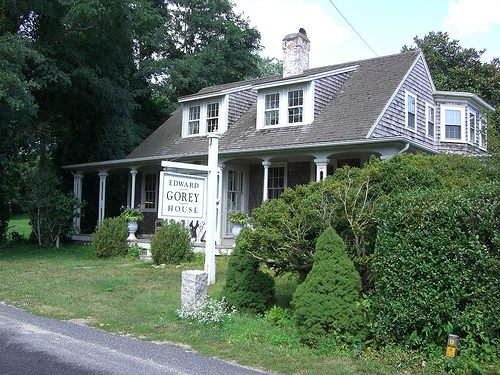
In addition there’s America’s oldest library (The Sturgis Library), a famous artist’s home (Edward Gorey), a Coastguard Museum, a unique secondhand bookshop (Parnassus Books), an Historic New England property (The Winslow Crocker House), great eateries and interesting, one-of-a-kind shops and galleries, roadside fruit and veg. stalls (we recommend the heritage tomatoes), shipyards and churches and cemeteries and all of those just within our 11 mile zone.
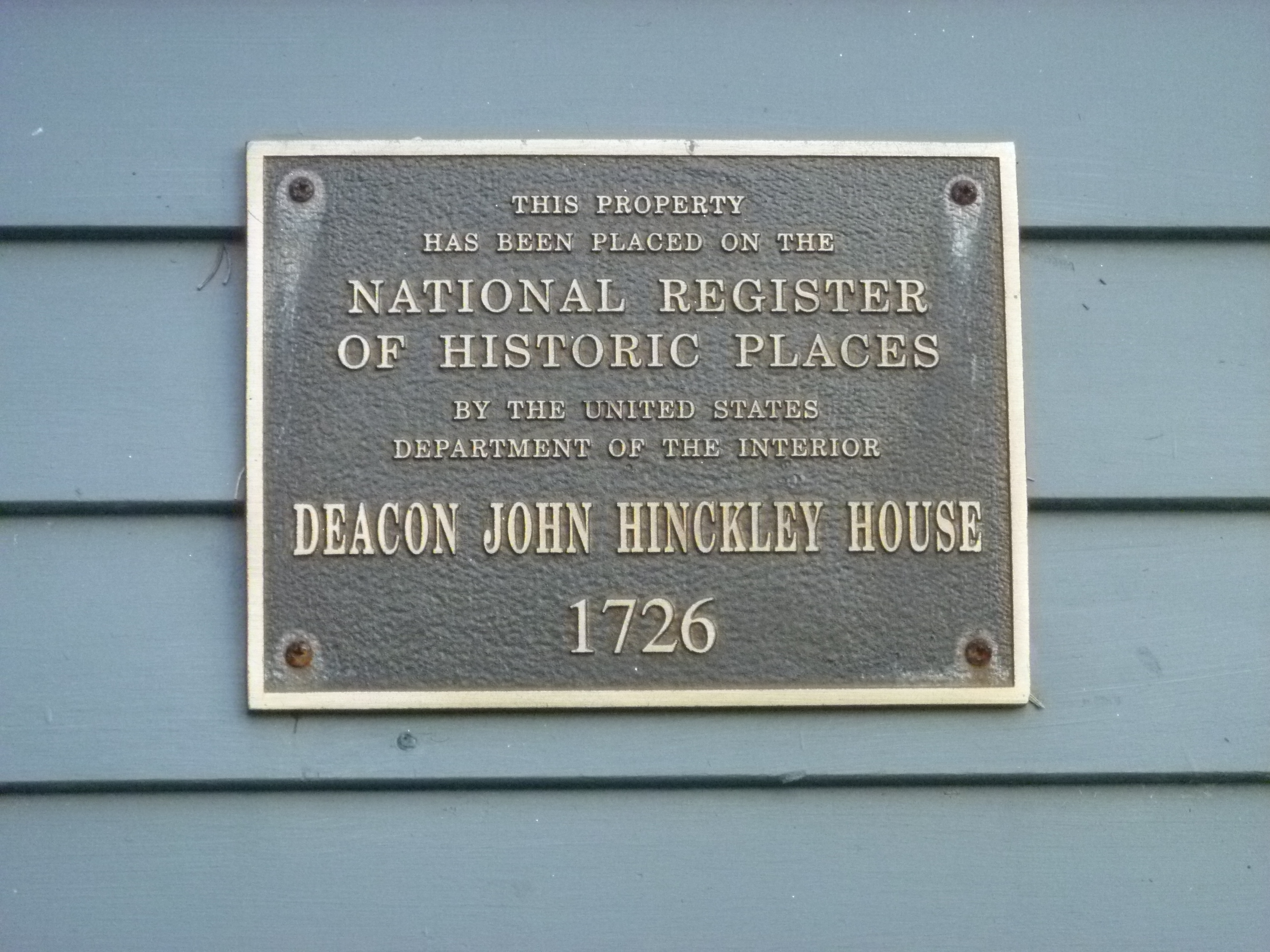
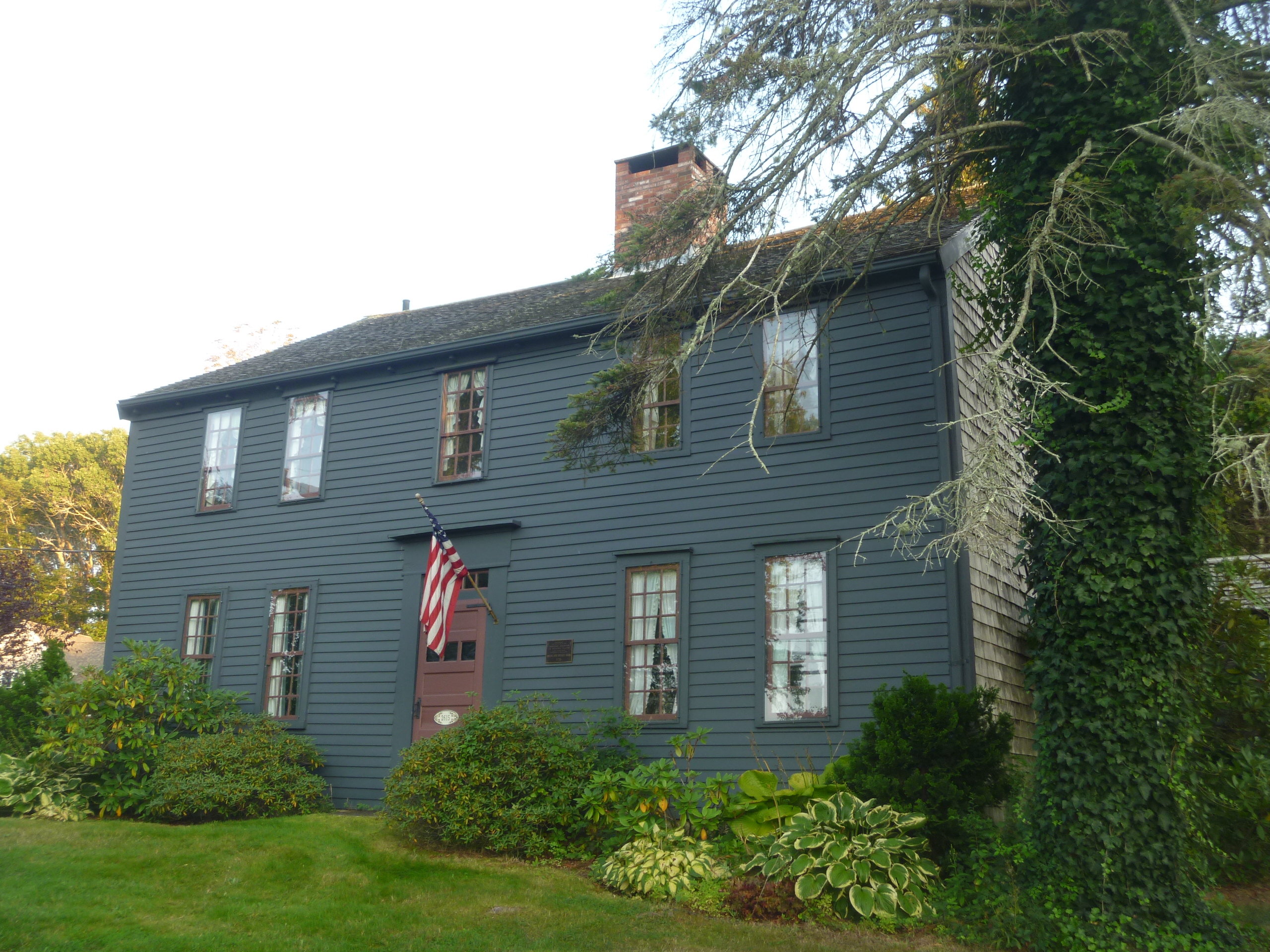
Historic House plaque – one of very many along the 6A

Deacon John Hinckley House (one of many historic properties along 6A)

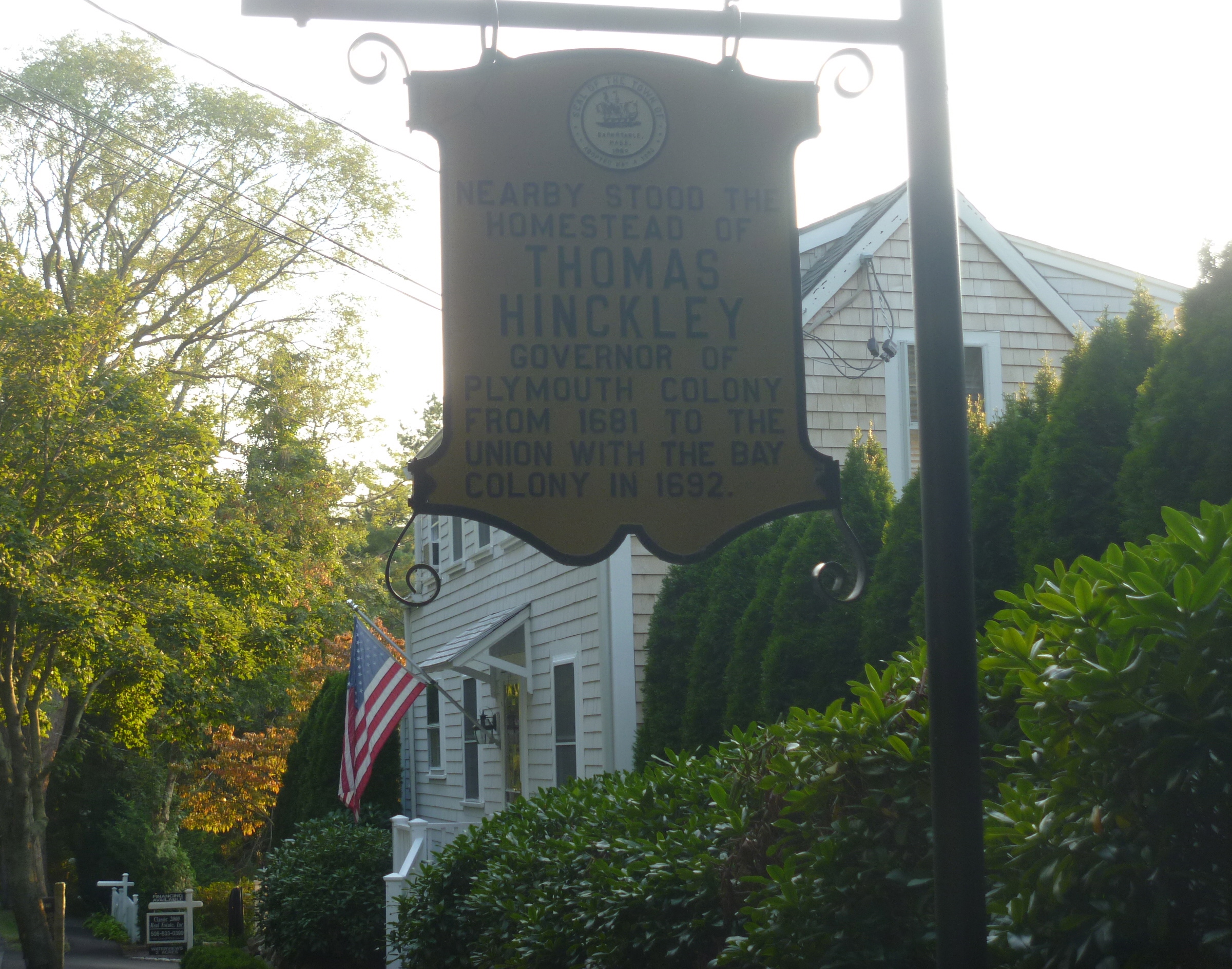
Thomas Hinckley Lived Near Here – such signs abound on the 6A!

Inside The Sturgis Library, Barnstable

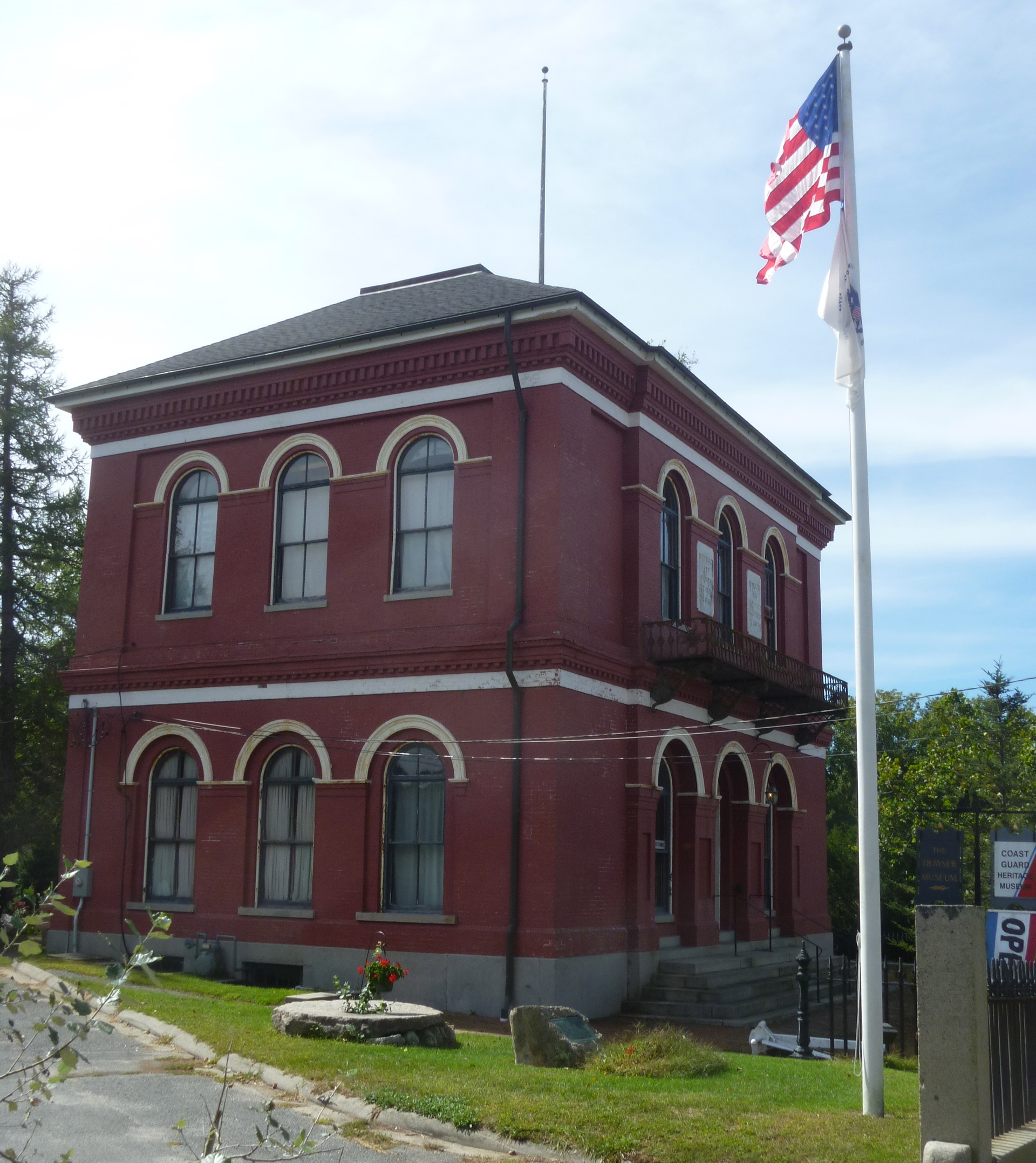
The Trayser Coastguard Museum, Barnstable

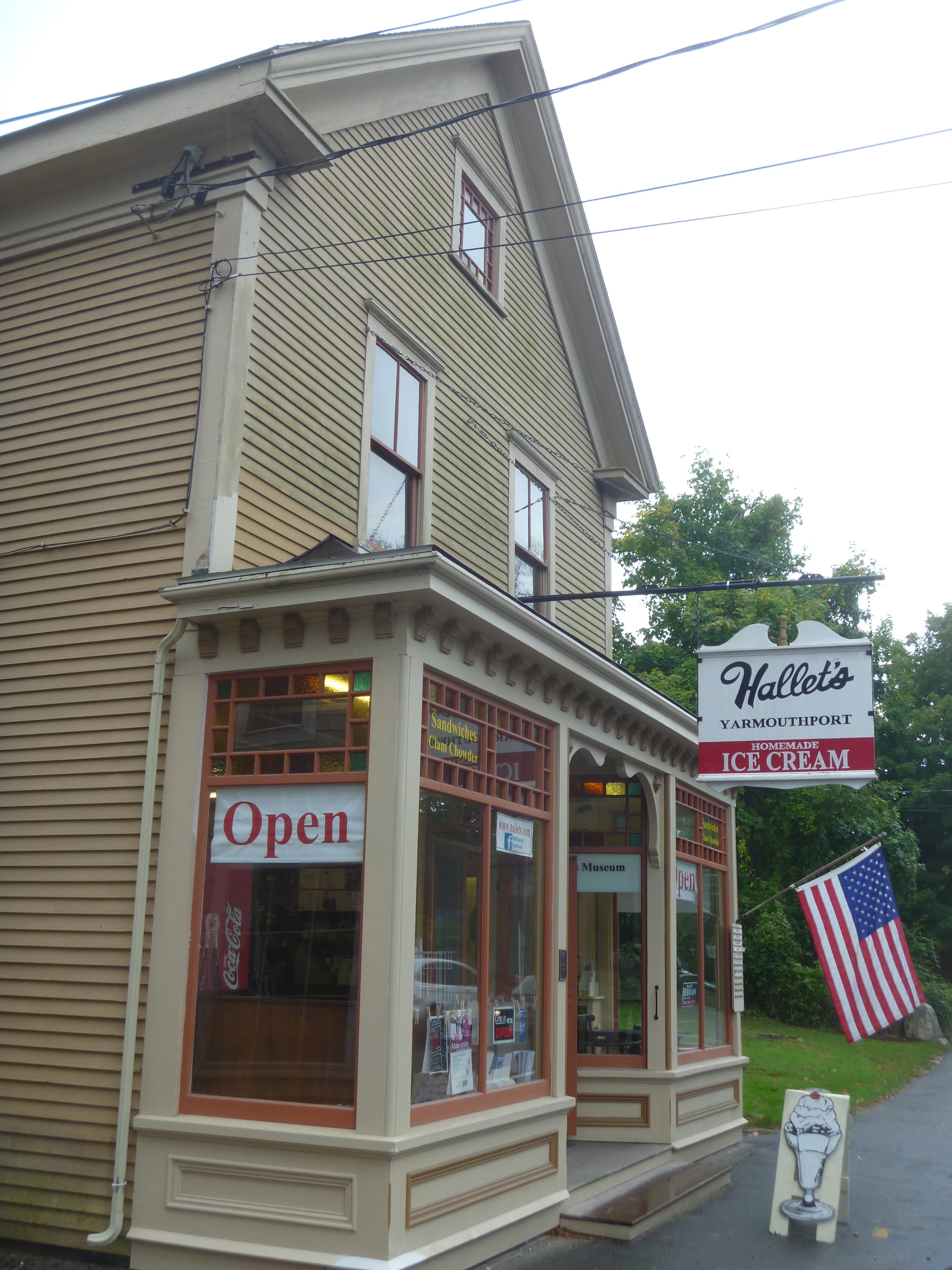
Hallet’s Soda Fountain

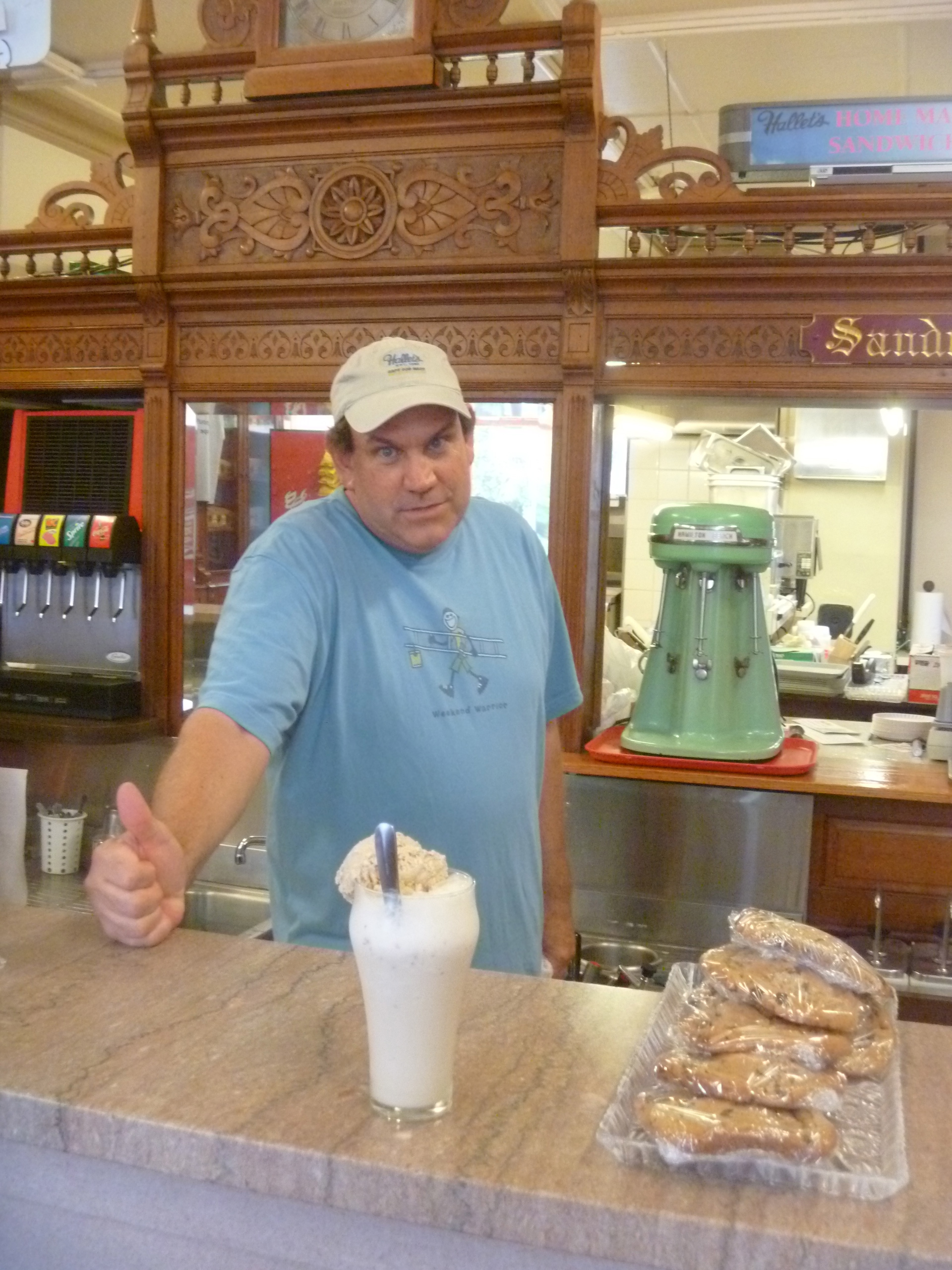
My ice cream soda is ready!

Parnassus Books (so much more inside!)

The Winslow Crocker House

(Sea) Captain Bang’s Hallet House

Edward Gorey House

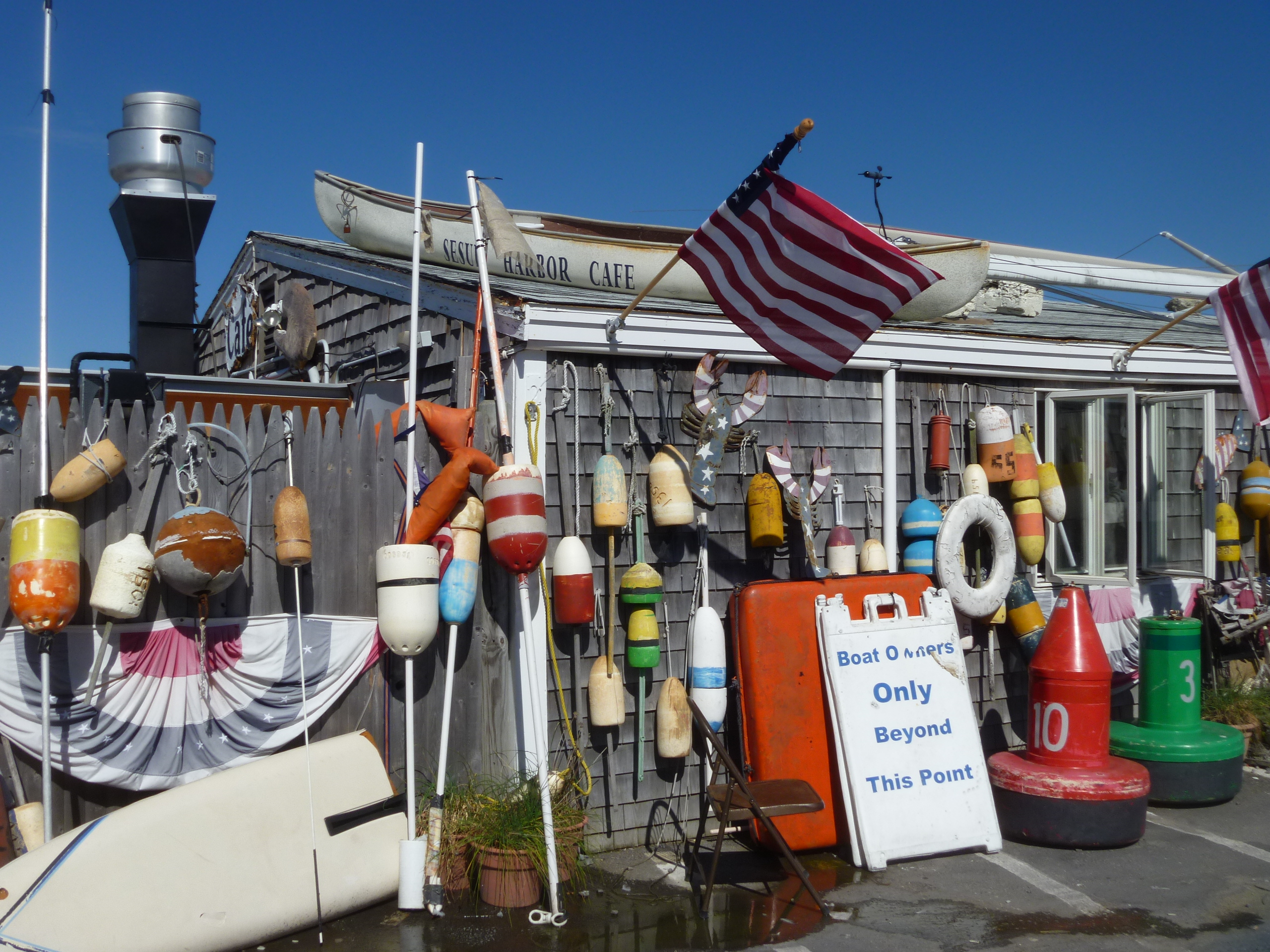
Sesuit Harbor Cafe

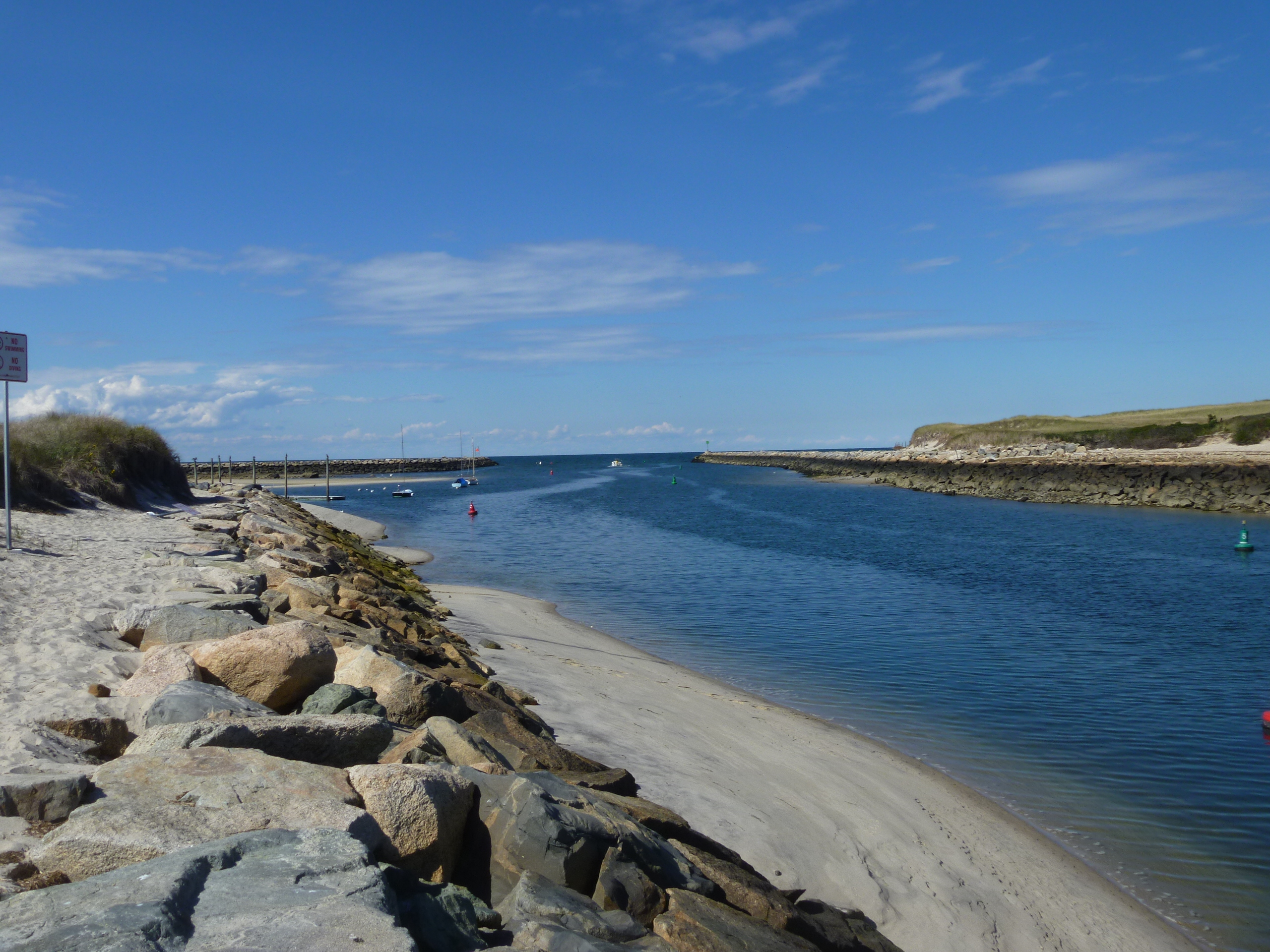
Sesuit Harbor

Don’t Call Me Ishmael – Part Two : Where a Mountain Inspired a Tale of a Whale : Herman Melville’s Arrowhead

Don’t Call Me Ishmael‘ was the title of a post here a year ago in which I wrote about a visit with a friend to the Mattapoisett Historical Museum to inspect the Ashley Whaling Mural a map of the south coast of New England from the mouth of the Connecticut River to Cape Cod. We also looked at Whaling Journals.

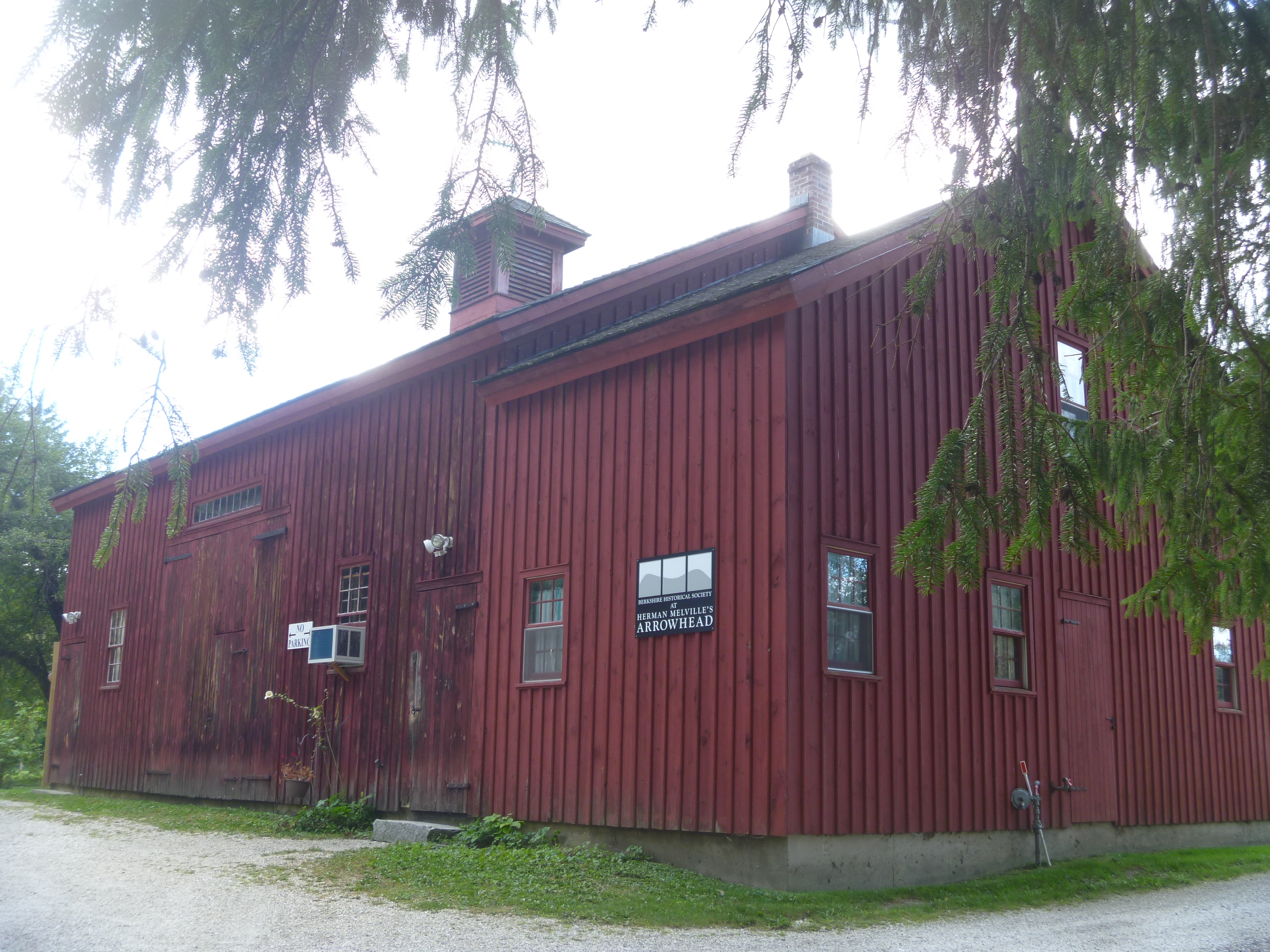
There was just time on Saturday 15 September, after our visit to The Norman Rockwell Museum and Stockbridge, to fit in a tour of Herman Melville’s home Arrowhead, just a mile along the road from our Lenox motel in Pittsfield, MA.

In the summer of 1850, seeking a reprieve from the heat and noise of New York City, Herman Melville brought his young family to Pittsfield, Massachusetts, a place he had visited since childhood.

Flush with the success of his first books and entranced by his meeting of Nathaniel Hawthorne, Melville impulsively bought a nearby farm, which he named Arrowhead. That winter, ensconced in his study with its view of Mount Greylock, Herman Melville wrote his masterpiece ‘Moby Dick’.

Melville’s most productive years were those he spent at Arrowhead; works written here include ‘Pierre’, ‘Benito Cereno’ and ‘The Confidence-Man’. Melville and his family returned to the city in 1863, but Arrowhead remained in the Melville family until 1972.”

The Barn Shop and Information Desk

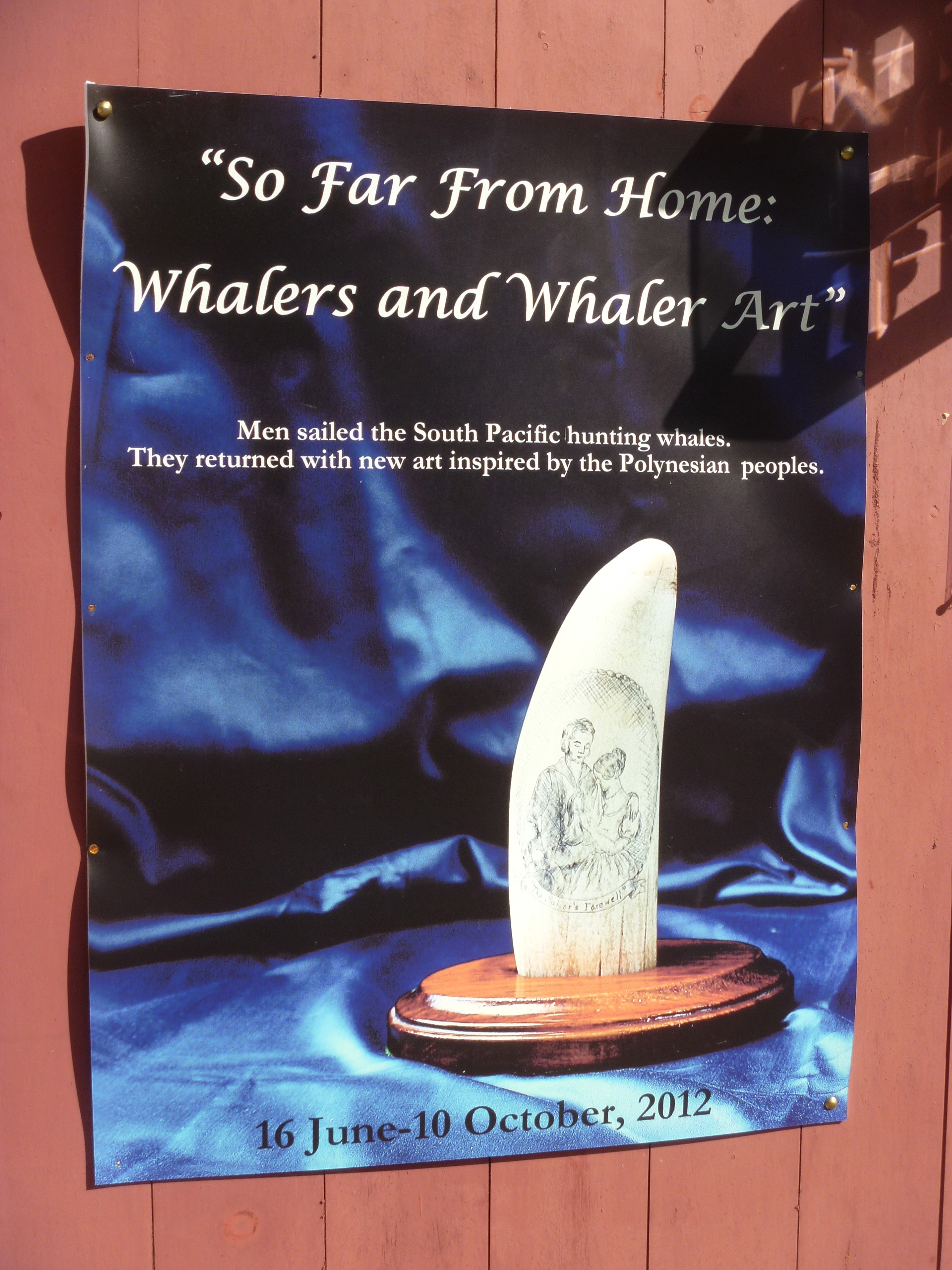
In a barn behind the house there’s a shop and the desk where you can book for a house tour. In another out-building there’s an exhibition “So Far From Home: Whalers and Whaler Art”.

“The exhibit explores how Polynesian artworks influenced the art of visiting whalers like Melville, with a display of images, text, scrimshaw, tattoos, and Polynesian art and artefacts. Collector Jeffrey McCormick loaned a large selection of scrimshaw and other items to make this exhibit possible.”

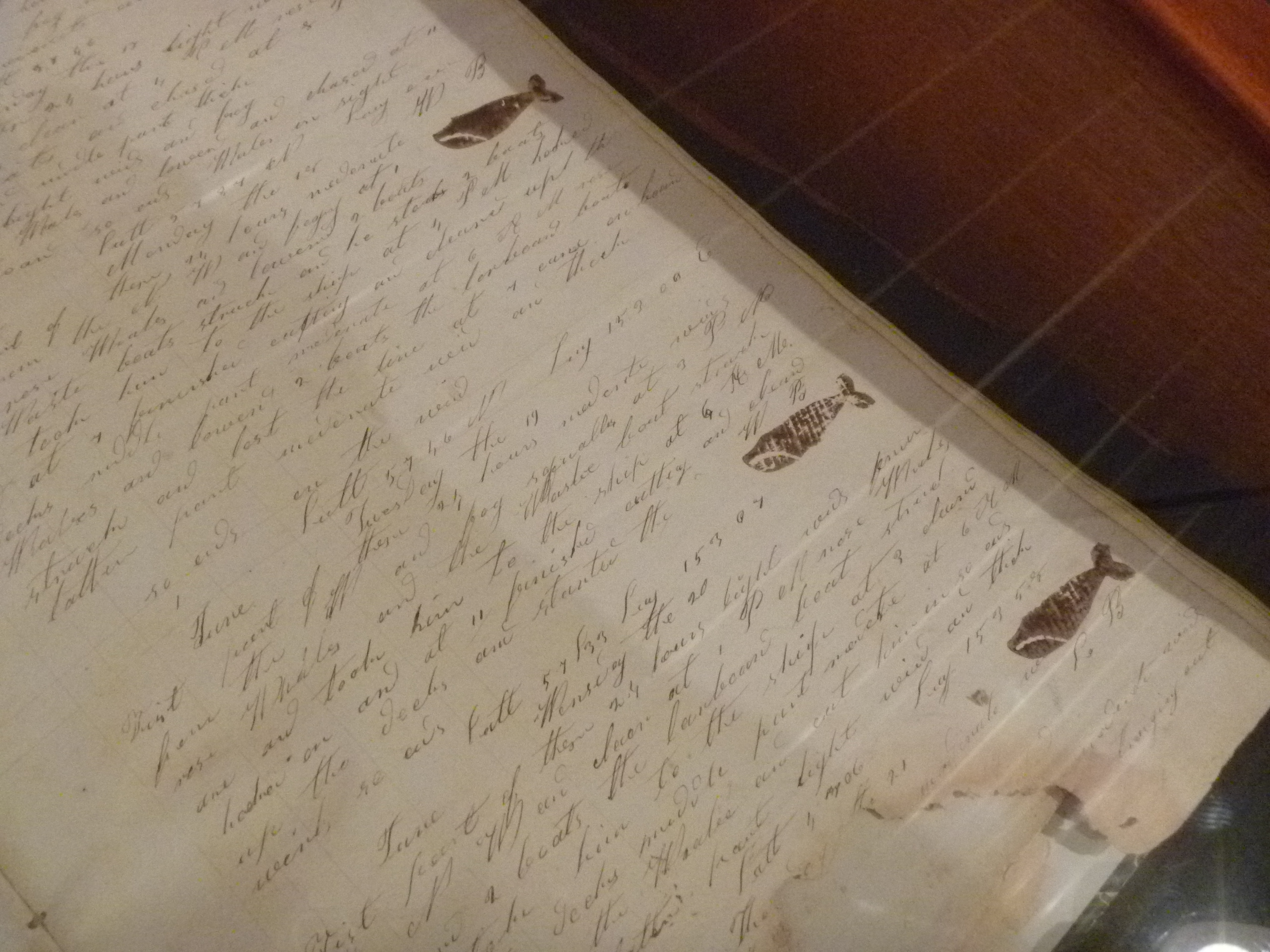
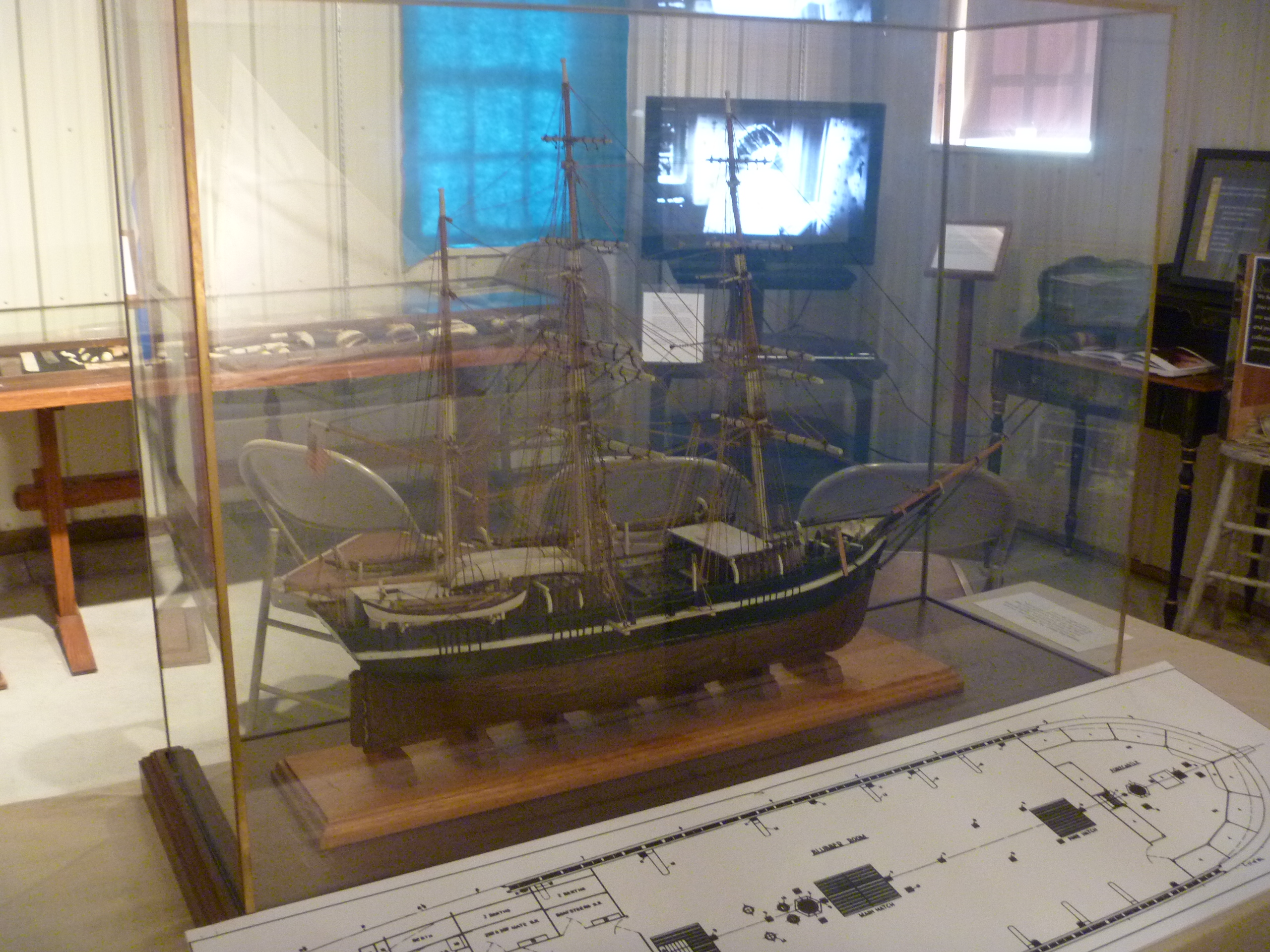
There are also some fine examples of Whaling Journals and a model of the whaling ship ‘The Wanderer’.

Model of The Wanderer

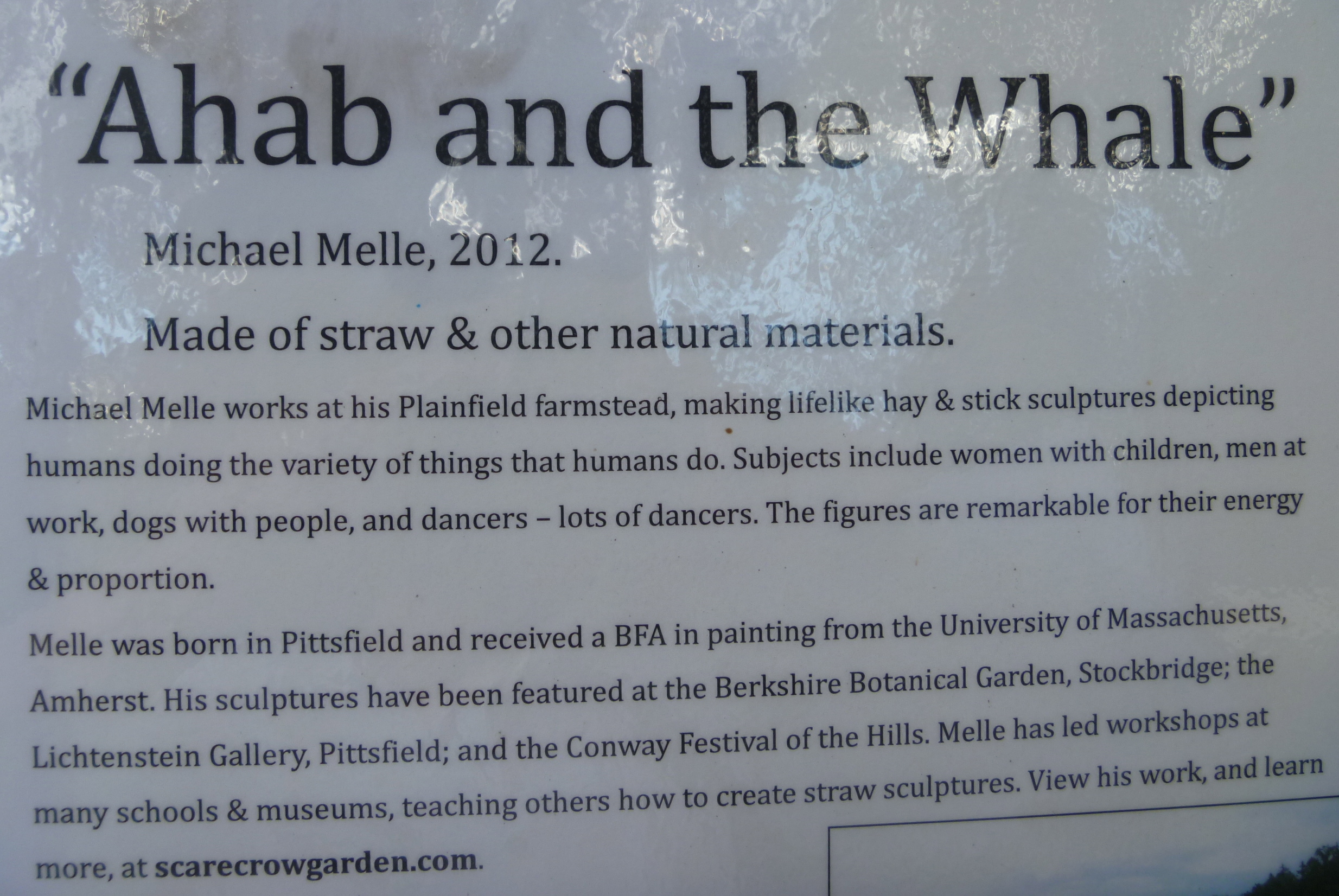
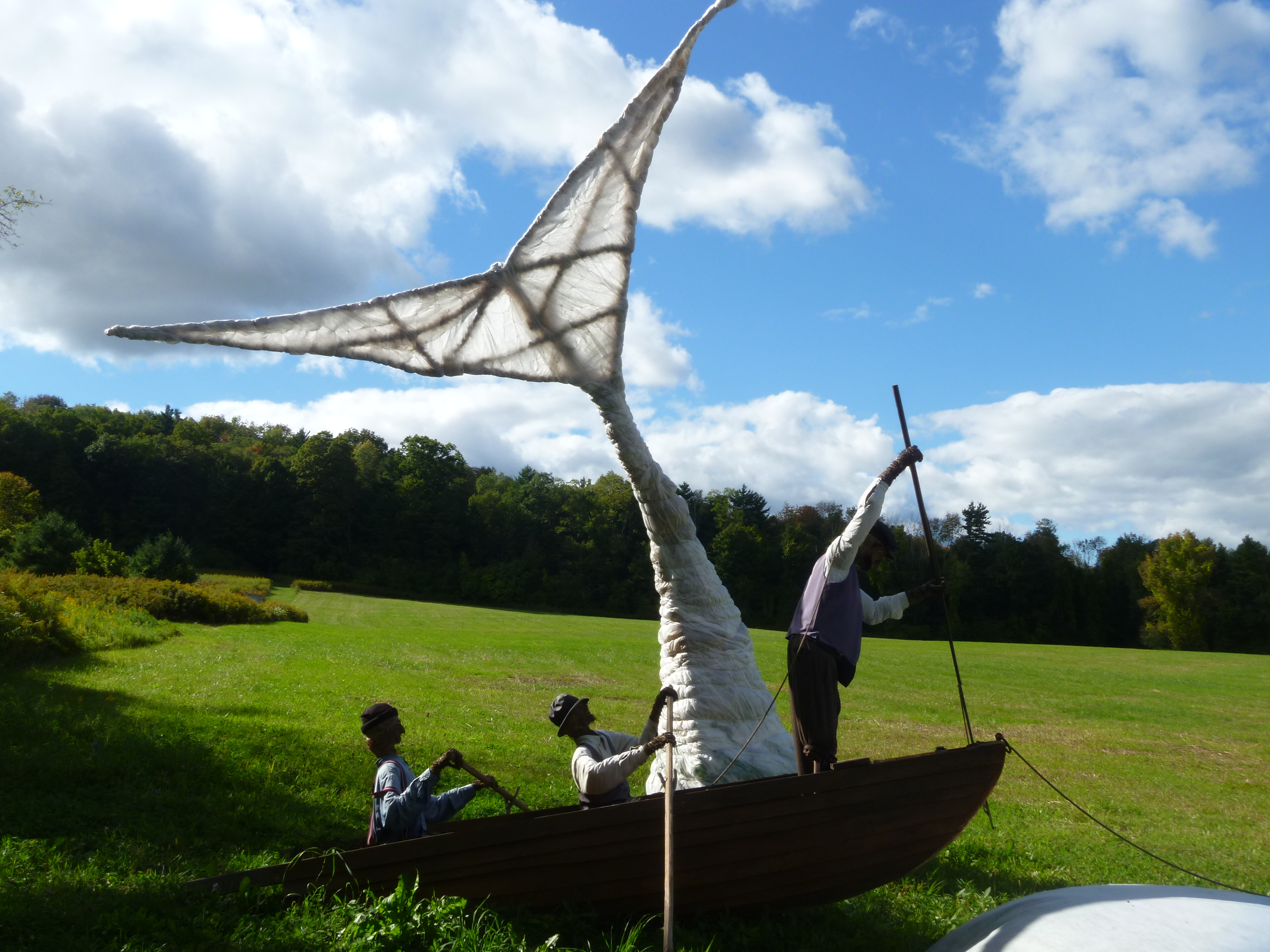
In the field next to the house and garden there’s a rather strange sculpture. It’s called ‘Ahab and the Whale’ and it’s a startlingly life-like straw sculpture by Michael Melle.
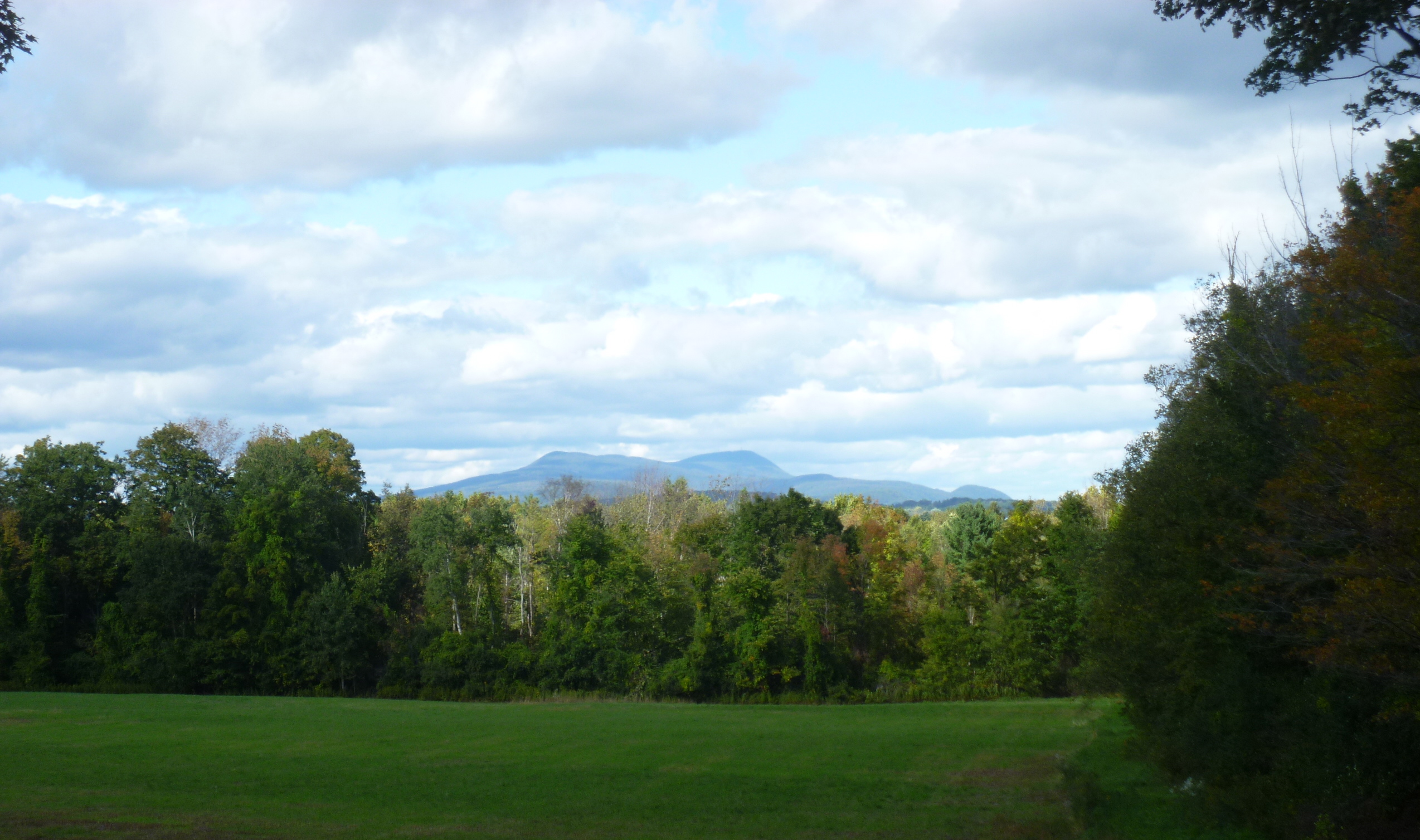
The house tour itself was fairly interesting (no photography allowed) and the best part was visiting the study and seeing the view of Melville’s inspiration Mount Greylock.

Mount Greylock from Arrowhead

In addition to the house tour and exhibitions there’s a self-guided grounds tour described on the free leaflet that you are given when booking your ticket. Complete with quotations from Herman Melville the leaflet details the immediate house surroundings and barn and the Arrowhead Nature Trail across the meadow and through the woods where Melville was inspired to write. Unfortunately, time was tight at this point and I was unable to undertake the Nature Trail. Something else for next time!
By pure coincidence I received a Folio Society newsletter just this week alerting me to the Moby Dick Big Read. Here is what it says on the website :

… an online version of Melville’s magisterial tome: each of its 135 chapters read out aloud, by a mixture of the celebrated and the unknown, to be broadcast online in a sequence of 135 downloads, publicly and freely accessible.”

A year ago I said I wouldn’t be reading ‘Moby Dick’ but this year I intend to start listening to The Moby Dick Big Read.

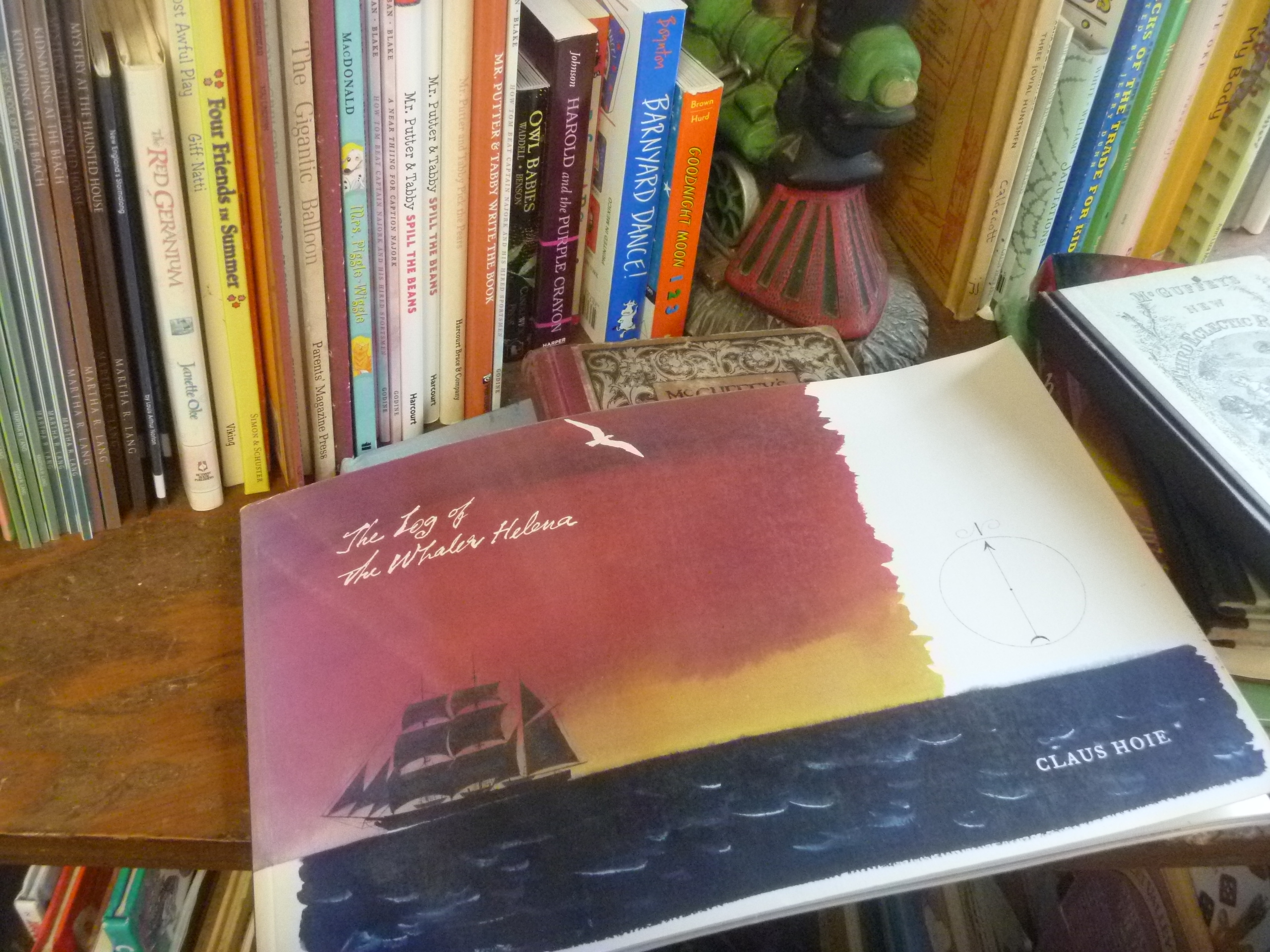
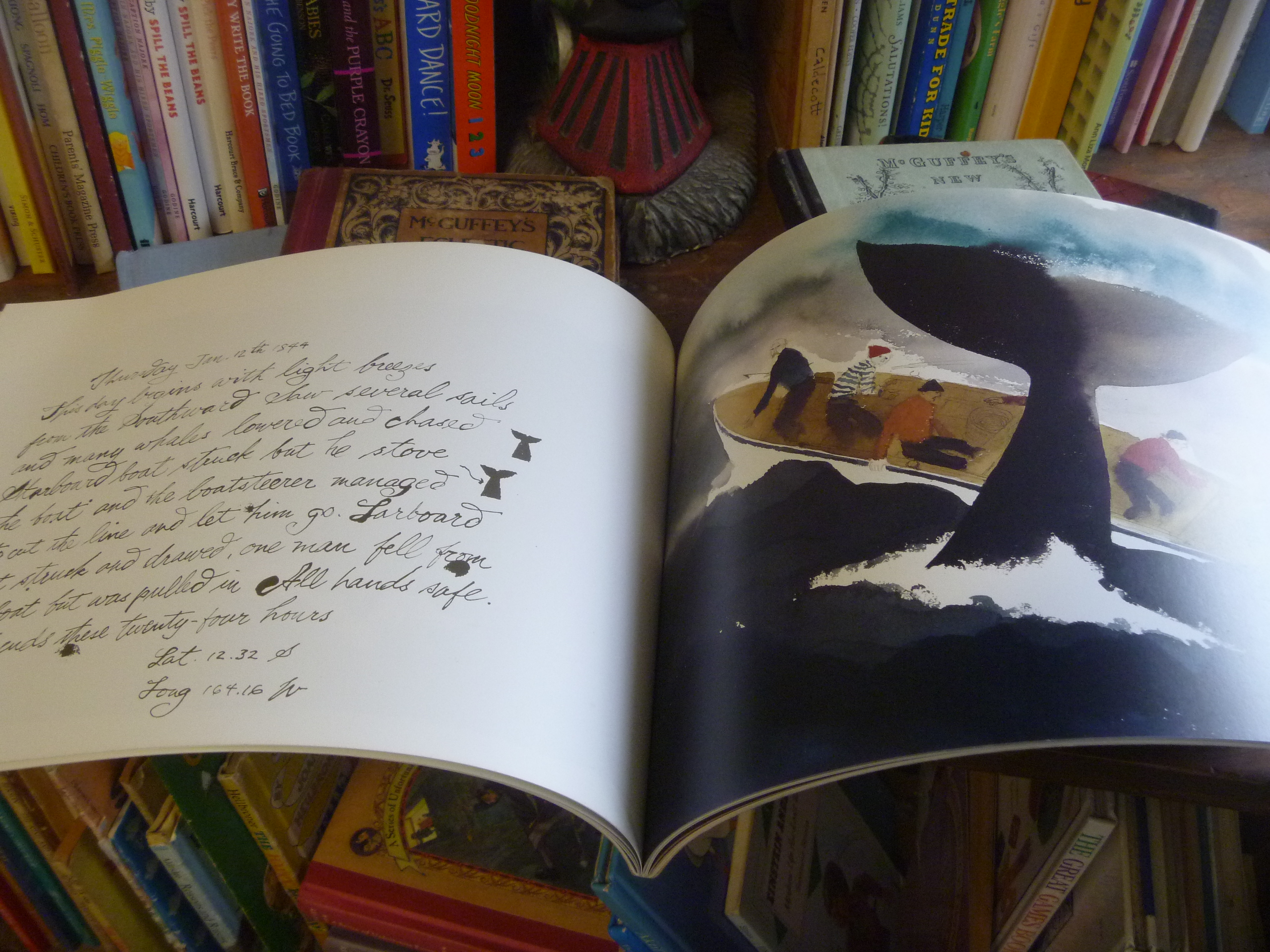
A book for young whale watchers

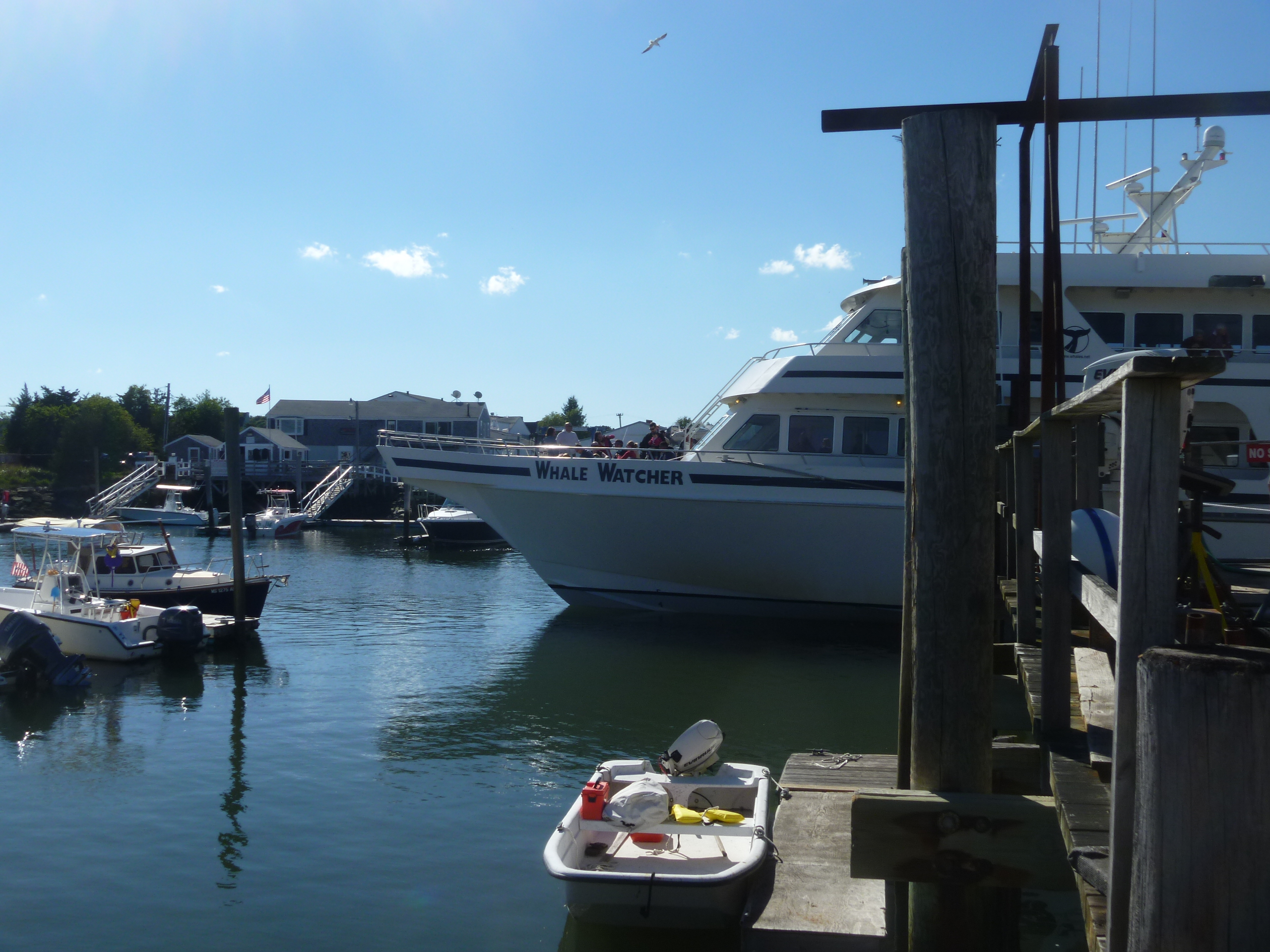
As for embarking on a Whale Watch Cruise – well, I still won’t be doing that – but I now have a husband who did! And he saw some!! The whale watchers return :

The Custom of the Country, Dramatic Licence and Edith Wharton and The First World War

Writing these posts about my visit to The Mount has made me want to revisit as I now feel that I missed a lot.  I spent two hours there and after the 50 minute tour I rather hurried round the rest of the house and the gardens and took twenty minutes or so out of my remaining time to have a cup of tea. If I am ever fortunate to have the chance to pay a visit to The Mount again then I’d try to spend the greater part of a day there. I suppose this post consists of things I missed or very nearly missed or was only able to scan very quickly.

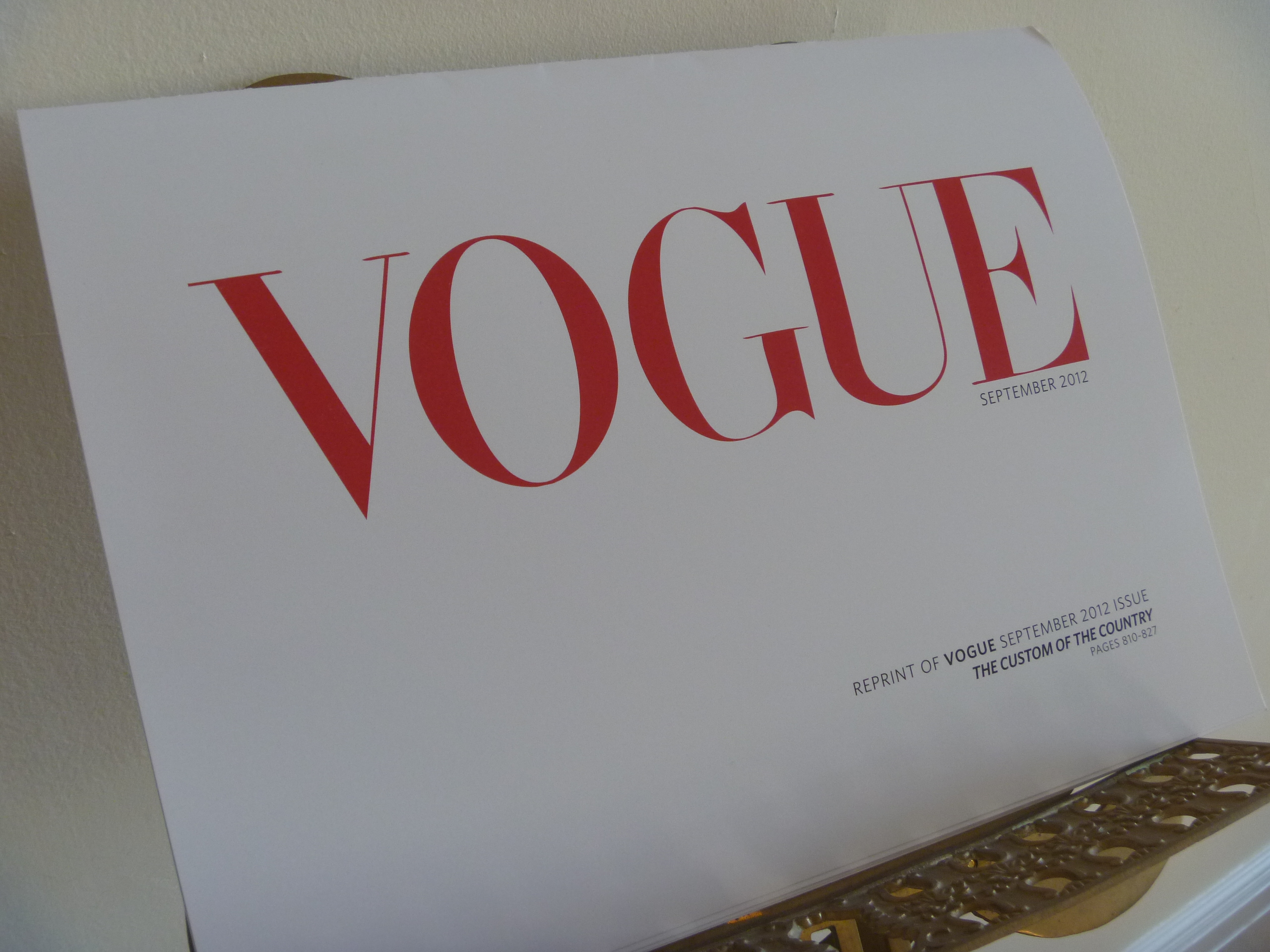
The Custom of the Country was the title (taken from an Edith Wharton fiction title) of the result of an American Vogue fashion shoot by Annie Leibovitz that had taken place at The Mount and was published in the September (2012) Issue. Copies of the 18 page feature were piled up around the house, presumably for the paid-up attendees at the Berkshire Wordfest 2012 event that was due to start at 5pm that very afternoon. Copies of the full size magazine were for sale in the shop – all 916 pages of it, weighing in at just under 5lbs – I could hardly lift it let alone consider packing it in my suitcase to bring home with me!  Anyone who has seen the fly-on the wall documentary The September Issue will know just what I’m talking about here. To be featured in the magazine at all is one thing; to feature in the September Issue is an achievement indeed and Edith Wharton has done it and deserves it. There’s been a bit of hoo-ha that male writers and actors appear as various men in the sets but that Wharton herself is played by a model but I don’t want to get into that discussion here.

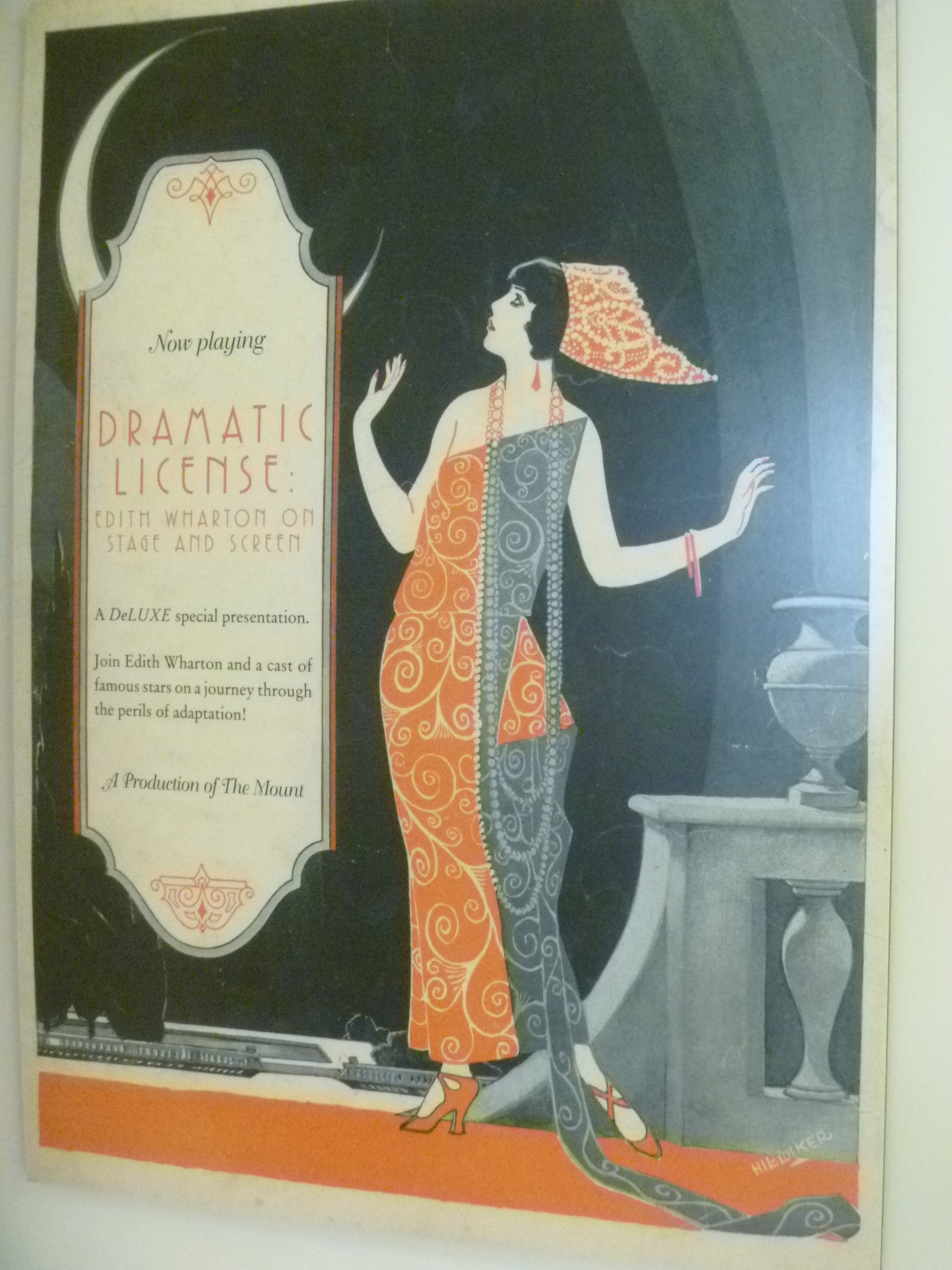
Dramatic Licence is the name of one of the two ongoing exhibitions on the top floor of The Mount.

Room 1 : The Henry James Suite at the top of the stairs has been transformed into a movie theater. After you enter the room turn to your left to start the journey through the trials and triumphs of Edith Wharton’s early attempts at adapting her own work and later efforts by others. Please sit in our vintage 1905 theater seats and watch a special Mount production of trailers and clips from films made of Wharton’s works. 

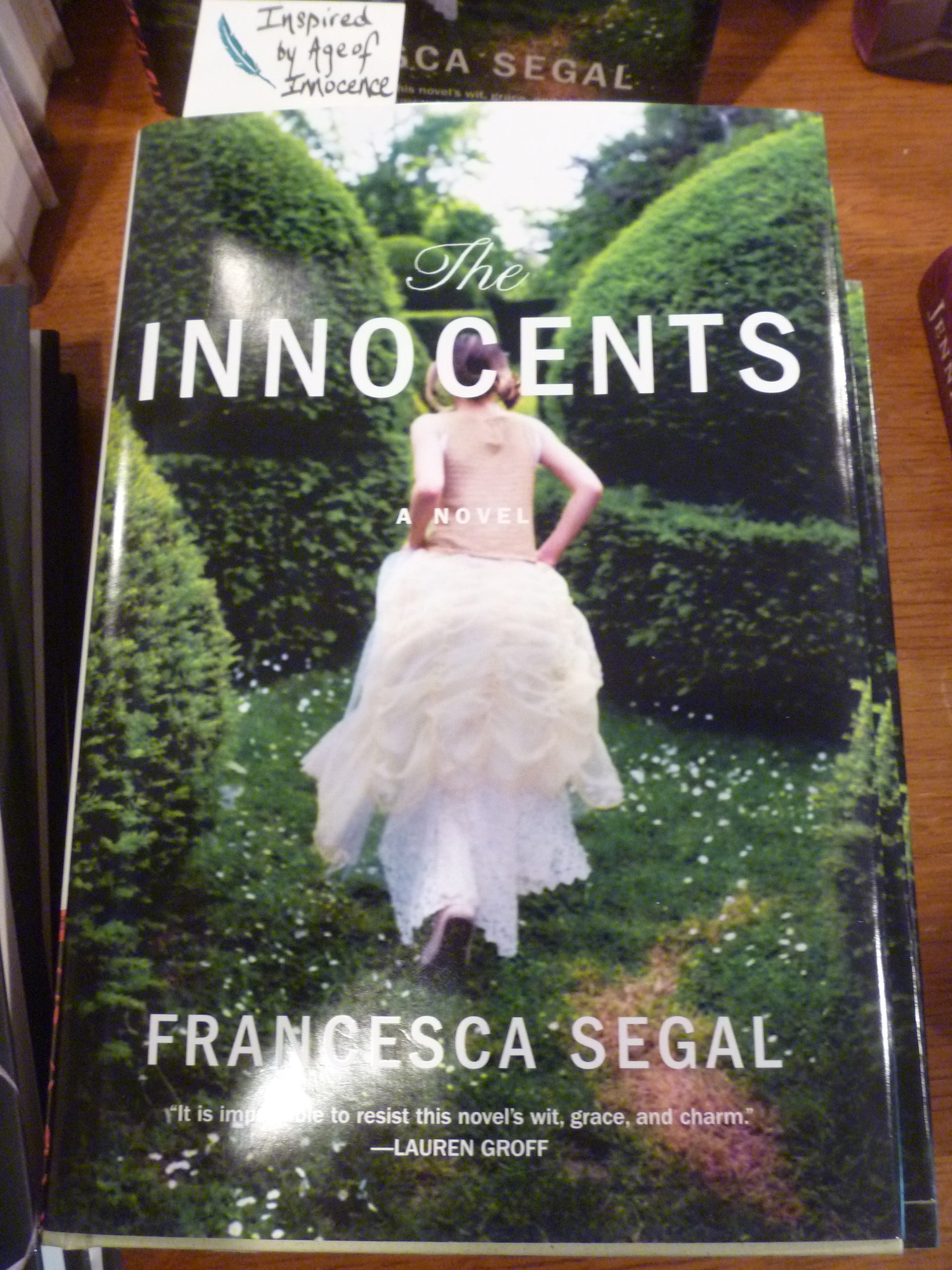
[I watched a few minutes of The Age of Innocence before moving on]

Room 2 : Teddy Wharton’s bedroom now hosts a bevy of beauties who have starred in adaptations of ‘The Age of Innocence’, ‘The Buccaneers’ and ‘Summer’. Given Mr Wharton’s reputed eye for the ladies, we think he would have approved. This room features material from the 1993 ‘The Age of Innocence’ on loan from screenwriter Jay Cocks and director Martin Scorsese.

Teddy Wharton’s bathroom depicts the interior of the ‘Ethan Frome’ kitchen based on a set design from the 1936 hit play based on Wharton’s tragic masterpiece.

The notes then go on to list the six films still available as DVDs, a note about lost movies, a list of books still in print and available from The Mount Bookshop.  There were lots of other relevant titles in the shop.

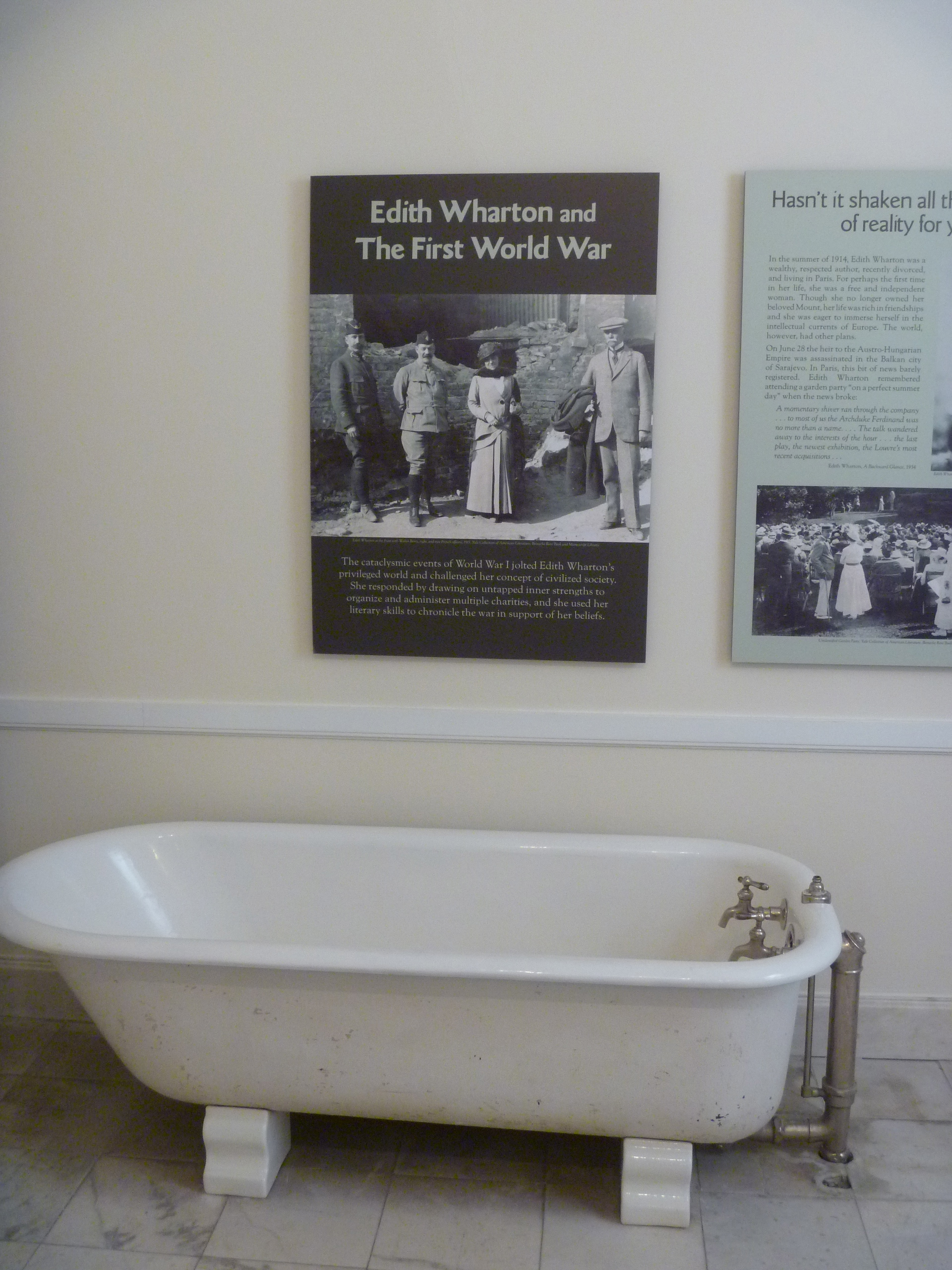
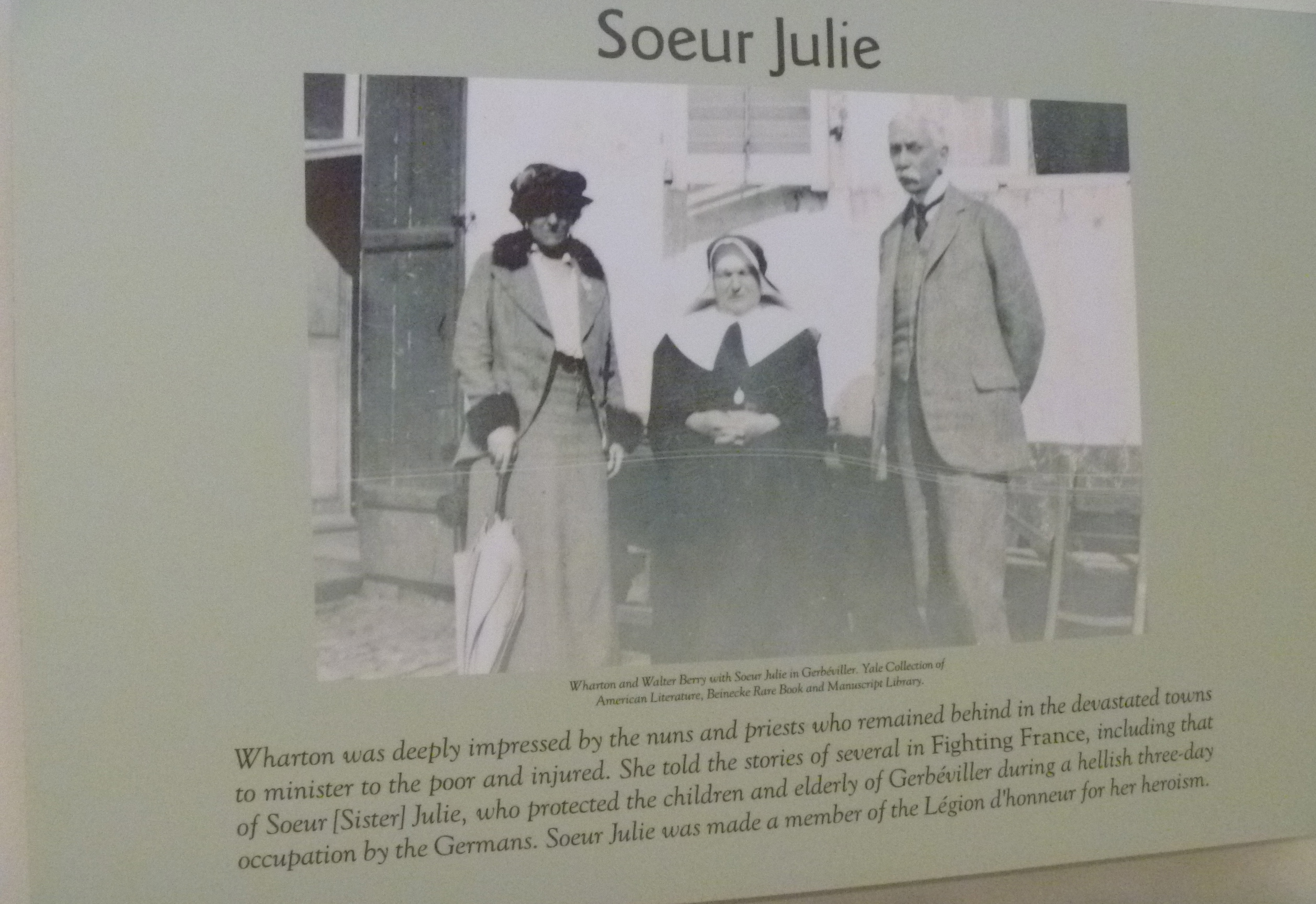
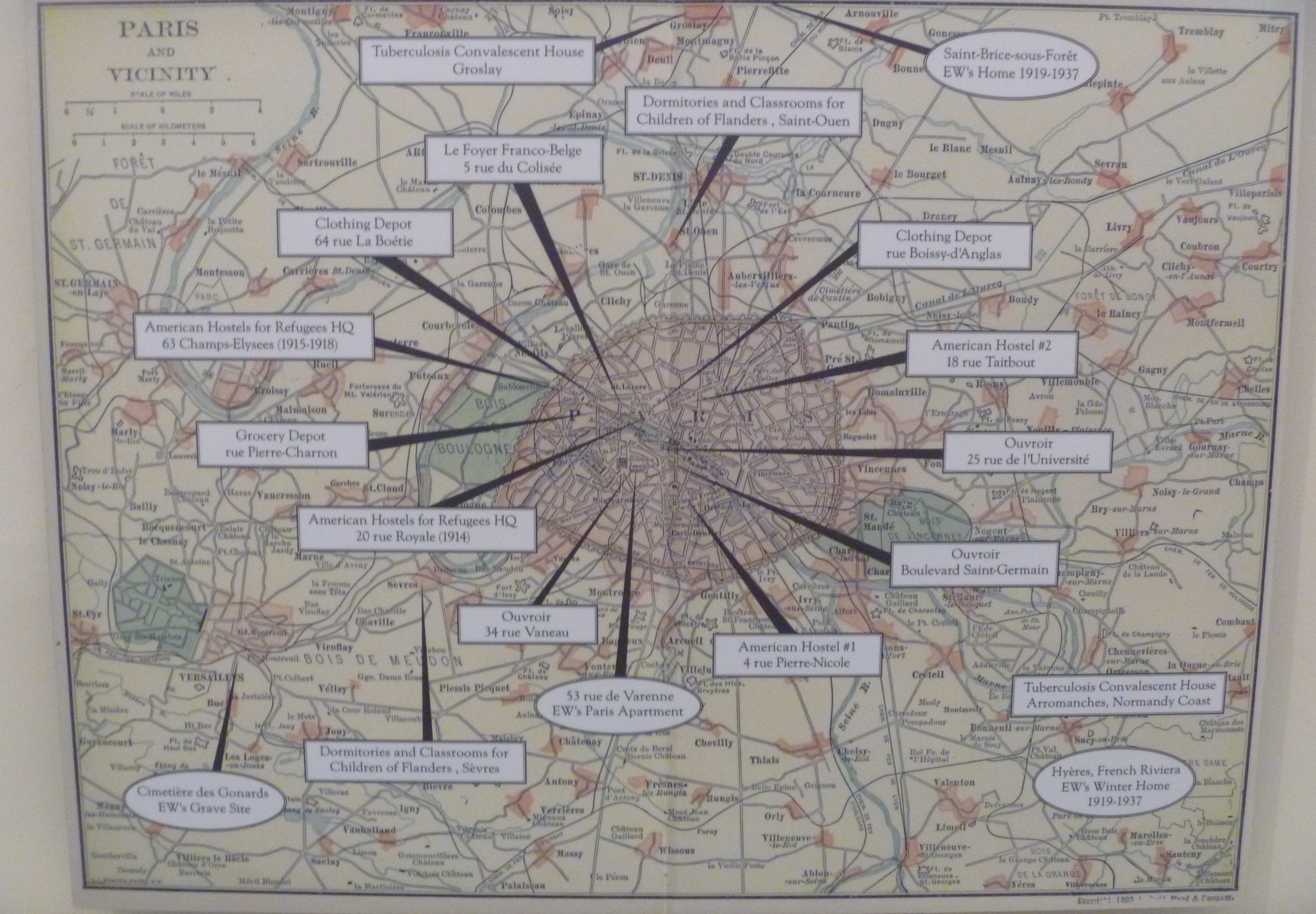
The Edith Wharton and The First World War exhibit speaks for itself. I knew that Wharton had lived much of her life in France and that she is buried in Les Gonards Cemetery in Versailles. In fact I wanted to find her grave when I was there in May but didn’t have time. I had not realised just how involved she was during the First World War.

Coincidently, even just the brief overview of the exhibit brought to life the poignant story of Molly and Tom the characters that I had just finished reading about in my friend Diney Costeloe’s book ‘The Ashgrove‘. Much of the action in the book takes place in a French convent.

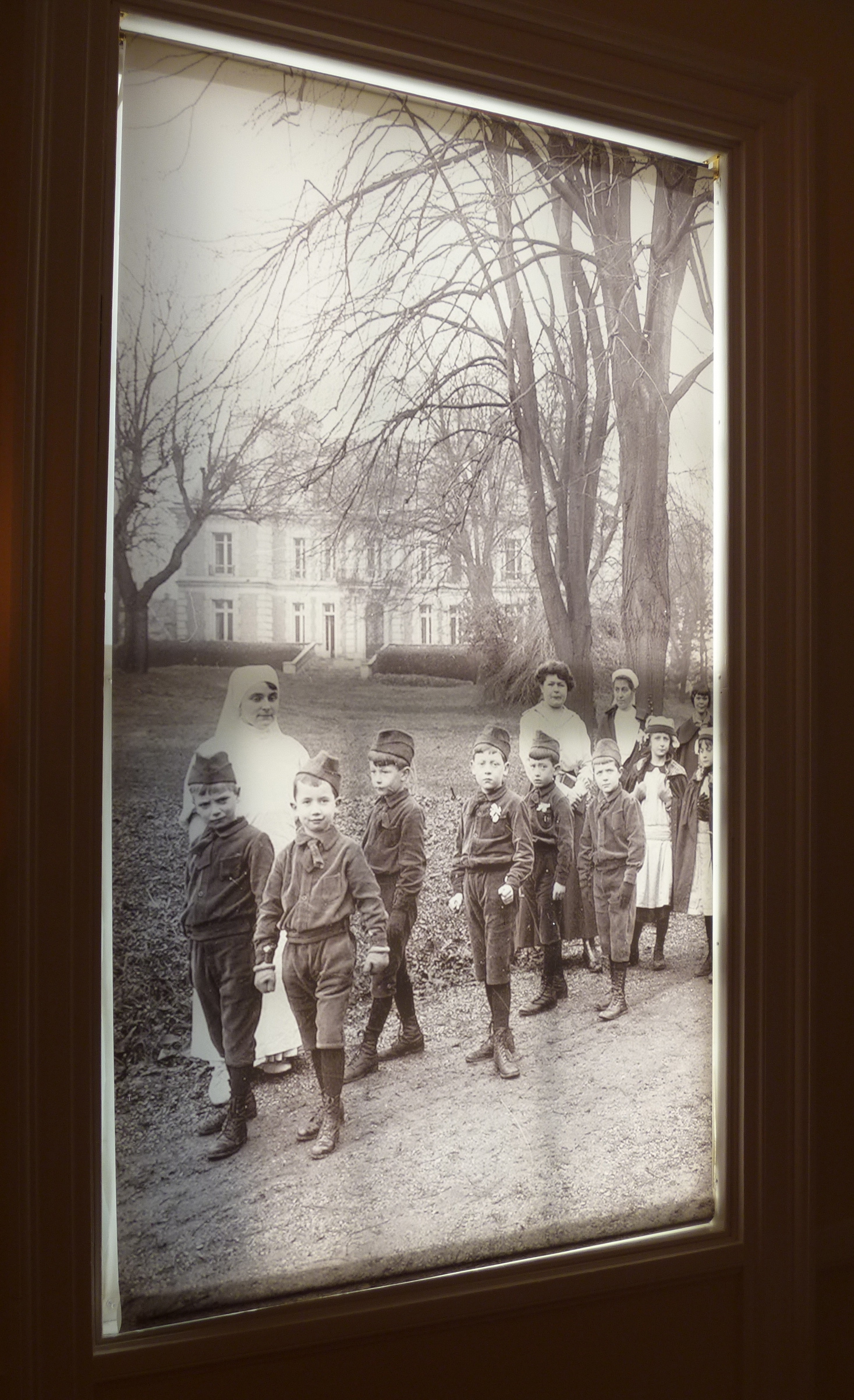
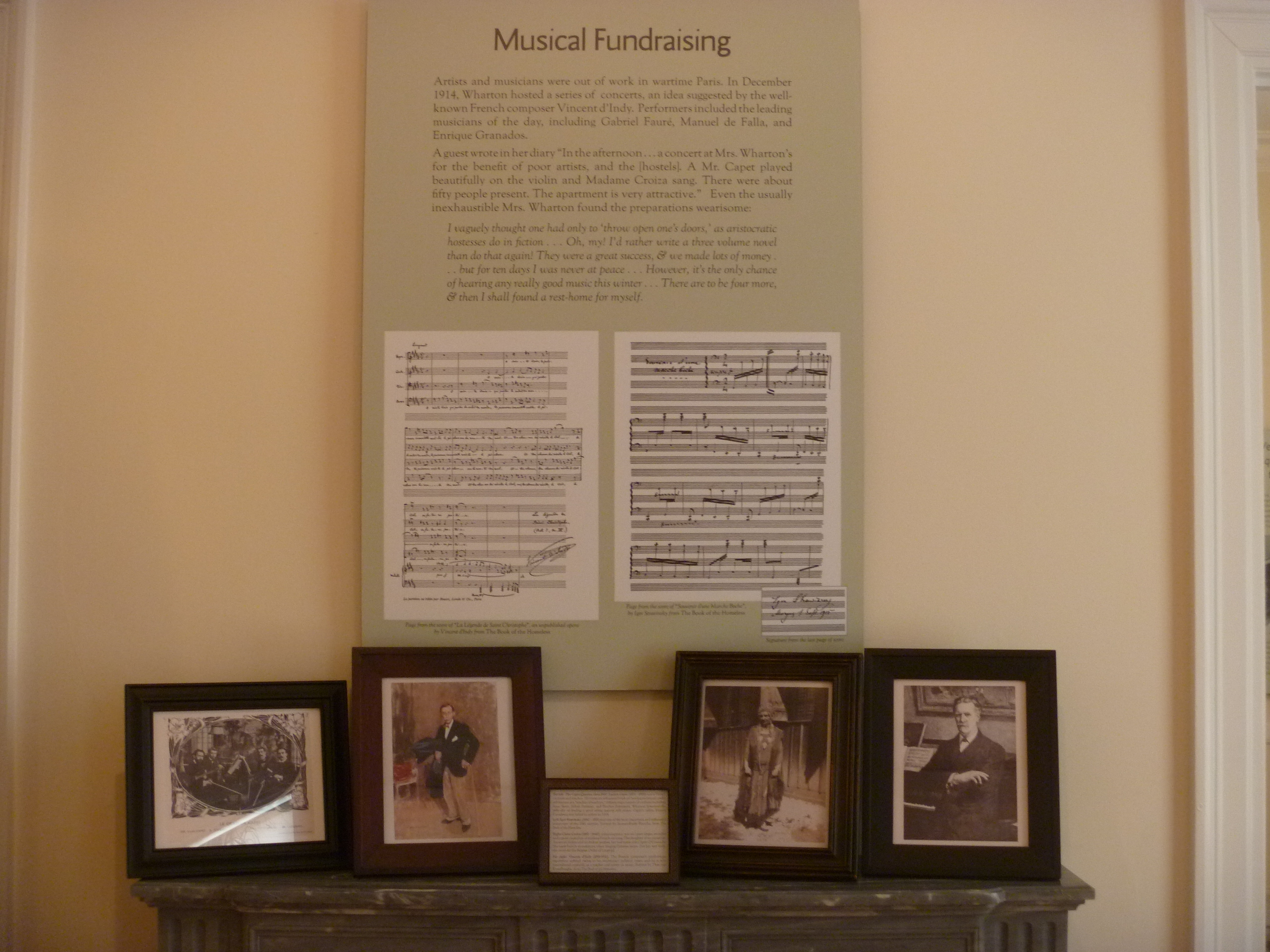
Edith Wharton was profoundly affected by the First World War. This year, The Mount has designed an exhibition which examines her reaction to the devastation of the world she knew. Using images, artifacts, music, and the written word, it presents aspects of Wharton’s experience as a woman and a writer that are less well known to the public.

By throwing herself tirelessly and energetically into work, both literary and charitable, she was able to make use of her talents in ways previously unknown to her. Her charities, which included hostels for refugees and orphans from Belgium, workrooms to help widows and women who had lost their jobs, and hospitals for TB patients, benefited from her amazing organizational and fundraising skills. She used her great talent as a writer to send back reports from the Front detailing the horrors of war, in order to influence the United States to join the conflict.

By highlighting these two aspects of her war experience, we hope to bring a new understanding of Edith Wharton to the public.

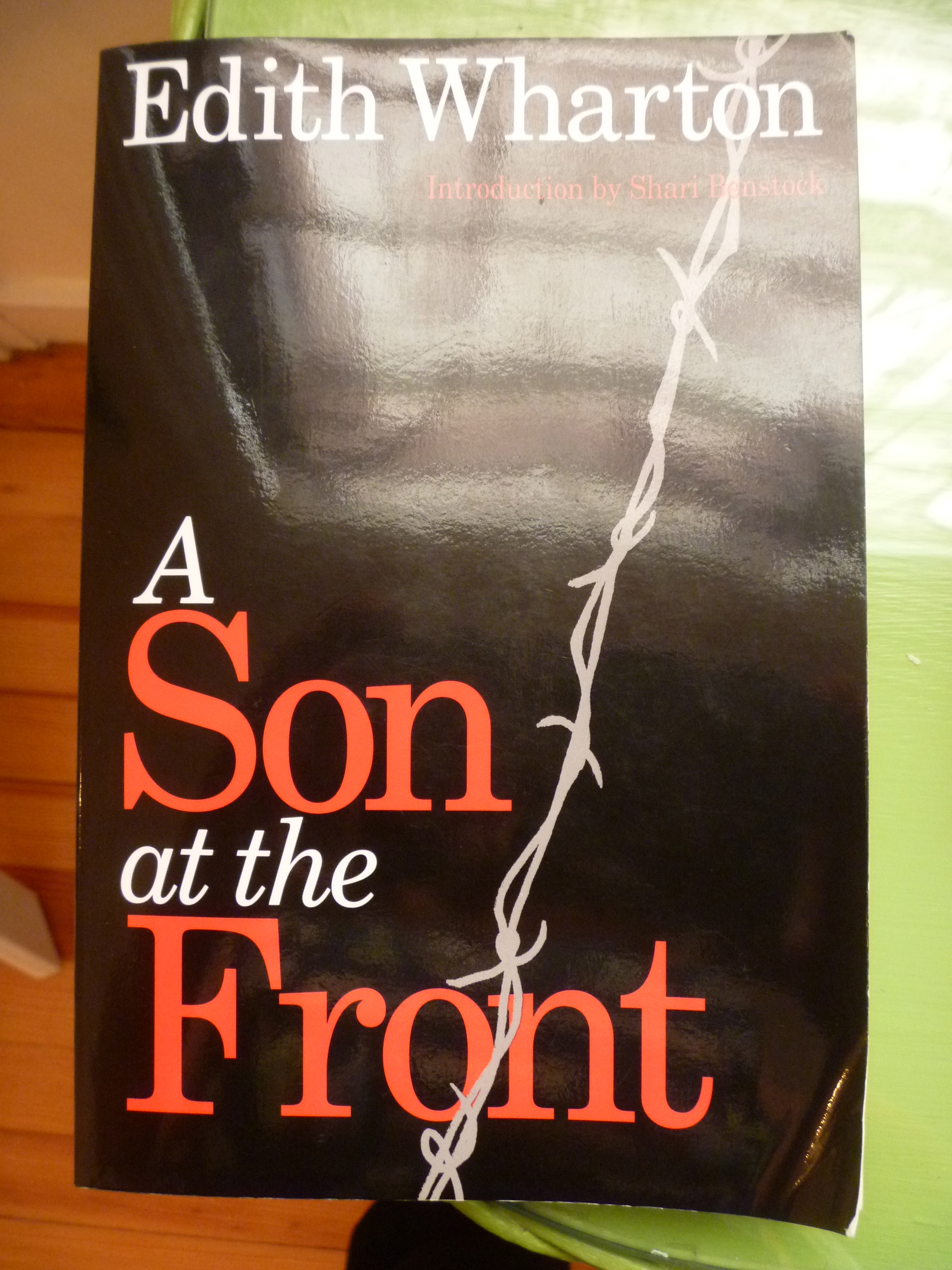
In the Book Shop were several titles by Edith Wharton about the the War and her experiences.