“The Gleaming Figure whom Providence has brought to us in Times when the Present is Hard and the Future Veiled” (Winston Churchill) : Images of Our Queen in Leeds

This weekend we will celebrate sixty years of our Queen’s reign. I have no particular plans and in fact I will be working on Saturday and on Monday. But yesterday and today I visited two complementary exhibitions of photographs of Her Majesty currently on display in Leeds.

Marcus Adams, Royal Photographer at Harewood House
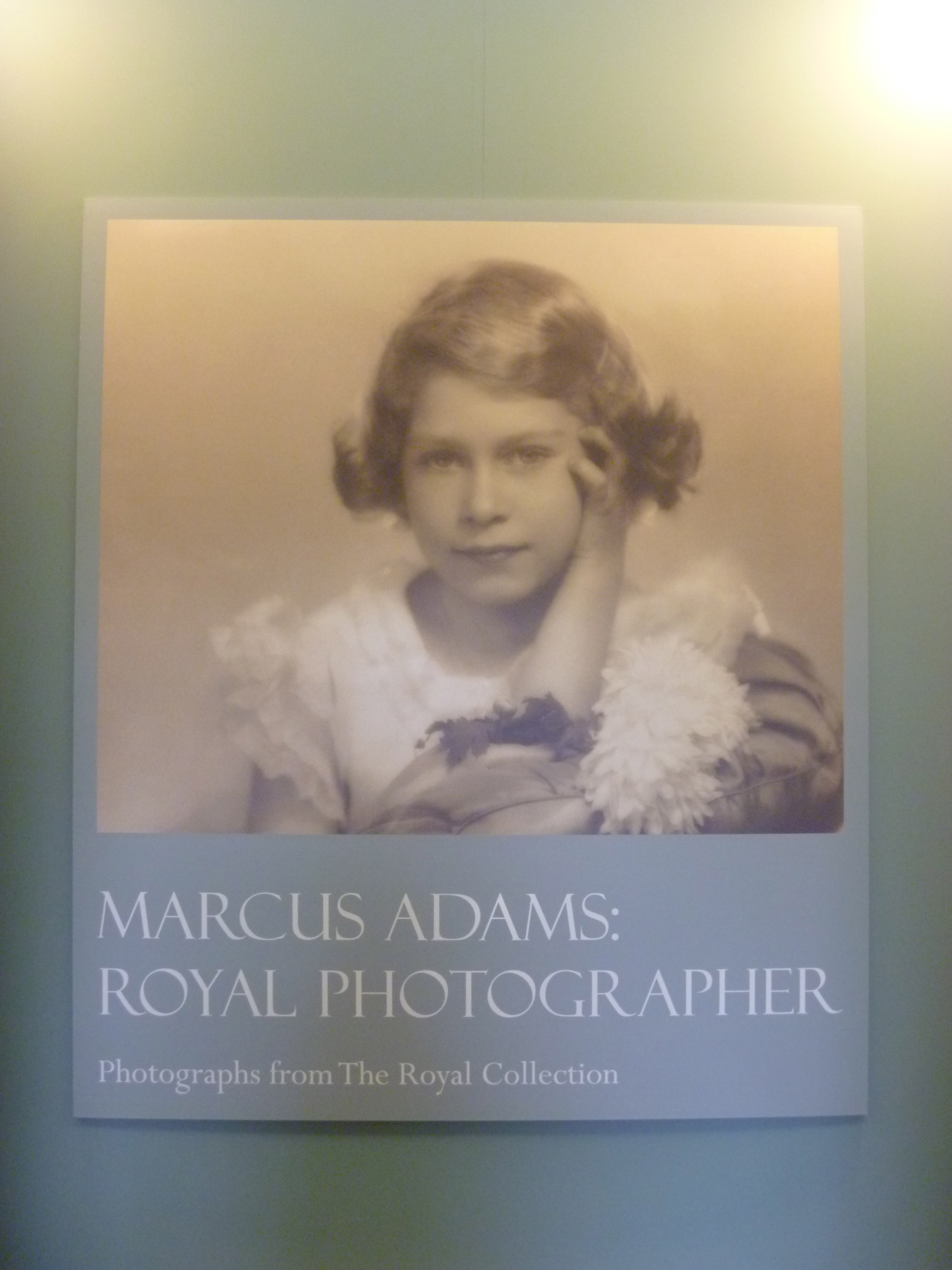
Currently showing at Harewood House just eight miles north of Leeds is an exhibition of photographs by Marcus Adams. MA was already in his fifties when he started taking Royal photographs of the young Princess Elizabeth and her sister the Princess Margaret and her Mother Queen Elizabeth. The pictures are beautiful in their simplicity and I noted a very pertinent quotation by Adams from The Listener magazine “The essential of a perfect picture is its simplicity”. (9 Feb. 1939). He has no truck with furniture and clutter – the children themselves are sufficient subjects in his photographs. Most of the pictures are of Elizabeth as a young Princess plus much later pictures of her two older children Charles and Anne. These later charming photos were taken when Adams was in his eighties.
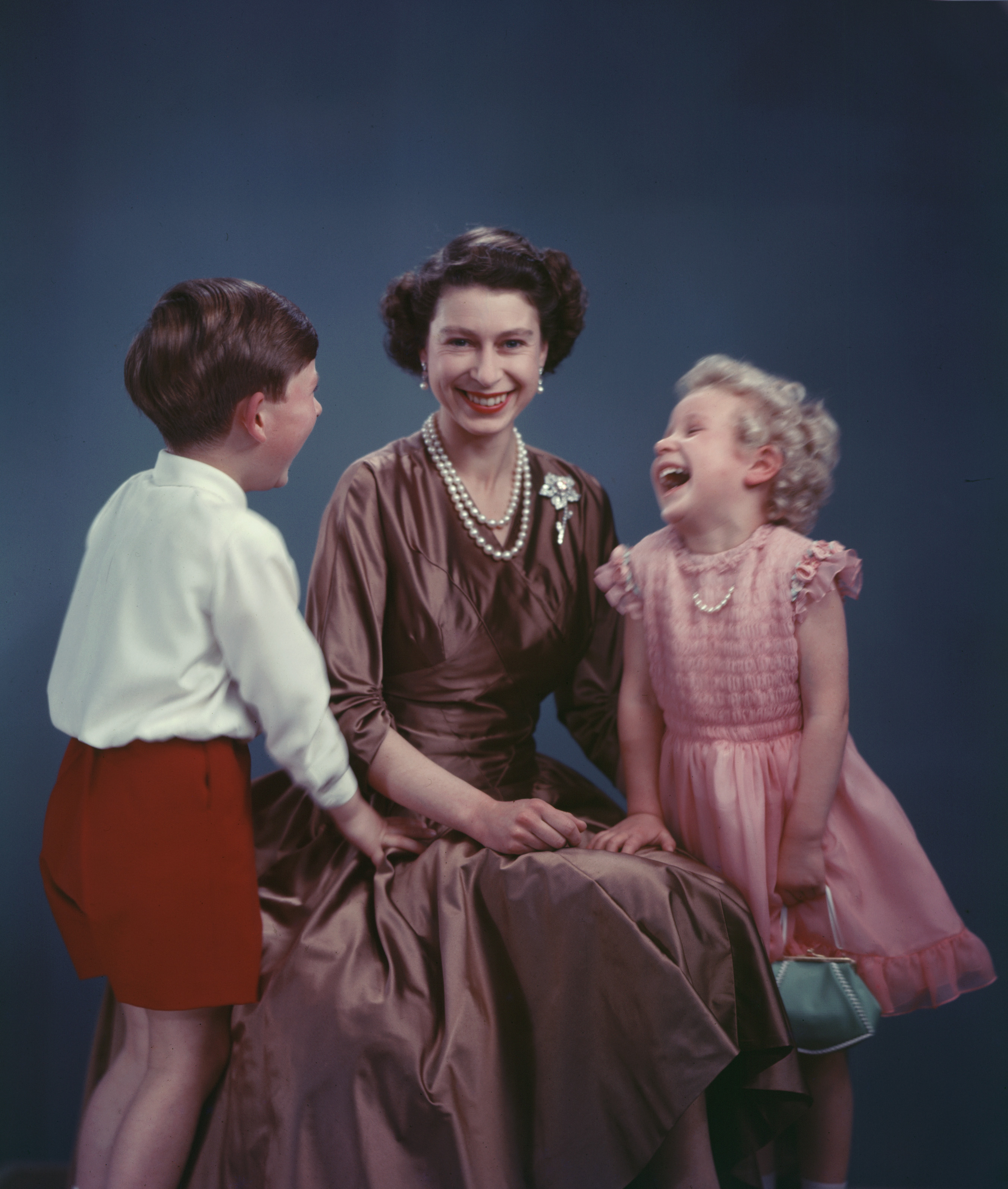
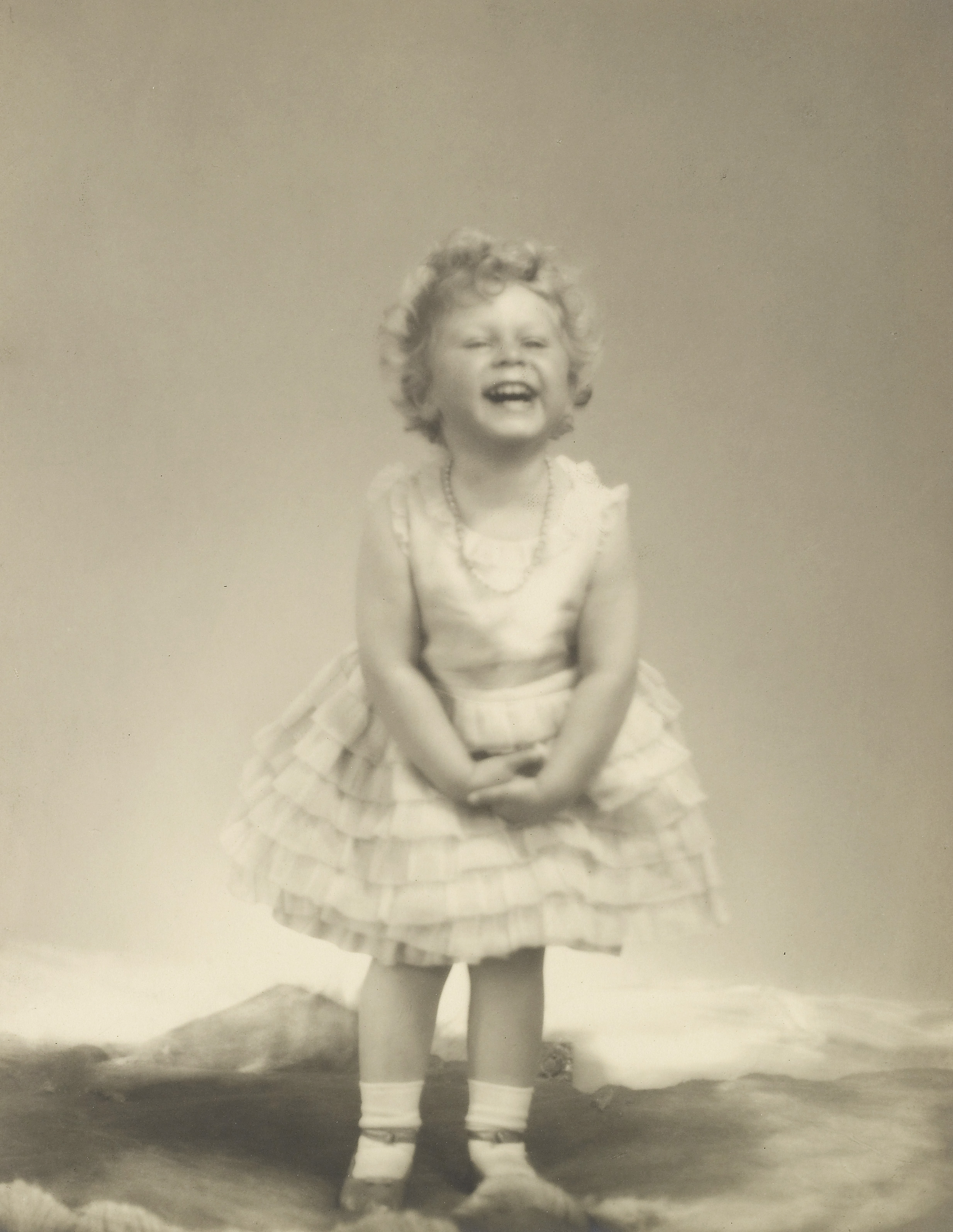
Leeds City Museum

Currently showing at Leeds City Museum is a collection of photographs by Sir Cecil Beaton. The exhibition comes to Leeds from the Victoria and Albert Museum and it would be nice to think that this partnership will continue and that we may have further V&A curated exhibitions in here in Leeds in future.
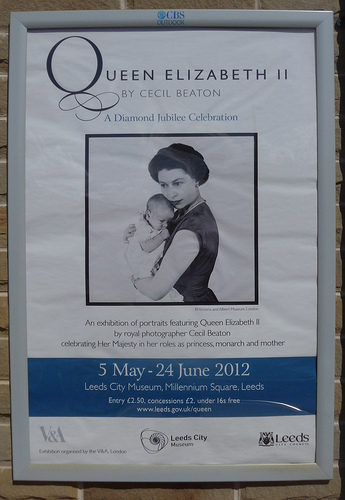
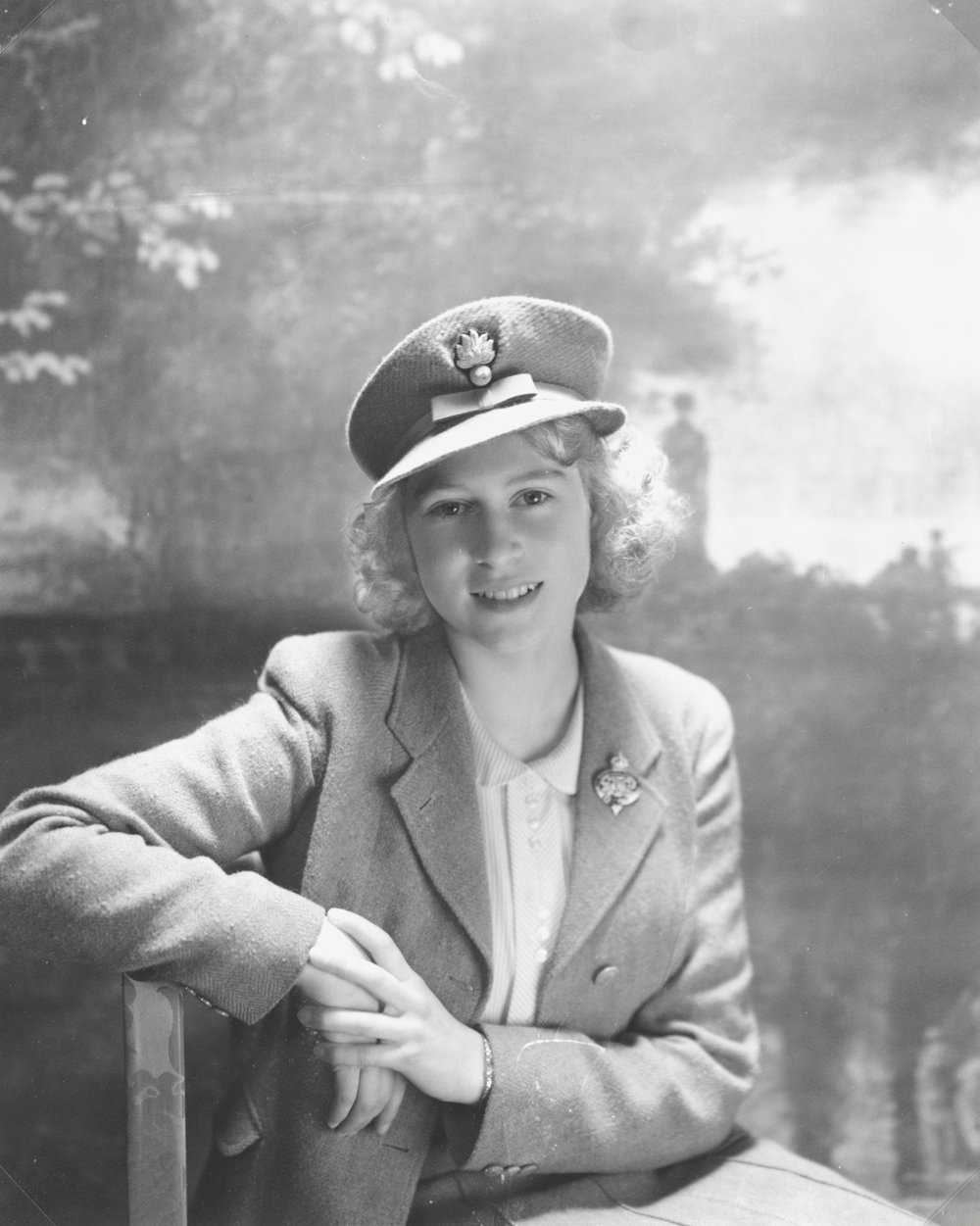
The pictures here really complement the Adams pictures of The Queen. The tradition began in 1939 when Queen Elizabeth the wife of King George VI invited CB to take her and her daughters’ photographs. Several of the earliest pictures taken during the 1940s show the Princess Elizabeth in fairy like dresses and with romantic backdrops such as those seen in the masterpiece paintings of Gainsborough and Fragonard. Many of the gowns designed by Norman Hartnell. By contrast I particularly loved the picture of the fifteen year old Princess as Colonel of the Grenadier Guards.
There’s a much more modern look to the later Beaton photographs of the Queen with her two youngest sons. They are modern images with simple white backgrounds.

Cecil Beaton was appointed official portrait photographer for the Queen’s Coronation in 1953. The display includes several of these and includes family groups of the Gloucesters and Kents and you can take a break and sit down to watch the silent loop of the ceremony itself.

Have a happy Jubilee Weekend and God Save the Queen!
The Irish Country House – Mount Stewart and The Argory

During recent years I have read several books on the theme of The Irish Country House. Titles include We Are Besieged by Barbara Fitzgerald (1946), Troubles by J. G. Farrell (1970), Two Days in Aragon by Mollie Keane (1941), The Dower House by Annabel Davis-Goff (1998). Although written at different times the general themes involve Anglo-Irish families during the first half of the twentieth century, their homes and their vulnerability during the times of trouble. Often the family itself is divided in its loyalties.

I was looking forward to visiting a couple of fine examples of Irish country houses on my Just Go! holiday last week.
Mount Stewart

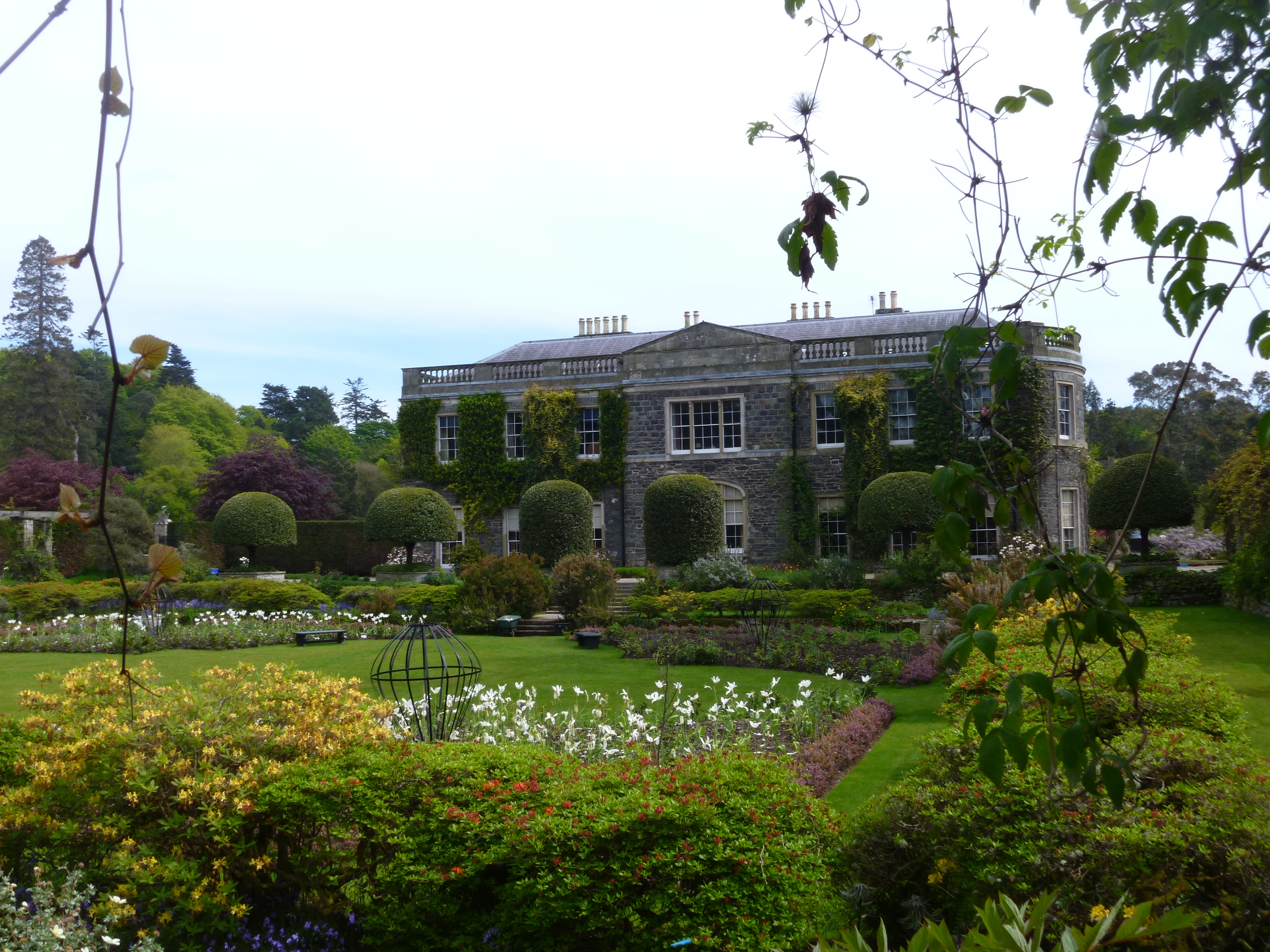
Located on the shores of Strangford Lough Mount Stewart stands in beautiful grounds enjoying a microclimate of its own which supports a lush and green garden of trees and exotic plants. The house was built in the eighteenth century and has been the home of the Marquesses of Londonderry (the Vane-Tempest-Stewart family) over many generations. Robert, Viscount Castlereagh, the 2nd Marquess of Londonderry made a name in politics in the early nineteenth century and was leader of the House of Commons. Edith, Lady Londonderry (1878-1959) wife of the seventh marquess was the major force behind the garden design that we see today. She gave the gardens to the National Trust in 1957 but the house itself was not bequeathed until 1977.

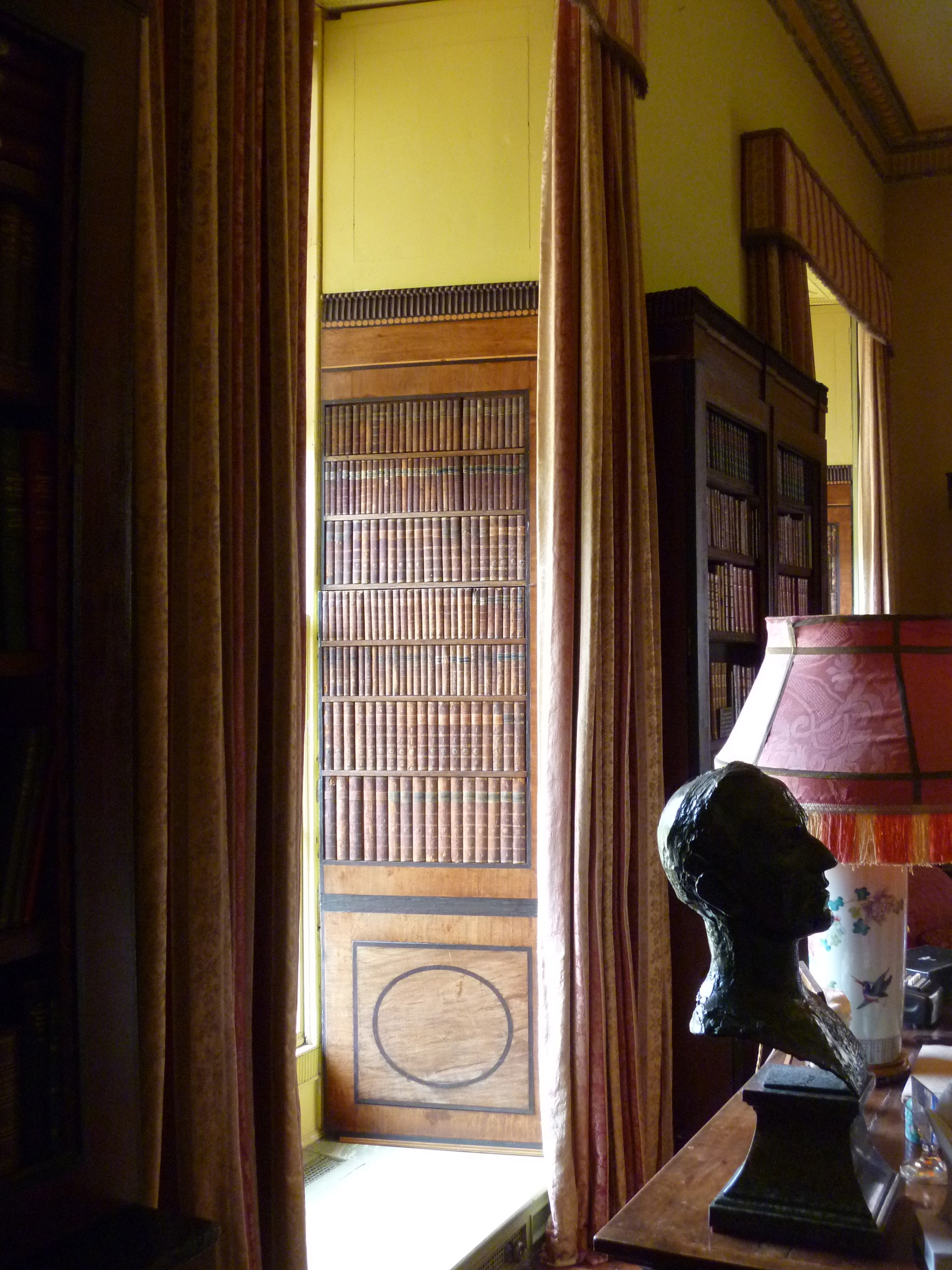
We had a fascinating tour of the house which is currently undergoing renovations but is open to the public in spite of this. I loved the library with its shelves and shelves of books – many looking not so very old at all – some members of the family still use the house and many of its rooms. But on closer inspection what looked like shelves right up to the windows are actually trompe l’oeil painted shutters.

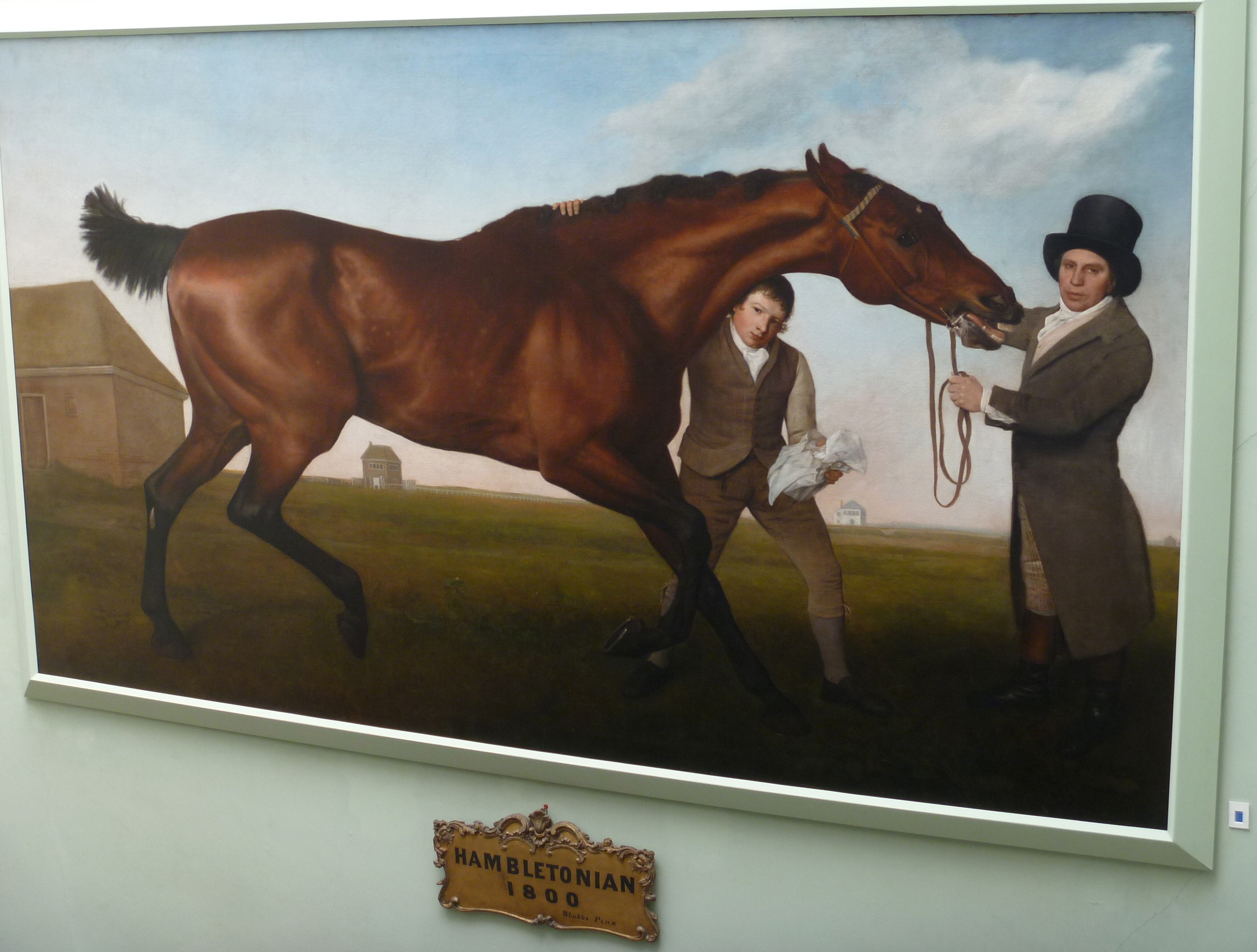
It’s hardly surprising to find evidence here of a love of the ‘sport of kings’. Horse racing has for a long time been popular in Ireland and with the aristocracy but to see the huge painting of Hambletonian by George Stubbs hanging above the staircase comes as quite a surprise.

 There’s another racing picture in the house, also reproduced in the above link to Thoroughbred Heritage. It’s a painting of the Hambletonian/Diamond Match run at Newmarket in 1799. We were told the story of the race by our guide. The version we heard differed somewhat from that of the Thoroughbred Heritage story.

 The Argory

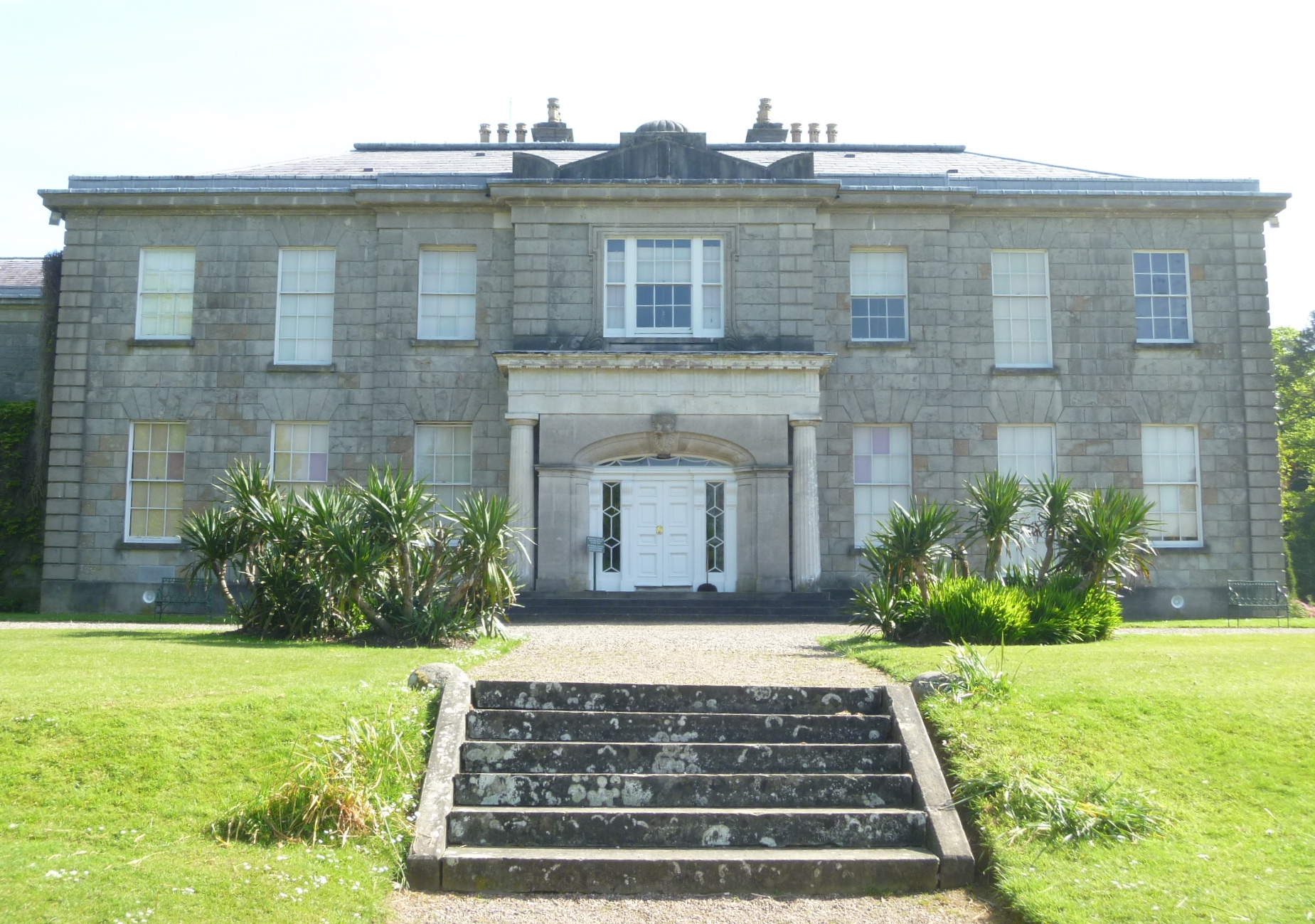
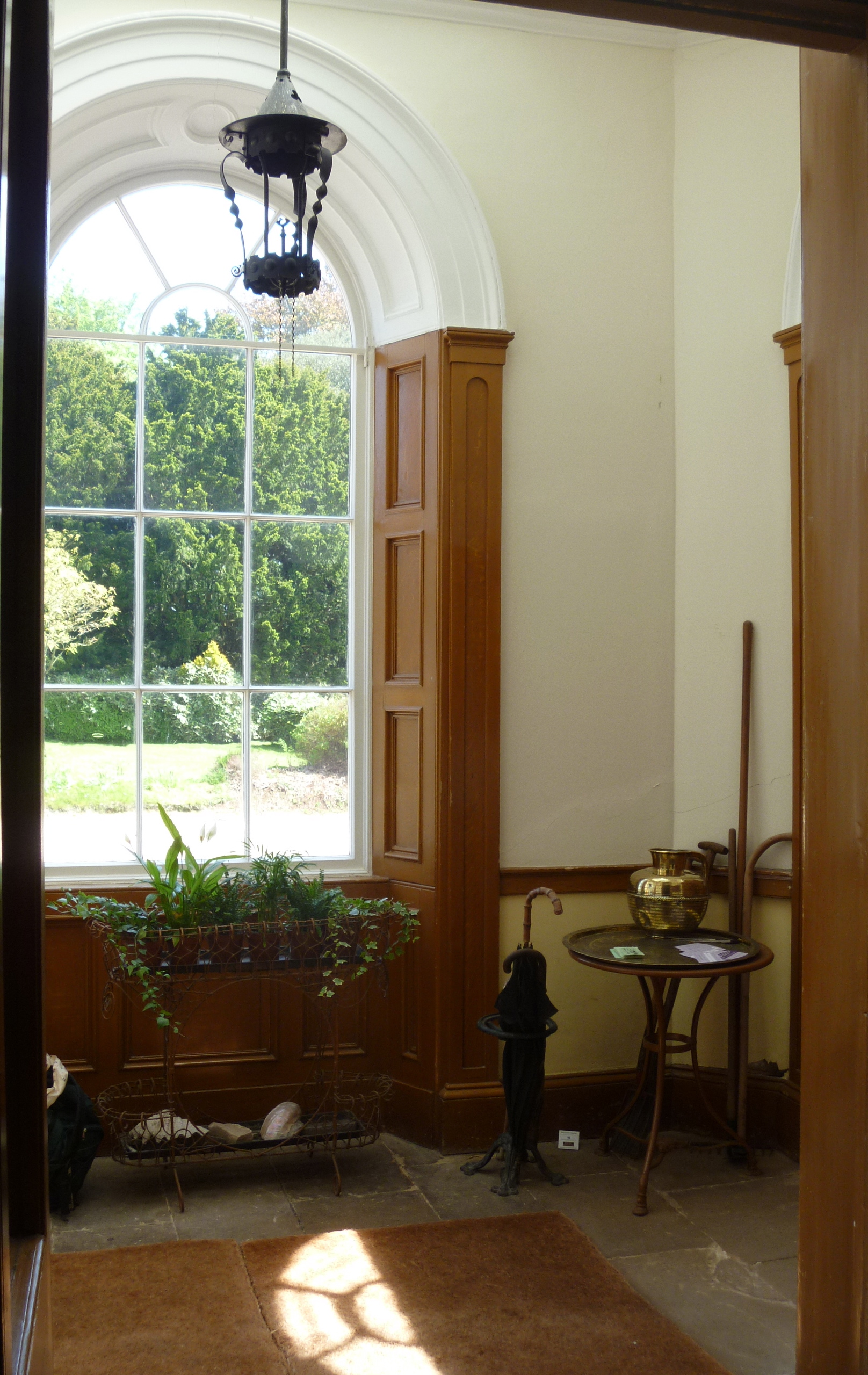
Later in the week our journey took us well into central Ireland and to a less grand but equally interesting house – The Argory. Argory means Hill of the Garden and to my mind it was more the kind of Irish country house that I have in mind when reading those novels I mentioned above.  Again we were given a warm welcome to the house  and a small group tour by one of the local volunteers.

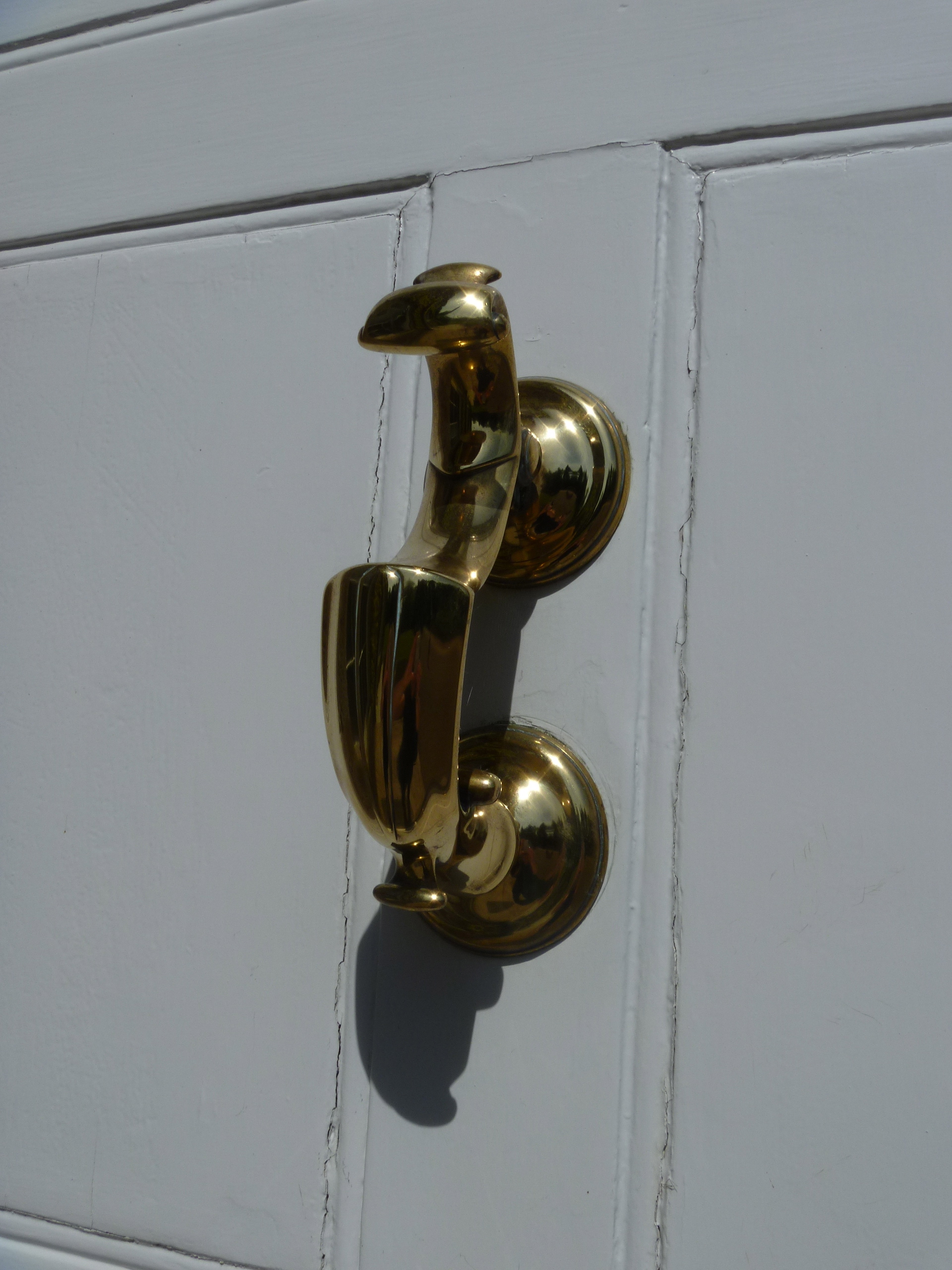
The Argory Door Knocker

The Welcoming Argory Porch

Taken on by the National Trust in 1979 not much has changed in the house since 1900. To quote my guidebook ” the eclectic interior still evokes the family’s tastes and interests”. These include a large selection of Waterford crystal and a fantastically ornate  organ on the first floor. Click here to view the Argory Organ Gallery and other virtual views of the house.

Despite it’s inland location there’s a nautical connection here. Captain Shelton, the 2nd owner of The Argory, was aboard the H.M.S Birkenhead when it sank off the coast of Africa in February 1852. One of the most documented maritime disasters before the Titanic, it was also the first ever liner to exercise the phrase ‘Women and Children First!’ We were told how the Captain survived swimming the two miles to land in his mackintosh which protected him from sharks and the cold.

These actions later to be known as The Birkenhead Drill were immortalised later by Rudyard Kipling in his poem ” Soldier an’ sailor too” (1896)

To take your chance in the thick of a rush, with firing all about,
Is nothing so bad when you’ve cover to ‘and, an’ leave an’ likin’ to shout;
But to stand an’ be still to the Birken’ead drill is a damn tough bullet to chew,
An’ they done it, the Jollies — ‘Er Majesty’s Jollies — soldier an’ sailor too!
Their work was done when it ‘adn’t begun; they was younger nor me an’ you;
Their choice it was plain between drownin’ in ‘eaps an’ bein’ mopped by the screw,
So they stood an’ was still to the Birken’ead drill, soldier an’ sailor too

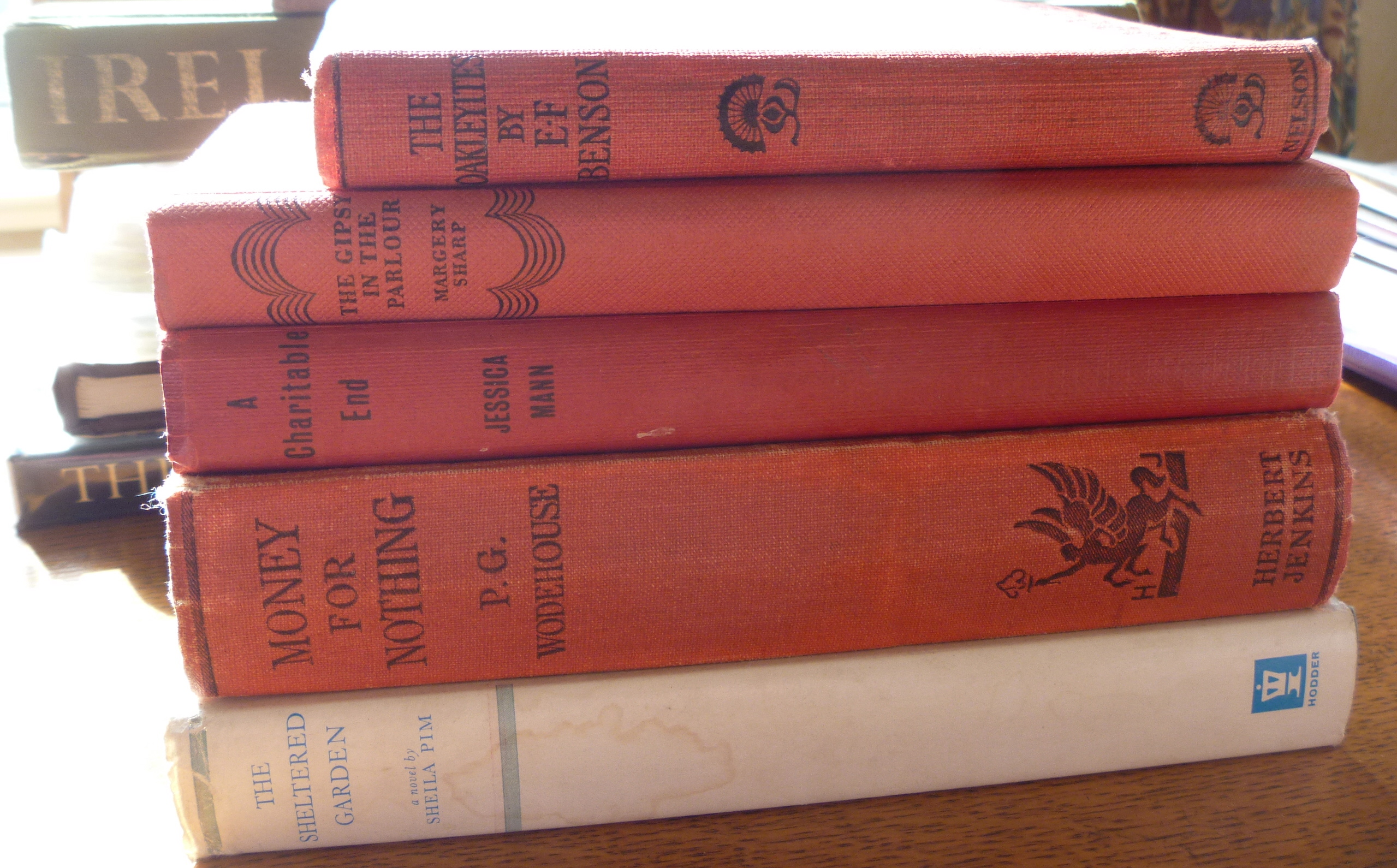
One excellent feature of National Trust properties these days is that they almost all now have secondhand bookshops. My eyes lit up in Blackwater Books at the Argory. They had a section just labelled ‘Old Books’. Here’s the selection that I came away with :

In Praise of Nature and A Manifesto for Modernity : From Marie Antoinette to Le Corbusier

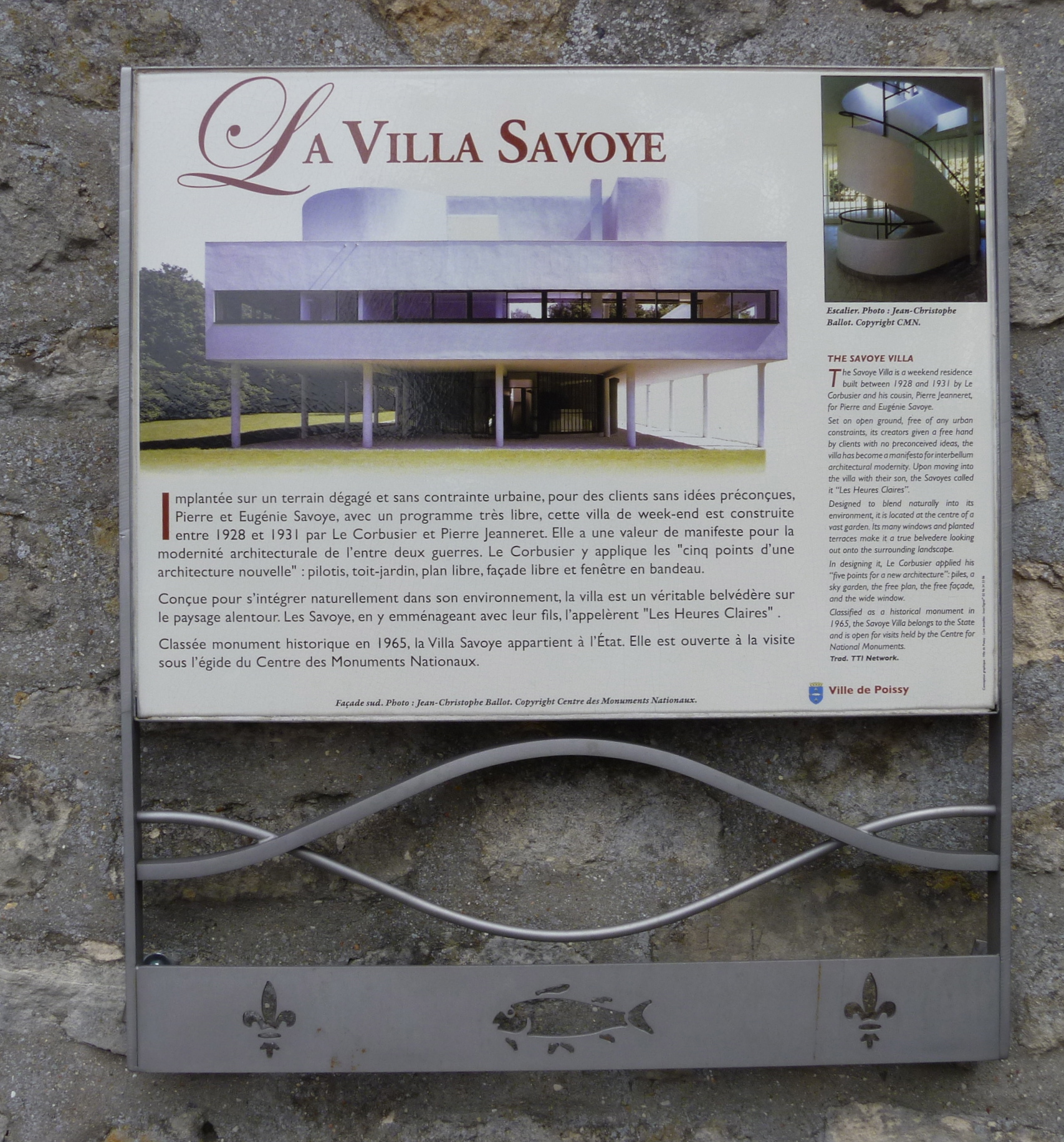
An architect friend of mine, following a trip to the Paris region last year, told me about his visit to the Villa Savoye (as the villa “Les Heures Claires” is best known) in Poissy, Ile de France.

Upon investigation I discovered the existence of (roughly) the French equivalent of English Heritage – Centre des Monuments Nationaux – of which the Villa S is one. Further searching of the CMN website revealed a) that Poissy is directly on our favoured route between Gif sur Yvette and Le Shuttle and b) there were other CMN sites “worth a detour” within easy reach of Gif itself.

Rambouillet

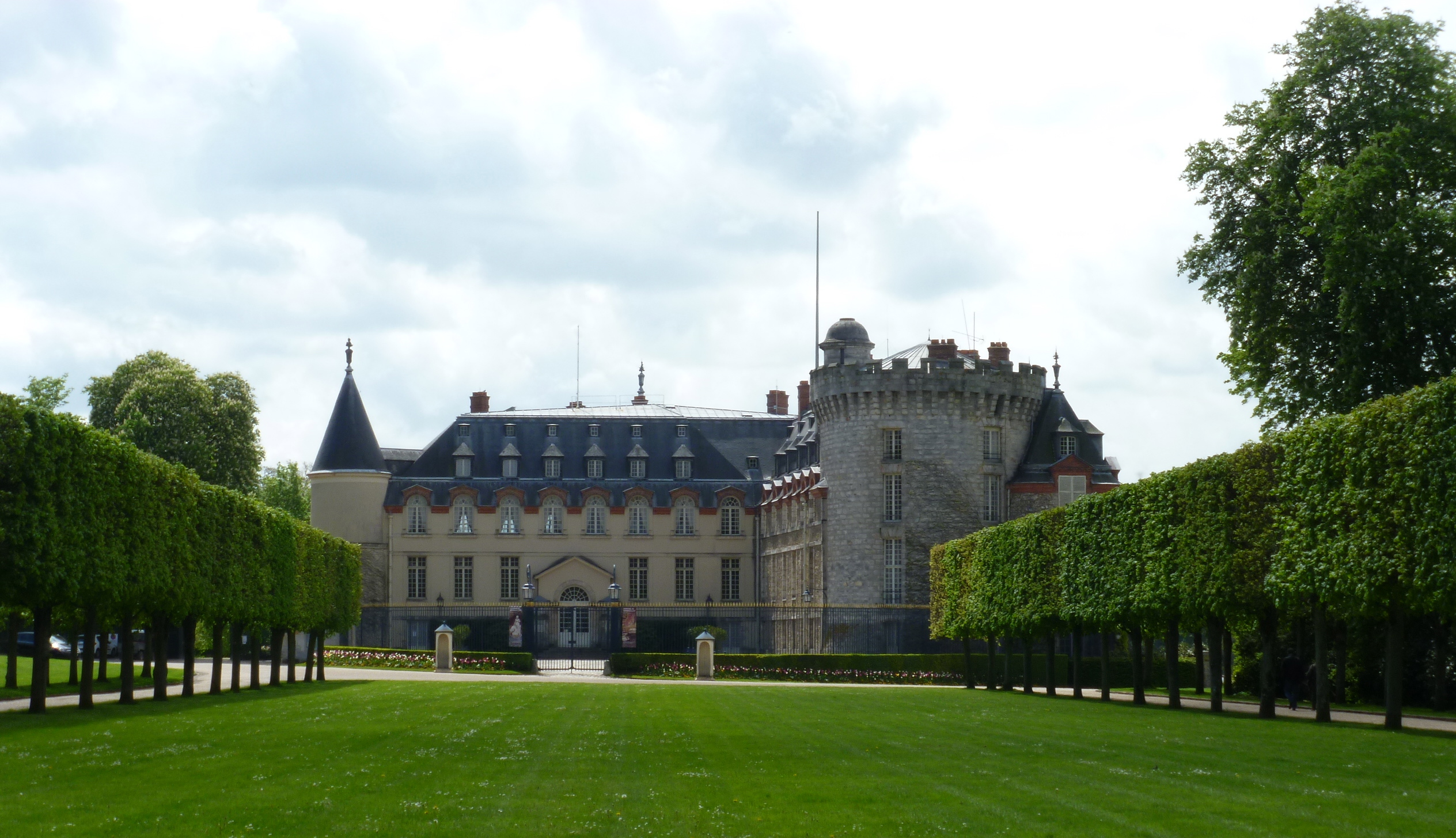
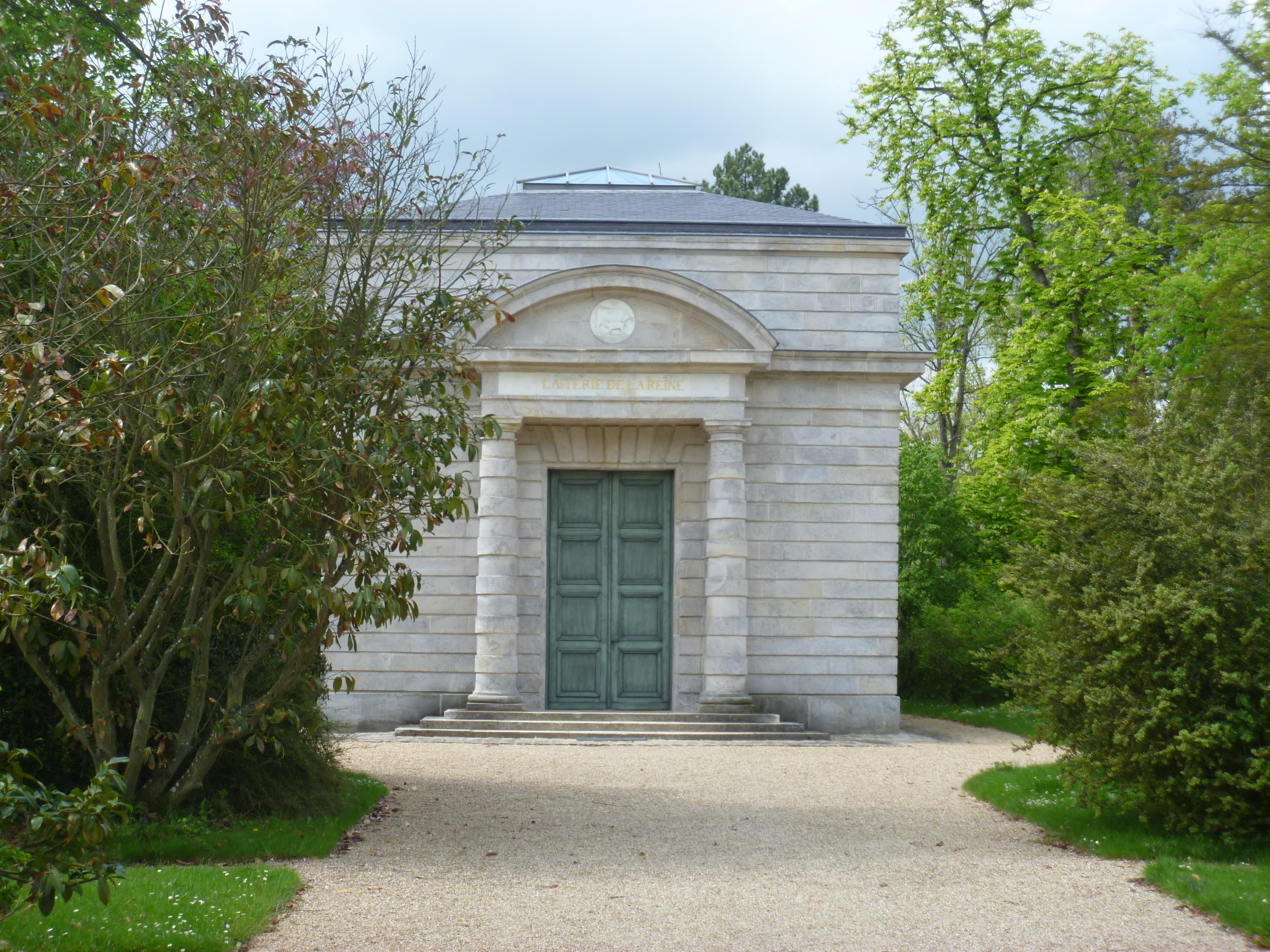
The Queen’s Dairy [Laiterie de la Reine] and the Shell Cottage [La Chaumiere aux Coquillages] are both follies within the vast park surrounding the Chateau of Rambouillet, a mere 30 minutes drive away. It’s a charming town, dominated by the Castle and with a large church on a hill. Like all other French towns it is pretty much shut down on Monday mornings. Of course, I missed the morning tours so bought a ticket for the 2pm show. We bought foodstuffs for a picnic in the Chateau grounds from the Carrefour Express (only food shop open in town) and headed towards the follies to be sure not to miss the guided tour. The Chateau itself is the Official Residence of the President of France and is also open to the public but it was the follies that I most wished to see and enjoy the sunshine whilst it lasted.

The Queen’s Dairy was built for Queen Marie Antoinette by her husband Louis XVI. It’s a plain building from the outside but once inside you are in a vast rotunda where the tasting took place – all veined marble, sandstone walls and a grey and white floor to give a milky atmosphere.

http://www.rambouillet-tourisme.fr/decouvrir/photos-rambouillet/laiterie-de-la-reine.htm

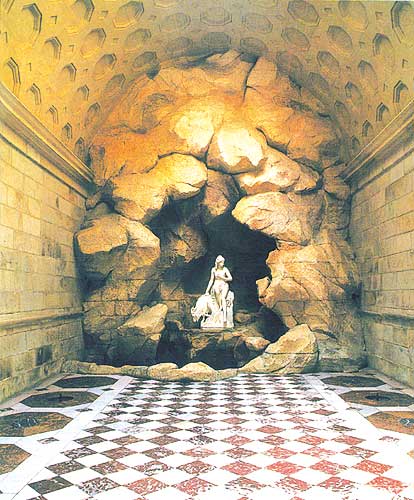
Beyond the rotunda is the cooling room (above) at the back of which is a grotto containing the figure of Jupiter as a child suckling Amalthea’s nanny-goat. There are various other roundels and friezes depicting mythological creatures and characters. Apparently after the French Revolution these ended up in England and were only finally restored to their original location just a few years ago in 2009.

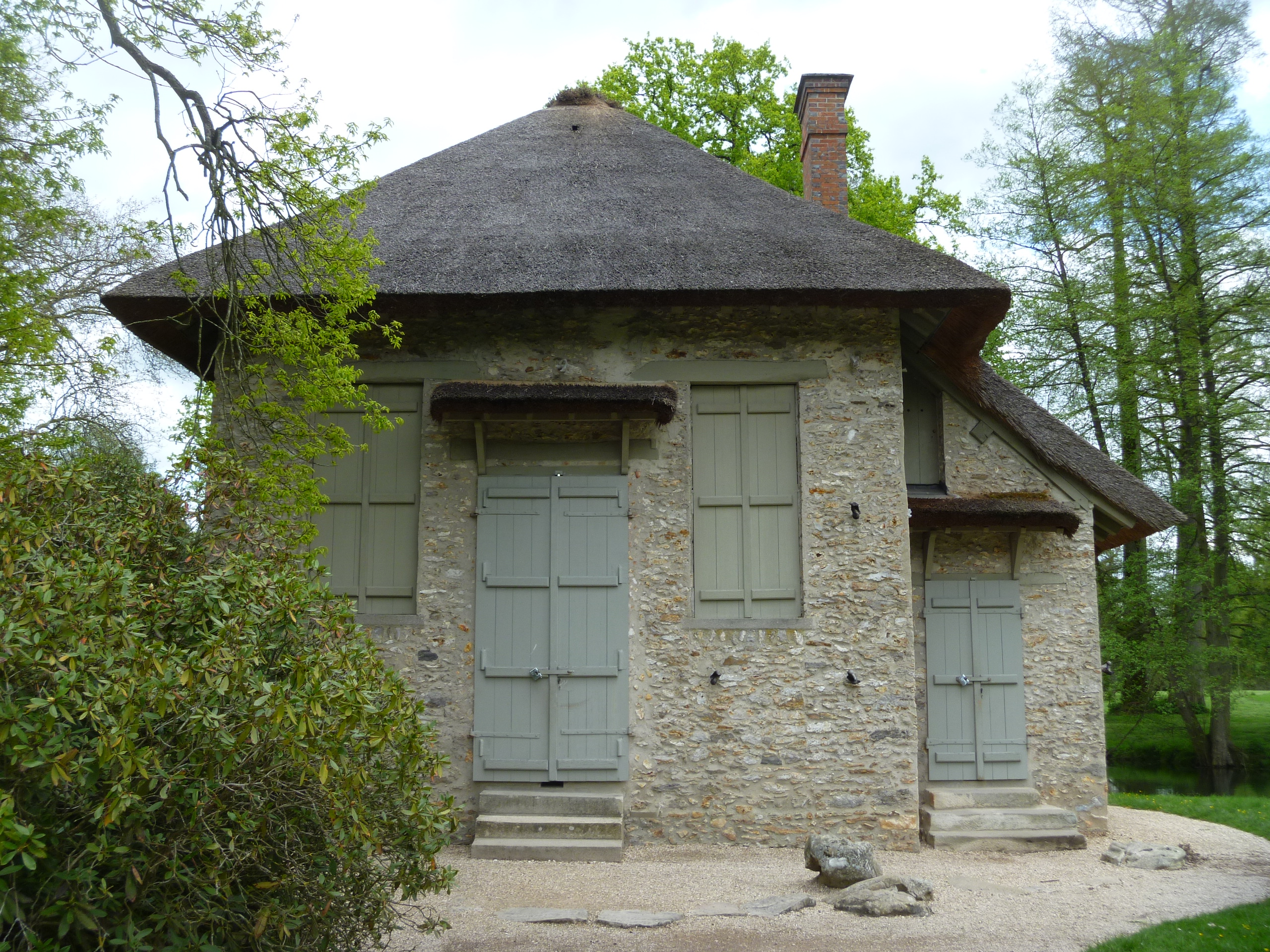
The Shell Cottage in another part of the grounds is equally breathtaking. It has a thatched roof and ox bones built into the walls. It’s a copy of a late 18th century rural building but inside is an amazing shell-decorated room with original furniture and fireplaces. Of course, no photography is allowed which is even more of a shame as the postcards definitely did not show the interiors to the best advantage. The guided tours are in French which would be OK but the guide spoke at break-neck speed it was hard to follow everything he said.

Poissy

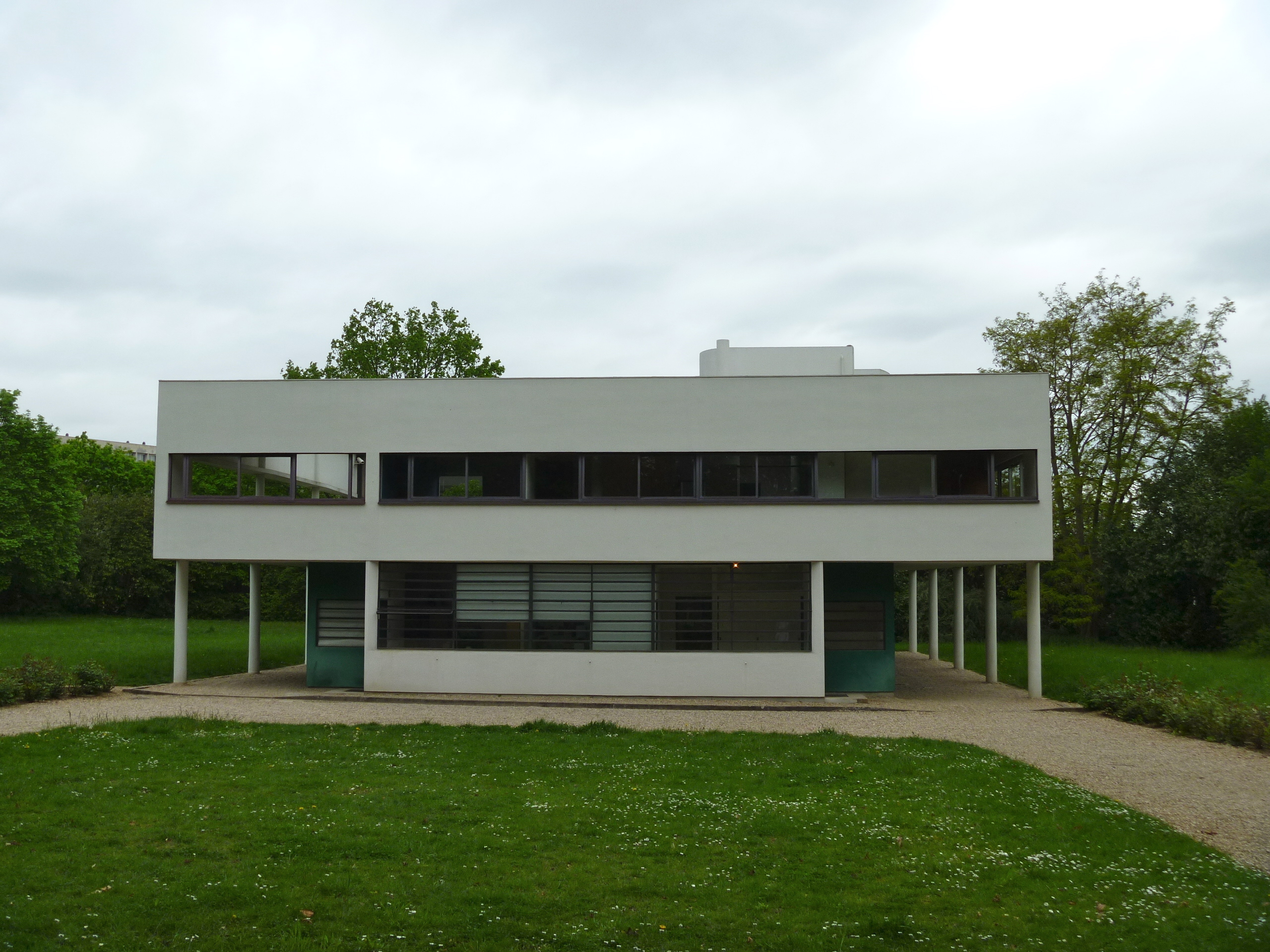
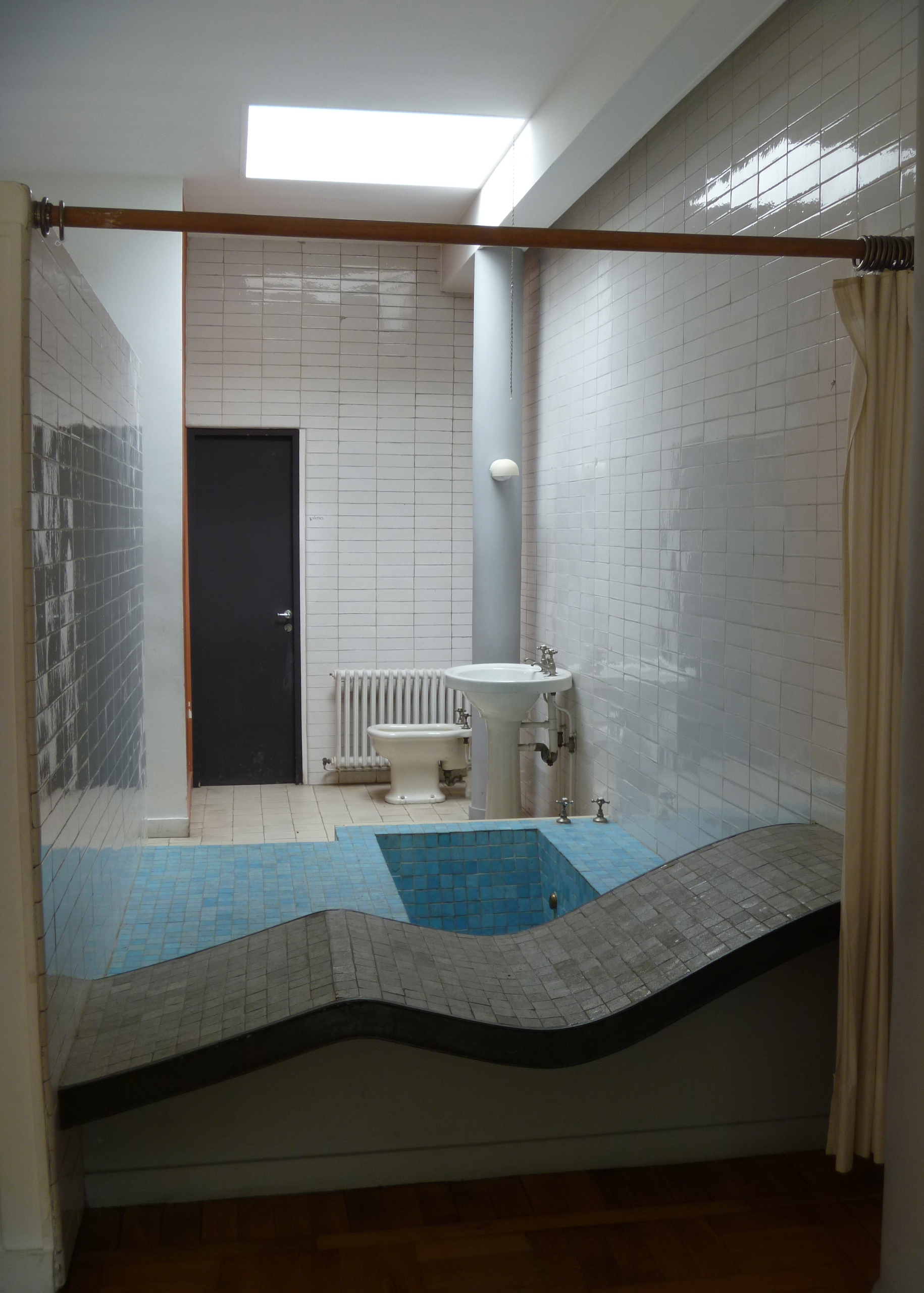
I would like to say that it was like going from the sublime to the ridiculous going from Rambouillet one day to Poissy the next but there is nothing ridiculous about the Villa Savoye. It is an amazing visionary building so far ahead of its time. I just felt that it was so sad that it did not have the care and attention devoted to it as had the Rambouillet properties.

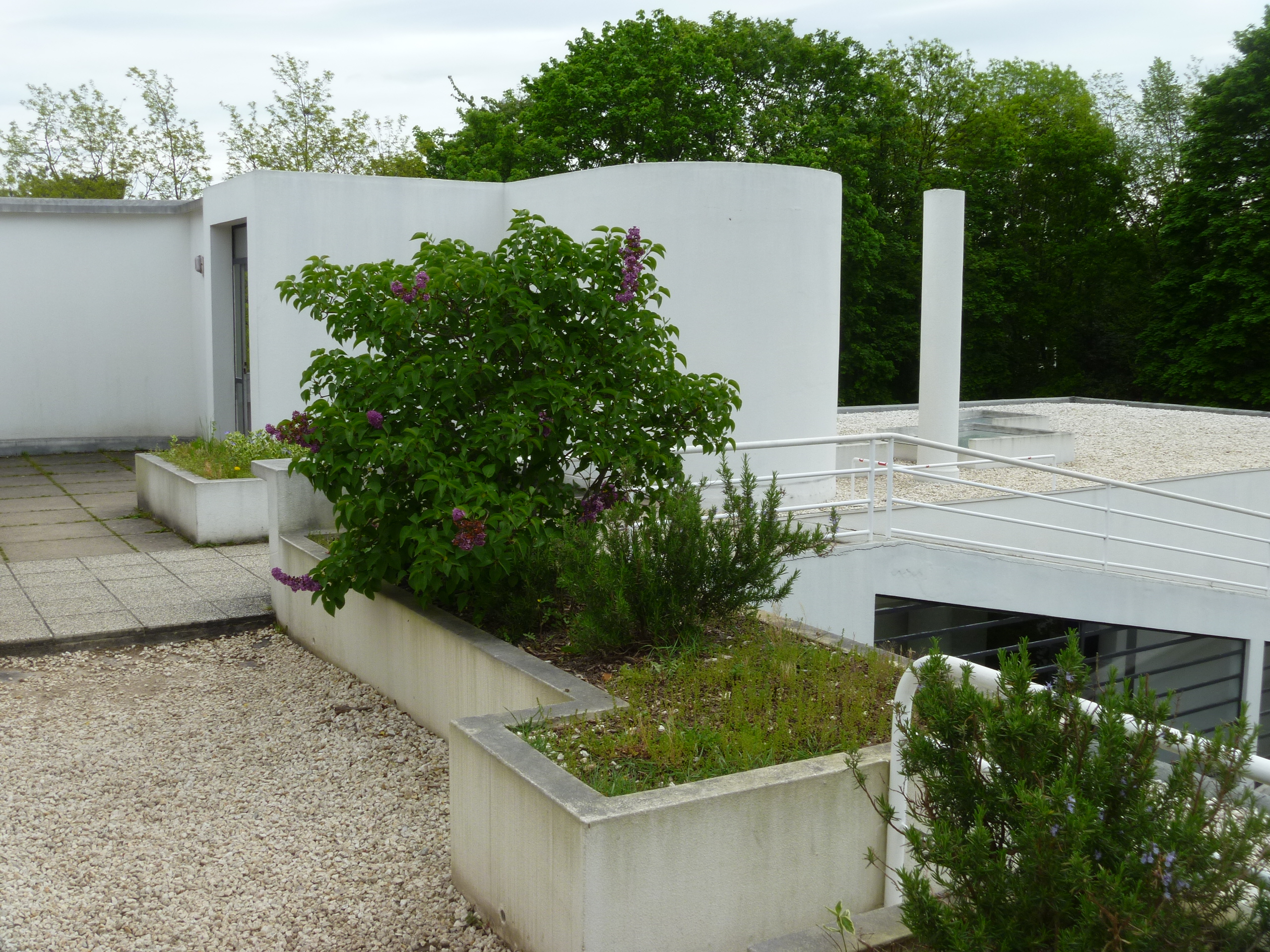
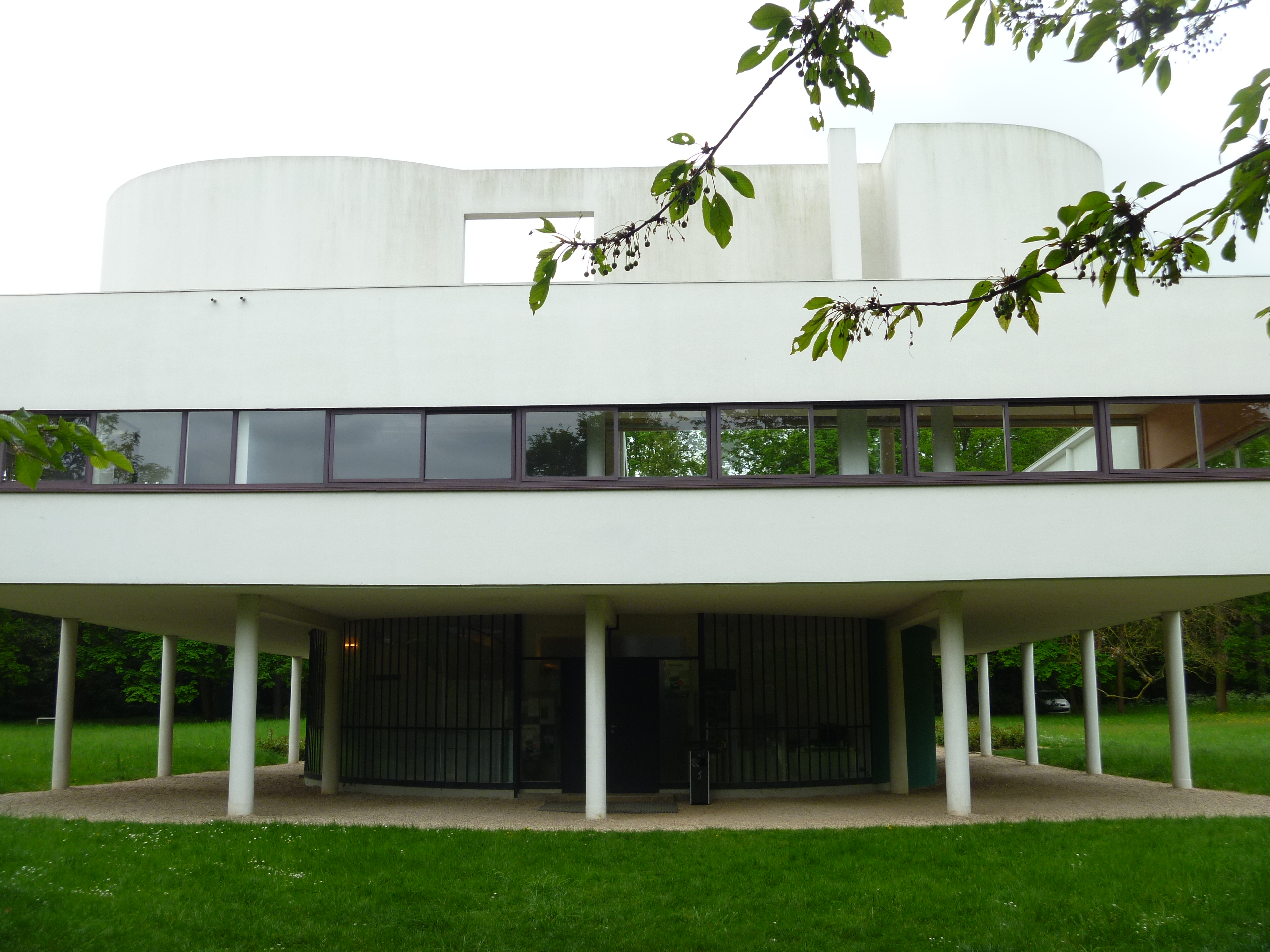
Built between 1928 and 1931 by the Swiss architect Le Corbusier “this ‘box in the air’ was the culmination of the architect’s formal research and implementation of The Five Points of New Architecture”.  Briefly these points are :

Stilts  – by using stilts he built his ‘box in the air’ as if just sitting on the grass

Roof Gardens – the flat roof is a usable terrace and flowers may be planted

Open-plan – reinforced concrete frees the interior of load-bearing and separating walls. Light partitions are sufficient to separate the different areas

Free-floating facade – the facades are free of the load-bearing structure, and placed freely on the stilts.

Horizontal window – the non-load-bearing facades can have long windows creating light and airy interiors. (See the exterior pictures above)

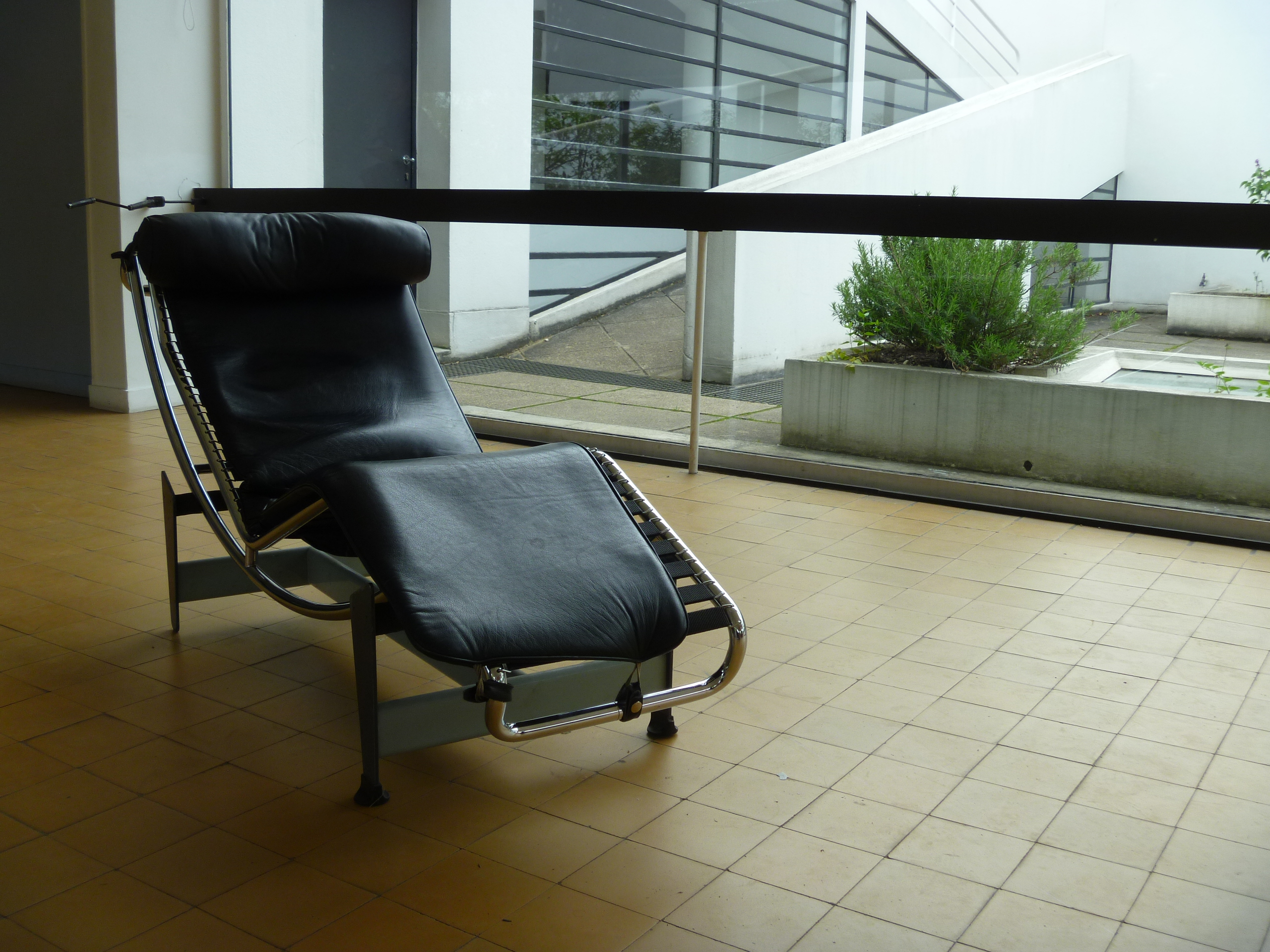
Corbusier Chaise Longue

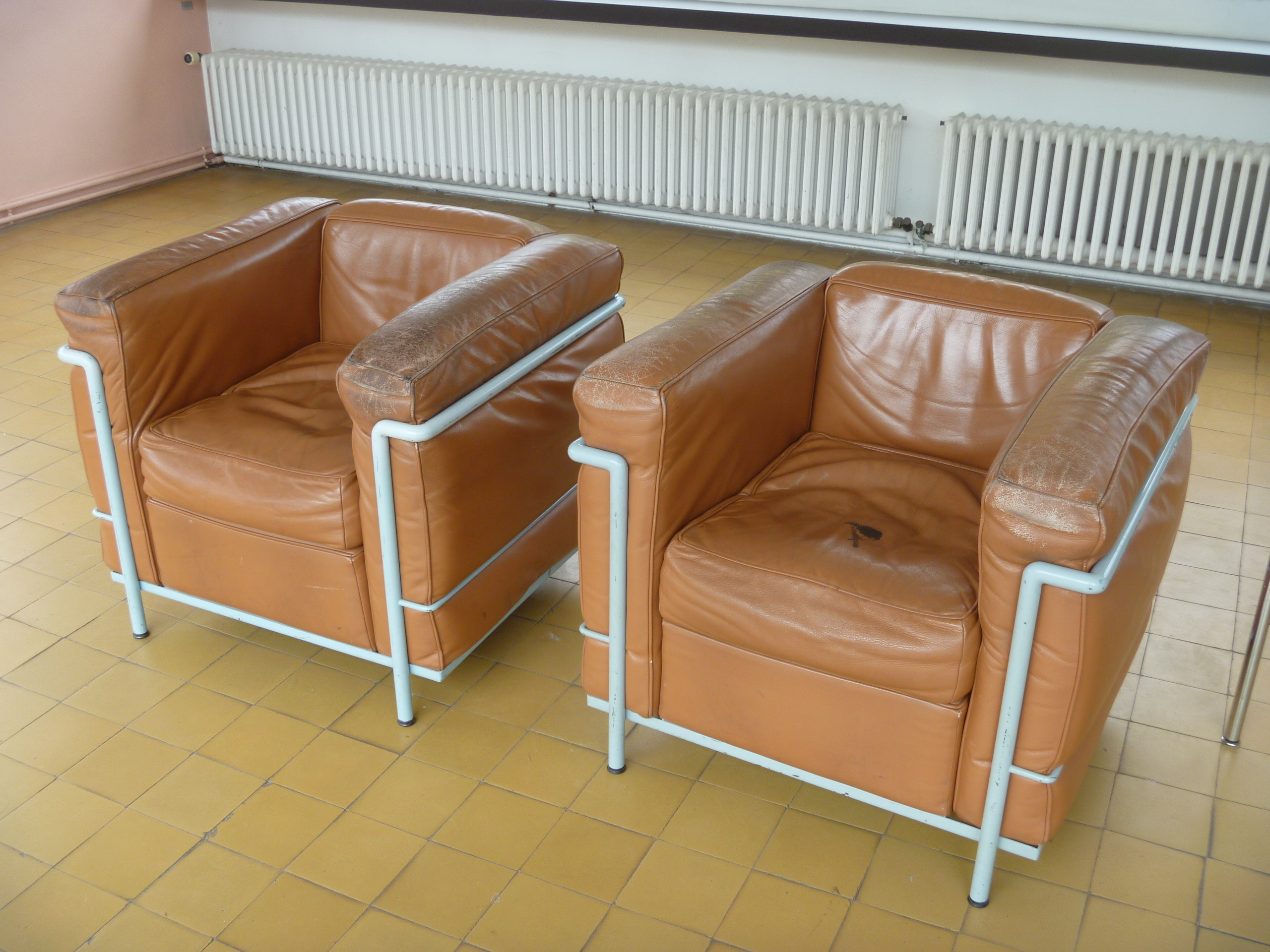
Le Grand Confort Armchair

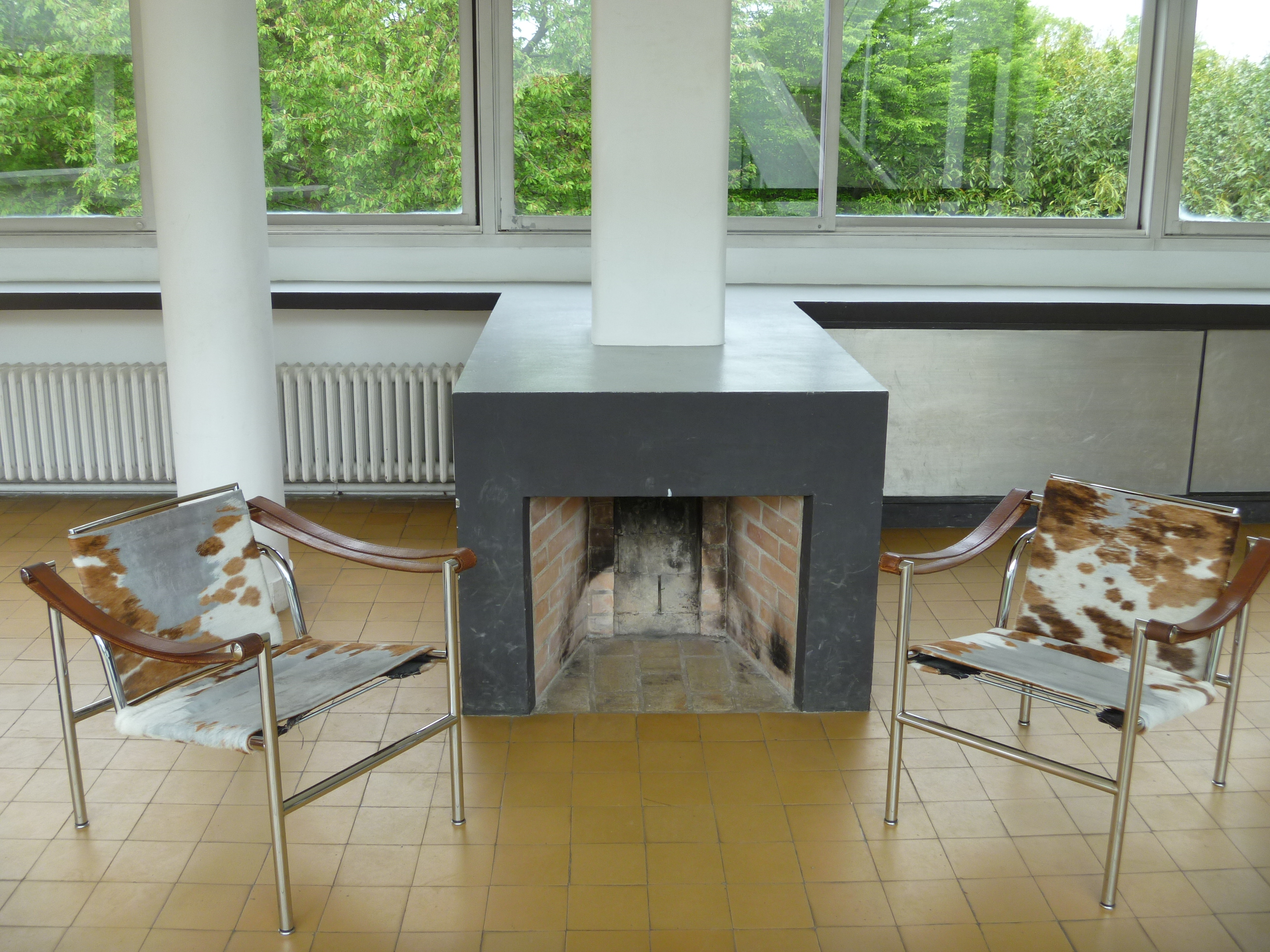
Pony Hide Lounge Chairs

To be said in its favour it was possible to tour the building in your own time, take photos at will, sit in the various architect-designed chairs and generally please yourself!

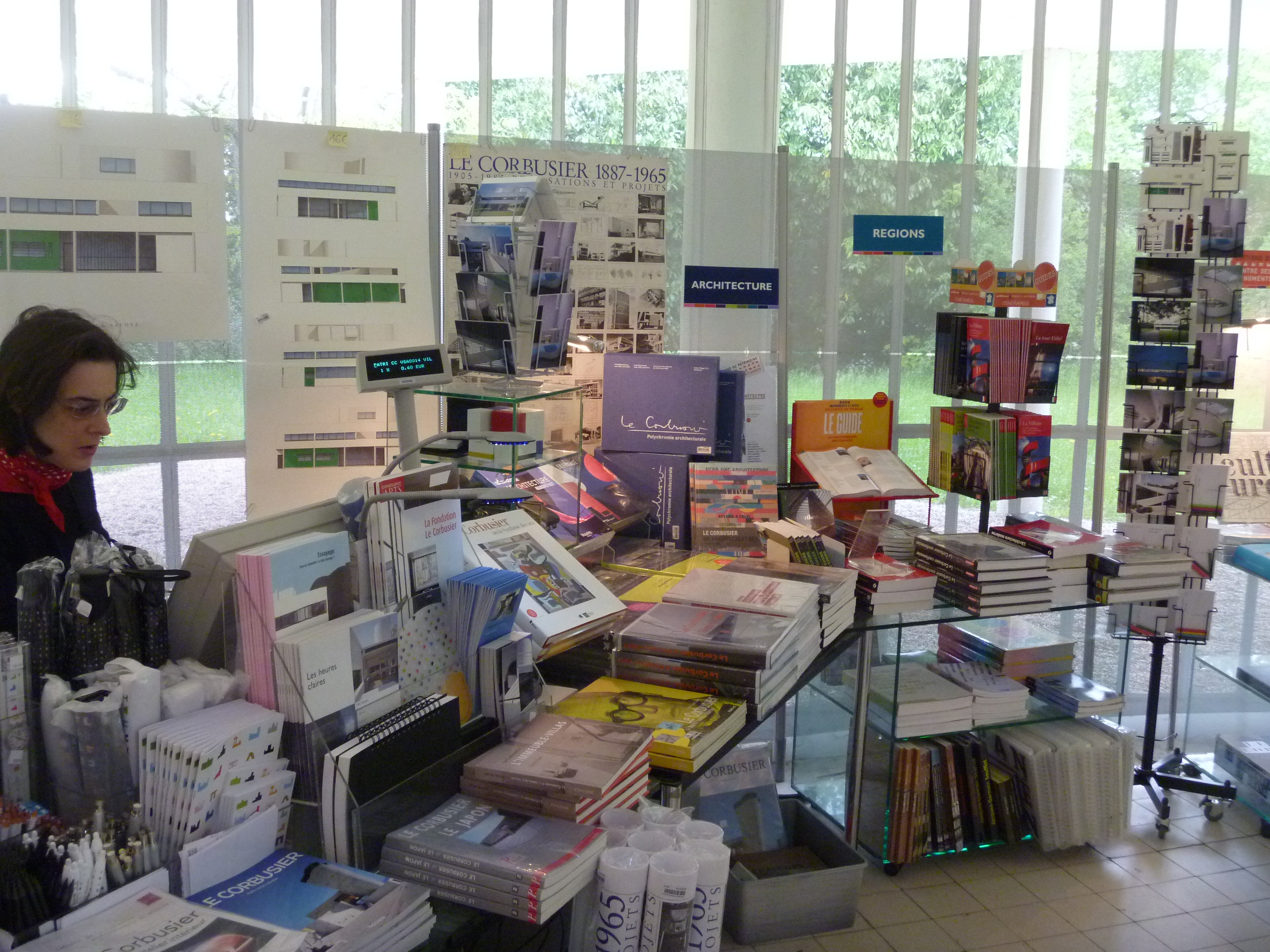
Also there was an excellent bookshop – much better than the one at Rambouillet.

The Lost World of the Windsors

In one of the sitting rooms of the main building at The Moulin de la Tuilerie, or The Mill, as it is sometimes called, is a mural painted above the fireplace. It was put there by the Duchess of the Windsor and it says “I’m not the miller’s daughter but I’ve been through the mill.”

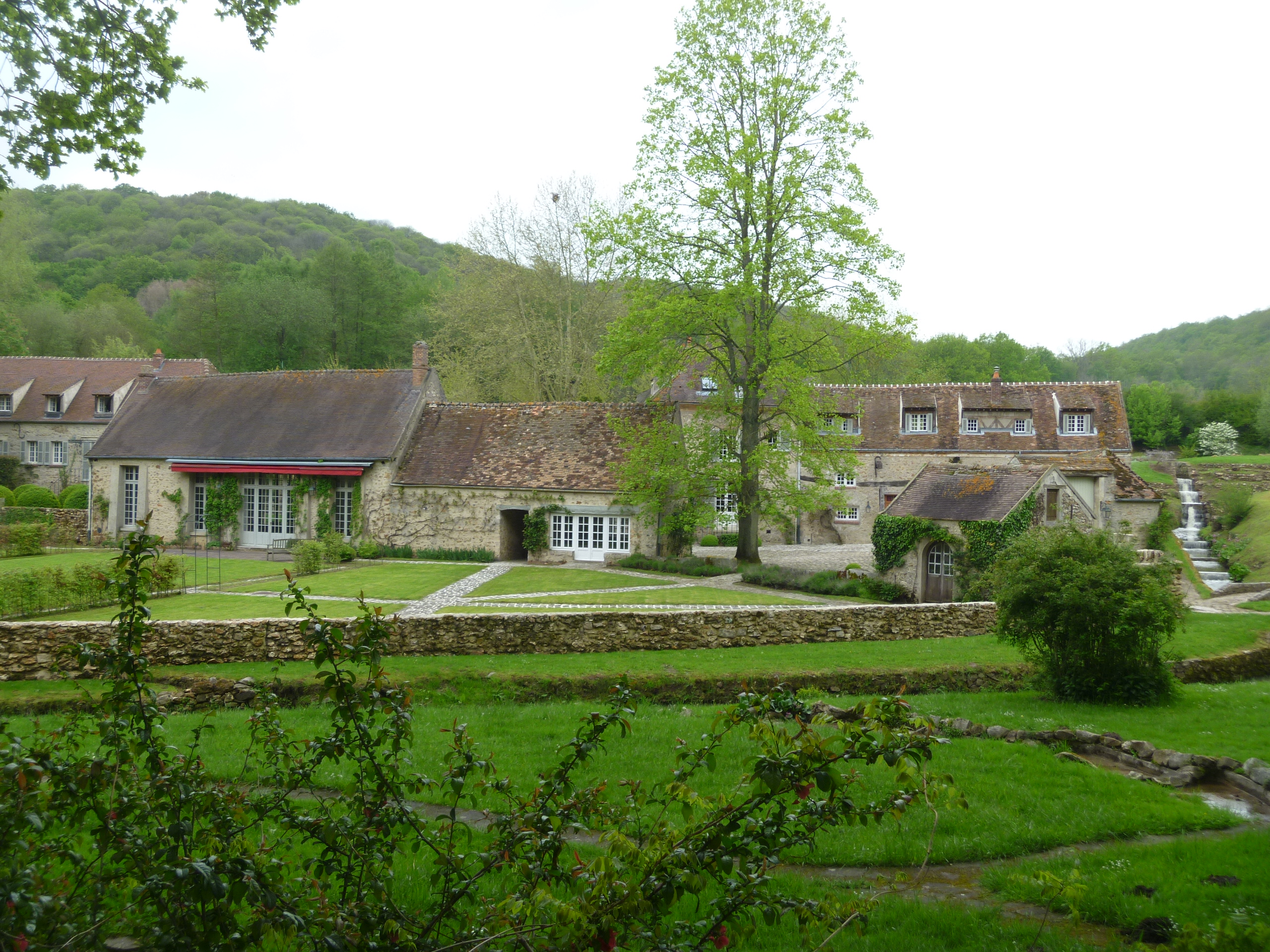
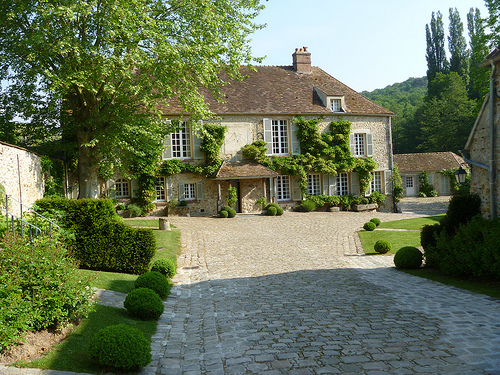
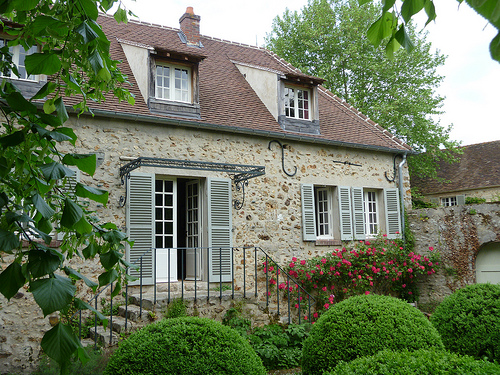
Over the years since 1734, the best date that can be given for the main building at Le Moulin de la Tuilerie, The Mill at Gif Sur Yvette has had many incarnations. The most glamourous being during the 1950s when it was the weekend home of the Duke and Duchess of Windsor. They bought the house in 1952 from the artist Drian and set about making renovations and improvements to both the house and the garden. During the 1950s and 1960s they were entertaining celebrities and the glitterati at weekend parties here just a 30 minute drive from their home in the Bois de Boulogne in Paris.

The Garden

Here is an interesting introduction  to Le Moulin and some comments by the daughter of one of the gardeners who worked with the Duke of Windsor.

Le Moulin De La Tuilerie

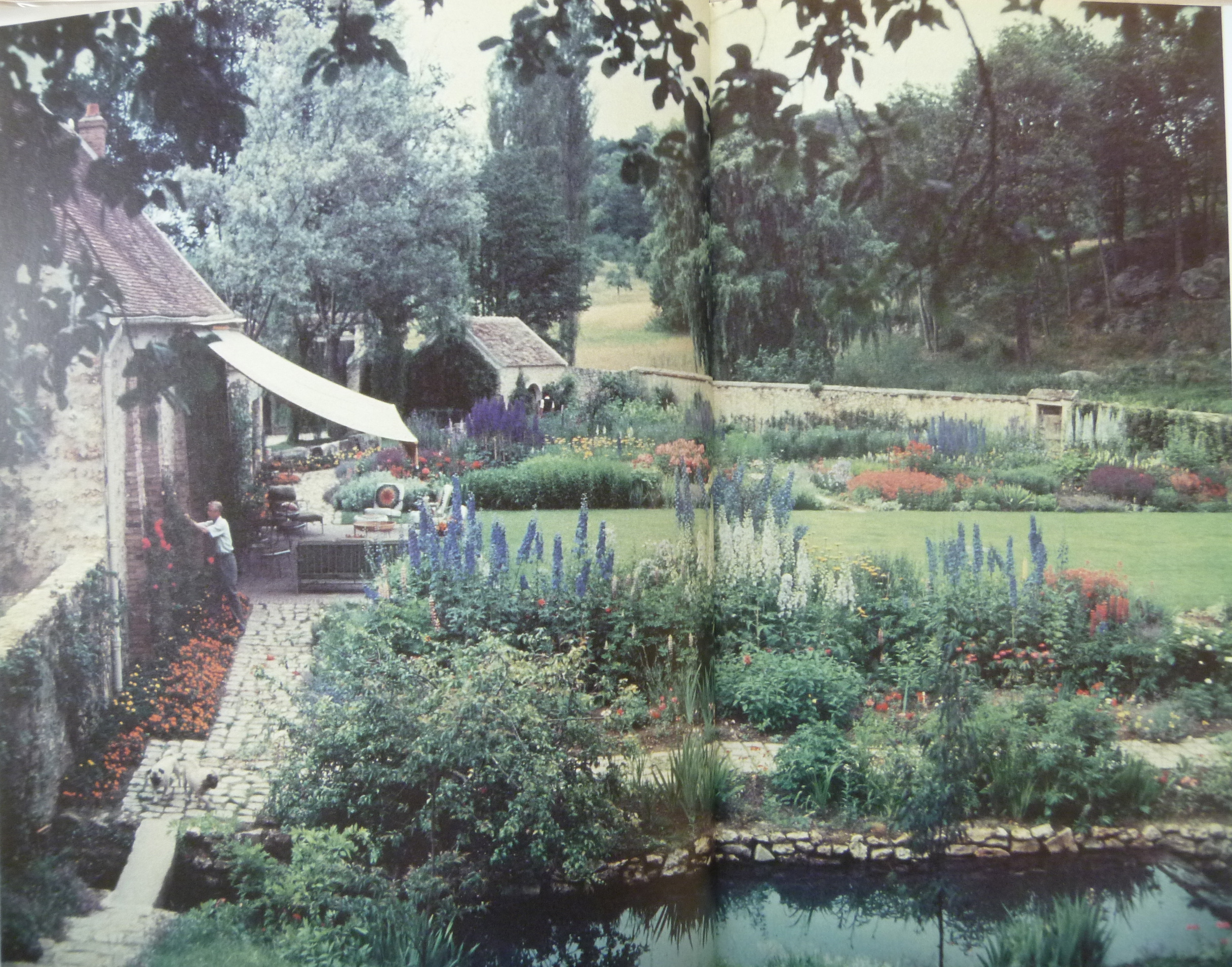
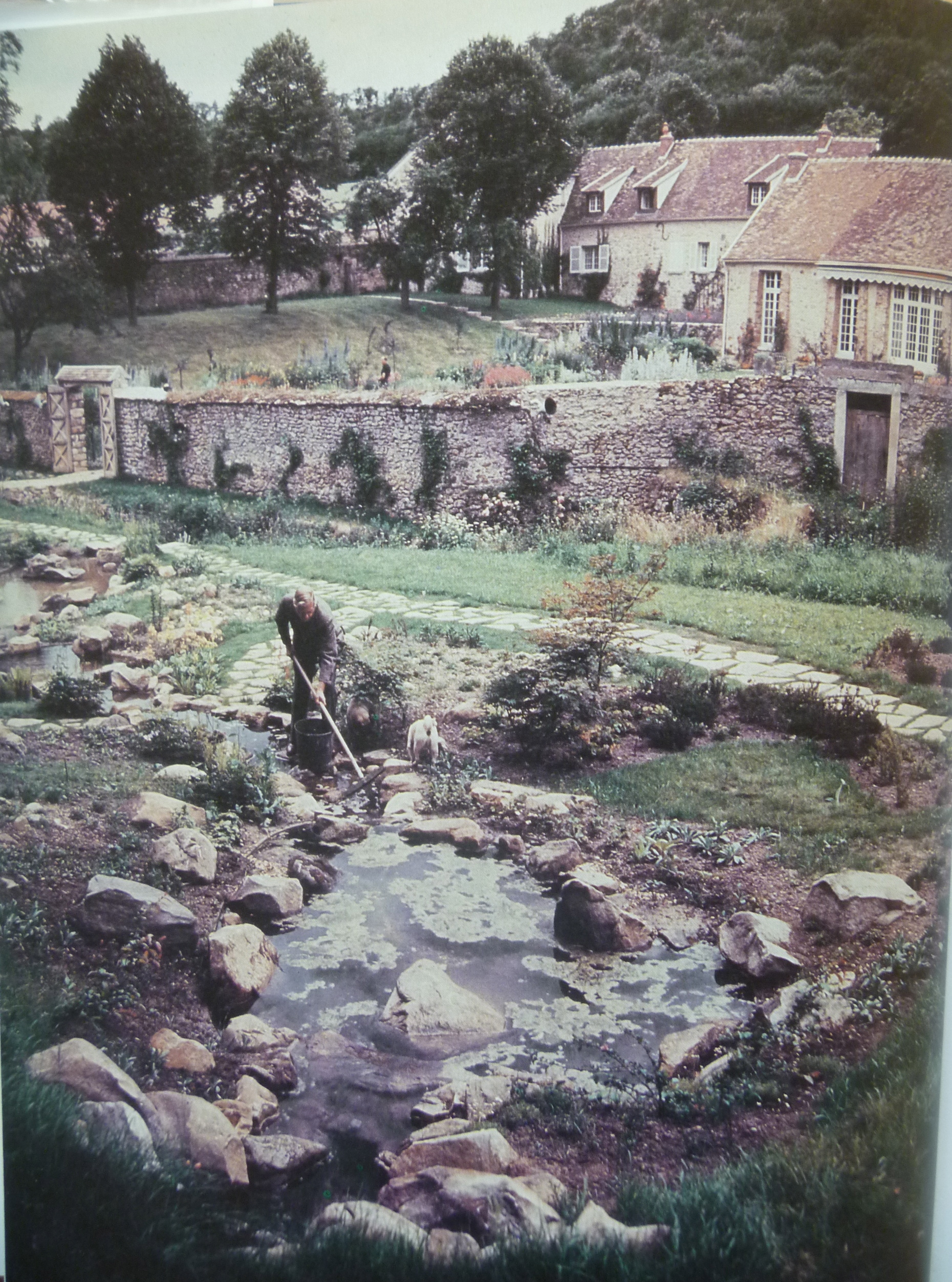
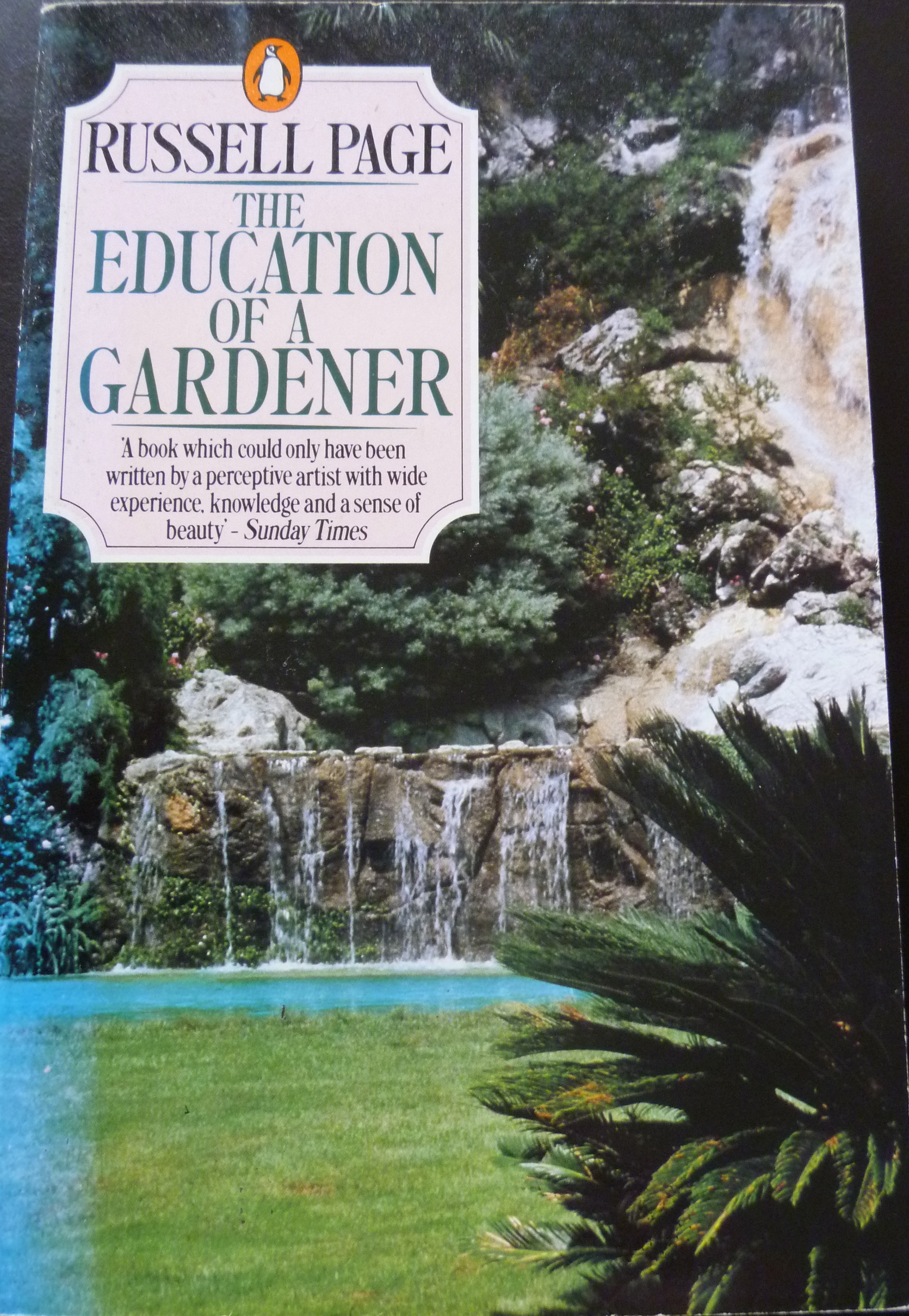
Looking at old pictures of the Mill I really do think that the Duke loved pottering in the garden. Russell Page, in his book, The Education of a Gardener makes several comments about the Duke’s choice of plants and about his keen interest in the garden in general.

Photo from The Windsor Style by Suzy Menkes.

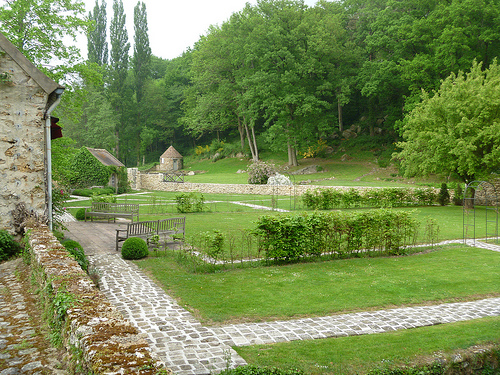
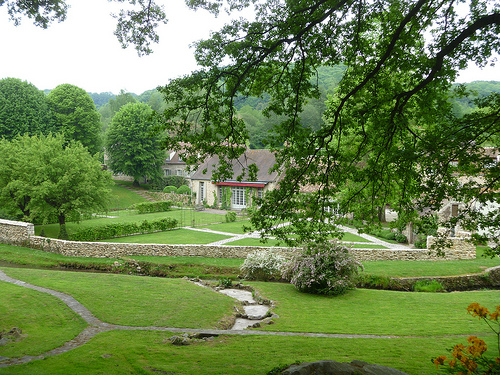
The Garden at The Mill Today

“It was a lucky day for the Duke of Windsor, who loves stones as well as streams, when in his garden near Paris, he found the remains of an old quarry with enough stone to pave all the garden paths. We used them with fairly wide mortared joints in the enclosed garden, and spaced more widely and with grass between, in the wilder parts outside the garden walls.” (Russell Page – The Education of a Gardener)

Both of my visits have been in May so very few flowers have been in bloom and the garden is generally tidier and less fussy than in the Windsor’s day.

The Grounds

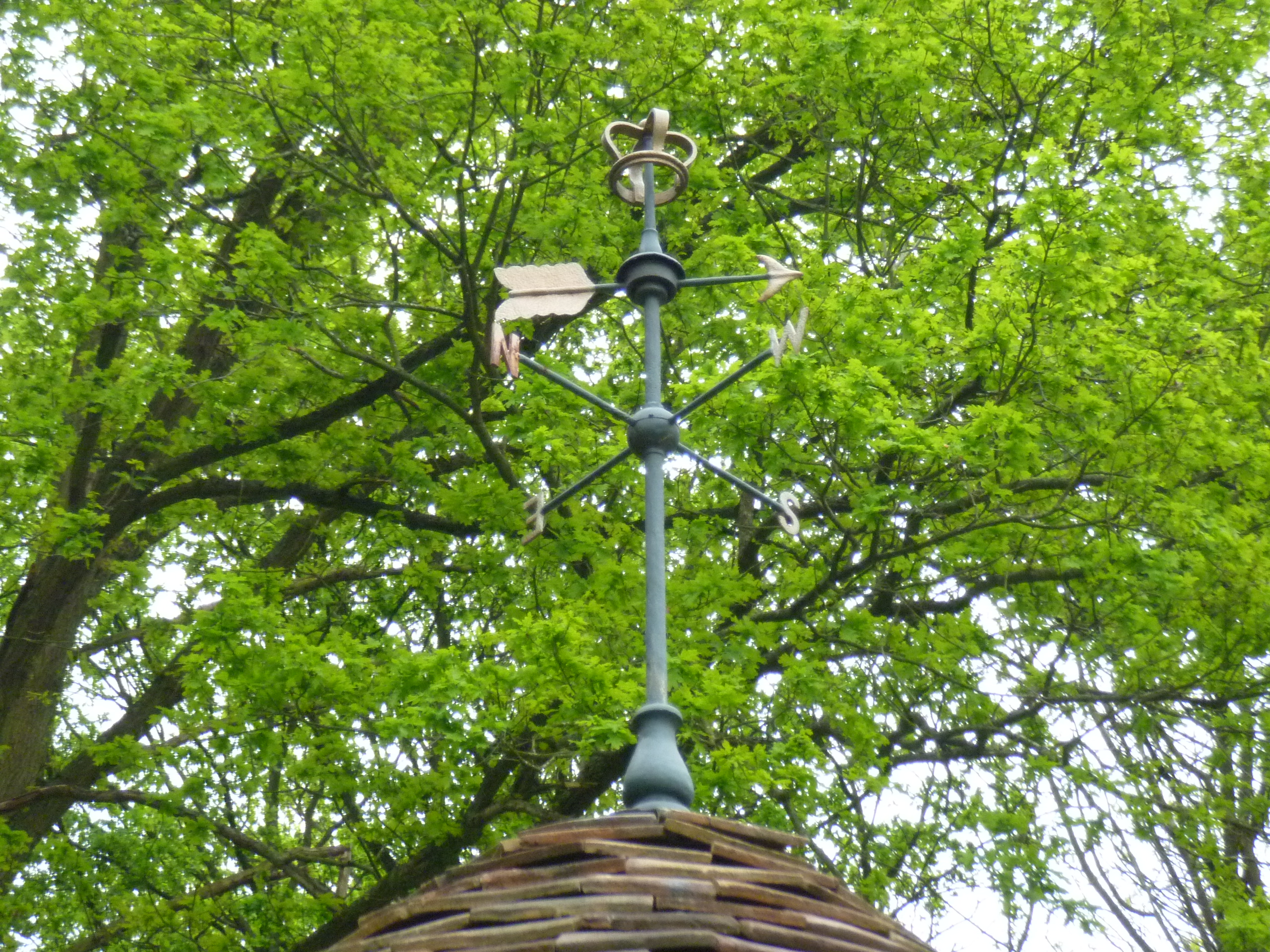
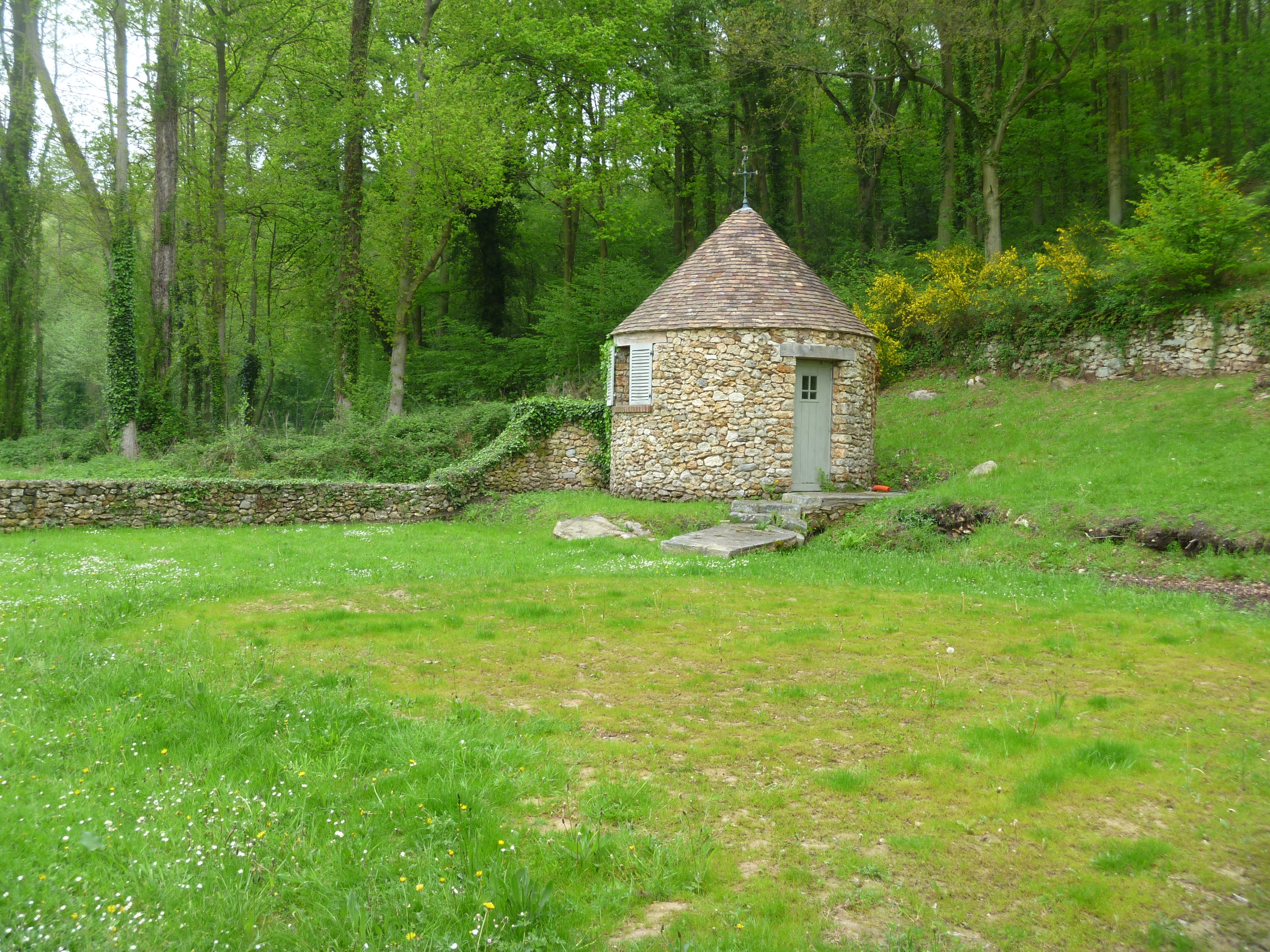
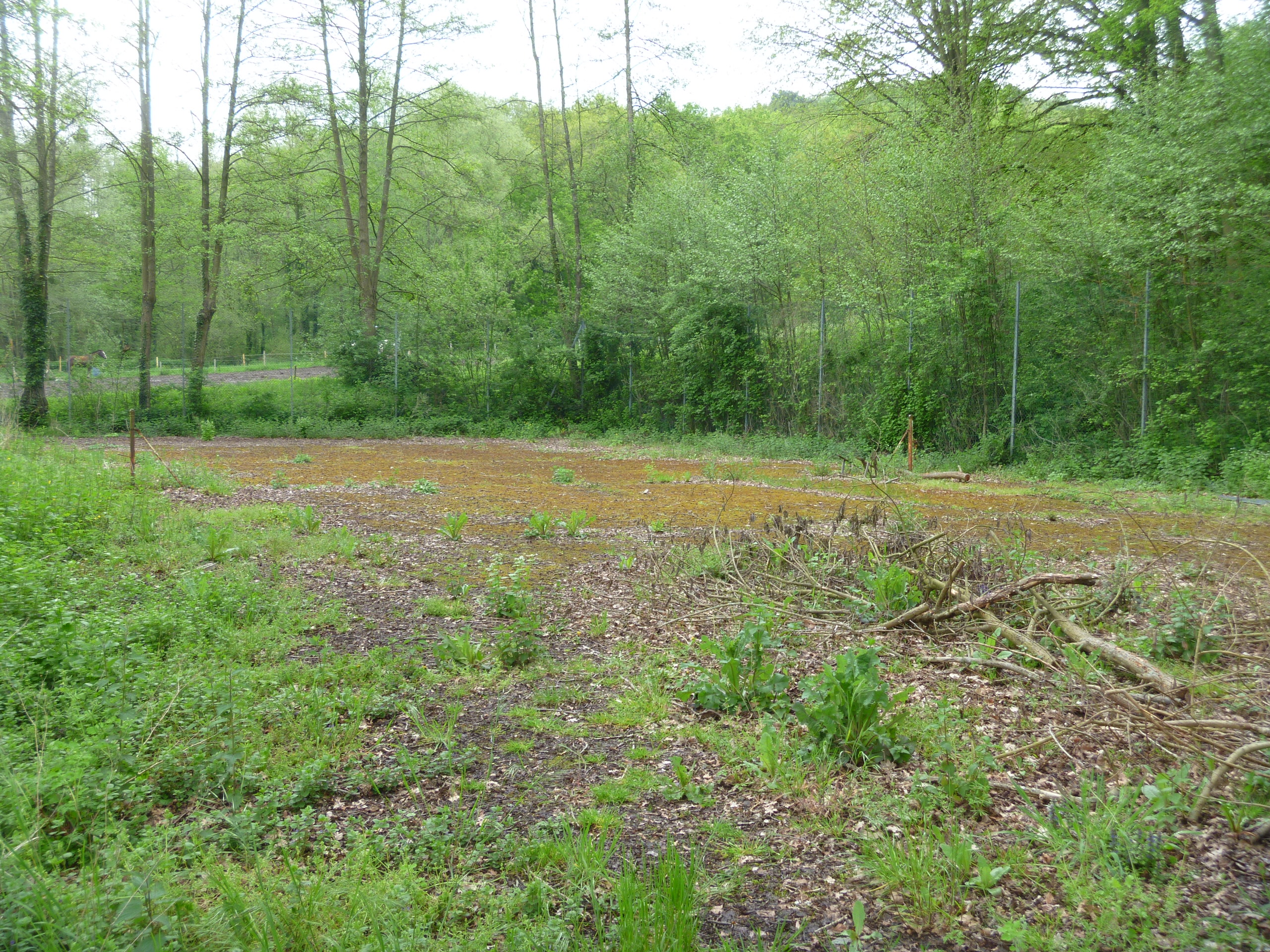
When the Duke and Duchess of Windsor lived here at the weekends and entertained their guests the grounds contained a swimming pool and a tennis court. Today these are overgrown and have all but disappeared. The pool was filled in but standing by it and still topped by a weather vane complete with coronet is a little round changing hut.

Photo from The Windsor Style by Suzy Menkes.

The garden at The Mill today

The tennis court today

The Pugs

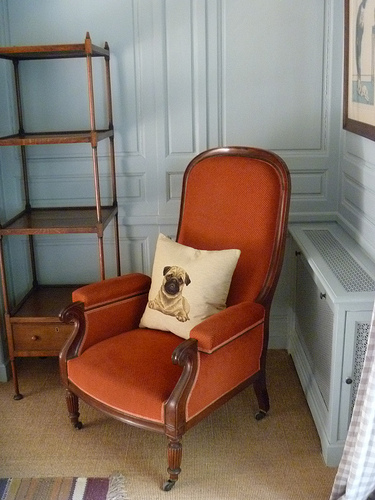
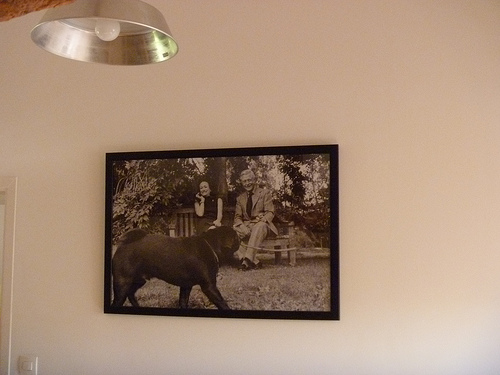
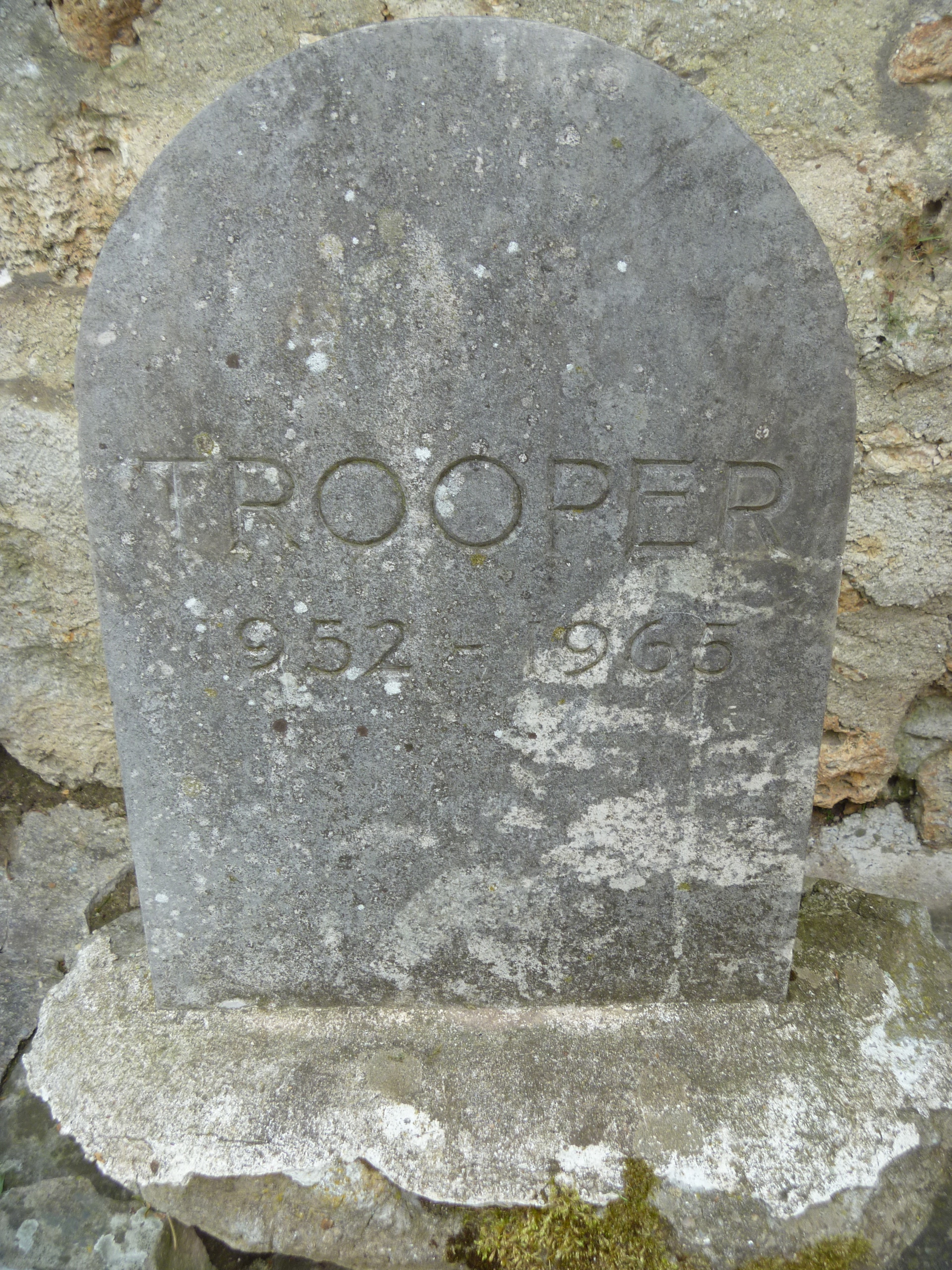
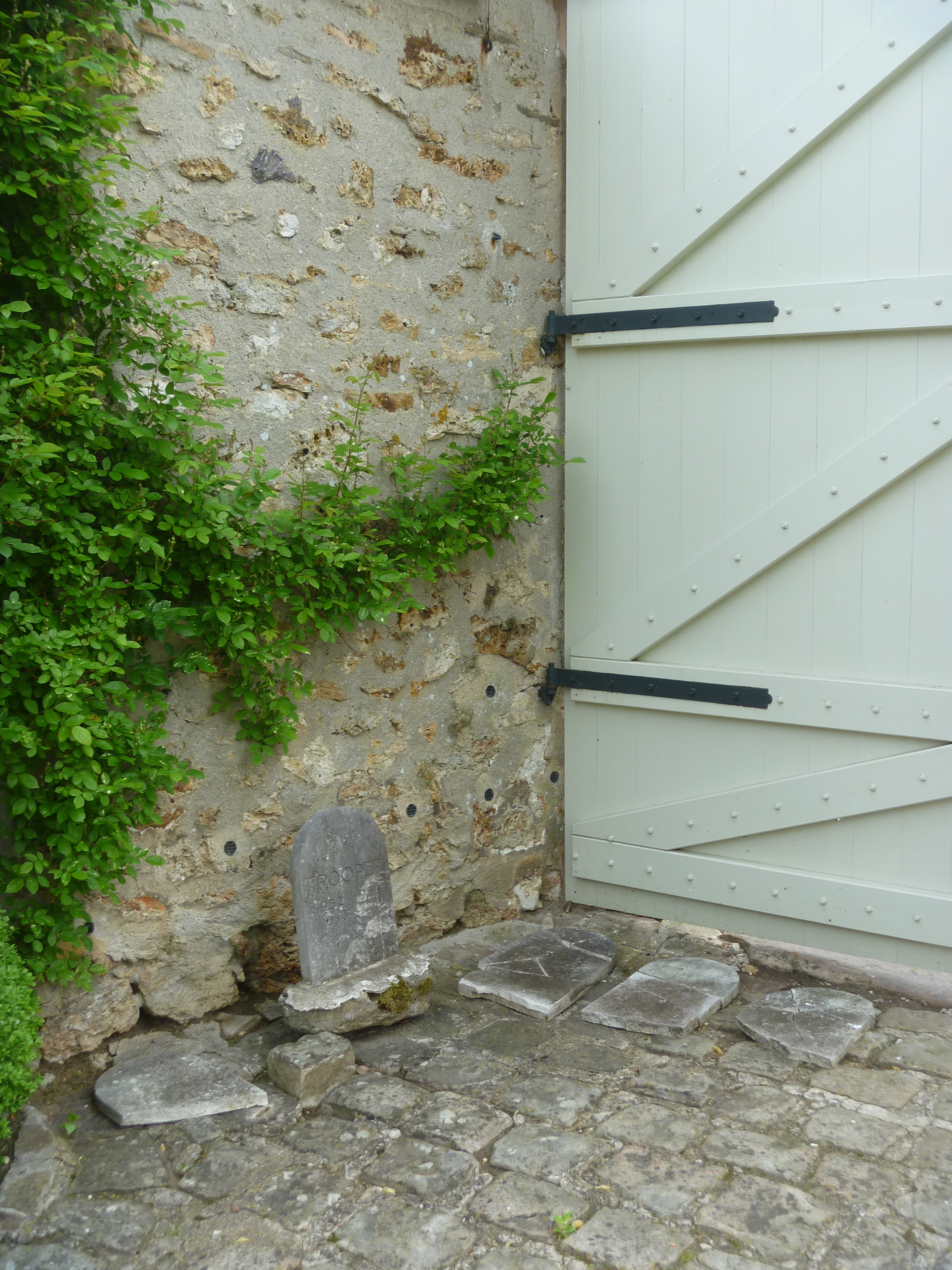
Evidence of the Duke and Duchess’s love for their pet pugs can be seen everywhere at The Mill. In the pictures hanging in each property, in the books in each library, on the cushions and by the fact that little individual tombstones were made for each pug that passed away and was buried in the Mill grounds.

The stones have been moved and now lie or stand near one of the garden gates.

 Trooper – 1952-1965 RIP

Pug Headstones

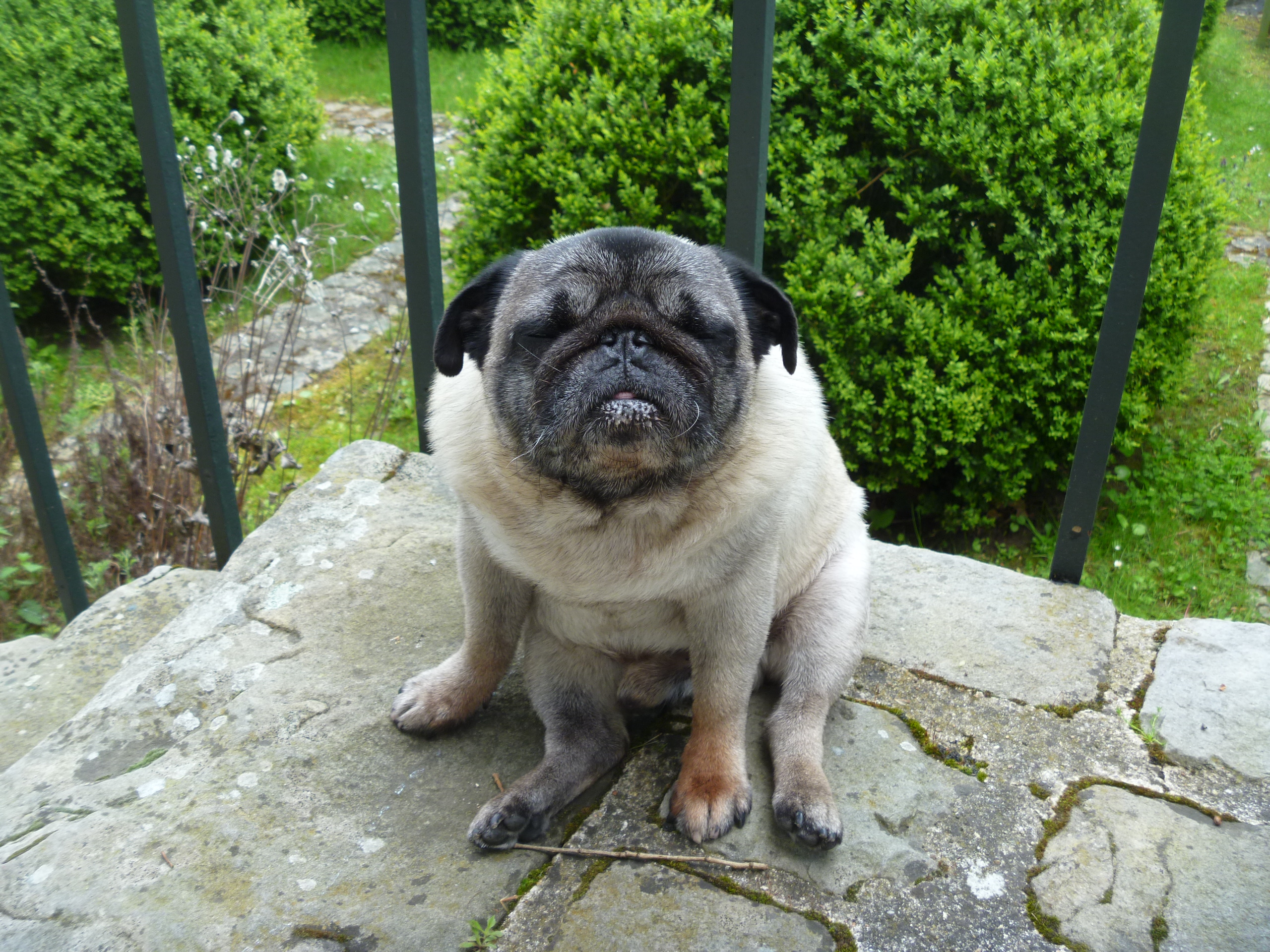
Of course, as our own contribution to try to bring Le Moulin back to its former glory we brought our very own pug Alfie to stay. He found that he had a taste for the Royal life and did not want to get back in the car to come home!

The Literature of the Windsors – a publishing phenomenon

Millions of words and countless books have been written about Him, about Her, about Them, about The Abdication and about Their Stuff.

Lots of it is repetitive – believe me I have now read quite a few.

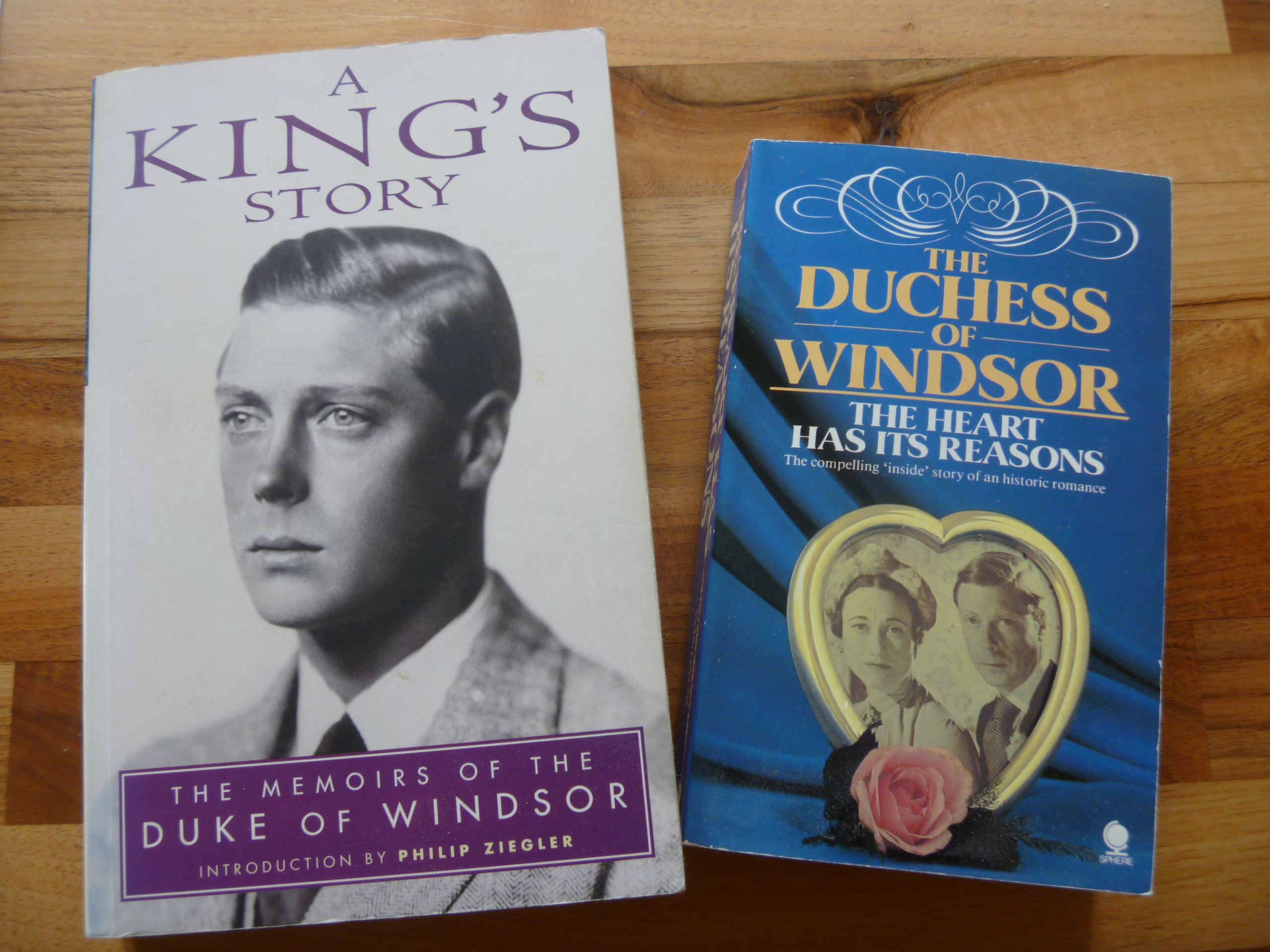
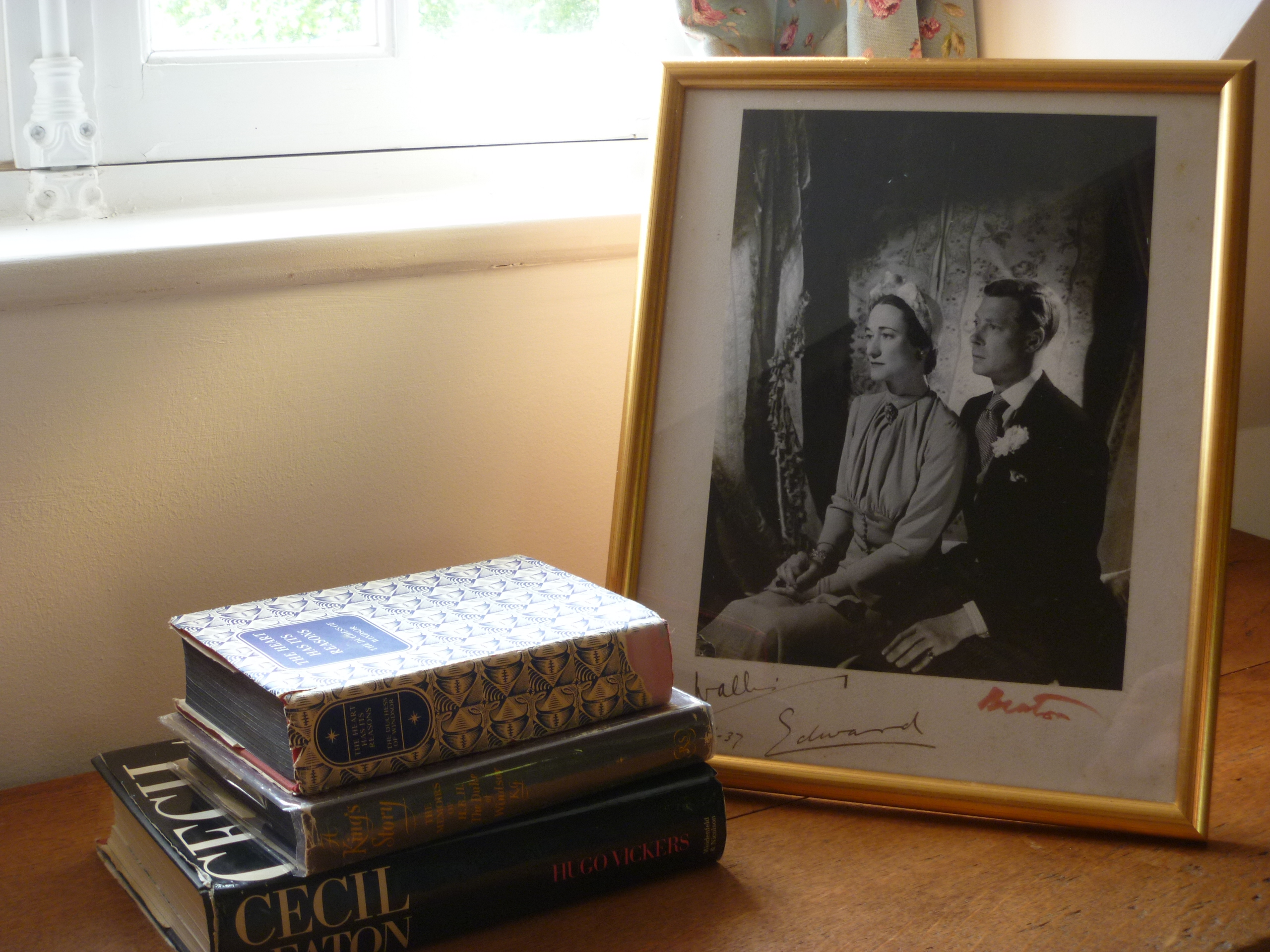
They published their own memoirs during their lifetimes, namely A King’s Story and The Heart Has Its Reasons. These two I own but have yet to read. The story goes that after the Abdication and the Second World War was over and when they had finally settled in France the former king, feeling rather at a loose end, at Wallis’s suggestion wrote his own biography. This he set about with gusto and with help of Charles J. V. Murphy. Published in 1951 A King’s Story: the memoirs of H.R.H. The Duke of Windsor was a great success. Wallis published her own story The Heart Has Its Reasons: the memoirs of the Duchess of Windsor in 1956.

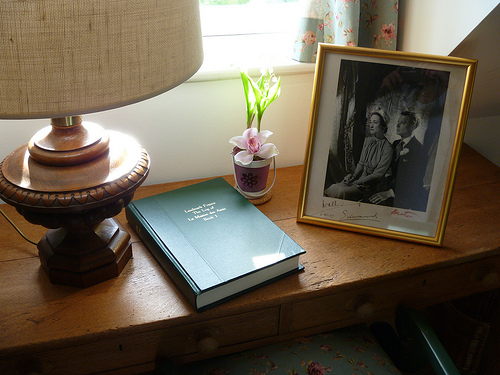
Copies of both books are on the Library shelves at La Maison Des Amis.

I have (unread, so far) copies of my own as well.

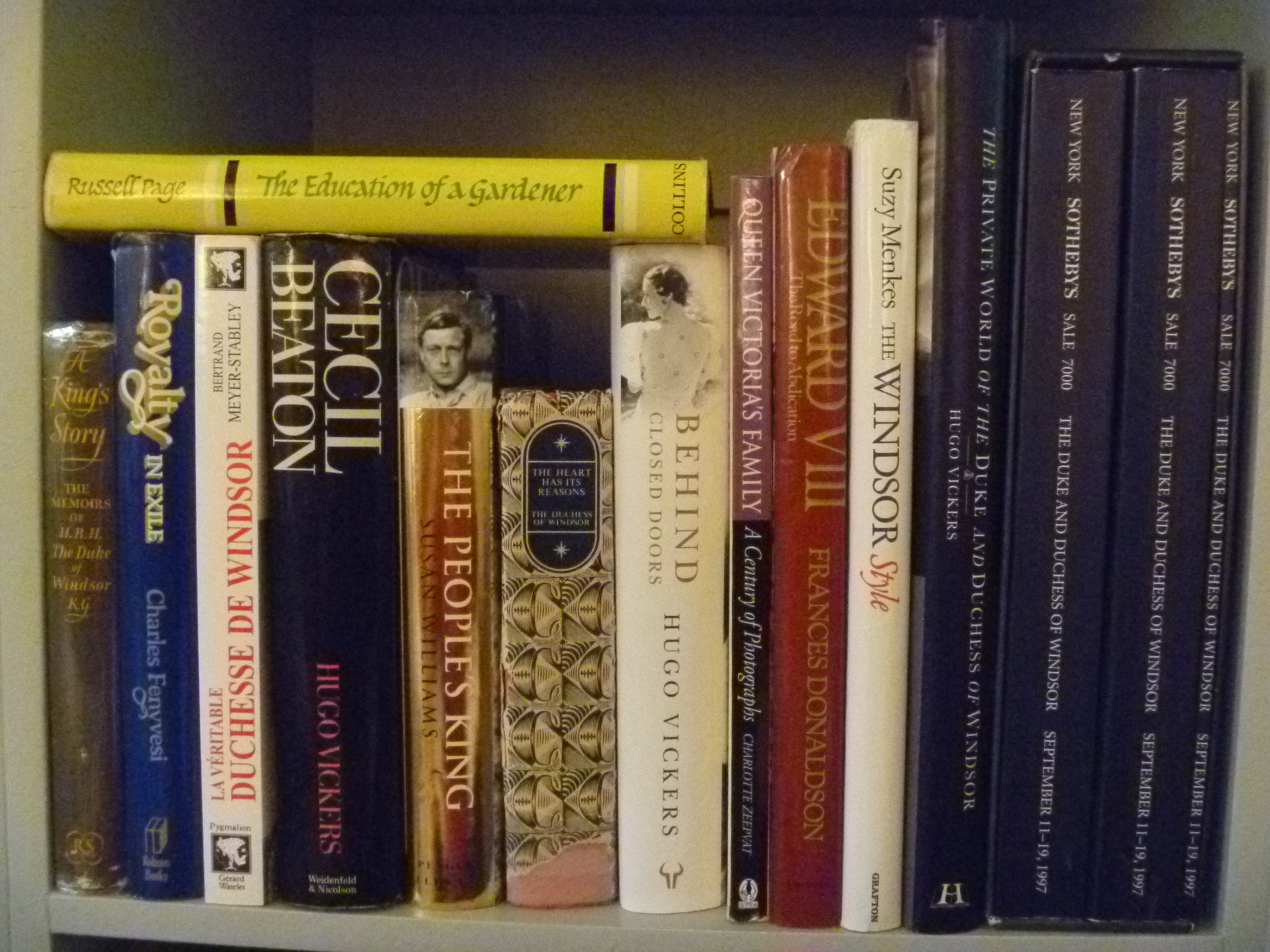
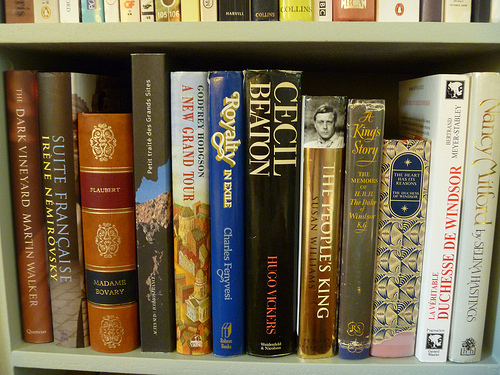
Also on the library shelves at La Maison are other biographical works telling in their own way and with their own biases the stories of the Duke and Duchess. The winner with the most publications to his name on these shelves is Hugo Vickers with a total of 3 works:

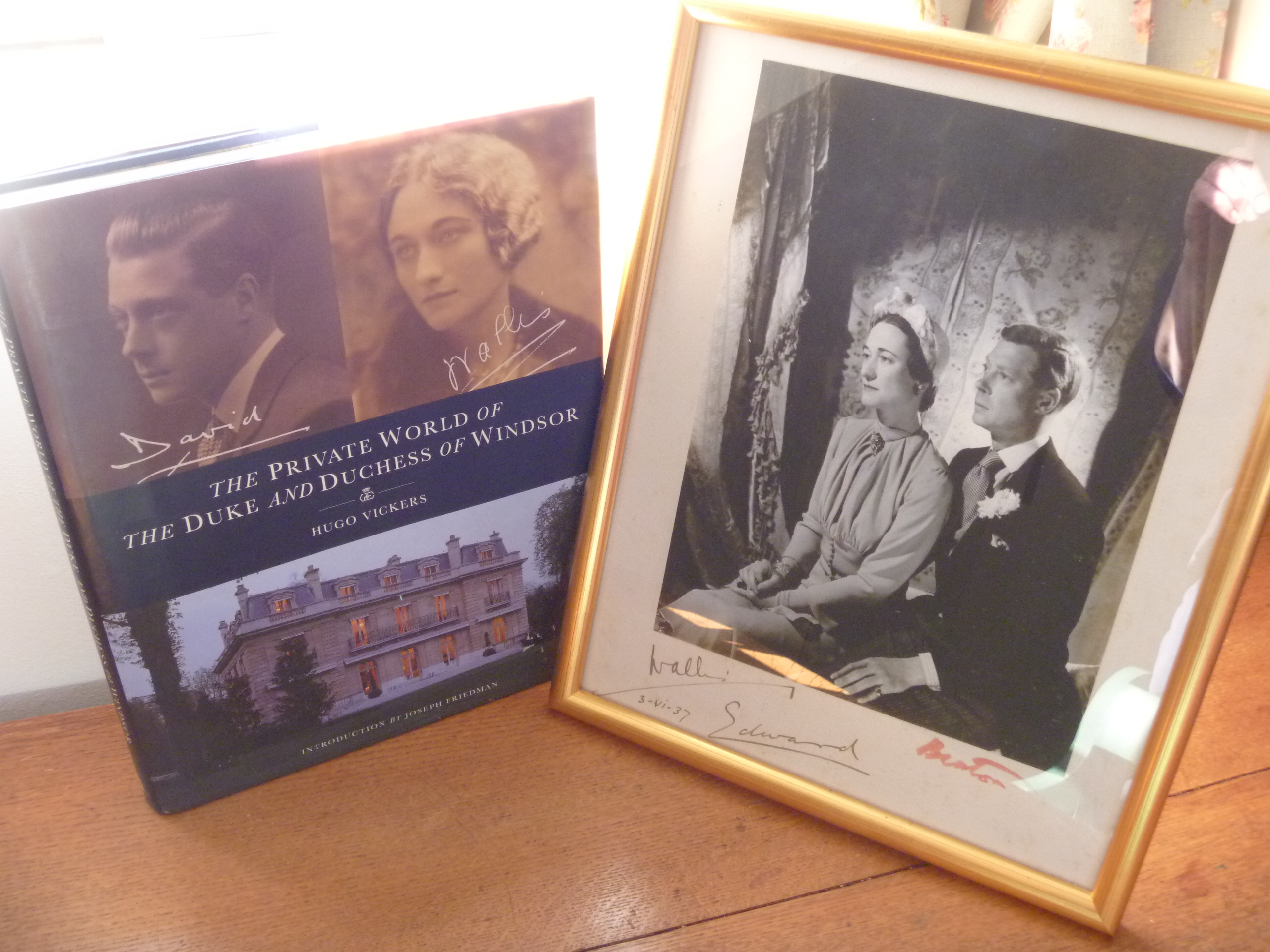
The Private World of the Duke and Duchess of Windsor, 1995. Published by Mohammed Al Fayed.

Cecil Beaton : the authorized biography; 1985.  (CB was a close friend of theirs and who took many of the best known photographs of the Windsors and who frequently came to stay at Le Moulin de la Tulierie.)

Behind Closed Doors: the tragic untold story of the Duchess of Windsor; 2011.

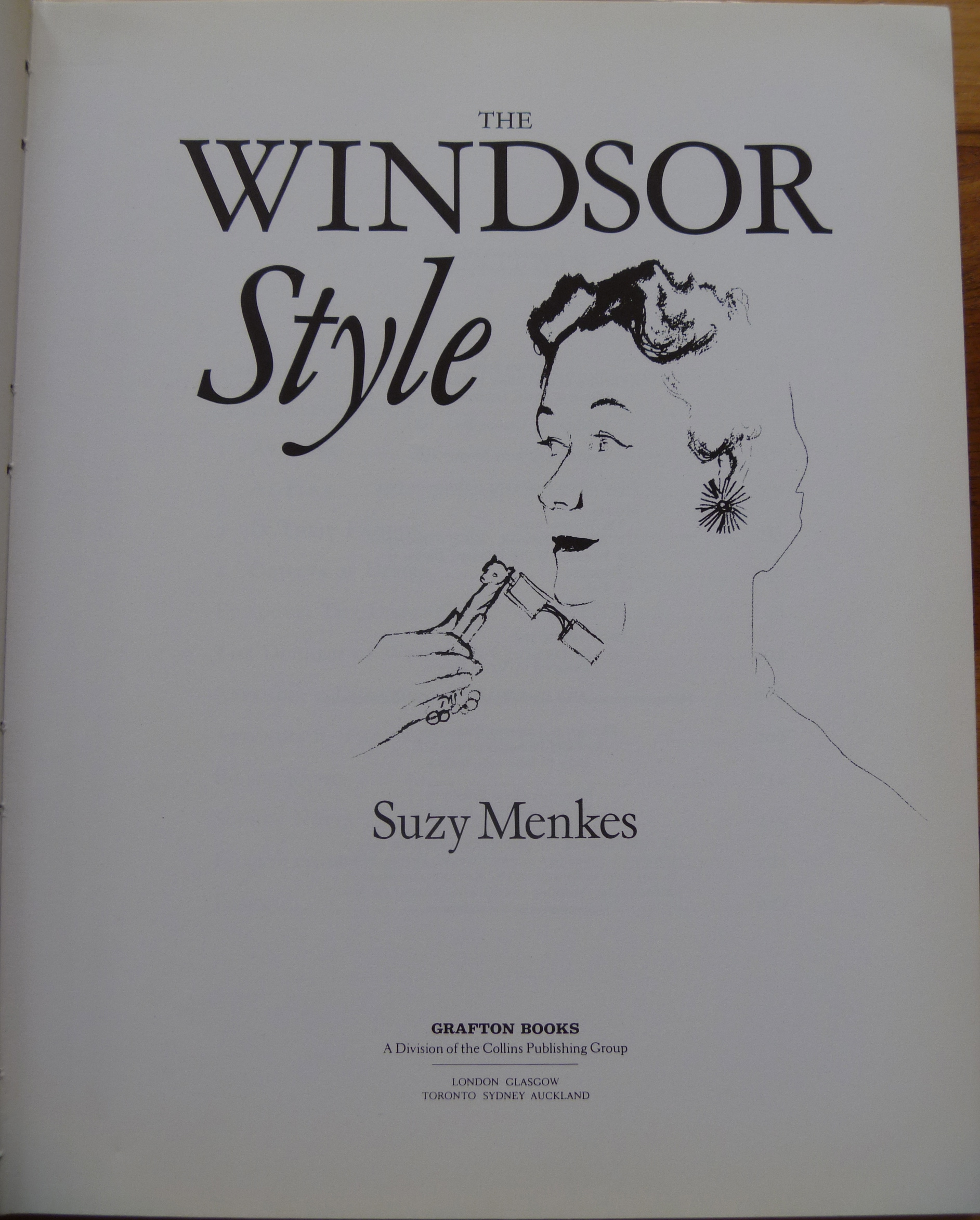
Other Windsor books at La Maison include Suzy Menkes’ The Windsor Style (1987) which covers their homes, gardens, fashions and objects. The appendices include The Duchess of Windsor’s Cookbook and a list of furnishings and objets d’art donated to The Palace of Versailles and the sale results of The Duchess of Windsor’s Jewel Sale at Sotheby’s in Geneva in April 1987.

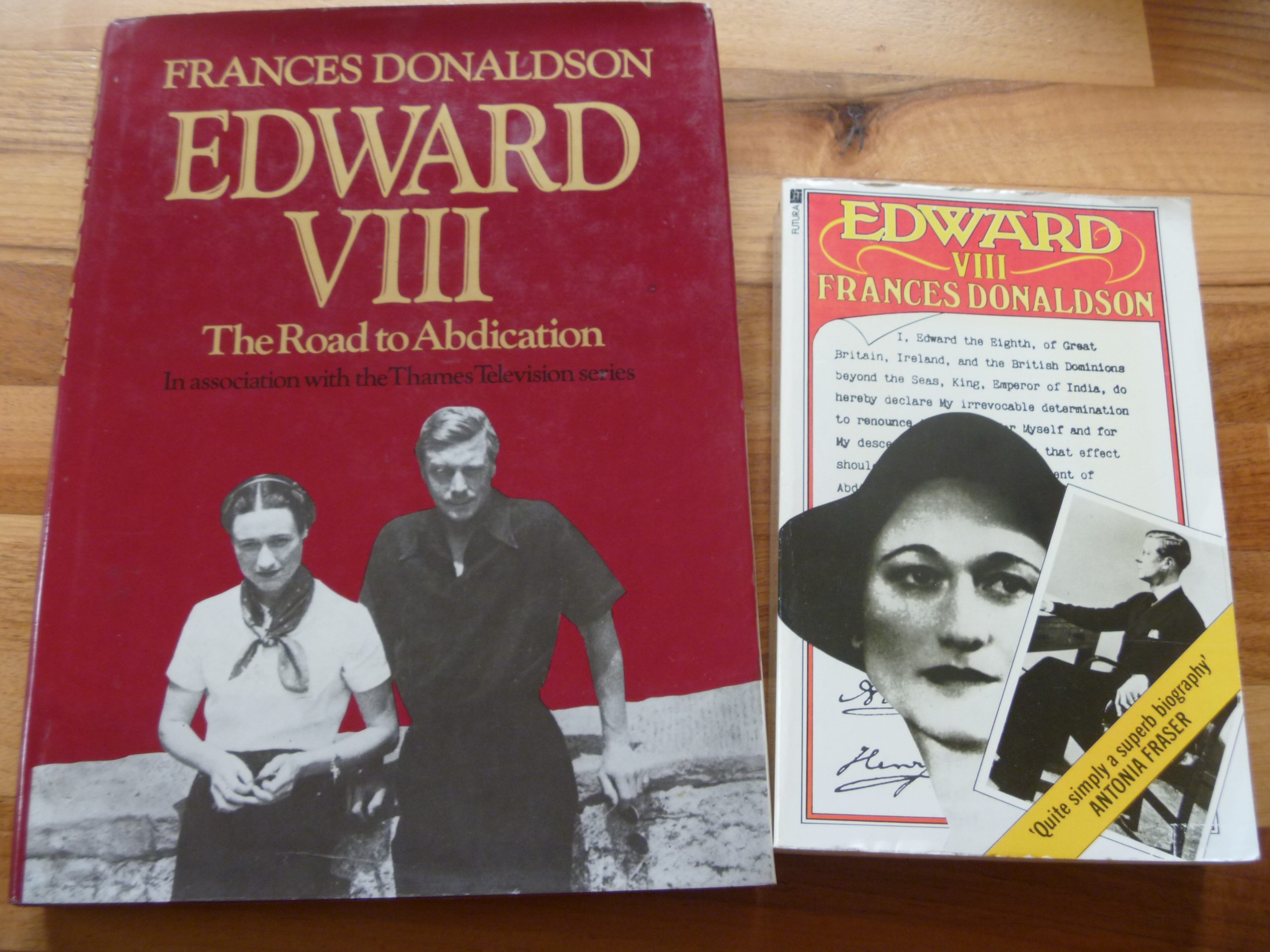
Frances Donaldson, who wrote an [official] biography of the Duke also published in 1974 Edward VIII : the road to abdication. Rather more of a photographic album with informed commentary than the aforementioned biography. Shown below are my own copies.

The selection at Gif also includes La Veritable Duchesse de Windsor by Bertrand Meyer-Stabley, Editions Pygmalion, 2002, for all the French guests staying at Le Moulin. Well, I have yet to see any French commenters in the Landmark Logbook but maybe they haven’t caught on to the British Visitor’s Book signing tradition.

The People’s King [another] true story of the Abdication; by Susan Williams [2003]

Queen Victoria’s Family: a century of photographs, 1840-1940; by Charlotte Zeepvat. [2003]

The Education of a Gardener, by Russell Page. [1962] who spent time helping the former king to establish his own garden at Le Moulin de la Tuilerie.

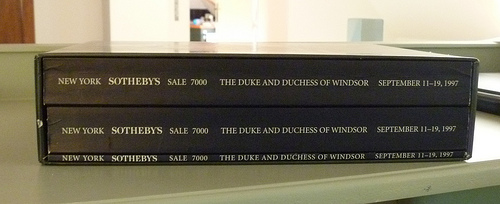
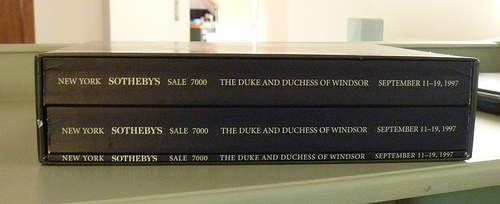
But I think the most interesting and intriguing books on the library shelves at La Maison are the 3 volumes of the New York Sotheby’s Catalogue of the Sale in 1997 of the Duke and Duchess of Windsor’s property. They are fully illustrated and contain price estimates. On our return home last year we bought the final sale price list with which to compare.

At Home With the Windsors – La Maison des Amis

I am off to France shortly. It’s another Landmarking holiday but with the added difference that I shall be in France and staying at the former weekend home of the Duke and Duchess of Windsor.

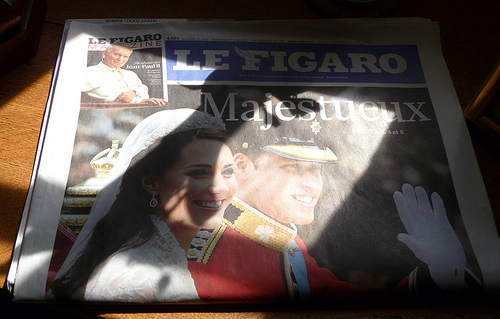
This will be my second visit. Last year the day of departure coincided with the Royal Wedding. I had my own Royal Weekend in France which made up, somewhat, for missing the live broadcasts of Kate and William’s happy day.

Le Moulin

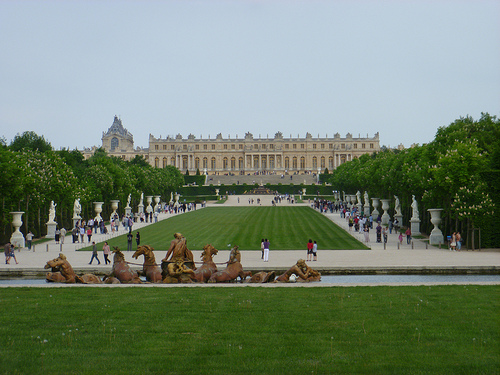
La Maison des Amis is situated within the small estate that comprises The Moulin de la Tuilerie on the edge of the village of Gif sur Yvette in the Essonne department of France. We didn’t use it last year but there’s an RER train link with the centre of Paris and the journey takes about  40 minutes. We’re hoping to have a little trip to town this time. We don’t have too many plans but we have reserved at a restaurant in Versailles for lunch on the Sunday.

La Maison Des Amis (rear)

There are three rental properties on the site. Le Moulin  itself (which sleeps 12 in total) and which the Duke and Duchess themselves occupied for their weekends away from Paris and La Maison de Amis (sleeps 4) and Le Celibataire (sleeps 2) where their guests – people like Richard Burton and Elizabeth Taylor (I sleep in their room!), Cecil Beeton, Marlene Dietrich and Maria Callas – were accommodated very comfortably.

Le Moulin de la Tuilerie from ‘Cardiac Hill’ as the Duke of Windsor called it!

Those Windsors they recognised a great location when they saw it. In addition to being 40 minutes from the centre of Paris (or rather 35 minutes by Buick from their home in the Bois de Boulogne) the lovely old town of Versailles and its OTT palace and  grounds are about 20 minutes away and as Landmark puts it :

“Just as for Edward and Wallis, still today this is a place for contrasts: a wonderful setting to play host, or enjoy deep tranquillity; an easy day trip by direct train to the bustle and culture of central Paris or the delights of Versailles, and yet a place where the city finally yields to deep countryside.”

Sunday evening strollers in the park at Versailles

There is plenty of good reading matter in the Landmark Library, as usual. We spent a lot of time looking through the Sothebys New York 1997 Sale Catalogue of the Windsors’ stuff.

Herengracht Life

Before the weekend just past I was last in Amsterdam in the late 1960s when it was all hippy and flower power and full of people sleeping rough and doing I don’t know what. I was on a cycling holiday and staying in a Youth Hostel outside the city by the Zuyderzee. I was not impressed by Amsterdam and couldn’t wait to get back to Broek in Waterland.

My previous impression of the city has been totally overturned. I love it! And I especially love the area where I stayed with my 2 Swiss friends. Our Dutch friend has a lovely flat nearby too. Of course, this Amsterdam canal ring is now, not surprisingly, a UNESCO World Heritage Site.

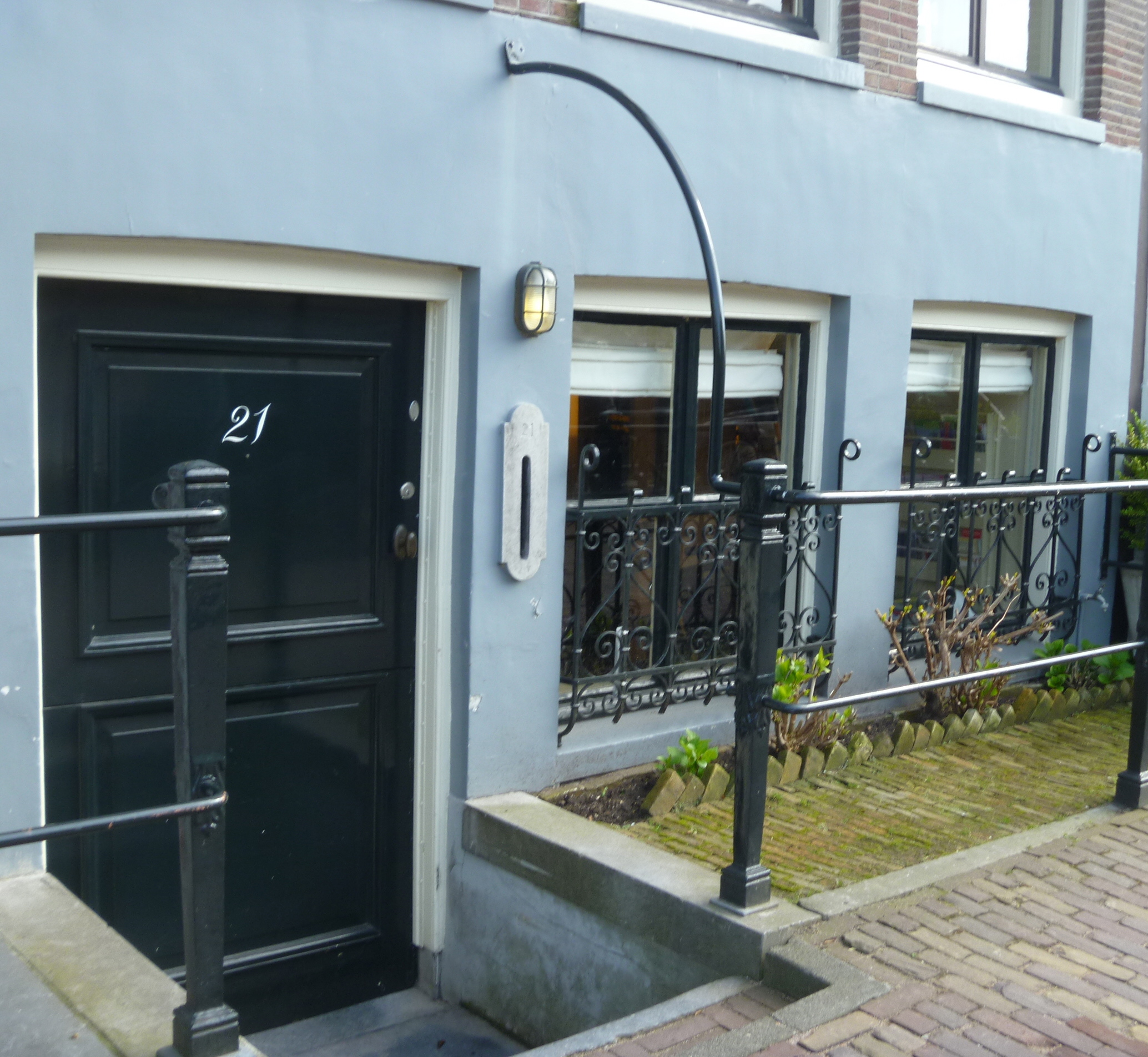
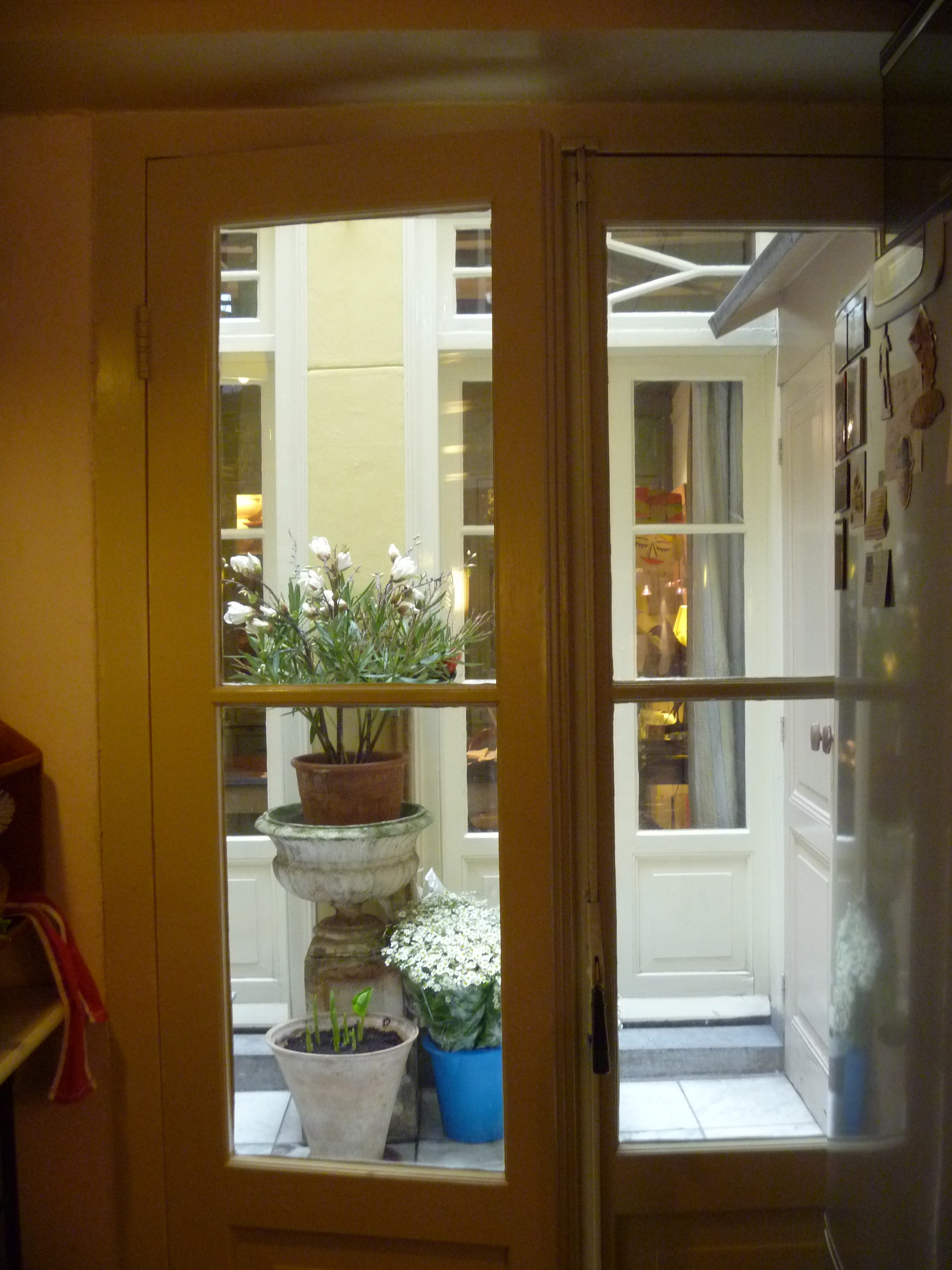
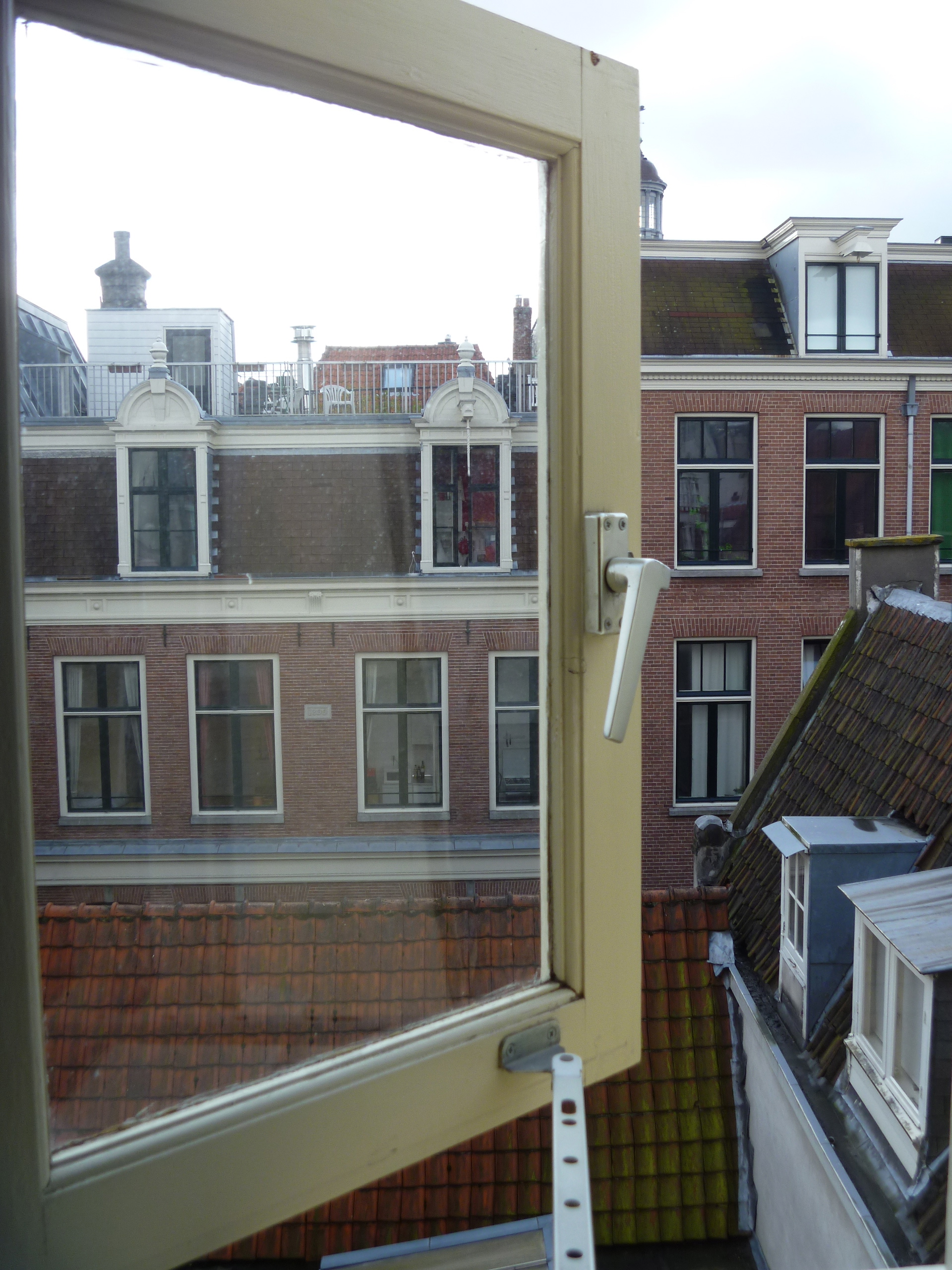
Our B&B was at 21 Herengracht in one of those so picturesque 17th century canalside houses of which Amsterdam is famous but which I didn’t even notice on my previous visit. Loes, our host, explained about the plan of the house – the narrow canal frontage was because the houses were taxed according to their width, the house is really 2 buildings linked by a covered passage (some houses still retain this tiny courtyard) – our duplex apartment on the second and third floors was reached by a very very narrow spiral staircase and situated in the ‘servants’ house at the rear of the building.

Courtyard within the house links the front with the rear building.

Rooftops of Amsterdam from our rear window.

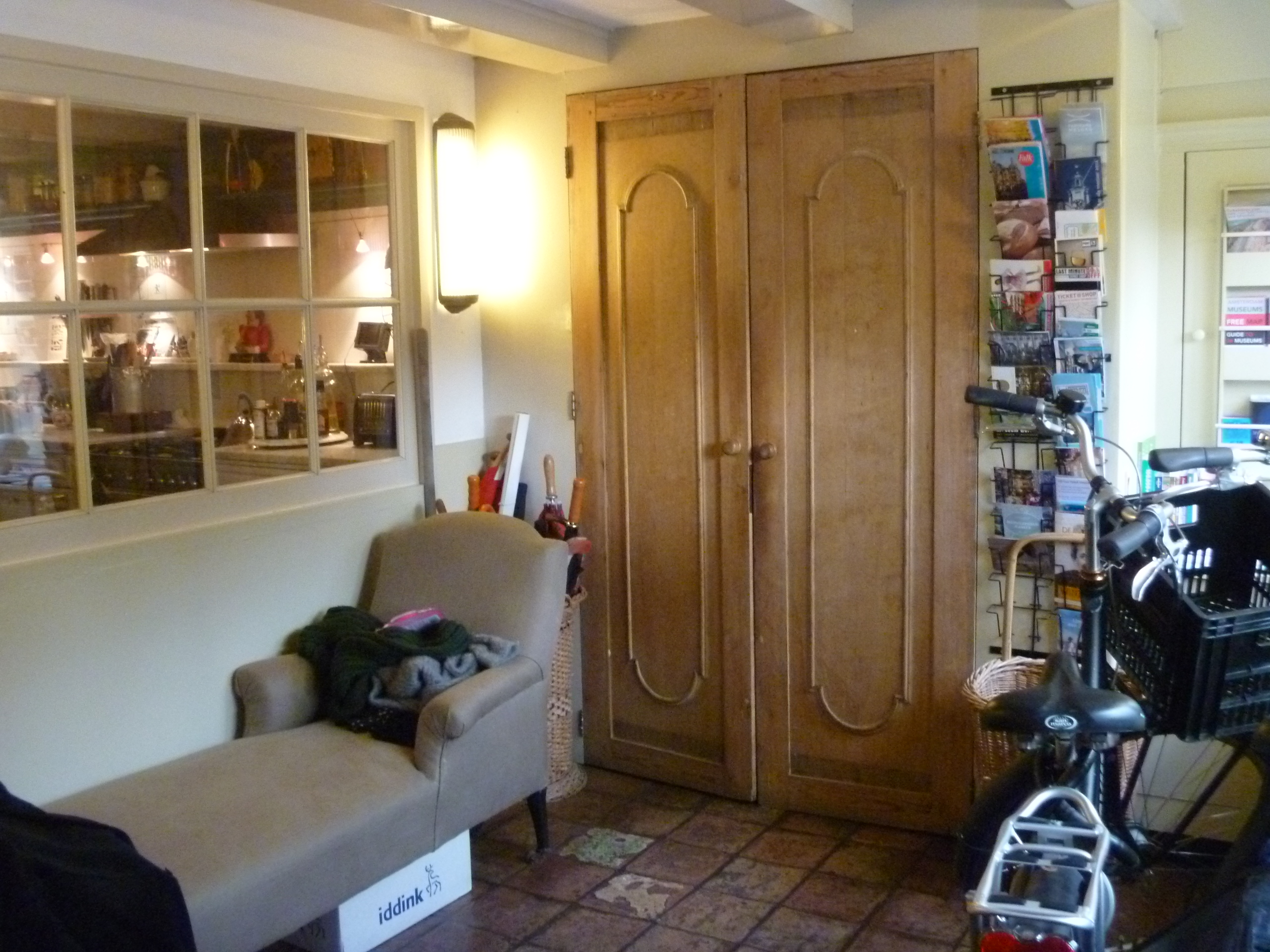
Entrance lobby with obligatory bike!

Within 5 minutes walk of the Centraal Station, past the multi-storey bike park, the Herengracht, Keizersgracht and Prinsengracht in this part of town are an oasis of calm and seemed totally tourist-free and almost totally car free. The bikes however could have proved hazardous – but we soon learned to look out behind us and step back onto the narrow pavement as we heard a tinkling bell approach.

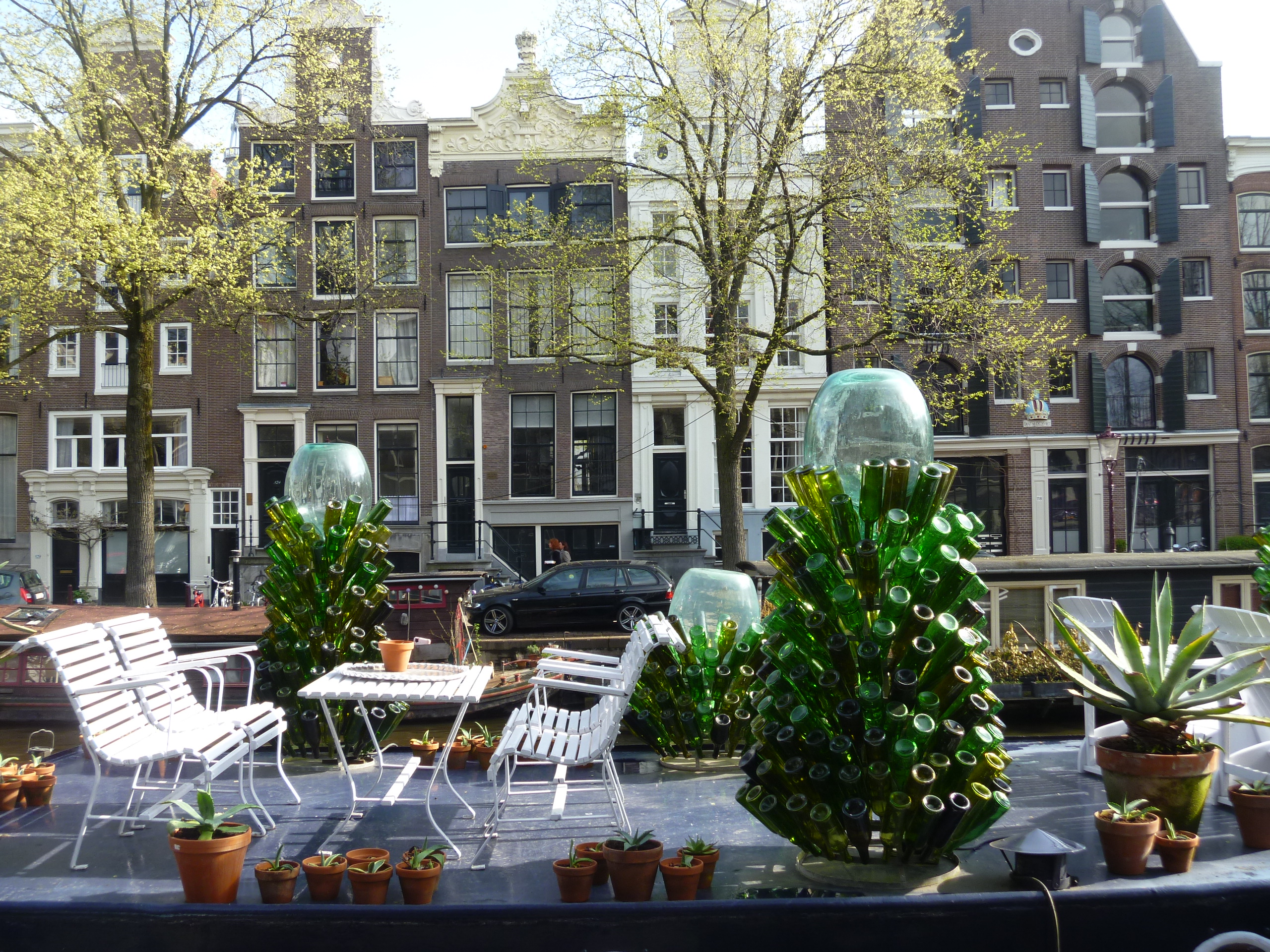
Houseboat garden with sculptures!

Of course, the folk of Amsterdam don’t just live in these picturesque houses by the canals, they also live in houseboats on the canals. Due to housing shortages in the 1960s and 1970s living in houseboats here was positively encouraged by the city council.

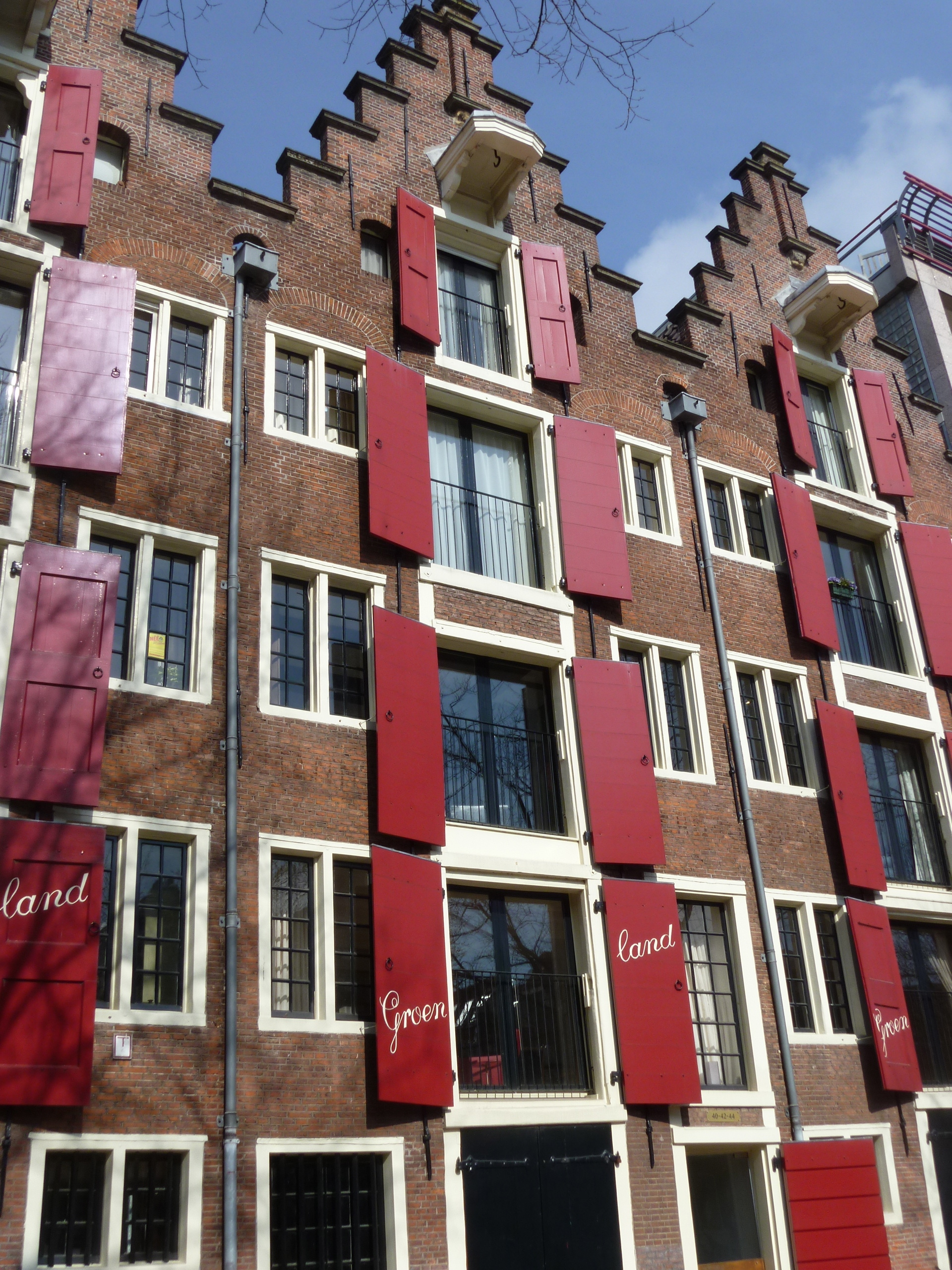
I’ve written about whaling here before. My friend’s flat on the Keizersgracht is situated on the ground floor of a 17th century whaling house [Walvissenhuis]. That is why the shutters have ‘Groenland’ written on them.

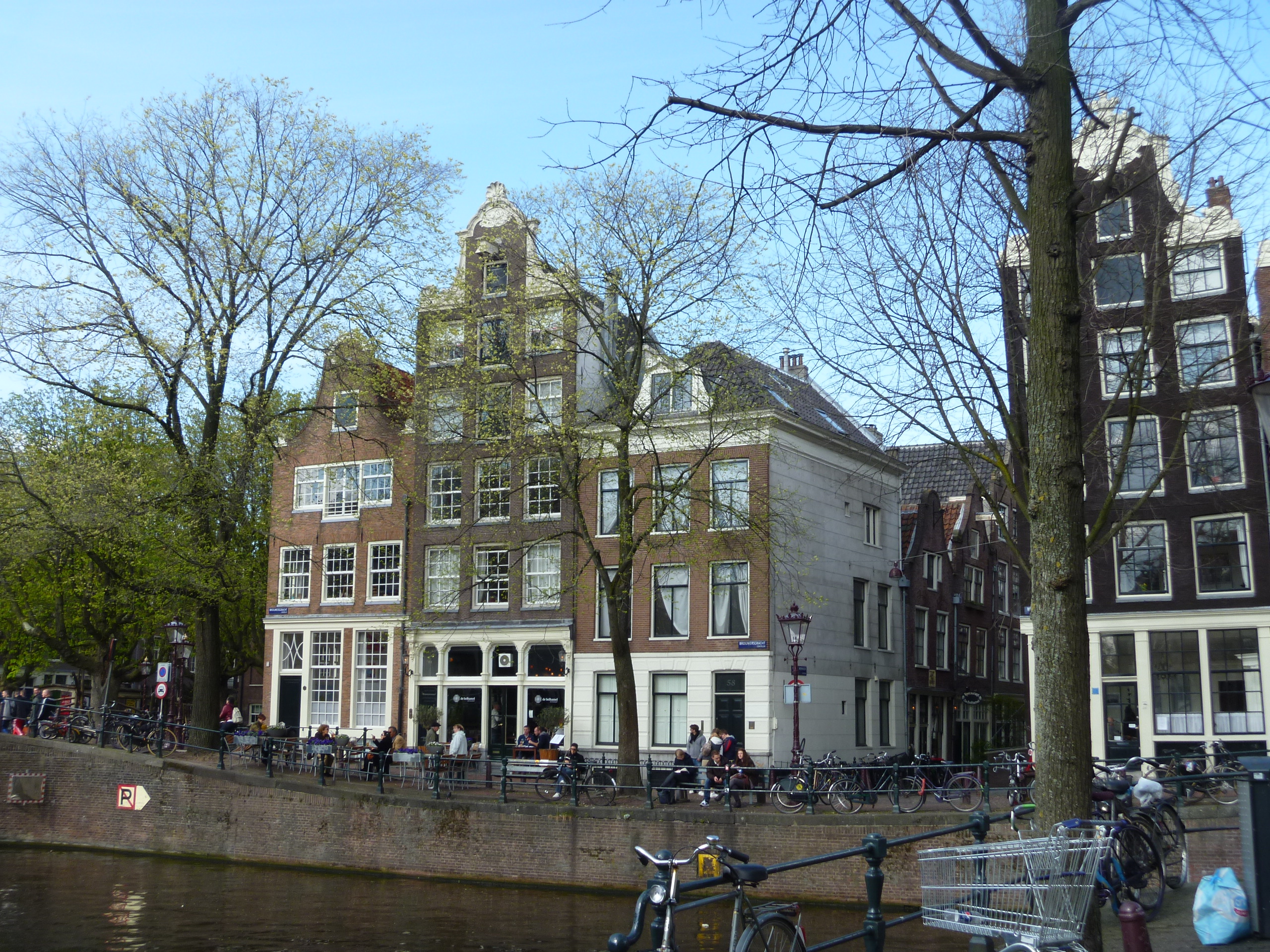
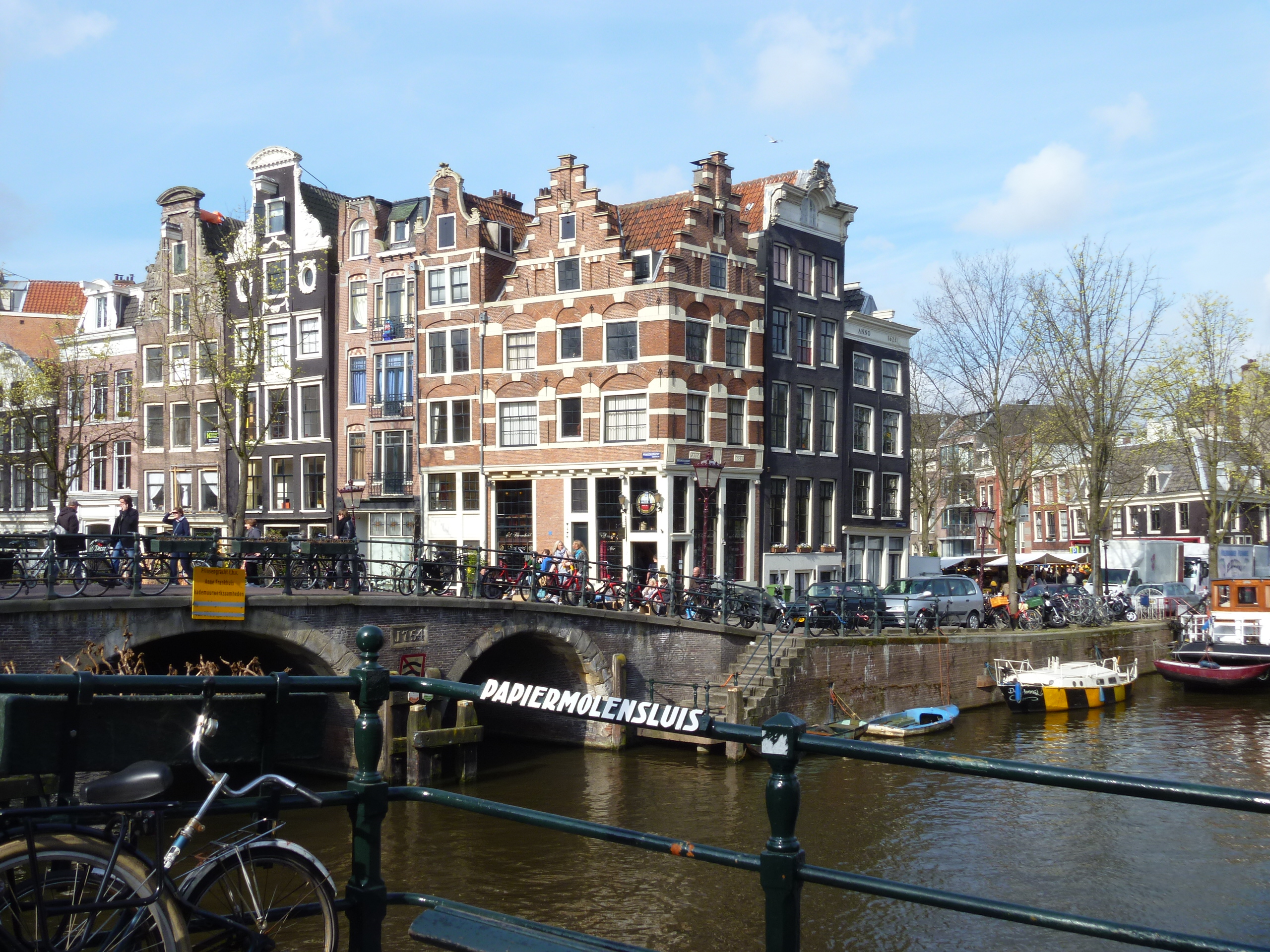
It was so relaxing to meet up at the Cafe Papeneiland at 2 Prinsengracht (right in the middle of the picture). It is a typical Bruin Cafe whose walls have turned brown from generations of cigarette smoke of the local regulars who meet here at all hours.

I can’t wait for another taste of Herengracht life!

Taking Time at Waddesdon Manor – Diderot’s ‘Great Magician’

Blockbuster art exhibitions are all very well but to my mind Small is Beautiful.

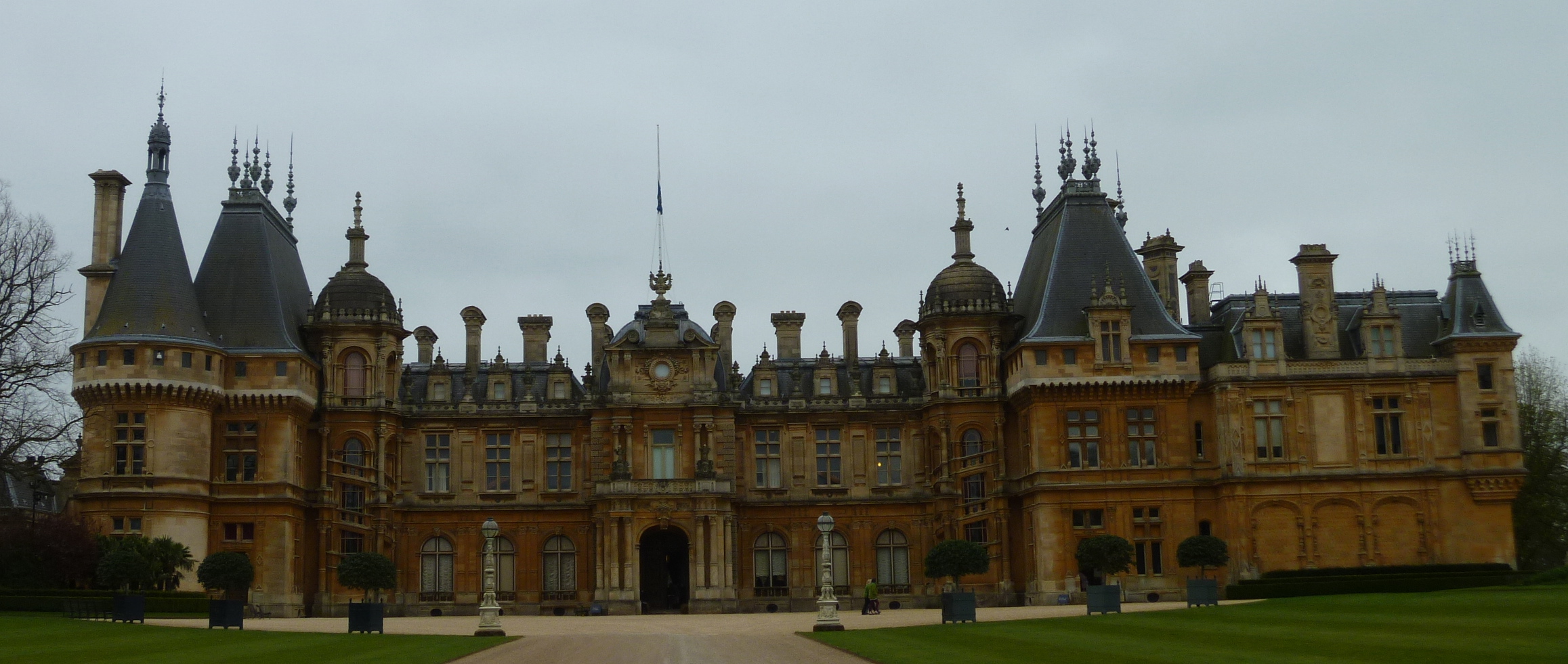
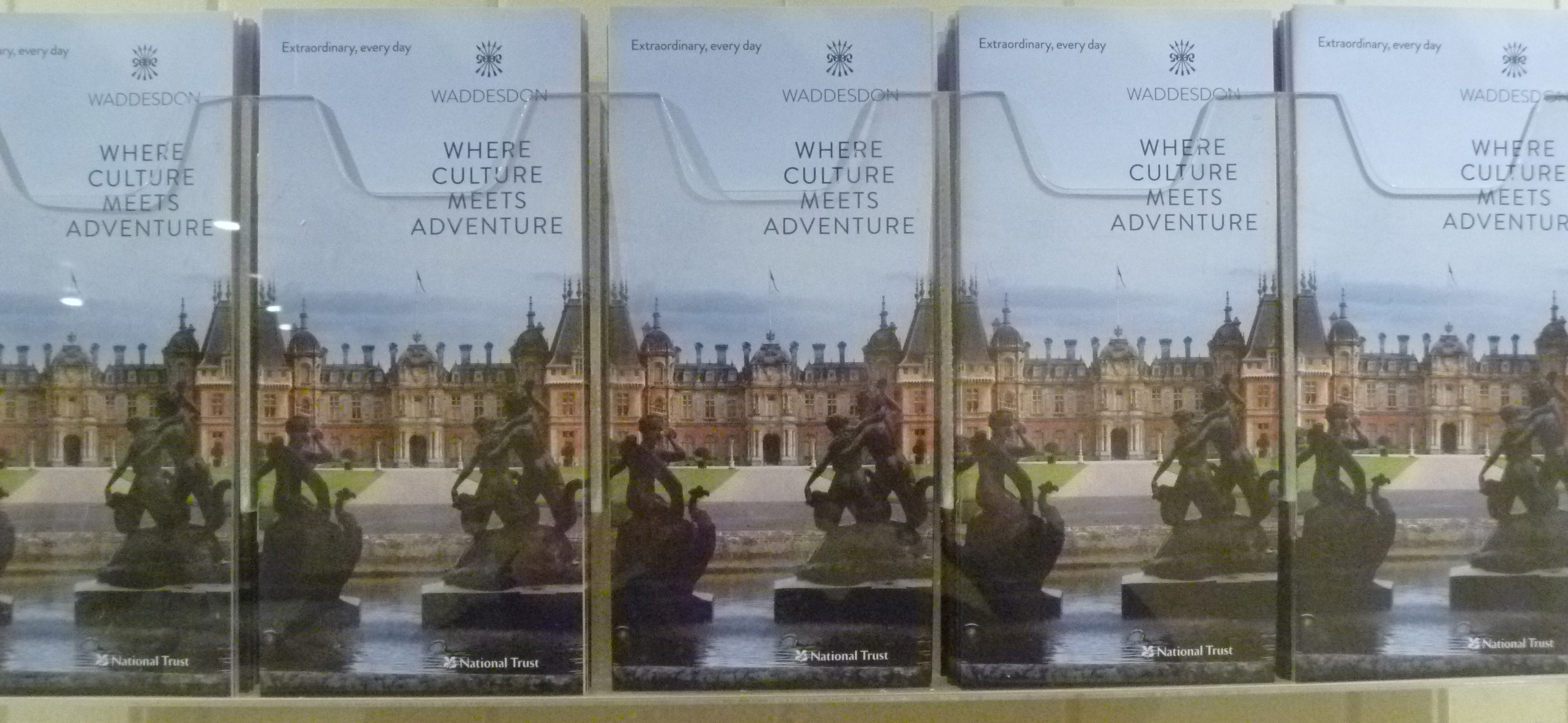
Waddesdon Manor is a vast stately pile sitting in acres of grounds atop a hill and overlooking the neighbouring countryside in the county of Buckinghamshire. Baron Ferdinand de Rothschild planned and built Waddesdon during the last decades of the 19th century  as a country retreat  in the style of a Loire château. It was designed for him by French architect Gabriel-Hippolyte Destailleur.

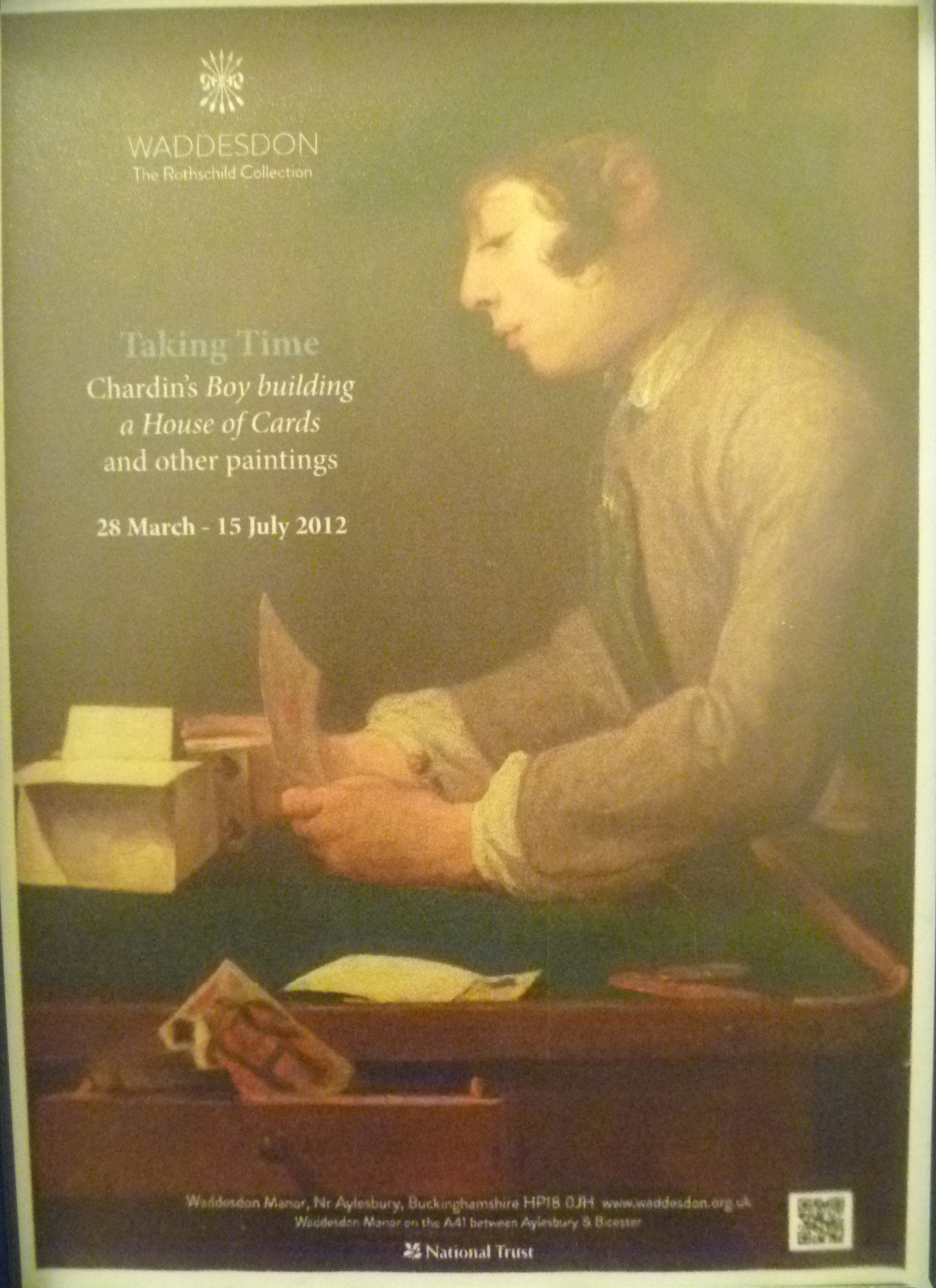
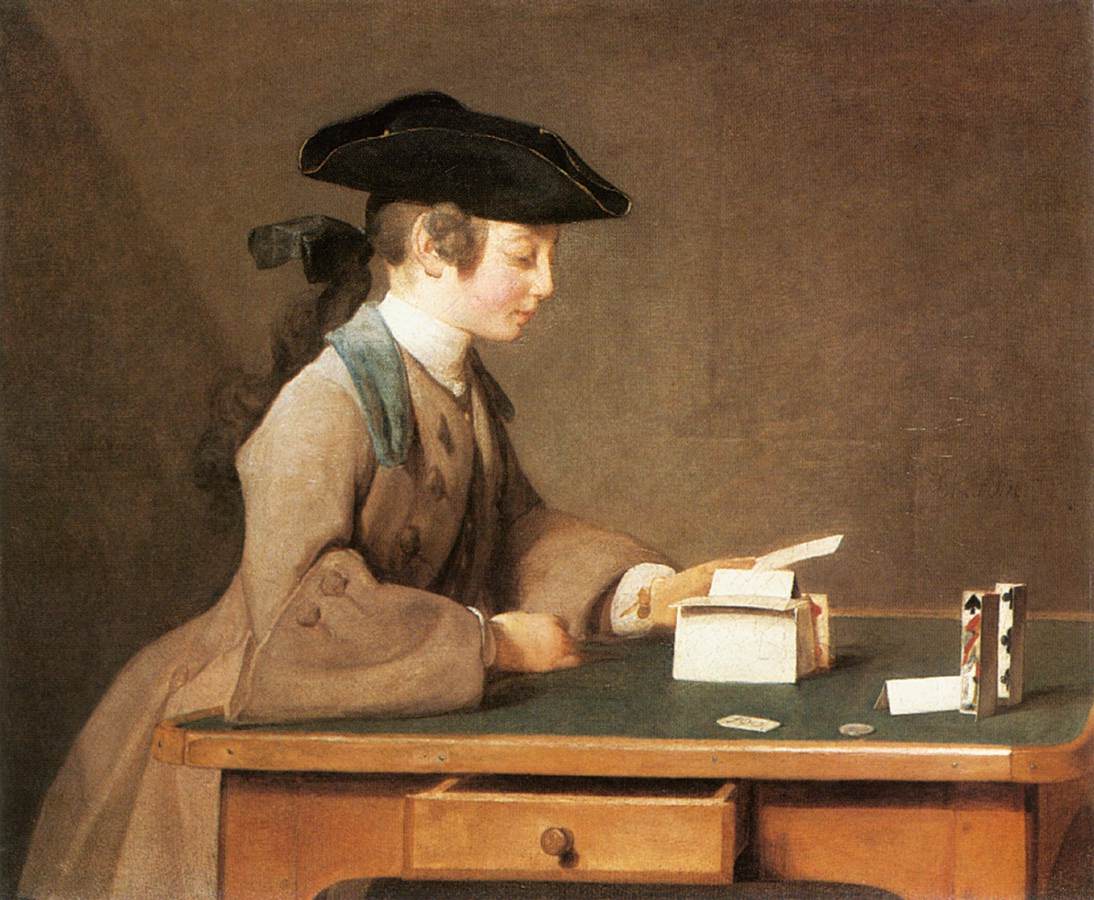
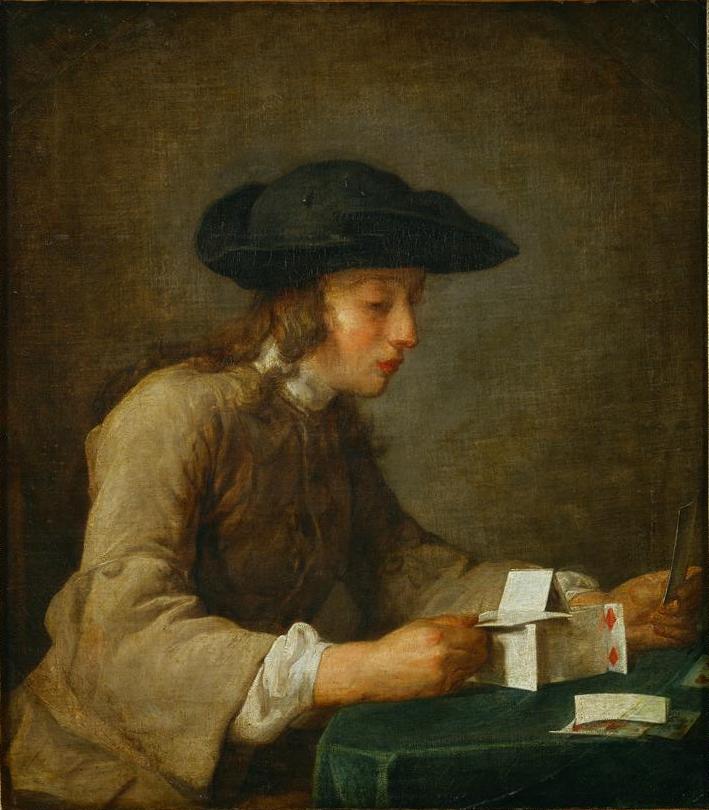
Our main intention for driving  from Stratford to Waddesdon was to view the recently opened Chardin exhibition: “Taking Time: Chardin’s Boy Building A House Of Cards and other paintings”. Jean-Simeon Chardin (1699-1779) lived and worked in Paris at first painting figures and later still life. He moved back to figure painting later in life. The idea for this particular exhibition came about when the Rothschild Trust recently acquired one of the Boy Building A House Of Cards paintings. That painting (shown in the poster above) is exhibited alongside 3 others on the same theme on loan from the Louvre, The National Gallery of Art, Washington and our own National Gallery in London.


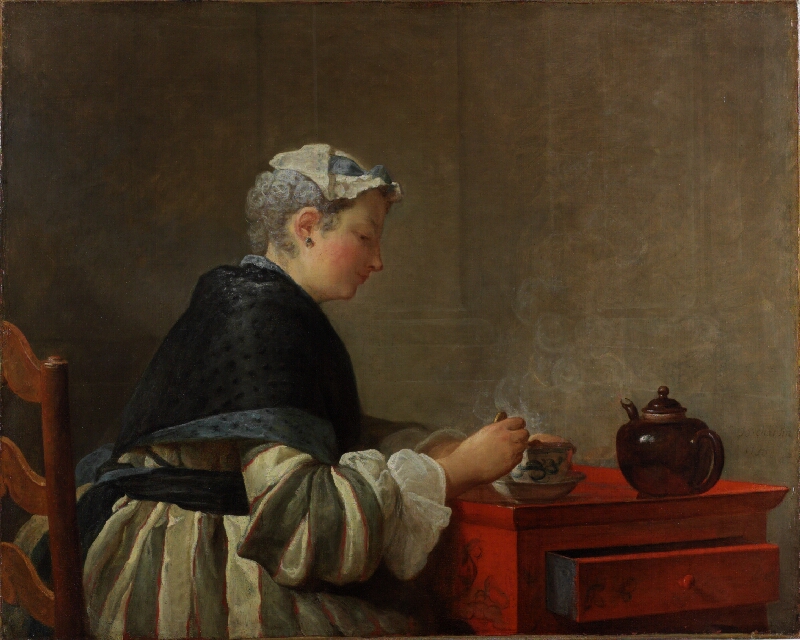
In addition the Trustees and National Trust have assembled several other Chardins including a favourite of mine : Lady Taking Tea (on loan  from The Hunterian in Glasgow):

Photo © The Hunterian Museum and Art Gallery, University of Glasgow 2012

and Girl With a Shuttlecock, 2 Cellar Boys and 2 Scullery Maids, plus engravings and etchings in the style of Chardin from The British Museum and private collections. All in all a delightful glimpse at colours, textures and expressions of 18th century French lives. By calling Chardin a great magician Diderot is saying that it is about – the “magic” of seeing the world clearly. Paying attention. Seeing what is there. (From a Guardian article in 2000).

The exhibition is tucked away in one room towards the end of the house tour. We missed much of the art and furnishings as we passed through the house but we did take a bit of time out to study another temporary display Playing, Learning, Flirting: Printed Board Games from 18th Century France. It was striking to note how similar these board games were to games still played today. We were also intrigued by all the Singerie or Monkey Tricks around the house. Dressing monkeys up in human costume was once a very popular and fashionable pastime: there are paintings and sculptures around the house. I was reminded somewhat of another popular theme also unfashionable in today’s enlightened times – the Blackamoor or Negro slave.

We enjoyed a delicious late light lunch in the lovely Manor Restaurant and visited the shop and wine shop (well there would be one here of course, Rothschilds!).

Later that evening after a pre-theatre supper in the Rooftop Restaurant we attended an RSC company performance in the Swan Theatre of Shakespeare’s Richard III. Part of a series of plays on the theme Nations at War that will include Shakespeare’s King John and Mexican playwright Luis Mario Moncado’s A Soldier in Every Son – the Rise of the Aztecs. What a day to remember!

Bournville and Cadburys – not just Chocolate!

On Friday I accompanied a friend on a trip down Memory Lane. We drove down to Birmingham to visit the Bournville area which surrounds the Cadbury’s chocolate factory and where the world famous Cadbury World Experience is located.

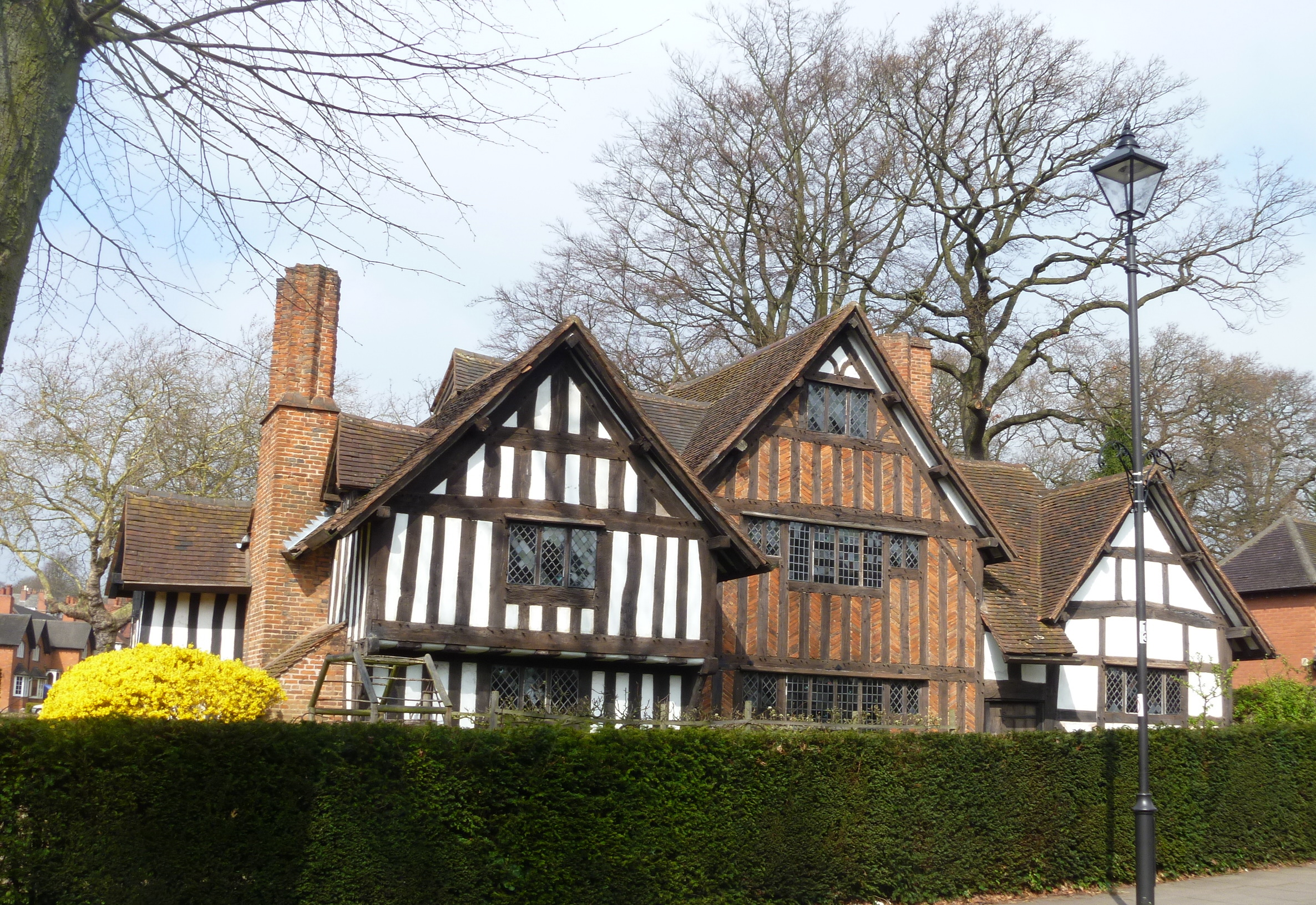
Selly Manor

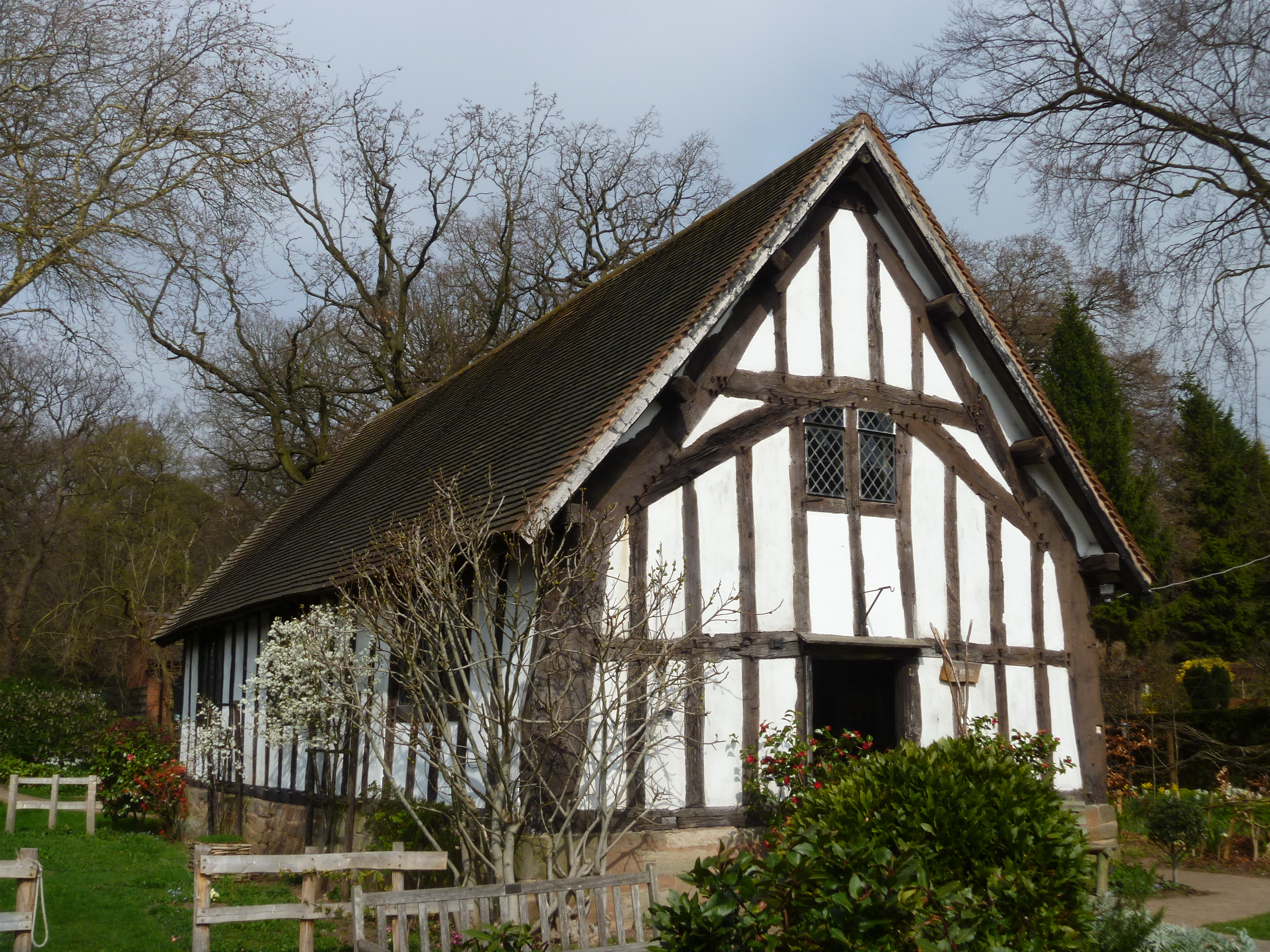
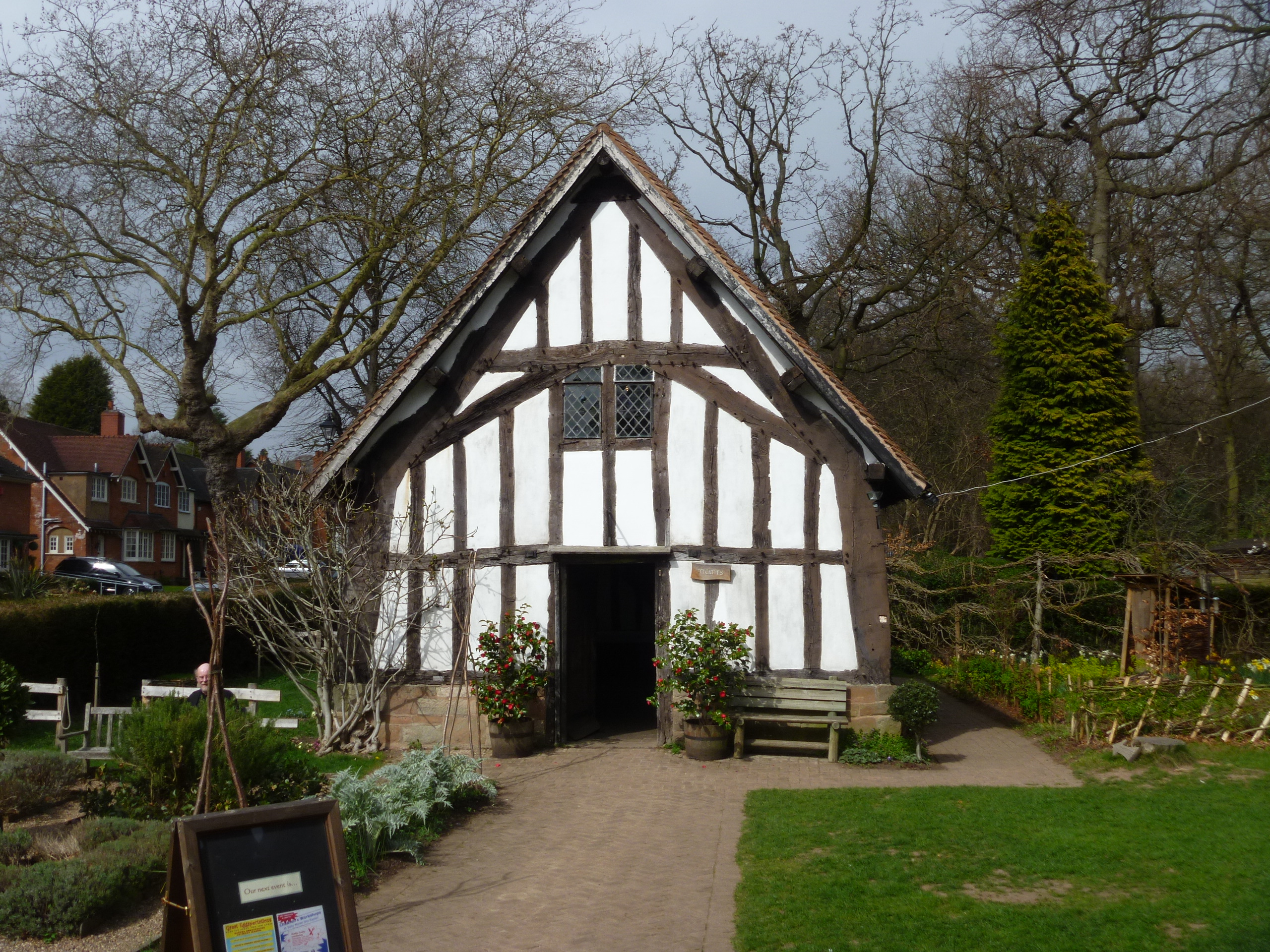
Minworth Greaves

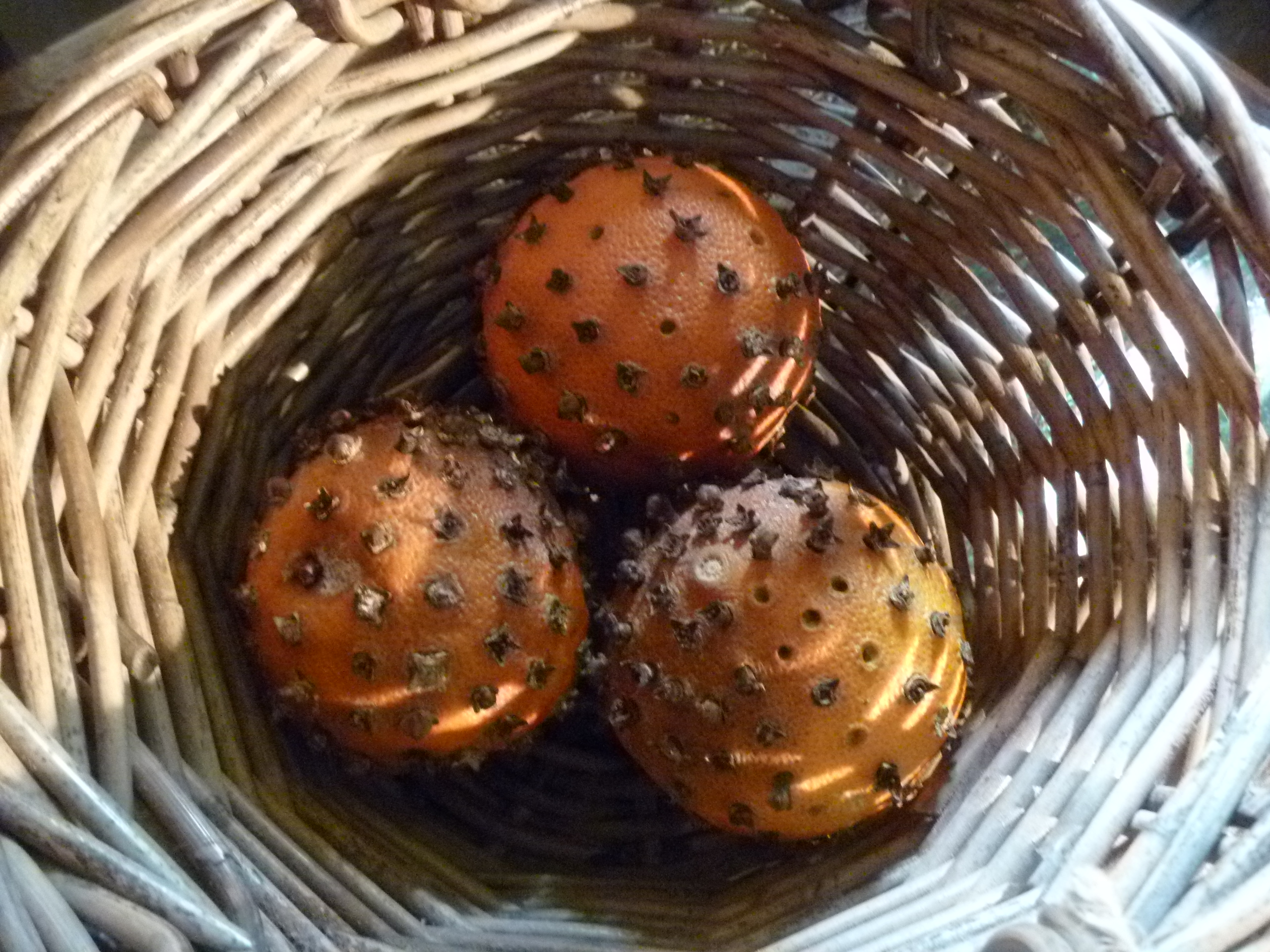
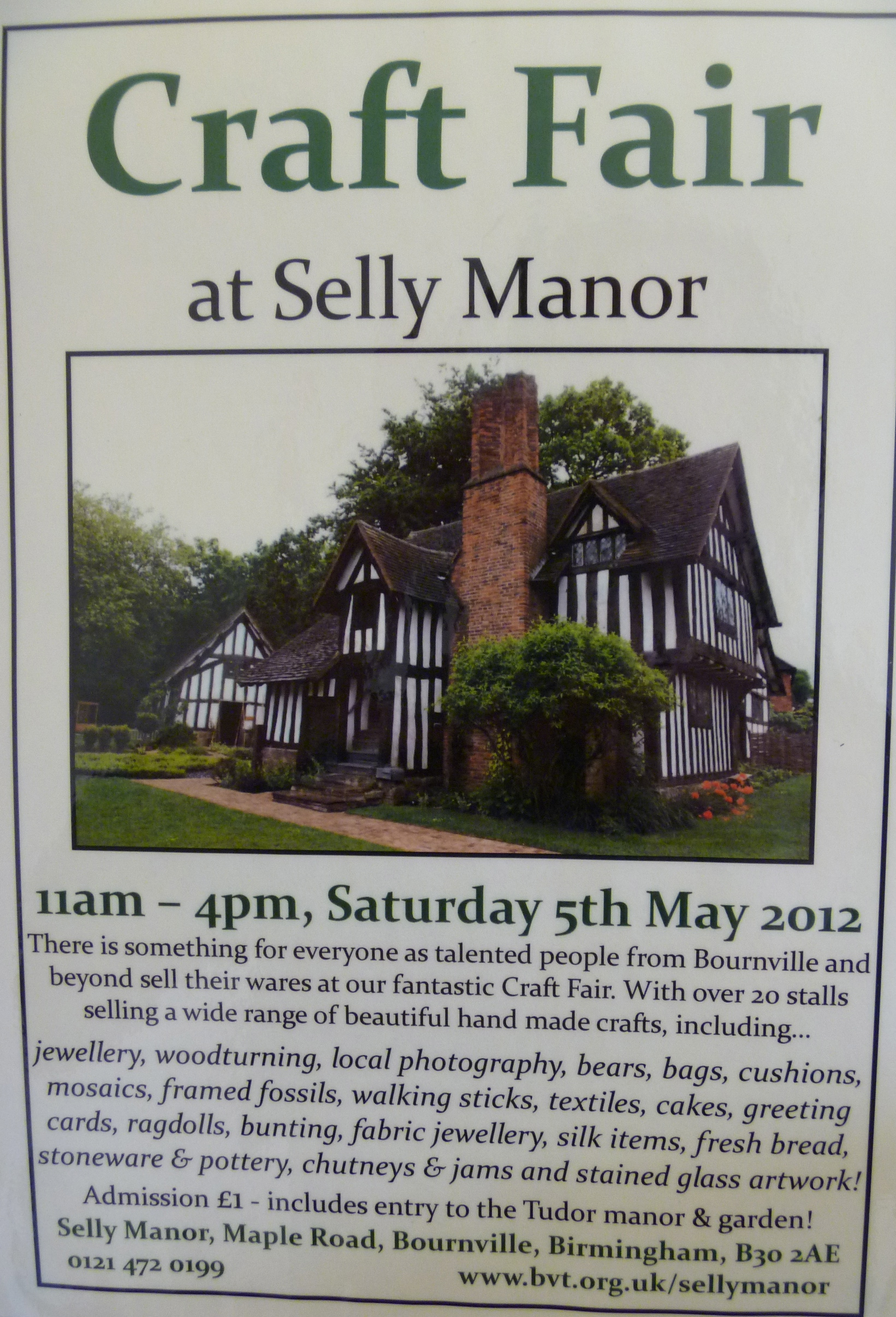
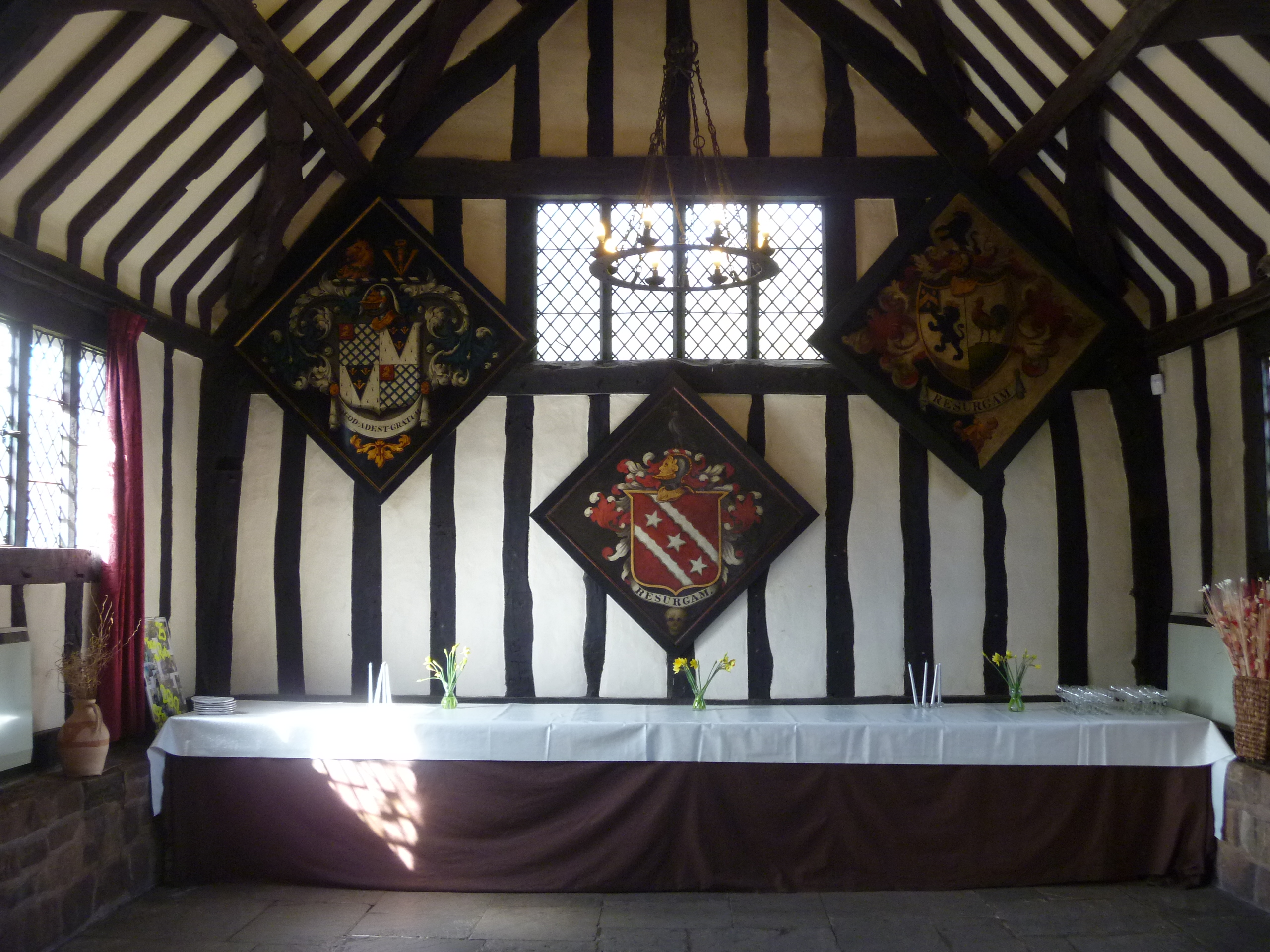
Our first port of call was Selly Manor and Minworth Greaves. These are two ancient buildings that were moved to their present site by George Cadbury in 1907 (SM) and Laurence Cadbury in 1932 (MG) and now operate as a museum and wedding/events venue. Selly Manor, the museum, appears to lay on lots of activities for children both during the school term and during the holidays. In the house there are many objects that may be touched.  Hands-on history lessons. I’m sure children had made these heavenly-smelling pomanders!

Sweet-smelling pomanders

Something for everyone!

Minworth Greaves, thought to be 750 years old, was saved from demolition in 1932 and transported from Sutton Coldfield to its present site by Laurence Cadbury. It serves as the visitor centre (tickets, shop) for the museum and may be hired as a super venue for weddings and suchlike ceremonies.

The two buildings are surrounded by well-tended gardens of herbs and flowers and box hedges and shrubs.

My friend lived and grew up in Bournville and after visiting the museum she took me took a walk around the planned suburb and we inspected a number of other landmarks in local area.

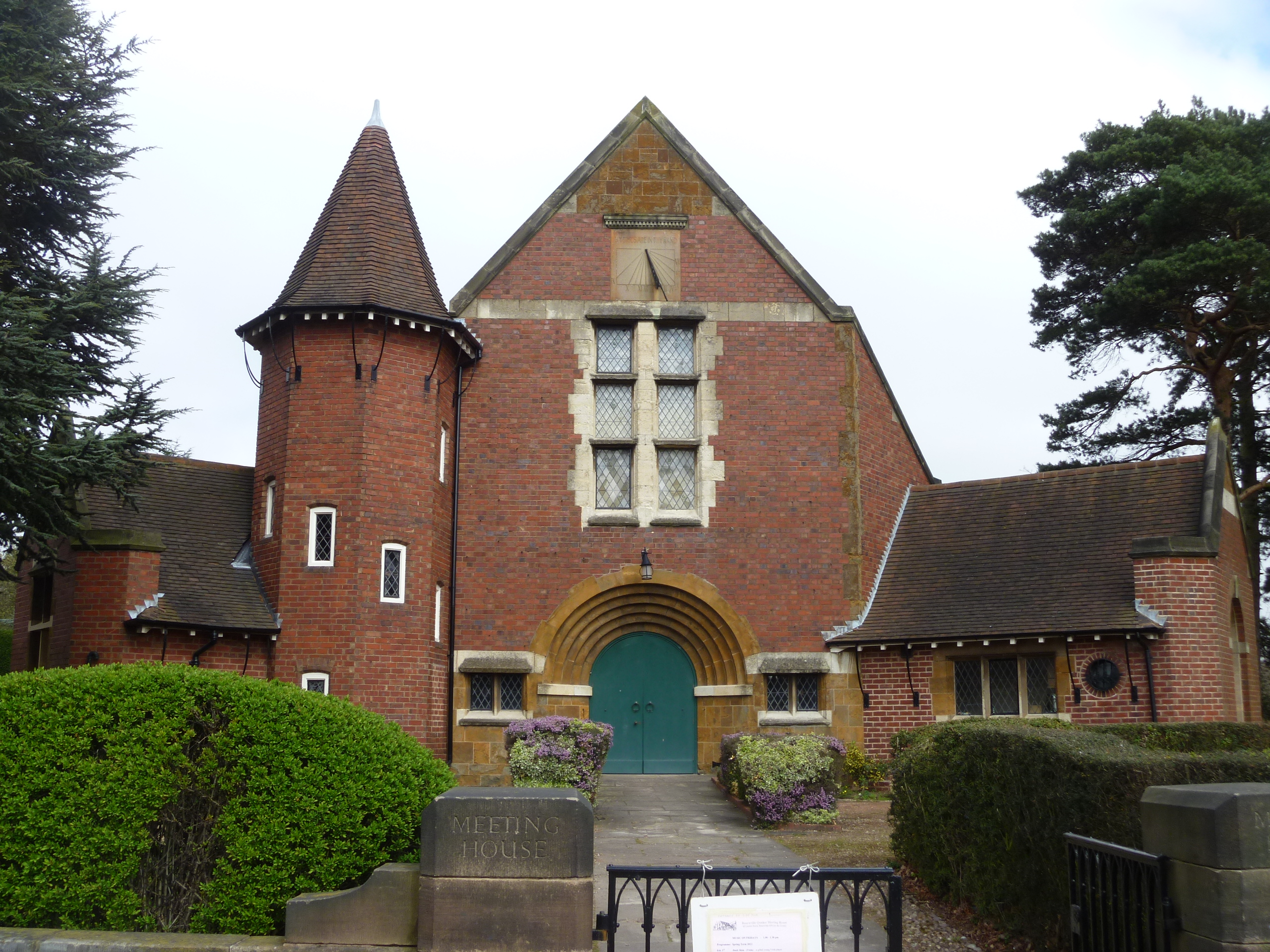
The Quakers Friends Meeting House

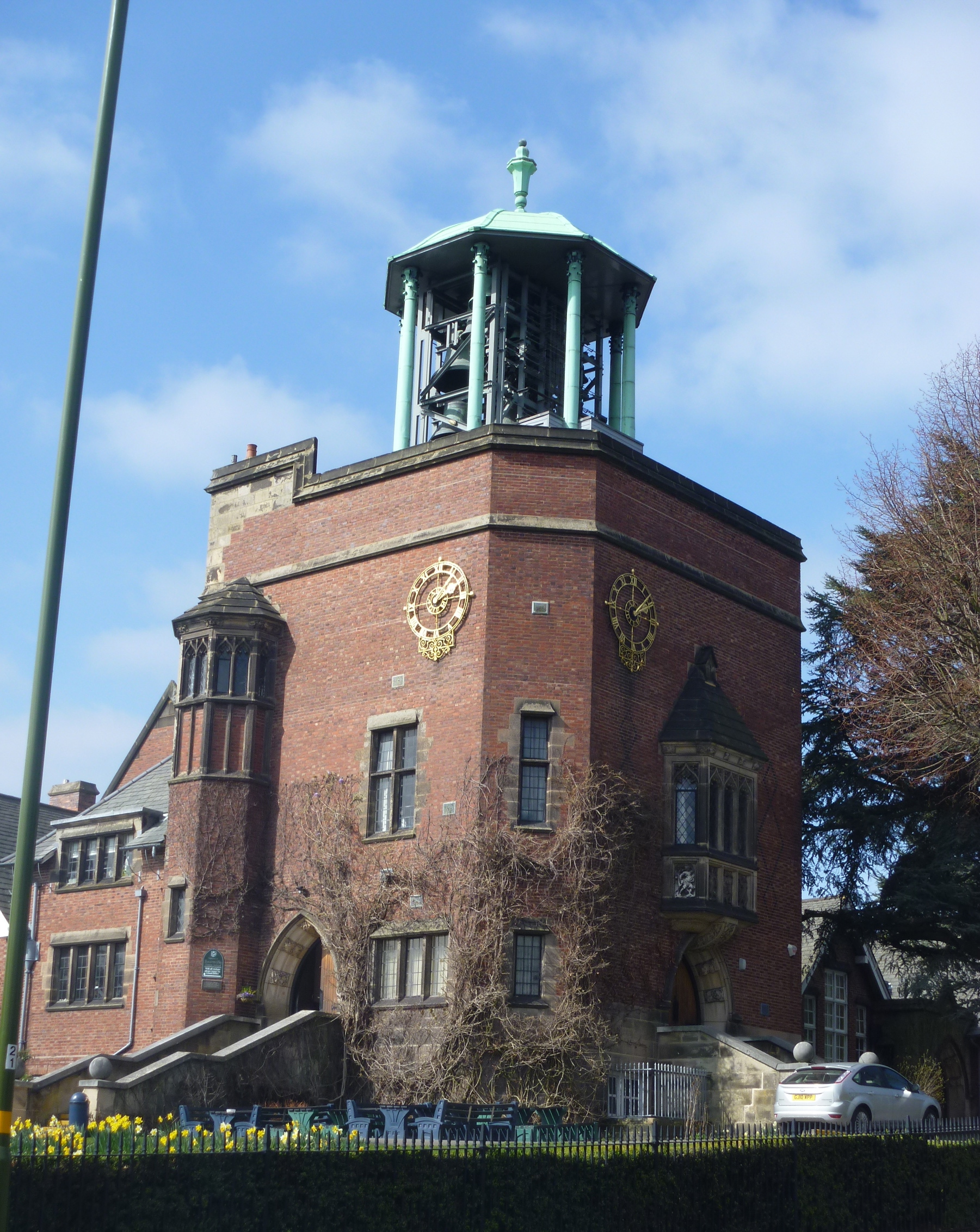
The Carillon (Bell Tower) and Primary School

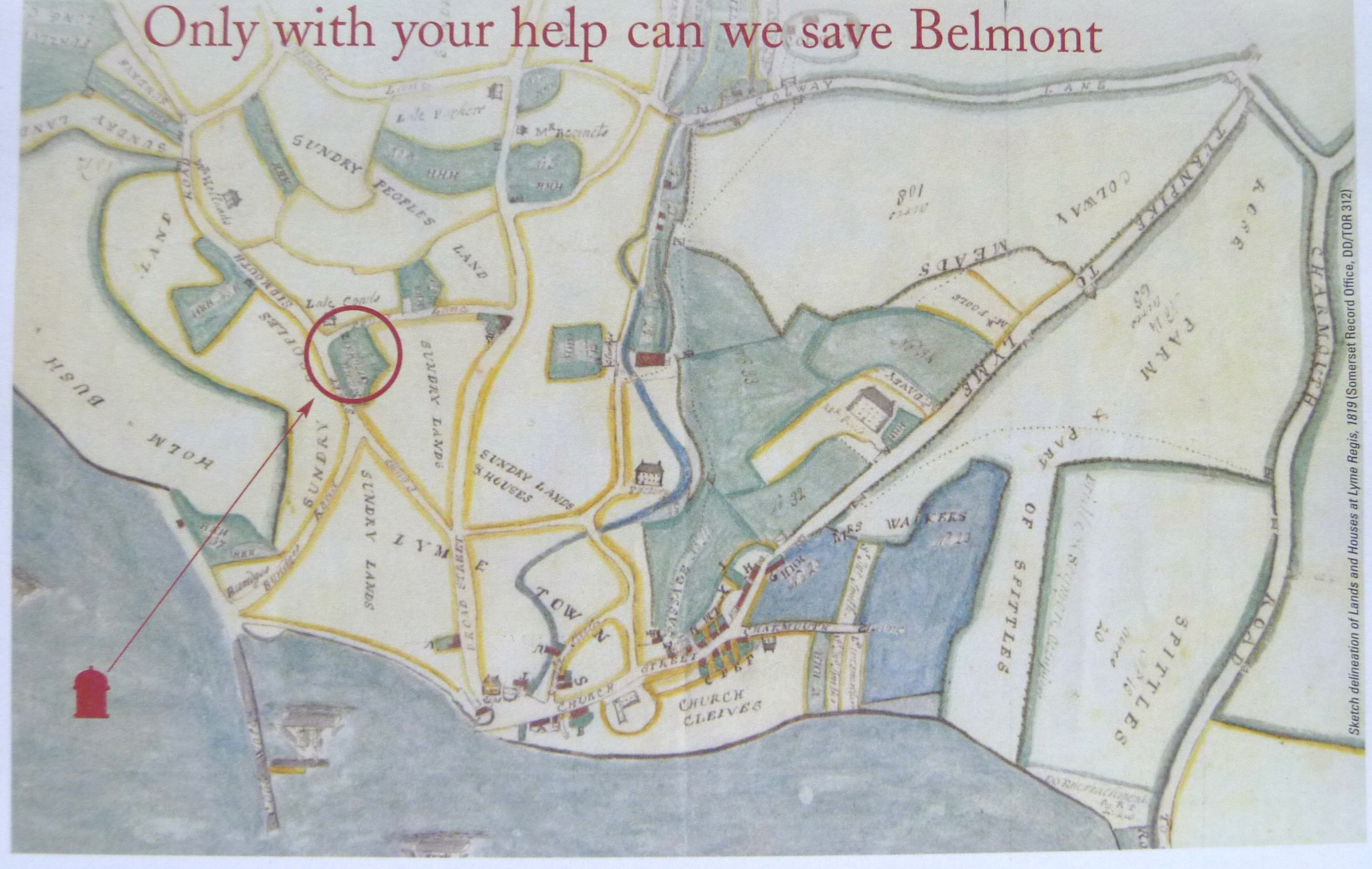
Help save Belmont – a literary landmark in lovely Lyme Regis!

Today I received a fund-raising email from the Landmark Trust to encourage support for donations to help save Belmont House in Lyme Regis.

Follow this link to read more about the house and its present desperate state :

Belmont, Lyme Regis

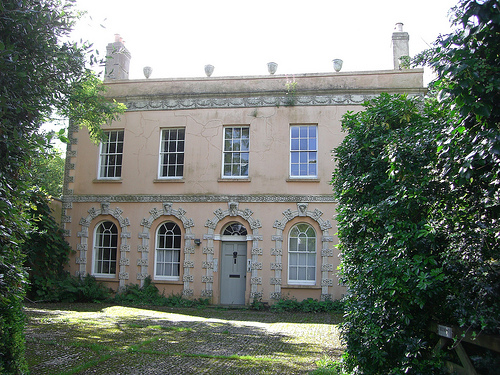
Belmont was the former home of two interesting people. During the 18th century it was the home of Mrs Eleanor Coade the lady who devised a formula to mass produce architectural embellishments and statuary of the highest quality which she named ‘Coade stone’. And between 1968 and 2005 it was the home of novelist John Fowles and it was here that he finished his most famous work “The French Lieutenant’s Woman”. Lyme Regis is the setting for the book. It was through his generosity that Belmont was left to the Landmark Trust. The Trust’s website explains why further funds are needed to restore the house and make it habitable for future holiday lets through this unique organisation:

Belmont stands empty, decaying and at risk and urgently needs funds to enable its restoration. The Grade II* house is a fine, early example of a maritime villa, a new building type that sprang up in the second half of the 18th century with the rising popularity of seaside holidays. Today the fabric of the building is deteriorating, the parapet is sagging, there are rotten wall plates and lintels, the stone skin is coming away and water is trapped behind impermeable cement render.

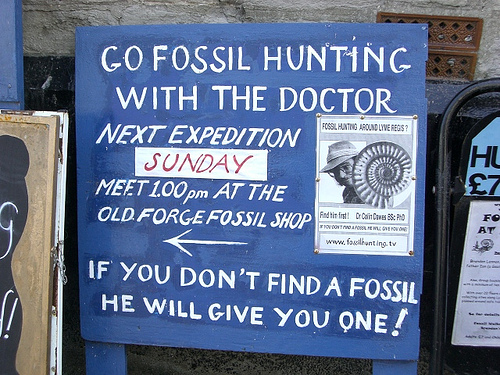
Lyme Regis is a delightful and interesting little seaside town on the Dorset coast. Each year for the past five years I have spent a week at nearby Branscombe in Devon and on each occasion I have visited Lyme at least twice. On three occasions I’ve been fossil hunting (without any luck!) for Lyme lies within the World Heritage Site Jurassic Coast.

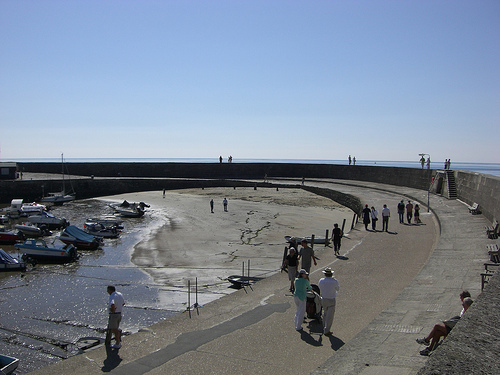
Lyme has a promenade and sandy and pebbly beaches. You can tell which is the sandy one by the numbers of people crammed into the small area where huge amounts of sand were imported from Normandy. A lot of effort; but it has made a huge difference. I’ve never actually managed to get onto the beach as there is always so much more of interest to me. There’s a High Street crammed with shops – many of them small and individual and very many of them selling or in some other way connected with the fossils that are Lyme’s trademark.

The Philpot Museum is well worth a visit, or several. Fossil Hunts are organised from the Museum. Lyme Regis has a colourful little harbour/marina protected from the sea by the famous Cobb – mentioned in Jane Austen’s ‘Persuasion‘ and featured in the film of Fowles’ ‘French Lieutenant’s Woman’. By the Cobb is the fascinating Marine Aquarium. There is good food to be had from the small cafes along the promenade, to the Town Bakery, to Hix Oyster and Fish House.

Lyme Regis :  The quintessential seaside resort for literature lovers everywhere – Jane Austen and Beatrix Potter visited it.  John Fowles lived in it.

Belmont, Lyme Regis : “Mrs Coade made it; John Fowles loved it. Now it must be saved.”