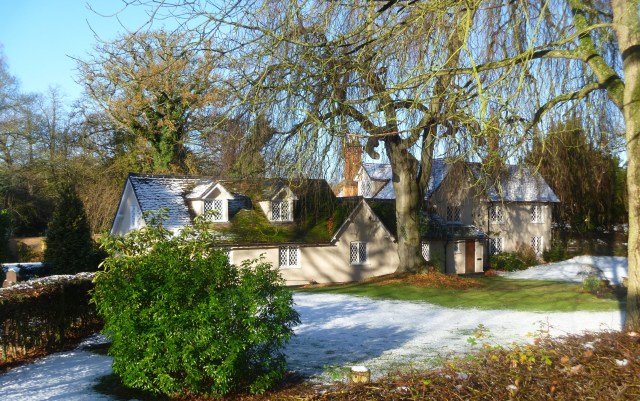
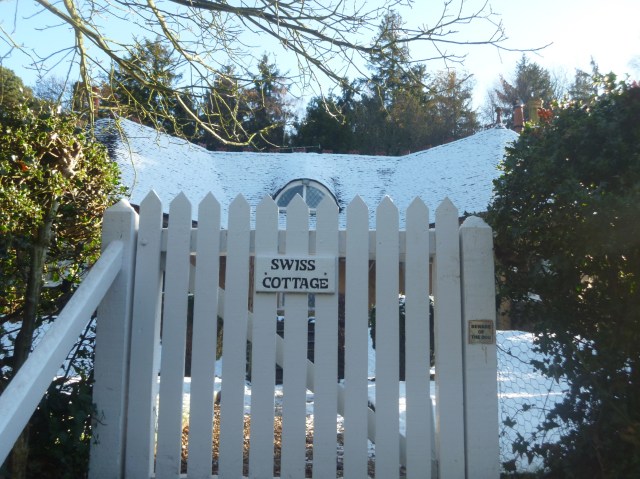
In and Around Anderton House : a Photo Album, 1

The Landmark Libraries and the accompanying literature supplied by the Trust always add to my enjoyment of any Landmark stay. At Anderton House it was no exception.

On the non-fiction shelves in the sitting room, alongside the usual reference books such as the local edition of Pevsner, I enjoyed reading ‘a garden & three houses‘; words by Jane Brown; pictures by Richard Bryant; captions by Peter and Margaret Aldington (Garden Art Press, 1999). This is the story of the Aldington’s designing and building of their home Turn End (and the two neighbouring houses) in Buckinghamshire. Also, ‘Aldington, Craig and Collinge: twentieth century architects; by Alan Powers (RIBA, 2009) and ‘Frank Lloyd Wright’s houses‘ by Thomas A. Heinz (Grange Books, 2002).

There was a choice of jigsaw puzzles in the study area called The Dog House (see photos below) but none appealed, and besides, I was too busy reading. However, I discovered this selection of 300 piece puzzles any one of which looks more attractive to me!

Here is a photographic tour of the main features of the house and its contents and environment.

Anderton House the drive

The Approach Drive after a sharp bend from the road

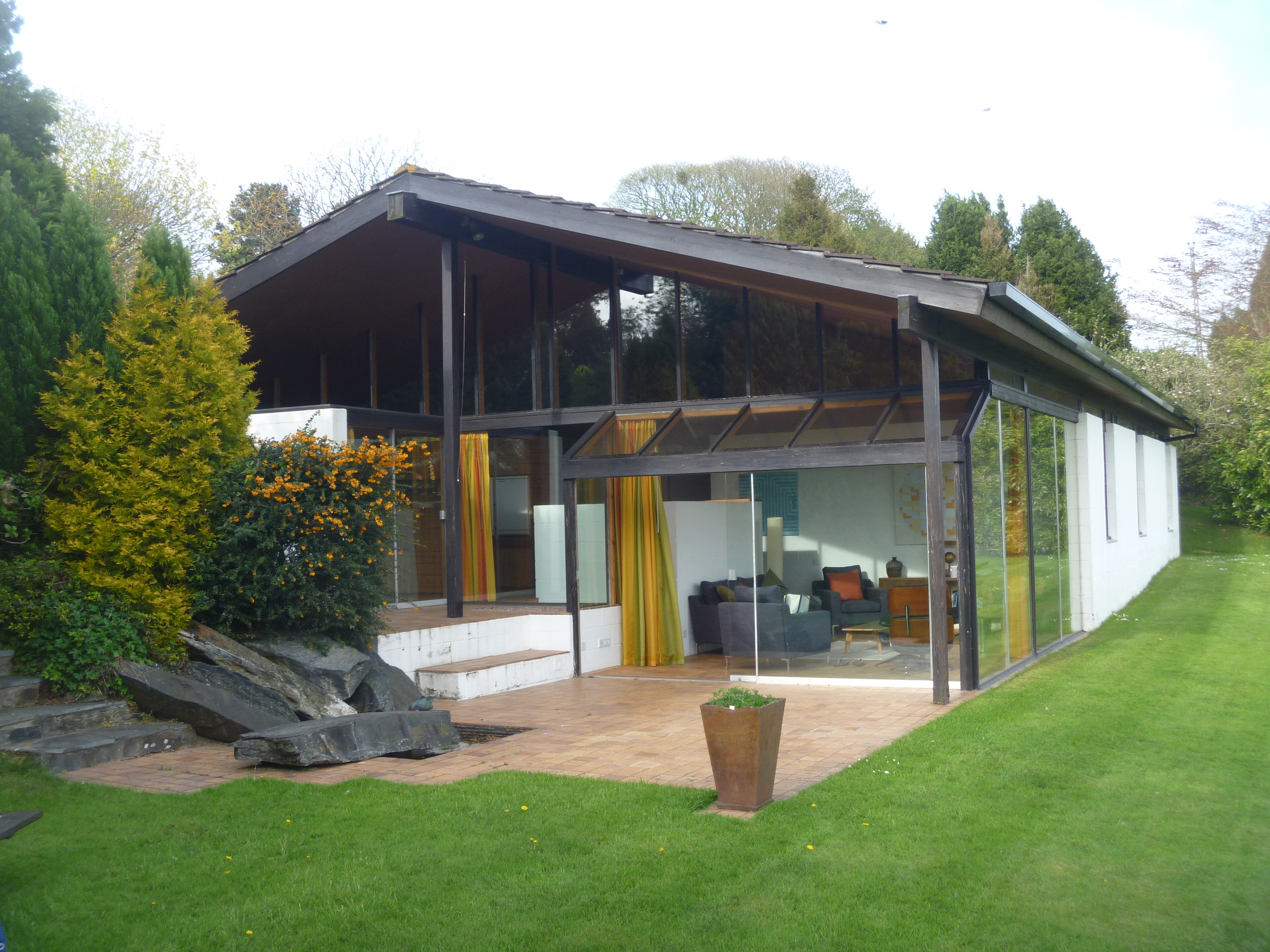
Rear of Anderton House

Another tightish turn to get into the Car Port

Weclome to the Anderton House Come inside

Welcome to Anderton House, come inside

Welcome to Anderton House

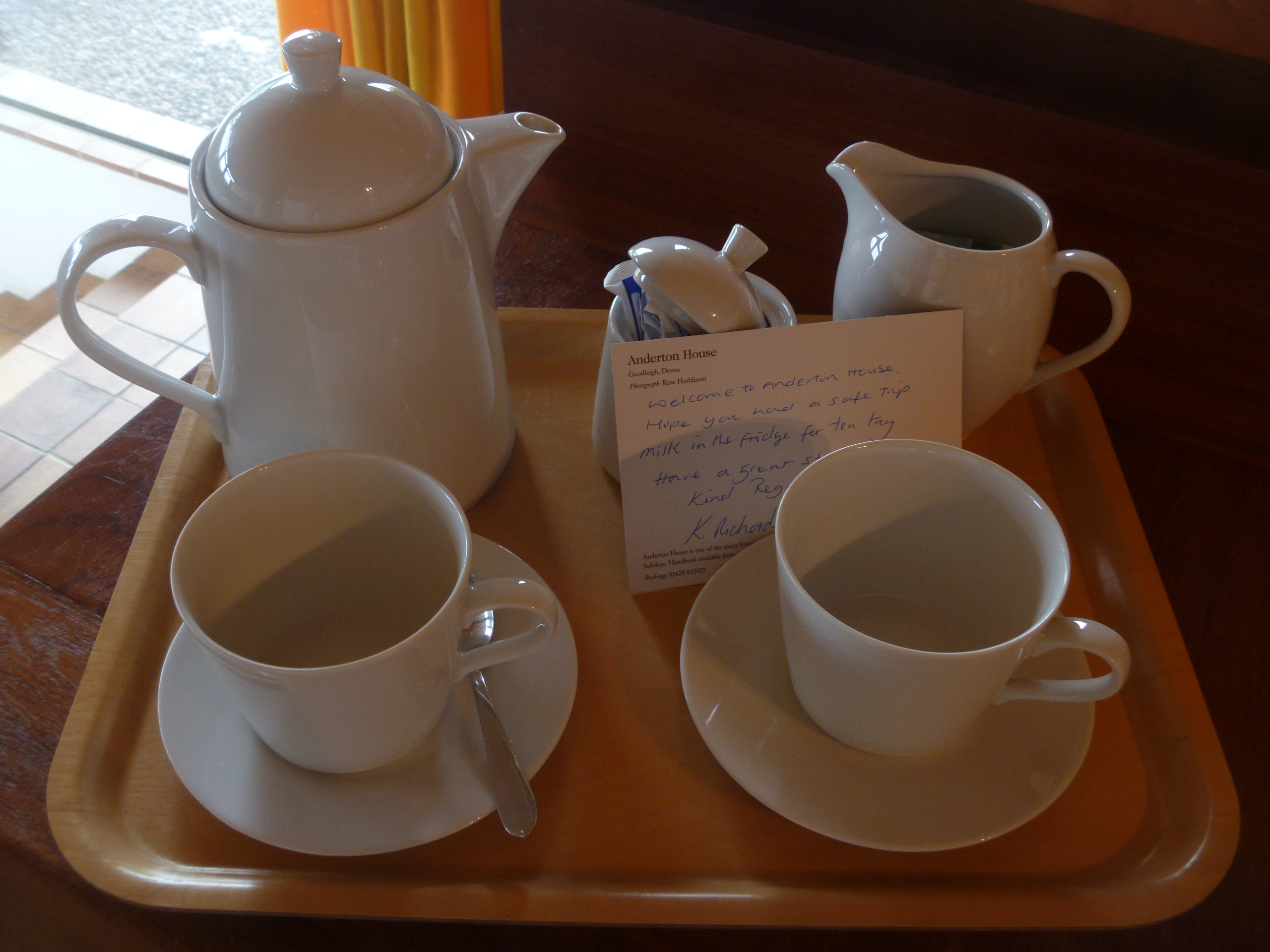
The Housekeeper’s Welcome Tray [note plain white LSA International crockery]

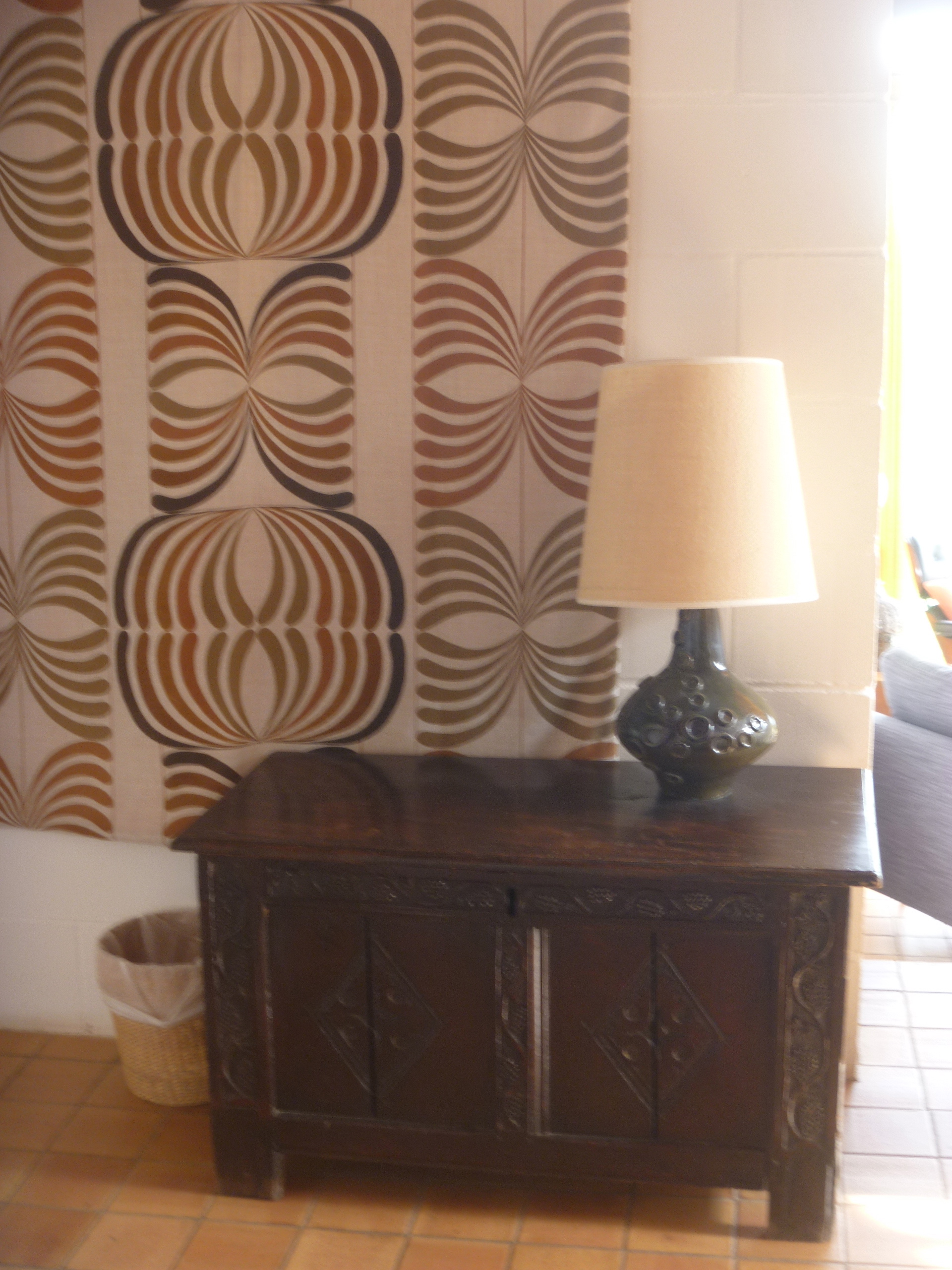
Anderton House ancient and modern

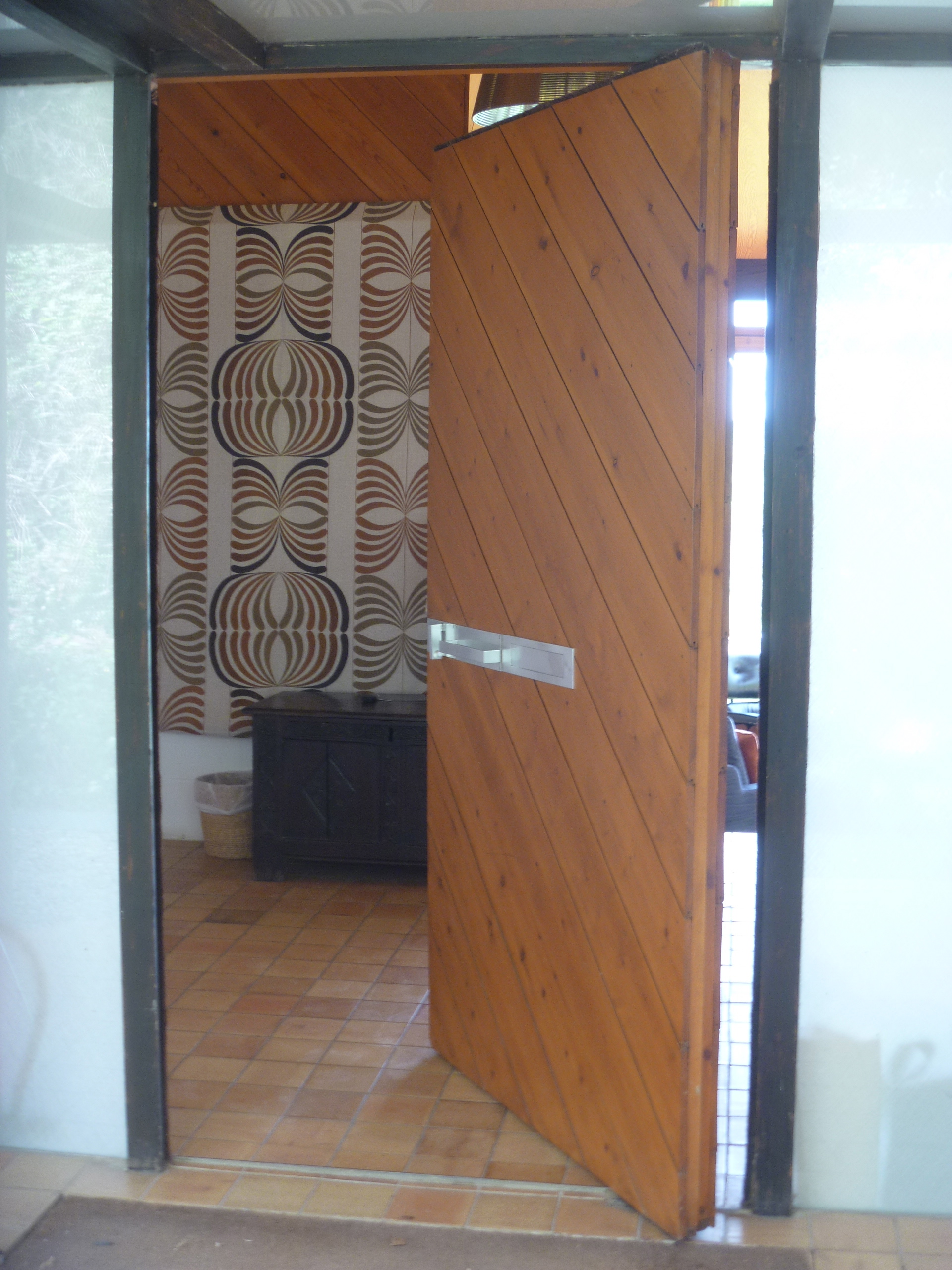
Entrance Hall contains a mixture of ancient and modern

Anderton House the dog house and sitting room

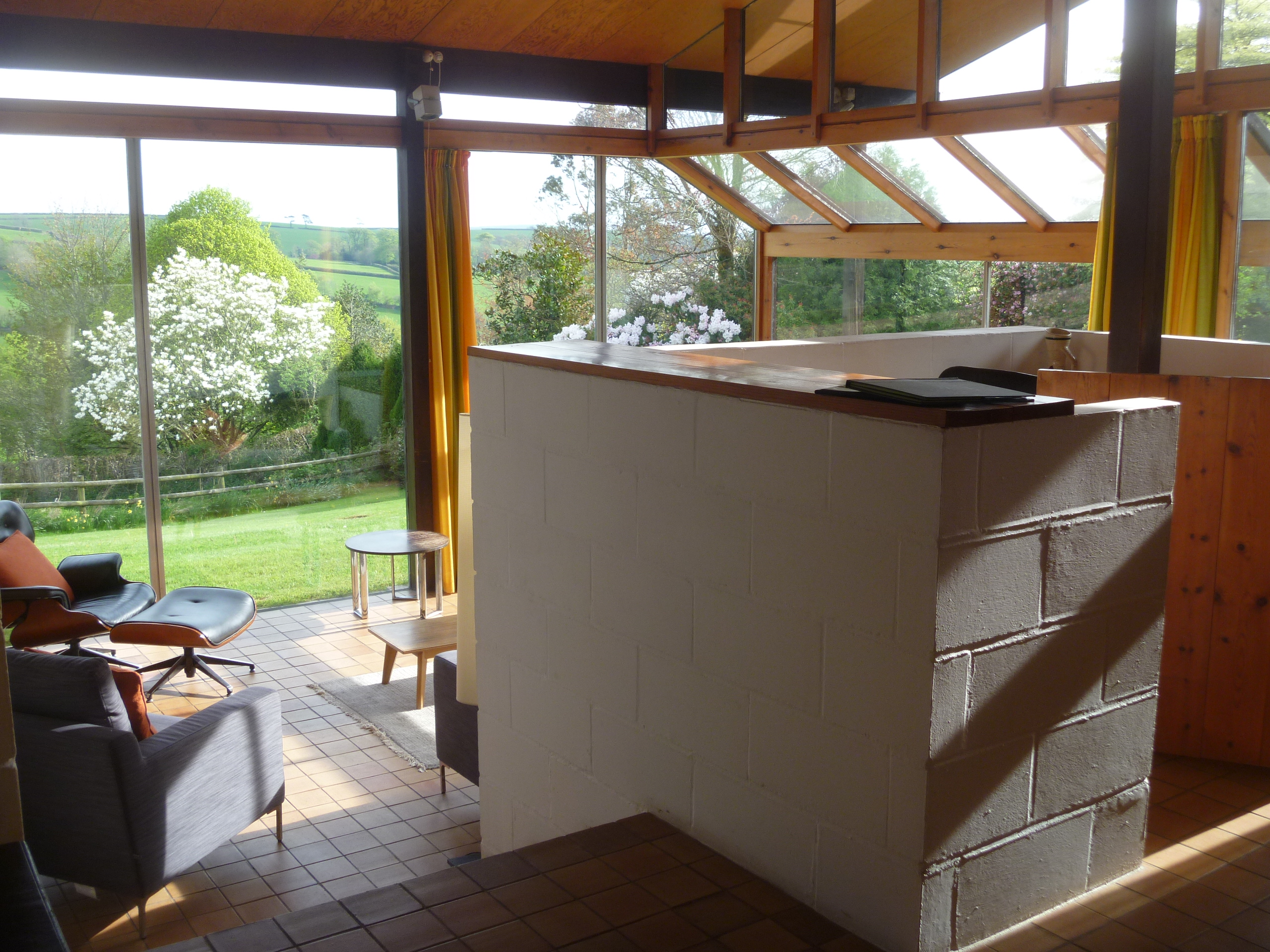
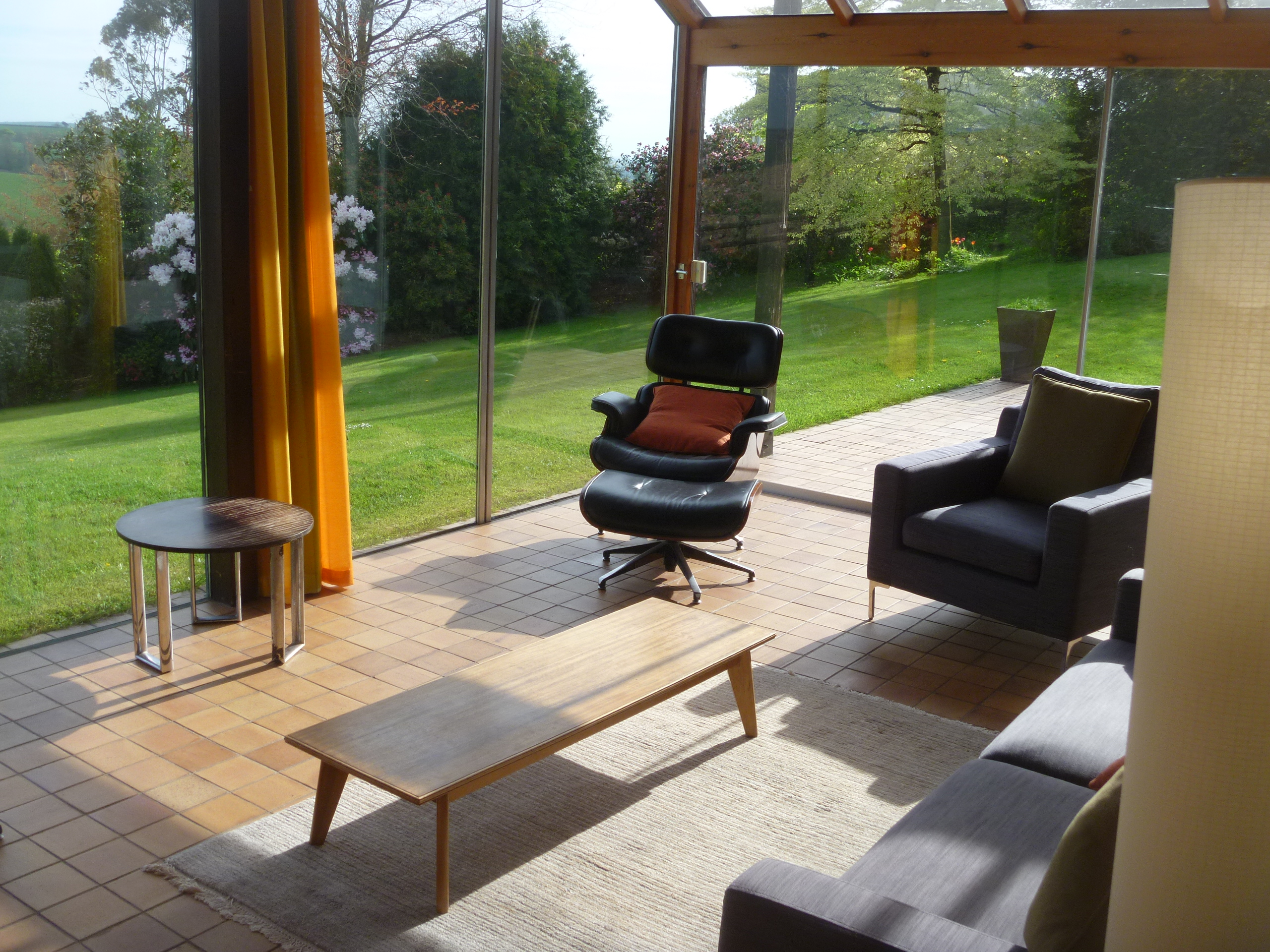
Down the steps is the glass-walled sitting area

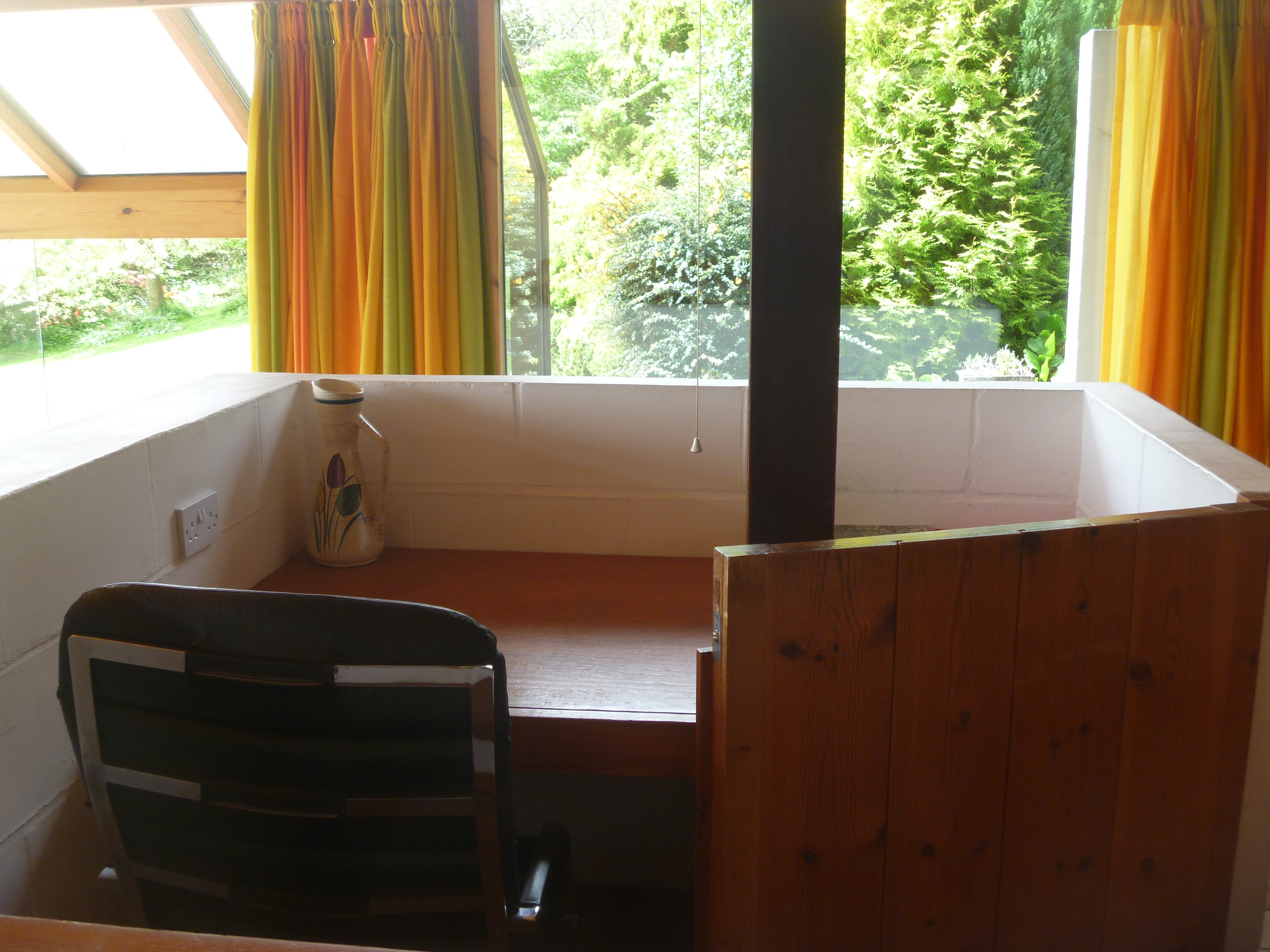
On the right is the ‘Dog House’ a study area where Mr Anderton could work with his papers and not mess up the sitting room with them, could still be part of the house company and also appreciate the stunning hillside views.

Anderton House The Dog House Study

The Dog House

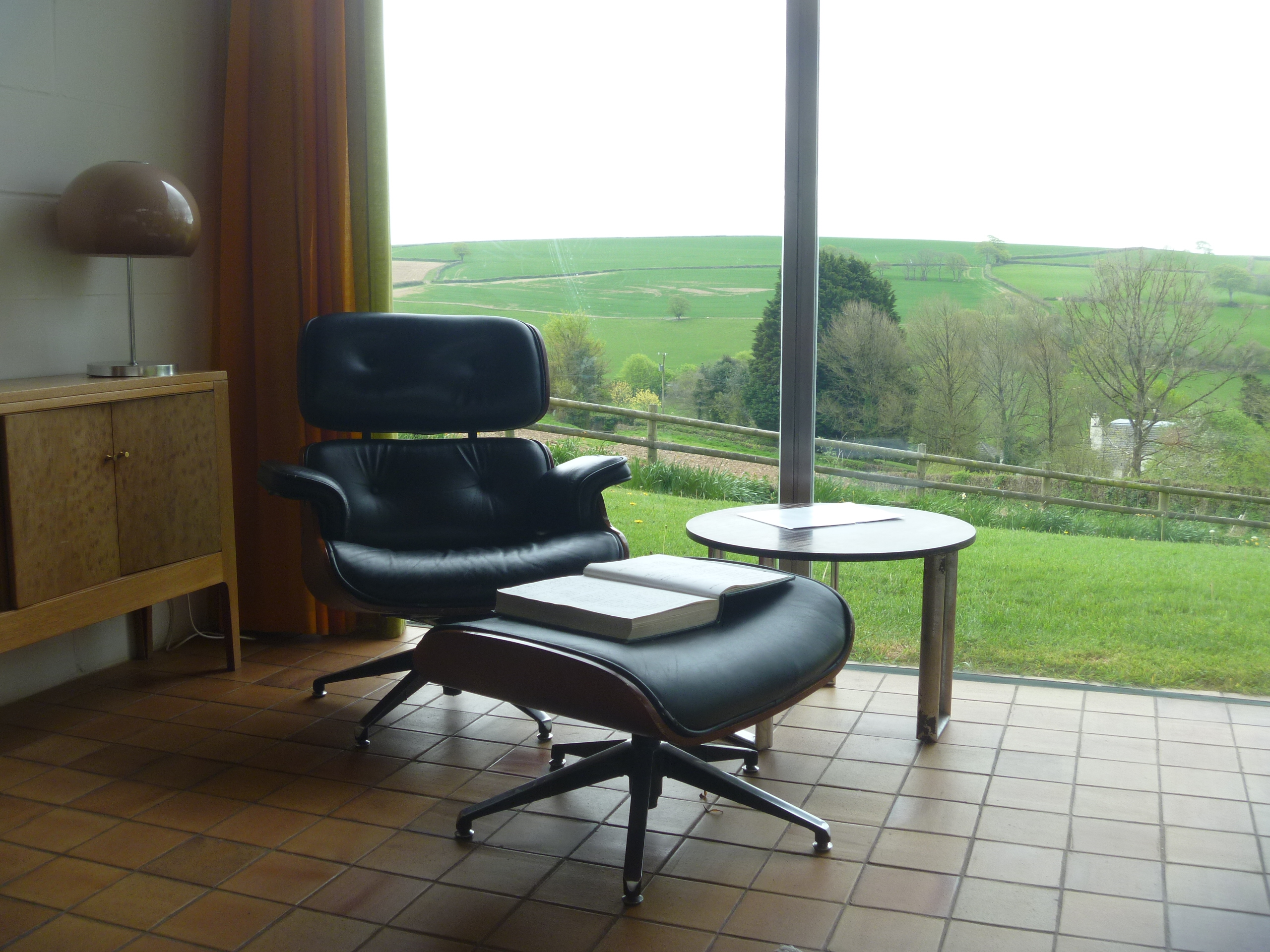
Anderton House Eames Chair

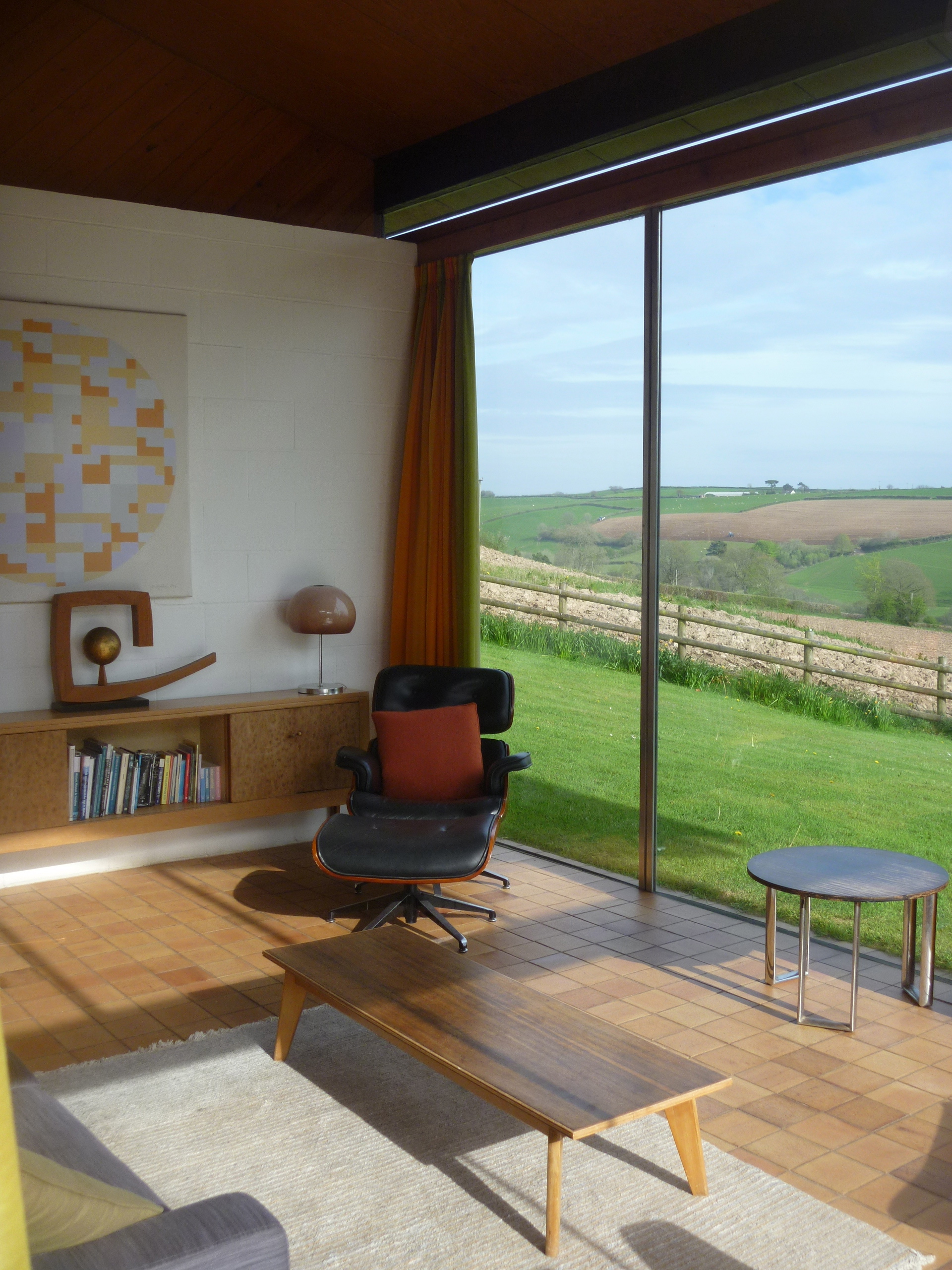
There are iconic Eames Chairs in the Sitting Room …

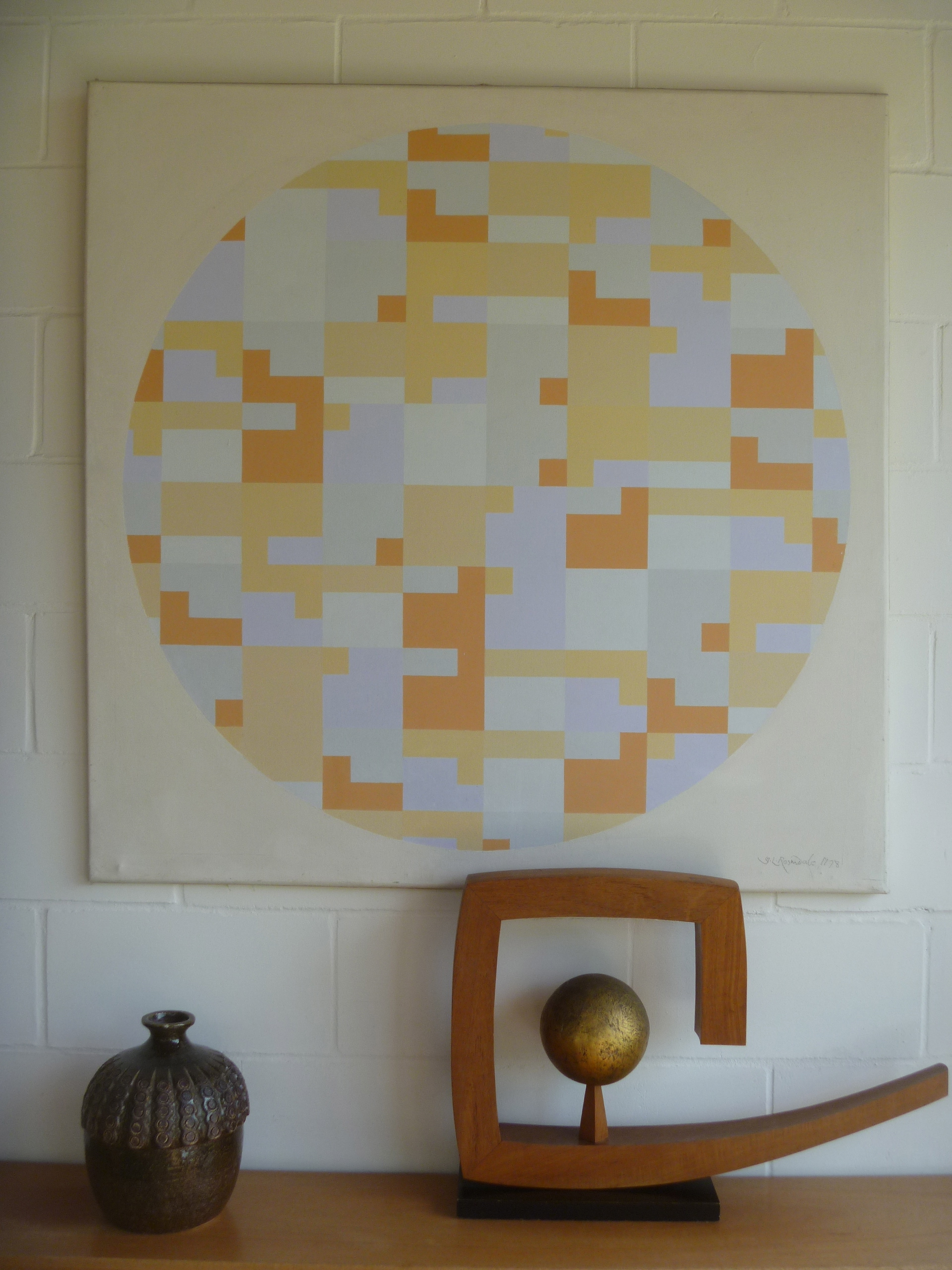
Anderton House sitting area modern art

… and some modern art

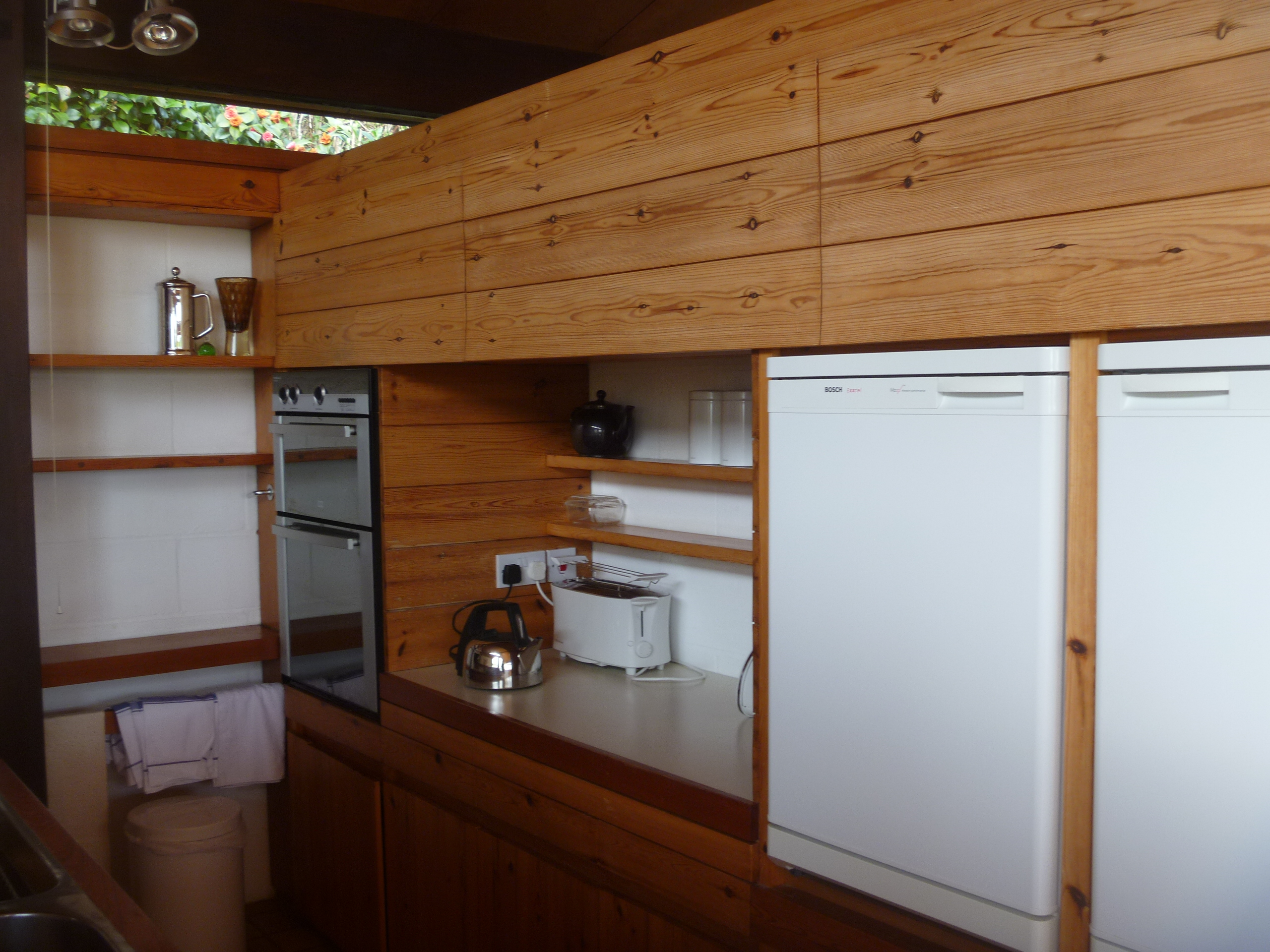
Anderton House kitchen area

The efficient kitchen

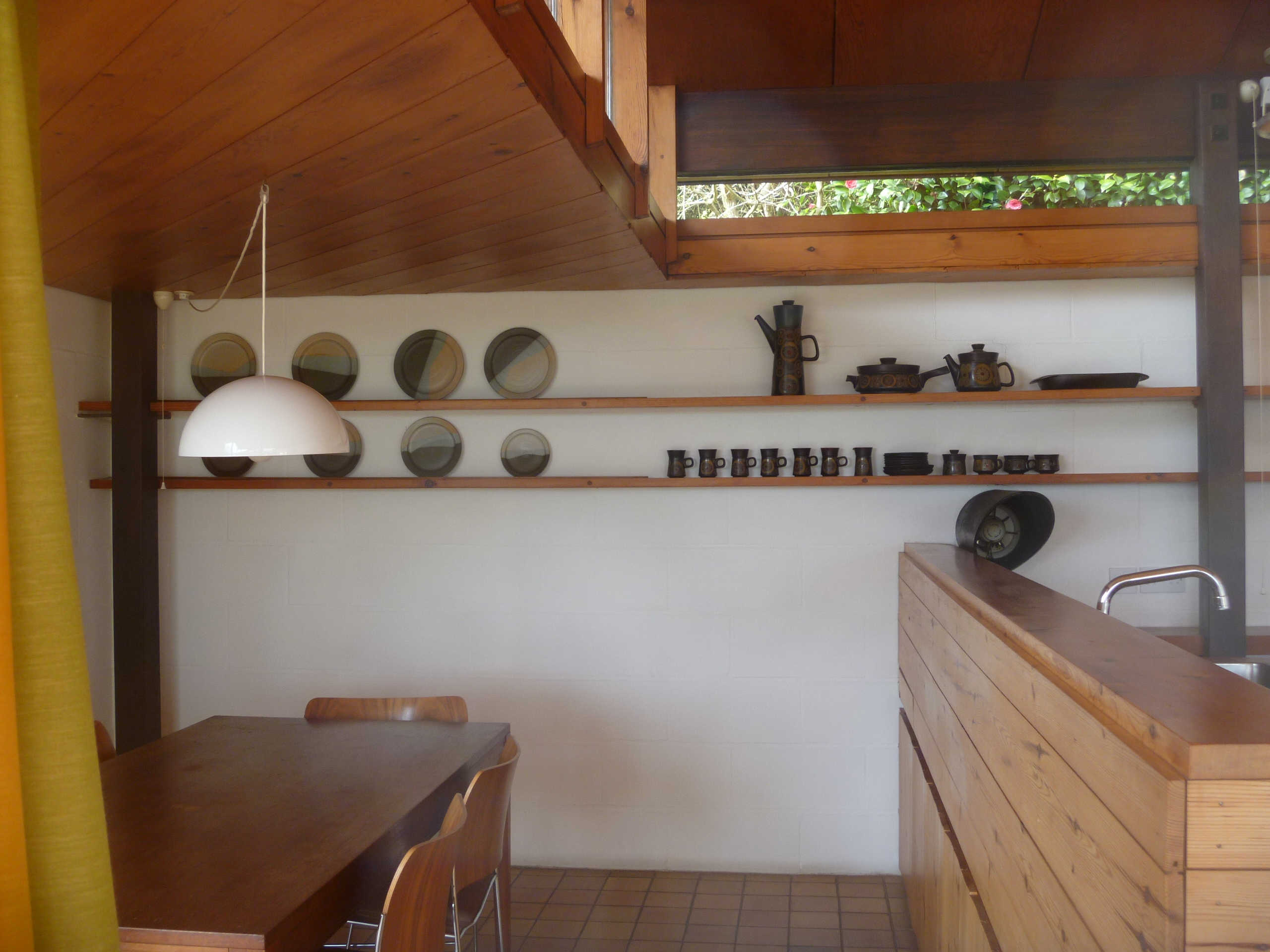
Anderton House dining area

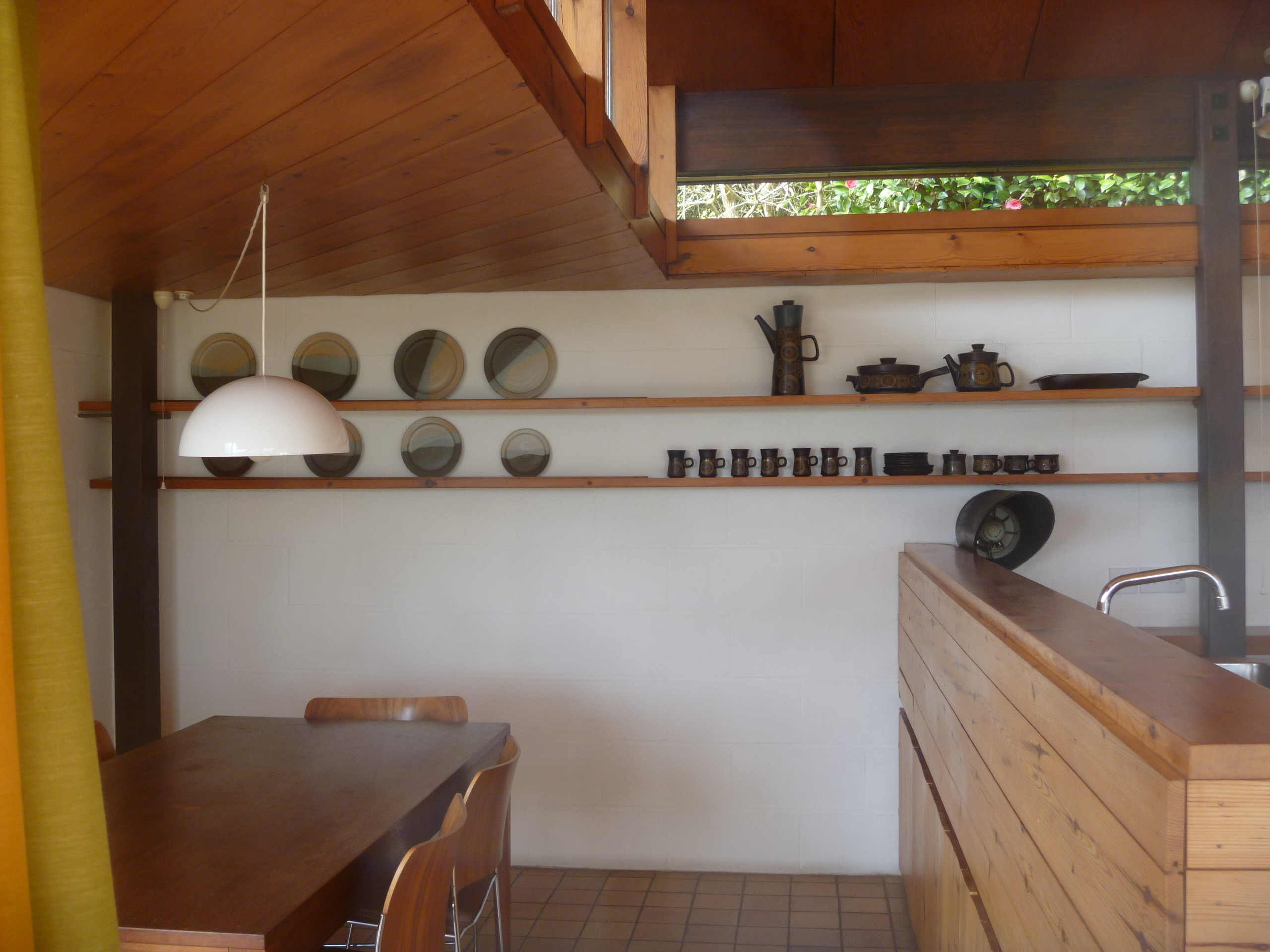
The Dining Area with 1970s Denby Arabesque display

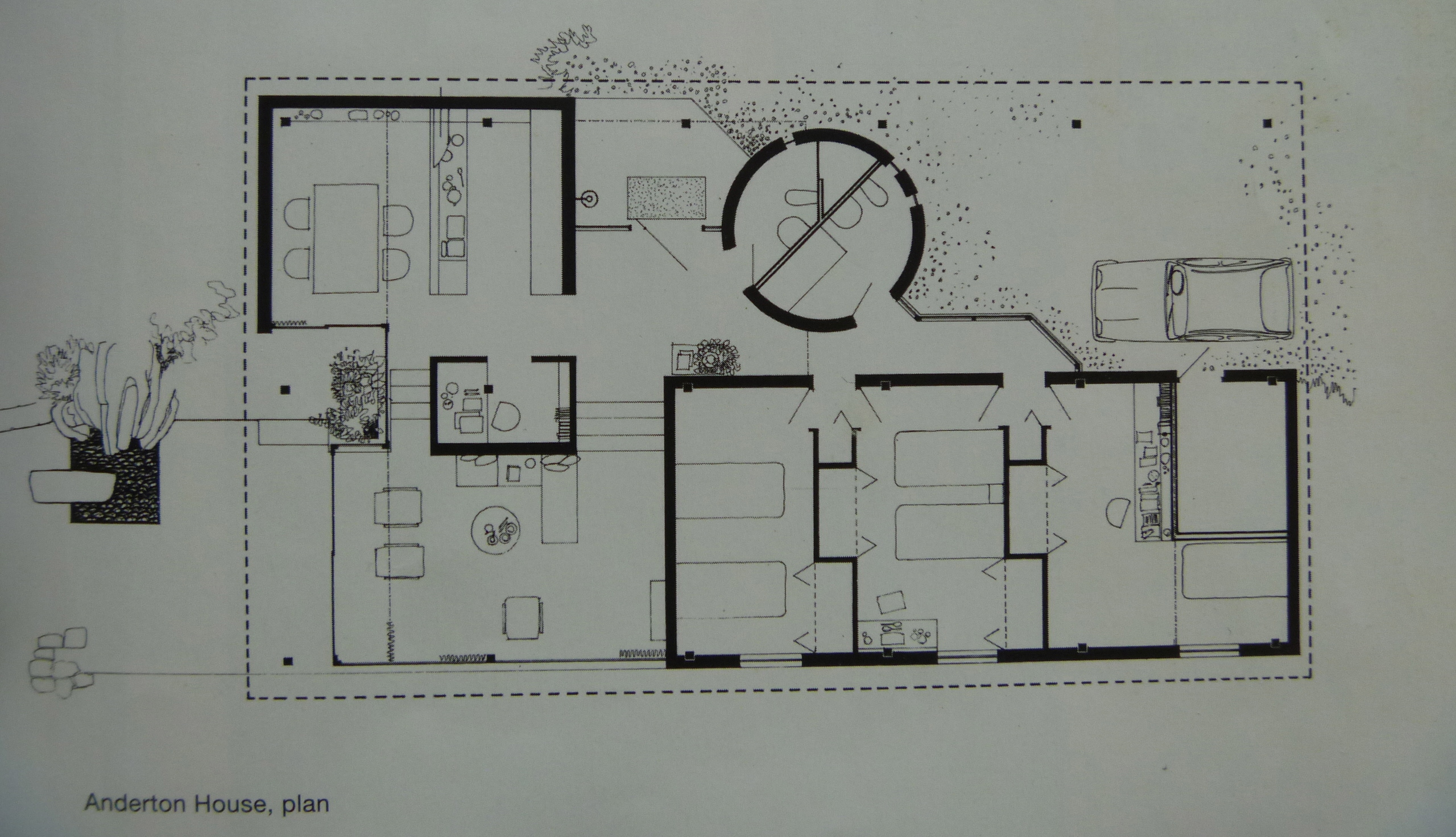
An original plan of Anderton House

And here is the original plan of the house from Powers’ book showing the ‘public’ areas quite separate from the ‘private’ areas

Landmarking in North Devon : Anderton House

Staying at Anderton House in North Devon these last few days reminded me of visits that I have recently made to Modernist houses and also sleeping in the single study bedroom took me back to my student days at Hull University in the 1970s.

2 Willow Road

2, Willow Road, NW3, 1939 [National Trust]

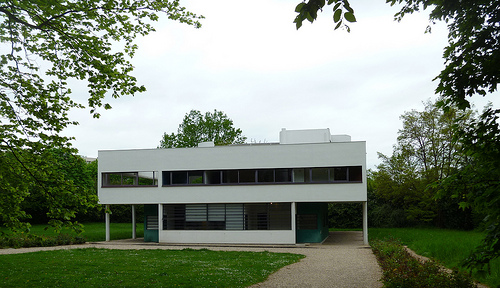
Villa Savoye

The Villa Savoye, 1928-1931

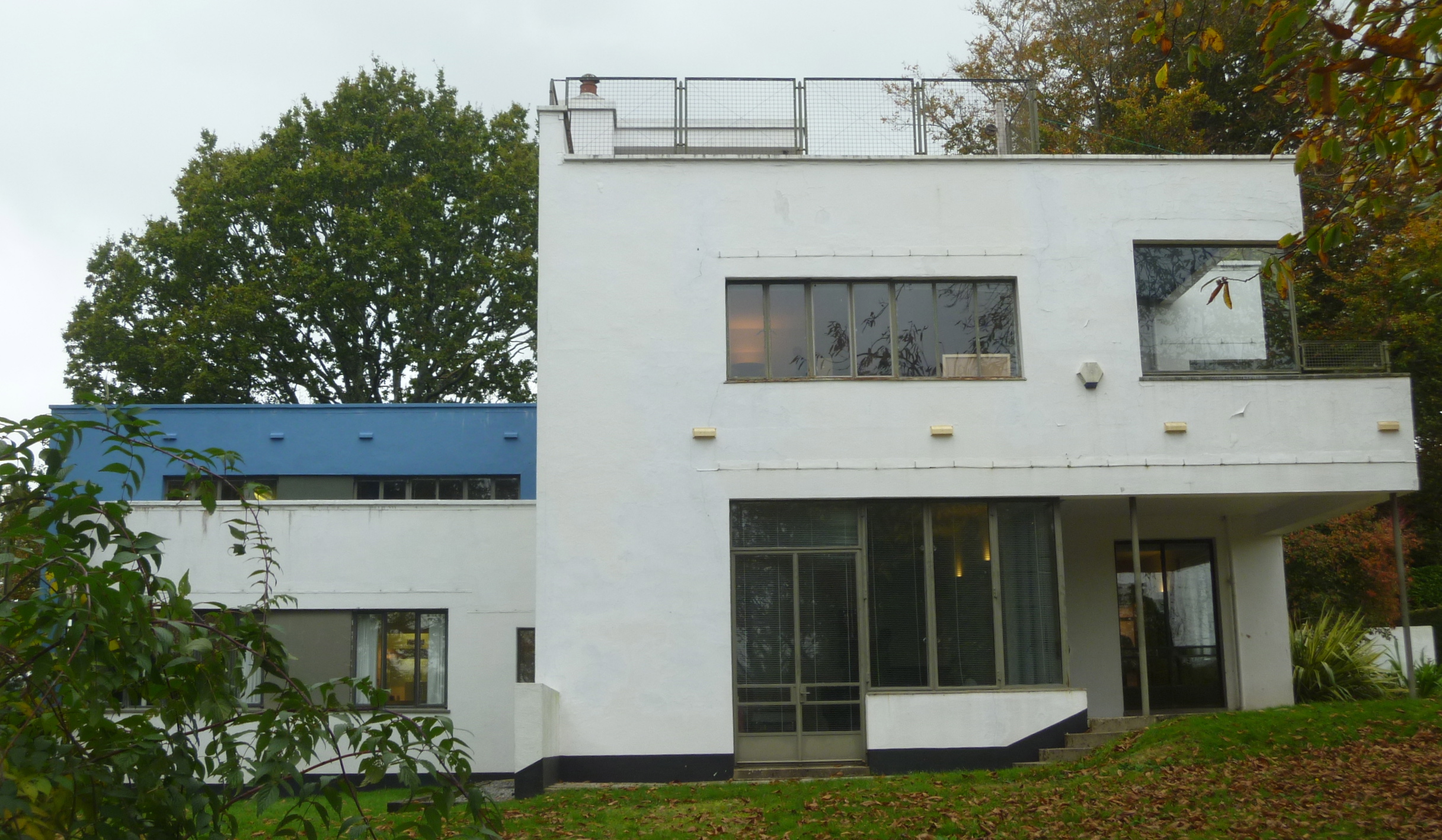
high-cross-house

High Cross House, 1932 [National Trust]

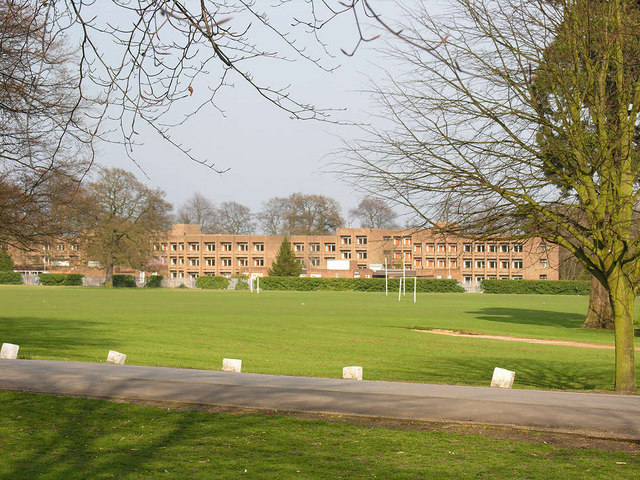
The_Lawns_Hall_of_Residence

The Lawns, student residences, Cottingham near Hull [Source]

The Lawns was built in the 1960s and I lived there for two years between 1970 and 1972. The Villa Savoye, High Cross House and 2, Willow Road were both built in the 1930s and seemed way ahead of their time. Even more ahead of their time are the American houses designed and built by Frank Lloyd Wright, an influence on the architect of Anderton House, Peter Aldington.

Anderton House on arrival

Here is how the Landmark Trust introduce Anderton House (above) on their website and their justification (if any were needed) for adding this unusual property to their portfolio:

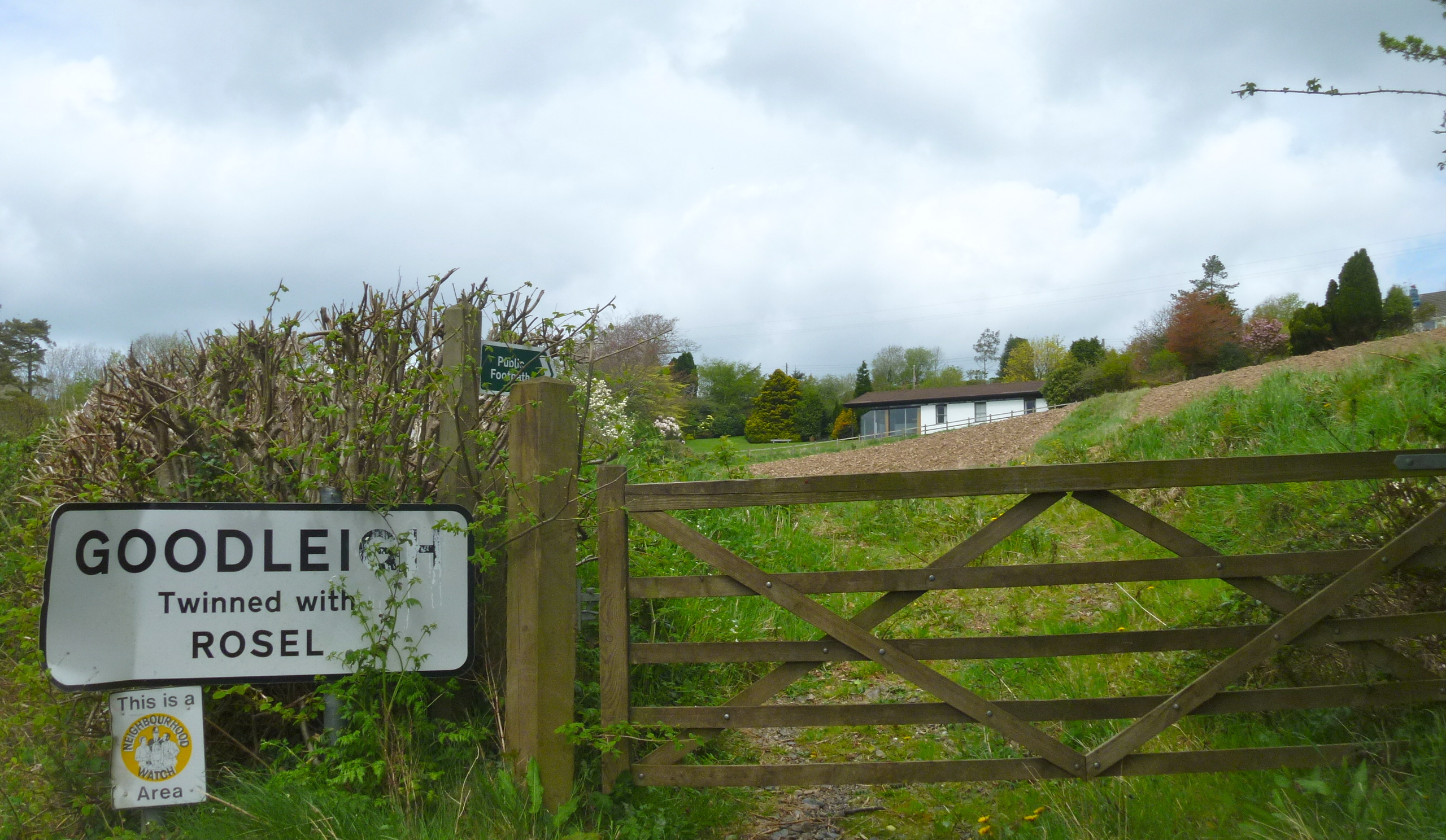
AH and Goodleigh sign

Anderton House appeals to anyone who enjoys modern architecture or wishes to be transported back to the 1970s. The integration of inside and outside spaces makes the open plan living area a grandstand for the changing lights on the Devon hills beyond. A large open plan kitchen, dining and sitting area are carefully planned on two levels with furnishings that evoke the period.

Anderton House Sitting room 3

AH sitting room

The Sitting Area

Anderton House dining area

Dining Area overlooked by the Kitchen

B and W pics Anderton House 2

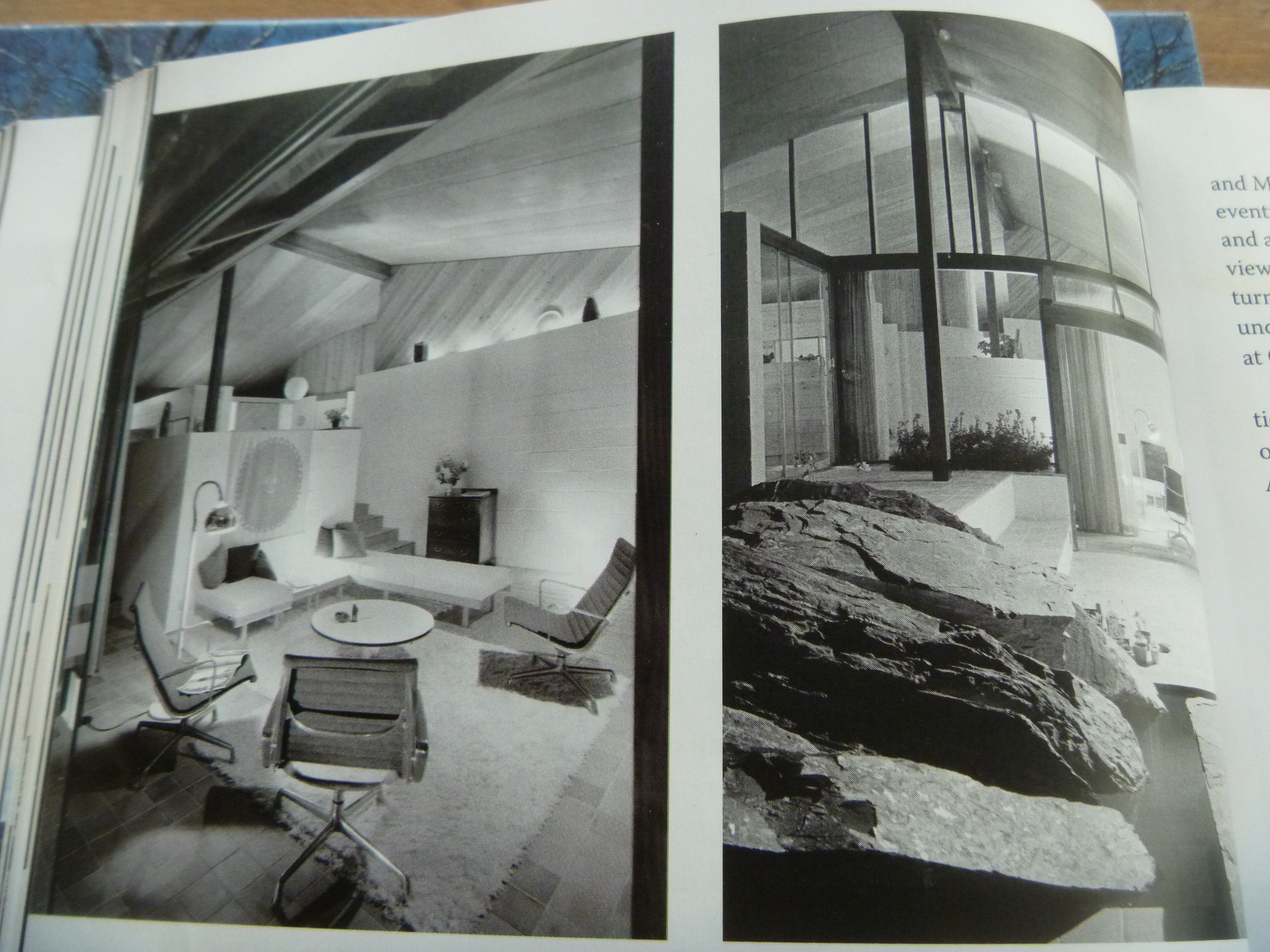
Original black and white photos of Anderton House (reproduced in “Aldington, Craig and Collinge” by Alan Powers)

For all its modernity, Anderton House is as much at home in the rolling Devon landscape it overlooks as the longhouses that inspired its profile. It is an exceptional example of uncompromisingly modern design executed in simple materials. The roof appears to float cleverly over the spacious open plan living area with its sliding glass walls. The house retains all its contemporary materials and detailing and is furnished to match.

Anderton House the hall

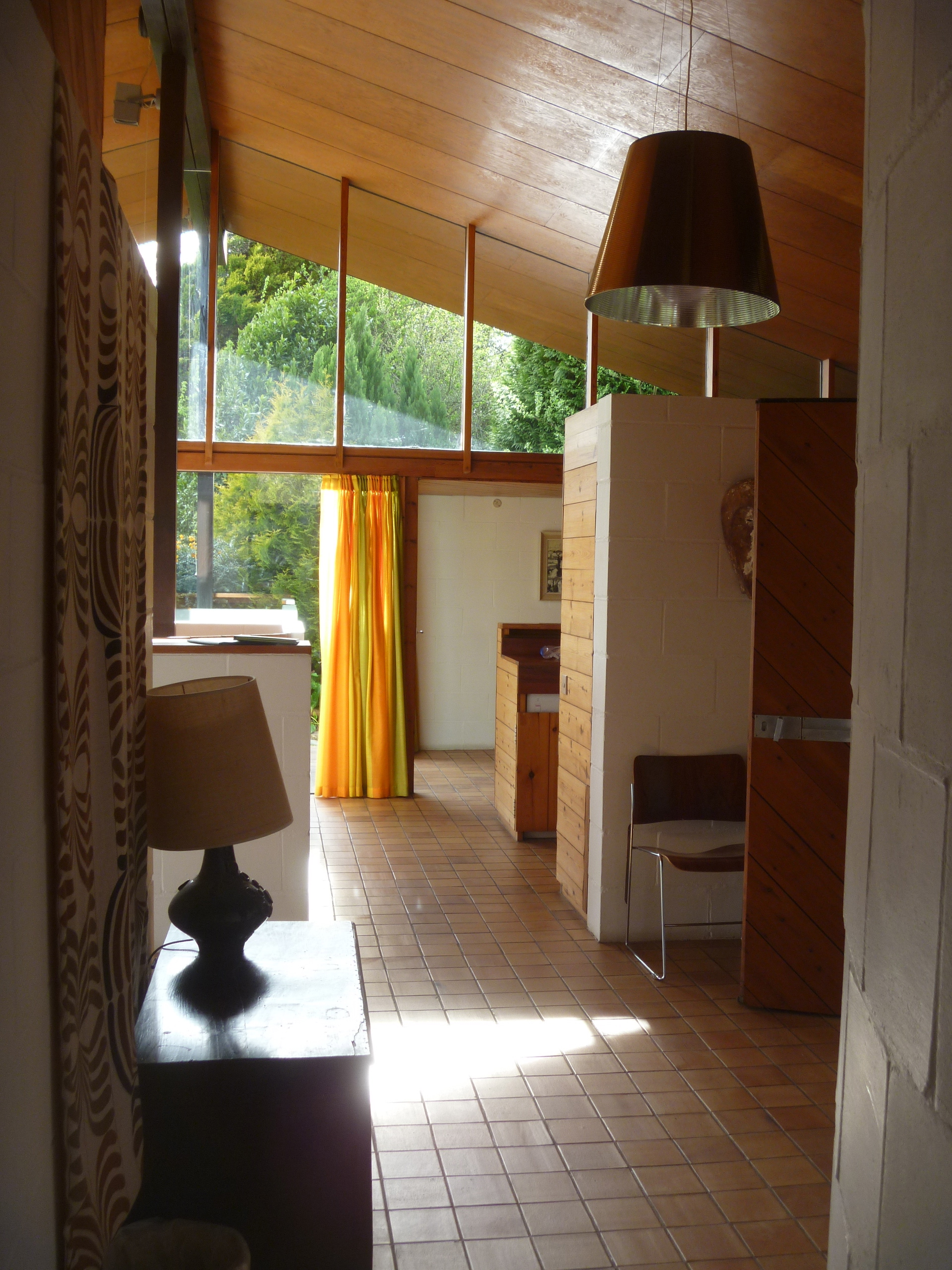
The Hall linking ‘public’ with ‘private’ areas

Anderton House original photo of hall

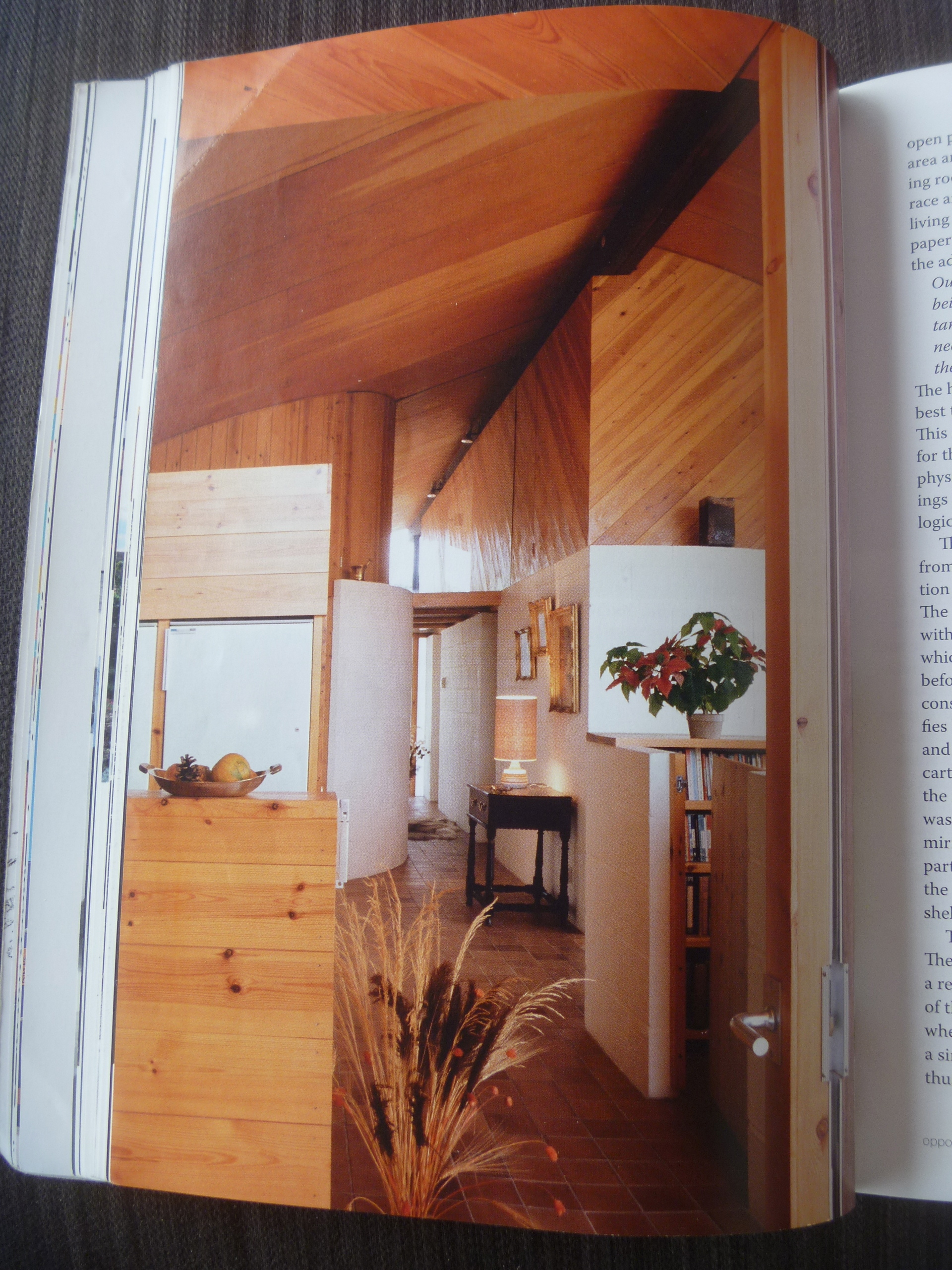
Photo of the Hall from the Kitchen in “Aldington, Craig and Collinge”

Buildings of any age can find themselves at risk. As a building designed by a living architect, Anderton House was a new departure for us when we acquired it in 2000. We chose it for all the reasons we usually apply to older buildings and happily caught it before changing tastes had been allowed to blur its clean lines or site drainage problems to damage its fabric. It is listed Grade II*.”

Even before staying here I had always thought it an excellent choice.

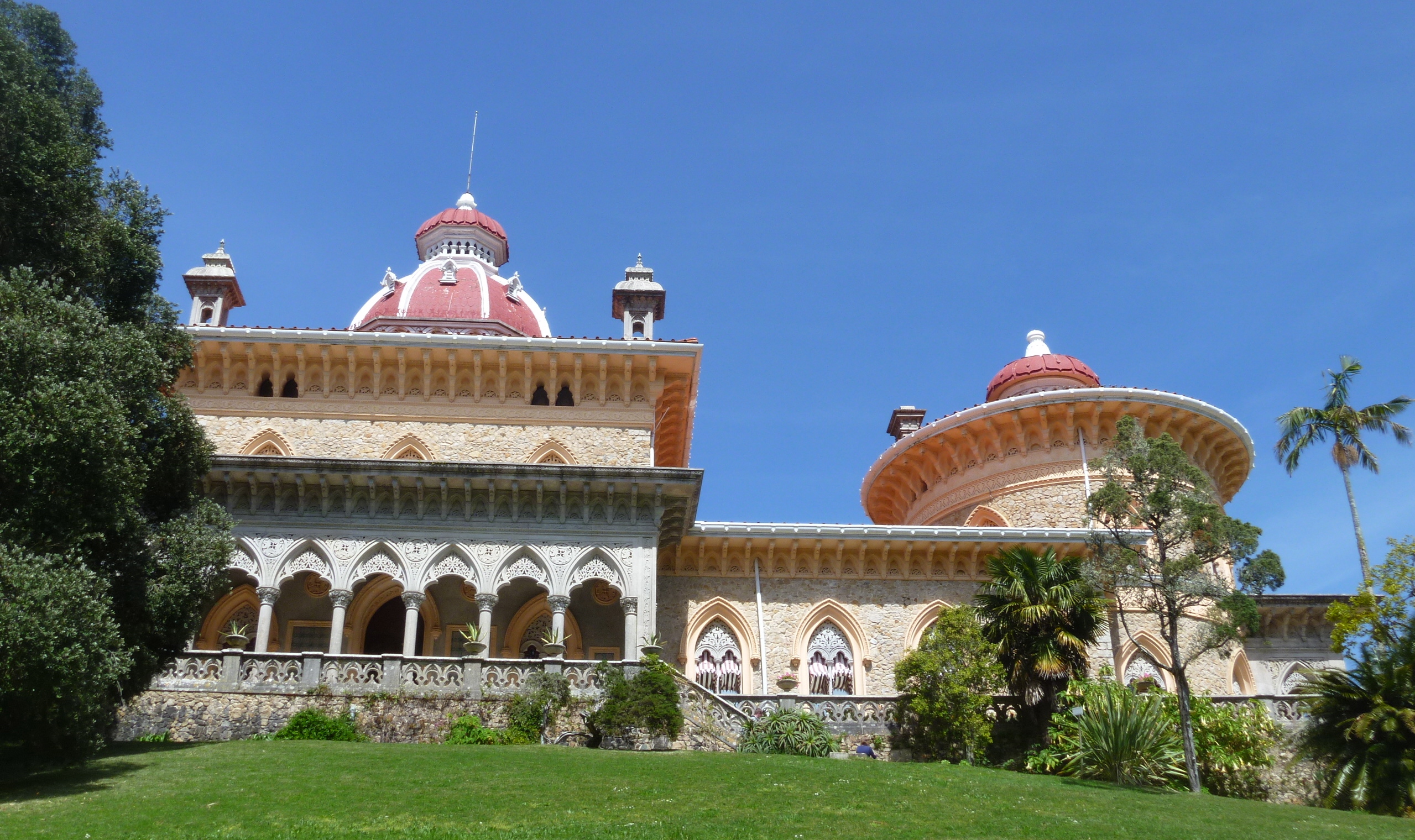
The Palace of Monserrate Restoration Project

Palace of Monserrate

In 1995 the whole of the Sintra Region was awarded UNESCO World Heritage status and restoration of the various properties and conservation of the forests and parks continues to this day.

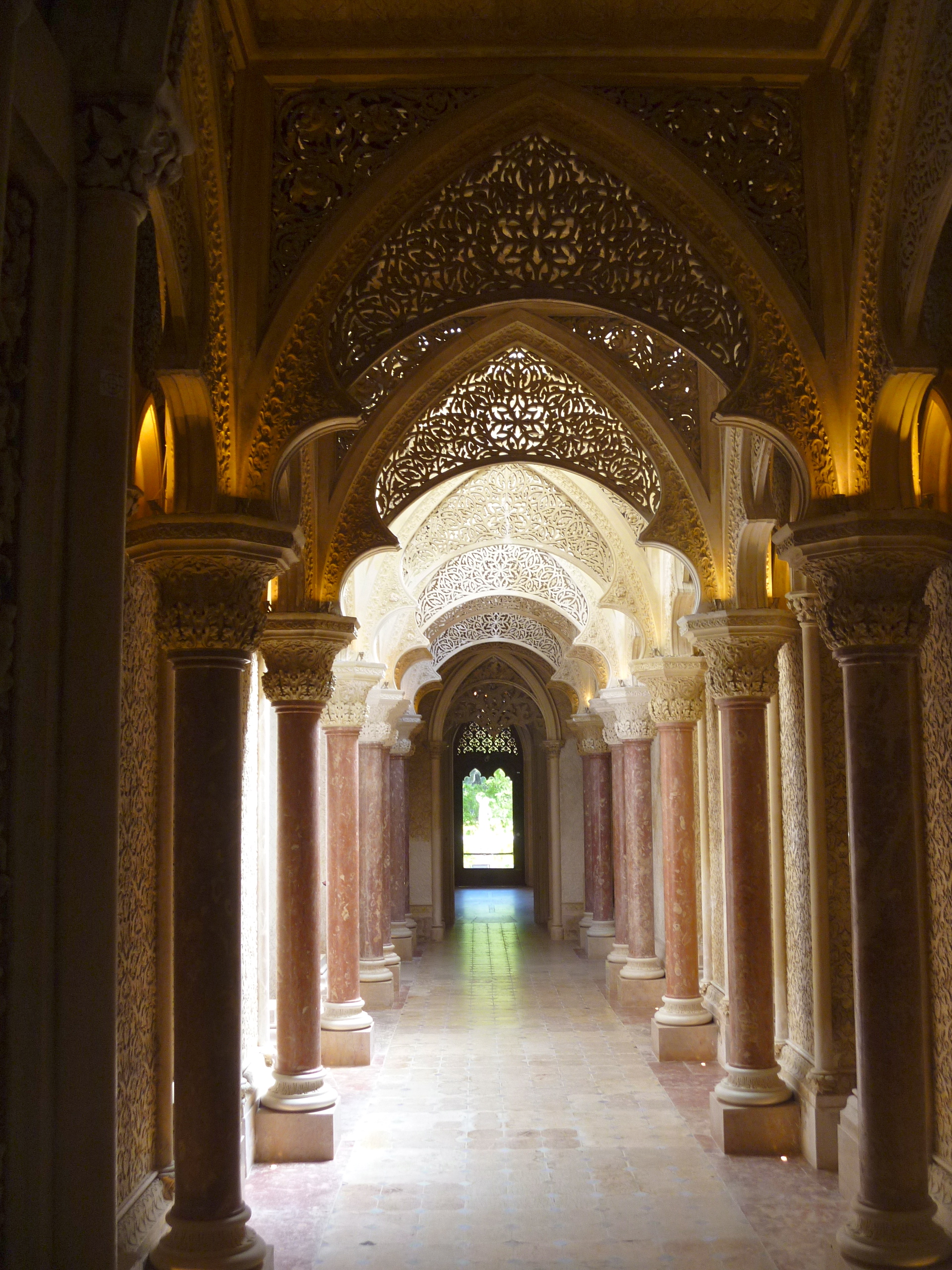
Hall at Monserrate

The Beautifully Restored Hall

Since 1949 Monserrate has been owned by the Portuguese state. Over the decades that followed the palace deteriorated but in 2001 restoration work began on the roof and facades.  After interruptions this work was finally completed in 2004 when work on the interior could begin. A successful bid for funds from EEA-Grants in 2007 enabled work to resume at a faster pace. At Monserrate this the project is called “open for works” and it allows for the Palace to be open to the public so that all may watch the ongoing ‘interventions’.

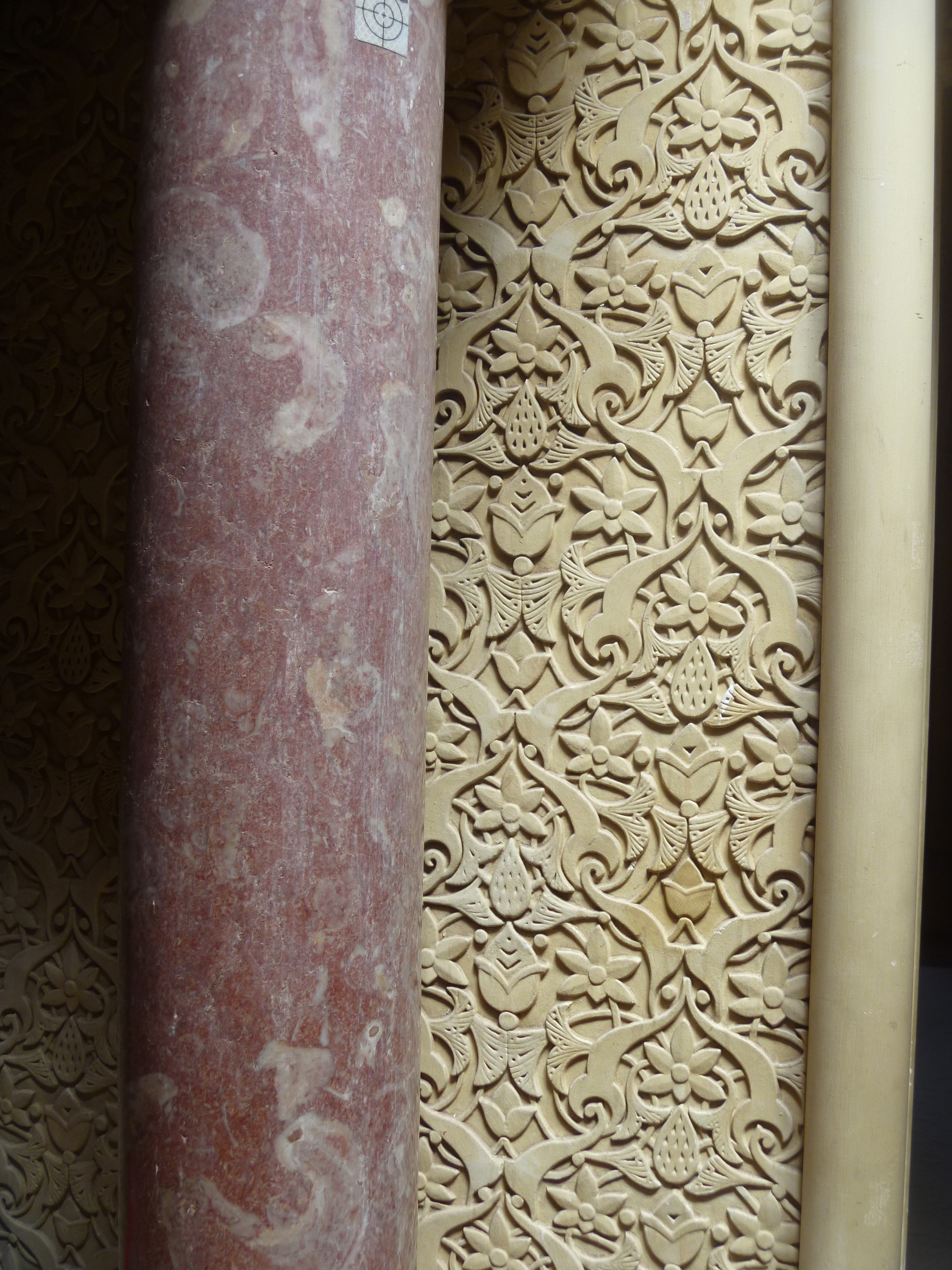
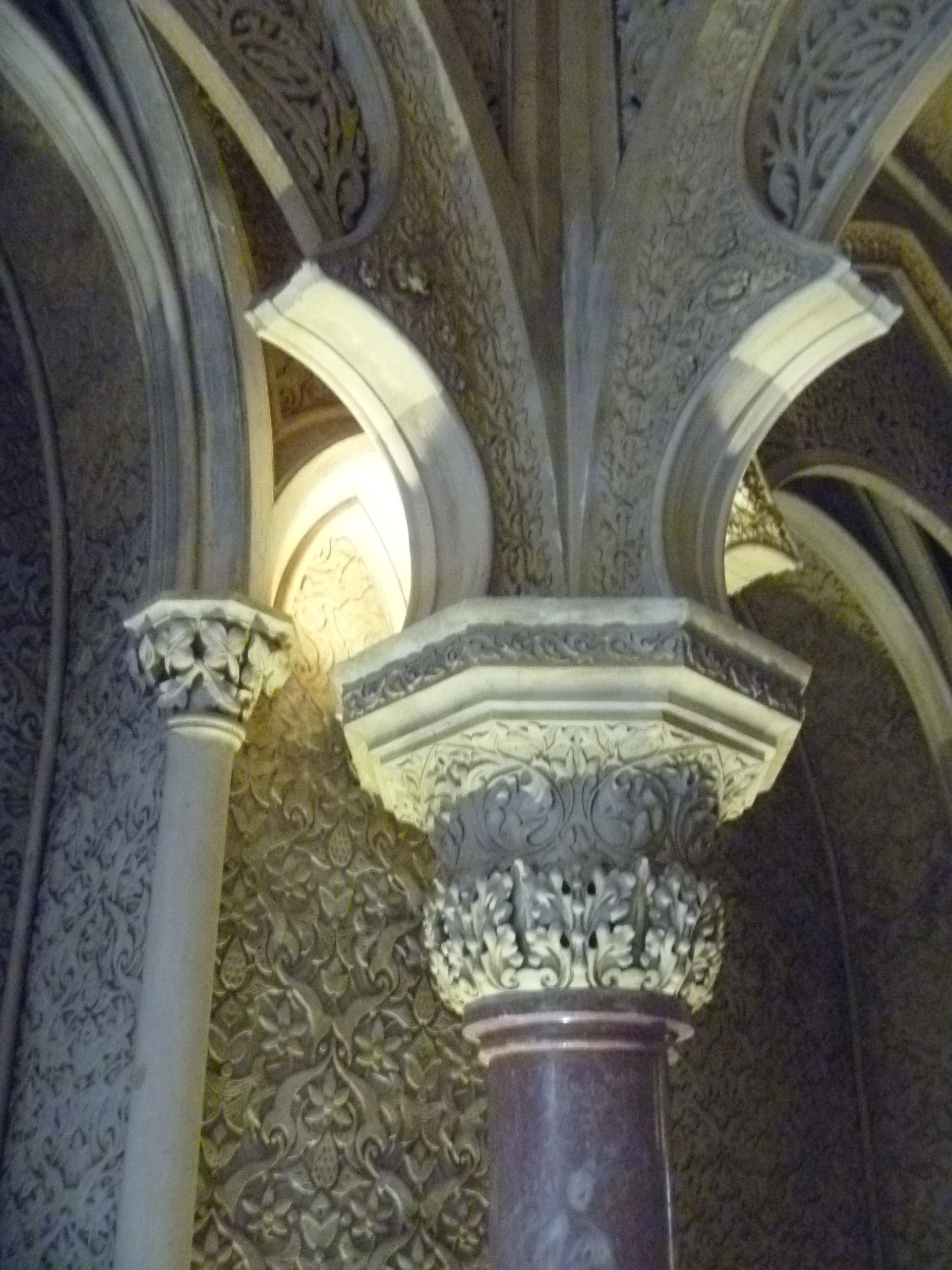
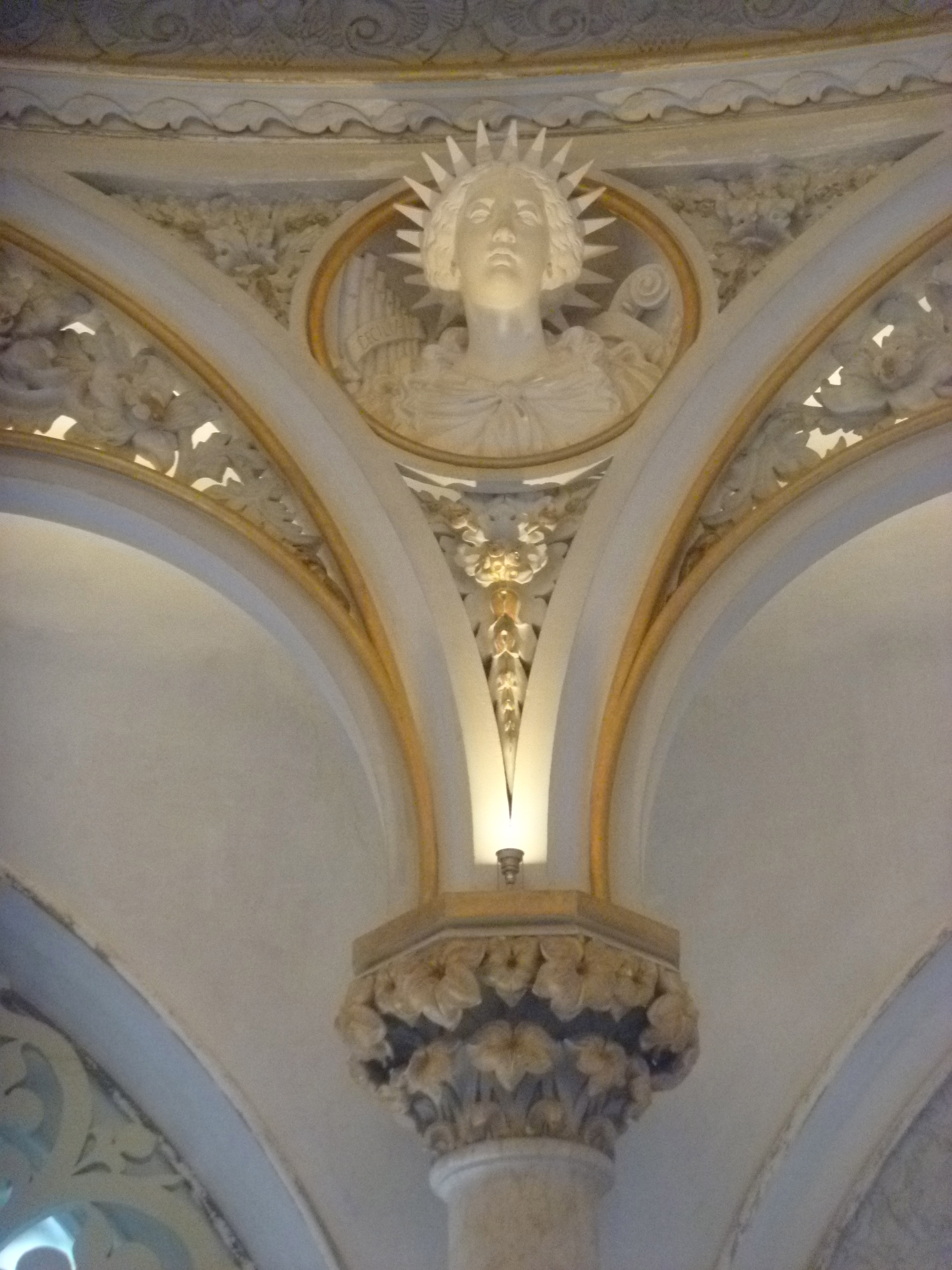
Exquisite renovation work

Fantastic renovation work

Exquisite Plasterwork

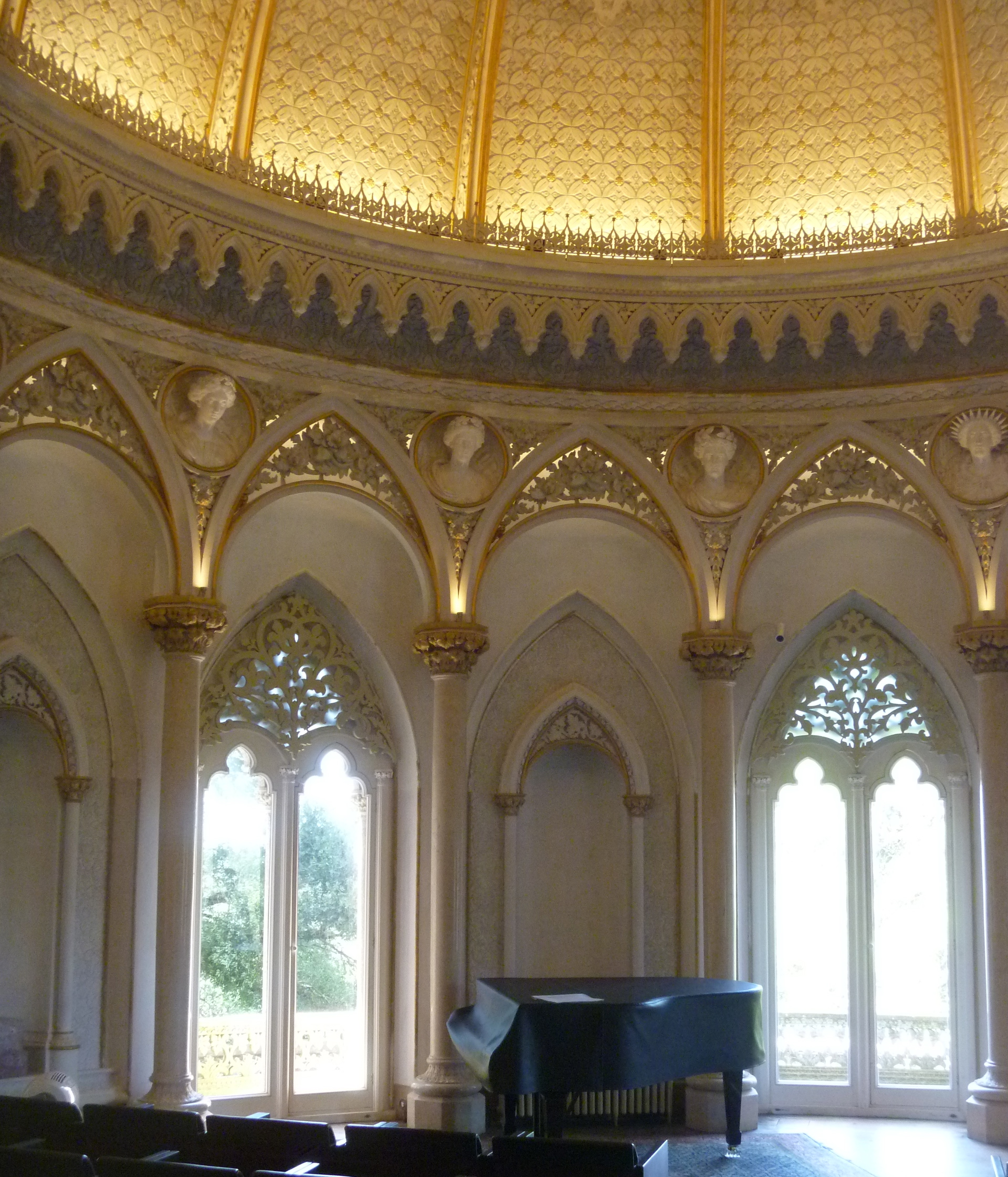
Restoration work carried out room by room allowed for the re-opening of the building to visitors. So far interventions in the Library, Chapel, Kitchen, Pantry, Wine Cellar, Larders, decorative plasterwork, cleaning of stonework, kitchen range have all been carried out in sight of the visitors. It is wonderful to see the artists and craftspeople at work and many of the rooms being brought back into use, like The Music Room for concerts.

Restoration work in the music room

Music Room Plasterwork

The music room at Monserrate

The Music Room Today

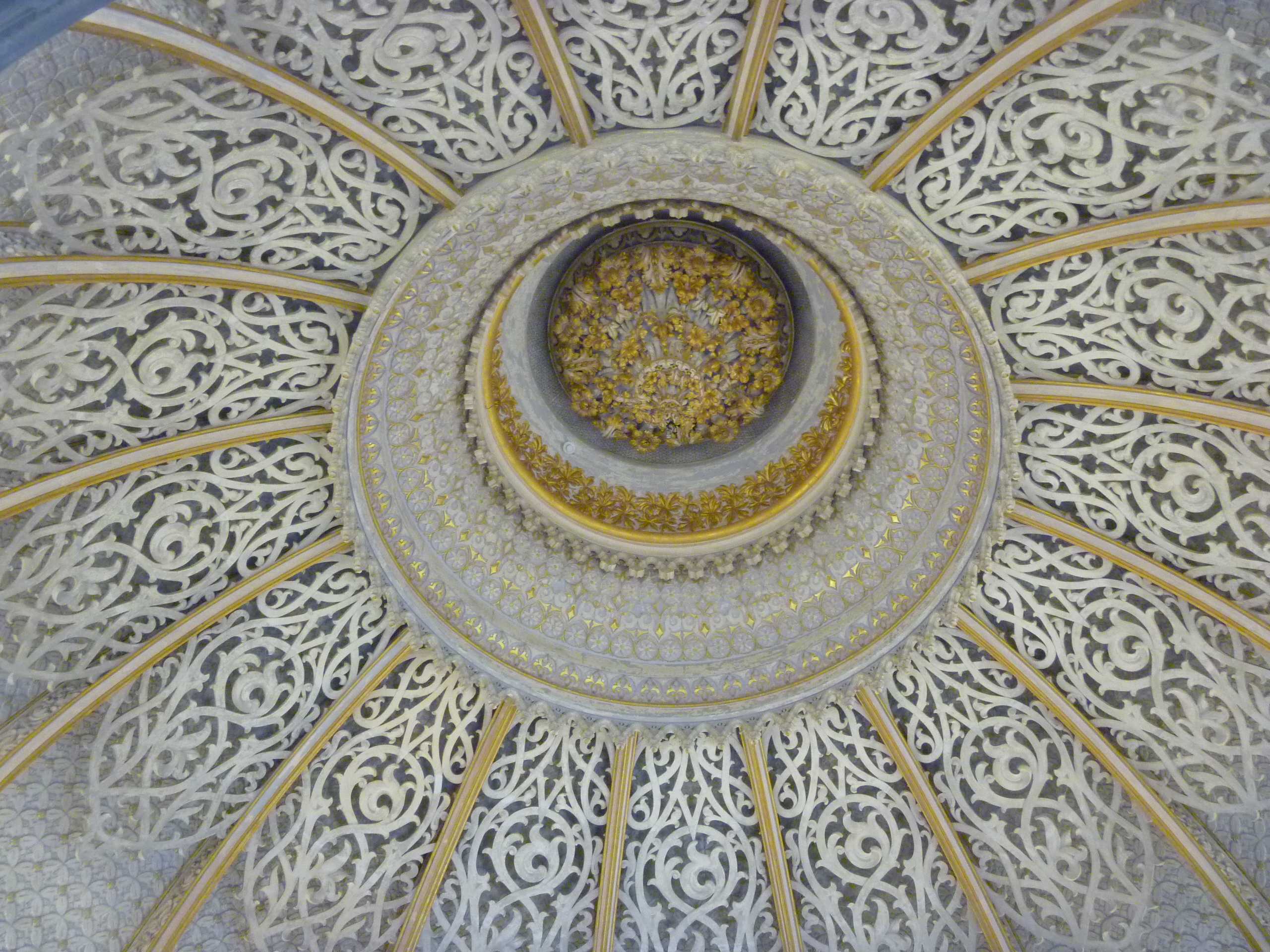
Restored Music Room ceiling

The Restored Music Room Ceiling

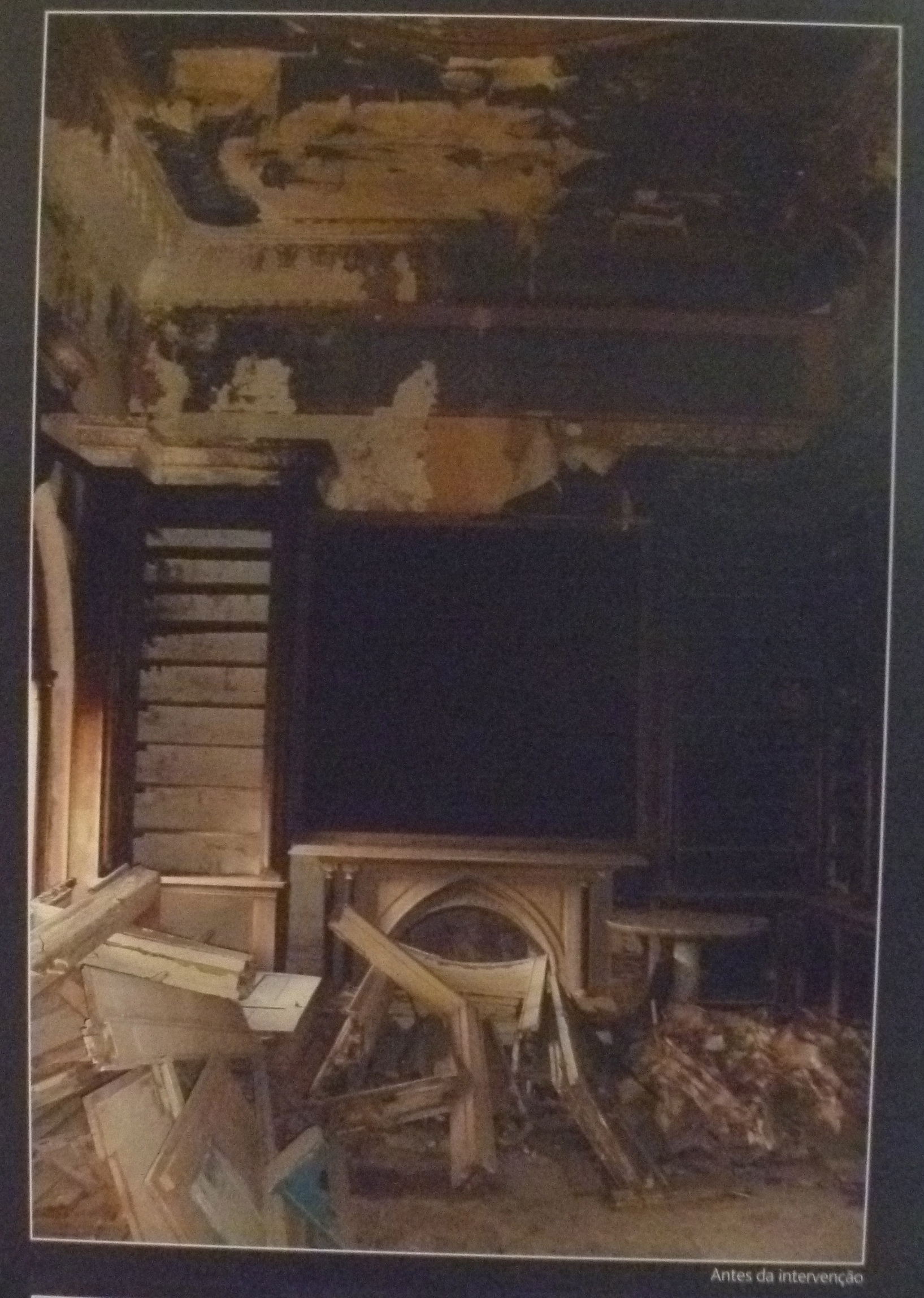
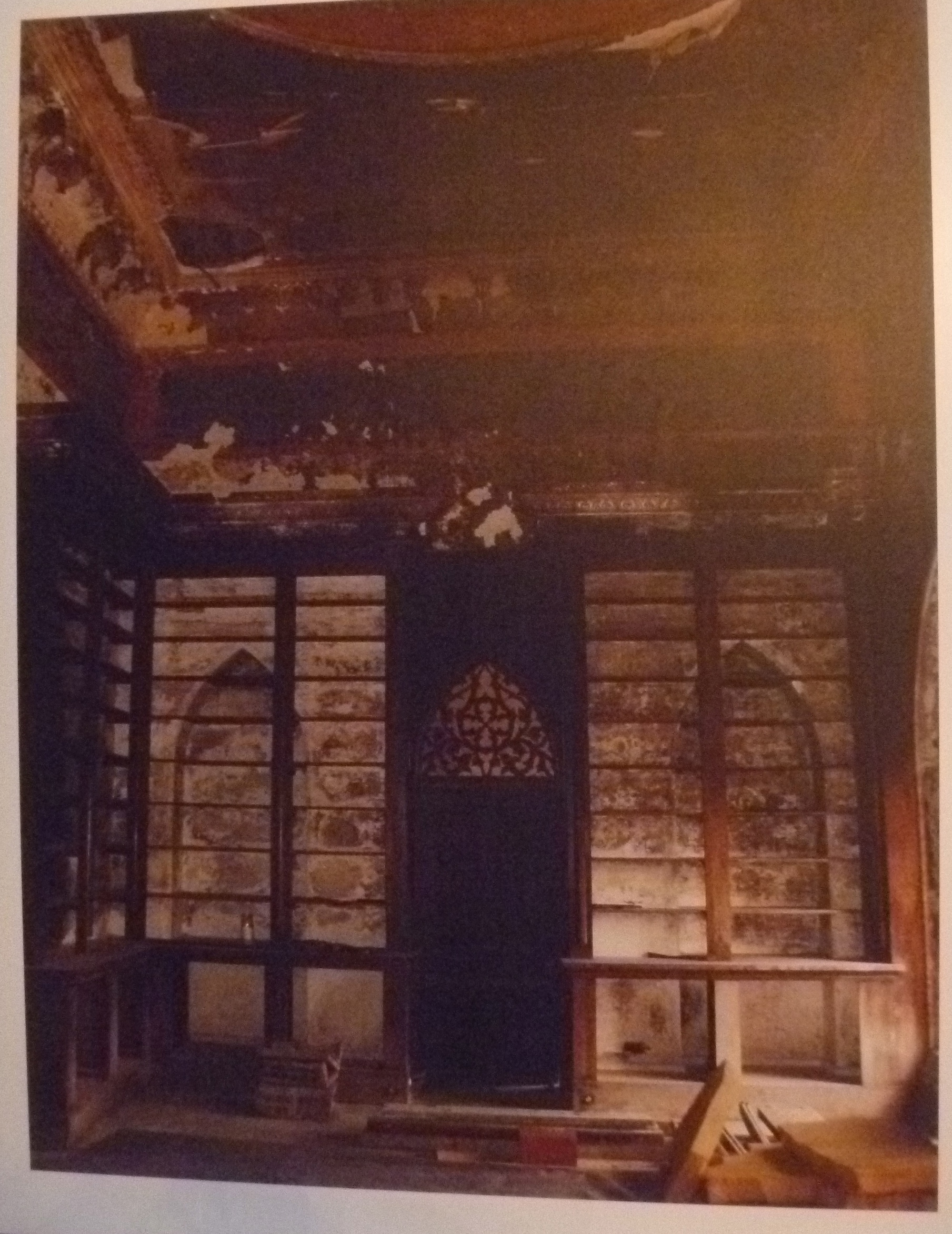
Photographs on display in the Library show just how bad the condition of this fine room became during the latter half of the 20th century. Once the roof and walls were repaired work began on the individual rooms. Paying careful attention to detail the Library has now been recreated in its former glory.

The library before renovation

The library pre-renovation

The above two photos show the extent of the damage

The library now

The Library as it looks today

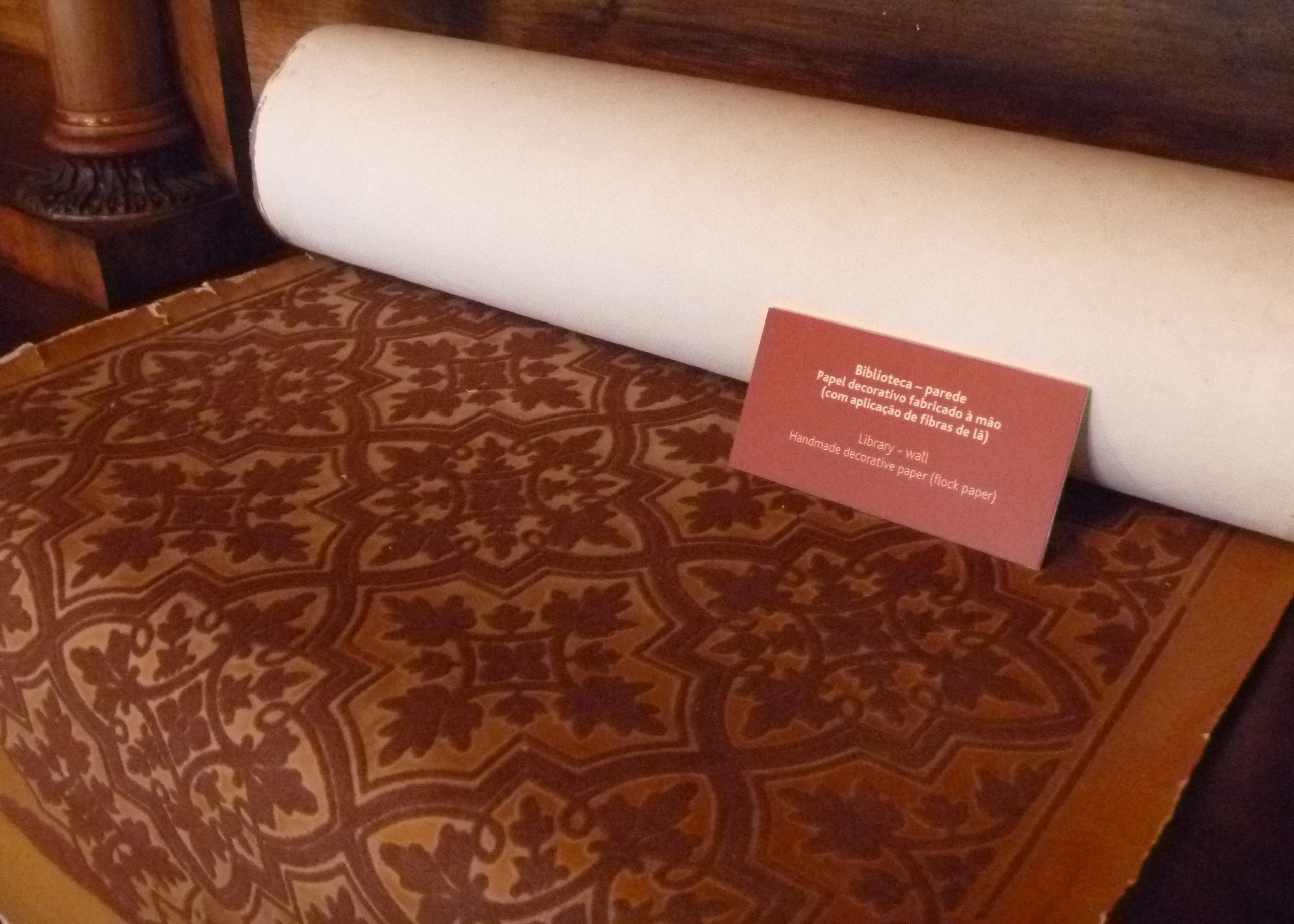
Example of library wallpaper

The Handmade Library Wallpaper

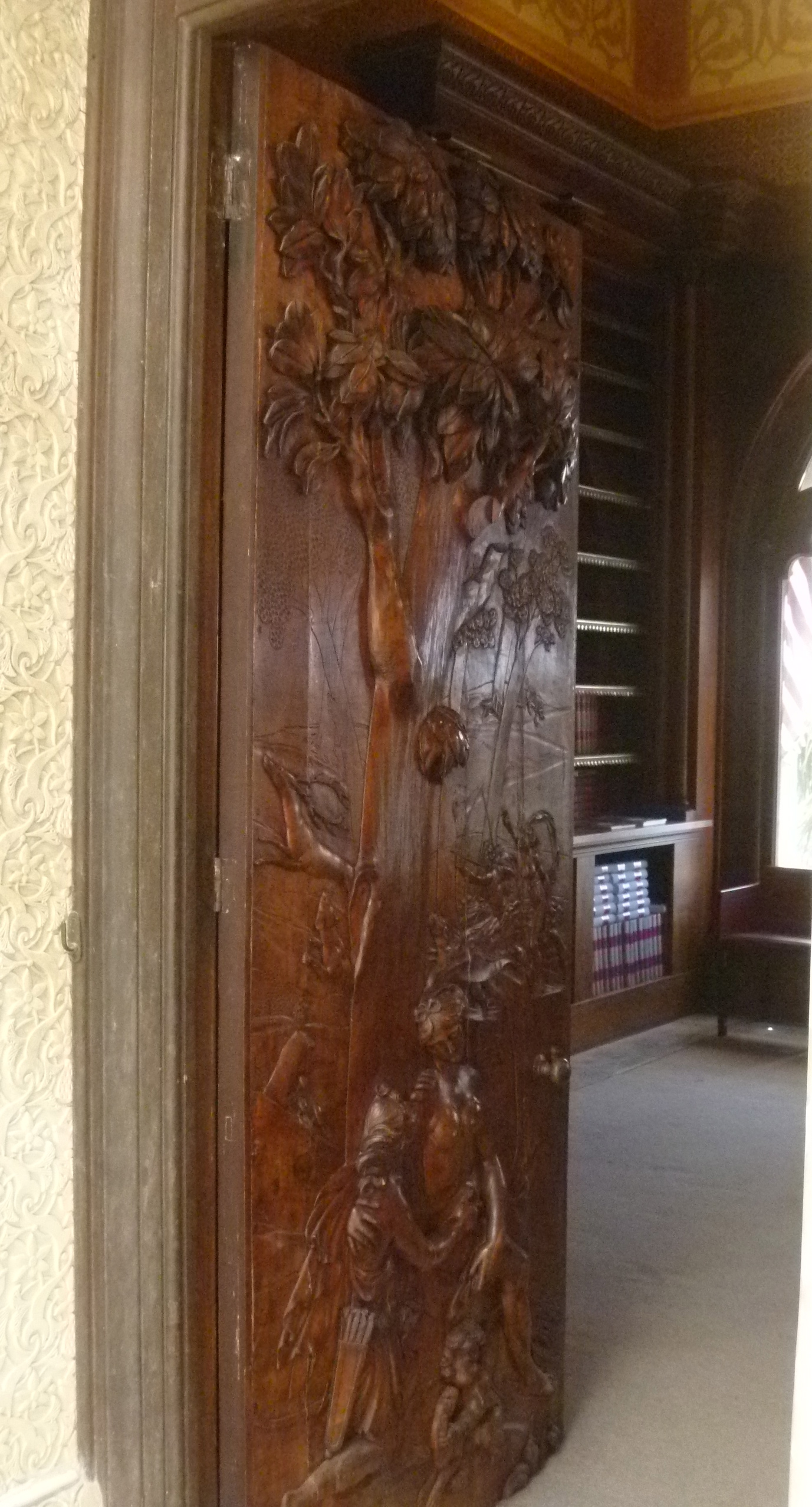
The library door

The Library Door

Library door (detail)

Detail of Library Door

The whole project makes me surprised that The Landmark Trust do not have an interest here as it definitely has the obligatory British connections that Landmark require of their overseas holdings. There are many follies and outbuildings ripe for occupation by we ‘Landmarkers’.

A Music Room and a Castle and Lancastrian Hospitality

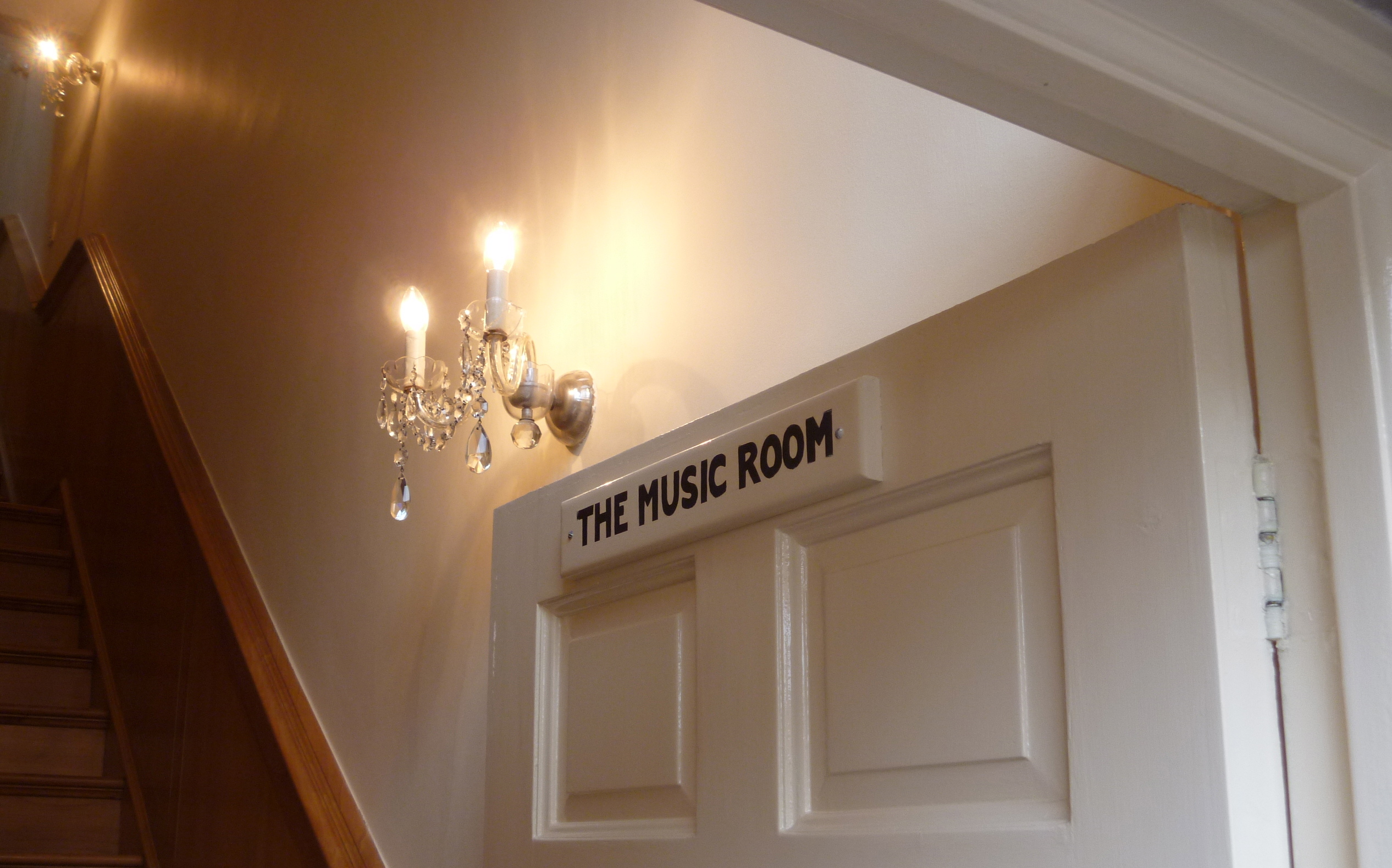
The Music Room sign

Yesterday was Open Day at The Music Room Landmark Trust property in Lancaster. Last weekend a fellow Friend of the Landmark Trust, and friend of mine now, asked if I’d like to join her to visit the newly refurbished and freshly repainted apartment in the centre of the city. There’s a direct train from nearby Shipley, which has plenty of useful parking availability on a Saturday morning, and an early start gave us six and a half hours to inspect the property, chat with organisers and fellow visitors and include an unhurried lunch (Morecambe Bay Shrimp Platter – what else??) and a tour of the major Lancaster landmark – its Castle … and more!

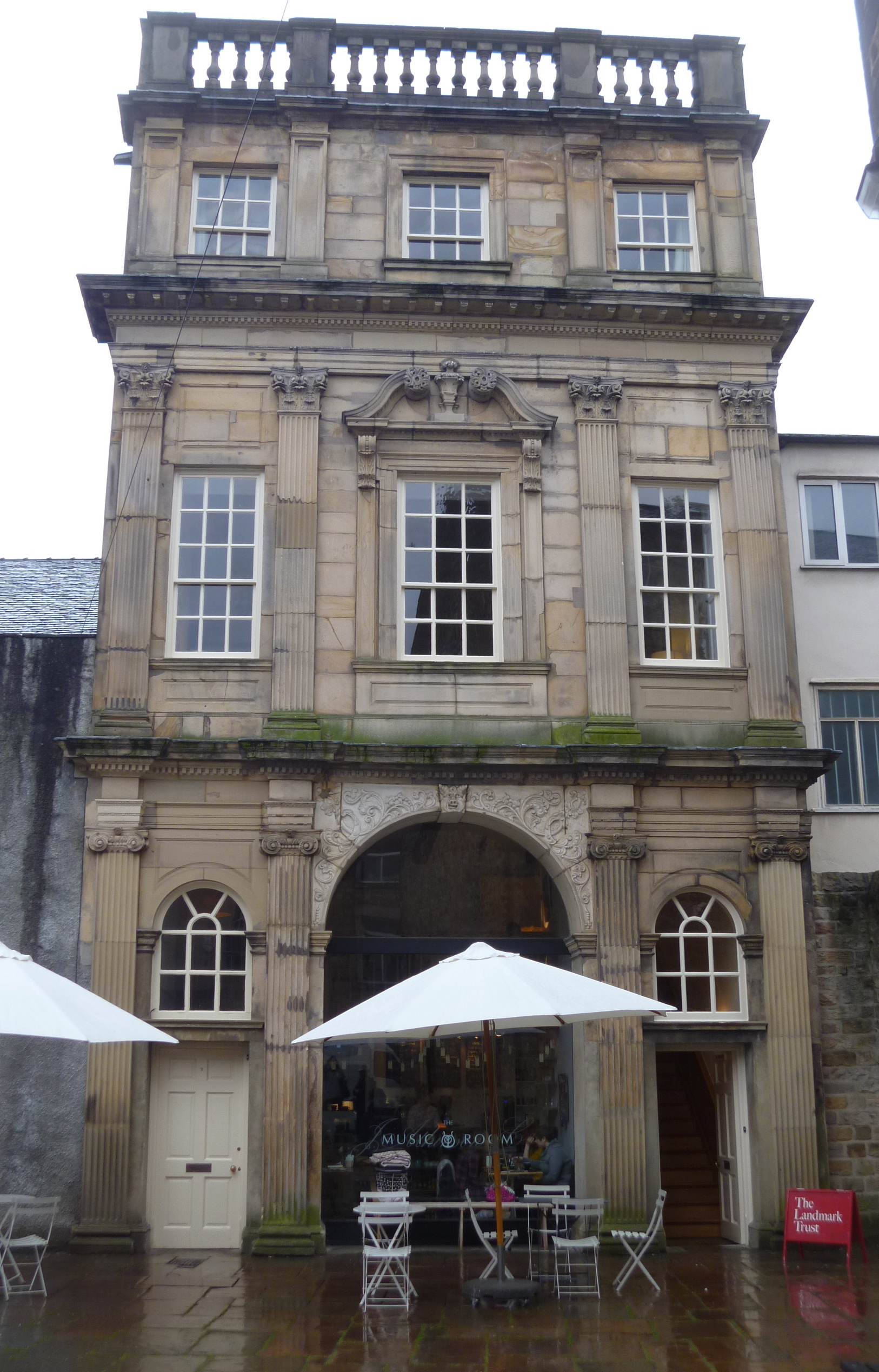
The Music Room ext

From the station the Music Room is only a few steps away. We were glad to take shelter from the rain and we spent a couple of hours inside and out on the roof top (during a lull in the rain). Coffee was supplied courtesy of the nearby coffee merchant and dispensed by the Housekeeper to which she added information about the before-and-after appearance of the property.

The Music Room - Kazia

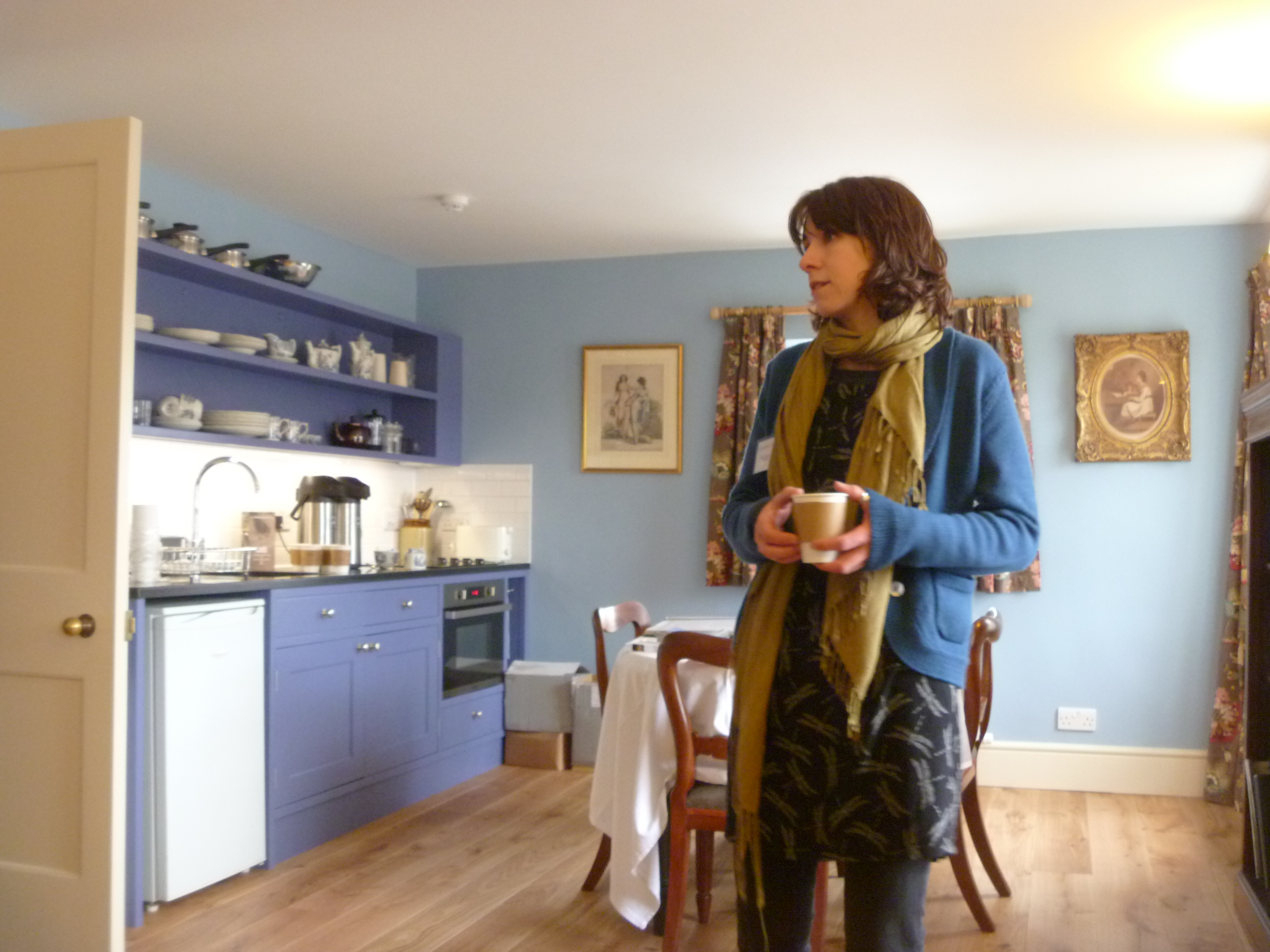
A member of Landmark’s Head Office staff, Kasia, the Education Officer, (above, in the new kitchen) was also on hand to fill us in on news, plans and  future events at Landmarks.

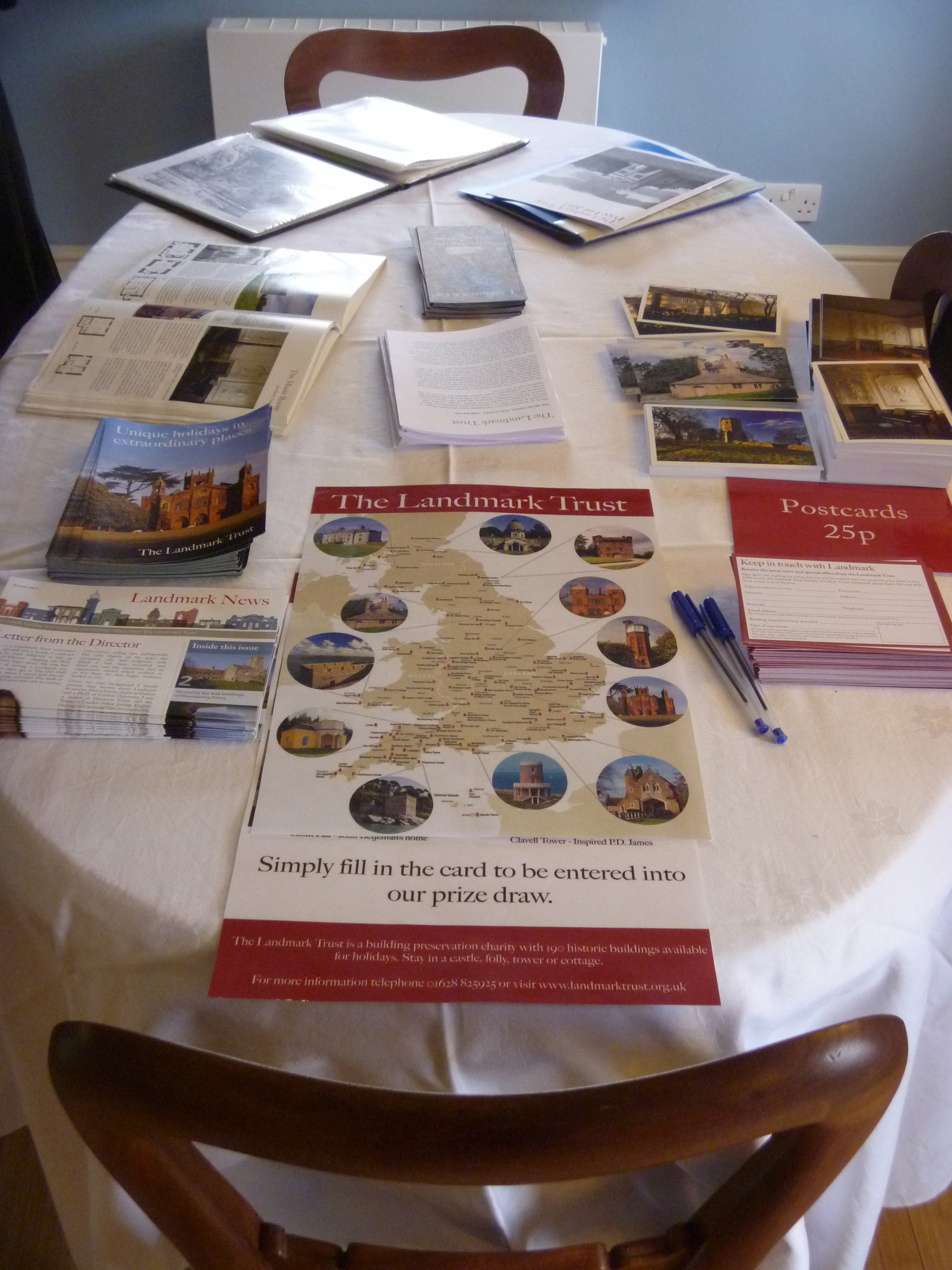
Music Room help yourself

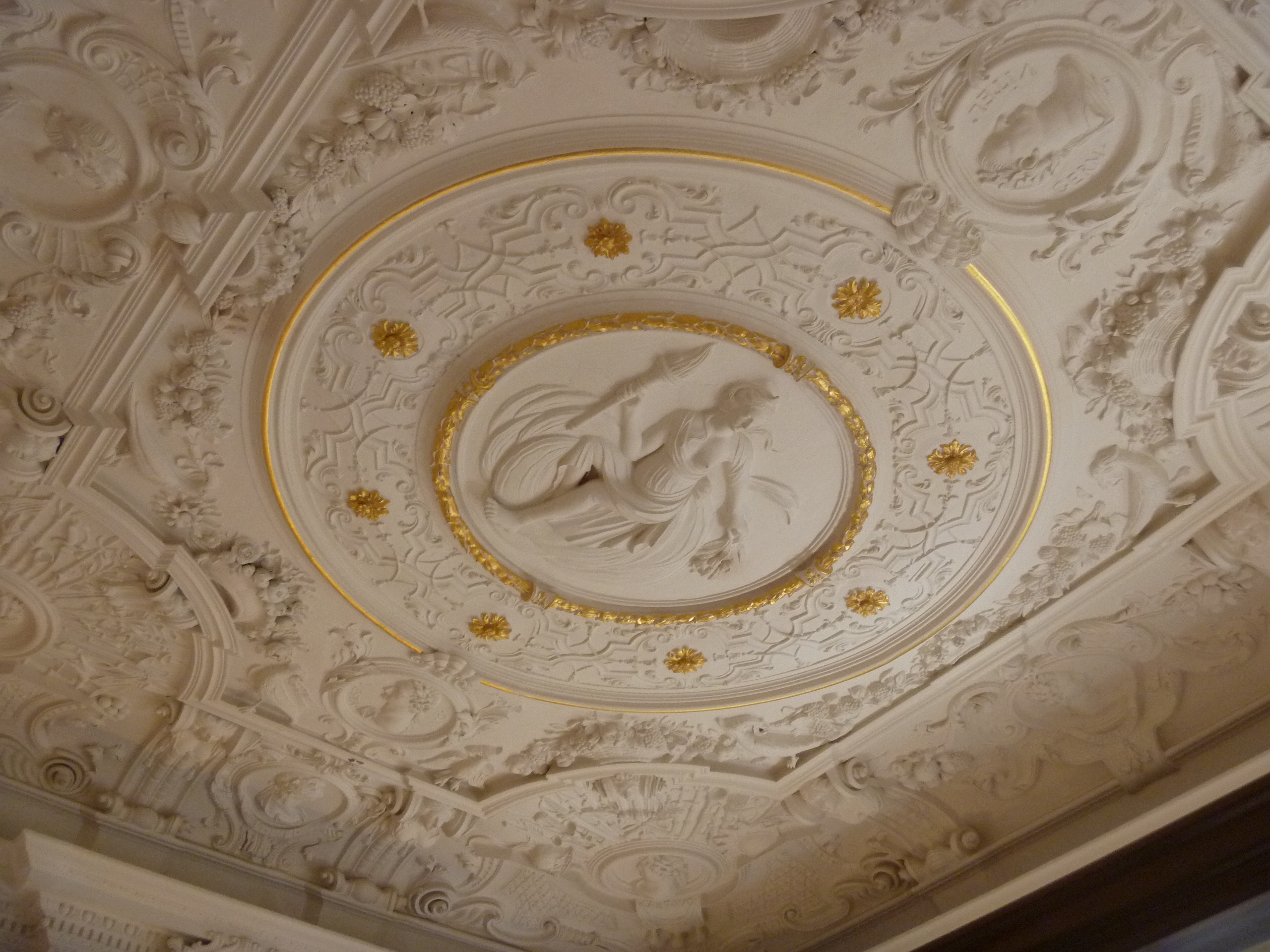
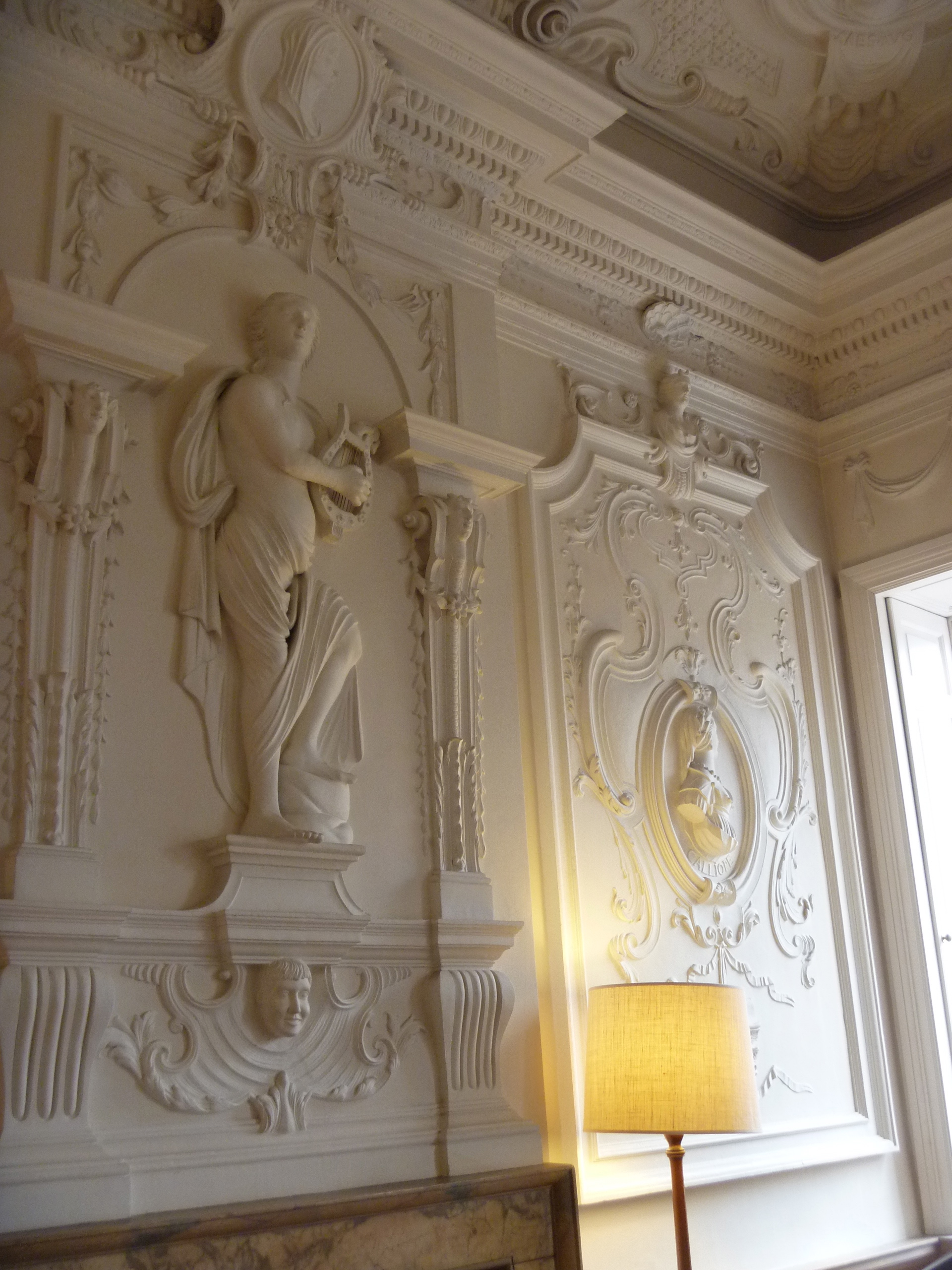
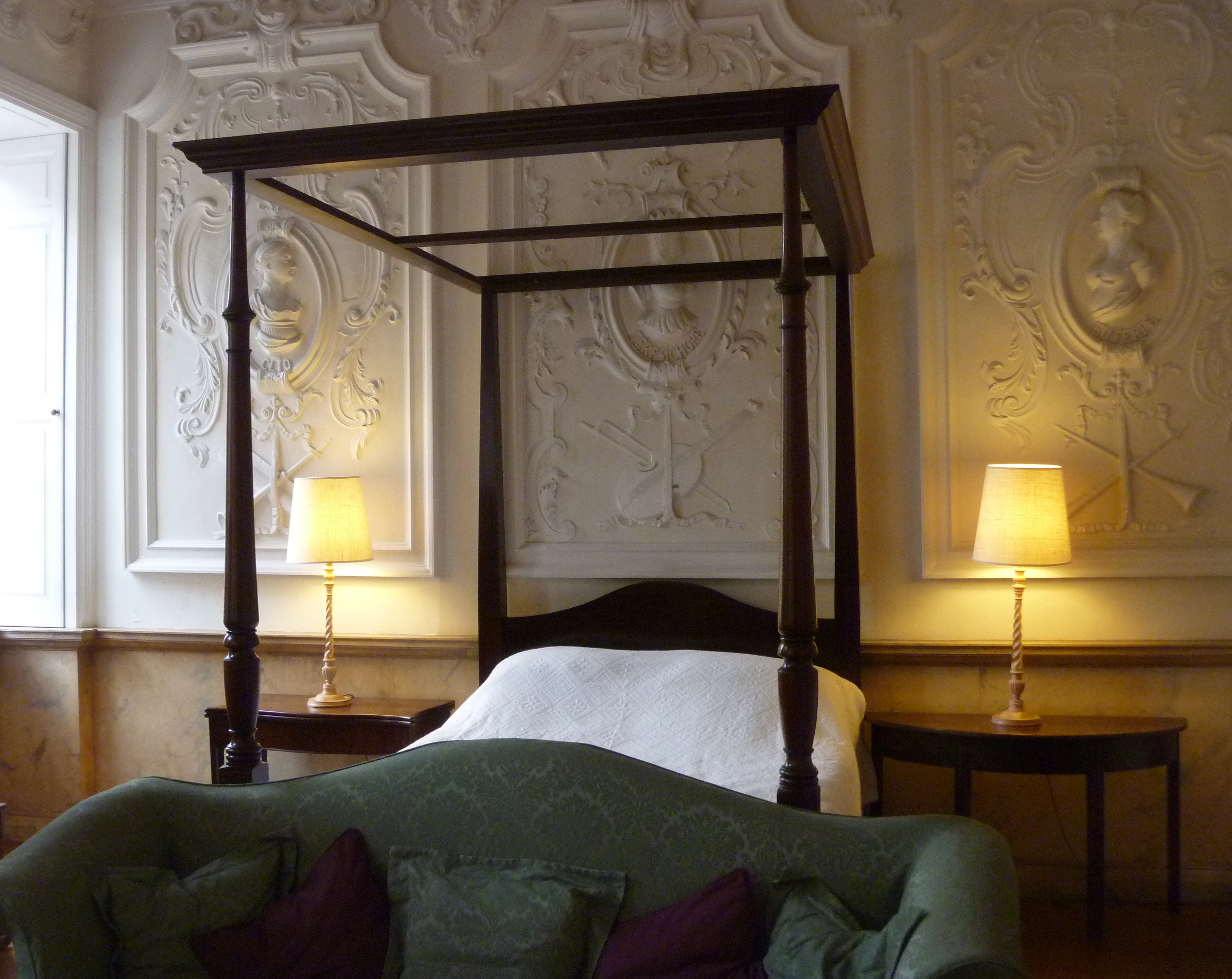
The Music Room dates back to about 1730 and was probably originally a garden pavilion; hard as this is to imagine, being now in the busy city centre. I also note from the free history sheet which is available, along with other Landmark Trust free literature and postcards and handbooks for sale, that music never really had anything to do with the building and that Music Room is probably a corruption of Muses Room (nine plasterwork muses adorn the room).

Music Room plasterwork 1

Music Room plasterwork 2

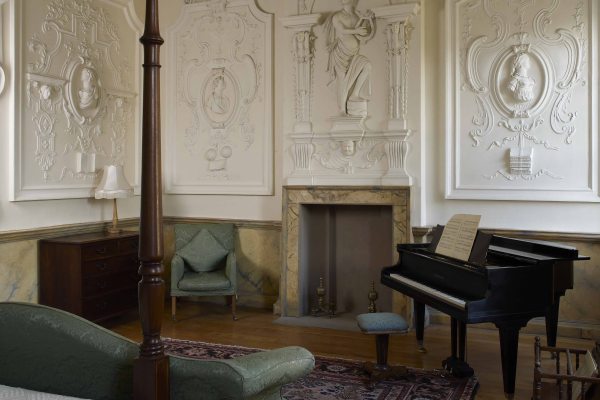
Still, it must be very special to have an elegant grand piano in your bedroom!

R

Photo : From the Landmark Trust website

When the Landmark Trust took on the property in the early 1970s it “was in an appalling condition” and when it was finally opened for letting it slept 4 in two bedrooms and the Music Room, with its exquisite plasterwork, was the sitting room or grand salon. I now quote from the history sheet :

In 2013, 35 years after the first restoration, it was time for a thorough refurbishment, including overhaul of the Baroque plasterwork, which needed hairline cracks repairing and a really good clean. The opportunity was taken to reconfigure the attic floor, since few visitors seemed to be occupying the now rather second-class twin bedroom up there. Partitions were moved and a larger bathroom and a larger area for a new kitchen at one end of the opened-up living room, with its fine views out across the roofs of Lancaster. They are even better from the roof terrace.”

The Music Room bed

The Music Room bed

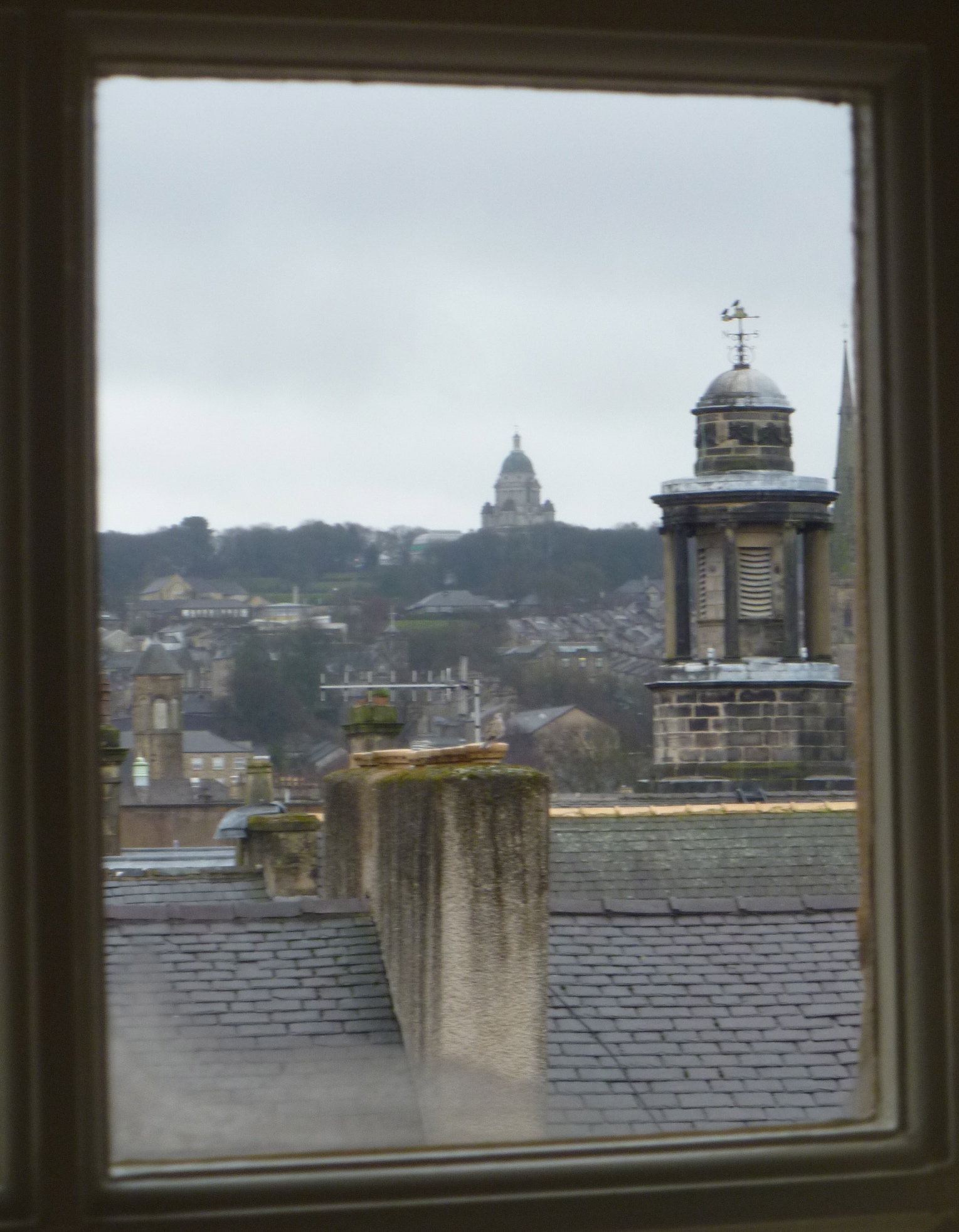
Sitting room view

View from Sitting Room Window (Ashton Memorial on the distant hill)

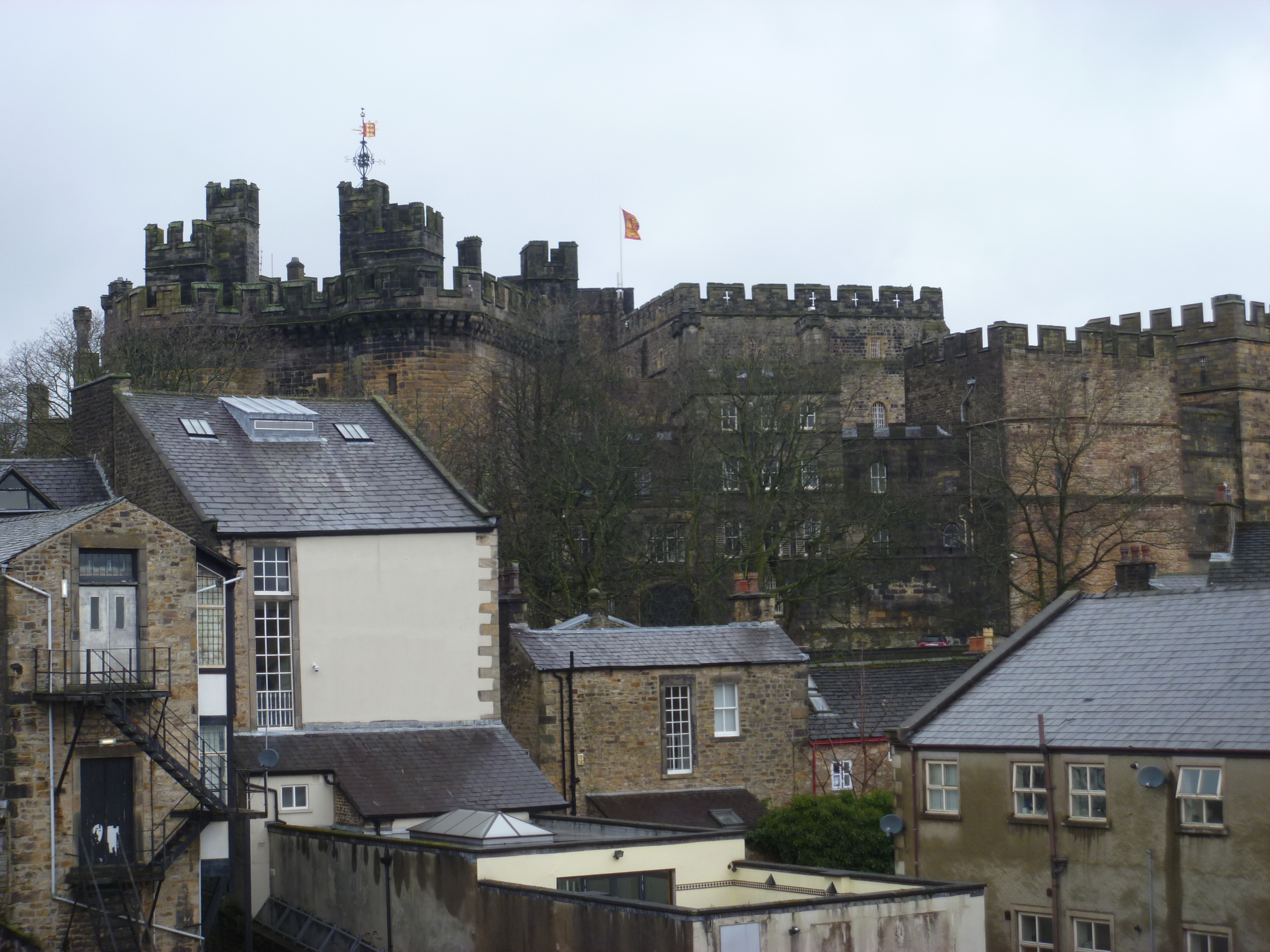
Castle from roof terrace

The Castle from the Music Room Roof Terrace

On the Roof Terrace a most delightful thing happened! We were taking pictures of each other when another visitor offered to take a photo of us both. We thanked her and got talking to her – she’d pointed out her house in the background of the picture she’d just taken – she is also a keen Landmarker, lives in an historic house herself and by the end, as we were saying goodbye, she invited us to call in and have a look round her own home and have a cup of tea with her just before returning to the station! In addition to this she recommended a place for lunch (The NICE cafe inside The Storey) and that we join the 2pm Tour of Lancaster Castle. Both of which we did and even managed a peep inside the Priory Church of St Mary next door to the Castle.

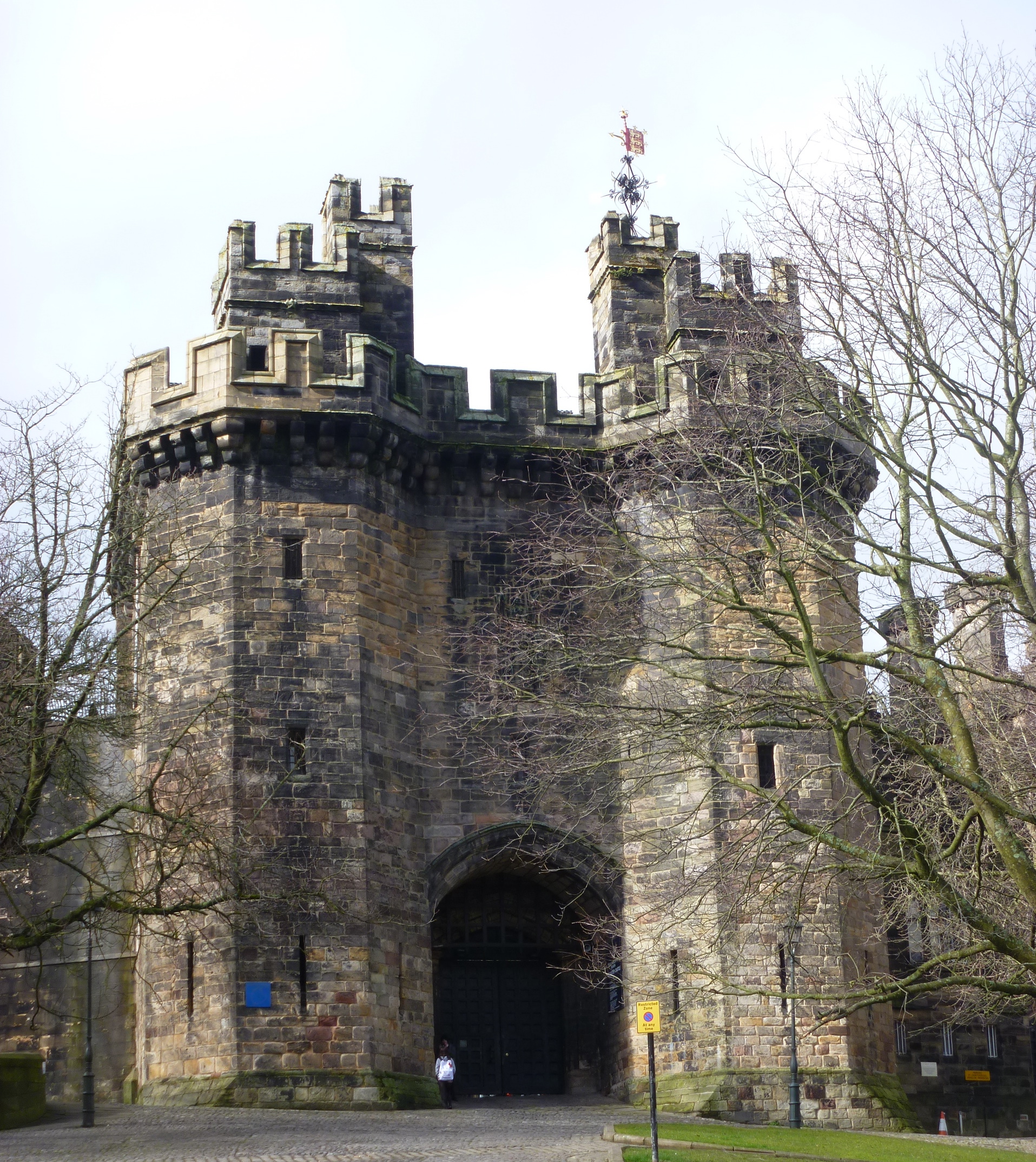
Main Castle entrance

Main Castle entrance

The Tour of the Castle is excellent and well worth doing. No photography is allowed but you are taken into two court rooms, the old cells, the grand jury room and much more. We learnt that it is a Royal Castle as our Queen is also Duke of Lancaster, that it had connections with the Pendle Witches, it housed a Debtors’ Prison in addition to a regular prison and that prison is now closed and due for refurbishment and change of use.

Inside Lancaster Priory Church

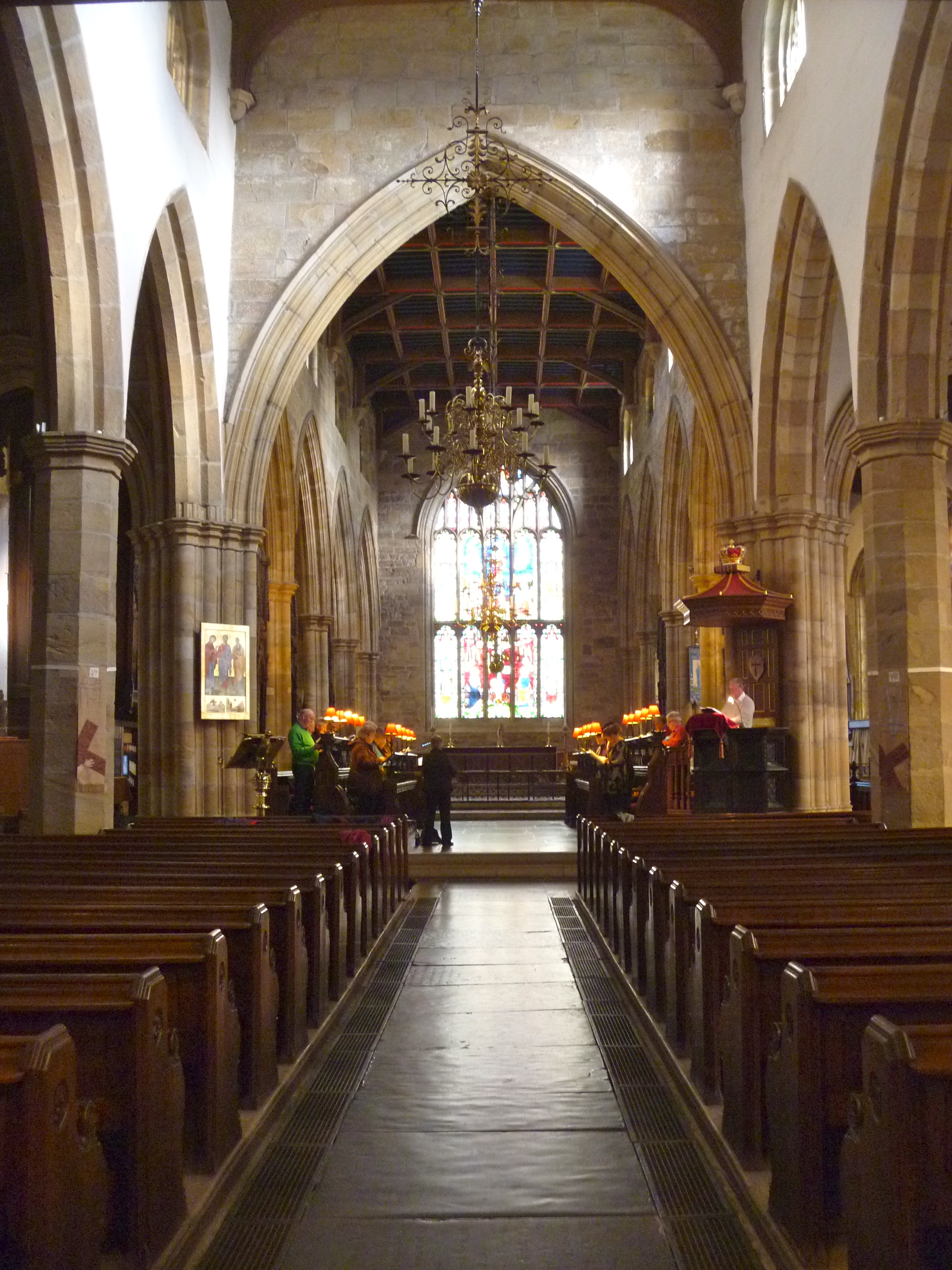
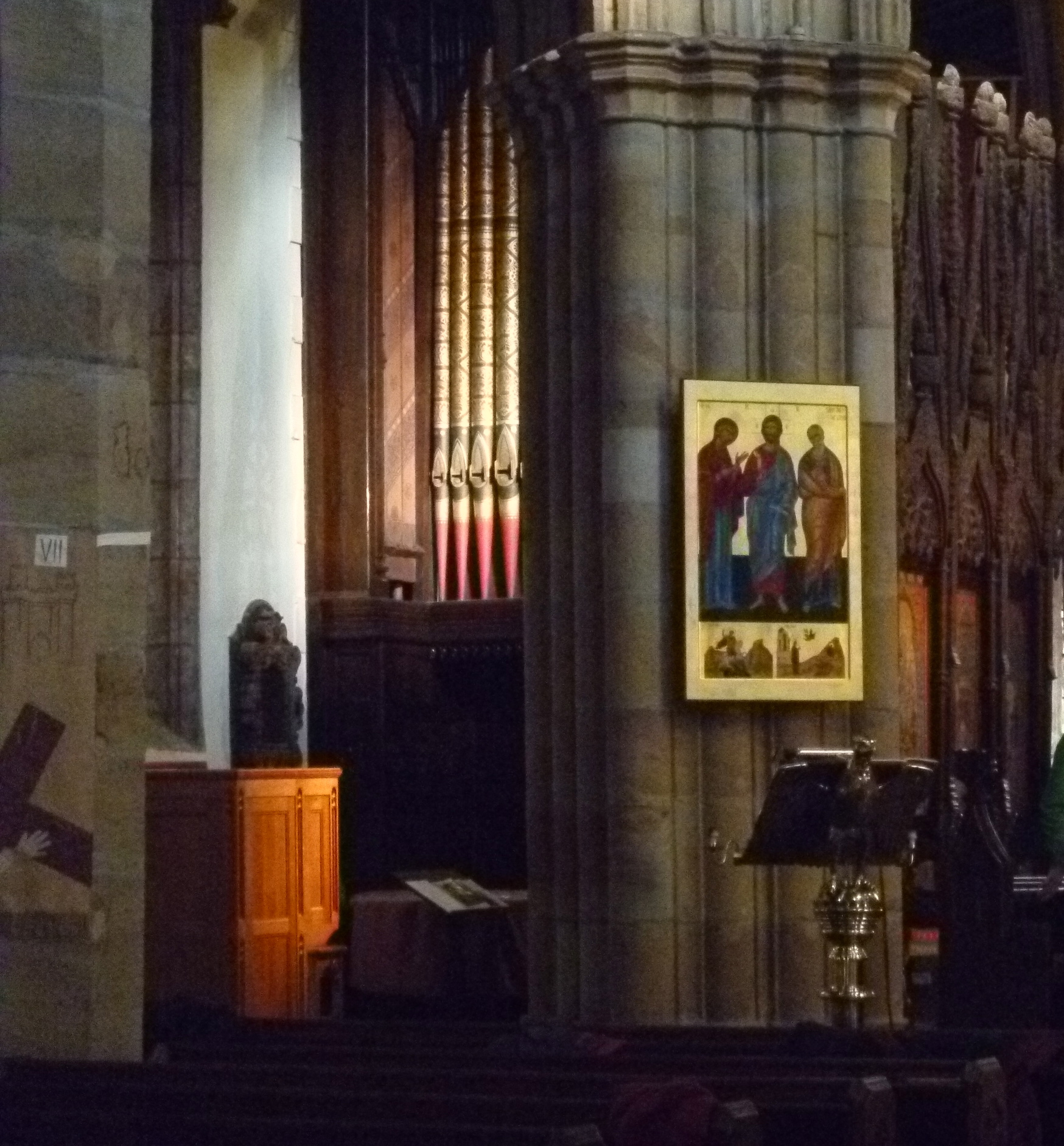
Following the hour long tour we had just time to peep inside the Priory Church and admire the view of Morecambe Bay. The choir were rehearsing for a concert this evening so we were unable to inspect the Choir Stalls which are an important feature of the church. There are some beautiful 17th century chandeliers, a Russian icon and two organs.

Organ, icon and choir stalls

One of the organs, the icon and a glimpse of the choir stalls

It was soon time to take up the kind offer of our fellow Landmarker and we enjoyed a house tour and cup of tea before heading back to the station for our trains. Despite the cold winds and rain we came away with a very warm feeling towards the city, the buildings  and the inhabitants of Lancaster and we have a lot more ideas for future visits!

The Battle of Tewkesbury: The Bloody (Muddy) Meadow

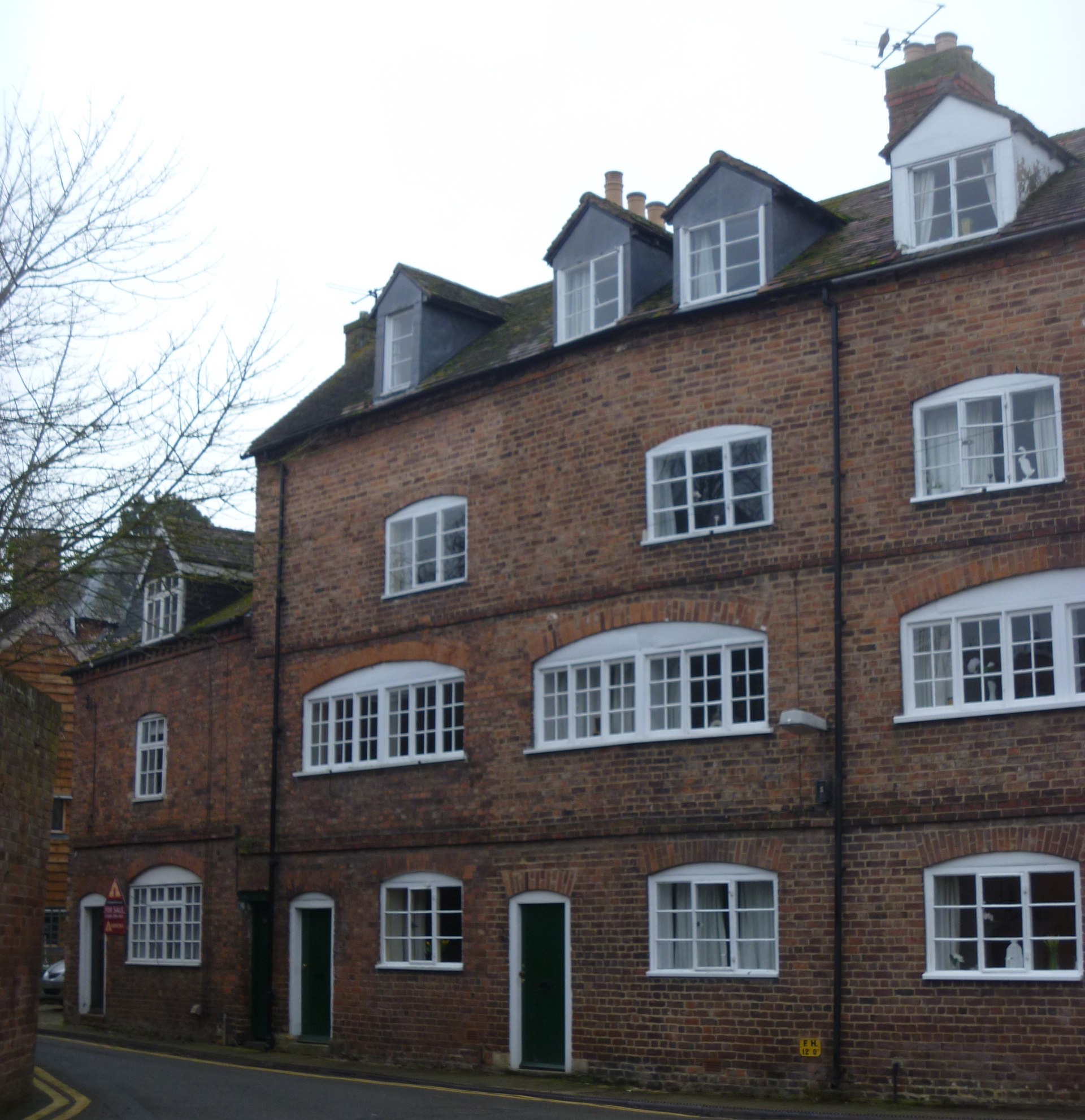
32 St Mary’s Lane

32 SM Lane

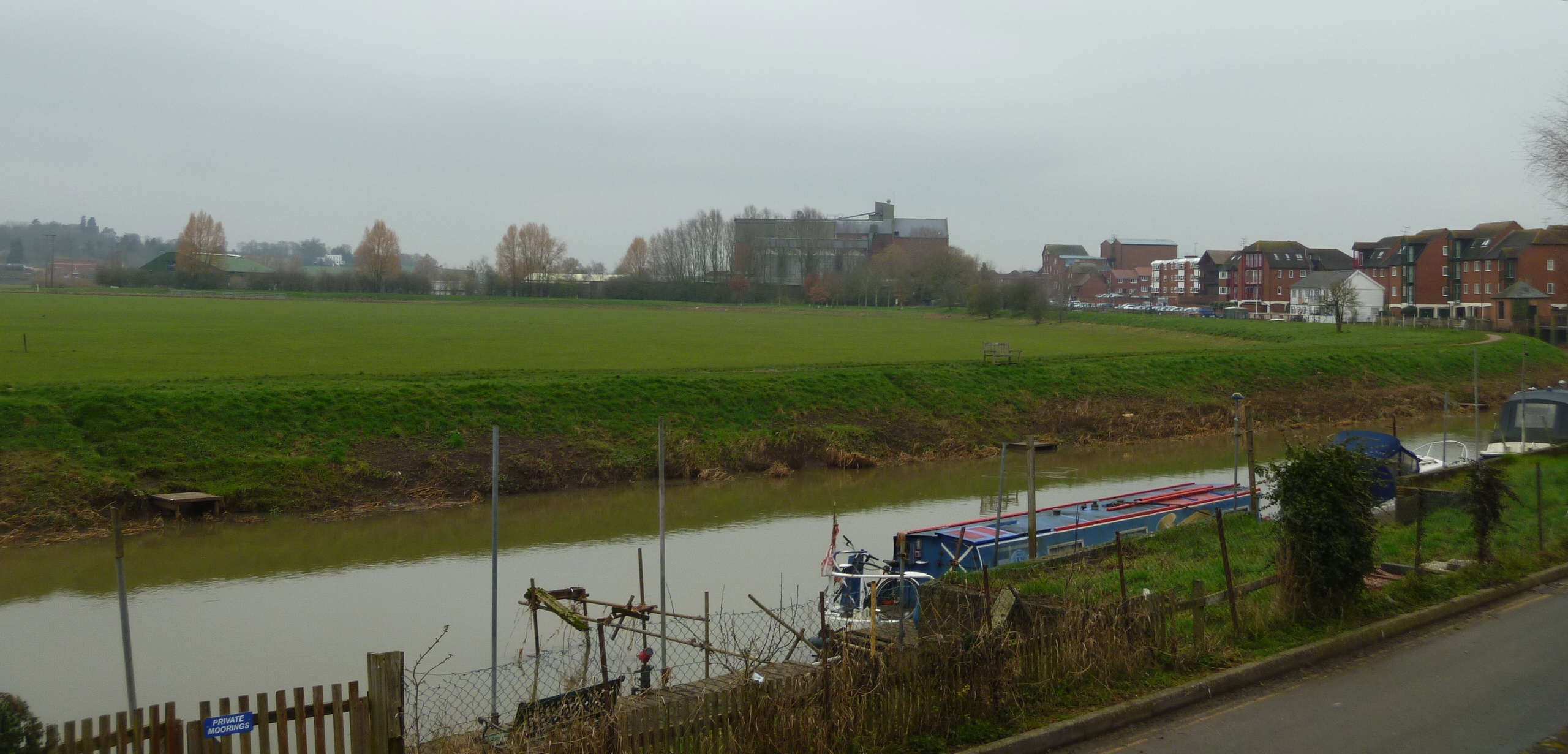
Last weekend, to break my journey between South Wales and home in Leeds, I stayed in the lovely old town of Tewkesbury. 32 St Mary’s Lane is tucked away between the main road through town and the River Avon. Beyond the river is a large expanse of flat, grassy land called Severn Ham (‘Q’ mentions it in his poem ‘Upon Eckington Bridge‘) bordered on the other side by the River Severn. The two rivers meet at Tewkesbury and it’s liable to flooding sometimes in summer.

Severn Ham

River Avon and Severn Ham

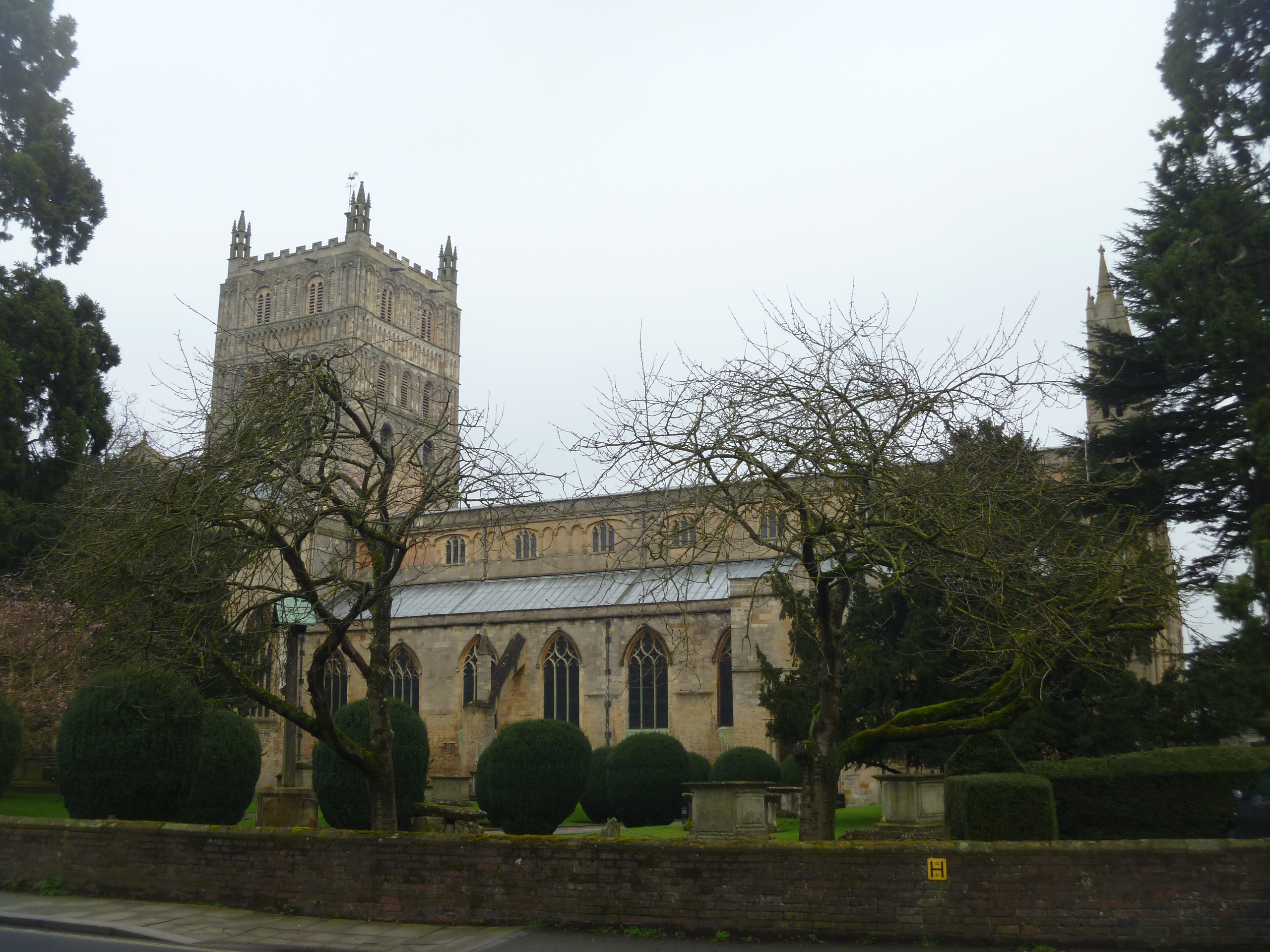
Beyond the main road, on the other side, is the great edifice of Tewkesbury Abbey which dominates the town in the nicest of ways.

Tewkesbury Abbey

The house in St Mary’s Lane was formerly a framework stocking-knitter’s home dating back to the 17th century. The row of cottages, of which no. 32 is one, were in a parlous state by the 1970s and The Landmark Trust stepped in to help a local conservation group who were unable to raise the funds required to restore the houses. No. 32 only joined Landmark’s collection of properties to let in 1982.

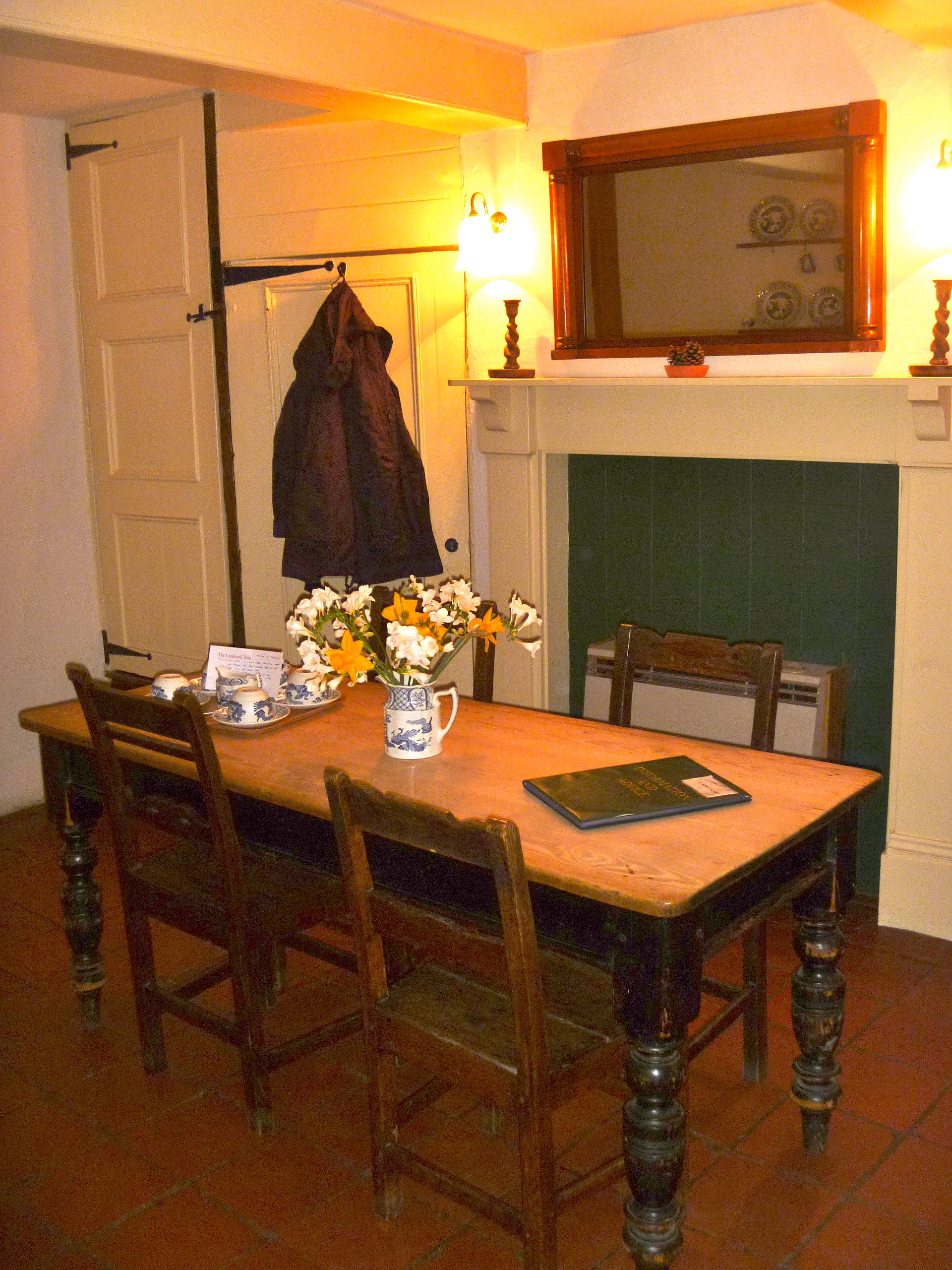
32 Kitchen

Welcome to St Mary’s Lane : The Kitchen

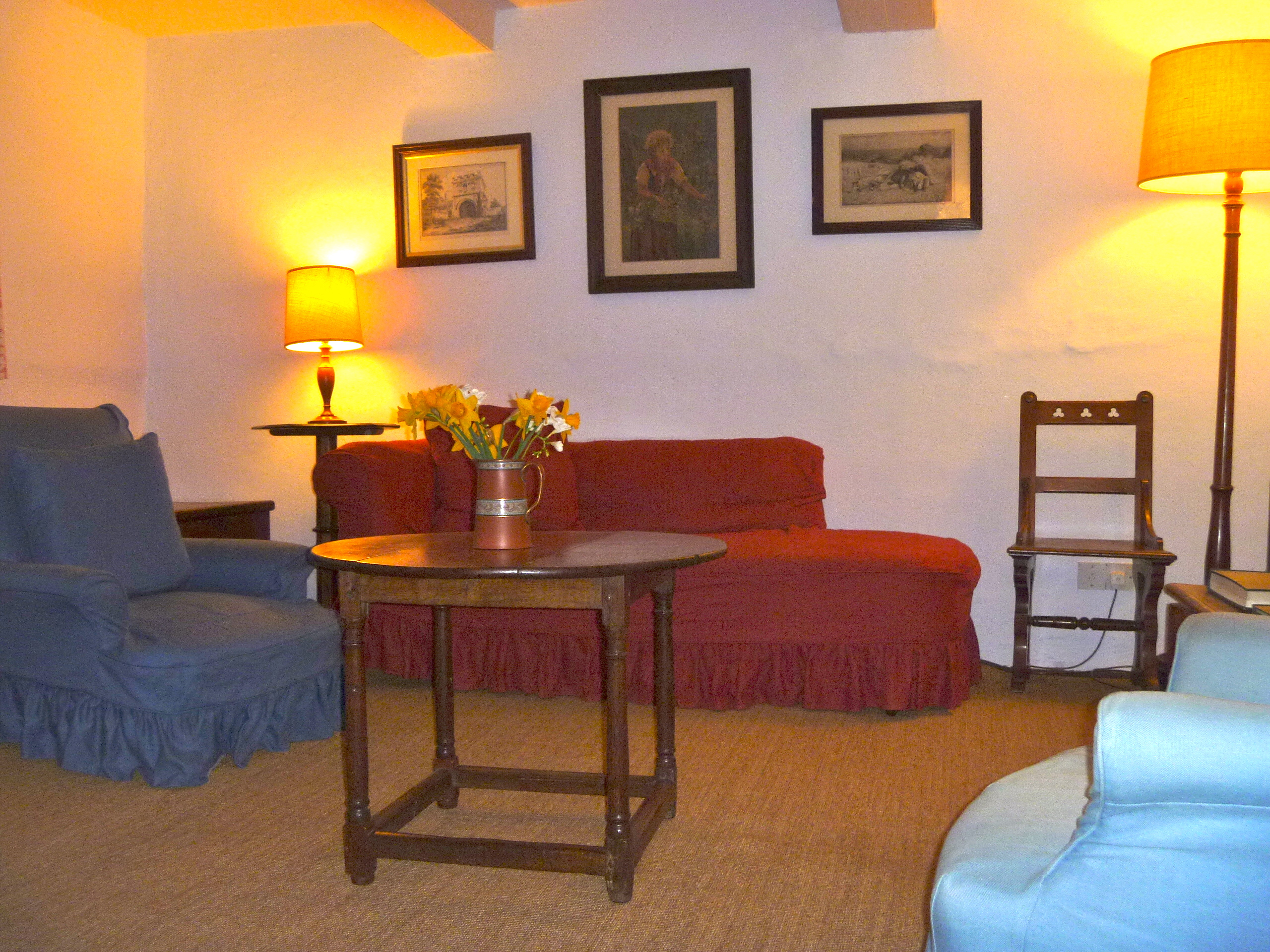
SML Sitting room

The First Floor Sitting Room

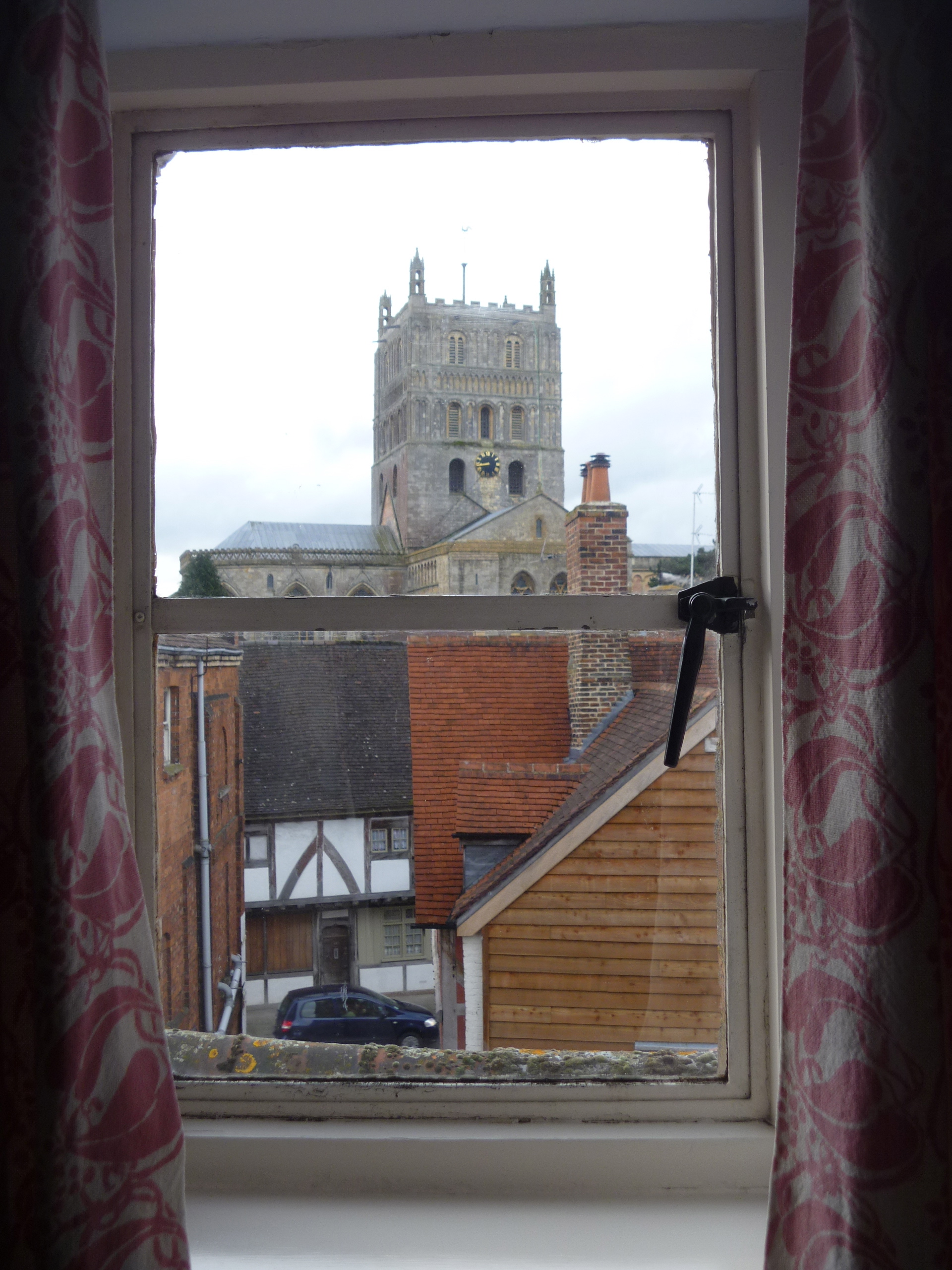
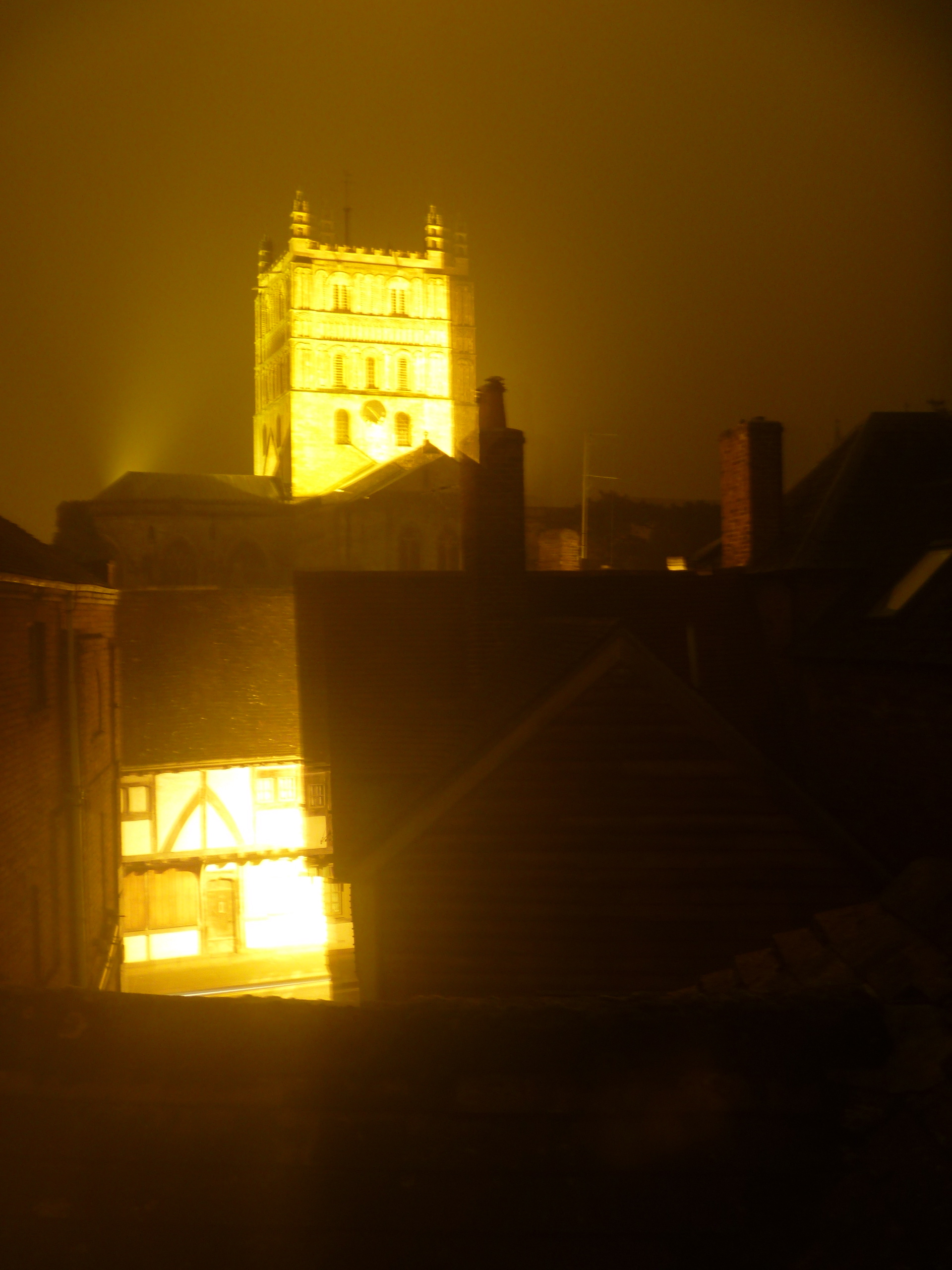
It’s a lovely warm and comfy house on 4 floors each of the upper floors accessed via steep, narrow, twisting staircases; but you soon get used to them! On the ground floor is the kitchen and a cloakroom (and there’s a backyard with picnic table for the summer months), on the first floor is the sitting room, above that is a bedroom and a bathroom and on the fourth floor is another bedroom with magnificent view of the Abbey through one tiny window.

upstairs day view

The Abbey from the Top Bedroom – by day

32 upstairs window

The Abbey from the Top Bedroom – by night

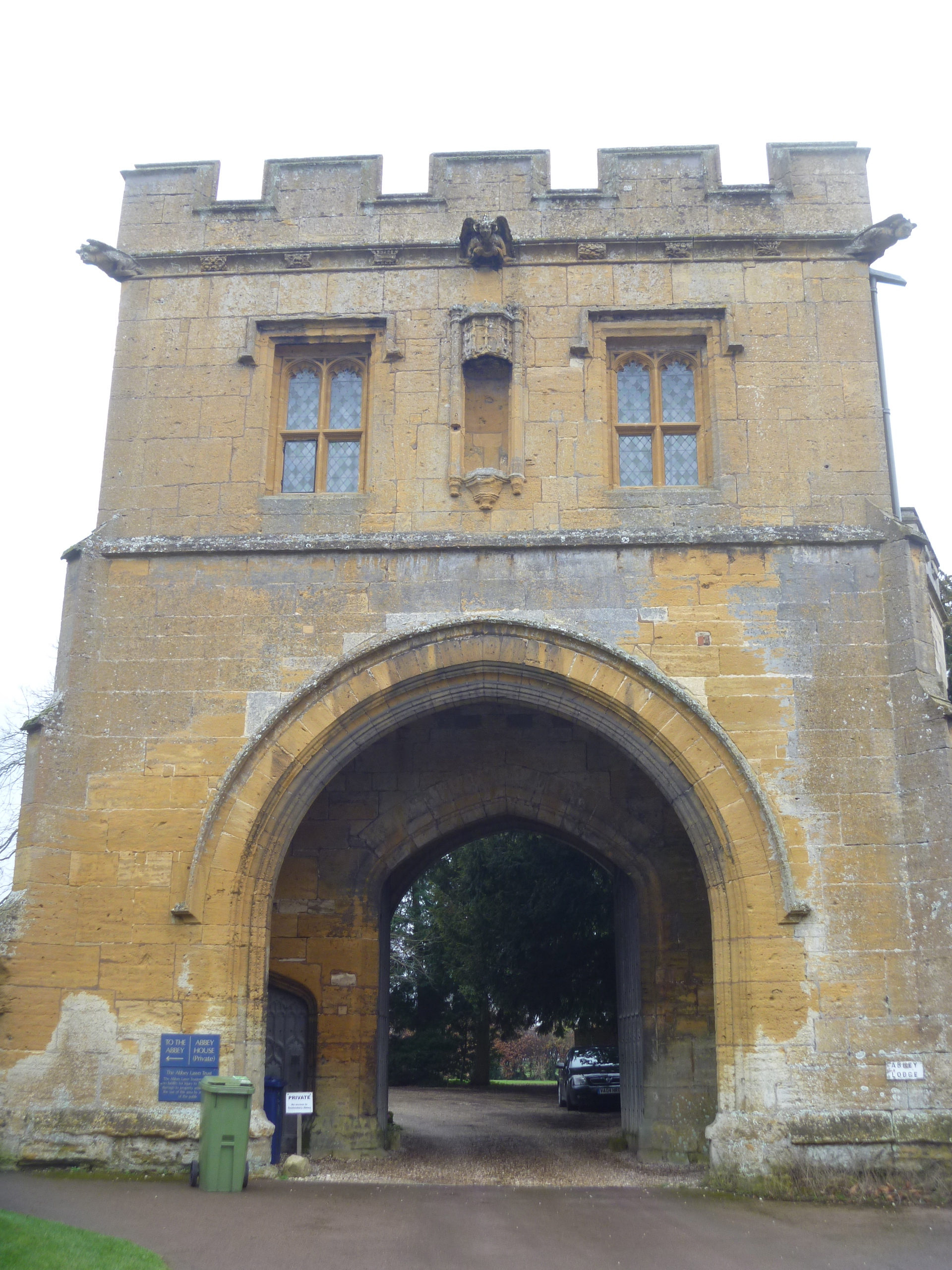
In fact there is another Landmark Trust property in Tewkesbury – The Abbey Gatehouse.

The abbey gatehouse

To Battle!

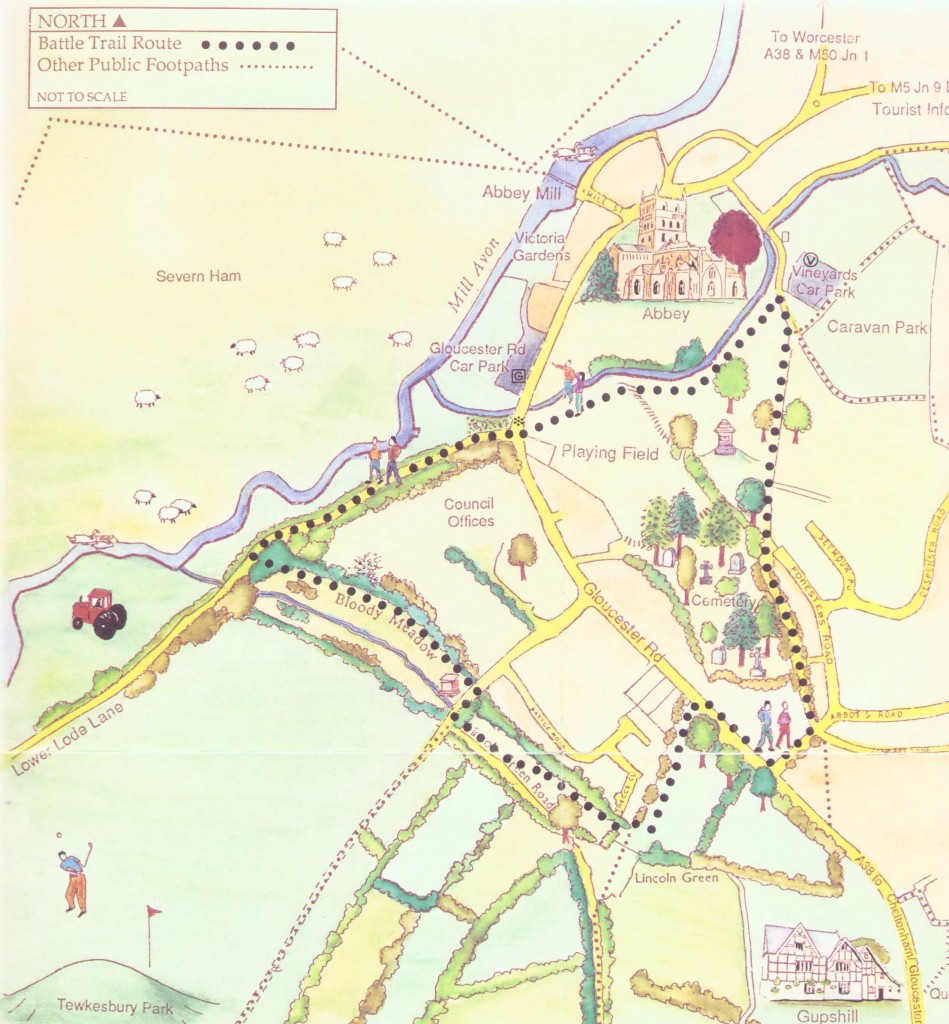
Battlefield-Trail-949x1024

The Battlefield Trail at Tewkesbury (photo)

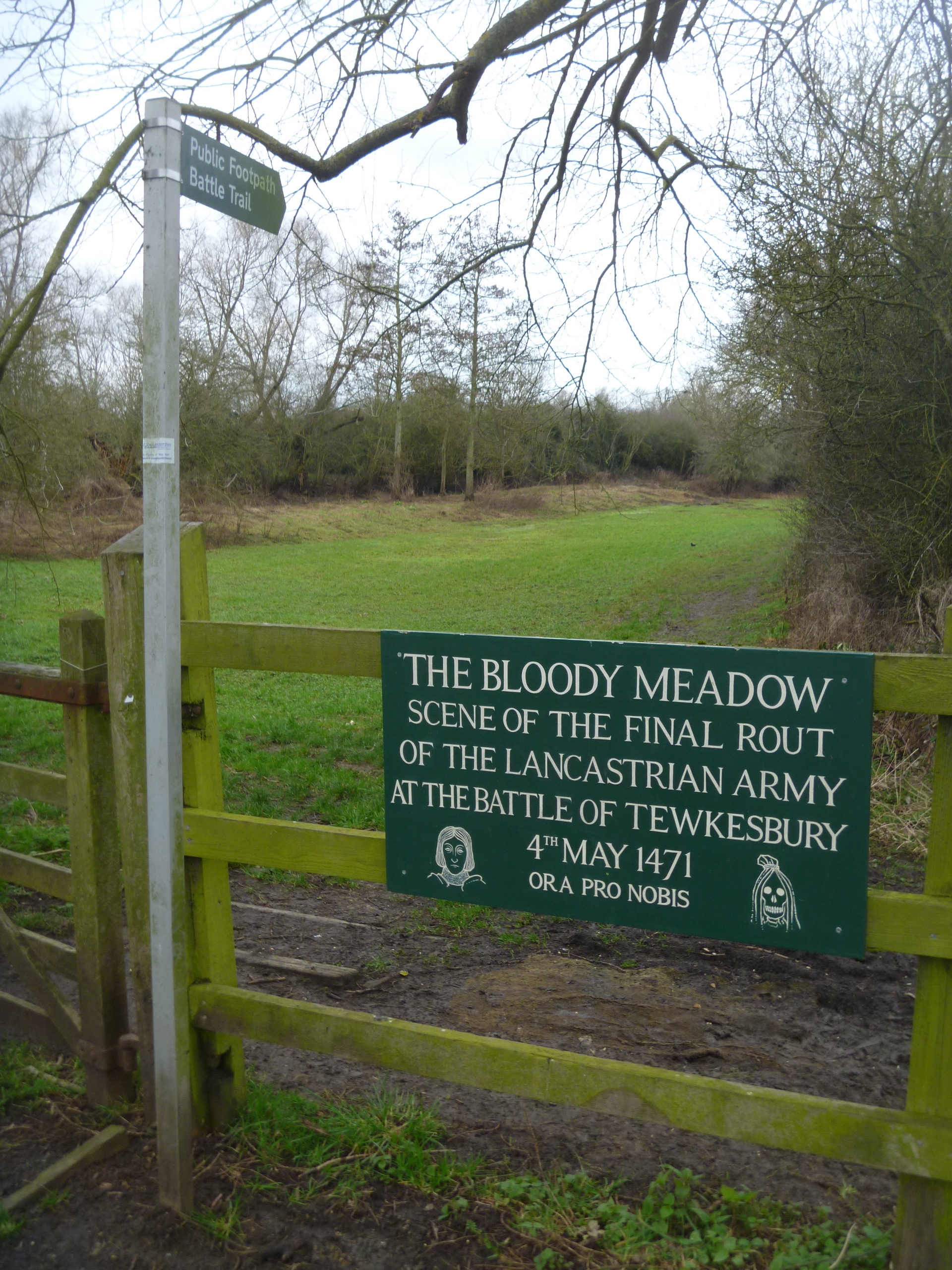
On Sunday morning, having found a Battle Trail leaflet at the house, I decided to leave its cosy confines and venture out into the cold, windy fields on the edge of Tewkesbury to discover the location of The Bloody Meadow – scene of the Battle of Tewkesbury in 1471 between the House of York and the House of Lancaster saw the death of 2000 soldiers, including Edward, Prince of Wales, who was just 18 years old. It was a defining battle of the Wars of the Roses.

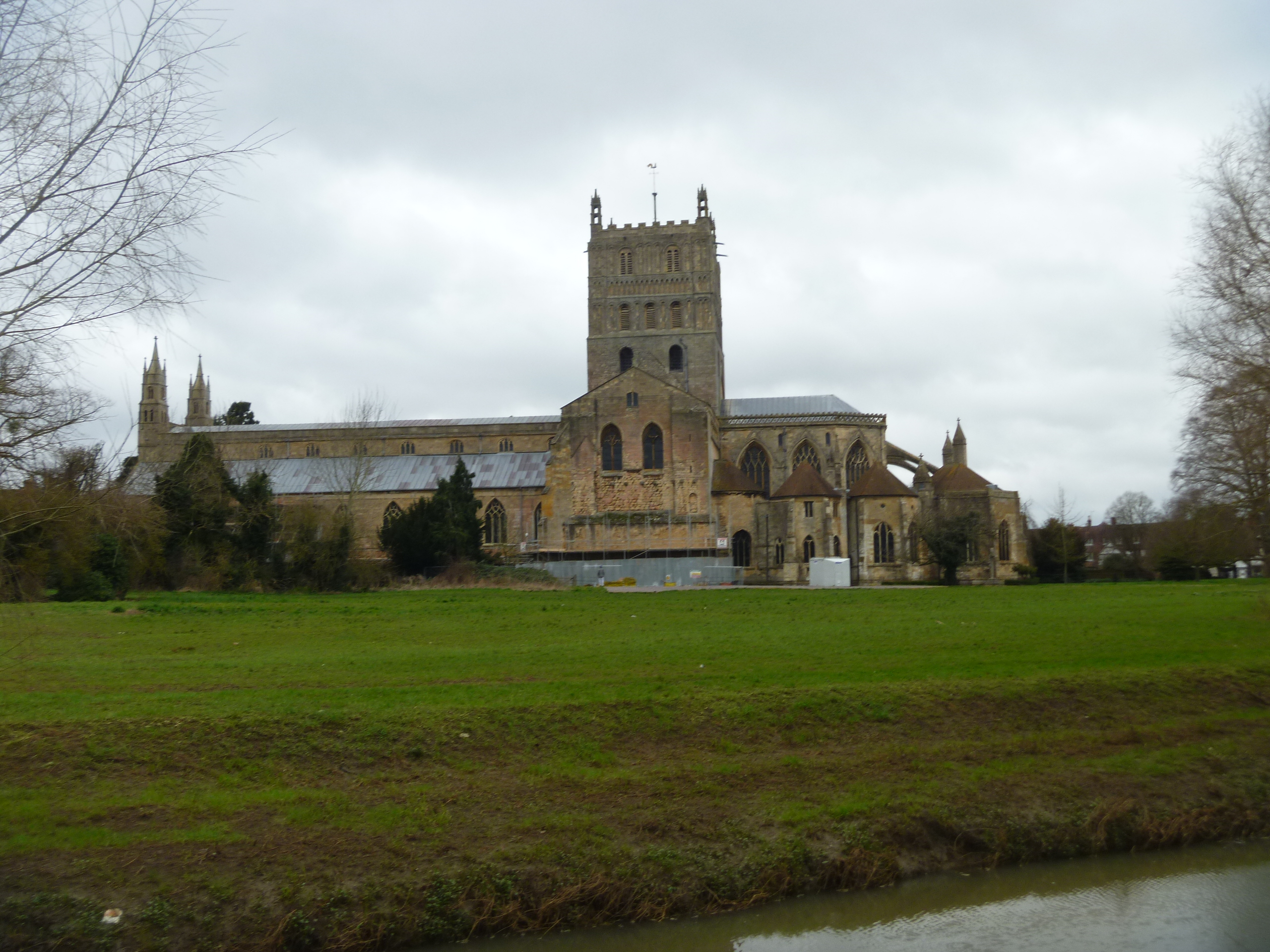
Tewkesbury Abbey

Tewkesbury Abbey from The Battle Trail

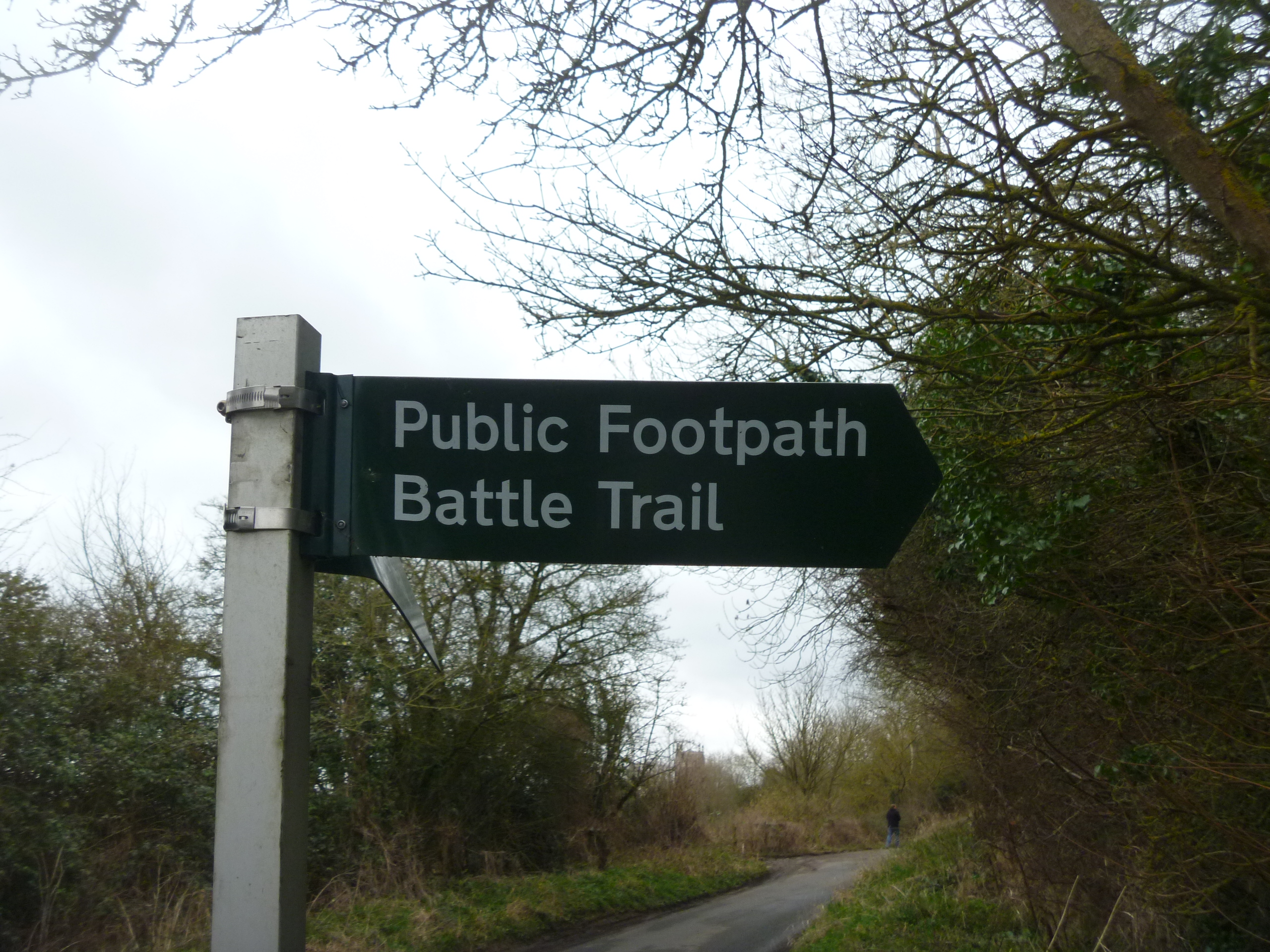
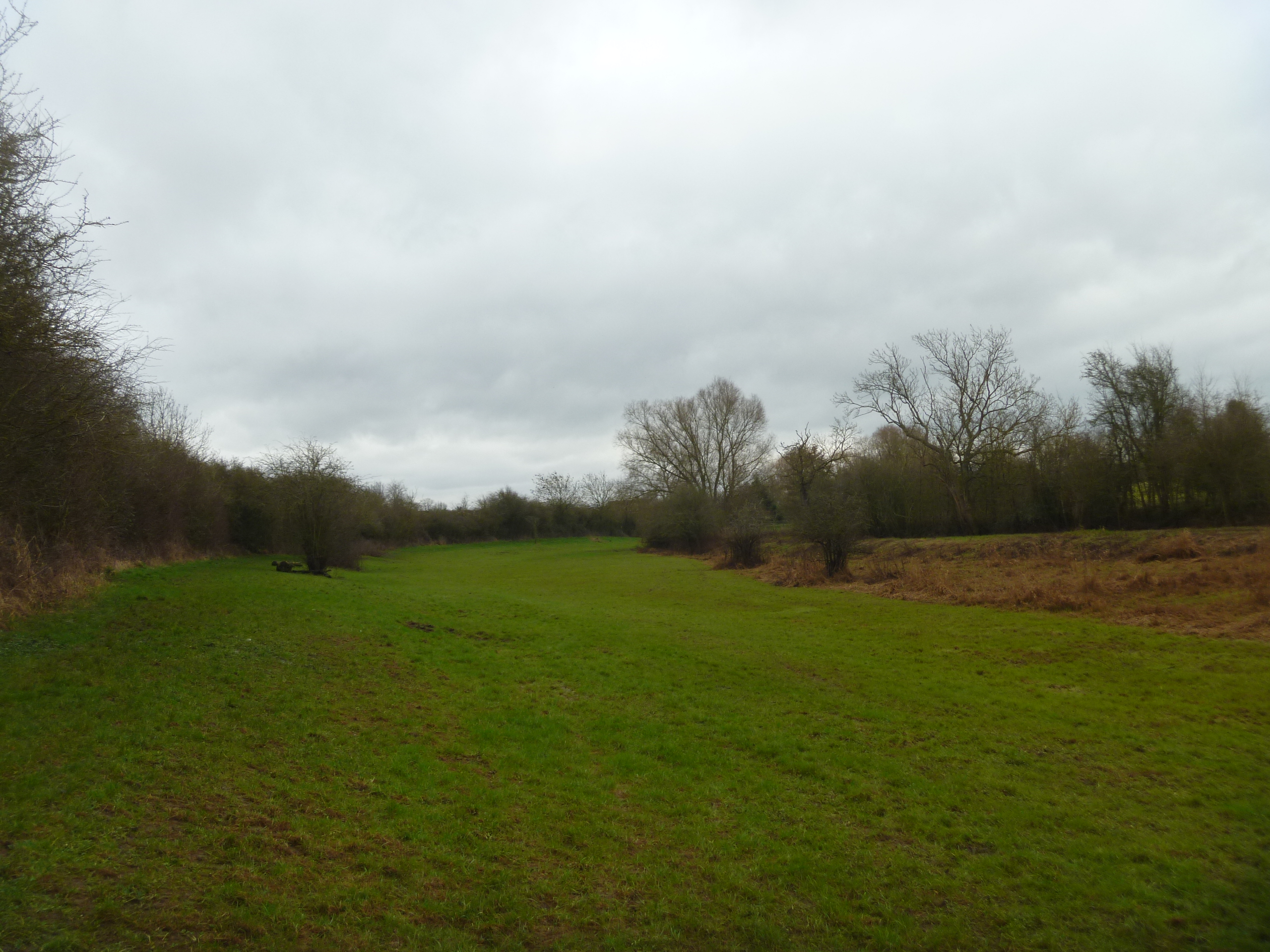
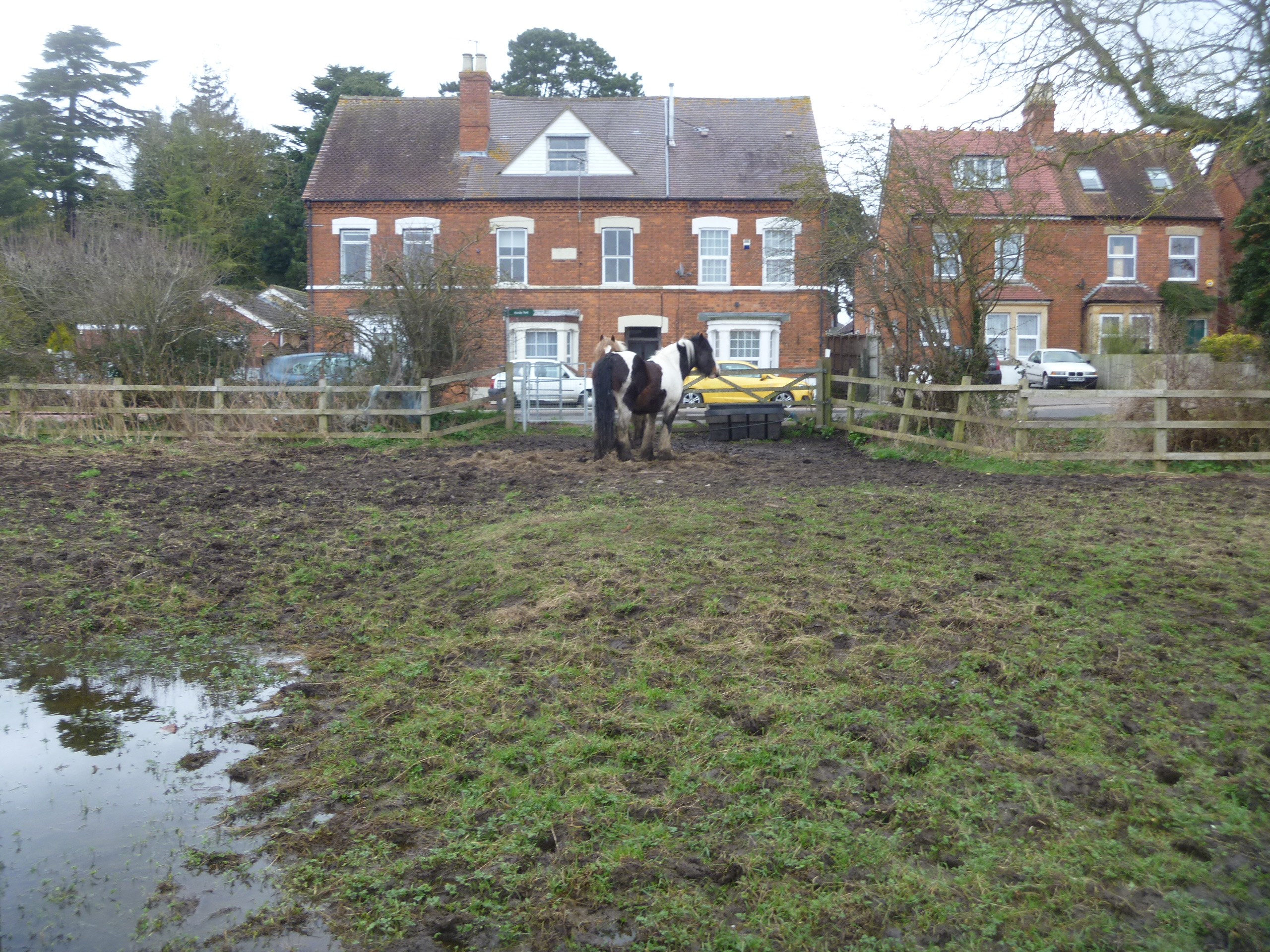
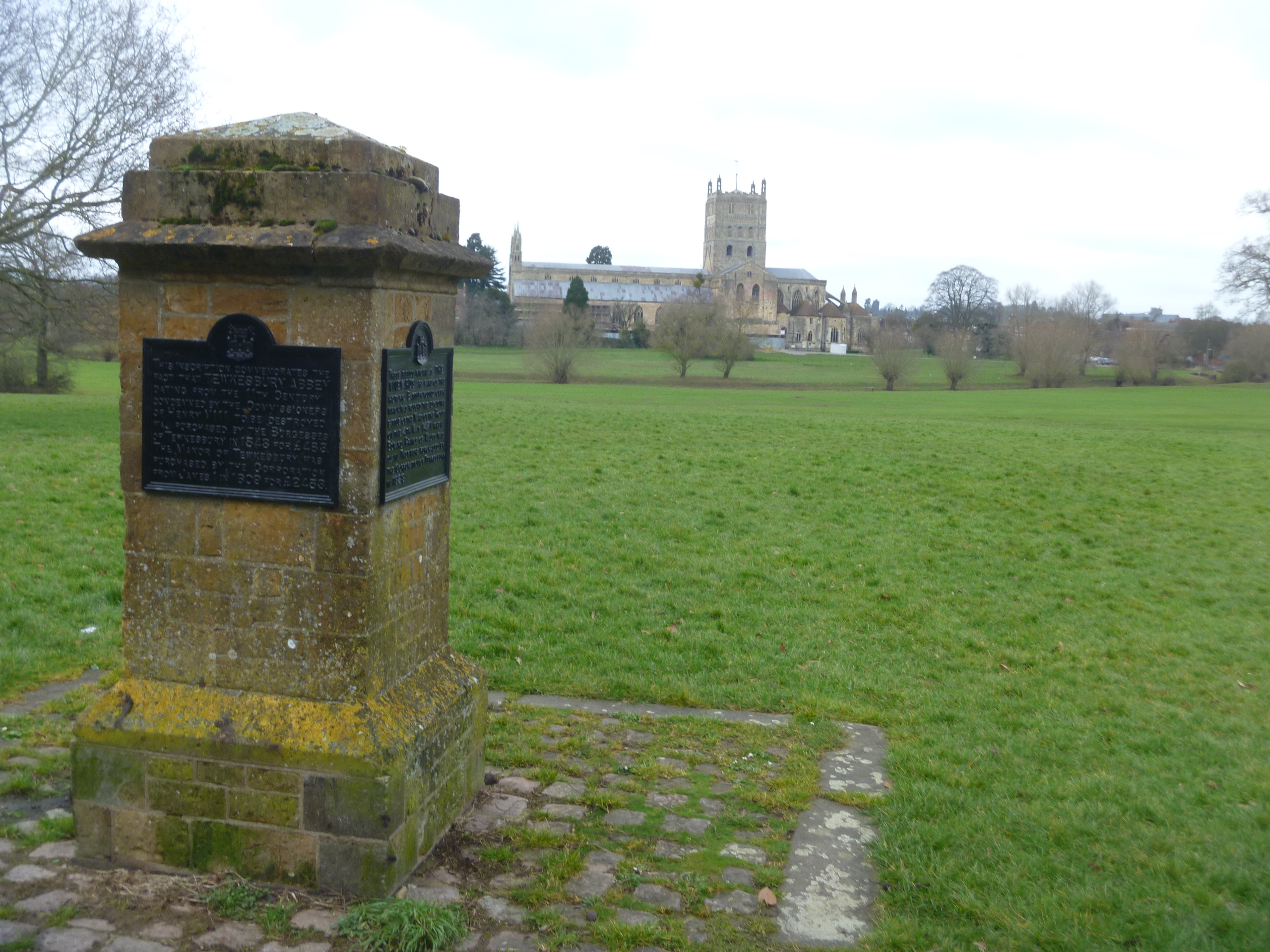
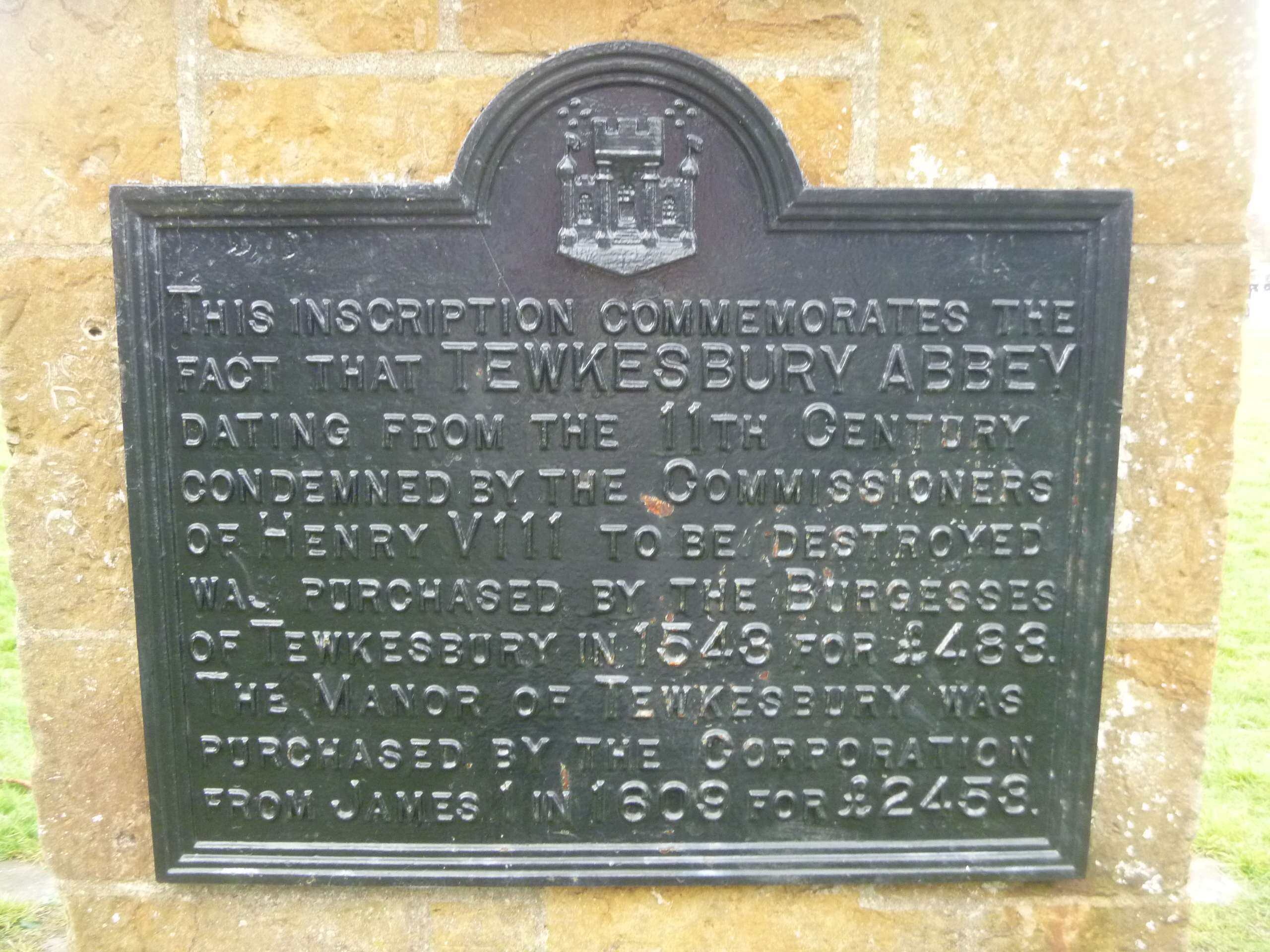
Crossing the main road and taking Gander Lane behind the Abbey I soon found the first Battle Trail sign. It was easy to follow and well-waymarked BUT there were some very very muddy parts and at one point I was unable to reach the exit gate from the Bloody Meadow due to two rather frisky-looking ponies. I had to take a detour, give them a wide berth and climb over a fence. There’s an information panel at the Meadow itself and towards the end of the trail is a monument to the town recording important events in the history of Tewkesbury.

Battle Trail

The Bloody Meadow

The Bloody (and muddy) Meadow

Info Board

Muddy Field

Horses and Mud block the Trail

Tewkesbury Monument

The Tewkesbury Monument and Abbey at the end of the Trail

Close-up of panel

Close-up of the Monument

Tea at Lock Cottage

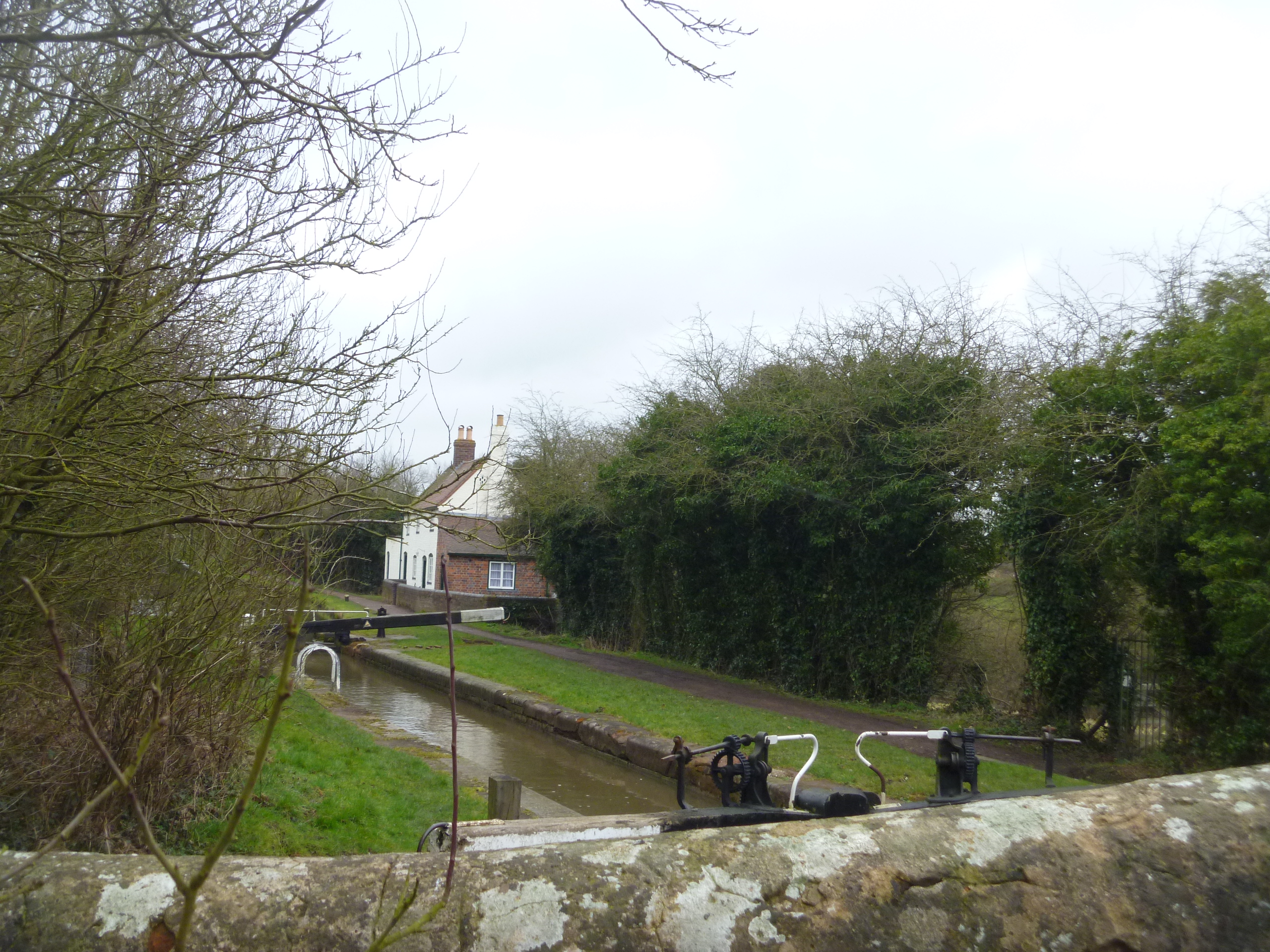
I was pleased to get back to St Mary’s Lane for a wash and brush-up before heading up the M5 to partake of afternoon tea with Landmarking friends who just happened to be staying at Lock Cottage which lies between locks 31 and 32 of the Worcester and Birmingham Canal.

Lock Cottage

I have to concur with the comment in Lock Cottage Log (Visitors) Book, namely, that “Sitting in the cottage with a cup of tea and watching the boats go by is infinitely preferable to jumping on and off a boat watching the cottages go by.”

A Chapel, a Diarist and a Book Town: a visit to Hay On Wye and its Environs

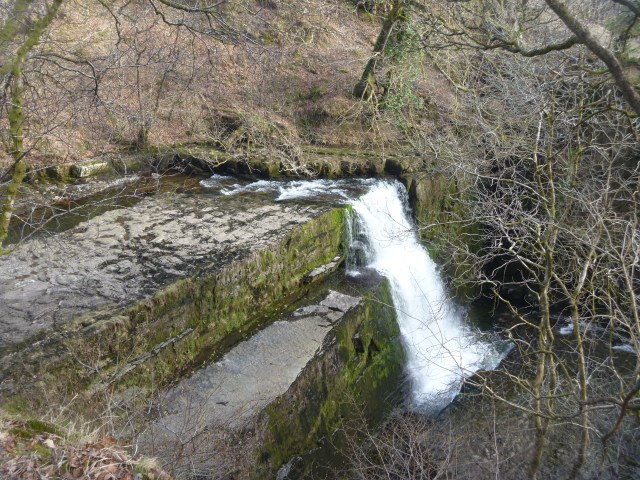
On Monday I arrived in Wales for a few days’ visit with a friend and former colleague who returned to her home country after spending most of her adult life in Leeds. I’m having a very relaxing few days interspersed with an expedition each day. Tuesday was most glorious. The sun came out and the temperatures rose and spring seemed definitely in the air. We managed a couple of short walks in “Waterfall Country”.

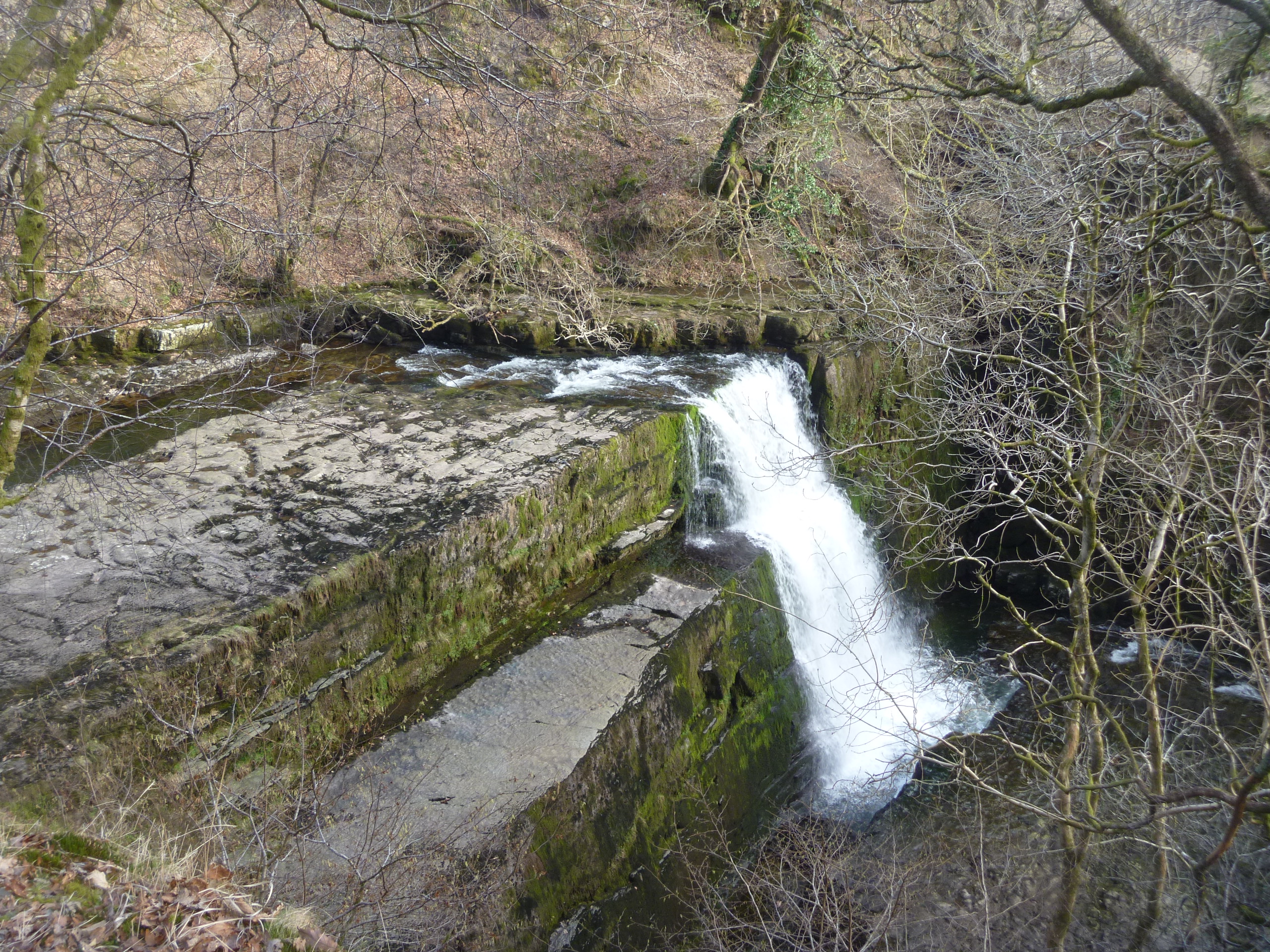
Sgwd Gwladus near Pontneddfechan

Sgwd Gwladus near Pontneddfechan, Neath Valley
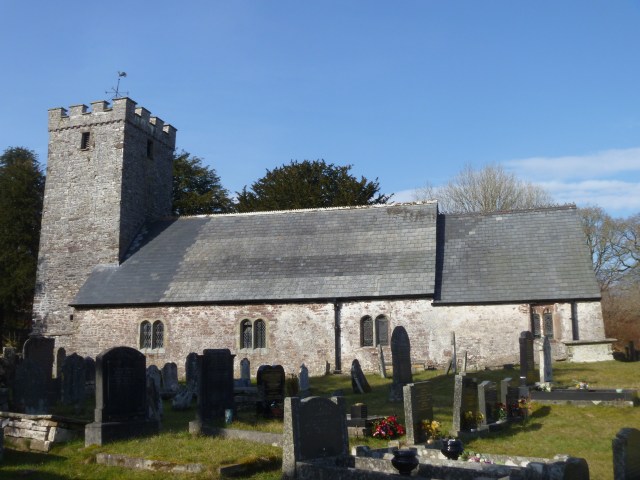
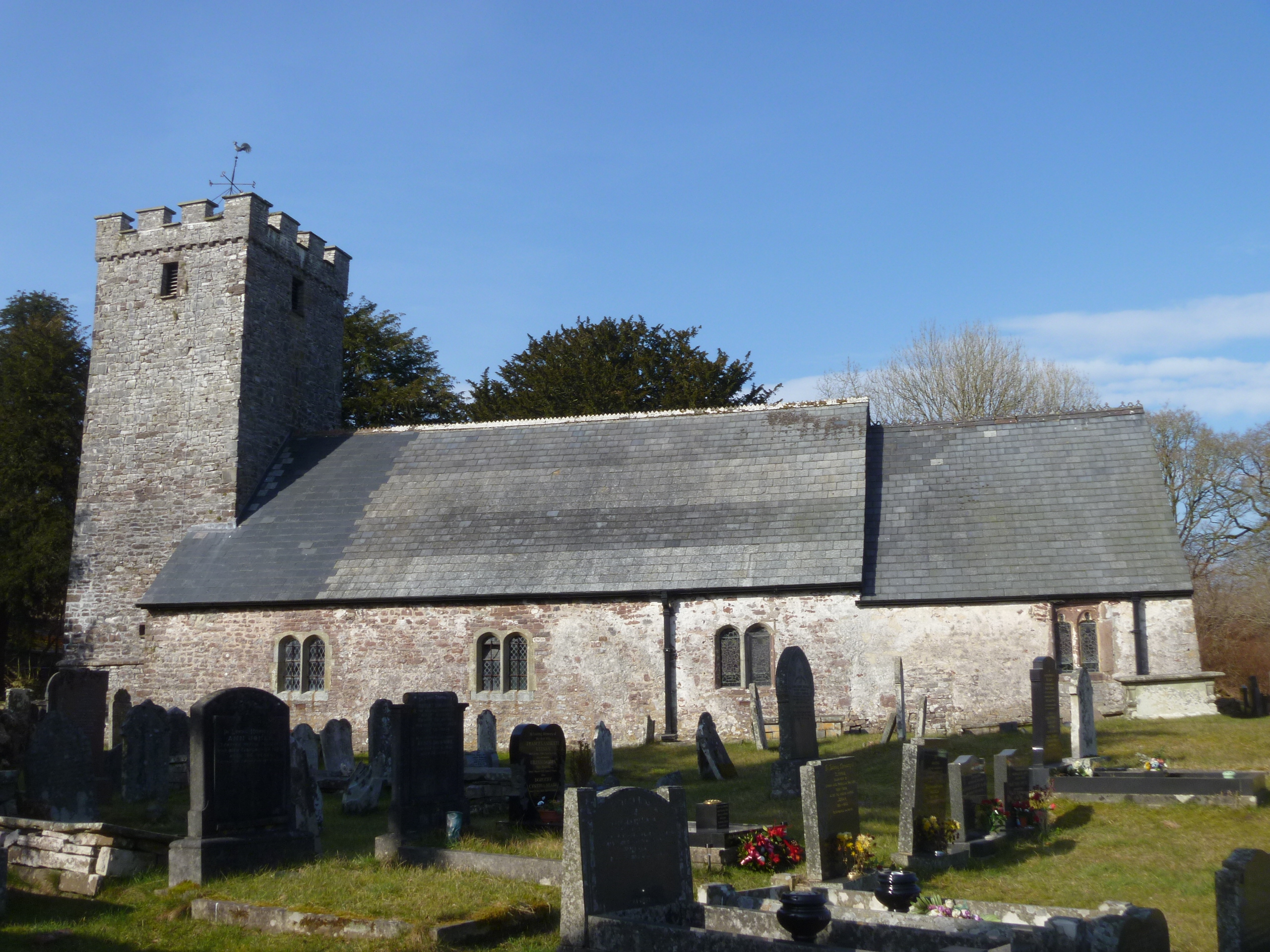
St Mary's Church, Ystradfellte

St Mary’s Church, Ystradfellte

Sgwd Clun-Gwyn

Sgwd Clun-Gwyn, near Ystradfellte

By yesterday spring was over and it was winter again – misty, wet and cold. No problem, we thought, for today we have the pleasures of Hay-on-Wye, Wales’s own Book Town, in store.

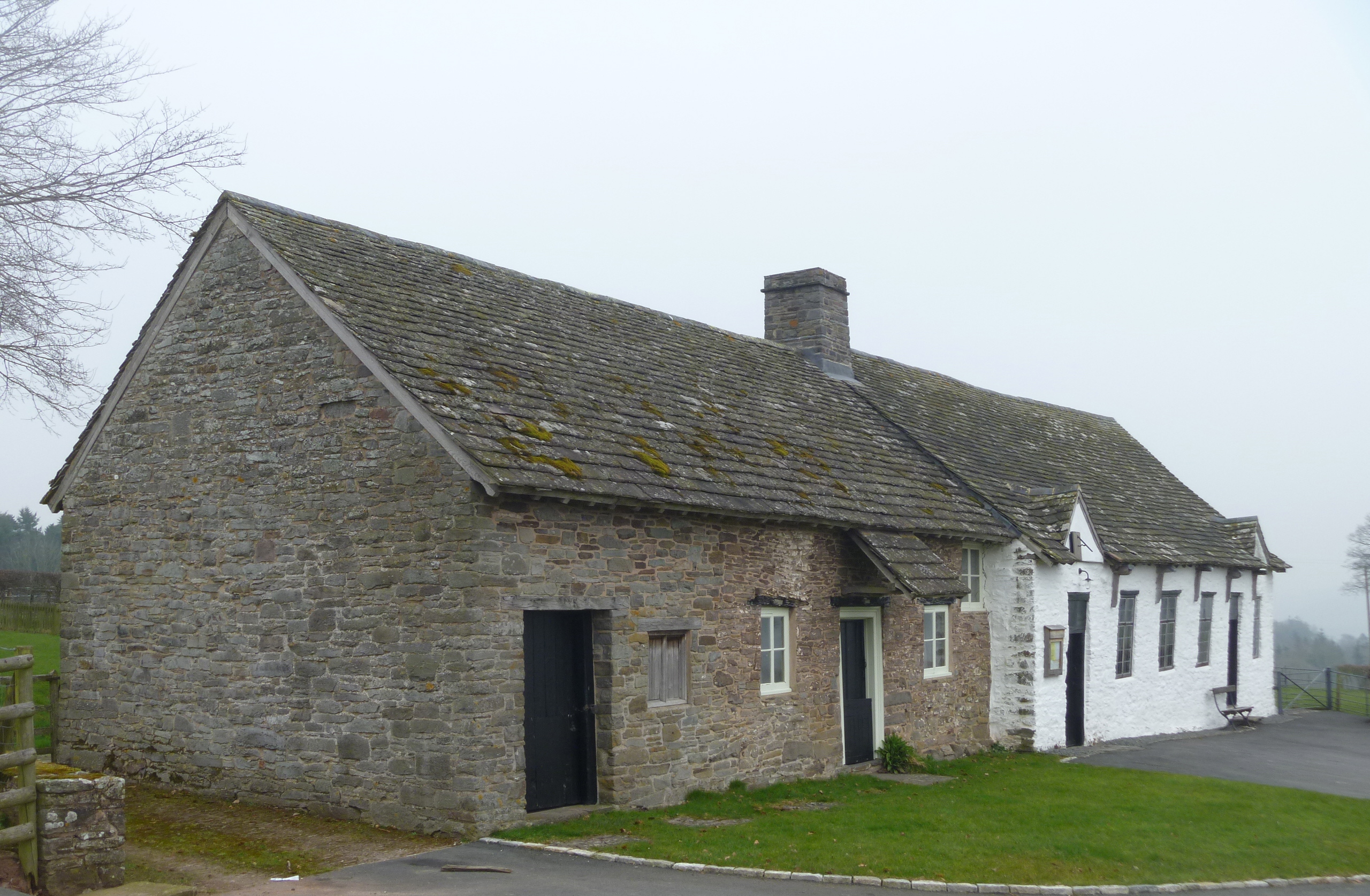
On our journey to Hay we took two very short detours. The first was to visit the Maesyronnen Chapel. Fortuitously, the adjoining former minister’s house is now a Landmark Trust property.
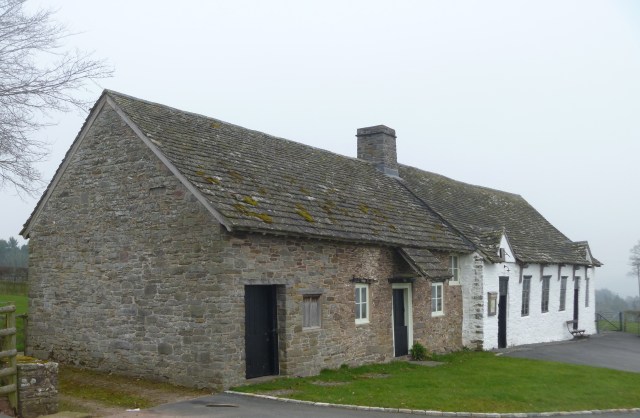
Maesyronnen

Here is an extract from the History page from the LT’s webpage for Maesyronnen Chapel:

“A Chapel Founded just after The Act of Toleration

Here we have taken on the neat and tiny cottage, built before 1750 onto the end of one of Wales’s shrines of Nonconformity, the Maesyronnen chapel. This chapel, converted from a barn in 1696, dates from Nonconformity’s earliest days, when any suitable building was made use of for enthusiastic worship. It was probably used for secret meetings even before the Act of Toleration legalised such gatherings in 1689, which explains its isolated position. Services are still held in the chapel, which is cared for by Trustees, who asked for our help. By taking a lease on the cottage we hope we have helped give both buildings a future.”
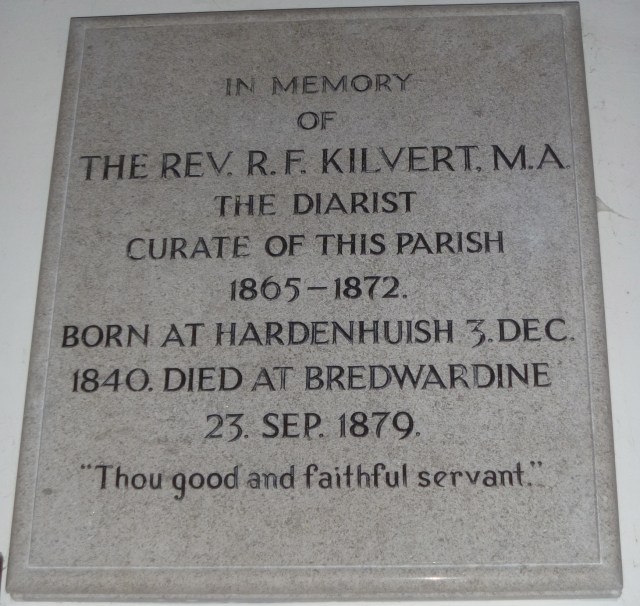
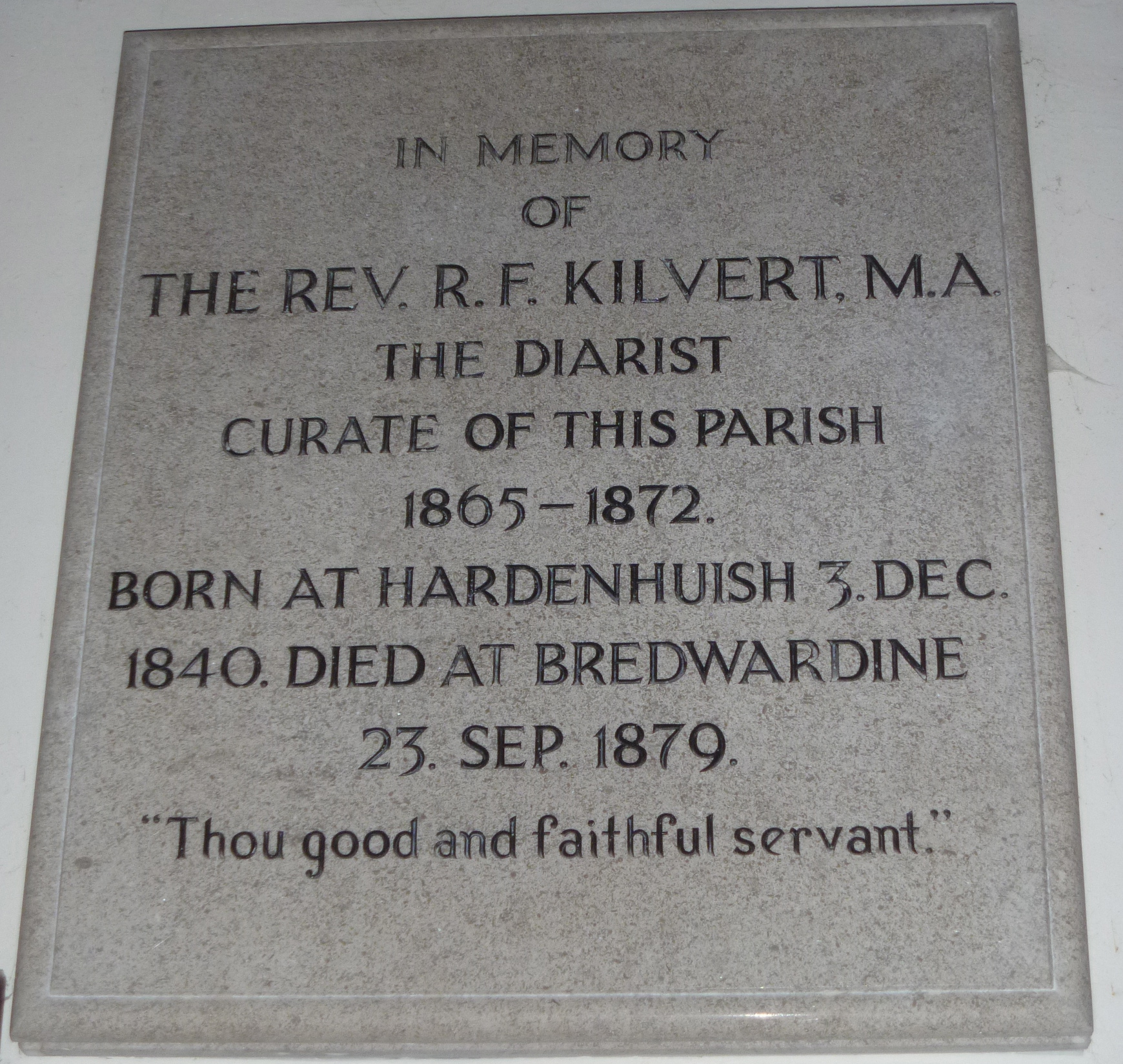
Kilvert Memorial Clyro

Francis Kilvert Memorial in Clyro Parish Church
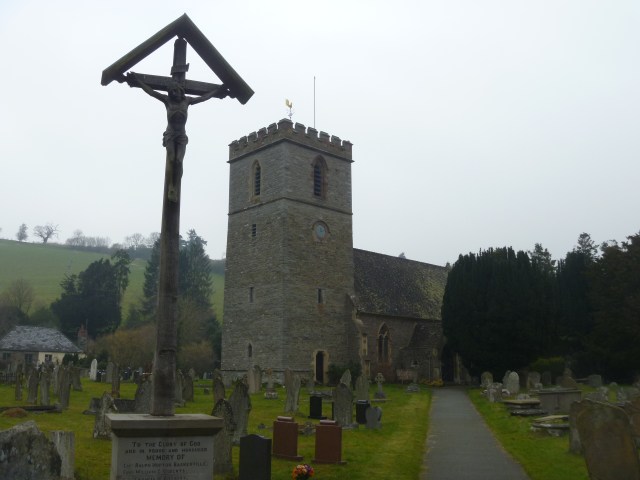
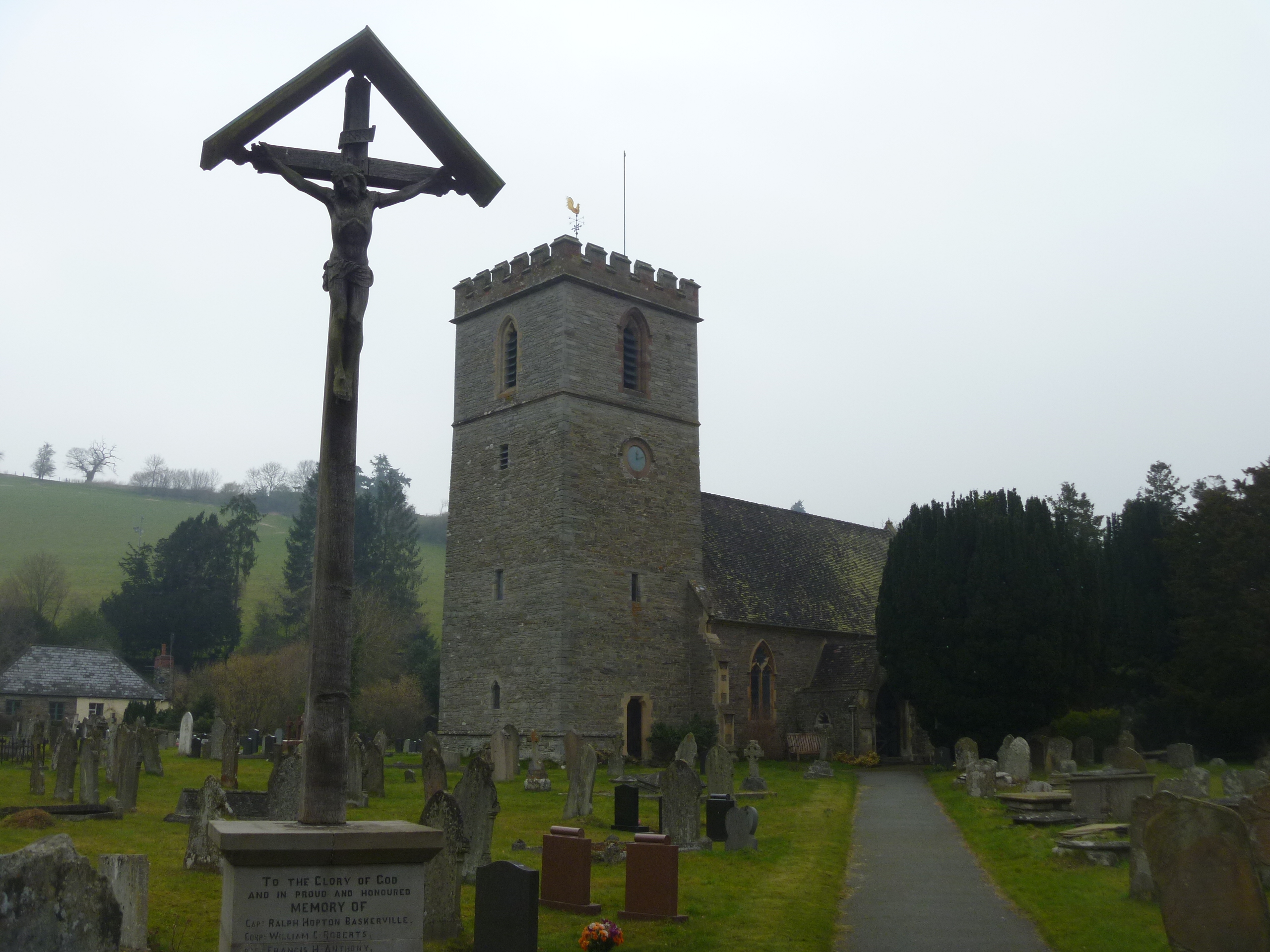
St Michael's Clyro

St Michael’s Church, Clyro

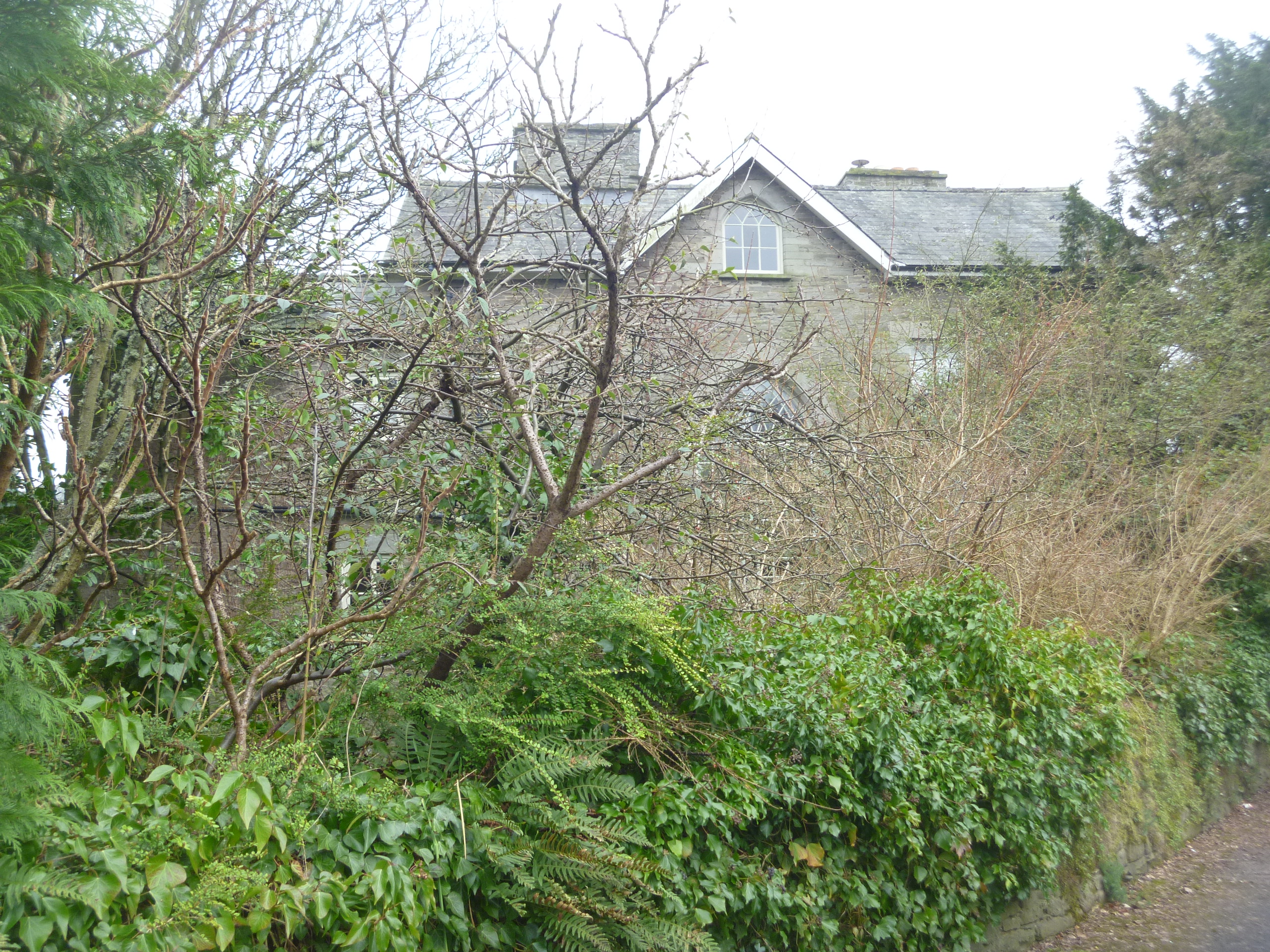
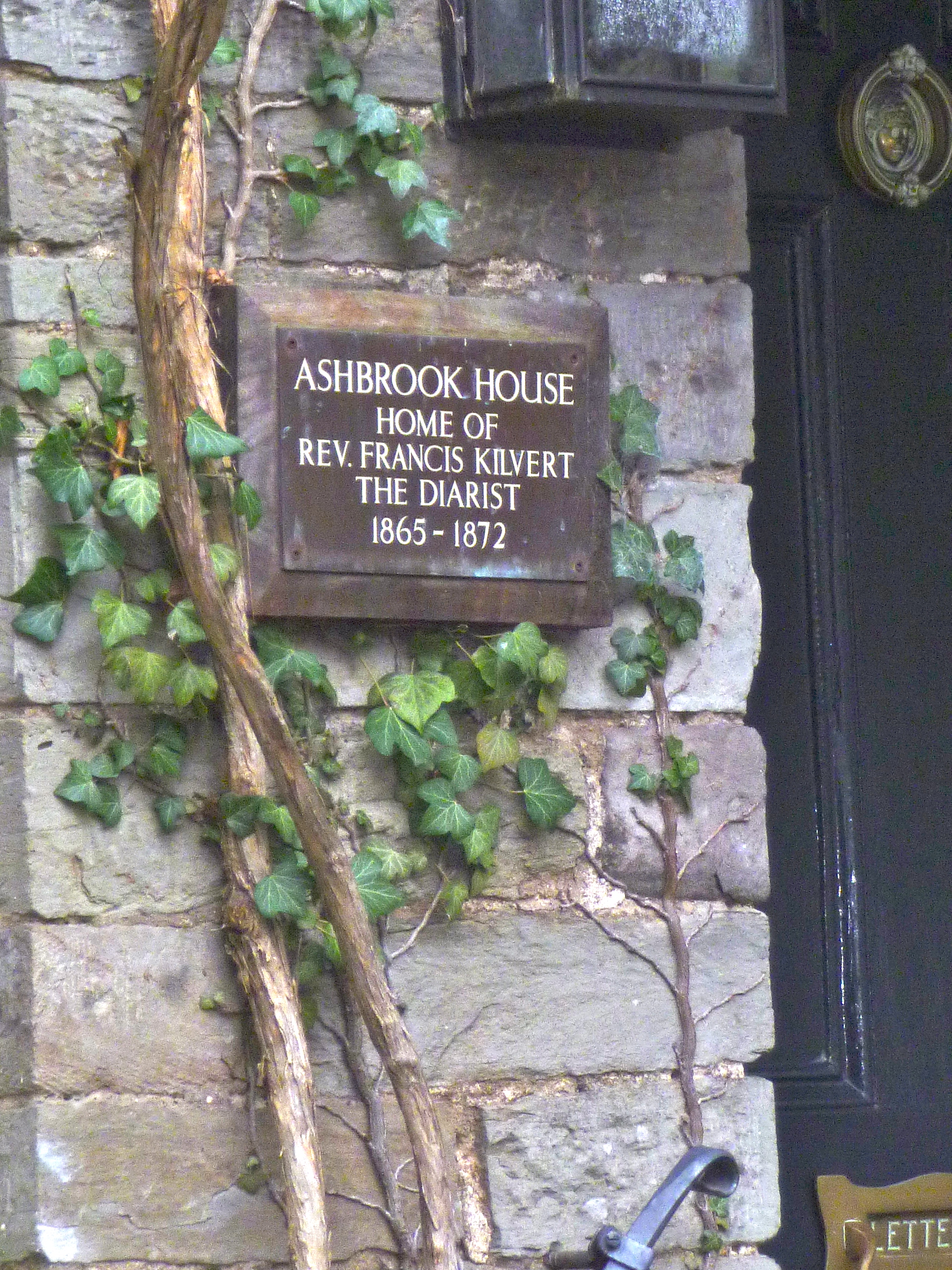
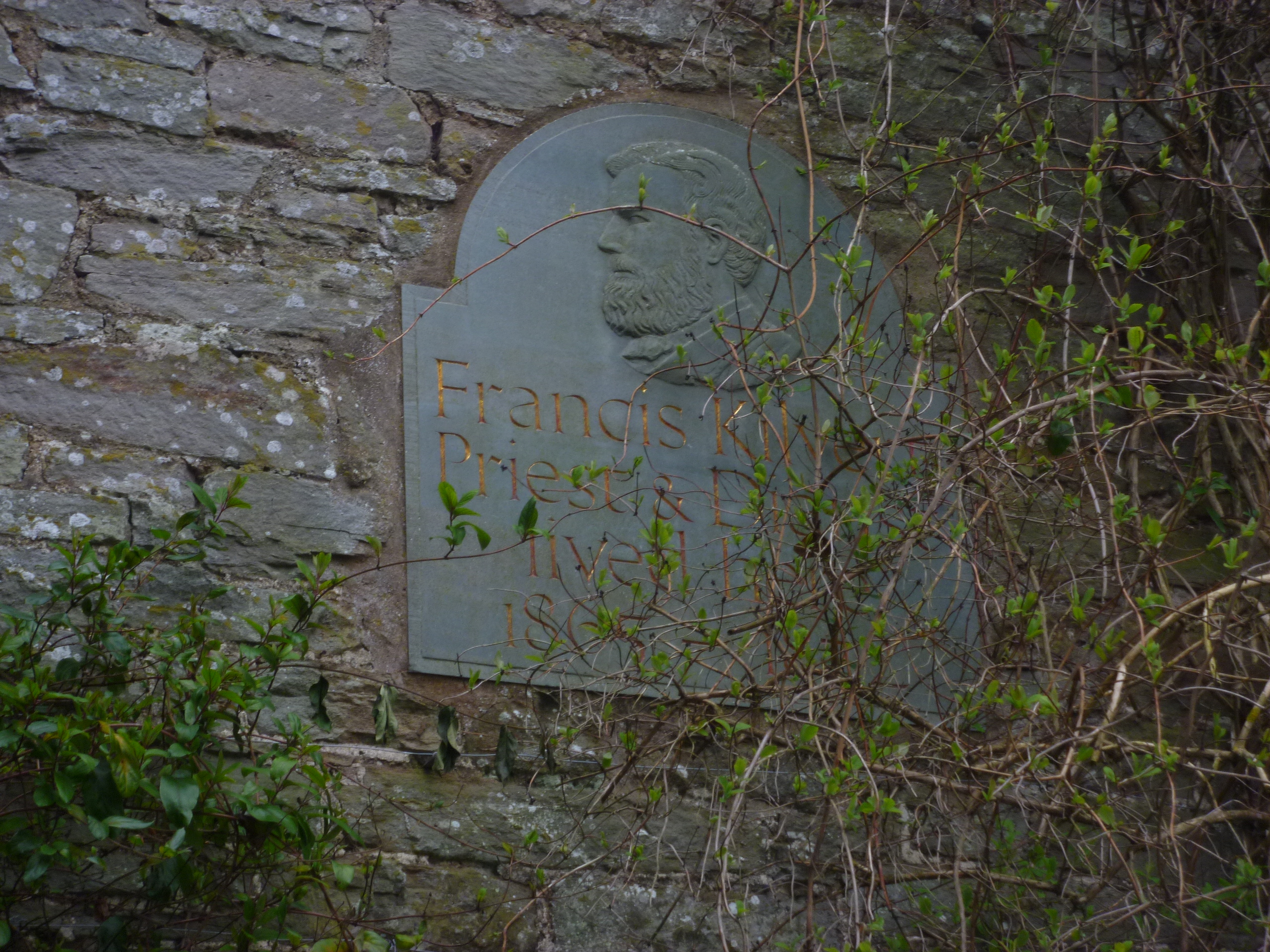
From Maesyronnen it was a short drive to Clyro and the former home of the Reverend Francis Kilvert famous for diaries recording his daily life and walks in the area. Kilvert was curate at Clyro when he began writing his diaries but he only lived there between 1865 and 1872. He lived at Ashbrook House which, until recently, had been an art gallery but currently the garden looks rather overgrown and unloved. Two plaques on the wall of the house record the fact that Kilvert lived here.
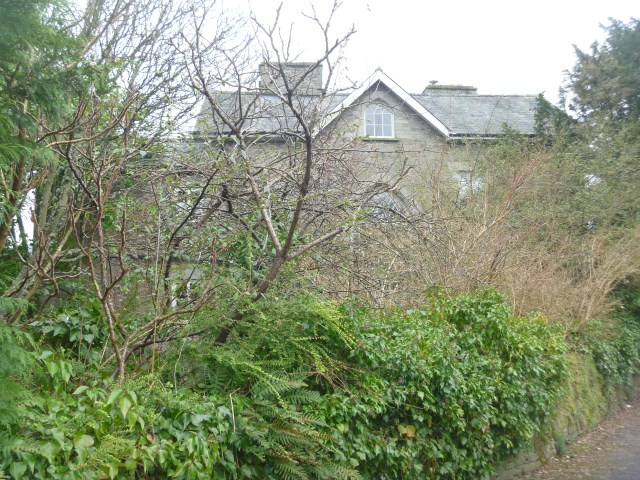
Ashbrook House, Clyro
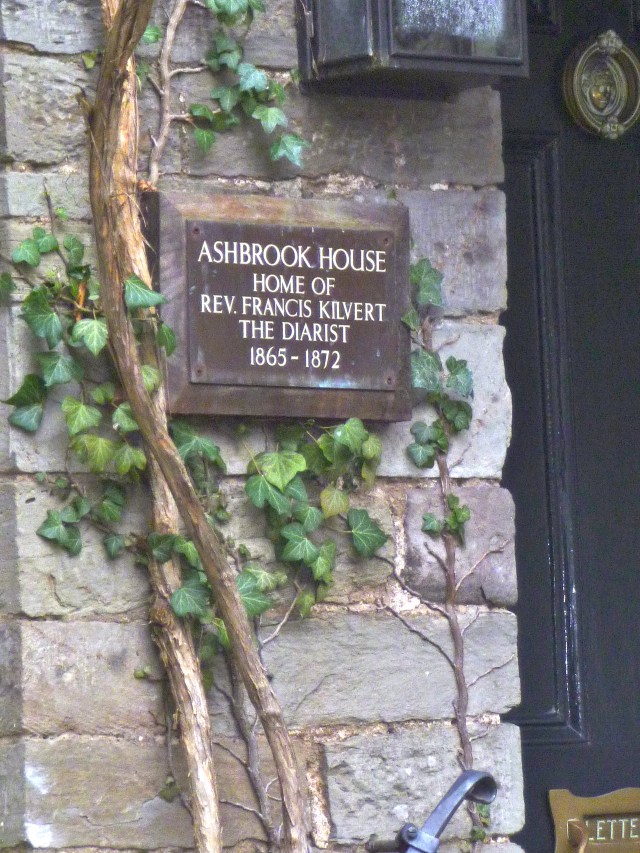
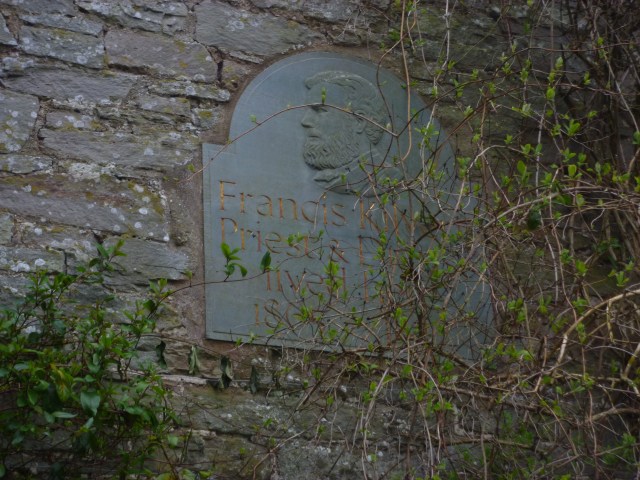
Ashbrook House, Clyro

Kilvert lived here 1

Kilvert lived here 2

Read an interesting article here about Kilvert, the man, and his diaries.

It ends : “Sadly, it’s difficult to find copies of Kilvert in bookshops today. The one-volume abridgement, published by Penguin, and subsequently by Pimlico, has fallen out of print, while Plomer’s three-volume edition has long been unavailable. To celebrate the 70th anniversary, Cape should consider authorising a critical edition of the diary, drawing on the surviving manuscripts, as well as on the background information amassed by the Kilvert Society in the years since its foundation in 1948. That way we might have the opportunity to gaze afresh on the radiant, picturesque world of the Rev Kilvert.”
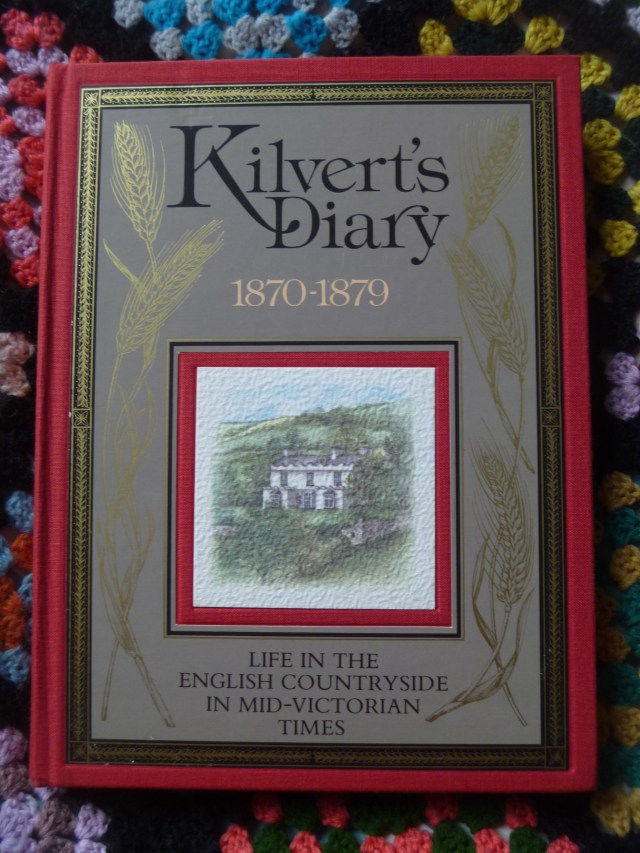
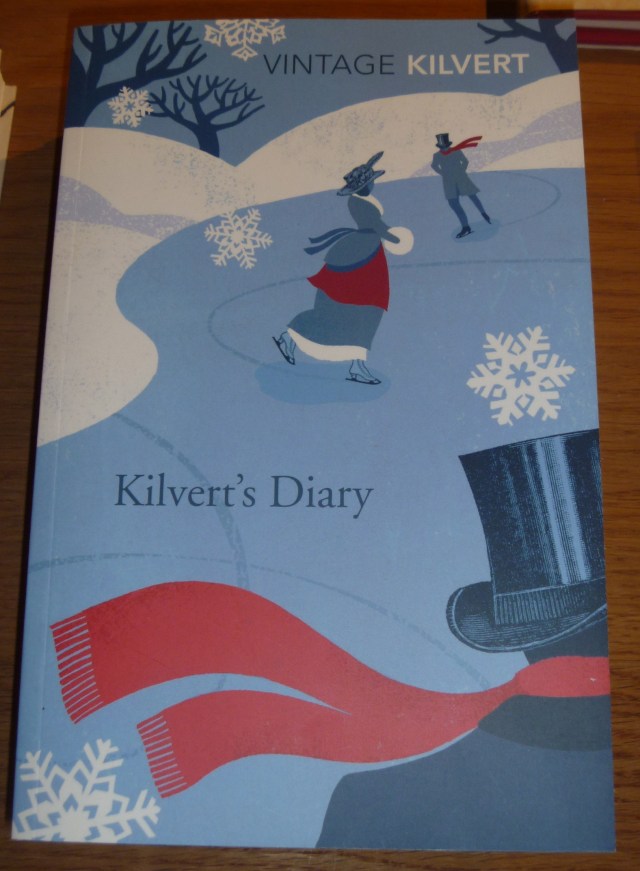
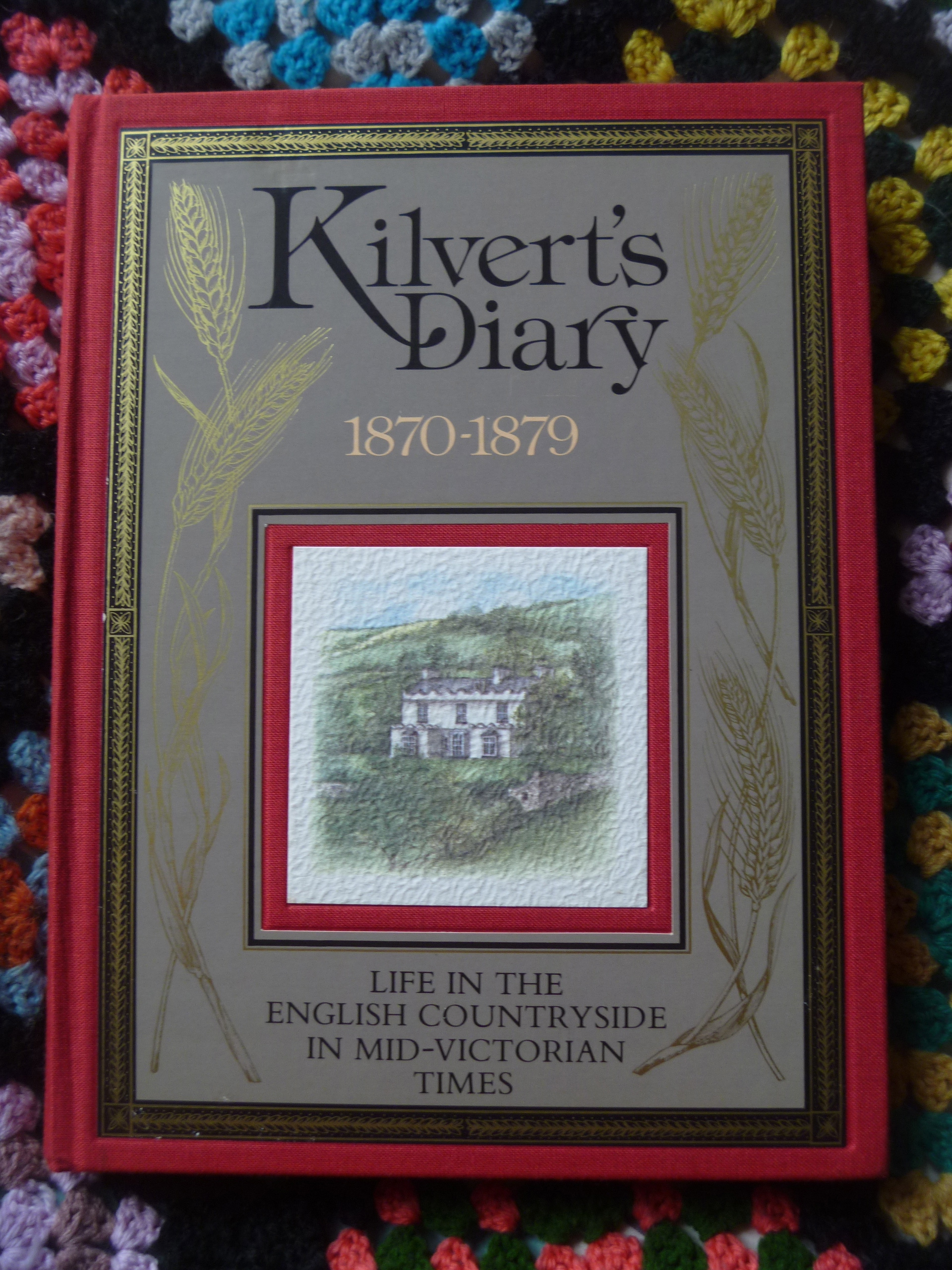
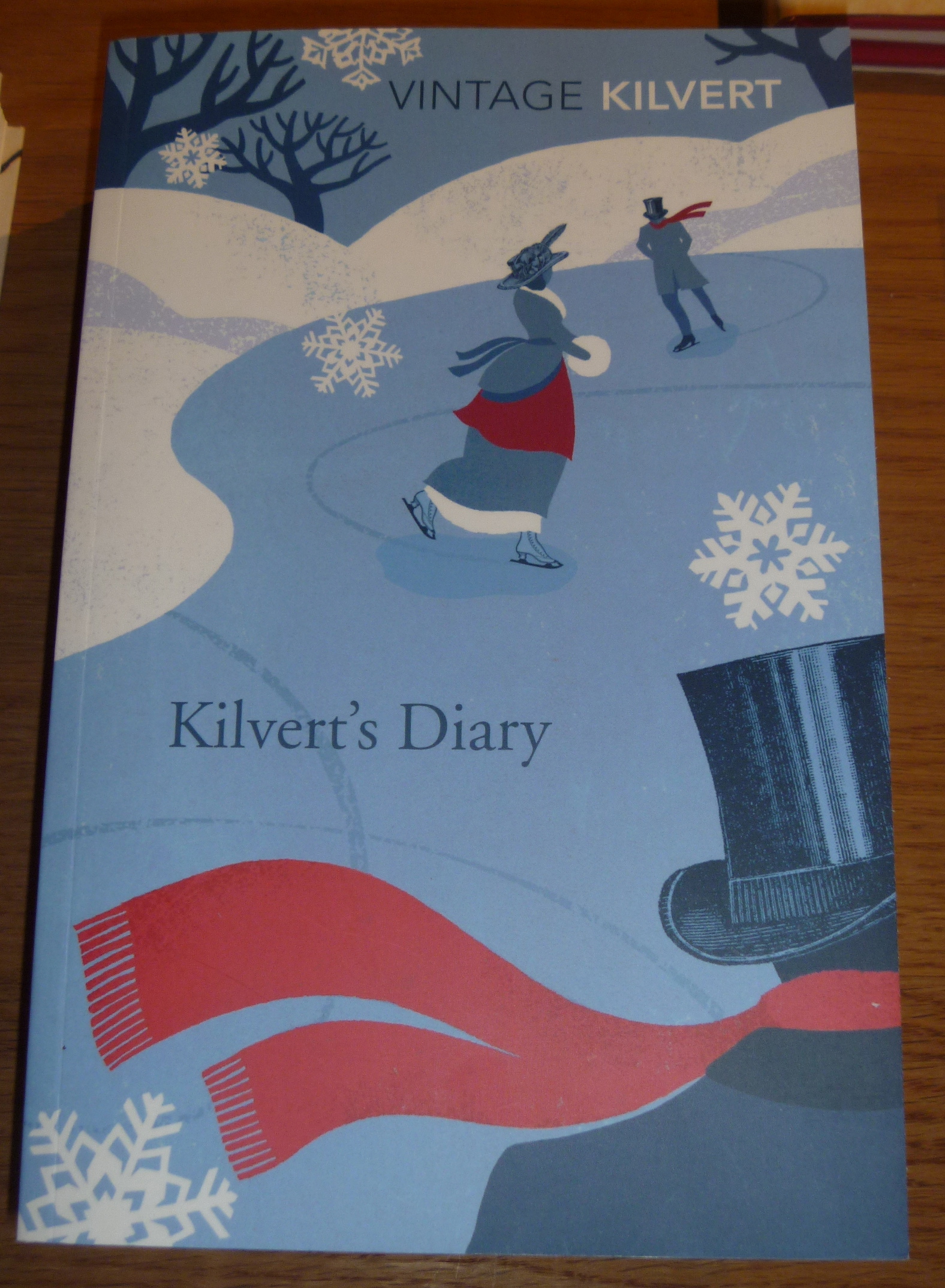
Kilvert's diary 2

Kilvert's diary

Well, all that has changed and we saw several versions of the diaries in Hay book shops in the full 3 volume format (for around £130+) as well as reissues of the abridged version, above.
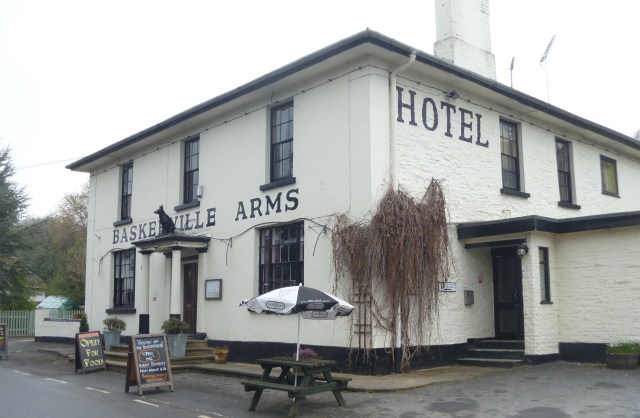
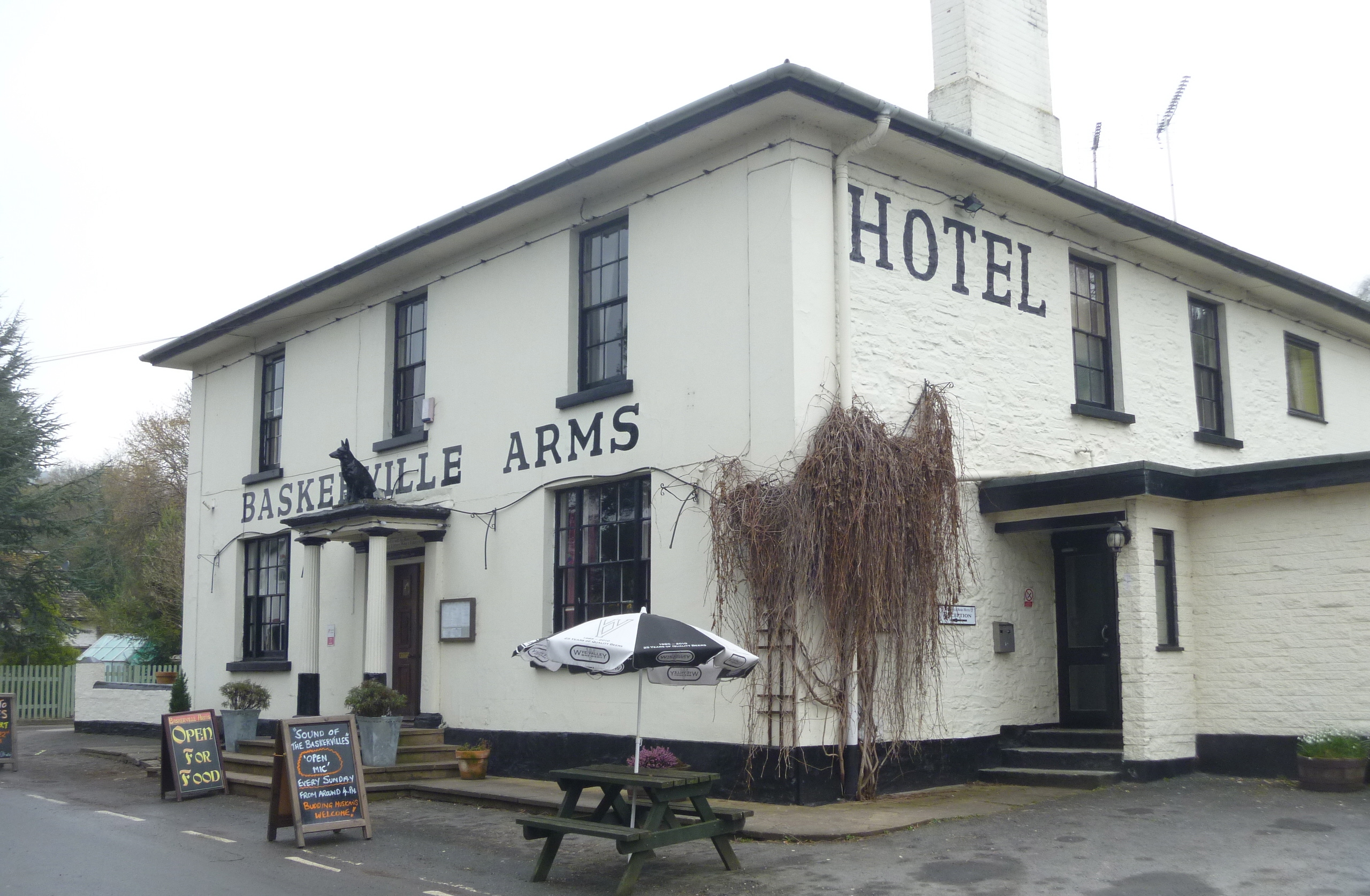
Baskerville Arms, Clyro

Clyro is also the location of the Jacobean-style mansion built by Sir Thomas Mynors Baskerville a friend of Sir Arthur Conan Doyle who borrowed his friend’s name when writing The Hound of the Baskervilles. The house is now a hotel and needless to say there is also a pub of the same name.
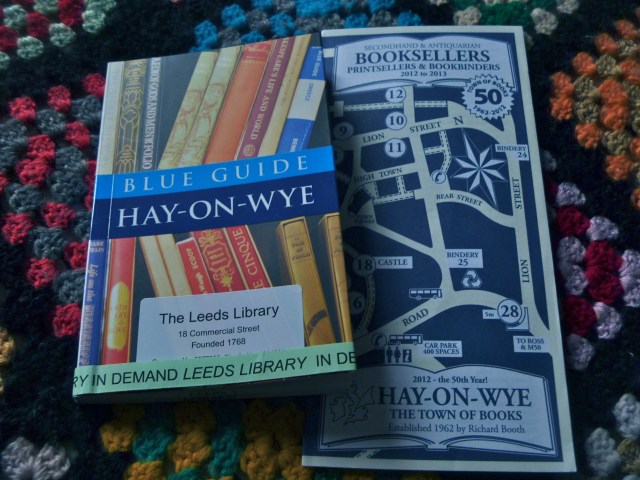
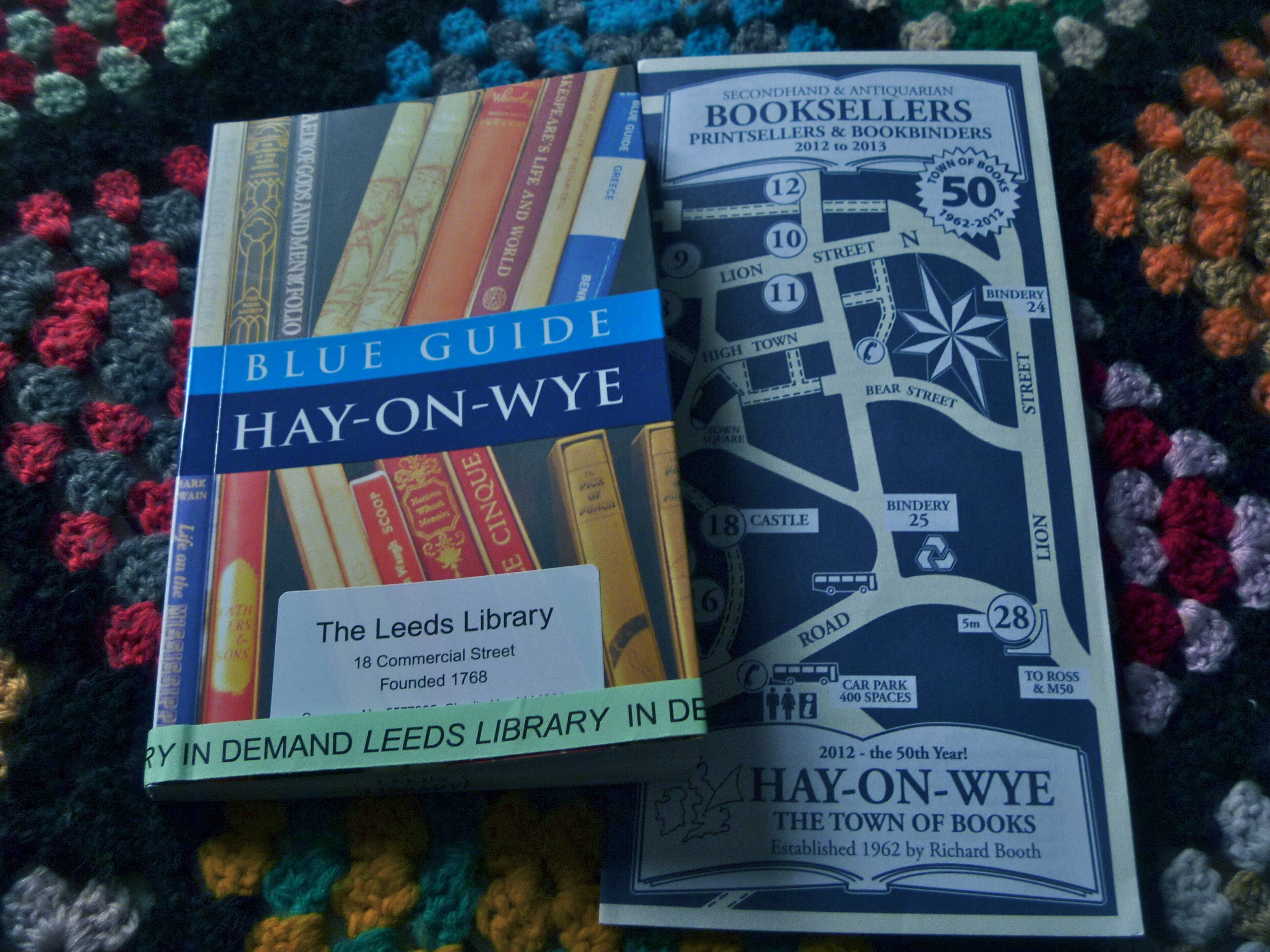
Prep for Hay

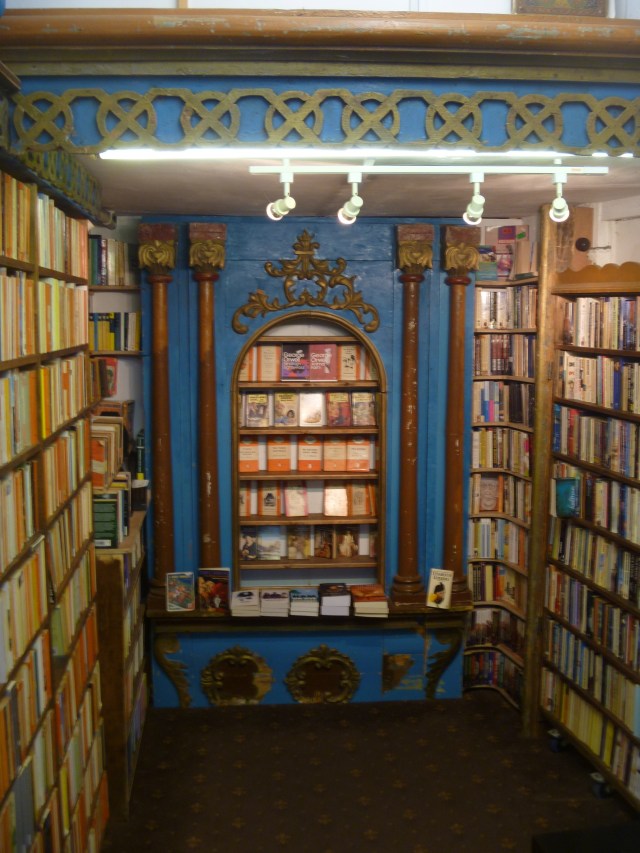
And so on to Hay itself. Despite planning in advance which shops to visit and preparing lists and so on I found that I was rather overwhelmed with choice. I realised that I am so dedicated a library user these days that I have less and less need to actually own books. It also seemed to me that in each shop we visited the value of each book was known and there was very little chance of a real bargain. However, that said, it’s an extremely pleasant way of spending a cold, damp Wednesday afternoon in March.
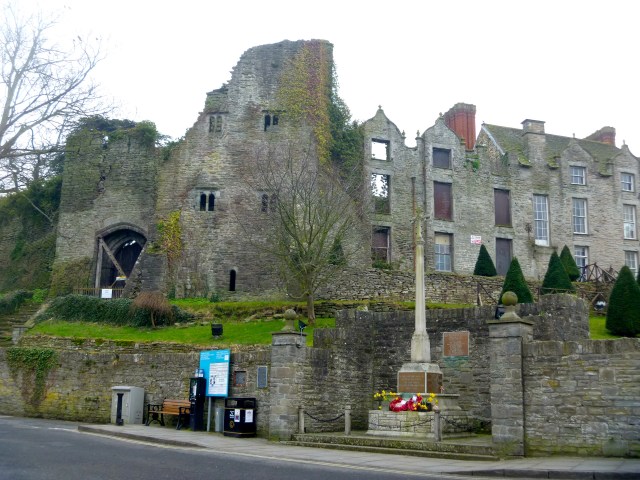
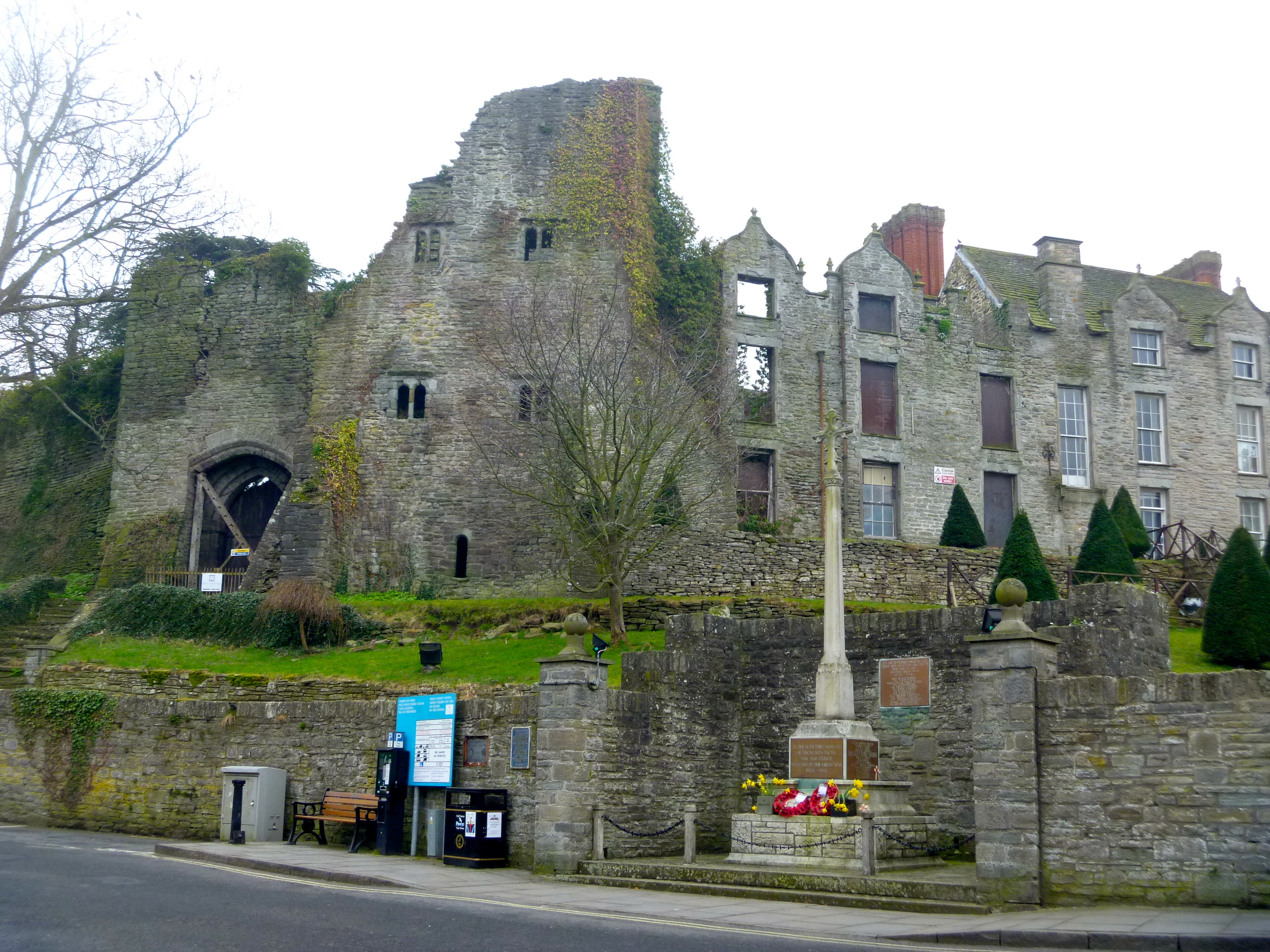
Hay Castle

Hay Castle

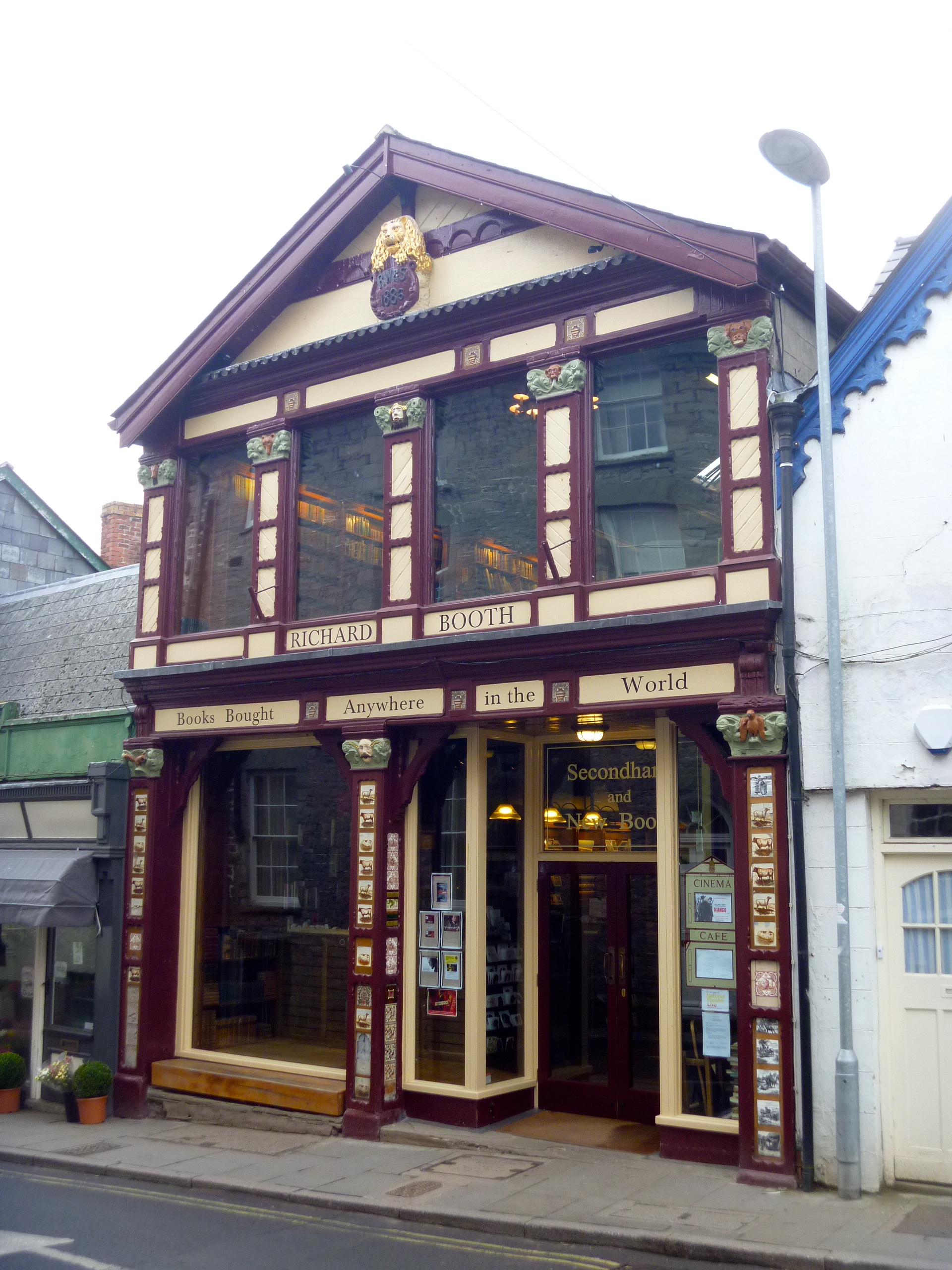
Richard Booth's Hay

Richard Booth’s Books

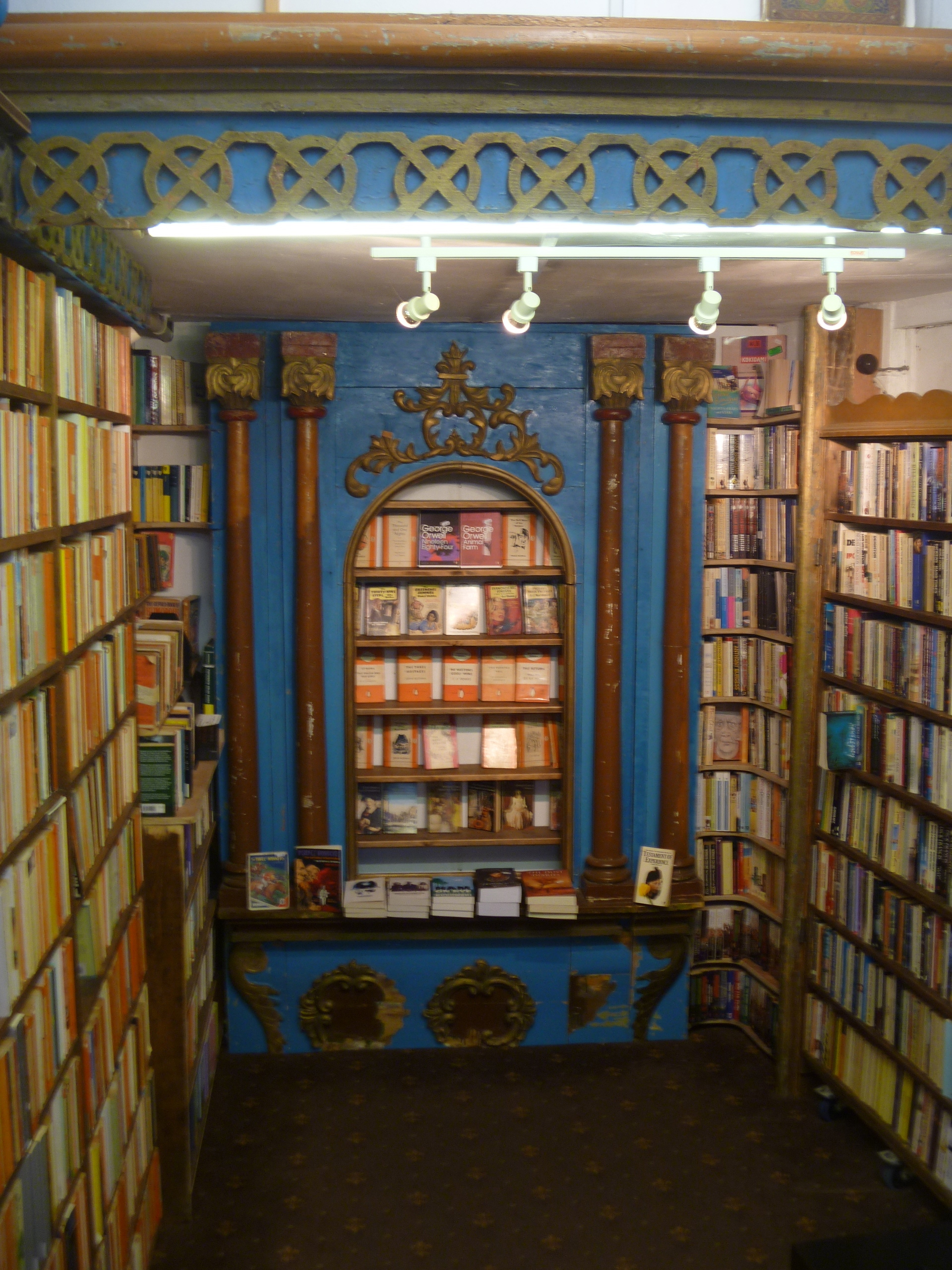
Inside Addyman's Hay

Inside Addyman’s Books at Hay on Wye

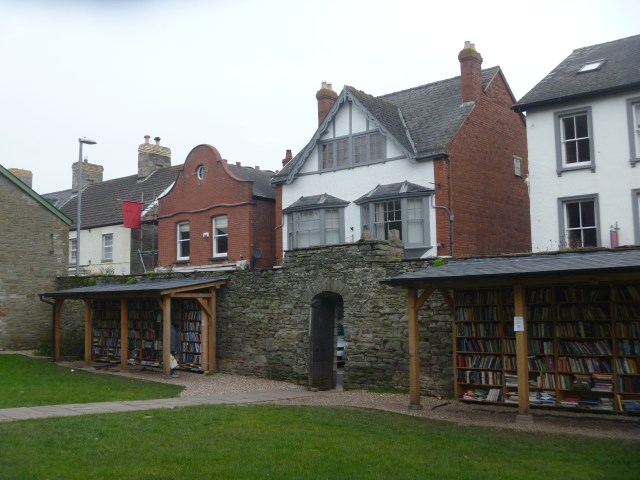
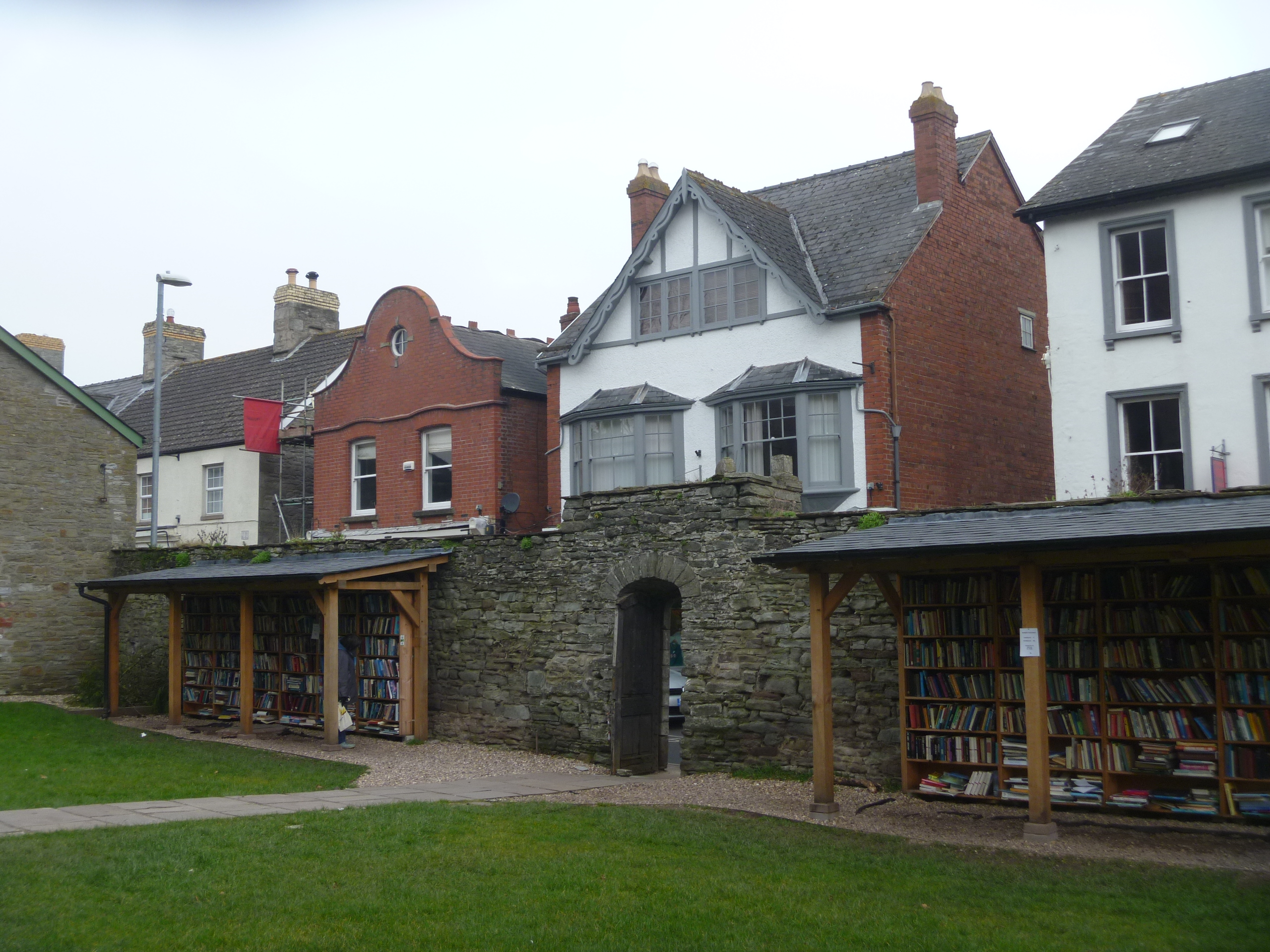
Honesty Bookshop Hay

The Honesty Bookshop, Hay

I bought only one title and that was from the Honesty Book Shop in the Castle precincts – all hardbacks £1 and all paperbacks 50p. It is a hardback copy of The Nutmeg Tree by Margery Sharp. It’s in pretty good condition and I’m pleased with it.
Living at Hampton Court Palace

“I’ve often thought I should like to live at Hampton Court. It looks so
peaceful and so quiet, and it is such a dear old place to ramble round in
the early morning before many people are about.”

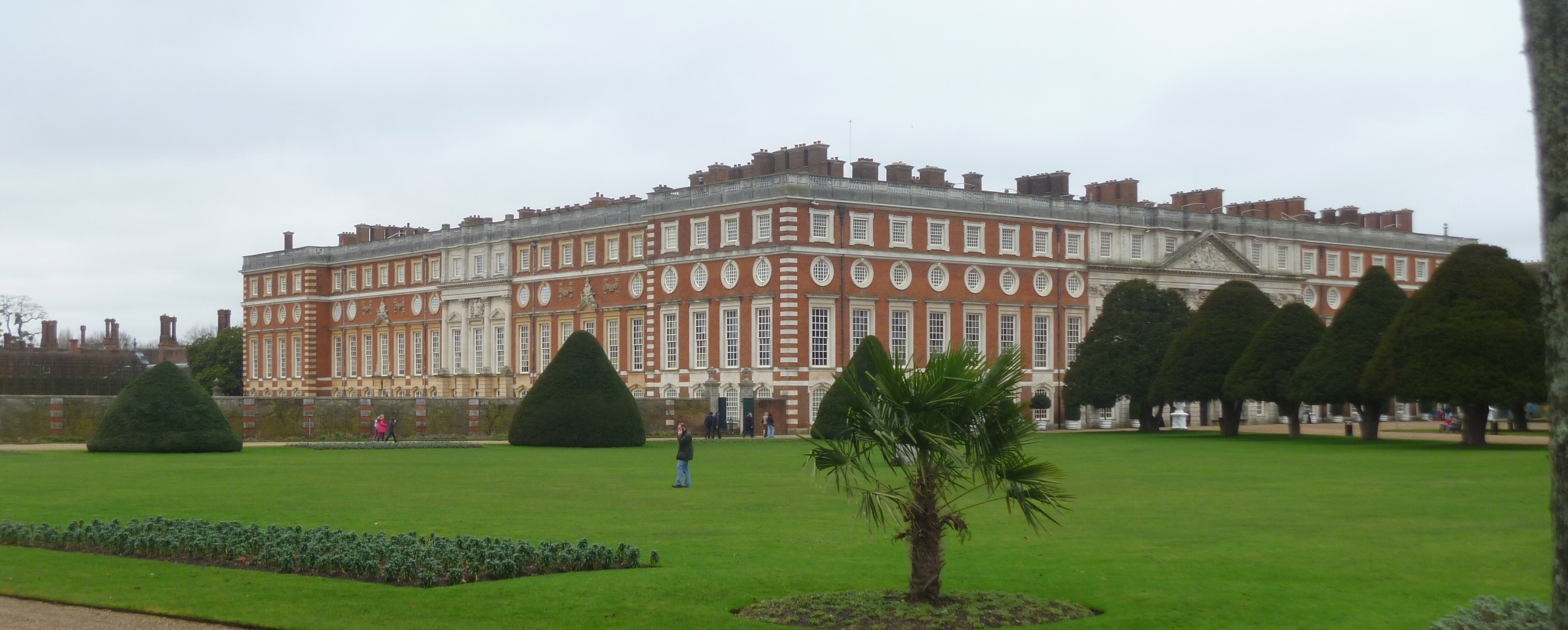
Hampton Court

One of my favourite humorous books of all time is “Three Men in a Boat (to say nothing of the dog)”  by Jerome K. Jerome from which the above quotation has been taken.

Fish Court sign

Lucky me, last week I was able to stay a couple of nights in this 1,000 room palace and ramble around it out of hours when few or even no people were around. Since 1993 The Landmark Trust have run the two Hampton Court Properties on behalf of the Royal Palaces. We visited friends at The Georgian House two years ago and this year my sister and I stayed in the Fish Court apartment.

Fish Court

Fish Court and the door to the Apartment

Tennis Court Lane

Tennis Court Lane – The Georgian House is on the left and Fish Court on the right

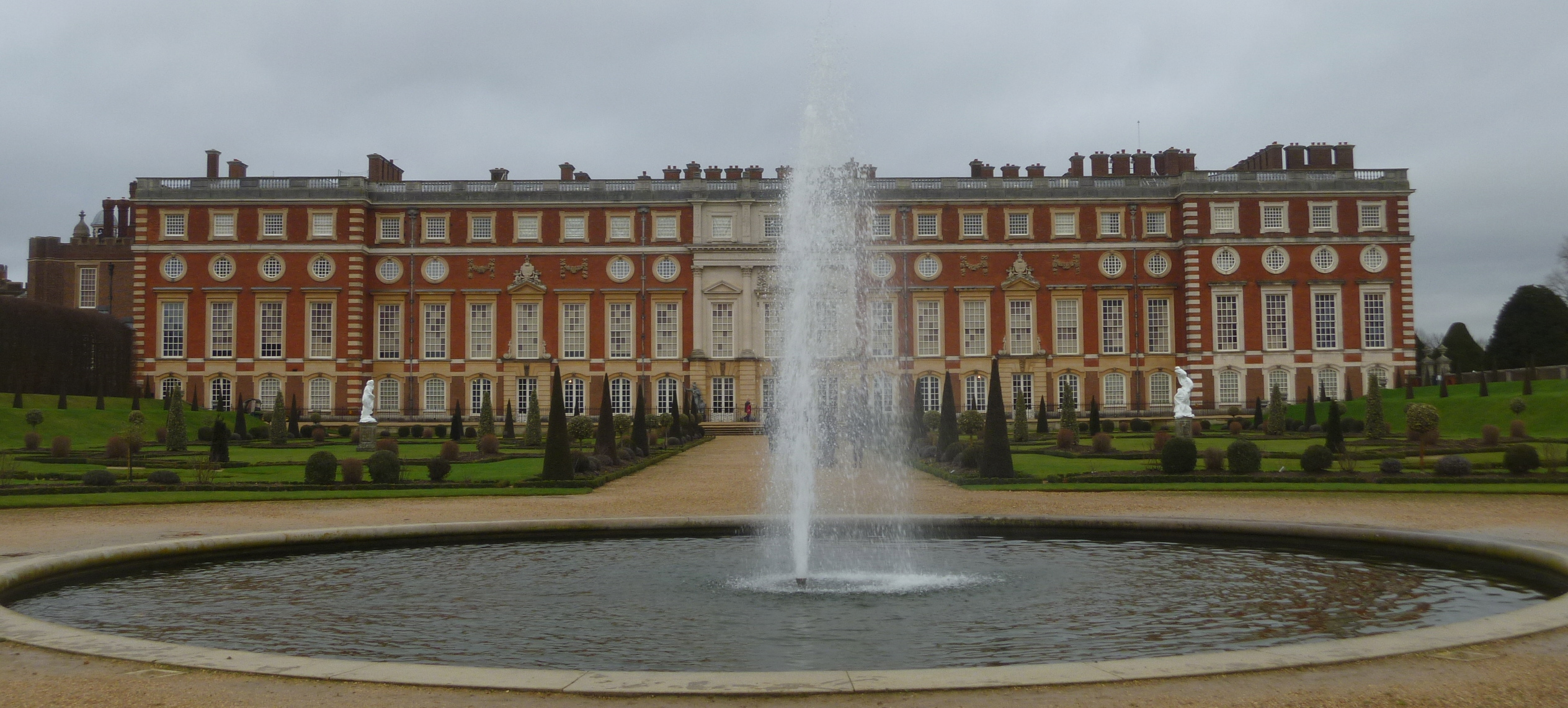
Hampton Court Palace was built by Cardinal Thomas Wolsey during the years after 1514 when he first acquired the riverside site. In 1529 as a last-ditch effort to appease the king’s wrath he presented the sumptuous palace to His Majesty King Henry VIII. He had failed to obtain an acceptable result with regard to the king and his first wife, Catherine of Aragon. Soon after, all of his property was made forfeit to the King. And so the Palace became a favourite home of Henry and his children and his descendants and royalty until 1760 and the death of George II. Henry built and extended the Tudor Palace further and William III and Mary (1689-1702) brought about further rebuilding and remodelling.

HCP East Front

There’s a huge contrast between the original west-facing Tudor building (top) and the newer East and South Fronts (above).

During and after the reign of George III the palace ceased to be used by royalty and was subdivided into a large number of dwellings and apartments. These residences were called ‘Grace and Favour’ homes. I have long known about there existence because I remember in the 1950s and early 1960s when I was a Brownie and later a Girl Guide one of the annuals featured a story about Lady Olave Baden-Powell, the widow of Lord Robert Baden-Powell, the then Chief Guide, living in a Grace and favour apartment at the Palace.

A celebrated and much-loved 20th century figure, Lady Baden-Powell, moved into her palace apartment in 1942. She was heavily involved in the Scouting Movement that her husband had founded. Lady Baden-Powell’s response following the offer of a palace apartment in 1942. “I was astounded; I had never dreamed of such a privilege being accorded me’. The apartment was ‘a bit dilapidated’ because of the war but most importantly would be ‘home’”. She described how, during the war, she survived a bomb, which exploded causing her ceiling to collapse in 1944.”

Taken from : Grace and Favour HCP

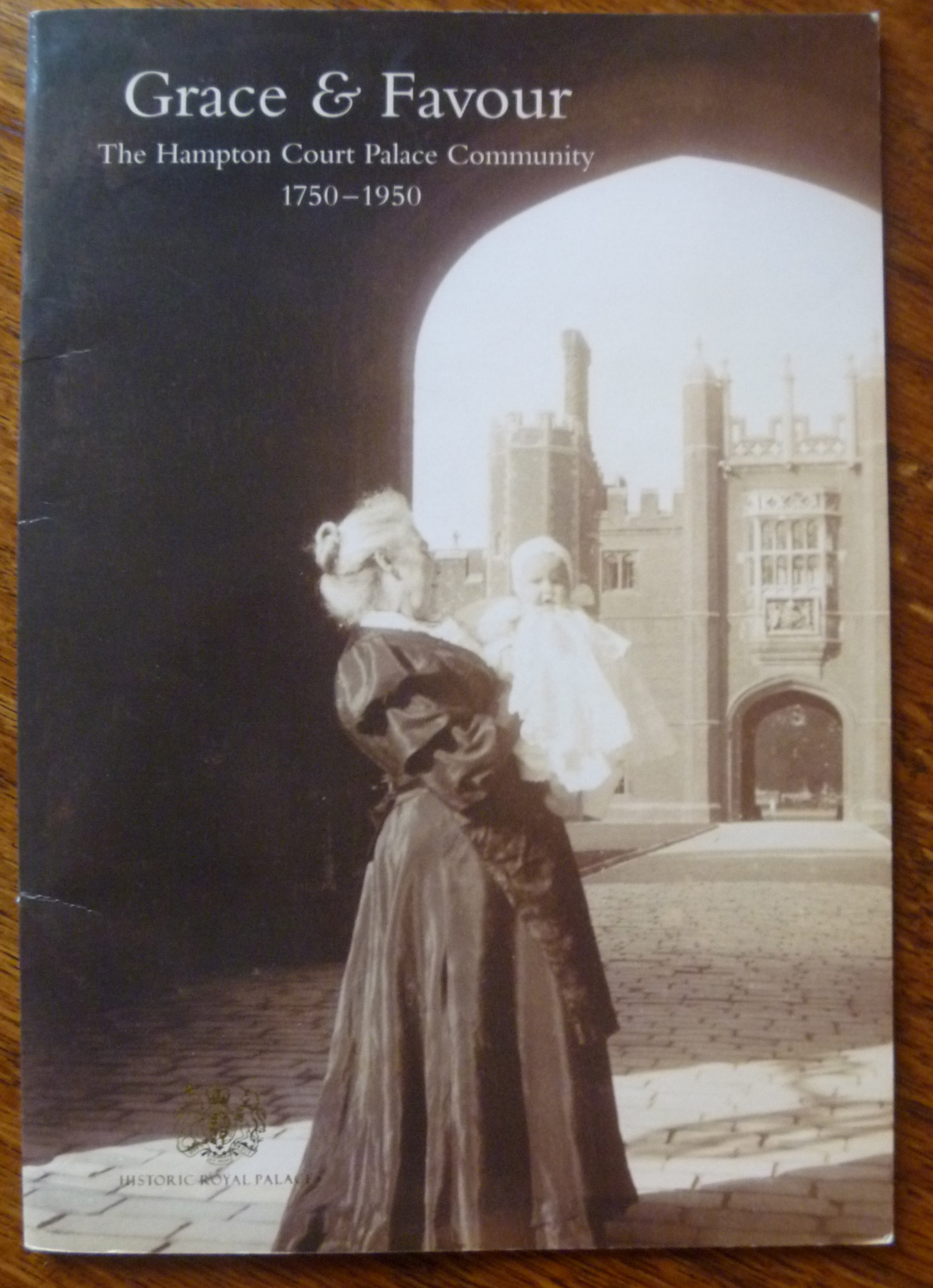
In the Fish Court Library I also found a book about the history of the apartments “Grace & Favour: the story of the Hampton Court Palace Community, 1750-1950”. 

Grace and Favour Book

Staying at Hampton Court in January we still noticed lots of visitors during the day and even late into the evening at the temporary ice rink erected just within the main (Trophy) Gates.

Ice Rink HCP

The Temporary Hampton Court Ice Rink

Being residents we were able to enter the palace and  join in any tours free of charge. We had to wear our passes all the time.

Resident pass

We only had one full day so we joined a costumed tour and visited two sets of apartments that we had missed on our previous visit. In the middle of the day it was so nice to just turn the key of our apartment door and have a bite of lunch and relax before heading out to the gardens and grounds and visit more of the Palace in the afternoon.
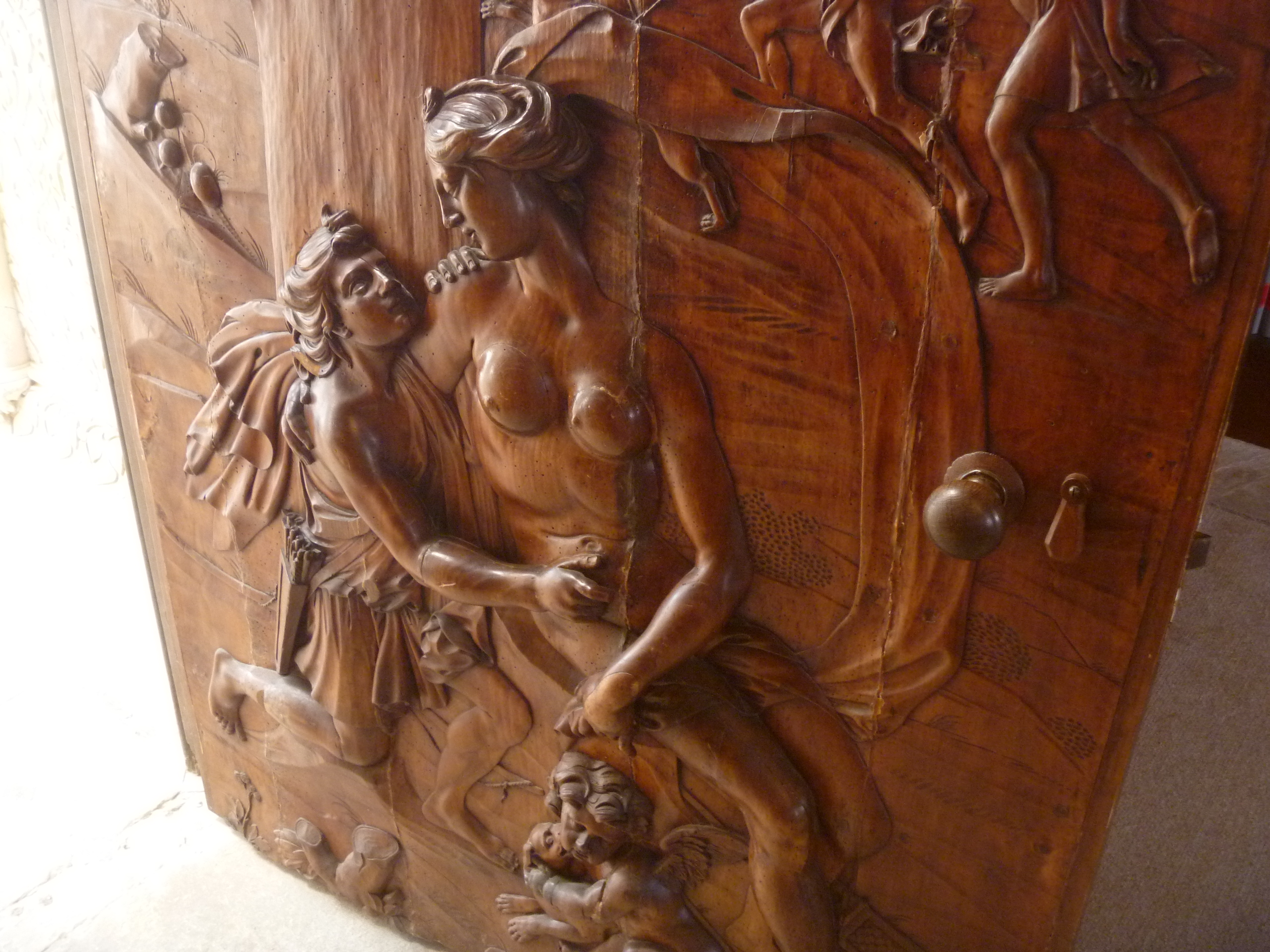
Costumed Tour HCP

Actor as Thomas Seymour

Actor playing the part of Thomas Seymour on the eve of Henry VIII’s death in January 1547

The most well-known feature in the grounds and probably in the whole Palace is its world famous Maze. I first visited Hampton Court Palace in the early 1960s and my top priority was to get into that Maze. I seem remember finding it a bit disappointing but loved Jerome K. Jerome’s witty description of his friend Harris’s earlier visit to the Maze:

“Harris asked me if I’d ever been in the
maze at Hampton Court. He said he went in once to show somebody else the
way. He had studied it up in a map, and it was so simple that it seemed
foolish—hardly worth the twopence charged for admission. Harris said he
thought that map must have been got up as a practical joke, because it
wasn’t a bit like the real thing, and only misleading.”

Lancelot ‘Capability’ Brown was appointed Chief Gardener here in 1769 and lived in Wilderness House on the edge of the grounds near the Lion Gates. Just two years ago a blue plaque was unveiled by  the present Head Gardener. Read about it here. It was very difficult to get a decent angle for a photo of either the house or the plaque.

Plaque to Capability Brown

Even in January the fountains are spurting water and the gardeners have their heads down preparing the ground for spring planting and some other people were also enjoying walking along the stony paths and terraces.

Fountain

Knot Garden

Pond Garden and Banqueting House

At the far end of the garden is the Great Vine planted by Capability Brown.

The Great Vine

In the evening we could creep along passages and watch a game of Real Tennis still being played on the original court where Henry himself enjoyed a game or two!

Real Tennis

Before returning to our very own private Royal apartment to plan the rest of our London visit.

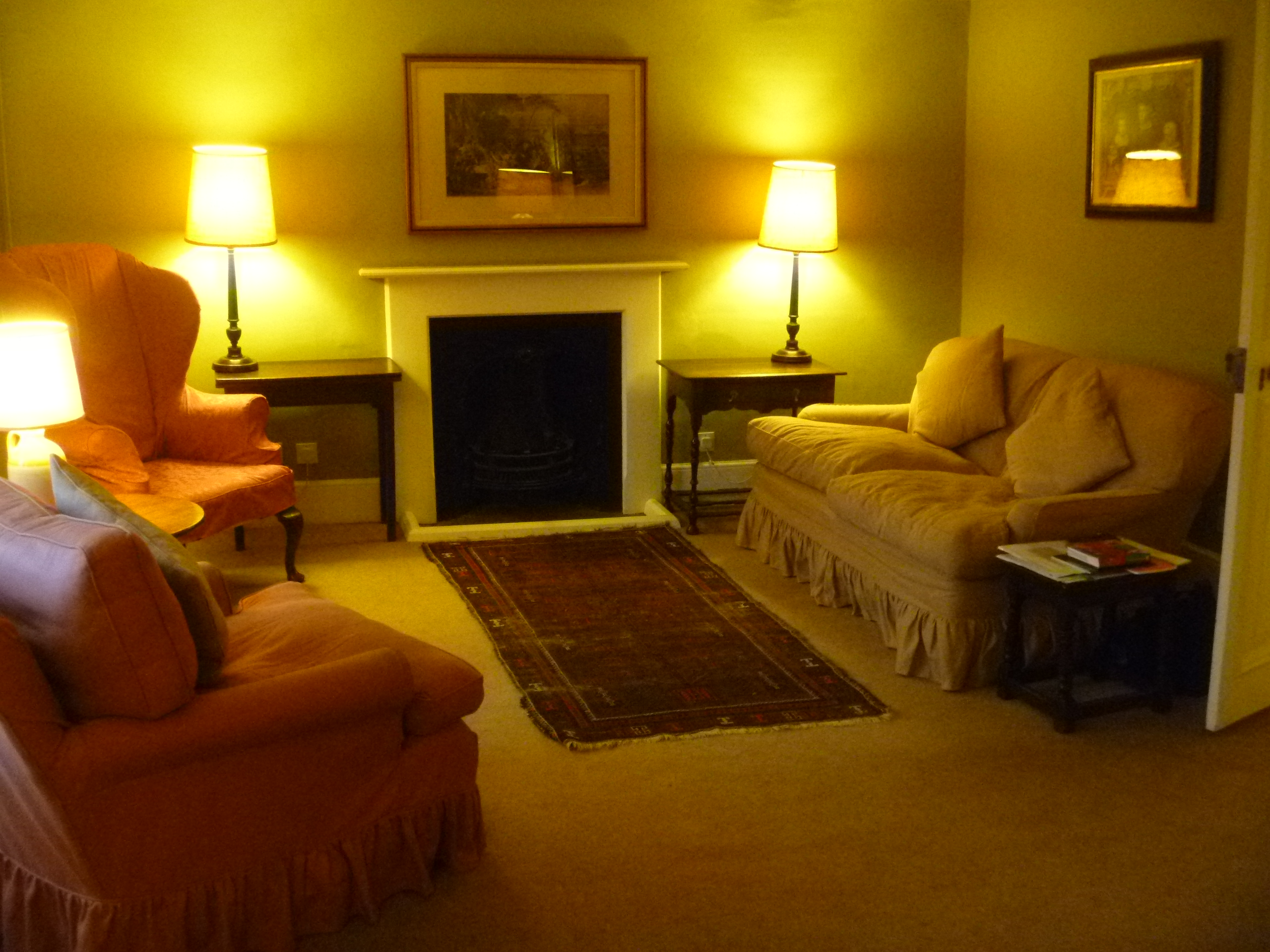
Sitting room at Fish Court

Spotting Man’s Best Friends – in Norfolk and in Bedfordshire

Finally, for these posts about my trip down to eastern England last week just a few pictures and doggie-connections!

Billy in snow

Billy in the snow

Billy, lives with his master and mistress at the B&B in Norwich where I stay. He is very quiet and very much behind the scenes but it’s always a joy to see him when he pops into the breakfast room or has a little toddle round the garden in the summer. I think Billy is quite old now and he’s a bit shaky on his pins so on each visit I’m pleased to see him again and renew acquaintance.

Of course, the whole idea behind the very existence of Keeper’s Cottage is that it was home not only to the gamekeeper but also, and very importantly, to his dogs. They lived in separate accommodation a few yards down from the house.

A short distance down the slope was a four-stalled kennel block, where the head keeper kept his dogs for retrieving the game. One of the stalls had a hearth and copper boiler for the keeper to boil up scraps and bones for the dogs’ mash.”

Keeper's Kennels

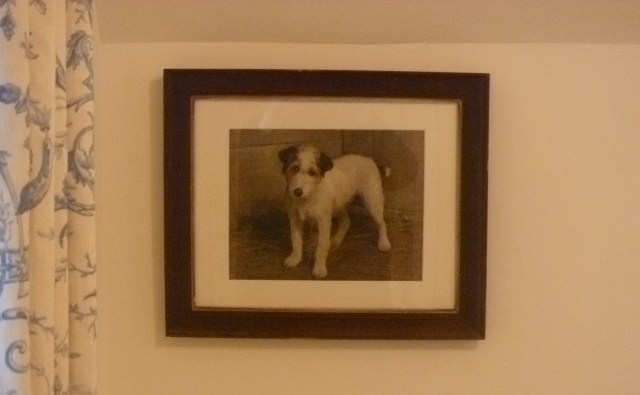
The pictures on the walls of Landmarks usually have some connection with the property. In the case of Keeper’s there are a number of dog pictures and most notably to me the one in the bathroom :

Dog picture

For some reason he reminded me of Billy.

Alfie in snow

Alfie dislikes the snow and won’t keep still to be photographed!

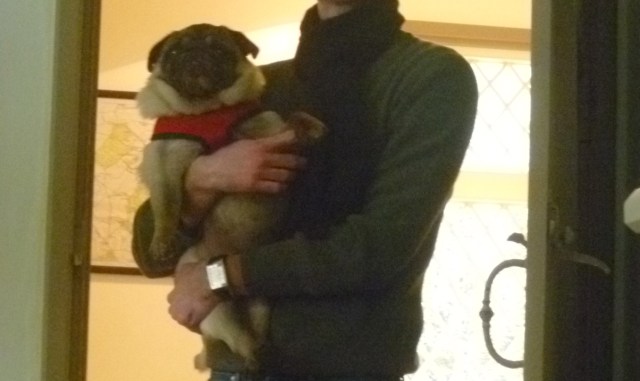
We did, of course, have our own pug dog with us at Old Warden. Alfie is fast becoming a seasoned Landmarker. He already accompanied us to La Maison des Amis, the Windsor’s place near Paris, earlier in the year. And now he’s been to Keeper’s. Where next for Alfie?- you just have to wait and see ….

Alf at Keeper's

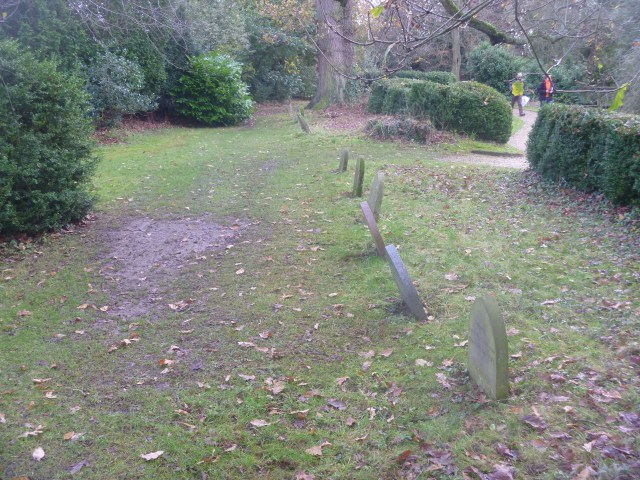
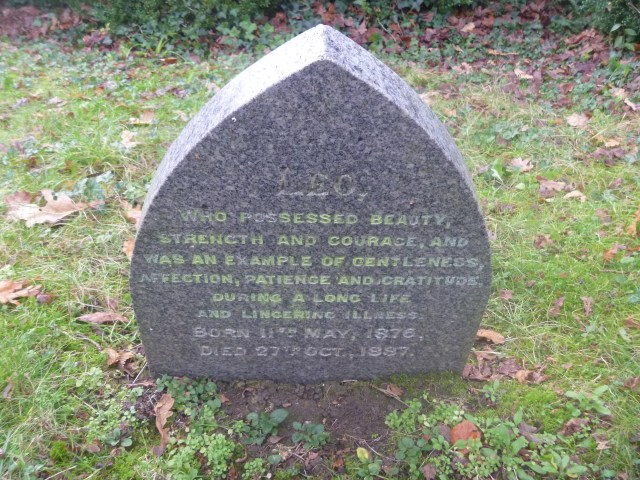
Eventually all dogs pass away and go to the great kennels in the sky. The Shuttleworths were no different from the Windsors, from Edith Wharton or from Agatha Christie. They also  had a great love and respect for their four-legged friends and in the Swiss Garden are 14 gravestones each marking the burial spot of a much-loved pet.

Dog graves in Swiss Garden

The Doggie Graves in the Swiss Garden despite their age each name can be clearly read

Leo's stone

The Pilgrim’s Progress and A Winter’s Tale – Some Literary Remains in Bedfordshire

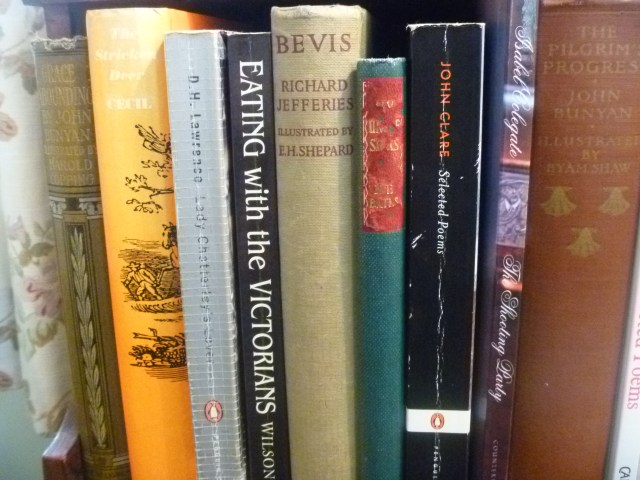
The clues to the literary connections in the local area can always be found in the Landmark Library of any property.
Keeper's book case

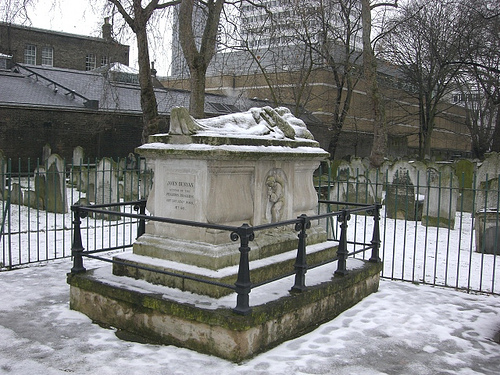
John Bunyan was a Bedfordshire man. He was born in the village of Elstow in 1628 and he spent 12 years as a prisoner of conscience in Bedford Jail where he had the idea to write his most famous work. The Pilgrim’s Progress was published in two parts in 1678 and 1684. Bunyan died in Holborn in London in 1688 and I have seen his grave and memorial in Bunhill Fields Cemetery in London.

Bunyan in Bunhill Fields

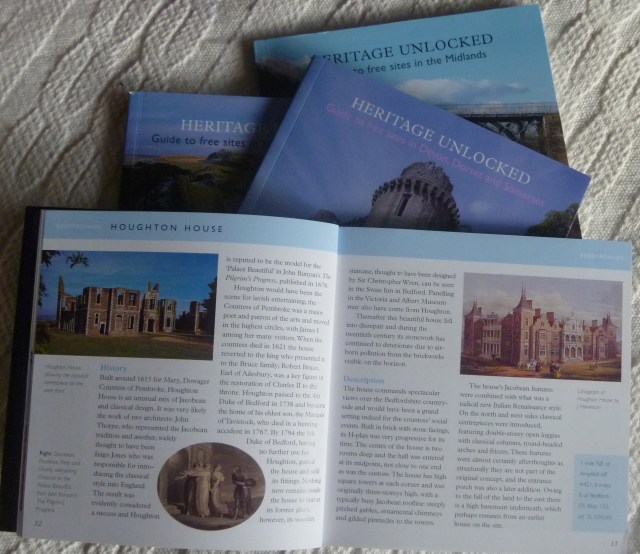
I discovered the existence of Houghton House not too far from Old Warden from another little series of books which I consult before making trips; the Heritage Unlocked series published by English Heritage.

EH Heritage Unlocked

I’m not a member of EH and to visit the remains of Houghton House, just outside the busy little town of Ampthill, it’s no advantage to be because it’s free to visit during daylight hours.

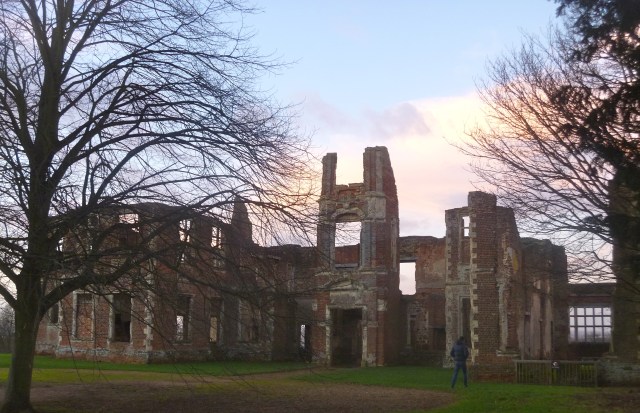
Houghton House

From the EH website :

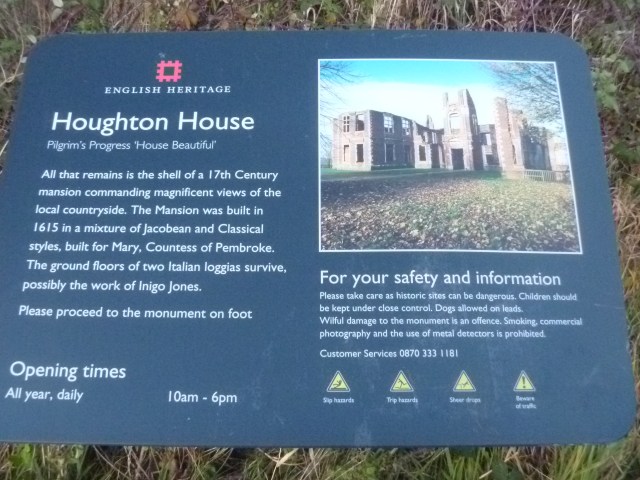
Houghton House today is the shell of a 17th century mansion commanding magnificent views, reputedly the inspiration for the ‘House [or Palace] Beautiful in John Bunyan’s Pilgrim’s Progress.

It was built around 1615 for Mary, Dowager Countess of Pembroke, in a mixture of Jacobean and Classical styles: the ground floors of two Italianate loggias survive, possibly the work of Inigo Jones.

EH Information board

Information panels describe the house, its owners and the surrounding hunting estate.”

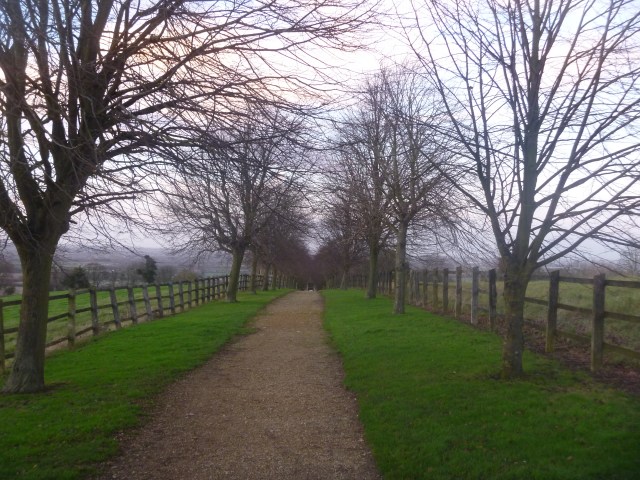
Approaching HH

The ruin of Houghton House is approached along a tree-lined track.

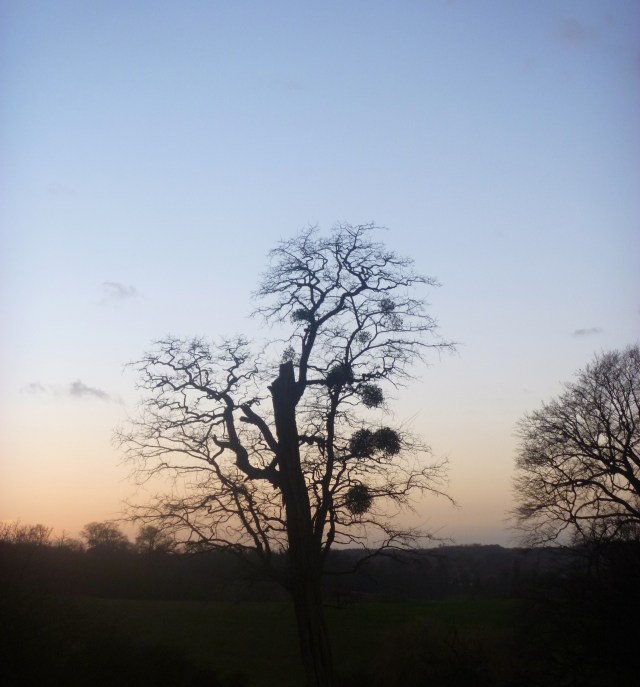
Tree with mistletoe

There are also many trees laden with mistletoe – giving quite a seasonal feel. Also, it was approaching dusk which increased the dramatic effect of the ruin but maybe my photos turned out a little on the dark side.

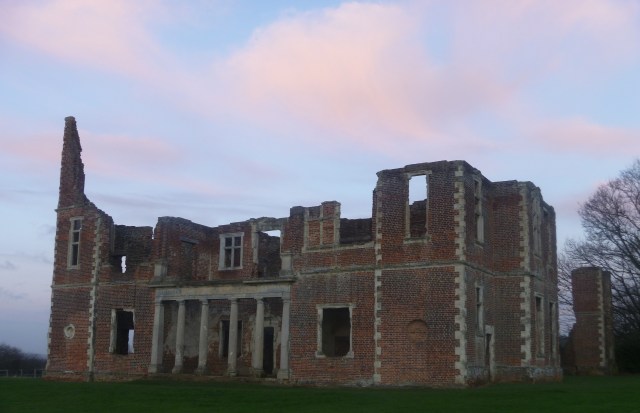
HH south

Houghton House “commands spectacular views over the Bedfordshire countryside and would have been a grand setting indeed for the countess’ social events.”

And in the History Album at Keeper’s Cottage we are informed of a Shakespearean connection to Old Warden :

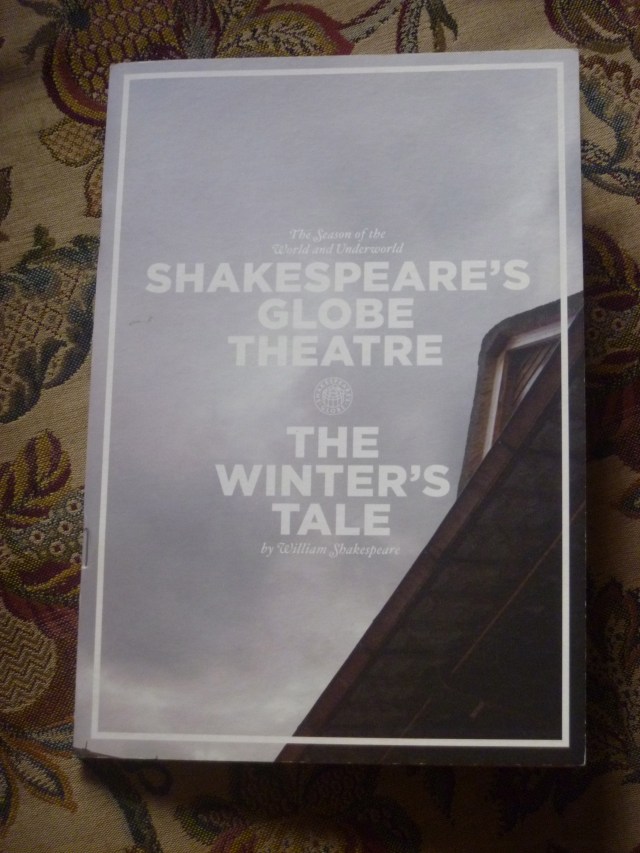
Warden Pear. A small pear used for cooking, the Warden Pear was the key ingredient in Warden Pies, which crop up here and there in Elizabethan and Stuart literature, most notably in Shakespeare’s Winter’s Tale , where the Clown almost gives the recipe : “I must have saffron to colour the warden pies; mace; dates? …nutmegs, seven; a race or two of ginger, byut that I may beg, four pounds of prunes and as many raisins o’ the sun” [Act IV, sc. Iii] Hot Warden Pies were still sold in Bedford in the nineteenth century.”

The Winter's Tale

Bedfordshire Cottages

Keepers and Keepers

Keeper’s Cottage with miniature Lilliput Lane model “Bark, the Herald Angels sing”

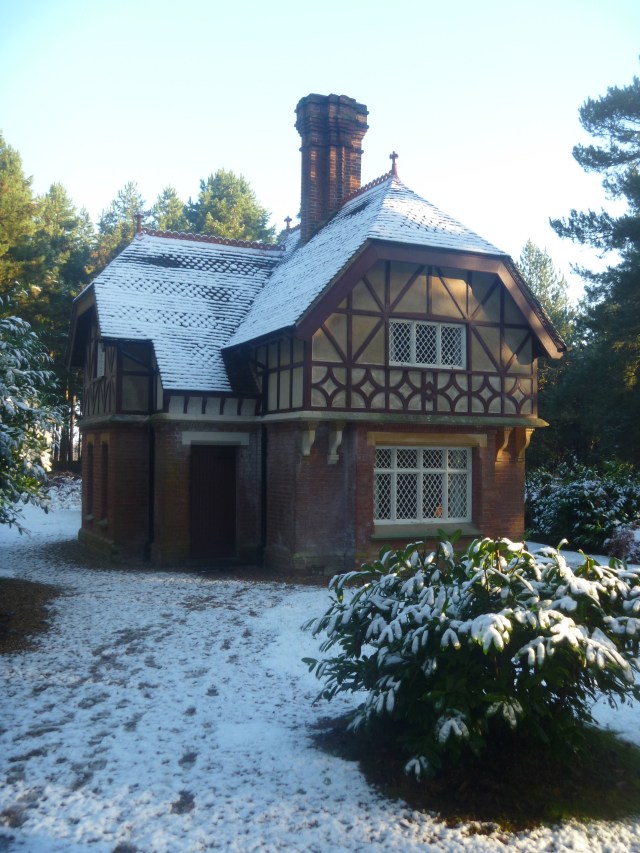
Last week I had a wonderful treat! My son booked a week (Monday to Friday) for us to stay at a Landmark Trust property in Bedfordshire as a gift to me on my retirement in June. So, last Sunday I travelled down to London from Norfolk and on the Monday D and I drove up to Old Warden in Bedfordshire to spend the week at Keeper’s Cottage in the Warden Warren woods which make up part of the Shuttleworth Estate.

Keepers Dec 2009

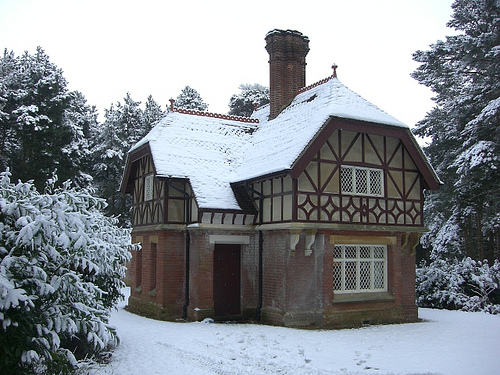
Keeper’s in the snow, December 2009

In fact we stayed at Keeper’s in December 2009 but had such a lot problems with snow and ice and moving the car and I fell and sprained my ankle that the stay was only memorable for it being such a disaster. Surely we couldn’t be dogged by snow and ice again?? But we were. On Wednesday we woke to a thick covering of snow which looked beautiful but our hearts sank wondering whether we would have a repeat experience. Luckily the roads and tracks were not so bad and the snow added to the charm of the cottage and the woodlands.

Keepers Dec 2012

Keeper’s in the snow, December 2012

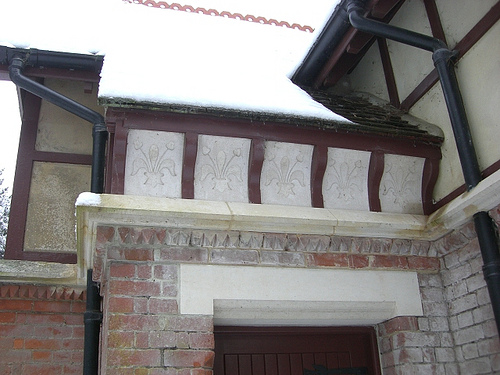
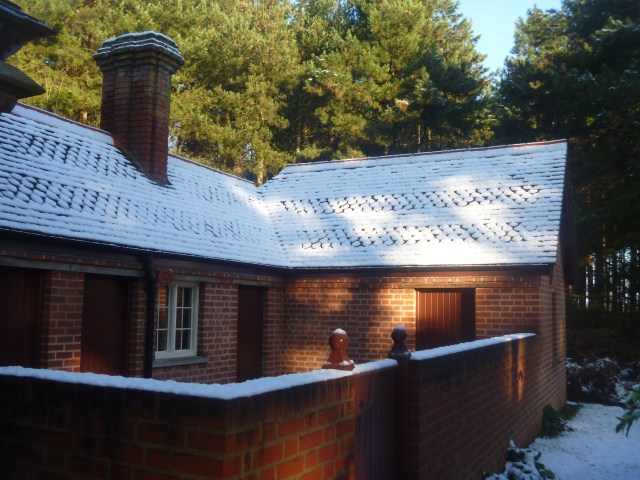
Keeper’s Cottage was built by the local Bedford builder and architect John Usher in about 1877 when Joseph Shuttleworth, owner of the Old Warden Estate, decided to rehouse his gamekeeper Richard Aireton. It was built in accordance with the architectural pattern books of the day and is a sampler of features including decorative fleur de lys plasterwork, timber framing, hipped gables and decorative roof and ridge tiles. The cottage comes with a set of outbuildings which include a bakehouse, washhouse, earth closet and, down the slope from the living quarters, a four stalled kennel block. Keeper’s (like all Landmarks) has a detailed history album for the cottage which makes fascinating reading. Before the Landmark Trust took over the property all the outbuildings had been lost but it was decided to totally rebuild them as the detailed plans were still available.

Fleur De Lys plasterwork

The Fleur De Lys plasterwork above the door

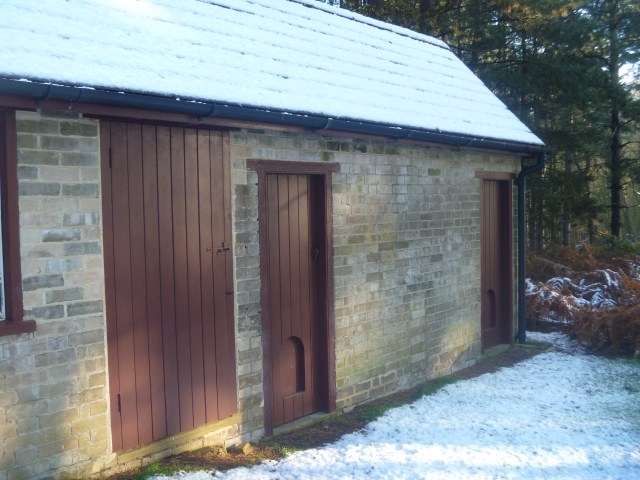
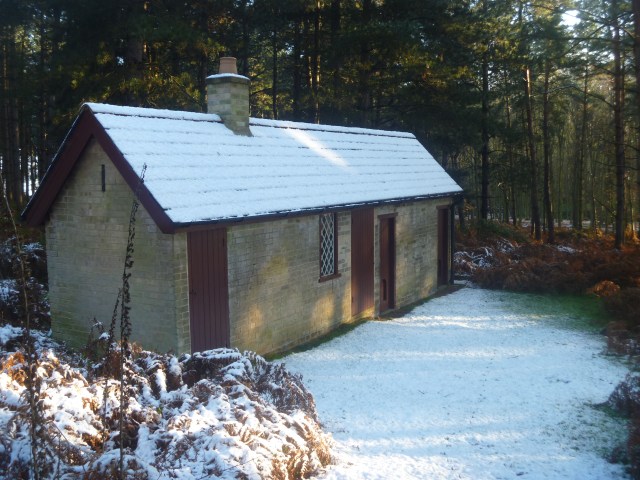
Former washhouse and bakehouse

The former washhouse and bakehouse

Keeper's Kennels

The former kennels at Keeper’s Cottage

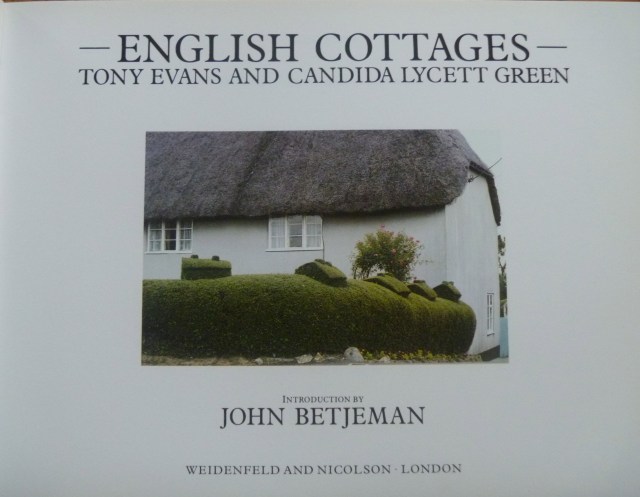
Before setting off on a trip I usually check my ‘Places’ bookcase for books which might add to my knowledge of the region to be visited and amongst the books which I check are those in the Country Series published by Weidenfeld and Nicolson. You’ll probably know them as they are often to be found in remainder book shops.

English Cottages book

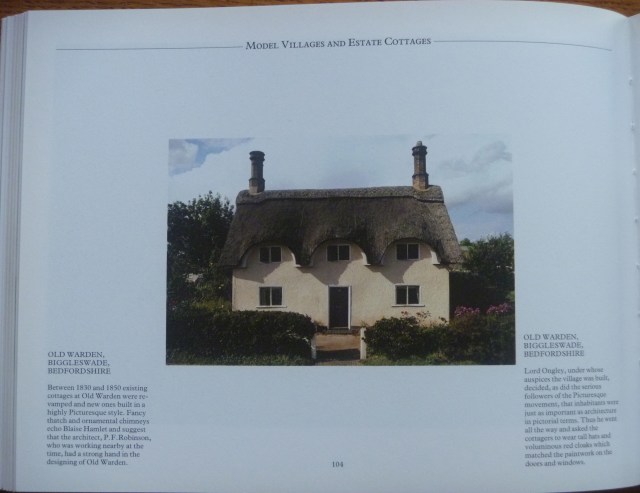
I own quite a few and flicking through my copy of ‘English Cottages’ I noticed a double-page spread of pictures of cottages at Old Warden.

Old Warden page

The Old Warden Page in English Cottages

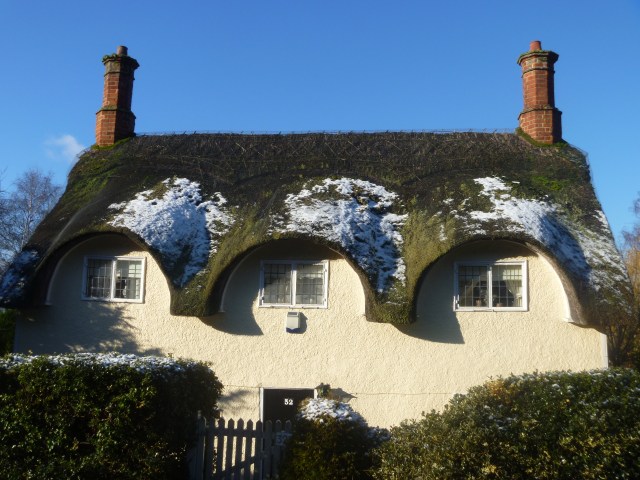
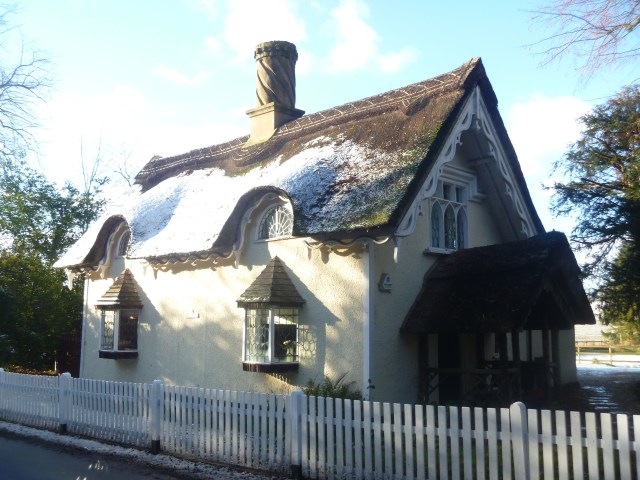
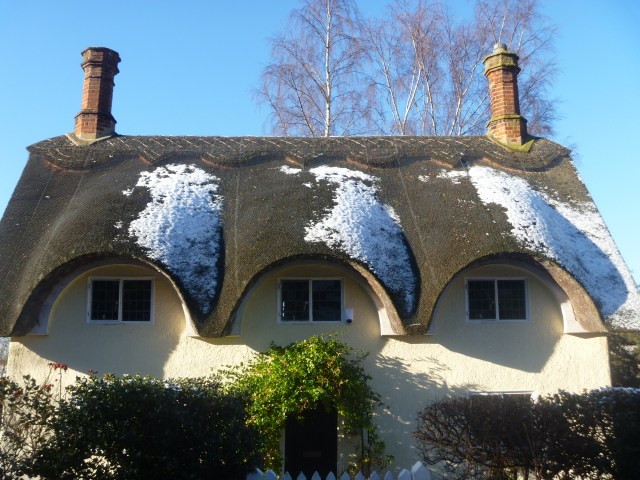
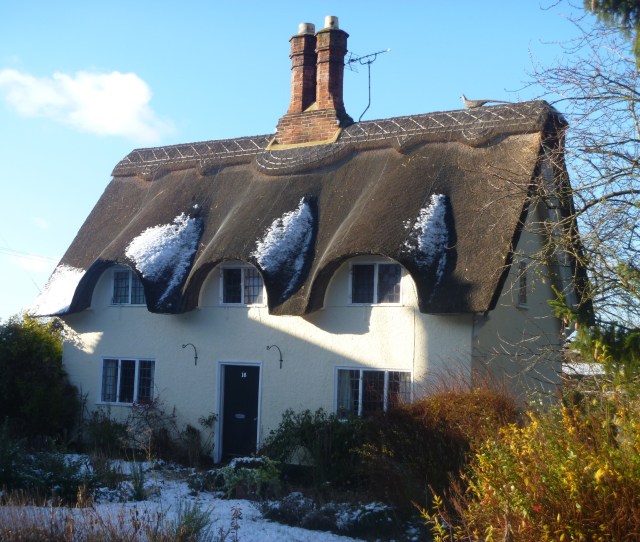
Old Warden Cottage

I *think* this is the cottage featured in my book but there are many others :

Old Warden Cottage 1

Old warden Cottage 2

Old Warden Cottage 3

Between 1830 and 1850 existing cottages at Old Warden were revamped and new ones built in a highly Picturesque style. Fancy thatch and ornamental chimneys … suggest that the architect, P.F.Robinson, who was working nearby at the time, had a strong hand in the designing of Old Warden”

Old Warden house

Lord Ongley, under whose auspices the village was built, decided, as did the serious followers of the Picturesque movement, that the inhabitants were just as important as architecture in pictorial terms. Thus he went all the way and asked the cottagers to wear tall hats and voluminous red cloaks which matched the paintwork on the doors and windows.”

Old Warden Swiss

I actually did not see a single villager as I walked along the main street (actually called The Village) let alone one dressed in a tall hat and red cloak. My guess is that today the village is inhabited chiefly by London commuters who are probably the only people who can afford to live in such beautiful cottages.