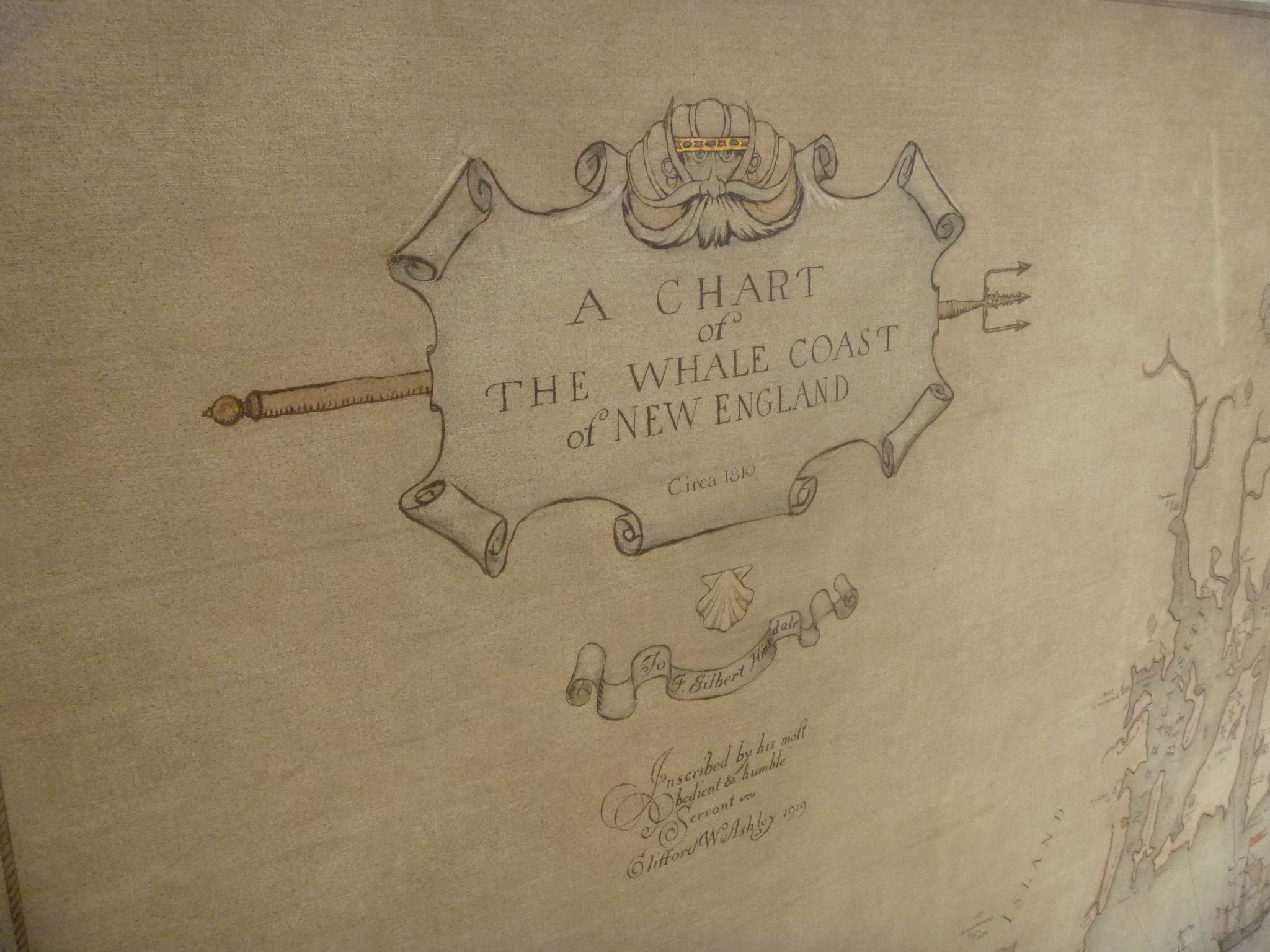
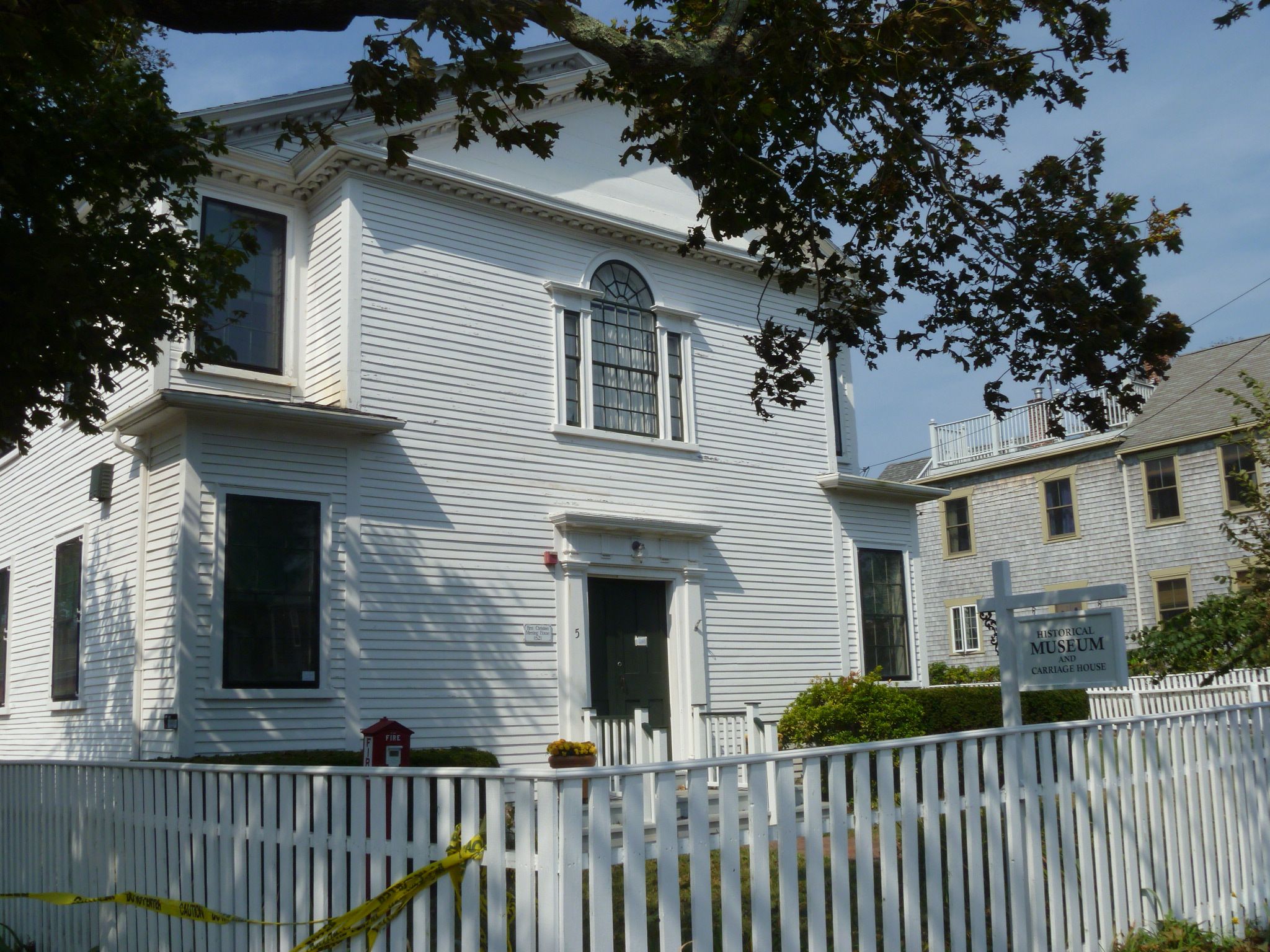
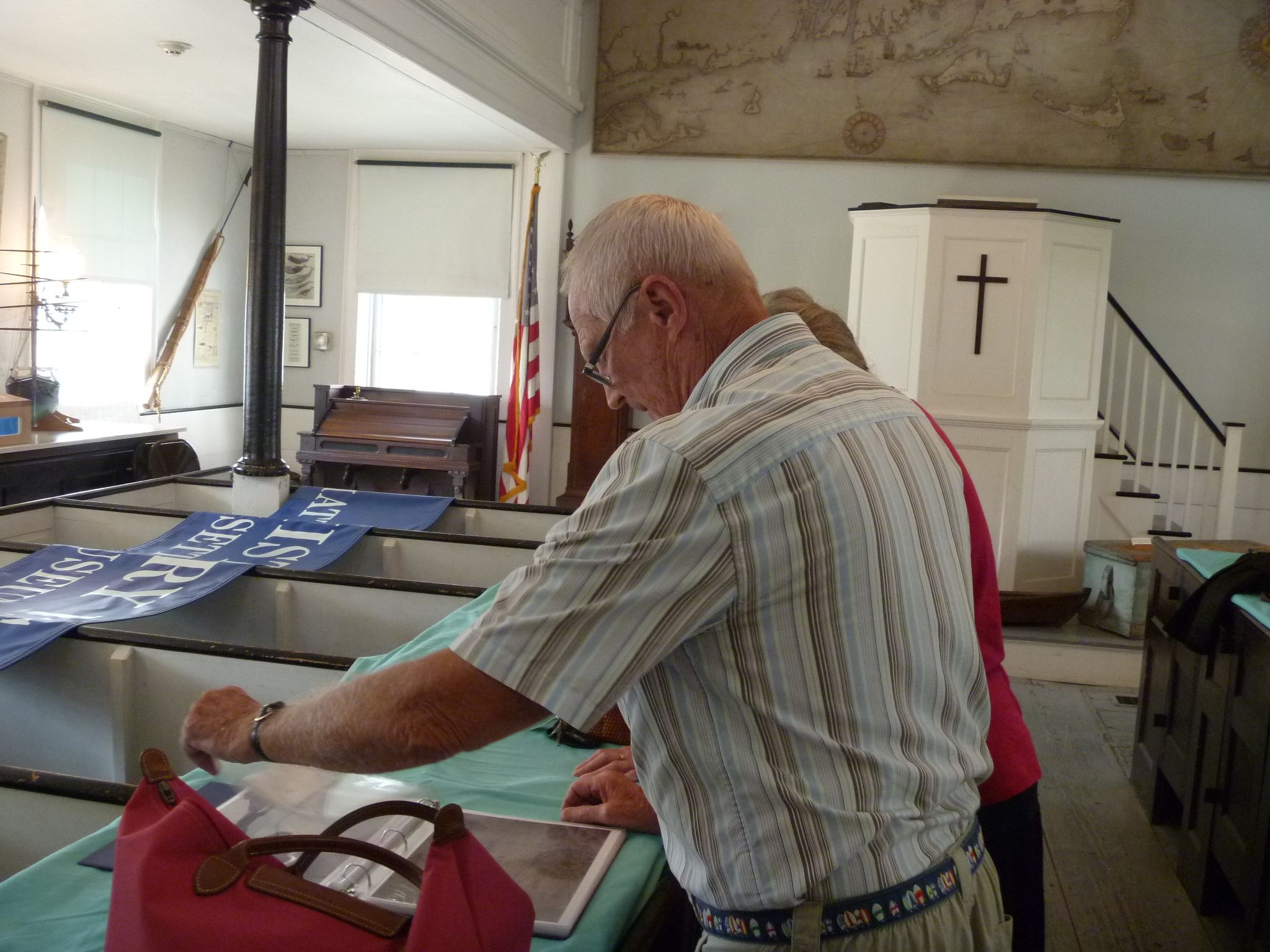
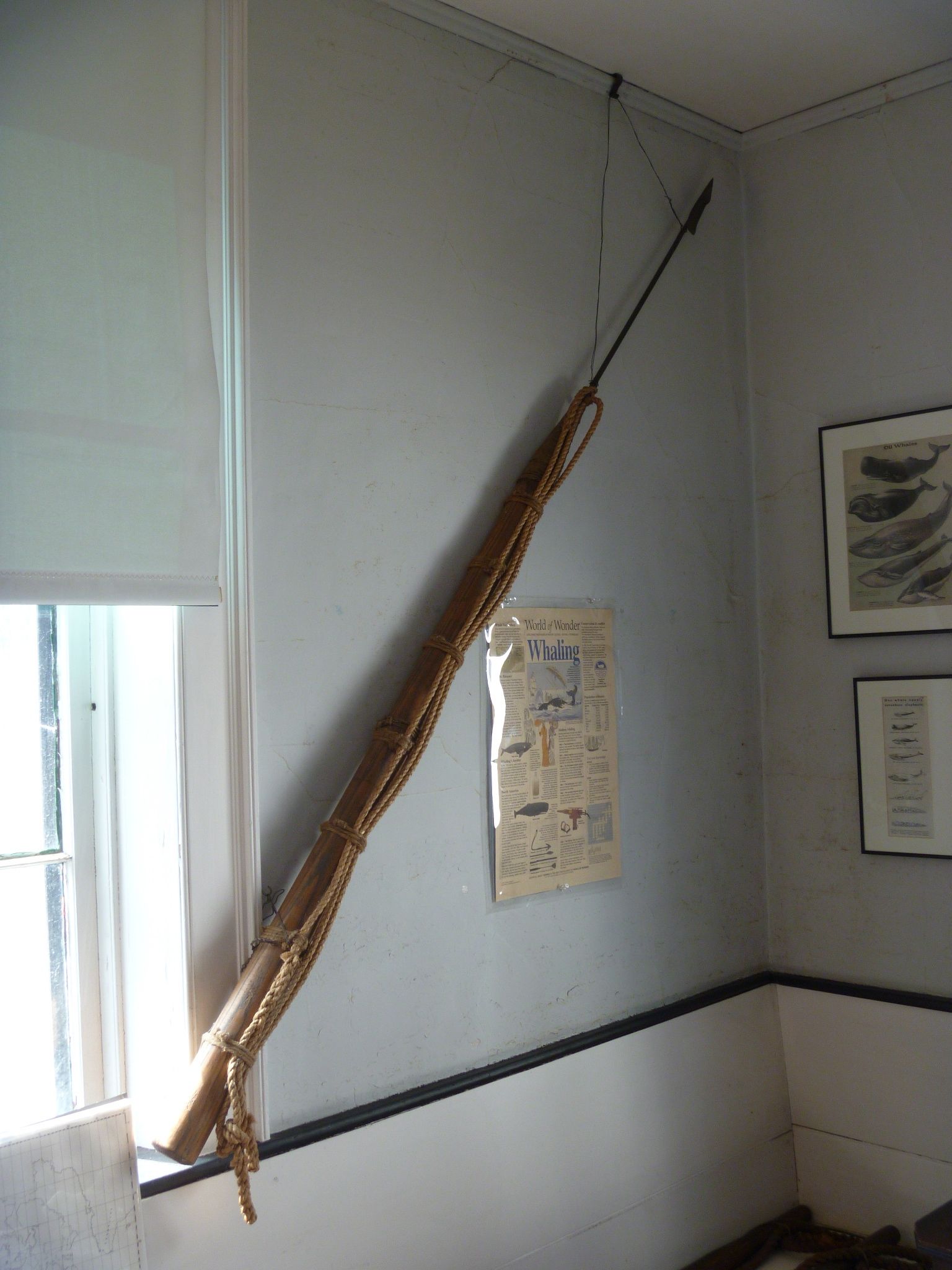
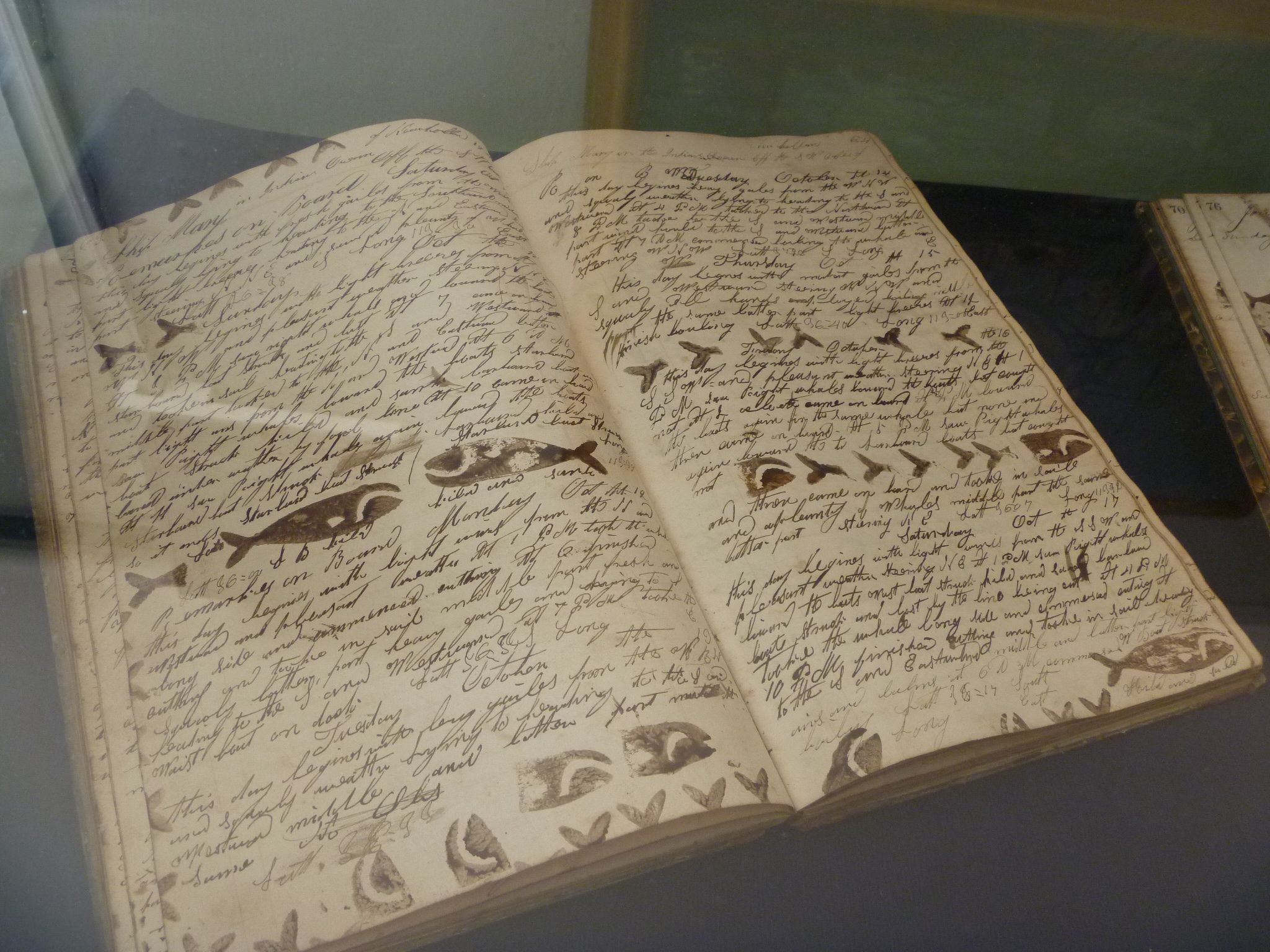
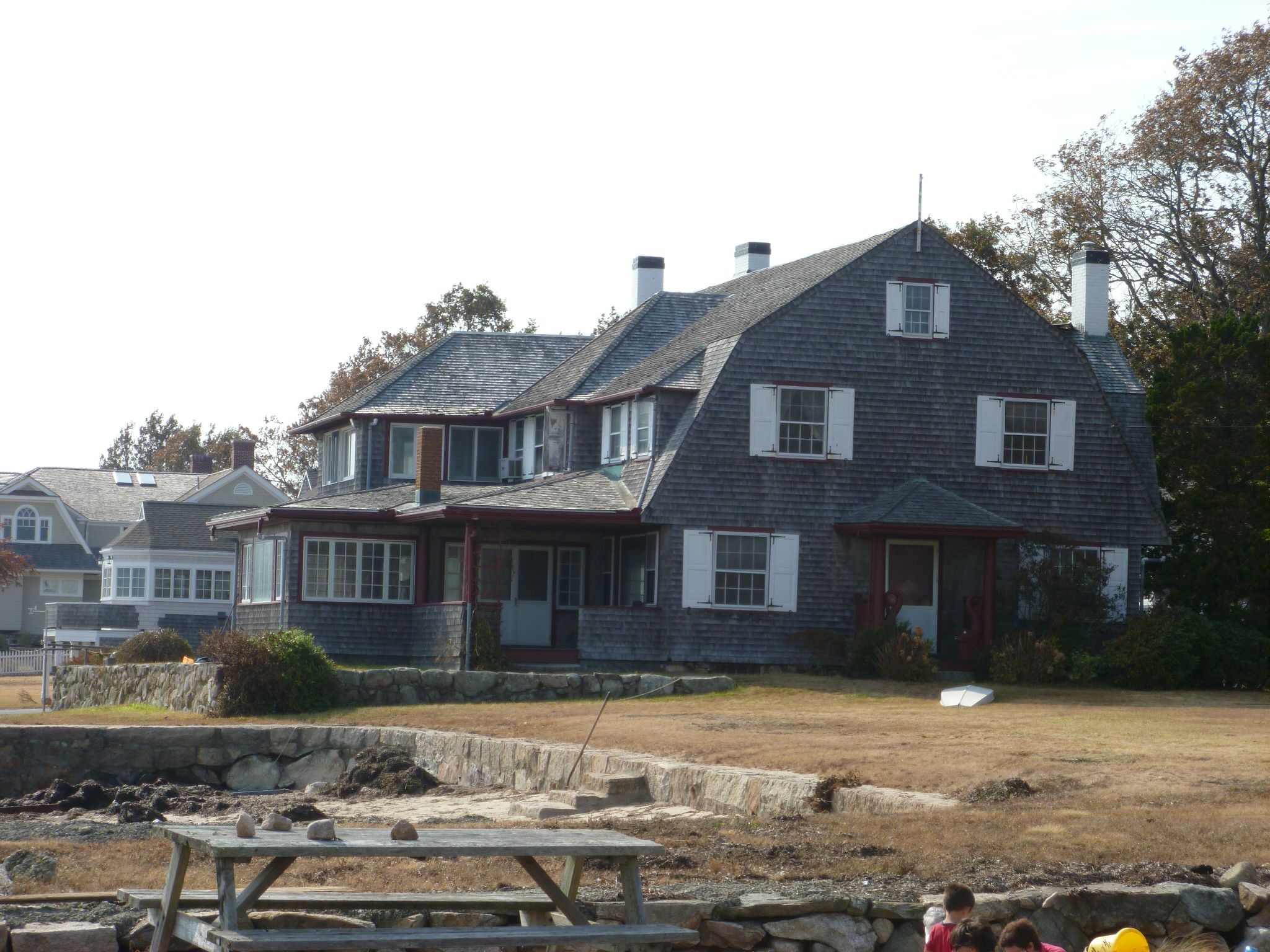
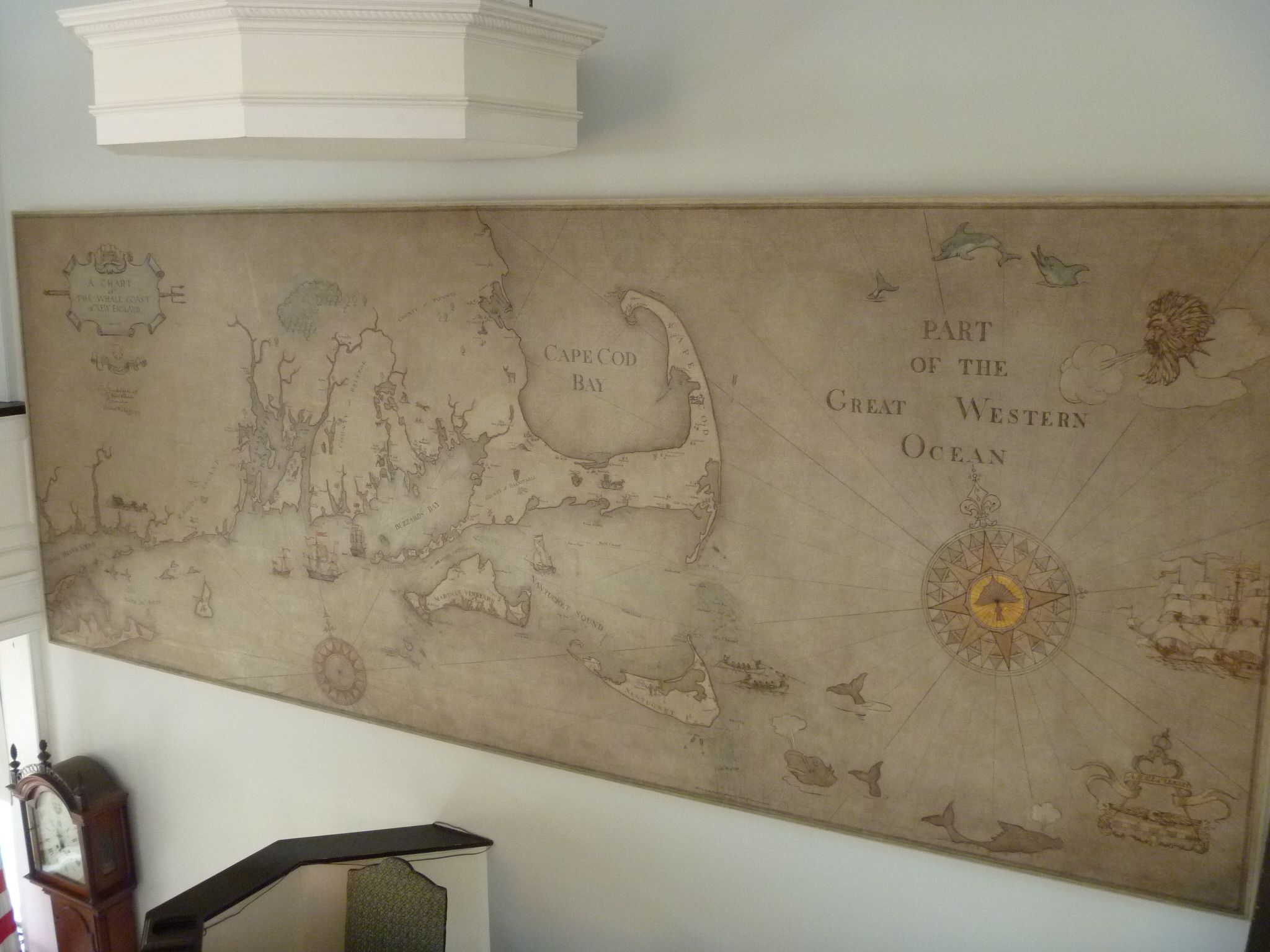
‘Don’t Call Me Ishmael‘ was the title of a post here a year ago in which I wrote about a visit with a friend to the Mattapoisett Historical Museum to inspect the Ashley Whaling Mural a map of the south coast of New England from the mouth of the Connecticut River to Cape Cod. We also looked at Whaling Journals.
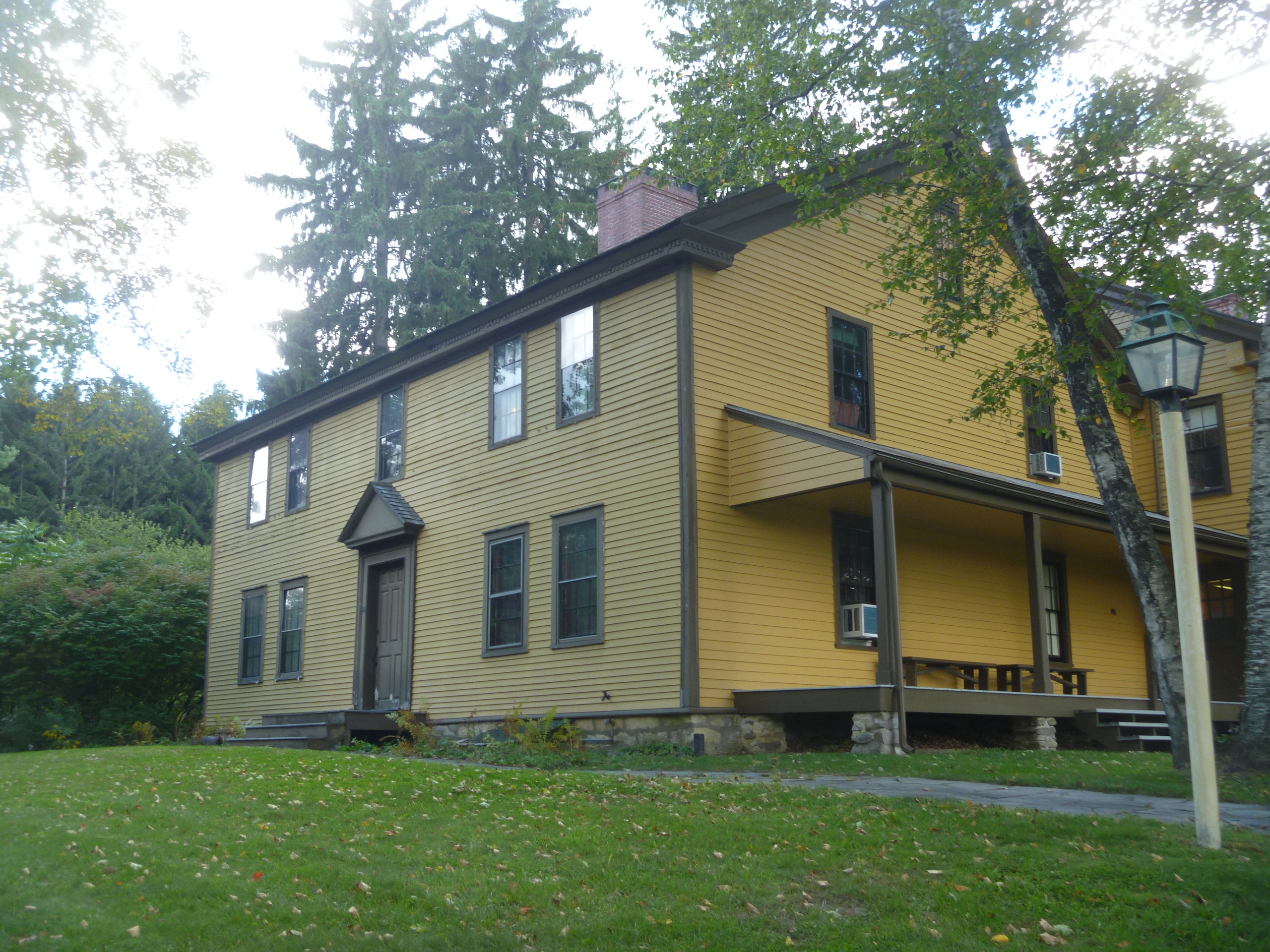
There was just time on Saturday 15 September, after our visit to The Norman Rockwell Museum and Stockbridge, to fit in a tour of Herman Melville’s home Arrowhead, just a mile along the road from our Lenox motel in Pittsfield, MA.
“In the summer of 1850, seeking a reprieve from the heat and noise of New York City, Herman Melville brought his young family to Pittsfield, Massachusetts, a place he had visited since childhood.
Flush with the success of his first books and entranced by his meeting of Nathaniel Hawthorne, Melville impulsively bought a nearby farm, which he named Arrowhead. That winter, ensconced in his study with its view of Mount Greylock, Herman Melville wrote his masterpiece ‘Moby Dick’.
Melville’s most productive years were those he spent at Arrowhead; works written here include ‘Pierre’, ‘Benito Cereno’ and ‘The Confidence-Man’. Melville and his family returned to the city in 1863, but Arrowhead remained in the Melville family until 1972.”
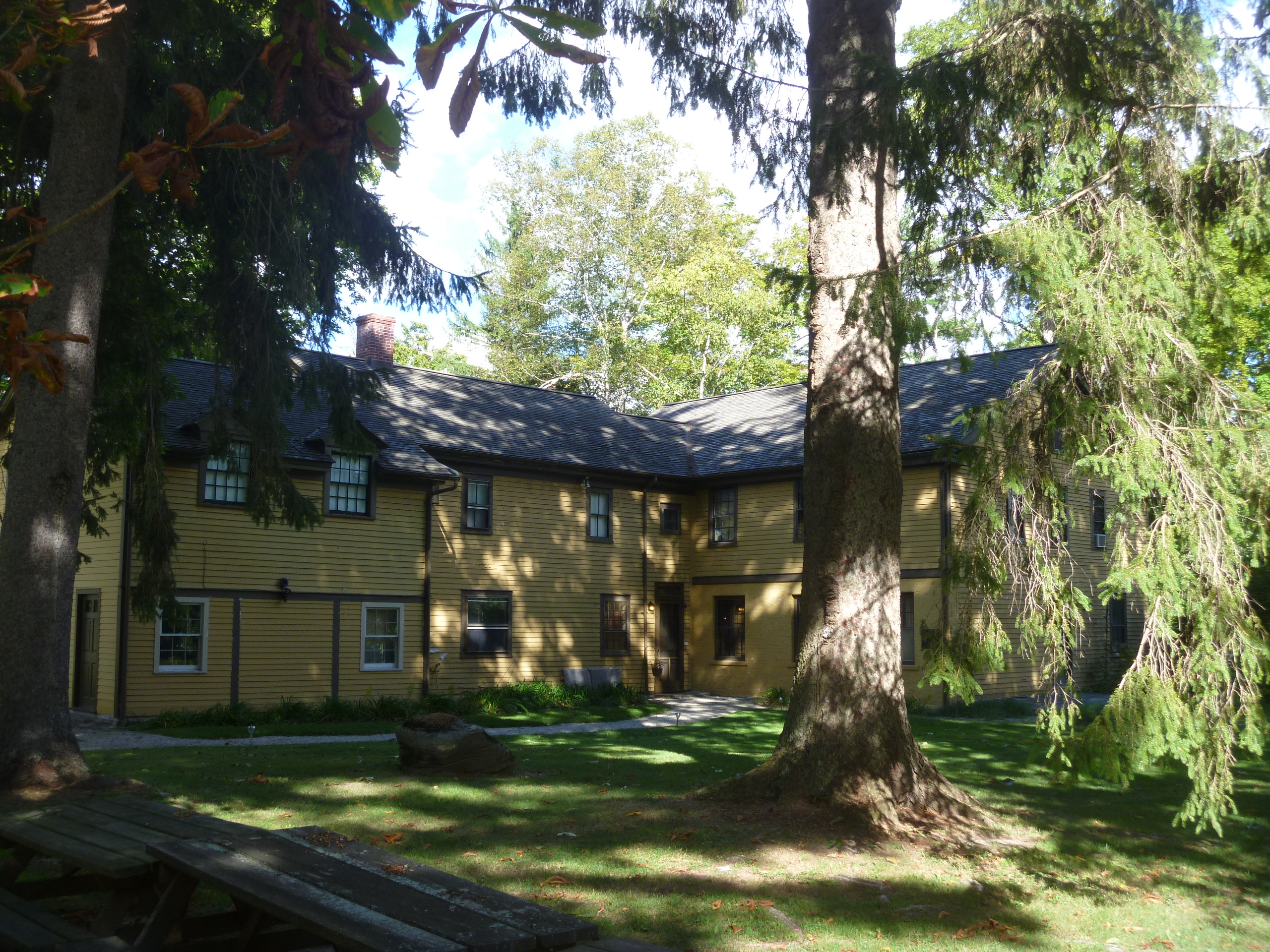
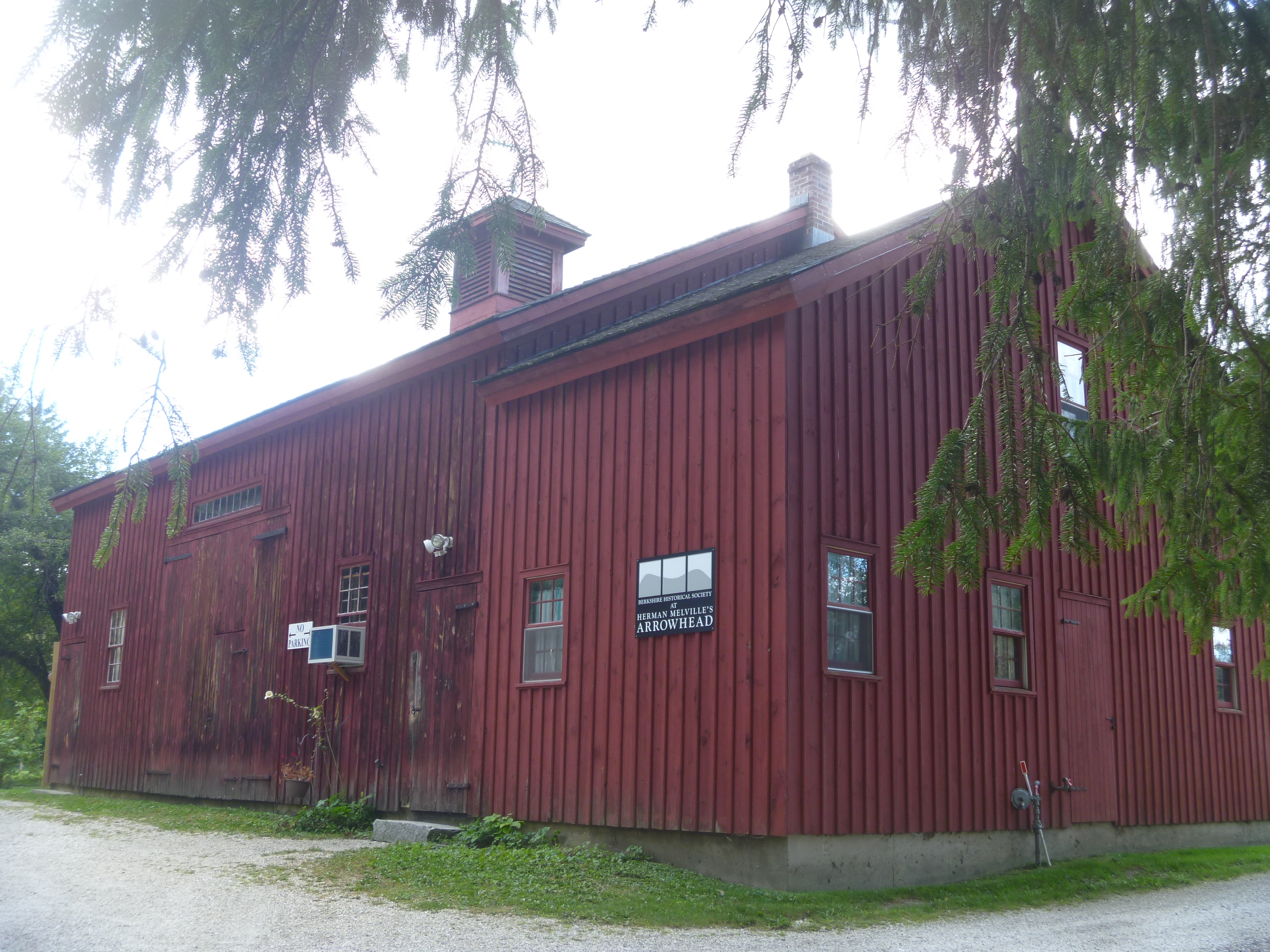
The Barn Shop and Information Desk
In a barn behind the house there’s a shop and the desk where you can book for a house tour. In another out-building there’s an exhibition “So Far From Home: Whalers and Whaler Art”.
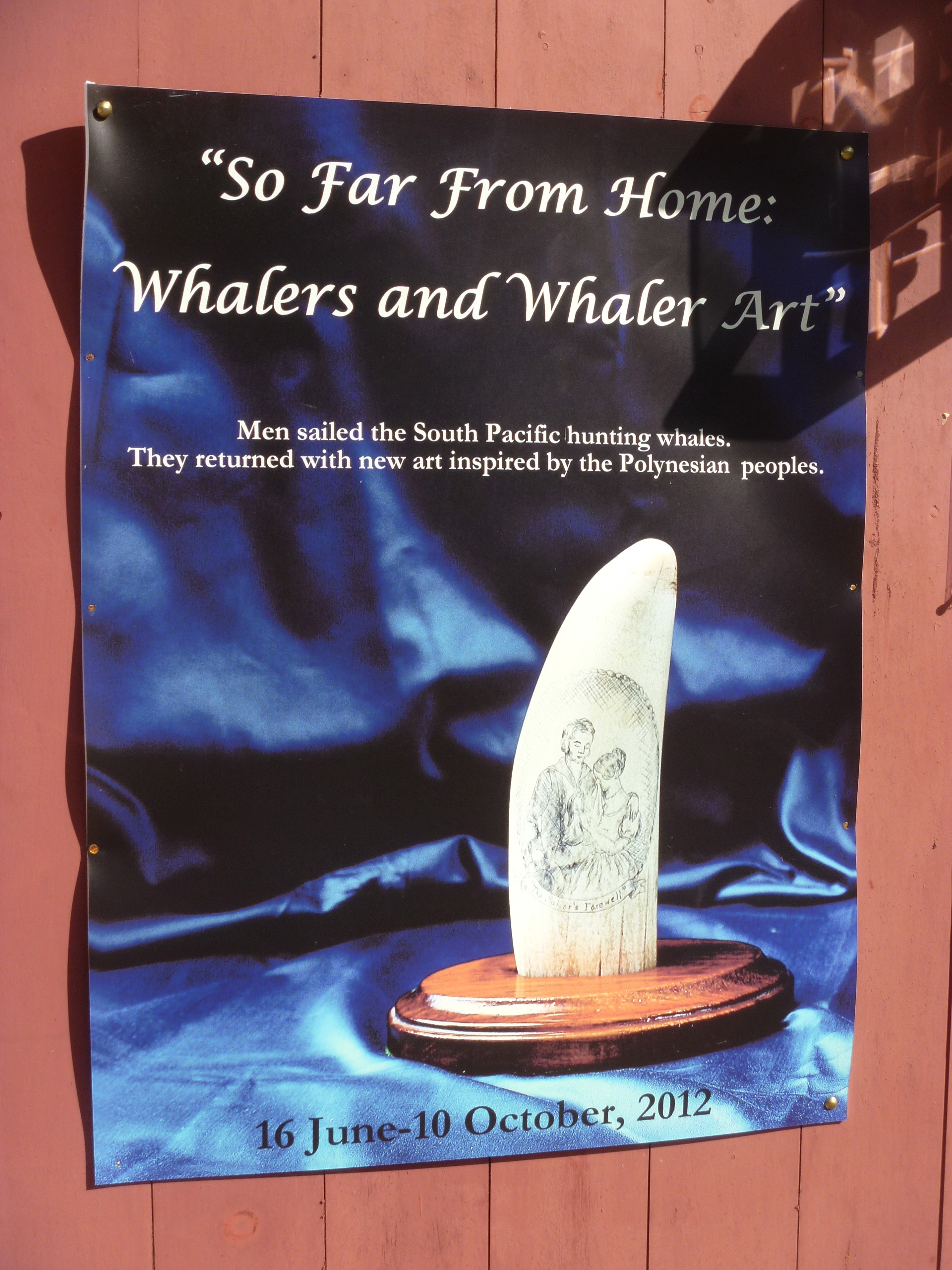
“The exhibit explores how Polynesian artworks influenced the art of visiting whalers like Melville, with a display of images, text, scrimshaw, tattoos, and Polynesian art and artefacts. Collector Jeffrey McCormick loaned a large selection of scrimshaw and other items to make this exhibit possible.”
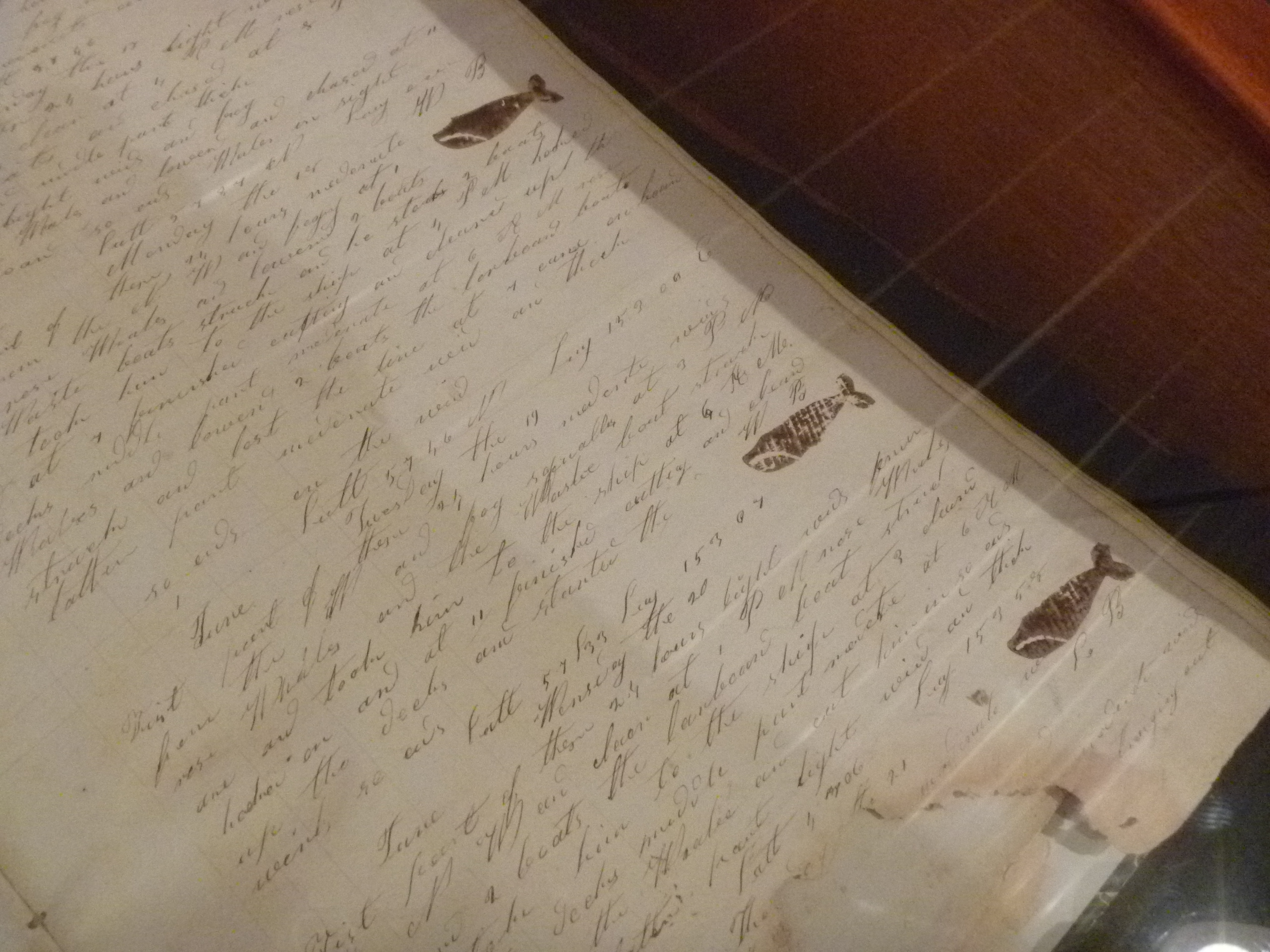
There are also some fine examples of Whaling Journals and a model of the whaling ship ‘The Wanderer’.
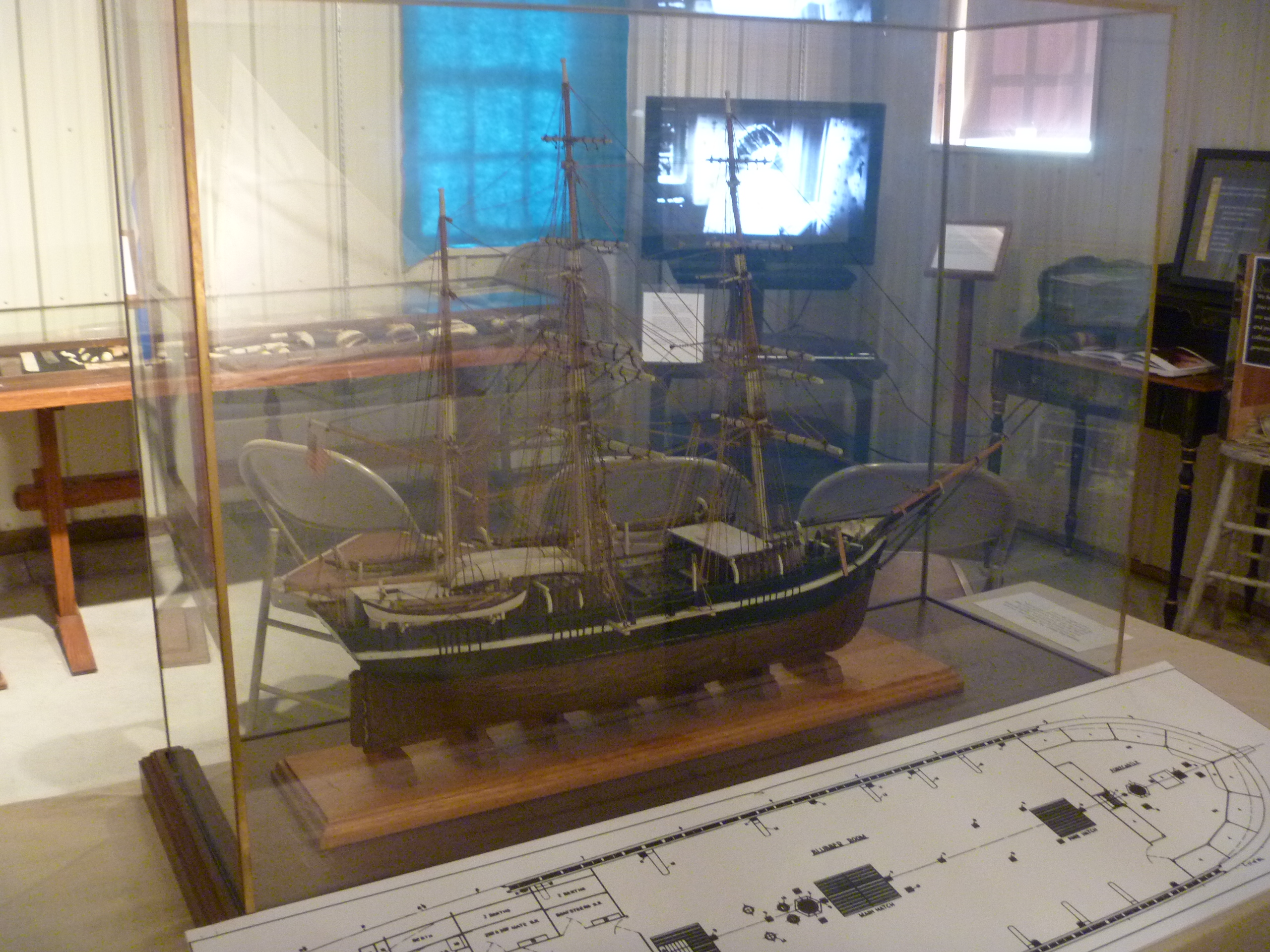
Model of The Wanderer

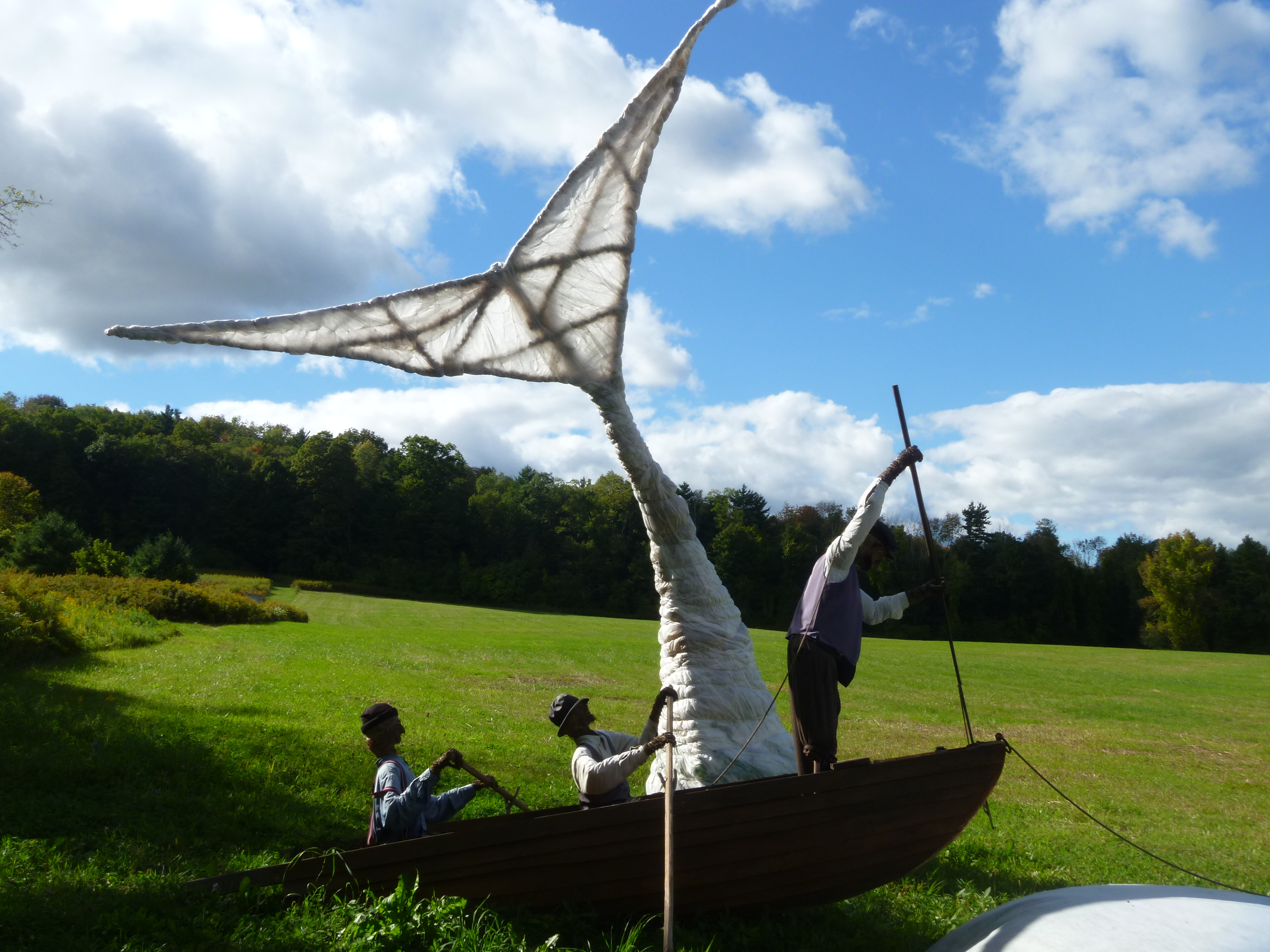
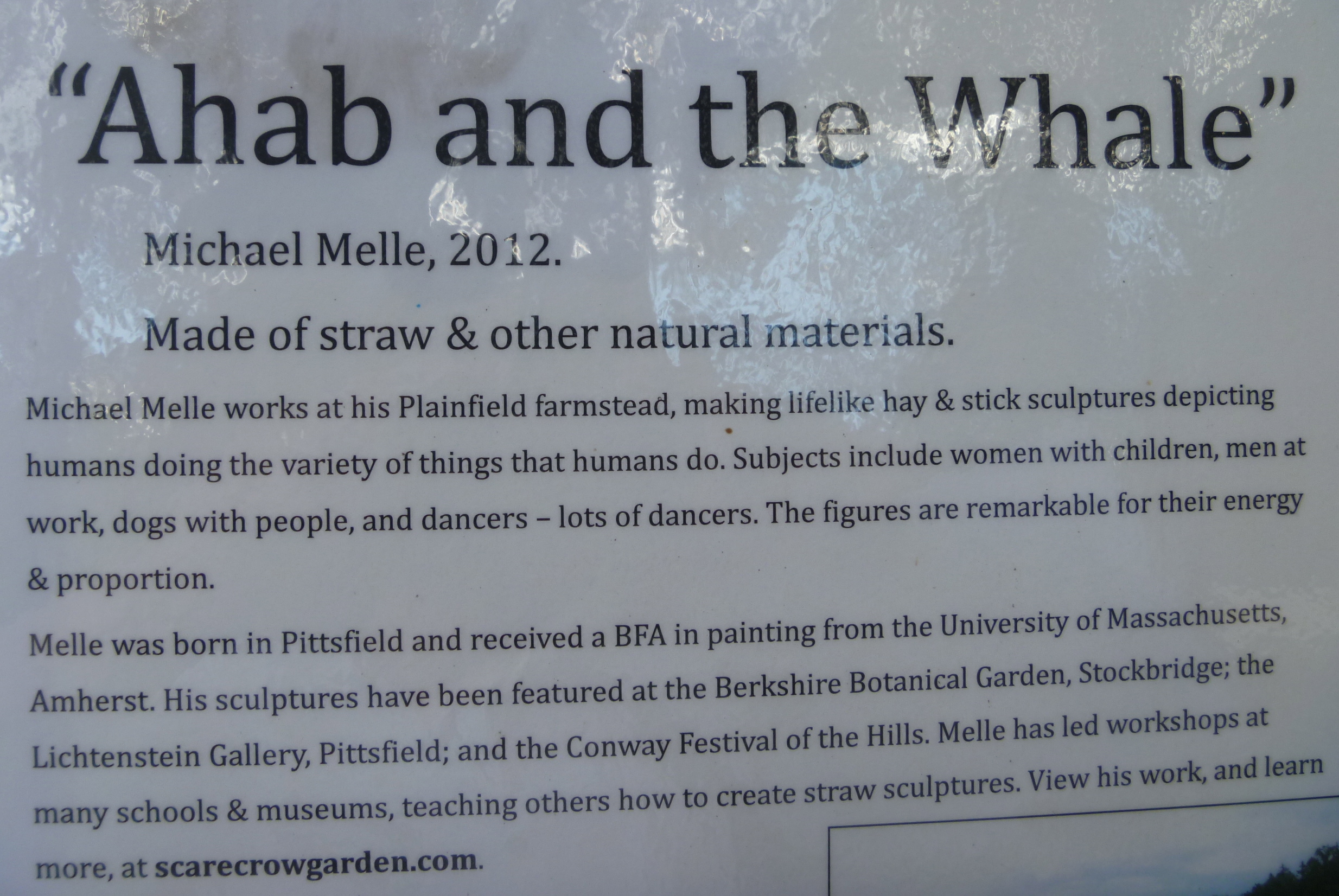
In the field next to the house and garden there’s a rather strange sculpture. It’s called ‘Ahab and the Whale’ and it’s a startlingly life-like straw sculpture by Michael Melle.
The house tour itself was fairly interesting (no photography allowed) and the best part was visiting the study and seeing the view of Melville’s inspiration Mount Greylock.
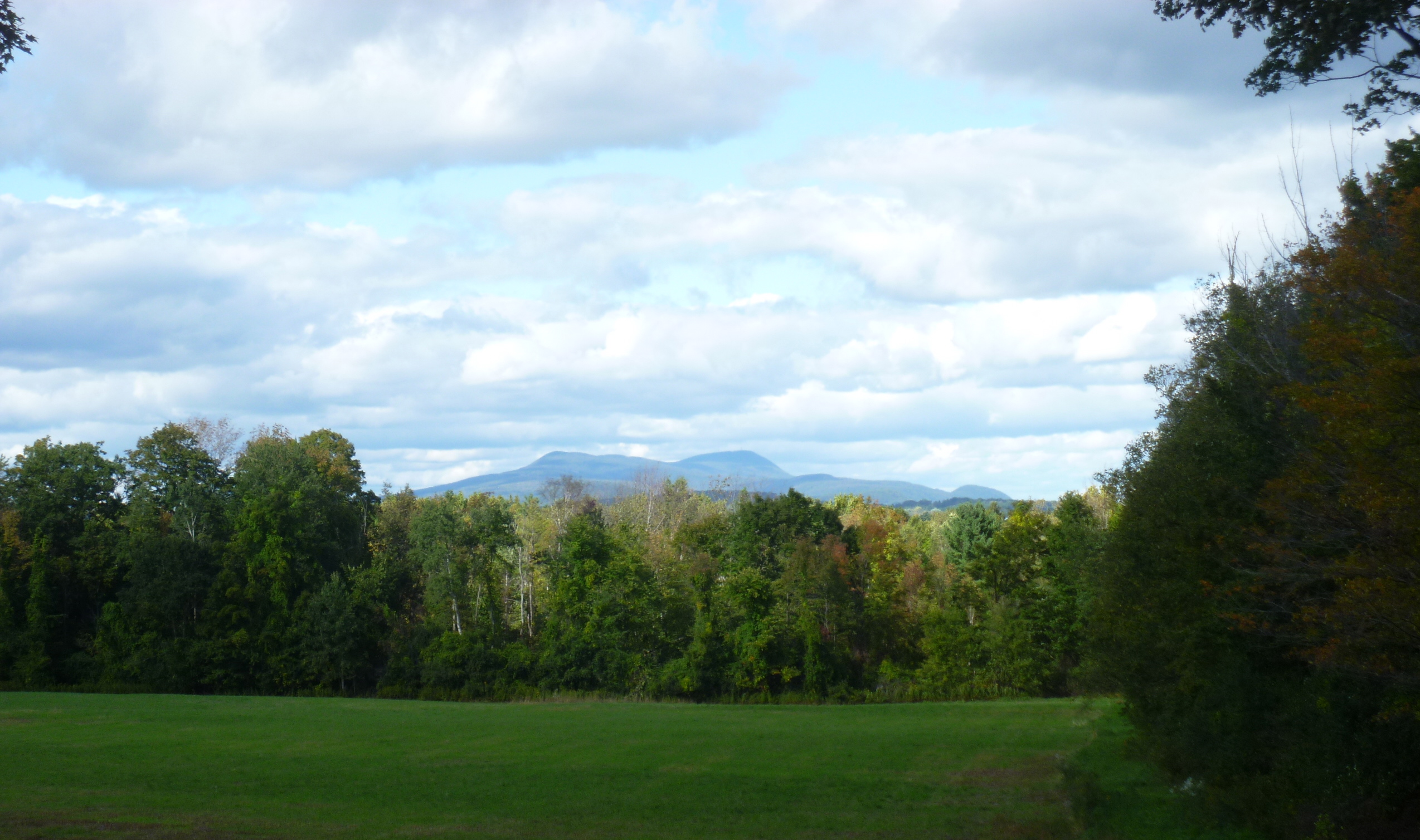
Mount Greylock from Arrowhead
In addition to the house tour and exhibitions there’s a self-guided grounds tour described on the free leaflet that you are given when booking your ticket. Complete with quotations from Herman Melville the leaflet details the immediate house surroundings and barn and the Arrowhead Nature Trail across the meadow and through the woods where Melville was inspired to write. Unfortunately, time was tight at this point and I was unable to undertake the Nature Trail. Something else for next time!
By pure coincidence I received a Folio Society newsletter just this week alerting me to the Moby Dick Big Read. Here is what it says on the website :
” … an online version of Melville’s magisterial tome: each of its 135 chapters read out aloud, by a mixture of the celebrated and the unknown, to be broadcast online in a sequence of 135 downloads, publicly and freely accessible.”
A year ago I said I wouldn’t be reading ‘Moby Dick’ but this year I intend to start listening to The Moby Dick Big Read.
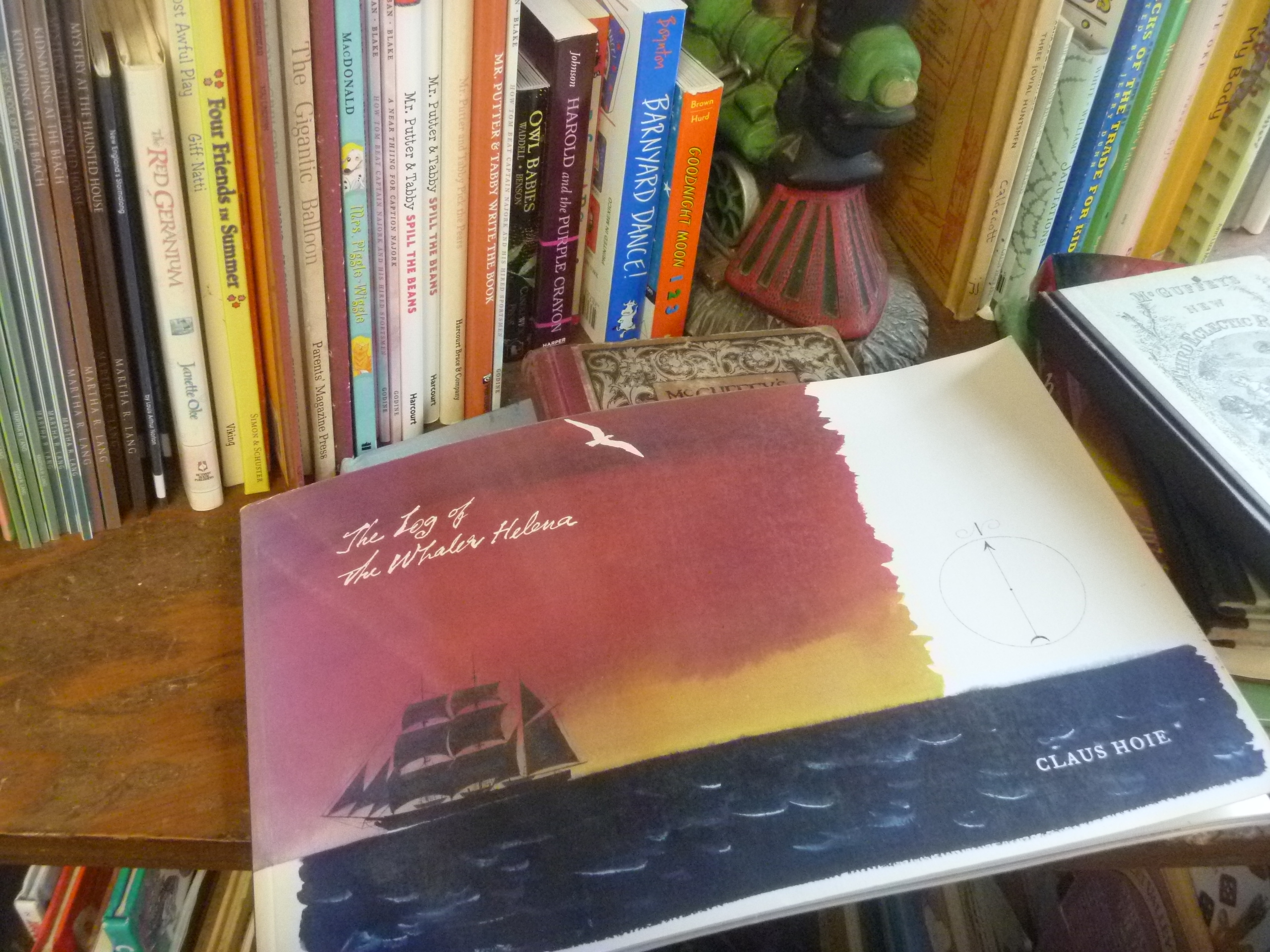
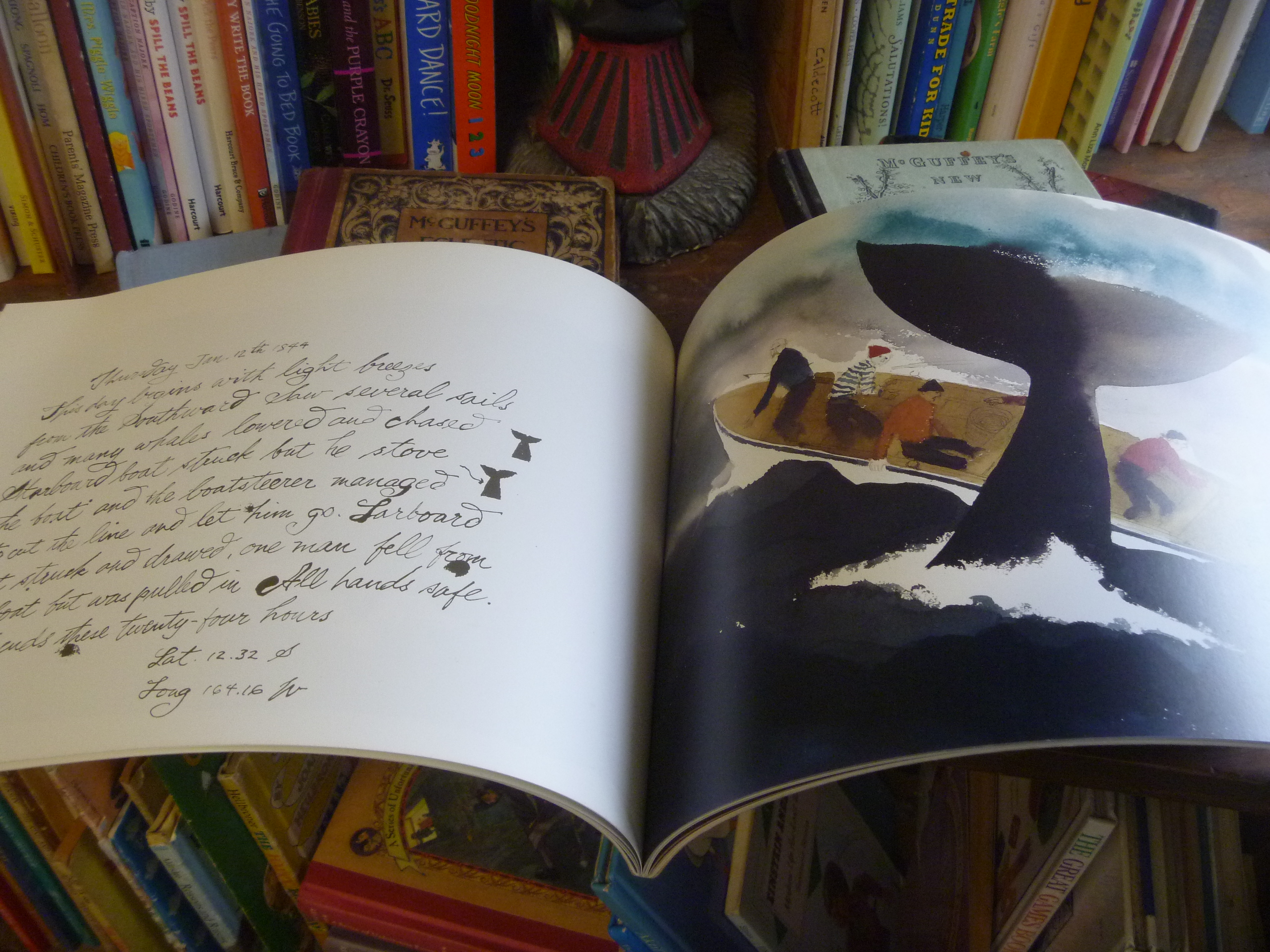
A book for young whale watchers
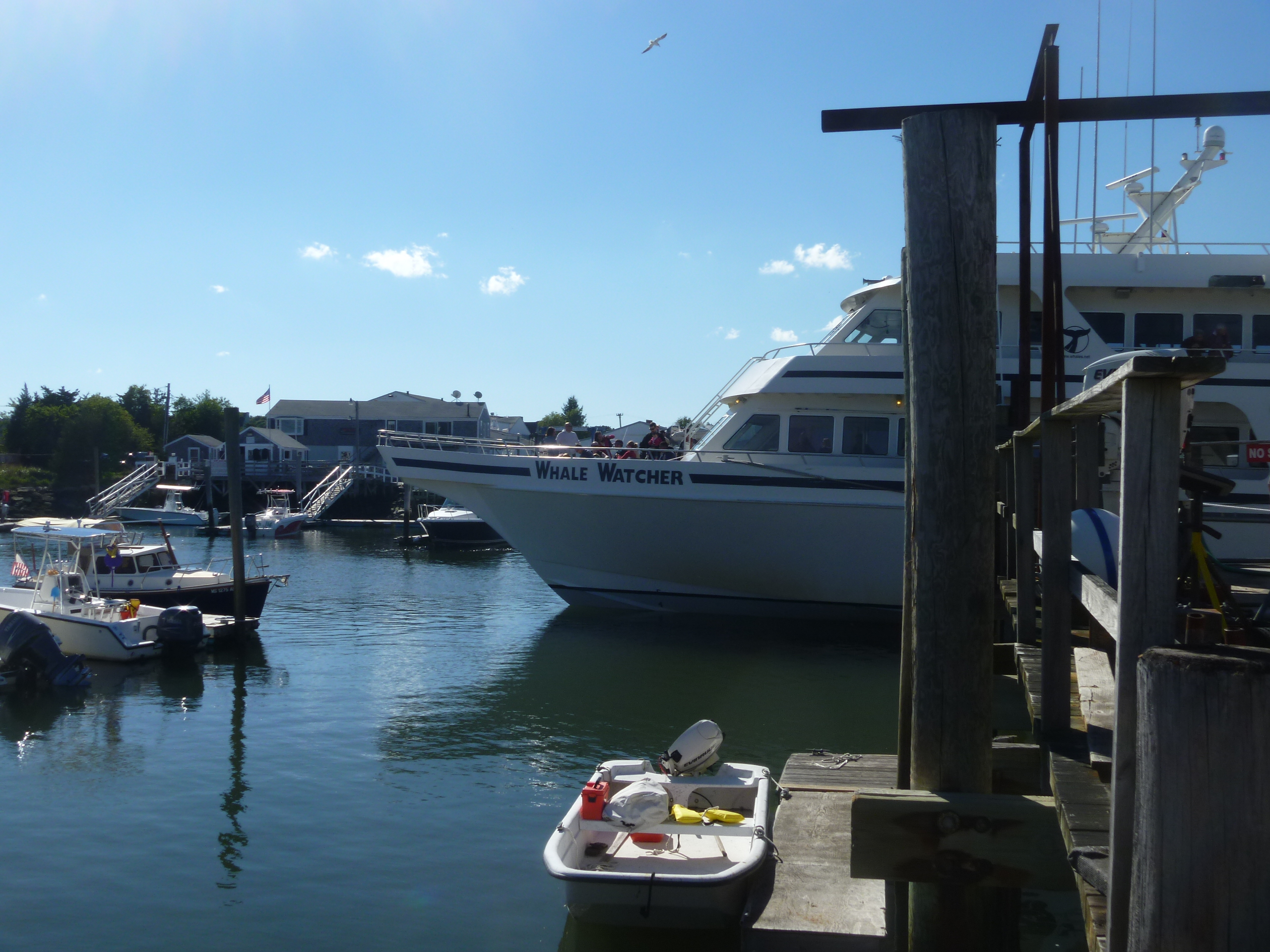
As for embarking on a Whale Watch Cruise – well, I still won’t be doing that – but I now have a husband who did! And he saw some!! The whale watchers return :
 miladysboudoir