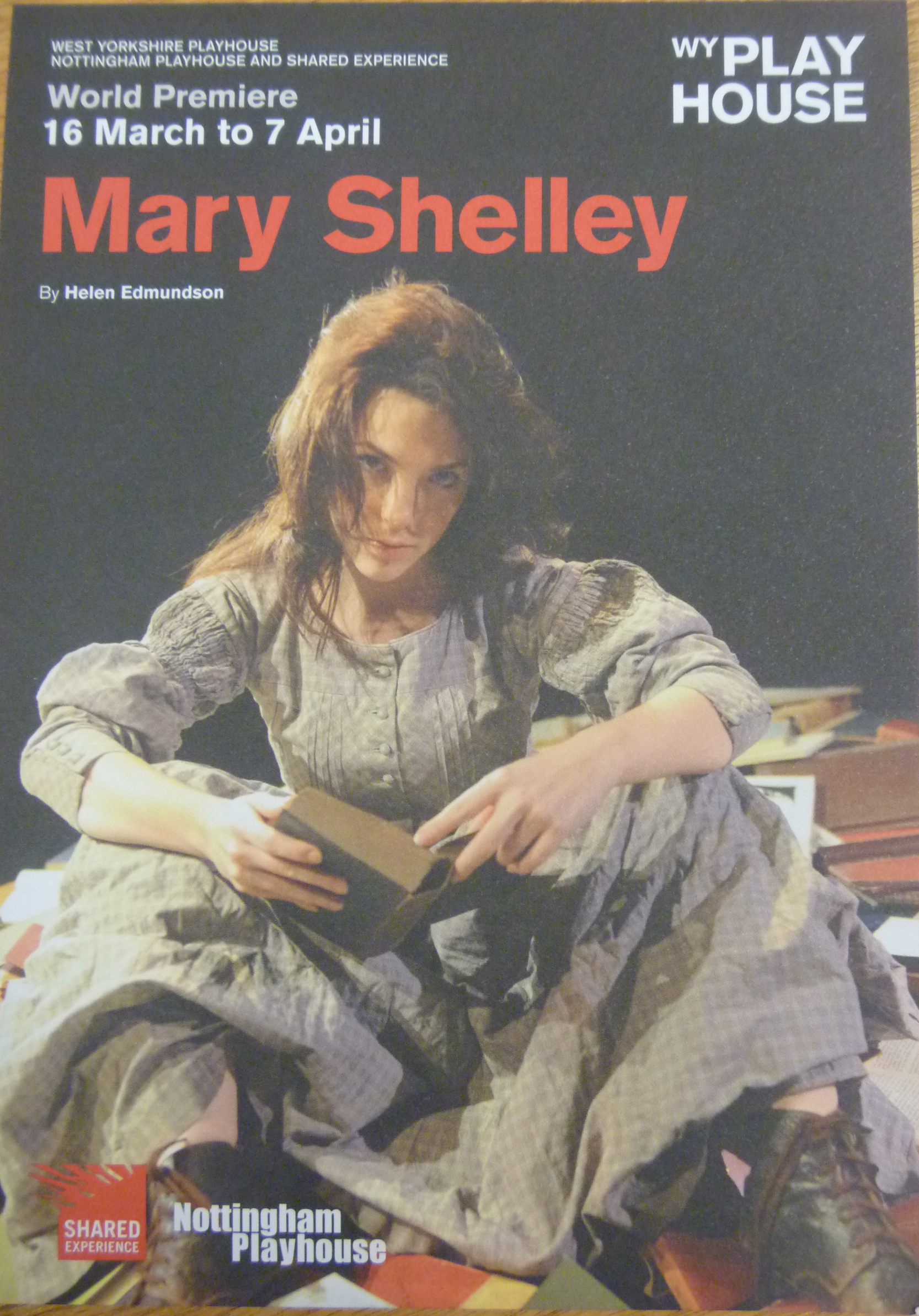
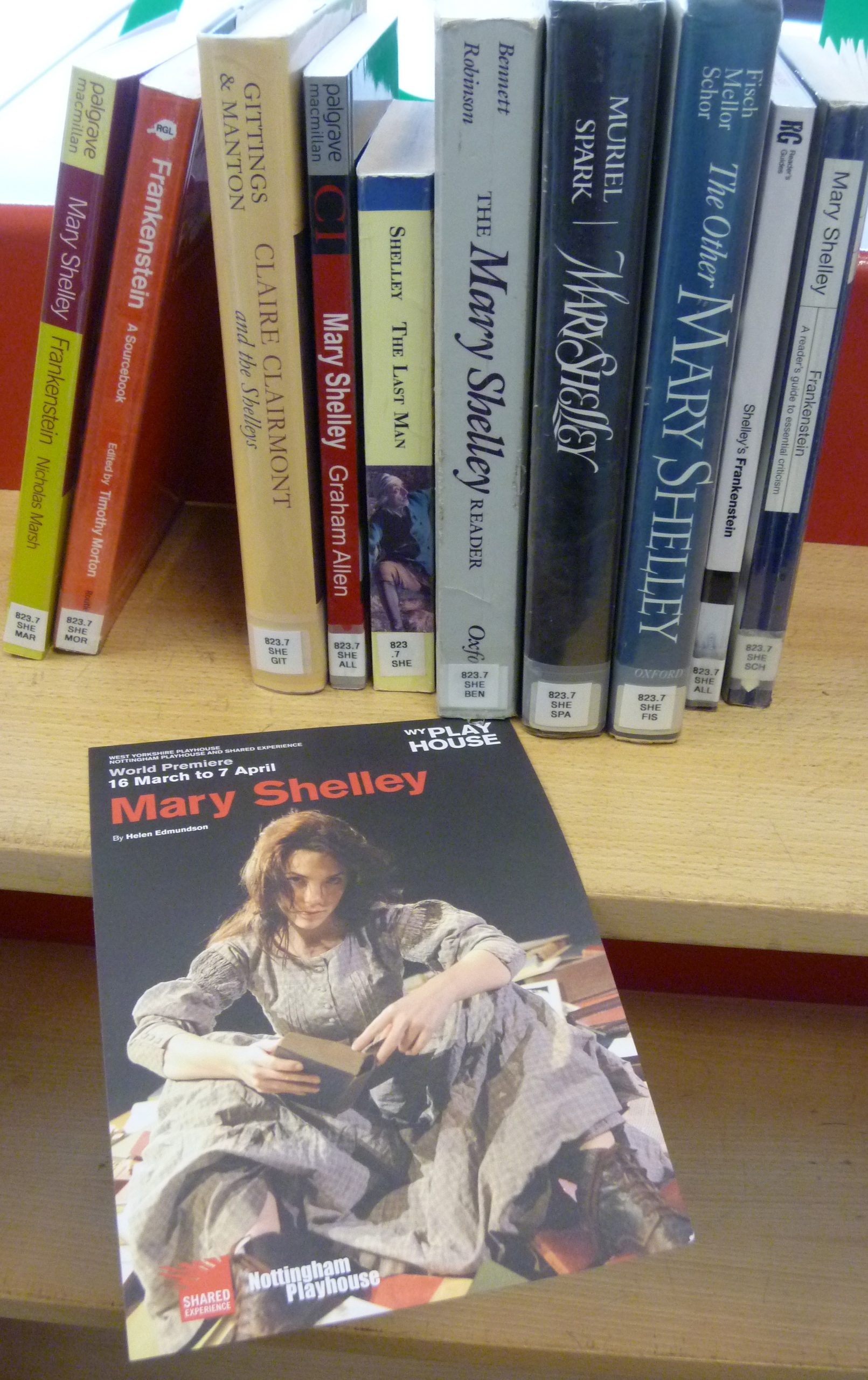
Shared Experience theatre company are back at the West Yorkshire Playhouse this month with their latest production ‘Mary Shelley‘. It’s a dramatic and powerful account of the late teenage years of Mary Godwin, later Shelley, and her very unconventional family and lifestyle during the years 1813-1816. Mary Shelley wrote and had published her famous novel ‘Frankenstein’ before she was 20. She married the poet Percy Bysshe Shelley. Her father was William Godwin a well-known political philosopher and novelist and author of ‘Political Justice’, published in 1793. Her mother was Mary Wollstonecroft author of ‘A Vindication of the Rights of Woman’ whose suicide is depicted at the beginning of the play.
Mary had two sisters Fanny and Jane. Jane Clairmont later changed her name to Clare Clairmont and was the mother of one of Lord Byron’s children, Clara Allegra. Read more about Mary here and here :
The play goes a long way in explaining the relationships between the members of this unconventional family and P. B. Shelley; those are ‘crazy mixed-up kids’. With only 6 actors and a versatile set consisting of a very large dining table which also doubles as a tombstone and a quay and a desk and even a bedroom plus several tall bookcases crammed with books and papers and boxes the words flow quickly and the tension mounts throughout.
I think that I have been far too influenced by the over-hype connected with all the Frankenstein-related films and books which, although I have never seen nor read any of them, have totally put me off reading the original book. A colleague highly recommends reading it and suggests that I put ‘Frankenstein, a modern Prometheus’ forward as a suggestion at my next book group meeting. And do you know? After seeing ‘Mary Shelley’ I think I probably will!
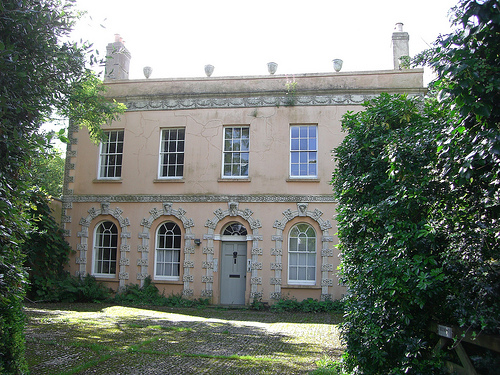
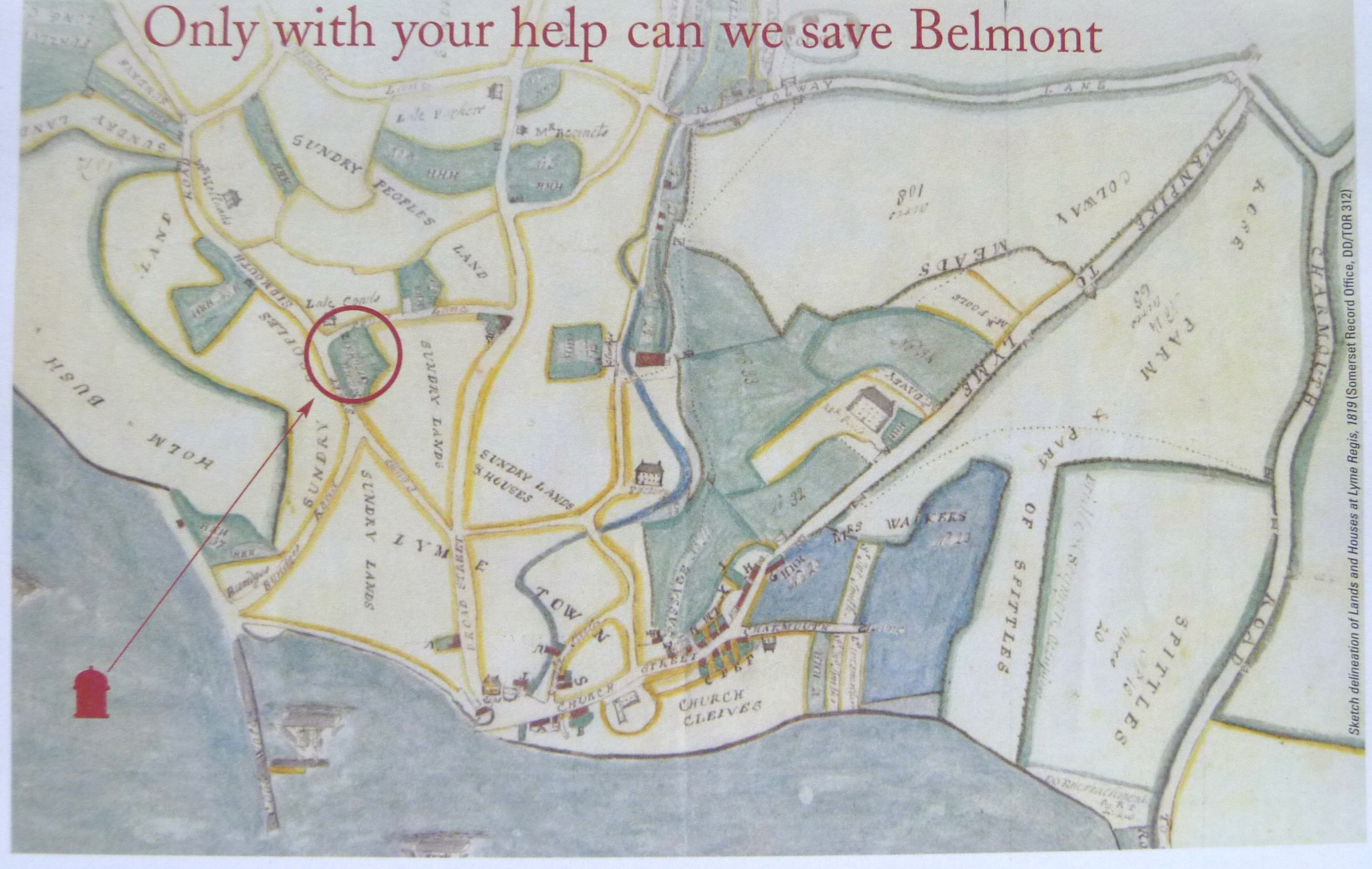
Belmont was the former home of two interesting people. During the 18th century it was the home of Mrs Eleanor Coade the lady who devised a formula to mass produce architectural embellishments and statuary of the highest quality which she named ‘Coade stone’. And between 1968 and 2005 it was the home of novelist John Fowles and it was here that he finished his most famous work “The French Lieutenant’s Woman”. Lyme Regis is the setting for the book. It was through his generosity that Belmont was left to the Landmark Trust. The Trust’s website explains why further funds are needed to restore the house and make it habitable for future holiday lets through this unique organisation:
“Belmont stands empty, decaying and at risk and urgently needs funds to enable its restoration. The Grade II* house is a fine, early example of a maritime villa, a new building type that sprang up in the second half of the 18th century with the rising popularity of seaside holidays. Today the fabric of the building is deteriorating, the parapet is sagging, there are rotten wall plates and lintels, the stone skin is coming away and water is trapped behind impermeable cement render.”
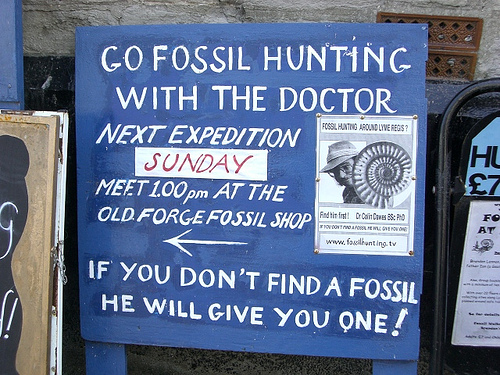
Lyme Regis is a delightful and interesting little seaside town on the Dorset coast. Each year for the past five years I have spent a week at nearby Branscombe in Devon and on each occasion I have visited Lyme at least twice. On three occasions I’ve been fossil hunting (without any luck!) for Lyme lies within the World Heritage Site Jurassic Coast.
Lyme has a promenade and sandy and pebbly beaches. You can tell which is the sandy one by the numbers of people crammed into the small area where huge amounts of sand were imported from Normandy. A lot of effort; but it has made a huge difference. I’ve never actually managed to get onto the beach as there is always so much more of interest to me. There’s a High Street crammed with shops – many of them small and individual and very many of them selling or in some other way connected with the fossils that are Lyme’s trademark.
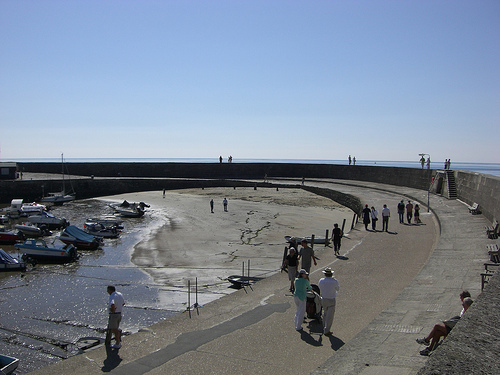
The Philpot Museum is well worth a visit, or several. Fossil Hunts are organised from the Museum. Lyme Regis has a colourful little harbour/marina protected from the sea by the famous Cobb – mentioned in Jane Austen’s ‘Persuasion‘ and featured in the film of Fowles’ ‘French Lieutenant’s Woman’. By the Cobb is the fascinating Marine Aquarium. There is good food to be had from the small cafes along the promenade, to the Town Bakery, to Hix Oyster and Fish House.
Lyme Regis : The quintessential seaside resort for literature lovers everywhere – Jane Austen and Beatrix Potter visited it. John Fowles lived in it.
Belmont, Lyme Regis : “Mrs Coade made it; John Fowles loved it. Now it must be saved.”
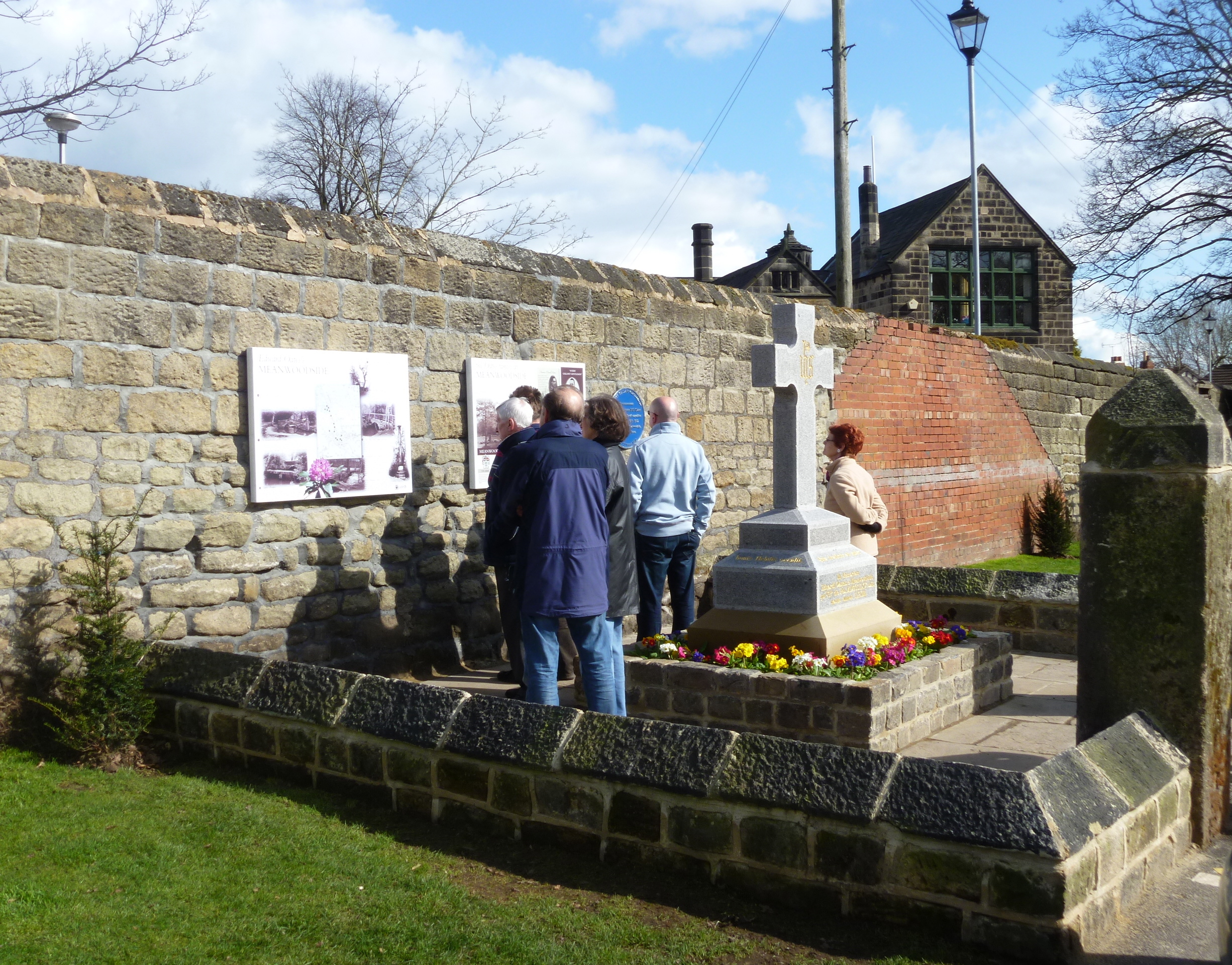
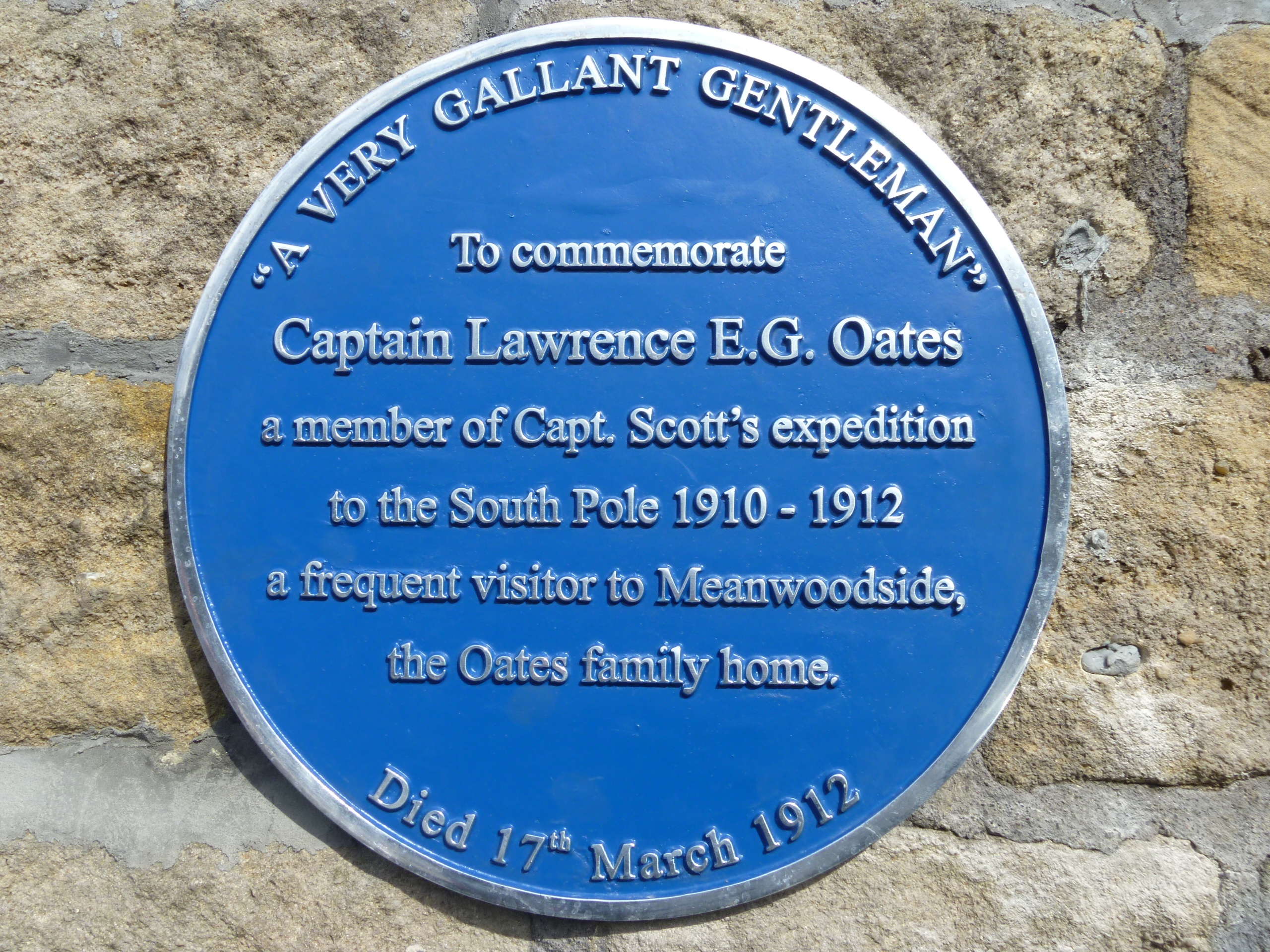
Yesterday I heard on the national BBC Radio 4 news that there was to be the unveiling of a plaque in memory of Captain Lawrence Oates in Meanwood Park in Leeds.
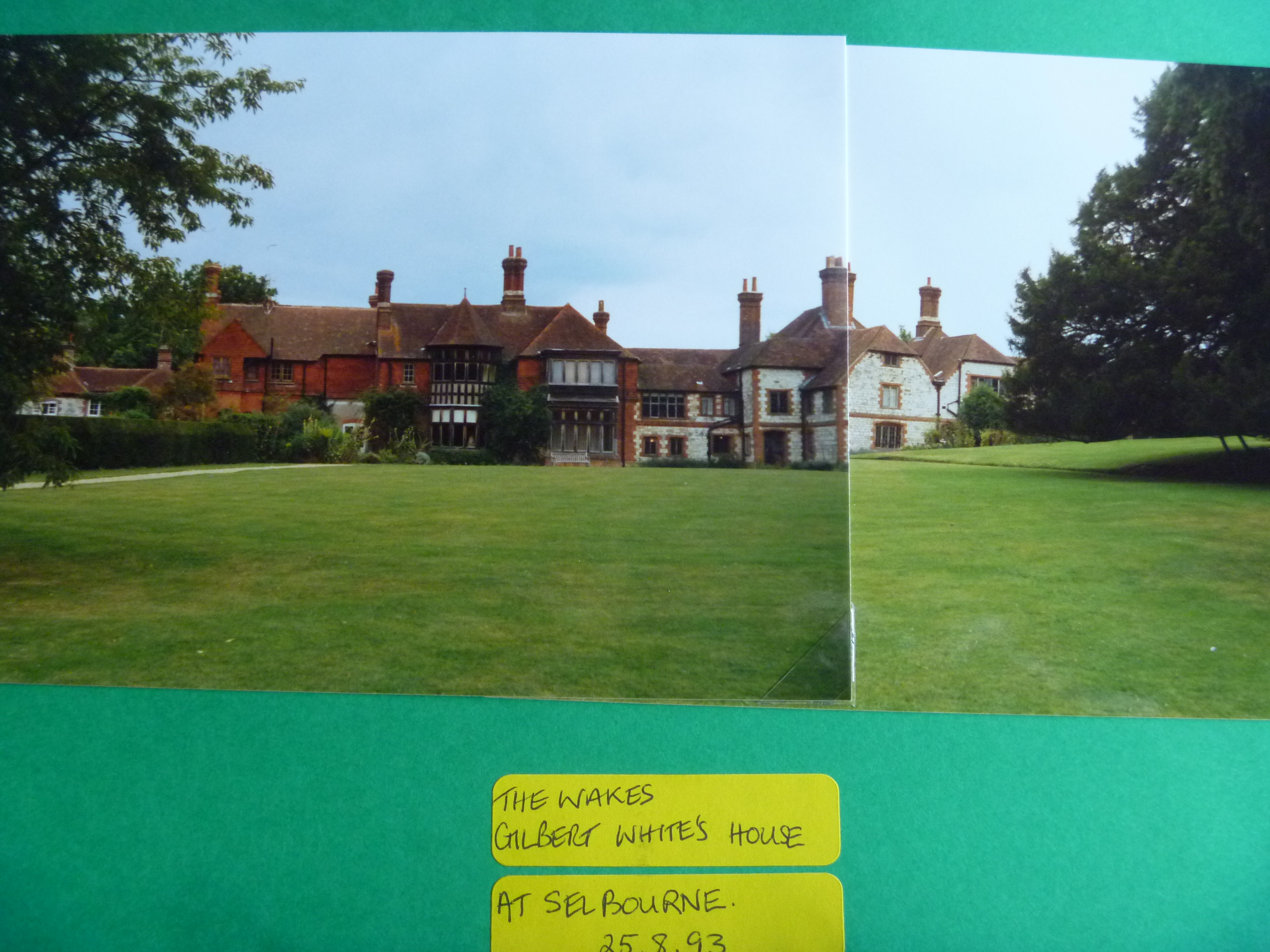
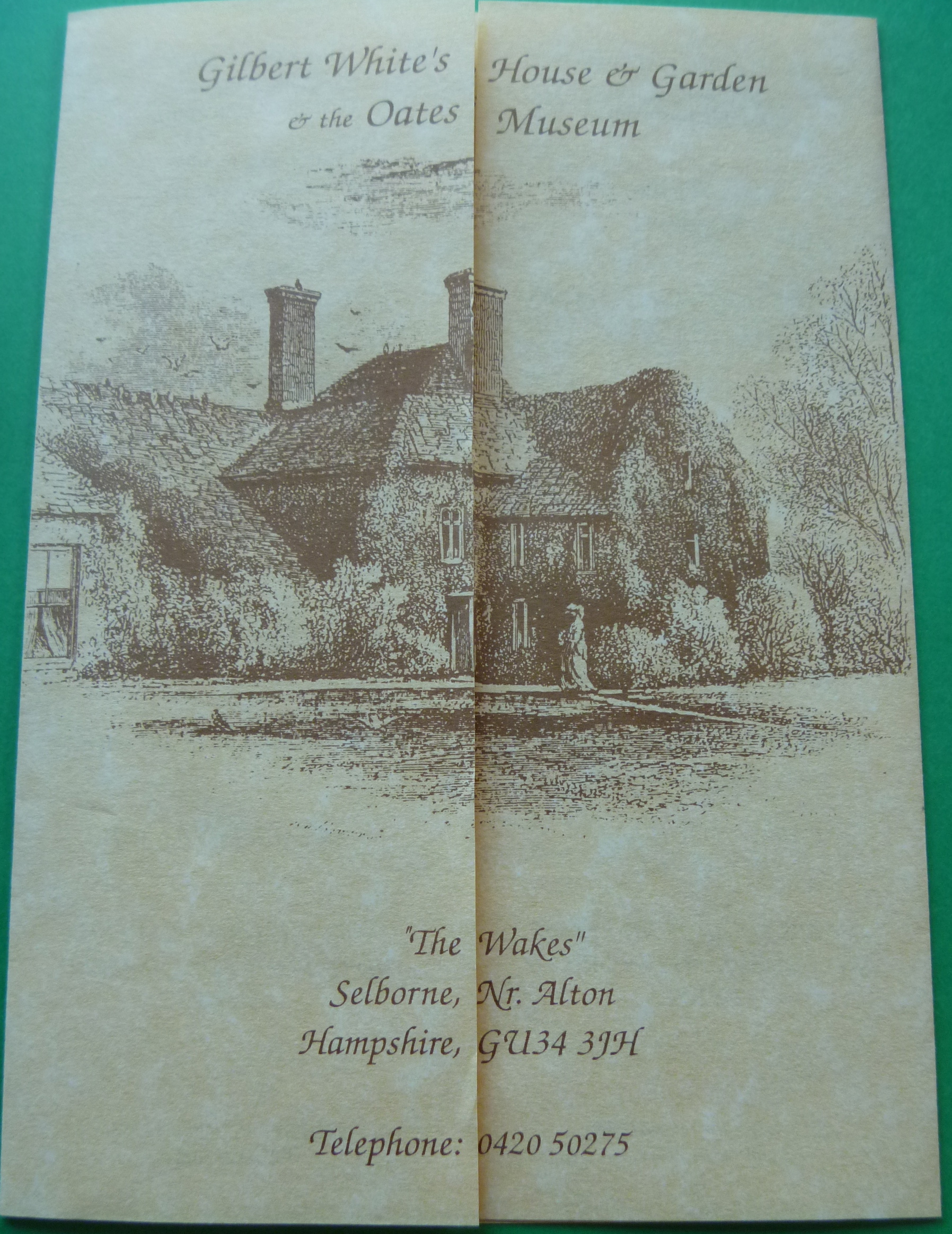
My interest was piqued as many years ago I visited Selborne in Hampshire where the Lawrence Oates Museum is located in the attic area of Gilbert White’s The Wakes.
As I work in the library on Saturdays I was unable to attend the unveiling but I went along today – parking nearby at Waitrose – and visited the park to view, along with many other visitors, the plaque and information boards.
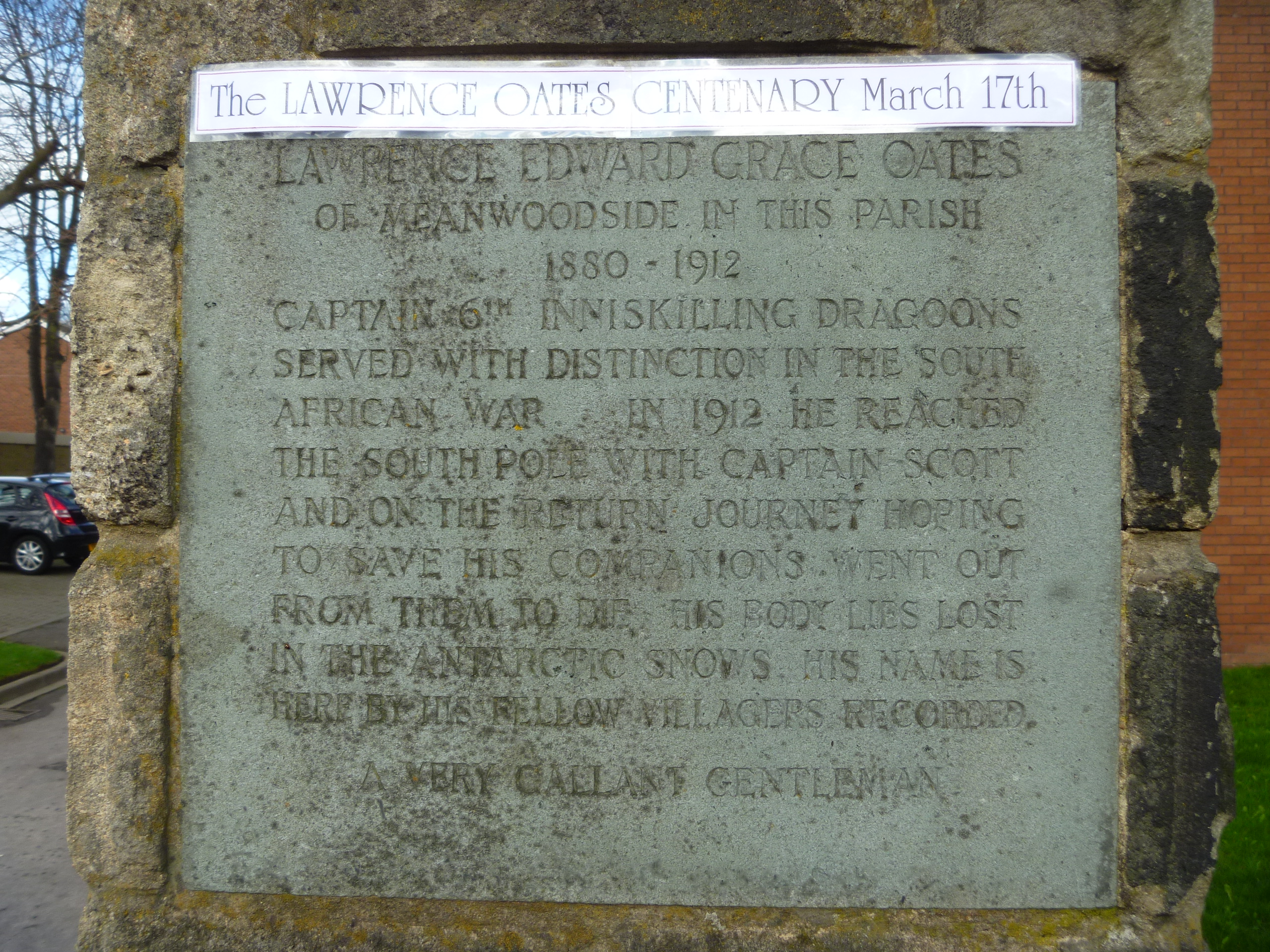
Lawrence Oates’ connection with the Meanwood area of Leeds has long been commemorated by a stone plaque on the gatepost of Holy Trinity church and there’s a brass plaque in the Leeds Parish Church, which I have yet to see.
From the Oates Collection website :
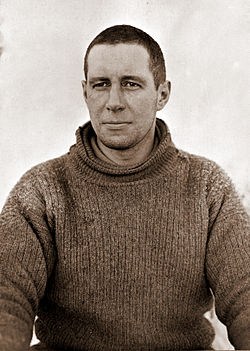
“Captain Lawrence Oates (1880 – 1912) Captain Lawrence Oates is best remembered as the brave Antarctic hero who was chosen to be part of Captain Robert Scott’s team to undertake the epic journey of discovery to the South Pole 1911-12. The ill-fated expedition turned into a race for the pole when the explorers learnt of the presence of the Norwegian team led by Admundsen. Scott’s team suffered inadequate food supplies, severe weather conditions and failing health so Oates sacrificed his life in the hope of saving his comrades, leaving the tent in a terrible blizzard with the famous last words “I am just going outside and may be some time.” His body has never been found.”
About once a year we each volunteer to lead the other Weekday Wanderers on one of our monthly hikes. My choice of walk usually involves something more than just pleasant green paths, nice views and heart-failure-inducing climbs – although I love these too! (Well, not the actual climbs, but the resultant views and feelings of achievement). For some time simmering on the back-burner has been my idea of using public transport and doing an end-to-end walk as opposed to a circular one. With my interest in historical geography and since I heard about its re-opening about 10 years ago I’ve been wanting to plan a walk along the towpath beside The Huddersfield Narrow Canal. My chance finally arrived yesterday when I did a practice run for my ‘turn’ to lead in April.
The Huddersfield Narrow Canal was originally opened back in 1811 at the time of the great expansion of transport by waterways across England. The Canal runs for 20 miles between Huddersfield to the east of the Pennines and Ashton-under-Lyne in Lancashire to the west. This was no mean feat of engineering. Some facts from the website state :
“The summit of the Huddersfield Narrow Canal is the highest navigable waterway in Britain.
Standedge Tunnel on the Huddersfield Narrow Canal is Britain’s longest canal tunnel.
The canal has a total of 74 locks. It connects end on with the Ashton Canal and the Huddersfield Broad Canal.”
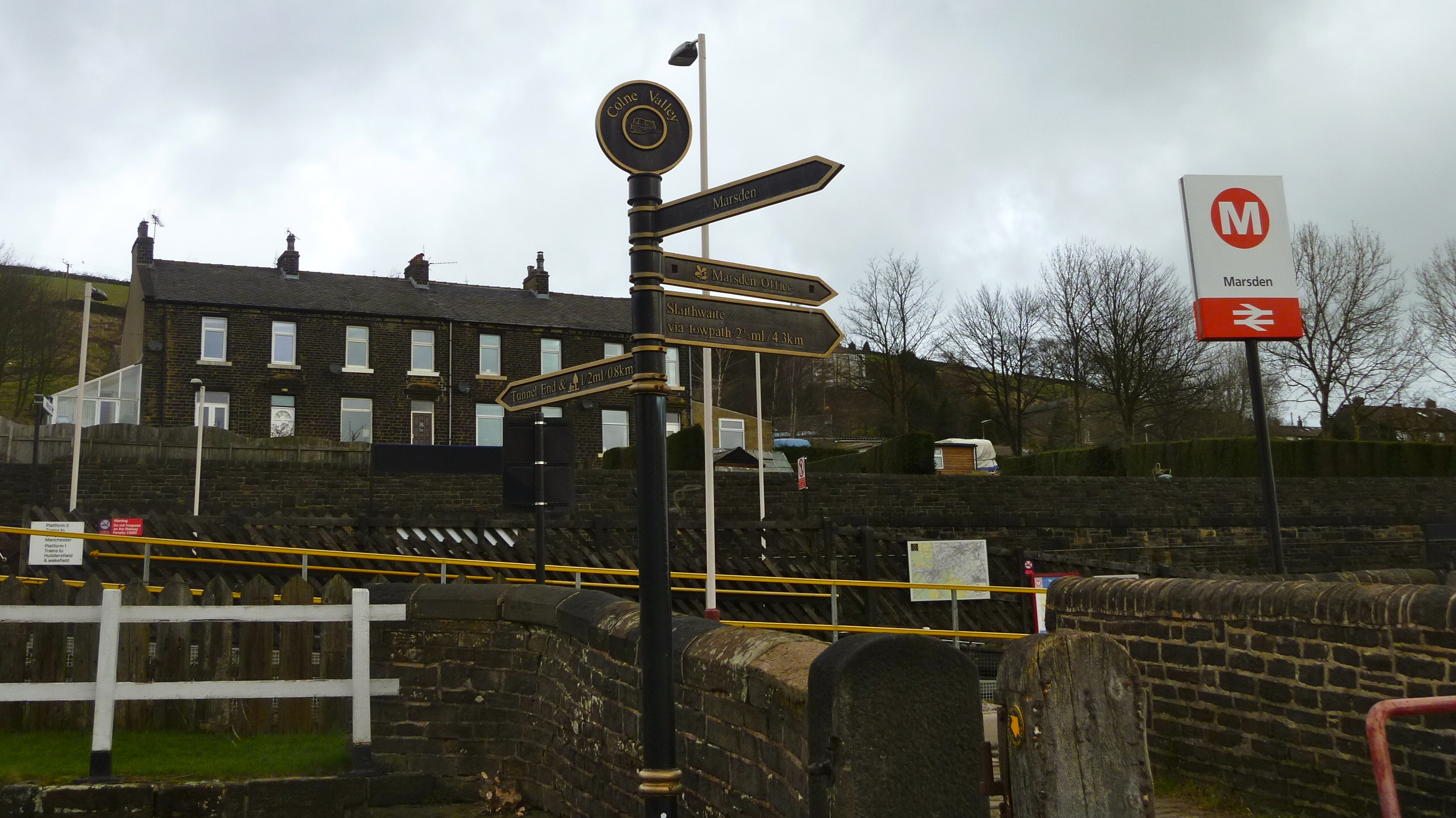
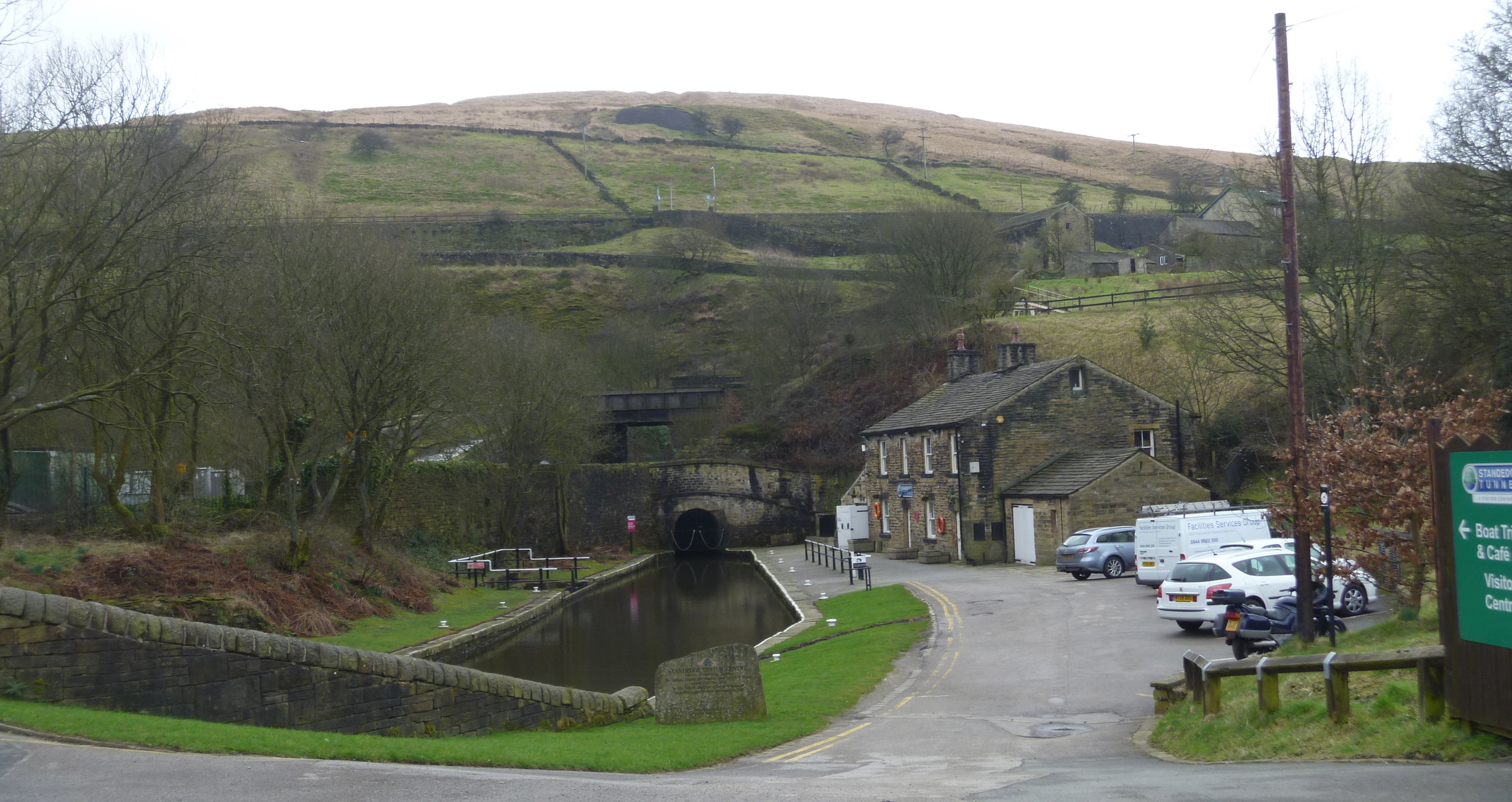
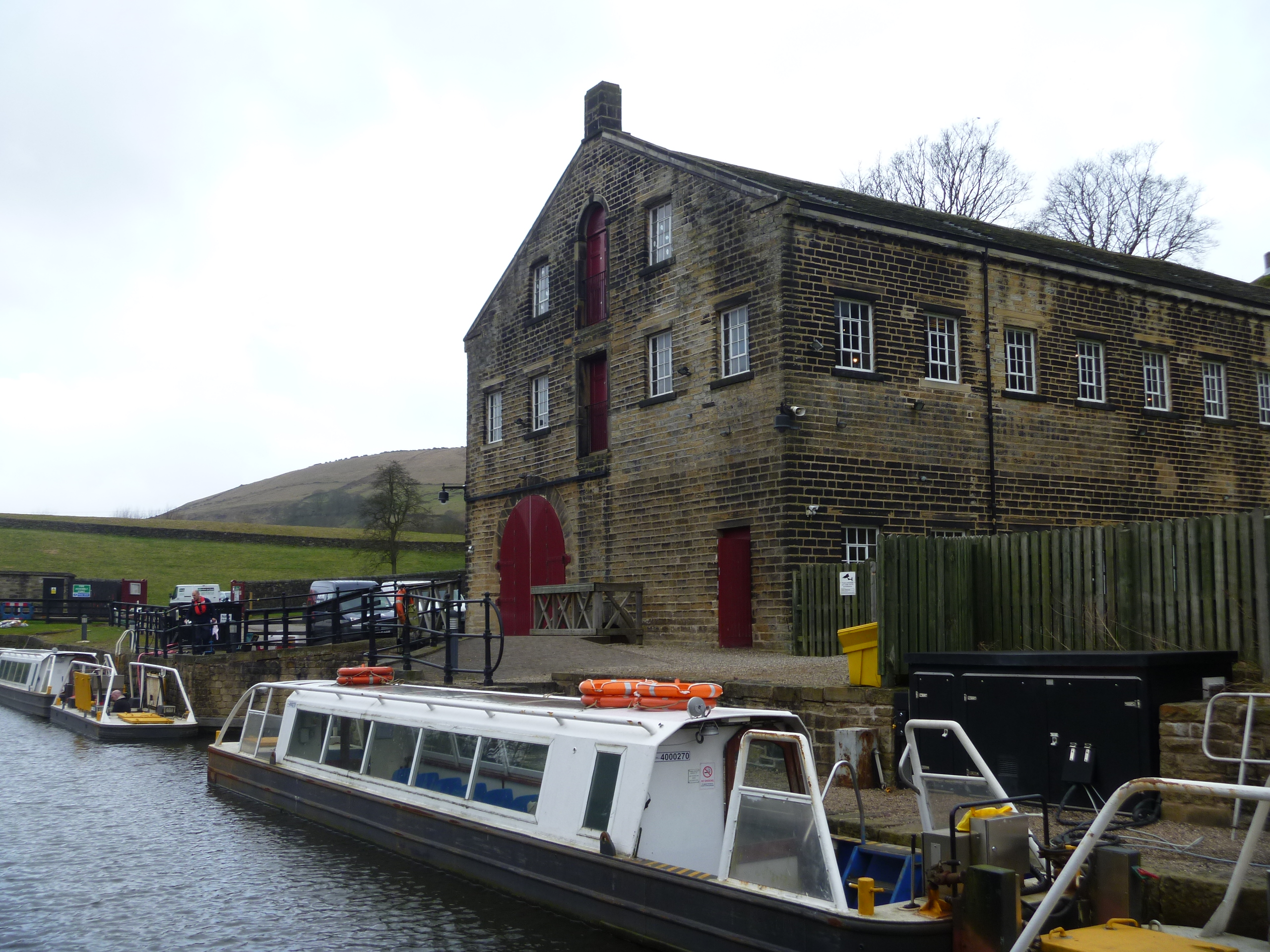
I travelled by train via Leeds and Huddersfield to one of the furthermost stations in Yorkshire – Marsden. Alighting at Marsden I chose to walk back up the canal, as far as one may go on this side of the Pennines in fact. About half a mile from Marsden is the Standedge Tunnel entrance and Tunnel End. Here there’s a Visitor Centre and the starting point in summer of public tours into the Standedge Tunnel in glass-roofed narrow boats.
Tunnel End
Tunnel End Visitor Centre and glass-topped tour boats
The tunnel being 3 miles long and with no towpath for a horse to pull the boat it was down to men to do their own “legging” to get the boat from Yorkshire into Lancashire or vice versa. These days the tour boats are hauled into the tunnel by electric tug boats.
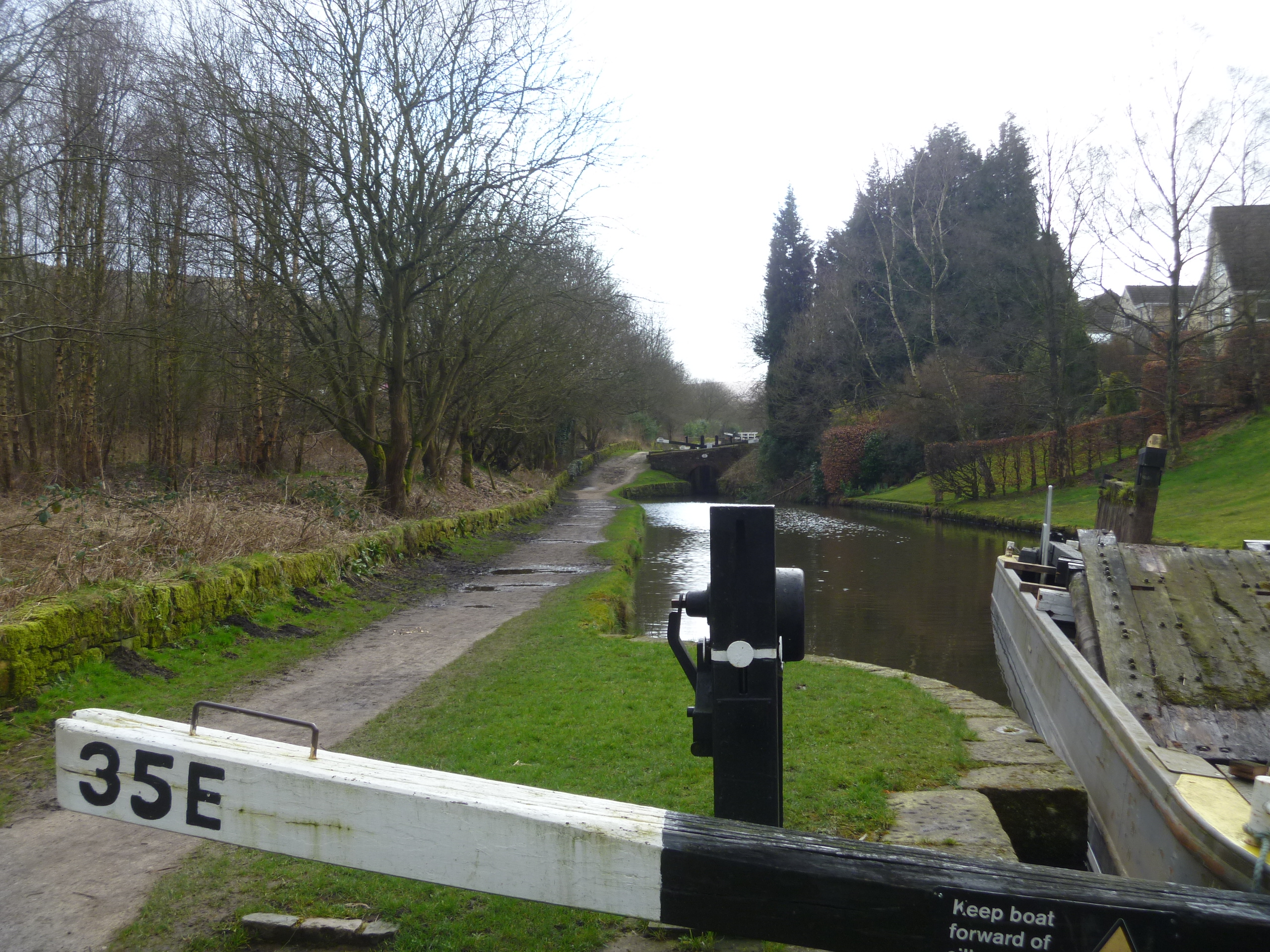
It’s about seven and a half miles from the Standedge (pronounced Stannige) Tunnel down to the centre of Huddersfield and this section also includes more than 40 locks. Yesterday the walk was very peaceful. There were no boats on the canal but I hope there will be more ‘action’ on our April visit. Each narrow lock area has its own number and character and it was intriguing to look down into the depths of the lock itself.
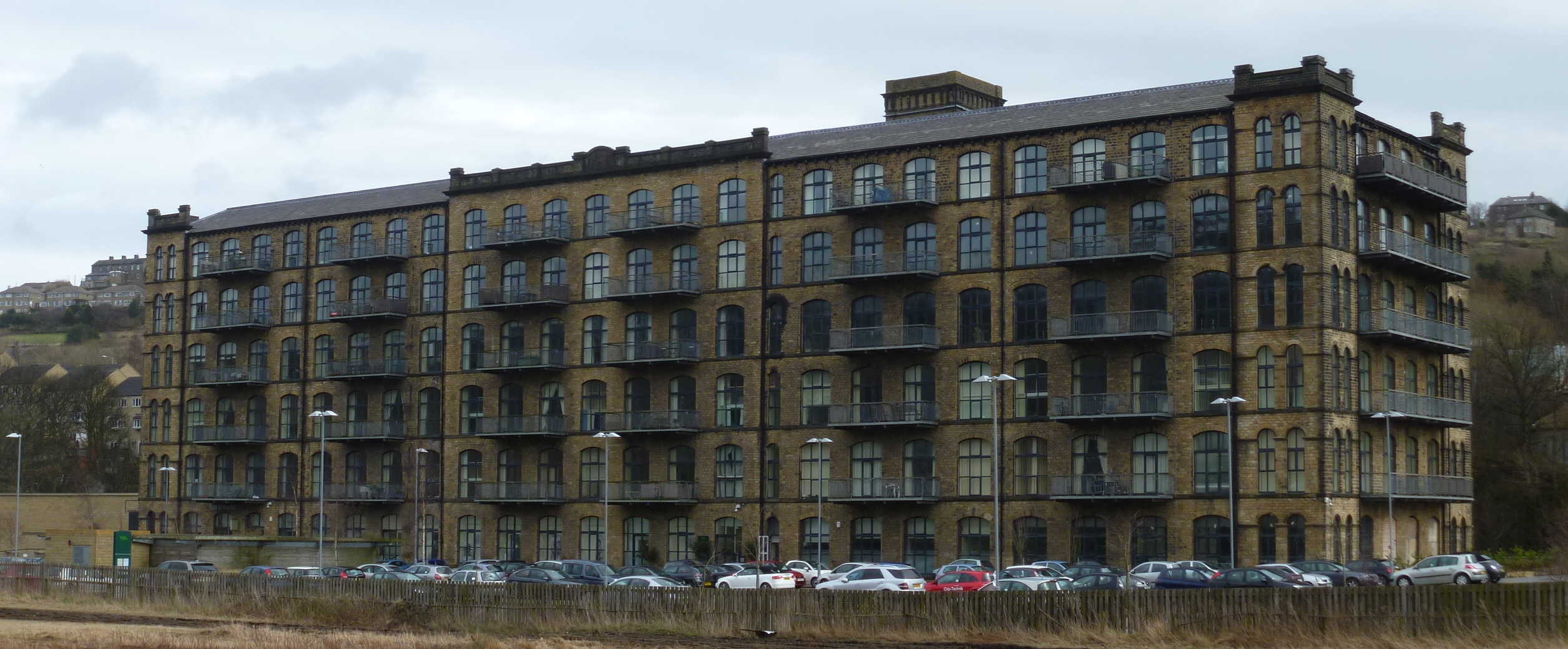
There are stretches of shady wooded paths, paths past green fields and reservoirs, past old out-of-operation mills, past mills now converted to a multitude of innovative uses such as The Titanic Mill (below) opened in 1912 and named for the ill-fated liner launched in the same year now a luxury hotel, spa and apartment building …
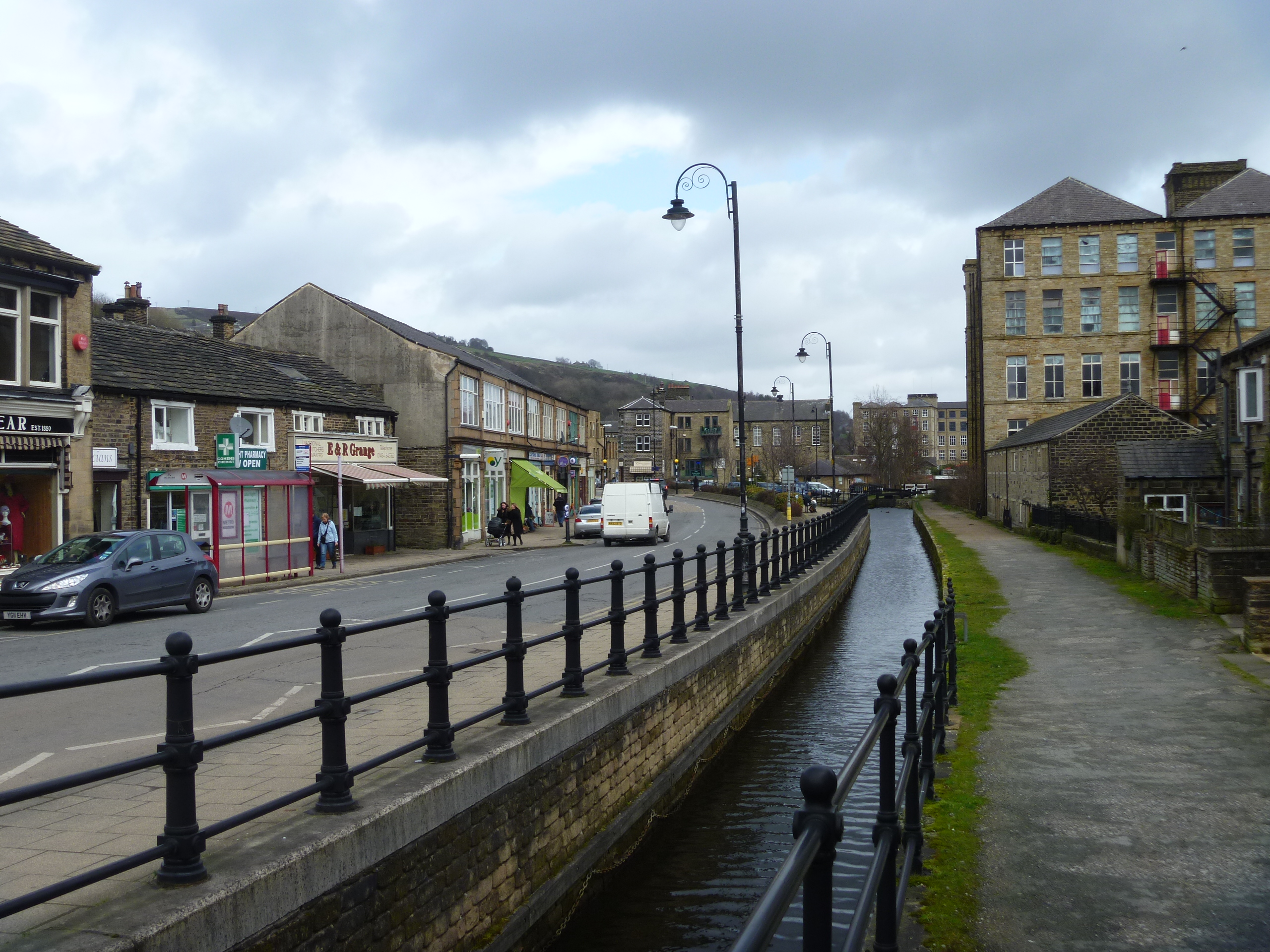
… and through small towns like Slaithwaite (pronounced Slawit) where we popped into the irresistible Slaithwaite Bakery, noted the pretty Moonraker Floating Tearoom, saw the only working guillotine lock gate in the country and ate our sandwiches under shadow of the towering Globe Mill between the canal and the main street.
At Lock 4E you are diverted away from the canal as it passes under buildings in Huddersfield. The Pennine Waterways website provides a useful map and directions to get you back on track for the last section to where the Huddersfield Narrow joins the Huddersfield Broad Canal at Aspley Marina. Reaching the town and feeling the solid pavement under my feet I felt ready to hunt out the station and start for my journey home.
Poster seen on an unoccupied shop building in Huddersfield town centre
I first came across Patrick Eyres and The New Arcadian Journal a few years ago when I was studying the Open University Course “Heritage, Whose Heritage?”. There was a chapter in the book Sculpture and the Garden which is edited by Eyres that particularly interested me.
Then last week at the Leeds Library I noticed an advertisement for a talk at the Henry Moore Institute in Leeds :
“Drawings and proofs for the New Arcadian Journal: “The
Blackamoor” Wednesday 7th March 2012
An evening with Dr Patrick Eyres at the Henry Moore Institute Wednesday 7th March
18.30-20.00
Drawings and proofs for the New Arcadian Journal: “The Blackamoor”.
An evening with Dr Patrick Eyres at the Henry Moore Institute. Enjoy a glass of wine, a powerpoint talk, see the display, talk with the illustrators and look at the Institute’s Library.
This event is £5.00 a head – numbers are limited to thirty. Please book your place with payment at the Leeds Library. Contact us for more information.”
I bought my ticket and then by happy chance came across this article in Saturday’s Yorkshire Post : Jottings from the Journal.
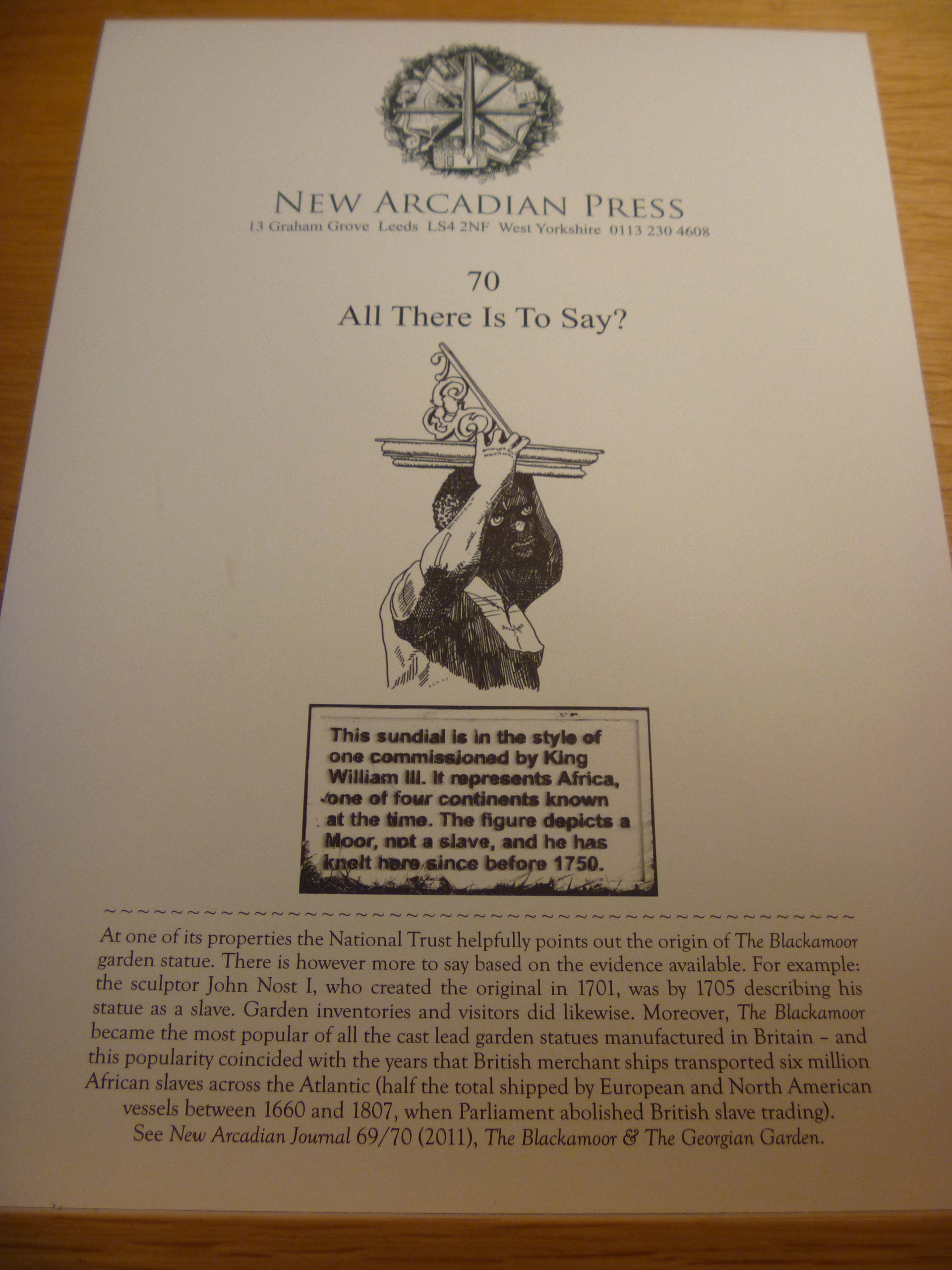
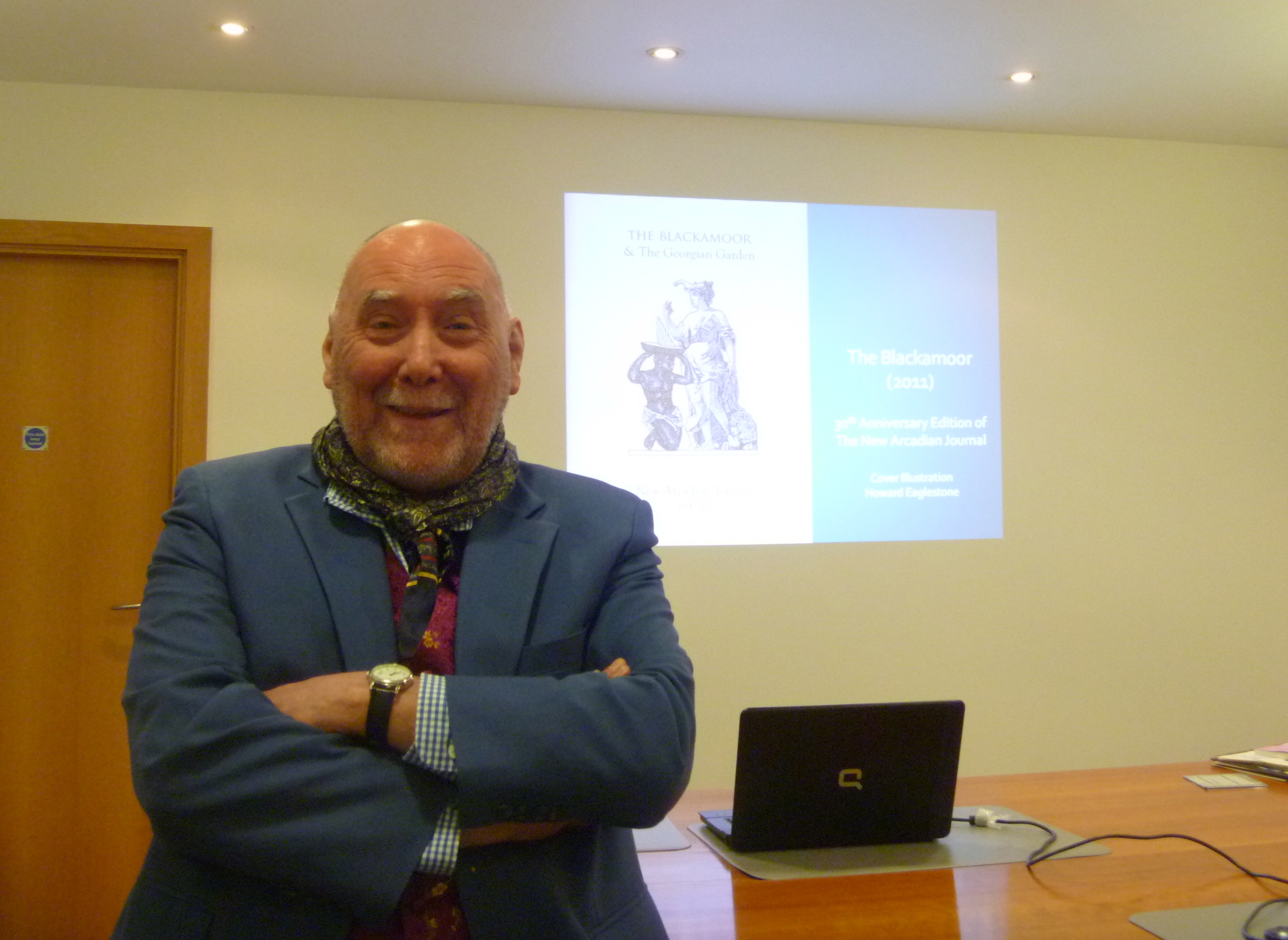
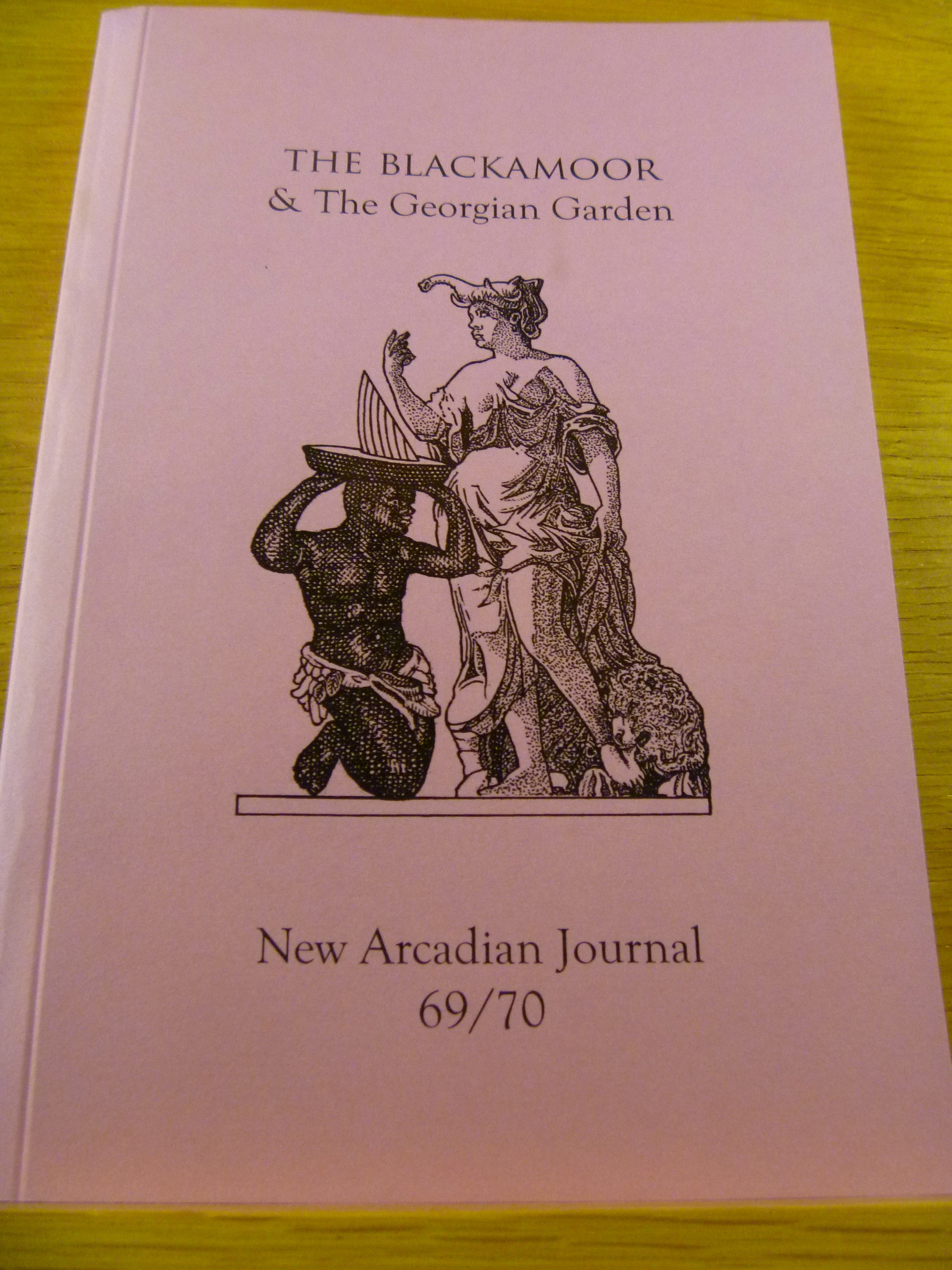
Dr Eyres’ entertaining talk celebrating thirty years of the New Arcadian Journal centred on the latest issue entitled “The Blackamoor and the Georgian Garden”. The Blackamoor was the most popular of all lead statues made in Britain during the 18th century which, by coincidence, was the height of British dominance in the African slave trade. Probably very many of the statues were destroyed or melted down following the abolition of slavery and in more enlightened times. Dr Eyres has tracked down 20 including 2 in the Privy Garden at Hampton Court Palace, one in Lincoln’s Inn in London, another at Melbourne Hall in Derbyshire and another supporting a sundial at Wentworth Castle in South Yorkshire which is currently under restoration and the topic of interpretation work. The talk was illustrated with photos of the various statues and reproductions of the beautiful drawings and prints (the work of artists Catherine Aldred and Howard Eaglestone who were also present this evening). It seems that the Blackamoor (African) along with the North American Red Indian were used to symbolise their continents of origin. There were emblems for Europe and Asia as well. These were also illustrated in the popular 16th and 17th century Books of Emblems.
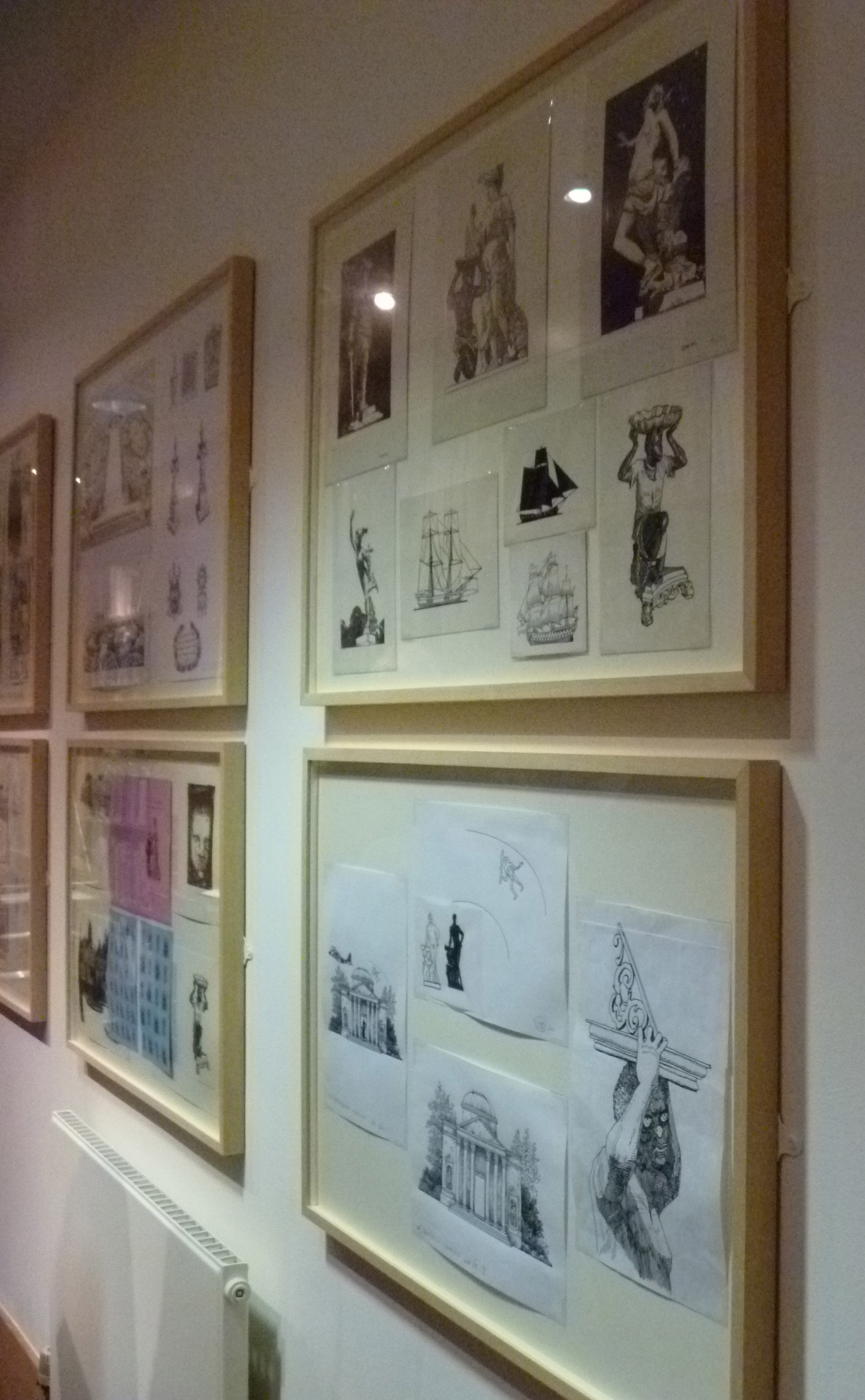
After the talk we were shown the small exhibition in the Henry Moore Library where examples of drawings and copies of the Journal itself were displayed.
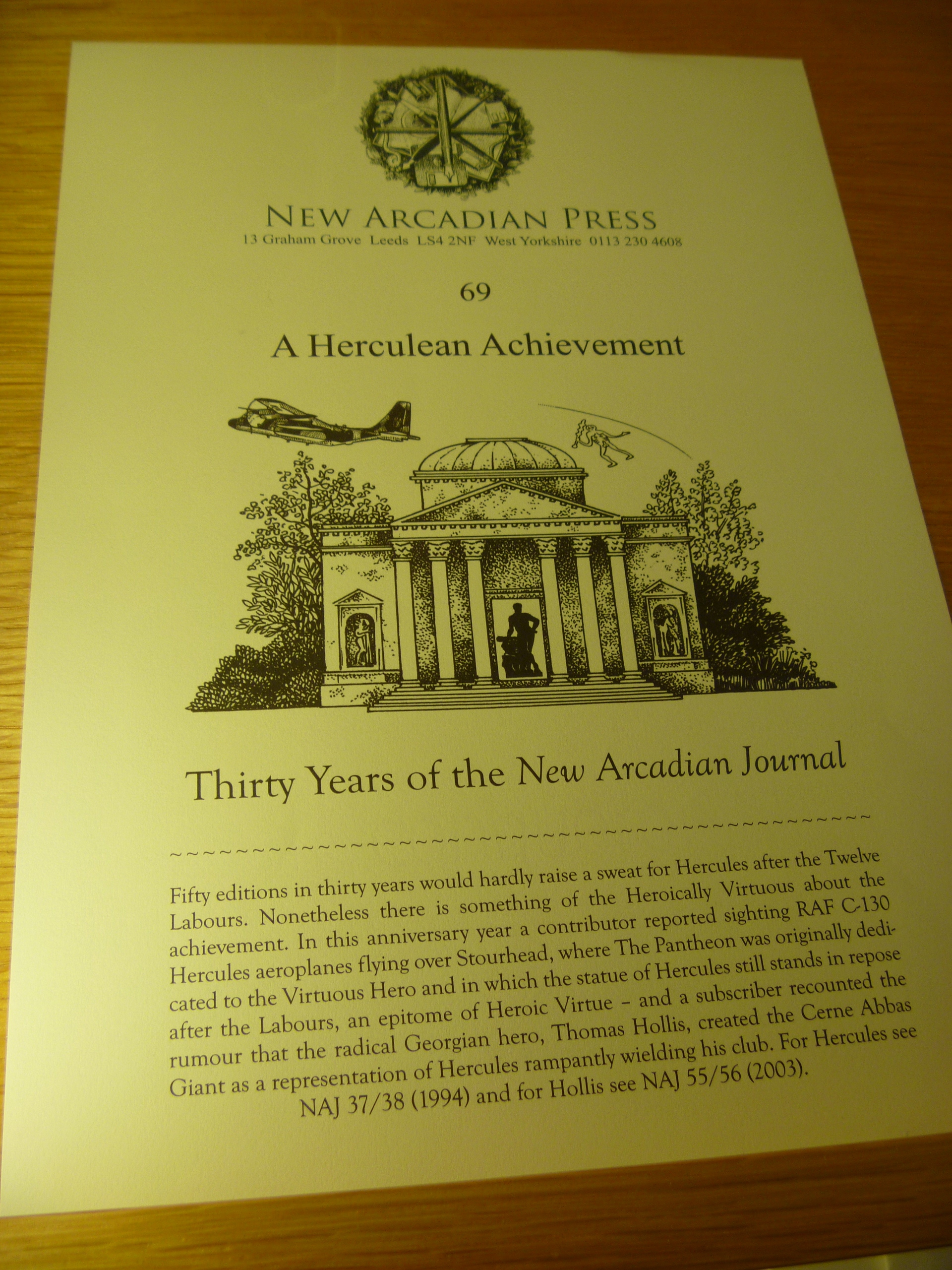
Catherine and Howard spoke briefly about their own work which as you can see is exquisite. Howard’s pictures also display humour as you can see from the above examples.




 miladysboudoir