Elizabeth Gaskell’s House and Home

GH Blue Plaque

In the 28 September Arts and Books supplement to The Independent on Sunday I was pleased to read about the imminent opening in Manchester of the former home of Elizabeth Gaskell – more commonly known as the novelist Mrs Gaskell. Her Cranford books have been serialised on TV recently. But there is much much more to Mrs Gaskell and her writing than this rather cosy drama portrays. I recently read “Ruth” and for a novel written by the respectable wife of a Unitarian Minister it is really quite an eye-opener but an excellent read. Read a resumé here. In addition two excellent miniseries of her books ‘North and South‘ and ‘Wives and Daughters‘ were first broadcast on BBC TV in 2004 and 1999 respectively.

I straightaway headed to the house website and read this :

Tuesday, October 14, 2014 – 14:30 to 16:00

Book Launch: Carolyn Lambert ‘The Meanings of Home in Elizabeth Gaskell’s Fiction”

Book

Join us for the launch of Carolyn Lambert’s new book ‘The Meanings of Home in Elizabeth Gaskell’s Fiction’. Lambert explores how Gaskell challenges the convention of the Victorian home as a place of safety in her novels. In particular she illustrates her theme through the importance of homelessness in Gaskell’s work. Lambert’s book draws not only on the novels but also Gaskell’s letters and non-fiction writings and has recently been shortlisted for the Sonia Rudikoff Prize for the best Victorian book by a first time author.

A tour of the house and refreshments are included in the ticket price. Copies of the book will be on sale at a special price.

Gaskell House

84 Plymouth Grove, Manchester

So I booked a ticket for the talk and for the train and yesterday set off for Manchester. I’m afraid I don’t find Manchester any easy city to get around. Perhaps I don’t know it well enough. I eventually found a bus that would take me to Plymouth Grove and which  dropped me off outside number 84.

Welcome to Gaskell House

Carolyn’s talk took place in the Gaskell’s sitting room – yes, the very room in which Charlotte Bronte hid behind the curtains in order to avoid being seen by guests! Photography is allowed and we could sit on the comfy chairs, sofas and chaise longues. I was told that items covered in perspex were original to the house and had been gifted or lent by various donors or galleries and the rest of the furnishings and fittings were either of the period and style of the house during the time when the Gaskells had lived there or were reproductions.
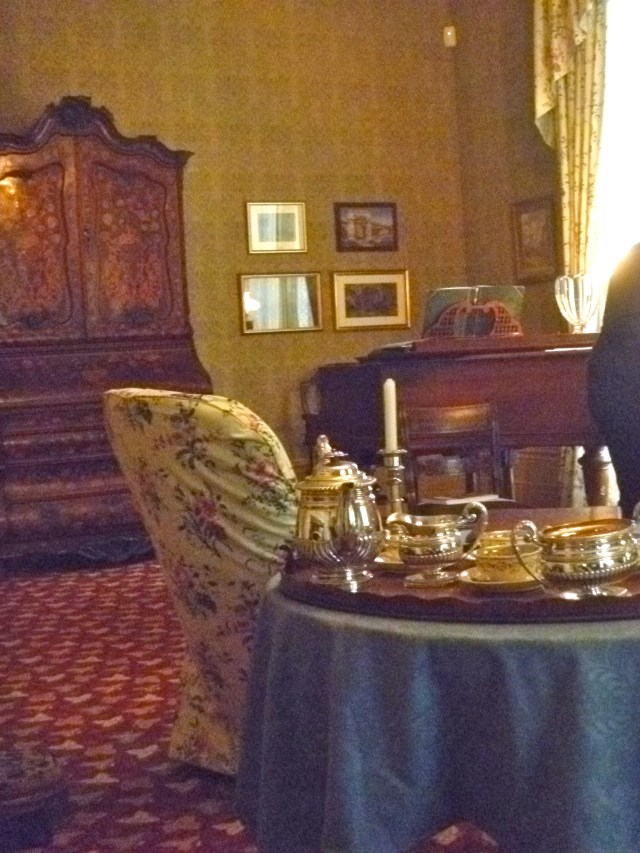
Sitting room

The comfortable, relaxed sitting room

Carolyn began her talk with a resumé of Mrs Gaskell’s life. I have lifted this from the House website :

Elizabeth Cleghorn Gaskell was born in 1810 and lived at 84 Plymouth Grove with her family from 1850 until her death in 1865.

“To begin with the old rigmarole of childhood…” Wives and Daughters

She was born as Elizabeth Cleghorn Stevenson in London in 1810. A year later, on the death of her mother, she was taken to live in Knutsford, Cheshire, with her aunt, Hannah Lumb. The arrangement was a happy one – she was to refer to her aunt as “my more than mother” and was to use Knutsford as the inspiration for her fictitious town of Cranford. Knutsford also became ‘Hollingford’ in Wives and Daughters.

In 1832 Elizabeth married William Gaskell, the assistant minister at Cross Street Unitarian Chapel in Manchester. Their third home was a large house near open fields – 42 (now 84) Plymouth Grove. Here they grew flowers and vegetables, and kept a cow, pigs and poultry. The House was always bustling and the family entertained a stream of visitors, including many eminent people. Gaskell connections included such people as the Wedgwoods, the Darwins and the Nightingales, but girls from the Sunday School also came to the house regularly, as did William’s students and fellow clergy.”

She then went on to discuss some of the aspects of home touched upon in the Gaskell novels as well as in Mrs Gaskell’s own life. (Interestingly, she was a keen traveller and some years spent only half the year at home). The home in the novels symbolises security, it’s where relationships develop, it’s a place for creativity and self-expression. But she also wrote about homelessness and the role of servants. Elizabeth Gaskell was ambivalent about Manchester and was torn between family and a longing for the rural environment. Her large house looks rather incongruous these days amidst modern buildings and areas of wasteland on Plymouth Grove but when she was living and writing here it was rural area and the house had a long garden stretching back down Swinton Grove but now built upon by flats.

There wasn’t time in the end to do the full tour – so I will have to return on another occasion and make a more full report of the house but I did peep into ground floor rooms :
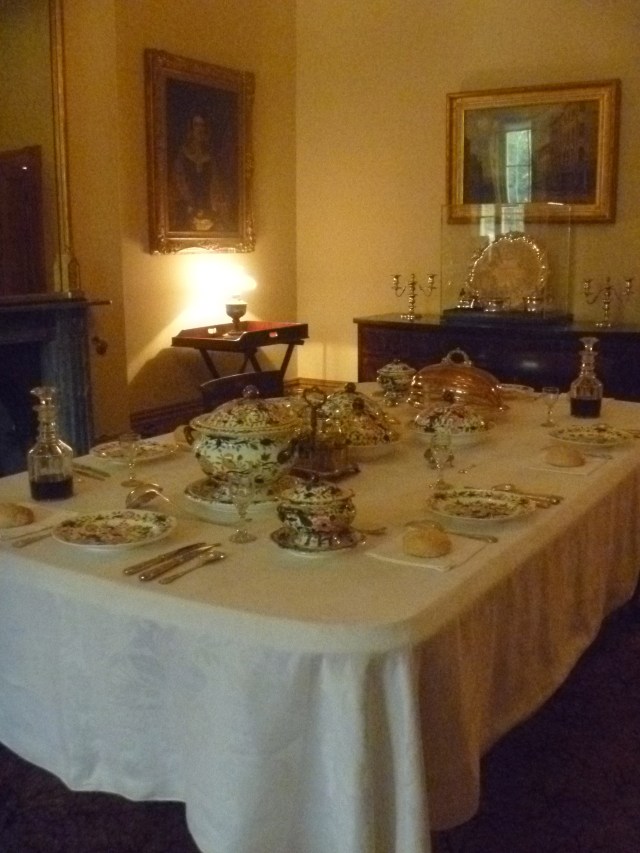
Dining Table

The Dining Room

Gaskell writing desk

Mrs Gaskell’s Desk at one end of the Dining Room
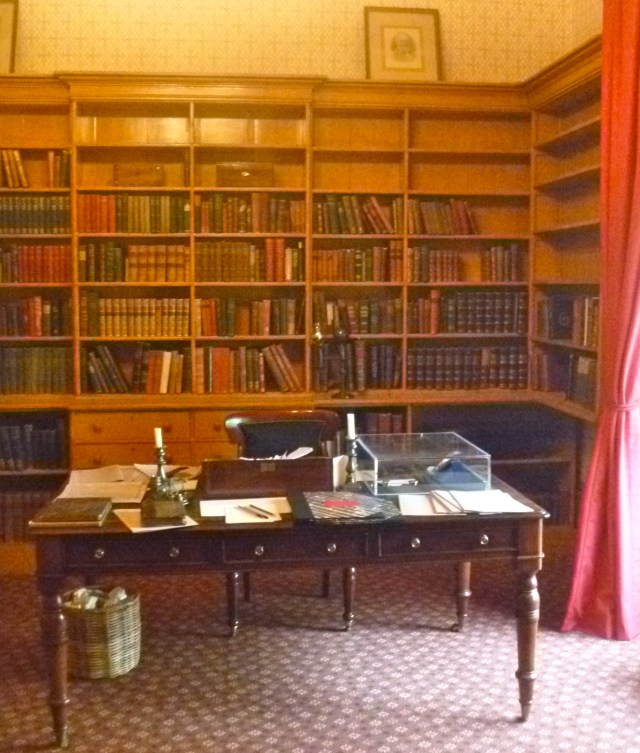
William's study

William Gaskell’s Study

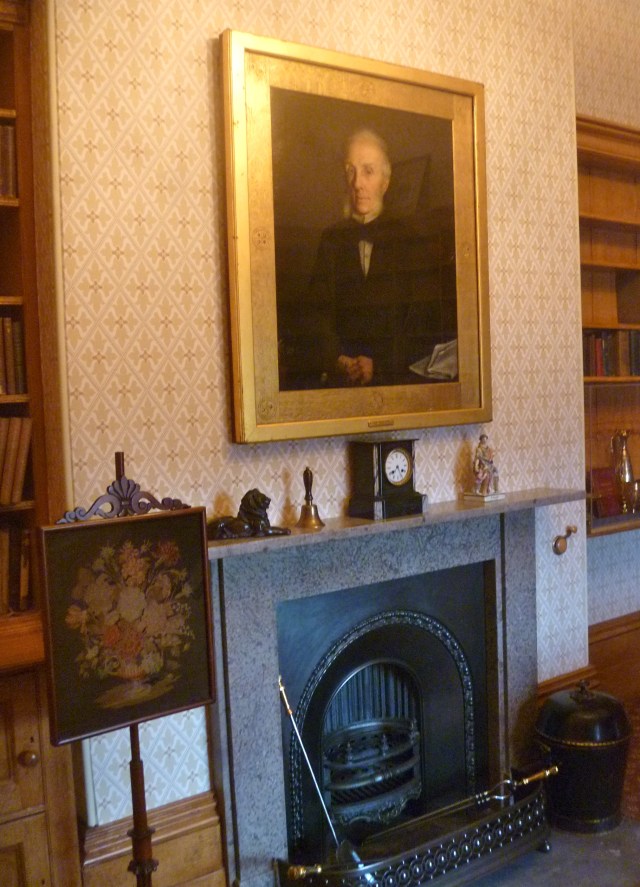
William portrait in study

William Gaskell

and refreshments were served downstairs in the basement tea room and bookshop (new and secondhand).

Tea room

The Tea Room

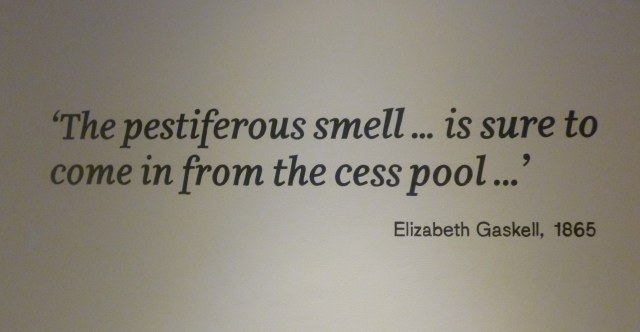
Pertinent quotations from Mrs Gaskell add a touch of humour

Quote 1


Quote 2

And in the Ladies Loos :

Ladies' quote

As the instructions for finding a bus that would take me back to Piccadilly Station didn’t work out I was thankful for one thing about Manchester – taxis with lights were easy to hail and thus I made my way back to the train and thence to my own home in comfort.

GH Rear view

Rear of Gaskell House


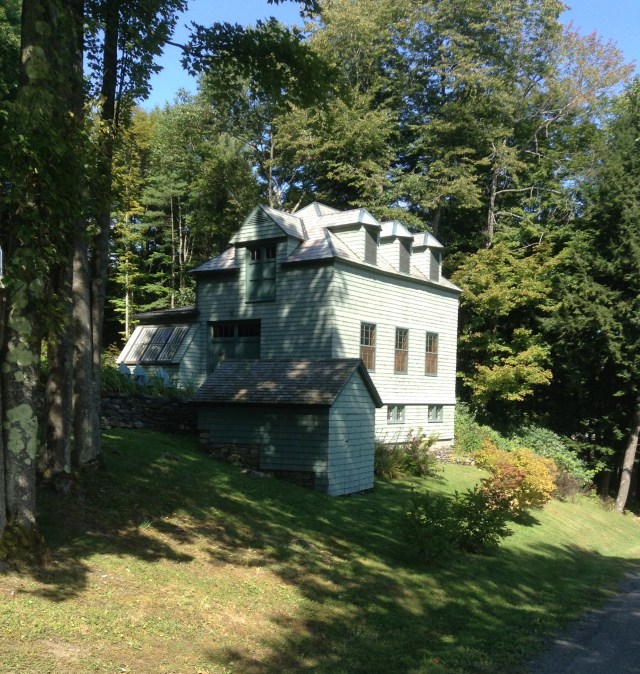
The Carriage House
The Carriage House
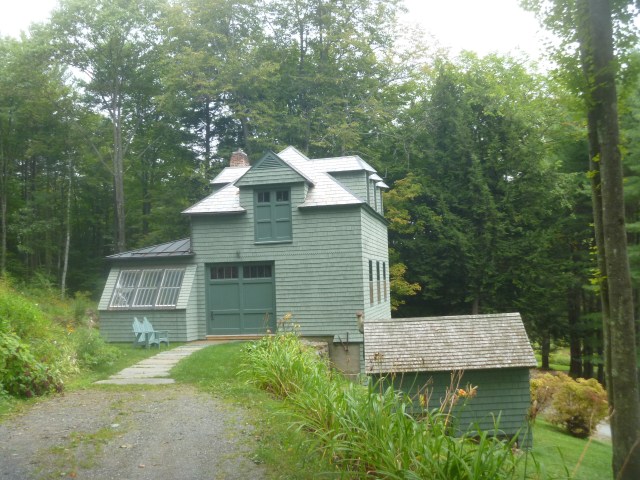
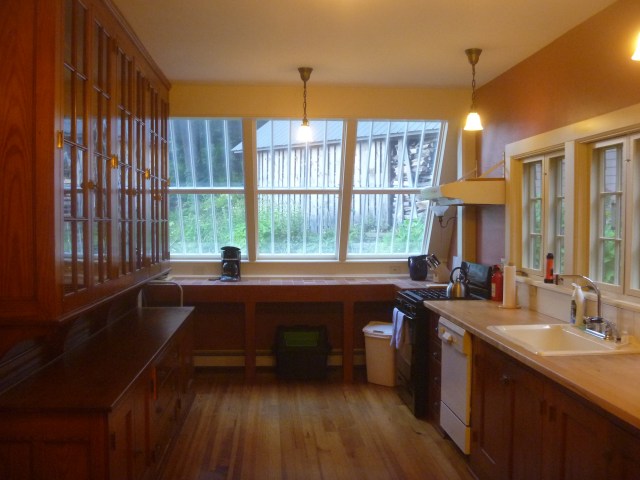
This September just past we made our third visit to Brattleboro Vermont. We stayed again in a property that had once belonged to poet and novelist Rudyard Kipling and which is now owned and run under the auspices of The Landmark Trust USA. The house is on a much smaller scale than Naulakha and sits on the same driveway a little way down from that grand, commanding house.
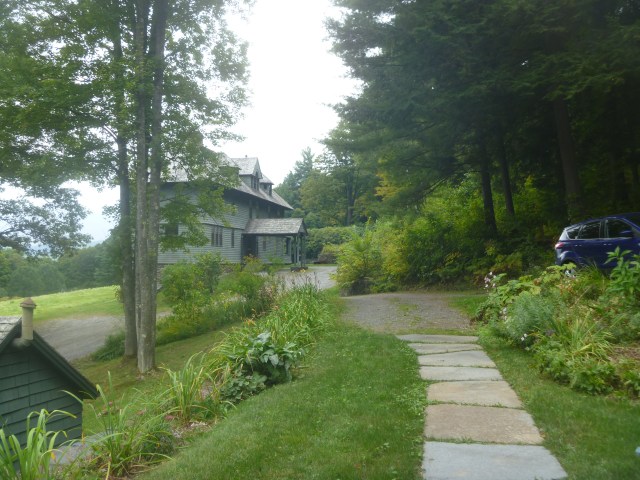
Naulakha from Carriage House
Naulakha from The Carriage House
Here is the description of it from the Landmark Trust USA website :
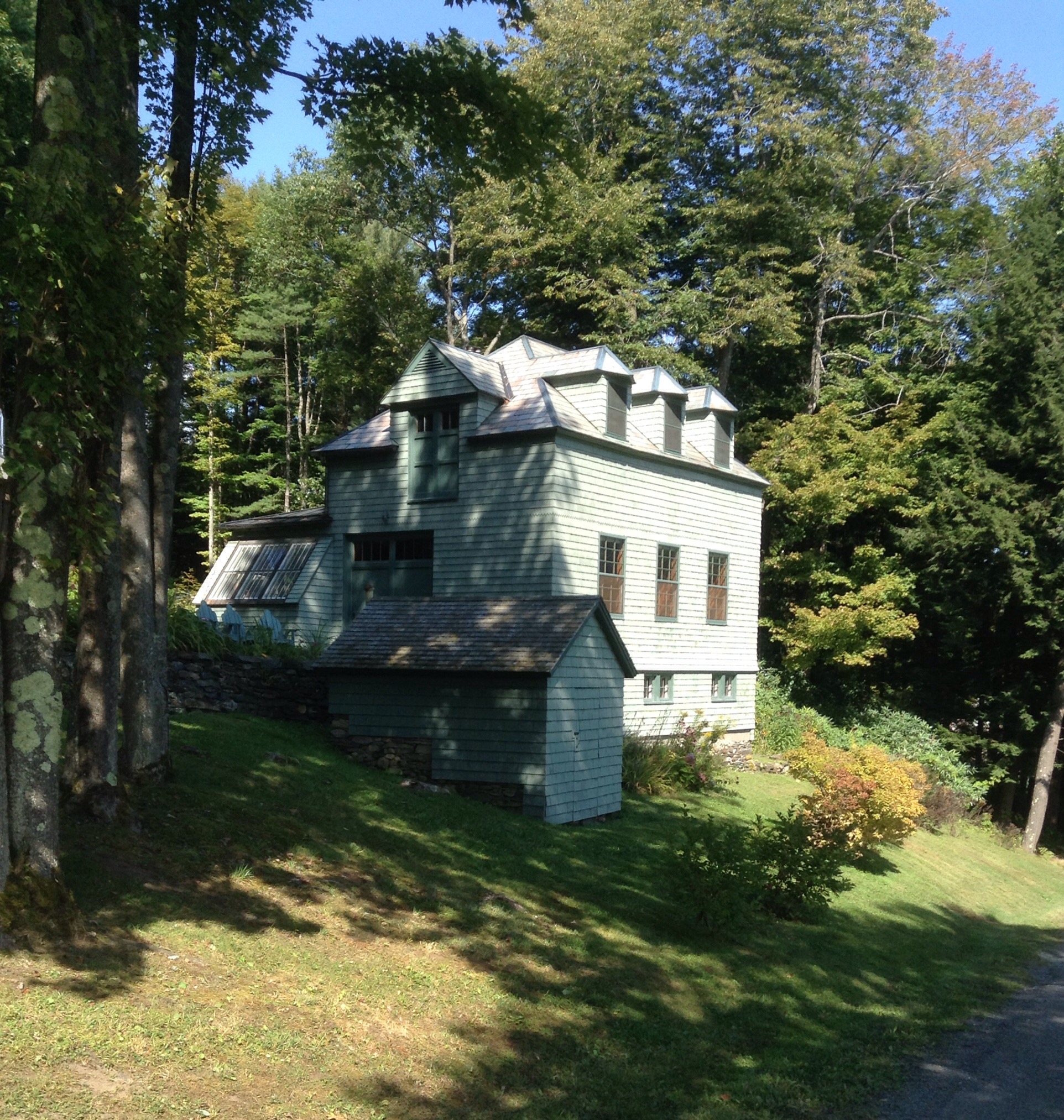
When you stay at this Landmark, you’ll awaken wonderful memories. Formerly this was the barn where Rudyard Kipling’s carriage was kept, then it was converted to housing for his staff. This beautiful smaller example of the tones, designs and appointments of Naulakha, accommodates 4, has one bathroom, a complete spacious kitchen, and beautifully landscaped lawn area where you can relax in an adirondack chair or picnic in the shaded backyard.

Adirondack chairs

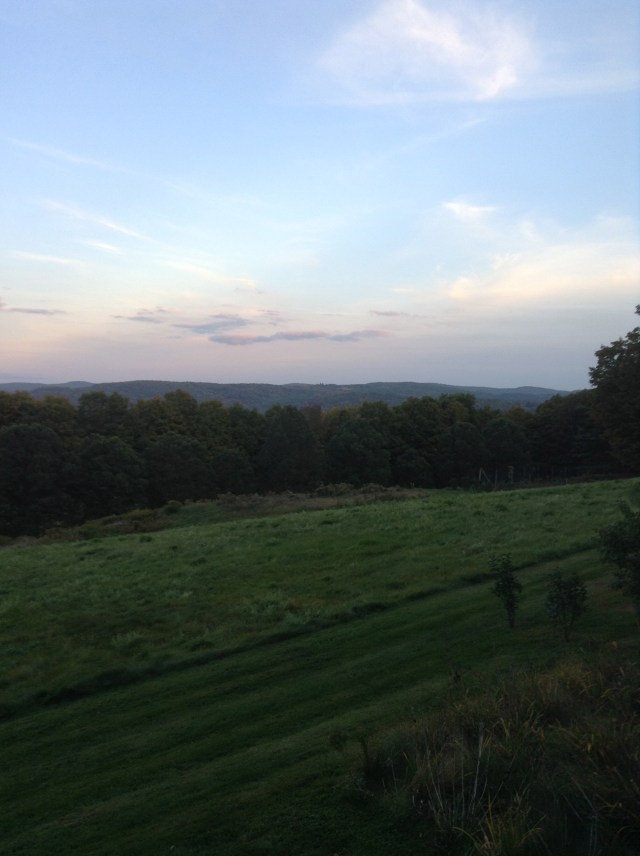
The view NH from those chairs

The View from the Chairs : New Hampshire

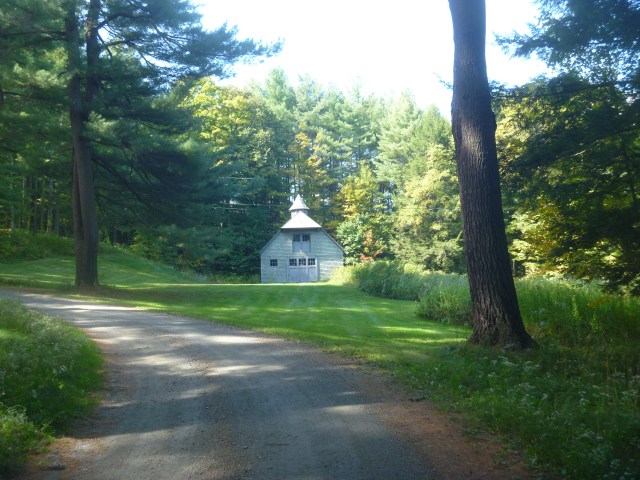
 From the patio outside the kitchen, there is a stone pathway which will lead you from the lawn area to the barn where Kipling’s horses, Nip & Tuck, were stabled.

Barn

 The Barn

This property is super comfortable, nestled in among the trees, and banked by perennials. You’ll feel a certain sense of having lived in a cabin in the woods, with comfort.”

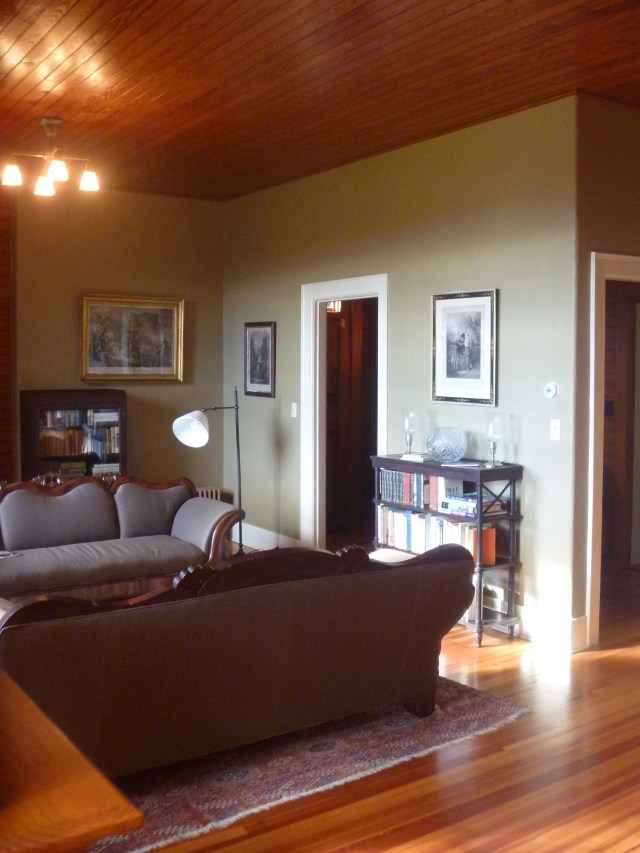
Sooooo, comfortable :

Sitting Room CH

The Sitting Room

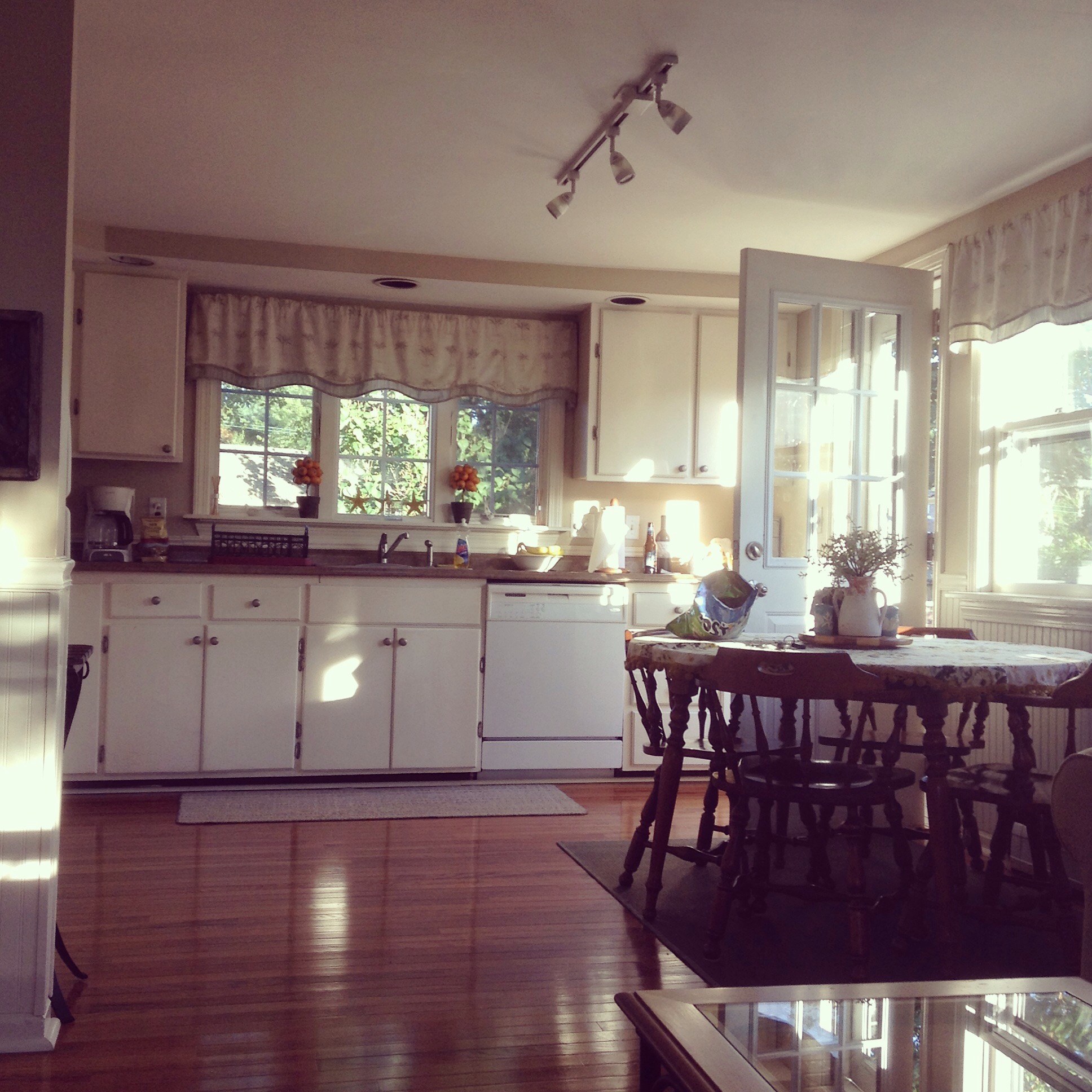
Carriage House Kitchen
The Kitchen

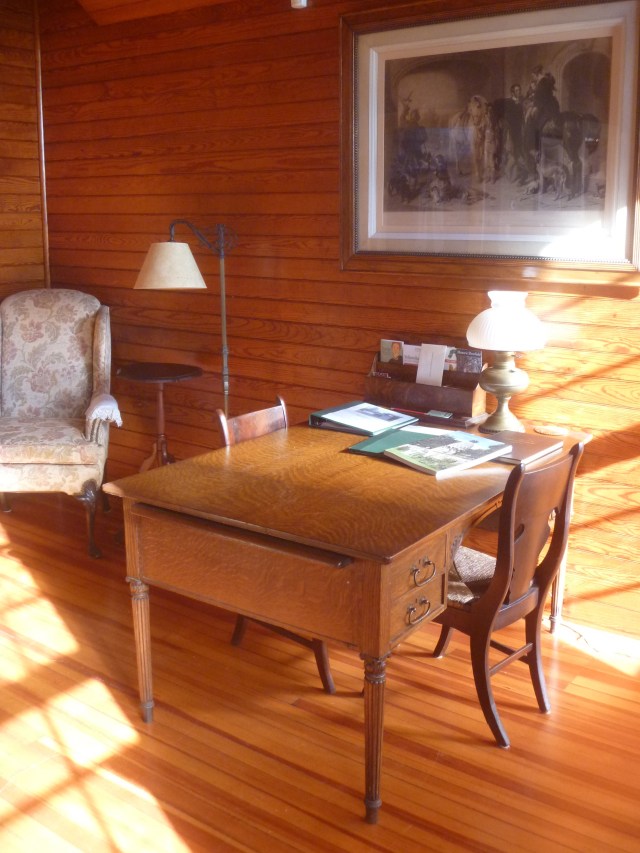
Desk. Carriage House
Desk at rear of Sitting Room

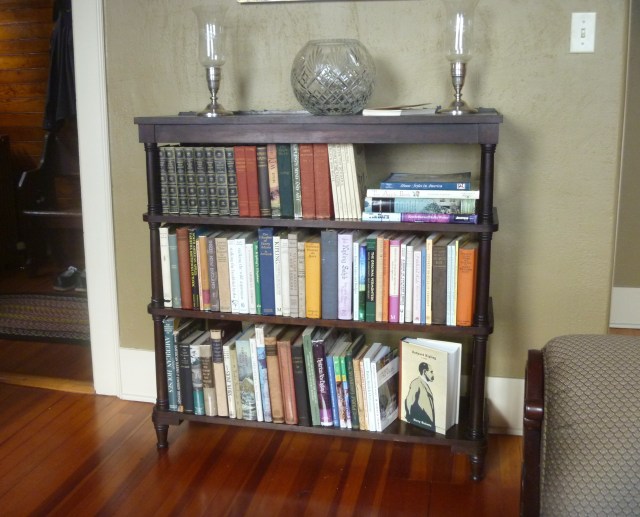
Carriage House bookcase
One of the Bookcases

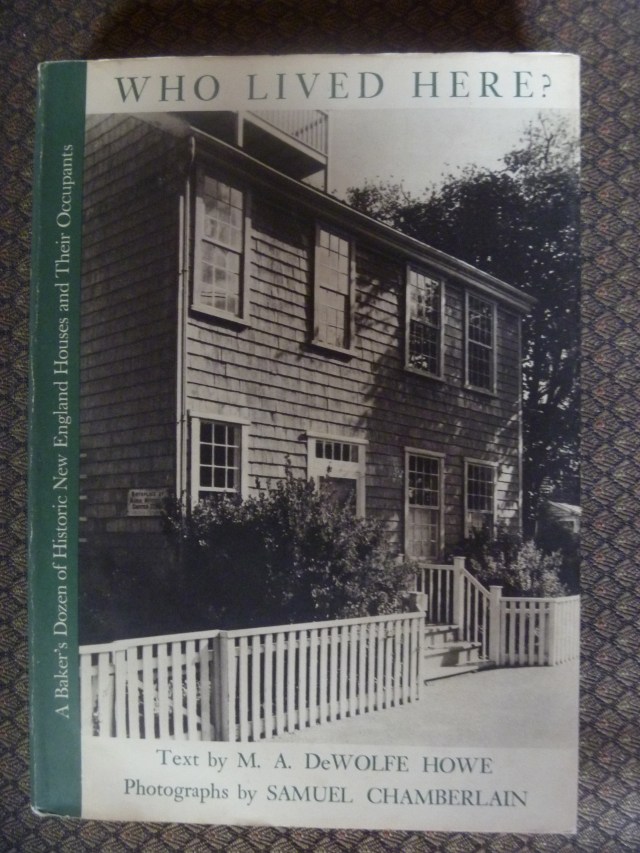
Kipling still predominates on the shelves but I read and enjoyed :

Who lived here book

Who lived here?

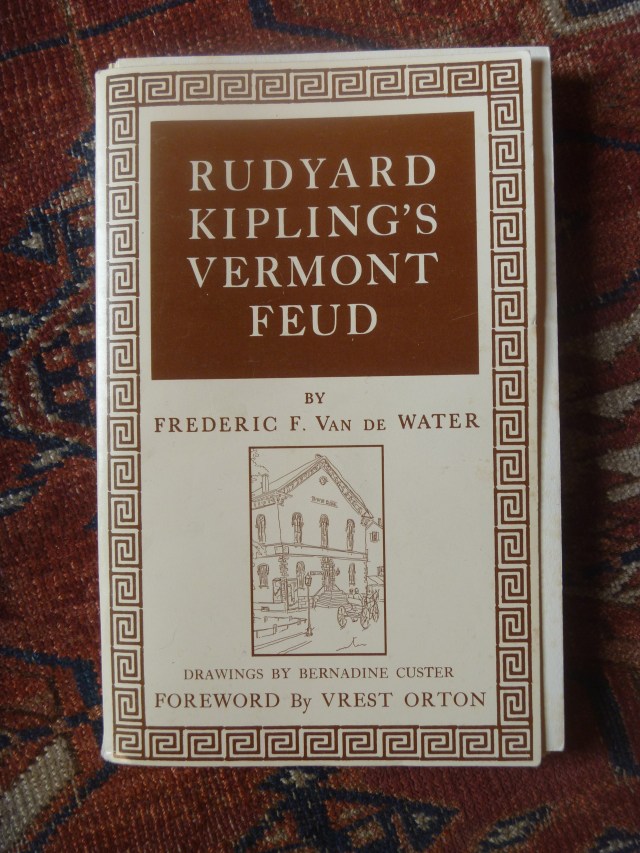
vermont Feud

Rudyard Kipling’s Vermont Feud

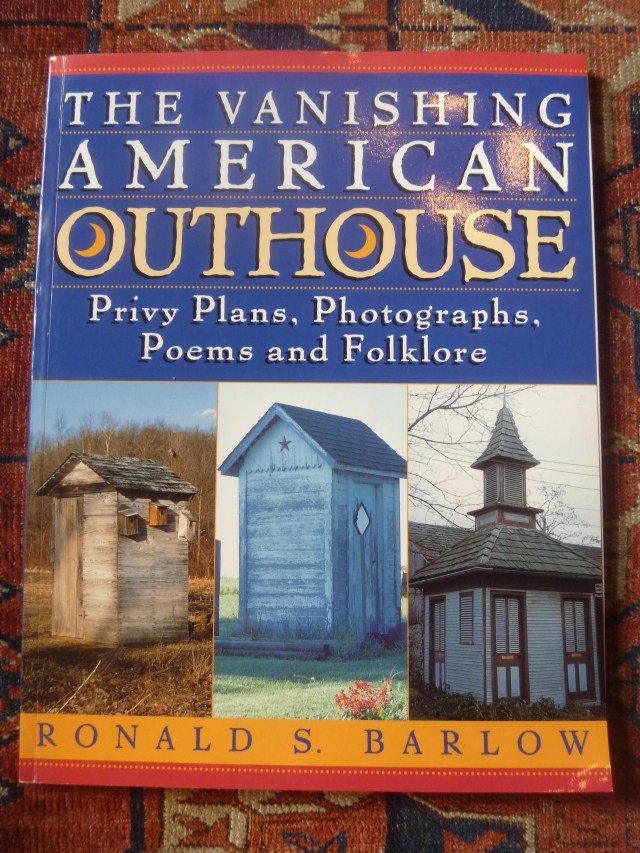
American Outhouse

The Vanishing American Outhouse
RK picture
Rudyard Kipling was keeping a watchful eye on us!

Stake Moss – A Dalesbus Ramble

SUNDAY 12TH OCTOBER 2014: STAKE MOSS
Take a brisk walk across the top of Wharfedale to follow the Roman road down into Wensleydale.
Start: Causeway Moss Road Junction 12.10
Finish: Bainbridge approx. 15.40
Distance/Grading: 7 miles / Moderate
TRAVEL: Outward: Bus 800 from Leeds (09.50), Horsforth (10.10), Guiseley (10.22), Ilkley (10.45) and Grassington (11.35).
Return: Bus 800 to Grassington, Ilkley and Leeds for onward connections.
Walk Leader: Jim

Just the job after a wedding on Friday and family party on Saturday! I just needed to get out and enjoy a brisk walk after all that high living.

Gilbert Lane

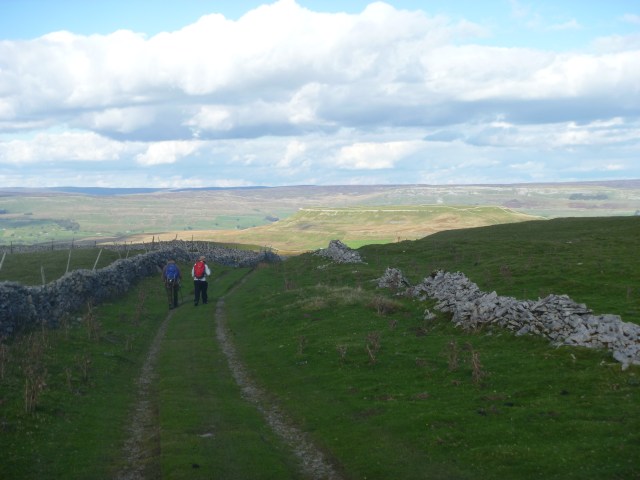
Gilbert Lane at the start of the walk

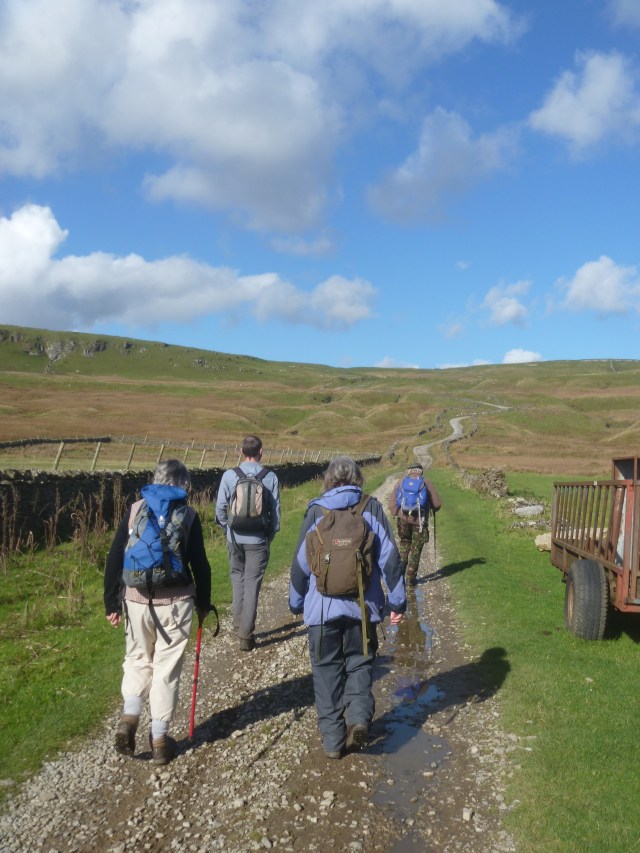
Eight of us got off the bus at Causeway Moss Road Junction not far from Buckden but the bus took the strain of the climb so we only had a bit of additional uphill on Gilbert Lane before we reached the summit of Stake Moss. Then we had a steady tramp along very clearly marked track to Busk Lane from where we were soon steadily descending along Carpley Green Road and into Bainbridge which is clearly still resting on its laurels after the early July successful hosting of the Grand Départ of the Tour de France.

Buckden Pike

Buckden Pike from Stake Moss

Typical view

Typical Yorkshire Dales View between Wharfedale and Wensleydale

Our track

Our Track on a lovely October Sunday

To Carpley Green

We leave the main byway and head towards Carpley Green

Sheep on a wall

Sheep on a Wall

Descending into Wensleydale

Descending into Wensleydale

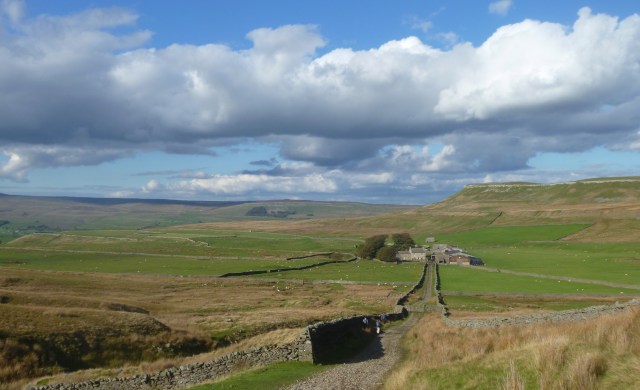
Carpley Green and Addlebrough

Carpley Green Farm and Addlebrough Ridge

Semerwater

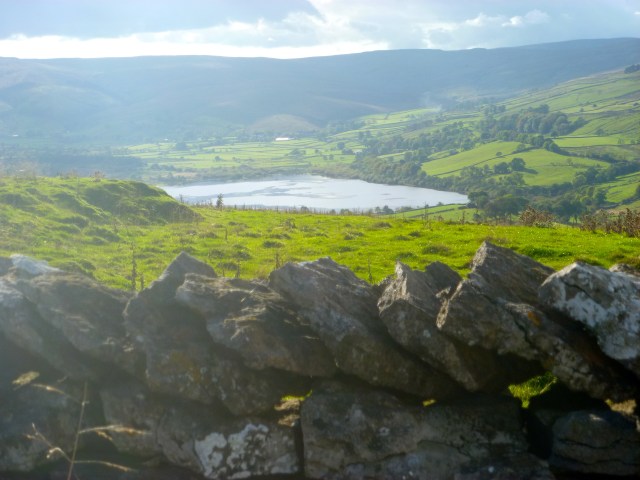
Semer Water

Askrigg

Askrigg in Wensleydale

Virosidum

Beyond the two stone walls are the earthworks of Virosidum (Roman Town)

Wensley Walling

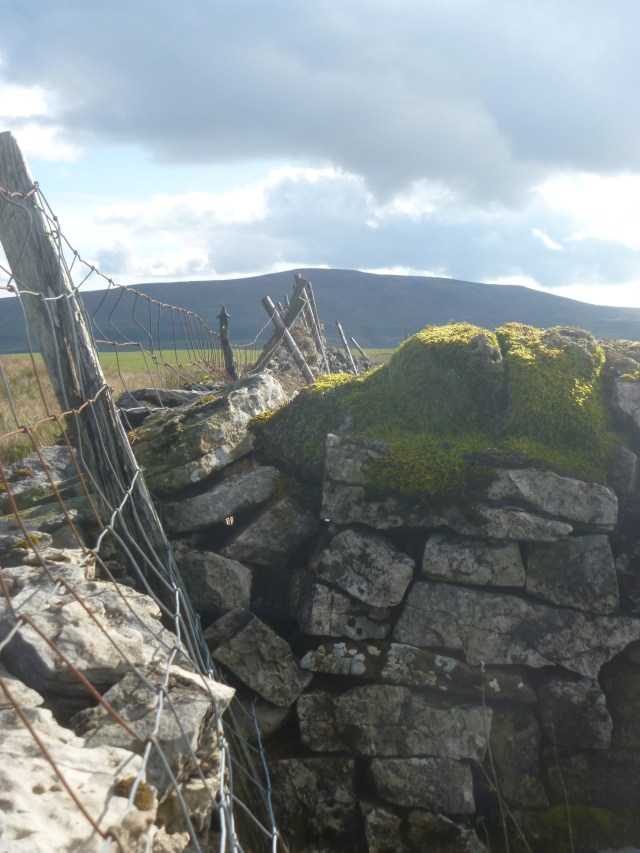
Dry Stone Wall Wensleydale Style

Sheep

Baa Baa Black Sheep

Descending into Bainbridge

Descending into Bainbridge

Bainbridge Signs

Bainbridge Welcomed Le Tour

Sheep on penny farthing

TDF 2014

Rose and Crown Bainbridge

The Rose and Crown, Bainbridge – no time to visit as our bus was due!

Three weeks in New England on Instagram

Just a few days ago we returned from our holiday in New England. When I’m away I try to post each day on Instagram so the family can see where I am or where I’ve been and what I have seen. I’ve been busy since I got back so here’s a selected taster from that trip and soon I’ll be back with some detailed posts. But it’s been a “proper” holiday lounging about, reading and enjoying the relaxation.

IMG_0511.JPG
Our cosy Cape Cod Cottage in East Falmouth

IMG_0547.JPG
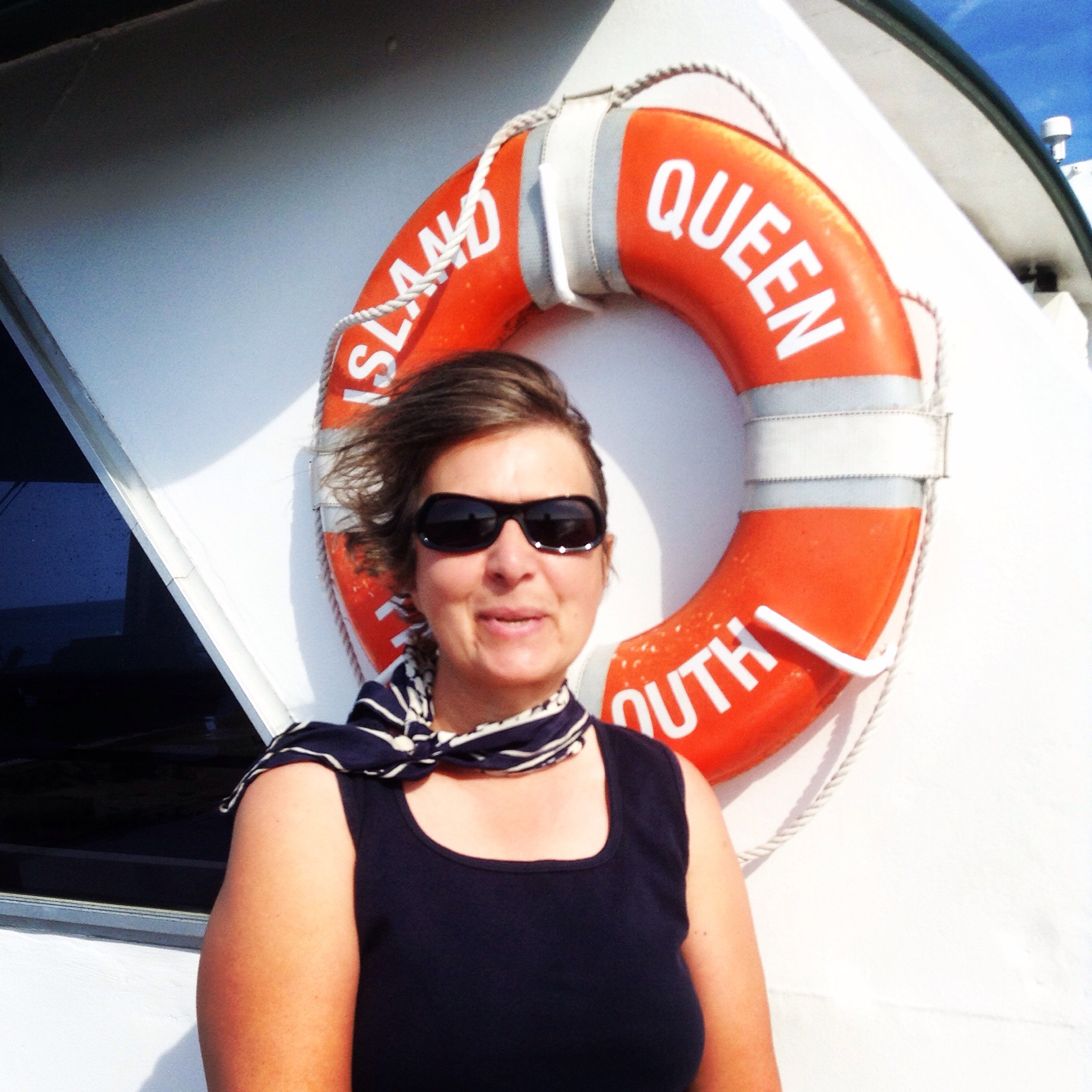
The Island Queen to Martha’s Vineyard

IMG_0531.JPG
Seen on the Chappaquidick Ferry- a reminder of our next trip

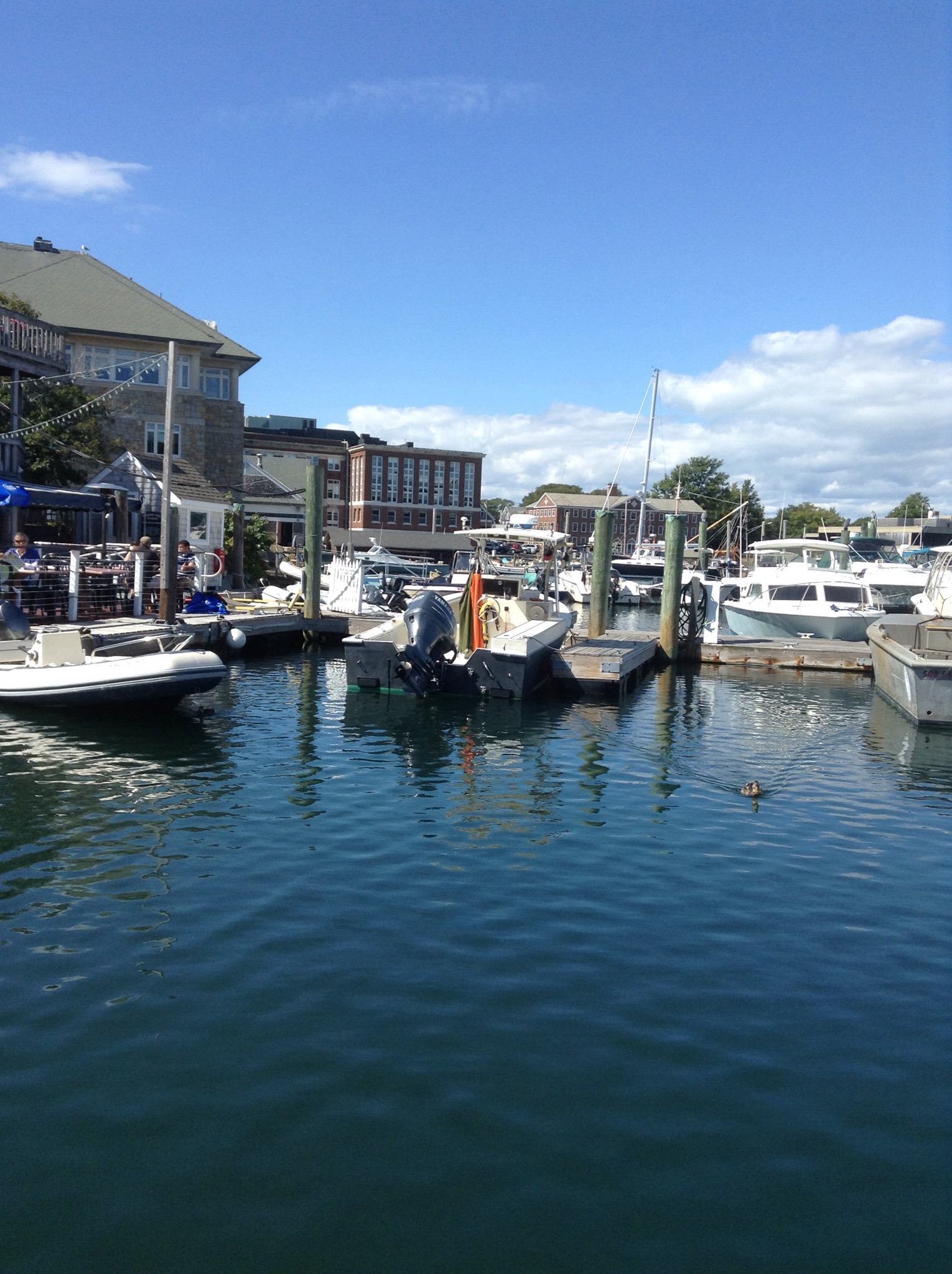
IMG_0557.JPG
Woods Hole Marina and Oceanographic Institute

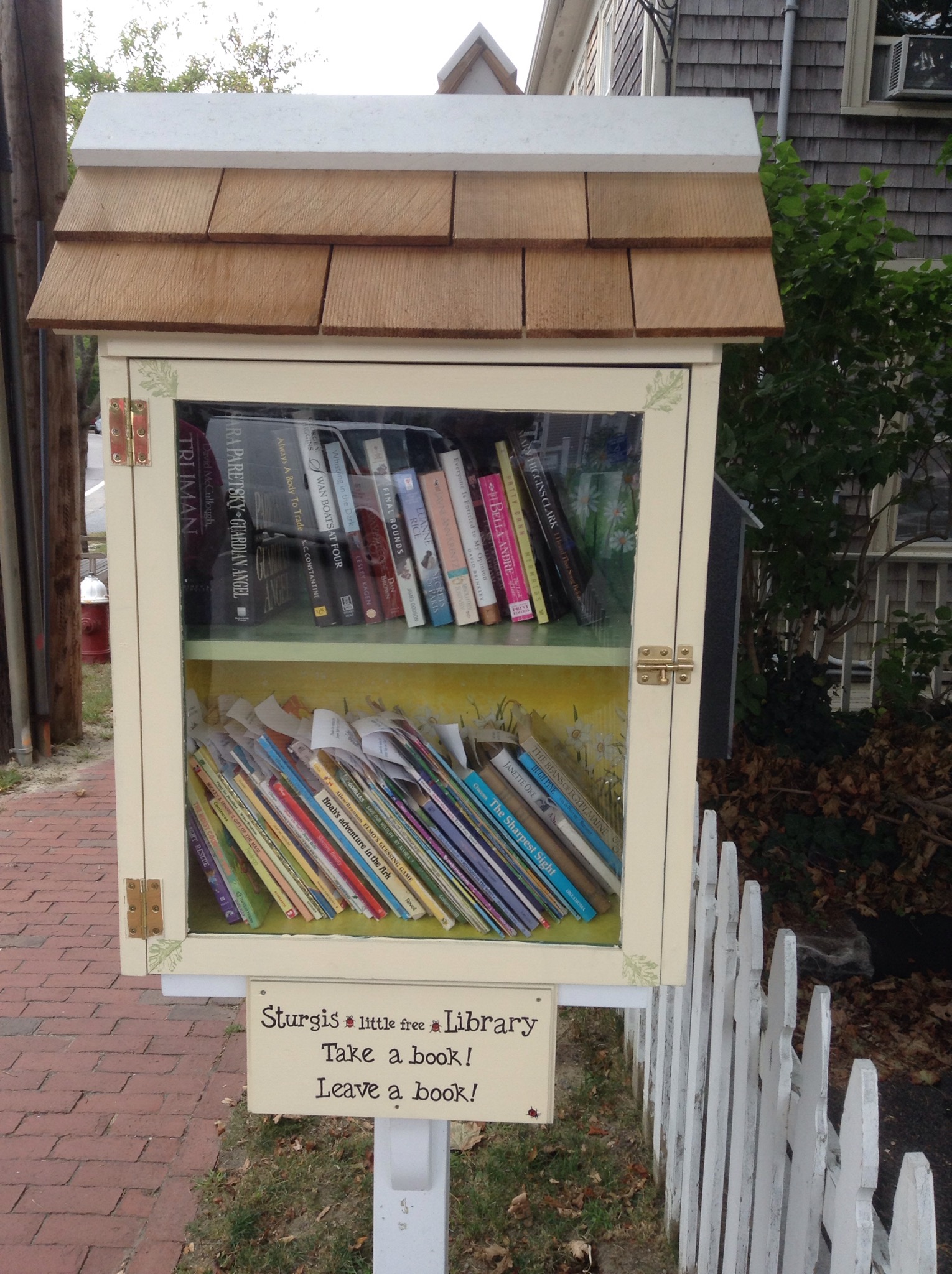
IMG_0567.JPG
Little Libraries always catch my eye

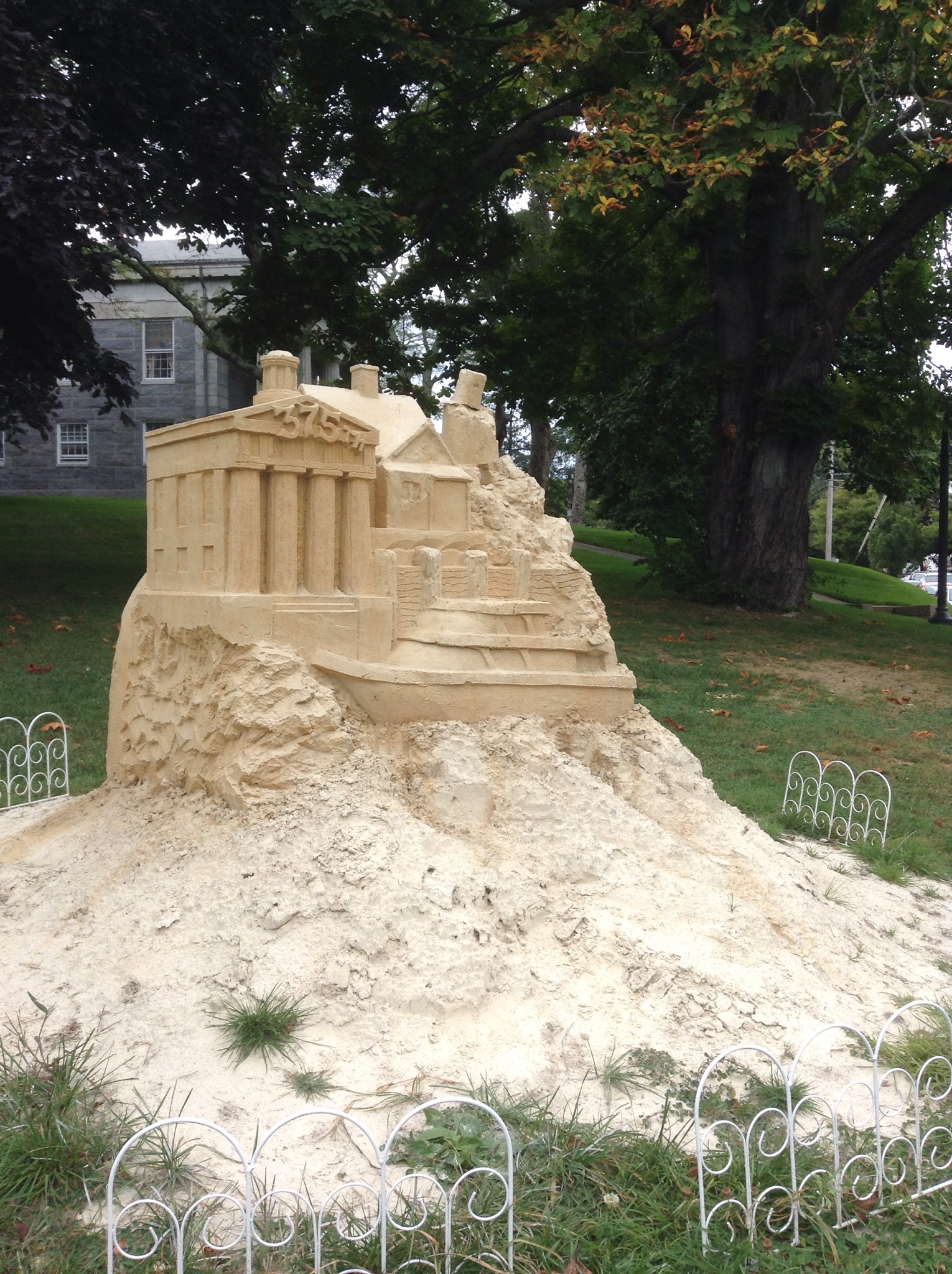
IMG_0565.JPG
End of Season Sand Sculpture, Barnstable, MA

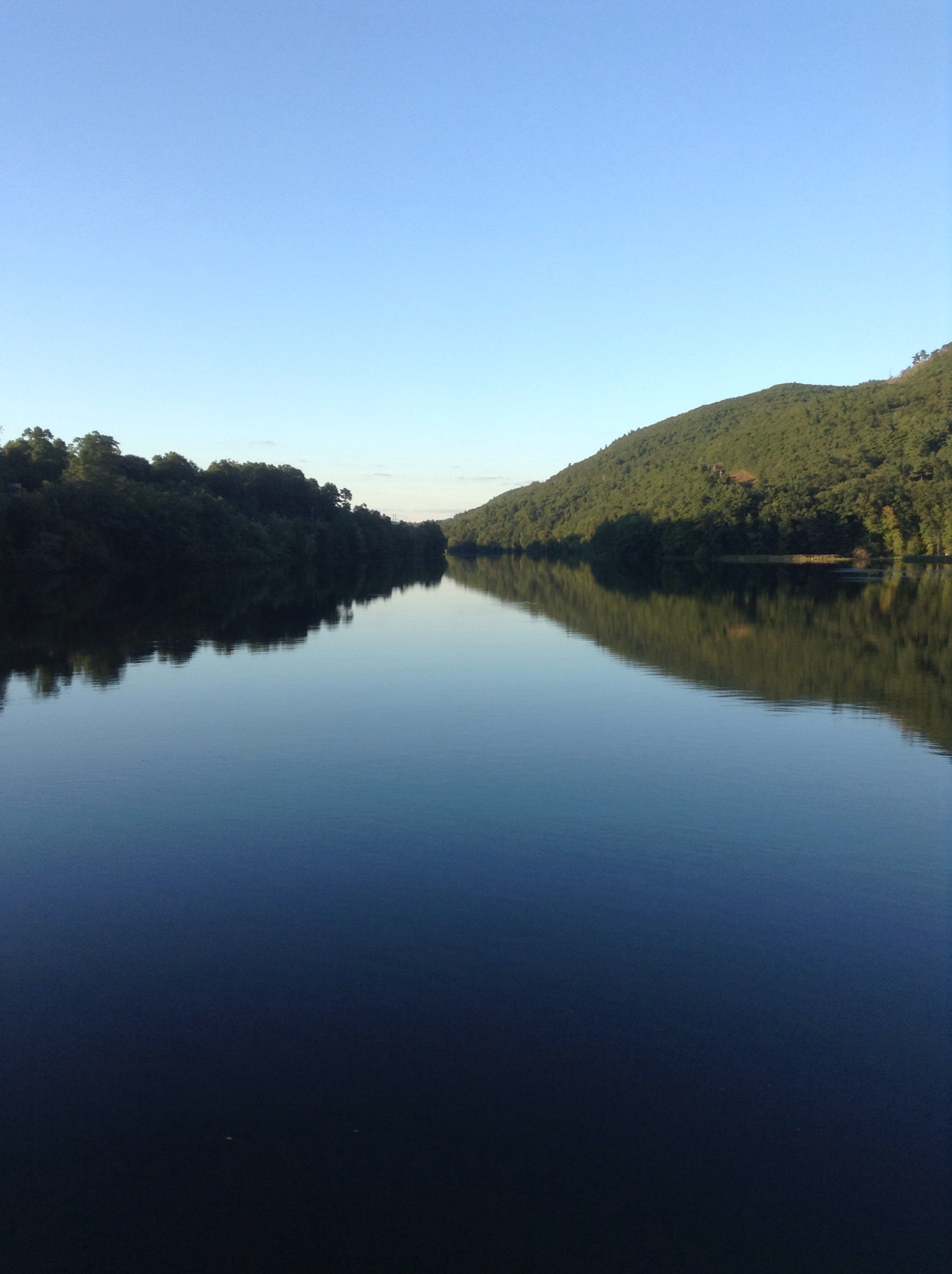
IMG_0574.JPG
Connecticut River Vermont/New Hampshire

IMG_0582.JPG
The Carriage House near Brattleboro VT

IMG_0594.JPG
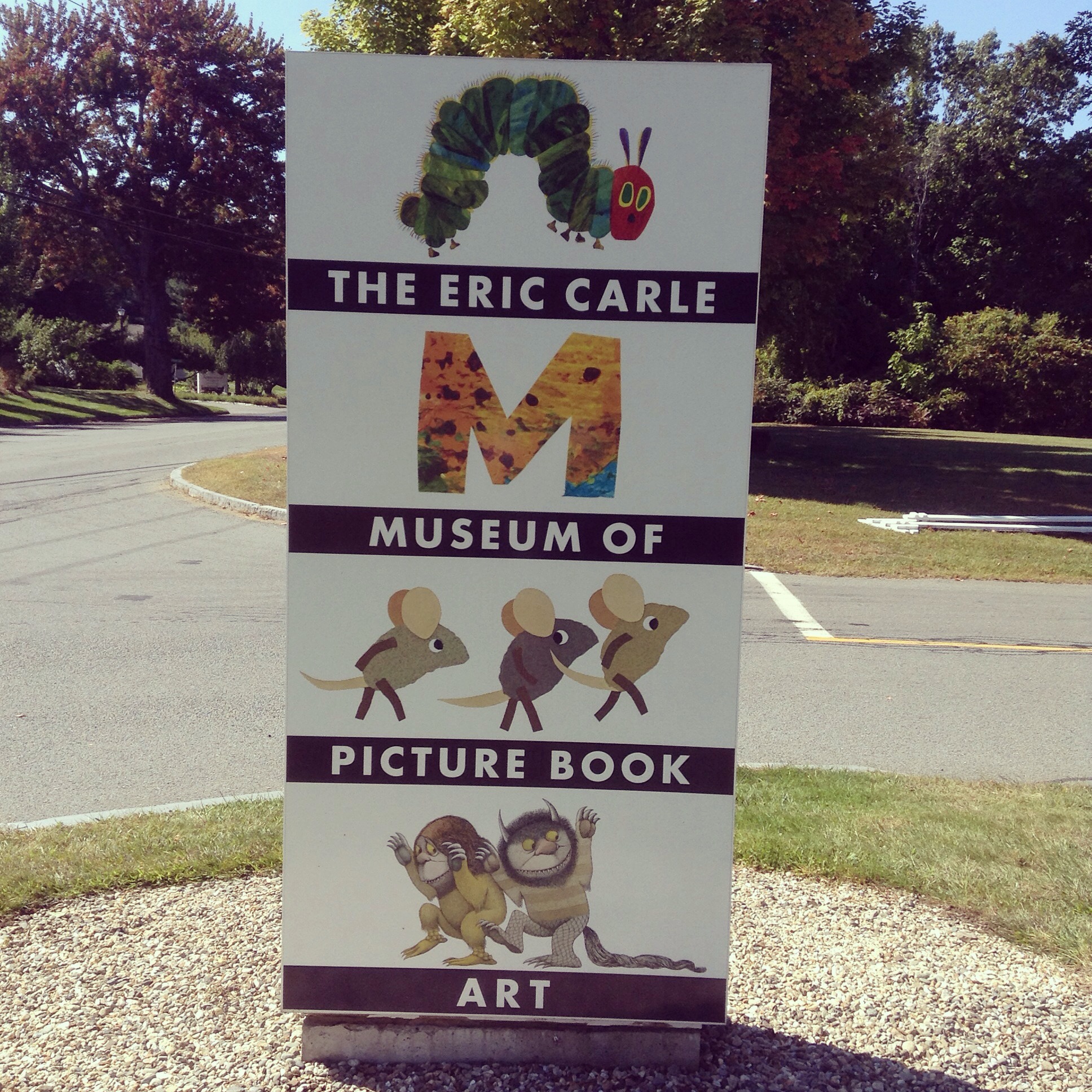
Eric Carle Museum, Amherst MA

IMG_0604.JPG
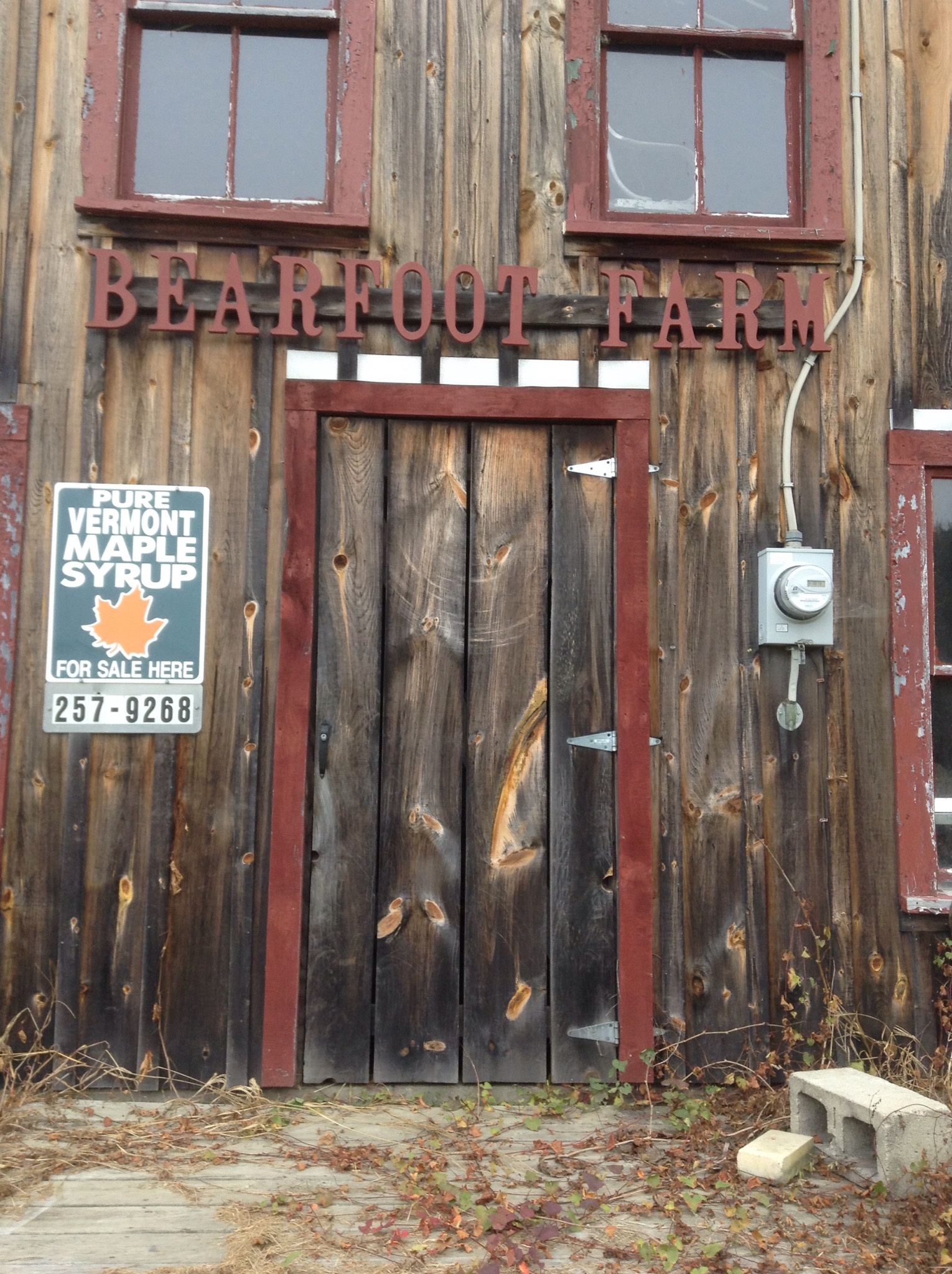
Vermont Maple Syrup made here

IMG_0635.JPG
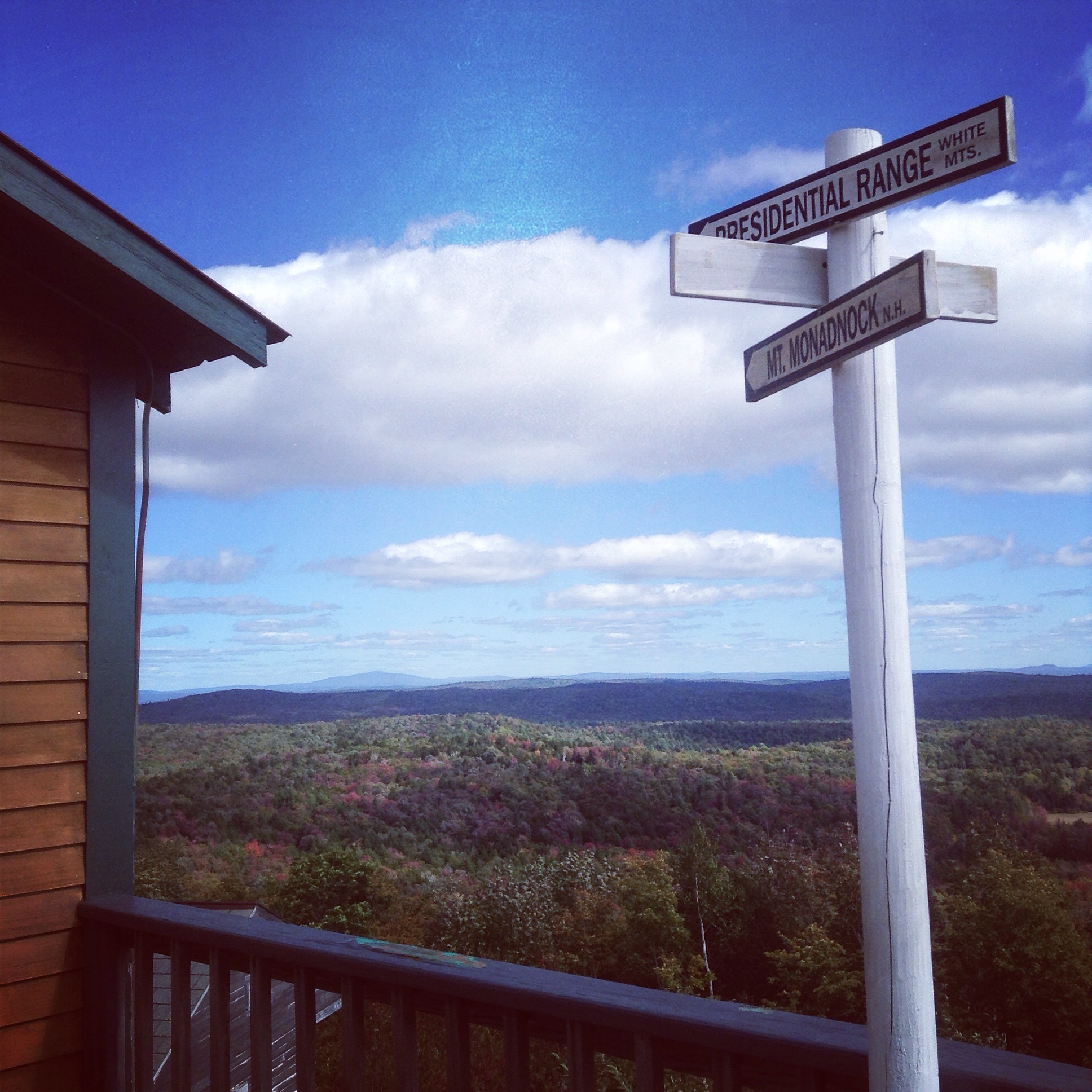
Vermont View

IMG_0651-0.JPG
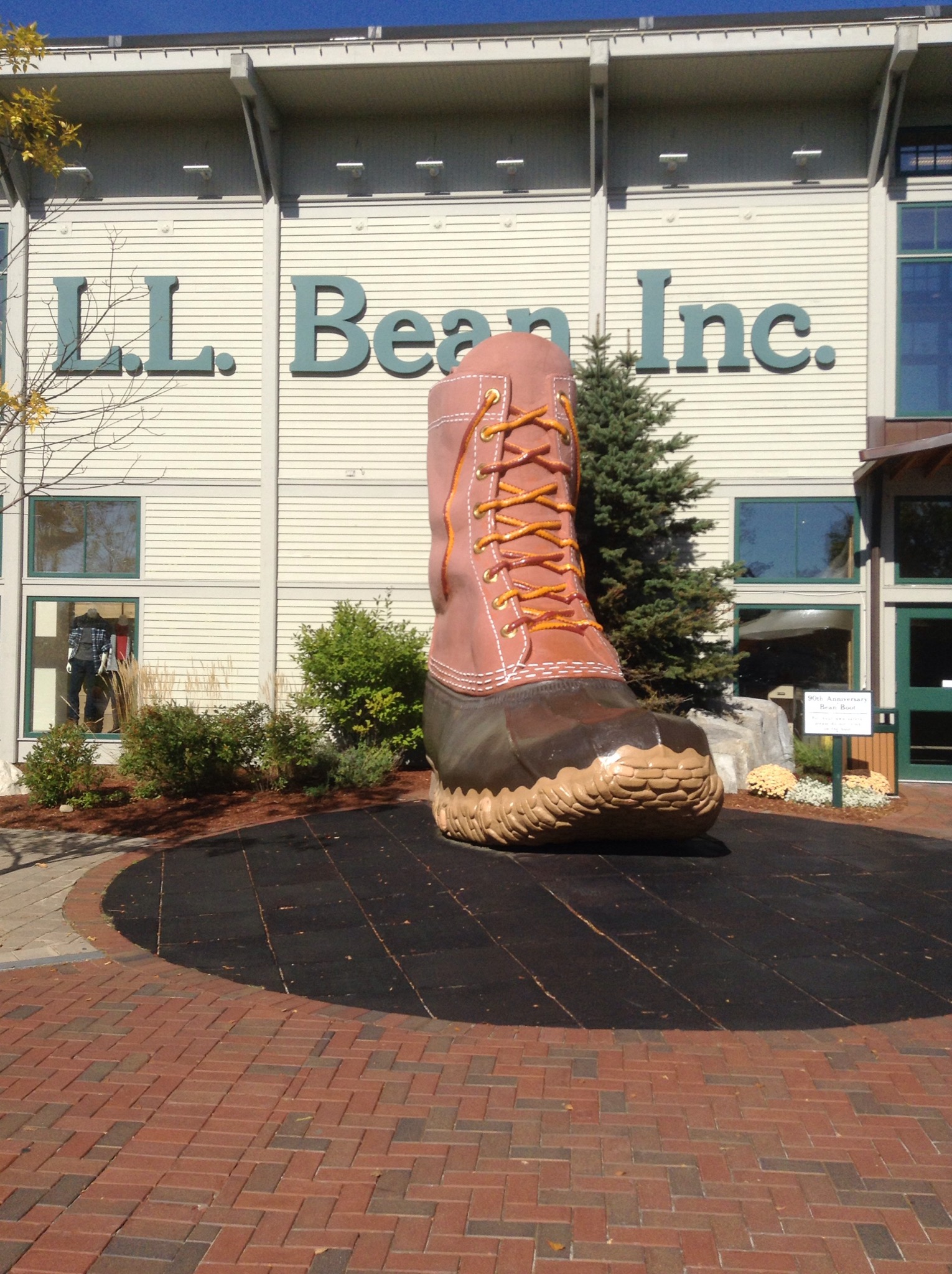
LL Bean, Freeport ME “We never close

Movement and Light … and More : St Germanus Church, St Germans, Cornwall

NB This post was prepared in July during the Port Eliot Festival

P1140258

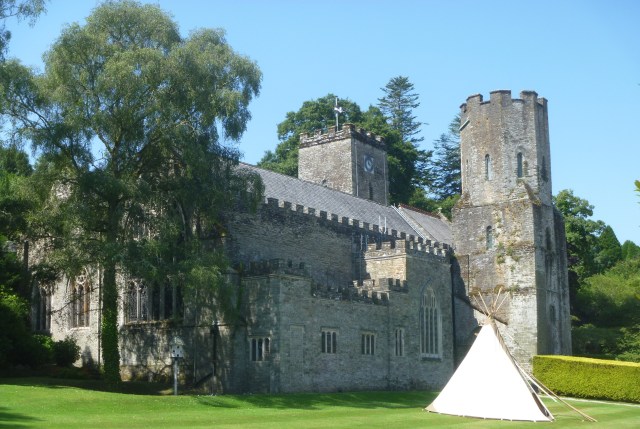
St Germanus Church (the teepee is part of the festival!)

Last Sunday, the final day of the Port Eliot Festival 2014, my train was not due to arrive at St Germans until 11.29. Lynne was scheduled to speak with our first author of the day Peter Benson (“The Farm” and “The Valley”) at 11am. So when I arrived I made straight for the church. Sunday was the only day on which it was open and I joined the last 20 minutes of the local parish Service. I had read great things about this church. It achieves three stars in my Simon Jenkins “Bible” – England’s 1000 Best Churches; its description runs to 5 pages in Pevsner’s Cornwall  and I read an article about just one of its monuments in Country Life earlier this year. P1140345

Peter Beacham signs his ‘other’ book “Down the Deep Lanes” in the DGR Tent

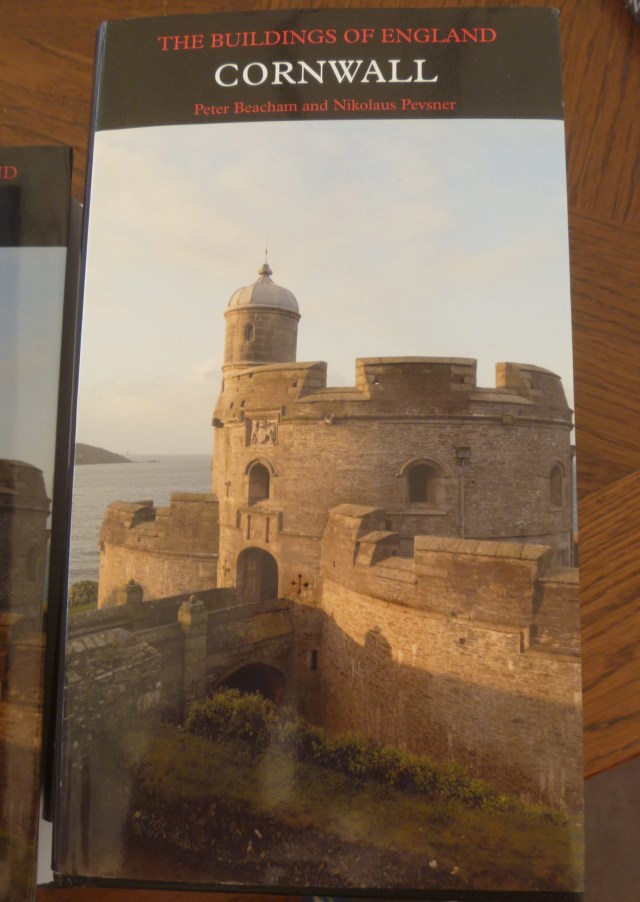
Peter Beacham, who updated the Pevsner Guide to Cornwall (published in May this year), was one of the guests in the Dovegreyreader Tent last Sunday.

P1140347

Pevsner’s Cornwall

But back to St Germanus itself. My heading is taken from the Country Life article which I have been unable to find a link to so will copy out here.

P1140330

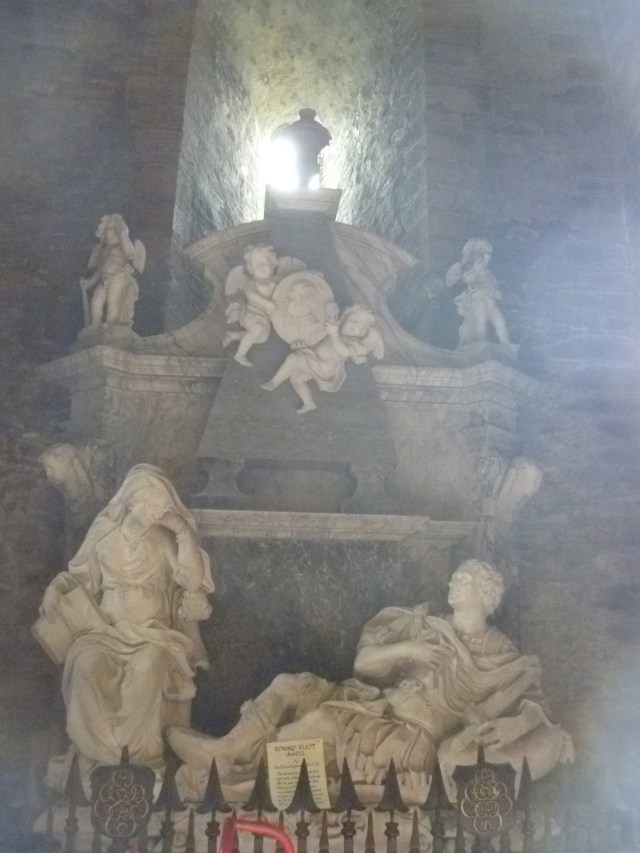
My picture doesn’t do justice to the monument

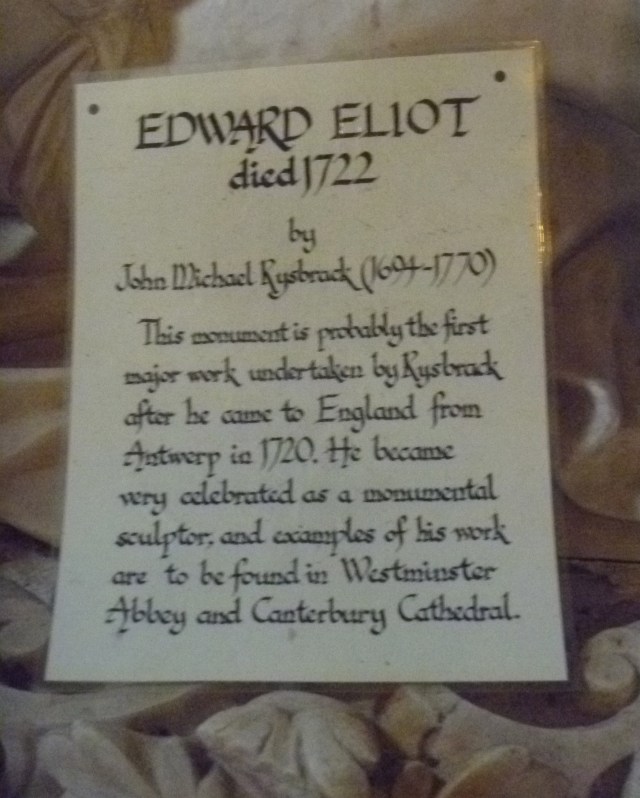
Set in the base of the north-west tower of the former priory church in St Germans, Cornwall, is the large monument to the MP and landowner who died at the age of 38, in 1722. It was commissioned by his widow and is enclosed by a fine iron railing. The monument is one of the earliest English works of the brilliant Antwerp-born sculptor John Michael Rysbrack, who settled in London in 1720.

With its obelisk and animated figures, it is ultimately inspired by Roman Baroque example. It could have been designed by the architect James Gibbs, an early associate of Rysbrack in England, who trained in Rome.

The subtle lighting of the space in which the monument stands sets off its carefully arranged constituent marble – white, veined-grey and dark-grey – to superb effect. Eliot, in Roman armour, stares upwards, with a mourning figure at his feet. On the obelisk is a roundel portrait – presumably his deceased first wife – supported by cherubs.

The relative simplicity of the architectural elements focuses the visitor’s attention on the interrelationship of the different figures that is suggested by their gestures and lines of sight. Busy drapery also adds to the illusion of movement and life that Baroque artists struggled so hard to capture.”

[Text by John Goodall. Country Life 22 January 2014, p.36]

P1140331

Text of the description attached to the monument

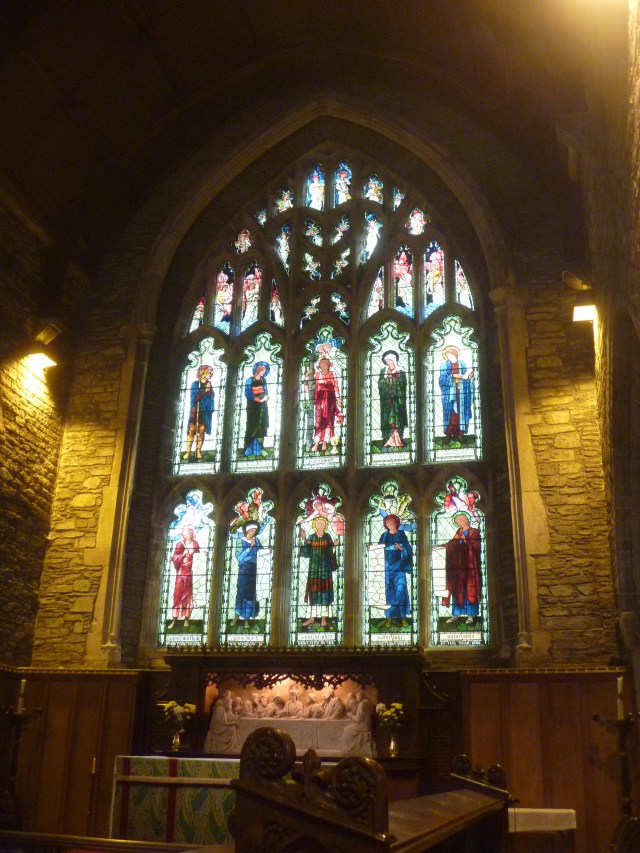
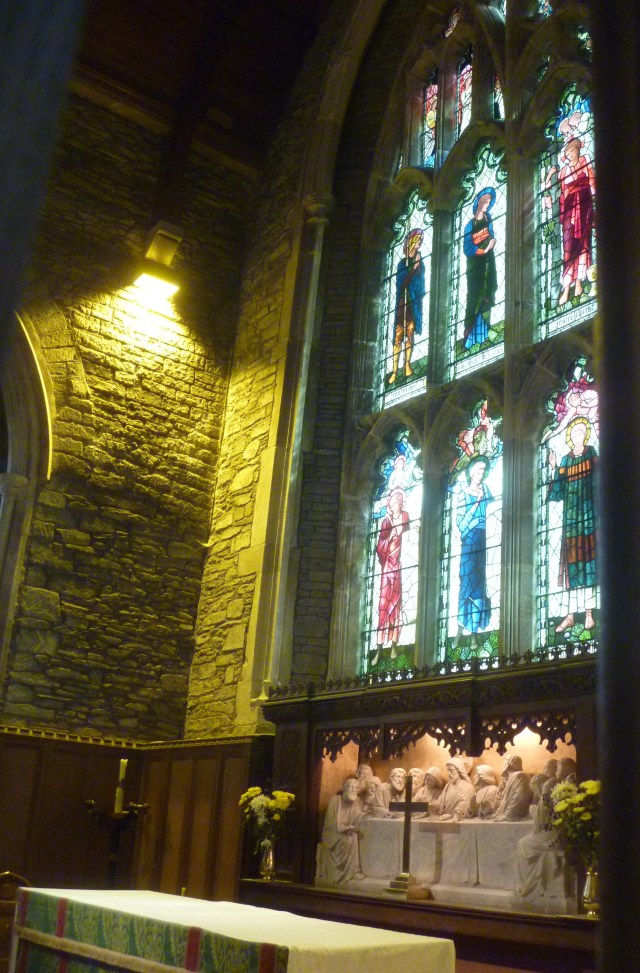
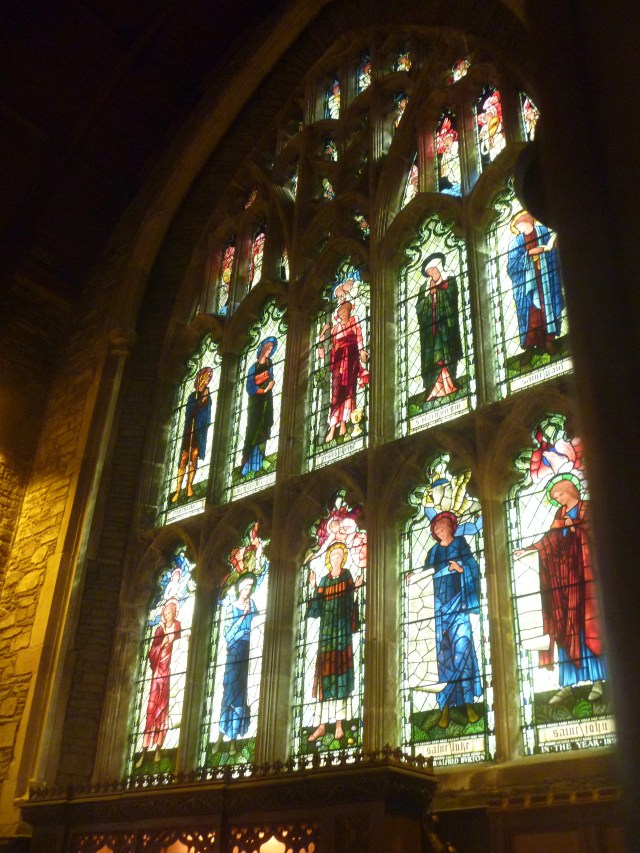
Simon Jenkins comments on the first-rate Morris & Co. Burne-Jones windows.

P1140329

P1140325

P1140326

The East Windows

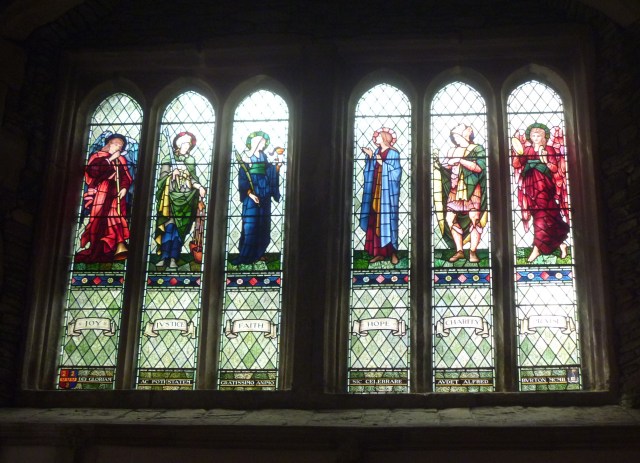
The east window is a Burne-Jones masterpiece, a ten-light composition in his most mature style. The background is soft green-yellow, leaving figures in red and blue to glow even more vividly in half-light. Burne-Jones also designed a window in the south wall of the aisle.” Representing Joy, Justice, Faith, Hope, Charity and Praise

P1140327

Window on South Wall

As Peter Beacham expresses it at the beginning of the St German’s section of Pevsner’s Cornwall “The memorably picturesque ensemble of church, house and park is of the highest architectural and historic interest“. I wonder what the Anglo-Saxon Bishops responsible for the creation of St German’s Priory would have said if they had seen last weekend’s picturesque ensemble of tents and stalls scattered over the estate.

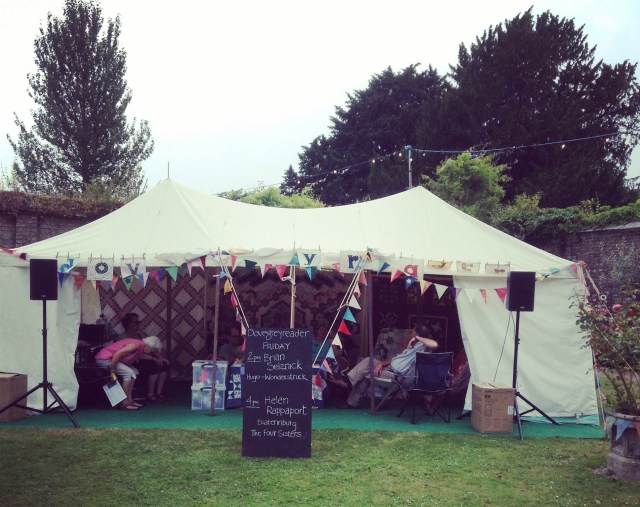
The Dovegreyreader Tent at Port Eliot Festival

NB This post was prepared back in July during the Port Eliot Festival

Ready for the off

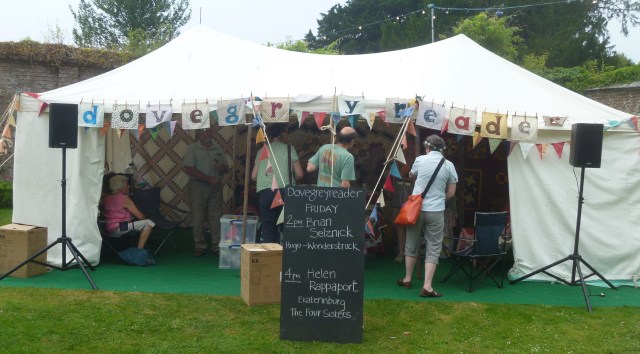
Welcome to the Dovegreyreader Tent at Port Eliot Festival!

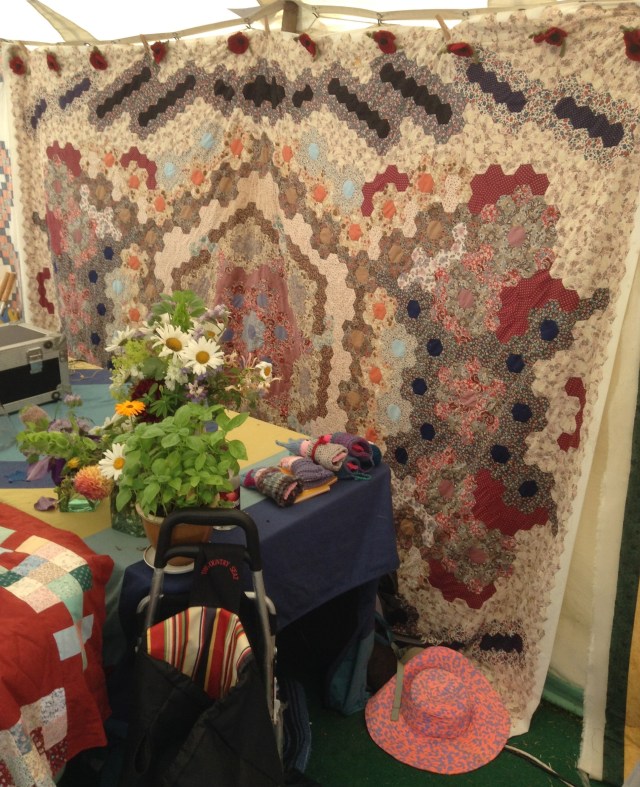
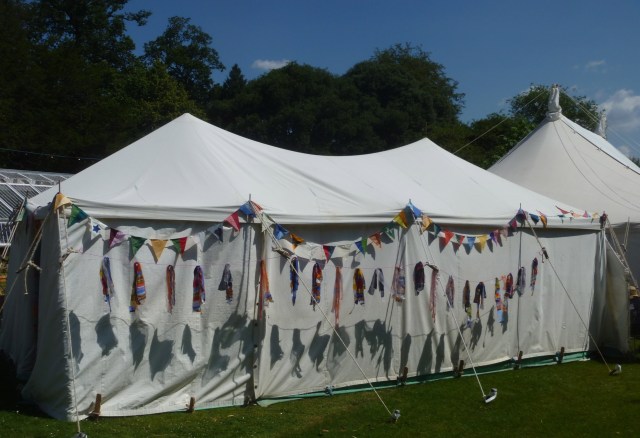
It’s an Aladin’s Cave of quilted, patchwork and knitted hangings and of crocheted and sewn bunting: all stitched with love and care.

Quilt

 All Her Own Work

What writer could not feel relaxed in these surroundings, plumped down on the comfy couch with DGR (DoveGreyReader, alias Lynne) quietly and humourously encouraging them to speak about their work? It’s a far cry from the usual literary festival round of upright chairs, microphones, spotlighting and a hushed audience. We did have microphones and the spotlight (sun) shone all the time. We weren’t able to turn down the heating but we offered our guests a fresh cup of tea served in china teacups.

Table

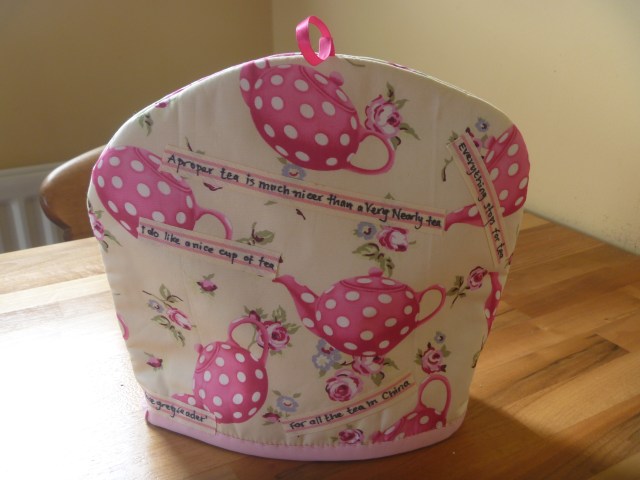
The Festival itself is not all literary. There’s music and food and comedy and a Flower and Fodder Show. The FFS is open to all attendees and beyond. We were encouraged to make a tea cosy for the Fortnum and Mason competition and ‘we’ submitted an entry to the Flower Show. Yes, I, even I, who can neither sew nor knit nor crochet made a tea cosy. And here it is:

The Cosy

My Tea Cosy … on a theme of Tea Sayings

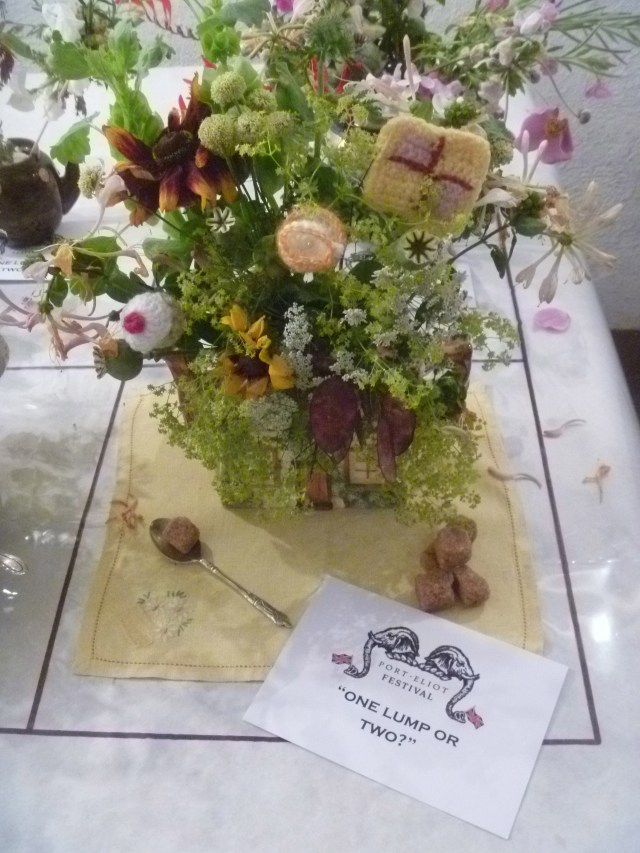
And we had an entry in the Flower Show – the theme was One Lump or Two. Fran made this beautiful display with knitted contributions by Liz. Designer Jane Churchill awarded it Second Prize. Well done, Fran!

P1140344

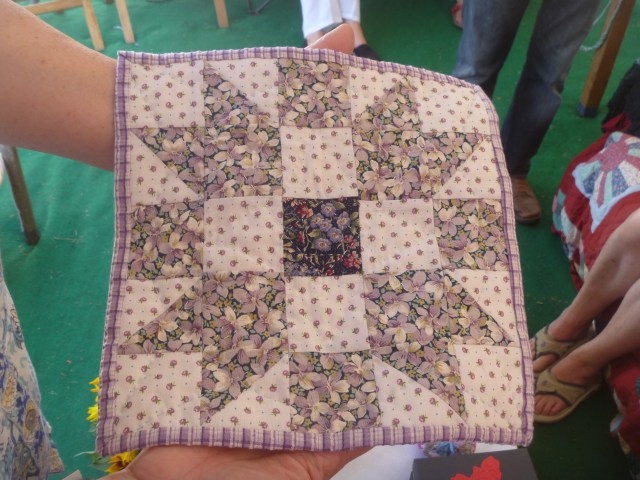
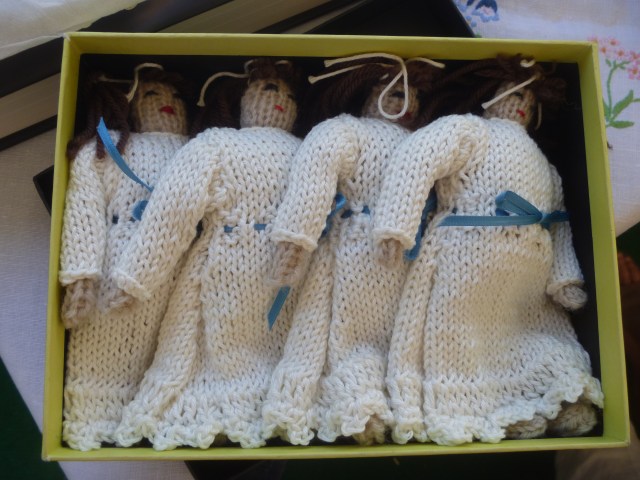
Each of our guests received a well thought-out gift for taking part. Needless to say it was handmade with care and relevant to the topics discussed. Our Knit Angel, Liz, produced the knitted or crocheted gifts. In addition the ladies received a quilt block again in a design connected with their topic and made by Lynne.

P1140293

Helen Rappaport (author of Four Sisters) received Sister’s Choice Design

P1140292

Helen also received Four Sisters of her own

Comfortable, informal, relaxed  and inspiring – and all in glorious colour!

It is easily overlooked that what is now called vintage was once brand new!

NB This report was prepared back in July during the Port Eliot Festival

programme

And that includes me! I spent yesterday afternoon at Port Eliot. I went straight there on the train from Par Station. Alight St Germans for Port Eliot. From the station it’s a mere few steps to Never Never Land the Festival. For many months now I have been wondering whether I am going to “fit in” at a festival and whether I will really be any help as I neither knit nor crochet nor sew nor flower arrange. After one afternoon I still felt as if I was an observer and not a participant. Even though I had a wristband that said “Port Eliot Festival Crew”.

DGR Tent

I think I will be quite safe from full festival conversion in the Dovegreyreader Tent. I already knew a couple of people and have now met four new ones including the very welcoming and hospitable Dave, the Dovegreyreader’s husband, who makes the tea and hands out food and generally turns his hand to anything that is required of him.

Rear dove grey tent

The decorations were just finished when I turned up and it was time for a cuppa and sandwich – most welcome but I felt I had done nothing to deserve them.

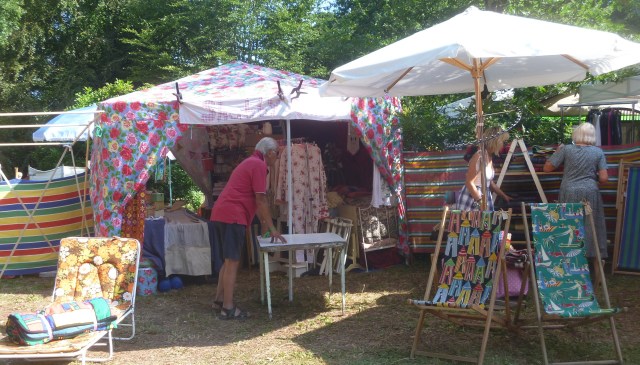
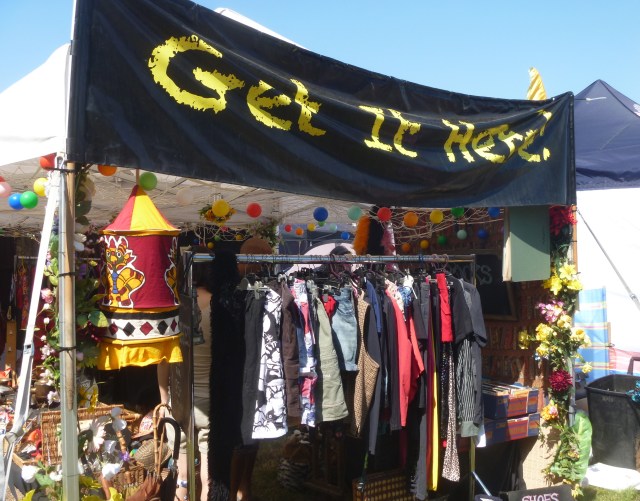
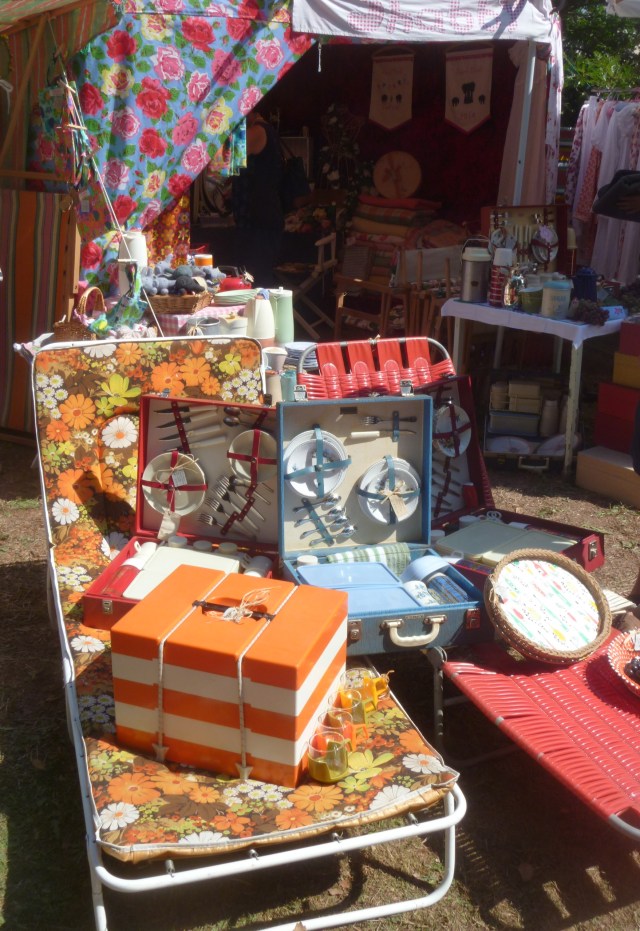
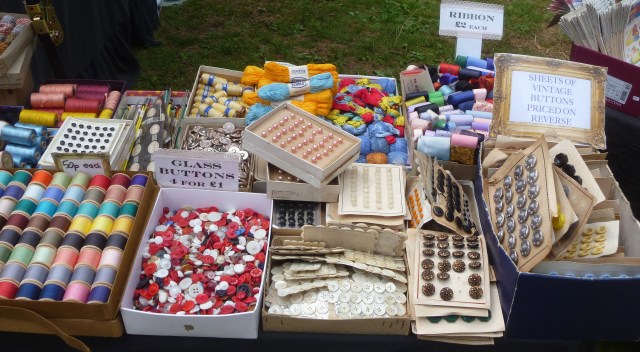
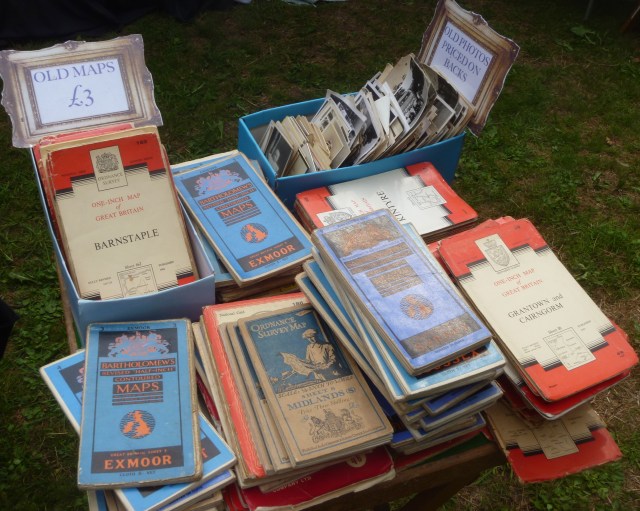
There’s a big programme of events (in both meanings of the word); the festival bookshop is right next door to us; there is food everywhere; there are stalls selling vintage stuff and there will be events all over the place.


Vintage deckchairs

Get it here


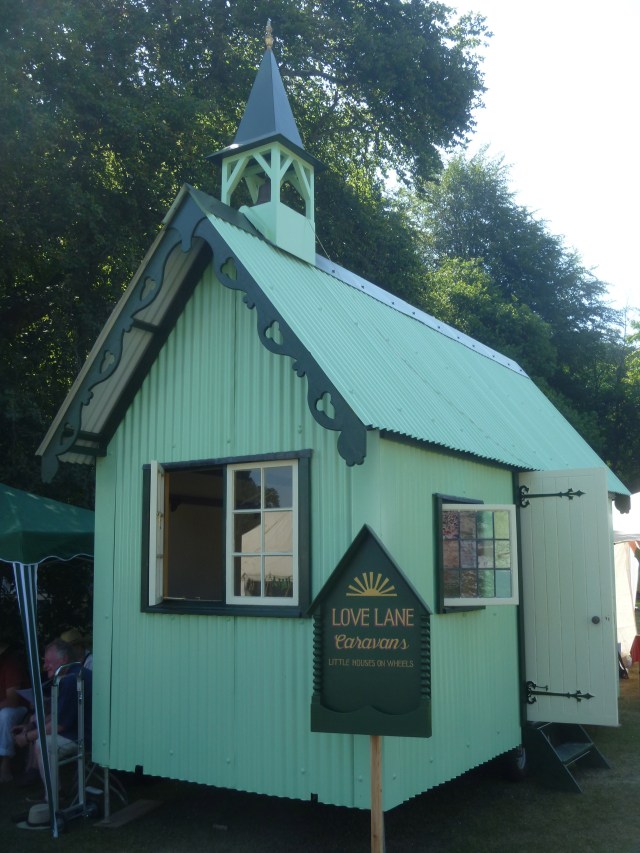
Love Lane Caravans


More vintage stuff


More vintage


Old buttons and stuff


Old maps

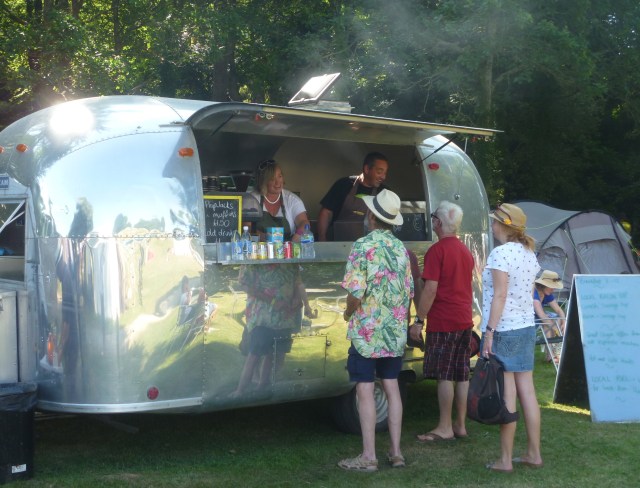
Somewhere near the heart of Port Eliot House is the Big Kitchen – just as somewhere near the heart of the festival is a passion for food. Over the weekend, local chefs and foodie legends give talks and demonstrations, celebrating all aspects of food from planting and growing to prepping and eating.”

Vintage Airstream


Lemon Jelli

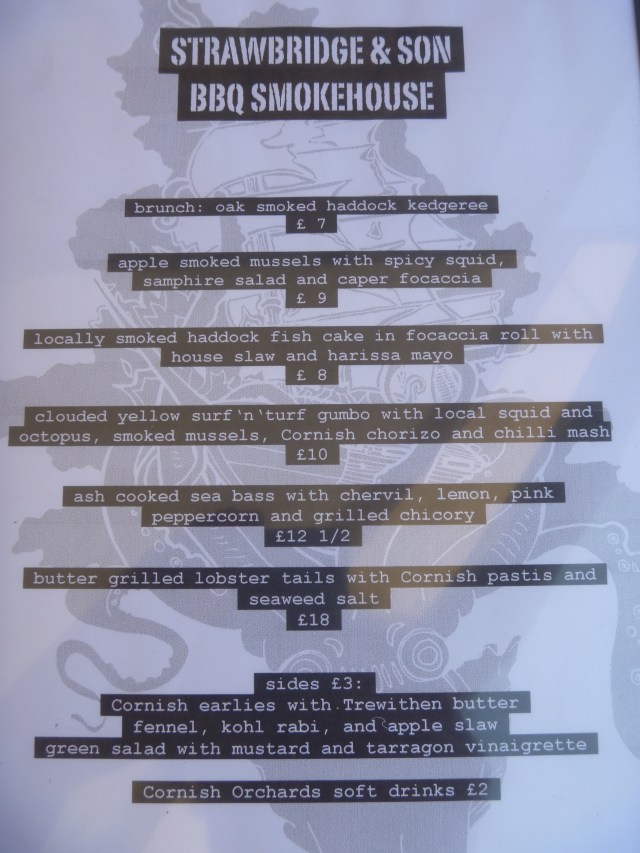
My first taste was a delicious Gumbo from Strawbridge & Son BBQ Smokehouse which I took back with me to the B&B.

BBQ Smokehouse

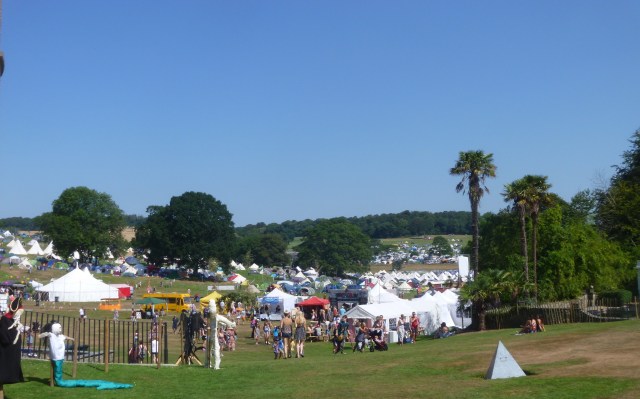
Also there are many many campers. From in front of the house you see a sea of tents of all shapes and sizes and colours … but I’m glad that’s not me. I will take the train back to my B&B each evening. Being vintage myself I am past that sort of thing!

Sunny PE

Port Eliot Festival

It is all great fun and I couldn’t wait to get back today and to get started …

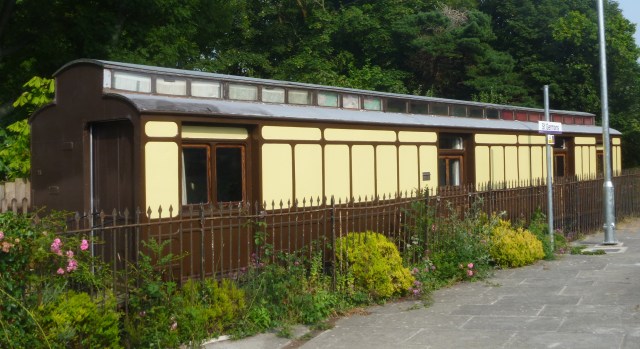
Railholiday

As I made my way to the station I noticed you can even stay in a vintage railway carriage at St Germans station.

Great for Rail fans


Diamonds and Dioramas in the Bern Natural History Museum

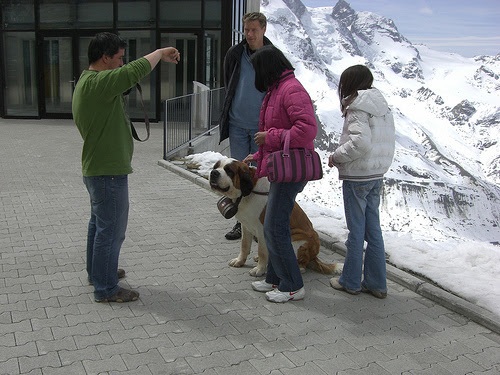
In addition to the Barry exhibition at the Bern Natural History Museum there were several other setions which attracted my interest. By the way, re-reading my post of yesterday reminded me that I’d seen a real live Barry on the Gornergrat a few years ago. I thought he was having a day out just like me but apparently he’s part of the scenery.

A St Bernard poses for the camera

A St Bernard poses for the camera

Like most Natural History Museums the world over the museum in Bern has its fair share of mammals from around the world but these were not of great interest to me. I prefer something of more local interest.

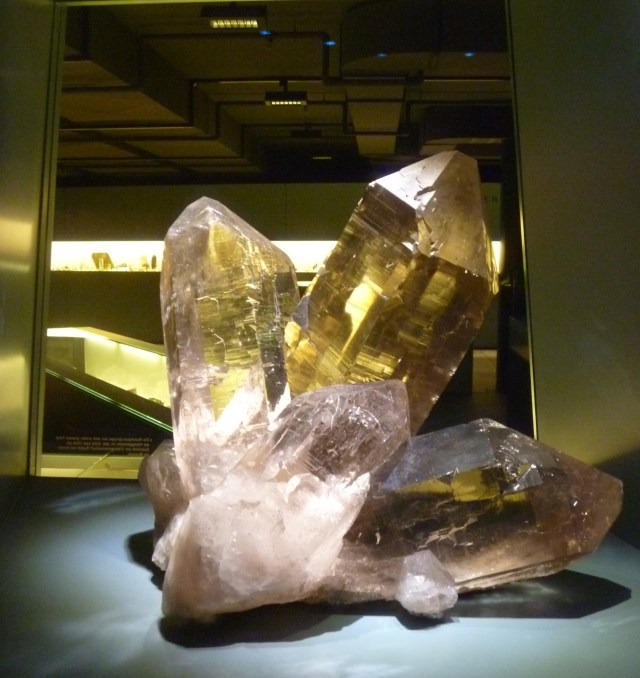
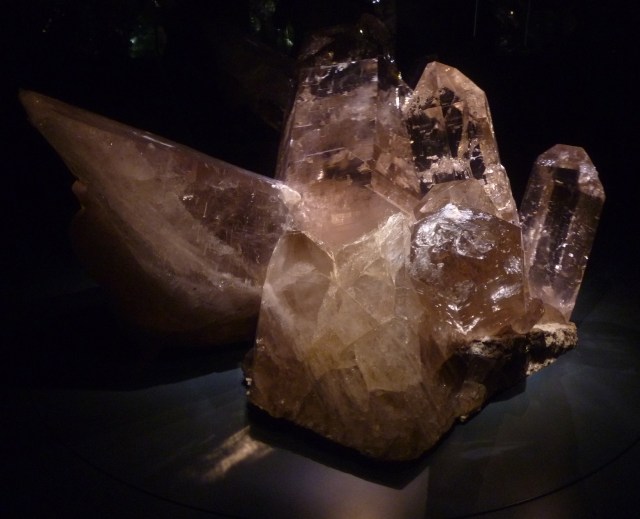
The Planggenstock Treasure has been on display in the Museum since 2011. These quartz crystals and crystal clusters were discovered under the Planggenstock Peak in the canton of Uri in Central Switzerland in 2005.

Planggenstock

The largest group of crystals weighs 300kg.

Smoky rock crystals

Smoky Rock Crystals

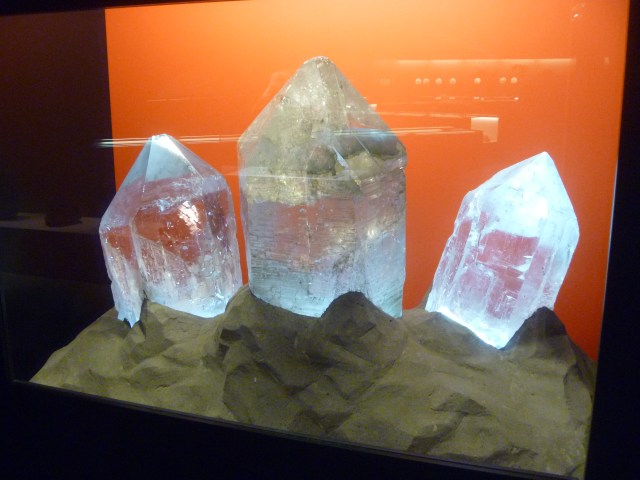
3 crystals group

The oldest objects in the collection are three rock crystals found in 1719 on the Vorderer Zingenstock.

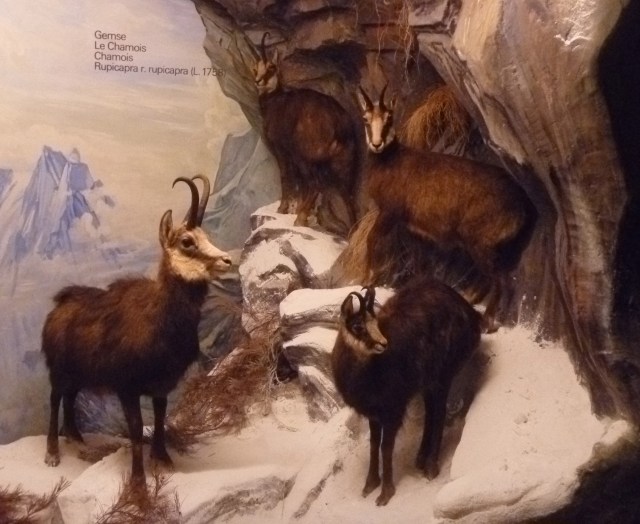
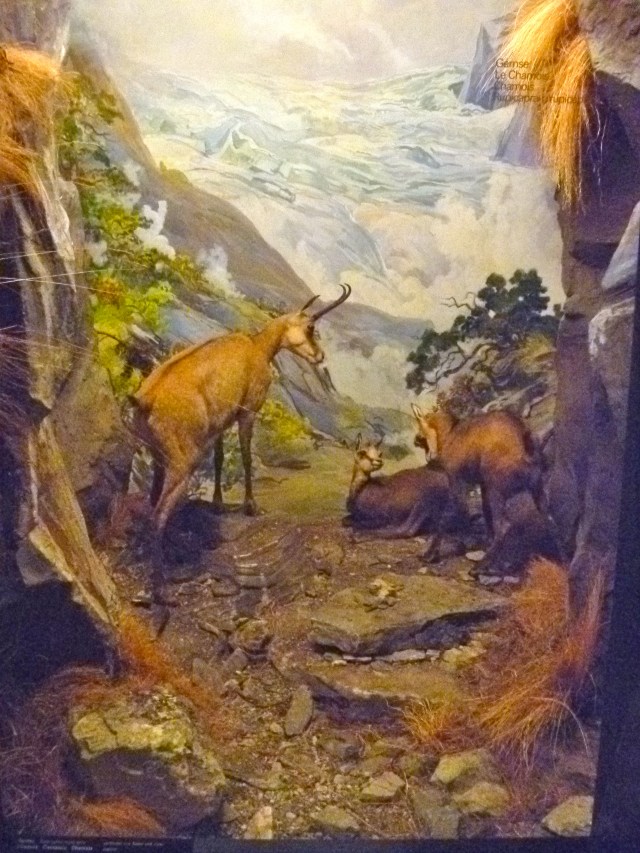
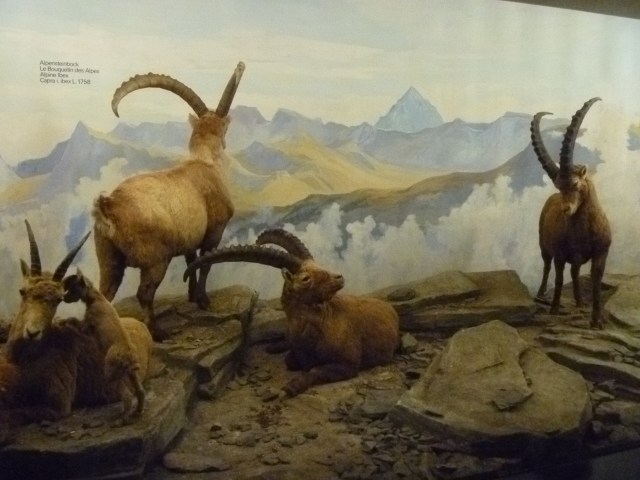
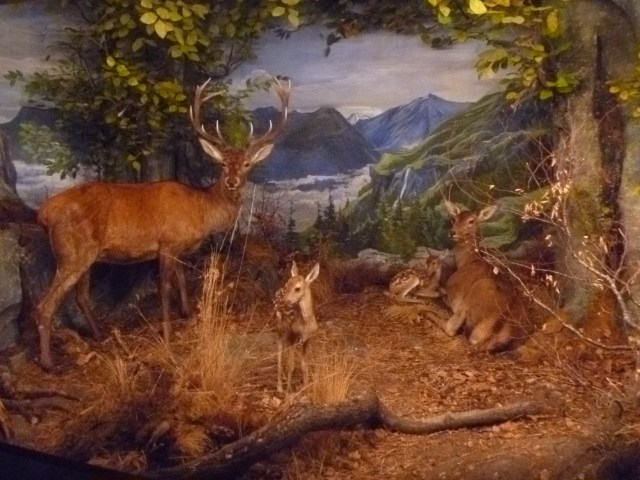
As time was limited I left the collection of minerals, crystals, diamonds and rocks and moved on to the section featuring dioramas of the wildlife of Switzerland. Here was diorama after diorama of birds and animals in their settings. I was particularly interested to se all the different types of deer. I would call a deer a deer but in Switzerland they always distinguish between roe deer and chamois and red deer and ibex.

Gemse

Gemse = Chamois

Chamois

More Chamois

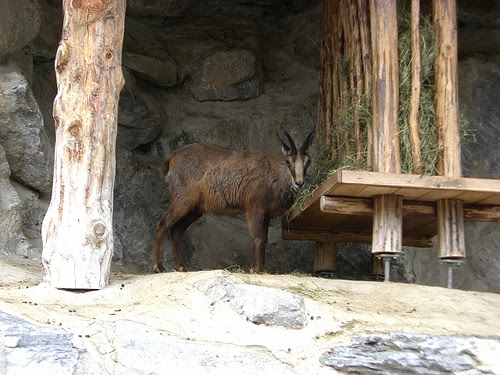
Chamois feeding

Chamois feeding at Innsbruck Alpine Zoo (2010)

Ibex

Ibex Diorama

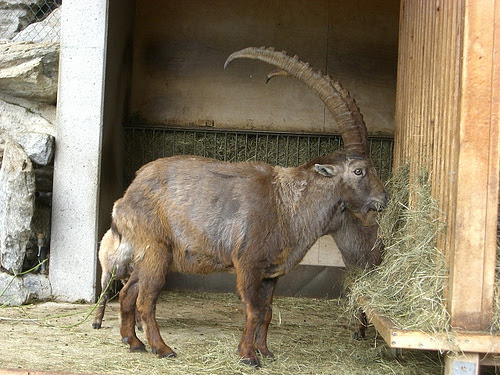
Ibex feeding

Ibex at Innsbruck Alpine Zoo

The Alpine Ibex is known at the Alpensteinbock in German. Chamois are Gemse and Reh is roe deer and Hirsch are Red deer.

Red deer

Red Deer or Hirsch

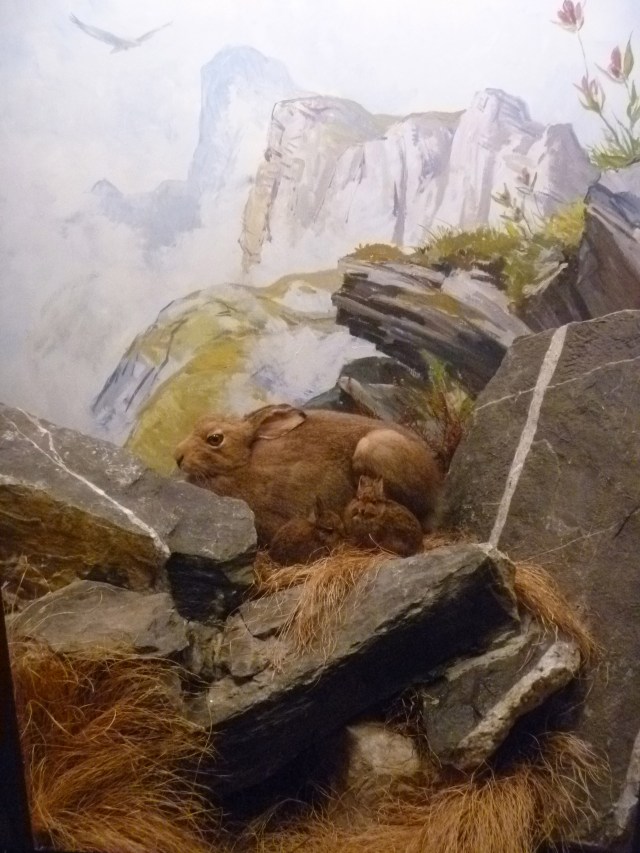
Mountain hares summer

Mountain Hares in Summer

Mountain hares winter

Mountain Hares in Winter

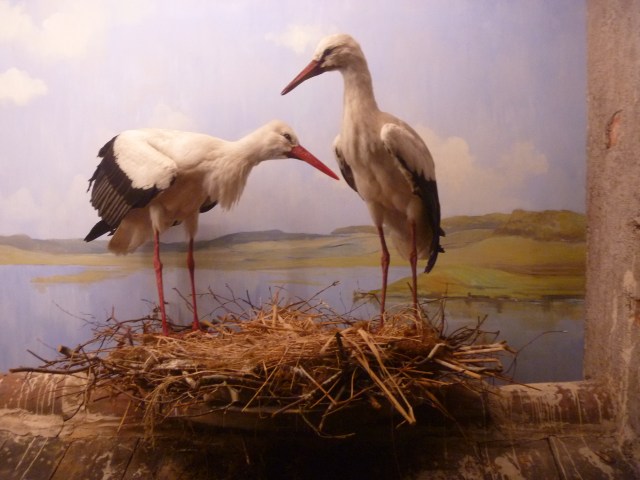
Storks

Storks

Please take me home!

And finally … Please take me home!

Barry : an exhibition for a Swiss icon

On arrival at Bern Railway Station on Monday evening (18th) the first poster to catch my eye (well, it’s quite a big one) was this :

Barry Poster

Barry, the most famous rescue dog in the world, died 200 years ago but remains a legend to this day. Barry can be admired at the Natural History Museum Bern, where a new exhibition explores the heroic deeds attributed to this extraordinary St Bernard from the Great St Bernard Pass. The question is, which of the stories surrounding him are fact and which are myths? The exhibition tells the whole truth.”

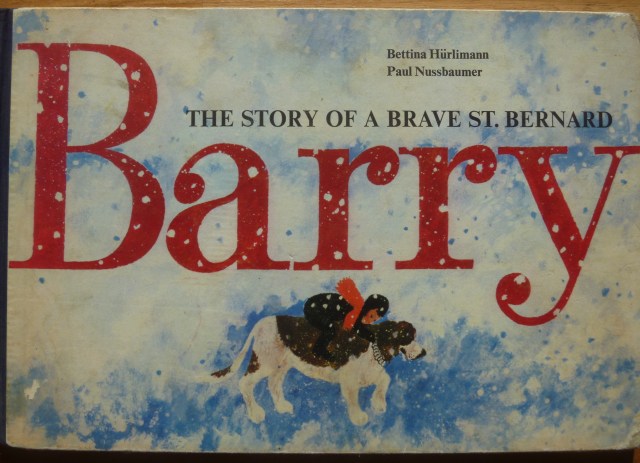
I knew Barry was a popular dog’s name in Switzerland. I have a children’s picture book which tells his story. So on the Wednesday morning I took the short stroll from Barbara’s house to the Natural History Museum of Bern to find out more. The excellent display is on the second floor of the museum.

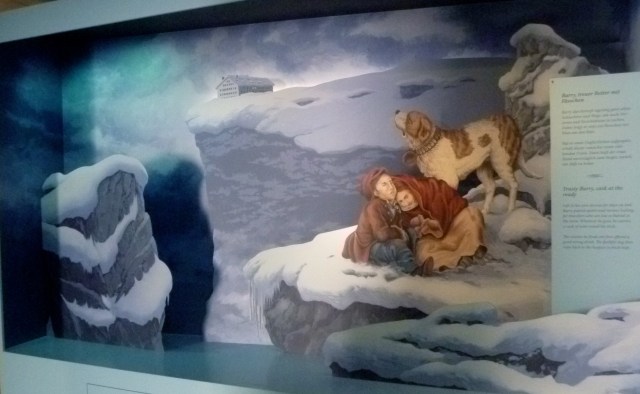
Barry diorama

Trusty Barry Diorama

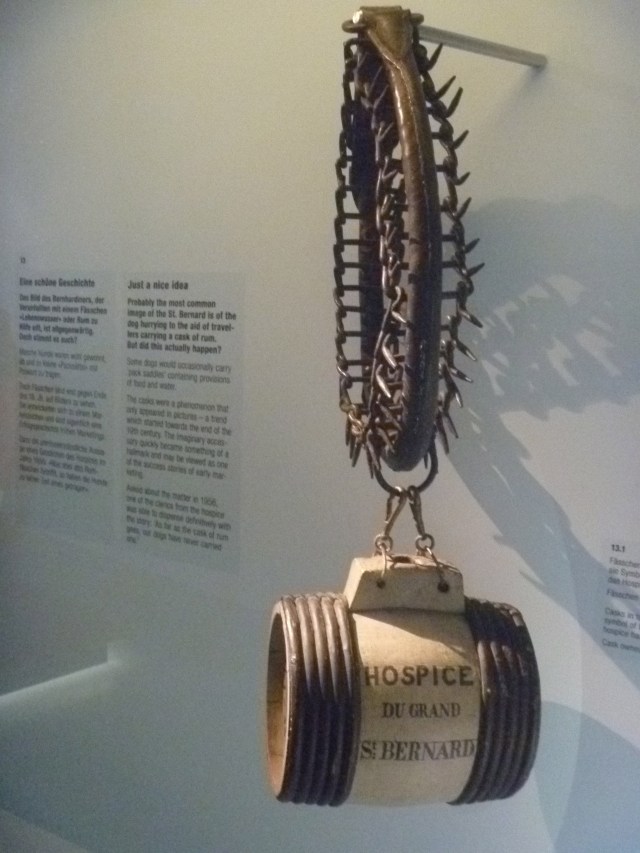
Trusty Barry, cask at the ready. Left to his own devices for days on end, Barry patrols paths and ravines looking for travellers who are lost or buried in the snow. Wherever he goes he carries a cask of wine round his neck. The victims he finds are first offered a good strong drink. The faithful dog then runs back to the hospice to fetch help.

The Barrel


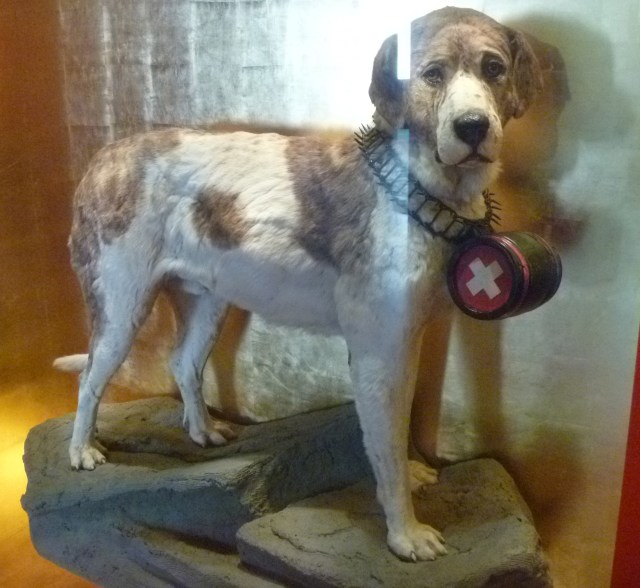
The real Barry

The Real Barry reworked by Georg Ruprecht in 1923.

Barry had been stuffed in 1814 using the primitive techniques of the time. Ruprecht used modern techniques at the time to create a plaster model of Barry’s body and clad it in the dog’s skin.

Barry was born in 1800 at the hospice on the summit of the Great St Bernard Pass. At almost 2500m altitude cold, fog and snow posed a danger to travellers and, accompanied by dogs, clerics and lay brothers from the hospice would go out each day looking for lost and weary travellers. Barry was to become their most tireless assistant he is said to have saved over 40 people from an icy death.

In 1812 a servant from the hospice brought the old and weary dog to Bern and he died there in 1814. After his death his body was handed over to a taxidermist so “that after his death this loyal dog will not be forgotten” [F. Meisner, 1815]

Great St Bernard Pass

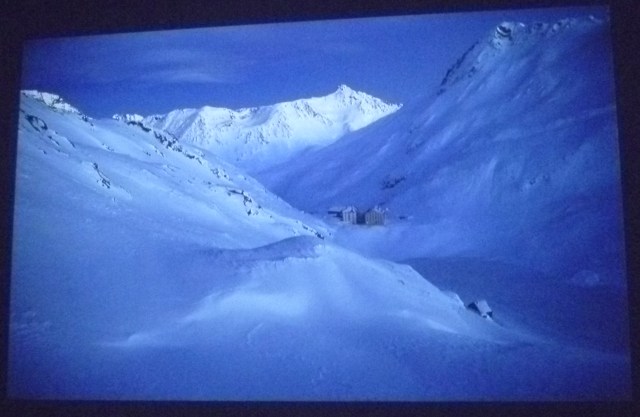
The Great St Bernard Pass in Winter

The Hospice of the Canons Regular of St Augustine at the summit of the Great St Bernard Pass has been a place of safety and shelter for travellers for almost 1,000 years. In the 11th century, in order to help wayfarers, Bernard of Menthon founded a simple monastery at the highest point of the pass, and so the hospice was founded.

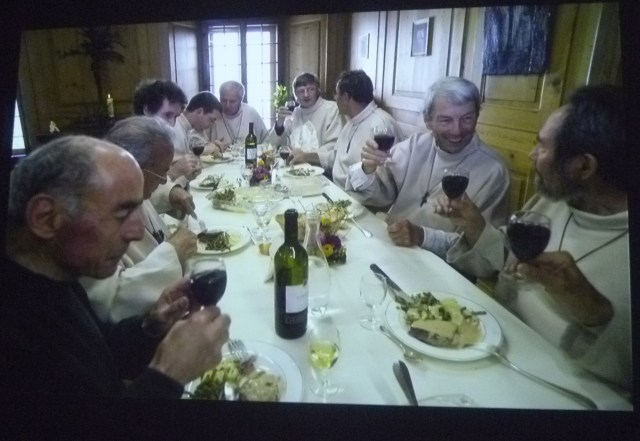
Modern Day Monks

Nice to see the modern-day monks (clerics) enjoying a tasty meal with wine

By providing shelter, food and a bed for the night the hospice vanquished the perils of the frightening, seemingly infernal, mountain world outside. Exhausted travellers and victims of bandits knew that they would be safe as soon as they reached its doors. For this Bernard was widely revered, and in 1123 eventually made a saint.

In addition to the story of Barry and the hospice high up on the pass the exhibition moved on to tell about the real dangers of avalanches today and to dispute the exaggerated stories of Barry. Even the best trained and strongest St Bernard dog could not have carried a child on his back as the story is told. But dogs still do important work in the field even today.

Barry Book

The Story of Barry

Finally, we could listen to the shocking stories told by the fortunate survivors of avalanches; as a clock ticked away the number of minutes that are needed in order to achieve a successful rescue. The chance of survival declines dramatically after just 15 minutes.

Around 70% of avalanche victims survive if the remaining members of their party manage to dig them out straightaway. This is only possible if everyone is carrying a detector device and knows how to use it. If an external rescue party is required the survival rate drops to 30%.”

P1140438

Warning

Miladys Grand Tour and August Summing-Up

After Cornwall and Port Eliot Festival I returned home briefly on 28 July, made excursions to Manchester, Jervaulx and Scarborough and on 12 August set off on a Swiss adventure with a foray into Italy only returning last Thursday 21 August.

Here are links to a couple of my posts over at Lynne’s blog Dovegreyreader

http://dovegreyreader.typepad.com/dovegreyreader_scribbles/2014/08/barbara-visits-the-idler-academy-porteliotfest.html

http://dovegreyreader.typepad.com/dovegreyreader_scribbles/2014/08/st-germans-and-the-great-war-exhibition.html

Not my post but here is my entry for the Port Eliot Flower and Fodder Show Tea Cosy Competition:

http://dovegreyreader.typepad.com/dovegreyreader_scribbles/2014/08/teacosies-part-two.html
On 11 August I re-opened My Swiss Diary  briefly and a further Swiss Post will follow here shortly. Meanwhile I can show you a few photos of the places visited in Italy :

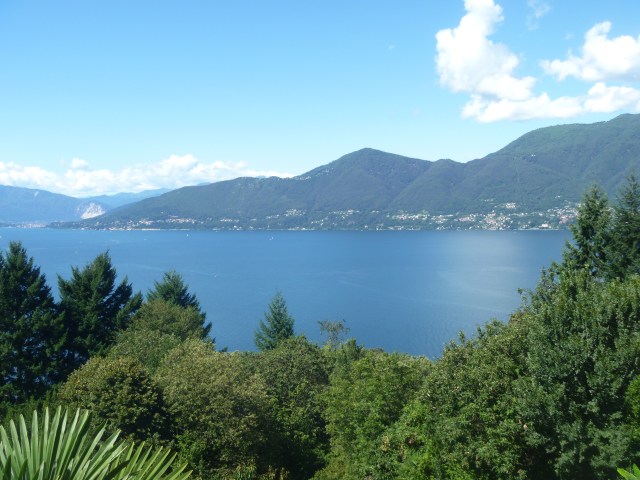
The View

The View from the house at Luino (Lake Maggiore)

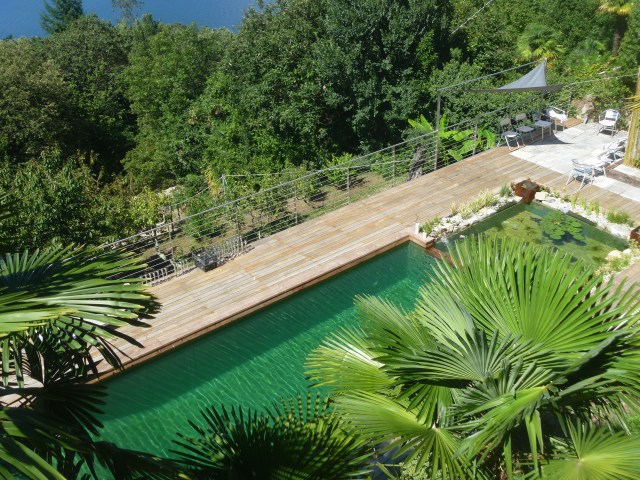
The Pool

The Ecological Swimming Pool

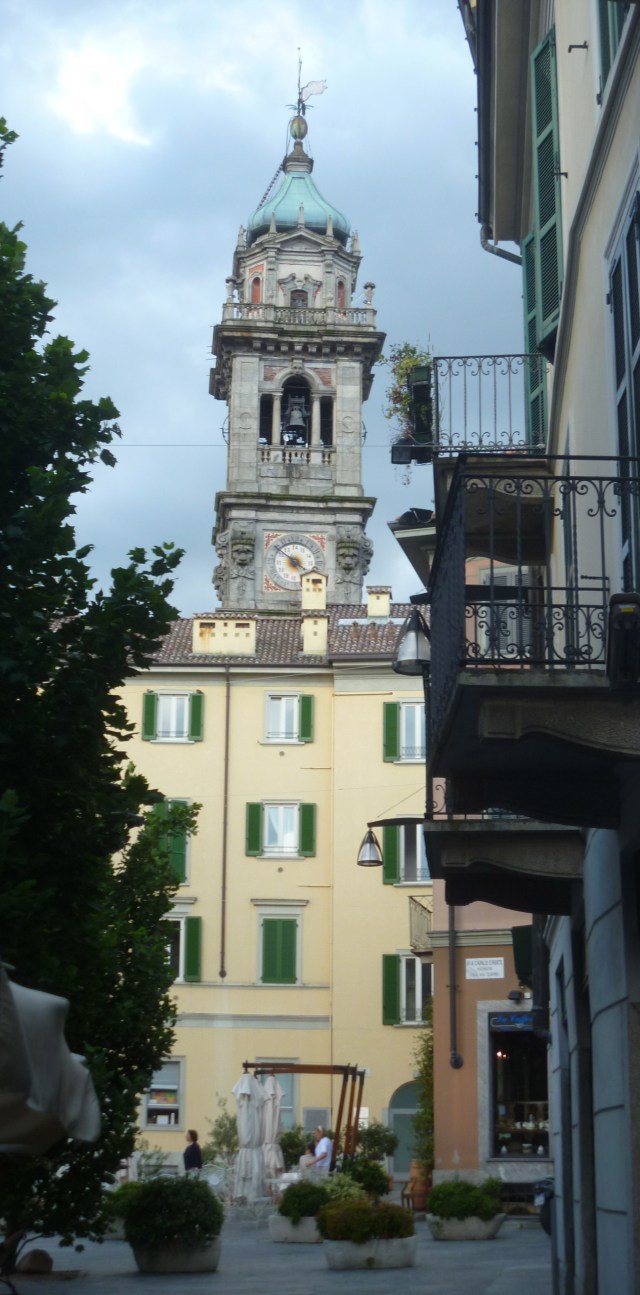
Varese

Il campanile (1585-1774) Varese

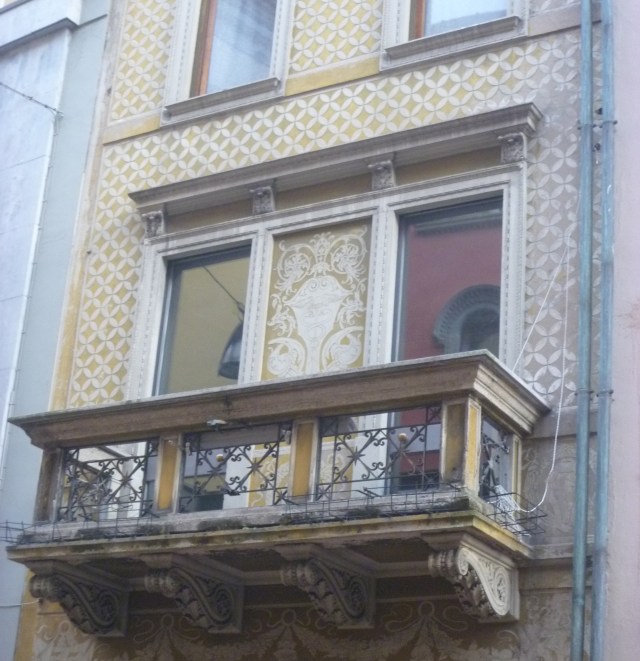
Art Deco Varese

Art Nouveau in Varese

Varese Art Deco

Art Nouveau Varese

Cannobio Market

Arriving in Canobbio on Lake Maggiore for the Sunday Market