Day Tripper – To Liverpool Library

Central Library

On Thursday I spent the day with a friend in Liverpool. We met at Lime Street Station and spent the morning over coffee in the cafe and admiring the ‘new’ Liverpool Public Library re-opened in May after a massive renovation project. It’s a job well done! I wanted to visit ever since I saw this blog post and the super pictures. I don’t really have much to add text-wise. We travelled up to the top and the very windy roof terrace and then inspected the building and departments as we descended. The Hornby and Oak Rooms reminded me of my own dear Leeds Library. Going into the major reference space – The Picton Library – was just like entering the old British Museum Reading Room. And the glass dome on the roof reminded me of The Reichstag in Berlin.
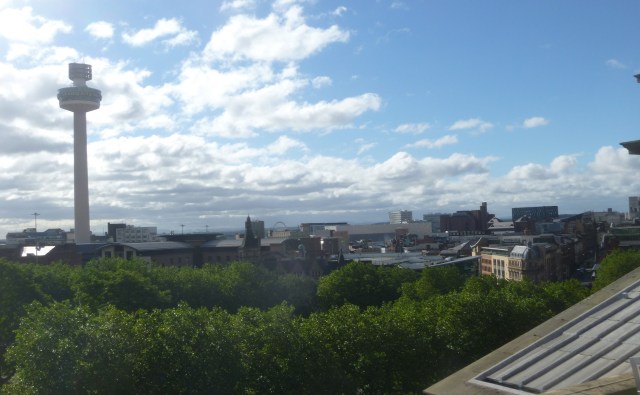
View towards River Mersey

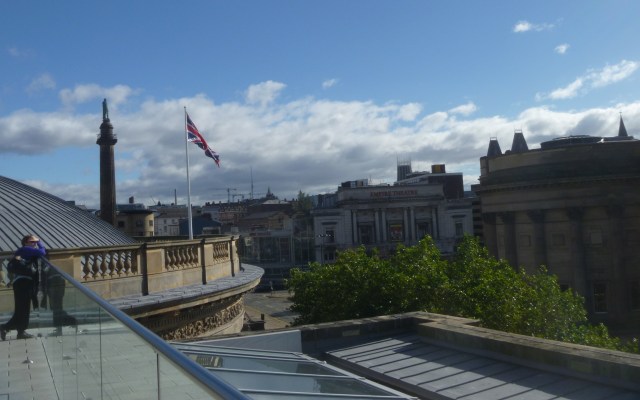
View eastward

Views from the Roof Terrace

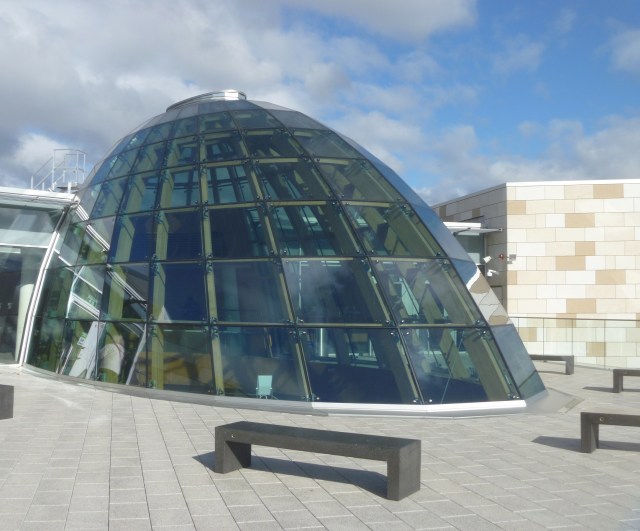
Glass Dome

The Glass Dome Exterior

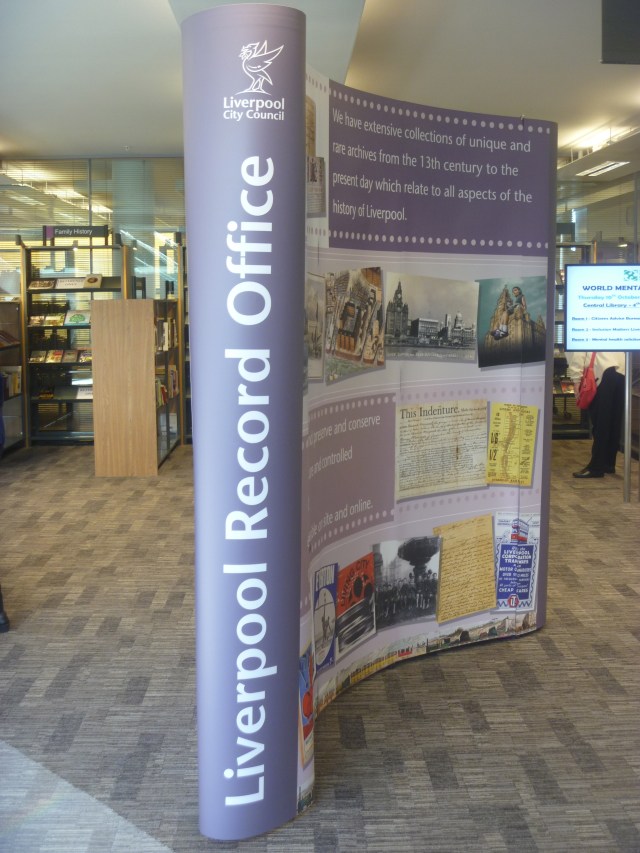
Liverpool Record Office

The Open Plan Liverpool Record Office has Beatles memorabilia and other documents on display
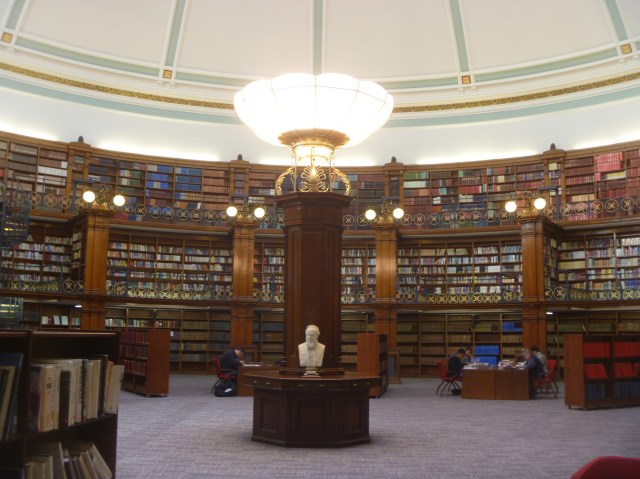
Picton Room

The Picton Reading Room

Picton Reading Room

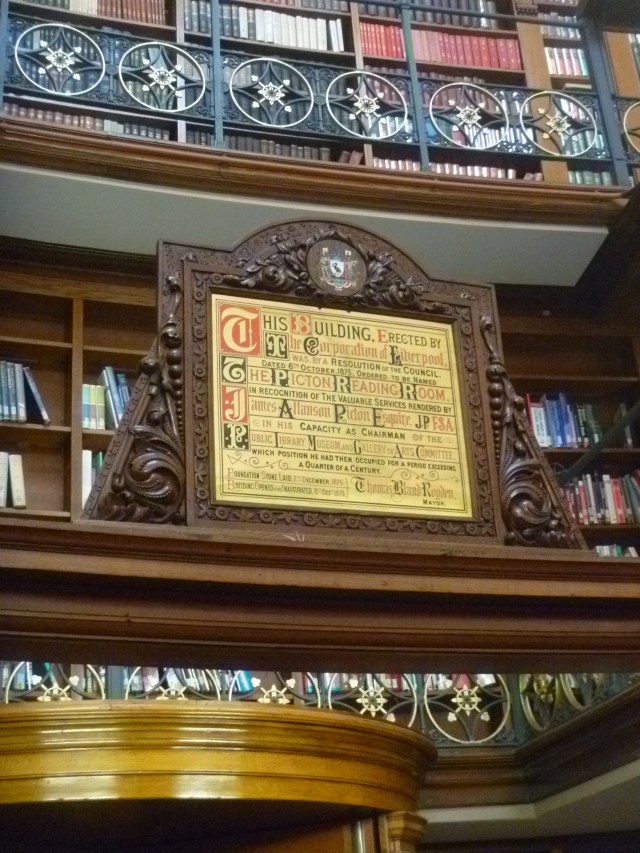
Detail of the Reading Room – quality fixtures and fittings

This magnificent building and reading room was built in 1875 -79. Sir James Allanson Picton was the Chairman of the Libraries Committee, architect and author of the famous “Memorials of Liverpool”.

Based on the rotunda of the British Museum in London, the Picton reading room is 100′ in diameter and 56′ high, and was designed by Cornelius Sherlock, Corporation Surveyor, at a cost of £20,000 with seating for 200 readers.

The circular structure was nicknamed “Picton’s Gasometer” although ironically it was the first public building in Liverpool to be lit by electric lighting when opened in 1879.
Source

Hornby Room

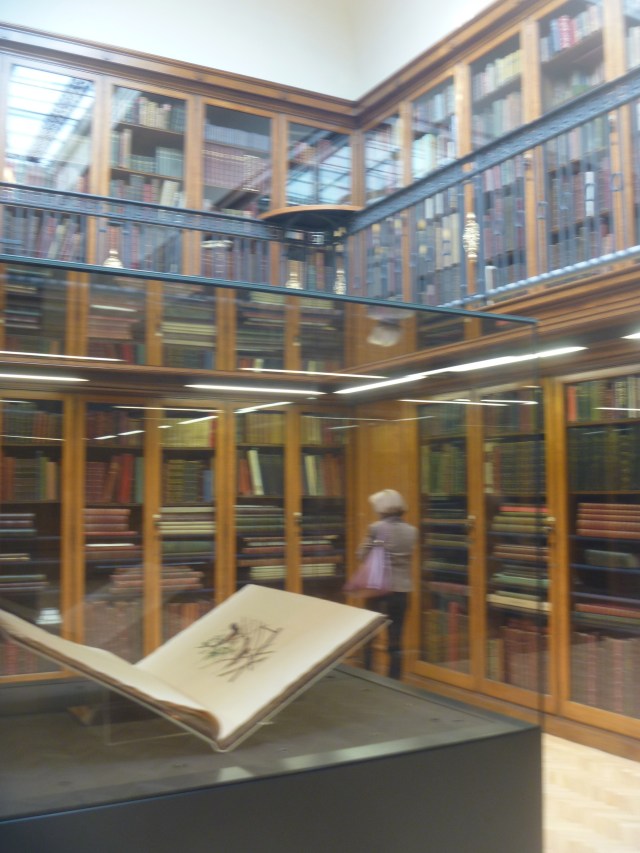
The Oak Room with Audubon Display

The Oak Room was the last addition to the Picton and was opened in 1914 as a special library for the rarest books in the building. 

It houses some 4000 books but pride of place must be the Birds of America by John James Audubon, purchased with a donation from William Brown’s partner in America, Joseph Shipley.
Source

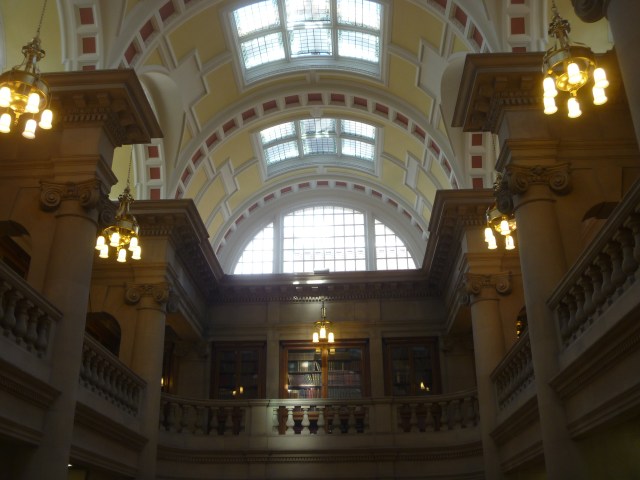
Hornby Library

Detail of The Hornby Room

The Hornby Library was the donation of a wealthy Liverpool merchant, Hugh Frederick Hornby.

He bequeathed his collection of books, prints and autographs to the City in 1899 together with £10,000 for a building to house it.

The building is full of Edwardian opulence with ten alcoves to display the many rare bindings and a gallery above. It was designed by the Corporation Architect Thomas Shelmerdine and was opened in 1906.
Source 

P1110736

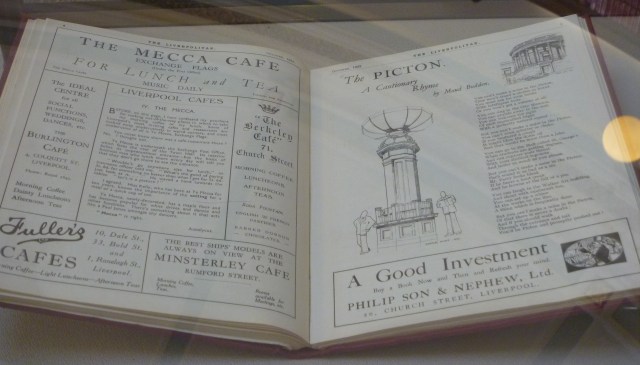
The Liverpolitan Magazine, 1932

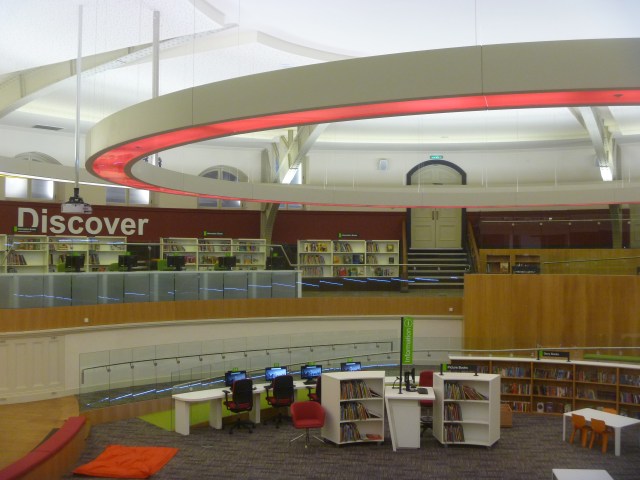
But it’s not all restored Victorian – there’s an exciting modern children’s library in the former Picton Hall below The Reading Room.
Children's library

The Children’s Department

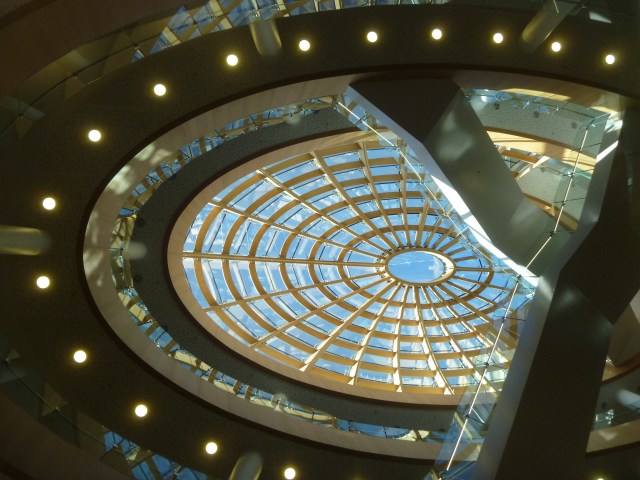
Library Dome

View of the Dome from the Ground Floor

Read more about the library and its services here. Well done, Liverpool, you have a public library worthy of your UNESCO World Heritage Site status.
Houghton Revisited : Masterpieces from The Hermitage

Houghton Revisited

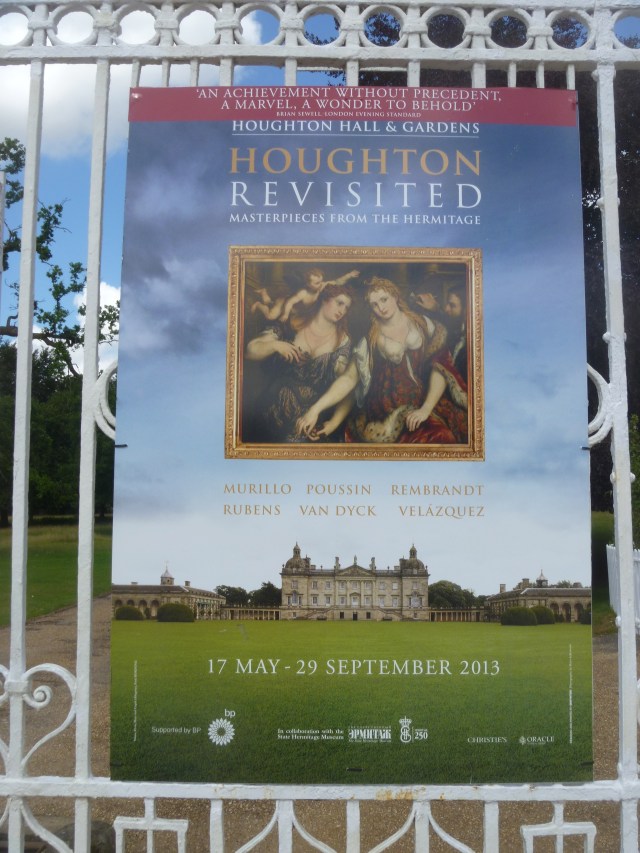
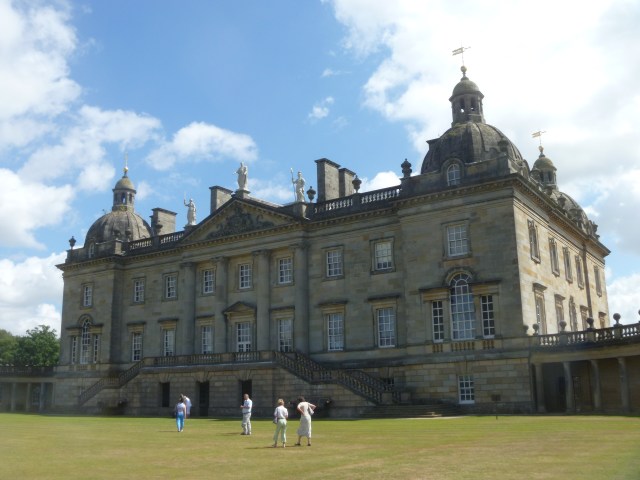
Fellow WordPress member Visiting Houses and Gardens wrote about her visit to Houghton Hall and Gardens and remarked that had the pictures not all been sold she would have given the house a five star rating. Well, this summer the pictures, although sold to Catherine the Great, have all been re-hung in the exact locations from which they were lifted 250 years ago. This unique exhibition is the result of a collaboration between the Hall and the Hermitage Museum in St Petersburg and a great deal of work has resulted in an exceptional country house visit.

Houghton Hall

Houghton Hall

Last Saturday my sister and brother-in-law and I studied the Houghton Hall and other websites in order to get a foretaste of the show we were to visit the next afternoon.

http://www.bbc.co.uk/news/uk-england-norfolk-22439230

http://www.edp24.co.uk/news/gallery_and_mustard_video_prince_of_wales_says_houghton_hall_exhibition_is_once_in_a_life_time_experience_1_2187869#ooid=V1ZGVpYjpg7VNsOFDKDMBVTYD1rttT6-

No photography is allowed in the Hall so my pictures show the beautiful garden. Luckily we arrived in good time before our timed ticket slot and had time to inspect the Walled Garden in all its glory and have a cup of tea before the highlight of the visit: Houghton Revisited.

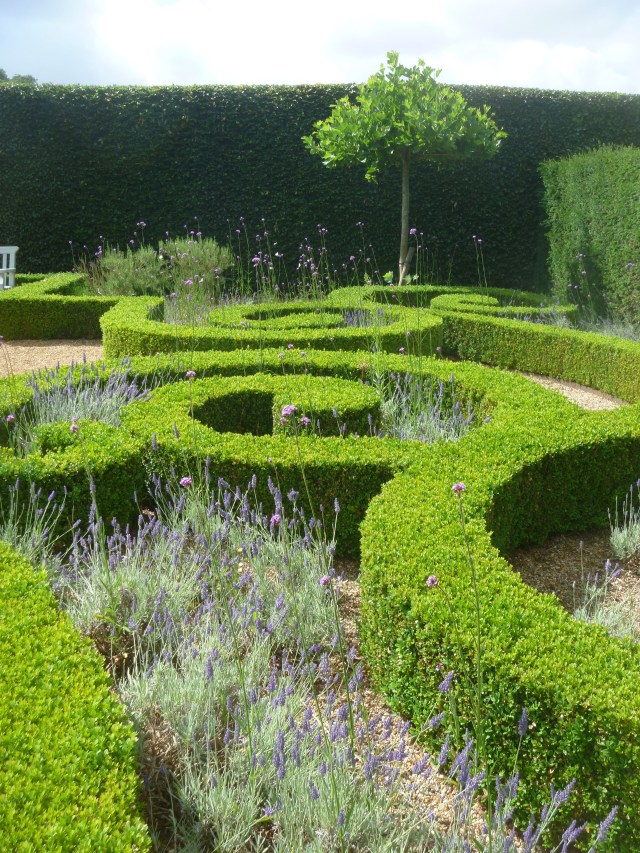
Lavender knot garden

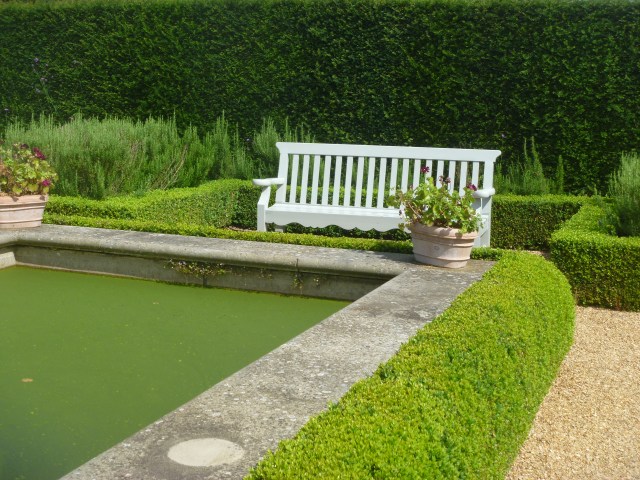
Corner of pool with hedging

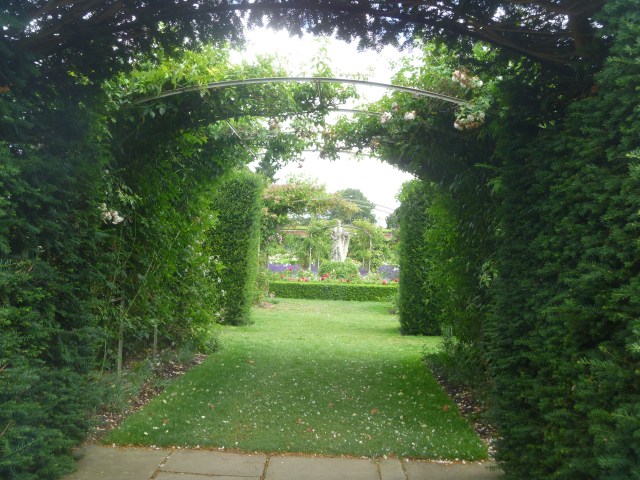
Garden arch

Near the beehives

Near the Beehives

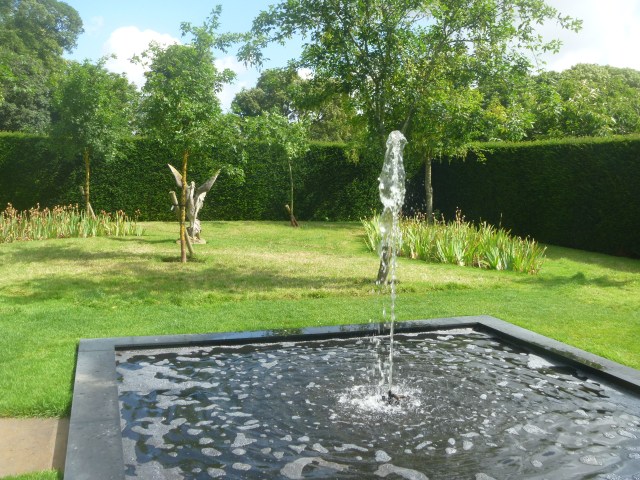
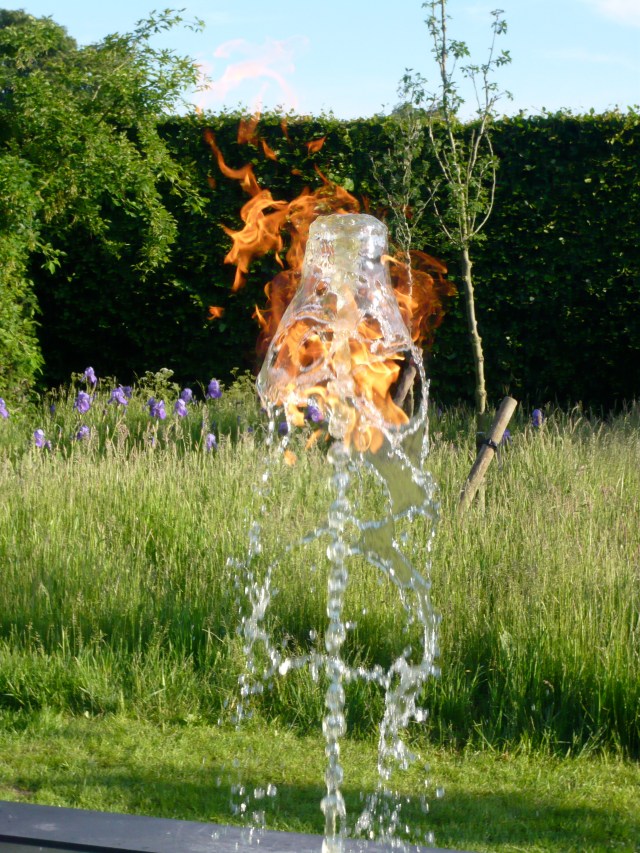
Jeppe Heins Waterflame

Waterflame by Jeppe Hein

Garden106

And here is the flame (source)

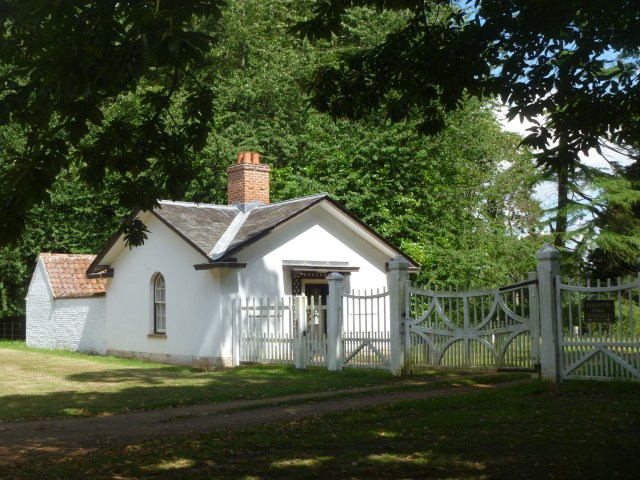
Before leaving the Houghton Estate I just had time to take a quick look at the Landmark Trust property : Houghton West Lodge. Not surprisingly it’s fully booked until October.

Houghton West Lodge

Houghton West Lodge

“Lo! Cintra’s glorious Eden” – A Day in Sintra

Here you will see that Lord Byron’s declamation still holds true today!

Our walk continued from Praia Grande for a further two days. We continued up the coast as far north as Praia de Magoito where the Sintra natural park ends and then turned inland away from the ocean views to the wine growing area of Colares. The town of Colares was  where we spent the next night and our journey on foot continued the next day to Sintra itself via a long stop at the wonderful Palace and Gardens of Monserrate.
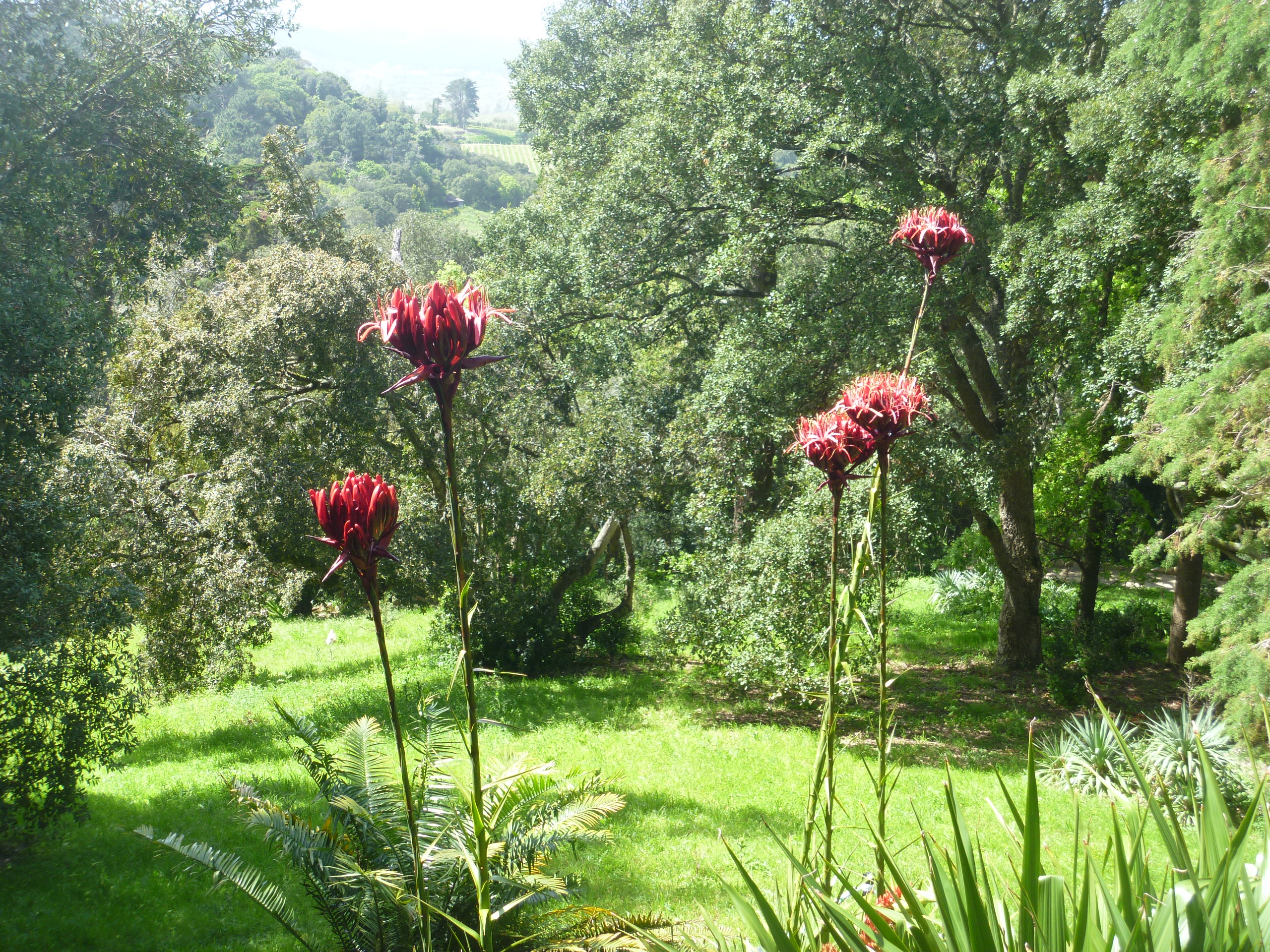
Monserrate Gardens

In the Gardens at Monserrate

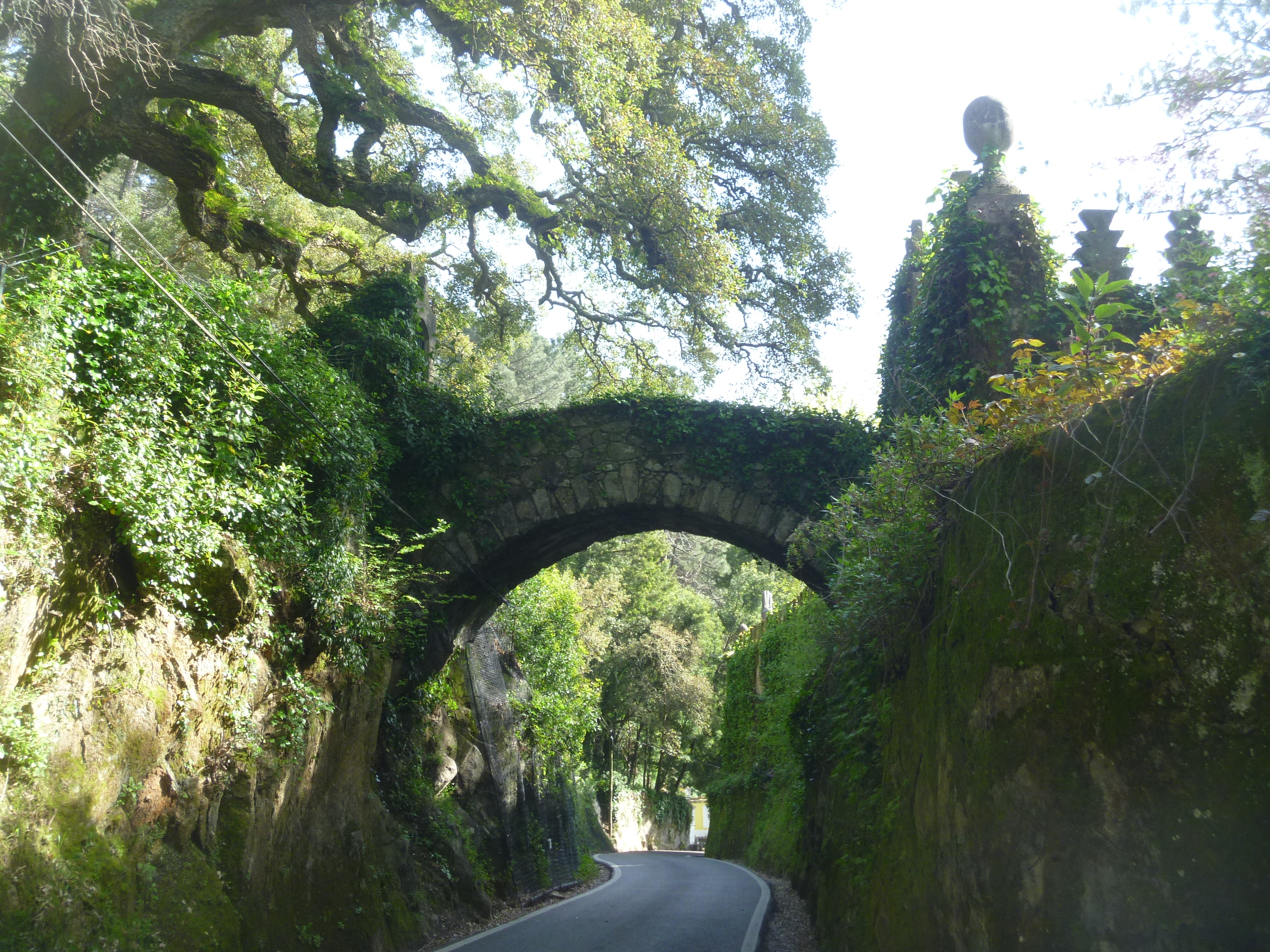
Entrance Gate to Sintra

Former Entrance to Sintra

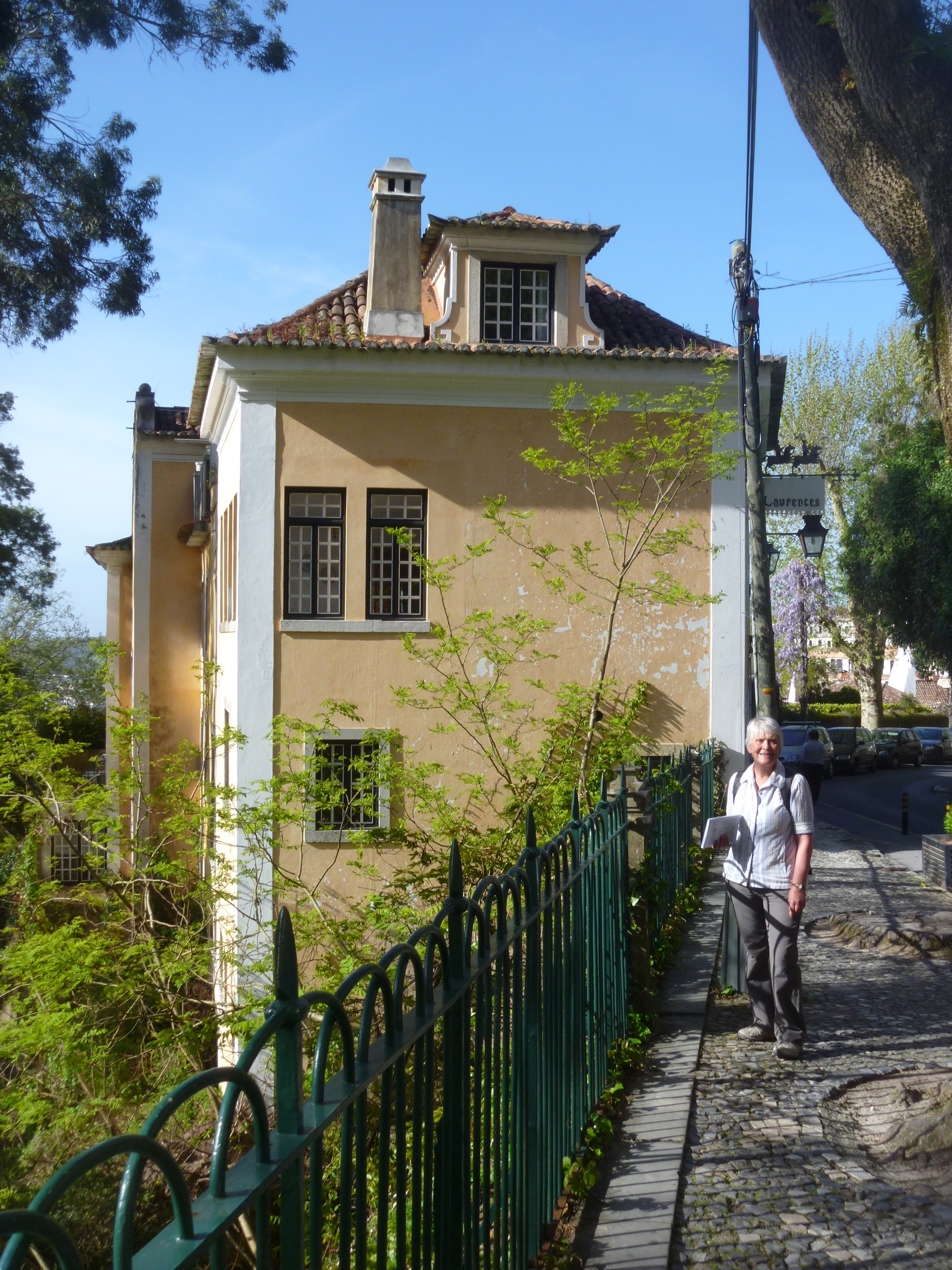
So, on the afternoon of the fifth day of walking we arrived at one of the former town gates and soon reached the famous Lawrence’s Hotel right in the old town of Sintra.

Lawrences

This hotel is the oldest in Spain and Portugal and (I believe) the second oldest in Europe. It has connections with Lord Byron who stayed here and whose portraits appear on many of the hotel and restaurant walls.
We stayed two nights at Lawrences which gave us a whole day to explore Sintra and its palaces.
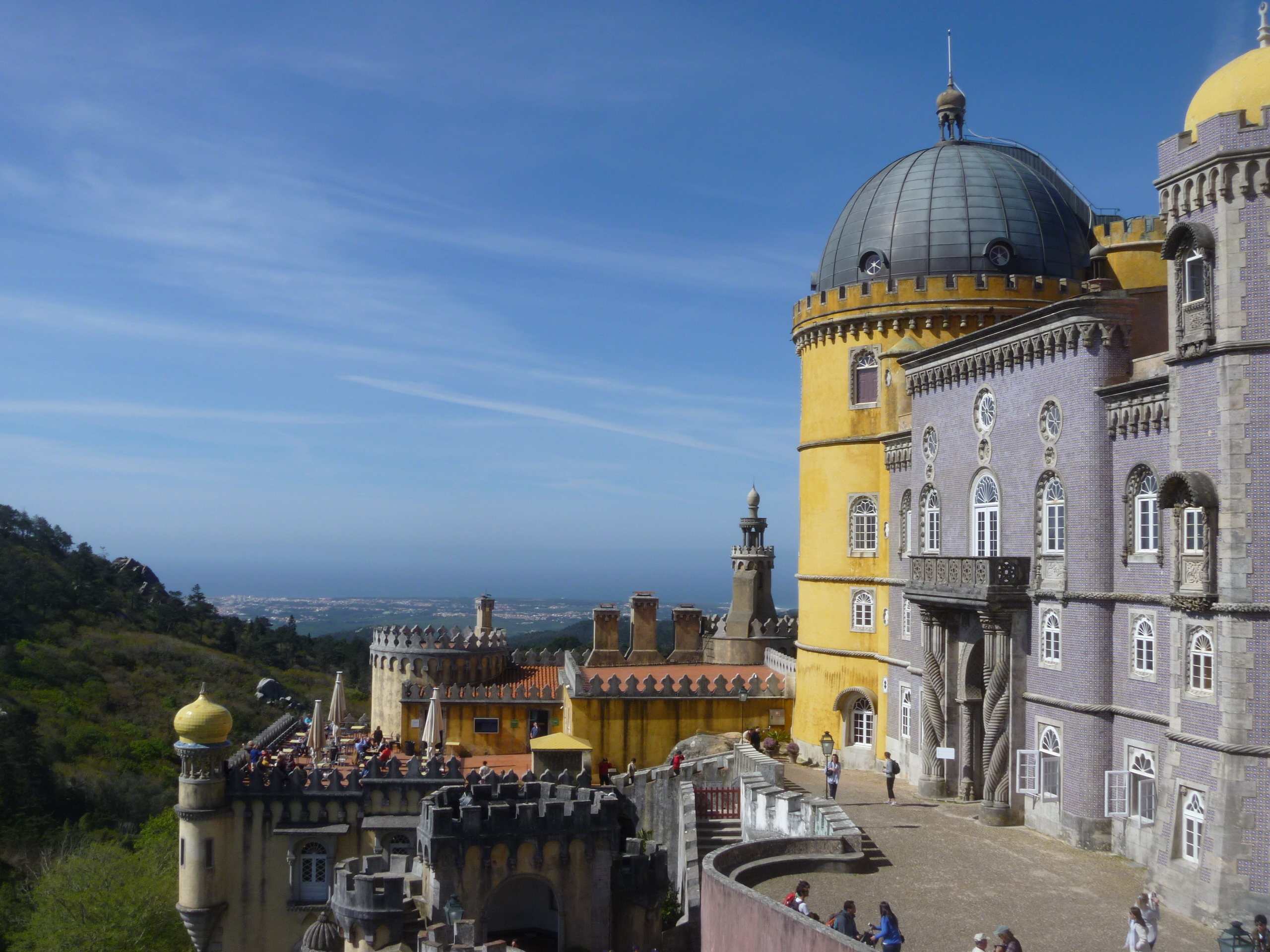
Pena Palace

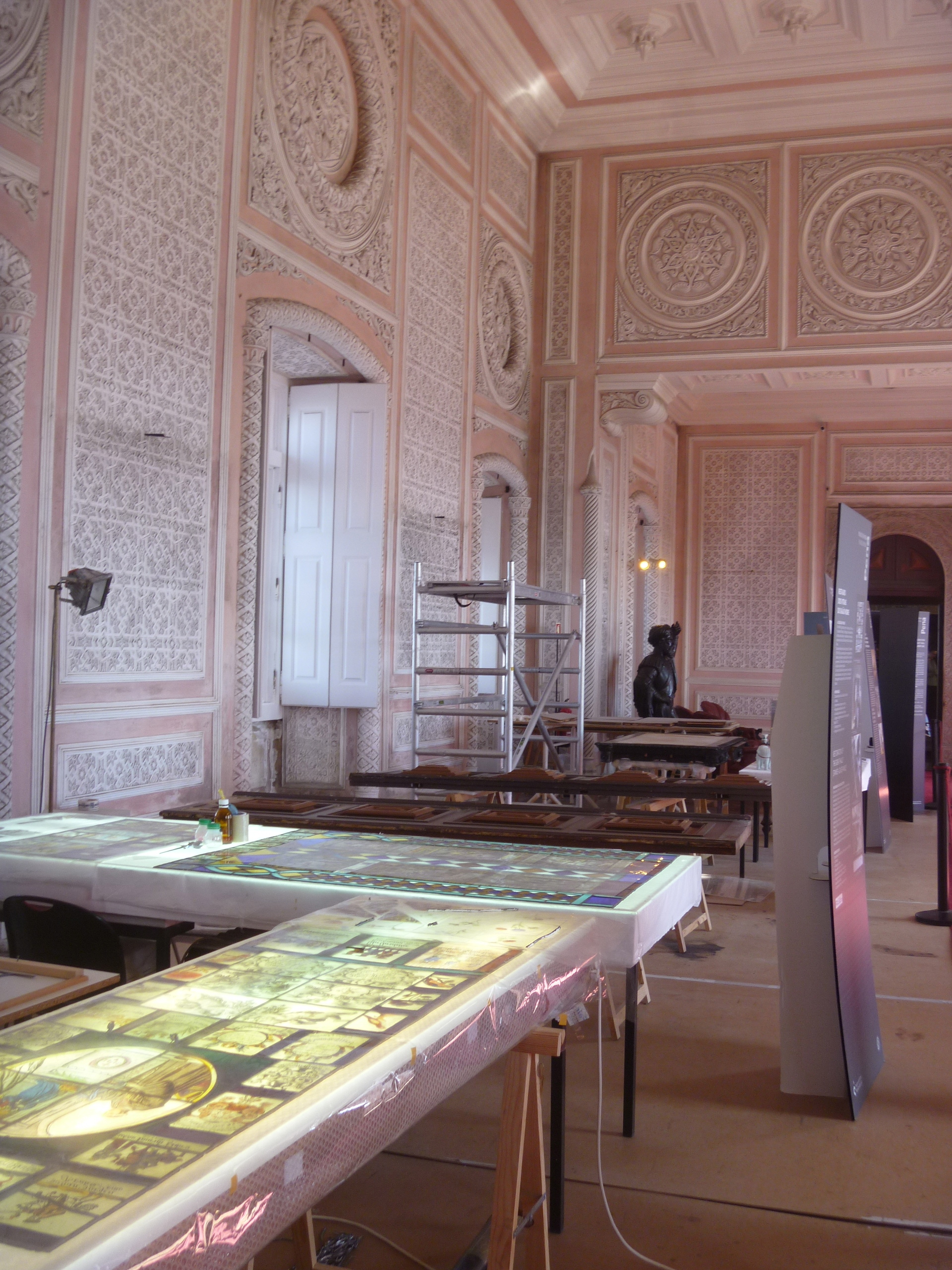
Most of our time was spent at the Park and Palace of Pena. It’s very popular; even on this Friday in April. There is lots to see in the Palace alone. Ongoing restoration could also be observed here as at Monserrate.

Open for Works at Pena

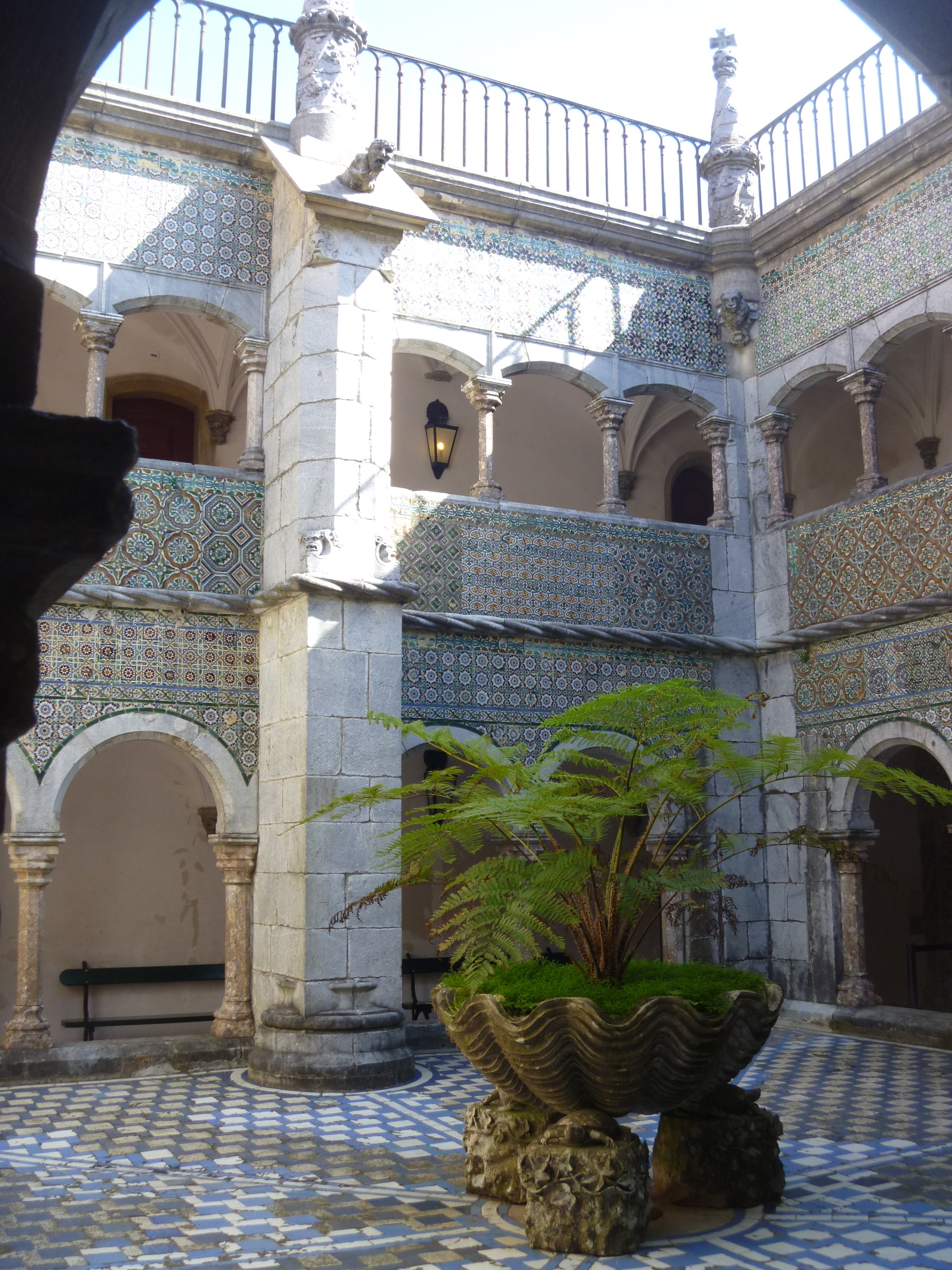
Tiled courtyard

An Inner Courtyard

The Park and Palace of Pena are the finest examples of nineteenth century Portuguese Romanticism and the integration of natural and built heritage. They constitute the most important part of the Cultural Landscape of  Sintra’s World Heritage site.” [From publicity leaflet]

Originally a chapel and later a monastery  in 1842 work began on a “New Palace” by the King Don Fernando II who left all the property on his death to his second wife the Countess Edla. The Palace and Park were acquired by the state in 1889 and converted to a museum in 1910-12.

A natural environment of rare beauty and scientific importance, the Park is remarkable as a project of landscape transformation of a hill, barren at the time, into an arboretum integrating several historic gardens. It occupies almost eighty-five hectares of exceptional geological and climatic conditions.” [From publicity leaflet]

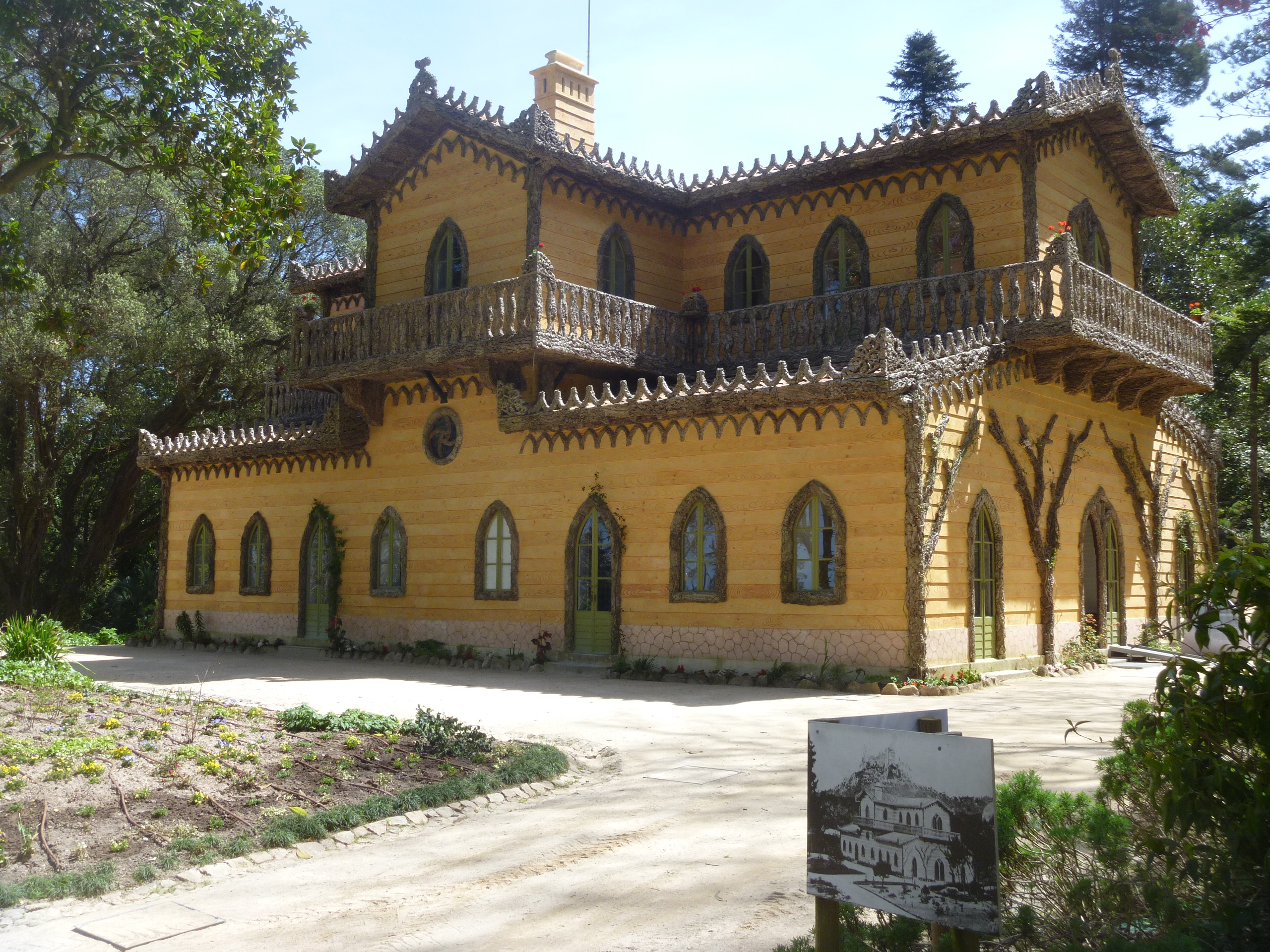
The Chalet Edla

The Chalet Edla

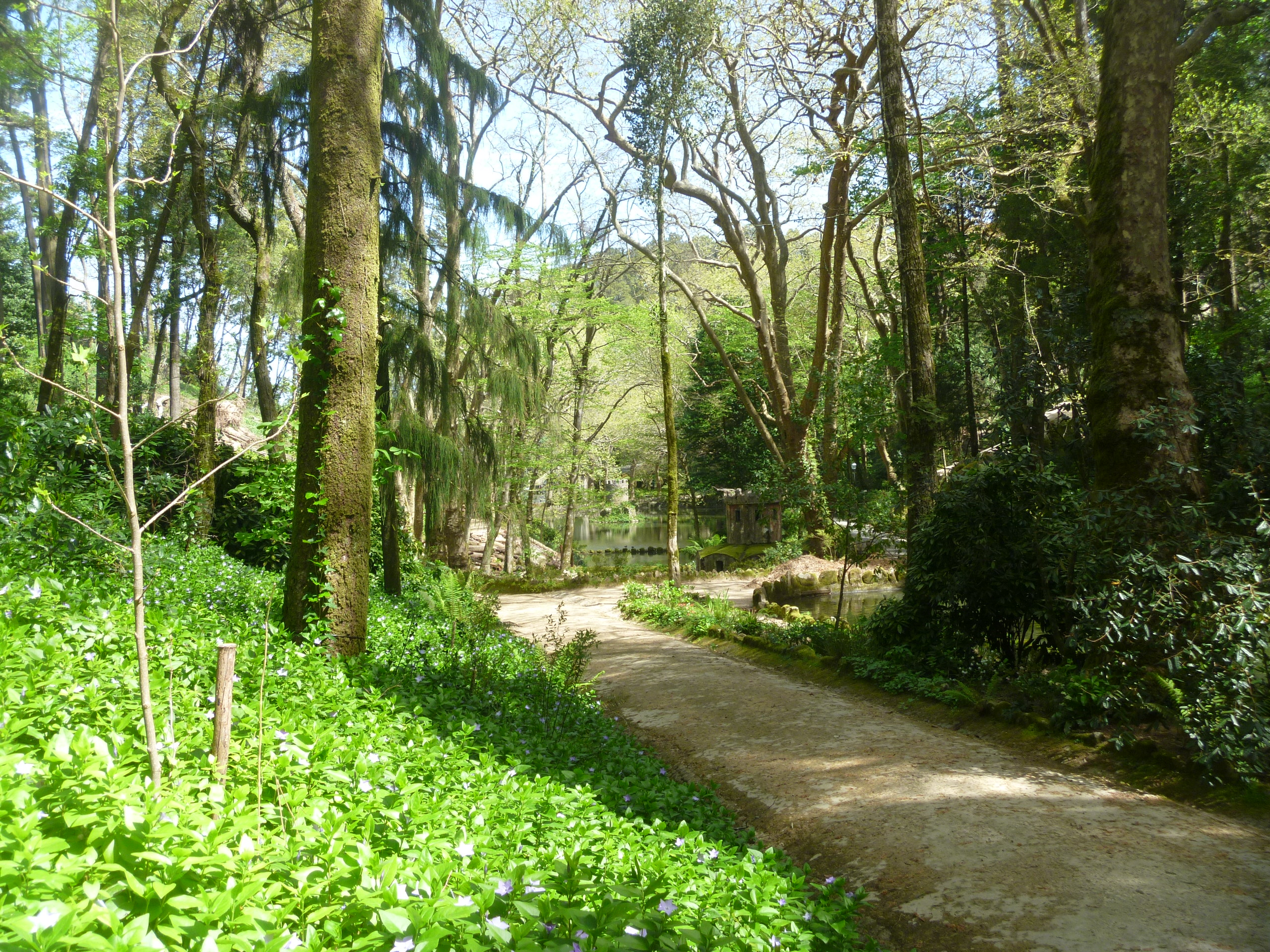
We could have spent hours in the grounds alone. Leaving the Palace you are soon away from the crowds and we decided on a route that would take in the Chalet Edla.

Pena Park

Lush Greenery of the Pena Park

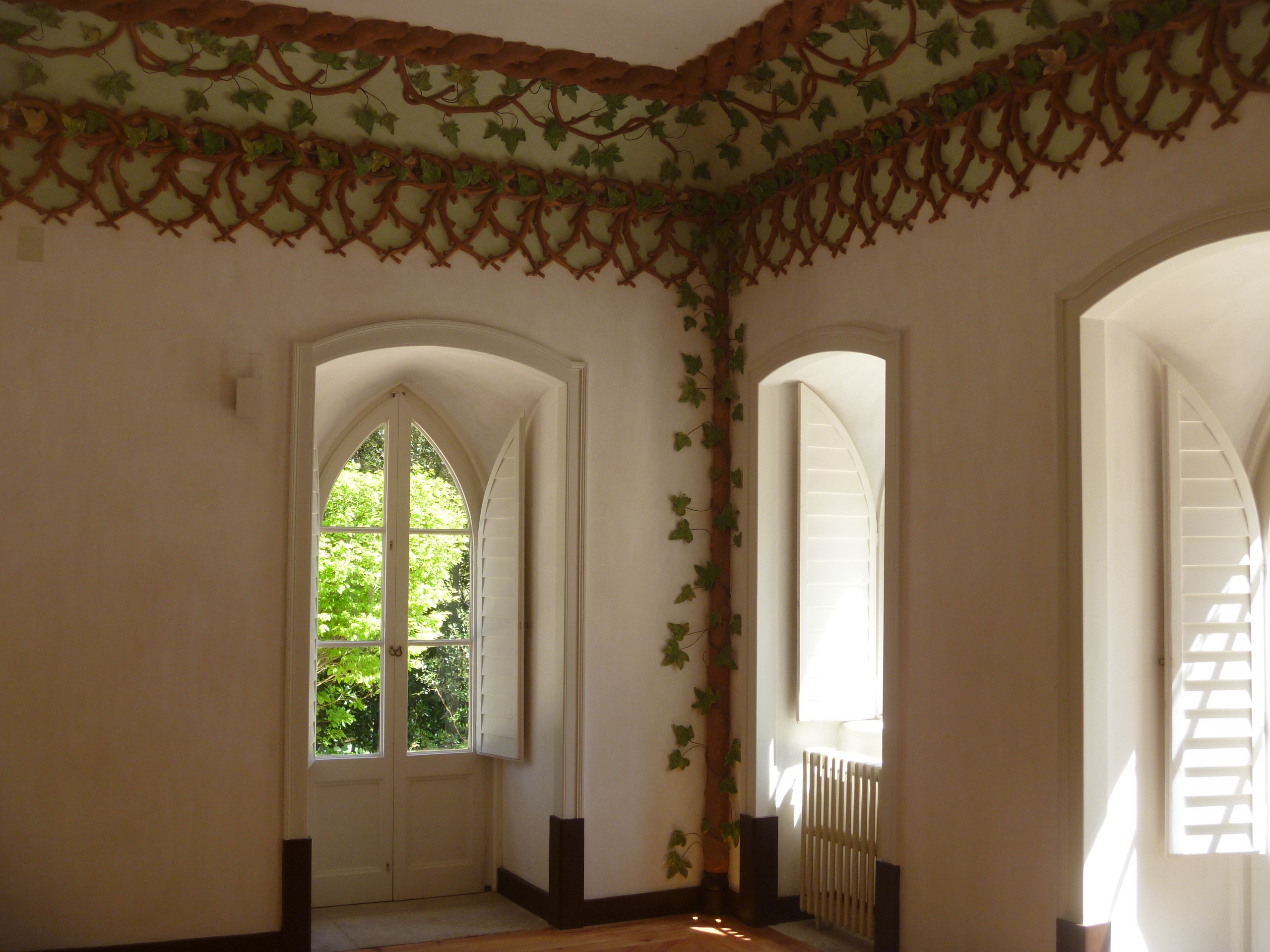
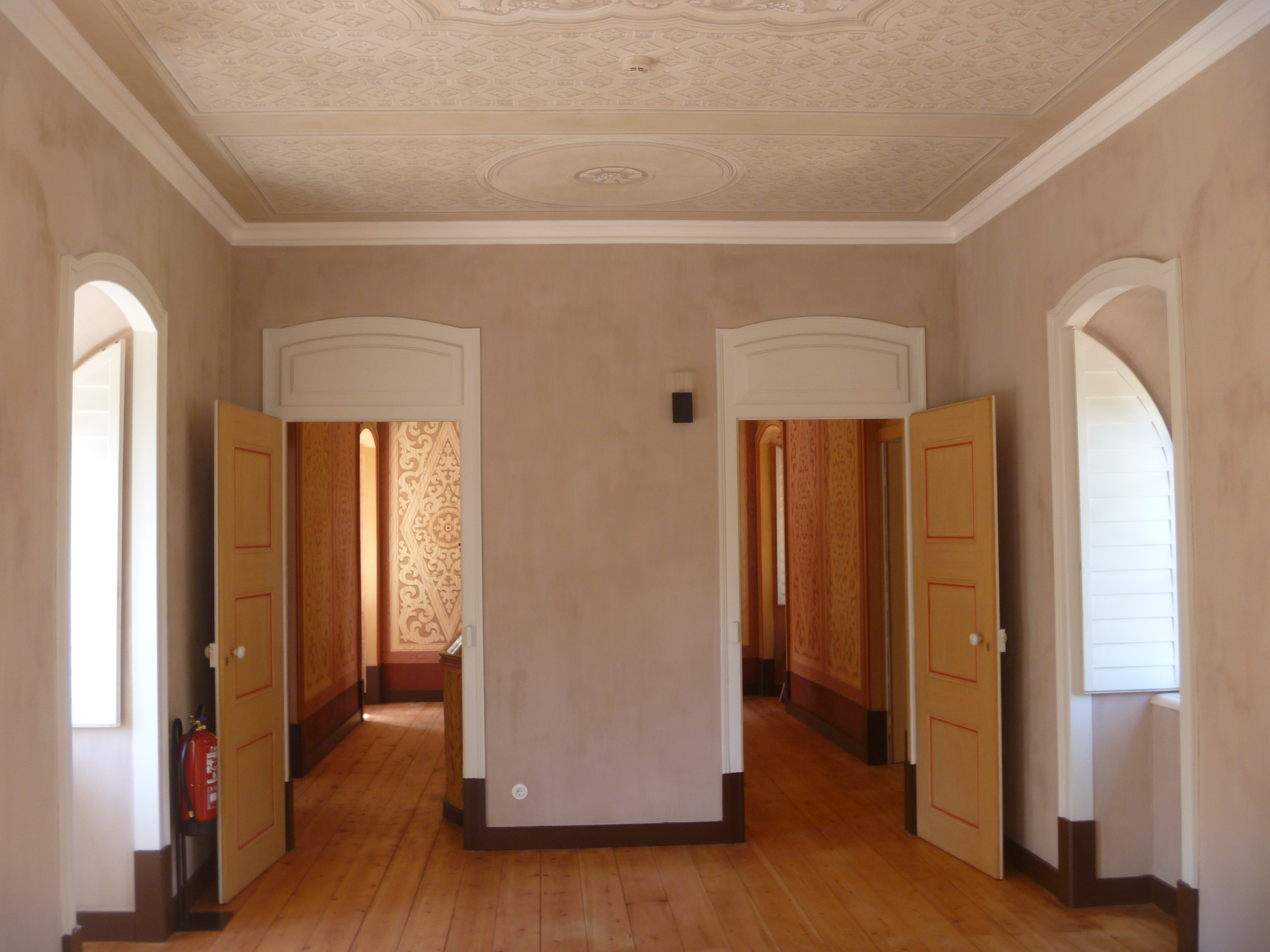
We had understood that due to damage following the storms in January the Chalet would not be open to the public. So we were surprised and happy to find that on that very day it was reopened  to the public! We bought our tickets and took a look round this unusual summer house built by Don Ferdinand for the Countess between 1864 and 1869. The Chalet also deteriorated badly over many years and in 1999 was damaged by fire. Here, again, renovation work is still ongoing. I’m not sure to what extent the recent storms damaged the house but there’s been a magnificent effort to restore this building to its former glory.

Before renovation

Photographs show the extent of the damage

Inside Edla 1

Interior Chalet Edla

Inside Edla 2

Renovations at The Chalet Edla

Inside Edla 3

Upstairs at The Chalet Edla

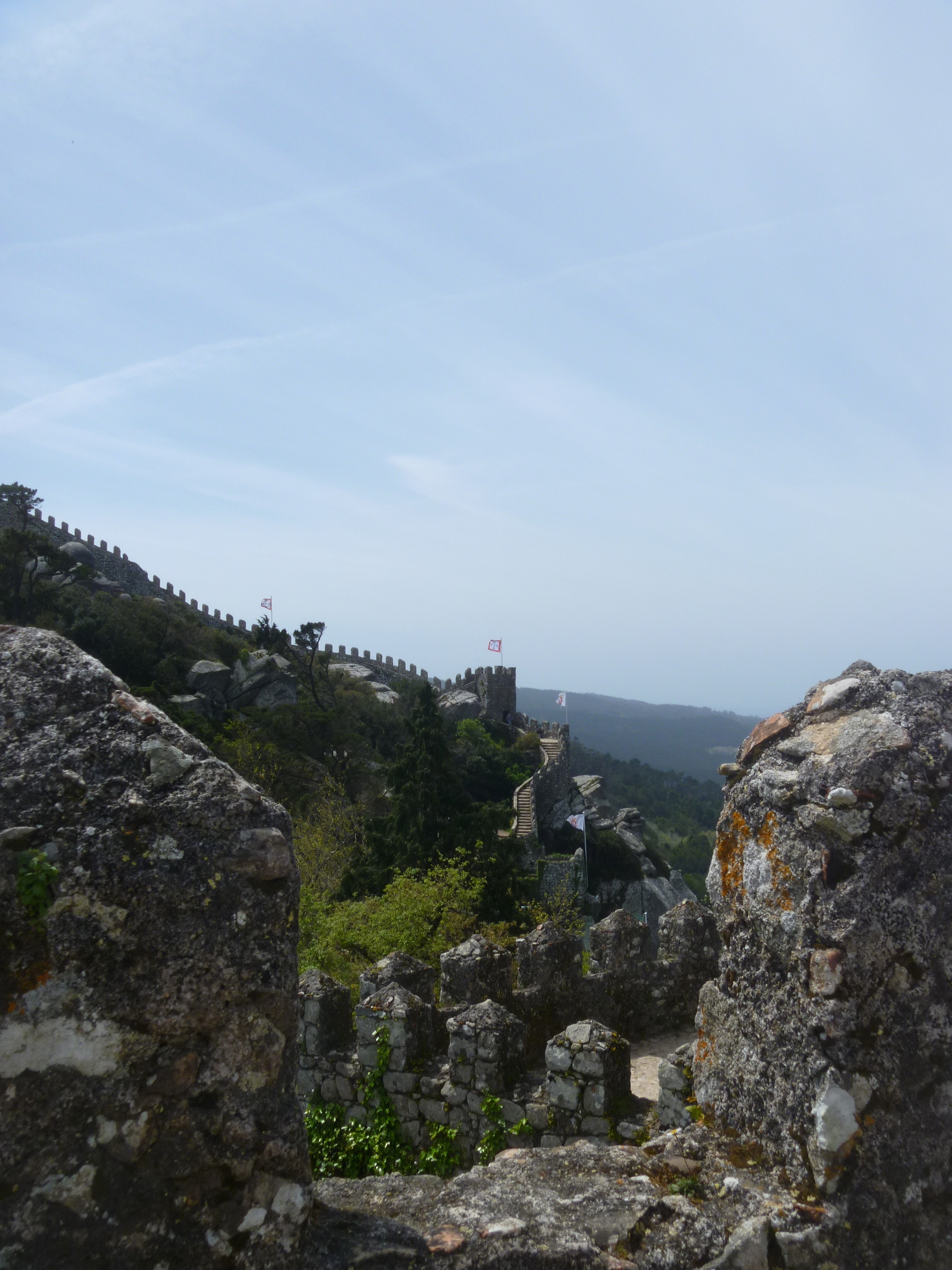
From the Pena gardens we stepped across the road to the Moorish Castle which is really just ramparts. But they are impressive  ramparts.Moorish Ramparts

The Moorish Castle Ramparts

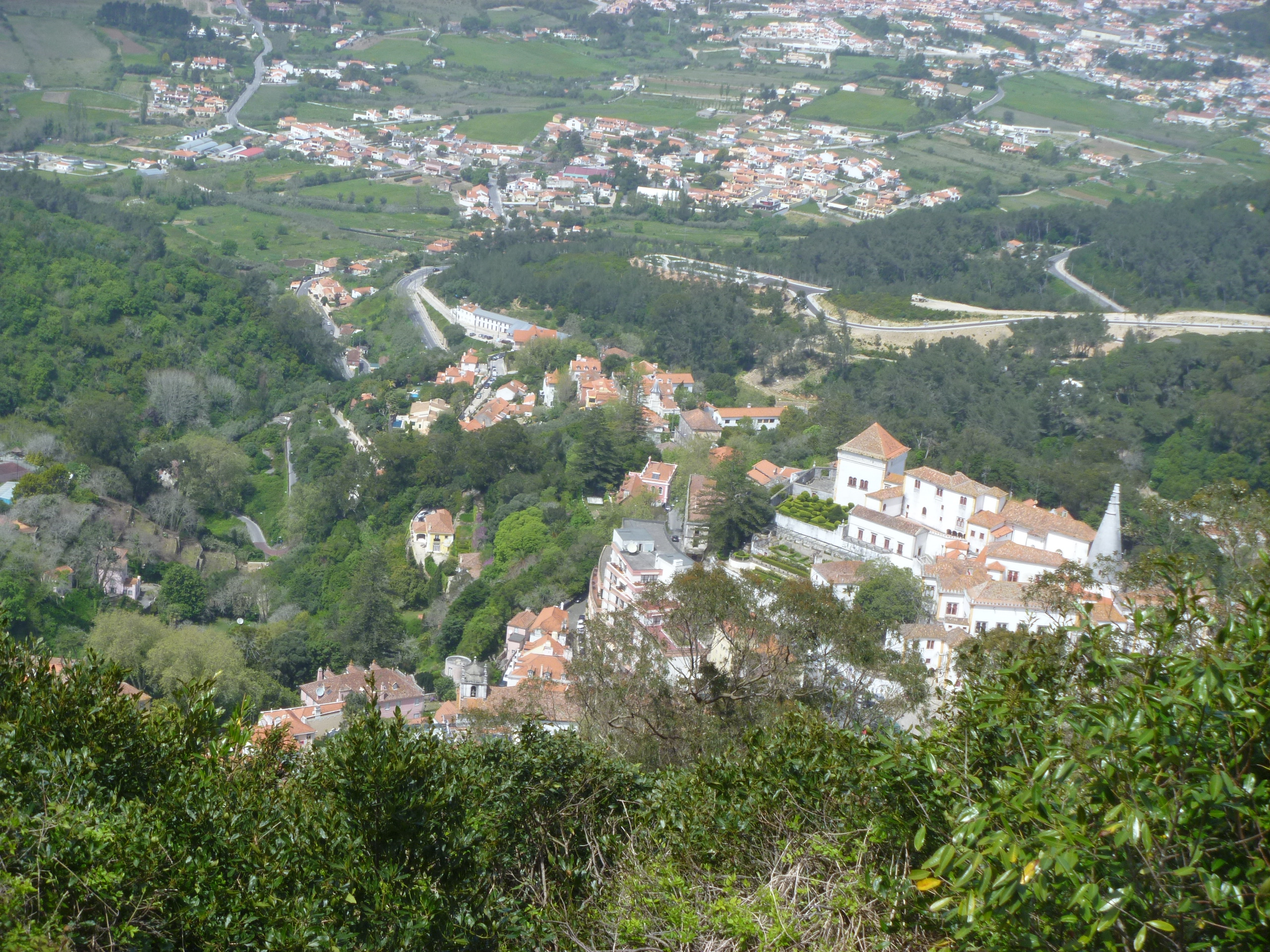
Sintra from Moorish

Sintra from the Moorish Castle Ramparts

They tower over the town and we could see them from our terrace at Lawrences.

From our terrace

Paula Rego – coincidence

If you watched all of the video recording of The Brilliant Brontes in the last but one post you will have seen Sheila Hancock inspecting and discussing the drawings of Jane Eyre with the artist Dame Paula Rego. By coincidence a week later one of the most prominent museums (yes, there are several!) in Cascais turns out to be devoted to the work of Paula Rego (and it has a nice cafe too). Shortly after our arrival we decided to take a walk and investigate.

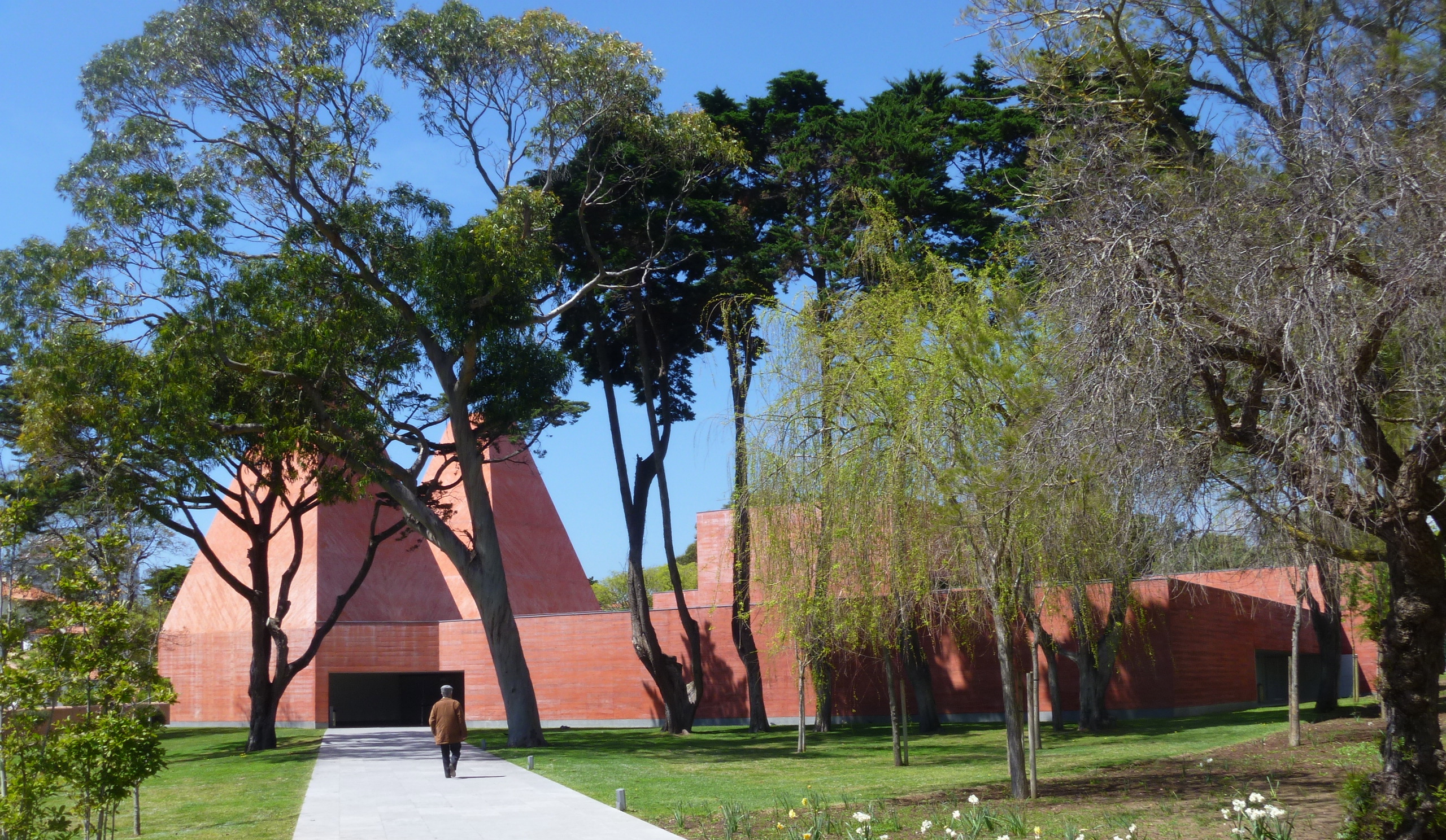
Casa das historias

The Casa das Historias opened in Cascais in 2009

Rego was born in Lisbon in 1935 to keen Anglophile parents who sent their daughter to an Anglican English language school in Lisbon and later to school near Sevenoaks and art school (The Slade) where she met her future husband Victor Willing. She became a naturalised British subject and was created a Dame of the British Empire in 2010. She divides her time between Britain and Portugal.

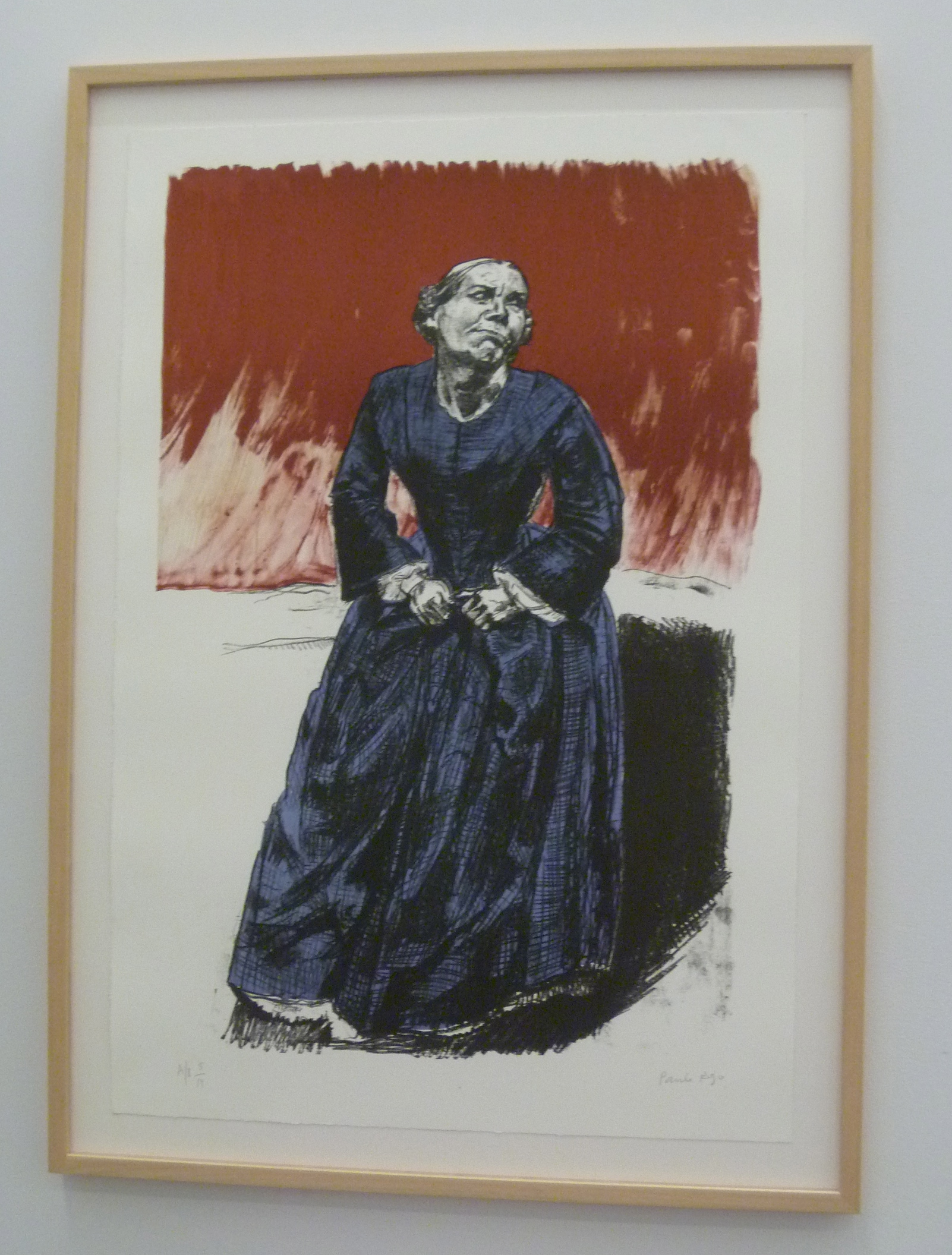
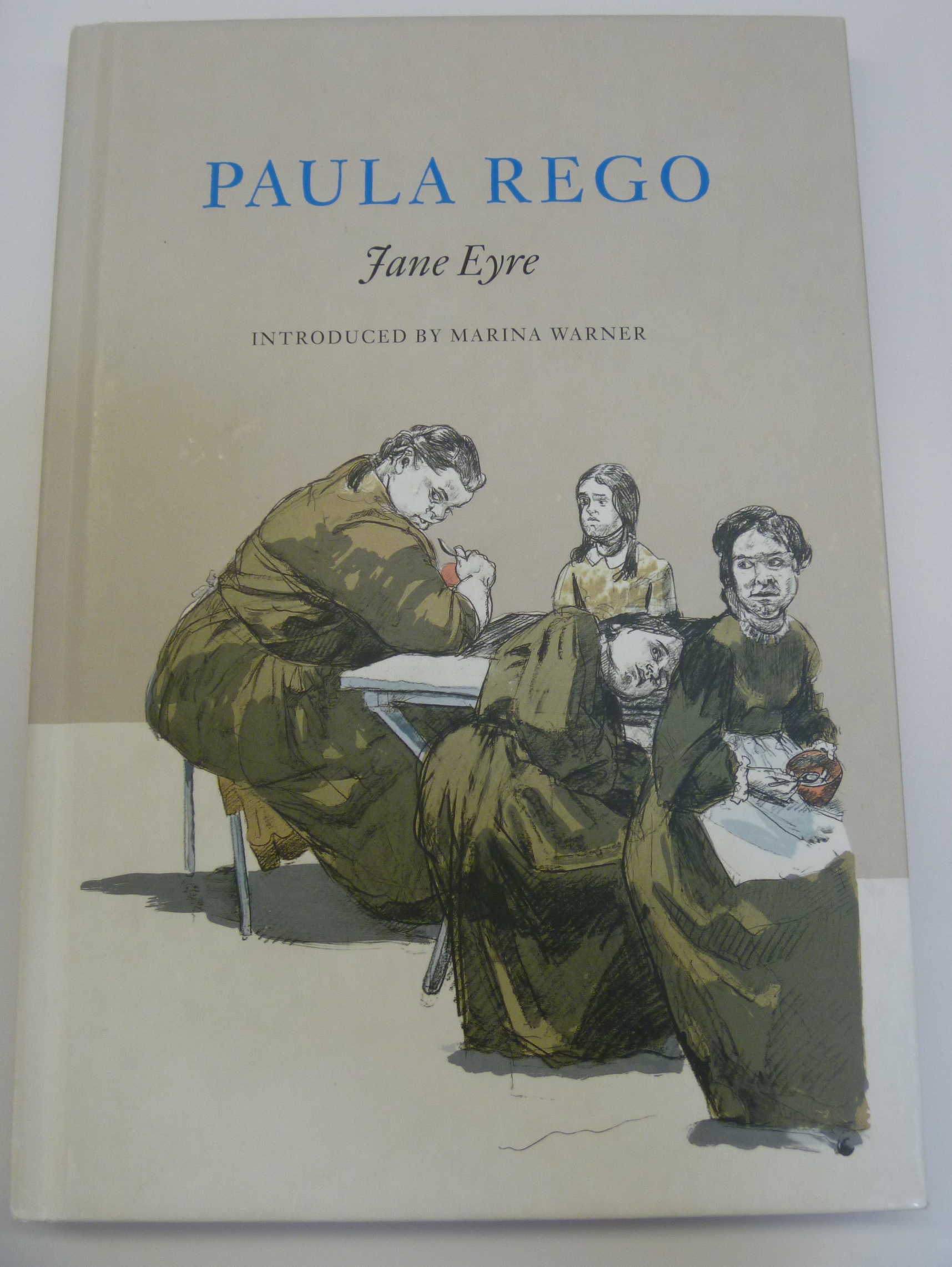
Here are some of her Jane Eyre works  currently on display at the gallery Casa Das Historias in Cascais.

Paula Rego Jane Eyre

Paula Rego’s Jane Eyre

Paula Rego Jane Eyre 2

Paula Rego’s Lithograph Jane Eyre

Paula Rego Jane Eyre book

The Book of the Exhibition

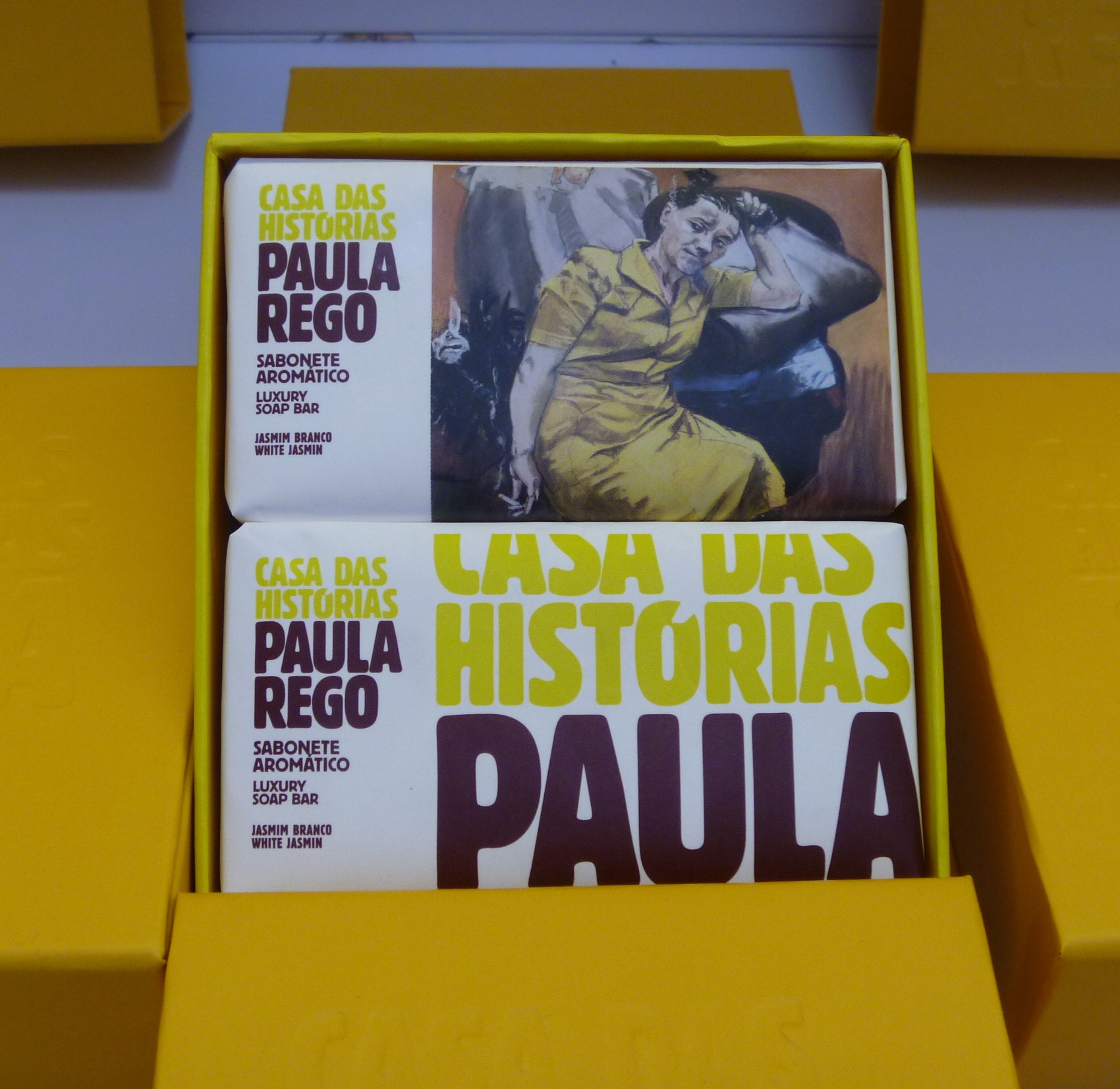
Didn't have room for the PR soap

I had no room for the Paula Rego soaps in my luggage!

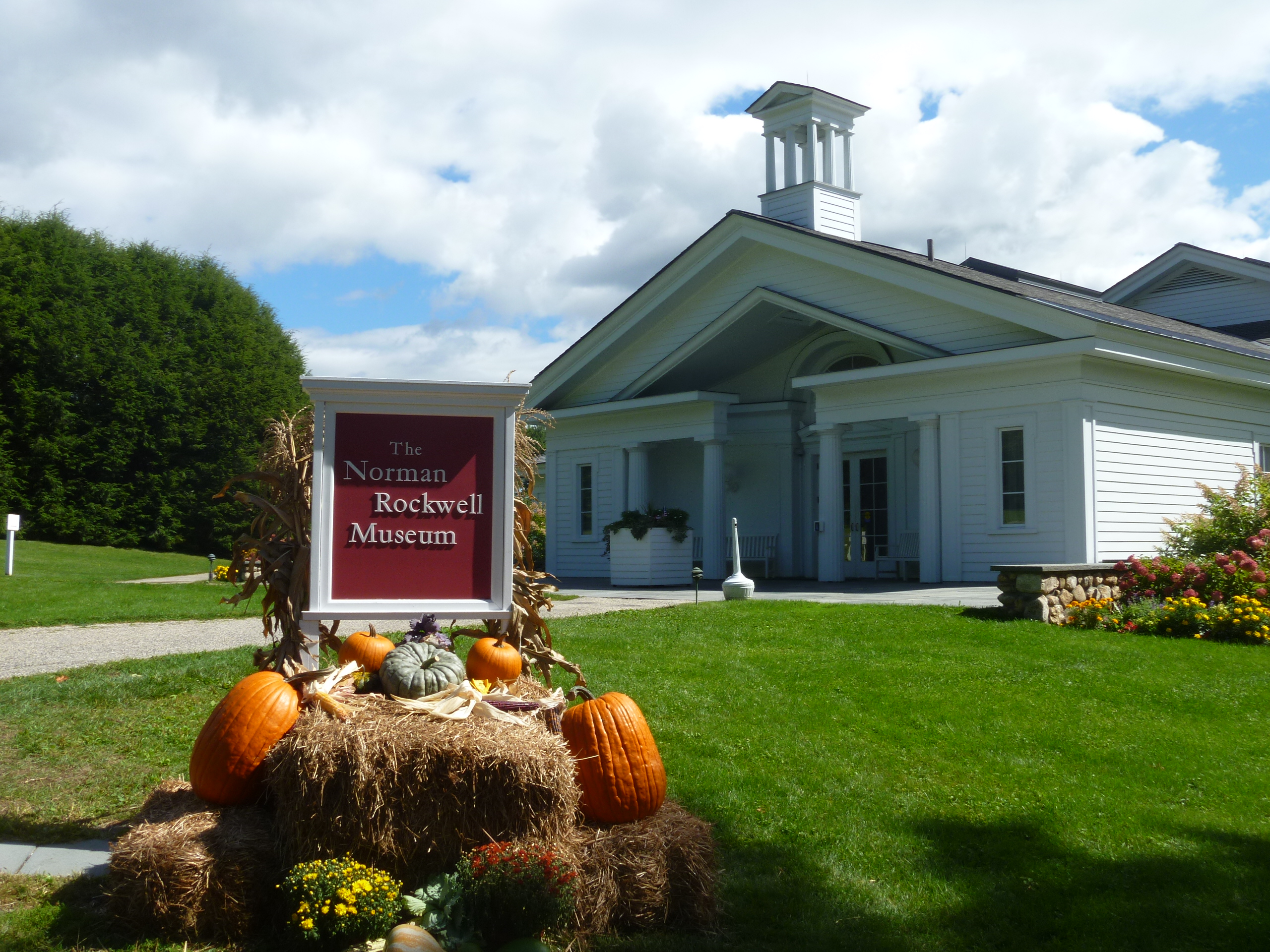
“If it doesn’t tell a complete story … it won’t do as a Post cover” : The Norman Rockwell Museum

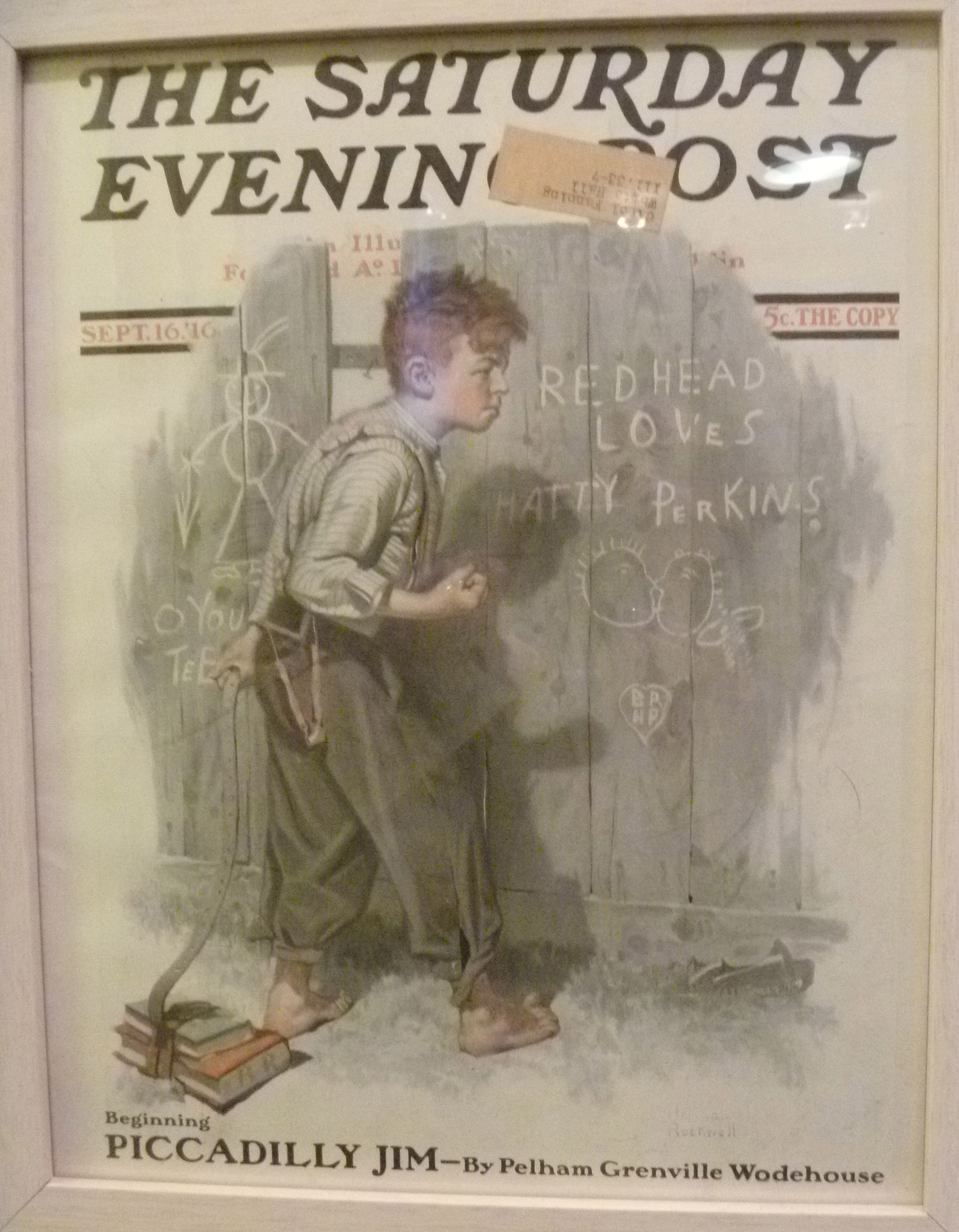
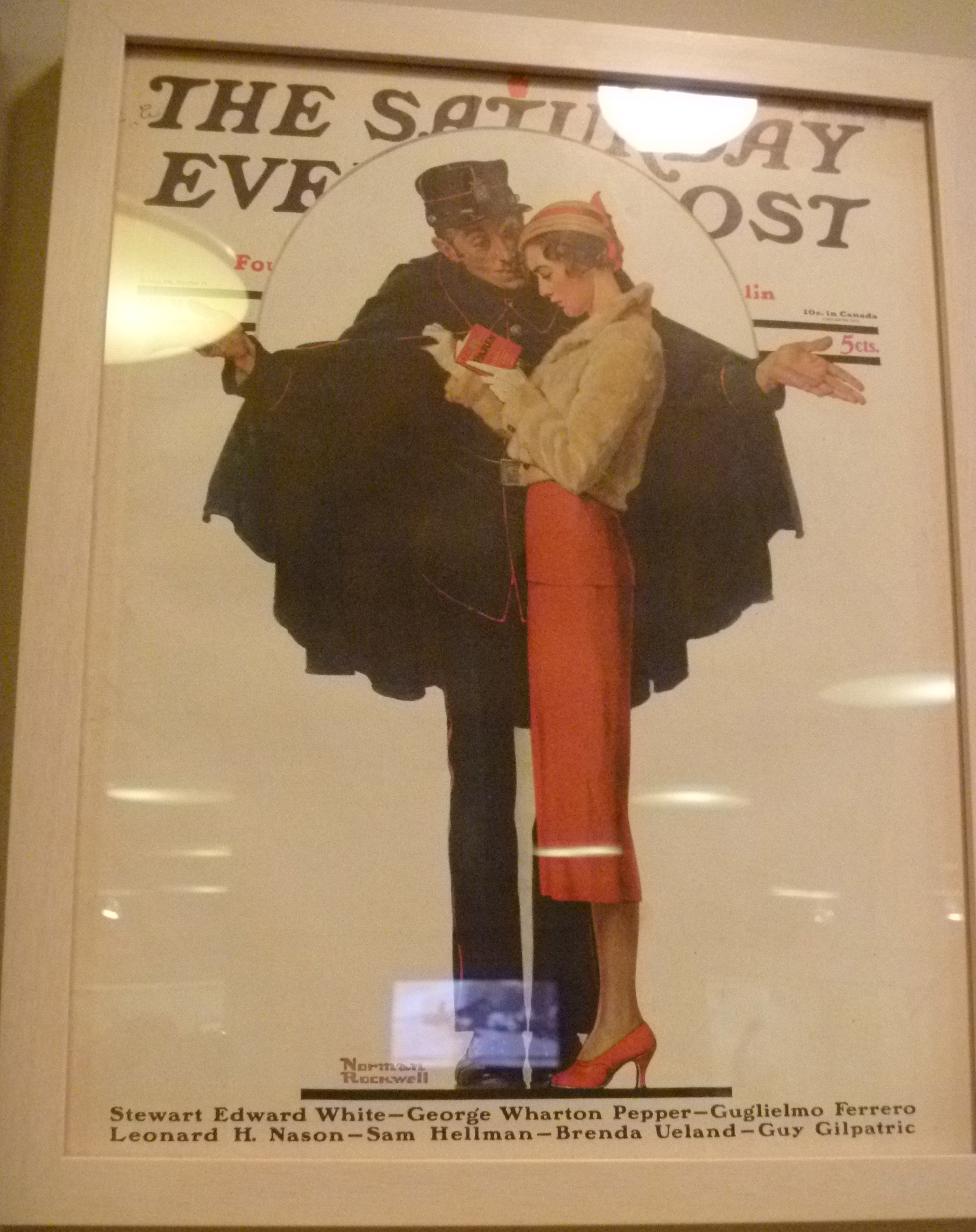
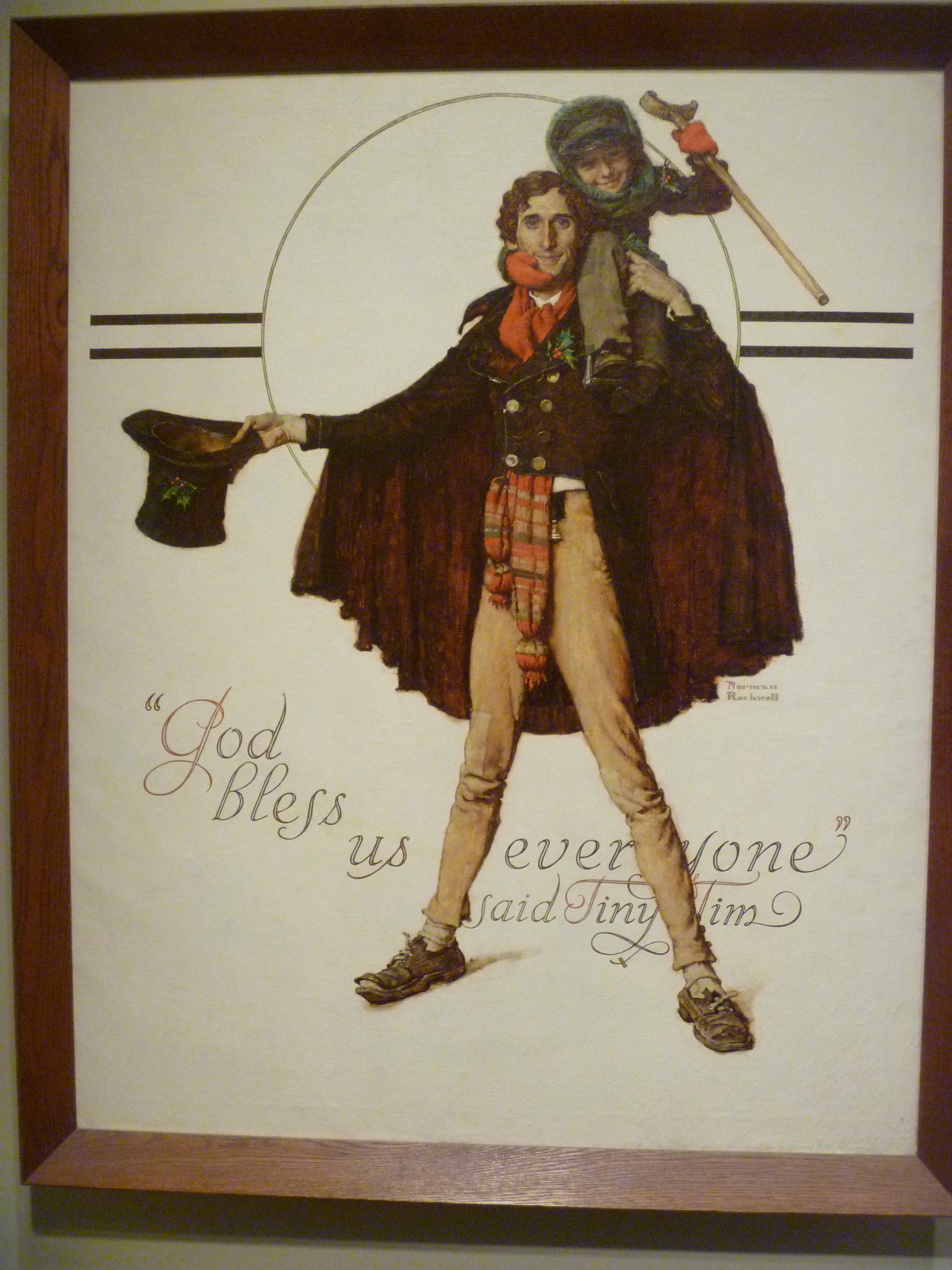
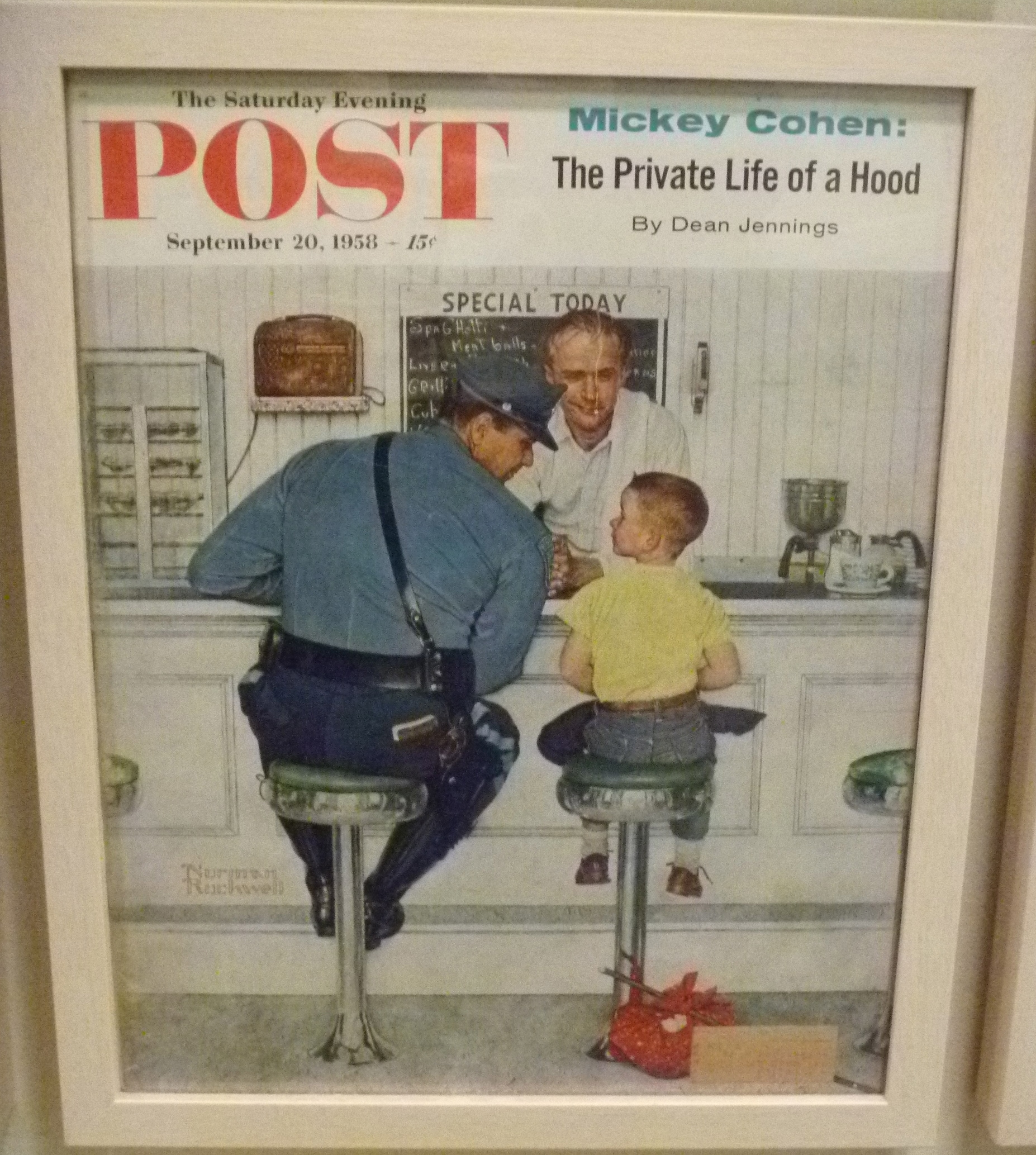
The ‘Post’ in question was ‘The Saturday Evening Post’ and the statement was made by the prolific, American illustrator who, between 1916 and 1963, produced 323 covers for the weekly magazine.  Some of Norman Rockwell’s covers are very well known and are used today on posters, postcards and greetings cards throughout the world. Rockwell was born in New York City in 1894 and died in Stockbridge, MA in 1978. One’s first impression is that his paintings depict cosy, inter-war-years, small town American home life. In fact this is far from the case. He covered a huge range of topics and he used local people as models and meticulously planned each picture he created.

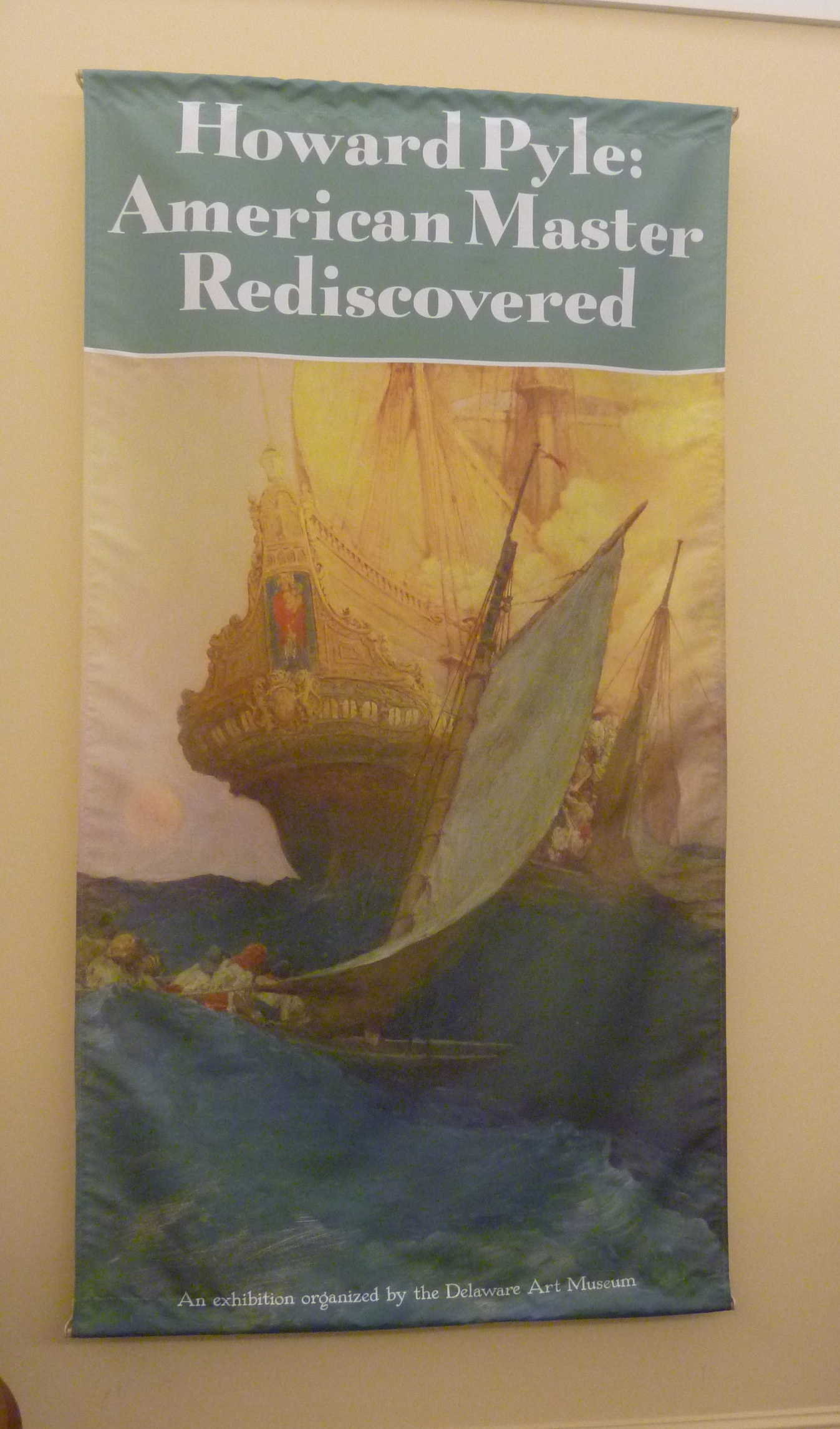
On Saturday 15 September we made a visit to the Norman Rockwell Museum at Stockbridge, MA. We thought we’d maybe spend an hour or so there but three hours later we decided to leave and I still had not seen everything that the Museum had to offer, including the current special exhibition ‘Howard Pyle: American Master Rediscovered’.

I think we’d expected a Disneyfied exhibit and we’d have sentimental America overload. Far from it. This was an excellent presentation of the work of one of America’s best-known illustrators.

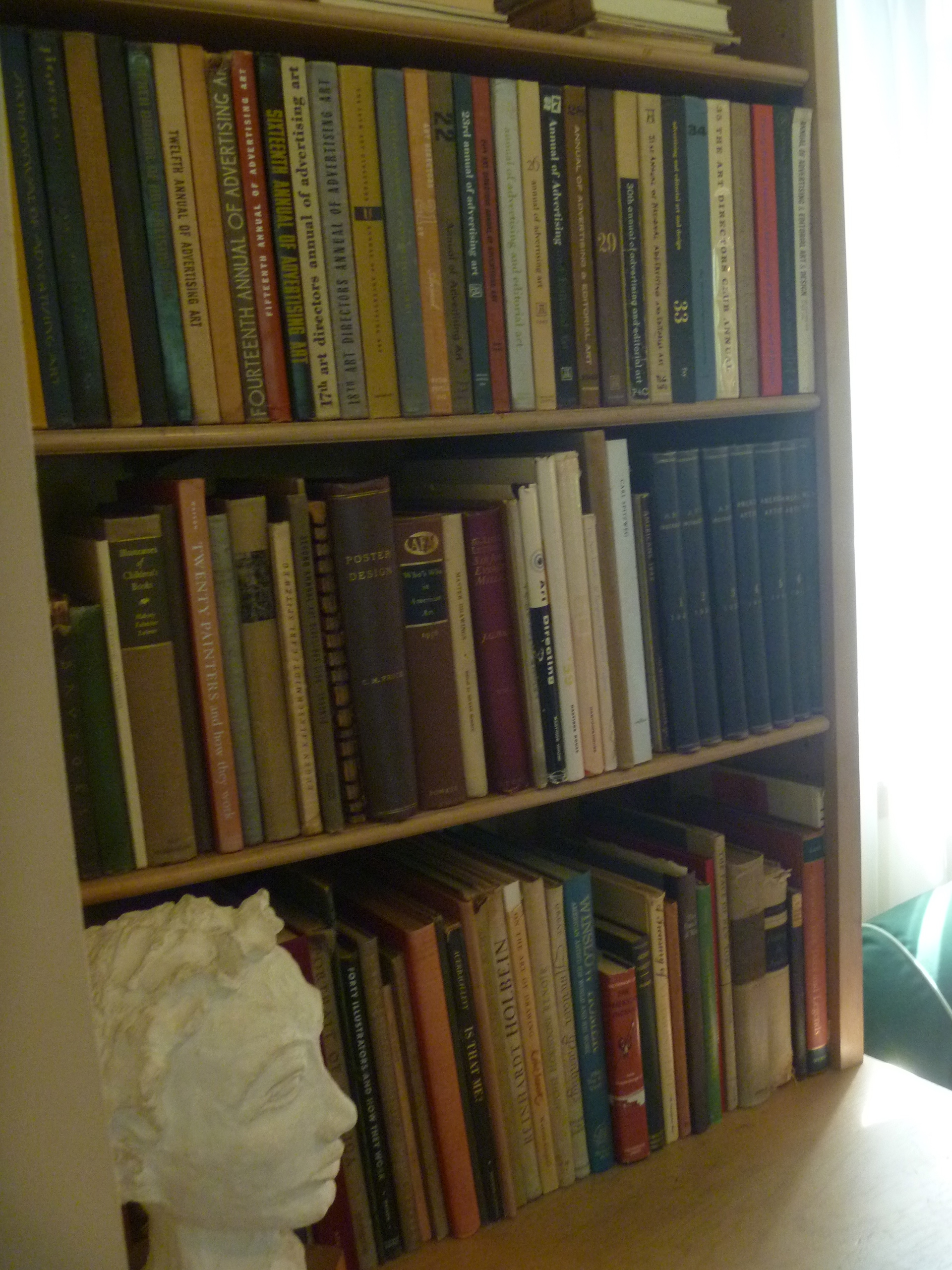
All 323 covers are on display in publication order on the walls of the basement gallery. In the same room is a video loop about Rockwell’s life and painting narrated by his son Tom Rockwell. Also in the basement is a Library and Archive.

composed primarily of business, personal, and fan correspondence, together with reference material. Of particular note is a collection of several thousand black-and-white photographs of models and scenes used by the illustrator in the development of his work.” [from the NRM website]

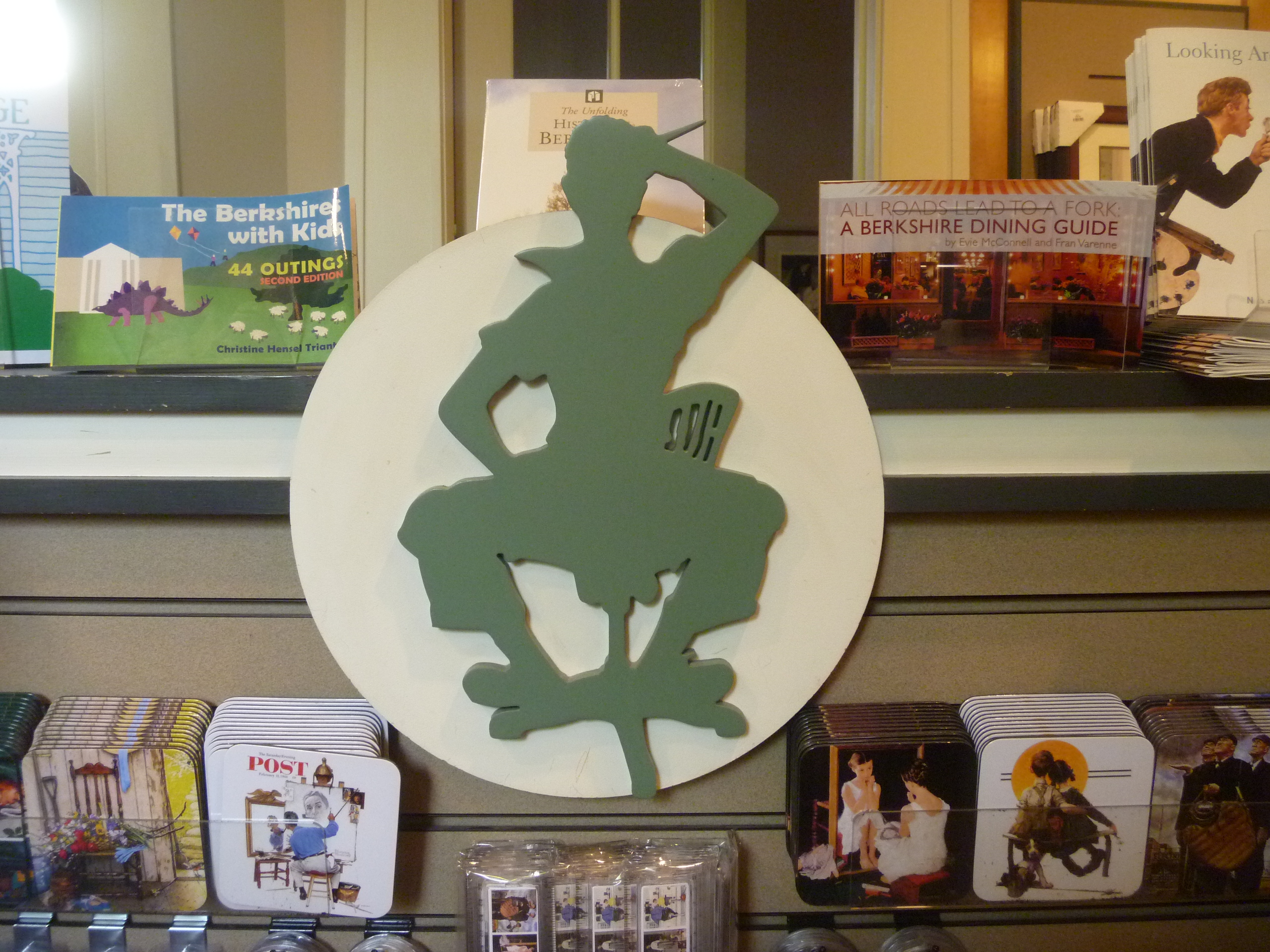
The NRM Gift Shop

For nearly fifty years, millions of Americans brought Norman Rockwell’s art into their homes, enjoying the artist’s Saturday Evening Post covers while seated in their favorite chairs, surrounded by their belongings in the company of their families. This intimate connection with Rockwell’s art made his images a part of the fabric of American lives.

On the ground floor of the Museum are the main galleries which include his paintings of the Four Freedoms or Four Essential Human Freedoms (of speech, of worship, from want, from fear). The theme was derived from the 1941 State of the Union Address by President Roosevelt.

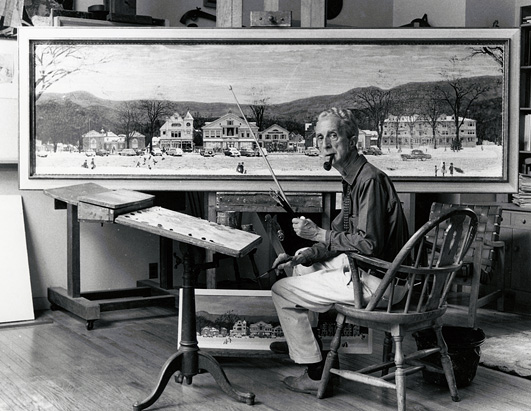
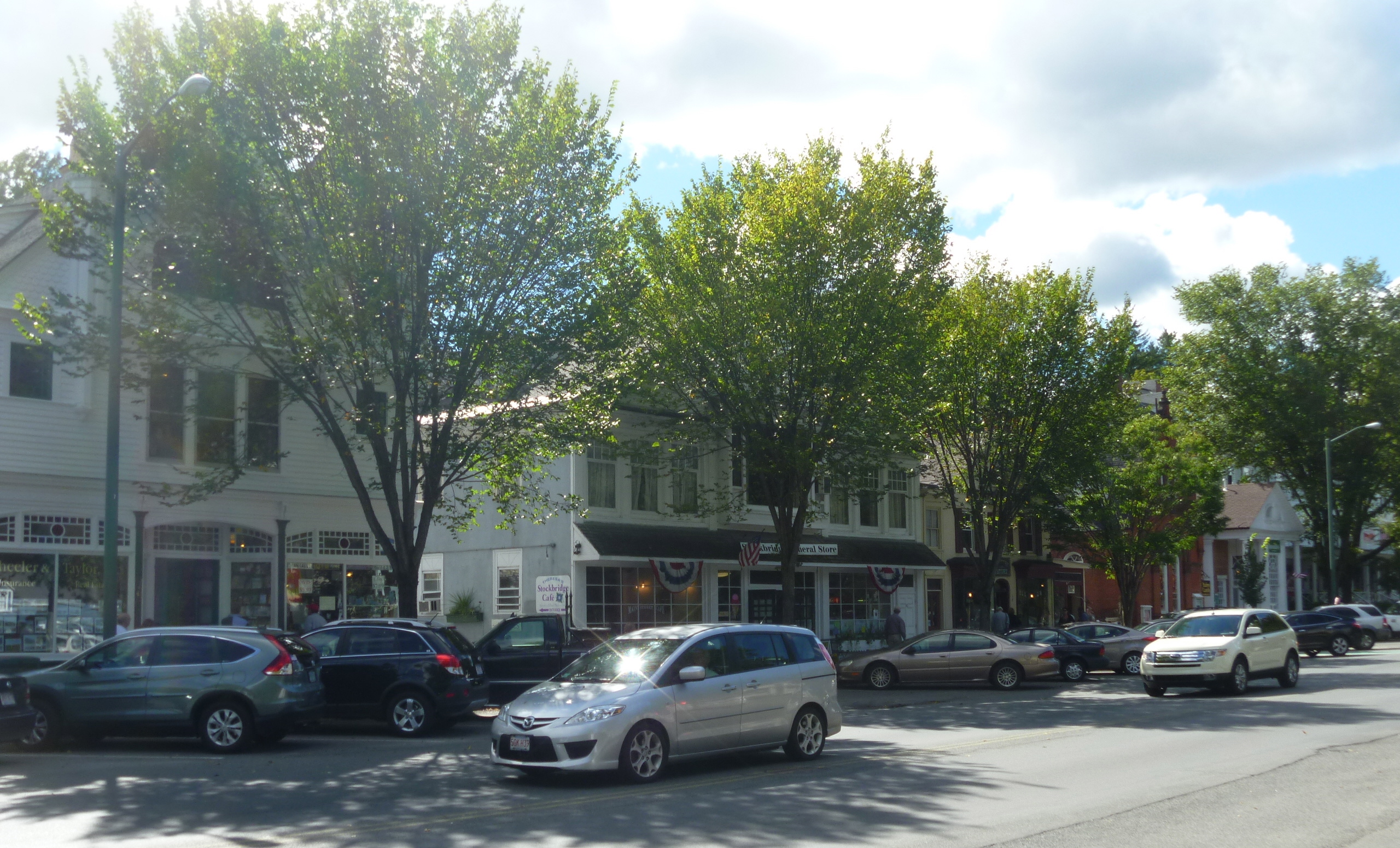
Also, in pride of place, and this was the painting about which my tour guide spoke, was Stockbridge Main Street at Christmas. Later I found the Main Street almost impossible to photograph in September (the result is below). Each year there’s a programme of events in the town based around a recreation of this painting. This year it’s 30 November, 1 and 2 December.

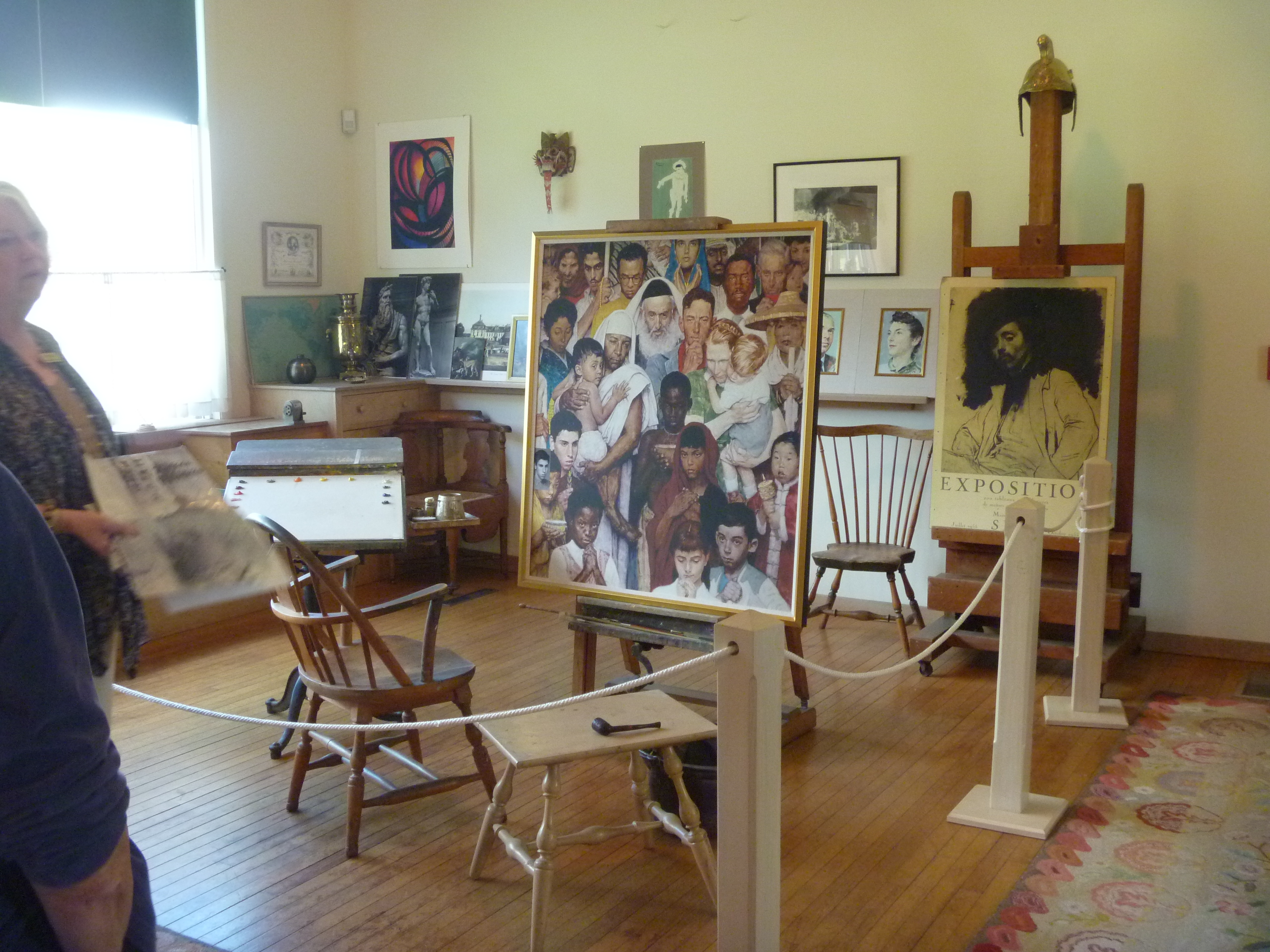
Norman Rockwell in his studio with the painting Stockbridge Main Street at Christmas

[http://abcnews.go.com/widgets/mediaViewer/image?id=9321573]

When we’d exhausted the Museum itself (or rather it had exhausted us!) and spent time in the well-stocked Gift Shop we took the short walk to Rockwell’s Studio.

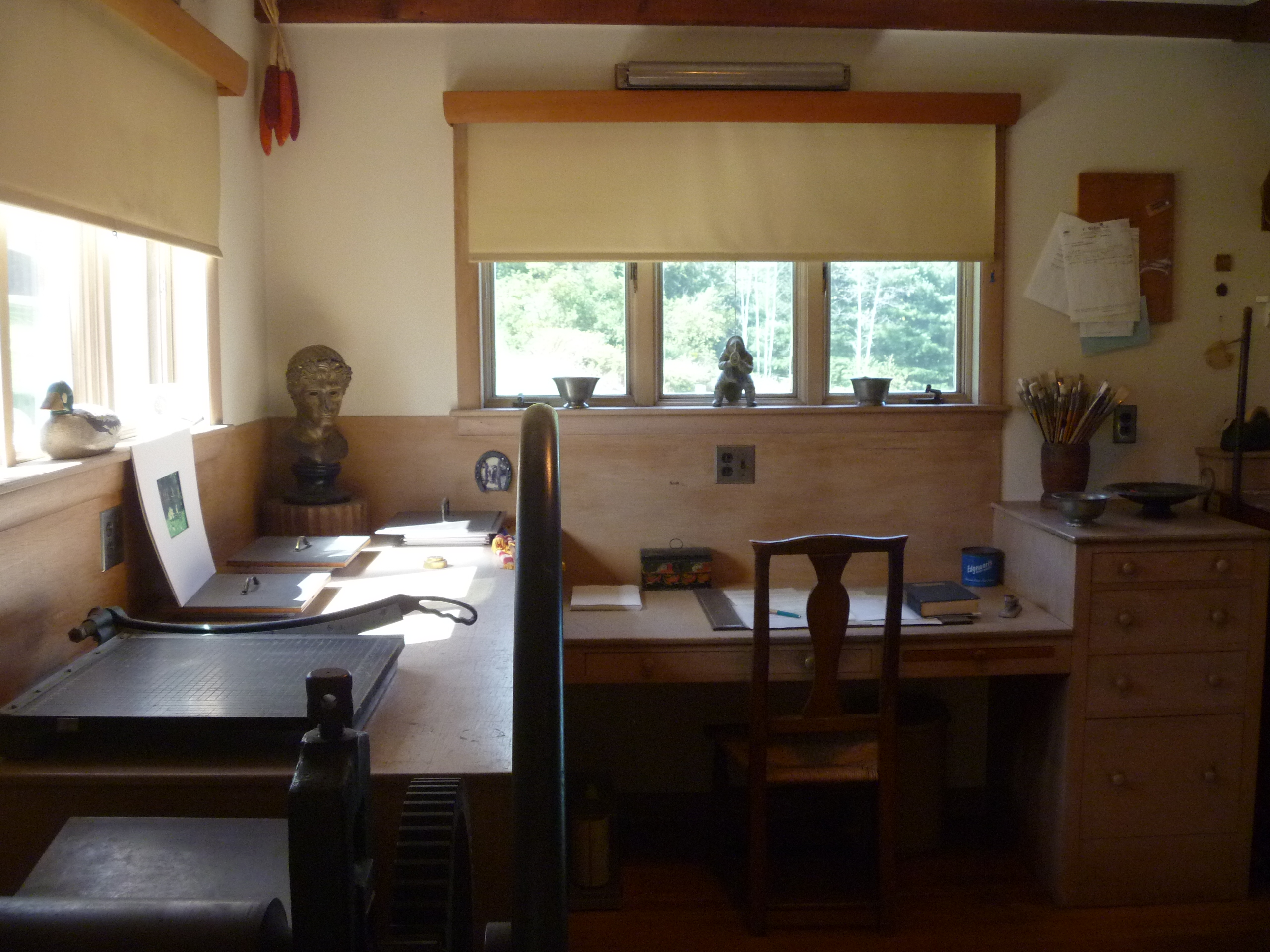
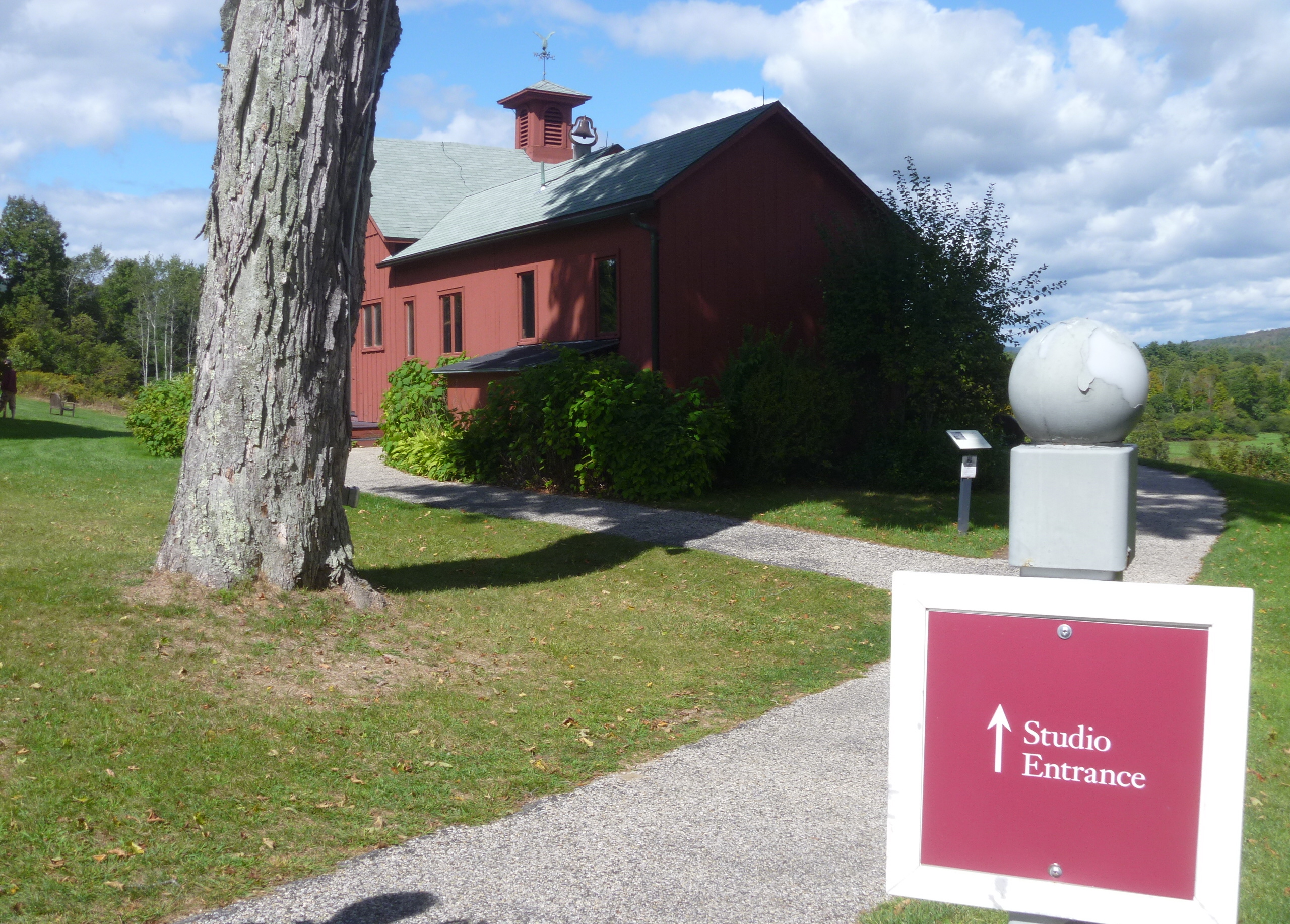
The Museum (opened in 1993) is located in lovely extensive grounds (36 acres) a few miles outside the small town of Stockbridge, Massachusetts – there’s plenty of parking and green spaces. The Studio itself was moved to the grounds in 1986 and is fitted out now as it might have been in October 1960 with his equipment, books, inspirations.

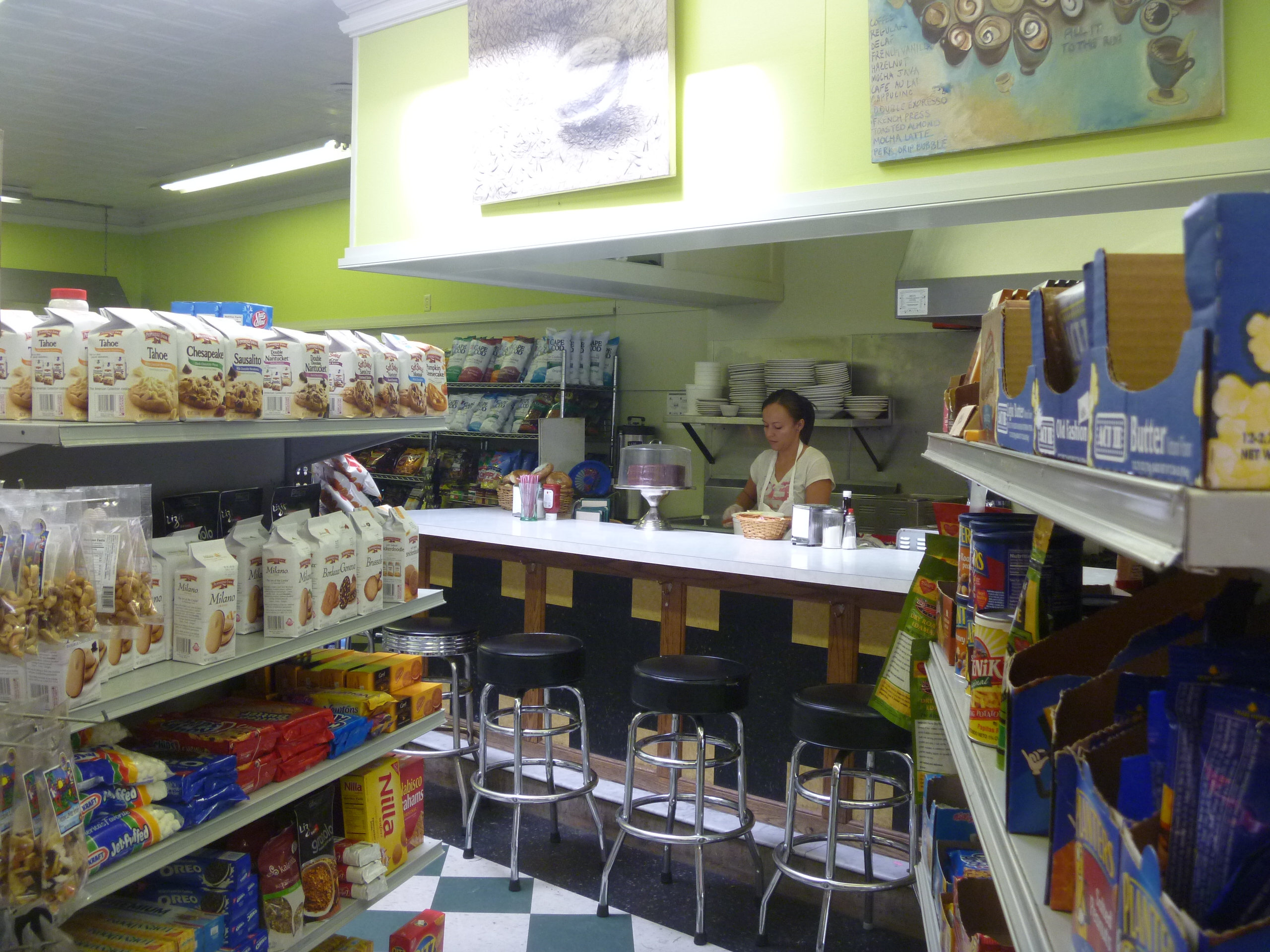
After visiting the Museum, we parked up in Stockbridge and took a walk around the town. When I walked into the Stockbridge General Store I suddenly remembered that I had watched a programme on TV back in December called “America on a Plate : The story of the Diner” in which Stephen Smith visits various diners throughout America and reflects on their connections with popular culture. At one point he visited Stockbridge and set up one of the Rockwell covers – The Runaway – using the original models for the police officer and the runaway boy. I realised that I was in the diner where this had taken place. The programme in full is not currently available via iPlayer but I found two YouTube recordings of the programme. The Norman Rockwell part begins in Part One 12.22 minutes in and continues through the beginning of Part Two.

The Decoration of Houses : a Visit to Edith Wharton’s New England Home : The Mount

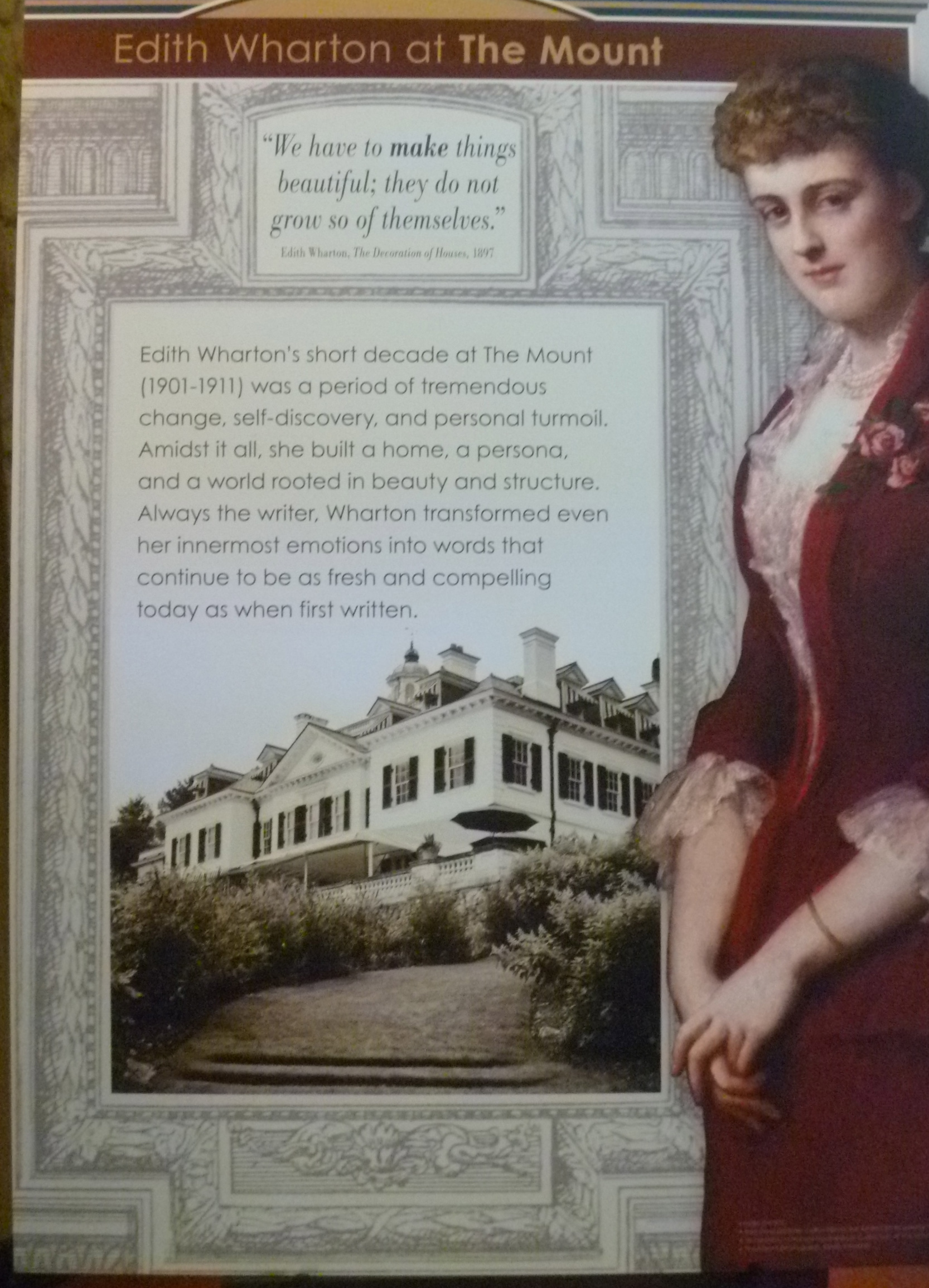
There will be some readers here who know very much more about Edith Wharton than I do and who will have read many more of her books than I have but for many years I have wished to visit her home The Mount in western Massachusetts. I have a collection of newspaper clippings about the house, its renovation plans and about her library of 2,600 volumes that finally arrived back at her American home in 2005 after 100 years spent in Europe.

On 14 September, the day we left Naulakha, we arrived in Lenox, the location of The Mount, and after a delightful lunch on the tree-lined main street we set off to find the house. It’s a little way out of town but handily placed just off the Highway. But once dropped off at the ticket office I was in another world of peace and comfort a million miles from the roar of traffic.

That Friday was the start of a weekend-long Wordfest a literary festival of writers and readers the first talk due to begin at 5pm. I’d checked this out in advance and been told that although the house would remain open to the general public there would be no guided house tours. Luckily, I arrived with minutes to spare before the final house tour of the week.

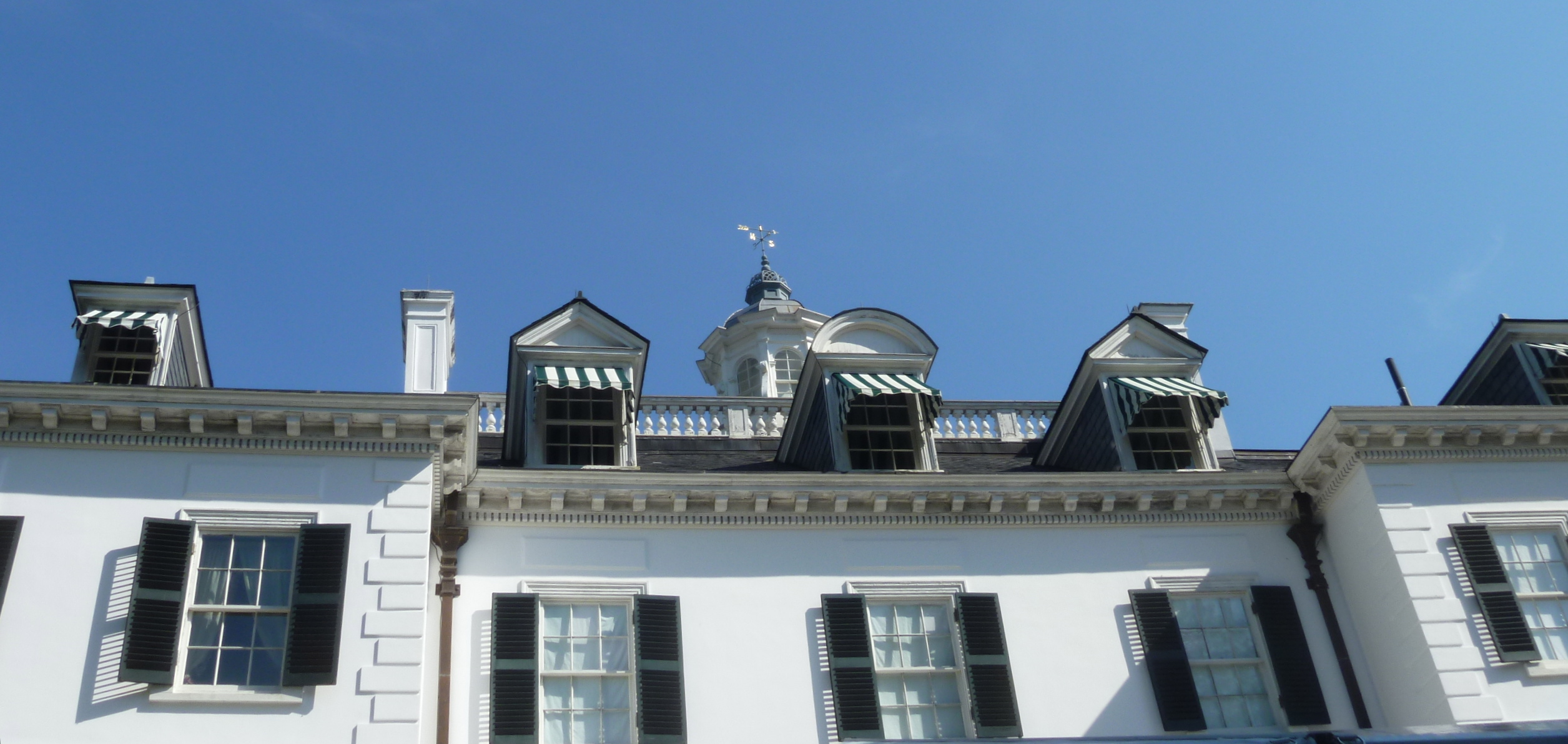
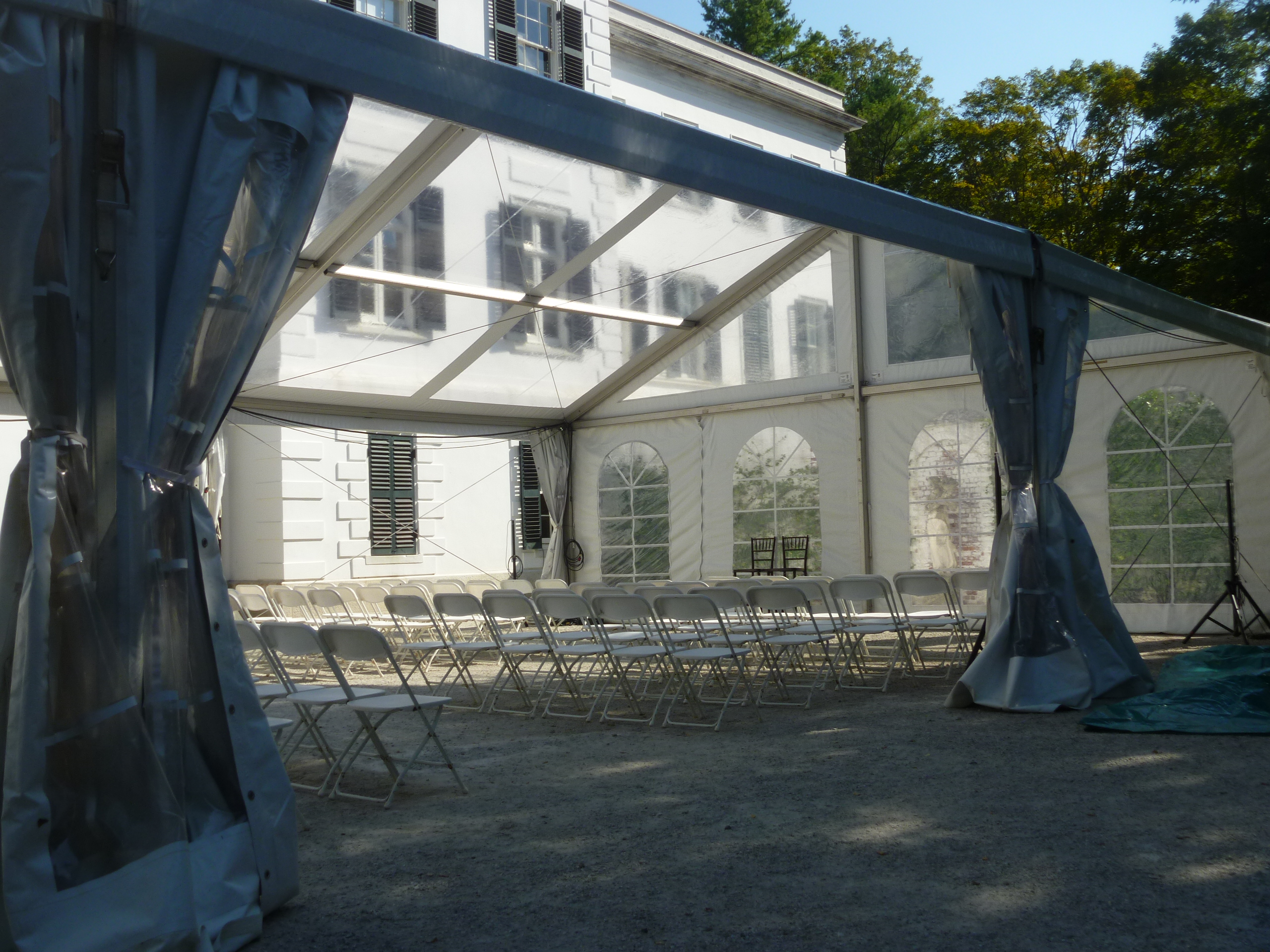
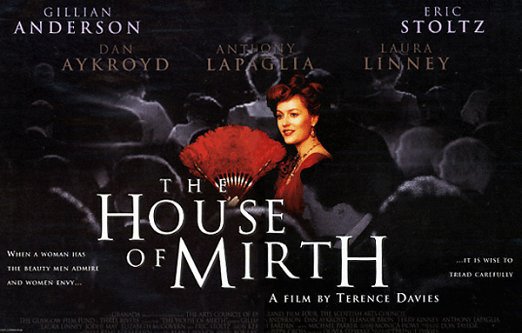
We assembled at the back of the house in a courtyard, which that day was covered with an awning to protect Wordfest members from either sun or rain, to be told about EW’s plans to build The Mount and their execution. As I heard more and more about this remarkable woman throughout the afternoon I began to think that here was another American polymath about whom I knew only the merest facts and of whose literary output I have read very little. (But I have seen several of her films!)

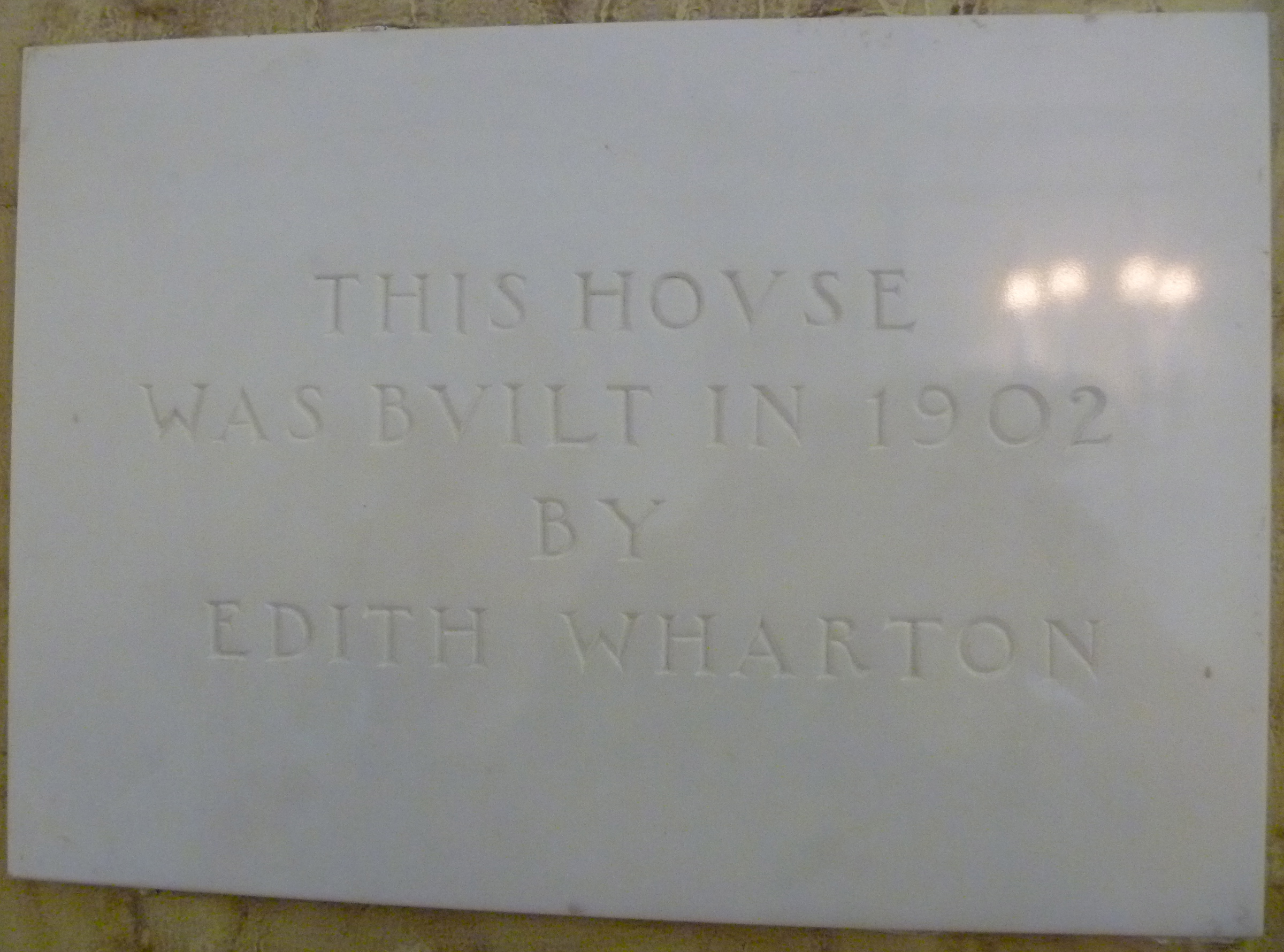
Edith Wharton collaborated with architect Ogden Codman to produce her first book The Decoration of Houses. Published in 1897 it was a denunciation of all the excesses of Victorian interior decoration and a plea for a return to classical proportions, harmony and simplicity. She designed and built The Mount according to these principles. She was able to move in in 1902 and spent the summers and autumns between 1902 and 1911 at the house (the rest of the year she lived in France). By 1911 her marriage to Teddy had failed and she moved to live permanently in France. That year the house was put on the market.

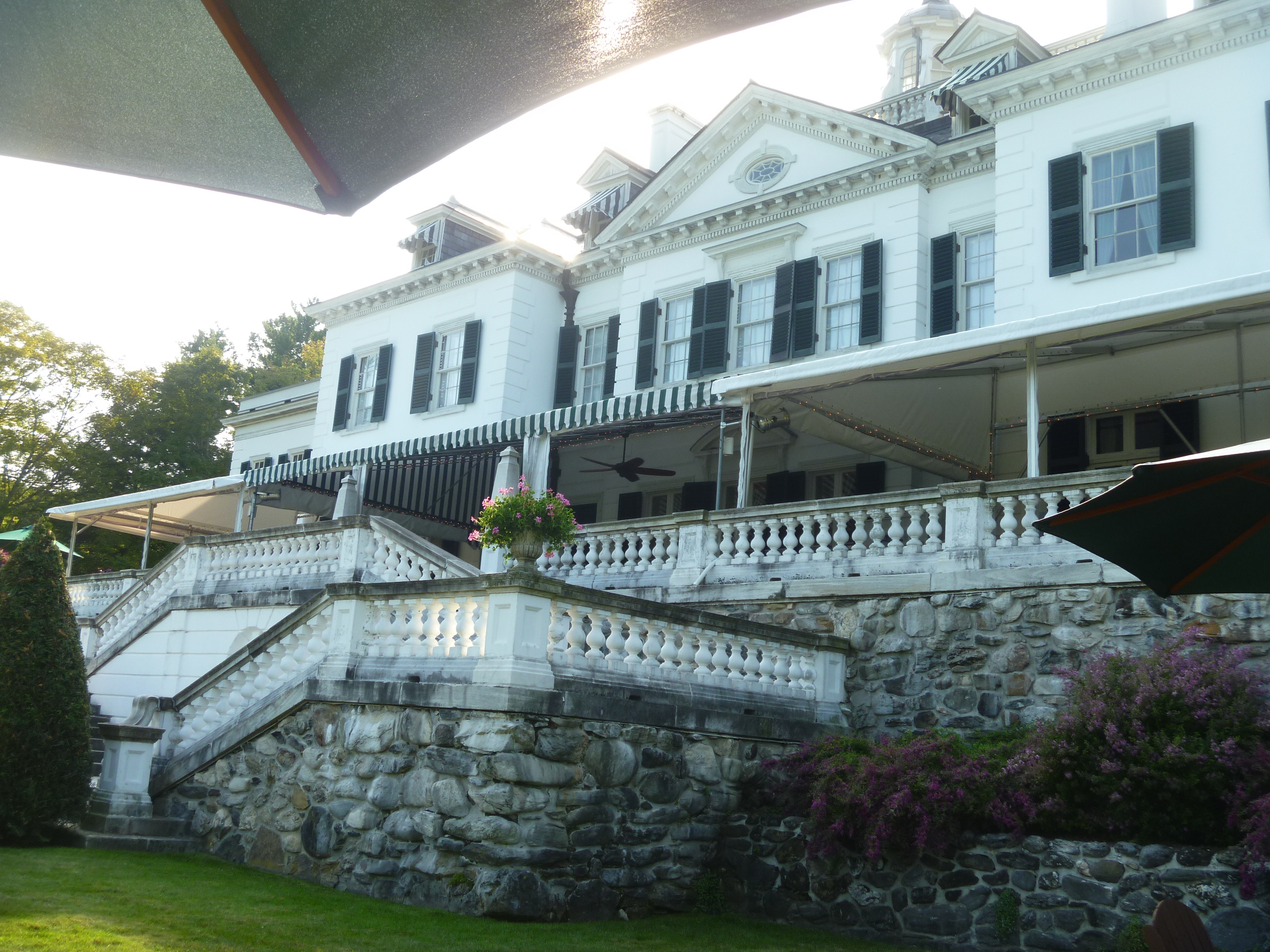
From the courtyard (which was to serve as a bridge between the outside of the house and the inside) we went in at the back door. The entrance hall was planned to bring the outside into the house. It was conceived as an artificial cave or grotto with statues and fountains. Here visitors wishing to see the great novelist had to wait to know whether they would be admitted to her presence or not. It was here that we learned that The Mount was modelled on the English 17th century Palladian-style Belton House in Lincolnshire and on neo-classical Italian and French examples.

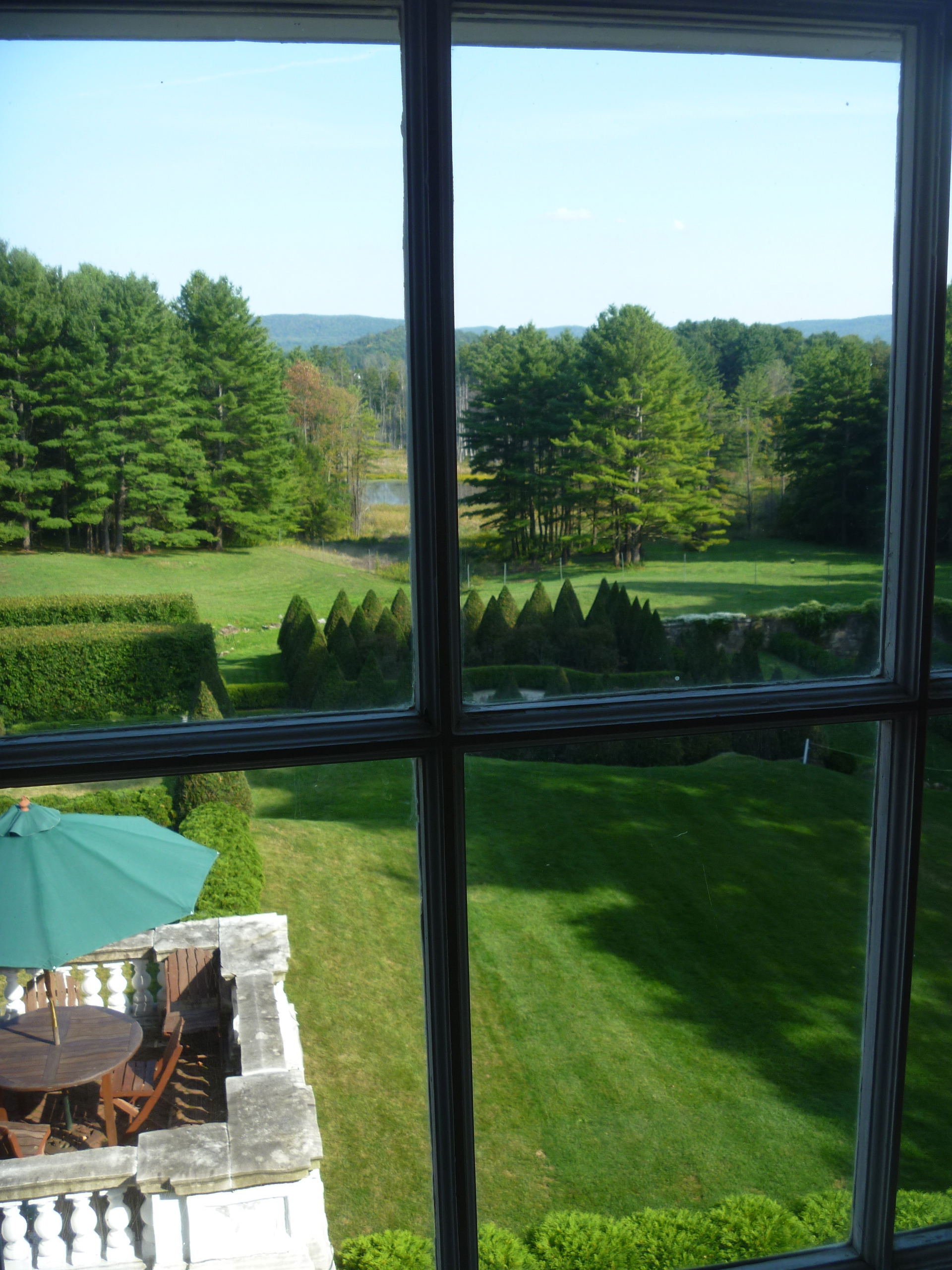
Next time I will take you on a tour of the house but just now I want to show you what a lovely lovely place it is.  After the tour free access is allowed throughout the house and grounds. There are room stewards handily placed who are able to answer any questions and Information Boards in every room.

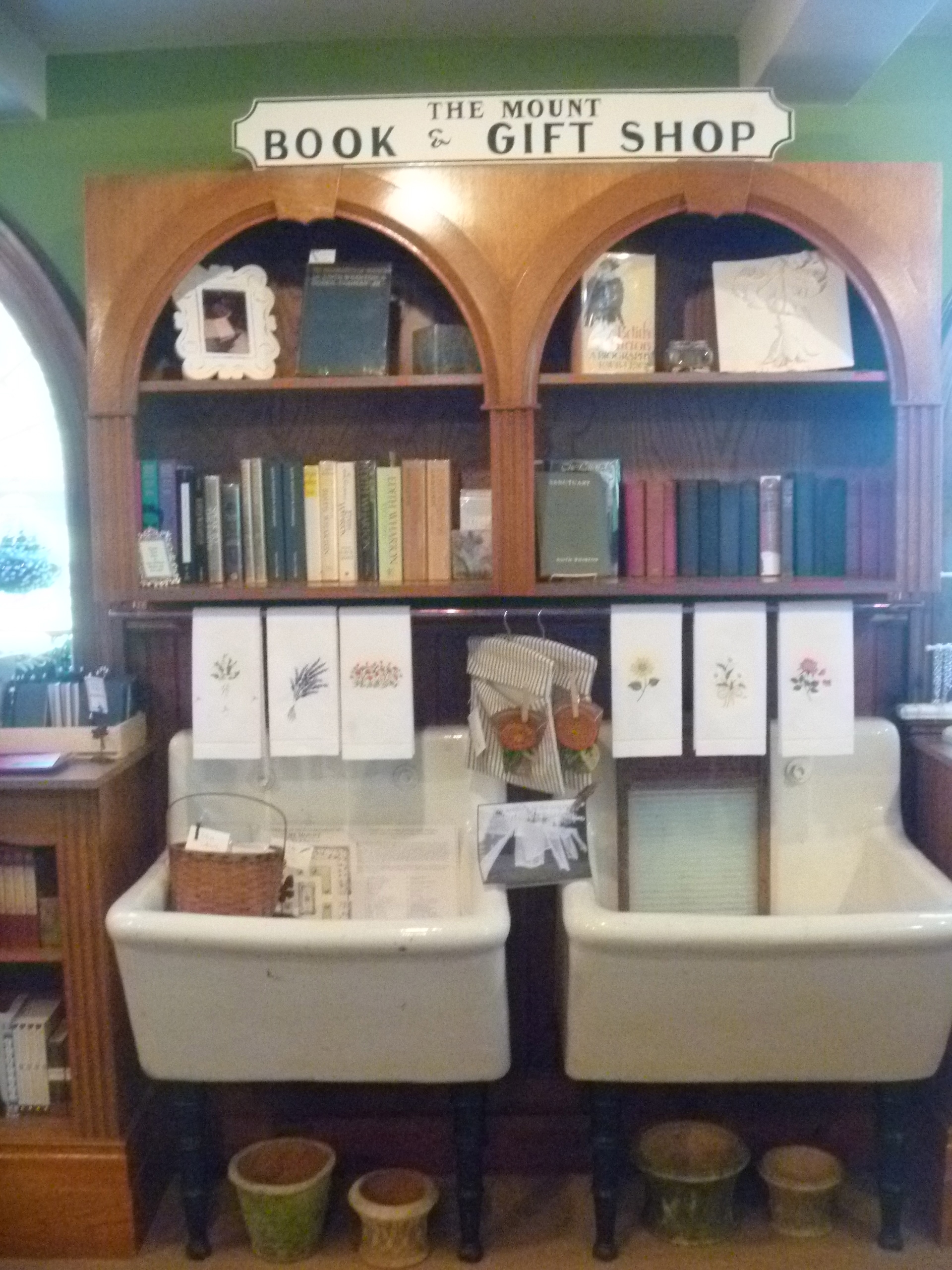
Photography is allowed everywhere. There is a great gift and book shop in the basement scullery.

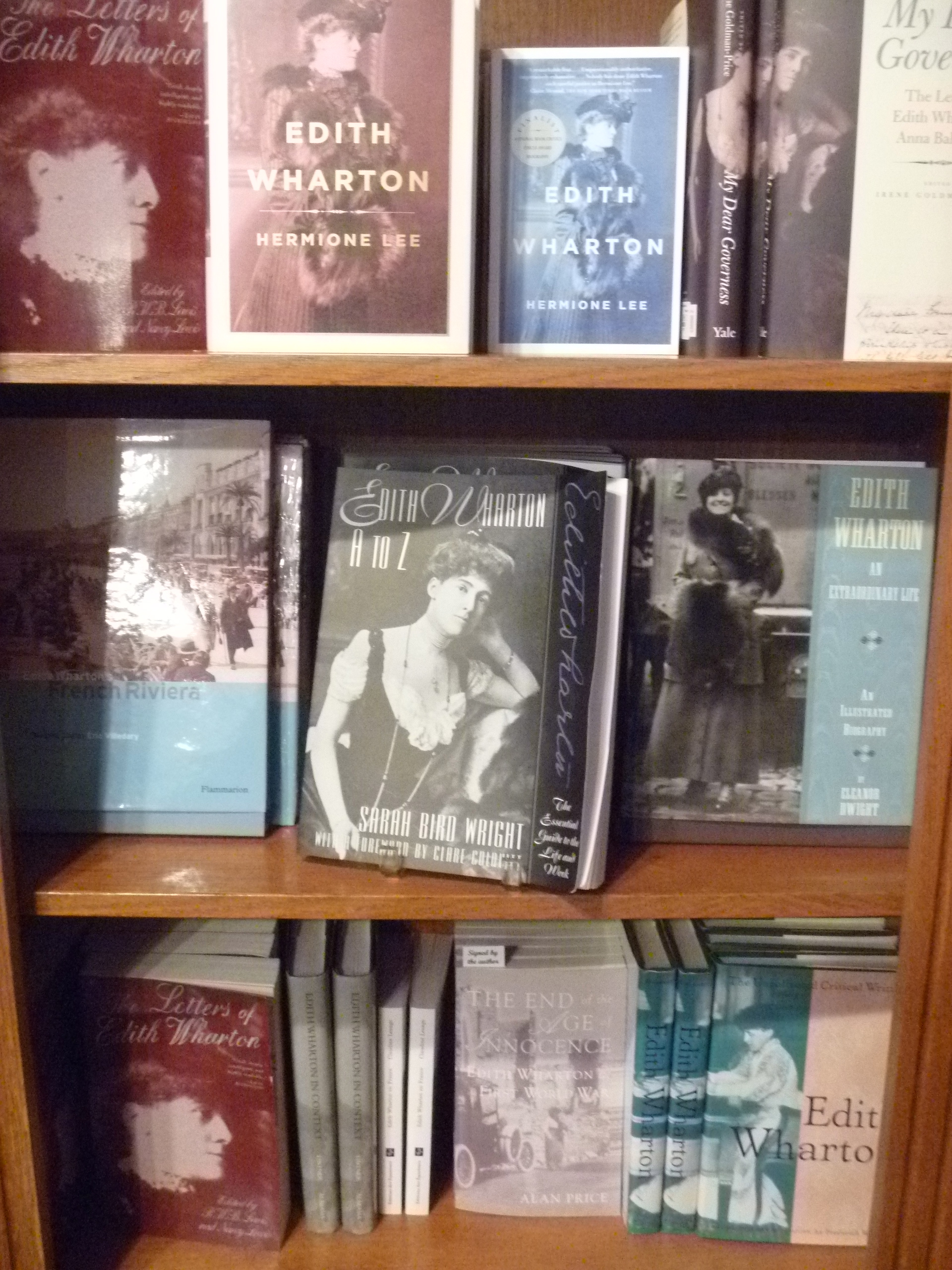
Some of the many book displays in the shop

Teas and other refreshments are served on the terrace and you may sit at tables on the front lawn.

The View and A Terrace Tea Table

The house from my terrace tea table

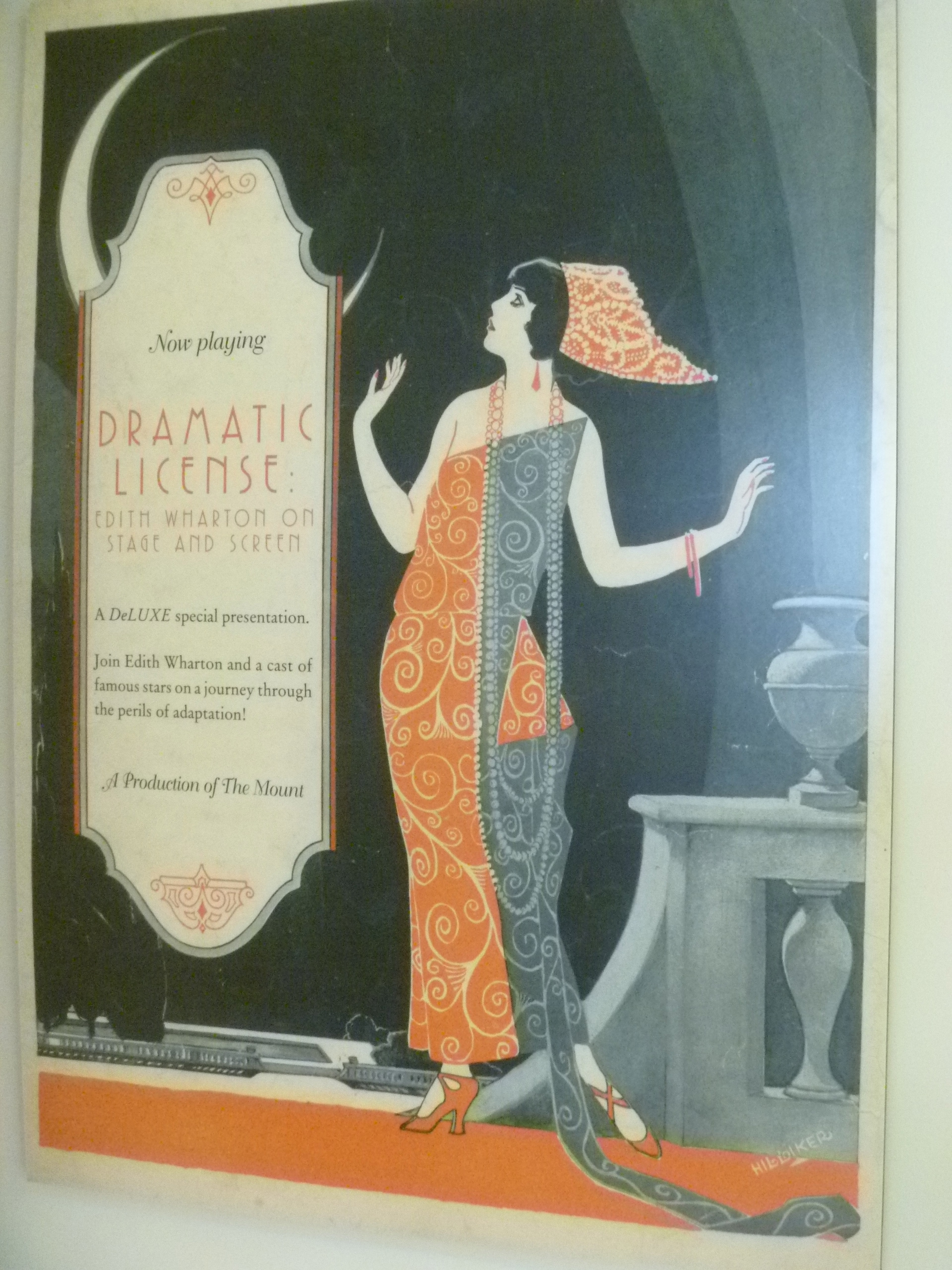
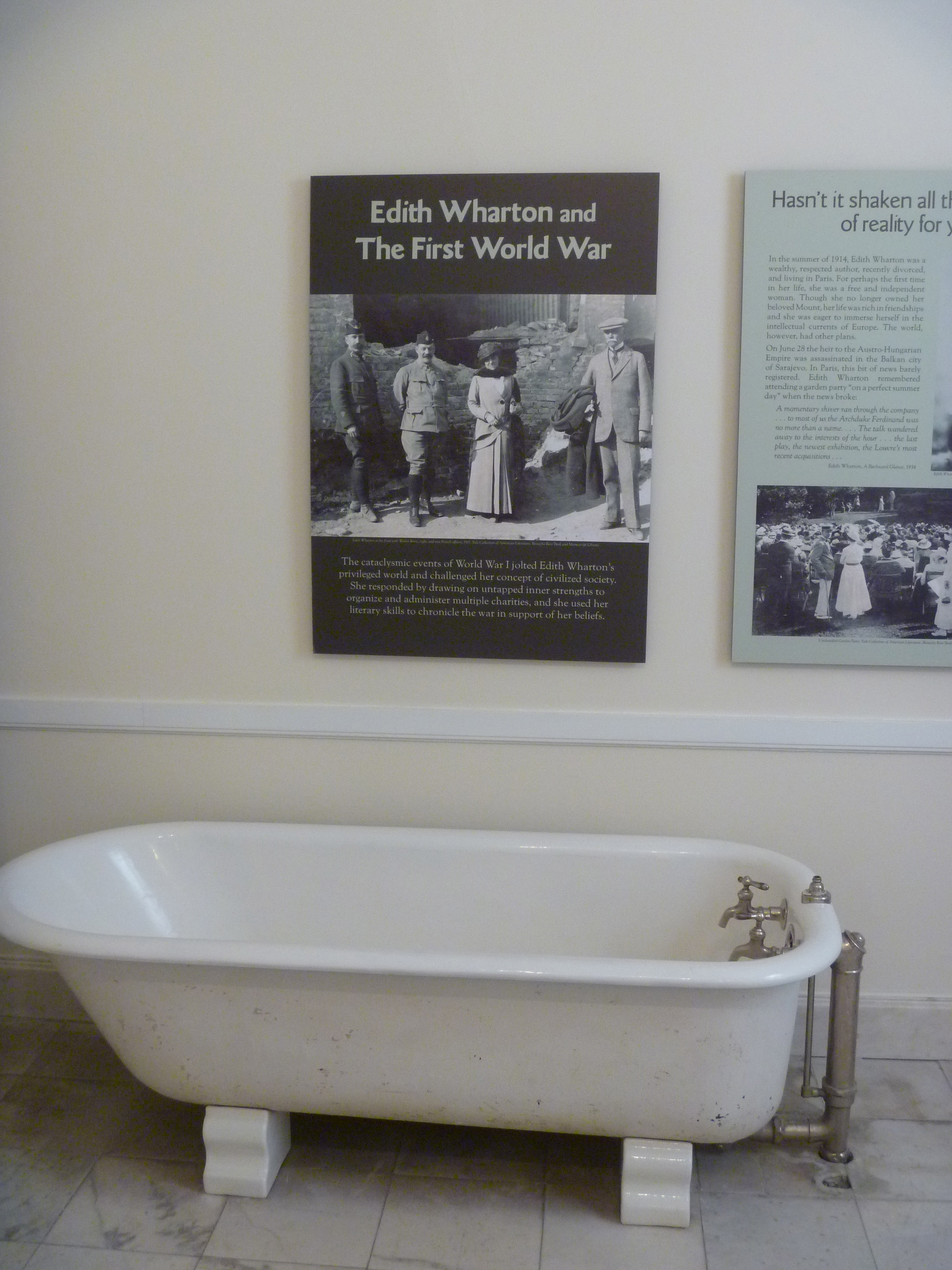
There are two interesting and entertaining exhibitions on the second floor.

and

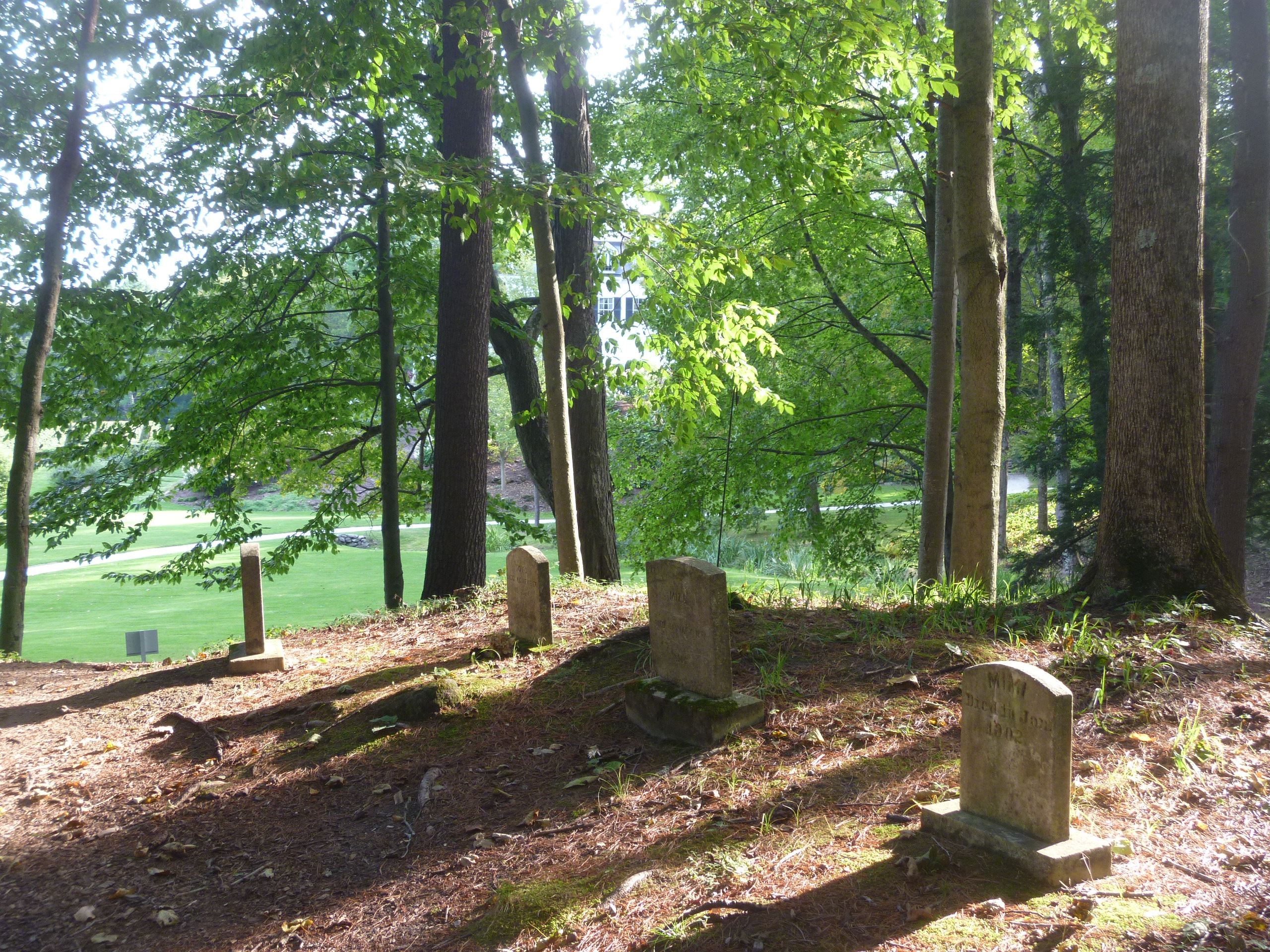
You may walk around the estate and the gardens and even visit the mound where her beloved dogs are buried.

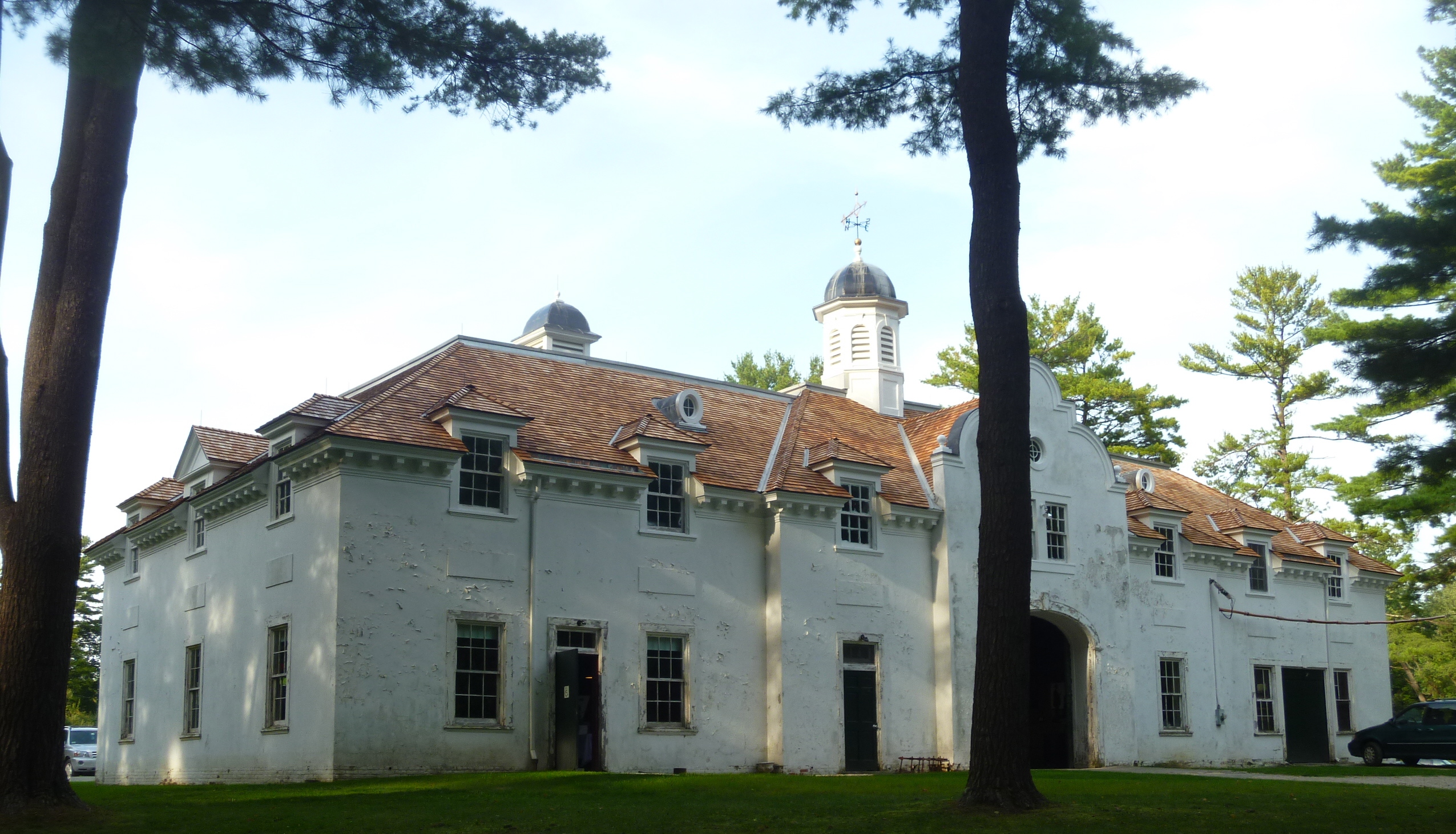
There’s a further exhibit in the Stables but these were being prepared and were already receiving the Wordfest participants.

The Stables

All in all my time there was too short to take it all in and I’m definitely up for another visit if I can manage to pass by again in future. Because of the Wordfest event I decided not to return that same weekend.

I Miss Miro but Make a Beeline for The Bee Library

A Sunny September Saturday Afternoon at The Yorkshire Sculpture Park

Oh dear, I seem to have lots of favourite places to walk and yesterday I revisited another but it’s a good place to take visitors who enjoy stepping out in the countryside but not too strenuously and with added cultural interest. Yesterday we spent a lovely warm sunny afternoon at The Yorkshire Sculpture Park. I was last there on a cold blustery January morning earlier this year. Despite a busy car park and visitor centre it was easy to get away from the crowds and although our aim was to see the Joan Miro exhibits we never actually got to them! The plan was to hike up to the Longside Gallery to see the Anish Kapoor exhibits and return to the car via the Underground Gallery and Miro exhibition.

Of course, it didn’t turn out like that as we were constantly stopping to inspect the wonderful sculptures dotted around the Park.

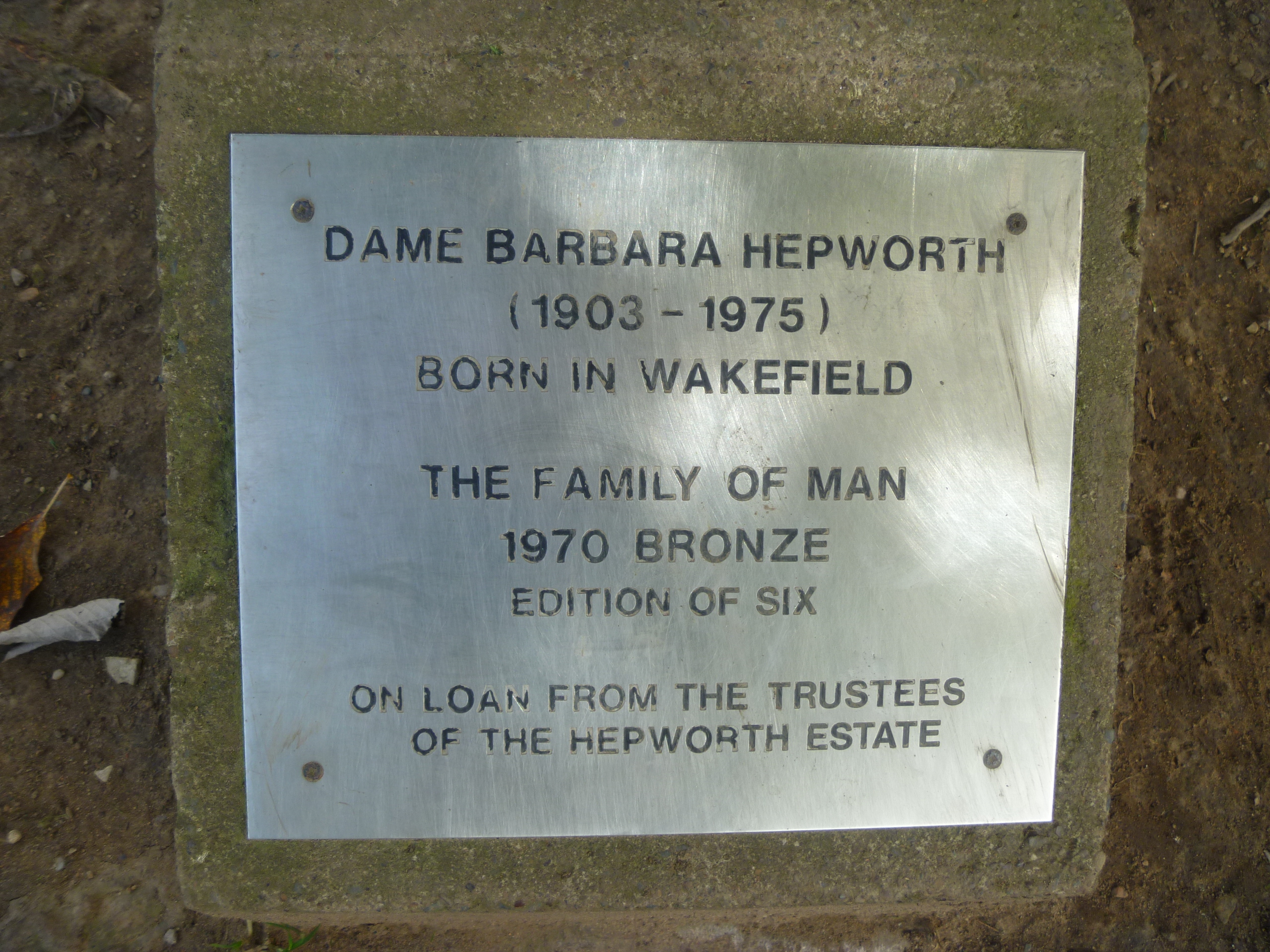
One of the first up was Barbara Hepworth‘s The Family of Man. Only as recently as July I had come across an edition of this bronze work at Snape Maltings in Suffolk.

Family of Man at Yorkshire Sculpture Park

Family of Man at Snape Maltings

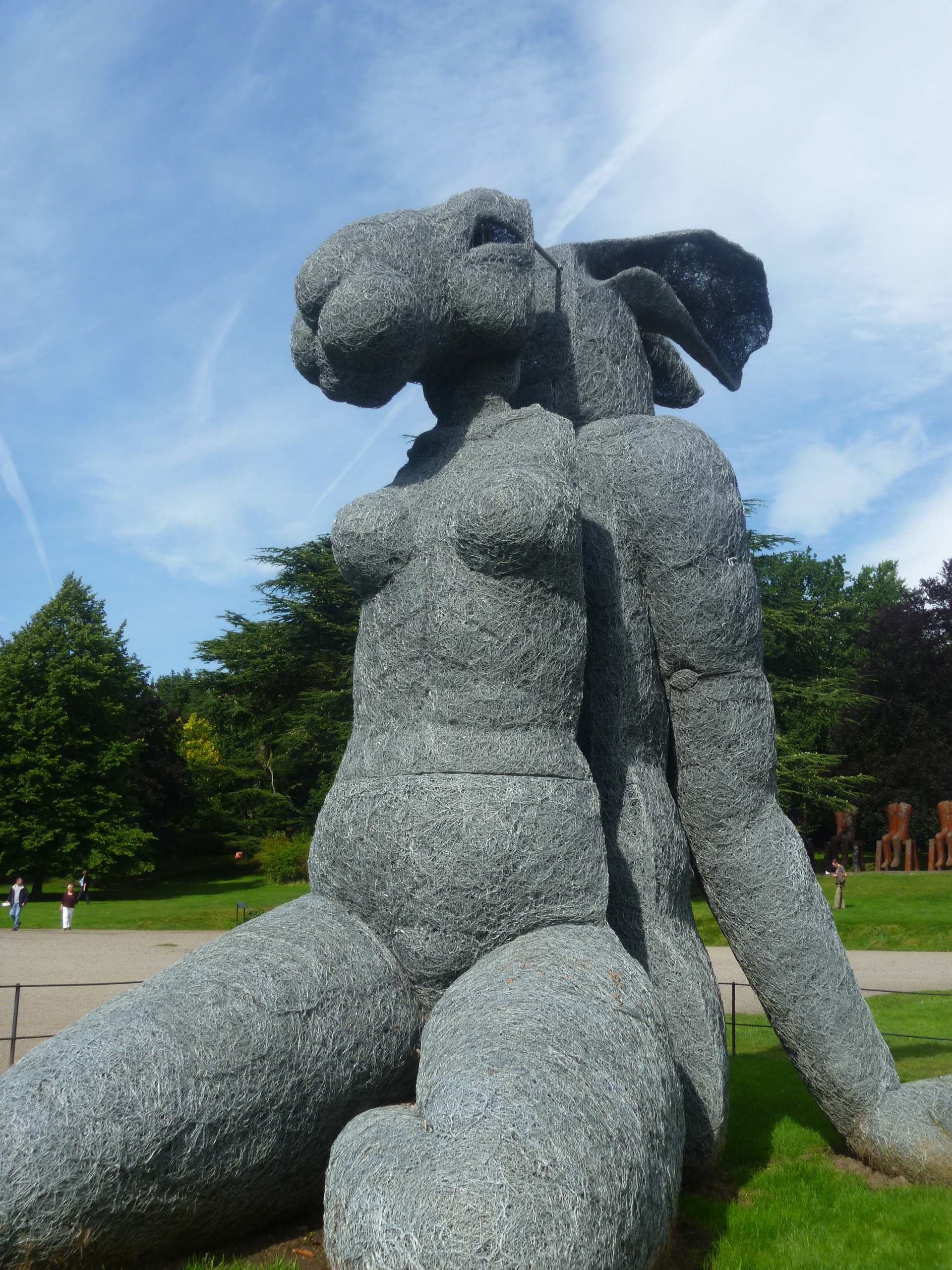
Descending through the park we were waylaid by other intriguing and clever works of art including The Greyworld Playground (make your own music!), Magdalena Abakanowicz’s Ten Seated Figures and nearby Sophie Ryder‘s Lady-Hare Sitting.

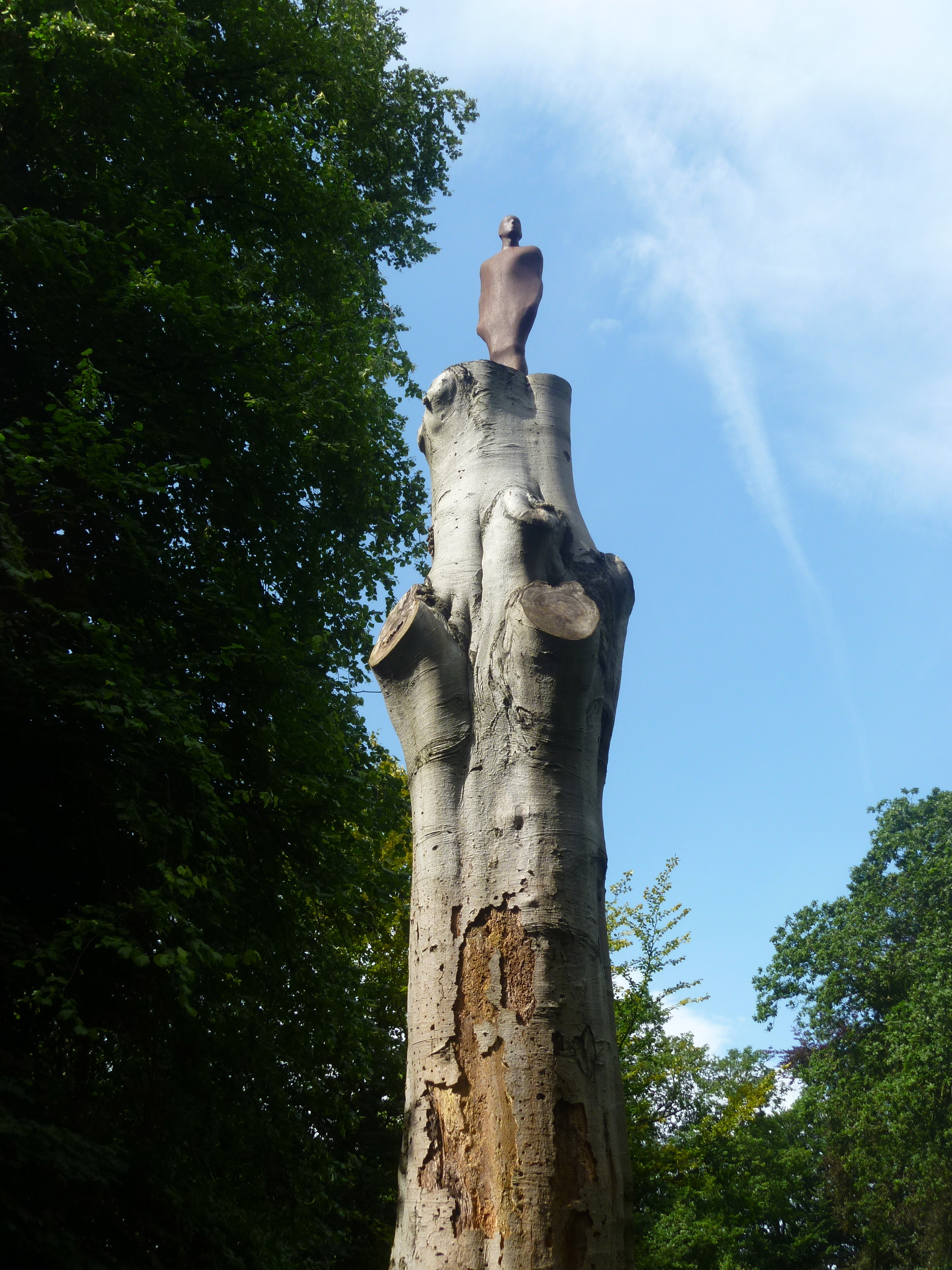
Our visitors have connections with the northeast and were expecting to see an Antony Gormley, almost featureless but still expressive, sculpture as they, like me, are fans of The Angel of The North.

They were not disappointed. Right by the gate, through which you head into open country and fields of sheep and cattle, and standing high above our heads on a massive tree trunk is Gormley’s One & Other.

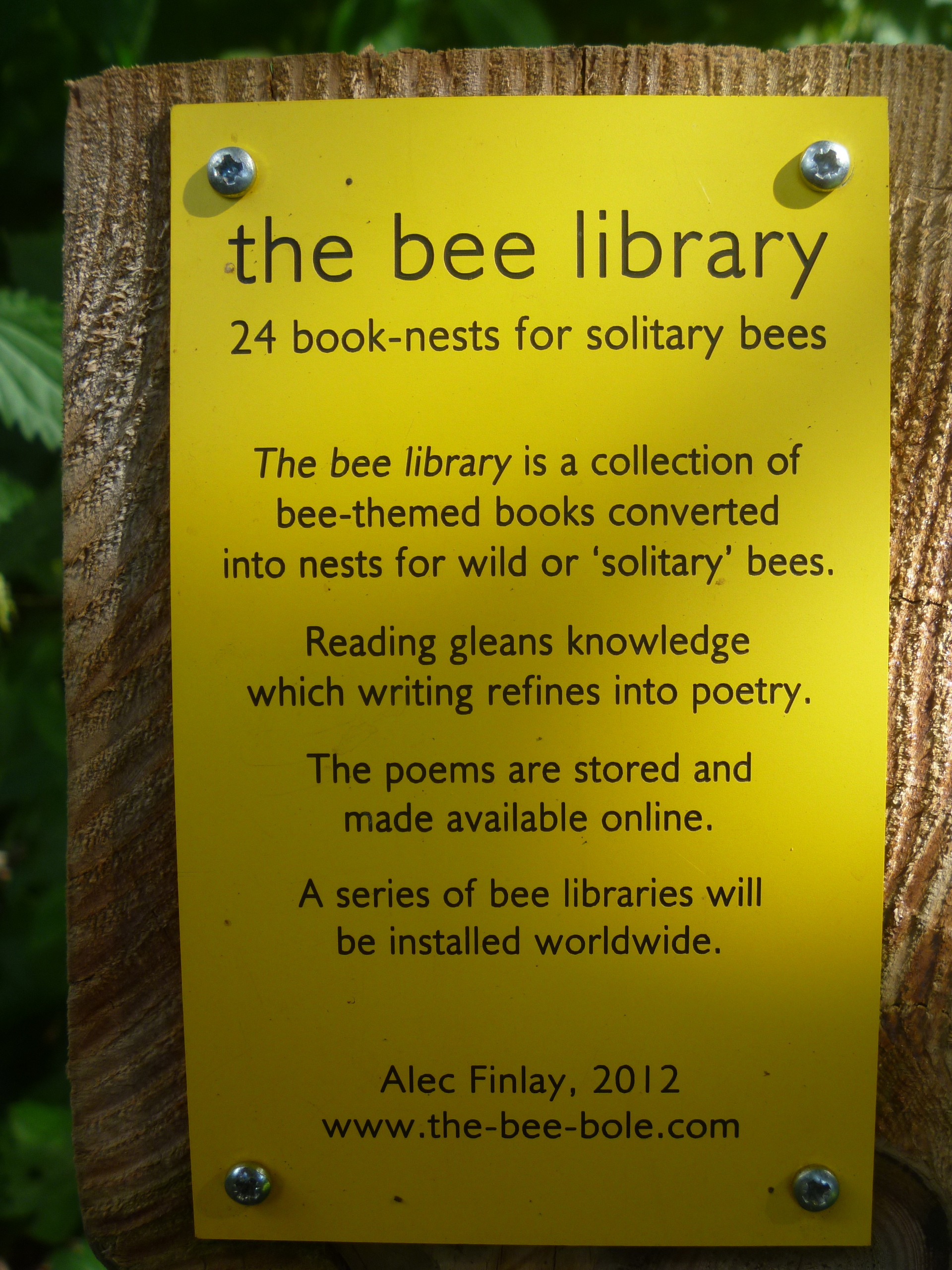
At this point we were intrigued to take a detour from our proposed route to inspect Alec Finlay’s The Bee Library. Along a path through woodland surrounding the Upper Lake hang 24 ‘Bee Hotels’ each is labelled with the title of the book and a link to the website www.the-bee-bole.com where the full story can be read.

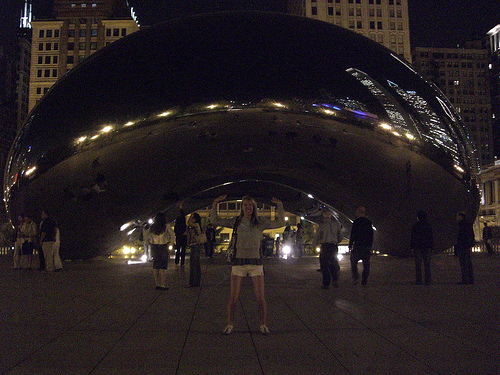
Finally we headed up the hill to the Longside Gallery which features currently an exhibition of the work of Anish Kapoor designer and creator of the Orbit structure in the London 2012 Olympic Park and of Cloudgate, commonly called “The Bean”, in Chicago.

Chicago’s Cloudgate by Anish Kapoor at night

No photography is allowed inside the gallery. After a brief stop for refreshments we headed back down hill past work of Andy Goldsworthy and down David Nash’s Seventy One Steps returning to the car with only the briefest glance round the lovely shop. Maybe I will get back to see the Miro exhibits before they move on in January 2013 – I hope so!

[Post updated with links 03.09.12]

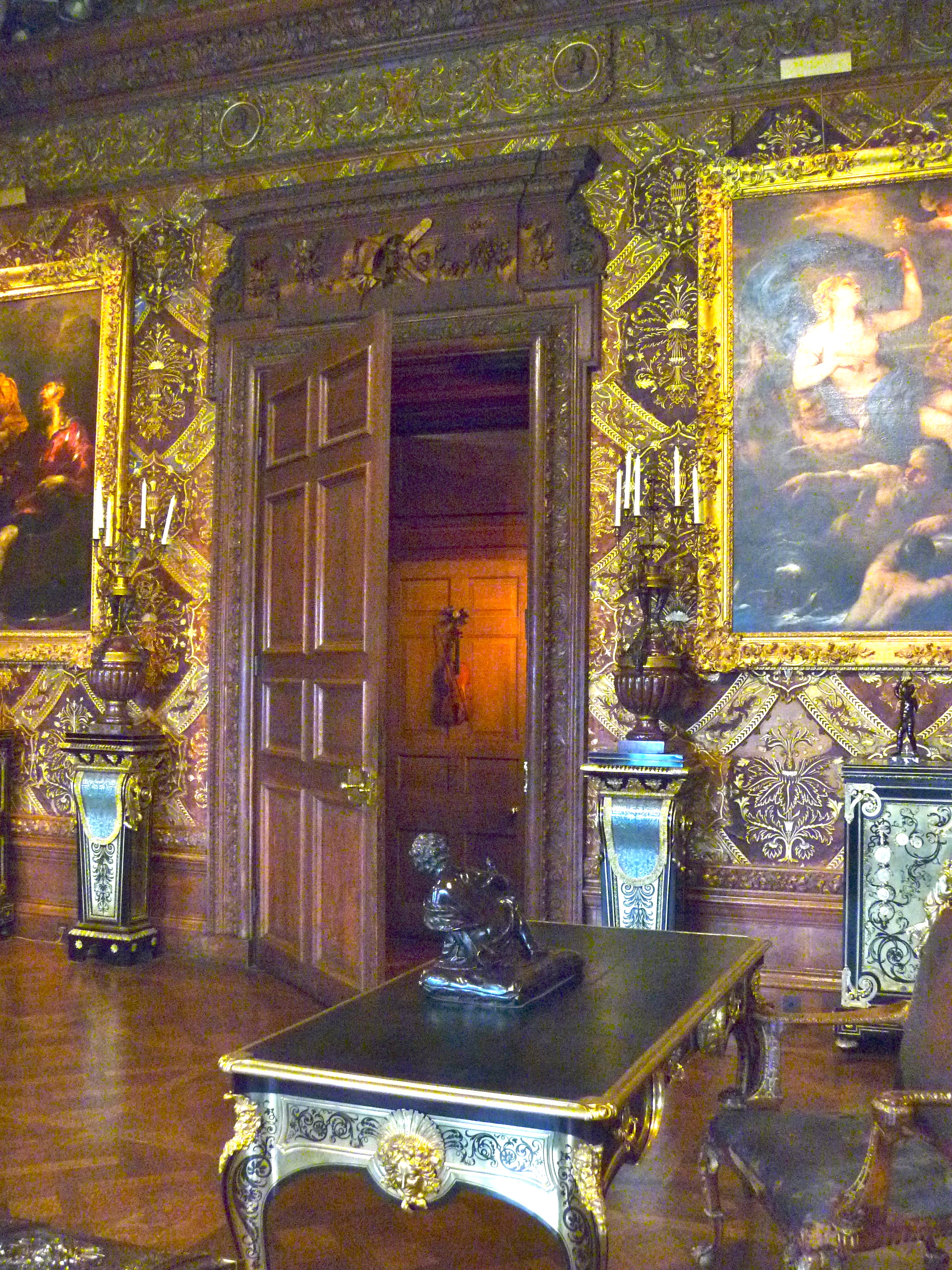
Spot the Difference : Chatsworth

I love to visit Chatsworth! So much to see and do. Lots of art and lots of history. Famous people. Gardens and country house. Plus, you may take photos everywhere. Inside and outside there’s so much variety. It’s hard to decide just where to start.

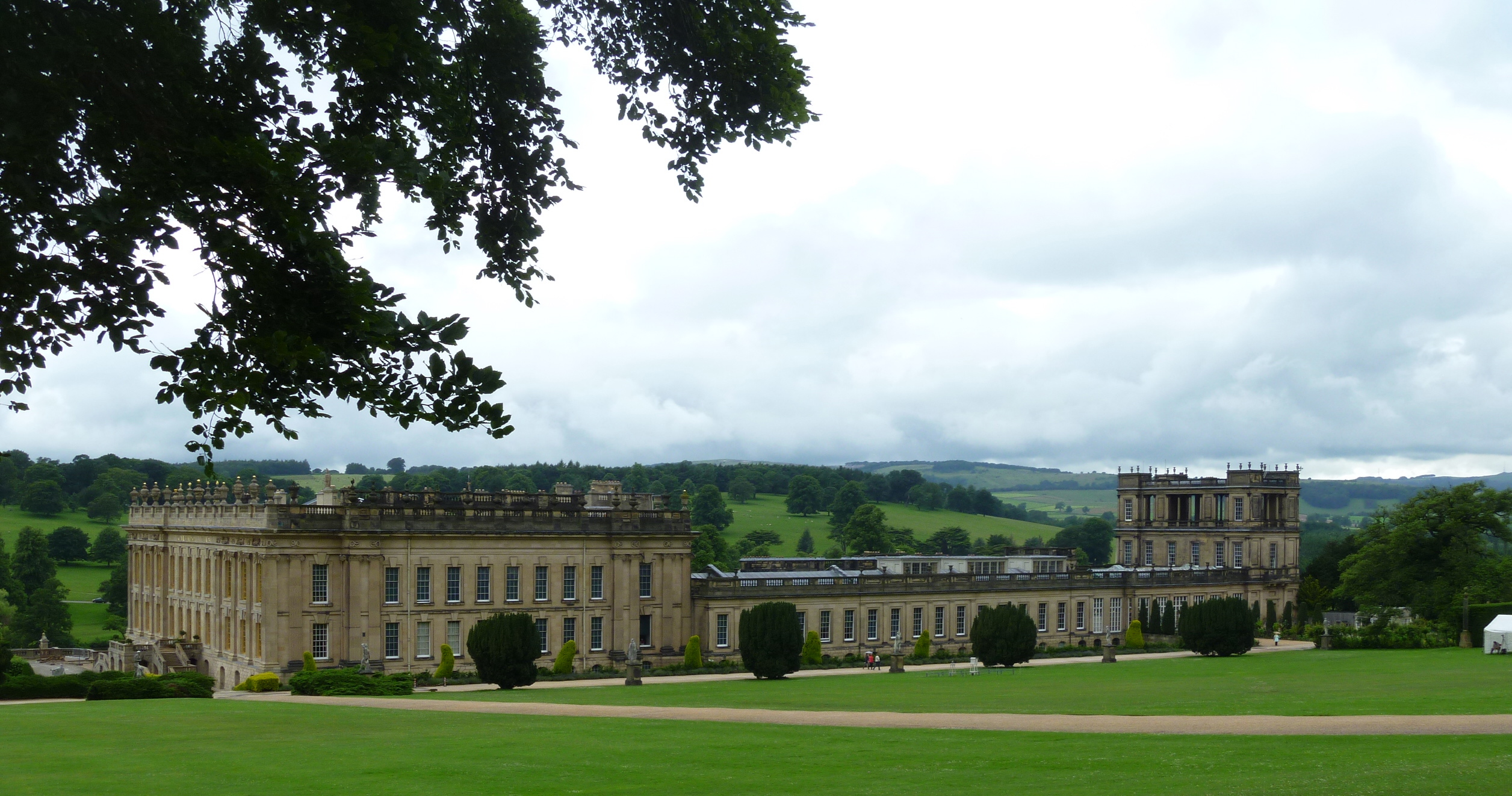
The South and East Fronts today

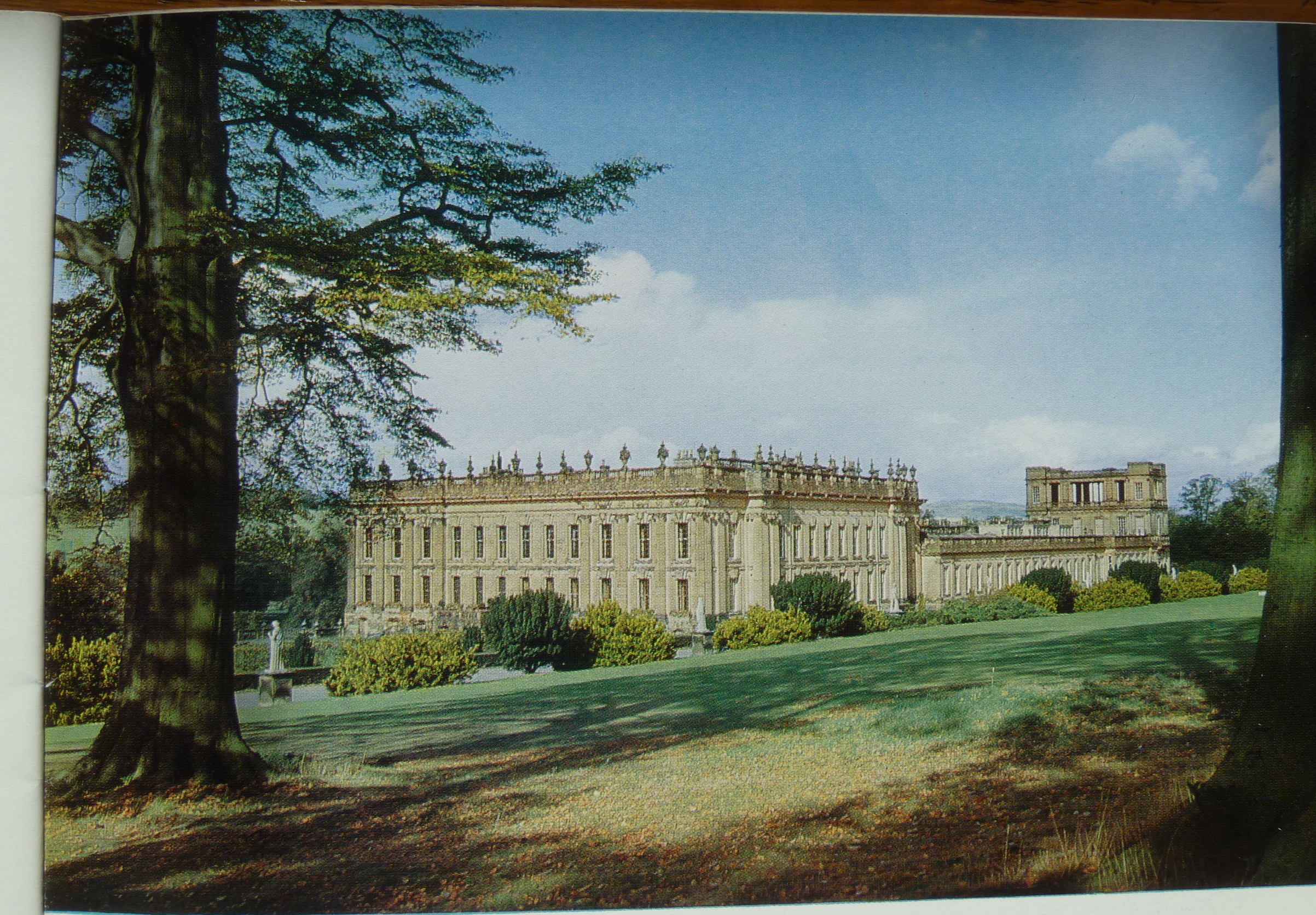
The South and East fronts from my 1970s Guidebook

The best thing about my recent visit was meeting up with the online book discussion group friends. Hopefully we have now established a tradition of having a  summer outing in the country alongside our winter/Christmas ‘party’ in town. The weather on the 10th July turned out to be abominable – weather alerts, floods, torrential rain – but we all managed to get to Chatsworth, eventually, although instead of a jolly picnic on the grass we had a delicious hot meal in the Carriage House Cafe. Now and again the rain stopped and we ventured into the gardens but we did spend quite some time in the house and made three visits to the Cafe.

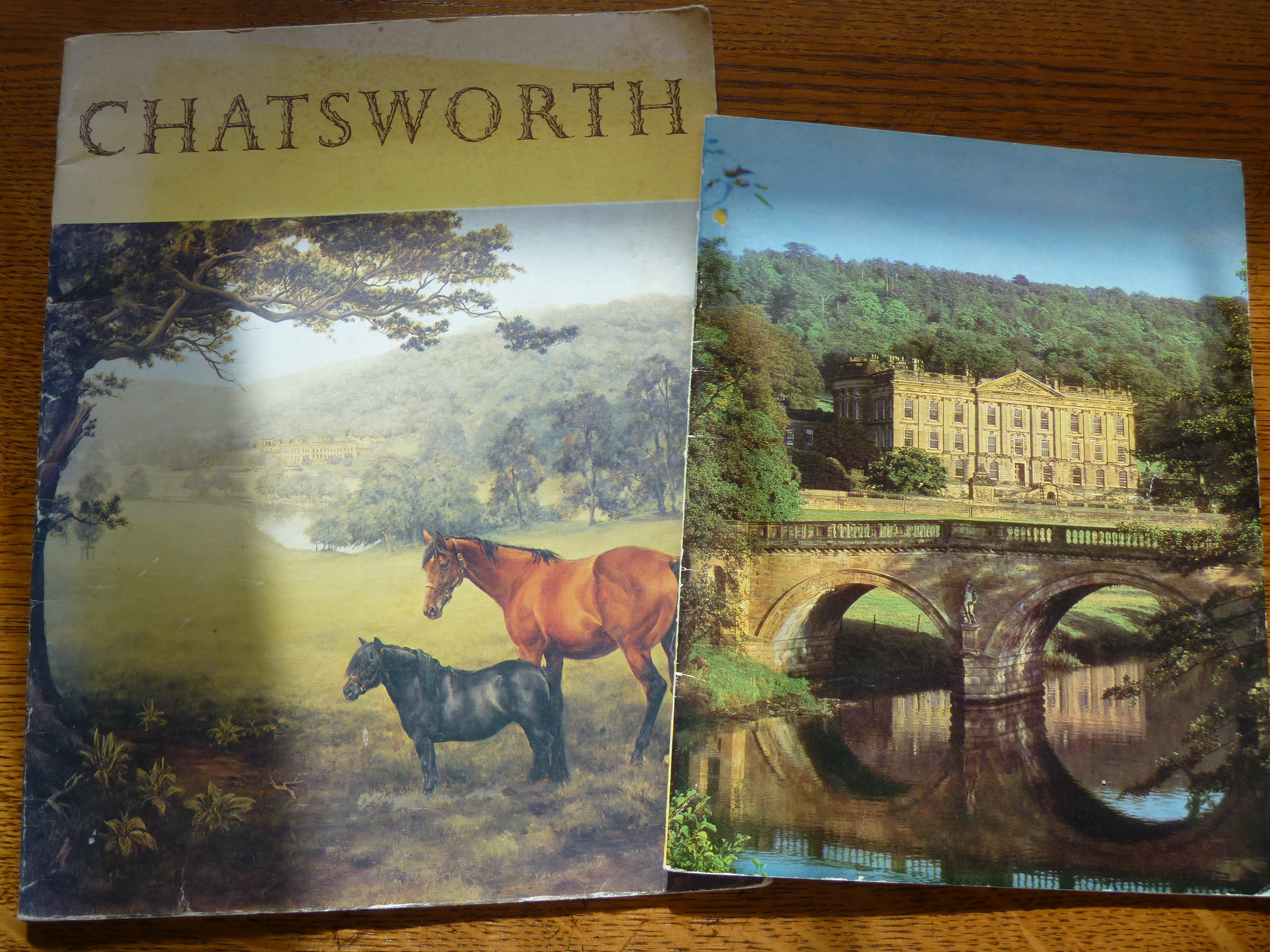
During the 1950s, ’60s and early ’70s my granny and grandad used to visit stately homes travelling from Norwich at first by motorbike and sidecar and in later years in my uncle’s Austin A35. They travelled very long distances but always within the day as they never stayed away from home overnight. I now have the collection of guidebooks which they bought at the time and I have two for Chatsworth.

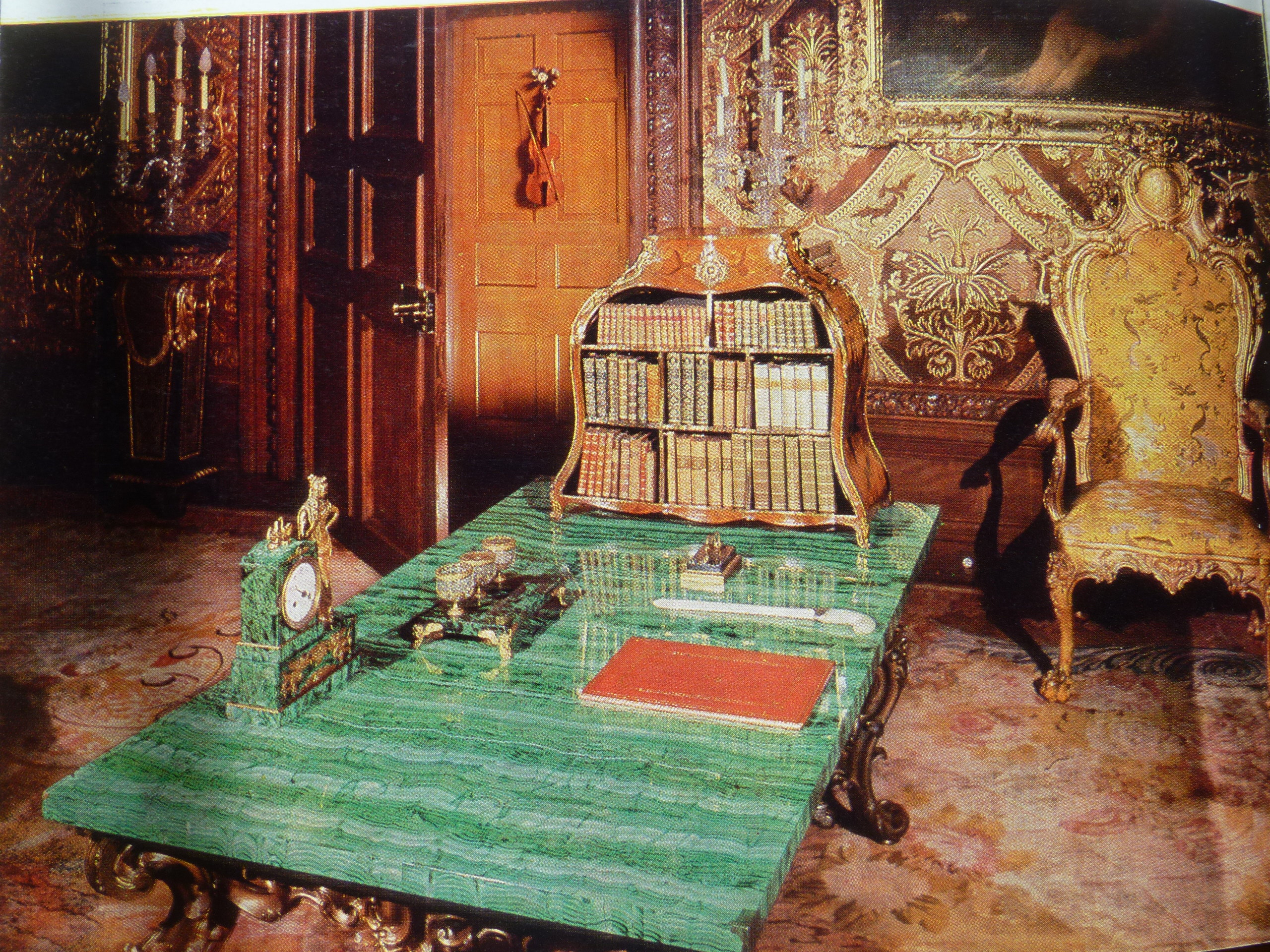
It’s interesting to look through my old guidebooks – most of which  were published by Pitkin (but not the above Chatsworth guides)- comparing the houses as they were then and as they are when I visit. So I’ve made this the theme of my Chatsworth post today.

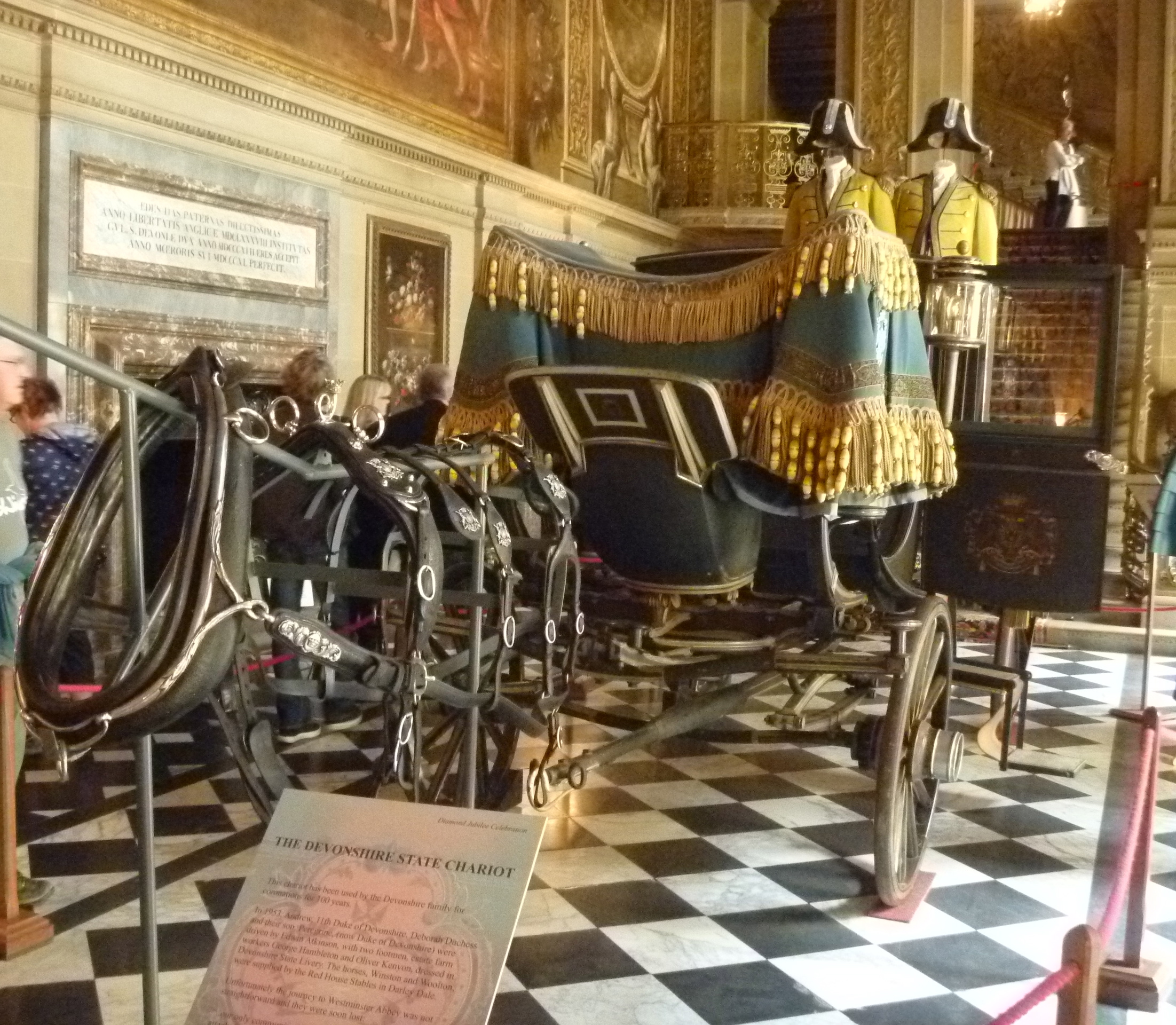
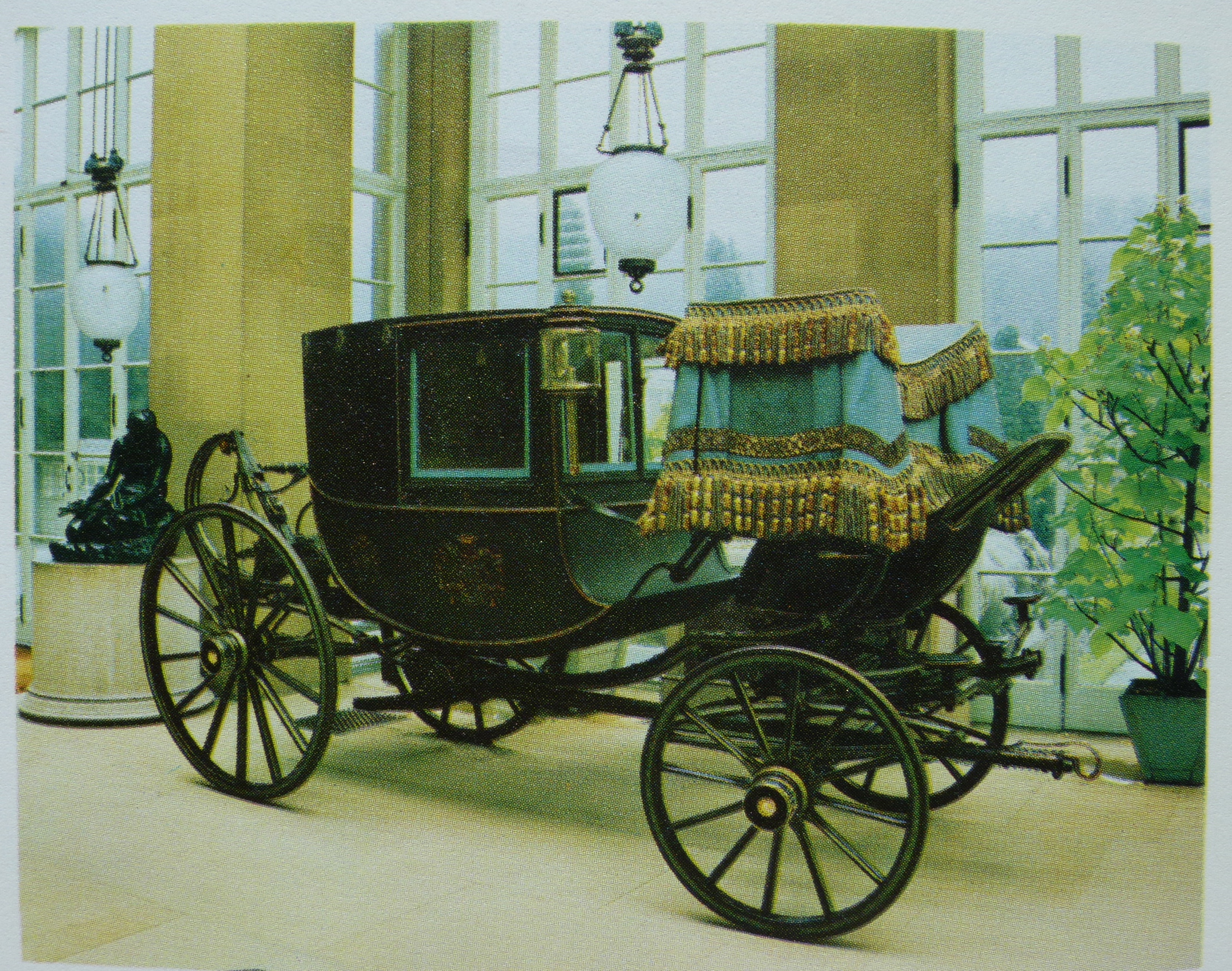
A couple of times during today’s tour of the house you pass through the Painted Hall. This year, with it being the Queen’s Diamond Jubilee Year, the Devonshire state chariot, used by the 11th Duke to attend the Coronation, is on display in there. I loved reading the little anecdote about the party getting lost on their way to attend the coronation in 1953.

The Painted Hall in 2012 with State Chariot on display

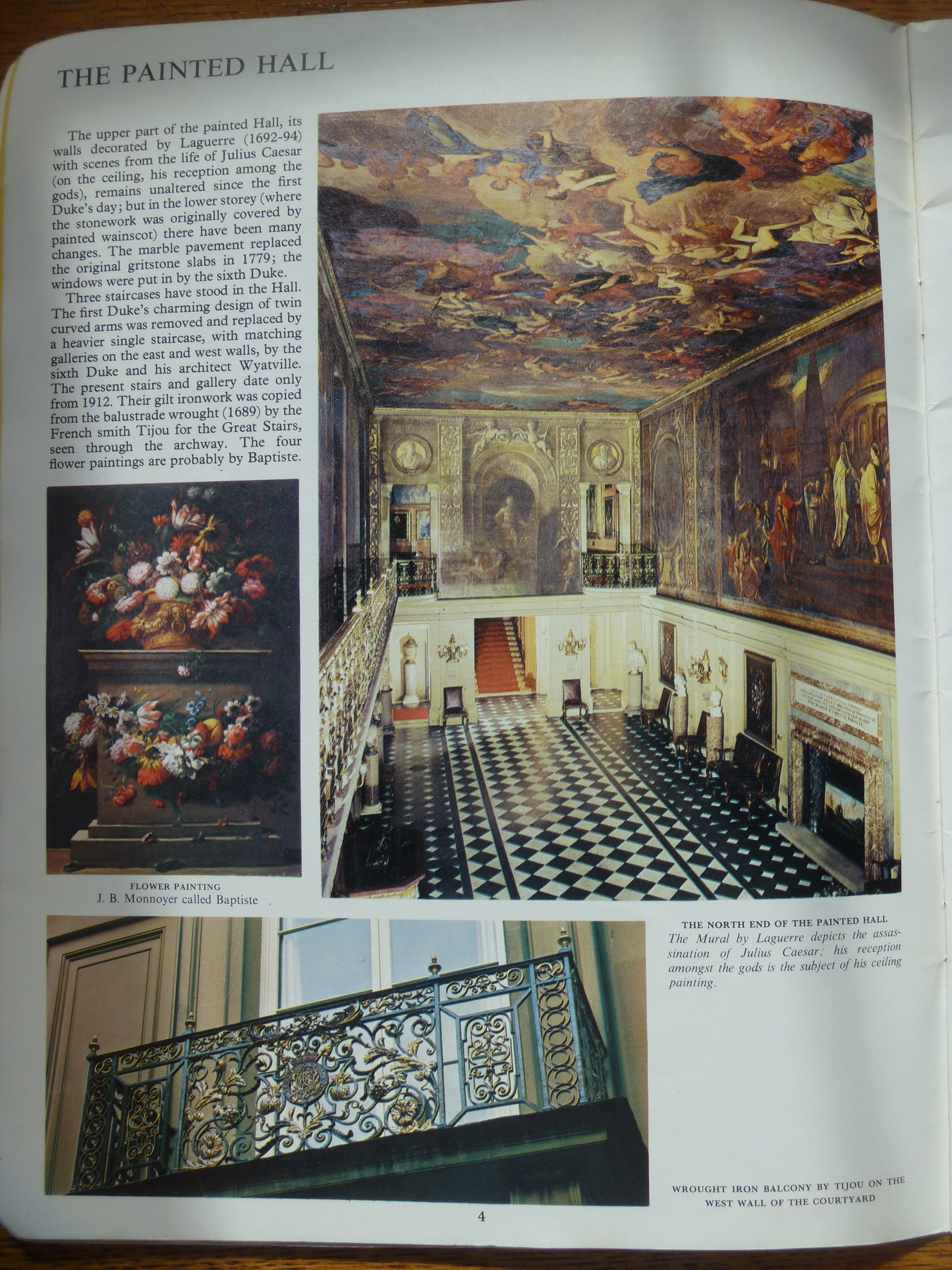
The Painted Hall and Tijou Balcony, 1970s

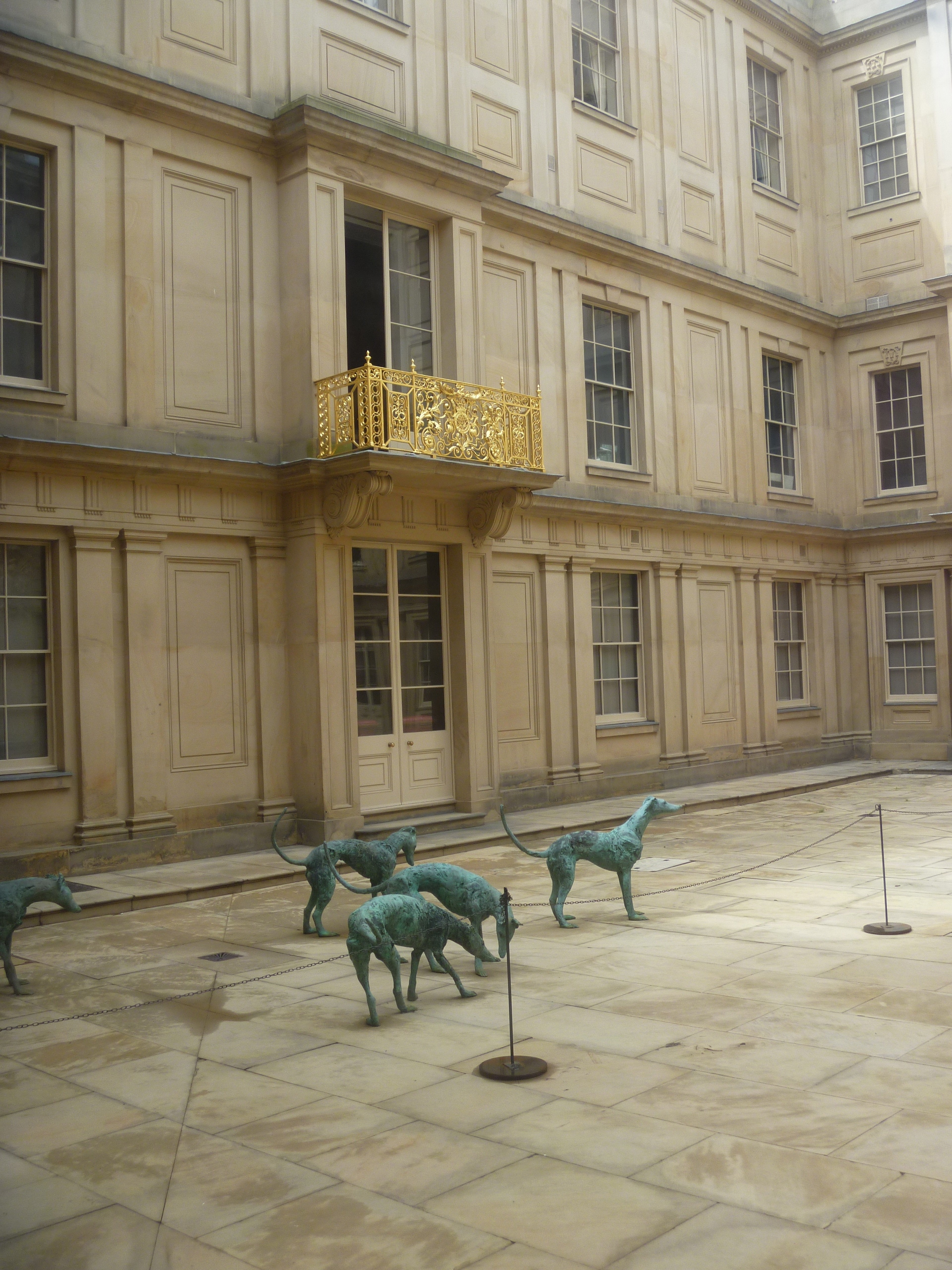
The Tijou Balcony today

From the Painted Hall and nearby corridor you can see out into an inner courtyard and the Tijou-designed balcony which would have been sparkling in the sunshine – had there been any!

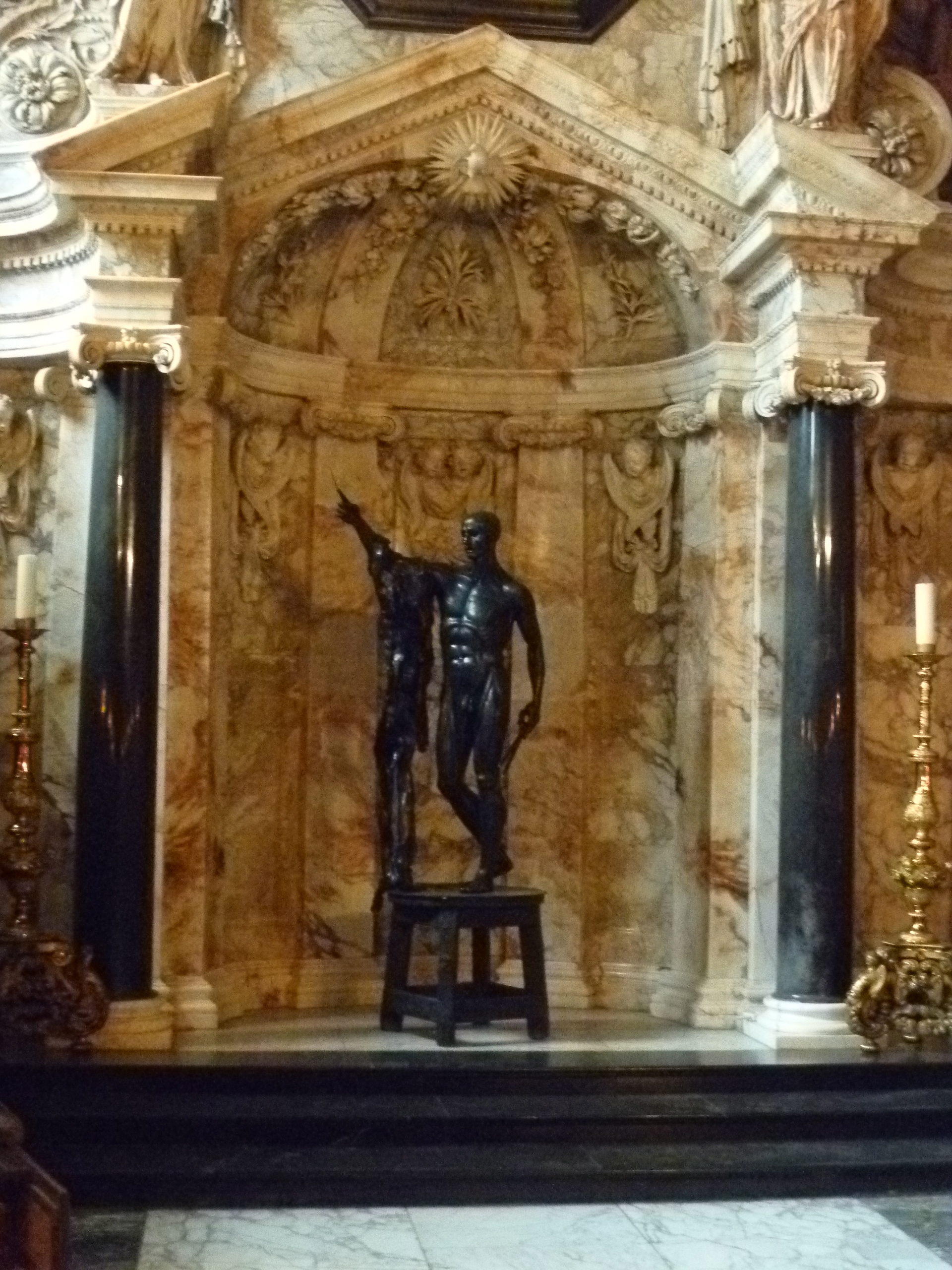
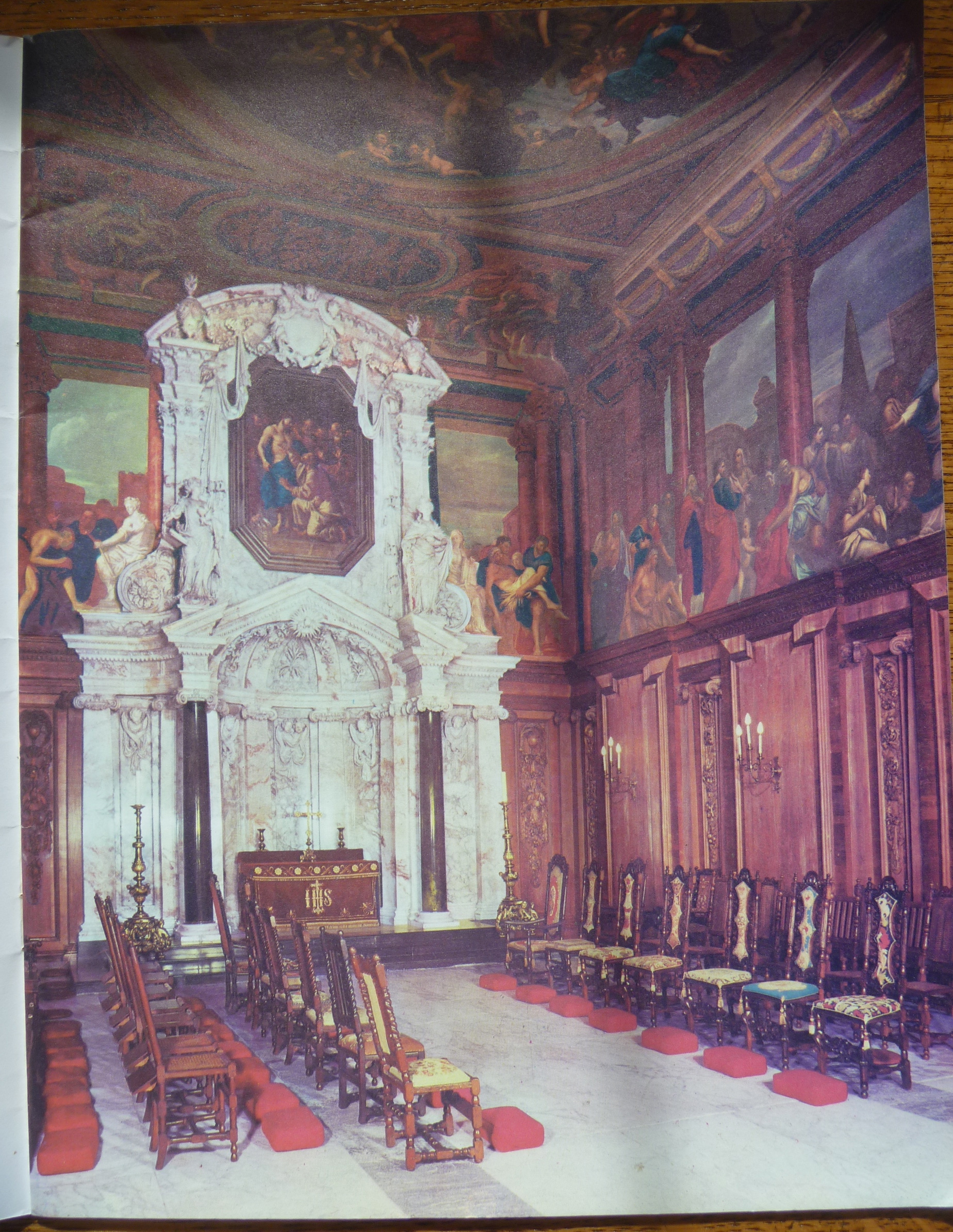
Here is the Chapel today with its modern art and in the 1970s looking very traditional and rather OTT.

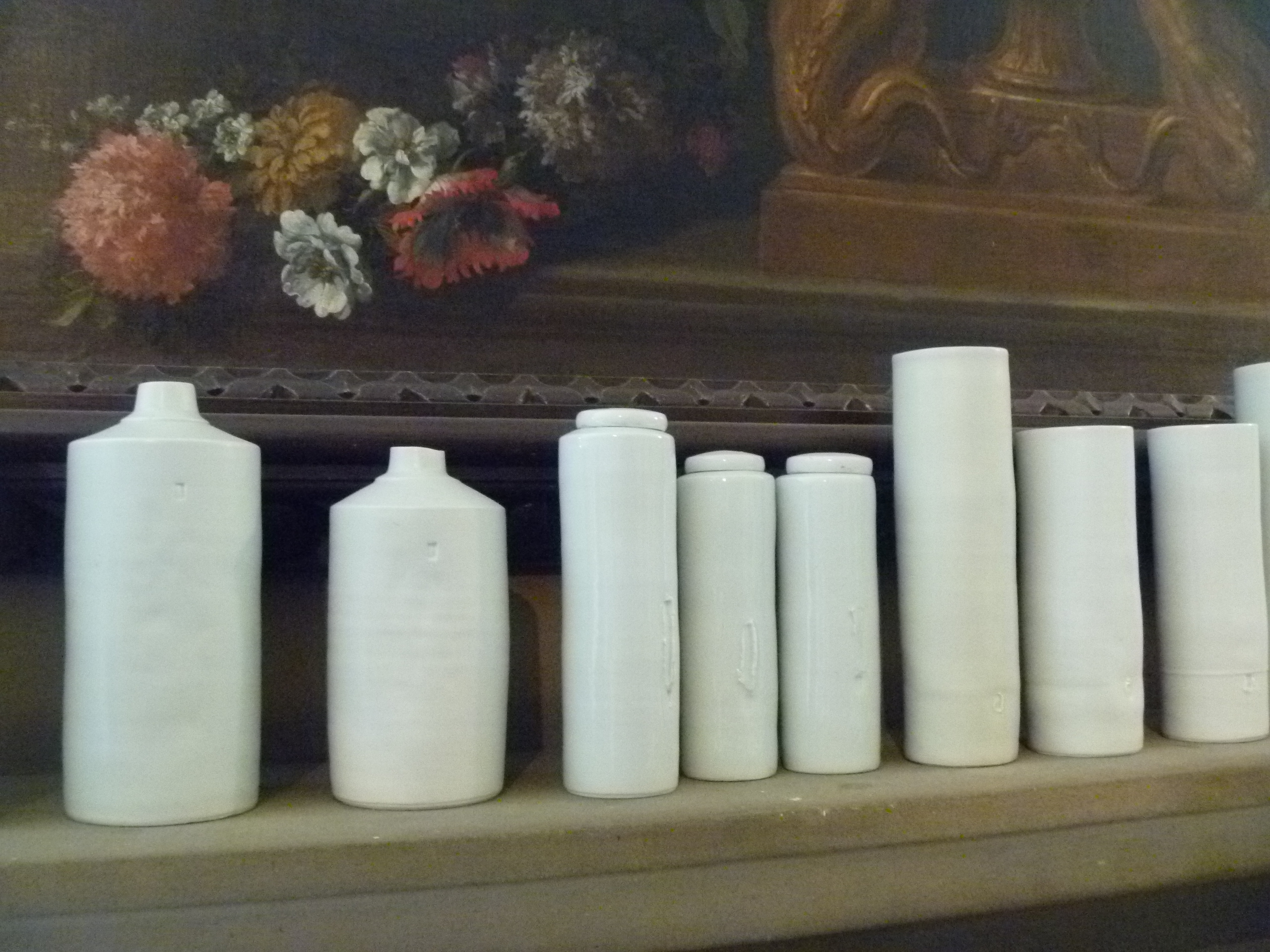
The Chapel Corridor now displays modern art sculptures and pots. I noticed a large group of Edmund de Waal pots on a mantlepiece.

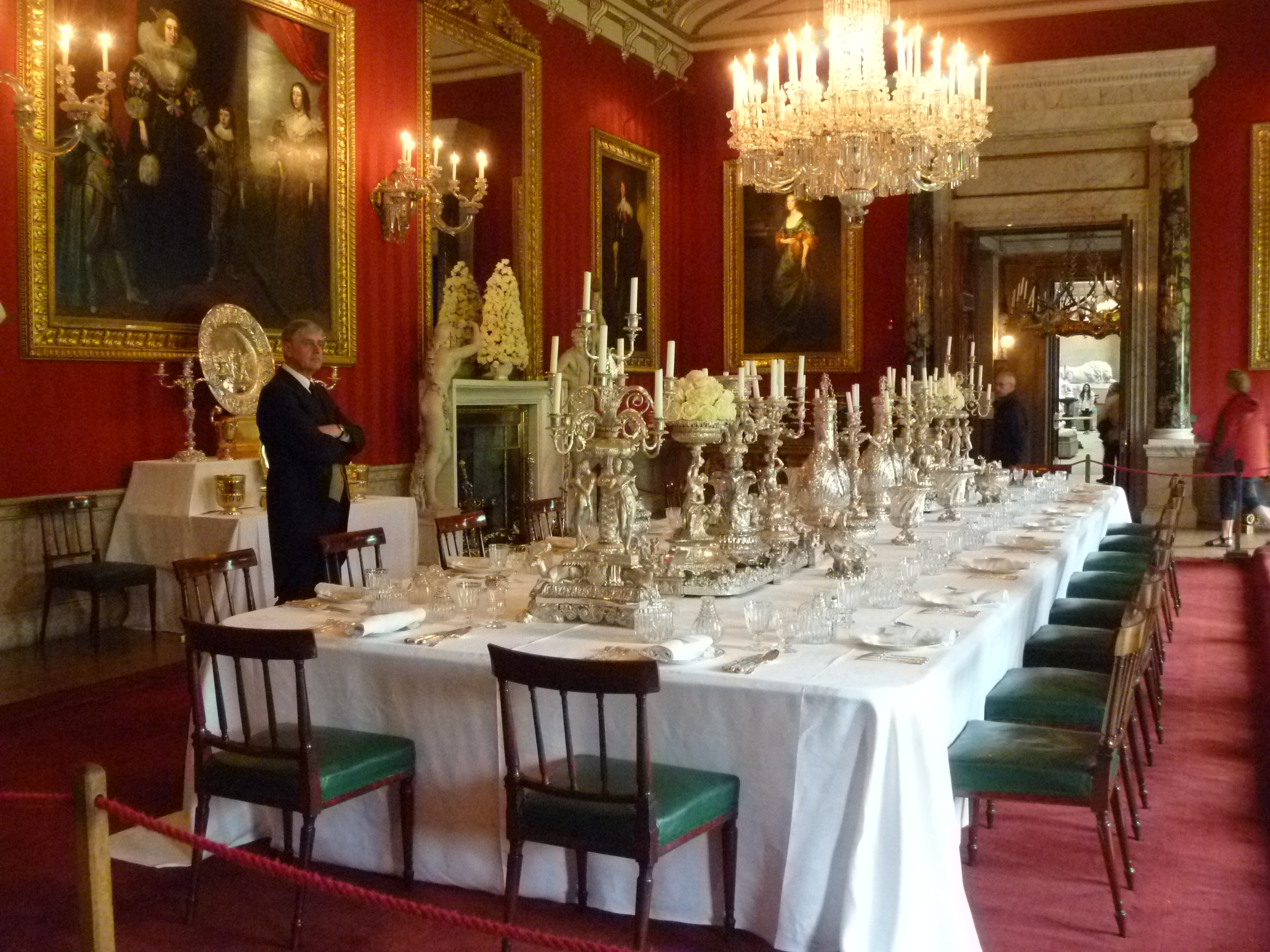
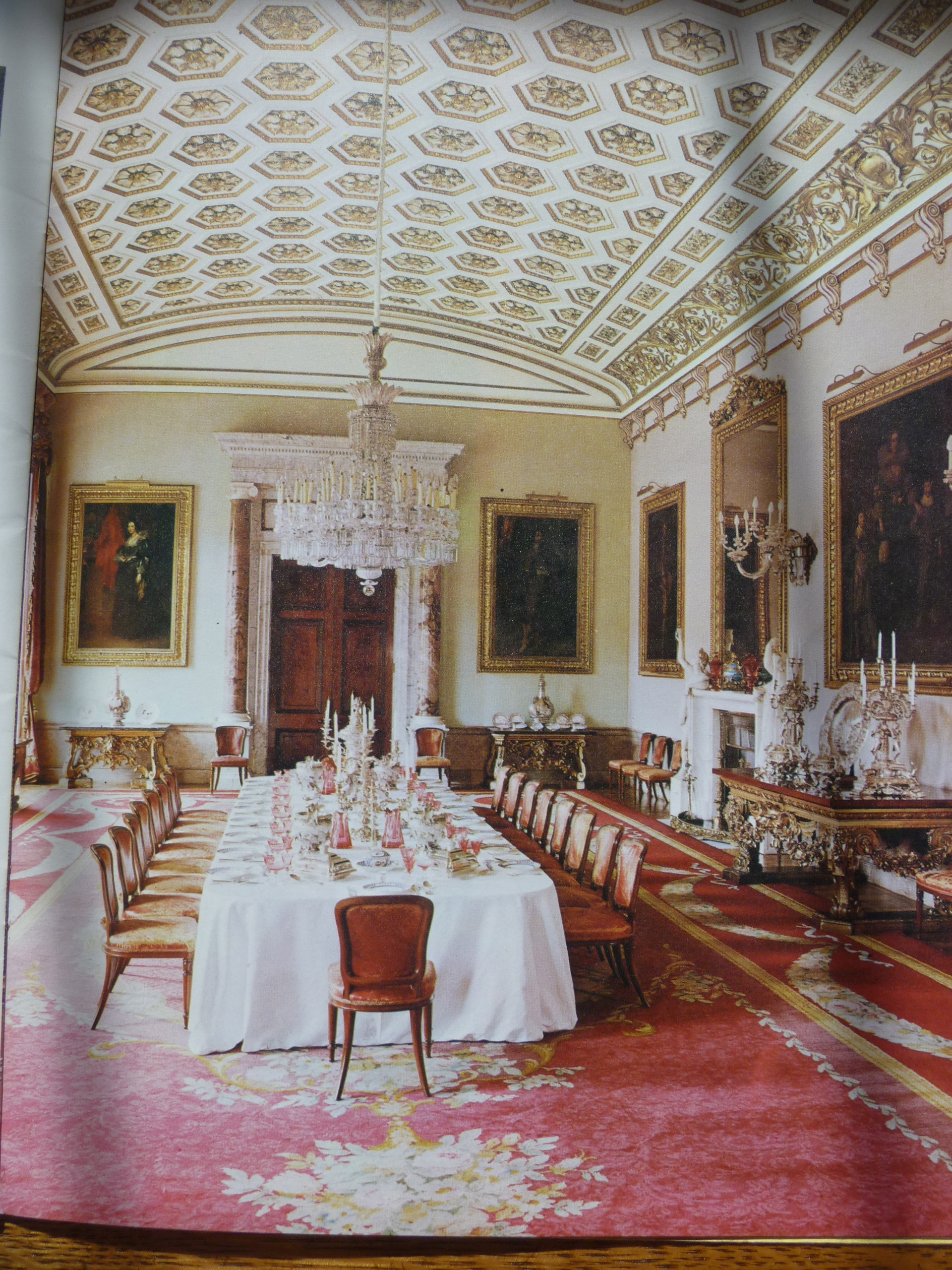
One of the last rooms you visit on the tour today is the Dining Room :

Then there’s the sculpture gallery and the Orangerie now houses the shop.

My favourite wonder of Chatsworth is just a smallish painting. It’s a Trompe L’Oeil violin on the back of a door. Watch out for it next time you visit Chatsworth.

Trompe L’Oeil 2012

In my guidebook

Isn’t it amazing?

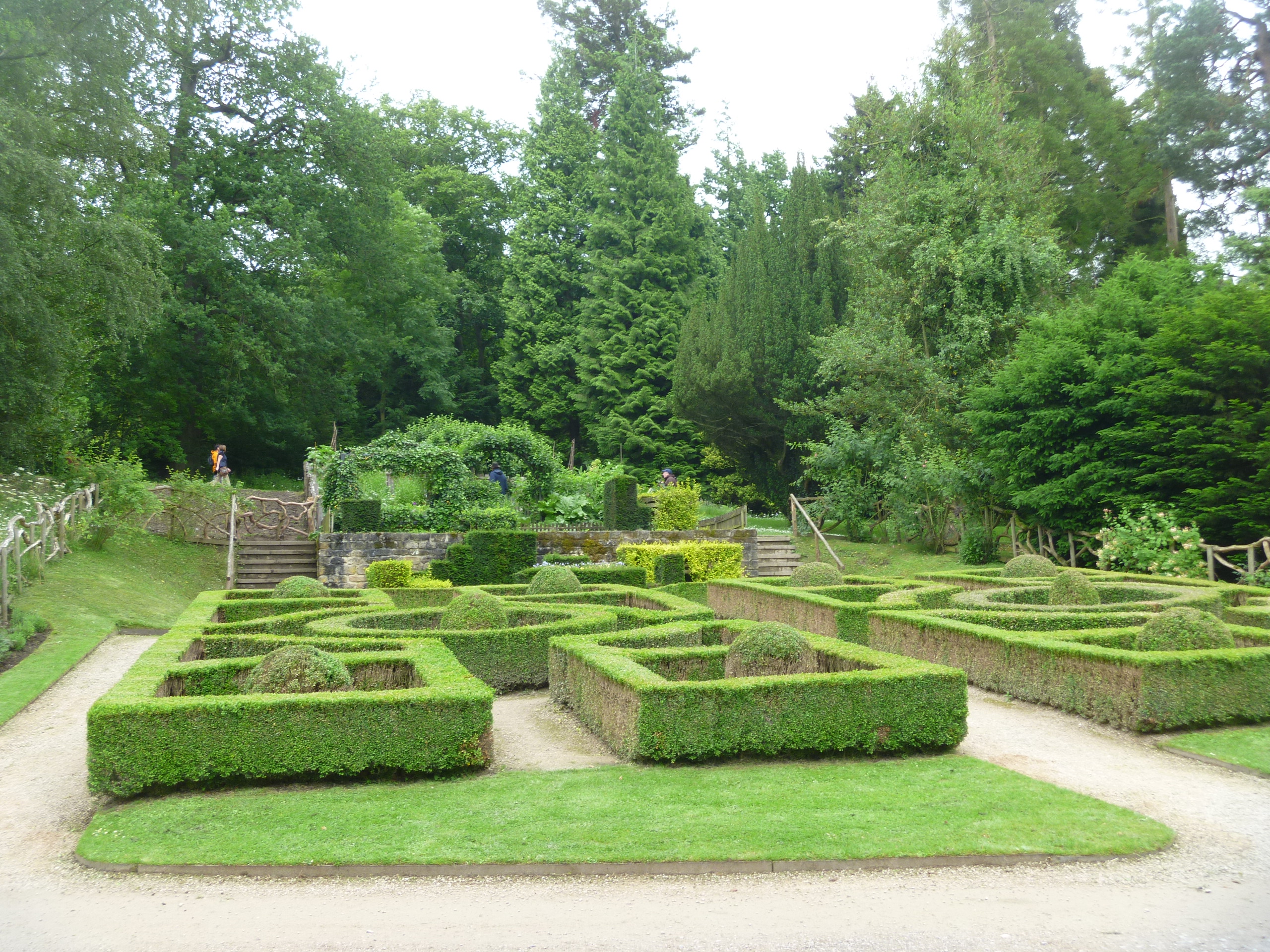
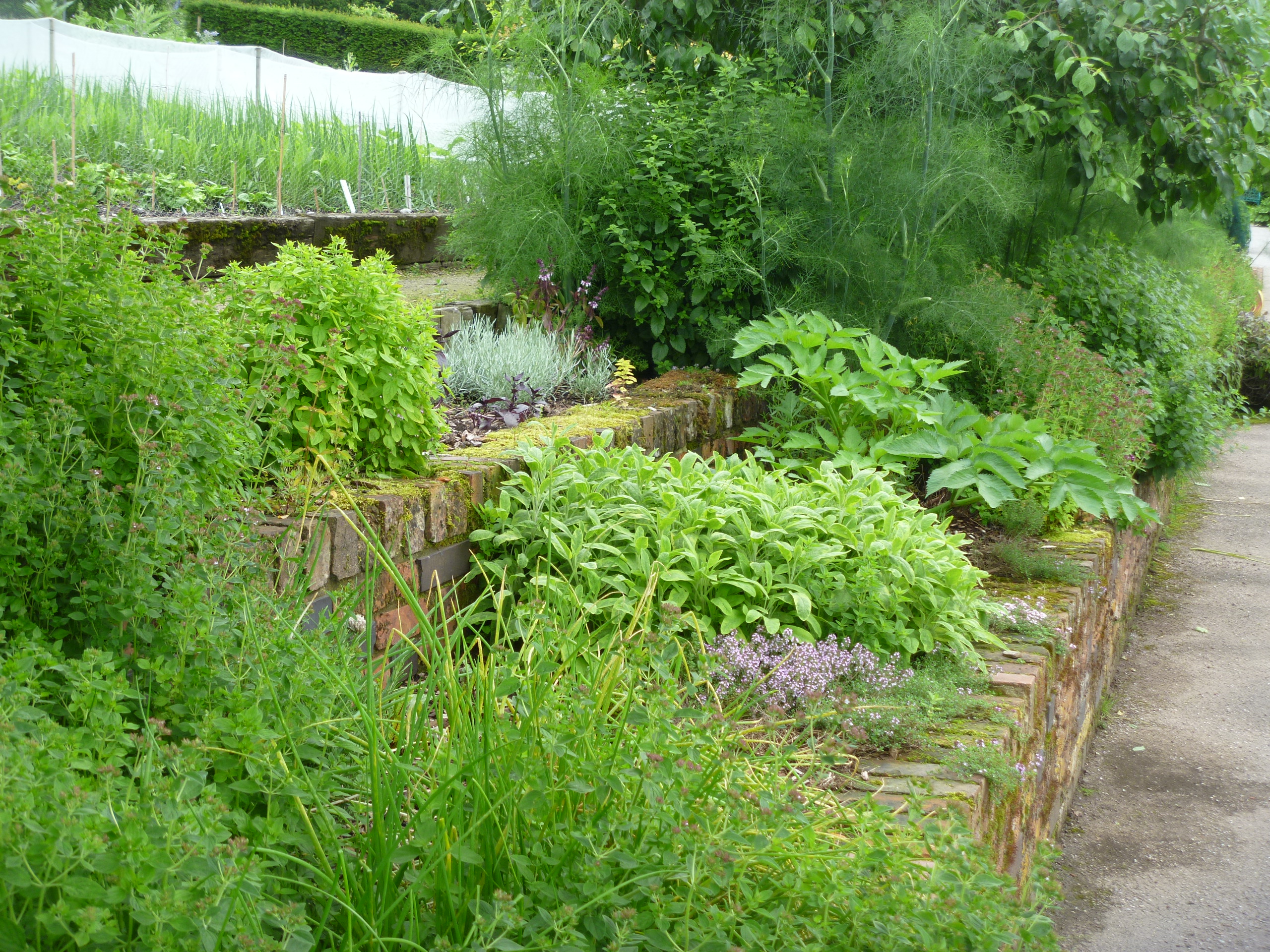
And finally, just to show that we did get into the gardens :

The Knot Garden

Herb beds in the Walled/Kitchen Garden

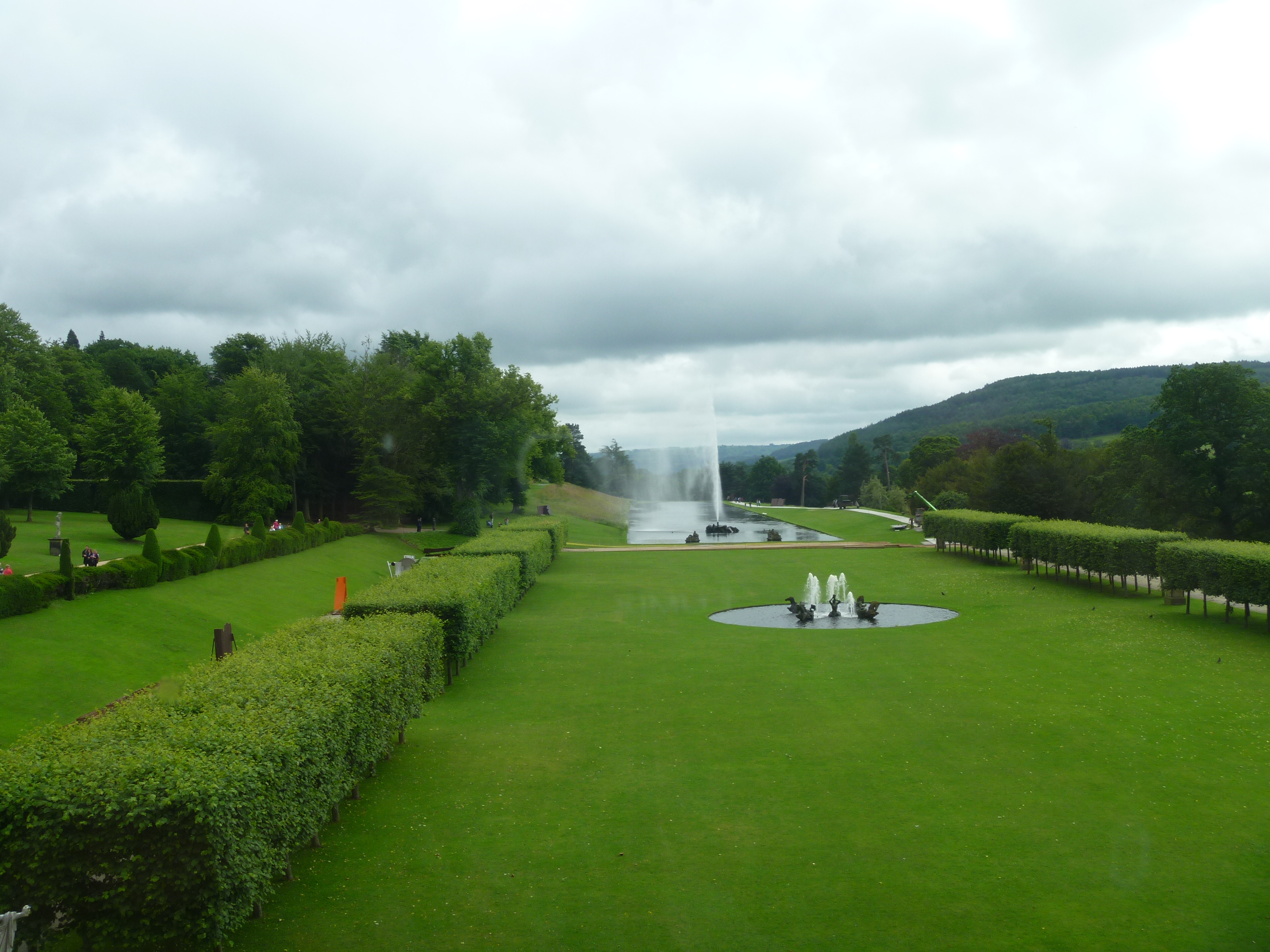
The Emperor Fountain

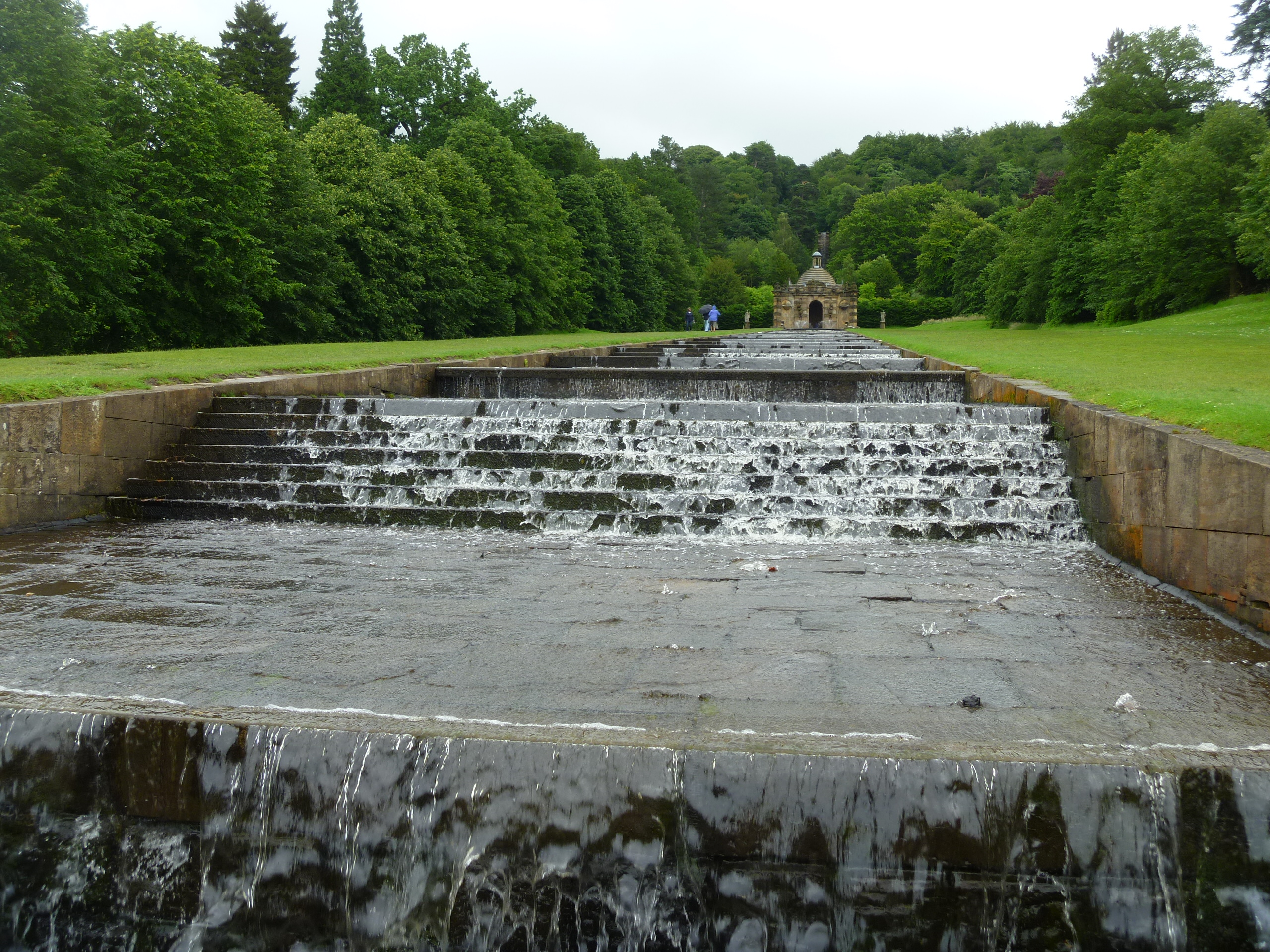
The Cascade

Jean-Jacques Rousseau; born in Geneva 300 years ago.

“The person who has lived the most is not the one with the most years but the one with the richest experiences.”

Jean-Jacques Rousseau

The Swiss are gluttons for their anniversaries! Just about every month there are fireworks or celebrations or parades in one Canton or another. But they really go to town with special anniversaries every year. I posted earlier about the 100 years of the Jungfrau Railway.

As one would expect, the city of Geneva decided that the birth of the philosopher and novelist, composer and major influence on the French Revolution Jean-Jacques Rousseau, in the city in 1712, must be worth a celebration.

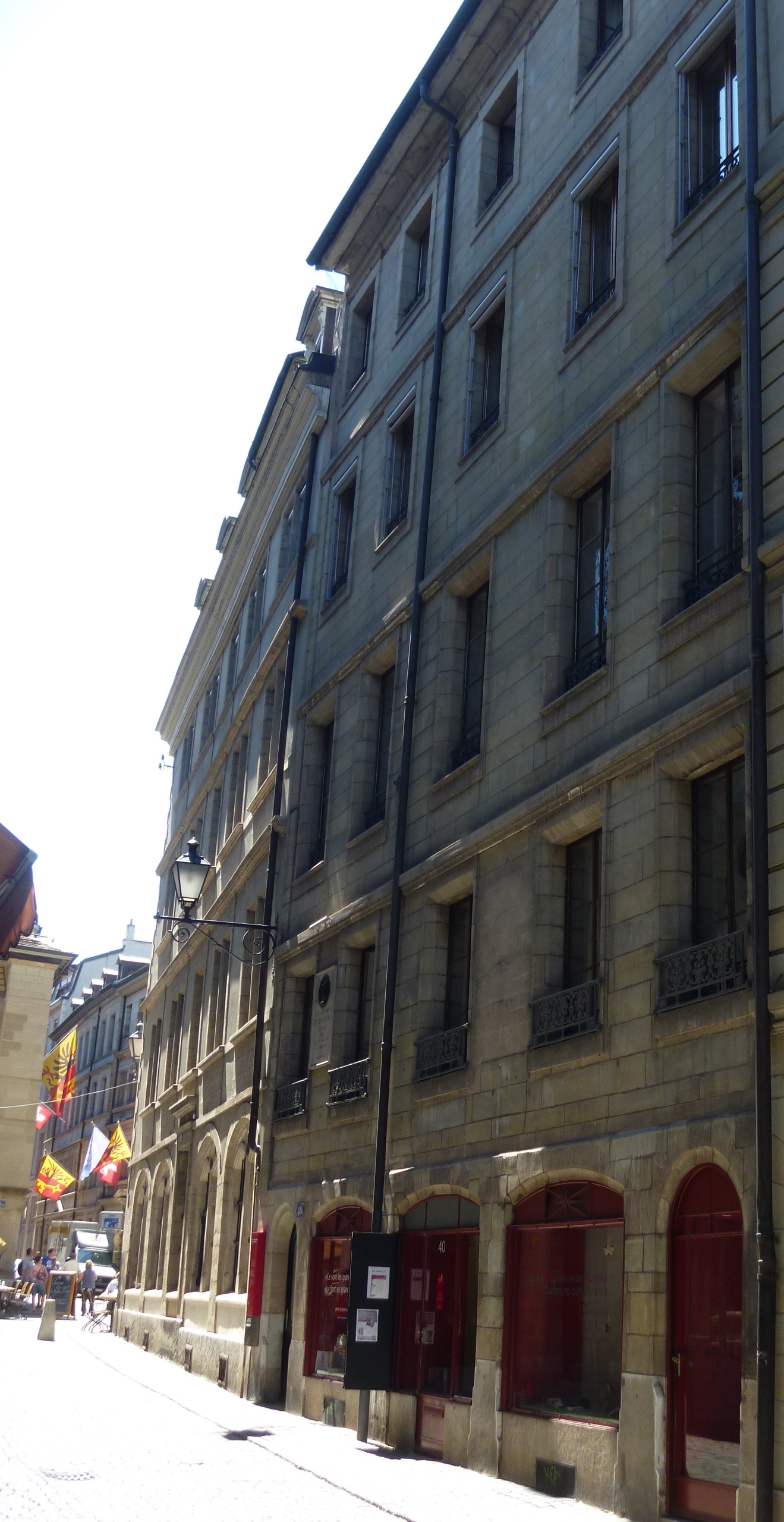
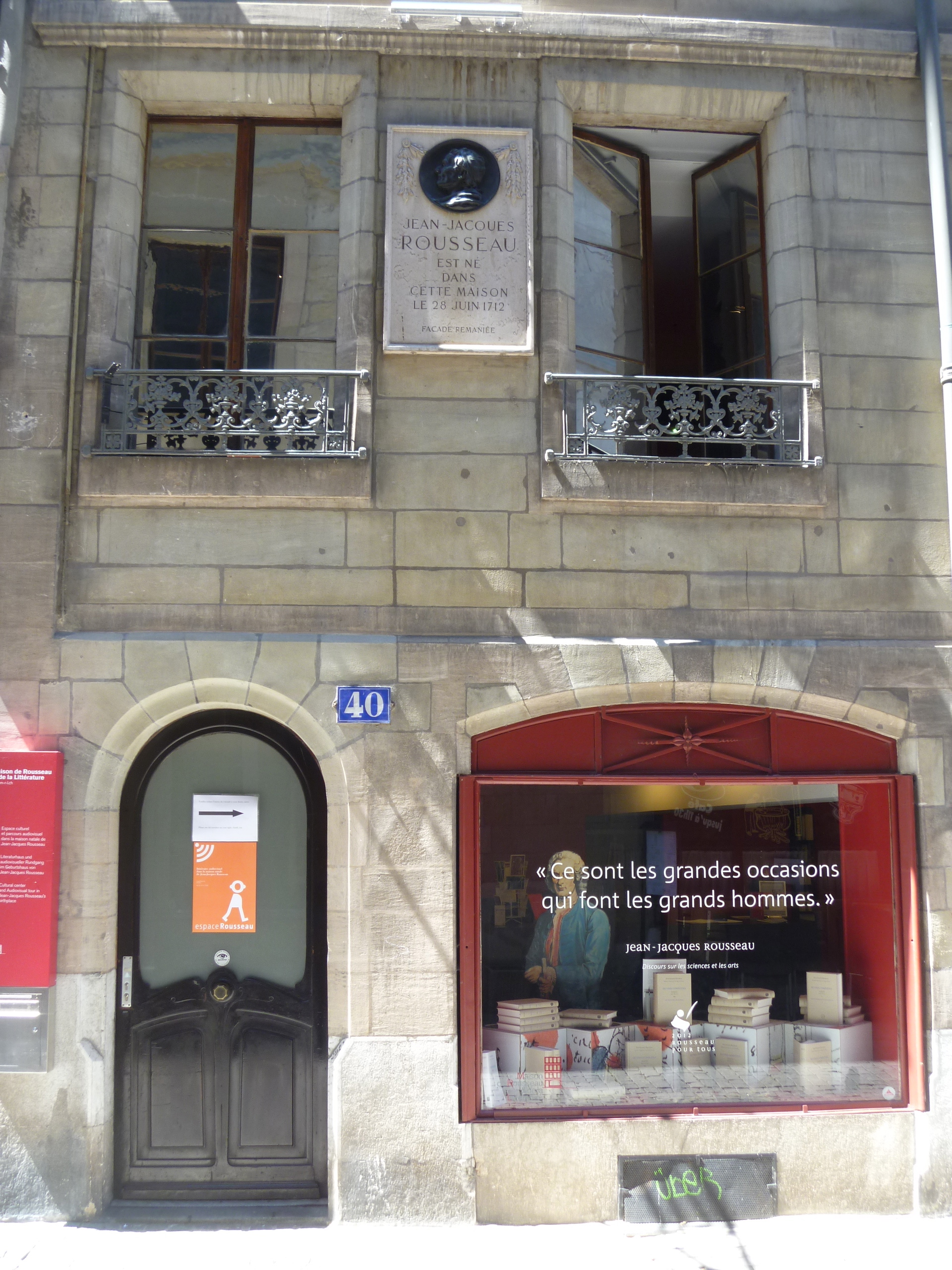
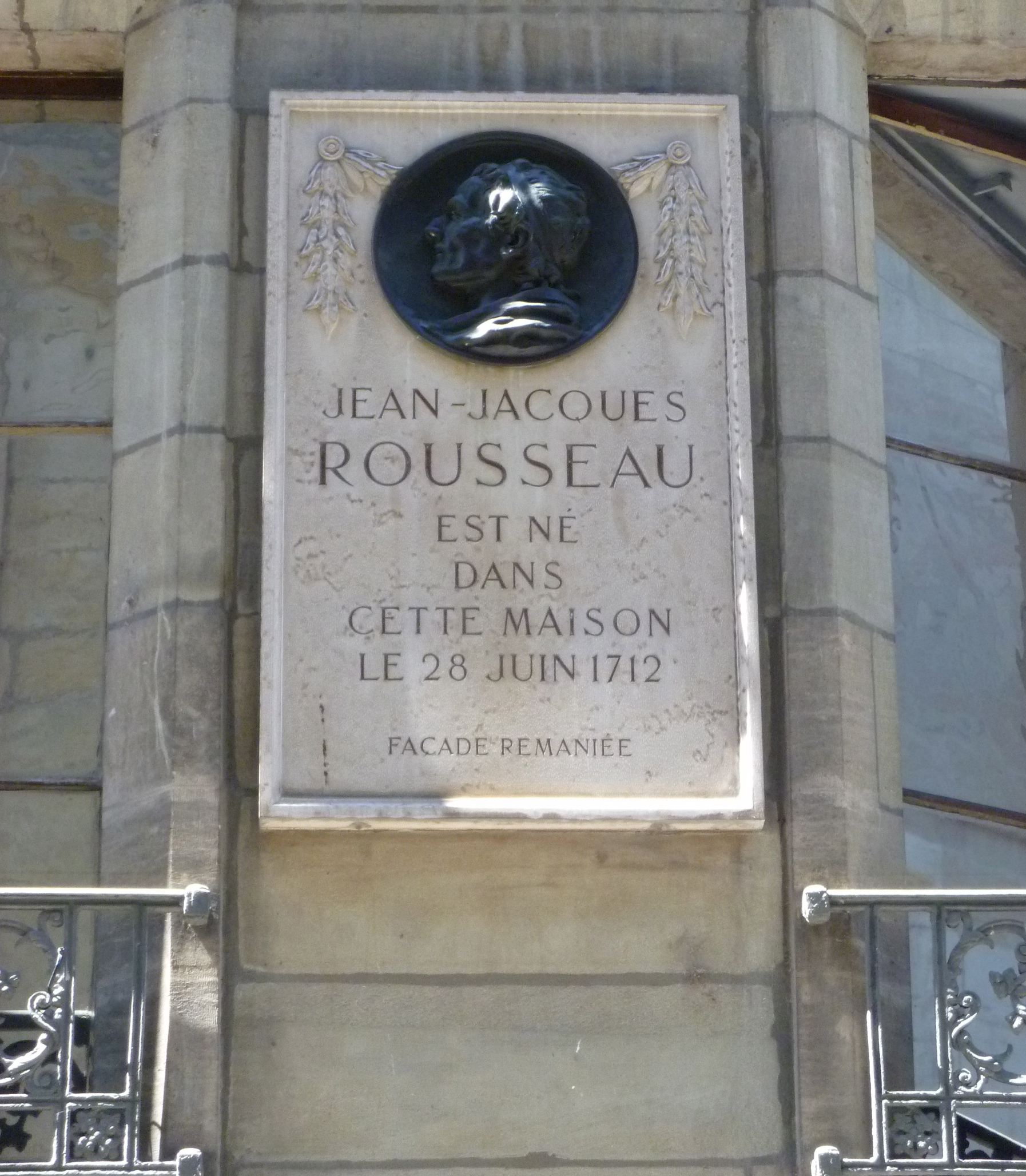
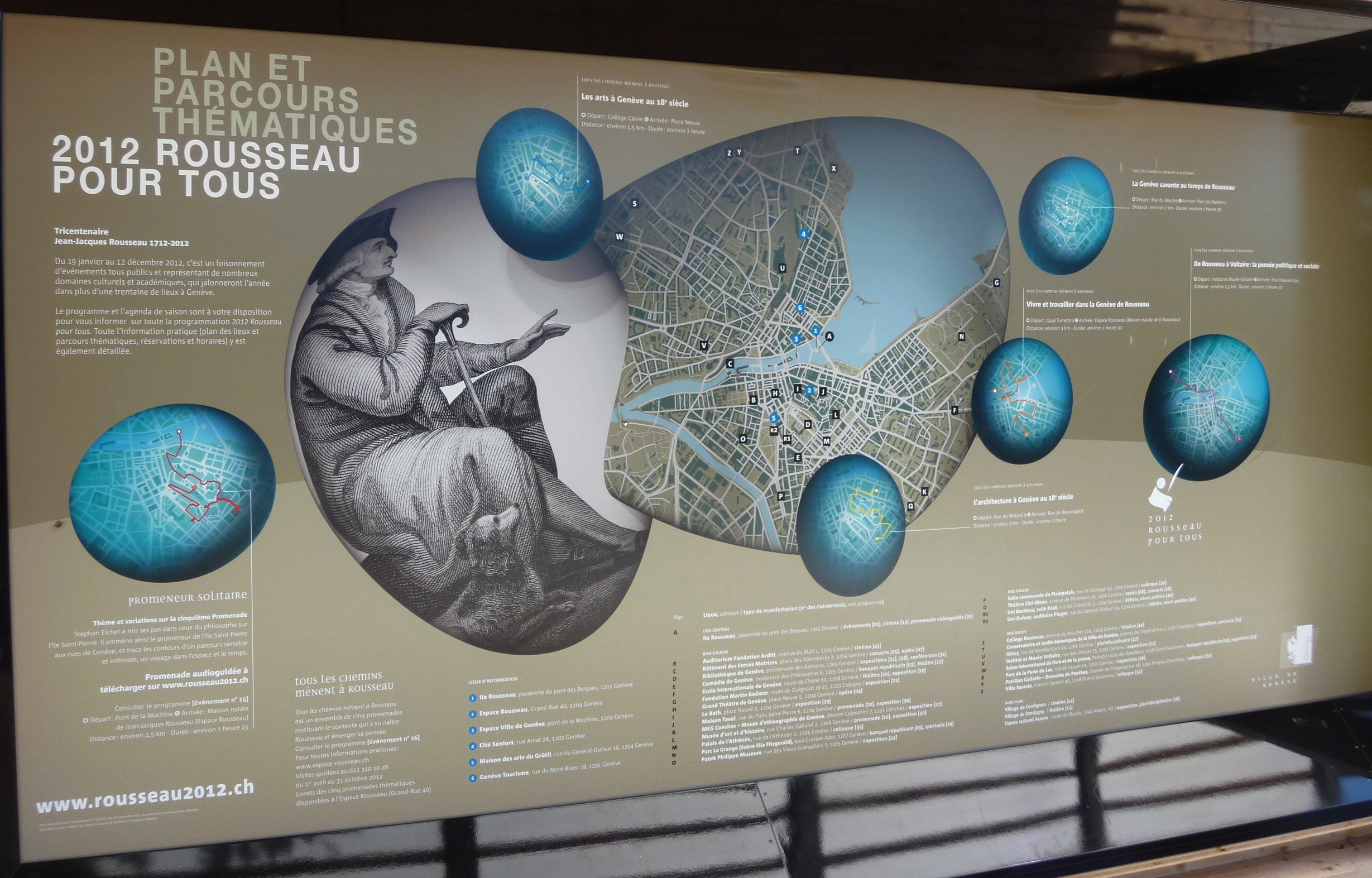
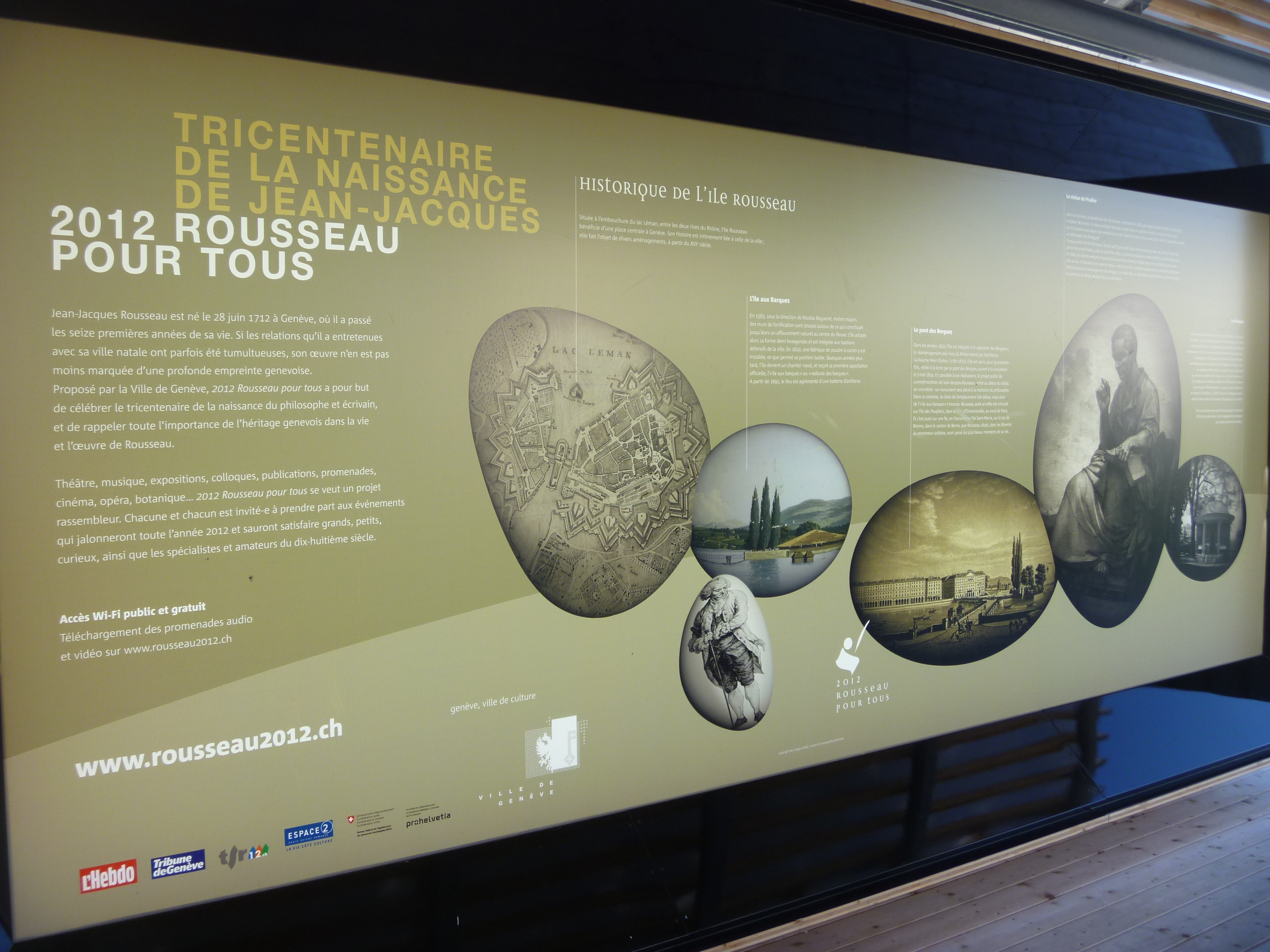
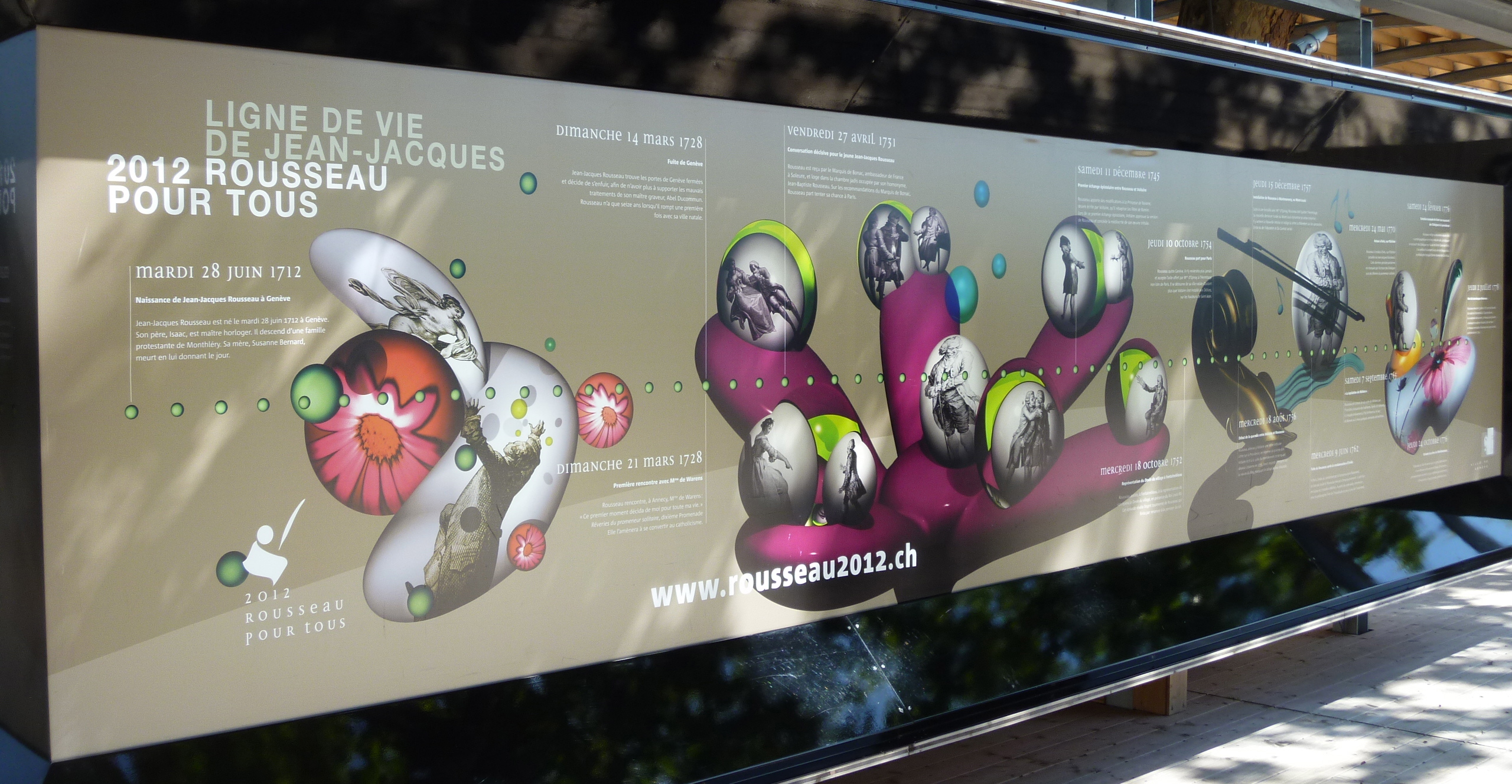
40, Grand’rue, Geneva, birthplace of Jean-Jacques Rousseau

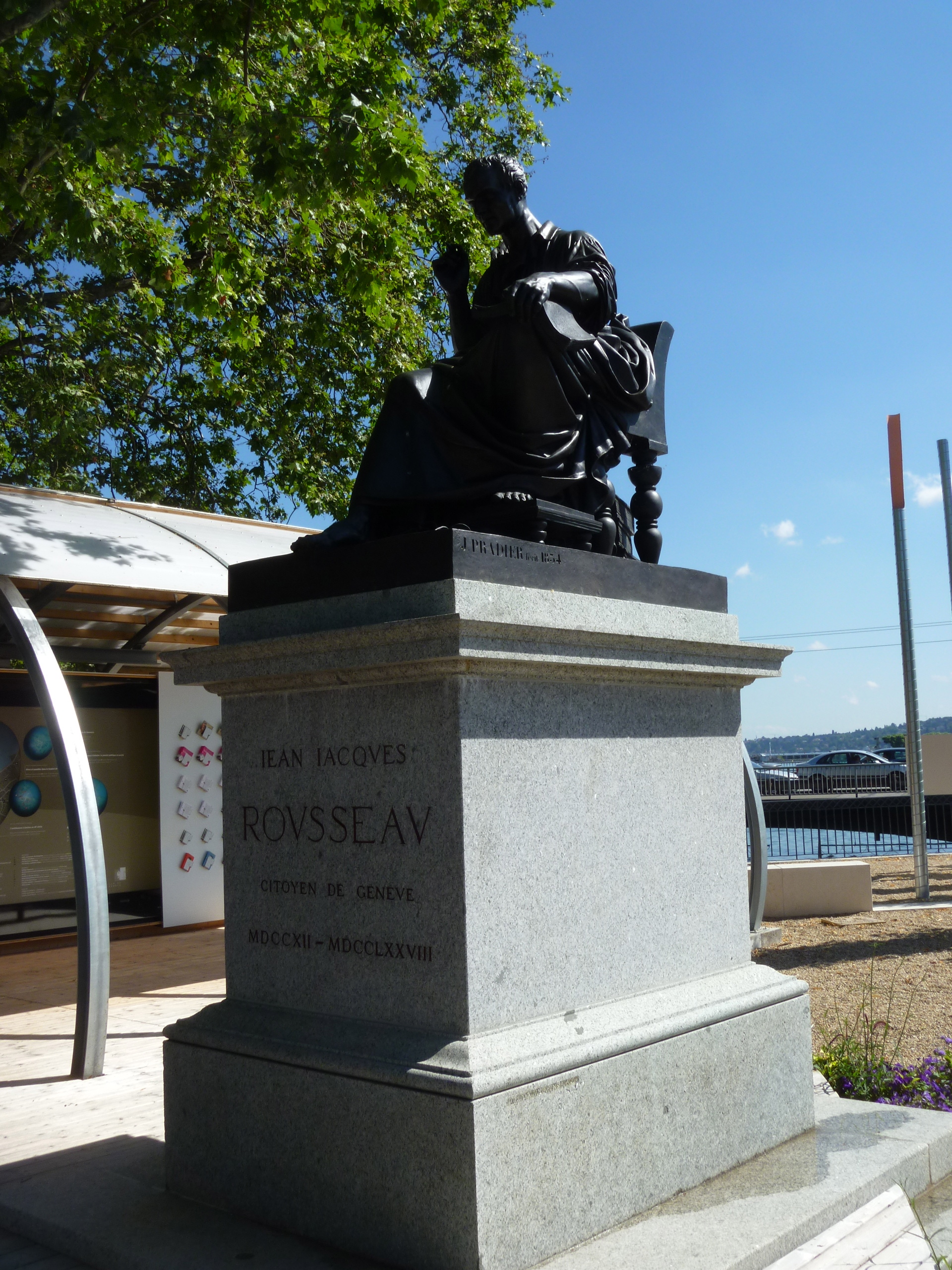
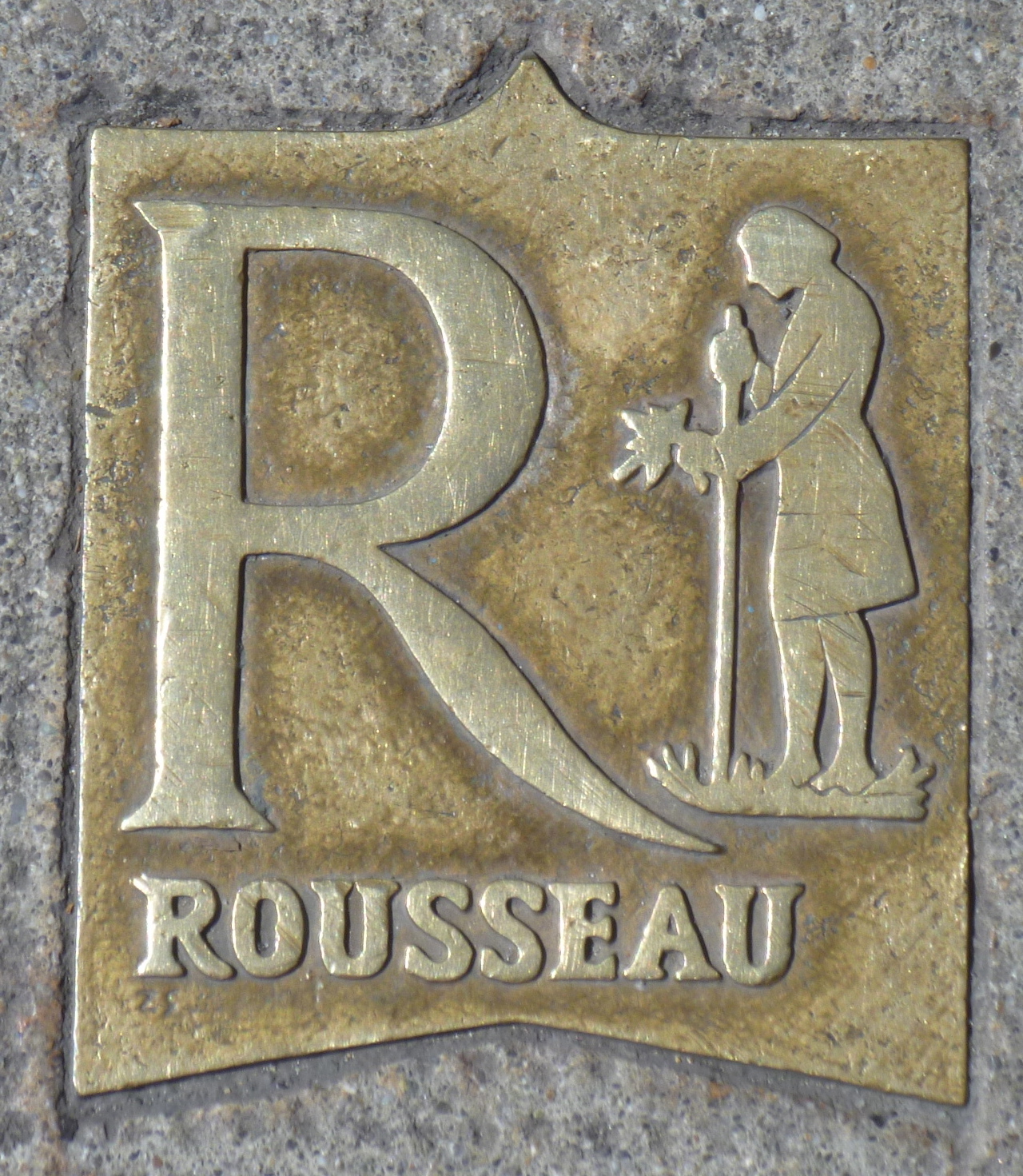
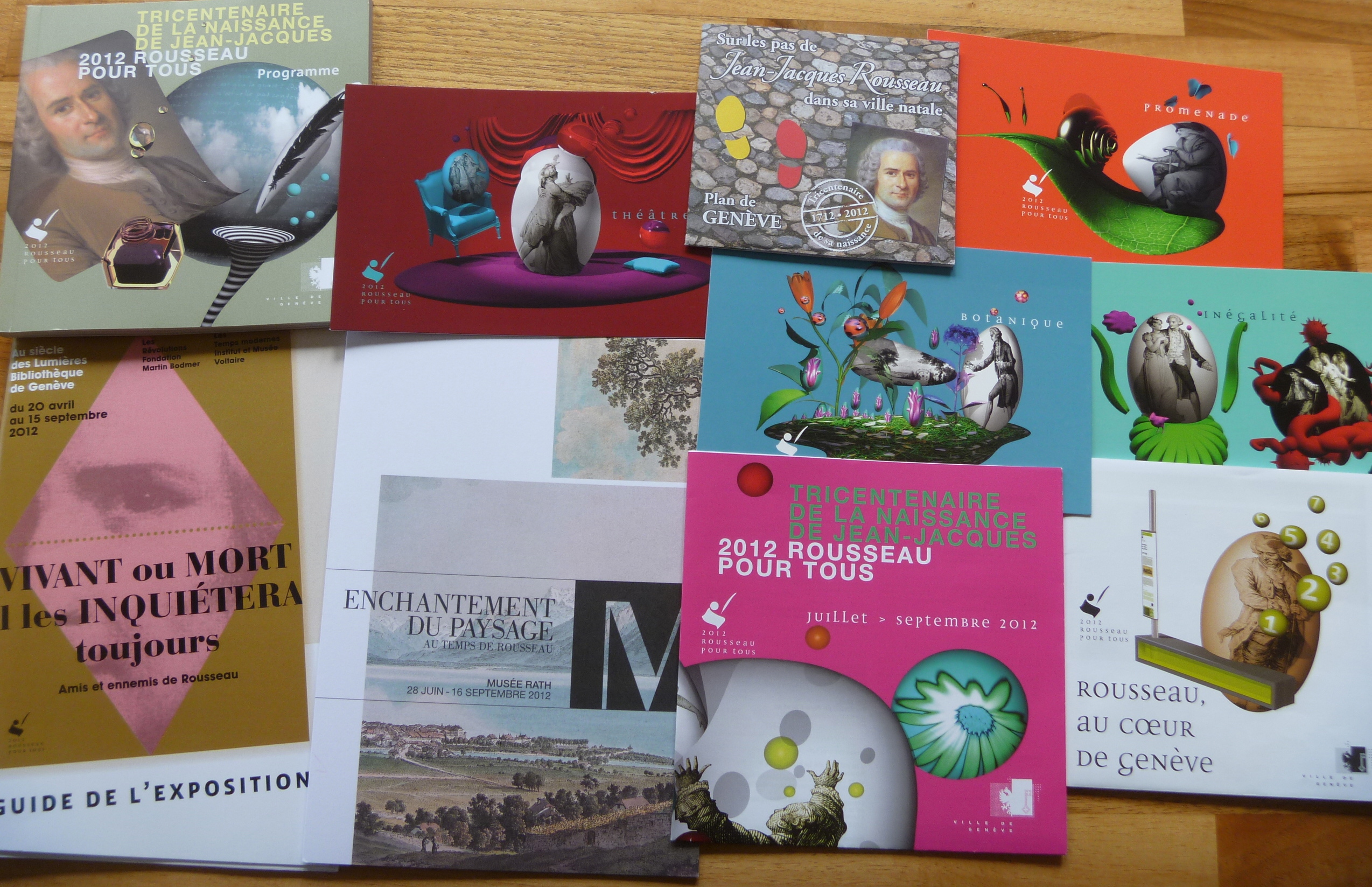
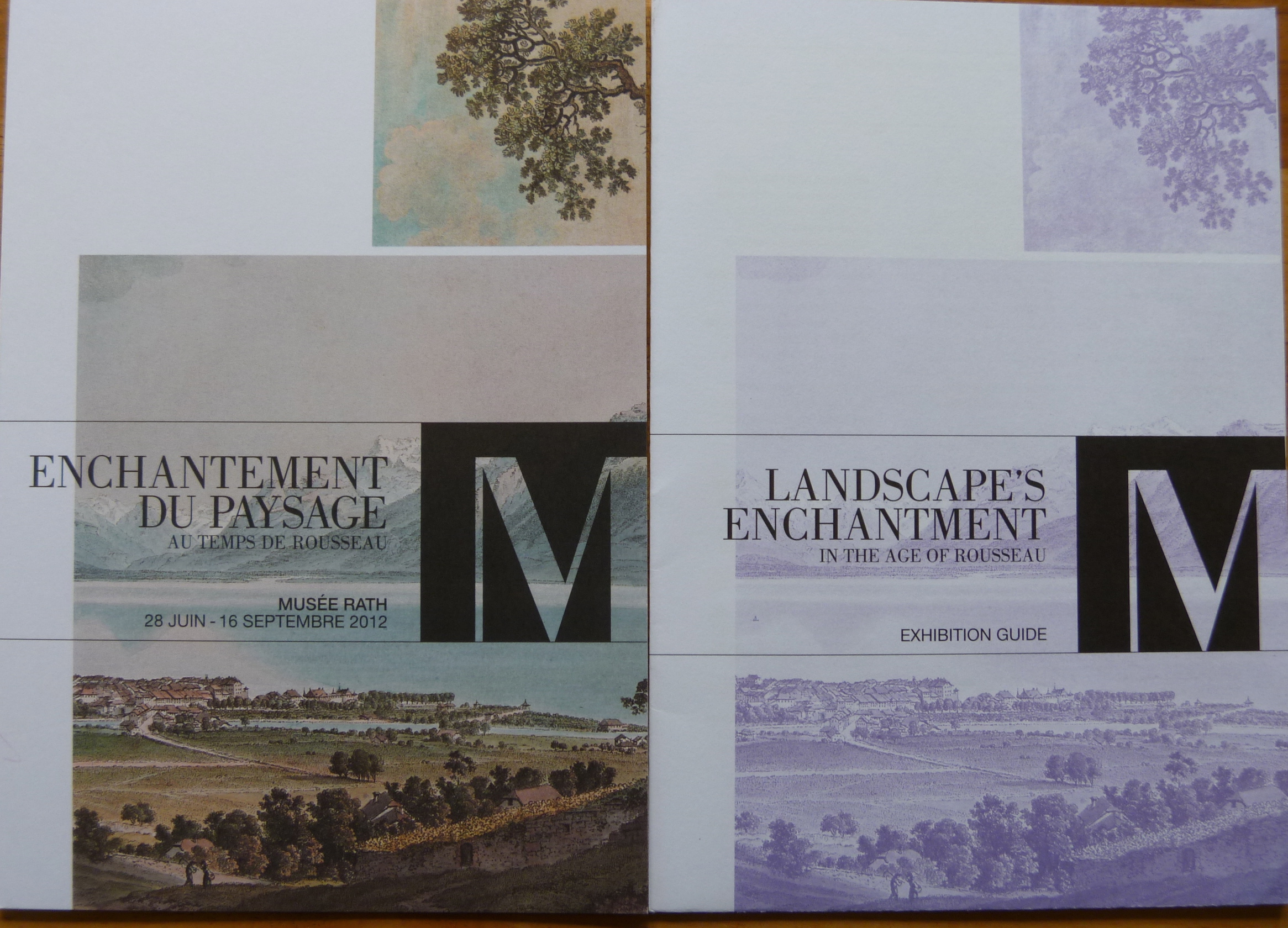
I don’t know whether there have been, or will be, fireworks let off in his name but there is no escaping his tricentenary in the city this summer. I only came across a little map which allows one to follow in the great philosopher’s footsteps on the last morning of my trip but I was immediately attracted by a lovely leaflet advertising a related exhibition at the Musée Rath whilst waiting to check in at my hotel on arrival. I knew that JJR’s birthplace was in the Old Town (3 pictures above) and a fellow member of our party told me about the Île Rousseau statue (top). I visited the Bodmer Foundation to see the display “During his life and after death he always worried them: Rousseau’s friends and enemies” (my translation) but got carried away by the breadth of the permanent collection and the fact that there were no English translations at all.

With so much to choose from here is what I managed to follow up in the name of Rousseau in the short amount of time available to me.

Île Rousseau

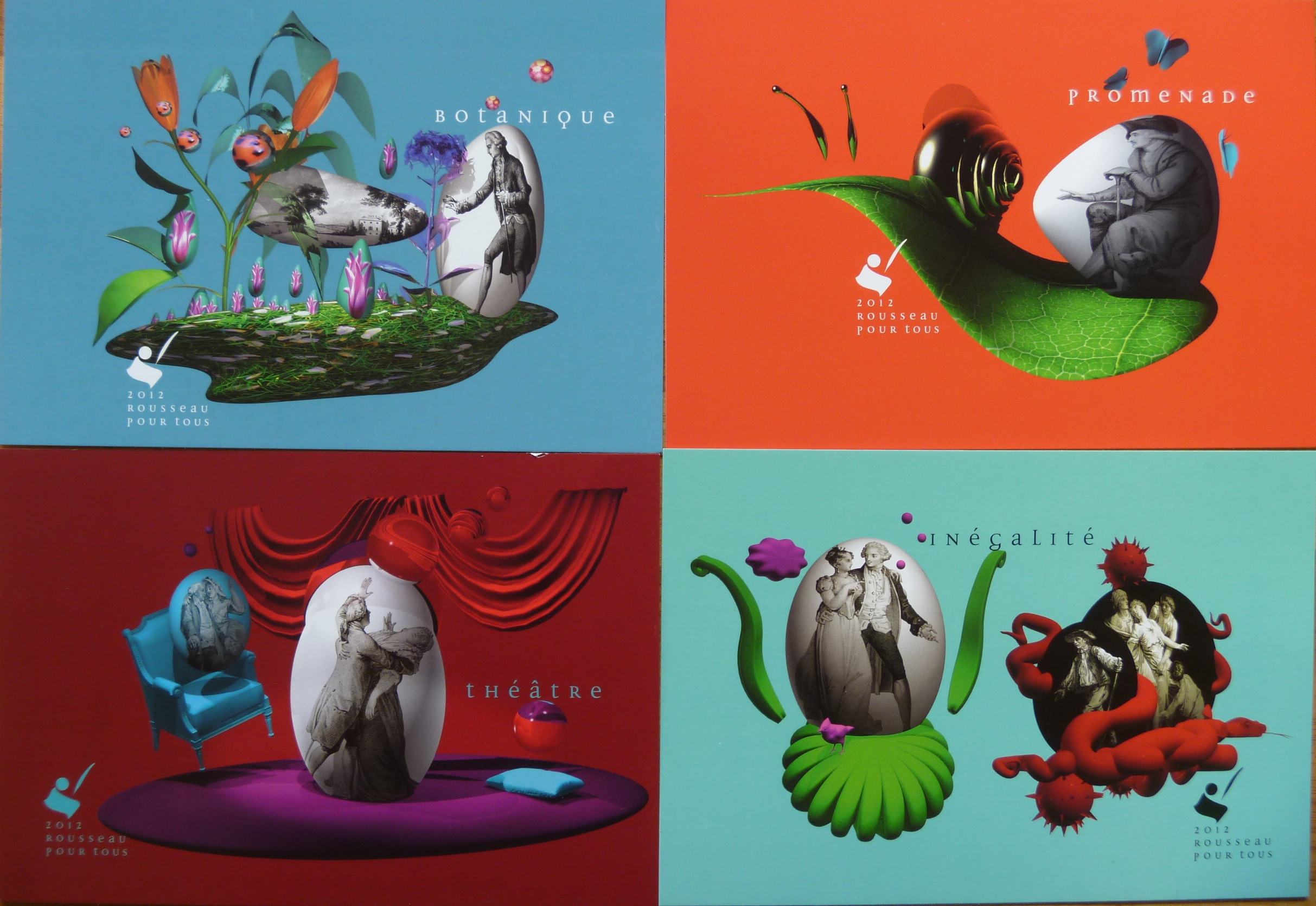
On the island straddling the River Rhone accessed from the footbridge Pont Des Bergues is a statue of the great philosopher (top picture), created by James Pradier and erected on the island in 1835. This is the heart of the Rousseau commemoration and there’s an information pavilion with large boards, video screens (all in French) telling about the life and works of Rousseau. I also picked up some free postcards.

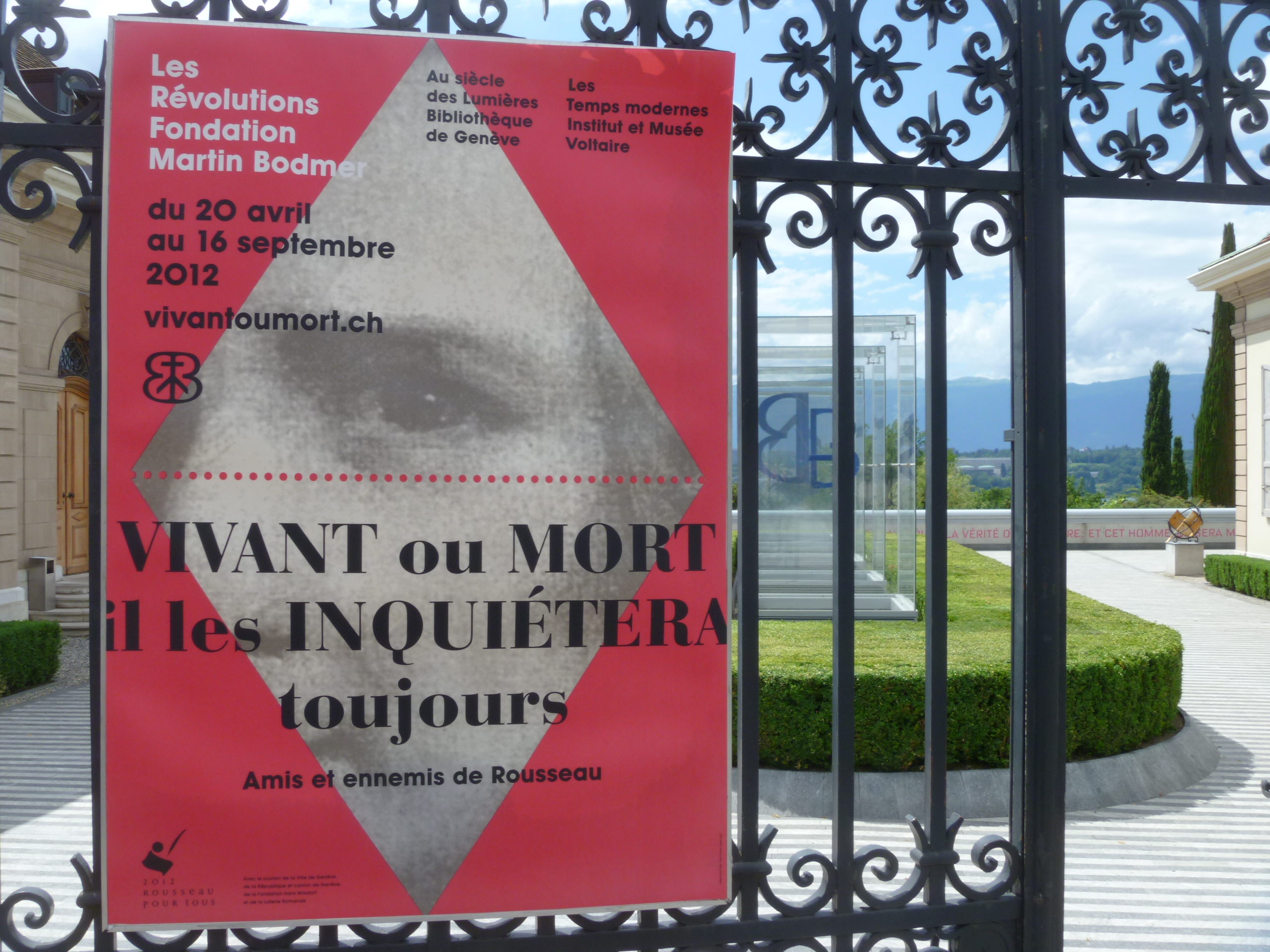
The Martin Bodmer Foundation

I wrote about my visit to the MBF in the previous post. The small Rousseau exhibit was just a few display cases (no photography allowed) showing printed and manuscript examples of Rousseau’s work and that of his contemporaries during the Age of Enlightenment. The backdrop of toile du jouy (a fabric particularly associated with an idealised vision of the countryside and Rousseau’s work) and the subtle use of lighting made this a very visually satisfying display – but all the notes, including the guide handed out for free were in French and thus too time-consuming to study closely.

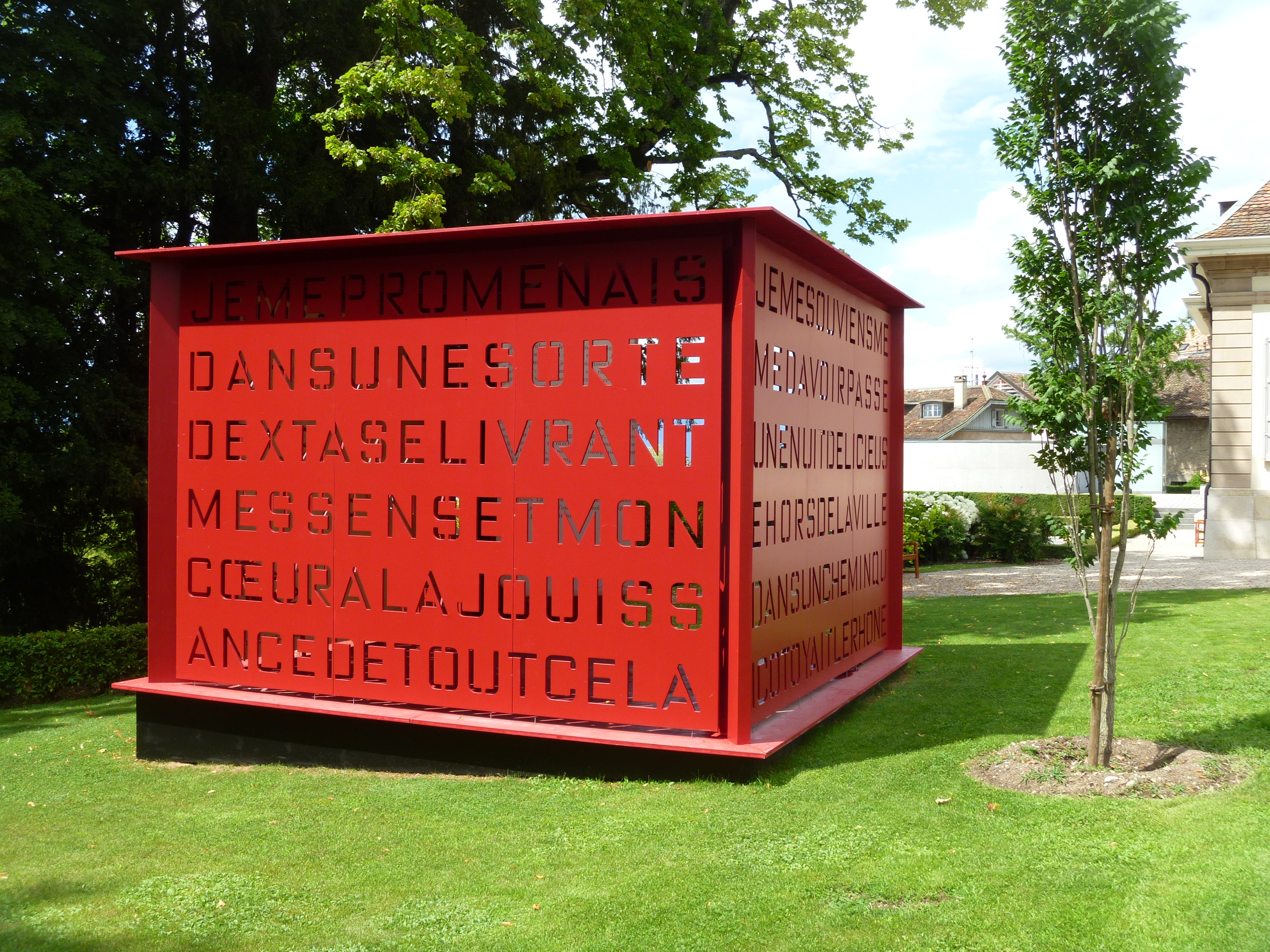
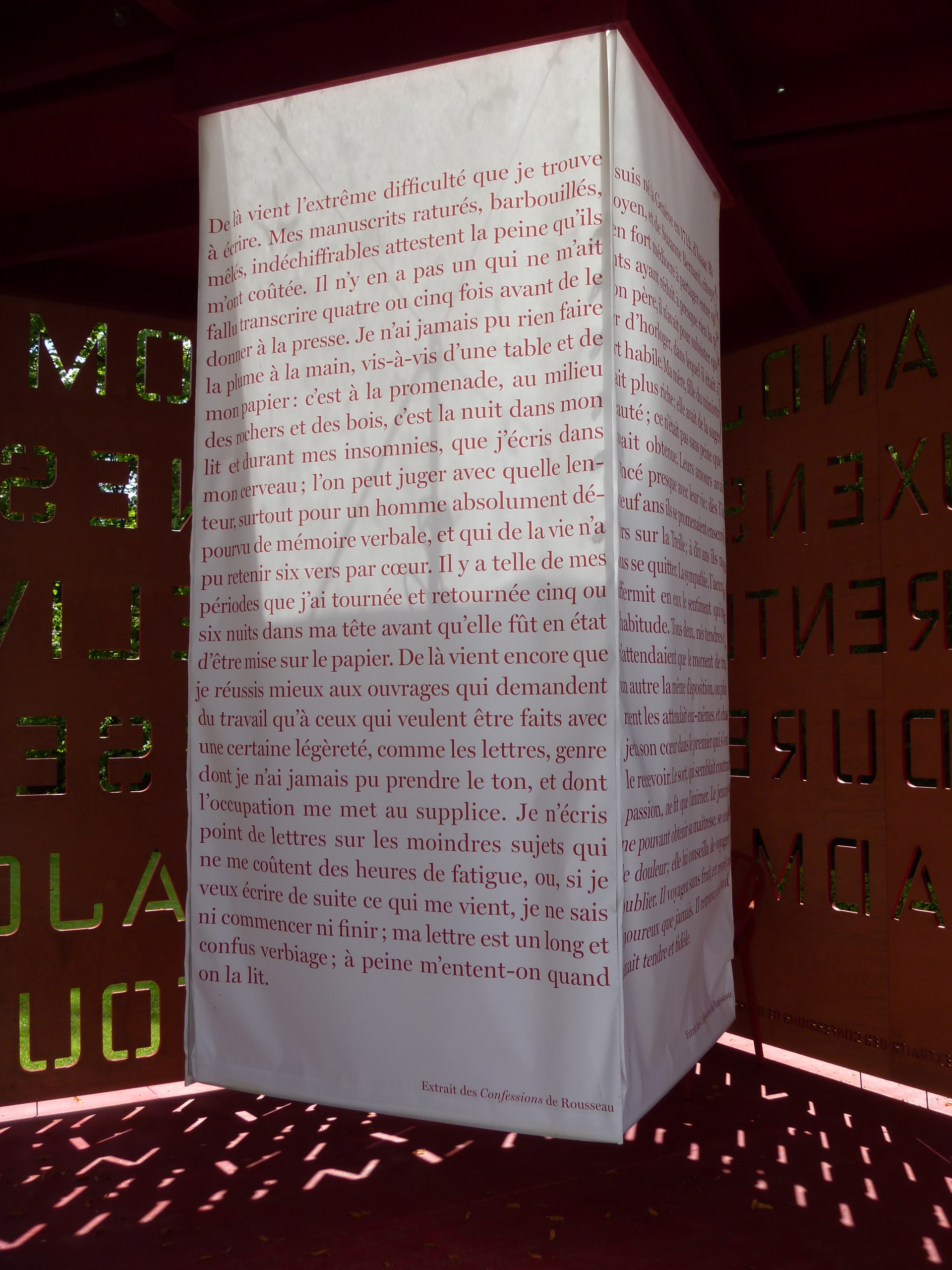
There’s an interesting cube installation dedicated to Rousseau in the garden of the Bodmer Library.

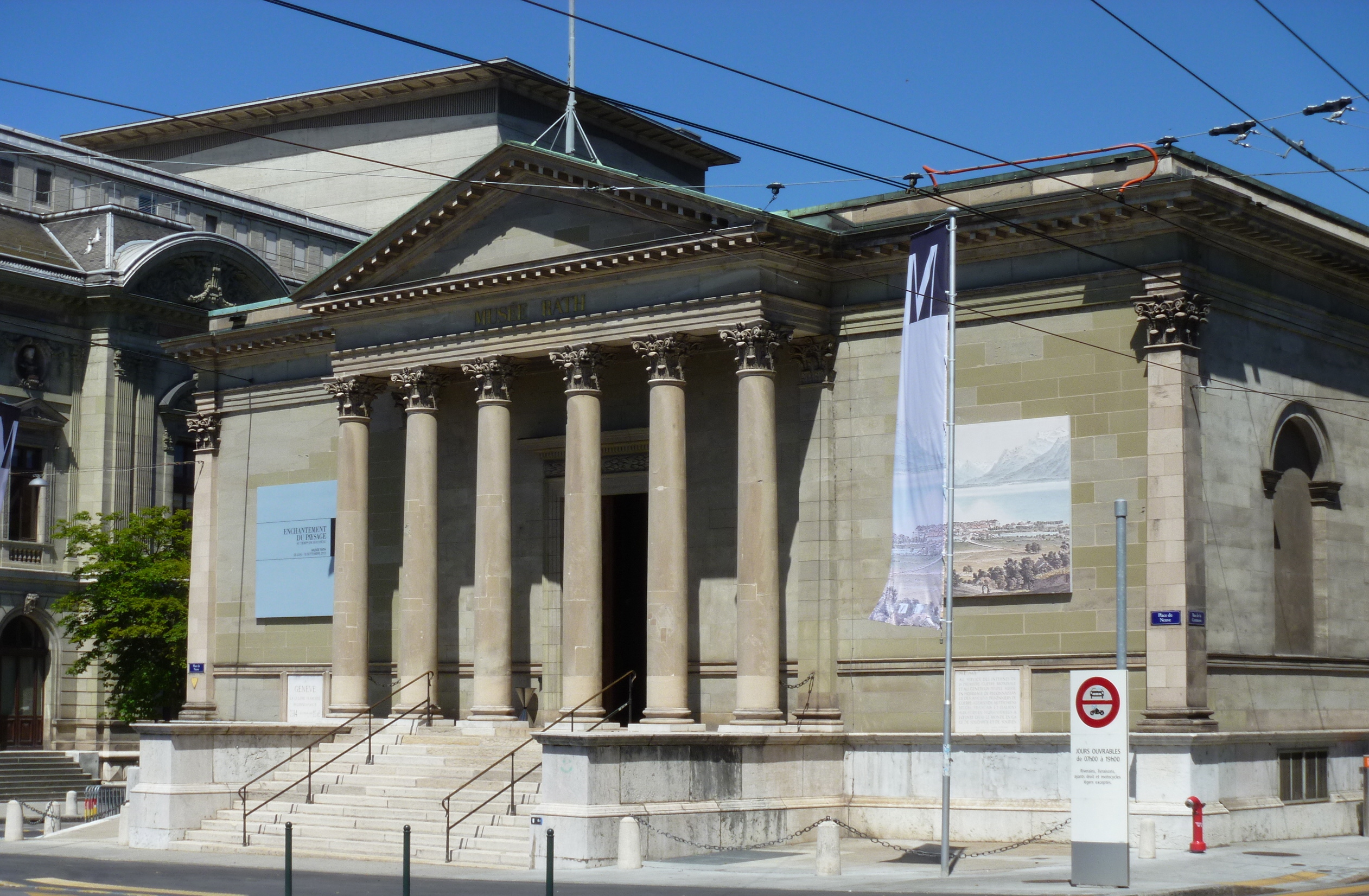
The Musée Rath

Amidst the sounds of birdsong and  tinkling cow bells I viewed the ‘rooms’ of the exhibition “Landscape’s Enchantment in the Age of Jean-Jacques Rousseau” at The Musée Rath. There was lots for me to enjoy here as the programme is also available in English and landscape history is a bit of an interest of mine.

“Throughout his life Rousseau never stopped travelling. All his travel diaries share the same intense attention to natural elements, the climate, the landscape and the emotions they elicit. This feeling for nature pervades his theoretical texts as well as his autobiographical and fictional writing.” (From the Exhibition Guide)

The eighteenth century saw the growing popularity of the Grand Tour – a journey to Italy to inspect (and often remove) ancient monuments. Passing through the Alps was seen as necessary but they were considered as objects of fear and loathing. As the century moved on mountains and landscapes in general became more interesting and less feared and the representation of landscapes in art became more and more respectable.

“The exhibition illustrates this new perception of landscape that developed during the second half of the 18th century in Switzerland and throughout Europe. It offers a thematic stroll through the four elements, with some 320 works on paper, prints, drawings and books. The visitor can follow his fancy and tour the countryside (IN NATURE’S GARDEN), the mountains (SUBLIME SUMMITS), expanses of water (ON THE WATER) and aerial views with changing atmospheres (ETHERS AND ATMOSPHERES).”  (From the Exhibition Guide)

In addition there was a Short History of Landscape – the two major models were idealised and real; a Dreams of Italy section and In The Engraver’s Workshop where the engraving process is demonstrated.

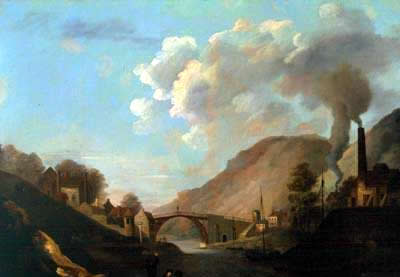
Some British artists featured for example John Robert Cozens (1752-1797) with his portraits of trees and George Robertson with his views of Coalbrookdale.

(http://www.ironbridge.org.uk/about_us/the_iron_bridge/artists_impressions.asp)

Jean-Jacques Rousseau died in 1778 at Ermenonville (28 miles northeast of Paris). He is now interred in The Pantheon in Paris.

“The Gleaming Figure whom Providence has brought to us in Times when the Present is Hard and the Future Veiled” (Winston Churchill) : Images of Our Queen in Leeds

This weekend we will celebrate sixty years of our Queen’s reign. I have no particular plans and in fact I will be working on Saturday and on Monday. But yesterday and today I visited two complementary exhibitions of photographs of Her Majesty currently on display in Leeds.

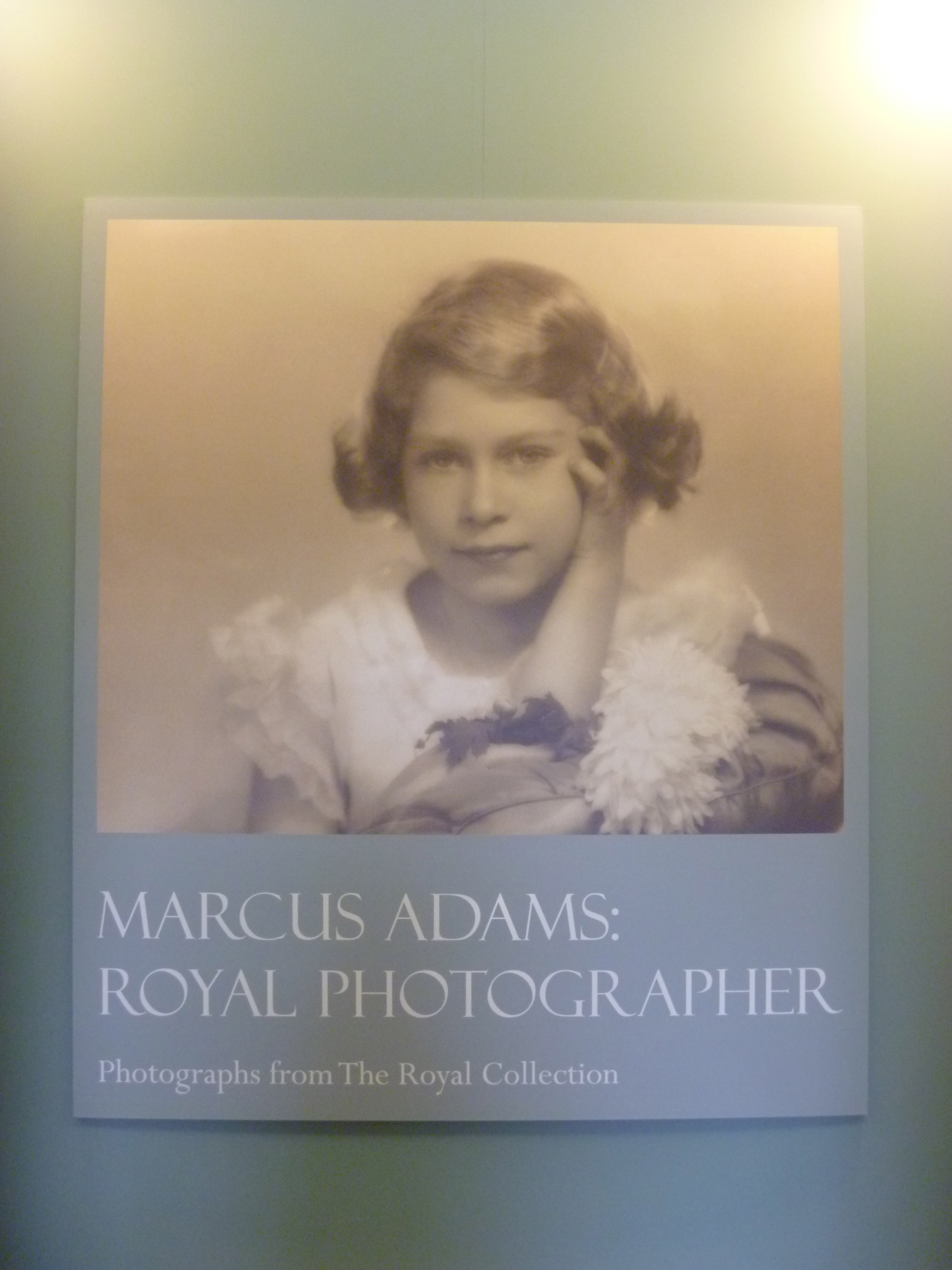
Marcus Adams, Royal Photographer at Harewood House

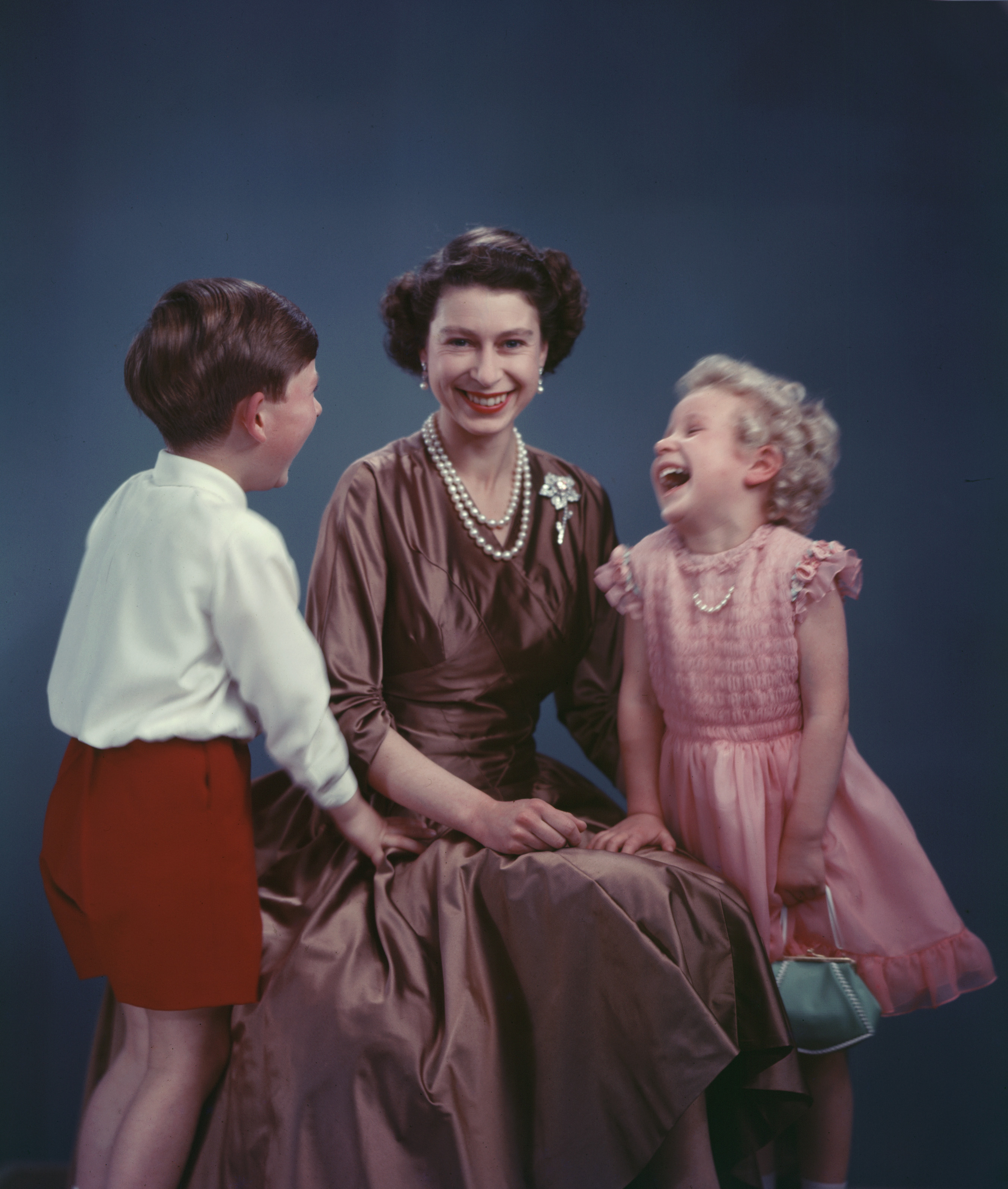
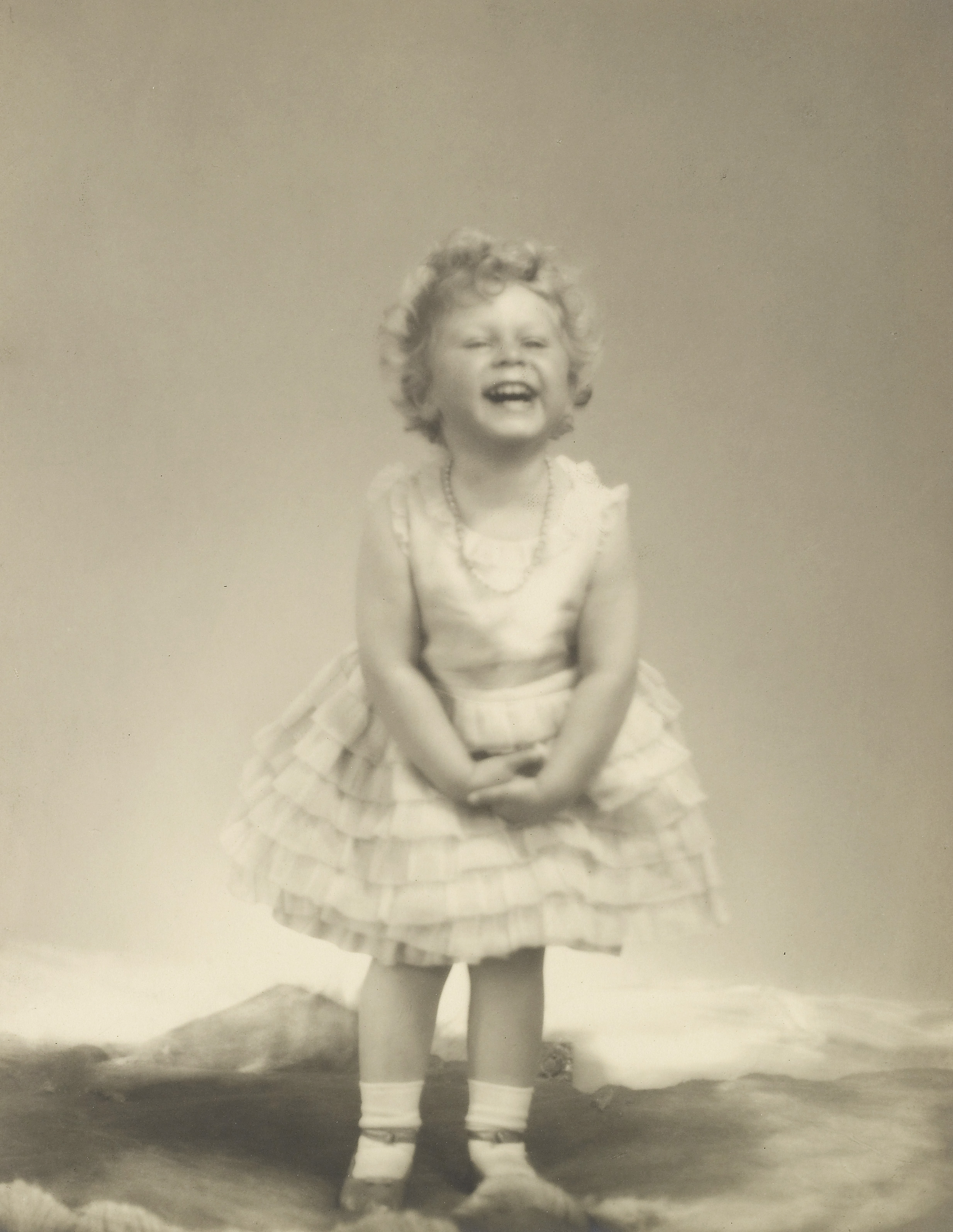
Currently showing at Harewood House just eight miles north of Leeds is an exhibition of photographs by Marcus Adams. MA was already in his fifties when he started taking Royal photographs of the young Princess Elizabeth and her sister the Princess Margaret and her Mother Queen Elizabeth. The pictures are beautiful in their simplicity and I noted a very pertinent quotation by Adams from The Listener magazine “The essential of a perfect picture is its simplicity”. (9 Feb. 1939). He has no truck with furniture and clutter – the children themselves are sufficient subjects in his photographs. Most of the pictures are of Elizabeth as a young Princess plus much later pictures of her two older children Charles and Anne. These later charming photos were taken when Adams was in his eighties.

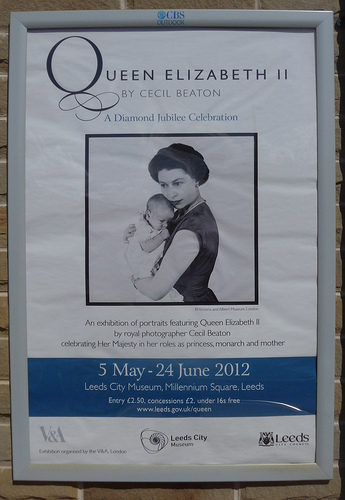
Leeds City Museum

Currently showing at Leeds City Museum is a collection of photographs by Sir Cecil Beaton. The exhibition comes to Leeds from the Victoria and Albert Museum and it would be nice to think that this partnership will continue and that we may have further V&A curated exhibitions in here in Leeds in future.

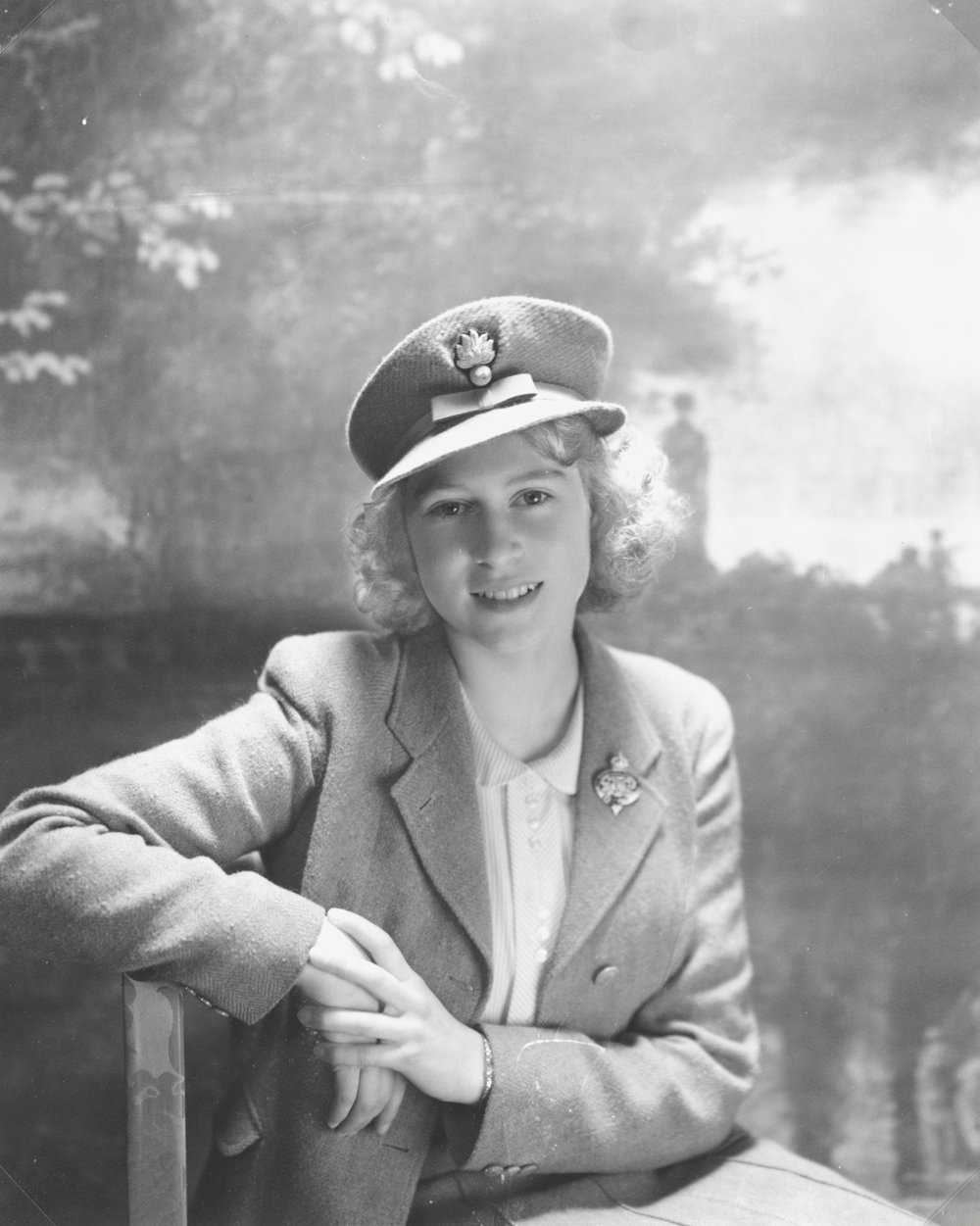
The pictures here really complement the Adams pictures of The Queen. The tradition began in 1939 when Queen Elizabeth the wife of King George VI invited CB to take her and her daughters’ photographs. Several of the earliest pictures taken during the 1940s show the Princess Elizabeth in fairy like dresses and with romantic backdrops such as those seen in the masterpiece paintings of Gainsborough and Fragonard. Many of the gowns designed by Norman Hartnell. By contrast I particularly loved the picture of the fifteen year old Princess as Colonel of the Grenadier Guards.

There’s a much more modern look to the later Beaton photographs of the Queen with her two youngest sons. They are modern images with simple white backgrounds.

Cecil Beaton was appointed official portrait photographer for the Queen’s Coronation in 1953. The display includes several of these and includes family groups of the Gloucesters and Kents and you can take a break and sit down to watch the silent loop of the ceremony itself.

Have a happy Jubilee Weekend and God Save the Queen!