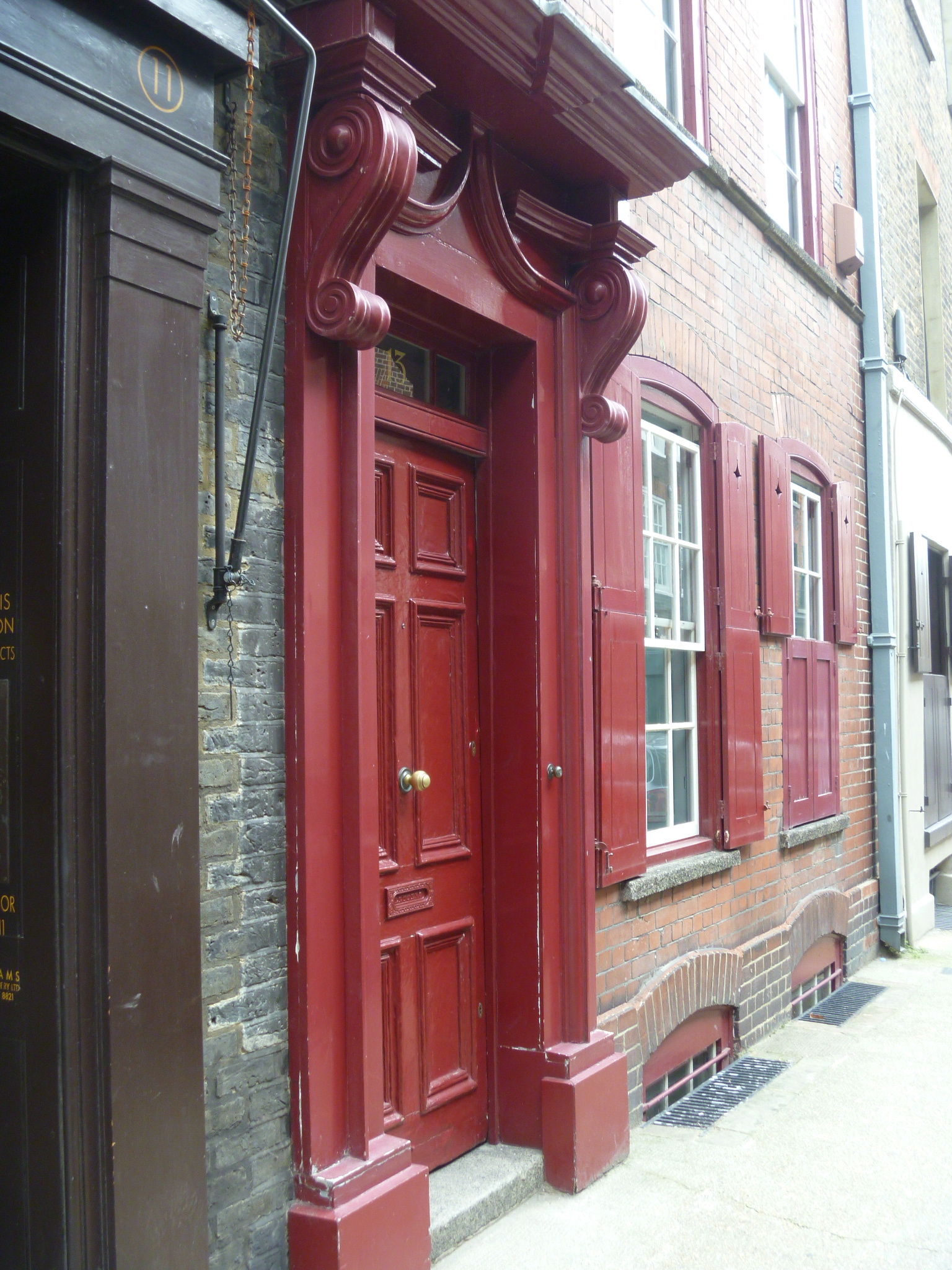
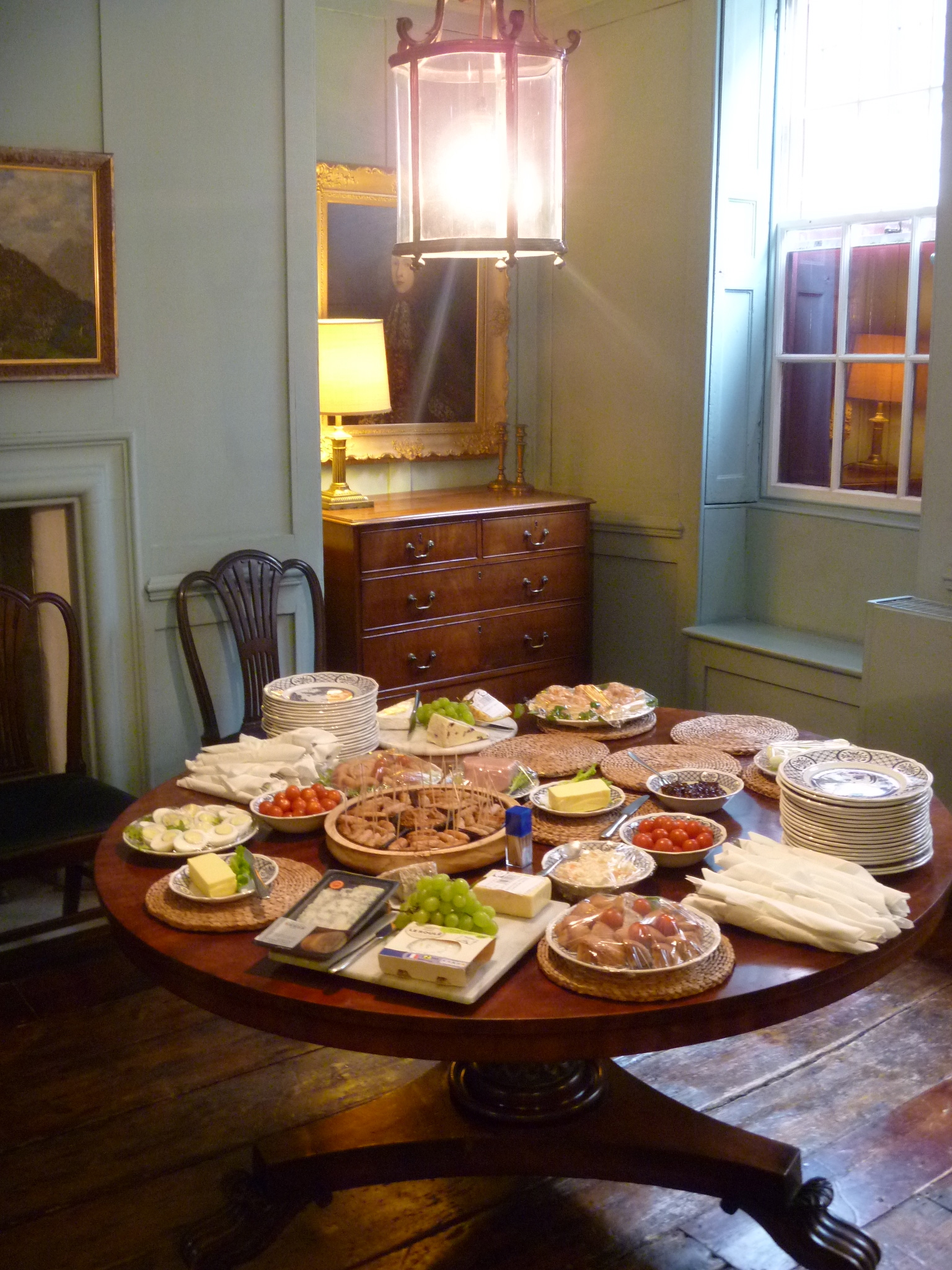
I’ve just returned from a couple of nights in London staying at the lovely Landmark Trust property at 13, Princelet Street. The house was built in 1719 in the Spitalfields area of east London for Huguenot silk weavers. It’s a lovely, warm, characterful house with all the comforts you could wish for on a cold winter’s evening in the east end of London when the wind and rain are blowing outside – as they were on our first evening. Fetch a takeaway curry from one of about 50 curry houses on Brick Lane, then over a cup of tea inspect the Landmark Library and plan the next day’s entertainment, review the day that’s just finished or take up the Landmark Handbook and plan another trip. I visited the house for a Friends’ Reception last October and wrote about it here.
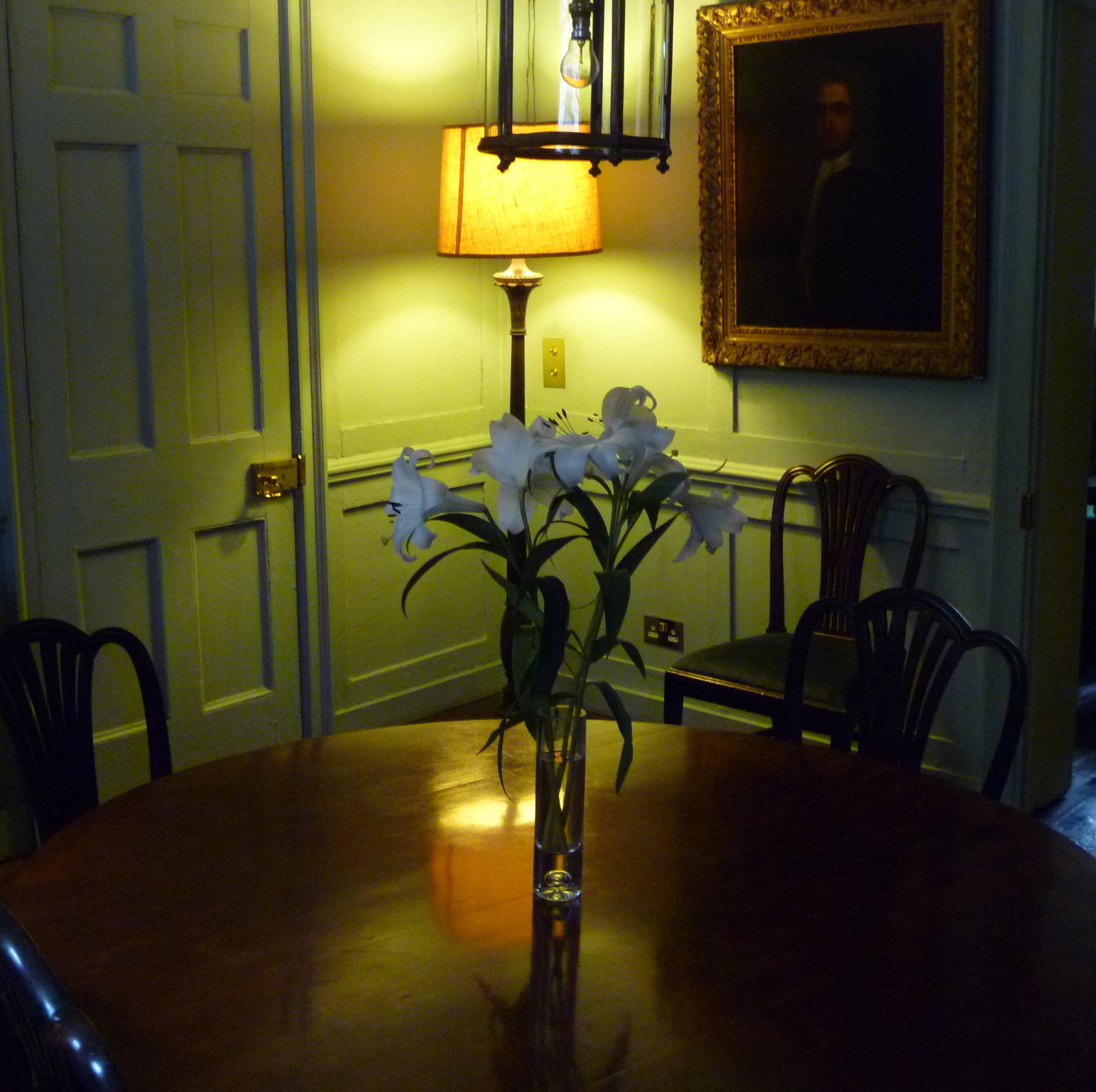
Staying just two nights gave us only one full day in London and we decided to spend it at The Tower of London. I have visited this Historic Royal Palace on two previous occasions. The first time was at the age of 10 on the annual schools visit to London with my primary school in Norwich. I remember clearly seeing the Crown Jewels in one of the towers, that we all giggled at the name of one of the towers The Bloody Tower, seeing the ravens hopping over the lawns, their wings clipped, seeing The Traitors’ Gate and the wooden block and axe which took the life of Queen Anne Boleyn. I had long wished to return and my next visit was with a Swiss guest in 2010. We had a lot of London sights to fit into our day so I planned to return on the next appropriate occasion to have a closer look.
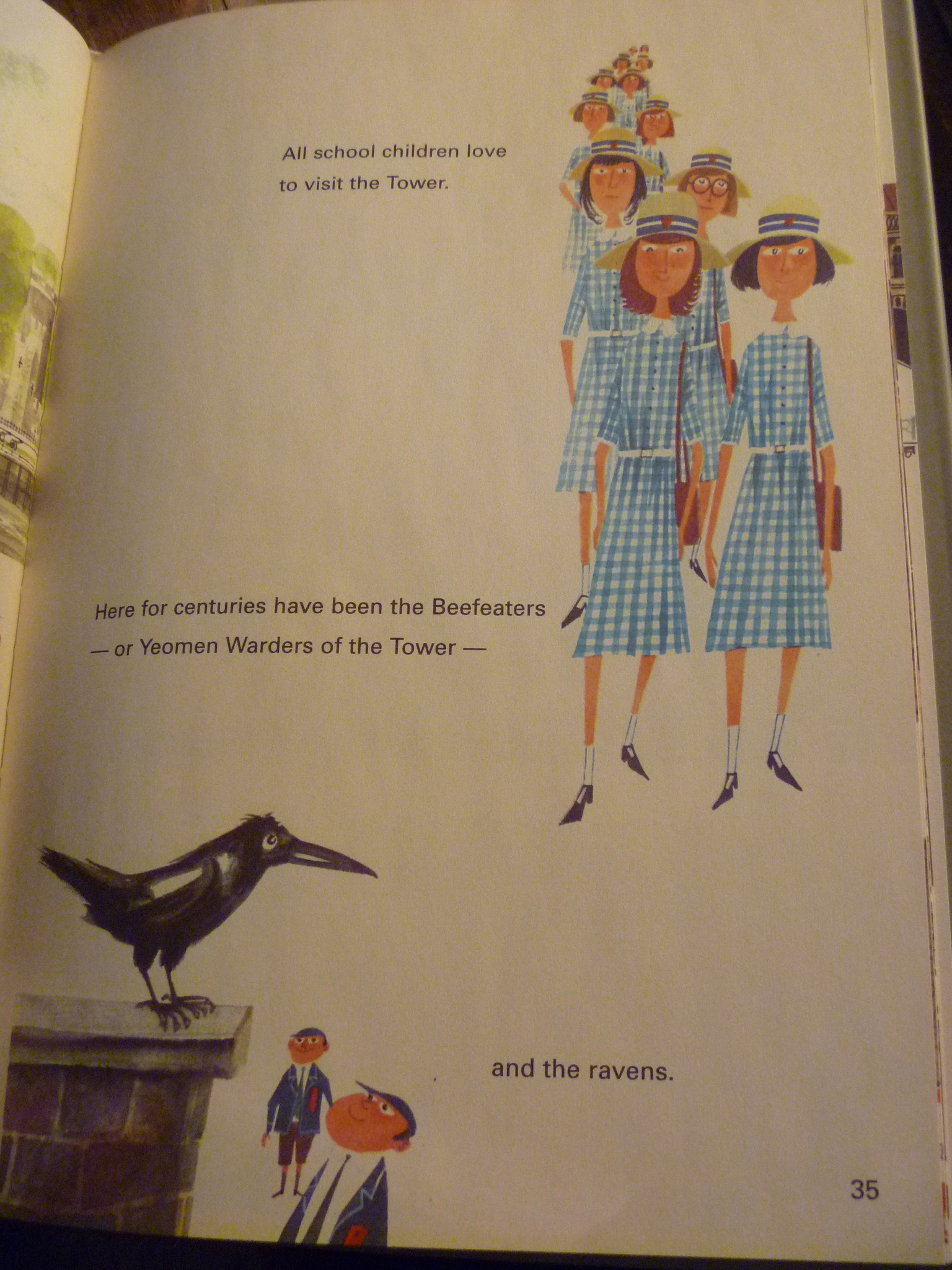
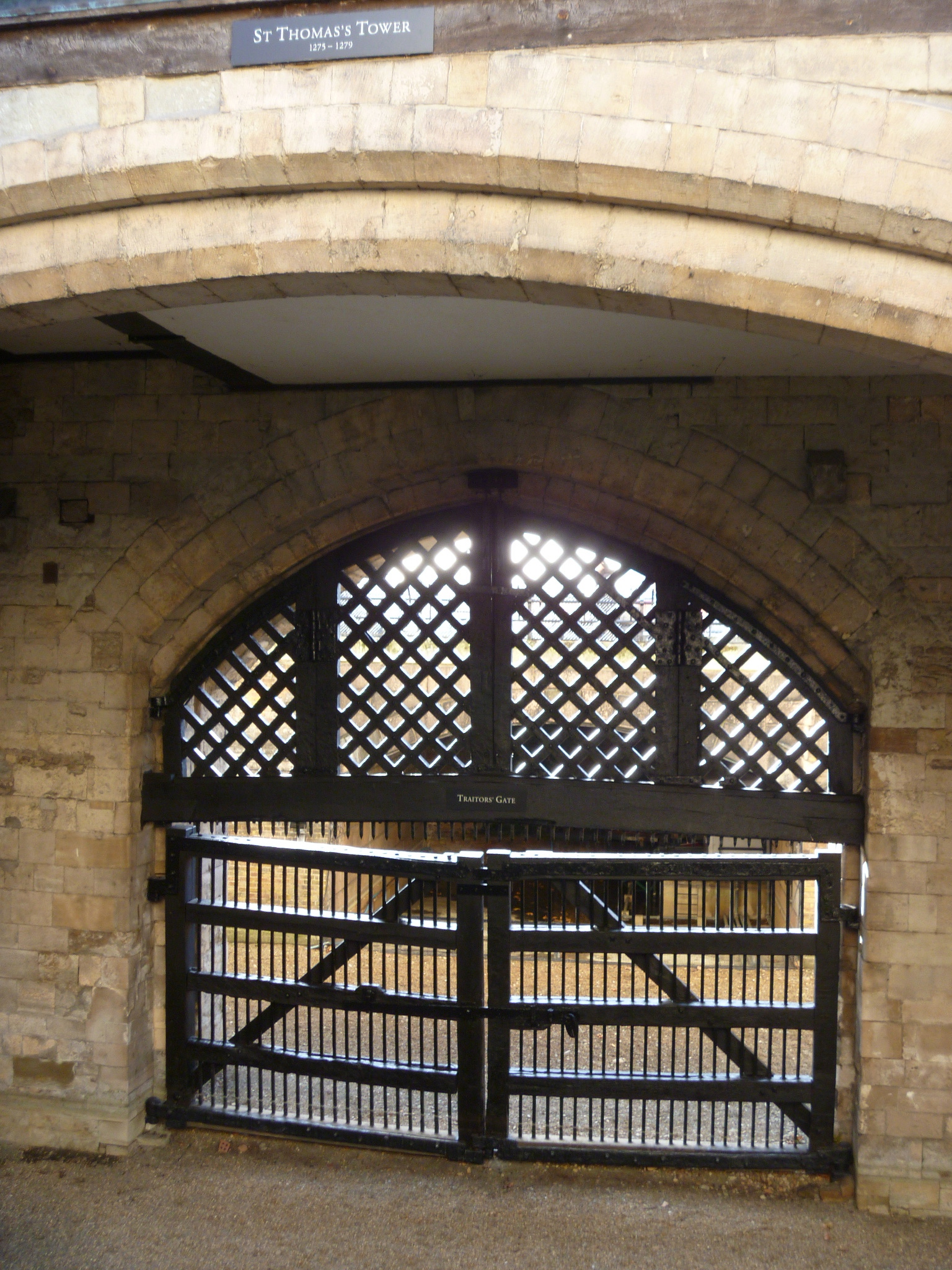
The Traitors Gate
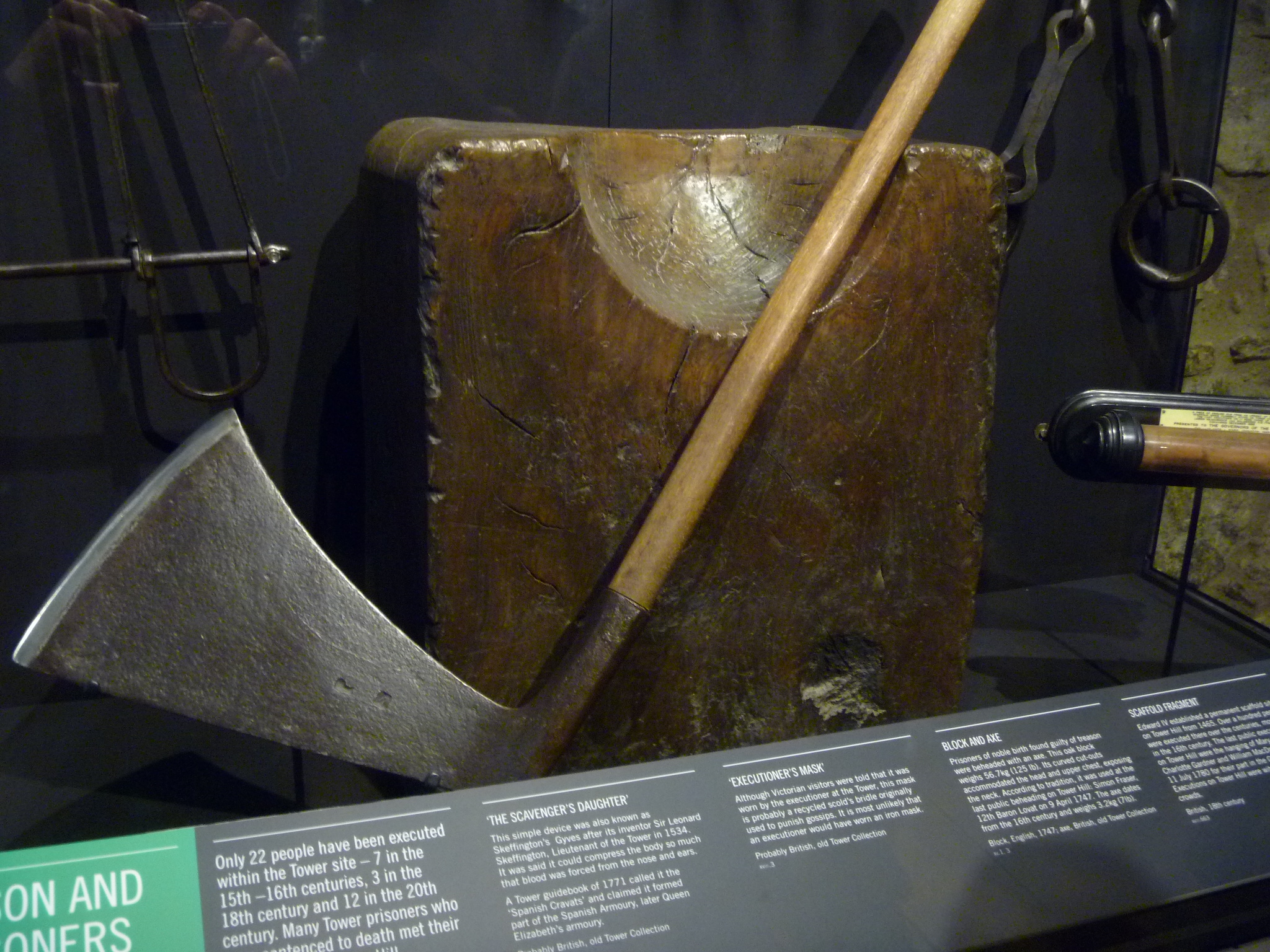
Off with her head!
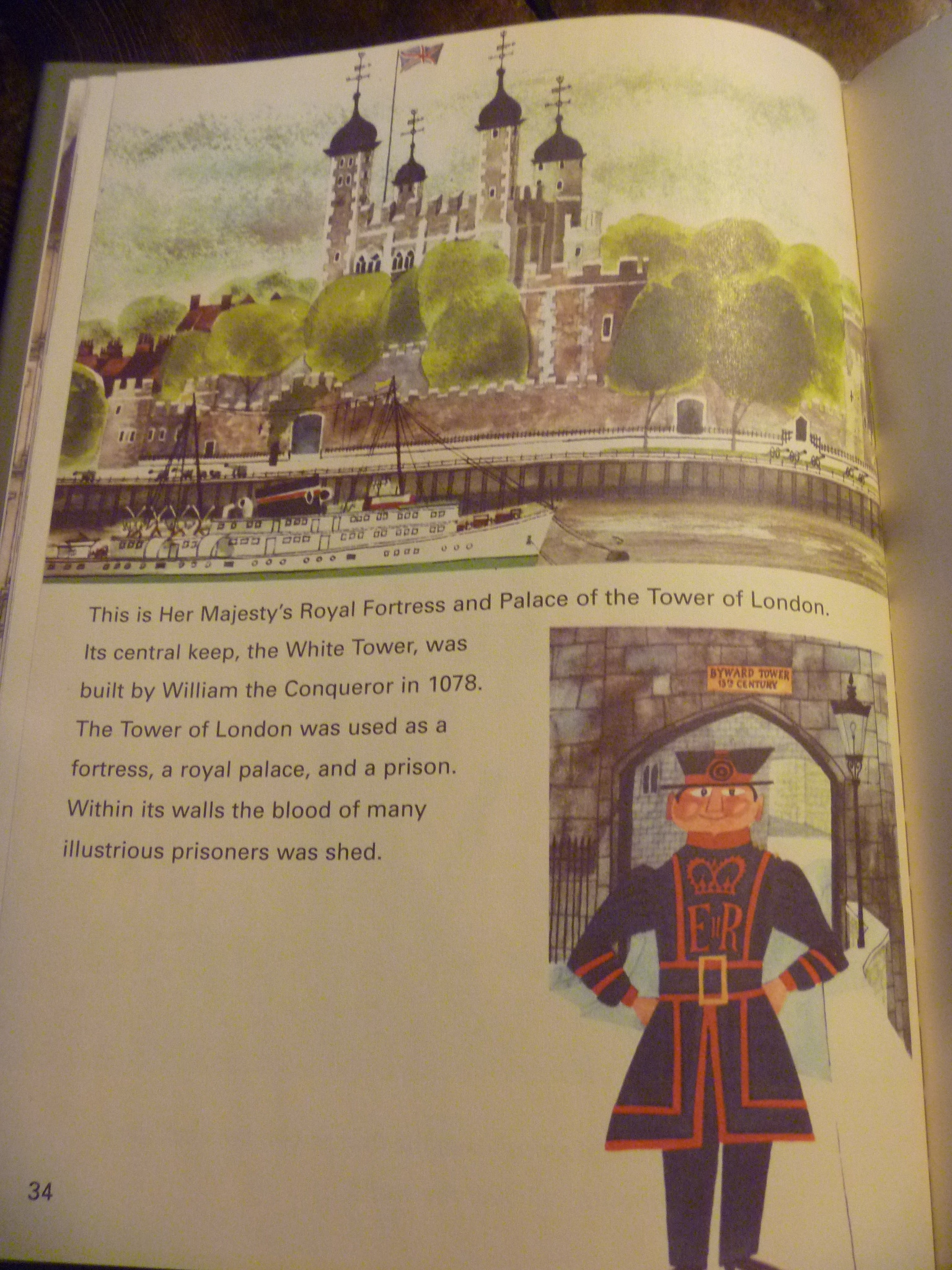
On Thursday with our 85 year old mother in tow we made a beeline for the Crown Jewels. These magnificent symbols of the British monarchy are displayed in such a way that everyone gets a good look at them however crowded the Tower may be. In fact, on this bright and dry early January day, although there seemed to be lots of people – of all nationalities – there were no queues at all. Our next port of call was the White Tower which houses an exhibition, The Power House, which tells about all the institutions that originally had their homes at The Tower – The Royal Mint, The Menagerie (now London Zoo), The Ordnance Survey, The Royal Observatory. There are also displays of royal armour and, rather strangely, gifts given to our royalty by nations around the world.
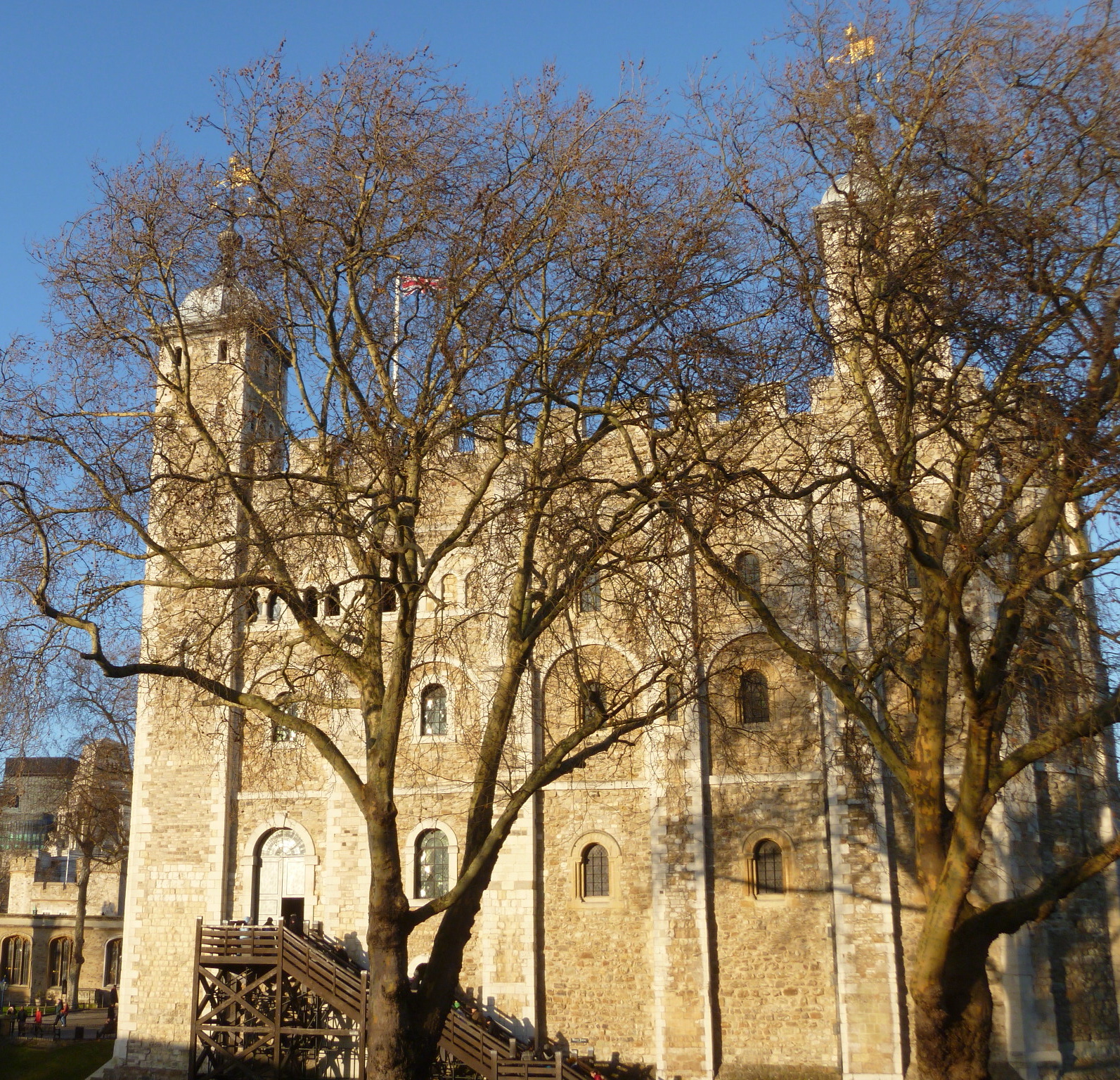
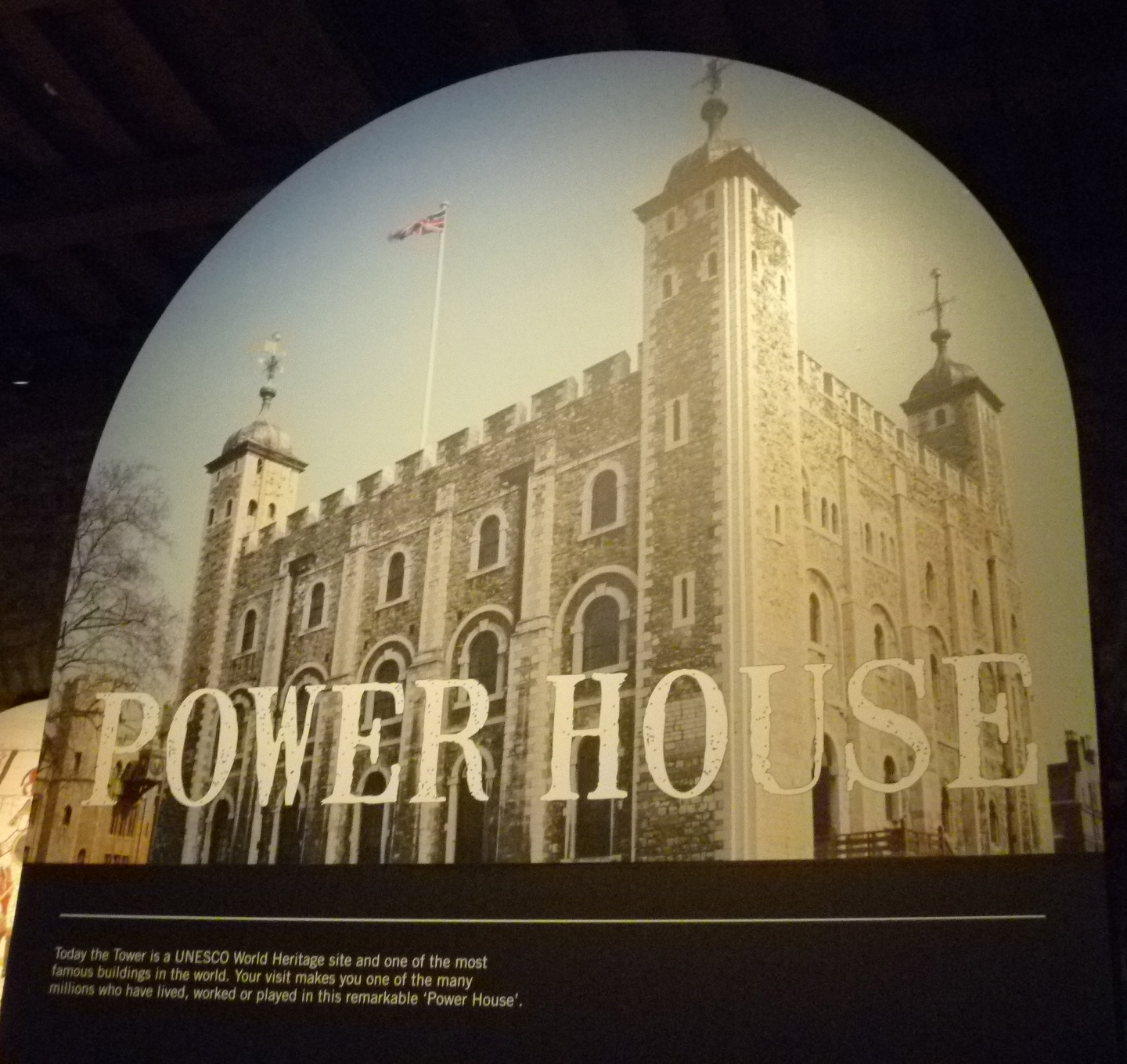
Chatting with a Yeoman Warder (or Beefeater) I discovered that 37 YWs and their families live within The Tower’s walls, plus a doctor and a priest. They have their own church and pub and it’s like a village community. But the Power House exhibition showed that in former times The Tower had been a virtual town.
After lunch we left mum in the warmth of the cafe to have a walk round the walls (for a great view of Tower Bridge)
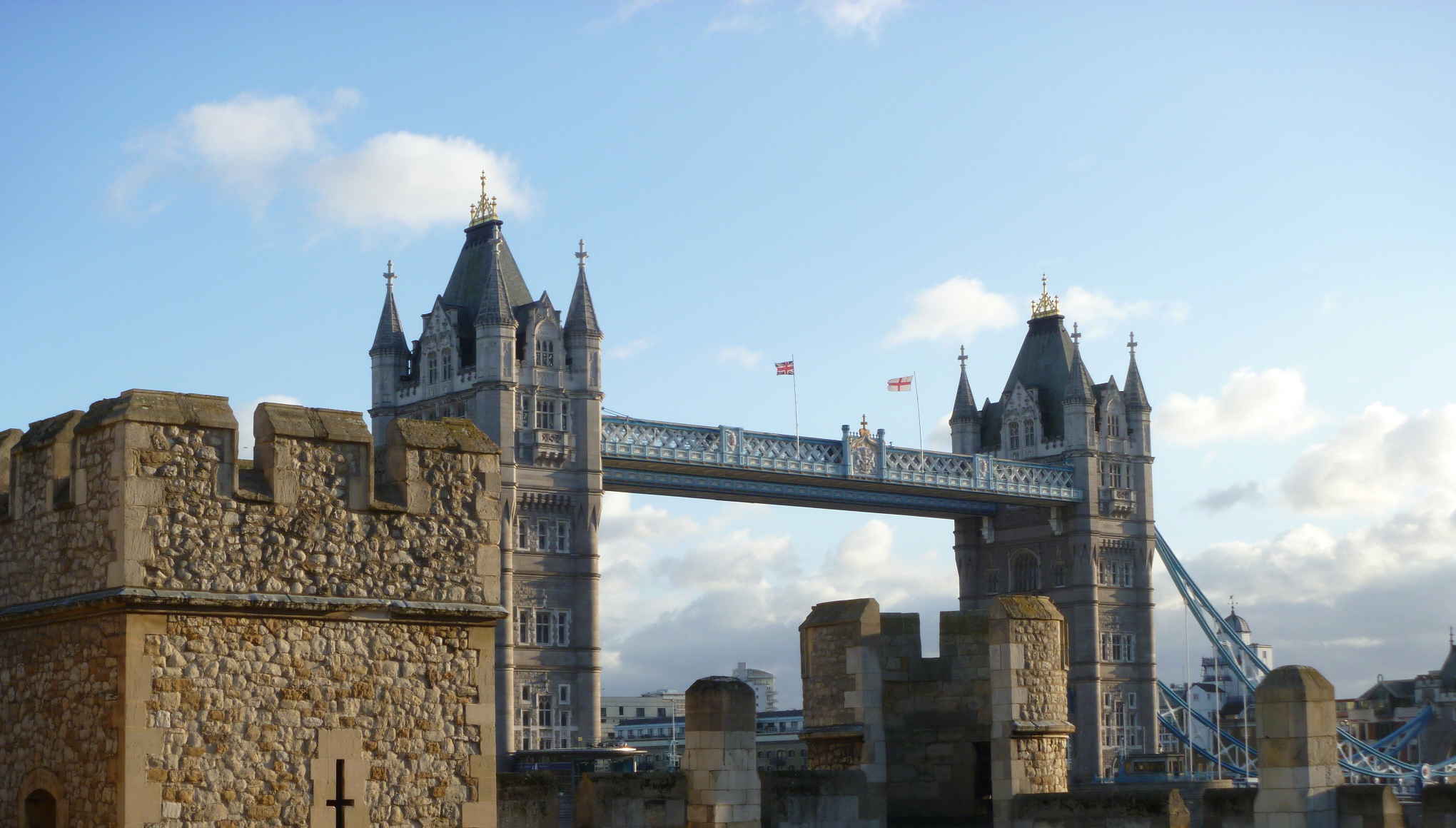
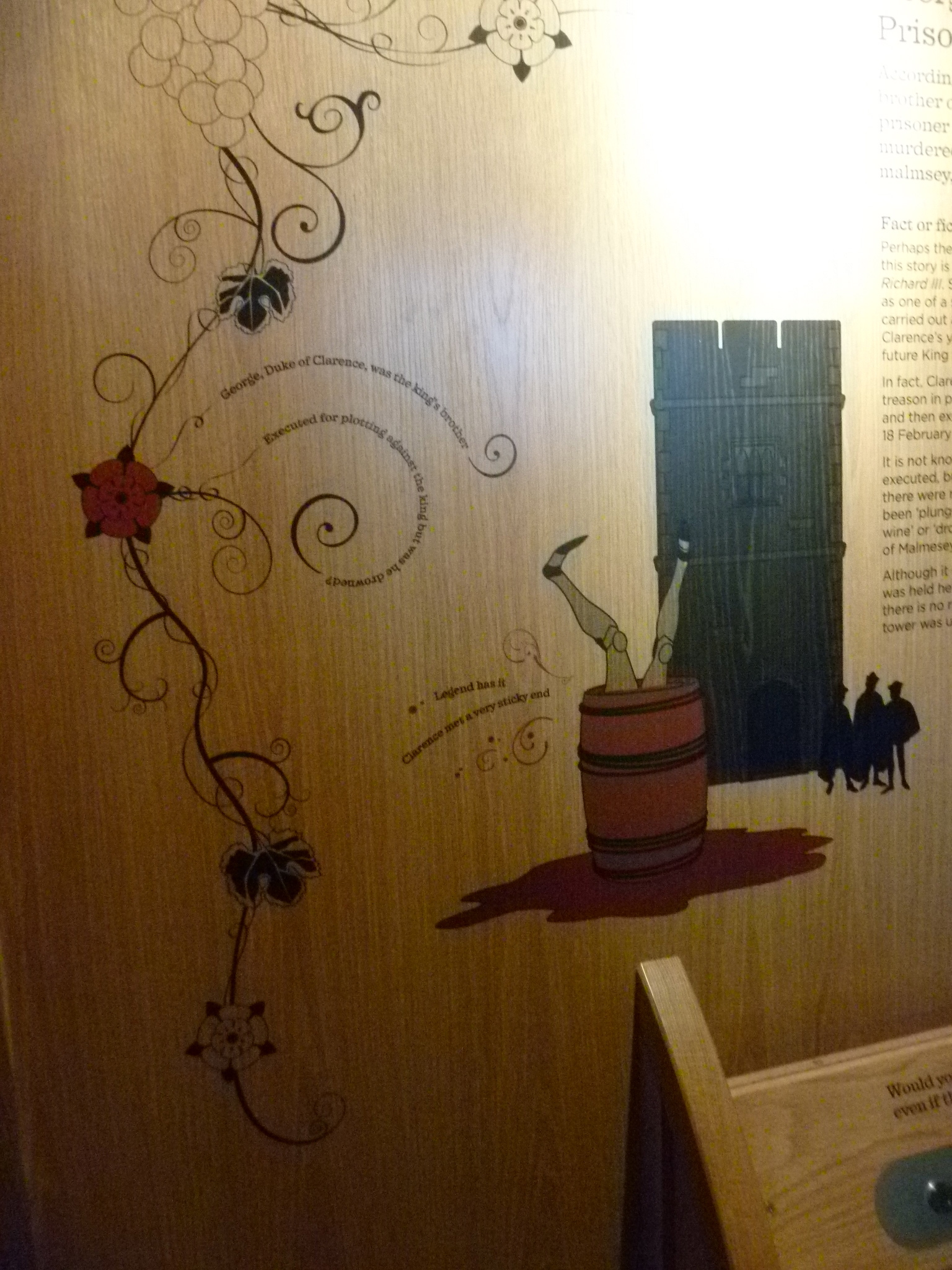
and to see inside some of the other towers (the ones with narrow stone spiral staircases) to discover more about the Duke of Clarence who drowned in a Butt of Malmsey wine, about The Little Princes murdered in the Tower and about other prisoners including Sir Walter Raleigh. And my thoughts go back to that earlier visit and to the discovery a few years later of my best history book ever – W. C. Sellar and R. J. Yeatman’s “1066 and all that”
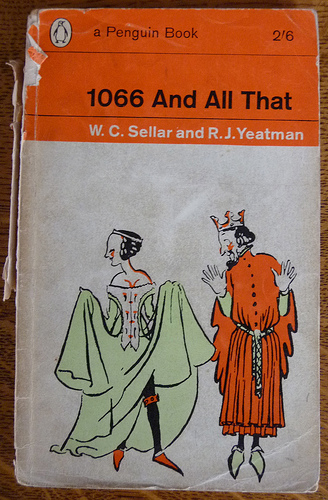
“During the Wars of the Roses the Kings became less and less memorable (sometimes even getting in the wrong order) until at least one of them was nothing but some little princes smothered in the Tower, and another, finding that his name was Clarence, had himself drowned in a spot of Malmsey wine; while the last of all even attempted to give his kingdom to a horse.”









 miladysboudoir