The Literature of the Windsors – a publishing phenomenon

Millions of words and countless books have been written about Him, about Her, about Them, about The Abdication and about Their Stuff.

Lots of it is repetitive – believe me I have now read quite a few.

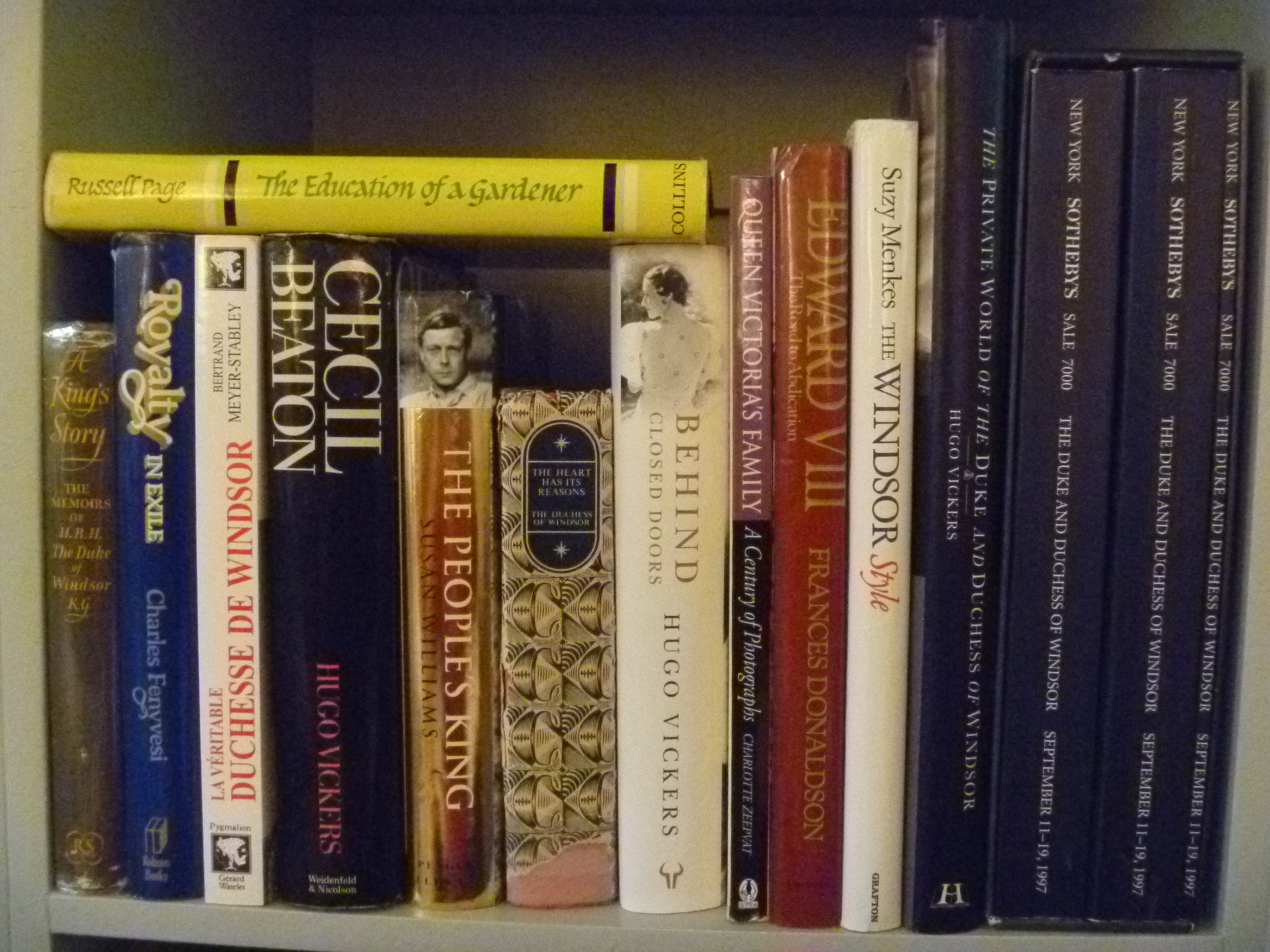
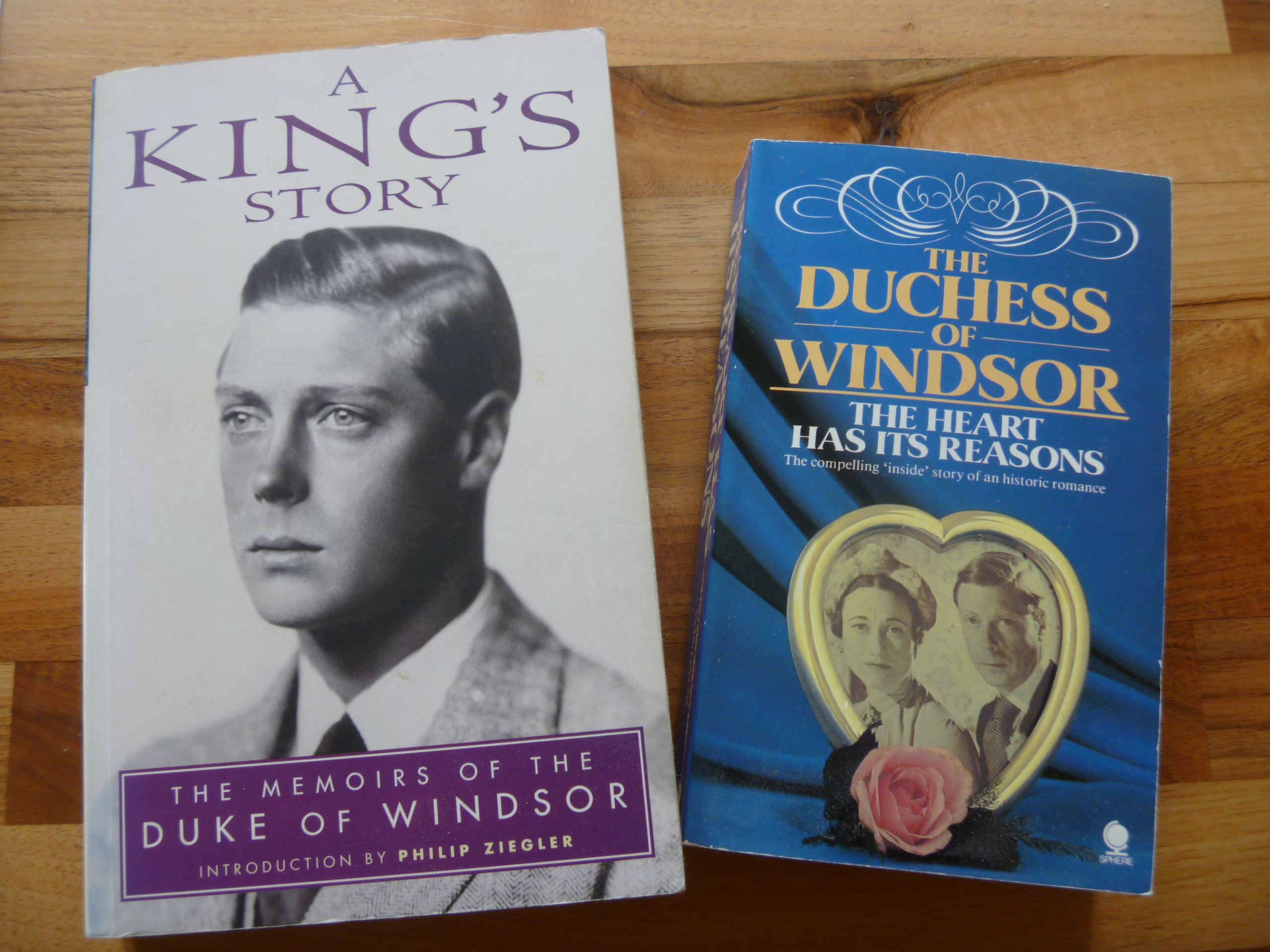
They published their own memoirs during their lifetimes, namely A King’s Story and The Heart Has Its Reasons. These two I own but have yet to read. The story goes that after the Abdication and the Second World War was over and when they had finally settled in France the former king, feeling rather at a loose end, at Wallis’s suggestion wrote his own biography. This he set about with gusto and with help of Charles J. V. Murphy. Published in 1951 A King’s Story: the memoirs of H.R.H. The Duke of Windsor was a great success. Wallis published her own story The Heart Has Its Reasons: the memoirs of the Duchess of Windsor in 1956.

Copies of both books are on the Library shelves at La Maison Des Amis.

I have (unread, so far) copies of my own as well.
Also on the library shelves at La Maison are other biographical works telling in their own way and with their own biases the stories of the Duke and Duchess. The winner with the most publications to his name on these shelves is Hugo Vickers with a total of 3 works:
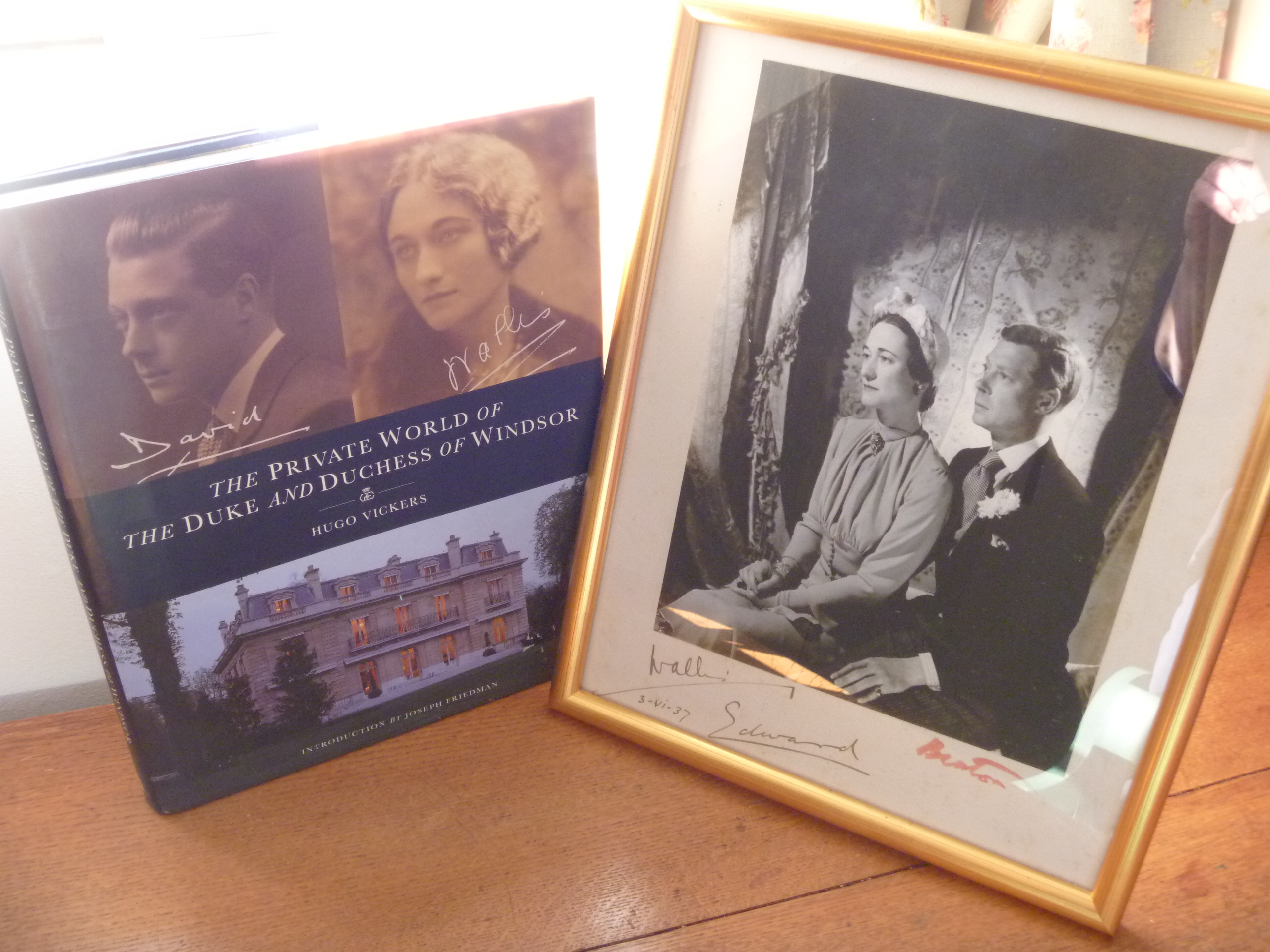
The Private World of the Duke and Duchess of Windsor, 1995. Published by Mohammed Al Fayed.

Cecil Beaton : the authorized biography; 1985.  (CB was a close friend of theirs and who took many of the best known photographs of the Windsors and who frequently came to stay at Le Moulin de la Tulierie.)
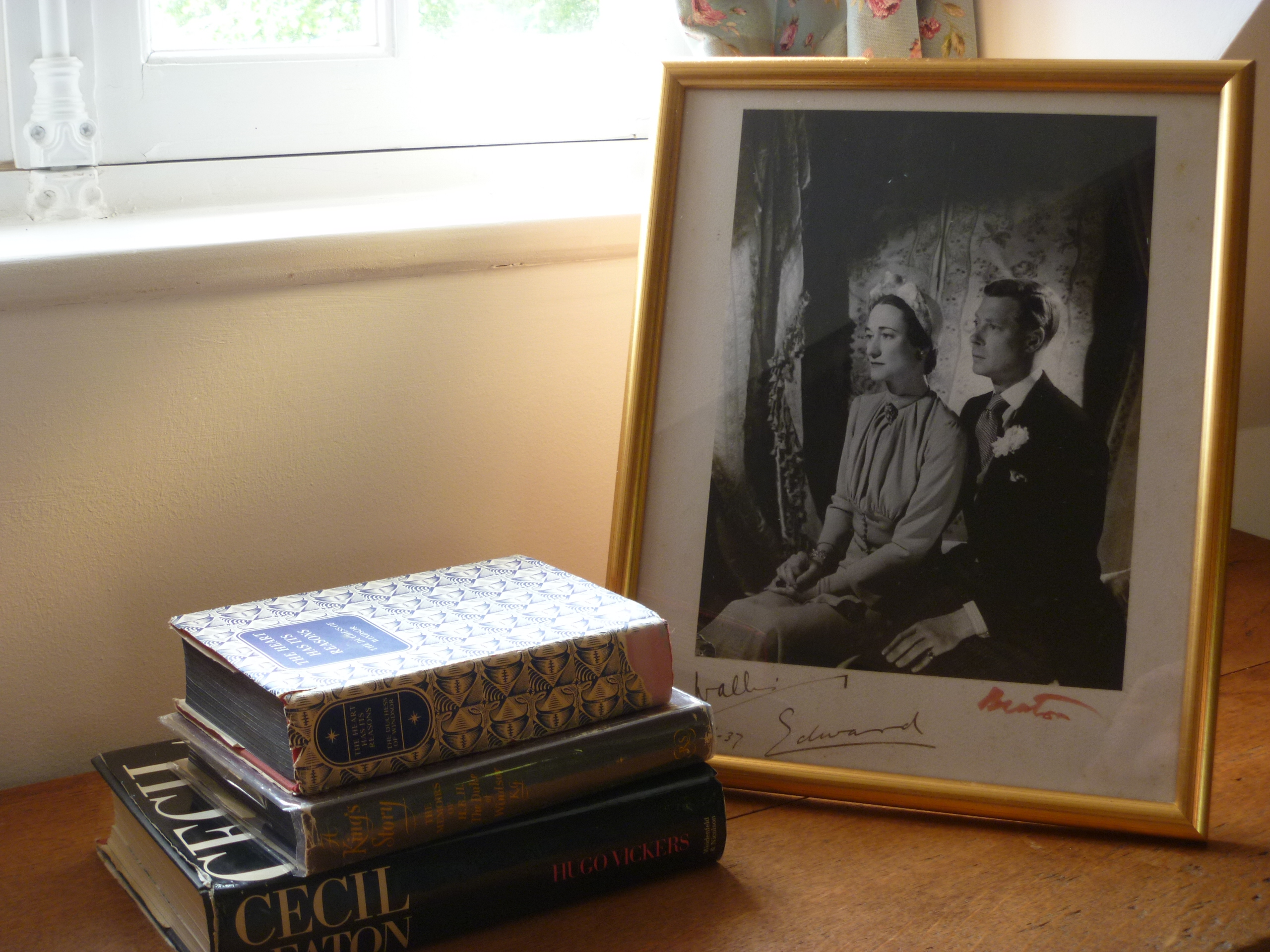
Behind Closed Doors: the tragic untold story of the Duchess of Windsor; 2011.

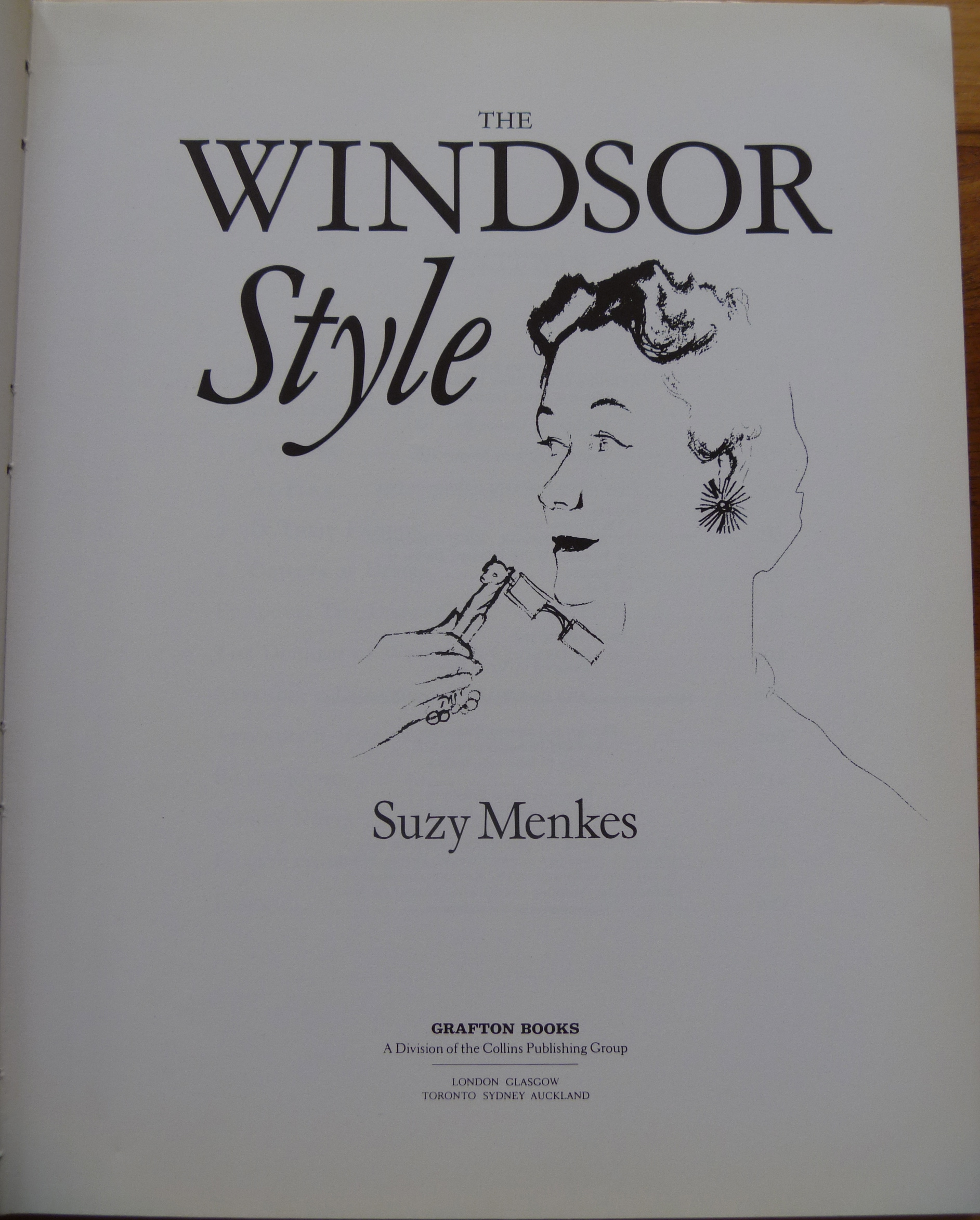
Other Windsor books at La Maison include Suzy Menkes’ The Windsor Style (1987) which covers their homes, gardens, fashions and objects. The appendices include The Duchess of Windsor’s Cookbook and a list of furnishings and objets d’art donated to The Palace of Versailles and the sale results of The Duchess of Windsor’s Jewel Sale at Sotheby’s in Geneva in April 1987.
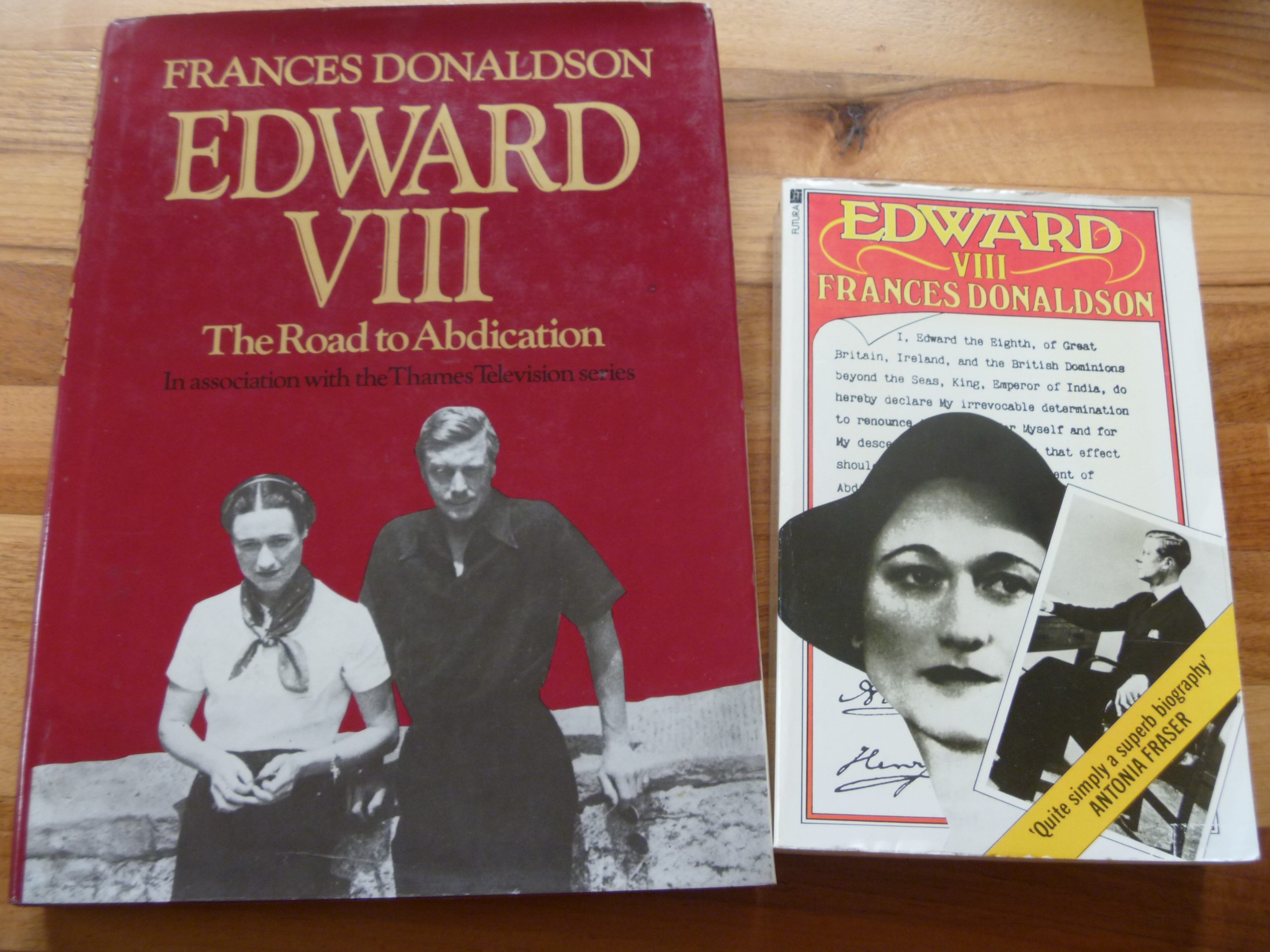
Frances Donaldson, who wrote an [official] biography of the Duke also published in 1974 Edward VIII : the road to abdication. Rather more of a photographic album with informed commentary than the aforementioned biography. Shown below are my own copies.
The selection at Gif also includes La Veritable Duchesse de Windsor by Bertrand Meyer-Stabley, Editions Pygmalion, 2002, for all the French guests staying at Le Moulin. Well, I have yet to see any French commenters in the Landmark Logbook but maybe they haven’t caught on to the British Visitor’s Book signing tradition.

The People’s King [another] true story of the Abdication; by Susan Williams [2003]

Queen Victoria’s Family: a century of photographs, 1840-1940; by Charlotte Zeepvat. [2003]
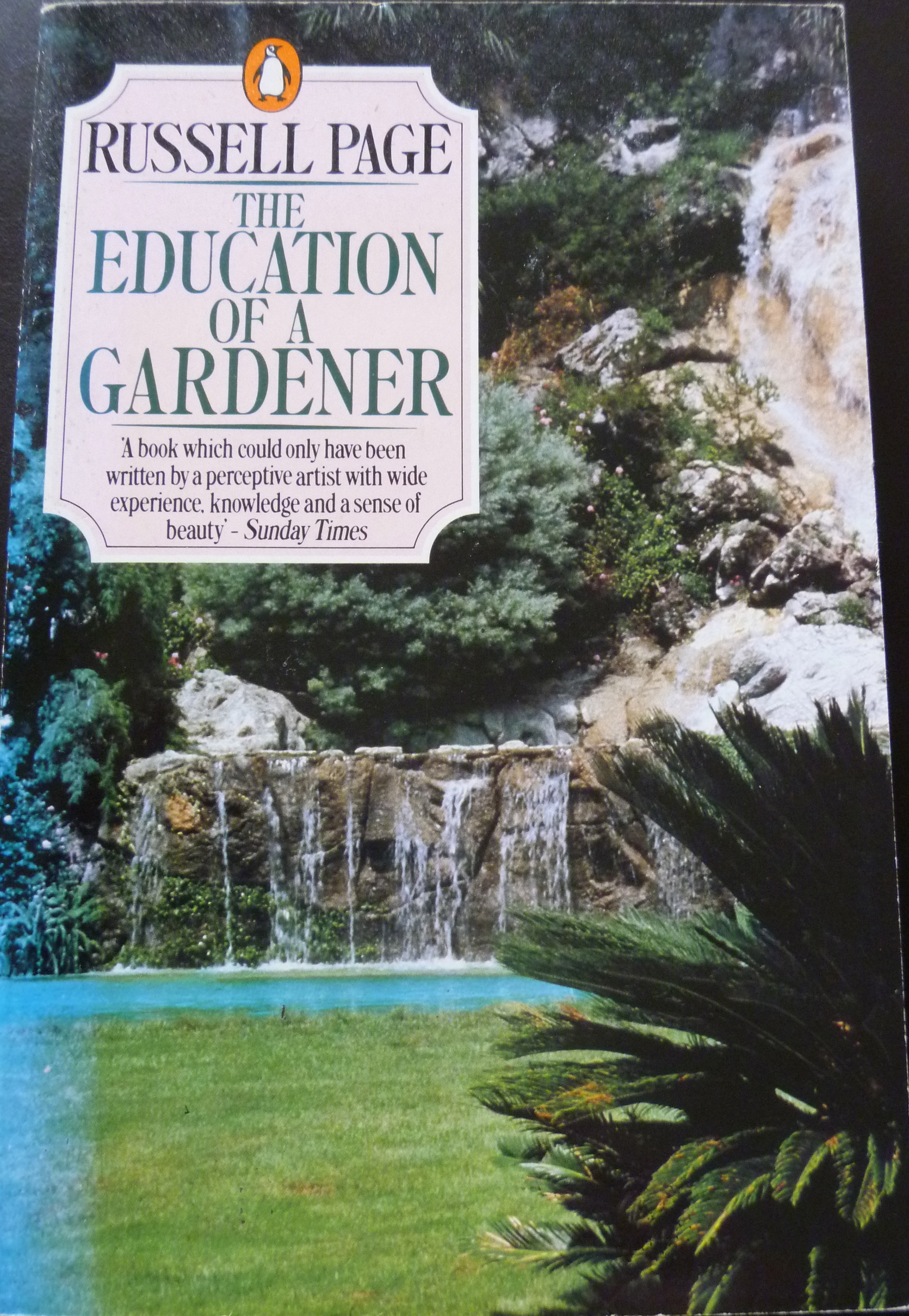
The Education of a Gardener, by Russell Page. [1962] who spent time helping the former king to establish his own garden at Le Moulin de la Tuilerie.

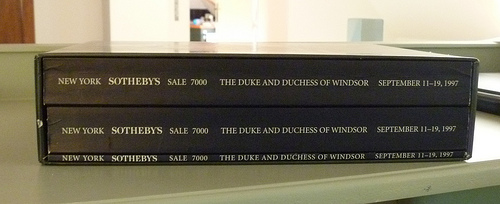
But I think the most interesting and intriguing books on the library shelves at La Maison are the 3 volumes of the New York Sotheby’s Catalogue of the Sale in 1997 of the Duke and Duchess of Windsor’s property. They are fully illustrated and contain price estimates. On our return home last year we bought the final sale price list with which to compare.
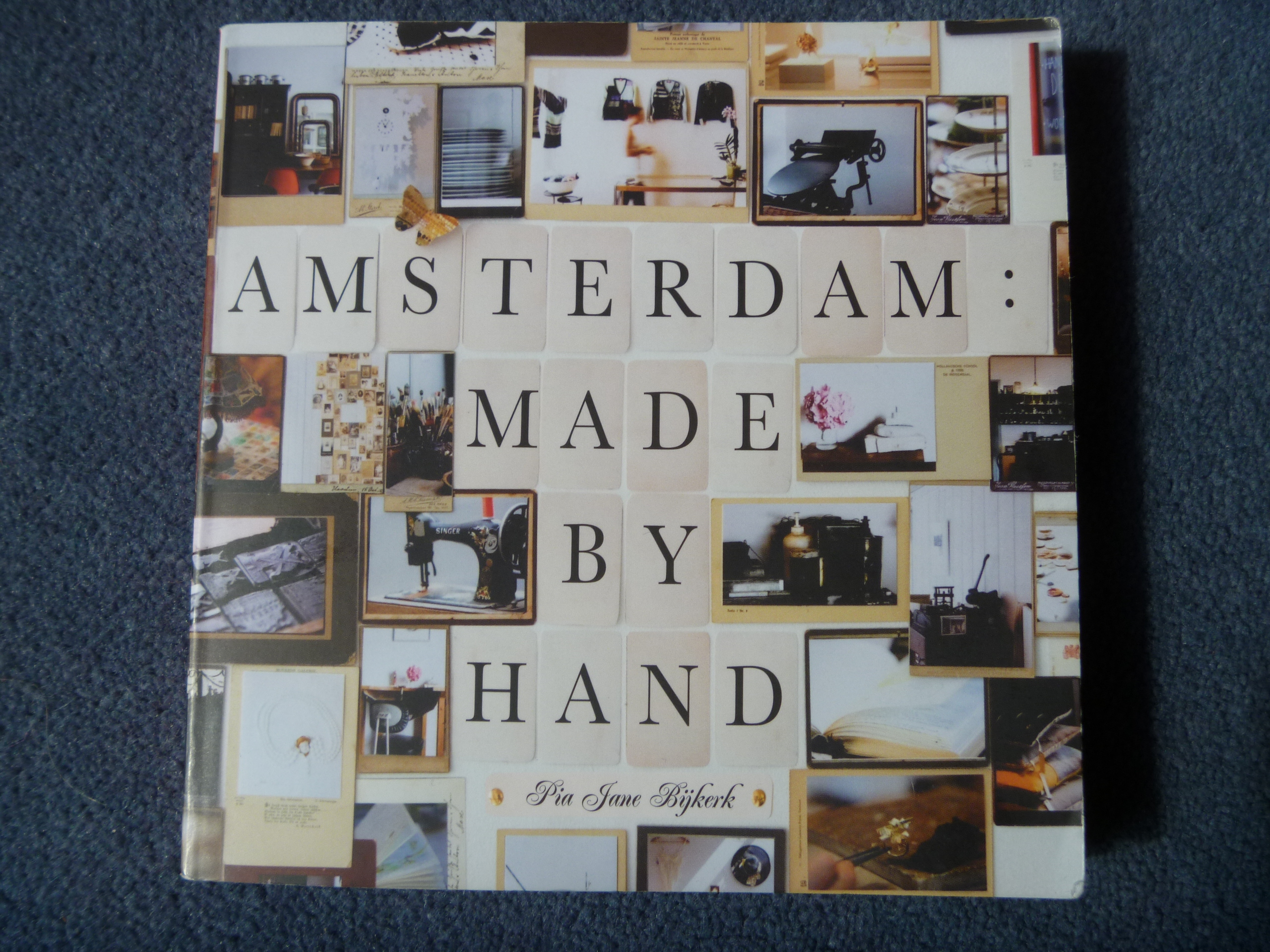
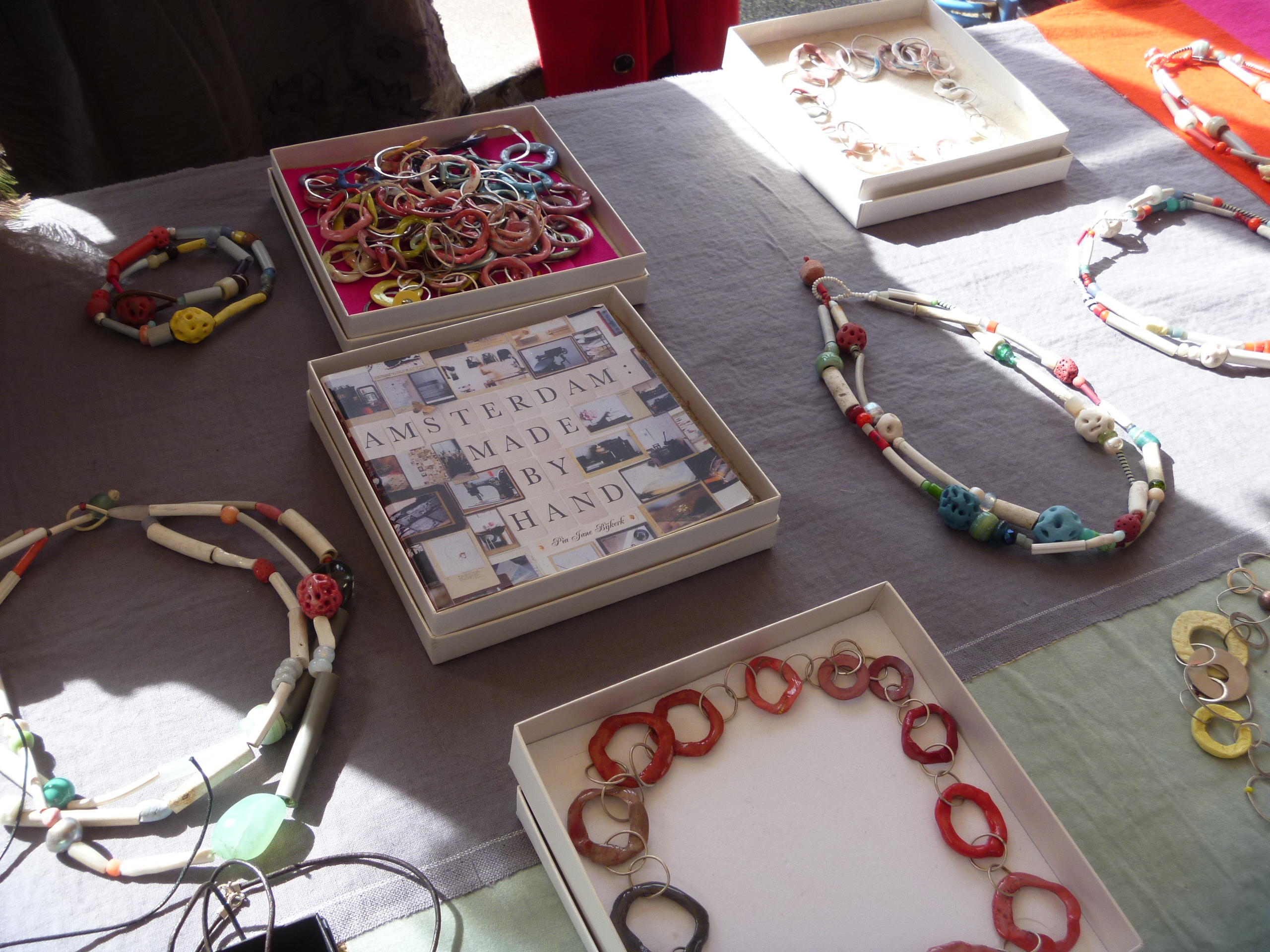
Amsterdam Made By Hand – De 9 Straatjes en De Noordermarkt

For quite some time I have had my eye on this lovely little book and as soon as I knew about my trip to the city I could not resist buying. To me there is something very special about these travel publications from the Little Bookroom. Here’s a press comment from their website :

“The Little Bookroom…wants travelers to slow down. They’ve carved themselves a niche in the over-crowded travel book industry by thinking small with titles that define the character of a city.”—The Pittsburgh Tribune

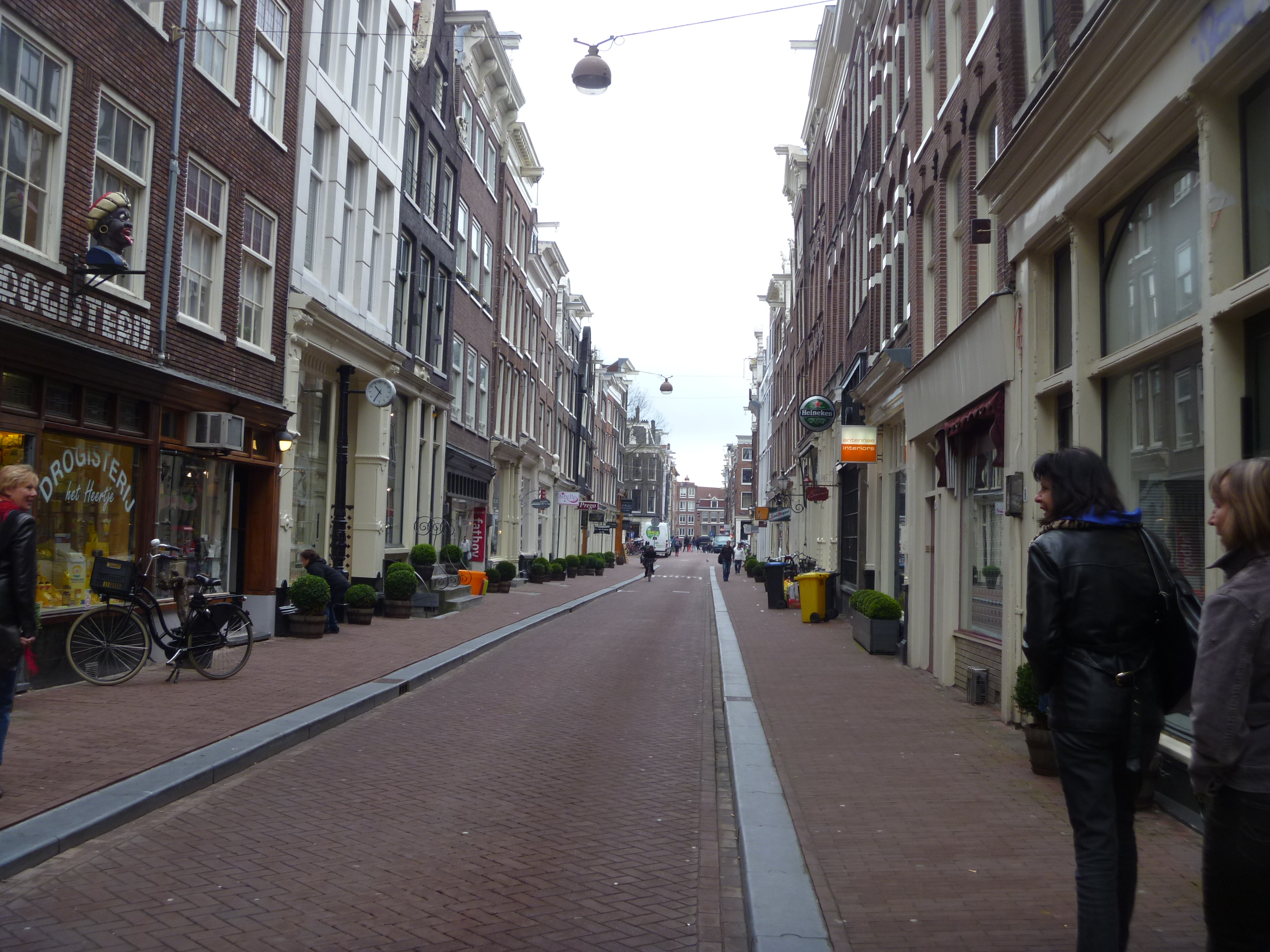
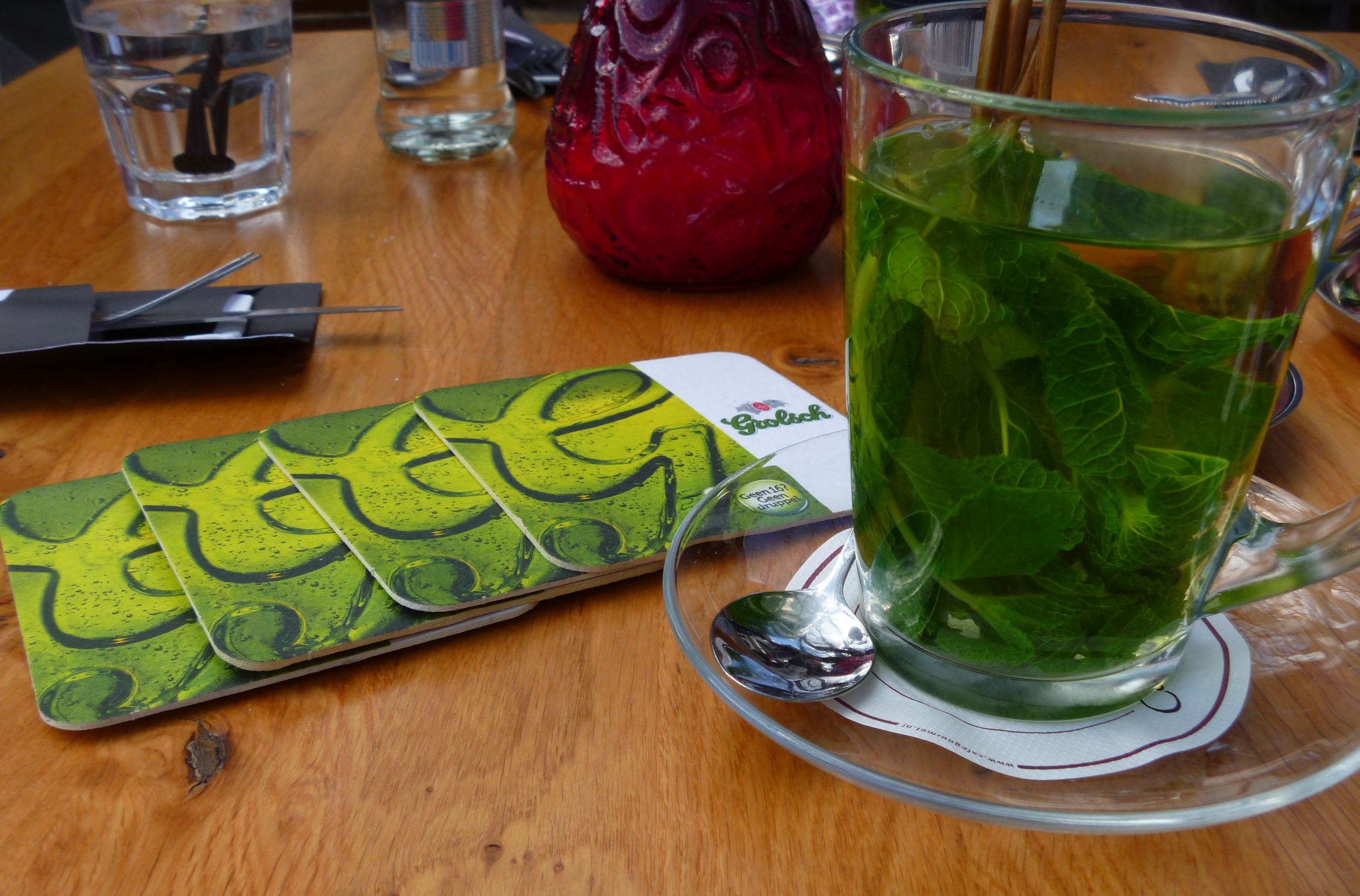
There’s an area of Amsterdam, very near to our digs, called The Nine Streets  [De 9 Straatjes]. On our first morning we found ourselves wandering along the nine streets, popping into cafes for sustenance and to warm ourselves, calling into boutiques, shoe shops, design shops, galleries and studios, trying things on and generally having fun spotting the unusual. We also took lots of photos.

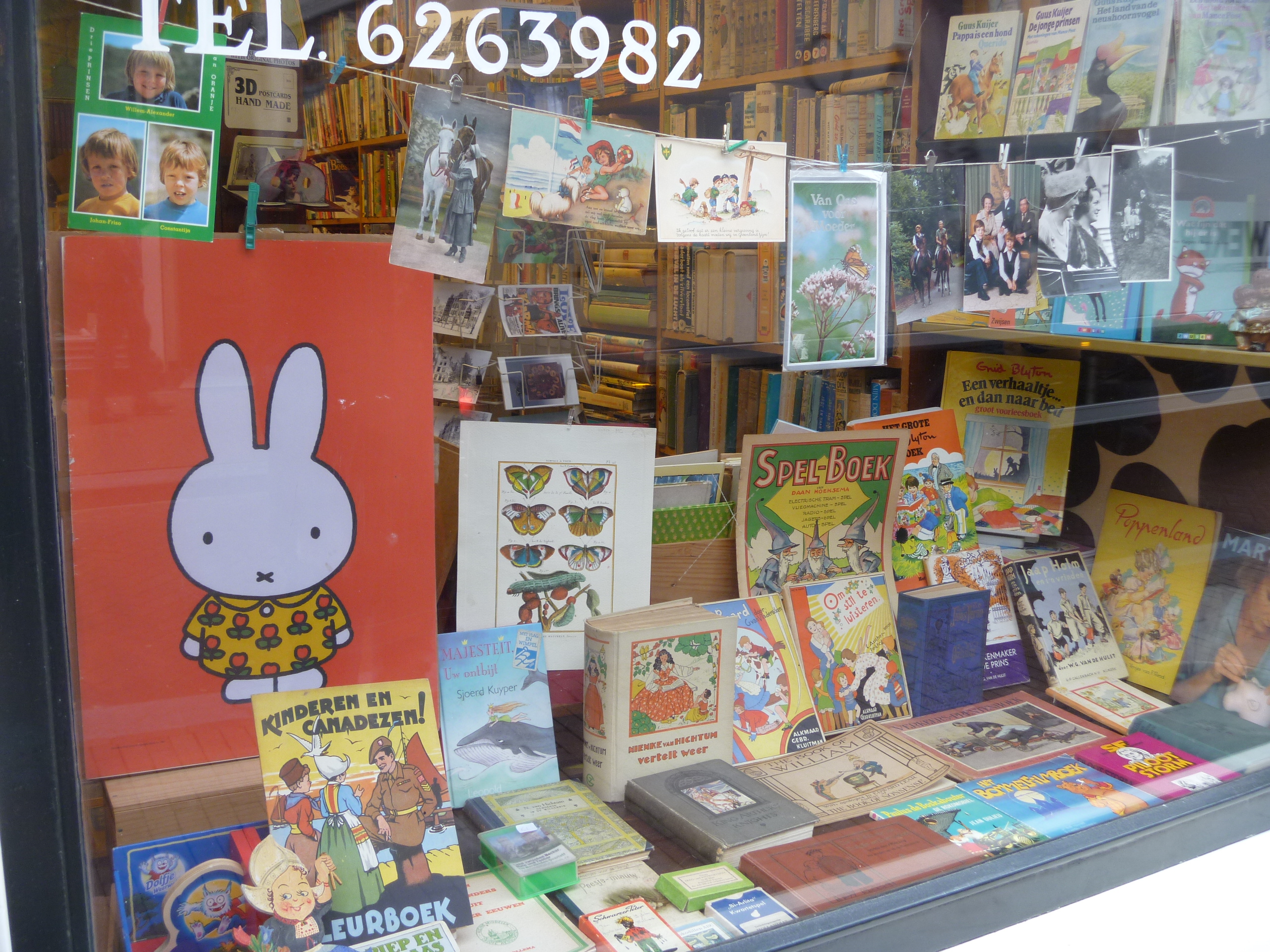
Antiquariaat Culturel

Gasthuismolensteeg 4

Culturel is run by Hans and Ina Cramer, who I like to imagine spending their non-working hours amid a snug muddle of crosswords, sleeping dogs and homemade cake. Their business oozes quintessential second-hand bookshoppishness, with precarious towers of tomes and ceiling-to-floor shelves crammed with literature, art and history books hand-picked by Ina. None of them is catalogued; there is no computer, let alone a website, or even a till. Among other books, I have bought an Esperanto translation of The Little Prince here, and also a copy of The Diary of a Nobody, mainly because I liked the fact that on the inside cover Hans has written ‘very funny’.”  From an article in the Guardian in 2008 : Amsterdam: literature’s capital city

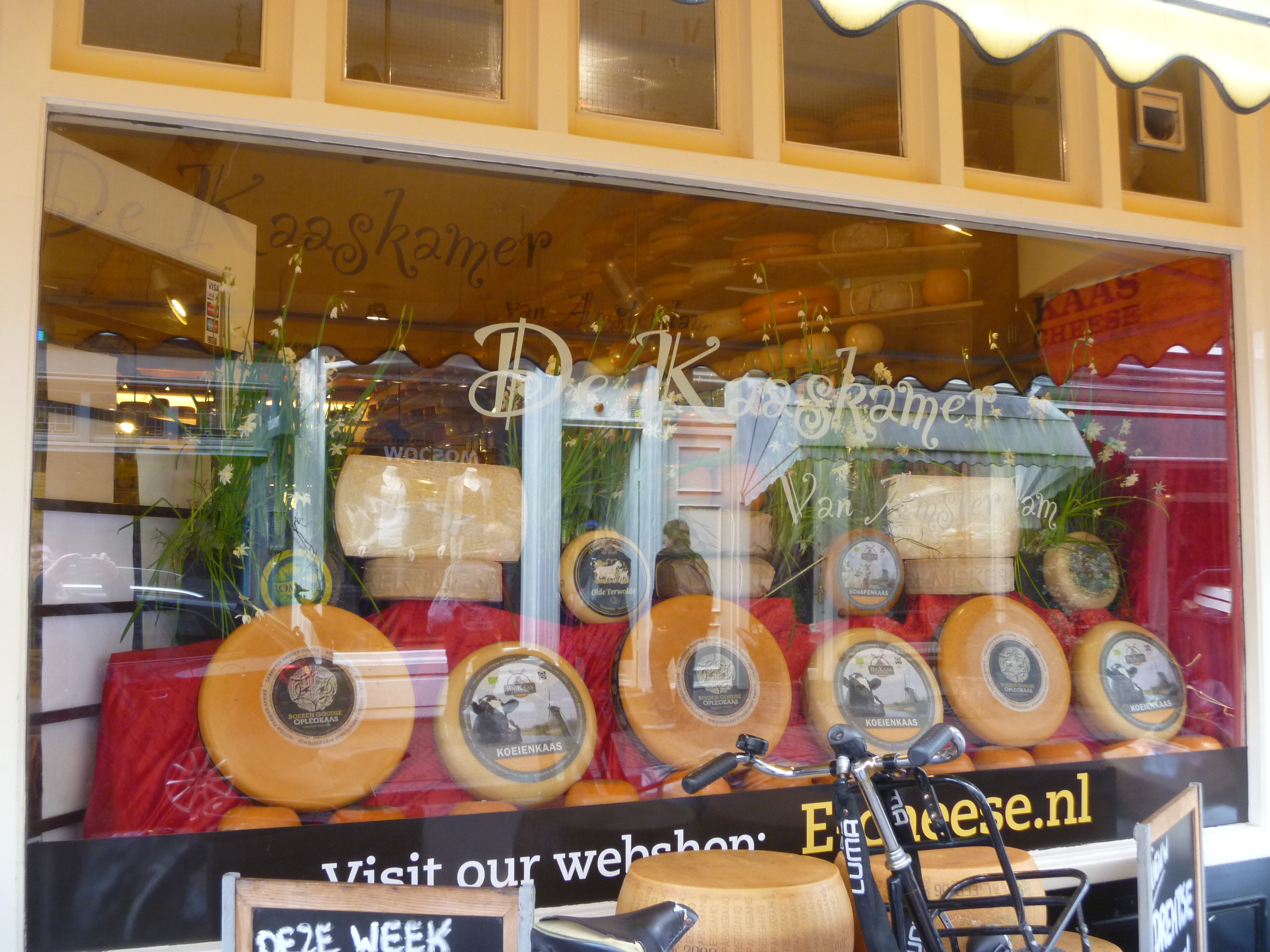
De Kaaskamer – The Cheese Shop (7, Runstraat)

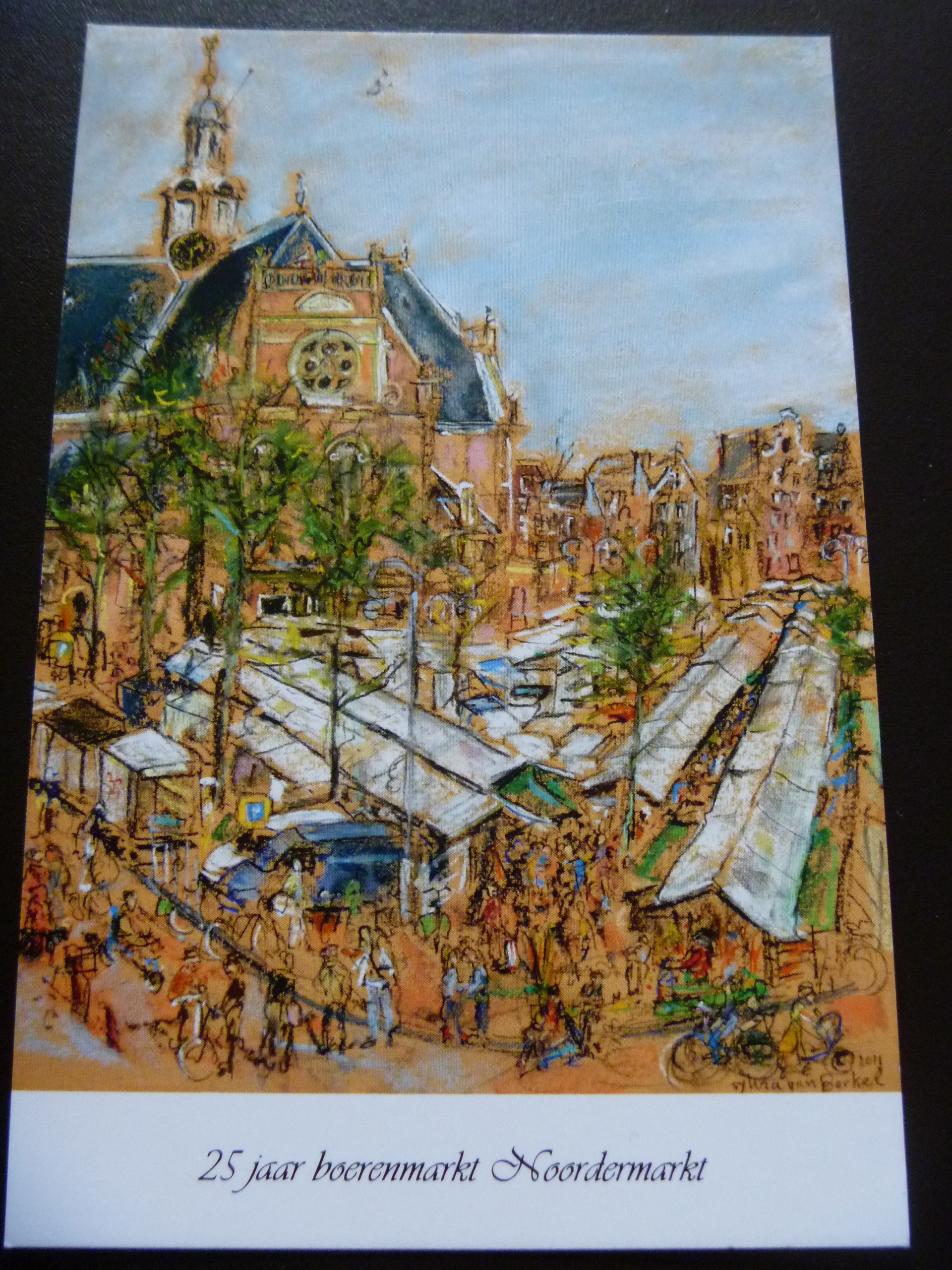
The Noordermarkt celebrates its 25th birthday on 5 May 2012.

Akelei on the Noordermarkt

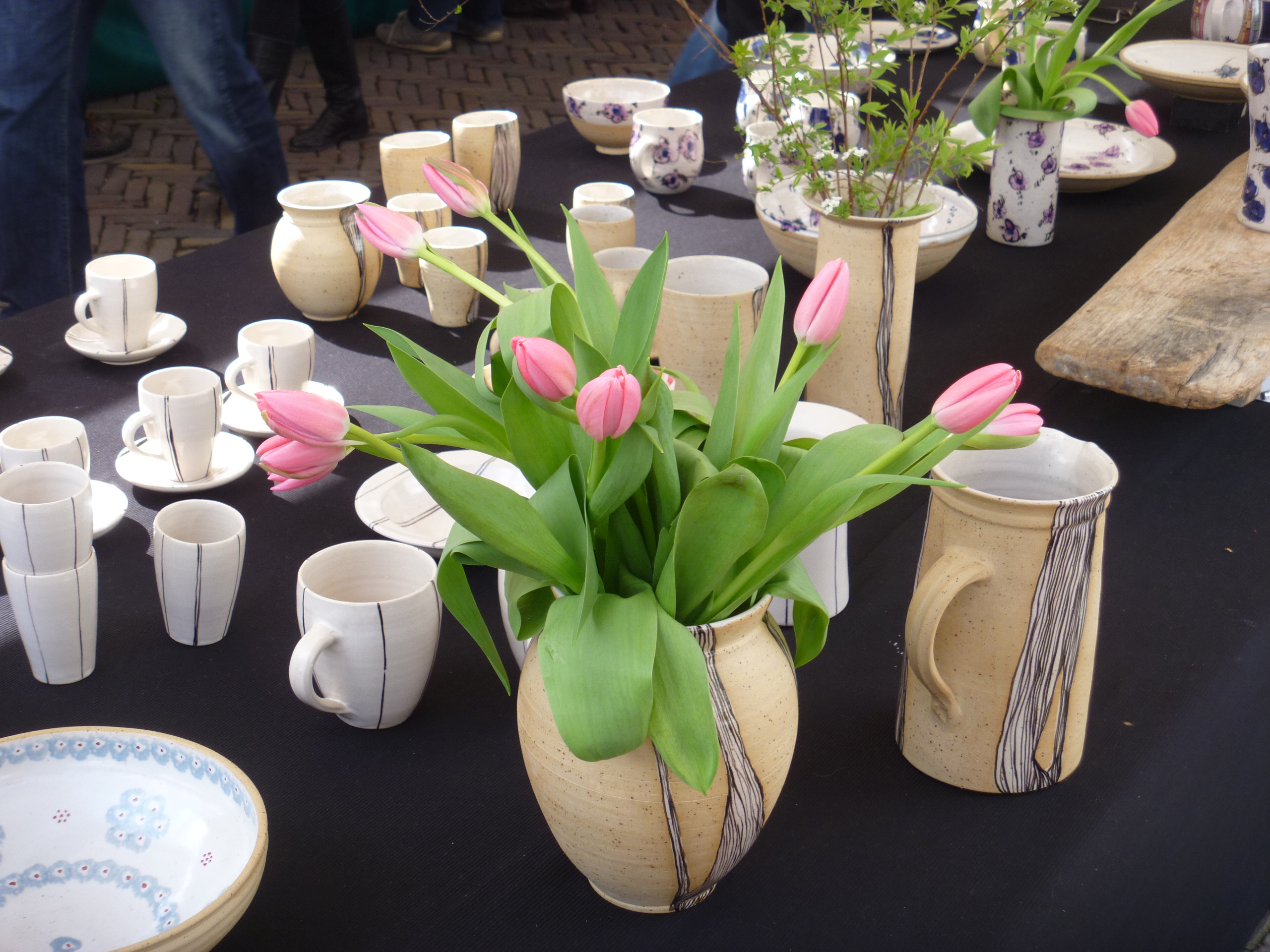
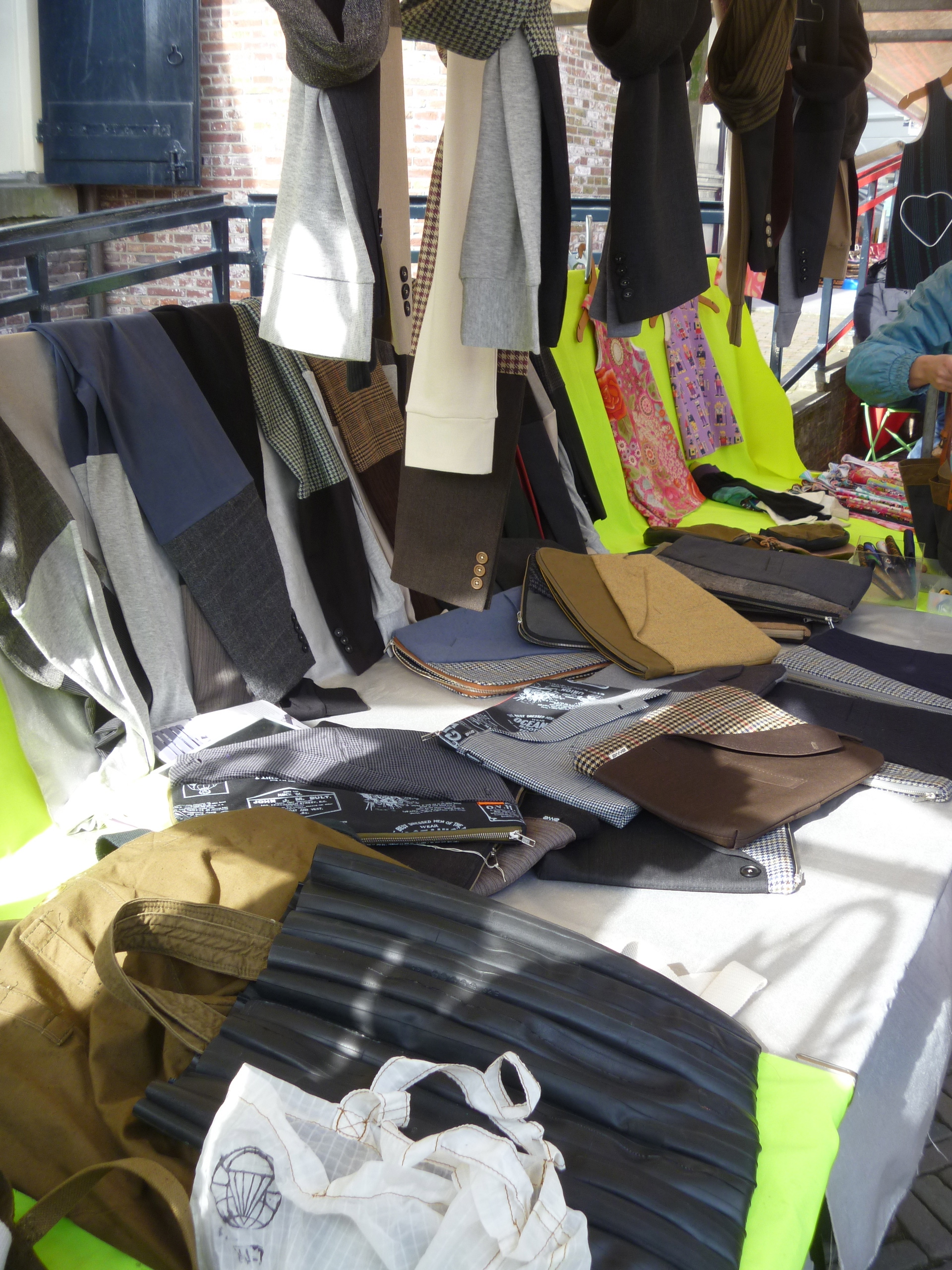
The Noordermarkt, also very near our place, lies in the shadow of the Noorderkerk just by the Prinsengracht. Mainly it’s an organic farmers’ market with stalls of mouthwatering fruit and vegetables, spices and herbs and homemade honeys and preserves. It operates on Saturdays and in addition to the food stalls there are several secondhand and ‘made by hand’ stalls, including Akelei (jewellery),  Anne (recycled clothing and stuff) and Anna Maria Preuss.

Anna Maria Preuss stall, Noordermarkt

Anne’s Stall, Noordermarkt

On our Saturday morning the sun shone and we sat outside by the church where a band of musicians played Russian music and we watched the world go by.

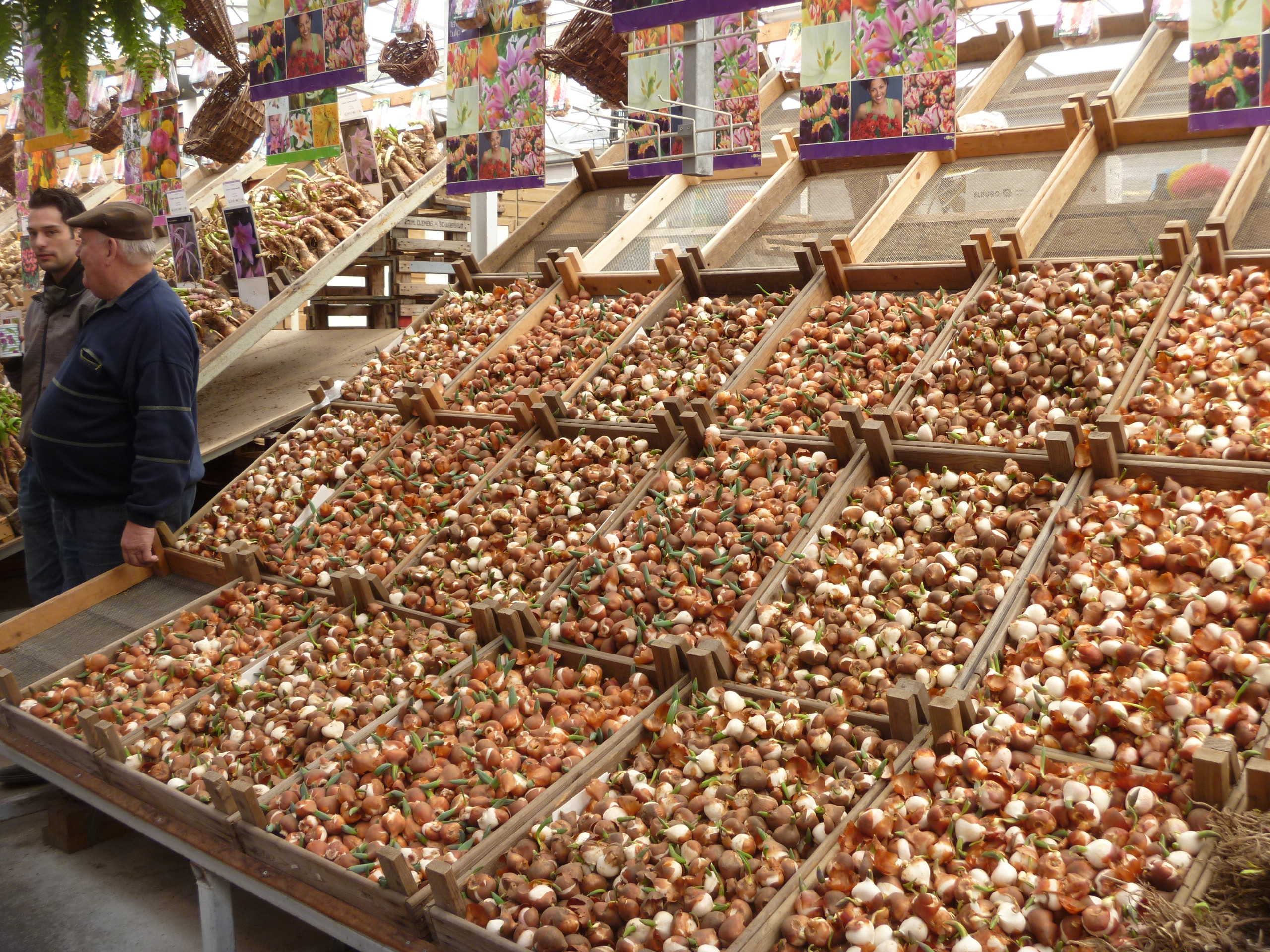
Then it was on to the famous daily Flower Market by the Singel canal – a good place to stock up on bulbs to take home!

A Shared Experience with Mary Shelley

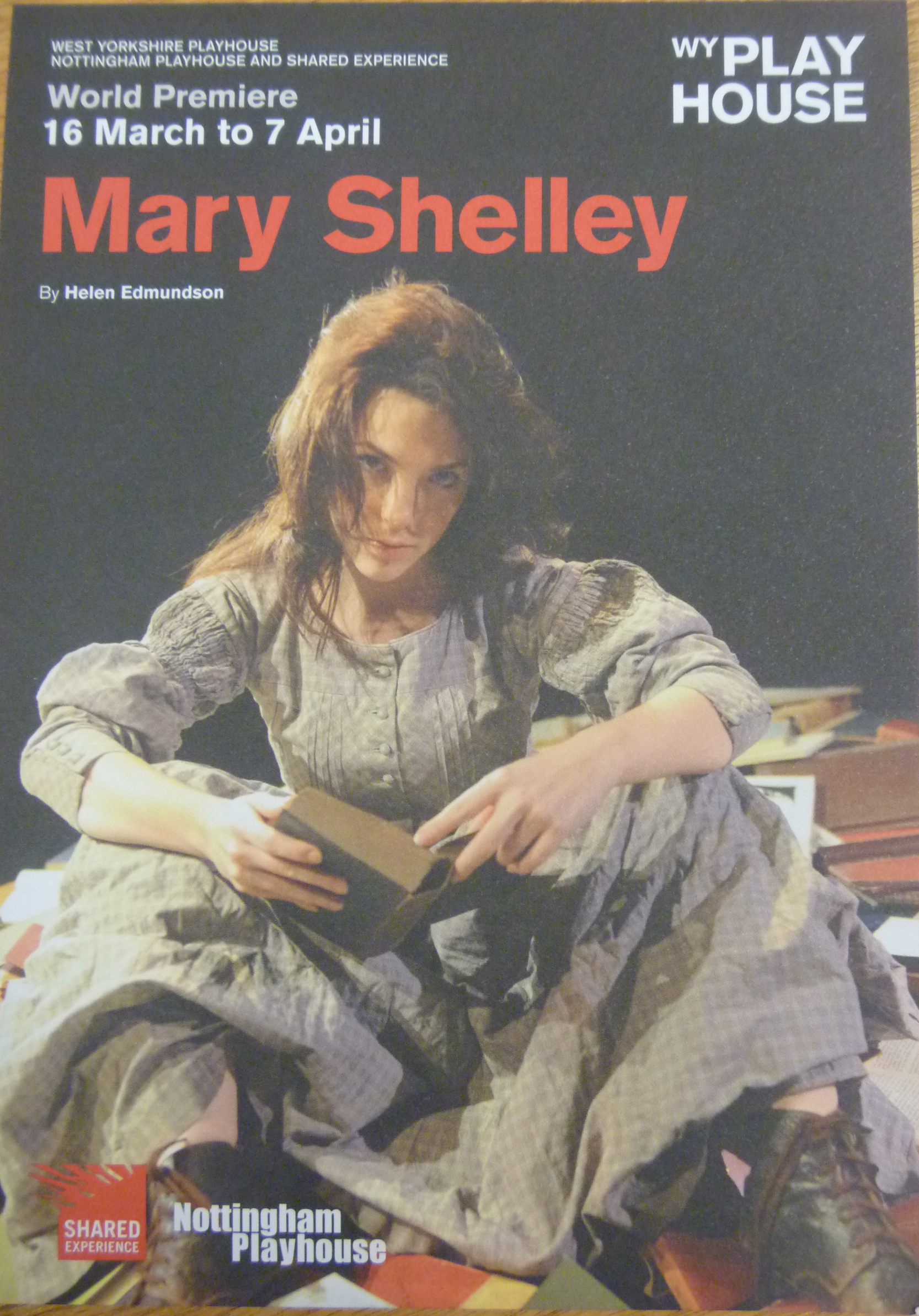
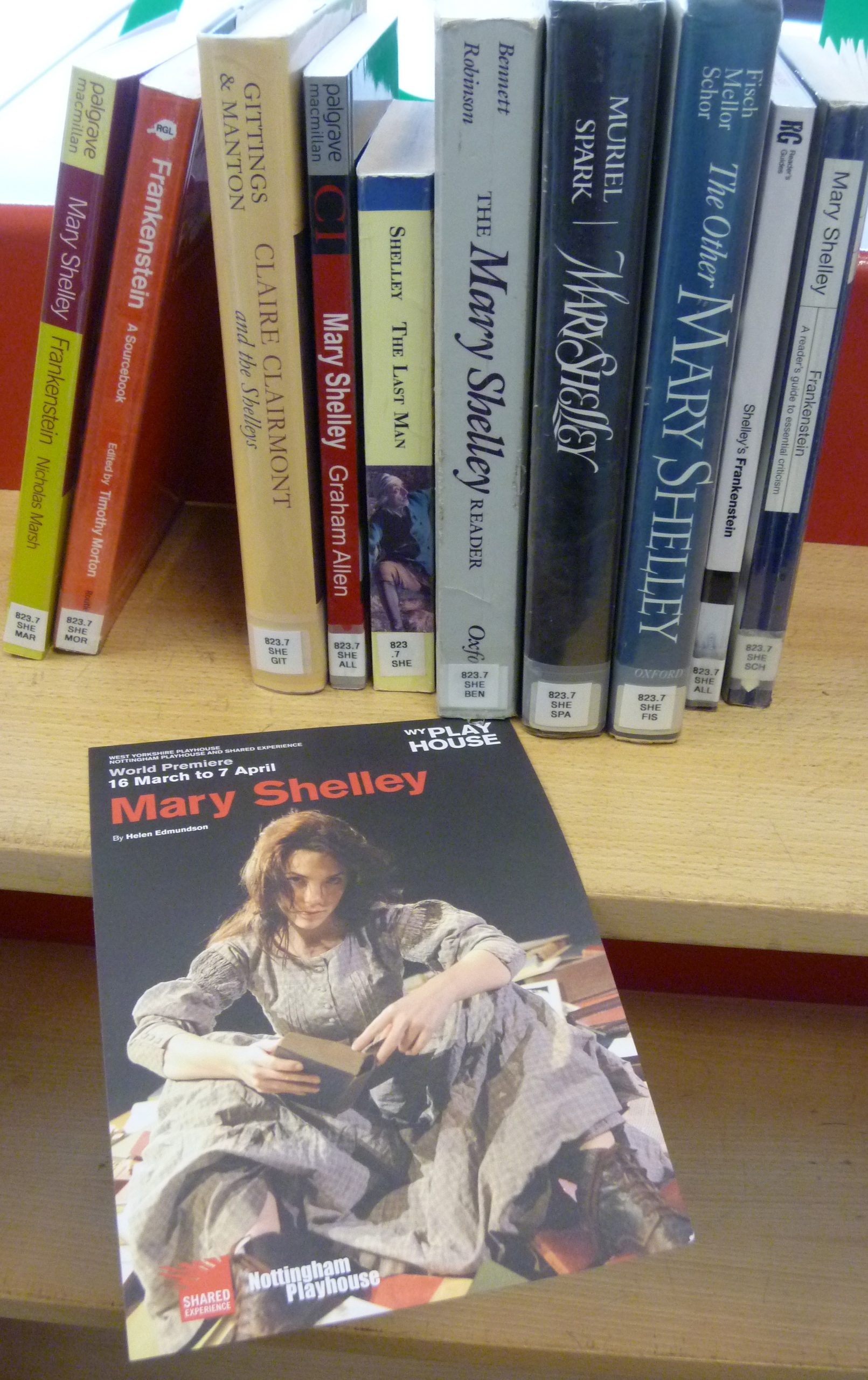
Shared Experience theatre company are back at the West Yorkshire Playhouse this month with their latest production ‘Mary Shelley‘. It’s a dramatic and powerful account of the late teenage years of Mary Godwin, later Shelley, and her very unconventional family and lifestyle during the years 1813-1816. Mary Shelley wrote and had published her famous novel ‘Frankenstein’ before she was 20. She married the poet Percy Bysshe Shelley. Her father was William Godwin a well-known political philosopher and novelist and author of  ‘Political Justice’, published in 1793. Her mother was Mary Wollstonecroft author of  ‘A Vindication of the Rights of Woman’ whose suicide is depicted at the beginning of the play.

Mary had two sisters Fanny and Jane. Jane Clairmont later changed her name to Clare Clairmont and was the mother of one of Lord Byron’s children, Clara Allegra. Read more about Mary here and here :

The play goes a long way in explaining the relationships between the members of this unconventional family and P. B. Shelley; those are  ‘crazy mixed-up kids’. With only 6 actors and a versatile set consisting of a very large dining table which also doubles as a tombstone and a quay and a desk and even a bedroom plus several tall bookcases crammed with books and papers and boxes the words flow quickly and the tension mounts throughout.

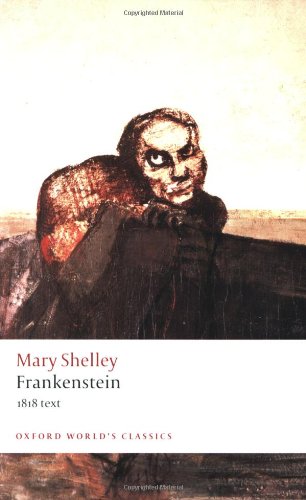
I think that I have been far too influenced by the over-hype connected with all the Frankenstein-related films and books which, although I have never seen nor read any of them, have totally put me off reading the original book. A colleague highly recommends reading it and suggests that I put ‘Frankenstein, a modern Prometheus’  forward as a suggestion at my next book group meeting. And do you know? After seeing ‘Mary Shelley’ I think I probably will!

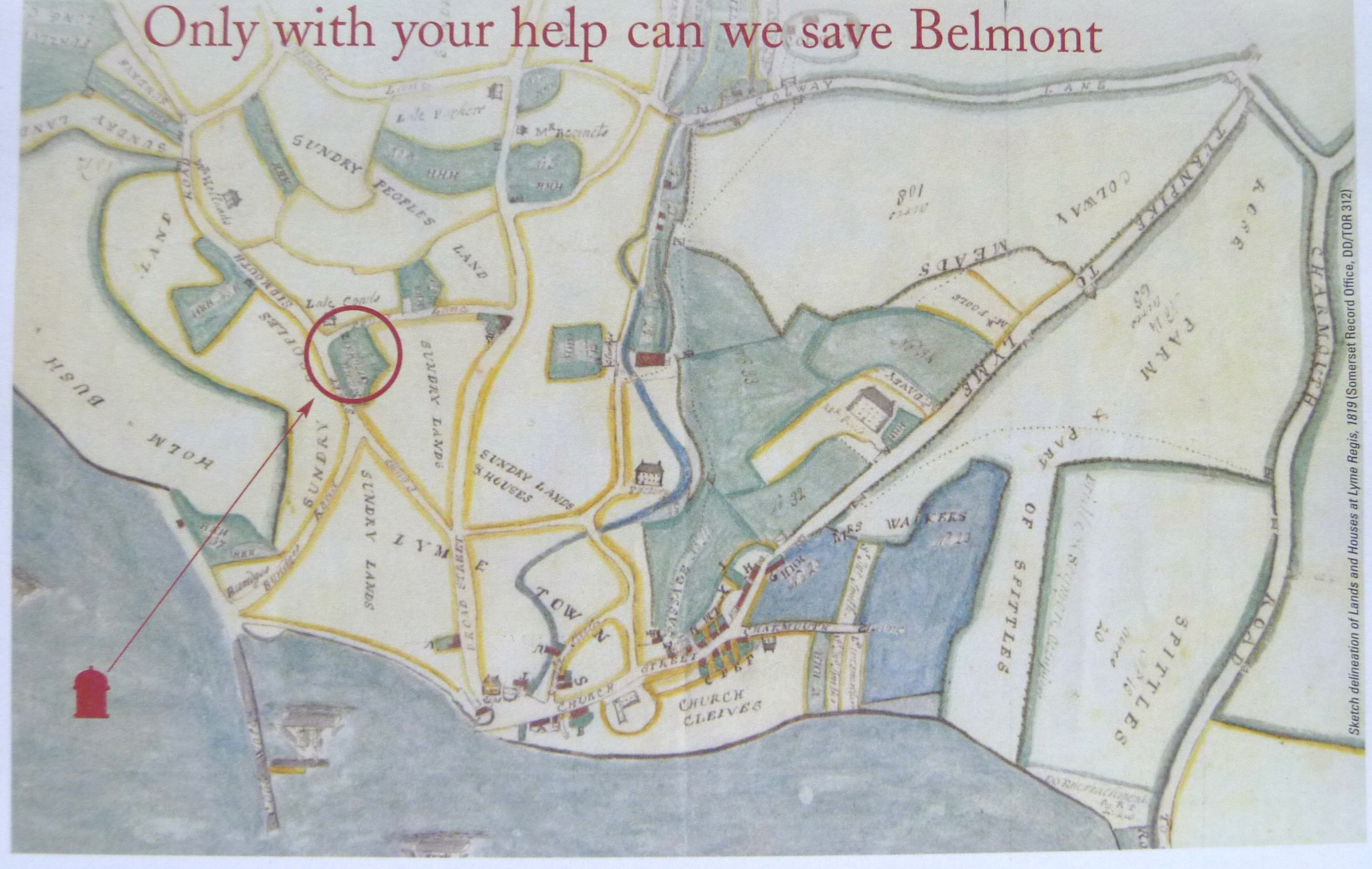
Help save Belmont – a literary landmark in lovely Lyme Regis!

Today I received a fund-raising email from the Landmark Trust to encourage support for donations to help save Belmont House in Lyme Regis.

Follow this link to read more about the house and its present desperate state :

Belmont, Lyme Regis

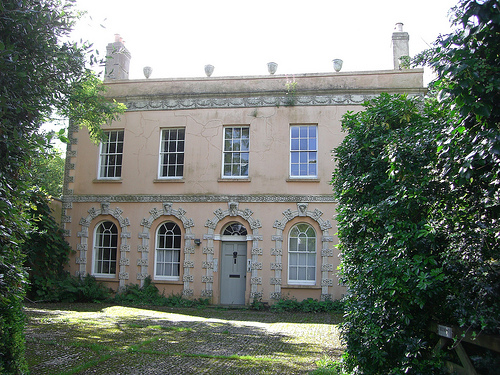
Belmont was the former home of two interesting people. During the 18th century it was the home of Mrs Eleanor Coade the lady who devised a formula to mass produce architectural embellishments and statuary of the highest quality which she named ‘Coade stone’. And between 1968 and 2005 it was the home of novelist John Fowles and it was here that he finished his most famous work “The French Lieutenant’s Woman”. Lyme Regis is the setting for the book. It was through his generosity that Belmont was left to the Landmark Trust. The Trust’s website explains why further funds are needed to restore the house and make it habitable for future holiday lets through this unique organisation:

Belmont stands empty, decaying and at risk and urgently needs funds to enable its restoration. The Grade II* house is a fine, early example of a maritime villa, a new building type that sprang up in the second half of the 18th century with the rising popularity of seaside holidays. Today the fabric of the building is deteriorating, the parapet is sagging, there are rotten wall plates and lintels, the stone skin is coming away and water is trapped behind impermeable cement render.

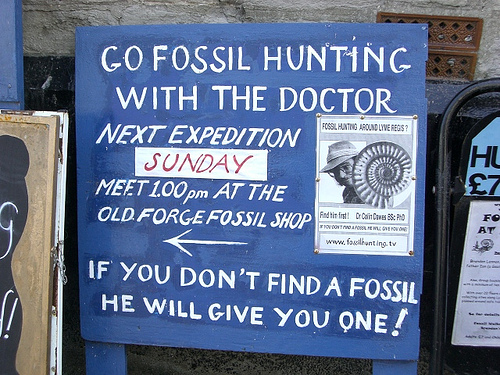
Lyme Regis is a delightful and interesting little seaside town on the Dorset coast. Each year for the past five years I have spent a week at nearby Branscombe in Devon and on each occasion I have visited Lyme at least twice. On three occasions I’ve been fossil hunting (without any luck!) for Lyme lies within the World Heritage Site Jurassic Coast.

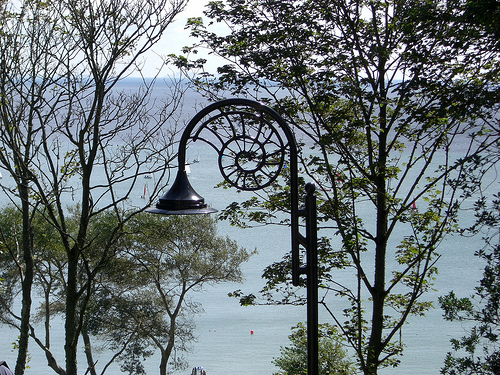
Lyme has a promenade and sandy and pebbly beaches. You can tell which is the sandy one by the numbers of people crammed into the small area where huge amounts of sand were imported from Normandy. A lot of effort; but it has made a huge difference. I’ve never actually managed to get onto the beach as there is always so much more of interest to me. There’s a High Street crammed with shops – many of them small and individual and very many of them selling or in some other way connected with the fossils that are Lyme’s trademark.

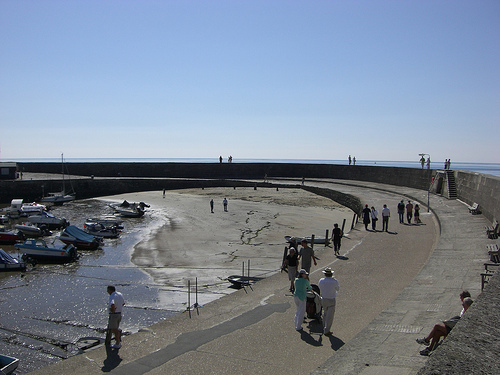
The Philpot Museum is well worth a visit, or several. Fossil Hunts are organised from the Museum. Lyme Regis has a colourful little harbour/marina protected from the sea by the famous Cobb – mentioned in Jane Austen’s ‘Persuasion‘ and featured in the film of Fowles’ ‘French Lieutenant’s Woman’. By the Cobb is the fascinating Marine Aquarium. There is good food to be had from the small cafes along the promenade, to the Town Bakery, to Hix Oyster and Fish House.

Lyme Regis :  The quintessential seaside resort for literature lovers everywhere – Jane Austen and Beatrix Potter visited it.  John Fowles lived in it.

Belmont, Lyme Regis : “Mrs Coade made it; John Fowles loved it. Now it must be saved.”

Ode to an Excellent Bookshop

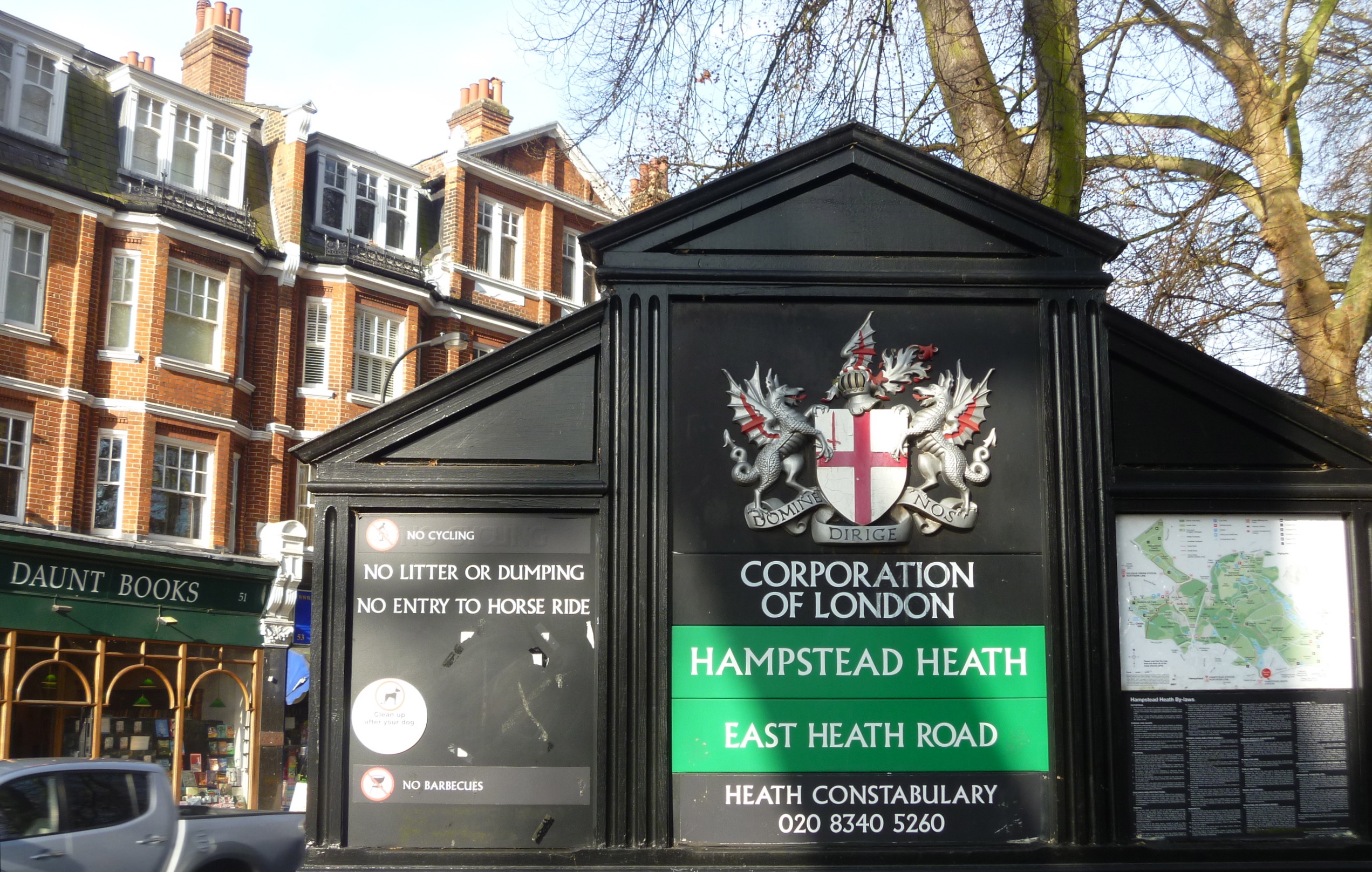
I don’t normally buy new books these days. I tend to use the library and sometimes buy secondhand out of print. The exception is if I’m in an independent bookshop. Some of my favourites are in London and last Thursday and Friday I visited two branches of this shop :  Daunt Books.

On Thursday I popped into the Hampstead Branch at South End Road near the former bookshop in which George Orwell worked now a branch of Le Pain Quotidien (right).

The shop advertises a great idea that I had never heard of before : Daunt Books Walking Book Club! I hope the weather stays fine for them.

On Friday I revisited the shop and its sister branch opposite Belsize Park tube station. I had decided to take up the “challenge” put to me by a member of my local book group to choose a couple of suggestions for future reads for the group. After a search of the tables and shelves I came up with (and bought) my two choices.

Deep Country: five years in the Welsh hills” by Neil Ansell is “Touching. Through Ansell’s charming and thoroughly detailed stories of run-ins with red kites, curlews, sparrowhawks, jays and ravens, we see hime lose himself … in the rhythms and rituals of life in the British wilderness.” (Financial Times)

and

The hare and the tortoise” by Elizabeth Jenkins – well, if it’s good enough for discussion on Hampstead Heath on Sunday, it’s good enough for us! Jenkins lived very near South End Road on Downshire Hill. Her memoir ‘The View from Downshire Hill‘ tells about her life and home and living in this delightful area of north London.

8 Downshire Hill, Hampstead. The former home of Elizabeth Jenkins.

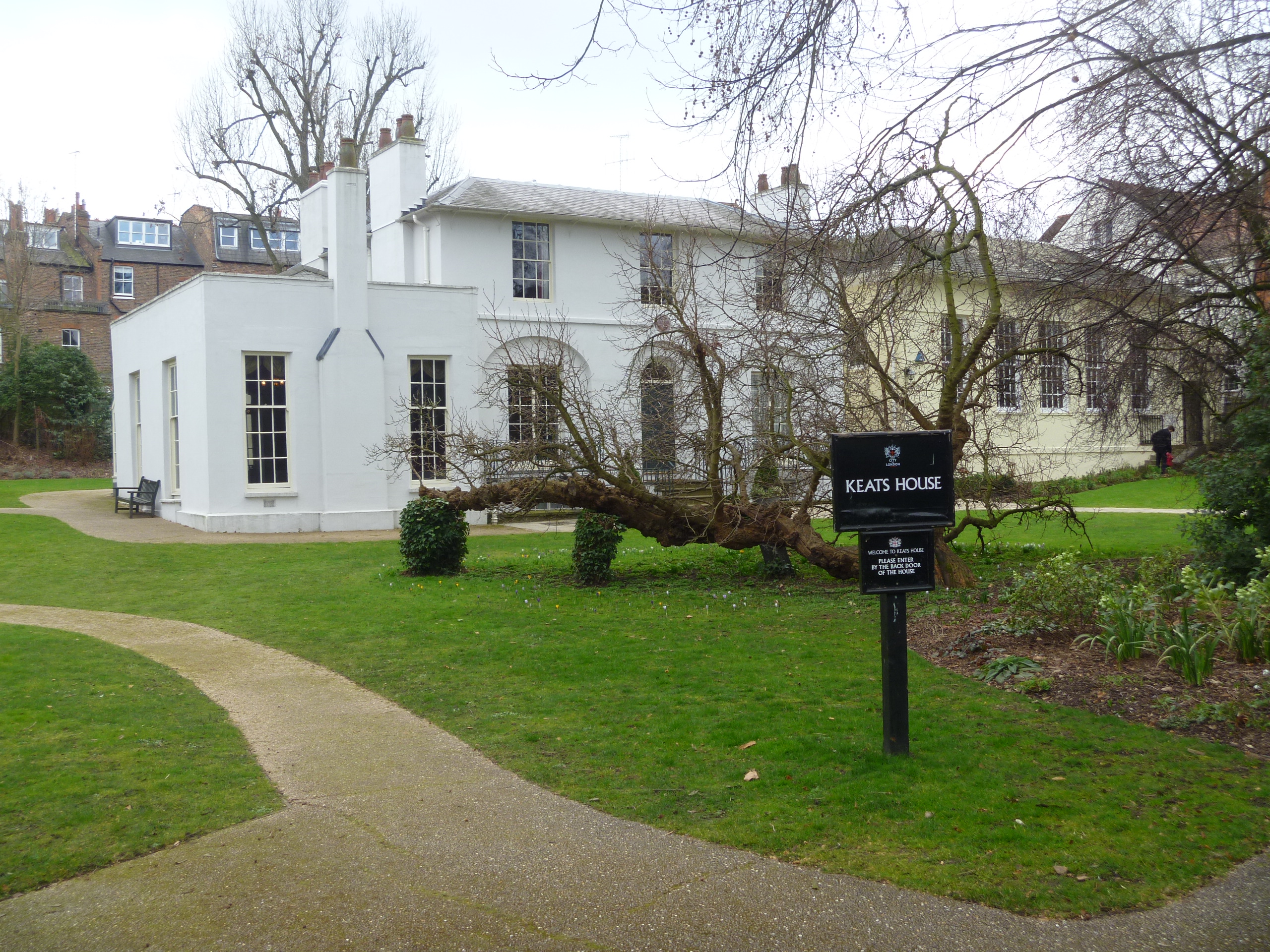
Another author who lived very near here was the poet John Keats and that very morning I had heard a brief radio snippet in which there is a visit to the Keats Shelley House in Rome where Keats died on 23 February 1821. I visited Rome back in 2008 and it was one of the highlights of the trip to see inside The Keats Shelley Museum by the Spanish Steps. There is a Landmark Property at the top of the building : Piazza di Spagna. How I would love to stay here!

The Salone, Keats-Shelley House

The Salone is dedicated to the posthumous reputations of Keats, Shelley and Byron. The main library collection of the house is here.
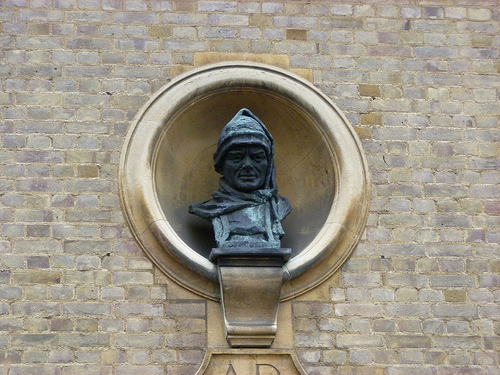
Keats House, Hampstead.

I am convinced more and more day by day that fine writing is next to fine doing the top thing in the world.

(John Keats 1795-1821~Letter to J. H. Reynolds, 24 August 1819, in H. E. Rollins (ed.) ‘The Letters of John Keats’ (1958) vol. 2, p. 146.)

Give me books, French wine, fruit, fine weather and a little music played out of doors by somebody I do not know.

Letter, August 28, 1819, to his sister Fanny Keats. Letters of John Keats, no. 146, ed. Frederick Page (1954).

Have you seen ‘Bright Star’?

Tappington Hall and The Ingoldsby Legends

“THE JACKDAW sat on the Cardinal’s chair!
Bishop and abbot and prior were there;
        Many a monk, and many a friar,
        Many a knight, and many a squire,
With a great many more of lesser degree,—         5
In sooth, a goodly company;
And they serv’d the Lord Primate on bended knee.”

Did you read The Jackdaw of Rheims at school? We did. And it all came back to me last Monday when I visited my friend Sarah’s family in Kent. Sadly, Sarah died in November 2008. We’d known each other since our first days at university in 1970 and met up several times a year ever since. Sarah’s parents and other family live near Canterbury in Kent and one of my reasons for travelling down there for a birthday treat was to visit them and talk with them about Sarah and our friendship.
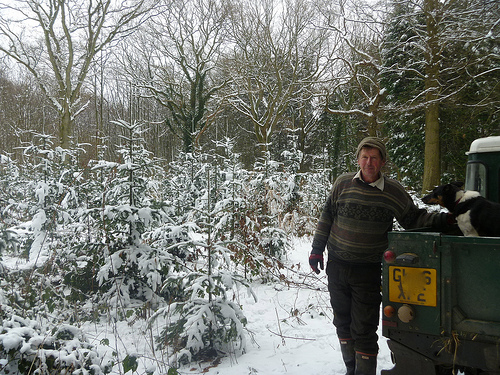
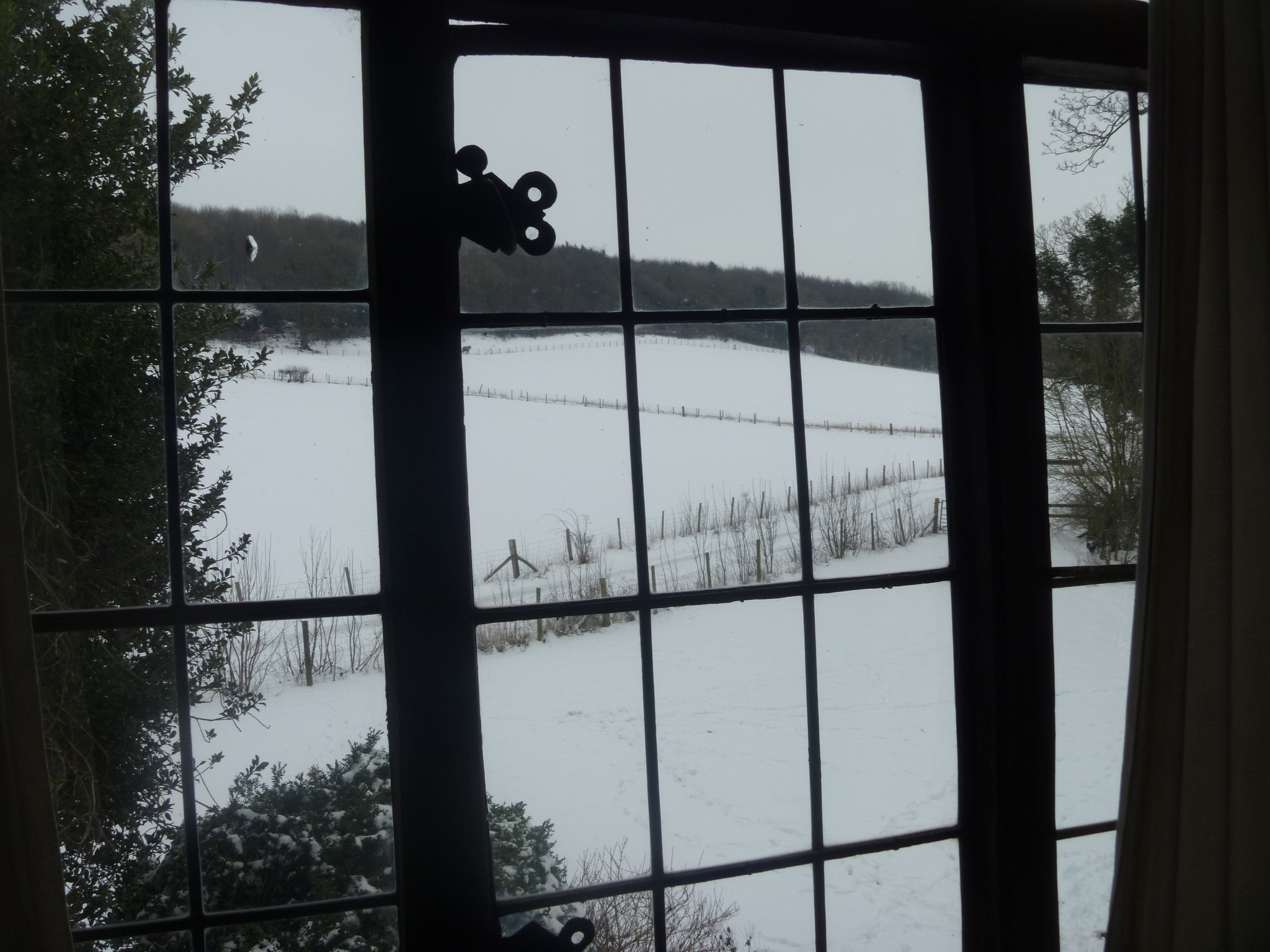
It was the snowiest day of the winter but I was not deterred from my journey. Luckily Sarah’s brother was clearing snow at his parents’ home and kindly turned my car round in the drive. After my initial welcome Andrew took me in his steadfast farm Landrover to see the Ginko tree that had been planted in Sarah’s memory and on to the area of woodland on the farm where her ashes had been scattered.

After a few moments’ quiet contemplation Andrew offered to take me to visit his own home and meet his wife Sue. Tappington Hall near Denton is a lovely old house tucked away down a farm track a few miles from his parents’ place. Sue and Andrew offer bed and breakfast on an informal arrangement. They were expecting two Canadians that evening and hoping that they would find it warm enough. I think Canadians are probably used to snowy weather!

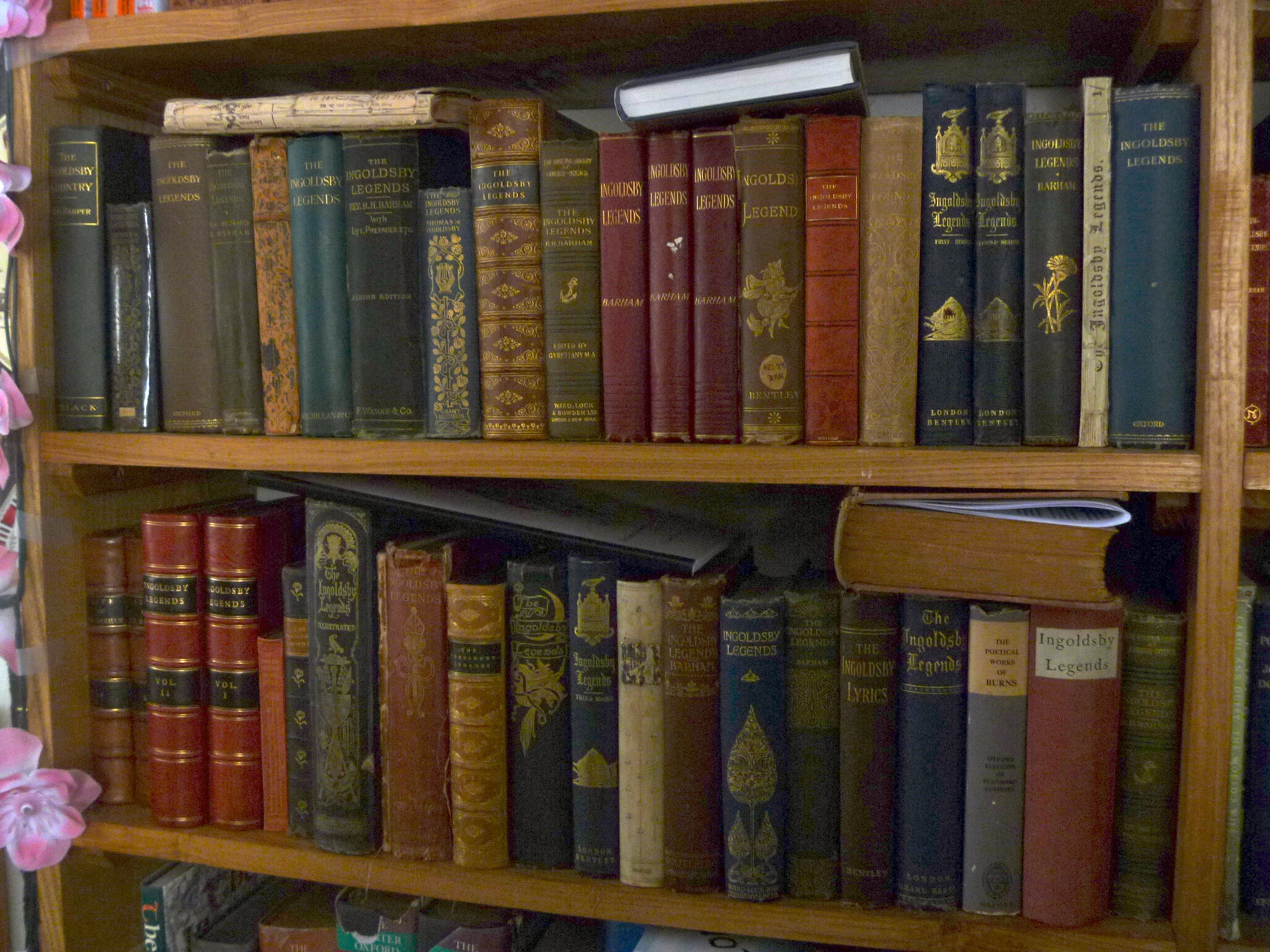
Of great interest to me was the fact that Tappington Hall was the former home of The Reverend Richard Harris Barham  (1788-1845) alias Thomas Ingoldsby of Tappington Everard in Kent. Sue and Andrew have a vast book collection which includes many versions of Barham’s Ingoldsby Legends. Unbeknown to me until I opened one of the books was that The Jackdaw of Rheims poem is one of these Legends.

Barham was ordained in 1813 appointed to the parish of Westwell in Kent and later to the living of Snargate and Warehorn, on Romney Marsh. He and his wife and children later moved to London where he was appointed to a post at St Pauls although he kept his Romney Marsh living as well.

His writing  and journalism took off when he got to London and he was published in several periodicals including Blackwoods and  Bentley’s Miscellany. He seems to have enjoyed mixing in literary circles in London, knew Charles Dickens and Richard Bentley and was a founder member of the Garrick Club (1832). Probably he is best known for

” … his Ingoldsby Legends, which began to appear in 1837 in Bentley’s Miscellany. Under the guise of Thomas Ingoldsby of Tappington Everard in Kent, Barham ‘discovered’ old documents which provided the basis for his tales. In effect, most of these are reworkings of other narrative sources, from medieval chronicles to Kentish legends and Sir Walter Scott. The mixture of crime and the supernatural, in both verse and prose, is given a comic and grotesque dimension, immediately appealing to Barham’s readers.”

Extracted from : The Oxford Dictionary of National Biography.

The Legends passed through very many editions some with illustrations by such artists as Tenniel, Cruikshank, and Rackham and Sue kindly showed me several of these. Many of the editions were best sellers in their day.

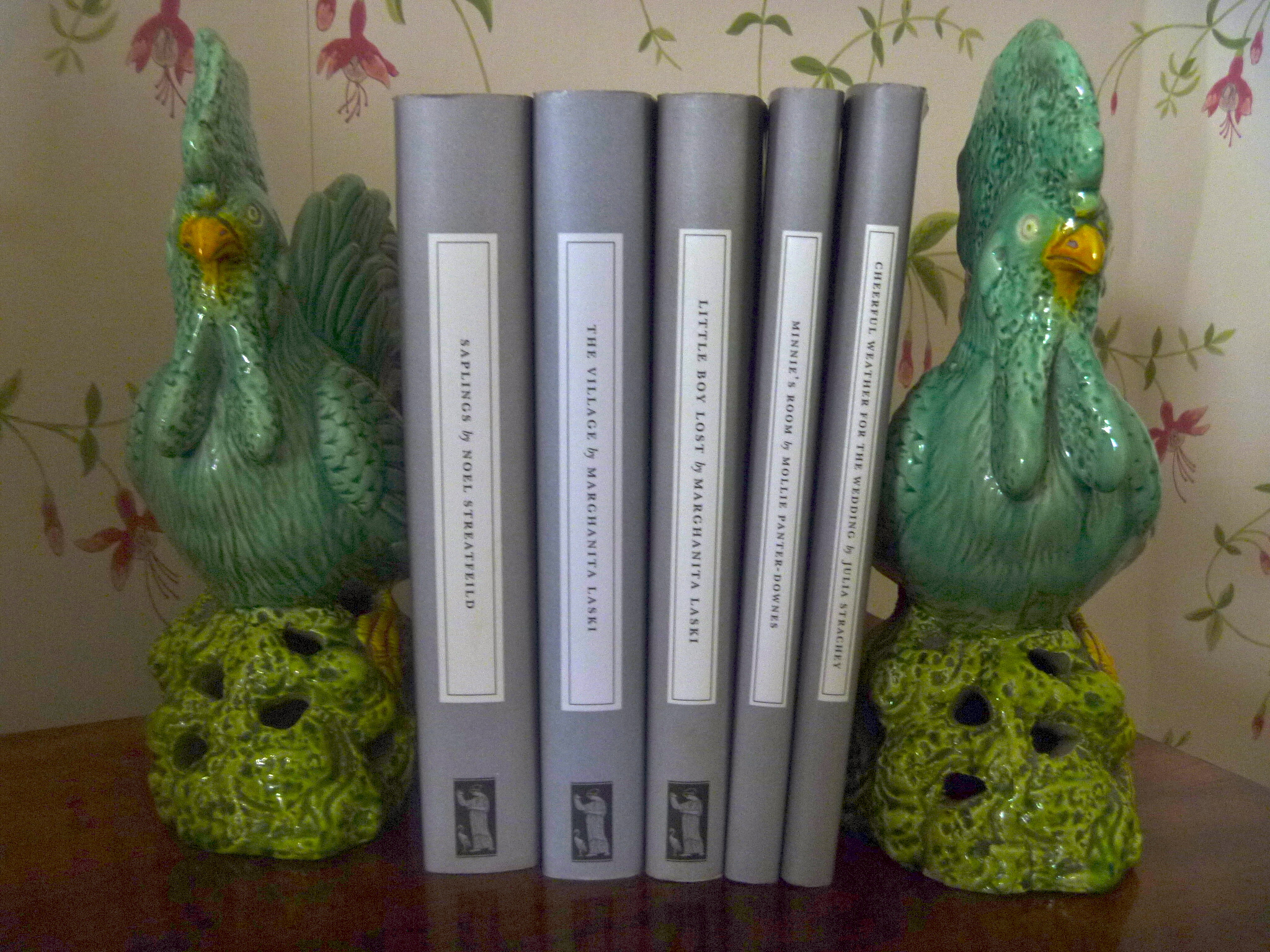
On the Sunday night before my visit to Barham and Tappington I stayed at a B&B between Sittingbourne and Faversham. I was delighted to find a selection of Persephone Books beside my bed at Dadmans – even though I had read them all.

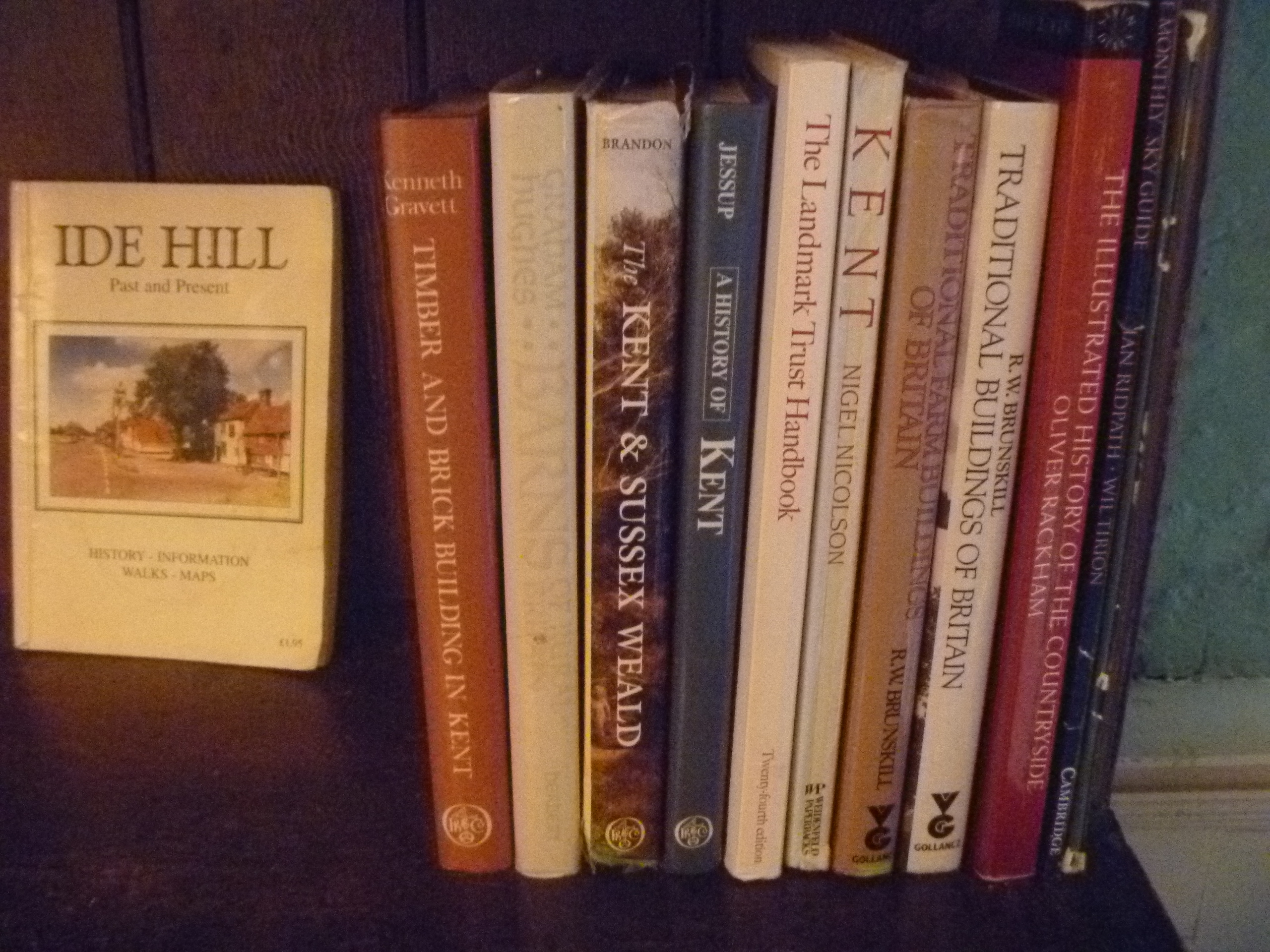
A further selection of Kentish books made up the library at Obriss Farm. There is no shortage of reading materials at Landmarks.

Antarctica in Leeds

Yesterday was the centenary of Captain Robert Falcon Scott’s arrival at The South Pole on his ill-fated journey in Antarctica.

The day the boiler broke down at The Leeds Library just happened to be the day that they were hosting an Antarctica Evening!

Here is the programme :

Antarctica Evening – All Welcome

Tuesday 17th January 2012 at 17.00

17.00 Welcome, refreshments and a chance to browse the exhibition of books, artefacts and photographs 1911-1912

18.00 ‘Antarctica’ a talk with slide show by John Whitley (Leeds Library member)

19.00 ‘Why read books on Antarctic exploration’ a brief talk by John Bowers (Leeds Library member)

During the event there will be a chance to talk to the Leeds Library Staff about the Library’s holdings and their interest in the Scott-Amundsen story.

There will be a charge of £5 per person with proceeds being split equally between the United Kingdom Antarctic Heritage Trust, The Guide Dogs for the Blind Association and The Leeds Library.

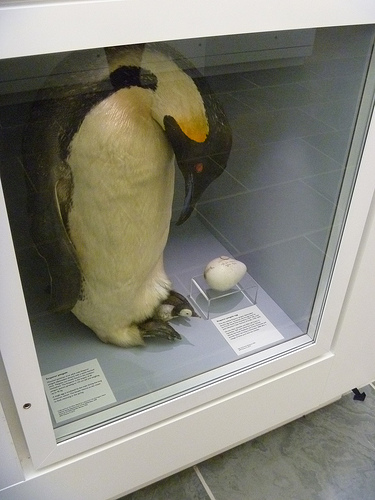
The talk and slides took us on a wonderful journey where we could see the icebergs and the rough seas and only shiver slightly in the chilly room.  At the end John reviewed his trip in the light of what he had seen and pointed out his Top Five which included the penguins, the icebergs, the whales.

We came away from the second talk with our own annotated bibliography of Antarctica ‘must reads’ and a fascinating and revealing comparison of secondhand book buying and book prices between the late 1950s and 1960s when John and his wife were starting their collection and if one were to start a similar collection today. These days many of the books  turned out to cost less when purchased via Amazon mainly because there are more popular, cheaper editions and reprints available.

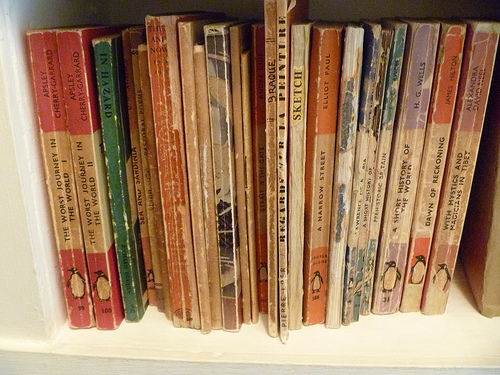
Of the books on the list I have read only one: Apsley Cherry-Garrard’s excellent “The Worst Journey in the World“. John rounded off his talk with a quotation from “Shackleton’s Way: Leadership Lessons from the Great Antarctic Explorer” by Margot Morrell and Stephanie Capparell. He said ‘Shackleton’s leadership was so exceptional as to be deemed a worthy subject by management specialists’.

But there’s one book I’ll be looking out for (I hope it is in the Library Catalogue!) and that is “Mrs. Chippy’s Last Expedition: The Remarkable Journal of Shackleton’s Polar-Bound Cat” by Caroline Alexander. She was the only female member of an Antarctic Expedition at the time.

An addition was made to the programme and another speaker, Jane Francis of Leeds University, talked briefly about her own expeditions to the South Pole (10 in all) and showed us sample fossils (glossopteris) that she had collected.

Finally there was a Q&A session when we were able to question the speakers and a member of the library team on all manner of related topics not least the differences between the Scott and the Amundsen teams and methods.

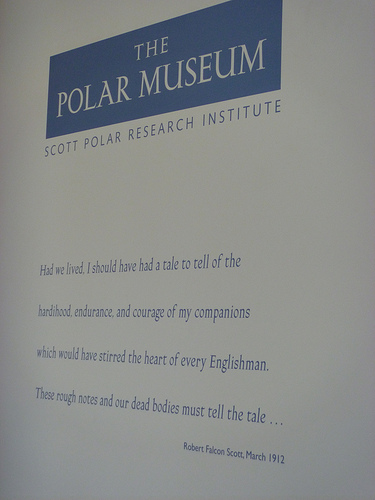
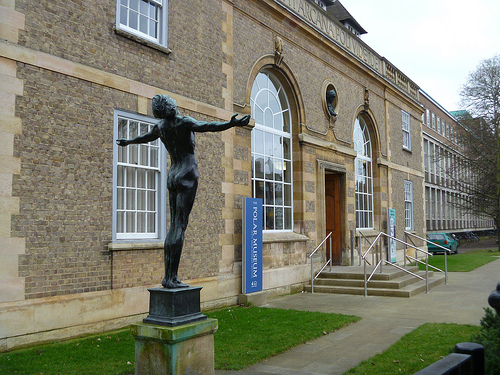
This evening reminded me again of my visit to the Scott-Polar Research Institute in Cambridge last February.

Dickens on the train and Dickens in the shop – a visit to my neighbour

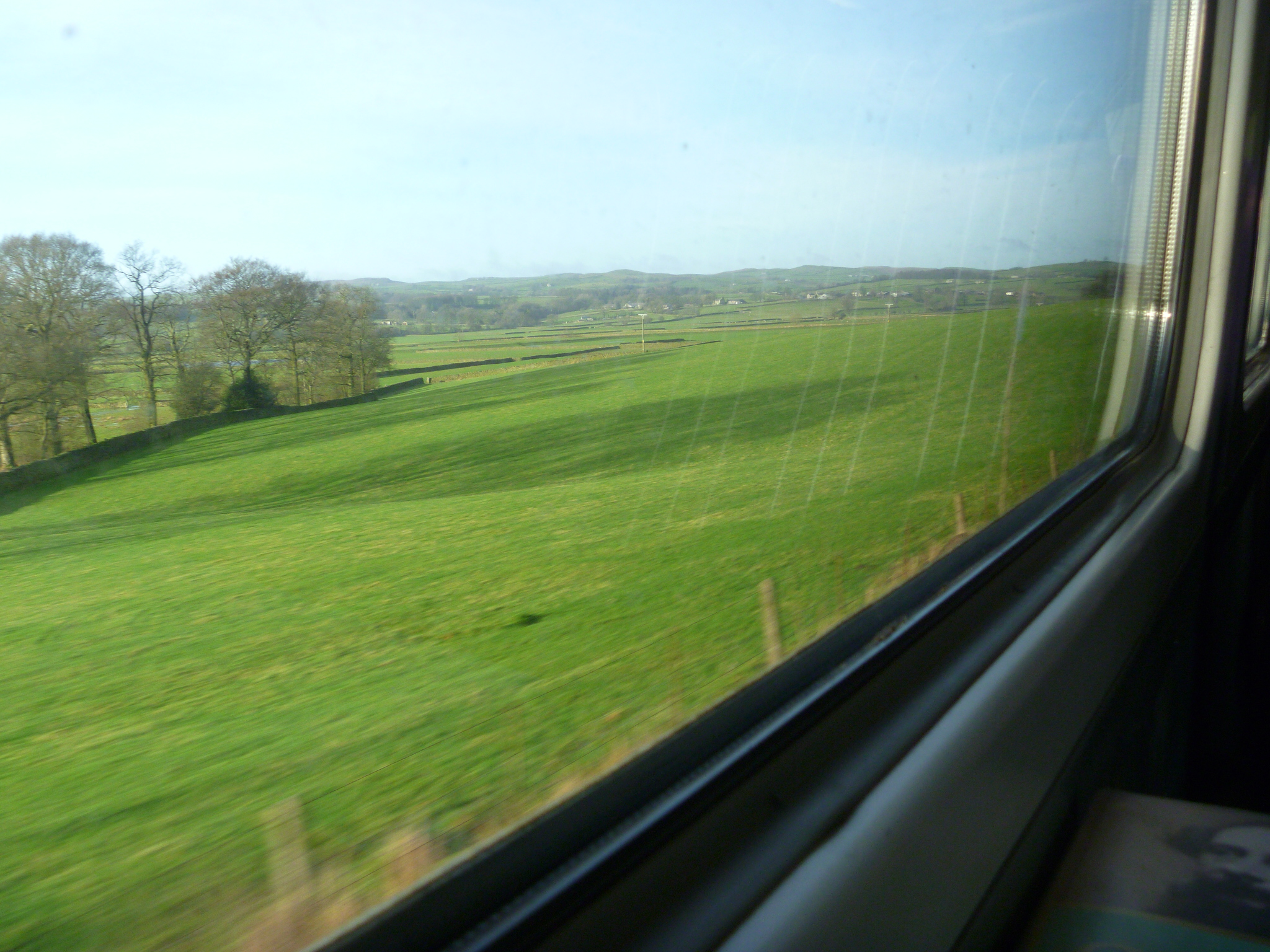
Members of my online reading group are scattered far and wide around the world. I have been lucky enough to meet many of them here in the UK and also when I’ve been on holiday abroad. My nearest group ‘neighbour’ lives in Carlisle about 100 miles away and luckily we have the famous Leeds-Settle-Carlisle line to assist us in our efforts to meet up every so often.  On Thursday I made the trip north. As you can imagine it’s a full day trip – but well worth it just to visit Carlisle but the added bonus of meeting up with a friend makes it doubly so. I was lucky in other respects as well.  The weather could not have been better, blue skies and sunshine showed the scenery at its best – you could even see snow on the Lakeland peaks in the distance.

All the trains ran to time, although on parts of the journey the L-S-C train moves very slowly. During all this time with just the odd glance out of the window I was engaged reading Claire Tomalin’s ‘Dickens: a life”.

We met up at the station and went straight for tea/coffee at John Watt’s. Watt’s is primarily a Coffee Shop but I was pleased to note that they serve loose tea by the pot. Having just checked the website again I notice that they are tea blenders as well as coffee roasters. The over riding smell in the shop/cafe is roasting coffee and although I don’t drink it I have no objection at all to the smell. Teas and coffees are only half the game – they sell every kind of tea and coffee requisite accessory imaginable plus high class chocolates of all kinds. I couldn’t resist asking where the Christmas decorations had been hung – there didn’t appear to be any free space at all.

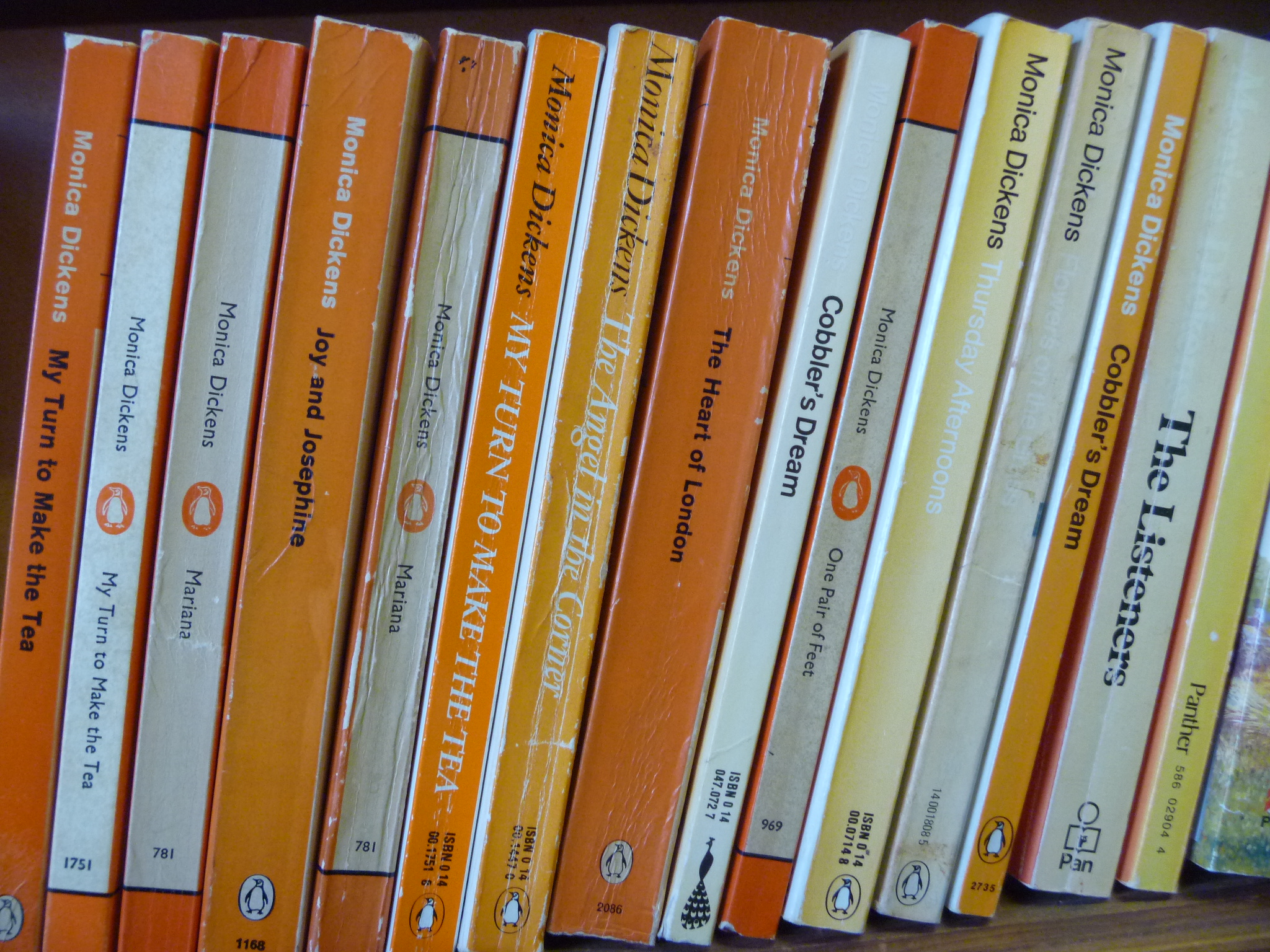
We visited two bookshops. Handily placed was The Oxfam Bookshop (most towns have one now) just two doors down from Watt’s. And then we moved on to Carlisle’s piece de resistance for bibliophiles The Bookcase. It’s a many-roomed shop filled to overflowing with books. The owners are up to date with secondhand book prices but we found lots of the old orange Penguins in pretty good to excellent condition for just a couple of pounds each. I bought an unread copy of Monica Dickens’ ‘My Turn to Make the Tea’. (The copy on the far left of the picture.)

My friend and her husband have not long lived in Cumbria. They moved over from Northumberland in 2010. I was taken back to their new home for a lovely lunch and inspection of house and garden. Suddenly it was time to head to the nearby quaint old station at Armathwaite where we said our ‘Goodbyes’ and I headed back to Leeds arriving with just one remaining chapter of the life to read.

Princelet Street – A Landmark Library Reviewed

One thing I should point out about in case you didn’t already know is that there are no tellys at Landmark Trust properties. Self-made entertainment is the order of the day. Each property usually has a small supply of jigsaws and every one also has its own library. I have already mentioned Landmark Libraries here.

There are all the reference books needed to find your way around the area, check spellings during Scrabble games or whilst doing a crossword, the trusty latest edition of The Handbook, a Bible and some recipe books NB here these consist of a Madhur Jaffery and The Paupers’ Cookbook and there is always the local Pevsner architectural guide.

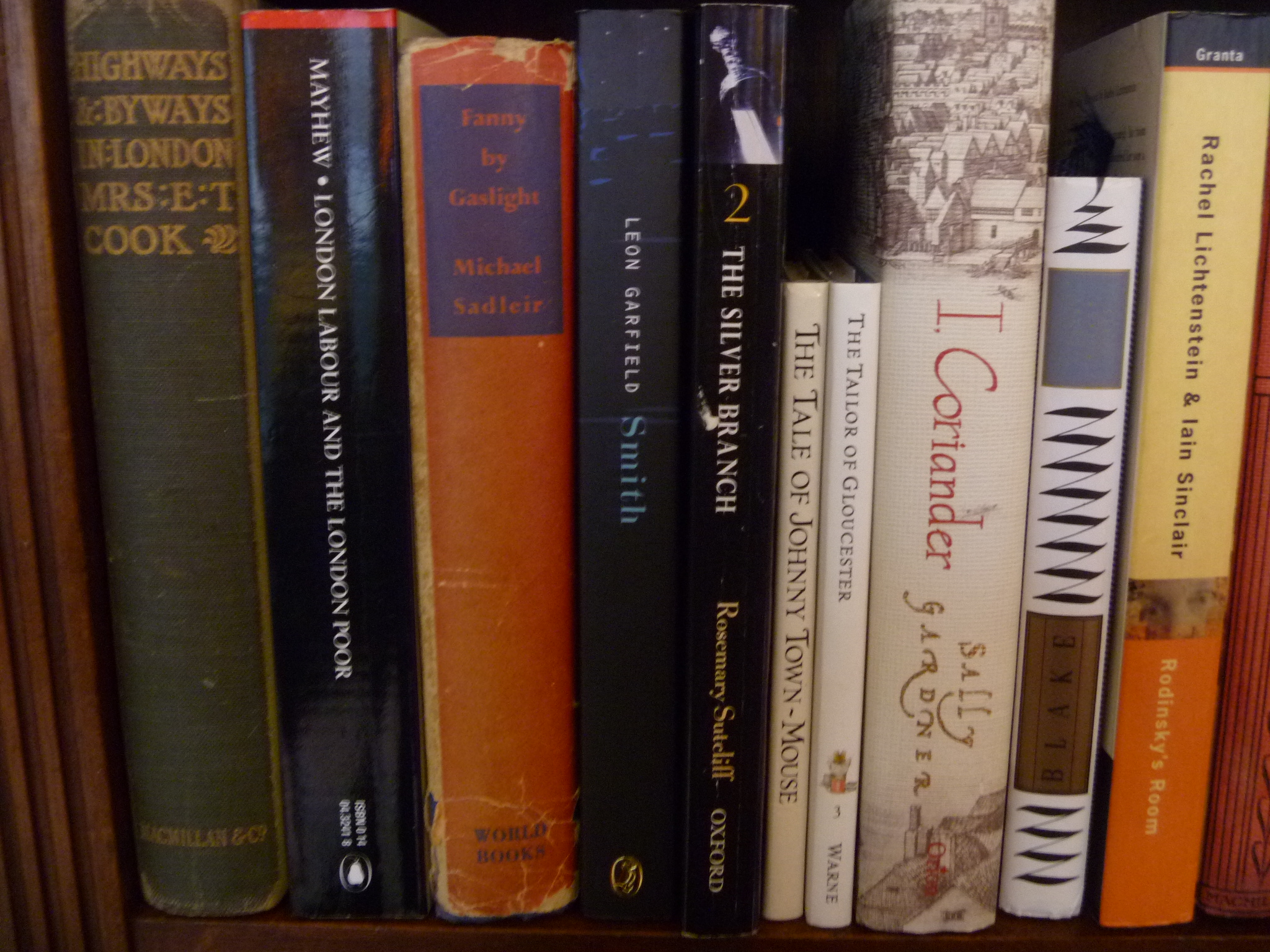
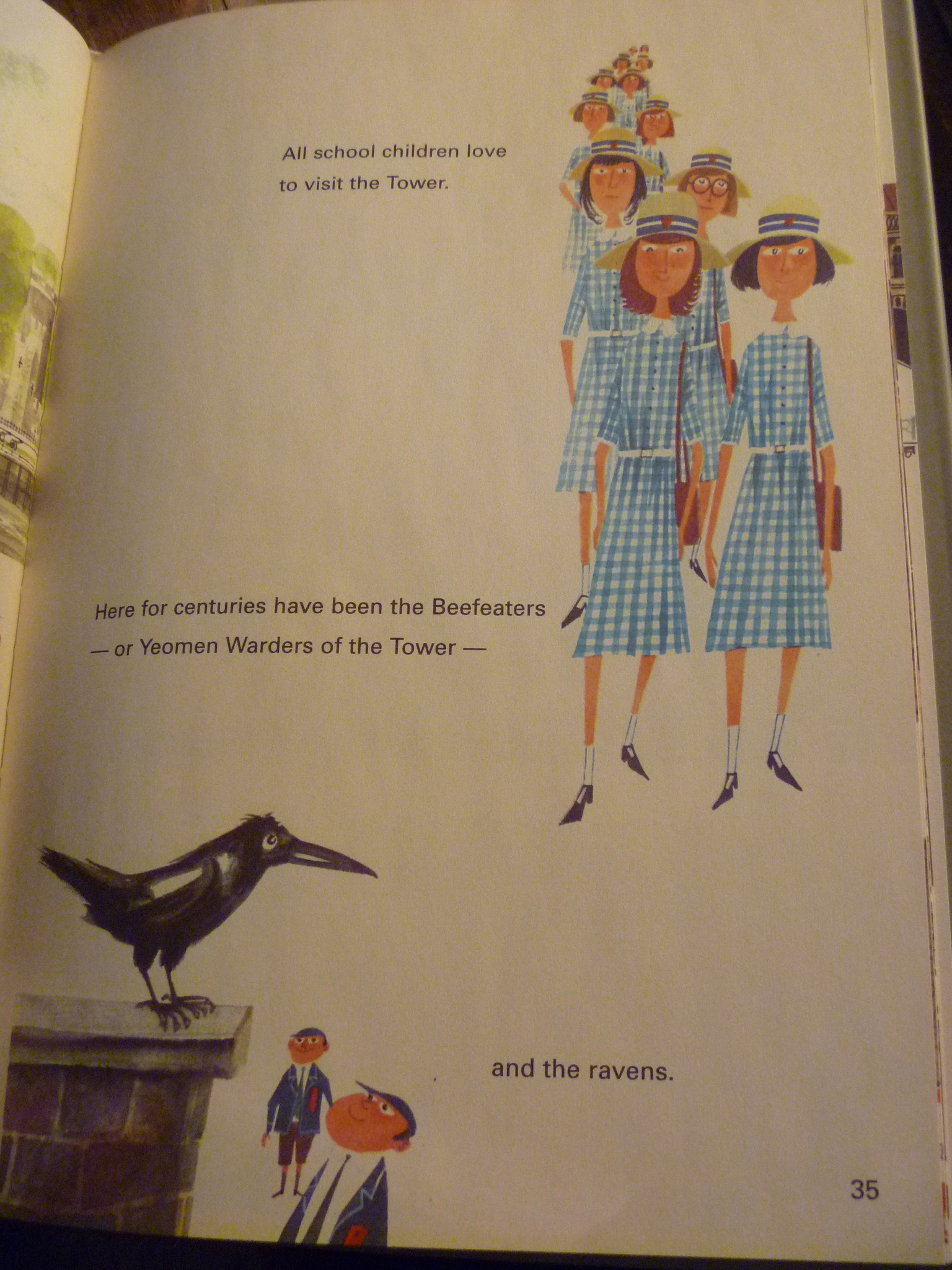
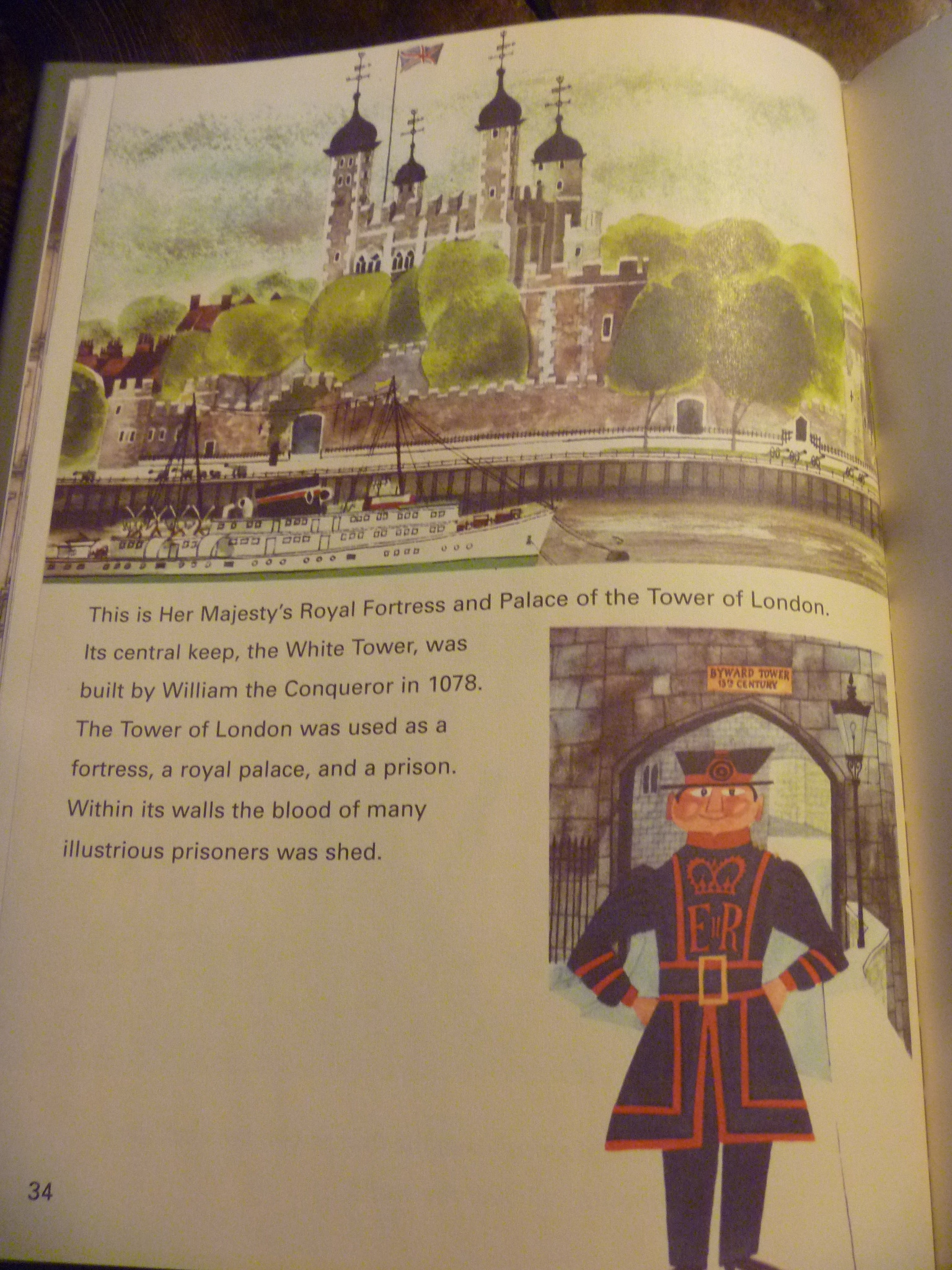
Here at Princelet Street the children’s and young people’s books include that lovely ‘This is London’ featured in the previous post about The Tower of London, some Beatrix Potter books and well-chosen titles by Rosemary Sutcliff, Leon Garfield and Sally Gardner.

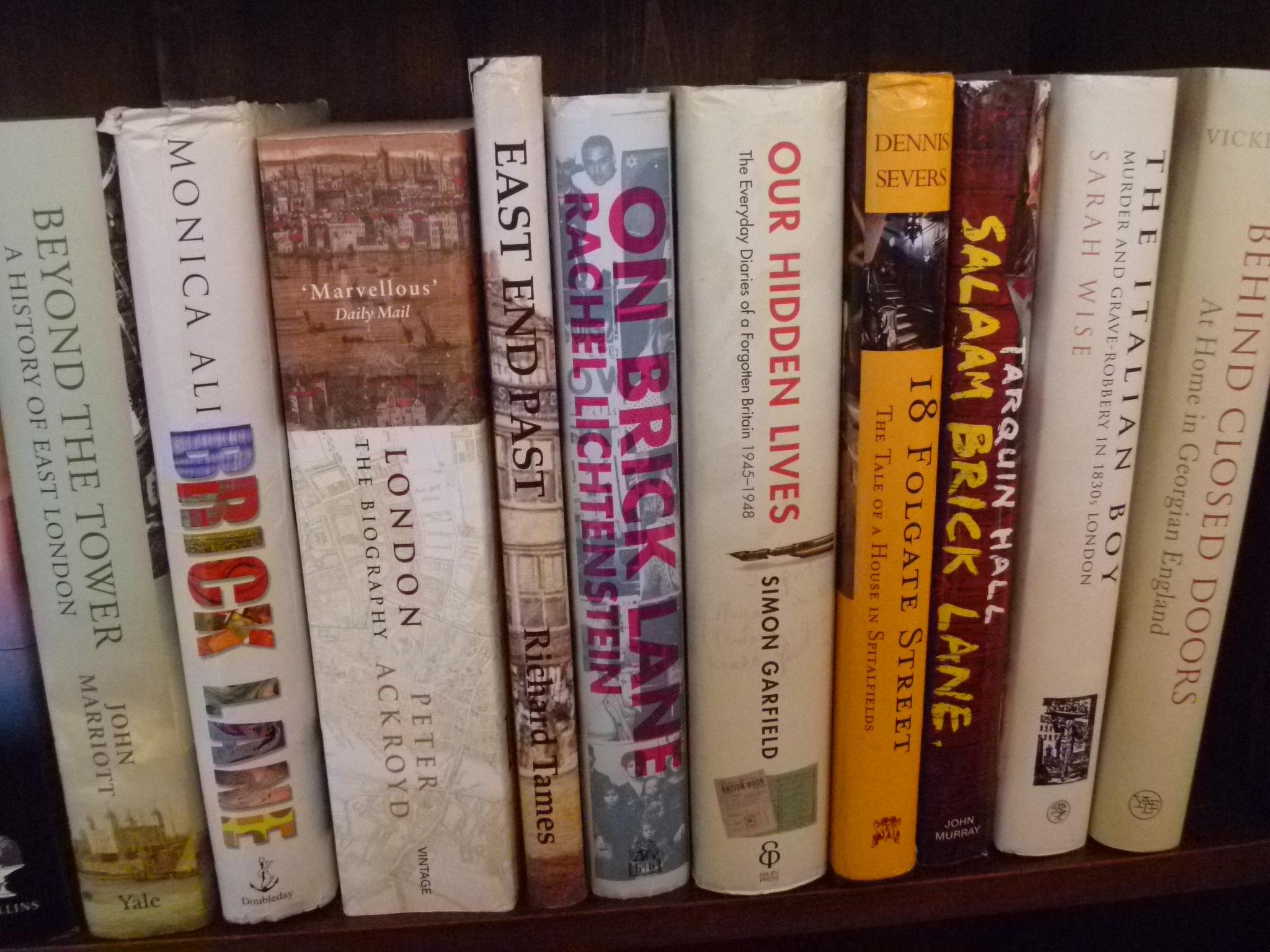
Of course, you can’t stay within a stone’s throw of Brick Lane without finding a copy of Monica Ali’s book of the same name on the bookshelves.

There is also ‘On Brick Lane’ by Rachel Lichtenstein (her grandparents came here from Poland in the 1930s). A book I noticed on a previous visit and read shortly after. It’s a history of the neighbourhood and the different nationalities and cultures that lived here in Spitalfields and an excellent introduction to the area. ‘Rodinsky’s Room’ is another of Rachel L’s books and the result of her investigation together with Iain Sinclair into the strange mystery of the disappearance in the 1960s of David Rodinsky from his room above the synagogue in Princelet Street itself. It’s another book that I bought after seeing it here although I haven’t read it yet.

“Rodinsky’s world was that of the East European Jewry, cabbalistic speculation, an obsession with language as code and terrible loss. He touched the imagination of artist Rachel Lichtenstein, whose grandparents had left Poland in the thirties. This text weaves together Lichtenstein’s quest for Rodinsky -which took her to Poland, to Israel and around Jewish London -with Iain Sinclair’s meditations on her journey into her own past, and on the Whitechapel he has reinvented.” [From Amazon product description].

The area has been well researched, not only by Lichtenstein. My sister read me all sorts of stuff about the churches in the City and about walks in the East End. And not surprisingly, books on architecture feature strongly, and not only church architecture. I loved this title and mused for a while flicking through looking at the sketchy illustrations of buildings.

Peter Ackroyd’s biography of London is here as well as his novel ‘Hawksmoor’ a dramatisation of which was broadcast on the radio a few years ago. It’s about the architect Nicholas Hawksmoor and the building of Christ Church, Spitalfields, a couple of streets away. I could not find that recording but I have found an interview with Ackroyd talking about ‘Hawksmoor’ with James Naughtie on Book Club on Radio 4, here.

And here also, is dear Amanda Vickery’s ‘Behind Closed Doors’. Very apt for this house as the TV programme ‘At Home with the Georgians’ featured nearby Denis Severs House (that book is here too: 18, Folgate Street).

It would also be impossible to have a library books in London without featuring several Charles Dickens titles.

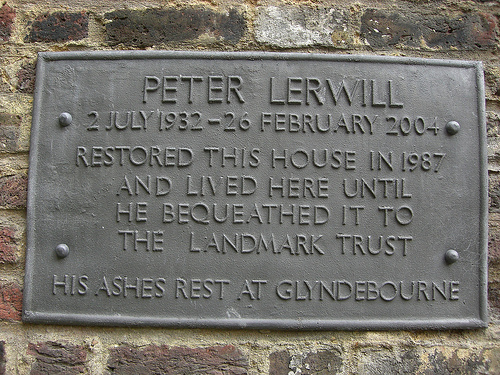
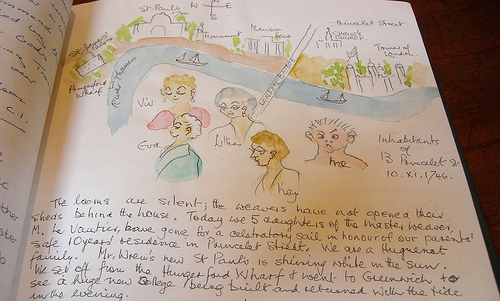
Finally, the Landmark Trust supply their own History Album at every property. This makes fascinating reading as their investigations into the buildings and their histories are rigorous to a degree. 13, Princelet Street was left to the Trust by Peter Lerwill who bought the house and renovated it very much in the LT fashion. There was little more for the Trust to do when they took over other than decorate, equip and furnish the house ready for its guests . There is still a detailed history album on the shelves.

But possibly the best source of Landmark entertainment of an evening is the reading aloud of the many comments in The Log Book.


I was sent to The Tower – but I kept my head!

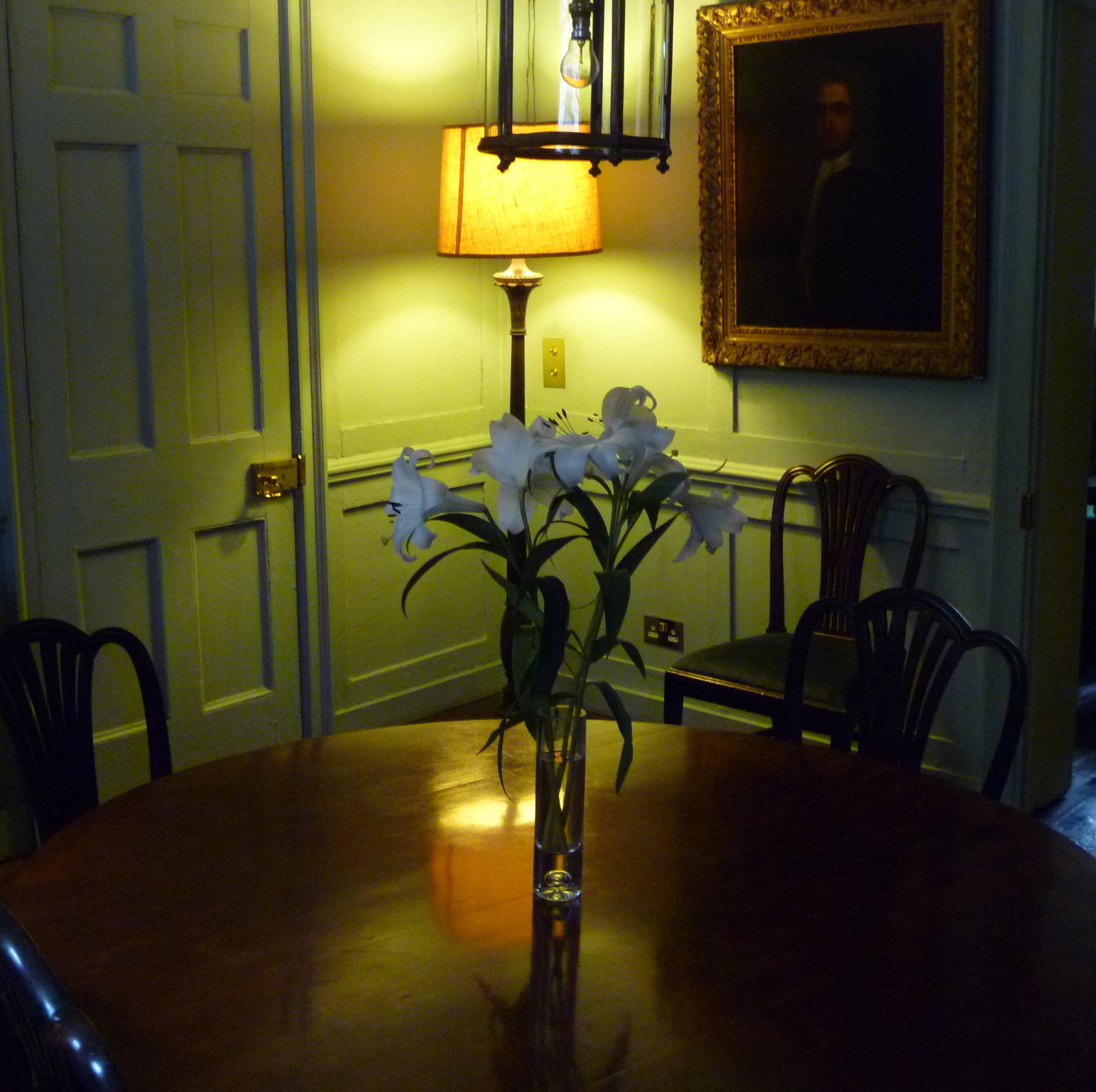
I’ve just returned from a couple of nights in London staying at the lovely Landmark Trust property at 13, Princelet Street. The house was built in 1719 in the Spitalfields area of east London for Huguenot silk weavers. It’s a lovely, warm, characterful house with all the comforts you could wish for on a cold winter’s evening in the east end of London when the wind and rain are blowing outside – as they were on our first evening. Fetch a takeaway curry from one of about 50 curry houses on Brick Lane, then over a cup of tea inspect the Landmark Library and plan the next day’s entertainment, review the day that’s just finished or take up the Landmark Handbook and plan another trip. I visited the house for a Friends’ Reception last October and wrote about it here.

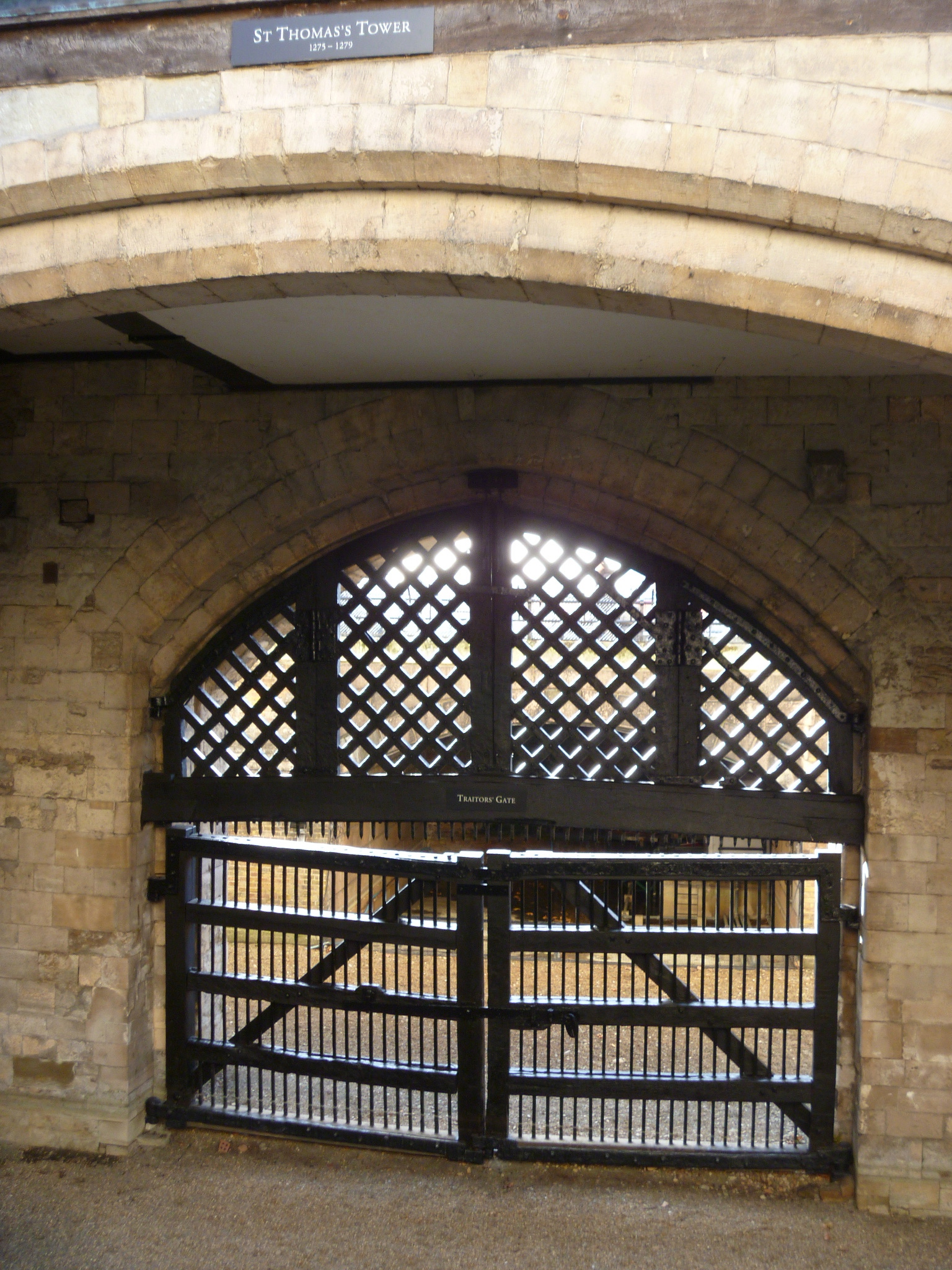
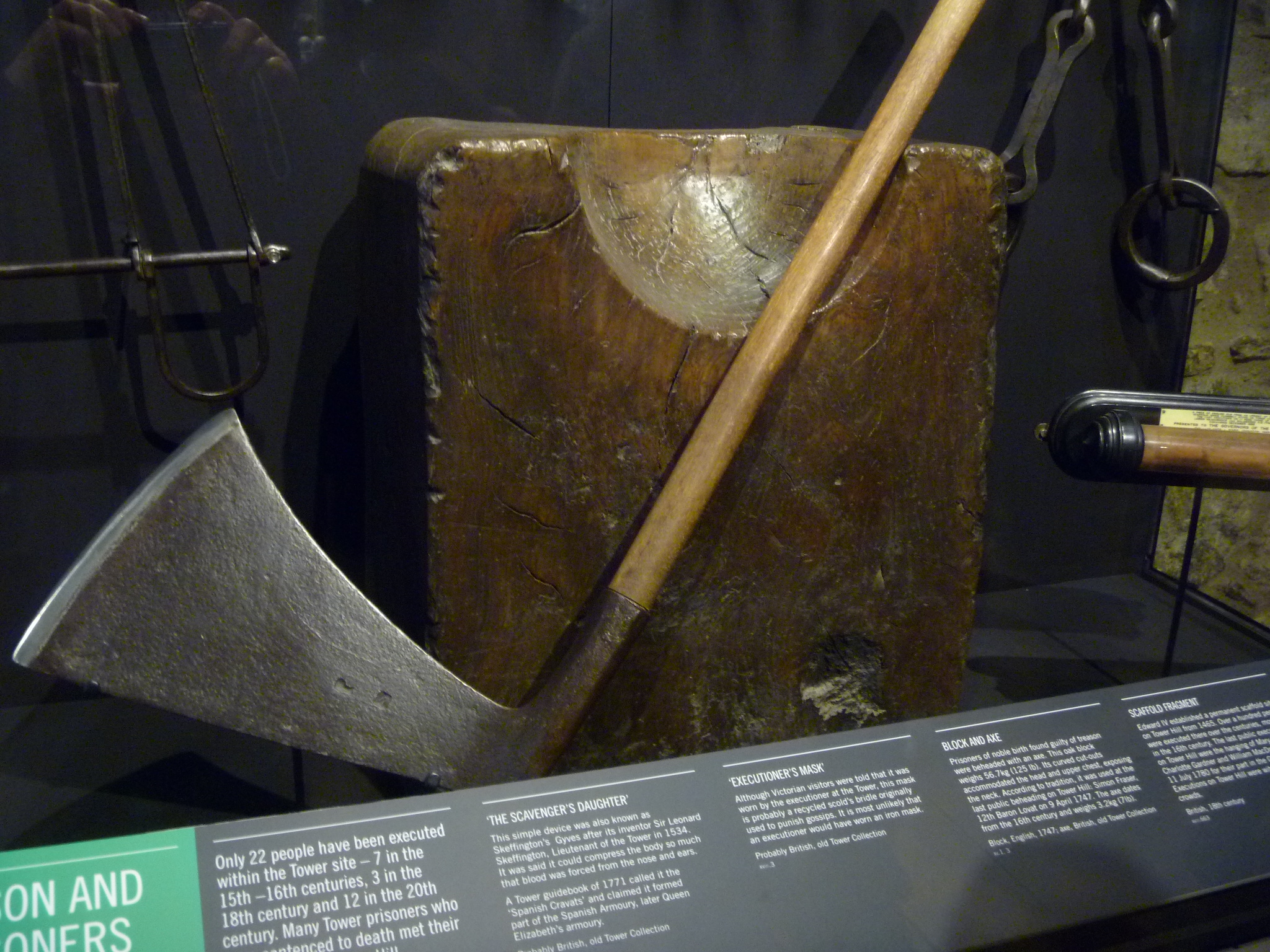
Staying just two nights gave us only one full day in London and we decided to spend it at The Tower of London. I have visited this Historic Royal Palace on two previous occasions. The first time was at the age of 10 on the annual schools visit to London with my primary school in Norwich. I remember clearly seeing the Crown Jewels in one of the towers, that we all giggled at the name of one of the towers The Bloody Tower, seeing the ravens hopping over the lawns, their wings clipped, seeing The Traitors’ Gate and the wooden block and axe which took the life of Queen Anne Boleyn. I had long wished to return and my next visit was with a Swiss guest in 2010. We had a lot of London sights to fit into our day so I planned to return on the next appropriate occasion to have a closer look.

The Traitors Gate

Off with her head!

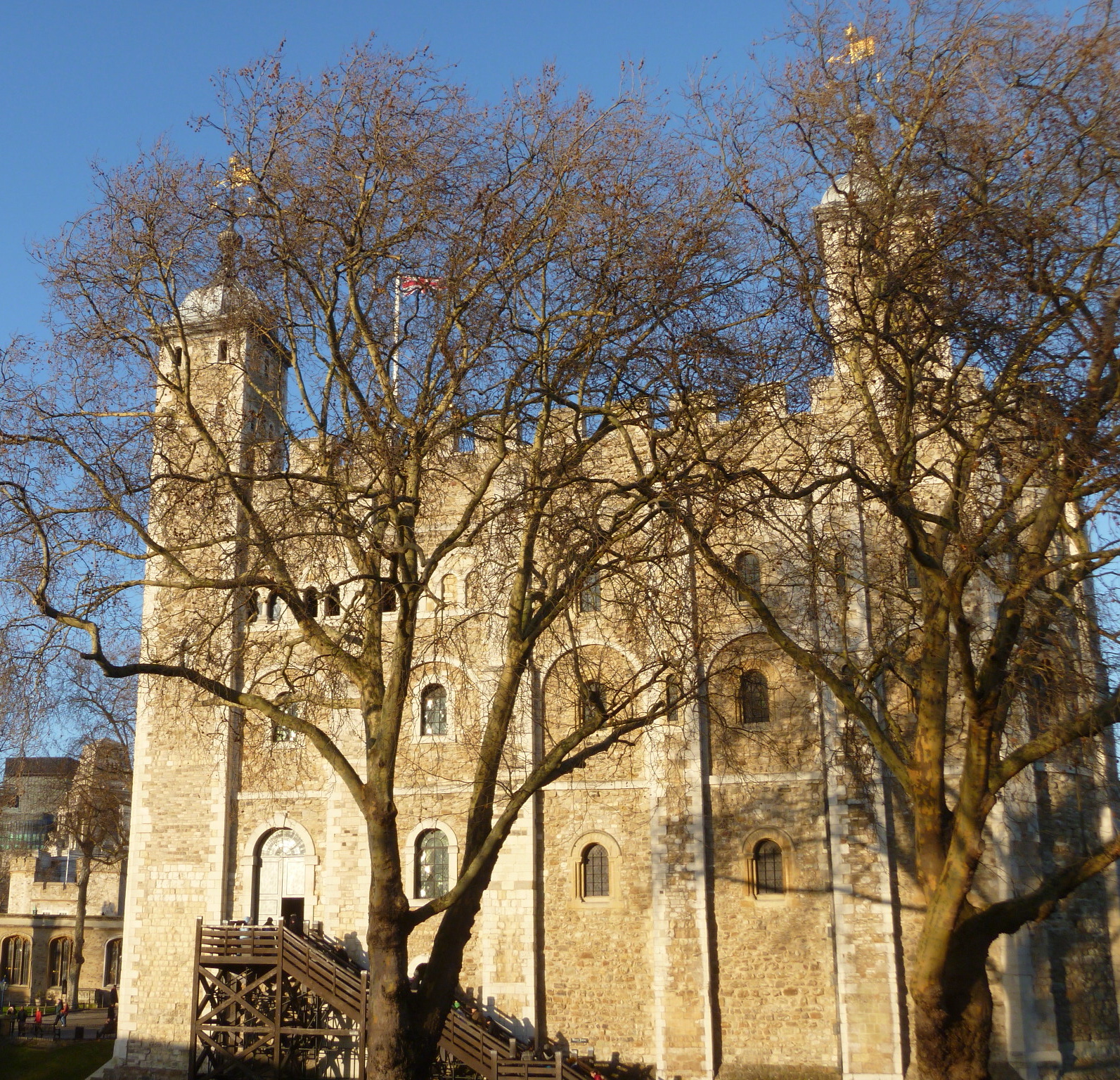
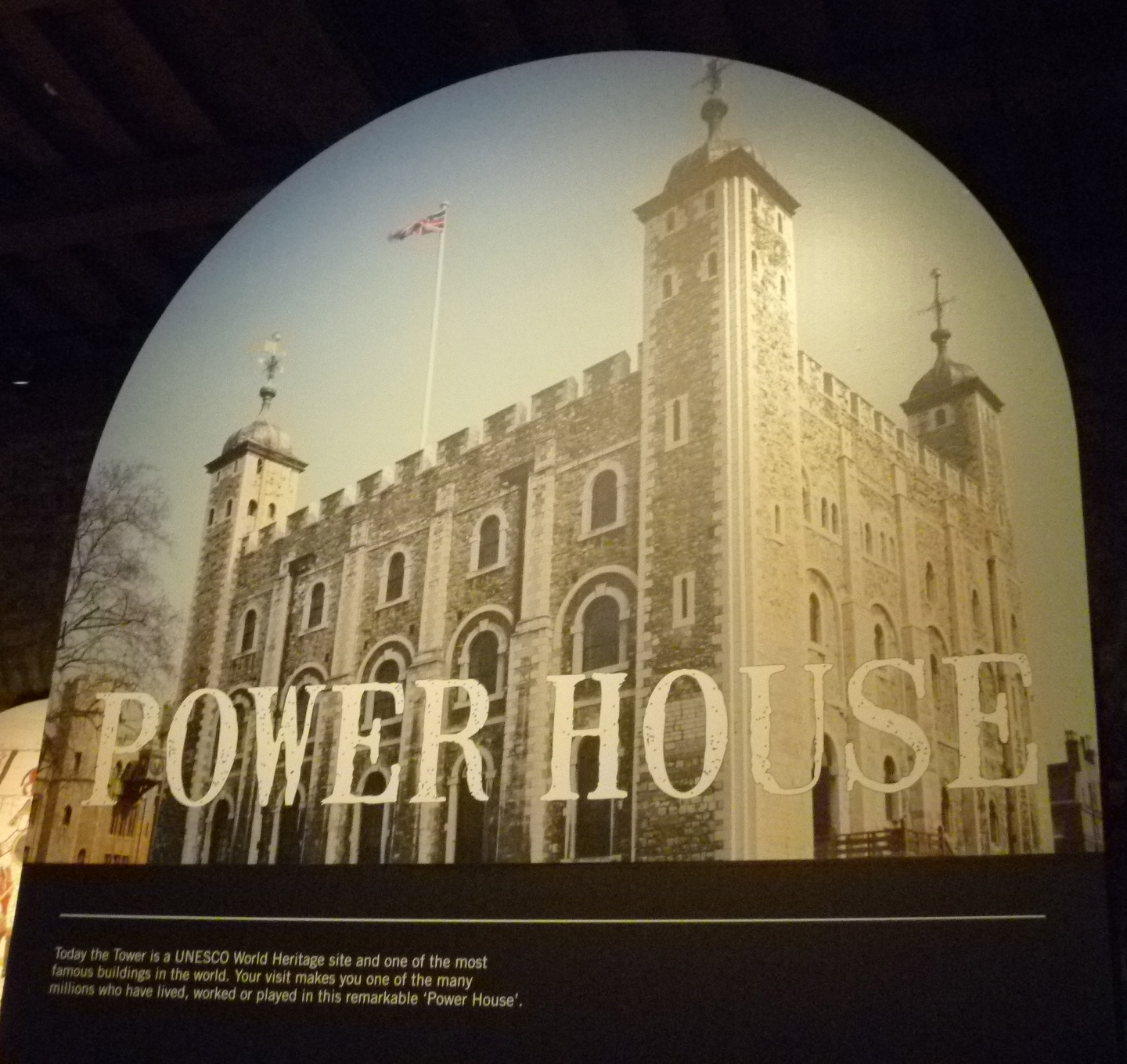
On Thursday with our 85 year old mother in tow we made a beeline for the Crown Jewels. These magnificent symbols of the British monarchy are displayed in such a way that everyone gets a good look at them however crowded the Tower may be. In fact, on this bright and dry early January day, although there seemed to be lots of people – of all nationalities – there were no queues at all. Our next port of call was the White Tower which houses an exhibition, The Power House, which tells about all the institutions that originally had their homes at The Tower – The Royal Mint, The Menagerie (now London Zoo), The Ordnance Survey, The Royal Observatory. There are also displays of royal armour and, rather strangely, gifts given to our royalty by nations around the world.

Chatting with a Yeoman Warder (or Beefeater) I discovered that 37 YWs and their families live within The Tower’s walls, plus a doctor and a priest. They have their own church and pub and it’s like a village community. But the Power House exhibition showed that in former times The Tower had been a virtual town.

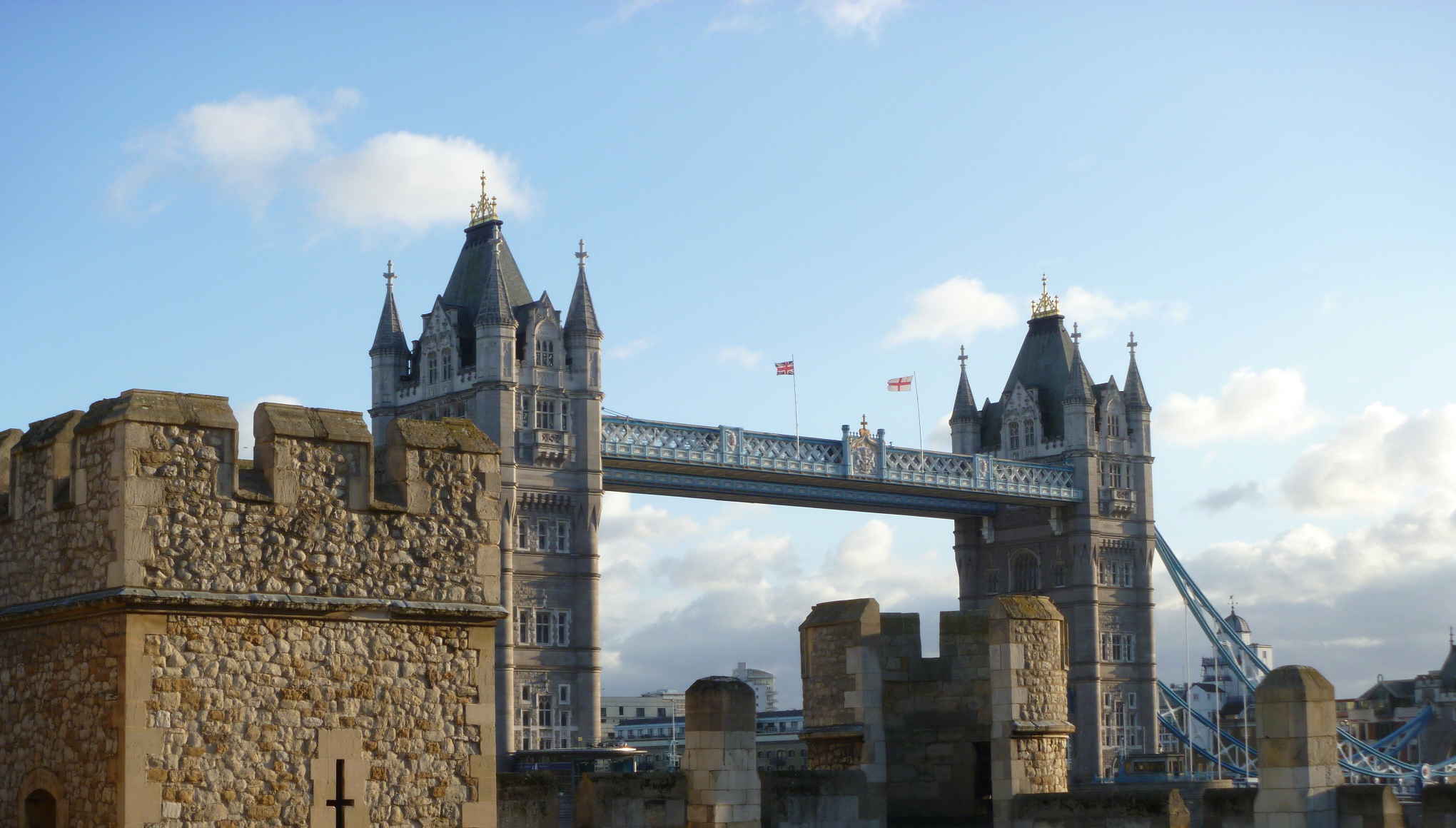
After lunch we left mum in the warmth of the cafe to have a walk round the walls (for a great view of Tower Bridge)

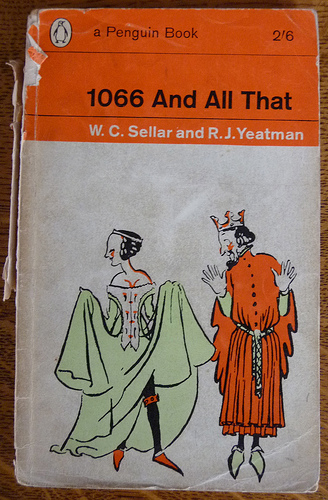
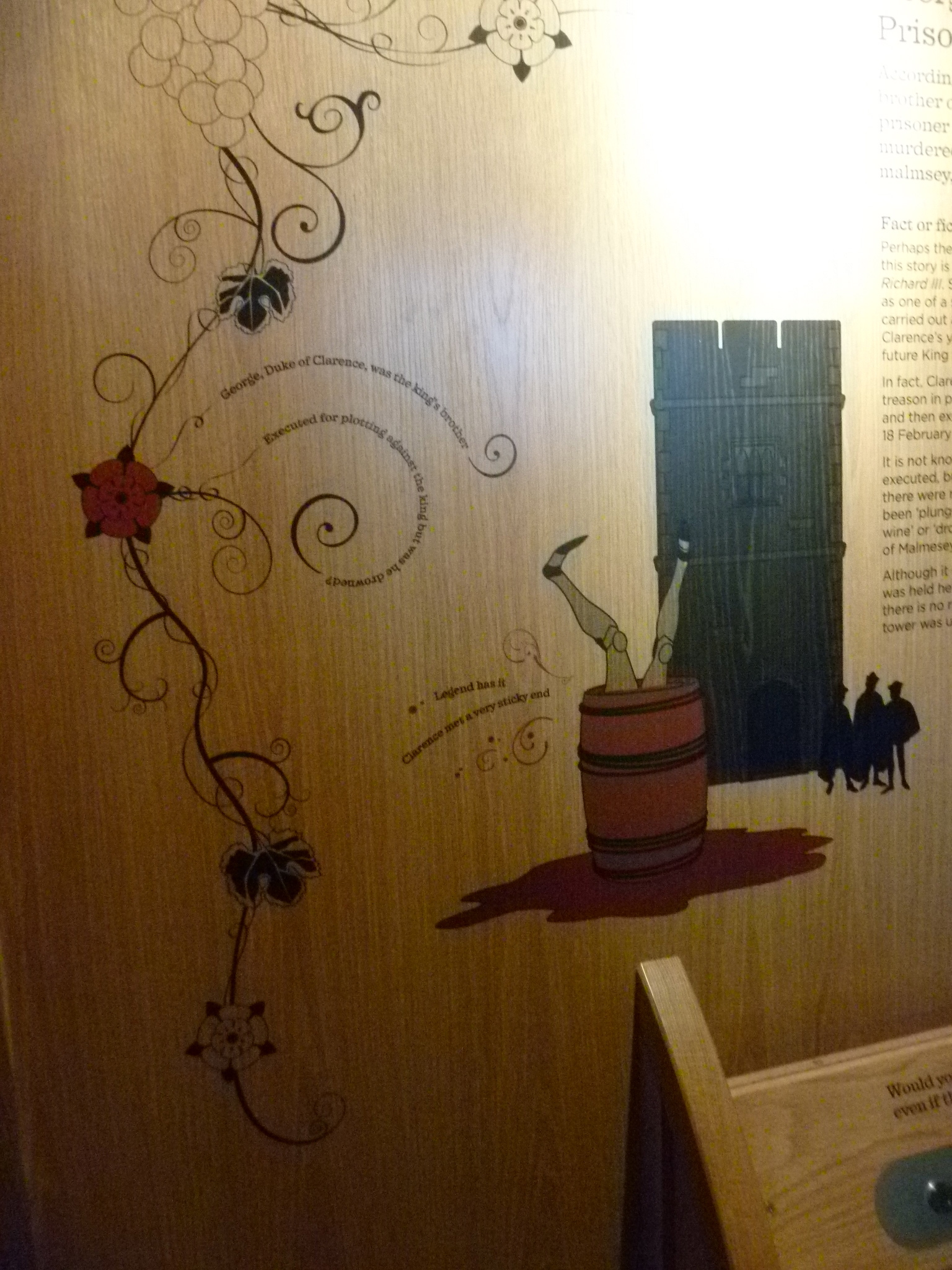
and to see inside some of the other towers (the ones with narrow stone spiral staircases) to discover more about the Duke of Clarence who drowned in a Butt of Malmsey wine, about The Little Princes murdered in the Tower and about other prisoners including Sir Walter Raleigh. And my thoughts go back to that earlier visit and to the discovery a few years later of my best history book ever – W. C. Sellar and R. J. Yeatman’s “1066 and all that”

“During the Wars of the Roses the Kings became less and less memorable (sometimes even getting in the wrong order) until at least one of them was nothing but some little princes smothered in the Tower, and another, finding that his name was Clarence, had himself drowned in a spot of Malmsey wine; while the last of all even attempted to give his kingdom to a horse.”