Barry : an exhibition for a Swiss icon

On arrival at Bern Railway Station on Monday evening (18th) the first poster to catch my eye (well, it’s quite a big one) was this :
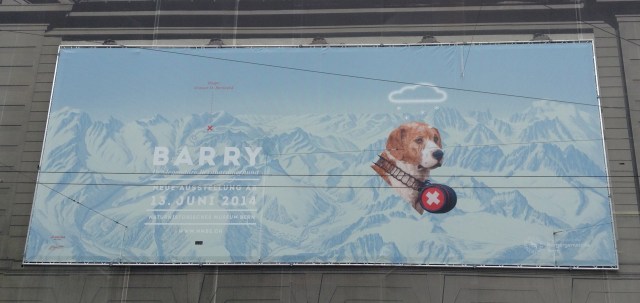
Barry Poster

Barry, the most famous rescue dog in the world, died 200 years ago but remains a legend to this day. Barry can be admired at the Natural History Museum Bern, where a new exhibition explores the heroic deeds attributed to this extraordinary St Bernard from the Great St Bernard Pass. The question is, which of the stories surrounding him are fact and which are myths? The exhibition tells the whole truth.”

I knew Barry was a popular dog’s name in Switzerland. I have a children’s picture book which tells his story. So on the Wednesday morning I took the short stroll from Barbara’s house to the Natural History Museum of Bern to find out more. The excellent display is on the second floor of the museum.
Barry diorama

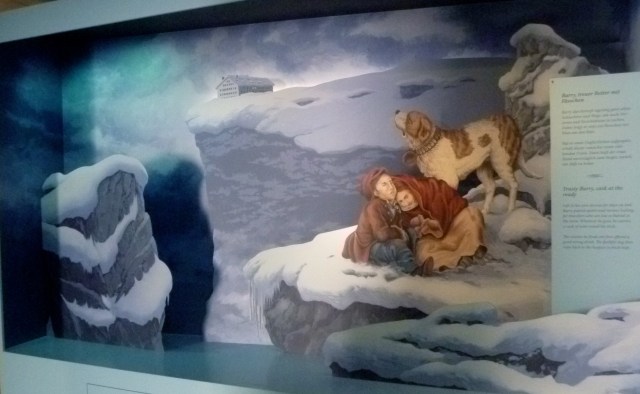
Trusty Barry Diorama

Trusty Barry, cask at the ready. Left to his own devices for days on end, Barry patrols paths and ravines looking for travellers who are lost or buried in the snow. Wherever he goes he carries a cask of wine round his neck. The victims he finds are first offered a good strong drink. The faithful dog then runs back to the hospice to fetch help.
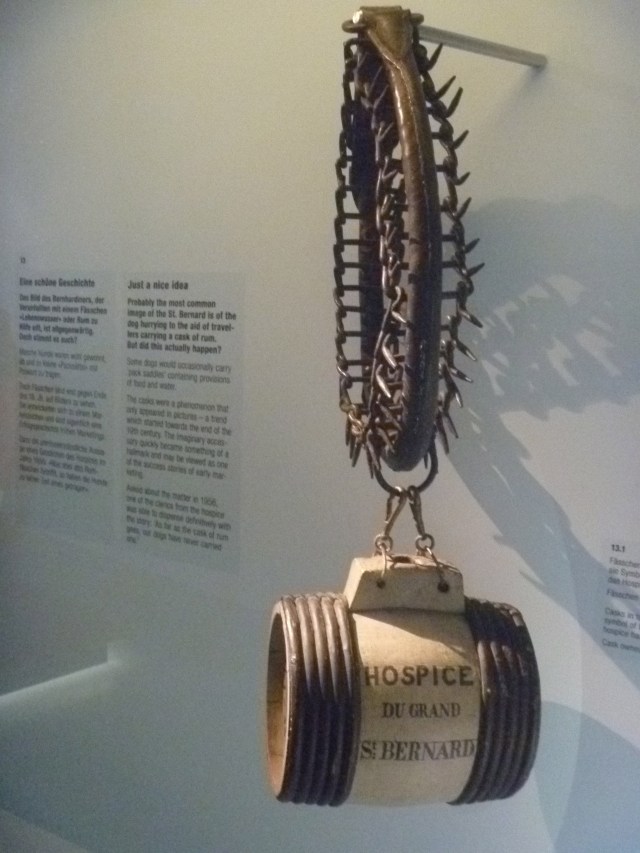
The Barrel


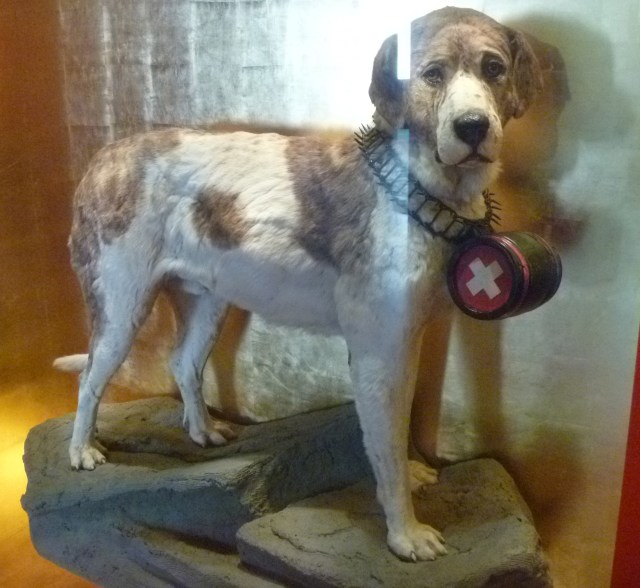
The real Barry

The Real Barry reworked by Georg Ruprecht in 1923.

Barry had been stuffed in 1814 using the primitive techniques of the time. Ruprecht used modern techniques at the time to create a plaster model of Barry’s body and clad it in the dog’s skin.

Barry was born in 1800 at the hospice on the summit of the Great St Bernard Pass. At almost 2500m altitude cold, fog and snow posed a danger to travellers and, accompanied by dogs, clerics and lay brothers from the hospice would go out each day looking for lost and weary travellers. Barry was to become their most tireless assistant he is said to have saved over 40 people from an icy death.

In 1812 a servant from the hospice brought the old and weary dog to Bern and he died there in 1814. After his death his body was handed over to a taxidermist so “that after his death this loyal dog will not be forgotten” [F. Meisner, 1815]
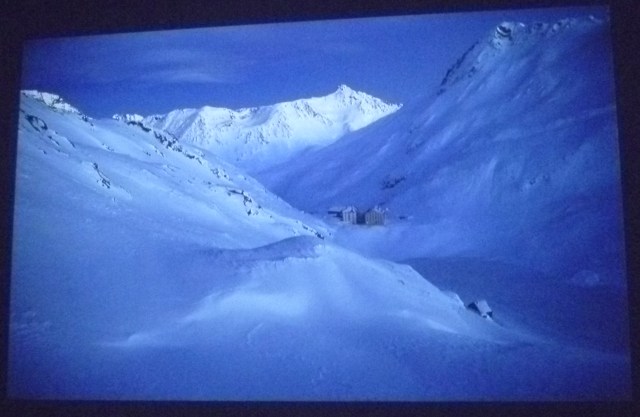
Great St Bernard Pass

The Great St Bernard Pass in Winter

The Hospice of the Canons Regular of St Augustine at the summit of the Great St Bernard Pass has been a place of safety and shelter for travellers for almost 1,000 years. In the 11th century, in order to help wayfarers, Bernard of Menthon founded a simple monastery at the highest point of the pass, and so the hospice was founded.
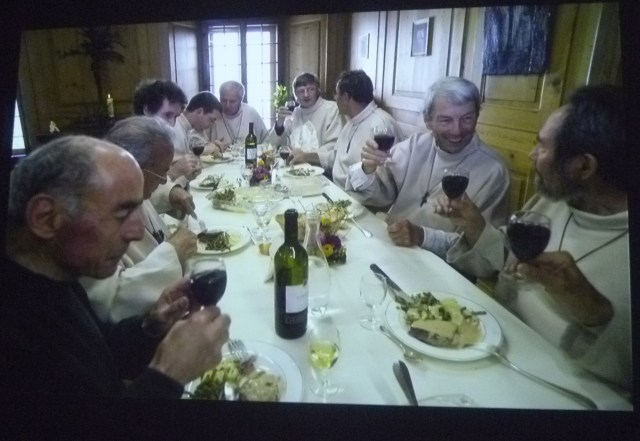
Modern Day Monks

Nice to see the modern-day monks (clerics) enjoying a tasty meal with wine

By providing shelter, food and a bed for the night the hospice vanquished the perils of the frightening, seemingly infernal, mountain world outside. Exhausted travellers and victims of bandits knew that they would be safe as soon as they reached its doors. For this Bernard was widely revered, and in 1123 eventually made a saint.

In addition to the story of Barry and the hospice high up on the pass the exhibition moved on to tell about the real dangers of avalanches today and to dispute the exaggerated stories of Barry. Even the best trained and strongest St Bernard dog could not have carried a child on his back as the story is told. But dogs still do important work in the field even today.
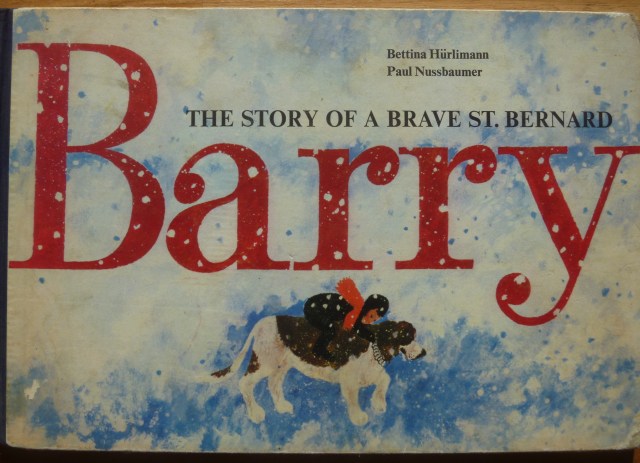
Barry Book

The Story of Barry

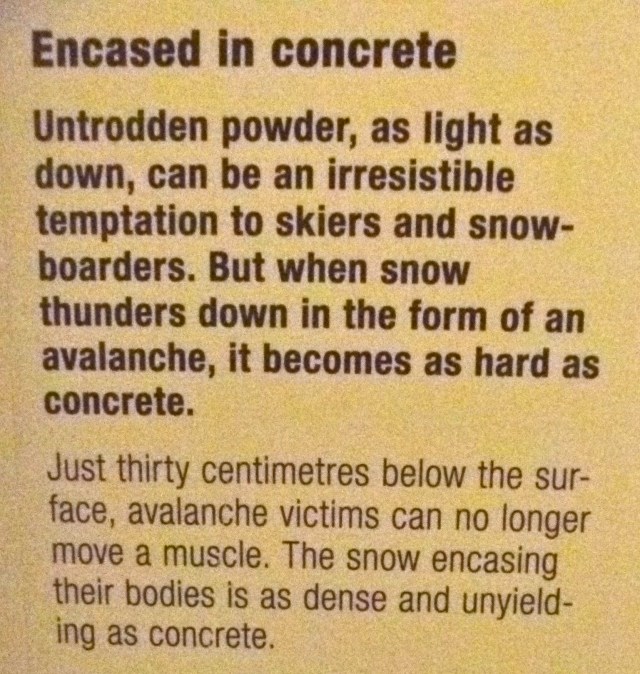
Finally, we could listen to the shocking stories told by the fortunate survivors of avalanches; as a clock ticked away the number of minutes that are needed in order to achieve a successful rescue. The chance of survival declines dramatically after just 15 minutes.

Around 70% of avalanche victims survive if the remaining members of their party manage to dig them out straightaway. This is only possible if everyone is carrying a detector device and knows how to use it. If an external rescue party is required the survival rate drops to 30%.”
P1140438

Warning
Miladys Grand Tour and August Summing-Up

After Cornwall and Port Eliot Festival I returned home briefly on 28 July, made excursions to Manchester, Jervaulx and Scarborough and on 12 August set off on a Swiss adventure with a foray into Italy only returning last Thursday 21 August.

Here are links to a couple of my posts over at Lynne’s blog Dovegreyreader

http://dovegreyreader.typepad.com/dovegreyreader_scribbles/2014/08/barbara-visits-the-idler-academy-porteliotfest.html

http://dovegreyreader.typepad.com/dovegreyreader_scribbles/2014/08/st-germans-and-the-great-war-exhibition.html

Not my post but here is my entry for the Port Eliot Flower and Fodder Show Tea Cosy Competition:

http://dovegreyreader.typepad.com/dovegreyreader_scribbles/2014/08/teacosies-part-two.html
On 11 August I re-opened My Swiss Diary  briefly and a further Swiss Post will follow here shortly. Meanwhile I can show you a few photos of the places visited in Italy :

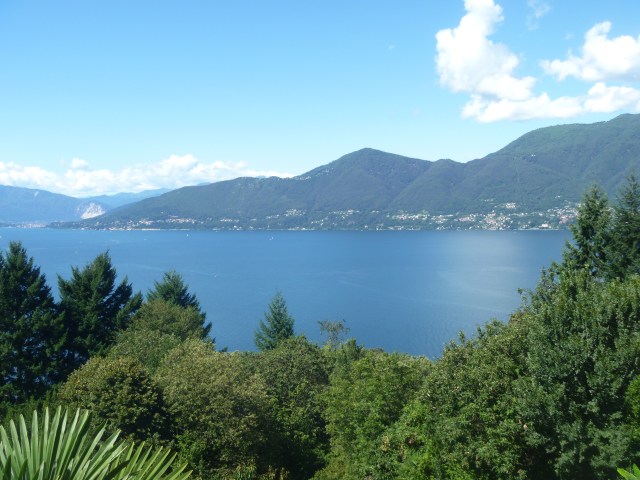
The View

The View from the house at Luino (Lake Maggiore)

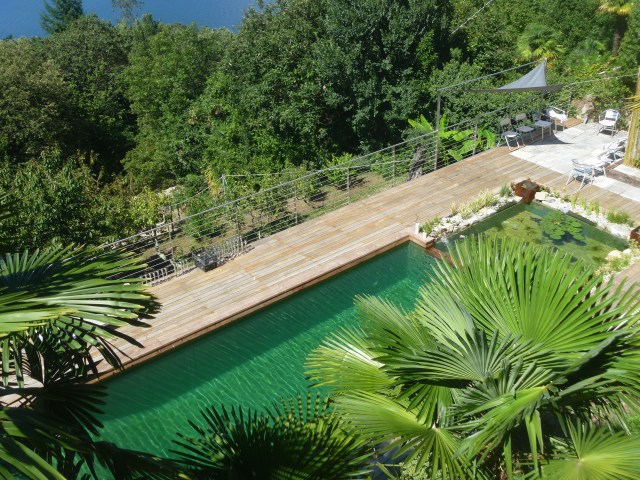
The Pool

The Ecological Swimming Pool

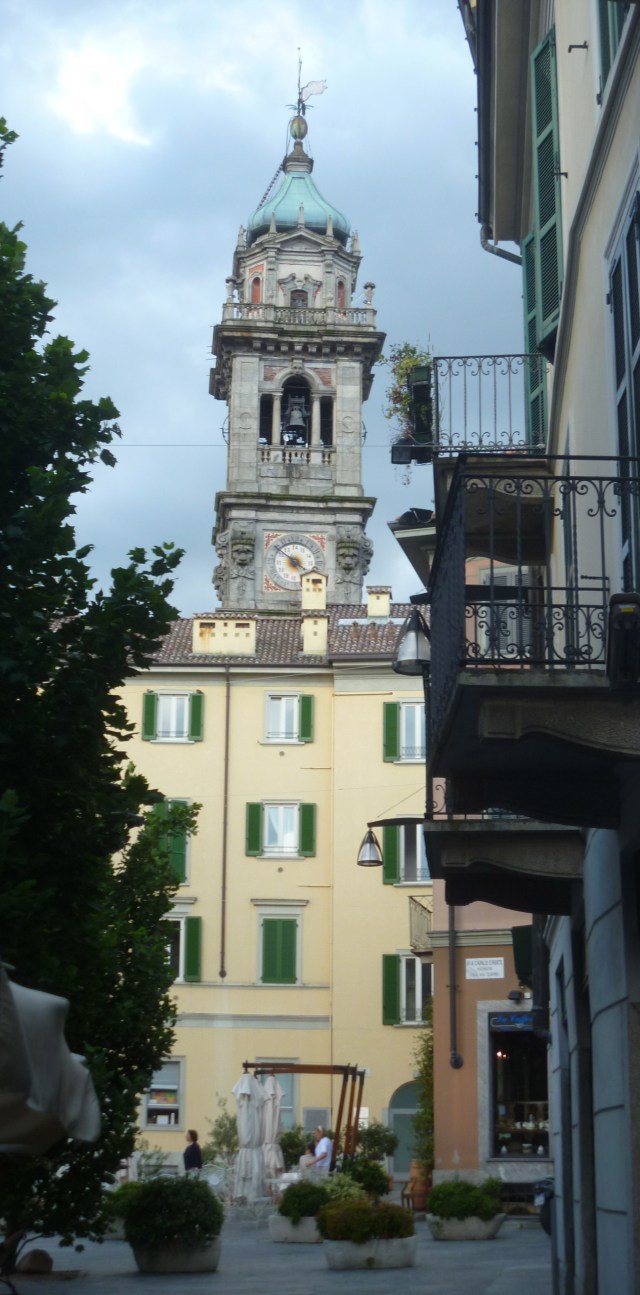
Varese

Il campanile (1585-1774) Varese

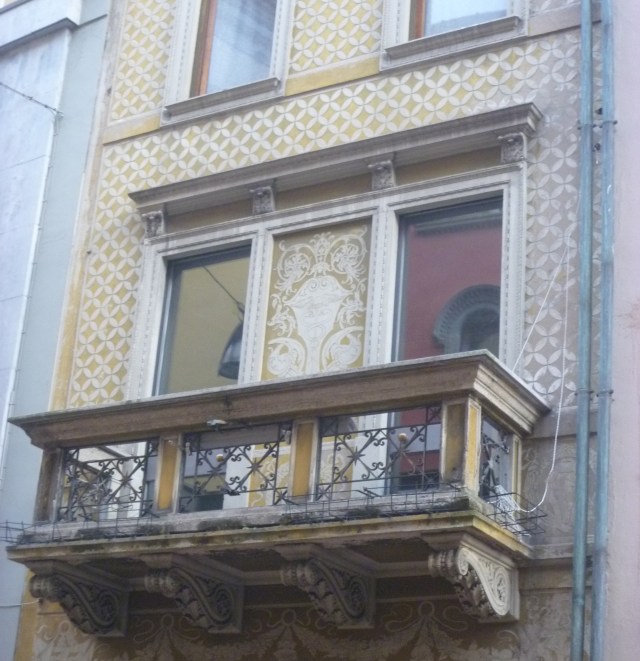
Art Deco Varese

Art Nouveau in Varese

Varese Art Deco

Art Nouveau Varese

Cannobio Market

Arriving in Canobbio on Lake Maggiore for the Sunday Market


D Day Commemoration Normandy : The Green Howards

Watching today’s commemorations of The 70th Anniversary of the D-Day Landings on BBC TV I’m reminded of my own holiday in Normandy in 2006.

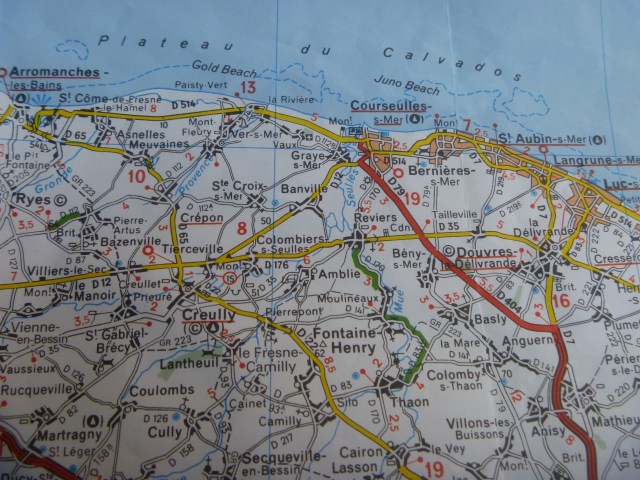
Normandy Map

We stayed for one week at Le Clos Normand right on the beach at St Aubin Sur Mer. In June 1944 the beach at St Aubin served as Juno; a Canadian landing beach.

St Aubin

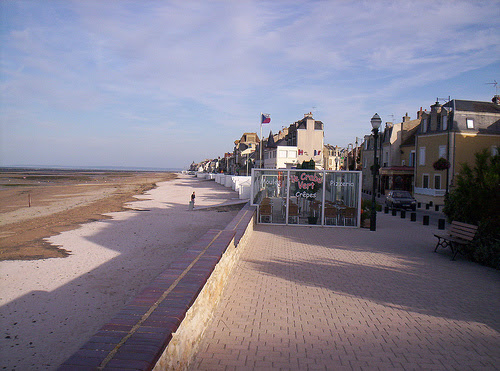
The beach St Aubin Sur Mer

Canadian St A de M

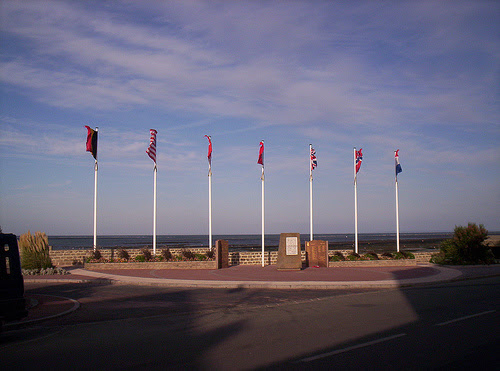
Canadian Memorial, St Aubin Sur Mer (Juno Beach)

On the first day we were driving along the road that hugs the French coast noticing signs to Commonwealth War Graves and talking about my father-in-law who served in The Green Howards Yorkshire Regiment (he actually served in the North Africa Campaign and was later a prisoner-of-war in Austria) when out of the blue we saw a small signpost indicating “Green Howards Memorial”.

GH Crepon

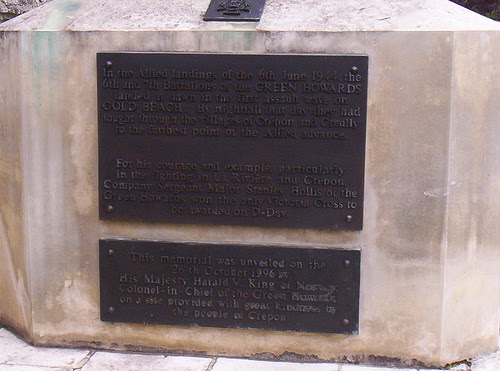
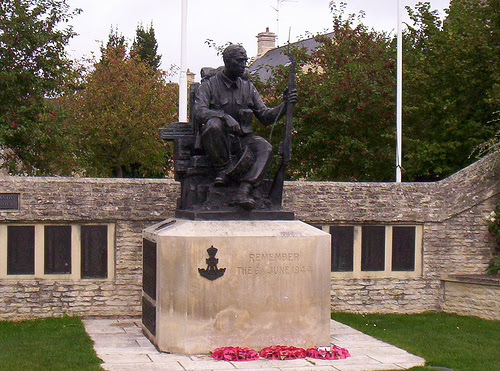
Of course, we turned the car round and headed up the lane to the small village of Crepon. There on a bend of the road – no one could miss it – was the Green Howards Memorial. We learned that Green Howards were two of the first battalions to land at Gold Beach on June 6 1944. Read more about this day here.

“When night fell on D-Day, the Green Howards were as far forward as any British troops.” But sadly they suffered many casualties, of course.

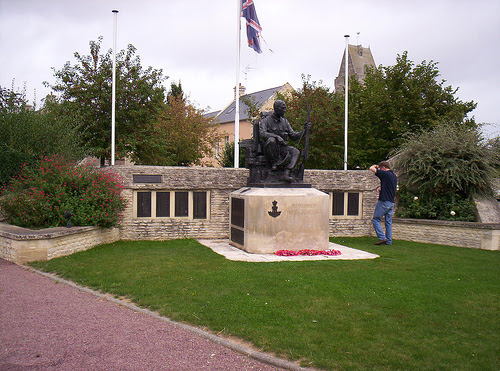
GH Crepon Mem

Memorial unveiled by King Harald of Norway 26 October 1996

We noticed there were lights around the area and went back on at least one evening to see the beautifully floodlit memorial to these brave young Green Howards.
GH Memorial

“Remember the 6 June 1944”


In a Quiet Corner of Rome – The Aventine

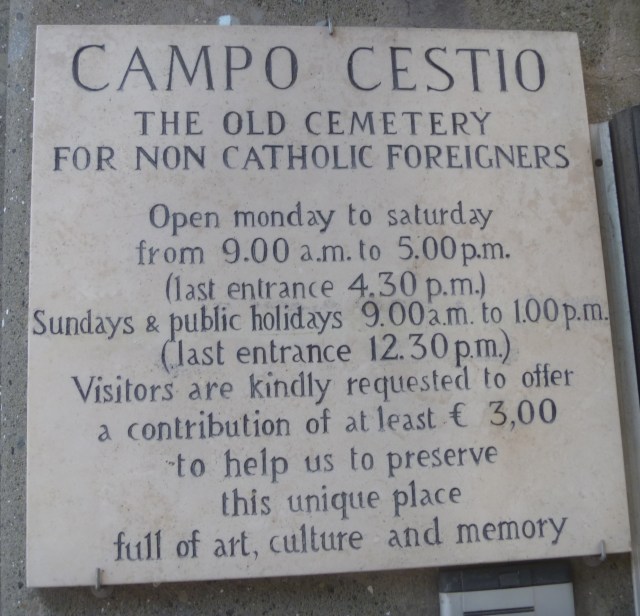
Cemetery sign

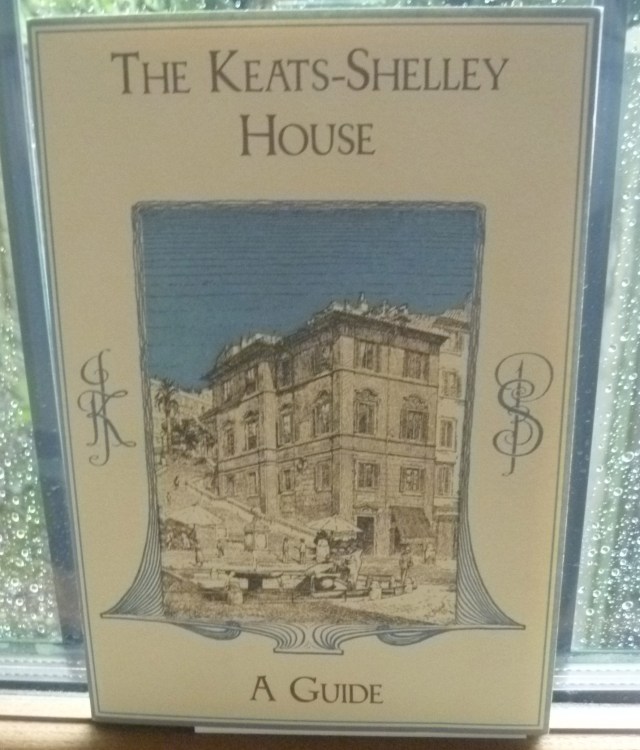
We’d both visited Rome before so I decided to book us at a hotel in an area slightly out of the main hustle and bustle of the centre of Rome and in a leafy residential area within walking distance of a certain cemetery that was brought to my attention on my first visit. The highlight of that trip, although we visited The Forum and The Coliseum and the Trevi Fountain and The Spanish Steps and The Pantheon and I had my picture taken at the Bocca della Verita, turned out to be the peaceful and tranquil Keats-Shelley House.
Keats House

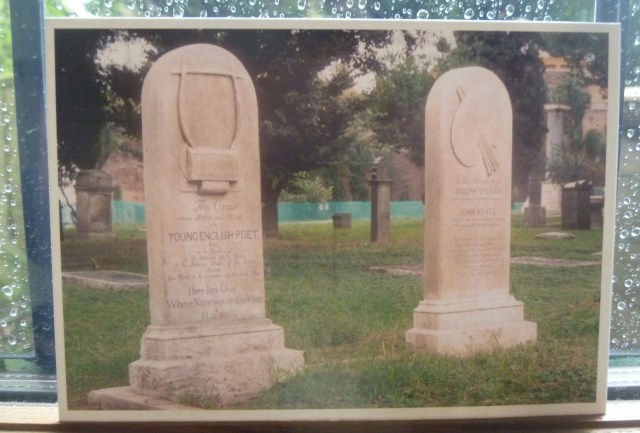
John Keats and Percy Bysshe Shelley are both buried at The Non-Catholic Cemetery in Testaccio and the more I have read about the place the more I have wanted to visit what sounds like a peaceful rural idyll so close to the centre of Rome.

K and S graves

The Keats and Shelley Graves in the Protestant Cemetery [postcard]

What I had failed to take into account – and I could have done nothing about it anyway – was the fact that a second Italian public holiday was to fall during our week’s visit. The 1st of May is a public holiday in Italy. So, after dropping our bags at our hotel room, we made our way at about 1.30pm to the Campo Cestio a 10 minute walk away only to find that it had closed that day at 1pm.

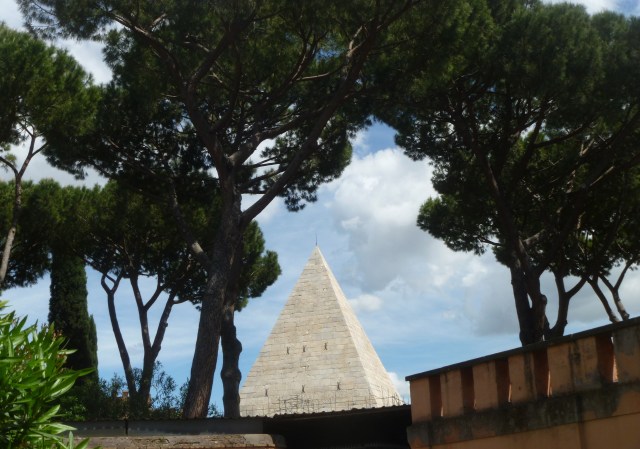
Pyramid

Very near to the Cemetery is the famous Caius Cestius Pyramid built during the 1st century BC when Roman funerary architecture was influenced by the ancient Egyptians.

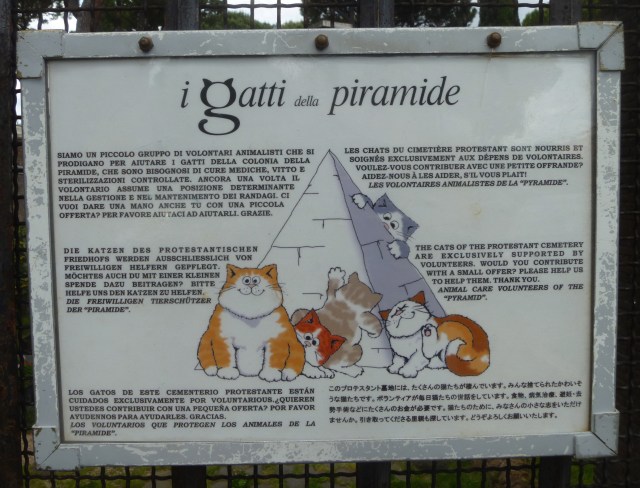
Pyramid cats

The Cats in the Area even have their own website!

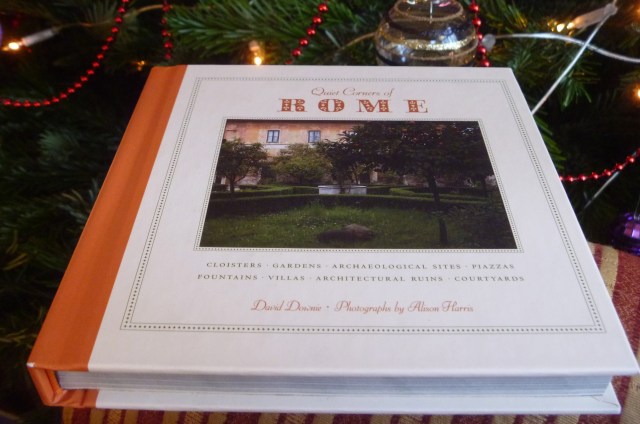
Quiet Corners Rome

Disappointed, we turned to other entries in my ‘Quiet Corners of Rome’ book by David Downie.

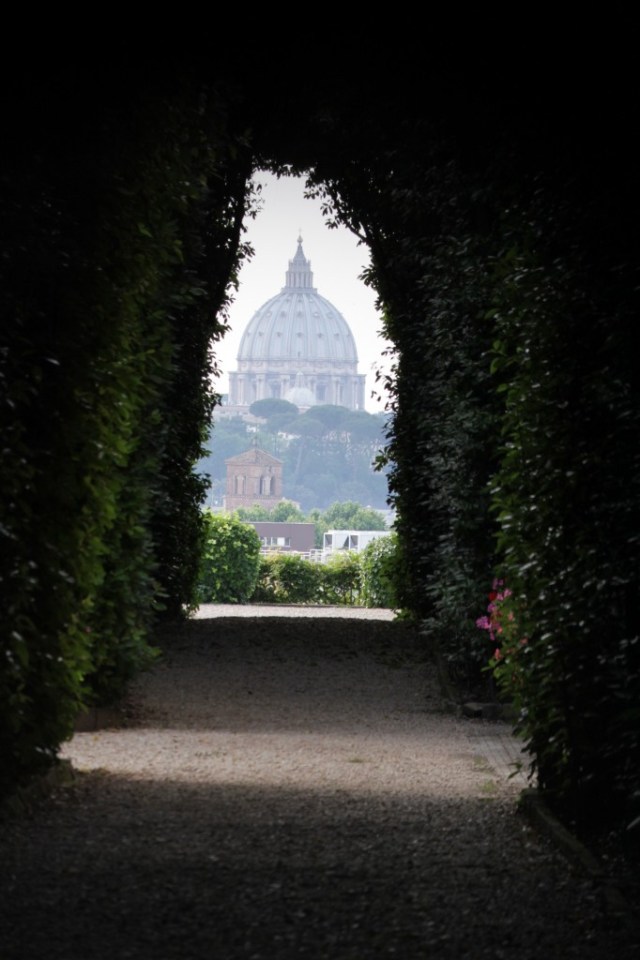
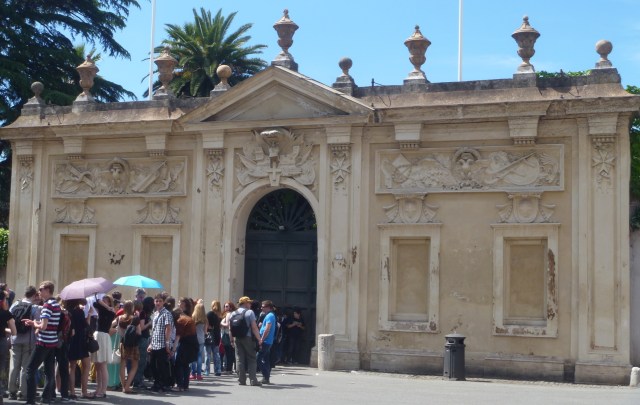
I was first told about The Magic Keyhole by a former work colleague who had lived for some time in Rome. But it is also mentioned in the Quiet Corners of Rome book so we made it our next stop : “Piazza dei Cavalieri di Malta and Piranesi Monument”. There was about a half hour queue and yes, indeed, when you reach the front there is the dome of St Peter’s framed by the keyhole in Piranesi’s door.

IMG_6617-e1337419469157-682x1024

This is the view that you get [source]

Needless to say my own photo turned out rubbish but with a long queue of people waiting behind you it is all a bit of a rush when you finally get to the front.

Piranesi Square

The Piranesi or Knights of Malta Square

Keyhole queue

The Keyhole Queue

The doors seal off the grounds of the Knights’ [of Malta] headquarters and are opened only to the pious and powerful … The piazza is egalitarian. Flame cypresses and palms rise behind the extravagantly long, L-shaped wall, erected in 1765 and conveniently lined with benches.”

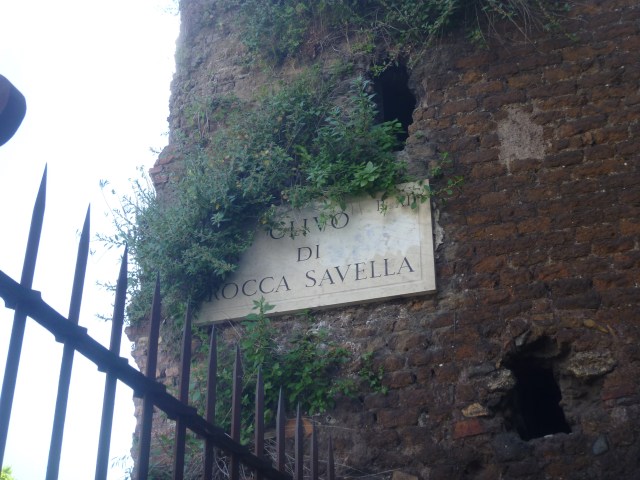
Clivo di Rocca Savella, Parco Savello, Giardino degli Aranci”

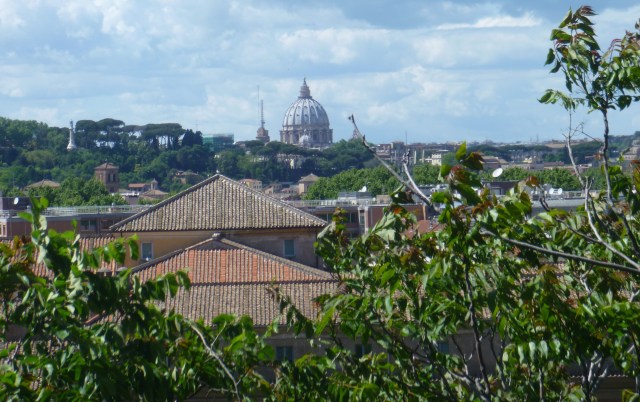
Vatican View

Vatican View

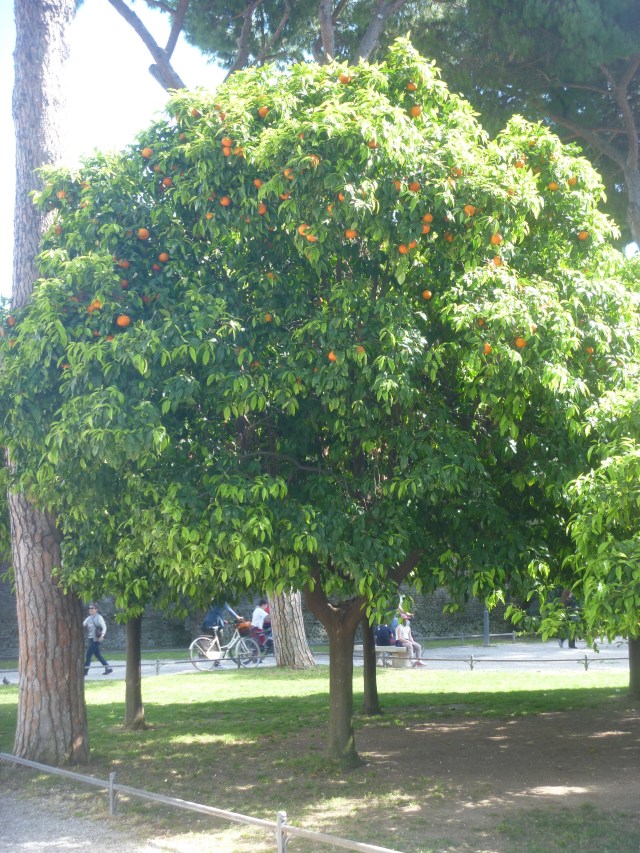
orange tree

Orange Tree

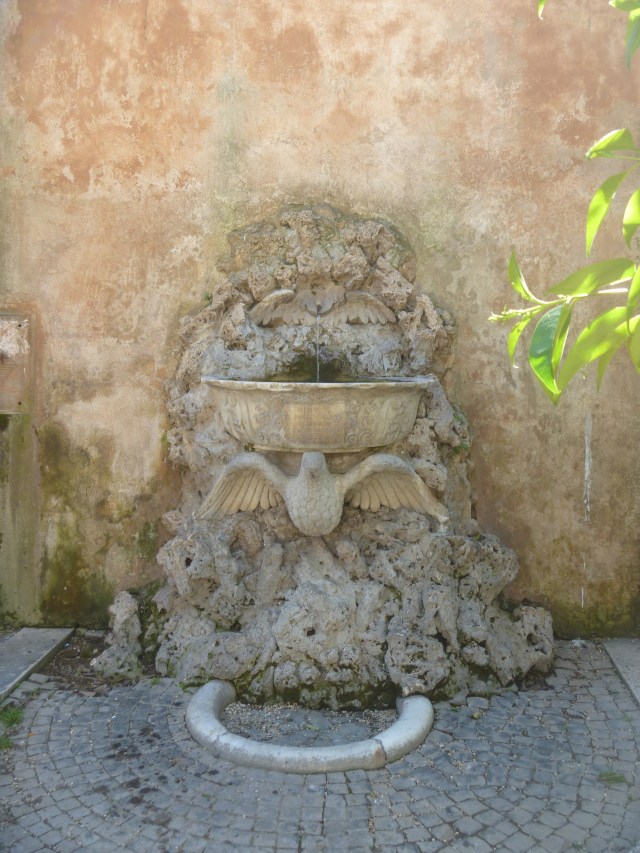
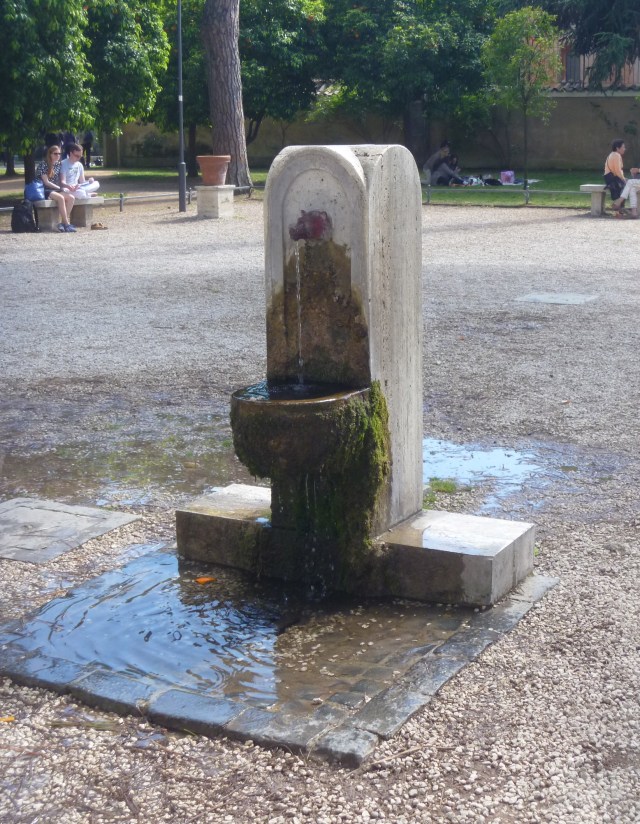
Drinking fountain 1

Drinking Fountain

Fountain 2

Parco Savello Fountain

Next to the Knights of Malta HQ are several churches and two parks. One of the parks is the Parco Savello but both of them more or less fitted the book’s description: view of the Vatican, orange trees, drinking fountains.

Clivo sign

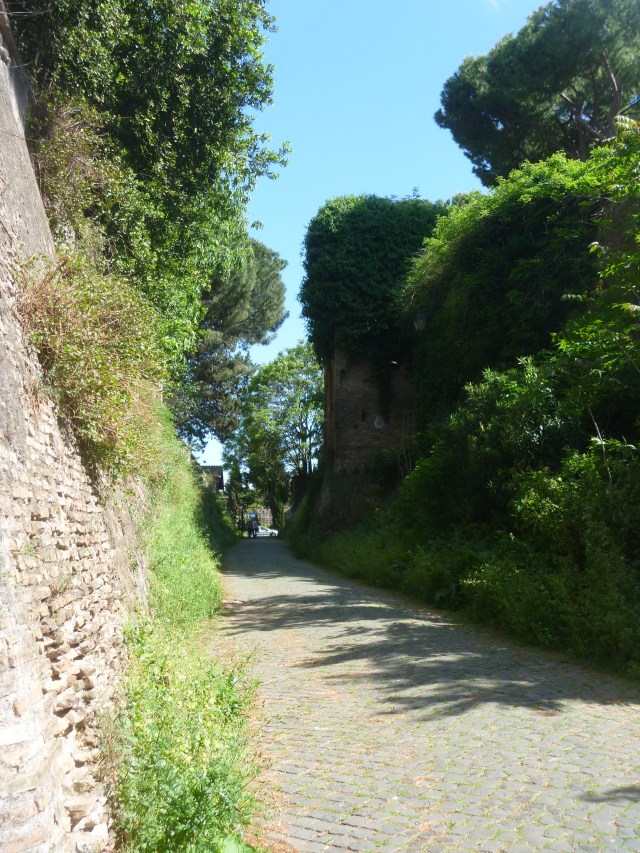
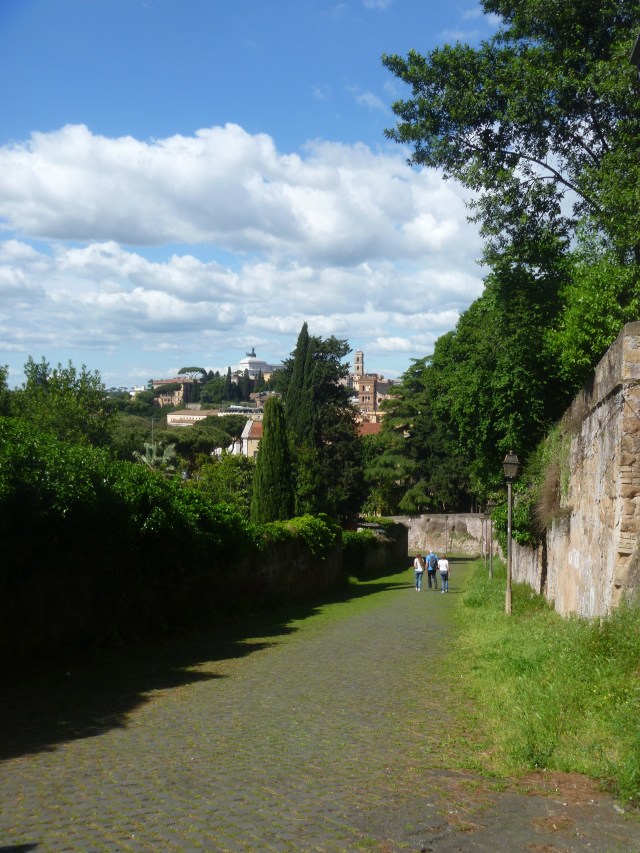
The Clivo di Rocca Savello is a narrow car-free lane that slopes down to the Tiber “mossy and picturesquely weed-grown, the clivo is as atmospheric as it is empty”. Well one or two people were walking up and down and also as the book says “stray cats own it”.

Clivo 1

Clivo 2

The Clivo di Rocca Savello

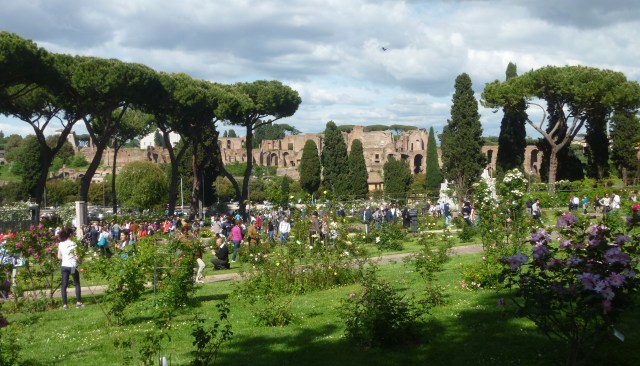
With it being a public holiday none of the places were particularly people-free and the final venue least of all. It seemed that all of Rome wished to visit the Roseto Comunale (Rose Garden) on that sunny May 1st afternoon. 1,100 varieties of rose grow on the northern slope of the Aventine Hill. All types of rose and from all corners of the earth grow here and the park is only open for about one month a year. So this time we struck it lucky !

Rose garden

The Rose Garden with the Forum behind

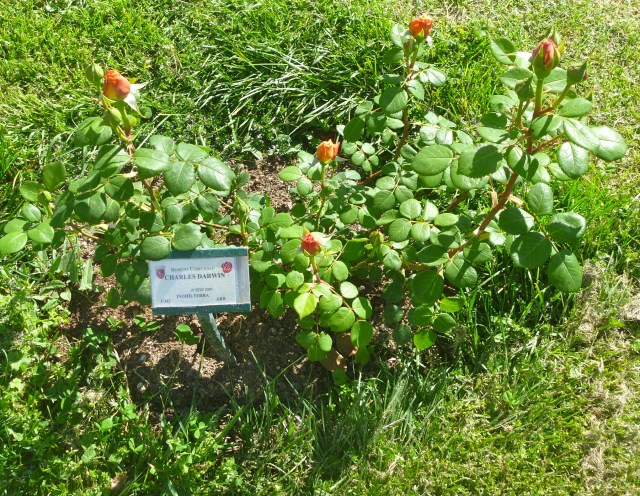
Charles Darwin rose

Charles Darwin rose still in bud (UK)

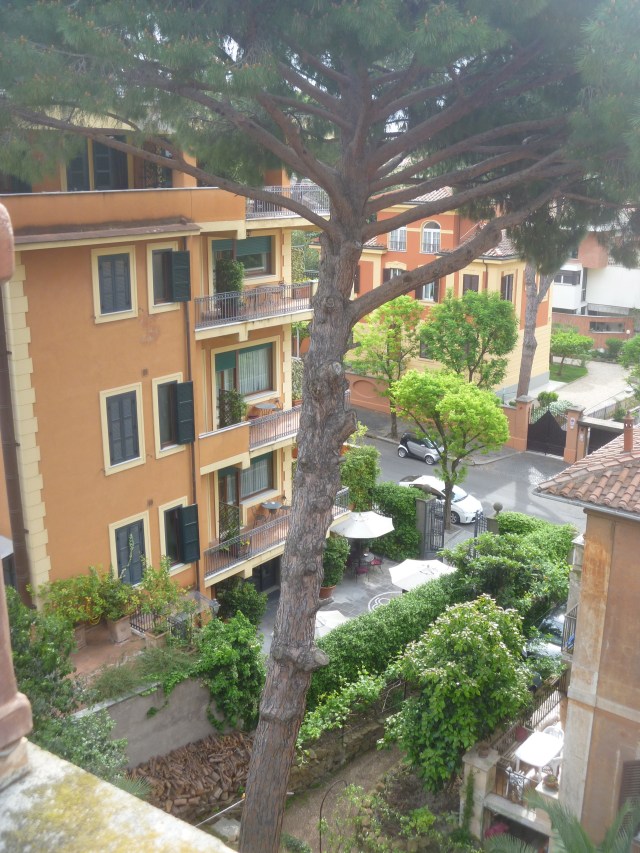
We were very happy with our choice of hotel in a Quiet Corner of Rome.

Balcony view

The Villa San Pio

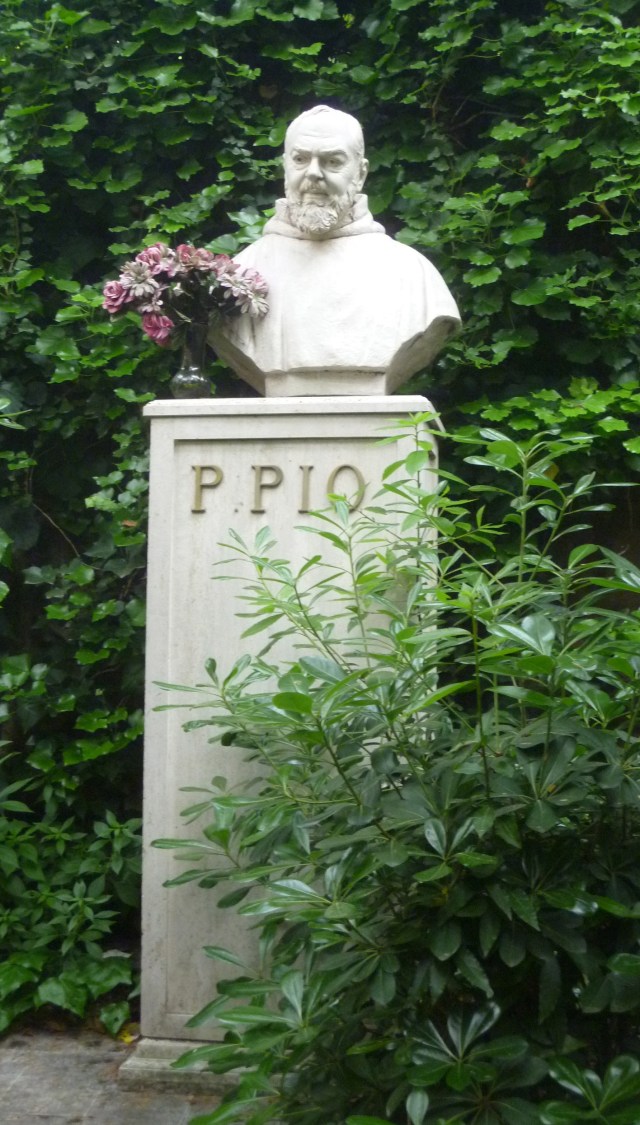
Pio

Padre Pio bids us Farewell as we make our way to the Airport


Acquapendente to Bolsena and Bolsena to Orvieto

Day 6

Free day in Bolsena: Explore Bolsena, its ancient streets, castle, Etruscan temples and church, and catacombs of Santa Cristina, site of the miracle of Corpus Christi. Swimming in the lake. Optional walk from Acquapendente through the low Monti Volsinii (12.2 miles, 6 hours).

Bolsena

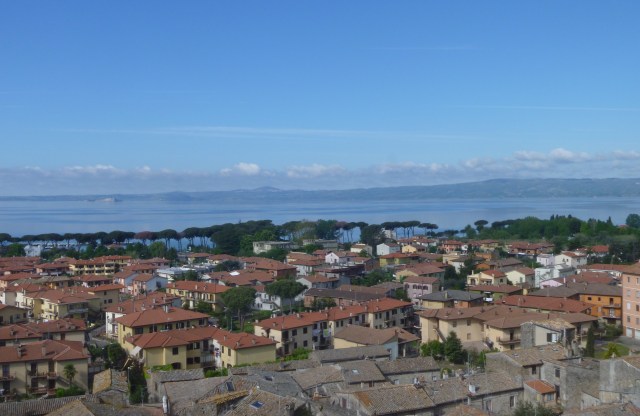
Bolsena comes into view as we complete our walk from Acquapendente

Being gluttons for punishment of course we’d decided all along on the optional walk from Acquapendente. Lucky for us that Tuesday morning had been assigned by Annalisa as our ‘feedback’ time for the trip. So, as previously arranged, we met Annalisa in the hotel lobby and gave our views on the walks and hotels, restaurants etc. This slightly delayed our departure so A, whose home is in Acquapendente, offered us a lift to the start of the walk advising on places to buy lunch and water for the day. We bid her a very fond farewell as she drove off to her next assignment.

Farewell Annalisa

Goodbye Annalisa and Thank you! – Keep Smiling! You’re doing a great job!

Day 7

Bolsena to Orvieto: An old Etruscan lane leads up through woods to a plateau and across farmland. The first view of Orvieto, situated high on its extinct volcano, is unforgettable (11.3 miles, 5.5 hours). Don’t miss the magnificent cathedral with frescoes.

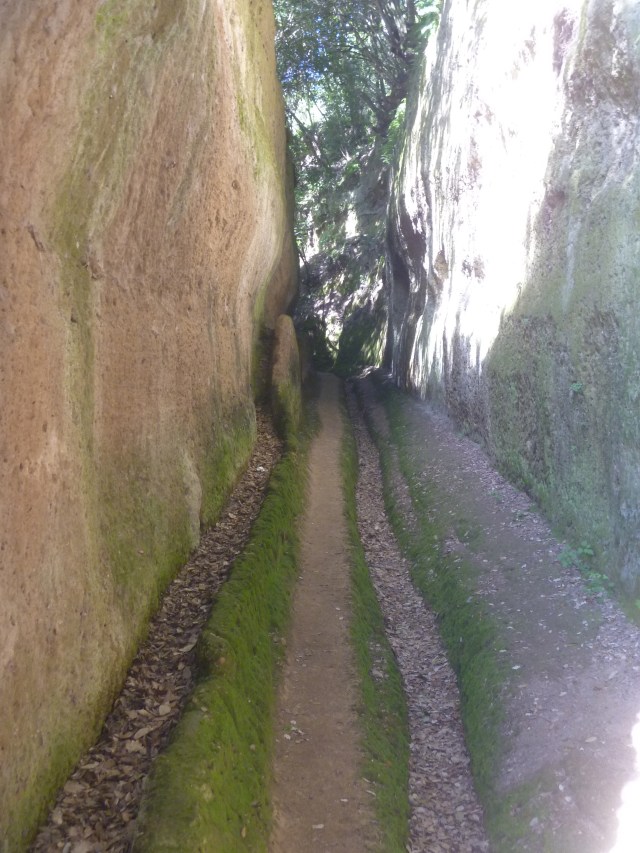
Wednesday, the final day of our journey to Orvieto, the weather was back to its usual blue sky and sunshine. We walked up through the old town of Bolsena and up out of the crater following a paved Roman Road and an Etruscan Lane. We were told that the route follows the historic trail of the procession of the Miracle of Bolsena.

Lake Bolsena last morning
Lake Bolsena as we leave the town

Bolsena 1

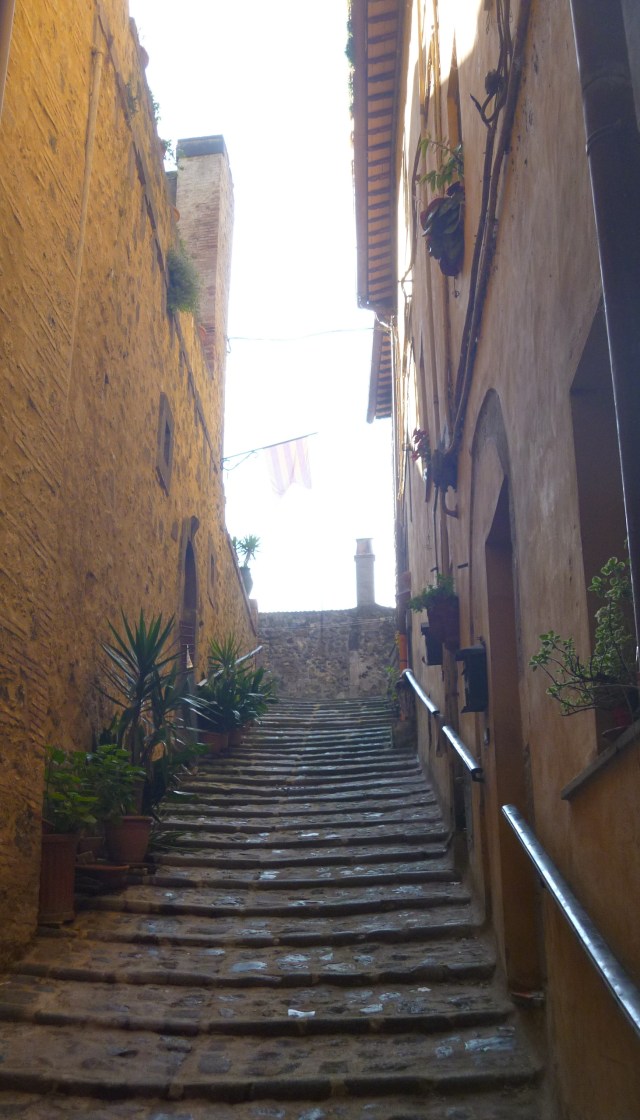
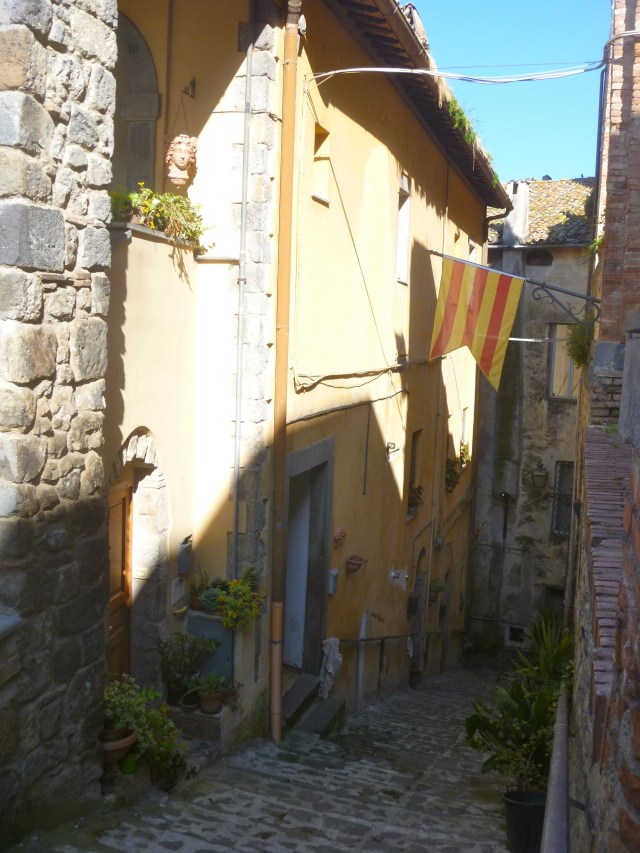
Historic Bolsena

Bolsena 2

Old Bolsena

La Medusa  Shop

La Medusa Shop – Maker of Replica Roman/Etruscan Artefacts??

La Medusa

La Medusa

Bolsena rooftops

The Rooftops and Lake – Bolsena

Bolsena Castle

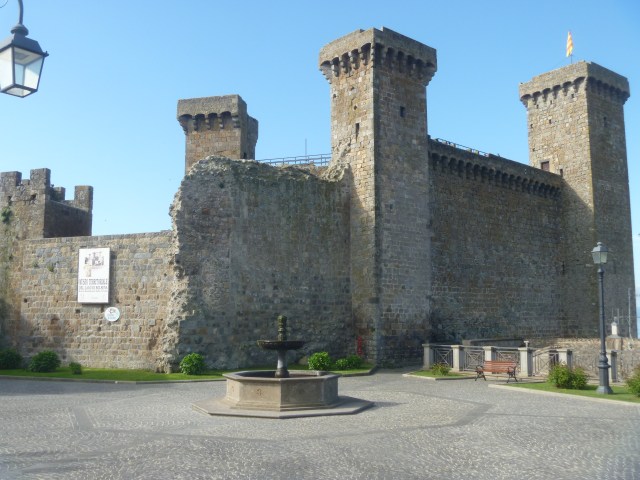
Bolsena Castle

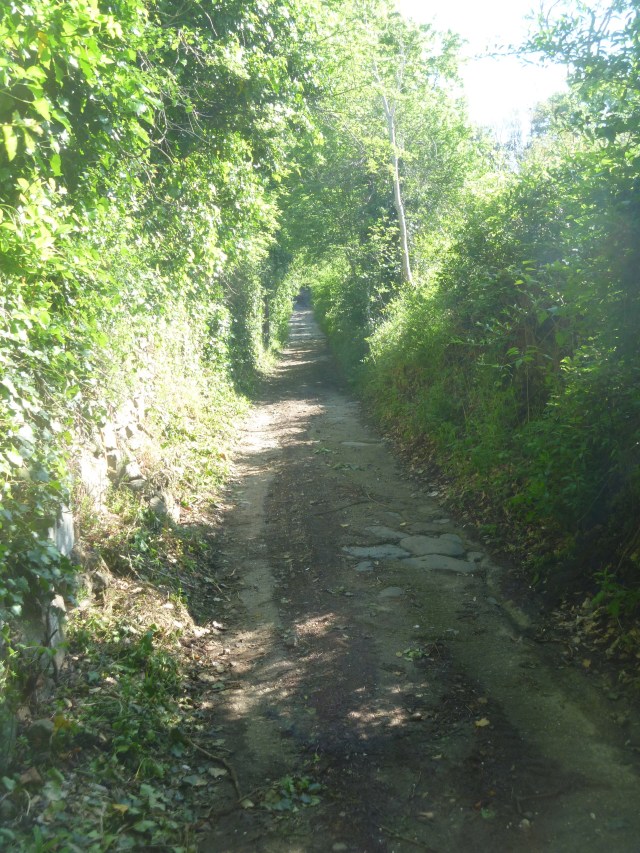
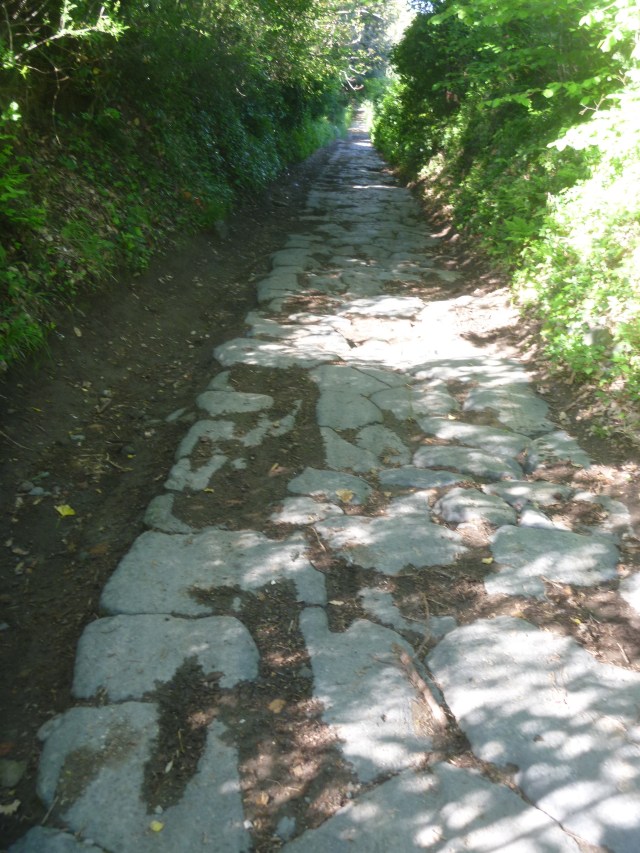
Leaving the town we soon turned from the tarmac road onto a long ancient track. “You are now walking on the old paved Roman Road to Orvieto with the flagstones clearly visible underfoot” declared the Route Booklet. I think possibly our route diverted quite a bit from the typical Roman straight-line road but we certainly approached Orvieto downhill and then uphill in a straight line.
Roman Road

The Roman Road leaving Bolsena

Ronman Road 2

Flagstones clearly visible underfoot

We crossed the border from Lazio into Umbria (Bolsena and Acquapendente are both in Lazio we left Tuscany behind between San Quirico and Latera on Monday). A couple of kilometres later we visited our final 9 Etruscan tombs. They appeared rather abandoned and the Information Board had been stripped of all information. About 5 km from our hotel in Orvieto we had our first view of the city perched on its extinct volcanic rock.

Some of 9 Etruscan tombs

Some of the 9 Etruscan Tombs

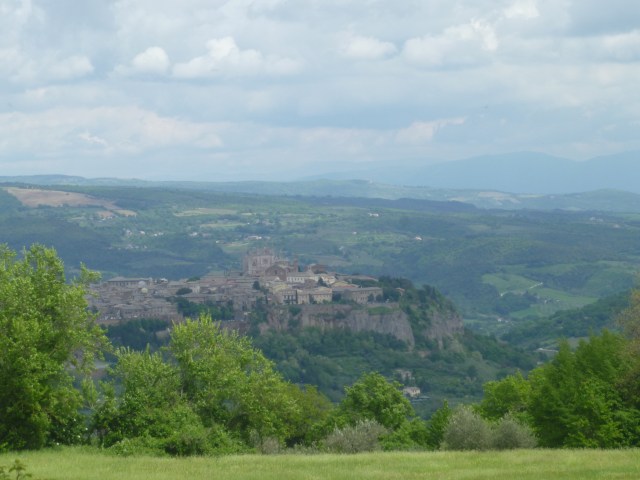
First view of Orvieto

Our first view of Orvieto

We made it! We arrived at our hotel in Orvieto with a great feeling of satisfaction and achievement. Our last night was spent in Orvieto but although the ATG holiday finished with breakfast the next day we were to travel on to Rome for a further night before returning to Yorkshire on Friday.

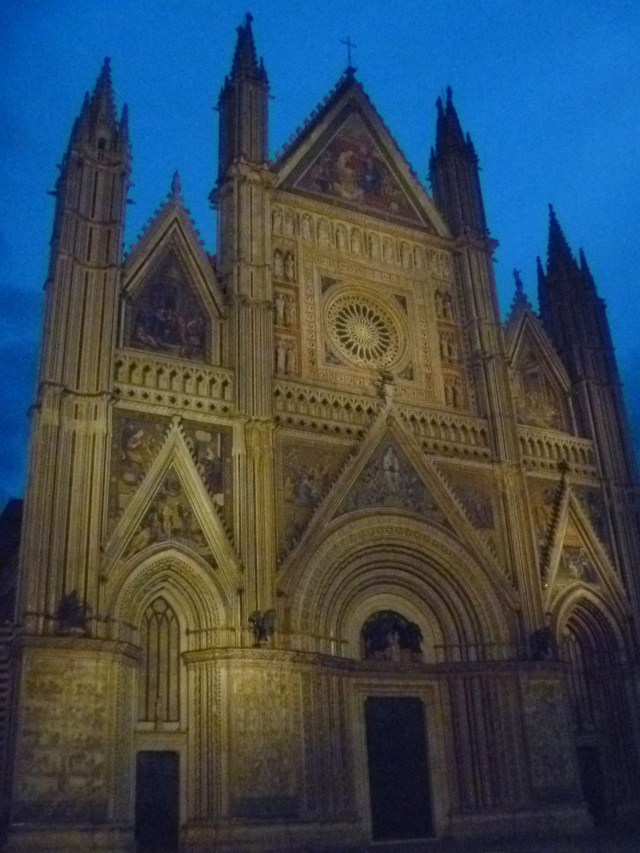
Orvieto Cathedral 1

The Orvieto Duomo or Cathedral at night

Orvieto Cathedral day

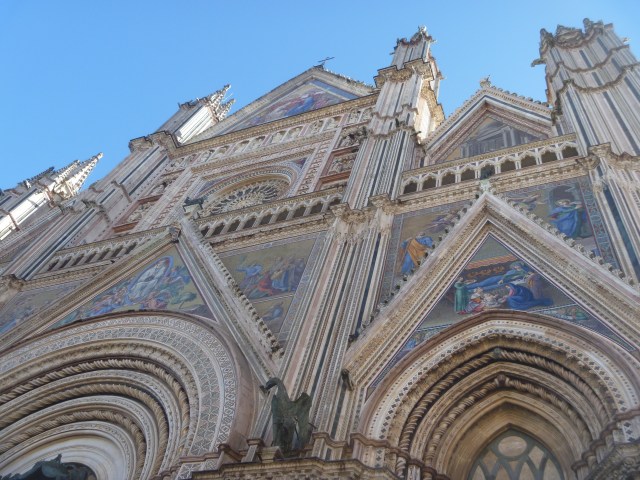
Begun in 1290 it is probably the finest example of Romanesque Gothic in Italy – The Duomo by day

Like our achievement – Magnificent!!


Sovana to Bolsena – Tracks and Tombs and Troglodytes … and Rain

Day 4

Sovana to San Quirico: Paths across farmland lead to an isolated church and fine Etruscan lane that descends into a gorge, from which rises crag-top Sorano. After exploring Sorano, paths along the gorge lead to the troglodyte habitations at Vitozza and the village of San Quirico (10.3 miles, 5 hours).

On the Sunday the walking began in earnest. Over 40 miles in 4 days – not bad going!

Church of San Rocco

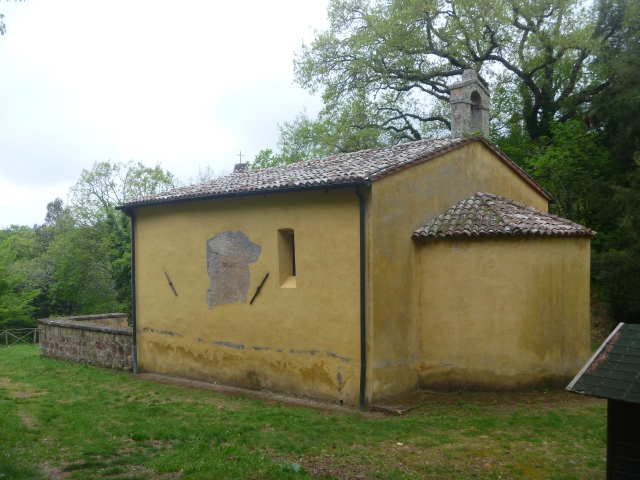
The Abandoned Isolated Church of San Rocco

Sorana

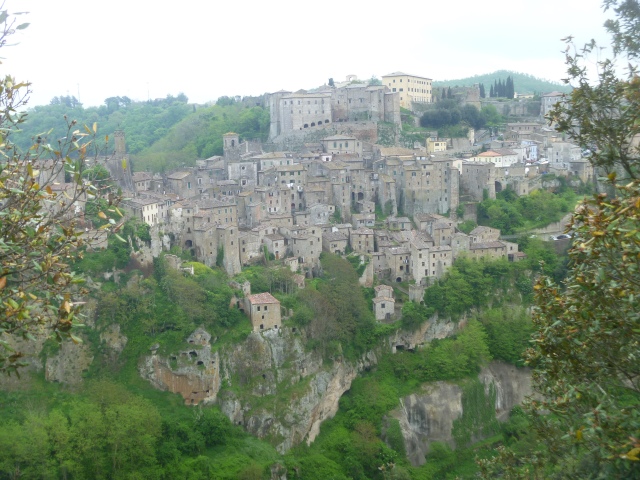
Crag-top Sorana from San Rocco Viewpoint

Via Cava San Rocco

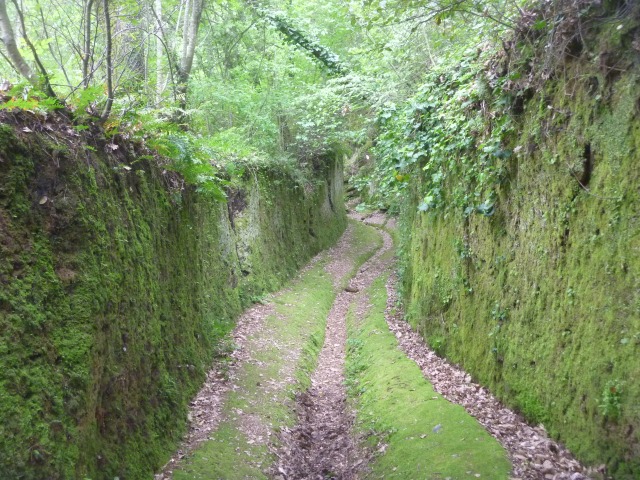
Etruscan Lane of San Rocco

Via Cava SR tomb

Tombs along the Via Cava di San Rocco

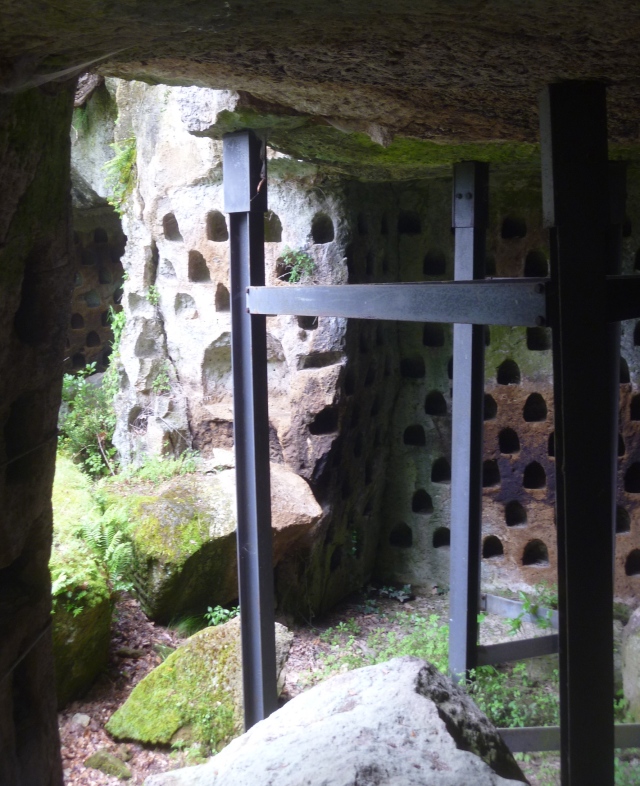
Near the village of San Quirico (our destination on Day 4) we passed through the abandoned troglodyte village of Vitozza. This fascinating, rather eerie, place had been a medieval settlement dating back to the 12th century. There are the remains of castles, churches, and many other buildings plus many caves which were used as stables, storerooms and homes.

Troglodite homes Vitozza

Vitozza groto

Vitoza caves

Cave homes at Vitozza

Il Colombaio Vitozza

Dovecote or Columbario – 1st Century AD

Day 5

San Quirico to Bolsena: Cart tracks across farmland lead to an escarpment, where paths descend towards the small town of Latera. A climb through chestnut woods to the rim of a volcanic crater offers superb views. Tracks lead down to Lake Bolsena (10.4 miles, 5.5 hours), from where a private boat takes you across the lake to Bolsena (town).

Latera

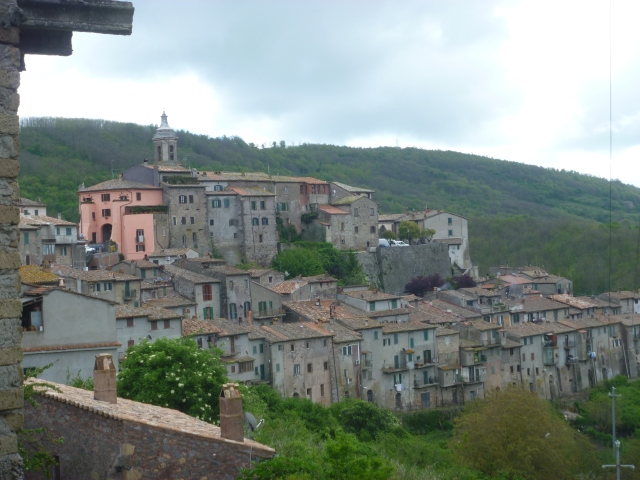
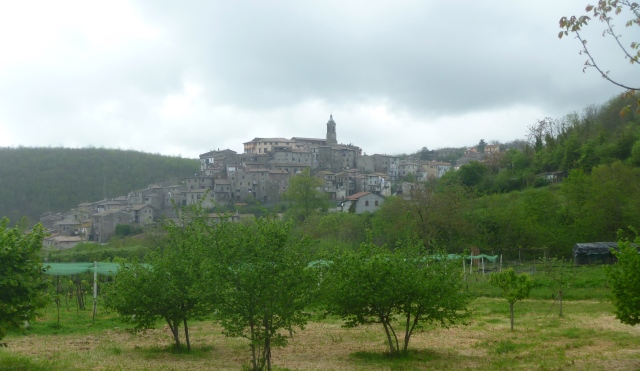
Approaching Latera

Latera Square

We ate our picnic lunch on a bench in this square in Latera: Church of San Clemente and 1790 bell-tower

Pretty doorway in Latera

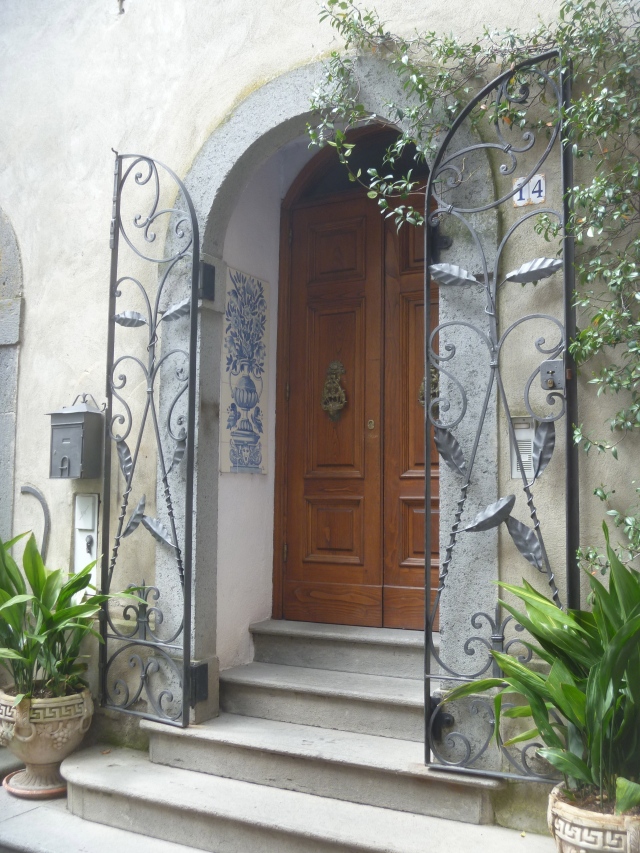
Pretty Doorway in Latera Piazza San Clemente

Leaing Latera

Leaving Latera

After leaving Latera and as we approached the crater edge with views of Lake Bolsena the rain began. Unfortunately, this meant that we were unable to take the boat trip across the lake. Annalisa had to come to our rescue and drive us round the lake to our next hotel by the lakeside at Bolsena.

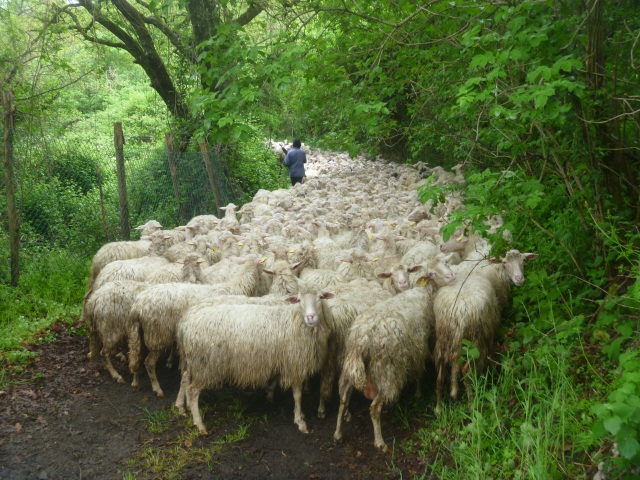
A herd of sheep blocked our path

Our path is blocked by sheep – but not for too long!

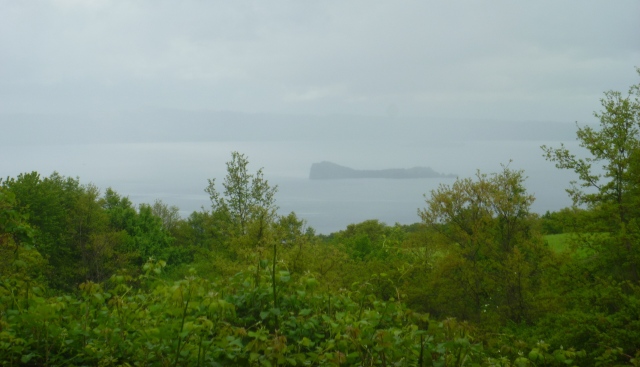
Lake Bolsena in the rain

An early view of Lake Bolsena in the rain

Lake Bolsena

We arrive at the Trattoria Da Giggetto jetty


Tracks and Tombs around Sovana, Tuscany

“Day 2

Pitigliano to Sovana: Free morning to explore crag-top Pitigliano, its Etruscan houses, medieval fortress and synagogue. Then follow an Etruscan lane to a small plateau, with pastures and vines, to the charming village of Sovana (4.9 miles, 3 hours).

Day 3

Free day in Sovana: Visit Sovana’s fine Romanesque churches. Walk to see the outstanding Etruscan necropolis, including the Tomba della Sirena, restored by the ATG Trust (2.5 miles).”

After breakfast and our orientation meeting with Annalisa we set off on our first day’s walking. We felt that we had explored Pitigliano sufficiently the previous afternoon and were happy to get started with the walk in earnest.

Our next port-of-call was to be Sovana a pretty village, popular with day visitors (especially so probably because Friday 25 April was an Italian public holiday and the weather was good), just a few miles from Pitigliano.

Our path lead us through further fine examples of Vie Cave, past ancient Etruscan tombs carved out of the local tufa rock and along the ubiquitous strada bianca (small gravel country roads connecting farms) – marked ‘SB’ in our trusty route booklet.

Via Cava di San Giuseppe

Via Cava di San Giuseppe

Etruscan Tombs

Etruscan Tombs – good examples of ‘tomba a camera’

strada bianca

Our first Strada Bianca

After this relatively easy walk along open tracks and through woodland and further vie cave we arrived in Sovana in the early afternoon allowing us plenty of time to have lunch, explore the village and relax in the beautiful gardens of the Sovana Hotel and Resort right next door to the ancient Duomo.

Main piazza Sovana

Arriving in the main Piazza in Sovana

Via del Duomo

The Via Del Duomo, Sovana

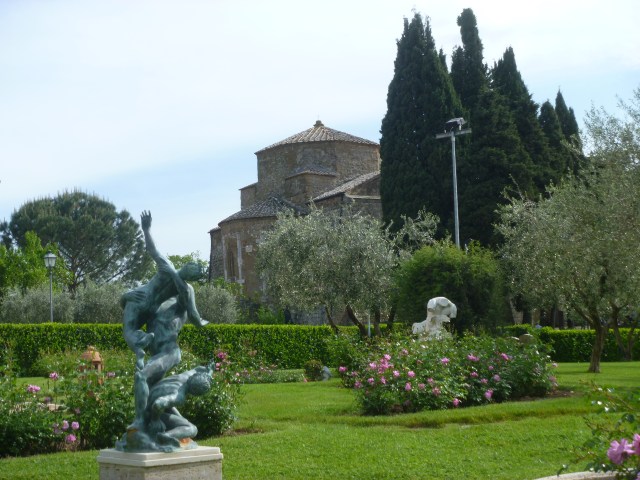
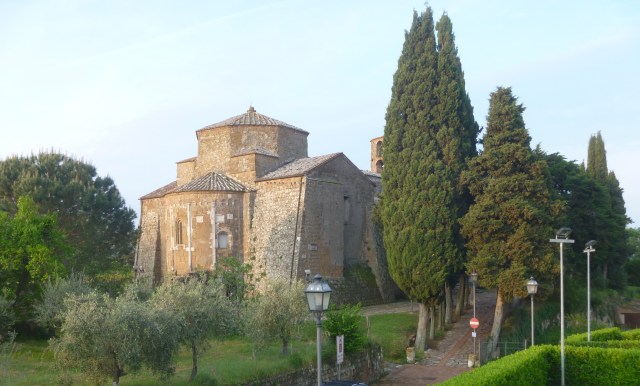
Sovana Duomo

The Romanesque Duomo from the hotel gardens

Duomo from hotel window

The Duomo from the Hotel window

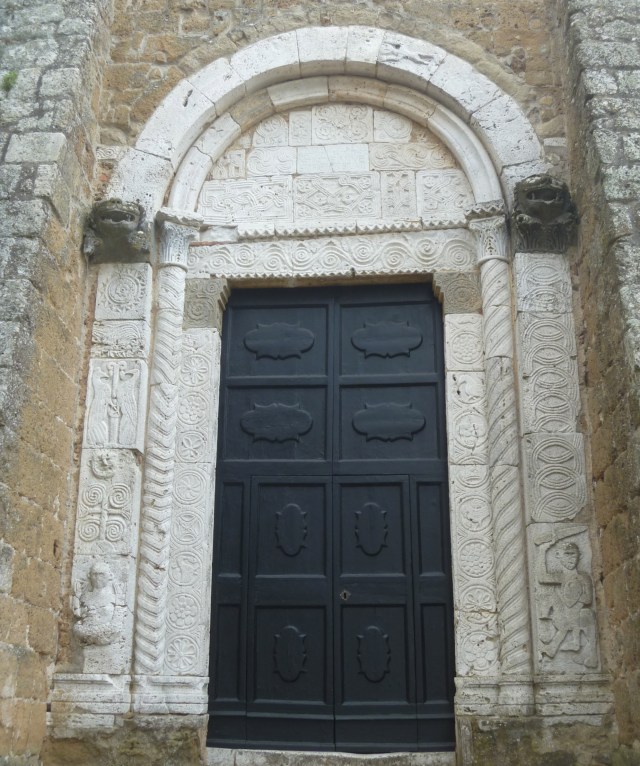
Carved Cathedral Door

The Carved Cathedral Doorway

It was lovely to spend two nights at the Sovana Hotel. The ‘free’ day was a Saturday and many people were visiting the village but our circular walk was mostly very quiet although we did join some others at the necropolis Parco Archeologico “Citta’ del Tufo” 

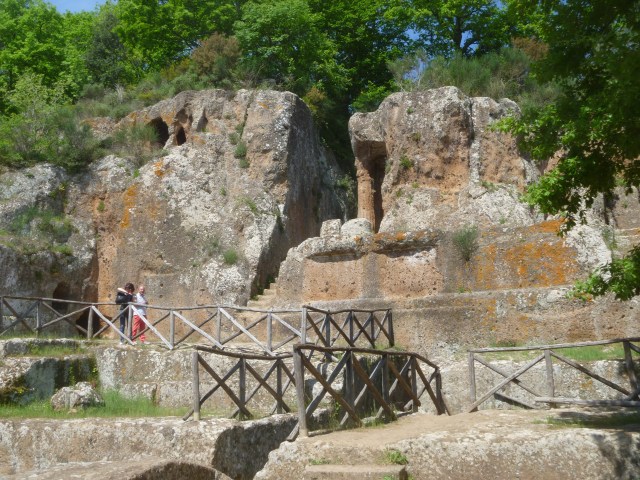
Discovered by S.J. Ainsley and George Dennis in 1843, the Etruscan Tombs are situated along the road from Sovana to S. Martino Sul Fiora. This valley, lined with tombs, is possibly the best preserved Etruscan necropolis. Whilst the tombs themselves are underground, above many of them Greek ‘temple’ style monuments have been carved into the rock. They were not only burial tombs but the flights of steps up the ‘temples’ meant they were places of worship as well. They were stuccoed and painted.” [Adapted from the Route Booklet]

At the Parco Archeologico

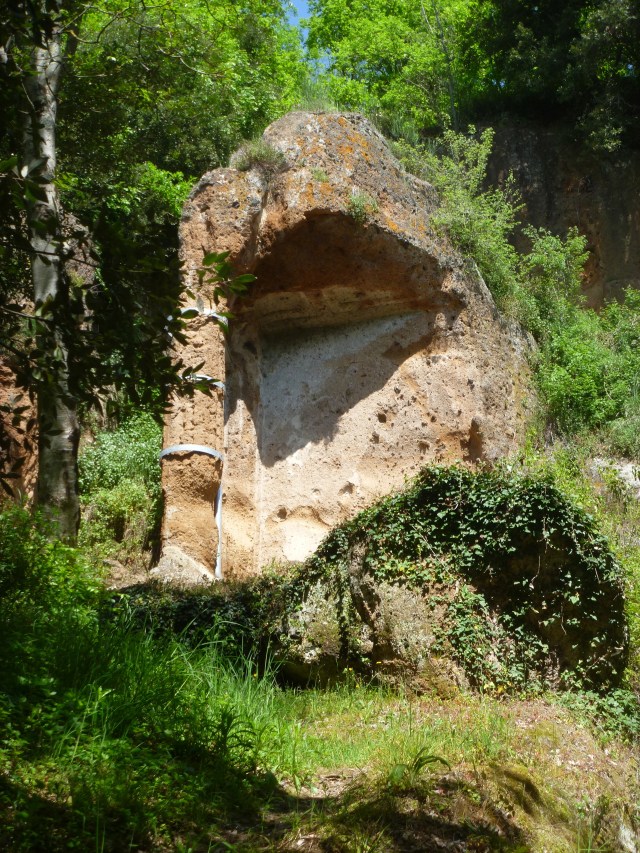
Tomba Pola

Tomba Pola

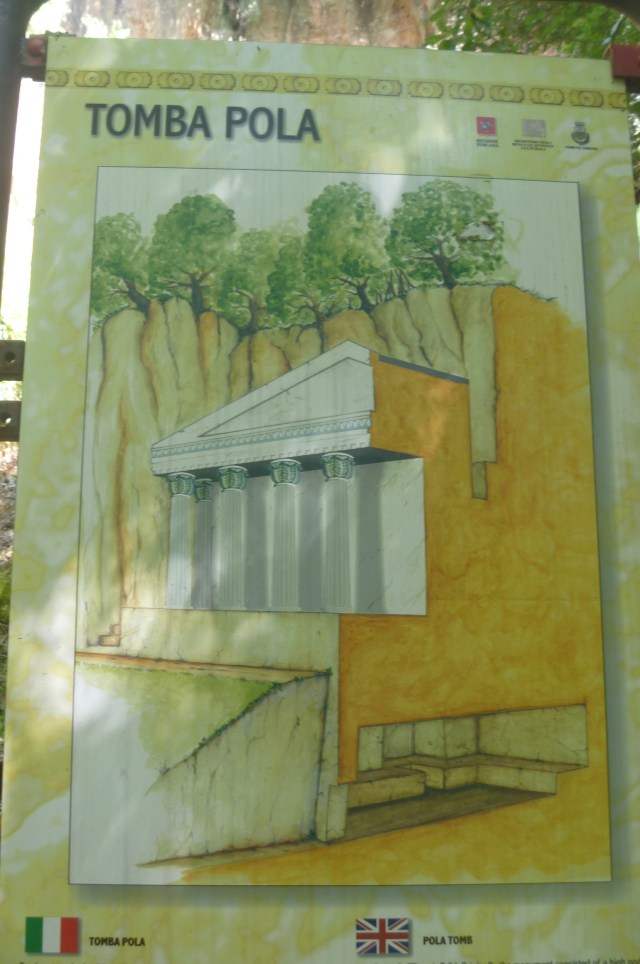
TP Impression

Artist’s Impression of the Tomba Pola

Ildebranda tomb

Tomba Ildebranda

IT column

Close-up view of the column at the Tomba Ildebranda

About the Tomba Ildebranda it says in the Route Booklet : “The magnificent tomb/temple was discovered only in 1925 and named in honour of Pope Gregory (who was previously Ildebrando [and born in Sovana in the Middle Ages], with whom the tomb clearly has nothing whatsoever to do! It was evidently the tomb of some wealthy, Etruscan-Roman governor of the municipium. It has an exterior resembling a Greek temple, with pillars and roof – all carved out of the rock in the 3rd to 2nd centuries BC.”

LTDS picture

La Tomba della Sirena impression

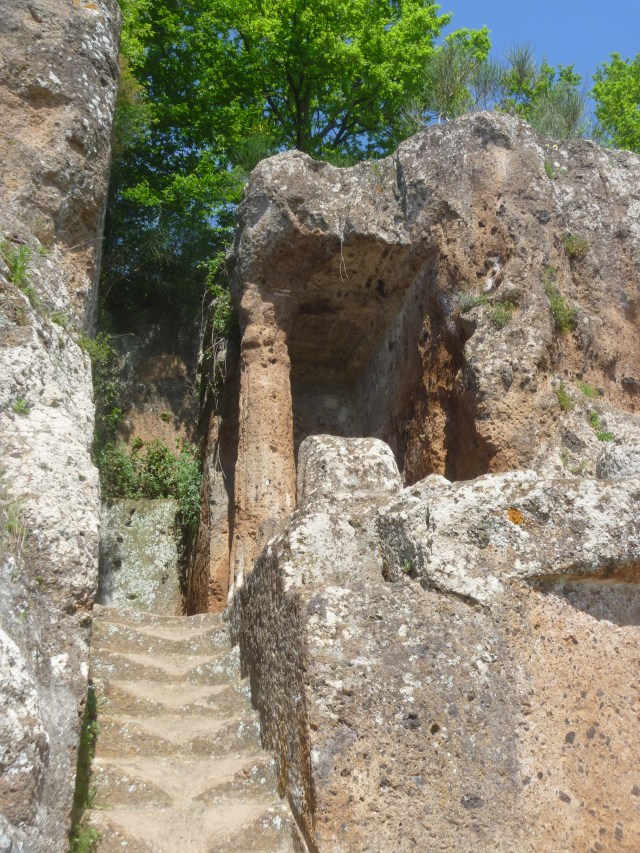
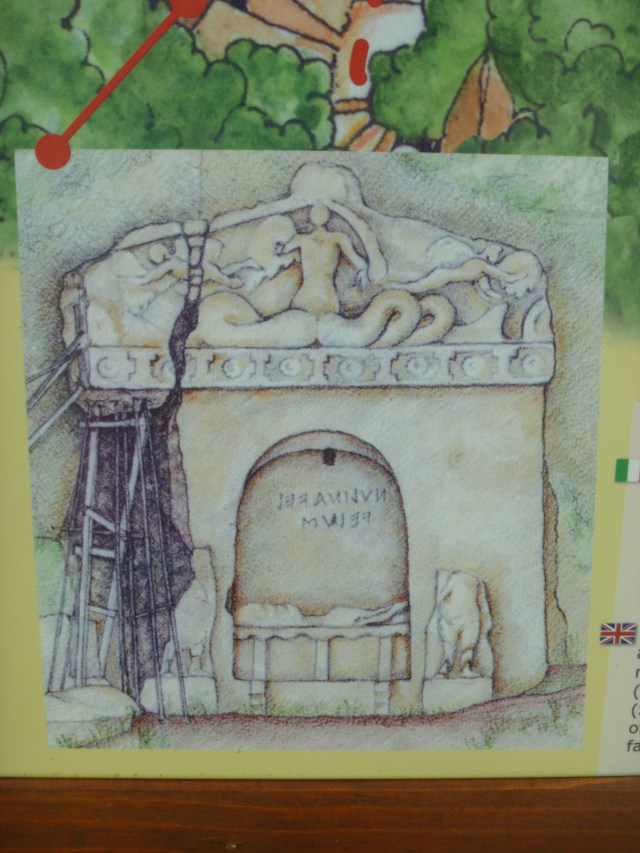
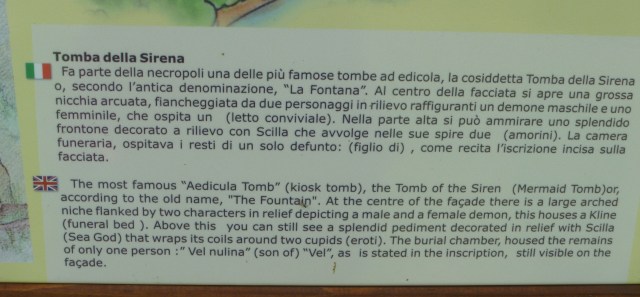
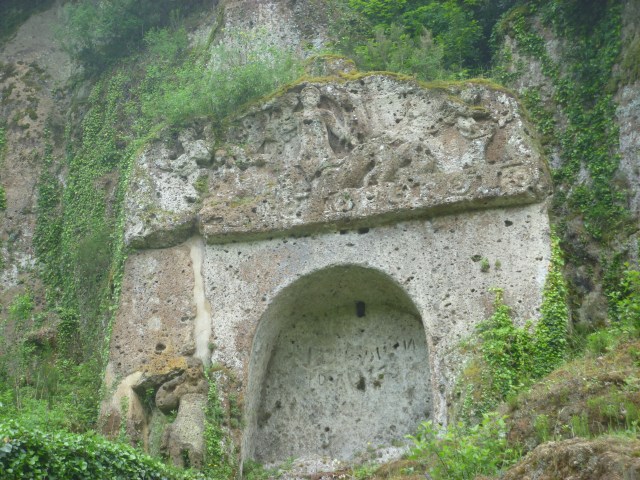
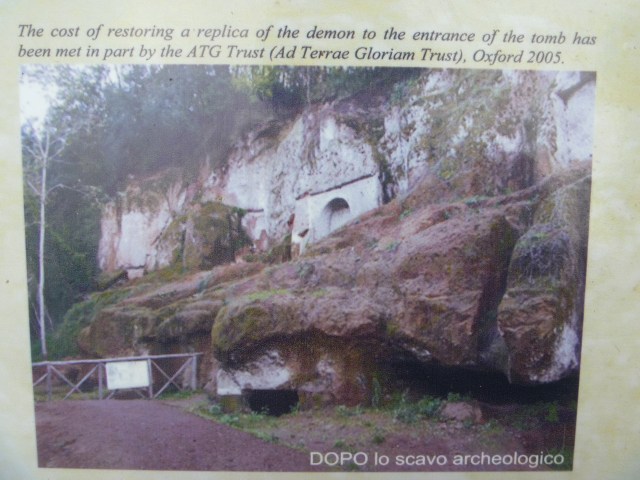
A short walk away and across the road from the Tomba Ildebranda etc is the Tomba della Sirena [Tomb of the Mermaid] the restoration of which was partly paid for by the ATG Trust. Dating back to 250 BC it was the first tomb to be discovered by Ainsley and Dennis in 1843.

LTDS notice

 La Tomba della Sirena from the Information Board

La Tomba della sirena

La Tomba della Sirena

LTDS ATG

La Tomba della Sirena – Acknowledgement of ATG Contribution

Via Cava SS

The now closed-off Via Cava di San Sebastiano

We spent much of the morning inspecting the tombs area and then completed the circular walk back to Sovana for lunch again at a pavement cafe on the Via del Duomo. We had hoped to take the opportunity this afternoon to visit one of the nearby thermal springs. Before the trip we had understood them to be within a short distance of the village but it turned out that they were over 20 kms away, were located within private spa resorts and transport seemed complicated and not helped by it being a public holiday weekend. They also threatened to be very busy. In the end we opted to relax again in the afternoon in preparation for the next four days walking – over 10 miles each day!


Etruscan Lanes to Orvieto – Day One – We arrive at Pitigliano

ATG’s most unusual trip!

“Crag-top towns approached by ancient Via di Cava, then lakes and plateaux, and finally Orvieto with its magnificent cathedral.”

This was our ATG Footloose Walking Holiday this year. Our third altogether. My sister and I travelled to Italy on 24 April and returned last Friday 2nd May. We flew to Rome from Leeds Bradford Airport where we were met by a driver and his Mercedes limousine in which we travelled in style and comfort for two hours to the picturesque town of Pitigliano in the very south of Tuscany.

Pitigliano from Hotel window

Pitigliano from our hotel window

Day 1

“Arrive in Pitigliano: Dramatic approach to Pitigliano on foot (1 mile) via 2,500-year-old Etruscan lanes is strongly recommended. Alternatively this walk can be done as an excursion after arrival (2 miles).”

After settling into our room we soon set off on the excursion recommended above by ATG. Here are some highlights from that walk.

Aqueduct Pitigliano

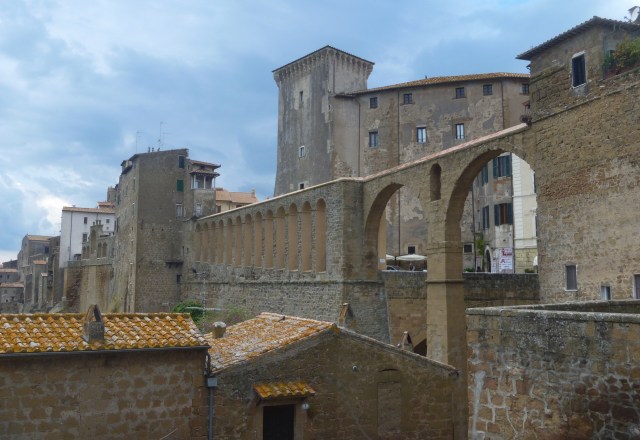
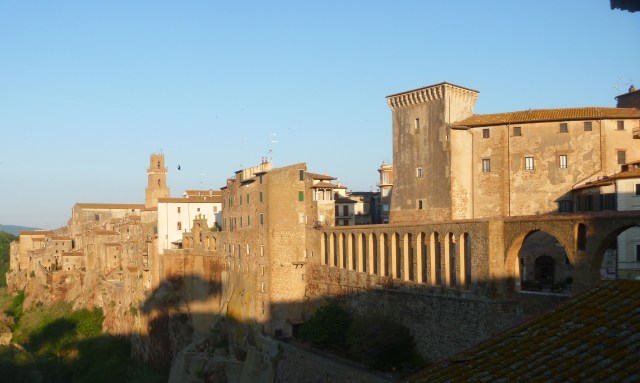
The Aqueduct “Built in 1545 by Sangallo for the Orsinis”

Romanesque wall panel

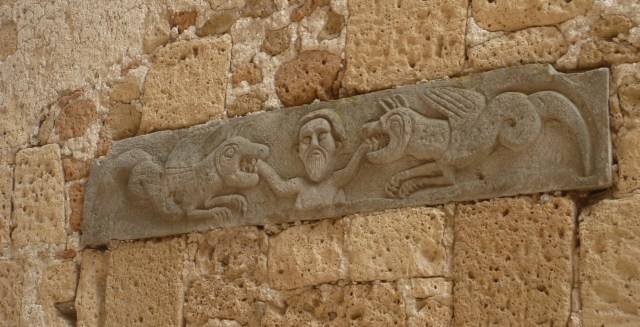
The Romanesque wall panel depicting Christianity defeating evil on the wall of the church of San Rocco, Pitigliano

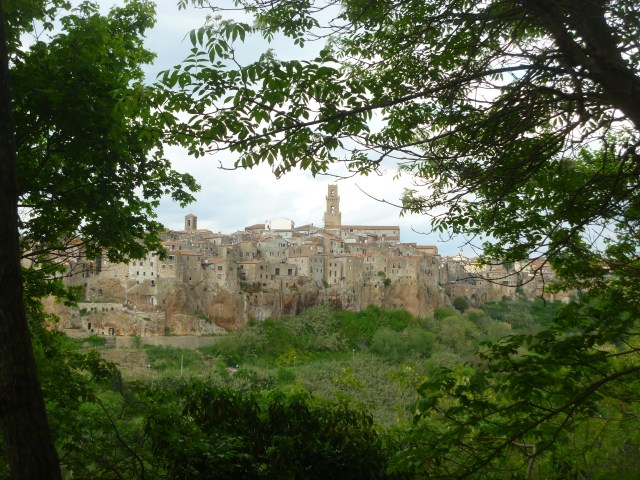
Pitigliano from viewpoint

View of Pitigliano from the Church of Madonna delle Grazie

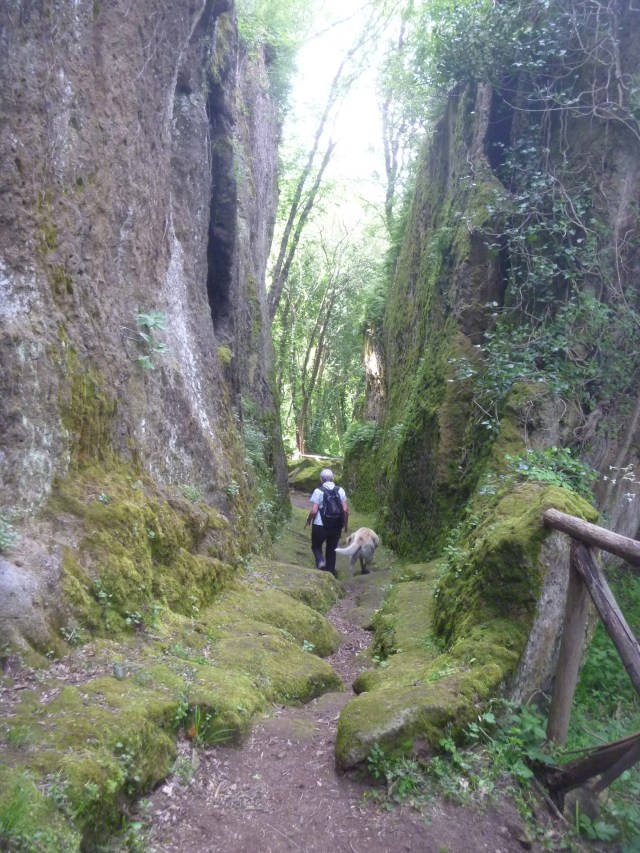
Typical Via Cava

Returning to Pitigliano via a Via Cava

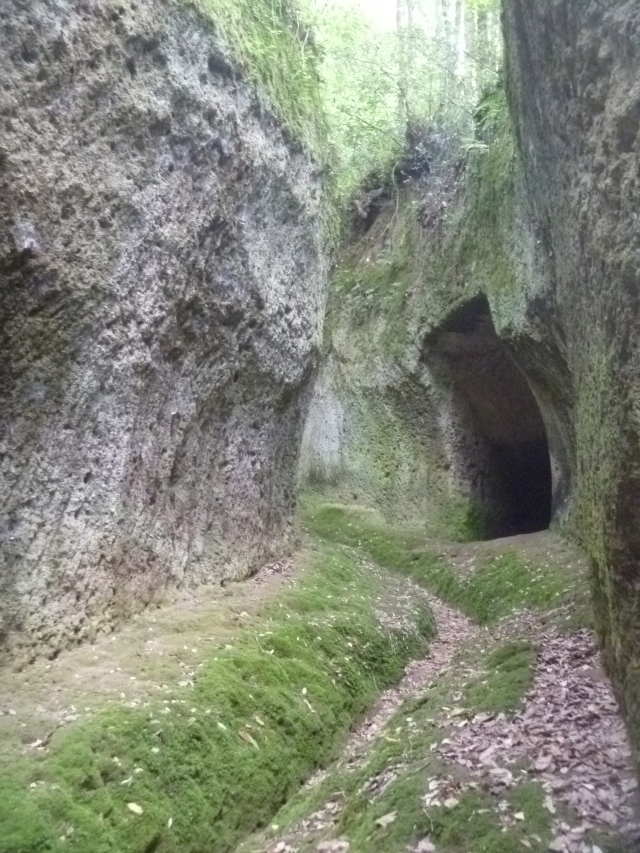
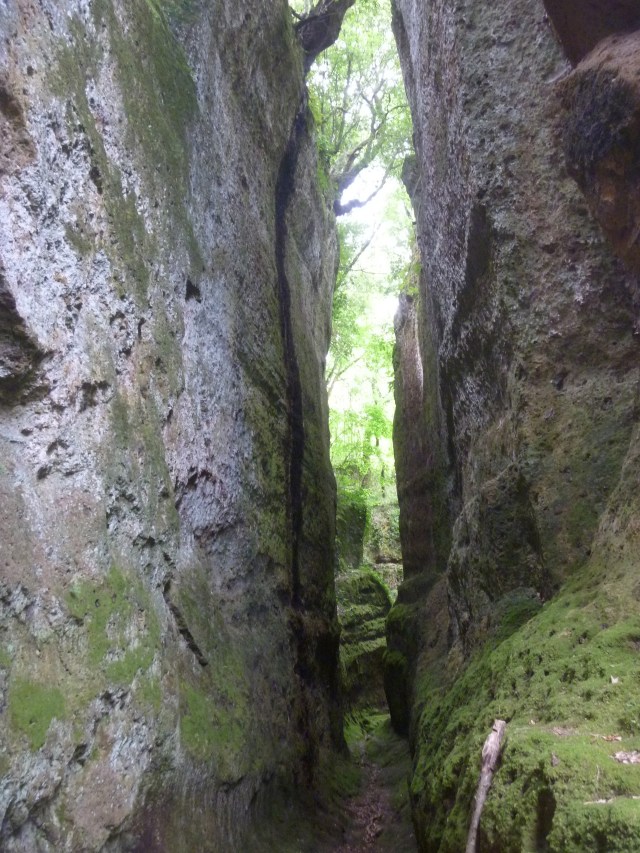
Vie Cave : Our first Etruscan Via Cava – “cut by hand from volcanic tufa rock between 2,000 and 3,000 years ago. They were the main routes to crag-top towns such as Pitigliano and used for millennia by travellers and local farmers with their flocks and herds. Their scale carefully planned gradients, drainage channels, walk-ways and steps for animals make the Via Cava one of the major engineering achievements of the era. Some are still in regular use today, although tree roots during the past 2,000 years has caused rock falls and blocked others.”

We walked along many Vie Cave on the first few days of the trip. The friendly dog accompanied us from town to the viewpoint and we wondered how we would shake him off but when we arrived back in town he joined up with a small group of walkers heading out on the same route we had just taken.

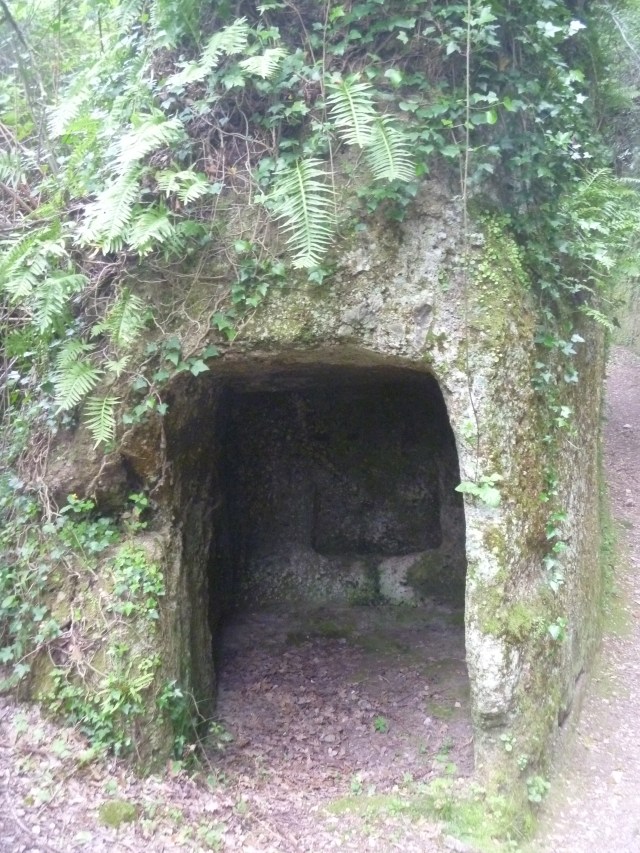
Typical Etruscan Tomb

A typical Etruscan Tomb

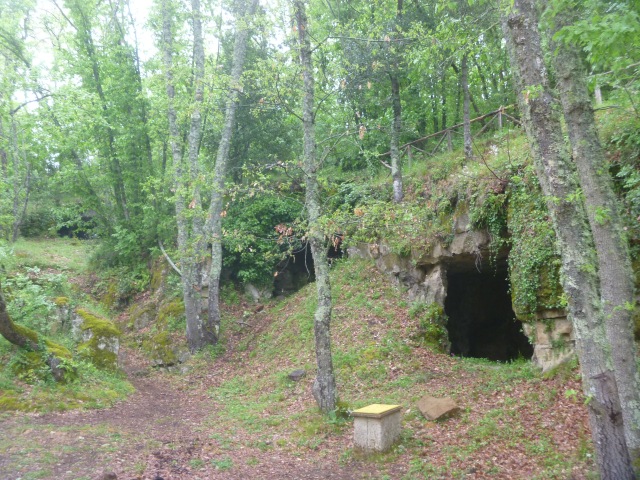
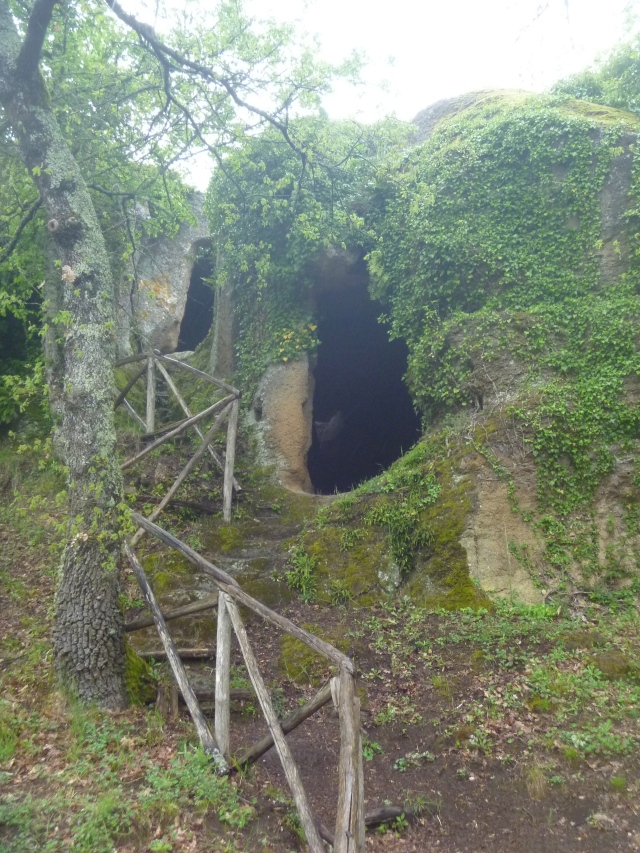
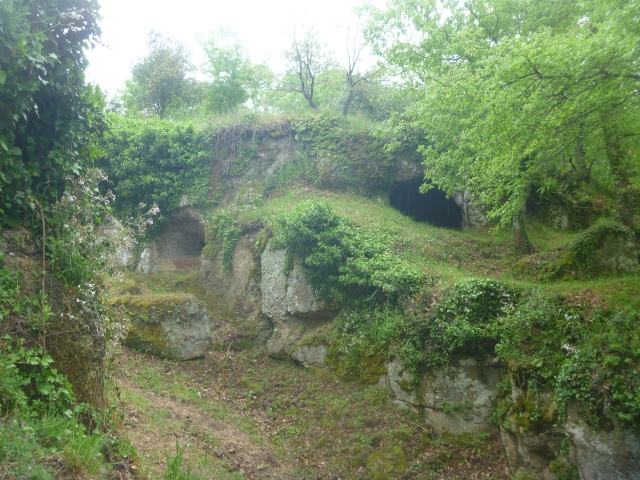
Another feature of the walk that occurred again and again was the Etruscan tomb. On this first day we passed through a ‘honeycomb’ of tombs on our path out of, and back into, Pitigliano. Many are now used for wine storage and for farm implements.

Before we began our trek to Orvieto the next day we met our Route Manager – always a highlight of ATG holidays – Annalisa! She helped to make our trip as successful as it was. Thank you so much, Annalisa!

With Annalisa

Meeting Annalisa at the Hotel Guastini in Pitigliano before we started our journey

Art Deco and Art Nouveau in Lille and Antwerp : Day Four

Day 4 : Morning visit on foot to the superb collection at Lille’s Musee des Beaux Arts, the second largest collection in France after the Louvre. Time allowed for lunch before transferring to the station for return by Eurostar to St Pancras.

Yes, the  visit to the Musée des Beaux Arts was wonderful but as no photography was allowed I have very little pictorial evidence from the visit.

Instead, I’ll post my final report from Lille about a young hero of the First World War and a yummy cake, waffles and chocolates shop – the Lille equivalent of Yorkshire’s Bettys.

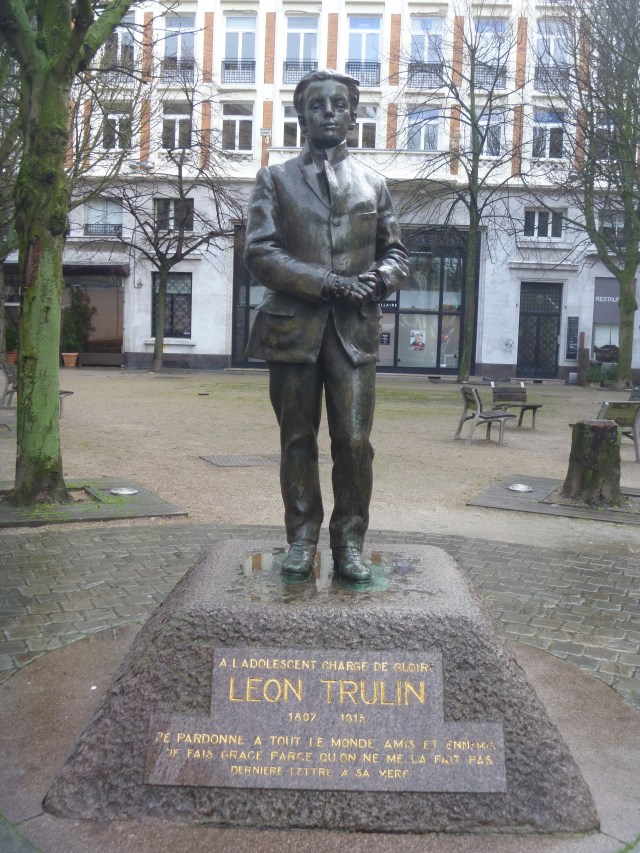
Leon Trulin

Leon Trulin Statue

Each day as we left our hotel and each evening as we returned to it we passed the life-size statue of a young man with the collar of his jacket turned up. This is Lille’s memorial to the ‘glorious teenager’ whose name can be seen on the street sign nearby: Léon Trulin. Our tour manager Karen told us the gist of the story and when I got home I looked it up again on this website.

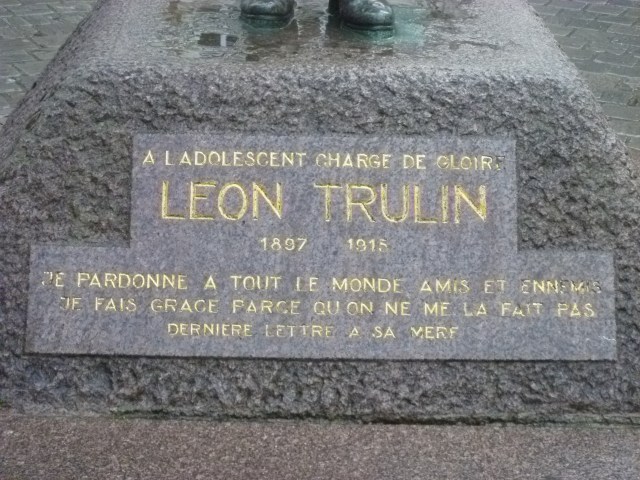
LT wording

Born in Ath in Belgium in 1897, Léon Trulin came to Lille with his family after the death of his father and went to work in a factory to help his mother bring up his brothers and sisters. And then war broke out.

In June 1915, with Lille and much of Belgium occupied by the Germans, Léon Trulin went to England to join the Belgian Army in exile only to be turned away because of his diminutive stature; however the British Army proposed that he collect information in the occupied zone.

He set up an organization which he called ‘Noel Lurtin’, an anagram of his name, to which he recruited his teenage friends, some of whom were still children.: 15 and 16 or 18, like their leader Leon. Together they sent reports, photos and plans back to Britain.

They were arrested near Antwerp and sent to Lille. Trulin, and two others were sentenced to death on 5 November 1915. His two colleagues saw their sentences reduced however Trulin was executed in the ditch before the Citadel three days later.

Léon Trulin occupies a prominent position in Lille’s memorial to the men of the Resistance. The monument stands on the very spot where he was executed in the defensive ditch of the Citadel. His grave in Lille East Cemetery is marked by a statue of him awaiting execution, his back to the wall. The monument to the Lille Resistance in Daubenton Square shows him lying on the ground next to members of the Jacquet Network.

The above statue was erected in his honour in 1934 on avenue du Peuple Belge before being moved to its current location on the street which now bears his name. The plinth of the statue bears an inscription taken from his final letter to his mother, ‘I forgive everyone, friend and foe. I show them mercy because of the mercy they have not shown me’.” Adapted from the website.

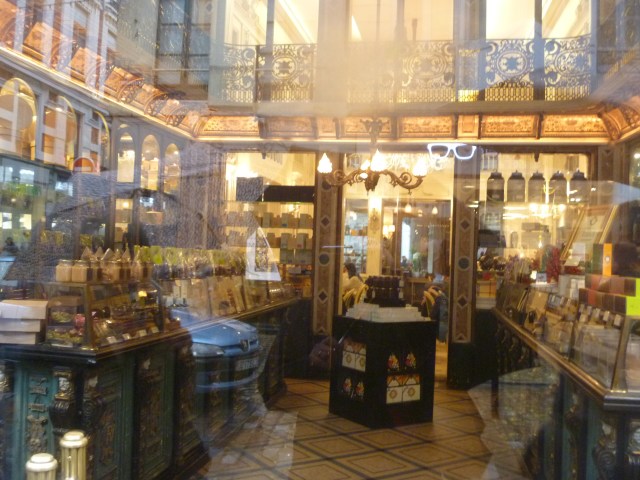
I bought some chocolates, as gifts, in Antwerp – Belgium being the place to buy. However, after the visit to the Beaux Arts Museum on Sunday morning and on our way to another museum (which turned out to be closed for two hours for lunch) we made a detour to visit and go inside and even buy from Maison Méert. All other shops in Lille were closed on Sundays.

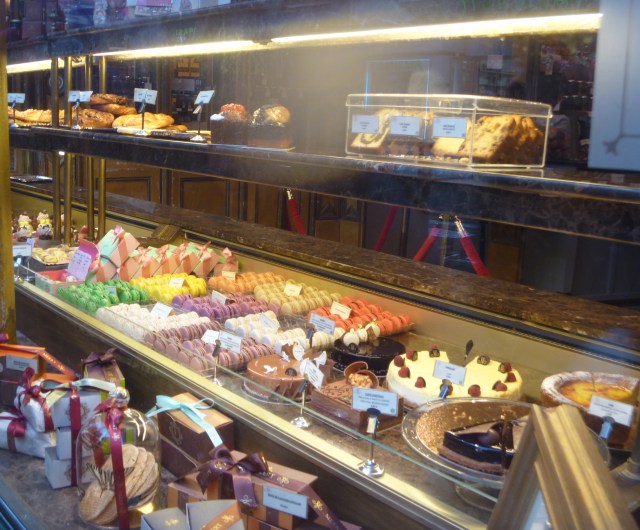
Meert 1

Through the shop window

A past fan of Méert was General de Gaulle himself – a native of Lille. The speciality, I read later, is the Méert Waffle made with fine butter and Madagascar vanilla. “A masterpiece of of culinary refinement that has been the bedrock of Méert’s reputation since 1761.” So, Something to go on the shopping list for next time. The shop décor dates back to 1839 and “abounds with mirrors edged with Pompeian motifs, moldings and ornately carved balconies.” Being on a narrow busy road it wasn’t possible to take a picture of the exterior. There’s a charming looking teashop at the back with a restaurant, verandah and terrace beyond that. Another trip to Lille and Antwerp must definitely go on the cards.

Meert 2

Museum Plantin-Moretus : a UNESCO World Heritage Museum in Antwerp

In the early afternoon after our walking tour in outer Antwerp our coach dropped us off at the car park by the River Scheldt from where we made our way to the Grote Markt and the Cathedral.

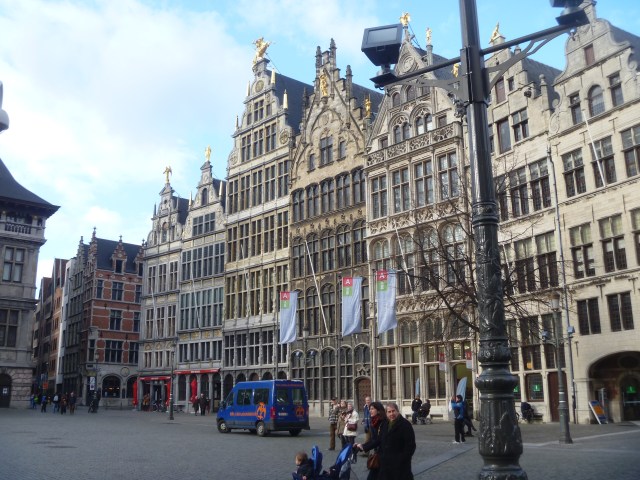
Grote Markt

The Grote Markt, Antwerp

Cathedral

Onze-Lieve-Vrouwe Kathedraal, Antwerp

From here we dispersed to find lunch. The plan then was to reassemble at the Cathedral in about an hour in order to tour the Rubens paintings which hang there, currently. However, with no persuasion from me, my friend and I decided we would rather visit the Plantin-Moretus Museum and arranged to meet the group back at the coach at 5pm.

Chocolate Box

Wrapping my purchases at The Chocolate Box

So, after a tasty pub lunch and making some chocolate purchases, we soon found the museum and were very happy with our choice. This is the only museum listed on the UNESCO World Heritage List.

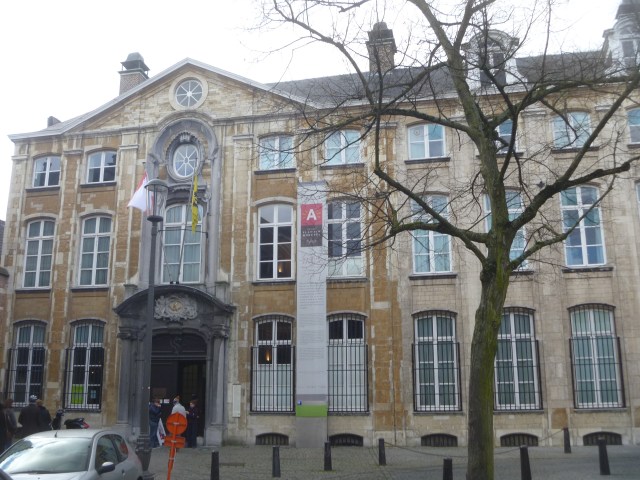
Plantin Moretus

The Plantin-Moretus Museum, Antwerp

Inner courtyard

The Elegant Interior Garden

This is one of the most interesting museums in Antwerp. It is housed in the mansion of Christophe Plantin, who set up as a printer in 1555, one of the first industrial printers in history. In the workshop, the equipment, which includes one of the oldest surviving printing presses, has been left as it was when operations ceased in the early 19th century. There is much else to see here besides, including the family home, a sumptuous patrician home with an elegant interior garden, tapestries, vellum Bible, woodcuts, copper plates, and works by Rubens. The museum’s archives, more than 100 years old, have been placed on UNESCO’s World Heritage List.” [Source : My LV City Guide to Amsterdam, Antwerp, Brussels, Zurich, 2012]

Bookshop

The Original Bookshop : books sold here from 1700

The Proofreader

The Proofreader

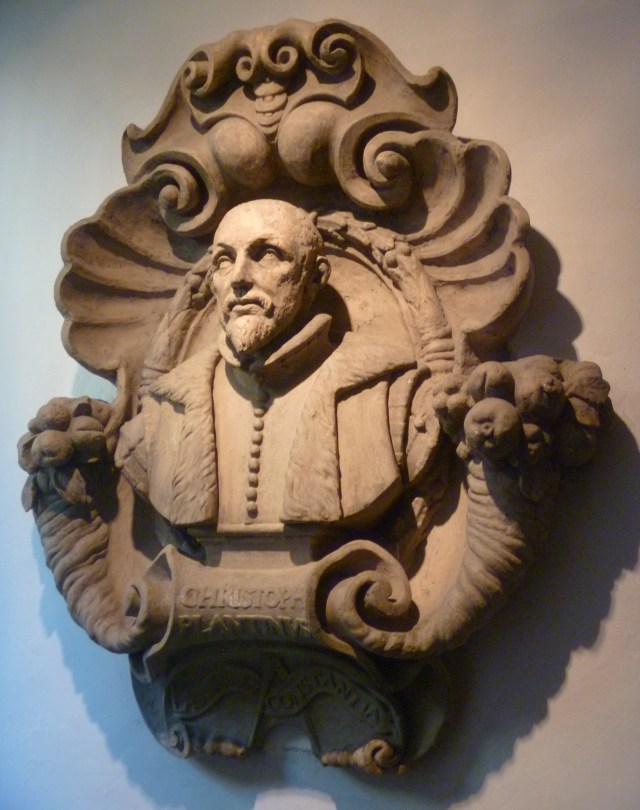
Christoph Plantin

Christoph Plantin

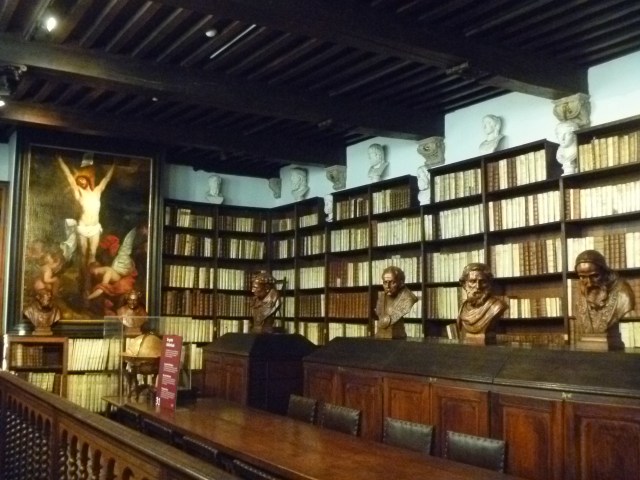
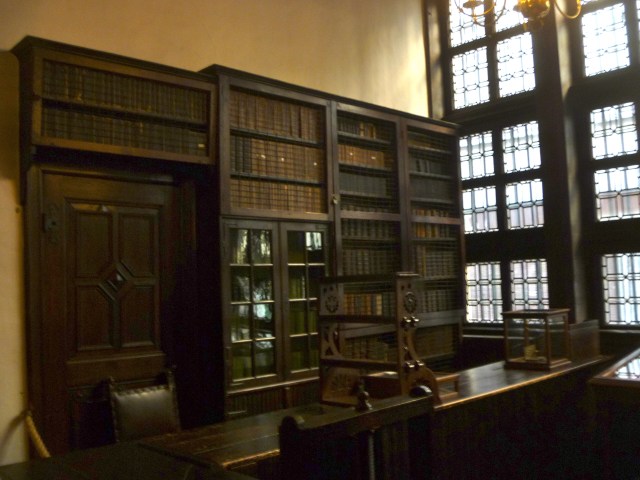
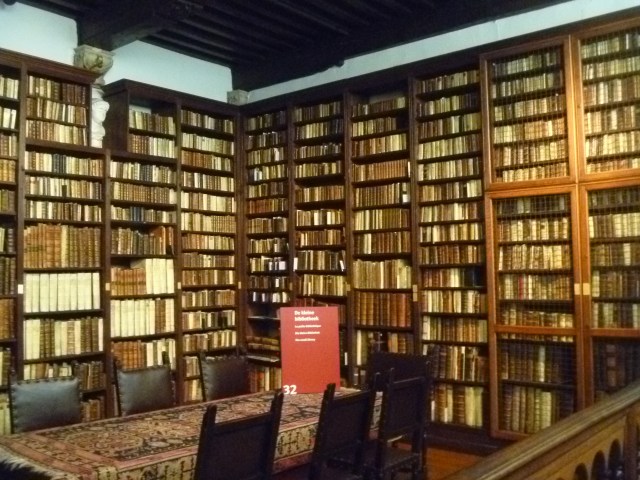
In The Great Library

In the Great Library

Great Library

In the Great Library/Chapel

The Moretuses’ own private book collection (1640) is an example of a humanist library. The volumes are shelved by size. By 1655 the Library was used as a Chapel.