A Founder of British Geology and The Terrible Knitters of Dent

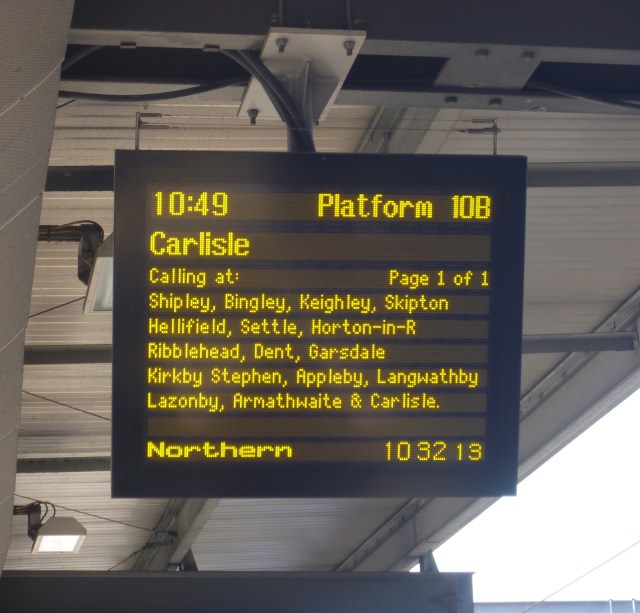
Leeds Station sign

“Sat 22 Mar – Dentdale Explorer – 7mi Moderate

Dent Station – Cowgill – Dales Way – Whernside Manor – Deepdale – Coventree – Dent Village. Alight (12.12) and return Dent. Connects with 10.49 train from Leeds. (JD/DW) Please ring to book your place on the return minibus from Dent Village to Dent Station. [About 5 miles]”
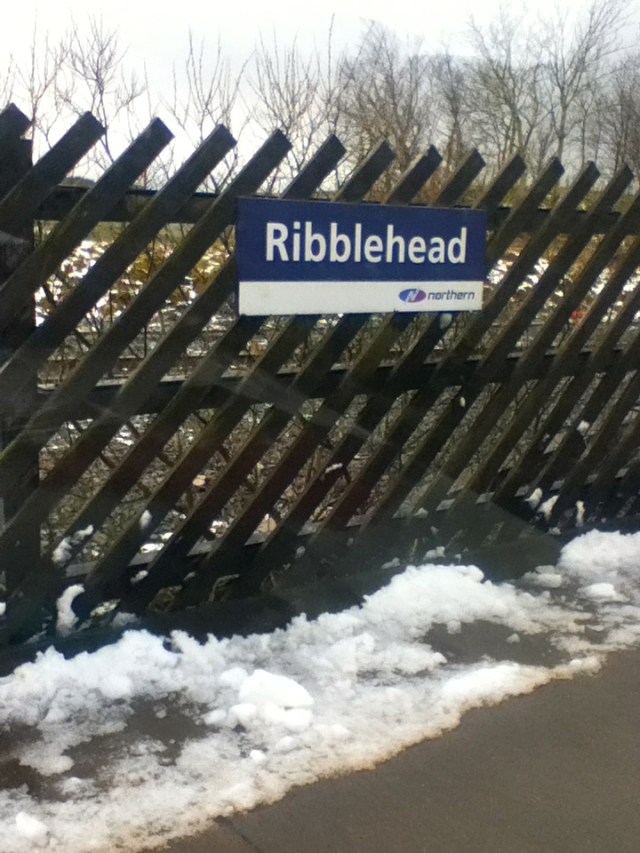
Ribblehead Station

That was the description of the guided walk organised by the Friends of the Settle-Carlisle Line on Saturday. Leaving Leeds in bright sunshine and with a cloudless blue sky we arrived at Dent Station to a rain shower closely followed by a hail storm which turned into blinding snow. By the time we (five of us) reached Cowgill and the Dee valley bottom all weathers had cleared temporarily but we were beset by rain showers (some heavy) and cold winds for most of the walk.
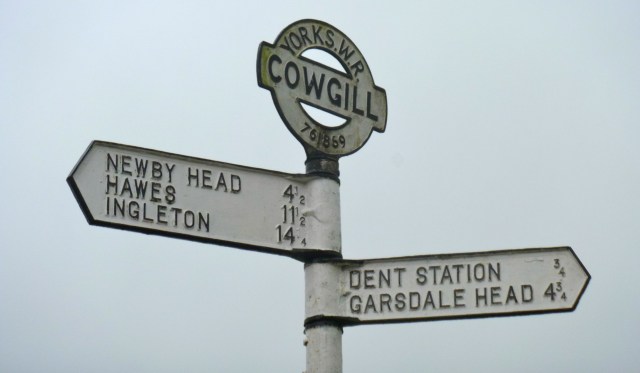
Cowgill signpost

Signpost at Cowgill – formerly in the West Riding of Yorkshire and complete with OS Grid Reference

Much of our route followed the Dales Way long distance path that crosses the country from Ilkley in West Yorkshire to Bowness on the shores of Lake Windermere. I’m familiar with and have walked most of  it between Ilkley and Yockenthwaite so it was interesting to fill in a section with which I was not familiar. As we left Cowgill we were able to pick out across the river the 150 year old church of St John, Cowgill. My Dales Way Companion by Paul Hannon tells me that “Outside are the unmarked graves  of smallpox victims from railway construction days.”

Cowgill Church

Cowgill Church

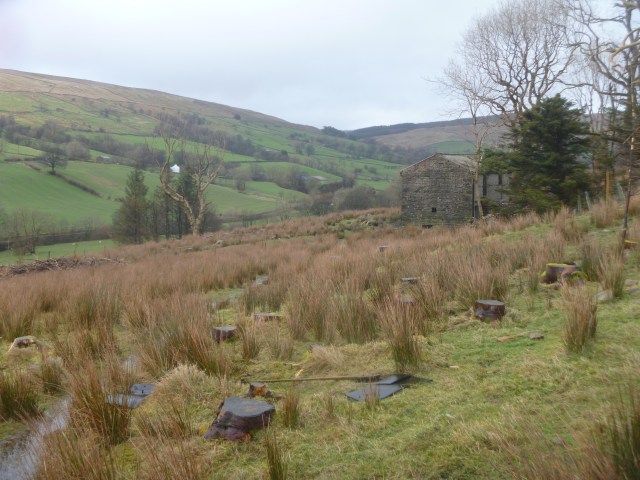
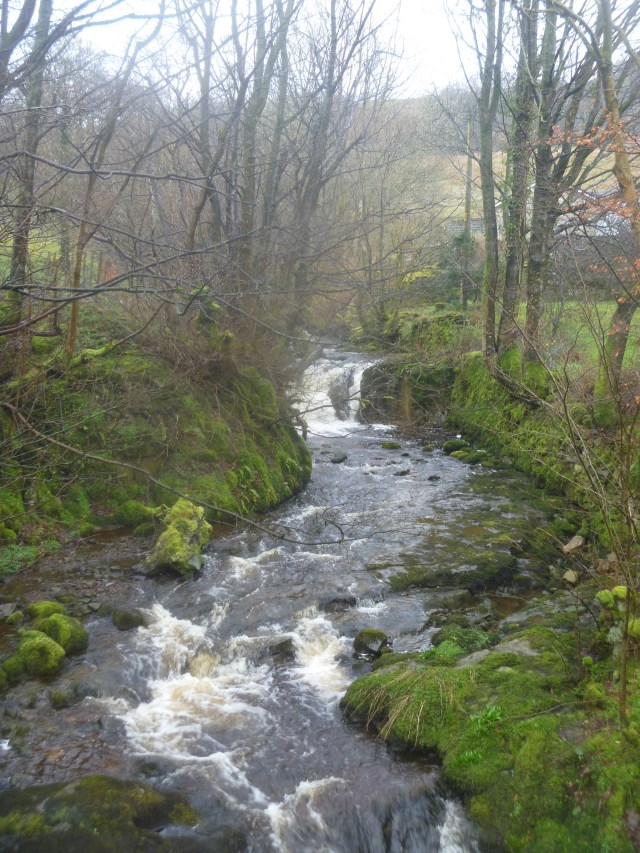
With variations in the weather tracks took us across fields, through former pinewoods, along quiet country lanes past waterfalls at full spate, ancient farm buildings and a deserted chapel.
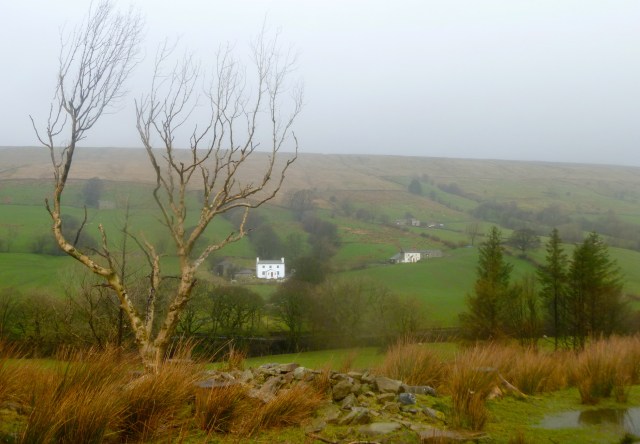
View from lunch spot

View from our lunch spot

Former pine woods now cleared

Former Pine Woods now cleared

Waterfalls

Chapel

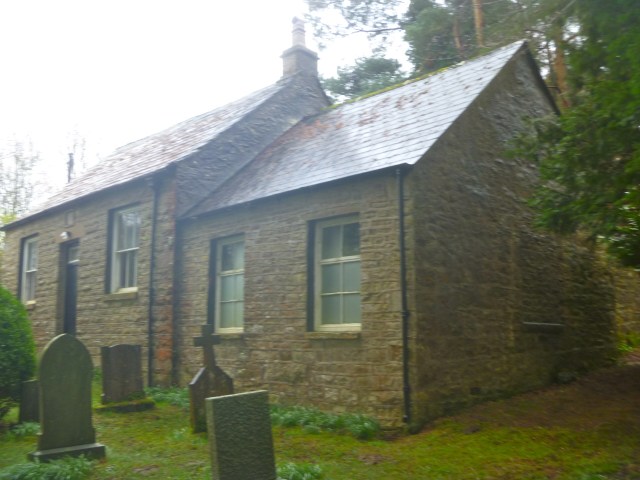
The deserted chapel near Whernside Manor
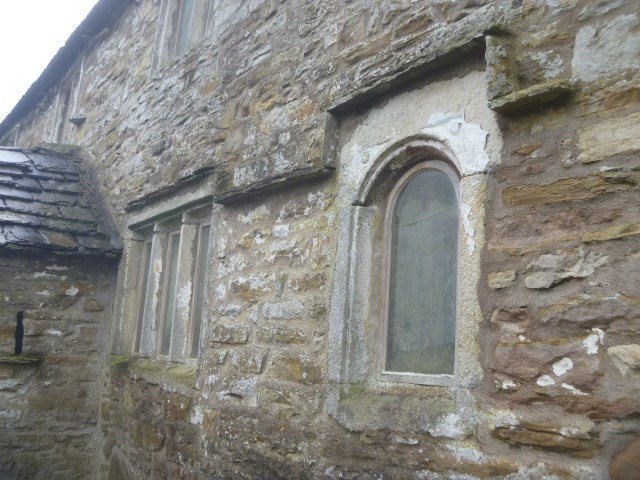
Ancient building

Ancient Farm Building

Arriving Dent

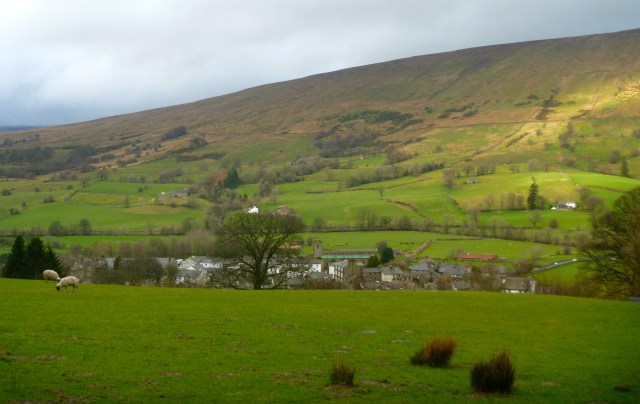
First View of Dent

Finally and quite suddenly we arrived at the quiet backwater village of Dent. At some point we must have crossed the border between North Yorkshire and Cumbria for, although within the boundary of The Yorkshire Dales National Park, Dent is in the South Lakeland district of Cumbria. On Saturday afternoon the village was very quiet. The cobbled streets were practically deserted. We had about an hour to explore before catching the bus back up the valley to the rather mis-named Dent station nearly 5 miles away.
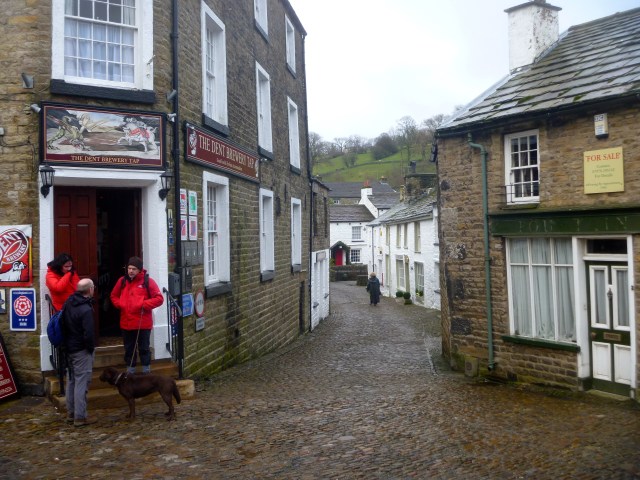
Dent Village

The Main Streets in Dent

Our leader Duncan first explained some of the history of Dent. One notable son was Adam Sedgwick one of the founders of British Geology. Sedgwick was born in Dent in 1785 the son of the local vicar.
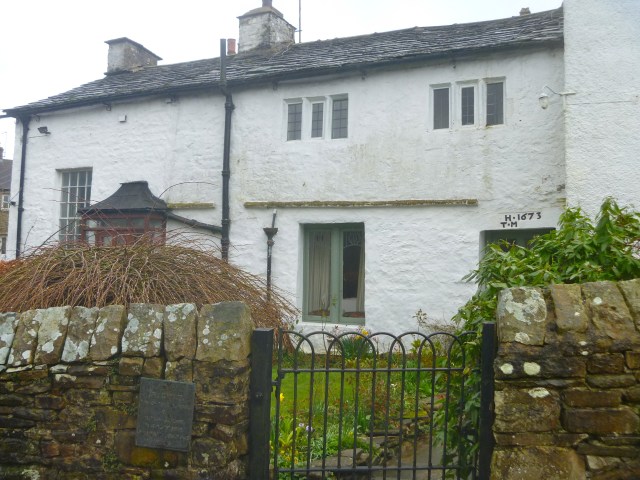
Sedgwick Birthplace

The Old Vicarage – Adam Sedgwick’s Birthplace
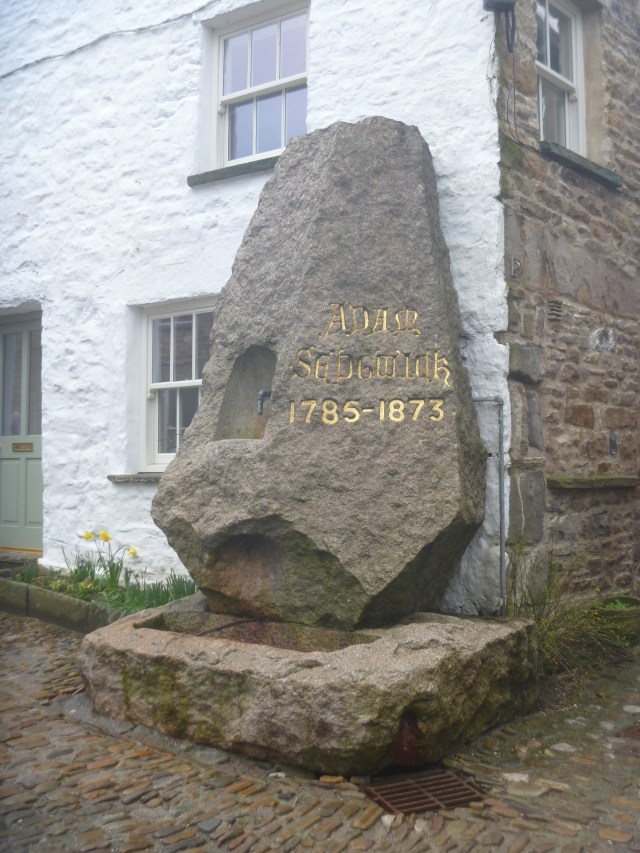
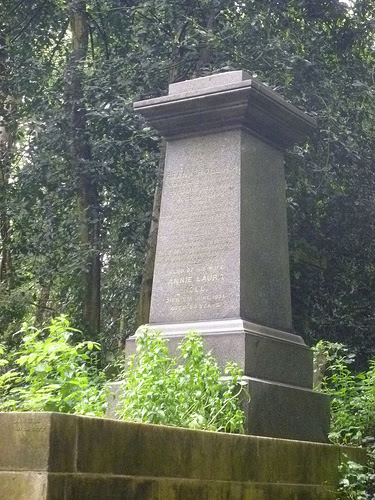
Memorial stone

Granite Memorial to Adam Sedgwick in Dent Main Street

He was educated at nearby Sedbergh School and went up to Cambridge University where he became a Fellow in 1810 and by 1818 he was Woodwardian Professor of Geology. Read more about Sedgwick and his geological studies here. The Cambridge University Earth Sciences Museum is called The Sedgwick Museum.

We then learnt about the Terrible Knitters of Dent and the unusual knitting method they employed. The last of the knitters, Elizabeth Hartley and Elizabeth Middleton died in 2007 aged 93 and 91 years respectively.
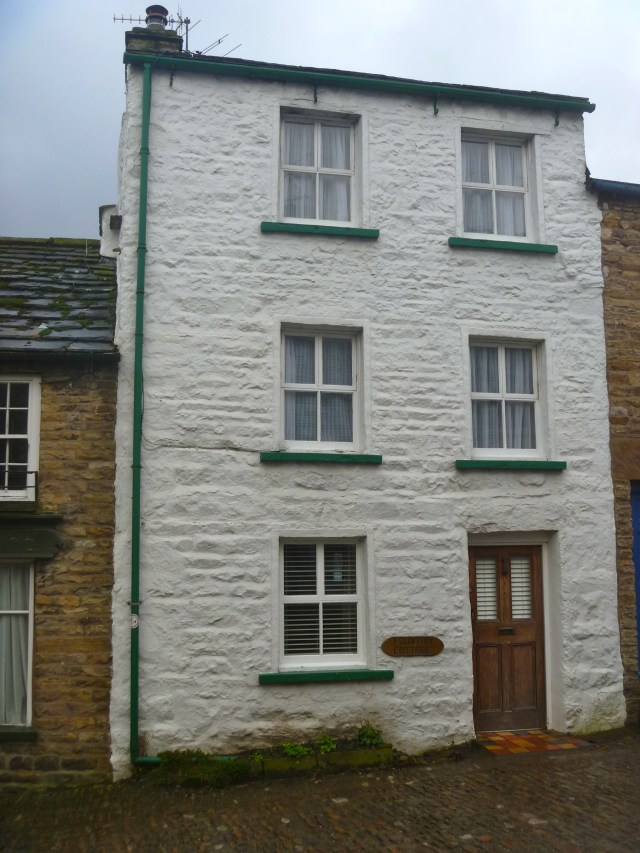
3 storey house

Typical 3-storey house in Dent

There are two pubs and two tea shops in Dent but before heading for one of the cosy tea shops we had a look round the church.

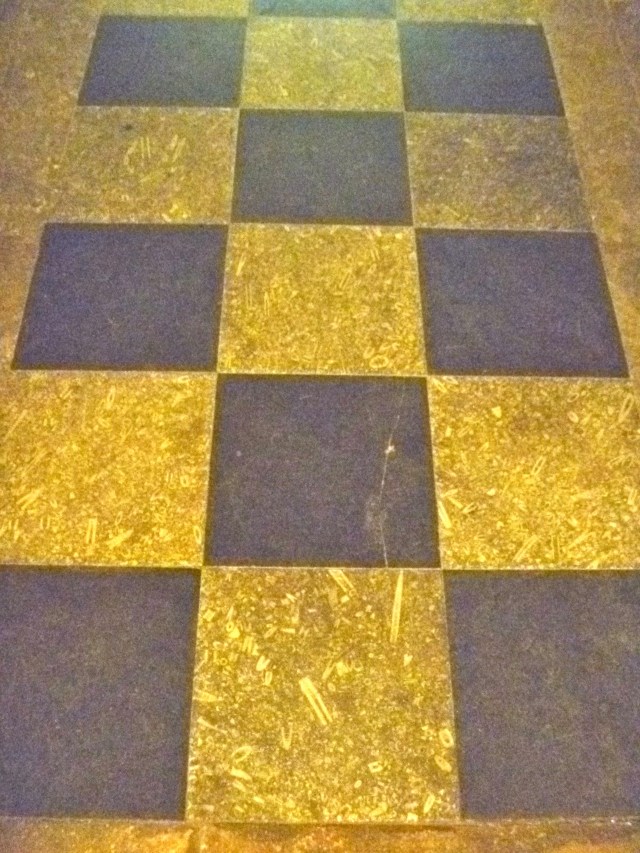
The church of St. Andrew is a Norman foundation, though largely rebuilt in 1417 and restored in 1590. The top storey of the 1614 three-decker Jacobean pulpit is still in use. The chancel is paved with fossil-rich marble, quarried in Dentdale. The box pews were removed in 1889, much of the wood being used to panel the walls of village cottages. On the south side of the aisle are the famous pews of the 24 sidesmen. Originally yeomen farmers, today landowners of Dent, they have shared with the Bishop (now of Bradford) the patronage of the living since 1429.” [Source]
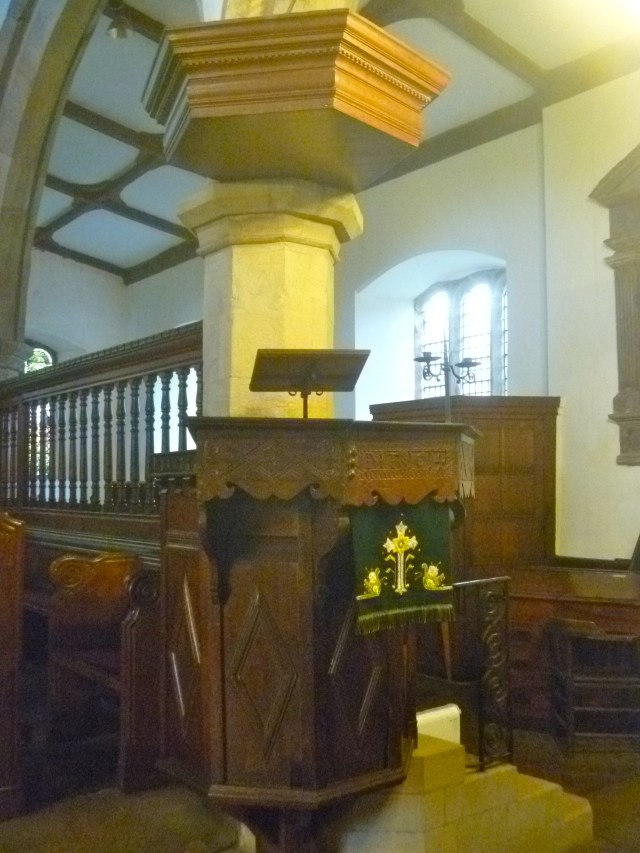
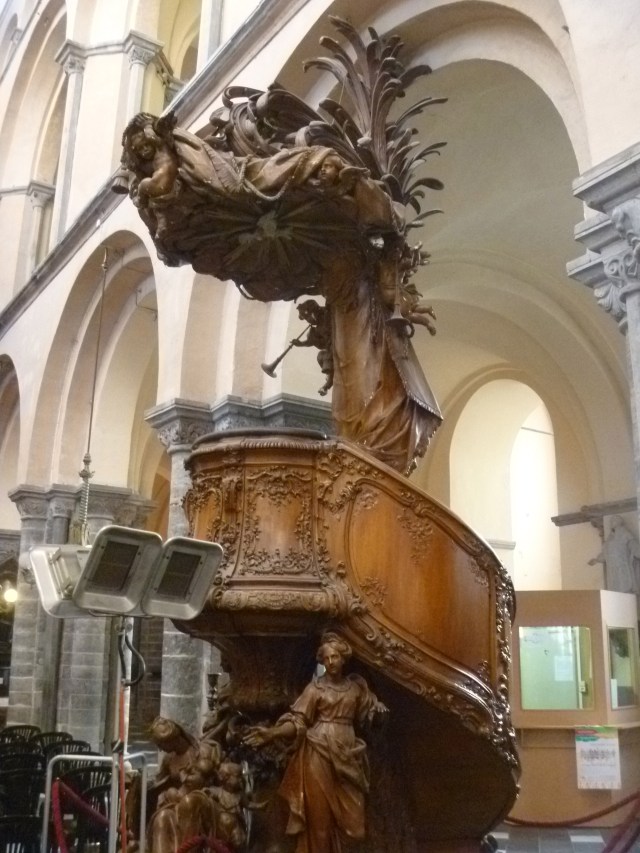
Pulpit

The Remainder of the Jacobean Pulpit

Marble Floor

Fossil-Rich Marble floor

The Western Dales Bus left Dent promptly at 17.05 and brought us back along the valley to Dent Station comfortably in time to catch the 17.32 train back to Leeds where I noted it had also been raining.
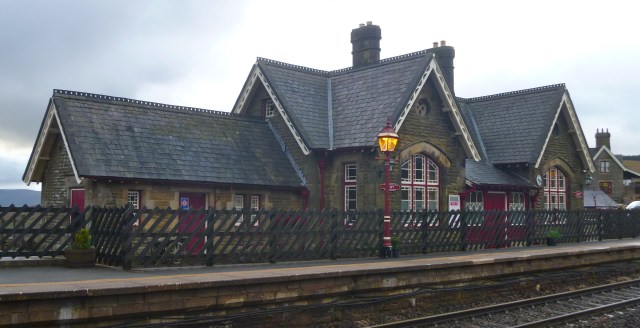
Self Catering at Dent Station

You can stay at Dent Railway Station!
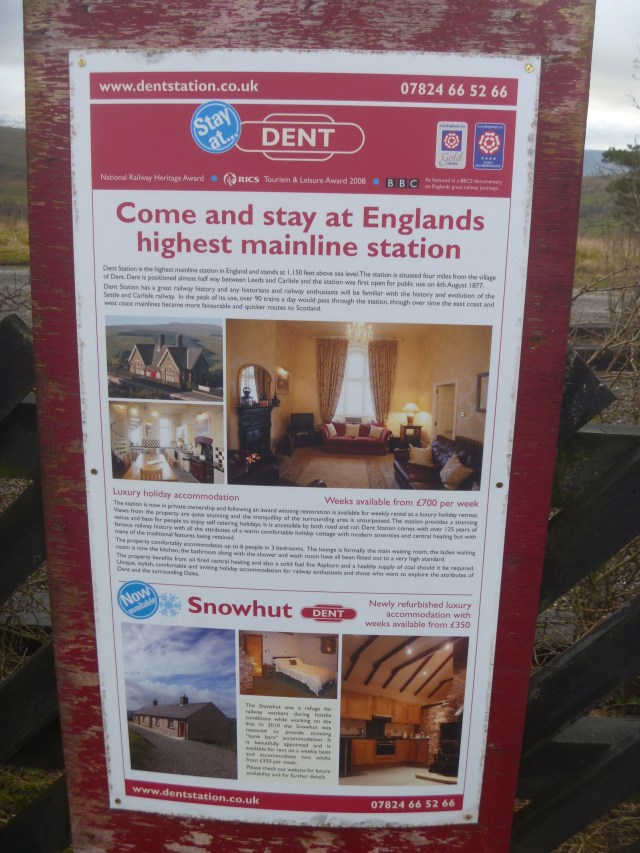
Come and Stay

Two Art Talks

Last week I went to two art talks and very interesting they were too. One was an evening reception at The Mercer Gallery in Harrogate organised by the Art Fund. The other was ‘Tea with the Curator’ at Temple Newsam House near Leeds.

npg_npg_2531_slide

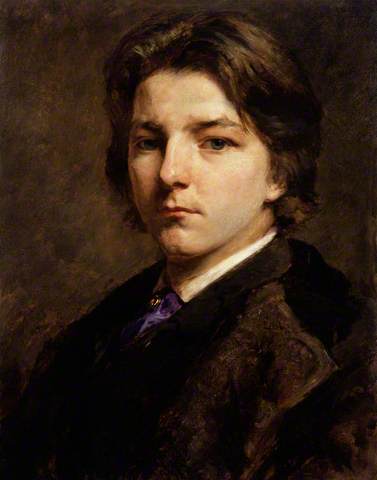
Self-portrait of Frank Holl as a young man [source]

Frank Holl : Emerging from the Shadows [Mercer Gallery, Harrogate 23 November 2013 to 30 March 2014]

‘Frank Holl (1845-1888) is one of the great painters of the Victorian period, notable for his tragic social realism as well as his penetrating portraits. Revered in his lifetime, he died young whilst at the height of his powers. His early death meant that he never fully received the acclaim that his work merited. This exhibition represents the first modern retrospective of this significant artist.’ 

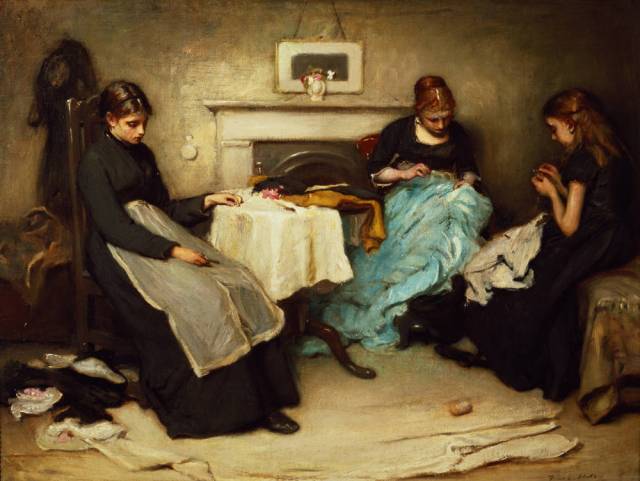
I have been aware of Holl since the mid-1990s when one of my masters papers in Victorian Studies was on the subject of narrative paintings with a theme of poverty and the poor in Victorian England. The Holl picture we looked at was The Seamstresses now owned by The Royal Albert Museum in Exeter. It is on show at the Harrogate exhibition.

4

Seamstresses. Frank Holl. 1875. Oil on canvas. Courtesy of the Royal Albert Memorial Museum, Exeter.

Jane Sellars, curator of the Mercer Gallery, introduced Holl and told us more about his life and travels and spoke about each of the, perhaps 30, paintings. It was interesting to note the themes of Holl’s narrative paintings on loan from prestigious galleries around the country, including The National Portrait Gallery – soldiers off to fight in Afghanistan, sweatshops, guilty bankers – all themes that appear in the news today. So not much has changed there. Jane pointed out the “Rembrandtesque” effect in many of these paintings.

5

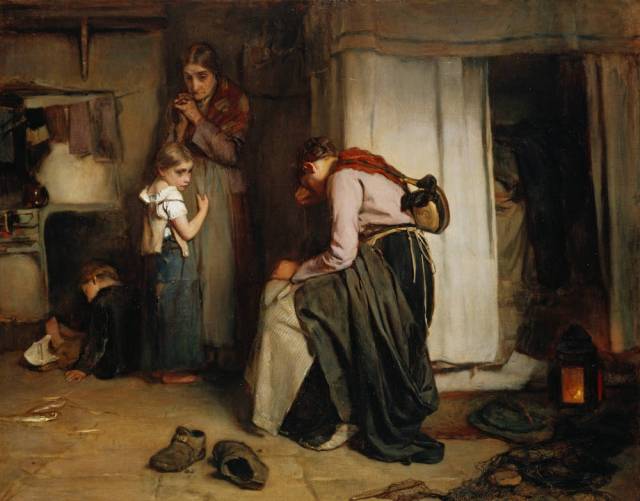
No Tidings from the Sea. Frank Holl. 1870. Oil on canvas. Courtesy of the Royal Collection Trust. [source]

Even Queen Victoria bought one of his pictures No Tidings from the Sea (1870 and  in The Royal Collection). Later Holl gained commissions to paint portraits and his subjects included national figures like William Gladstone and W.S.Gilbert. The BBC ‘Your Paintings’ website shows 68 of his paintings. Jane quoted several times from his eldest daughter’s, Ada Mabel Reynolds,  1912 biography of her father. There is an accompanying book/catalogue to the show. Earlier last year the exhibition was shown at the newly refurbished Watts Gallery in Surrey. In Harrogate the pictures have been hung beautifully for ease of viewing and the lighting is excellent for all except maybe one glazed picture.

Last May on a visit to Highgate Cemetery I noticed his tomb and photographed it.

Frank Holl tomb

The Tomb of Frank Holl in Highgate Cemetery

I’m very pleased that Frank Holl is at last emerging from the shadows.

Rembrandt : etchings from the Collection of Leeds City Art Gallery [Temple Newsam House 19 November 2013 – 20 July 2014]

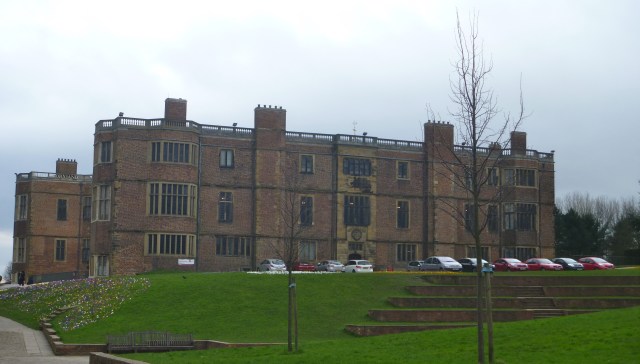
TNH side view

It’s very difficult to get a ‘front on’ view of Temple Newsam. The land drops away significantly from the front of the house and a wider angled camera lens is required to capture it closer up. The photo above is of the side view. Temple Newsam’s history goes back beyond the Domesday Book. Lord Darnley former husband of Mary Queen of Scots was born here in 1545.

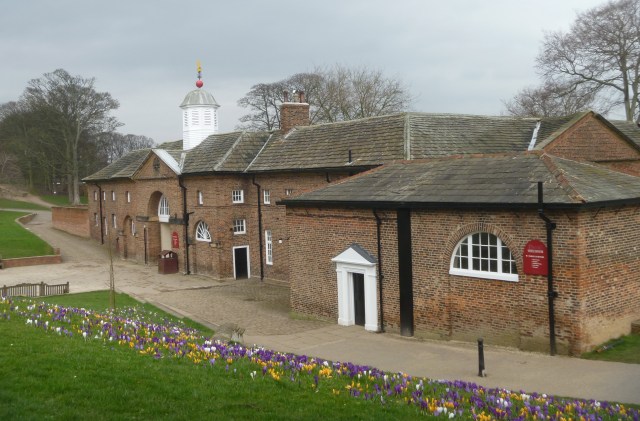
Stable Block

The Stable Courtyard makes a much better view

So, last Thursday afternoon I made my way to Temple Newsam for Tea with the Curator of the Rembrandt Etchings Display.

This season’s Winter/Spring exhibition at Temple Newsam House offers the rare chance to see a selection of prints made by the greatest printmaker the world has ever seen – Rembrandt Harmensz van Rijn (1606 – 1665). The exhibition will run for nine months and will consist of two displays; the first will examine Rembrandt’s portraits and figure studies and the second, will showcase a selection of Rembrandt’s biblical prints.

Rembrandt’s career as a printmaker ran parallel with his painting, but he rarely treated the same subject in both medium and only on a few occasions did he reproduce his paintings in print. Indeed for Rembrandt, print was a distinct art form which he pursued as actively as he did his painting; quickly learning the technical skills involved in etching Rembrandt virtually recreated this technique. His impact and contribution to printmaking is unprecedented and is so significant that it is still reflected in etchings produced today.

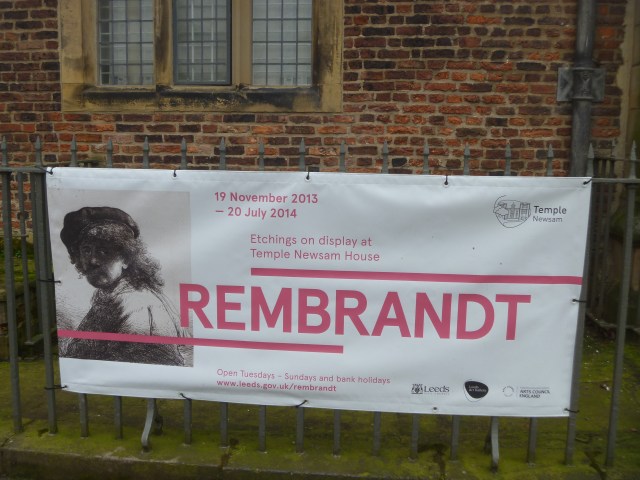
Rembrandt poster
Portraits and People, 19th November 2013 – 30th March 2014
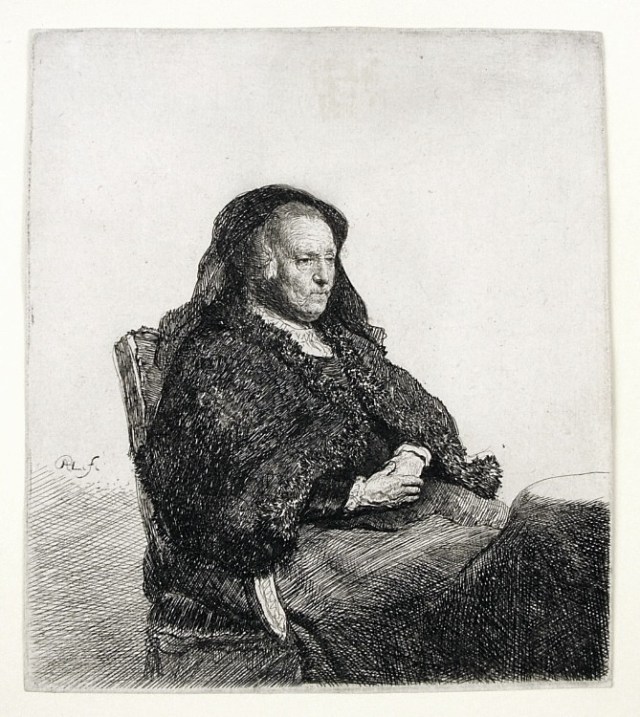
Bringing together Rembrandt’s prints of people the first half to this exhibition will focus on his early experimental prints in which Rembrandt developed both his technique and his interest in showing emotion and thought through detailed observations of facial expressions. Highlights include a selection of Rembrandt’s iconic self-portraits, etchings of his mother and wife Saskia and a group of Rembrandt’s prints of beggars.

rembrandt-mother1

The Artist’s Mother [source]

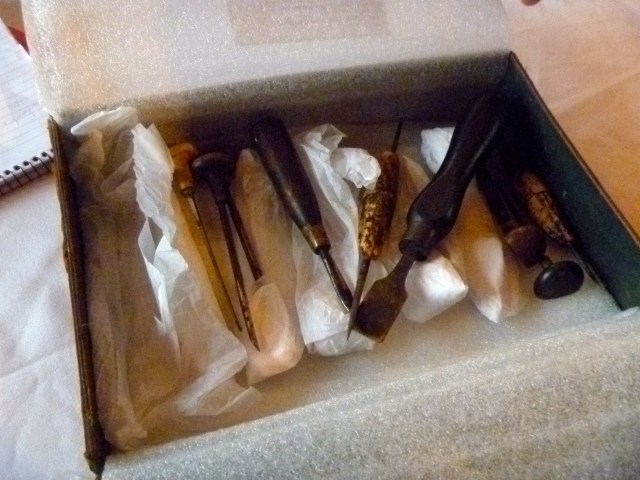
Theodore, the curator, and I and four others assembled in the Dining Room for a friendly discussion and an opportunity to examine etching and engraving tools. The tool box and tools themselves that Theodore brought along had all been the property of Frank Brangwyn. Theodore explained the processes and their differences to us before taking us upstairs to the small but excellent display of Rembrandt etchings.

Frank Brangwyn's tools

Frank Brangwyn’s Etching Tools

The etchings themselves are small and exquisite and beautifully displayed. Magnifying glasses are supplied through which we could study the minute detail of each print.

Tes is served

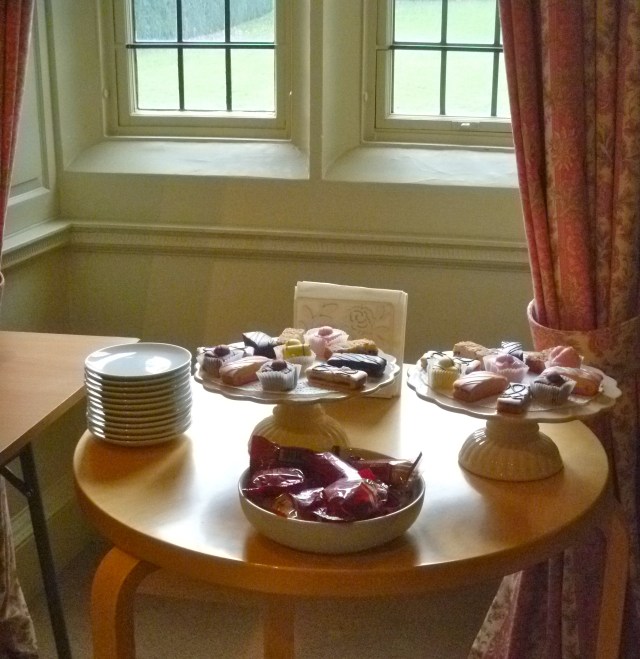
Tea and cake and biscuits are served

On returning to the Dining Room for tea and cakes we had further opportunities to examine at close quarters etchings and tools and a brief slideshow of a 16th  century printmaking shop which reminded me of my visit last month to the Plantin-Moretus Museum in Antwerp.

The current etching display will be replaced next month by a further series from the 70 or so donated to the Art Gallery on the theme of Rembrandt and the Bible.

The History Wardrobe Premiere : Women and The Great War

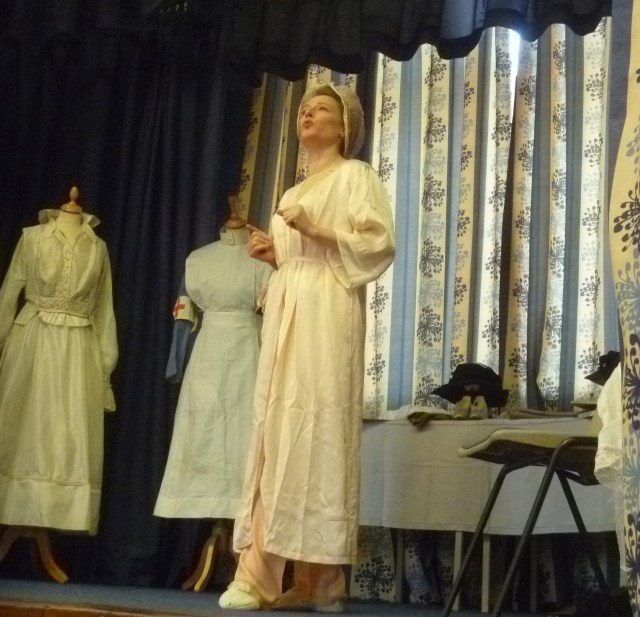
Oh my word! What a fun afternoon I have had. First I met up with two dear friends from the online book group at The Heifer pub in Scorton in North Yorkshire (a village between Northallerton and Richmond). After a tasty lunch and several cups of tea we headed across the village green to The Memorial Hall to attend my third (and their first) the premiere of their new presentation by Lucy and Merry The History Wardrobe company : Women and The Great War.

Women of Britain say Go

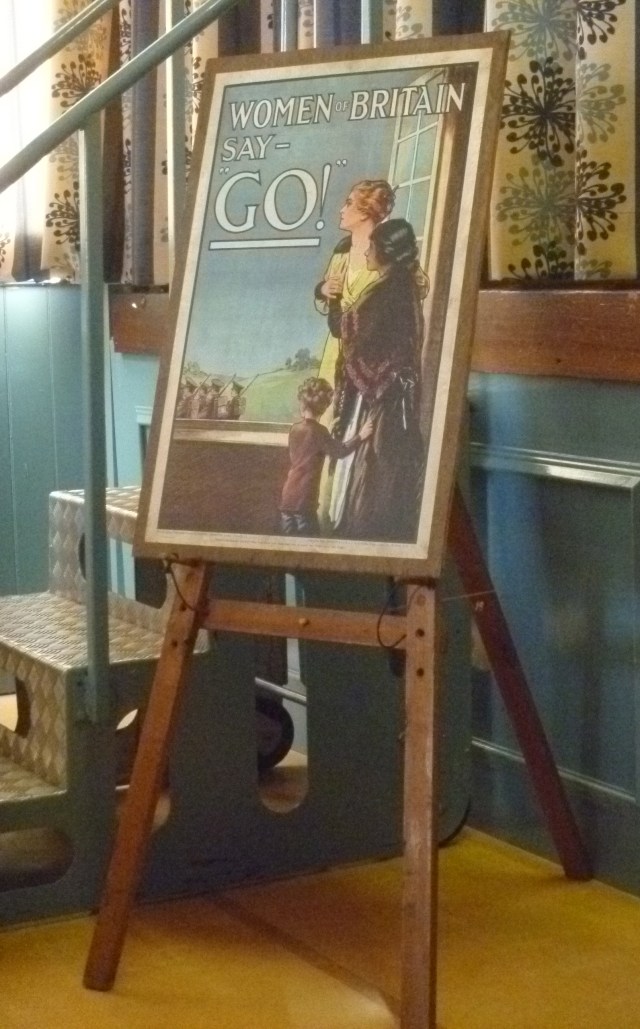
Dawn, from nearby Kiplin Hall, who was responsible for the event, opened the proceedings by telling us about the origins of the Memorial Hall and its connections with the Hall and the Great War. It was originally built and donated as the Men’s Reading Room by the owner of Kiplin Hall in 1892 (what would they have thought of Lucy and Merry in various states of undress this afternoon??) but was bought by the village in 1919 and dedicated to the men of the village who died in the First World War.

Lucy introducing

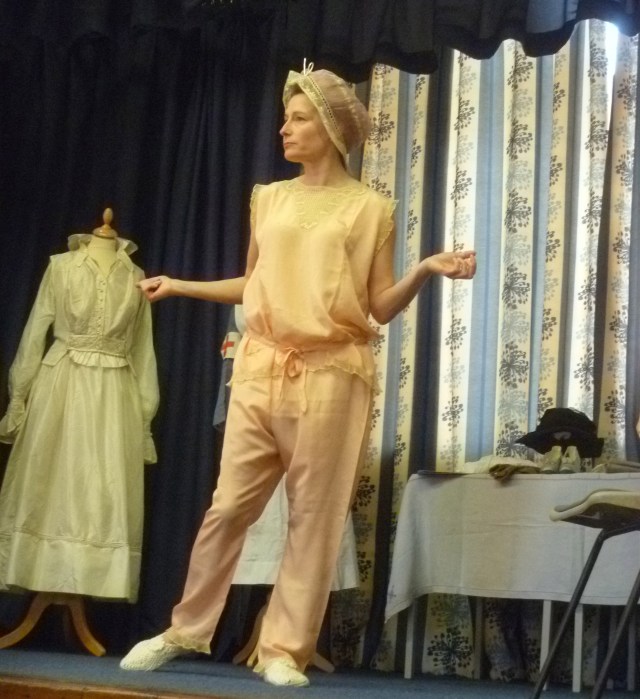
Lucy opens the presentation in her silk dressing gown, pyjamas and, yes, her boudoir cap

Silk pyjamas and boudoir cap

And here she is in the silk and lace pyjamas

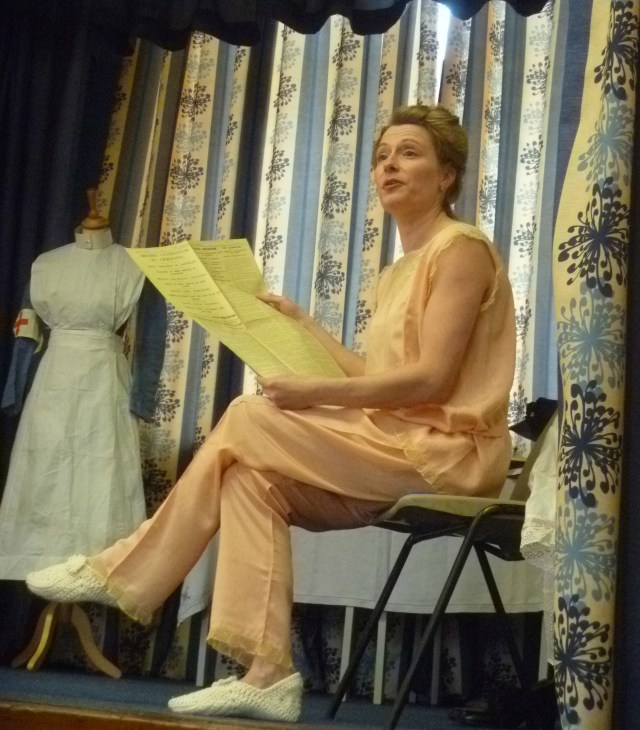
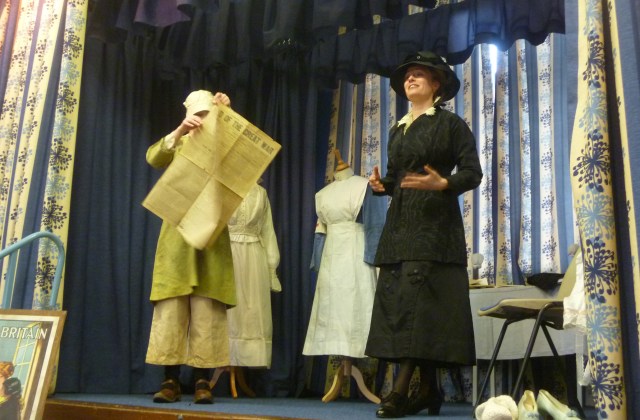
Westminster Gazette 4.8.14

Lucy reading an original issue of The Westminster Gazette of 4 August 1914

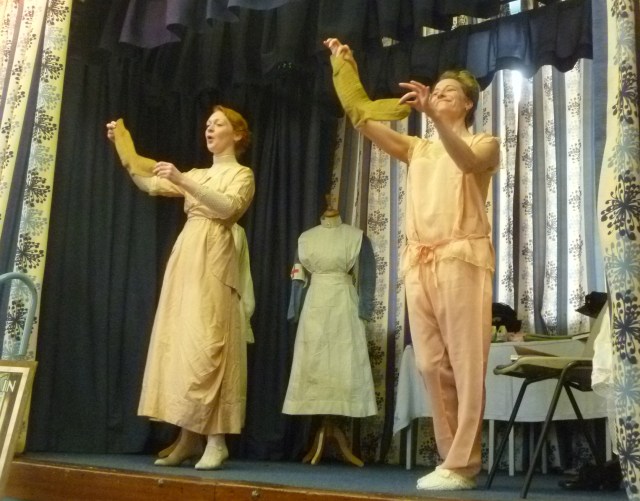
One of the highlights of History Wardrobe shows is having the opportunity to see and later examine closely genuine costumes and accessories from the period. Lucy is very clear about what is reproduction and what is the genuine article. Knitting came very much to the fore during the war years so Merry’s mother set to and knitted socks as would have been made in their thousands and sent to soldiers serving on the front line. Sometimes the knitters added a personal message to the unknown soldier and popped it into one of the socks. They even occasionally received replies.

Knitted socks

Meredith’s mum’s socks

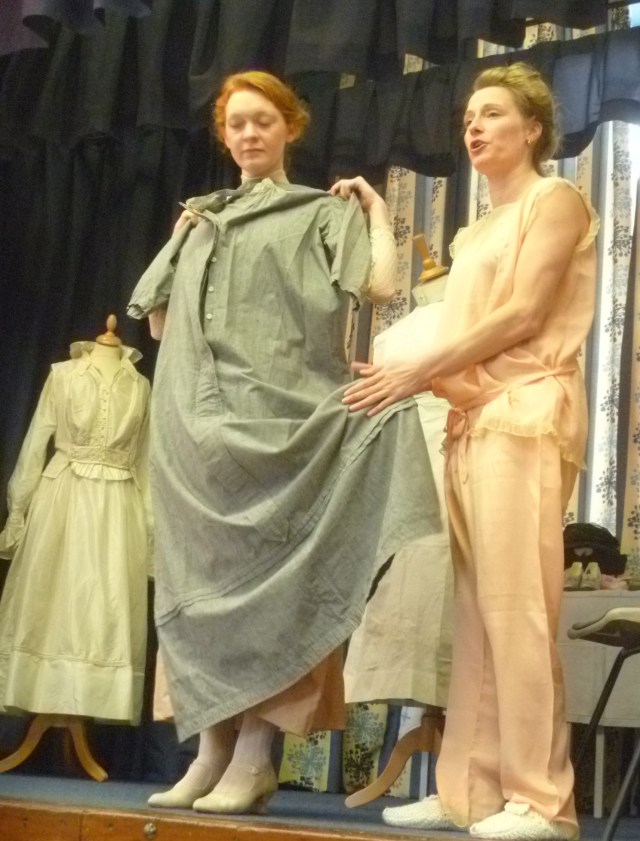
Many middle class women joined the nursing services – the VADs – The Voluntary Aid Detachments. Vera Brittain has famously written about her wartime service and experiences in her book Testament of Youth also dramatised as a successful TV series. Lucy was able to show us a long grey nursing dress purchased from Harrods and a standard uniform with exceptionally starched collar and cuffs.

Nursing dress

The Long Grey Nursing Dress

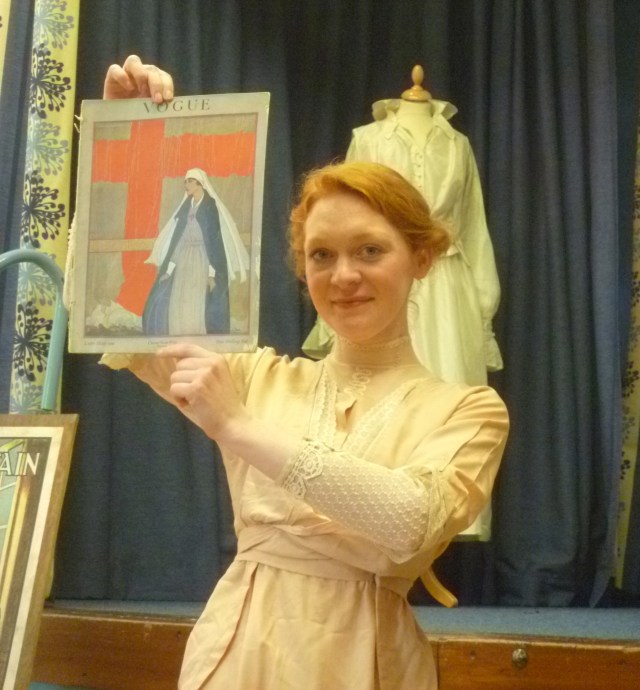
On Vogue cover

And on the cover of Vogue

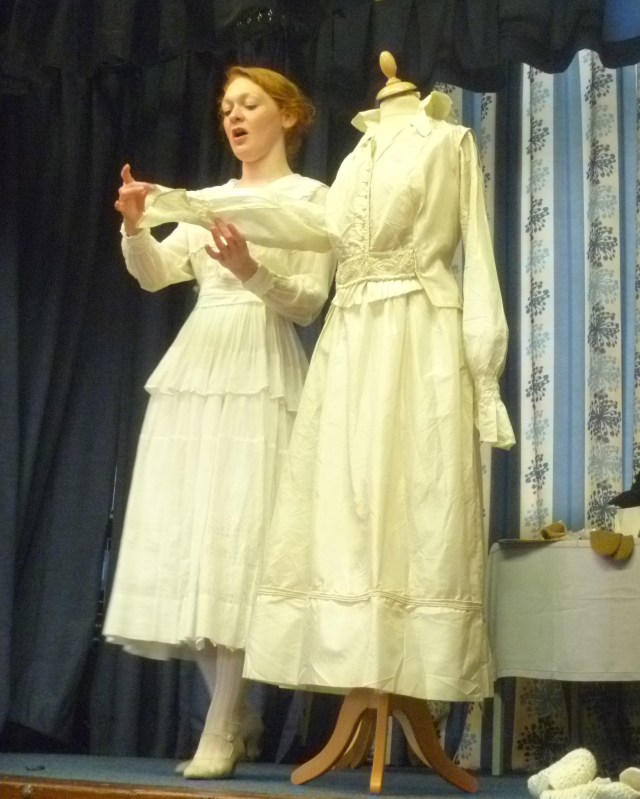
We were shown a silk wedding dress with its high collar, crinoline skirt, masses of petticoats and long sleeves.

Silk wedding dress

The Silk Wedding Dress

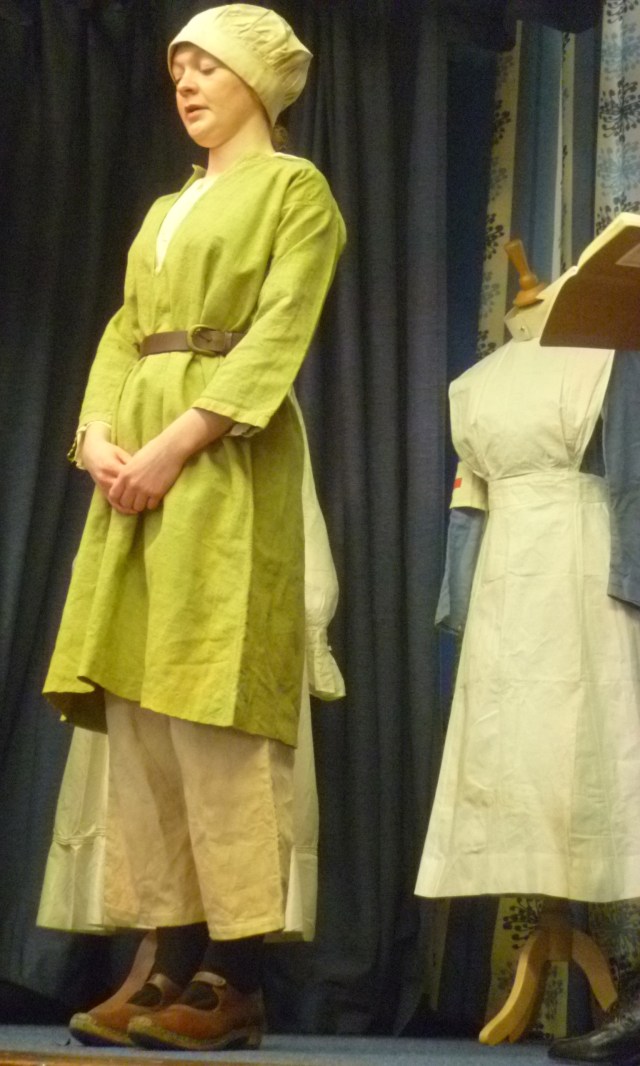
When War broke out in 1914 six million women were already working outside the home but between 1914 and 1918 many more joined them in all sorts of work not least in munitions factories. Meredith took on this role displaying the cap and tunic that would have been worn with waist-tie trousers and heavy wooden-soled clogs with metal caps.

Factory 'dress'

Meredith as factory worker

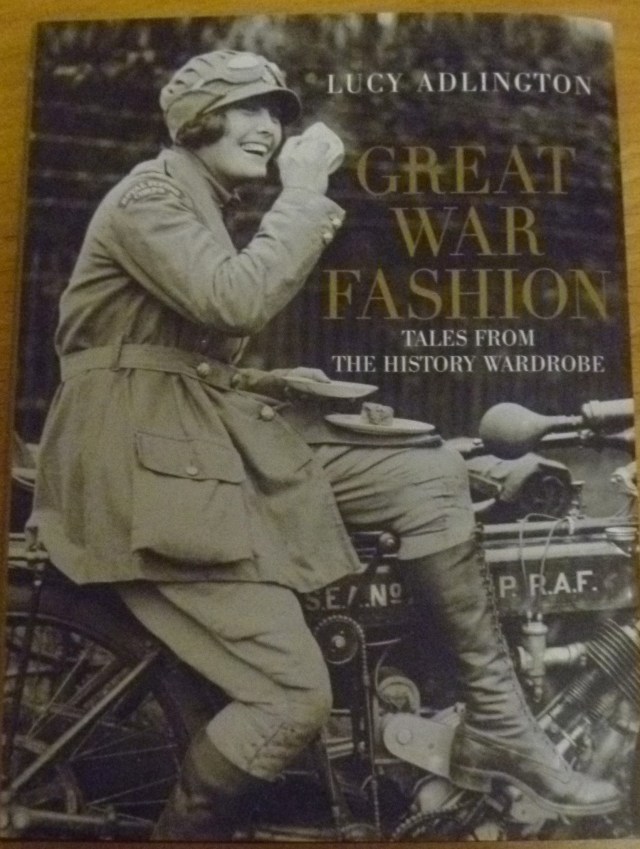
Like all good series this one would not be complete without an accompanying book. Lucy has published “Great War Fashion: Tales from The History Wardrobe” and I have my library copy in front of me now and am very much looking forward to reading it.

Great War Fashion

Great War Fashion – on sale now!

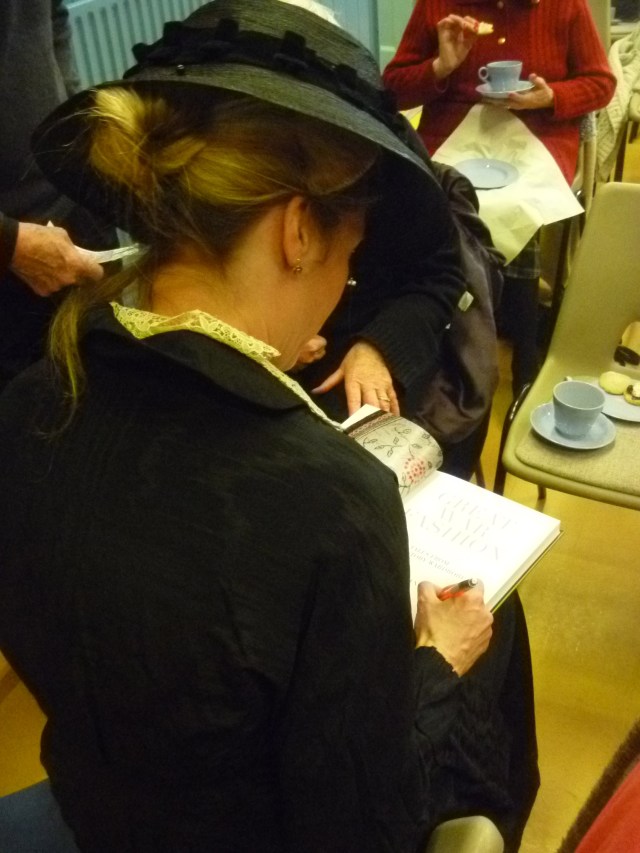
Lucy signs her book

Lucy signs her book

Finally, peace has broken out at last! As Lucy quoted from one woman “It feels as though the elastic has broken!”.

Peace has broken out

I’m looking forward to another History Wardrobe show although I don’t know what will be up for me next. Their diary is already filled for this year.

Art Deco and Art Nouveau in Lille and Antwerp : Day Four

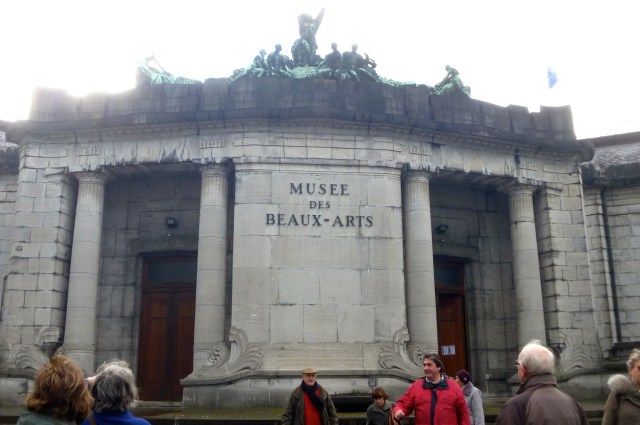
Day 4 : Morning visit on foot to the superb collection at Lille’s Musee des Beaux Arts, the second largest collection in France after the Louvre. Time allowed for lunch before transferring to the station for return by Eurostar to St Pancras.

Yes, the  visit to the Musée des Beaux Arts was wonderful but as no photography was allowed I have very little pictorial evidence from the visit.

Instead, I’ll post my final report from Lille about a young hero of the First World War and a yummy cake, waffles and chocolates shop – the Lille equivalent of Yorkshire’s Bettys.

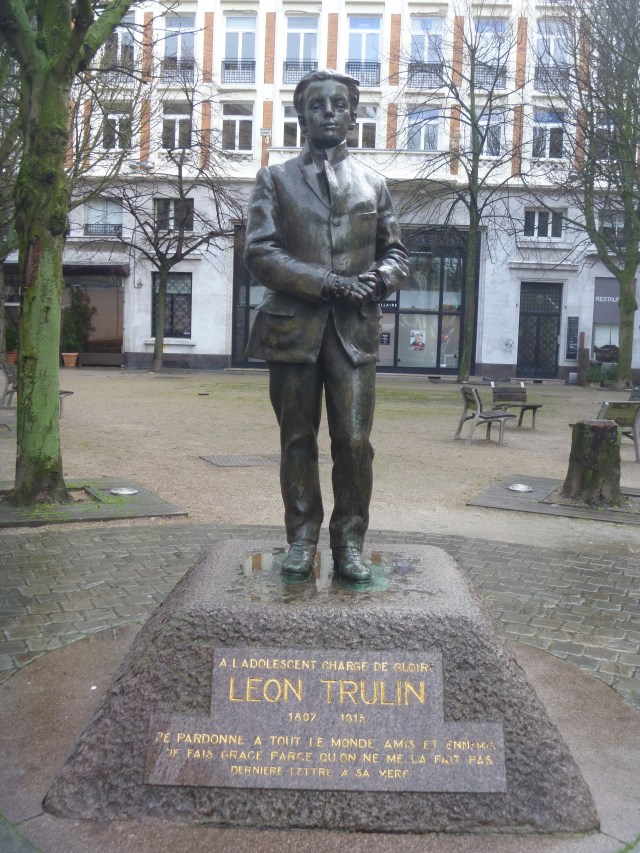
Leon Trulin

Leon Trulin Statue

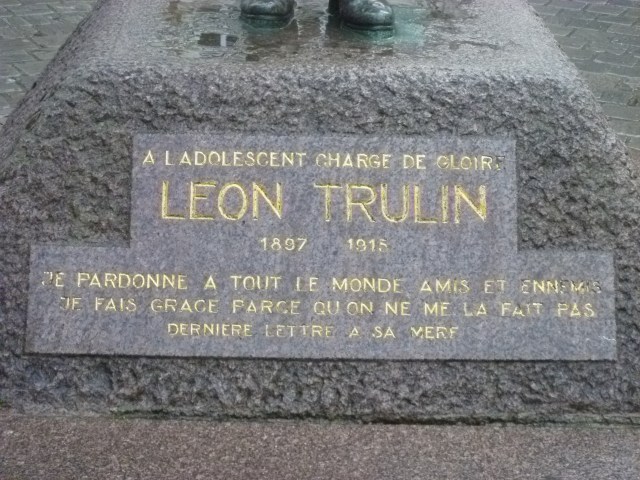
Each day as we left our hotel and each evening as we returned to it we passed the life-size statue of a young man with the collar of his jacket turned up. This is Lille’s memorial to the ‘glorious teenager’ whose name can be seen on the street sign nearby: Léon Trulin. Our tour manager Karen told us the gist of the story and when I got home I looked it up again on this website.

LT wording

Born in Ath in Belgium in 1897, Léon Trulin came to Lille with his family after the death of his father and went to work in a factory to help his mother bring up his brothers and sisters. And then war broke out.

In June 1915, with Lille and much of Belgium occupied by the Germans, Léon Trulin went to England to join the Belgian Army in exile only to be turned away because of his diminutive stature; however the British Army proposed that he collect information in the occupied zone.

He set up an organization which he called ‘Noel Lurtin’, an anagram of his name, to which he recruited his teenage friends, some of whom were still children.: 15 and 16 or 18, like their leader Leon. Together they sent reports, photos and plans back to Britain.

They were arrested near Antwerp and sent to Lille. Trulin, and two others were sentenced to death on 5 November 1915. His two colleagues saw their sentences reduced however Trulin was executed in the ditch before the Citadel three days later.

Léon Trulin occupies a prominent position in Lille’s memorial to the men of the Resistance. The monument stands on the very spot where he was executed in the defensive ditch of the Citadel. His grave in Lille East Cemetery is marked by a statue of him awaiting execution, his back to the wall. The monument to the Lille Resistance in Daubenton Square shows him lying on the ground next to members of the Jacquet Network.

The above statue was erected in his honour in 1934 on avenue du Peuple Belge before being moved to its current location on the street which now bears his name. The plinth of the statue bears an inscription taken from his final letter to his mother, ‘I forgive everyone, friend and foe. I show them mercy because of the mercy they have not shown me’.” Adapted from the website.

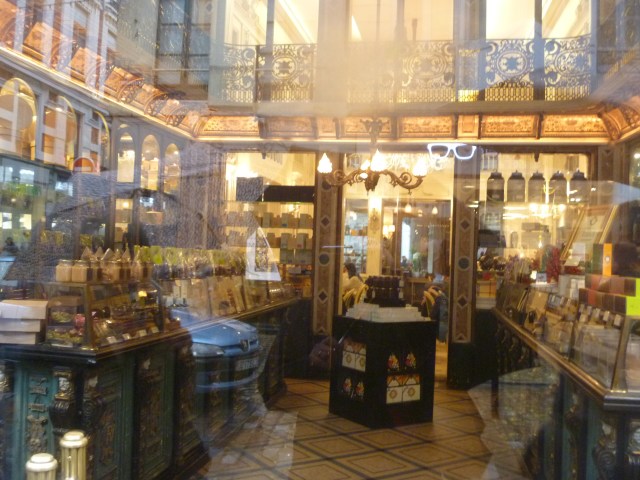
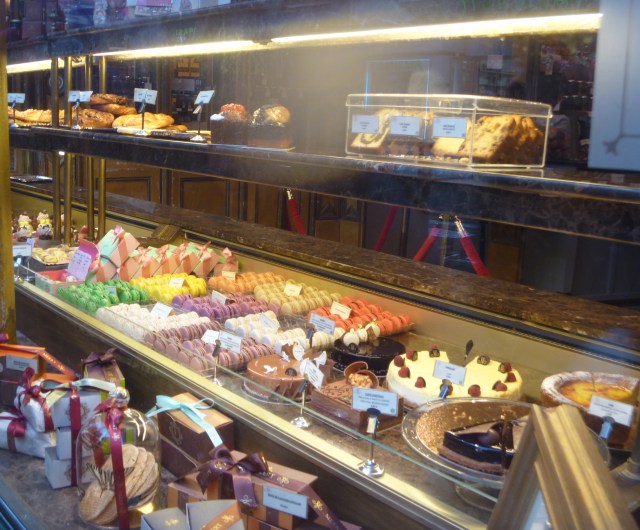
I bought some chocolates, as gifts, in Antwerp – Belgium being the place to buy. However, after the visit to the Beaux Arts Museum on Sunday morning and on our way to another museum (which turned out to be closed for two hours for lunch) we made a detour to visit and go inside and even buy from Maison Méert. All other shops in Lille were closed on Sundays.

Meert 1

Through the shop window

A past fan of Méert was General de Gaulle himself – a native of Lille. The speciality, I read later, is the Méert Waffle made with fine butter and Madagascar vanilla. “A masterpiece of of culinary refinement that has been the bedrock of Méert’s reputation since 1761.” So, Something to go on the shopping list for next time. The shop décor dates back to 1839 and “abounds with mirrors edged with Pompeian motifs, moldings and ornately carved balconies.” Being on a narrow busy road it wasn’t possible to take a picture of the exterior. There’s a charming looking teashop at the back with a restaurant, verandah and terrace beyond that. Another trip to Lille and Antwerp must definitely go on the cards.

Meert 2

Museum Plantin-Moretus : a UNESCO World Heritage Museum in Antwerp

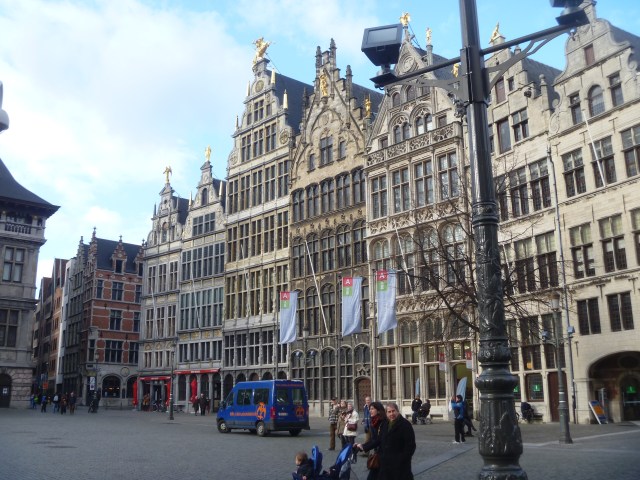
In the early afternoon after our walking tour in outer Antwerp our coach dropped us off at the car park by the River Scheldt from where we made our way to the Grote Markt and the Cathedral.

Grote Markt

The Grote Markt, Antwerp

Cathedral

Onze-Lieve-Vrouwe Kathedraal, Antwerp

From here we dispersed to find lunch. The plan then was to reassemble at the Cathedral in about an hour in order to tour the Rubens paintings which hang there, currently. However, with no persuasion from me, my friend and I decided we would rather visit the Plantin-Moretus Museum and arranged to meet the group back at the coach at 5pm.

Chocolate Box

Wrapping my purchases at The Chocolate Box

So, after a tasty pub lunch and making some chocolate purchases, we soon found the museum and were very happy with our choice. This is the only museum listed on the UNESCO World Heritage List.

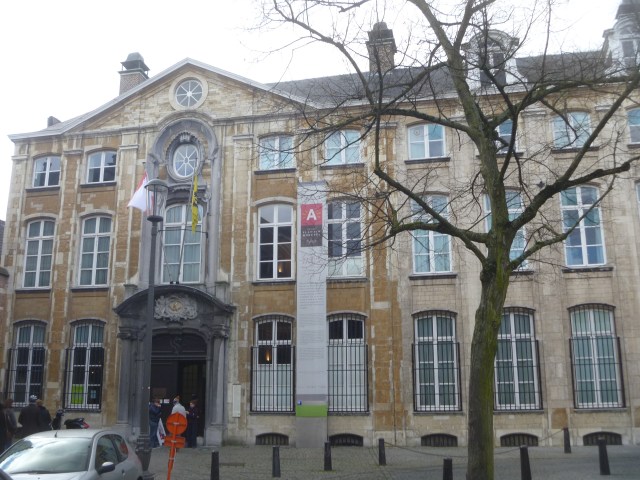
Plantin Moretus

The Plantin-Moretus Museum, Antwerp

Inner courtyard

The Elegant Interior Garden

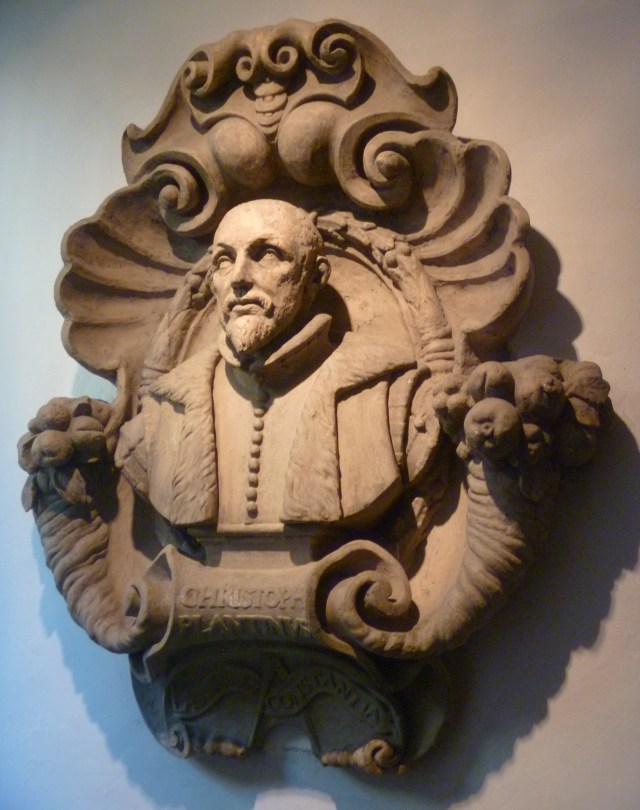
This is one of the most interesting museums in Antwerp. It is housed in the mansion of Christophe Plantin, who set up as a printer in 1555, one of the first industrial printers in history. In the workshop, the equipment, which includes one of the oldest surviving printing presses, has been left as it was when operations ceased in the early 19th century. There is much else to see here besides, including the family home, a sumptuous patrician home with an elegant interior garden, tapestries, vellum Bible, woodcuts, copper plates, and works by Rubens. The museum’s archives, more than 100 years old, have been placed on UNESCO’s World Heritage List.” [Source : My LV City Guide to Amsterdam, Antwerp, Brussels, Zurich, 2012]

Bookshop

The Original Bookshop : books sold here from 1700

The Proofreader

The Proofreader

Christoph Plantin

Christoph Plantin

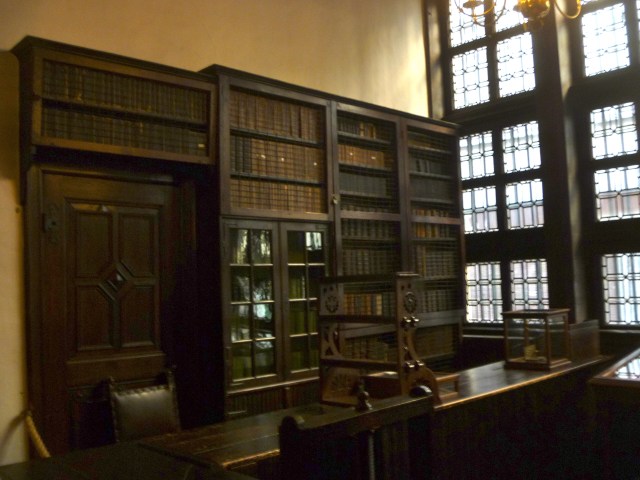
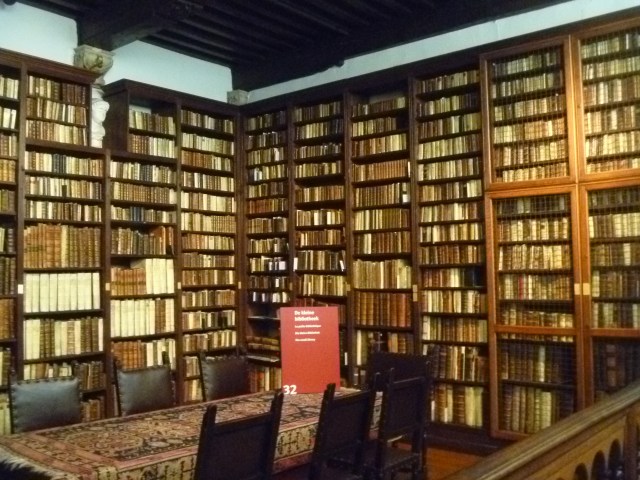
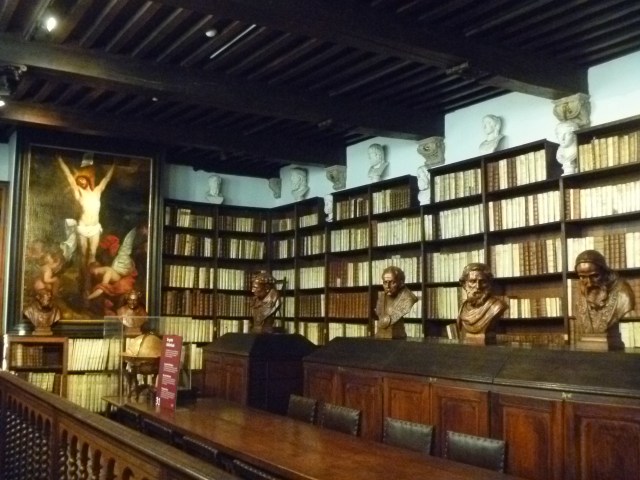
In The Great Library

In the Great Library

Great Library

In the Great Library/Chapel

The Moretuses’ own private book collection (1640) is an example of a humanist library. The volumes are shelved by size. By 1655 the Library was used as a Chapel.

The People’s House and The Five Continents, Antwerp

After about an hour and a half admiring and being amused by the Golden Triangle homes we moved on to inspect a few more significant buildings of the era before being left to our own devices for the afternoon in Antwerp city centre.

5 conts side

The Five Continents side view

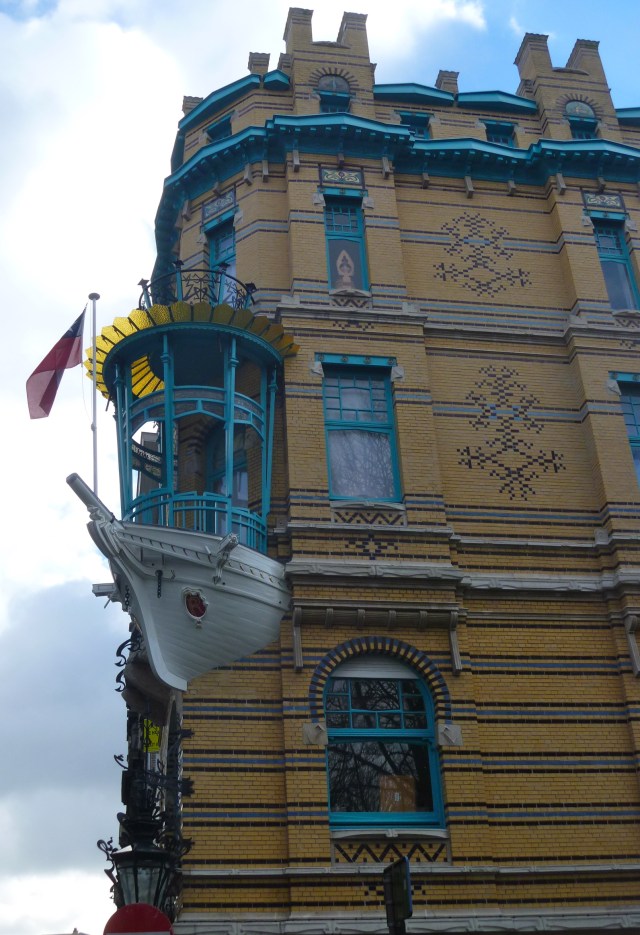
“The Five Continents, 2, Schilderstraat by Smet Verhas in 1901. The owner, the shipbuilder P. Rouis, was commissioned a ship’s bow for the corner which explains the boat shape balcony. There is also a wonderful iron lamp behind the boat.”  The fantastical building has recently been scrubbed up and painted. It is also called “‘t Bootje” – little boat.

5 conts side doors

The Five Continents Doors and Loggia

5 conts corner

The Five Continents

5 Continents

The Five Continents Closer

5 conts close up

The Five Continents Even Closer

The People’s House was built by Van Averbeke in 1899-1903 and is now transformed into a school. It has a large mosaic in venetian glass and the structure of the building is of wrought iron. It is just a short distance from The Five Continents and stands on a busy main road criss-crossed by tram lines – so take extra care when taking photographs.

People's House

The People’s House, Antwerp

Peole's House detail

The People’s House, Antwerp. Detail


Art Deco and Art Nouveau in Lille and Antwerp : Day Three

Day 3 : A full day’s excursion today to the historic Belgian City of Antwerp (about 1.5 hours from Lille) famed as the birthplace of Rubens with a strong artistic heritage in its fine museums and churches. This heritage was reflected too in the city’s enthusiastic embracing of the Art Nouveau movement with an entire district, known as the Golden Triangle of some 170 Art Nouveau houses as well as the famed “Five Continents” house and the Reunion exhibition in the Cathedral of Our Lady. Evening free.”

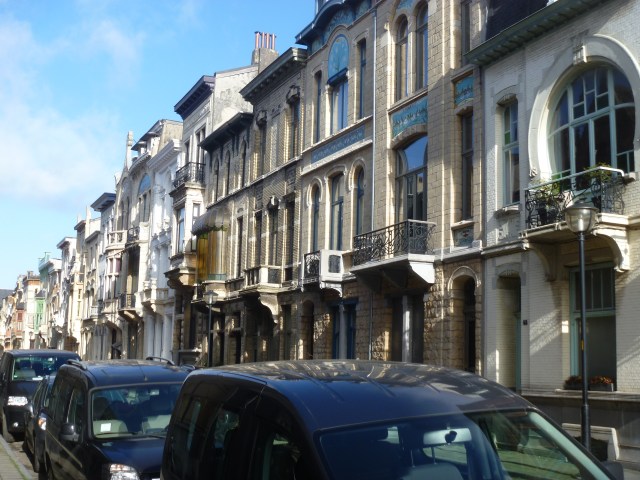
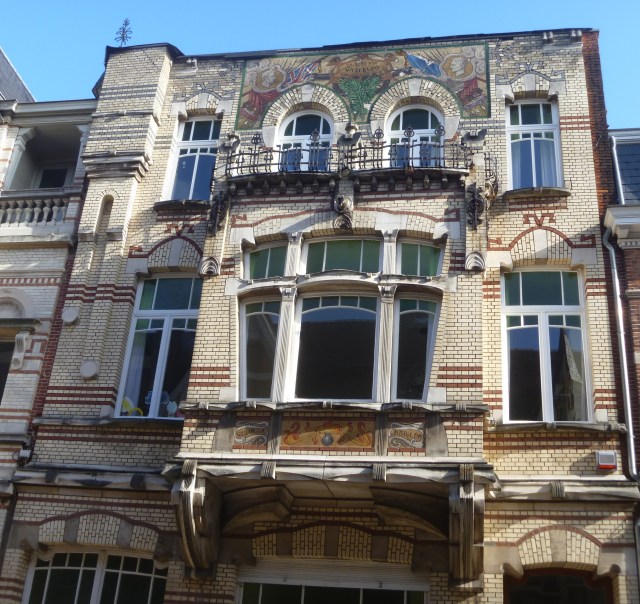
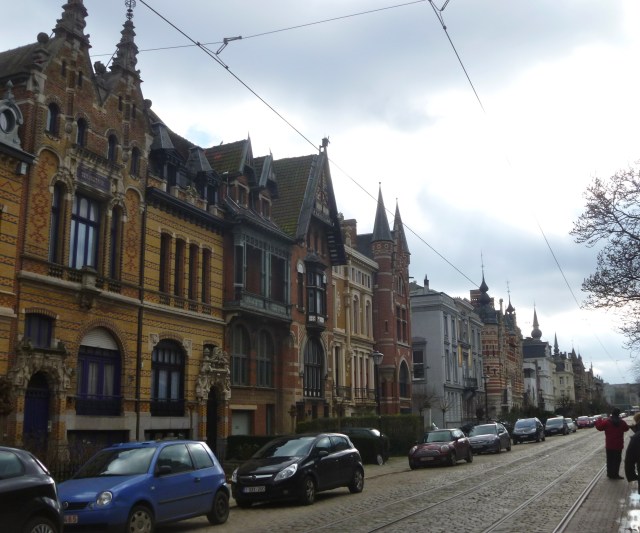
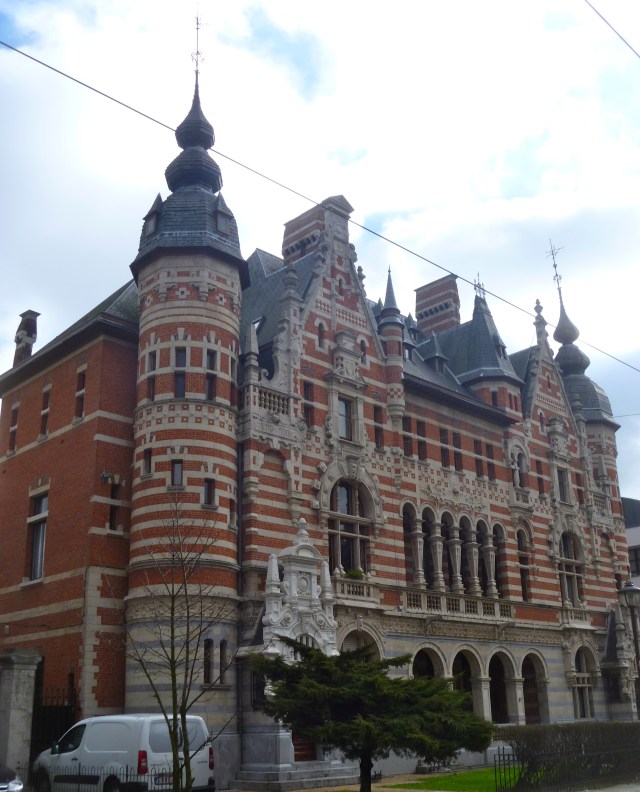
There are so many Art Nouveau houses in Antwerp’s Golden Triangle that it is impossible I’m afraid to give the addresses of each but here are some examples from those 3 streets – Waterloostraat, Transvaalstraat and Cogels Osylei. Quite amazing! According to Mike at one time threatened with demolition this now an area of prime real estate.

AN on Waterloost

Waterloostraat, Antwerp crammed with Art Nouveau houses

With more than 100 Art Nouveau buildings, Antwerp is the second town of Belgium (after Brussels) and one of the two most important ports in Europe.

Zurenborg – Cogels Osylei quarter

This is the Art Nouveau “golden triangle”, a quarter defined by three streets (Cogels Osylei, Waterloo straat and Transvaal straat) that was built mainly between 1890 and 1906. The urban planning of Zurenborg and the Cogels Osylei dates from 1894 (and half of the area was built in 1895, which became an important place for Art Nouveau which began around 1897 in Antwerp). An incredible number of Art Nouveau buildings are still preserved for your pleasure. It is often presented as the most important Art Nouveau quarter in Europe and in the world.” [Source]

So, here are some of those buildings preserved “for your pleasure”.

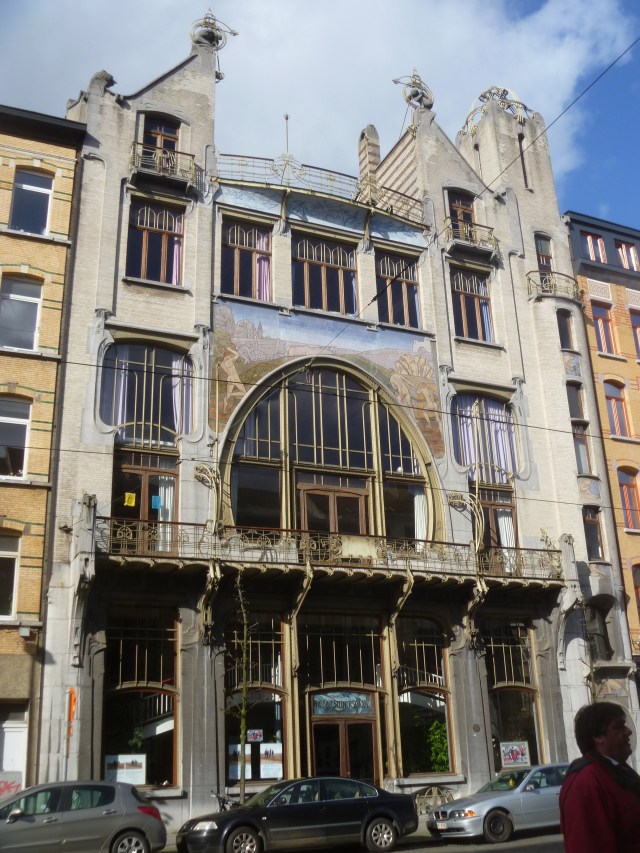
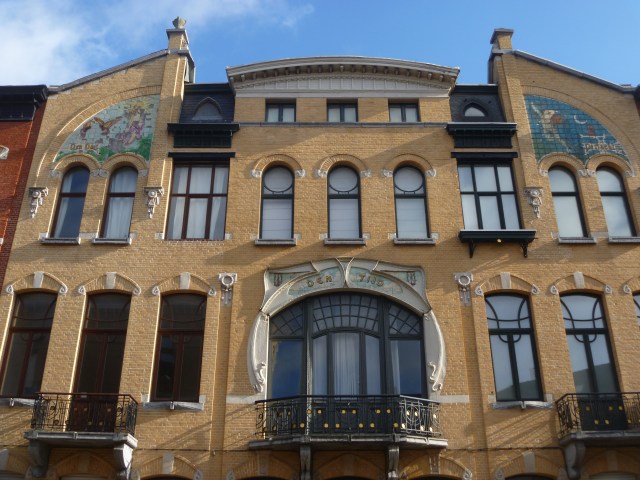
Waterloostraat

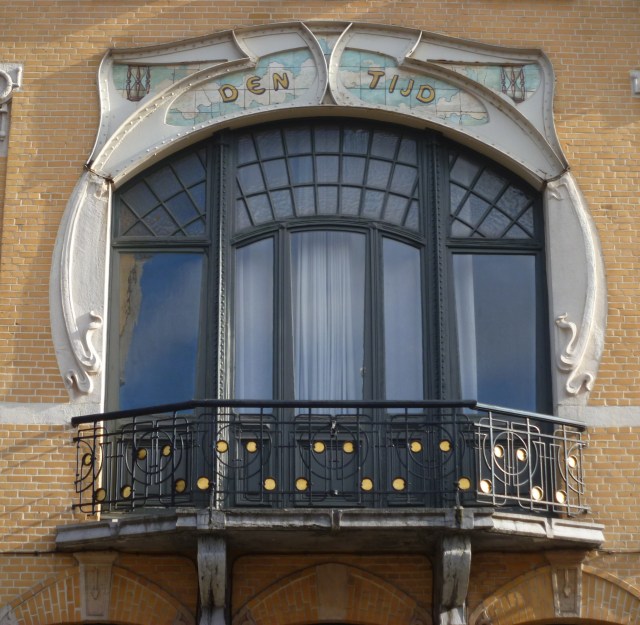
Den Tijd, Waterloostraat

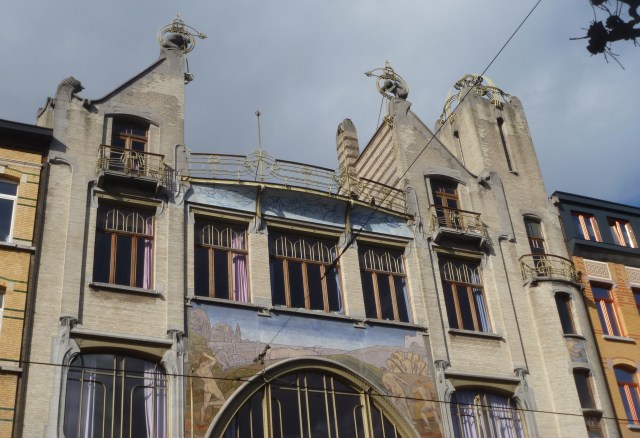
Close up Den Tijd

Close-up of Den Tijd

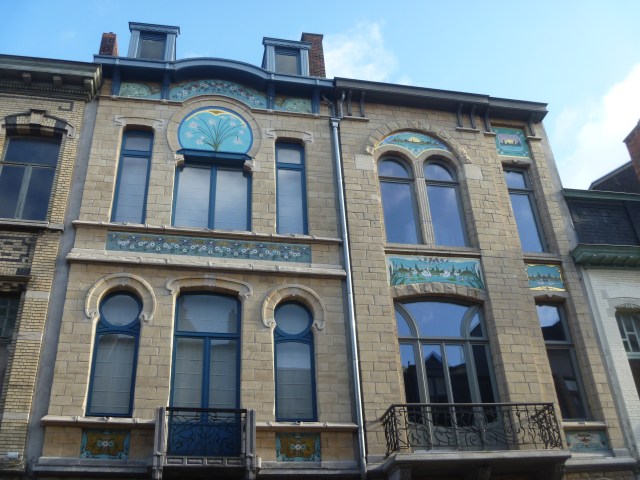
Waterloost

On Waterloo Straat

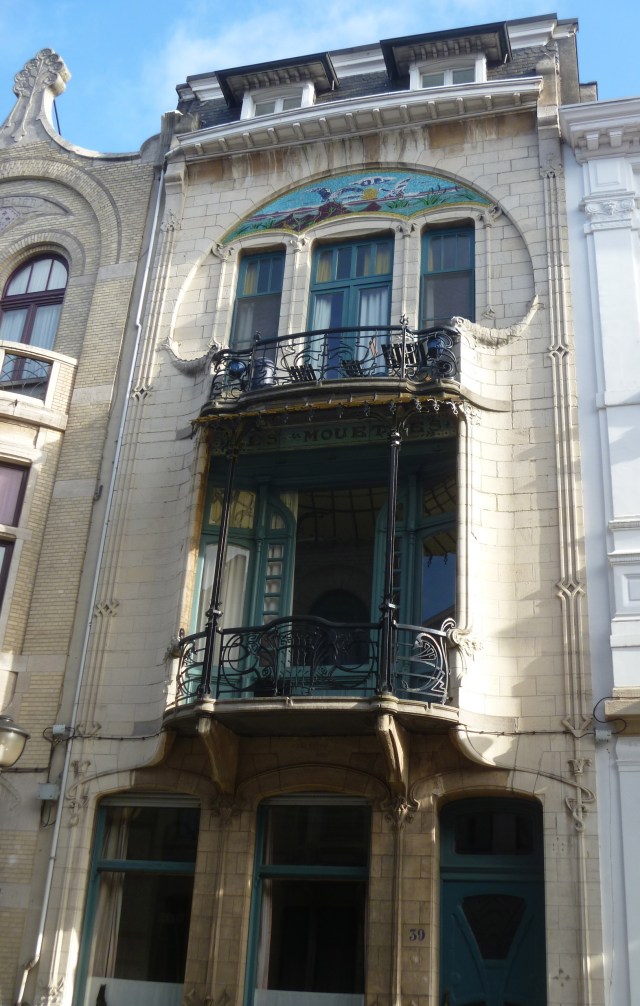
Waterloo St

Also on Waterloostraat

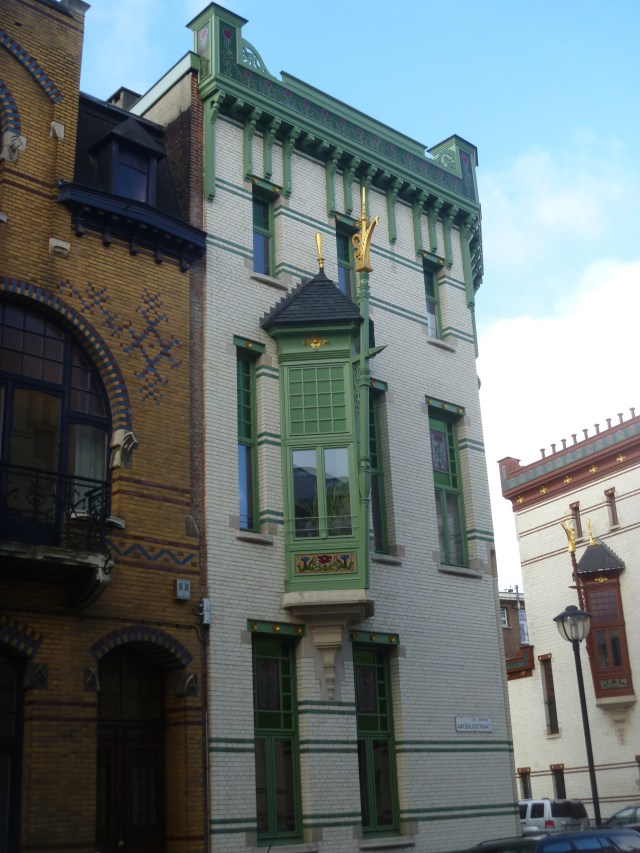
4 seasons 1

One of the Four Seasons Houses at a cross roads, Waterloostraat

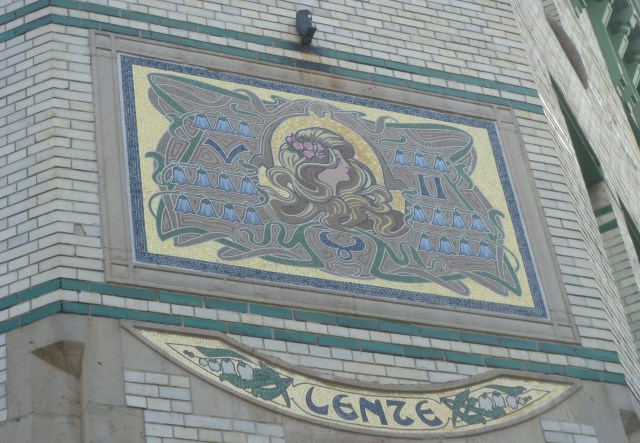
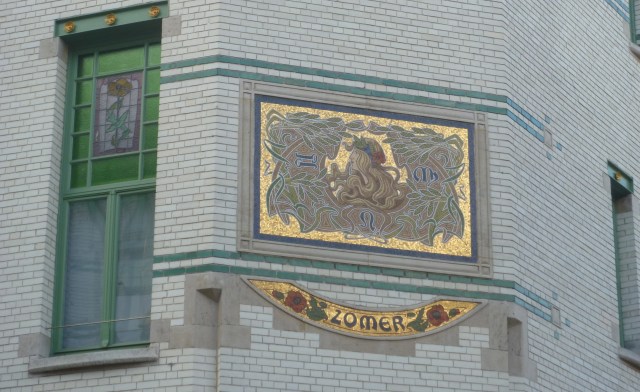
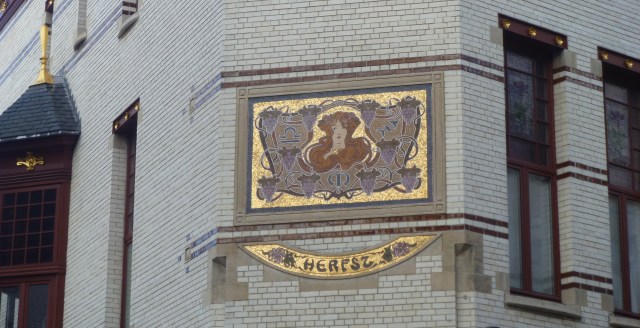
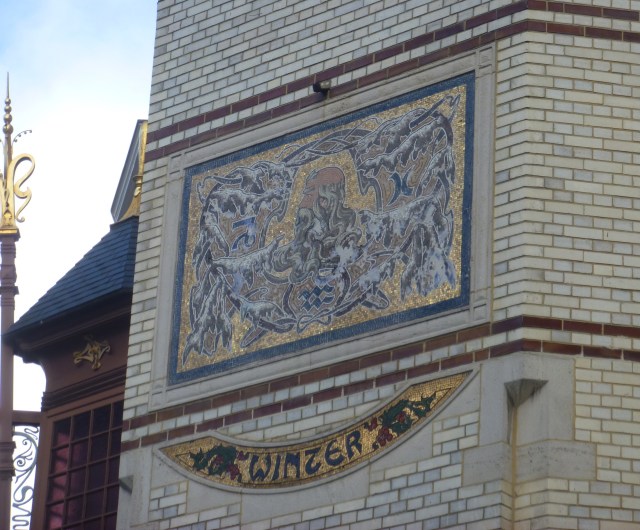
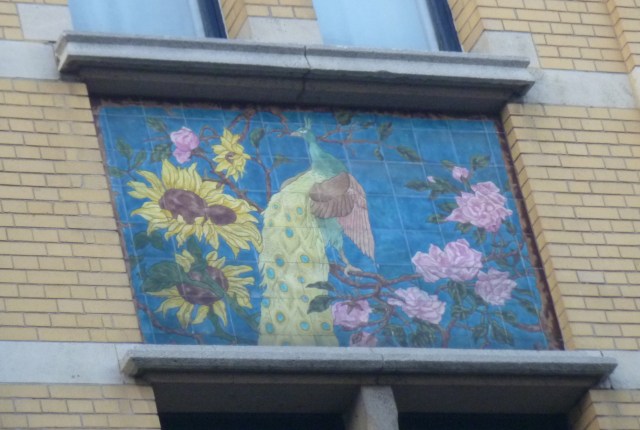
[“De Vier Seizoenen” villas built by Joseph Bascourt in 1899 : the 4 symetrical villas corner a cross roads. Each corner is decorated by a fresco dedicated to a season.]

4 seasons spring

Four Seasons – Spring

4 seasons summer

Four Seasons – Summer

4 seasons autumn

Four Seasons – Autumn

4 seasons winter

Four Seasons – Winter

Peacock

There are the peacock’s eyes!

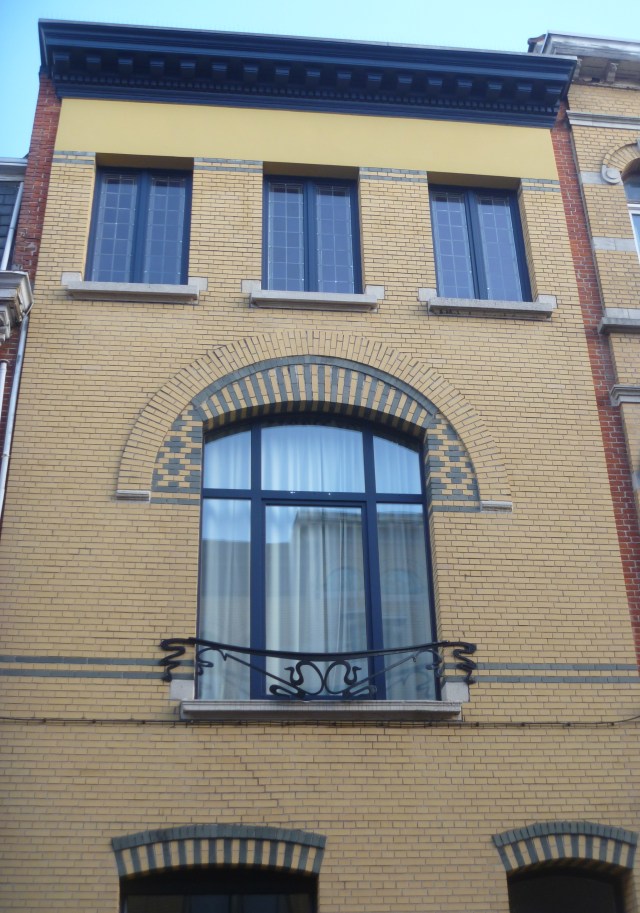
Plain

Plain – but with peacock eye balcony

Art Nouveau triangle

Art Nouveau in the Golden Triangle

OTT

Over The Top in the Golden Triangle

Cogels Osylei

Cogels Osylei

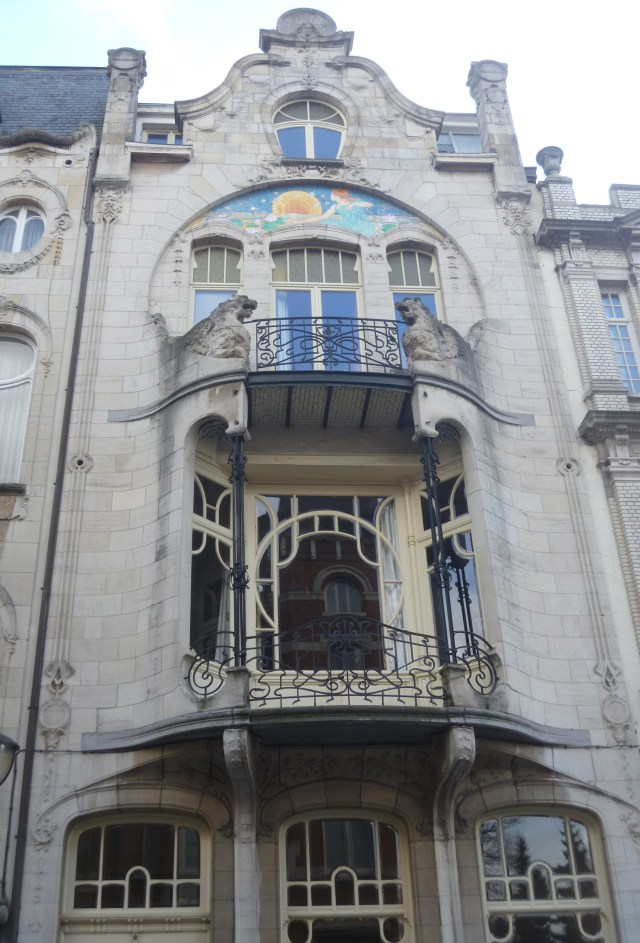
Grander House on Cogels Osylei

Grander house on Cogels Osylei

On Cogels Osylei

Also on Cogels Osylei

I probably have another 50 photos but that is enough for now.

Tournai in Belgium : A Unesco cathedral and a small town art gallery of substance

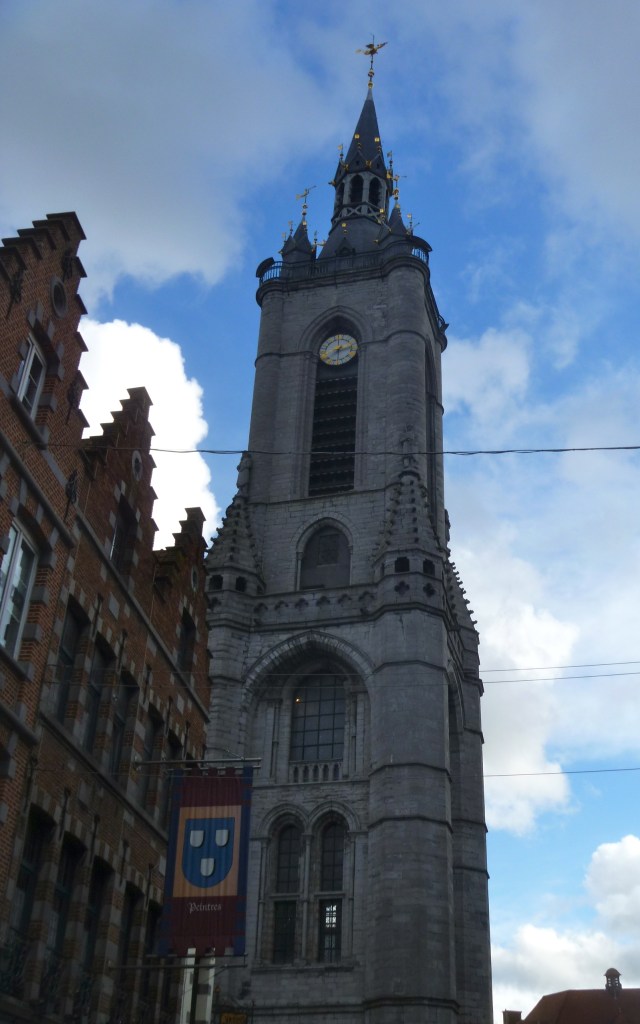
After a dip into the Roubaix swimming pool our coach transported us just over the border and into Belgium. The town of Tournai was our destination. Such a small quiet town but with so much to offer. We were given an hour and a quarter to find a luncheon venue and meet again under the towering belfry at the end of the picturesque town square.

The Belfry Tournai

A life-size black and white cow tempted us into an intimate brasserie Au Boeuf Qui Rit where we chose I salmon salad and  my companion chose cheese croquettes.

World Heritage

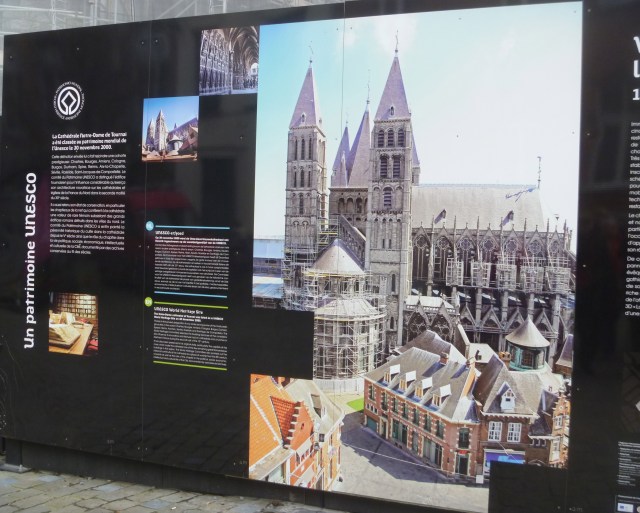
Next to the Belfry is the Cathedral of Tournai. Begun in the 12th century the cathedral’s cultural value was recognised by UNESCO and designated a World Heritage Site in the year 2000.

[The Cathedral] has been preserved in its original state , particularly the capitals of the nave, which makes the cathedral one of the few remaining great Romanesque buildings in this region. The World Heritage committee also pointed out the historical continuity of the cathedral as a place of worship from the 5th century onwards as well as the role of the chapter in the political, social, economic, intellectual and cultural life of the city, documented by centuries old archives.” [Poster shown above]

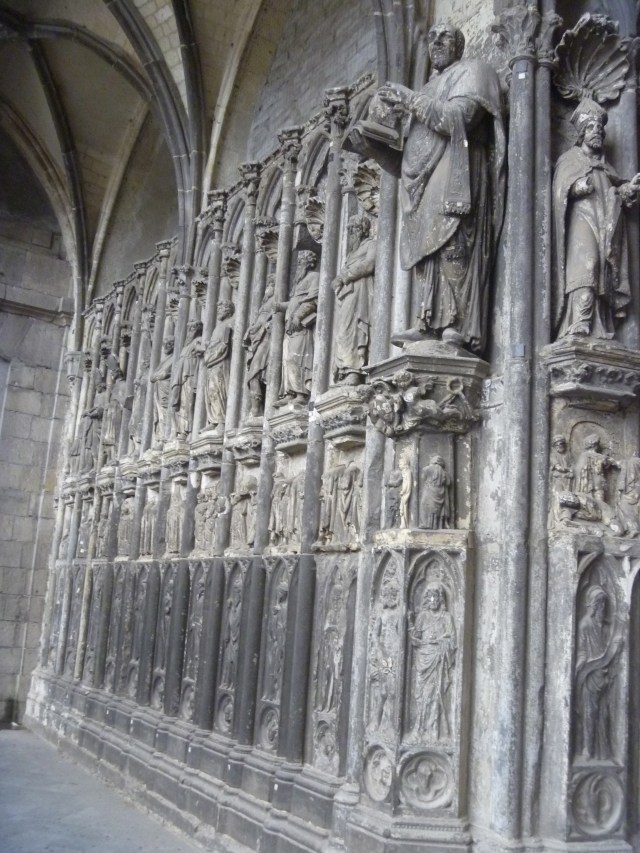
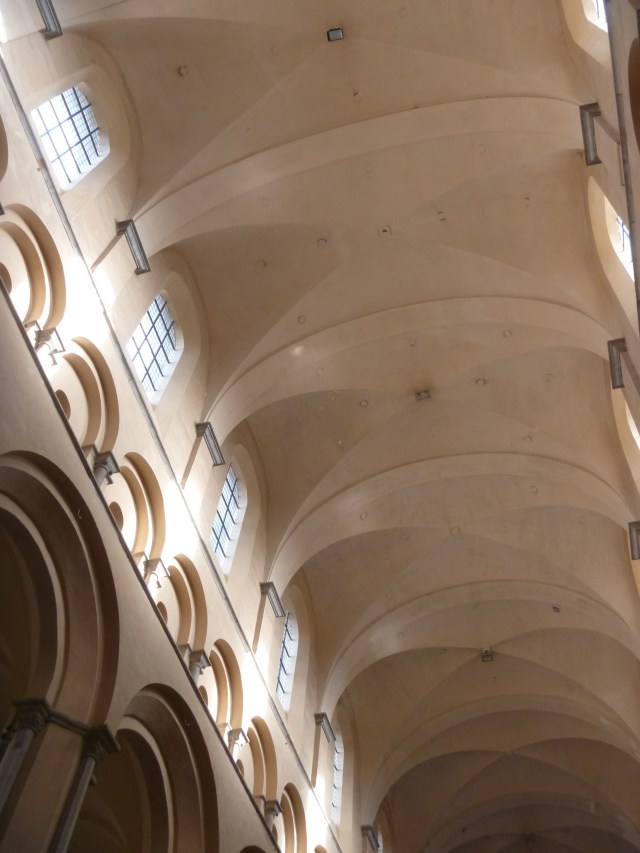
Photos at Tournai Cathedral :

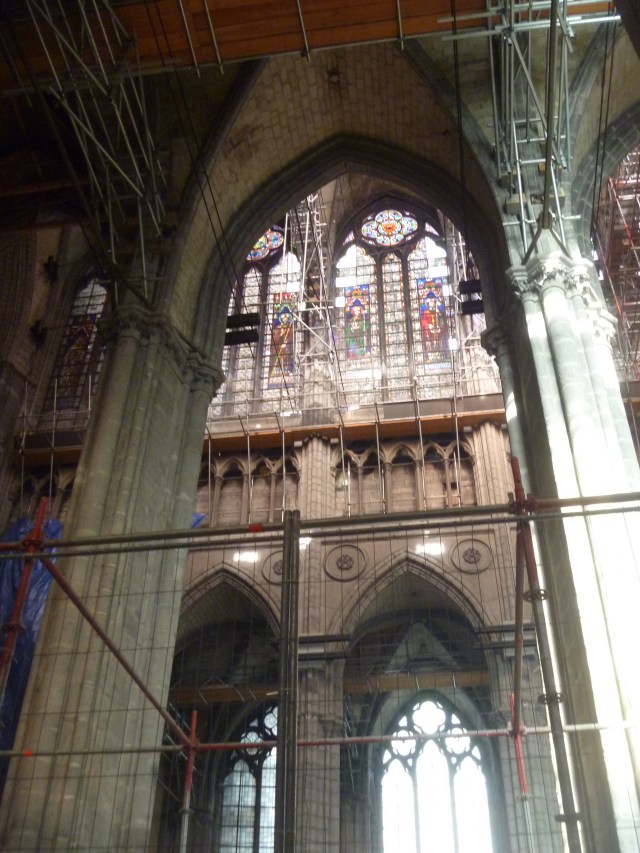
Tournai 1

Tournai 2

Tournai 3

Tournai 4

Repair work on the cathedral continues but we were able to visit the main body of the church and also the Treasury. No photography was allowed inside The Treasury as almost 5 years ago to the day a priceless jewelled cross was stolen by thieves :

22/02/08 — Theft — Tournai, Cathedral — The “tresor” of the Tournai Cathedral was the victim of a major theft on Tuesday 19 February. In broad daylight, three men using baseball bats broke the glass display cases and stole, despite the attempts of several by-standers, thirteen objects including a famous Byzantine cross. This reliquary which holds a piece of the Cross and probably dates back to the VIIIth-IXth centuries was most likely brought to Tournai from Constantinople in 1205 by a Crusader. One can only hope that the object will not be dismounted in order to sell off the precious stones ornating it. ” [Source]

Beaux arts tournai

From the Cathedral it was a very short walk to the Museum of Fine Arts [Musée Beaux Arts Tournai]

Inaugurated on Sunday 17th June 1928, the Museum of Fine Arts is a building created by the genius for spatial conception, the great Belgian  Art Nouveau architect Victor HORTA. He conceived it especially for presenting the very rich collections bequeathed to the city by the Brussels patron of the arts Henri VAN CUTSEM, deceased in 1904.

The combination of the rooms that radiate from the central polygonal entrance hall is so original that the building itself deserves a visit. The collections shown include many ancient paintings, which added to the works bequeathed by Henri VAN CUTSEM, together with purchases, deposits, gifts and legacies, permit to offer the visitors an interesting overvieuw of the pictorial production history from the 15th century up to now.” [source]

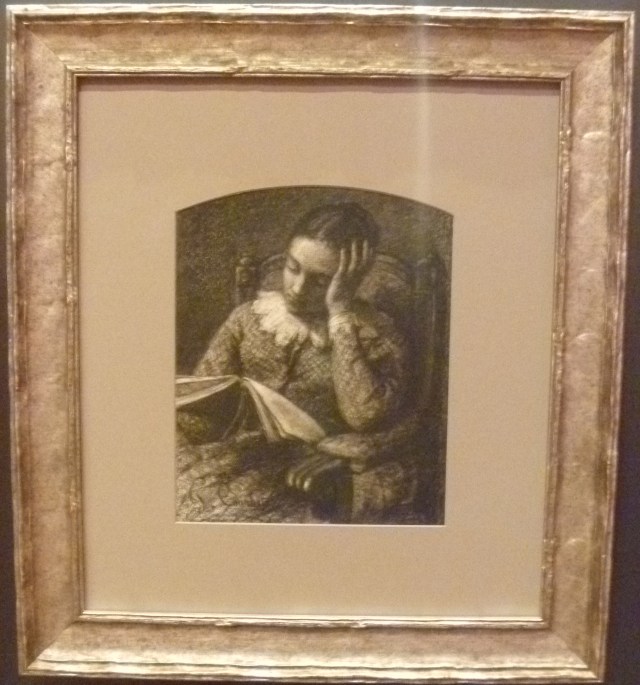
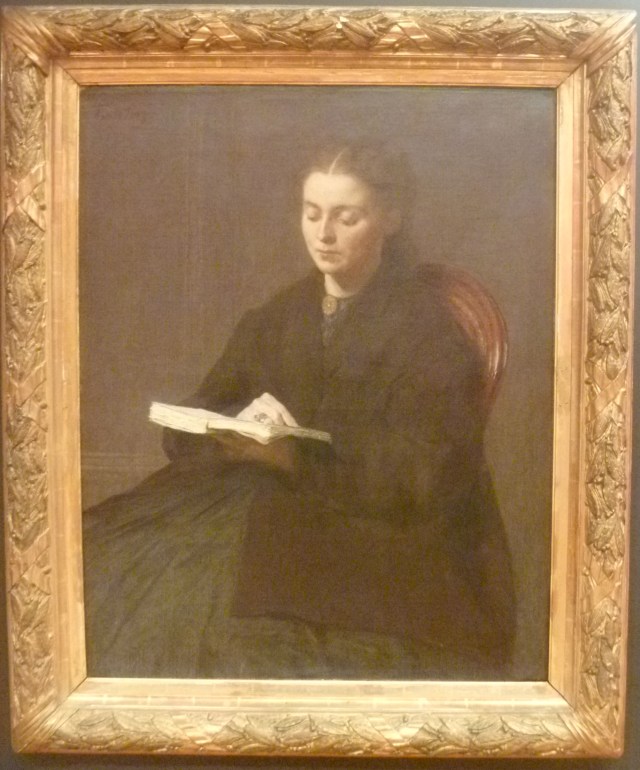
I just chose two pictures on a reading theme on show at the Museum.

Courbet The Reader

Gustave Courbet’s “La Lecture”

Fantin-Latour The Reader

Henri de Fantin-Latour “La Lecture”

La Piscine – The Swimming Pool Gallery

On completion of our morning walking tour of Lille we met our coach and were taken the few miles out of the centre of Lille to the nearby city of Roubaix (twinned with nearby Bradford, West Yorkshire) which is now incorporated into the Lille conurbation.

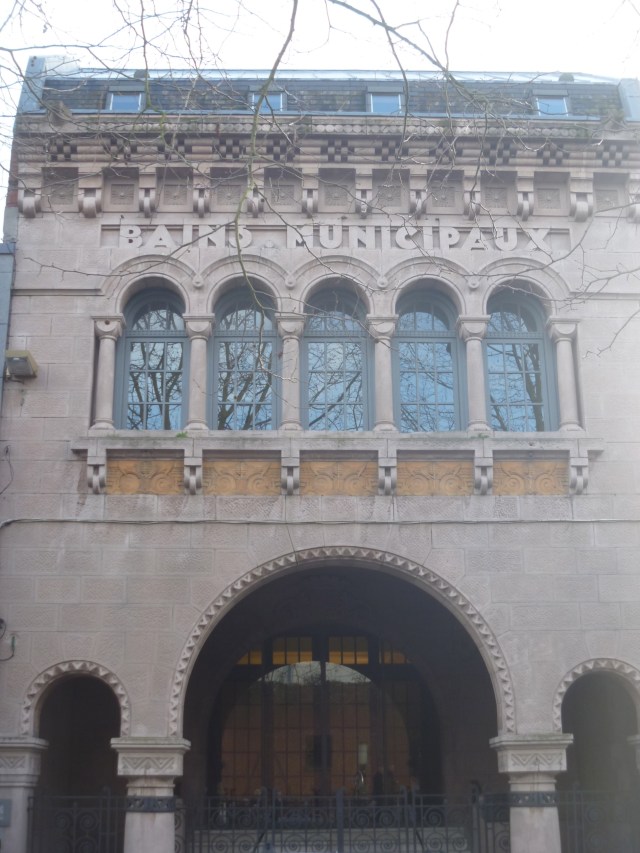
Original pool entrance

The Original 1932 Art Deco Entrance

La P exterior

The Swimming Pool Museum Entrance Today

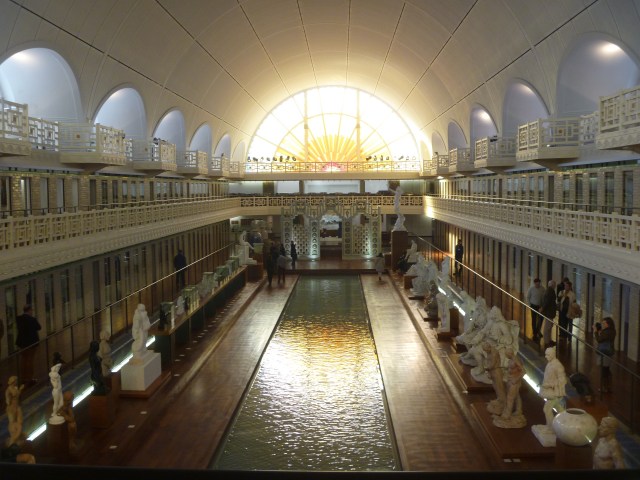
In October 2011, Lille’s Musée d’Art et d‘Industrie celebrated its tenth birthday, and a hugely successful decade of existence. Architect Jean-Paul Philippon converted the splendid Art Deco swimming baths into a museum, transforming the former changing rooms and cabins into “curiosity cabinets” overlooking the partly covered former swimming pool. The collections include paintings by Gérome, Fantin-Latour, Dufy and Tamara De Lempicka, and sculpture by François Pompon and Camille Claudel, plus ceramics by Pablo Picasso and an exceptional collection of textile samples and designs. Visitors come here from all over Europe for the acclaimed temporary exhibitions; recent subjects include The Bloomsbury Group, Pierre Loti, sculpture by Degas and the work of Paul Signac” [Adapted from my 2012 LV City Guide Lille, Lyon, Monaco, Toulouse]

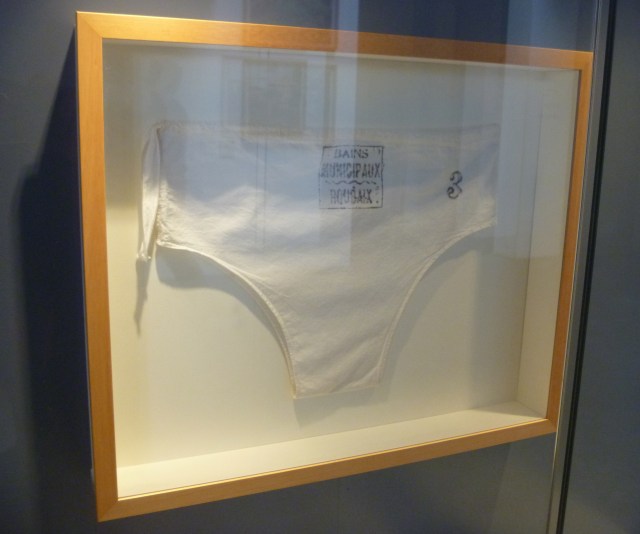
Trunks

Oh-La-la!

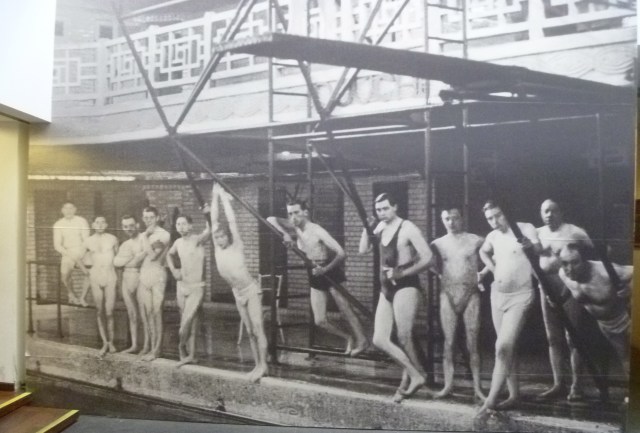
B&W swimmers

Original Swimming Displays in the Museum

The main entrance lobby and display don’t prepare you for the museum itself. After the lobby and reception you step through the ‘showers’ and ‘footbaths’ and into the pool proper. There’s still some water but much reduced in size and even on the dull overcast Friday the area was filled with light.

La Piscine

La Piscine

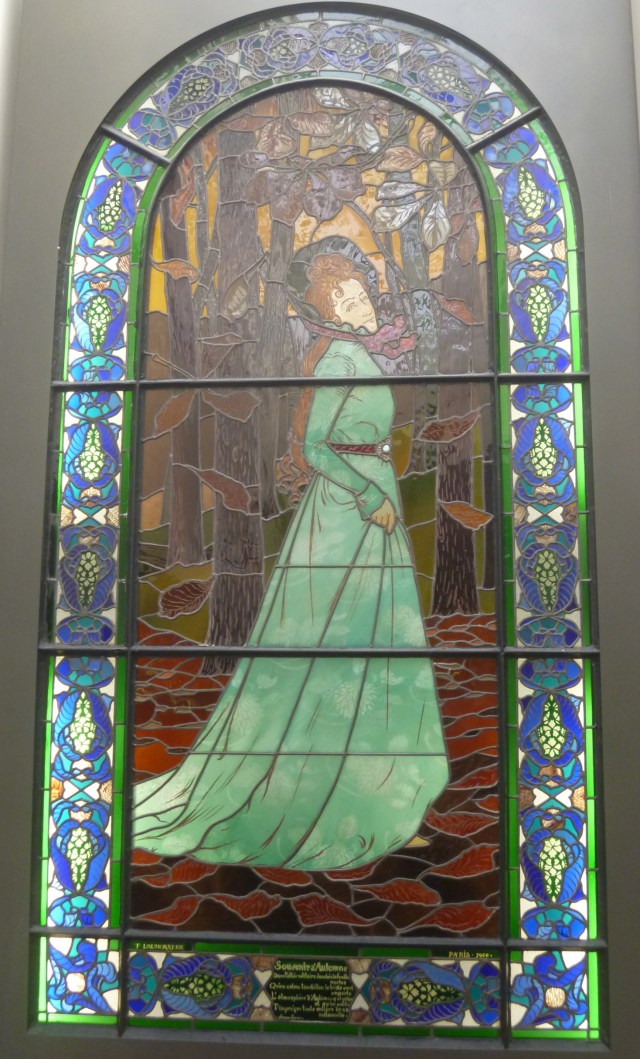
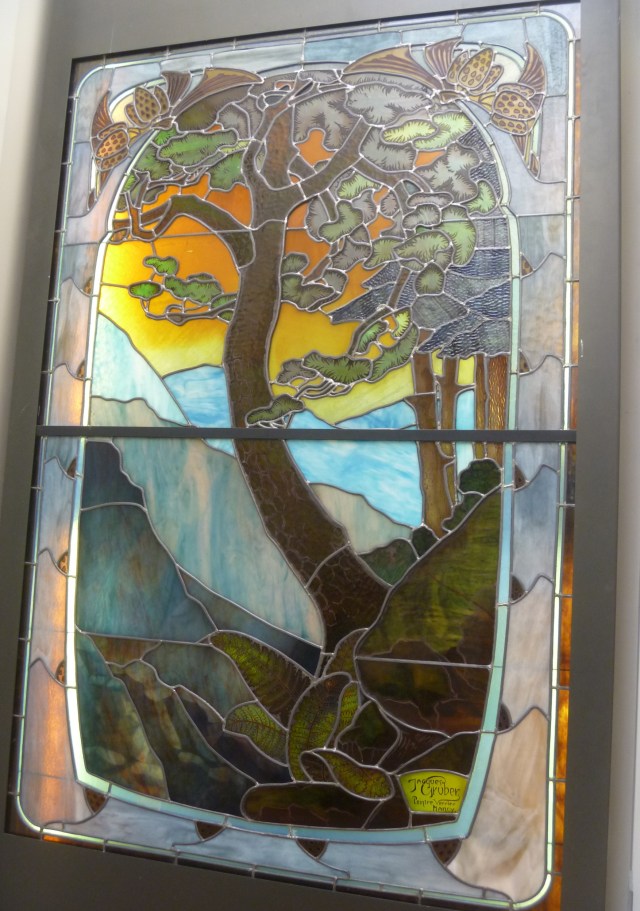
On arrival Mike introduced us to the gallery and to two Art Nouveau stained glass windows on display then left us to our own devices for an hour before meeting us in the picture gallery and talking about several paintings relevant to our themes.

T. Laumonnerie

Théophile Laumonnerie – Memory of Autumn

J Gruber

By Jacques Gruber of Nancy

Young woman on lute

Stylised Art Deco: Part of the Debussy Monument : Young Woman Playing a Lute (1932)

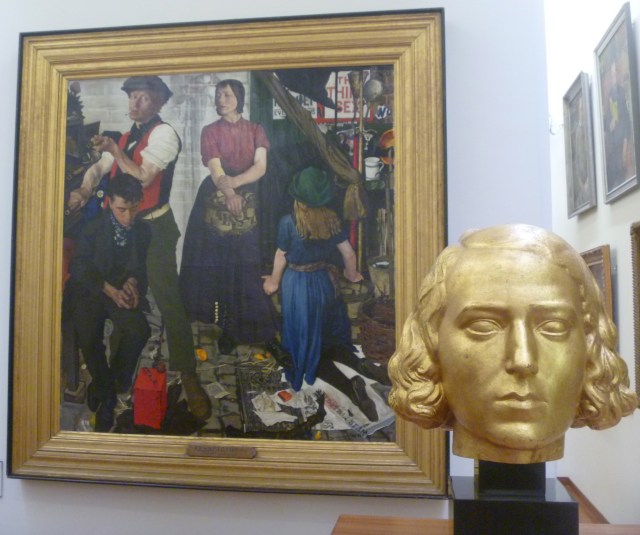
Eric Kennington

Eric Kennington of The New English Art Club: La Cuisine Ambulante (1914)

Rothenstein

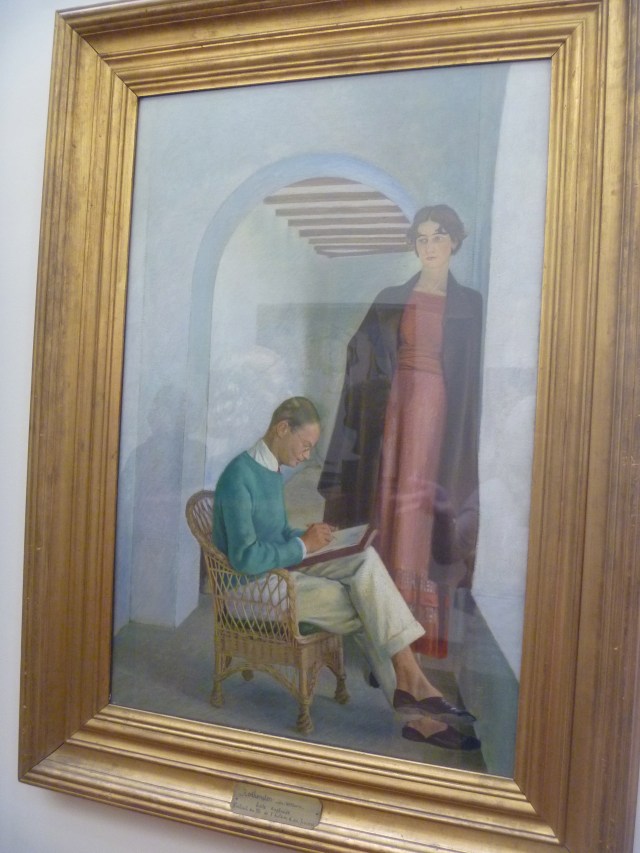
Sir William Rothenstein’s The Artsist’s Son and his Wife

And I always find time to check out the quirky gifts and buy postcards in the Museum Shop – La Piscine no exception!
Museum shop

Art Deco and Art Nouveau in Lille and Antwerp : Day Two

Day 2 : Morning walking tour of the Art Nouveau houses of Lille, including the exterior of the beautiful Maison Coilliot,  followed by the hidden gem that is La Piscine Museum at the former textile town of Roubaix. Afternoon tour to Tournai and its Musée des Beaux Arts. Lecture “Art Nouveau and Belgium” followed by dinner at the Brasserie de la Paix.”

… so, another full day.

Our second day dawned overcast but brightened up considerably as we began our walk through the streets of Lille. Ignore the shop fronts and look up and a whole new world appears. Interspersed between plain dull shop fronts and ordinary apartment exteriors are a multitude of different, often colourful, Art Nouveau and Art Deco façades.

Here are some of the style features of Art Nouveau which developed during the 1890s and continued until the outbreak of the First World War :

  • sinuous, elongated, curvy lines
  • the whiplash line*
  • vertical lines and height
  • stylised flowers, leaves, roots, buds and seedpods

* Definition of the whiplash line from the V&A website : ‘This is a decorative line that seems to have a life of its own. It writhes and coils with dynamic force, as if trying to break free of the forces holding it in place. It is everywhere in the early Art Nouveau works. Architectural ironwork, decorative borders, textile patterns and the flowing hair of the poster girls all seethe with an excess of feverish energy. The whiplash form can be seen as a metaphor. It displays in graphic form the radical drive to break away from the constraints of tradition.’

In the UK we have Charles Rennie Macintosh and in France Hector Guimard and in Belgium Victor Horta. In Lille the buildings are tall and thin and squeezed in between other buildings.

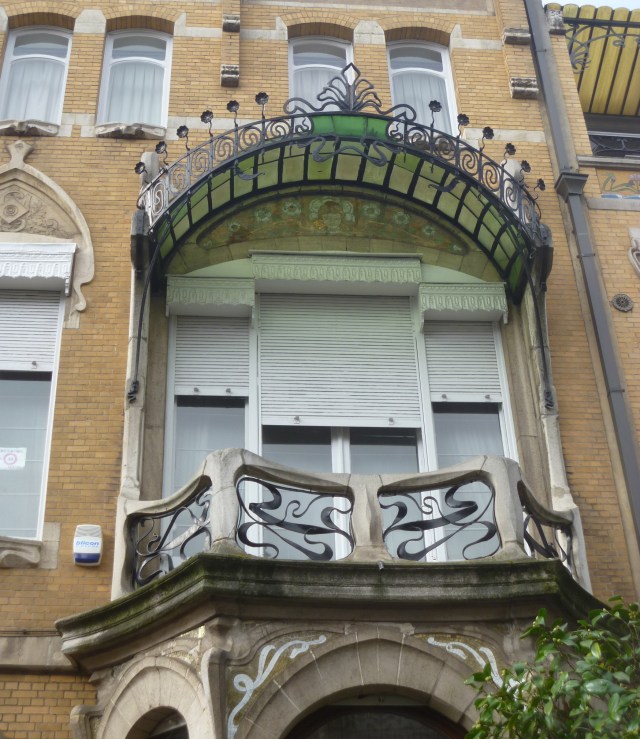
Another architectural feature are the ‘peacocks’ eyes’. At first I thought I had never been near enough to a peacock to look at its eyes but soon realised that the eyes are in the peacock’s tail feathers.

Spot the eyes and lines and stylised flowers and roots and leaves in this small sample of buildings above the shopping streets of Lille.

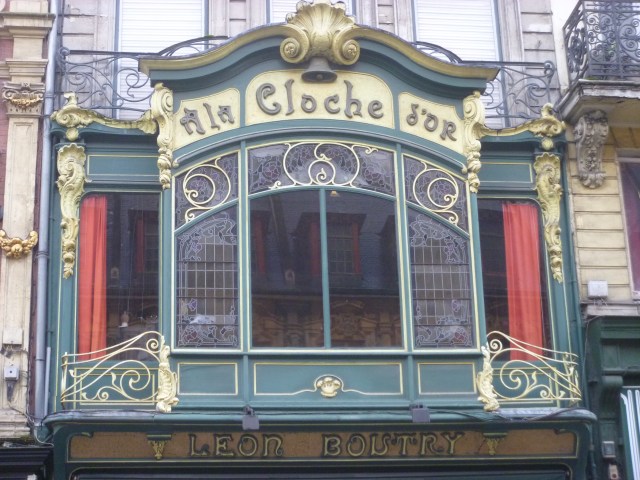
A La Cloche

A La Cloche d’Or, rue Saint Nicolas, Lille

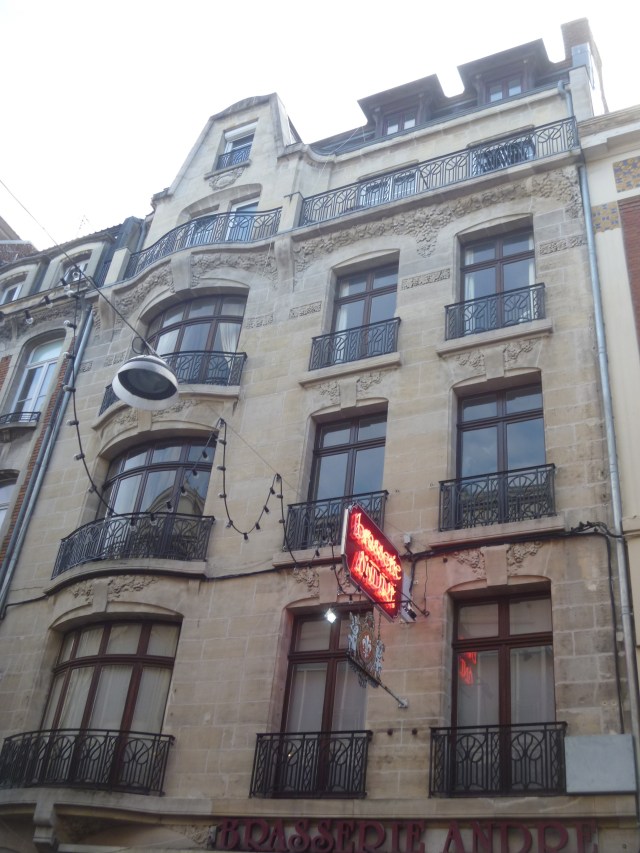
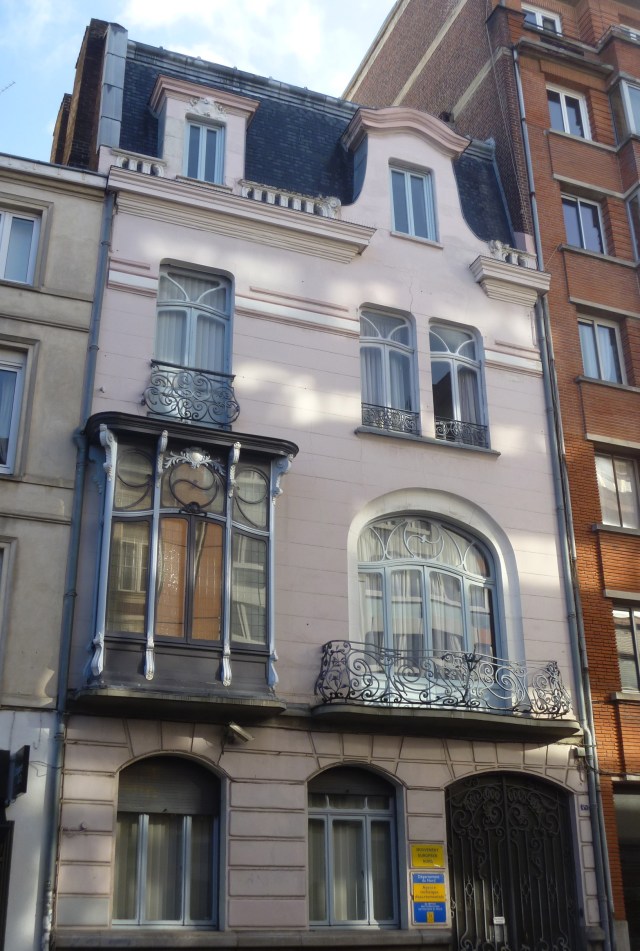
43 Rue du Faubourg de Béthune

43 Rue du Faubourg de Béthune, Lille

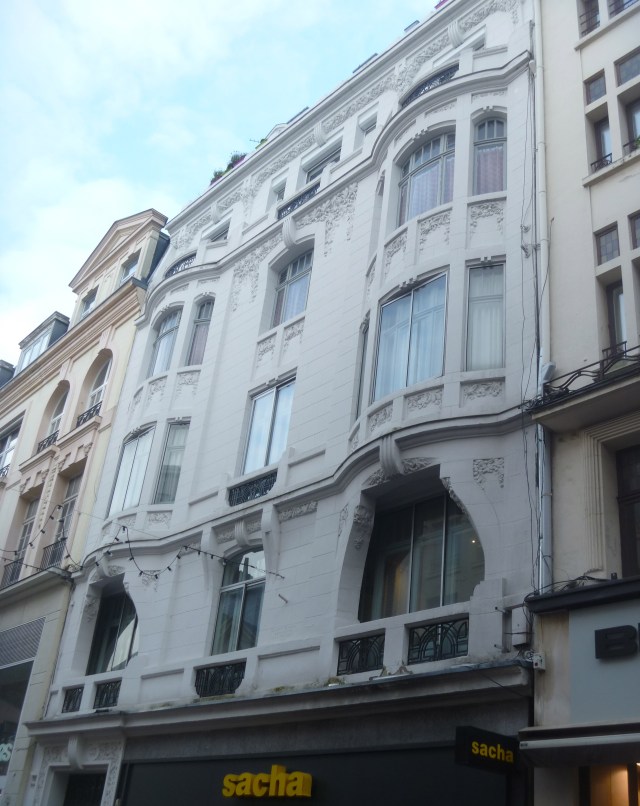
71 Rue de Béthune

71, rue de Béthune, Lille

Rue Nicolas Leblanc

Rue Nicolas Leblanc

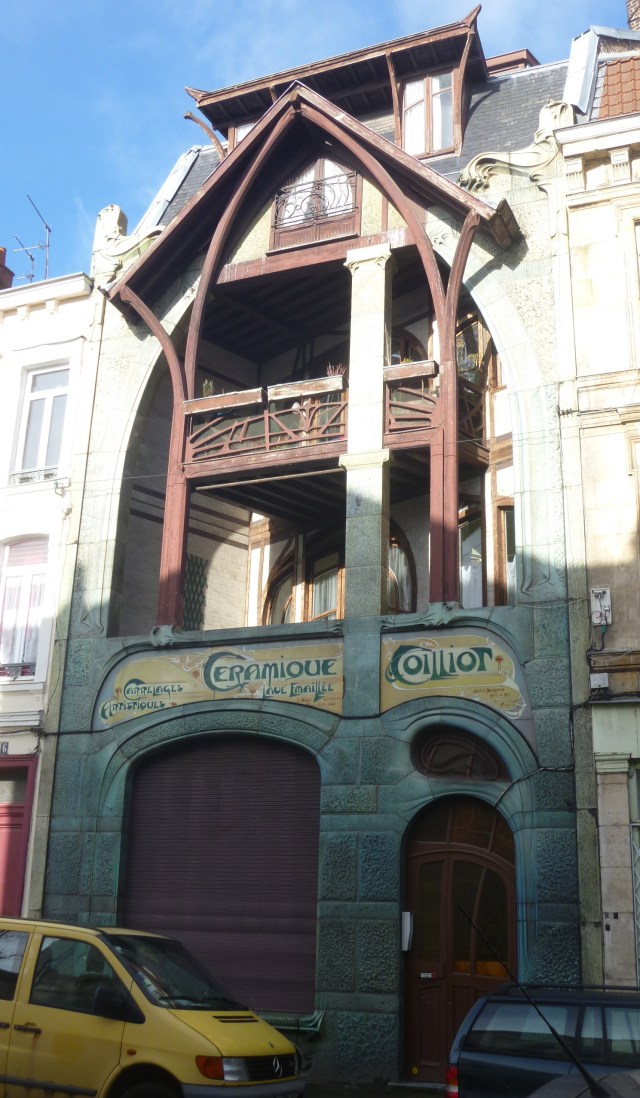
Ceramique Colliot

Maison Ceramique Coilliot by Hector Guimard

Art Deco of the 1920s on the other hand is characterised by clean lines and strong curves and by

  • geometric and angular shapes
  • chrome, glass, mirrors and mirror tiles
  • stylised images of aeroplanes, cars, cruise liners, skyscrapers
  • nature motifs – shells, sunrises, flowers
  • theatrical contrasts – highly polished wood and glossy black lacquer

The fonts or typescripts are sans serif – no added curlicues or decoration.

Spot the art deco style features and sans serif scripts on the buildings on our morning walk in Lille :

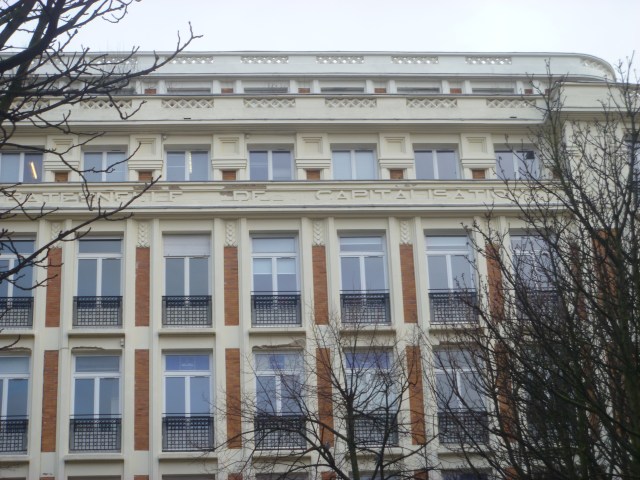
AD near hotel

Art Deco near The Hotel Mercure, Lille Centre

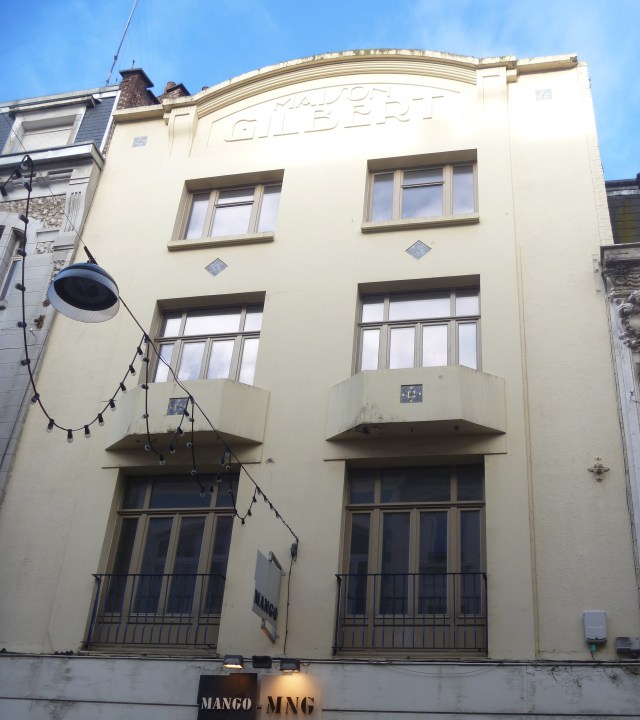
Maison Gilbert Lille

Maison Gilbert, Lille

Shoe shop

Former shop or factory?

45 rue de Béthune

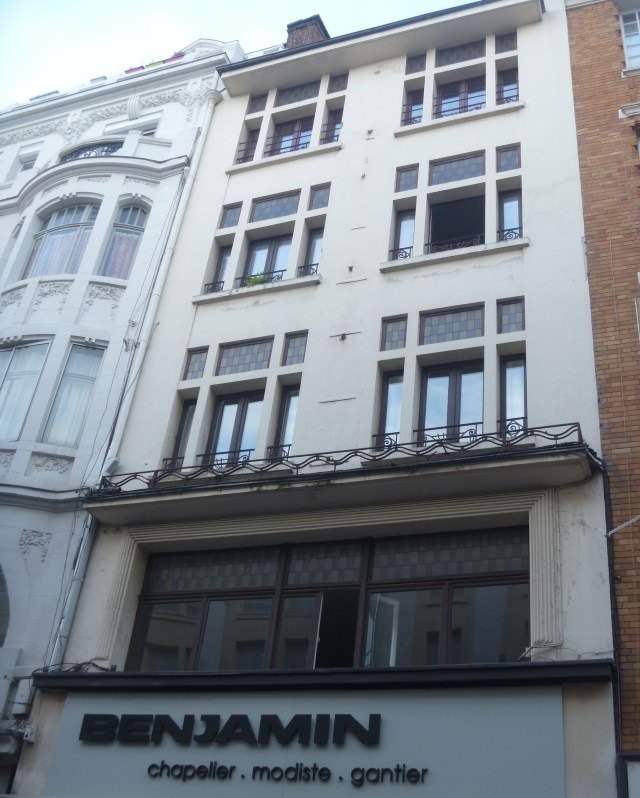
Above hat maker, Benjamin, 45, rue de Béthune

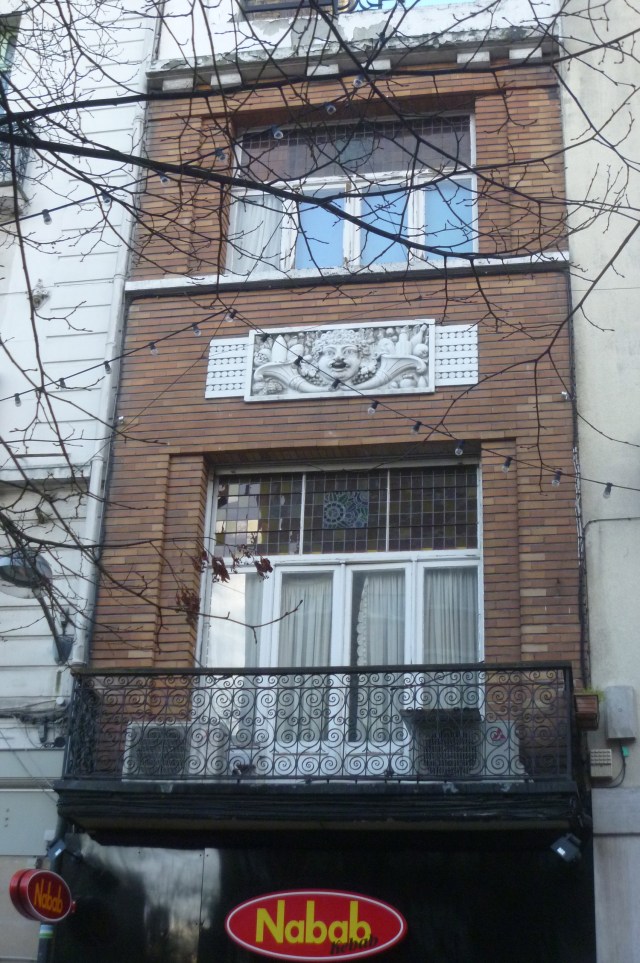
Also r de Béthune

Also on the rue de Béthune

rue de Bethune

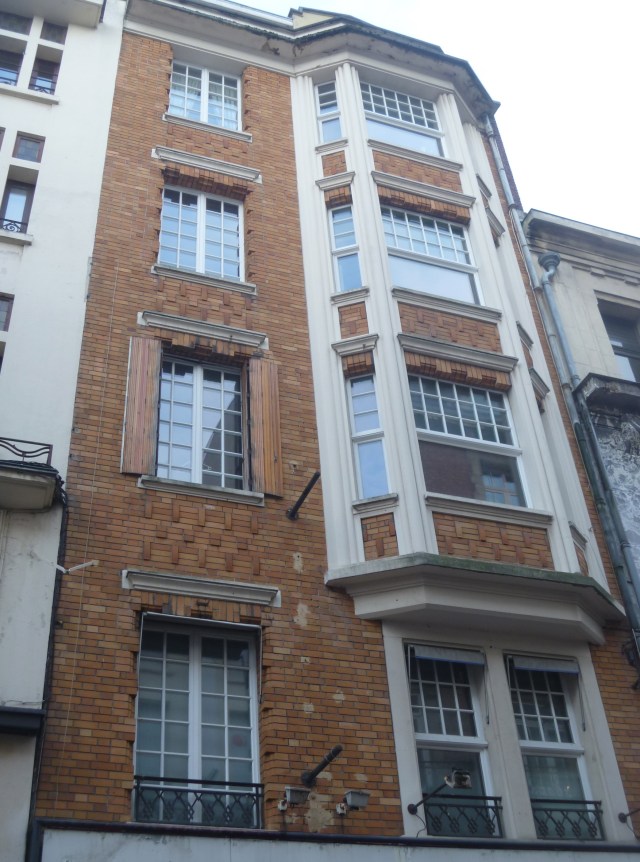
Another on the rue de Béthune

Place de Béthune

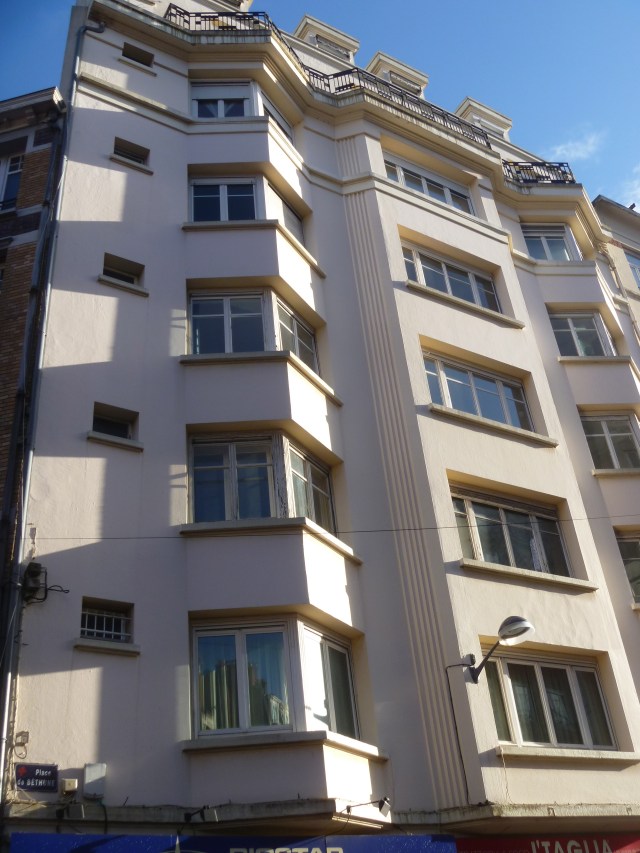
At the Place de Béthune

After the Maison Ceramique Coilliot by Hector Guimard we joined our coach for the next stages of the day’s tour.