Upon Eckington Bridge

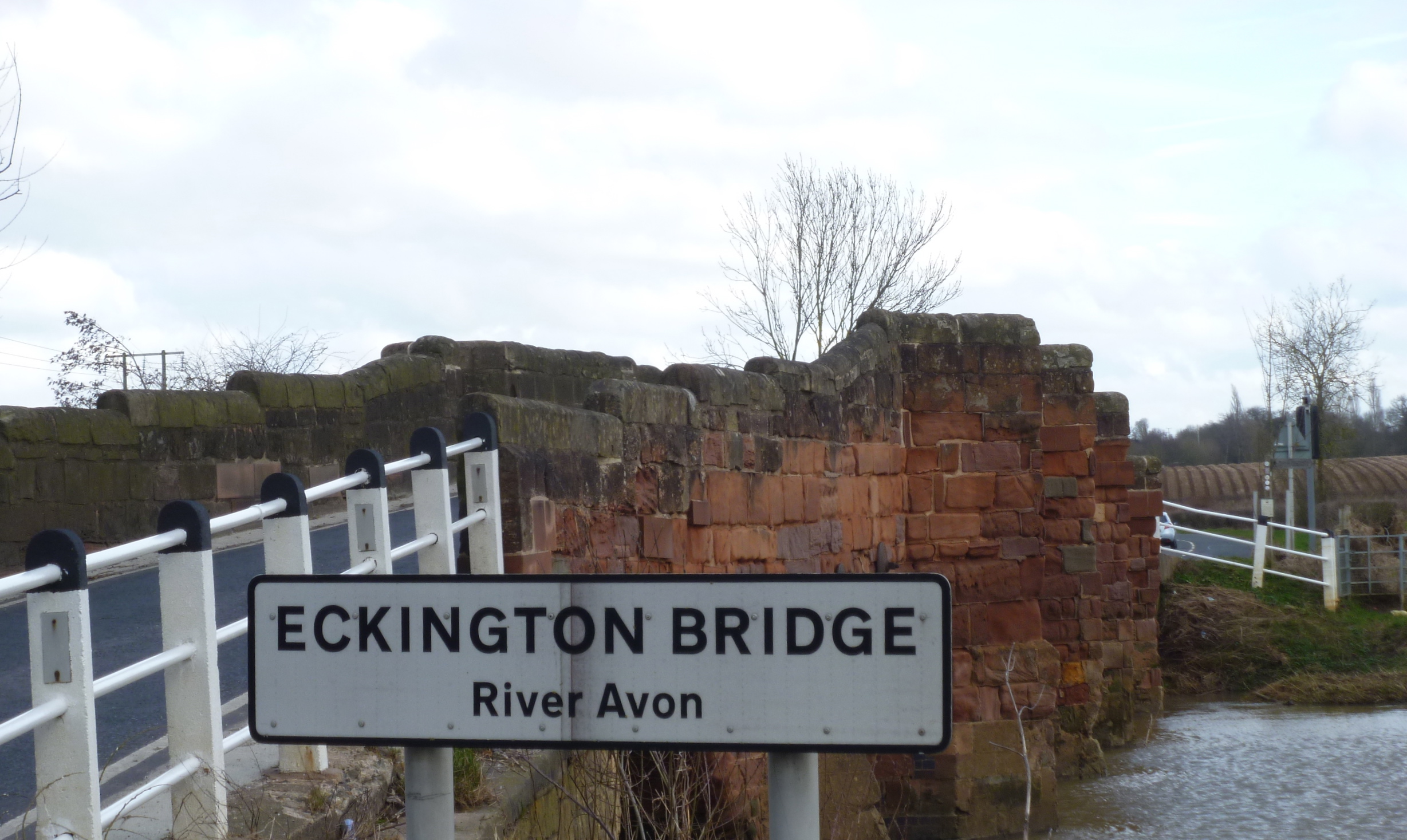
Eckington Bridge

My friend Simon, who is always stuck-in-a-book, grew up in Eckington in Worcestershire and recently mentioned to me a poem called Upon Eckington Bridge by Sir Arthur Quiller-Couch.

UPON ECKINGTON BRIDGE, RIVER AVON

by: A.T. Quiller-Couch

PASTORAL heart of England! like a psalm
Of green days telling with a quiet beat–
O wave into the sunset flowing calm!
O tirèd lark descending on the wheat!
Lies it all peace beyond the western fold
Where now the lingering shepherd sees his star
Rise upon Malvern? Paints an Age of Gold
Yon cloud with prophecies of linkèd ease–
Lulling this Land, with hills drawn up like knees,
To drowse beside her implements of war?

Man shall outlast his battles. They have swept
Avon from Naseby Field to Savern Ham;
And Evesham’s dedicated stones have stepp’d
Down to the dust with Montfort’s oriflamme.
Nor the red tear nor the reflected tower
Abides; but yet these elegant grooves remain,
Worn in the sandstone parapet hour by hour
By labouring bargemen where they shifted ropes;
E’en so shall men turn back from violent hopes
To Adam’s cheer, and toil with spade again.

Ay, and his mother Nature, to whose lap
Like a repentant child at length he hies,
Nor in the whirlwind or the thunder-clap
Proclaims her more tremendous mysteries:
But when in winter’s grave, bereft of light,
With still, small voice divinelier whispering
–Lifting the green head of the aconite,
Feeding with sap of hope the hazel-shoot–
She feels God’s finger active at the root,
Turns in her sleep, and murmurs of the Spring.

‘Upon Eckington Bridge, River Avon’ is reprinted from An Anthology of Modern Verse. Ed. A. Methuen. London: Methuen & Co., 1921.

So I thought it would interesting, as I was staying a few days in nearby Tewkesbury, to have a look at this bridge and take a few photos. Due to traffic problems and road closures yesterday my only chance was to take a diversion from my journey home and check it out this morning, en route for Leeds.

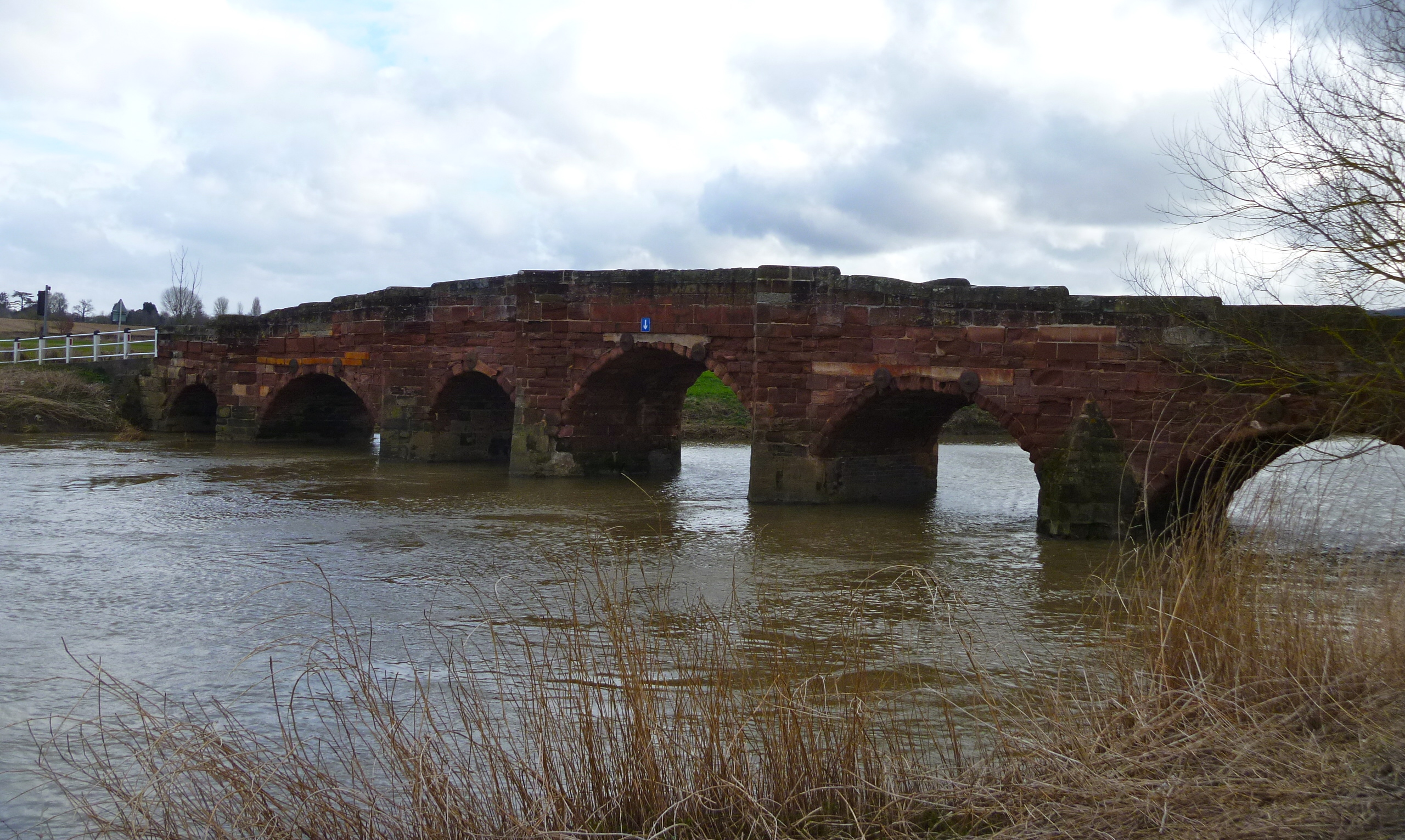
Eckington Bridge was built in 1728 of local sandstone and is a scheduled monument, enjoying a Grade II listing. I like Q-C’s references to the countryside and to battles and man outlasting his battles and returning to the land. There is nothing too dramatic about the landscape of Worcestershire but again it isn’t dull and flat and featureless. Man has definitely had a hand in shaping it. No barges passed down the river as I stood on its bank today and I’m afraid I wasn’t sufficiently brave enough to stand on the bridge’s parapets.
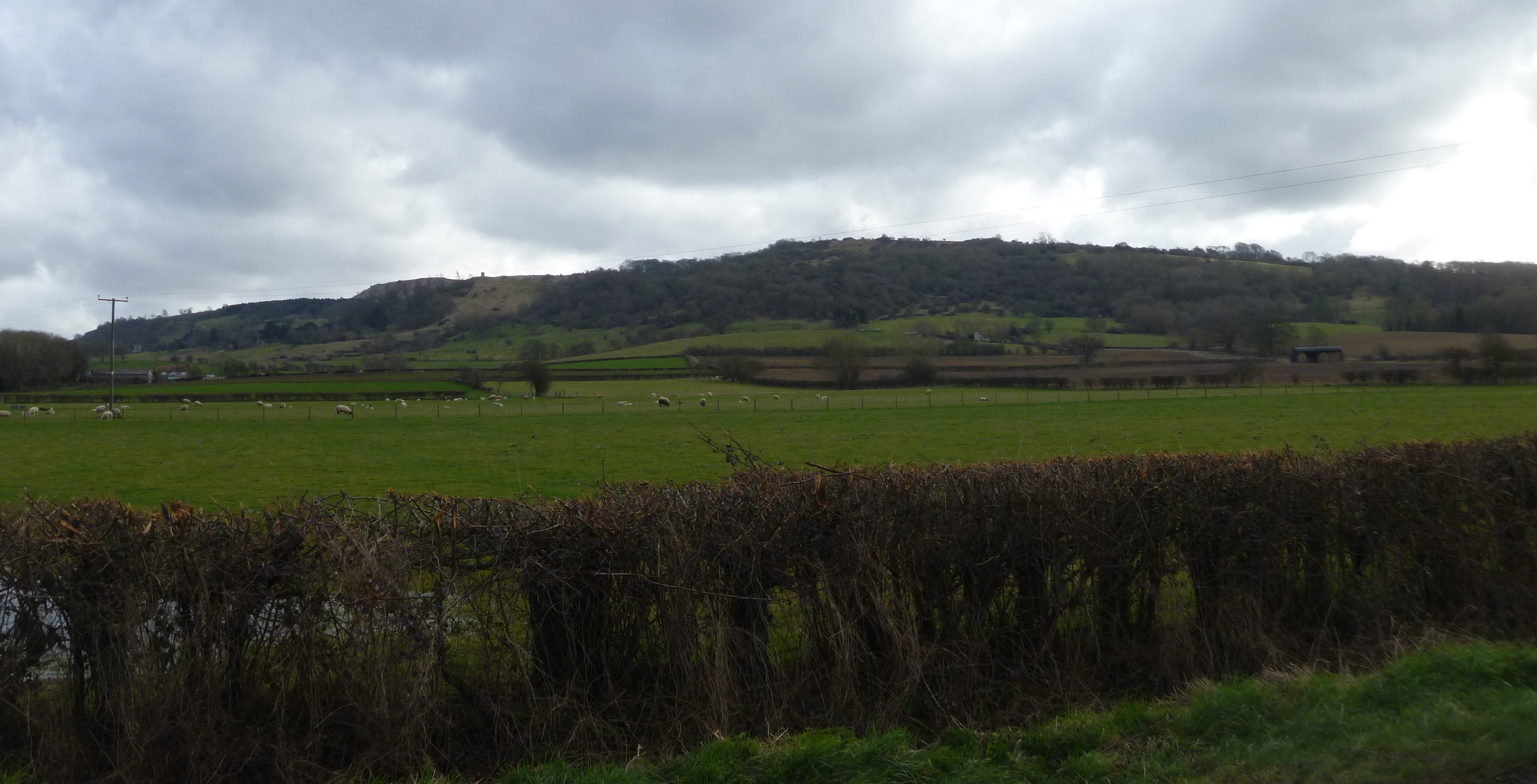
Bredon Hill

Bredon Hill, near Eckington

When I arrived at the deserted car park and picnic site by the River Avon I risked frostbite to take a few snaps and life and limb to cross the road to see the bridge from both sides! I’m sure on a warm summer’s day when folk are picnicking and messing about on the river its a divine spot. Quite frankly a couple of minutes were enough and I soon leapt back into the car to make way along various motorways home.

Simon, these pictures are for you!
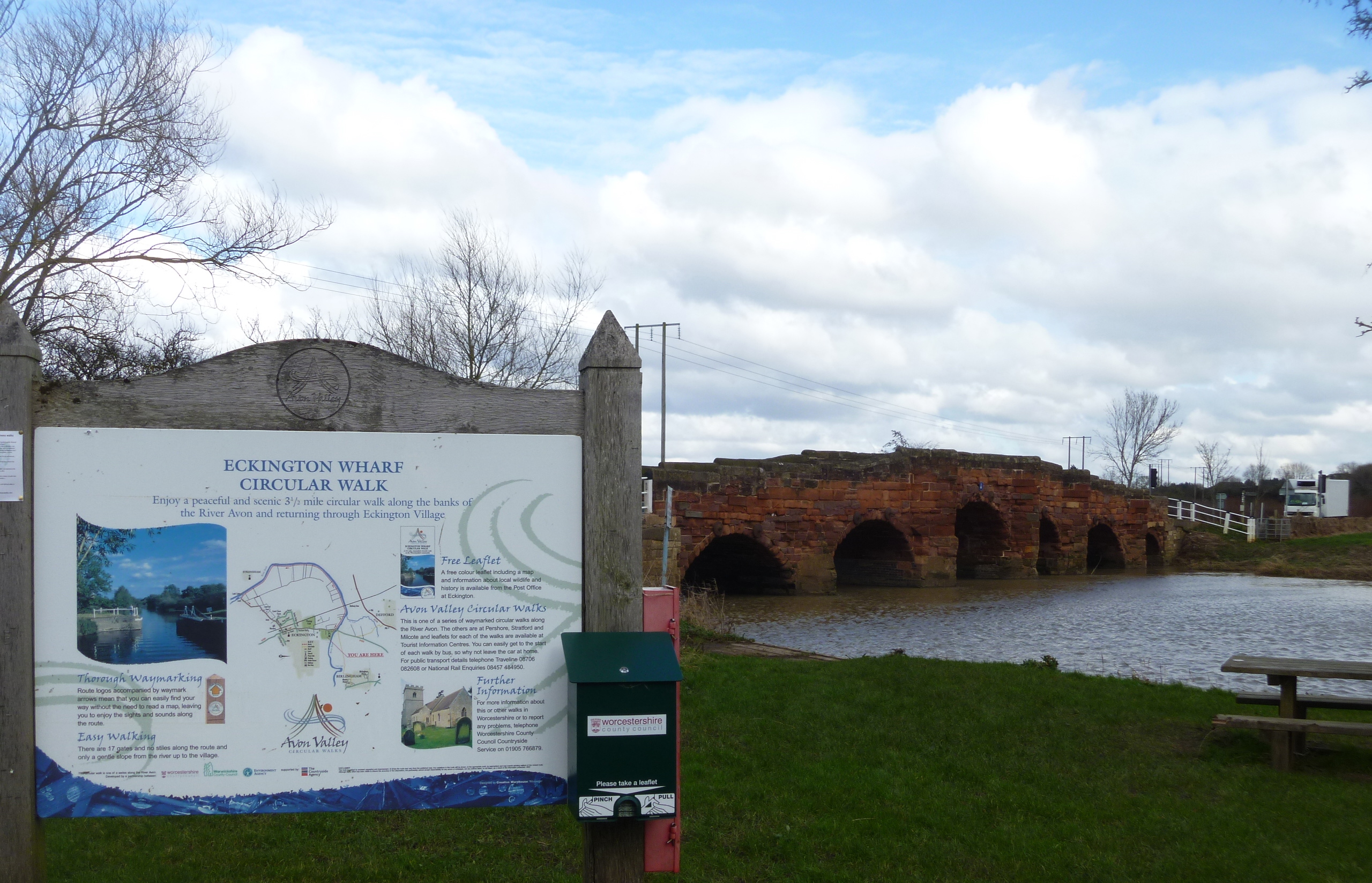
Information board

A three-and-a-half mile walk is recommended – for a warmer day, perhaps?
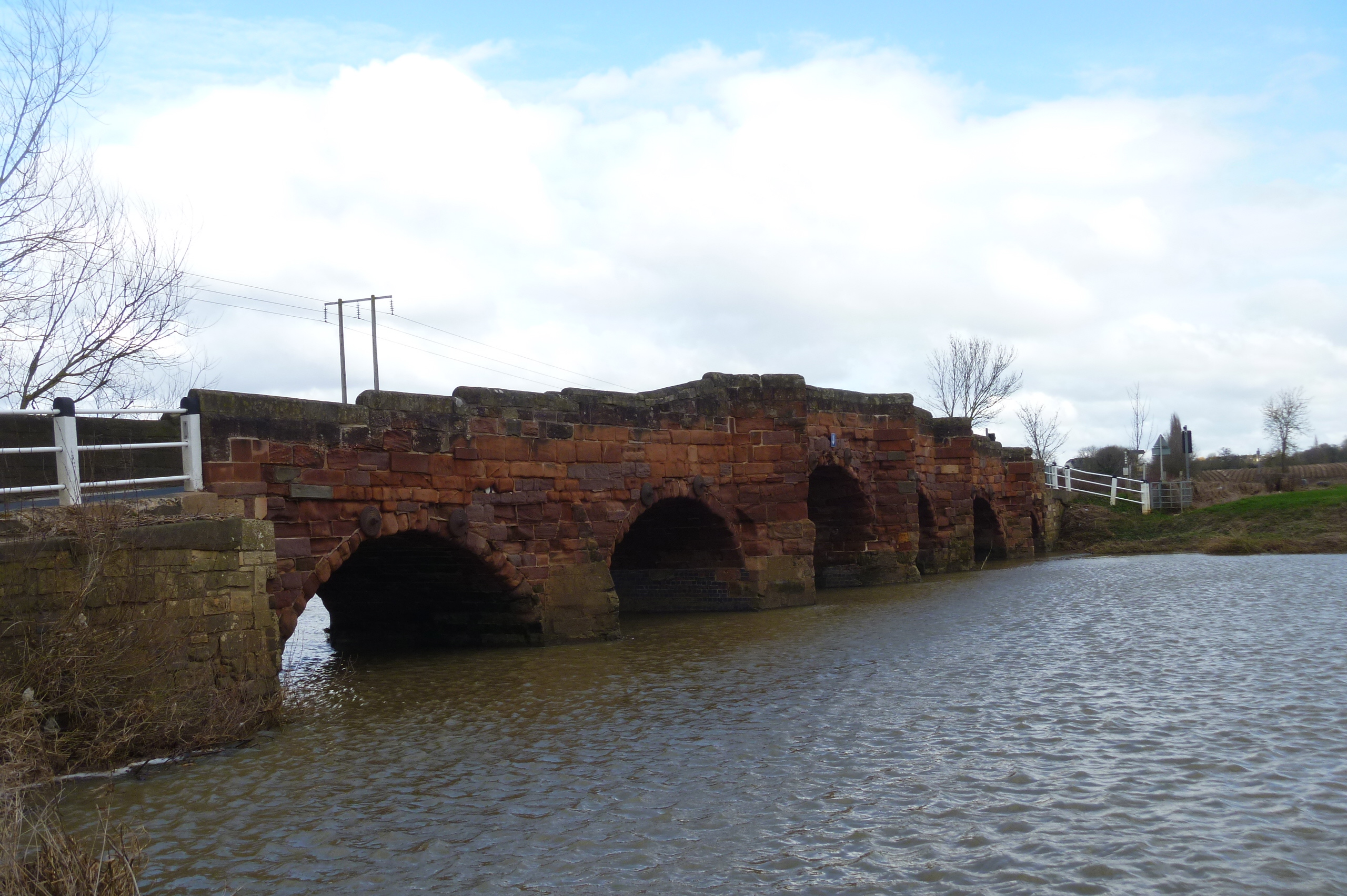
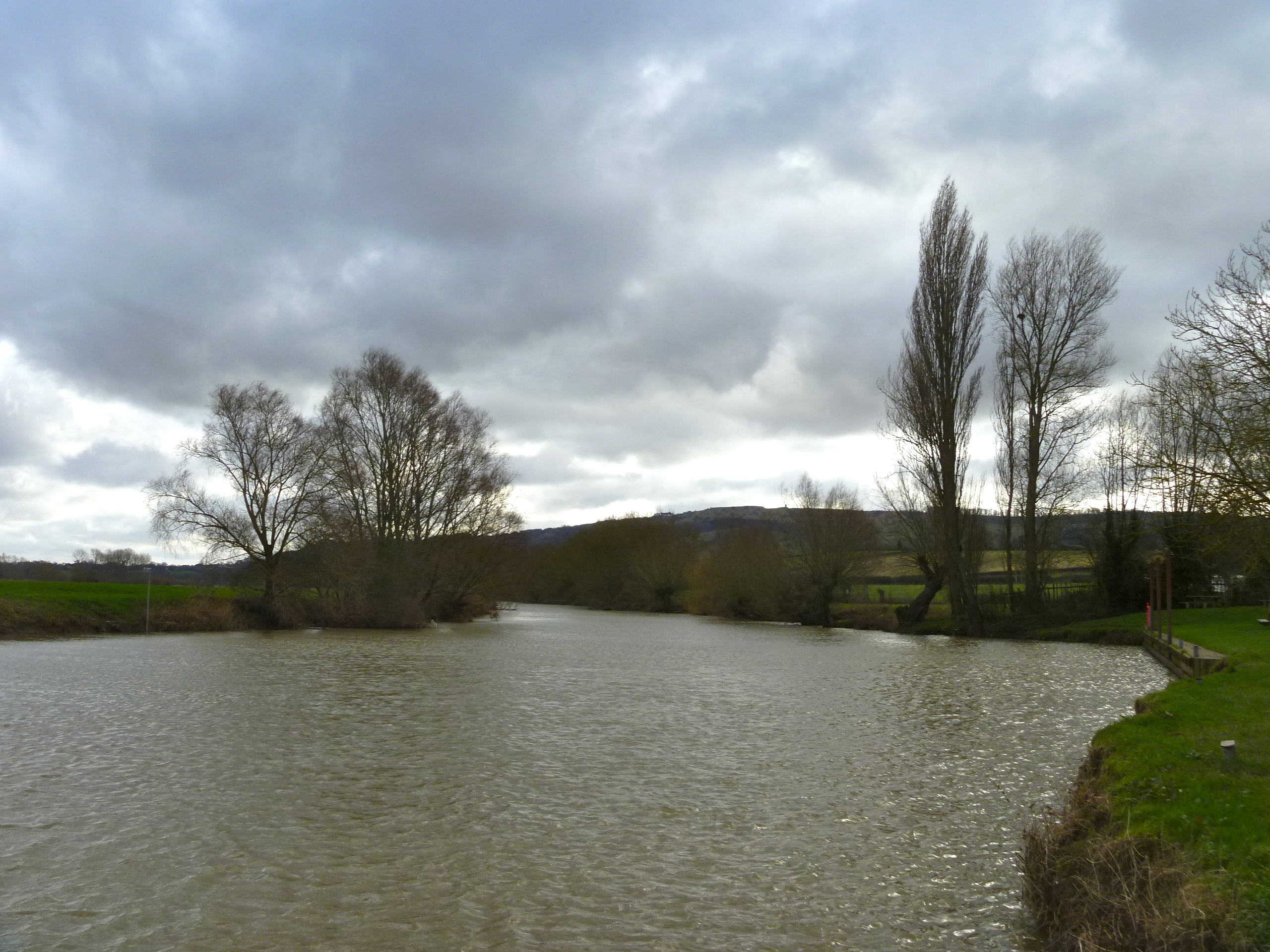
River Avon and Bridge

That water looks pretty chilly!

Bredon Hill and River

River Avon and Bredon Hill

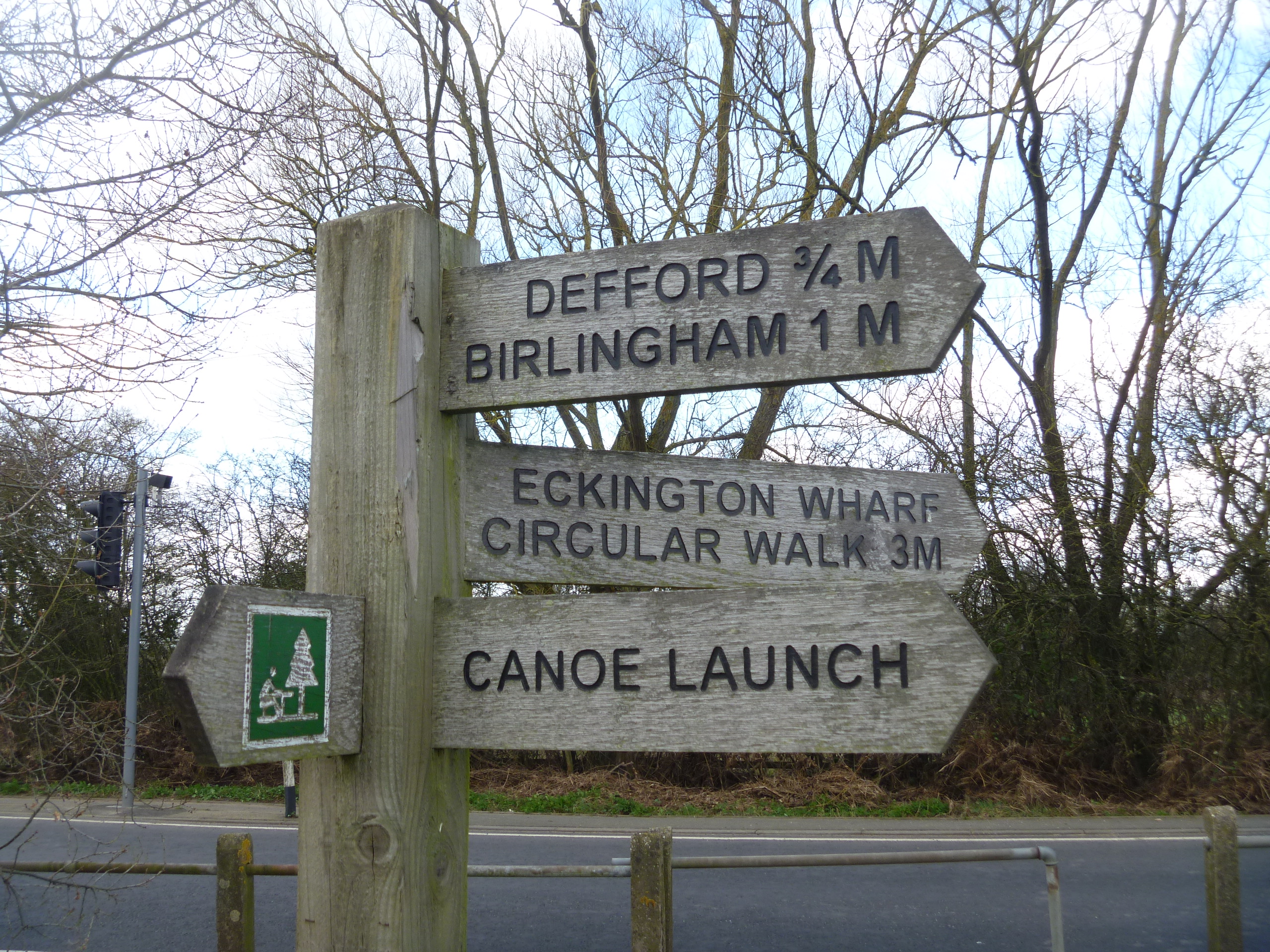
Canoe Launch

Canoe Launch and Walks

Other side

The Bridge from the ‘other’ side
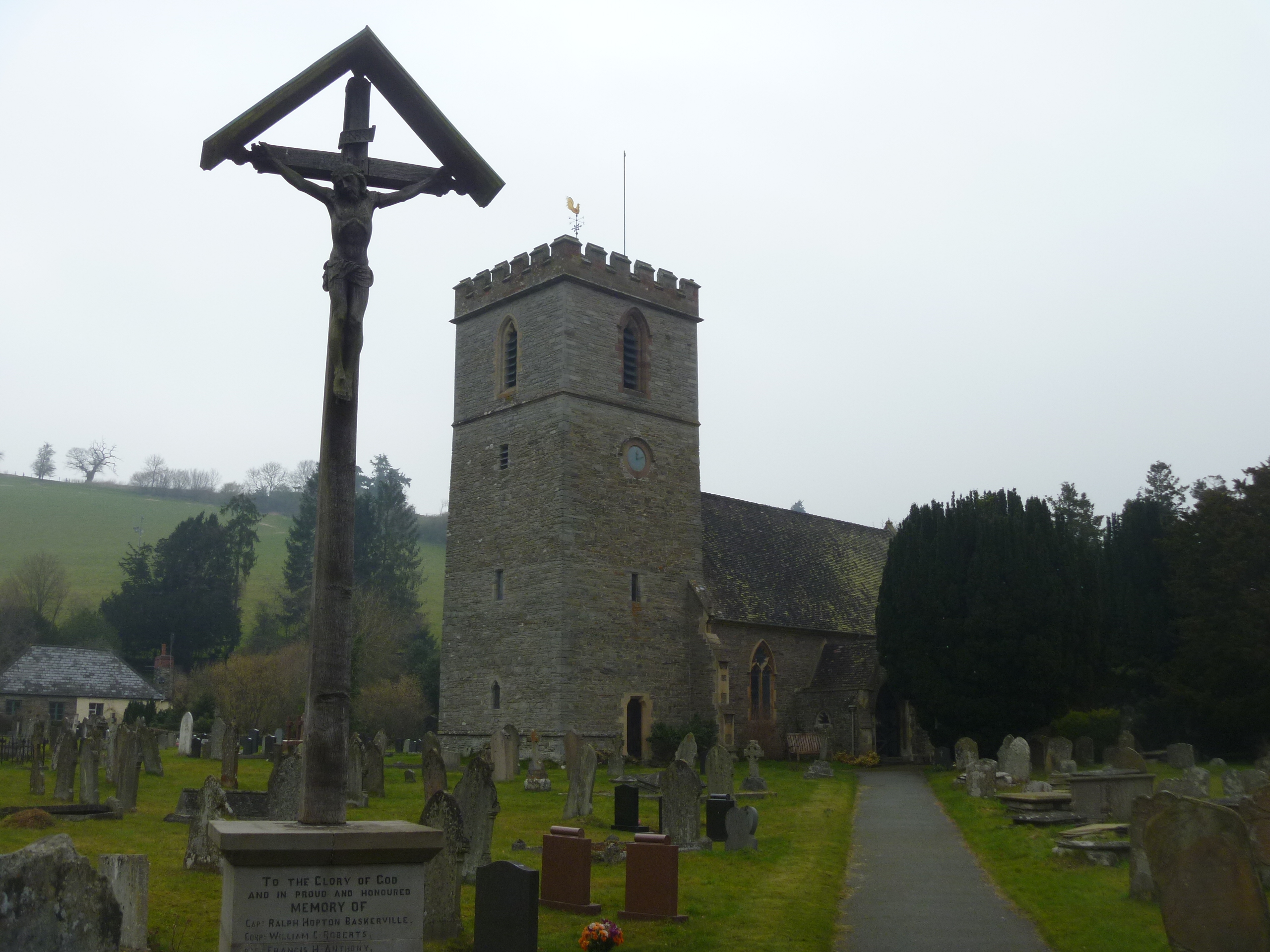
A Chapel, a Diarist and a Book Town: a visit to Hay On Wye and its Environs

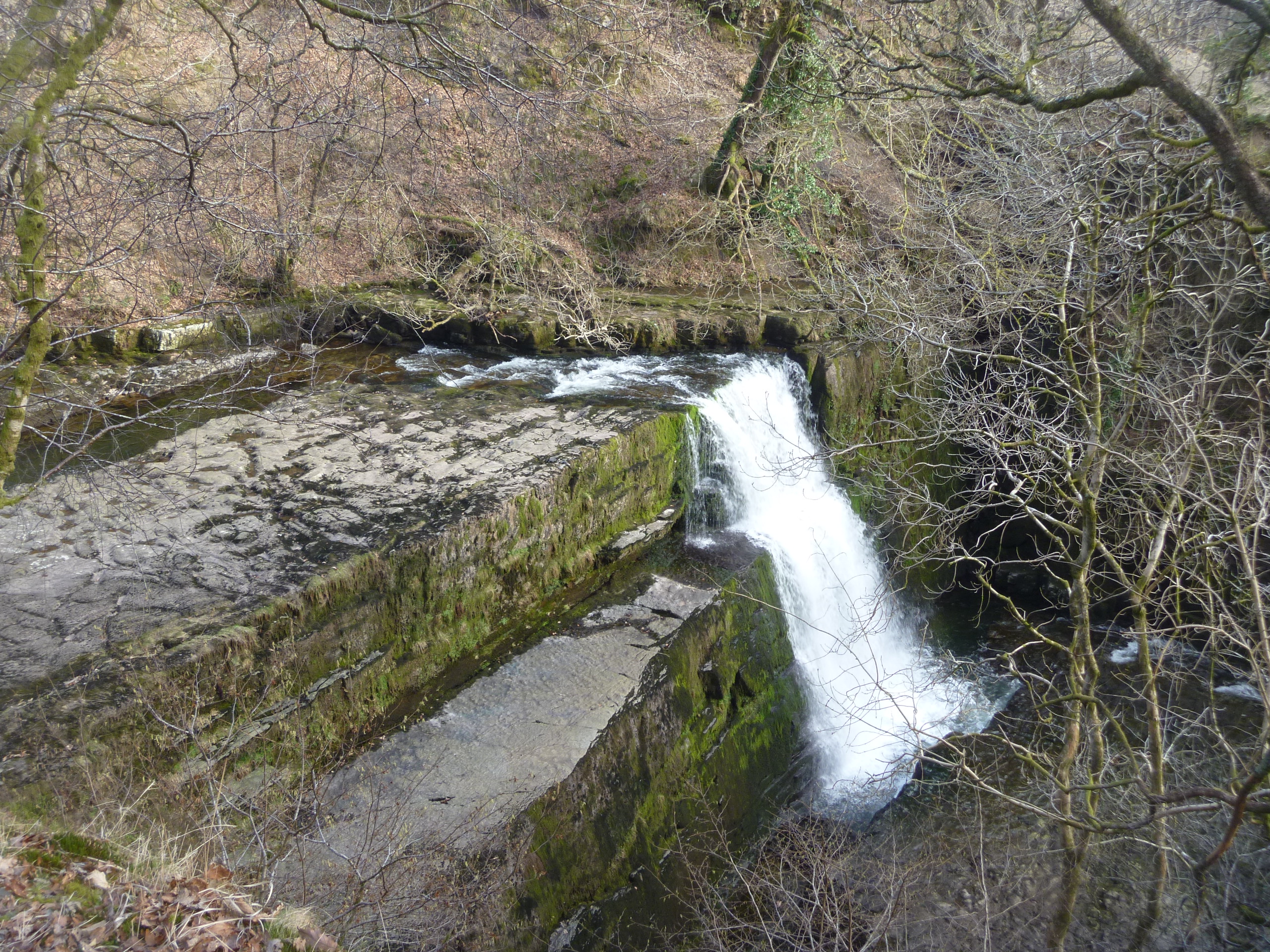
On Monday I arrived in Wales for a few days’ visit with a friend and former colleague who returned to her home country after spending most of her adult life in Leeds. I’m having a very relaxing few days interspersed with an expedition each day. Tuesday was most glorious. The sun came out and the temperatures rose and spring seemed definitely in the air. We managed a couple of short walks in “Waterfall Country”.

Sgwd Gwladus near Pontneddfechan

Sgwd Gwladus near Pontneddfechan, Neath Valley

St Mary's Church, Ystradfellte

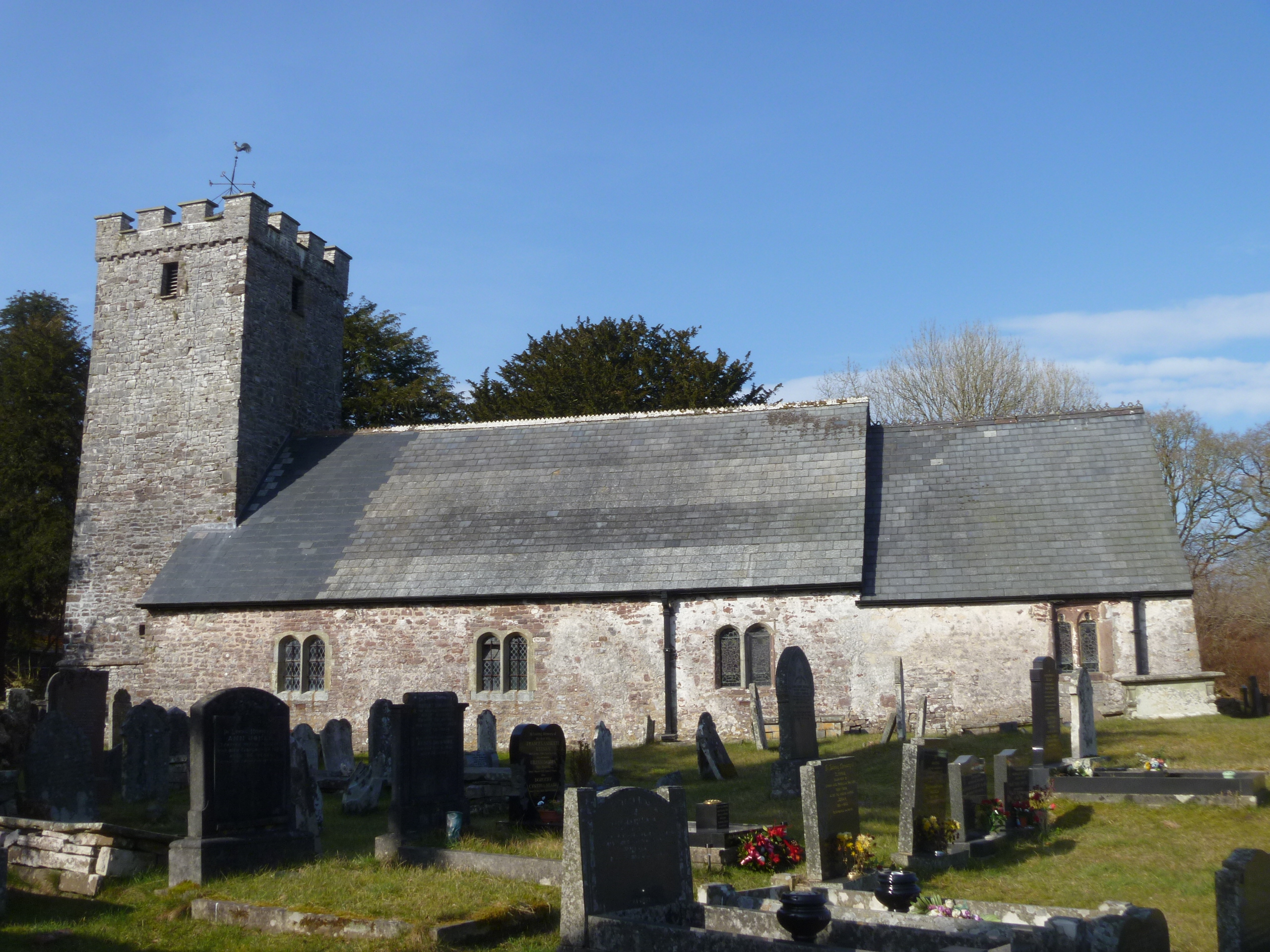
St Mary’s Church, Ystradfellte

Sgwd Clun-Gwyn

Sgwd Clun-Gwyn, near Ystradfellte

By yesterday spring was over and it was winter again – misty, wet and cold. No problem, we thought, for today we have the pleasures of Hay-on-Wye, Wales’s own Book Town, in store.

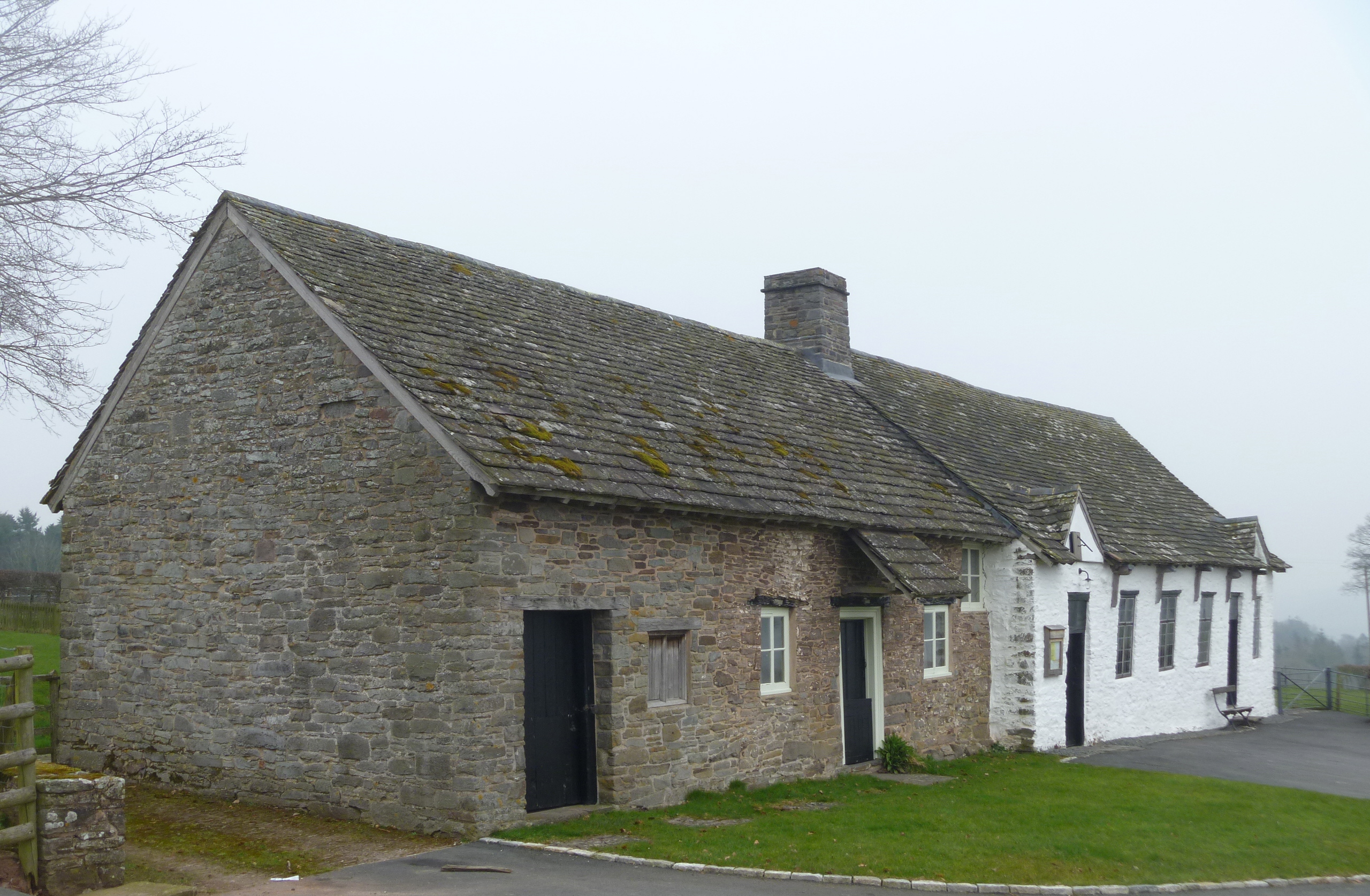
On our journey to Hay we took two very short detours. The first was to visit the Maesyronnen Chapel. Fortuitously, the adjoining former minister’s house is now a Landmark Trust property.

Maesyronnen

Here is an extract from the History page from the LT’s webpage for Maesyronnen Chapel:

“A Chapel Founded just after The Act of Toleration

Here we have taken on the neat and tiny cottage, built before 1750 onto the end of one of Wales’s shrines of Nonconformity, the Maesyronnen chapel. This chapel, converted from a barn in 1696, dates from Nonconformity’s earliest days, when any suitable building was made use of for enthusiastic worship. It was probably used for secret meetings even before the Act of Toleration legalised such gatherings in 1689, which explains its isolated position. Services are still held in the chapel, which is cared for by Trustees, who asked for our help. By taking a lease on the cottage we hope we have helped give both buildings a future.”

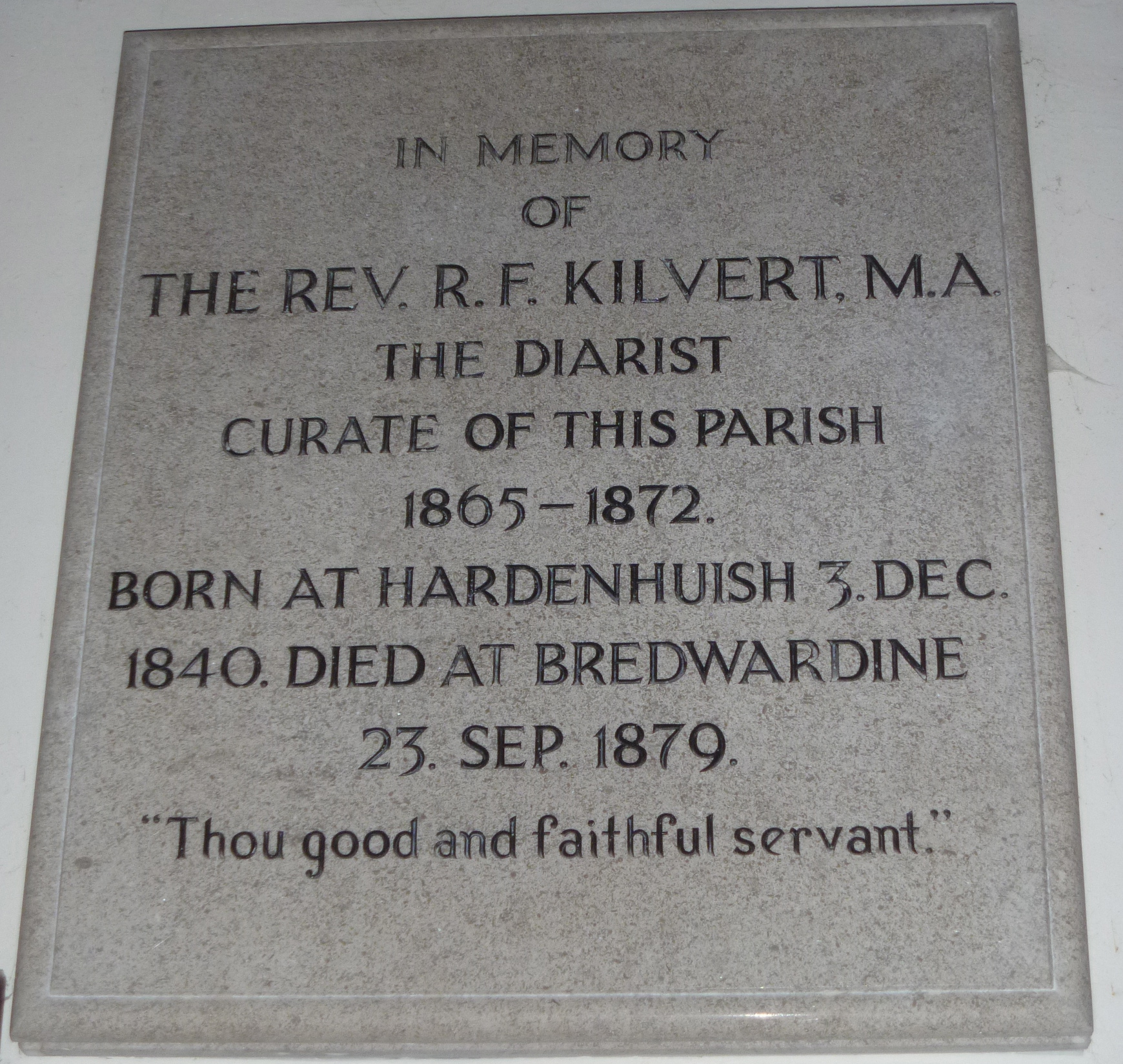
Kilvert Memorial Clyro

Francis Kilvert Memorial in Clyro Parish Church

St Michael's Clyro

St Michael’s Church, Clyro

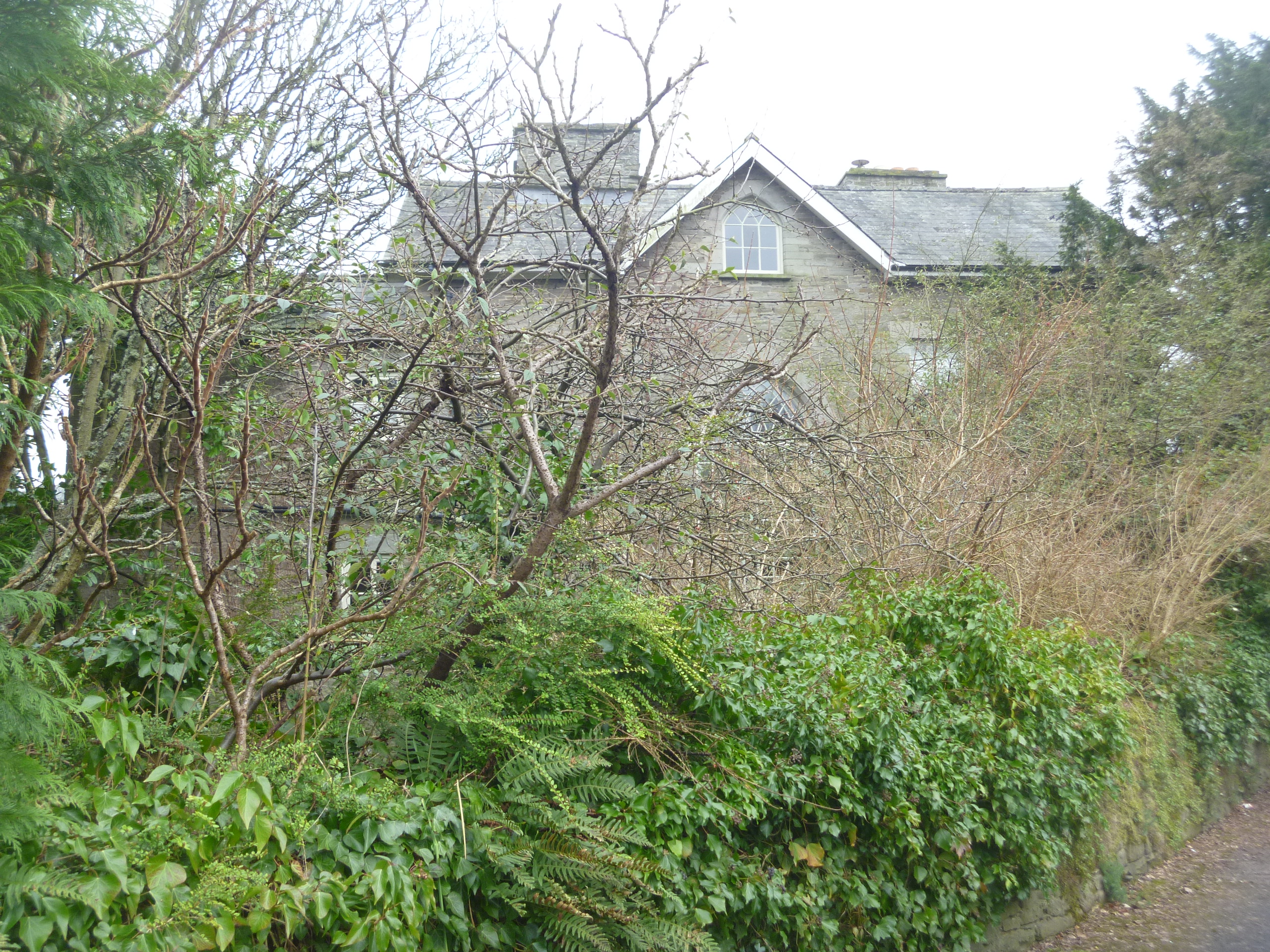
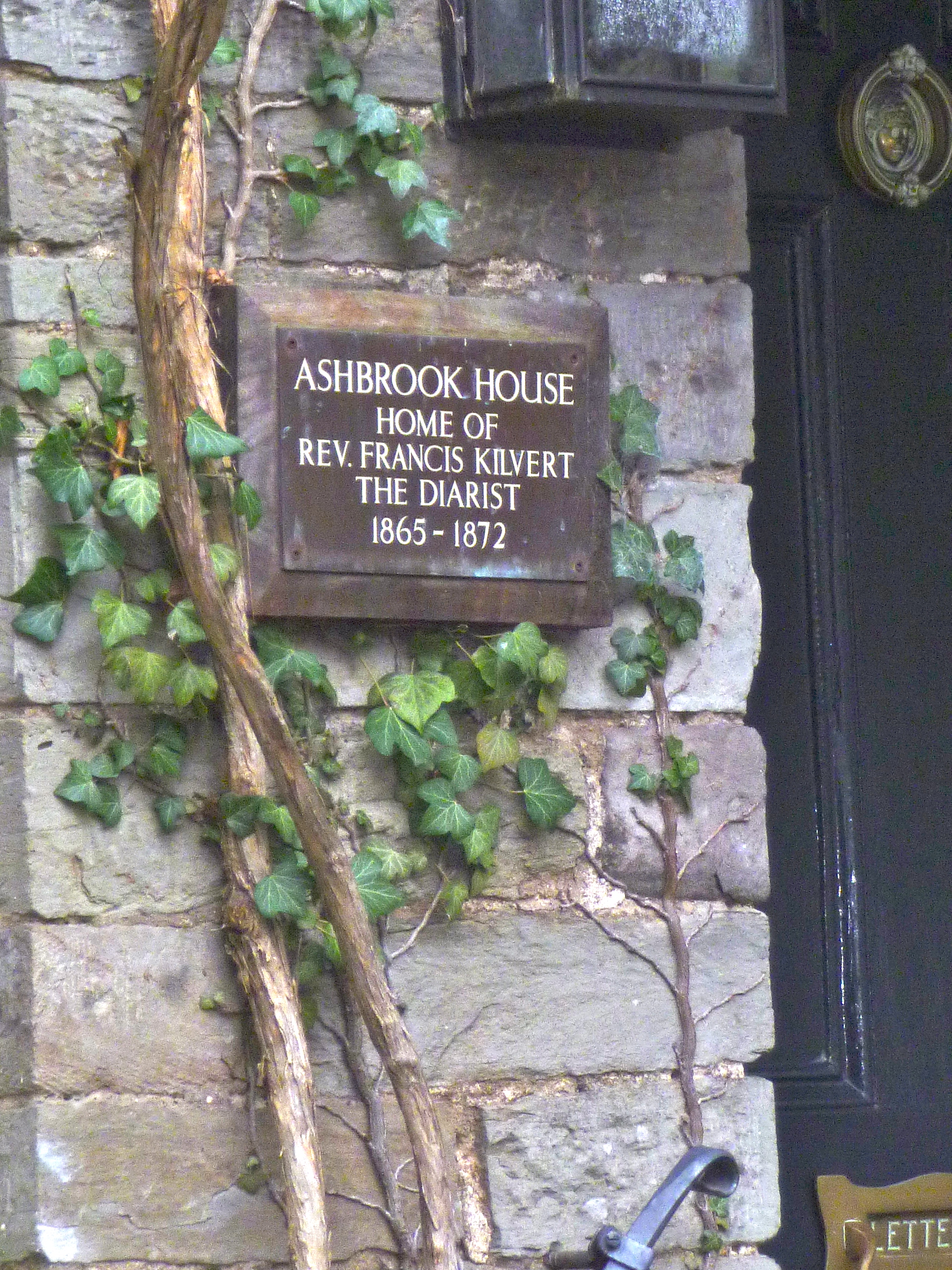
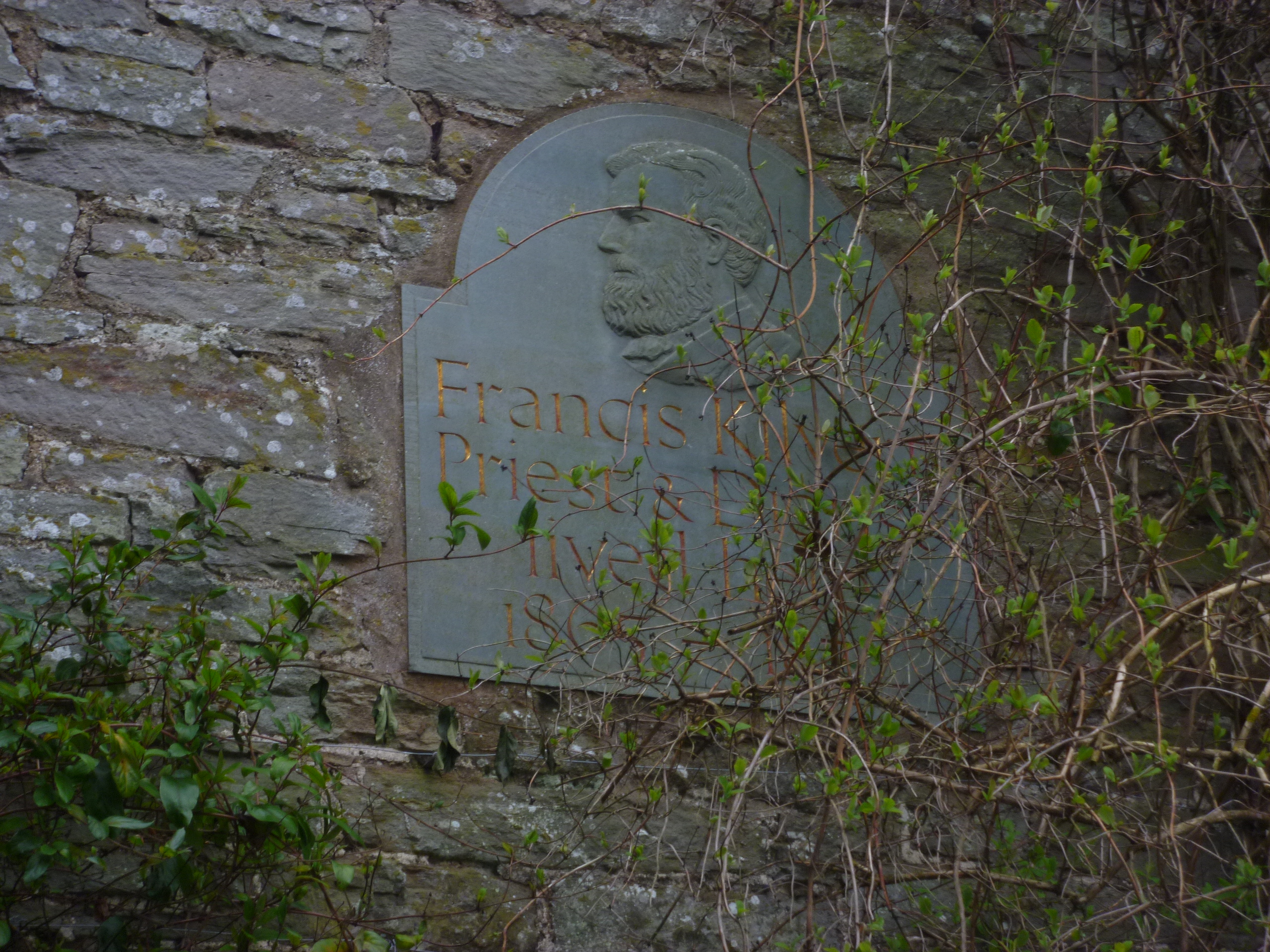
From Maesyronnen it was a short drive to Clyro and the former home of the Reverend Francis Kilvert famous for diaries recording his daily life and walks in the area. Kilvert was curate at Clyro when he began writing his diaries but he only lived there between 1865 and 1872. He lived at Ashbrook House which, until recently, had been an art gallery but currently the garden looks rather overgrown and unloved. Two plaques on the wall of the house record the fact that Kilvert lived here.

Ashbrook House, Clyro

Ashbrook House, Clyro

Kilvert lived here 1

Kilvert lived here 2

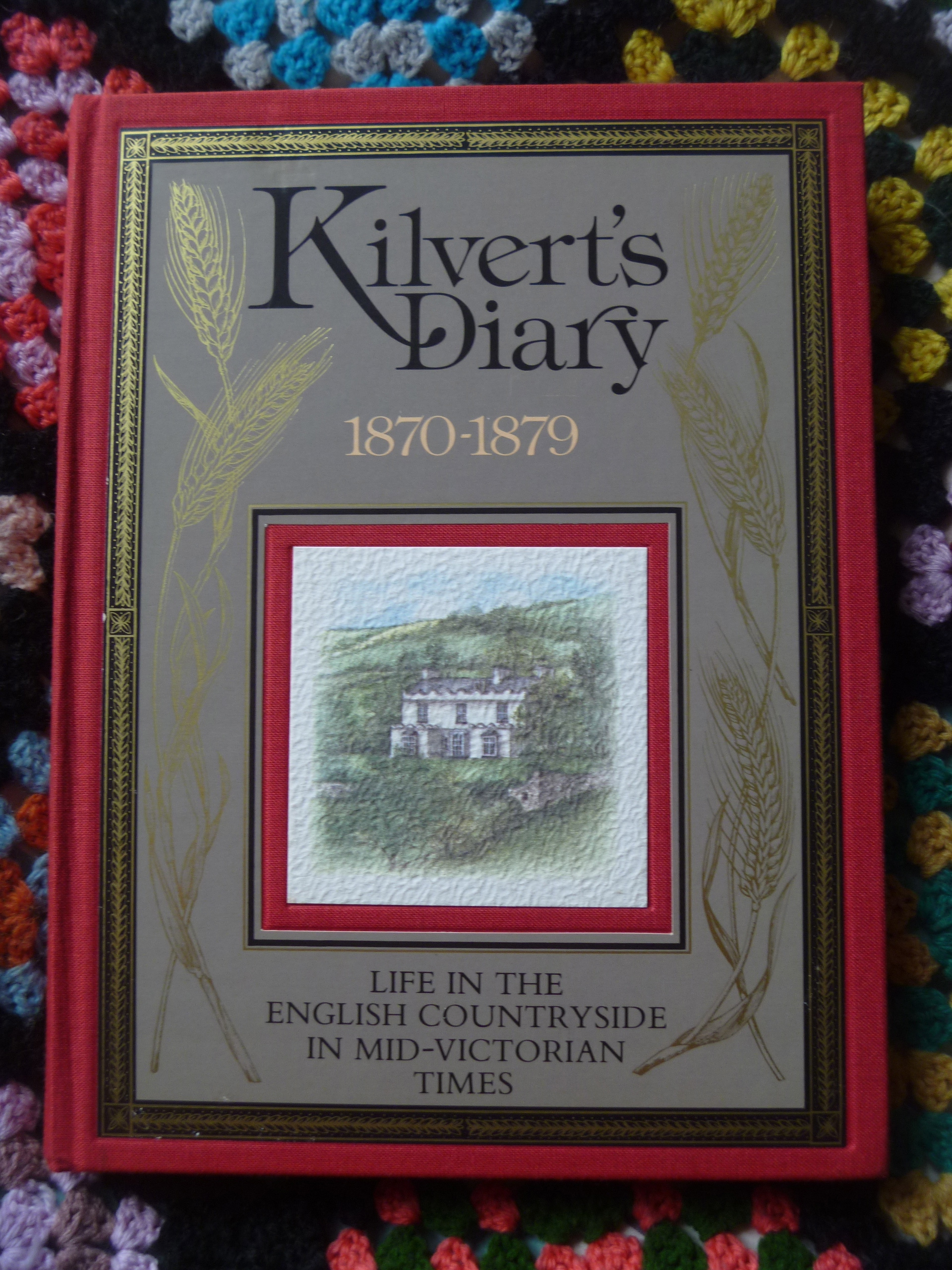
Read an interesting article here about Kilvert, the man, and his diaries.

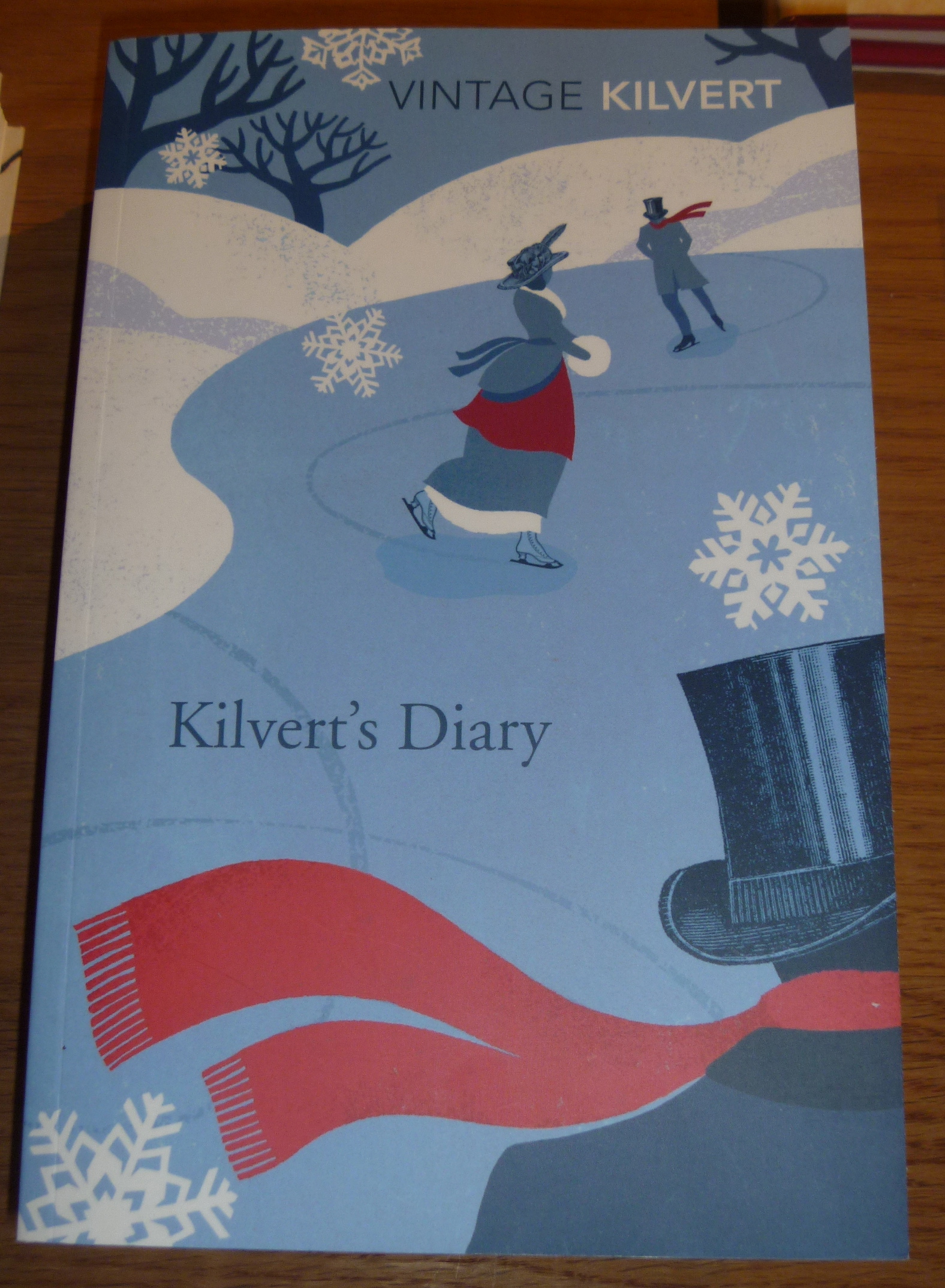
It ends : “Sadly, it’s difficult to find copies of Kilvert in bookshops today. The one-volume abridgement, published by Penguin, and subsequently by Pimlico, has fallen out of print, while Plomer’s three-volume edition has long been unavailable. To celebrate the 70th anniversary, Cape should consider authorising a critical edition of the diary, drawing on the surviving manuscripts, as well as on the background information amassed by the Kilvert Society in the years since its foundation in 1948. That way we might have the opportunity to gaze afresh on the radiant, picturesque world of the Rev Kilvert.”

Kilvert's diary 2

Kilvert's diary

Well, all that has changed and we saw several versions of the diaries in Hay book shops in the full 3 volume format (for around £130+) as well as reissues of the abridged version, above.

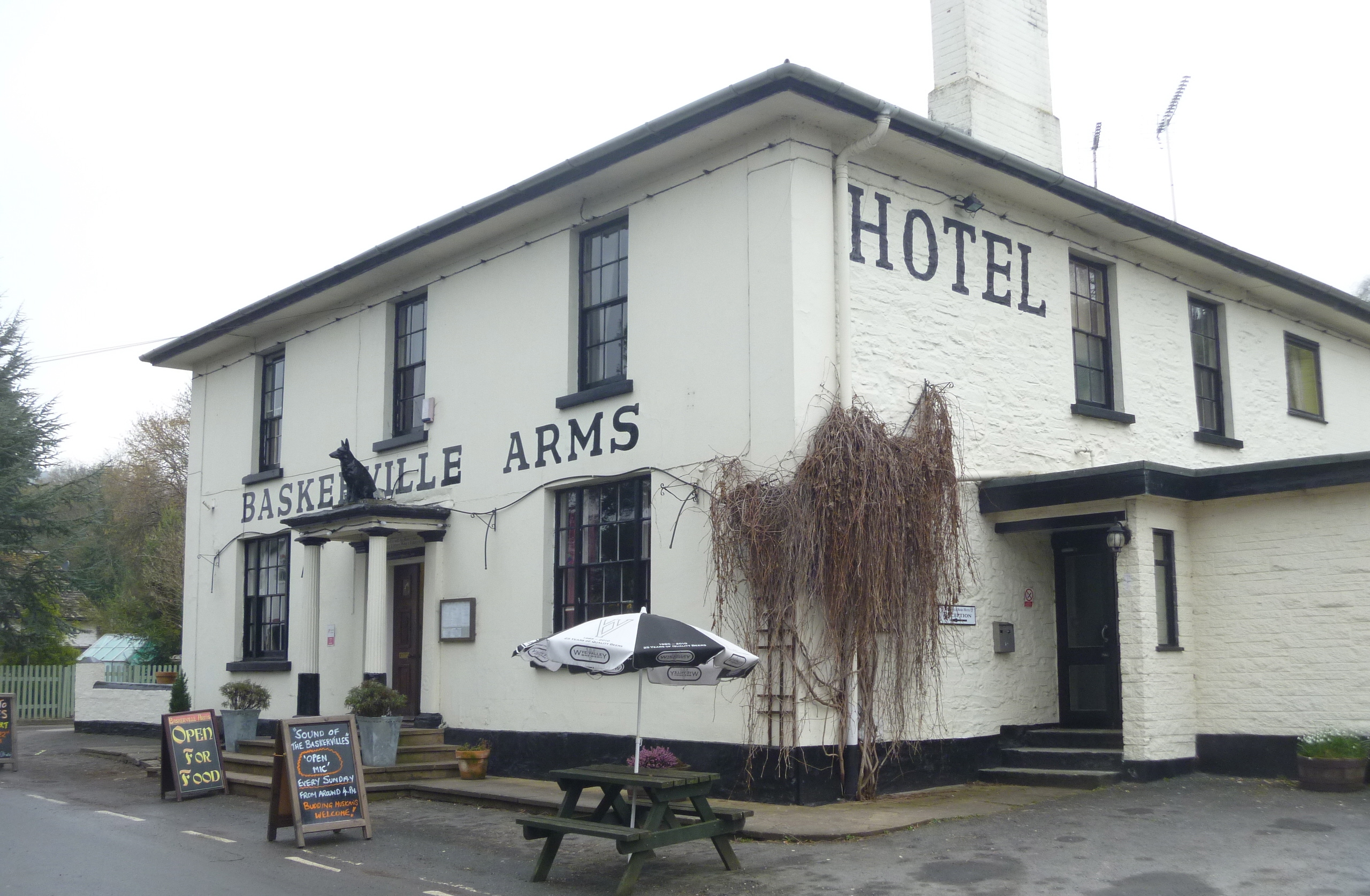
Baskerville Arms, Clyro

Clyro is also the location of the Jacobean-style mansion built by Sir Thomas Mynors Baskerville a friend of Sir Arthur Conan Doyle who borrowed his friend’s name when writing The Hound of the Baskervilles. The house is now a hotel and needless to say there is also a pub of the same name.

Prep for Hay

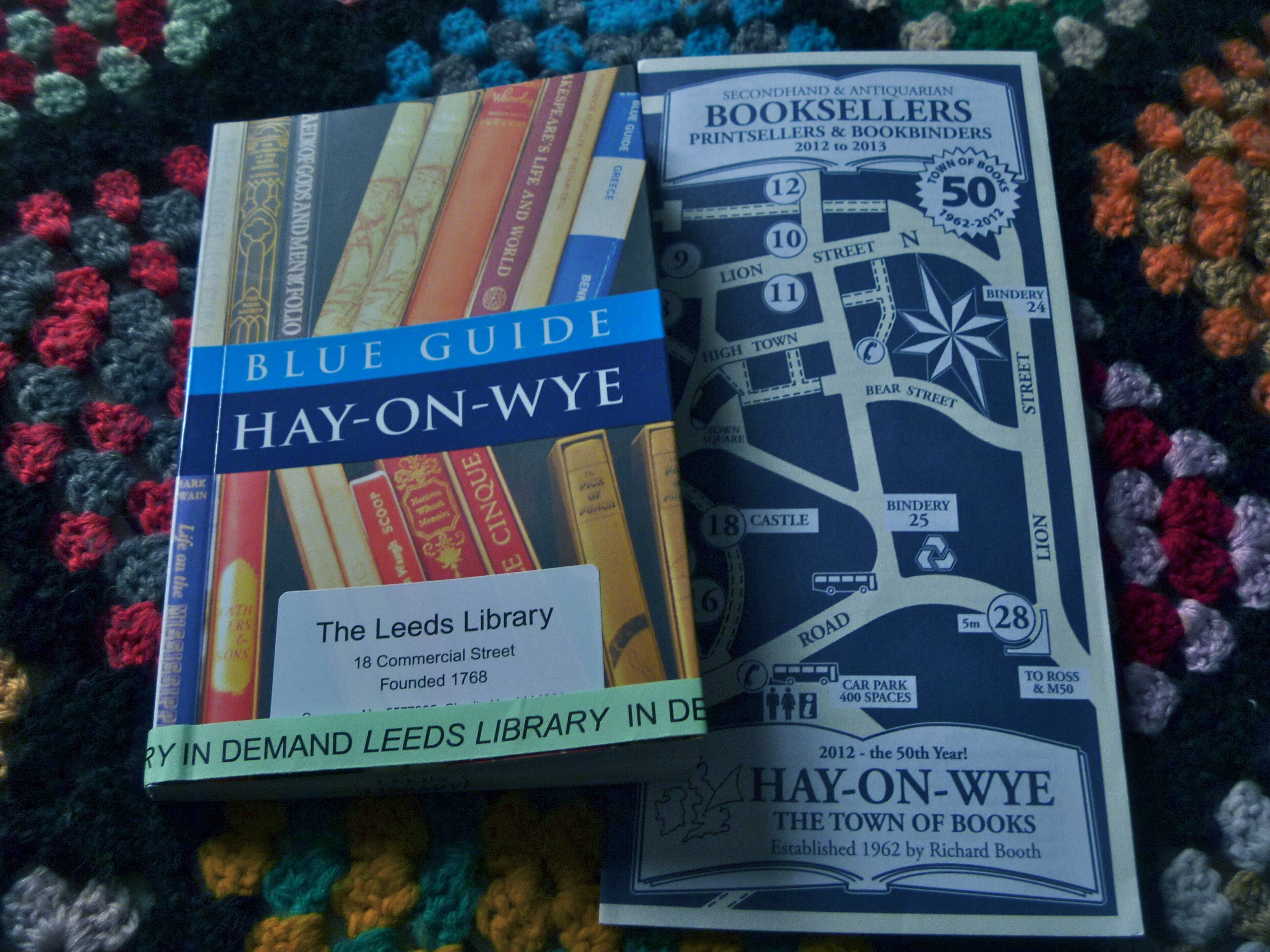
And so on to Hay itself. Despite planning in advance which shops to visit and preparing lists and so on I found that I was rather overwhelmed with choice. I realised that I am so dedicated a library user these days that I have less and less need to actually own books. It also seemed to me that in each shop we visited the value of each book was known and there was very little chance of a real bargain. However, that said, it’s an extremely pleasant way of spending a cold, damp Wednesday afternoon in March.

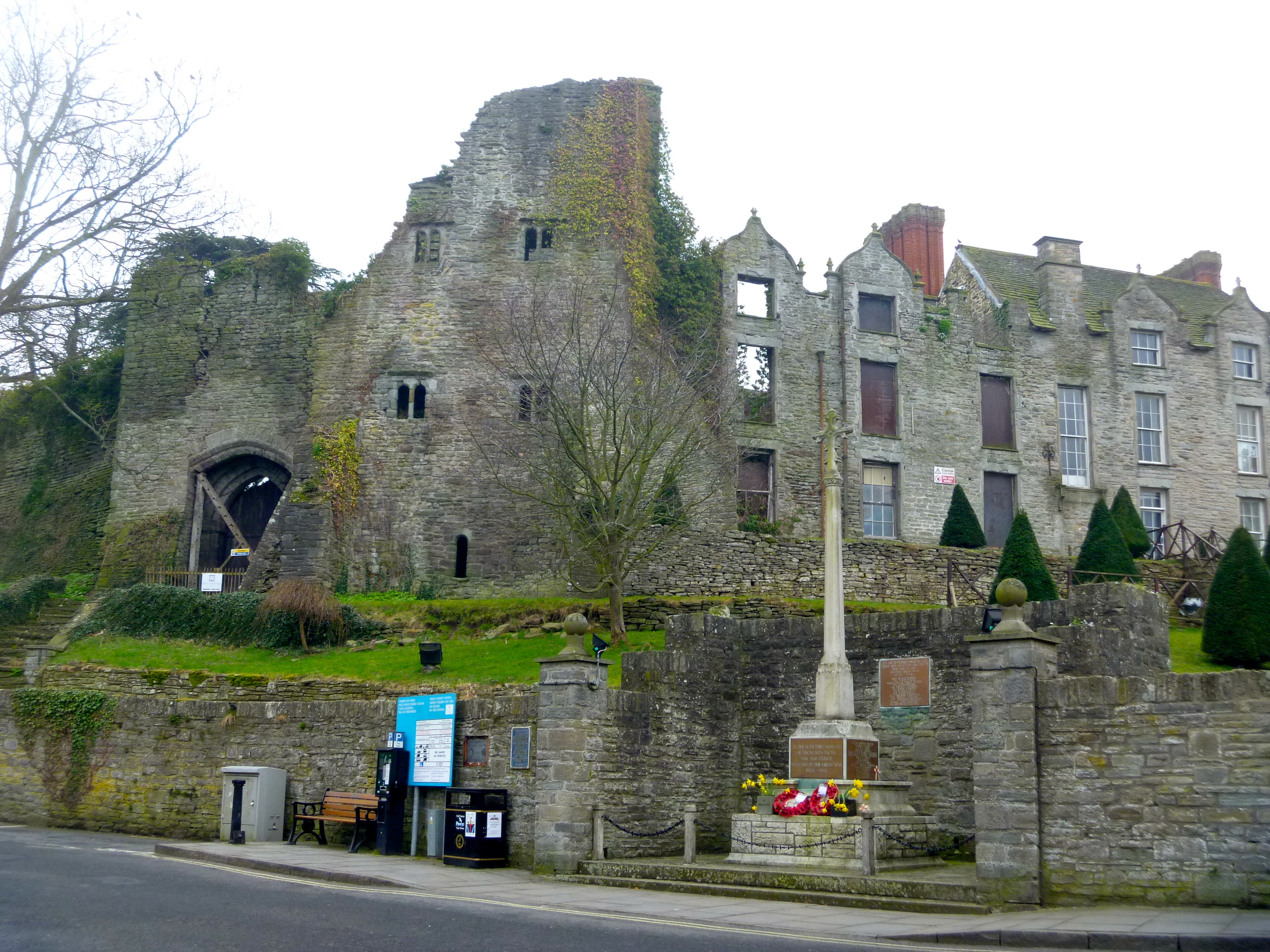
Hay Castle

Hay Castle

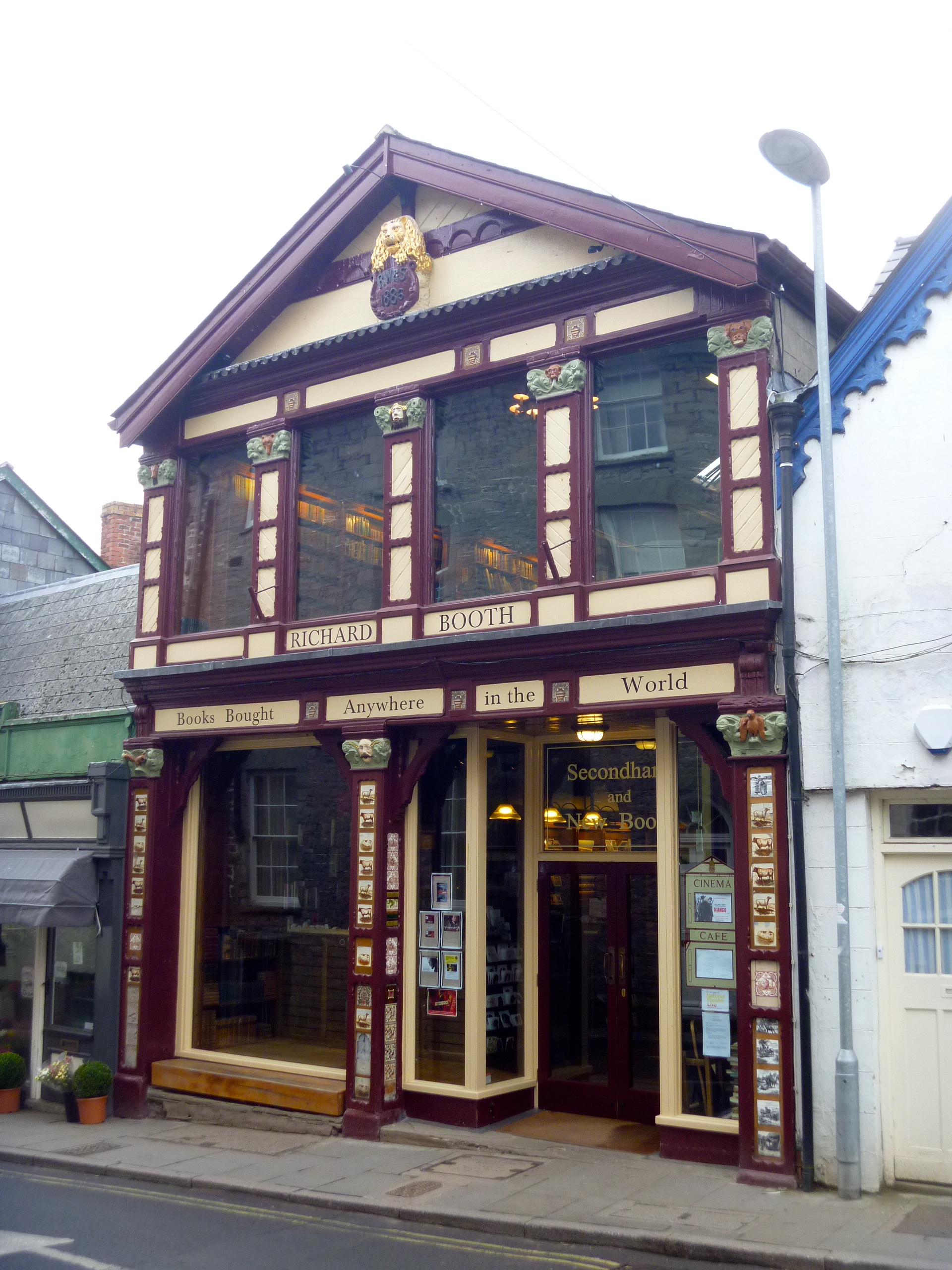
Richard Booth's Hay

Richard Booth’s Books

Inside Addyman's Hay
Inside Addyman’s Books at Hay on Wye
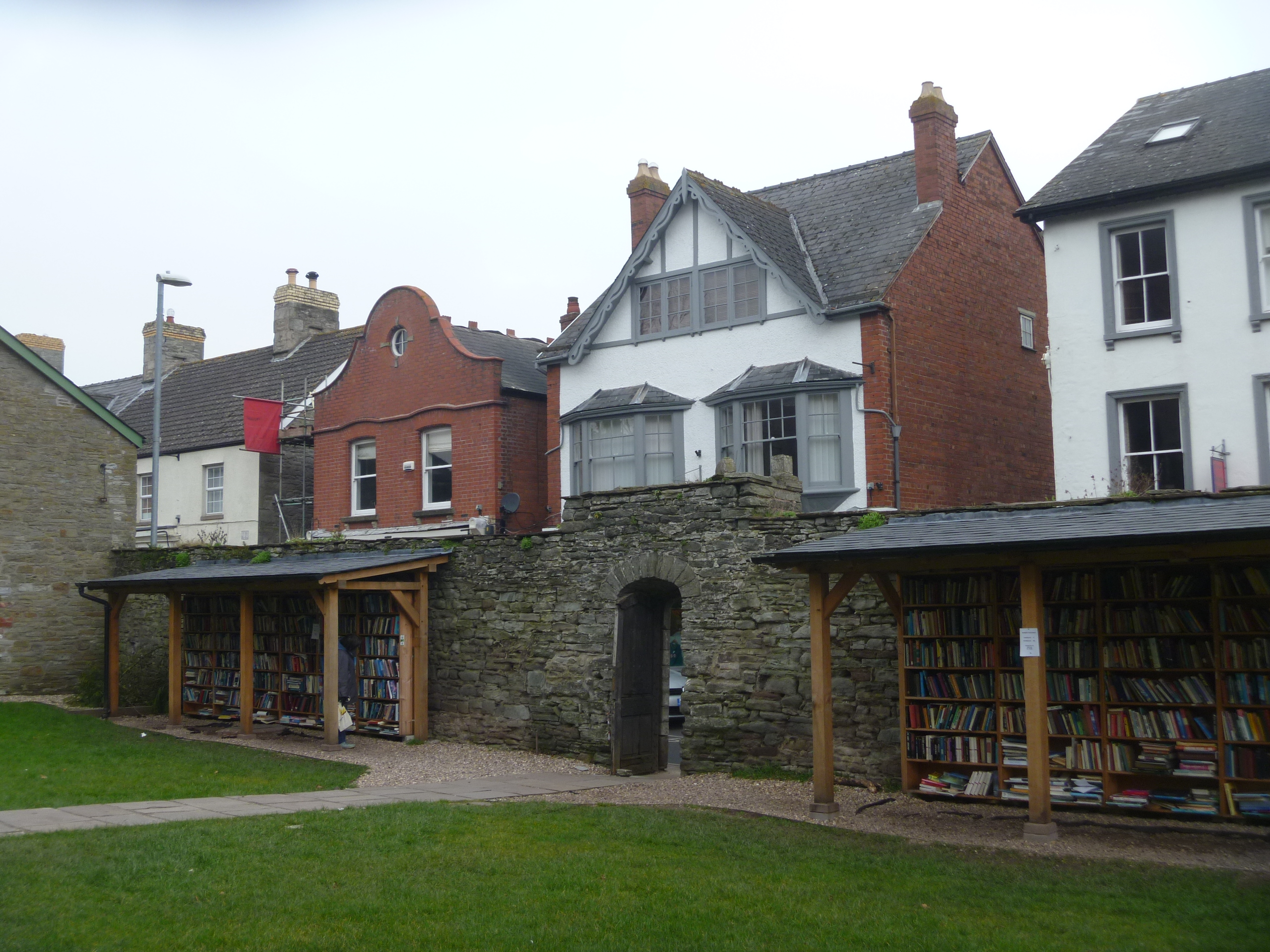
Honesty Bookshop Hay

The Honesty Bookshop, Hay

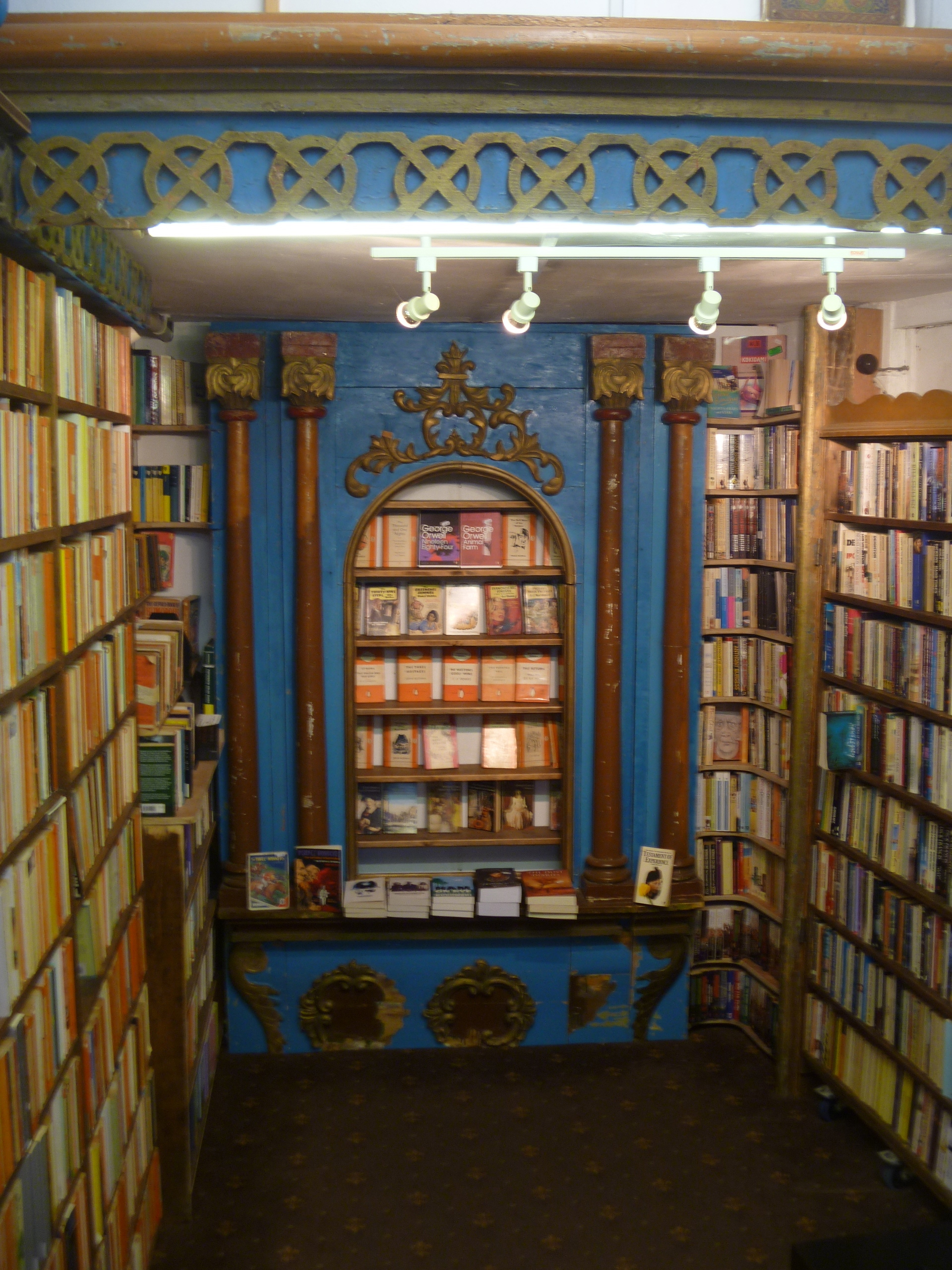
I bought only one title and that was from the Honesty Book Shop in the Castle precincts – all hardbacks £1 and all paperbacks 50p. It is a hardback copy of The Nutmeg Tree by Margery Sharp. It’s in pretty good condition and I’m pleased with it.

No Stranger in Norwich

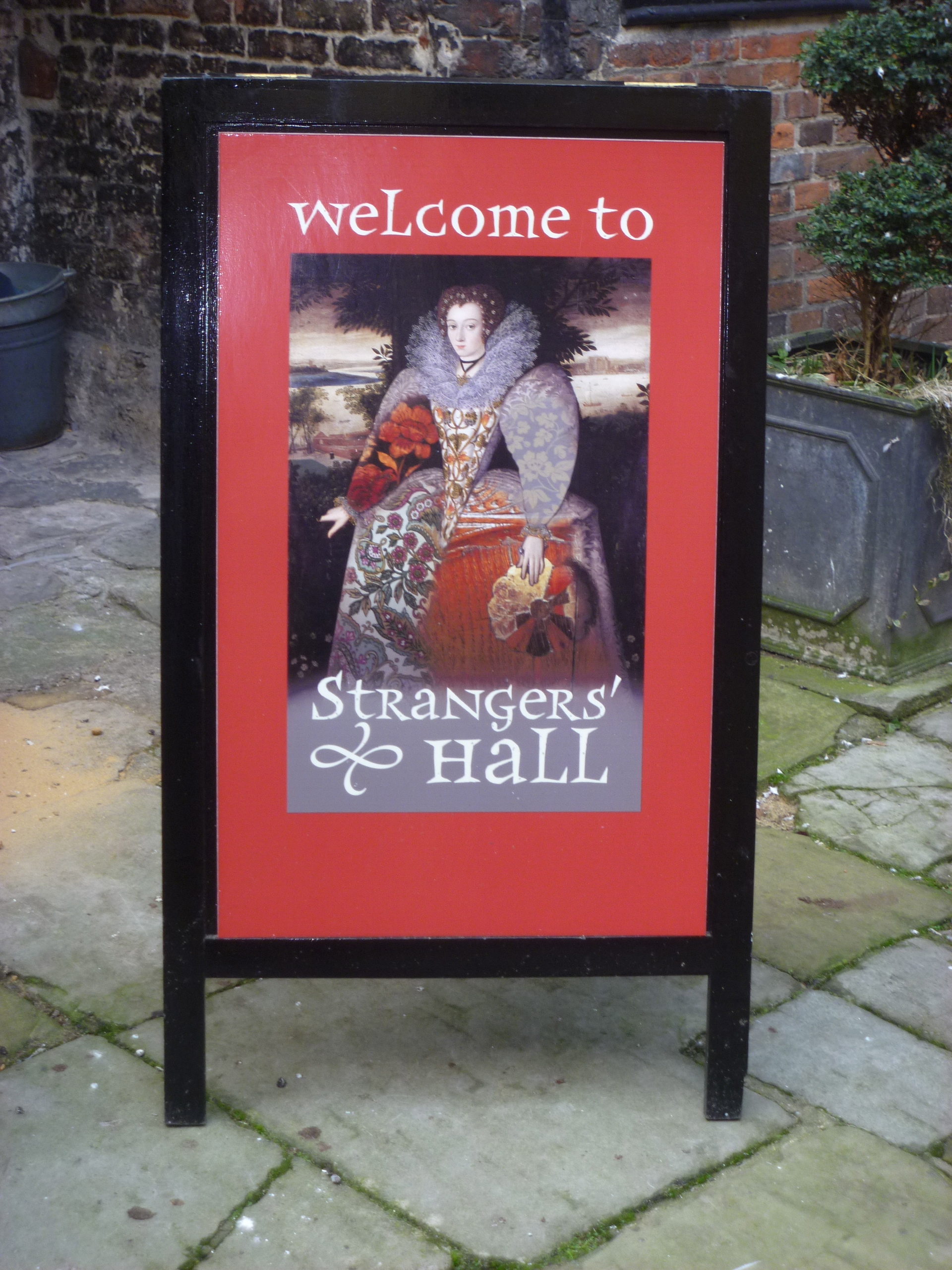
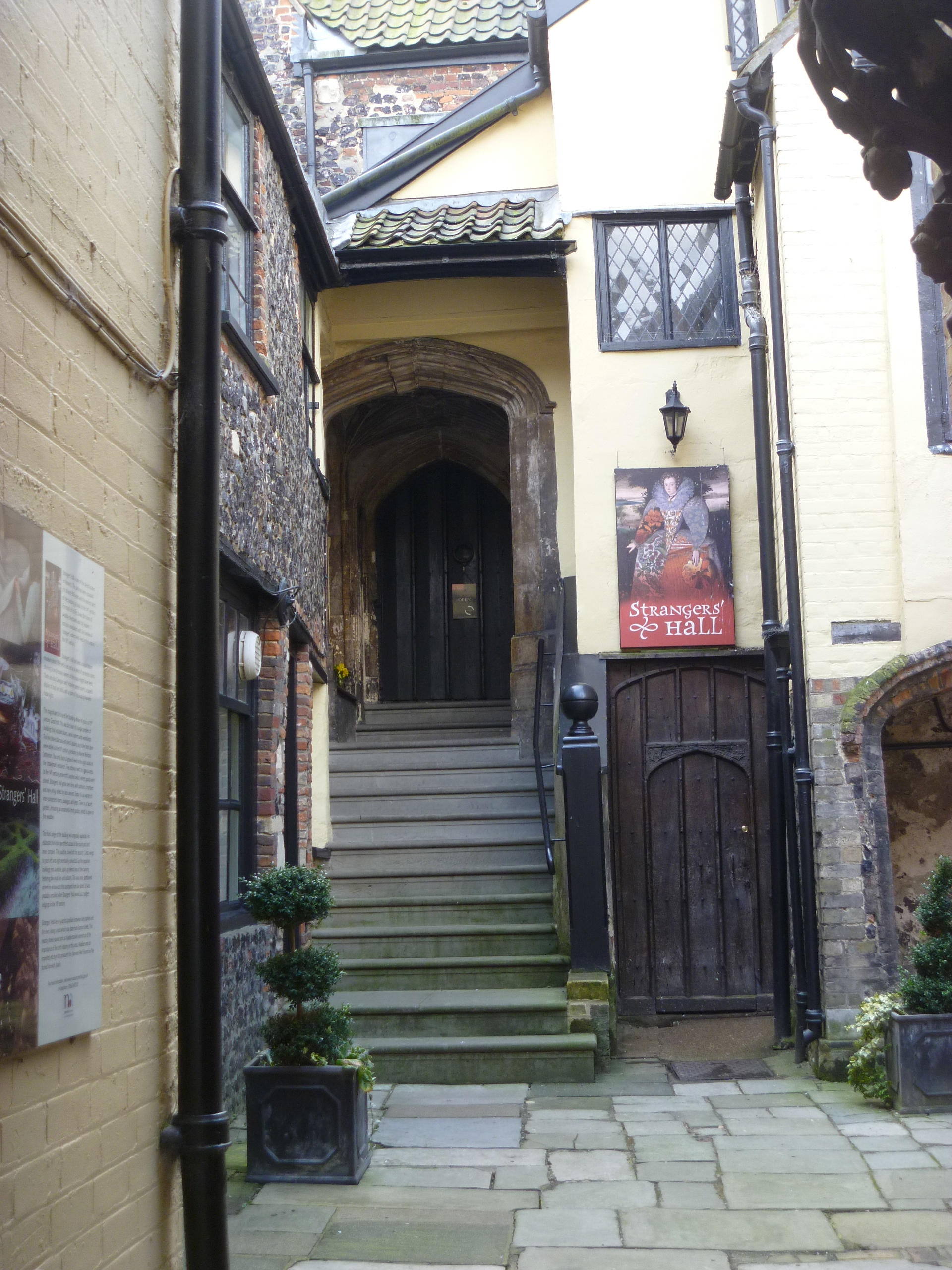
Strangers' Hall welcome

Last week I was recalling memories of the Norwich public libraries. On that same visit I also recalled other of my early hang-outs: the Norwich museums. Until my mid-teenage years when I discovered that Shopping was the thing to do and that museums were distinctly ‘uncool’ I liked nothing better on a Saturday (after a library visit) than to visit one or other of the museums in the city. The most popular was Norwich Castle Museum and Art Gallery and it still is today. Here is the record of the last visit I made there in December 2011.
Strangers' Hall

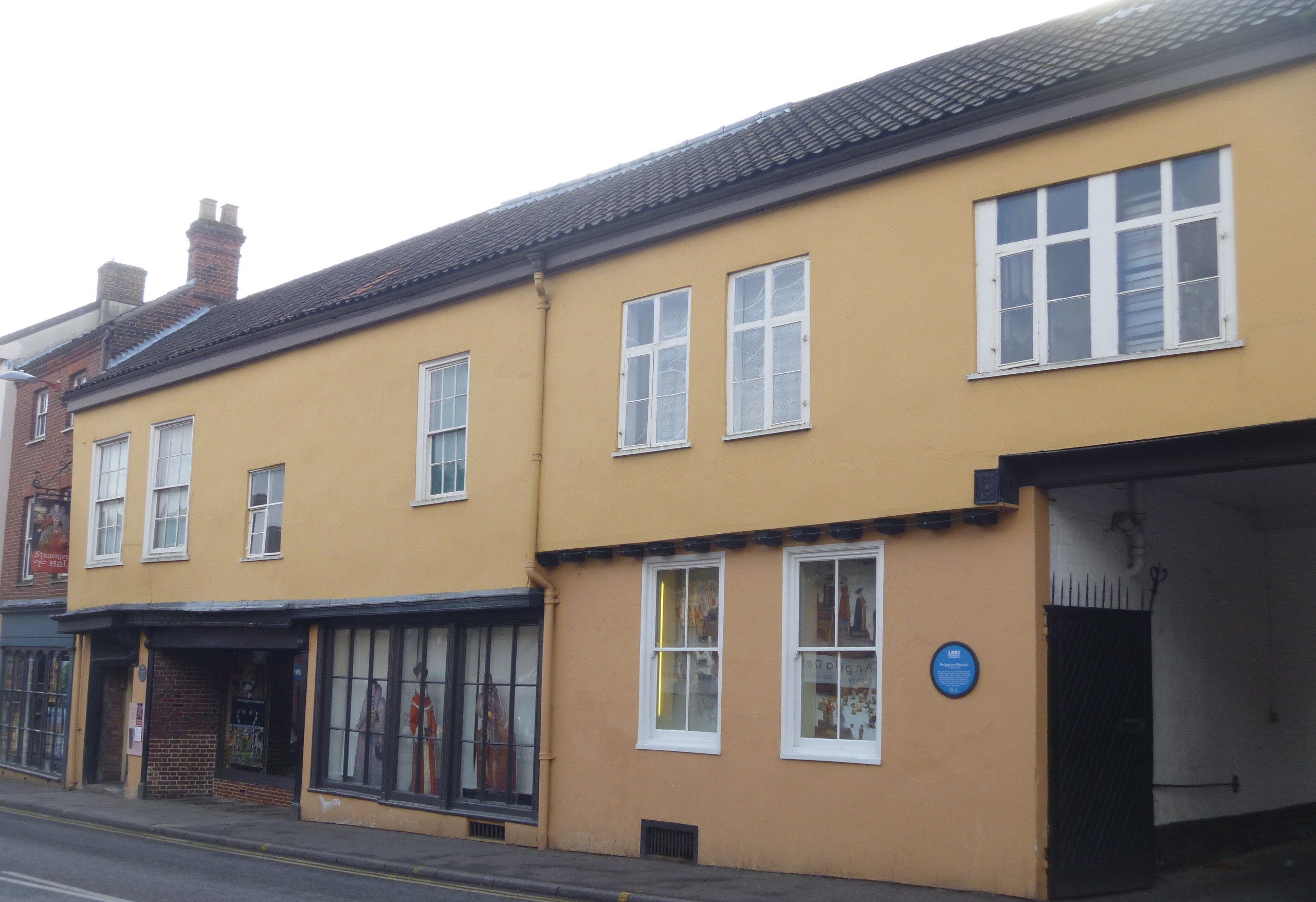
My favourite museum in Norwich has always been The Strangers’ Hall on Charing Cross. I decided to join an Introductory Tour there last Wednesday afternoon to remind myself of the story of the Hall and its contents. For many years the Hall was closed for renovation and its reopening was at one time threatened but it is now open to the public just on Wednesdays and Saturdays. I was lucky to be in Norwich on a Wednesday!

Strangers' Hall entrance

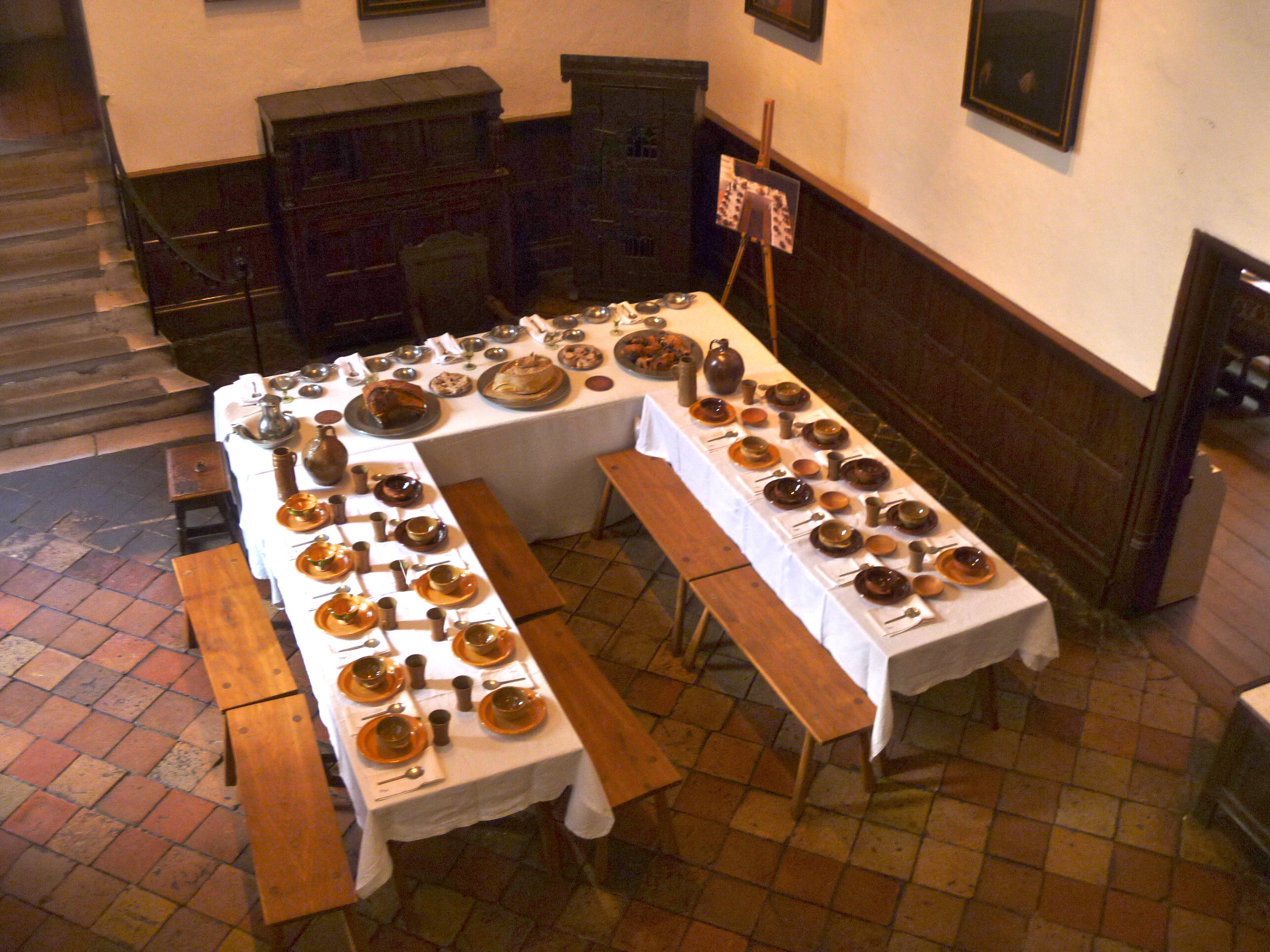
Our guide, Bethan, sat us all down in the great hall and started by telling us that this was one of Europe’s finest houses of its kind.

Great Hall

The Great Hall from the Gallery

Strangers’ Hall tends to be overlooked by tourists and visitors to Norwich because of all the other historic, cultural and non-cultural attractions that the city has to offer. We have a fine Norman Cathedral, a Norman Castle Keep that is also an excellent museum and art gallery, numerous other museums to say nothing of the shopping opportunities and that old saying – that Norwich has 52 churches (one for each Sunday in the year) and 365 pubs (one for each day of the year).

Elizabeth Buxton

Elizabeth Buxton whose portrait hangs in the Great Hall

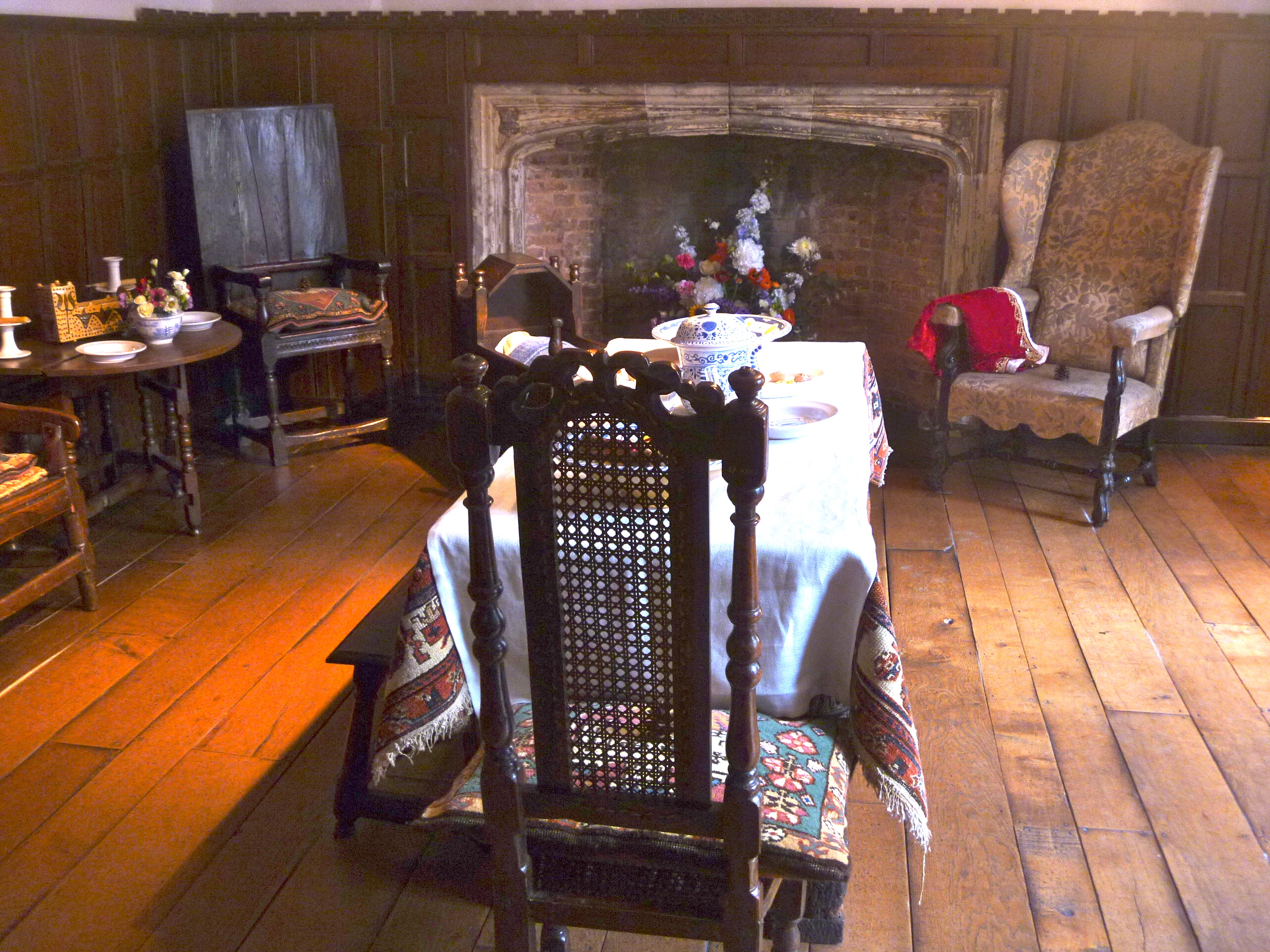
The original Undercroft of the house dates back to 1320. The other rooms reflect the house through its various incarnations throughout history. On this tour we only visited Lady Paine’s Bedroom, The Little Bedchamber and The Great Chamber.

The Parlour

The Parlour

To explain briefly the history of this fascinating museum and the possible origin of its name I have extracted the following from the BBC History Magazine.

“Strangers’ Hall in Norwich gained a new lease of life when it became one of England’s first social history museums

Empty and neglected at the end of the 19th century, Strangers’ Hall’s illustrious history appeared all but forgotten. Constructed by Ralph de Middilton in 1320 and rebuilt in the 15th century by William Barley, it had been home to an eclectic mix of people including mayors, merchants, judges, Roman Catholic priests and a dancing master.

Leonard Bolingbroke, a local solicitor and treasurer of the Norfolk Archaeological Society, realised its importance and saved it from demolition. As an enthusiastic collector he furnished the house with antiques, appointed a caretaker and opened it to the public in 1900. Several years later he presented it to the city of Norwich as a museum of domestic life.

The rooms reflect different periods during the house’s history. The Great Chamber is laid out as it was in the 1600s when owned by hosier Sir Joseph Paine, with a high table at one end and service rooms beyond a screen at the other. The Walnut Room is styled as a 17th-century sitting room and one of the bedrooms is decorated as it might have been for his wife, Lady Emma Paine. Other rooms include a Georgian dining room, a 17th-century oak bedroom and a Victorian nursery, parlour and dining room.

One of the largest rooms is the Sotherton Room, which may once have been a counting-house. As mayor, Nicholas Sotherton boosted the textile industry by encouraging skilled Dutch and Flemish weavers to settle in Norwich. Called Strangers by the locals, it’s the presence of these refugees that may have given the building its name.

While the interiors are interesting, the architecture also deserves investigation, from the magnificent, vaulted, 14th-century cellar via the crown-post roof, stone-mullioned bay window and porch of the 16th century to the imposing staircase of the 17th. Take your children with you – the hall is great as a historical teaching resource.

Don’t miss: the beaded christening basket in Lady Paine’s chamber. Worked in tiny glass beads on a wire frame, it held gifts such as money, jewellery, spoons, rattles and silver items.”

Knot Garden

After our tour it was nearly time for the museum to close so we just briefly stepped outside into the Knot Garden. I’m looking forward to a follow-up visit to The Strangers’ Hall very soon.

“Remembering the past … inspiring the future …” : 2nd Air Division (USAAF) Memorial Library

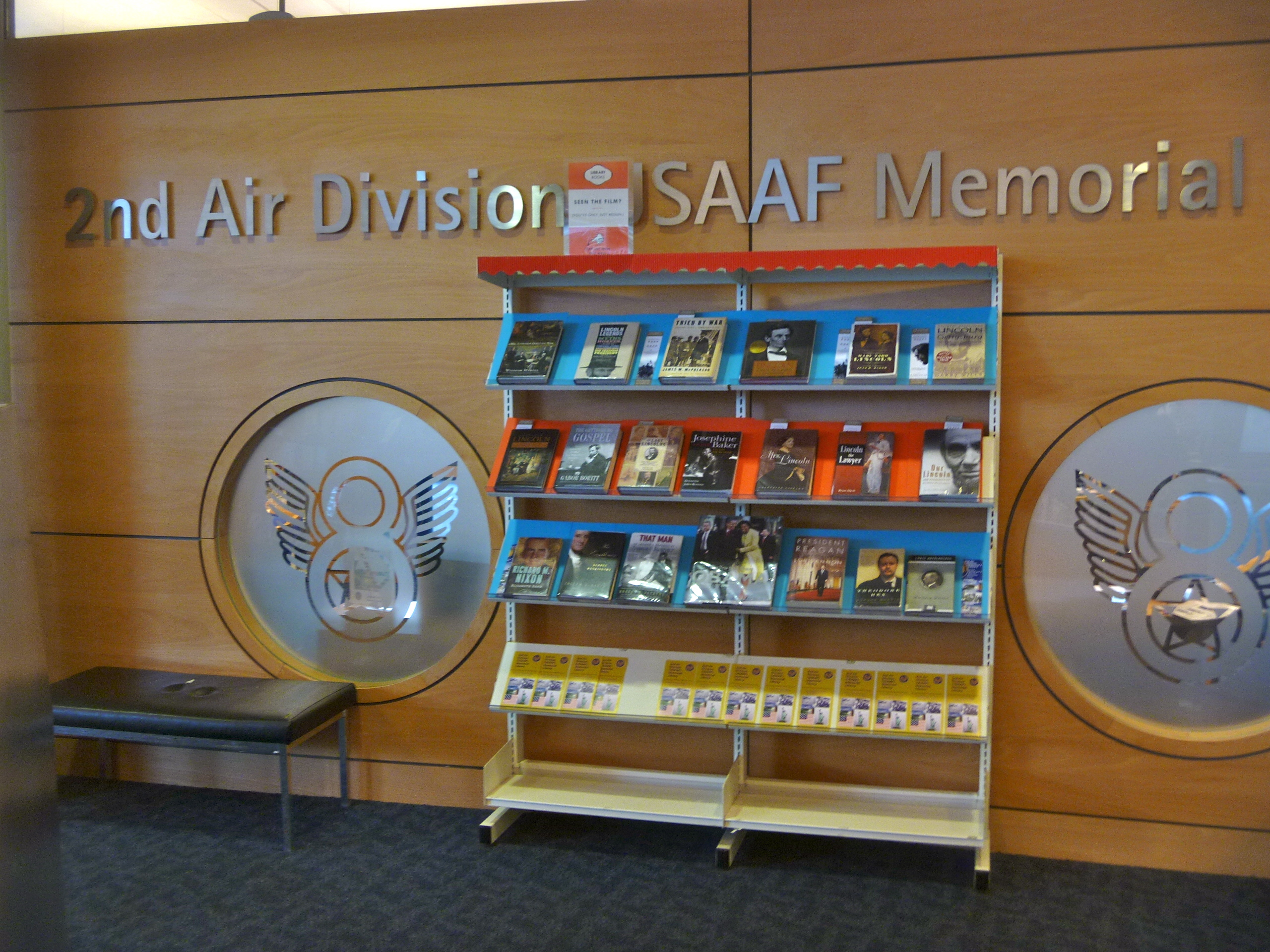
Yesterday I wrote about the libraries of Norwich, which I knew and loved. Within these libraries there was (and still is) an important post-war link with our American friends and allies. The ‘new’ library [the one opened in 1963] had a special space and a fountain as a dedicated memorial to the airmen of the United States Air Force who fought along with the British from UK bases during the Second World War.

2nd Air

Sadly the contents of that library and the fountain itself were destroyed by  the raging fire in 1994. This would have included the Roll of Honour and other precious documents and artefacts.

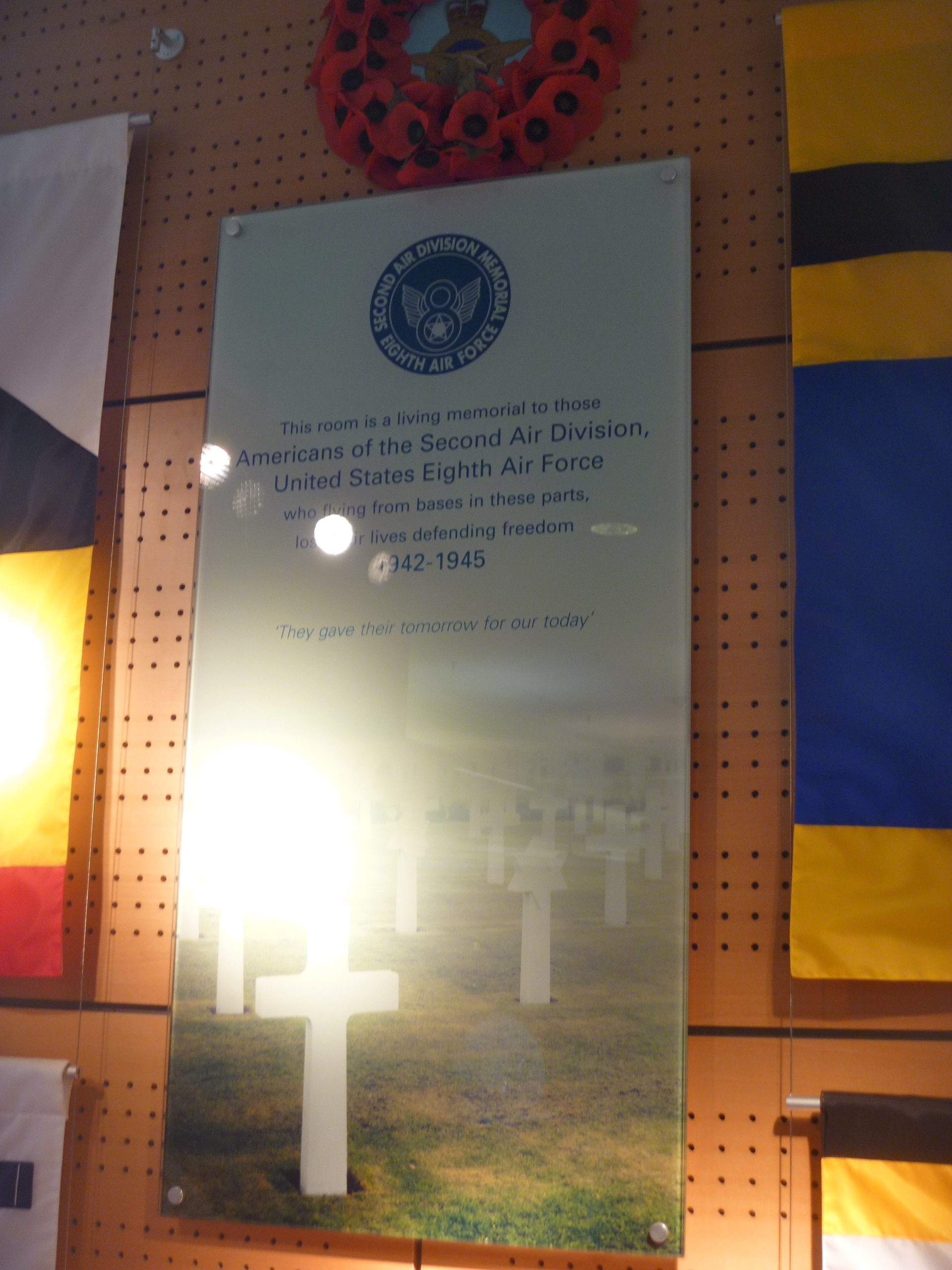
Memorial Library

‘They gave their tomorrow for our today’

The staff and trustees were not going to let a little thing like a devastating fire get in their way and immediately after the fire work began on planning the replacement and a bigger library has now replaced the old one in a place of honour within the Forum.

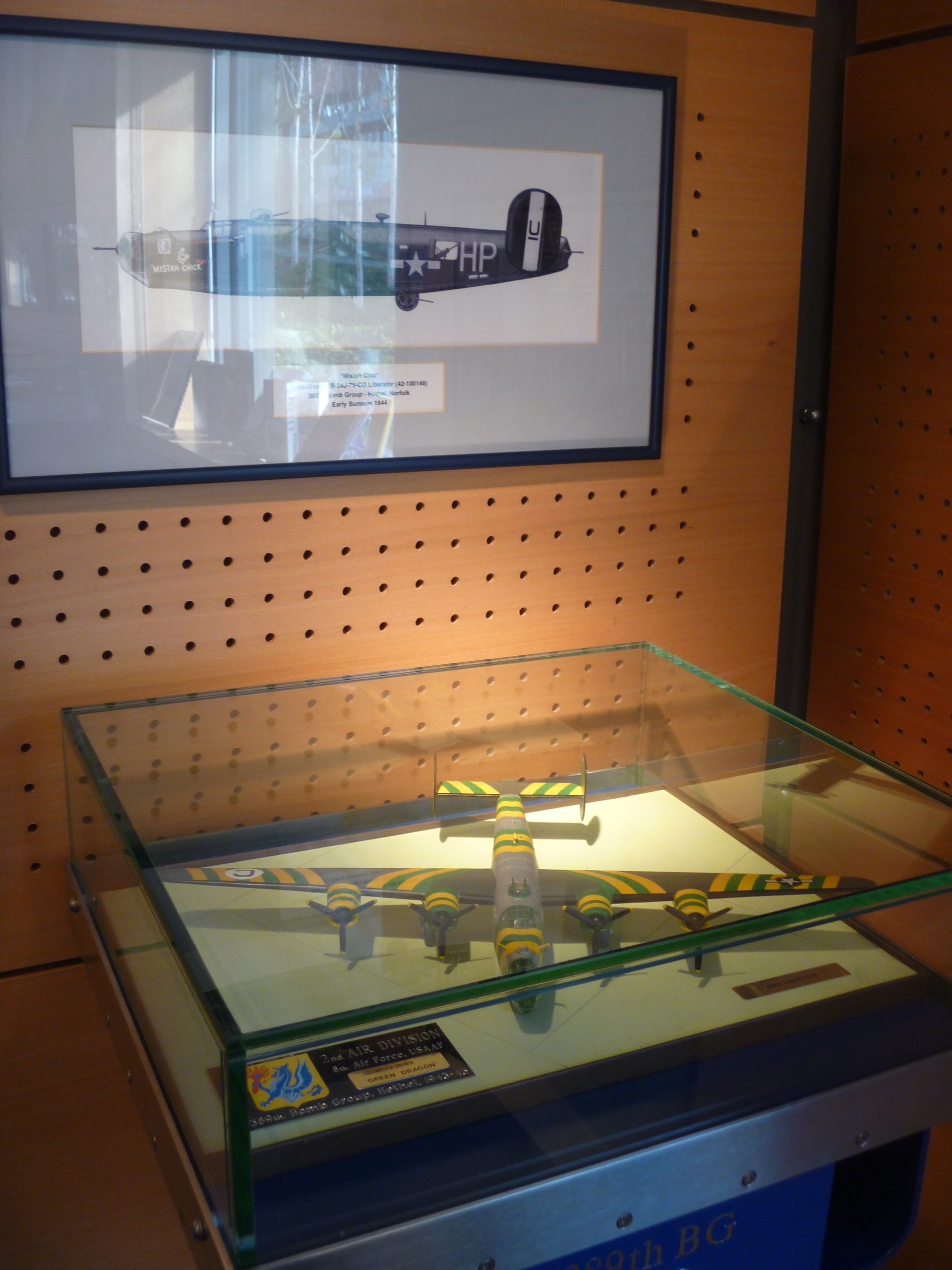
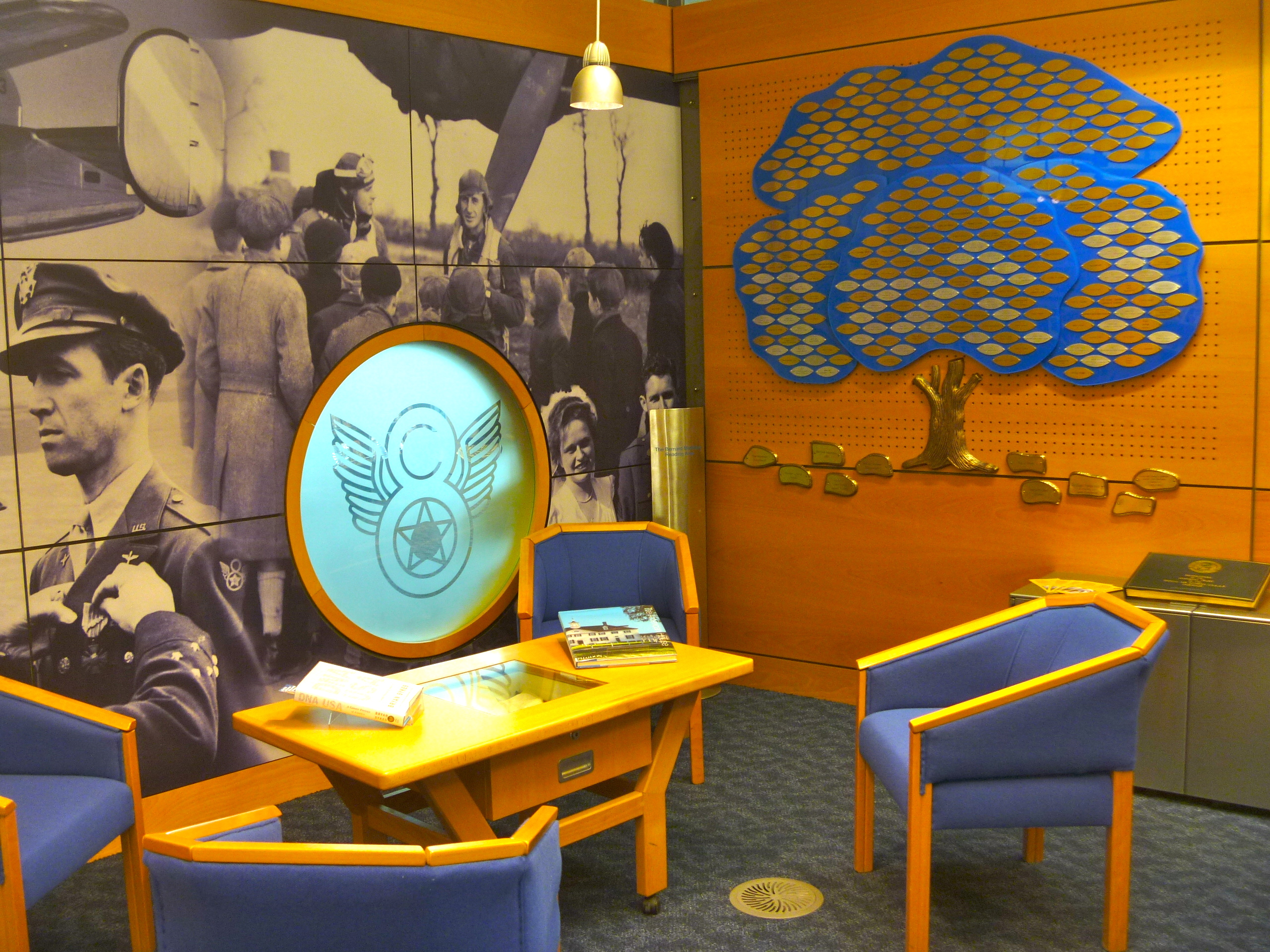
On this recent visit I took a closer look at the Memorial Library and its contents. Here is what it says about the library on the website :

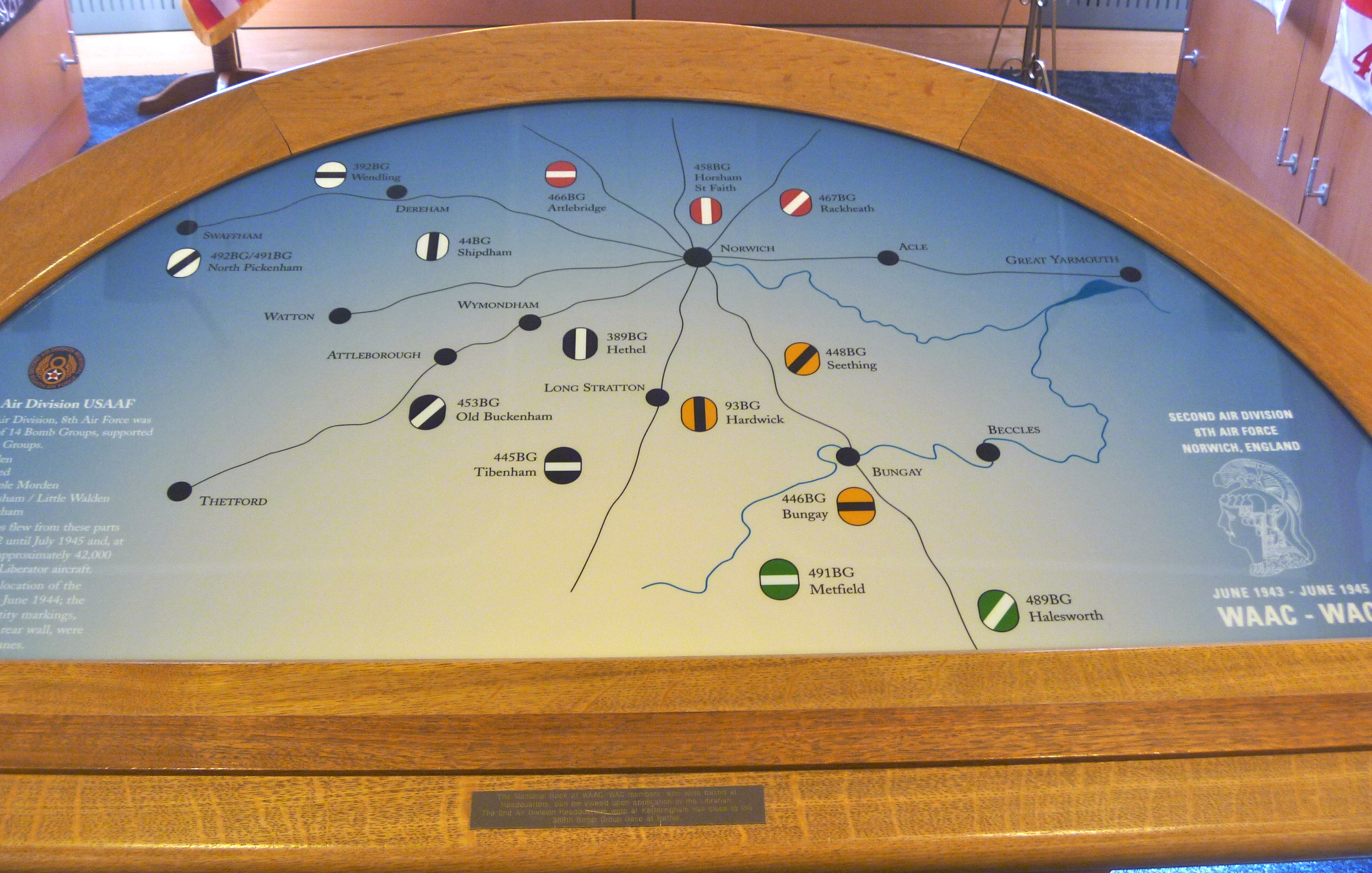
During the Second World War the United States Eighth Air Force despatched 3,000 bombers and fighters on a day’s operations involving more than 20,000 airmen, flying from airfields in East Anglia; the largest air strike force ever committed to battle. At full strength the Second Air Division, one of the Eighth’s three divisions, controlled fourteen heavy bomber airfields in Norfolk and northeast Suffolk, and five fighter airfields. Ketteringham Hall served as the Division’s headquarters. Nearly 7,000 young Americans, in the Second Air Division lost their lives in the line of duty.
With peace, the Second Air Division chose to honour its casualties through a unique library in Norwich, a ‘living memorial’, not only a tribute to those Americans ‘who flying from bases in these parts gave their lives defending freedom’, but also an educational and friendship bridge between two nations.

Map of bases

Locations of the USAAF bases in Norfolk and Suffolk

P1080626

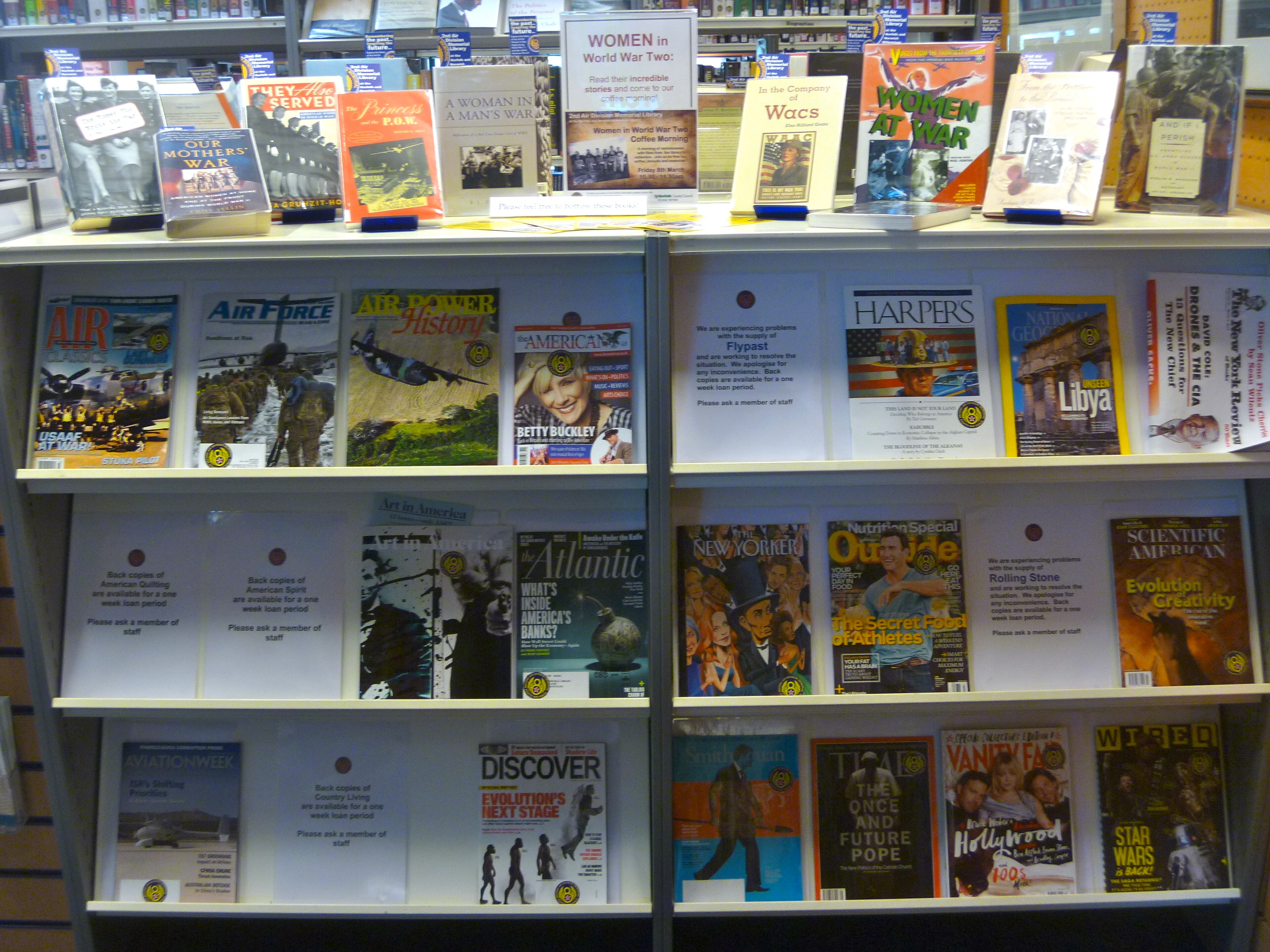
New books and US magazines display

Display 1

Display 2

Other library displays

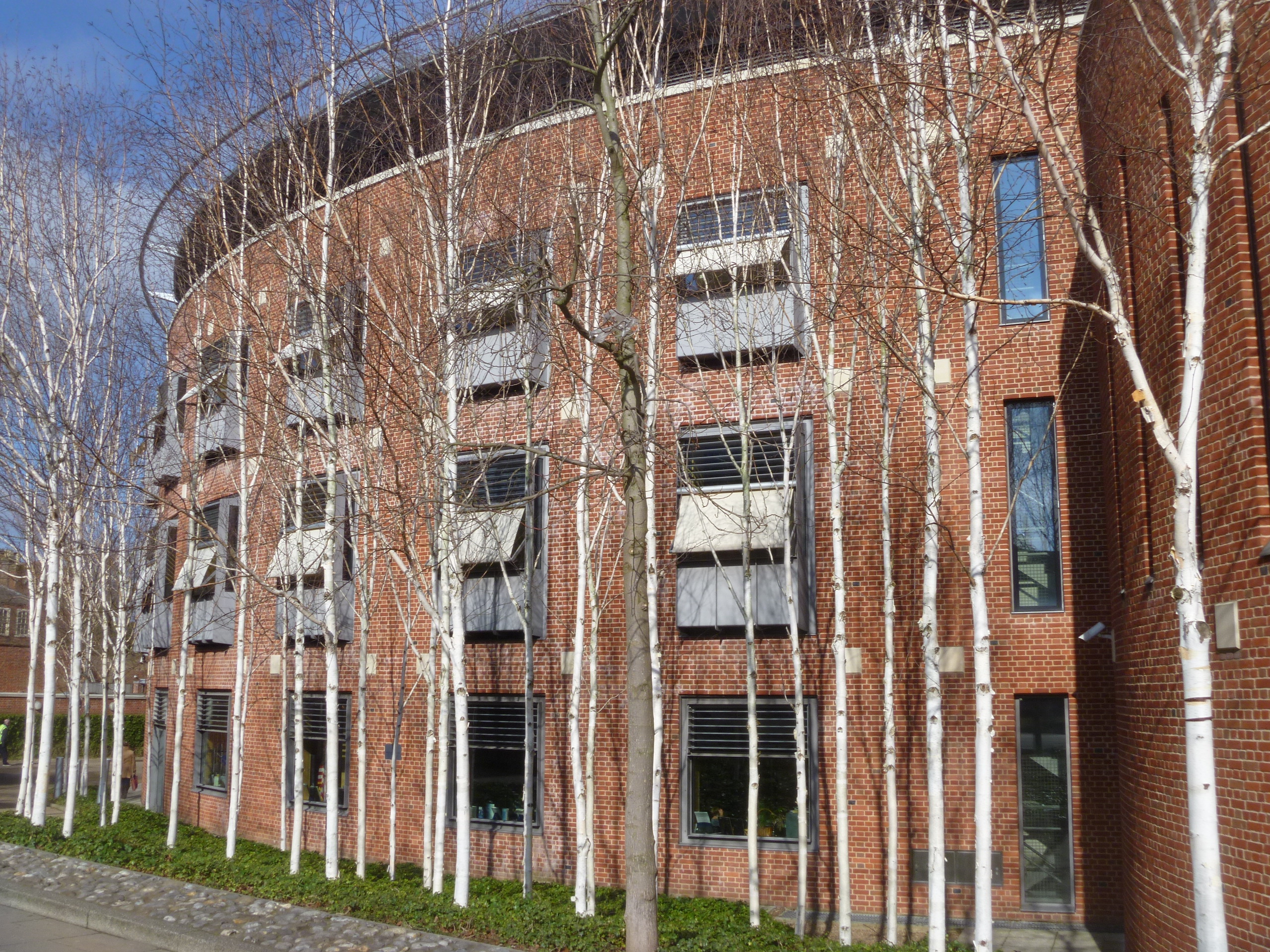
Birch trees

A number of American birch trees were given to the Trust by The Friends of the Memorial Library and planted just outside.

What a wonderful idea. I cannot think of a better living and ever-evolving memorial to those brave fighters who died in defence of freedom so far from home!

Libraries Old and Libraries New

This week I was back in the city of my birth, and where I grew up, Norwich. These days almost everything looks smaller than I remember from my childhood.

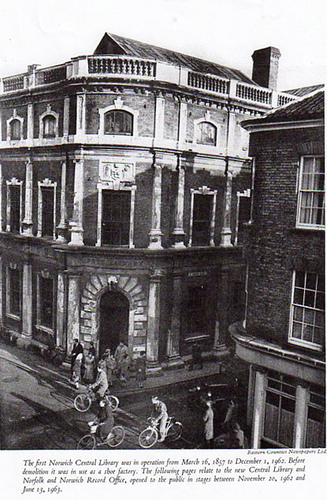
One of my earliest memories that lead to a lifetime’s love, and my career, was my first visit one Friday tea-time when I was about 5 to the local Norwich Public Library. It must have been summer as it was light and the whole family walked from where we lived, off St Stephen’s Road, to the library (opened in 1857) on the corner of Duke Street and St Andrew’s Street. It seemed a long way at the time but later I can remember running there with my sister and a neighbour ready for the Children’s Library opening time at 10am on each morning of one school summer holiday, ready to exchange our books.

The old Norwich public library

The Norwich public library that I knew and loved. Photo credit here.

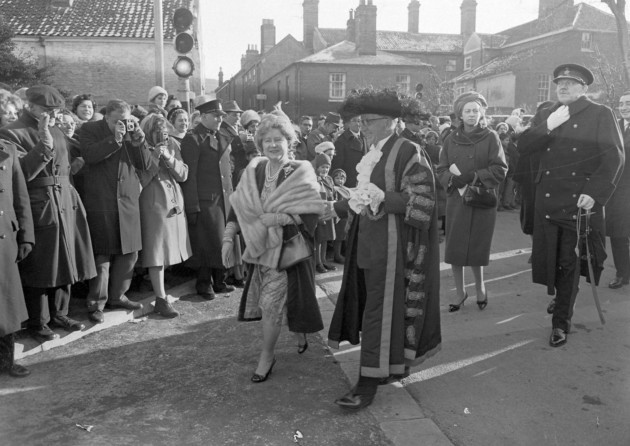
The Queen Mother

In 1963 Queen Elizabeth The Queen Mother opened a new public library in Norwich much nearer home for me! Photo credit here.

I was in the crush – on the front row – and I think somewhere in my ‘archive’ [shoe box] I have the newspaper snipping. Not a week went by for the rest of my time in Norwich when I didn’t visit that library at least once. I studied for exams there. Used the local history library for my Regional Essay and final year dissertation. I even worked there briefly between study and ‘proper’ job.

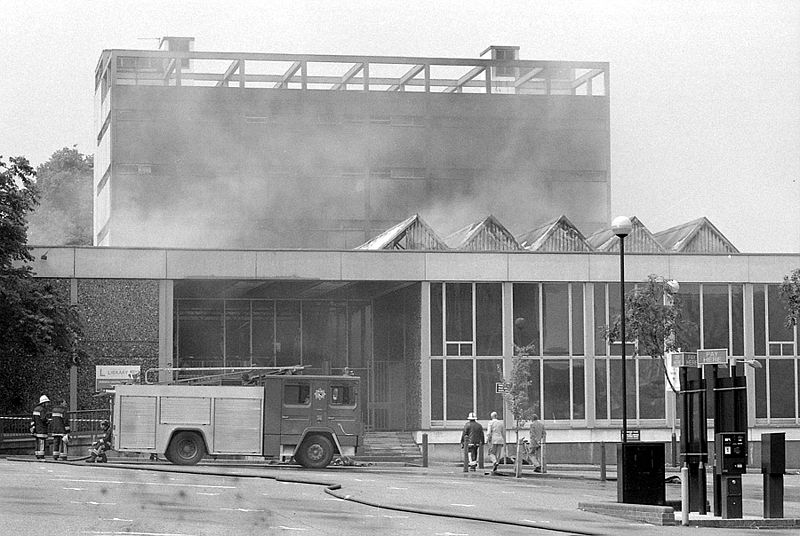
Norwich_Central_Library_Fire

Norwich Public Library 1st August 1994

Amazingly, even though I had long since left Norwich to marry and bring up my family in far away Yorkshire, I was one of the last people to leave that library on the eve of the devastating fire that all but destroyed the building and its contents. I had even borrowed a book which I was happy to return by post to the temporary premises in Ber Street!

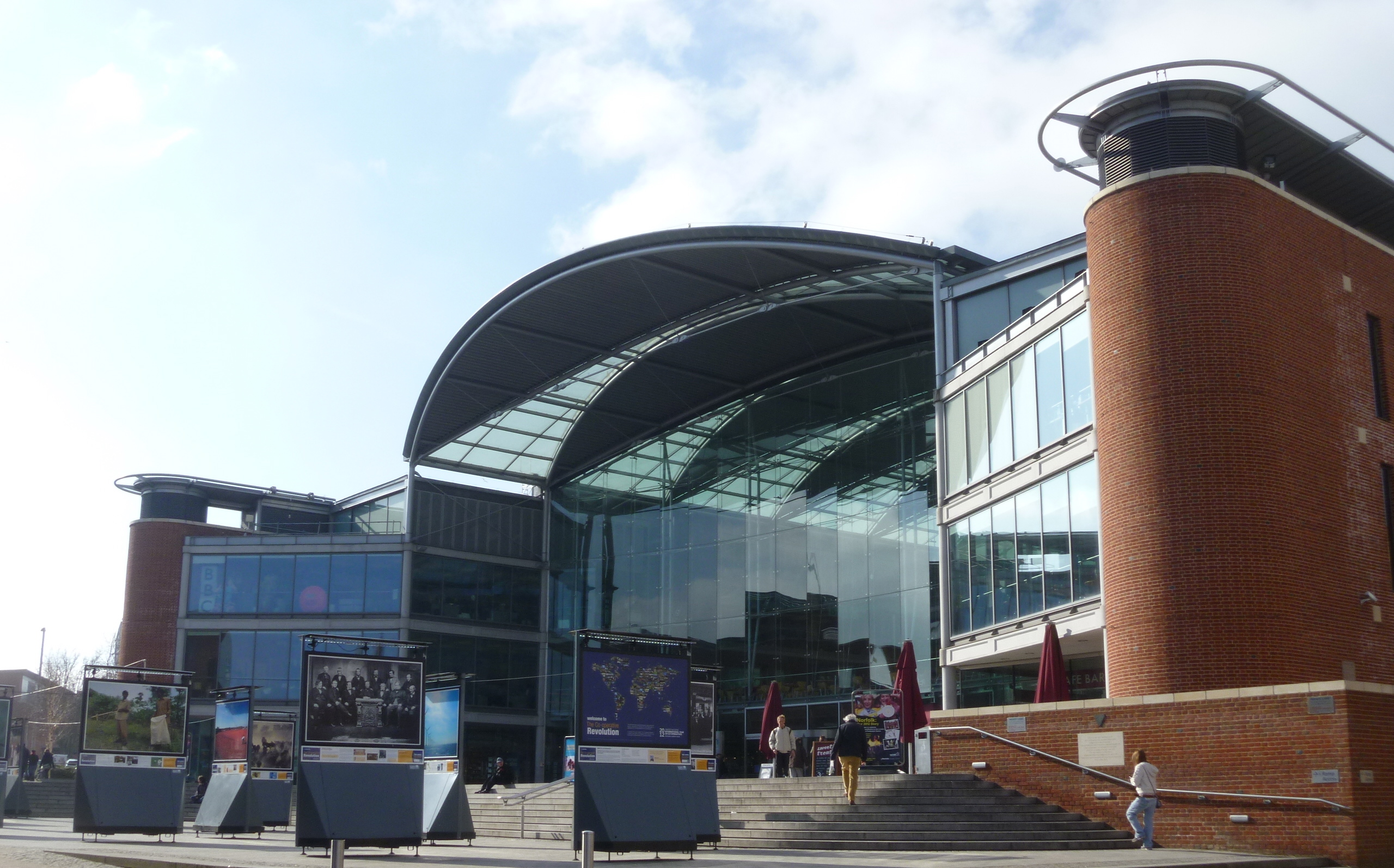
Norwich Forum

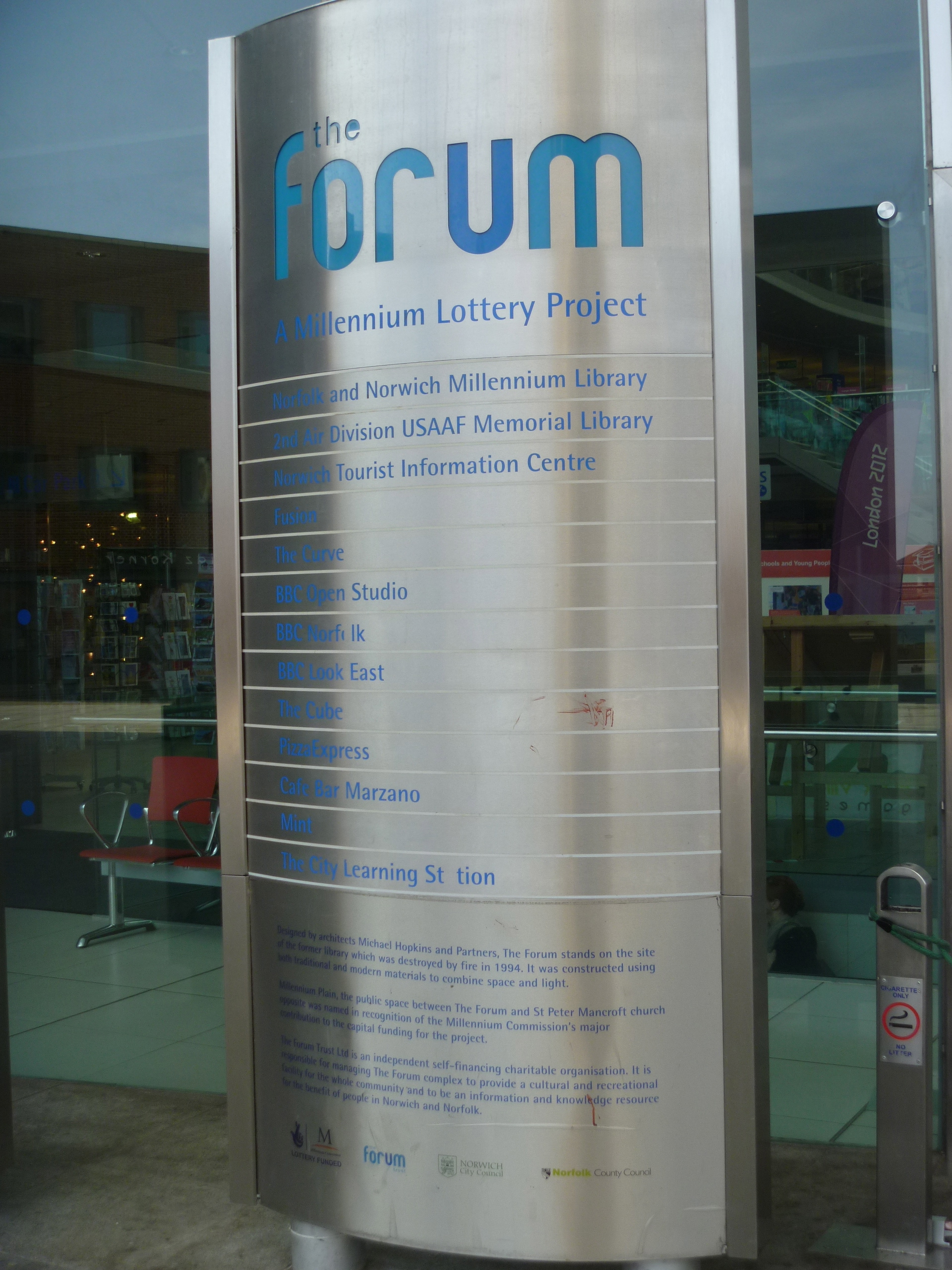
It took many years but eventually a new library was built and opened on the site. It is HUGE! So this is one library that is not smaller than I’d remembered in my childhood. The vast Norwich Forum which contains the Norfolk and Norwich Millennium Library opened in October 2003 and its building benefitted from The Millennium Lottery Project.

Forum

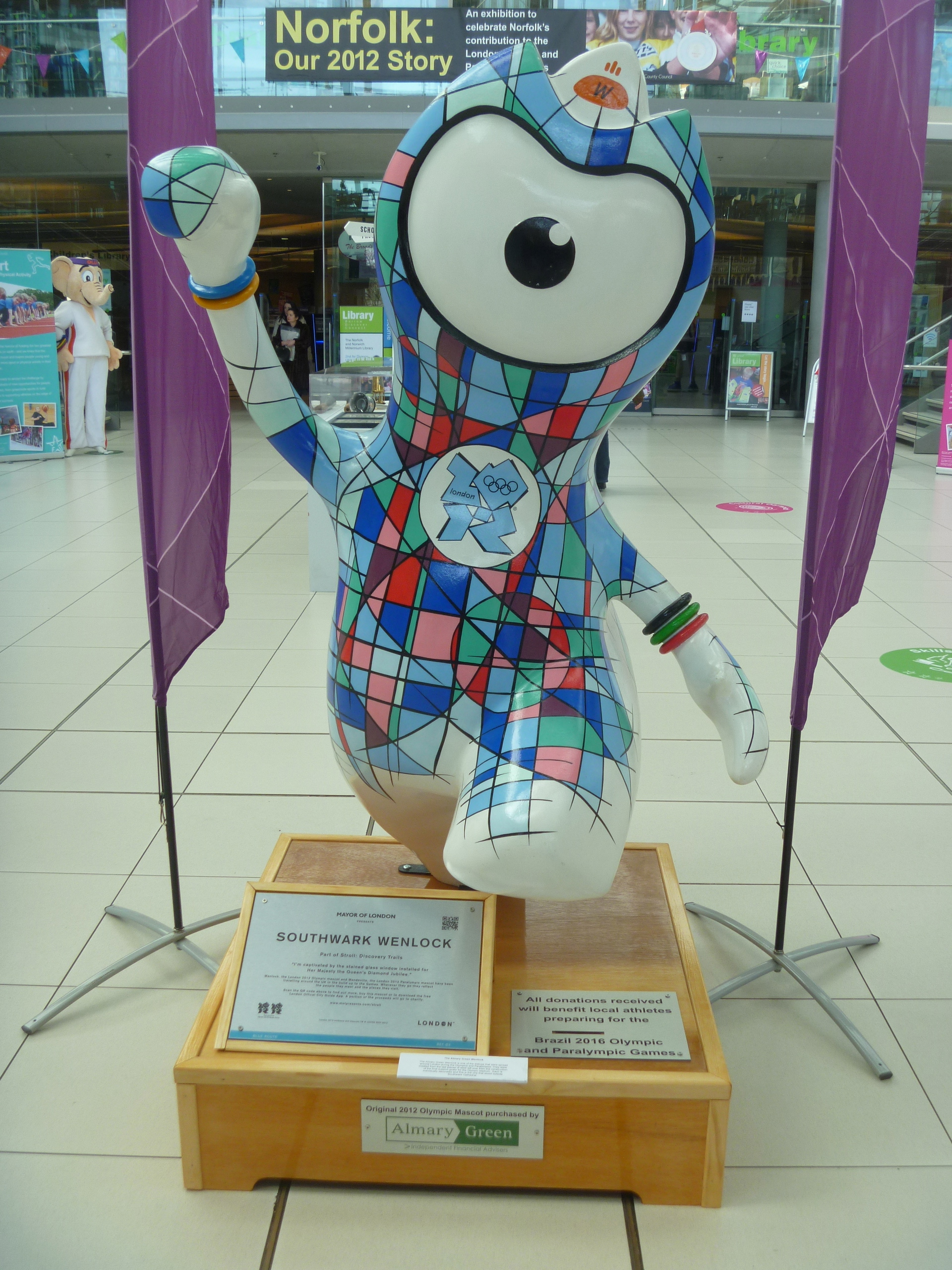
Southwark Wenlock

Southwark Wenlock at The Norwich Forum

This week’s exhibition was Norfolk: Our 2012 Story.

An exhibition to celebrate our local contribution to the London Olympic and Paralympic Games.
Since the Olympic and Paralympic flames were handed from Beijing to London, Norfolk has embraced the 2012 opportunity. We have seen over four years of exciting projects, innovative programmes and celebrations large and small to ensure that these once-in-a-lifetime events will never be forgotten in our county.”

The Forum is open everyday (except Christmas day and Boxing Day) from 7am until 11.30pm. Along with the library there are cafes and a Pizza Express, the BBC Norwich studios, exhibition space and the Tourist Information Centre and shop.

It’s been declared that the Norfolk and Norwich Millennium Library has been named as the UK’s most popular library for the sixth year running!

There was another library in Norwich when I was growing up although I never went inside. The Norfolk and Norwich Subscription Library was instituted as a private library in 1784. It eventually closed in 1976. It’s stock was transferred to the Norwich School and forms the basis of its Local History Library.

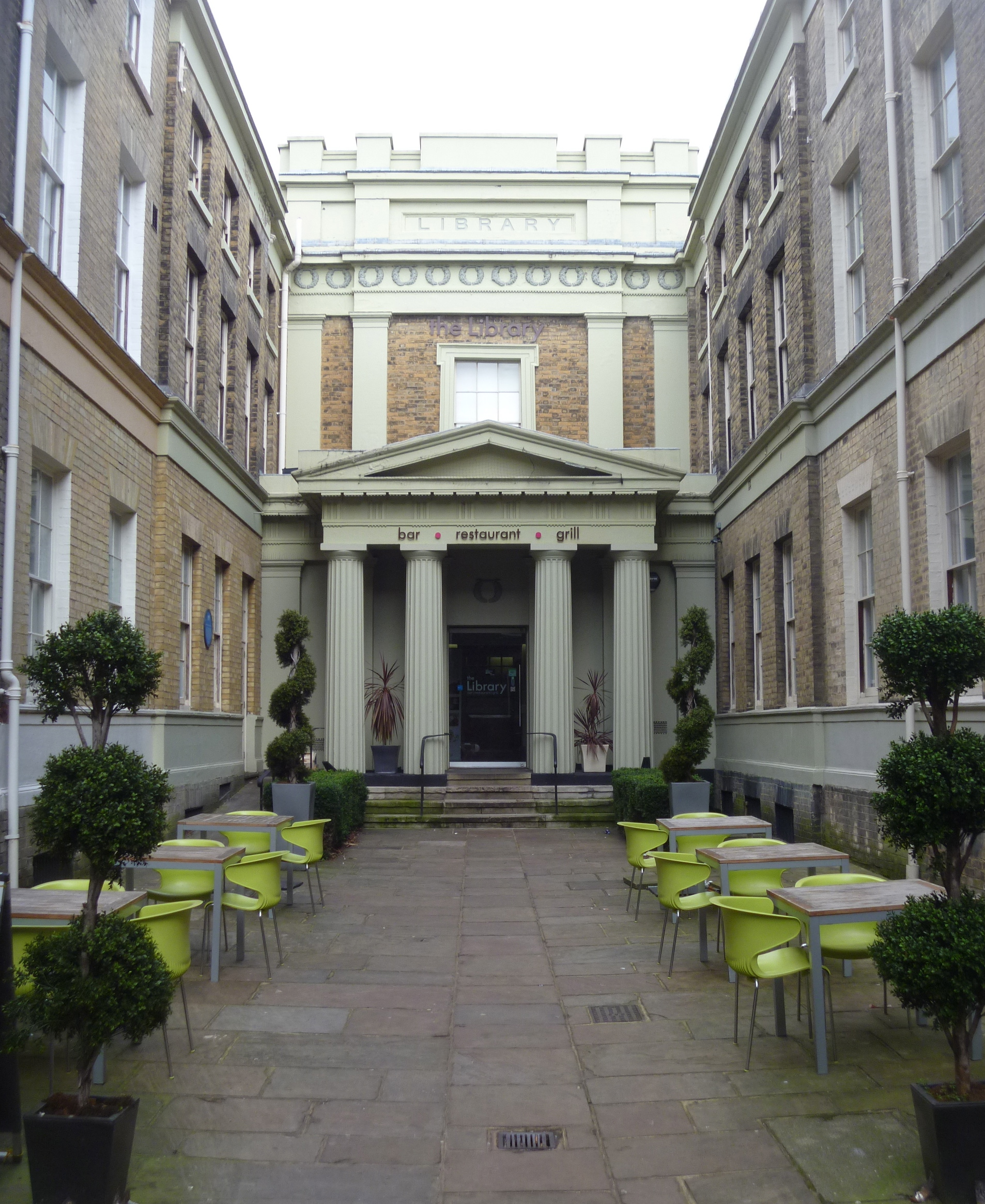
The Library Restaurant

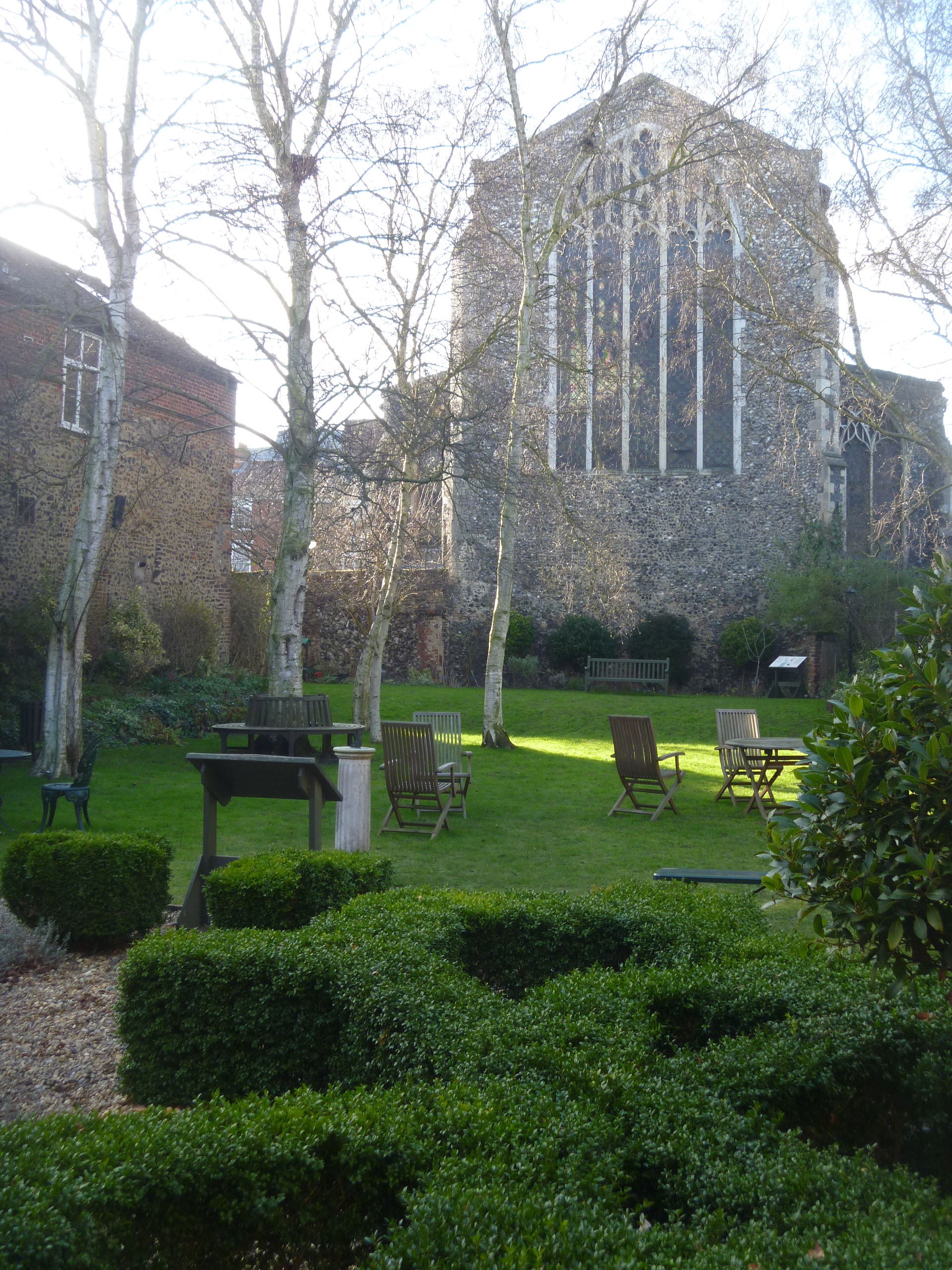
The Library, Norwich

I have now been in the N&N Subscription Library as these days it is a restaurant. We ate a very good meal there on Wednesday evening.

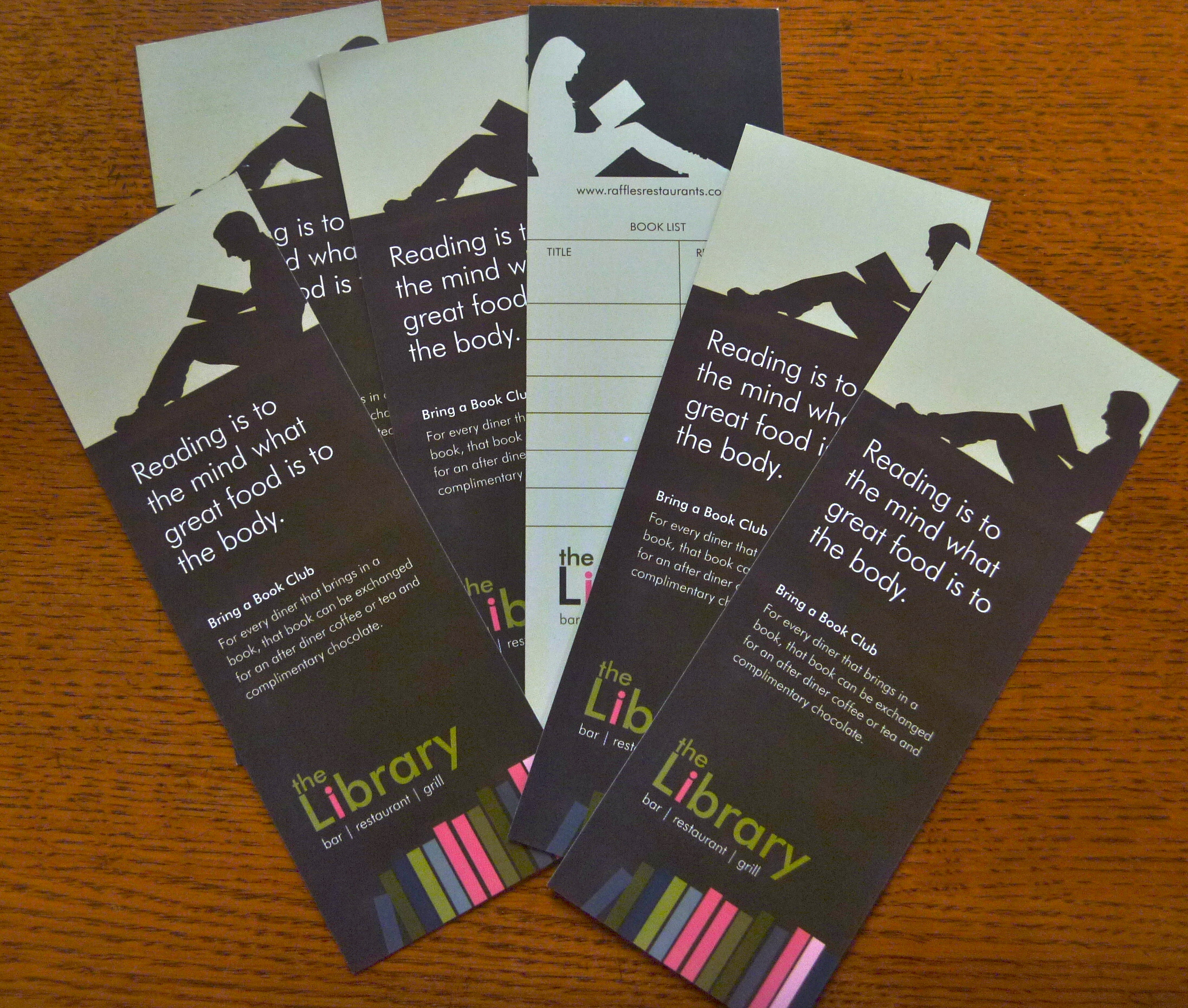
Library book marks

“Reading is to the mind what great food is to the body”

From the Sublime to the Ridiculous: Monasteries and Mardi Gras, 2

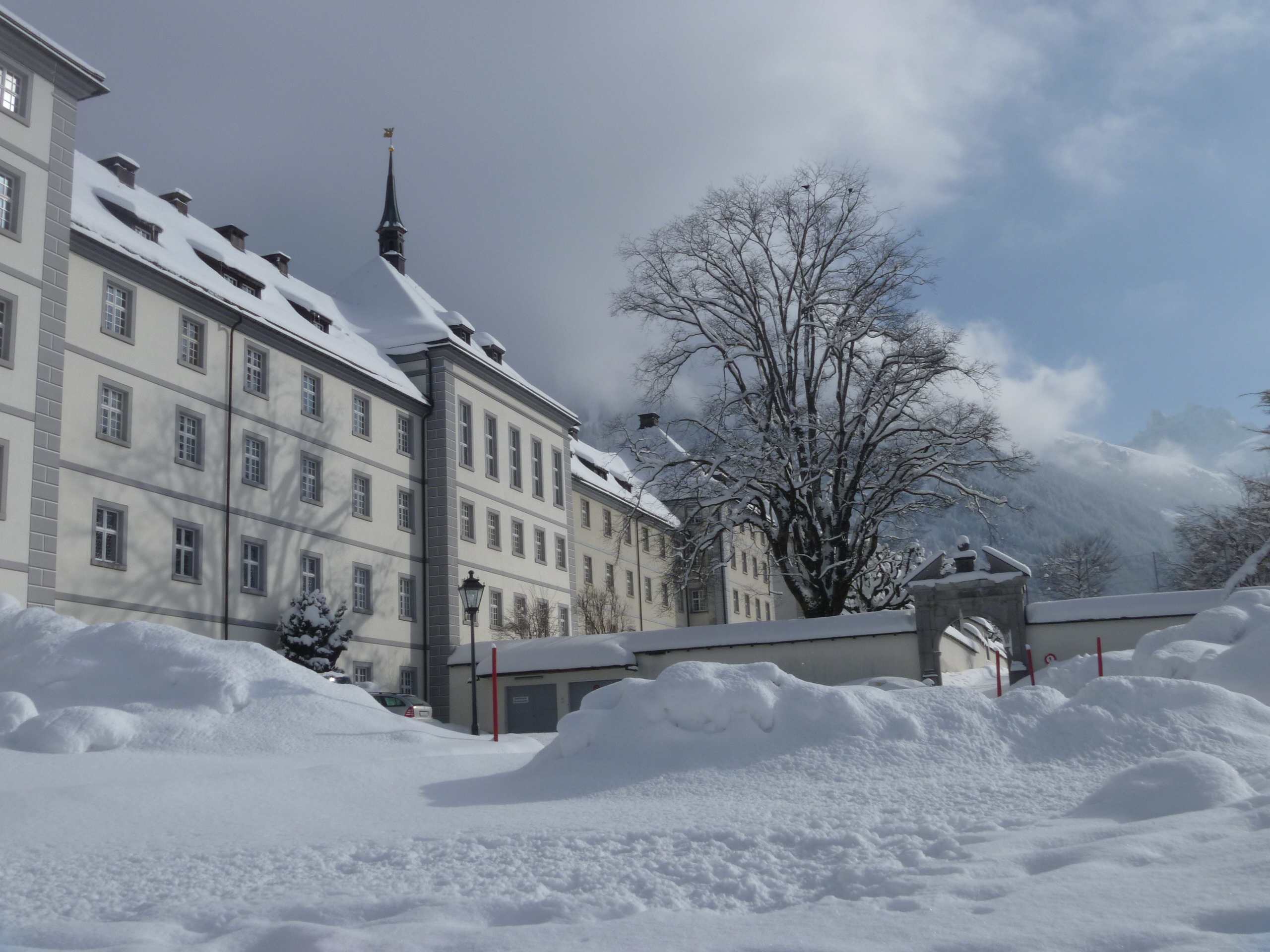
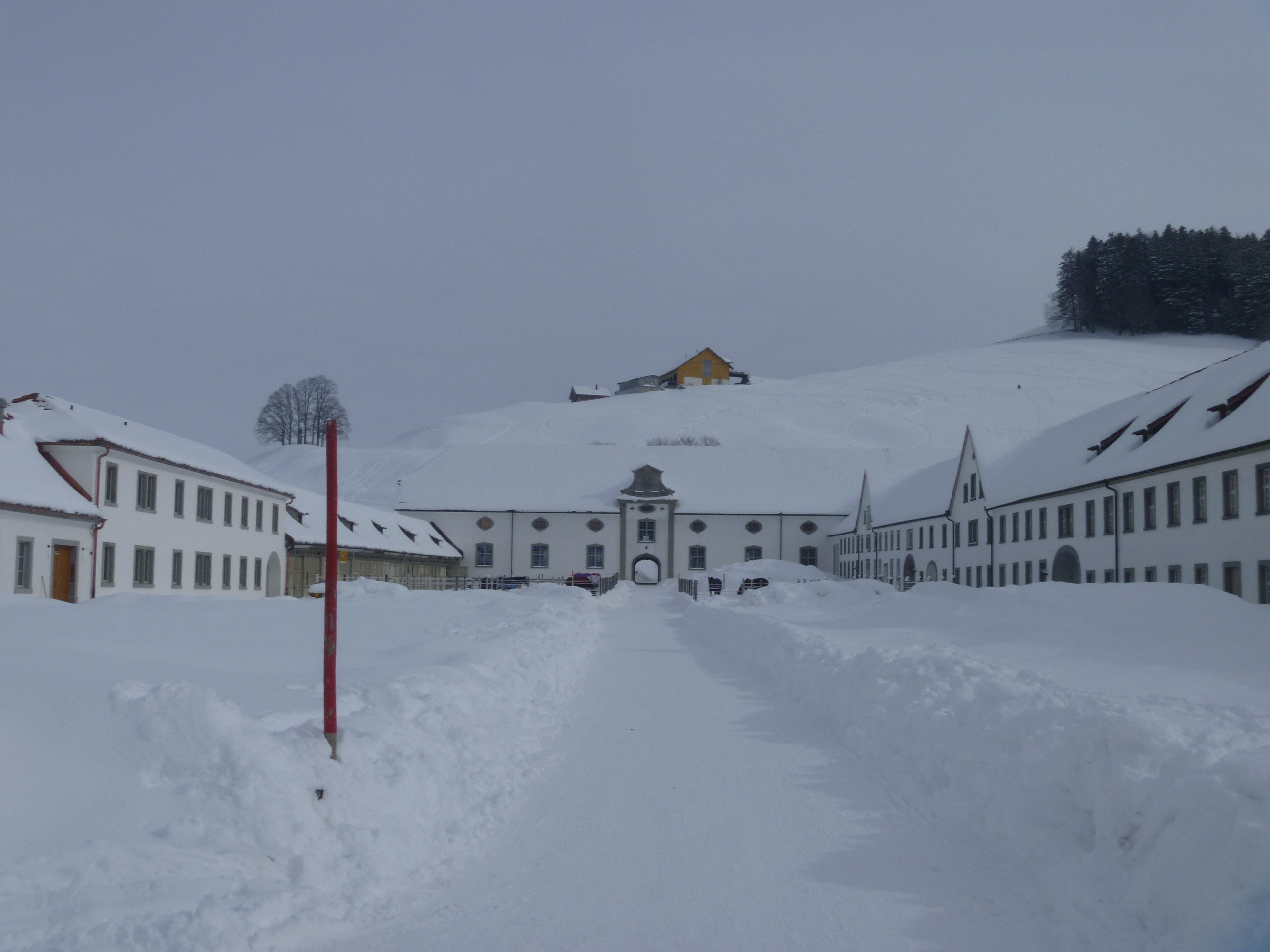
On my last full day in Switzerland, Ash Wednesday, Susanne and I drove up the valley from her home to the ski village of Engelberg which, like Einsiedeln, is also dominated by its abbey. S teaches in the Pfarrschule [parish school], in this case, secondary, attached to the monastery. It’s a co-educational school for day and boarding pupils.

P1080487

There was no evidence on Ash Wednesday of the Fasnacht celebrations which must have been taking place earlier in the week. We were able to drive right up to the school and park in the snow-cleared car park.

Engelberg Car Park

The Snow-Cleared Car Park

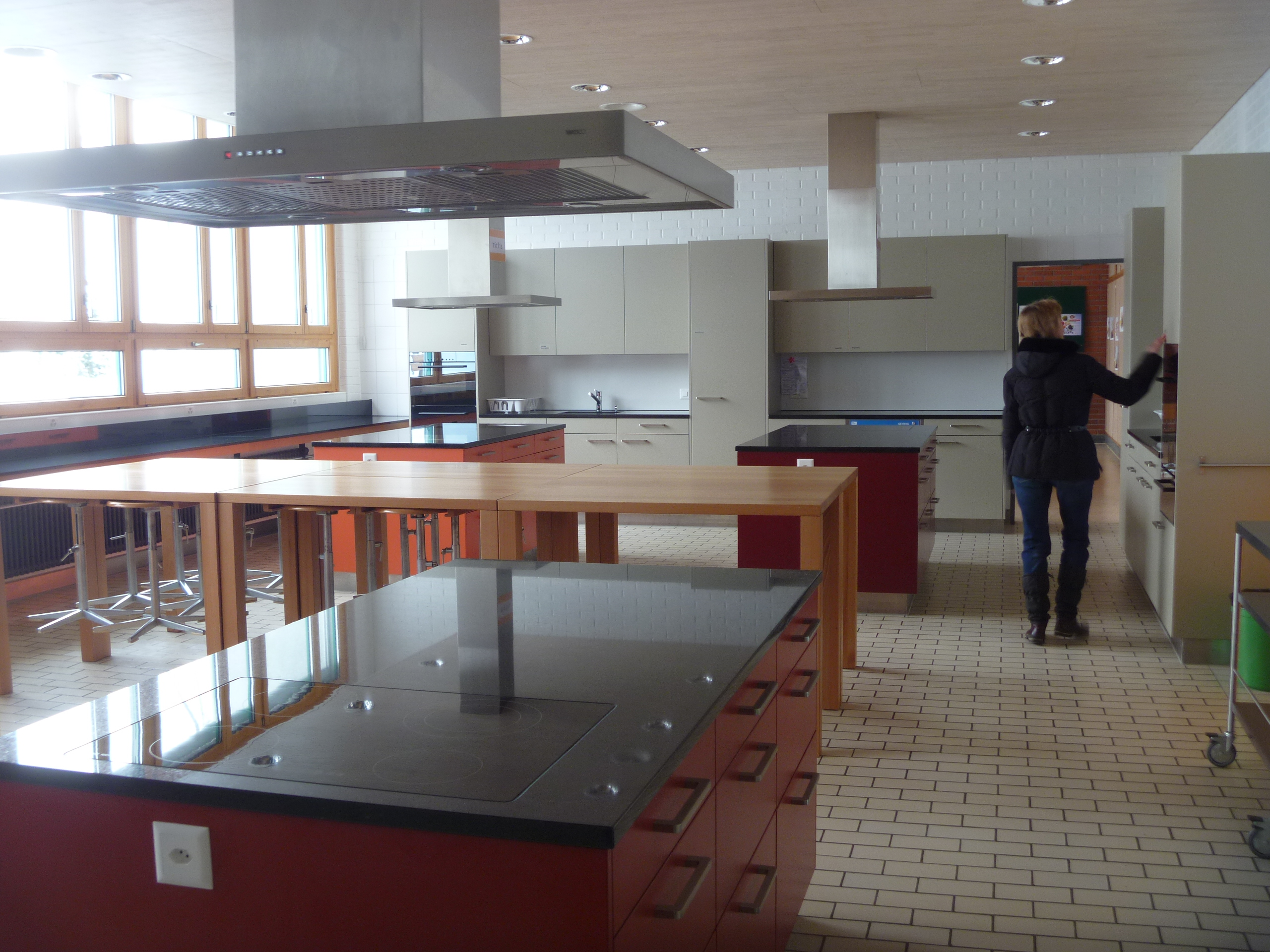
Before the service Susanne showed me around the monastery buildings and afterwards we visited her classroom and kitchens. She teaches home economics and her rooms are in a separate building from the main school.

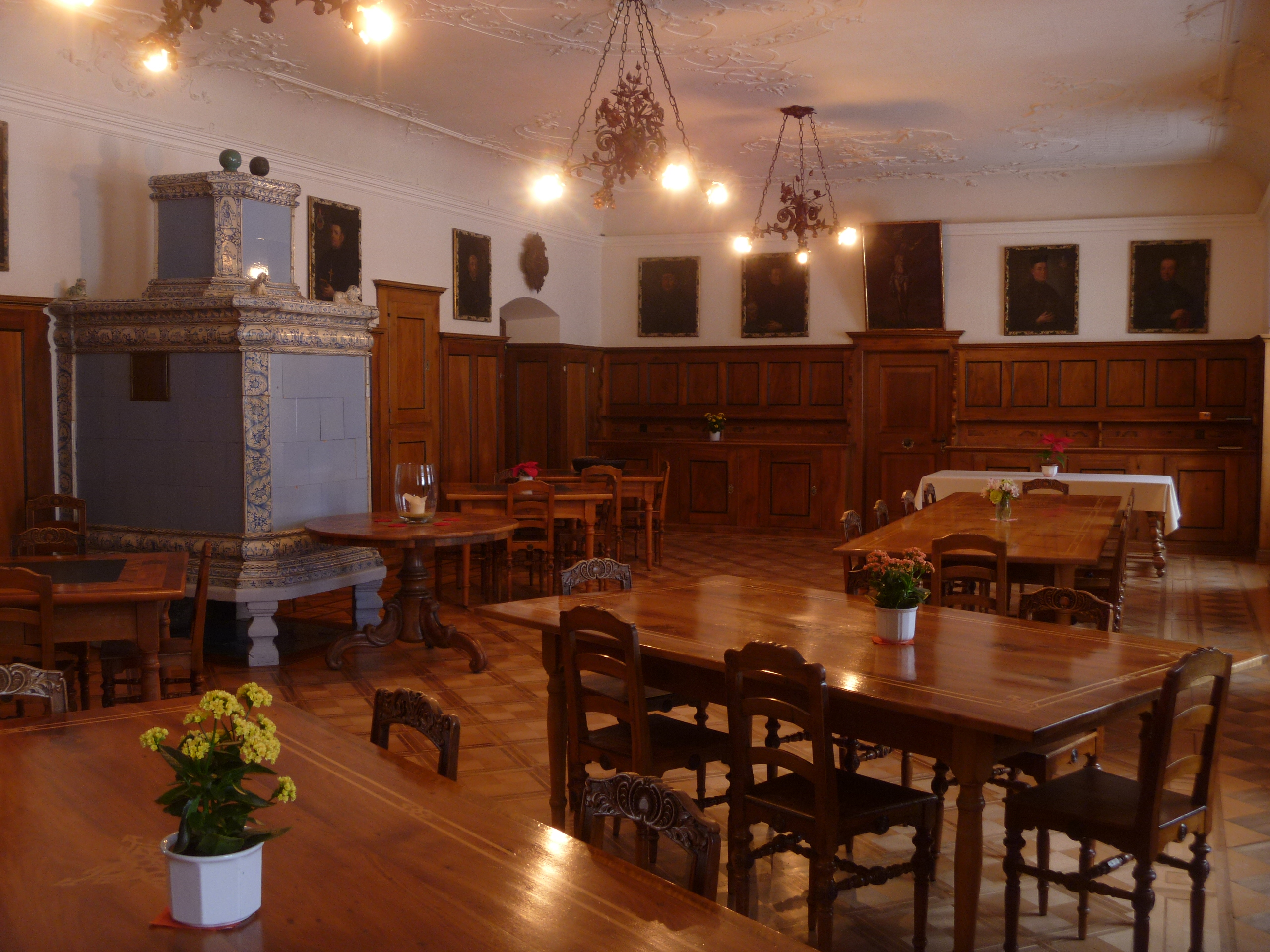
Staff Room

The staff dining room where we were to have had our birthday lunch

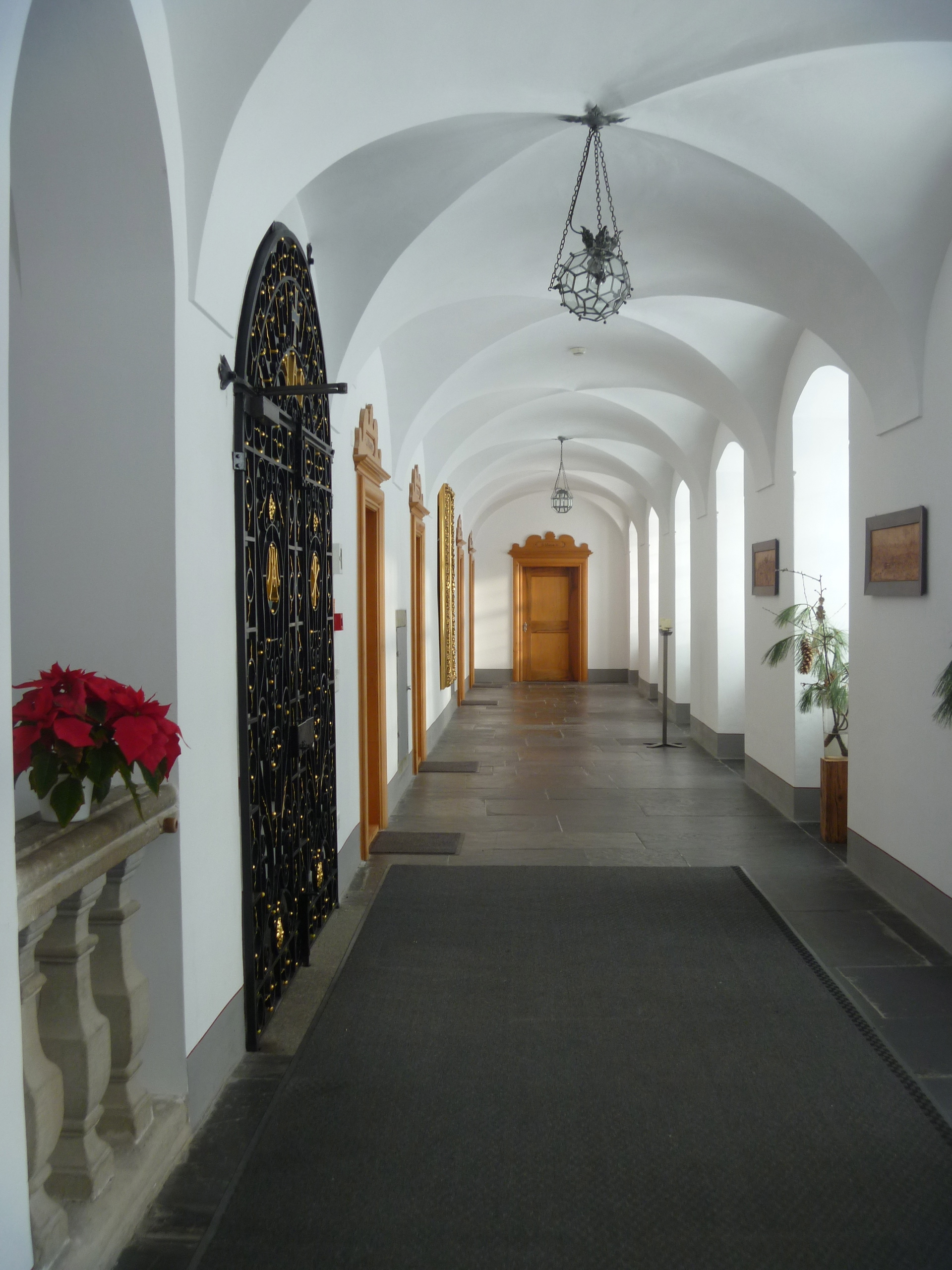
School corridor

Inside the Kloster at Engelberg
Domestic Science Room

The Domestic Science Department

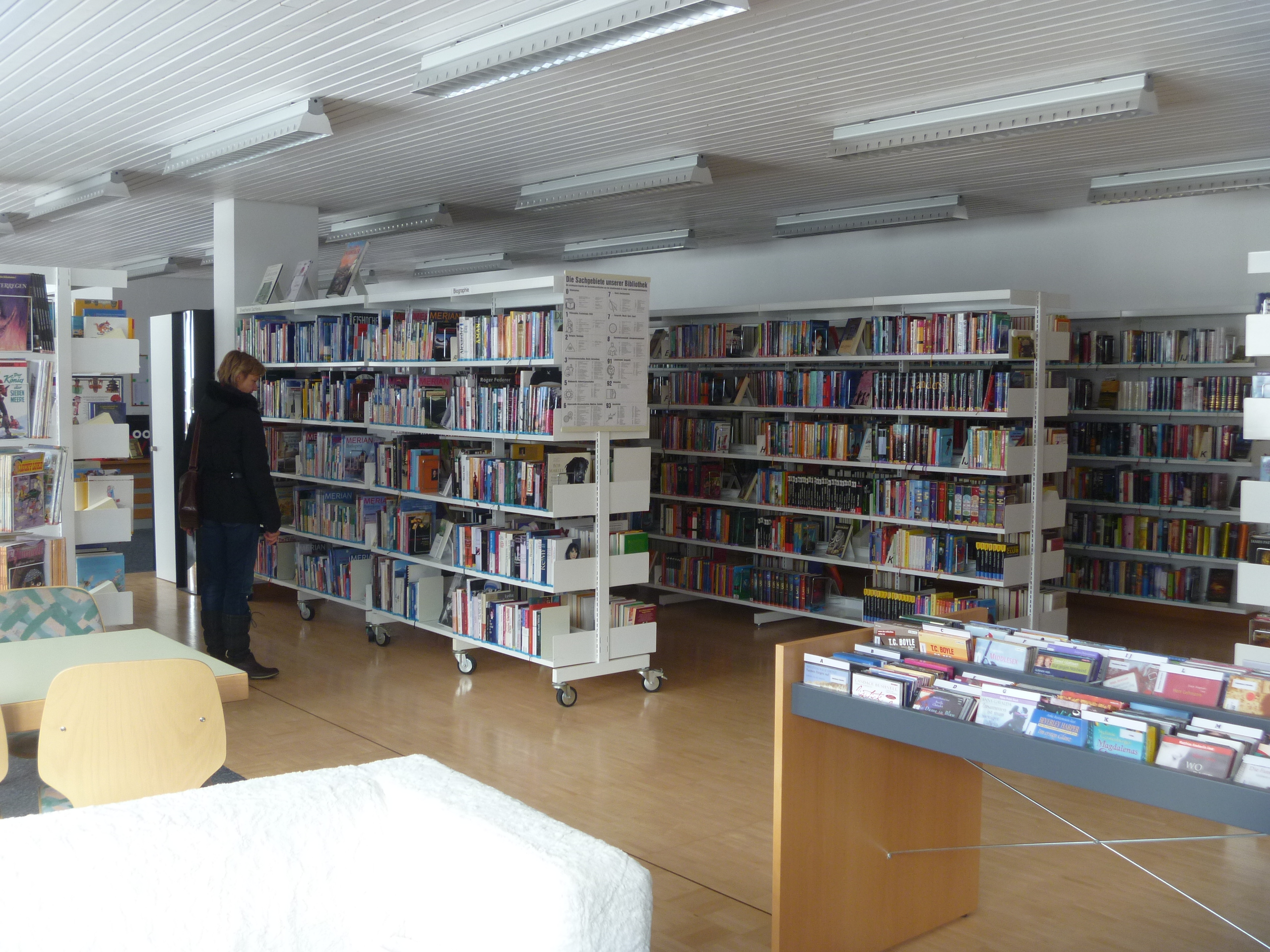
School Library

The Library serves both the school and the village

According to Karl Baedeker (1928) Mosbrugger was also responsible for the Engelberg parish church built in 1730-35. The Kloster here is also a Benedictine foundation (1120). Baedeker says (but he’s not referring to the library above!) :

“The valuable library (MSS, antiquities) is shown to male visitors only (apply to the porter). The school connected with the abbey has about 200 pupils.”

The Muirhead Guide (1923) says that “Women visitors are not admitted to the abbey buildings”.
How things have changed nowadays from 90 years ago.

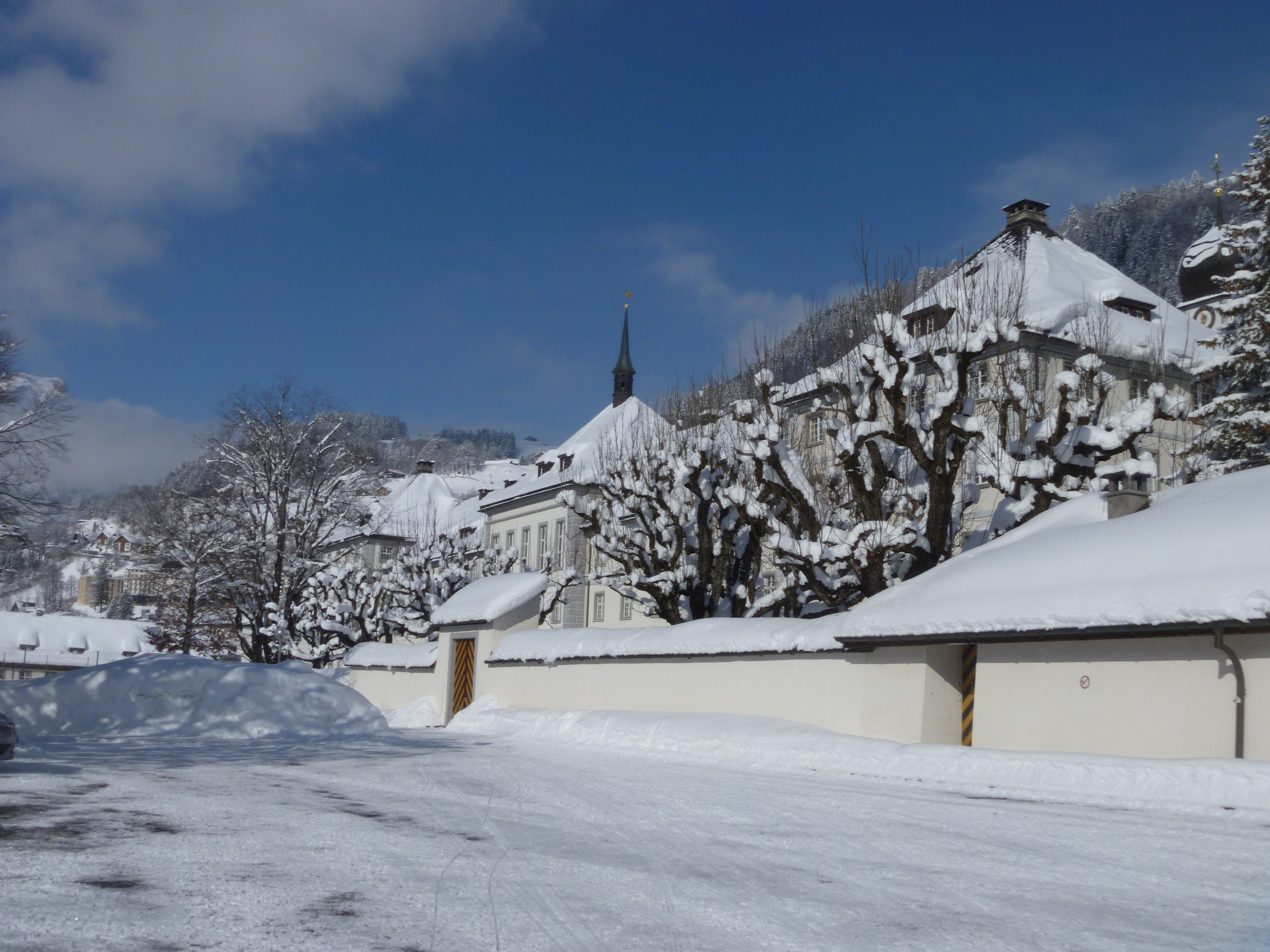
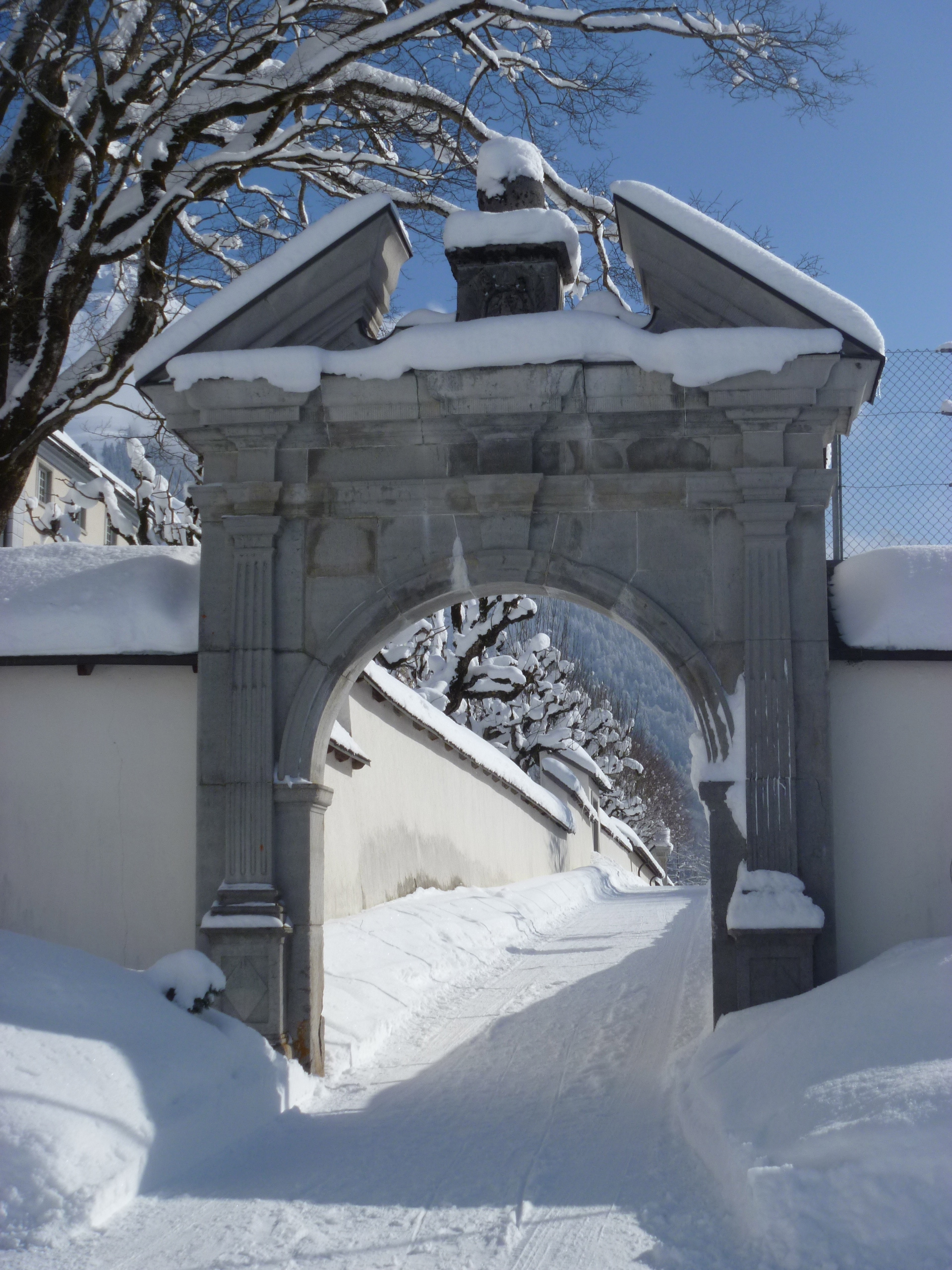
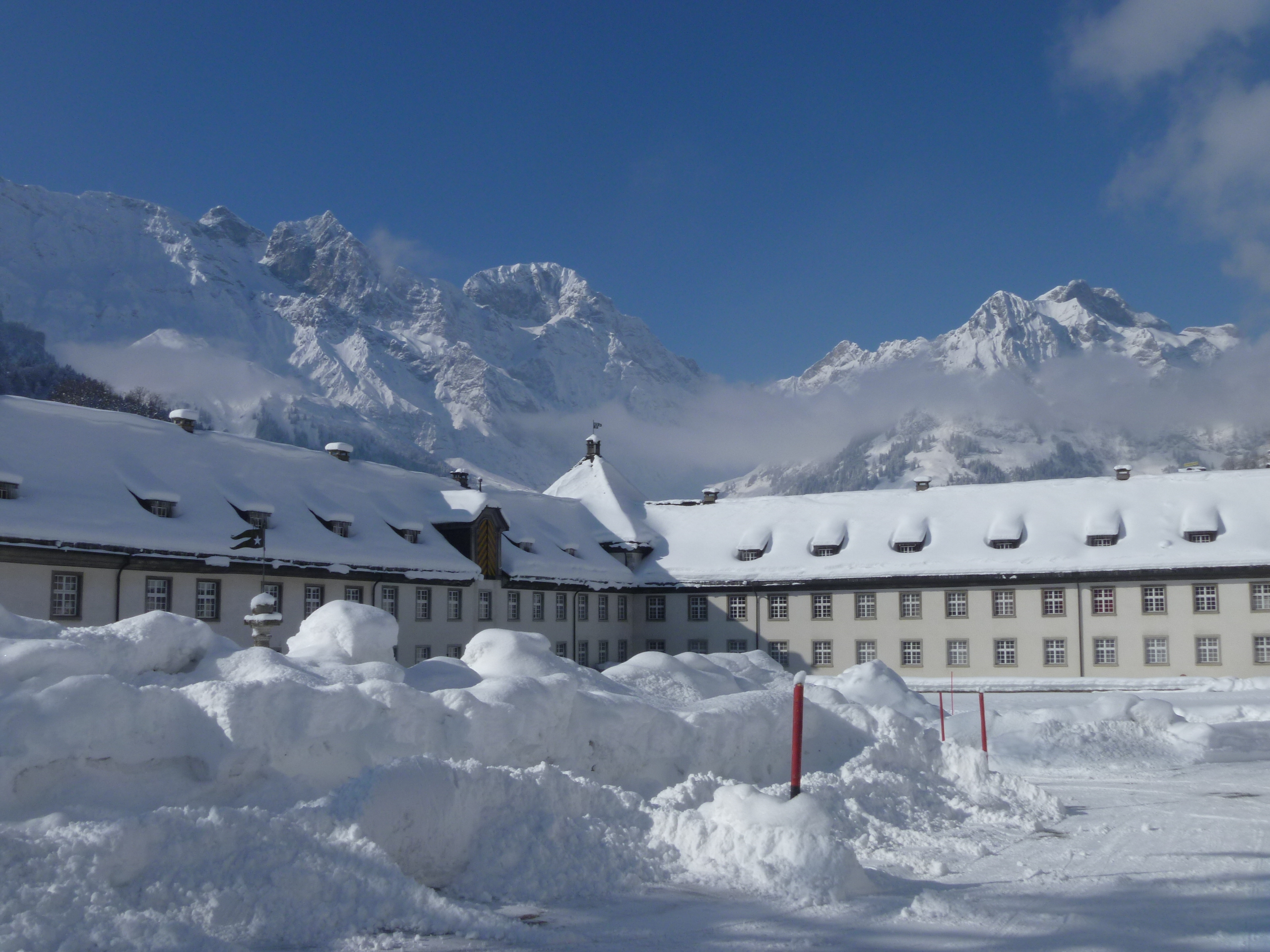
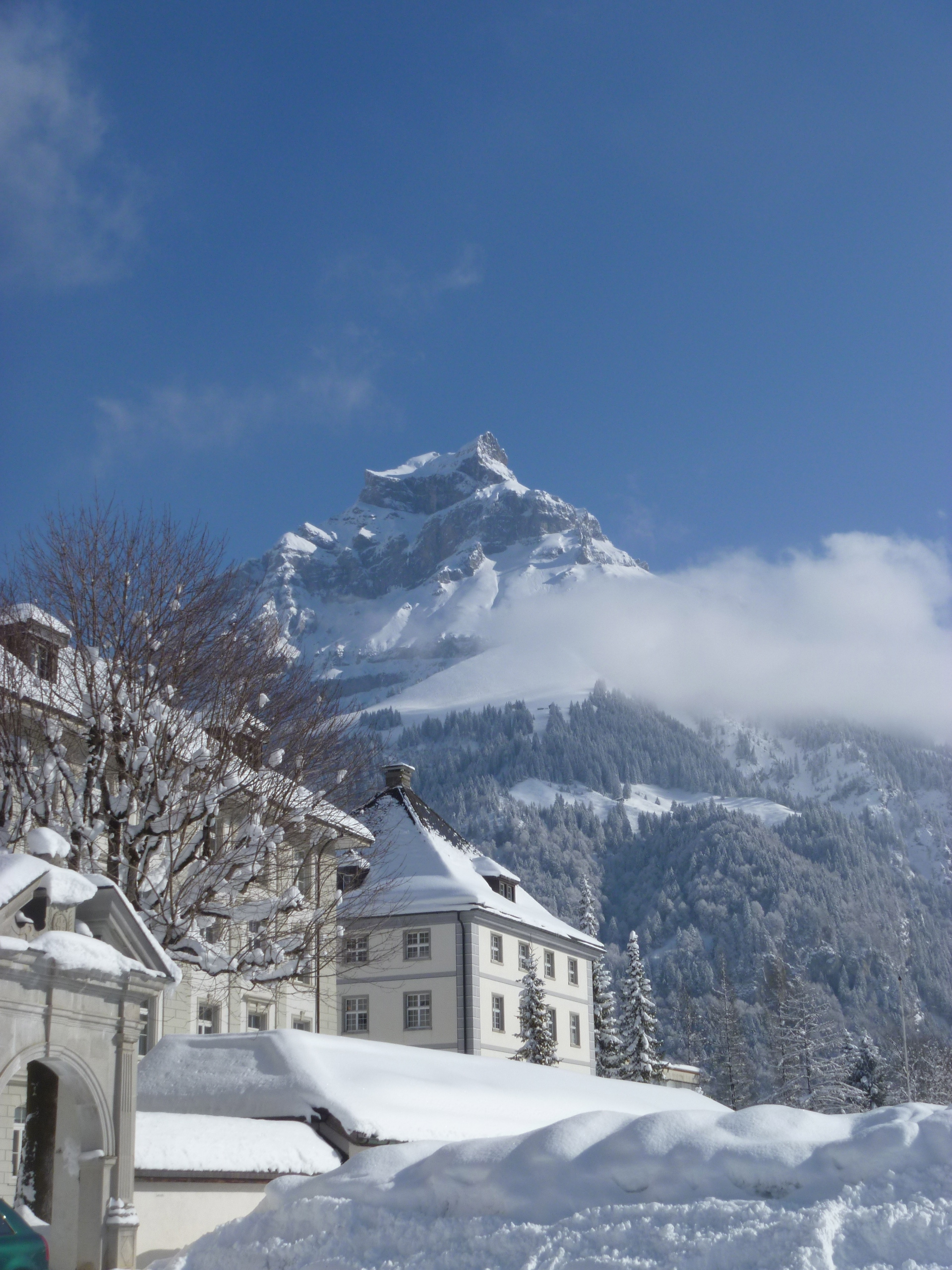
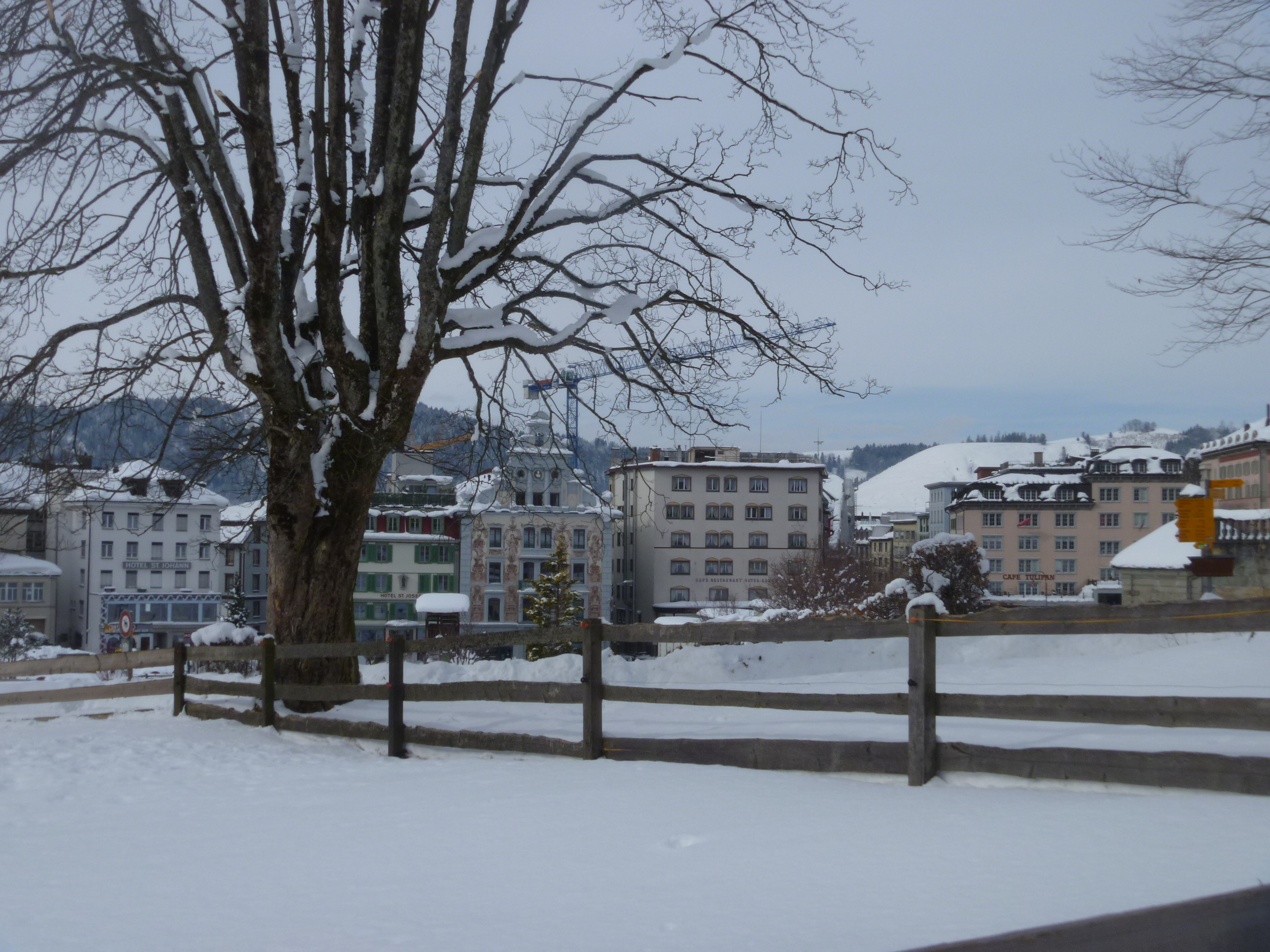
When we emerged from the school the sun had come out and everything looked so beautiful!

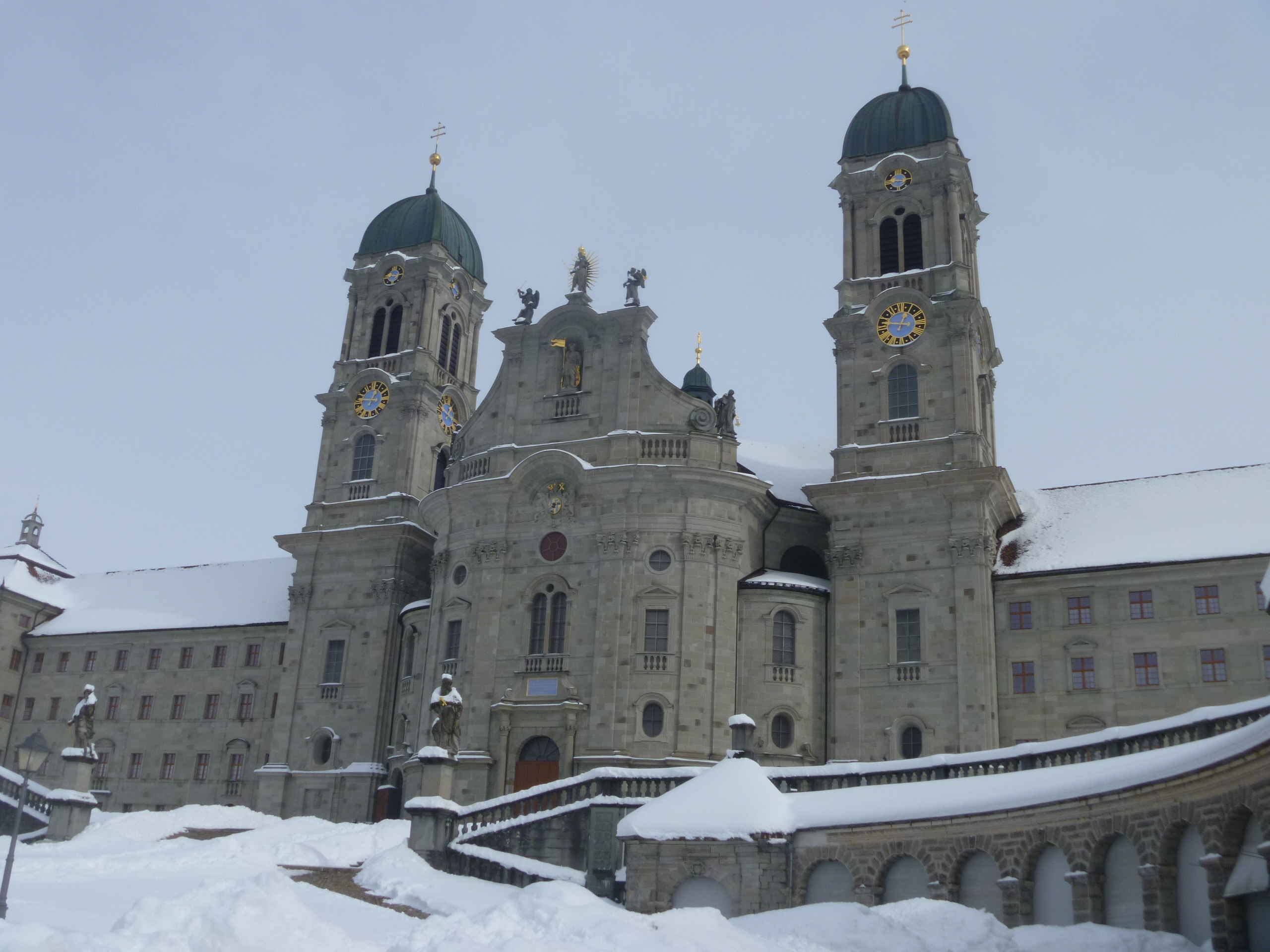
Engelberg

Engelberg Kloster

Engelberg

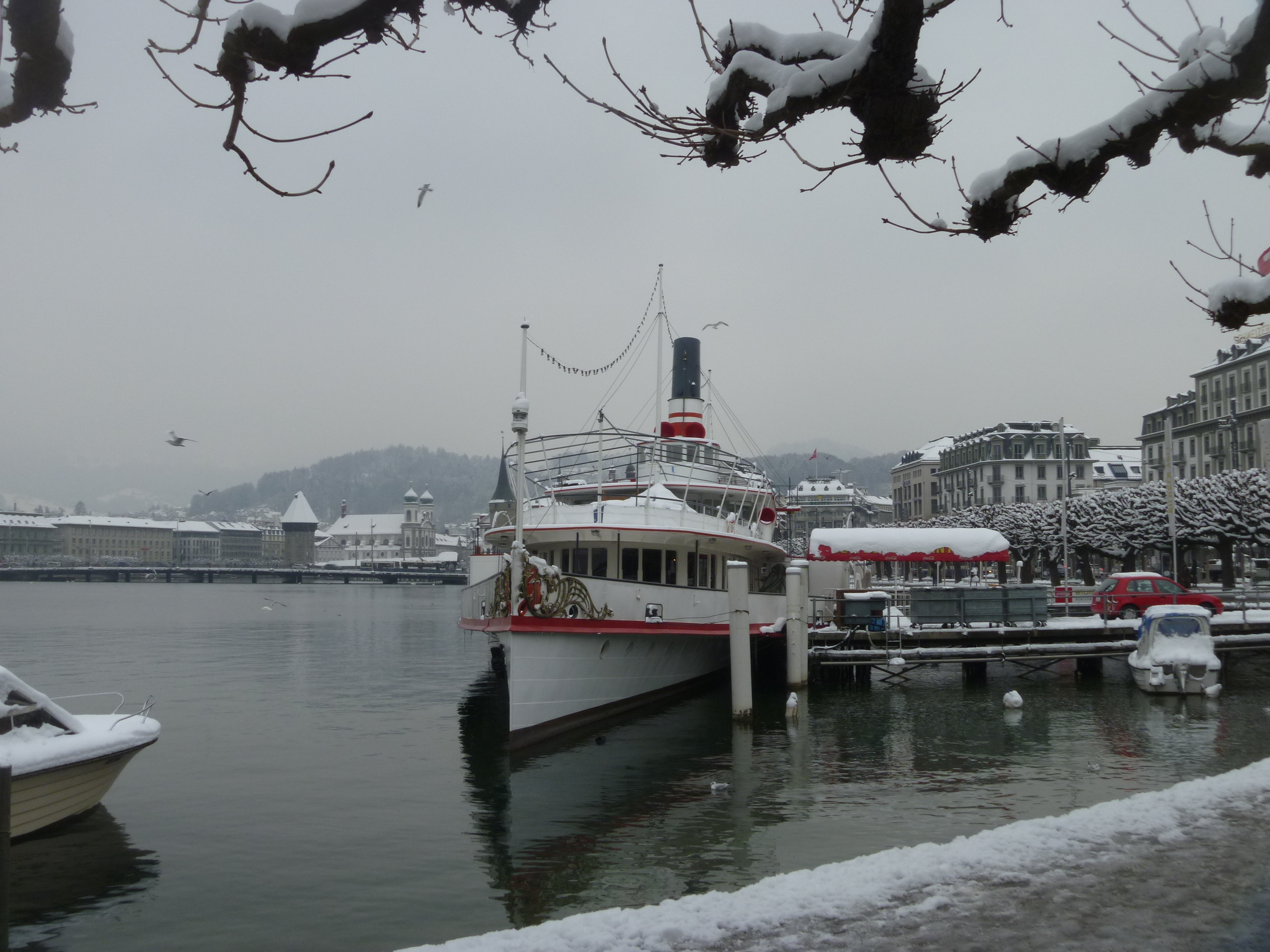
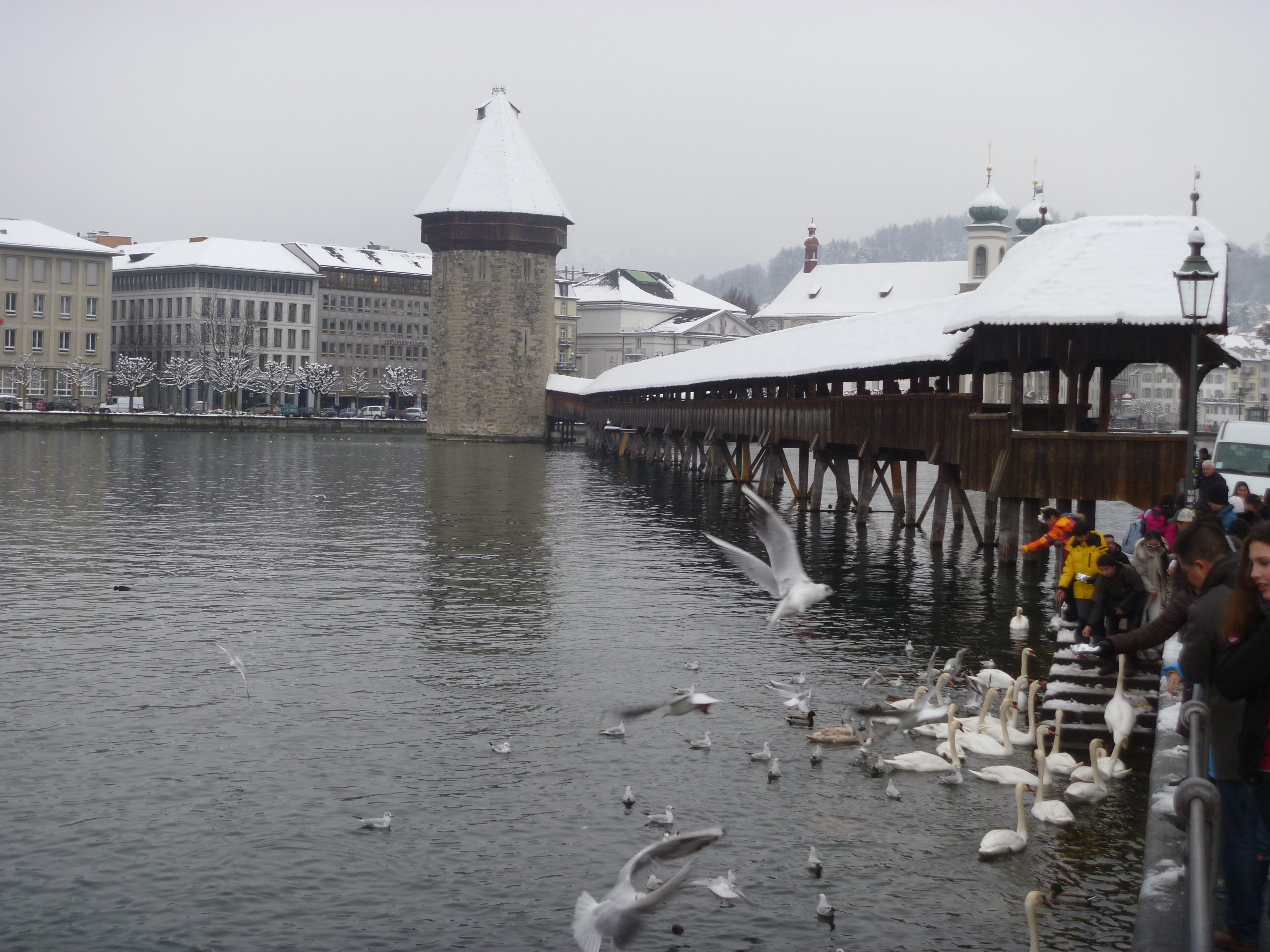
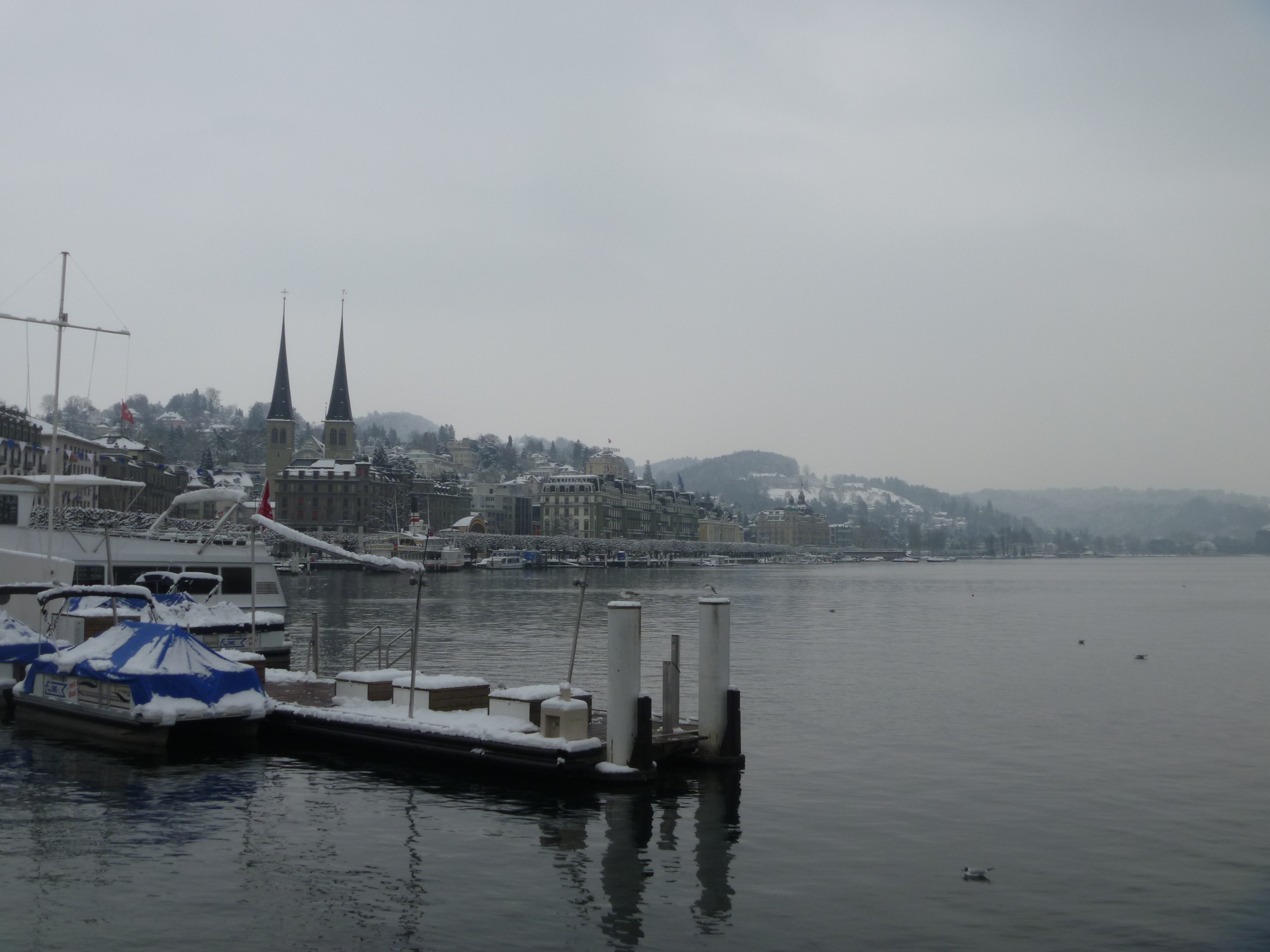
However, the sunny day and blue skies only seemed to apply in Engelberg as we spent the afternoon under very dull skies in Lucerne.

Lucerne Steamship

A Lake Steamer at Lucerne under heavy skies

Kapellbrücke Luzern

The Kappellbrücke, Lucerne

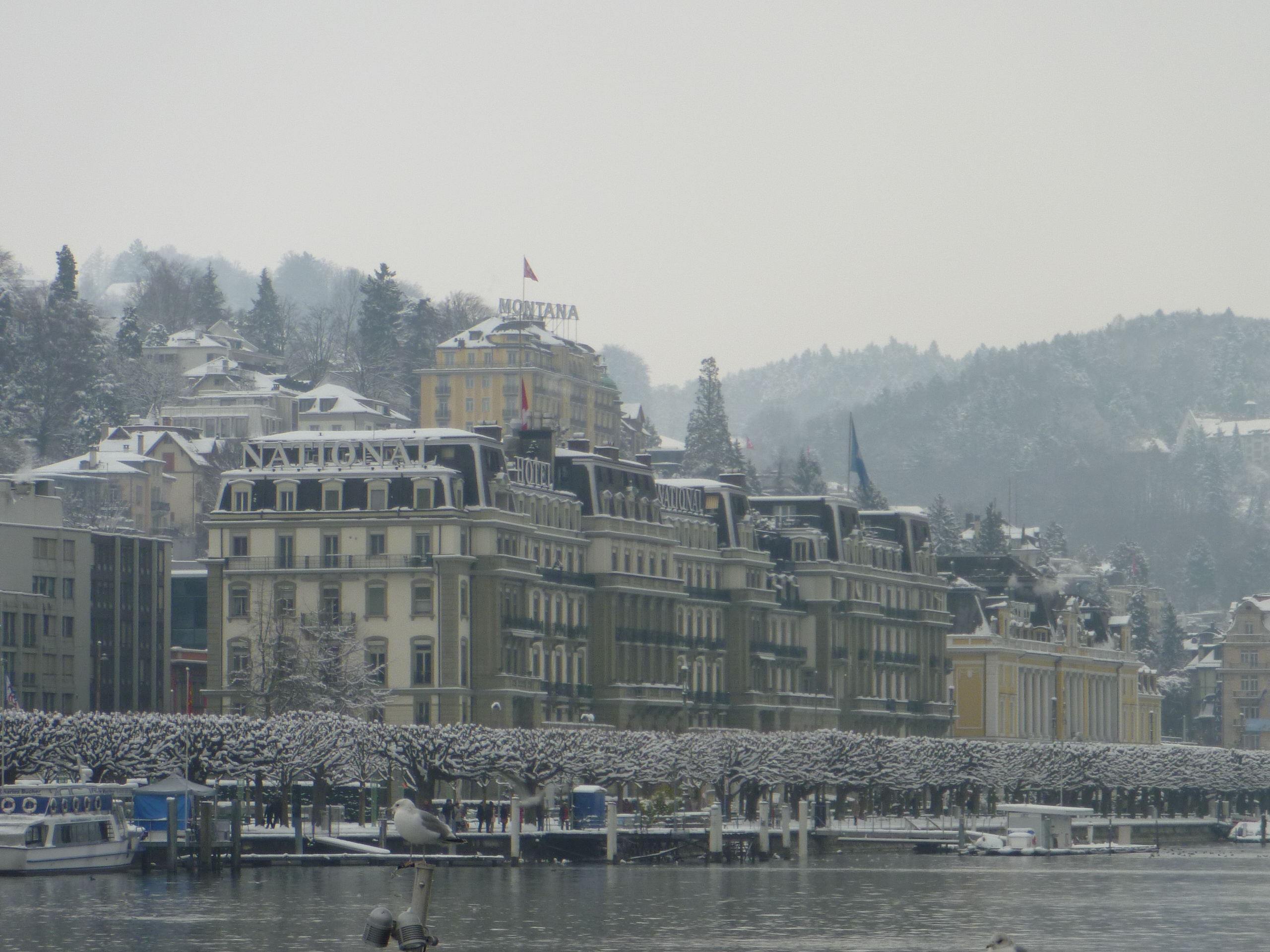
Lucerne and the lake

Lucerne and Lake Lucerne

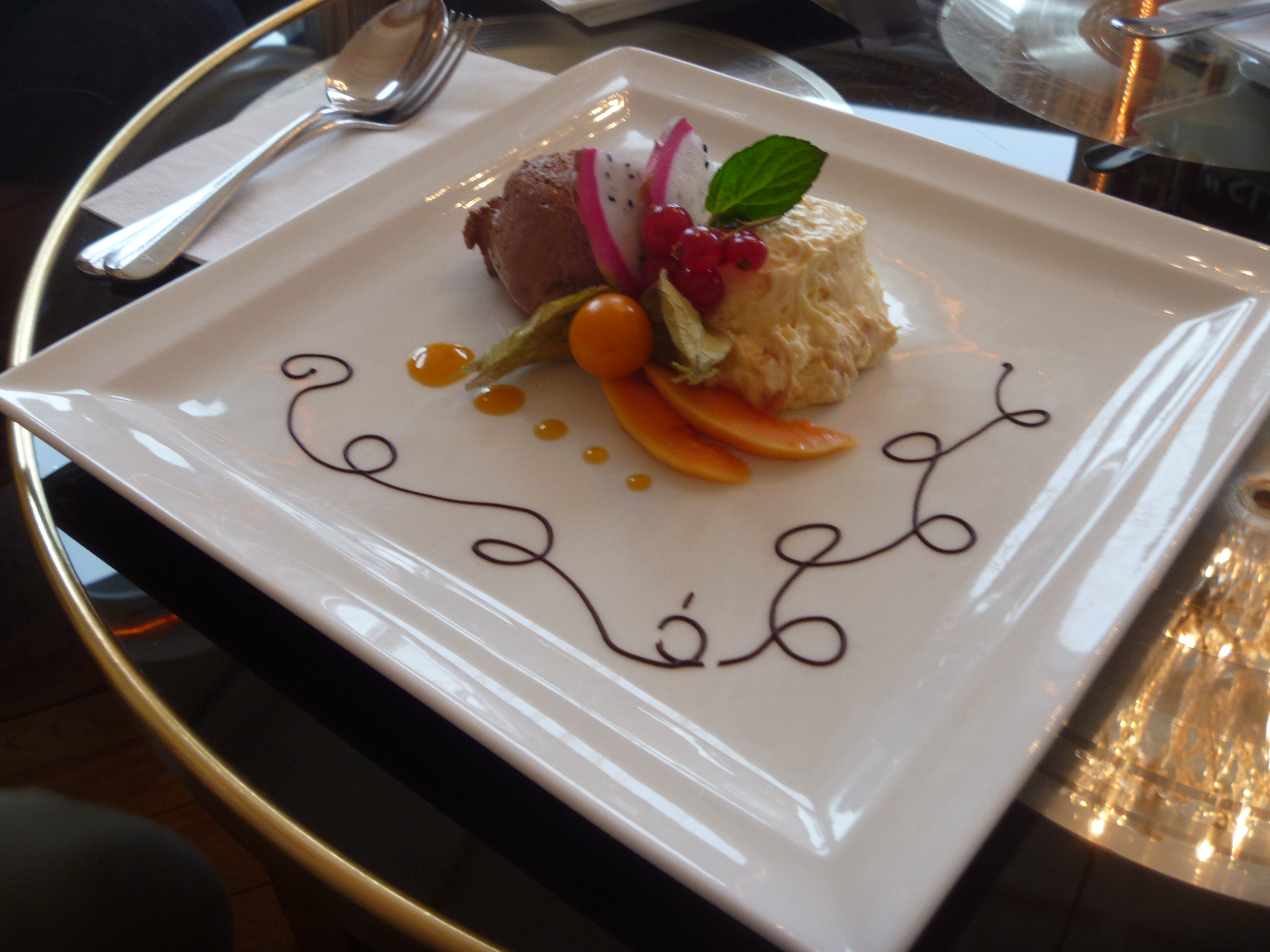
Hotel Montana

However, an afternoon tea and dessert at The Art Deco Hotel Montana was enough to thoroughly raise the spirits!

Dessert

From the Sublime to the Ridiculous: Monasteries and Mardi Gras, 1

This recent visit to Switzerland came about following an invitation in January to join my friend Susanne for her birthday celebration to be held at the Engelberg Monastery a few miles from her home. Sadly, a close family bereavement meant that the party was cancelled and there was to be a family memorial service followed by lunch on the Sunday. This being the case, I stayed for a few days in Bern; only joining S and family later on the Sunday.

Susanne is a teacher at the school attached to the Engelberg Kloster [monastery] and as it was ‘Fasnacht‘ like most schools in the Catholic Cantons of Switzerland school was on half-term holiday. This gave us a few days to spend together and on the first one we travelled to Einsiedeln the home of another impressive monastery and church not too far from Lake Zürich.

Einsiedeln Church

The drive, which was to be long enough anyway, was extended quite considerably due to road closures and diversions. ‘Fasnacht’ parades were taking place in every town, village and hamlet – including, when we arrived there, Einsiedeln.

Einsiedeln

The town of Einsiedeln from the abbey

The vast Monastery and abbey church dominate the small town of Einsiedeln. They serve as a place of pilgrimage – for here is the Chapel of Our Lady, The Black Madonna – and are situated on one of the Swiss paths that lead to the Way of St James de Compostella [Jakobsweg]. I’ve written before about the St James Way here and here.

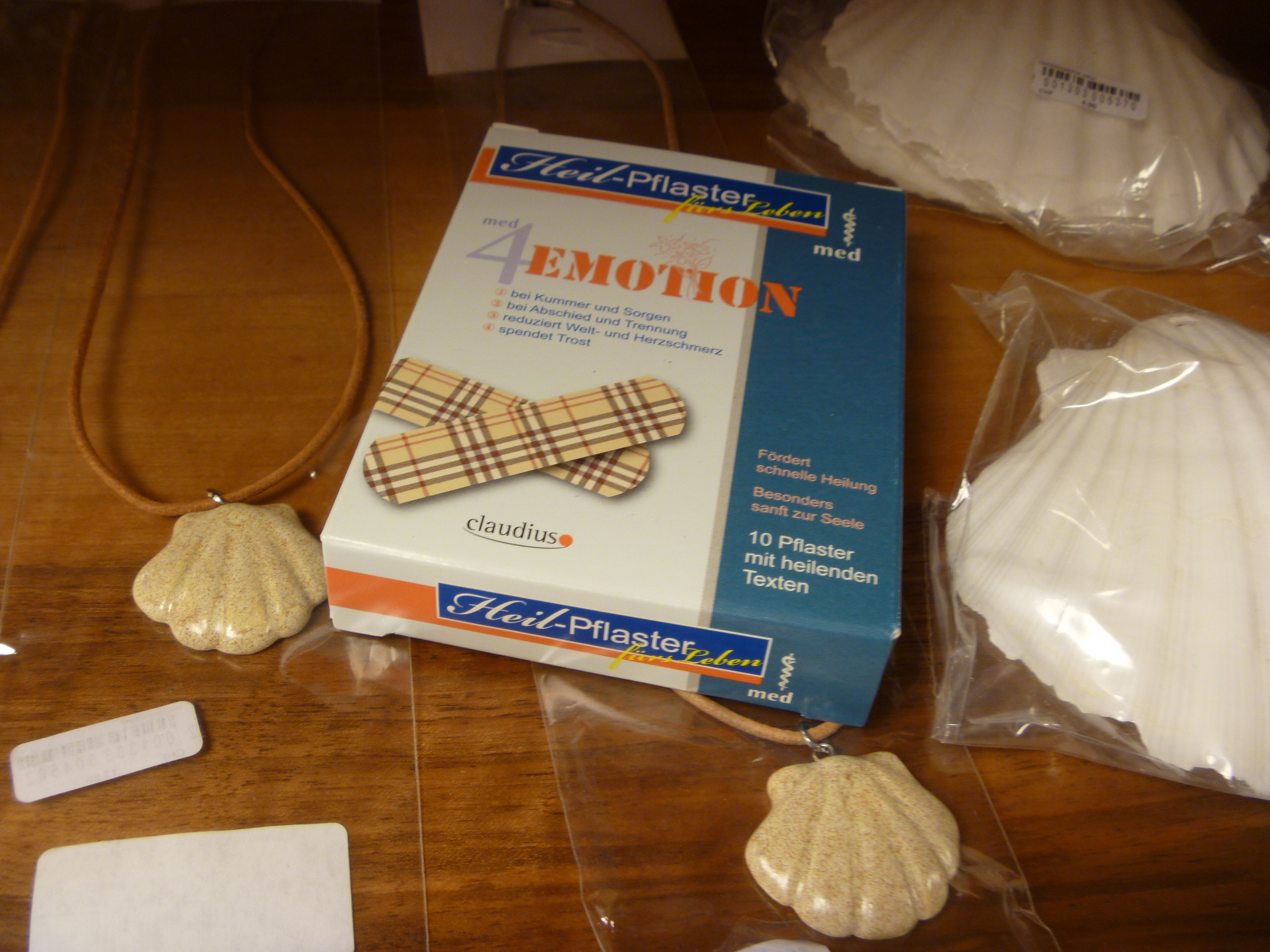
St James Way 'plasters

Special “St James Way” ‘plasters on sale in the shop. Burberry design??

Let me quote from the 1928 edition of Baedeker’s Switzerland. I’ve enjoyed reading the entries in old Baedeker and Muirhead Guides and comparing with my own experiences.

Einsiedeln, or Notre-Dame-des-Ermites, … the most famous pilgrim-resort in Switzerland, has a Benedictine Abbey, founded in c.948, on the site of the well of St Meinrad, who was murdered in 861. This abbey was richly dowered with lands by the Emperors Otho II (972) and Henry II (1018) and became an independent principality of the Holy Roman Empire. The abbey was once ruled y an Anglo-Saxon abbot, St Gregory (d.996). The chief festival (“Engelweihe”) is on Sept. 14th.

 The abbey, occupying an area of 16 acres, was rebuilt in sandstone in 1704-18, by Kaspar Mosbrugger. … The CHURCH, in the centre of the slightly curved W. front, which 446′ long, with its two towers, was erected in 1719-35, also from the plans of Mosbrugger, and is the best example of the ‘Vorarlberg School’ in Switzerland.”

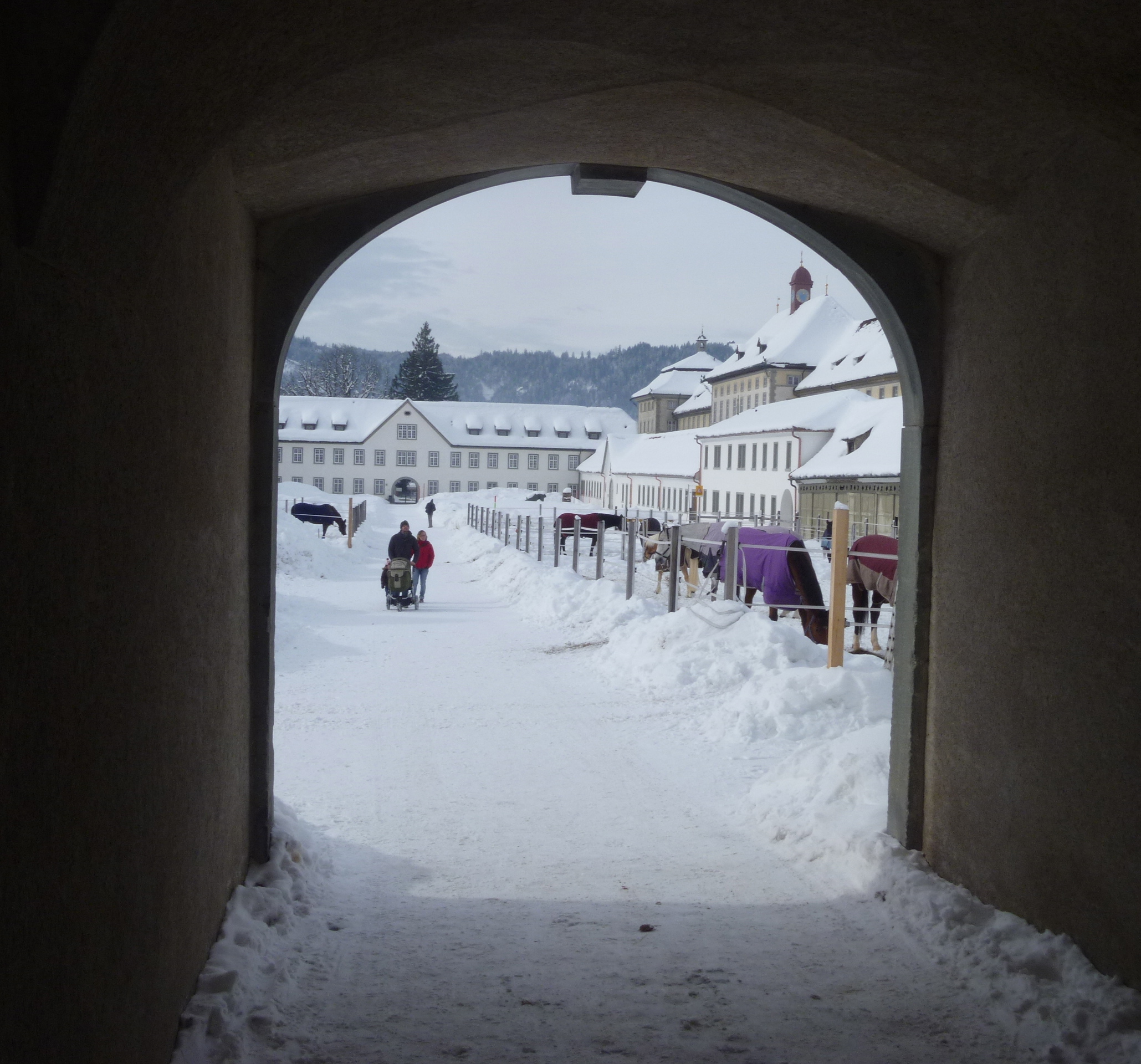
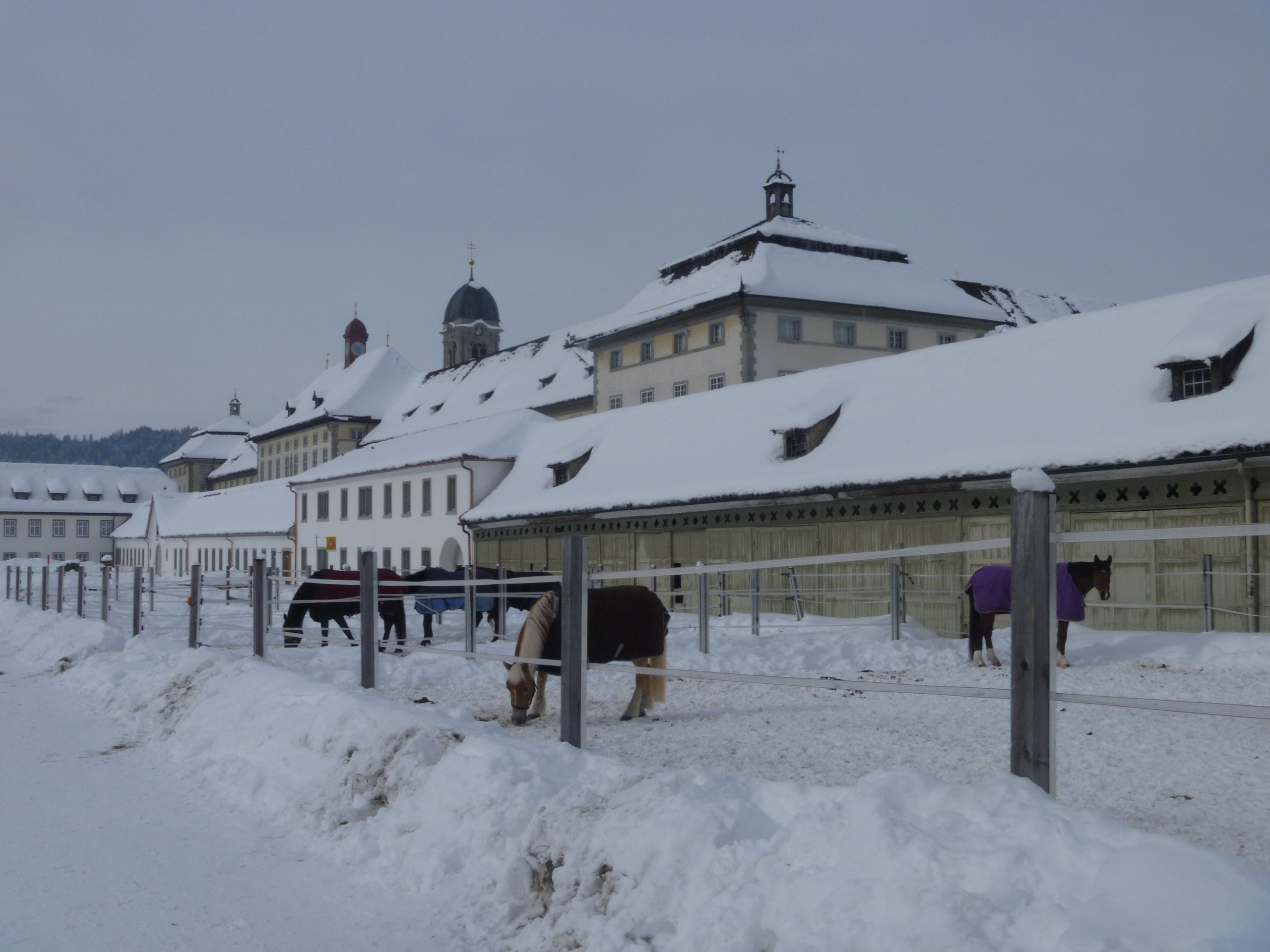
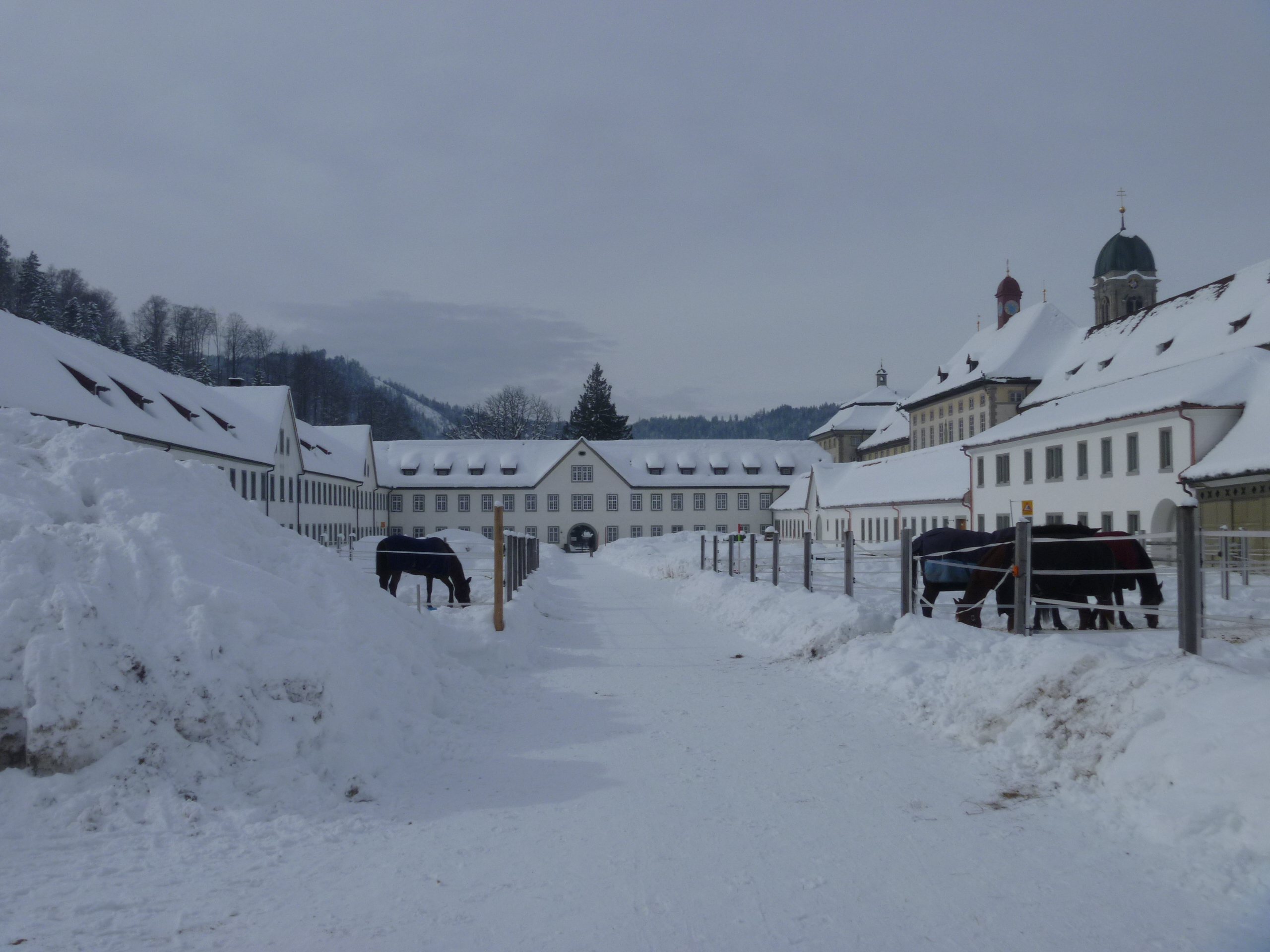
No photography is allowed inside this over-the-top Baroque church. But the public are allowed to enter the precincts and inspect the horses of the oldest stud farm in Europe that is still working. The stables were built in the 1760s. The horses (the Einsiedeln breed) – apparently famed throughout Europe – are known as “Cavalli della Madonna”, or The Madonna’s horses.

Entering the precincts

P1080421

P1080424

P1080425

The Einsiedeln Horses in the Snow

From the Abbey it’s just a few paces down into the town where we had an apple tart ‘lunch’ and then watched part of the amazing Fasnacht parade. As you might guess, the cold soon got to us and before long we made our way back to the car and home. Not being as tough (or filled with Glühwein??) as the participants.

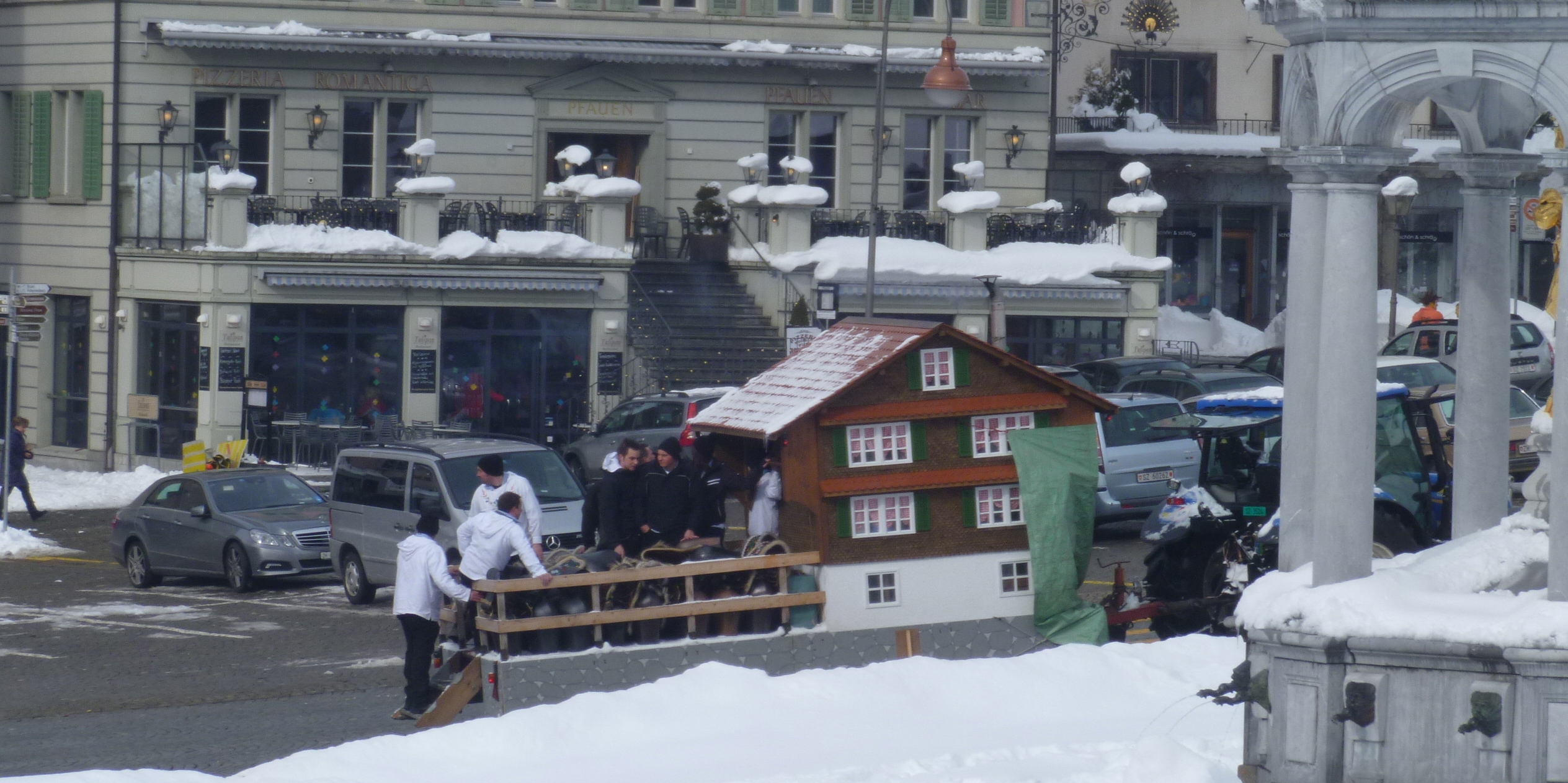
Moving chalet??

Moving Chalet?

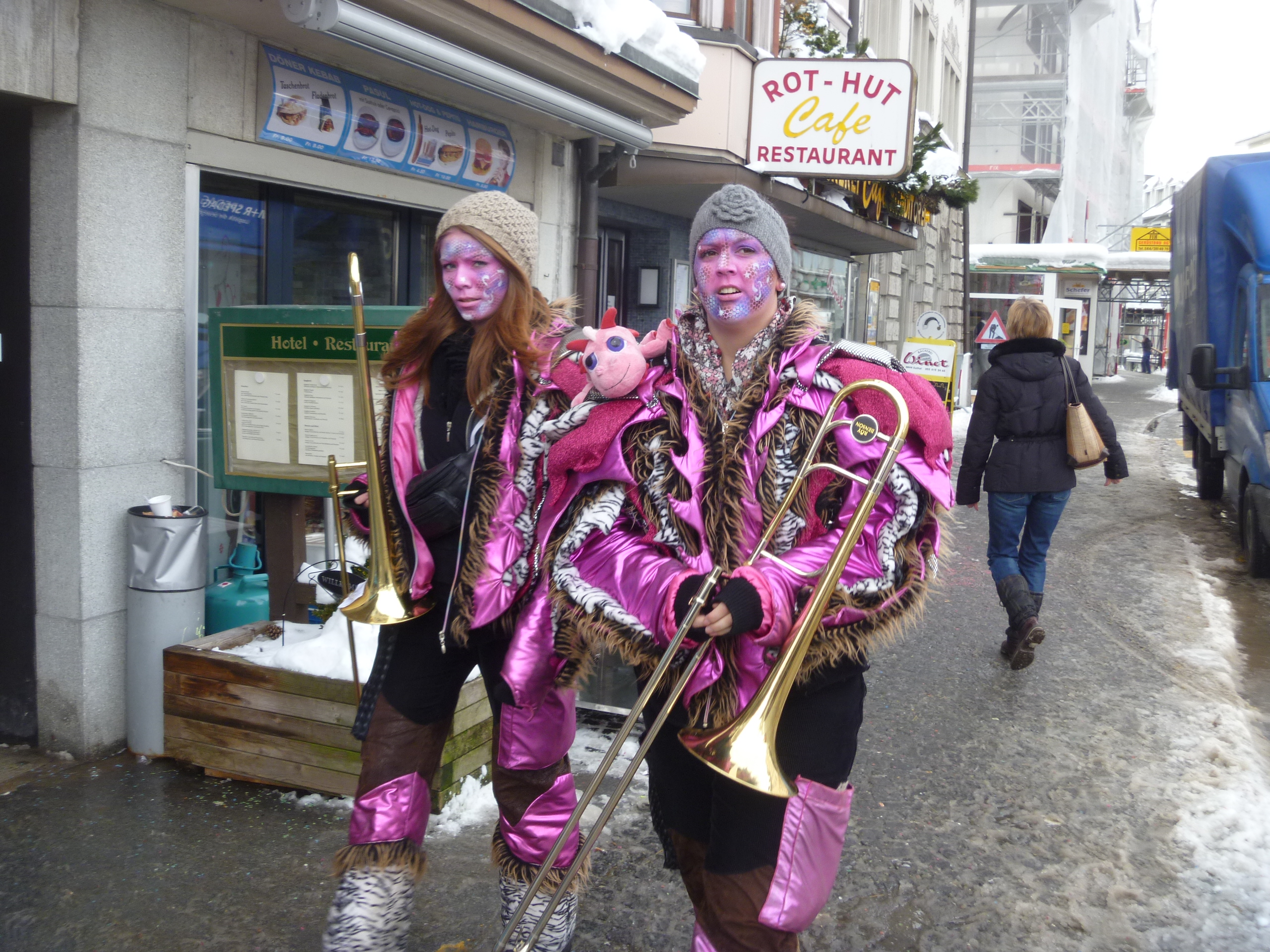
Fasnacht3

The outfits of the musicians brighten up the day

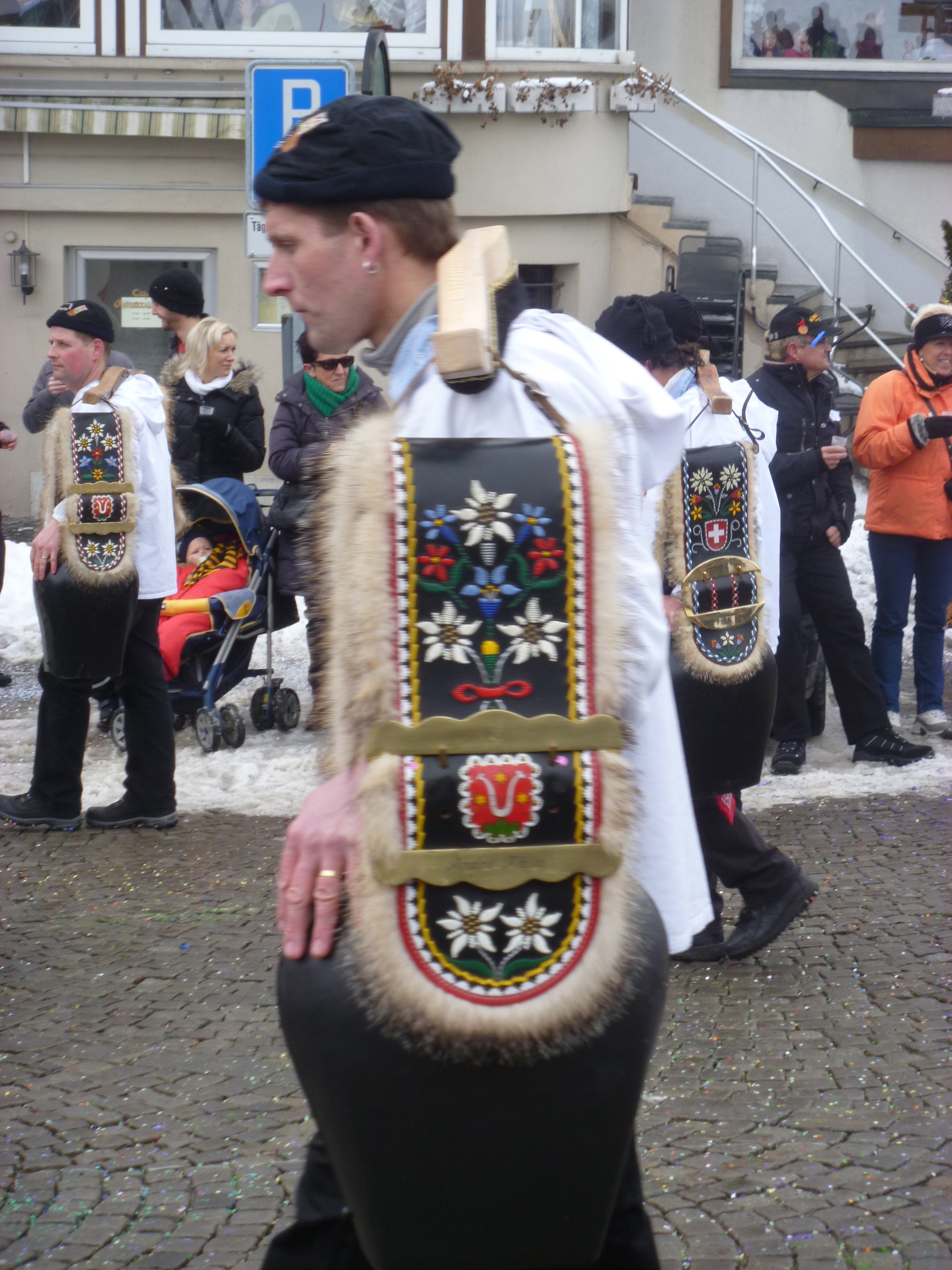
Fasnacht1

I just had to  come across cow bells at one point during my visit – and this was it!

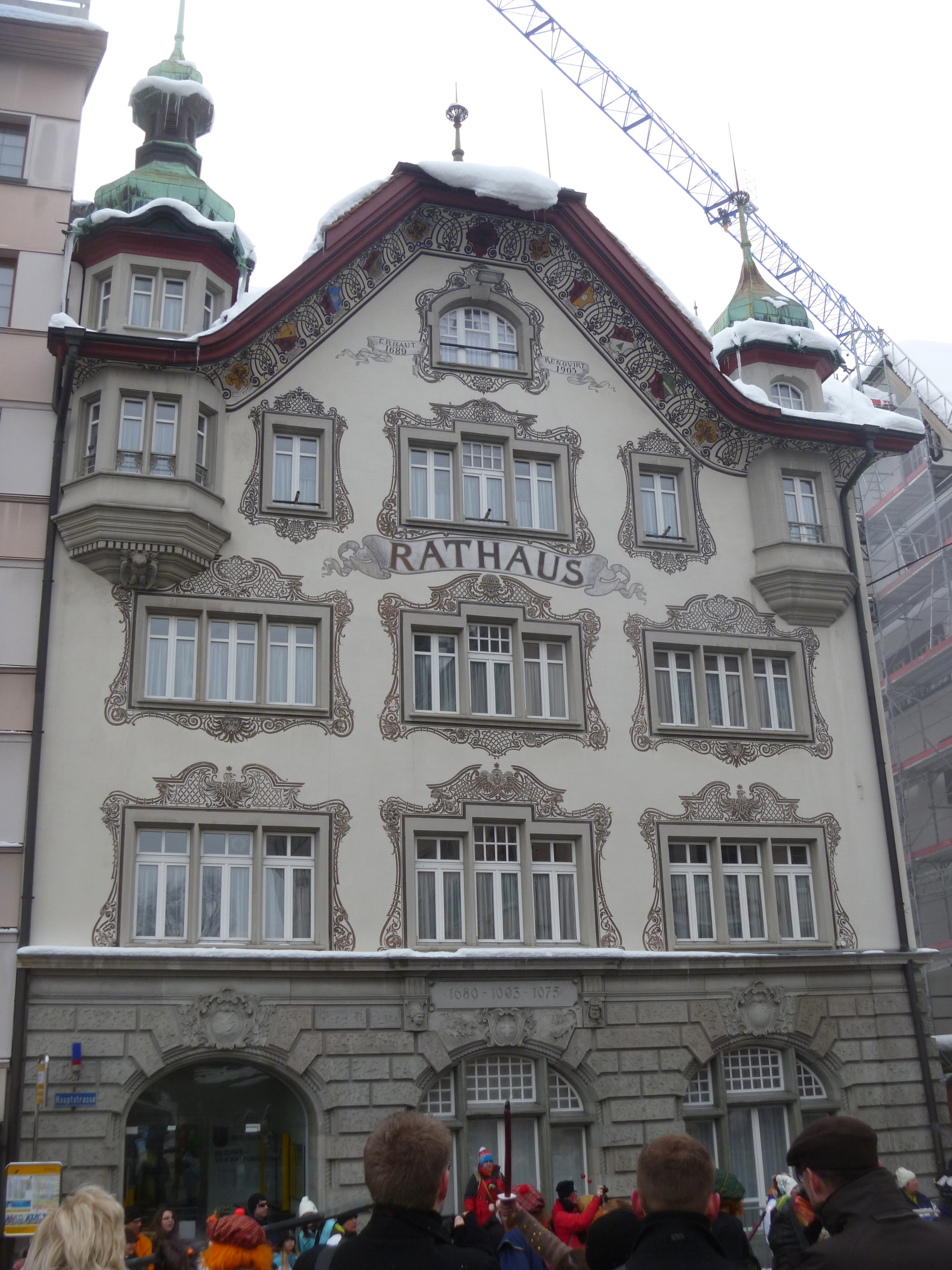
Einsiedeln Town Hall

The decorated Town Hall before Nessy!

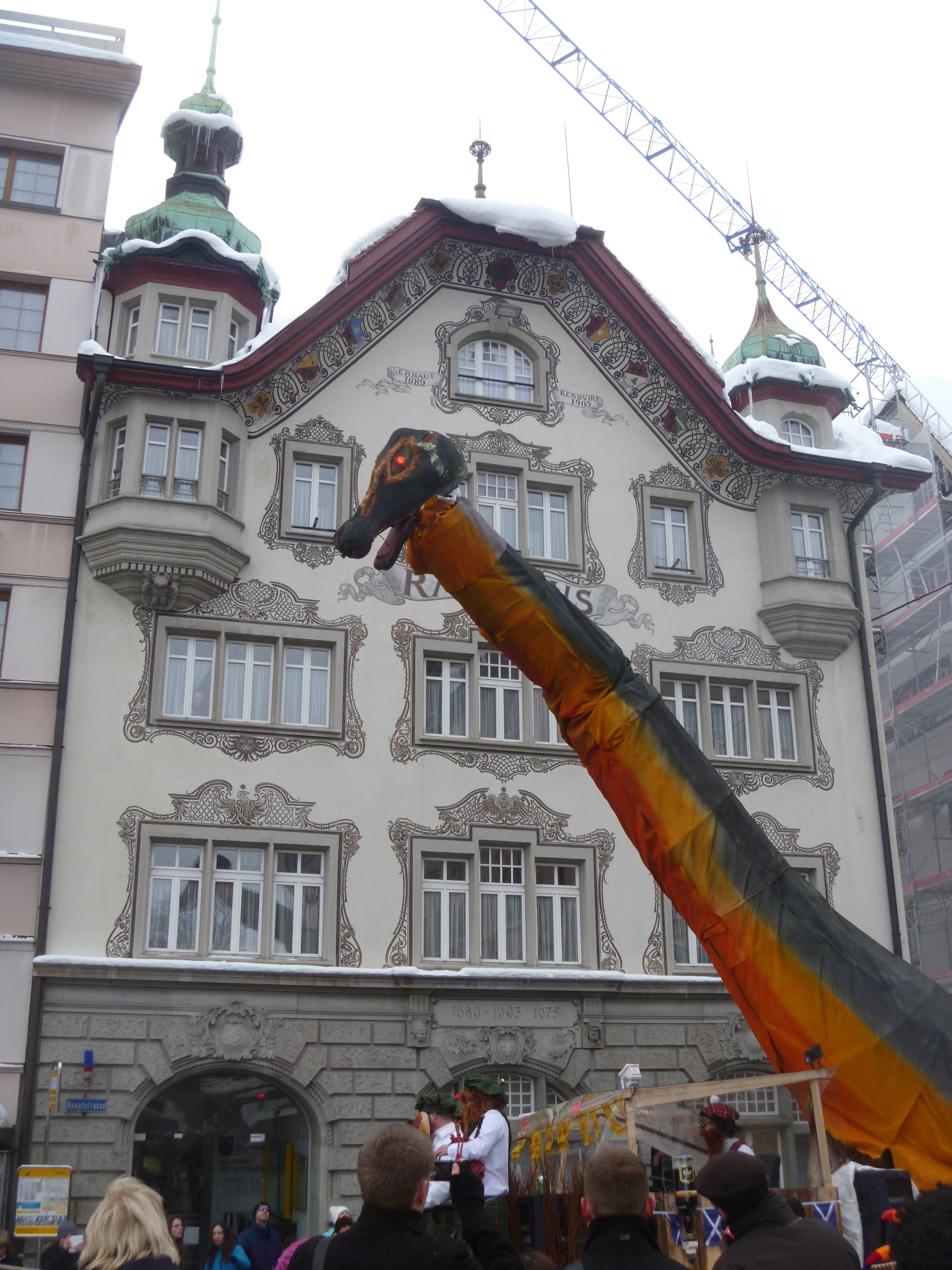
Town Hall and Nessy

And as The Loch Ness Monster passed by!

The Ramblers’ Church, Lead, North Yorkshire

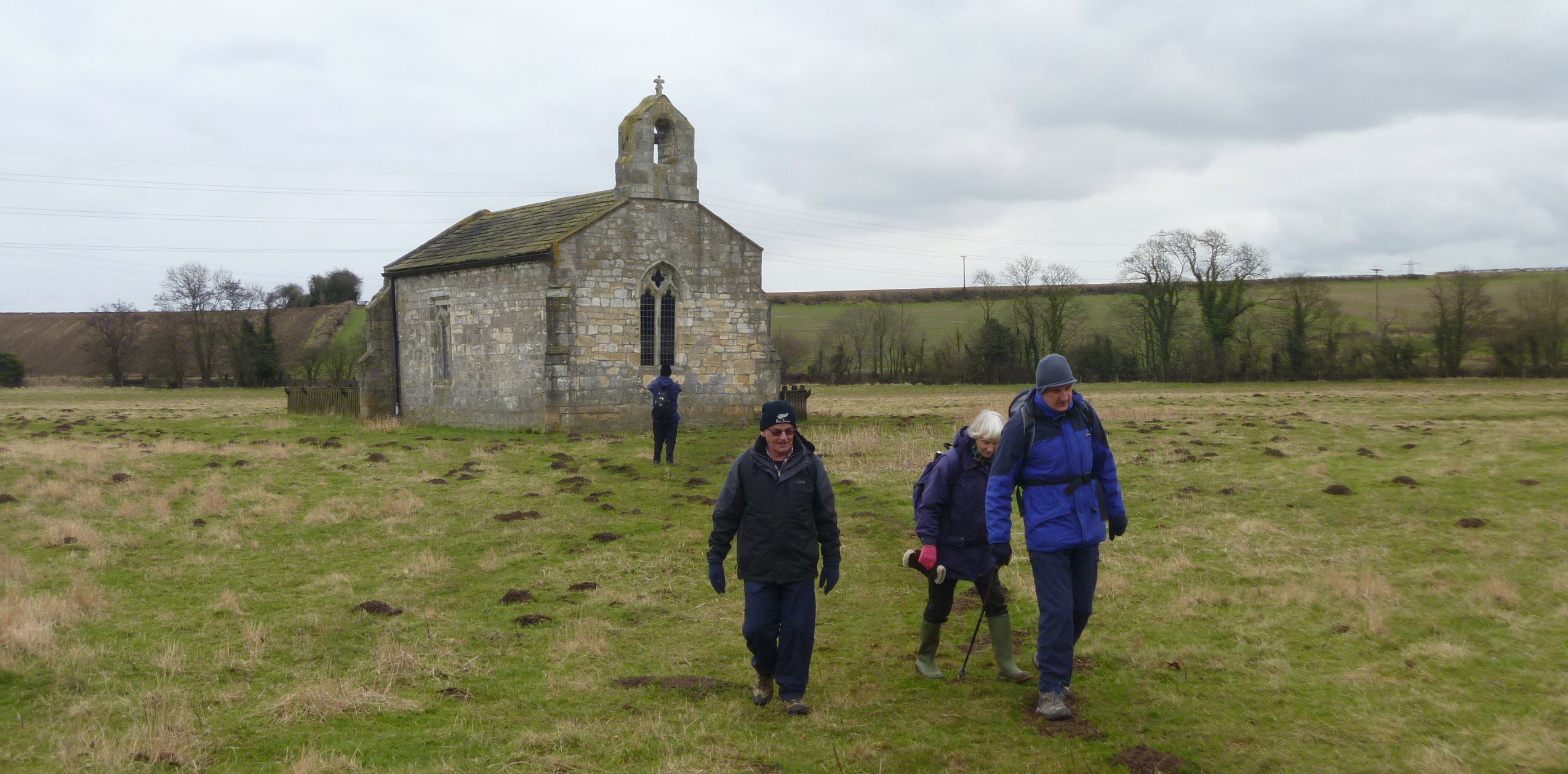
P1080600

Ramblers leaving the Ramblers’ Church

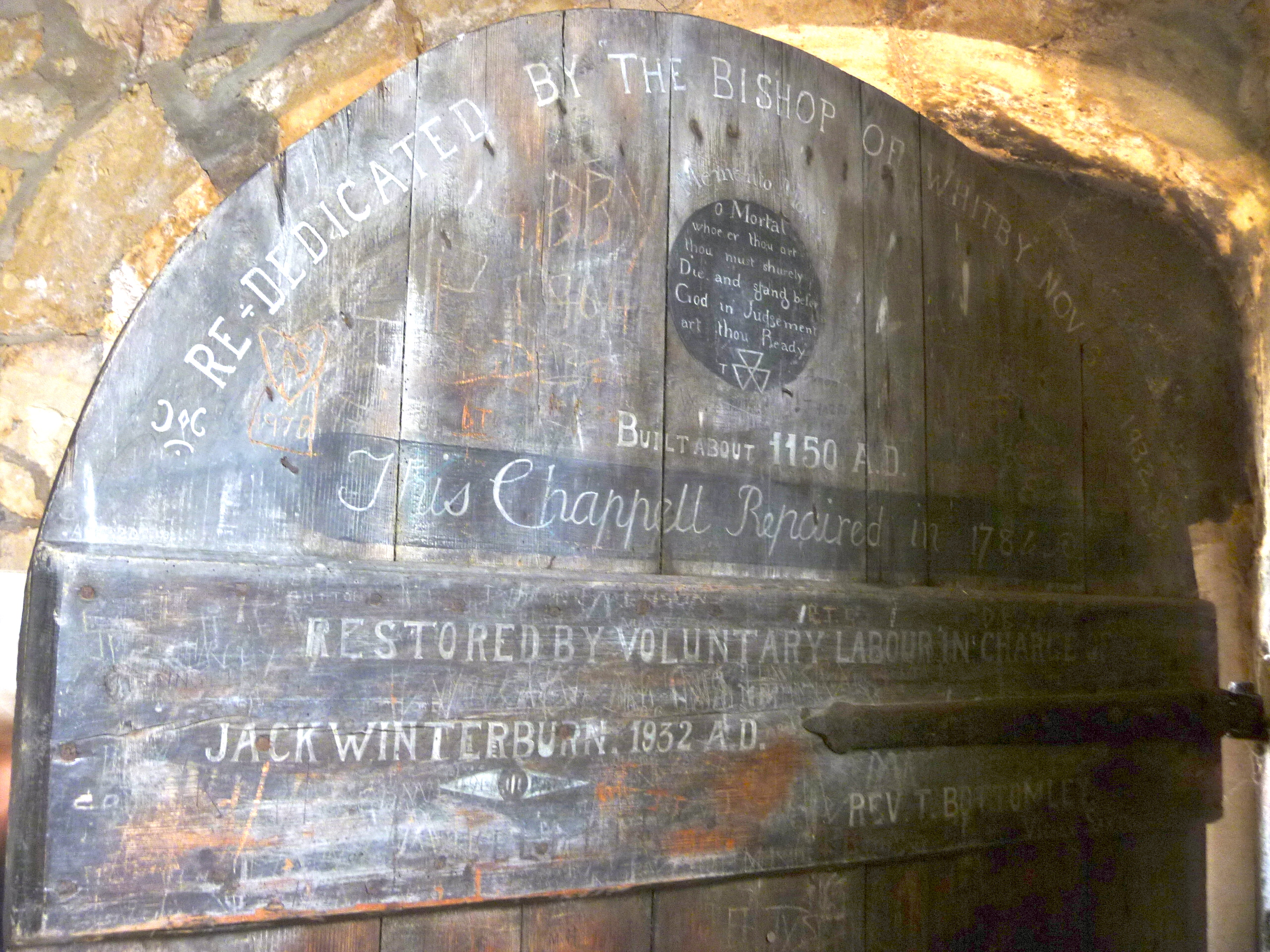
“Since being rescued by a group of walkers in 1931, St Mary’s has been known as the Ramblers’ Church. The repairs made then are recorded on the back of the church door.

Back of the door at Lead

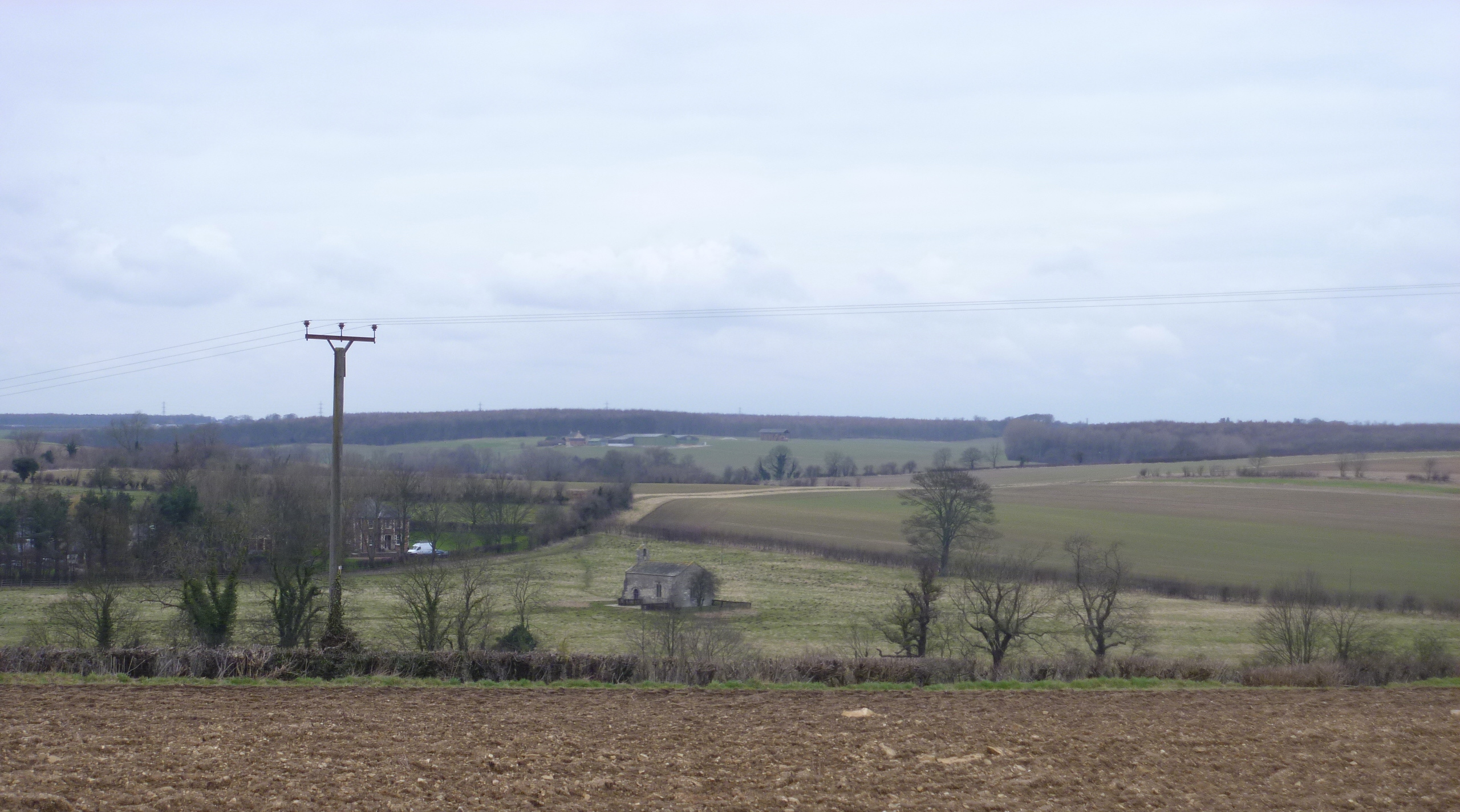
The church stands alone in the middle of a field filled with the bumps and furrows of earthworks that indicate the site of a Medieval manor house, for which St Mary’s was probably originally the chapel.

In the middle of a field

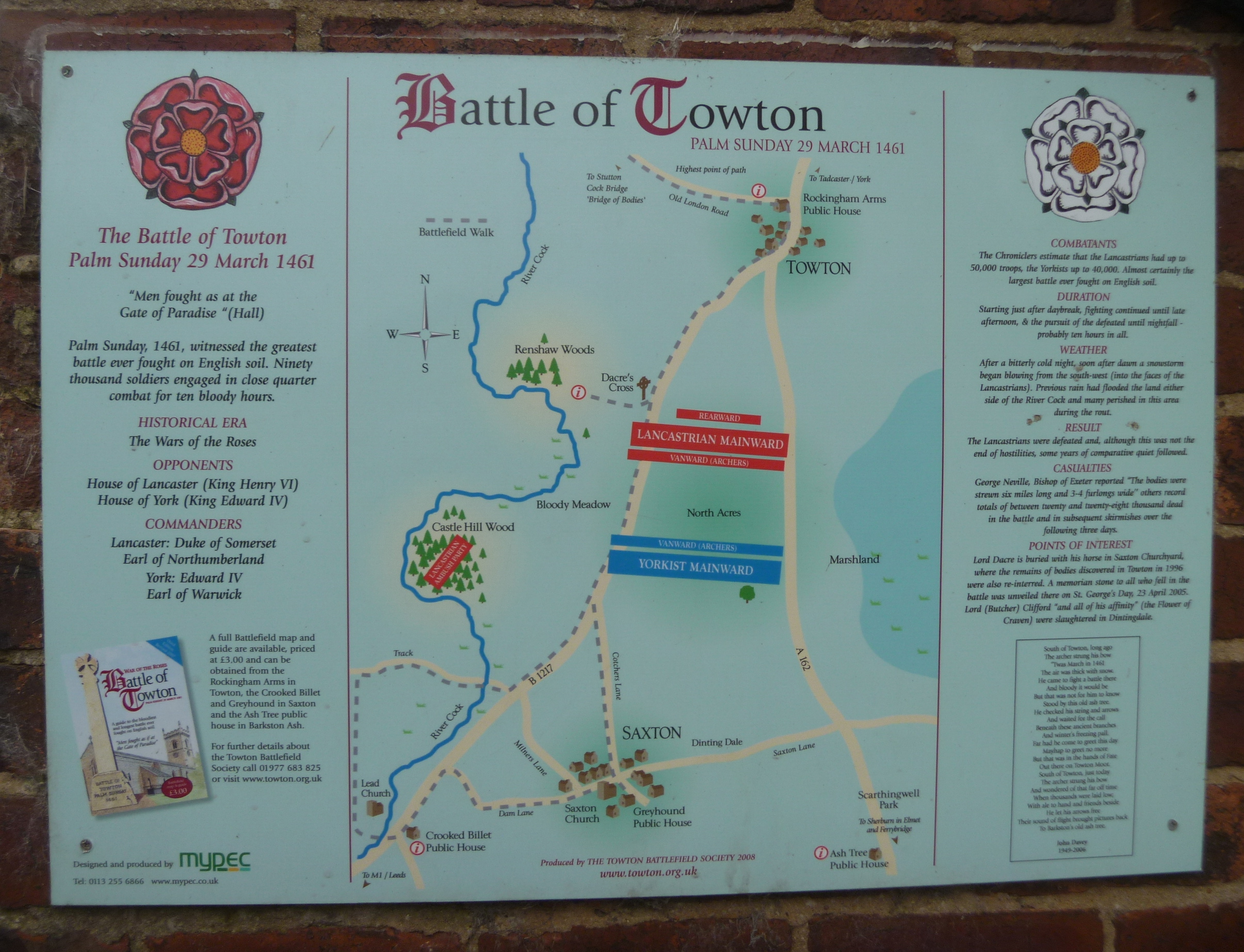
Nearby is Towton, the site of the War of the Roses battle, believed to be bloodiest in English history which brought the Wars of the Roses to an end in 1461.

Battle of Towton

Battle of Towton Information Board, Crooked Billet Pub, Lead, North Yorkshire

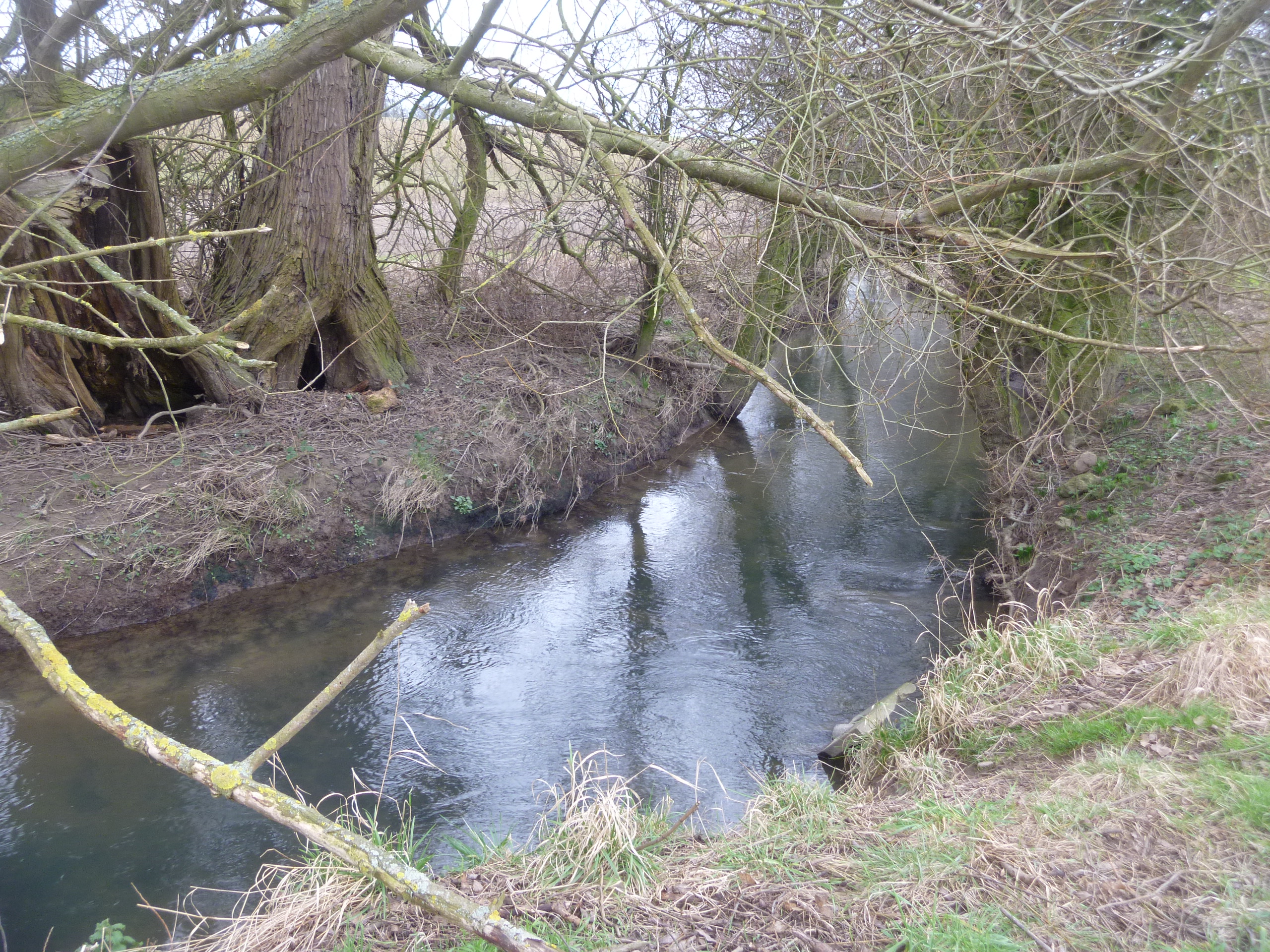
Ten thousand men are said to have been killed, and Cock Beck, the little stream which you cross to get to St Mary’s, is said to have run red with blood. 

Cock Beck

Cock Beck

You can find monuments to crusading knights in this tiny 14th-century church.

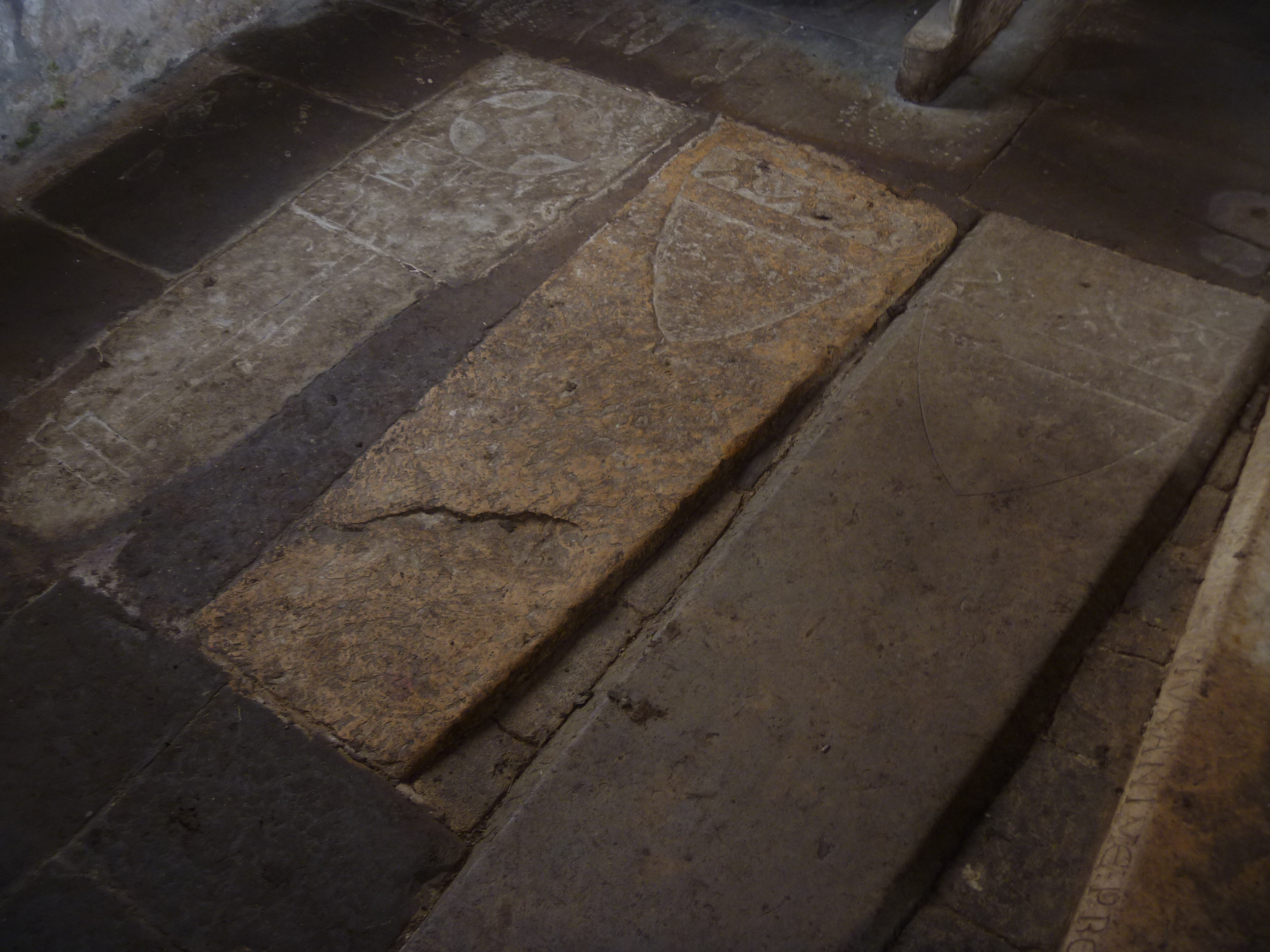
Despite its awesome history, St Mary’s is a peaceful place. The tiny rectangular building is very simple. It was probably built by the Tyas family, whose massive grave slabs are set into the floor.

Massive grave slabs

The massive grave slabs

Carved with heraldic symbols and inscriptions, and dating from the 13th-century, they are an important and interesting collection.

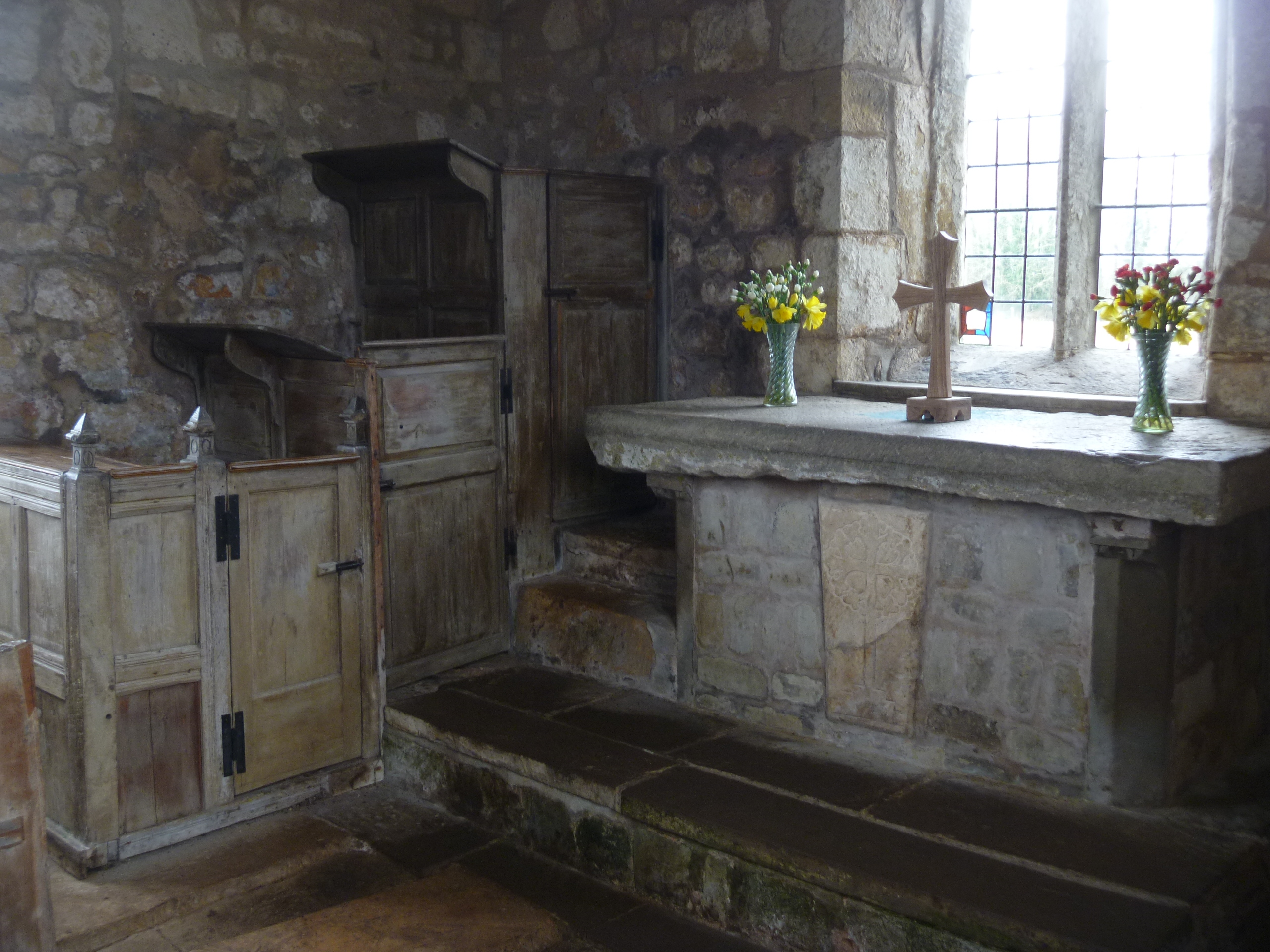
Pulpit and altar

Pulpit, Clerk’s Pew and Reading Desk and Altar

Later additions were made to the church in the 18th-century, with a rustic pulpit, clerk’s pew, reading desk and painted texts.”

From the Churches Conservation Trust website.

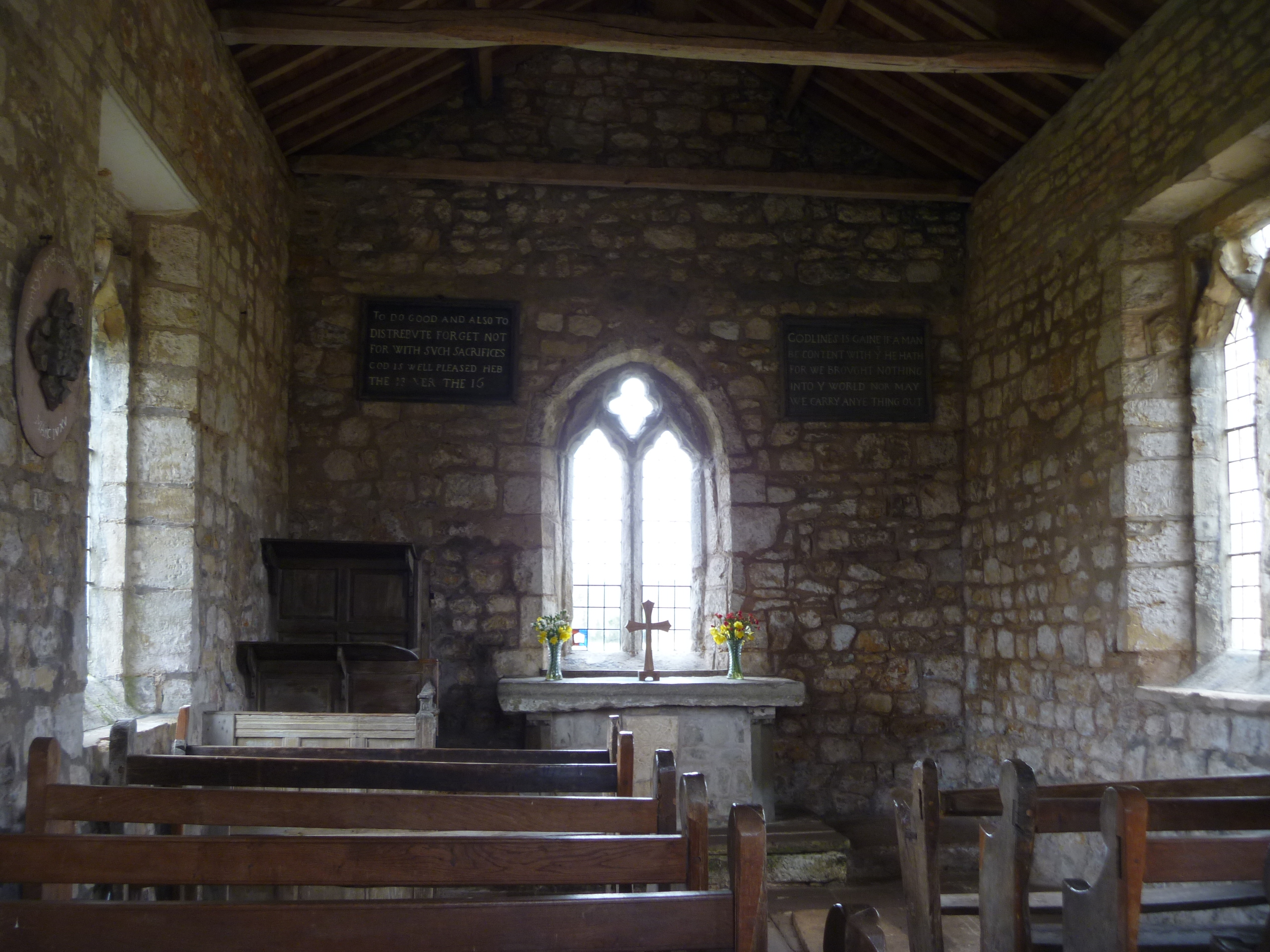
Interior St Mary's Lead

Interior of the Ramblers’ Church

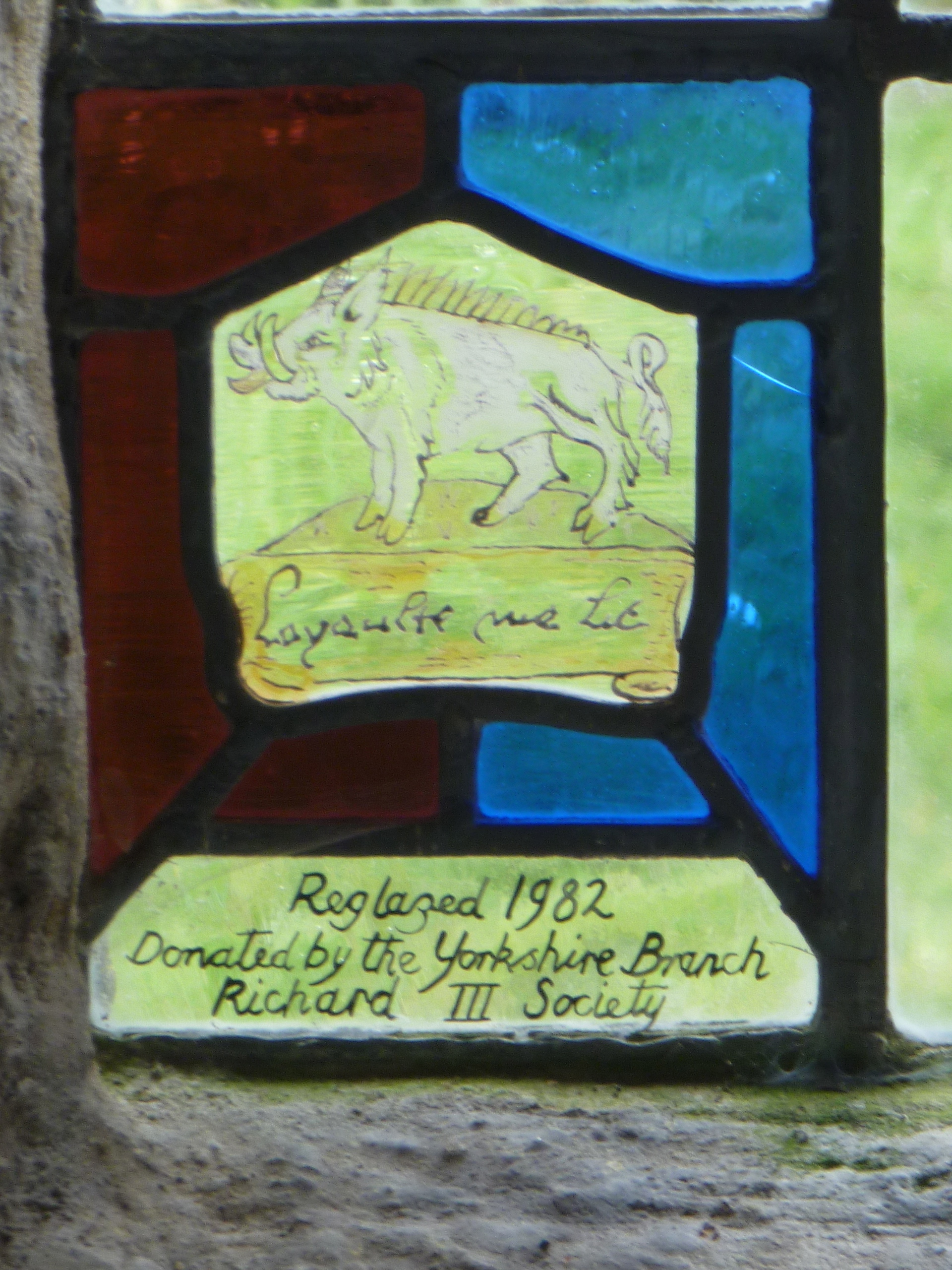
Richard III wondow

Window behind the Altar paid for by the Richard III Society – topical!

Today I have been out in the Yorkshire countryside. Weekday Wanderers headed east of Leeds to the flat countryside between Leeds and York. Flat but not uninteresting. Parking in Aberford we crossed the A1M by footbridge and eventually after a while left the noise of the highway behind and crossed fields and followed easy tracks on a circular walk that included a ‘castle’, a village, two churches and two pubs. We stopped at one of the pubs for our picnic lunch and had a look at one of the churches – St Mary’s, Lead, The Ramblers’ Church. We were not quite on the Battlefield of Towton, mentioned above, but we did return to the cars alongside Cock Beck. The perfect winter ramble.

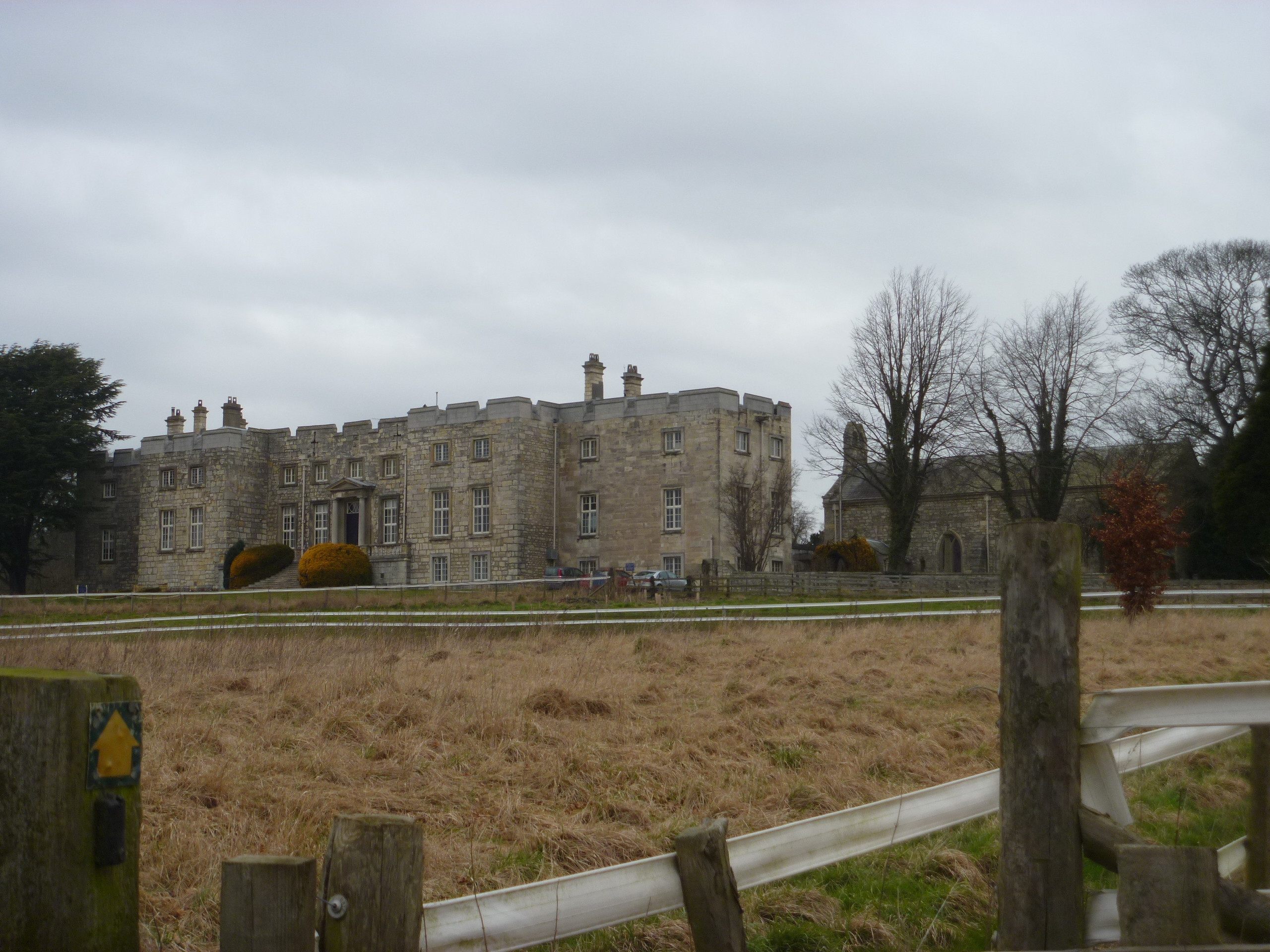
The ‘castle’ was Hazlewood Castle now a very popular luxury hotel and wedding venue. Originally owned and lived in by the Vavasour family from 1971 until 1996 it was a Carmelite Friars’ retreat and opened as a hotel in 1997.

Hazelwood Castle

Hazlewood Castle

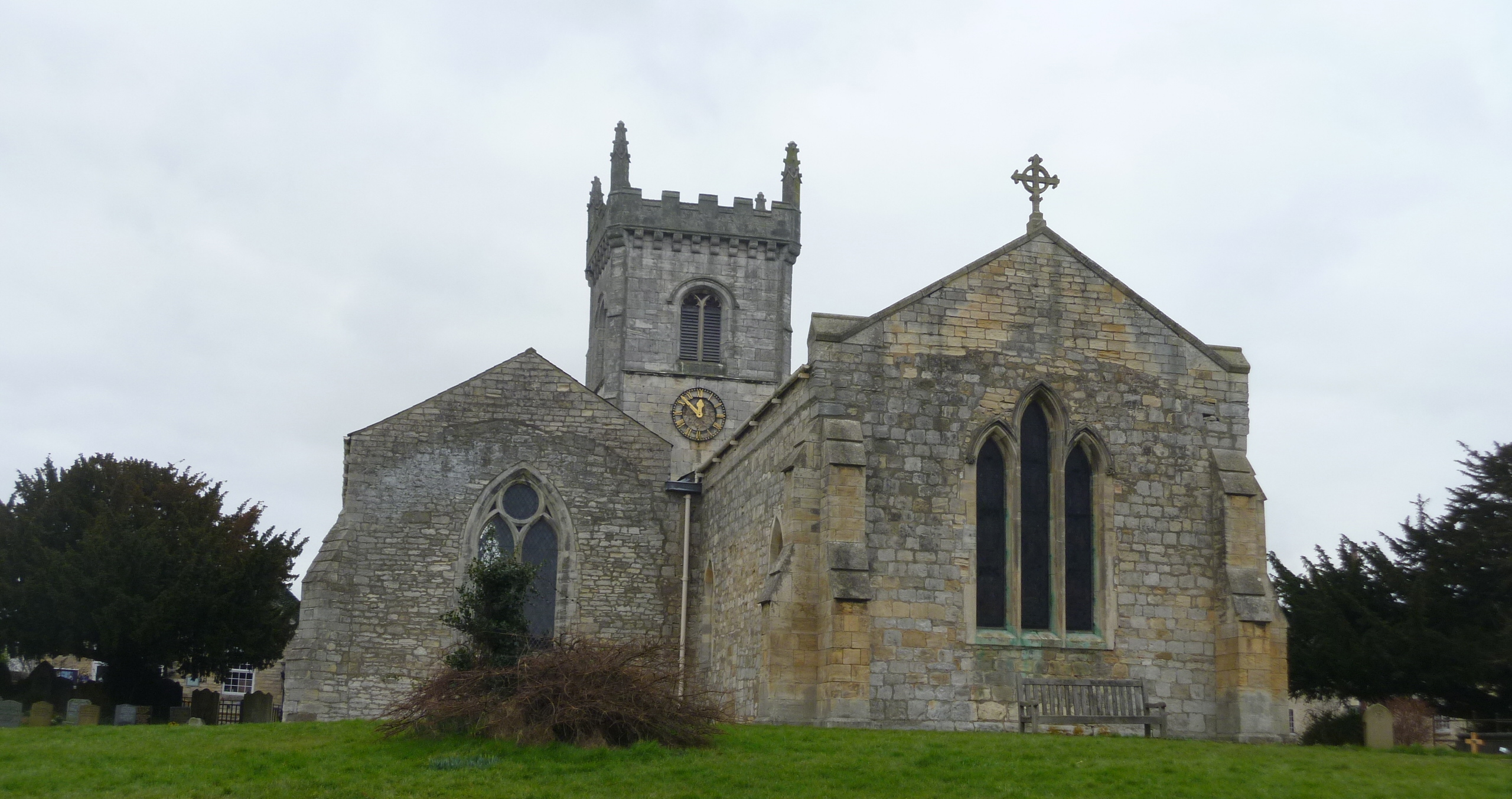
Saxton Church

All Saints Church, Saxton

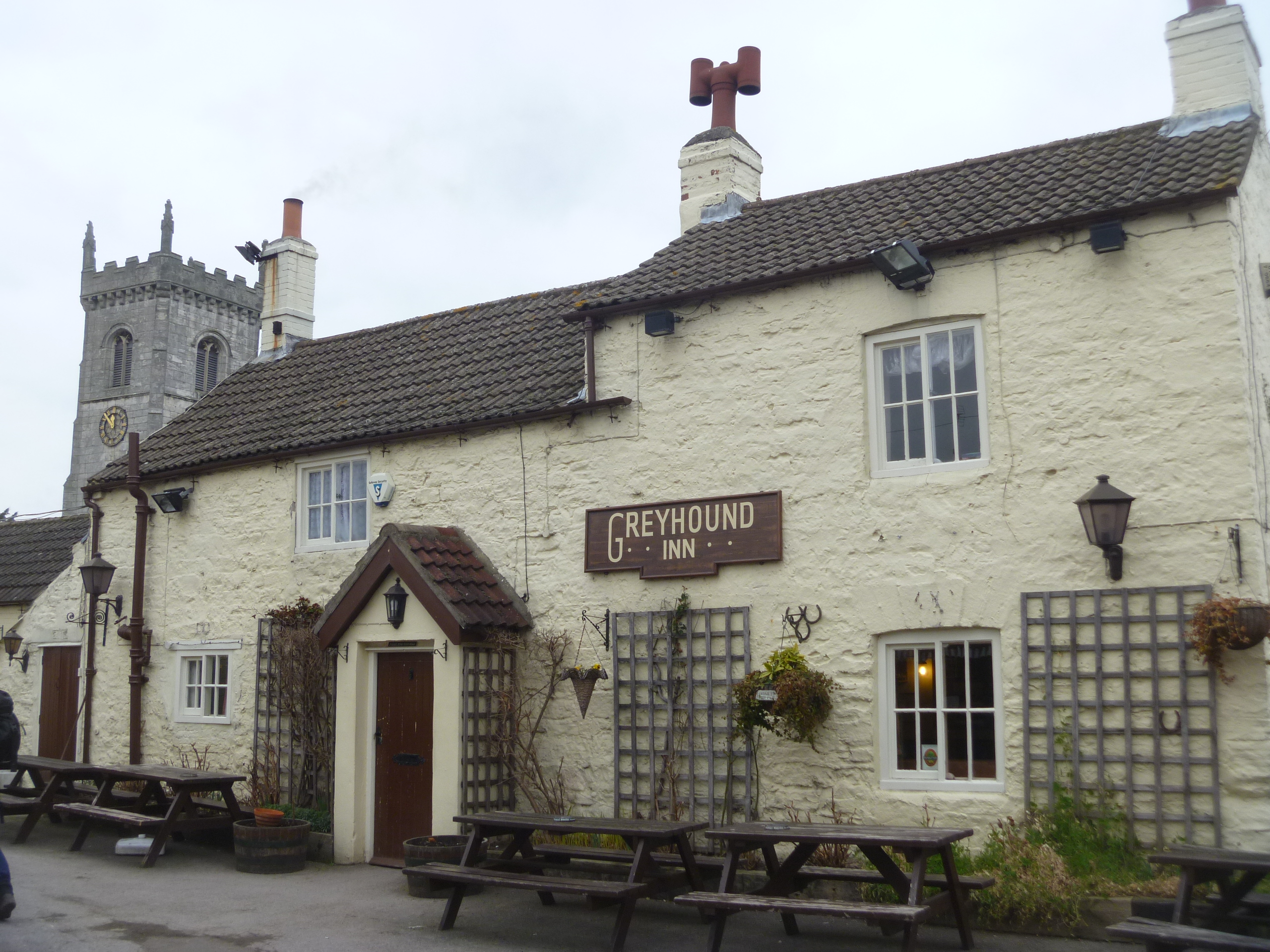
The Greyhound, Saxton

The Greyhound Pub at Saxton

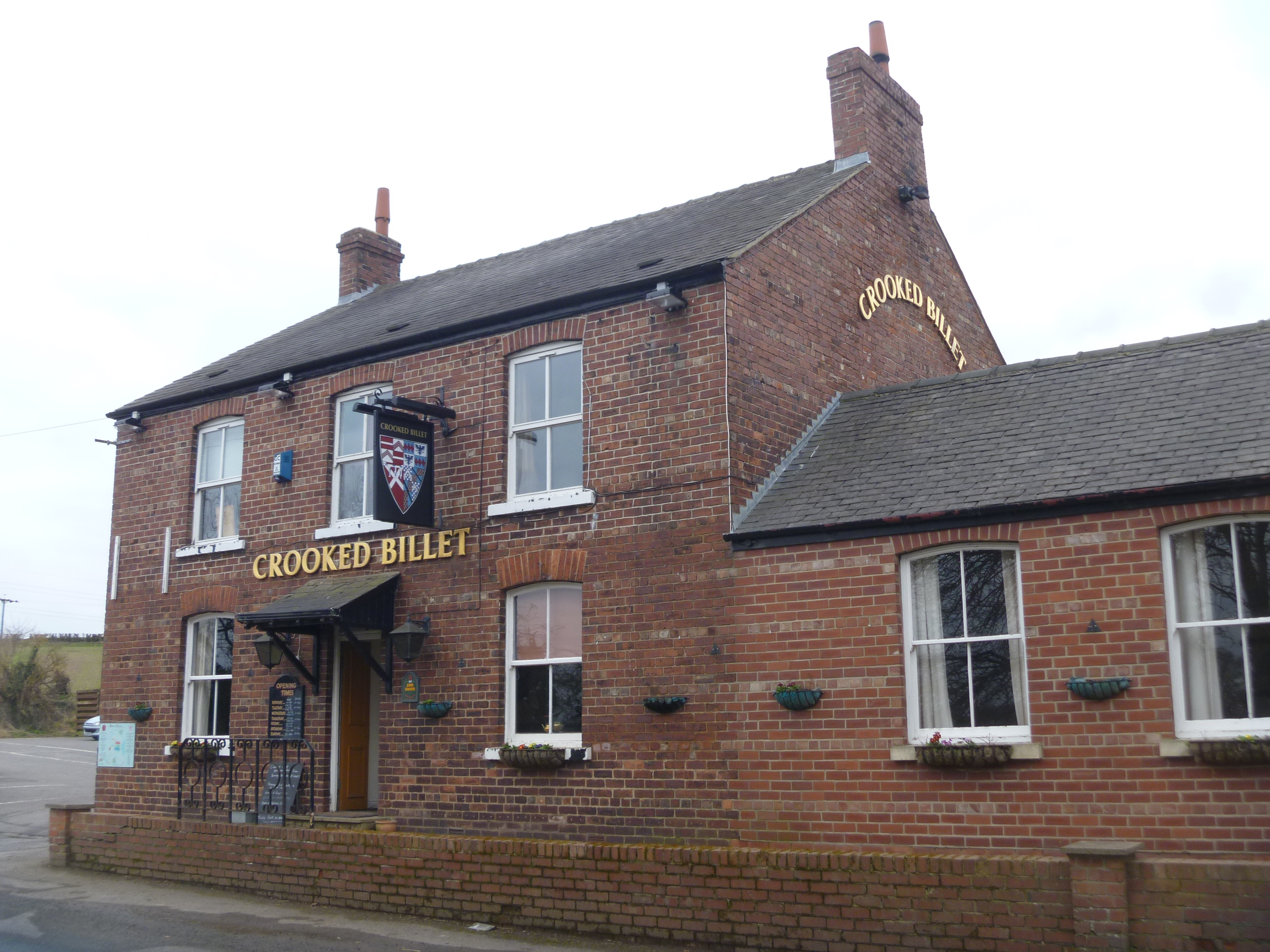
Crooked Billet

The Crooked Billet Pub, Lead near Saxton North Yorkshire

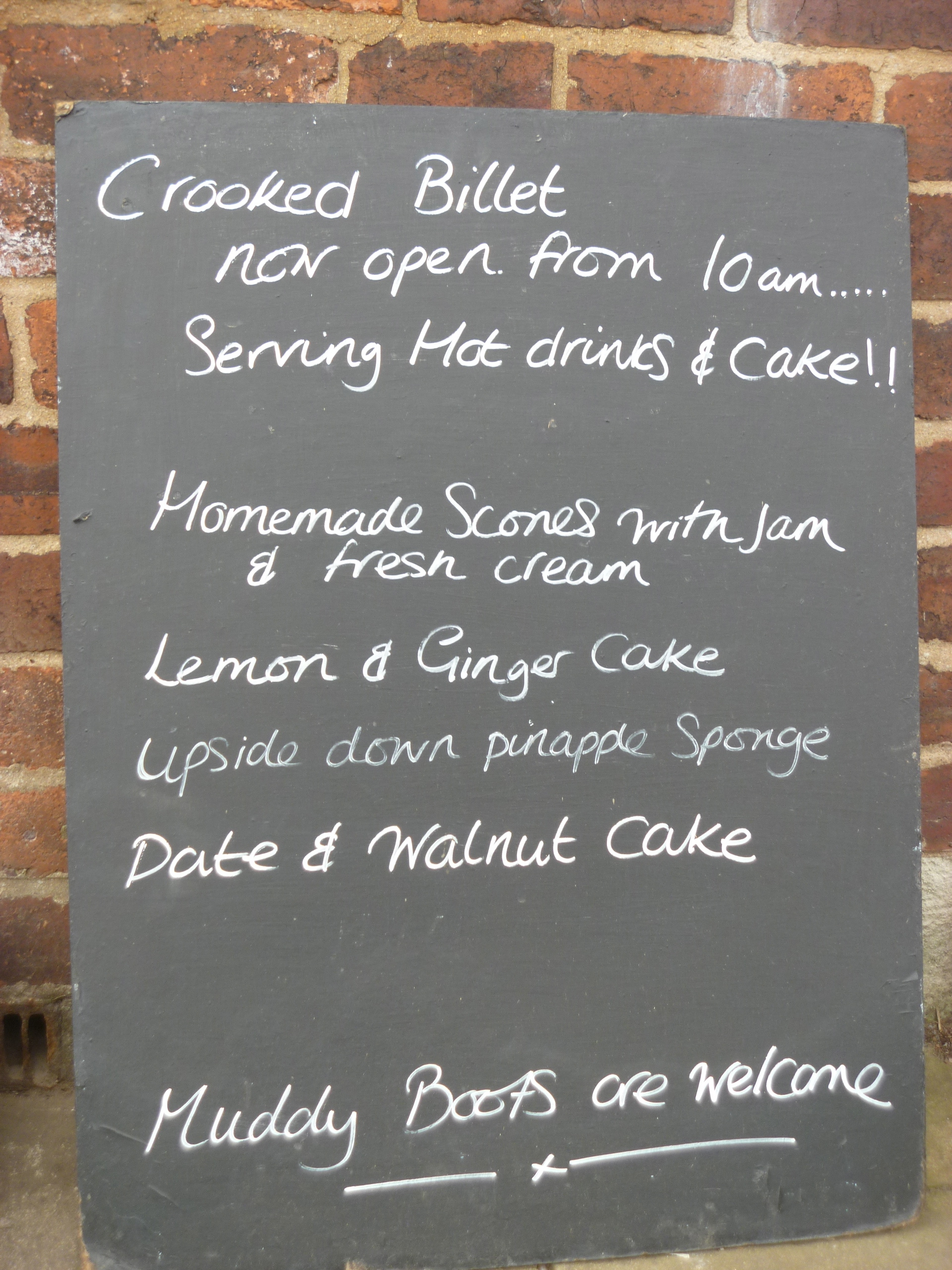
Muddy boots welcome

Muddy boots welcome! The sign of a good pub!

Walking in a Winter Wonderland at A and B. Adelboden and Bürgenstock.

ADELBODEN

Adelboden sign

When I arrived in Adelboden the Friday before last I had with me hiking instructions for a “Panorama trail on a sunny slope” supplied on the myswitzerland.com website. It was already snowing madly so I enquired at the Tourist Office whether the trail would actually be cleared. The response was that the trail was closed due to avalanche warning. An alternative was suggested and the details supplied. It’s never a problem undertaking a hike in Switzerland. You don’t need maps and GPS and all that pallaver. Every time there’s a cross roads or split in the path the sign will indicate the way. It will also give an indication of difficulty and an approximate time to get you comfortably to your destination.

Snowy Adelboden

Adelboden from my snowy path

My recommended destination was to be Schermtanne where there’s a restaurant and from where I could catch a bus back to Adelboden in time for my 2pm appointment at Our Chalet. An hour and a half steady walk would be just fine. Still the snow continued to fall as up and up I went along the snowy path. The whole valley soon spread out before me but no sign of the snow abating.

Boots gone!

Too deep for my boots!

The road became a track, became a path and the snow got deeper and deeper. After three quarters of an hour I came across a woman with snow shoes and with two small children in sledges pulled by two dogs.

Adelboden sledding

The woman advised me not to go any further as I was not wearing snowshoes. I carried on to a little viewpoint and the next sign post.

Time to give up

The snow’s rather deep so time to turn back.

From there I was happy to descend to town again. The snow began to ease up and by the time I was back in the village the sun out and blue sky showing behind the clouds.

Sun coming through

Cafe Schmid

I was glad to get my legs under the table in the Cafe Schmid!

BÜRGENSTOCK

Track to Bürgenstock

Path to Bürgenstock

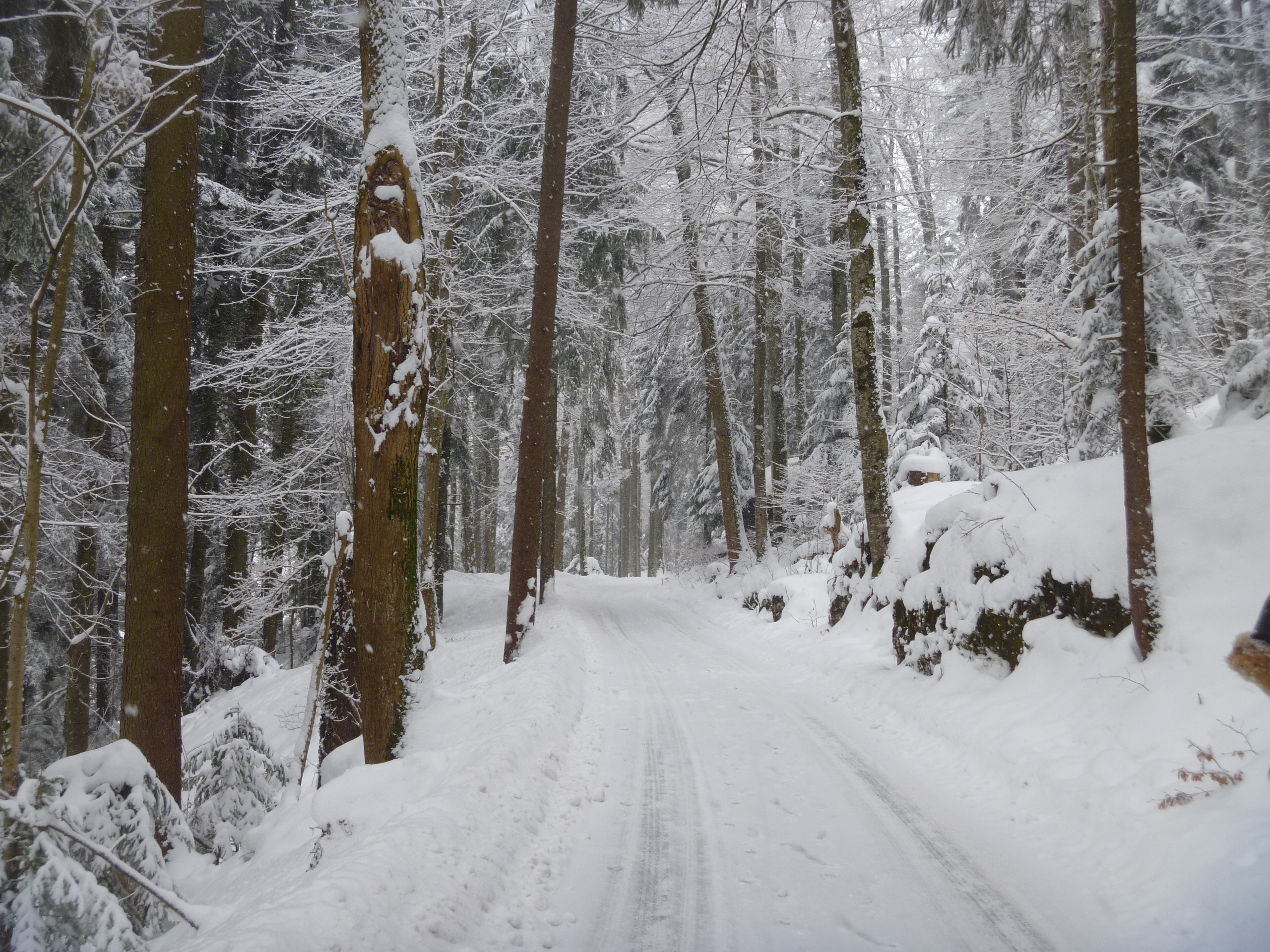
Towering way above Lake Lucerne in Central Switzerland is the rocky outcrop of the Bürgenstock. It isn’t particularly high but the views (on a clear day) are dramatic. There used to be two or three very grand hotels but the whole lot looks to be coming down and a new resort is under construction. In summer there’s a lift from the little quay on Lake Lucerne up to the summit and the hotels (there is even a golf course) but last Tuesday we drove up the twisty turny road from Stans and parked at the Villa Honegg and walked for about 40 minutes along a fairly clear path (considering the amount of snow that was falling). Did I mention that this part of Switzerland had not had so much snow fall since 1970?

B.Stock signpost

Bürgenstock signpost

On Bstock path

On the Bürgenstock path

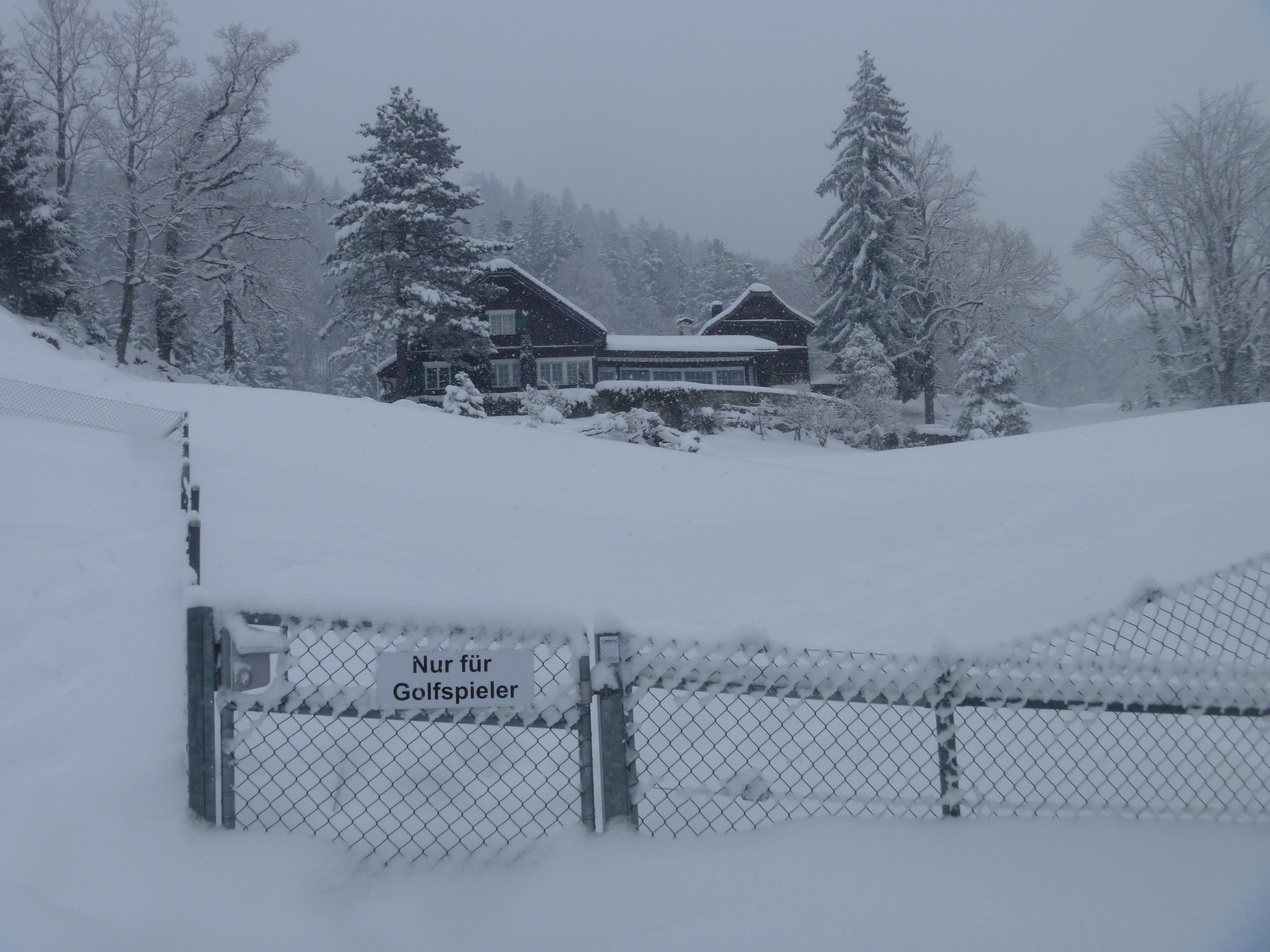
Nur für Golfspieler

Only for Golfers

Chapel at Bstock

The Chapel at Bürgenstock

We tried to see the view of the Lake but it was impossible so returned to the VH for a warming pot of tea.

Lake Lucerne

Impossible to see Lake Lucerne from the viewpoint

The Bernese Bears and the Saturday Food Market

I’ve written about Bern and its bears here once before, about a year ago, when an article in the Independent prompted me to wander down Memory Lane not knowing, at the time, when I’d next make a visit there.

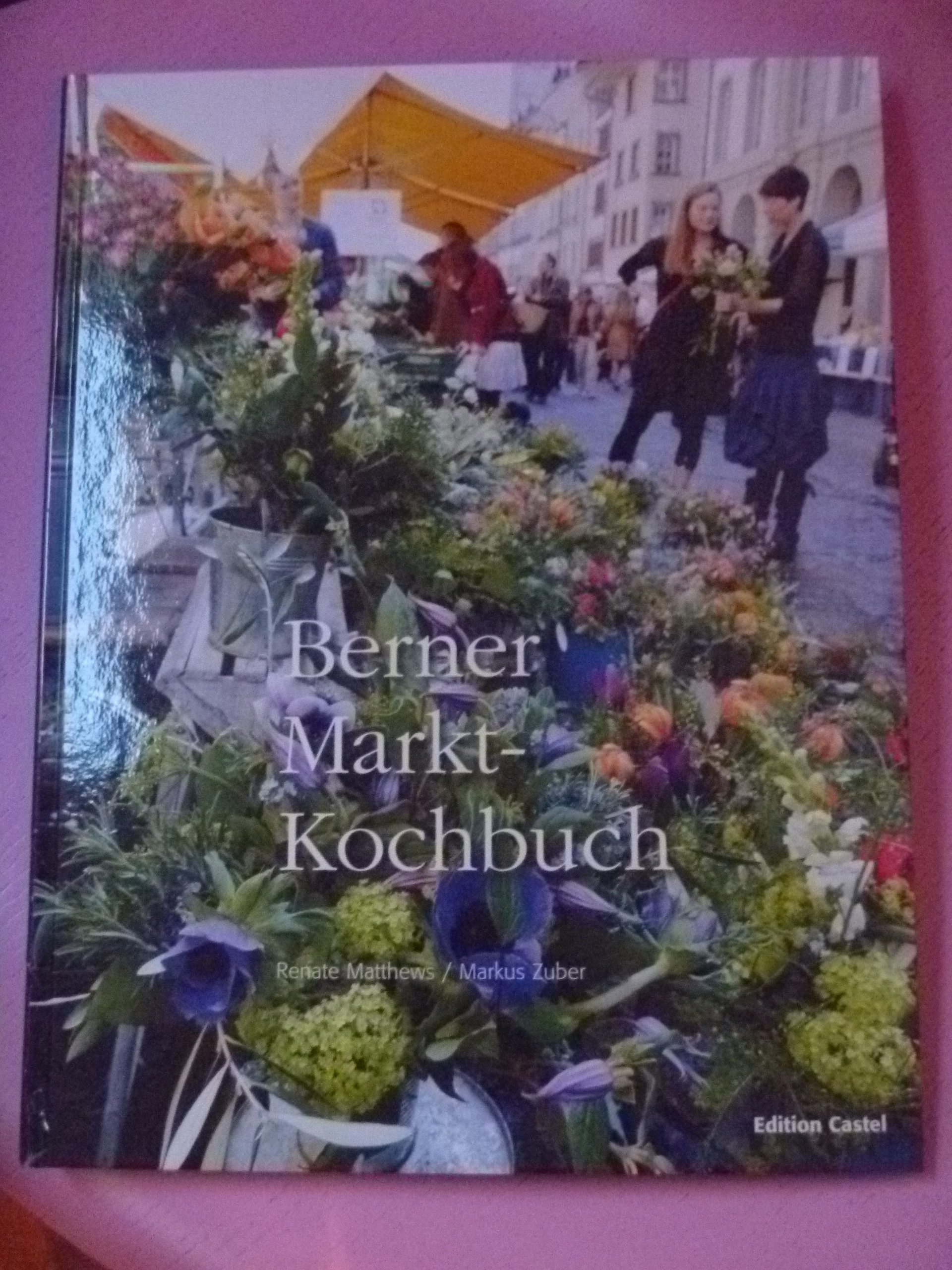
Bern Market cook book

The Old City of Bern is classed as a UNESCO World Heritage site and this is not surprising when you see it. It’s a beautiful city with lovely cobbled streets, beautiful architecture, famous shopping arcades with delightful, mostly ‘one-off’, shops but very far from being a museum-piece. It hosts lively markets and is busy and bustling. I love it.

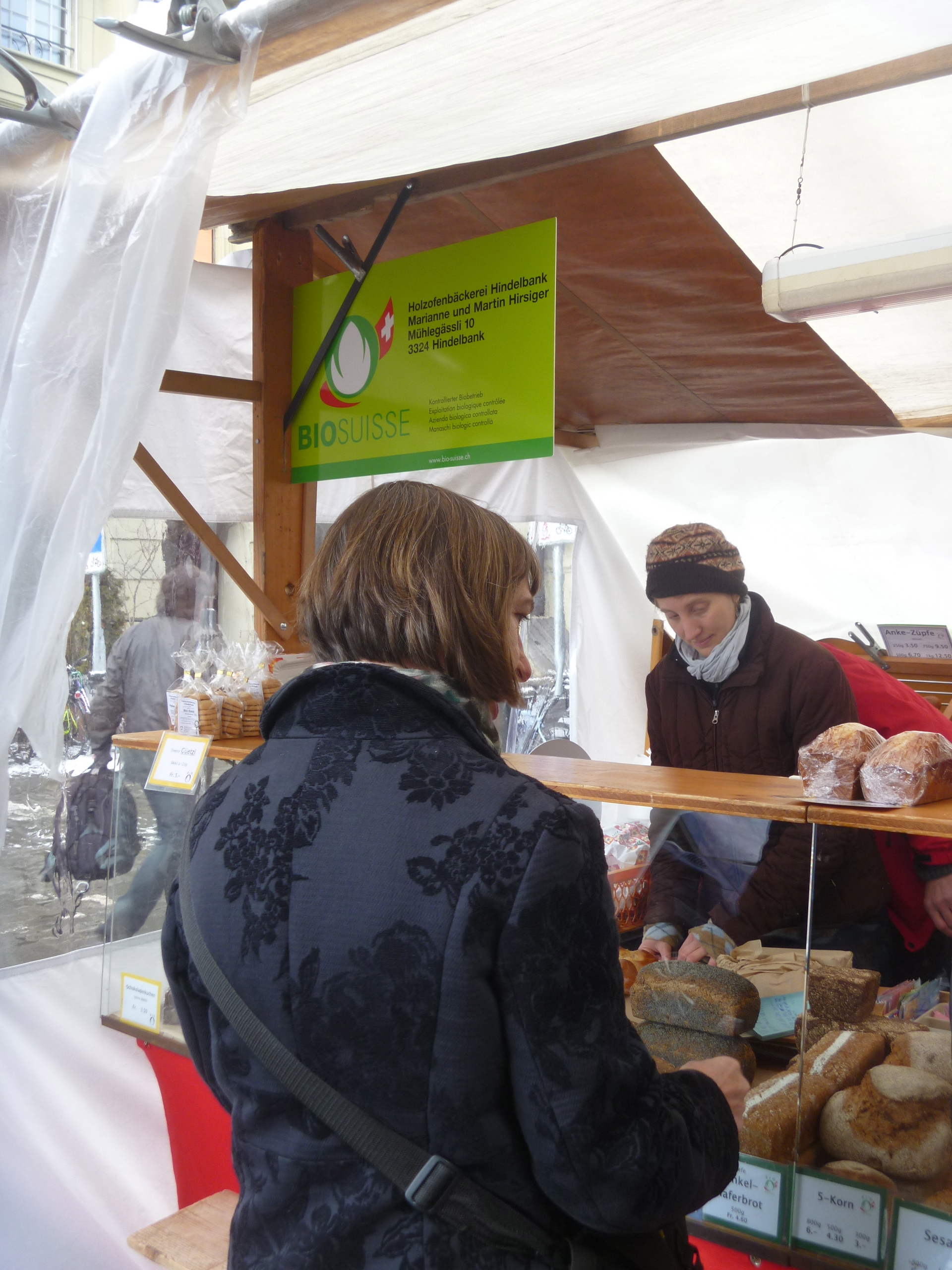
Choosing bread

Choosing breads

B had finally finished work for the week and early on Saturday we walked to the Old Town to shop at the market, have a coffee and walk along the arcaded streets down to the new ‘Bear Pits’ – or Garden, really – on the opposite bank of the River Aare. It was freezing cold and snowing but this didn’t stop anyone going about their business and the market (although very much bigger and busier in the summer months) was thriving.

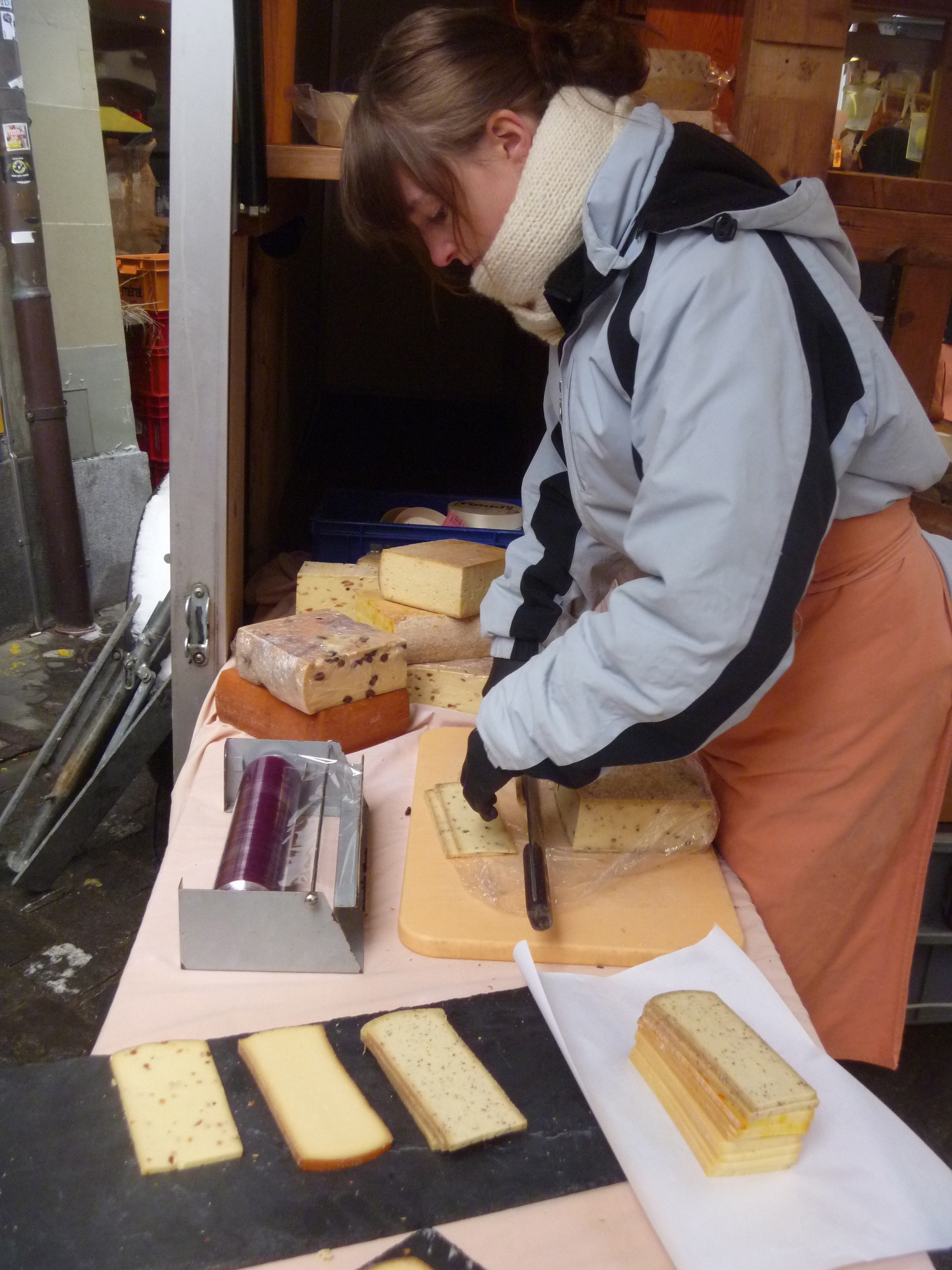
Cheese stall

Cheese stall

Meat stall

Meat stall

B knew all the best stalls for buying our commissions: cheese and dried meats for our Raclette evening meal, vegetables and breads. In order to defrost we nipped into the Einstein Cafe – a popular, currently trendy, cafe just by the market and under the (not open in February) Einstein House Museum. [I discovered on this visit that Einstein also lived for some time in the same street as B but as it was dark on Saturday evening I was unable to take a decent picture – next time!]

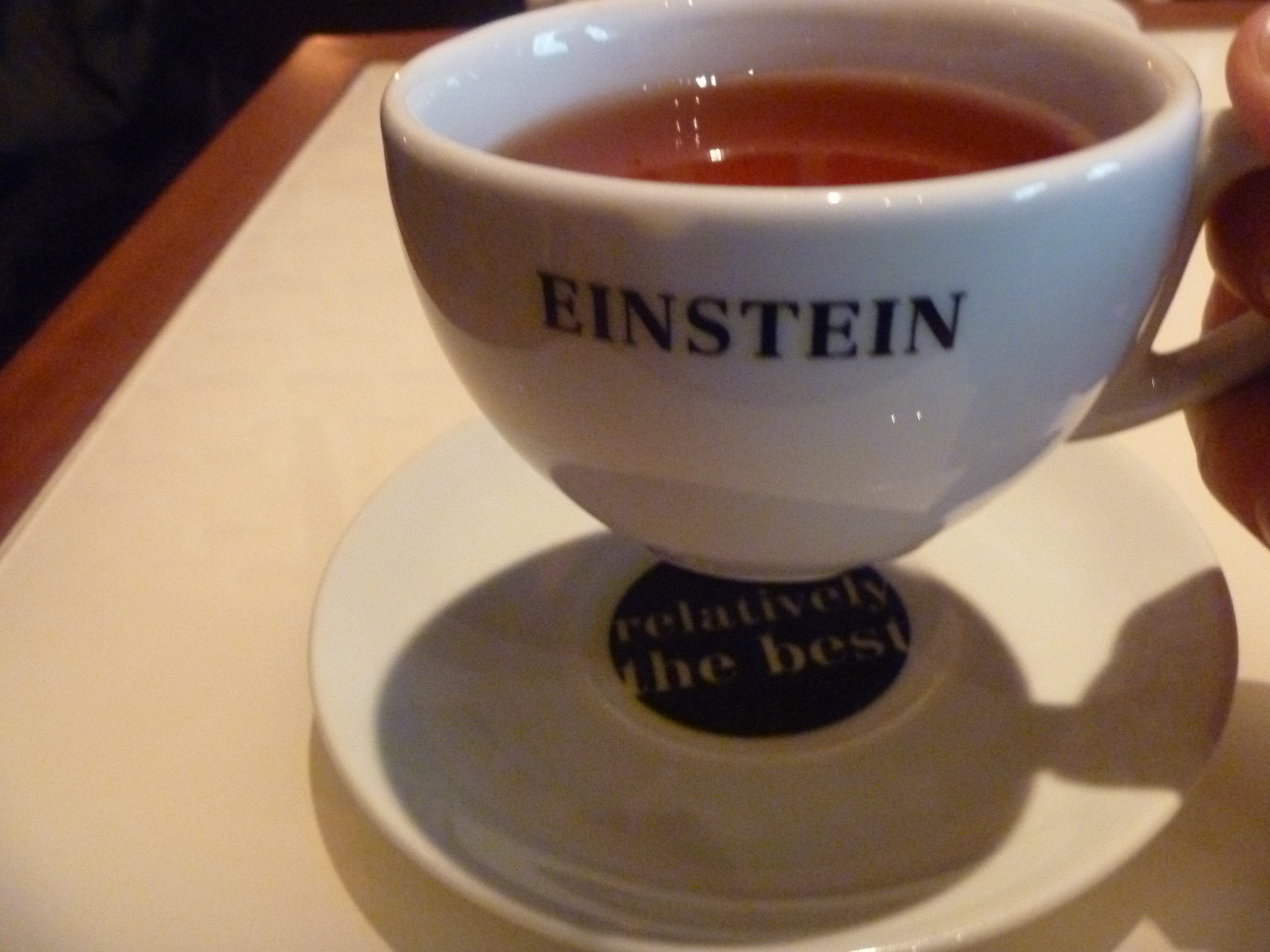
Tea at Einstein

Tea at Cafe Einstein – relatively the best

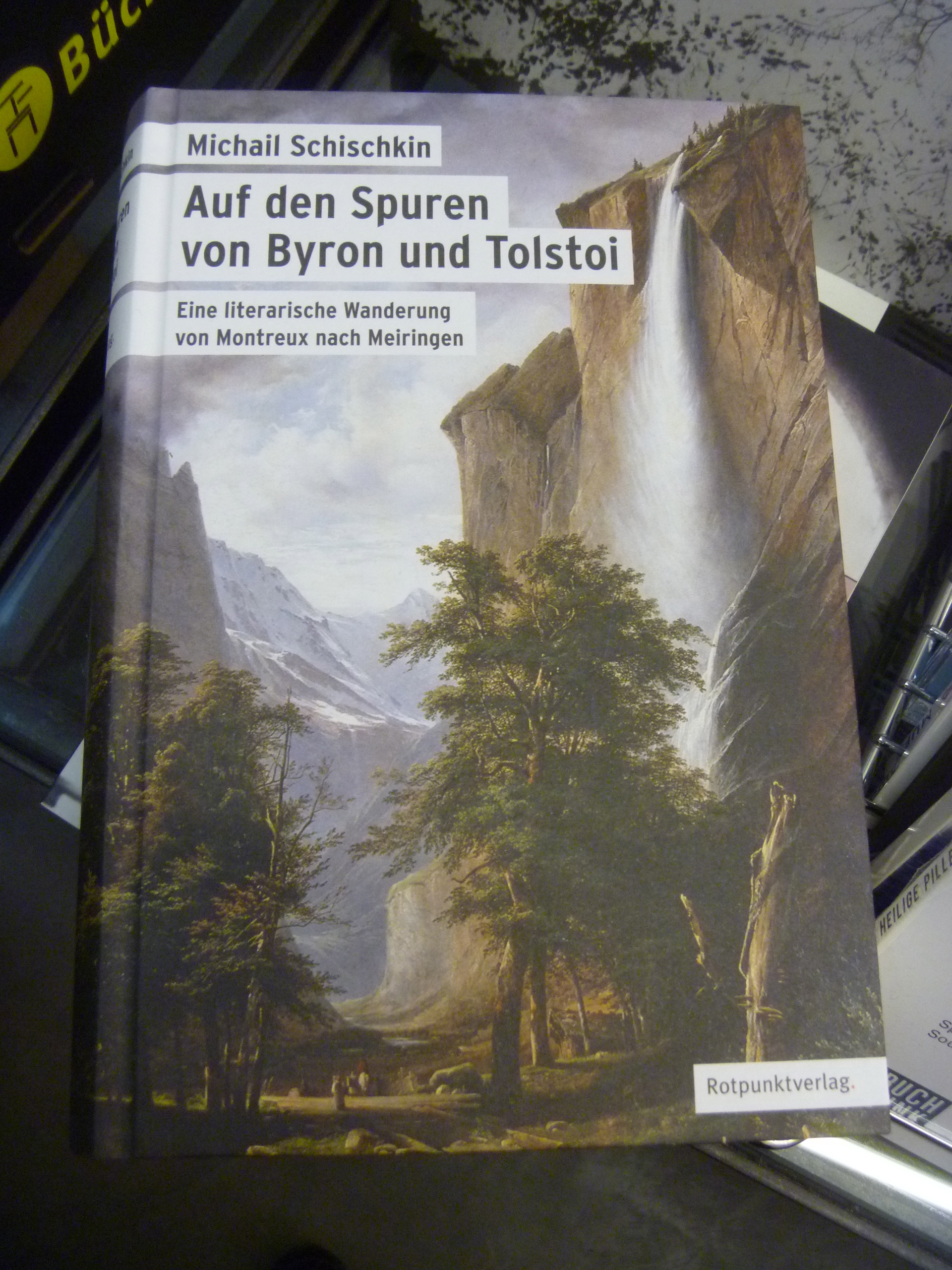
Warmed, we left the cafe to visit the bookshop over the street. Naturally, we browsed and chatted about the books and authors we saw and B ended up buying a book, which, had it been in English, I too would have succumbed to buying. Translated the title is “On the track of Byron and Tolstoy: a literary hike from Montreux to Meiringen”. I’m hoping that in the spring B and P may put this reading into action and participate in at least some of this week-long hike and report back to me on its progress.

Byron Tolstoy book

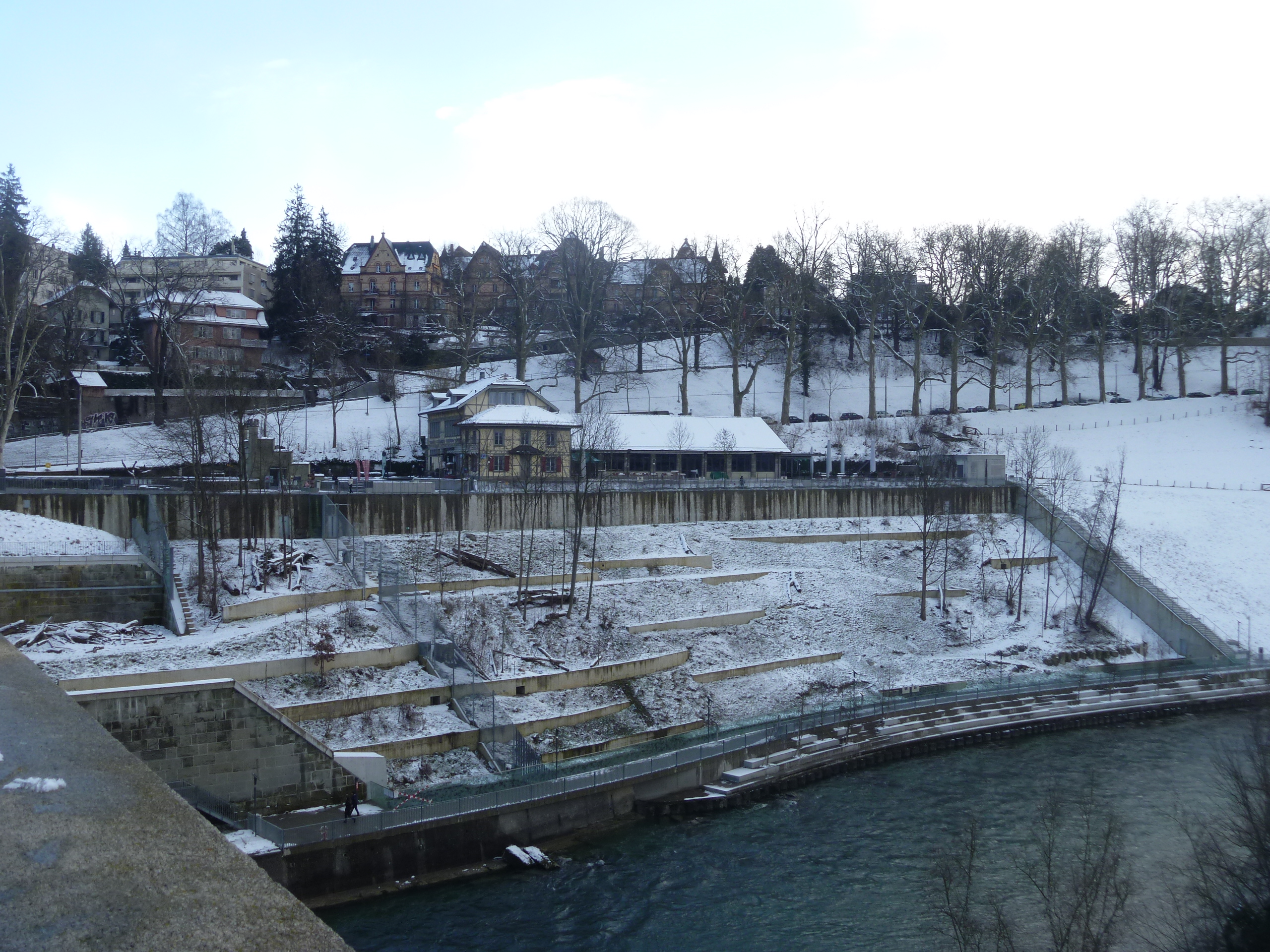
From here we walked through arcades until we finally had a view of the Bernese bears new ‘garden’ no longer a pit but a very open area alongside the river – much more pleasant for both bears and visitors. Of course, the bears were sleeping so we didn’t catch sight of any.

Bear Garden

The new Bear Garden in Bern

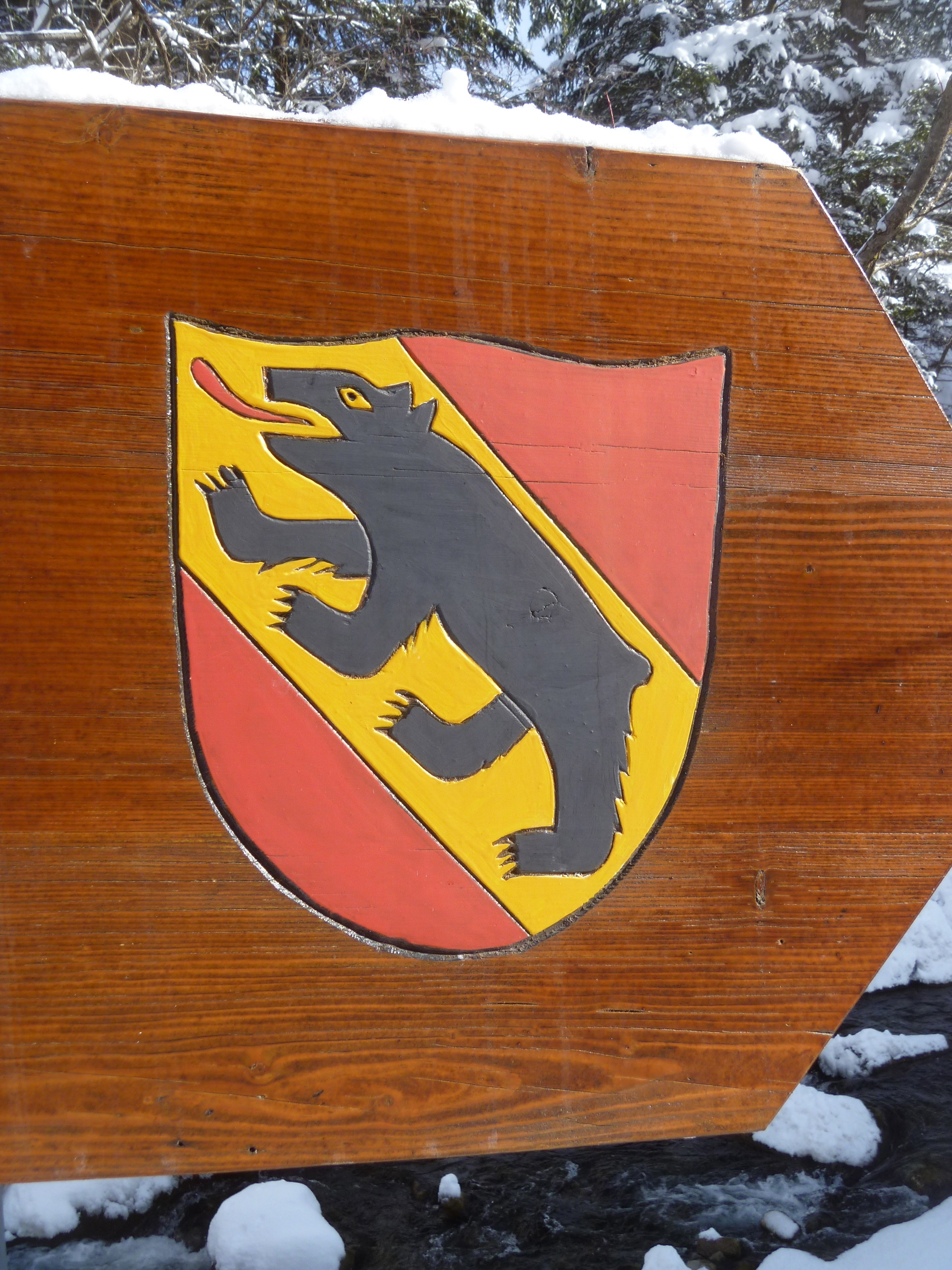
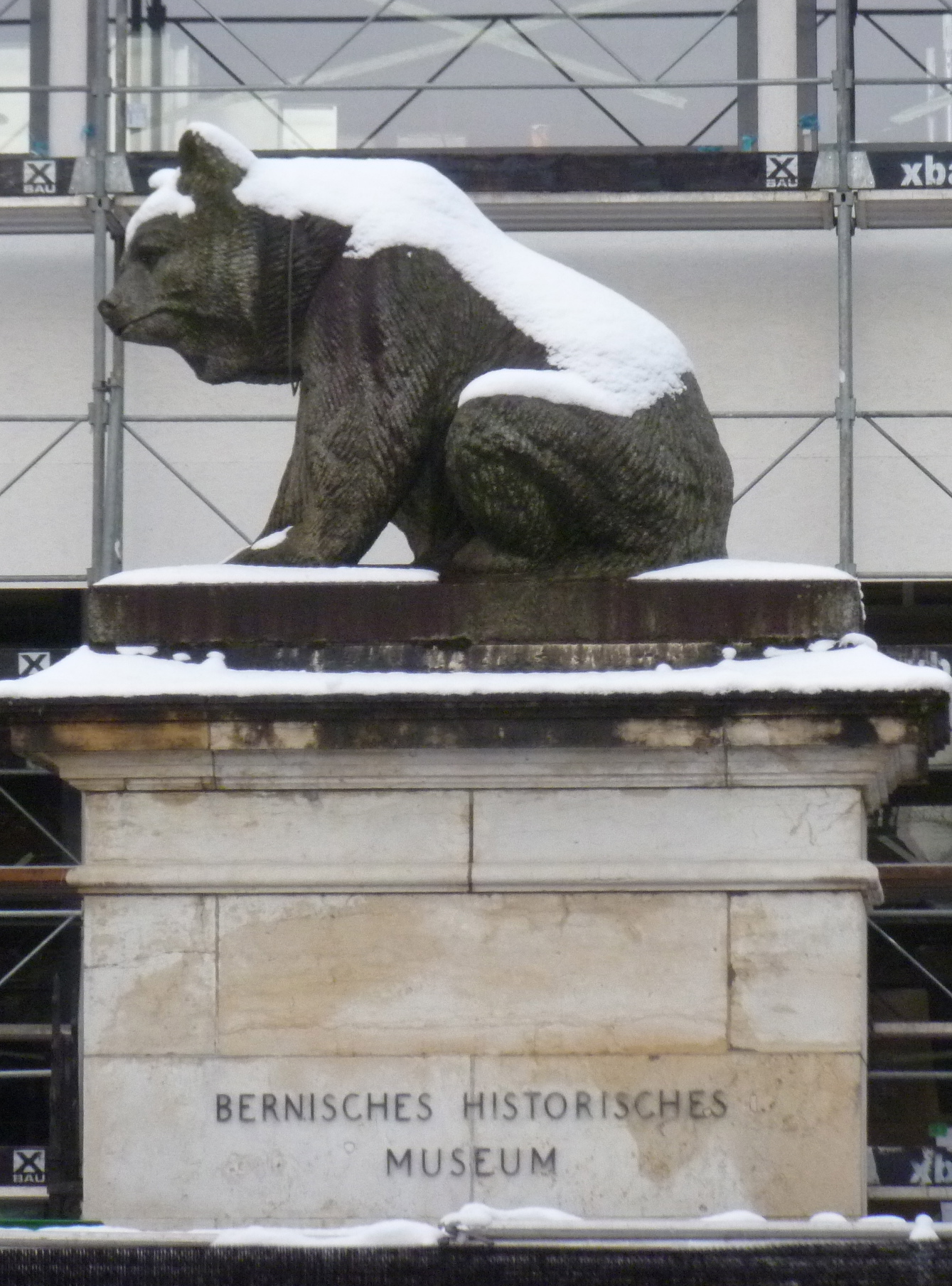
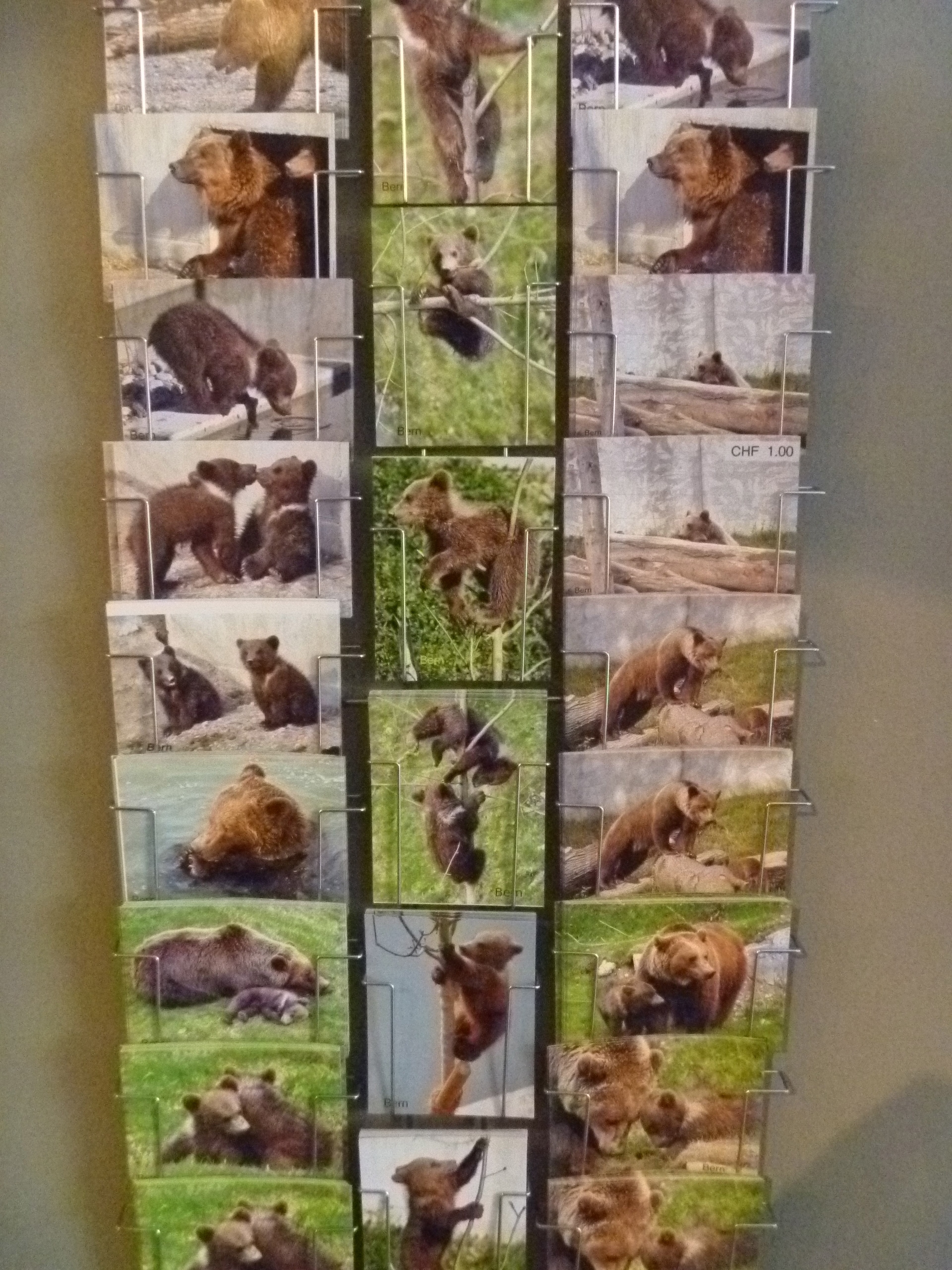
You won’t be surprised to see that bears turn up everywhere in the city and Canton of Berne.

Bern signMuseum bear

Bear postcards

Finally