Today – The Feast of Saint James

On my journey between Leeds and Norwich today I was held up in traffic for well over an hour near Kings Lynn due to the Sandringham Flower Festival and the presence there of Prince Charles and the Duchess of Cornwall. They had the good sense to avoid the crowds and arrive by helicopter.

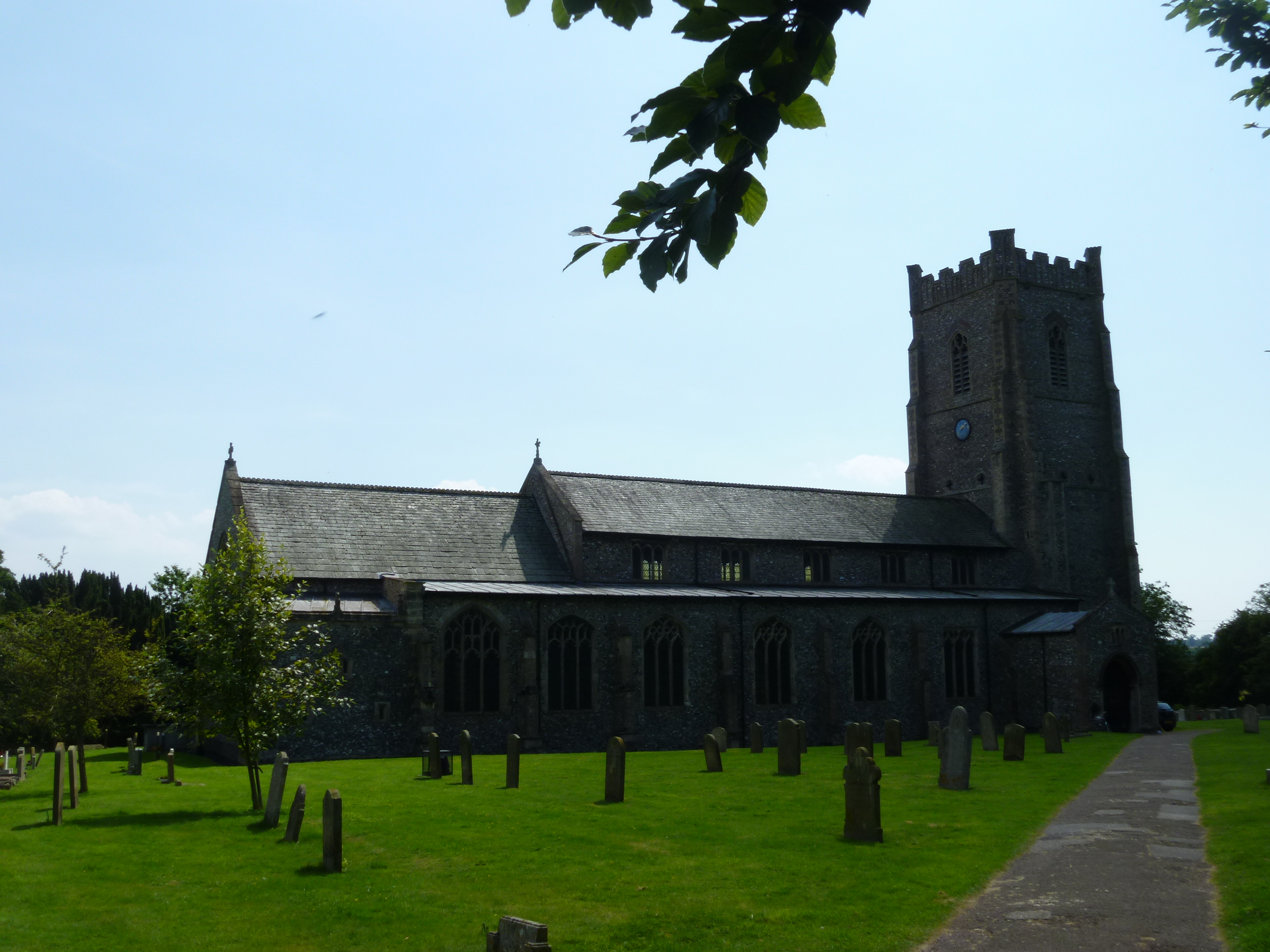
The Church of Saint James the Great, Castle Acre, Norfolk

I’d planned to break my journey with lunch at the Churchgate Tea Rooms in Castle Acre and then pay a visit to the Cluniac Priory and, if time permitted, to the Castle. Instead I just had my lunch and took a look around the church.

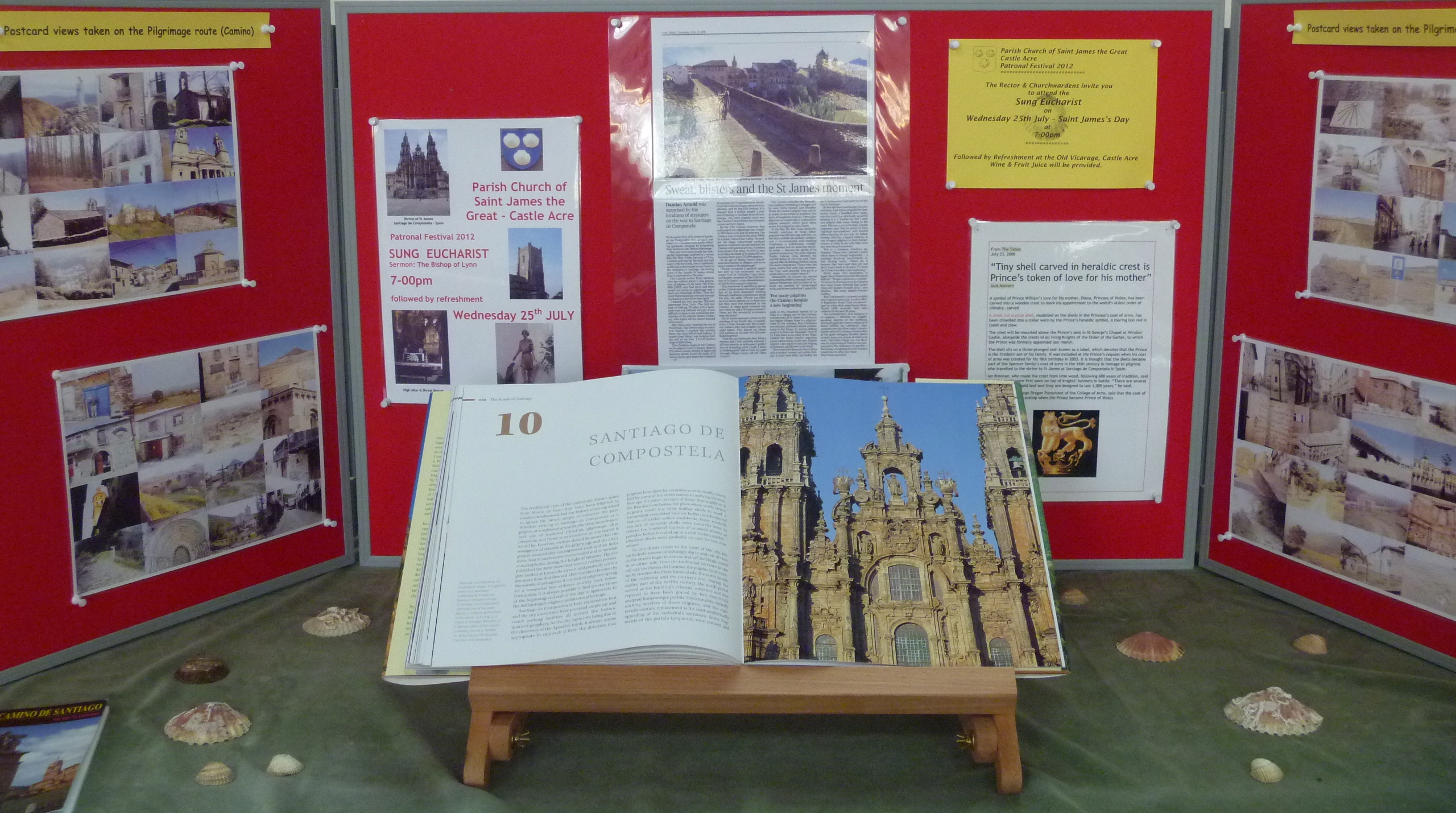
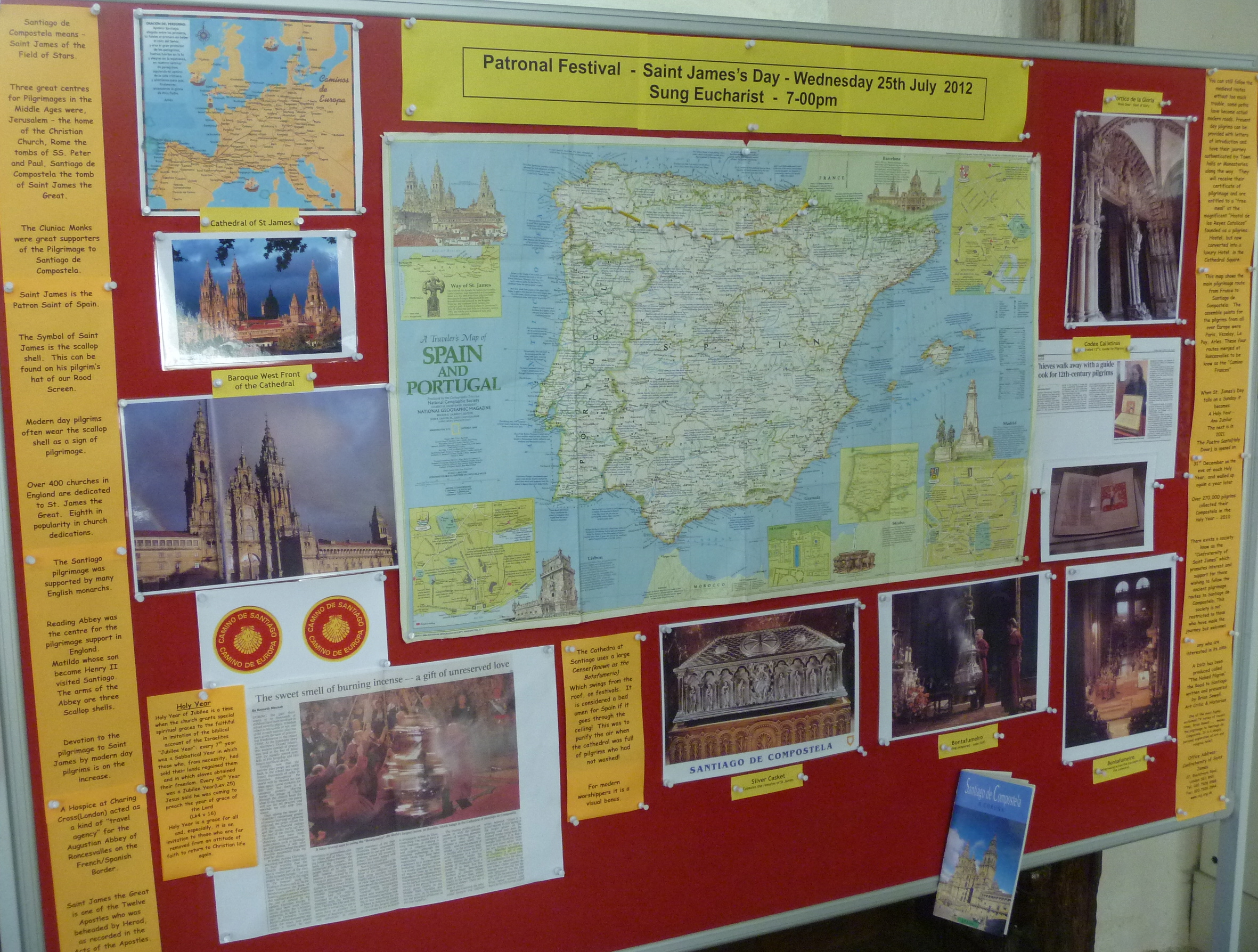
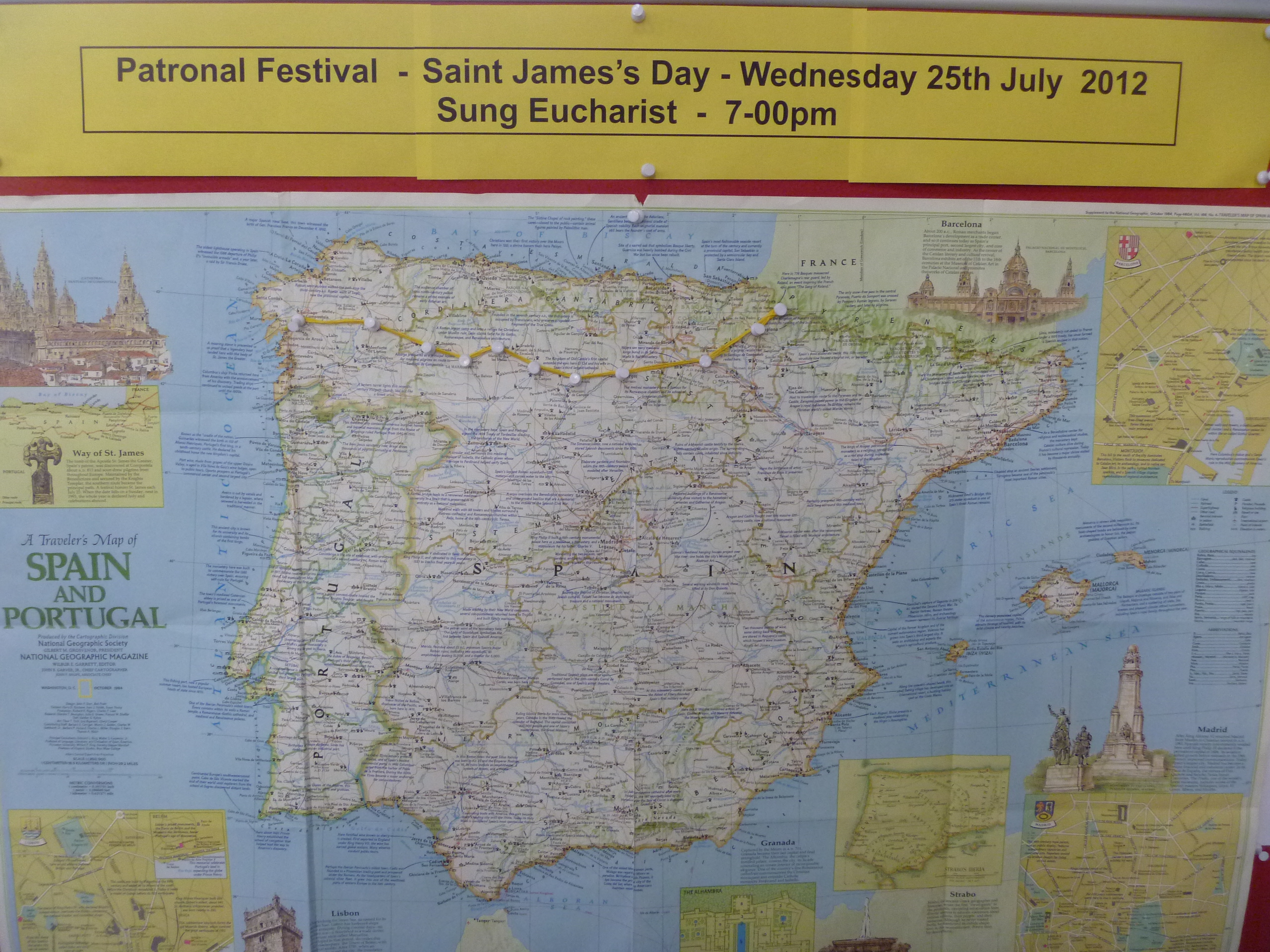
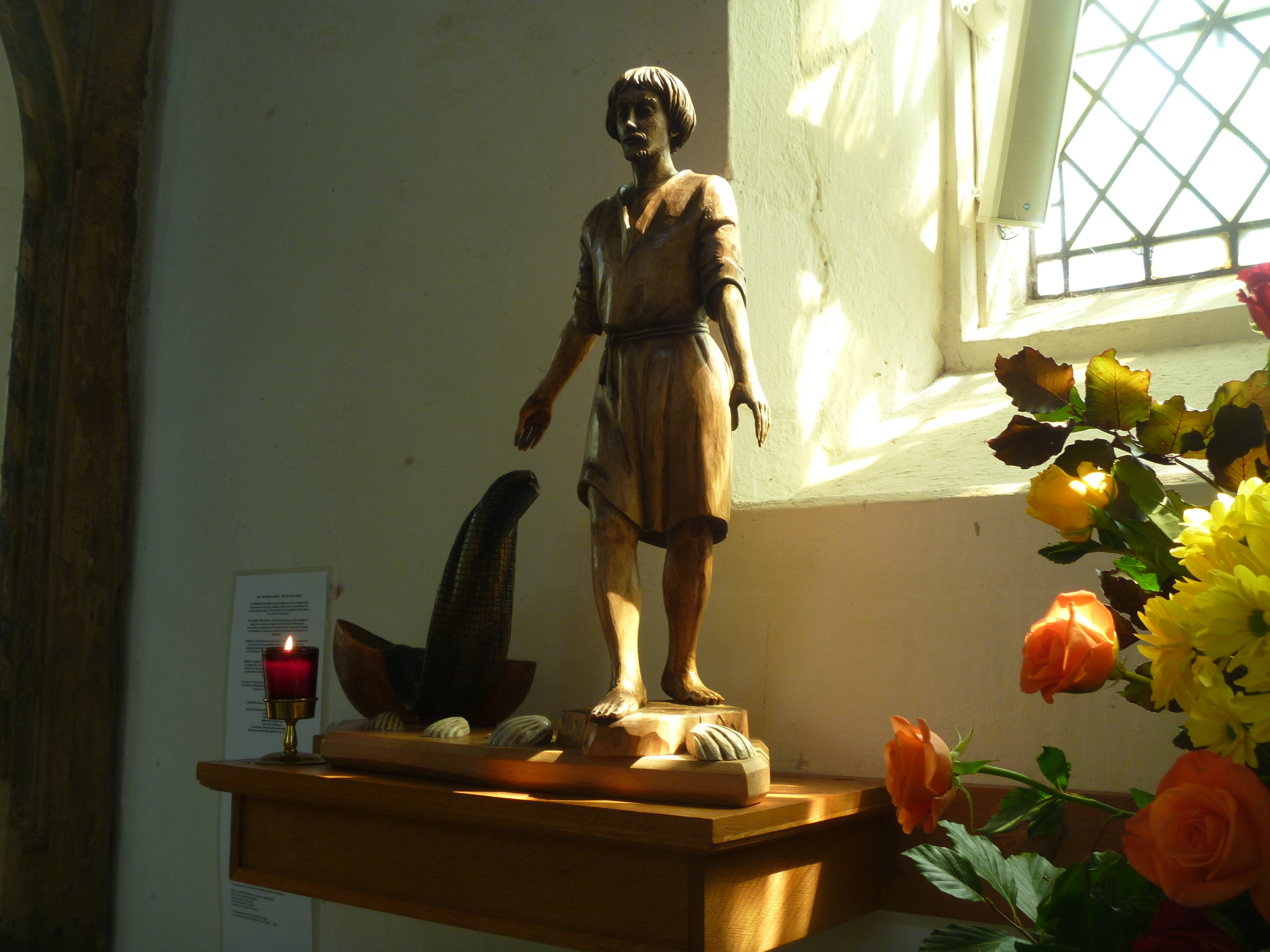
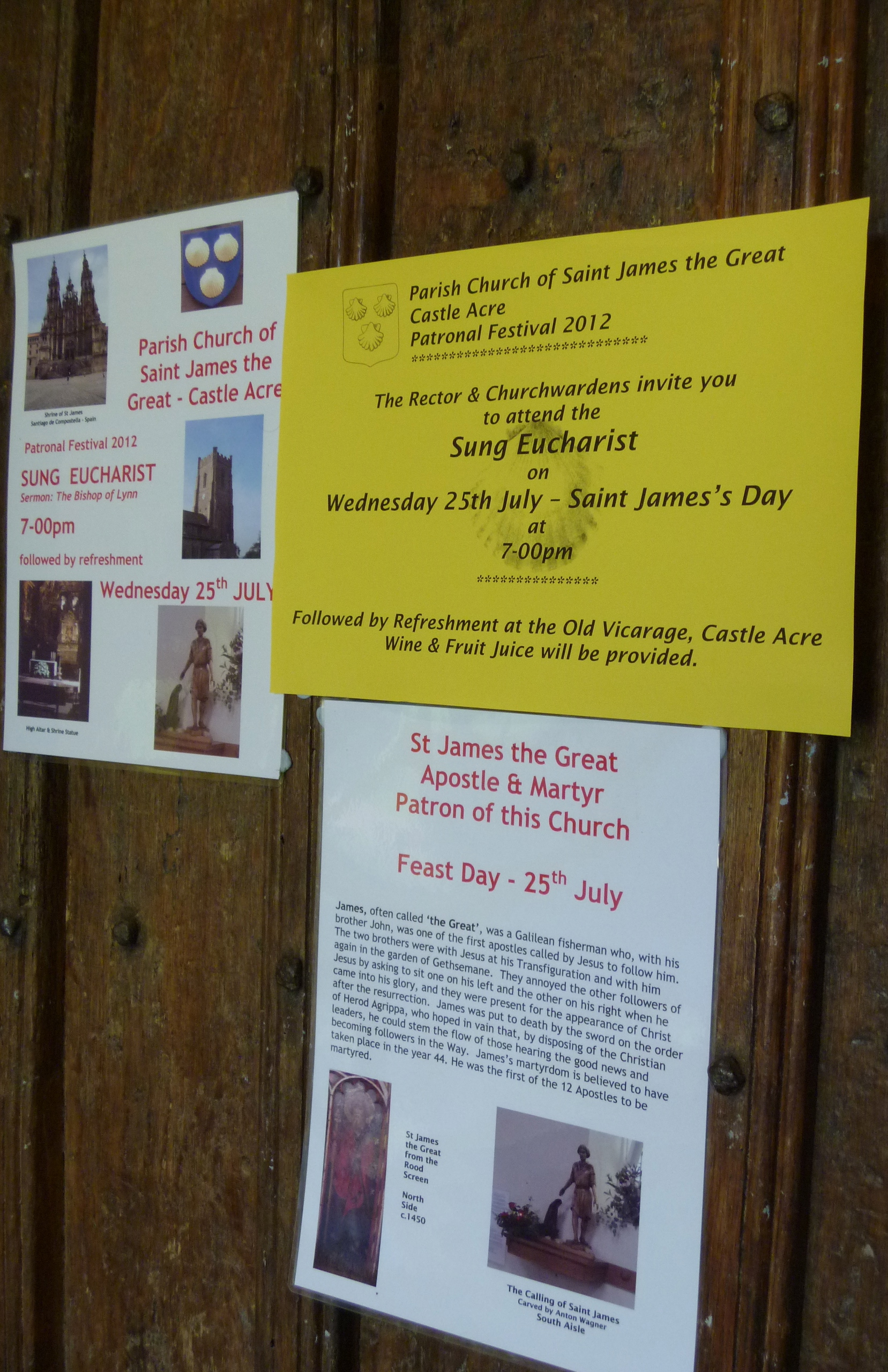
Bless me, if today isn’t the patronal feast of Saint James and there in the church (being prepared for this evening’s Sung Eucharist in the presence of the Bishop of Lynn) were displays relating to The Camino de Santiago de Compostela or The Way of Saint James.

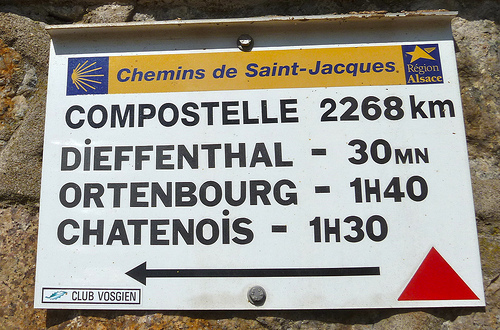
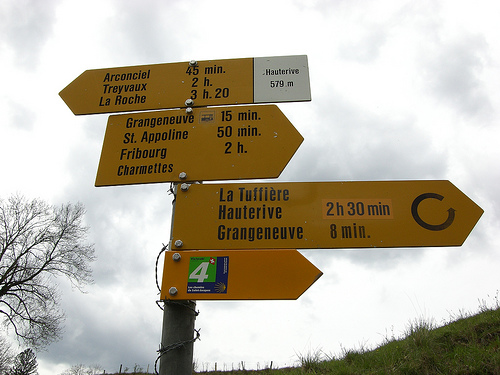
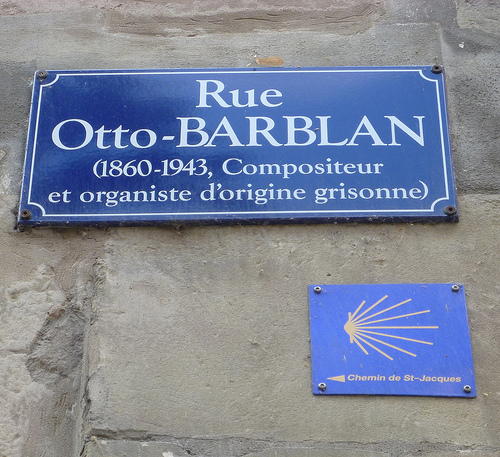
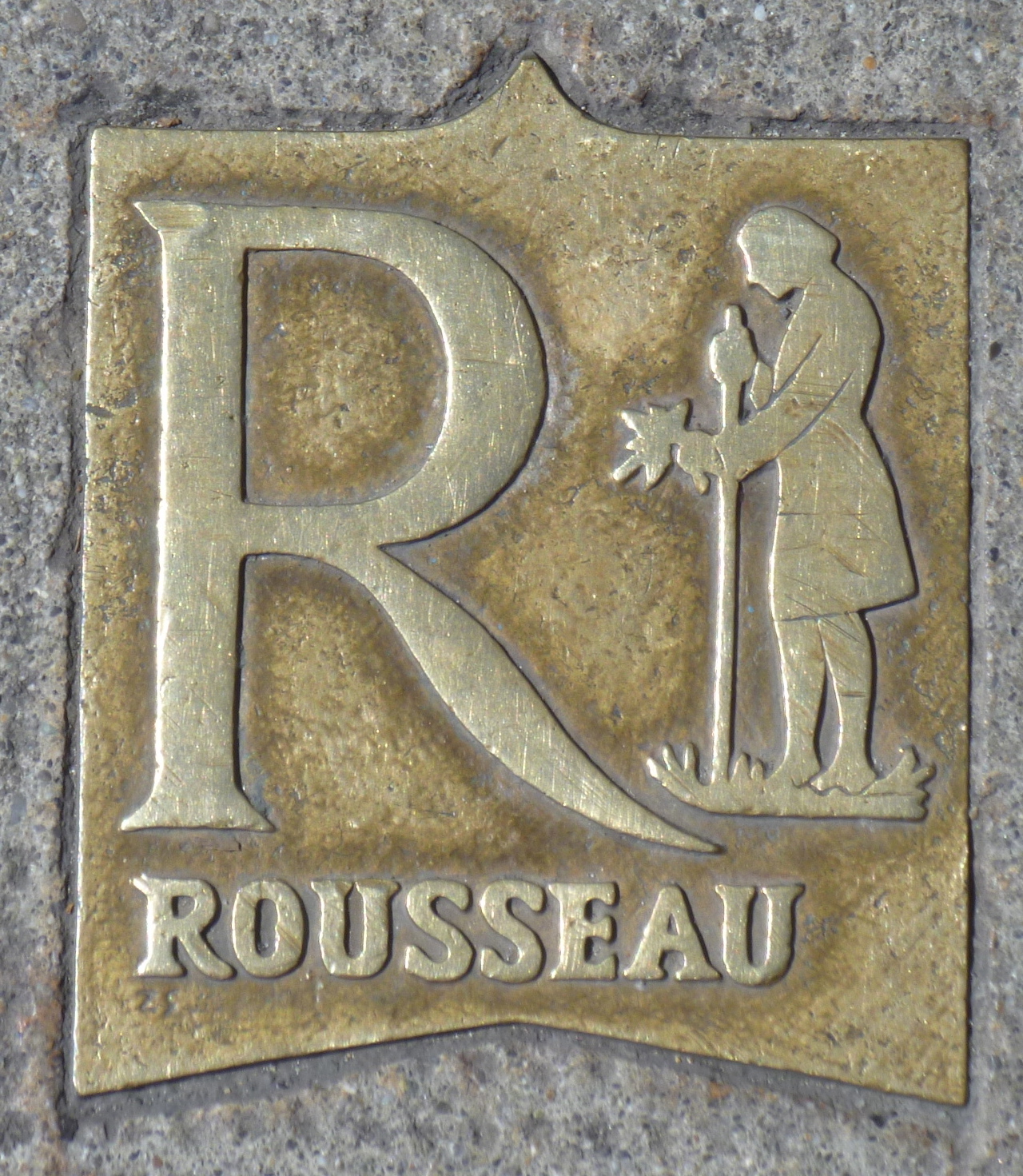
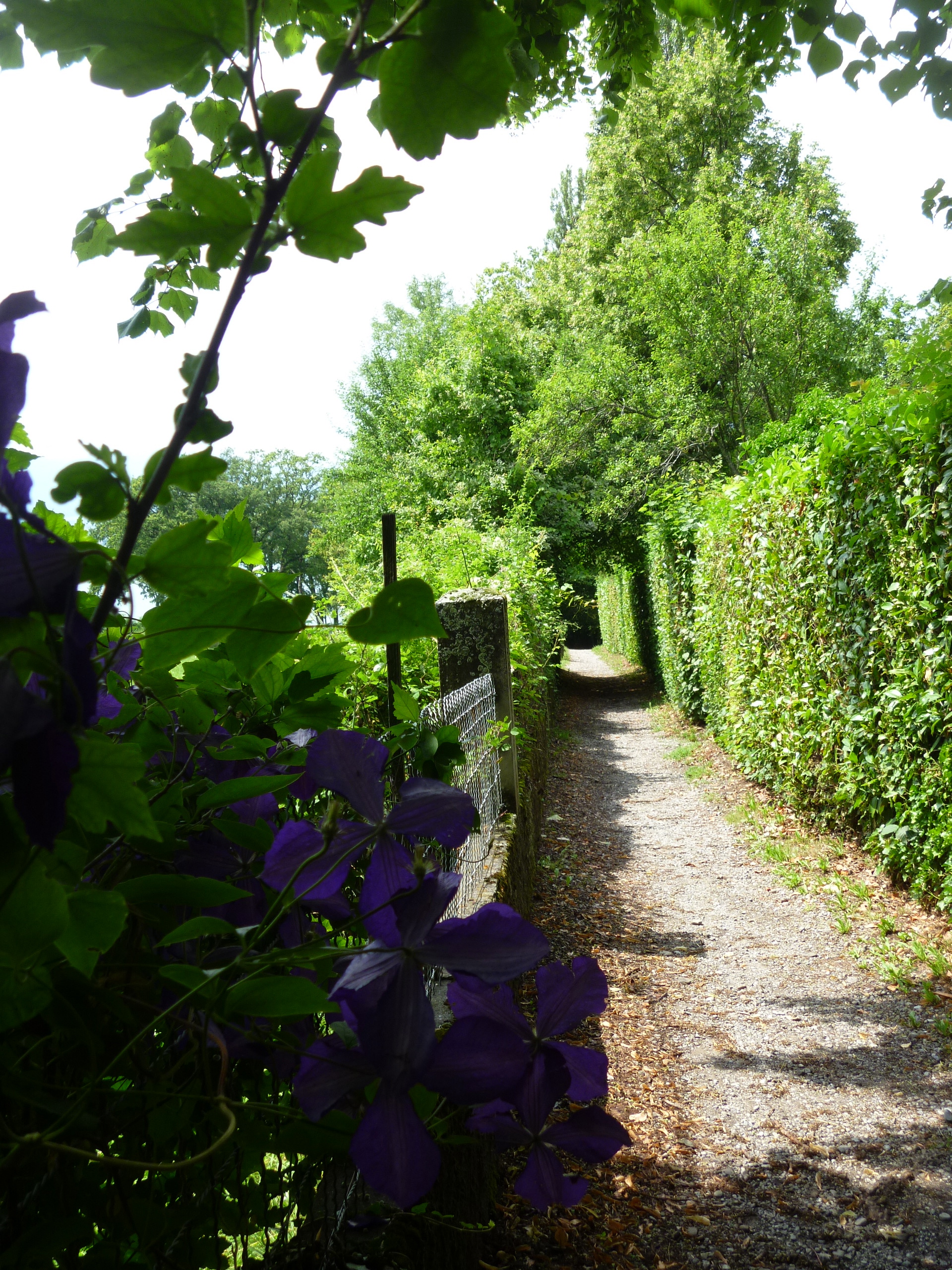
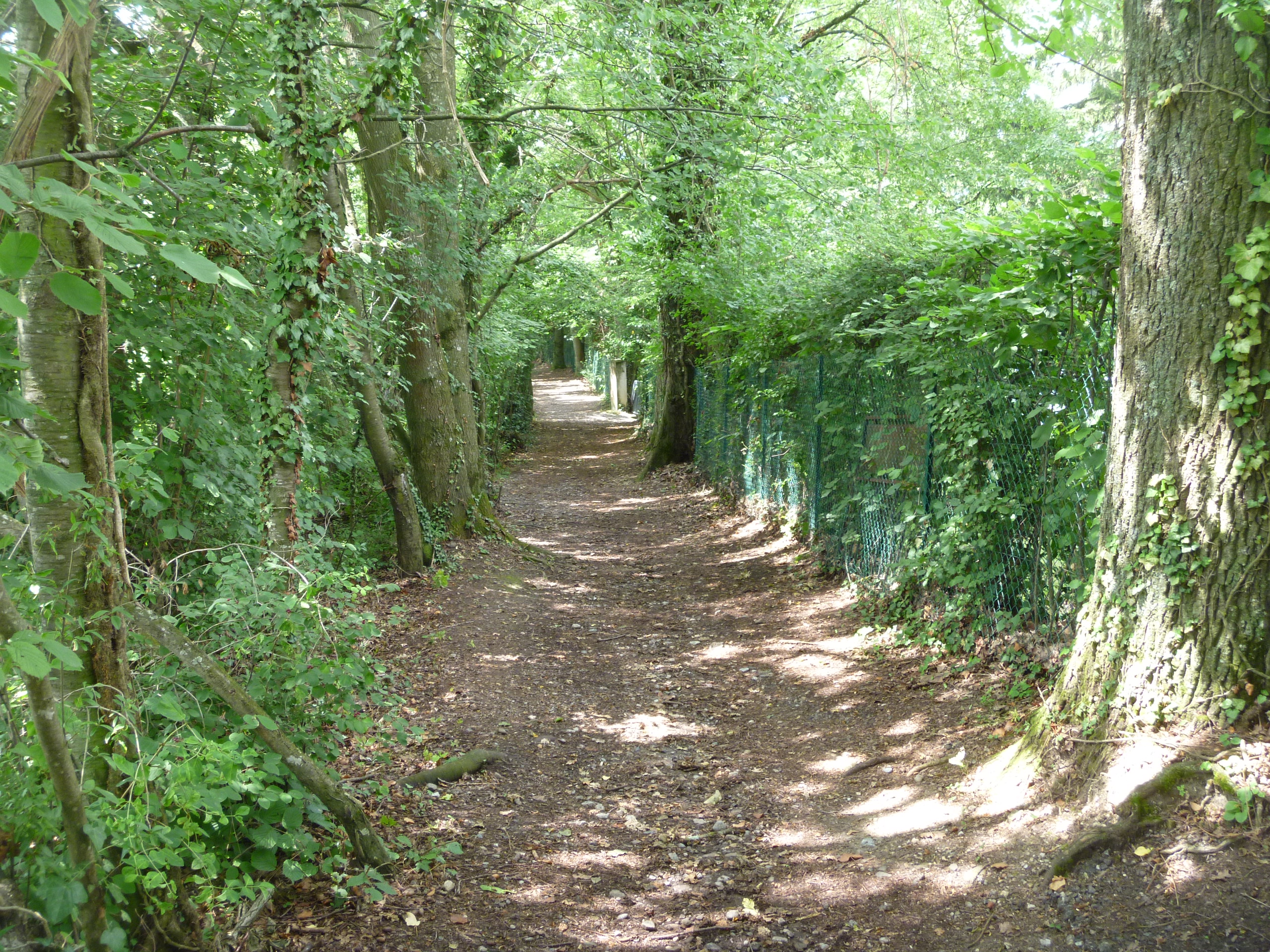
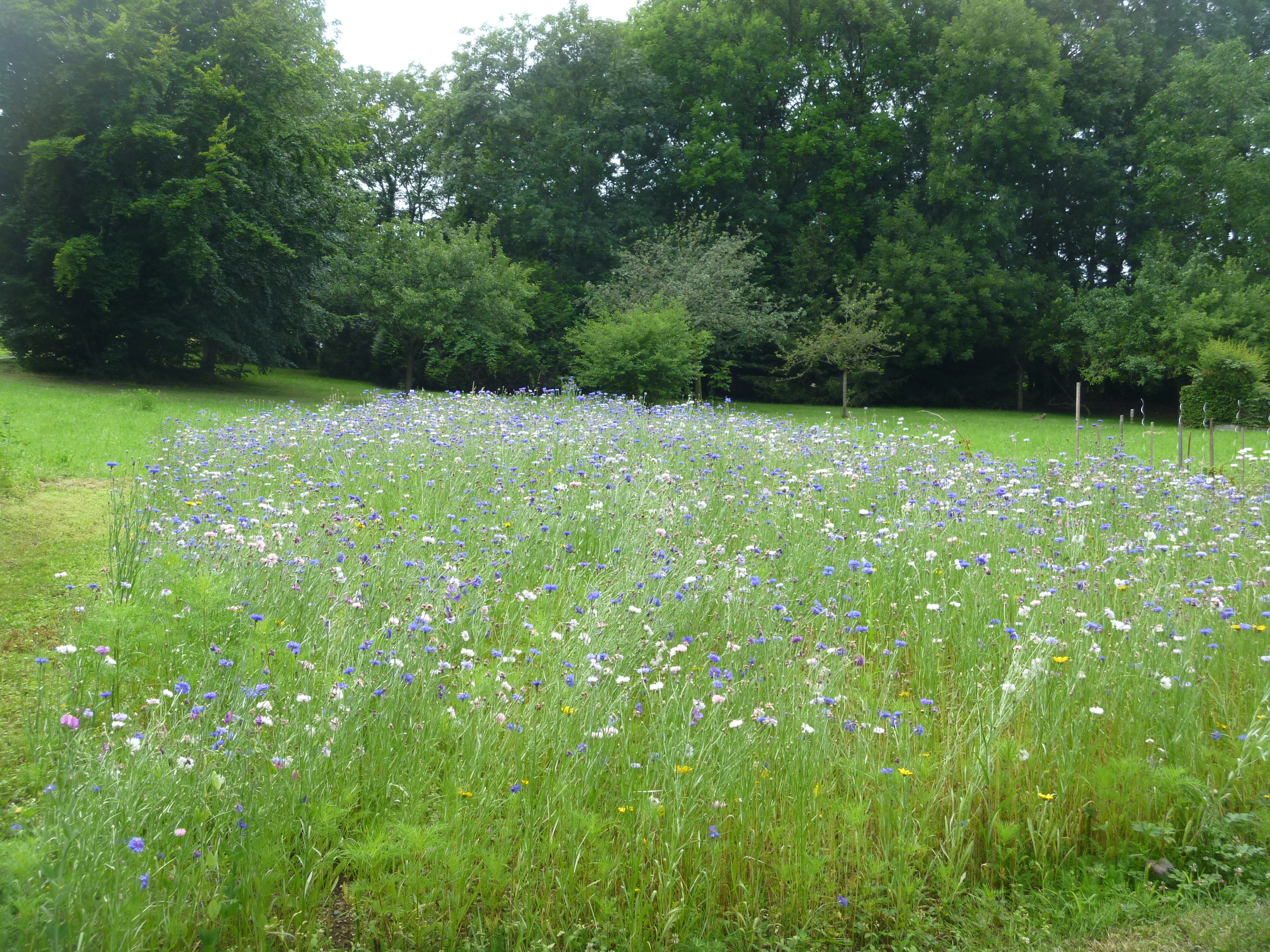
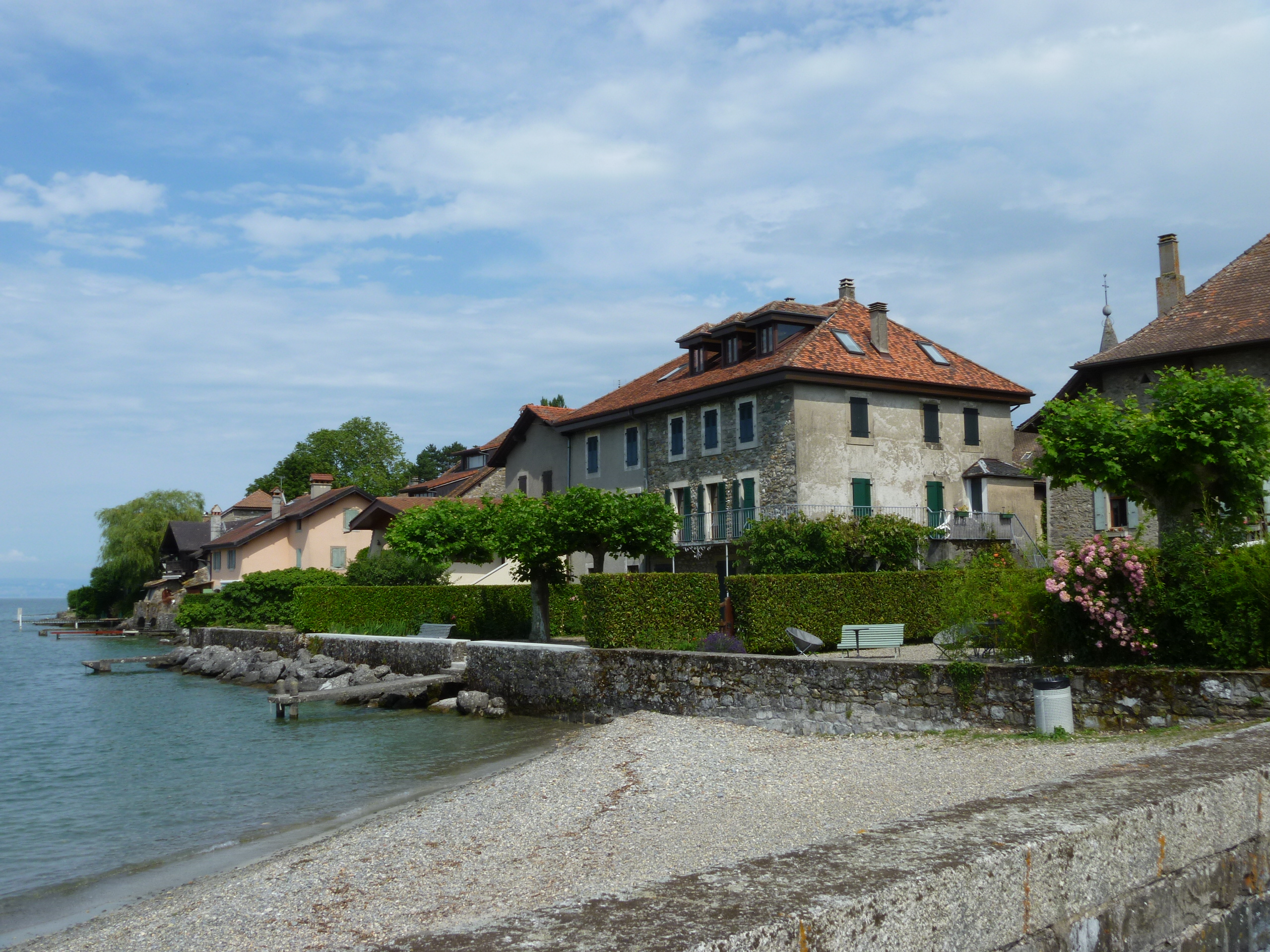
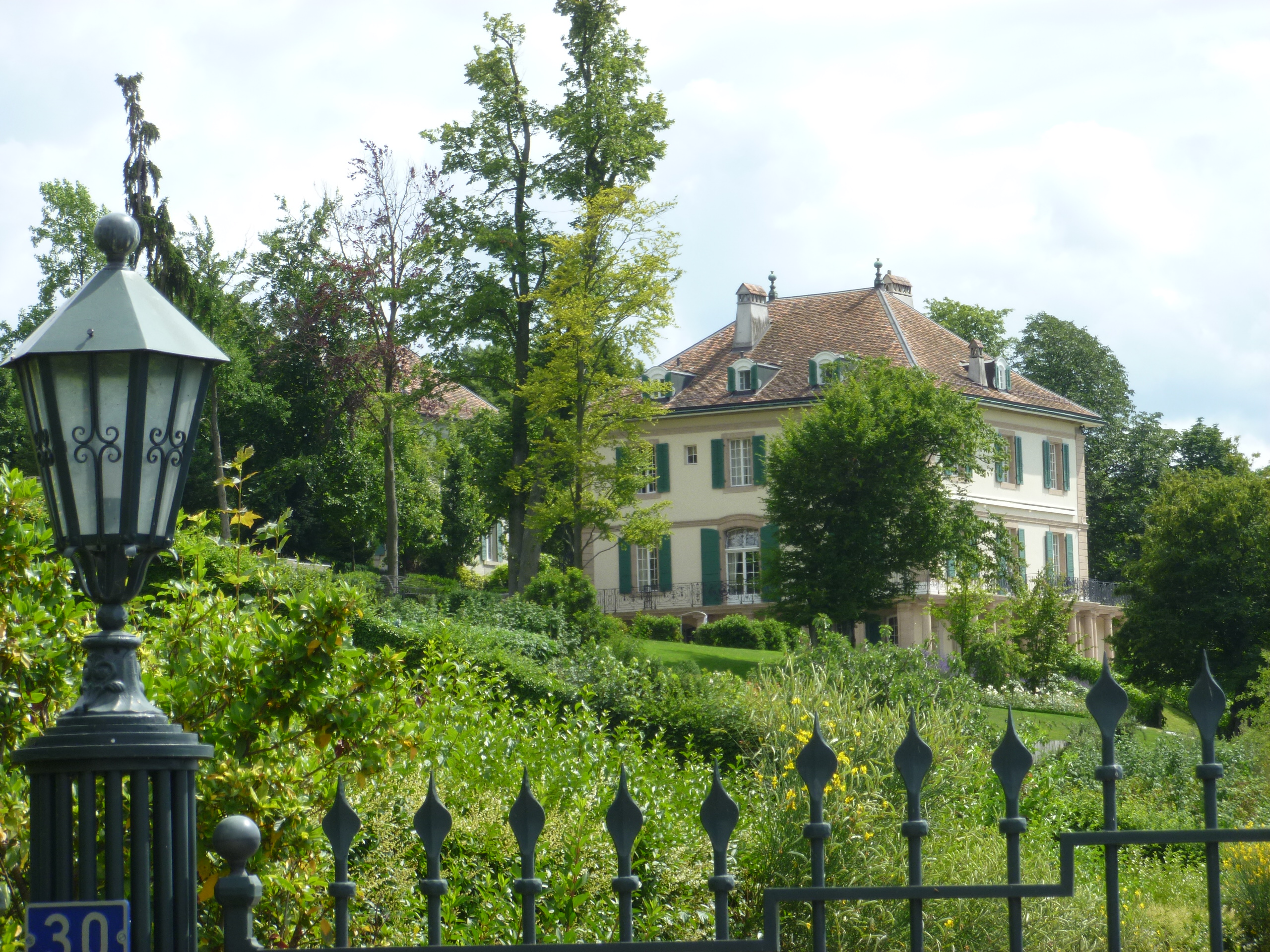
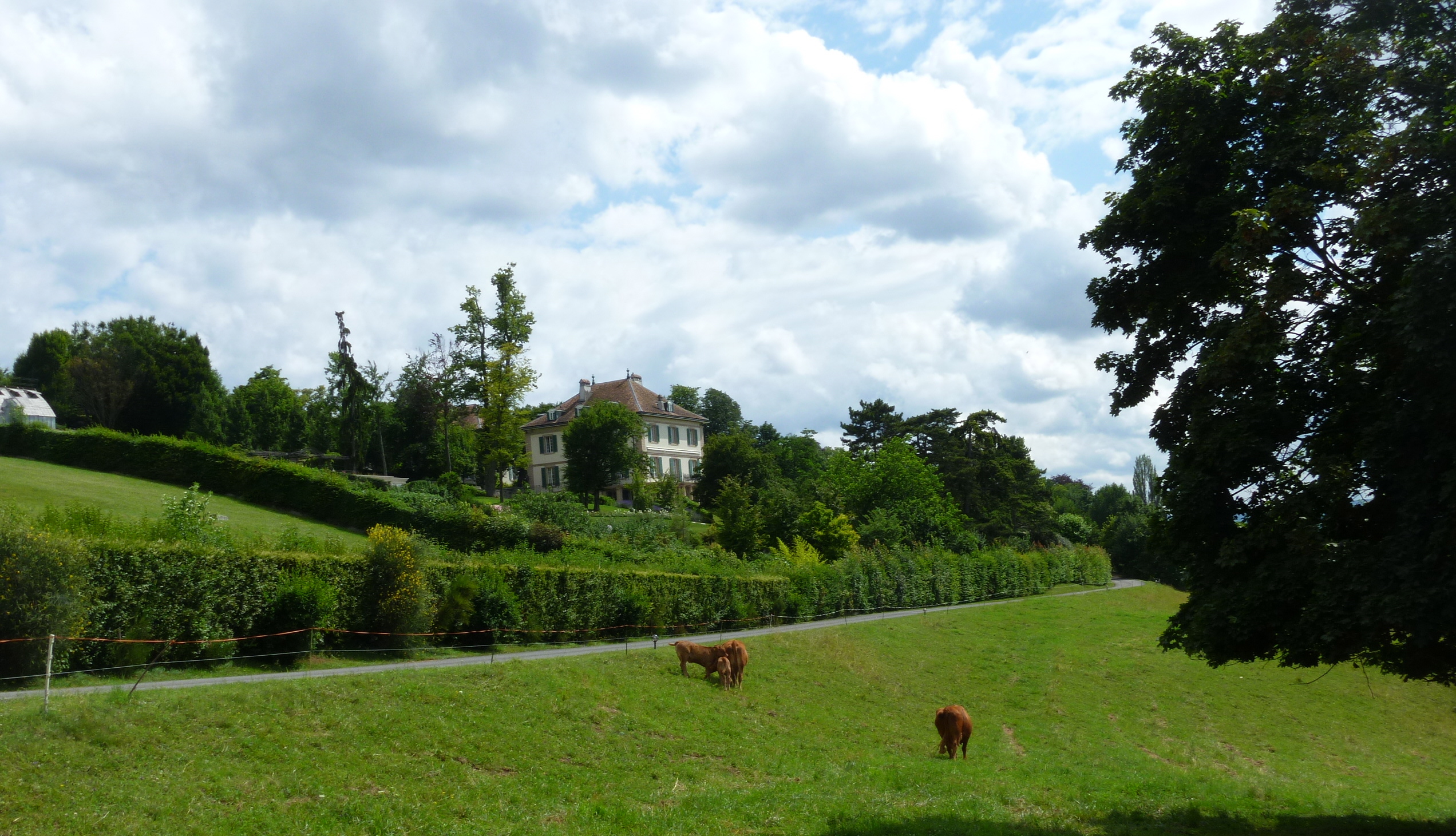
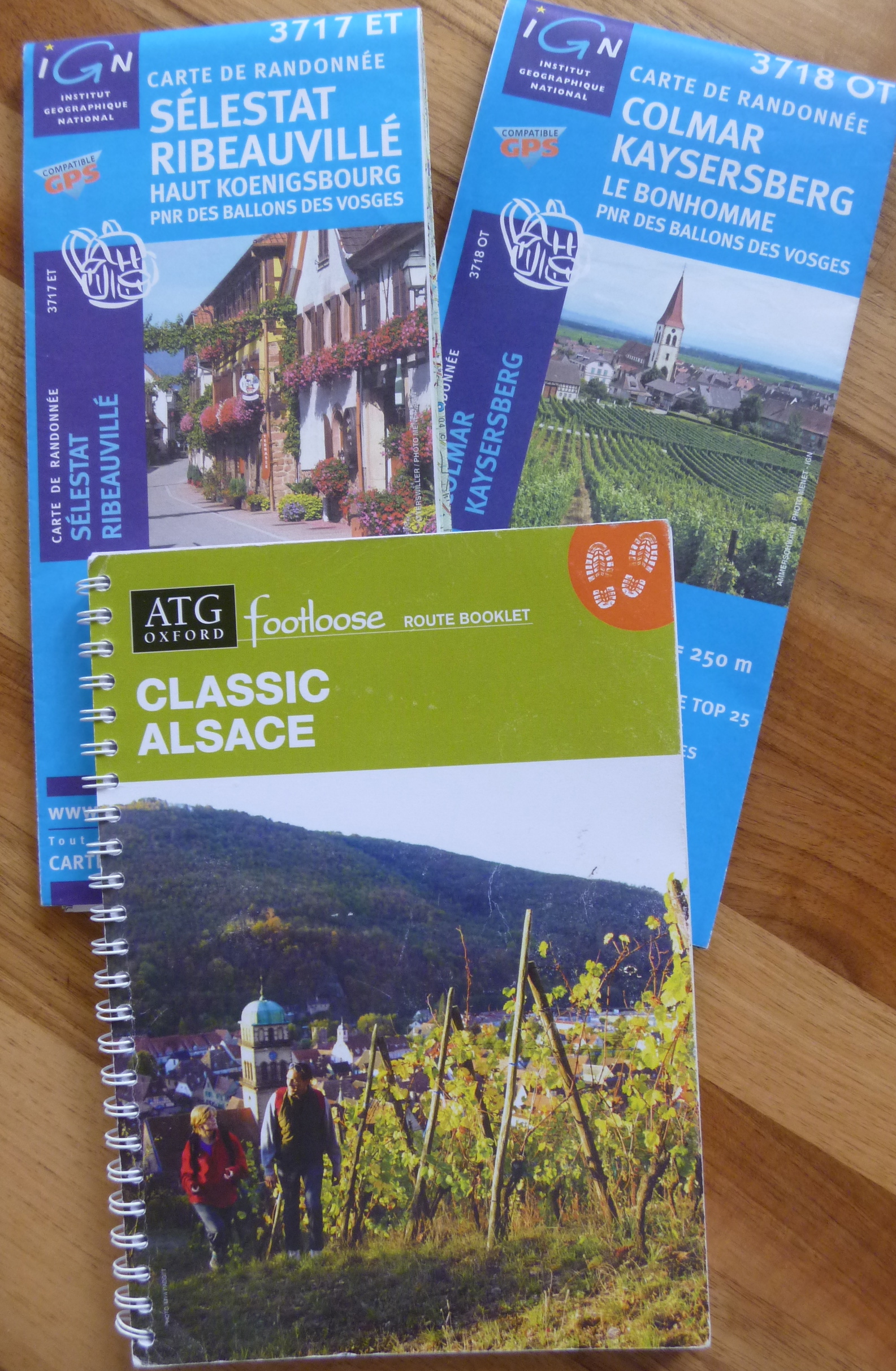
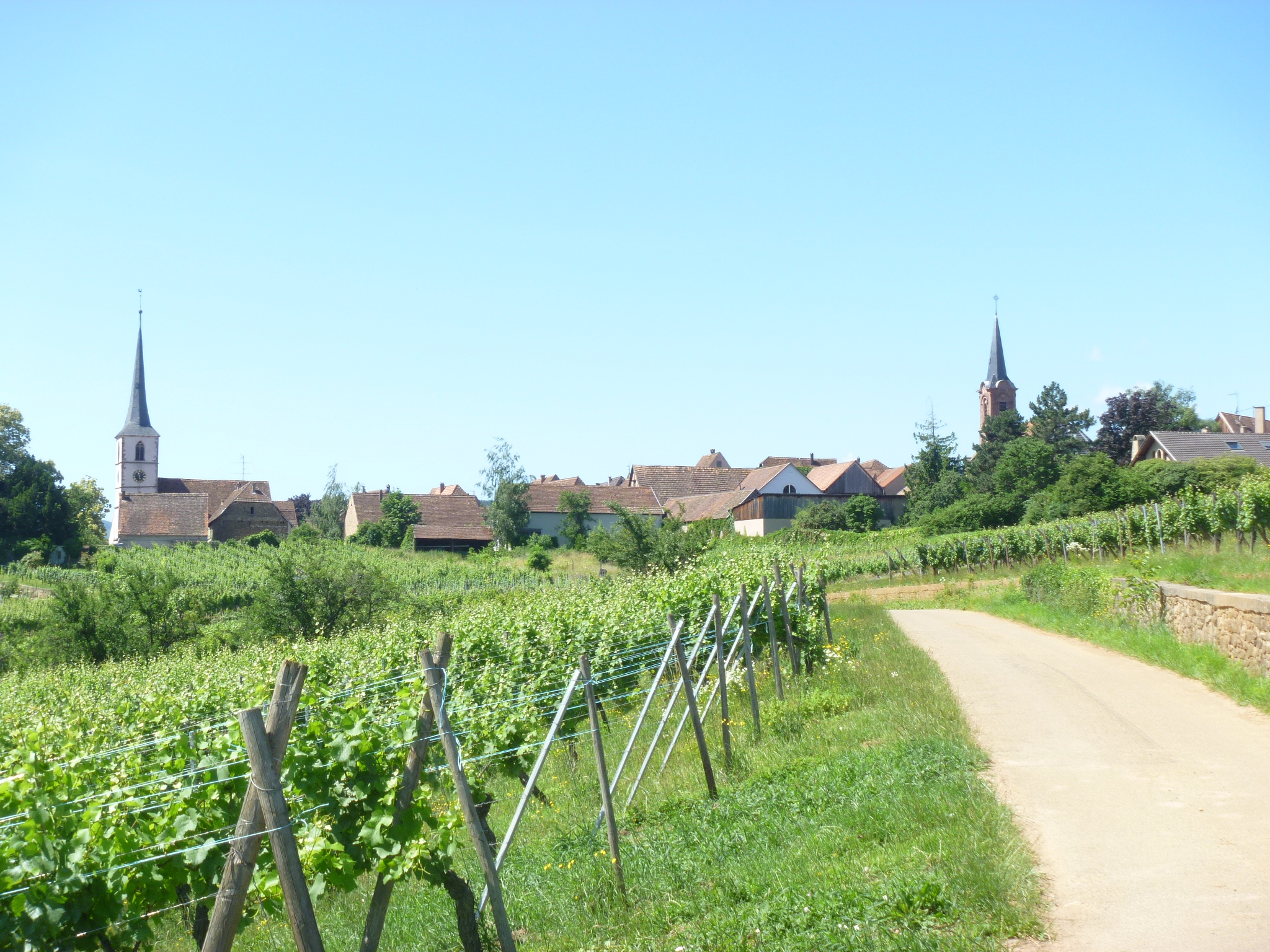
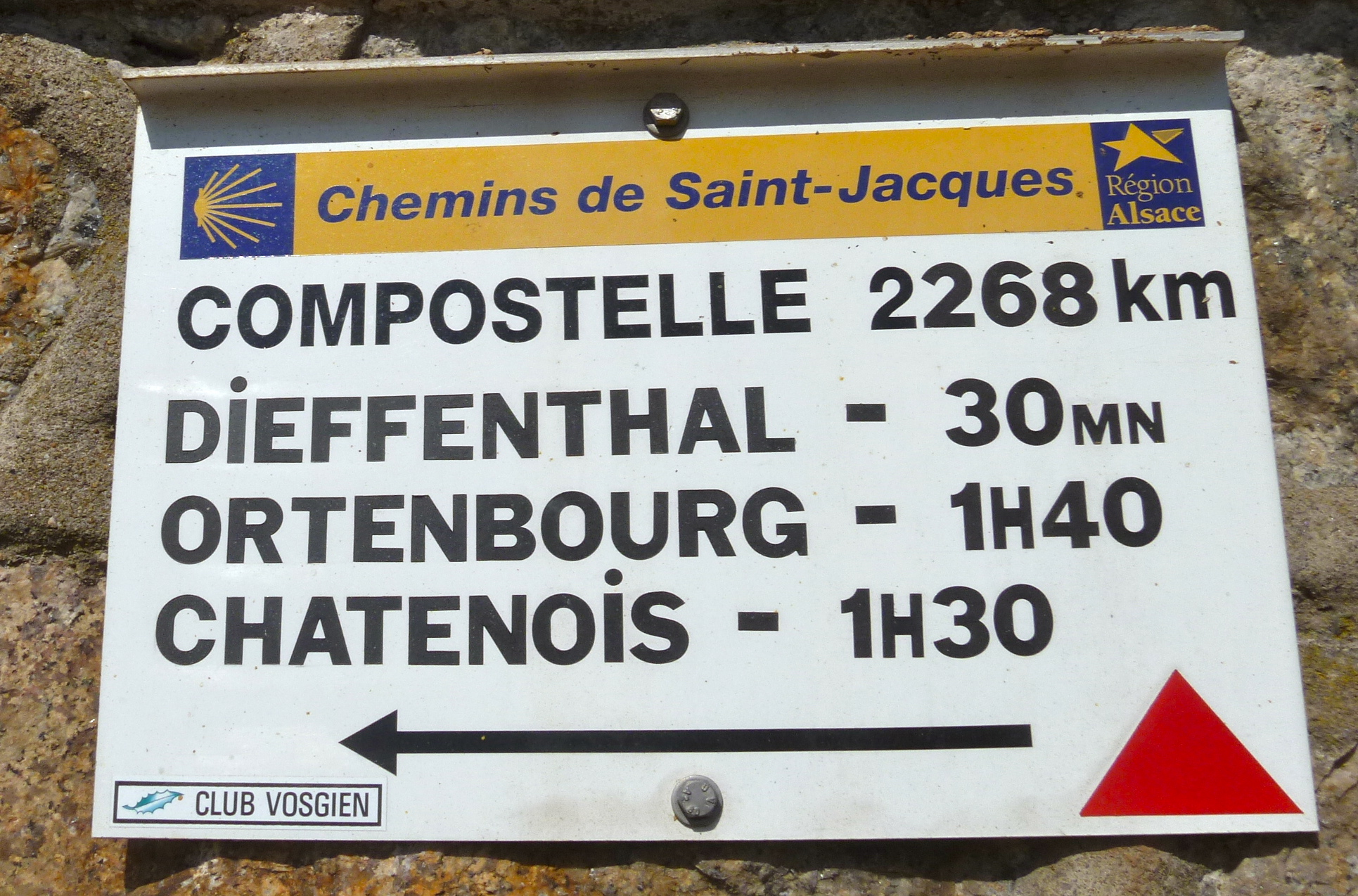
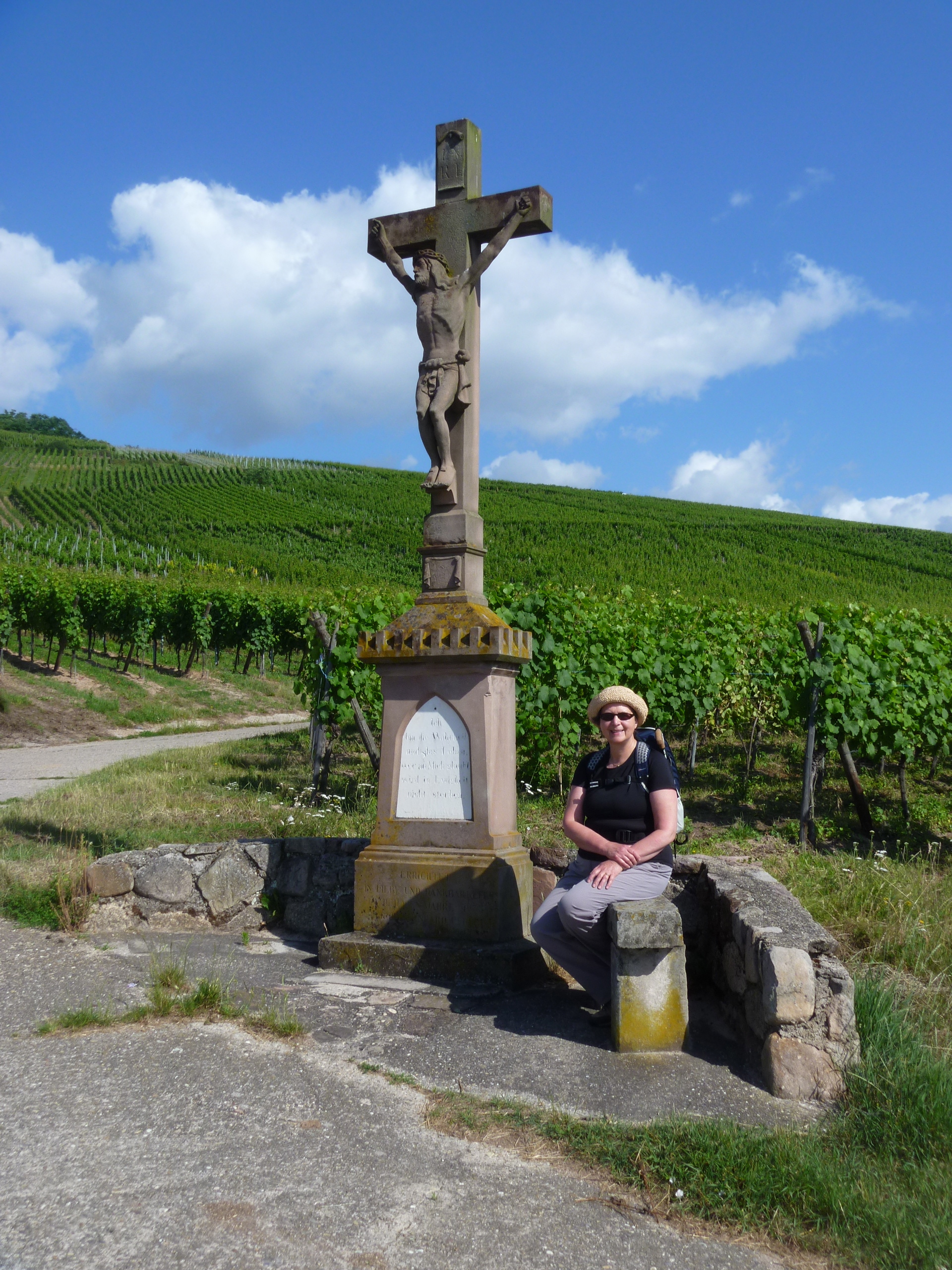
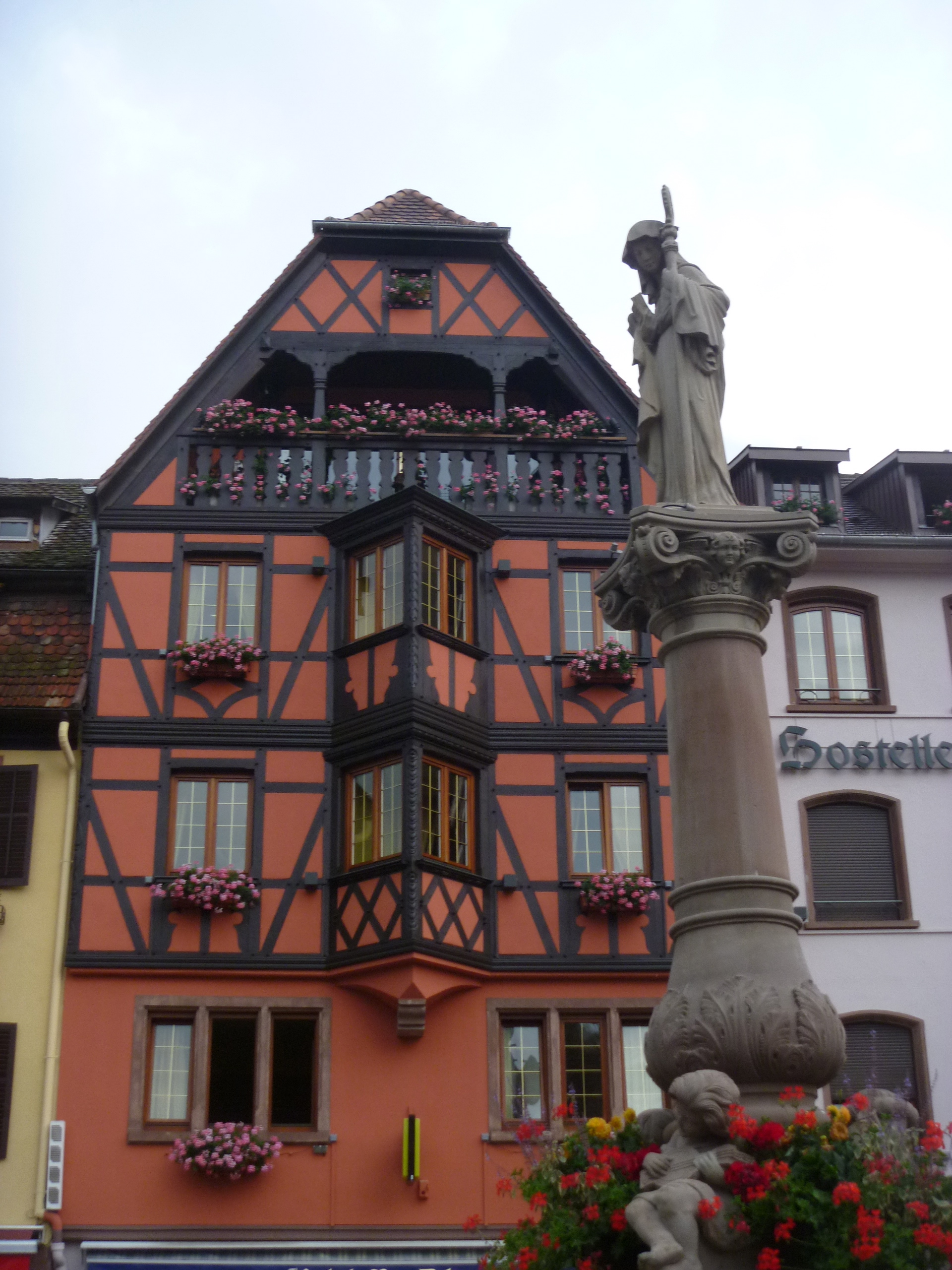
I have come across this path, or perhaps I should say these paths, many, many miles away from their single destination – Santiago de Compostela in Spain – in Alsace , in Geneva and in Hautrive in the Jura region of Switzerland.

In Alsace last month

In the Jura Region in 2008

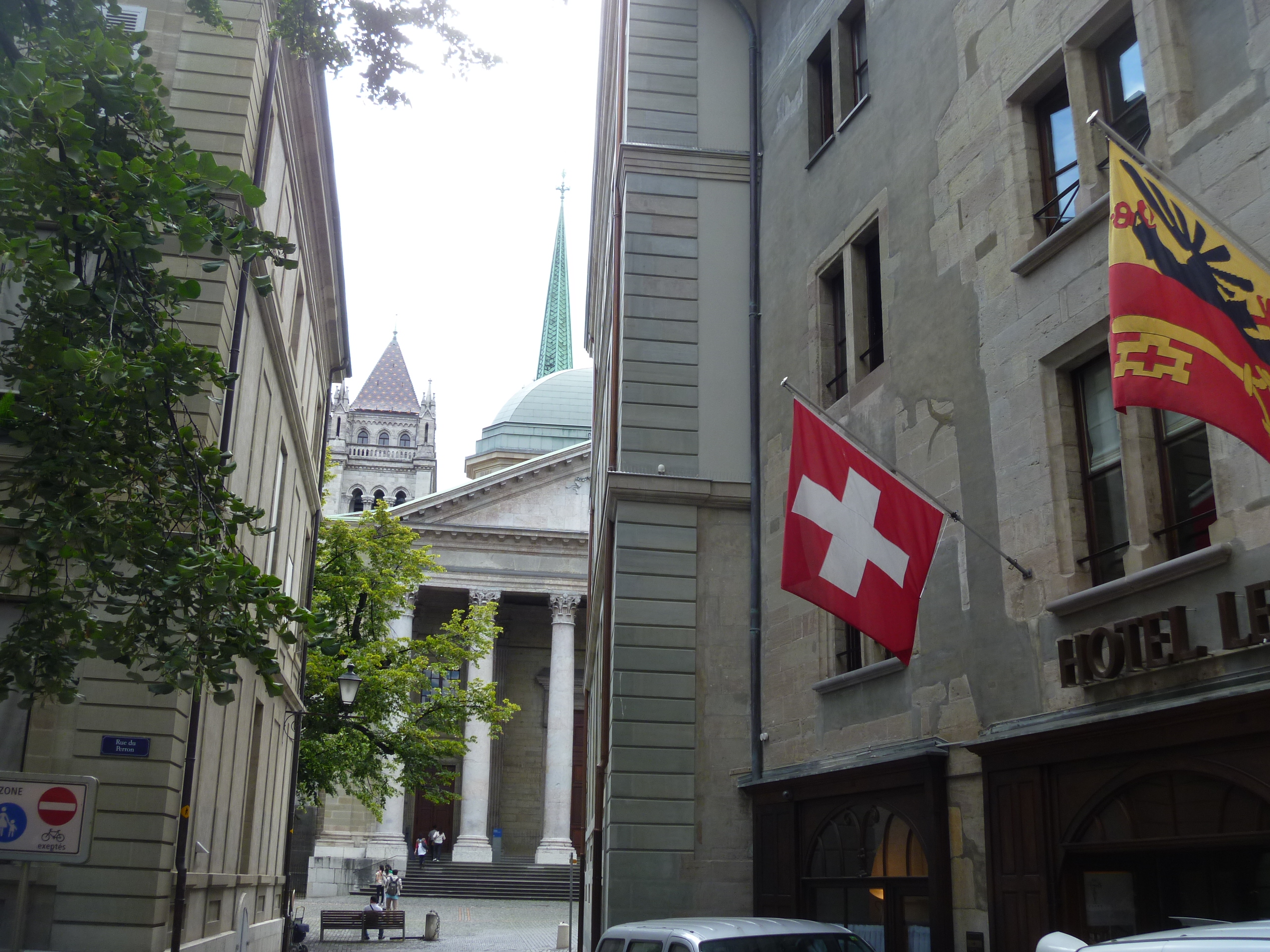
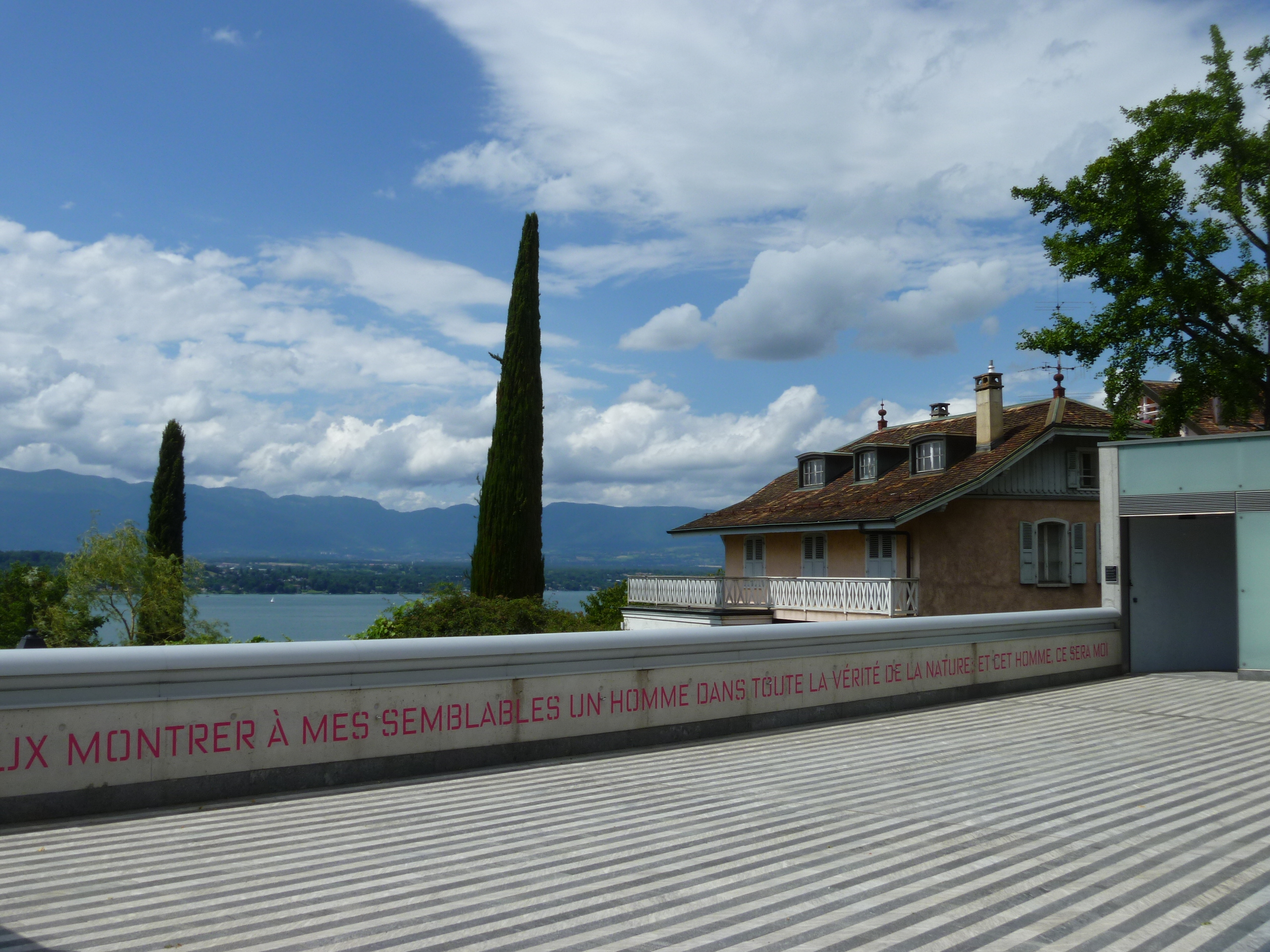
In Geneva earlier this month

And on my latest walk in the Yorkshire Dales last week a fellow member of The Weekday Wanderers who had just returned from a three week cycling pilgrimage beginning in southwest France was telling me all about this fantastic experience.

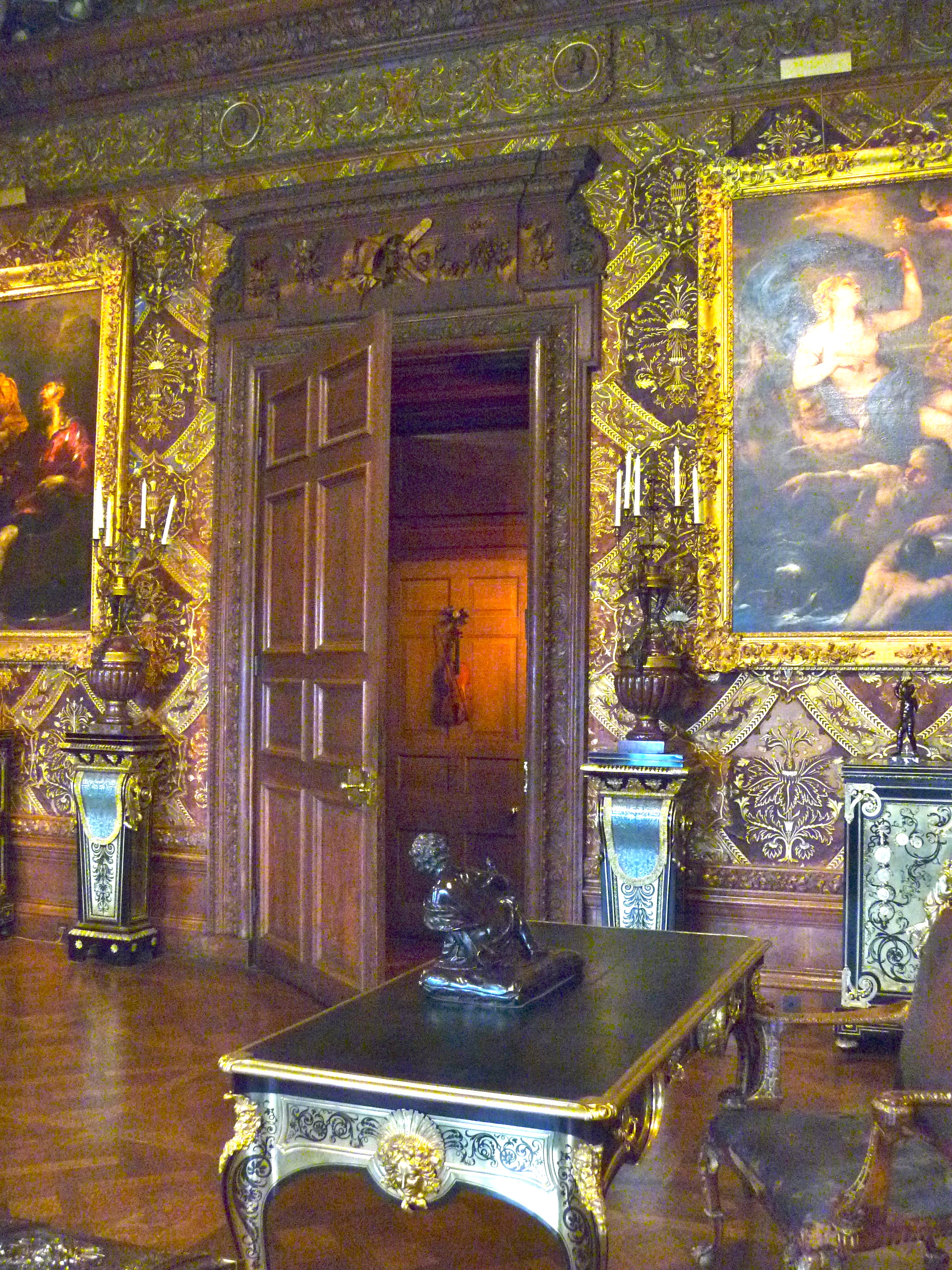
Spot the Difference : Chatsworth

I love to visit Chatsworth! So much to see and do. Lots of art and lots of history. Famous people. Gardens and country house. Plus, you may take photos everywhere. Inside and outside there’s so much variety. It’s hard to decide just where to start.

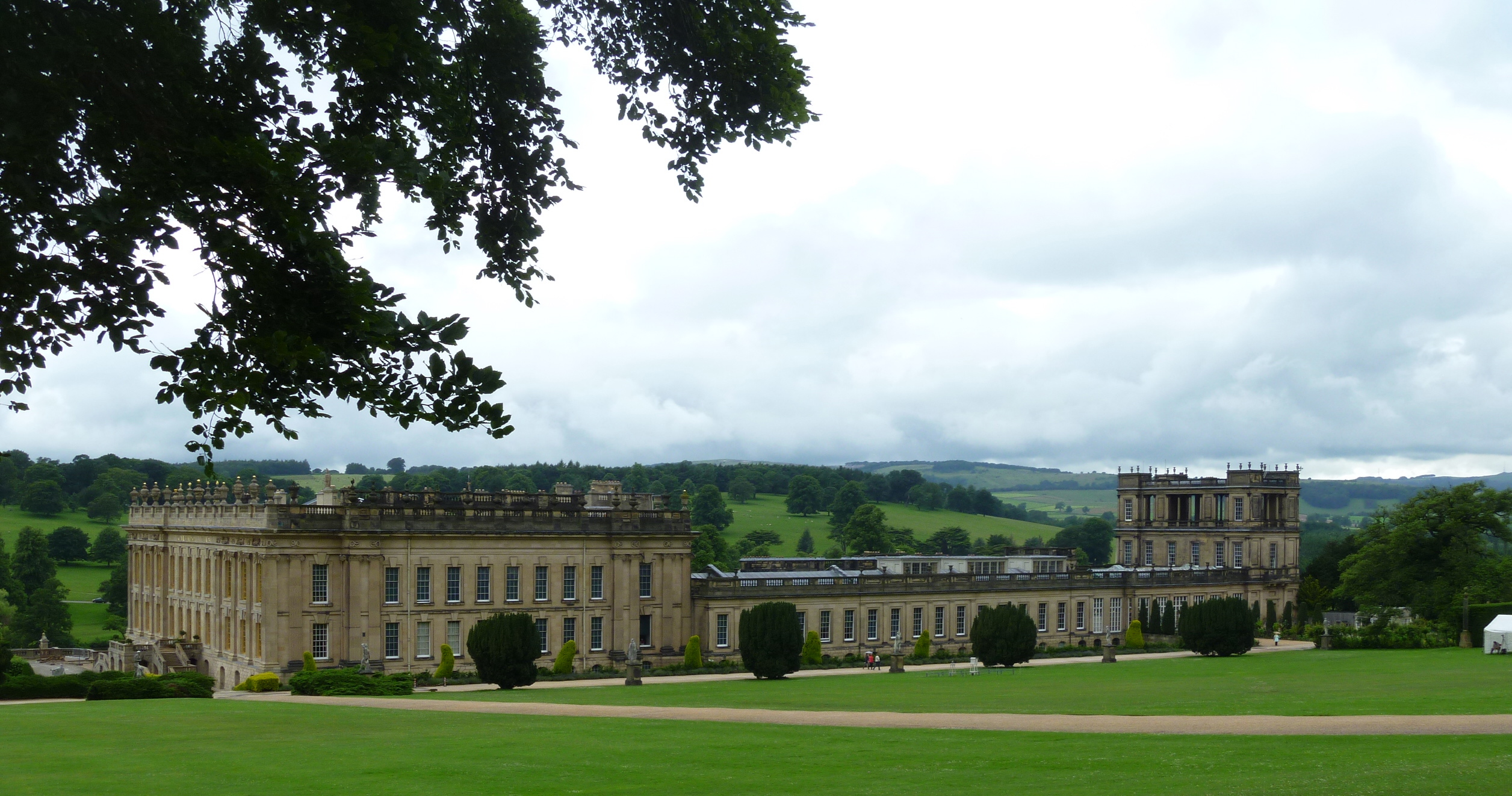
The South and East Fronts today

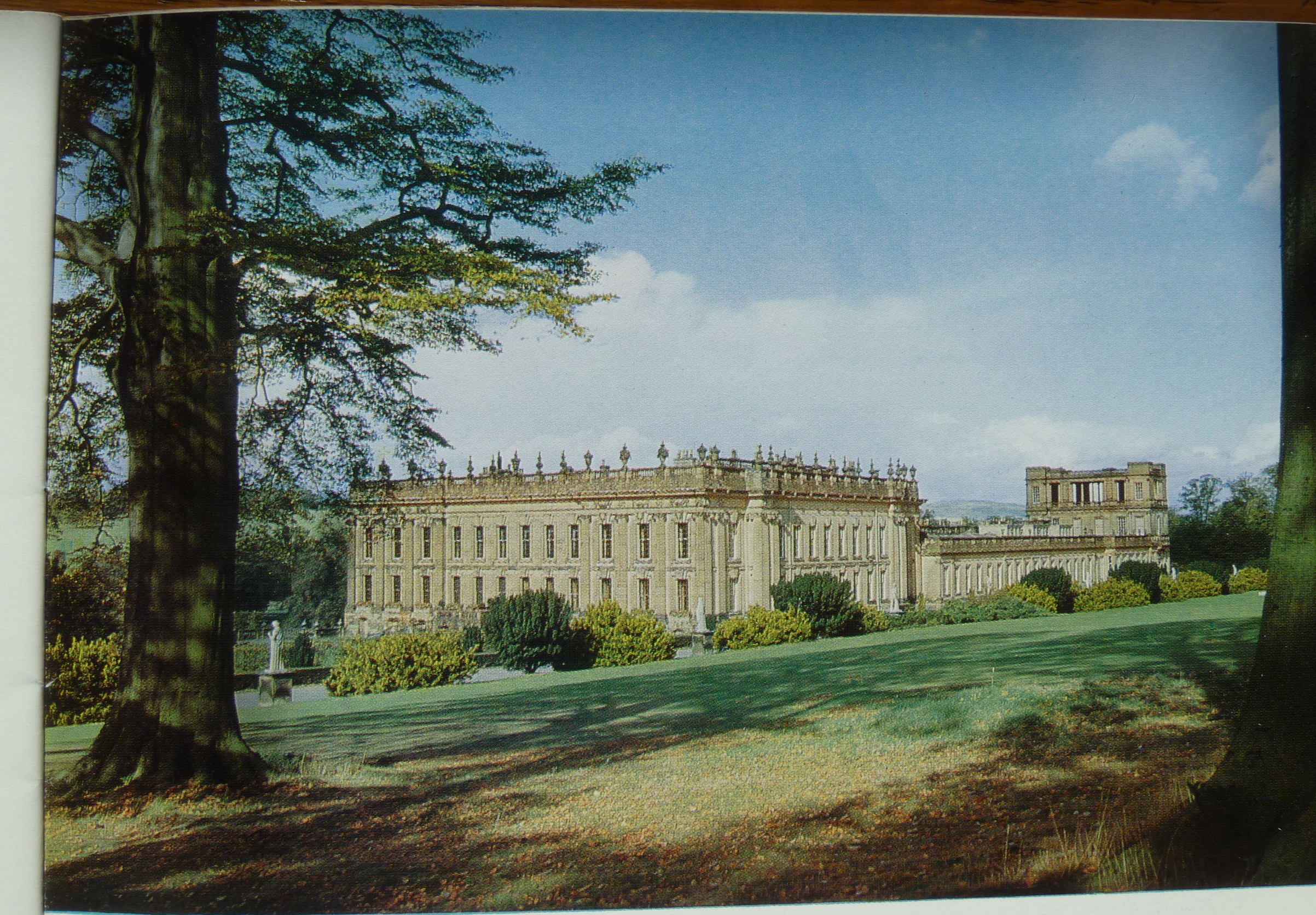
The South and East fronts from my 1970s Guidebook

The best thing about my recent visit was meeting up with the online book discussion group friends. Hopefully we have now established a tradition of having a  summer outing in the country alongside our winter/Christmas ‘party’ in town. The weather on the 10th July turned out to be abominable – weather alerts, floods, torrential rain – but we all managed to get to Chatsworth, eventually, although instead of a jolly picnic on the grass we had a delicious hot meal in the Carriage House Cafe. Now and again the rain stopped and we ventured into the gardens but we did spend quite some time in the house and made three visits to the Cafe.

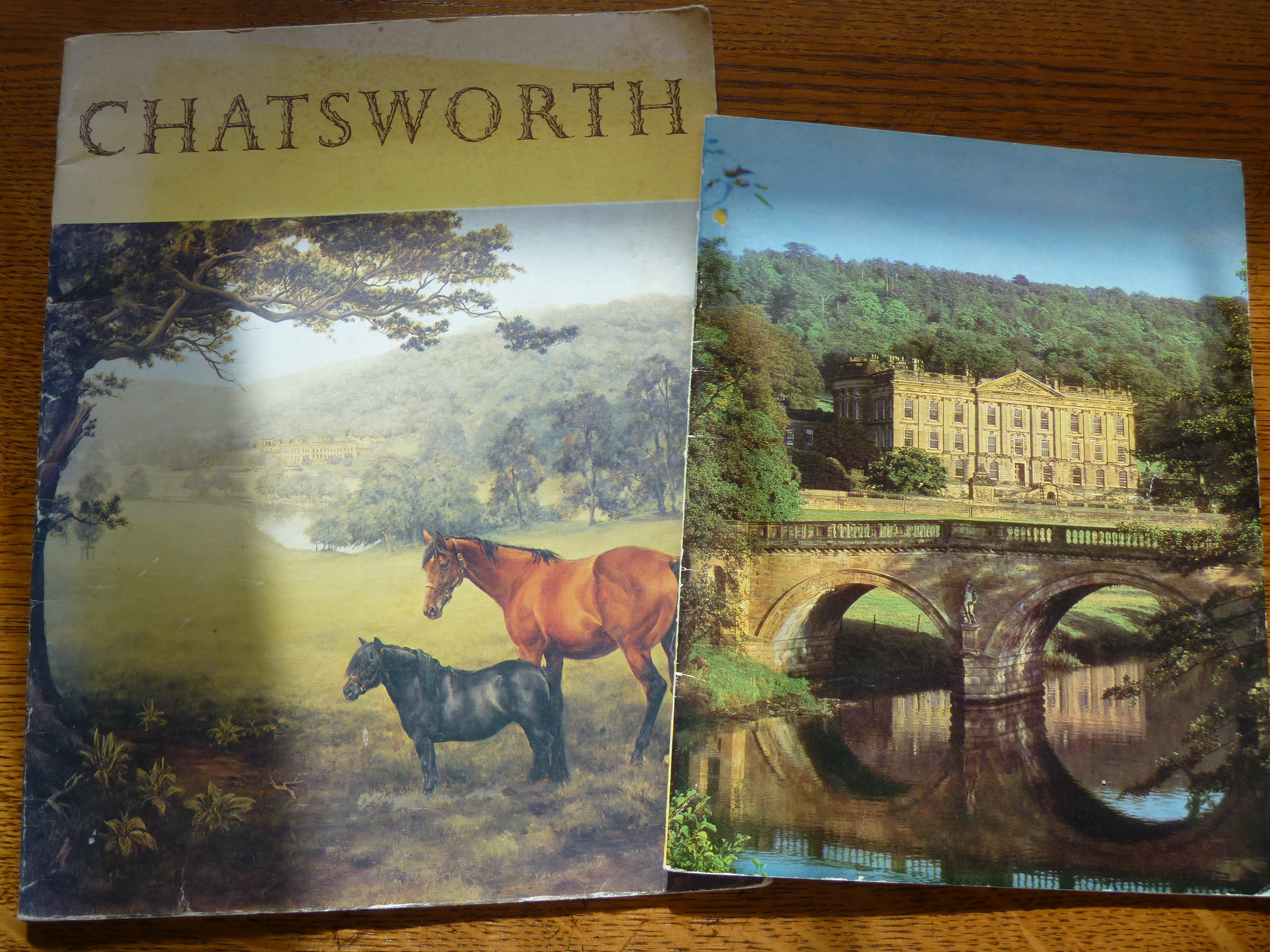
During the 1950s, ’60s and early ’70s my granny and grandad used to visit stately homes travelling from Norwich at first by motorbike and sidecar and in later years in my uncle’s Austin A35. They travelled very long distances but always within the day as they never stayed away from home overnight. I now have the collection of guidebooks which they bought at the time and I have two for Chatsworth.

It’s interesting to look through my old guidebooks – most of which  were published by Pitkin (but not the above Chatsworth guides)- comparing the houses as they were then and as they are when I visit. So I’ve made this the theme of my Chatsworth post today.

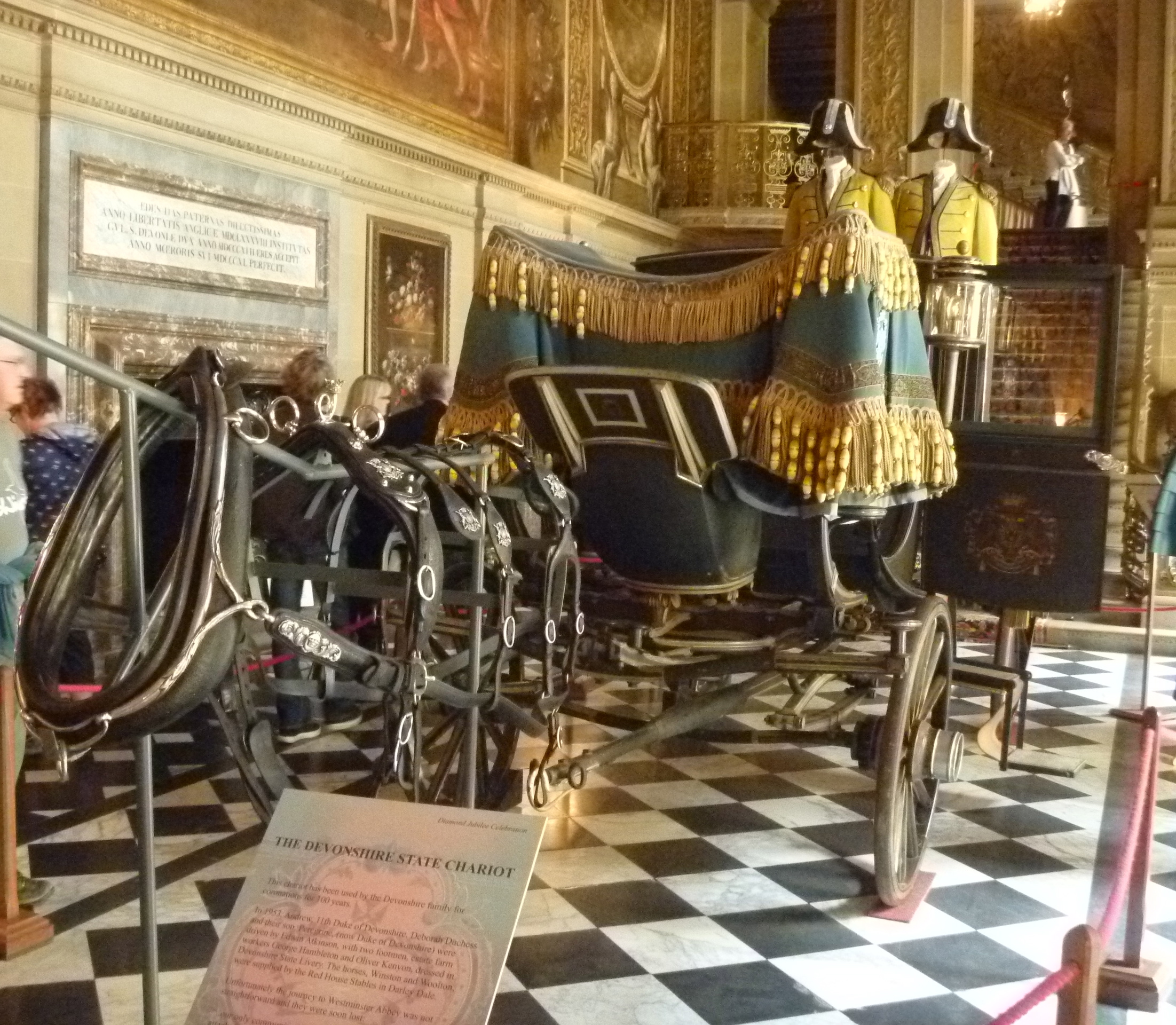
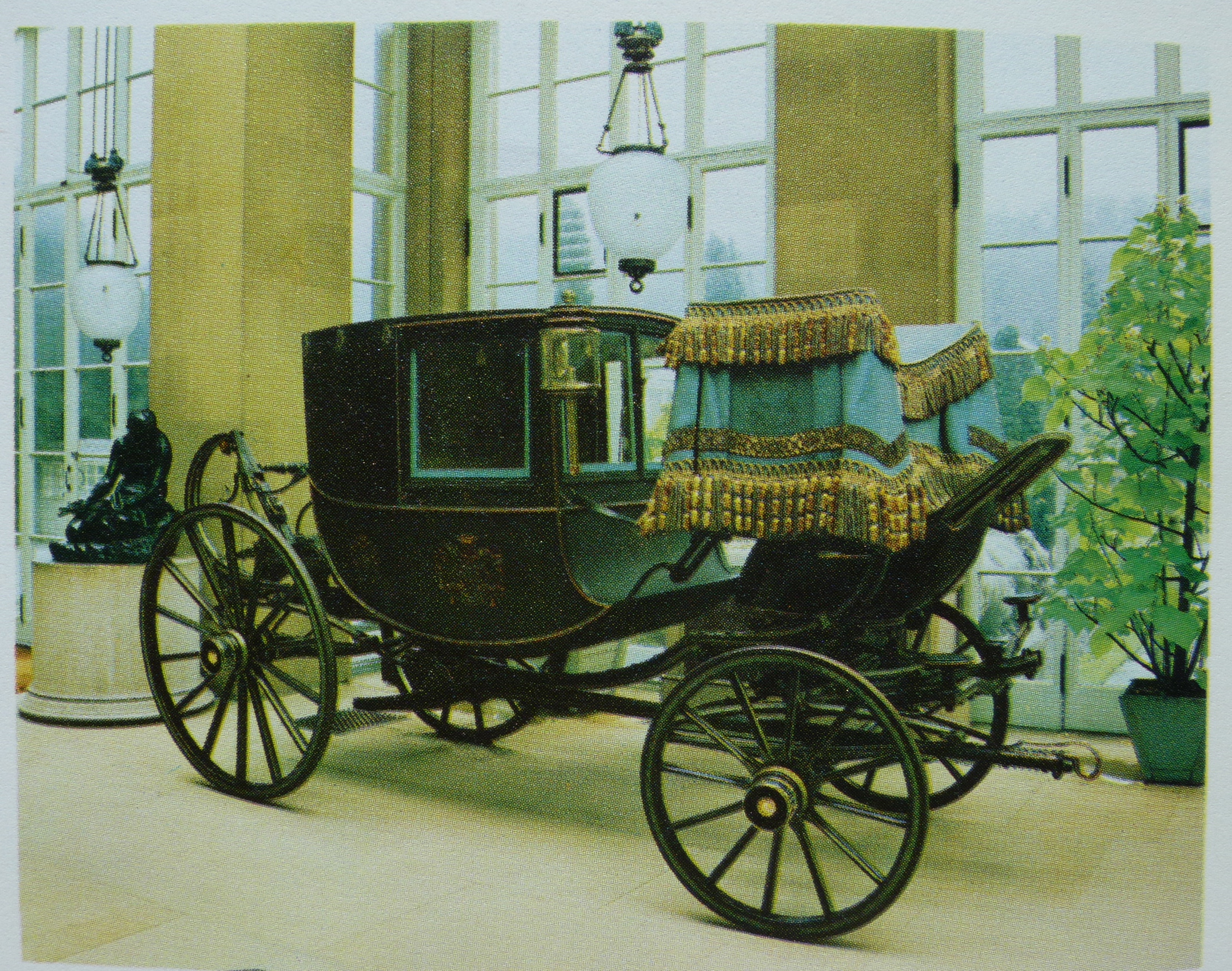
A couple of times during today’s tour of the house you pass through the Painted Hall. This year, with it being the Queen’s Diamond Jubilee Year, the Devonshire state chariot, used by the 11th Duke to attend the Coronation, is on display in there. I loved reading the little anecdote about the party getting lost on their way to attend the coronation in 1953.

The Painted Hall in 2012 with State Chariot on display

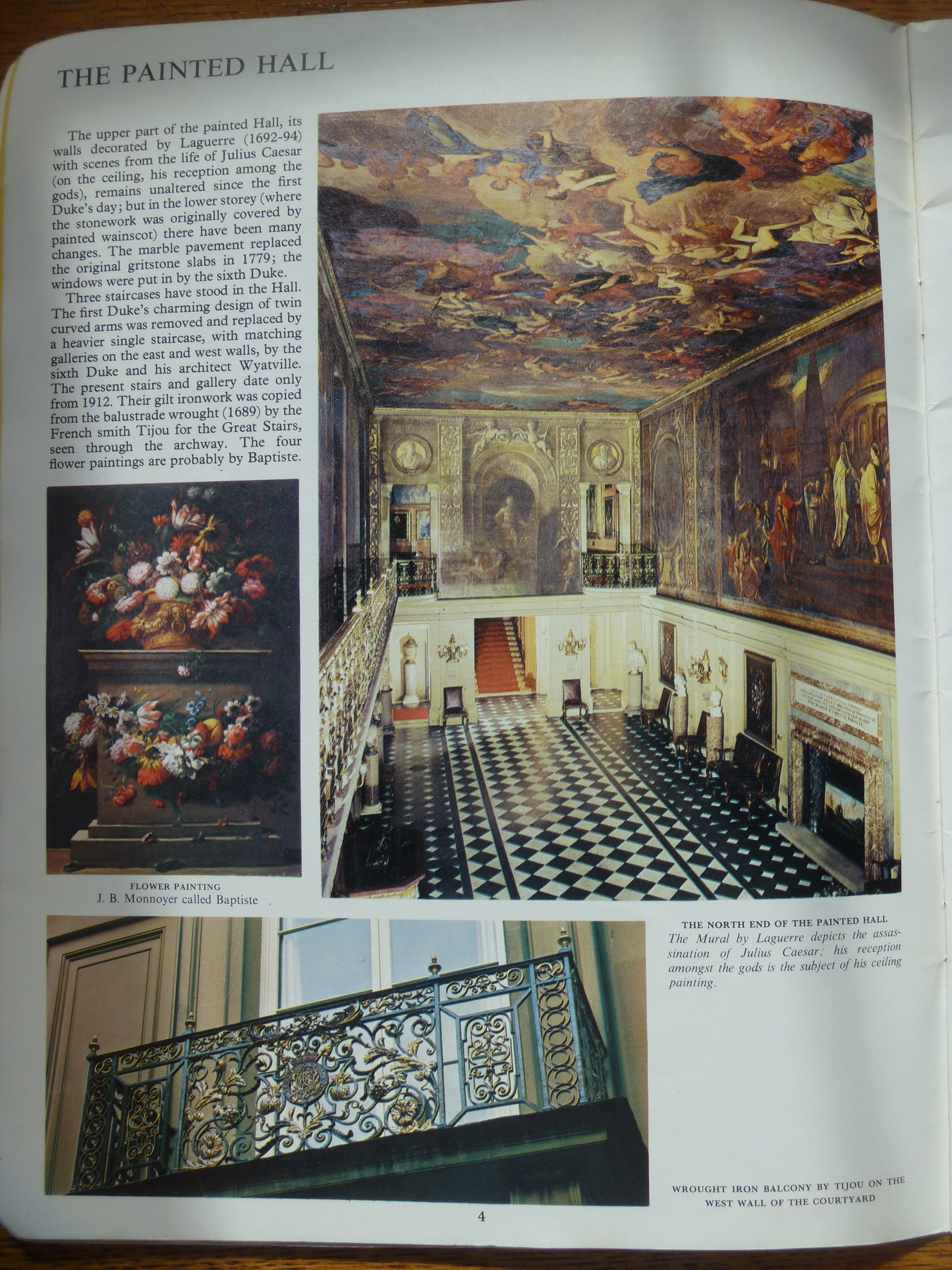
The Painted Hall and Tijou Balcony, 1970s

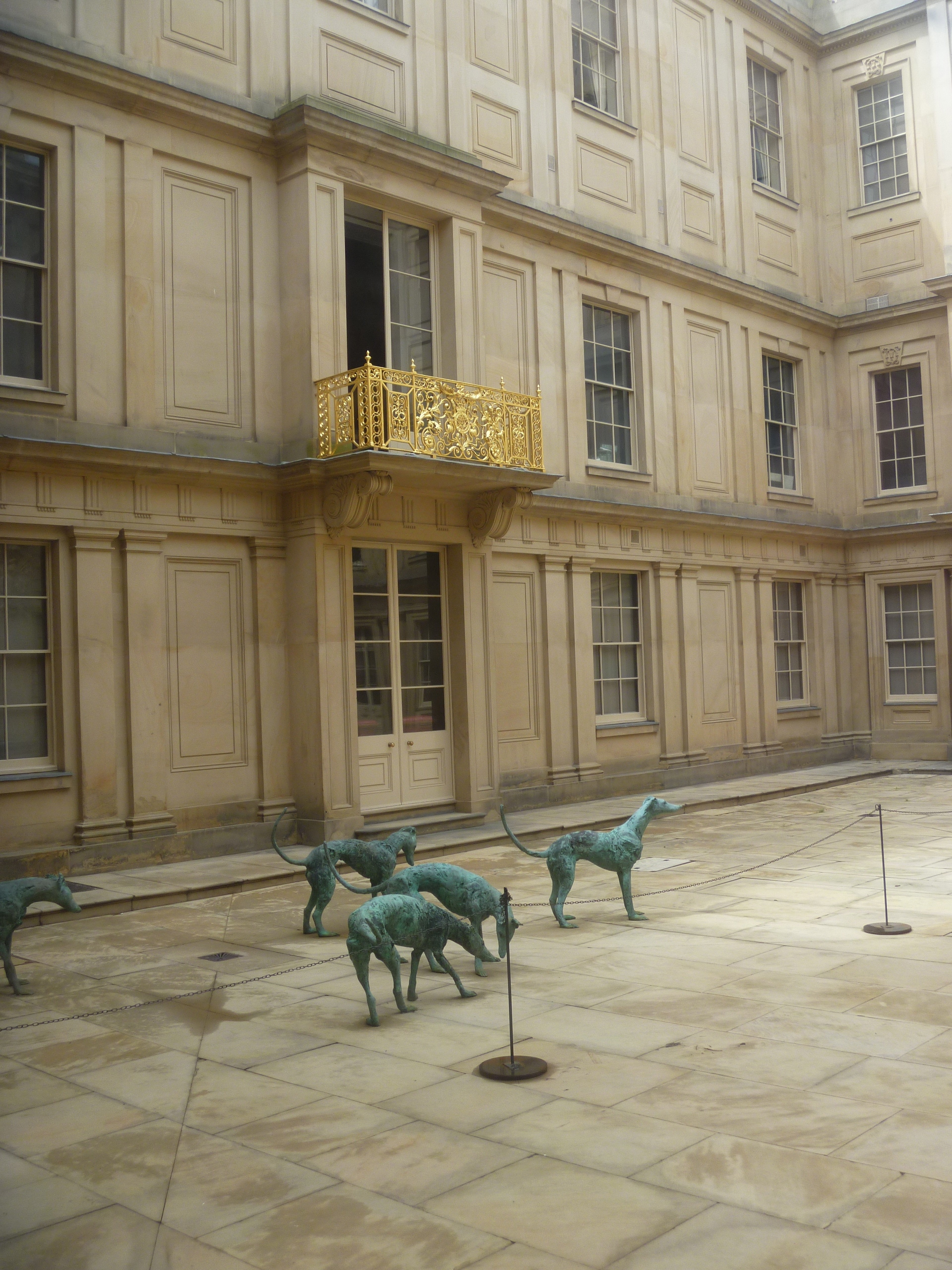
The Tijou Balcony today

From the Painted Hall and nearby corridor you can see out into an inner courtyard and the Tijou-designed balcony which would have been sparkling in the sunshine – had there been any!

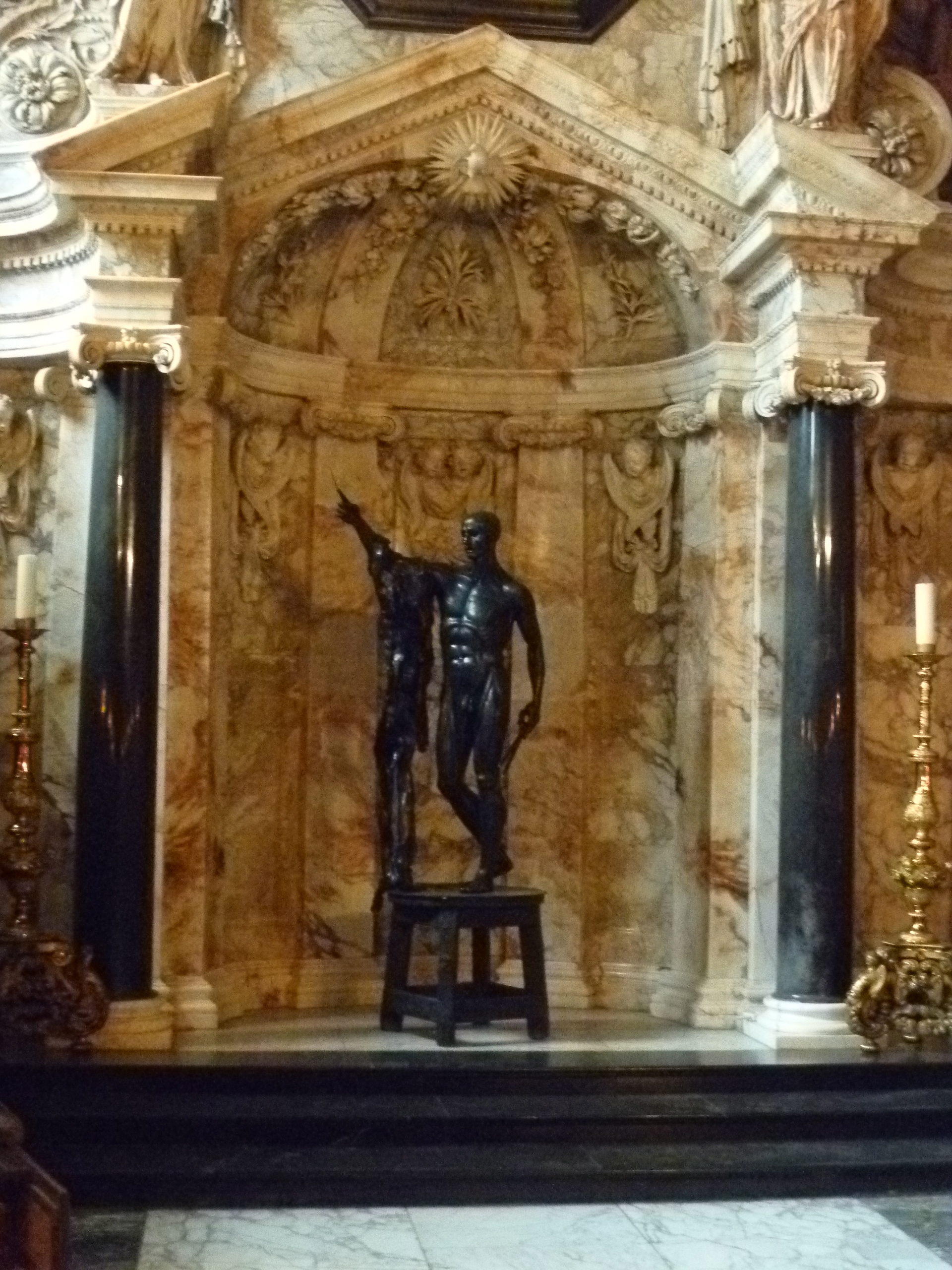
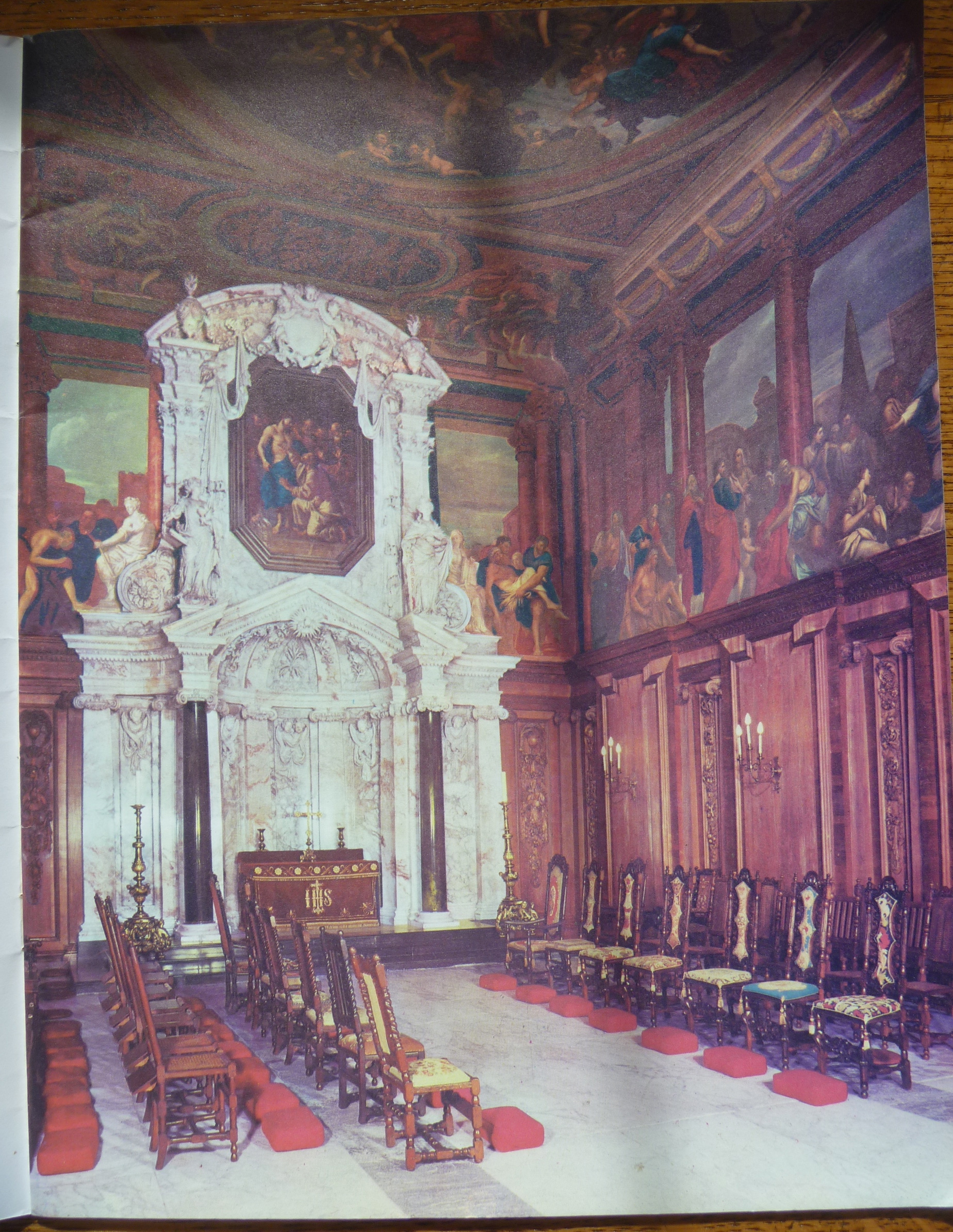
Here is the Chapel today with its modern art and in the 1970s looking very traditional and rather OTT.

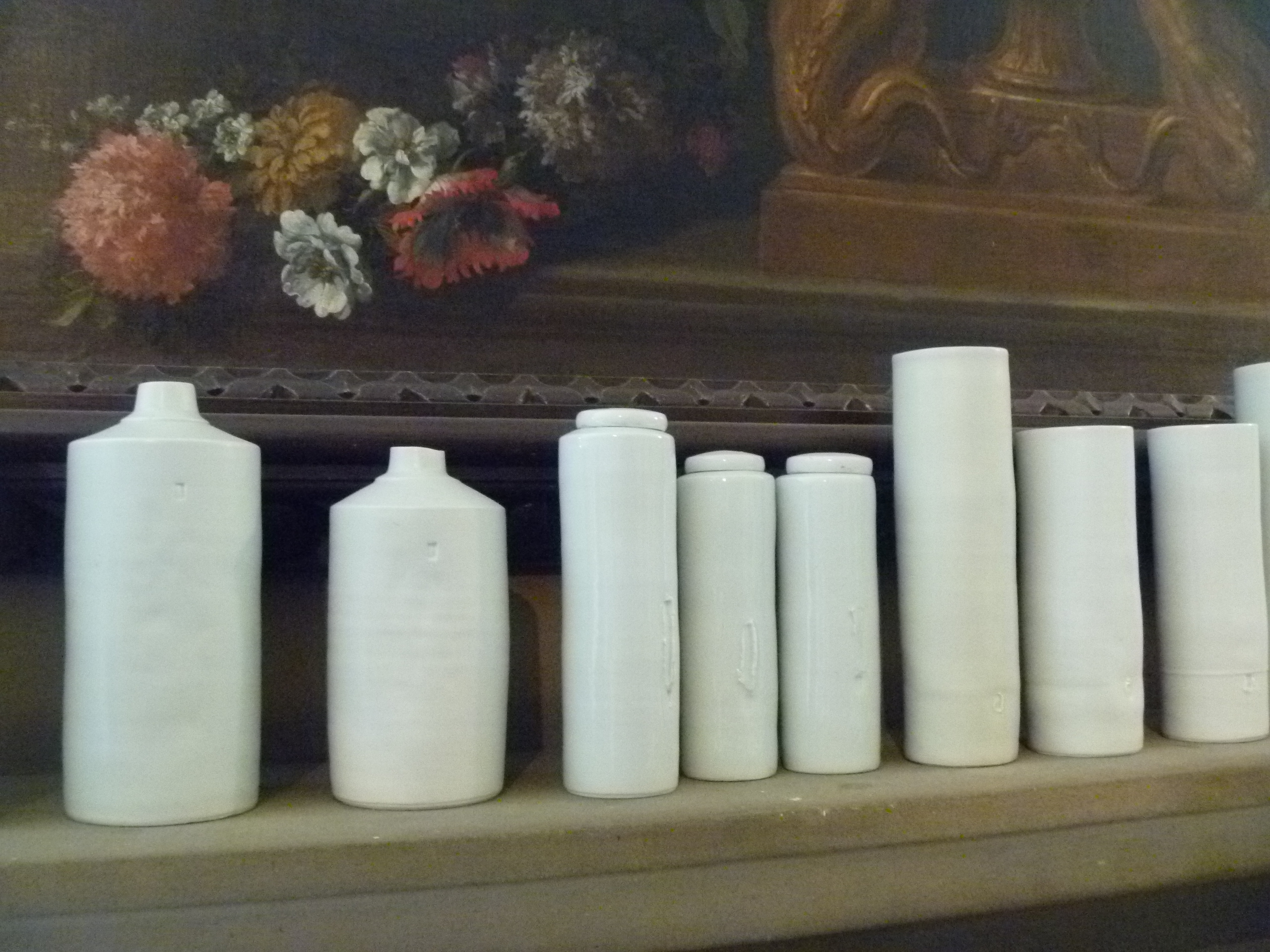
The Chapel Corridor now displays modern art sculptures and pots. I noticed a large group of Edmund de Waal pots on a mantlepiece.

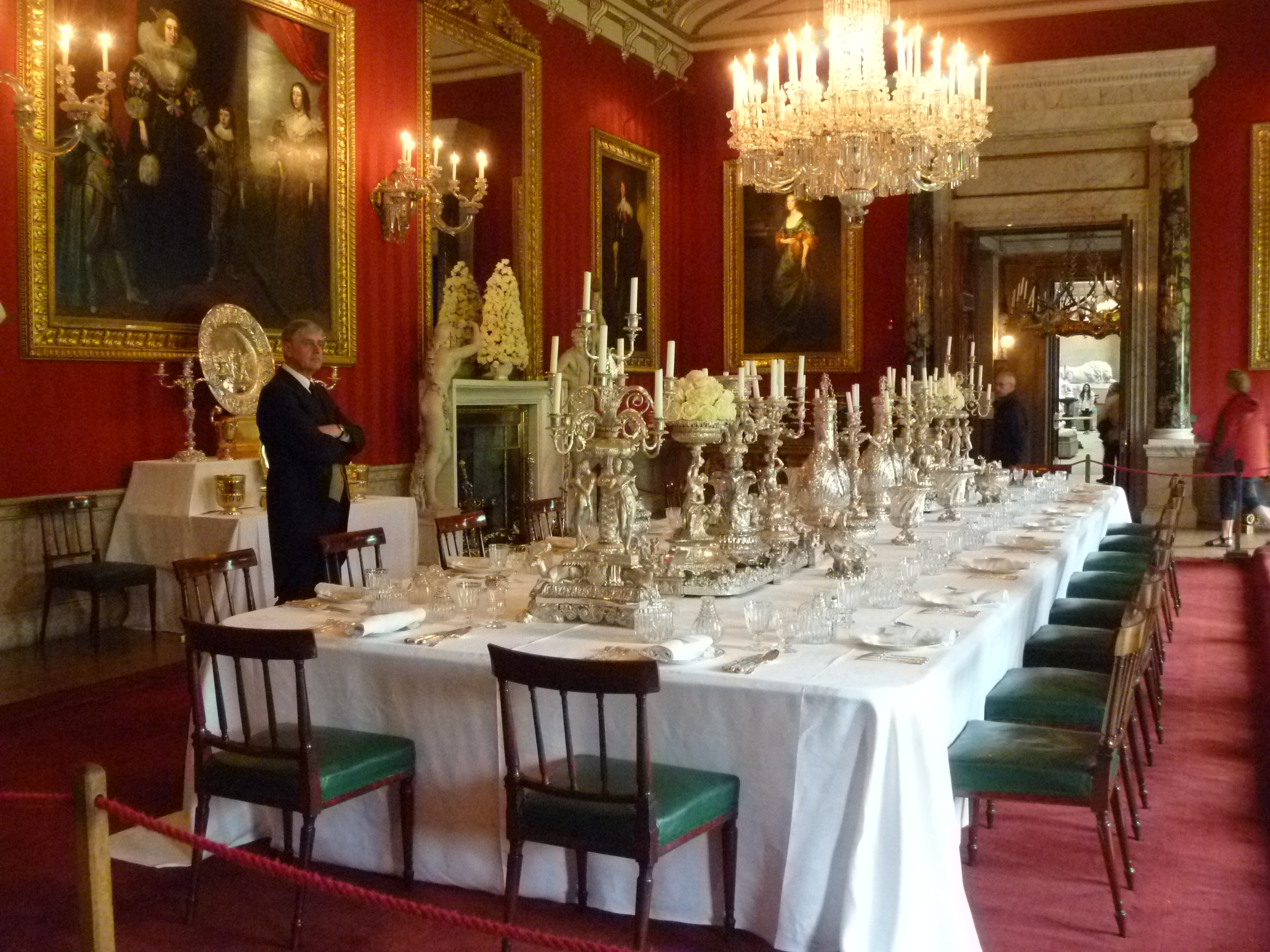
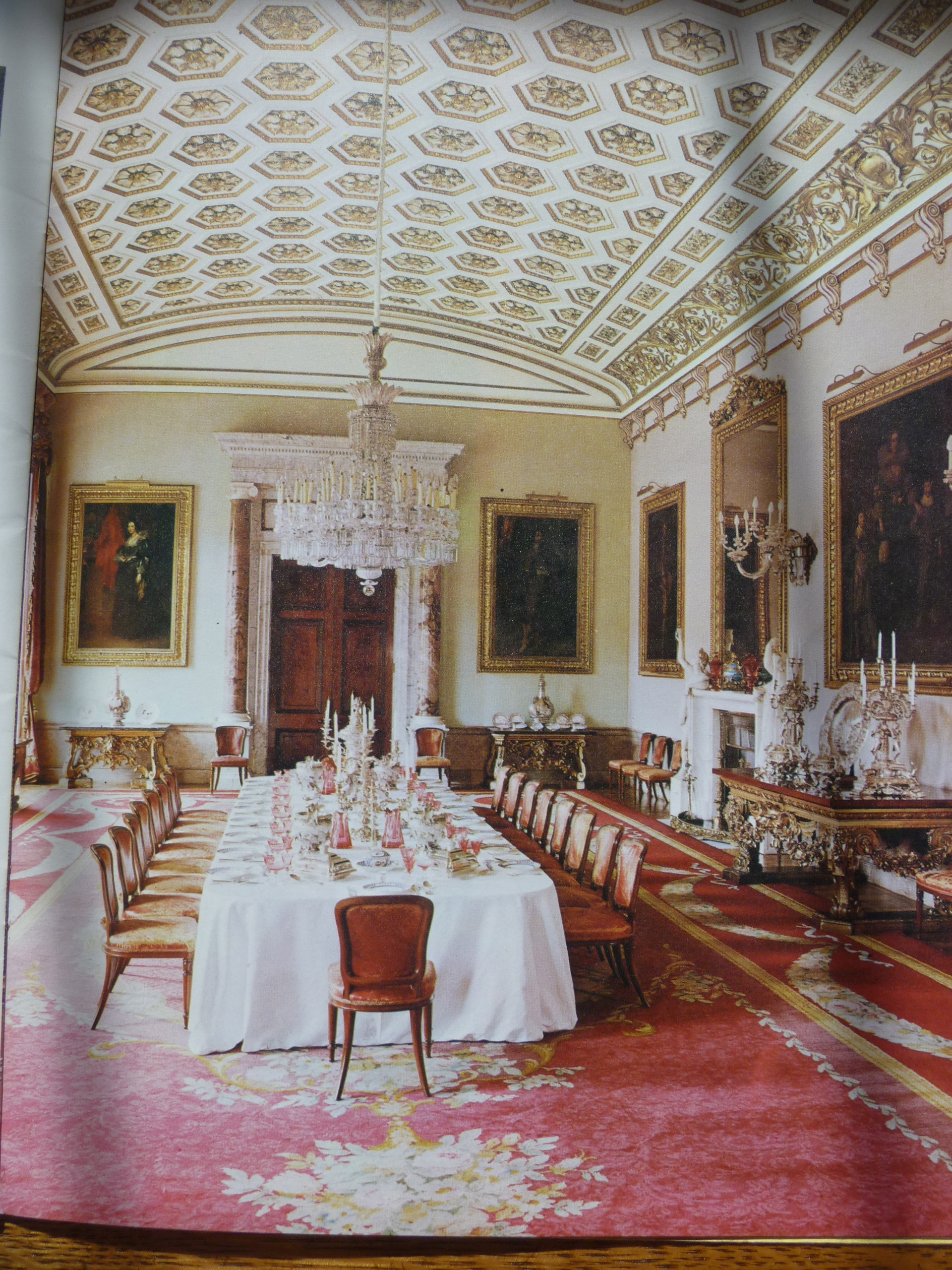
One of the last rooms you visit on the tour today is the Dining Room :

Then there’s the sculpture gallery and the Orangerie now houses the shop.

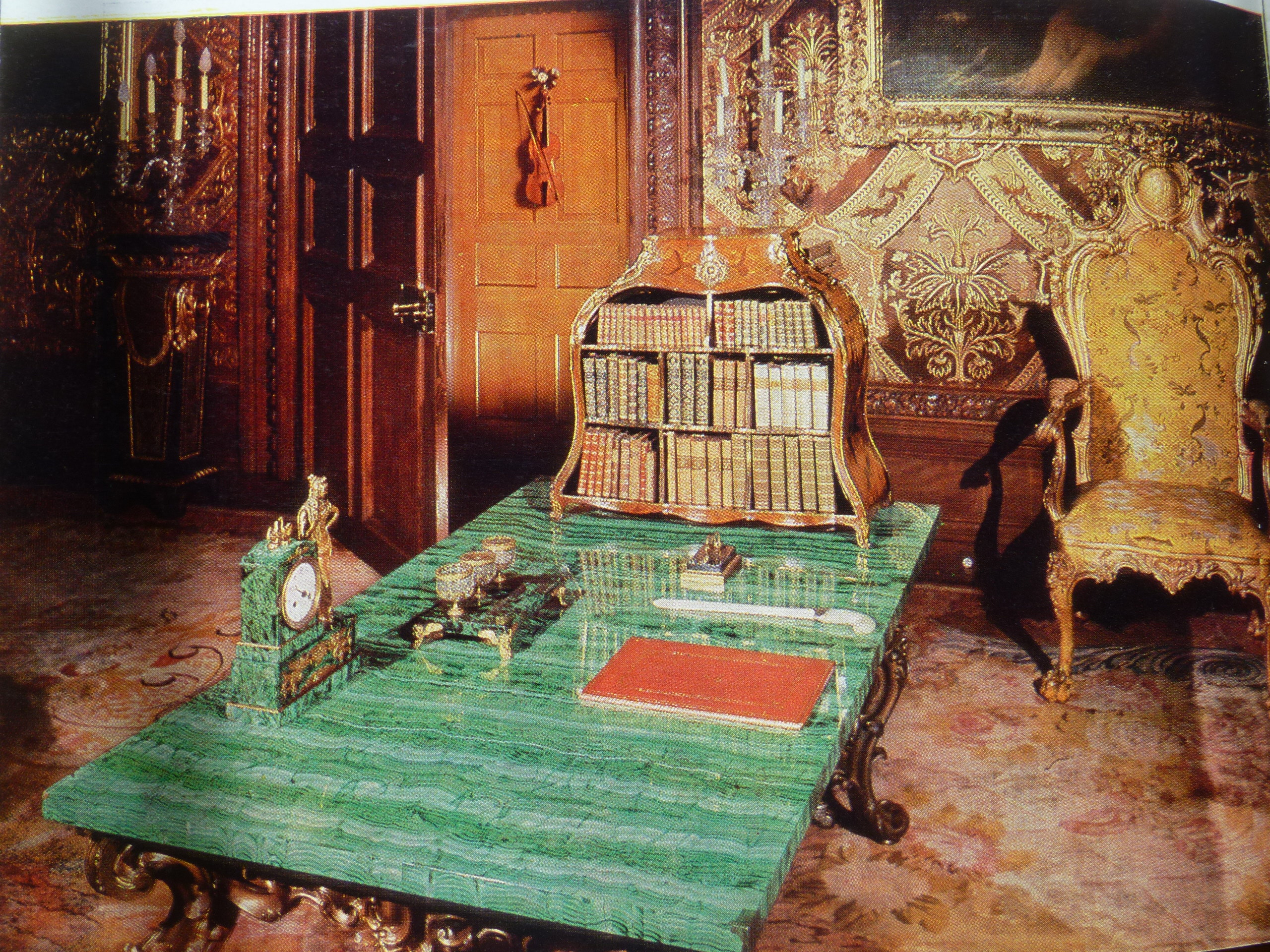
My favourite wonder of Chatsworth is just a smallish painting. It’s a Trompe L’Oeil violin on the back of a door. Watch out for it next time you visit Chatsworth.

Trompe L’Oeil 2012

In my guidebook

Isn’t it amazing?

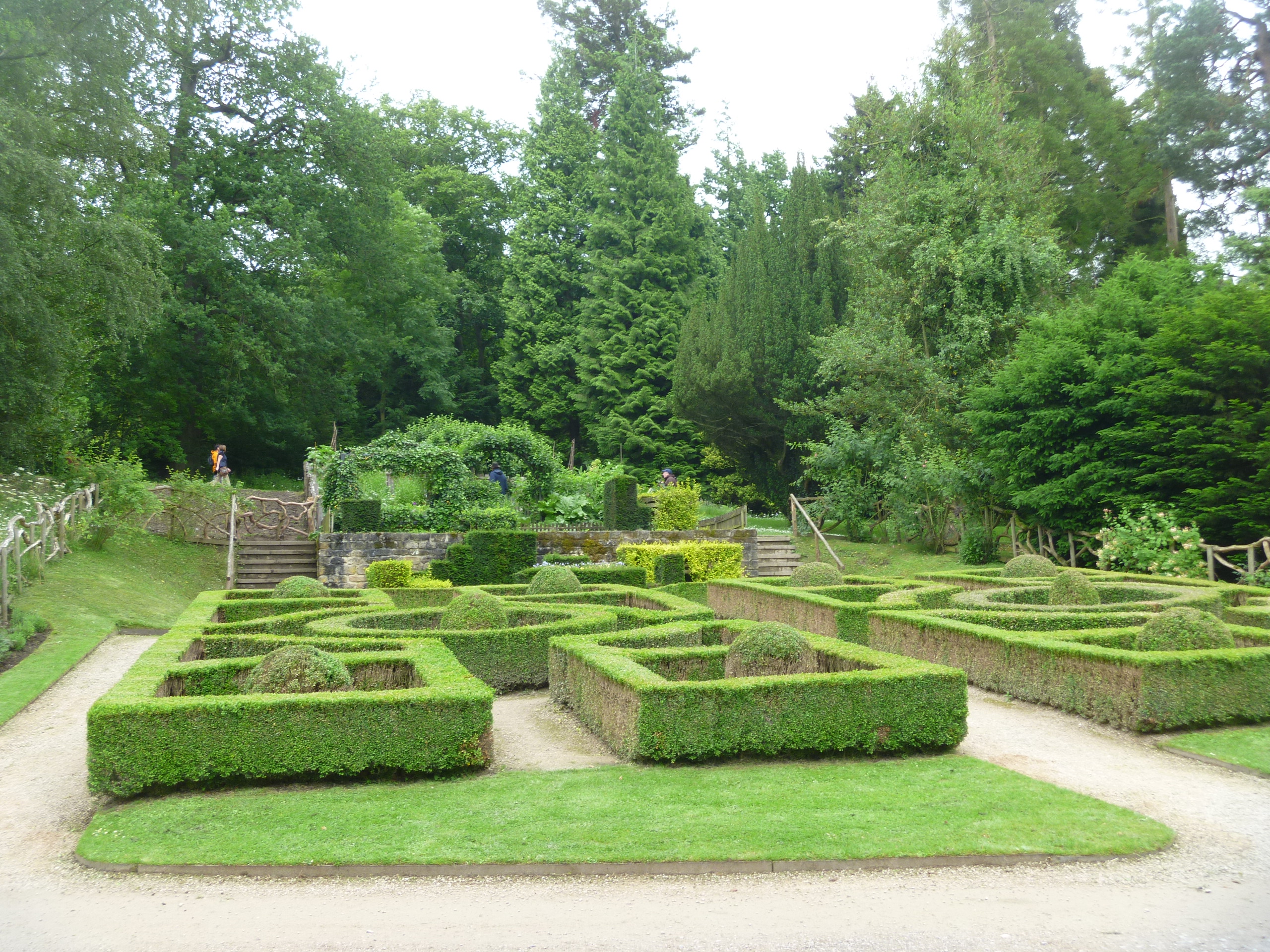
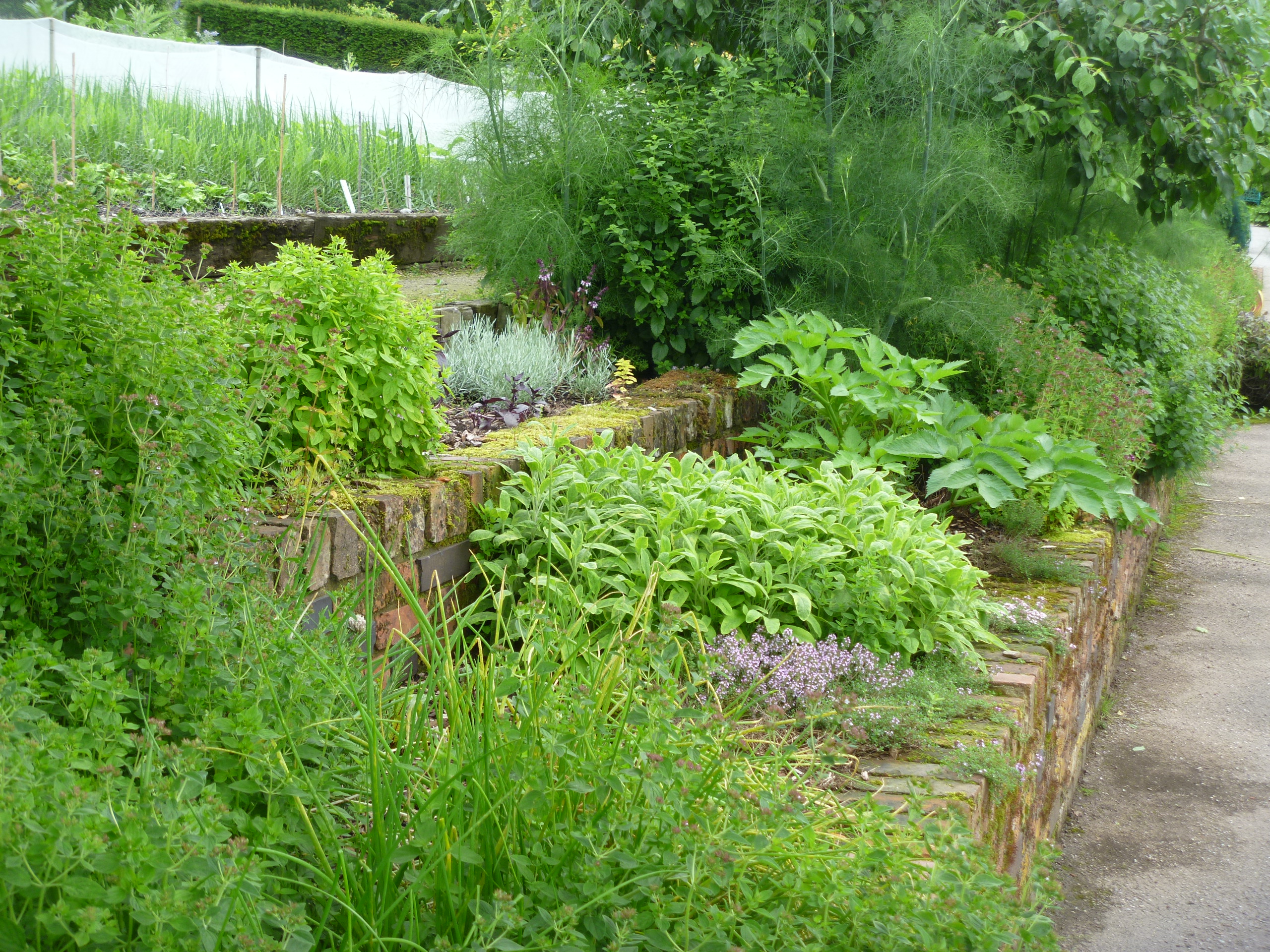
And finally, just to show that we did get into the gardens :

The Knot Garden

Herb beds in the Walled/Kitchen Garden

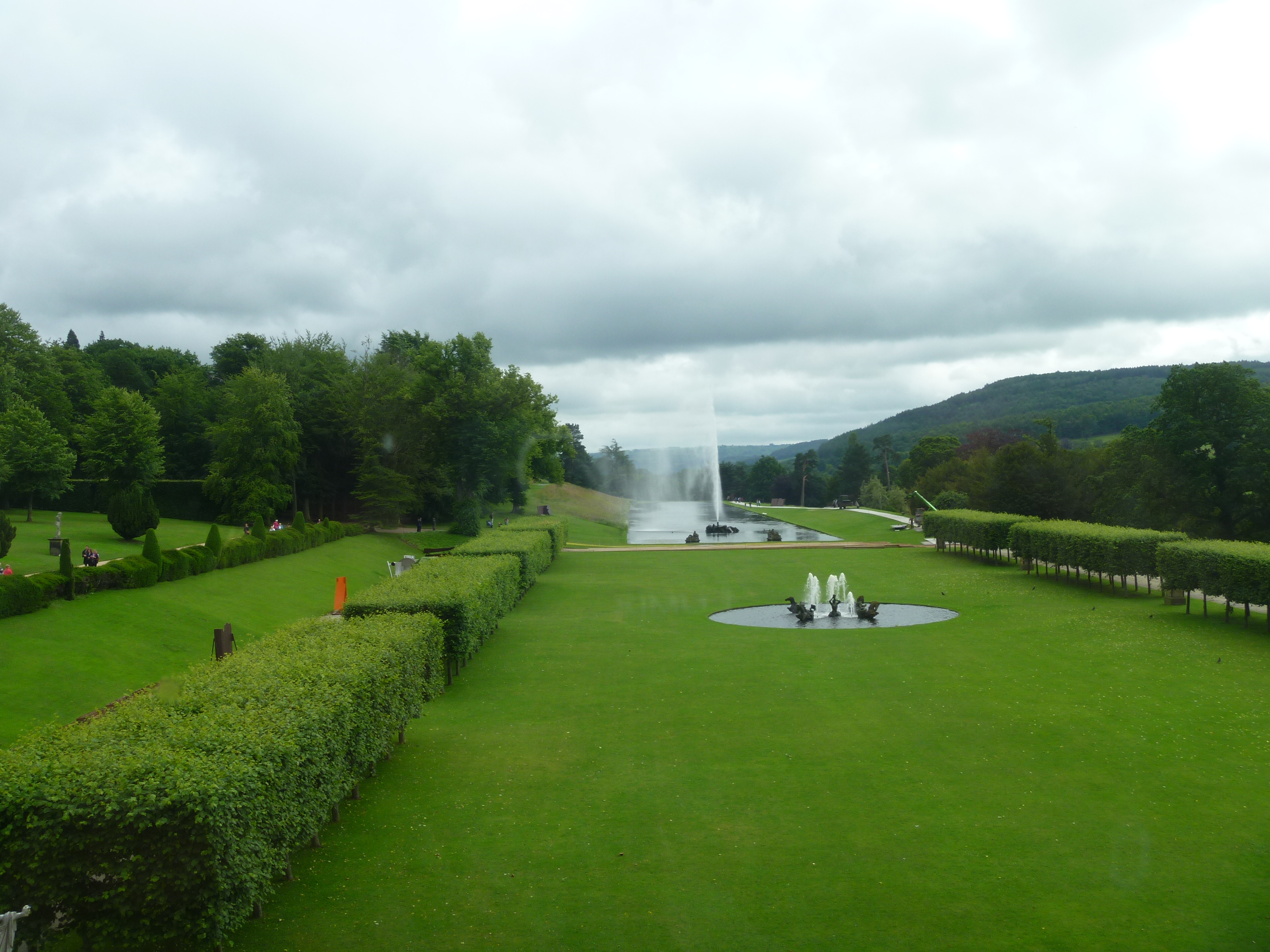
The Emperor Fountain

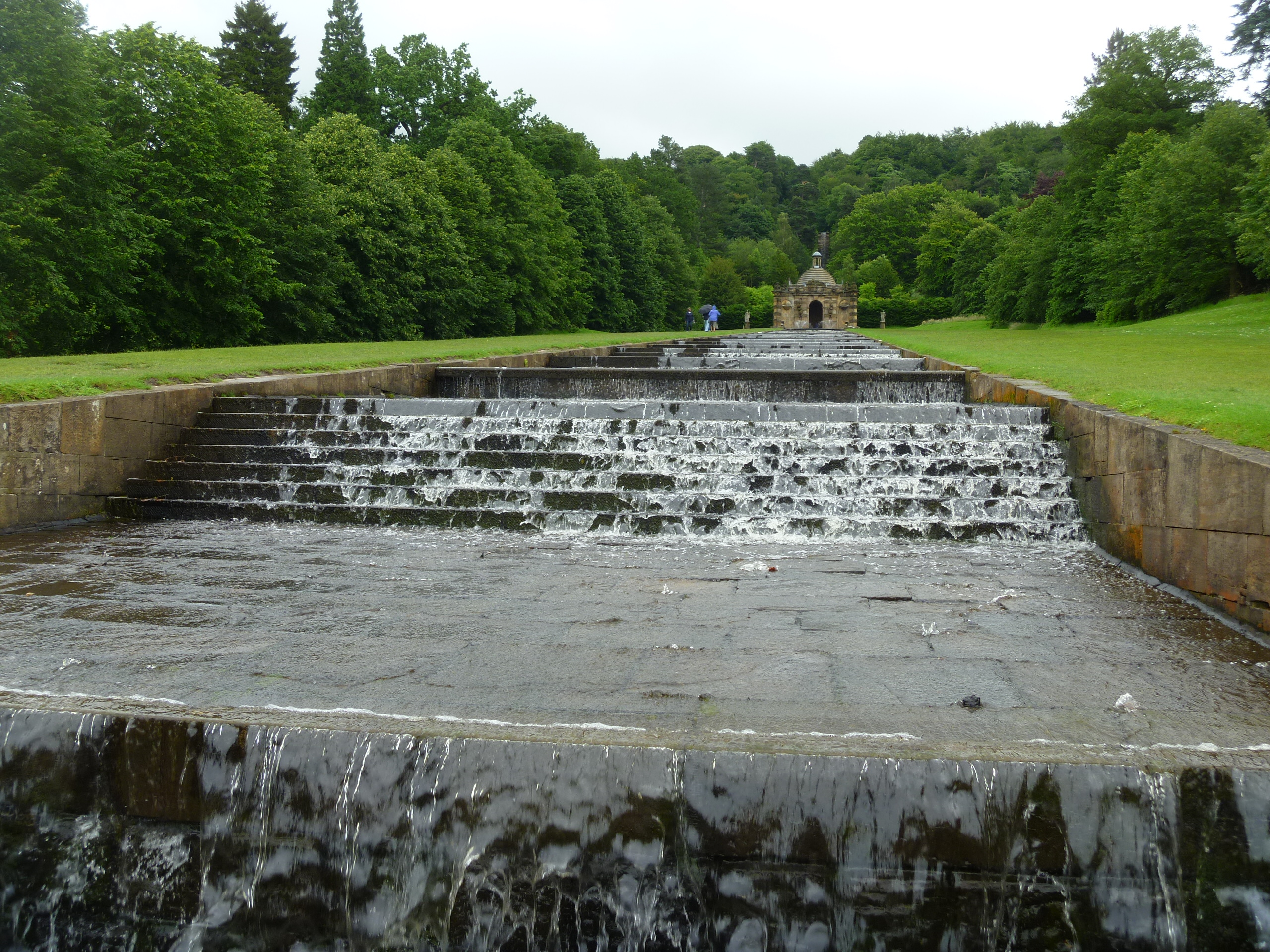
The Cascade

Courage and Collaboration : the Challenge of Astley Castle

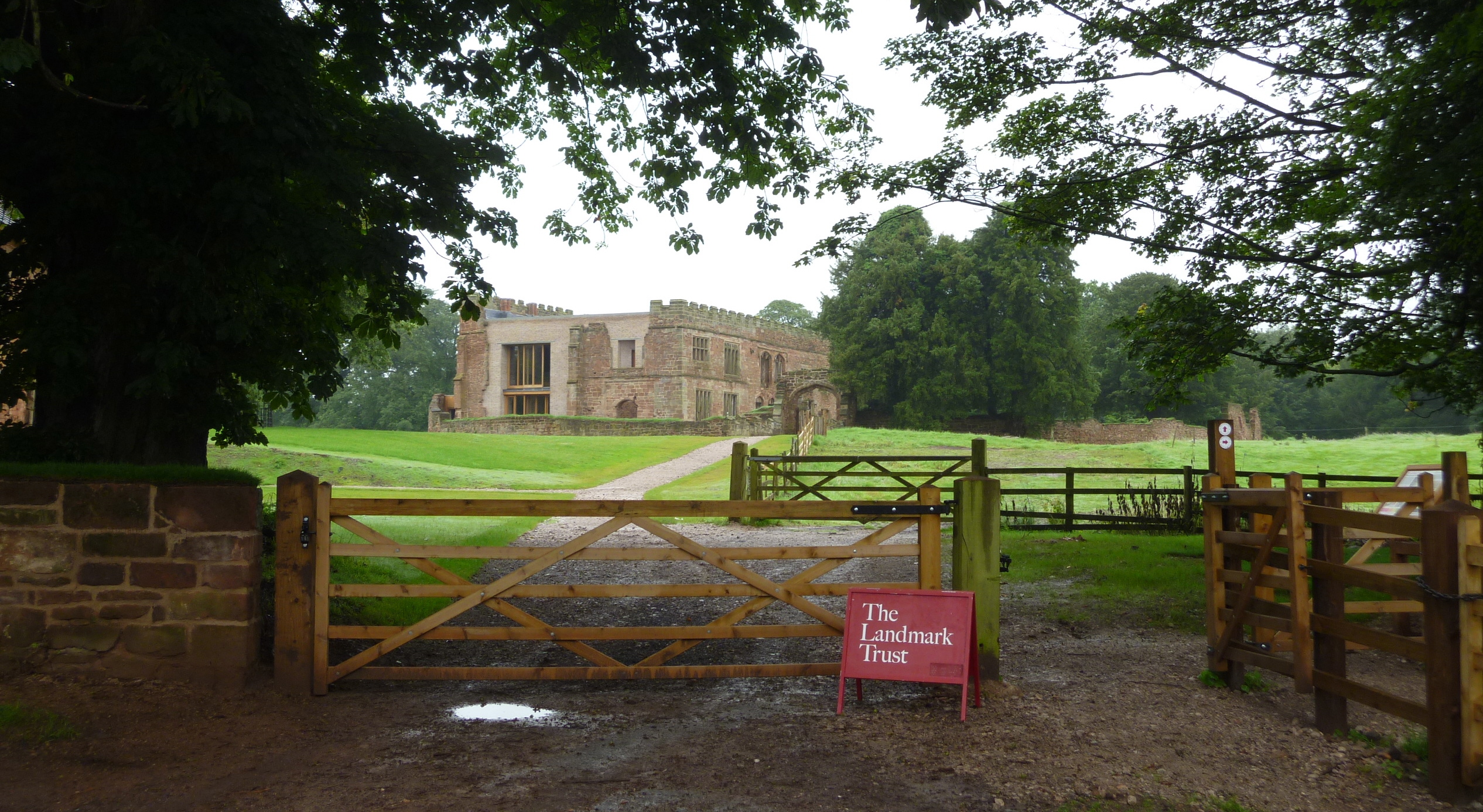
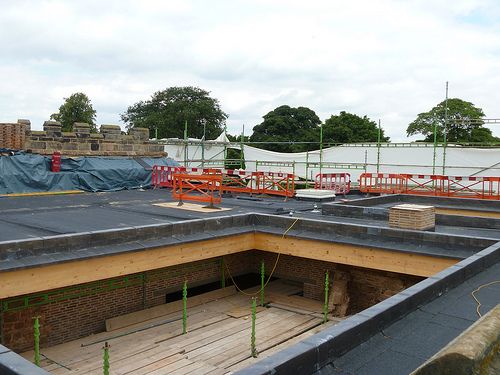
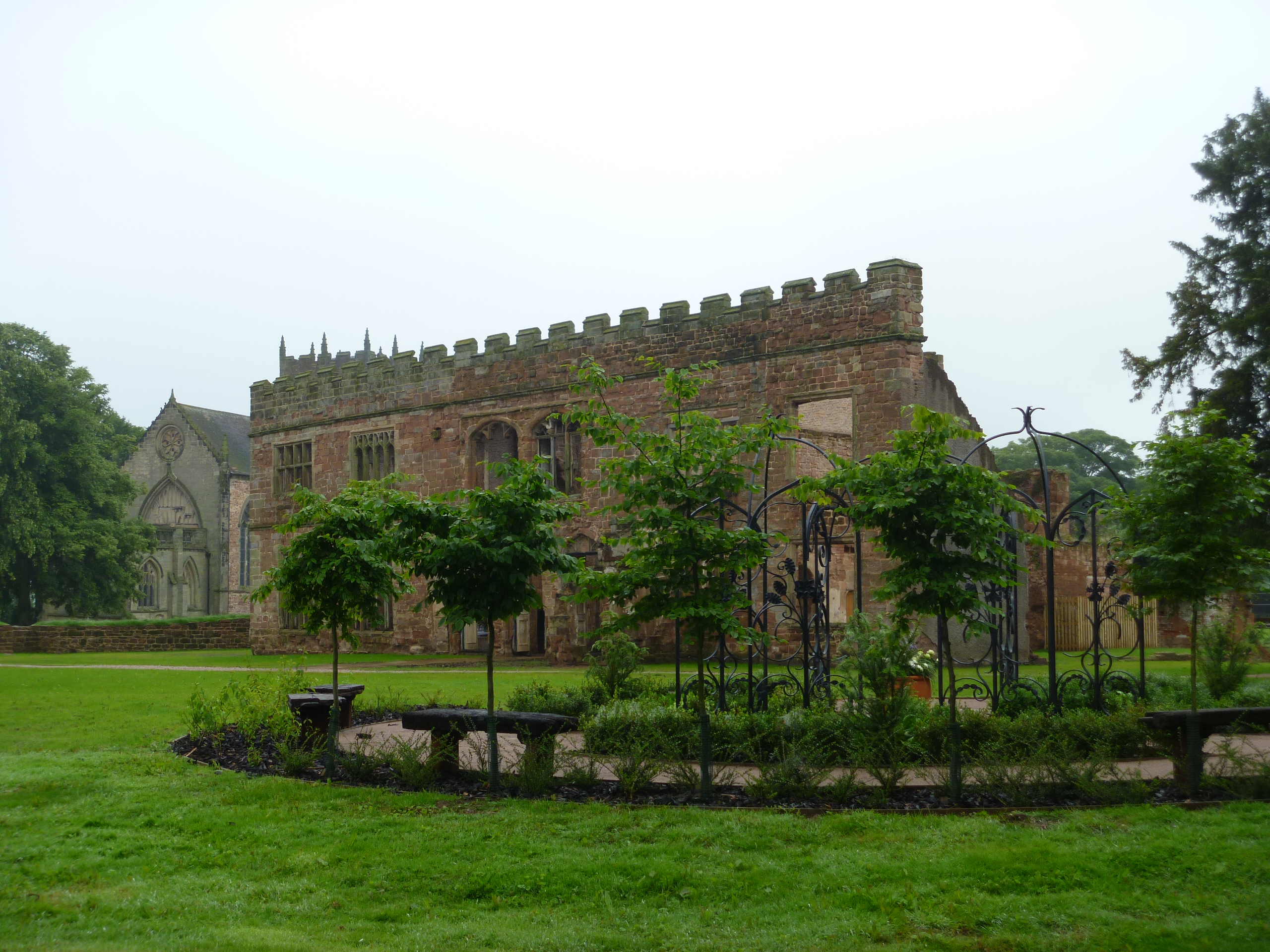
Last week I had the great good luck to be invited to attend the Opening Day of The Landmark Trust’s latest holiday property. Dating back to the 12th century Astley Castle near Nuneaton in Warwickshire has proved to be the biggest challenge to Landmark, so far. It even proved to be a challenge right up to and including the Opening Weekend due to the waterlogged fields being unfit for visitors’ parking.

“[The Trust] was established to rescue historic and architecturally interesting buildings and their surroundings from neglect and, when restored, to give them new life by letting them as places to experience for holidays.” [From the Landmark Trust website]

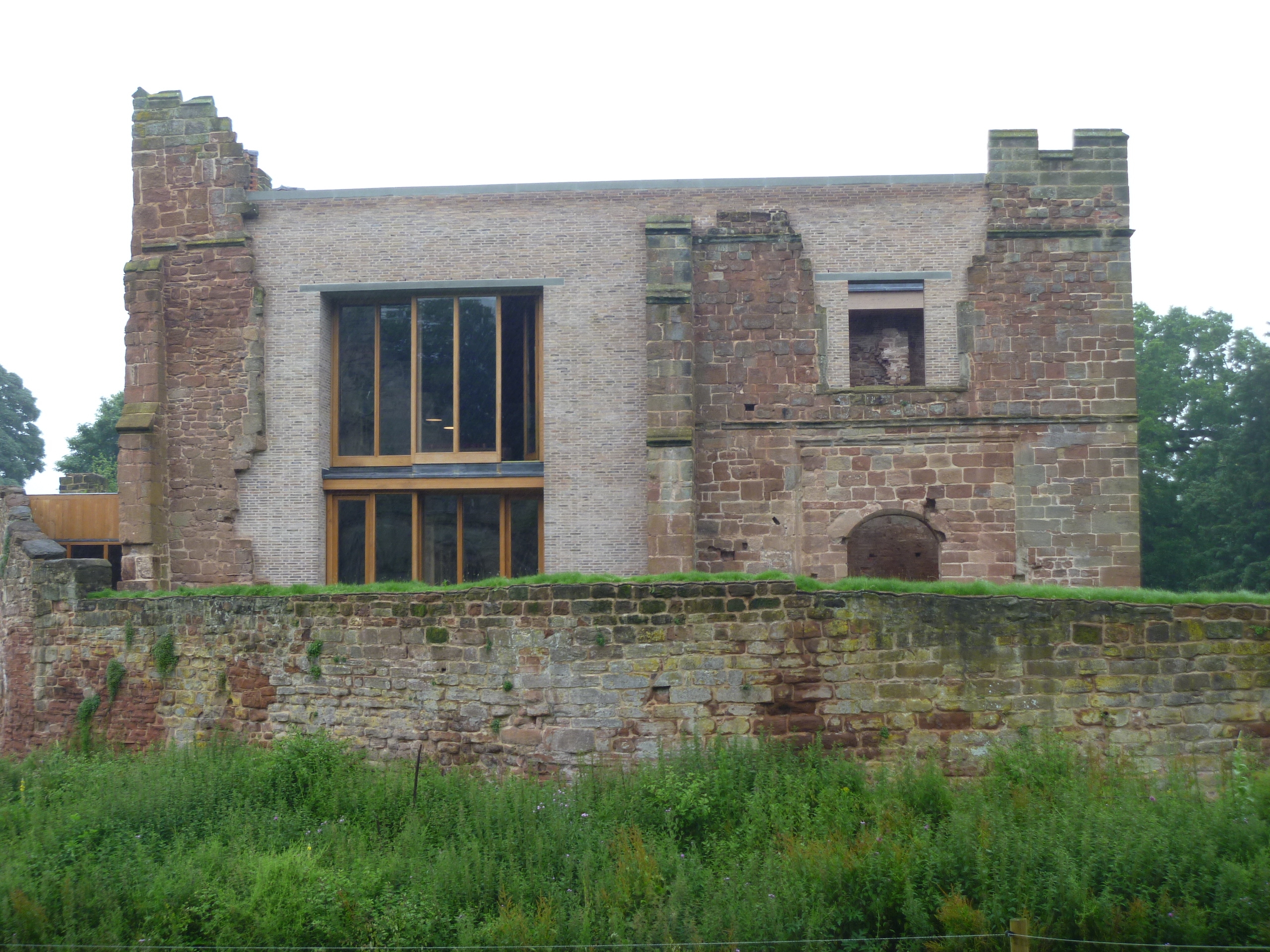
In the case of Astley Castle a completely new building has been inserted sympathetically into the medieval ruin.

I first visited Astley in the mid-1990s when studying for a Masters degree in Victorian Studies. A ‘field trip’ to the places associated with George Eliot was planned  and we spent the day visiting Coventry, Nuneaton, Arbury Hall and other places mentioned in her life and works including Astley church where we took in a view of the ruined castle. Astley Castle appeared in George Eliot’s story ‘Mr Gilfil’s Love Story’ as Knebley Abbey. The whole site is also part of the Arbury Estate, where George Eliot’s father, Robert Evans, was a farmer, surveyor and land agent and where the young Mary Ann Evans (GE’s real name) grew up.

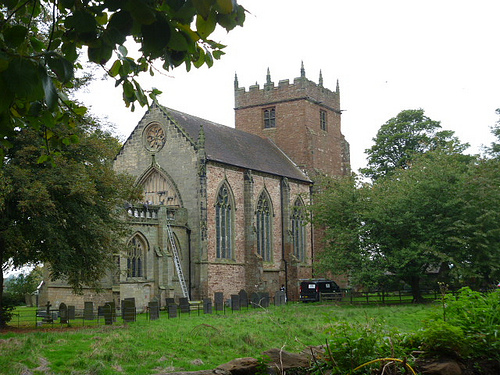
The church of Astley St Mary in 2010

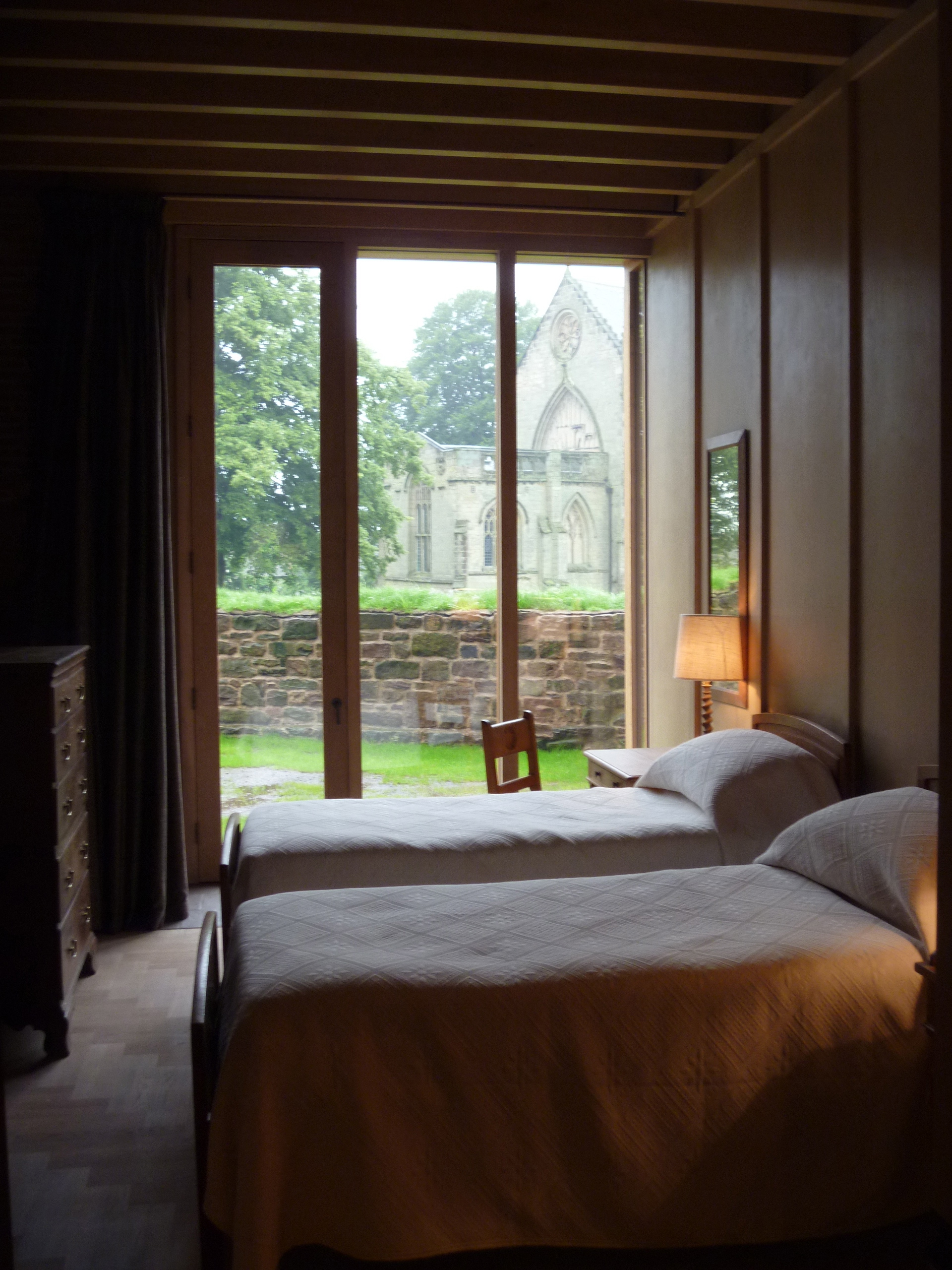
The church can be seen from one of the four bedrooms, July 2012

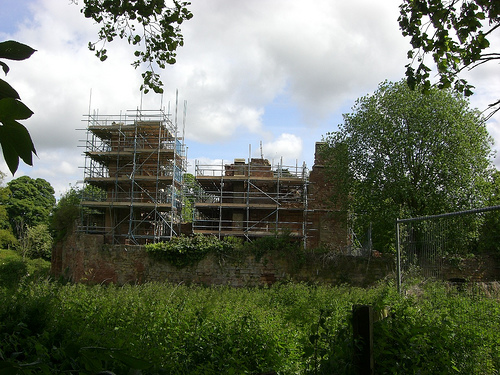
Since 2009 I have been following developments with great interest. On a visit to the Midlands that year I stopped by after browsing the secondhand book shelves at The Astley Book Farm to find the ruin being stabilised by scaffolding whilst awaiting the raising of sufficient funds to begin the huge task of bringing Astley Castle back to life again.

In October 2010 work was well under way when I visited with friends at the invitation of The Landmark Trust and we were given a guided tour of the work so far.

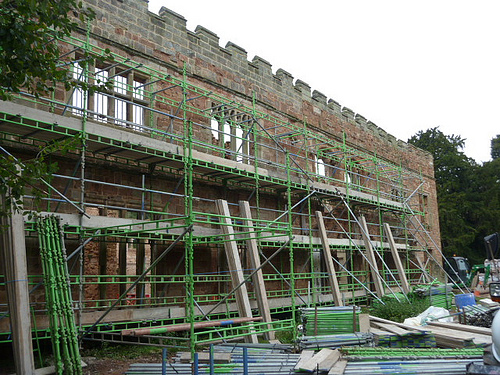
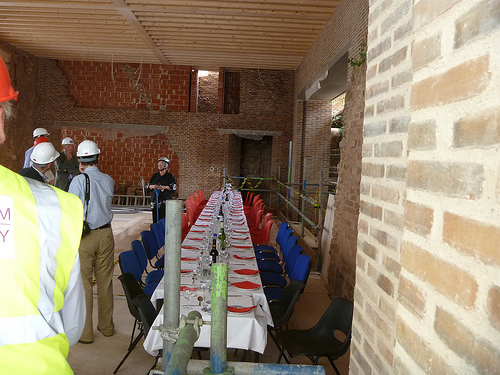
But in August 2011 on the next visit, amazingly, we were invited to climb to the top of the scaffolding and viewing the ongoing work from above – fluorescent jackets and hard hats compulsory!

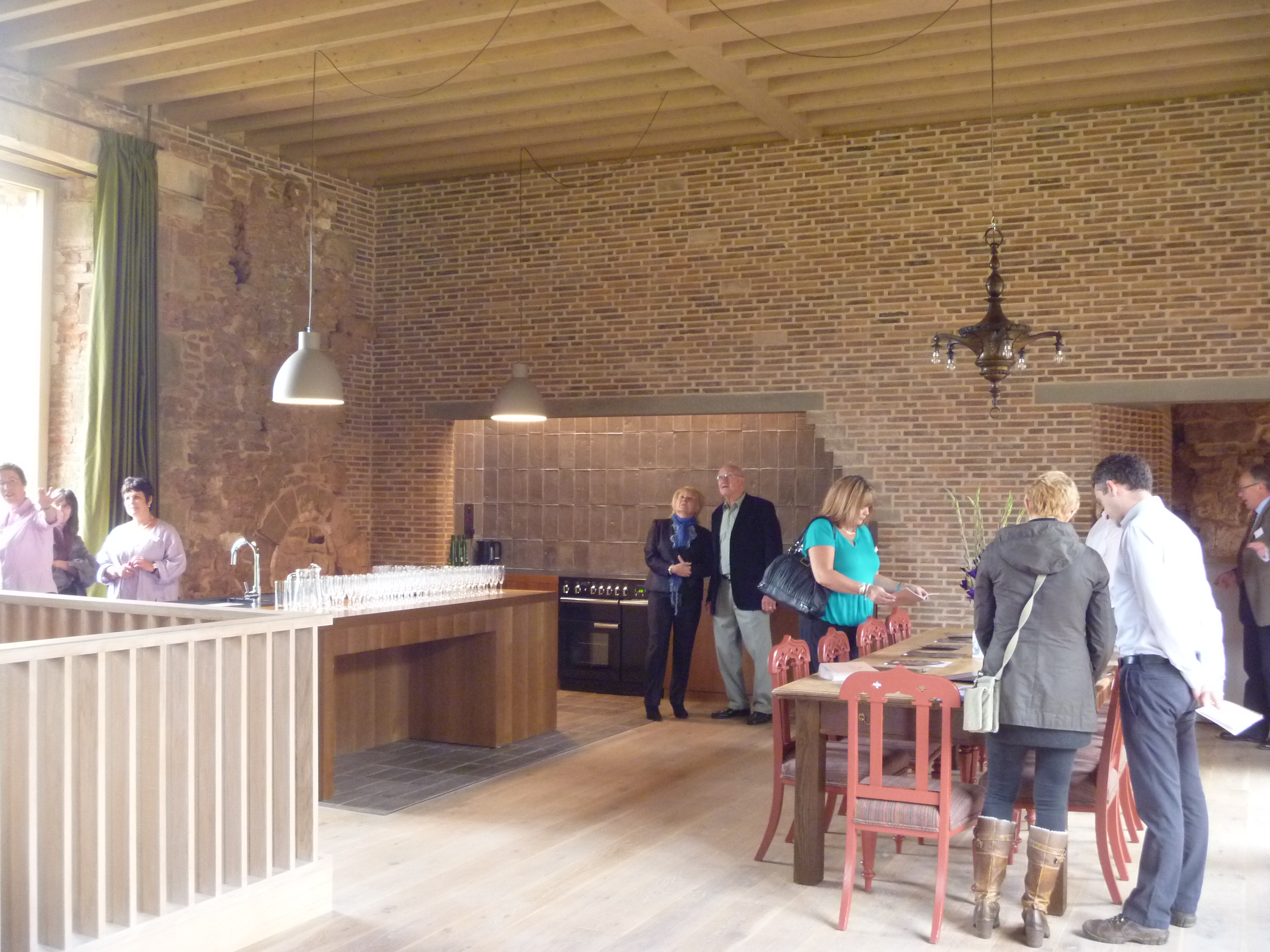
The day also included a lunch with Landmark’s Director at the time, Peter Pearce. The lunch actually took place in the first floor sitting, dining room, kitchen.

August 2011

July 2012

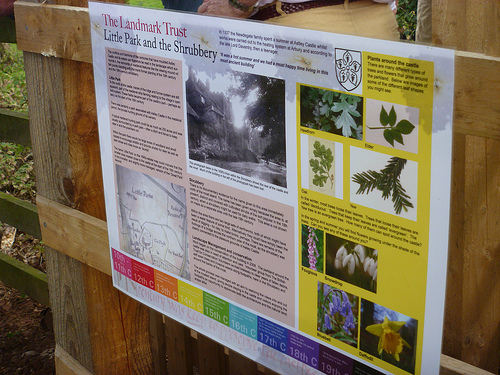
Alongside the work on the castle improvements were being made to the area around which now include public footpaths with information boards dotted along way and landscape features including a viewing mound and fish ponds and a lake.

An Elizabethan knot garden of flowers and herbs has been planted near the castle.

Hooray for Astley! Hooray for Landmark Trust! Hooray for my Landmark Patron friends! Can’t wait to experience a stay at the castle for myself but that won’t be until the end of next year – it’s getting booked up very fast!!

Jean-Jacques Rousseau; born in Geneva 300 years ago.

“The person who has lived the most is not the one with the most years but the one with the richest experiences.”

Jean-Jacques Rousseau

The Swiss are gluttons for their anniversaries! Just about every month there are fireworks or celebrations or parades in one Canton or another. But they really go to town with special anniversaries every year. I posted earlier about the 100 years of the Jungfrau Railway.

As one would expect, the city of Geneva decided that the birth of the philosopher and novelist, composer and major influence on the French Revolution Jean-Jacques Rousseau, in the city in 1712, must be worth a celebration.

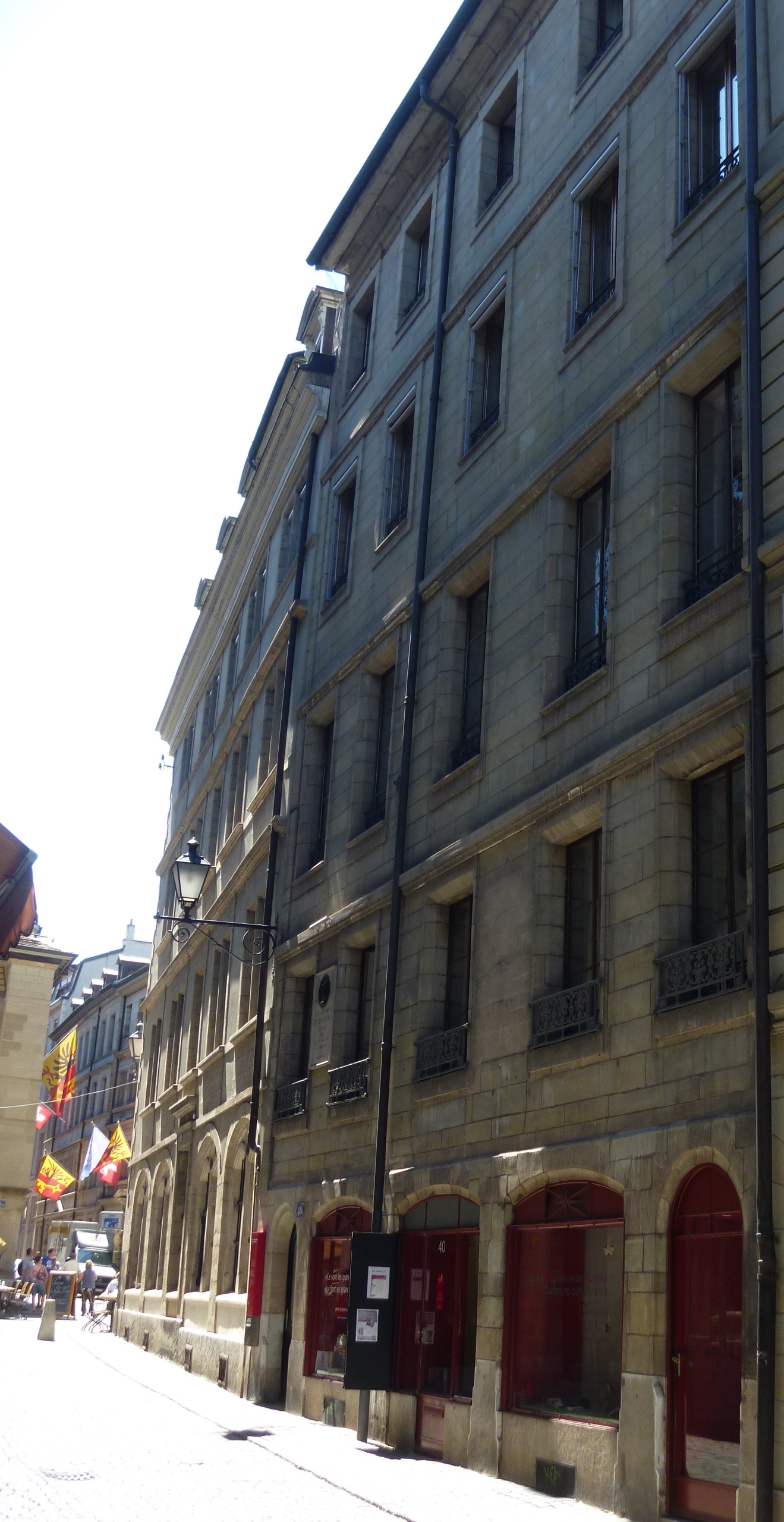
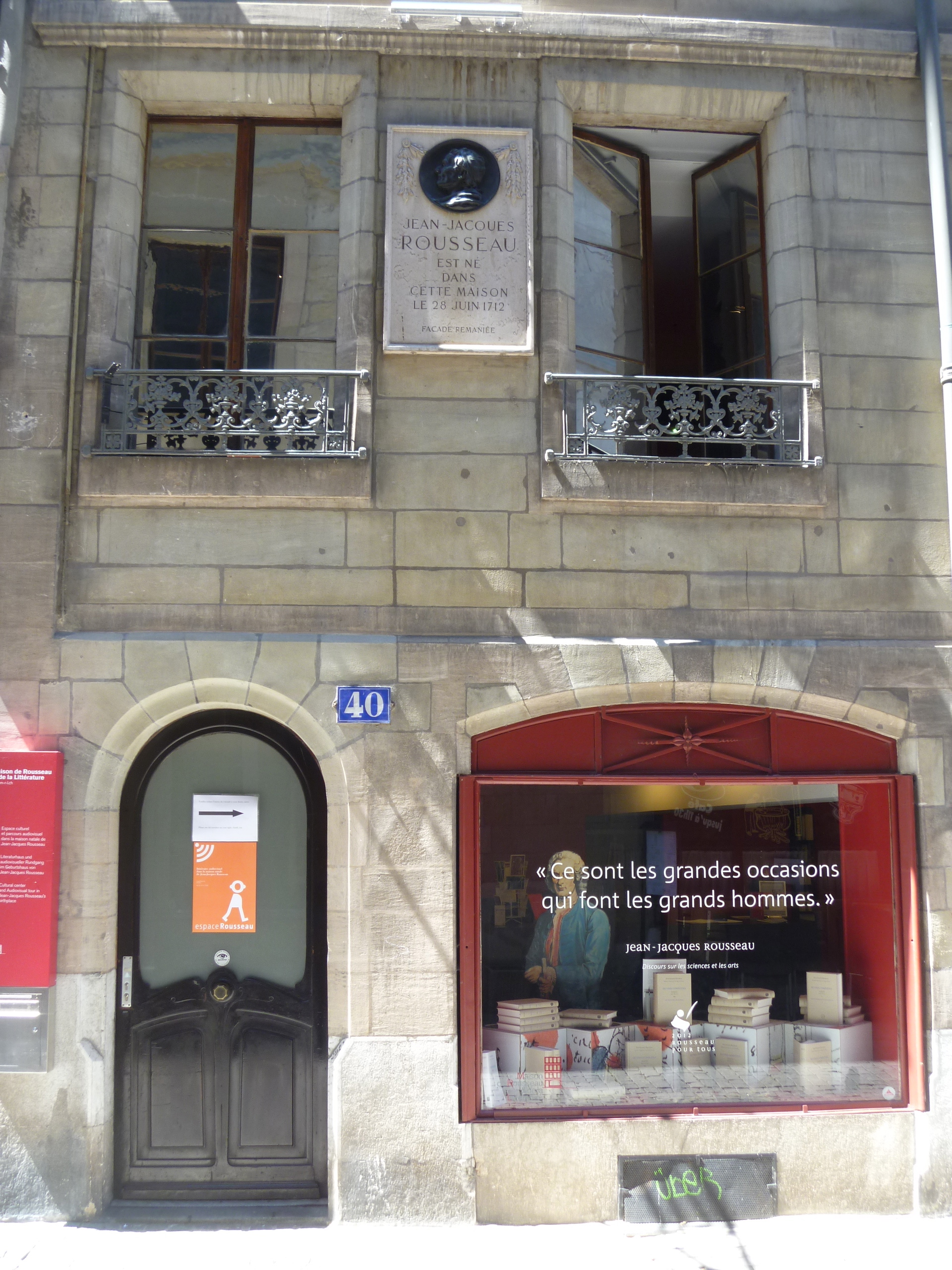
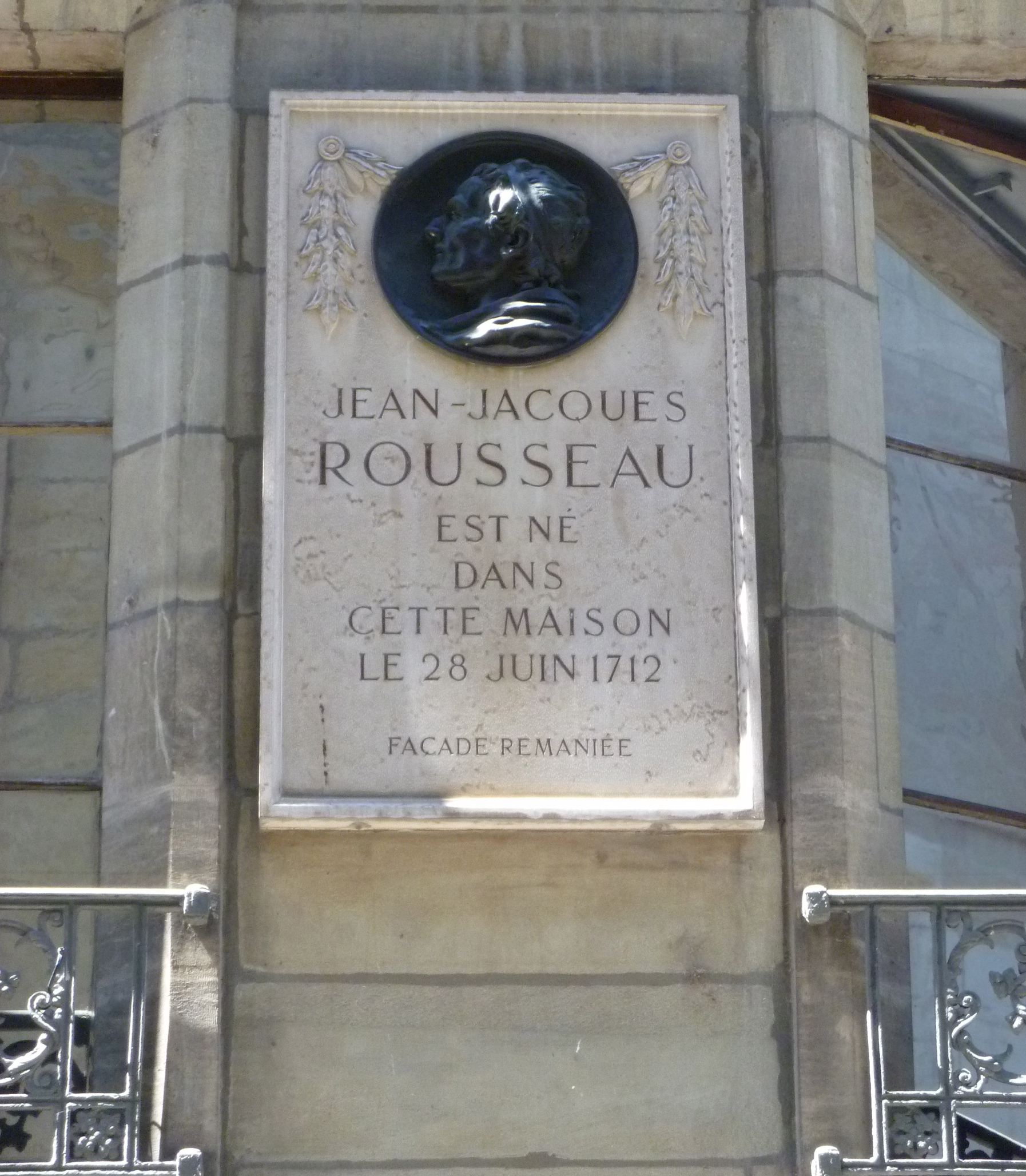
40, Grand’rue, Geneva, birthplace of Jean-Jacques Rousseau

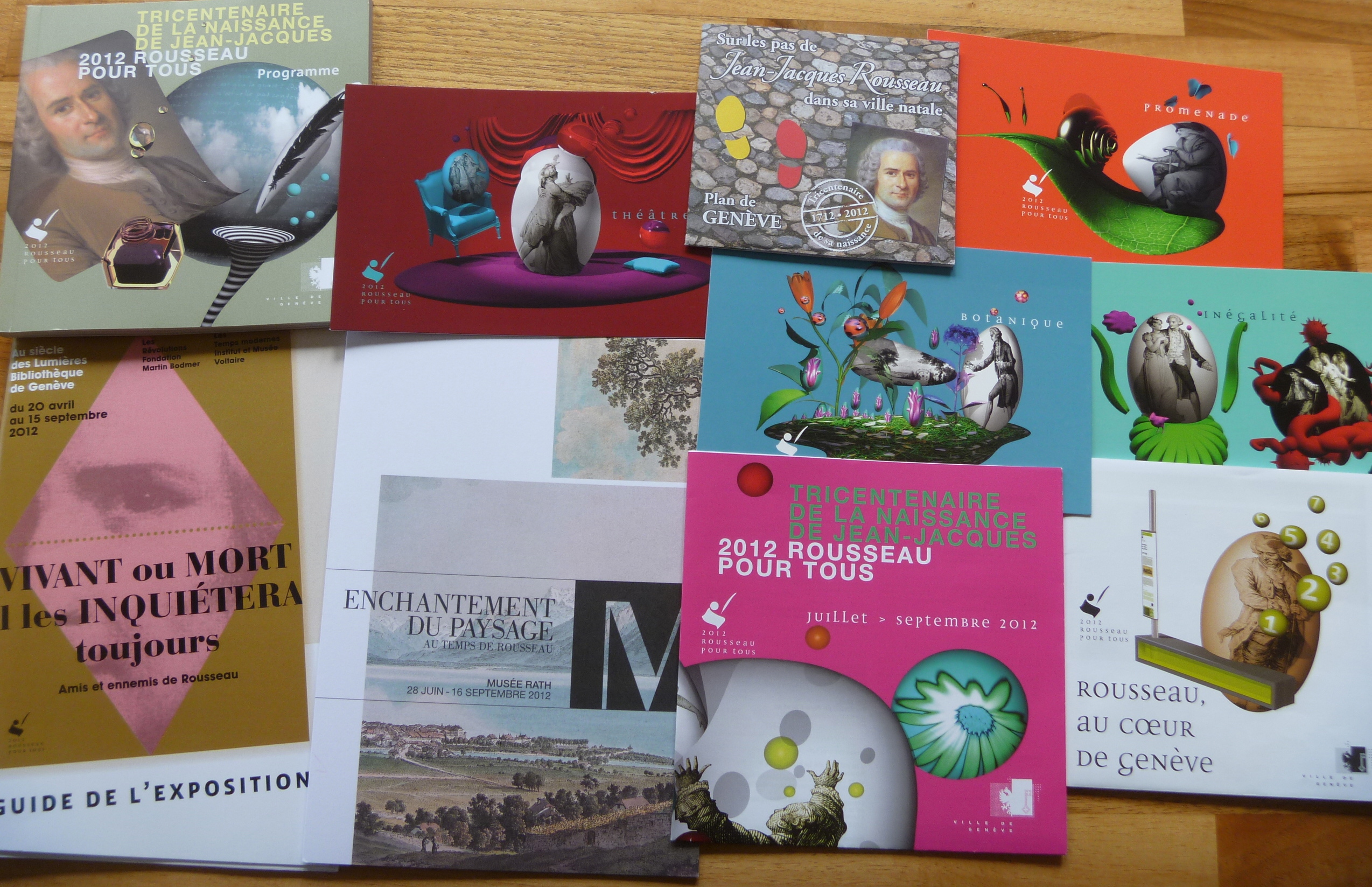
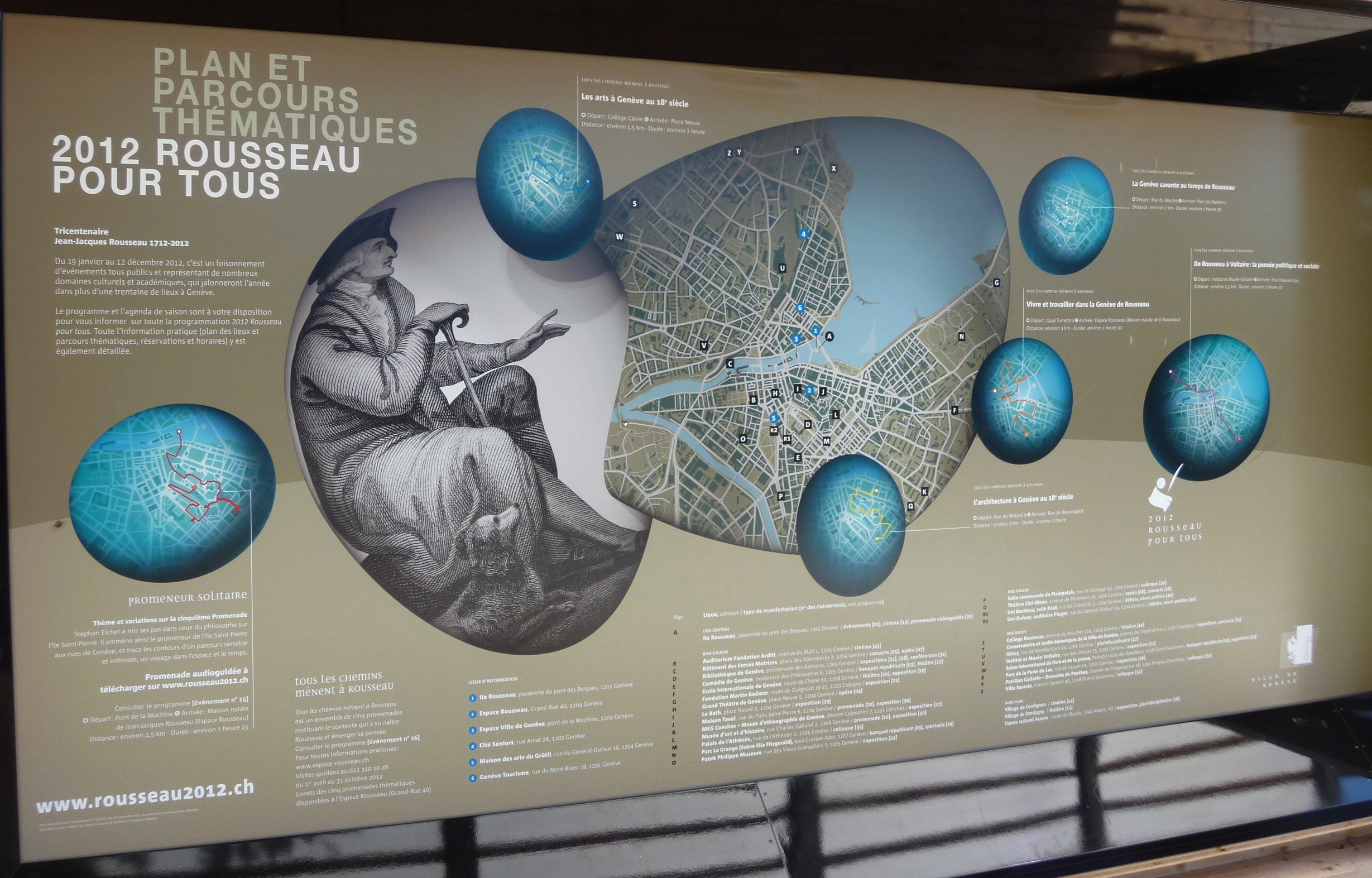
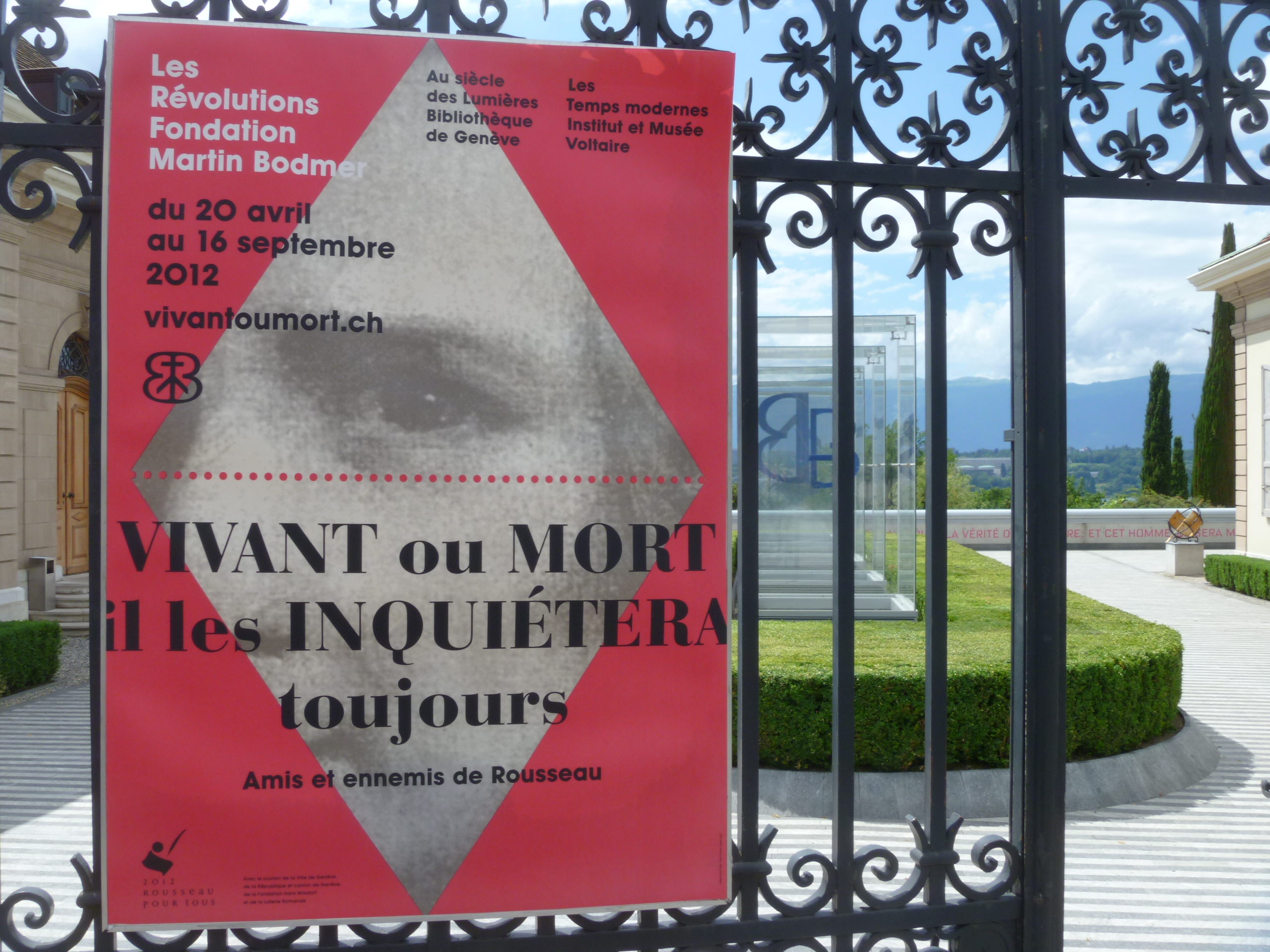
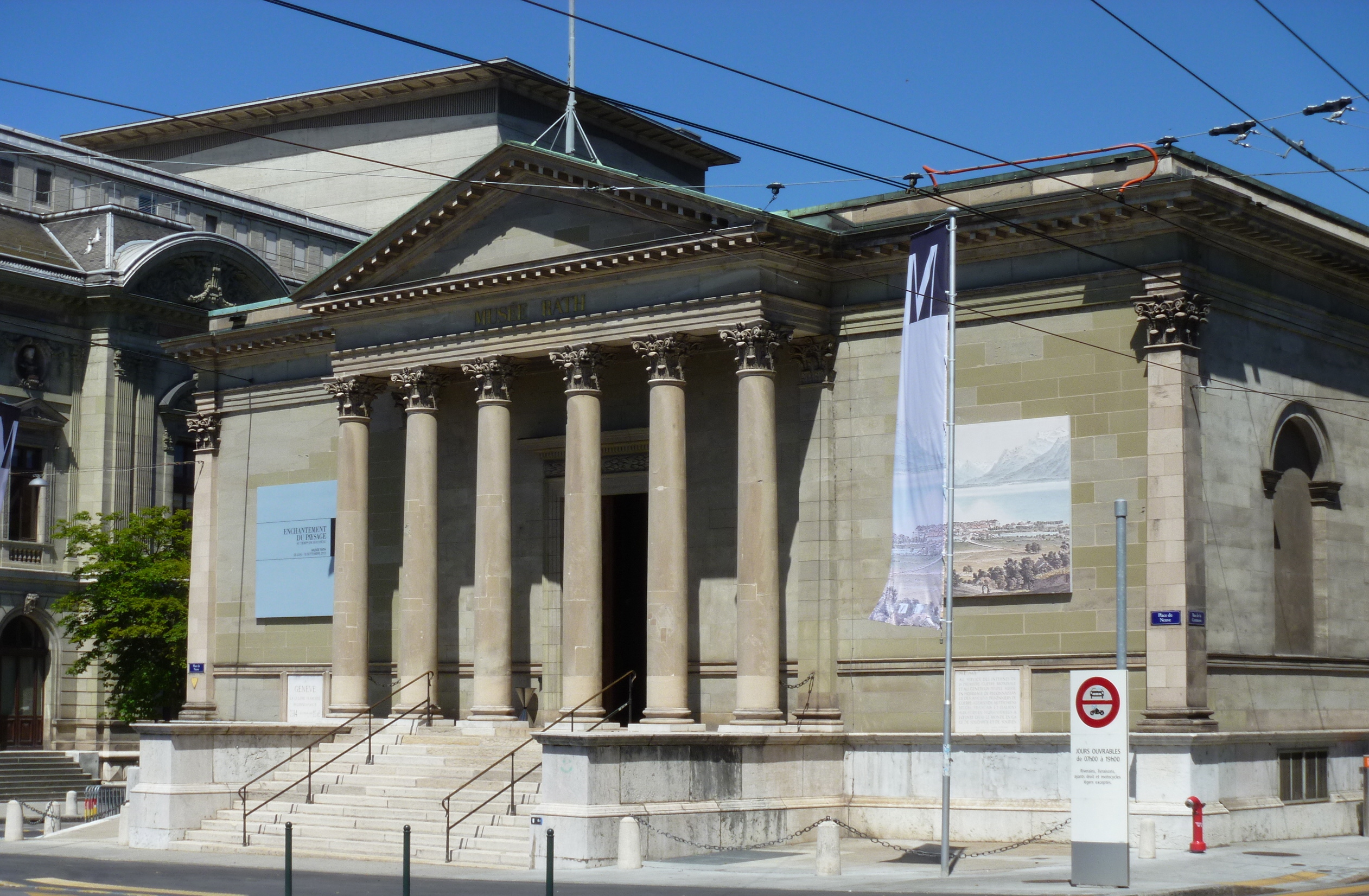
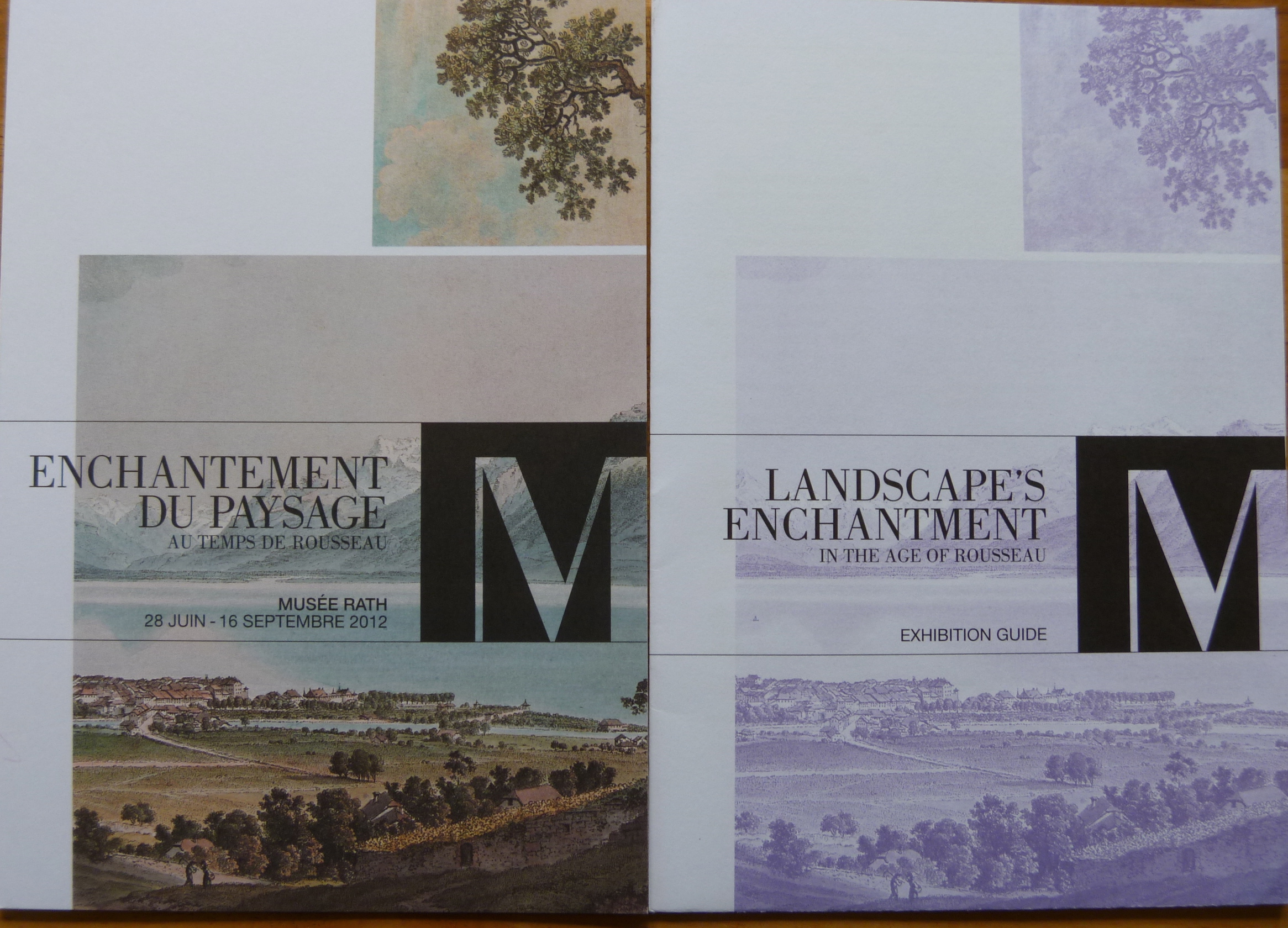
I don’t know whether there have been, or will be, fireworks let off in his name but there is no escaping his tricentenary in the city this summer. I only came across a little map which allows one to follow in the great philosopher’s footsteps on the last morning of my trip but I was immediately attracted by a lovely leaflet advertising a related exhibition at the Musée Rath whilst waiting to check in at my hotel on arrival. I knew that JJR’s birthplace was in the Old Town (3 pictures above) and a fellow member of our party told me about the Île Rousseau statue (top). I visited the Bodmer Foundation to see the display “During his life and after death he always worried them: Rousseau’s friends and enemies” (my translation) but got carried away by the breadth of the permanent collection and the fact that there were no English translations at all.

With so much to choose from here is what I managed to follow up in the name of Rousseau in the short amount of time available to me.

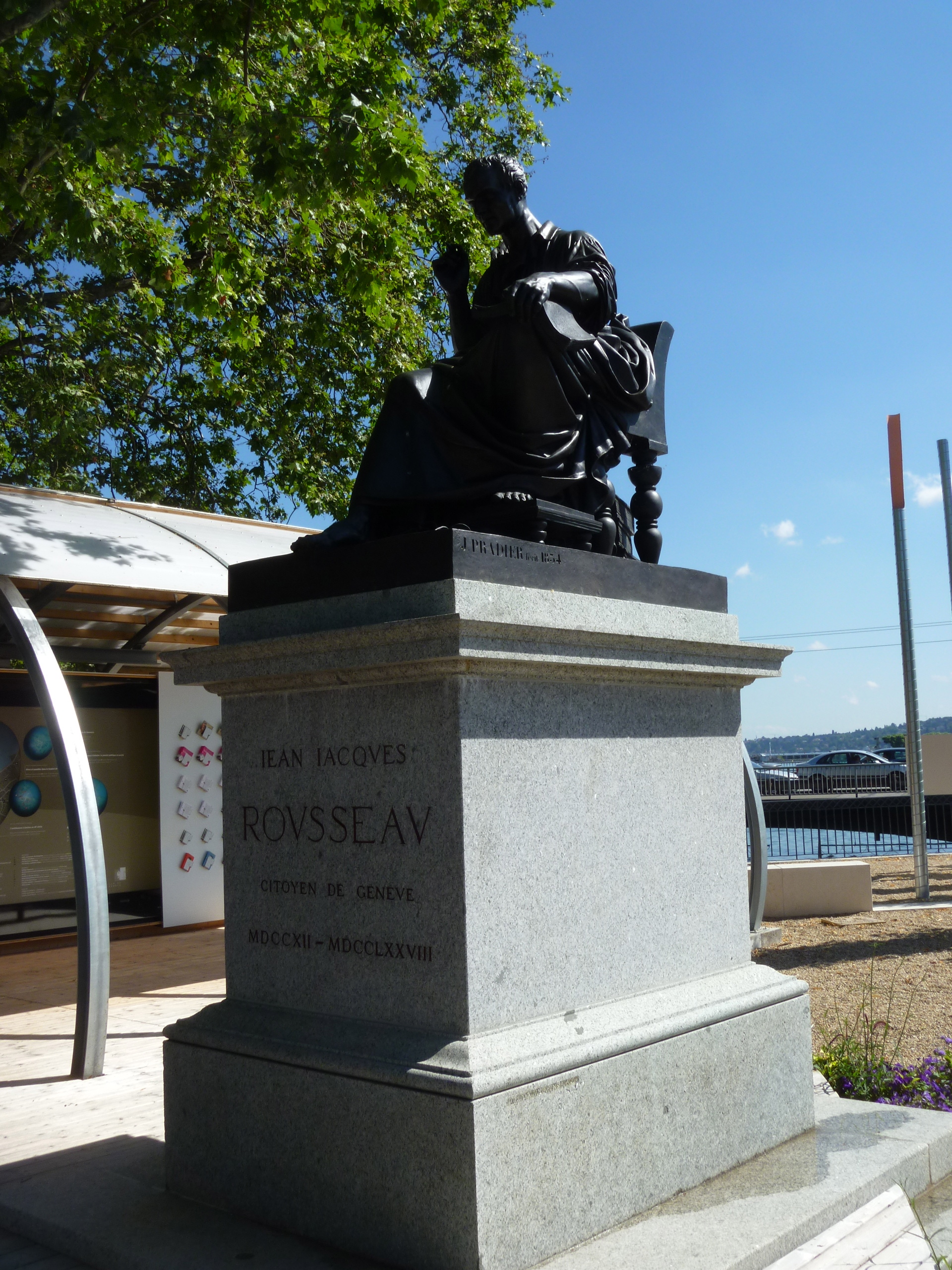
Île Rousseau

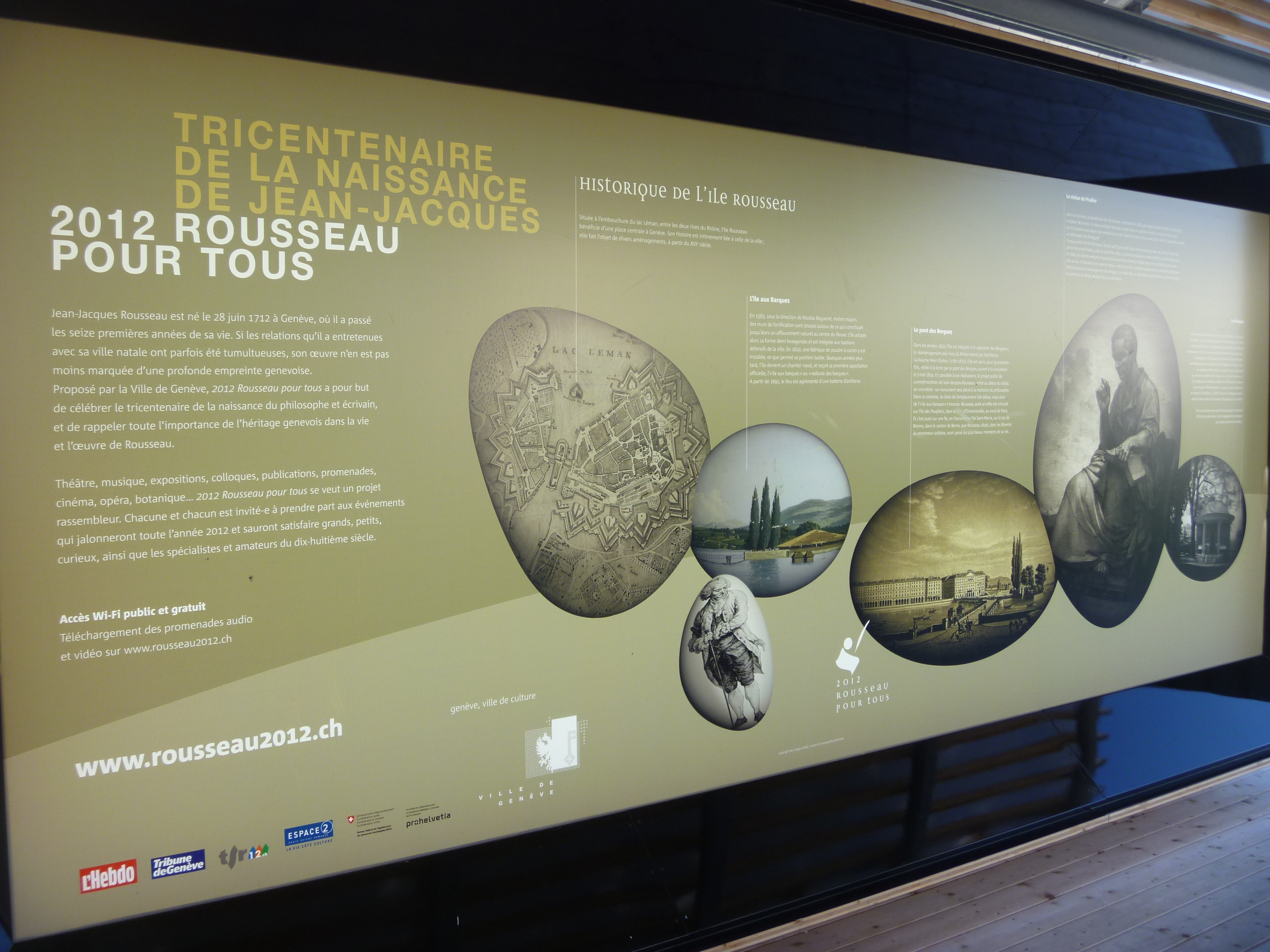
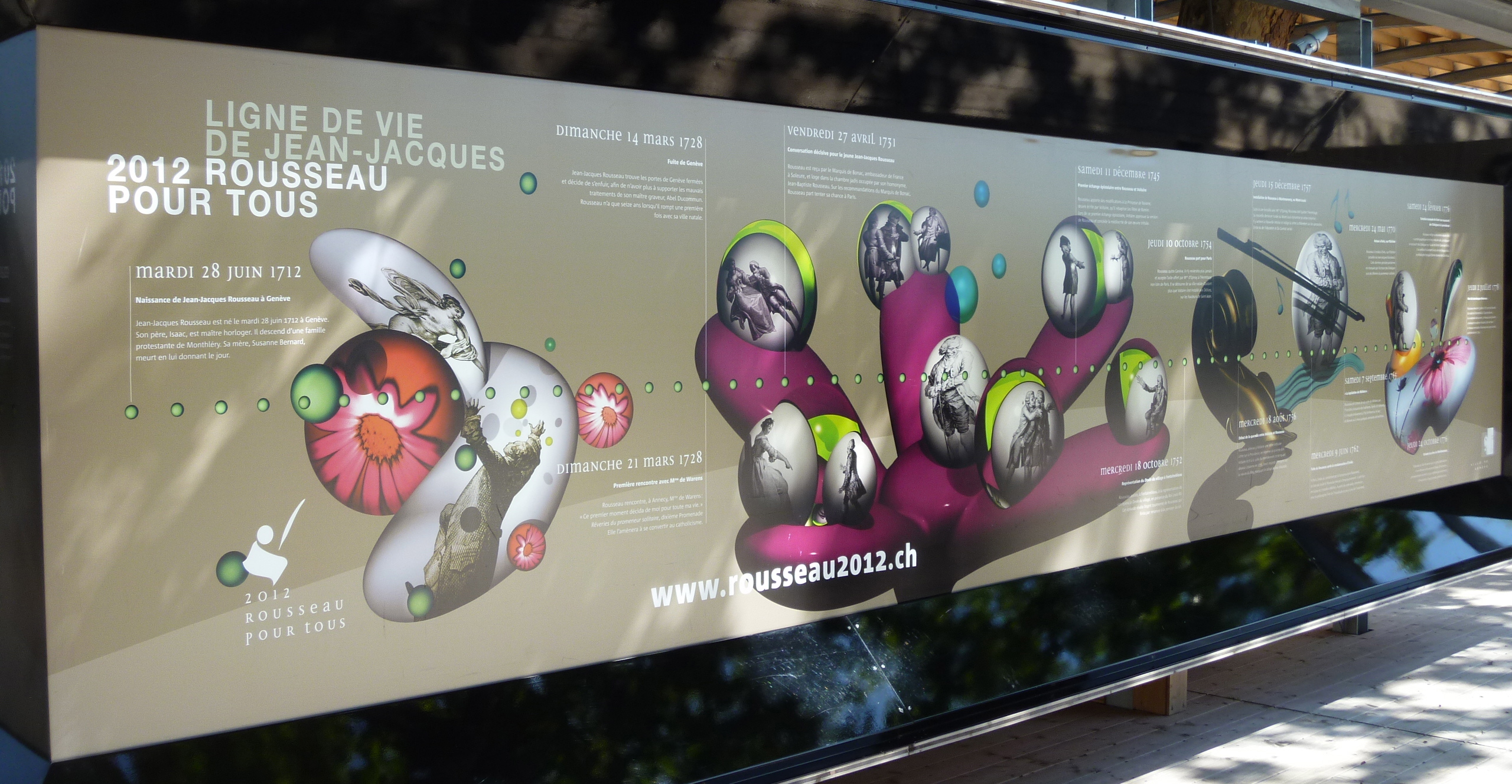
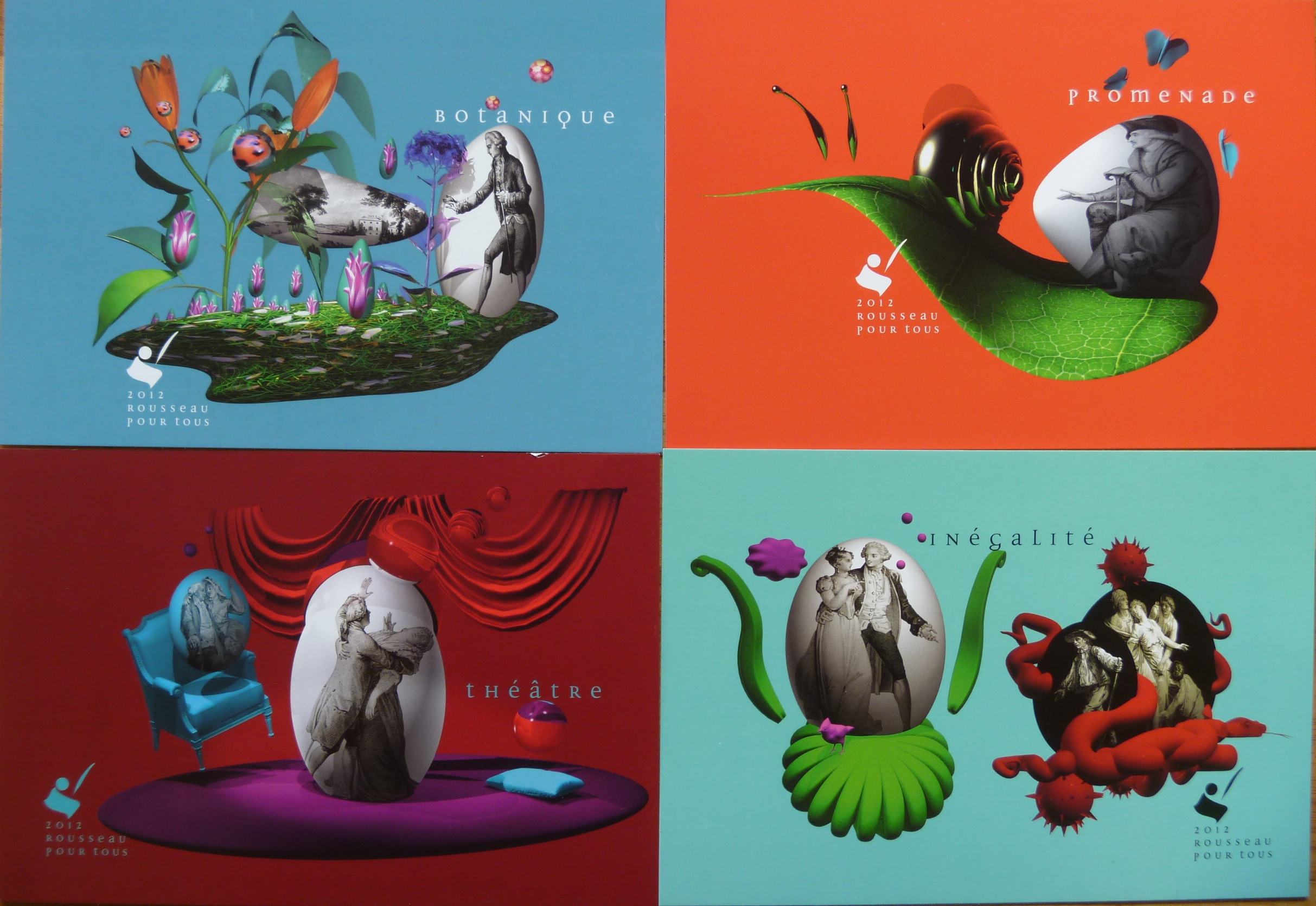
On the island straddling the River Rhone accessed from the footbridge Pont Des Bergues is a statue of the great philosopher (top picture), created by James Pradier and erected on the island in 1835. This is the heart of the Rousseau commemoration and there’s an information pavilion with large boards, video screens (all in French) telling about the life and works of Rousseau. I also picked up some free postcards.

The Martin Bodmer Foundation

I wrote about my visit to the MBF in the previous post. The small Rousseau exhibit was just a few display cases (no photography allowed) showing printed and manuscript examples of Rousseau’s work and that of his contemporaries during the Age of Enlightenment. The backdrop of toile du jouy (a fabric particularly associated with an idealised vision of the countryside and Rousseau’s work) and the subtle use of lighting made this a very visually satisfying display – but all the notes, including the guide handed out for free were in French and thus too time-consuming to study closely.

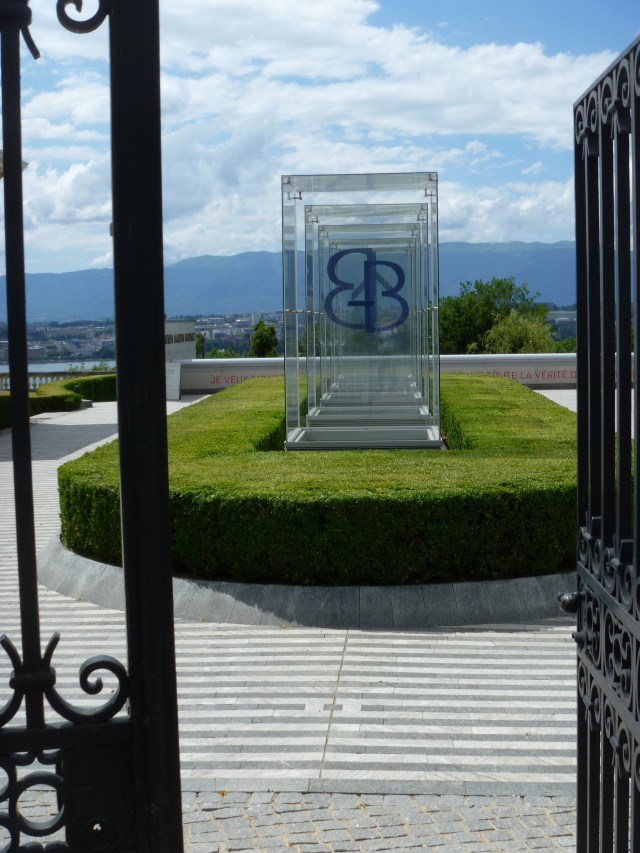
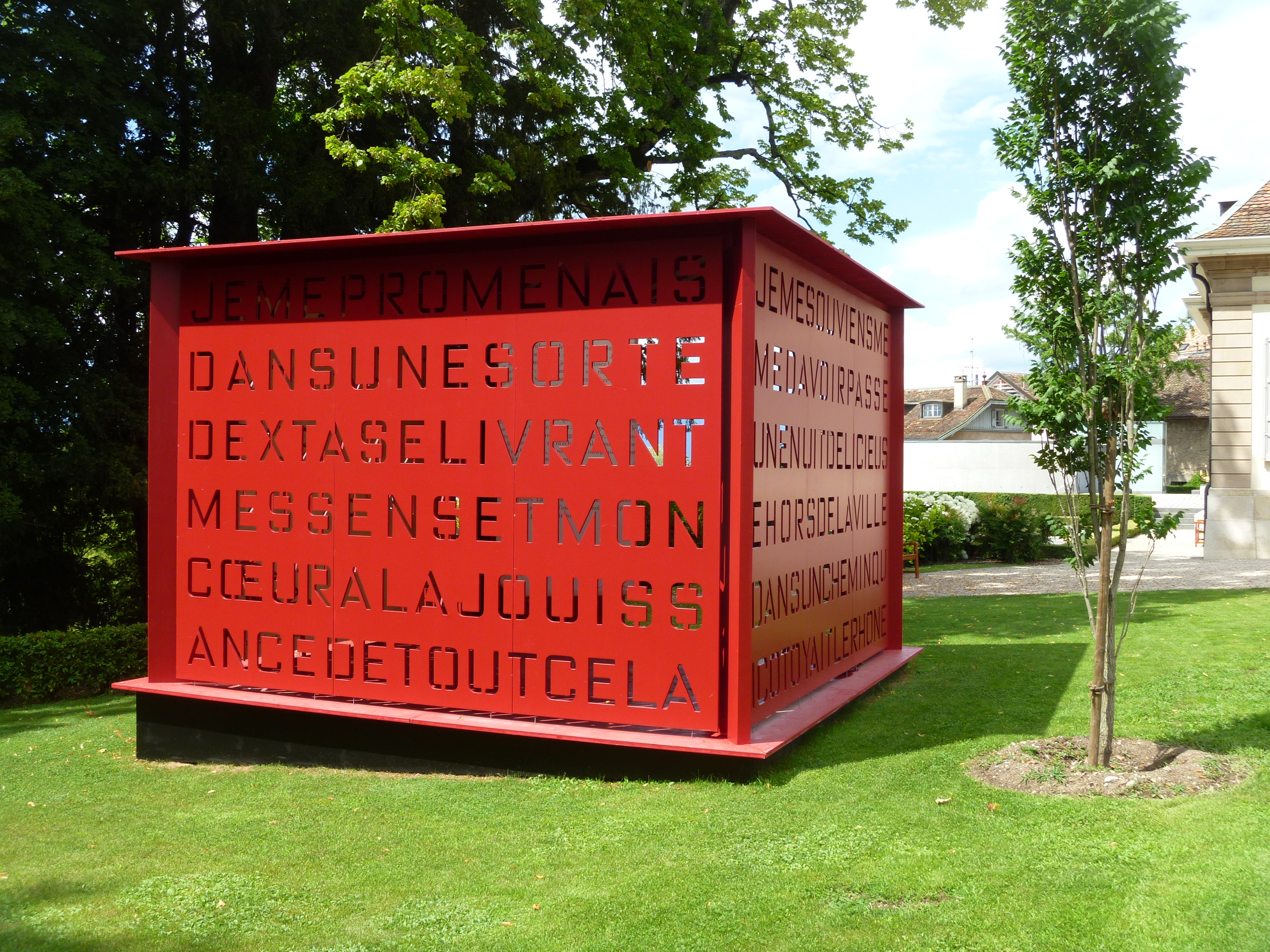
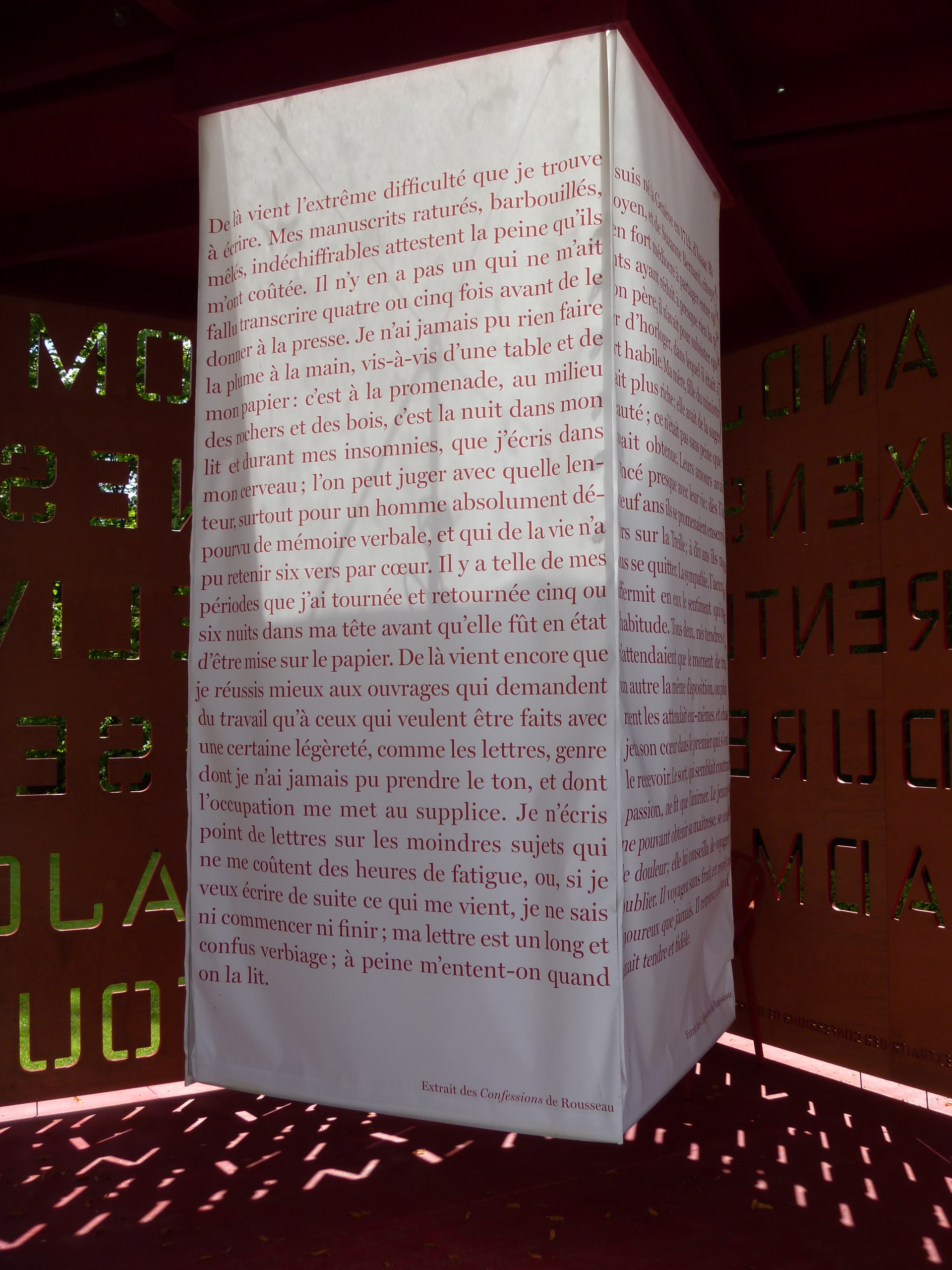
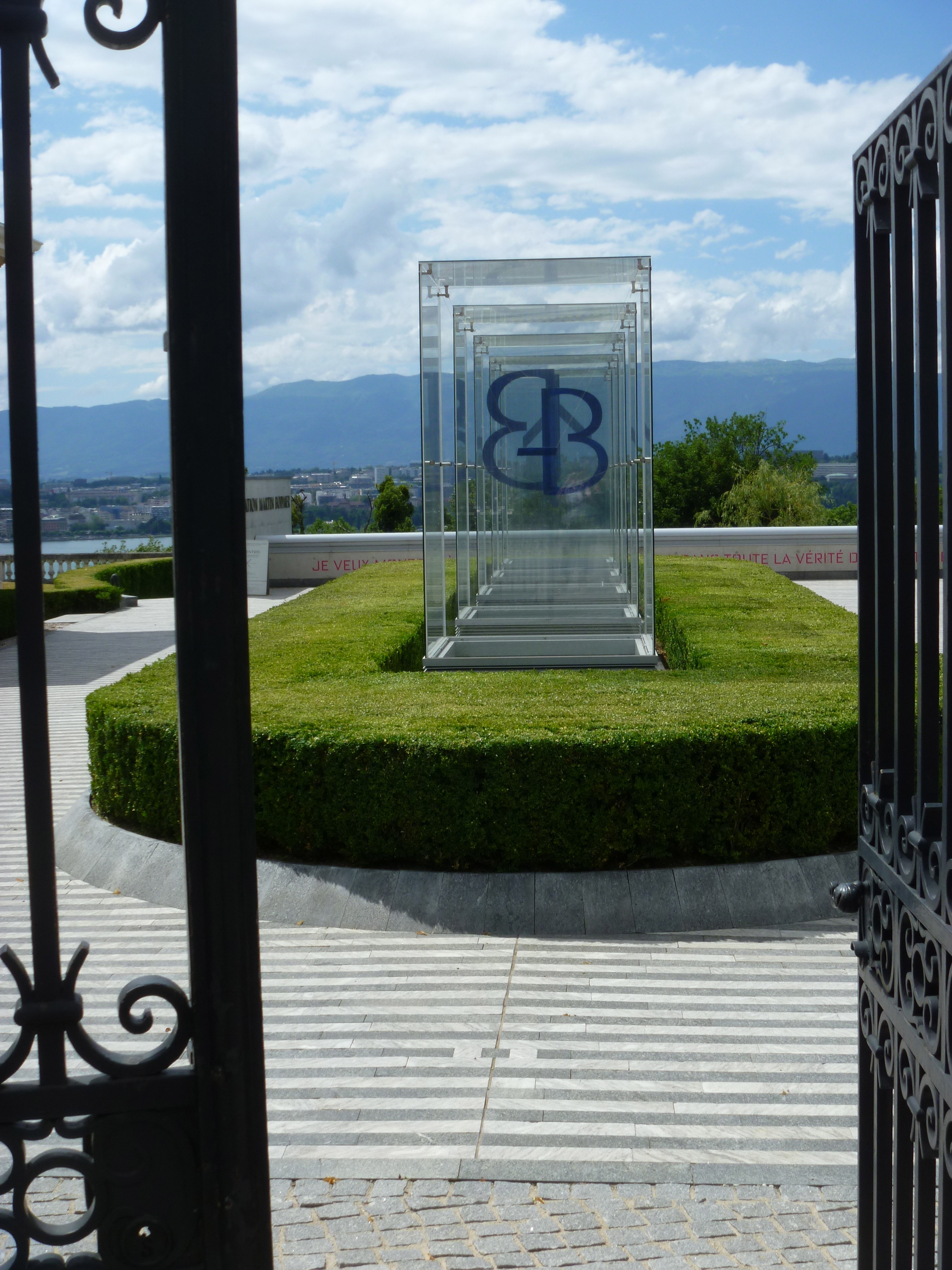
There’s an interesting cube installation dedicated to Rousseau in the garden of the Bodmer Library.

The Musée Rath

Amidst the sounds of birdsong and  tinkling cow bells I viewed the ‘rooms’ of the exhibition “Landscape’s Enchantment in the Age of Jean-Jacques Rousseau” at The Musée Rath. There was lots for me to enjoy here as the programme is also available in English and landscape history is a bit of an interest of mine.

“Throughout his life Rousseau never stopped travelling. All his travel diaries share the same intense attention to natural elements, the climate, the landscape and the emotions they elicit. This feeling for nature pervades his theoretical texts as well as his autobiographical and fictional writing.” (From the Exhibition Guide)

The eighteenth century saw the growing popularity of the Grand Tour – a journey to Italy to inspect (and often remove) ancient monuments. Passing through the Alps was seen as necessary but they were considered as objects of fear and loathing. As the century moved on mountains and landscapes in general became more interesting and less feared and the representation of landscapes in art became more and more respectable.

“The exhibition illustrates this new perception of landscape that developed during the second half of the 18th century in Switzerland and throughout Europe. It offers a thematic stroll through the four elements, with some 320 works on paper, prints, drawings and books. The visitor can follow his fancy and tour the countryside (IN NATURE’S GARDEN), the mountains (SUBLIME SUMMITS), expanses of water (ON THE WATER) and aerial views with changing atmospheres (ETHERS AND ATMOSPHERES).”  (From the Exhibition Guide)

In addition there was a Short History of Landscape – the two major models were idealised and real; a Dreams of Italy section and In The Engraver’s Workshop where the engraving process is demonstrated.

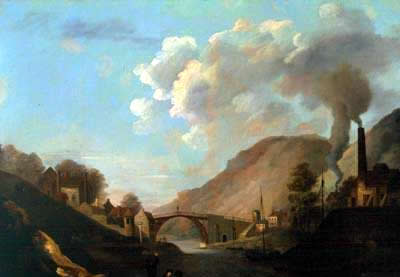
Some British artists featured for example John Robert Cozens (1752-1797) with his portraits of trees and George Robertson with his views of Coalbrookdale.

(http://www.ironbridge.org.uk/about_us/the_iron_bridge/artists_impressions.asp)

Jean-Jacques Rousseau died in 1778 at Ermenonville (28 miles northeast of Paris). He is now interred in The Pantheon in Paris.

Milady’s short trip to Geneva

Geneva is not the most attractive of the cities I have visited in Switzerland (like Bern, Zurich and Lucerne) but beyond the designer watch ads atop the lakeside buildings and Geneva’s ‘mountain’ looking more like a rocky ridge, from where I was standing, I found a delightful Old Town and two worthwhile excursions to fill my two days perfectly.

Lake Geneva

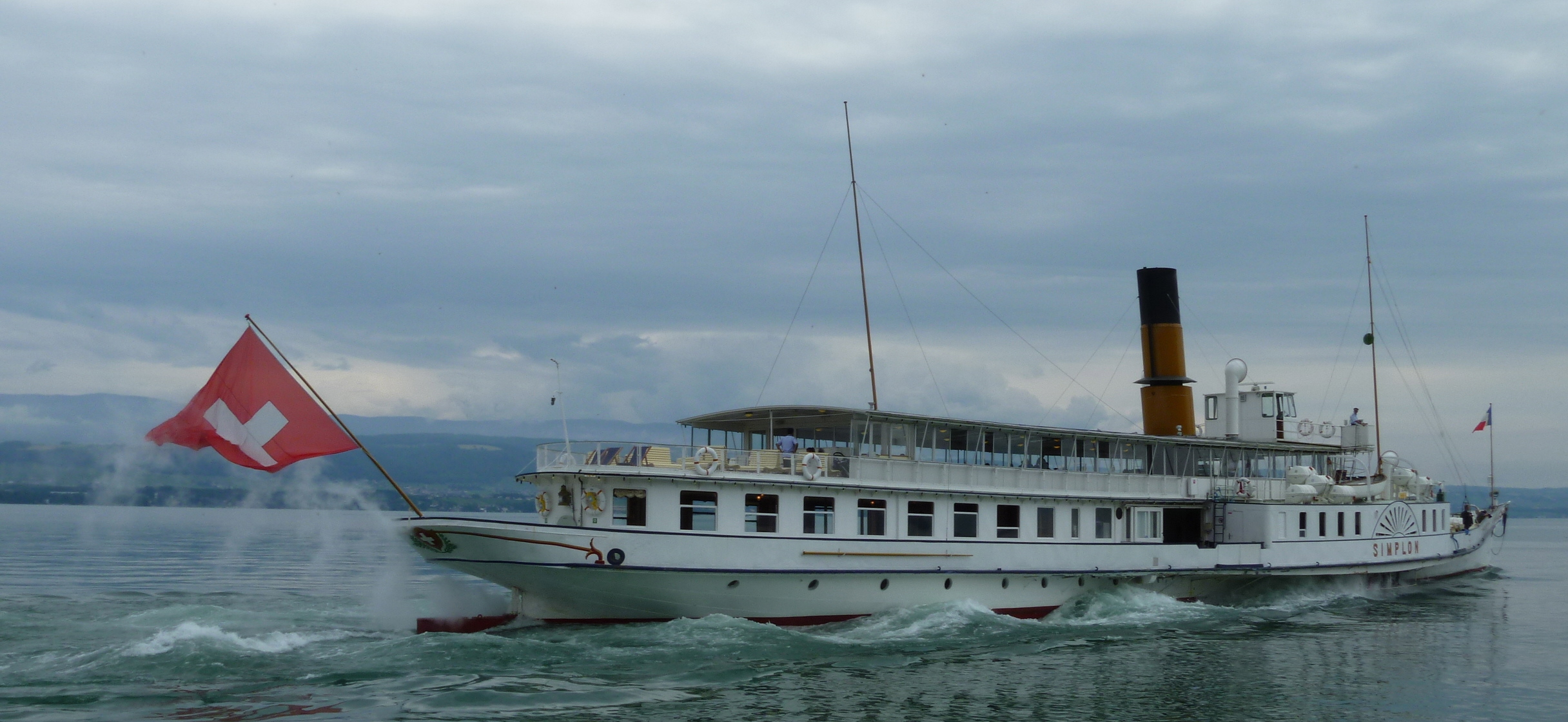
On the first full day we boarded an early boat, the S/S Simplon, from the Quai Mont-Blanc and headed off under rather cloudy overcast skies for an hour and three quarter lake cruise to Yvoire on the southern shore of Lake Geneva.
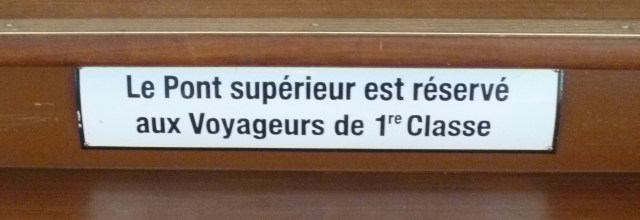
Whenever she can Milady hopes to travel in style
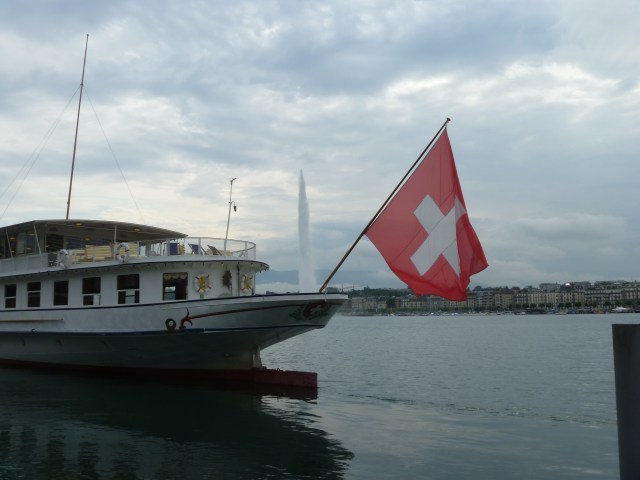
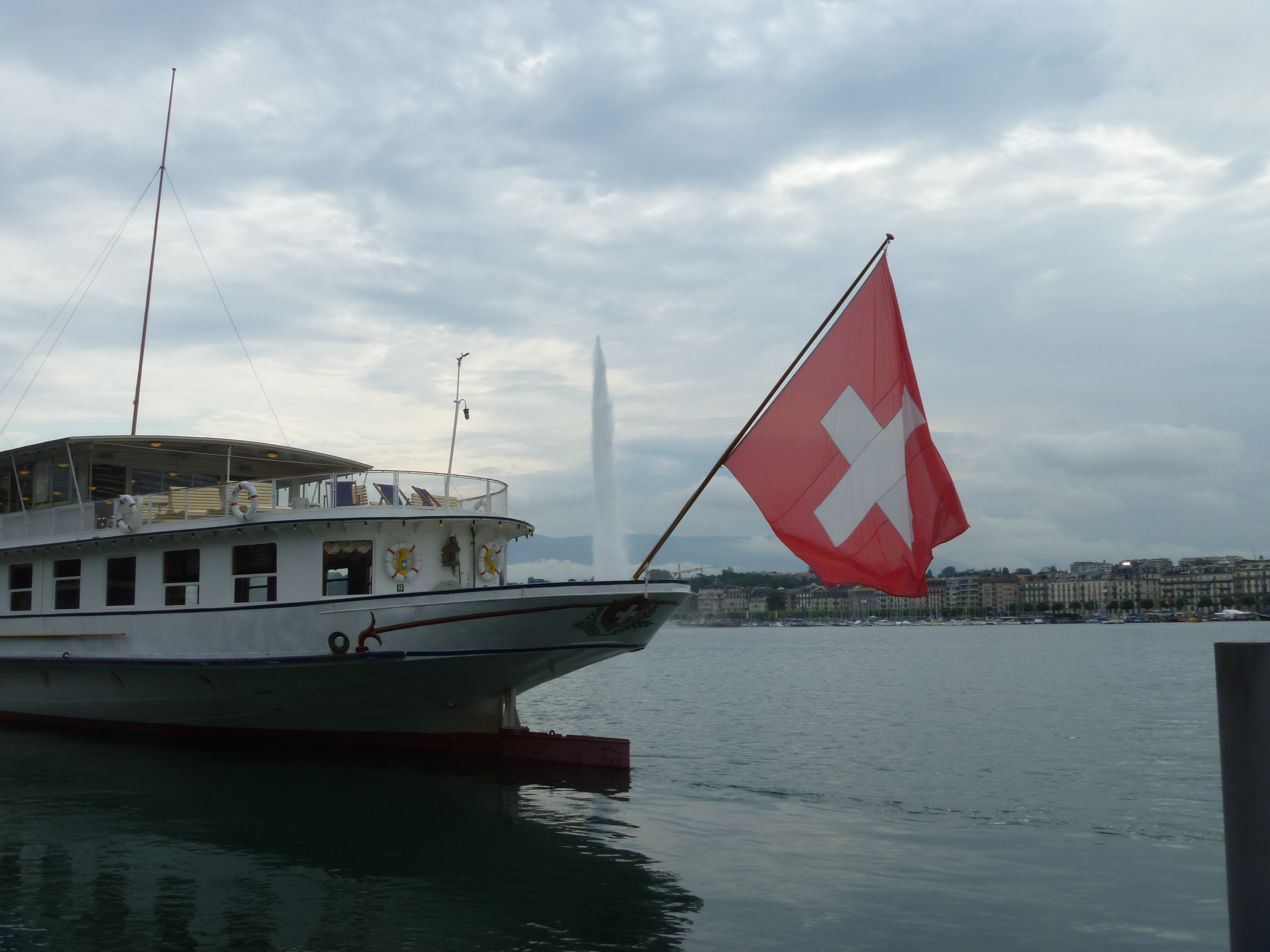
S/S Simplon and the famous Jet D’Eau, from Quai Mont-Blanc Geneva
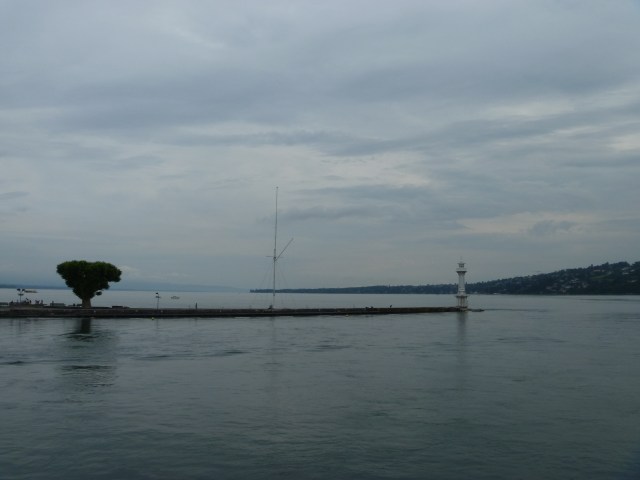
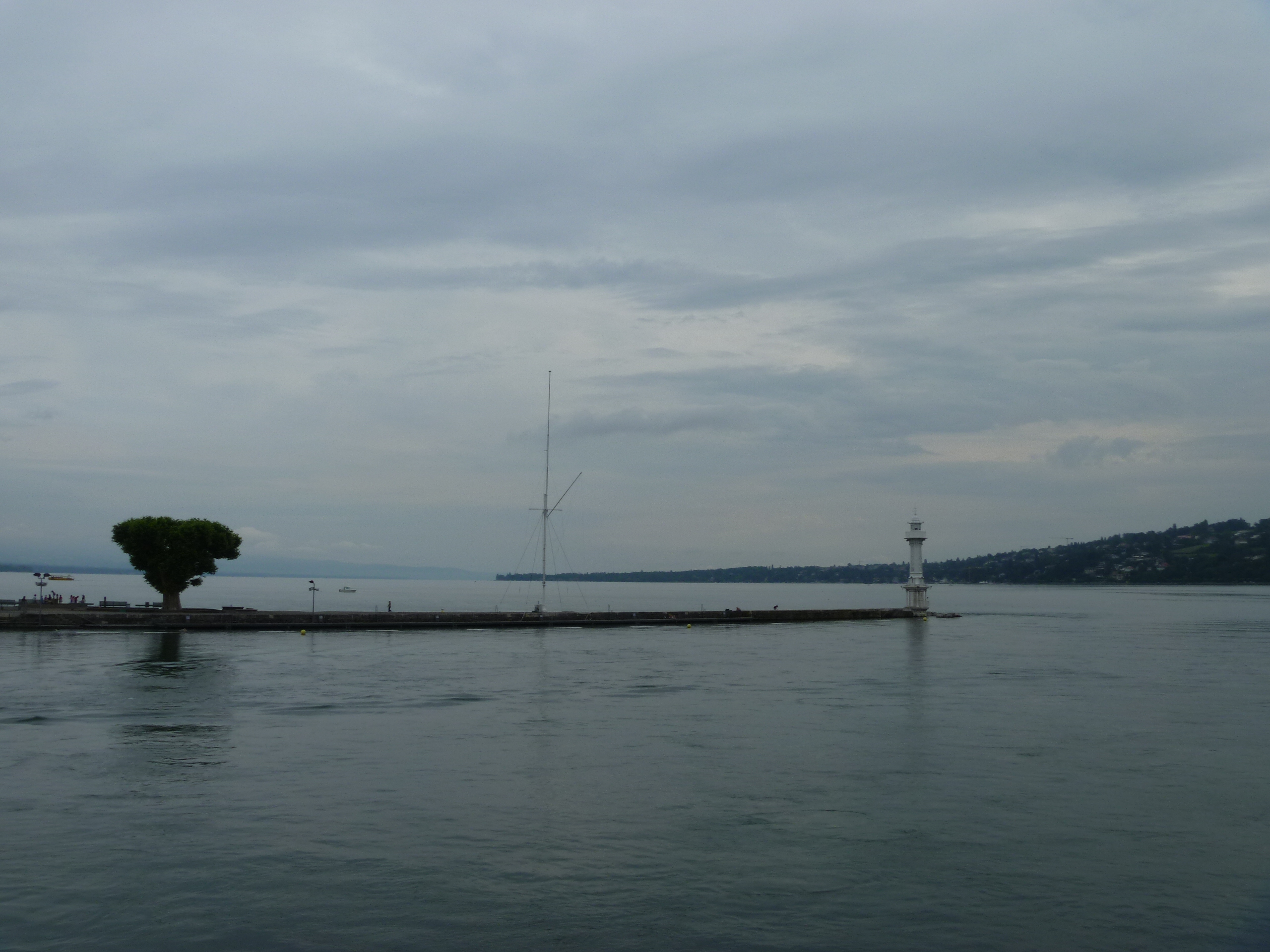
Paquins Lighthouse
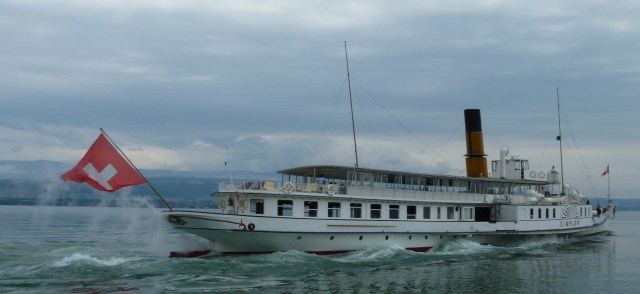
The S/S Simplon leaves us at Yvoire

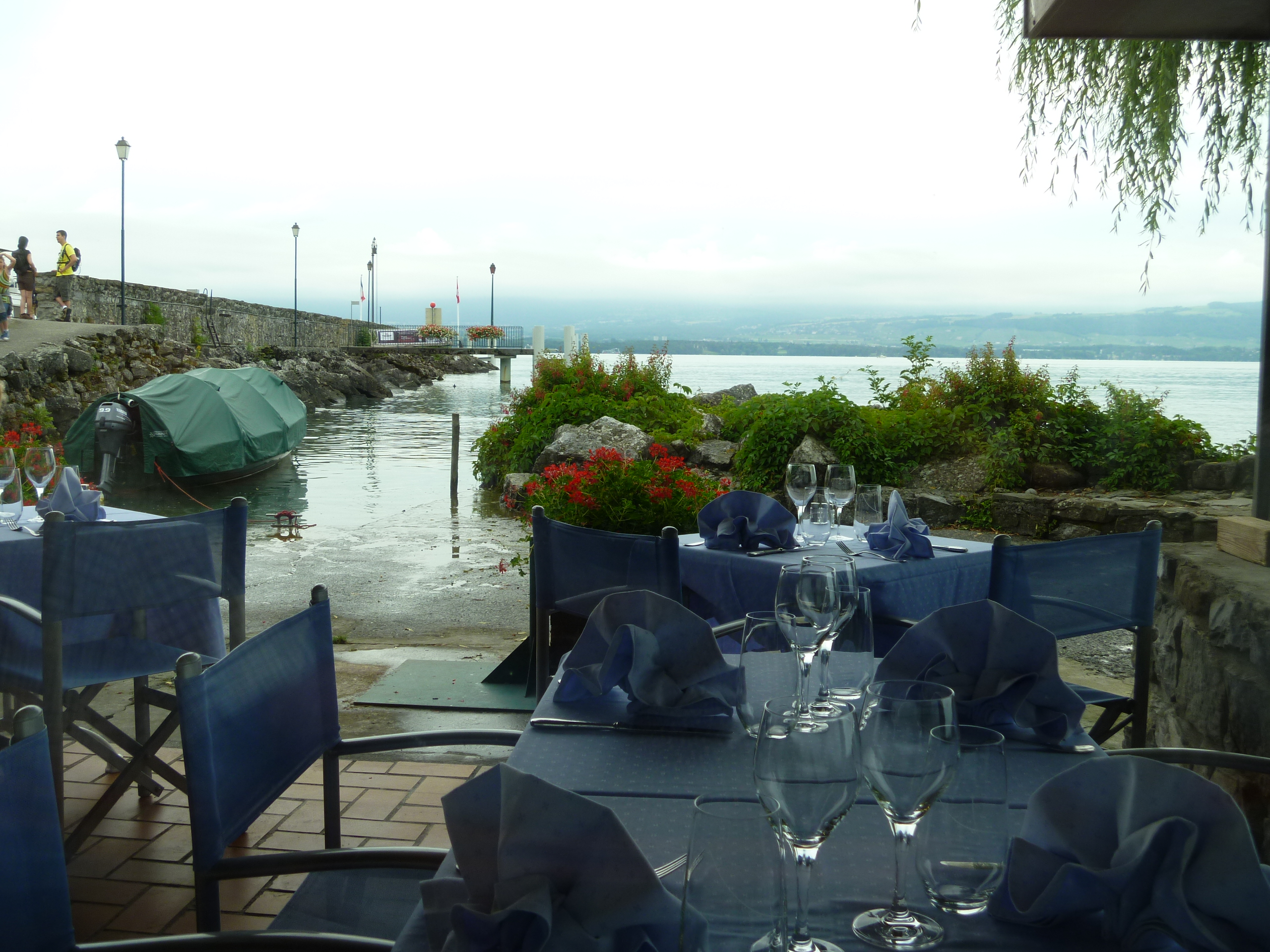
Yvoire is in France but there are no passport controls or inspections it was just straight off the boat into the Restaurant du Port (the name tells you where it’s located) and lunch was served!
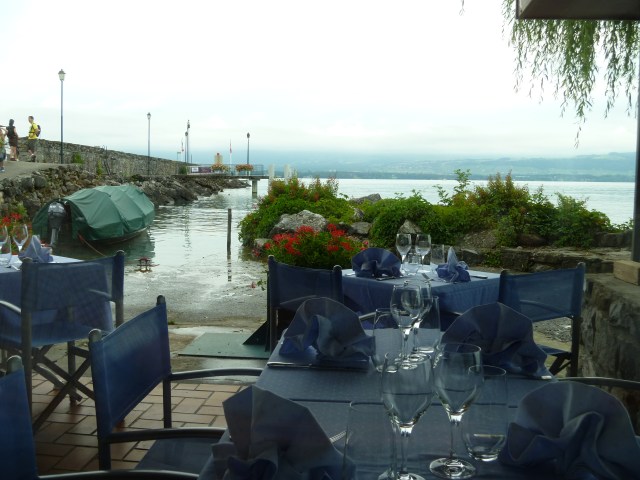
Restaurant Du Port, Yvoire

The proposed return sailing was cancelled which meant a 3 hour stay at Yvoire and you can only spend so long eating lunch. This attractive little medieval town was full of tourists so we two decided to take a walk to the next stop and pick up our boat from there later.

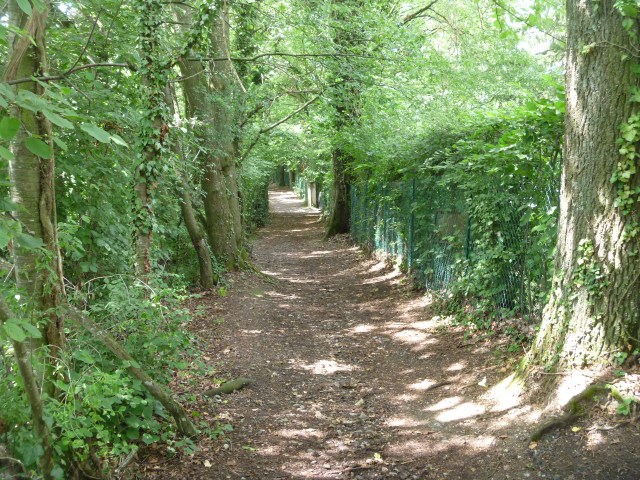
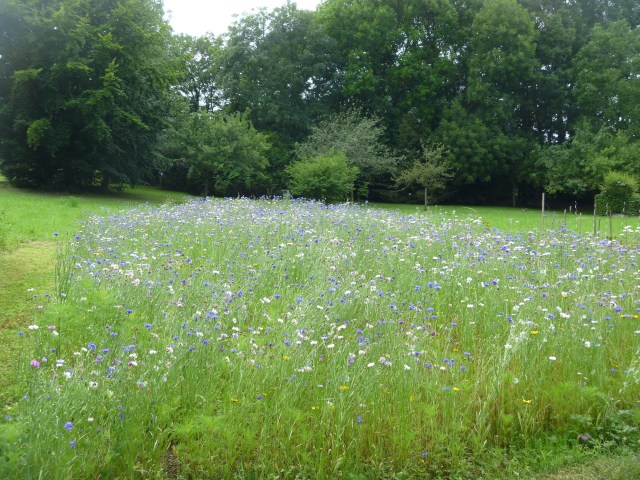
After inspecting the little shops we set off to find the footpath to Nernier. (Sounds like something out of C. S. Lewis.) It was a most pleasant walk along shady paths and tracks past interesting houses but with minimal views of the Lake, unfortunately. We came across a lovely wildflower meadow, visited an old church and arrived at Nernier with lots of time for people-watching at the port until the Simplon arrived on the dot at  5.37pm.
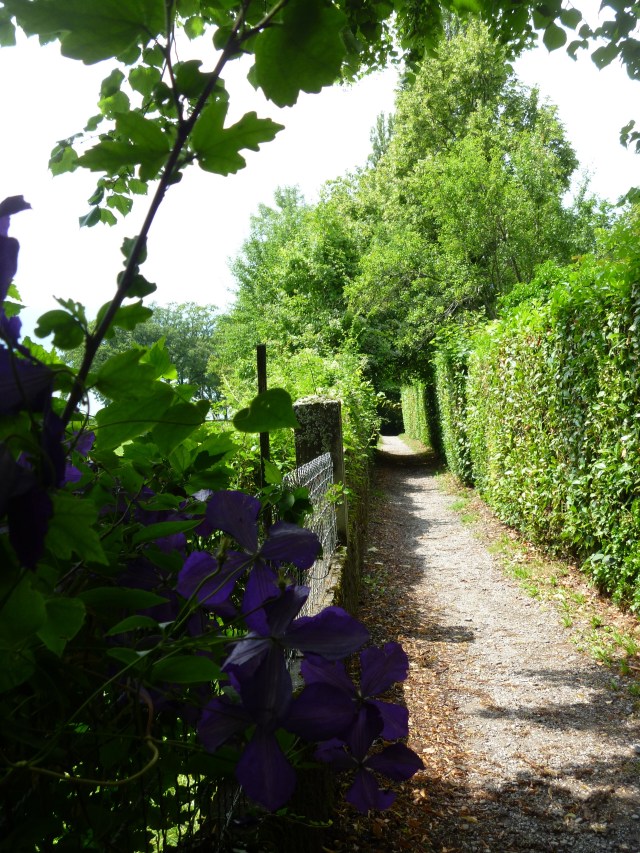
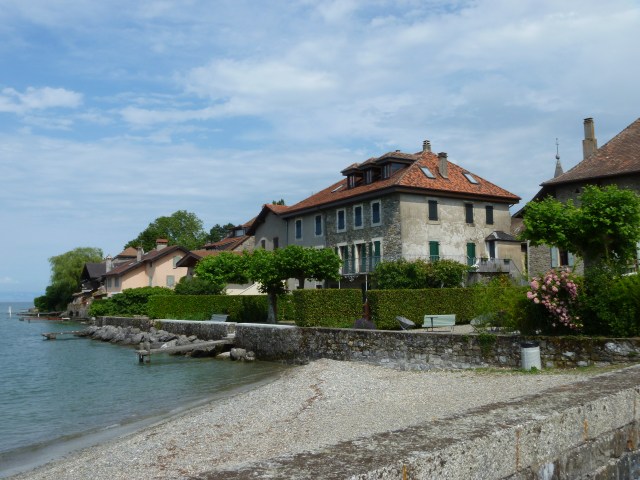
The small beach at Nernier

The Old Town

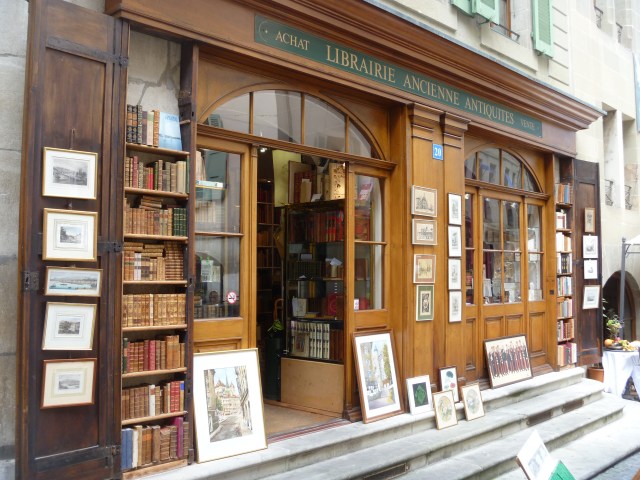
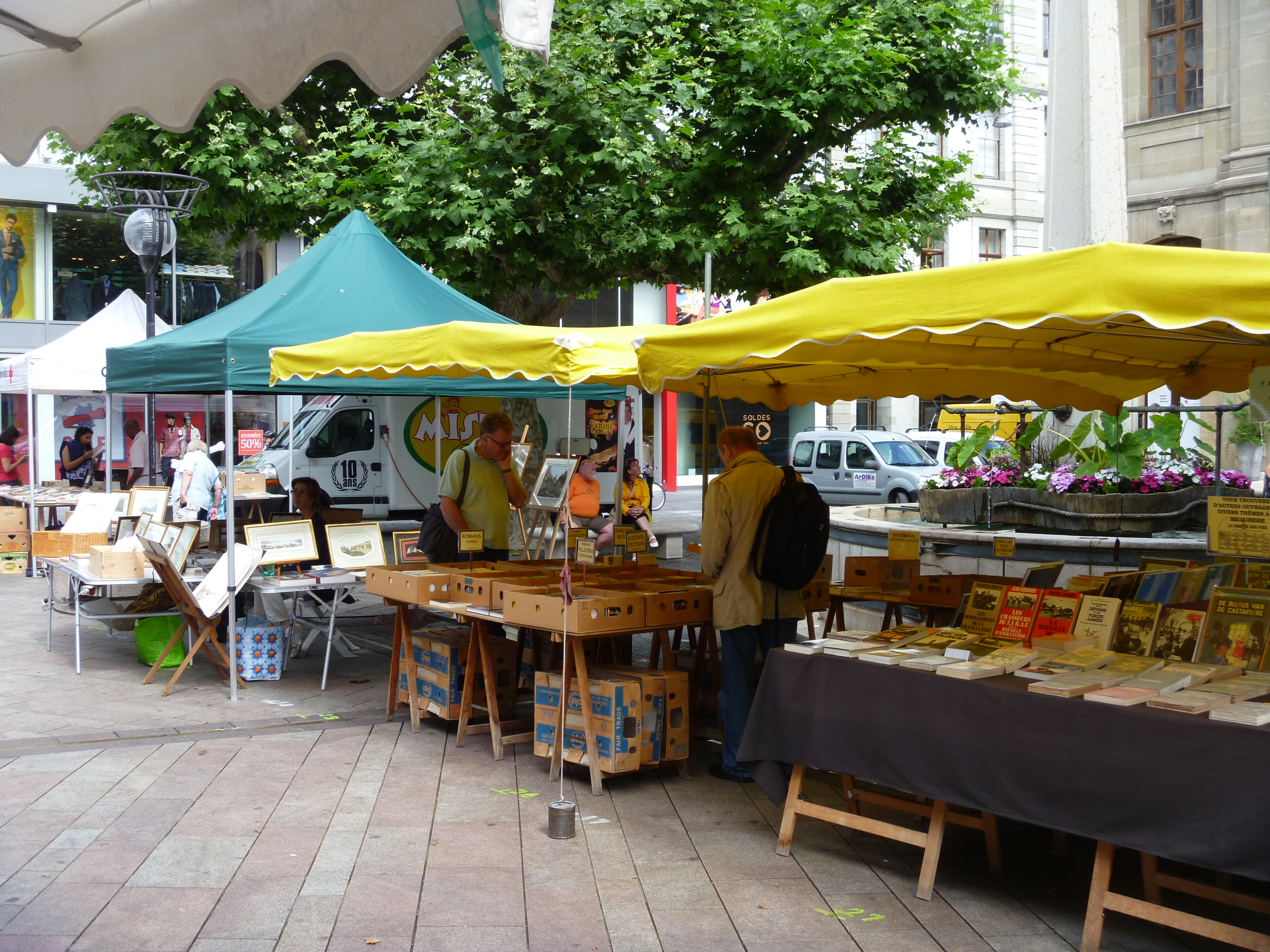
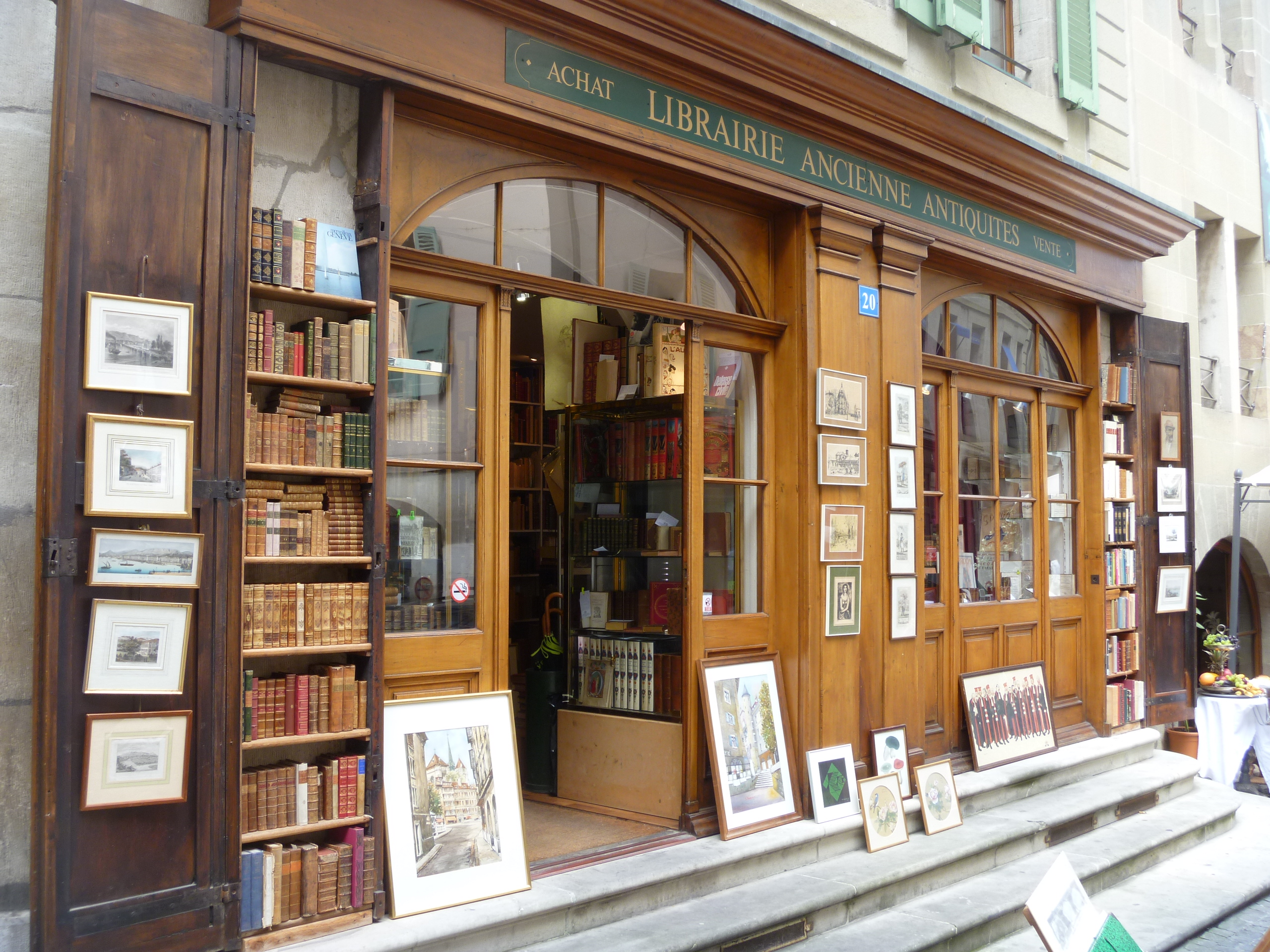
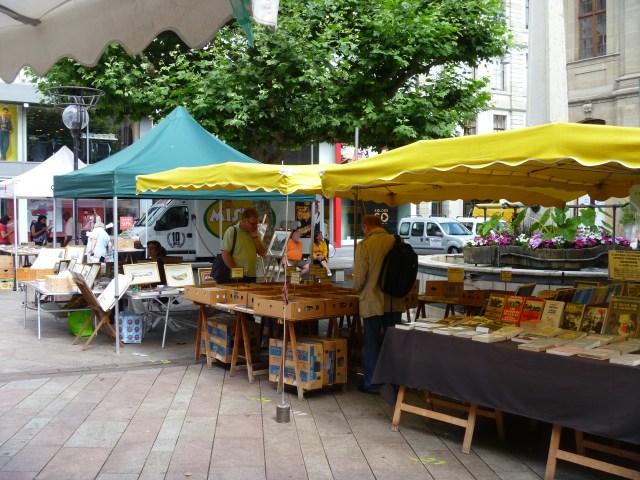
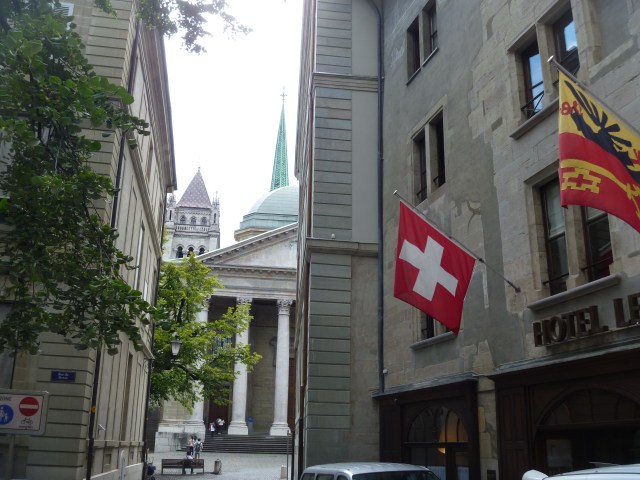
The next day I made a morning visit to the Old Town. There are some steepish climbs and lovely cobbled paths and streets and I enjoyed browsing in a secondhand book stall on the way and at a second hand book and prints shop on the Grand’Rue. There are some delightful street cafes for outdoor refreshments and the Cathedral is situated there. There’s a great view from the tower but we didn’t go up. It’s a lovely area for a bit of “flaner“.
Cologny

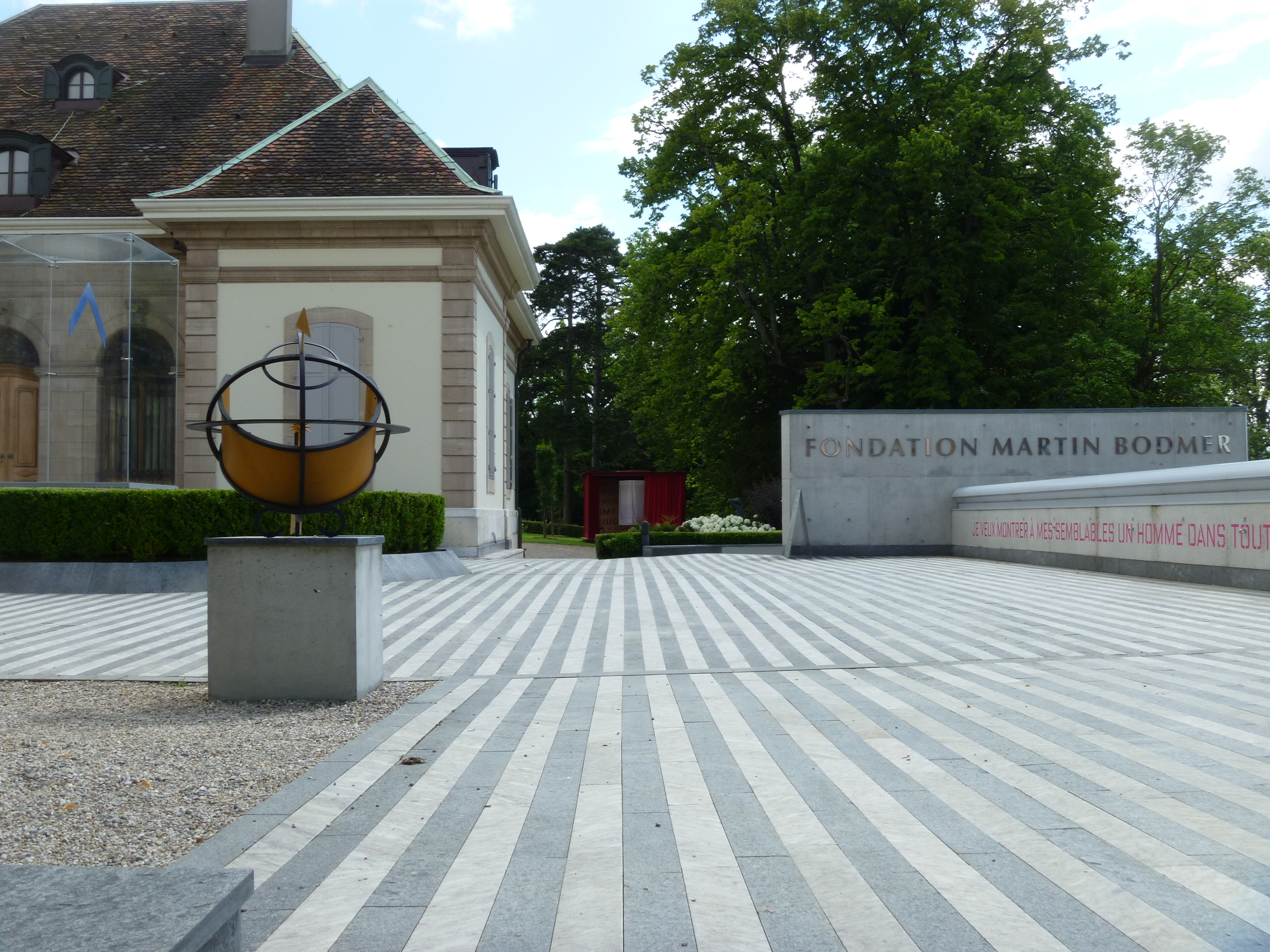
 I can only take so much aimless wandering interspersed with breaks for tea or beer so in the early afternoon I took the bus out to the residential suburb of Cologny. My purpose was to visit the Martin Bodmer Library and to try to find the Villa Diodati, the former home of Lord Byron and now a private residence.

The Bodmer Foundation is fantastic! It’s one of the biggest private libraries in the world and the breadth of the display is simply breathtaking. There are samples of the written or typeset word from the earliest times – Greek papyrus fragments, the oldest manuscripts of St John’s Gospel – to ‘modern’ American first editions – Ginsberg, Steinbeck, Faulkner, Hemingway – and everything in between. And not just literary but medical, scientific, music. There’s a Shakespeare 1623 First Folio and an early Chaucer Canterbury Tales. All displayed in a modern, subtly-lit underground gallery on two floors designed by Swiss architect Mario Botta.
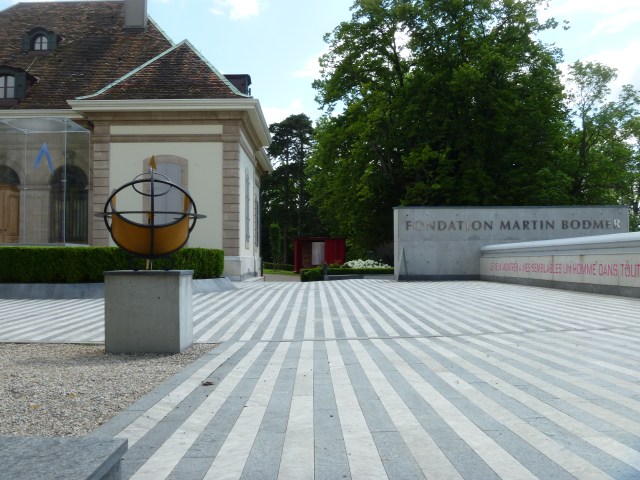
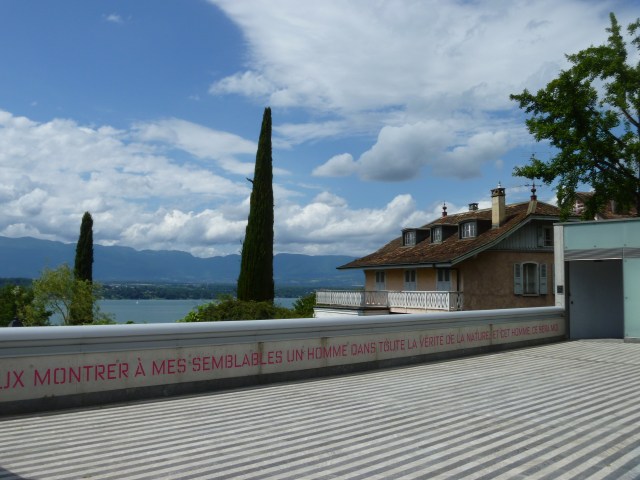
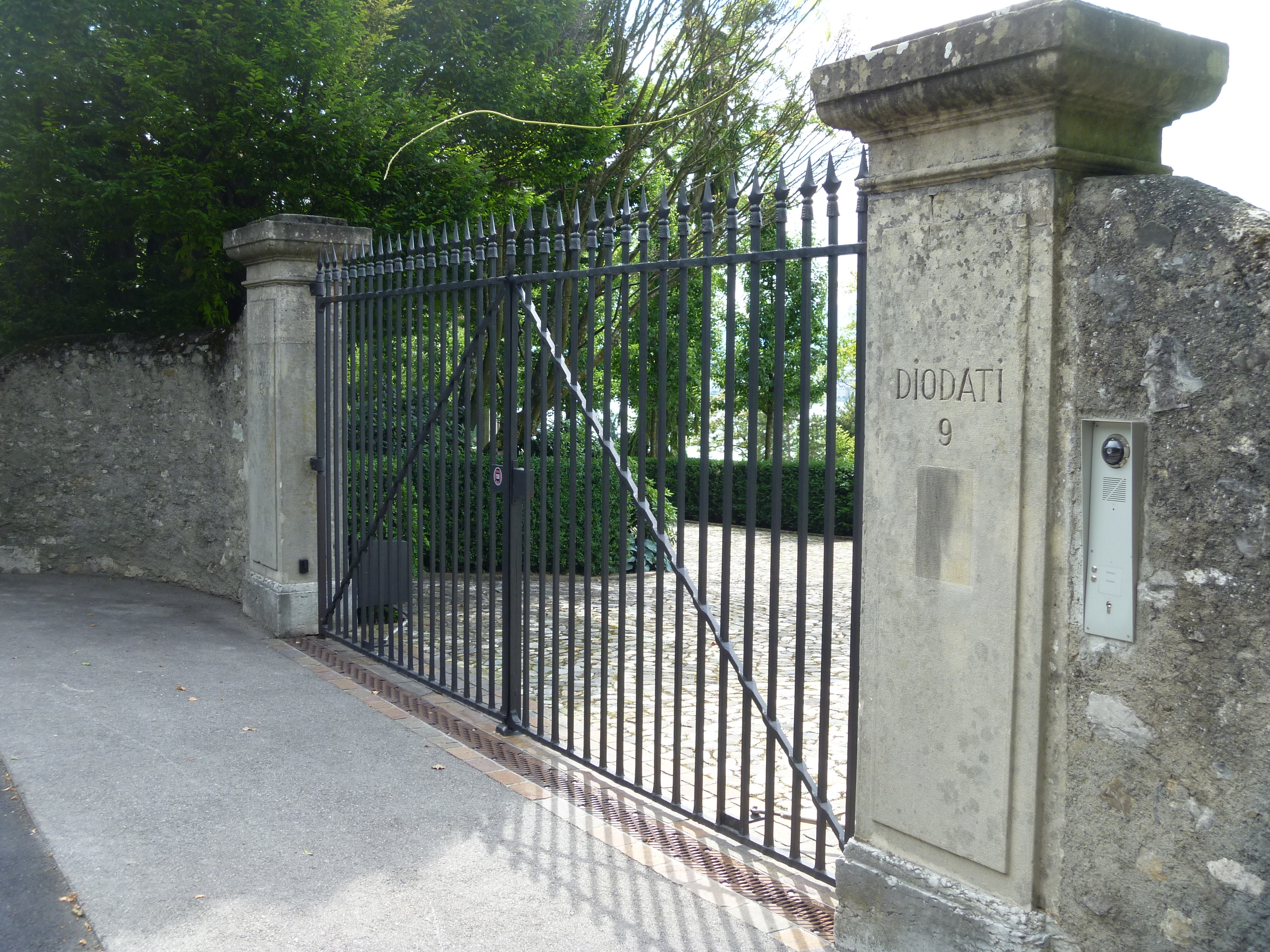
From the Bodmer gallery it’s a 10-15 minute walk to the Chemin de Ruth and number 9, The Villa Diodati.
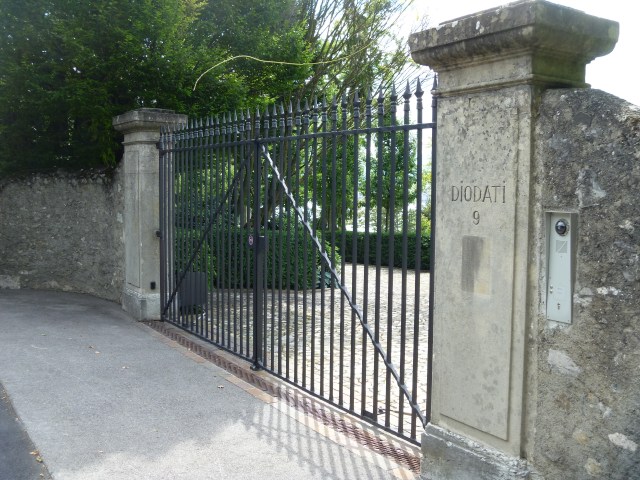
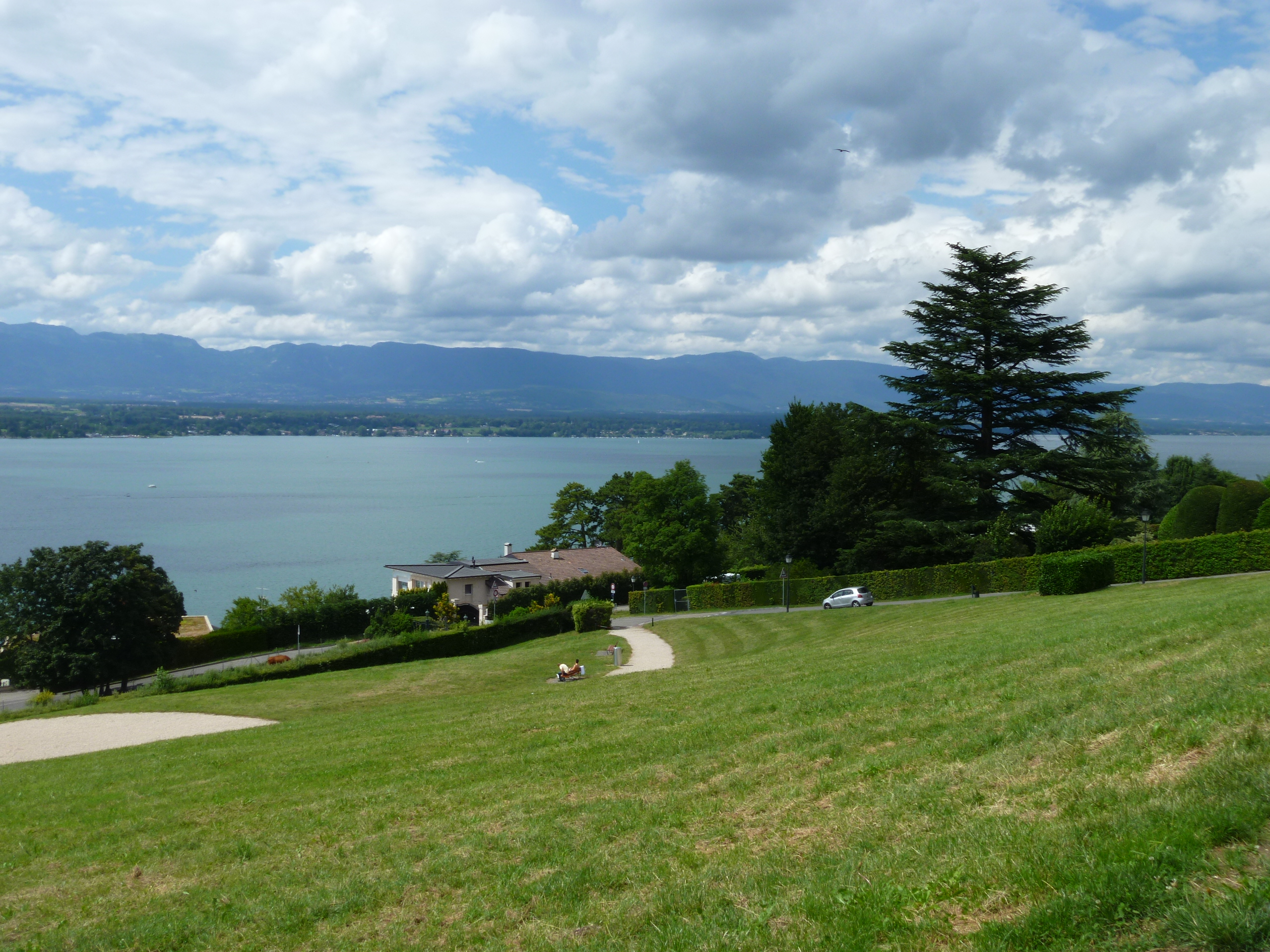
First I found the entrance gate and a bit further along the road is a meadow with seats and a view over the lake and towards the city. It’s called ‘Le Pré Byron‘. An Information Board welcomes you to the spot and explains :

“On this very spot the story of ‘Frankenstein’ was born. During the summer of 1816, the weather was atrocious, cold and rainy spells alternating with violent thunder storms. At that time, Byron, a 28 years old poet , was renting the Villa Diodati to the left of this meadow. … Mary Shelley was also spending the summer at Cologny at Jacob Chappuis’ home situated at the lower end of Montalegre, below where you are now standing. One evening at the Villa Diodati Byron and Mary Shelley made a bet as to who would be the first to write a horror novel. Mary became excited at this idea, completed the story of ‘Frankenstein’ a year later in England and won the bet.”
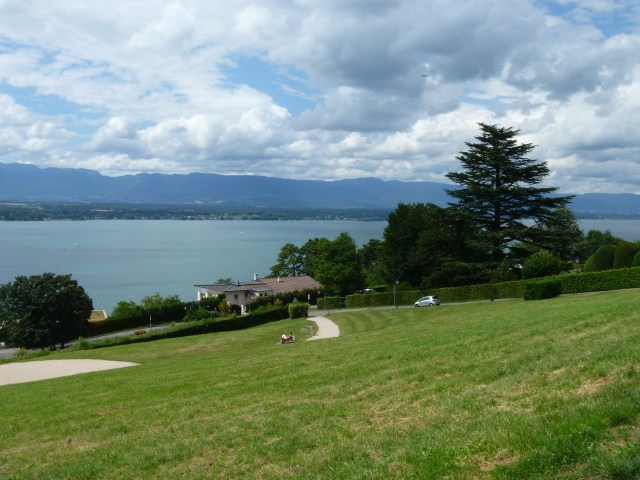
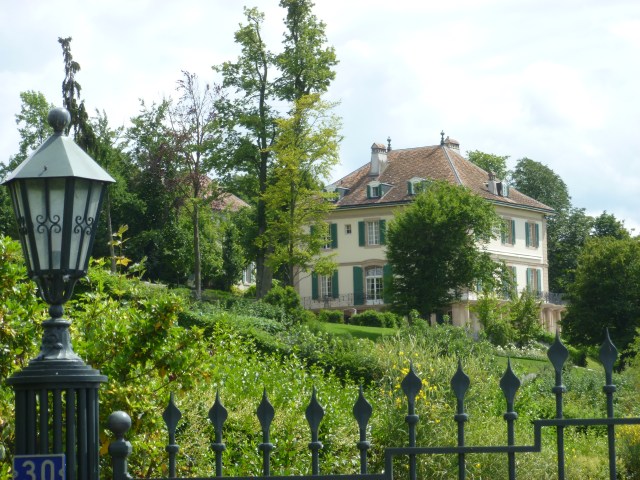
As you walk down towards the lake the house becomes clearly visible.
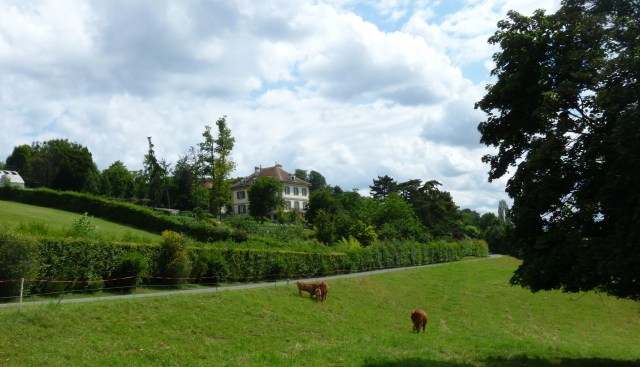
From the lake side it’s an easy bus ride back into town.
The Footloose Route Booklet – reading between the lines

In the ATG Footloose Walks brochure there’s a little section called “Finding Your Way” :

“The ATG Route Booklet includes detailed directions and maps, as well as up-to-date information on towns visited, places of interest, local history, restaurants, cafes and shops en route.”

Approaching Mittelbergheim from Barr

In addition to our Route Manager the other key to the success of our trip was The ATG Route Booklet. With this winning combination we knew we could set out each day with confidence knowing that we’d be able to find our way without difficulty. We could decide whether to either buy lunch before setting off from the village or buy it at a cafe or from a village patisserie/boulangerie on the route and eat in a charming village square or in the welcome shade of a churchyard.

You can’t go wrong – and we didn’t.

Our walk from Barr southwards to Kaysersberg covered about 38-39 miles. Sometimes we coincided with the famous pilgrim way of St Jacques de Compostelle. There seem to be many starting points to this major pilgrim route – I’ve seen another part of the route in Switzerland – but they all meet at  Santiago de Compostela in northwest Spain. The grooves of the traditional scallop shell sign indicate the paths all converging onto Santiago de Compostela.

Luckily we were walking via Dieffenthal and Chatenois to St Hippolyte

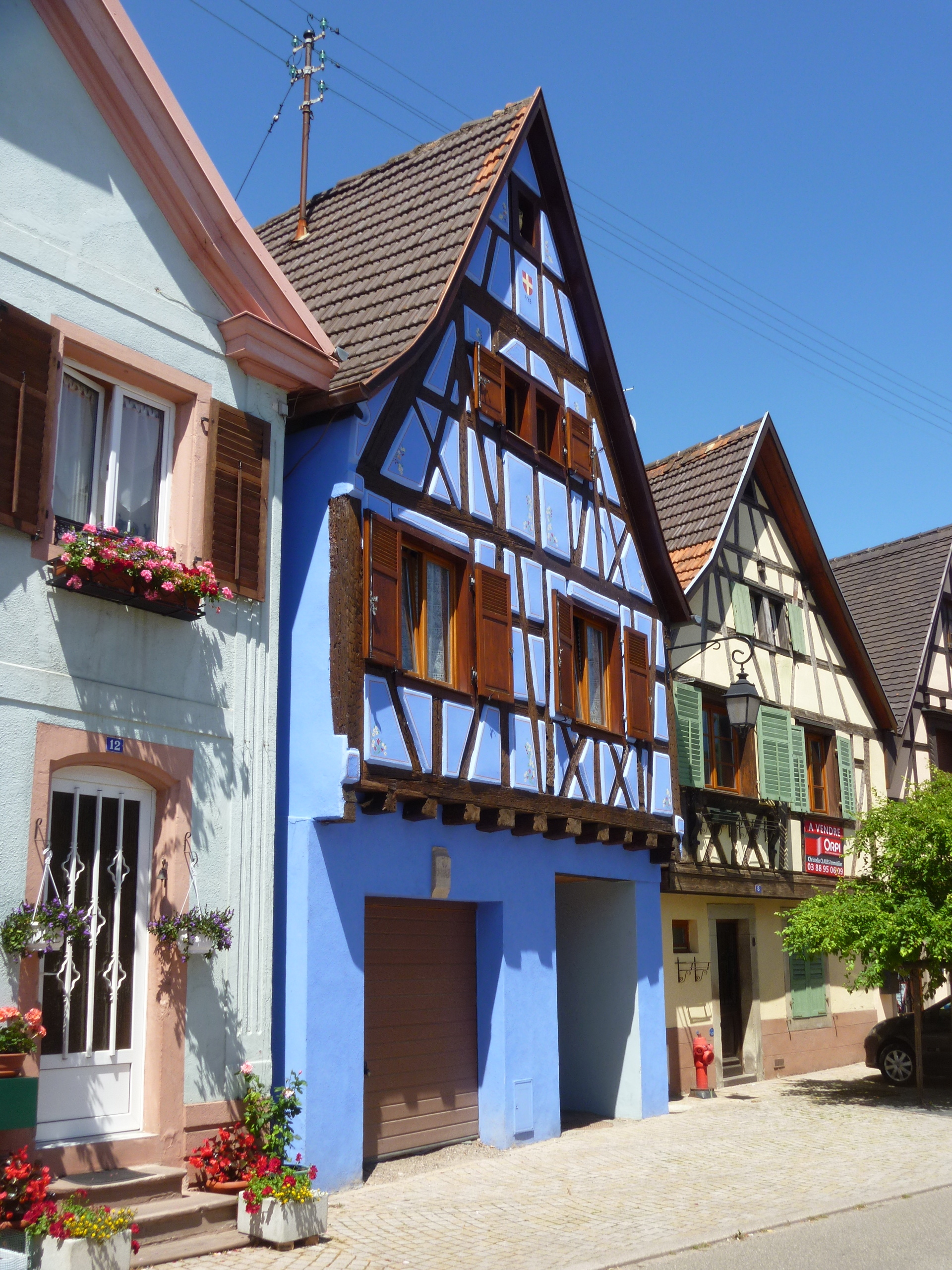
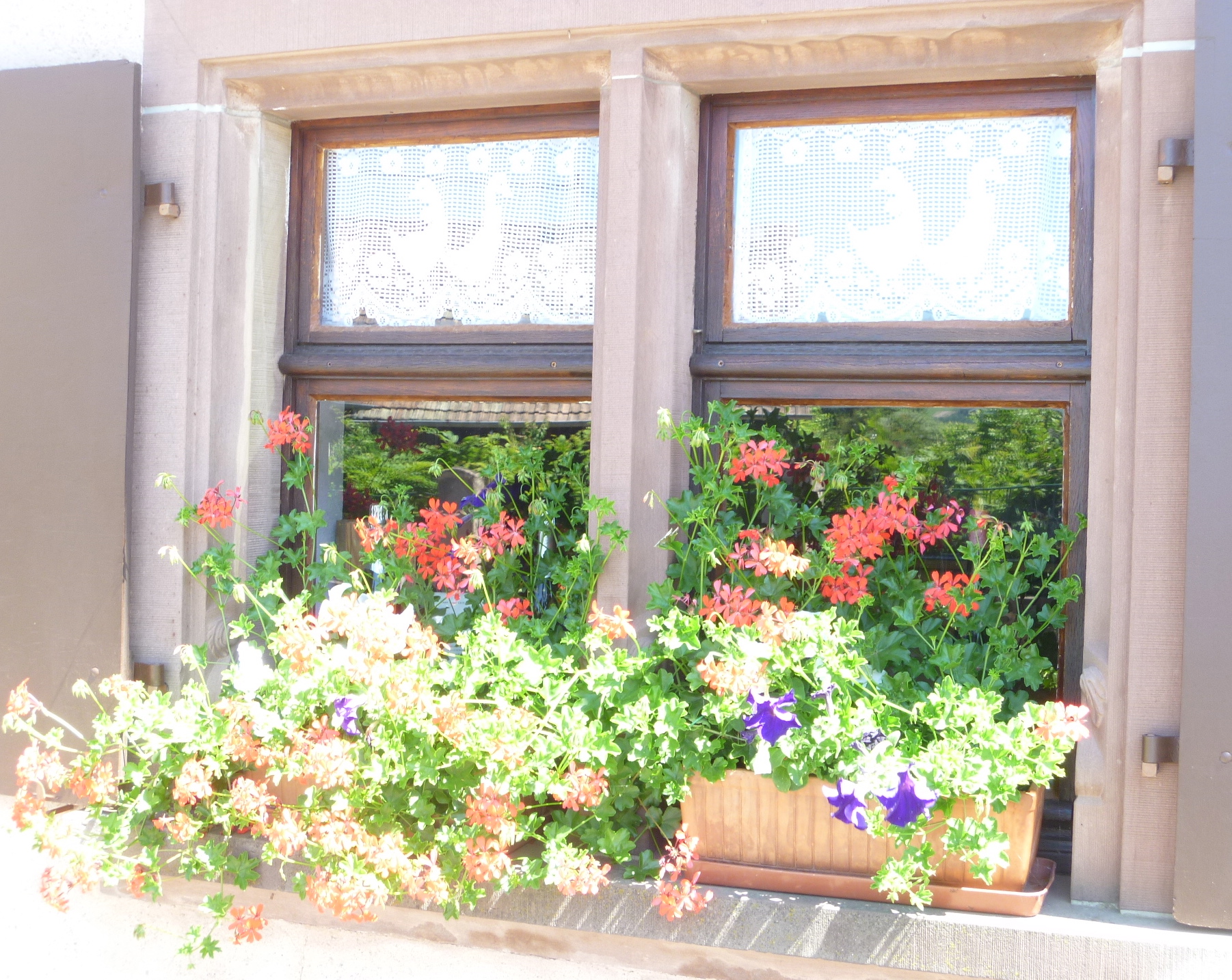
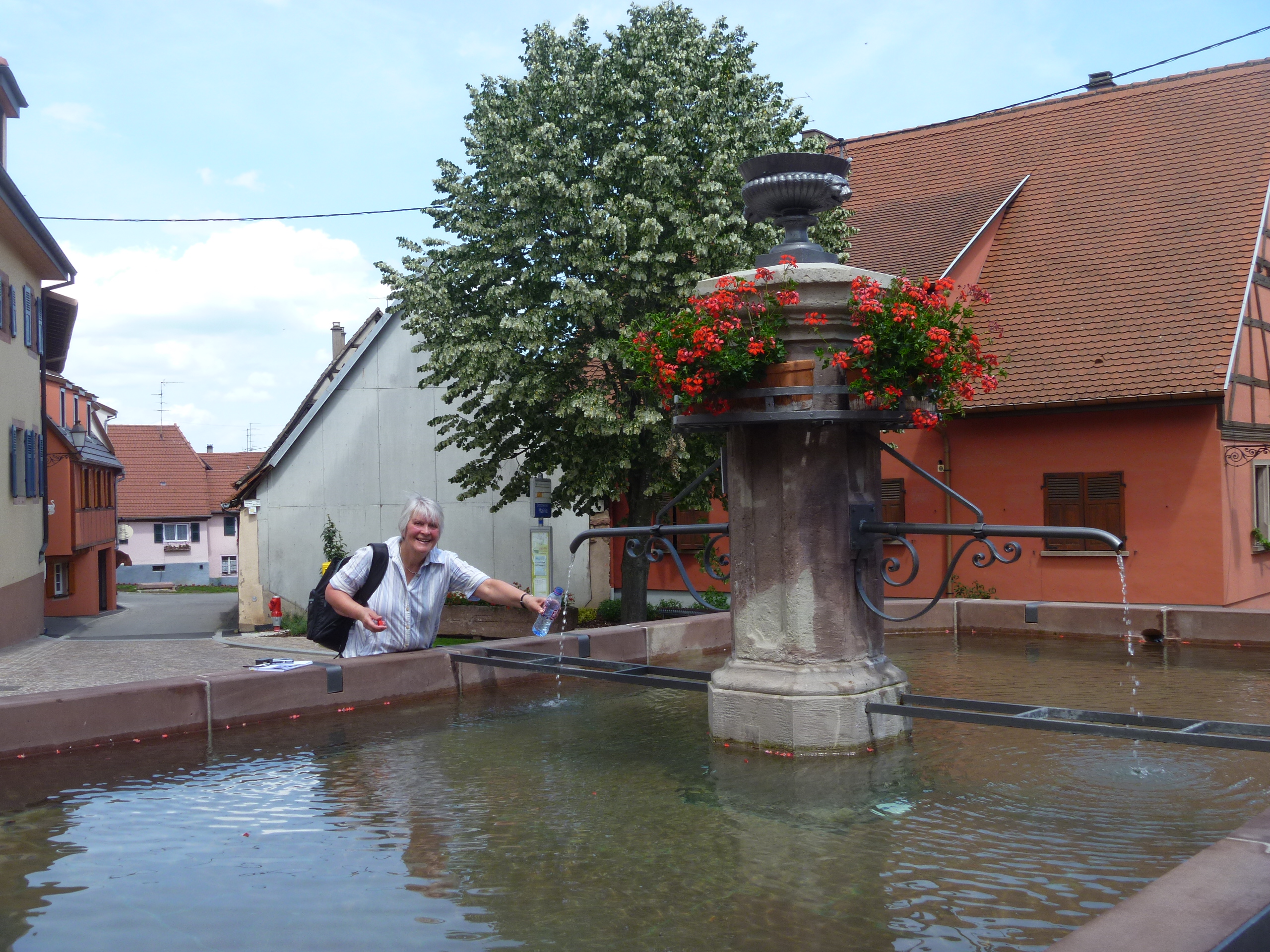
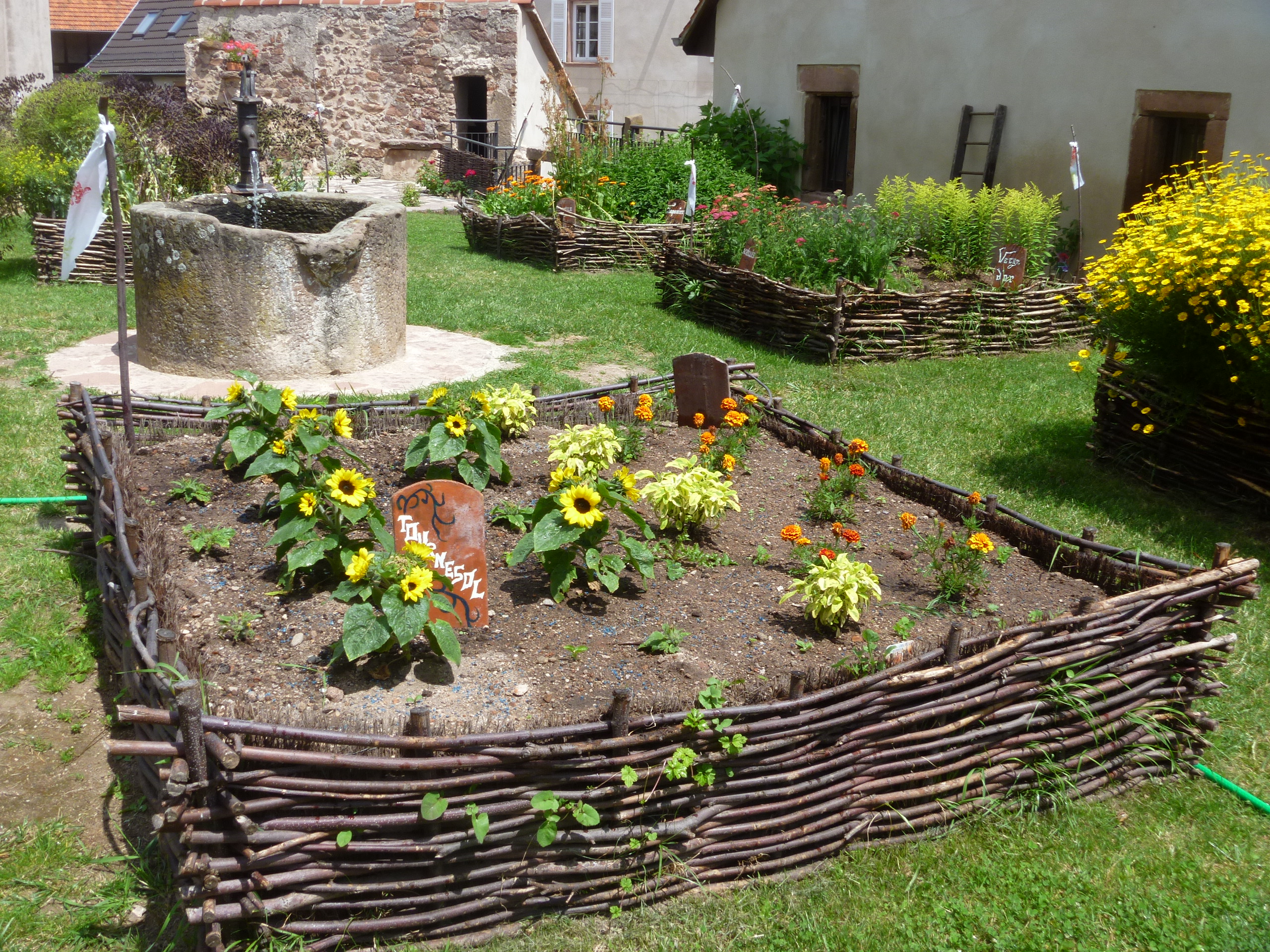
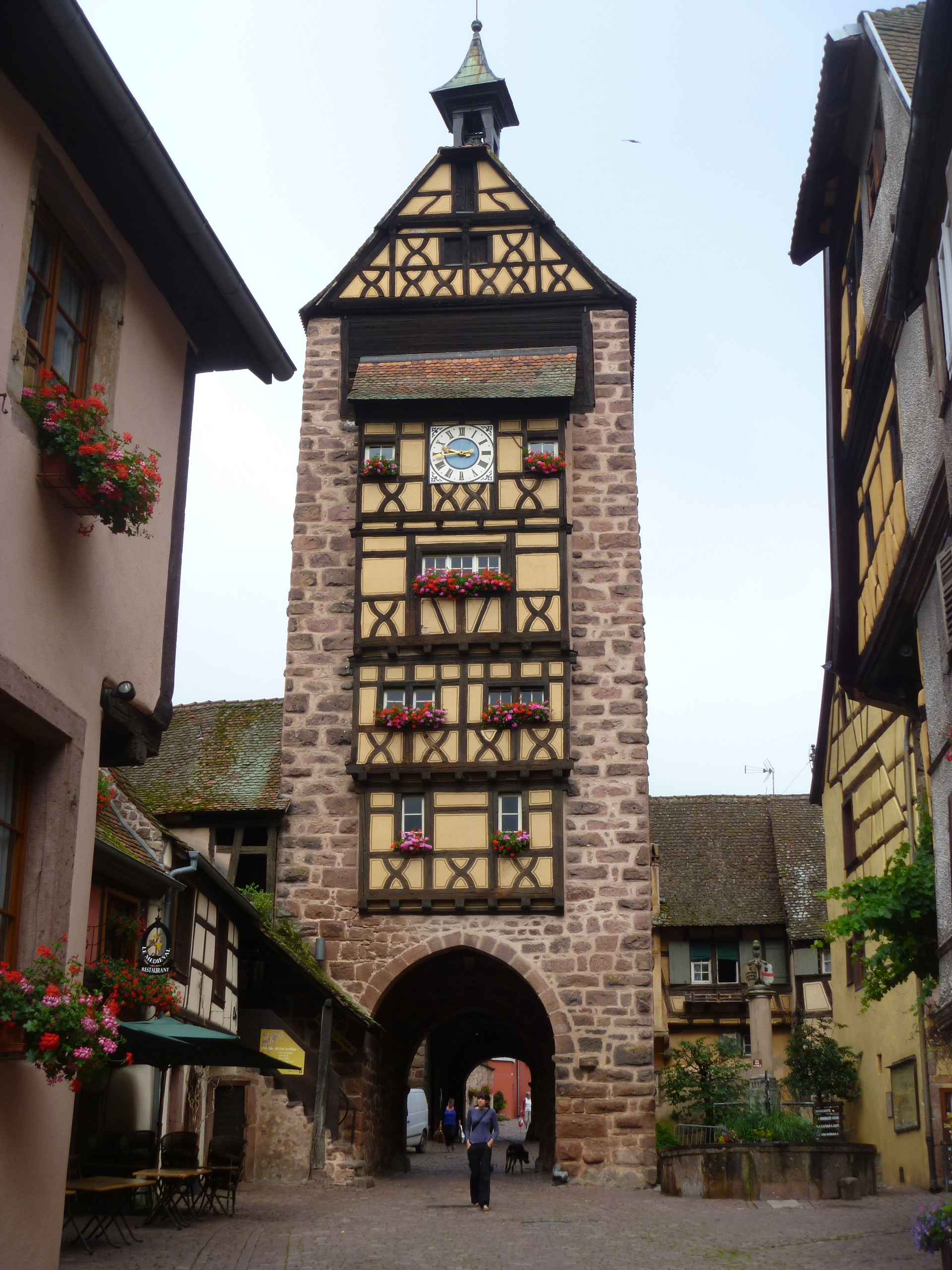
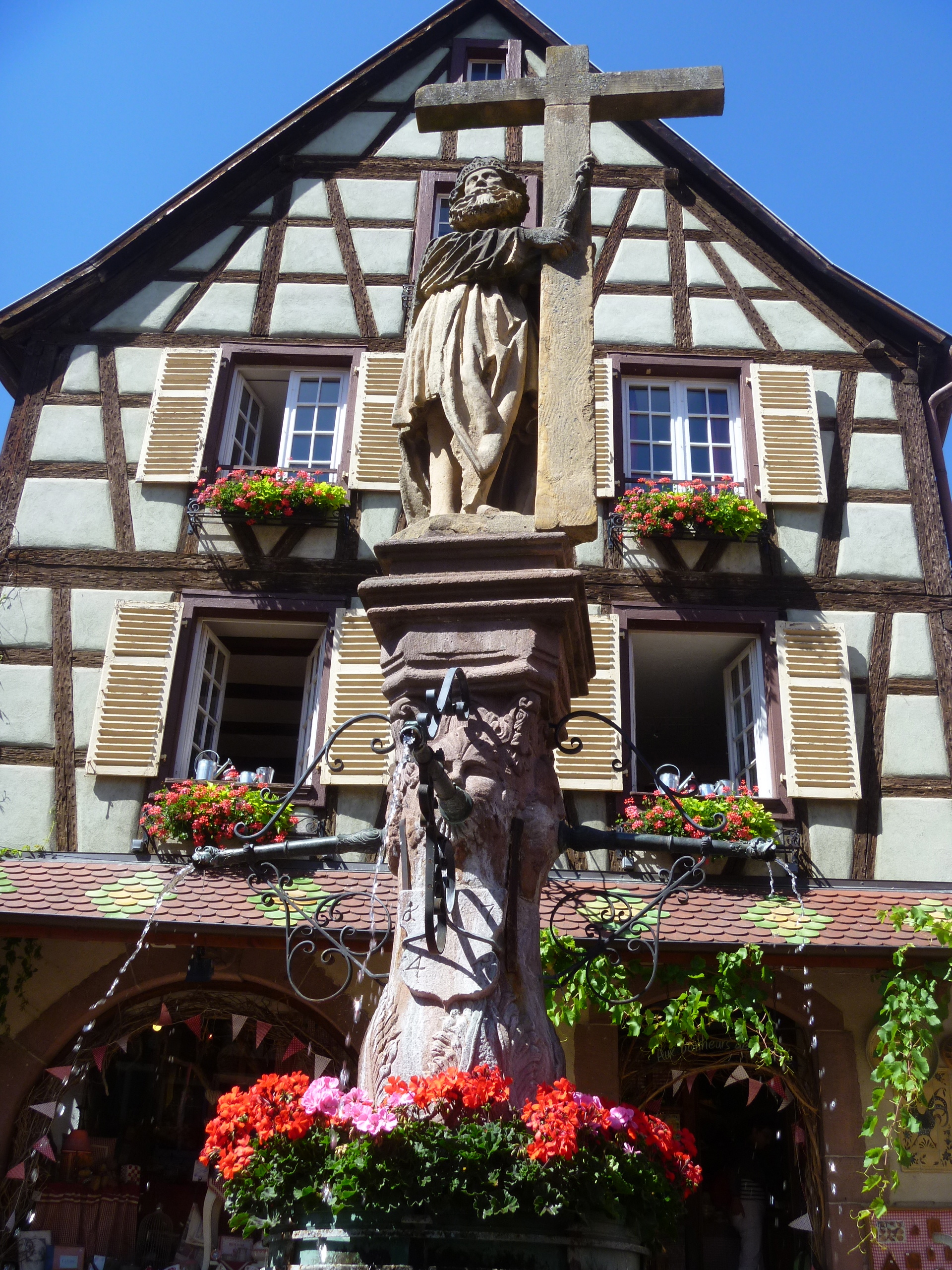
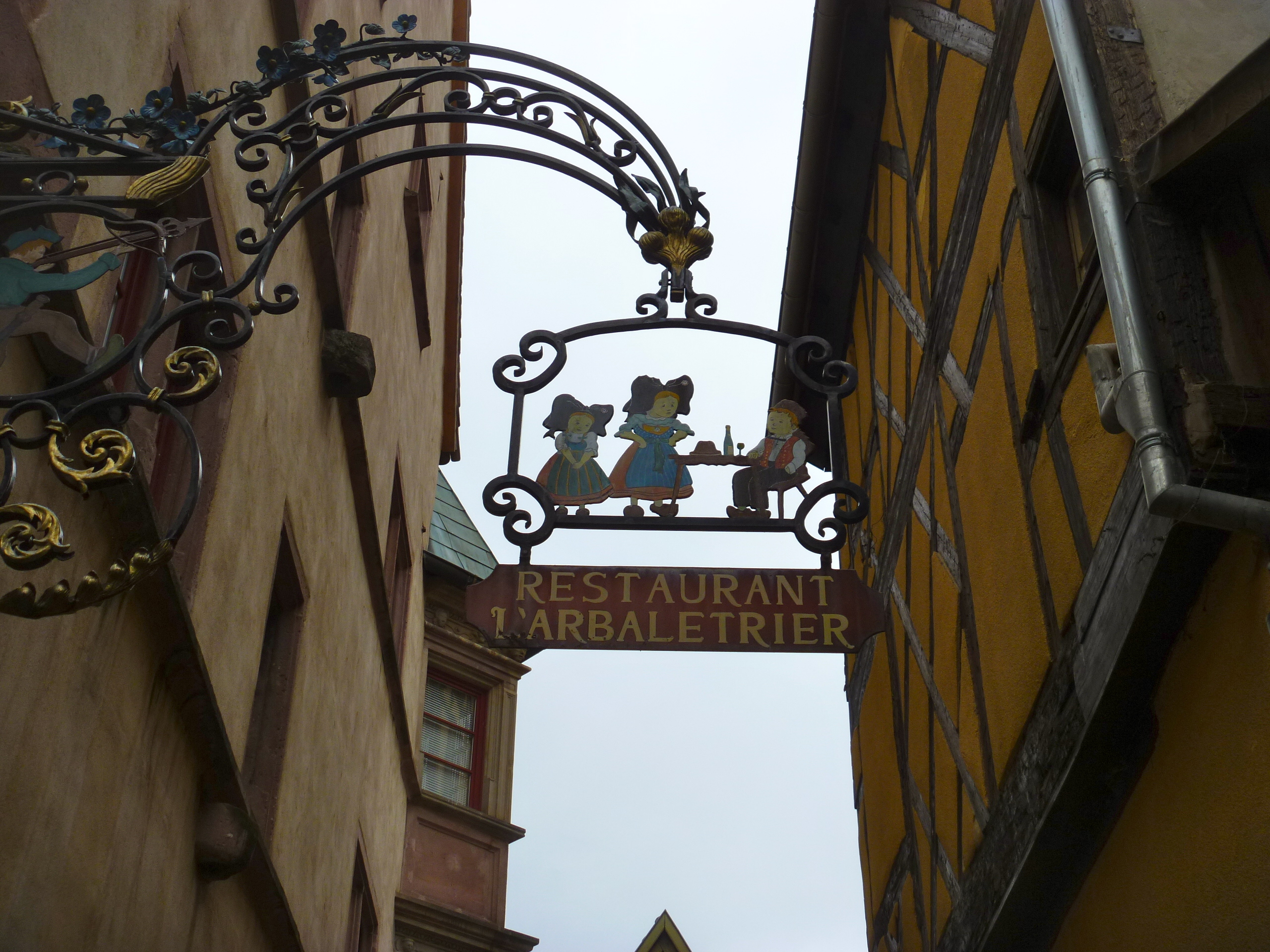
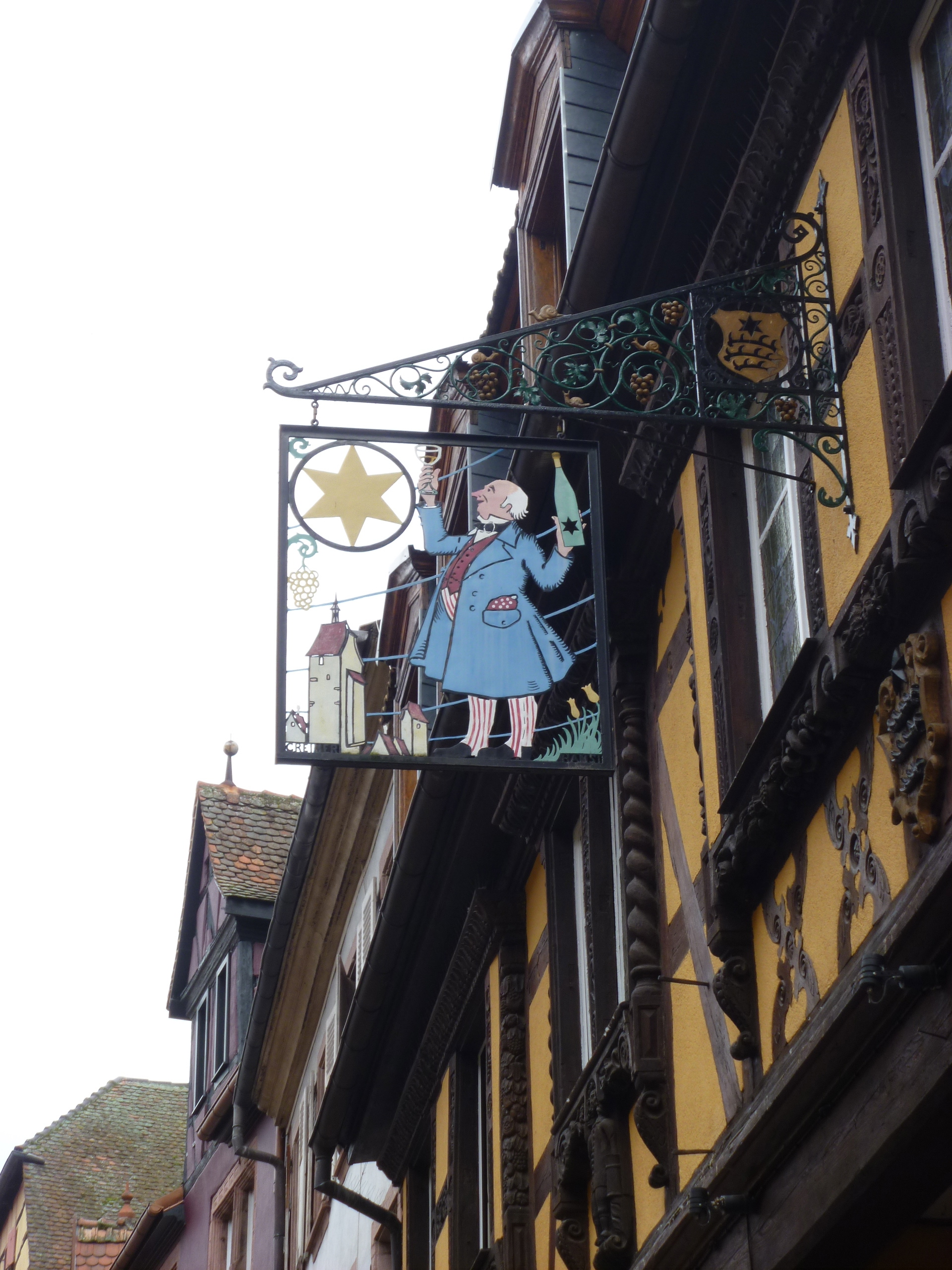
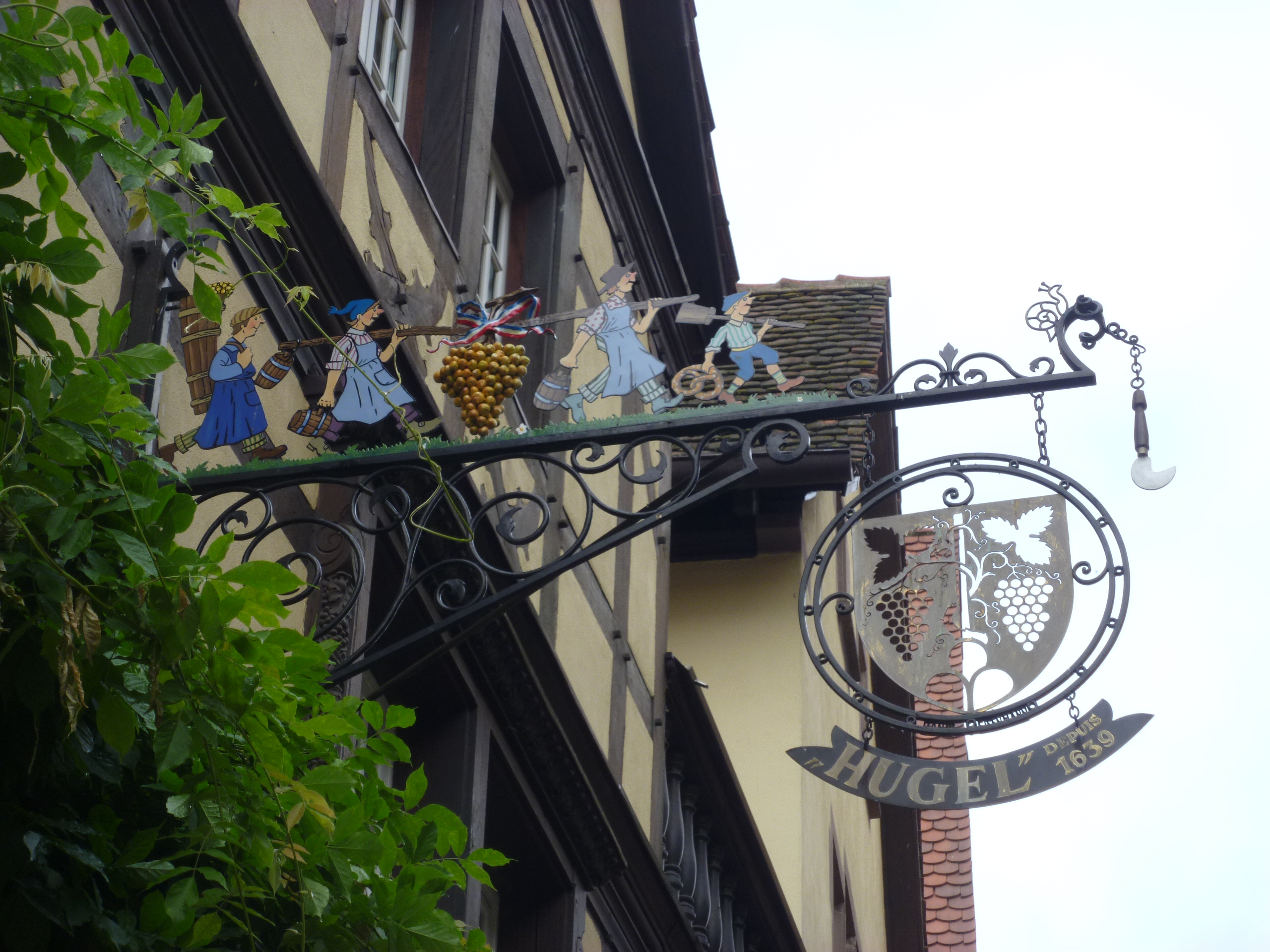
Each village or small town which we passed through was distinctive and yet they all had several aspects in common: the half-timbered buildings, often gaily painted with flower-bedecked windows; decorated fountains, some with drinkable water and others not; wine growing businesses offering tastings (degustations); distinctive towers, arches and gates and quite a few had revived old medieval gardens demonstrating herbs and other useful plants.

Colourful houses in Andlau

Window in the sunshine at Dieffenthal

Drinking water fountain at Orschwiller

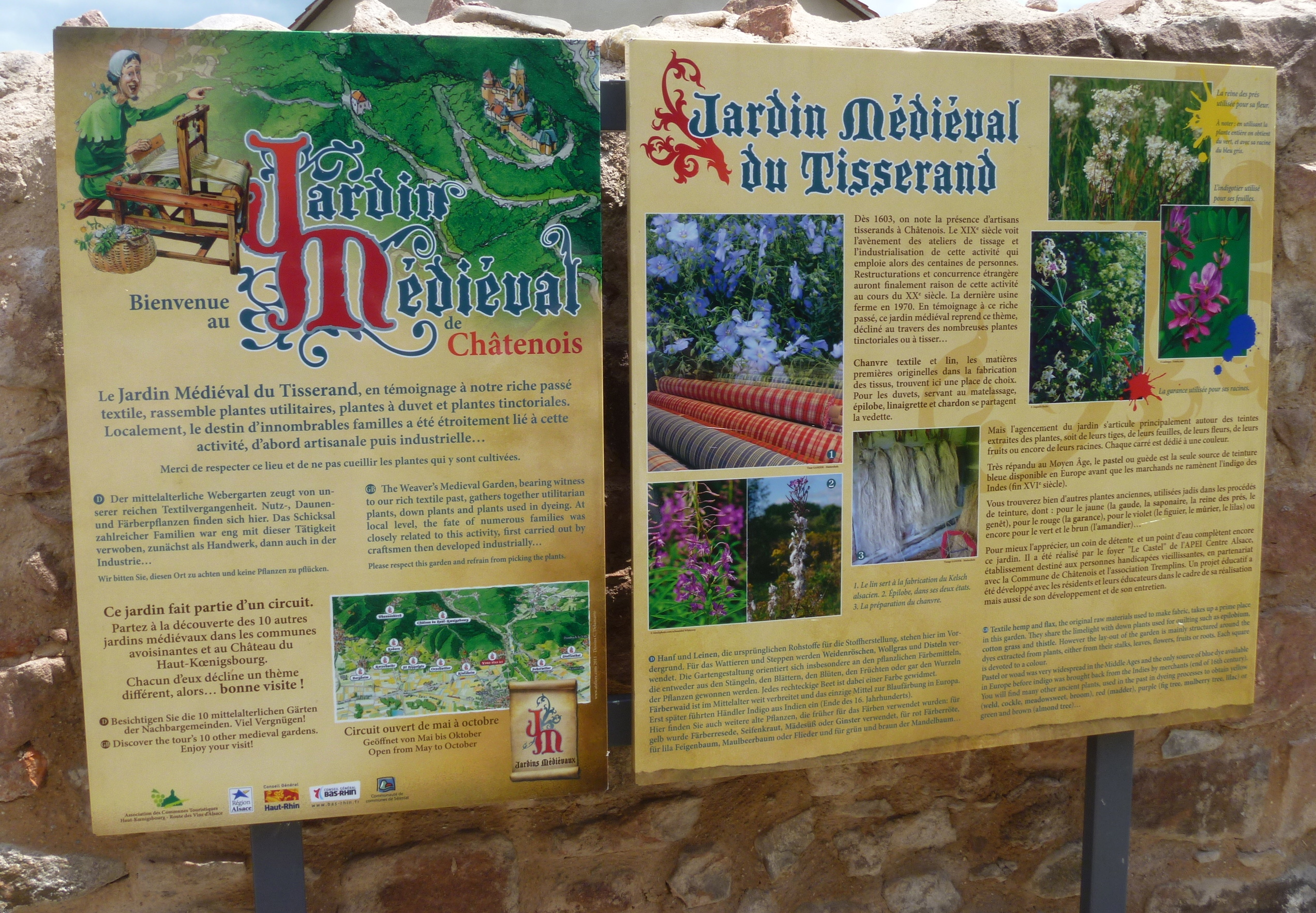
Medieval Garden at Chatenois

Tower/Gateway at Riquewihr

Fountain at Kaysersberg

Between the villages many of the tracks were alongside fields planted full-to-bursting with grape vines – still in the very early stages of growth for this summer. These were tracks were dotted with stone crucifixes and roadside shrines which were often included in our directions.

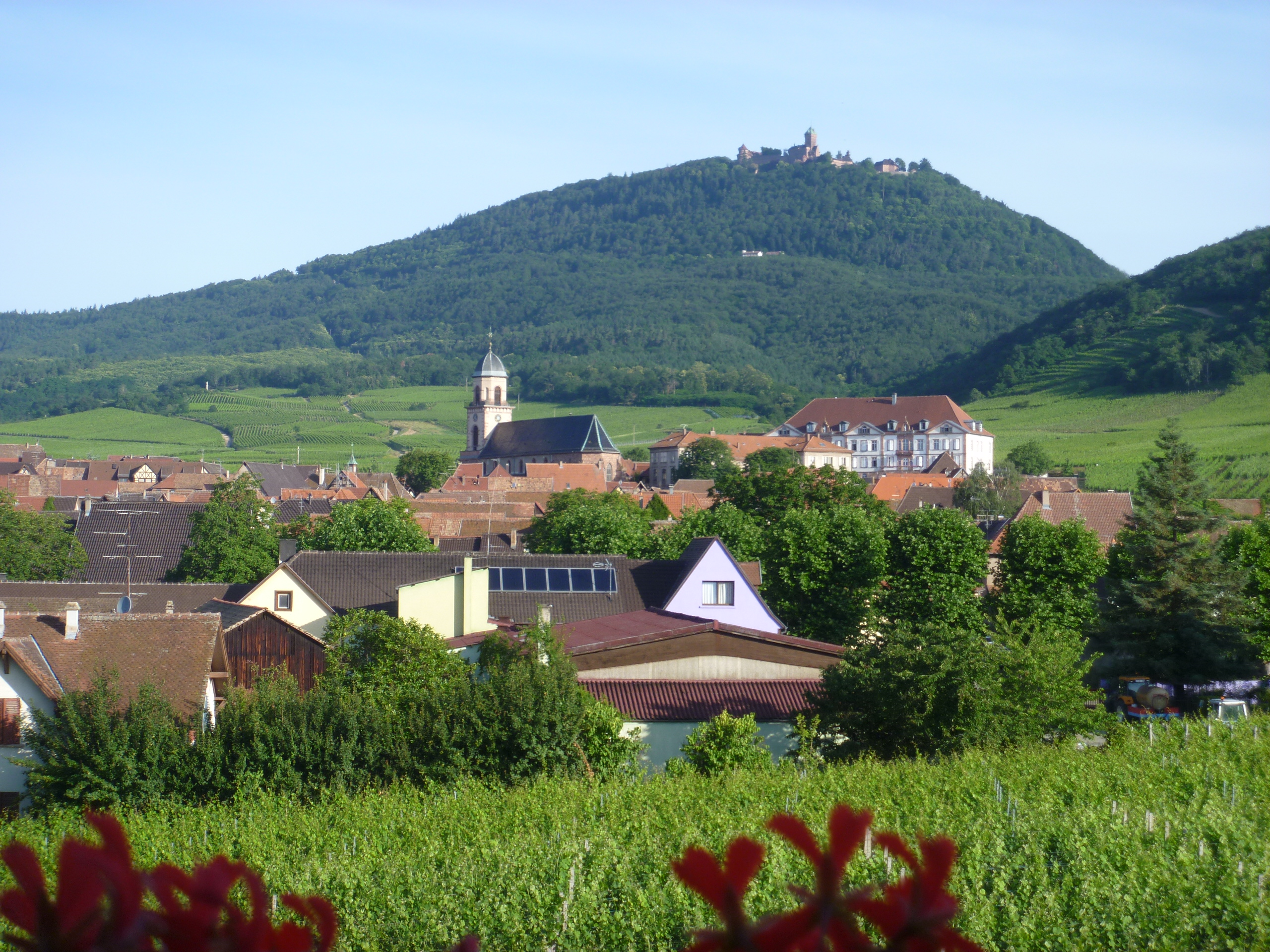
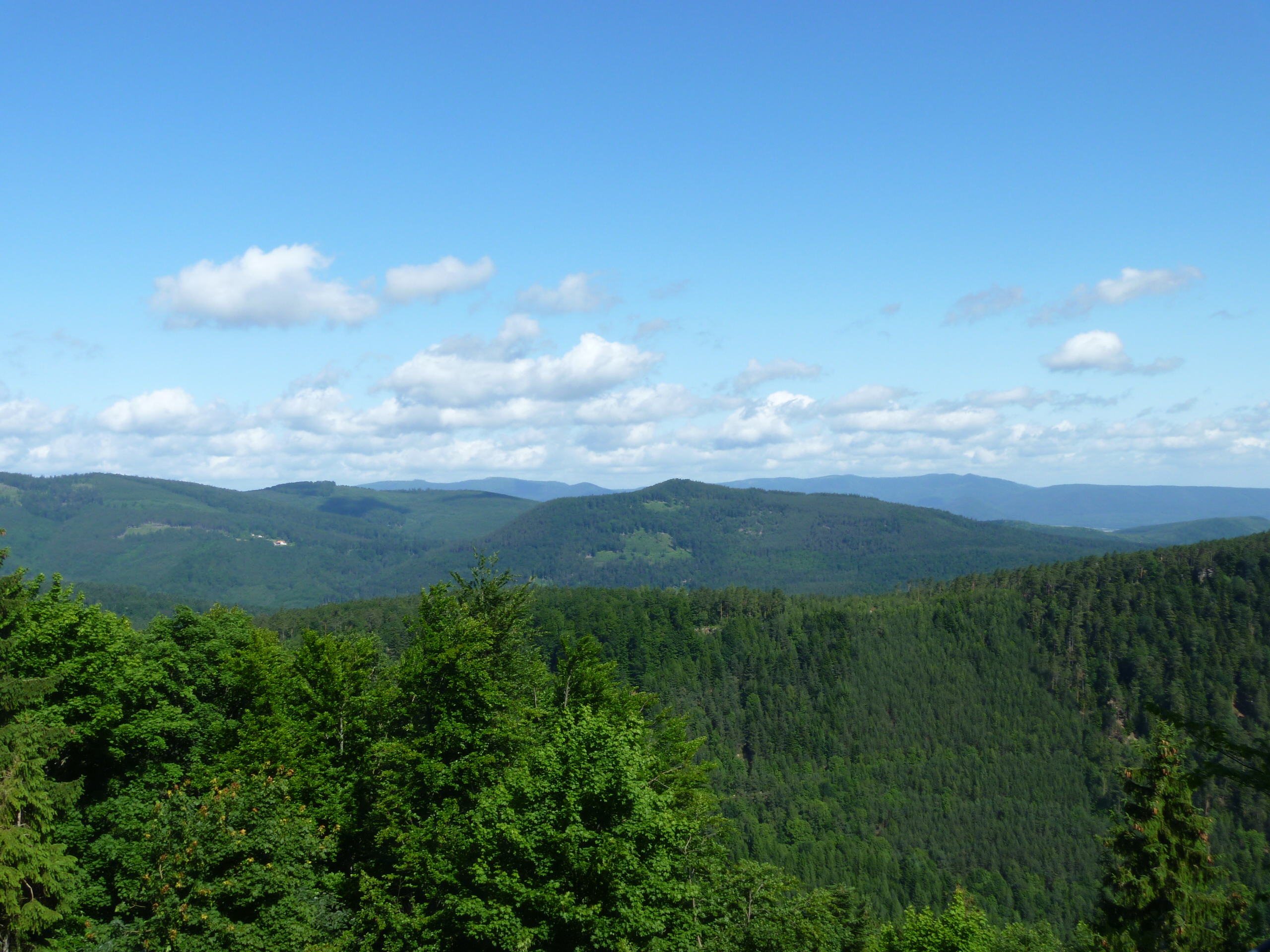
The Route Booklet offered us a daily choice of routes – higher and therefore longer and more remote or lower and generally shorter and passing through small centres of population. Until the last day we chose the lower routes as we found the villages delightful and the tracks easier. Despite this we covered over 10 miles a day on the 2nd, 3rd and 4th days and we had great views across the Rhine Valley to the German Black Forest and the Swiss Alps. Above us on our right loomed the defensive castles and fortresses prominently located on higher ground above the valley.

Haut Koenigsbourg Castle above St Hippolyte

A Saint, an Artist and a Doctor : people we came across in Alsace.

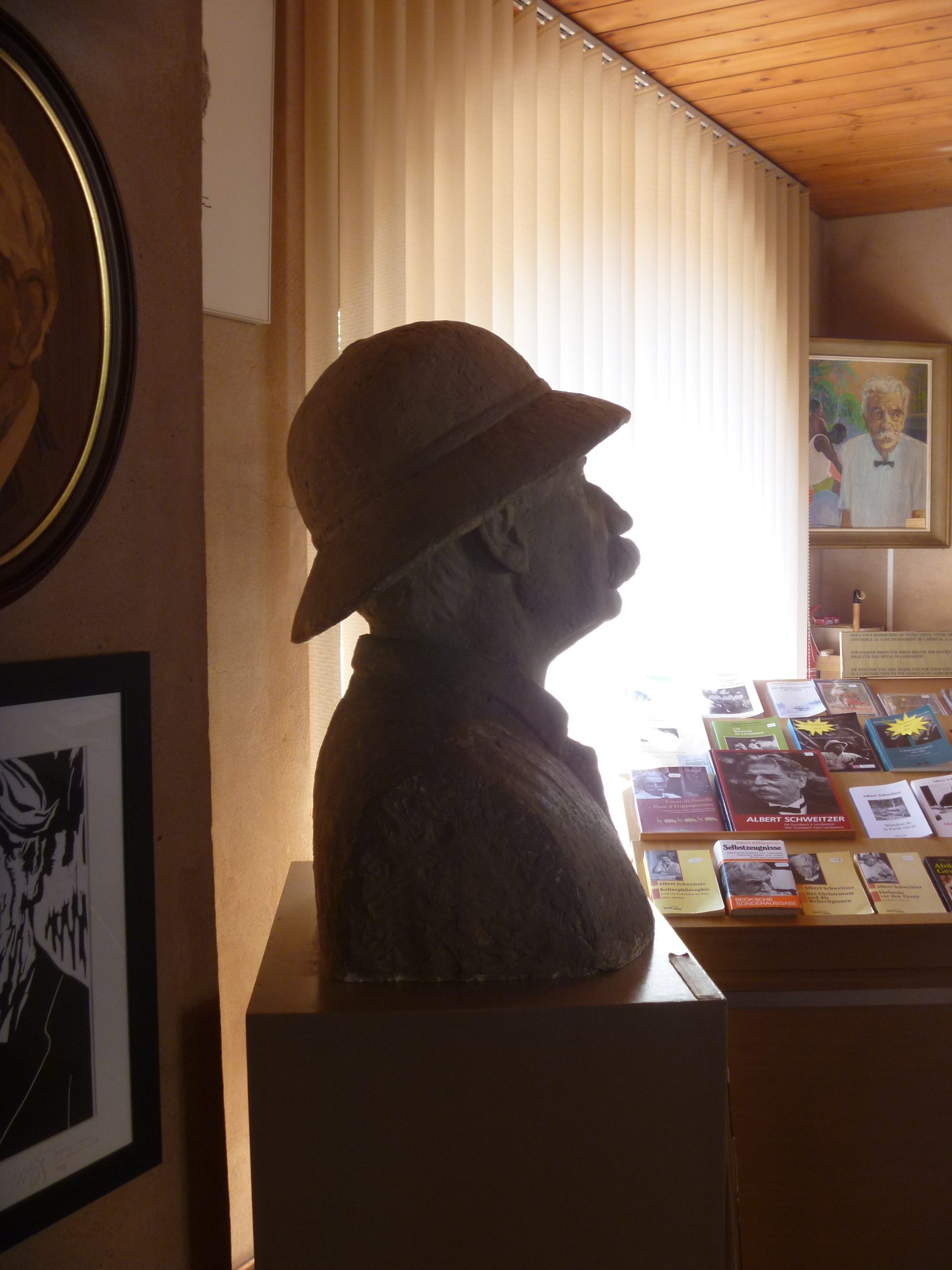
On our walking trip in Alsace we kept coming across references to storks but also to certain people. In particular local artist Hansi and local saint Odile. Then we discovered that Kaysersberg, our final destination, had been the birthplace of Dr Albert Schweitzer – all round good person, as you will discover.

Saint Odile

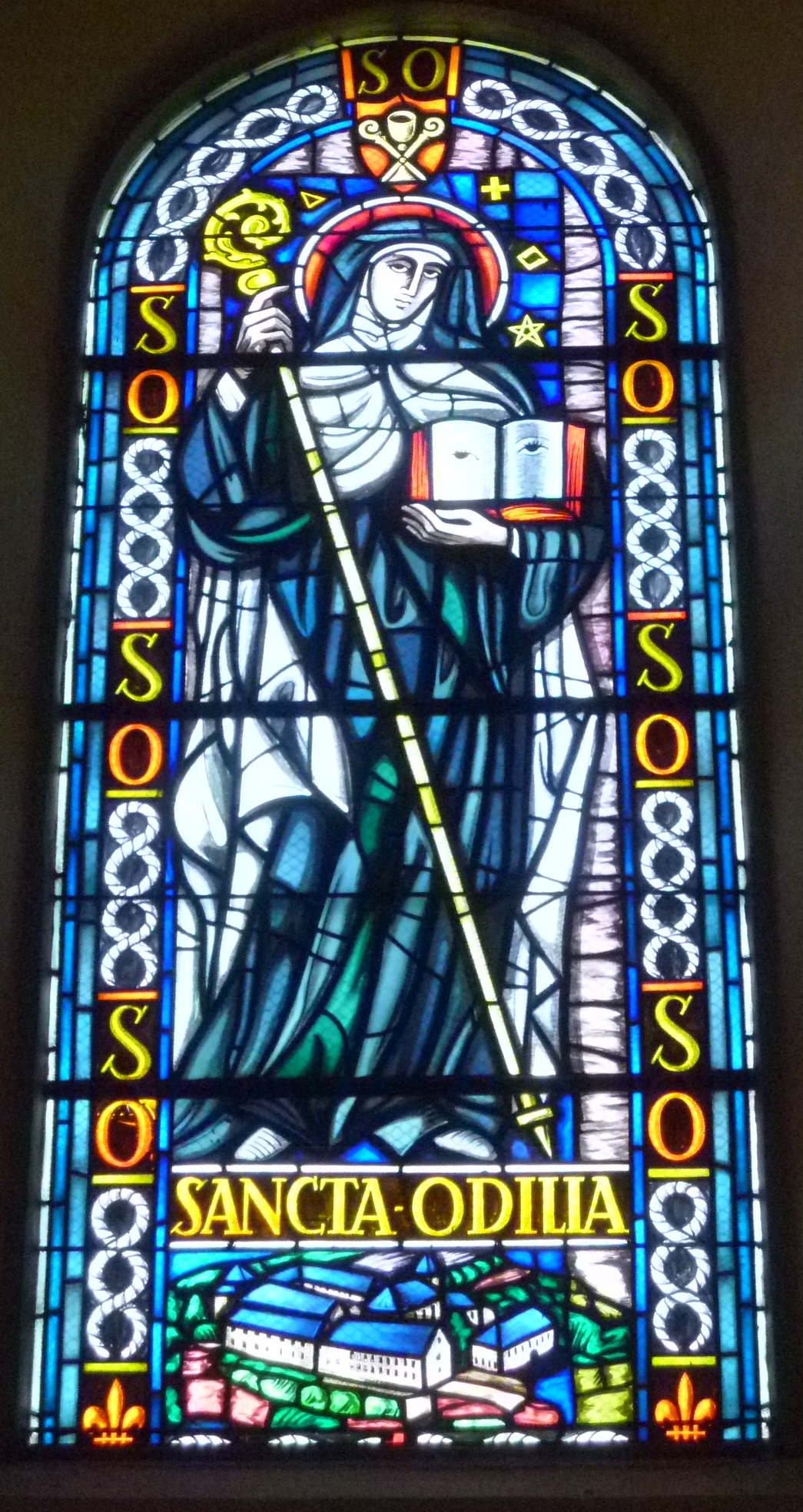
Window dedicated to Saint Odile at Itterswiller

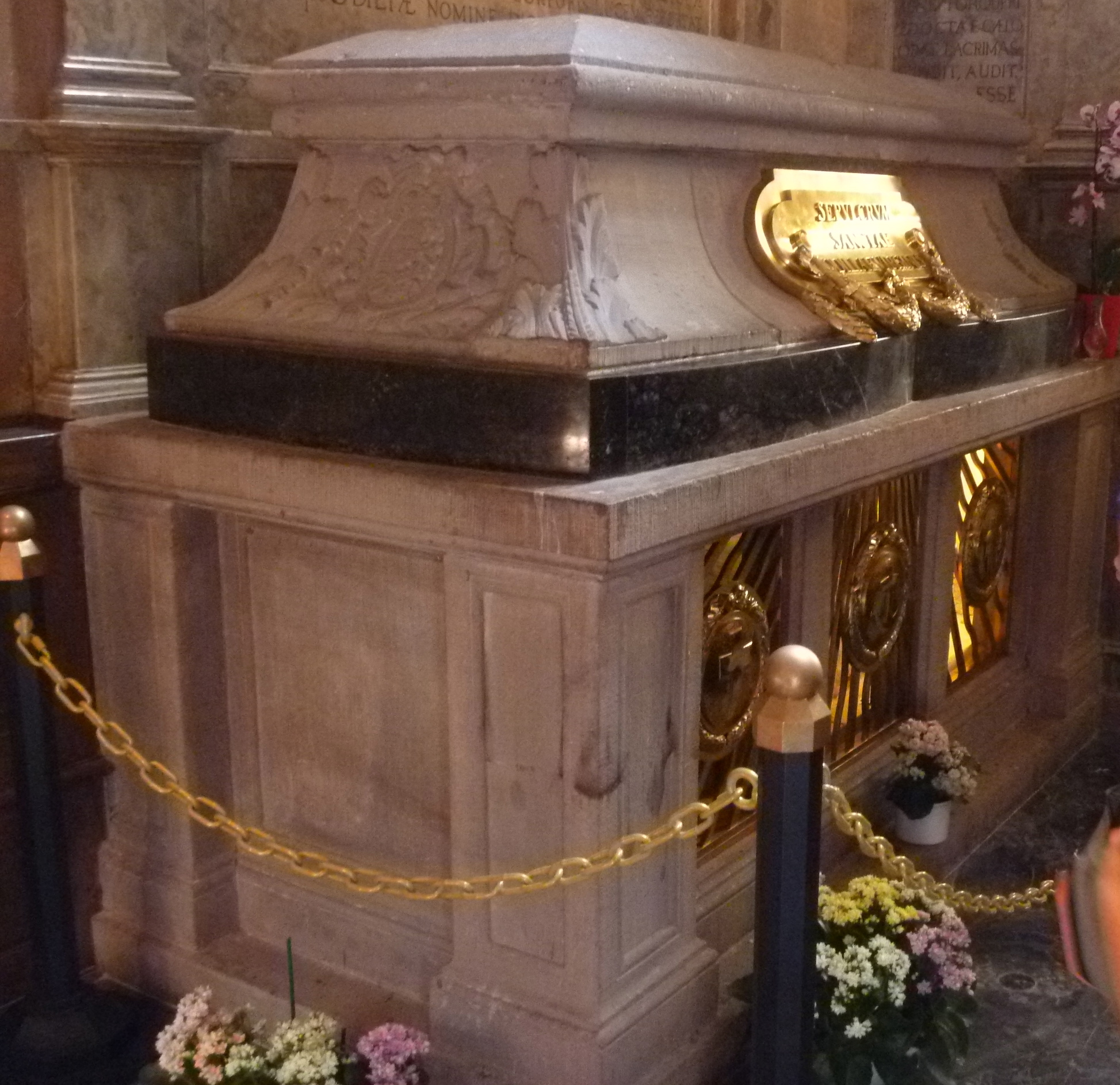
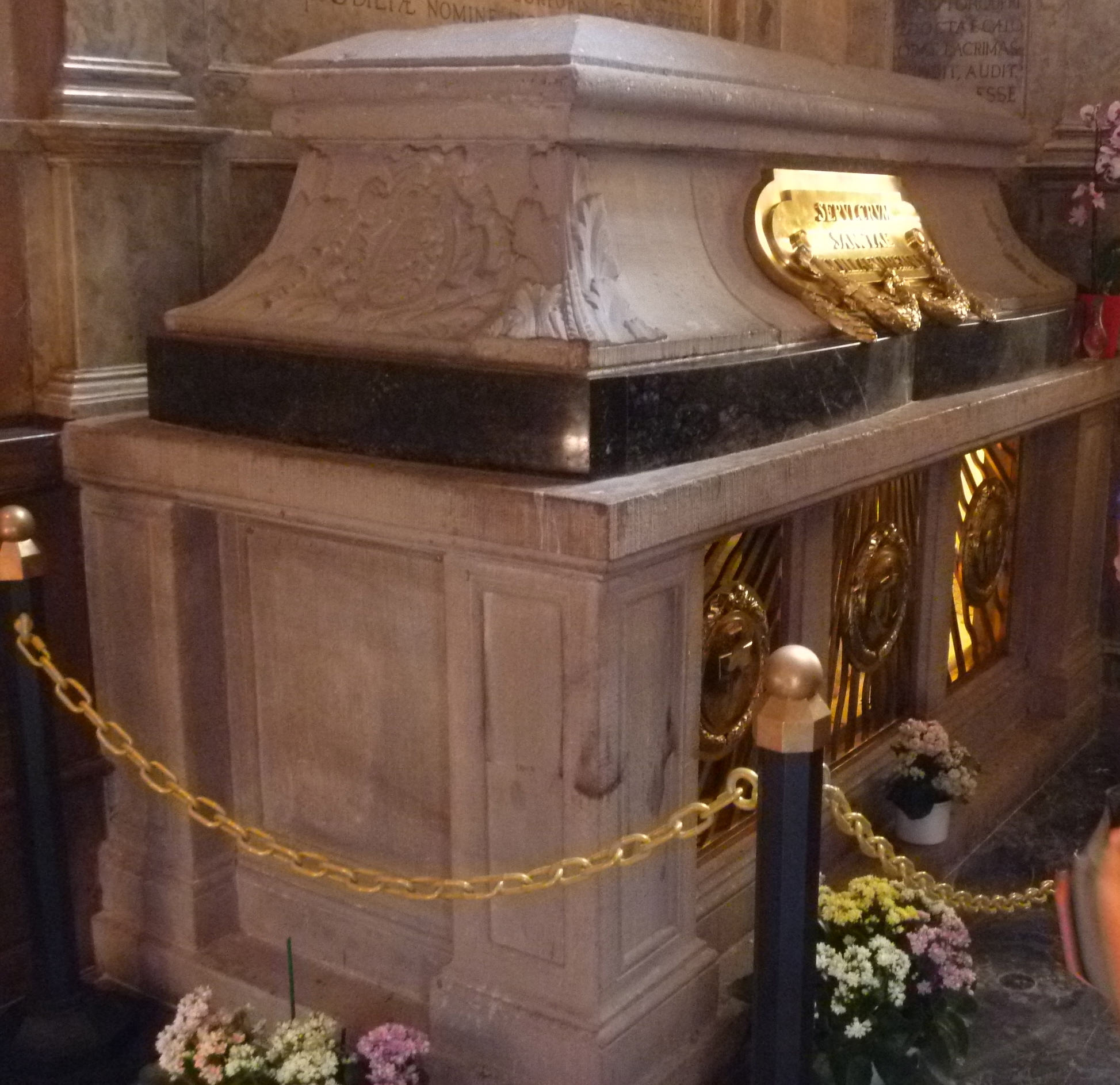
Saint Odile is the patroness of good eyesight. She was born in Obernai and the Augustine foundation at Mont Sainte Odile was founded in her name by her father. She had been born blind but was cured at age 12 on being baptised by an itinerant bishop of Regensburg. She is buried at Mont Sainte Odile.

The Tomb of Saint Odile

She didn’t just turn up at Obernai – where there’s a statue of her in the main square – but also in the stained glass windows in several churches that we visited along our way.

Saint Odile with her attribute – a pair of eyes in a book – in stained glass at Chatenois

Hansi

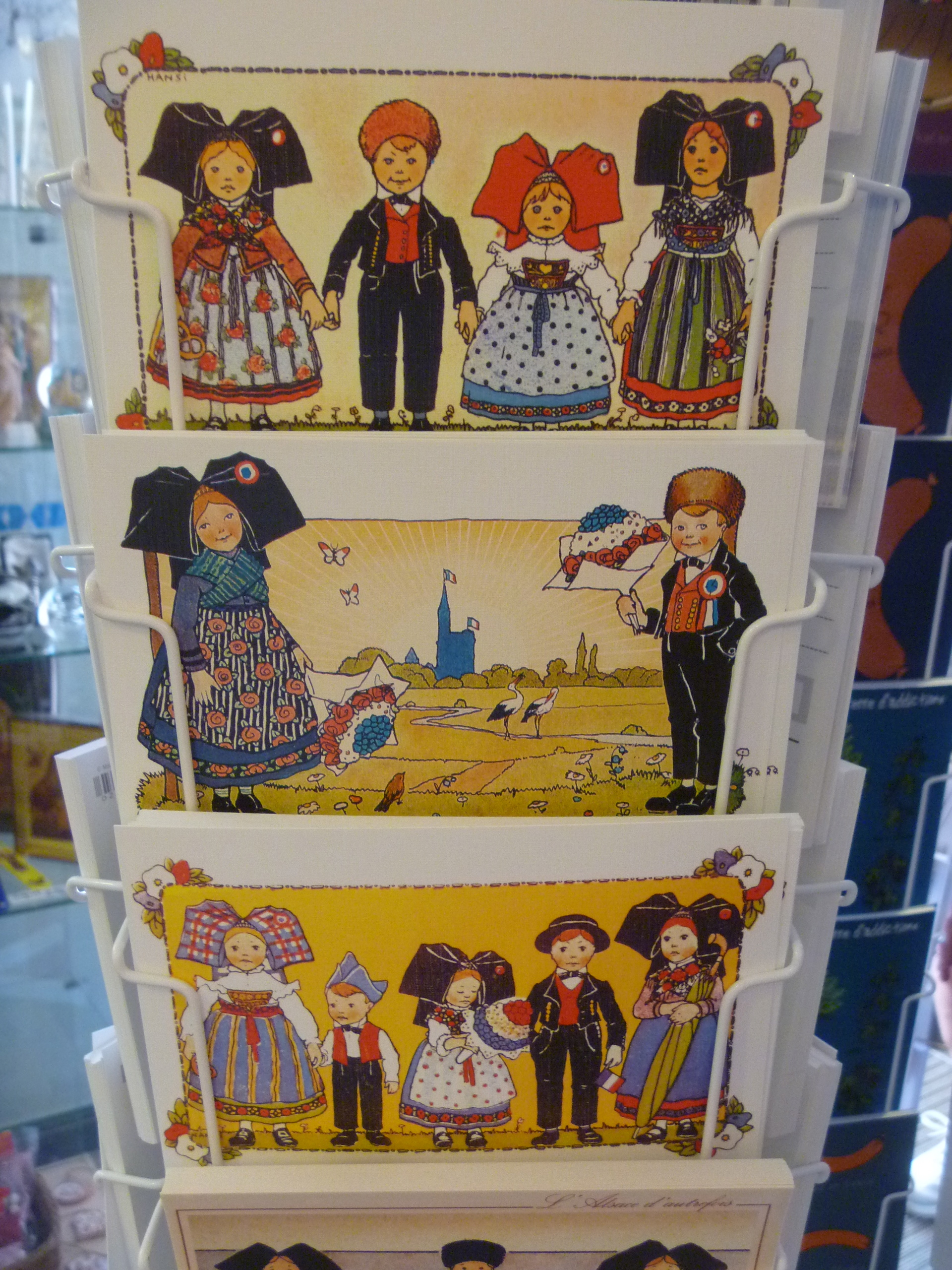
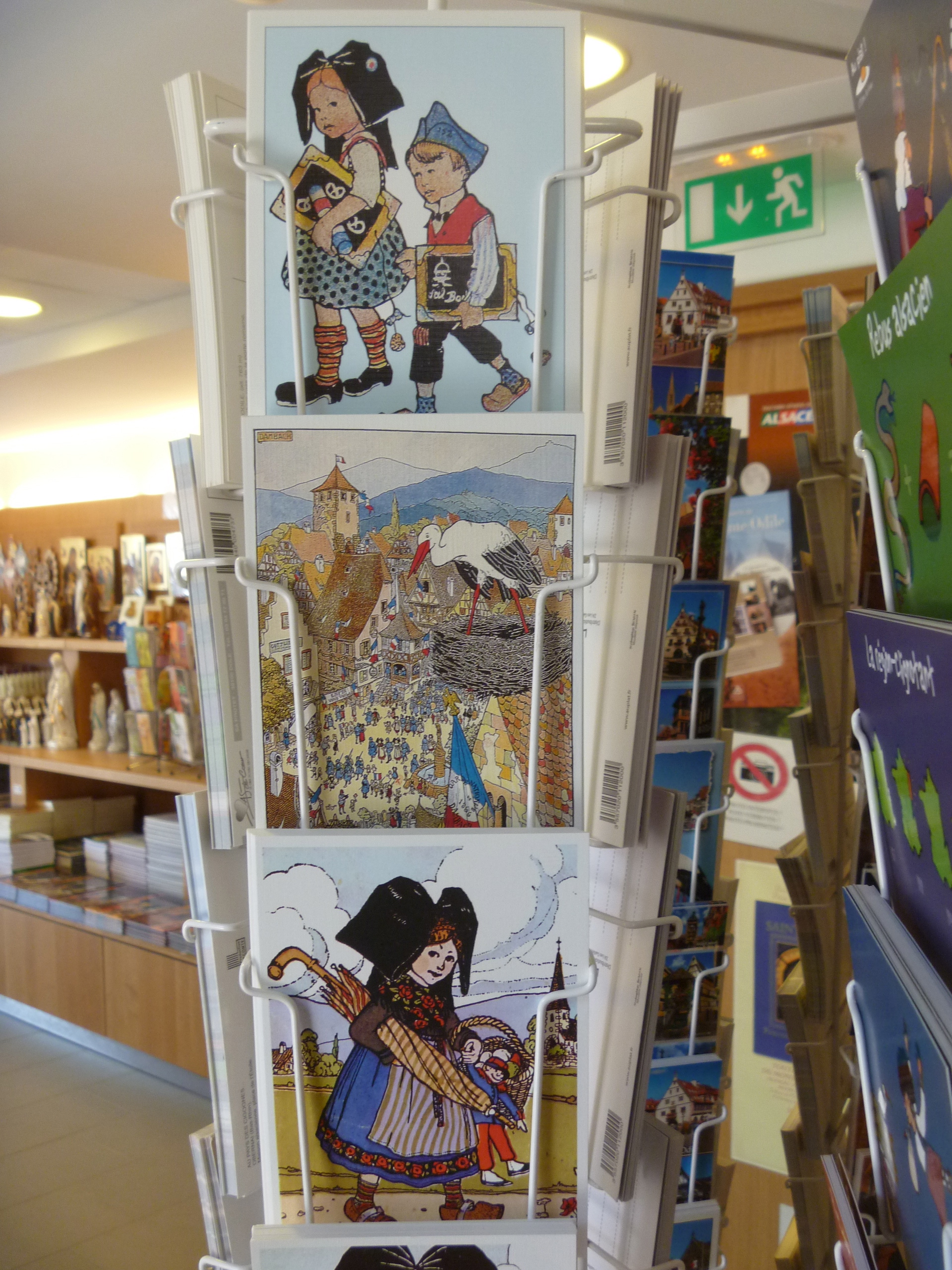
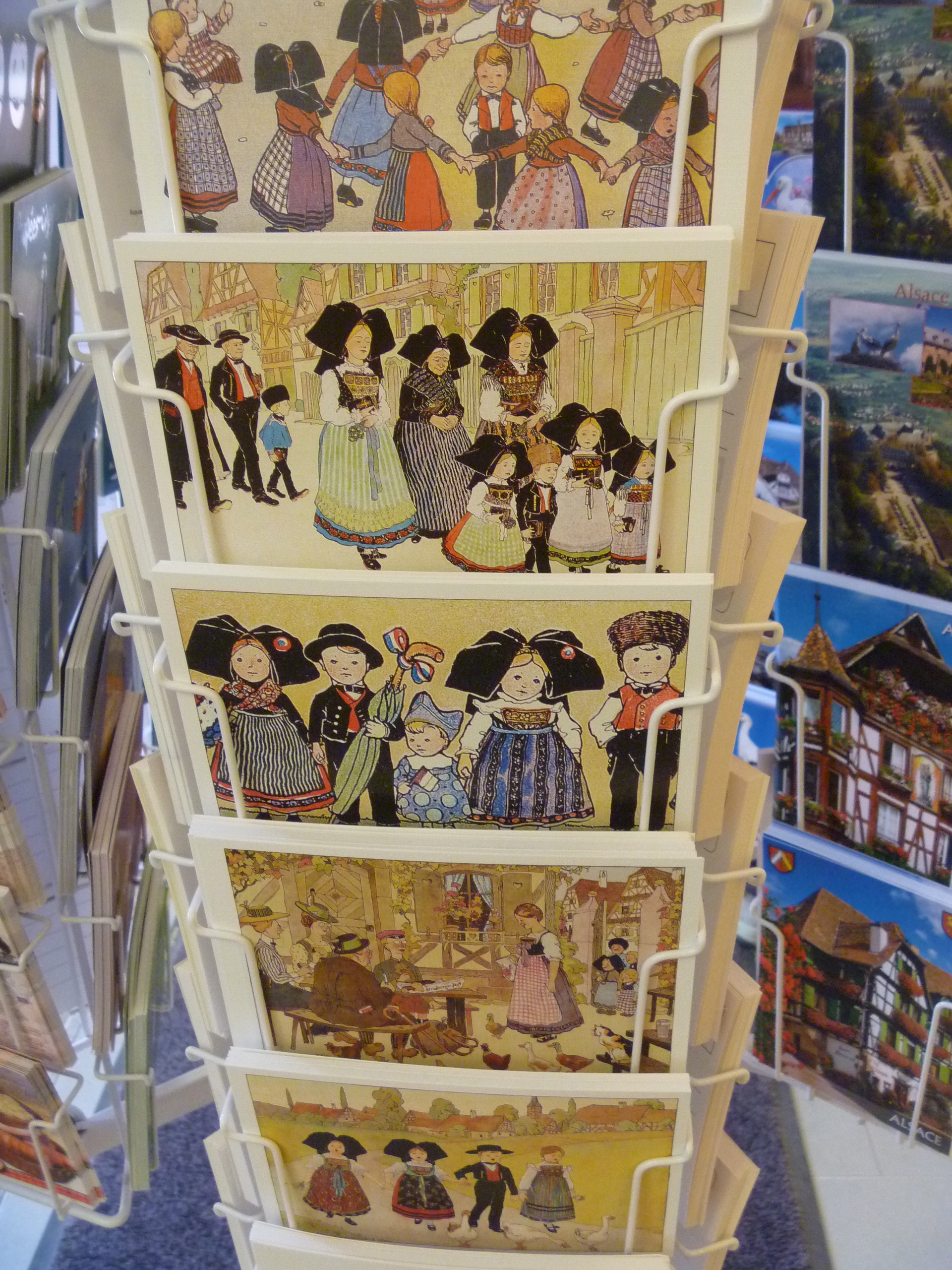
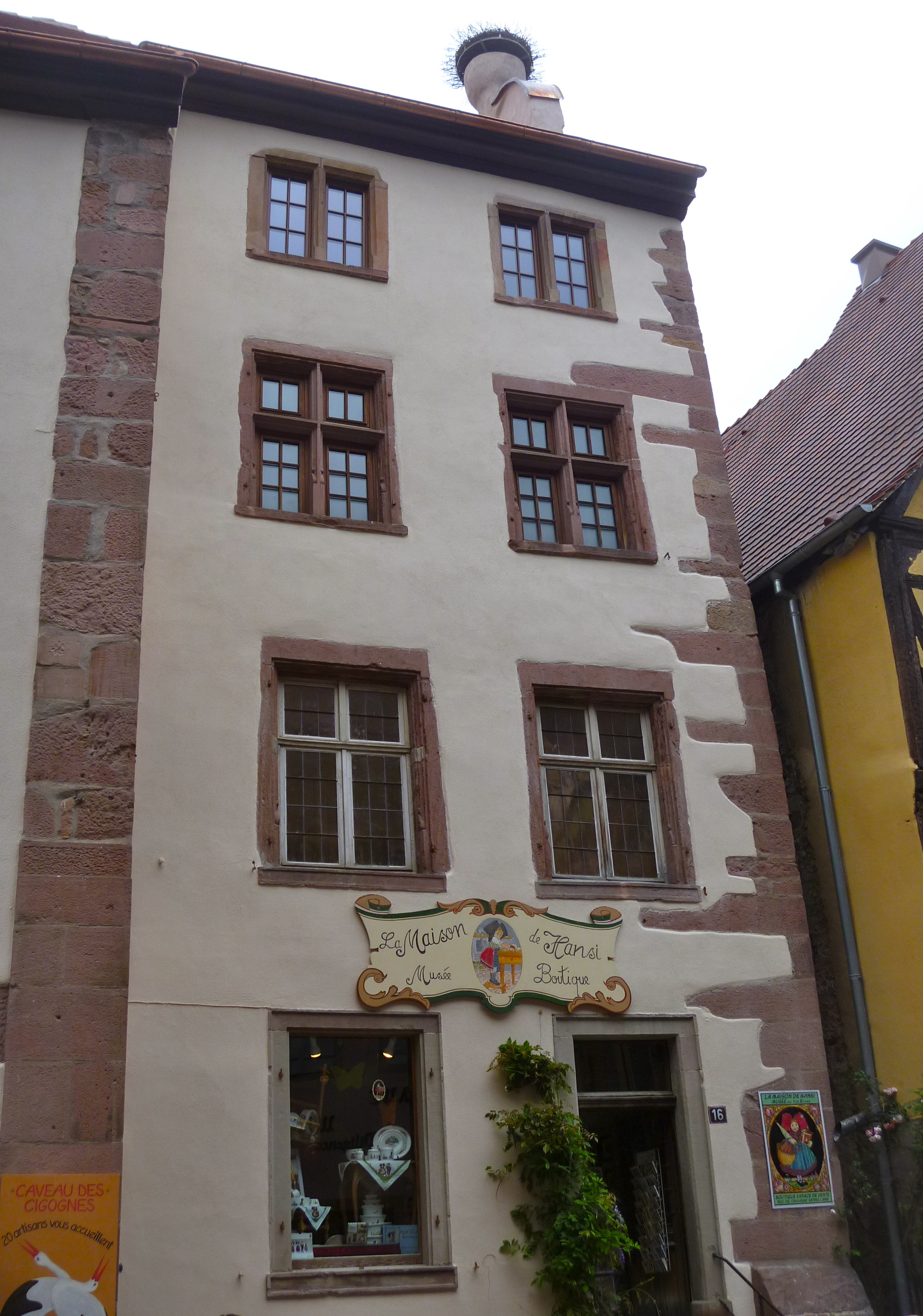
Oncle Hansi, or just Hansi, was the pseudonym of Jean-Jaques Waltz who was born in Colmar in 1873 and died in 1951. We came across his cute little pictures on postcards and framed on the hotel walls throughout our trip. At Riquewihr, where we stayed for our last night on the walk, there is a museum dedicated him.

Note the empty stork nest/basket on the museum chimney

There we watched a video film about his life and discovered that there was much more to the creator of the cutsy postcards than initially met the eye. He had been a French hero of both world wars. He published many satirical works and cartoons that made fun of the Germans in particular the book Professor Knatschke in 1912. He was arrested by the Germans when they annexed Alsace first in 1914 and later, having been pursued by the Nazis in 1940, he fled to Vichy France.

In addition to postcards we spotted shop signs in the villages showing his distinctive work.

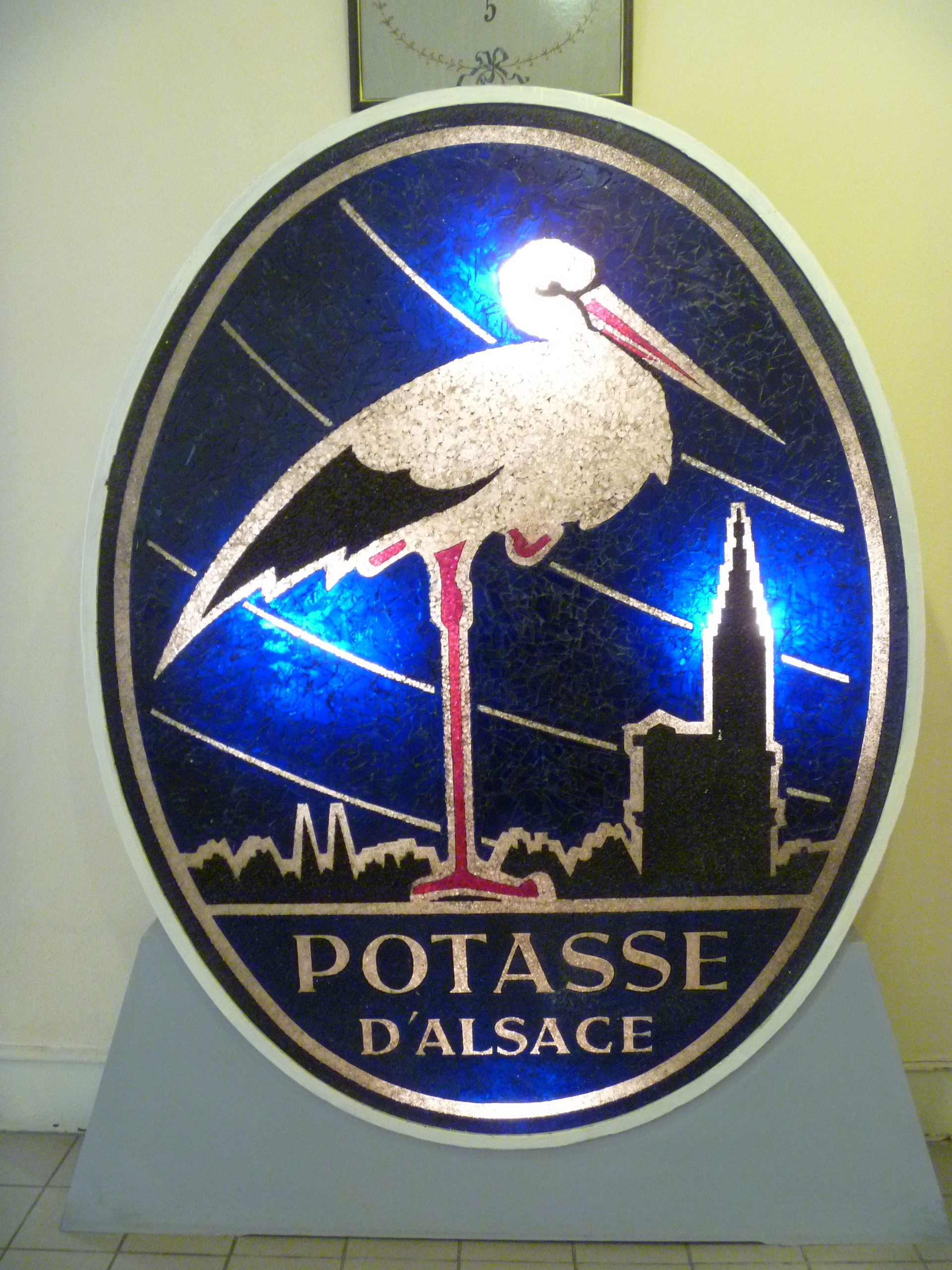
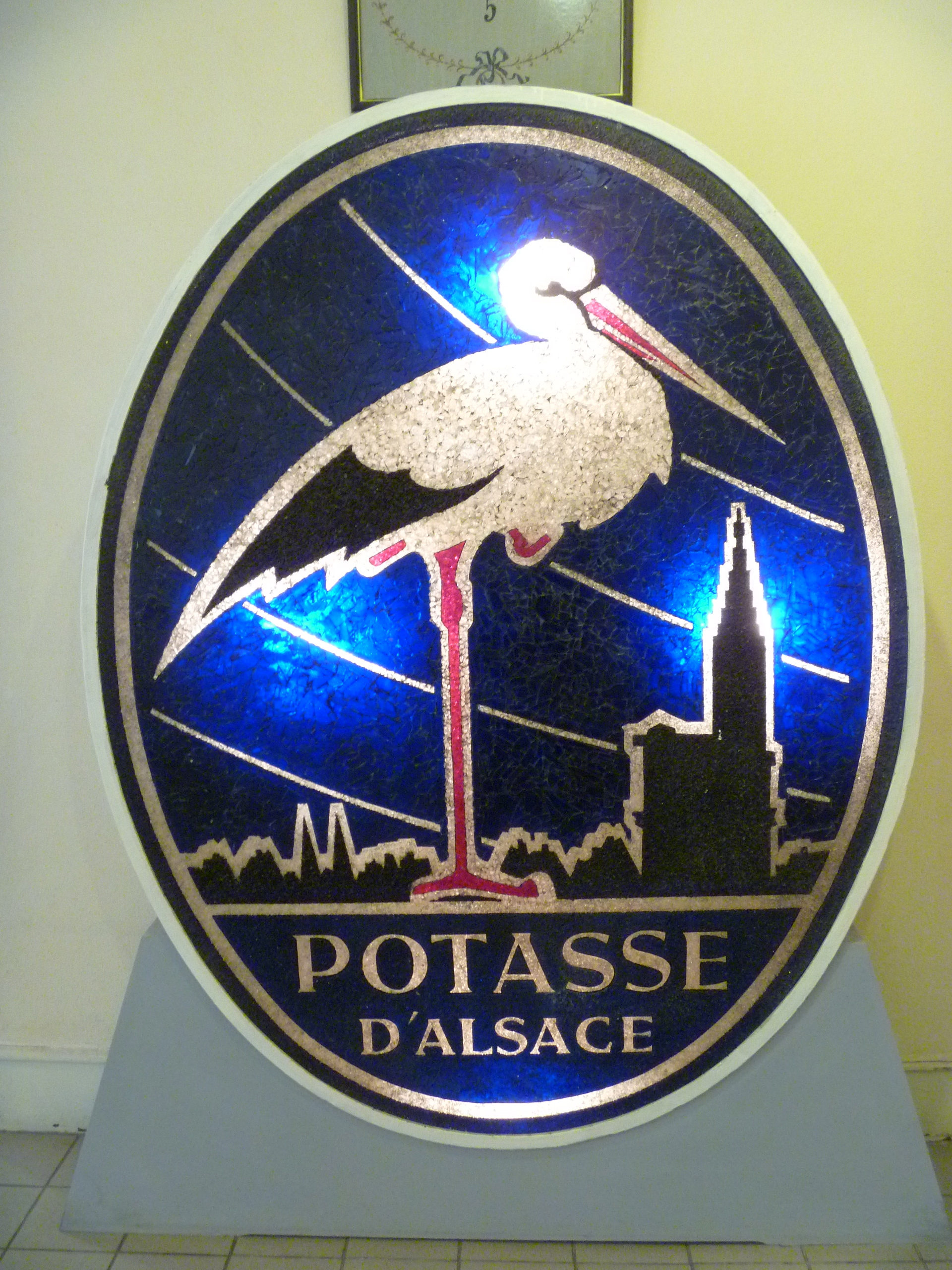
And here’s a combination of Hansi and a Stork – an advertising plaque :

Dr Albert Schweitzer

When I was growing up in the 1950s and early 1960s we learned all about missionaries in school and at Sunday school – Mary Slessor, Albert Schweitzer, Gladys Aylward – the names tripped off our tongues as did our times tables. I’m not sure these days whether young people know these names.

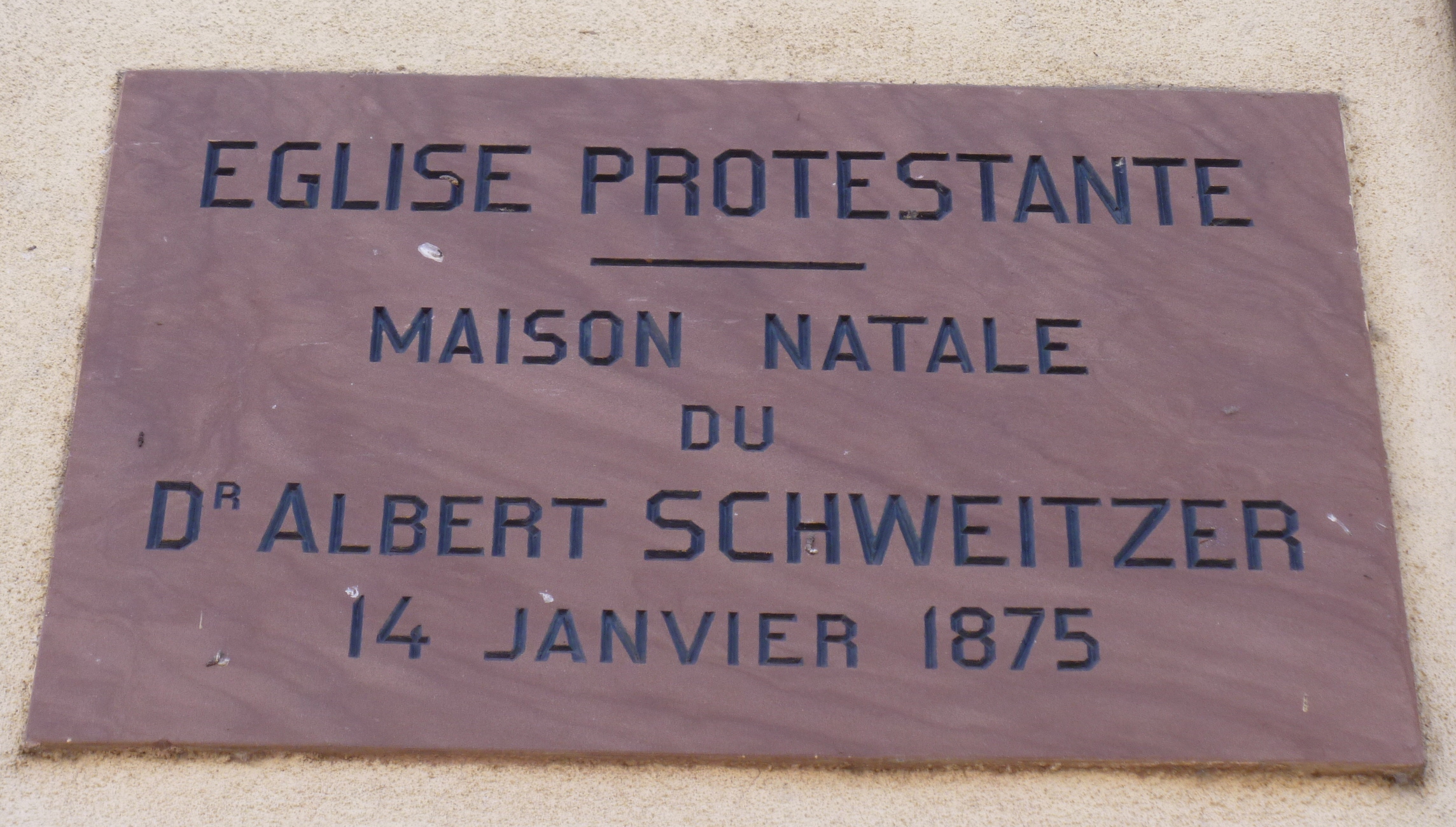
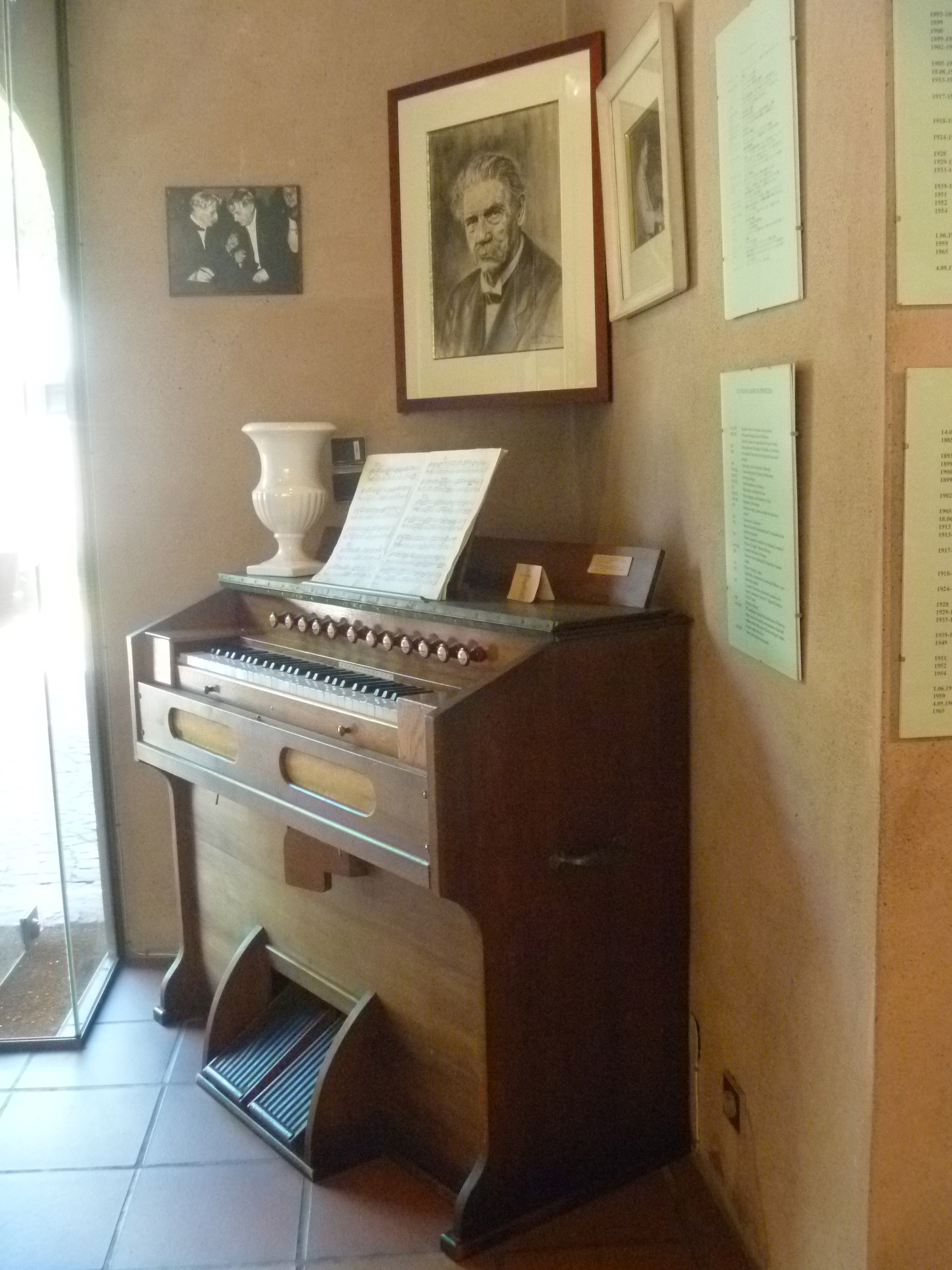
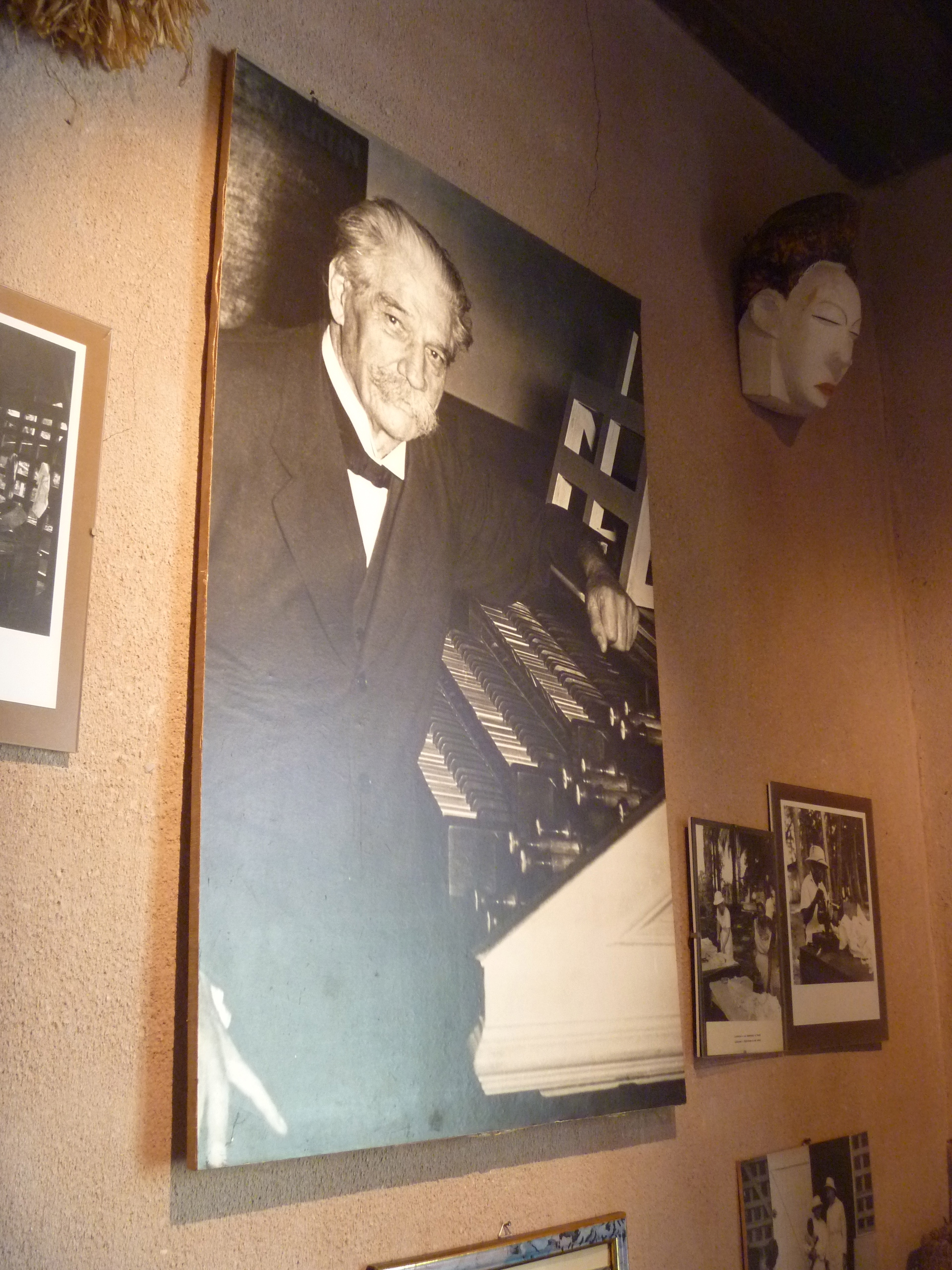
When we arrived at our final destination, Kaysersberg, on the fourth day of walking and saw the birthplace and museum dedicated to Dr Albert Schweitzer we knew just who he was and stepped inside to have a look.

I don’t know if the missionary aspect of work is played down now. Certainly the museum opened our eyes to his many talents and achievements: organist  (an authority on the music of J S Bach); philosopher and writer; theologian and Nobel Peace Prize winner (in 1952). He’d been arrested and imprisoned during the first world war for being a German citizen (due to being born at a time when Alsace was occupied by Germany).

But most significantly he was a medical doctor who founded and ran for 50 years a hospital in Lambarene, Gabon in east Africa. The hospital still exists today and the town of Lambarene now has twinning arrangements with Kaysersberg. Any profits that come from the museum entrance fee still go towards the work of the Schweitzer Hospital at Lambarene. Around the walls of the museum are pasted many quotations from his writings.

“Do something for somebody everyday for which you do not get paid.”

Read more athttp://www.brainyquote.com/quotes/authors/a/albert_schweitzer.html#YxhUTXKsI5eOfoyy.99

Ciconia ciconia – lucky to see you!

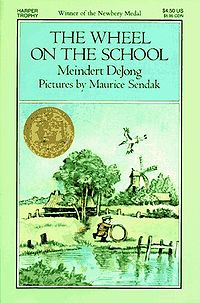
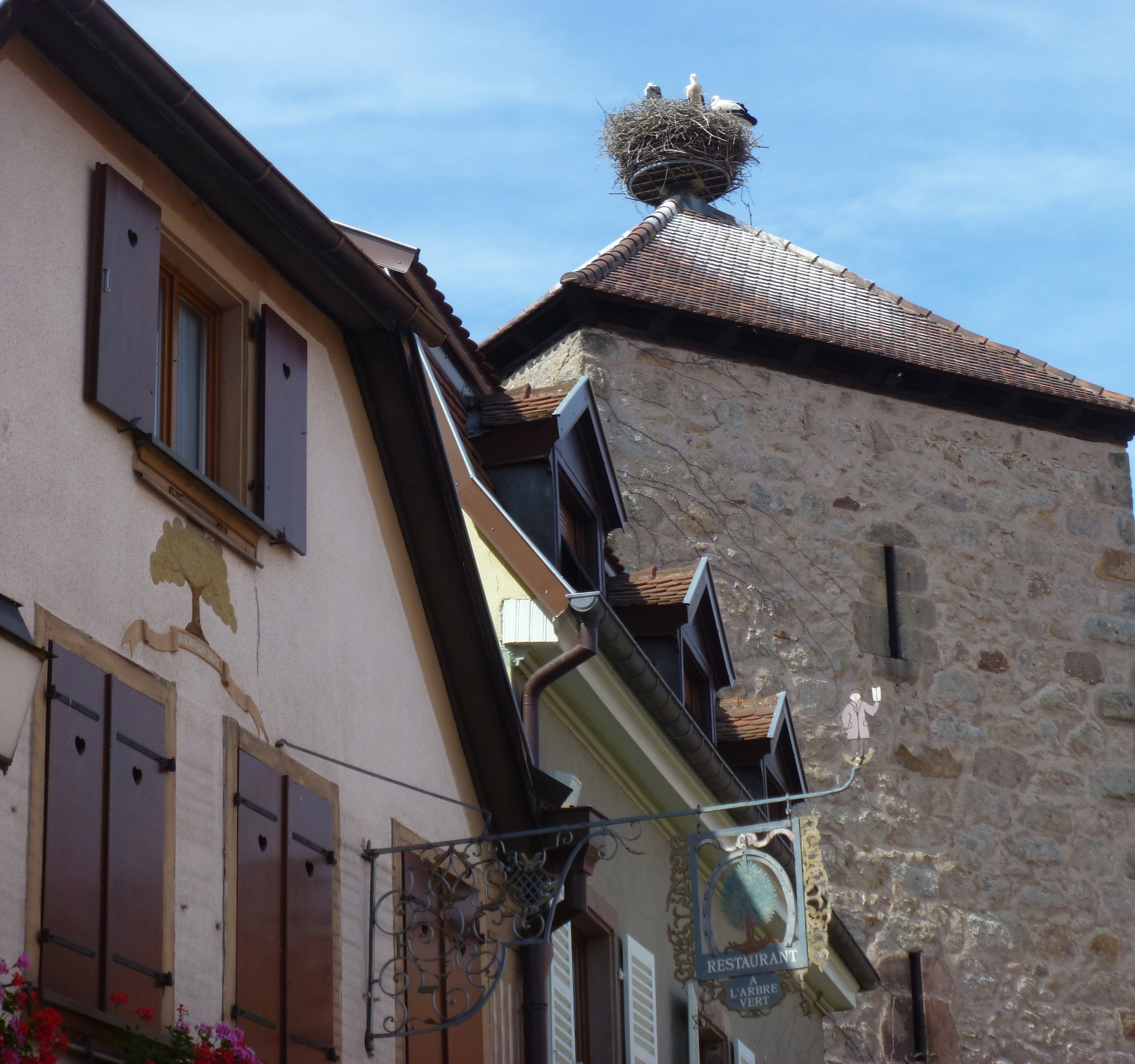
One thing I really hoped to see on my walking tour in Alsace was a stork on its nest. And my wish came true as we arrived at Dambach-La-Ville at the end of our first day’s walking. I used to read a book called ‘The Wheel on the School’ by Meindert Dejong to my sons when they were young.

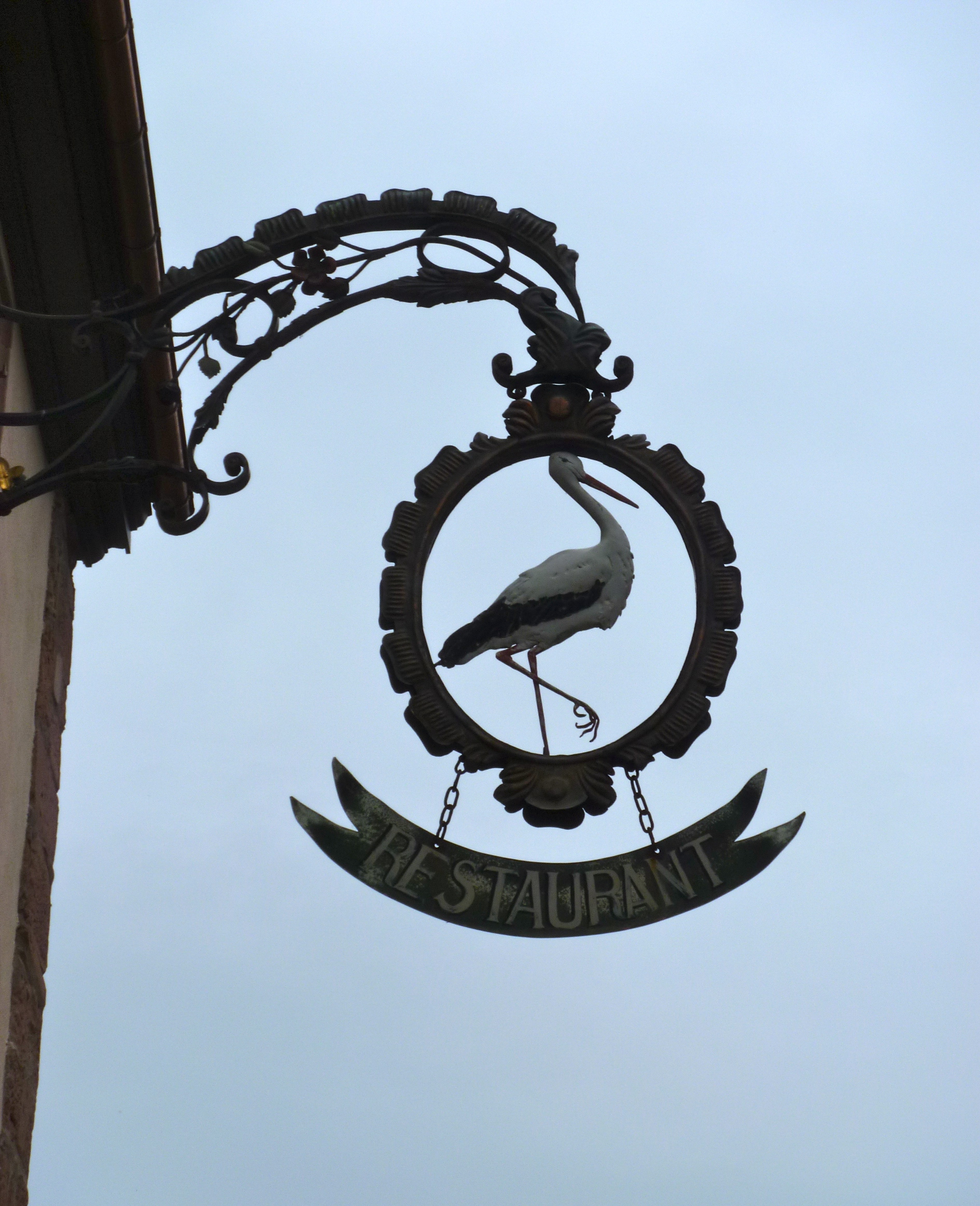
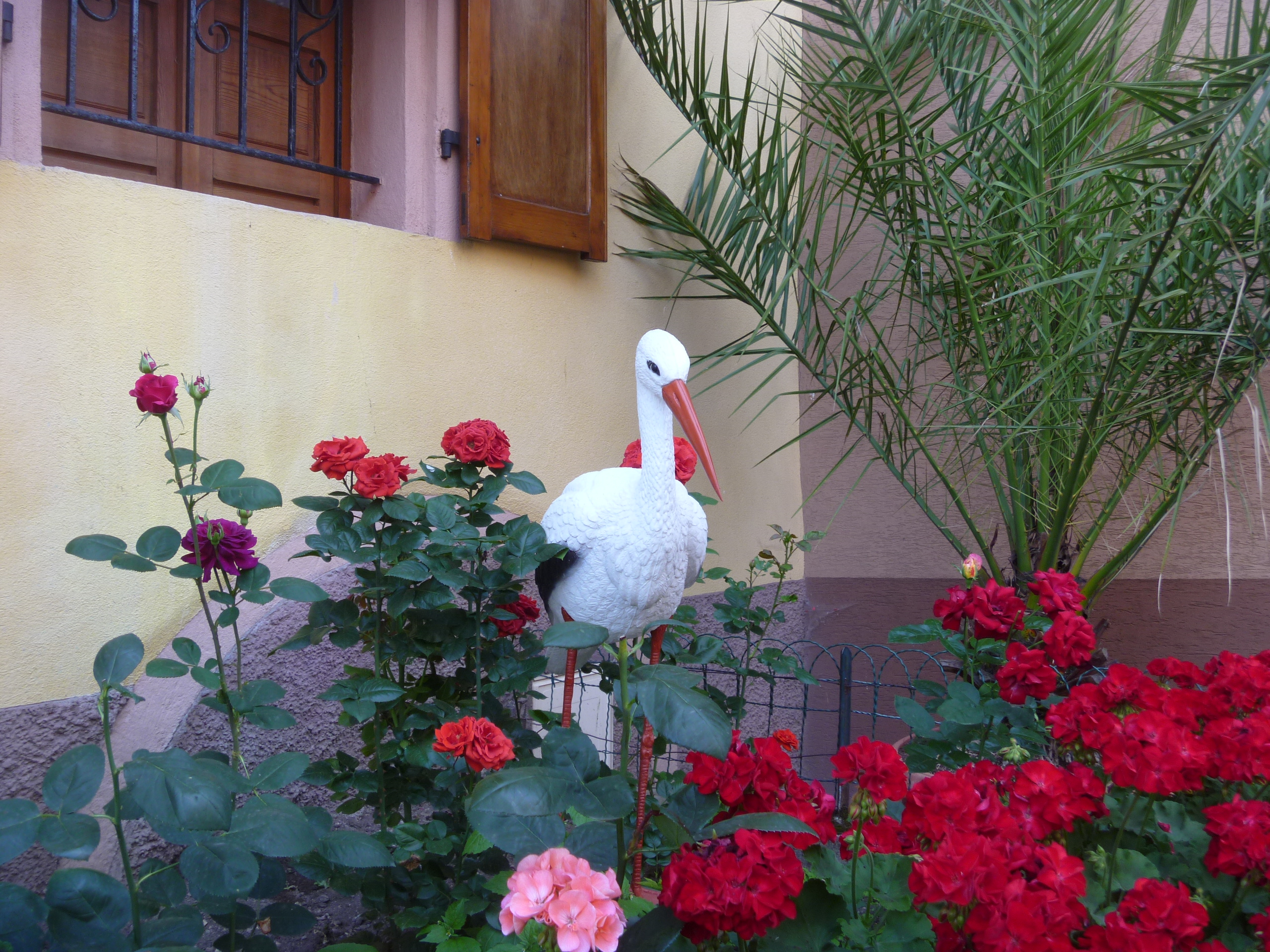
It’s the story of a village in Holland that the storks have forsaken and the efforts made by the villagers and especially the school children to encourage those birds to come back. Although this story is set in Holland I knew that storks could also be seen – if one was lucky – in Alsace. I was reminded of the Alsace-stork connection as we came across countless images of storks in every conceivable place during our journey.

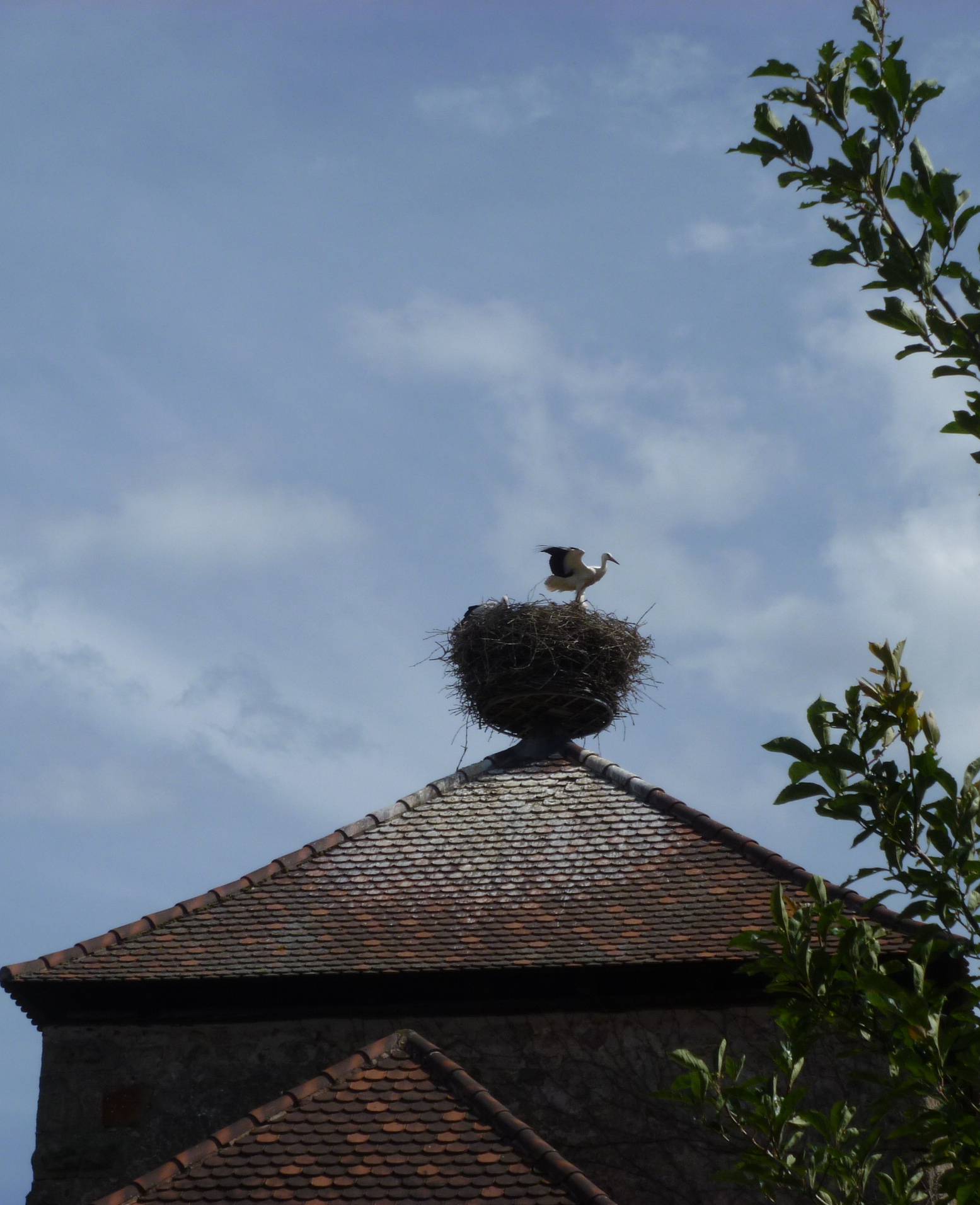
We saw storks again on the next day in the small town of Chatenois and had one further spotting of a stork in flight from its nest at Ribeauville on the third day.

On the Blienschwiller Gate at Dambach-La-Ville

Dambach Storks

The storks we saw were White Storks – the best known of the 17 species of the stork family. With their long broad wings these long legged birds can apparently fly to great heights on upward convection currents.

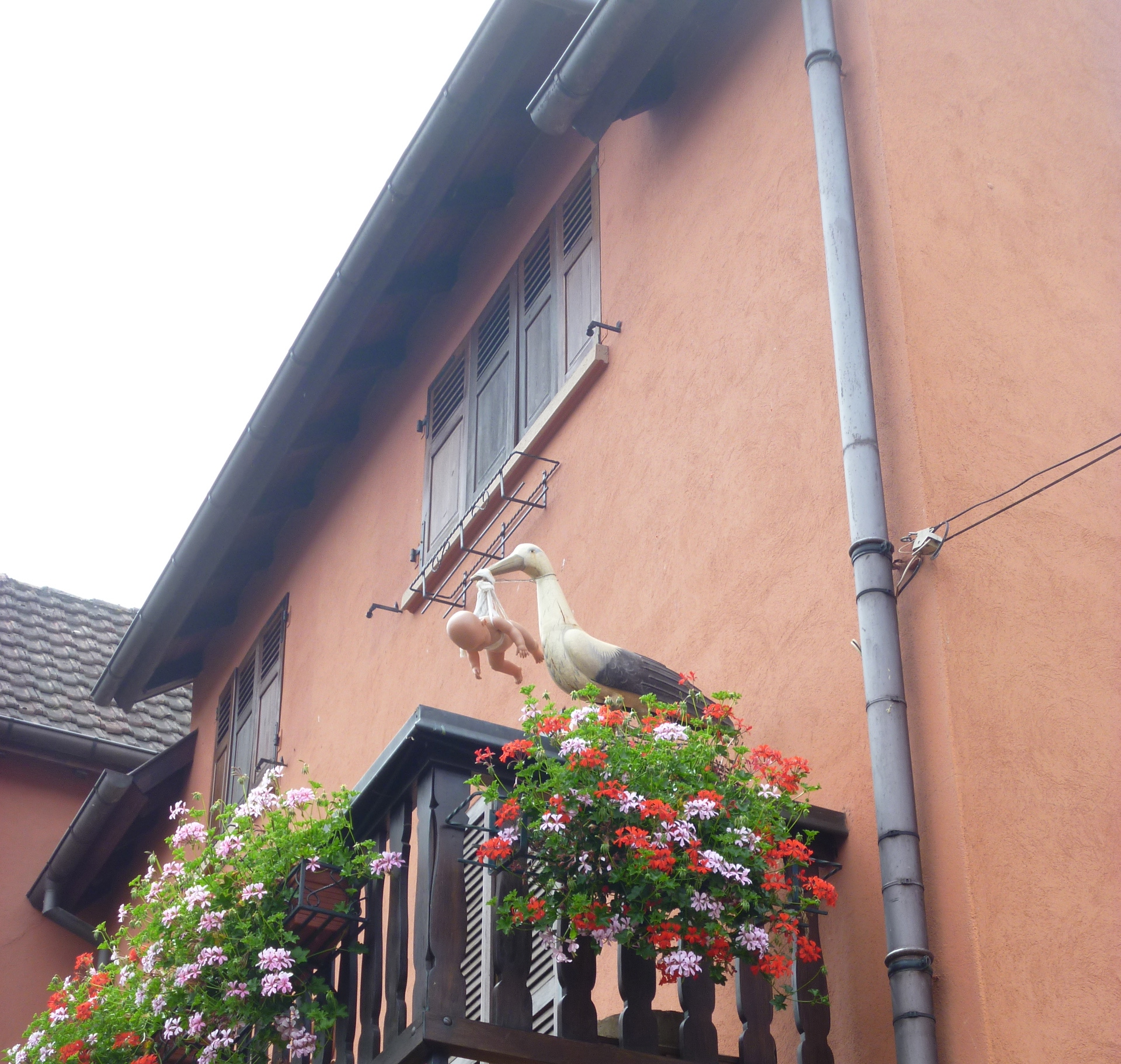
Storks are a symbol of good luck and the traditional bearers of babies.

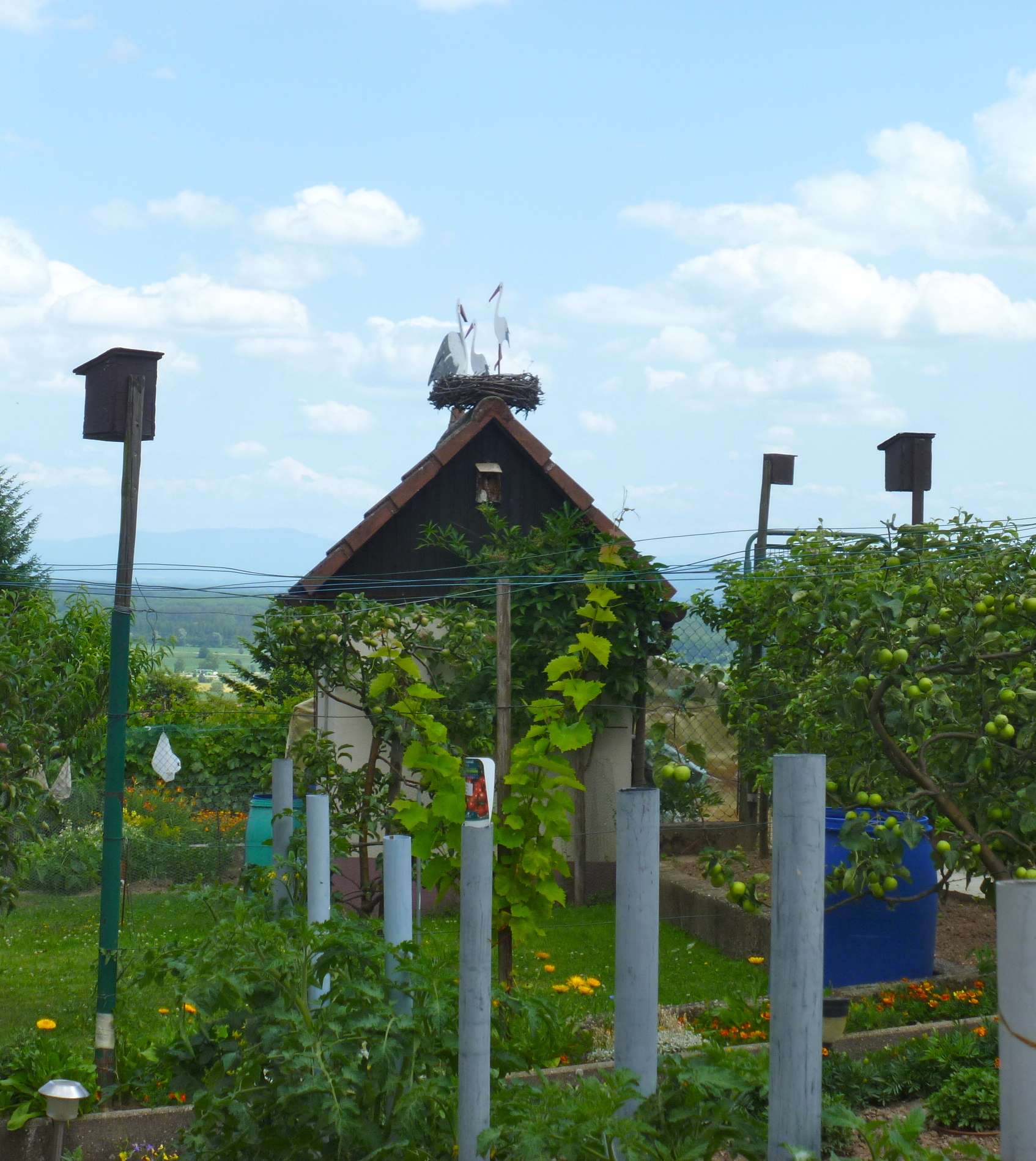
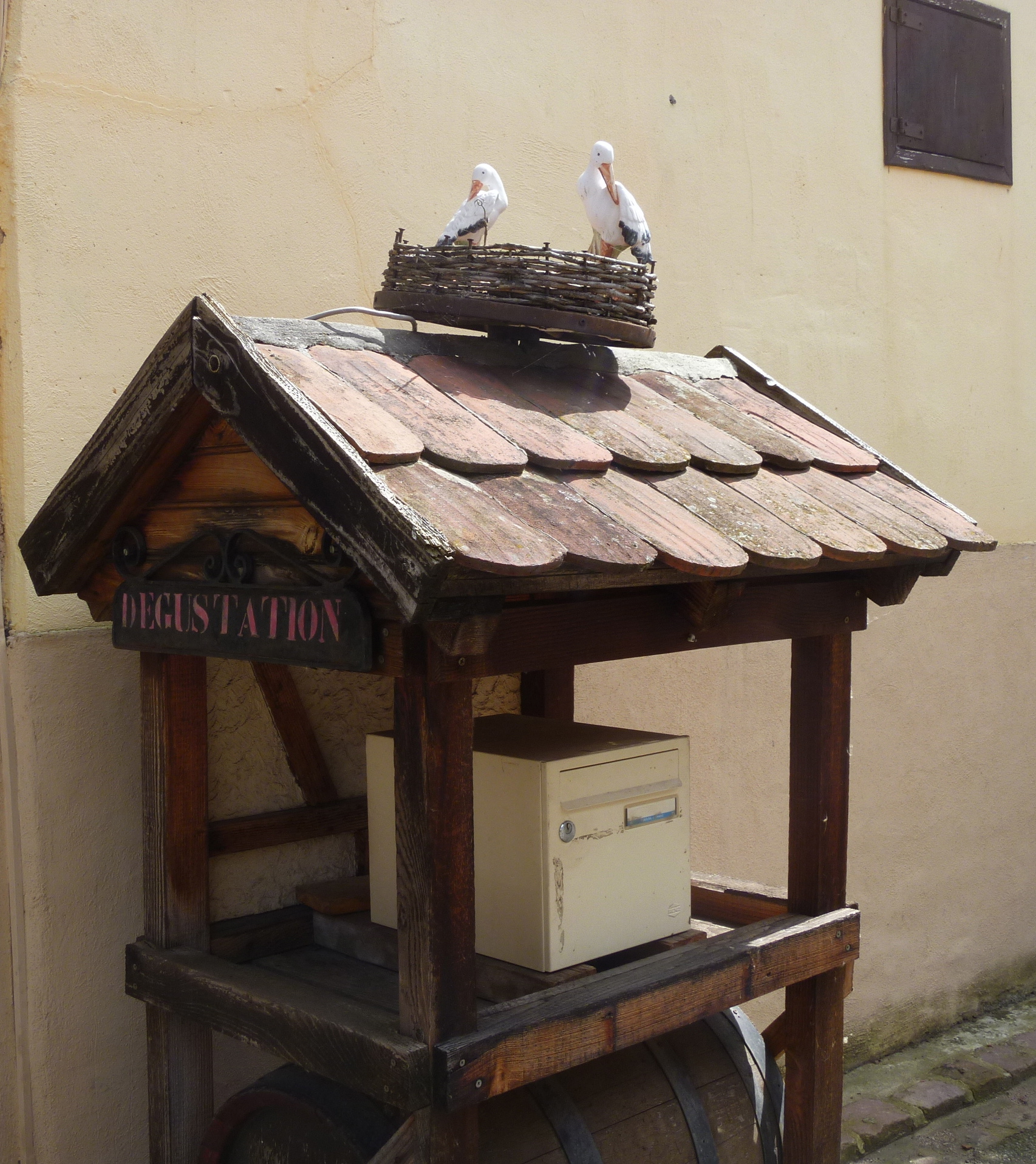
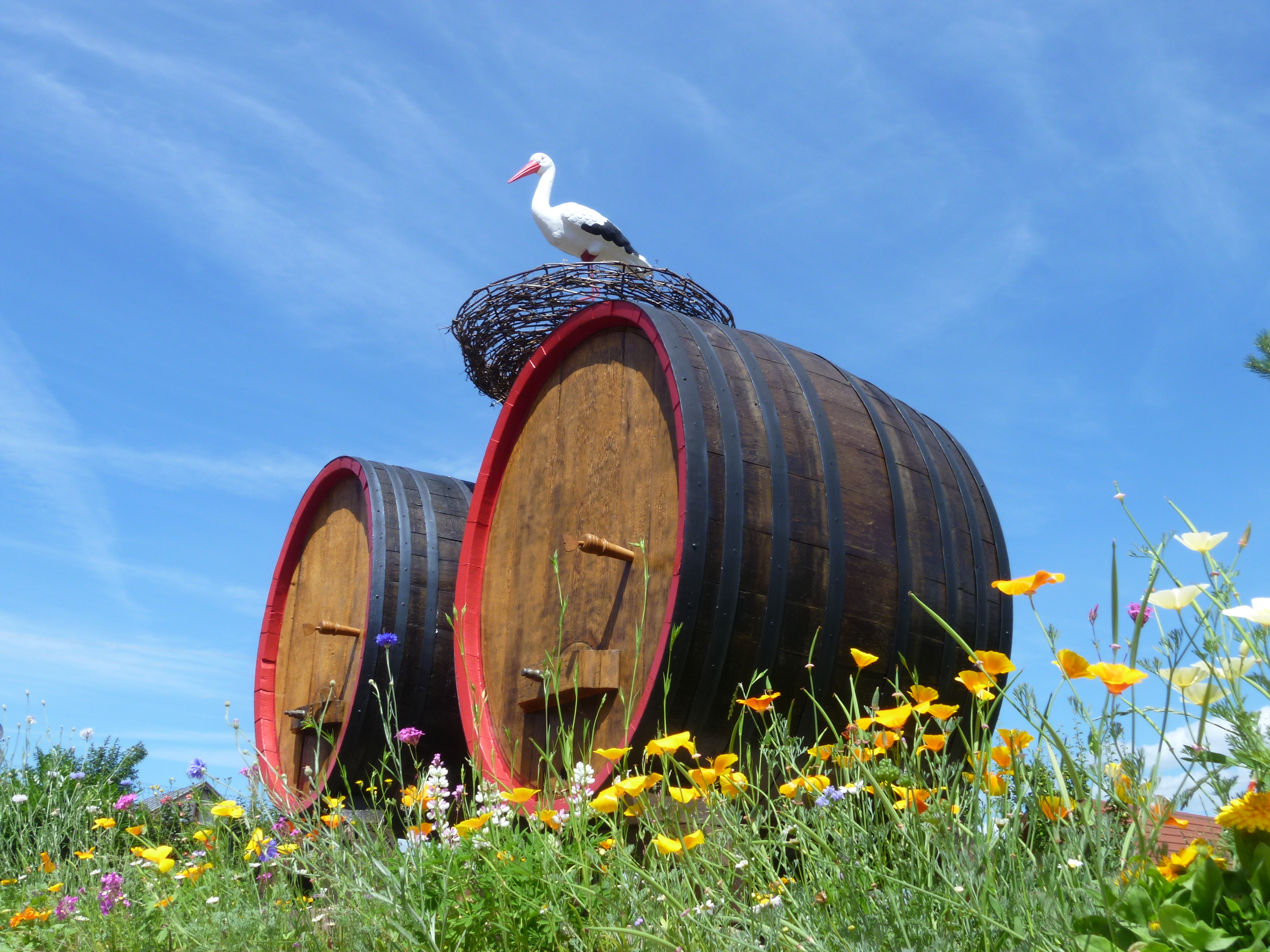
To encourage the storks to nest in the neighbourhood and therefore increase their chances of having good luck the villagers put up baskets or cartwheels. We saw many empty examples of these. Storks spend the winter in South Africa and think about heading north in March and April. They often return to their old nests adding to them and repairing them and in so doing increasing the weight and height of the nest substantially. The young birds tend to stay in the nests for about two months and I think we were lucky indeed to catch sight of occupied nests on our brief trip.

Classic Alsace … you will be welcomed!!

I’ve just returned from a five day walking holiday in Alsace! After last year – my first such walking holiday – in Shropshire my sister and I vowed “never again”. But as the months went by our memories of the tough climbs and steep descents on the Offa’s Dyke Path Day gradually faded so much so that earlier this year we decided to take the plunge and book another such trip!

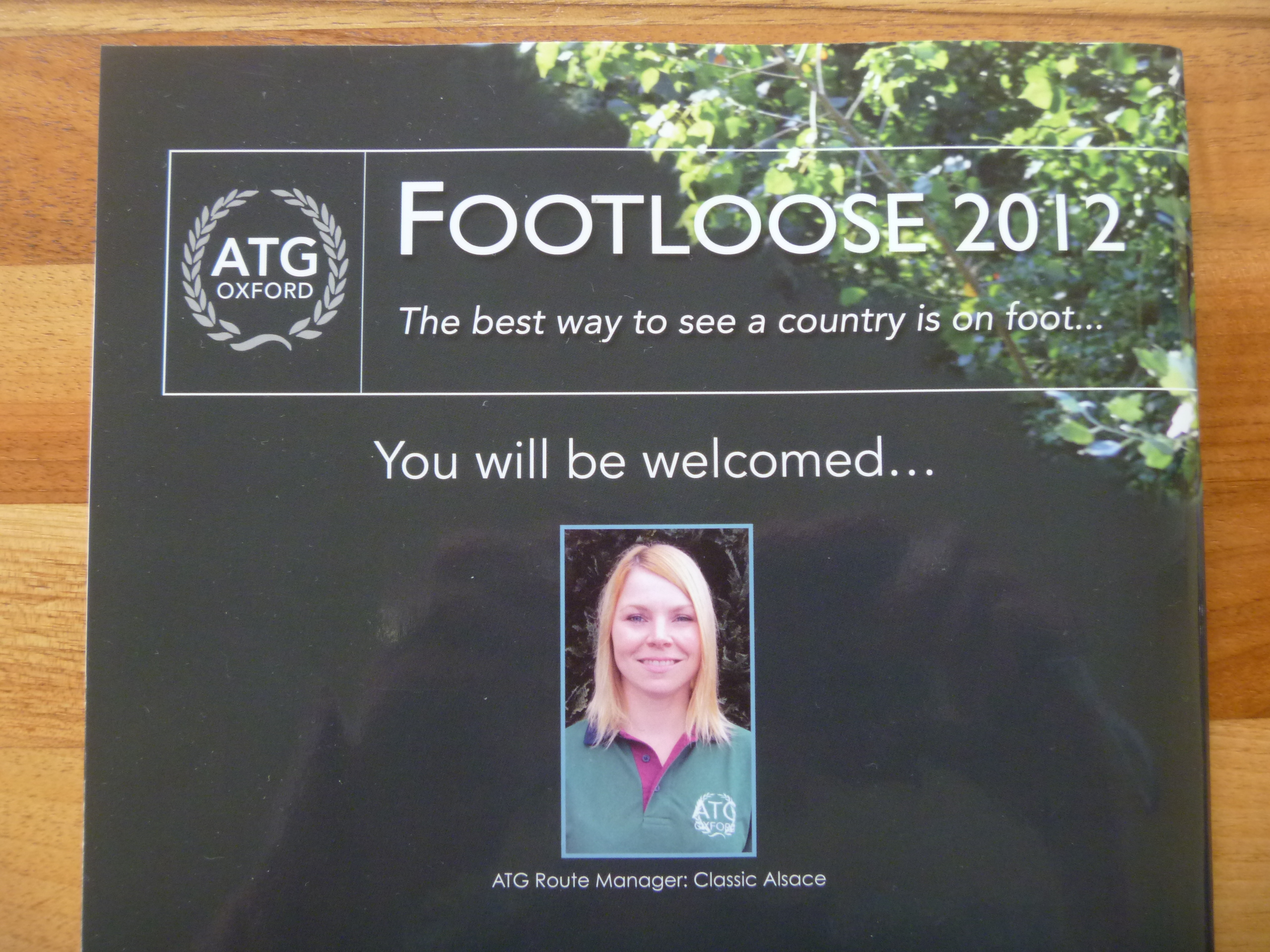
Here is Edina on the back cover of the ATG Footloose 2012 Brochure

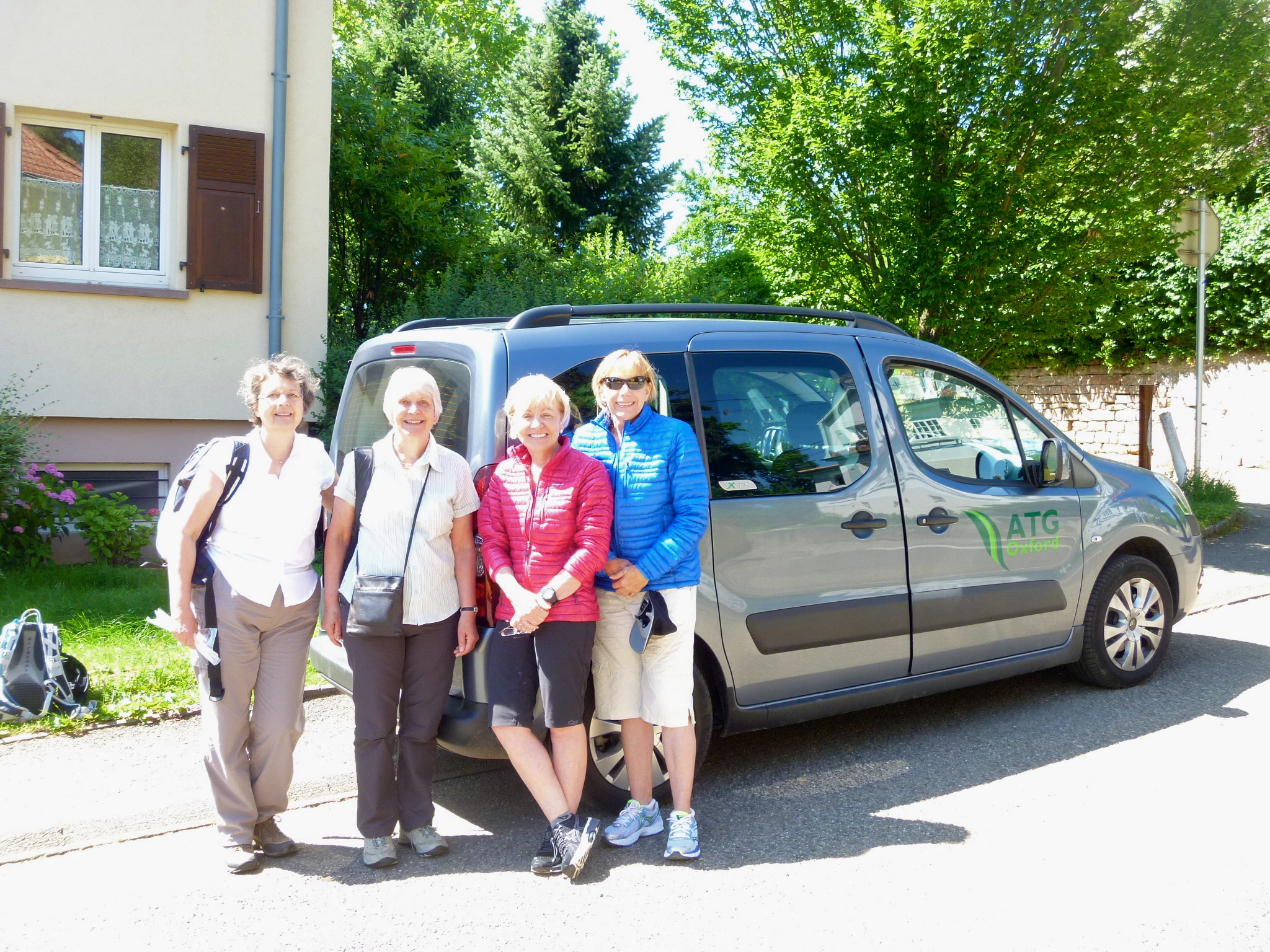
Many companies will arrange independent walking holidays but ATG Oxford (Alternative Travel Group) came with an excellent personal recommendation from friends of mine. As they say on their website “almost everyone comes through personal recommendations”. They send out a Route Booklet, transfer bags from one hotel to the next along a continuous route and (I don’t know whether other companies do this) they add in the services of a Route Manager. Ours was the lovely Edina and in her ATG have  a star!

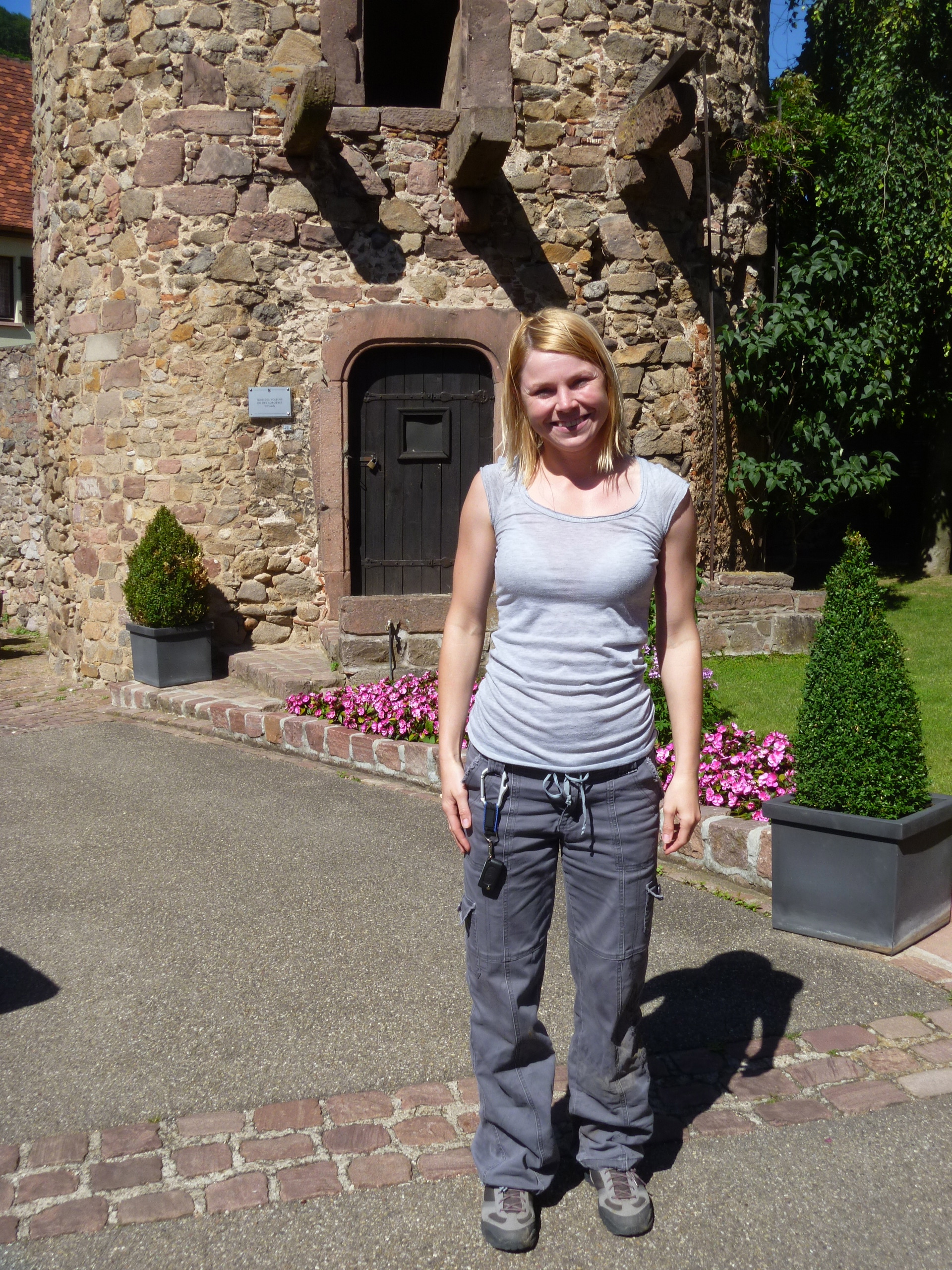
And here she is just before we said our goodbyes, yesterday

One reason for choosing the Classic Alsace Walk was the fact that it’s accessible by train and I love to travel on Eurostar, it is just so civilised and exciting. We met up in London last Wednesday evening and the next morning took an early train to Strasbourg via Lille and from there we caught a local train to the village, or maybe town, of Obernai – deep in the Viticulture and Degustation Region of Alsace.

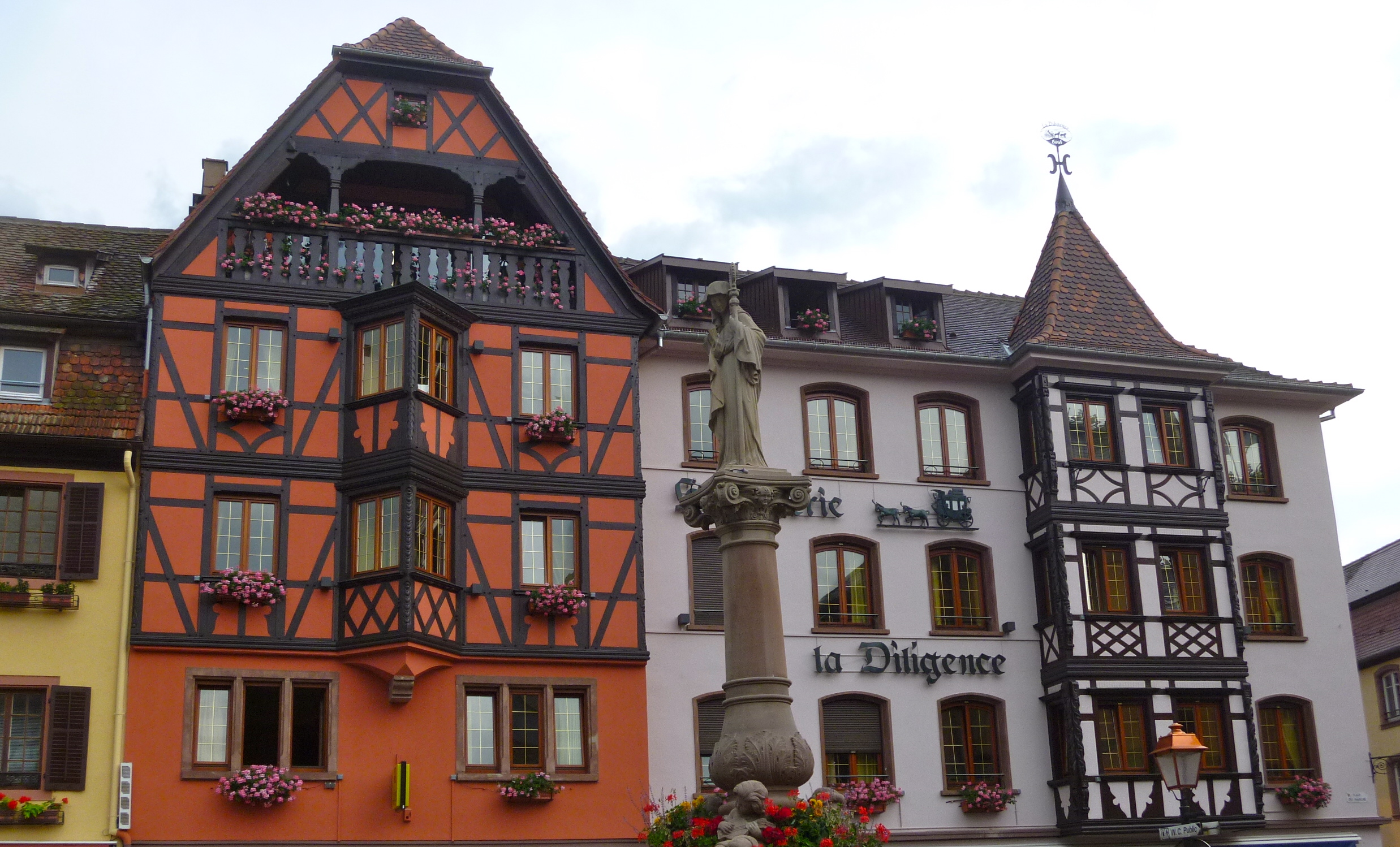
The market square at Obernai


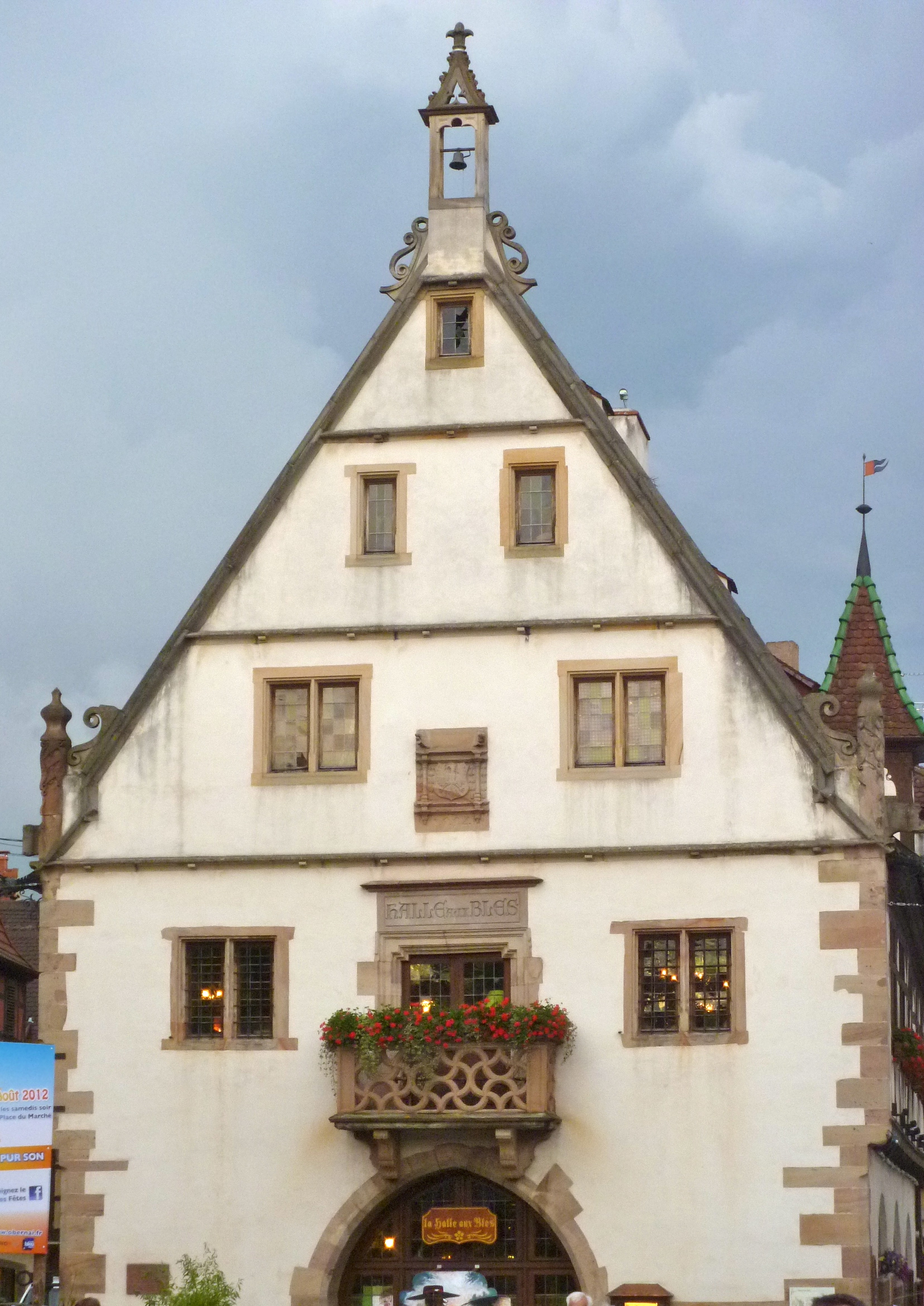
Obernai Corn Exchange

Obernai Place du Marche

Obernai Ramparts Walk

Obernai Ramparts

Obernai Ramparts

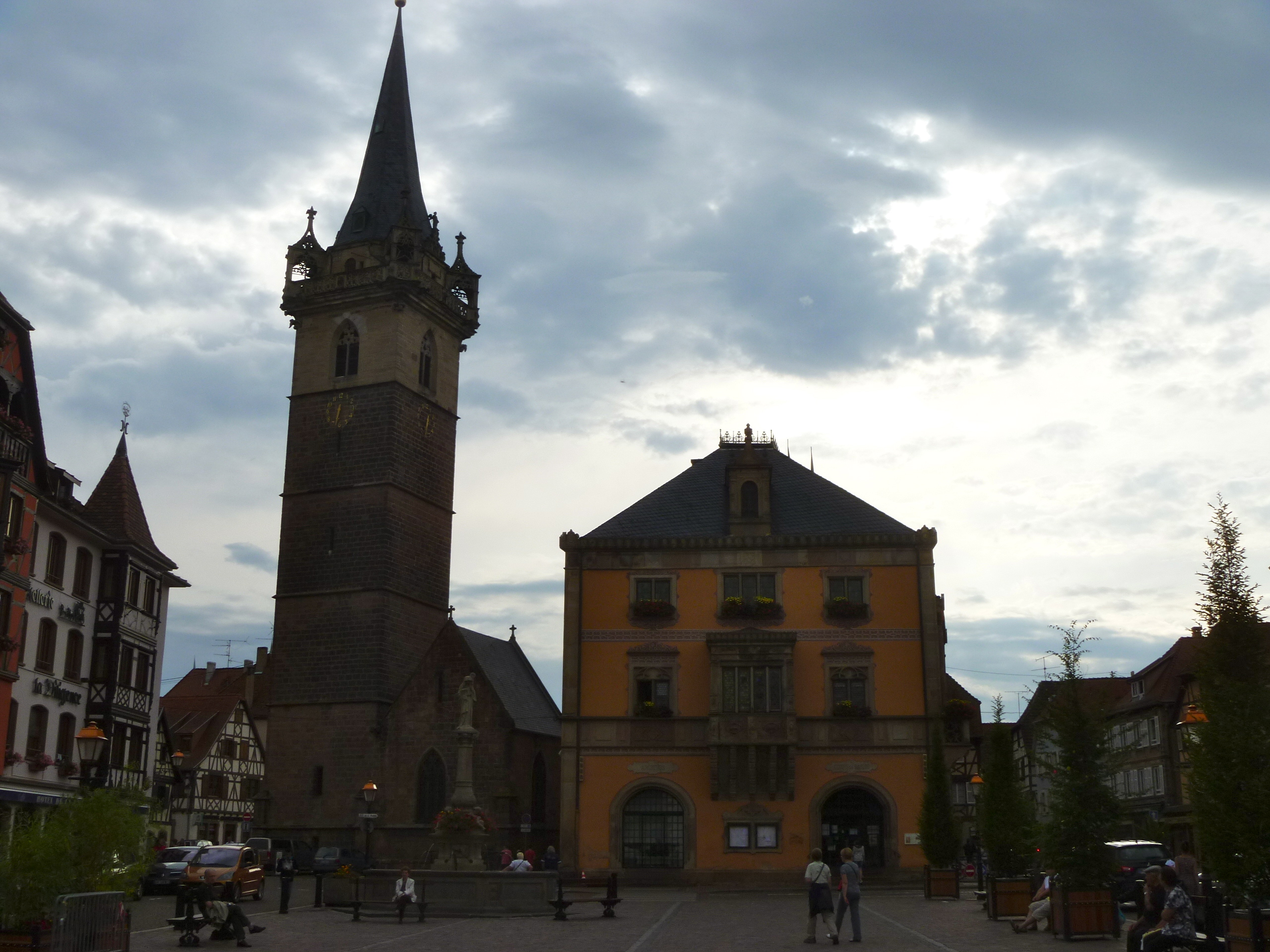
The Obernai Town Hall

Light rain was falling that Thursday evening but even so we dined on a restaurant terrace, walked the ramparts and generally relaxed before starting our four day ‘ordeal’ (which turned out to be nothing but a pleasure from beginning to end) the next day. Friday dawned brighter and sunny and Edina arrived ready to talk about the trip and transport us to our starting point. We met with two other lady walkers from the US who, although starting on the same day as us, were tackling the 8 day version. So our paths never crossed with them again.

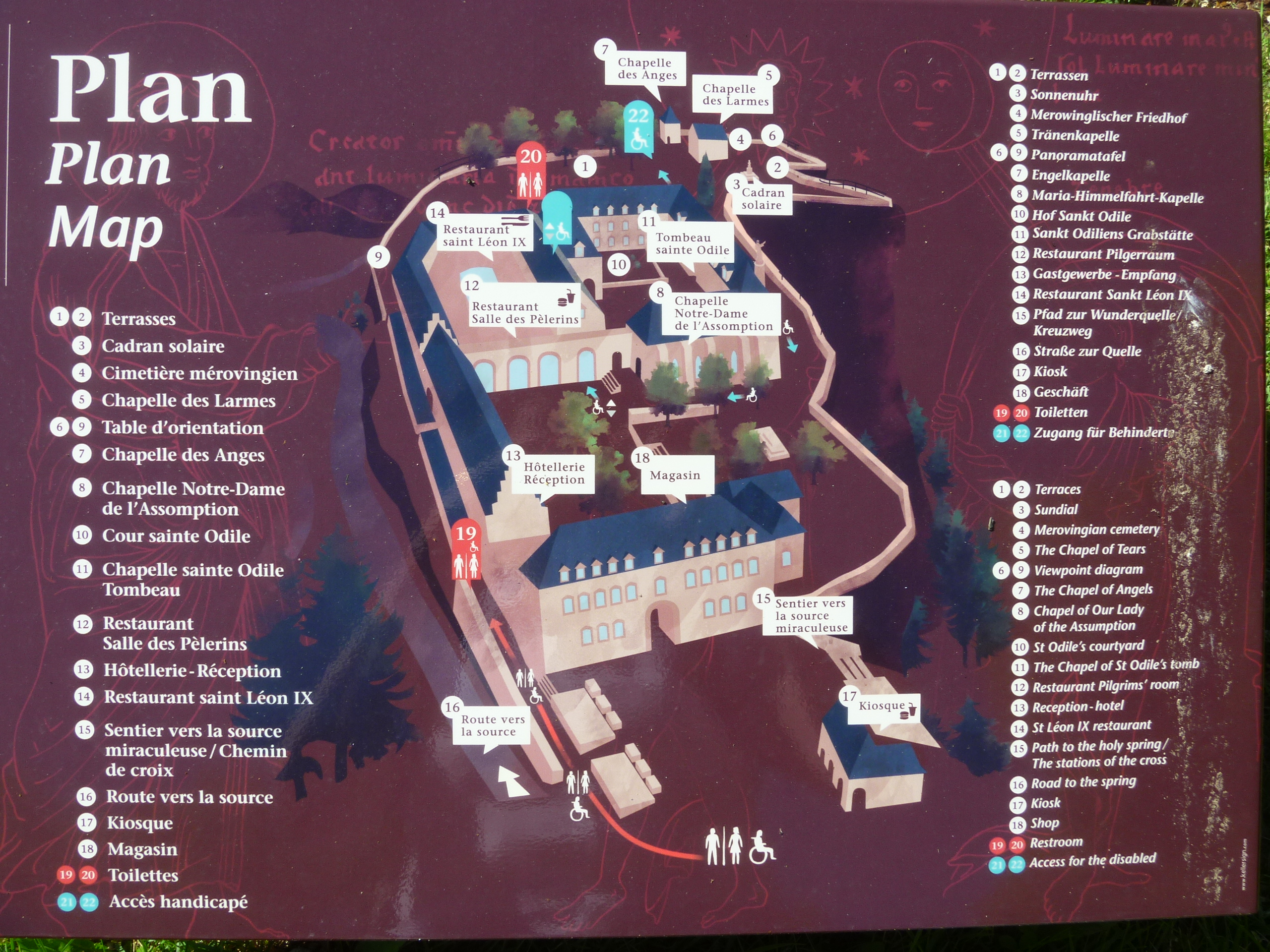
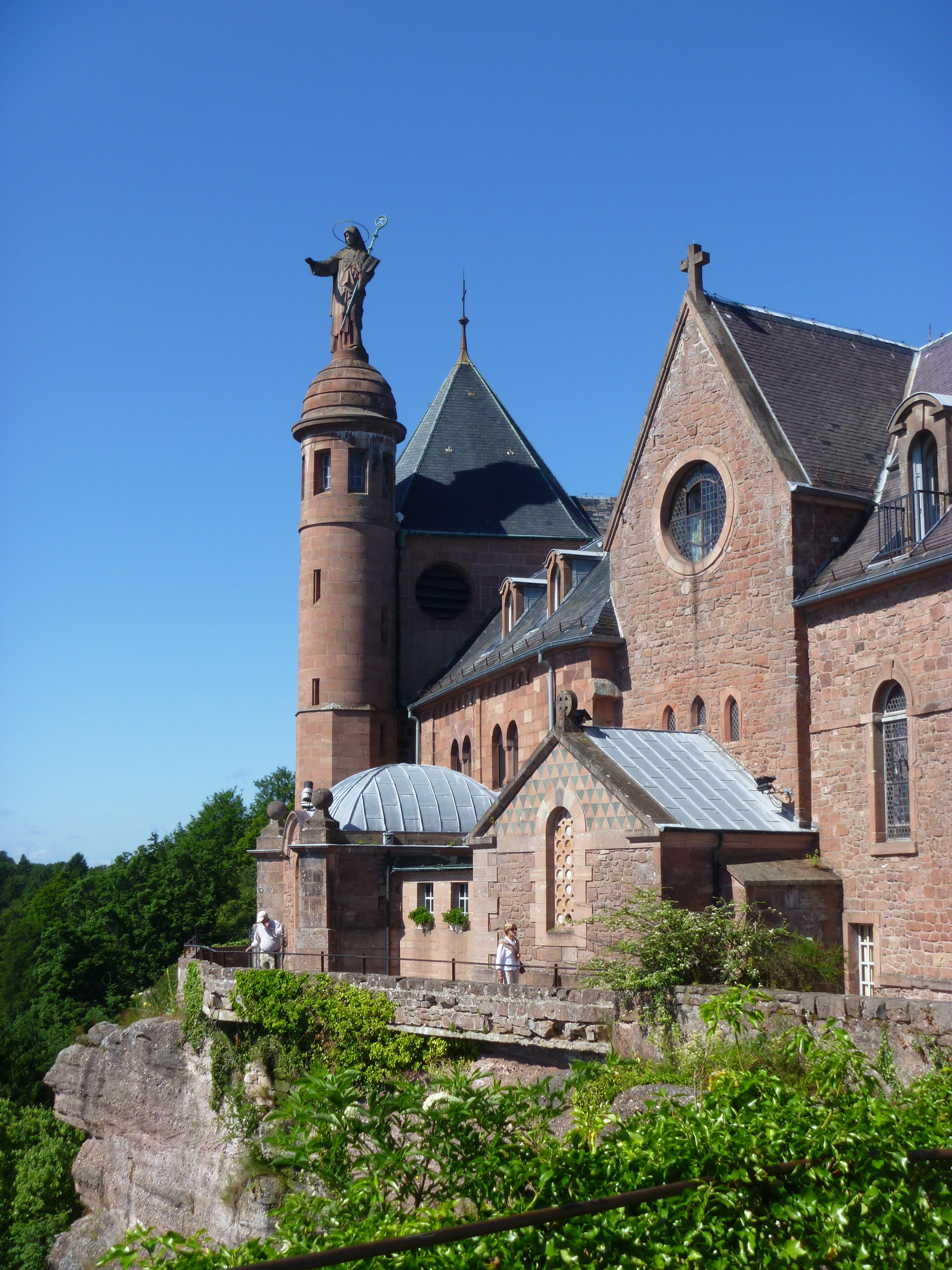
Edina insisted that before starting out and before leaving Obernai we must visit the monastery of Le Mont Saint Odile way up above the town. Although anxious to begin walking we accepted her kind invitation and were delighted to have the opportunity to visit this most popular summit in the whole of Alsace. It’s quite a climb (even by car!) up to the summit of the sandstone crag but as you might expect the views are spectacular. It’s an important place of pilgrimage – popular, at least last Friday, as an excursion for young French school children.
Mont Sainte Odile

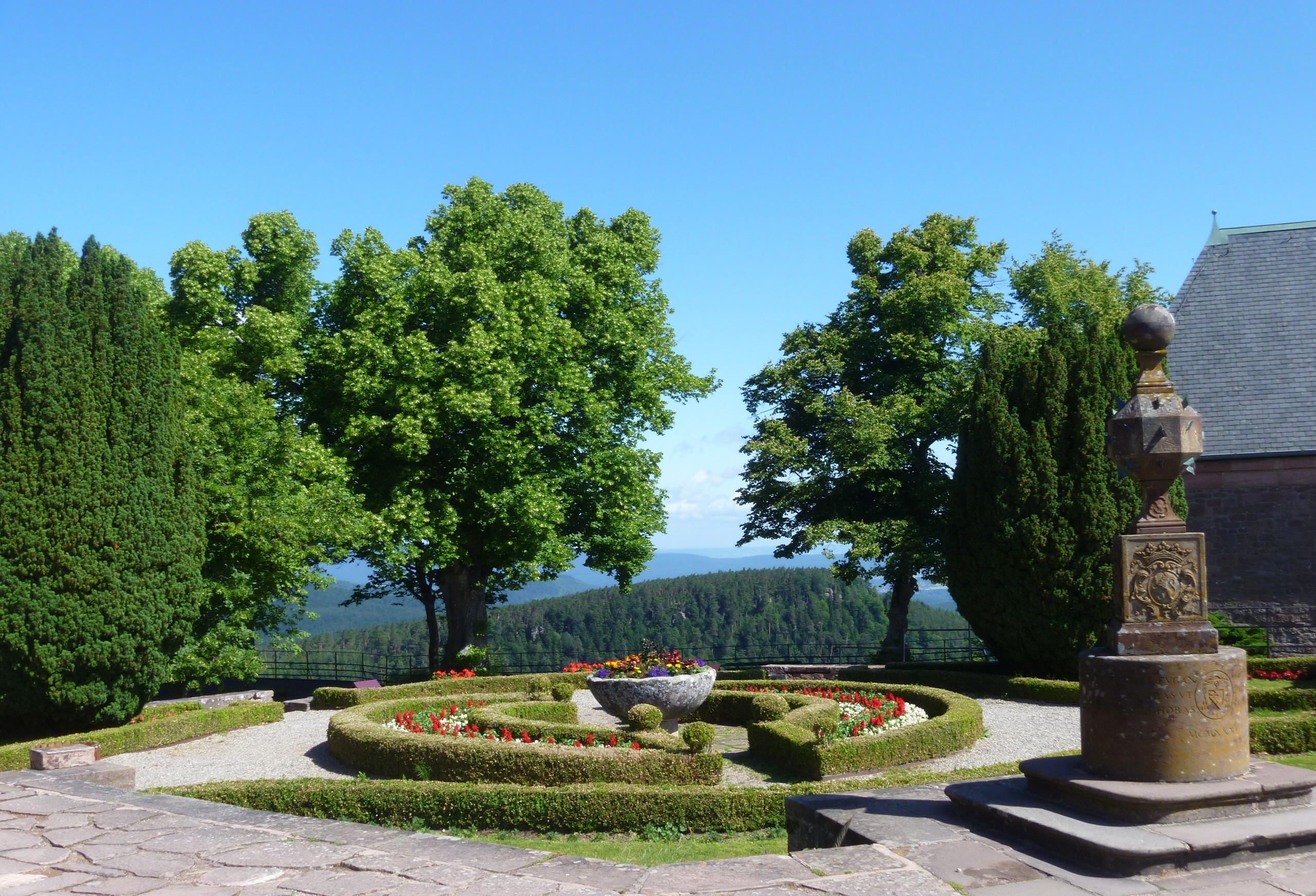
Gardens at Mont Sainte Odile

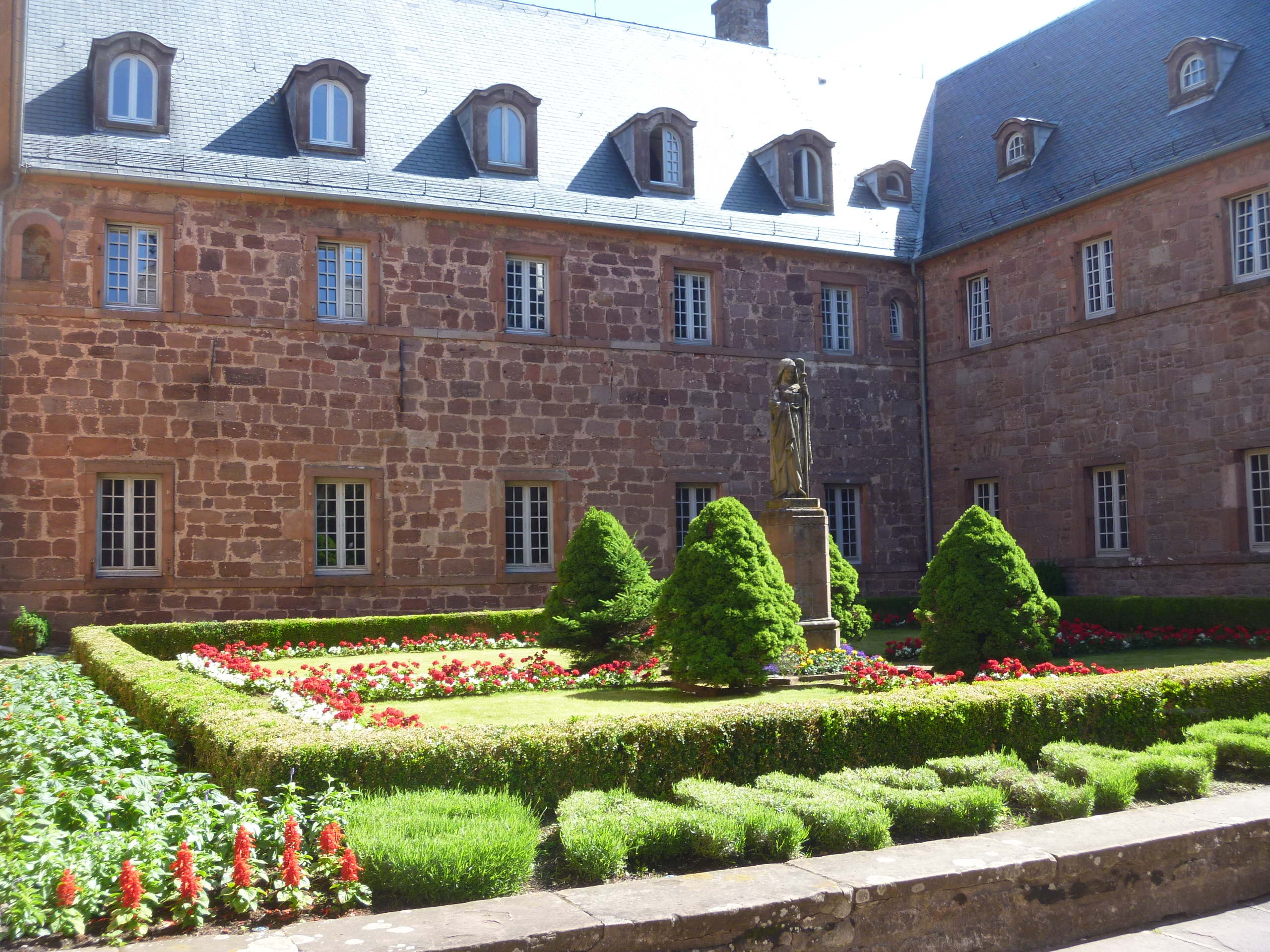
Courtyard at Mont Sainte Odile

The Tomb of Sainte Odile

Spectacular Views from Mont Sainte Odile

Finally, we said Goodbye and Good luck to Pam and Joyce and thanked Edina and set off on our own, with the Route Booklet as our guide, from Barr to Kaysersberg a distance of nearly 40 miles! Read more about our adventures in future posts.
The Old Ways – Mastiles Lane Drovers’ Road

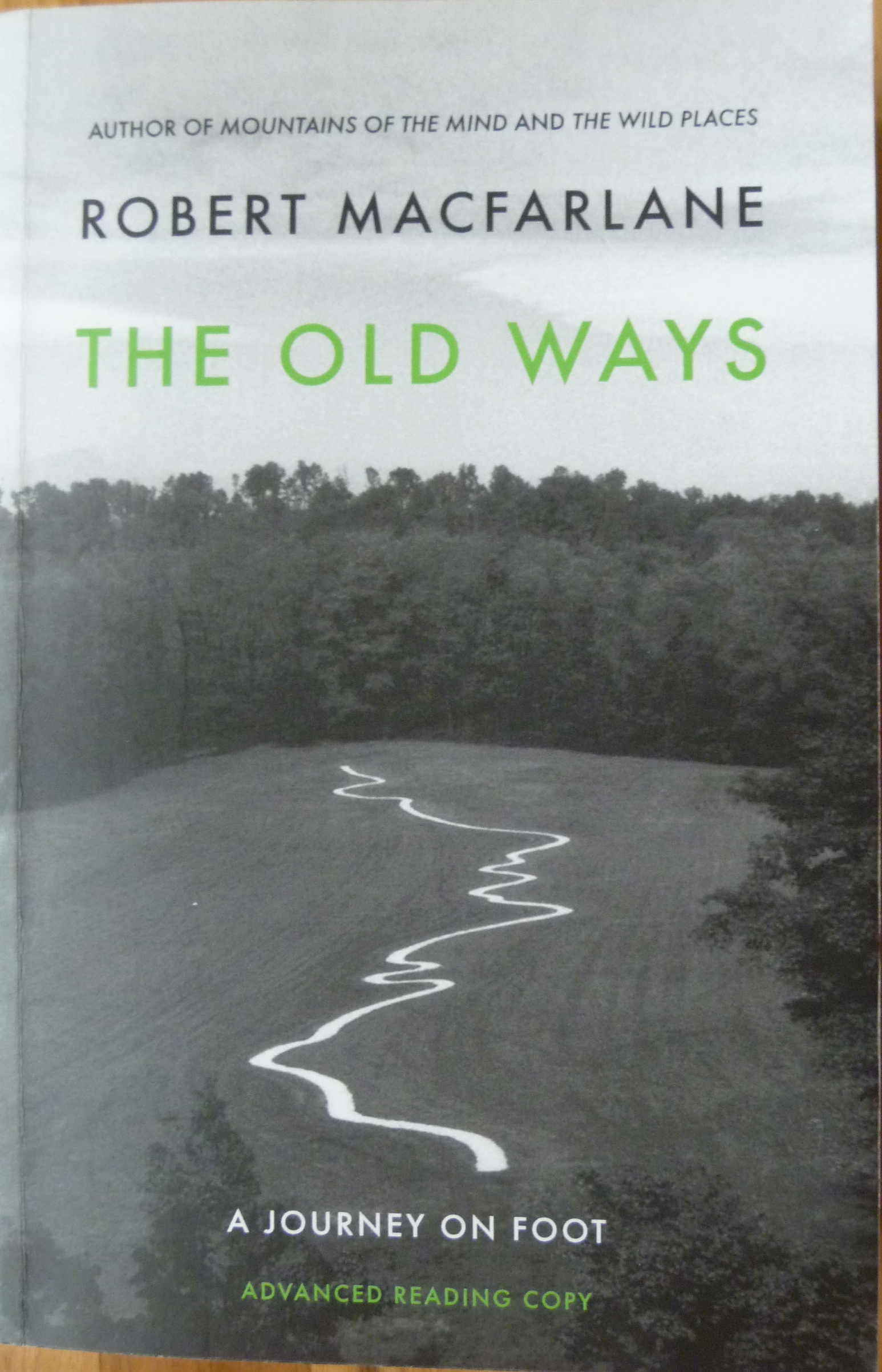
I’m currently reading a book called ‘The Old Ways : a journey on foot‘ by Robert Macfarlane. In fact, I have a pre-publication copy. A couple of months ago I decided that I would like to participate in a group read of the book organised by Lynne – the Dovegreyreader.

The plan is to read the book and and record our own ‘journey on foot’ along an ‘old way’. My hike was originally planned with a group friends for a Saturday in April but the weather on the days leading up to the trip was so bad that it has been postponed and hopefully the full walk will take place in July or August. Mastiles Lane is to be ‘my’ Old Way.

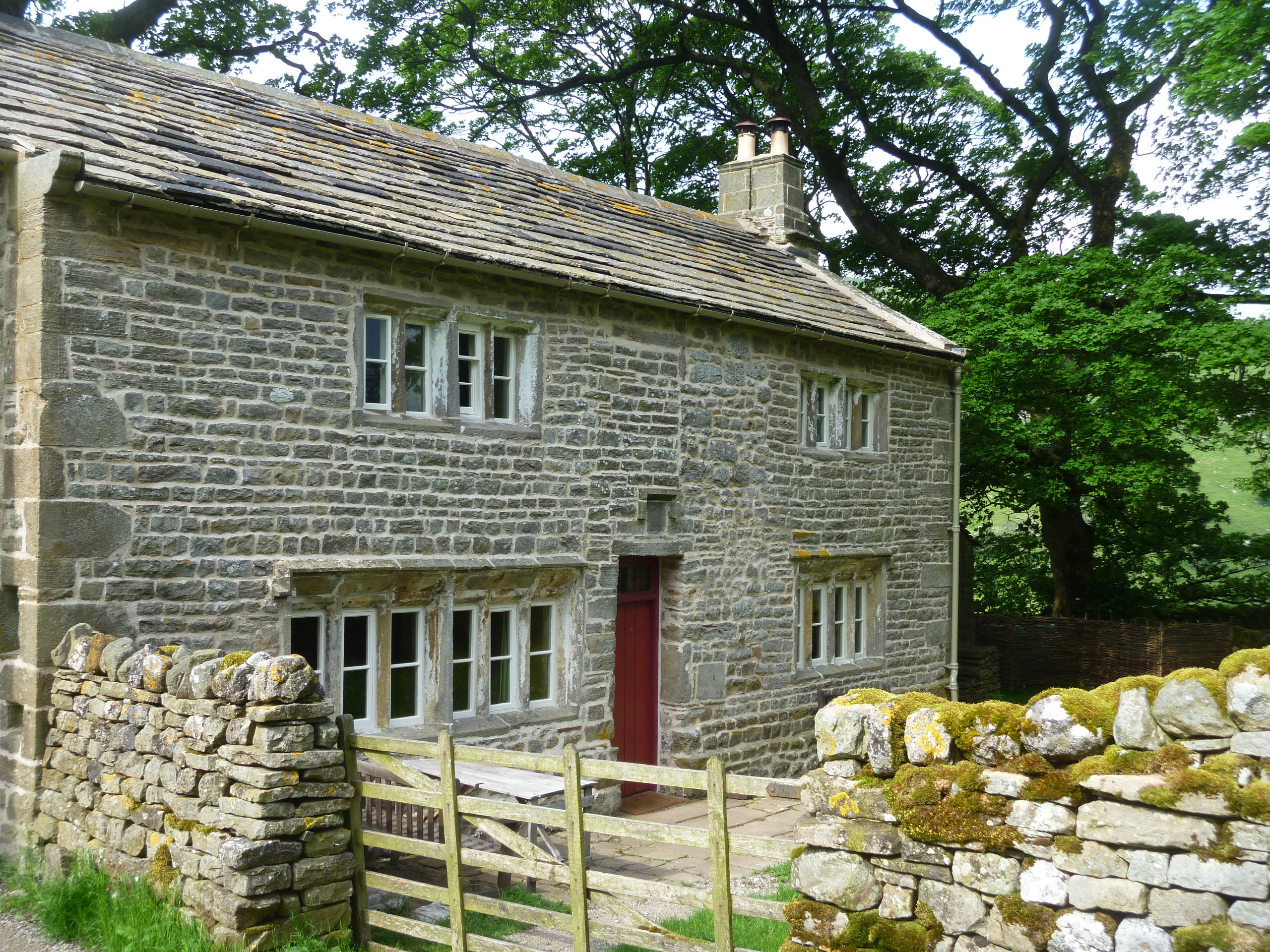
On Thursday I had been invited by my Landmarking friends to visit them during their stay at one of the latest Landmark properties : Cowside. It’s way up in Langstrothdale in Upper Wharfedale, North Yorkshire and as the invitation was for tea I set off early from home in order to fit in a couple of hours hiking along the beginning of Mastiles Lane. It is just part of an old monastic road which linked Cumbria with Fountains Abbey. Mastiles Lane itself is the stretch between Strete Gate, on Malham Moor, and Kilnsey – a distance of about 5 miles. The Cistercian monks of Fountains established a grange at Kilnsey which formed an administrative centre for the vast sheep farming estate.

Kilnsey is the village at the start of the route and it is most famous for its Kilnsey Crag a great rocky outcrop that juts out almost over the main road and is very popular with rock climbers. There are places to park in the village and along the main road and Mastiles Lane itself, although I never noticed an actual sign for it, is easy enough to find.

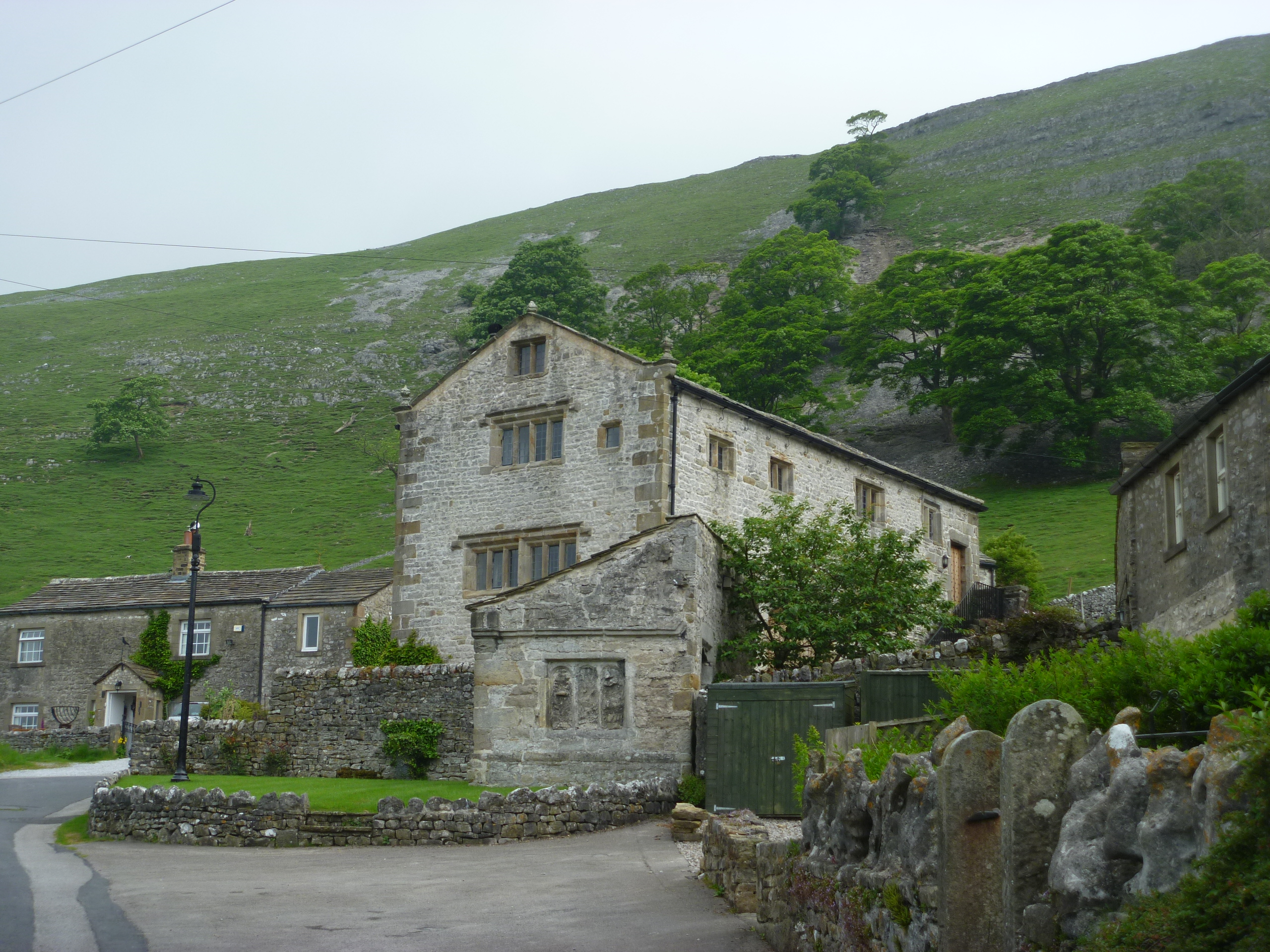
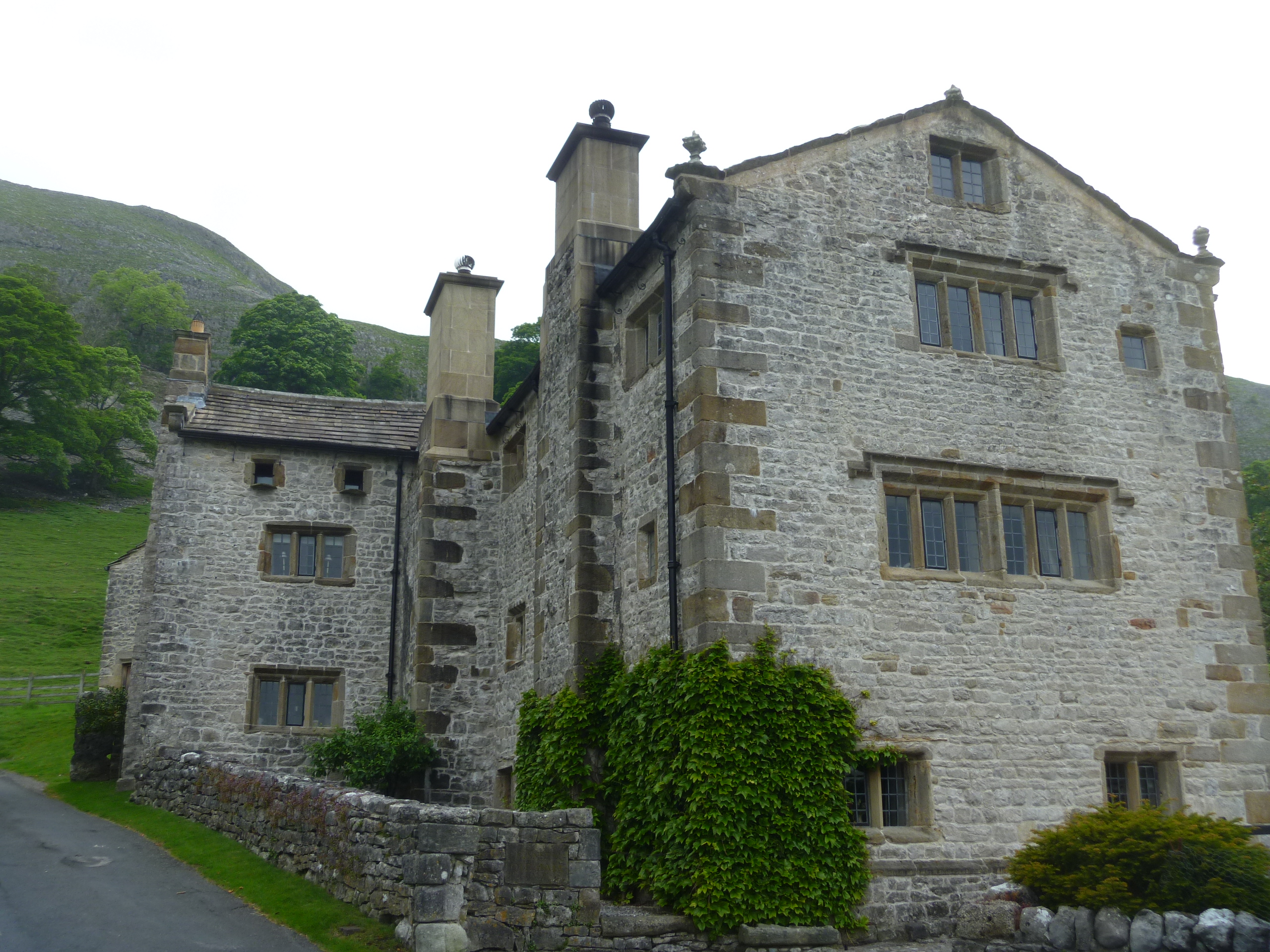
Kilnsey Old Hall

Built over the site of the former Kilnsey Grange

Kilnsey Old Hall (17th century) built on the site of the original Kilnsey grange (Fountains Abbey – by Herbert Whone, 1987.)

As you start uphill out of the village you notice Kilnsey Old Hall. The seventeenth century hall is built over the site of the original Kilnsey Grange

Kilnsey was the place to which the immense flock of this [Fountains] Abbey were driven from the surrounding hills for their annual shearing; a scene of primitive festivity to which the imagination delights on recurring'” 

from ‘The Deanery of Craven’ by T. D. Whitaker (1878).

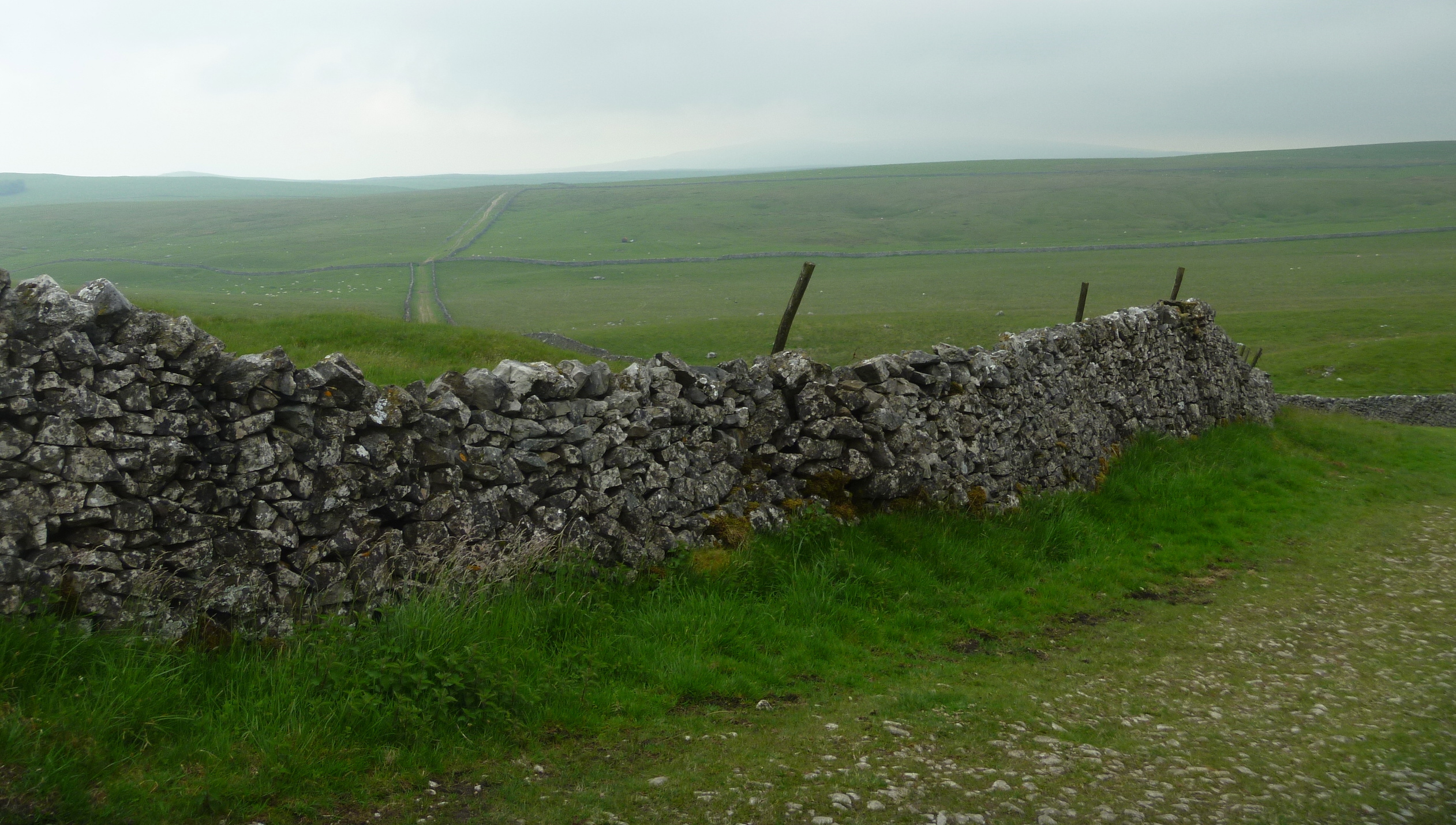
The tarmac road is soon replaced by an open track which itself is replaced, after a passing through a gate, by a walled track.

Mastiles Lane walled track in the Yorkshire Dales

Mastiles Lane continues on in a WSW direction towards Malham Moor

 I walked for about an hour on a gradual incline until I reached the highest point of the track as indicated by 1384 feet/423 meter marks on my Ordnance Survey maps. A few paces further along and I was over the brow, round a bend and could see the walled track clearly wending its way for possibly another couple of miles before disappearing over another brow.

At this point I turned back. The picture above shows the return route to Kilnsey. Many of the members of the discussion group are keen on flowers and birds and I duly noted that these both existed along the route but my own interest lies in the influence of man on the landscape and I hope to report back later in the year on the walk in full and on the evidence man has had on the landscape.

And so back to Kilnsey and a further drive deeper into the more remote part of the Dales – Langstrothdale Chase where the kettle at Cowside was whistling on the stove and the fruit cake and Yorkshire parkin were lying in wait for one hungry walker!