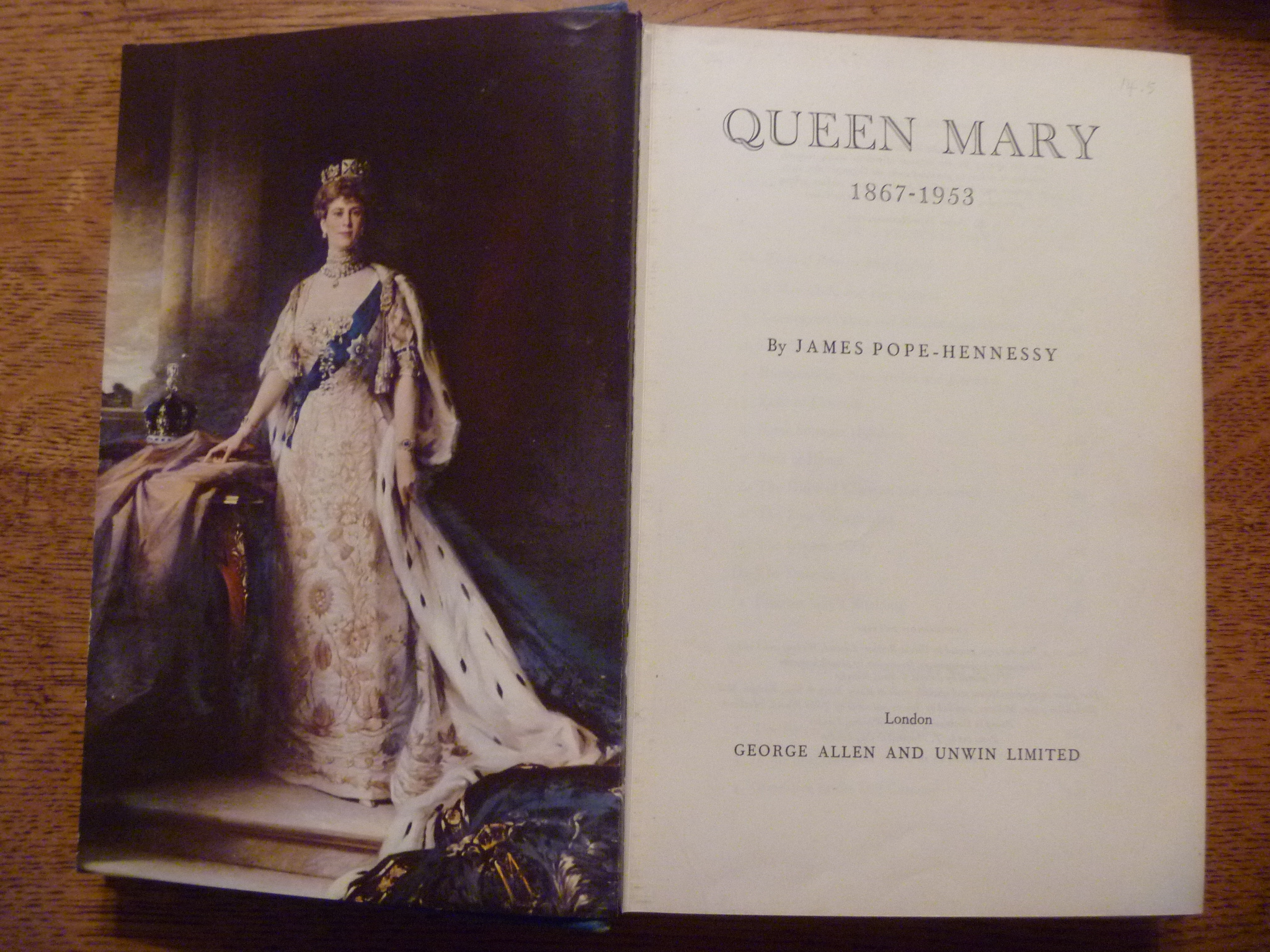
Queen Mary, 1867-1953, by James Pope-Hennessy

This library book (published in 1959) has been sitting on my table waiting for me to read it for probably two years! It was recommended to me by a dear friend as the perfect biography and so it seems to be. Upon request it was brought up from the depths of the library stacks (by a librarian in overalls and a mask), fumigated  and then issued to me a week later. Upon collection I realised that I would have to choose carefully the appropriate time to read this book. It is just too heavy to carry with me each day to work or when travelling, so when I knew we’d be going down to Devon by car  a couple of weeks ago I decided to take it with me and to give it a go.
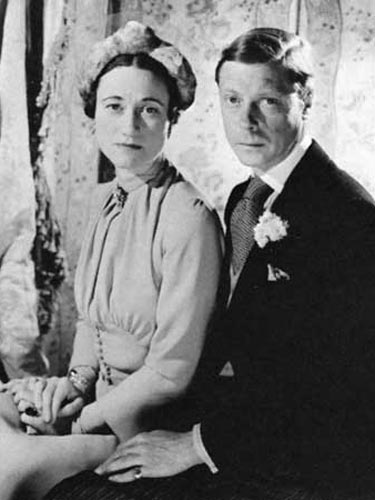
There is something else I should explain; earlier this year I began to take a special interest in Edward, the Duke of Windsor and Wallis Simpson, the Duchess of Windsor and I will be writing much more about them in future posts. This year really had to be the year to read Queen Mary.
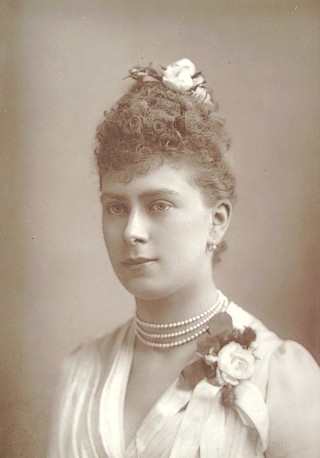
The 685 page volume is divided into 4 books of which Book One: Princess May is by far the longest. I’ve just finished this part. Princess May was born into a family with a great many hyphenated German names – if you can manage to wade through the first couple of chapters then the story becomes much easier to follow. The biggest surprise to me was that she had been engaged in the first place to George’s elder brother Albert Victor and it was only following his death not long after their engagement that she became betrothed to the then future king.

James Pope-Hennessy was approached in 1955 and invited to undertake the writing of Queen Mary’s biography. He was given access to the whole Royal Archive by Her Majesty the Queen. His notes are meticulous but do not impede the flow of the text. Carefully selected photographs are dispersed throughout the book rather than all bunched together in the middle. When you are just reading about someone or some place you turn the page and there is the relevant photograph.
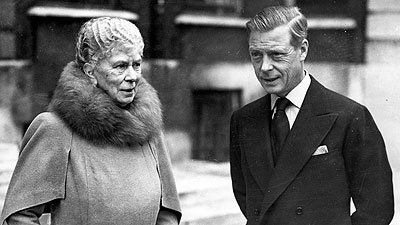
I’m looking forward to reading more about this woman whose son was the only modern monarch to abdicate the British throne.
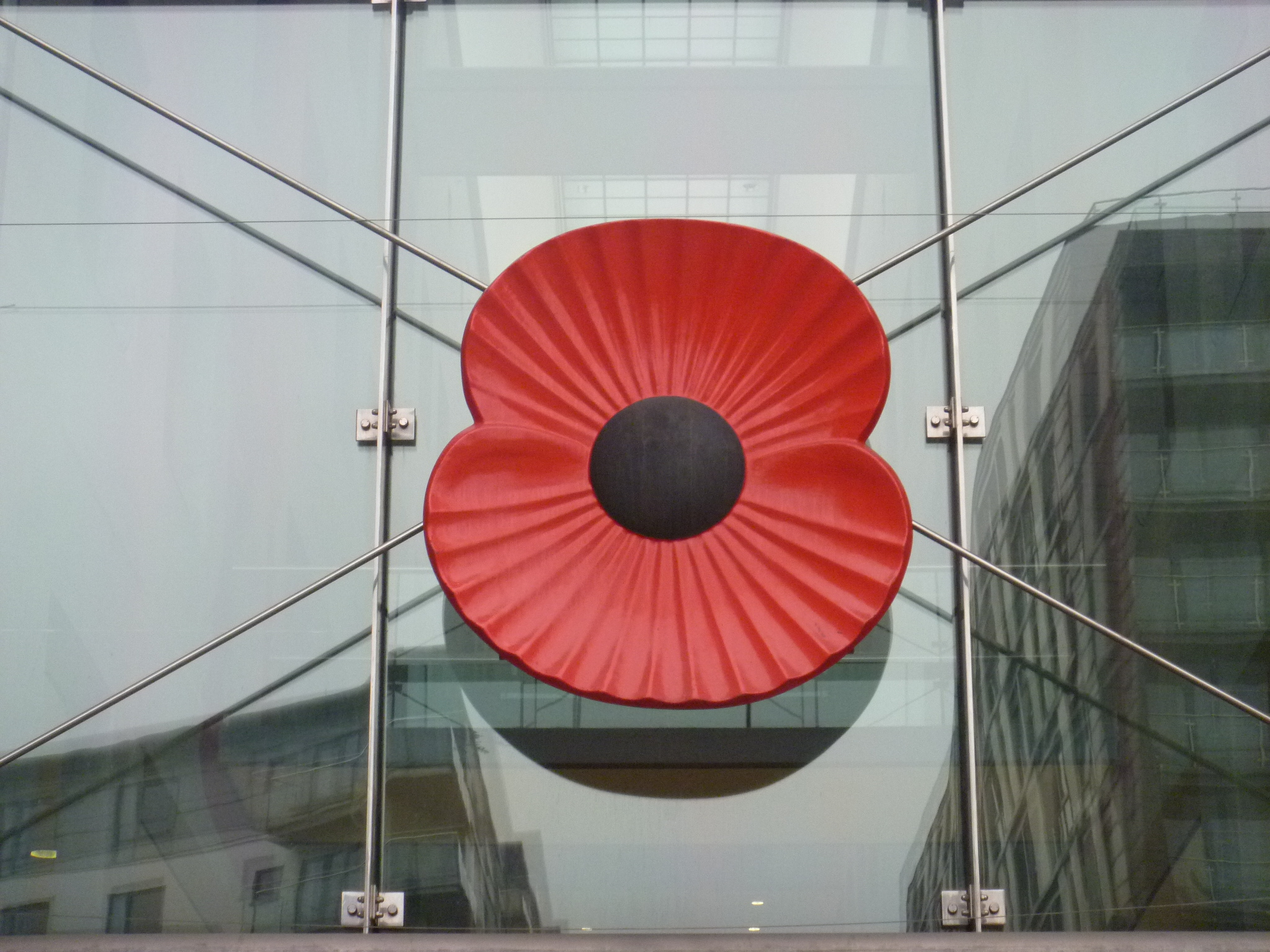
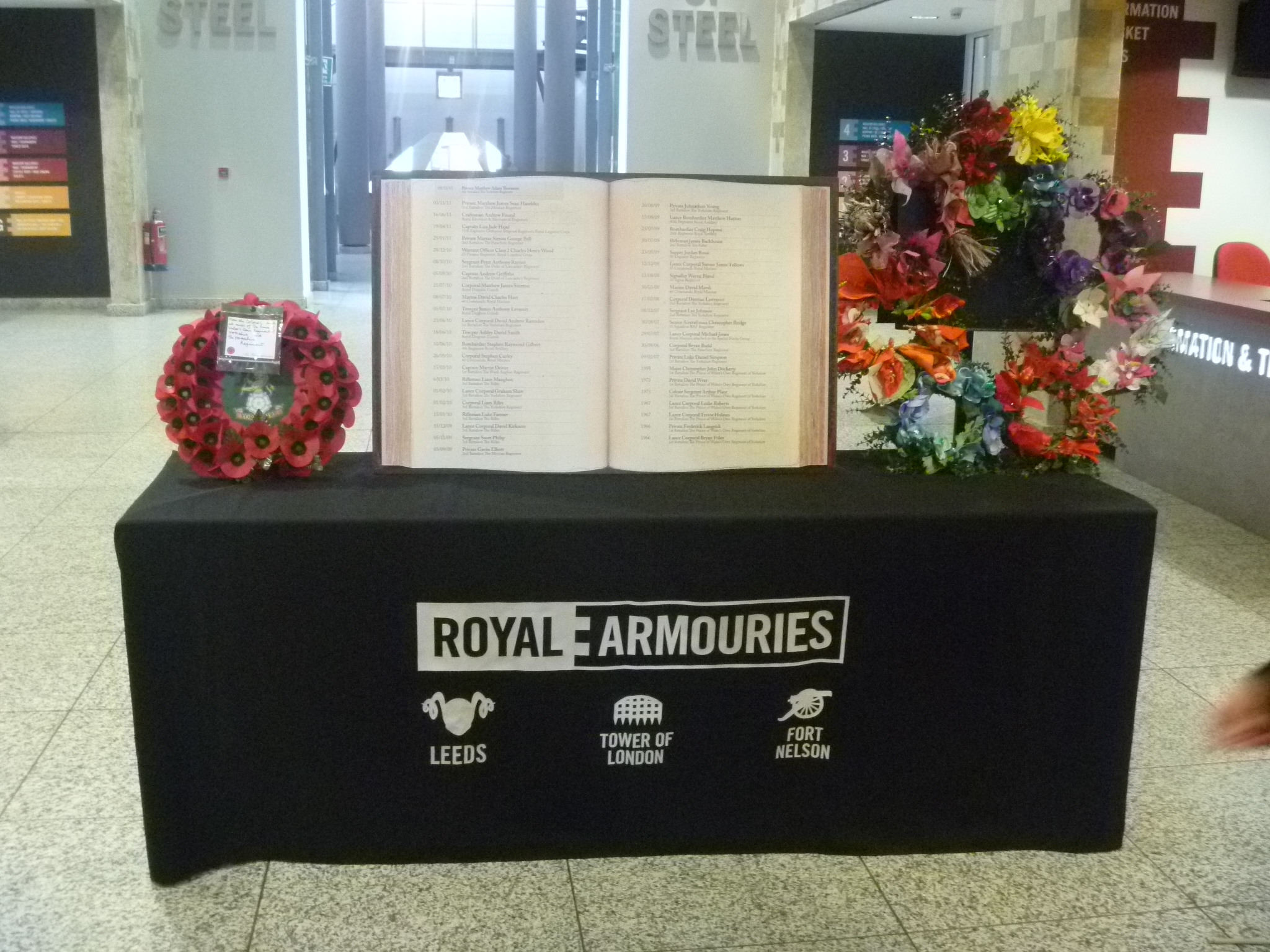
We Will Remember Them

Today a Service of Remembrance was held at The Royal Armouries in Leeds. The Regimental Standards were presented and after The Last Post, the Two Minutes Silence and The Reveille the names of the British servicemen and women from Yorkshire and The Yorkshire Regiment to fall in Afghanistan and Iraq, as well as the names of all the fallen from The Prince of Wales’s Own Regiment of Yorkshire since 1966 were read. At the same time wreaths were laid and poppies floated down from the galleries above the main atrium where the service was held.

Ode to Remembrance

from For The Fallen by Lawrence Binyon

They shall not grow old as we that are left grow old,

Age shall not weary them, nor the years condemn,

At the going down of the sun and in the morning

We will remember them

We will remember them

Pass the Postal Book Parcel – Every One a Winner!

Well, the clocks have gone back,  the temperatures have descended, autumn is well and truly here and my travelling is more or less done for the year. I’ve a couple of trips to London due before Christmas but now my thoughts are turning back to the boudoir and I mean to write a bit more about books and reading and more home-based or local topics.

For many years and as many of you know I have been a member of an online book discussion group. It was a brilliant idea and I joined when recovering from a bad bout of ‘flu one new year and have never looked back. Many members have met in person in many different countries. I don’t know if there are many (or even any) other such groups but this one is very special. Besides discussing books in general and some books in particular we often choose a nineteenth century novel – usually one that was originally published in parts – and read this a part at a time over a few weeks or months.

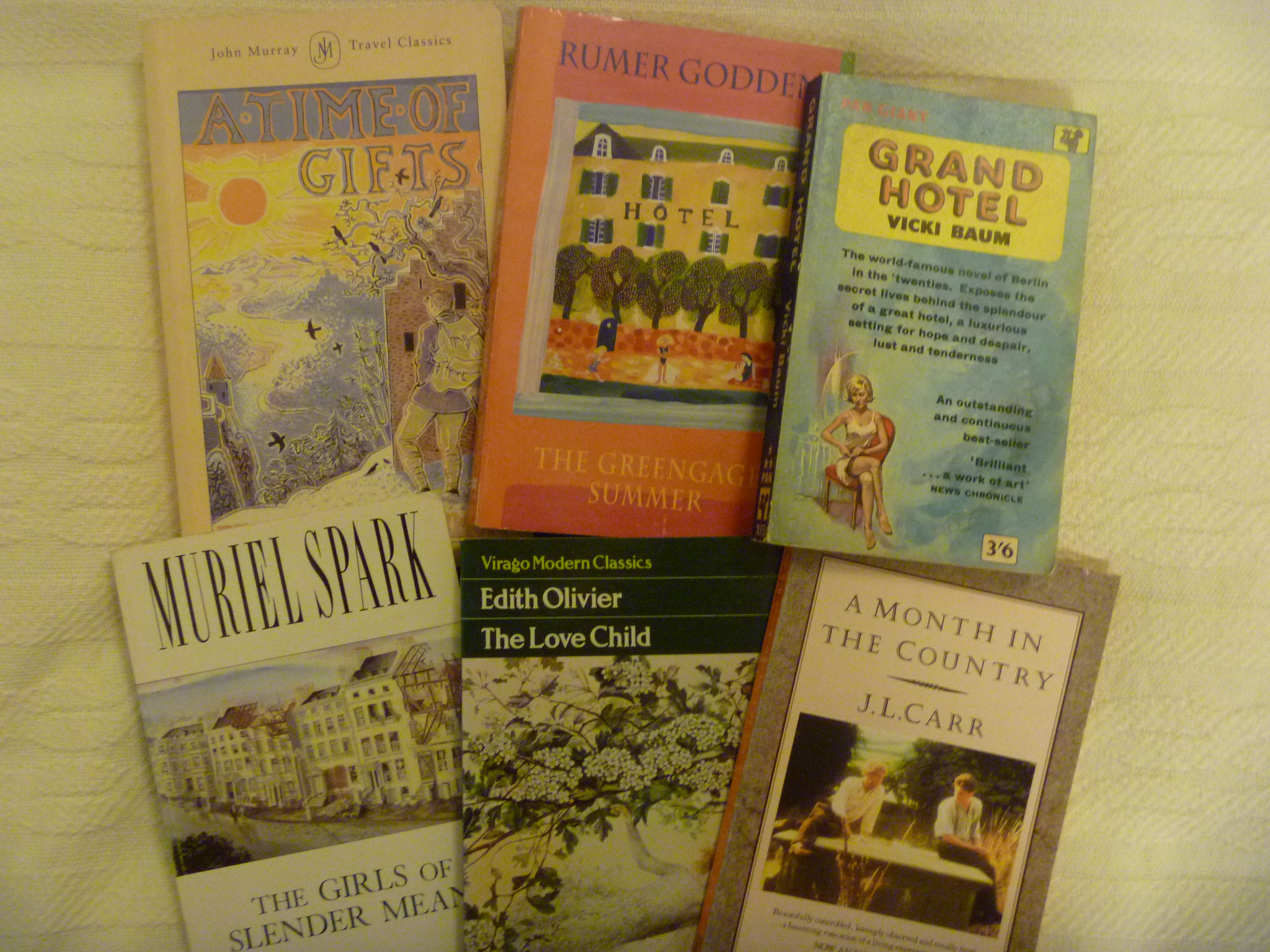
Some Postal Book Group reads – that I also own.

Several years ago we established what is known by us as The Postal Book Group. It works like this: one member volunteers to organise it for the duration of one ’round’ and those who wish to join in send their addresses to that member who makes a list and distributes to the Postal Book Group members. On the 1st of a chosen month everyone sends their own book choice to the next person on the list, along with a notebook explaining why they have selected that particular book and a bit of background information. A few days later all PBG members should have received their first book. You then read the book, comment in the notebook and on the first day two months later send on the book to the next person. The most exciting thing is when the mystery package lands on the doormat with the next book inside! I did drop out one round but I couldn’t wait to re-join as I missed so much the arrival of the mystery book and its notes.

The current Postal Book Group has the most members yet. There are 14 of us. This particular round started in February this year and will run until April 2013 when we should get our own books back complete with everyone’s thoughts written in the notebook. I can’t tell you anything more about the current round as we keep the book titles a secret so that no-one knows which book will arrive next.

Unfortunately I know of two instances where the books have gone astray but they’ve been replaced and as far as I know only one part-filled notebook has been lost for good. As the books even cross continents I do think this is pretty good going. Currently participants live as far apart as the UK – from Somerset to Cumbria – Ireland, Belgium and the USA – from Oregon and California to Massachusetts and Tennessee. I can tell you it is great fun!

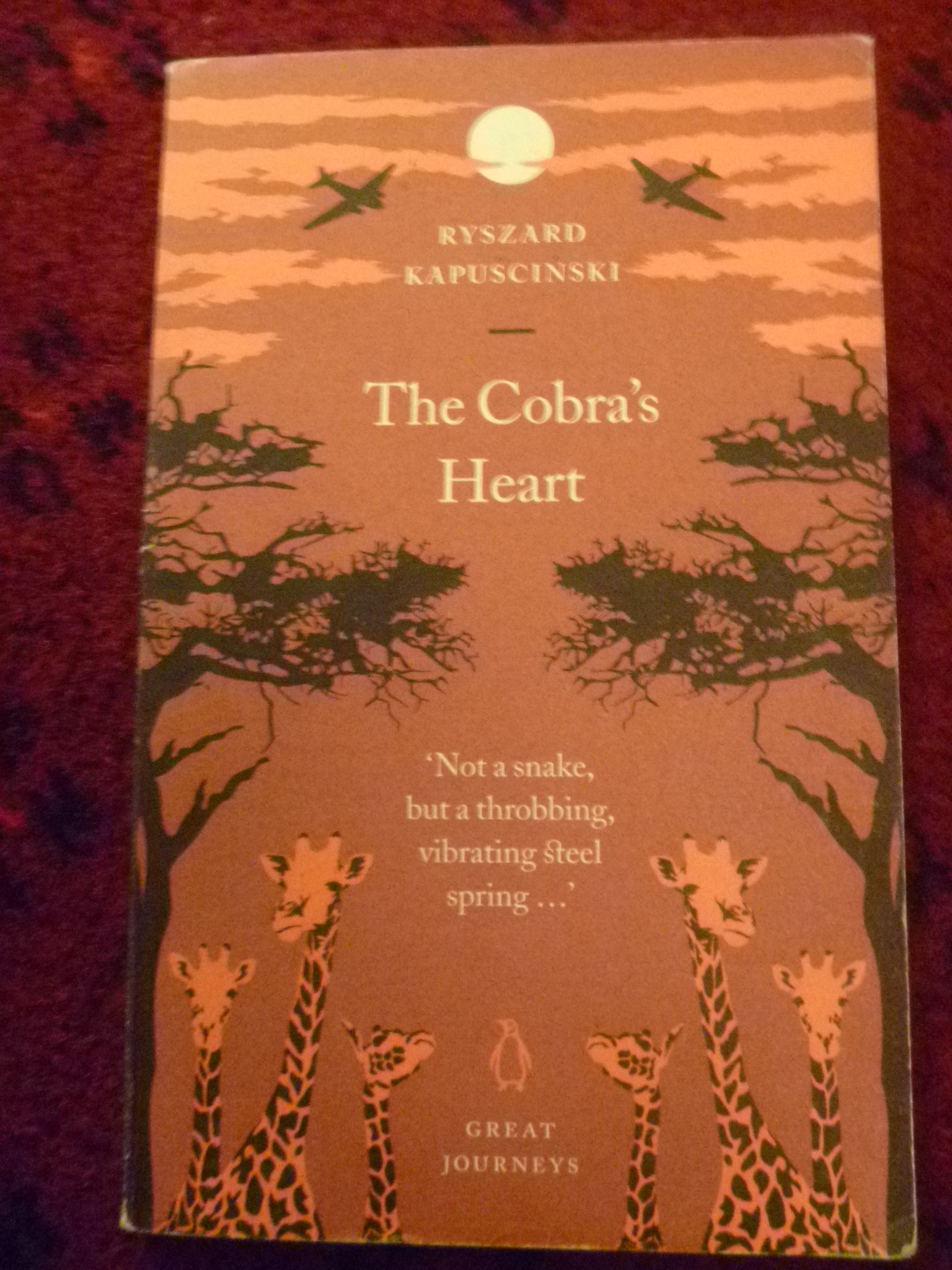
The second most exciting thing is getting the book back and reading the comments that readers have made about your own choice! In the last round I sent out Ryzard Kapuscinski’s The Cobra’s Heart. It’s nice and short – less than 100 pages long – we have to fit the postal book in with all our other reading! It was recommended on the Radio 4 programme ‘A Good Read’ in October 2007 and, I’m pleased to say, it was pretty well received.

Here’s an extract from what I wrote in my notebook before sending it on its way :

“Maybe you know lots about Africa already. I’m ashamed to admit that I do not. All of the things Kapuscinski writes about are new to me. Things I had never thought about such as the sudden difference between day and night, about white people who are not from colonial countries, sickness, wizards, and, of course, cobras. … The book is extracted from a fuller version of this Polish journalist’s writings about Africa “The Shadow of the Sun”. I hope you will find something of interest in this little book of travel writing about Africa.”

A River Runs Through It


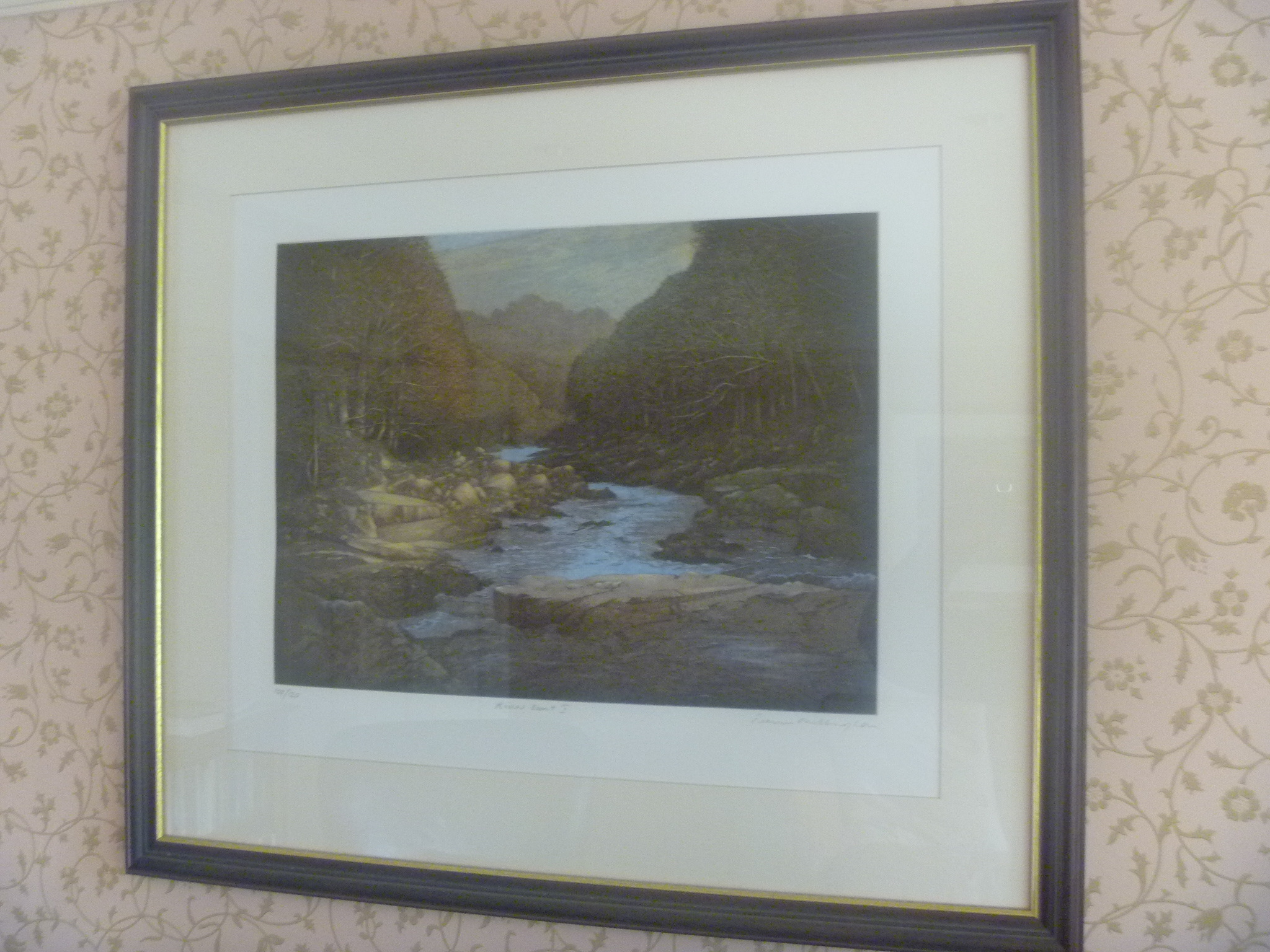
We have a print hanging on our sitting room wall called River Dart by Terence Millington.

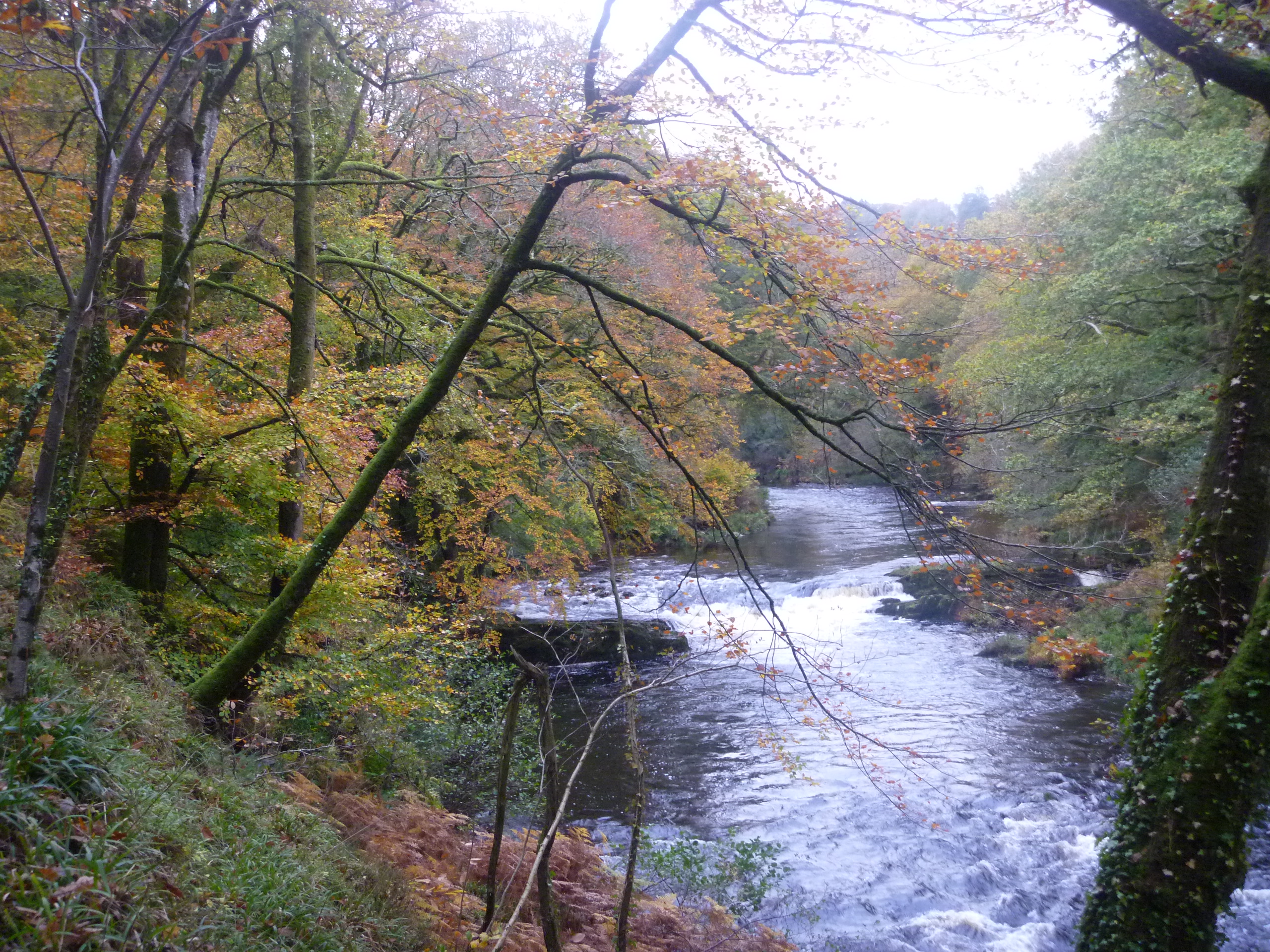
The River Dart at Holne

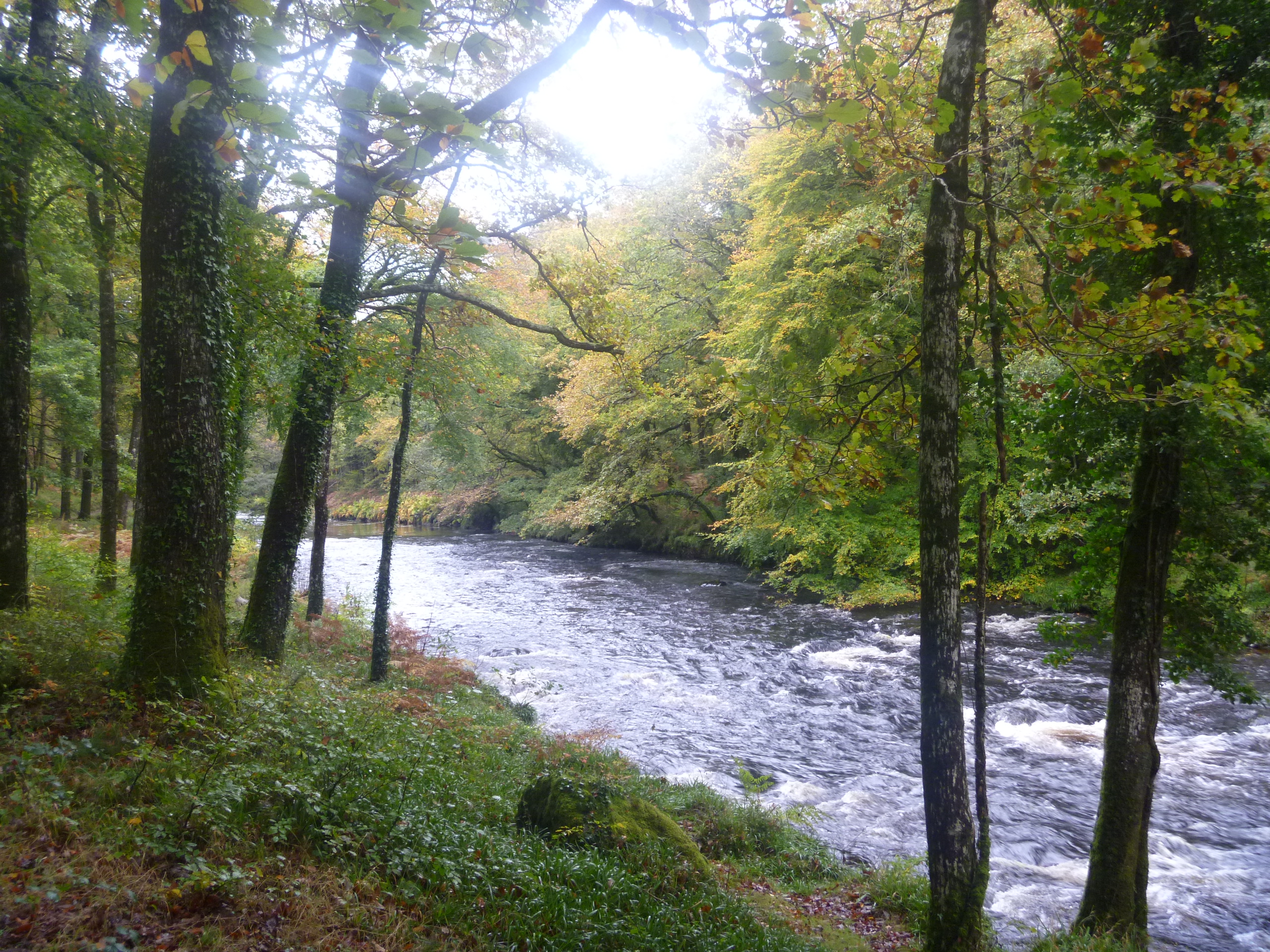
Devon is one of our favourite holiday destinations and this week we’re staying near the lovely Stannary town of Ashburton. Our cottage is on an estate that borders the beautiful River Dart. There’s a path from our cottage that takes you right down to the swift-flowing river which borders the Holne Chase estate.

The River Dart near New Bridge

This 42 mile long river rises as 2 branches – East and West Dart – in the Okehampton area of Dartmoor.  The two branches join on Dartmoor at Dartmeet and from then on the single river slips past our cottage ‘home’, flows swiftly down under Holne Bridge and then runs parallel with the road and the railway line towards Totnes, from where for the final 8 miles the river is navigable.

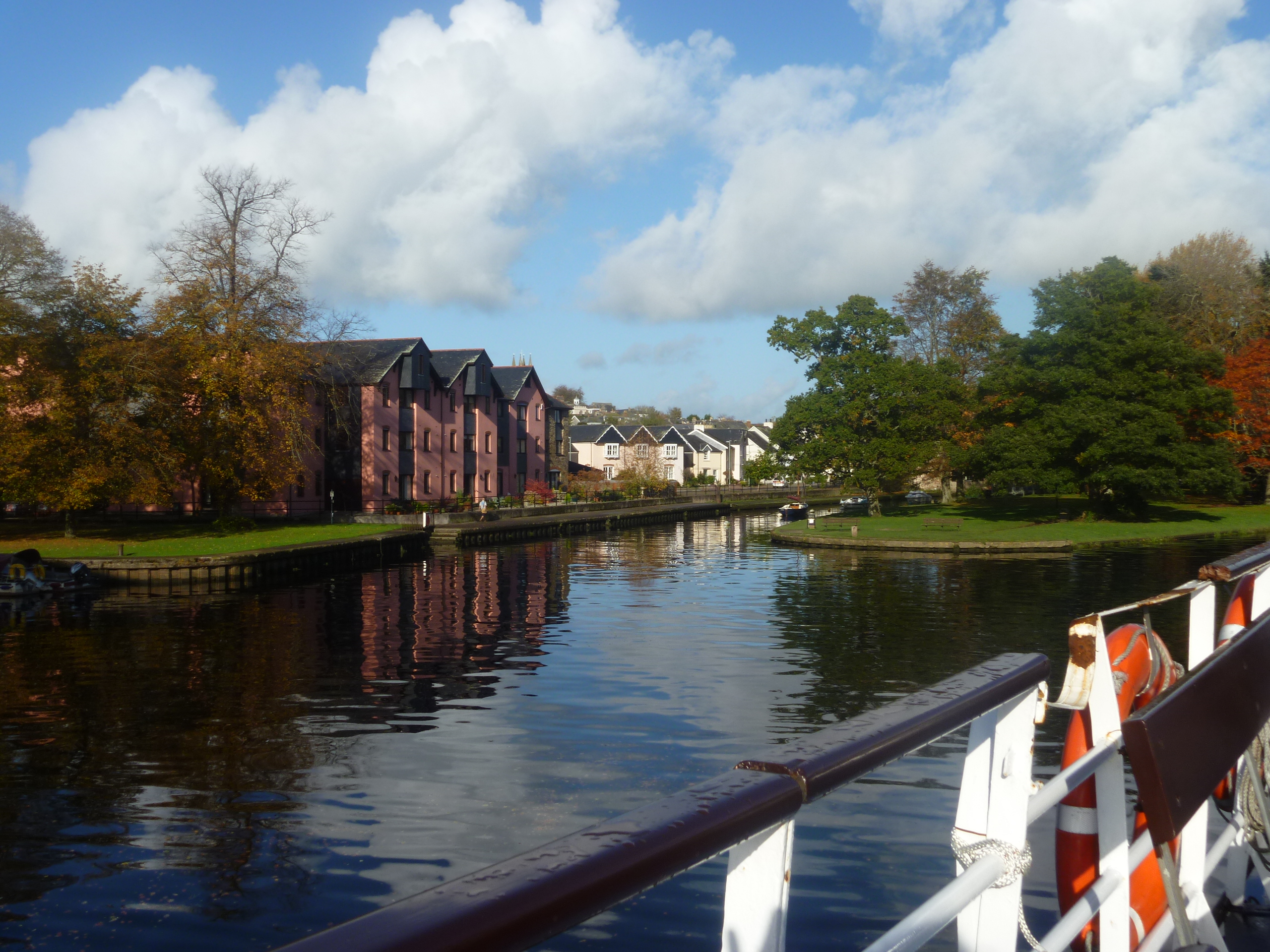
At Steamer Quay, Totnes

It was  at Totnes, on a beautiful November morning, that I boarded the Dart Venturer for a gentle cruise down the river to Dartmouth.

Sharpham Vineyard

Not far from Totnes is the Sharpham Estate, an award-winning vineyard that hugs the right-hand bank of the river for about two and a half miles.

We passed three villages: Duncannon, Stoke Gabriel and Dittisham, Agatha Christie’s former home Greenway (above) and Sir Walter Raleigh’s boat-house. As the boat glided through the still waters it was fascinating to look out for wildlife along the banks – we even spotted a seal bobbing in the water. Bird life included egrets, herons, swans, a cormorant, a buzzard and masses of Canada geese.

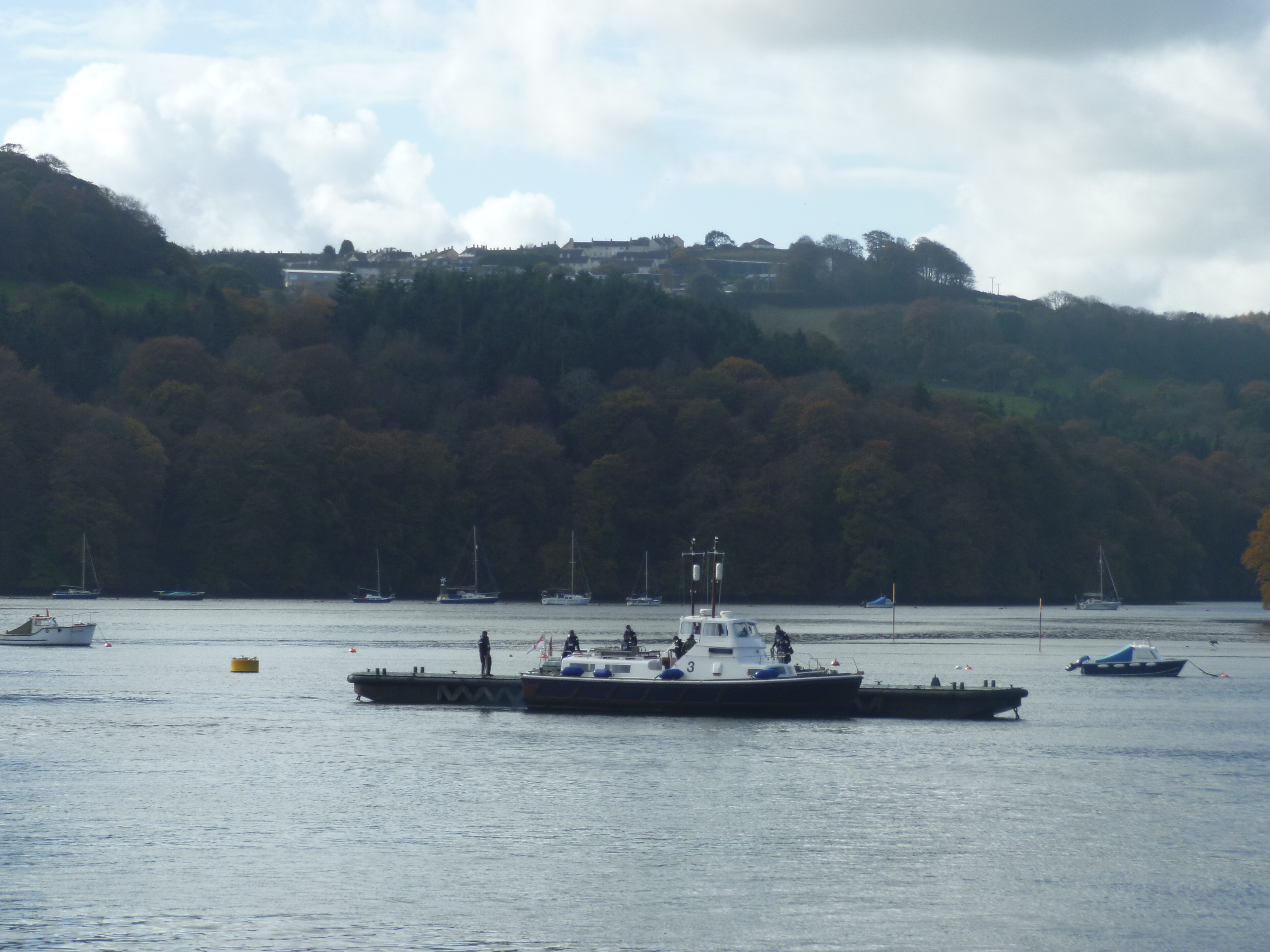
As we neared Dartmouth (and its opposite neighbour, Kingswear) the river broadens and we watched naval cadets (above) from the nearby Britannia Royal Naval College for Officer Training (below),

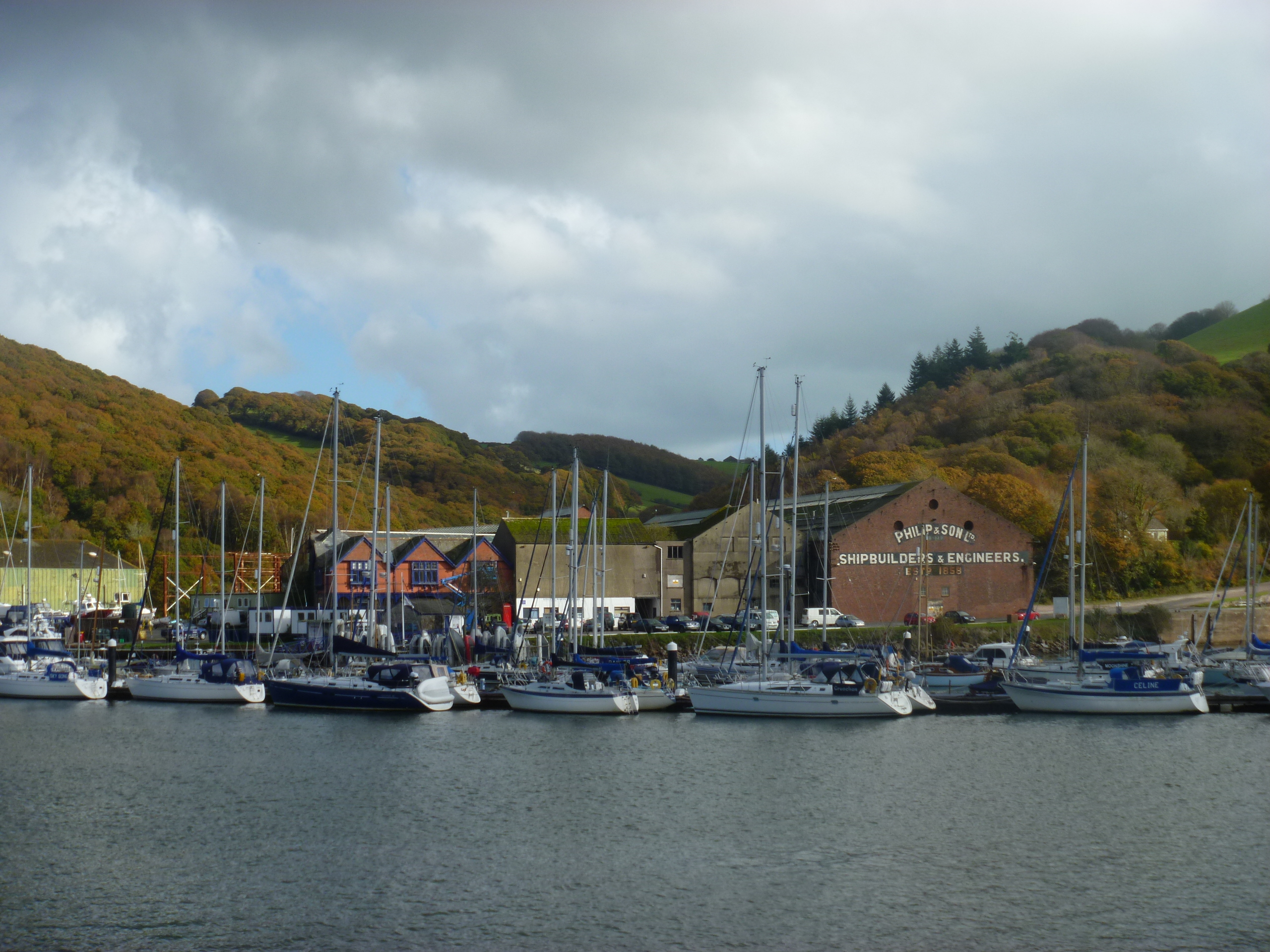
and saw empty and forlorn looking boat building yards that had supplied the nation with over 400 craft during the Second World War. Have a hanky ready if you want to watch the following video about the demise of Philip’s.

At Dartmouth we disembarked from the cruise an hour and a quarter later at the only railway station in Britain that has never been served by a railway line. It was built in anticipation of the railway reaching the town but local efforts to prevent it crossing the Dart were successful and in the end the line had to terminate at Kingswear.
The Dart Estuary at Dartmouth

Lanhydrock House, Cornwall

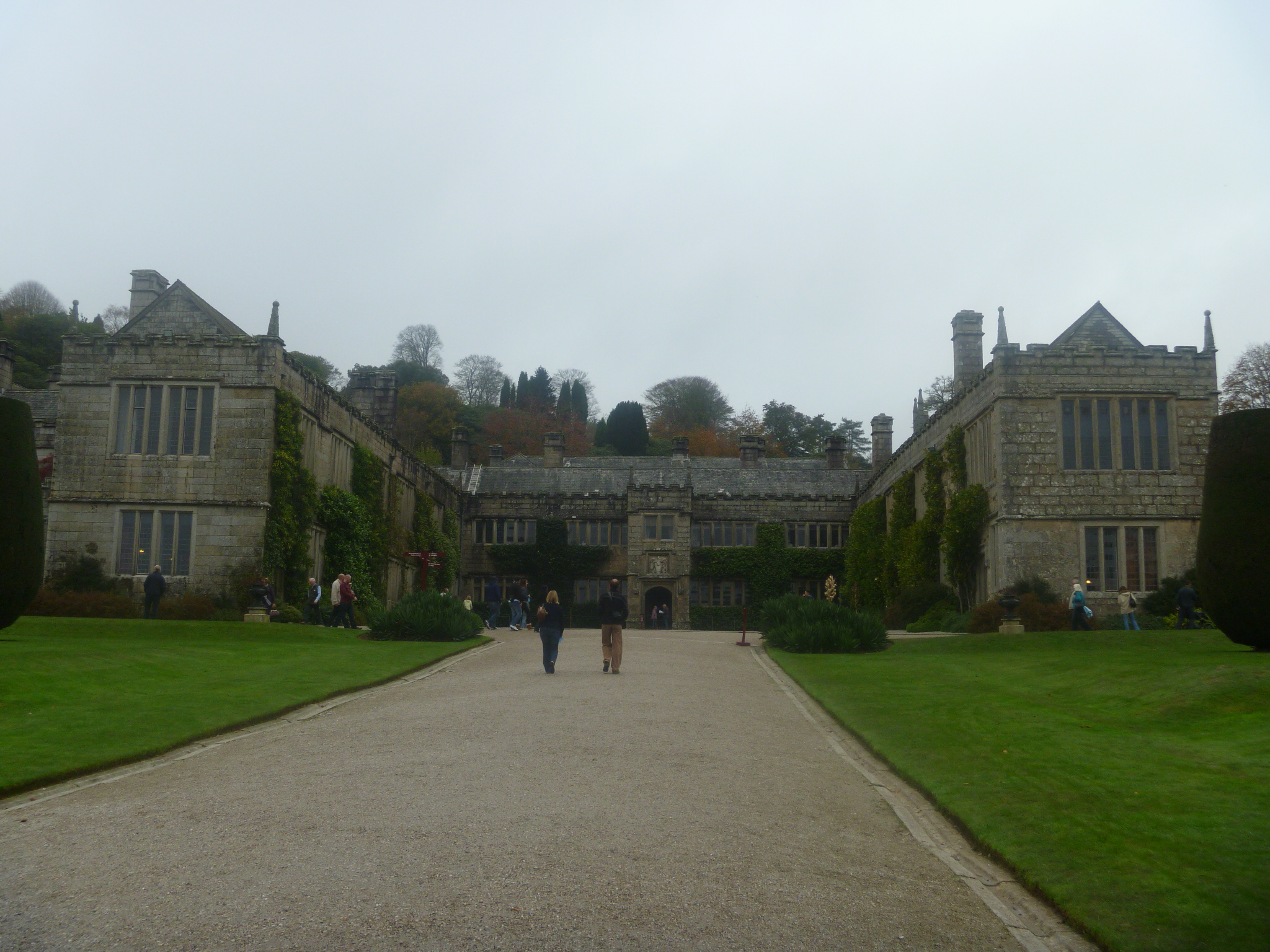
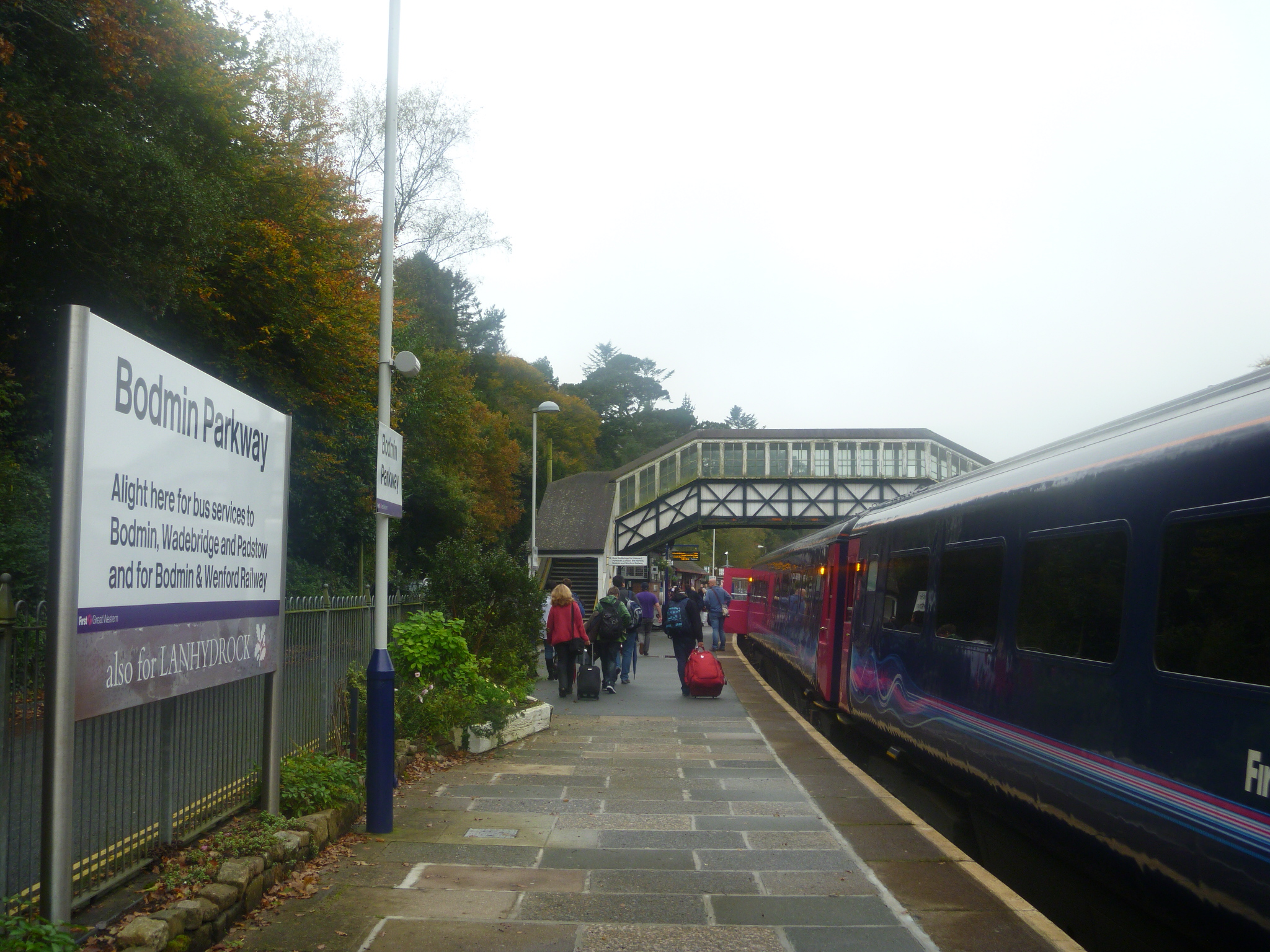
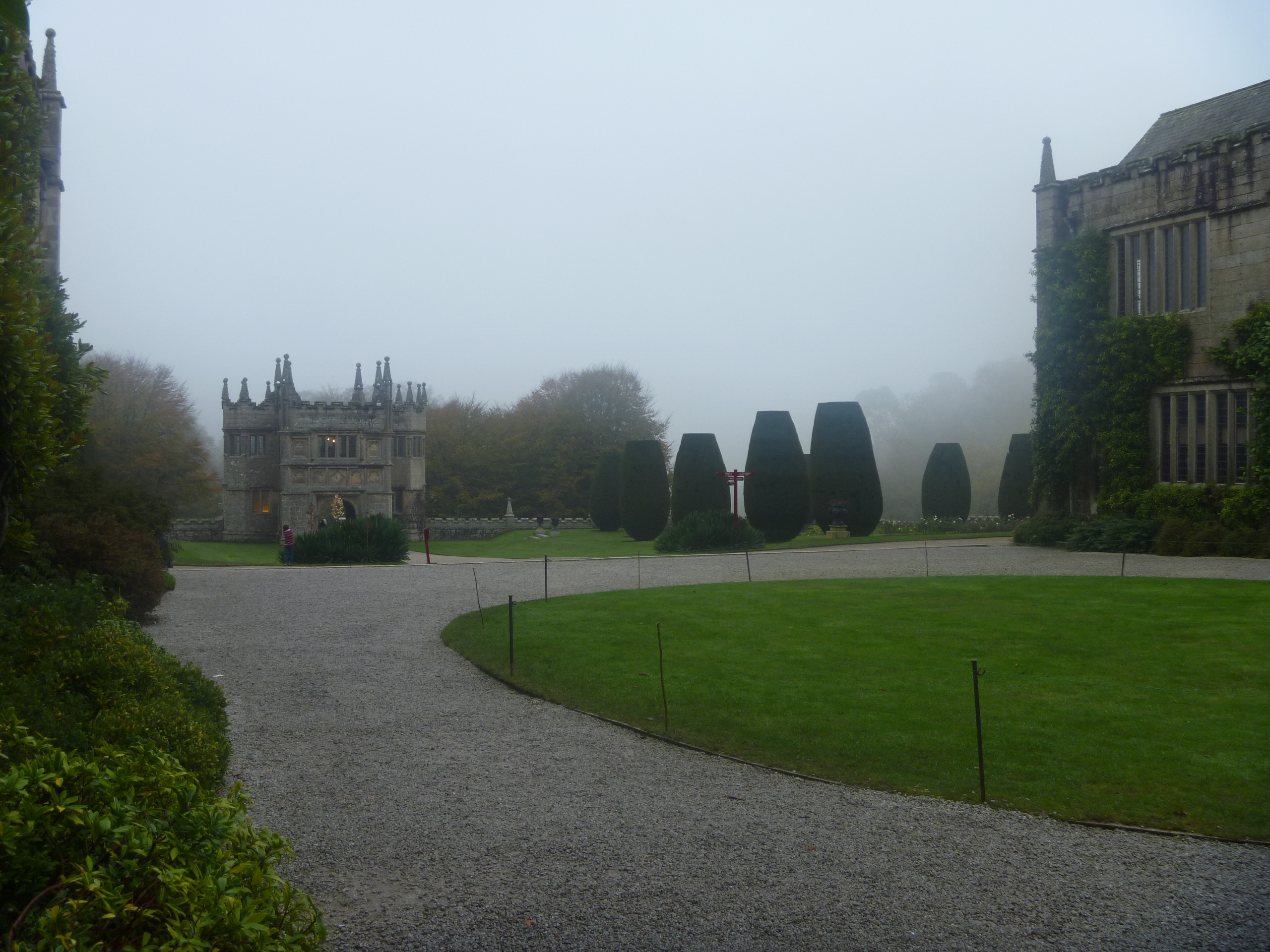
Yesterday I took the train from Totnes, in Devon, to Bodmin, in Cornwall, from where, I had discovered recently, it is possible to walk along the carriage drive for a mile and three quarters to Lanhydrock House“The finest house in Cornwall”.  The weather stayed dry but the clocks were put back an hour on Saturday night so the days are now shorter.

When you alight from the train at Bodmin Station it is a bit like stepping back in time. There’s a hustle and bustle as people are met and packed into waiting cars and there’s a delightful station buffet … in the former signal box. Then the London train pulls out of the station on its way to Penzance, the cars roar away and all is still and quiet and you can hear the birds sing. But maybe it was just the whistle of a steam train whose line shares the station that took me back to earlier days.
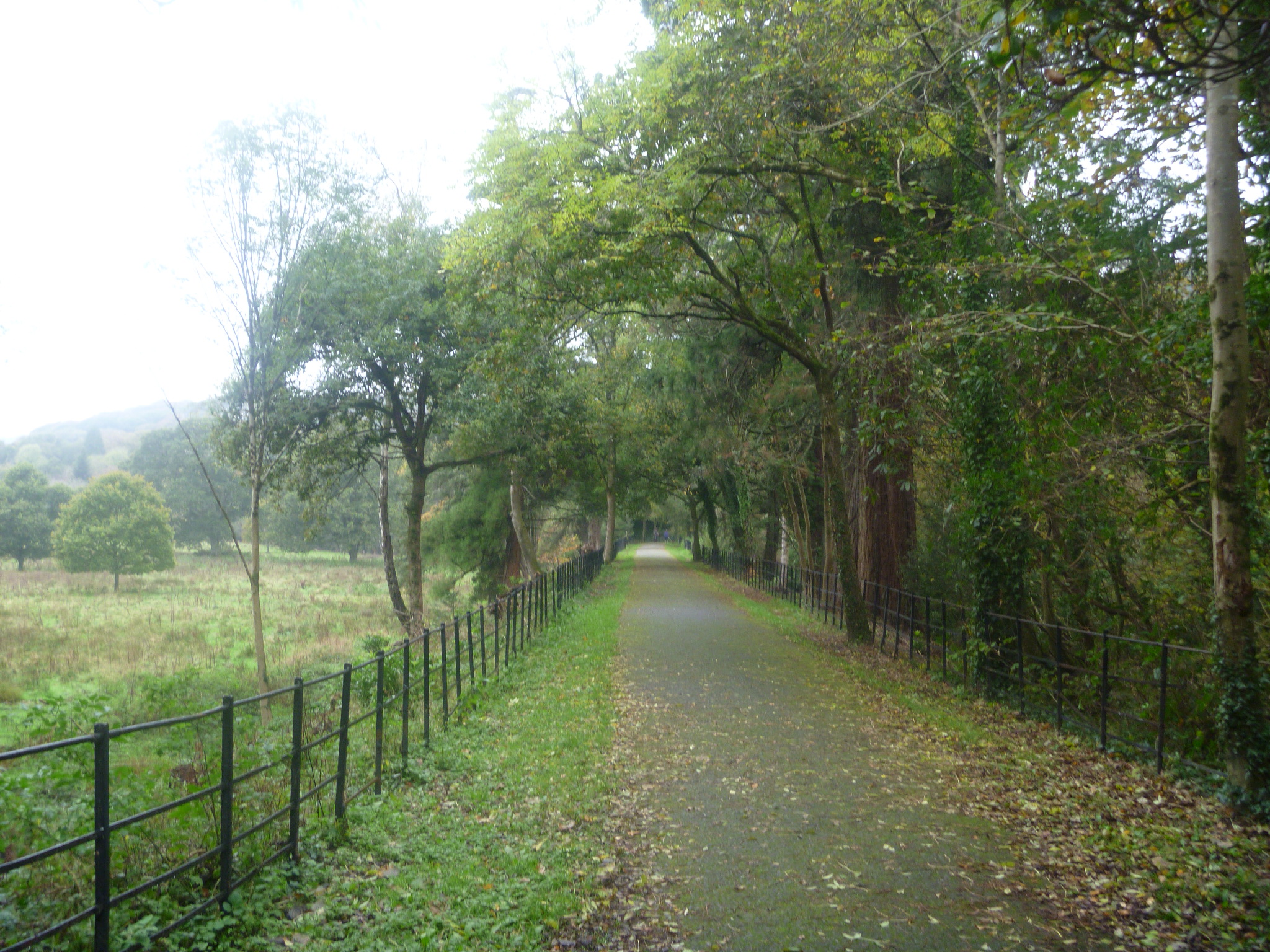
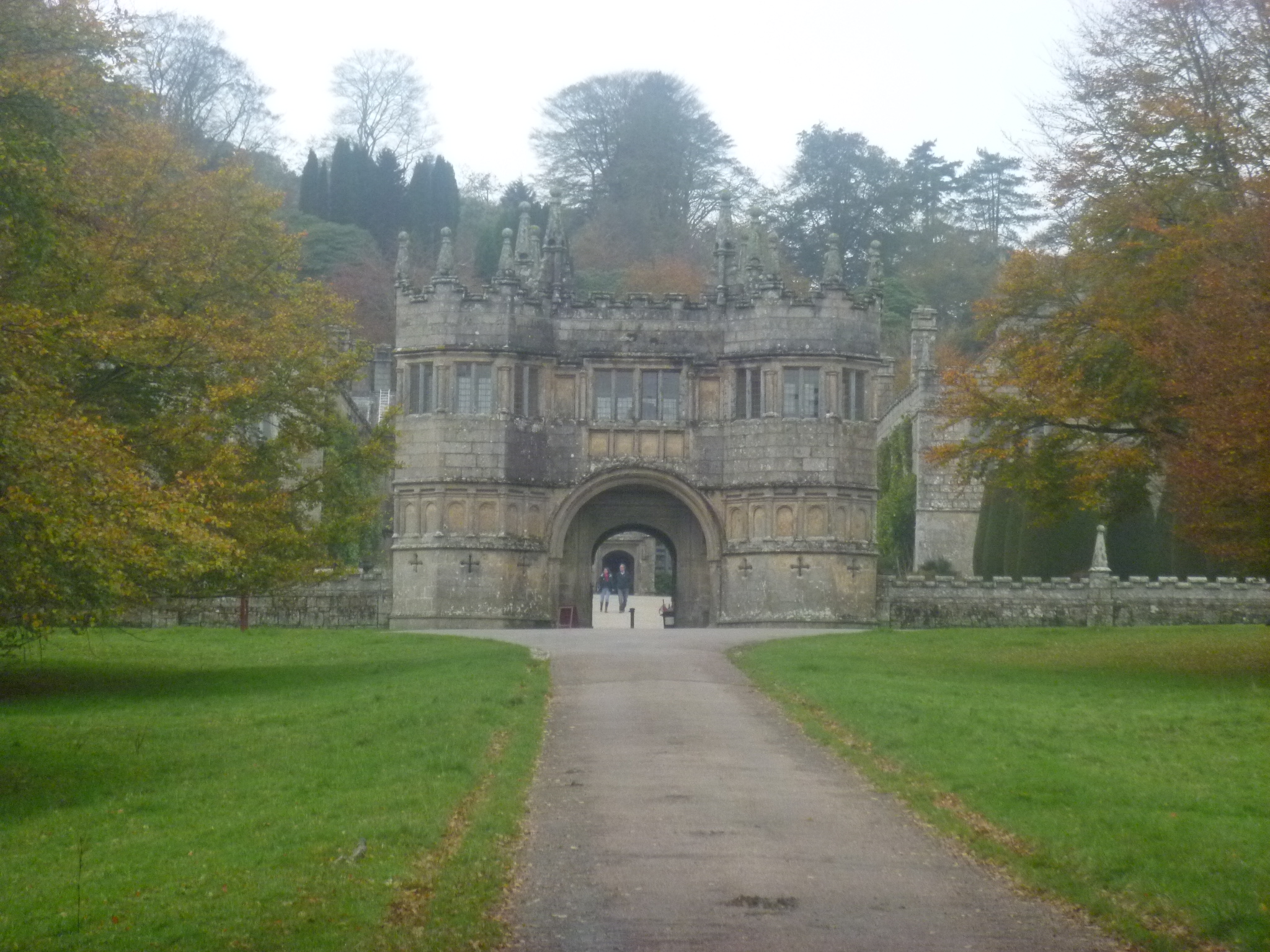
At the end of the car park there’s a red gate. Go through it and you are already on the Lanhydrock House Carriage Drive.  At first you walk through woodland alongside the River Fowey. After about a mile there’s a lodge house and car park. Cross the road and head uphill to another lodge, go through another gate and at the brow of the hill you can see the seventeenth century Gatehouse and Lanhydrock looms into view.

A bit of investigation before setting out lead me to discover in my Blue Guide to Literary Britain by Ian Ousby that Thomas Hardy based his description of Endelstow House, the home of the Luxellians in A Pair of Blue Eyes, on Lanhydrock House, moving it to St Juliot near Boscastle for the story.

“For by this time they had reached the precincts of Endelstow House. Driving through an ancient gate-way of dun-coloured stone, spanned by the high-shouldered Tudor arch, they found themselves in a spacious court, closed by a facade on each of its three sides. …  The windows on all sides were long and many-mullioned; the roof lines broken up by dormer lights of the same pattern. The apex stones of these dormers, together with those of the gables, were surmounted by grotesque figures in rampant, passant, and couchant variety. Tall octagonal and twisted chimneys thrust themselves high up into the sky, surpassed in height, however, by some poplars and sycamores at the back, which showed their gently rocking summits over ridge and parapet. In the corners of the court polygonal bays, whose surfaces were entirely occupied by buttresses and windows, broke into the squareness of the enclosure; and a far-projecting oriel, springing from a fantastic series of mouldings, overhung the archway of the chief entrance to the house.” 

A Pair of Blue Eyes by Thomas Hardy (Ch.5)

The house today is not the original seventeenth century edifice but a late Victorian reconstruction following a disastrous fire which destroyed most of the earlier building in 1881. It was taken over by the National Trust in 1953. After refreshments and a browse in the second-hand bookshop I toured the fifty rooms in the house open to the public. These rooms included many below stairs: kitchen, scullery, bakehouse, dry larder, fish larder, meat larder, dairy – all very Downton Abbey. Most interesting to me amongst the family’s rooms were a Family Museum, Captain Tommy’s dressing and bed rooms, the drawing room and the Long Gallery.

The obligatory visit to the shop revealed that the popular author E. V. Thompson based many of his novels on Lanhydrock.

By 3.30pm the mist was beginning to thicken so I made my way back to the Carriage Drive and enjoyed the reverse walk back to the station for my 4.25pm train back to Totnes. The cafe was closed, the steam engine was being shunted away and we stood in the gloomy, misty, light rain waiting for our Paddington-bound train.

The Literary Connection of North Lees Hall

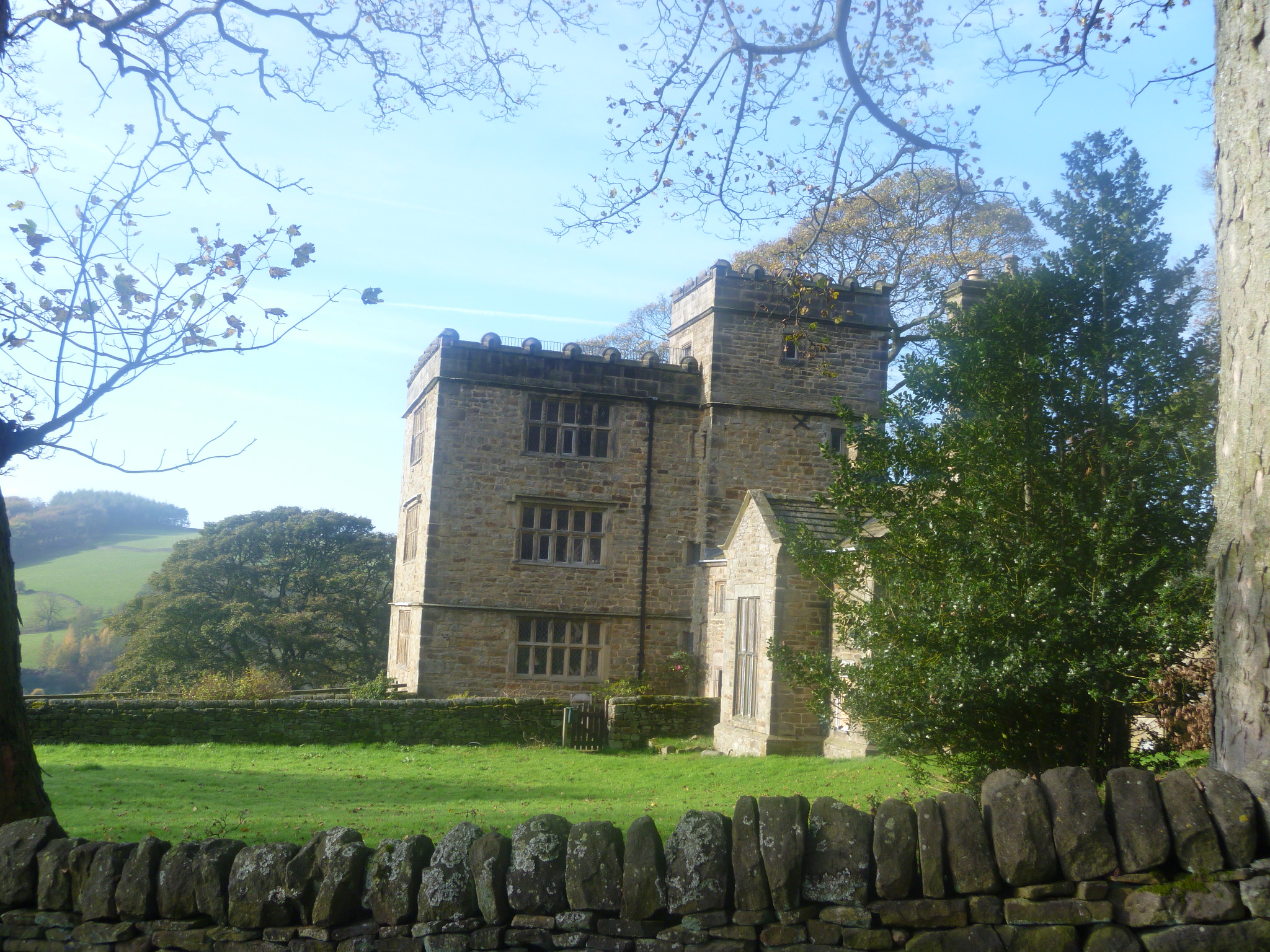
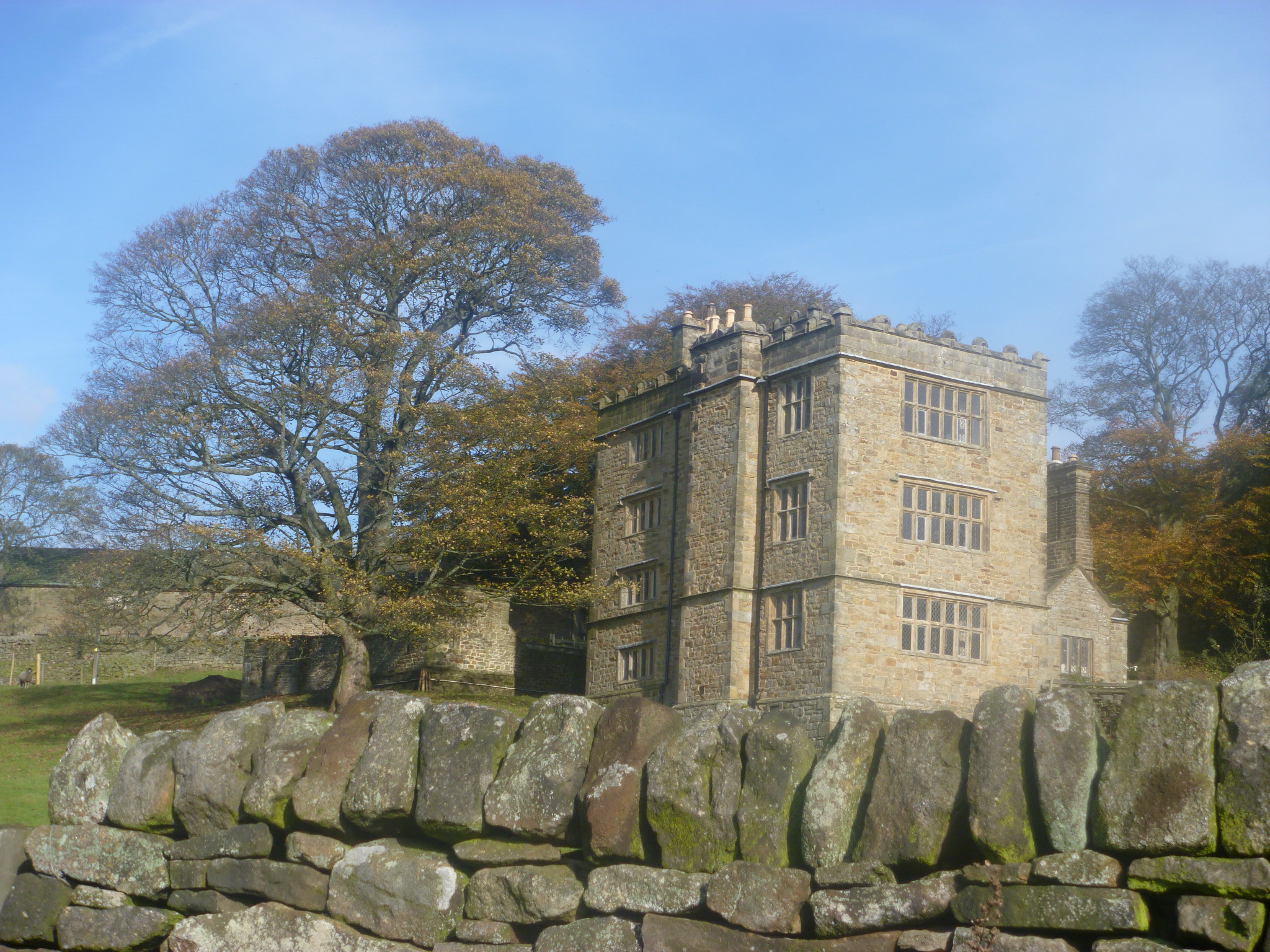
“It was a fine autumn morning; the early sun shone serenely on embrowned groves and still green fields; advancing on to the lawn, I looked up and surveyed the front of the mansion. It was three storeys high, of proportions not vast, though considerable: a gentleman’s manor-house, not a nobleman’s seat: battlements round the top gave it a picturesque look.

Its grey front stood out well from the background of a rookery, whose cawing tenants were now on the wing: they flew over the lawn and grounds to alight in a great meadow, from which these were separated by a sunk fence, and where an array of mighty old thorn trees, strong, knotty, and broad as oaks, at once explained the etymology of the mansion’s designation.

Farther off were hills: not so lofty as those round Lowood, nor so craggy, nor so like barriers of separation from the living world; but yet quiet and lonely hills enough, and seeming to embrace Thornfield with a seclusion I had not expected to find existent so near the stirring locality of Millcote. A little hamlet, whose roofs were blent with trees, straggled up the side of one of these hills; the church of the district stood nearer Thornfield: its old tower-top looked over a knoll between the house and gates.”

Jane Eyre  (Chapter 11)

Today I visited a friend and former neighbour who, with her husband, moved to work in Sheffield. They now live in the Hope Valley in the beautiful Derbyshire Peak District . Our plan was to take a walk from her house to visit North Lees Hall, visited by Charlotte Bronte and her friend Ellen Nussey. Bronte later based Mr Rochester’s home Thornfield Hall on North Lees Hall.

The Vivat Trust has similar aims to The Landmark Trust. I have never stayed in one of their properties but my feeling is that they do everything much more comfortably or even luxuriously but that they don’t have such a ‘low’ (ruinous?) starting point. North Lees Hall is a Vivat Trust property.

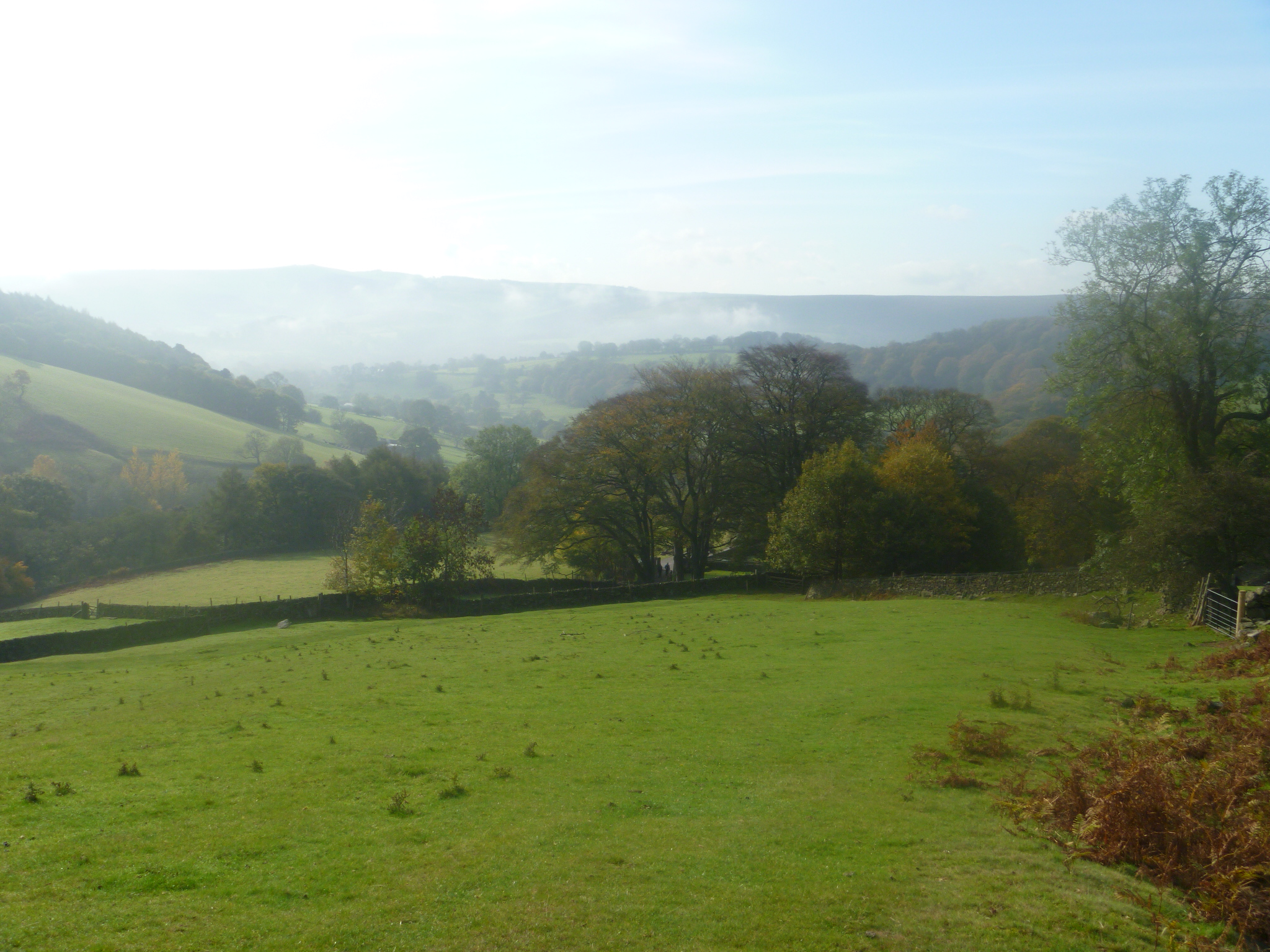
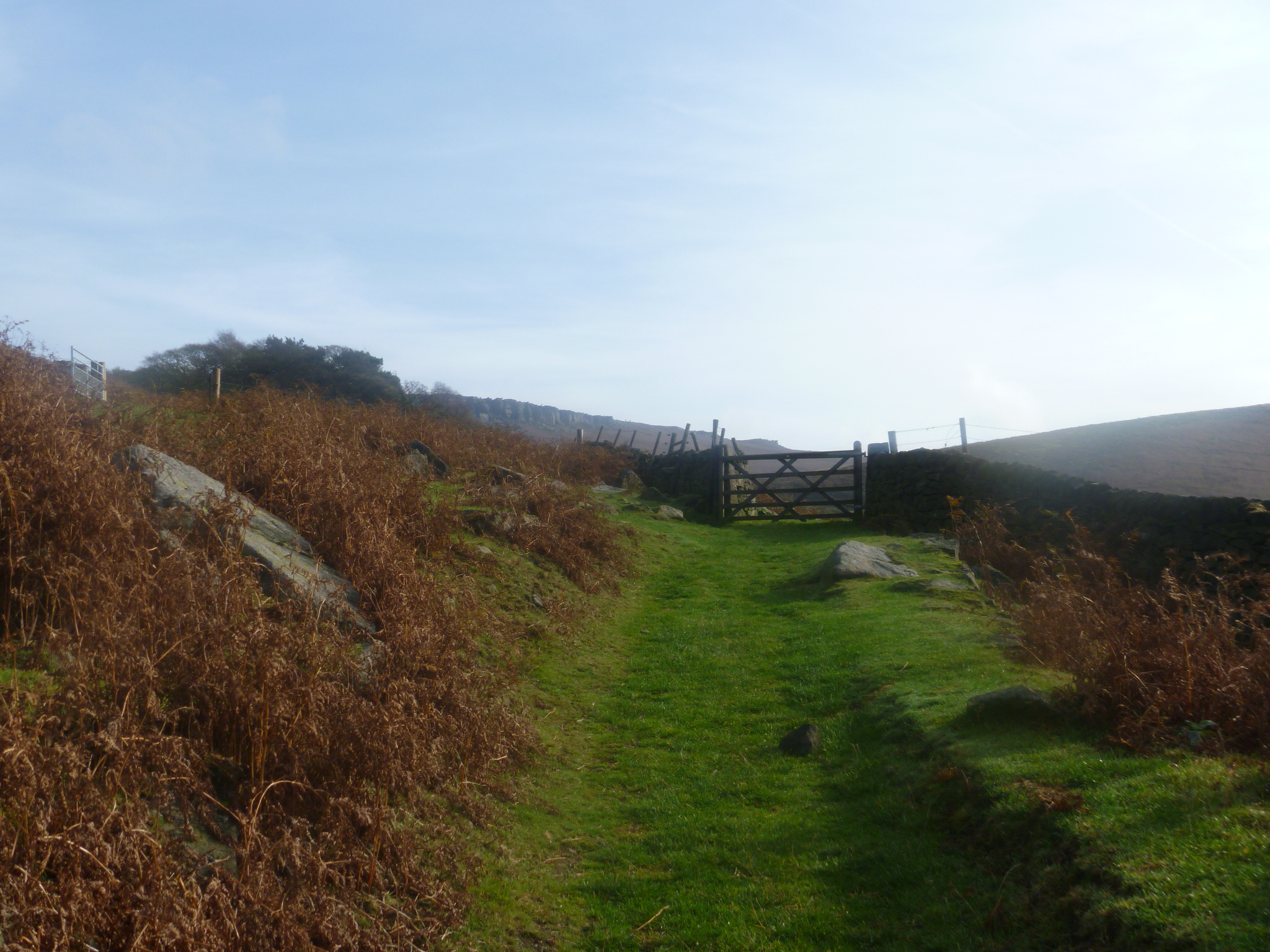
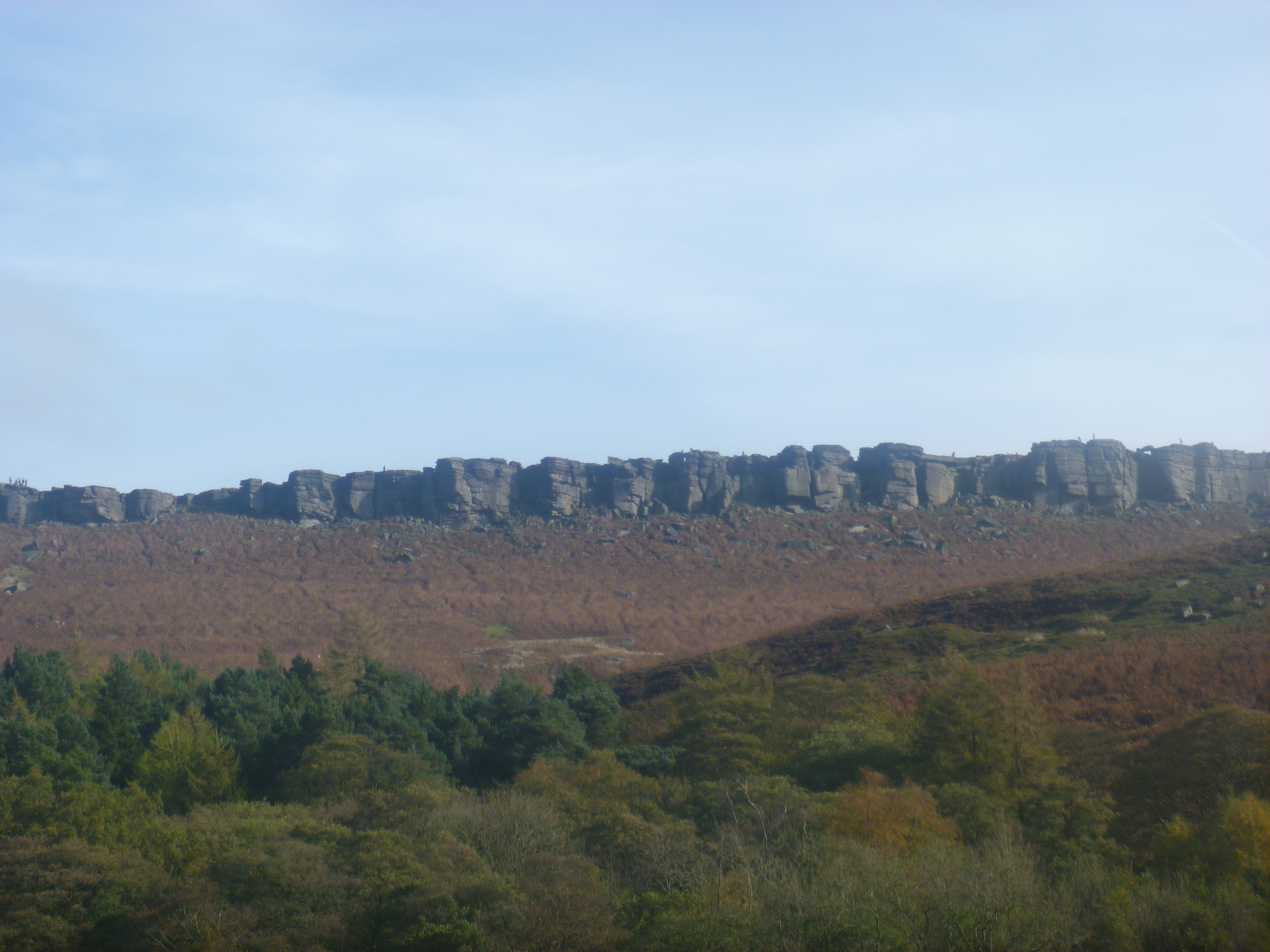
The day started off very misty – but these always turn out the best. After a cup of tea and brief chin-wag we headed off up the hill from her house. It was a perfect walk – a climb up the lane to begin and over a couple of stiles and then green grassy paths for a good hour or so with wonderful views of Stannage Edge (a climbers paradise, apparently). Eventually through a wooded copse we spied the Hall. By this time the sky was fully blue and cloudless (Jane Eyre’s “fine autumn morning” indeed).  Another hour’s walk via an Ice Cream Parlour  (Hope Valley Ice Cream) brought us across a golf course and home for lunch.

Stannage Edge, Derbyshire

Every Inch a King

What’s this? Me thinking I’m a theatre critic?  How dare I? Well, of course, this isn’t really a critical review merely a comment on my feelings after seeing ‘King Lear’ at the West Yorkshire Playhouse last evening.

KING LEAR

23 September 2011  to 22 October 2011


QUARRY THEATRE

King Lear abdicates the British throne, to divide his kingdom among his three daughters in proportion to their professed love of him. When Cordelia, his youngest and favourite daughter, refuses to flatter her father; she is disinherited and banished. 

King Lear, with its intense exploration of kinship, loyalty, old-age and madness is widely held as the greatest of Shakespeare’s tragedies; to some, it is the greatest play ever written.

 Award-winning stage, film and television actor Tim Pigott-Smith will perform the title role, directed by West Yorkshire Playhouse Artistic Director Ian Brown.

Picture and Resumé from The West Yorkshire Playhouse website.

Over 25 years ago (is it really that long?) a dear friend, Mrs Wright, Snr., asked if I’d like to join her and subscribe to a season of plays at The Leeds Playhouse (as it was then). Of course, I did, and we have never looked back! Through the births of our children and various other upheavals we’ve stuck with our commitment and missed very few plays. In 1990 the old Leeds Playhouse was replaced by the West Yorkshire Playhouse and the ticketing became more complicated but we just stuck with our original plan and booked the longer running plays.

Yesterday evening we attended the last but one evening performances of King Lear. I don’t know whether this play will move to other theatres or even to The West End but it was a magnificent production and if you get the chance and enjoy Shakespeare – go see it! Tim Pigott-Smith (of ‘The Jewel in the Crown’ fame) stars in the title role. The final performance at Leeds is halfway through as I type.

The play opens strongly in reds and blacks and greys and there is no doubt who is in power and what form that power takes – it is King Lear and the power is absolute! Fast forward towards the end of the play and we see a desolate, senile and bereft Lear cradling his dead daughter Cordelia and we feel as exhausted, as surely the actors must do, with tragedy of it all.

Cordelia is played by Olivia Morgan. It’s her very first professional stage debut. How good is that?! To me it showed but was all the better for the ‘naivety’ – is that the right word? I think I read somewhere that Cordelia has just 120 lines but she’s pivotal to the play.

Photo : James Garnon [Mercutio] in the Globe’s 2004 Romeo and Juliet ( globe-education.org )

All evening I couldn’t get out of my mind of whom James Garnon (Edmund) reminded me. I checked the programme when I got home, found that he performed in Howard Brenton’s ‘Anne Boleyn’ at Shakespeare’s Globe which I saw in the summer and realised straightaway that he was James I. He is definitely one to watch.

At The Tomb of the Unknown Craftsmen

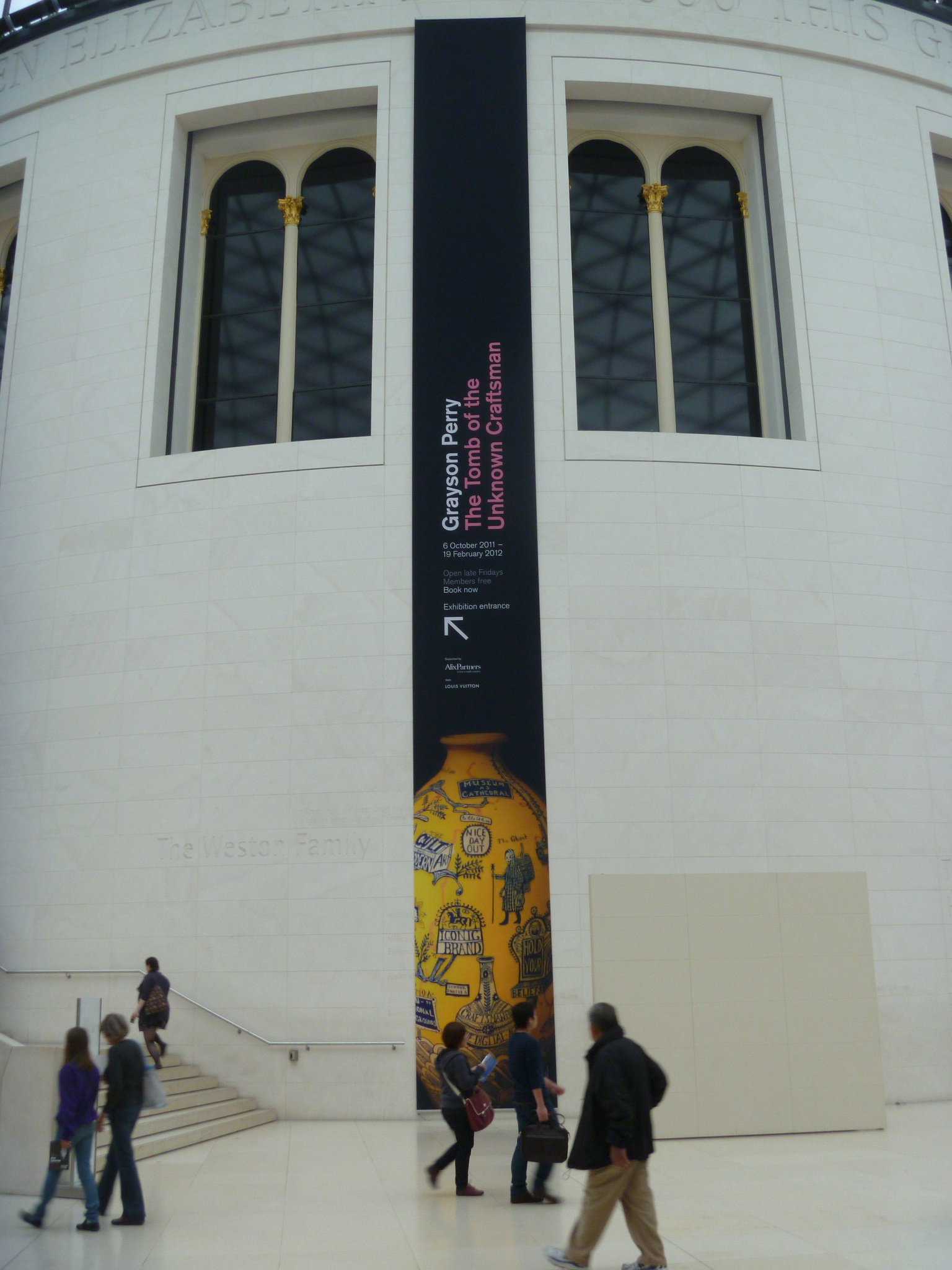
I’ve been hesitating as to whether to post about my visit to the British Museum on Thursday. Obviously I am no art critic, have no training in art and very little knowledge on the subject and even less knowledge about Grayson Perry himself so this is just my own personal comment. When I first heard about “The Tomb of the Unknown Craftsman”  I was very excited to see it.

I had no idea what to expect but the thought of choosing artefacts, items made by craftsmen and women over the decades, centuries and millennia, from the vast archive of the British Museum had overwhelming appeal for me. Put together with recently crafted pots and tapestries and what I believe are called installations for me the mix was a huge success. I loved it!

We’ve had A History of The World in 100 objects and Our Top Ten British Treasures and now we have a kind of temporary memorial to all of the unknown craftsmen and women whose work has been collected by the museum – or donated to it – over the centuries of its existence.

The exhibition is divided into themes such as Shrines, Journeys, Magick, Maps, Souvenirs of Pilgrimage, Sexuality and Gender, Scary Figures and Patina and Texture. I think I’ve remembered them correctly.

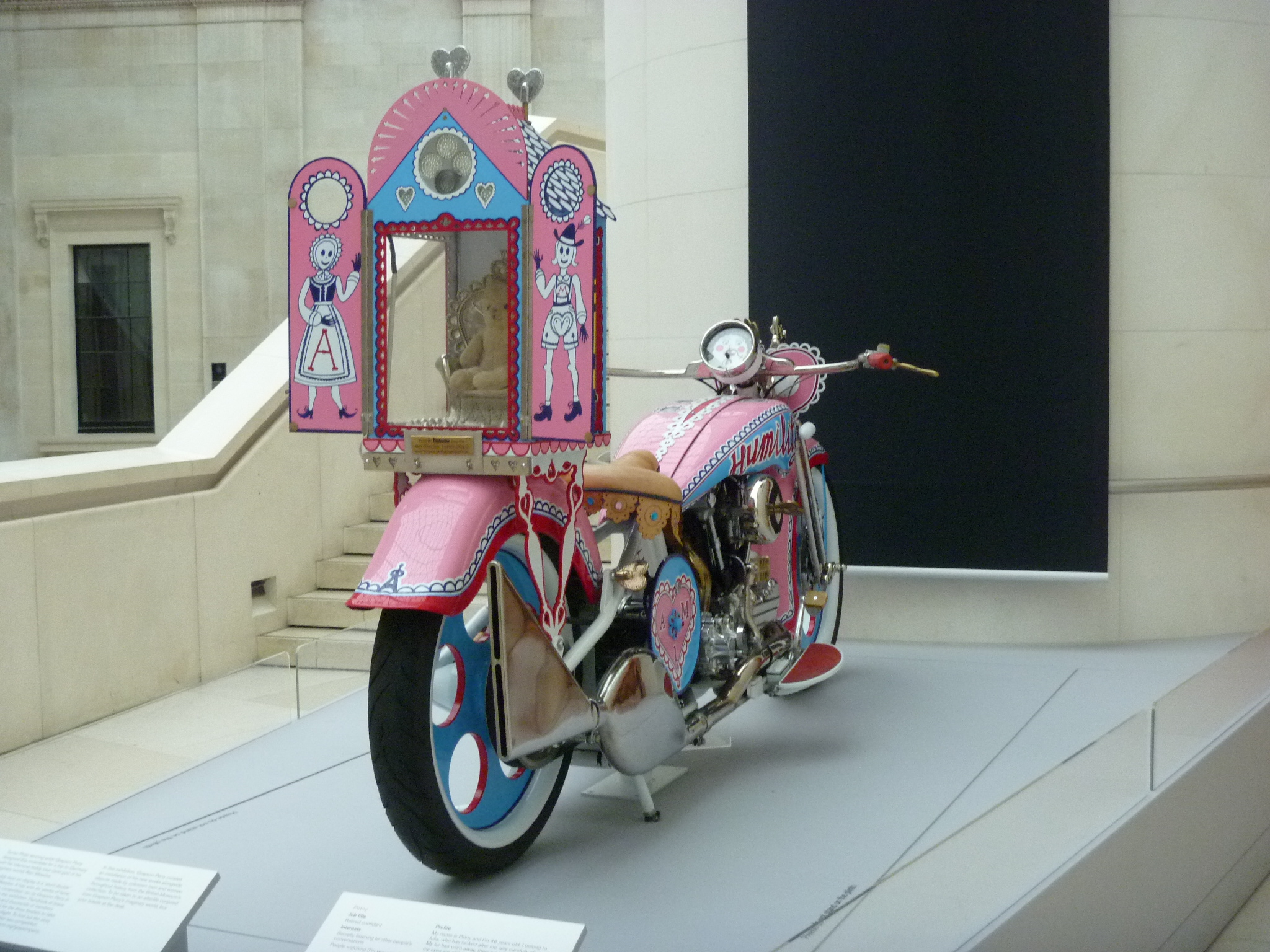
There is Grayson Perry’s teddy bear Alan Measles in his own shrine on the back of GP’s motorcycle. There was a radio programme about the journey they made to Germany on the bike on Radio 4 last November.

No photography is allowed inside the Exhibition but I did take a few notes of GP’s comments on some of the themes that most interested me.

On the topic of Journeys he says :

“The “journey” has become a tired metaphor of reality TV describing a transformative experience. I come on a journey every time I visit the British Museum. I enjoy idealised foreign travel in my head. Walking from my house in WC1 within 20 minutes I can have an encounter with the world.” 

You may have thought the title of this post included a typing error but it is intentional because GP and many of us see The British Museum as a Tomb to Unknown Craftsmen. A pot by Perry on display is called “A Walk in Bloomsbury”.

On Maps he says :

We trust maps. Maps are meant to be a trustworthy diagram of reality. All maps though contain some very human bias. They emphasise desirable features and leave out the undesirable. I like maps of feelings, beliefs and the irrational, they use our trust of maps to persuade us that there might be truth in their beauty.”

I have always loved maps and was delighted see a copy of  a book recommended to me by a friend and which has long lain in my Amazon shopping basket:  You are here : personal geographies ; by Katharine Harmon. A fabric map by Perry fills one wall – to see it at its best wait until you have moved into the next room and view it through a hatch in the wall.

On Souvenirs of Pilgrimage he says :

We all make journeys to see places or people that are significant to us. It is natural to want a keepsake of the trip to remind ourselves and show others. Pilgrims usually travel light so the souvenir may only be a badge, a photo or a signature.”

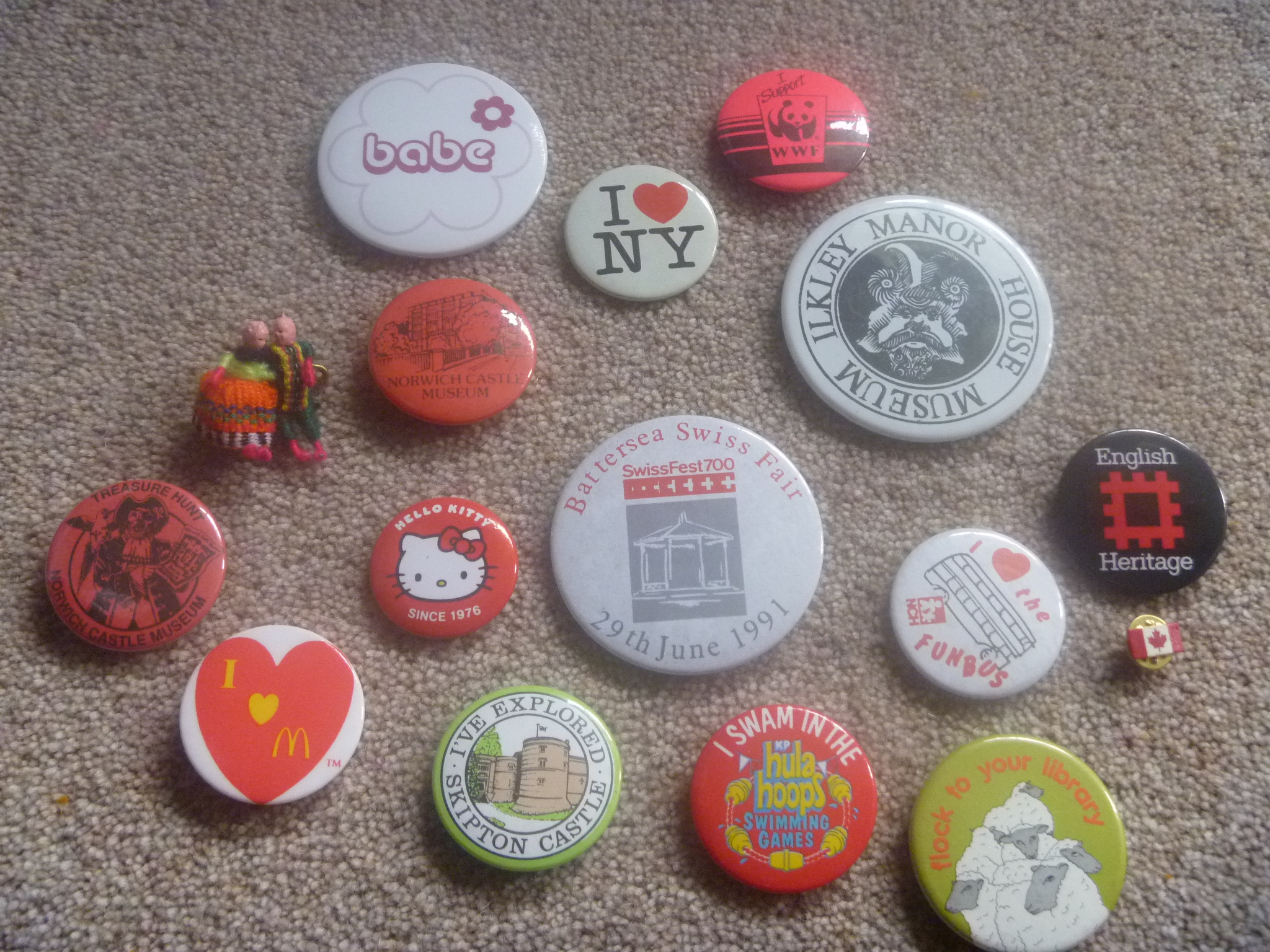
I was delighted to see masses of badges collected over the years by the British Museum. Even such ephemera has a role in the exhibition. I smile because I have a box full of badges up in the attic.

This final quotation has a resonance for me too. I’m a great visitor to churches on my travels. On the subject of Scary Figures Perry says :

“We have always had images at gateways to warn and protect. Cathedrals had carvings over the doors showing the Last Judgement and the damned going to hell – now we have CCTV.”

To find out more  there’s a book that accompanies the exhibition (of course) and here’s a link to the exhibition in pictures :

Grayson Perry’s Tomb of the Unknown Craftsman – in pictures

In the end I didn’t buy a souvenir but I saw three books which will go on my library suggestions list :

50 British Artists you should know, by Lucinda Hawksley

You are here : personal geographies ; by Katharine Harmon.

The Tomb of the Unknown Craftsman by Grayson Perry.

Cowside Open Day – A New Landmark Hits the Handbook!

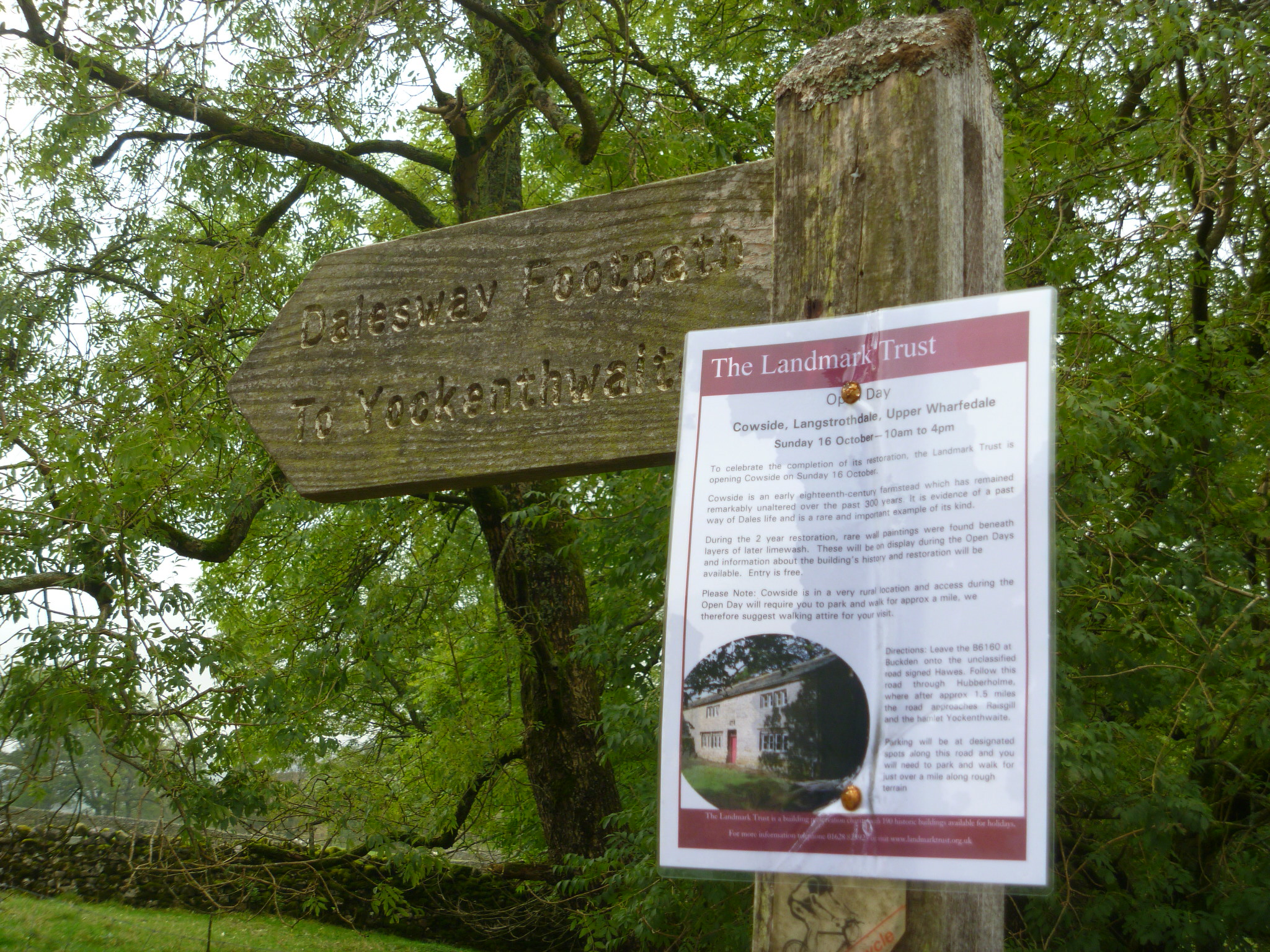
What luck! Two invitations to visit Landmarks in one week – and I can manage both. Cowside is an extremely remote farmhouse way away in Upper Wharfedale in the Yorkshire Dales that even the National Trust (who are the owners) could not contemplate renovating as a holiday home. No mains electricity, no mains water supply – not even an access road or track. They passed it on to The Landmark Trust who seem to thrive on such challenges! Friday was my 4th visit. In April 2009 I first ventured off the Dales Way to have a peep at Cowside of which the Landmark Trust had only recently announced their intentions. In October 2010 when work was well underway I was invited to view progress and again in May 2011 when I could not believe the transformation that had taken place. The winters of both 2009/2010 and 2010/2011 have been the worst in decades. But now the work is complete and the property ready for its first guests – arriving on the 21st October – just one week away!

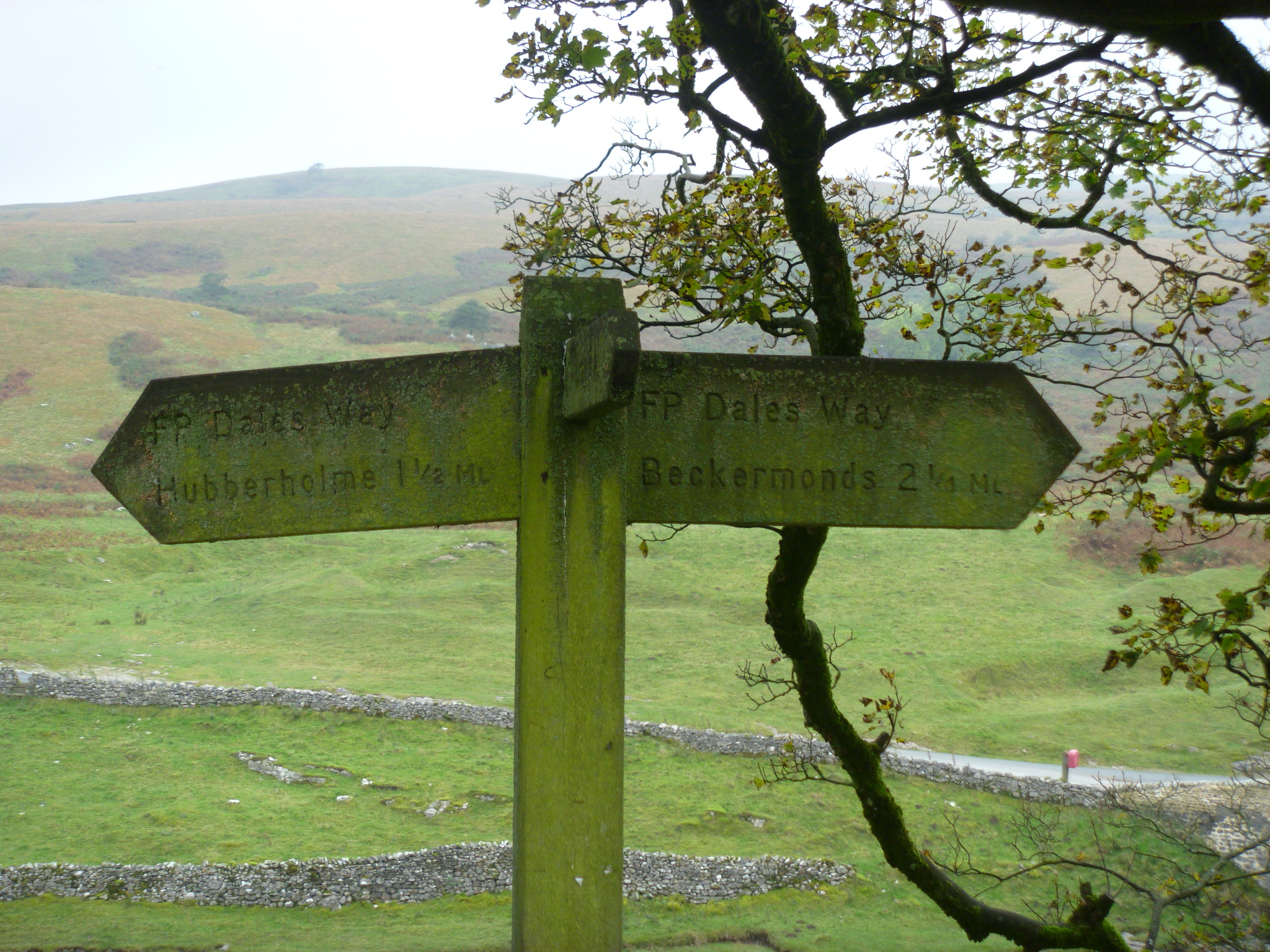
As visitors we had to park nearly two miles away but I enjoy hiking so the chance to step it out along part of the Dales Way was an additional pleasure for me.

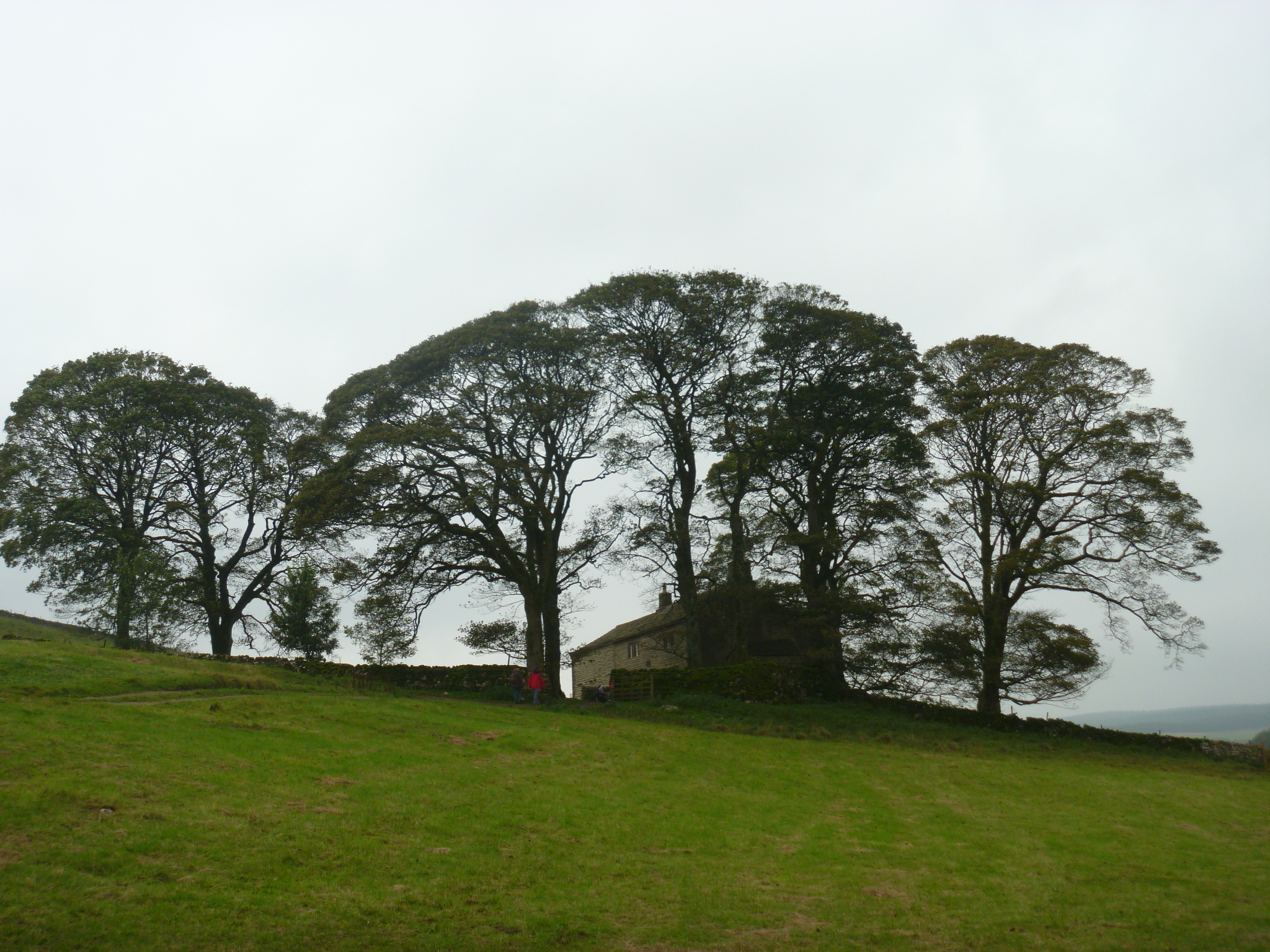
The final uphill approach to Cowside. No vehicular access so everything must be brought from the bottom of the field via the grassy track.

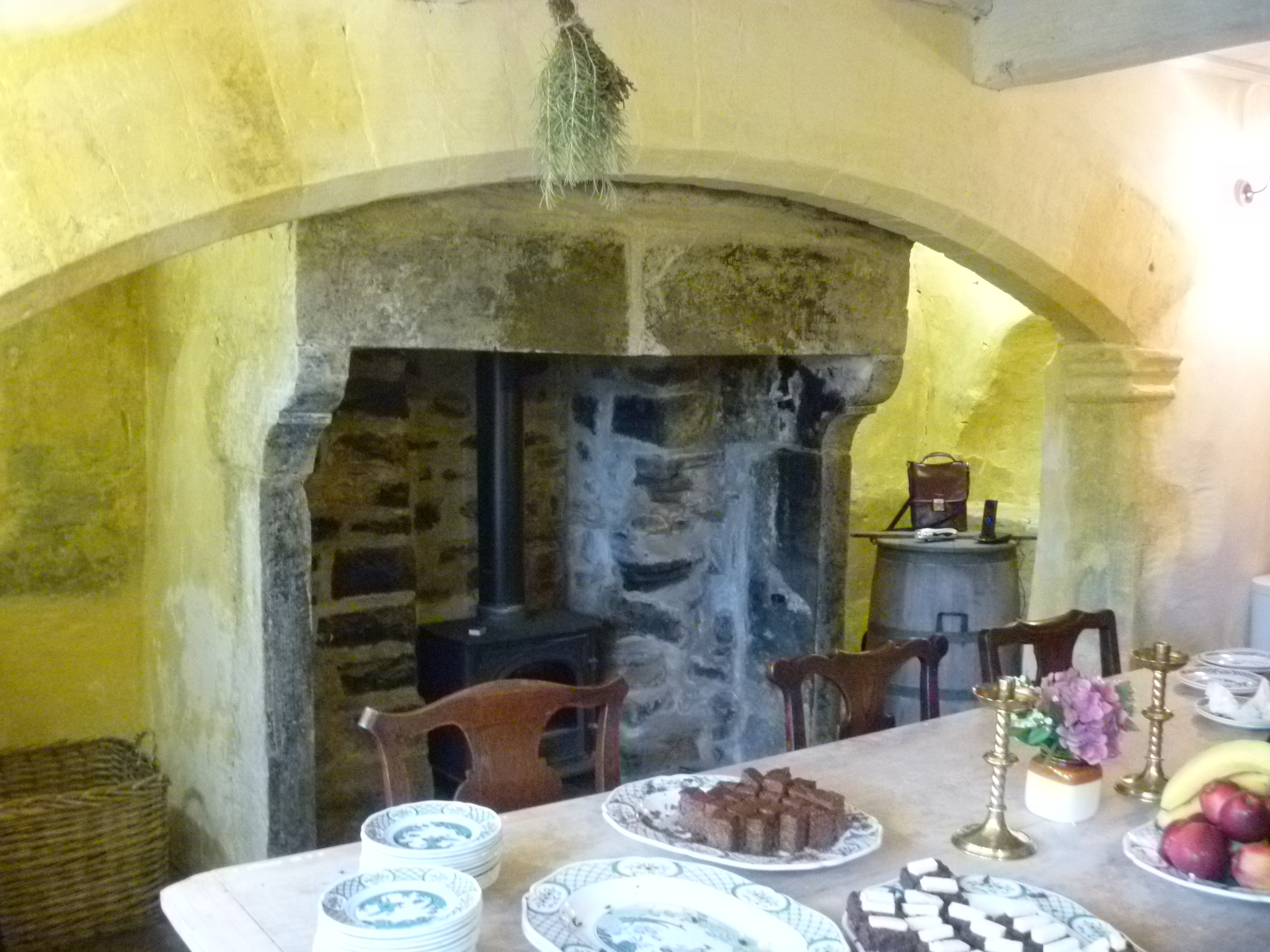
A warm welcome to Cowside. Cake on the table and a log fire in the stove in the Kitchen, or Housebody, as it is to be known.

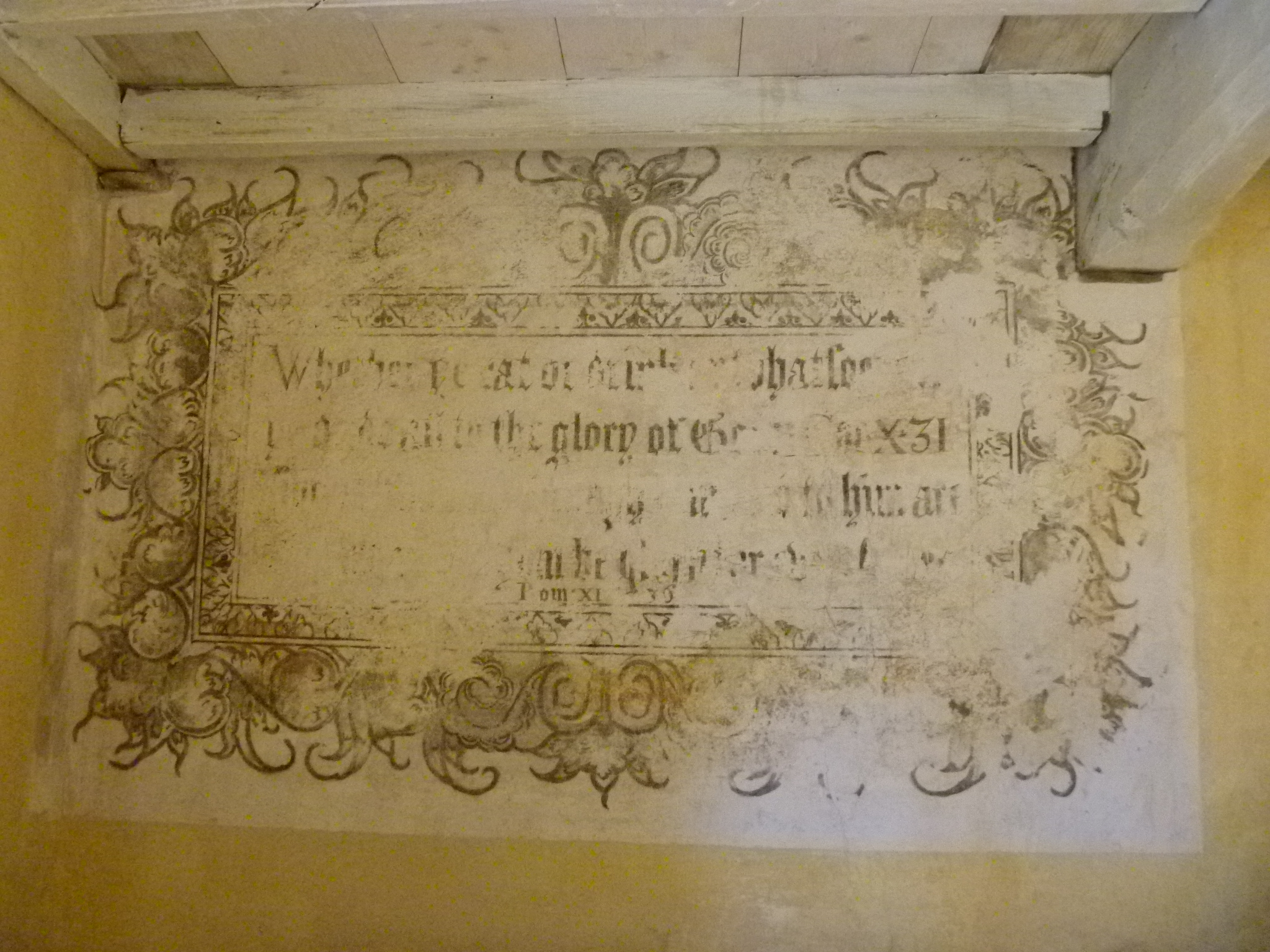
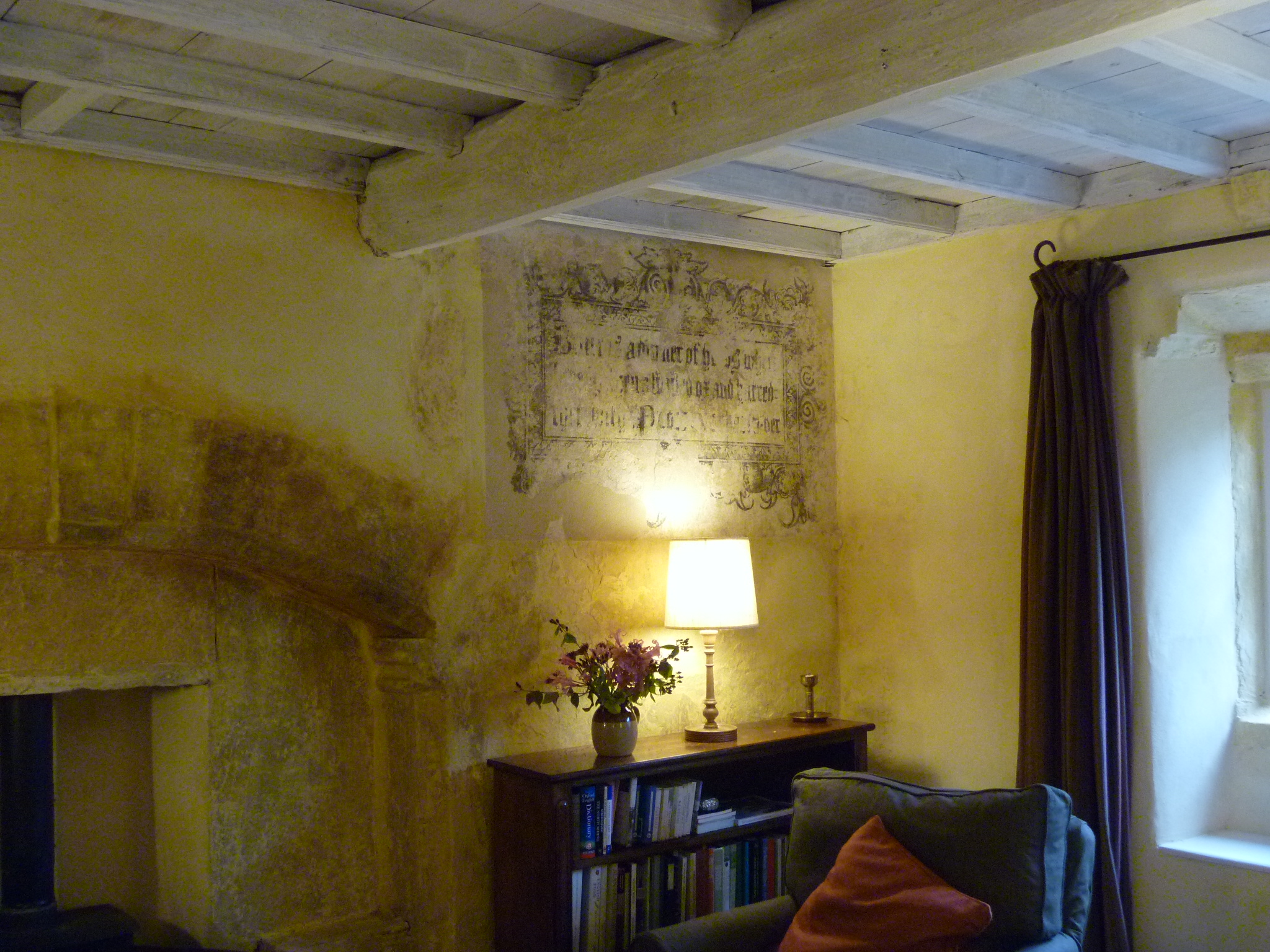
During early archaeological investigations these fantastic wall paintings were discovered. Monochrome Biblical texts in Gothic script they adorn two walls in the Parlour. “On the west wall is Whether ye eat, or drink or whatsoever ye do do all to the glory of God Cor[inthians] X:31 and For of him and through him, are all things: to whom be glory for ever. Amen. Rom[ans] XI: 36. On the east wall is Better is a dinner of herbs where love is than a stalled ox and hatred therewith Pro[verbs] XV: Cha[pter] 17 ver[se].”  From the Cowside History Sheet.

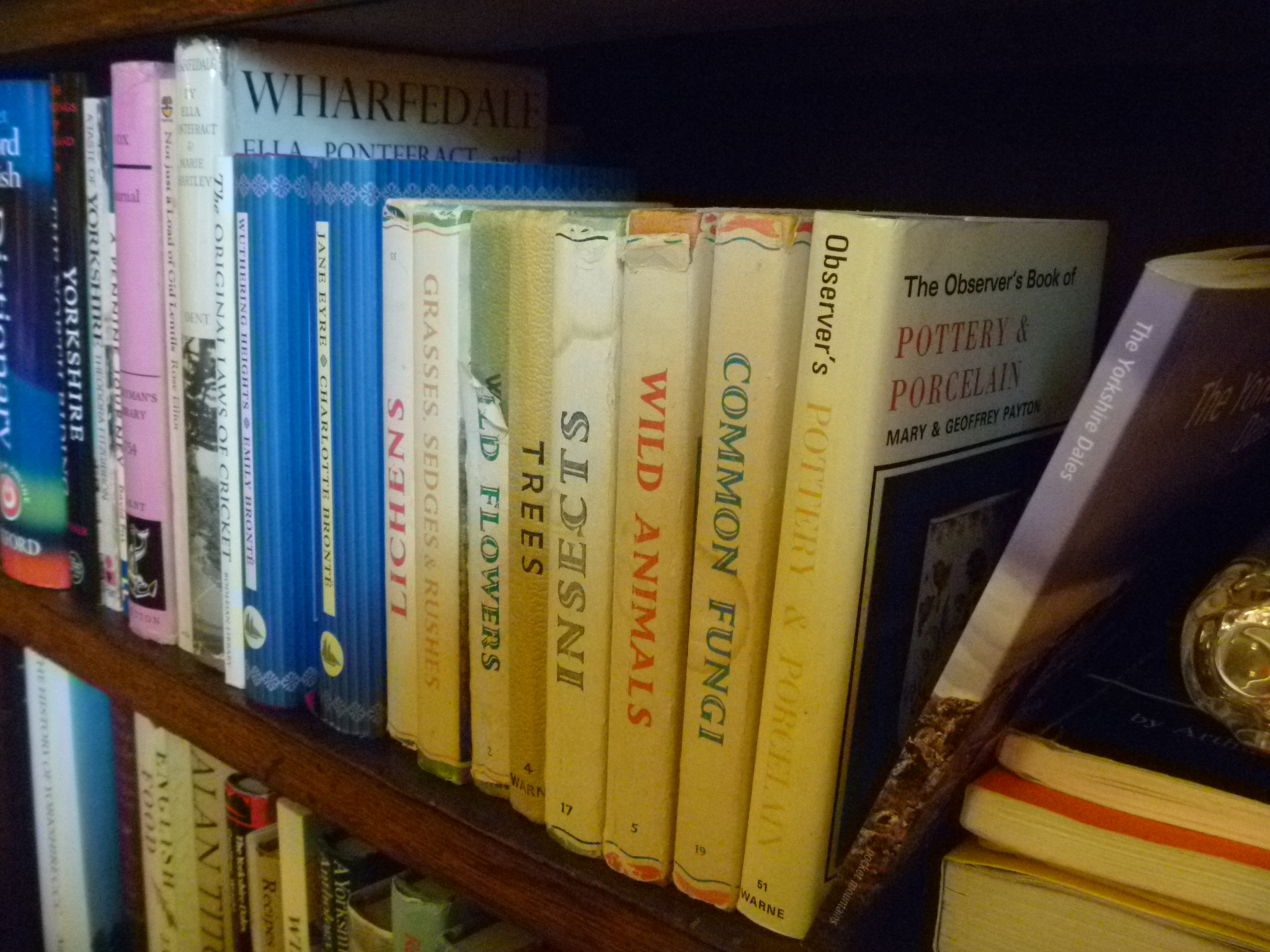
One thing I particularly appreciate when staying in Landmarks is the Landmark Library. This is not shelves of old books bought by the yard but a well chosen selection of relevant titles for adults and children alike.

“There will be a bookcase containing the sort of relevant and interesting books you might expect from a well-read host, as well as those standard reference books you sometimes need to get the most out of a good walk or conversation.”

My Friends in the East End: Princelet Street Life

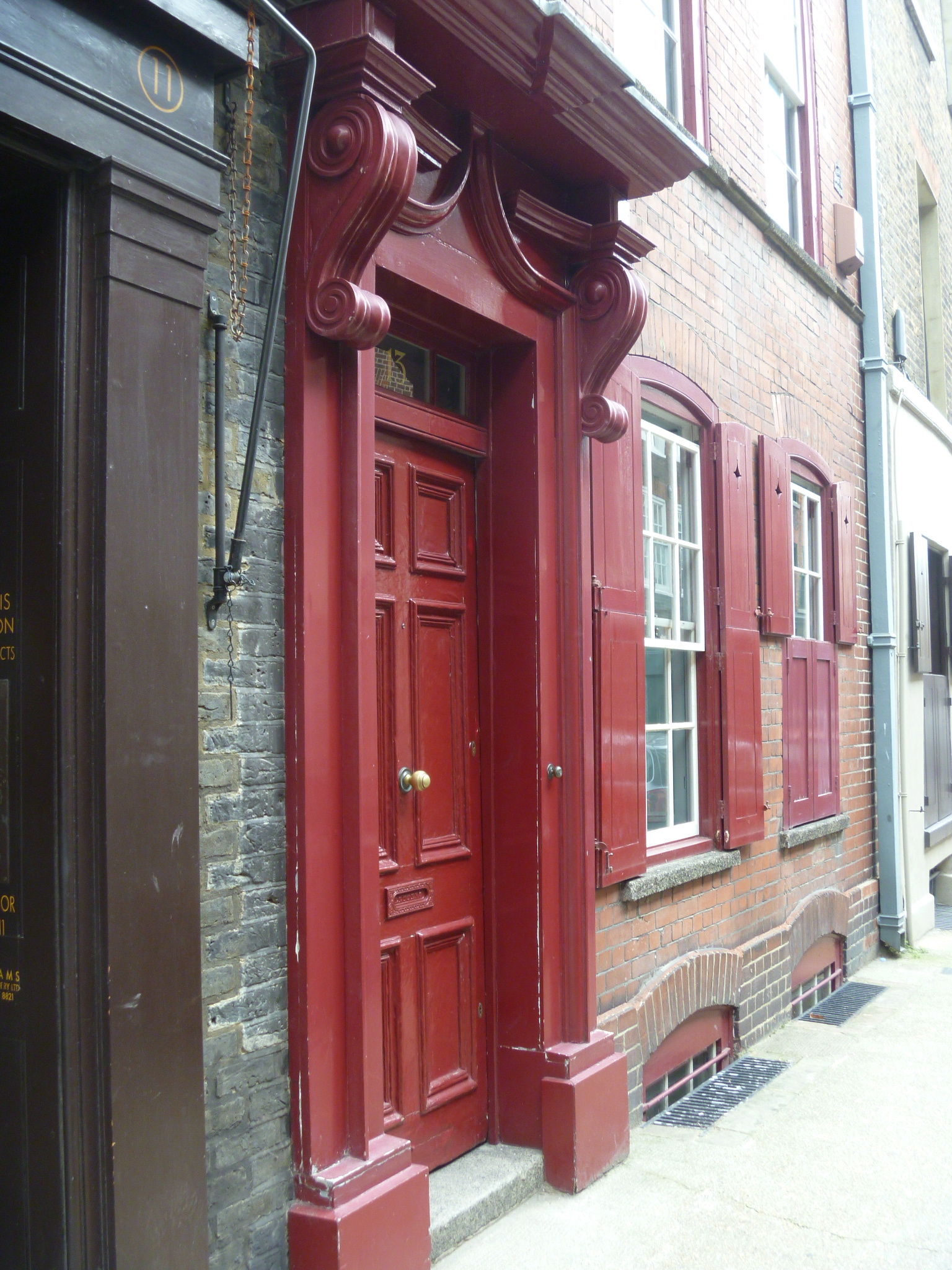
13 Princelet Street, Spitalfields

I’m a huge fan of the Landmark Trust. It is the charitable organization that rescues interesting buildings, brings them back to life and then rents them out as holiday homes so that everyone may experience, for a short time, living in these remarkable buildings. I applaud the work and the vision involved and as Capability Brown before them seemingly waved his magic wand on the eighteenth century landscape The Landmark Trust seemingly waves its magic wand and transforms total ruins into beautiful buildings using the best of workmanship and the highest quality fittings and good solid furnishings.

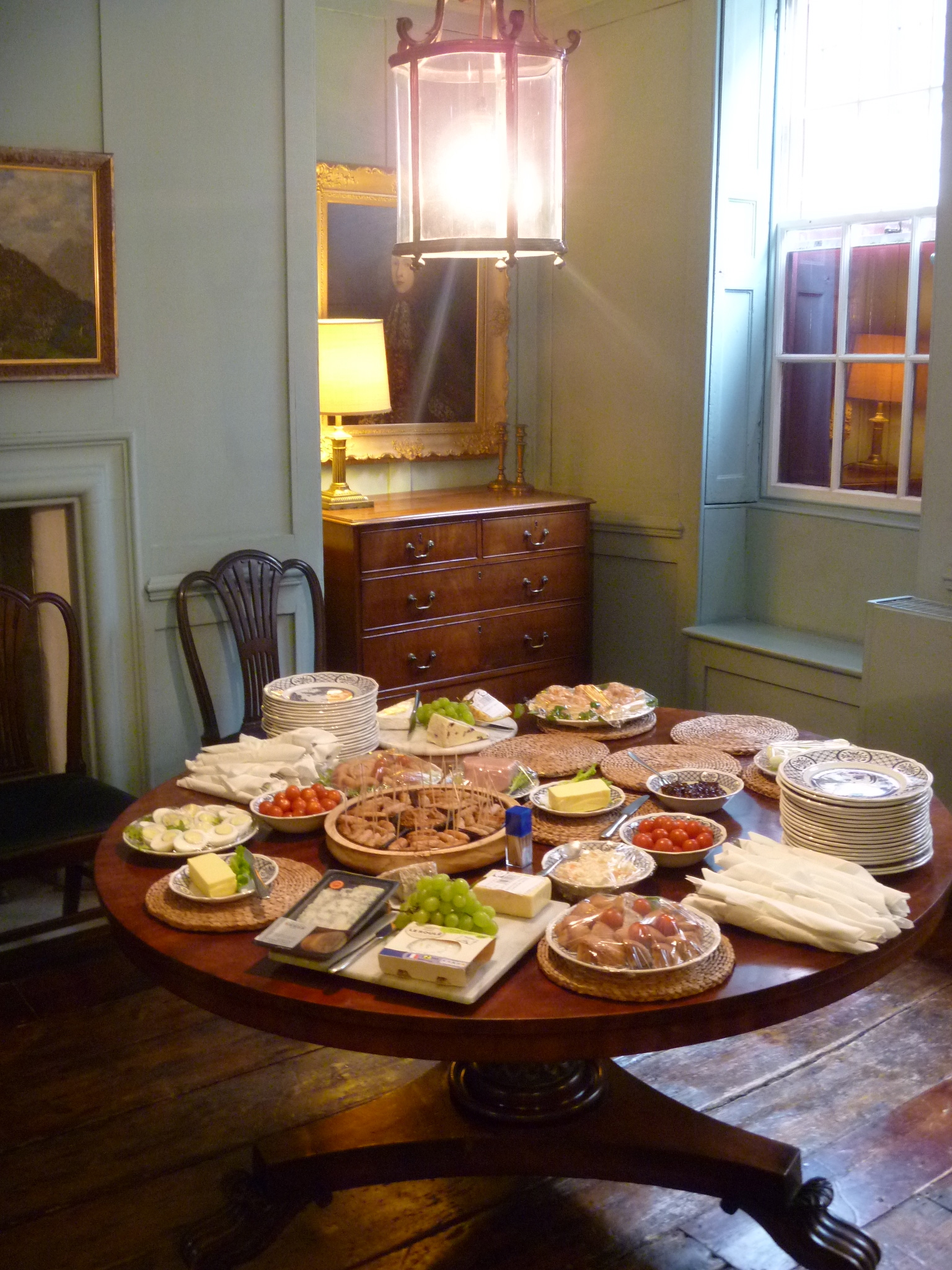
Just some of the buffet lunch in the front dining room.

As I said, I’m a fan, but for some people visiting and staying at Trust properties is an obsession! In order to cultivate and encourage this obsession The Trust started a group called The Friends of the Landmark Trust. Run by volunteer co-ordinators, the Friends organise stays (which they call Houseparties) at larger properties so that singles and couples or small groups of friends may experience staying in Landmarks which they would not normally be able to afford or feel that they would not properly appreciate to their fullest extent. In addition, during the Houseparty weeks all Friends are invited to a Reception which usually includes a buffet lunch, a talk and a chance to look around the property and meet fellow like-minded members. All profits from these events go to support further renovation work.

Friends enjoy the garden at 13 Princelet Street

I’m also a fan of the blog Spitalfields Life. The Landmark Trust’s property at 13, Princelet Street featured in the blog last year. I’ve stayed there twice already and have another booking for the early new year. However, I couldn’t resist the Friends’ invitation to attend a Reception at Princelet Street on Wednesday. It was a chance to meet up with friends (small f) and Friends (capital F). Houseparties and Receptions ‘up north’ are rare but London is accessible to me. My elder son ‘The Banker’ lives down there; and it’s always good to meet up.

One of the volunteer co-ordinators gave a brief talk about the history of the house and the Spitalfields area in general. In the case of Princelet Street there didn’t have to be too much magic wand waving by the Trust. Mr Peter Lerwill a supporter of the Landmark Trust very generously bequeathed the house to the Trust for the enjoyment of Landmarkers. Only a lick of paint was required to make it ready for letting.