I Miss Miro but Make a Beeline for The Bee Library

A Sunny September Saturday Afternoon at The Yorkshire Sculpture Park

Oh dear, I seem to have lots of favourite places to walk and yesterday I revisited another but it’s a good place to take visitors who enjoy stepping out in the countryside but not too strenuously and with added cultural interest. Yesterday we spent a lovely warm sunny afternoon at The Yorkshire Sculpture Park. I was last there on a cold blustery January morning earlier this year. Despite a busy car park and visitor centre it was easy to get away from the crowds and although our aim was to see the Joan Miro exhibits we never actually got to them! The plan was to hike up to the Longside Gallery to see the Anish Kapoor exhibits and return to the car via the Underground Gallery and Miro exhibition.

Of course, it didn’t turn out like that as we were constantly stopping to inspect the wonderful sculptures dotted around the Park.
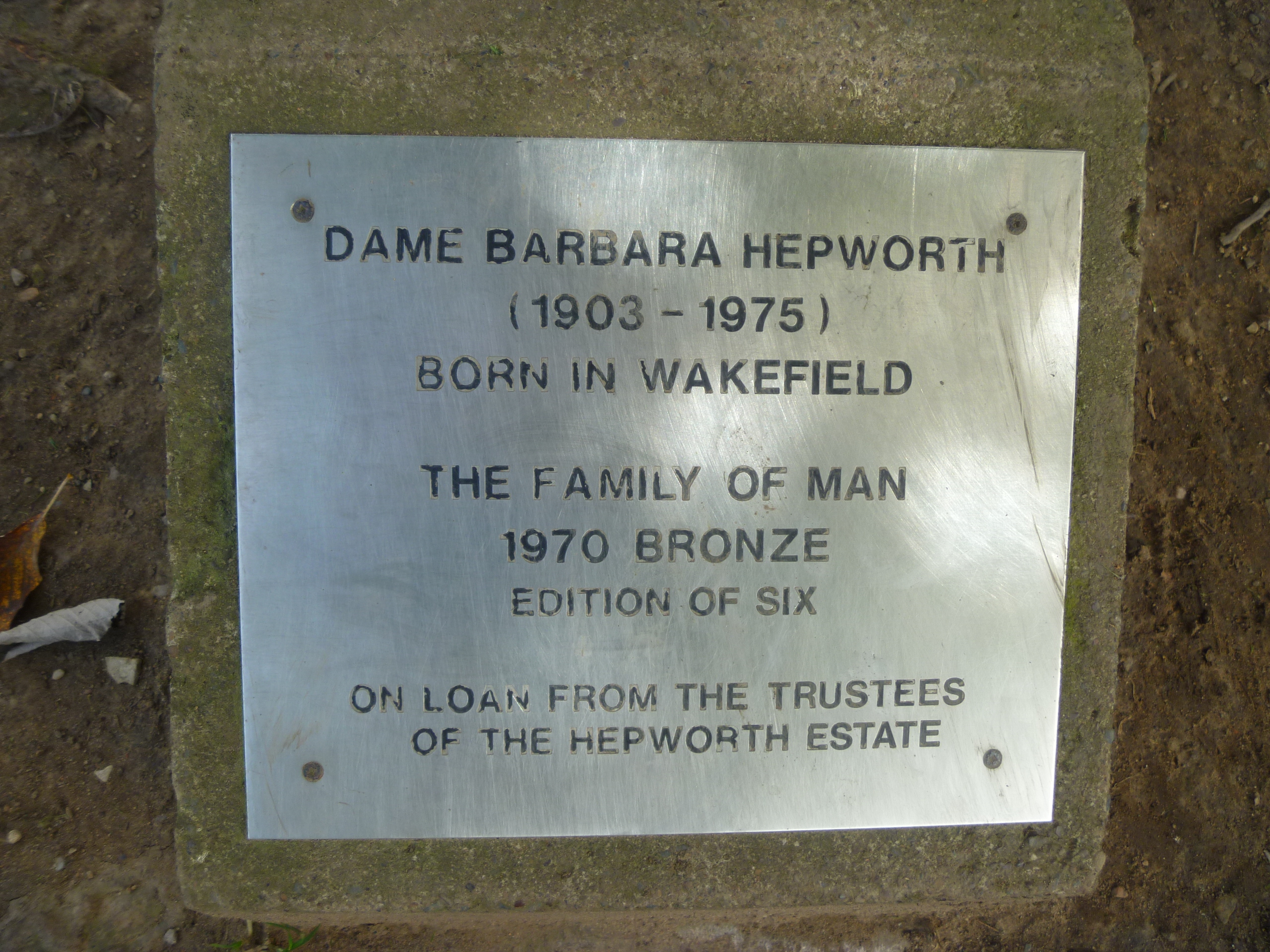
One of the first up was Barbara Hepworth‘s The Family of Man. Only as recently as July I had come across an edition of this bronze work at Snape Maltings in Suffolk.

Family of Man at Yorkshire Sculpture Park

Family of Man at Snape Maltings

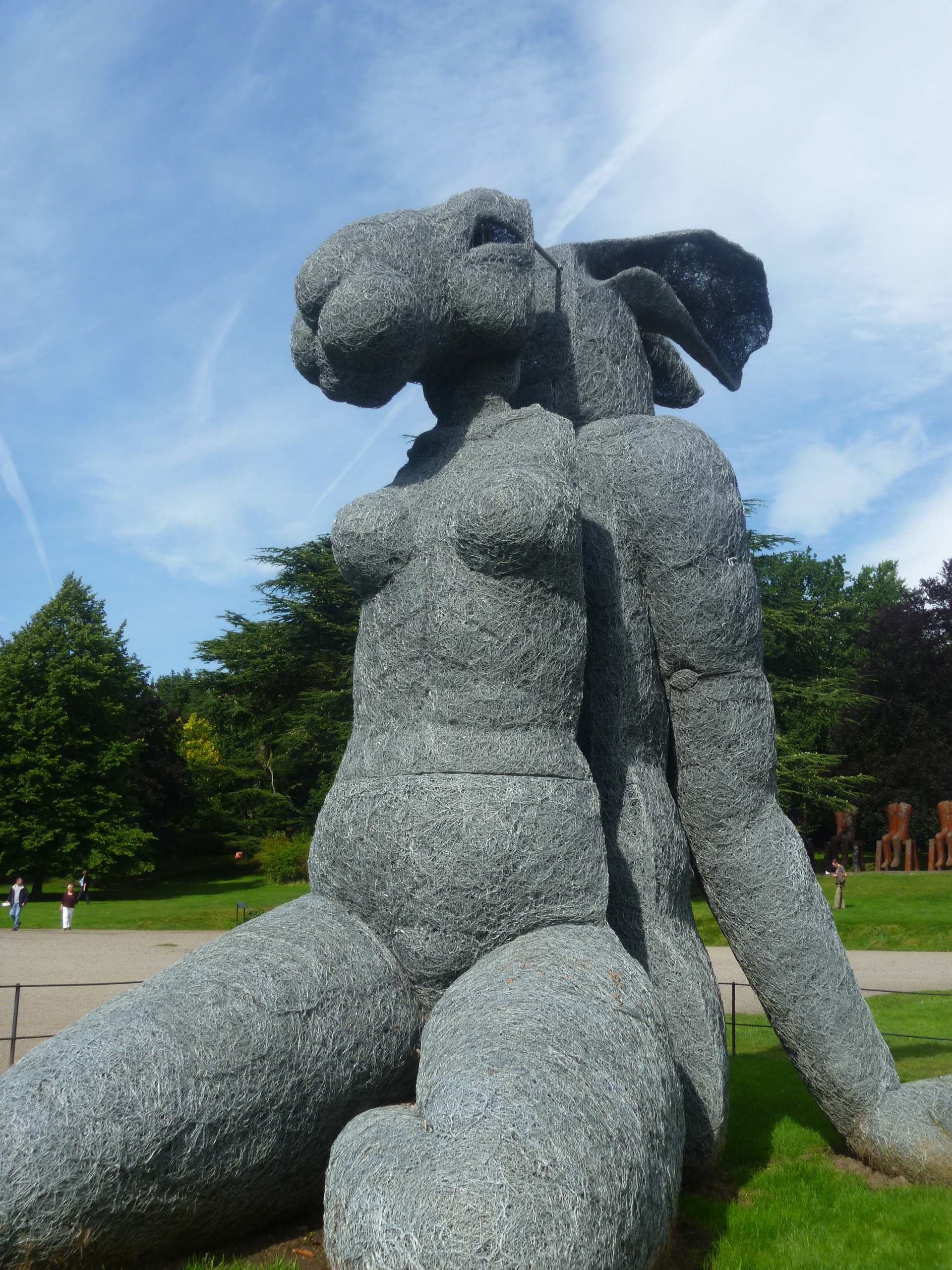
Descending through the park we were waylaid by other intriguing and clever works of art including The Greyworld Playground (make your own music!), Magdalena Abakanowicz’s Ten Seated Figures and nearby Sophie Ryder‘s Lady-Hare Sitting.
Our visitors have connections with the northeast and were expecting to see an Antony Gormley, almost featureless but still expressive, sculpture as they, like me, are fans of The Angel of The North.

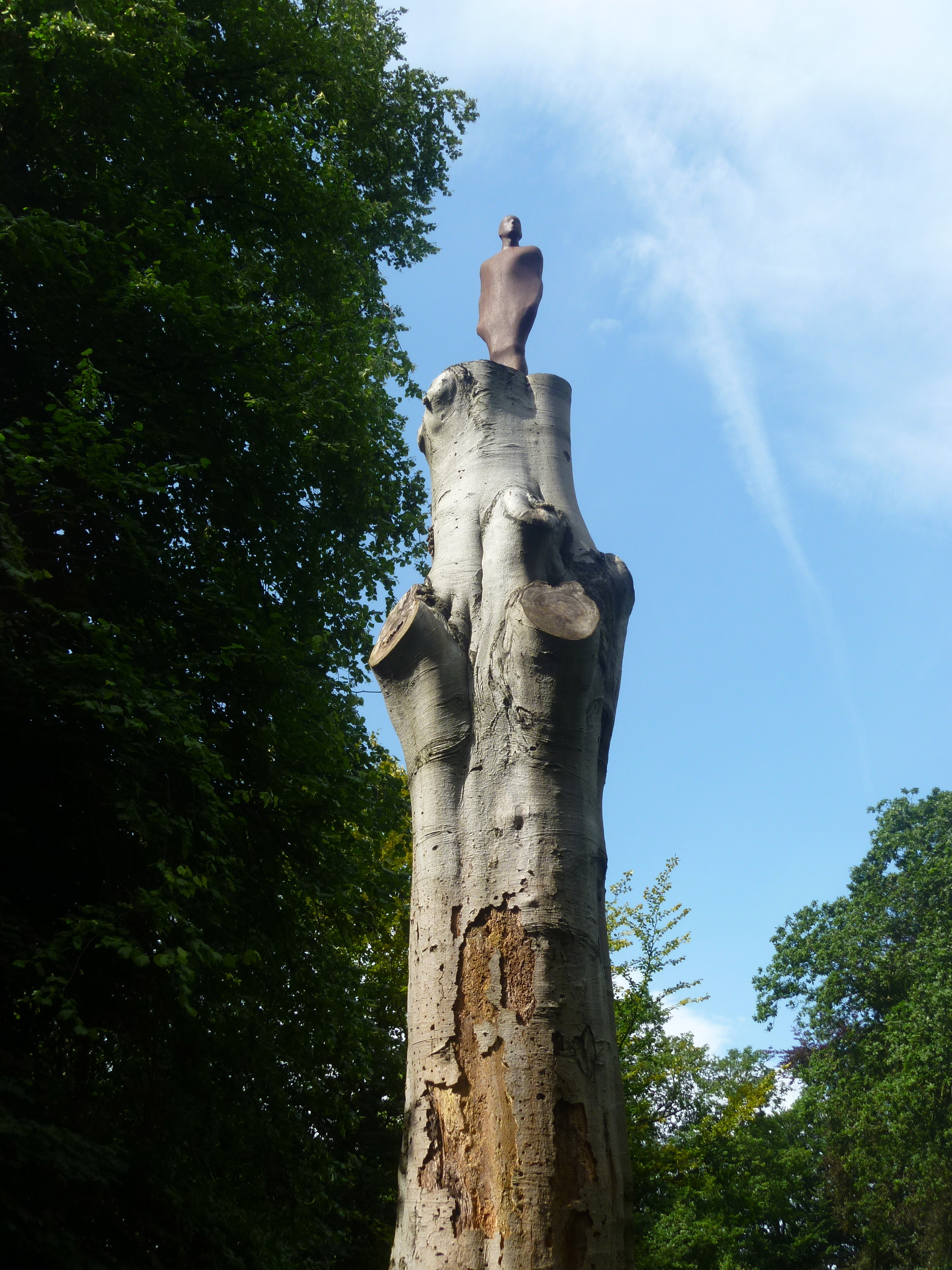
They were not disappointed. Right by the gate, through which you head into open country and fields of sheep and cattle, and standing high above our heads on a massive tree trunk is Gormley’s One & Other.
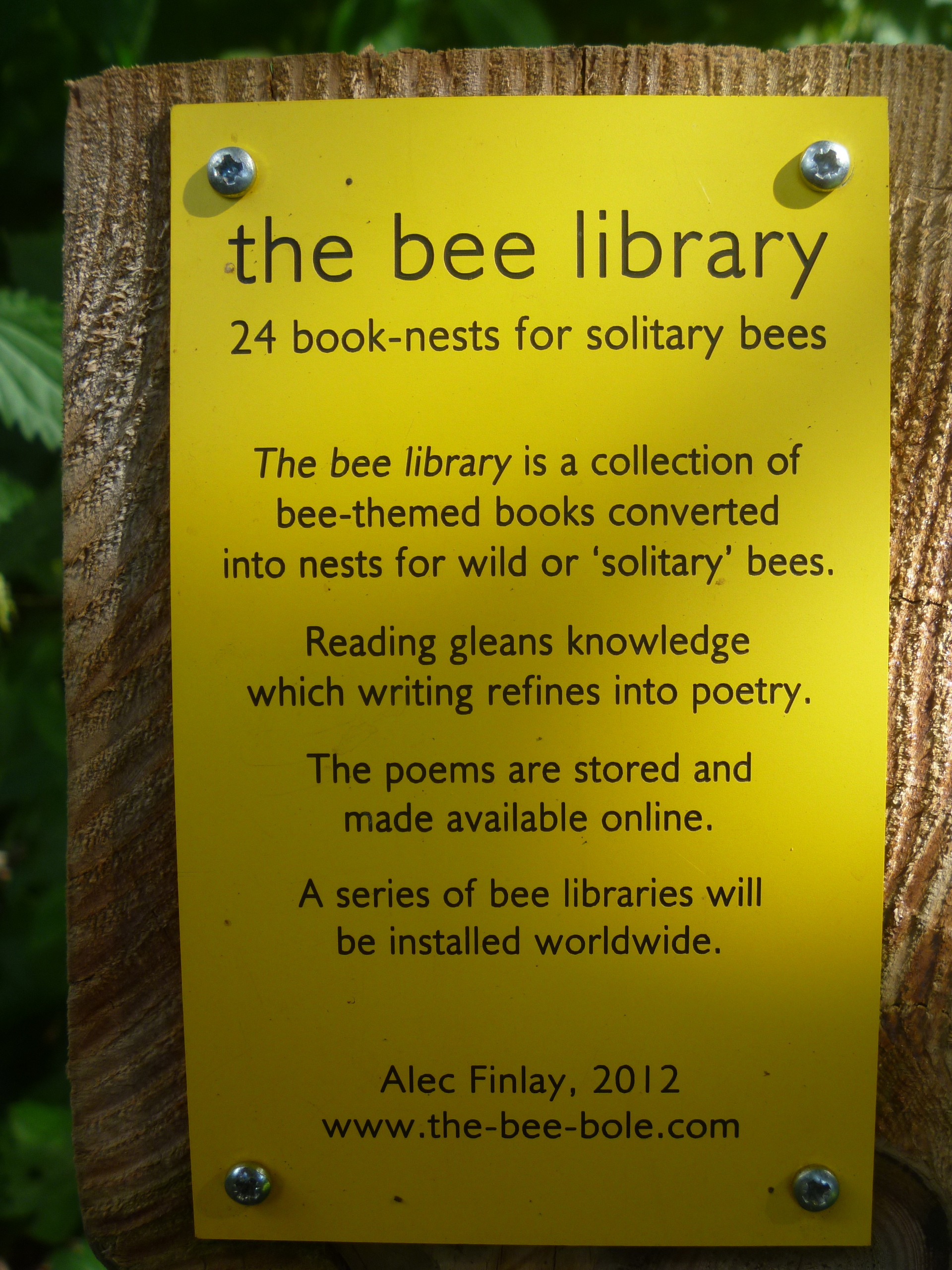
At this point we were intrigued to take a detour from our proposed route to inspect Alec Finlay’s The Bee Library. Along a path through woodland surrounding the Upper Lake hang 24 ‘Bee Hotels’ each is labelled with the title of the book and a link to the website www.the-bee-bole.com where the full story can be read.
Finally we headed up the hill to the Longside Gallery which features currently an exhibition of the work of Anish Kapoor designer and creator of the Orbit structure in the London 2012 Olympic Park and of Cloudgate, commonly called “The Bean”, in Chicago.
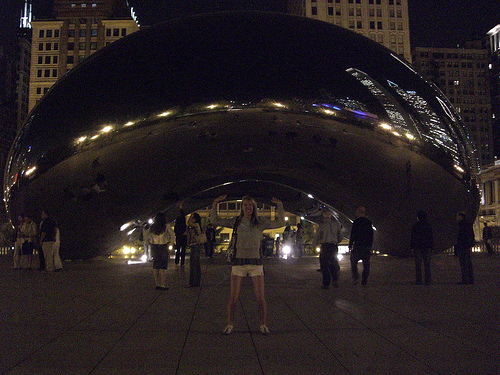
Chicago’s Cloudgate by Anish Kapoor at night

No photography is allowed inside the gallery. After a brief stop for refreshments we headed back down hill past work of Andy Goldsworthy and down David Nash’s Seventy One Steps returning to the car with only the briefest glance round the lovely shop. Maybe I will get back to see the Miro exhibits before they move on in January 2013 – I hope so!

[Post updated with links 03.09.12]
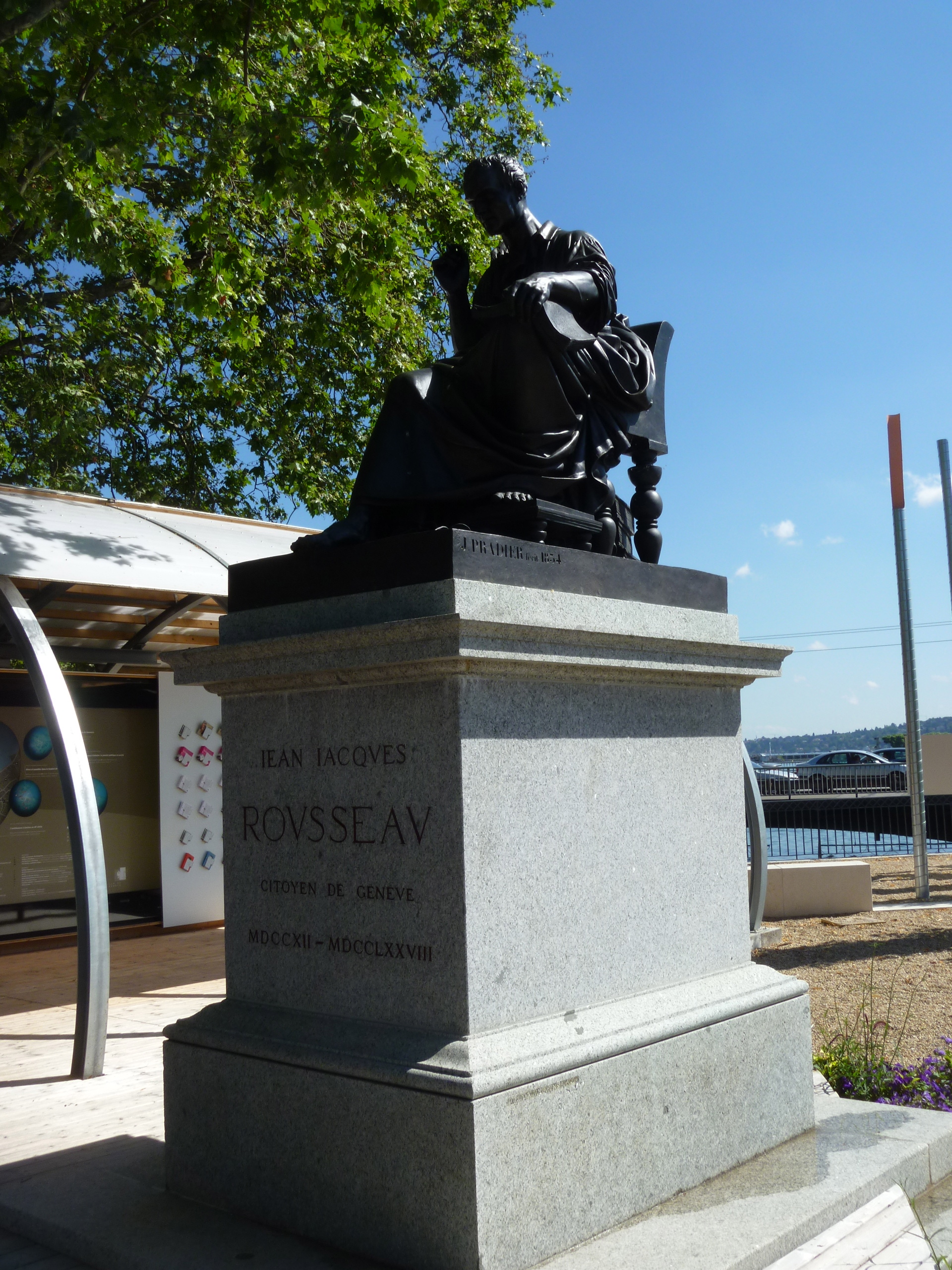
Jean-Jacques Rousseau; born in Geneva 300 years ago.

“The person who has lived the most is not the one with the most years but the one with the richest experiences.”

Jean-Jacques Rousseau

The Swiss are gluttons for their anniversaries! Just about every month there are fireworks or celebrations or parades in one Canton or another. But they really go to town with special anniversaries every year. I posted earlier about the 100 years of the Jungfrau Railway.

As one would expect, the city of Geneva decided that the birth of the philosopher and novelist, composer and major influence on the French Revolution Jean-Jacques Rousseau, in the city in 1712, must be worth a celebration.

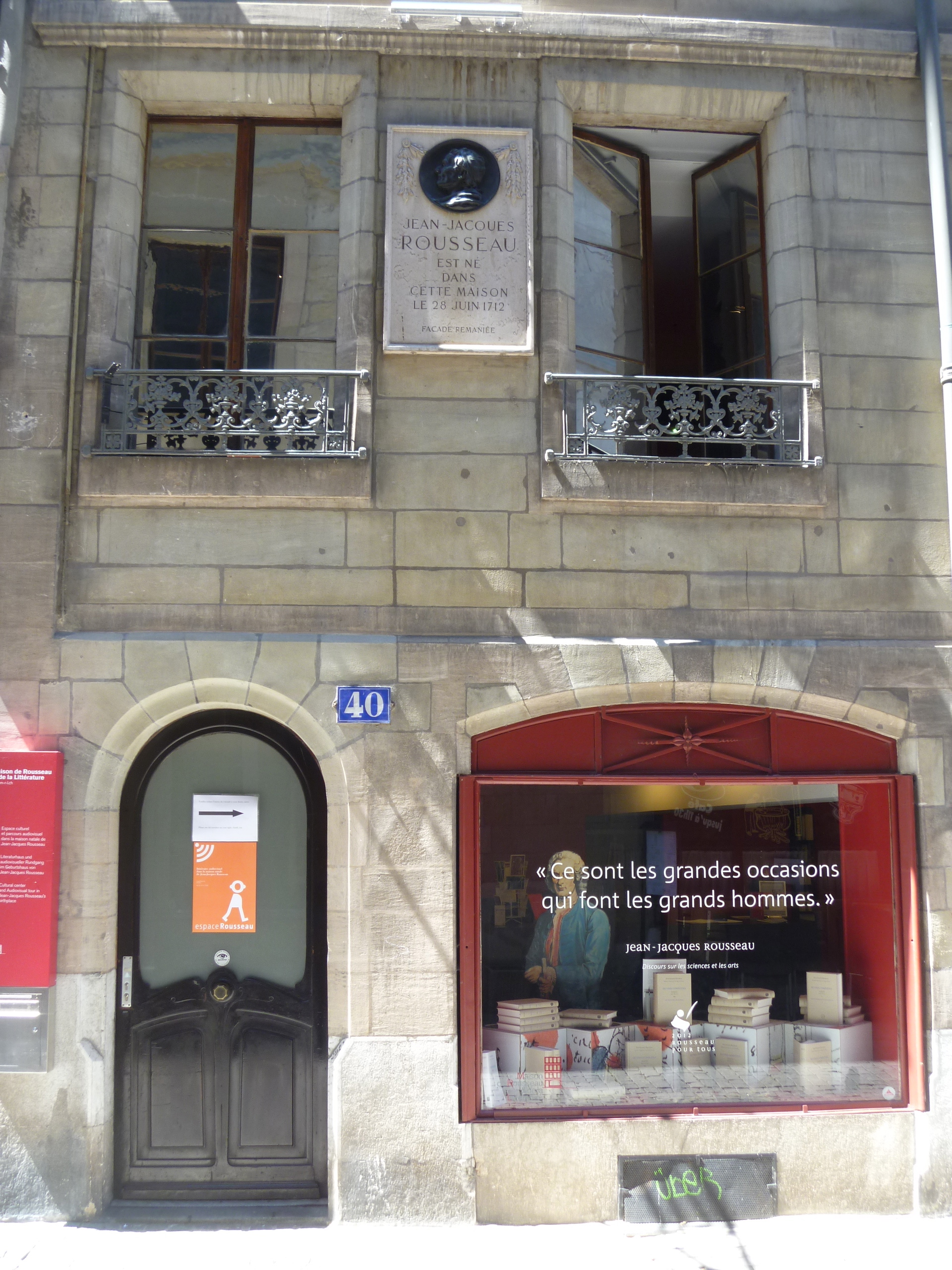
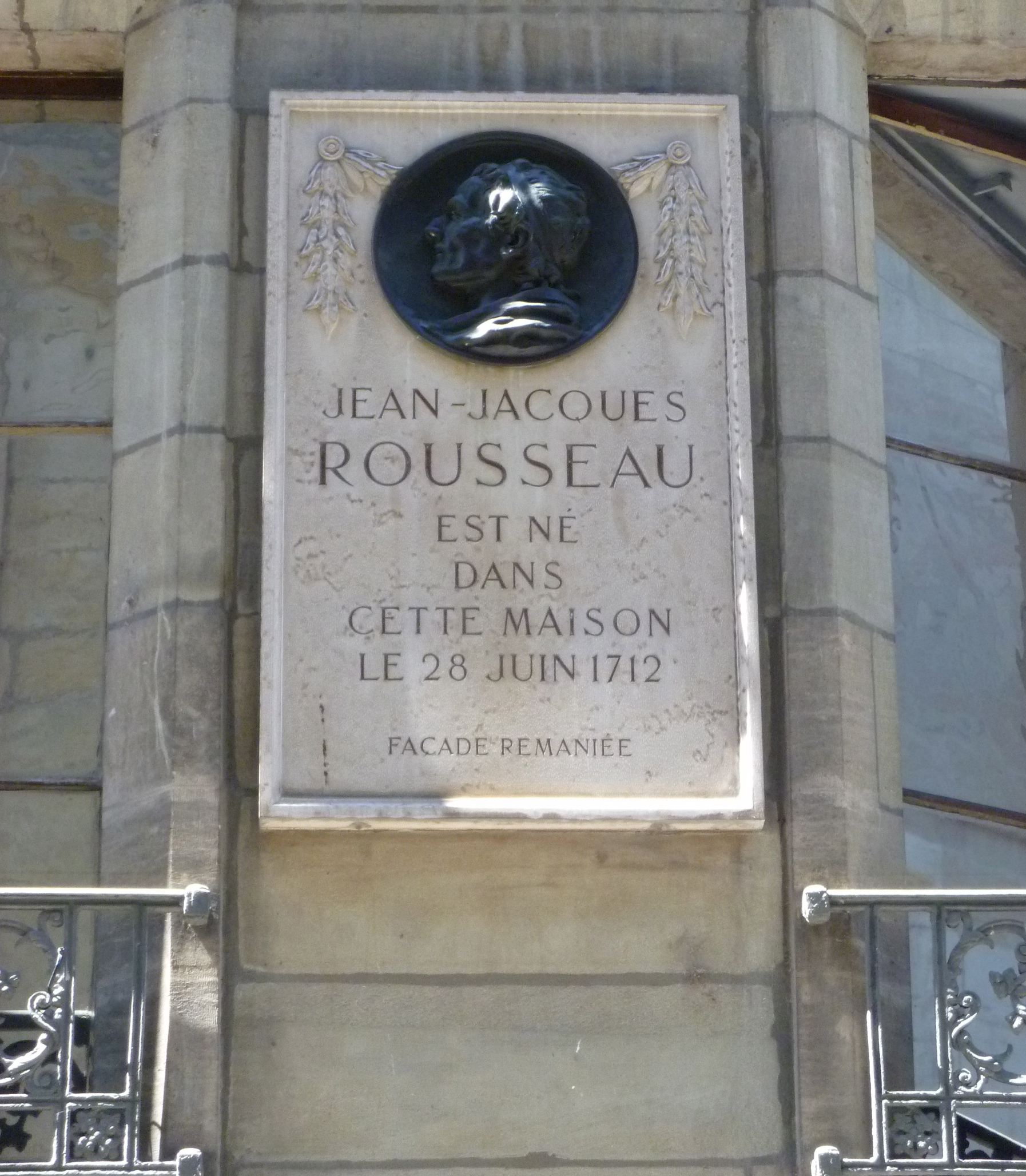
40, Grand’rue, Geneva, birthplace of Jean-Jacques Rousseau

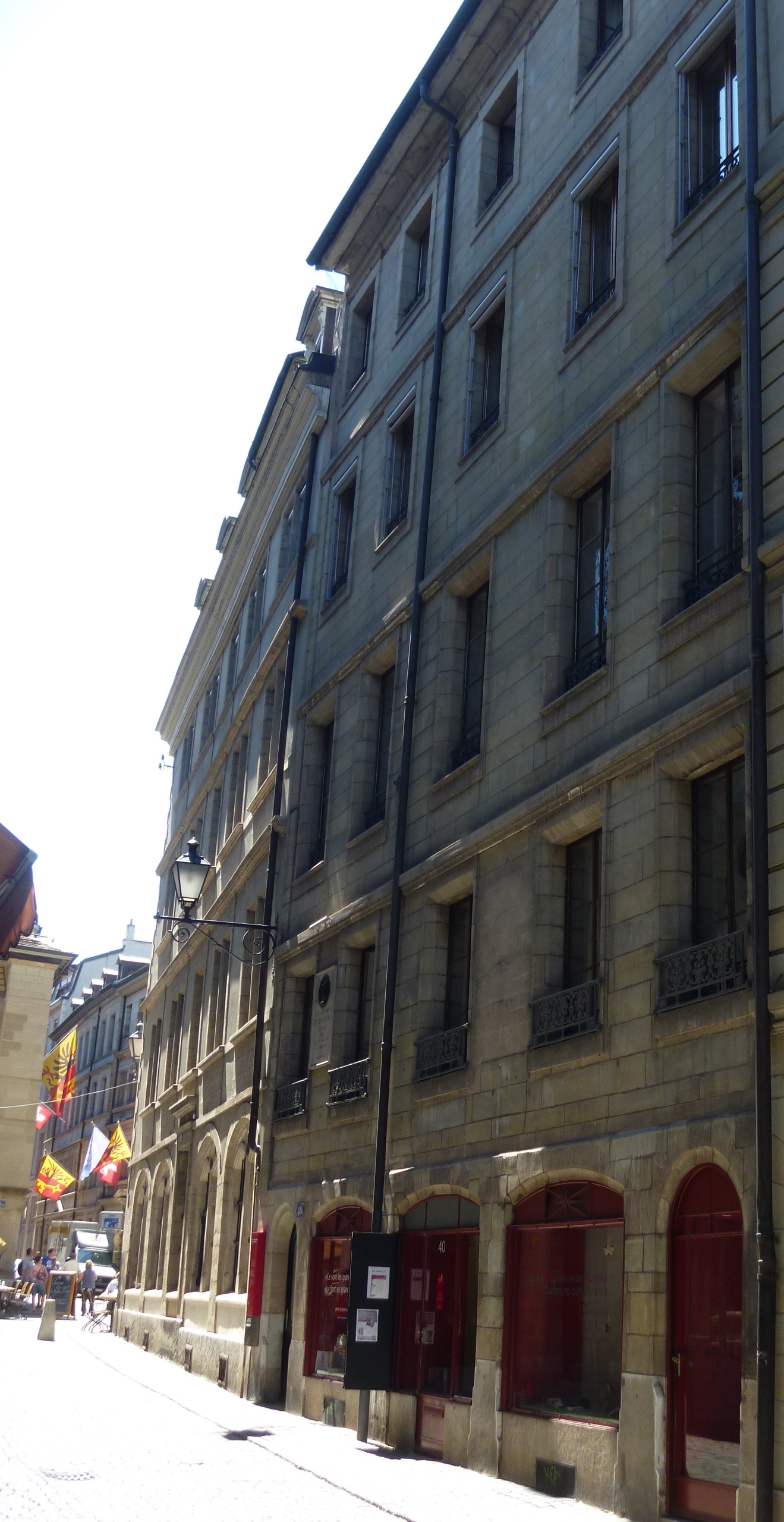
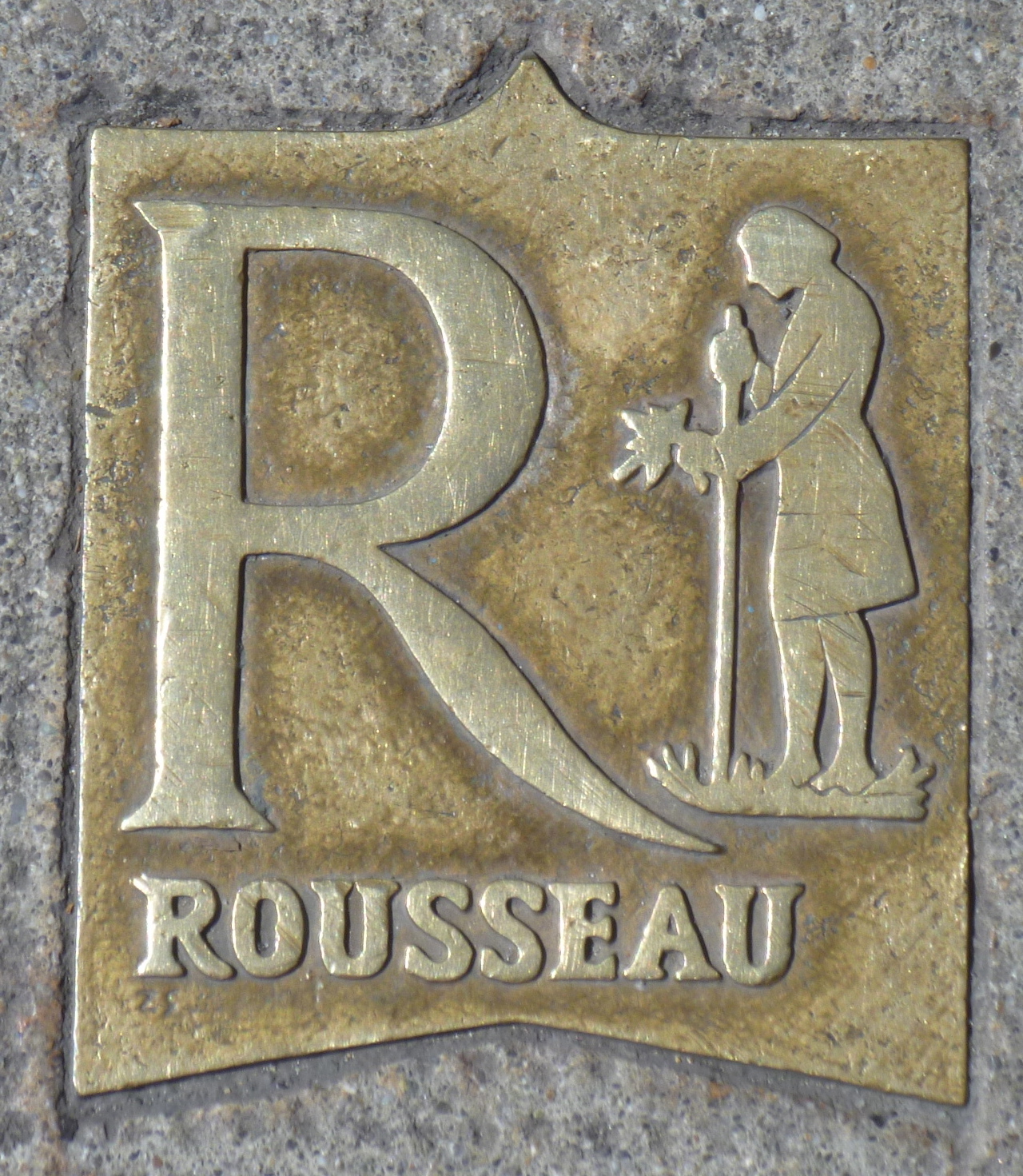
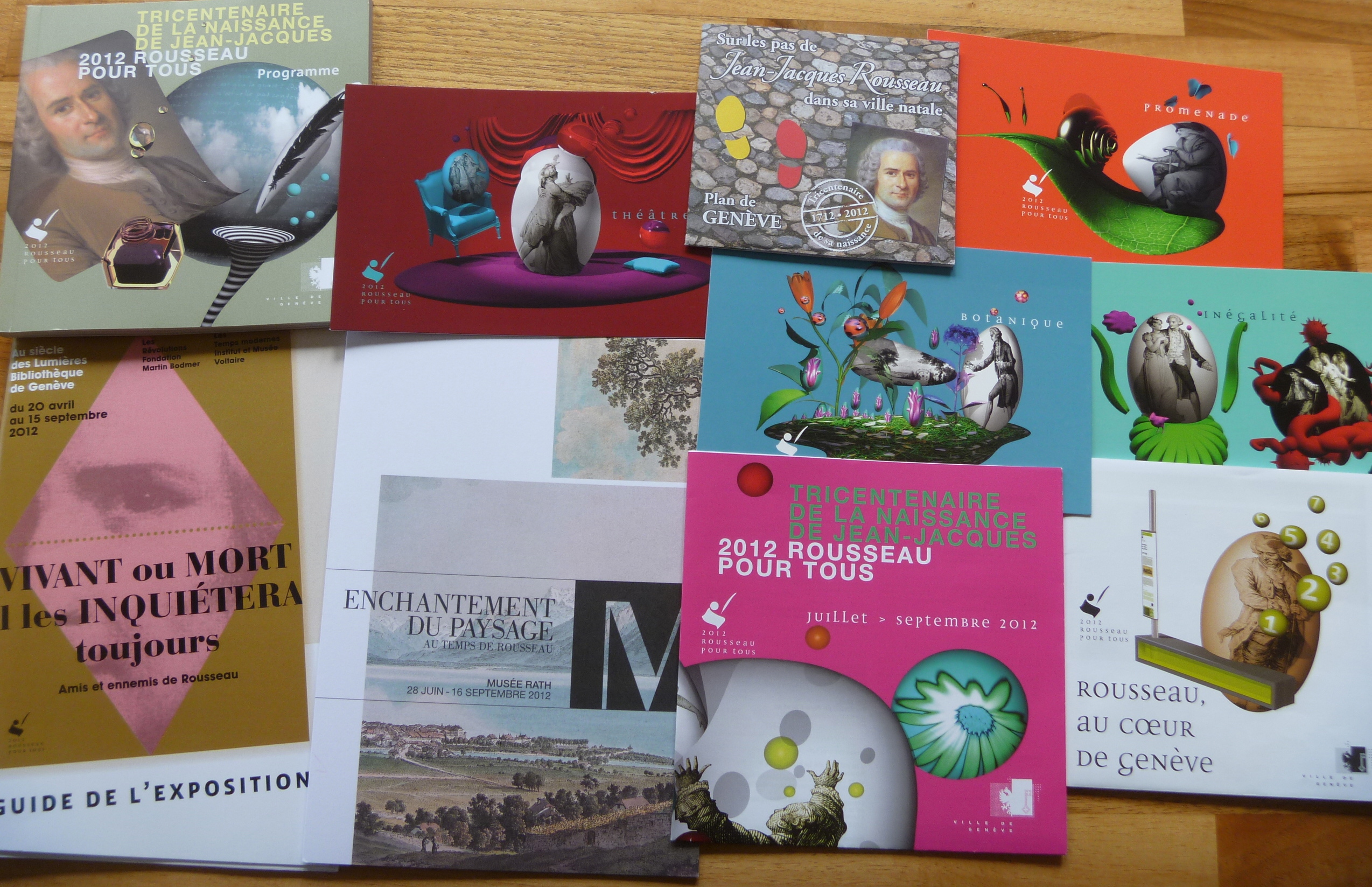
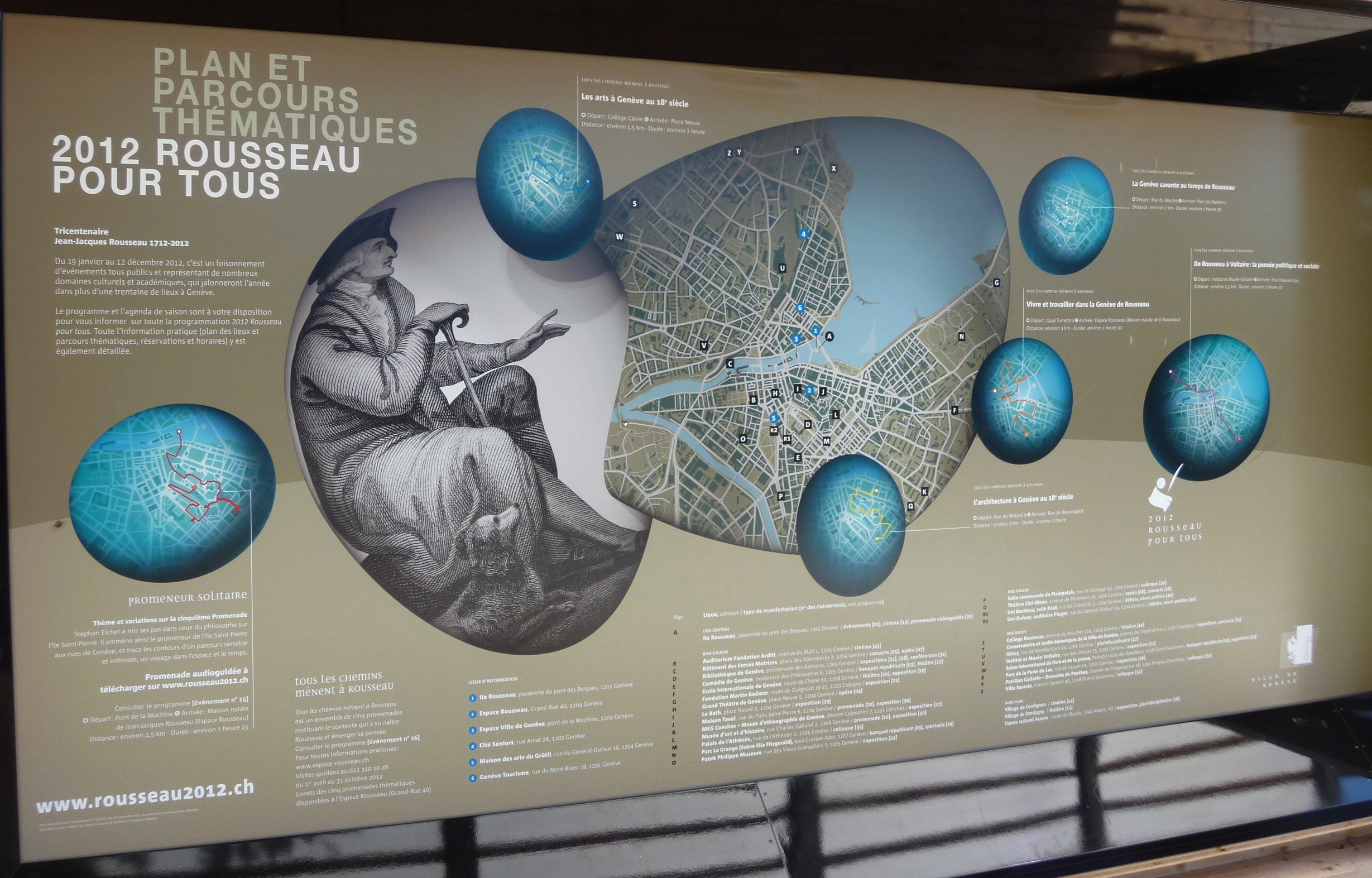
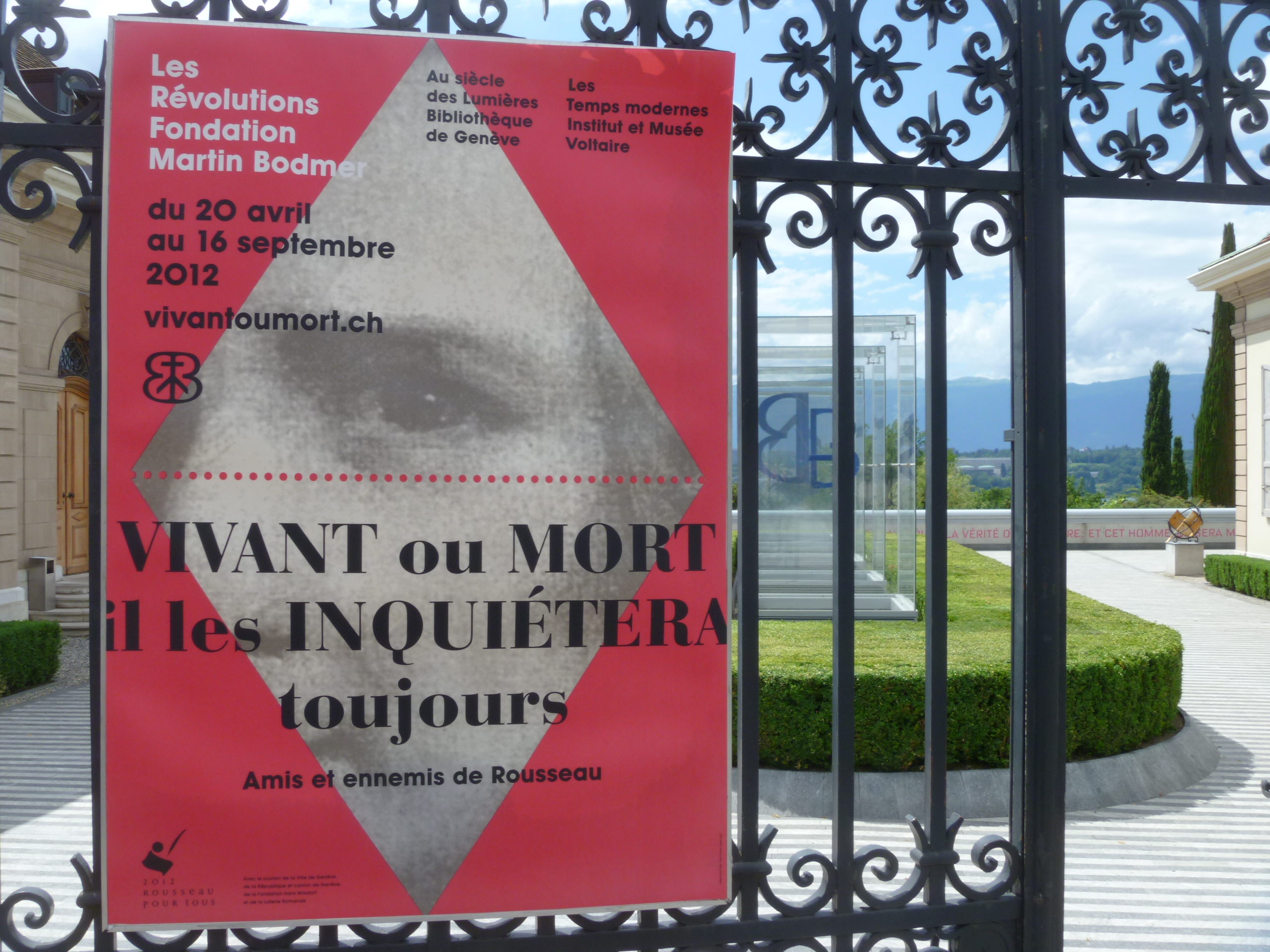
I don’t know whether there have been, or will be, fireworks let off in his name but there is no escaping his tricentenary in the city this summer. I only came across a little map which allows one to follow in the great philosopher’s footsteps on the last morning of my trip but I was immediately attracted by a lovely leaflet advertising a related exhibition at the Musée Rath whilst waiting to check in at my hotel on arrival. I knew that JJR’s birthplace was in the Old Town (3 pictures above) and a fellow member of our party told me about the Île Rousseau statue (top). I visited the Bodmer Foundation to see the display “During his life and after death he always worried them: Rousseau’s friends and enemies” (my translation) but got carried away by the breadth of the permanent collection and the fact that there were no English translations at all.

With so much to choose from here is what I managed to follow up in the name of Rousseau in the short amount of time available to me.

Île Rousseau

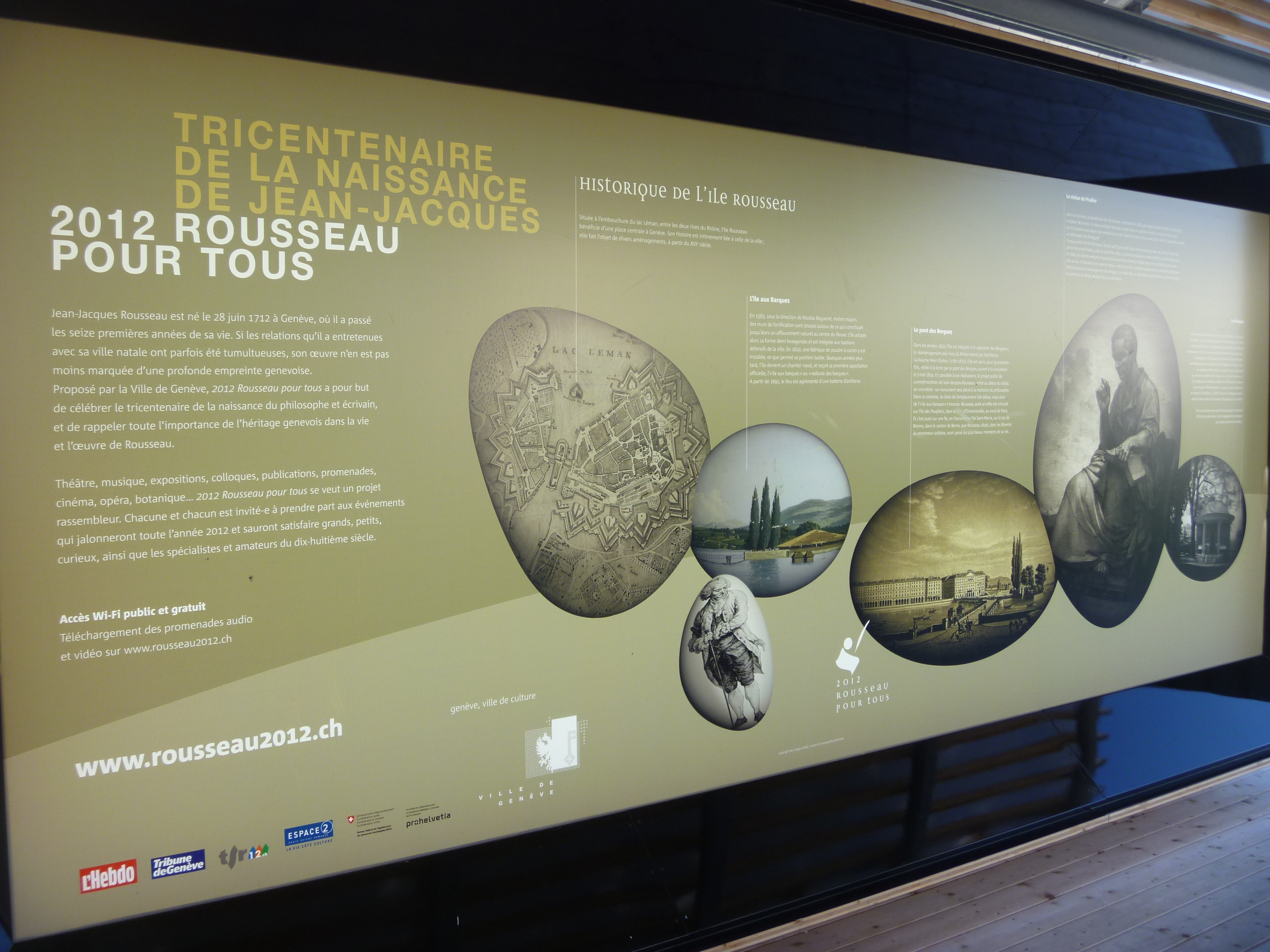
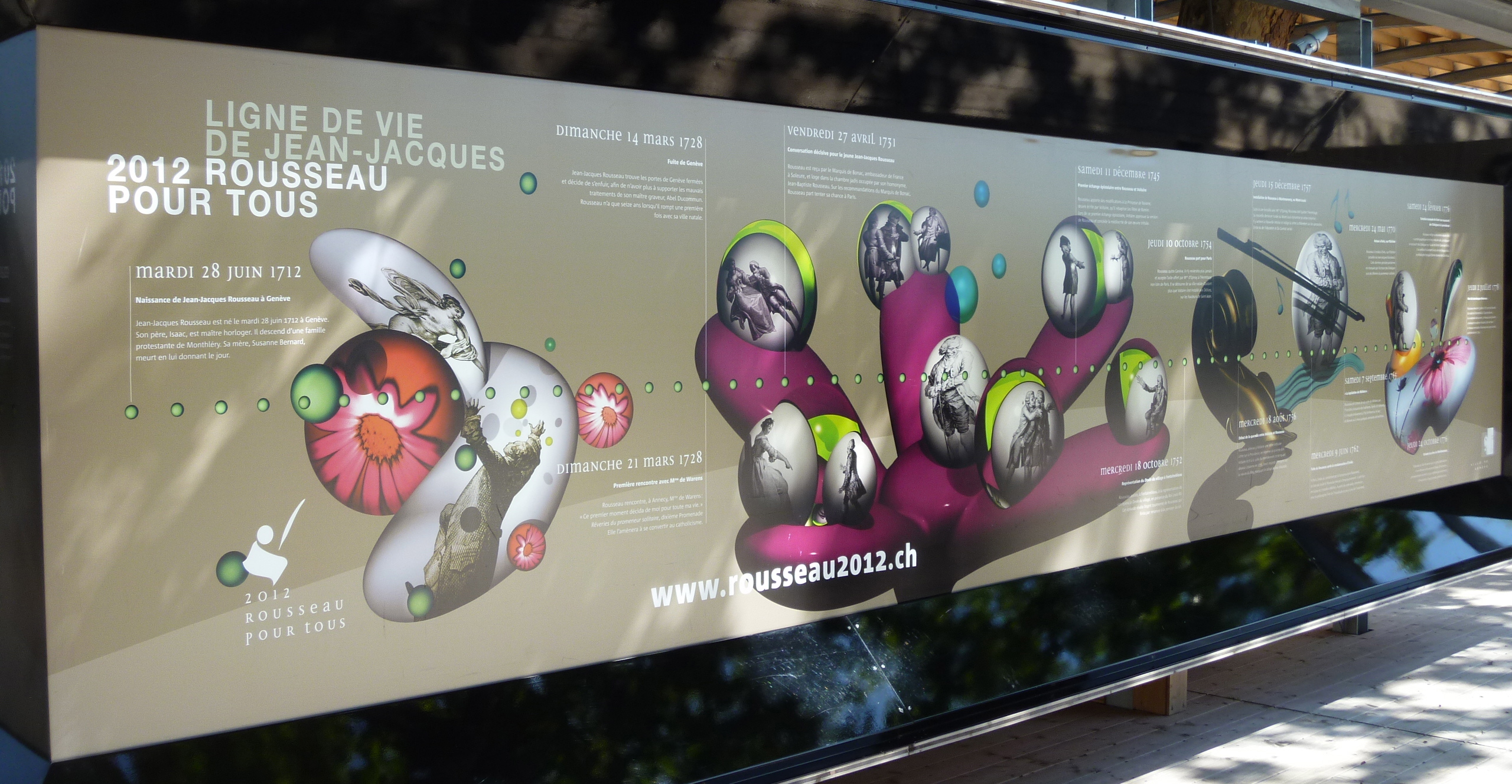
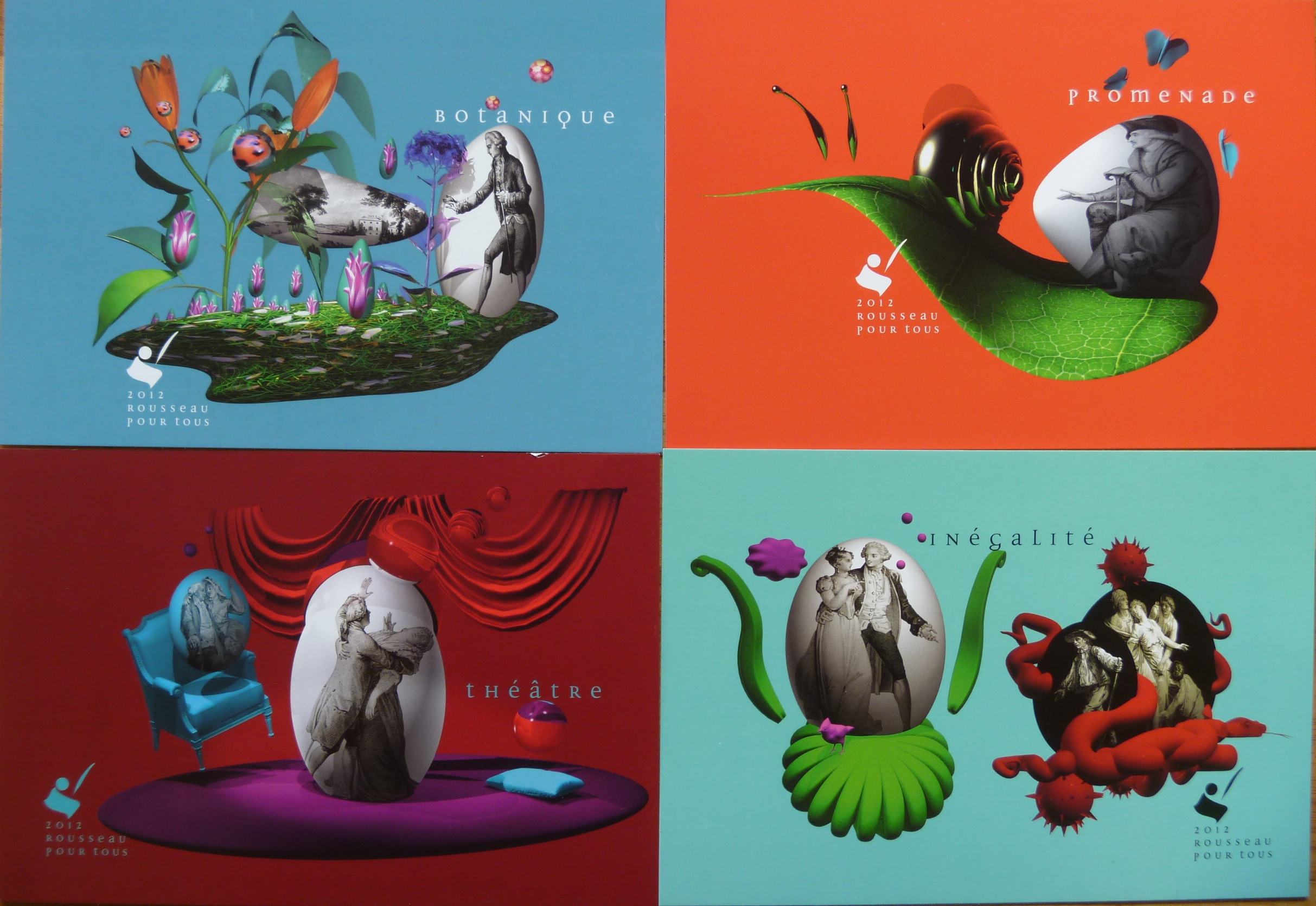
On the island straddling the River Rhone accessed from the footbridge Pont Des Bergues is a statue of the great philosopher (top picture), created by James Pradier and erected on the island in 1835. This is the heart of the Rousseau commemoration and there’s an information pavilion with large boards, video screens (all in French) telling about the life and works of Rousseau. I also picked up some free postcards.

The Martin Bodmer Foundation

I wrote about my visit to the MBF in the previous post. The small Rousseau exhibit was just a few display cases (no photography allowed) showing printed and manuscript examples of Rousseau’s work and that of his contemporaries during the Age of Enlightenment. The backdrop of toile du jouy (a fabric particularly associated with an idealised vision of the countryside and Rousseau’s work) and the subtle use of lighting made this a very visually satisfying display – but all the notes, including the guide handed out for free were in French and thus too time-consuming to study closely.

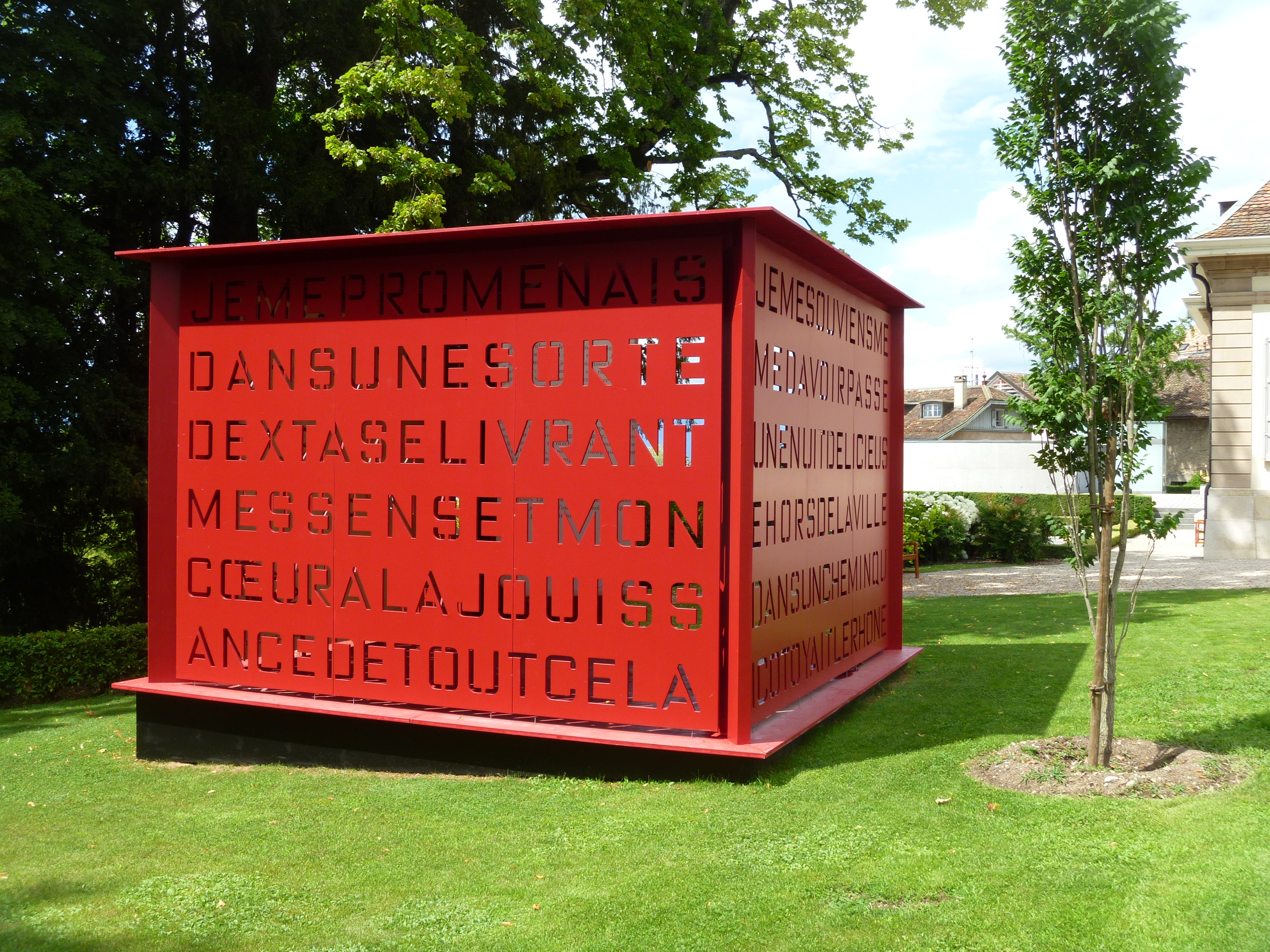
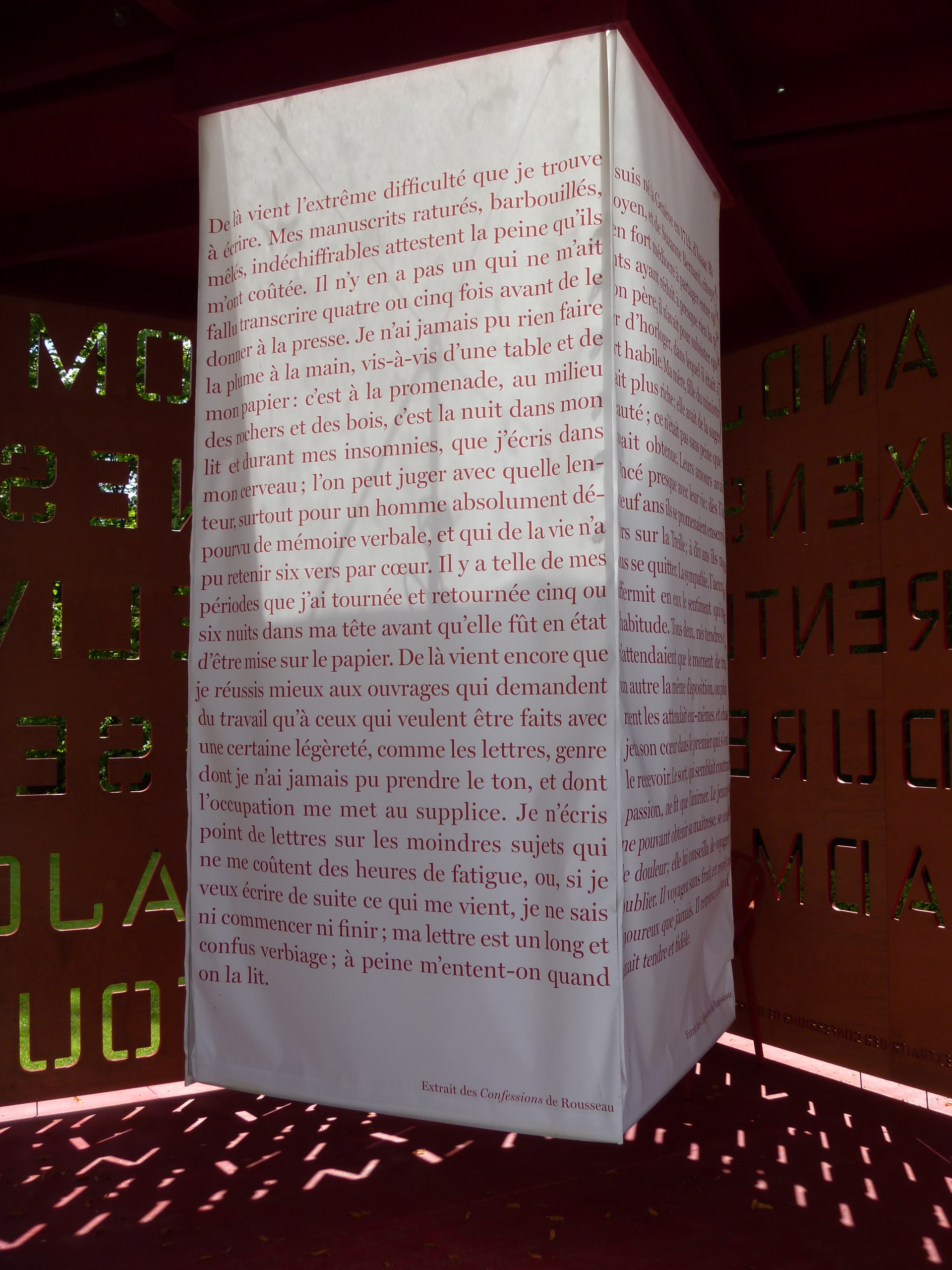
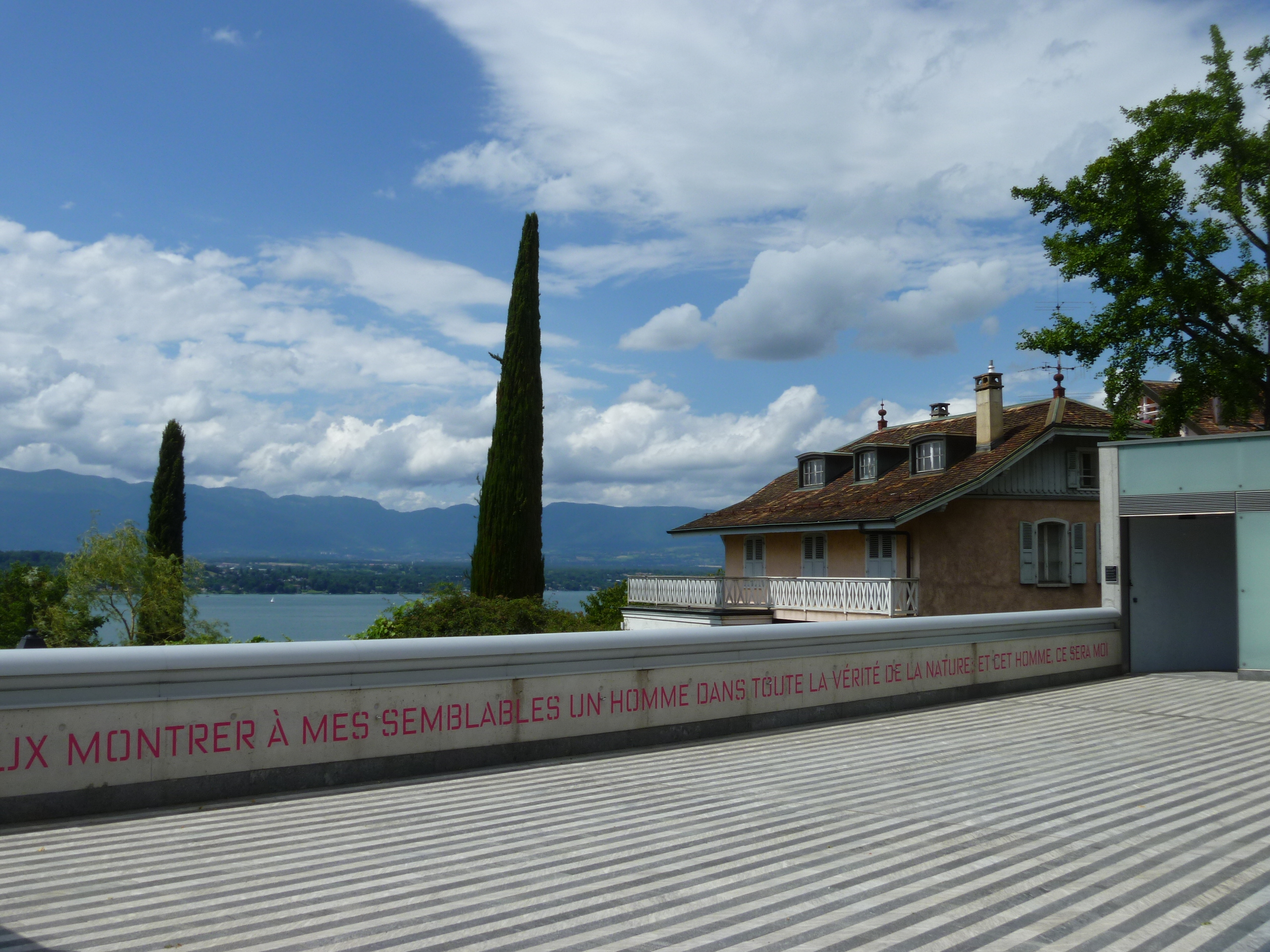
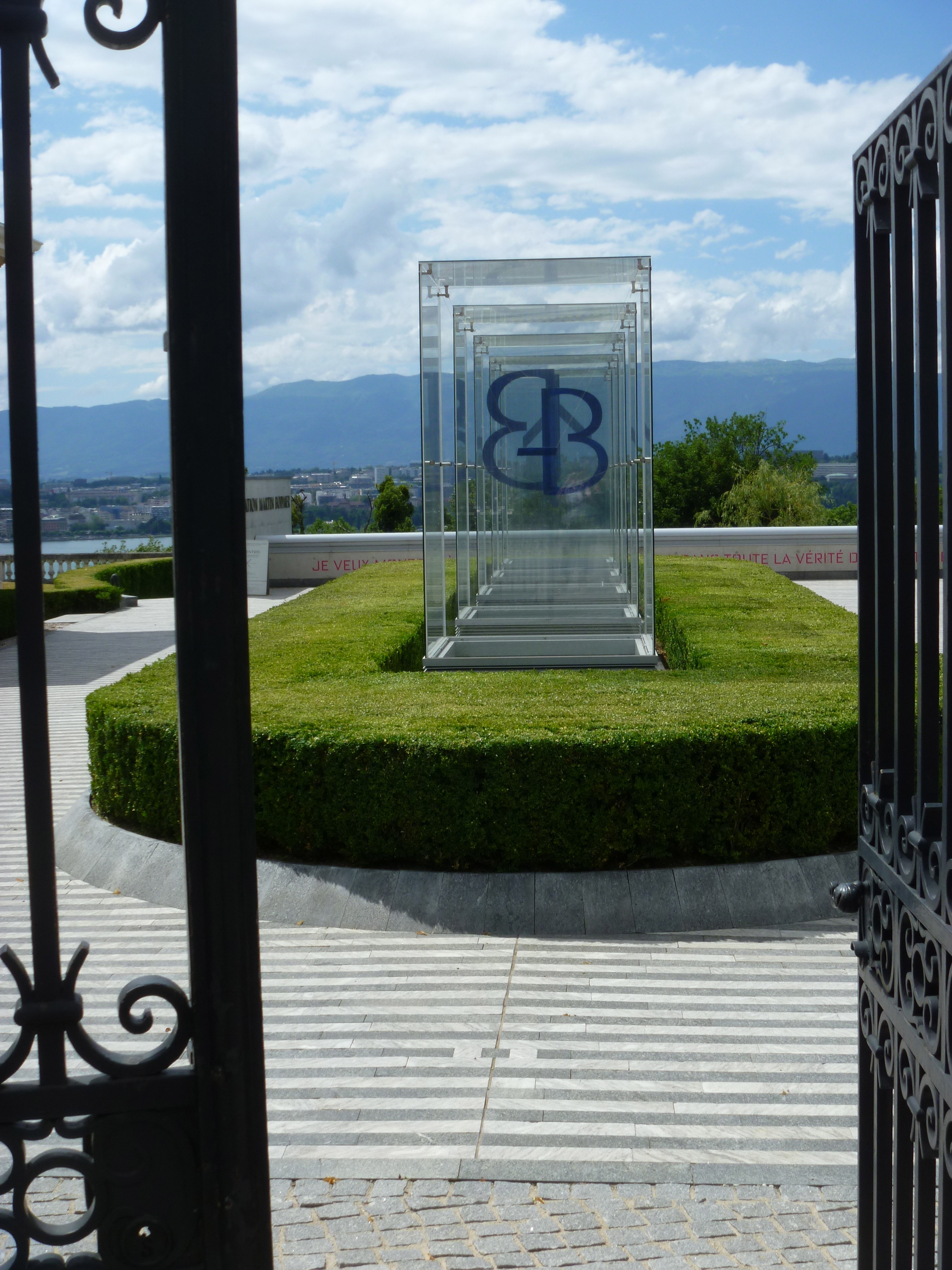
There’s an interesting cube installation dedicated to Rousseau in the garden of the Bodmer Library.

The Musée Rath

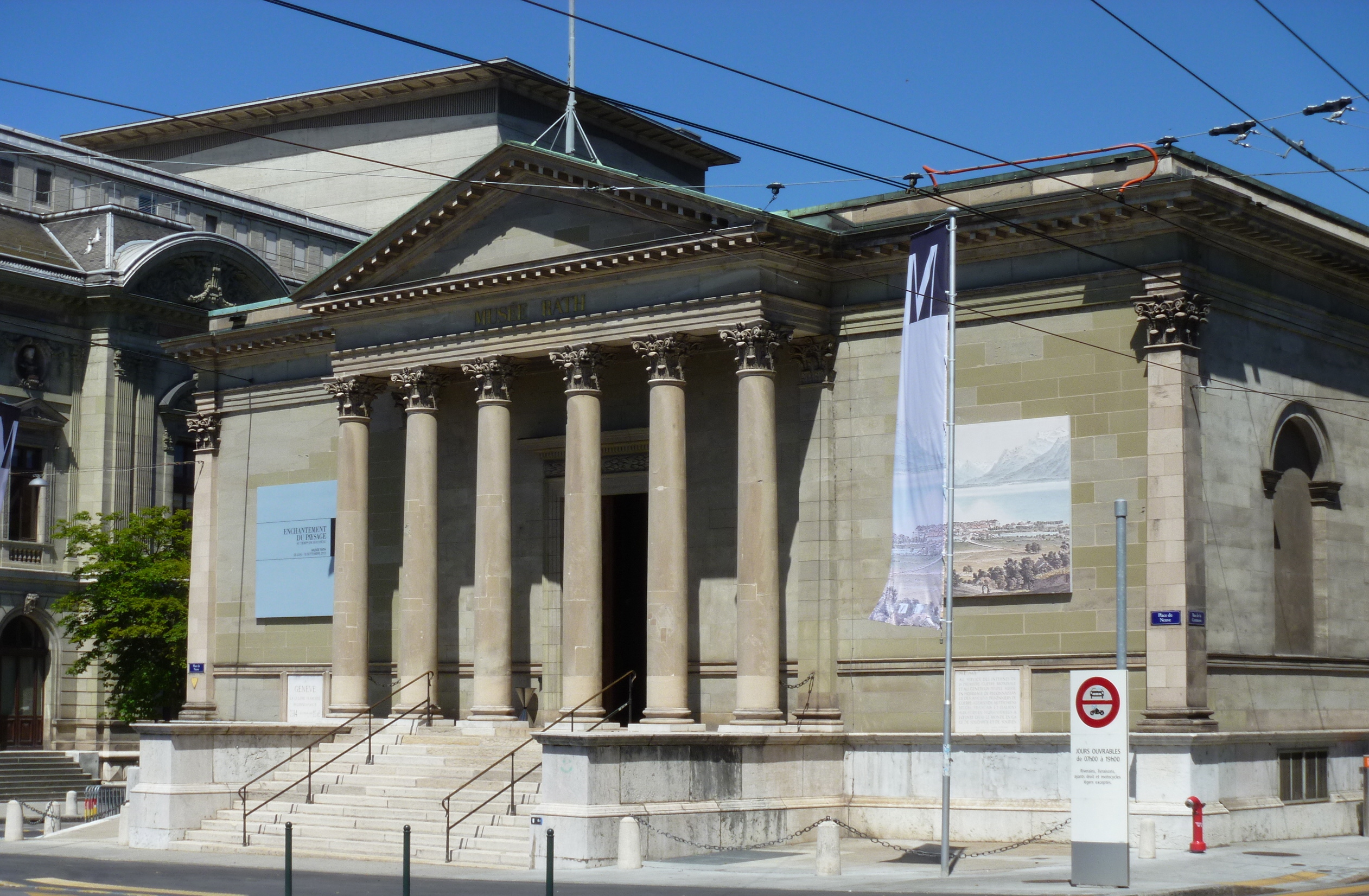
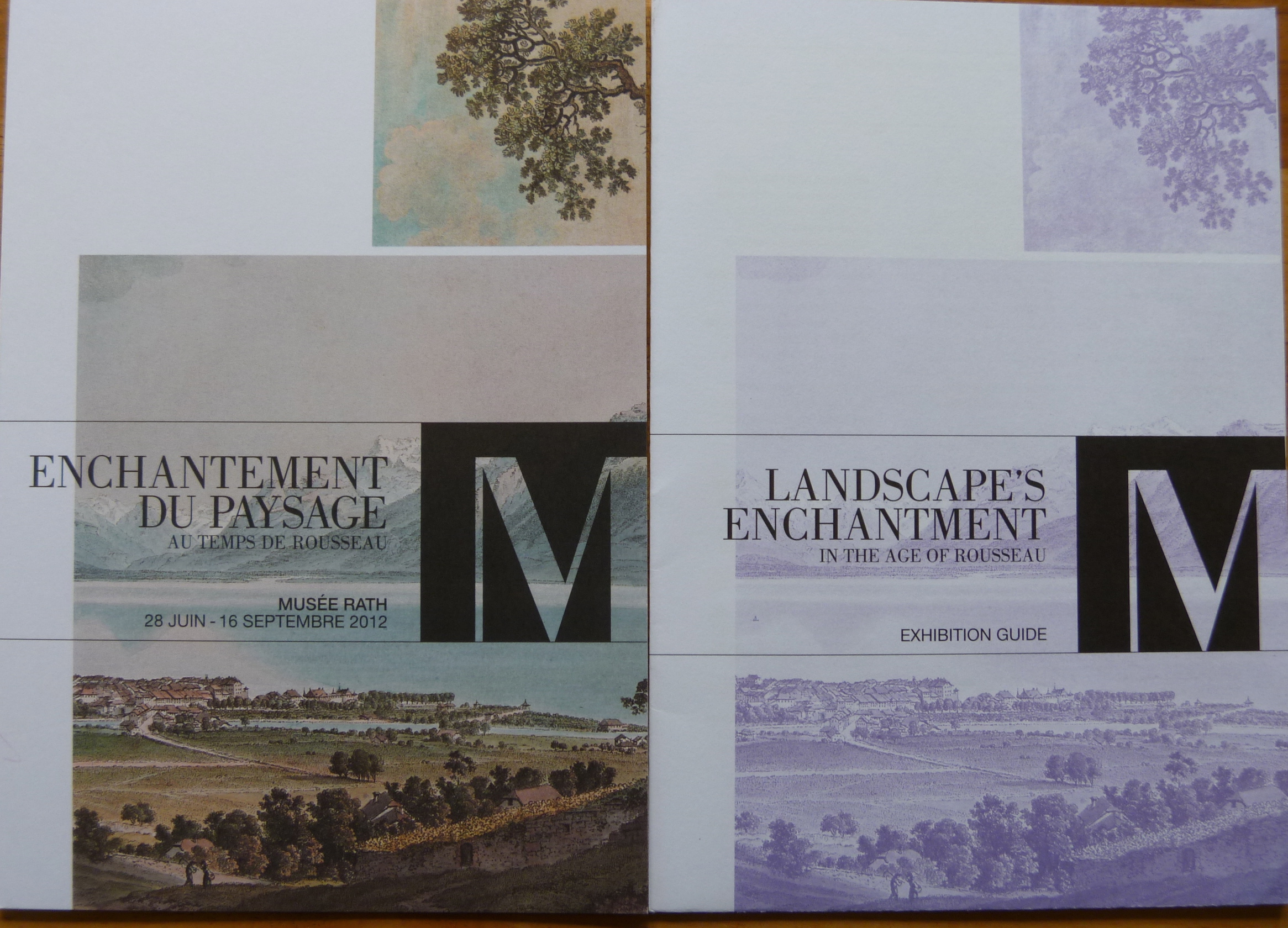
Amidst the sounds of birdsong and  tinkling cow bells I viewed the ‘rooms’ of the exhibition “Landscape’s Enchantment in the Age of Jean-Jacques Rousseau” at The Musée Rath. There was lots for me to enjoy here as the programme is also available in English and landscape history is a bit of an interest of mine.

“Throughout his life Rousseau never stopped travelling. All his travel diaries share the same intense attention to natural elements, the climate, the landscape and the emotions they elicit. This feeling for nature pervades his theoretical texts as well as his autobiographical and fictional writing.” (From the Exhibition Guide)

The eighteenth century saw the growing popularity of the Grand Tour – a journey to Italy to inspect (and often remove) ancient monuments. Passing through the Alps was seen as necessary but they were considered as objects of fear and loathing. As the century moved on mountains and landscapes in general became more interesting and less feared and the representation of landscapes in art became more and more respectable.

“The exhibition illustrates this new perception of landscape that developed during the second half of the 18th century in Switzerland and throughout Europe. It offers a thematic stroll through the four elements, with some 320 works on paper, prints, drawings and books. The visitor can follow his fancy and tour the countryside (IN NATURE’S GARDEN), the mountains (SUBLIME SUMMITS), expanses of water (ON THE WATER) and aerial views with changing atmospheres (ETHERS AND ATMOSPHERES).”  (From the Exhibition Guide)

In addition there was a Short History of Landscape – the two major models were idealised and real; a Dreams of Italy section and In The Engraver’s Workshop where the engraving process is demonstrated.

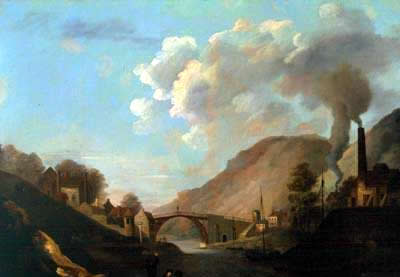
Some British artists featured for example John Robert Cozens (1752-1797) with his portraits of trees and George Robertson with his views of Coalbrookdale.

(http://www.ironbridge.org.uk/about_us/the_iron_bridge/artists_impressions.asp)

Jean-Jacques Rousseau died in 1778 at Ermenonville (28 miles northeast of Paris). He is now interred in The Pantheon in Paris.

Milady’s short trip to Geneva

Geneva is not the most attractive of the cities I have visited in Switzerland (like Bern, Zurich and Lucerne) but beyond the designer watch ads atop the lakeside buildings and Geneva’s ‘mountain’ looking more like a rocky ridge, from where I was standing, I found a delightful Old Town and two worthwhile excursions to fill my two days perfectly.

Lake Geneva

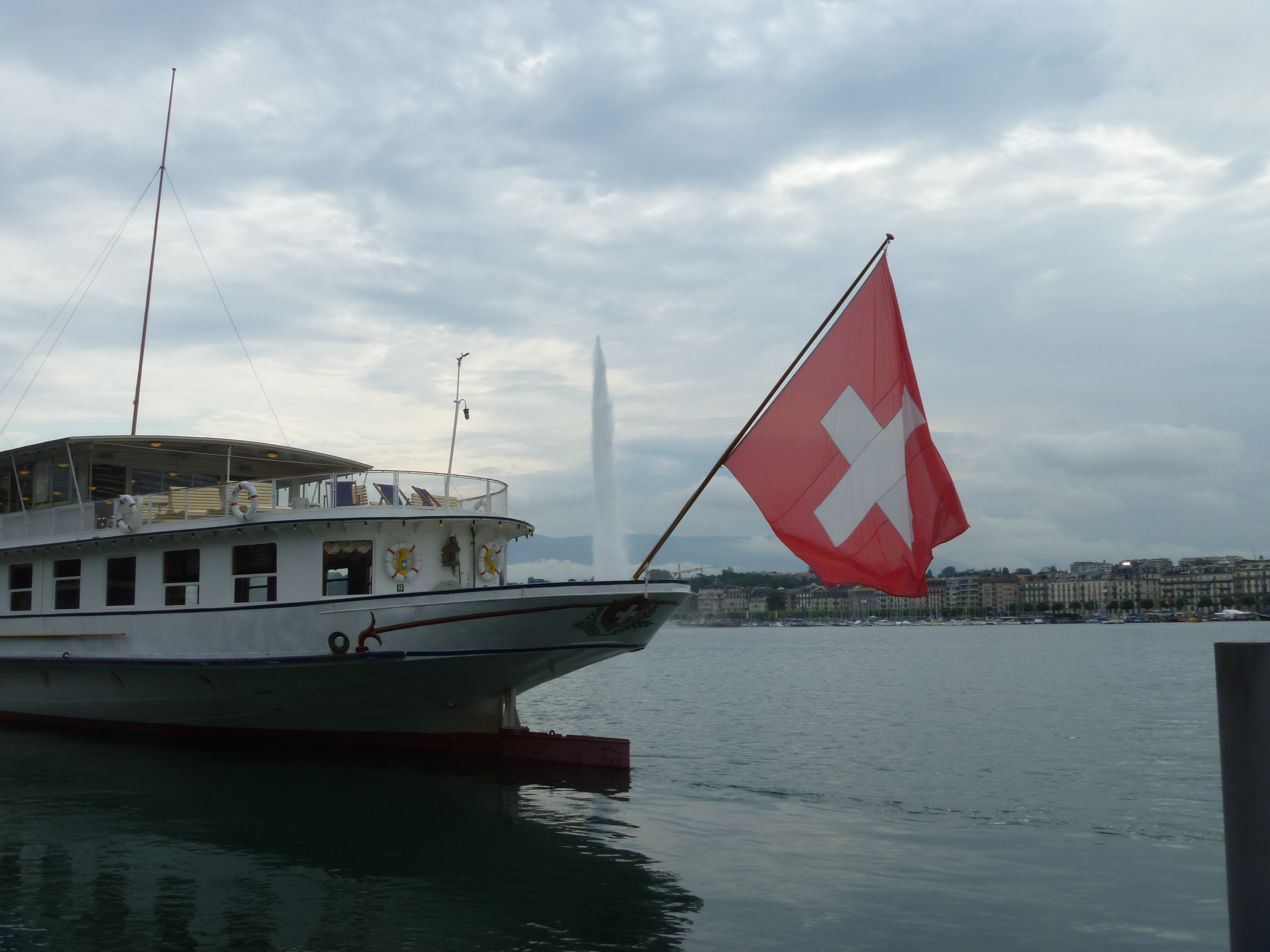
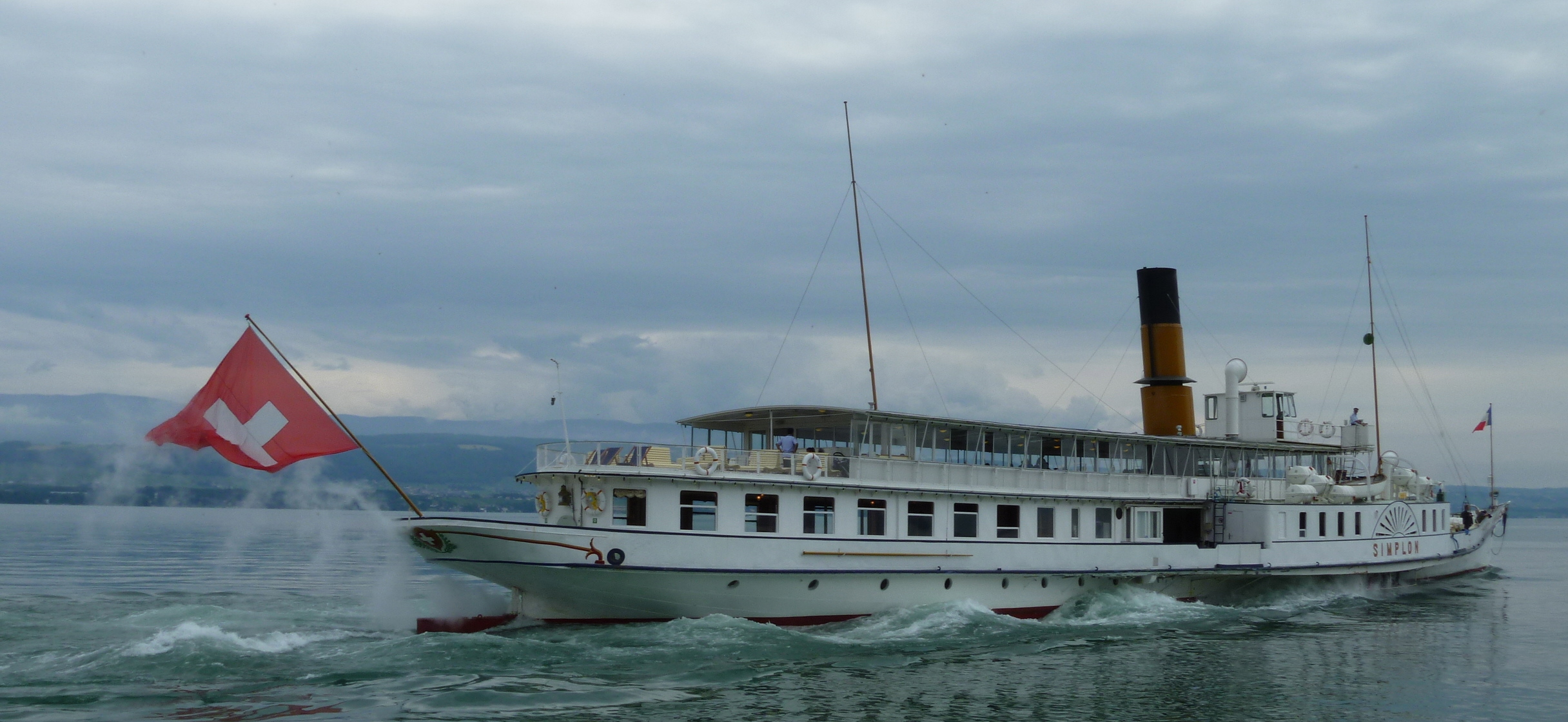
On the first full day we boarded an early boat, the S/S Simplon, from the Quai Mont-Blanc and headed off under rather cloudy overcast skies for an hour and three quarter lake cruise to Yvoire on the southern shore of Lake Geneva.

Whenever she can Milady hopes to travel in style

S/S Simplon and the famous Jet D’Eau, from Quai Mont-Blanc Geneva

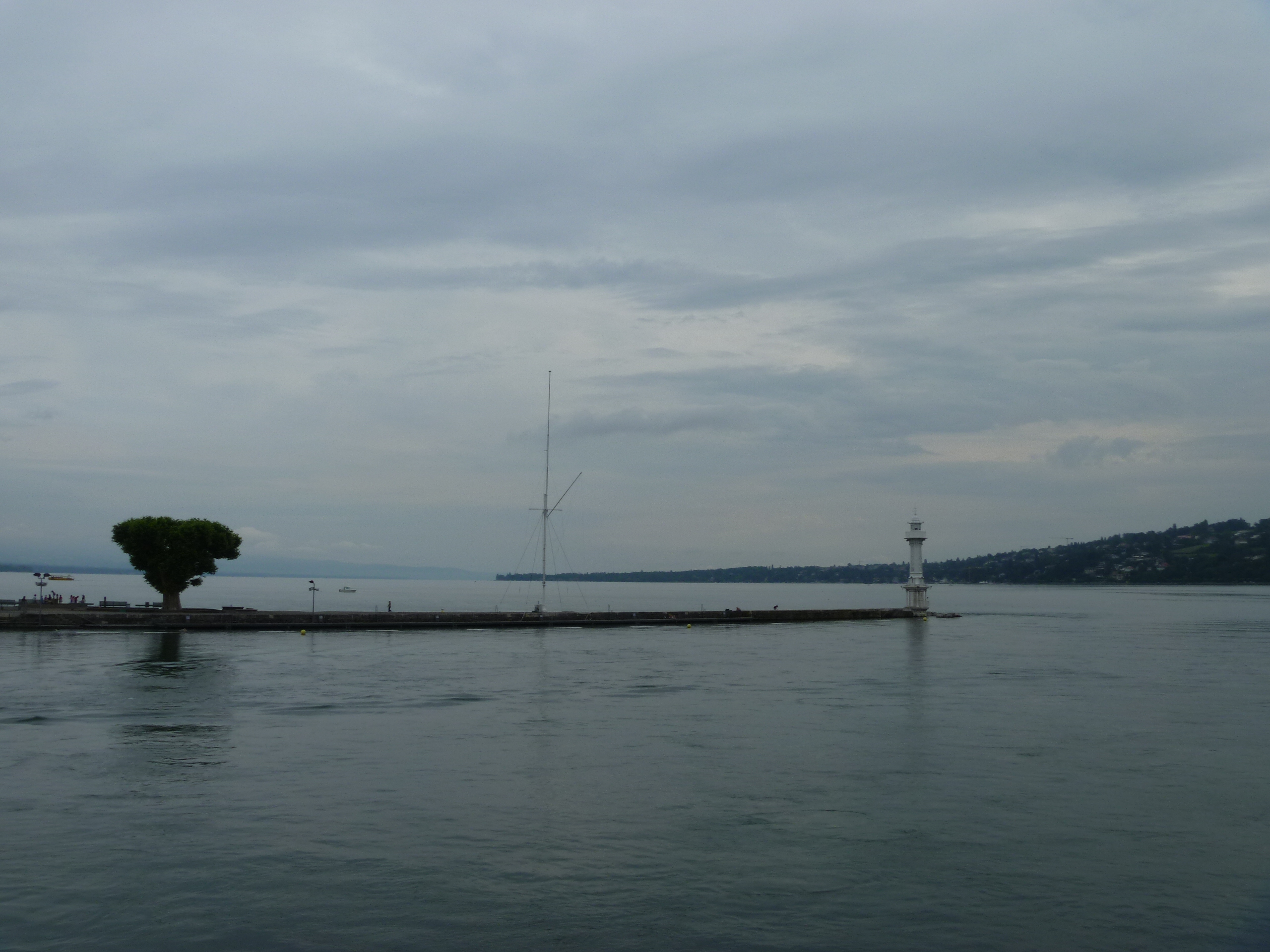
Paquins Lighthouse

The S/S Simplon leaves us at Yvoire

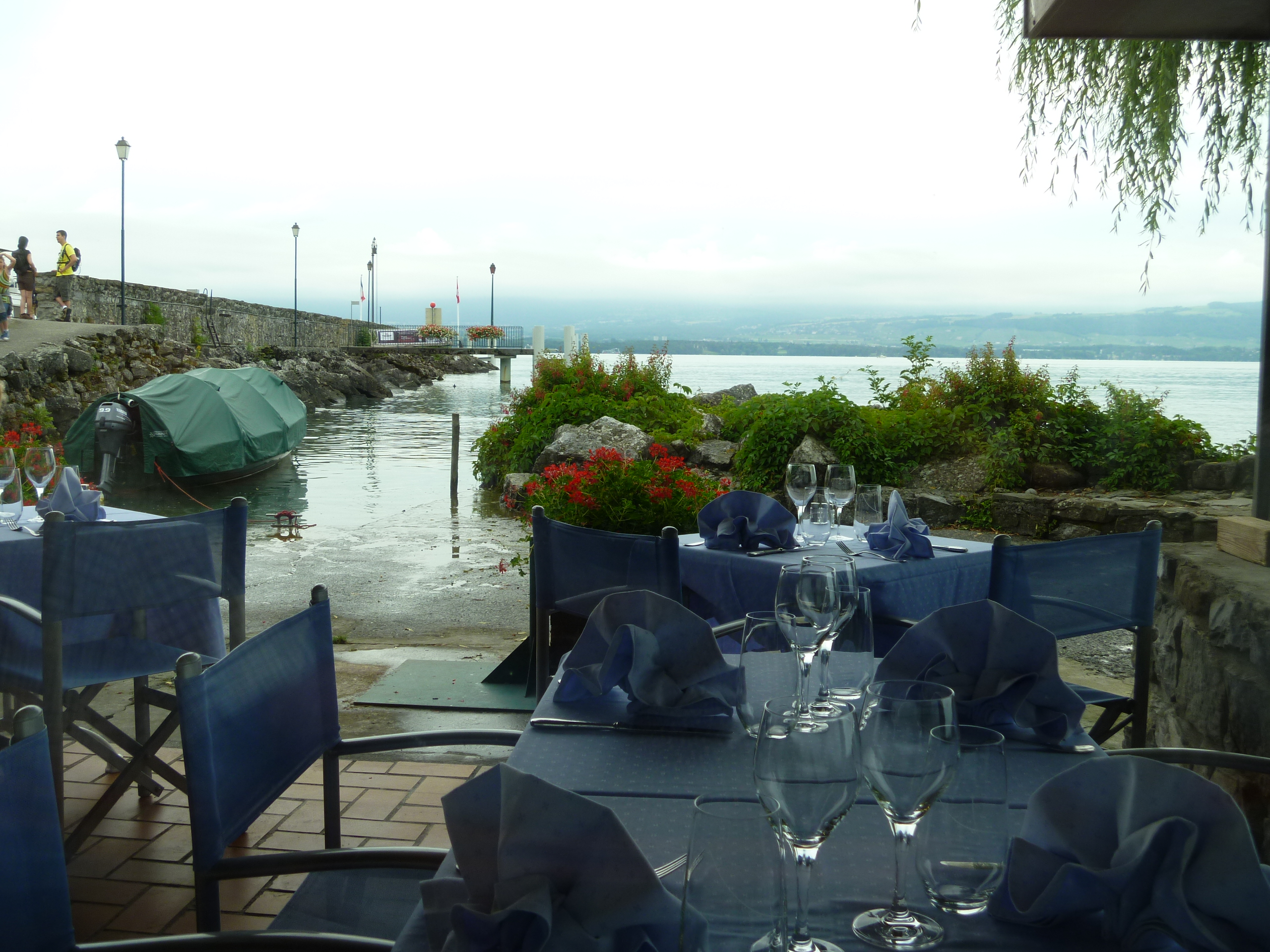
Yvoire is in France but there are no passport controls or inspections it was just straight off the boat into the Restaurant du Port (the name tells you where it’s located) and lunch was served!

Restaurant Du Port, Yvoire

The proposed return sailing was cancelled which meant a 3 hour stay at Yvoire and you can only spend so long eating lunch. This attractive little medieval town was full of tourists so we two decided to take a walk to the next stop and pick up our boat from there later.

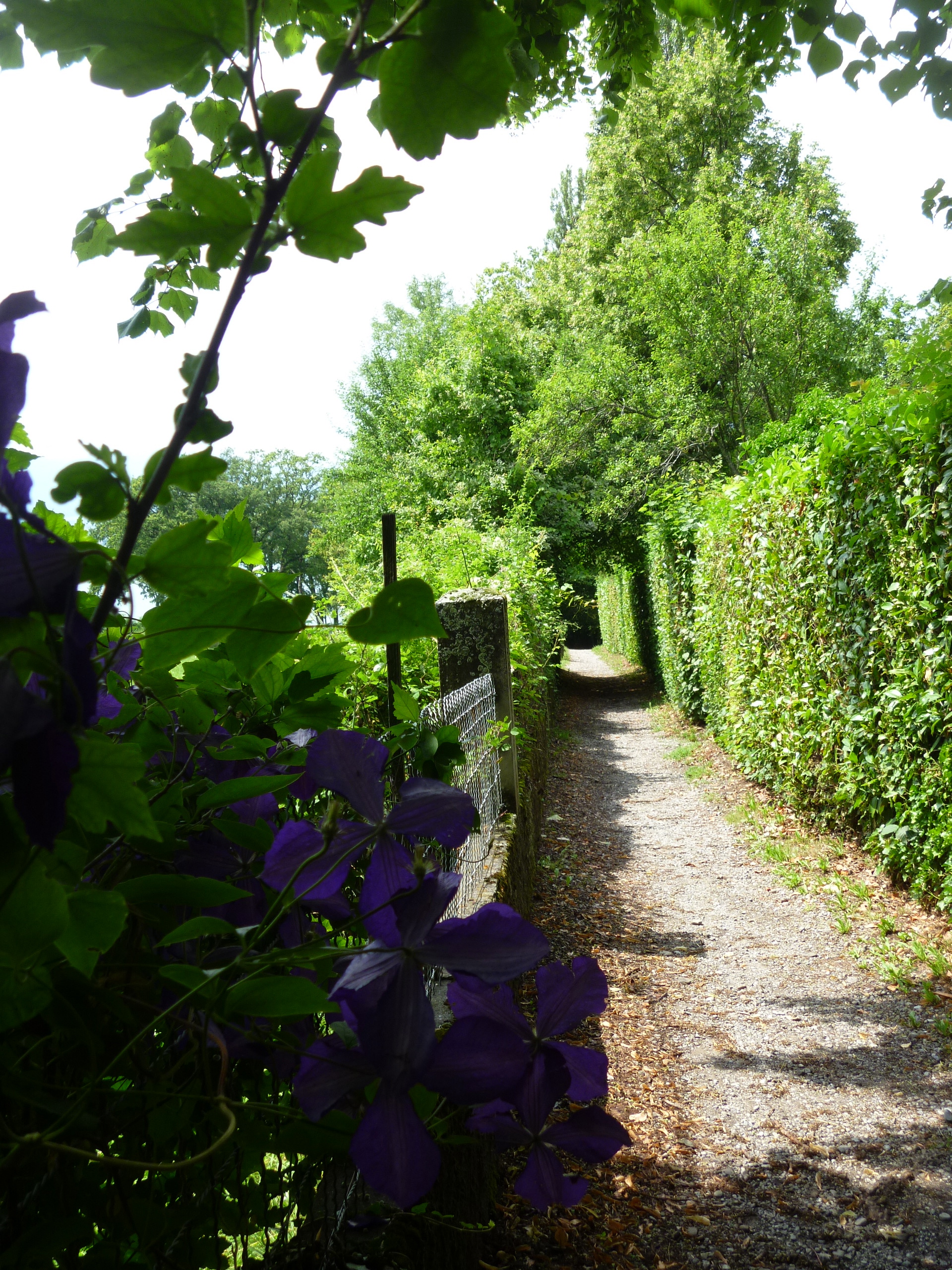
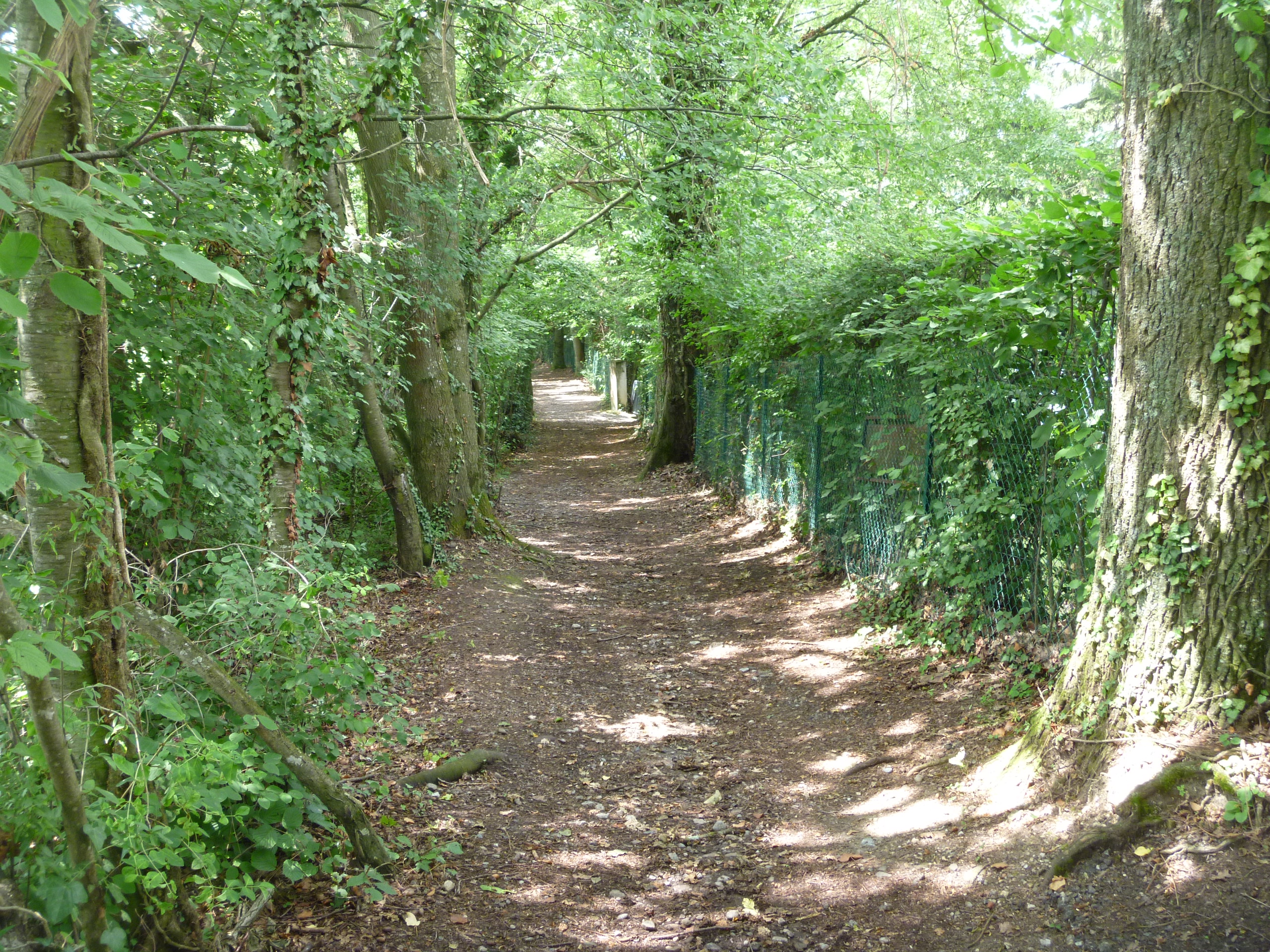
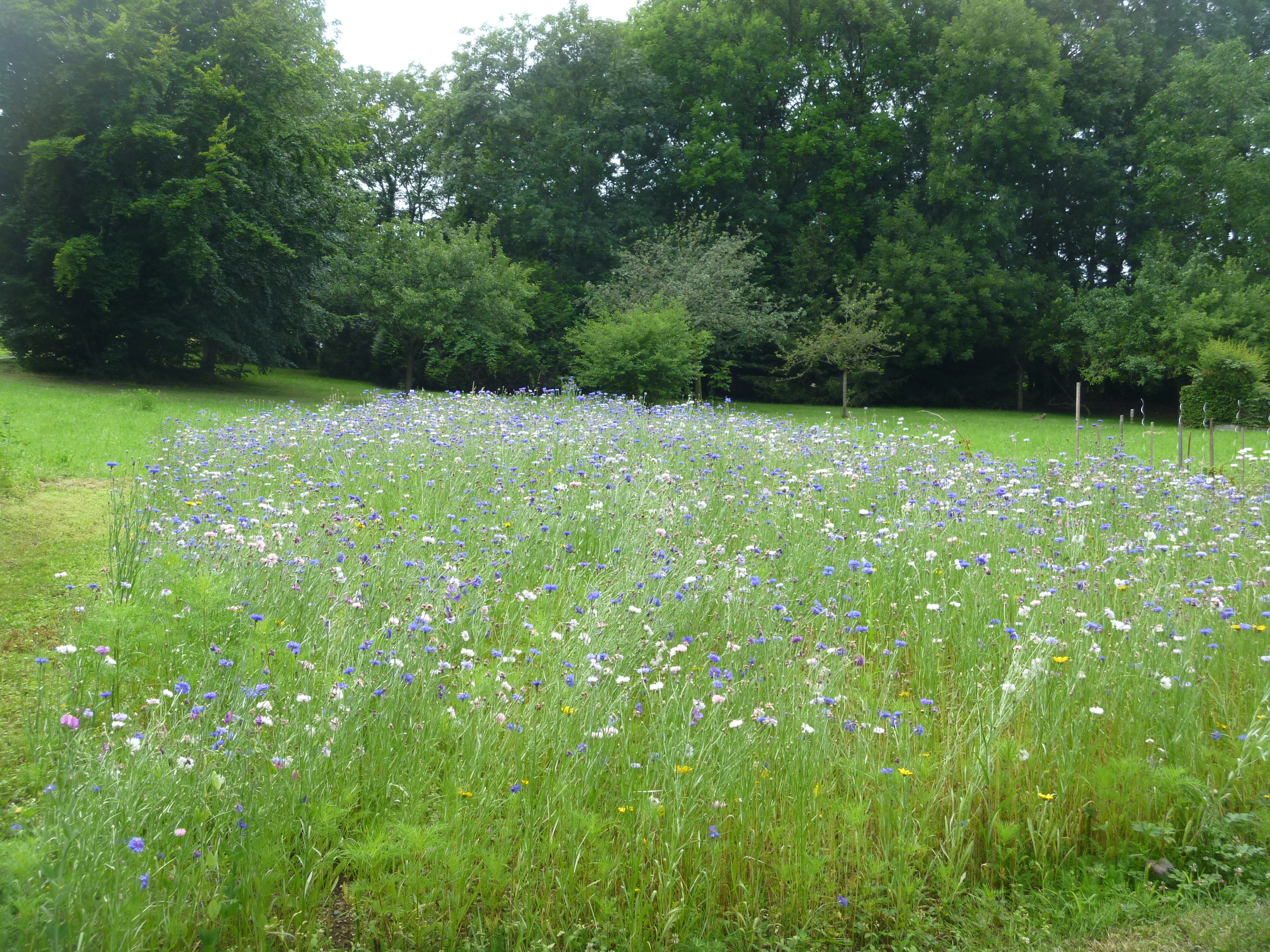
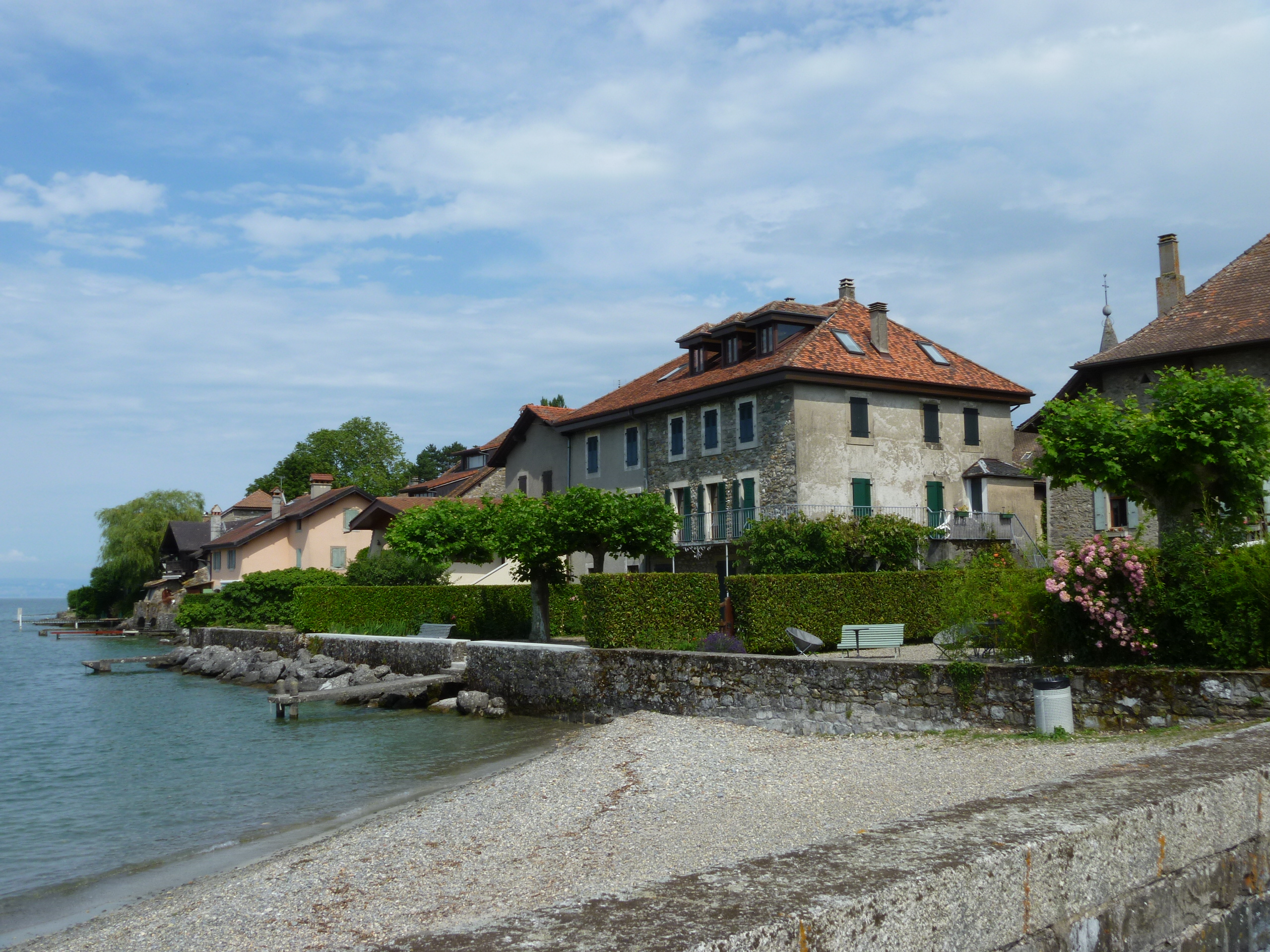
After inspecting the little shops we set off to find the footpath to Nernier. (Sounds like something out of C. S. Lewis.) It was a most pleasant walk along shady paths and tracks past interesting houses but with minimal views of the Lake, unfortunately. We came across a lovely wildflower meadow, visited an old church and arrived at Nernier with lots of time for people-watching at the port until the Simplon arrived on the dot at  5.37pm.

The small beach at Nernier

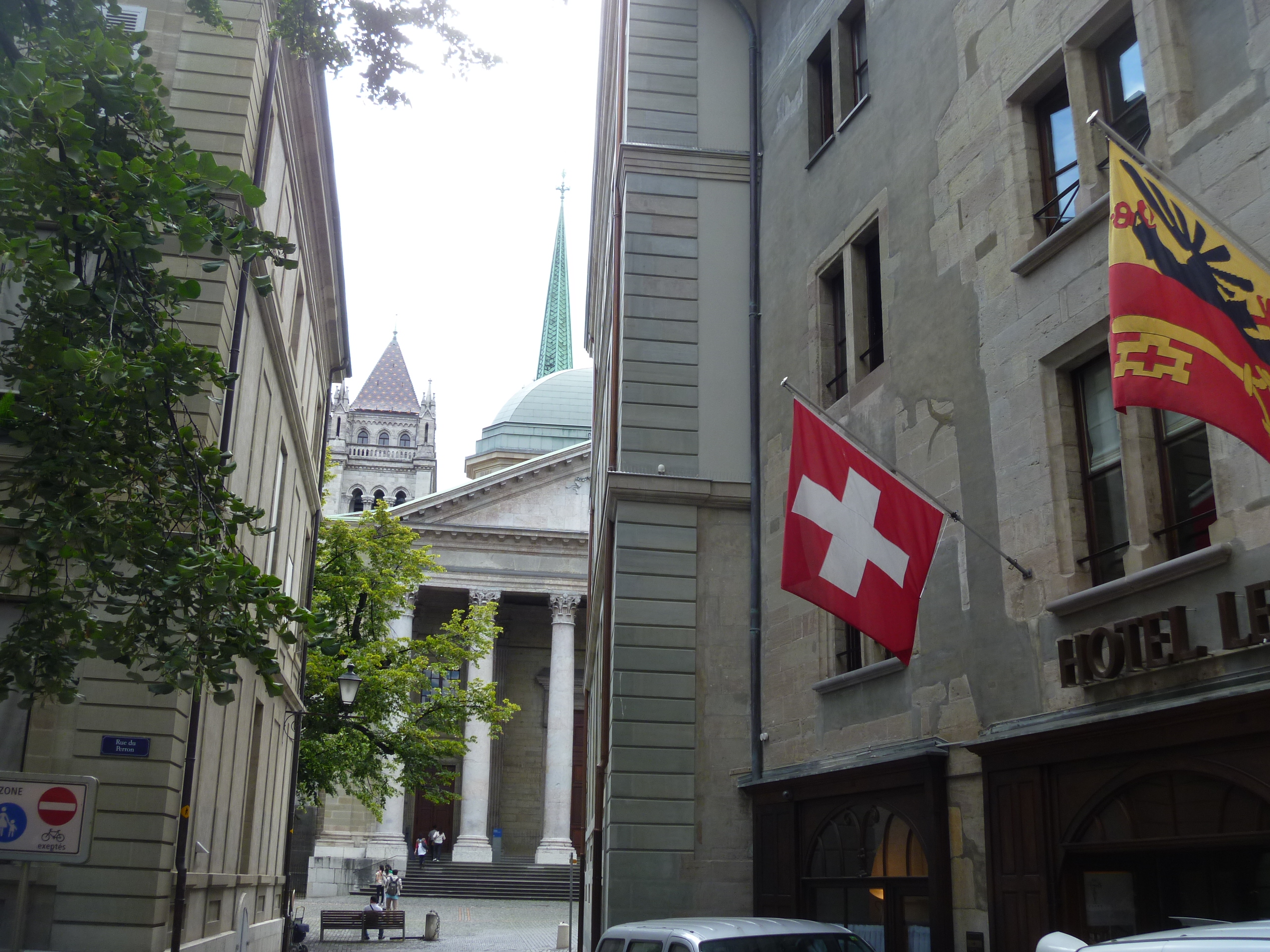
The Old Town

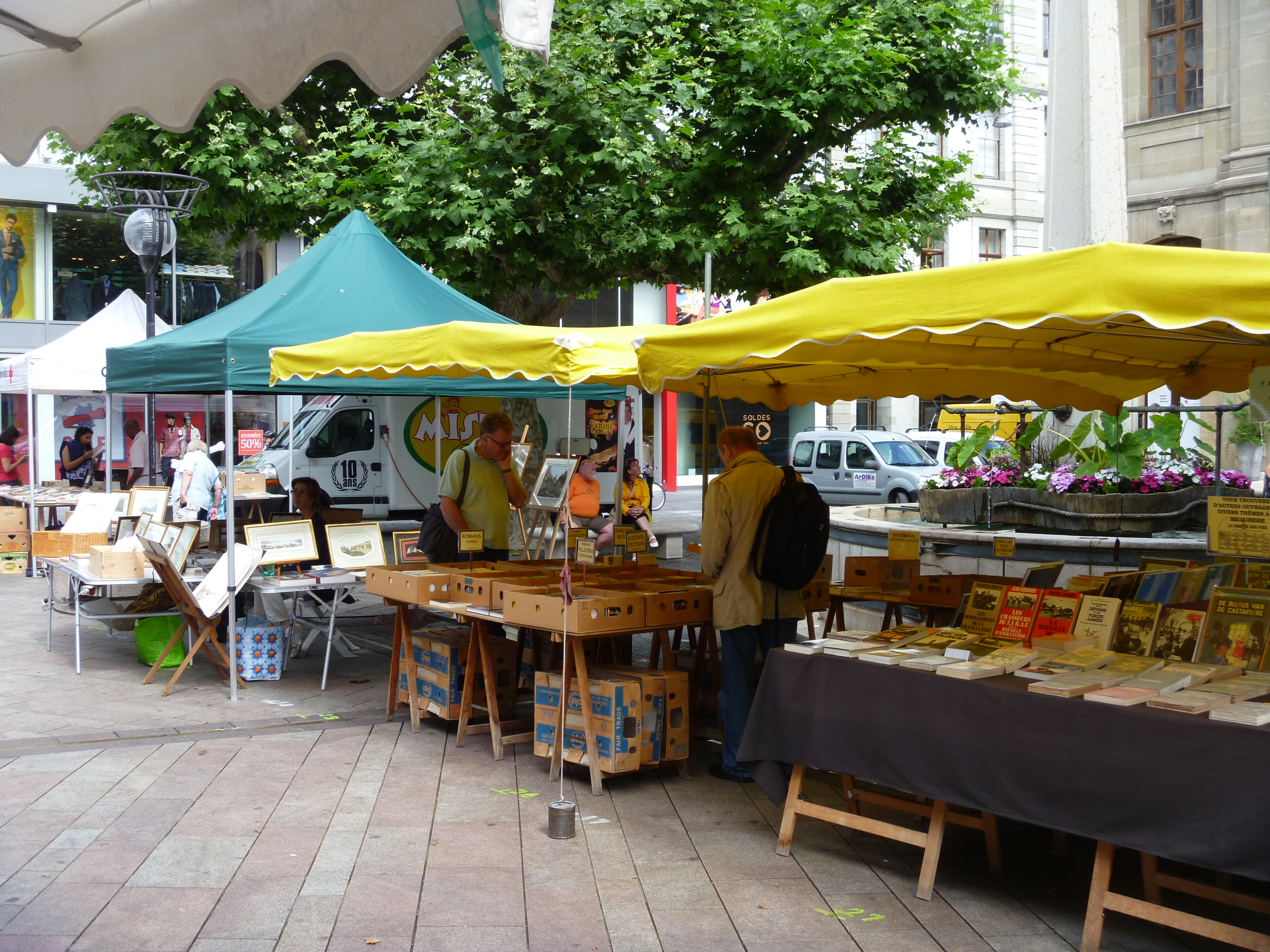
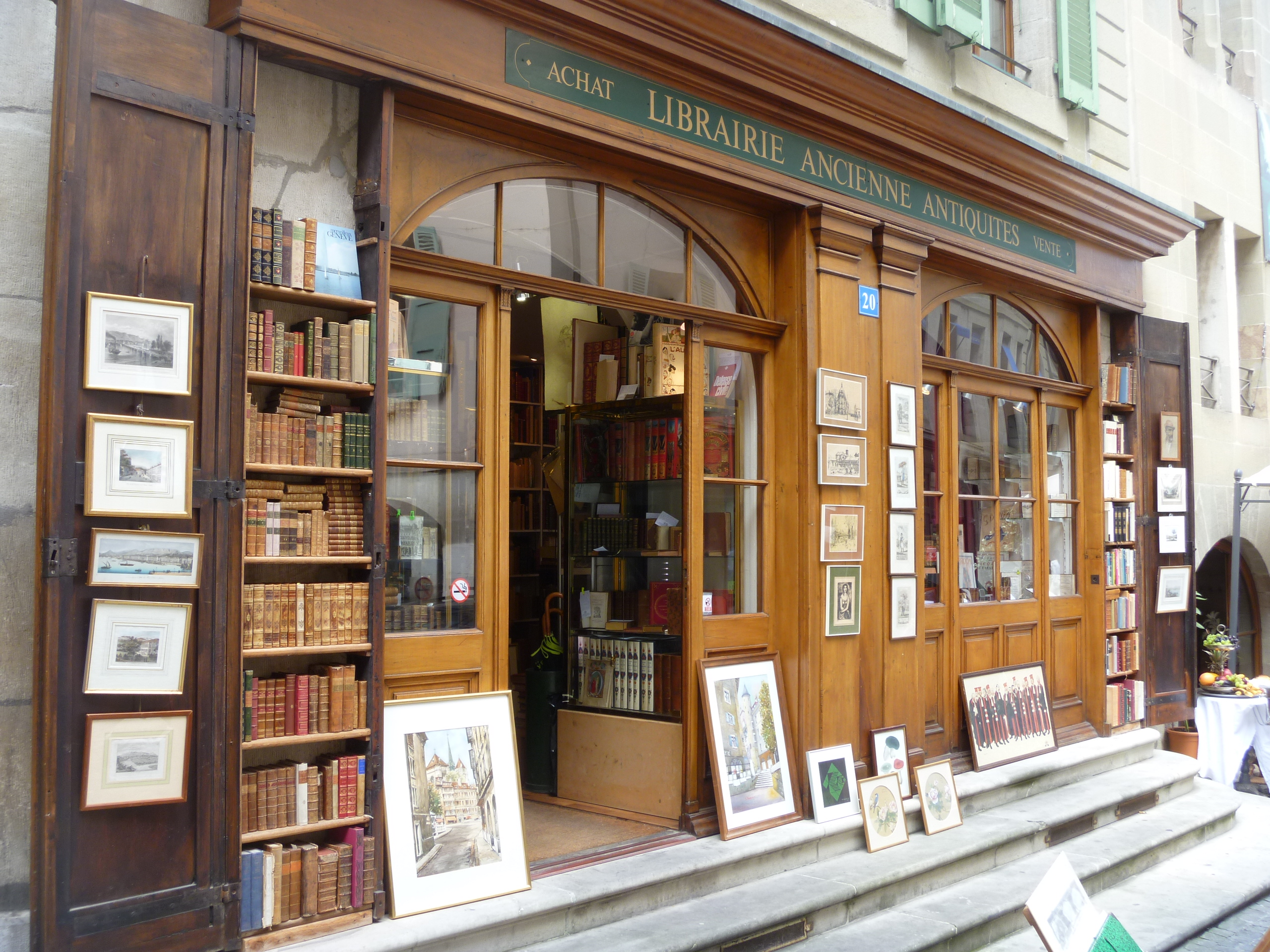
The next day I made a morning visit to the Old Town. There are some steepish climbs and lovely cobbled paths and streets and I enjoyed browsing in a secondhand book stall on the way and at a second hand book and prints shop on the Grand’Rue. There are some delightful street cafes for outdoor refreshments and the Cathedral is situated there. There’s a great view from the tower but we didn’t go up. It’s a lovely area for a bit of “flaner“.

Cologny

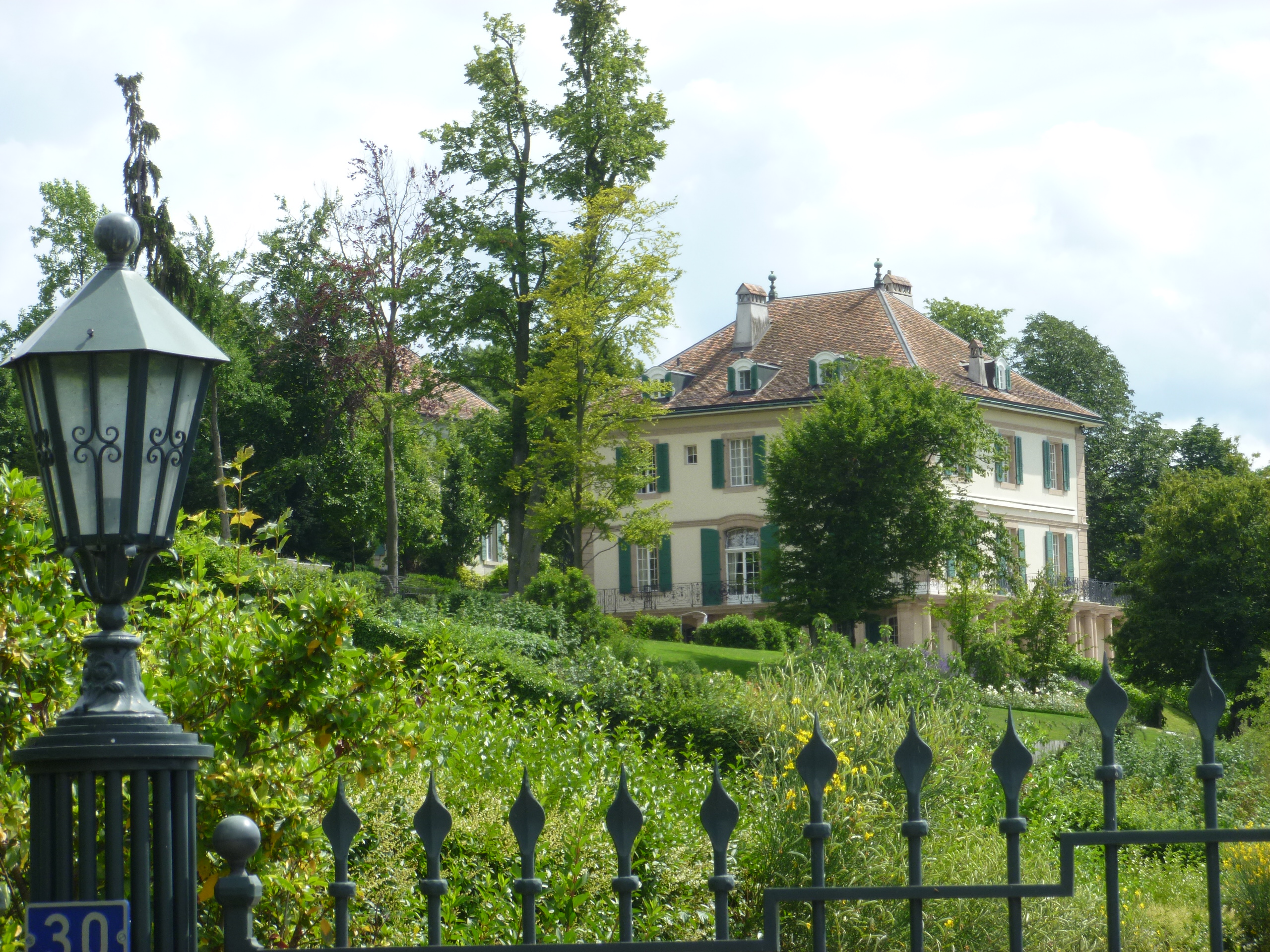
 I can only take so much aimless wandering interspersed with breaks for tea or beer so in the early afternoon I took the bus out to the residential suburb of Cologny. My purpose was to visit the Martin Bodmer Library and to try to find the Villa Diodati, the former home of Lord Byron and now a private residence.

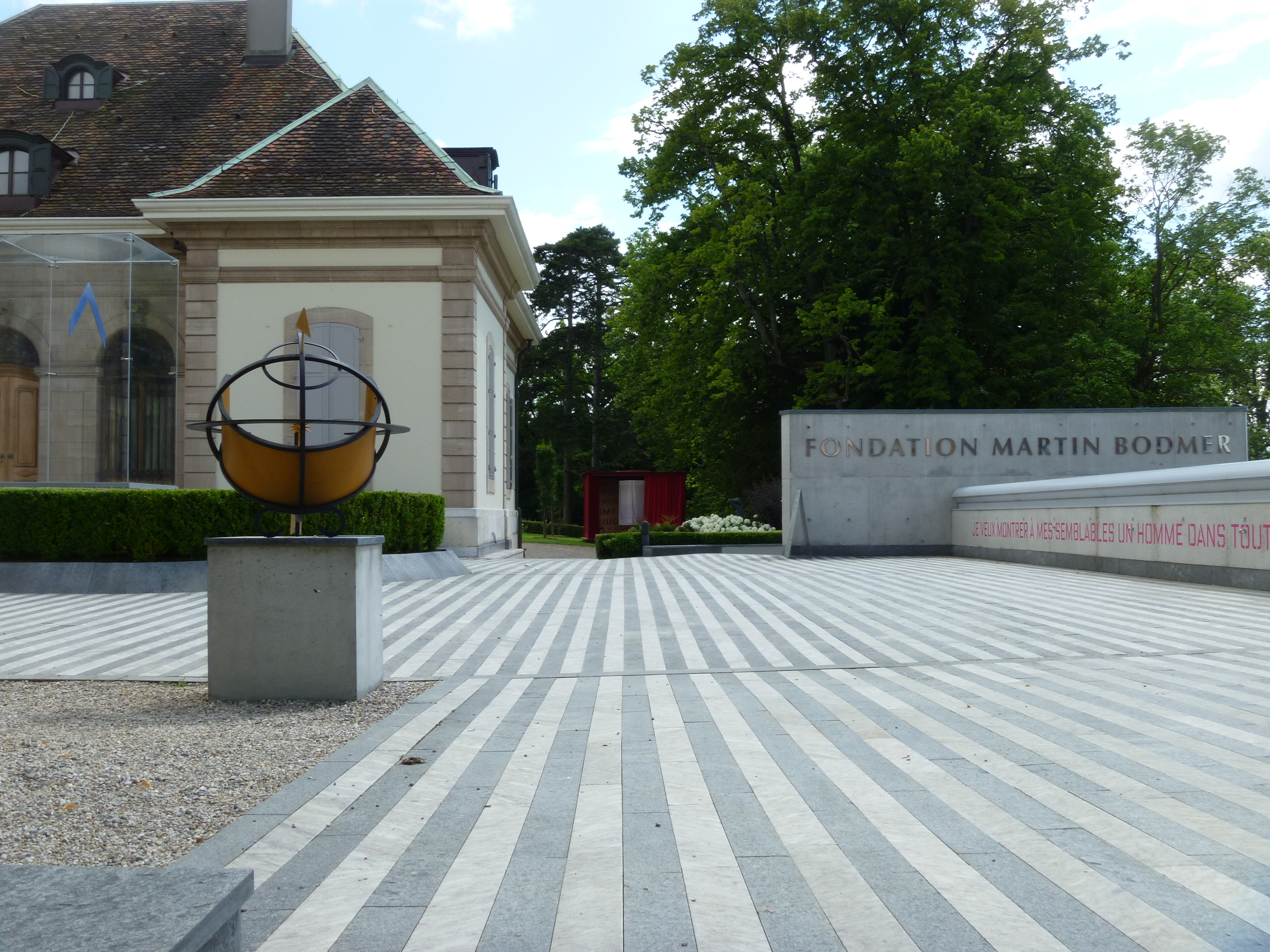
The Bodmer Foundation is fantastic! It’s one of the biggest private libraries in the world and the breadth of the display is simply breathtaking. There are samples of the written or typeset word from the earliest times – Greek papyrus fragments, the oldest manuscripts of St John’s Gospel – to ‘modern’ American first editions – Ginsberg, Steinbeck, Faulkner, Hemingway – and everything in between. And not just literary but medical, scientific, music. There’s a Shakespeare 1623 First Folio and an early Chaucer Canterbury Tales. All displayed in a modern, subtly-lit underground gallery on two floors designed by Swiss architect Mario Botta.

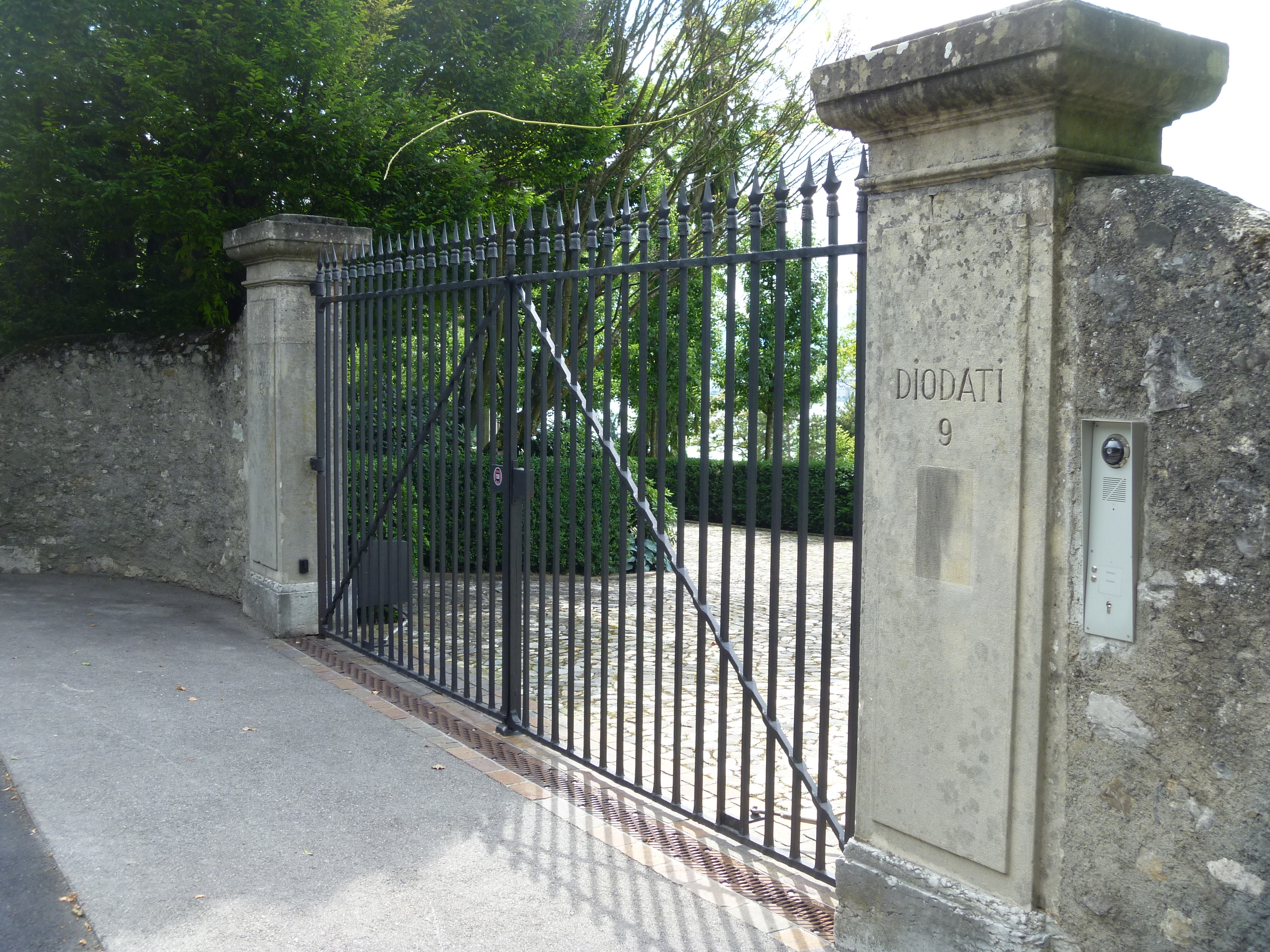
From the Bodmer gallery it’s a 10-15 minute walk to the Chemin de Ruth and number 9, The Villa Diodati.

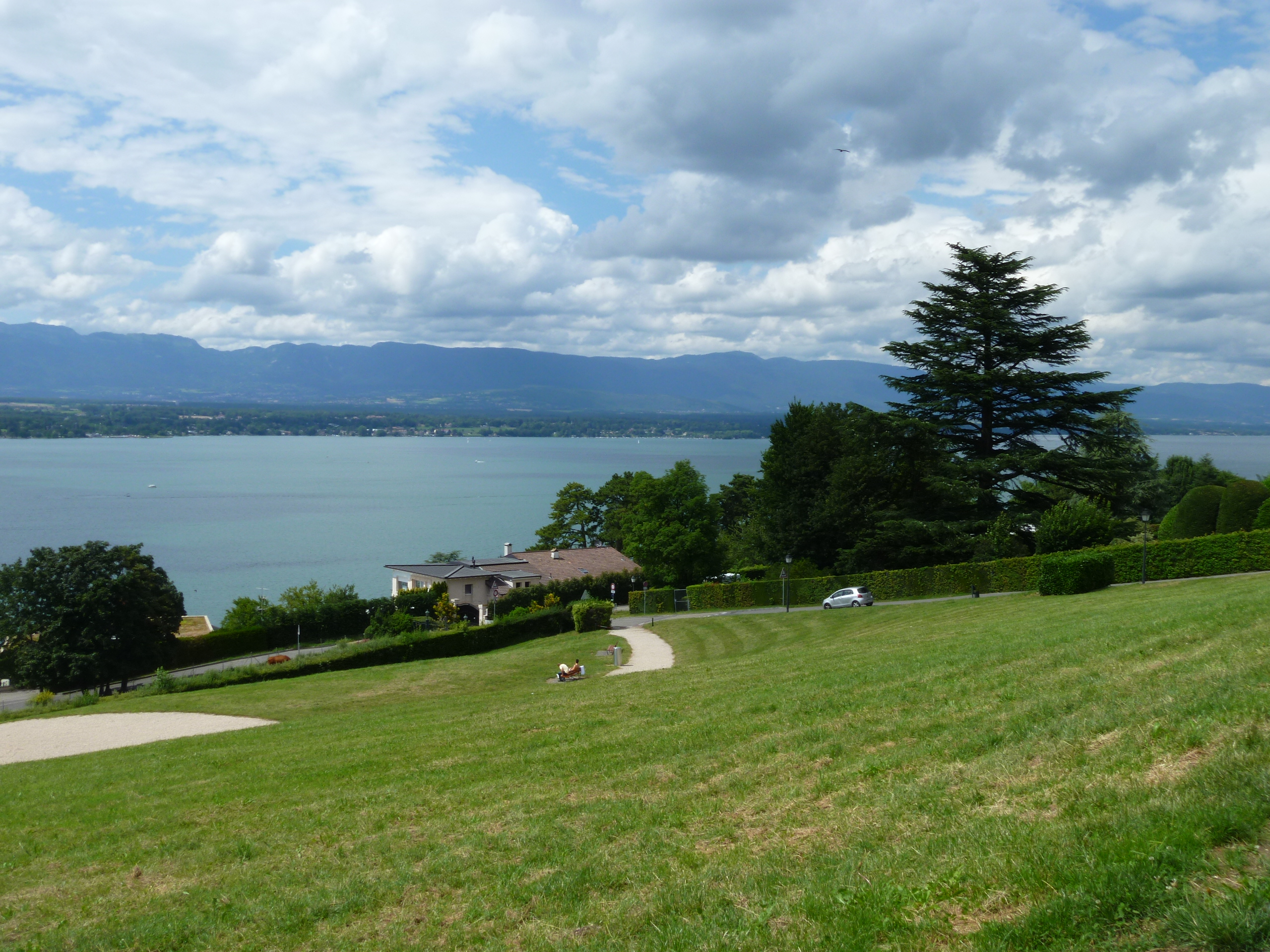
First I found the entrance gate and a bit further along the road is a meadow with seats and a view over the lake and towards the city. It’s called ‘Le Pré Byron‘. An Information Board welcomes you to the spot and explains :

“On this very spot the story of ‘Frankenstein’ was born. During the summer of 1816, the weather was atrocious, cold and rainy spells alternating with violent thunder storms. At that time, Byron, a 28 years old poet , was renting the Villa Diodati to the left of this meadow. … Mary Shelley was also spending the summer at Cologny at Jacob Chappuis’ home situated at the lower end of Montalegre, below where you are now standing. One evening at the Villa Diodati Byron and Mary Shelley made a bet as to who would be the first to write a horror novel. Mary became excited at this idea, completed the story of ‘Frankenstein’ a year later in England and won the bet.”

As you walk down towards the lake the house becomes clearly visible.

From the lake side it’s an easy bus ride back into town.

A Saint, an Artist and a Doctor : people we came across in Alsace.

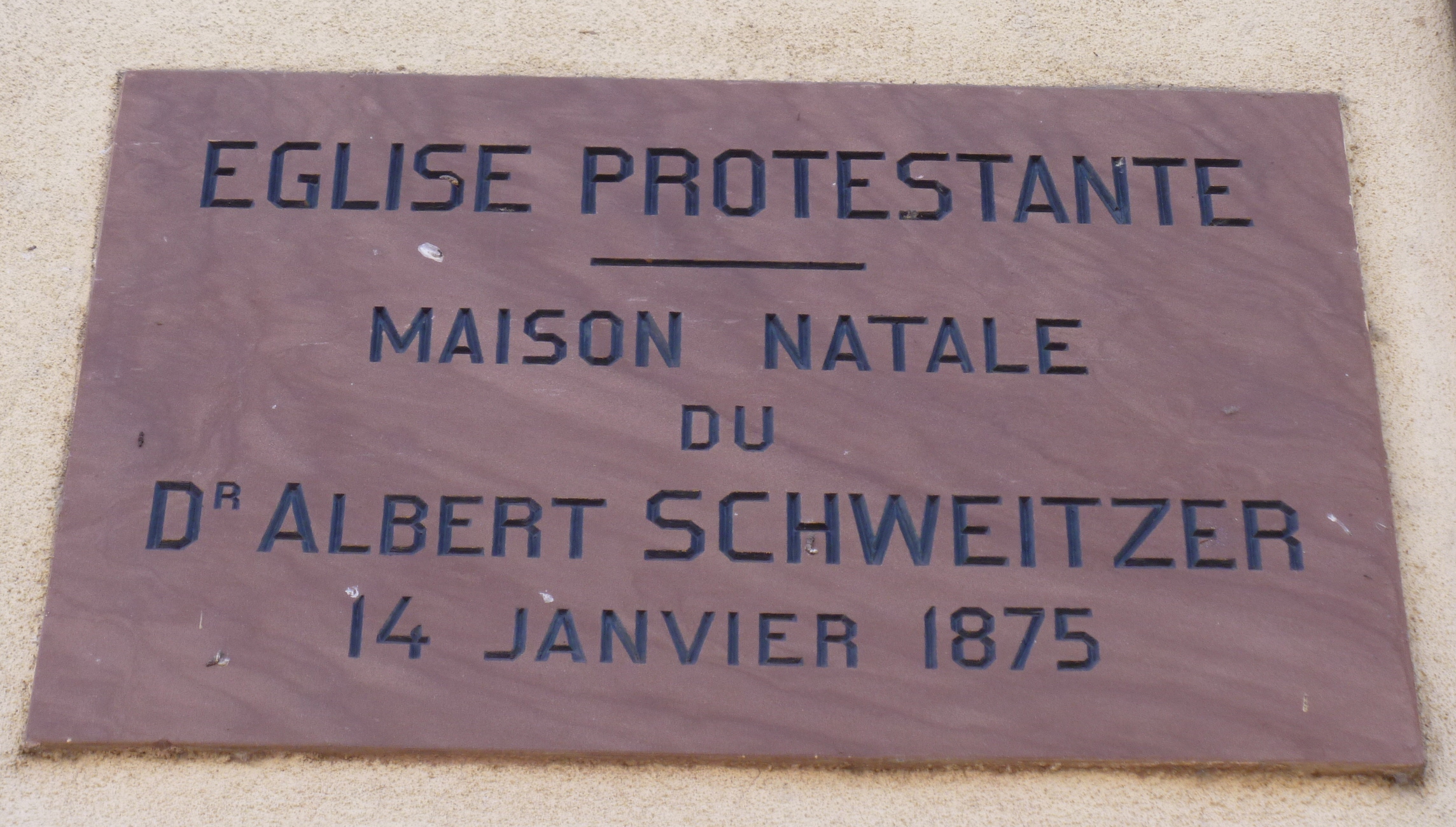
On our walking trip in Alsace we kept coming across references to storks but also to certain people. In particular local artist Hansi and local saint Odile. Then we discovered that Kaysersberg, our final destination, had been the birthplace of Dr Albert Schweitzer – all round good person, as you will discover.

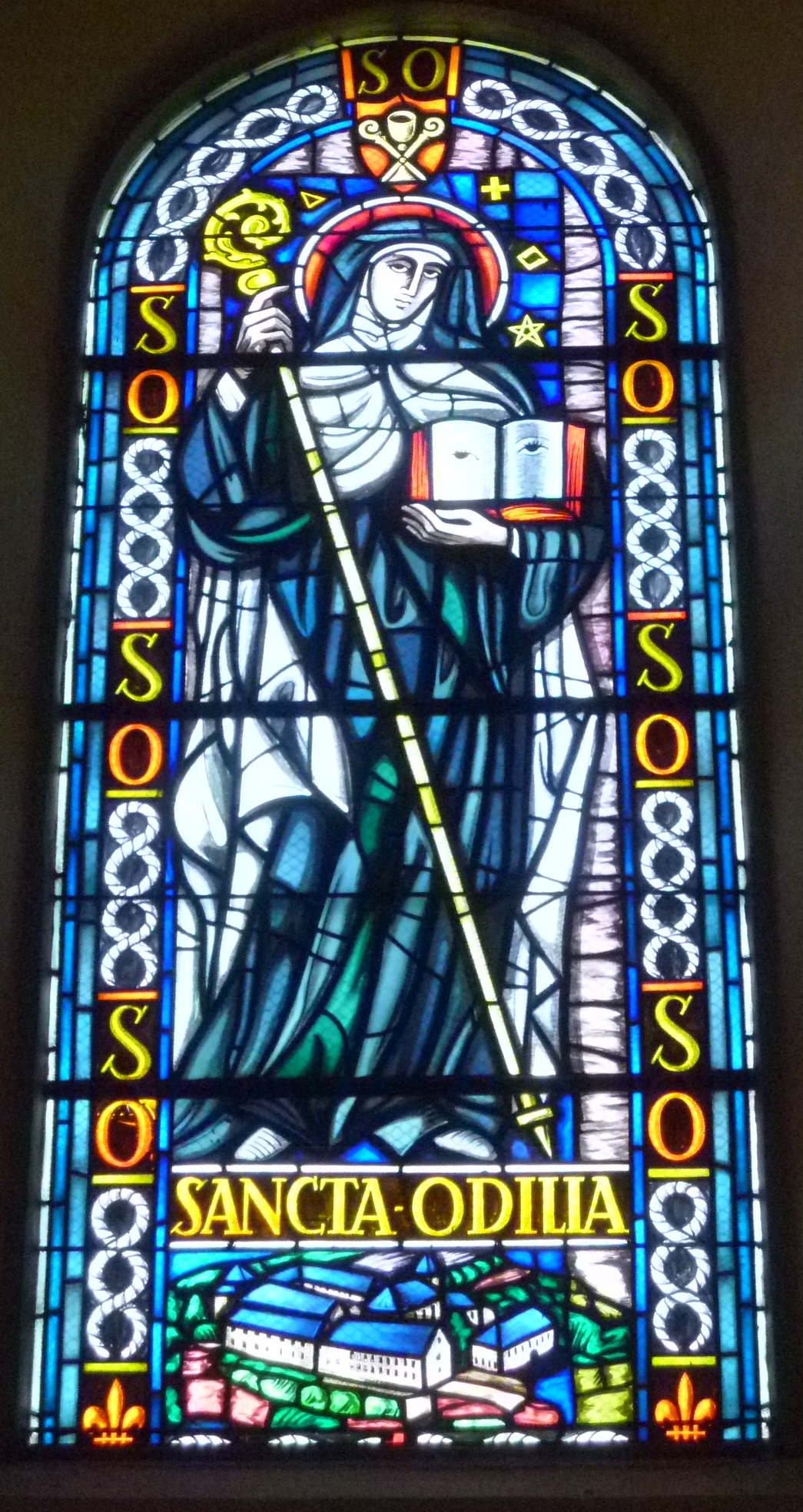
Saint Odile

Window dedicated to Saint Odile at Itterswiller

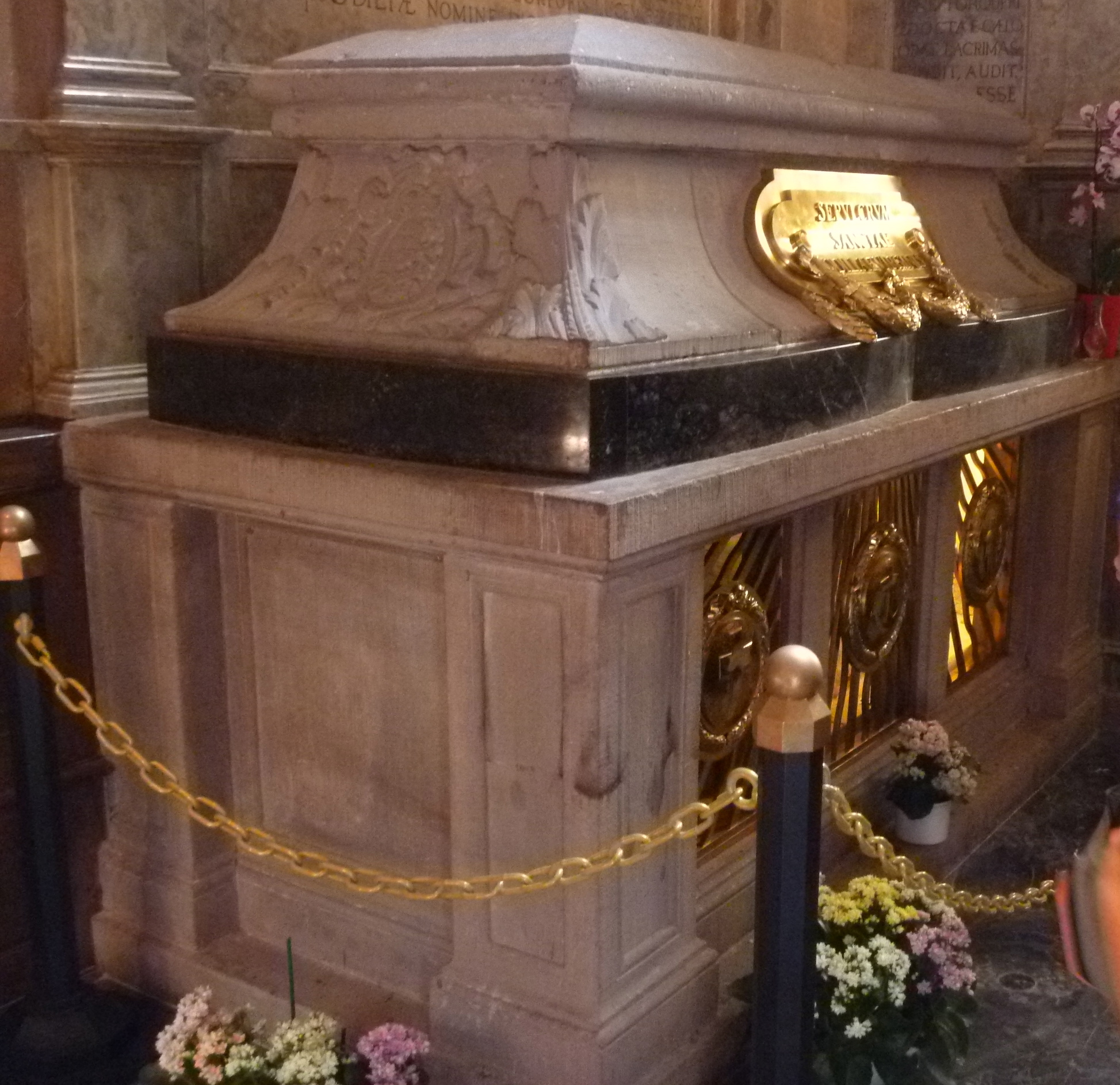
Saint Odile is the patroness of good eyesight. She was born in Obernai and the Augustine foundation at Mont Sainte Odile was founded in her name by her father. She had been born blind but was cured at age 12 on being baptised by an itinerant bishop of Regensburg. She is buried at Mont Sainte Odile.

The Tomb of Saint Odile

She didn’t just turn up at Obernai – where there’s a statue of her in the main square – but also in the stained glass windows in several churches that we visited along our way.

Saint Odile with her attribute – a pair of eyes in a book – in stained glass at Chatenois

Hansi

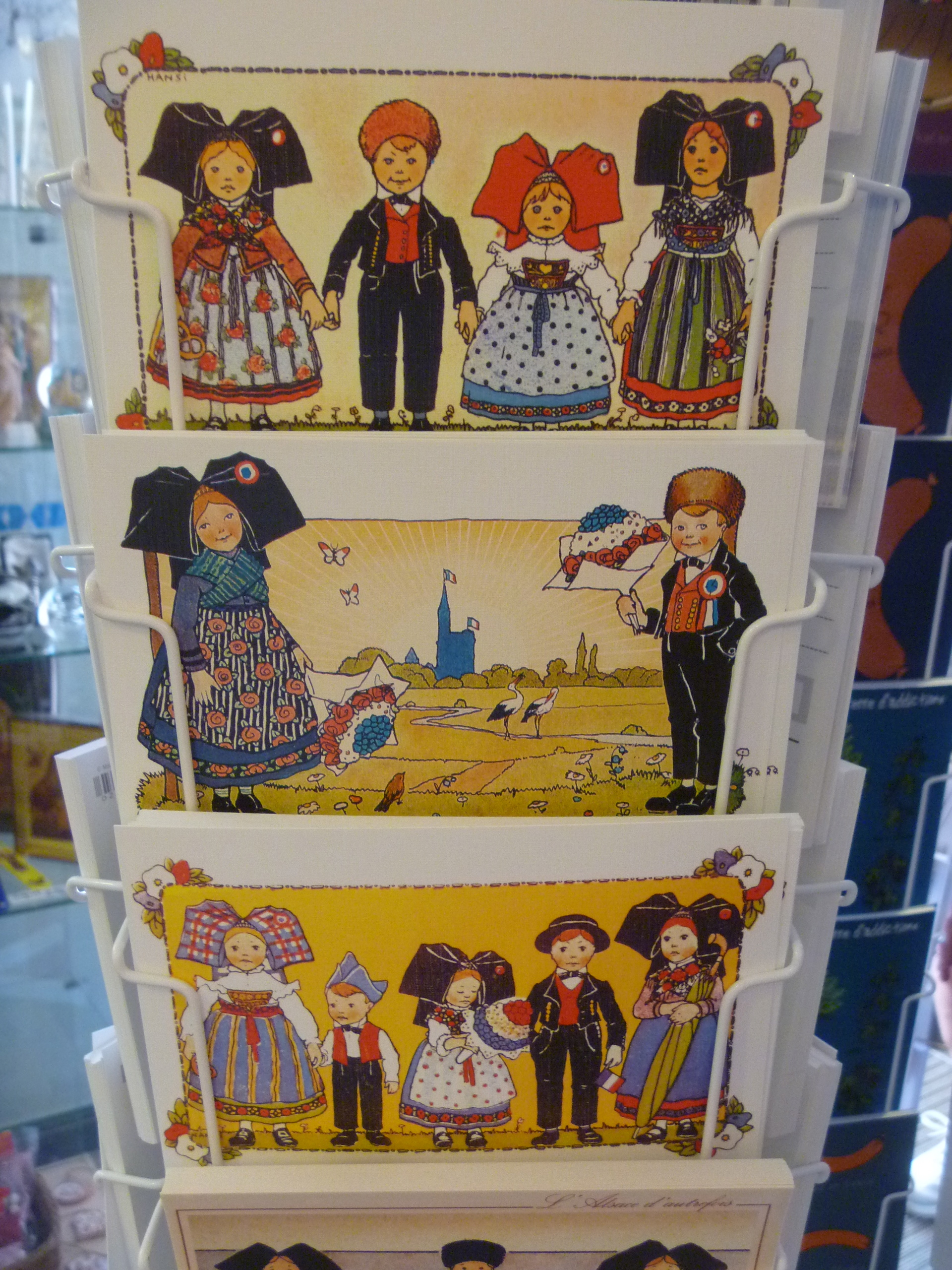
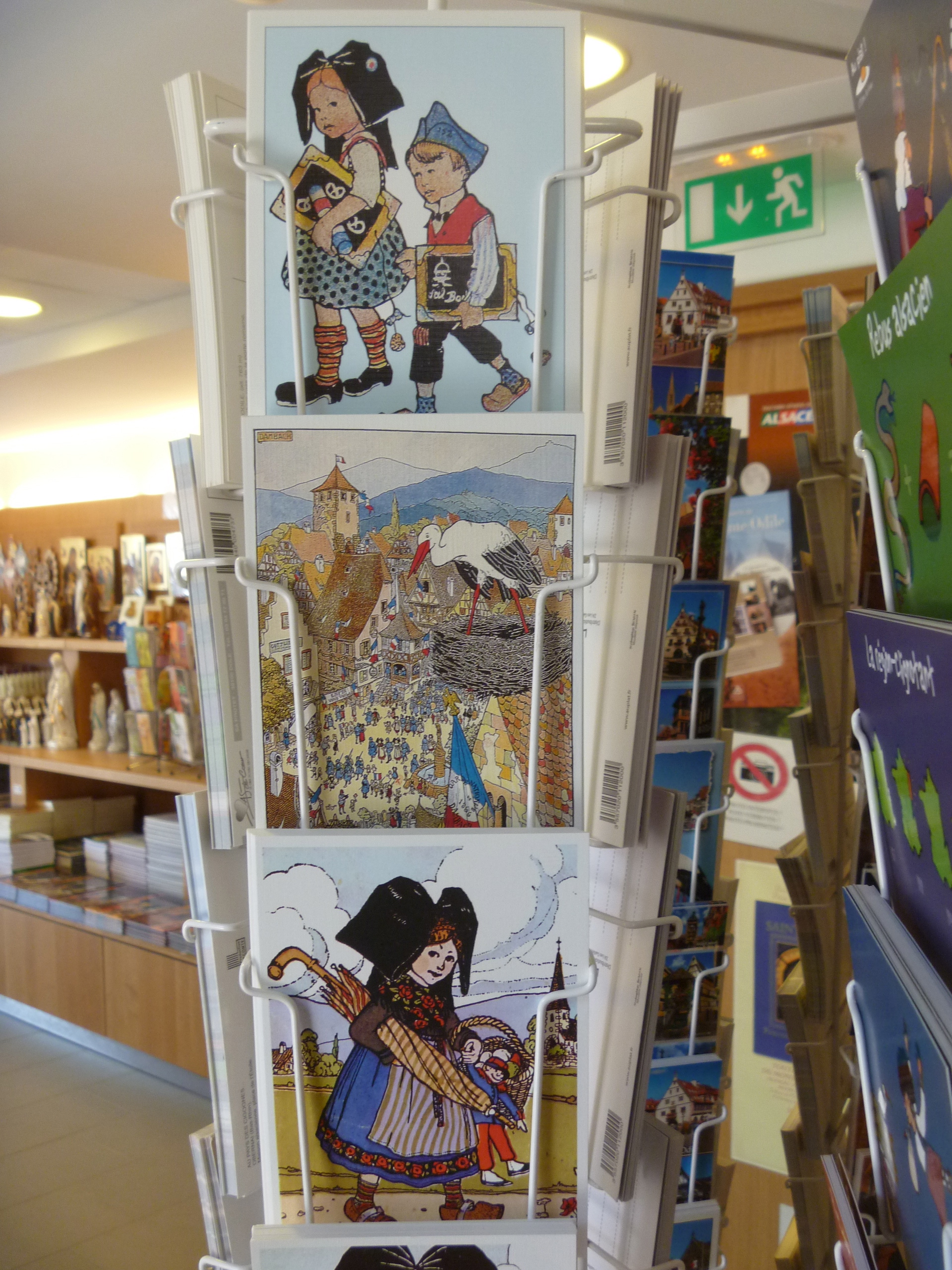
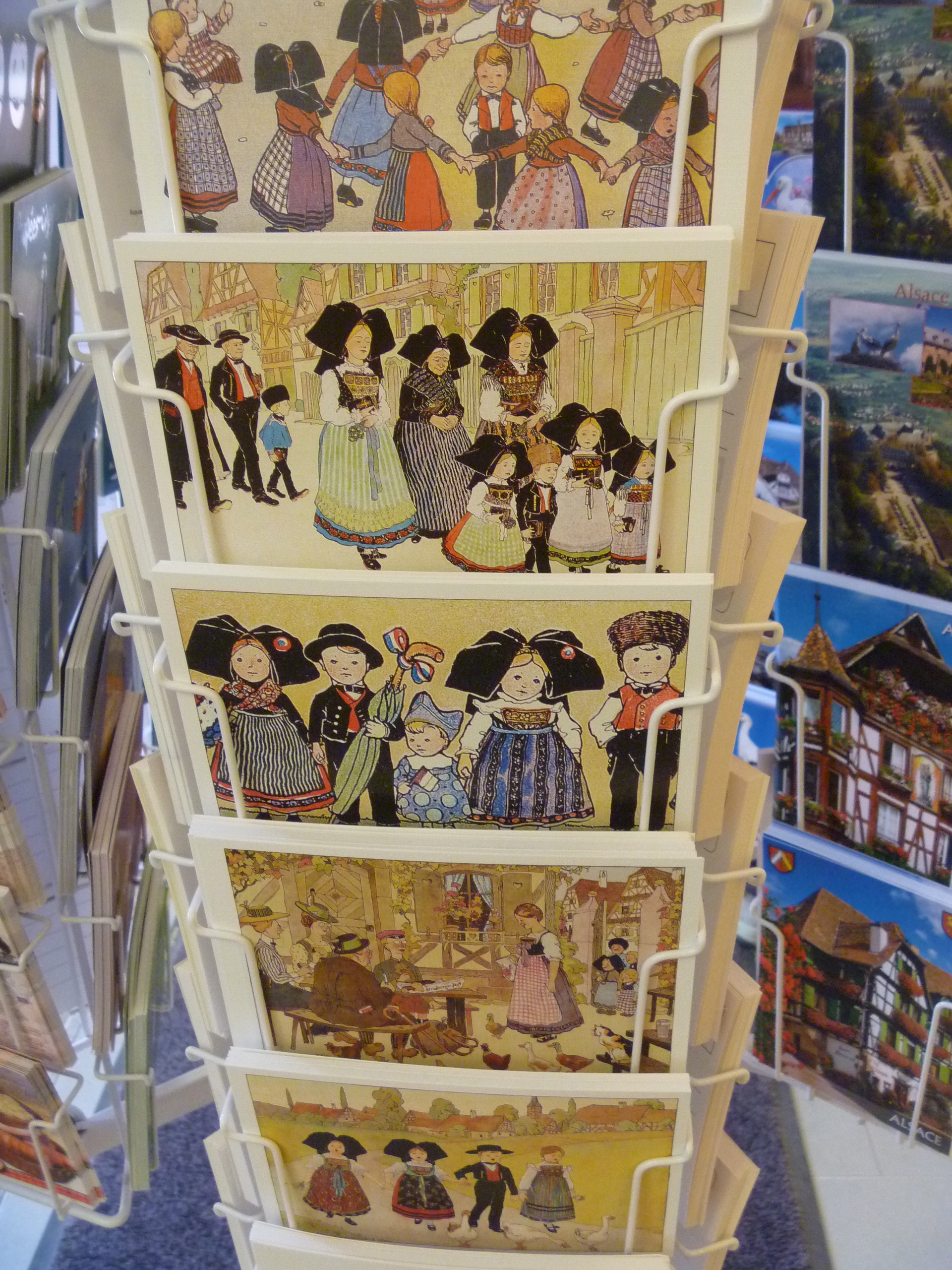
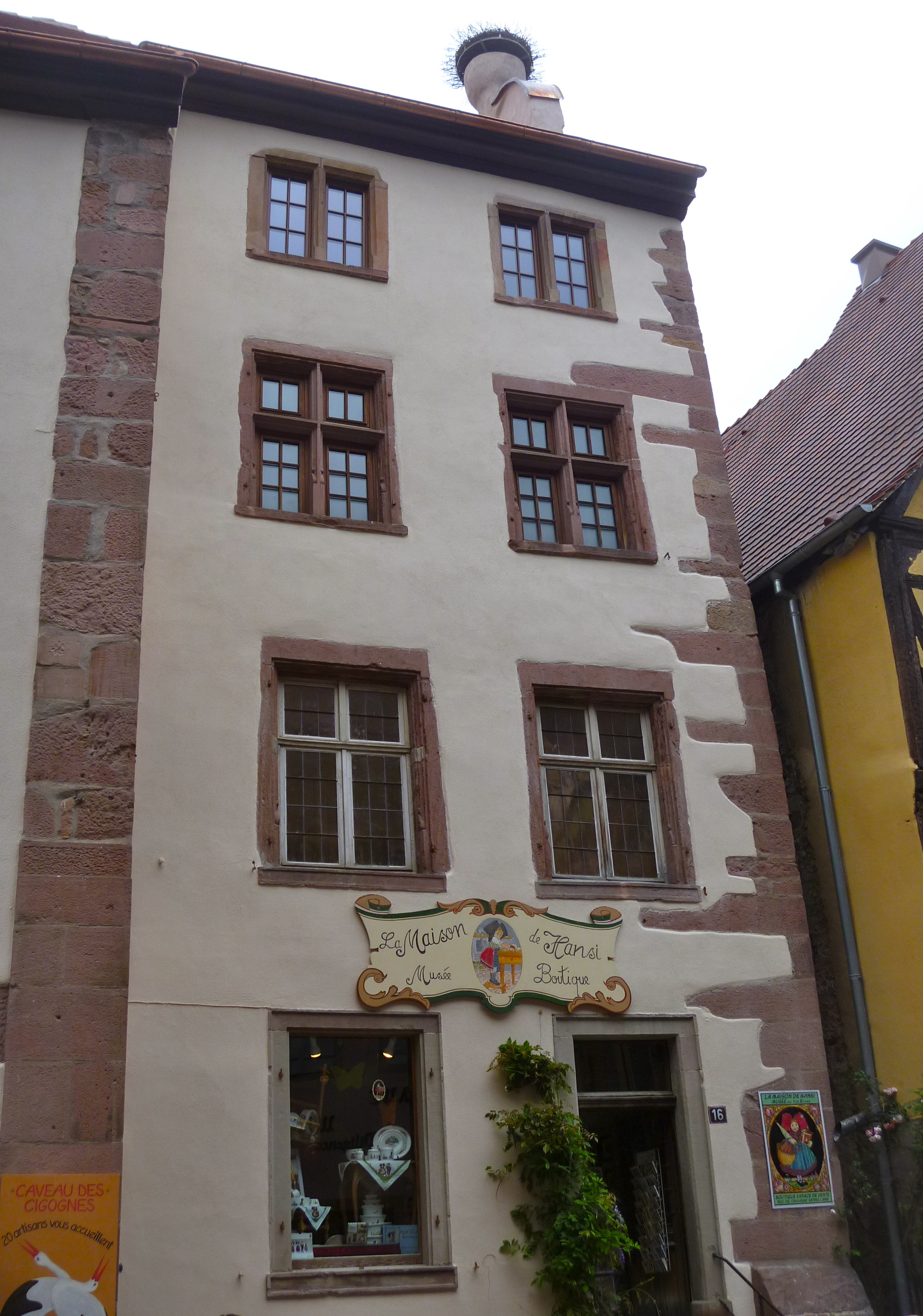
Oncle Hansi, or just Hansi, was the pseudonym of Jean-Jaques Waltz who was born in Colmar in 1873 and died in 1951. We came across his cute little pictures on postcards and framed on the hotel walls throughout our trip. At Riquewihr, where we stayed for our last night on the walk, there is a museum dedicated him.

Note the empty stork nest/basket on the museum chimney

There we watched a video film about his life and discovered that there was much more to the creator of the cutsy postcards than initially met the eye. He had been a French hero of both world wars. He published many satirical works and cartoons that made fun of the Germans in particular the book Professor Knatschke in 1912. He was arrested by the Germans when they annexed Alsace first in 1914 and later, having been pursued by the Nazis in 1940, he fled to Vichy France.

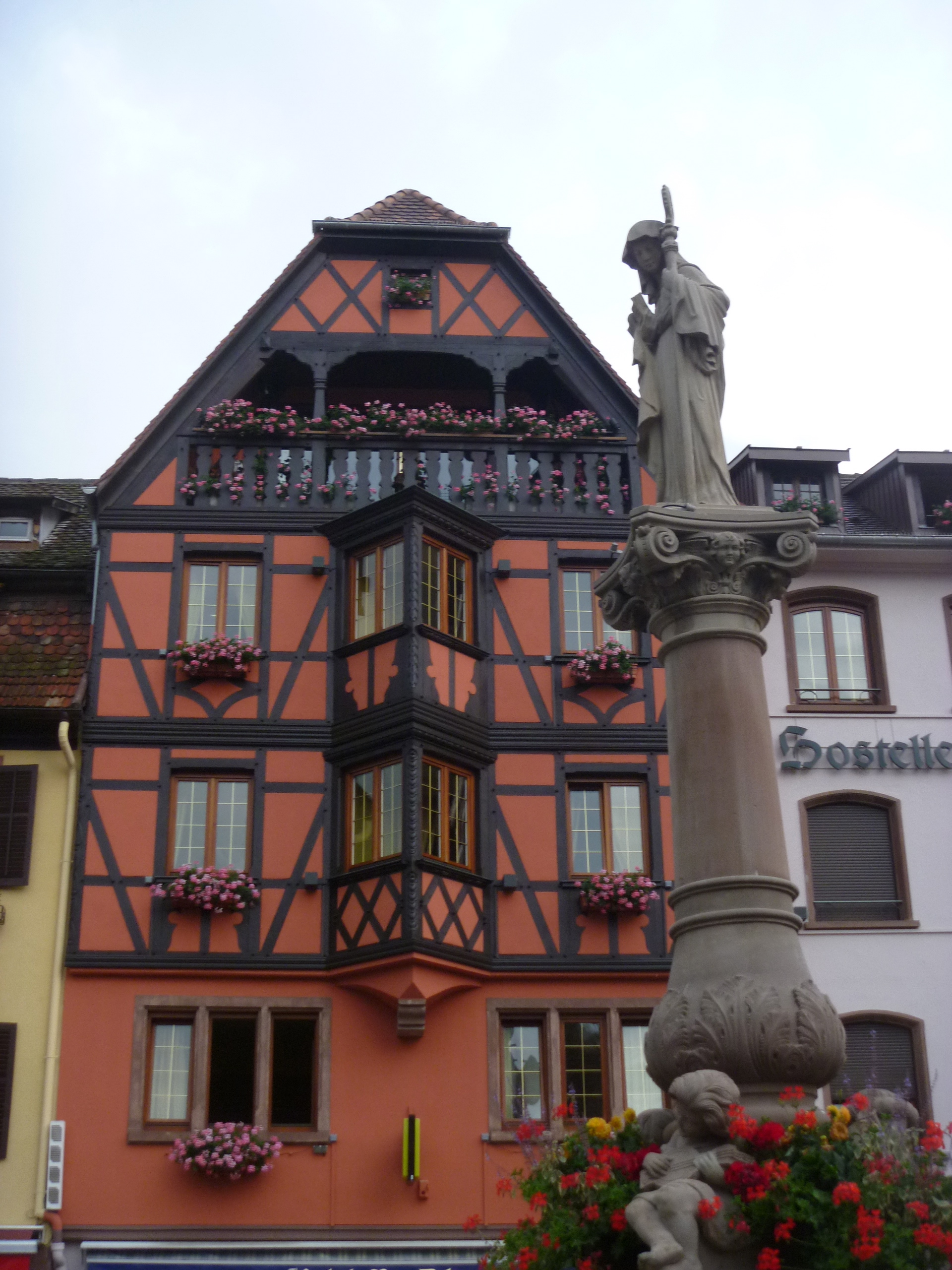
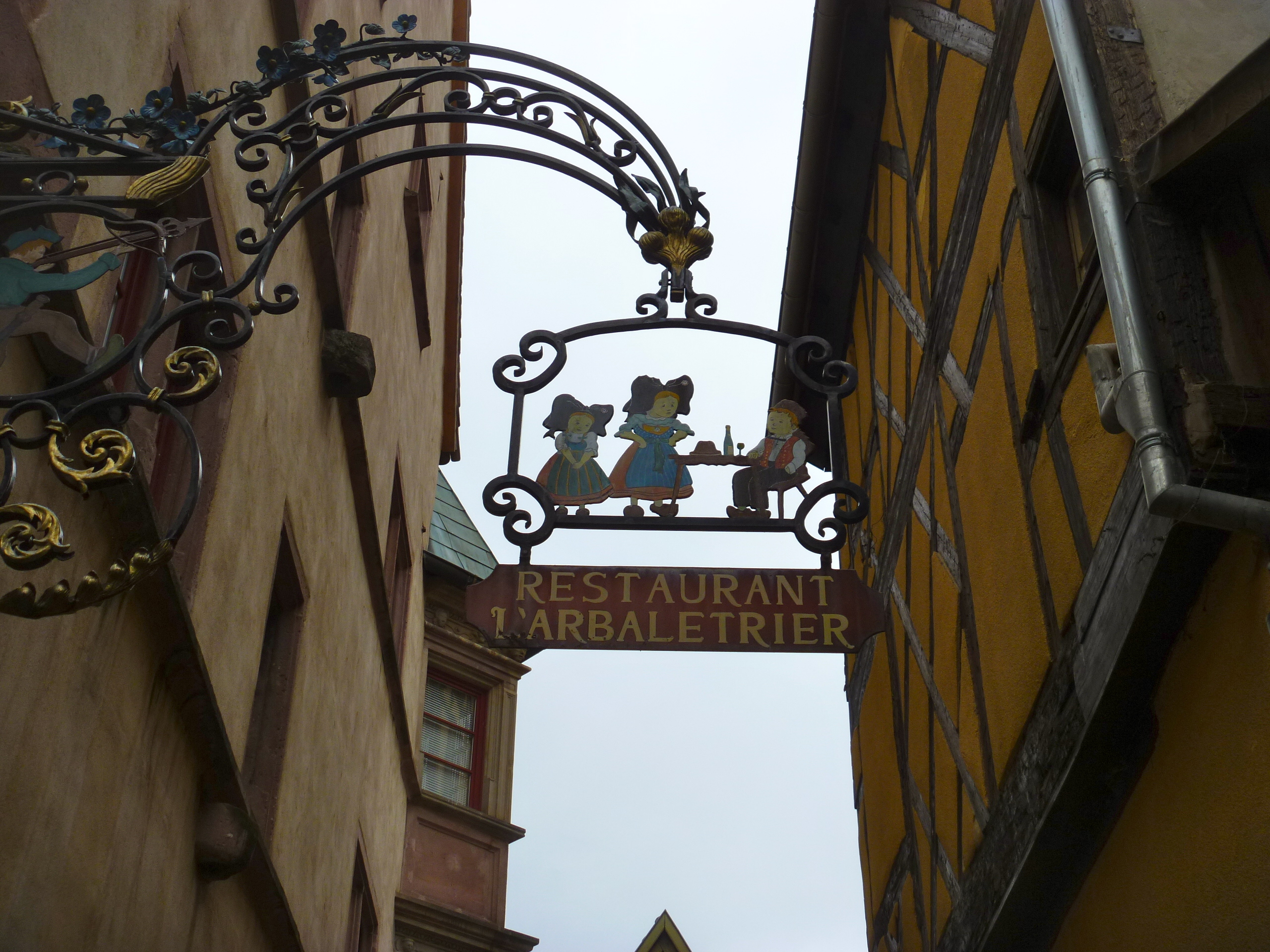
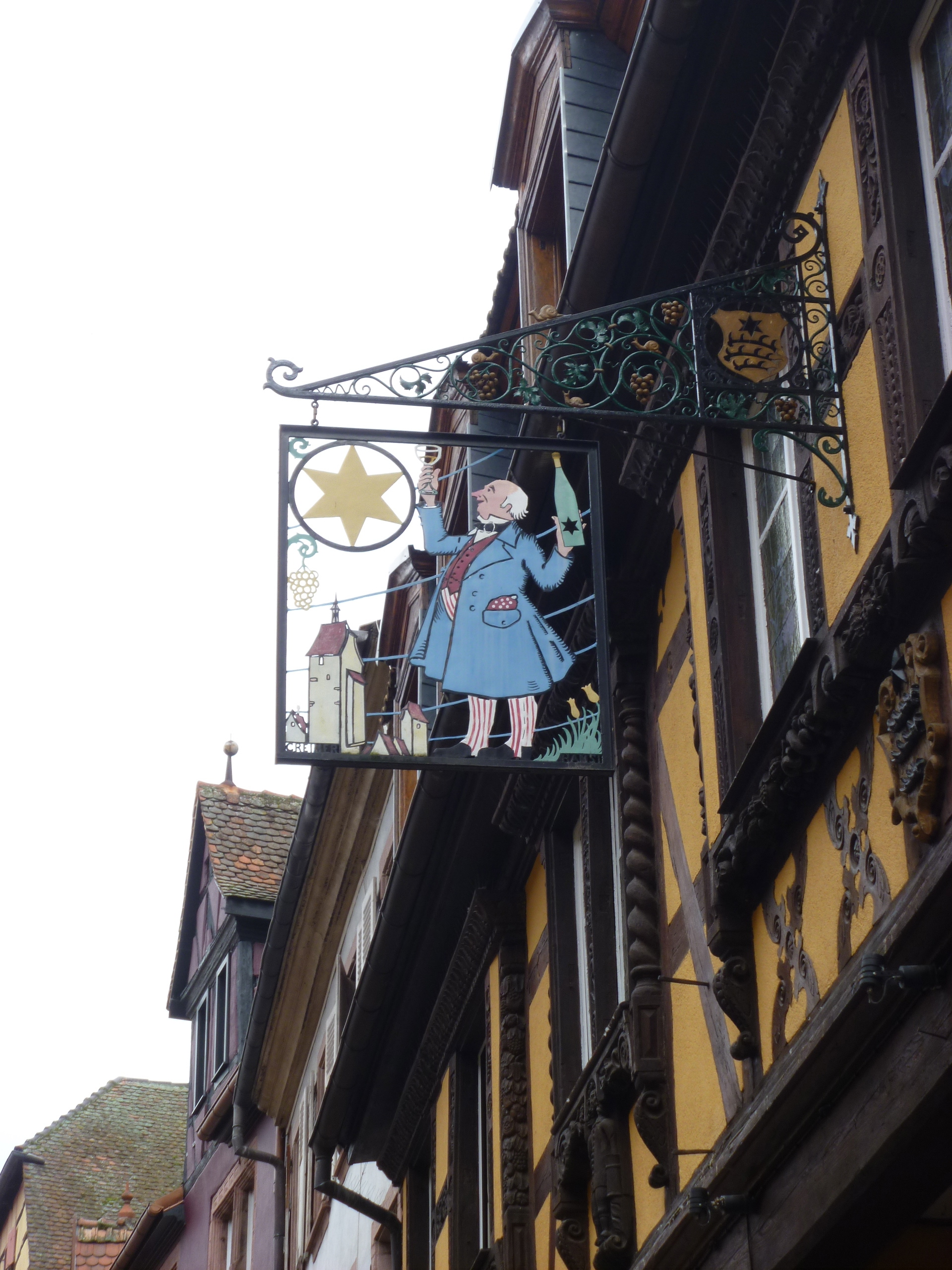
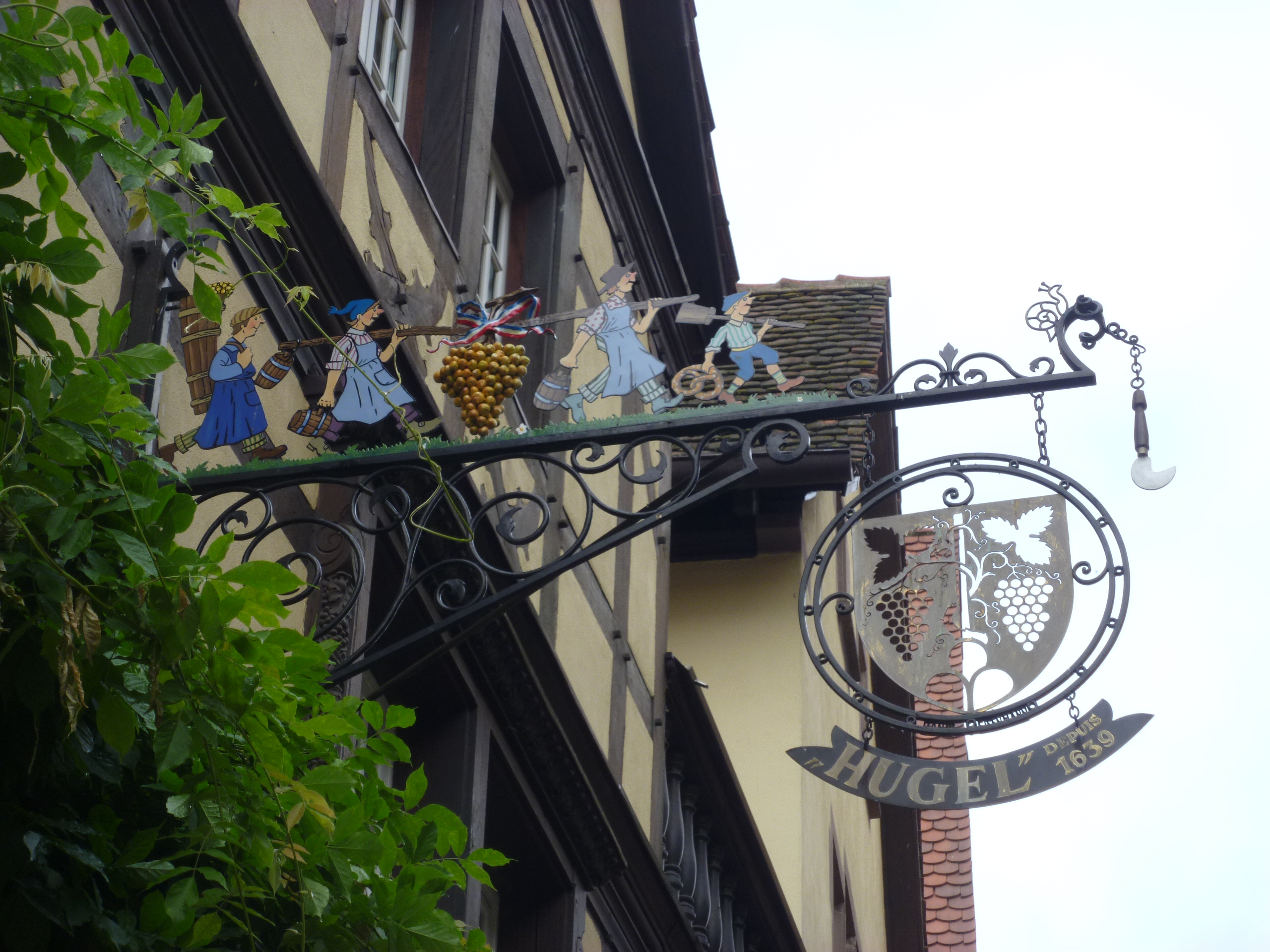
In addition to postcards we spotted shop signs in the villages showing his distinctive work.

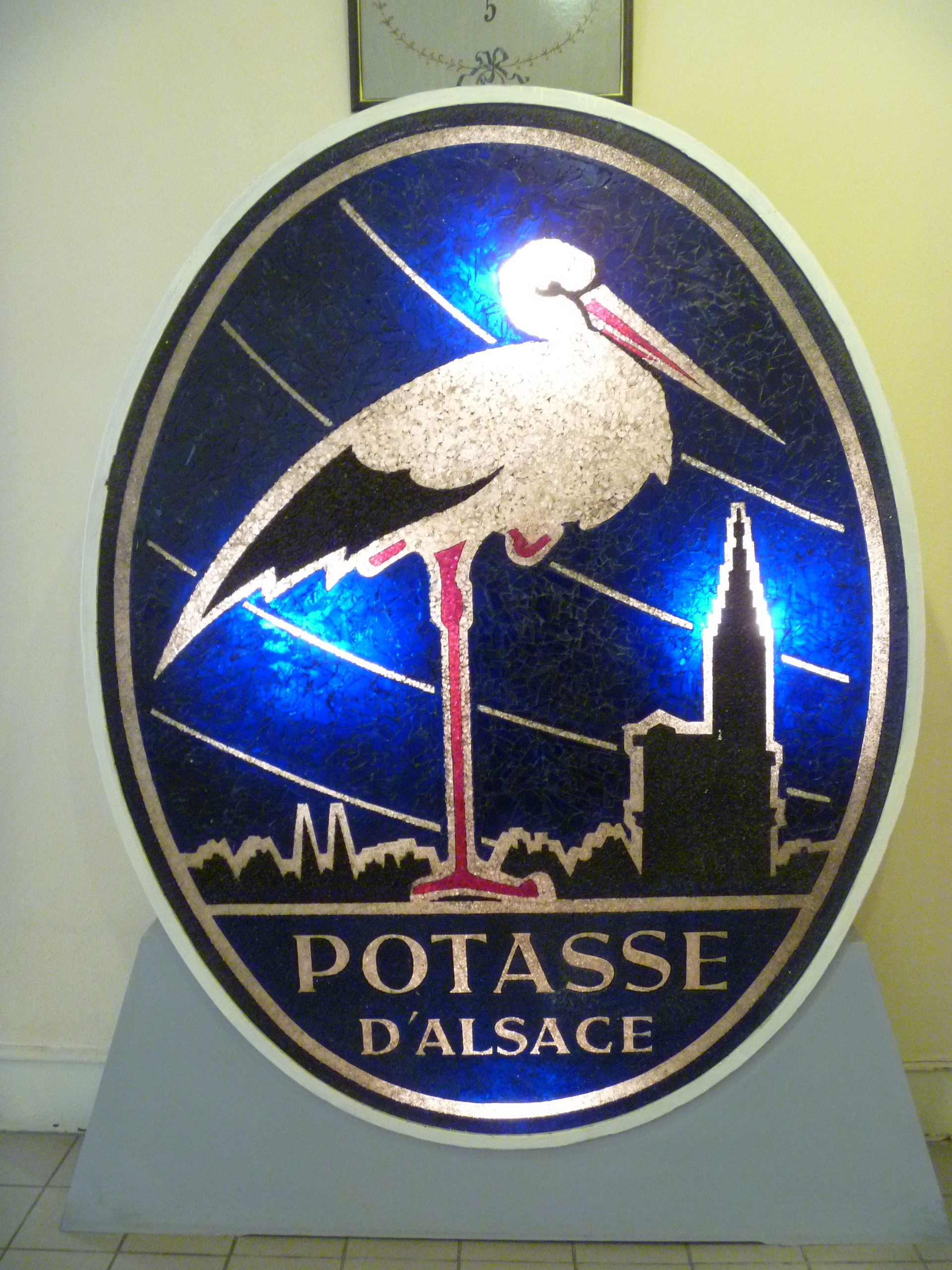
And here’s a combination of Hansi and a Stork – an advertising plaque :

Dr Albert Schweitzer

When I was growing up in the 1950s and early 1960s we learned all about missionaries in school and at Sunday school – Mary Slessor, Albert Schweitzer, Gladys Aylward – the names tripped off our tongues as did our times tables. I’m not sure these days whether young people know these names.

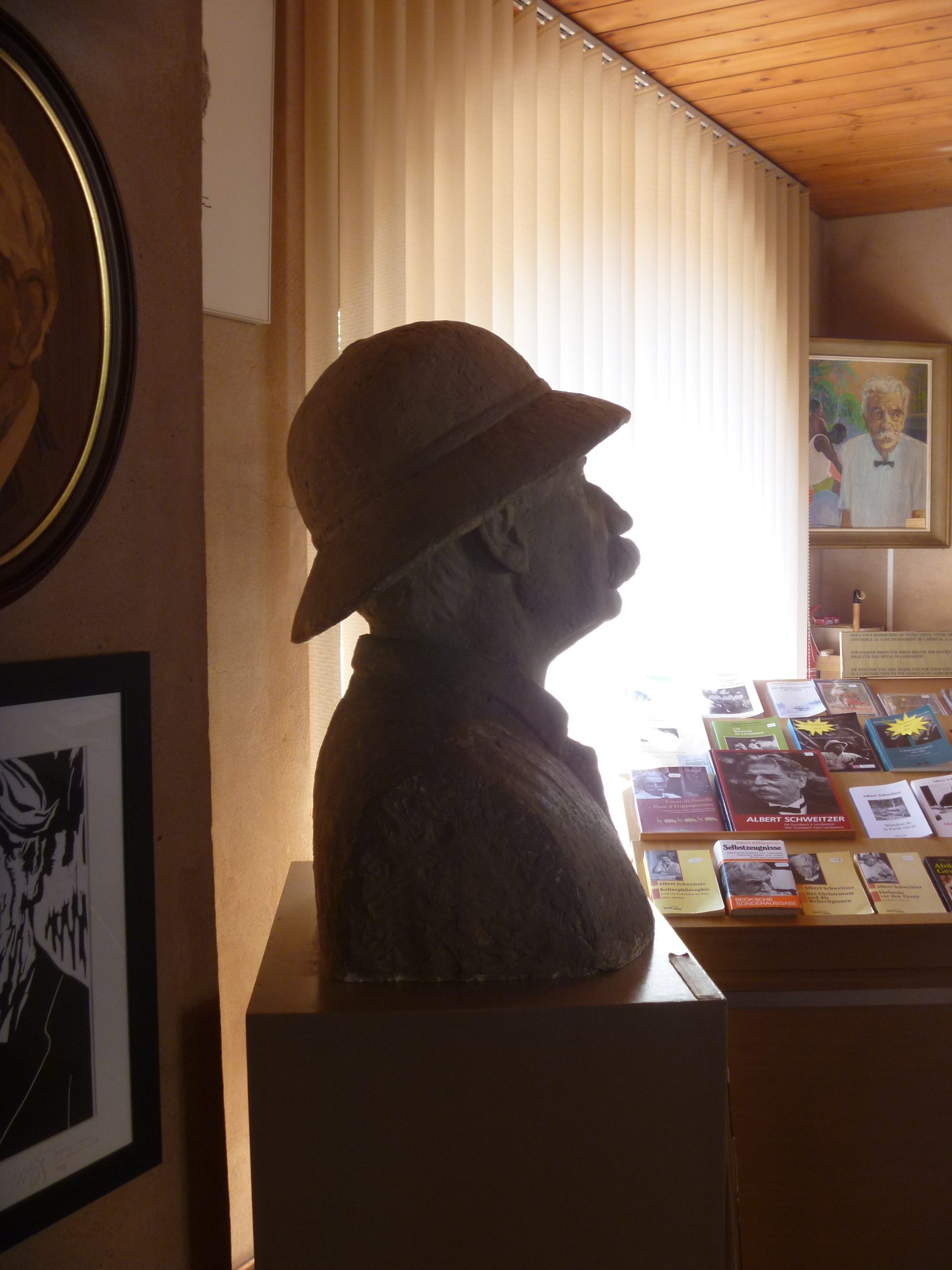
When we arrived at our final destination, Kaysersberg, on the fourth day of walking and saw the birthplace and museum dedicated to Dr Albert Schweitzer we knew just who he was and stepped inside to have a look.

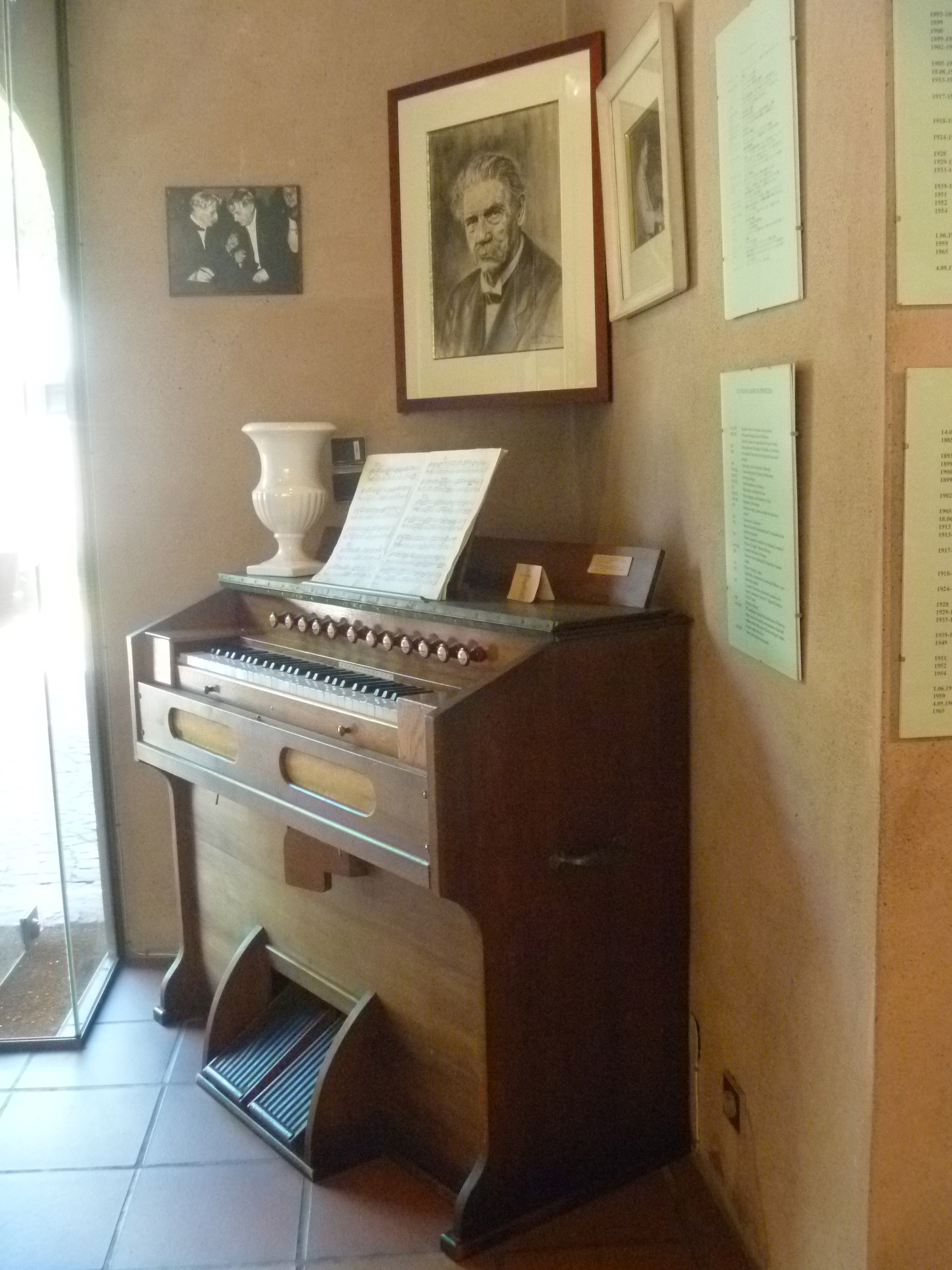
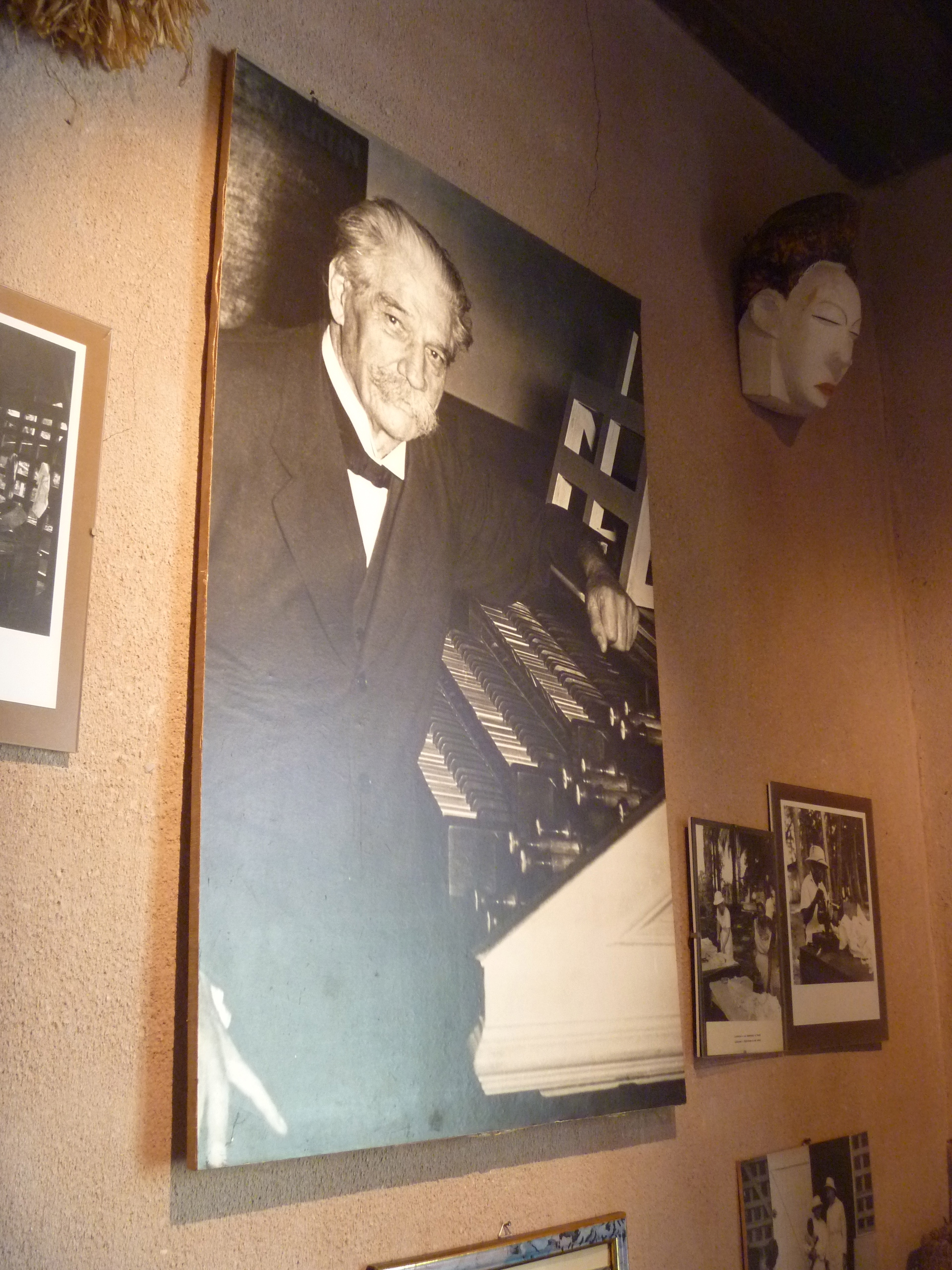
I don’t know if the missionary aspect of work is played down now. Certainly the museum opened our eyes to his many talents and achievements: organist  (an authority on the music of J S Bach); philosopher and writer; theologian and Nobel Peace Prize winner (in 1952). He’d been arrested and imprisoned during the first world war for being a German citizen (due to being born at a time when Alsace was occupied by Germany).

But most significantly he was a medical doctor who founded and ran for 50 years a hospital in Lambarene, Gabon in east Africa. The hospital still exists today and the town of Lambarene now has twinning arrangements with Kaysersberg. Any profits that come from the museum entrance fee still go towards the work of the Schweitzer Hospital at Lambarene. Around the walls of the museum are pasted many quotations from his writings.

“Do something for somebody everyday for which you do not get paid.”

Read more athttp://www.brainyquote.com/quotes/authors/a/albert_schweitzer.html#YxhUTXKsI5eOfoyy.99

“The Gleaming Figure whom Providence has brought to us in Times when the Present is Hard and the Future Veiled” (Winston Churchill) : Images of Our Queen in Leeds

This weekend we will celebrate sixty years of our Queen’s reign. I have no particular plans and in fact I will be working on Saturday and on Monday. But yesterday and today I visited two complementary exhibitions of photographs of Her Majesty currently on display in Leeds.

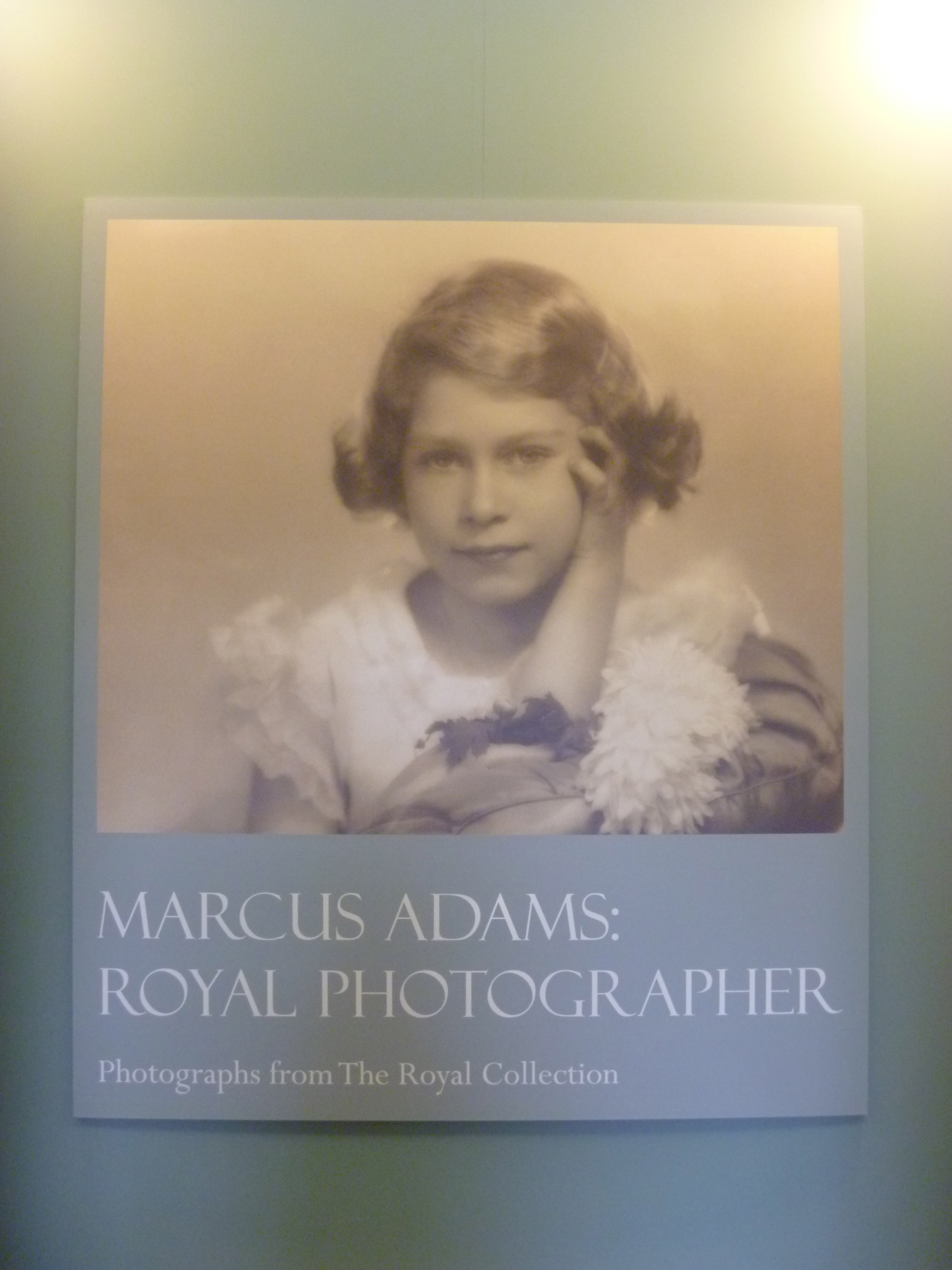
Marcus Adams, Royal Photographer at Harewood House

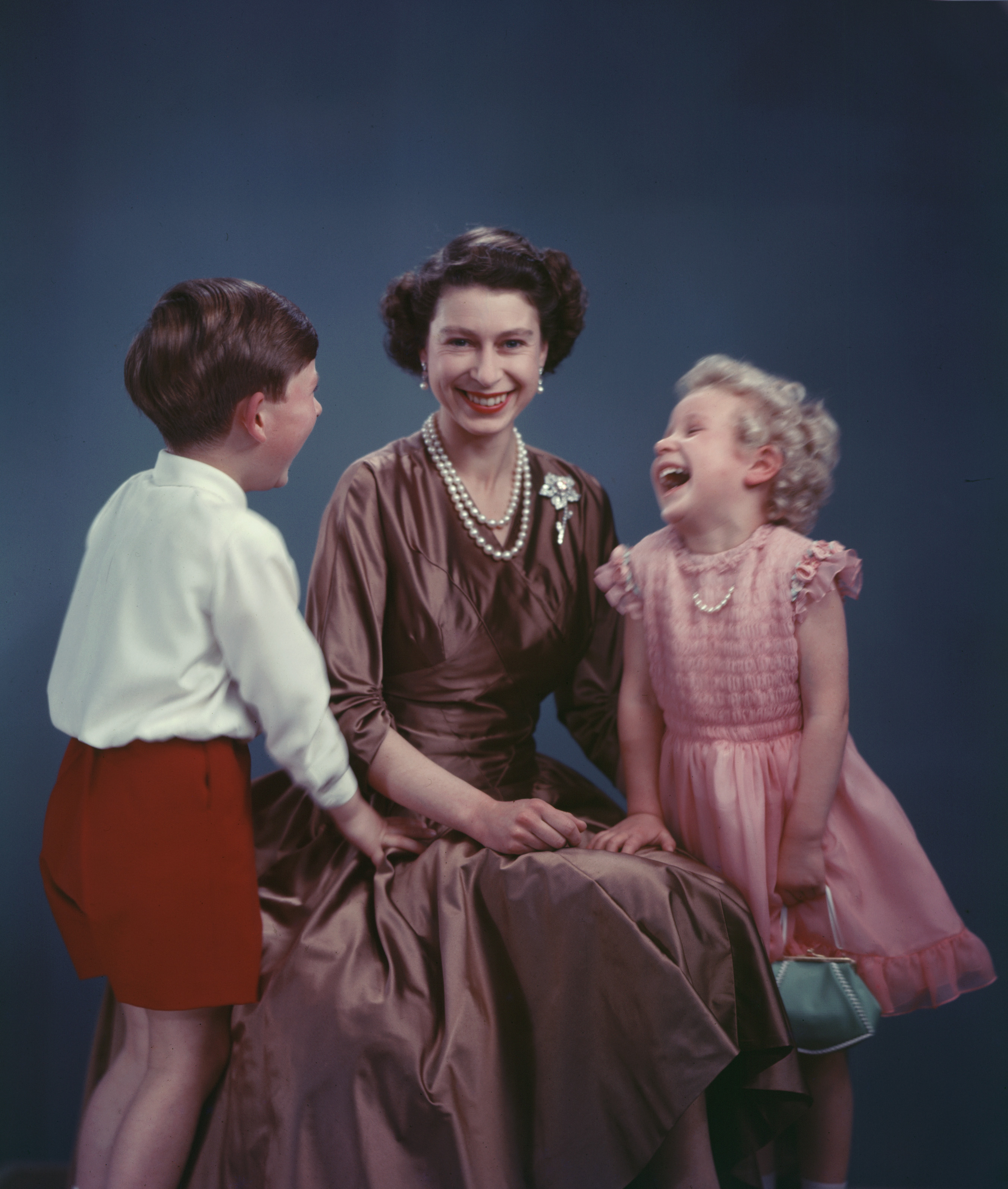
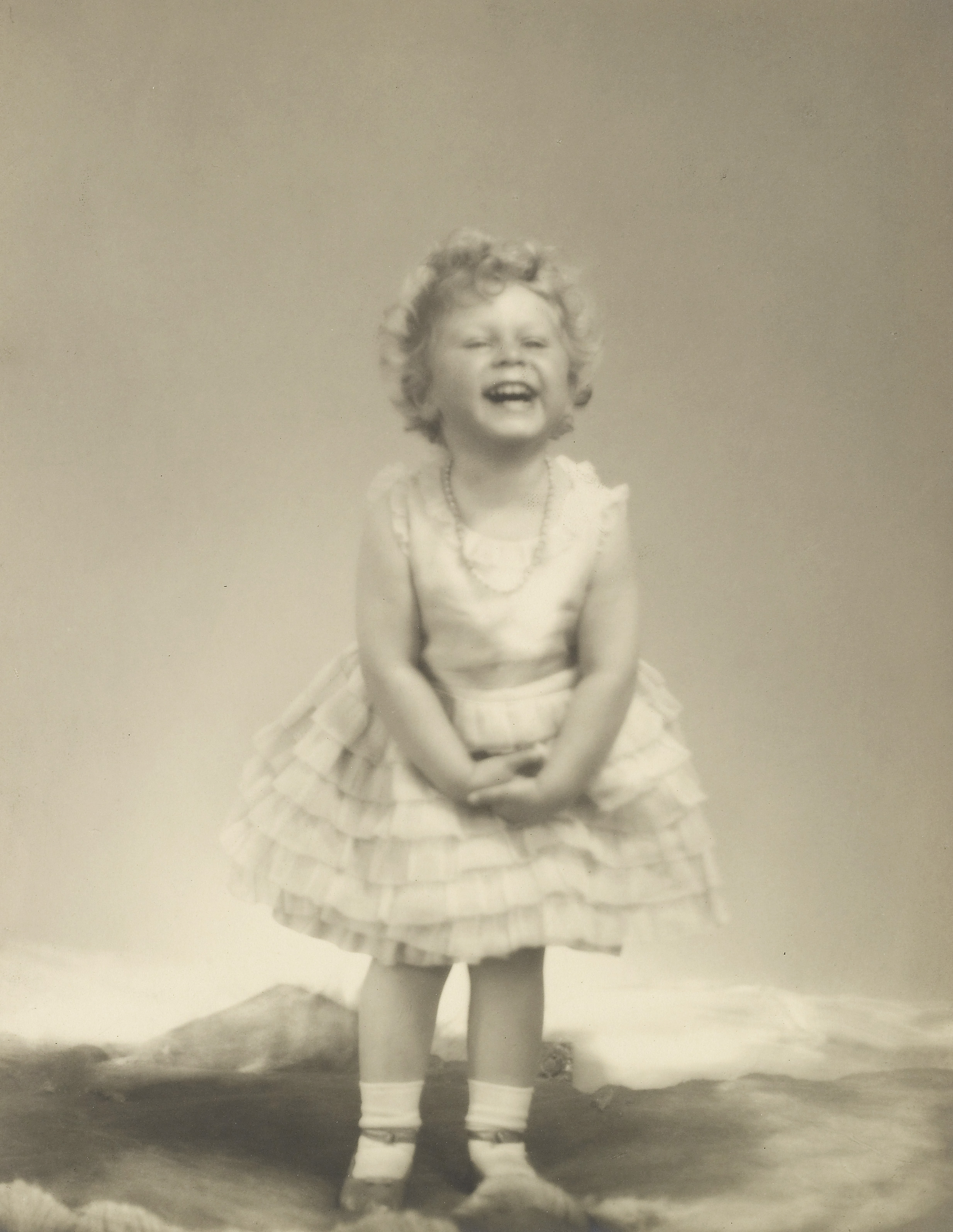
Currently showing at Harewood House just eight miles north of Leeds is an exhibition of photographs by Marcus Adams. MA was already in his fifties when he started taking Royal photographs of the young Princess Elizabeth and her sister the Princess Margaret and her Mother Queen Elizabeth. The pictures are beautiful in their simplicity and I noted a very pertinent quotation by Adams from The Listener magazine “The essential of a perfect picture is its simplicity”. (9 Feb. 1939). He has no truck with furniture and clutter – the children themselves are sufficient subjects in his photographs. Most of the pictures are of Elizabeth as a young Princess plus much later pictures of her two older children Charles and Anne. These later charming photos were taken when Adams was in his eighties.

Leeds City Museum

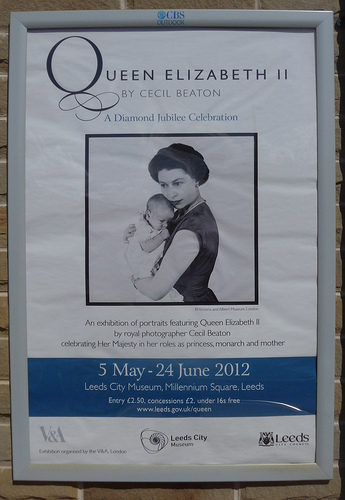
Currently showing at Leeds City Museum is a collection of photographs by Sir Cecil Beaton. The exhibition comes to Leeds from the Victoria and Albert Museum and it would be nice to think that this partnership will continue and that we may have further V&A curated exhibitions in here in Leeds in future.

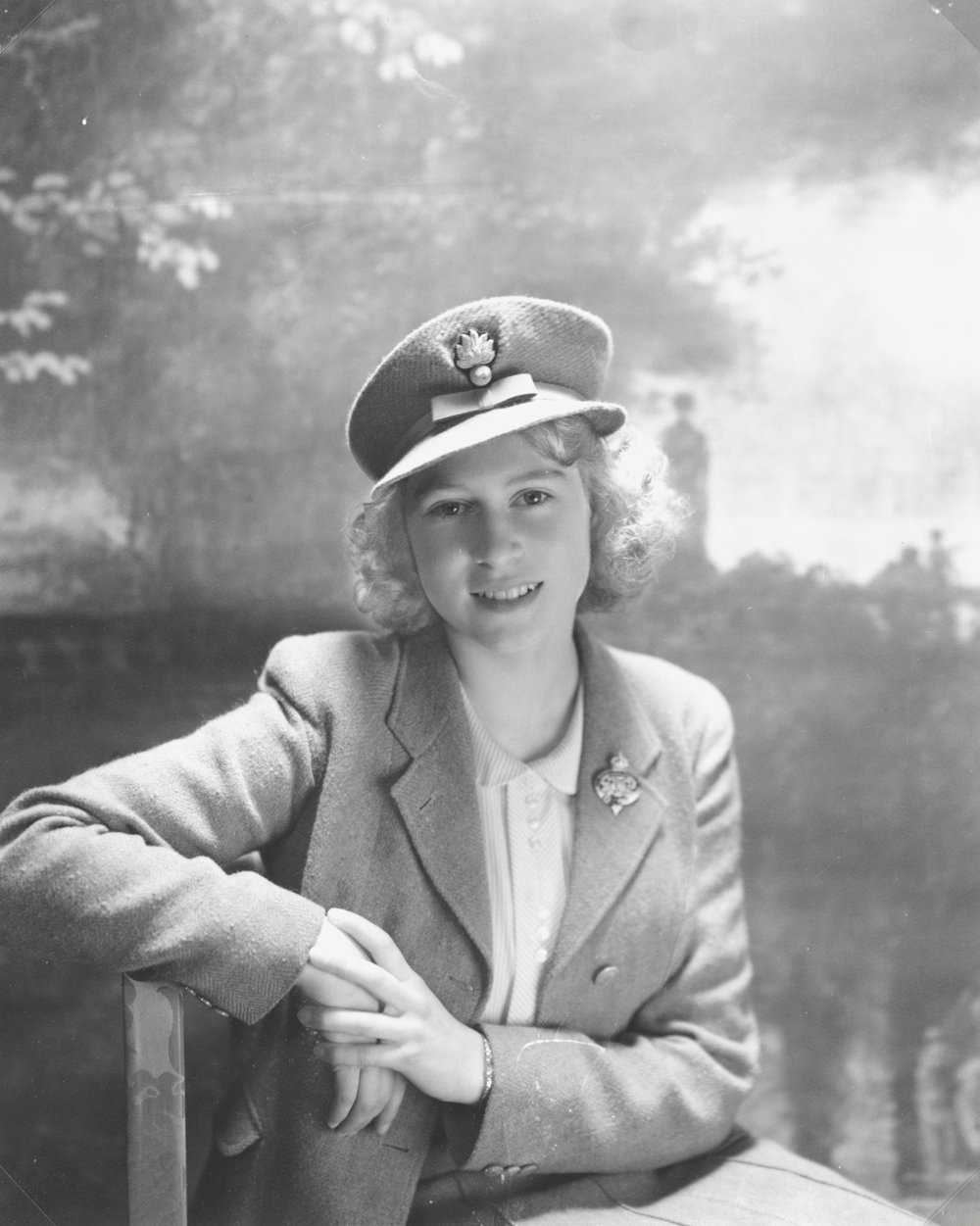
The pictures here really complement the Adams pictures of The Queen. The tradition began in 1939 when Queen Elizabeth the wife of King George VI invited CB to take her and her daughters’ photographs. Several of the earliest pictures taken during the 1940s show the Princess Elizabeth in fairy like dresses and with romantic backdrops such as those seen in the masterpiece paintings of Gainsborough and Fragonard. Many of the gowns designed by Norman Hartnell. By contrast I particularly loved the picture of the fifteen year old Princess as Colonel of the Grenadier Guards.

There’s a much more modern look to the later Beaton photographs of the Queen with her two youngest sons. They are modern images with simple white backgrounds.

Cecil Beaton was appointed official portrait photographer for the Queen’s Coronation in 1953. The display includes several of these and includes family groups of the Gloucesters and Kents and you can take a break and sit down to watch the silent loop of the ceremony itself.

Have a happy Jubilee Weekend and God Save the Queen!

Tulip Fever and Flowers at the Airport

This year is a Floriade Year in the Netherlands. I have several friends who are going to make the trip. It’s a world horticultural expo and is held every 10 years. The event happens in the Venlo area in the southeast of the Netherlands very near to the German border.

Every year thousands of tourists do the Dutch Bulb Fields Tour. Keukenhof is probably the most famous Dutch bulb field park.

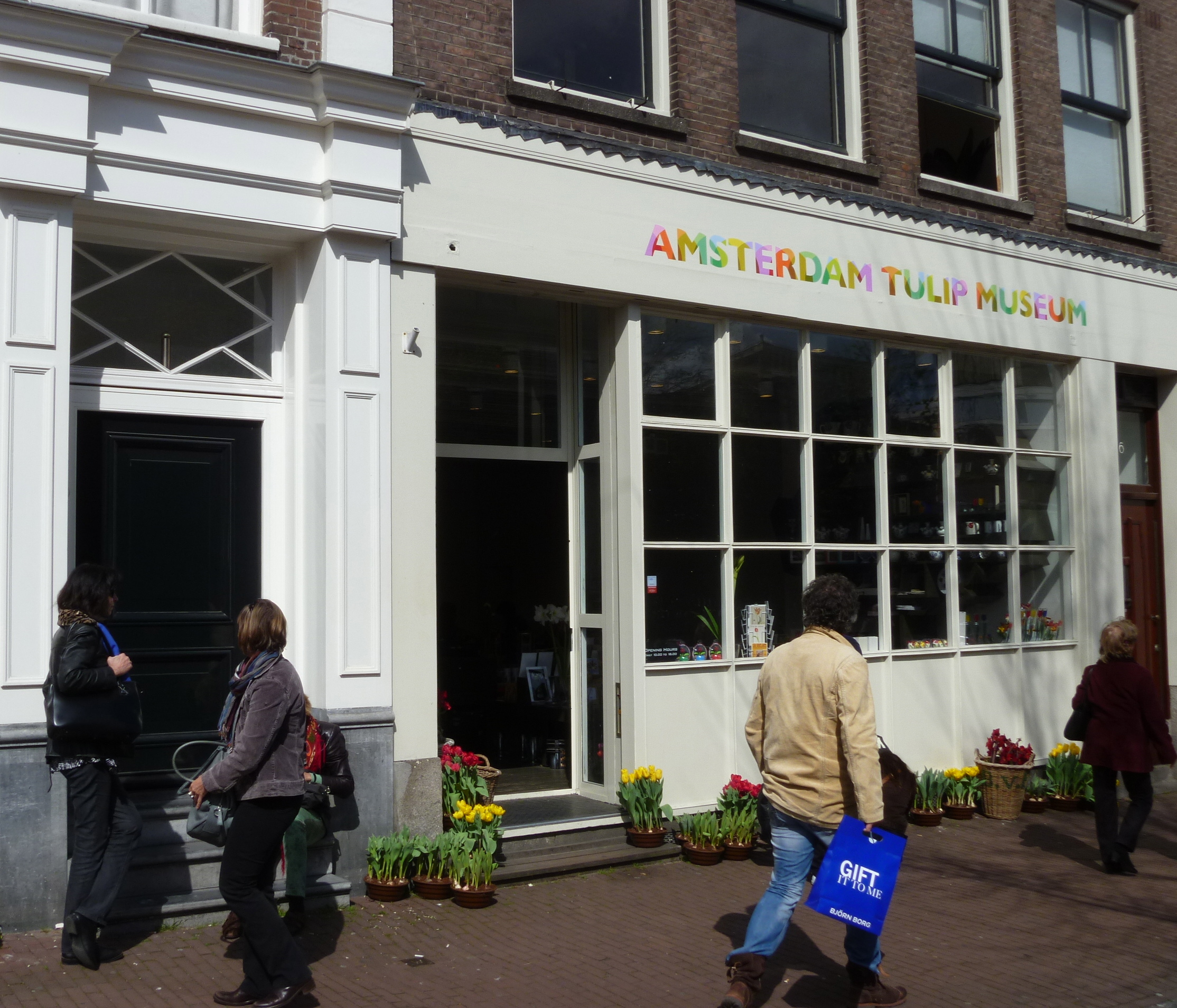
In Amsterdam we saw tulips everywhere we looked! See my little Flickr tour of Tulip Fever in Amsterdam.

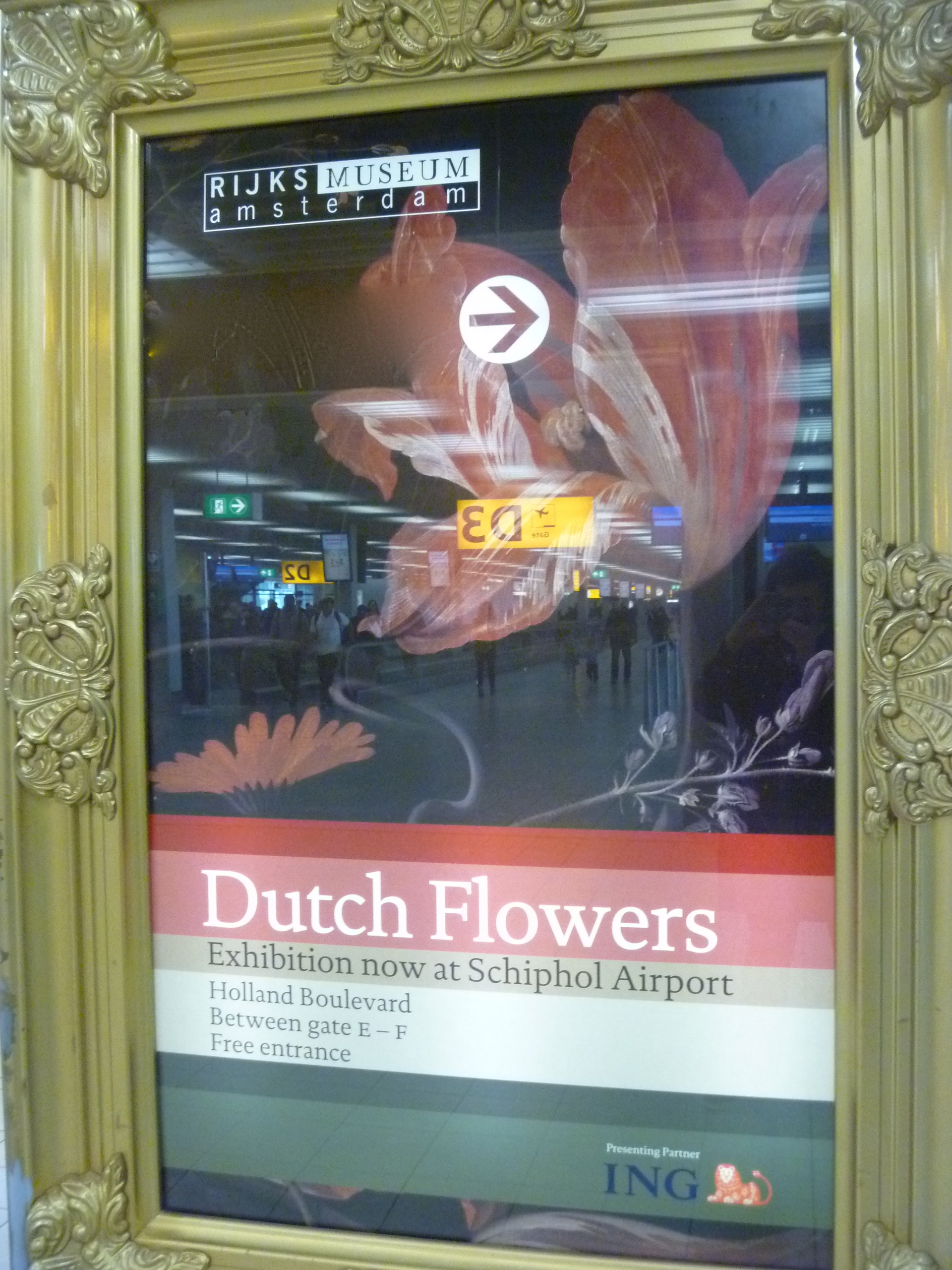
I have no problem when passing through airports like Amsterdam and Zurich. There is always something new to see and experience and lots of tasteful and up-market, if exceedingly expensive, shops in which to browse. Schiphol goes one step further than any other airport I know. In addition to shops they have taken the unusual step of opening a branch of the world famous Rijksmuseum. With all those flowers around the place it’s not surprising I suppose that the little one-room  gallery should have a selection of flower paintings on display.

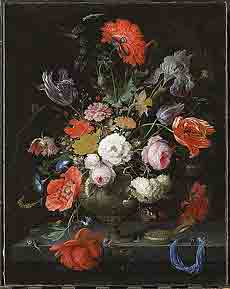
The Dutch Flowers exhibition currently showing at The Rijksmuseum Schiphol includes 9 stunning paintings worthy of study.   In each of these pictures there is so much detail – not only the flowers but other symbols like the watch shown below and creatures like lizards and snails and butterflies.

Still Life with Flowers and Watch by Abraham Mignon (1640-1679)

Be sure to keep an eye on your watch as it’s easy for the time to pass quickly in this little gallery!

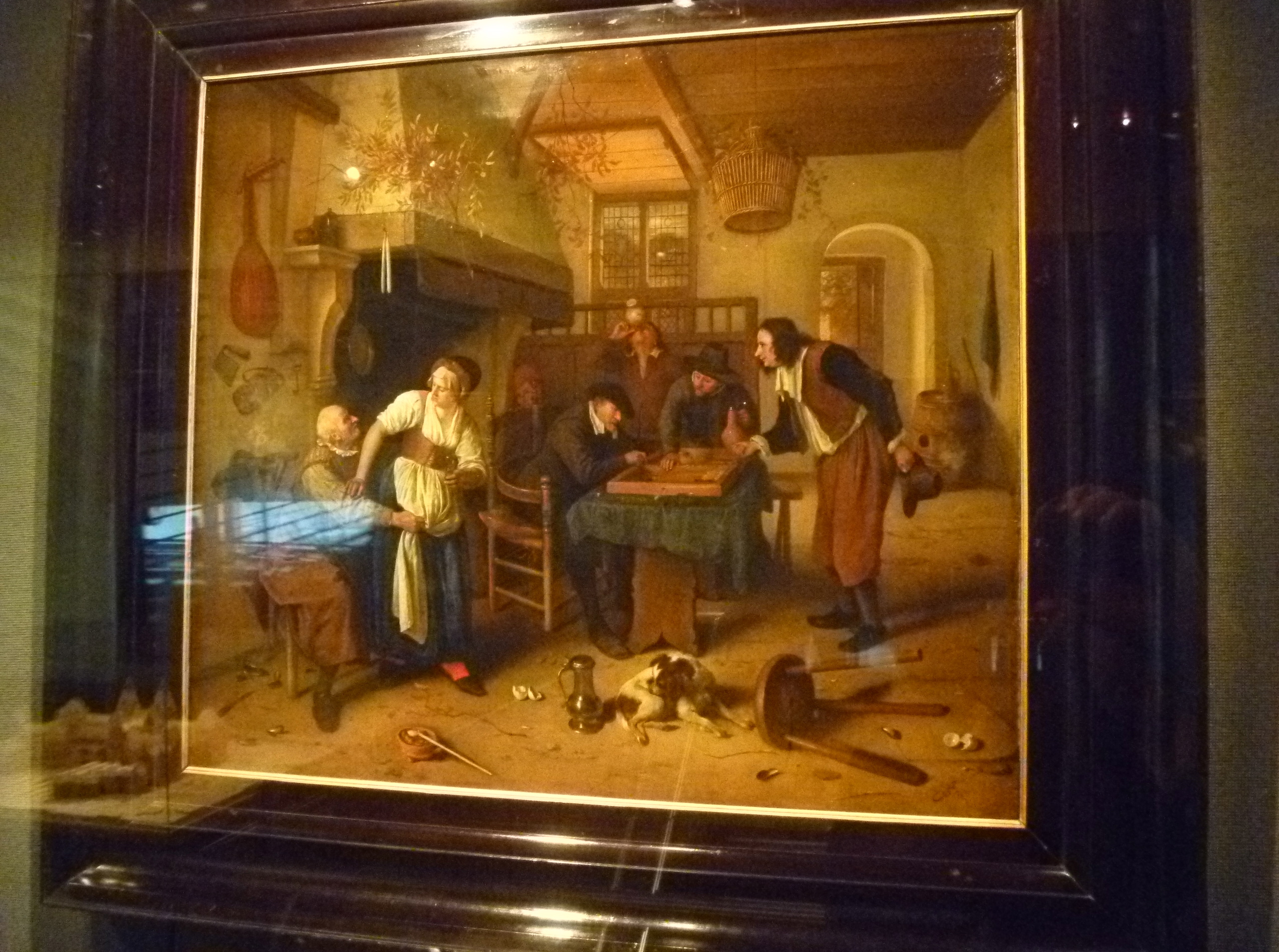
In addition to the Dutch flower paintings on the other wall of the gallery are 7 paintings from the Dutch Golden Age.

Two kinds of Games by Jan Steen (1626 – 1679)

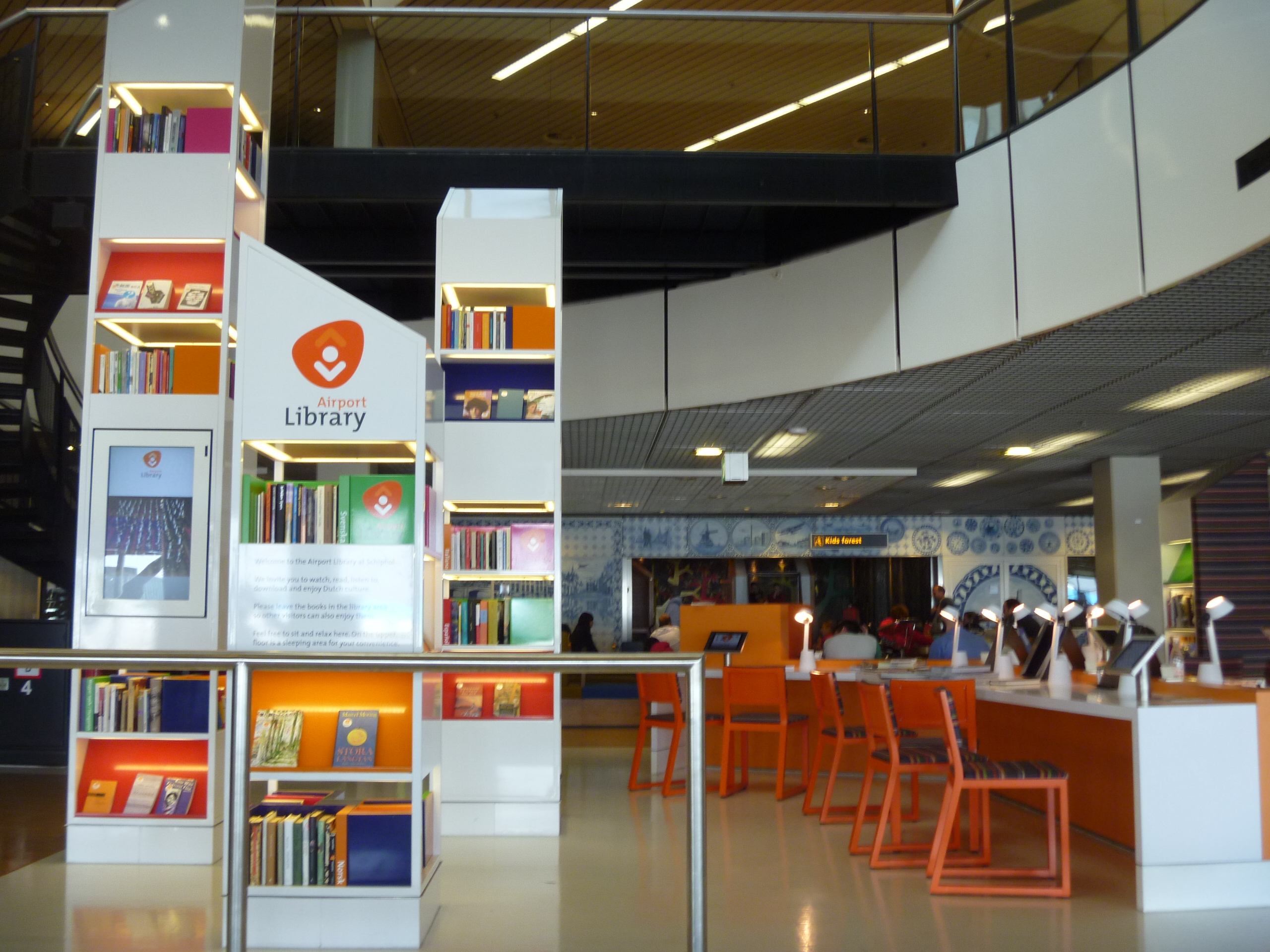
This year I also noticed another novelty just by the staircase to the gallery: an Airport Library! But I didn’t have time to try it out.

Taking Time at Waddesdon Manor – Diderot’s ‘Great Magician’

Blockbuster art exhibitions are all very well but to my mind Small is Beautiful.

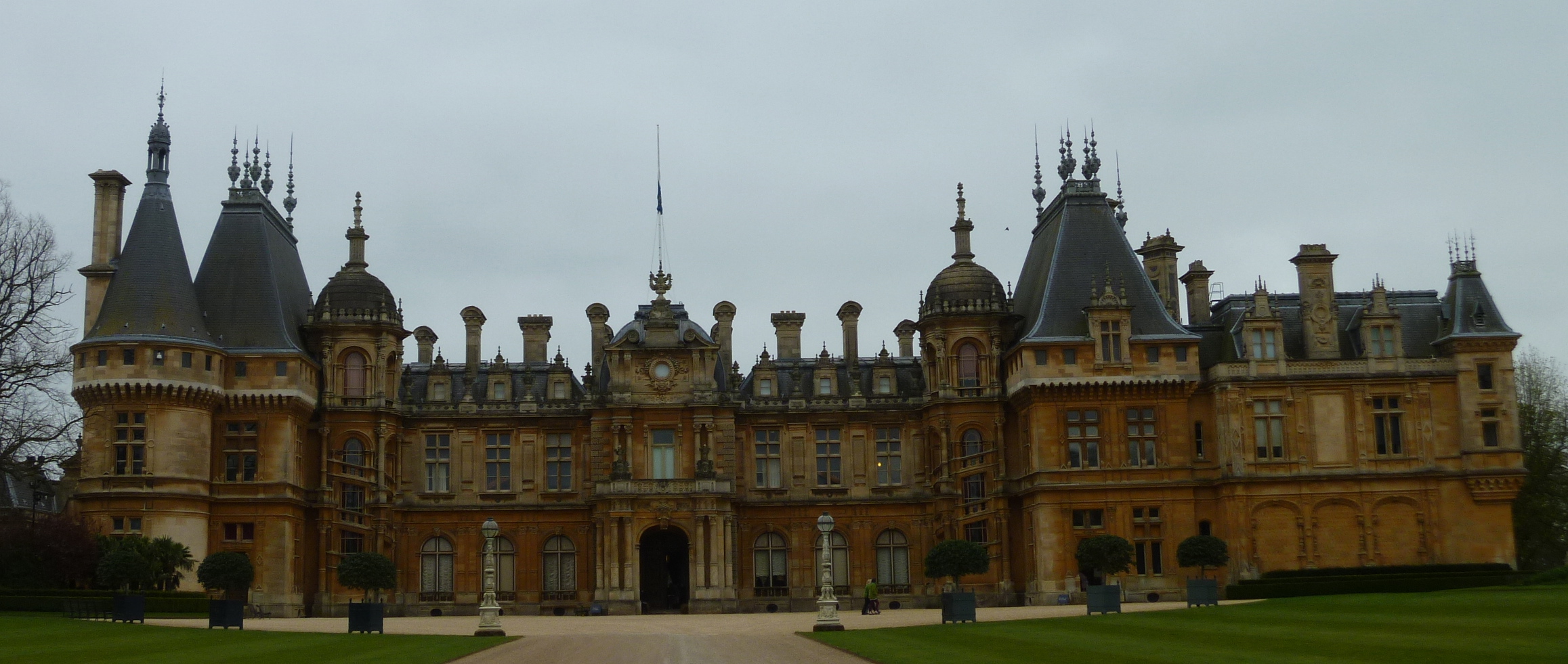
Waddesdon Manor is a vast stately pile sitting in acres of grounds atop a hill and overlooking the neighbouring countryside in the county of Buckinghamshire. Baron Ferdinand de Rothschild planned and built Waddesdon during the last decades of the 19th century  as a country retreat  in the style of a Loire château. It was designed for him by French architect Gabriel-Hippolyte Destailleur.

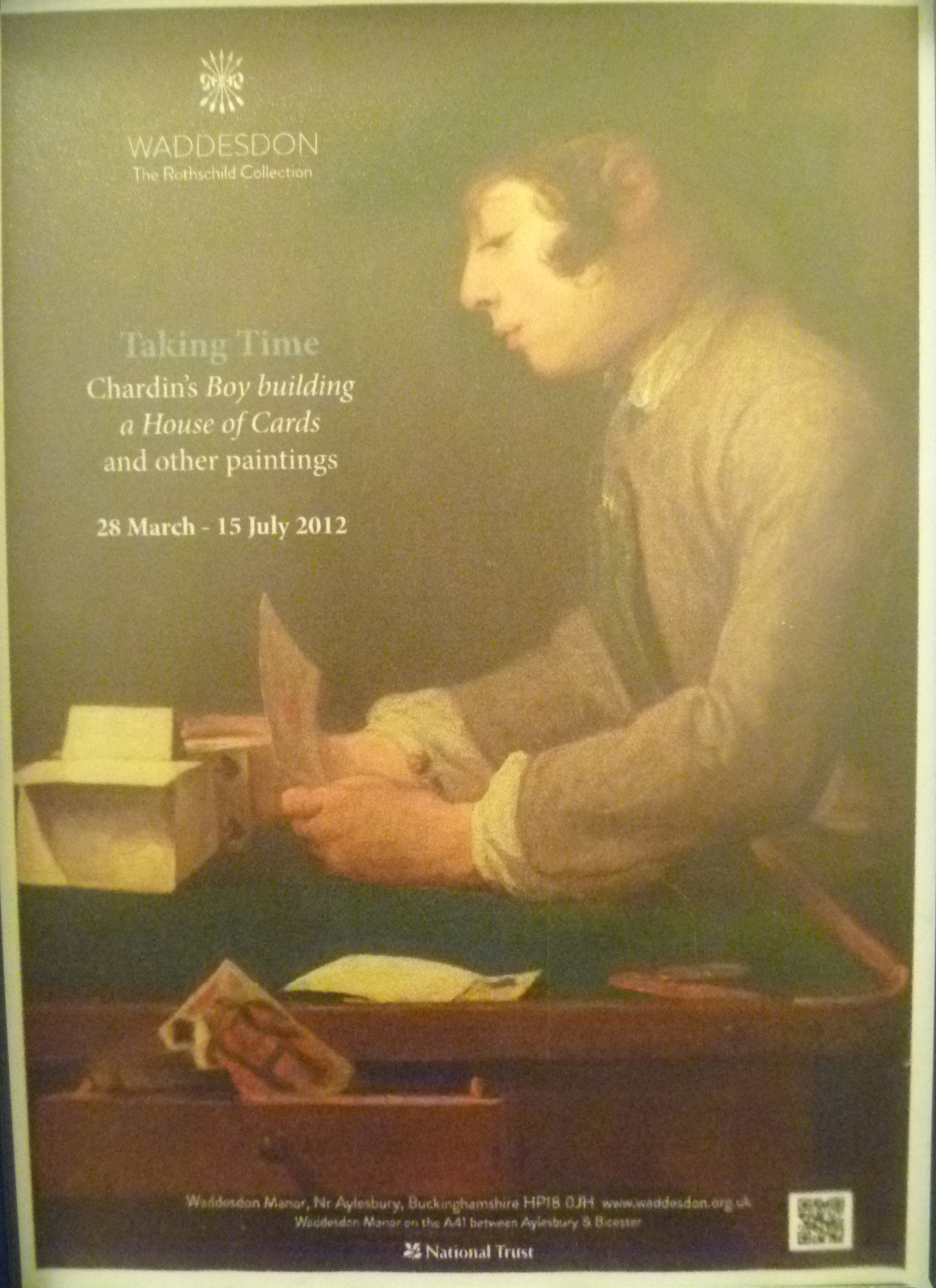
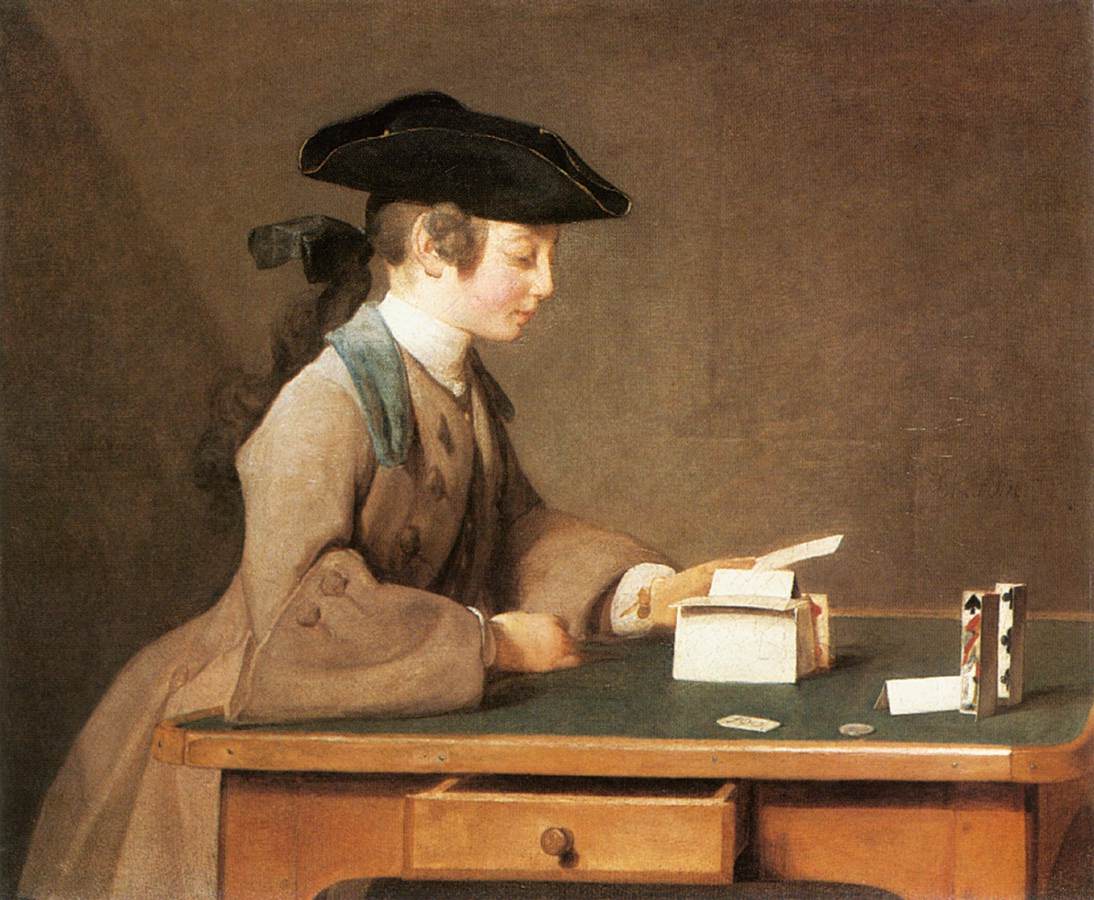
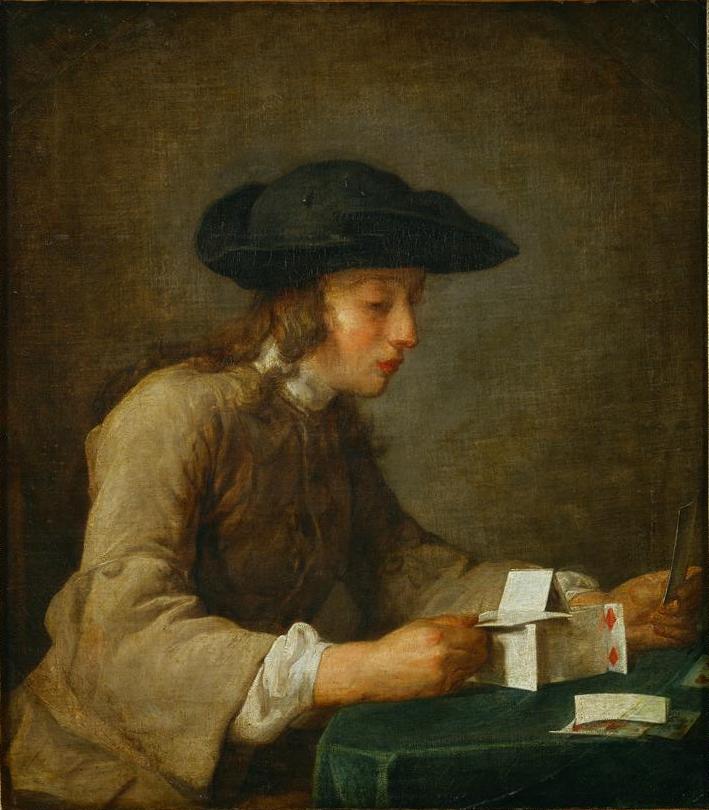
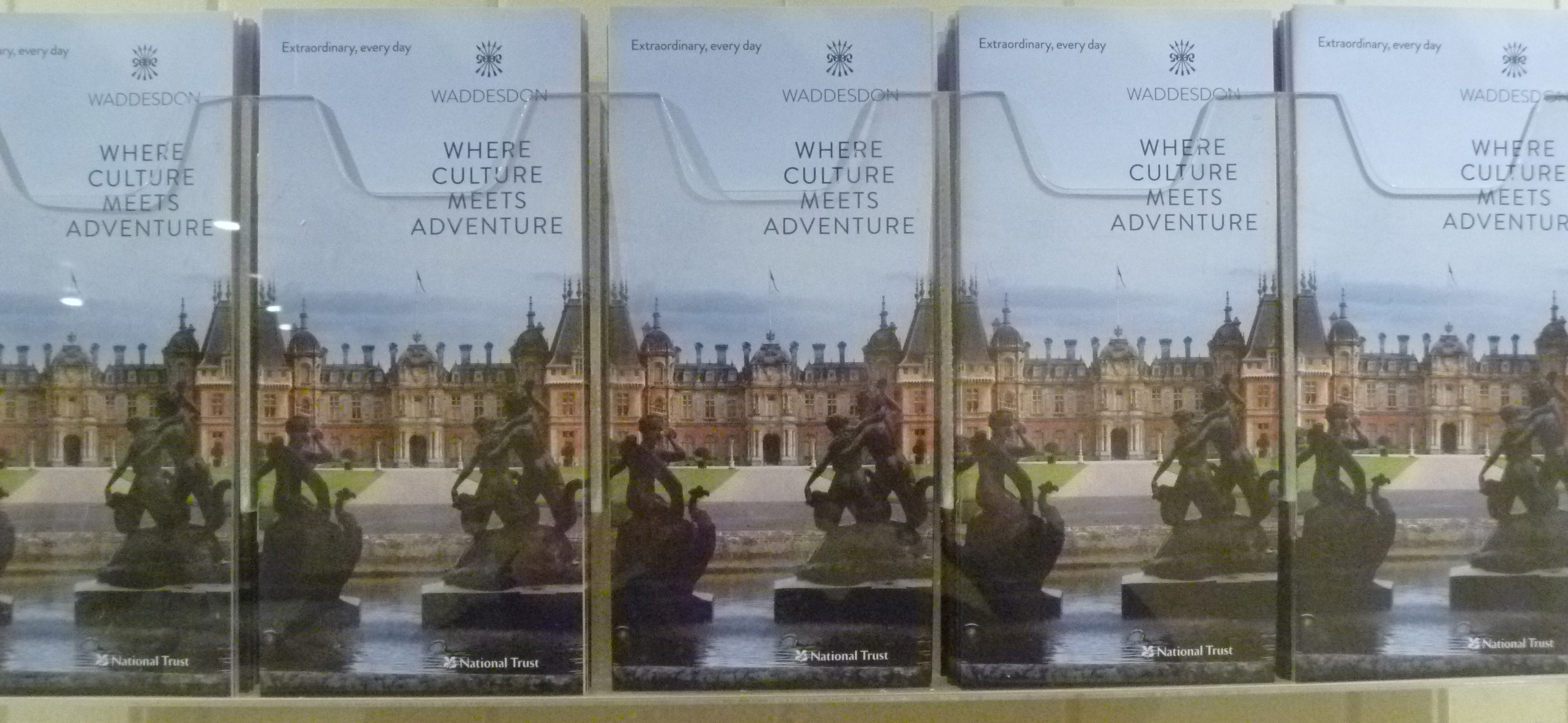
Our main intention for driving  from Stratford to Waddesdon was to view the recently opened Chardin exhibition: “Taking Time: Chardin’s Boy Building A House Of Cards and other paintings”. Jean-Simeon Chardin (1699-1779) lived and worked in Paris at first painting figures and later still life. He moved back to figure painting later in life. The idea for this particular exhibition came about when the Rothschild Trust recently acquired one of the Boy Building A House Of Cards paintings. That painting (shown in the poster above) is exhibited alongside 3 others on the same theme on loan from the Louvre, The National Gallery of Art, Washington and our own National Gallery in London.


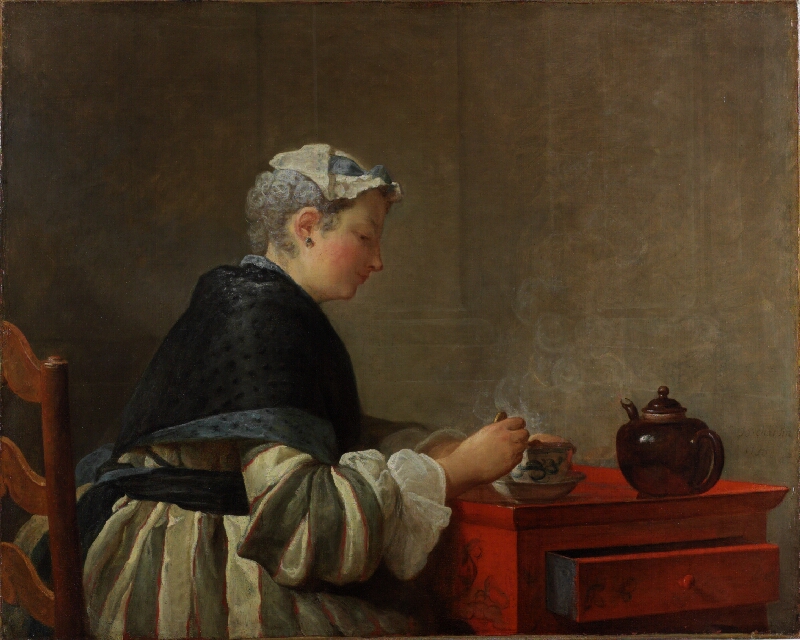
In addition the Trustees and National Trust have assembled several other Chardins including a favourite of mine : Lady Taking Tea (on loan  from The Hunterian in Glasgow):

Photo © The Hunterian Museum and Art Gallery, University of Glasgow 2012

and Girl With a Shuttlecock, 2 Cellar Boys and 2 Scullery Maids, plus engravings and etchings in the style of Chardin from The British Museum and private collections. All in all a delightful glimpse at colours, textures and expressions of 18th century French lives. By calling Chardin a great magician Diderot is saying that it is about – the “magic” of seeing the world clearly. Paying attention. Seeing what is there. (From a Guardian article in 2000).

The exhibition is tucked away in one room towards the end of the house tour. We missed much of the art and furnishings as we passed through the house but we did take a bit of time out to study another temporary display Playing, Learning, Flirting: Printed Board Games from 18th Century France. It was striking to note how similar these board games were to games still played today. We were also intrigued by all the Singerie or Monkey Tricks around the house. Dressing monkeys up in human costume was once a very popular and fashionable pastime: there are paintings and sculptures around the house. I was reminded somewhat of another popular theme also unfashionable in today’s enlightened times – the Blackamoor or Negro slave.

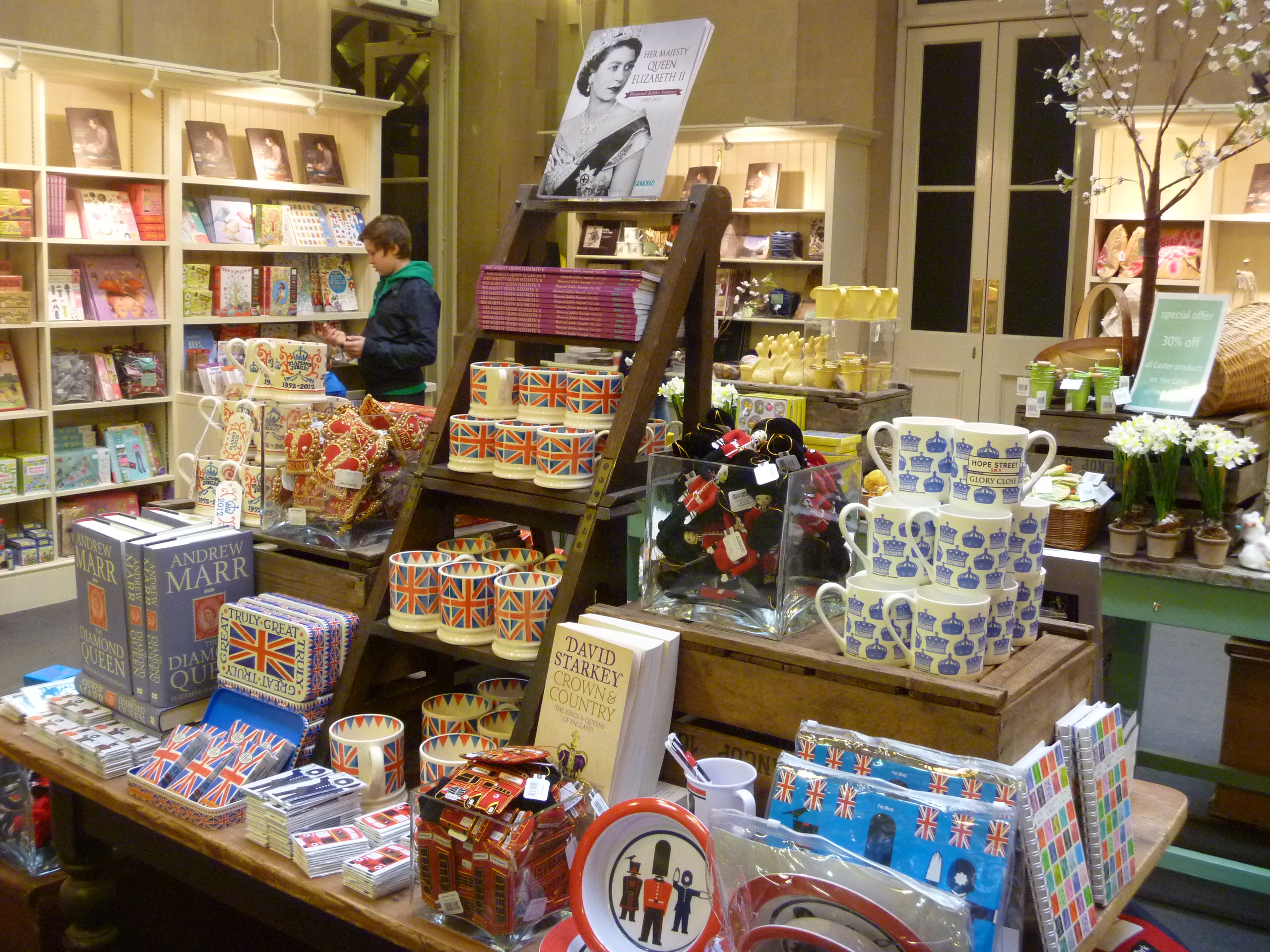
We enjoyed a delicious late light lunch in the lovely Manor Restaurant and visited the shop and wine shop (well there would be one here of course, Rothschilds!).

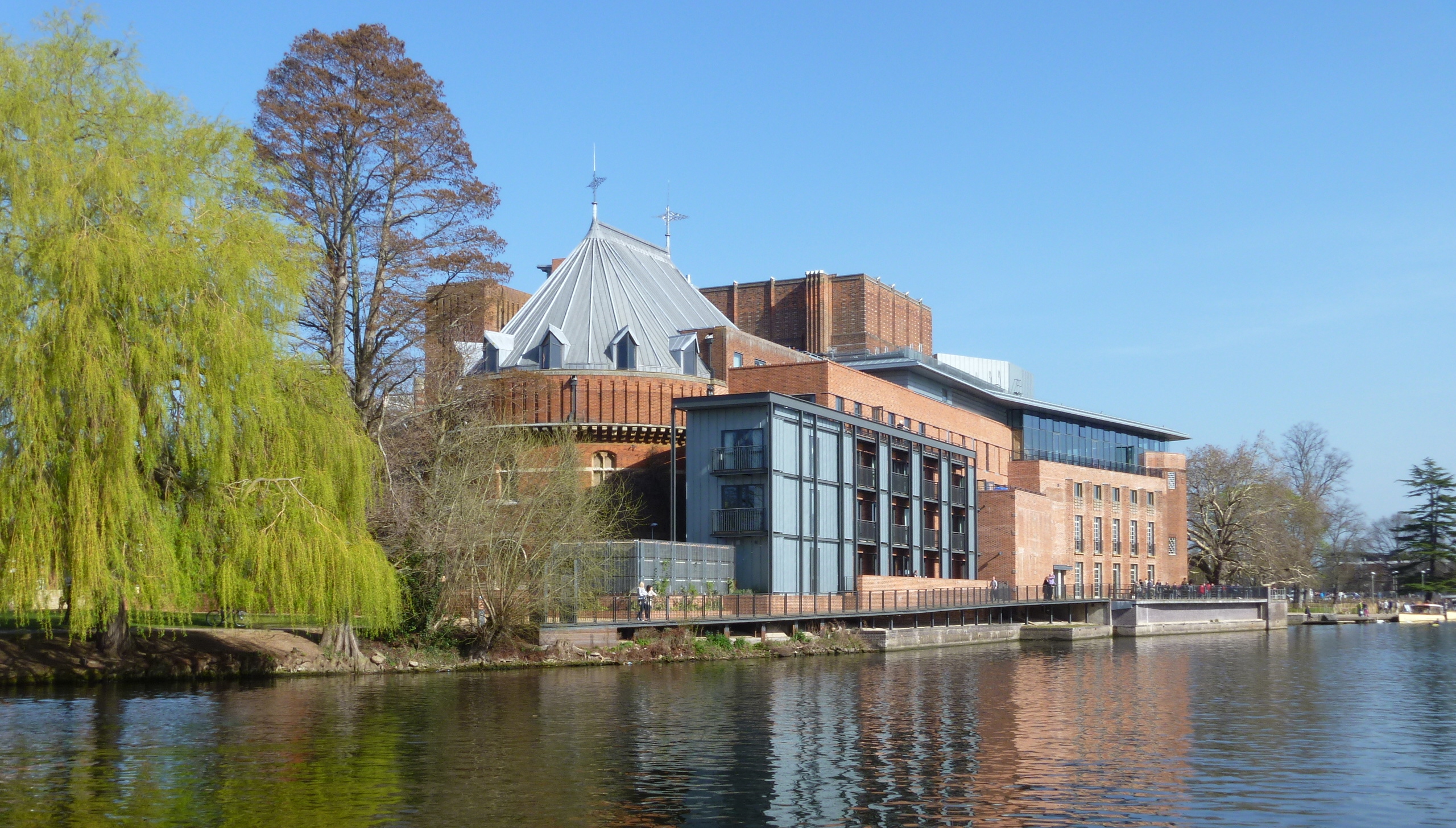
Later that evening after a pre-theatre supper in the Rooftop Restaurant we attended an RSC company performance in the Swan Theatre of Shakespeare’s Richard III. Part of a series of plays on the theme Nations at War that will include Shakespeare’s King John and Mexican playwright Luis Mario Moncado’s A Soldier in Every Son – the Rise of the Aztecs. What a day to remember!

“Seriously Wacky and Occasionally Mad” – The New Arcadian Journal

I first came across Patrick Eyres and The New Arcadian Journal a few years ago when I was studying the Open University Course “Heritage, Whose Heritage?”. There was a chapter in the book Sculpture and the Garden which is edited by Eyres that particularly interested me.

Then last week at the Leeds Library I noticed an advertisement for a talk at the Henry Moore Institute in Leeds :

“Drawings and proofs for the New Arcadian Journal: “The

Blackamoor” Wednesday 7th March 2012

An evening with Dr Patrick Eyres at the Henry Moore Institute Wednesday 7th March

18.30-20.00

Drawings and proofs for the New Arcadian Journal: “The Blackamoor”.

An evening with Dr Patrick Eyres at the Henry Moore Institute.  Enjoy a glass of wine, a powerpoint talk, see the display, talk with the illustrators and look at the Institute’s Library.

This event is £5.00 a head – numbers are limited to thirty.  Please book your place with payment at the Leeds Library.  Contact us for more information.”

I bought my ticket and then by happy chance came across this article in Saturday’s Yorkshire Post : Jottings from the Journal.

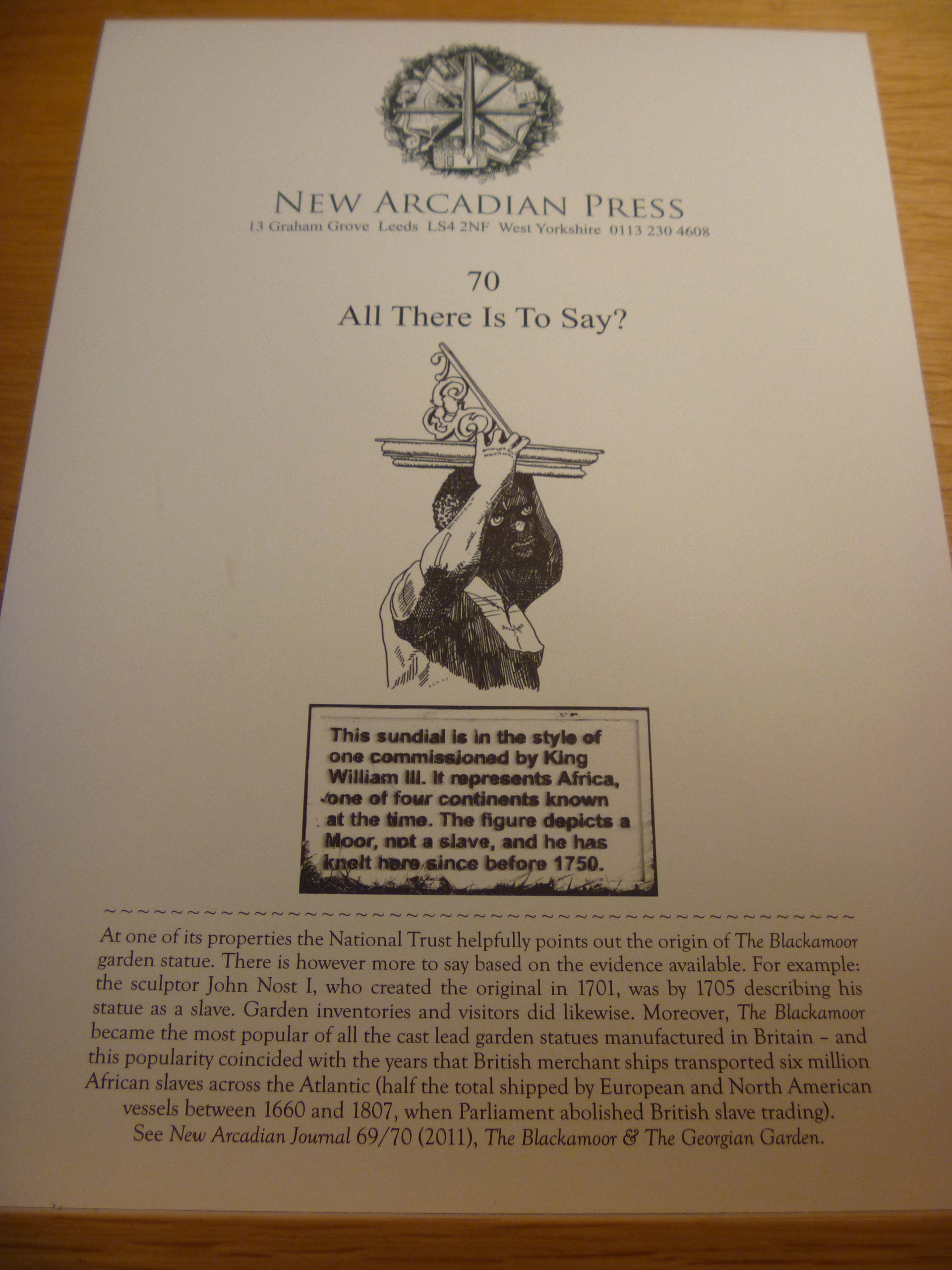
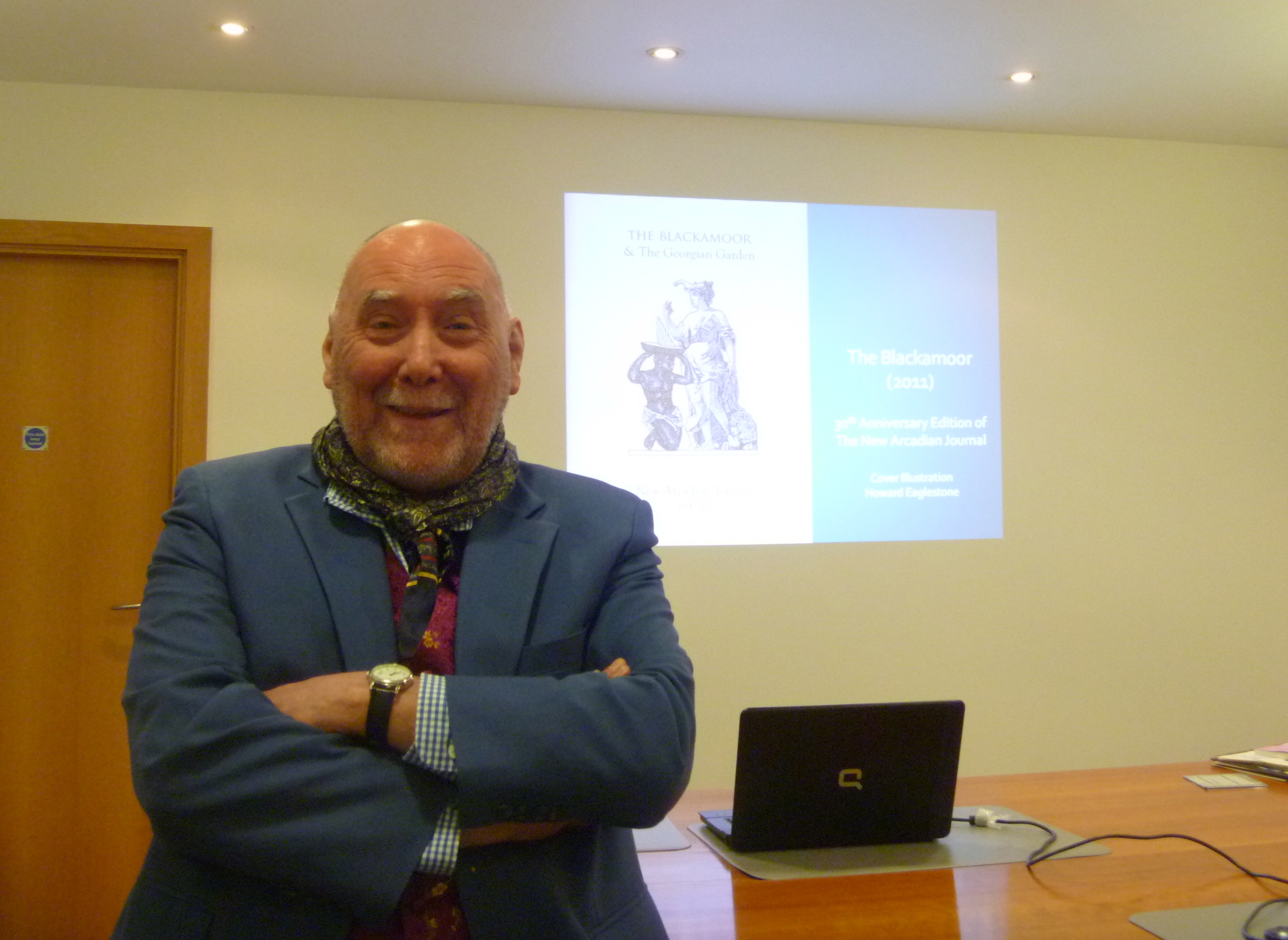
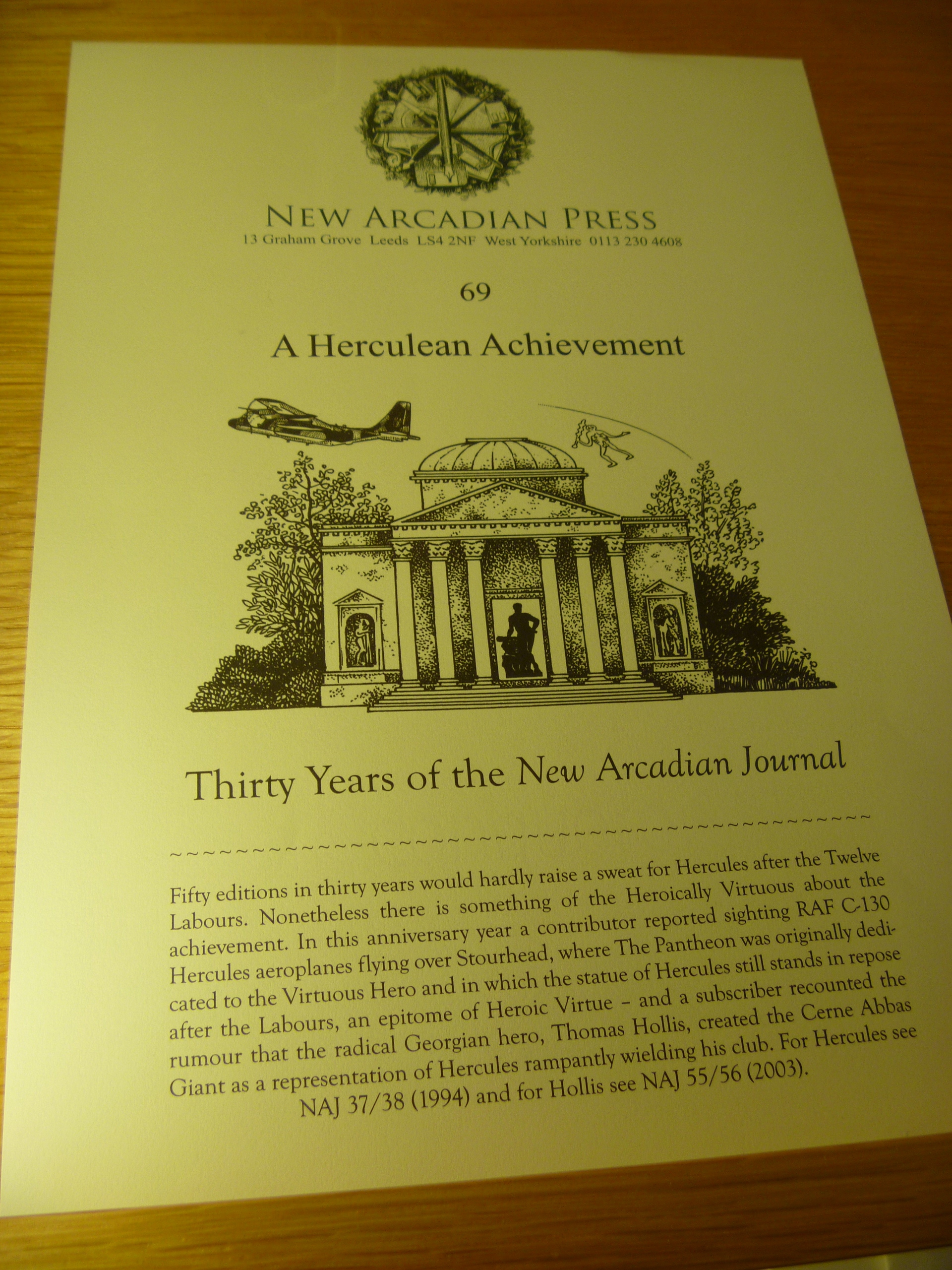
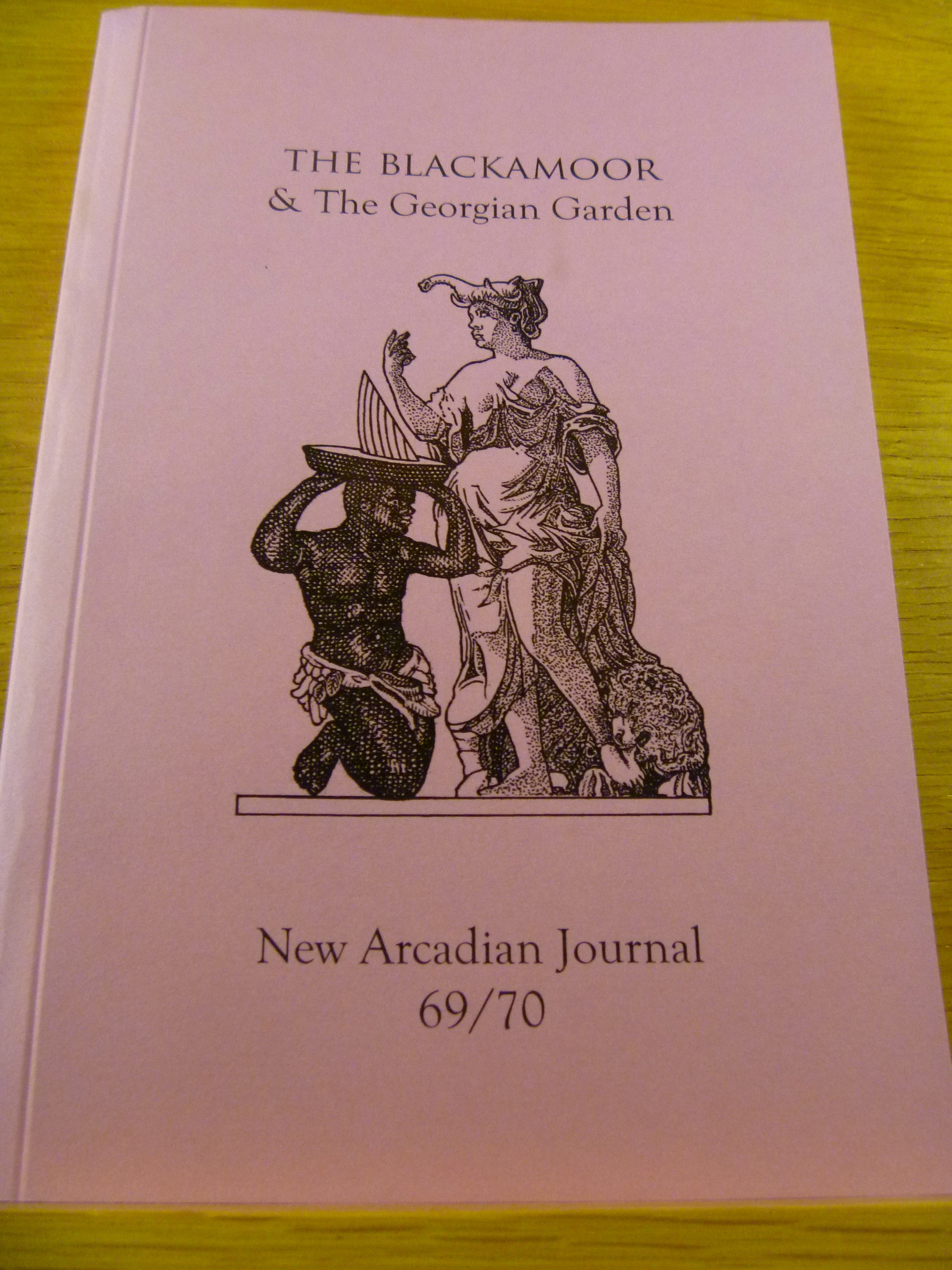
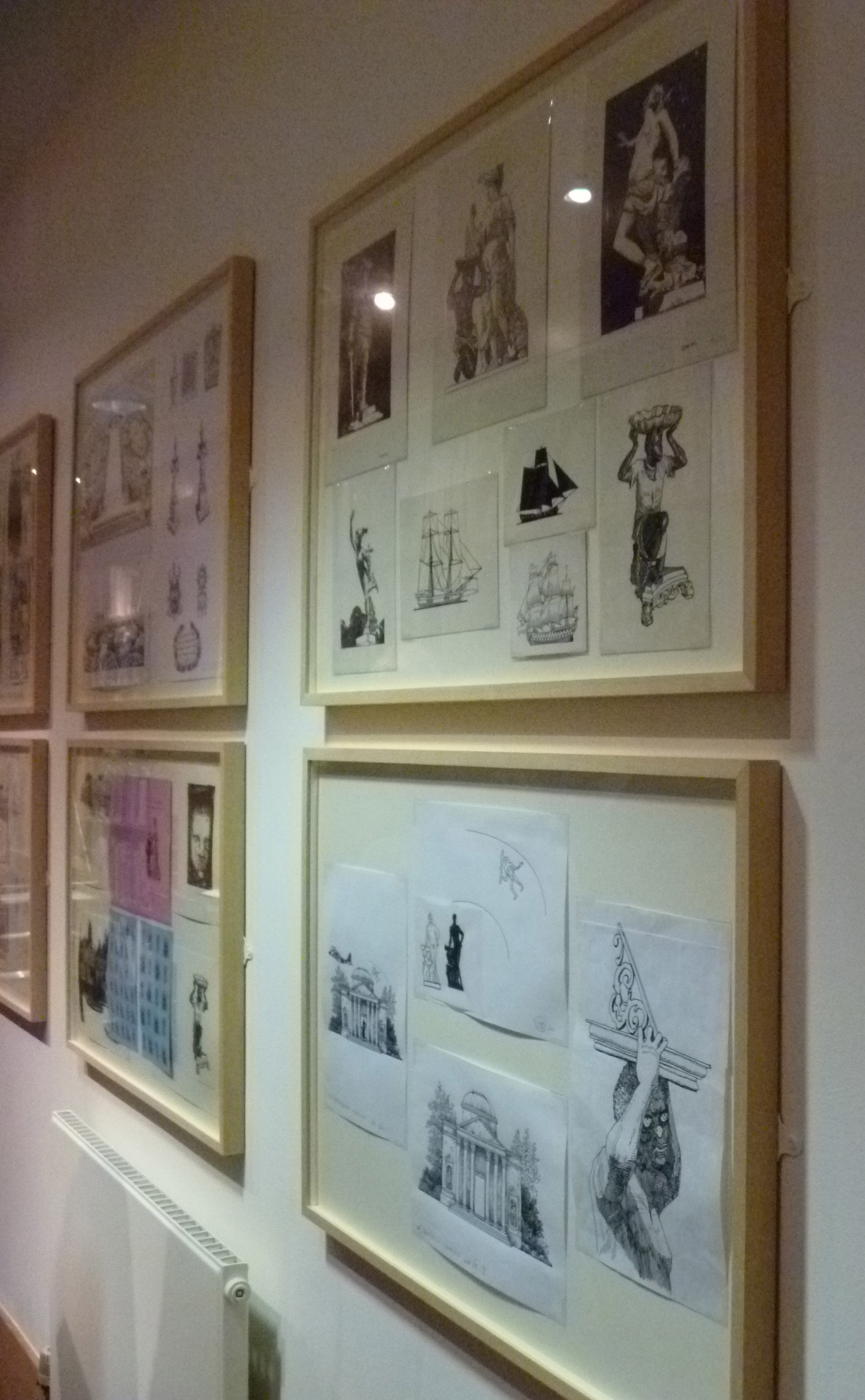
Dr Eyres’ entertaining talk celebrating thirty years of the New Arcadian Journal centred on the latest issue entitled “The Blackamoor and the Georgian Garden”. The Blackamoor was the most popular of all lead statues made in Britain during the 18th century which, by coincidence, was the height of British dominance in the African slave trade. Probably very many of the statues were destroyed or melted down following the abolition of slavery and in more enlightened times. Dr Eyres has tracked down 20 including 2 in the Privy Garden at Hampton Court Palace, one in Lincoln’s Inn in London, another at Melbourne Hall in Derbyshire and another supporting a sundial at Wentworth Castle in South Yorkshire which is currently under restoration and the topic of interpretation work. The talk was illustrated with photos of the various statues and reproductions of the beautiful drawings and prints (the work of artists Catherine Aldred and Howard Eaglestone who were also present this evening). It seems that the Blackamoor (African) along with the North American Red Indian were used to symbolise their continents of origin. There were emblems for Europe and Asia as well. These were also illustrated in the popular 16th and 17th century Books of Emblems.

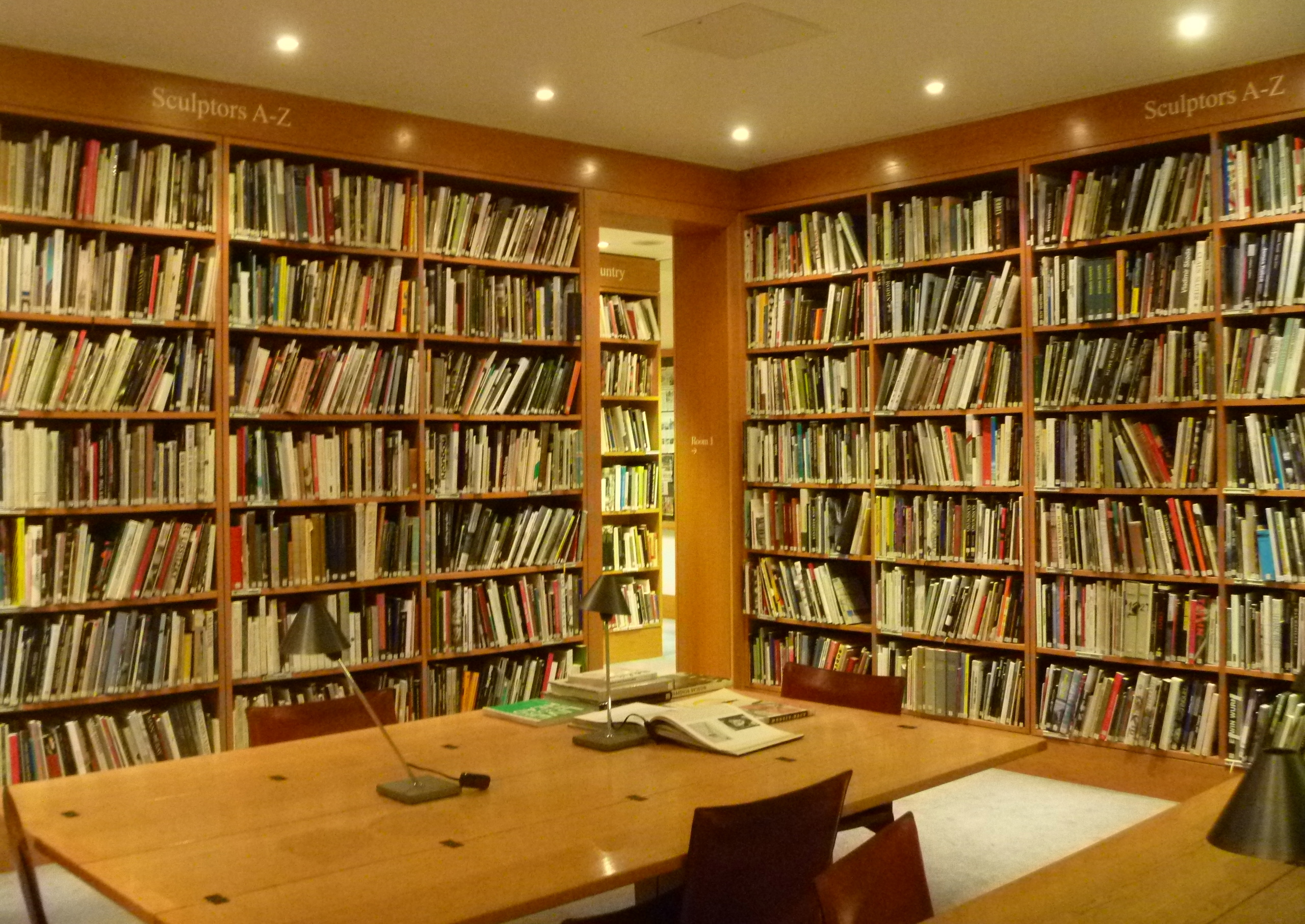
After the talk we were shown the small exhibition in the Henry Moore Library where examples of drawings and copies of the Journal itself were displayed.

Catherine and Howard spoke briefly about their own work which as you can see is exquisite. Howard’s pictures also display humour as you can see from the above examples.

Where Shall we go today? Back in Manchester with Grayson Perry

Yesterday I was back in Manchester to visit the Art Gallery and the Tapas Bar again. This time the weather was freezing cold but fortunately stayed dry. I’d hoped to get back to visit the Grayson Perry exhibition centred around the gallery’s recent purchases of two of GP’s art works. This exhibition is only on until 12 February so I was very pleased to catch it. In addition it was also a great pleasure to meet up with a friend who moved over to the Wirral nearly 20 years ago. Manchester makes a good midway place to meet especially in winter when we can travel there easily by train.

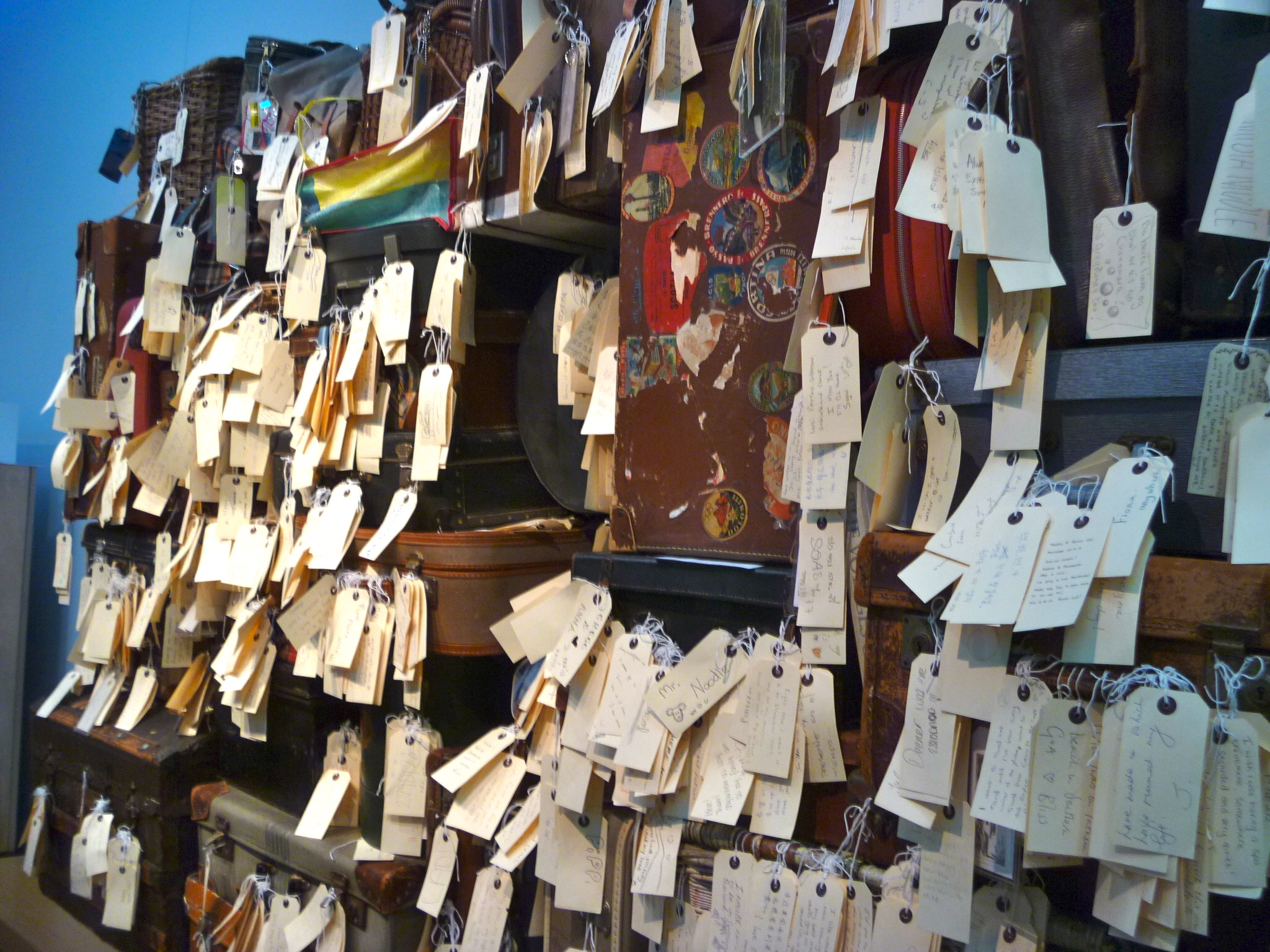
Before we entered the GP room we were intrigued to see an installation entitled “Where shall we go today?” It consisted of old suitcases and pieces of luggage piled up against the wall and covered with tie-on luggage labels. Some artists had been invited to answer the question and their tags are covered in plastic but then the public and mainly (it seemed to me) school children were let loose with their dreams and ideas and the result is pictured below :

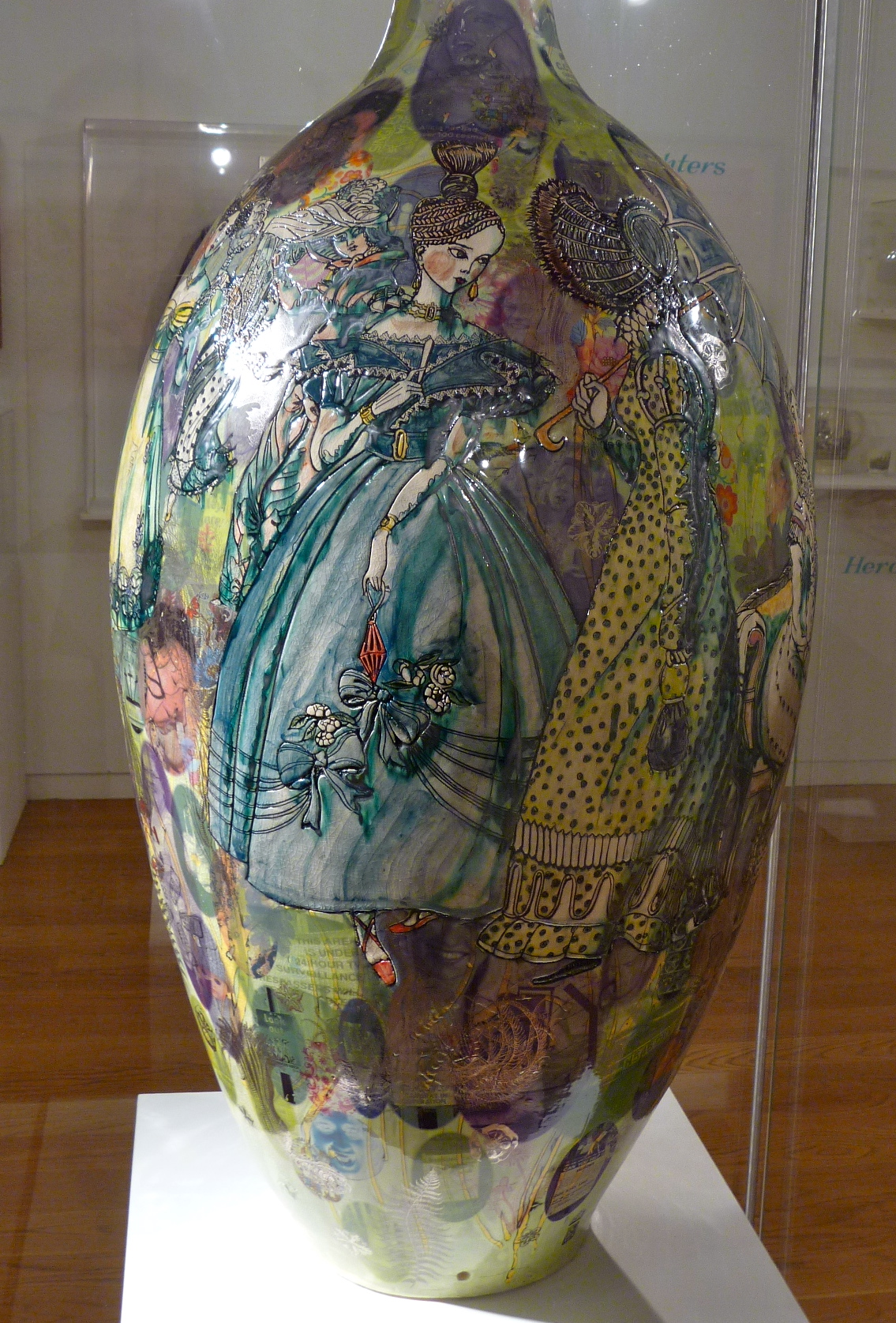
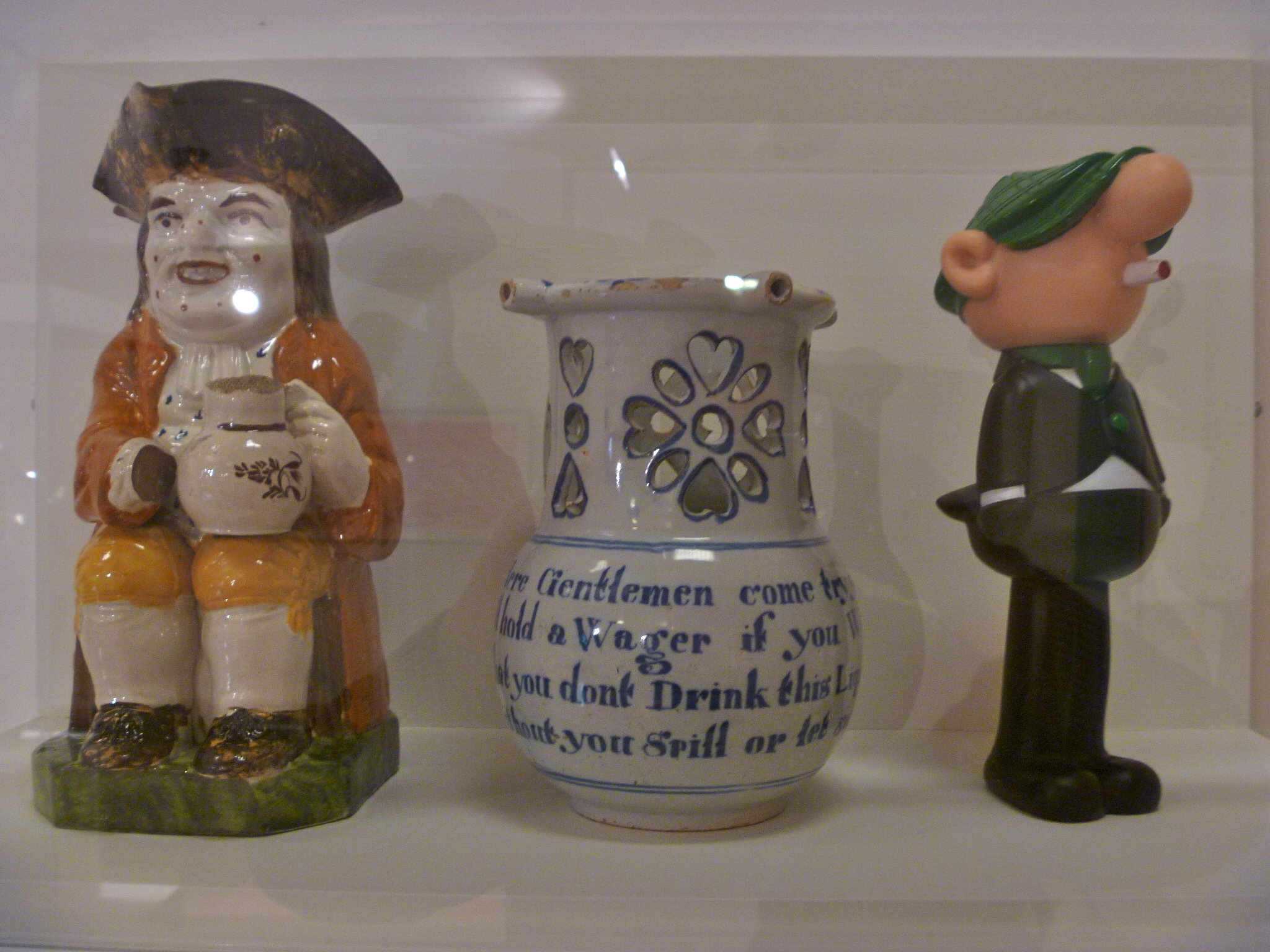
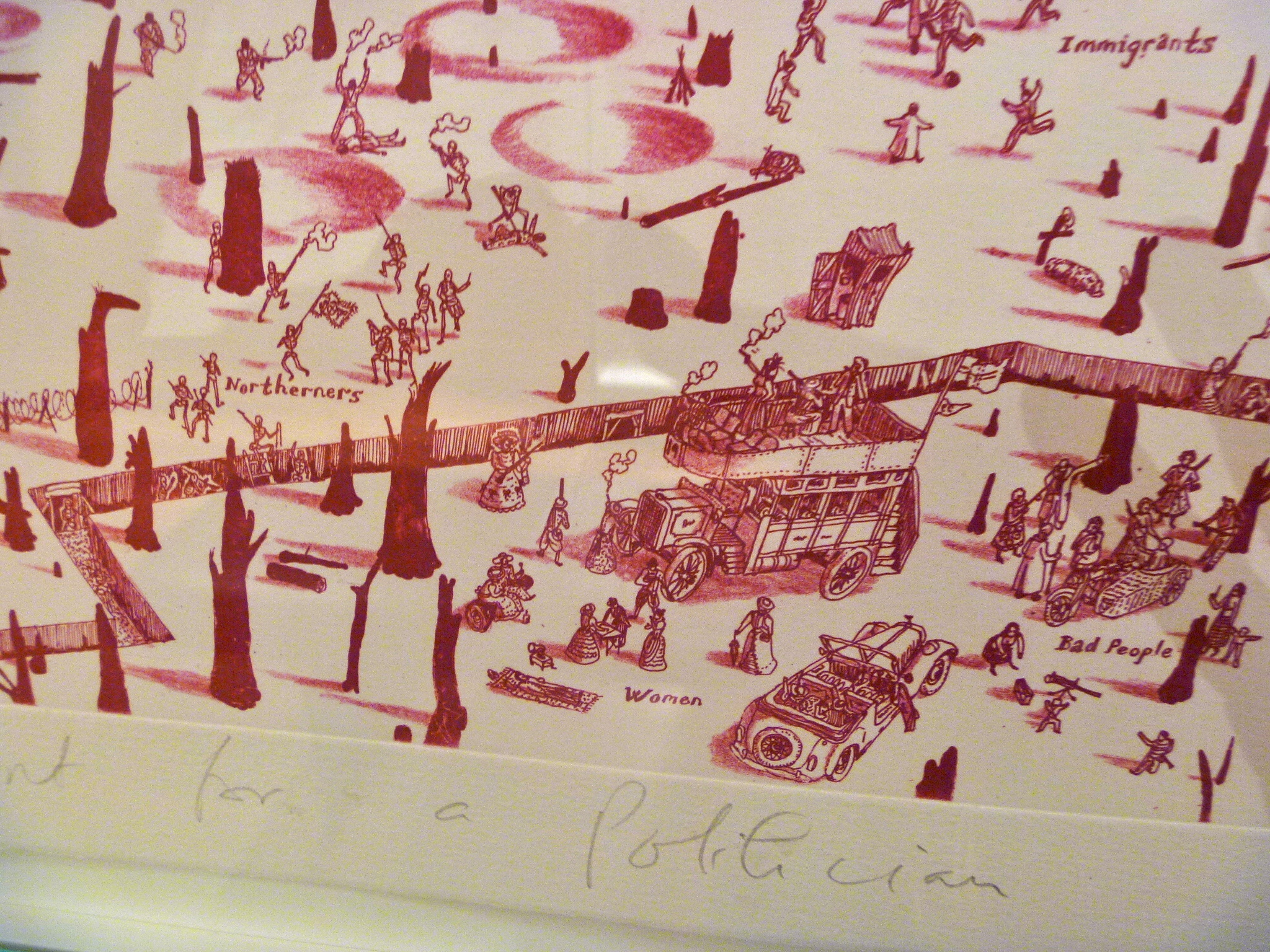
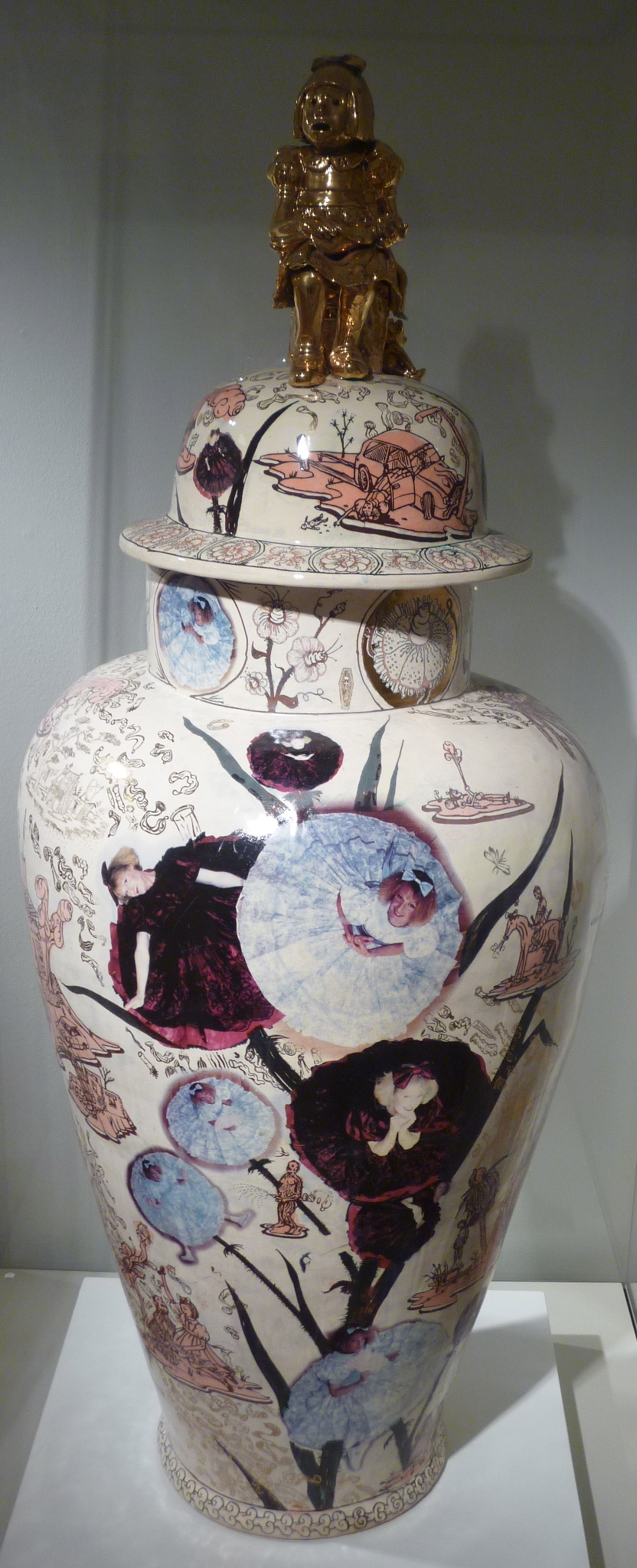
Visual Dialogues was like a mini ‘Tomb of the Unknown Craftsman‘ but with a difference. The Manchester Art Gallery has bought  the vase ‘Jane Austen in E17’ and print ‘Print for a Politician’ with financial help from The Goldstone and Livingstone Family Trusts, in memory of their parents’ friendship, together with funding from the Art Fund and support from the MLA/V&A Purchase Grant Fund. A group of young people aged 15-18 who call themselves The Creative Consultants have done what Perry did at the British Museum and gone into the archives of MGA and chosen artefacts to display alongside the vase and the print.

“Jane Austen in E17 (2009) is a beautifully executed large ceramic vase inspired in shape by Chinese porcelain, decorated with detailed drawings of elaborately dressed Georgian ladies taking tea and conversing. The genteel figures reflect Perry’s interest in the feminine and his knowledge of historic dress. They refer to the ideal view of British culture portrayed in popular costume dramas of Jane Austen’s novels.

In contrast to these idealised figures, the vase also features layered photographic transfers of contemporary life, including cuttings from celebrity magazines and more sinister references to crime and surveillance, taken from the streets around Perry’s studio in London’s E17.” (Manchester Art Gallery)

Here are some examples of what the young people chose :

“Print for a Politician (2005) is only the second print that Perry treated as a major work; it took over a month to draw. The etching shows groups of people including academics, fundamentalists, northerners, parents and transvestites in a landscape setting, each group given a name, like a place name on an old map. All the groups are armed for battle, with weapons of war from different periods and cultures. Perry’s intention for this work is to show the complexity of human society. He hopes audiences will identify with one or more of the groups and realise it is possible to live together peacefully despite our differences.” (Manchester Art Gallery)

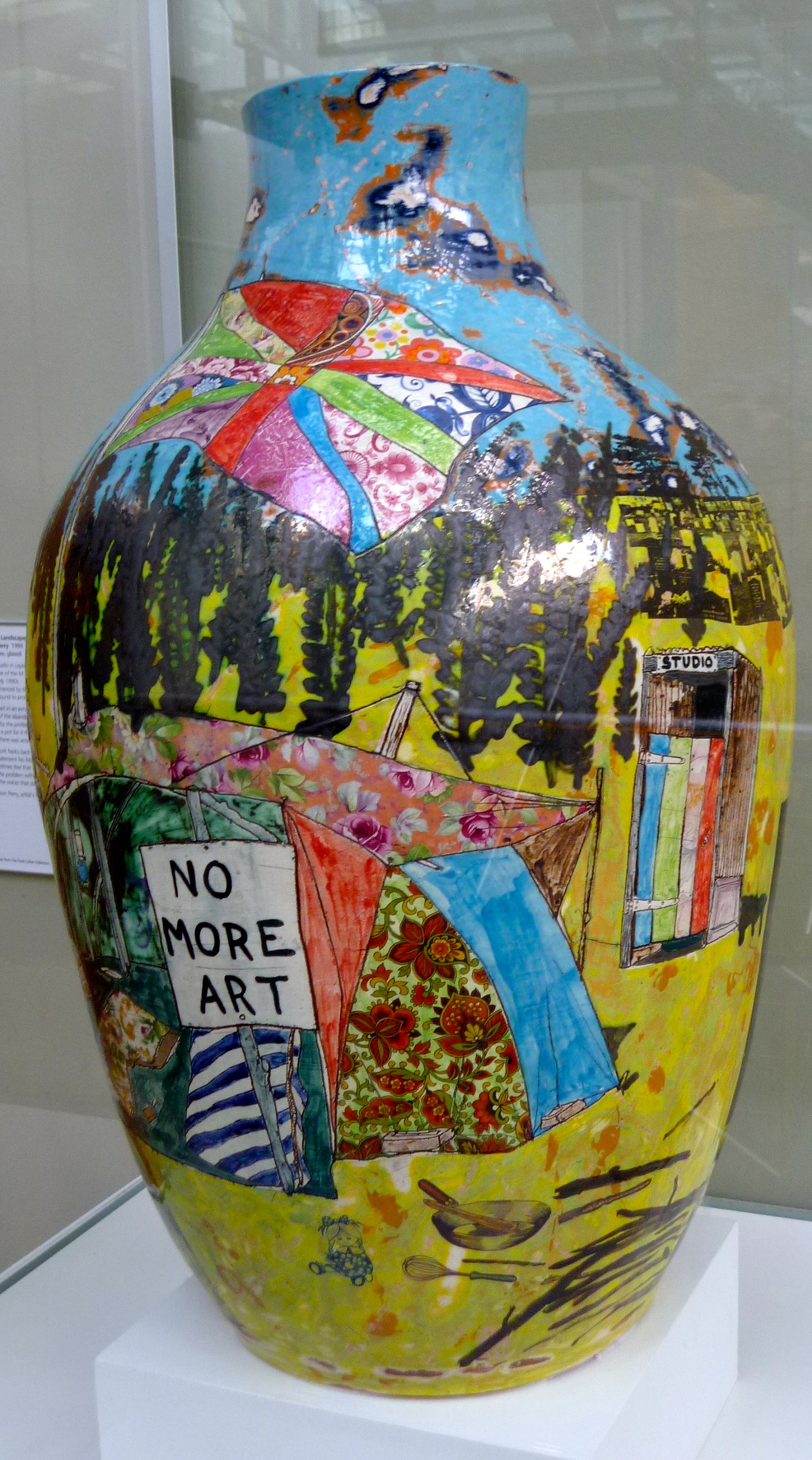
In addition we saw three other Grayson Perry vases on loan from other galleries.

All in all the exhibition was “small but perfectly formed”.

Jerusalem, Alabaster Heads and The Heart of Trees in Yorkshire

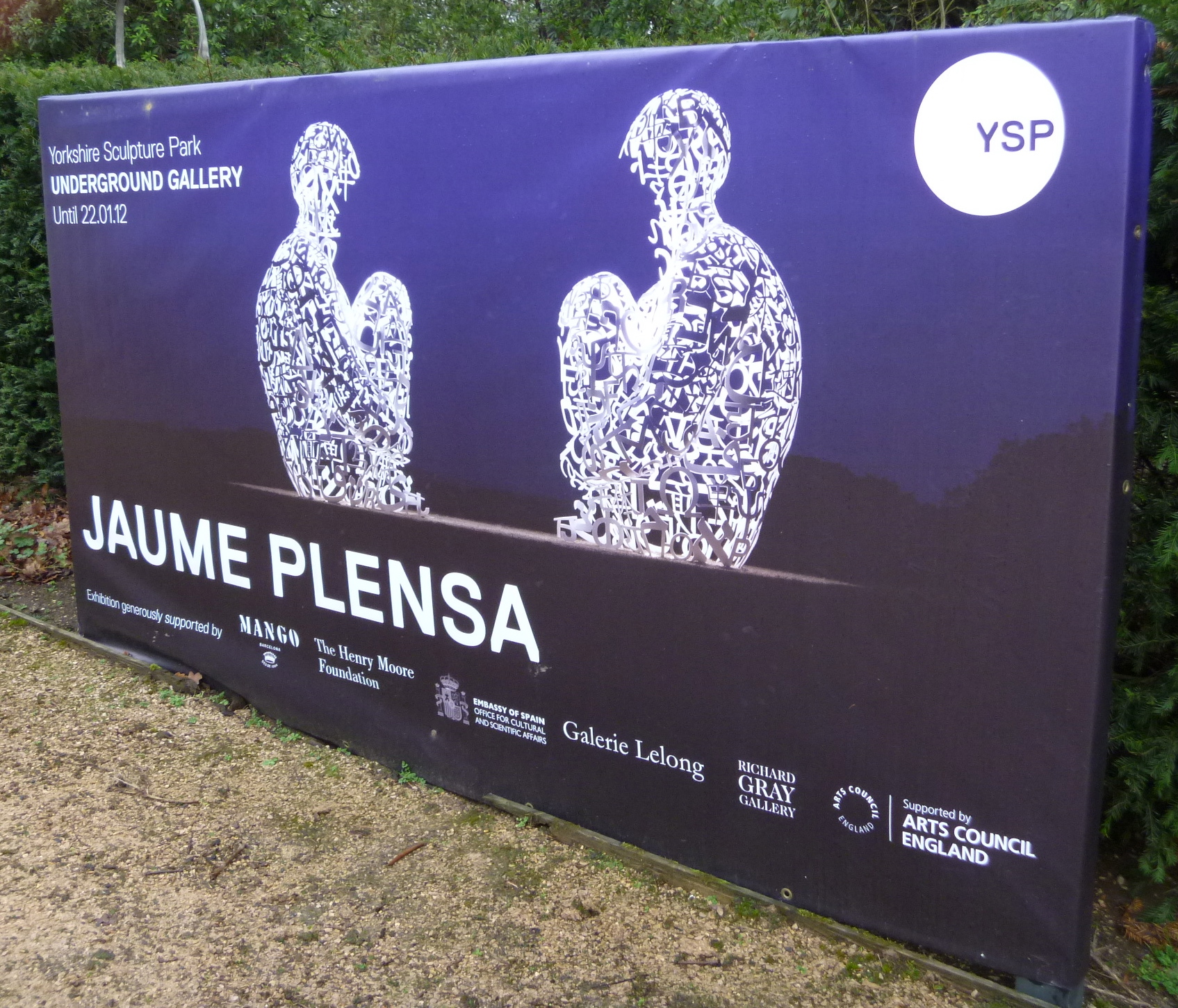
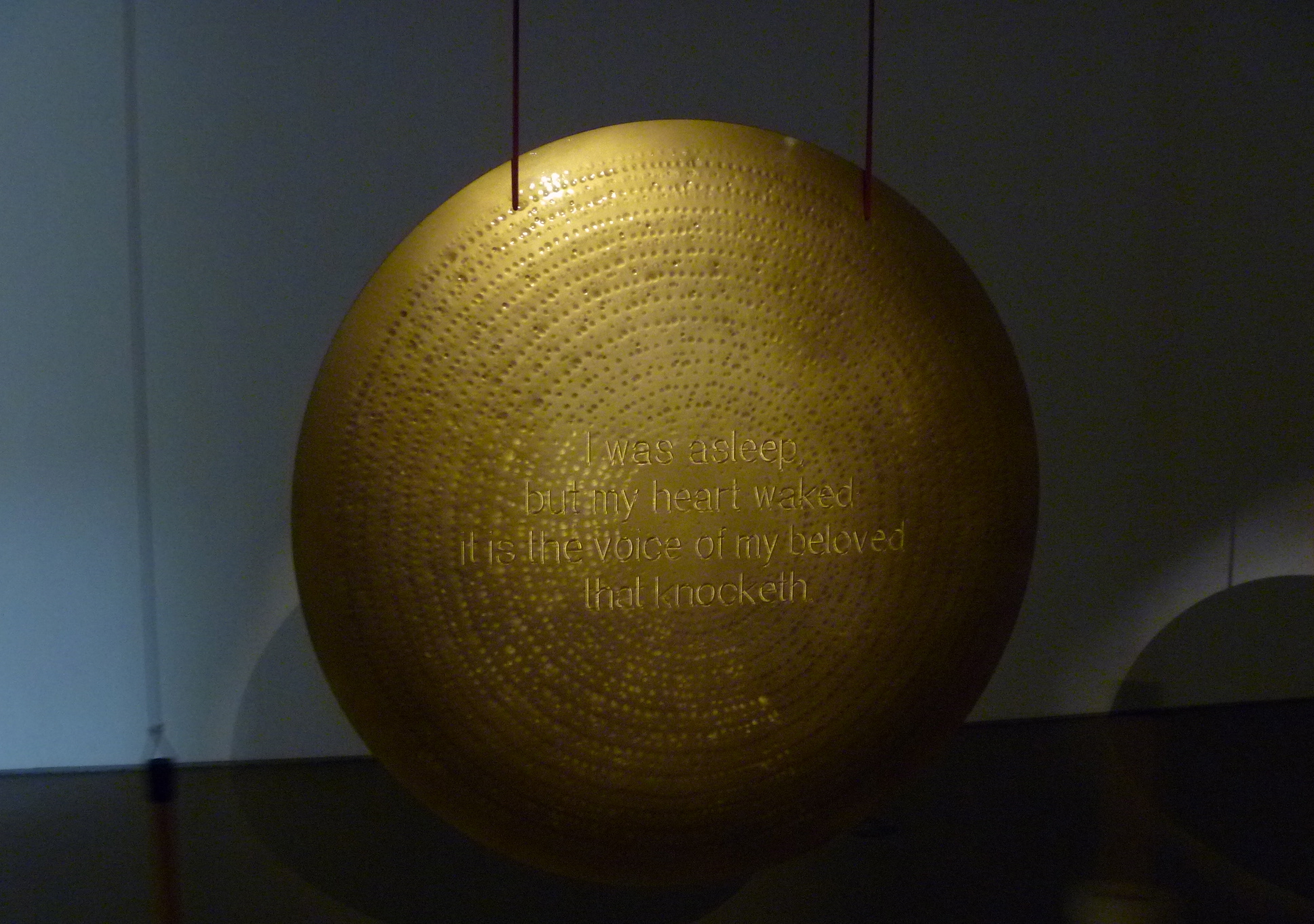
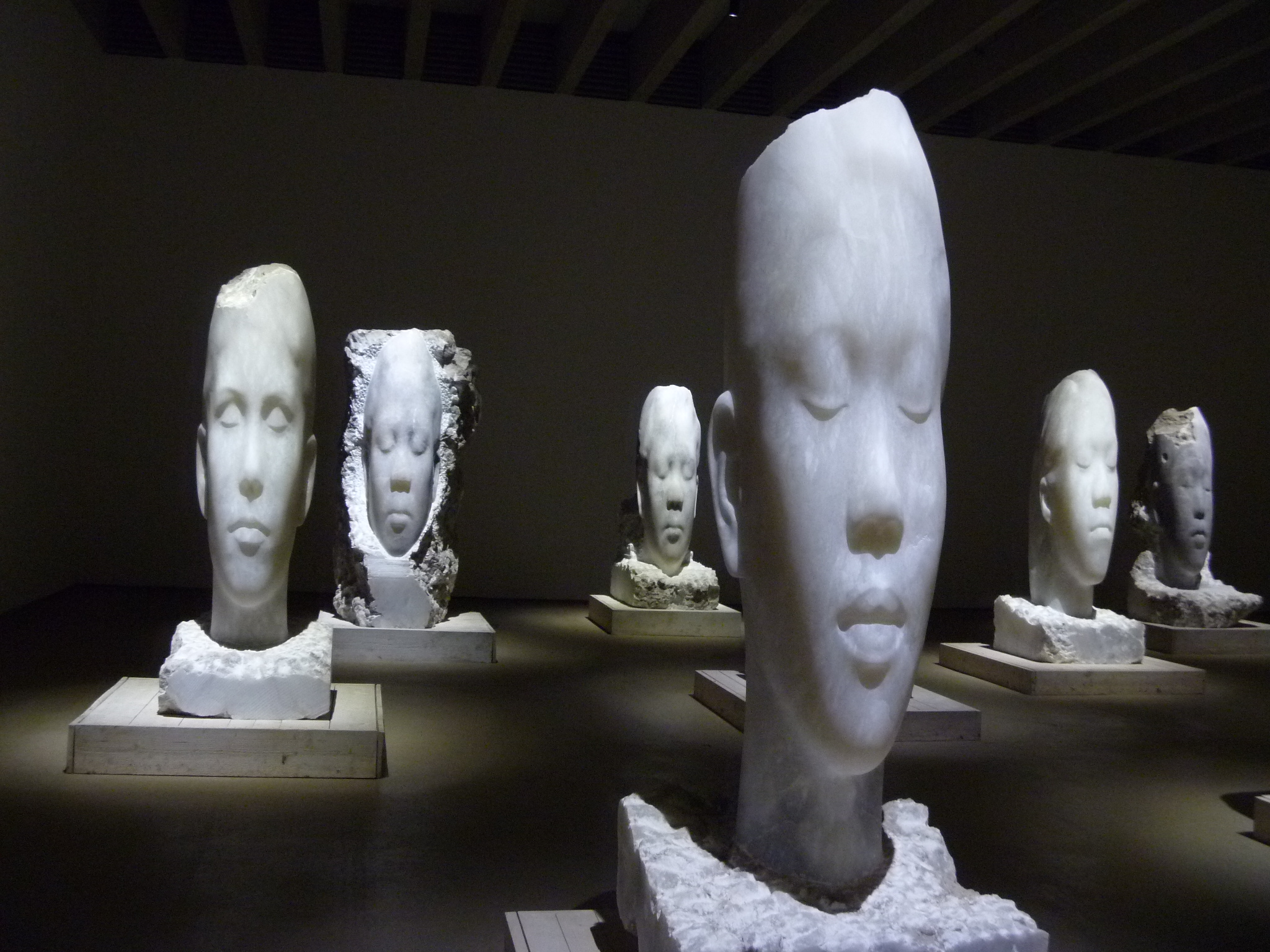
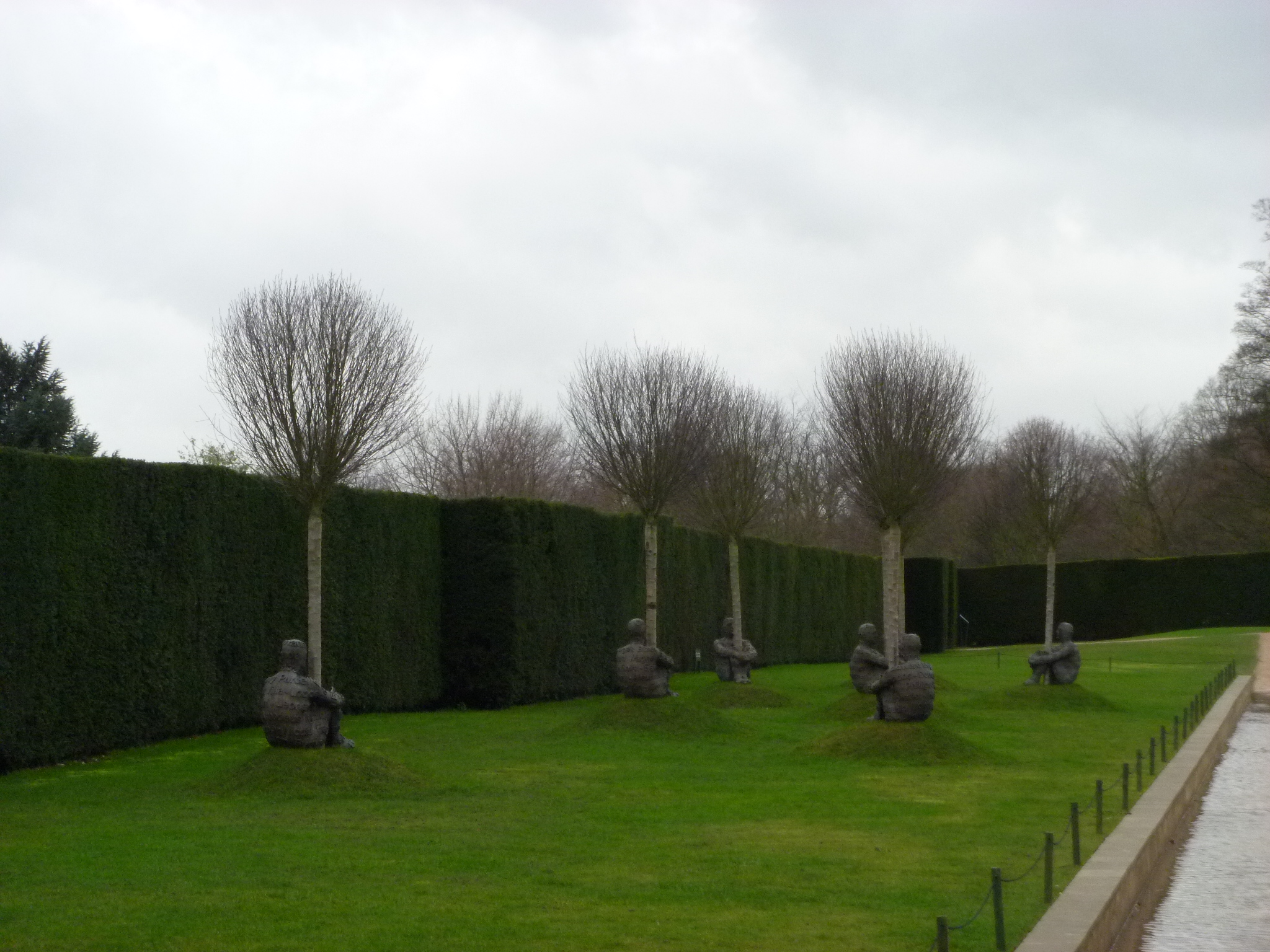
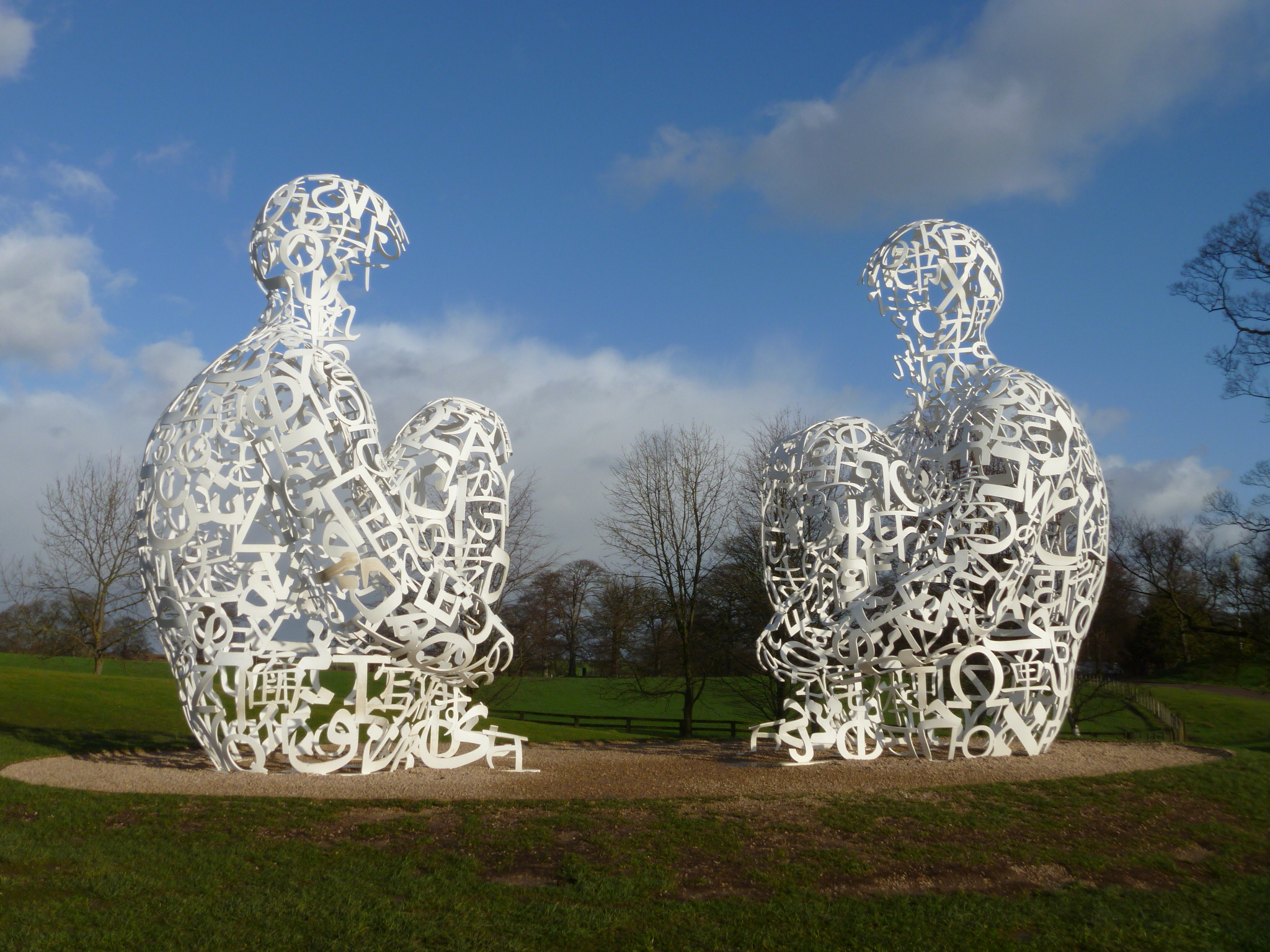
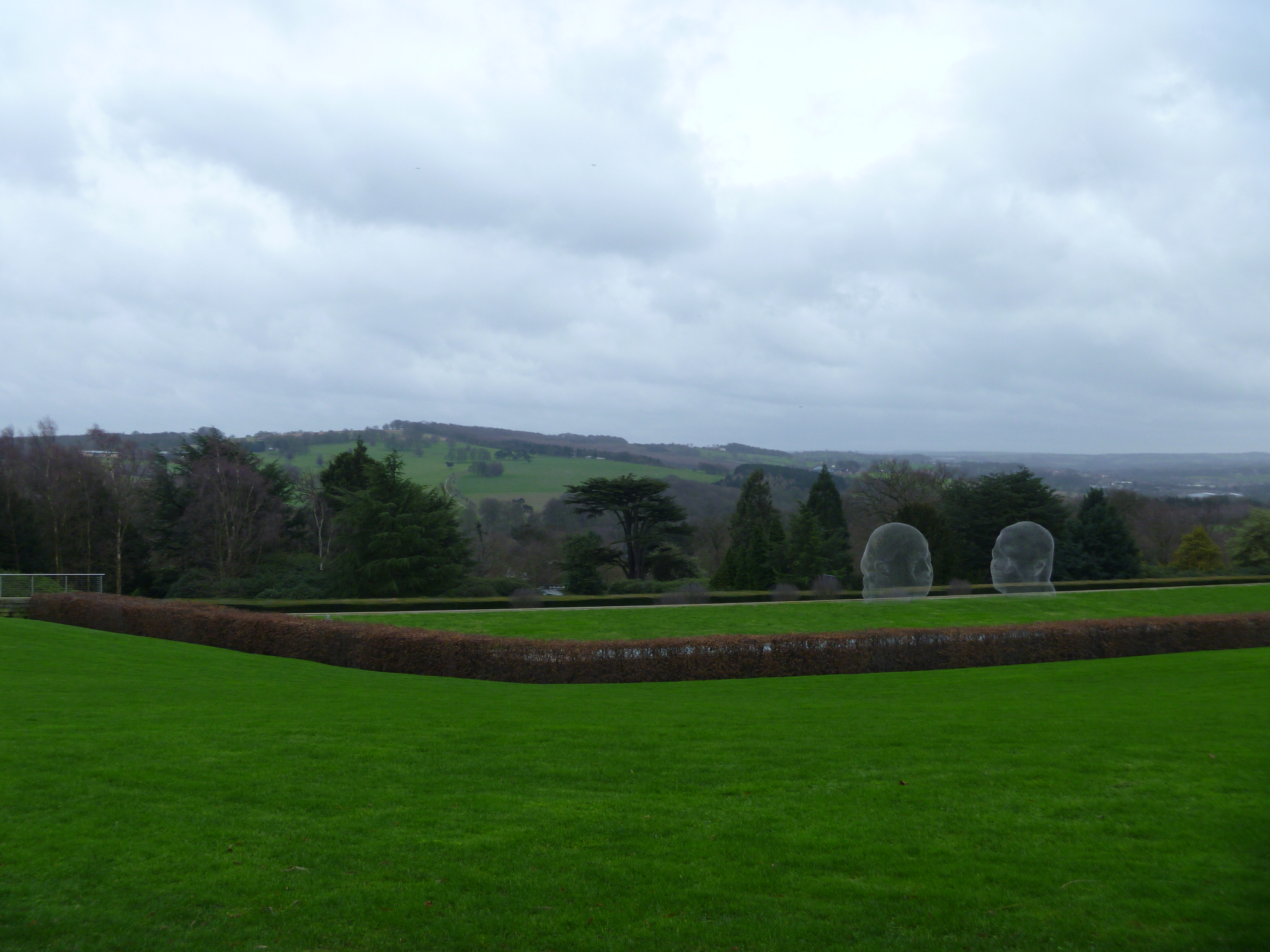
I love a tramp in the countryside but I also love to see something new and/or interesting and that is often possible in Yorkshire. We’ve been generously given an extra day off work today as a substitute day for the Queen’s Diamond Jubilee Bank Holiday in June. We already get two days holiday then anyway. So what better way to spend it than to drive for 20 minutes down the M1 to the Yorkshire Sculpture Park. I’ve visited many times in the past but there is always something new to see and on every visit the park seems to have extended its boundaries. Today was no exception. There are some new paths around the Upper Lake and some renovated 18th century garden features to inspect – a Shell Grotto, a Boathouse, an Obelisk and a Greek Temple. The wind was blowing a gale and we had to watch our step along some of the muddier tracks but there were still some good photo opportunities to be had around the park. The main feature of these were the extraordinary work of Spanish artist Jaume Plensa. The exhibition was due to close in the autumn but has been extended until 22 January 2012. I’d seen friends’ photos of these stunning metalwork sculptures but it’s something else to see them for real many of them appearing suspended in the Yorkshire countryside. After our exertions we headed for the cafe for excellent homemade soup and a look round the also excellent shop.

Jerusalem in The Underground Gallery

Alabaster Heads in The Underground Gallery

The Heart of Trees

Jaume Plensa Sculptures

Jaume Plensa

The Park and Estate – with Talking Heads

Lovely stuff in the YSP Shop