Hailes Abbey Walk

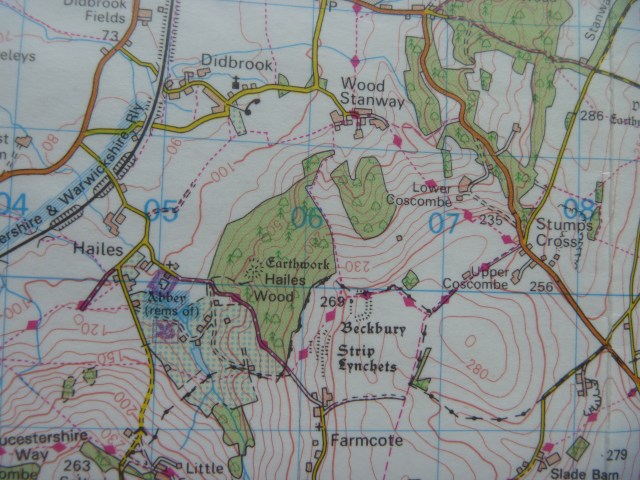
HA Route map

Our Route : The Pink Diamonds indicate The Cotswold Way

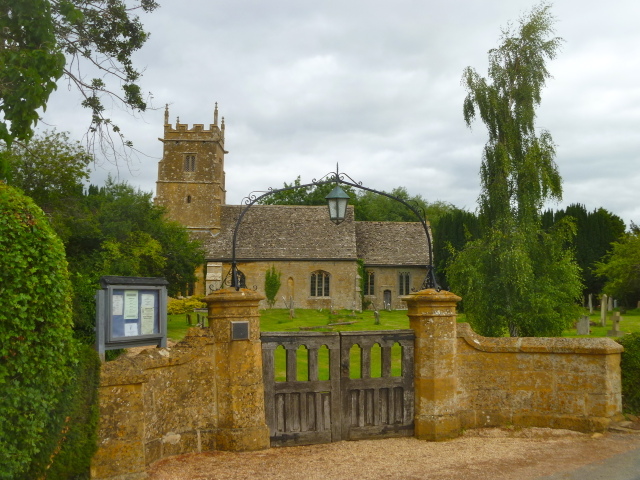
Tewkesbury is only a few miles from The Cotswolds so on Sunday my sister and I chose the five mile walk “Thomas Cromwell and Hailes Abbey: how an important abbey was destroyed by a King’s Commissioner”. We drove the few miles to Hailes Abbey and parked up by the church. We decided to have our picnic lunch in the Abbey grounds after the hike.
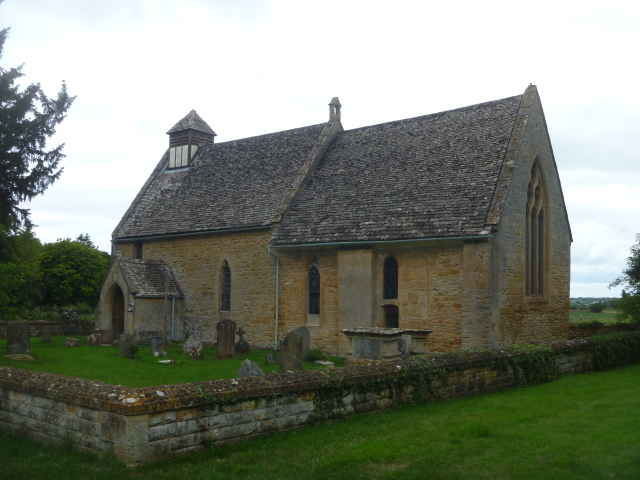
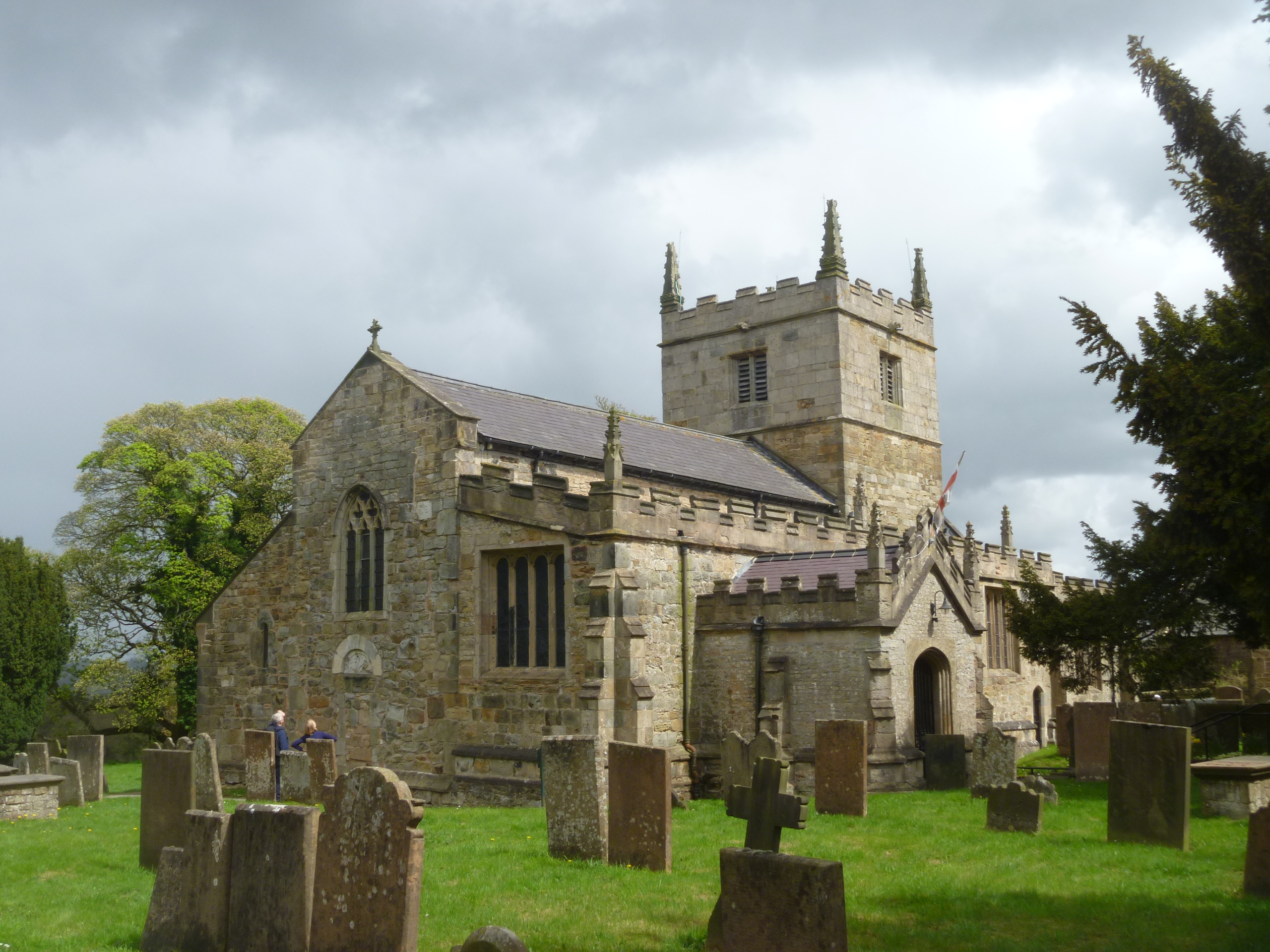
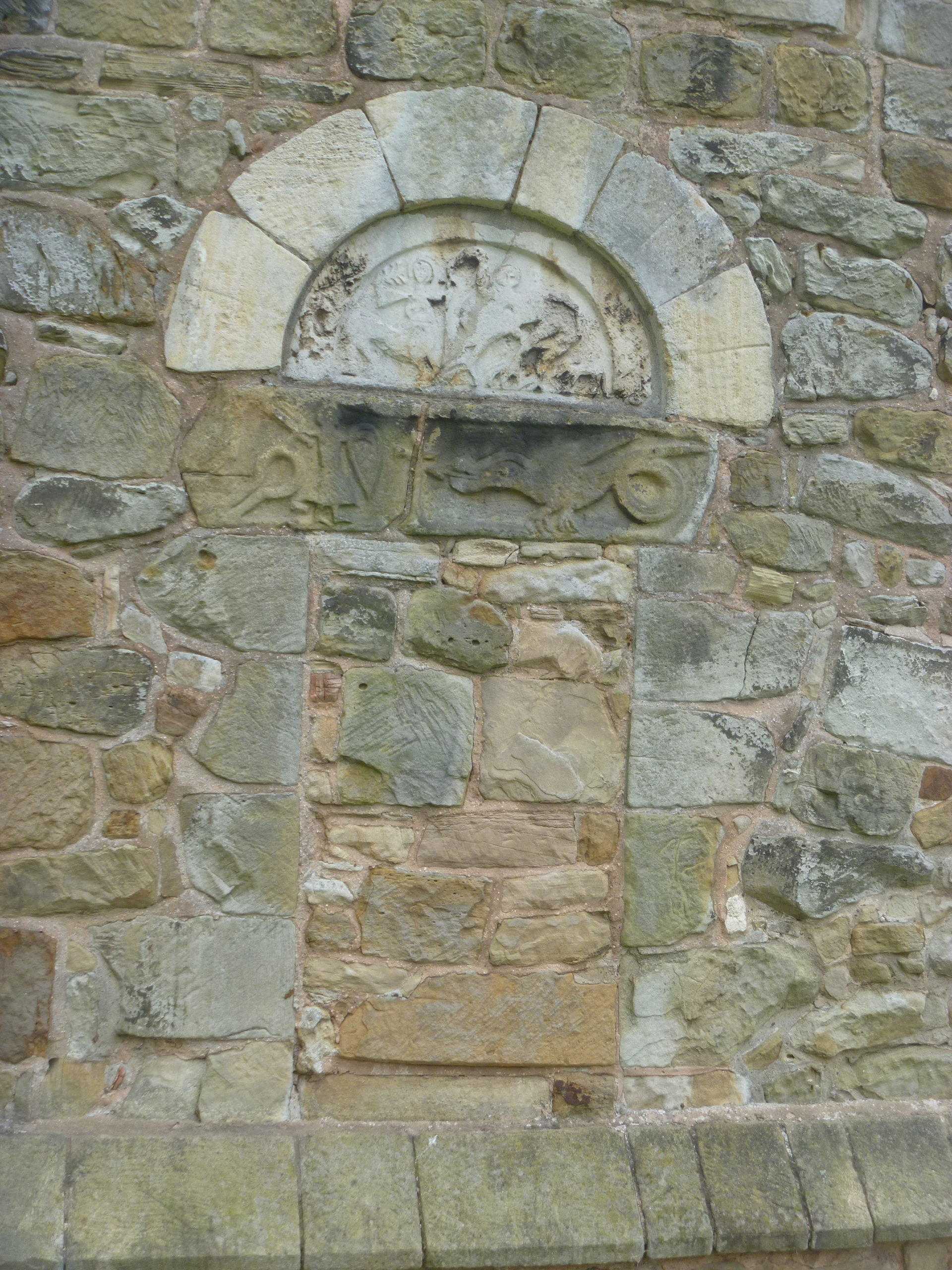
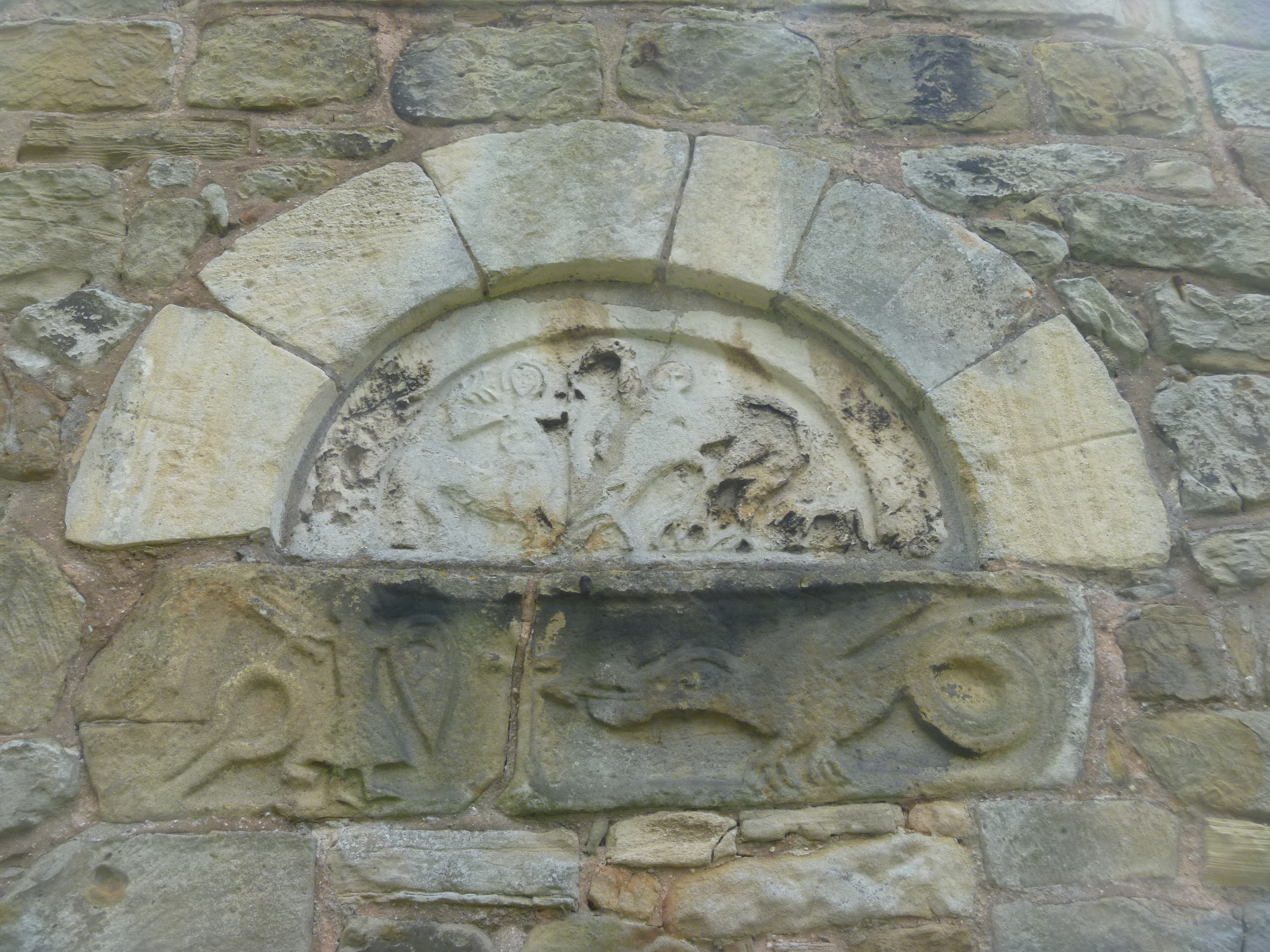
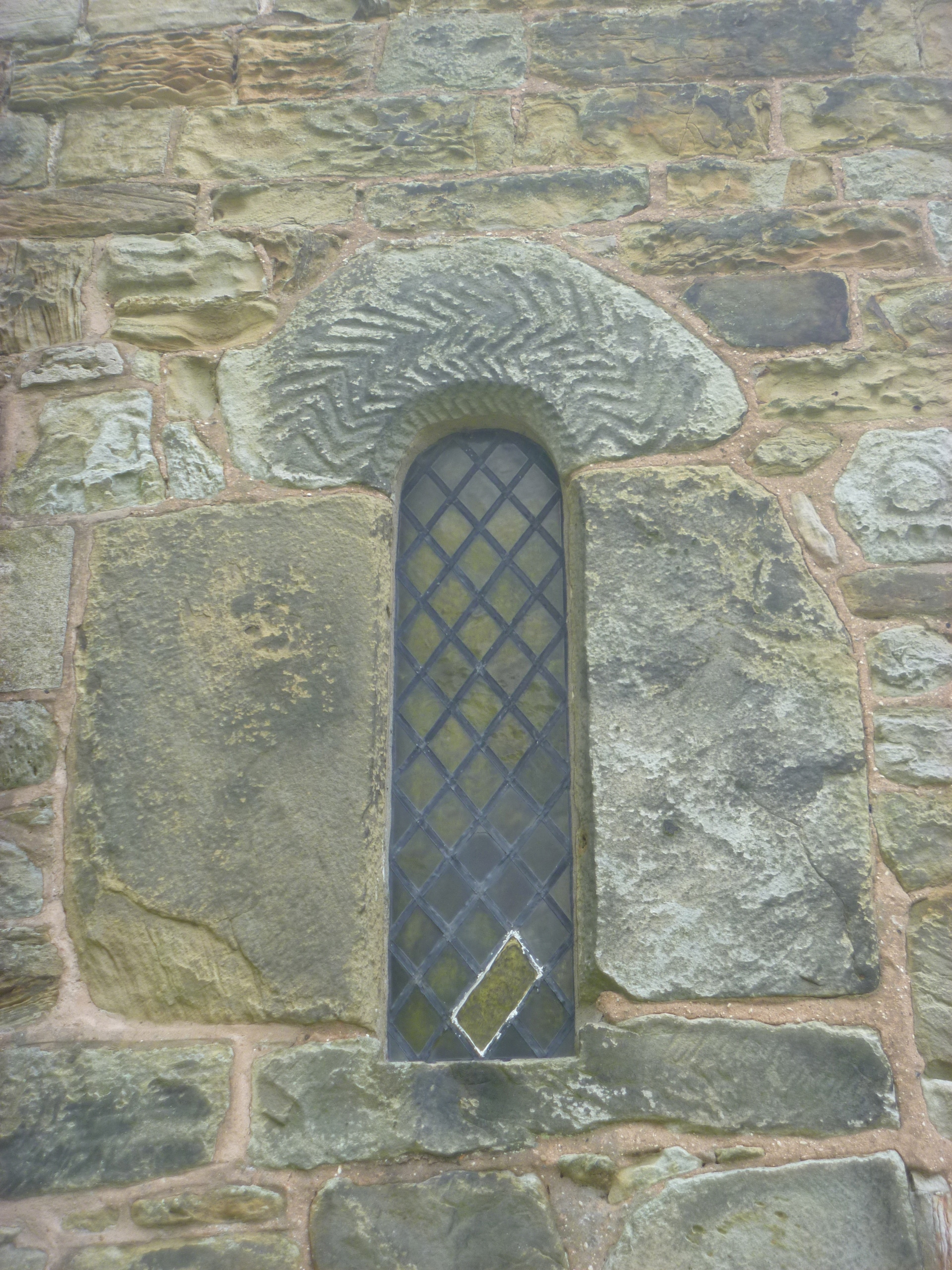
Hailes Church

Hailes Church (undedicated)

After a short distance back-tracking down the lane we headed off the road along grassy field paths to the village of Didbrook. We were surprised that this village had a primary school besides the honey-coloured stone church and houses. The school does serve a largish catchment area though, not just the village.
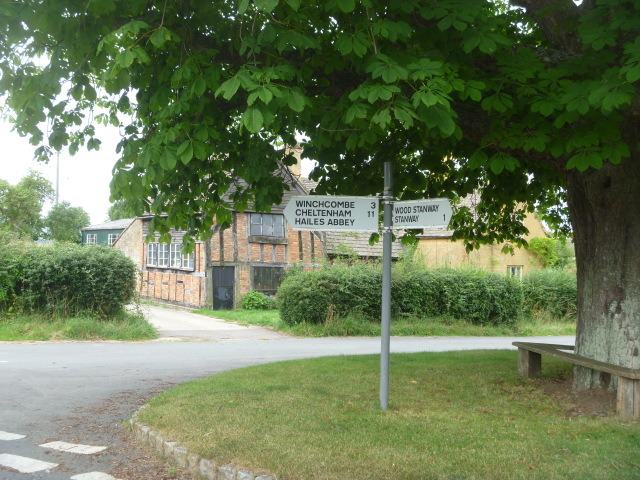
Didbrook

Acorn Smithy in Didbrook

Didbrook Church

St George, Didbrook

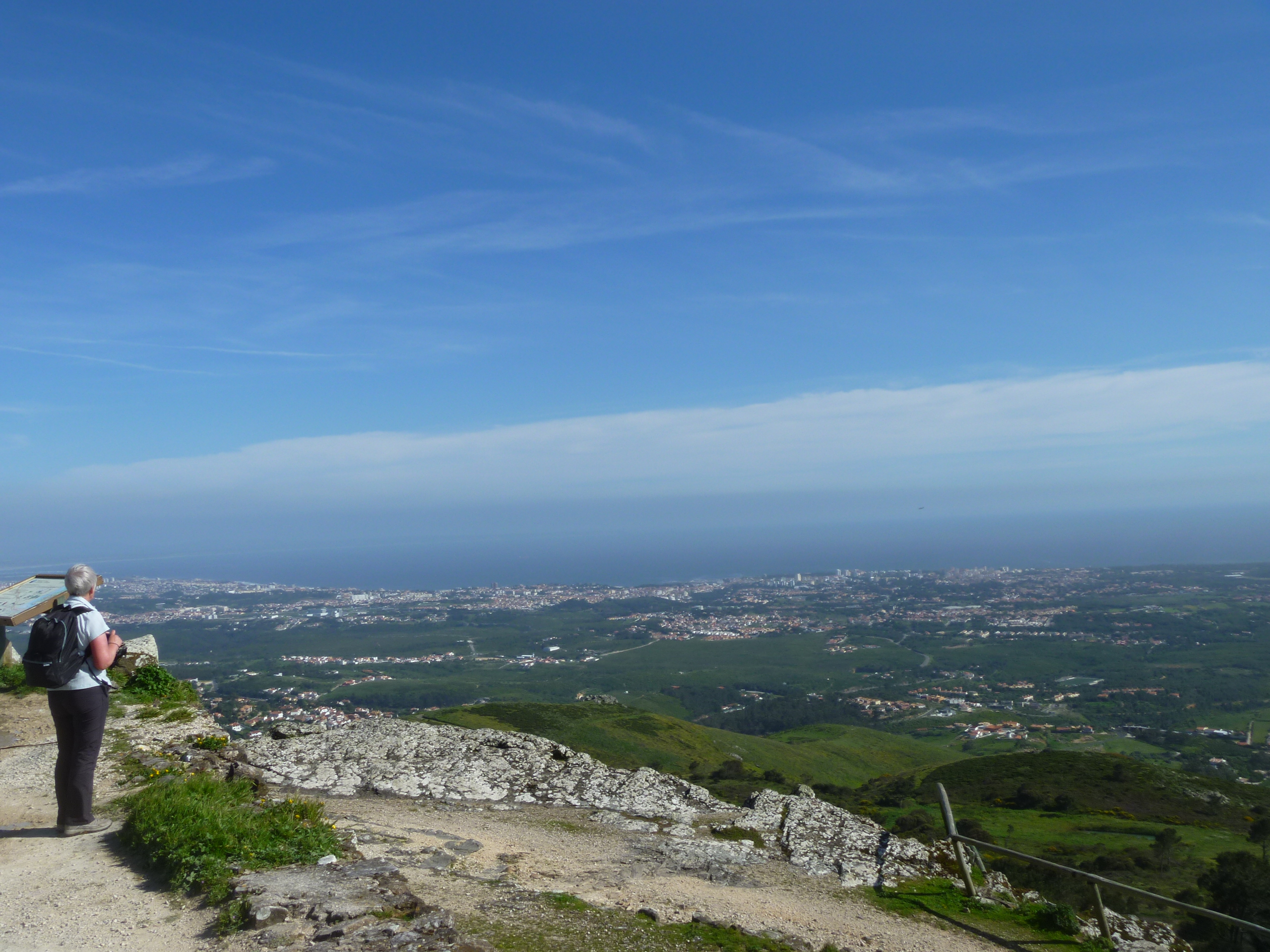
After Wood Stanway, which we approached along quiet country lanes, we joined the Cotswold Way which is a National Trail and indicates to us a well-marked route with its acorn-topped wooden marker posts. After quite a climb we were pleased to see a wooden bench and enjoy the view towards the Malvern Hills and possibly the Welsh Mountains too.
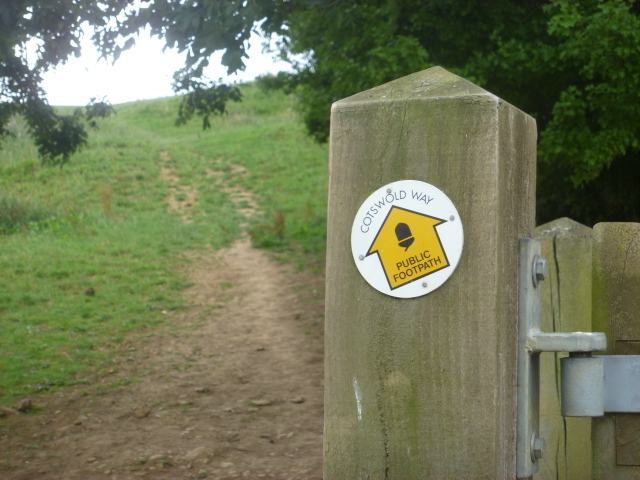
The Cotswold Way

After passing the ramparts of an Iron Age fort (Beckbury Camp) we came across a bizarre little stone pillar with a niche carved out of it. According to local lore it was from here that Thomas Cromwell (Wolf Hall) watched the destruction of Hailes Abbey in 1539.
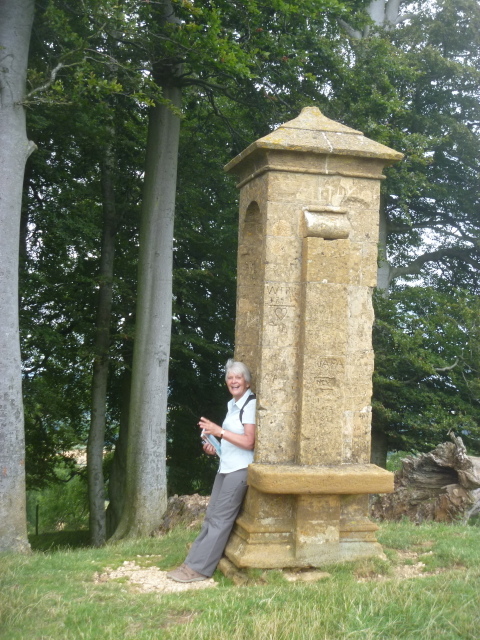
Thomas Cromwell's niche

A half-mile deviation from the Cotswold Way lead us to the hamlet of Farmcote with its tiny chapel and herb and chilli peppers farm.
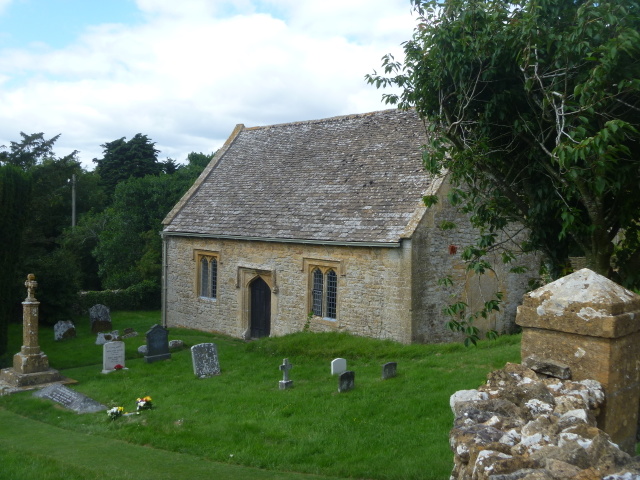
Farmcote Chapel

St Faith’s Church, Farmcote

“The body of this beautiful little chapel is Saxon and fairly early Norman, though the round Saxon apse was destroyed in the early nineteenth century. It has massive windbraces and huge cross-beams, still bearing the axe marks of pillagers. It is thought that the Saxon builders of the Chapel made have made use of an earlier, possibly even Roman building. The Chapel has a Norman rectangular nave and a tiny chancel linked to it by a narrow Saxon arch. the chancel houses a Jacobean canopied oak pulpit and arcaded reading desk, oak benches of 1597, fine altar rails of the Seventeenth Century and an altar itself of the Fifteenth Century with the original Mensa slab scratched with the five crosses, symbolizing the five wounds of Christ.” BBC Domesday
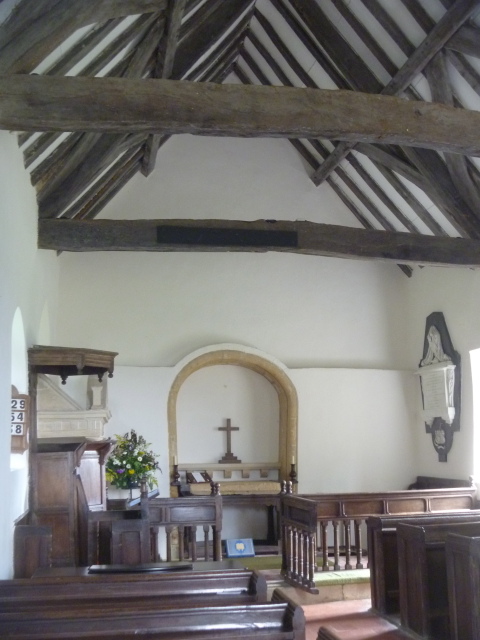
St Faith's interior

St Faith’s Farmcote : Interior

From Farmcote we descended steadily down the track (Cotswold Way) to the road and Hailes Abbey where we flashed our National Trust cards and settled at a picnic table for our well-earned tasty lunch! After lunch we walked around the Abbey grounds studying the information boards and the museum artefacts and discovering just how important this lonely ruin off the beaten track had once been.
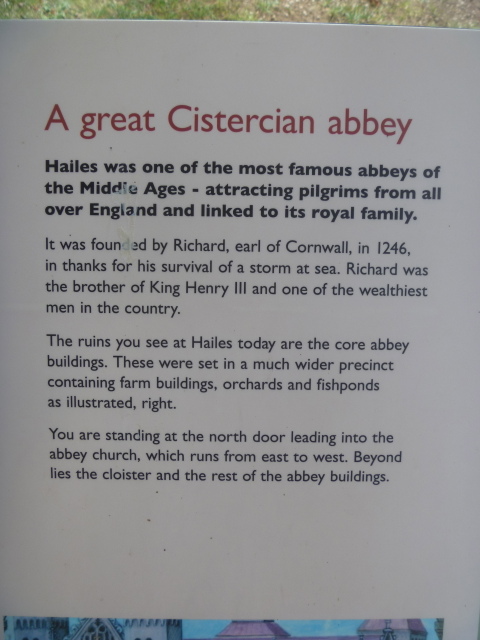
Welcome

Welcome to the Cistercian Abbey of Hailes
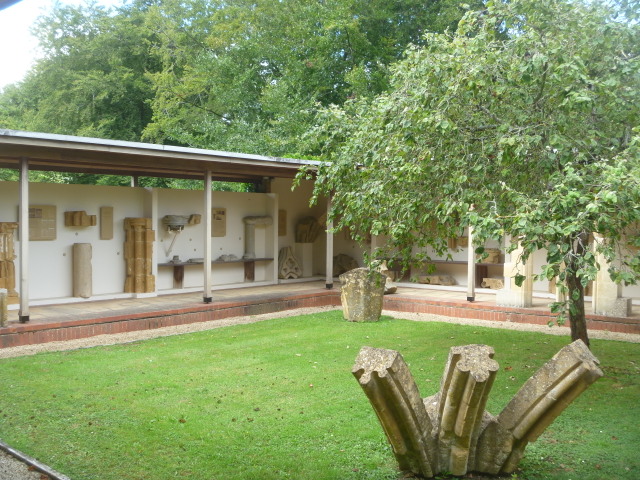
Museum

Hailes Abbey Museum

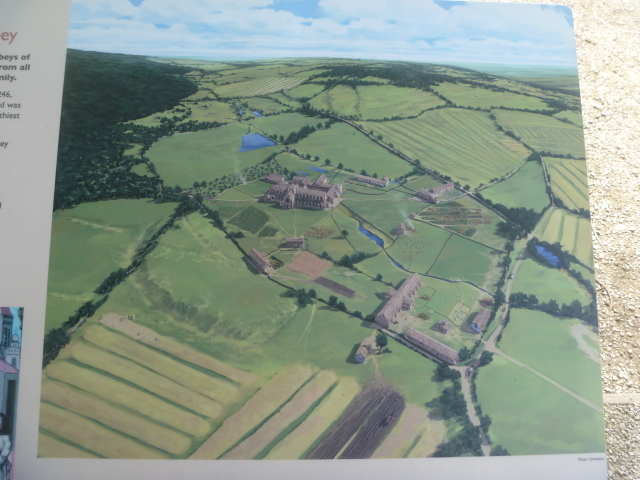
As it was

Hailes as it was

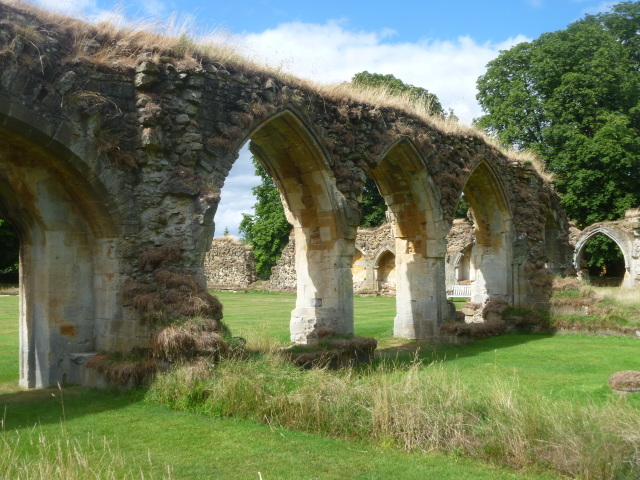
Ruins

Ruined Cloister Walls, Hailes Abbey

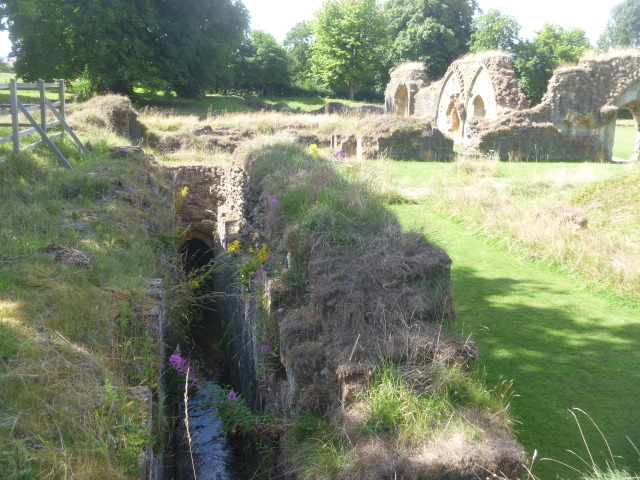
Culverts

The Drainage Culverts Established by the Monks – Still in Use Today
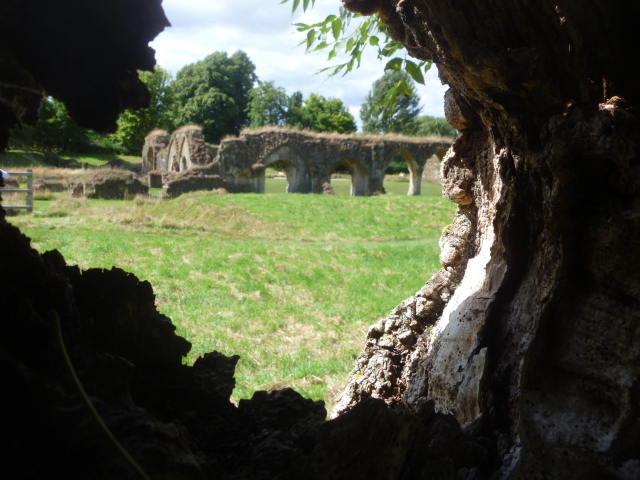
Abbey through tree

Goodbye Hailes Abbey
Croome Park, Court and Church

Last Thursday I met up with a good friend of mine at Coleshill Parkway Station for a couple of days’ adventures in Evesham and Tewkesbury.

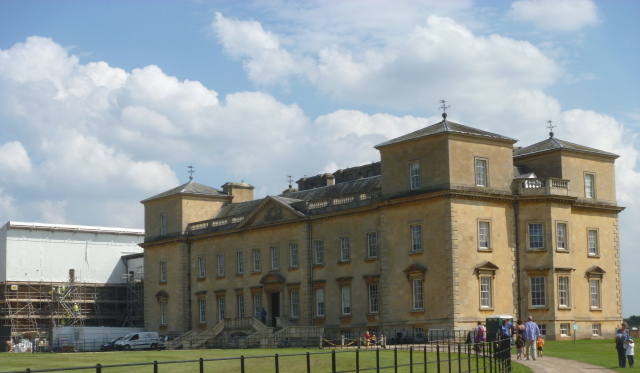
Croome Court

Croome Court

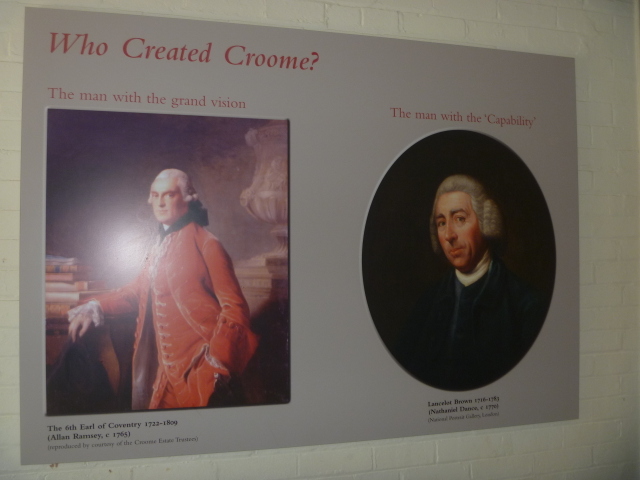
Our first port-of-call on meeting up was an hour’s drive away – the National Trust owned Croome Park and Court in Worcestershire. The park was the responsibility of ‘Capability’ Brown – he crops up everywhere, of course. The house has only been in the possession of the Trust for about 4 years. They have carried out an awful lot of work during that time and a lot more is ongoing. It will be interesting to revisit in a year or so to see what has been achieved/improved/changed using the £1.8m granted by the Heritage Lottery Fund under the programme “Croome Redefined”.

Coventry and Capability

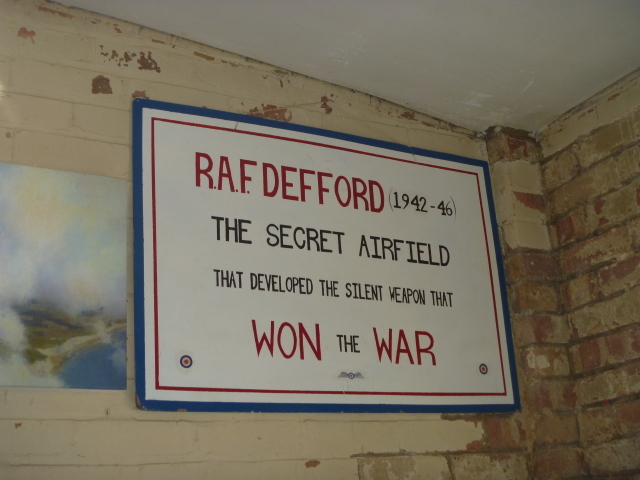
When you arrive the visitor centre seems to occupy what appear to be black painted army Nissen huts but on closer inspection are in fact restored RAF buildings which once served the nearby airbase as their sick quarters.  Exhibition rooms tell the story of RAF Defford.

Defford

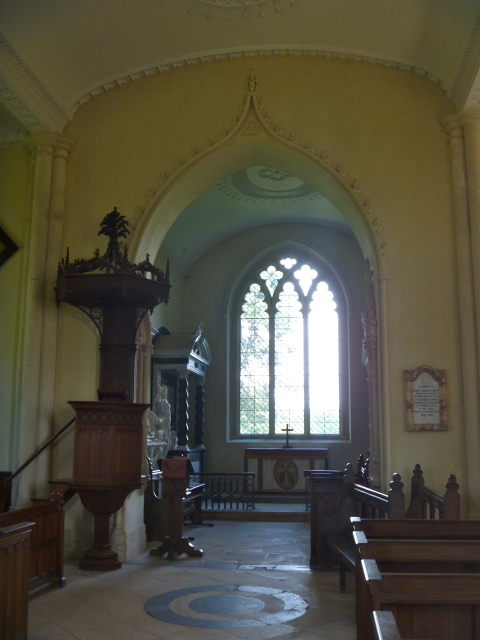
After our picnic we headed into the Park and the first stop was the church. The church of St Mary Magdelene, Crome d’Abitot is cared for by the Churches Conservation Trust and just celebrated its 250th anniversary in June. Gothick in style the building, like the house, is attributed to Robert Adam.

Croome d'Abitot Church

From the church, as time was limited and the house would close to the public at 4pm (the park stays open until 5.30), we made straight for Croome Court itself, missing a large selection of follies and the lake.

Croome Park

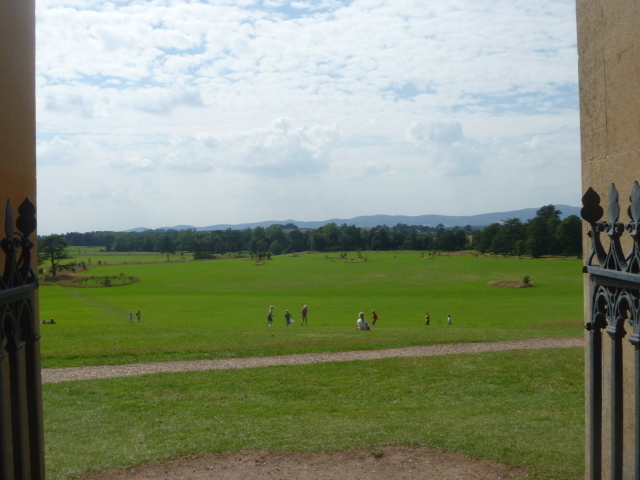
The Park from the Church Door

Church from shrubbery

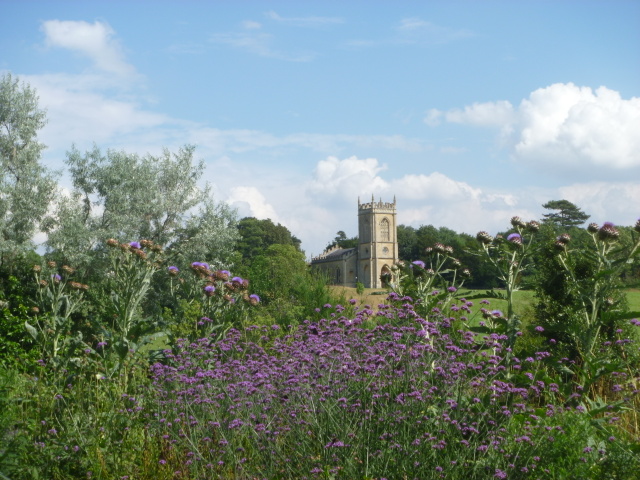
The Church from the Evergreen Shrubbery

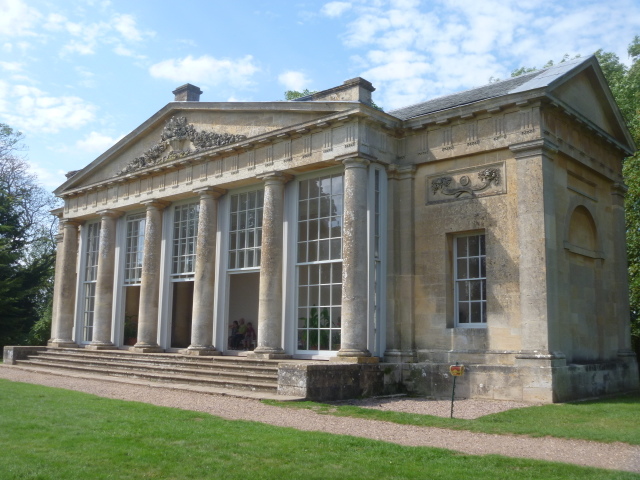
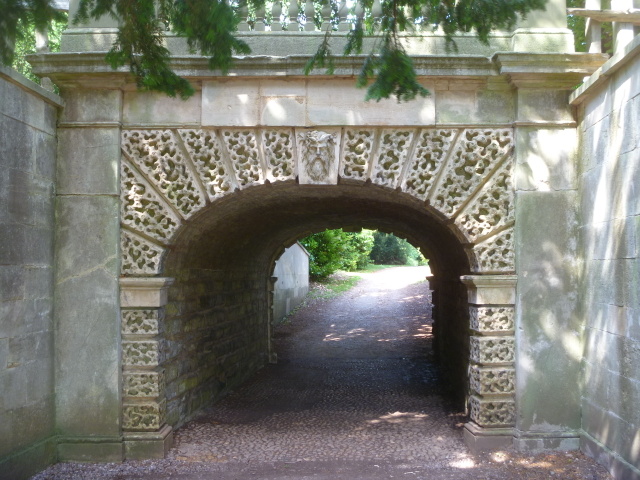
Our walk from the church to the house did take us past some follies notably The Temple Greenhouse and the Dry Arch Bridge. We noted Coade Stone had been used in several places. And as we walked along I was reminded of Stowe Landscape Gardens in Buckinghamshire and indeed it turns out that Brown moved from Stowe down to Croome.

Temple Greenhouse

The Temple Greenhouse

Dry Arch Bridge

The Dry Arch Bridge with Coade Stone Façade and Keystones

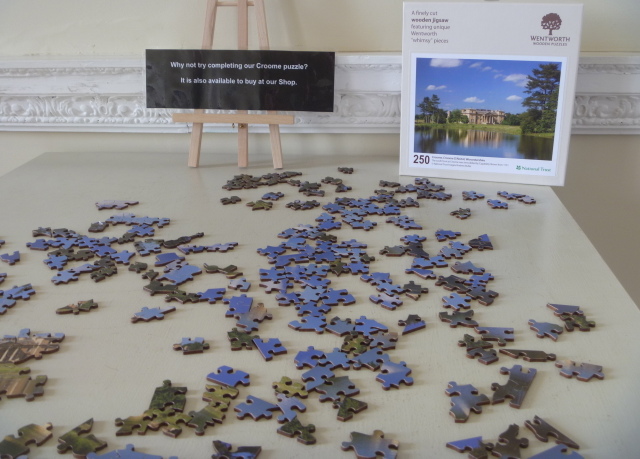
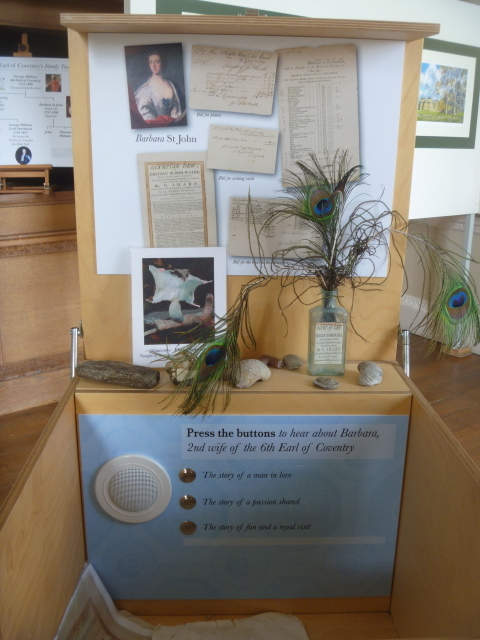
To me the house was a refreshing change from the usual ornate furniture, furnishings and priceless contents and restricting ropes. You could go anywhere and touch everything. Of course, there was nothing of value to touch and that may change as renovations and restorations continue but for the moment it suited me fine to read about the house and family; to listen to recordings of workers and hear what the inhabitants might have said; to dress up; contribute a few pieces to a jigsaw puzzle.

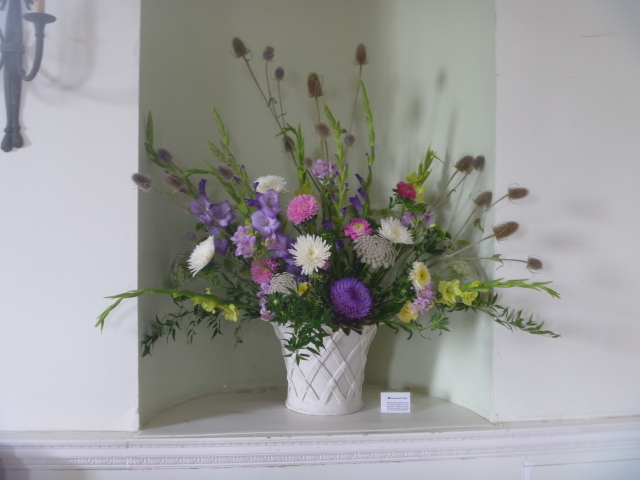
Donor Flowers

Flowers – given by a generous donor

Jigsaw

The Croome Park Jigsaw

Listen and read

Read and hear about former inhabitants

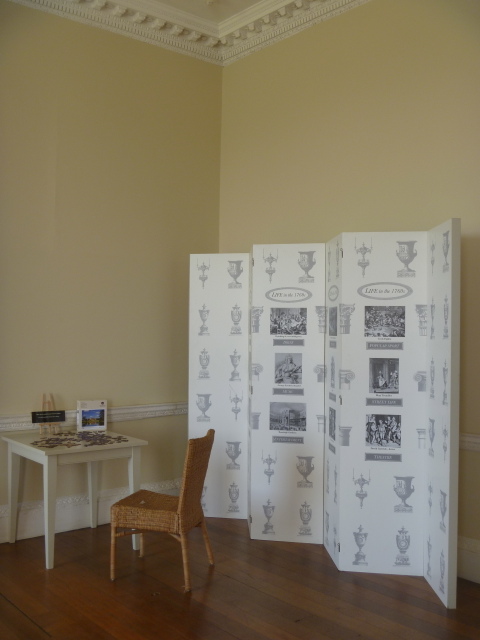
Croome Room

A Corner of Croome

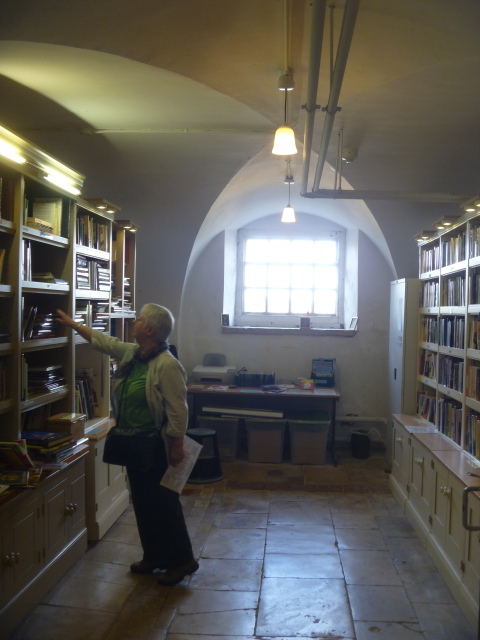
Croome Bookshop

Bookshop Browsing in the Basement

One of the rooms is now a tea room with some tables outside but we only had time for a quick browse and buy in the secondhand book shop before heading out into the park and a longish walk around the perimeter via the Rotunda and Park Seat.

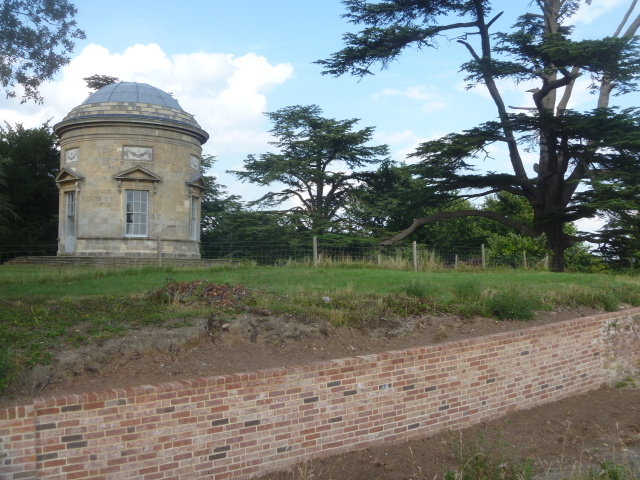
Rotunda

The Rotunda and Ha-ha (Cedars planted by Brown)

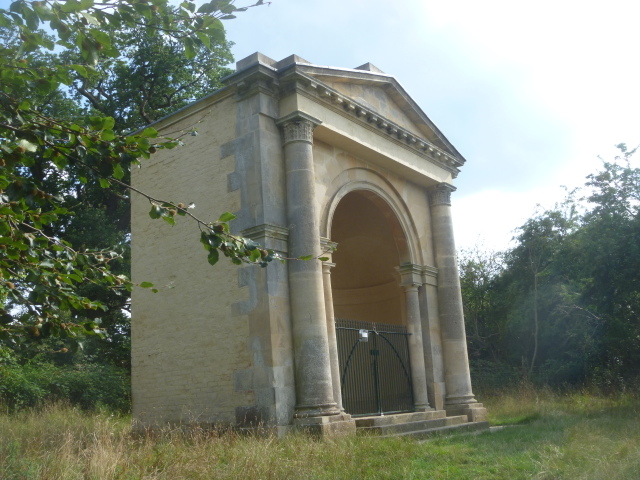
Park Seat

Park Seat has the best views across the Park and the Court

We managed to leave at about 5.30pm knowing that we had left a few things to enjoy on a future visit!

Watery North Devon Literary Connections

There are some watery literary connections in North Devon. Charles Kingsley author of The Water Babies lived in Clovelly as a child and returned many times as an adult and Henry Williamson lived for some time in Georgeham near Croyde and based his Tarka the Otter stories on local North Devon rivers.

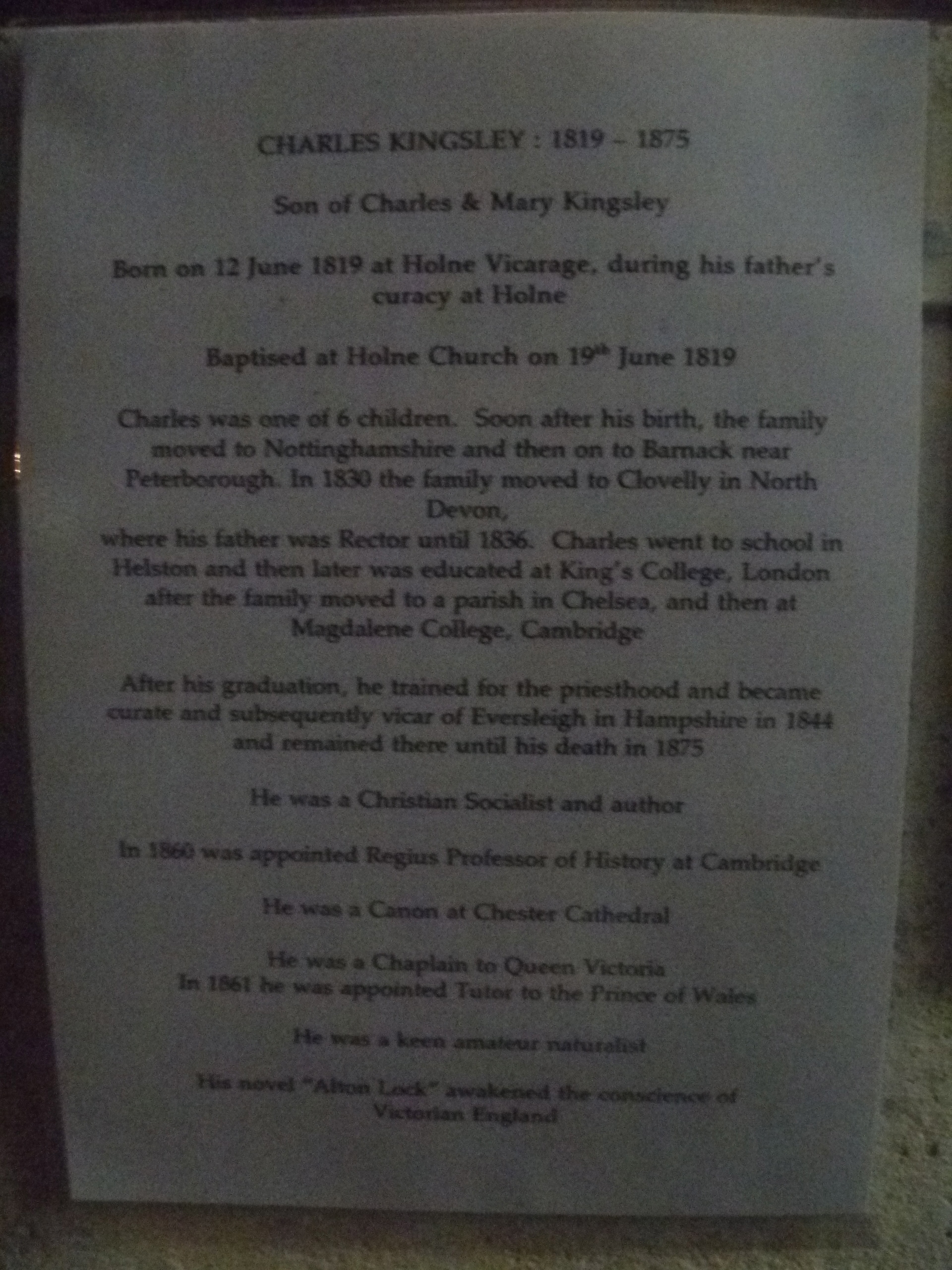
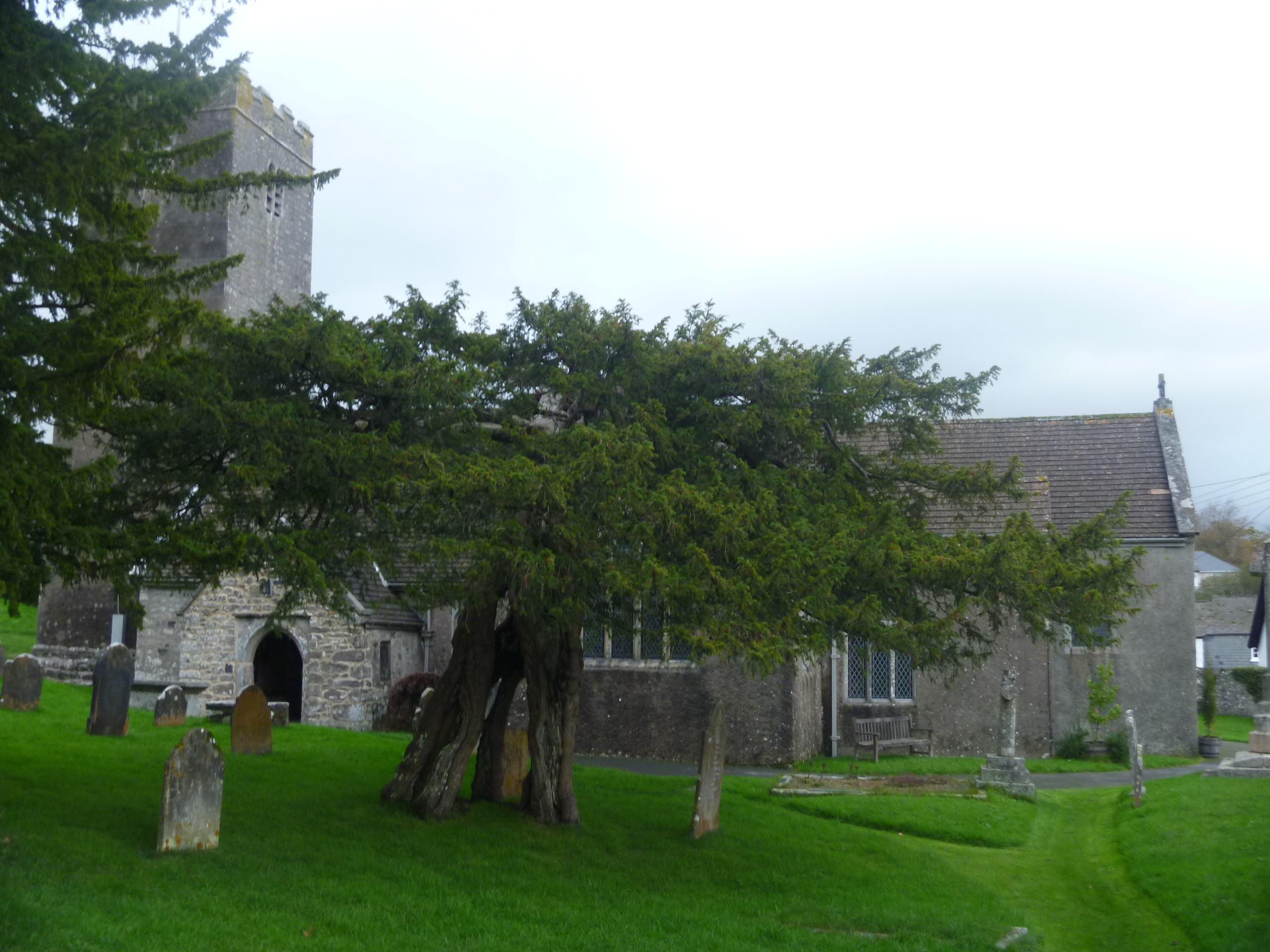
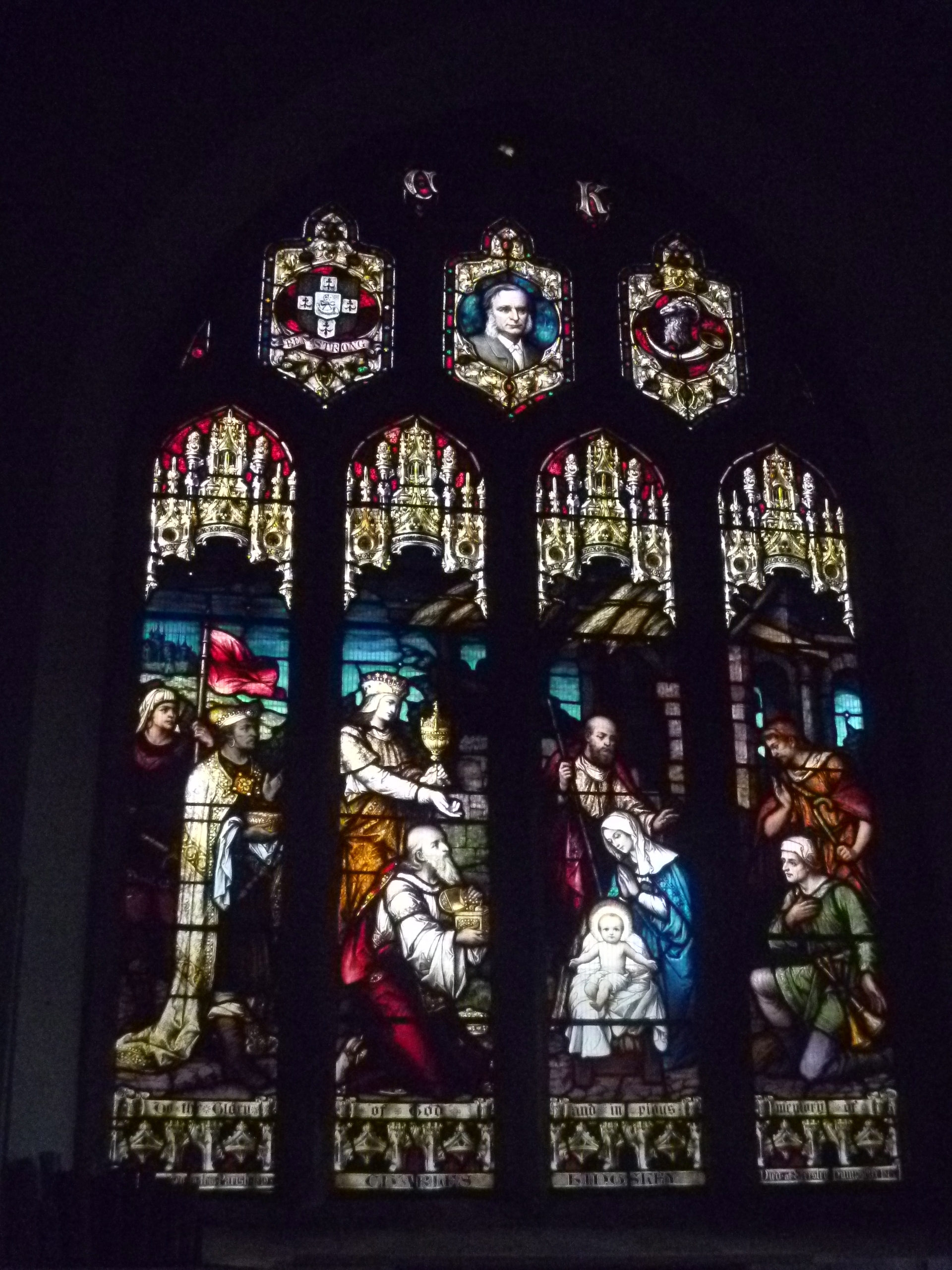
Charles Kingsley was born at Holne Vicarage on Dartmoor. I visited the church, but the vicarage was inaccessible, a couple of years ago when staying in the area. Here is a brief resumé of his life and a picture of the stained glass window in the church of St Mary the Virgin at Holne.

life of Charles Kingsley

Church at Holne

St Mary the Virgin, Holne, Dartmoor

Stained glass window

Charles Kingsley Window, Holne

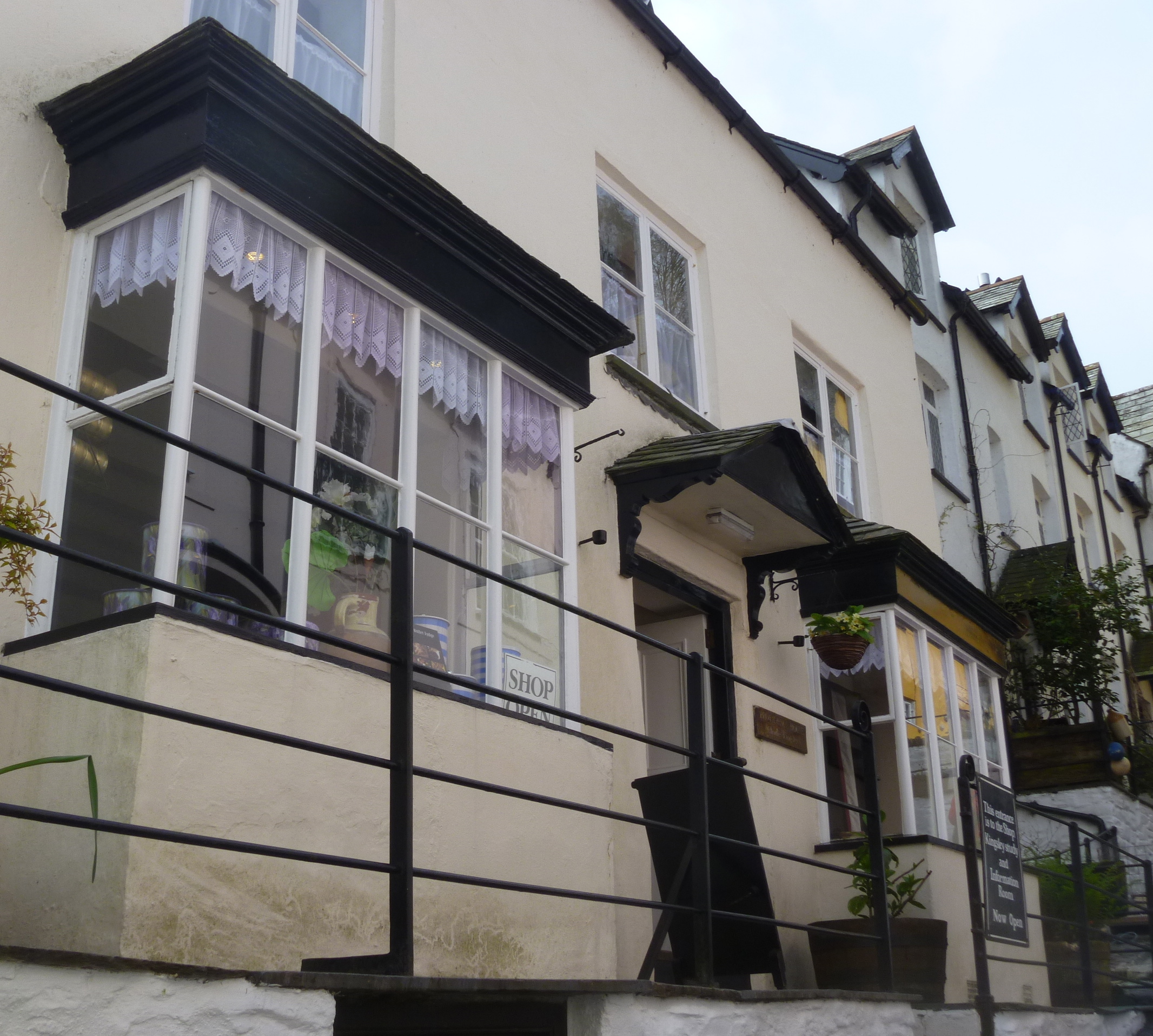
There is a Charles Kingsley Museum in Providence House (his former home) in Clovelly. The Kingsley family moved to Clovelly from Holne when Charles was 11 and they lived there for six years. Charles Kingsley visited the village frequently as an adult and wrote his novel “Westward Ho!” here.

Providence House Clovelly

Providence House, now The Charles Kingsley Museum, Clovelly

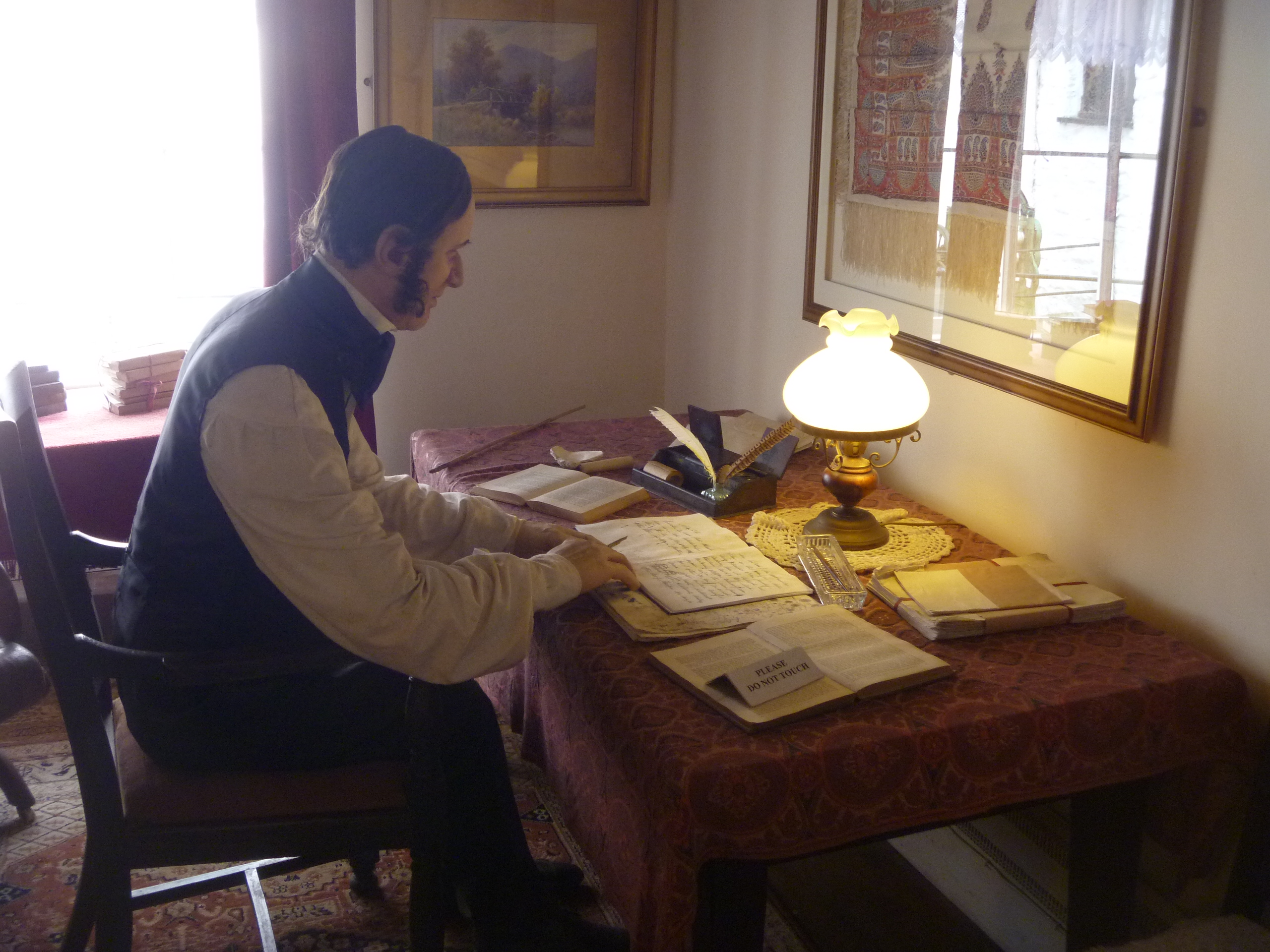
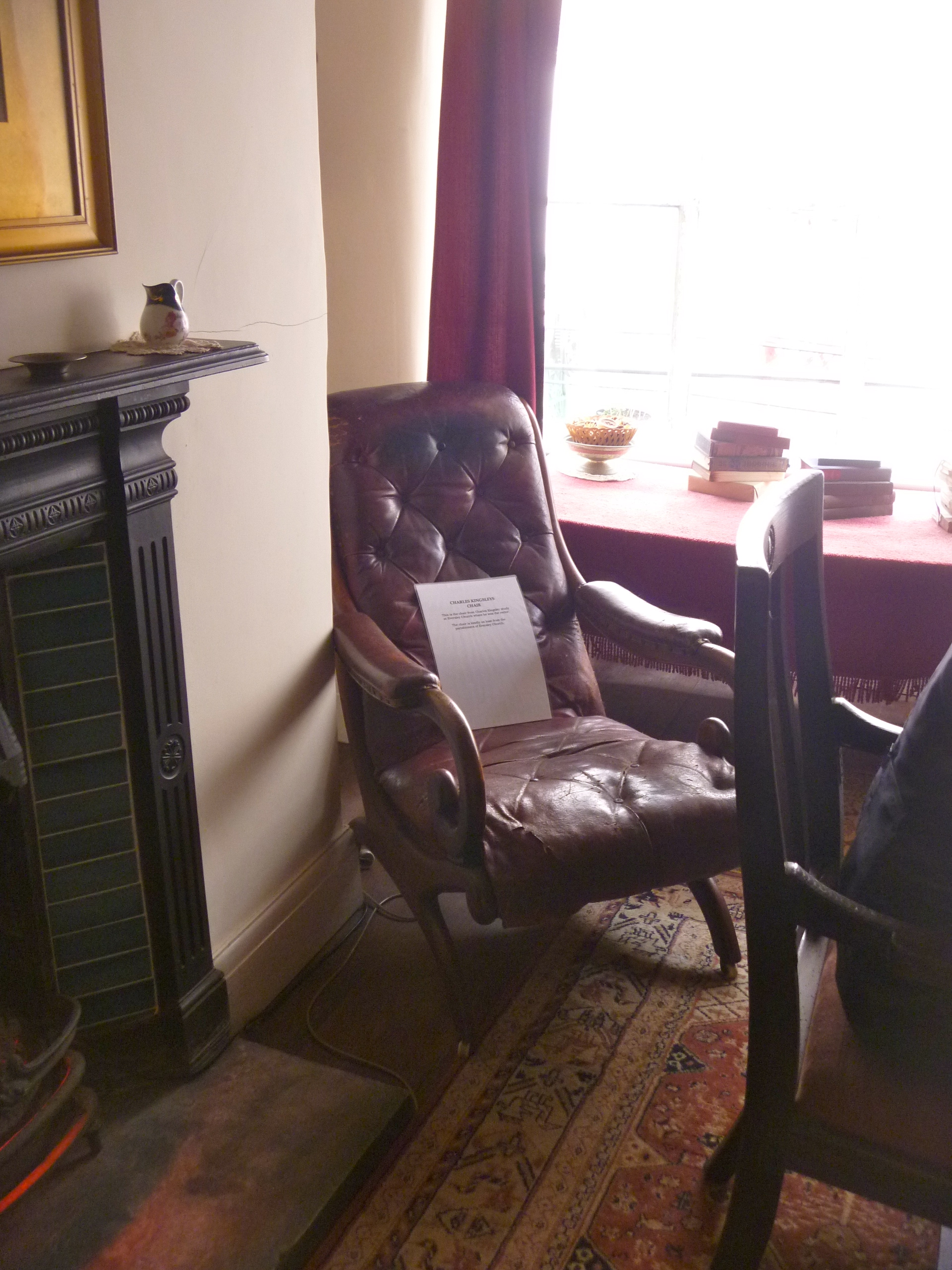
Step inside the Museum with me and see Charles Kingsley at work in his study and his chair and his Christening Shawl.

CK and his christening shawl

Charles Kingsley and his Christening Shawl

CK's chair

Charles Kingsley’s Chair (on loan from the parish of Eversley, Hampshire)

The leaflet supplied to visitors states that “the village also inspired him to write ‘The Water Babies’. I had always understood that Kingsley was inspired to write the book on his visits to Yorkshire whilst staying near Malham Tarn at a house called Bridge End in nearby Arncliffe in Littondale. Here is an article from The Yorkshire Post supporting this fact. Maybe he was also inspired by Clovelly on some aspect of the book?

Tarka the Otter

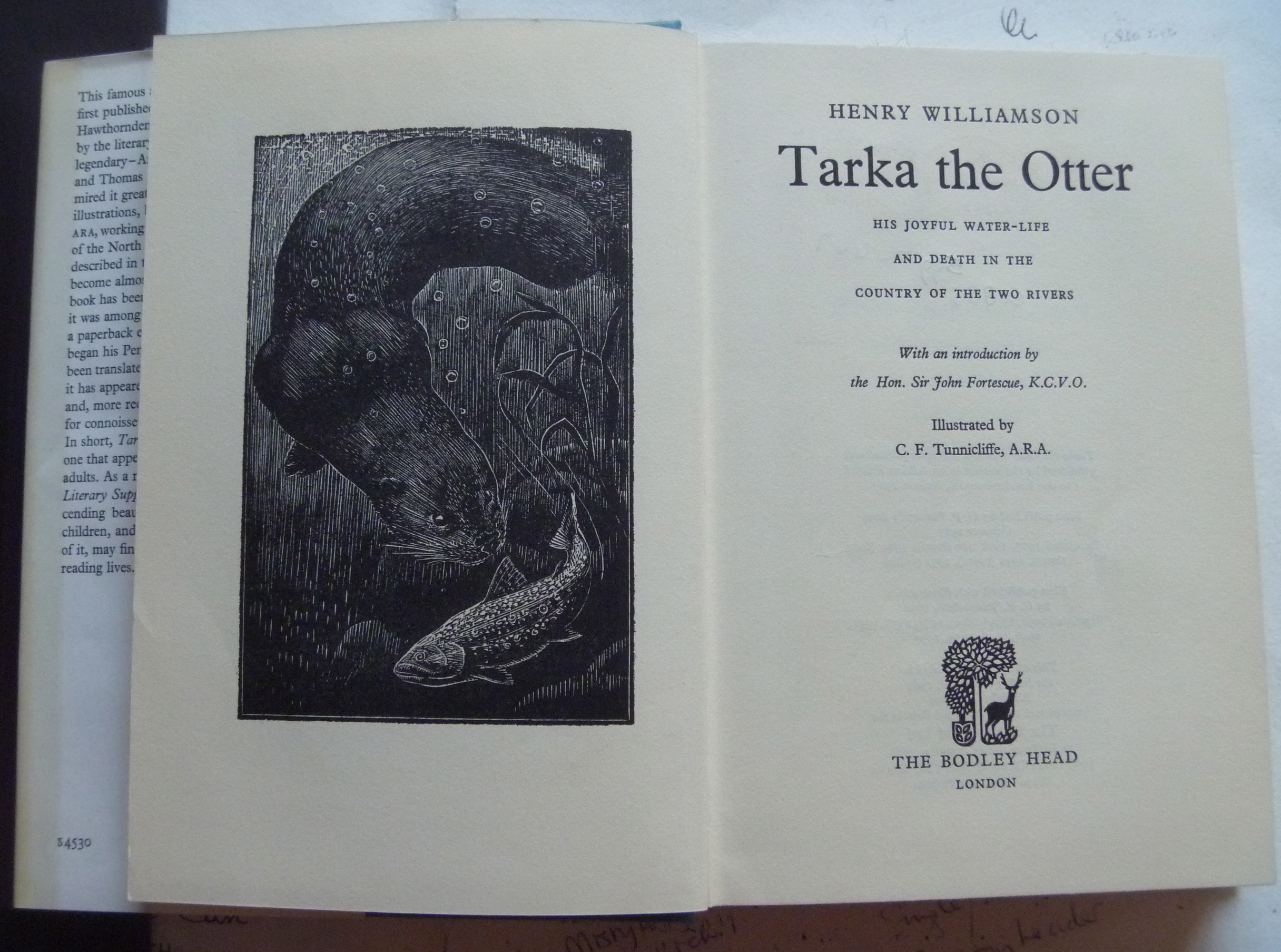
From a wet and windy Clovelly I headed to Braunton for fish and chips and then to the local museum. I expected to find some information about local writer Henry Williamson who wrote ‘Tarka the Otter’. There was a small display about the author who wrote many more books than this famous nature writing including :

The great work of his mature years, A Chronicle of Ancient Sunlight, [which] stands as a true statement of the social history of this country in all its varied detail, through the life of the main character, Philip Maddison.”

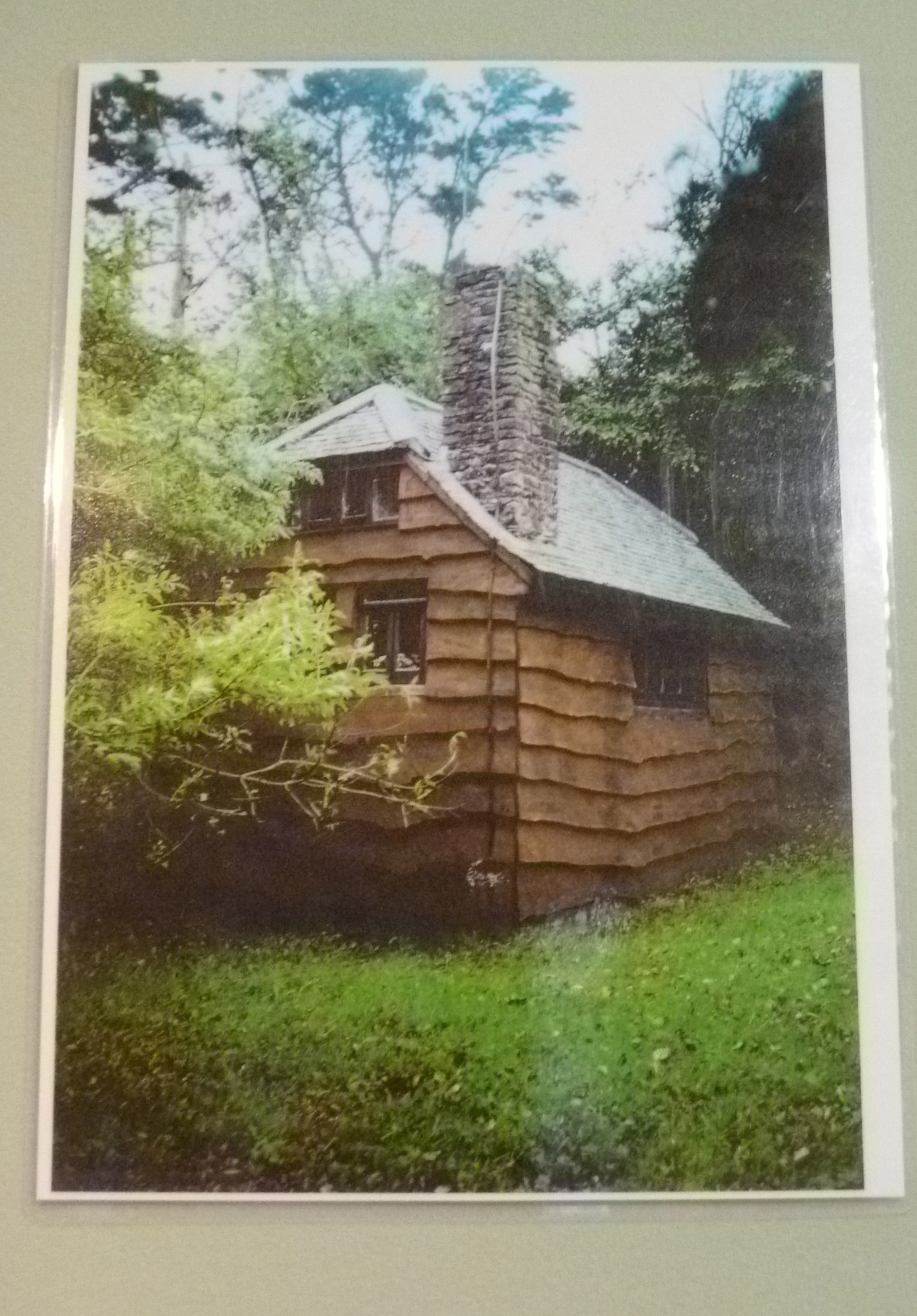
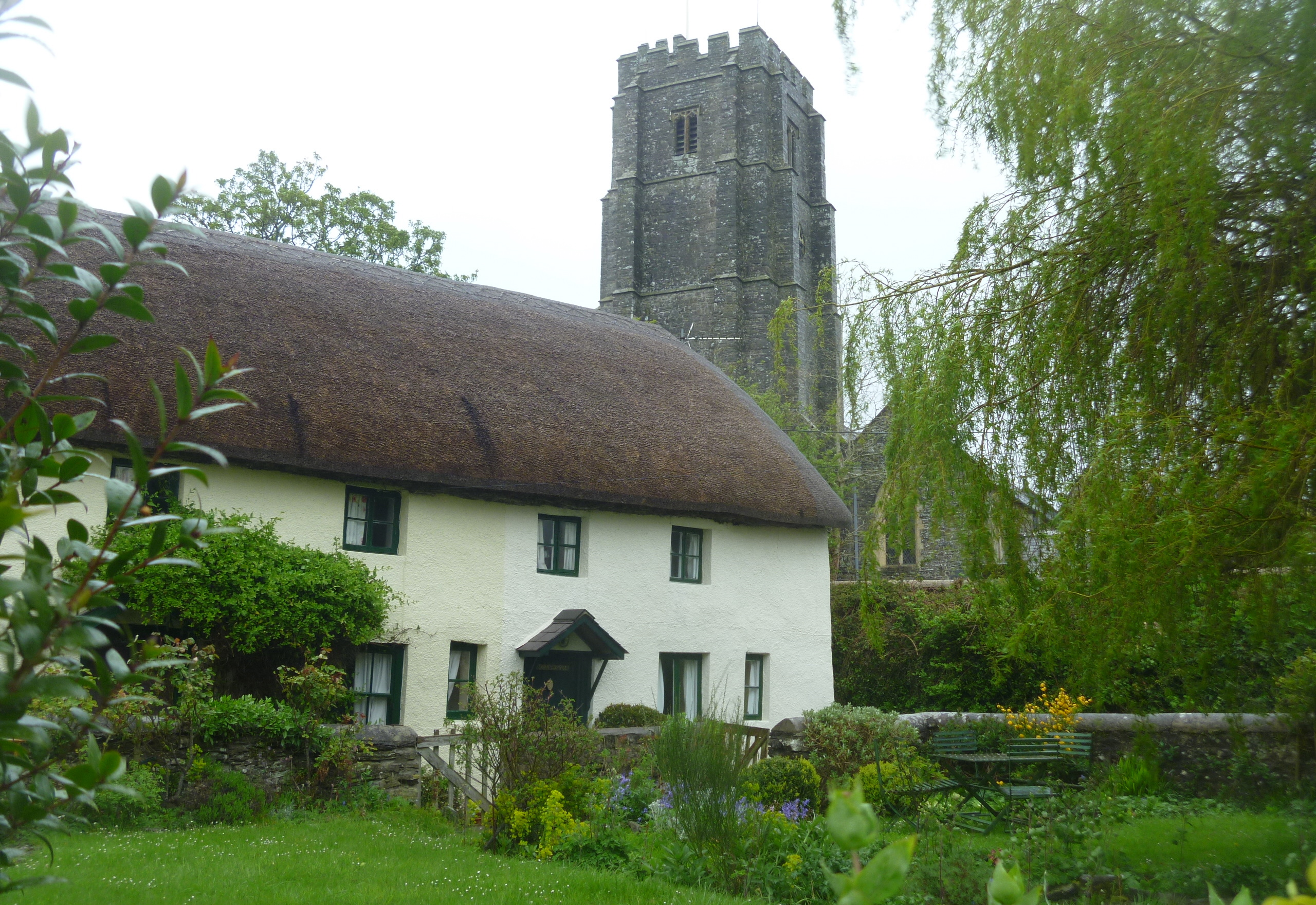
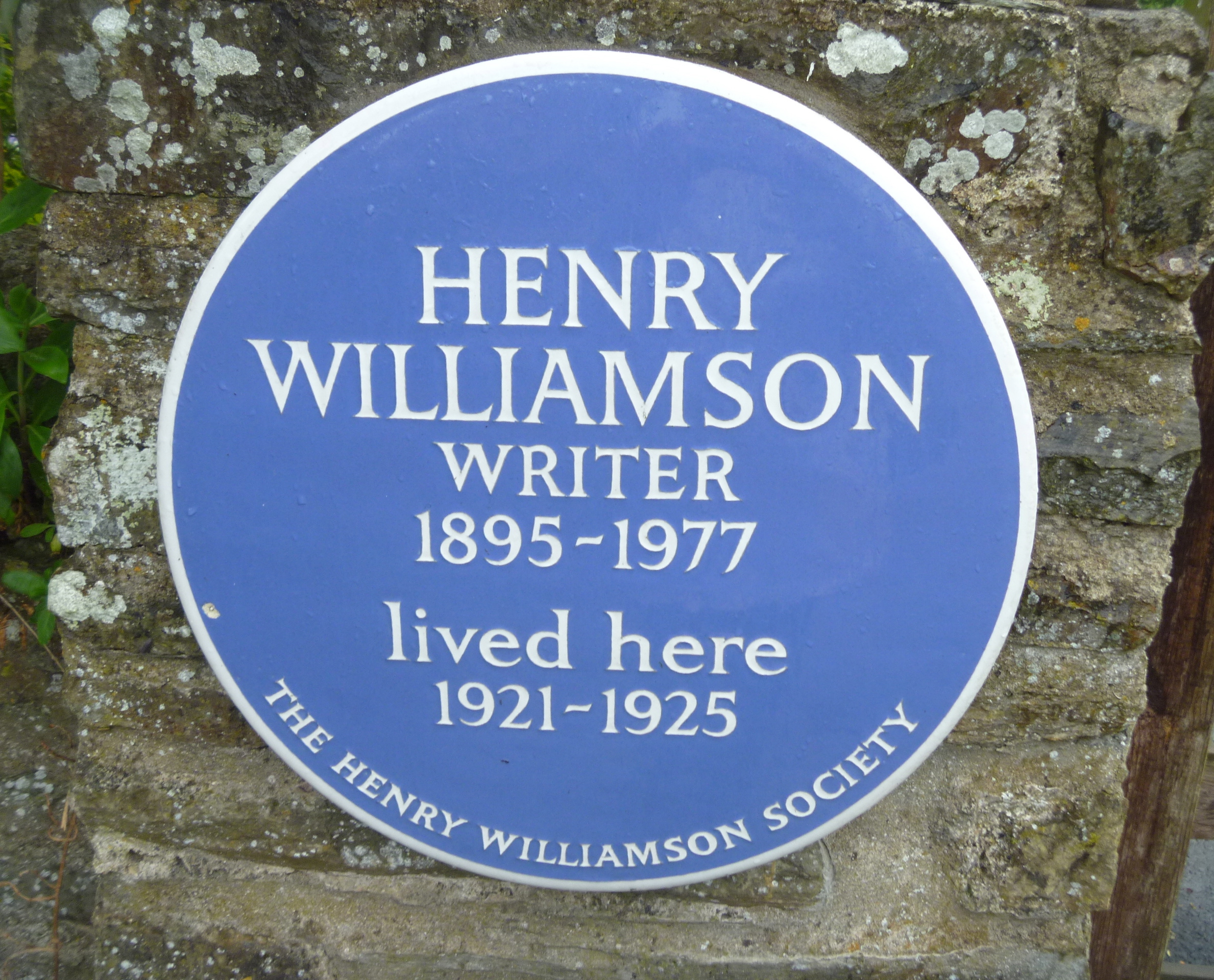
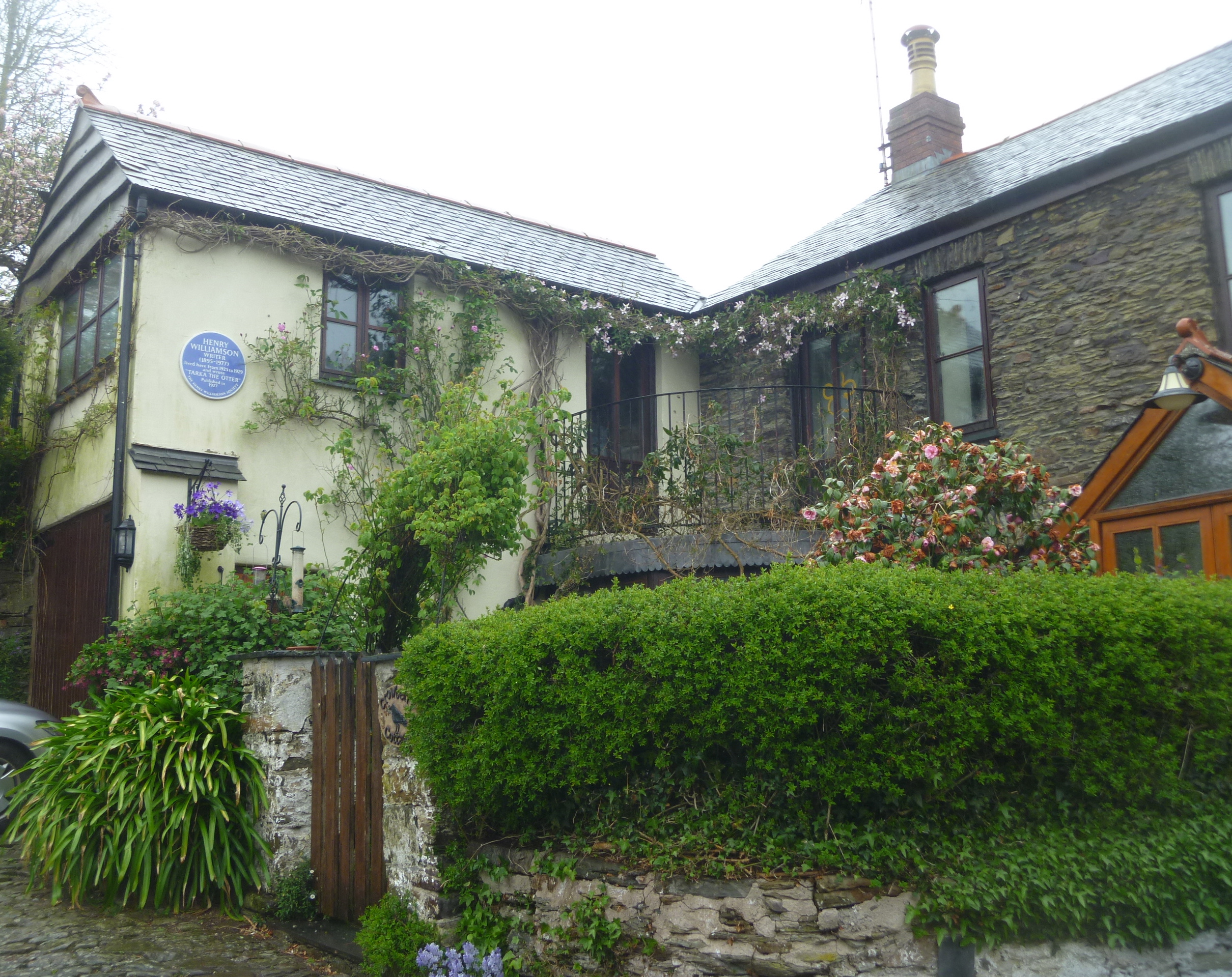
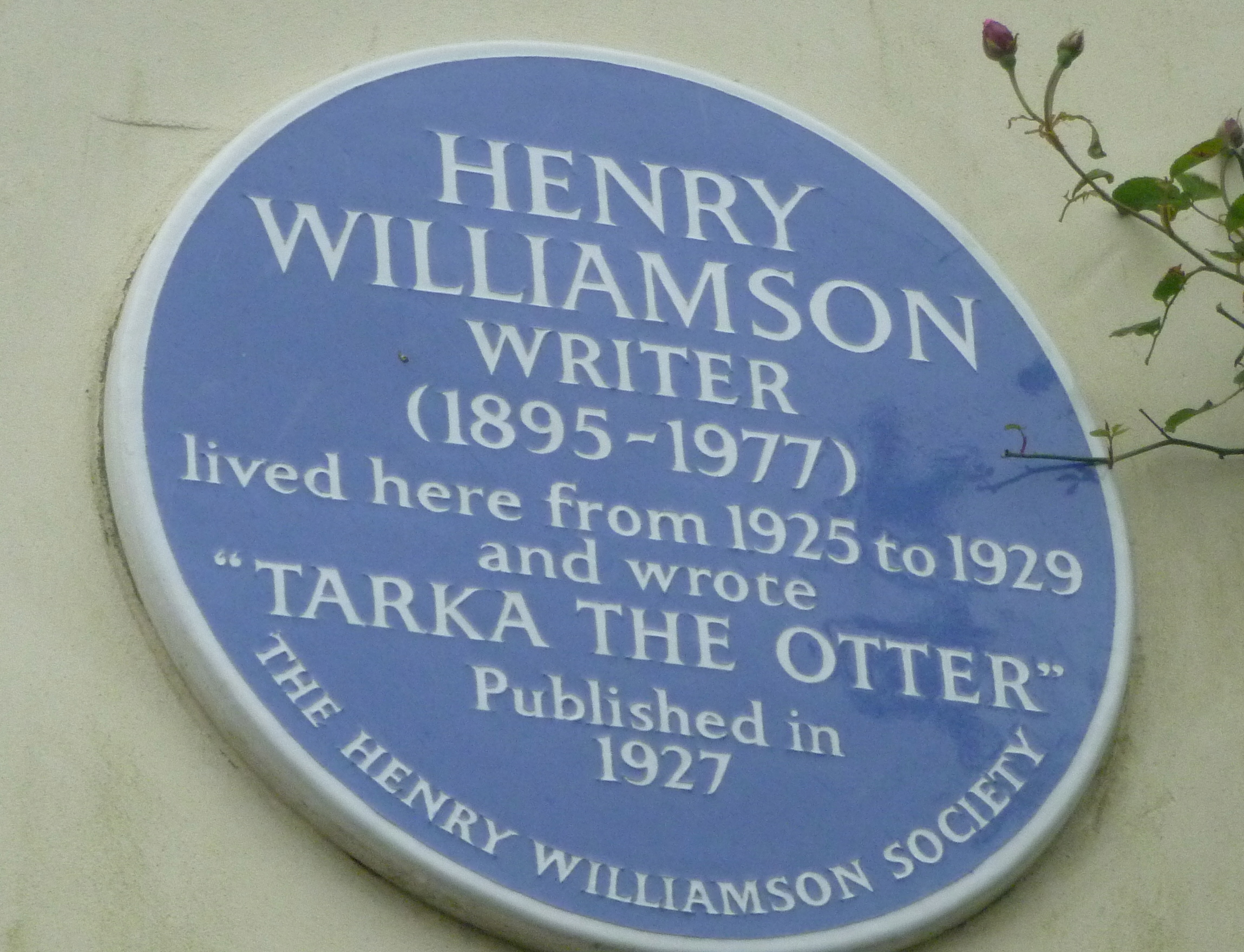
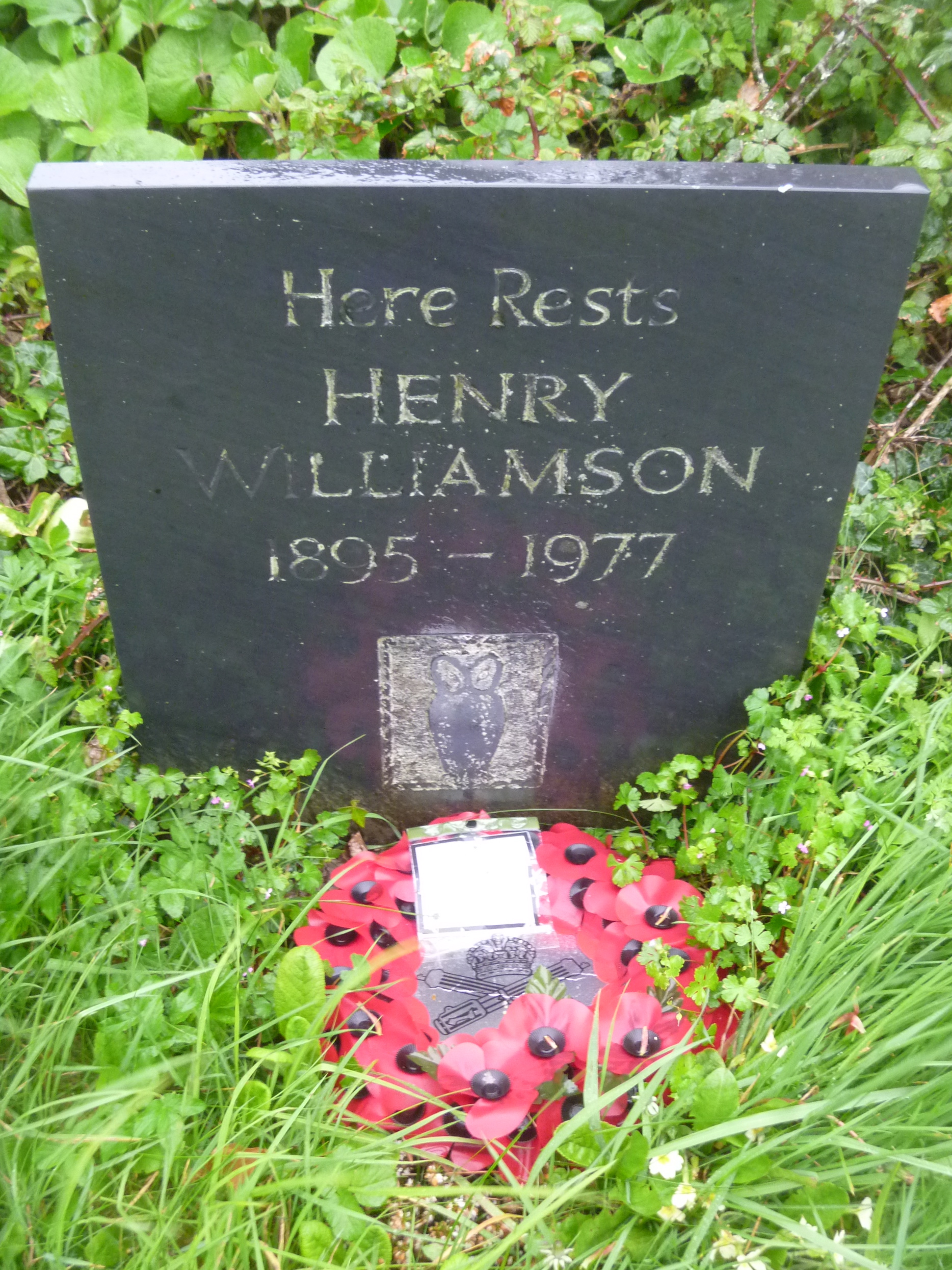
In north Devon it’s Tarka, Tarka everything. The Tarka Line (railway), The Tarka Trail (walking/cycling path), Tarka Holiday Parks (caravans), Tarka Radio (hospital radio) the list is never-ending. But finding places relating to the otter’s author takes a bit more research. The Henry Williamson Society have managed to secure a couple of blue plaques on his two homes in nearby Georgeham and his writing hut still stands in a garden at nearby Ox’s Cross. Through pelting rain I managed to snap the two Georgeham homes and Williamson’s grave but I had to forego finding the shed.

Hut

Henry Williamson’s hut at Ox’s Cross

Williamson Skirr Cottage

Williamson’s first home in Georgeham : Skirr Cottage [named after the sound made by the wings of owls on the roof]

Skirr Cottage plaque

Crowberry Cottage

Crowberry Cottage – Williamson’s other home in Georgeham

Crowberry plaque

Read here about a journalist’s search for The Field and other Tarka and Williamson locations.

Williamson grave

In and Around Anderton House : a Photo Album, 3 [Goodleigh to Gidleigh]

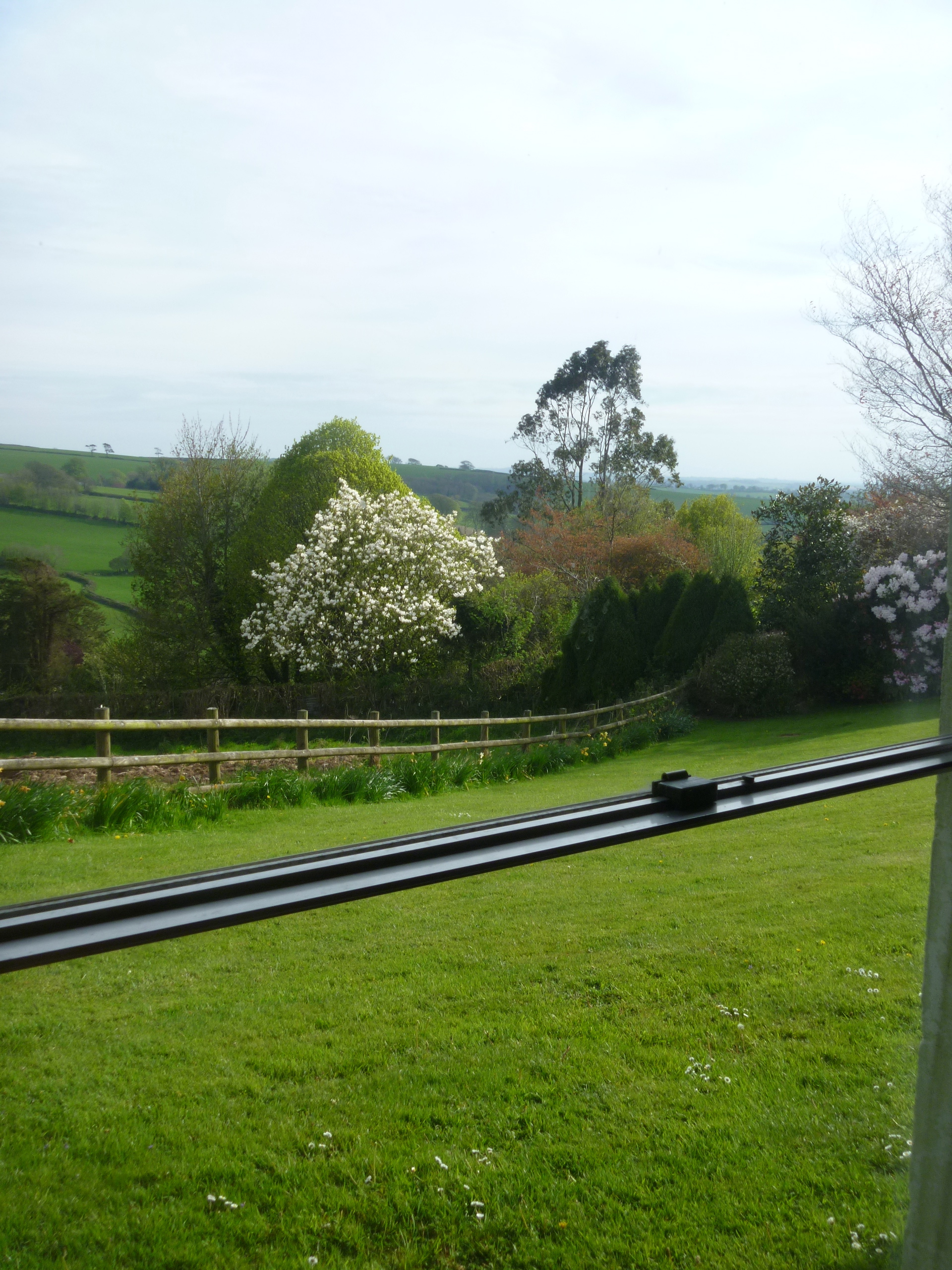
Anderton House view from single bedroom

I have mentioned the wonderful views to be had from the glass walls of the sitting area and from each of the bedrooms at Anderton House but there is also a very relaxing garden on a couple of levels and sloping down the fields in front.

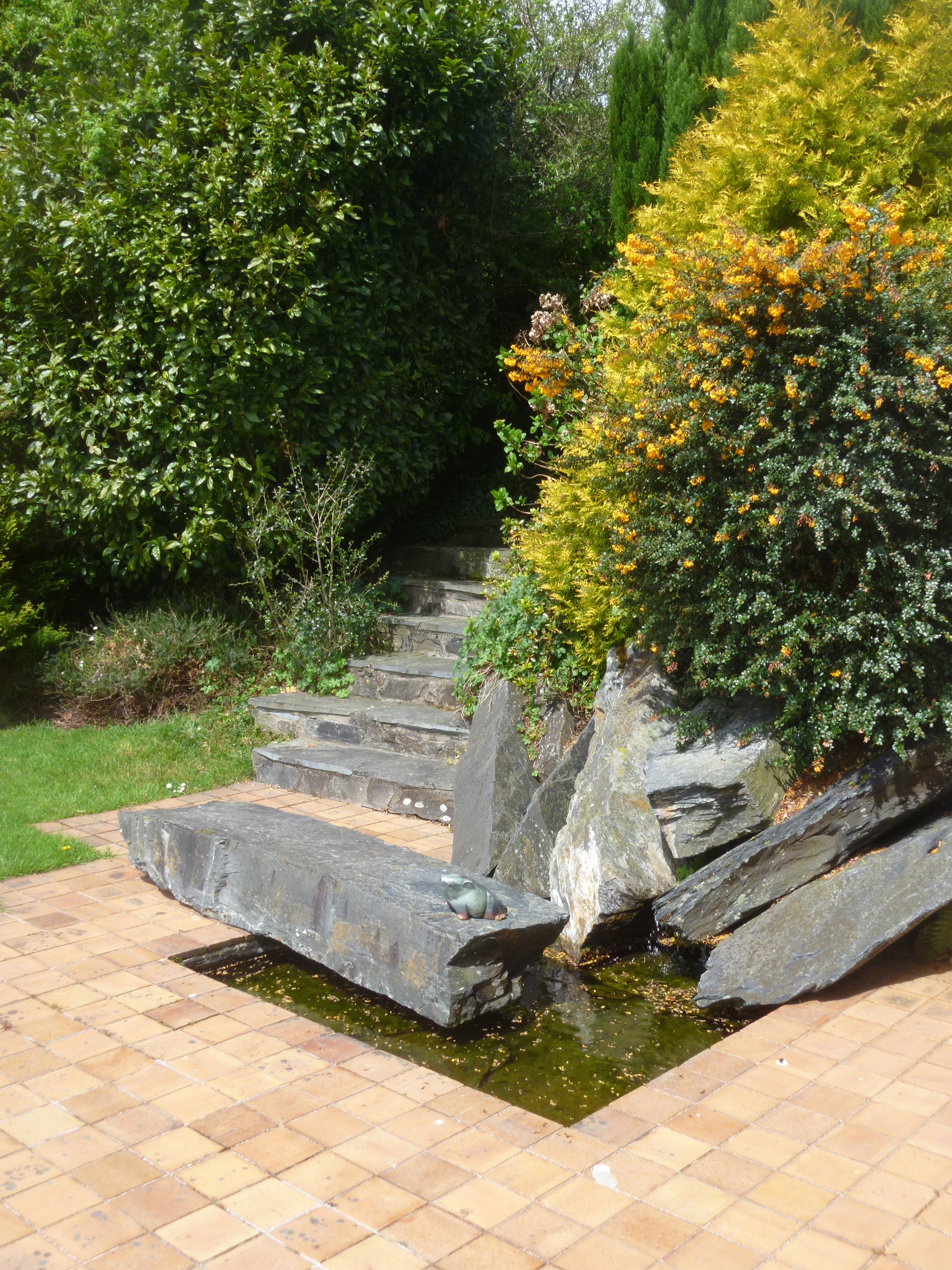
Anderton House water feature in garden

When the sliding glass door is opened, even fractionally, you can sit inside and hear the gentle tinkle of the water feature just outside.

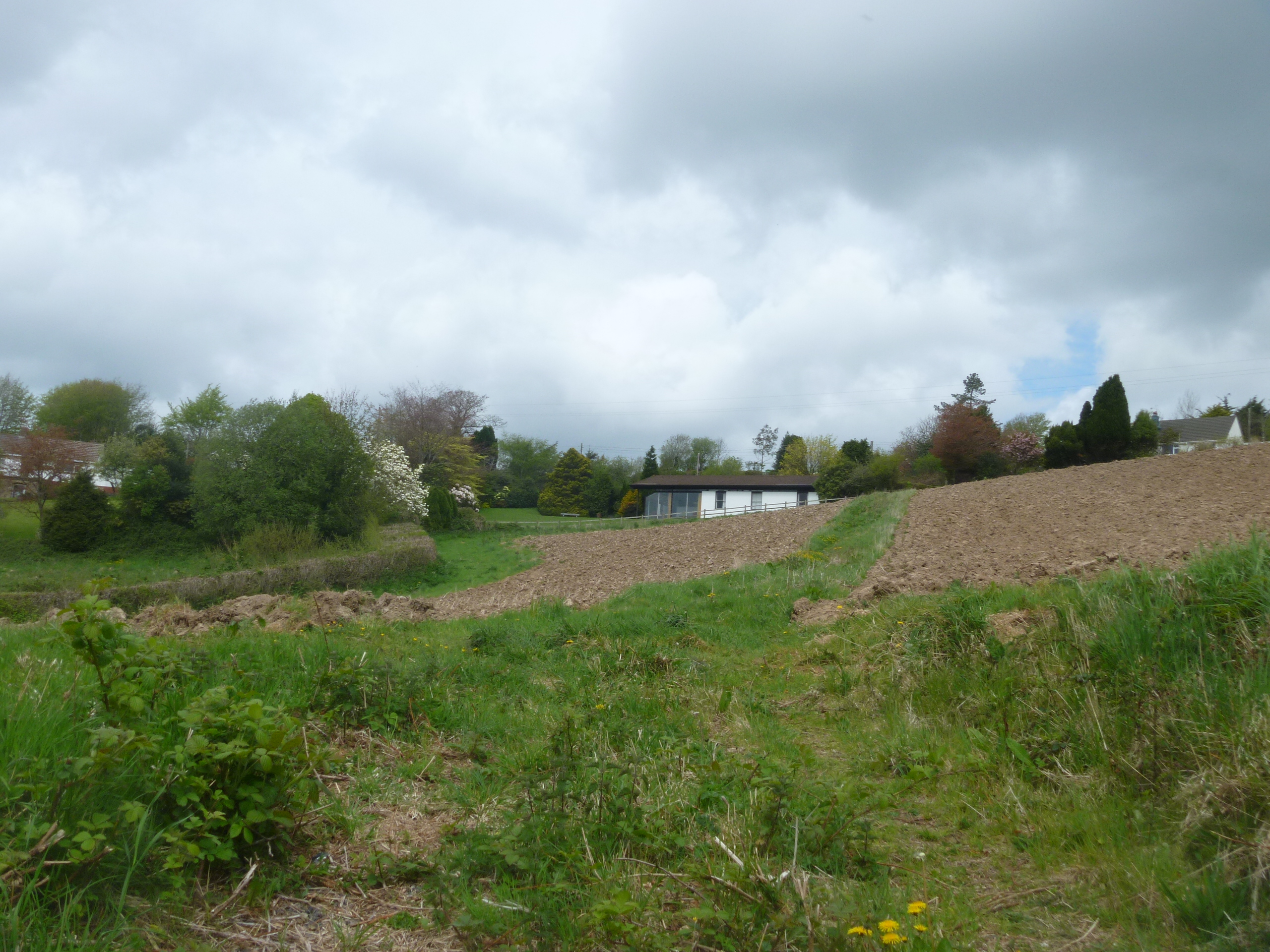
Anderton House and footpath

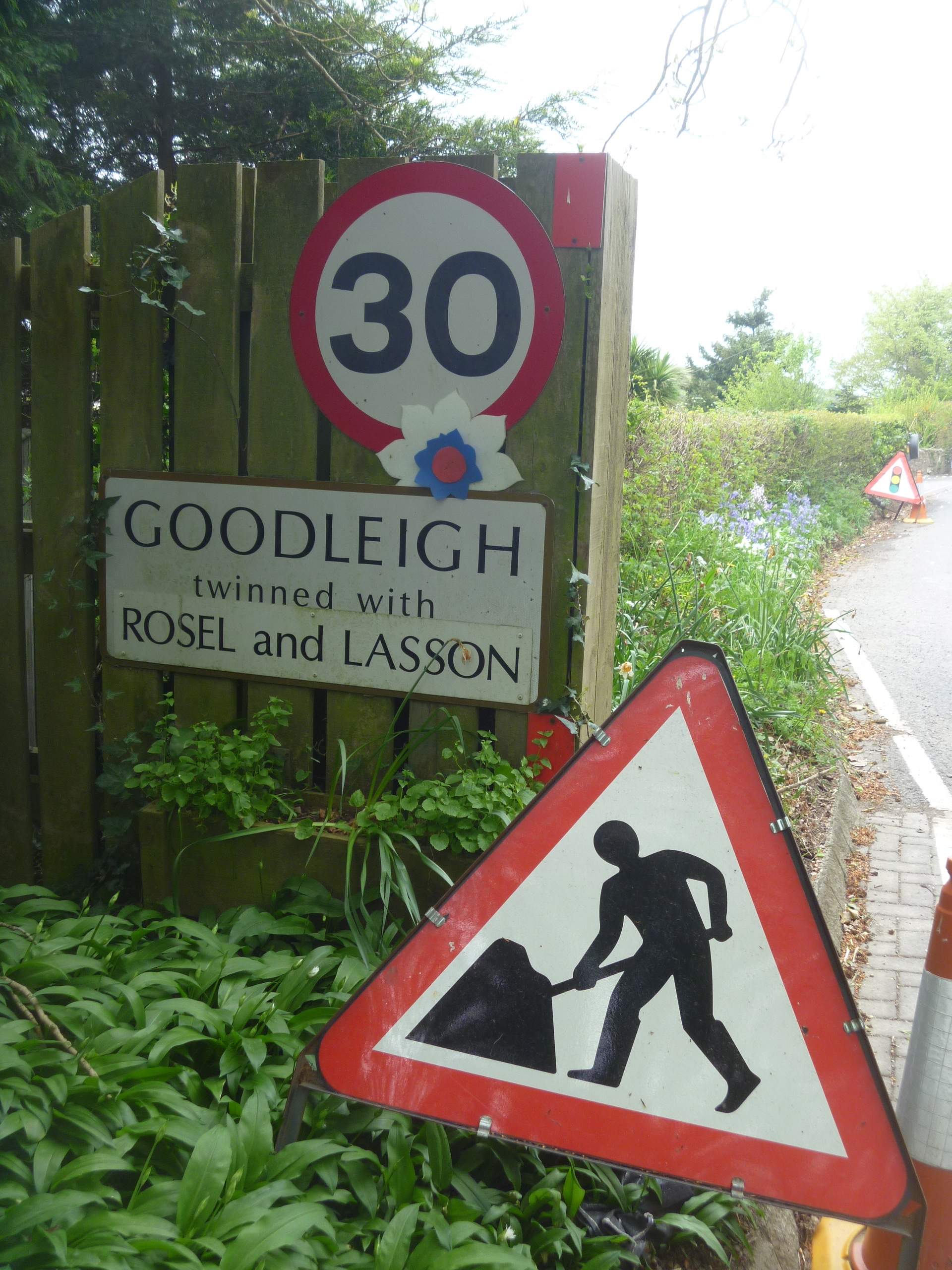
There’s a short Public Footpath across the field which leads down to the main road that runs through Goodleigh, two miles from Barnstaple. I surprised to see that the village had two twins. Both sound like villages in France and indeed they lie close to each other in Normandy, not far from the Normandy Landing Beaches of the Second World War.

Goodleigh twinnings

The church of St Gregory stands high above the main street and right on the street itself is The New Inn. We didn’t manage to get there but plenty of Landmarkers at Anderton House had enjoyed their meals.

Goodleigh Church

The Church of St Gregory, Goodleigh

Goodleigh War Memorial

The Goodleigh War Memorial

New Inn

The New Inn, Goodleigh

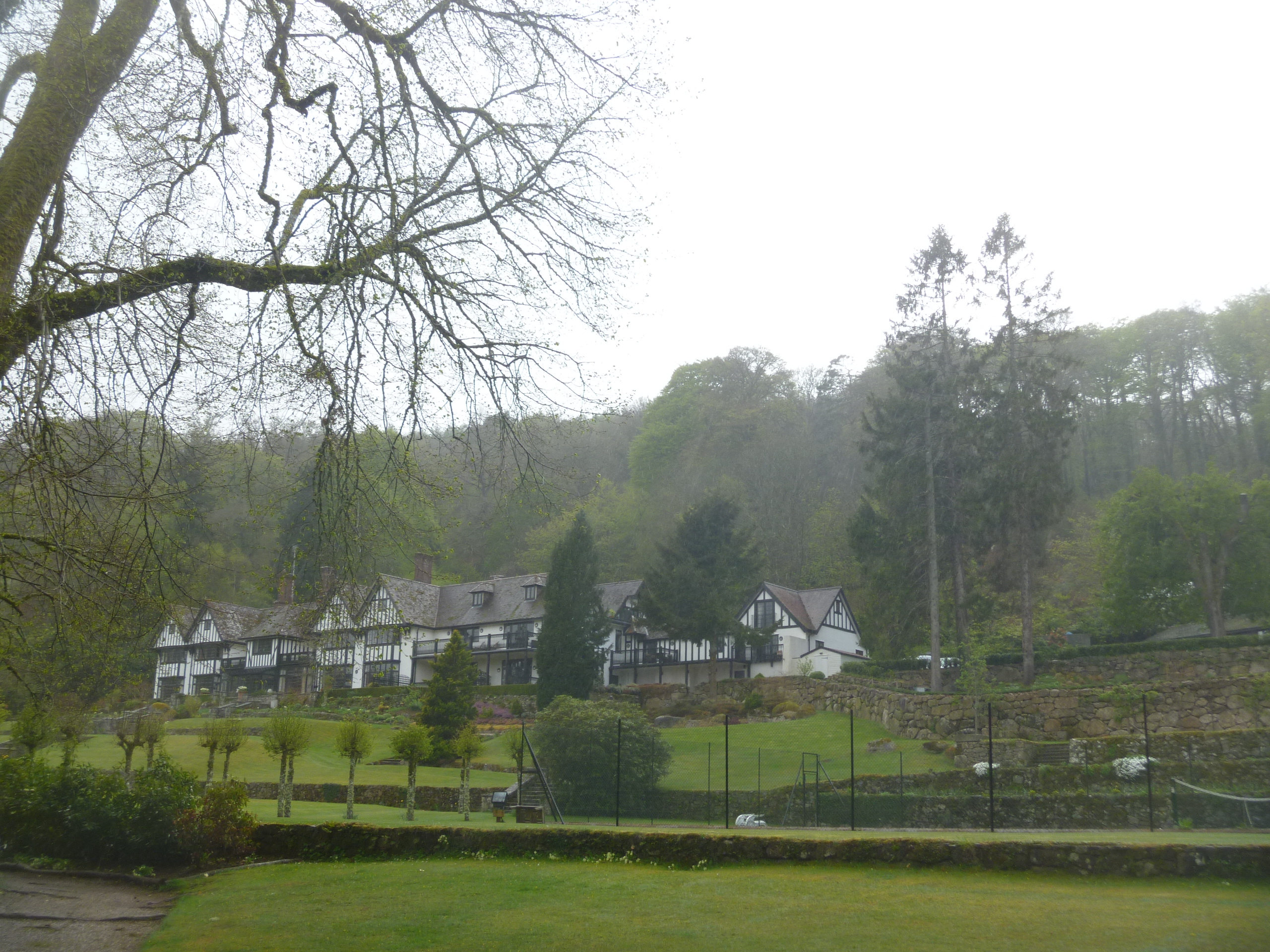
One of my favourite walks in Devon is through the grounds at Gidleigh Park. Although it’s a drive from Goodleigh we were really looking forward to it as after the very wet walk we had booked an Afternoon Tea. Yummy!

Gidleigh Park Hotel

Gidleigh Park in the rain!

Gidleigh Park

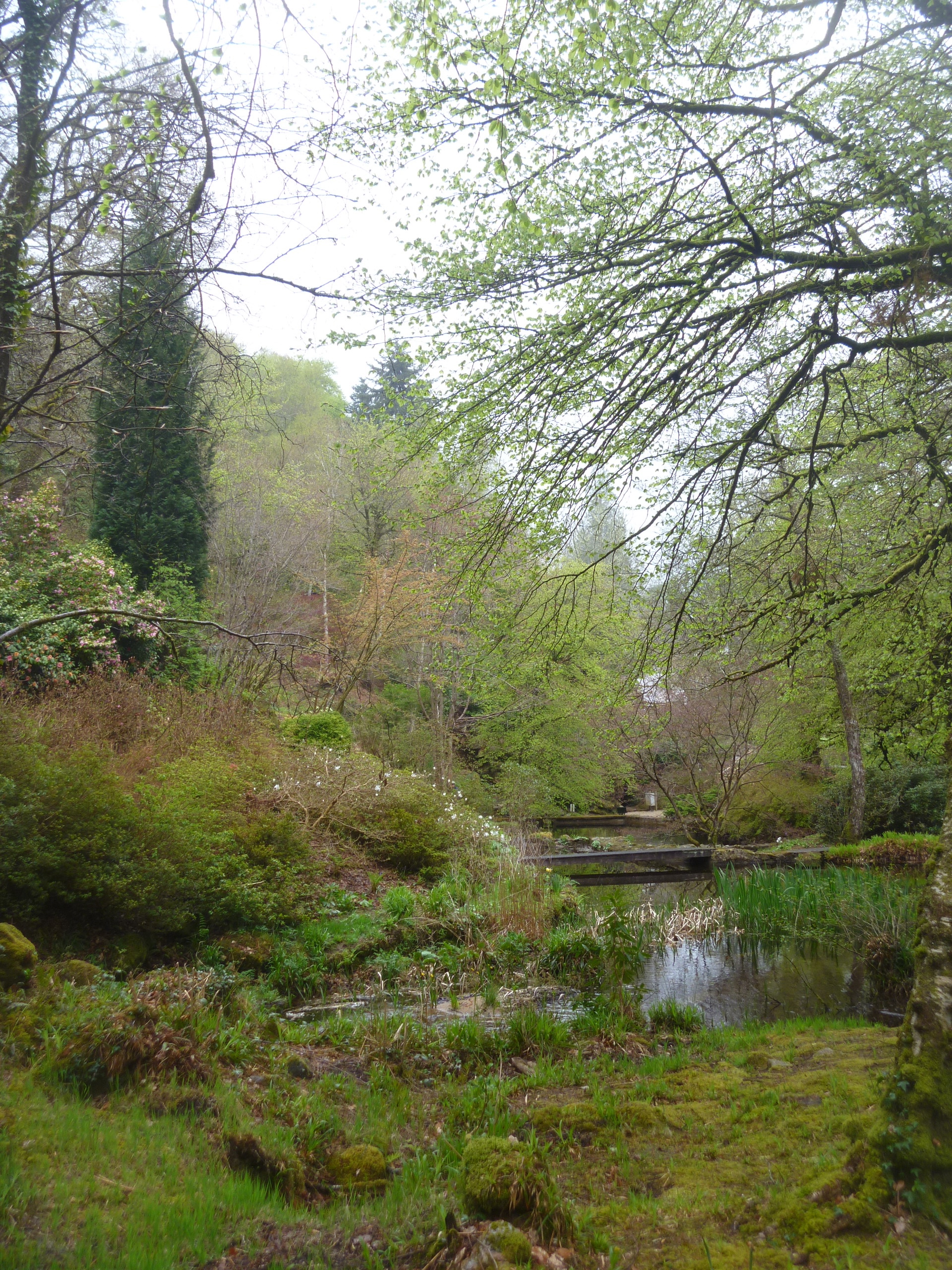
The Water Garden at Gidleigh – brimming over!

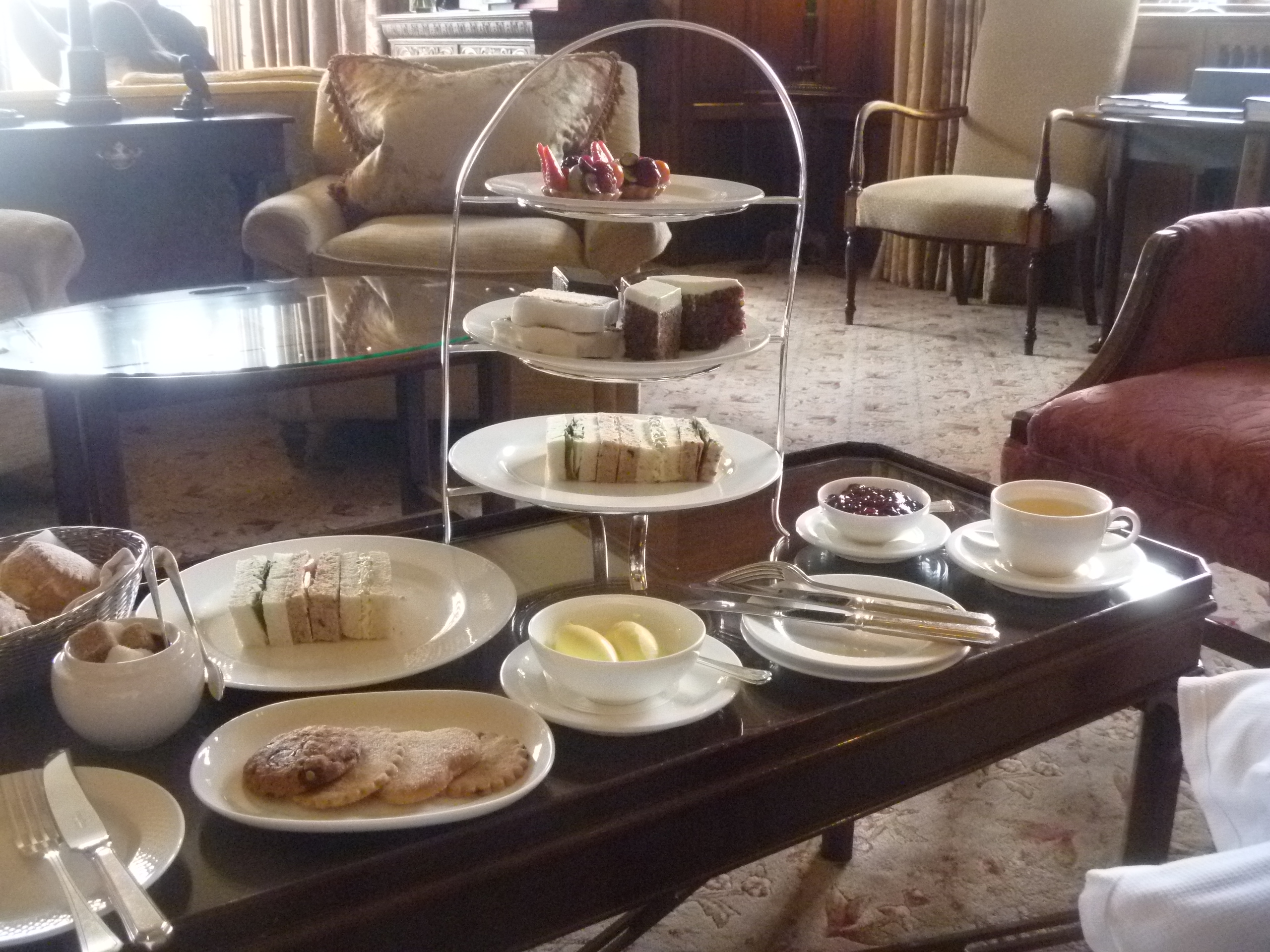
Tea at Gidleigh Park

The Afternoon Tea

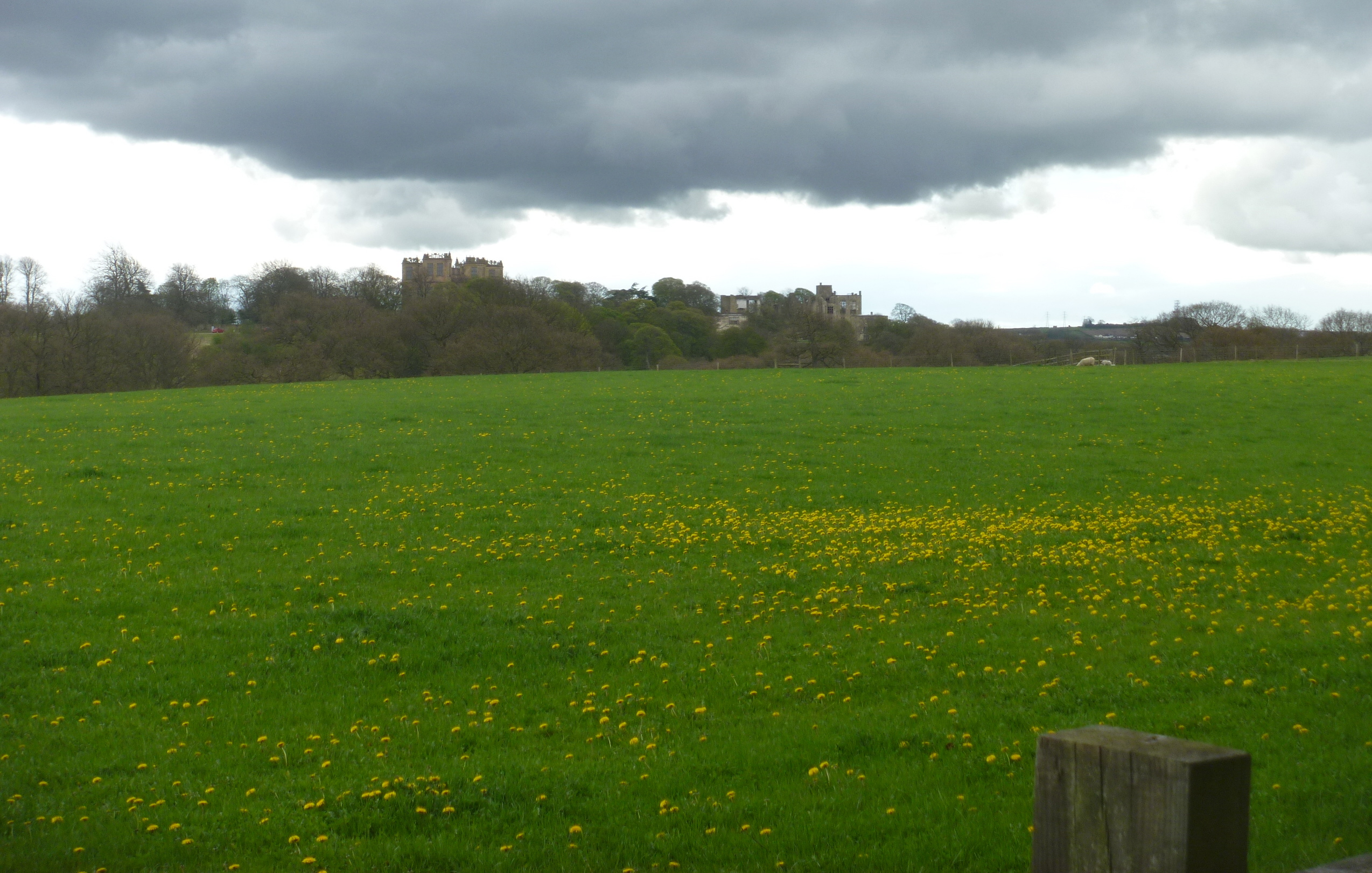
Bolsover Castle to Hardwick Hall, and back, and on foot

This month’s ATG Saturday Walk is a new one for them (and for me) : ‘Bolsover and Hardwick Hall’.

Here’s the itinerary :

Starting alongside the impressive 17th century castle of Bolsover, this walks heads south along the Doe Lea, passing the Saxon church at Ault Hucknall en route to the impressive Elizabethan home of Bess of Hardwick – Hardwick Hall. After strolling through the extensive grounds, we head north back to Glapwell for lunch. After lunch, quiet farmland tracks take us back to Bolsover for tea. 12.75 miles.” [ATG brochure]

I was so attracted by the idea of the walk and its route and the fact that today I would be travelling down the M1 from Leeds to Leicester with a whole day to spare that I failed to register quite the distance involved! There are opportunities to be picked up and returned comfortably to the start/end from both at Hardwick and at Glapwell but most of us soldiered on to the end. Luckily the route is not too demanding as regards climbs but it’s quite a long tramp and I’m now happily down in Leicetershire.

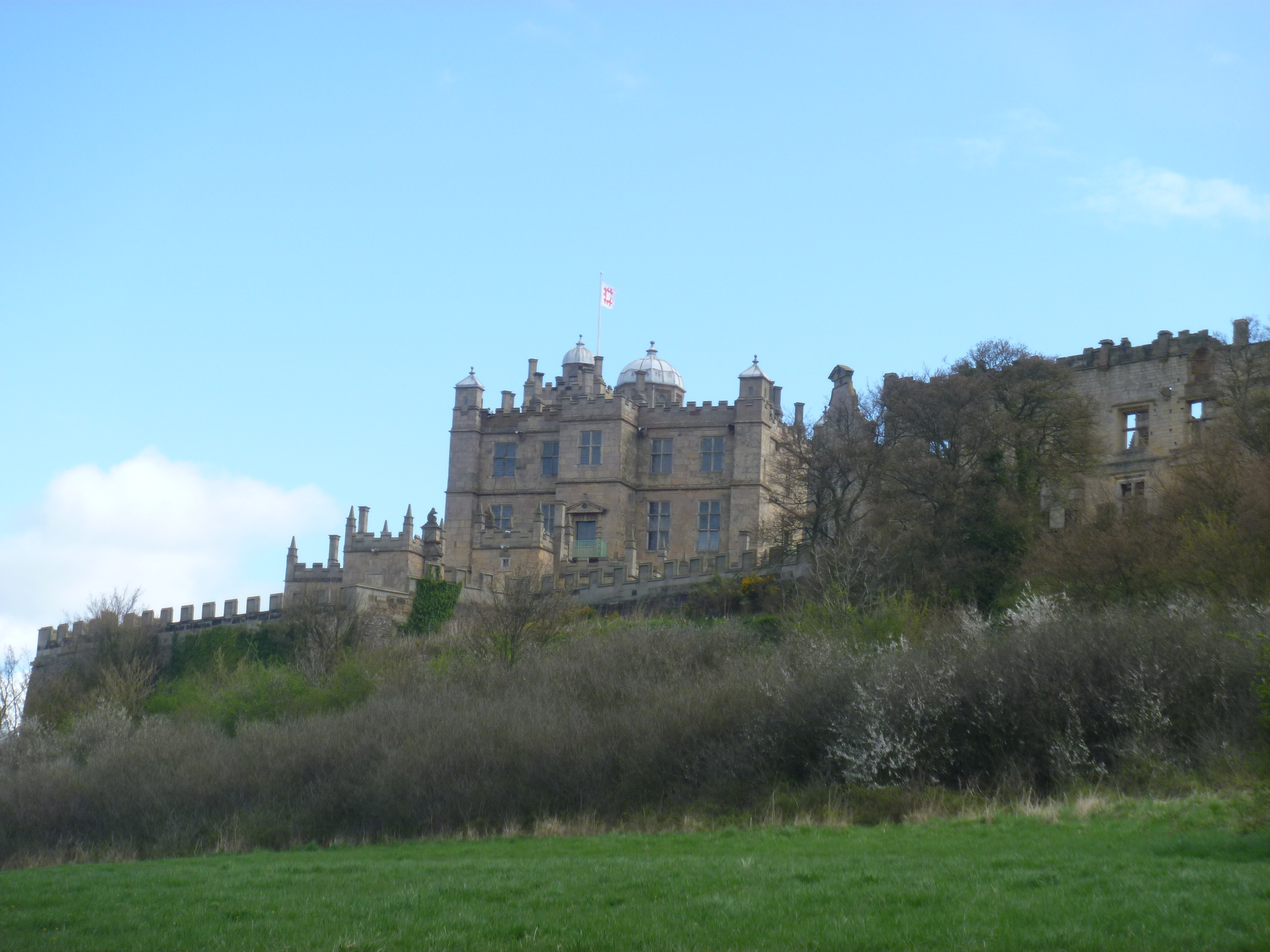
Bolsover Castle

I’ve written about Bolsover Castle before – a misty, foggy visit in November 2011. Today we passed through several weathers but only one brief shower otherwise sunshine, cloud, heavy black threatening cloud and cold winds all took it in turns.

New Bolsover

New Bolsover

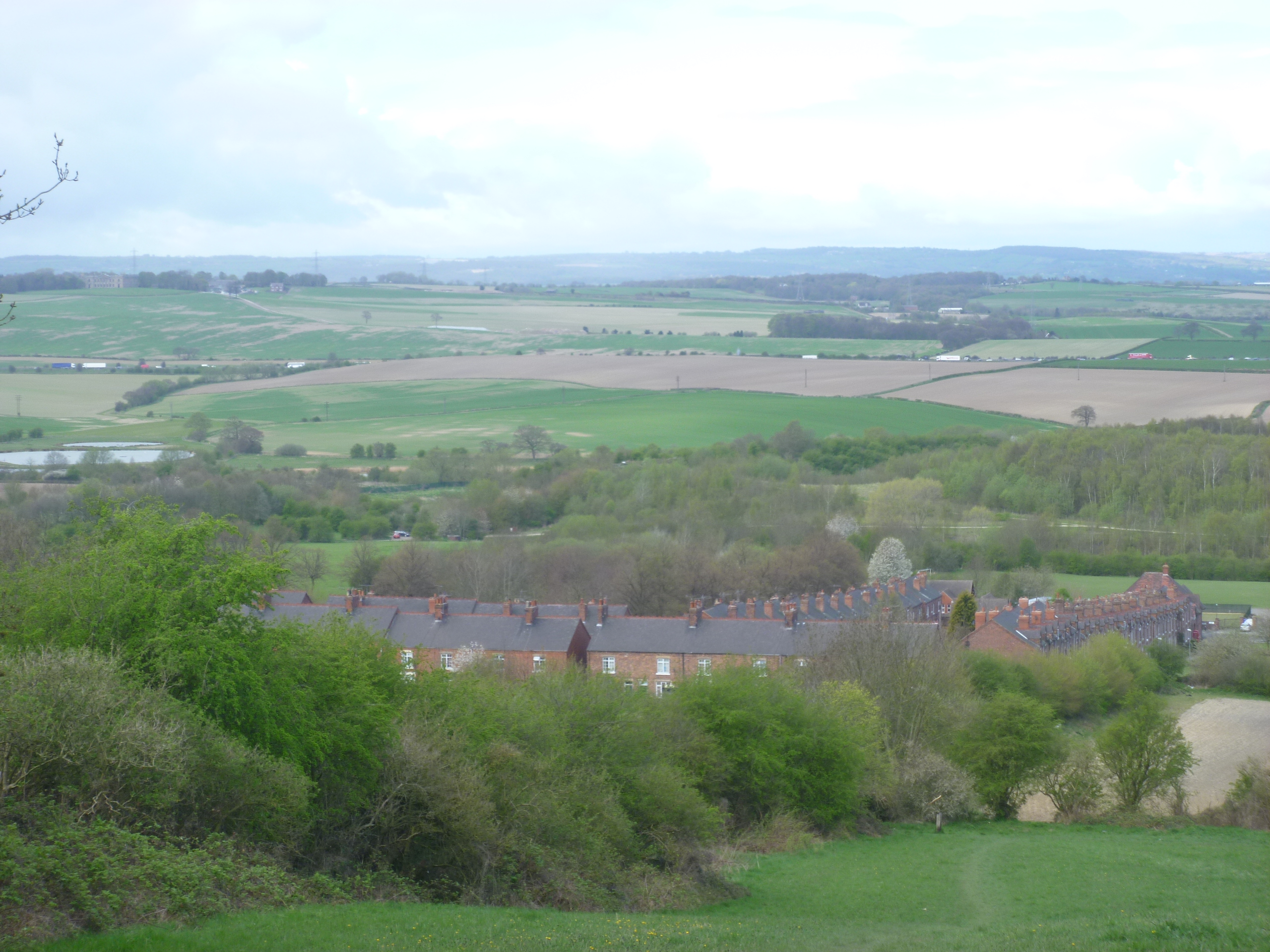
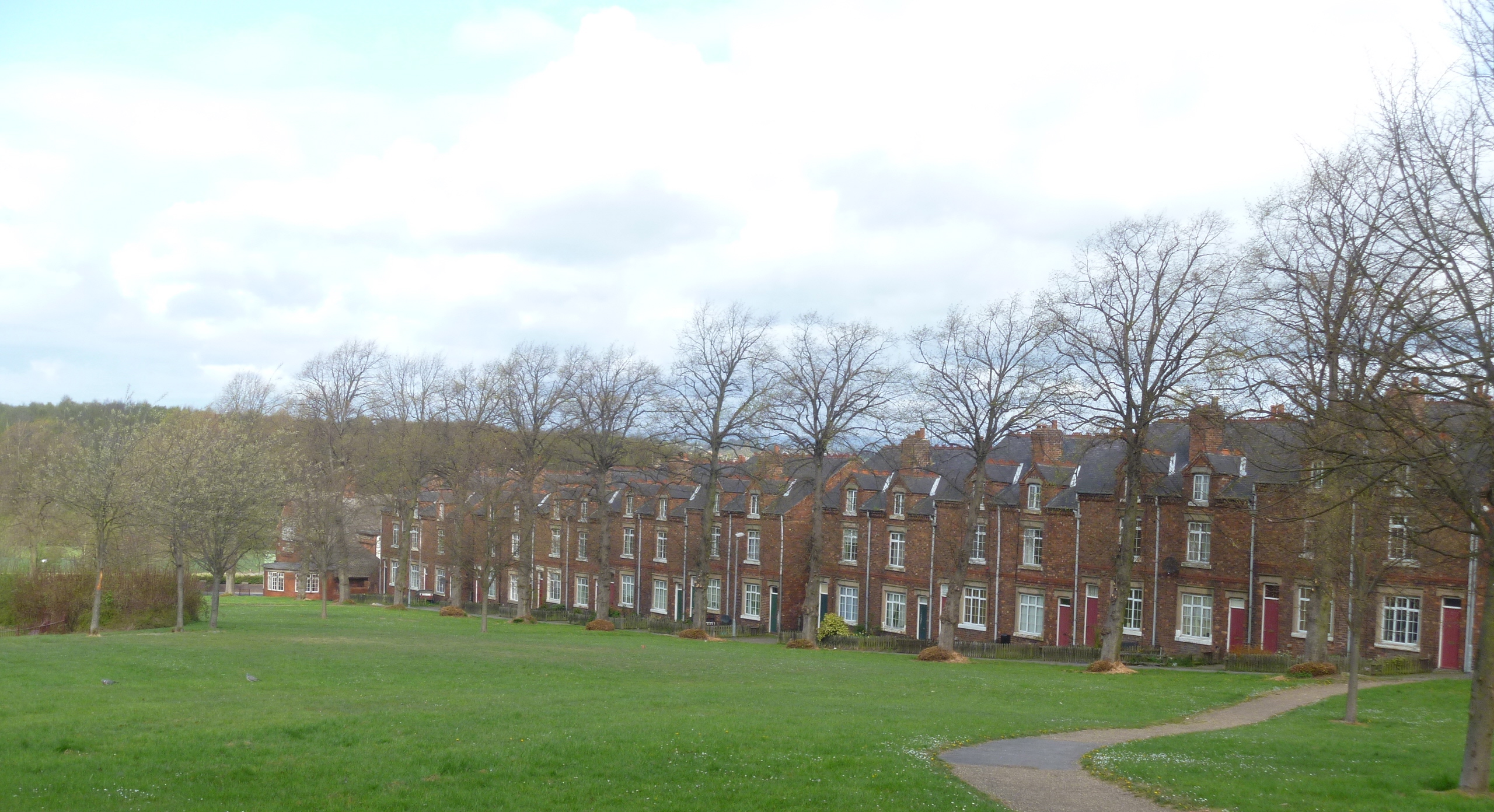
From Bolsover town we headed down below the Castle to New Bolsover which is actually not so new just newer than the old settlement around the Castle. It was a purpose-built miners’ village of neat red-brick terrace houses enclosing a large grassy area and is still occupied today even though the pits around this coalfield closed in the 1990s.

In New Bolsover

In New Bolsover

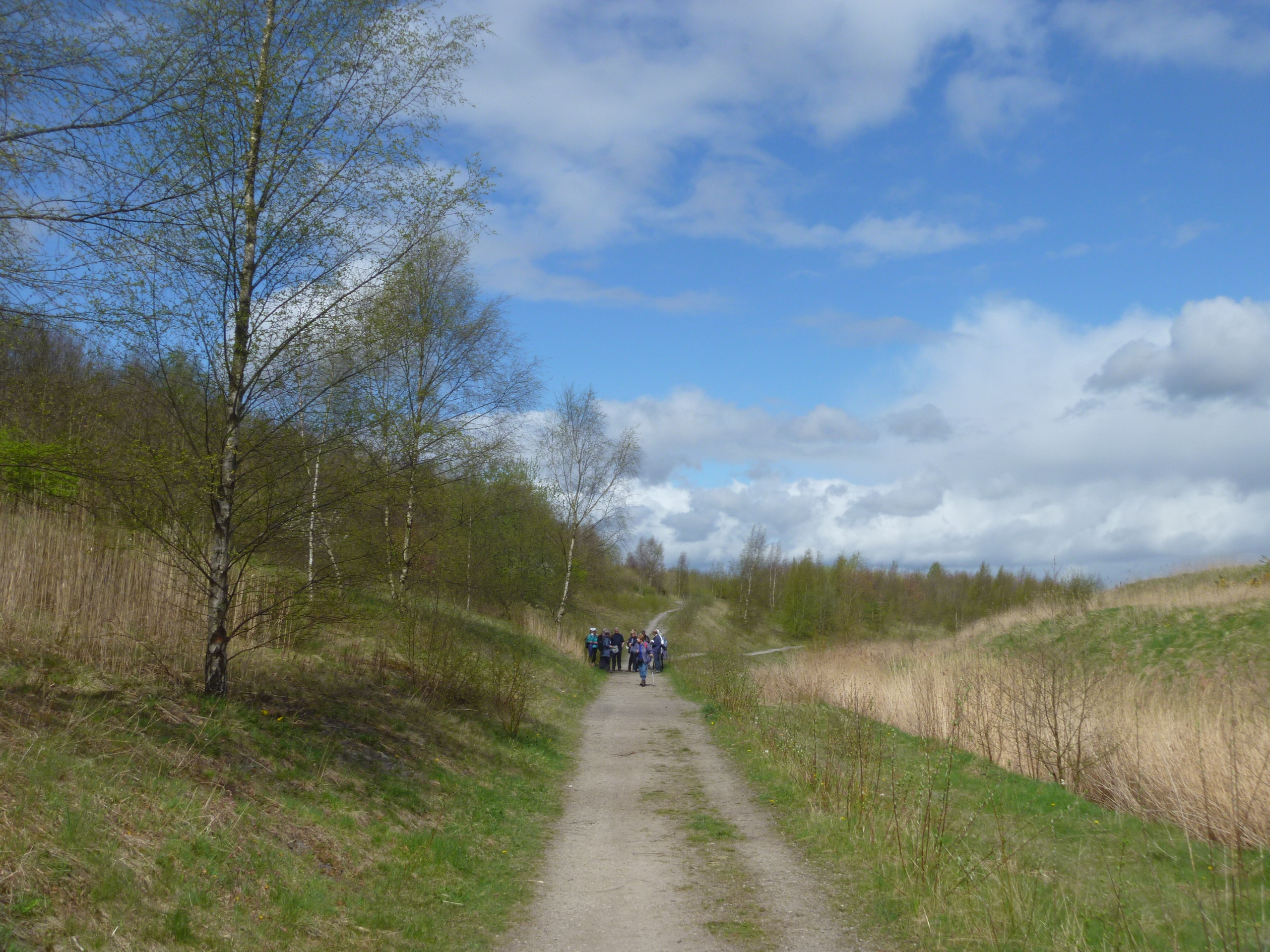
The theme of much of the walk was past or along the remains of the coal industry: along a disused railway track and past grassed over open cast mines on the Stockley Ponds and Trail maintained by Bolsover Countryside Partnership.

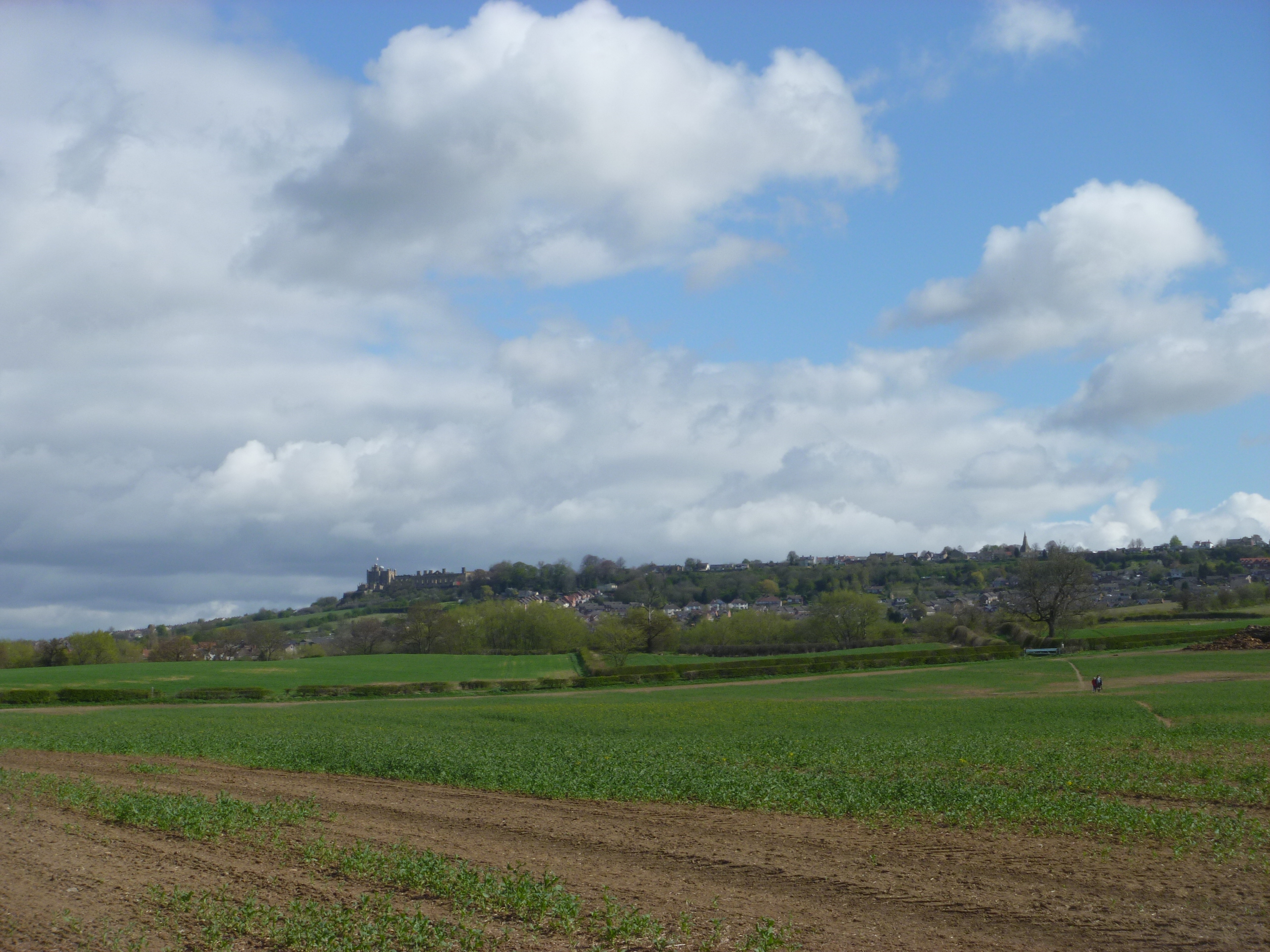
We could still see Bolsover Castle

We could still see Bolsover Castle

The Stockley Trail

The Stockley Trail

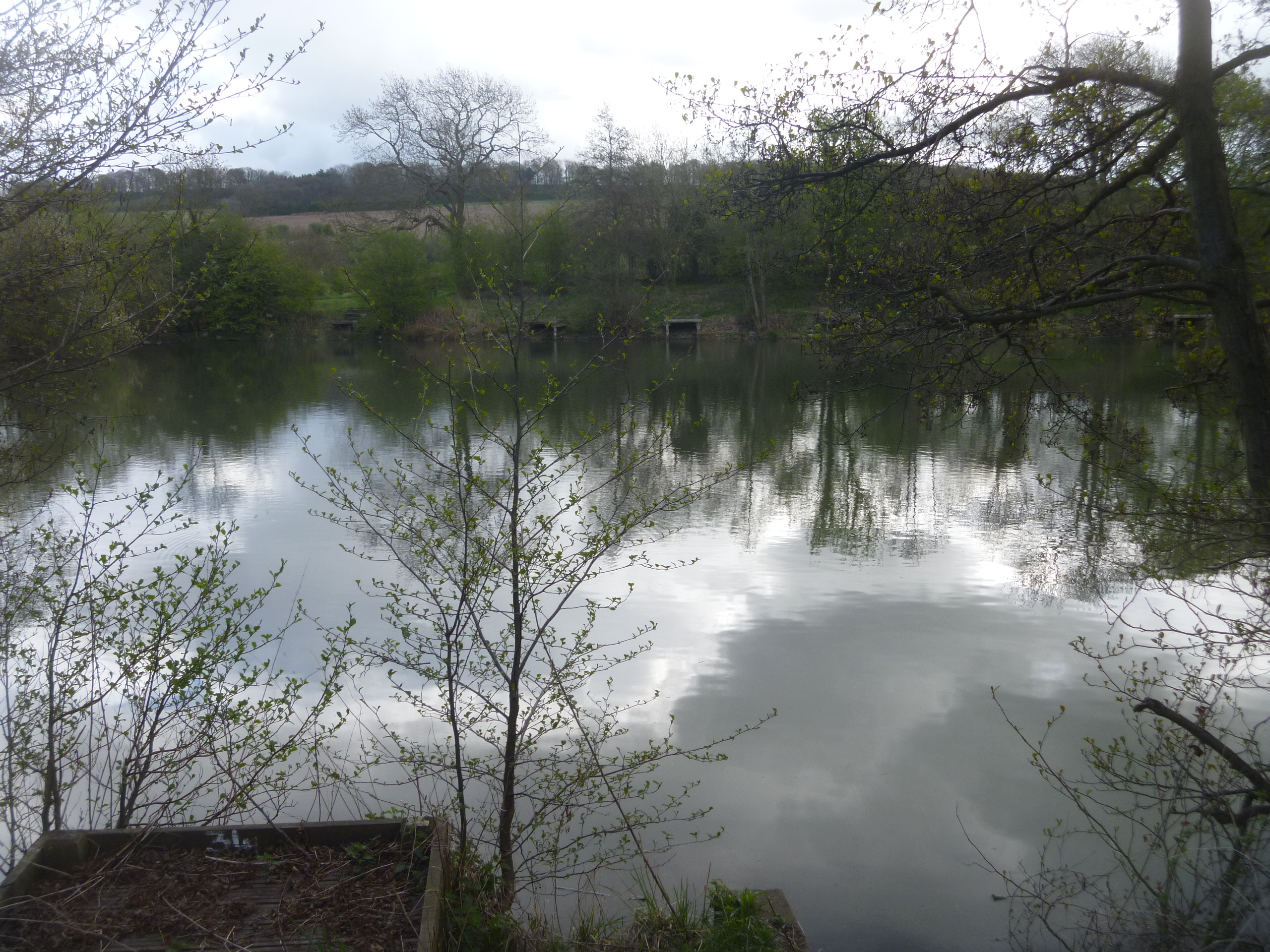
Stockley Ponds

The Stockley Ponds (Beware! Contaminated water) no fishing today

Apart from the two very significant buildings – Hardwick Hall (NT) and Bolsover Castle – we stopped by a small Saxon Church. The Church of St John the Baptist at Ault Hucknall was closed unfortunately but it would have been good to get inside. Read more about its chapel, windows and the grave of Thomas Hobbes, the author of The Leviathan, here.

St John's Ault Hucknall

St John the Baptist Church, Ault Hucknall

Saxon Arch and figures

Saxon Arch with figures

Close-up of the Saxon Arch

Saxon Arch details

Saxon Window

Saxon Window

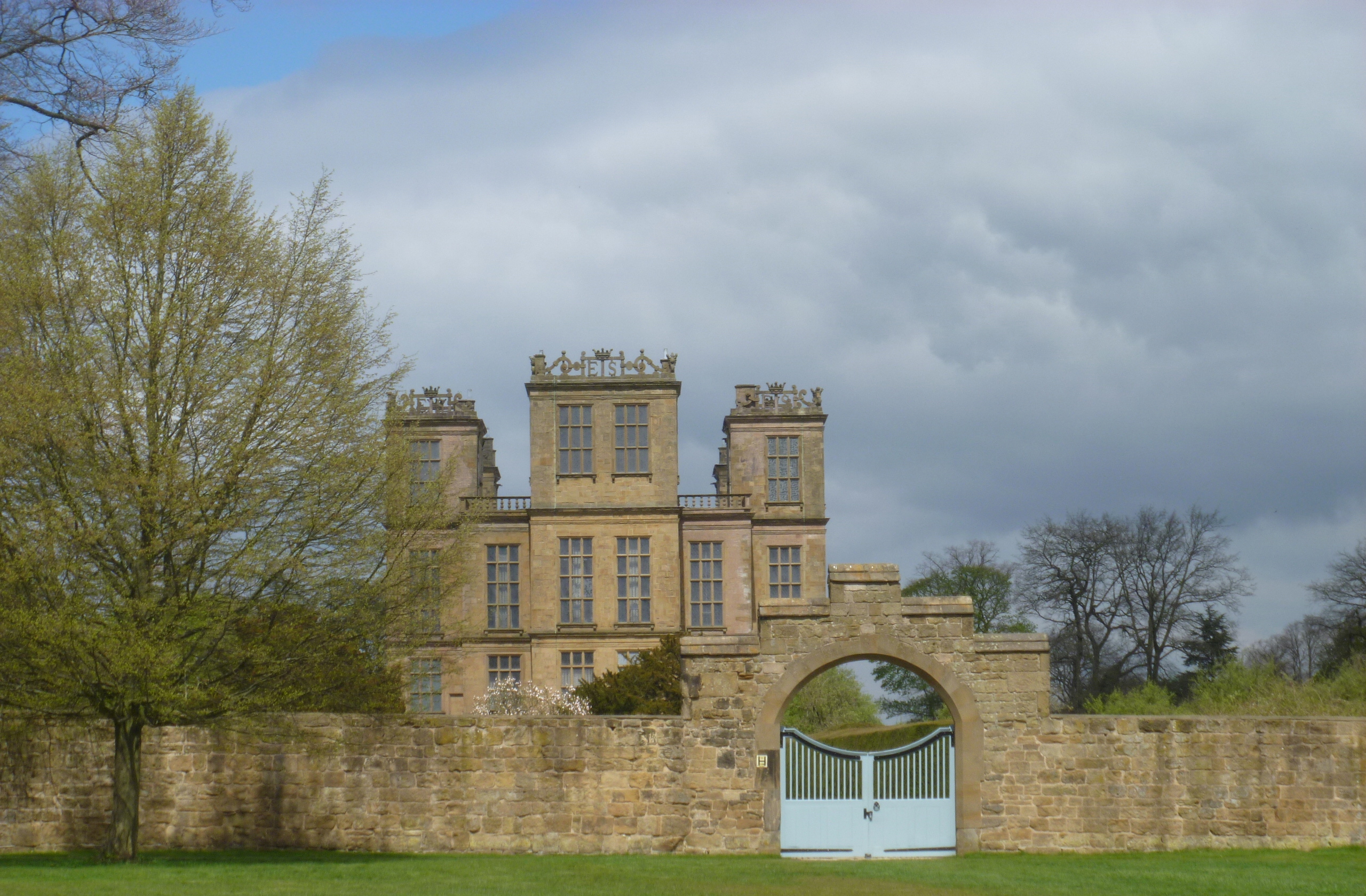
By lunchtime we’d arrived at Hardwick Hall, “more glass than wall”.

Approaching Hardwick Hall

Approaching Hardwick Hall

Hardwick Hall More Glass than Wall

Hardwick Hall

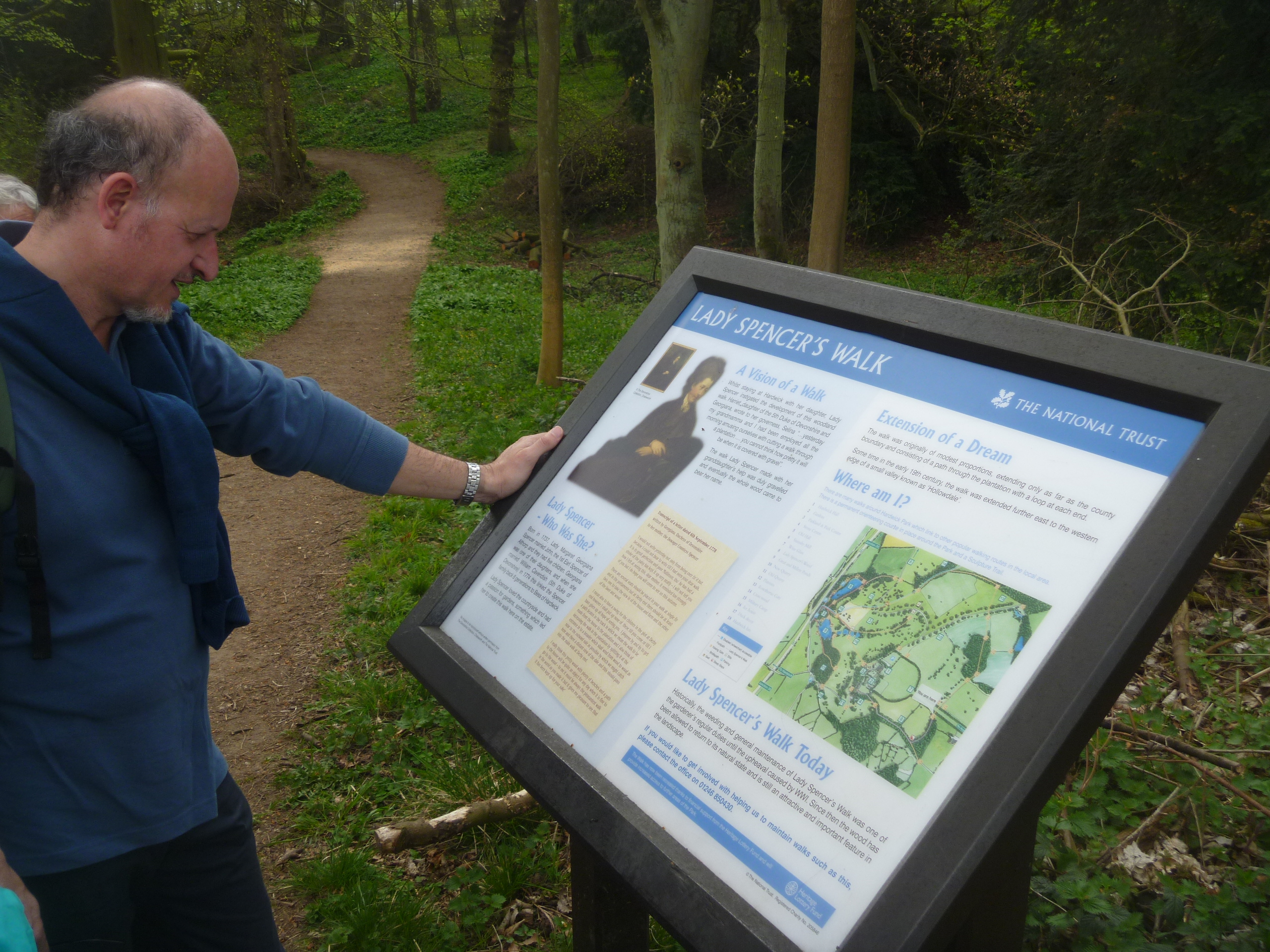
But it wasn’t our lunchtime so we just walked through the grounds, admiring the house as we went and continued along Lady Spencer’s Walk and other tracks on the estate finally arriving at Glapwell where lunch was waiting for us in the Community Centre.

Lady Spencer's Walk

Our Leader, Rob

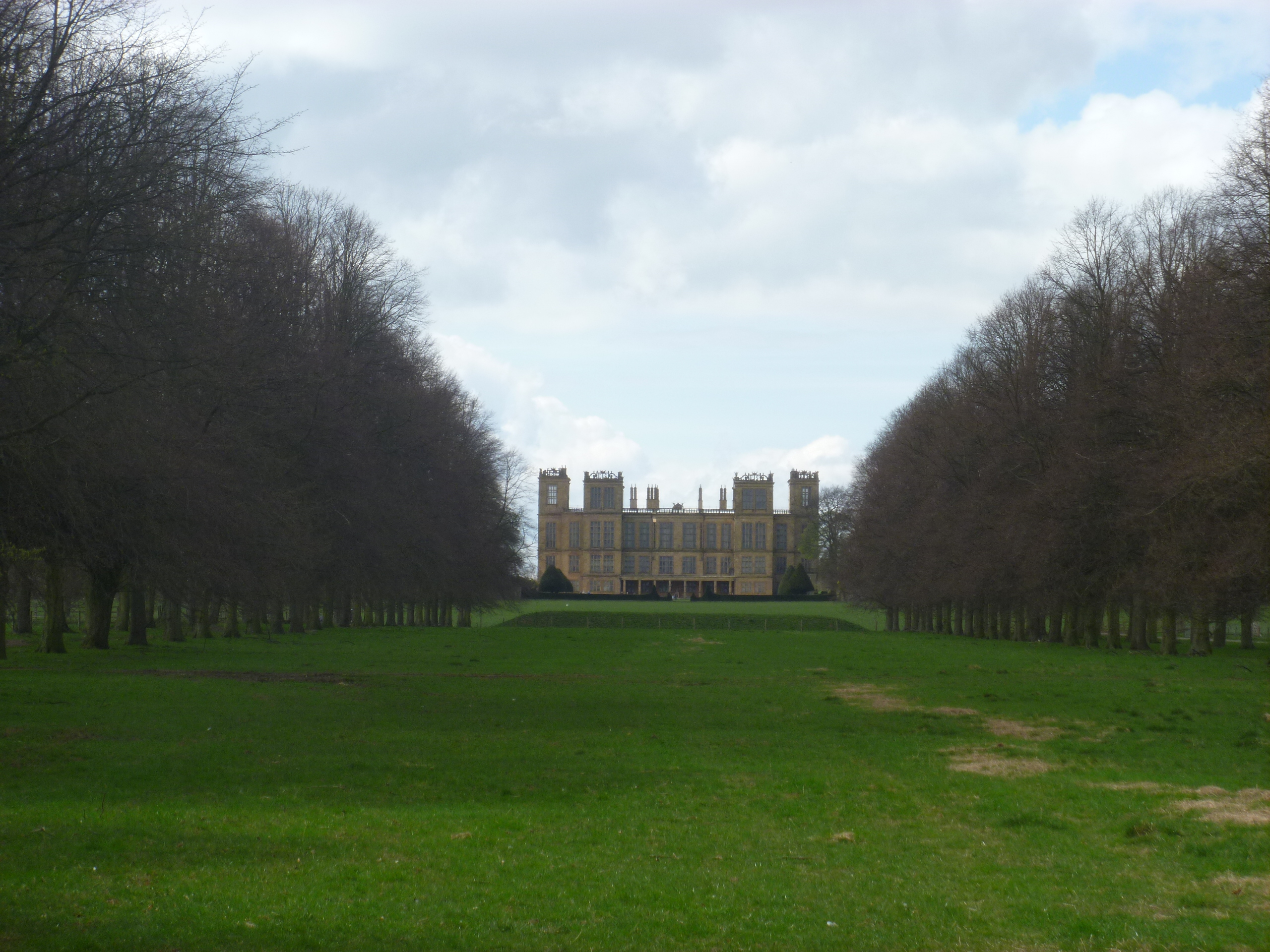
Hardwick Hall avenue

Hardwick Hall from the Avenue of Trees

Comfortably refreshed, the best part of the walk, although fairly short now, lay ahead. After crossing several fields we followed a ridge directly back up to Bolsover with magnificent views west right across to the Derbyshire Dales.

Return to Bolsover

Return to Bolsover

Arriving in Bolsover more sustenance awaited us at The Bluebell pub – a generous spread of home baked scones, butter, cream and jam and pots of tea, to boot.

Less than an hour’s drive I am comfortably ensconced in my homely B&B for the night!

Along the Way – Convents

If our first day’s walking, now that I look back, was on a theme of Forts then the next day was on a theme of Convents. This was our longest day walking: over 12 miles. We left the Fortaleza after breakfast (and a personal farewell from the manager) at 9.30am and only arrived at our destination that evening at 6.30pm. Of course, we didn’t spend the whole day walking, there were several places to visit along the way, not least The Convento dos Capuchos, where we spent well over the ‘designated’ one hour suggested in our Route Booklet. The Convento (read more about it here) was the first location within the Cultural Landscape of Sintra – a UNESCO World Heritage site first designated in 1995 – on our itinerary.

Our coastal path

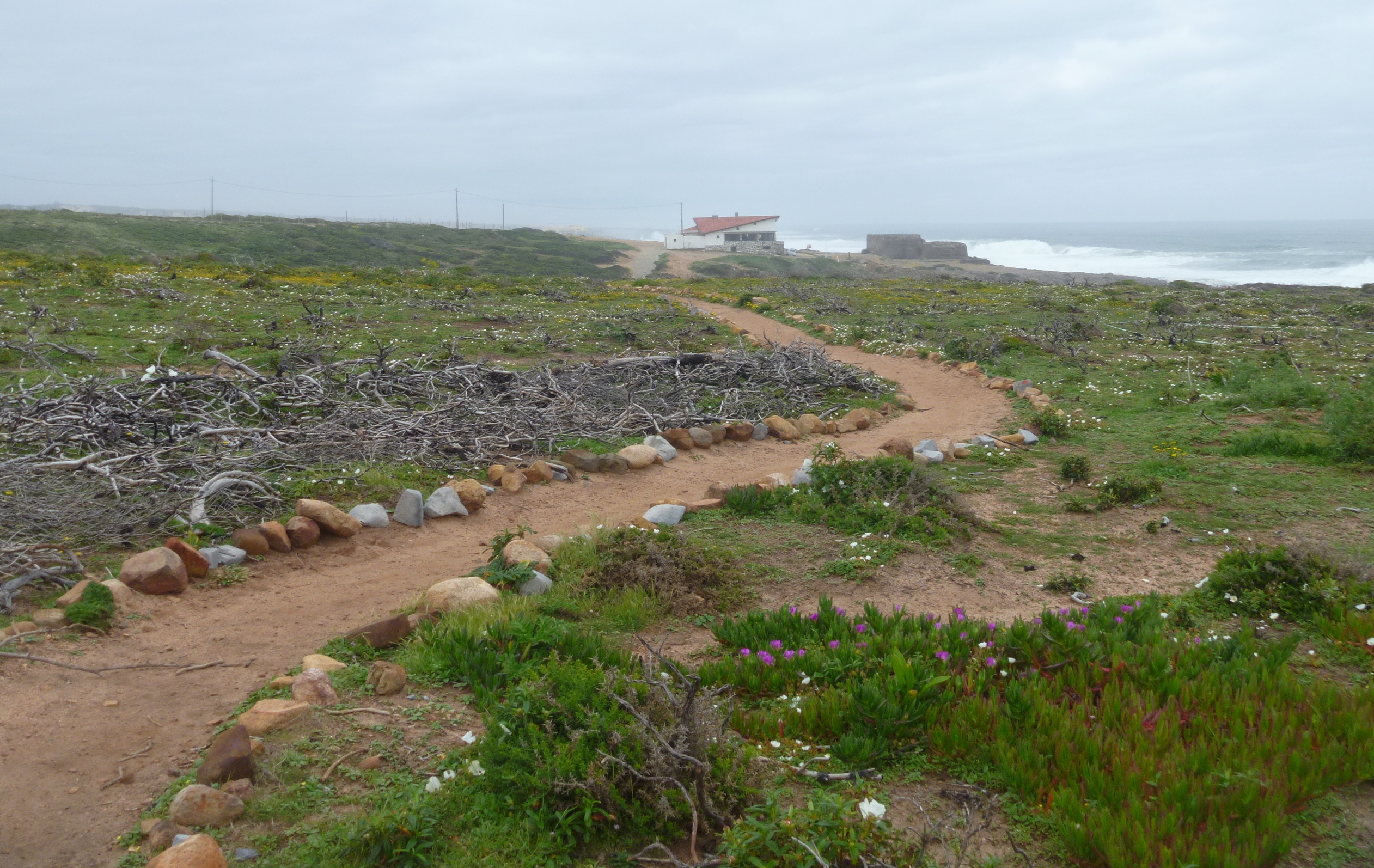
Clearly marked coastal path

At first our route, on clearly marked paths, followed the coast northwards before turning inland and into the area known as The Serra de Sintra. There were some tough climbs but also some great views.

Viewpoint

After the first tough climb we could see the River Tagus and 25 Abril Bridge

Still see Fortaleza

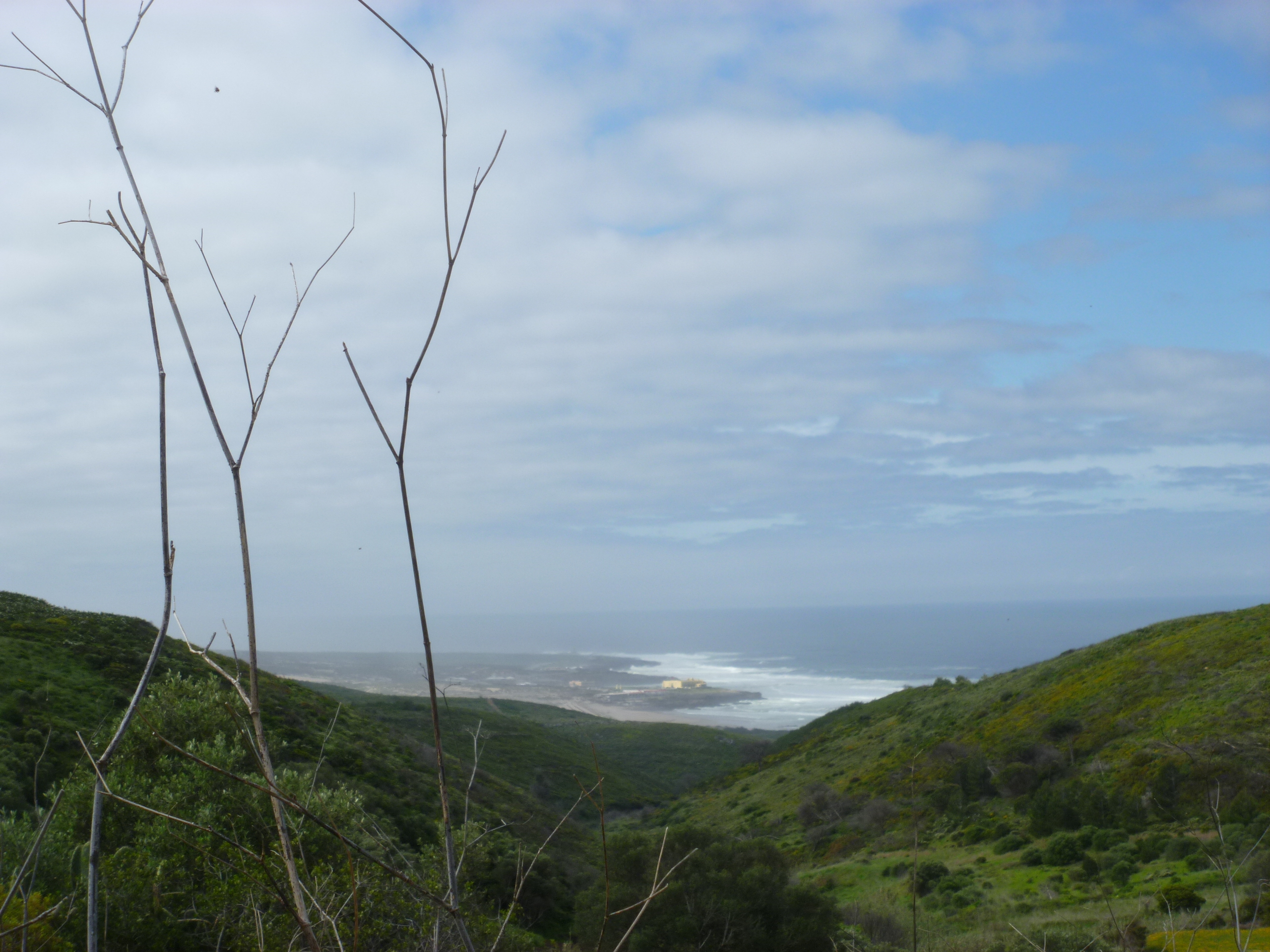
In another direction we could still see the coast and the Fortaleza

This area was the worst affected by the storms in January this year and consequently our path was disrupted at one point. This took some time to negotiate and calls/texts to Ana but eventually we got back on track. We’d hoped to reach The Convento at lunchtime but in fact we ate our picnic lunch a few miles before.

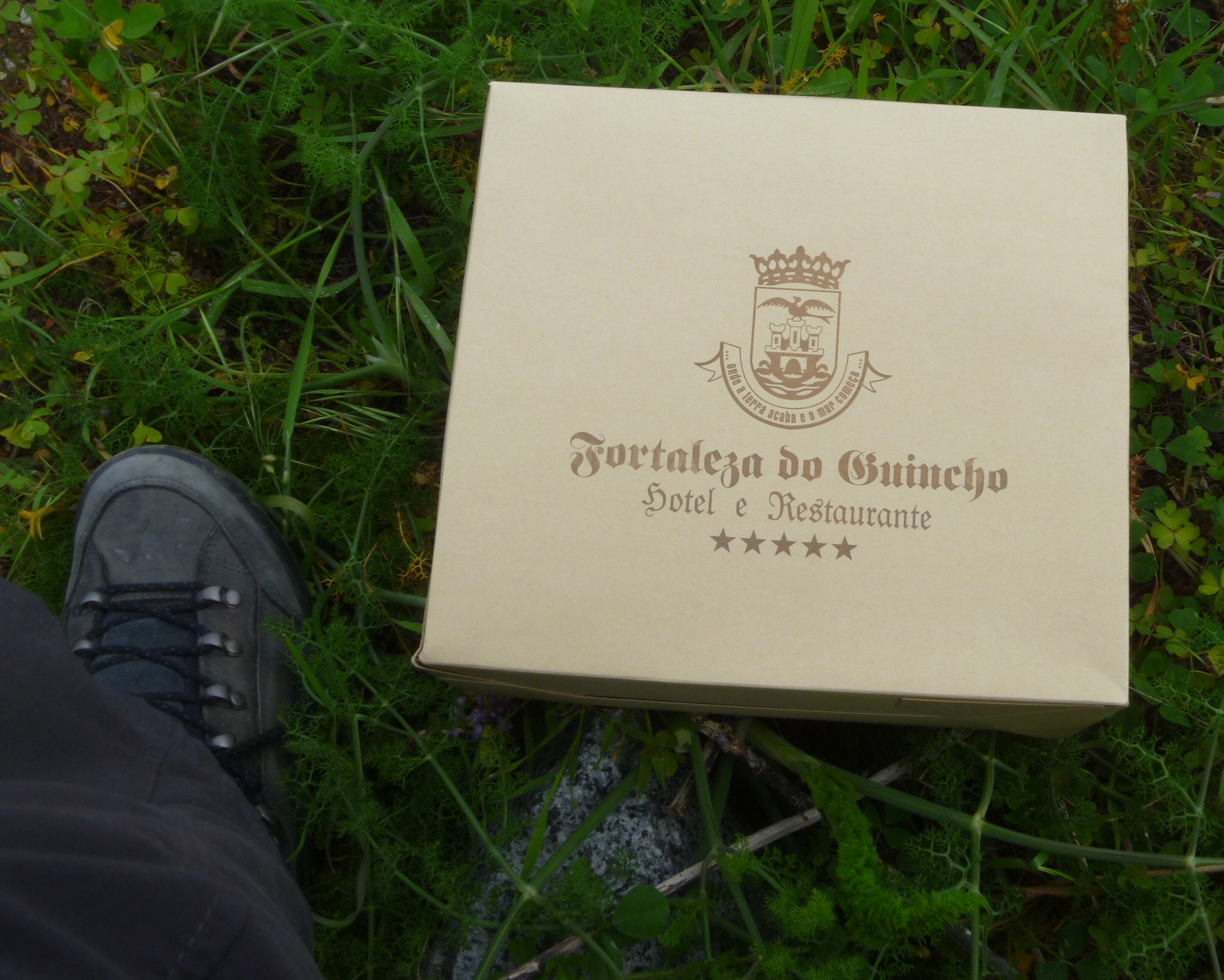
5 star picnic

Our Five Star Picnic lasted us Three Days!!

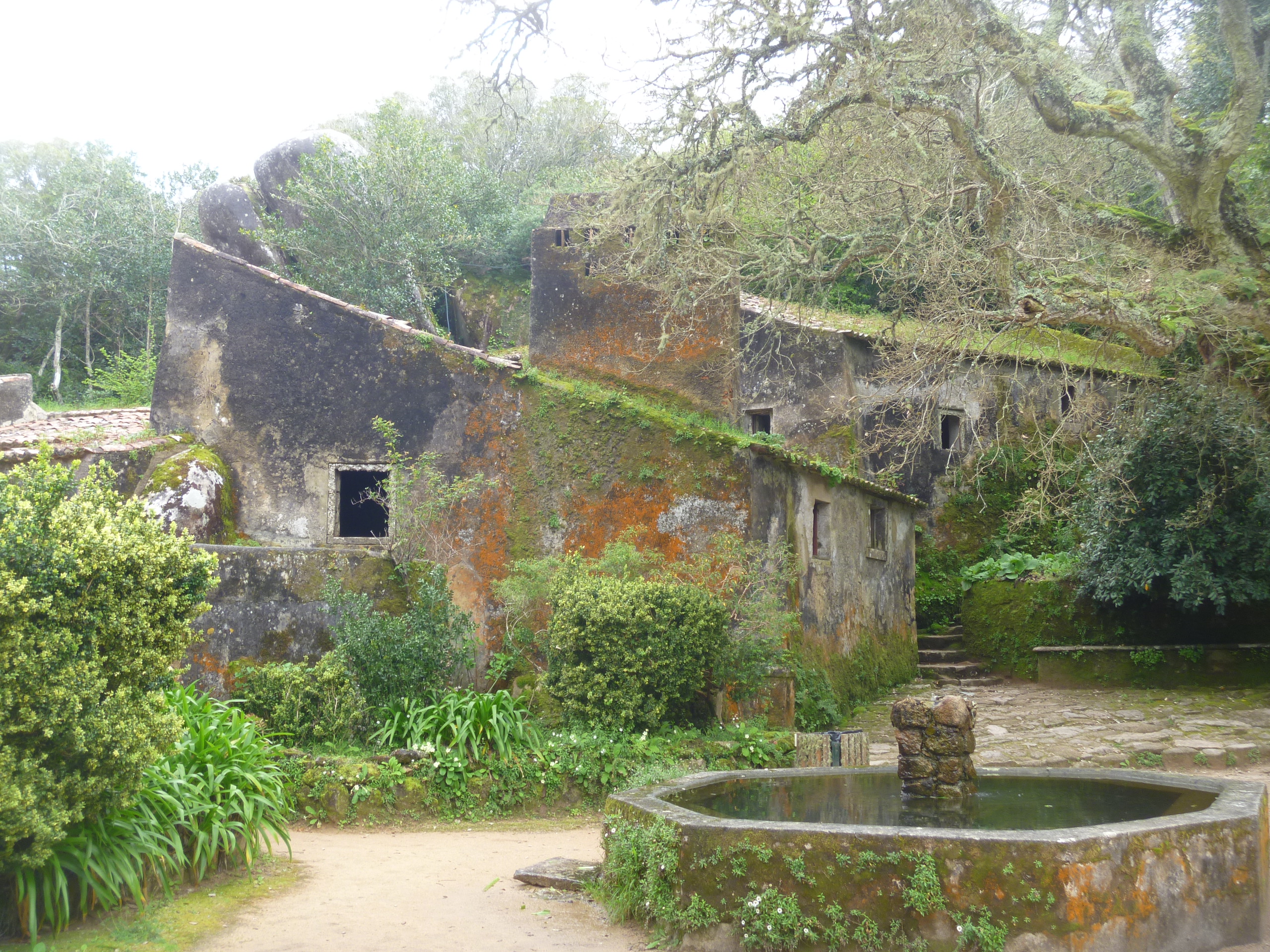
The Convento dos Capuchos dates back to 1560. It was built by Don Alvaro de Castro as a Franciscan monastery. The Capuchins were a minor ‘hooded’ order. It was built in accordance with the Franciscan (fulfilling the teachings of St Francis of Assissi) principles of living in harmony with nature. Mostly carved from the rock face, granite boulders are incorporated and cork was used as insulation, thus giving an alternative name ‘The Cork Monastery’. Here the monks lived a simple and holy life until the site was abandoned by them in 1834. The Portuguese state took responsibility for the site in 1949. Why it is called a Convento and not a Mosteiro (monastery) I have no idea!

Views of the Convento Dos Capuchos

Capuchos sign

At the Entrance – there’s also a Nature Trail, but we didn’t have time to complete it.

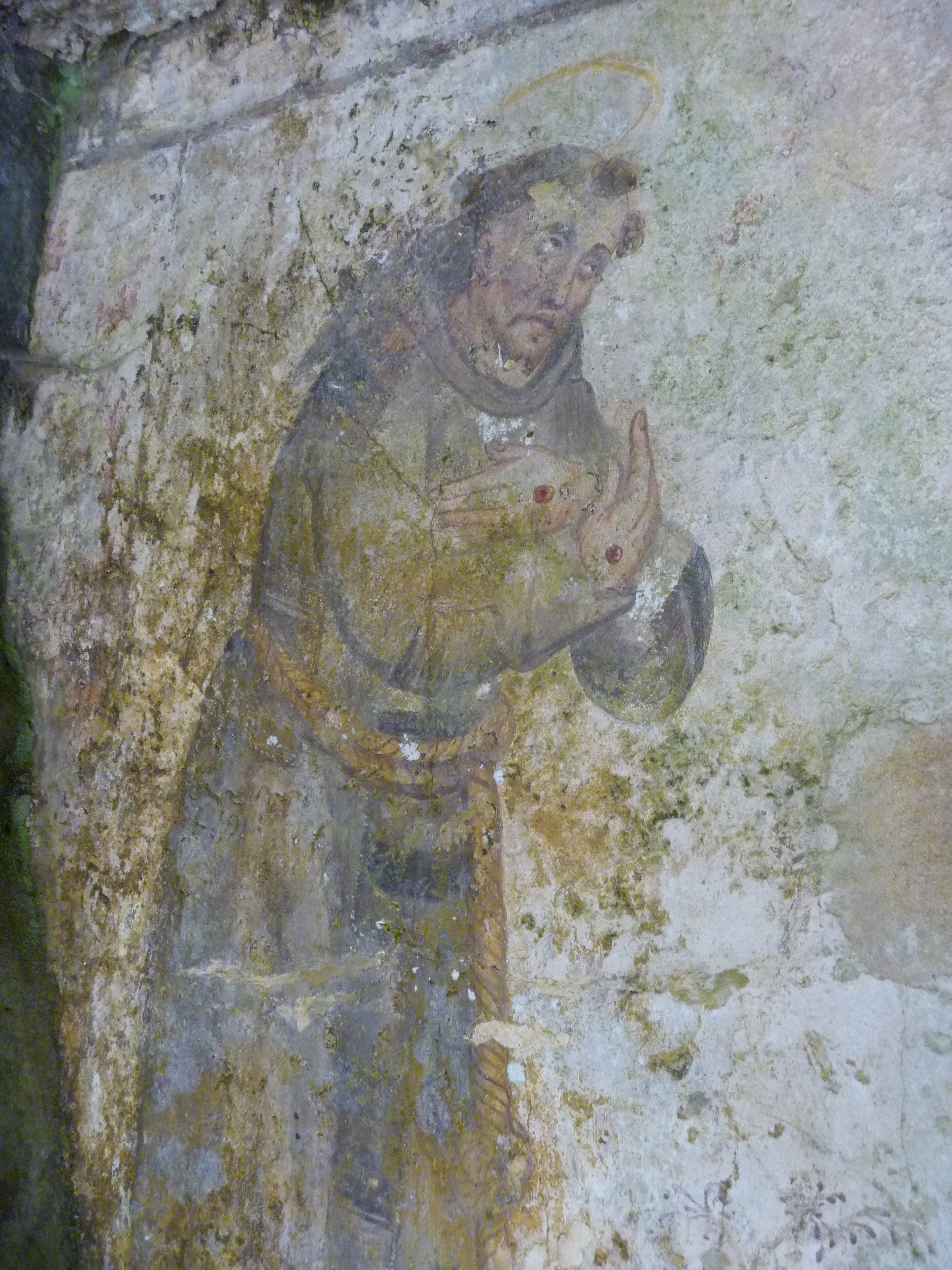
St Francis

Wall Painting of St Francis

Tiny doorways to cells

The very low doorways (indicating humility) into the tiny cells (the floor lighting guides our way)

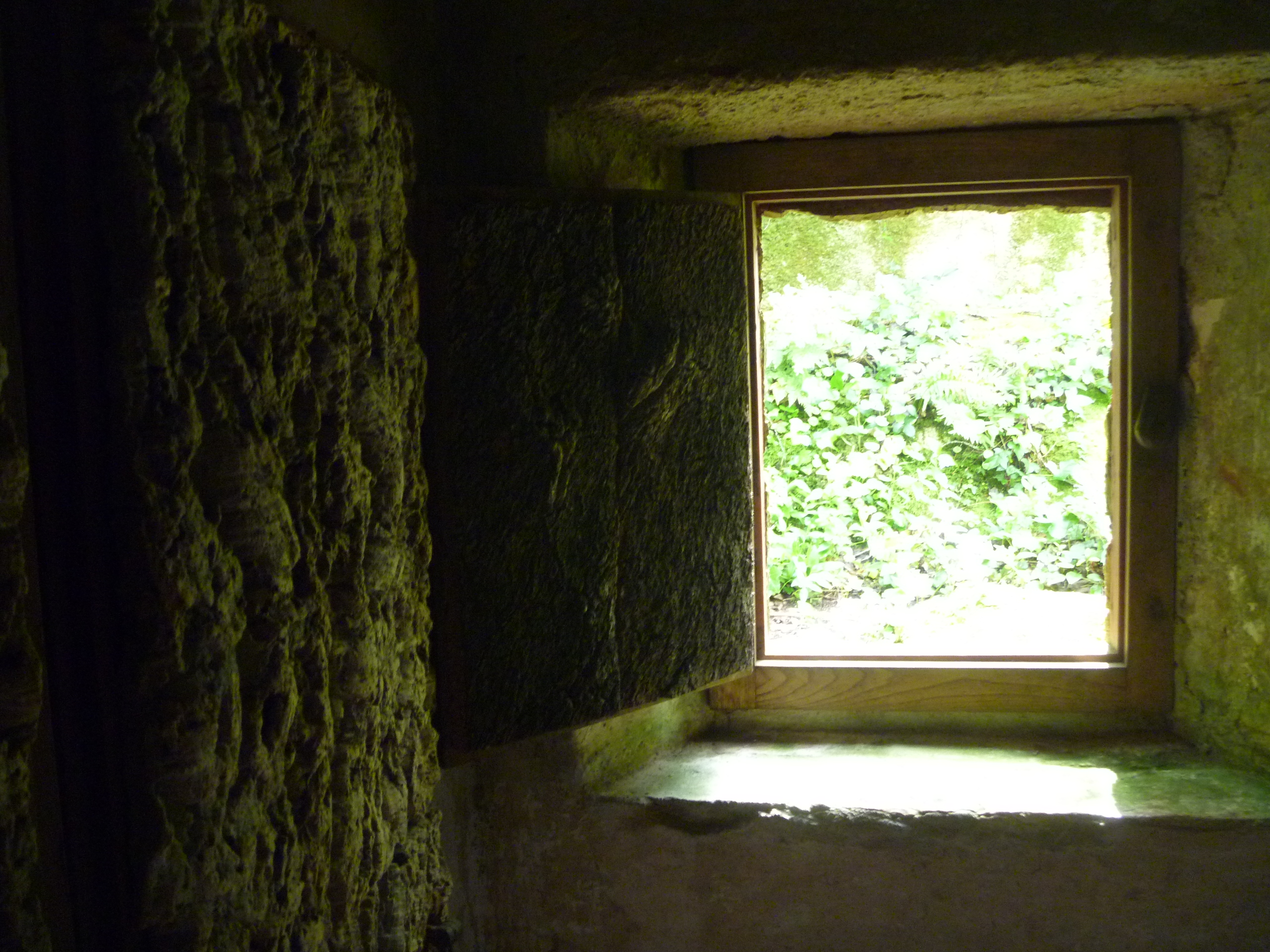
Small windows

Small Cell Windows and Cork-Insulated Walls

Cloister

The Cloister

Cork oak

A Cork Oak still grows in the Cloister

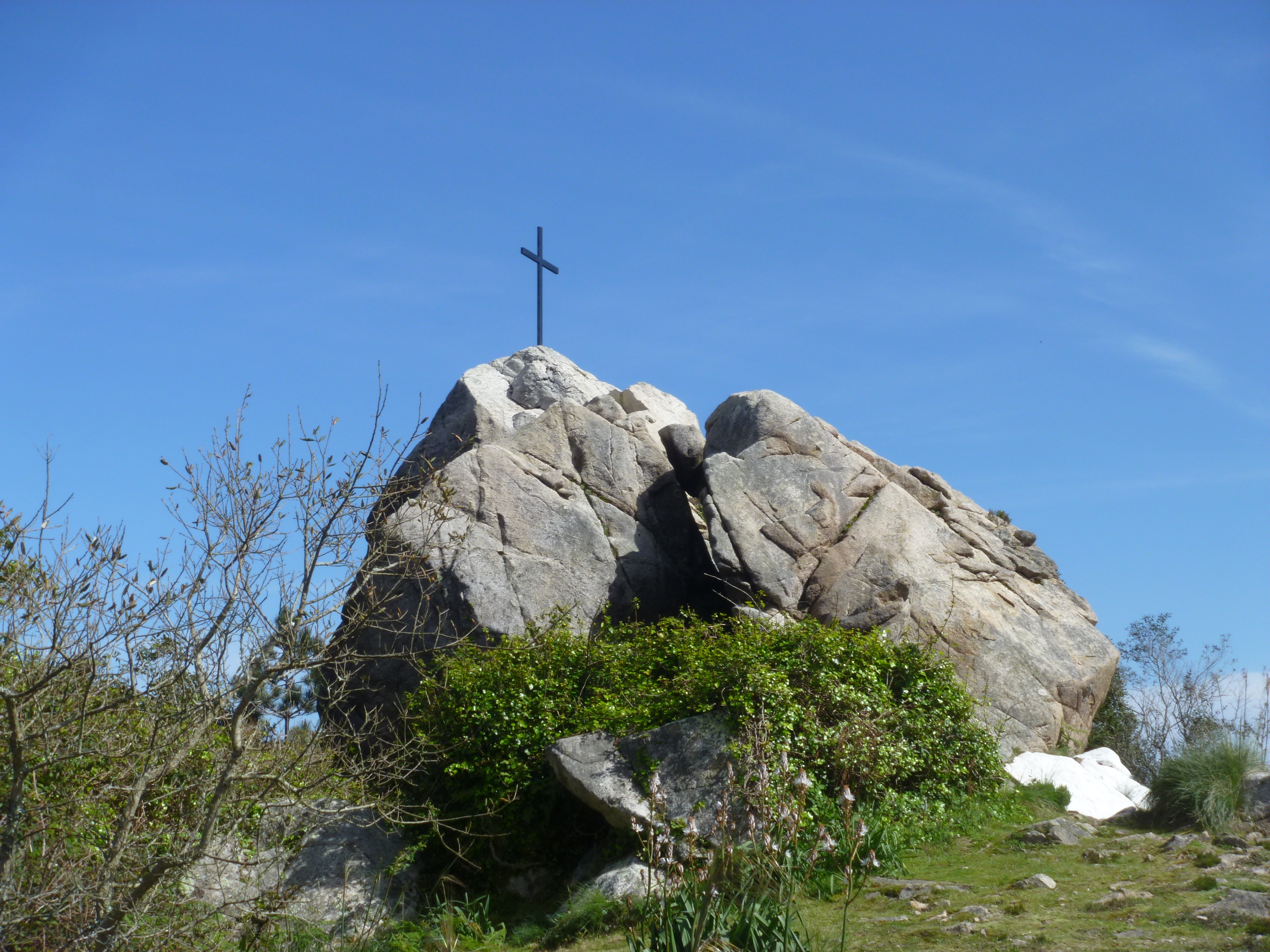
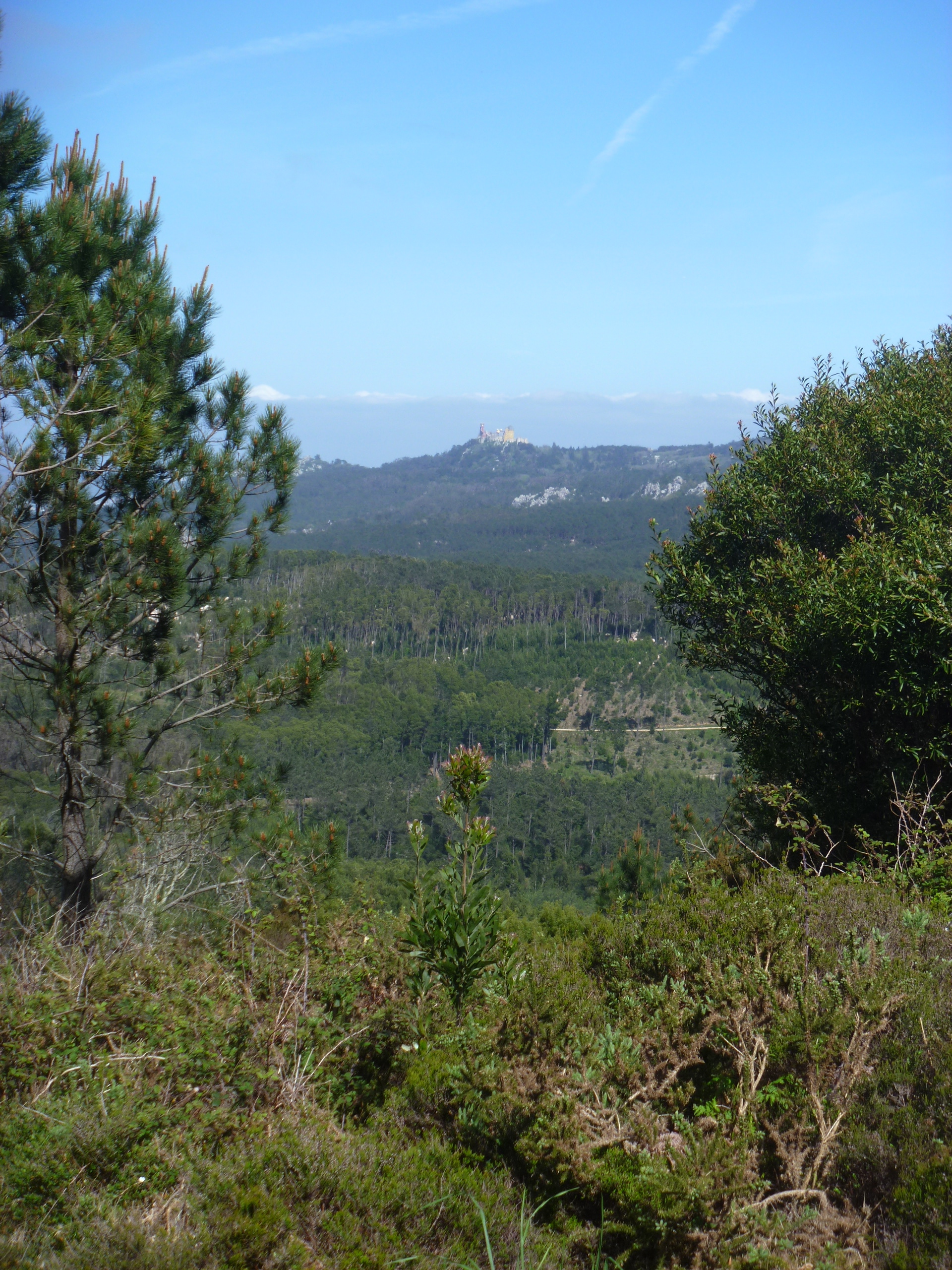
Leaving the Convento around 4pm we still had a lengthy walk ahead of us, plus two further climbs. The first was to a memorial to 23 soldiers who were killed putting out forest fires in 1966. From the cross there are more stunning views – the Pena Palace magnificent in the distance.

Memorial

Forest Fires Memorial to Servicemen

Pena Palace in the distance

Pena Palace across the Serra

“Continue ahead uphill”. We got kind of used to reading this instruction!

Yet more climbing to do!

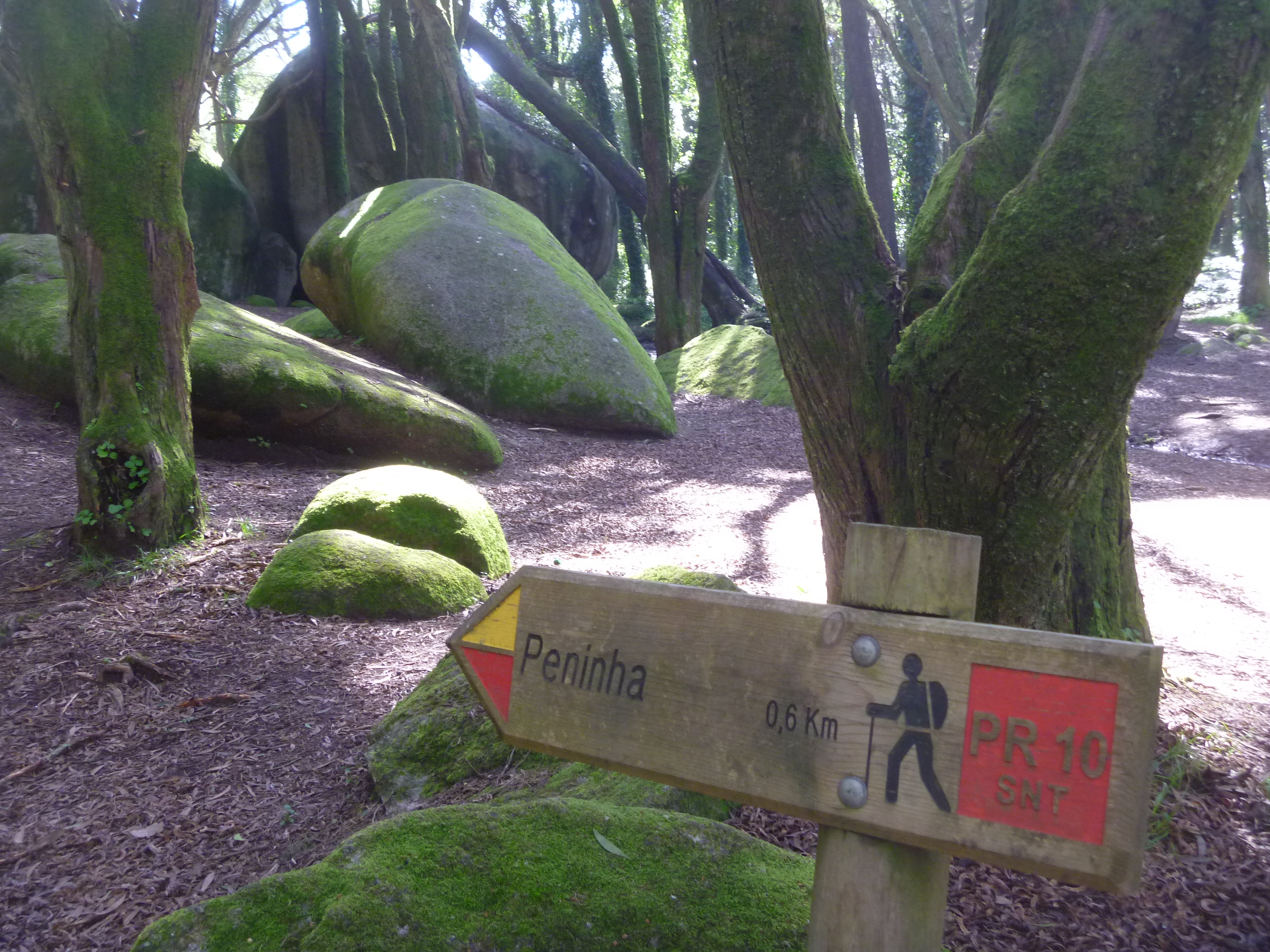
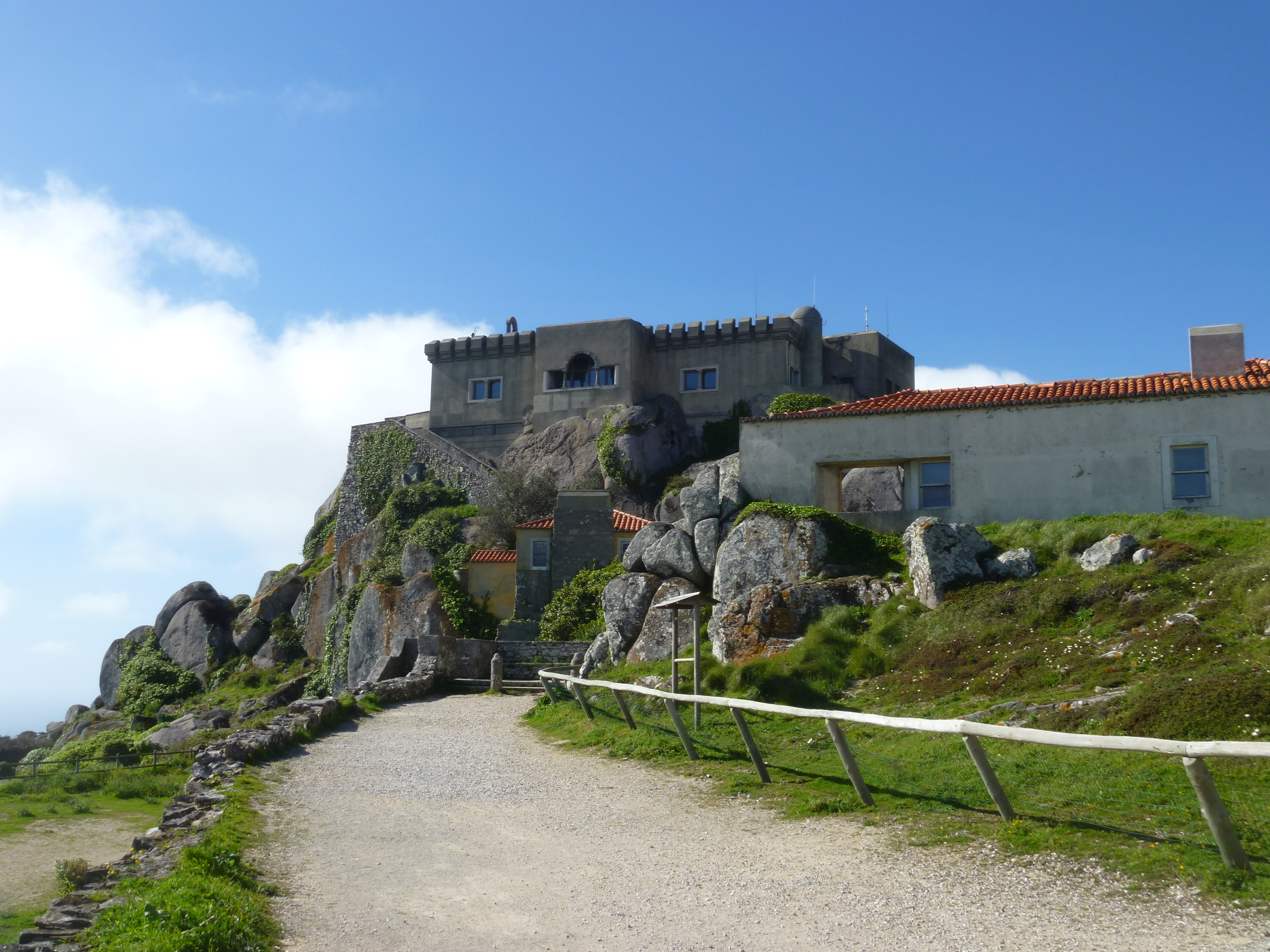
Onward and upward we continued until we reached the Peninha Chapel.

Peninha

Unfortunately the chapel wasn’t open to the public but we read that the first building on the site was a chapel to Sao Saturnino in the 12th century and that the ‘new’ chapel was built in the 17th century and apparently contains beautiful blue and white azulejos (tiles) depicting the life of Mary.

View from Peninha

Tagus view from Peninha

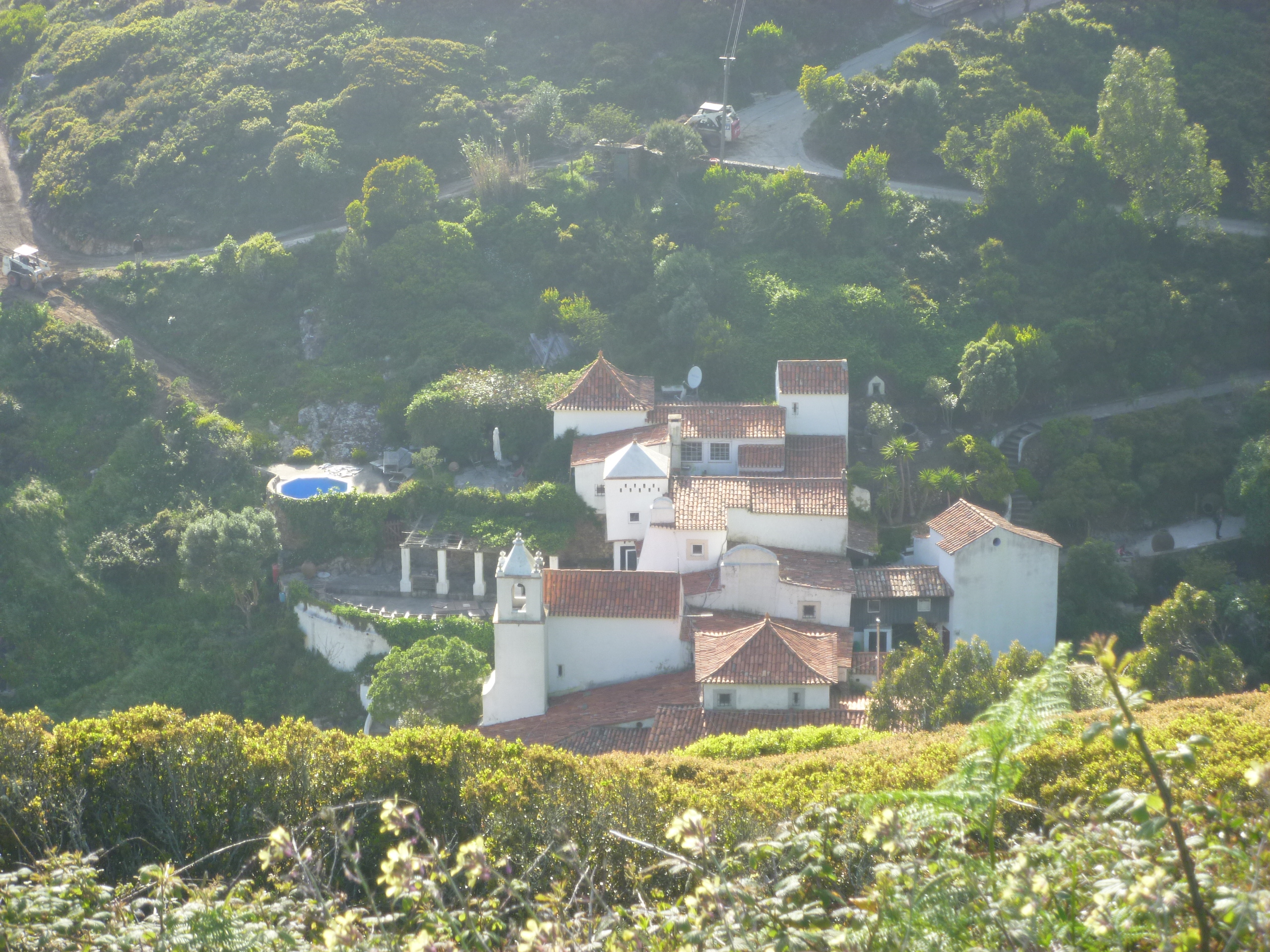
Again, we had magnificent views of the coast and towards the River Tagus and Lisbon. From the Peninha it was practically downhill all the way and finally, we caught a first glimpse of our destination – The Convento Sao Saturnino nestling a valley with views of the sea.

Convento da Saturnino

We arrived just in time for dinner – there’s a welcoming tray in the bedroom for revival of the spirits!

Nice feature in the room

Worcester Cathedral and Strensham Church Services

Worcester Cathedral

Another port of call during the weekend was Worcester. I wanted to visit the Cathedral in connection with my family history researches. It’s a lovely cathedral and you can see its tower from a distance so not hard to find in the centre of the city.

Worcester Cathedral

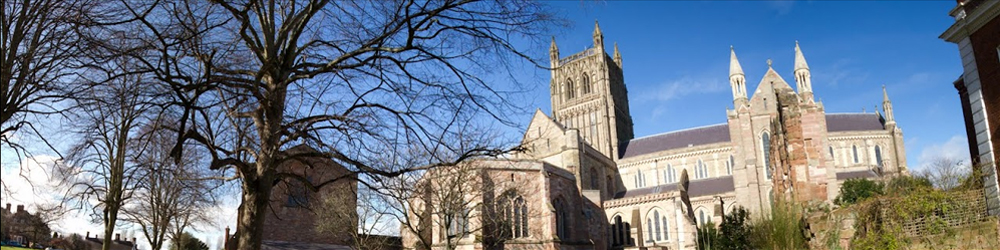
It was wet and cold on my visit the Saturday before last (9 March) so this photo of the Cathedral with blue sky behind is taken from the Worcester Cathedral website. Here is Dean Peter Atkinson’s Welcome Message introduction from that same website :

Worcester Cathedral is a magnificent sight as it rises majestically above the River Severn. Worcester has been the seat of a bishopric since the Seventh Century, and the Cathedral was served by monks until the Reformation. St Oswald and St Wulfstan were among the bishops. Since the Eighteenth Century, the Cathedral has been famous for its part in the annual Three Choirs Festival, the oldest choral festival in existence. Today the Cathedral is the centre of a vibrant community of clergy and laypeople, offering the praises of God each day, serving the city and the diocese of Worcester, and attracting visitors from all over the world.

St George's Chapel

St George’s Chapel, Worcester Cathedral

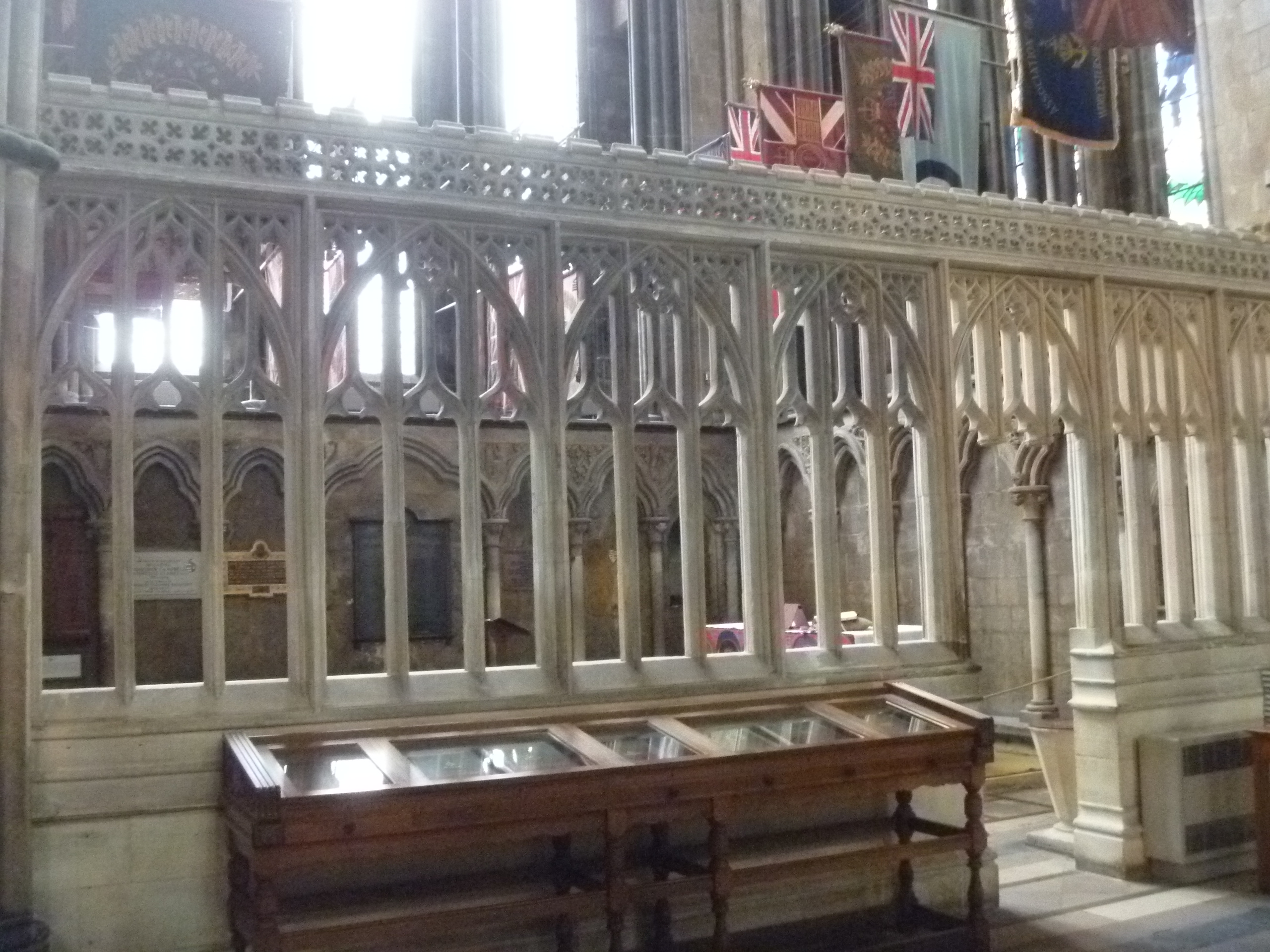
I had contacted the Vergers in advance in order arrange to see the Roll of Honour in which my relative is listed and introduced myself to a volunteer welcomer on arrival. A Verger was summoned and soon I was able to inspect the book and find his name. I then took some time to look around the St George’s Chapel where the Roll of Honour rests.

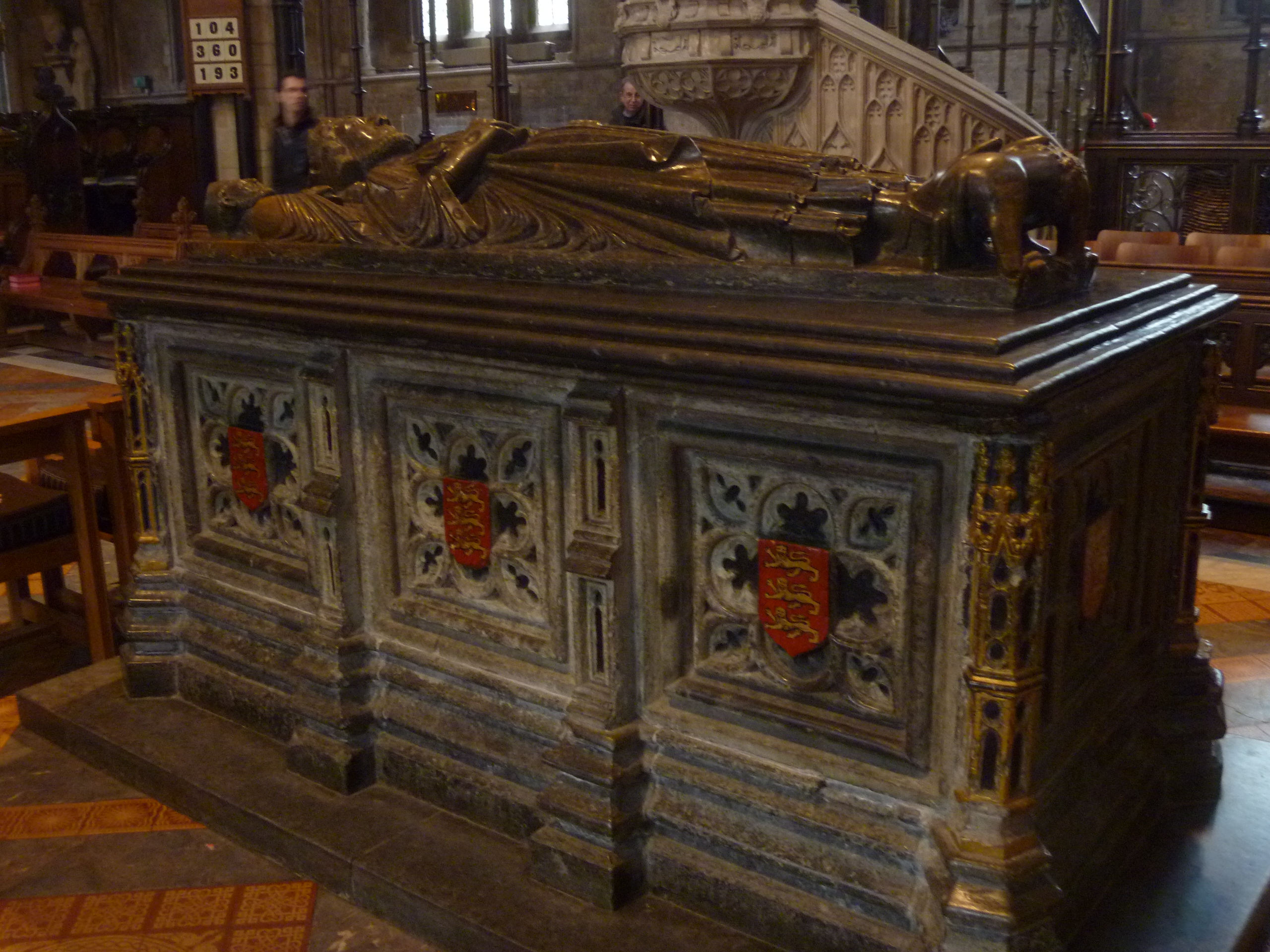
King John

The most significant tomb in Worcester Cathedral is that of King John.

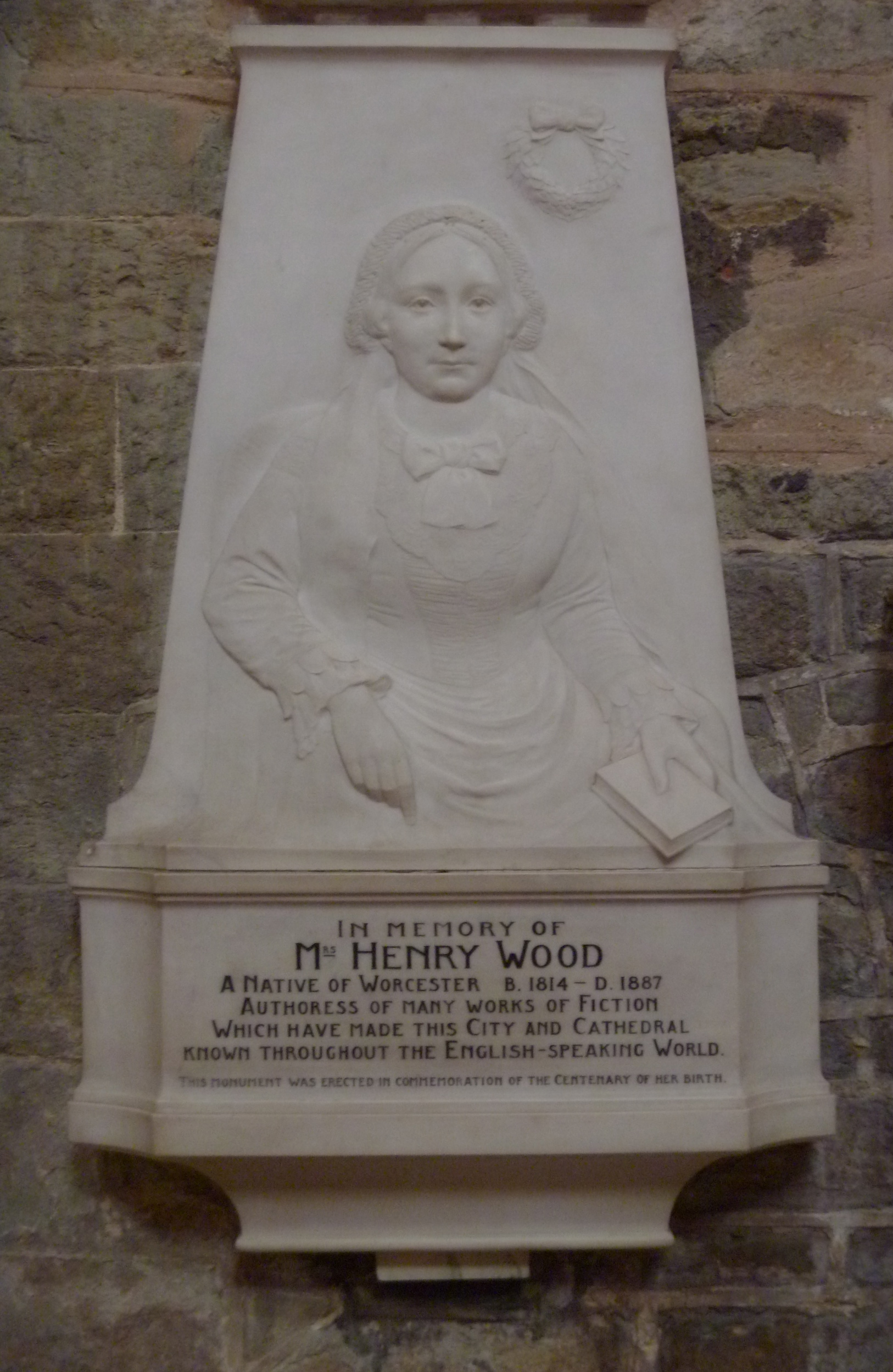
Mrs Henry Wood

In addition, in the “Poets Corner”, I found the memorial to Victorian author Mrs Henry Wood. A prolific writer, she is perhaps best known for her book “East Lynne”.

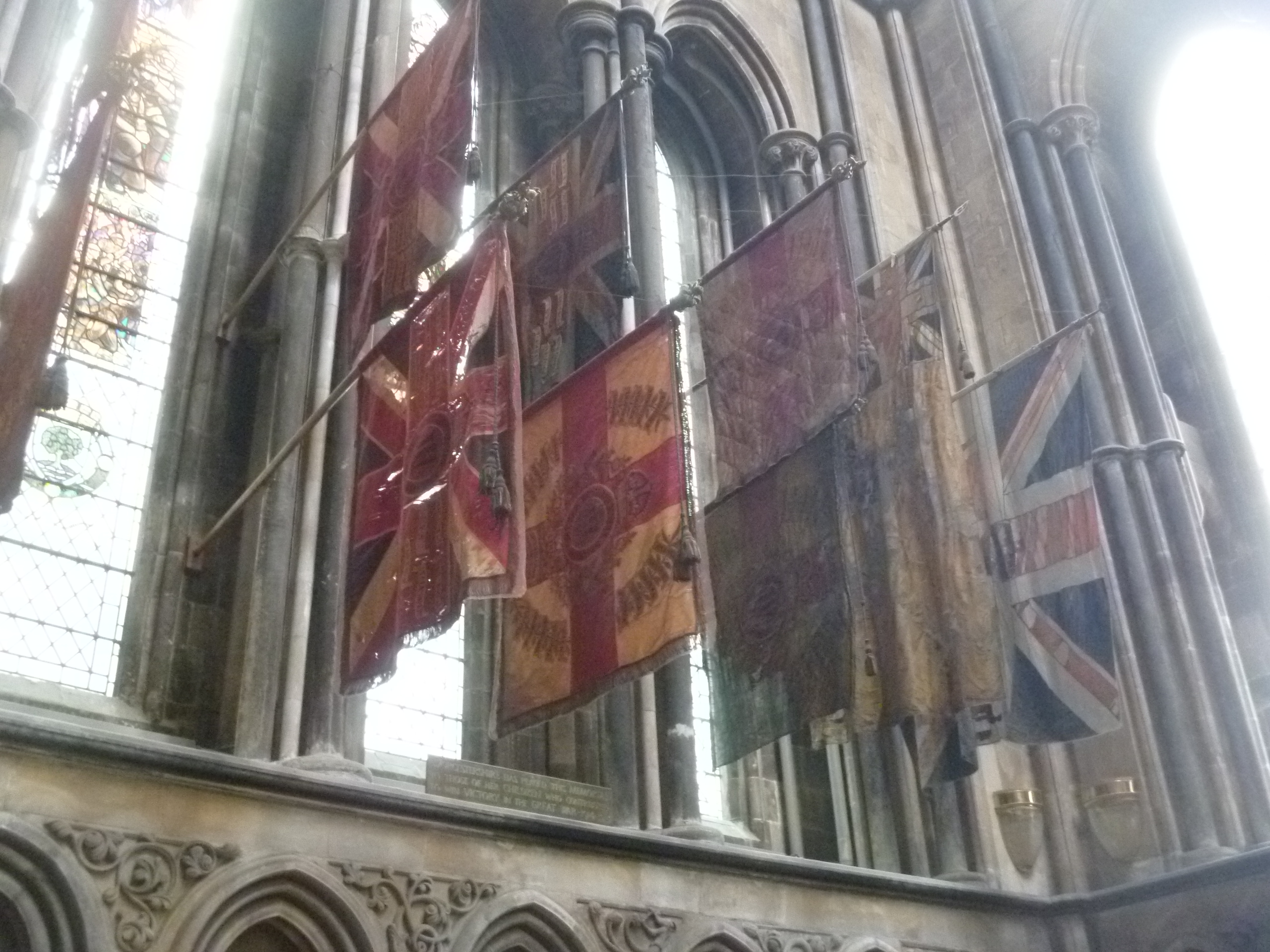
Flags St George's Chapel

St George’s Chapel, Worcester Cathedral
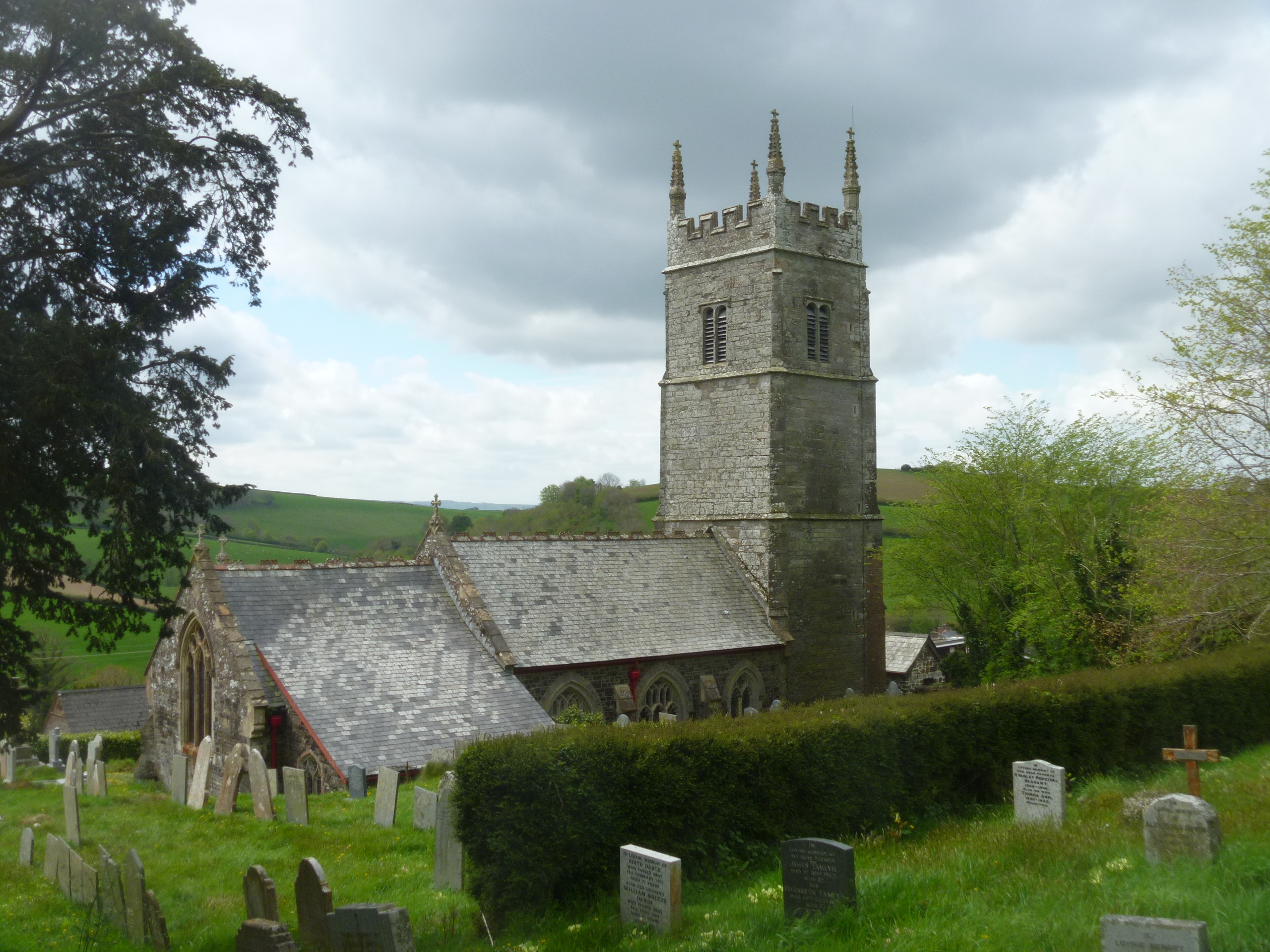
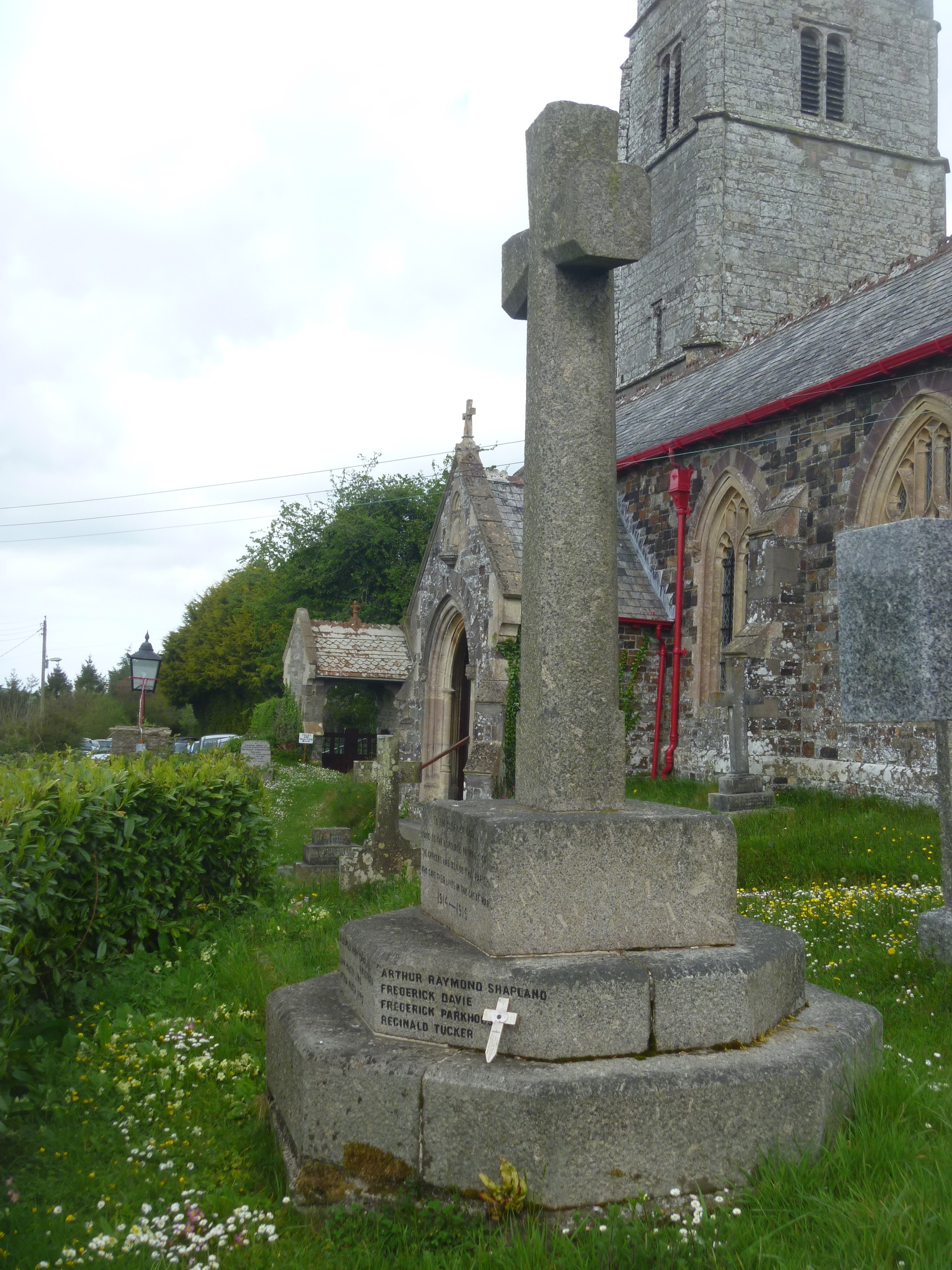
The Church of St John the Baptist, Strensham
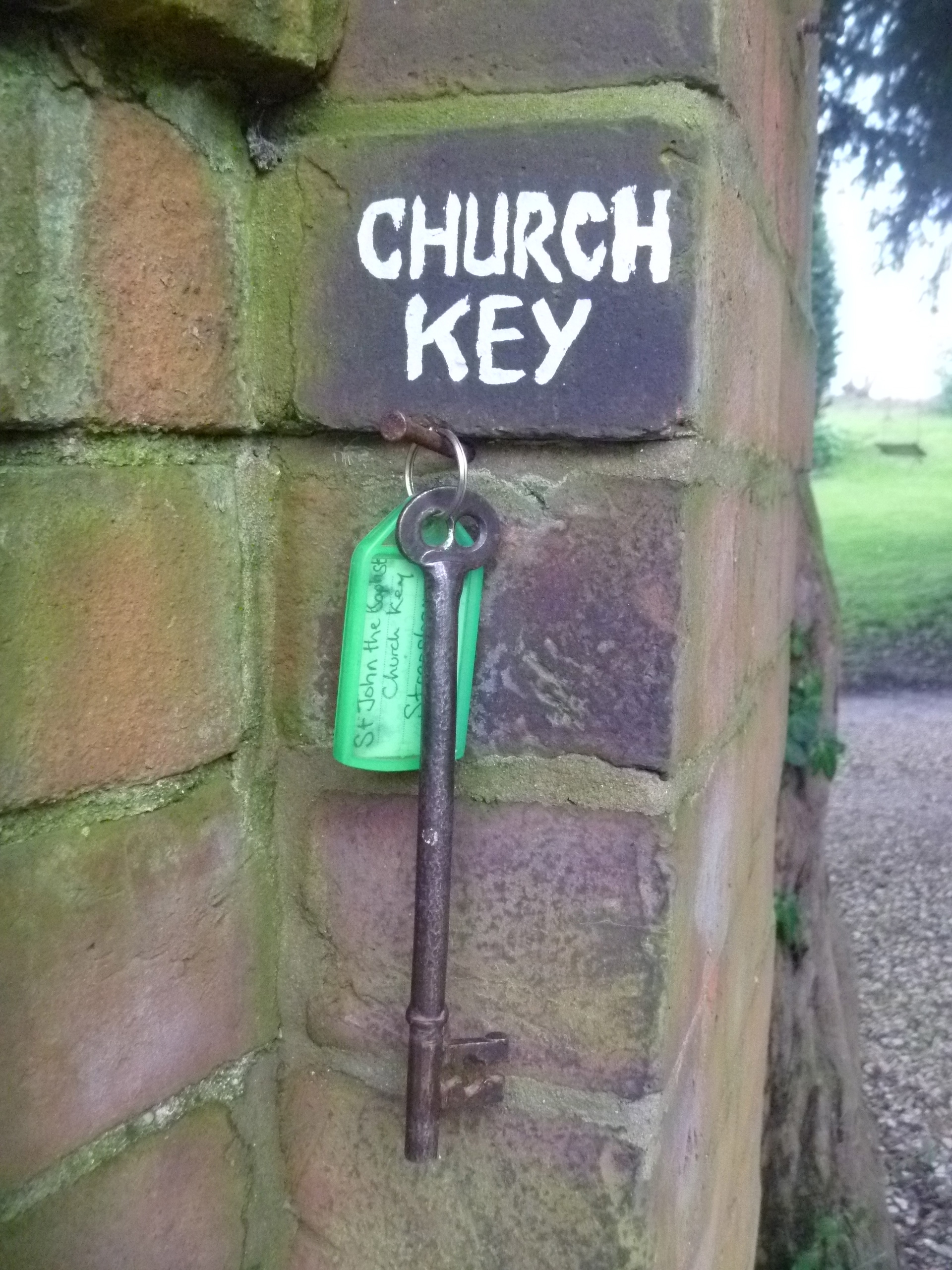
Church Key
For most people the name of the village of Strensham is synonymous with the Motorway Service Station of the same name on the M5. But for me it is the village where my relatives lived during the early years of the last century. More about them later. Strensham is divided in more ways than one; there’s a Lower Strensham and an Upper Strensham and the M5 motorway cuts between the two. However, far from the noise of the Services and the Motorway, Strensham church lies down a long lane across fields and even far from the Strenshams. It stands on cliff overlooking the River Avon. Now that I have visited I notice that you can see its creamy white tower as you drive up and down the motorway.
St John's Strensham
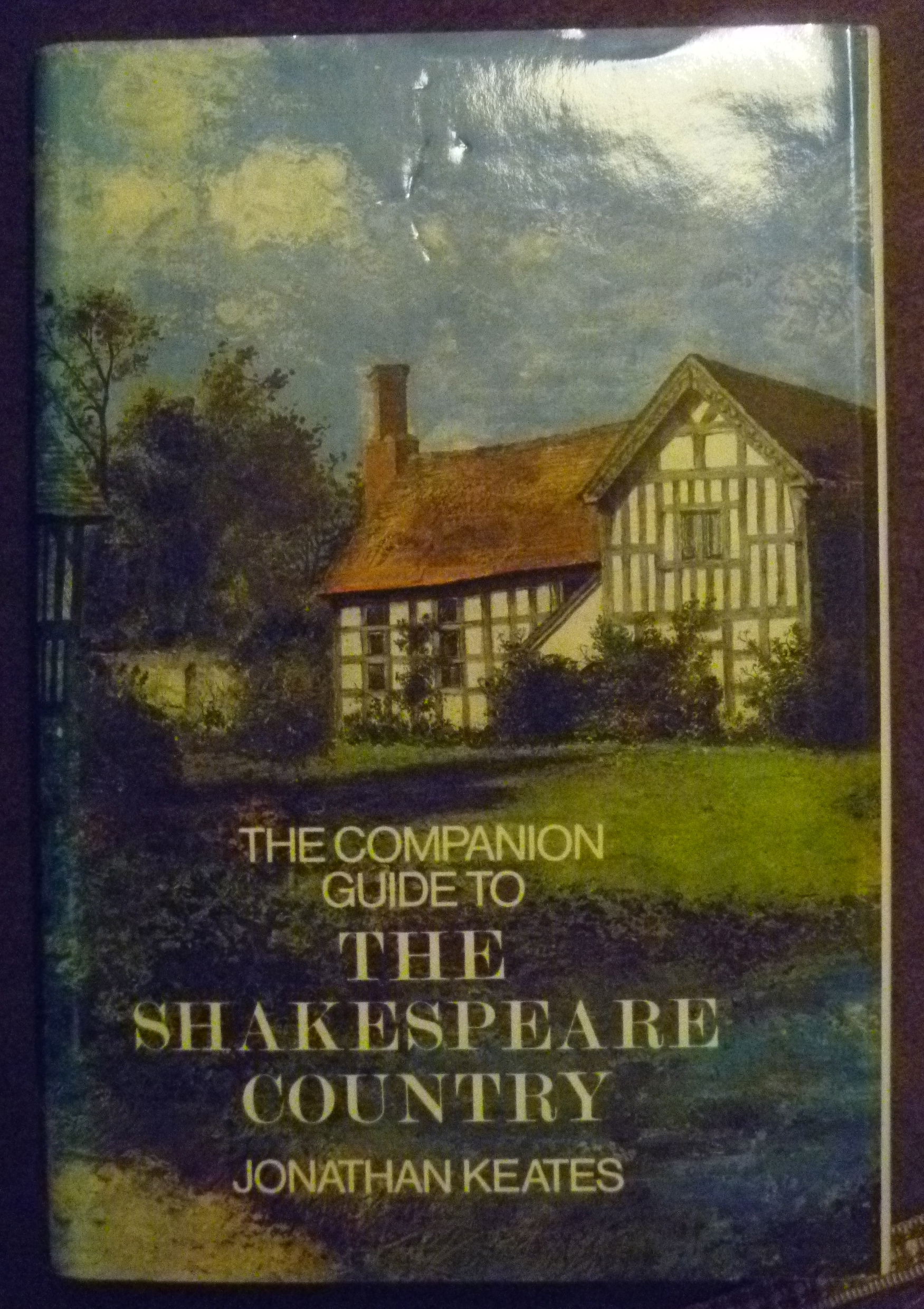
The Church of St John The Baptist, Strensham is listed in Simon Jenkins’ England’s Thousand Best Churches and given one star. It is also cared for by The Churches Conservation Trust. And there is a whole page about it in Jonathan Keates’ The Companion Guide to The Shakespeare Country. 
Companion to Shakespeare Country
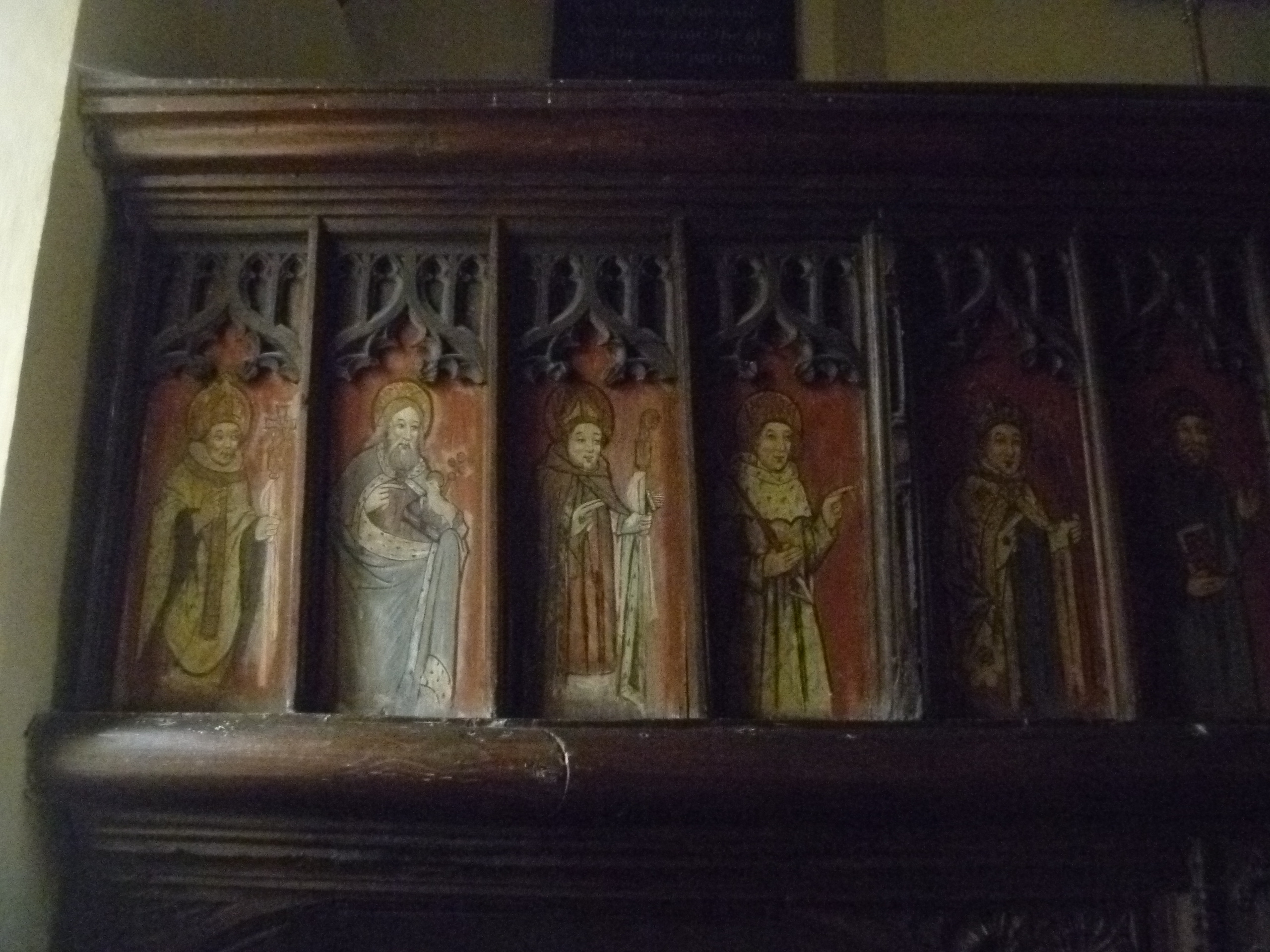
One remark in this book that I rather like is his “More Norfolk than Worcestershire (it recalls Ranworth), this set of twenty-three paintings is extraordinary “.
Painted panels
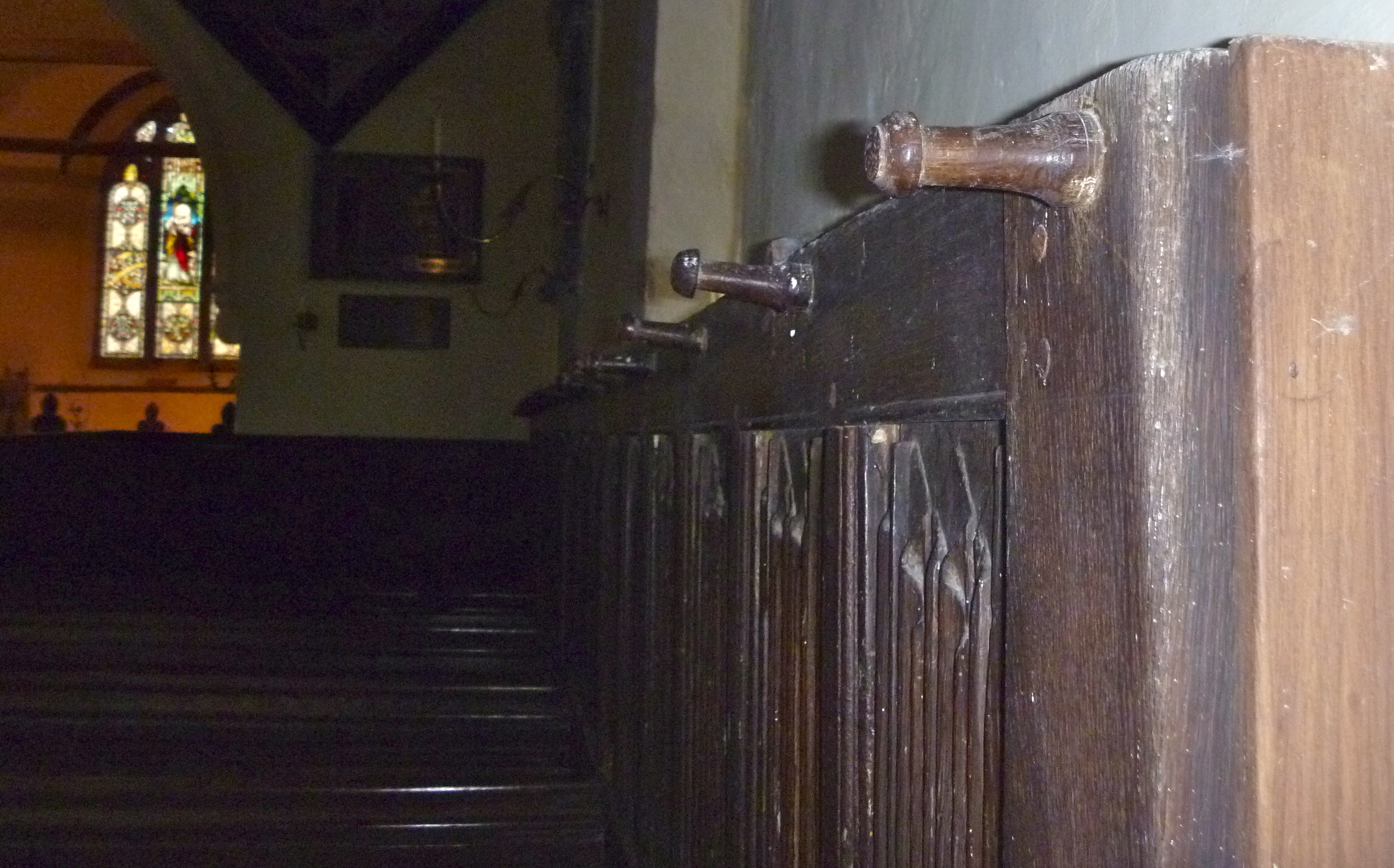
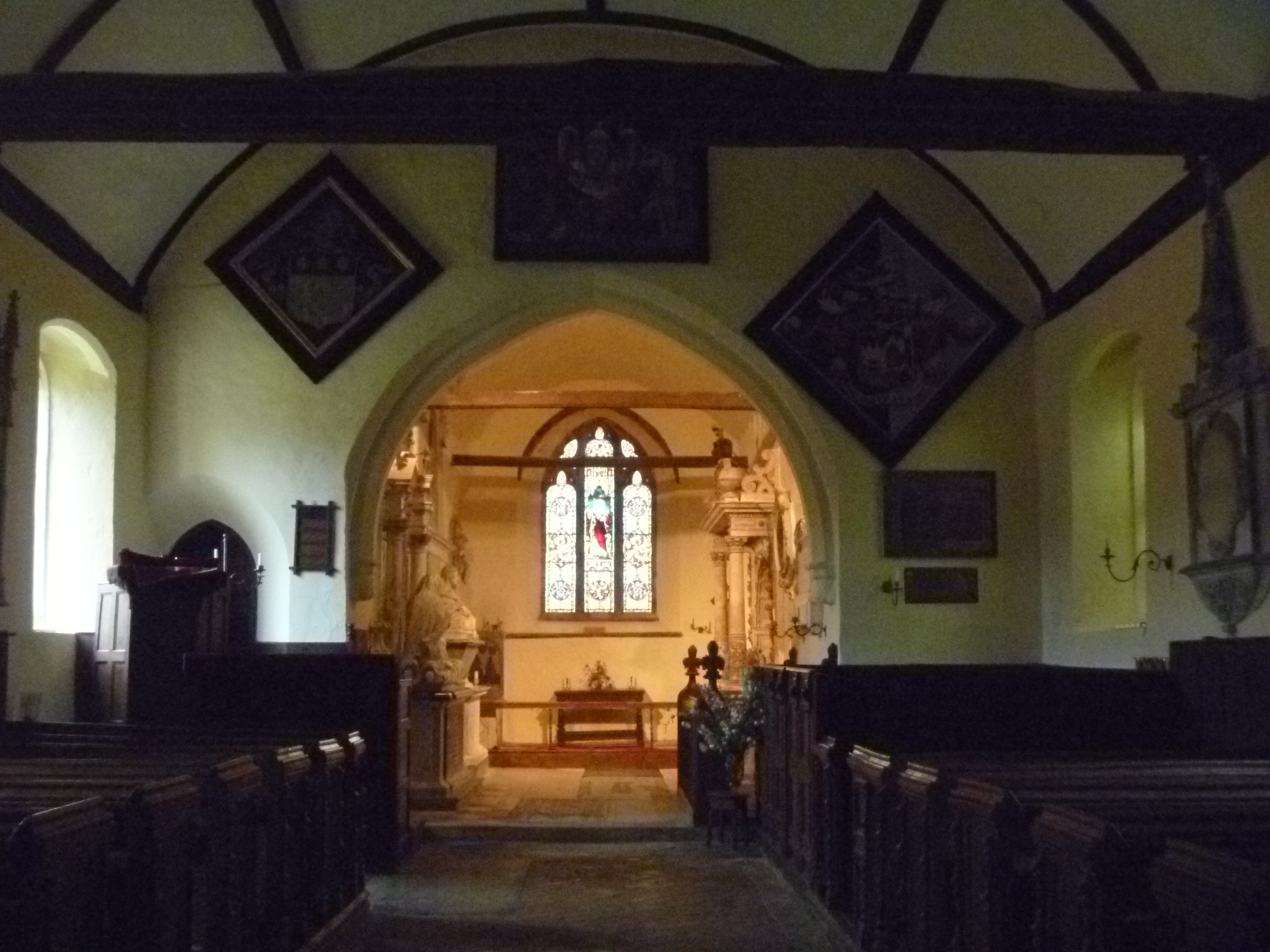
Well, my family came from Norfolk to live in Worcestershire for possibly a couple of decades in the early twentieth century, returning to Norfolk before 1920. In addition to these painted panels the church boasts some impressive monuments, superb linenfold panelling and early 16th century pews.
Linenfold panelling and pegs
The chancel lights up as you enter but elsewhere it looks as if the gas mantels are still in use during the occasional services that are still held here.
Interior St John's Strensham
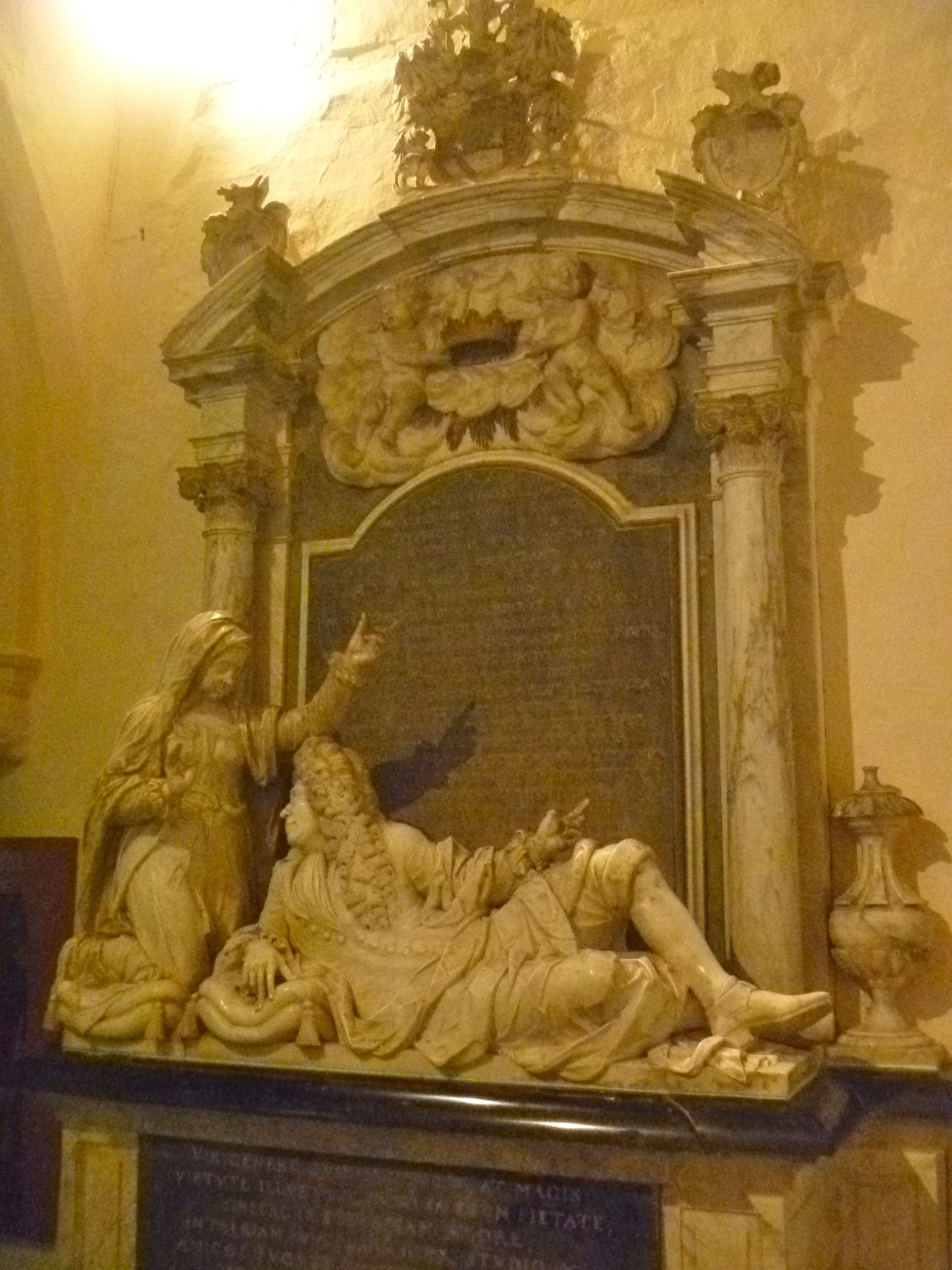
Keates goes on to say “Next to these is my favourite Worcestershire tomb, a great piece of English art,  full of unrivalled zest and excitement. Edward Stanton’s superb fantasia on the death of Sir Francis Russell in 1705 is as much Gothic as baroque in its marble schadenfreude. His face (a portrait, surely) a wrenched simian mask, he is shown half-lying as his kneeling wife beckons him towards a heaven blobbed with clouds and putti whirling a coronet.”
The Baroque Sir Francis Russell and his wife
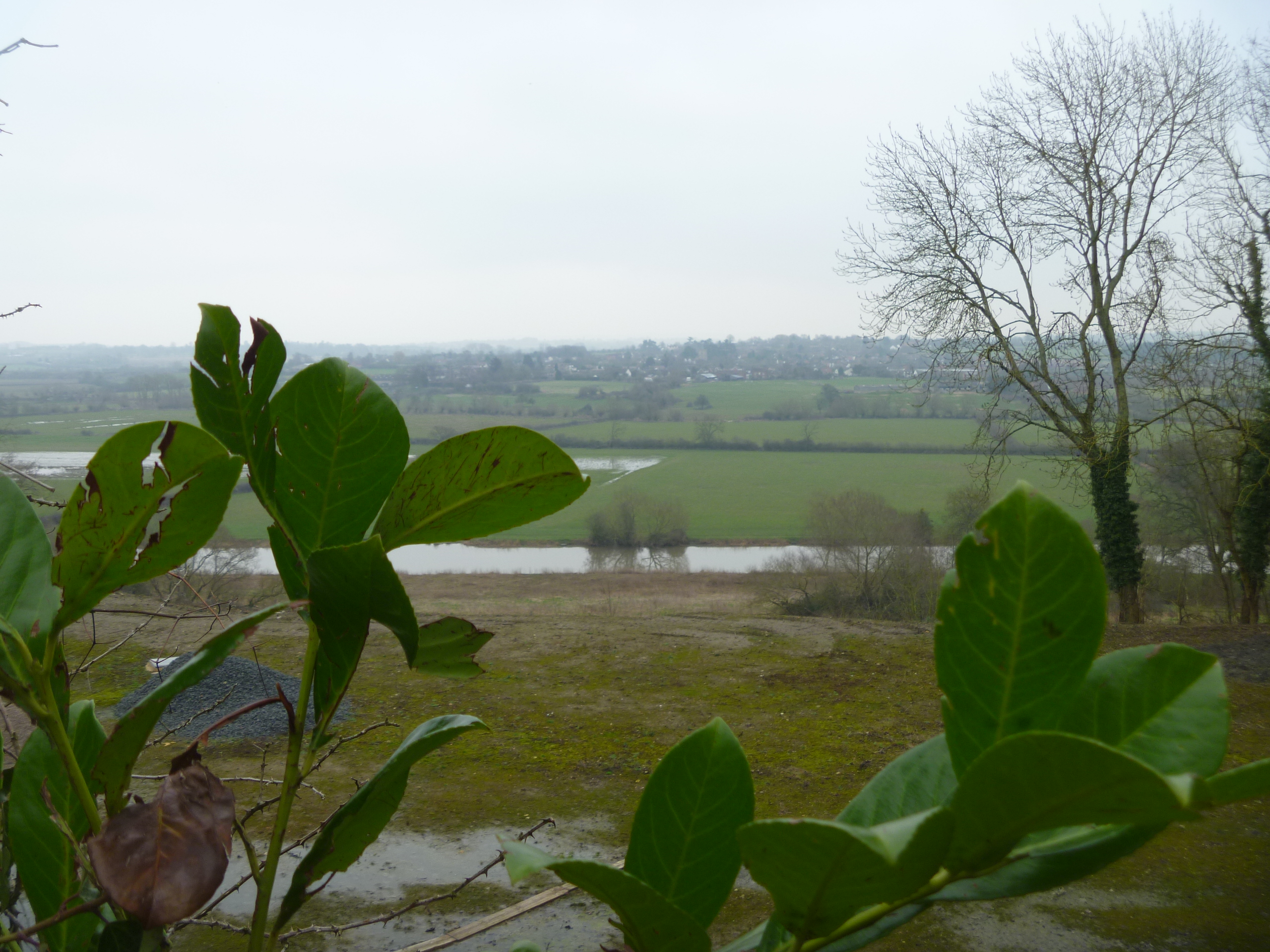
River Avon and Eckington
The Church is perched on a cliff and overlooks the River Avon

A Music Room and a Castle and Lancastrian Hospitality

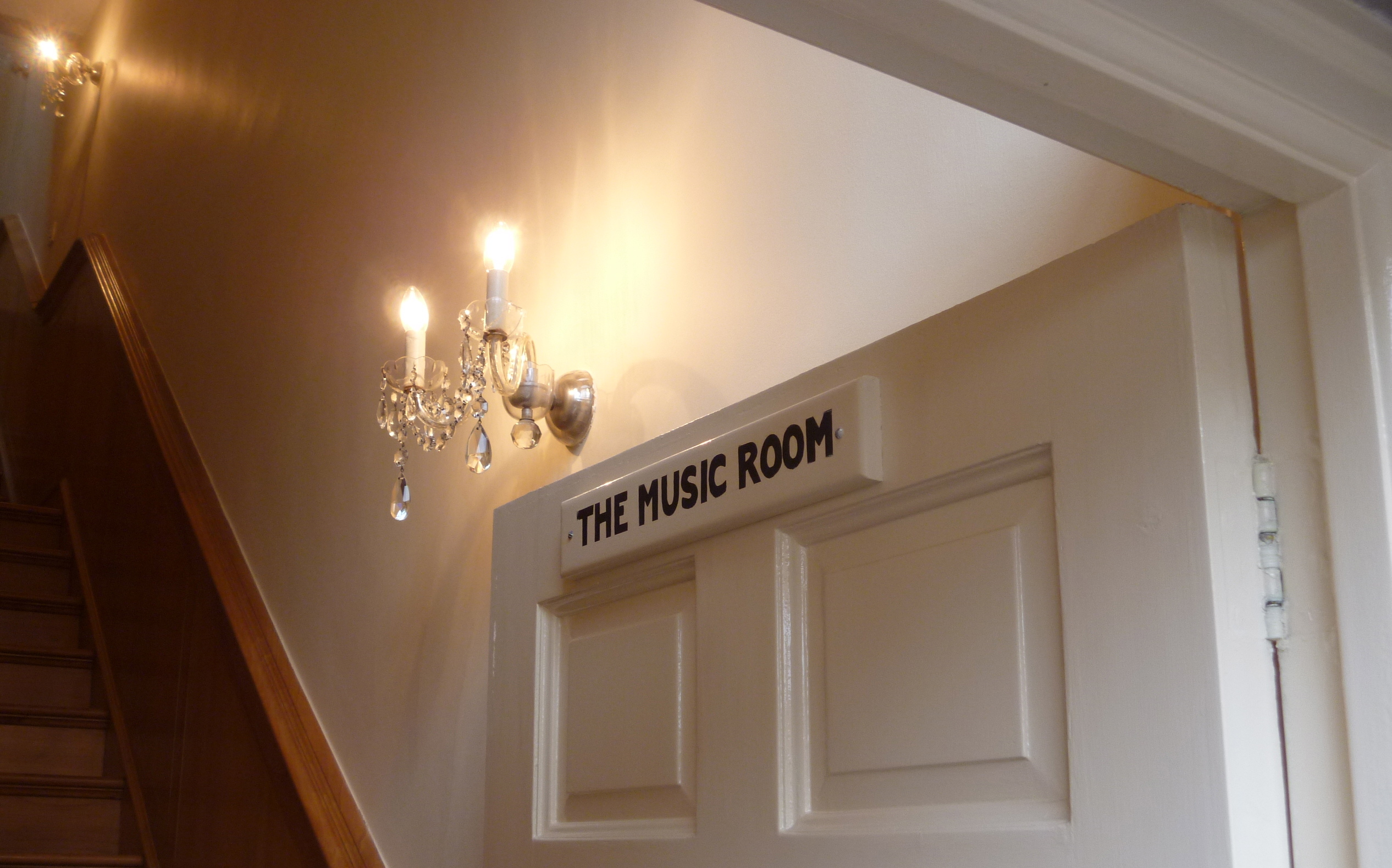
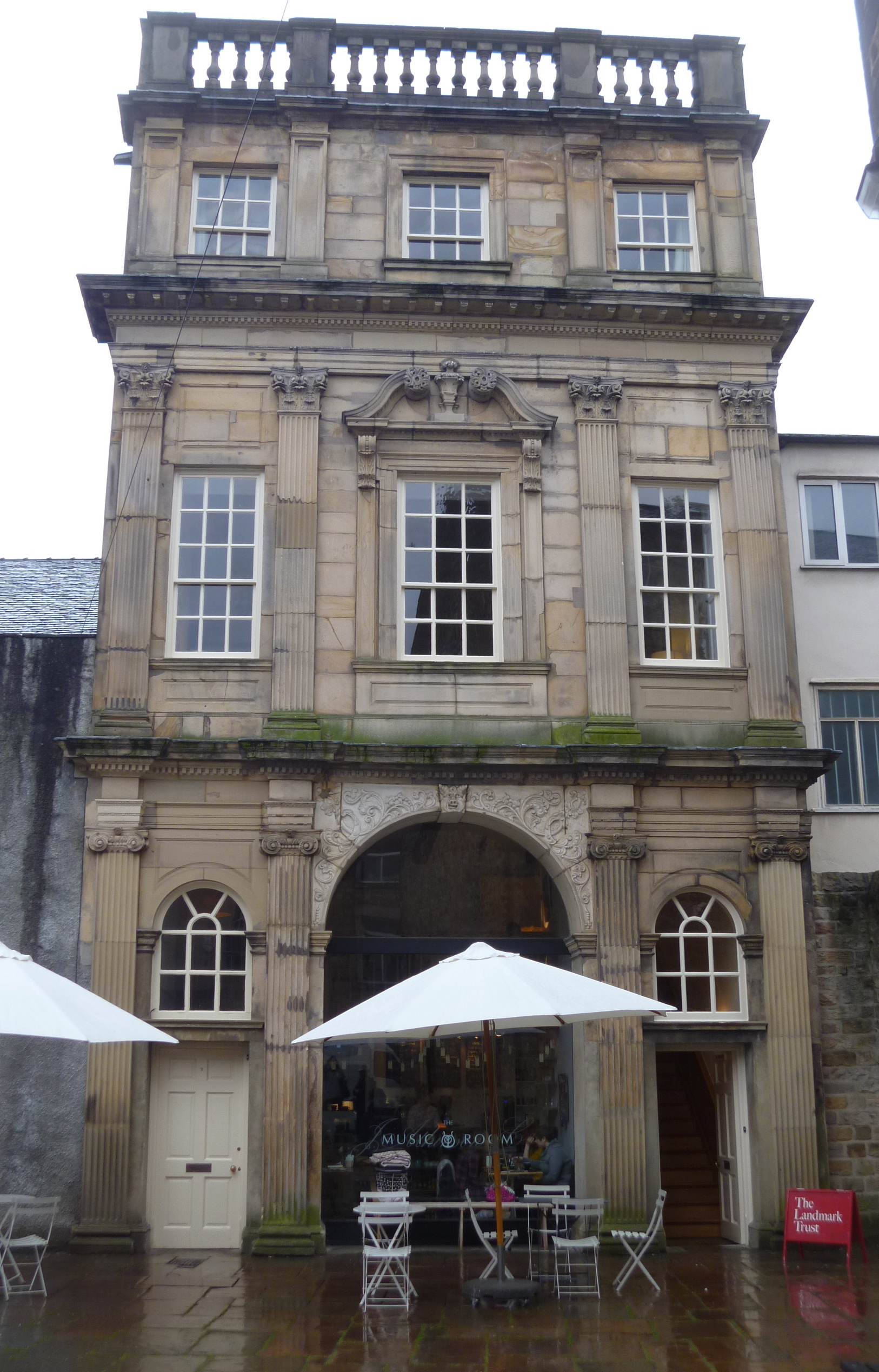
The Music Room sign

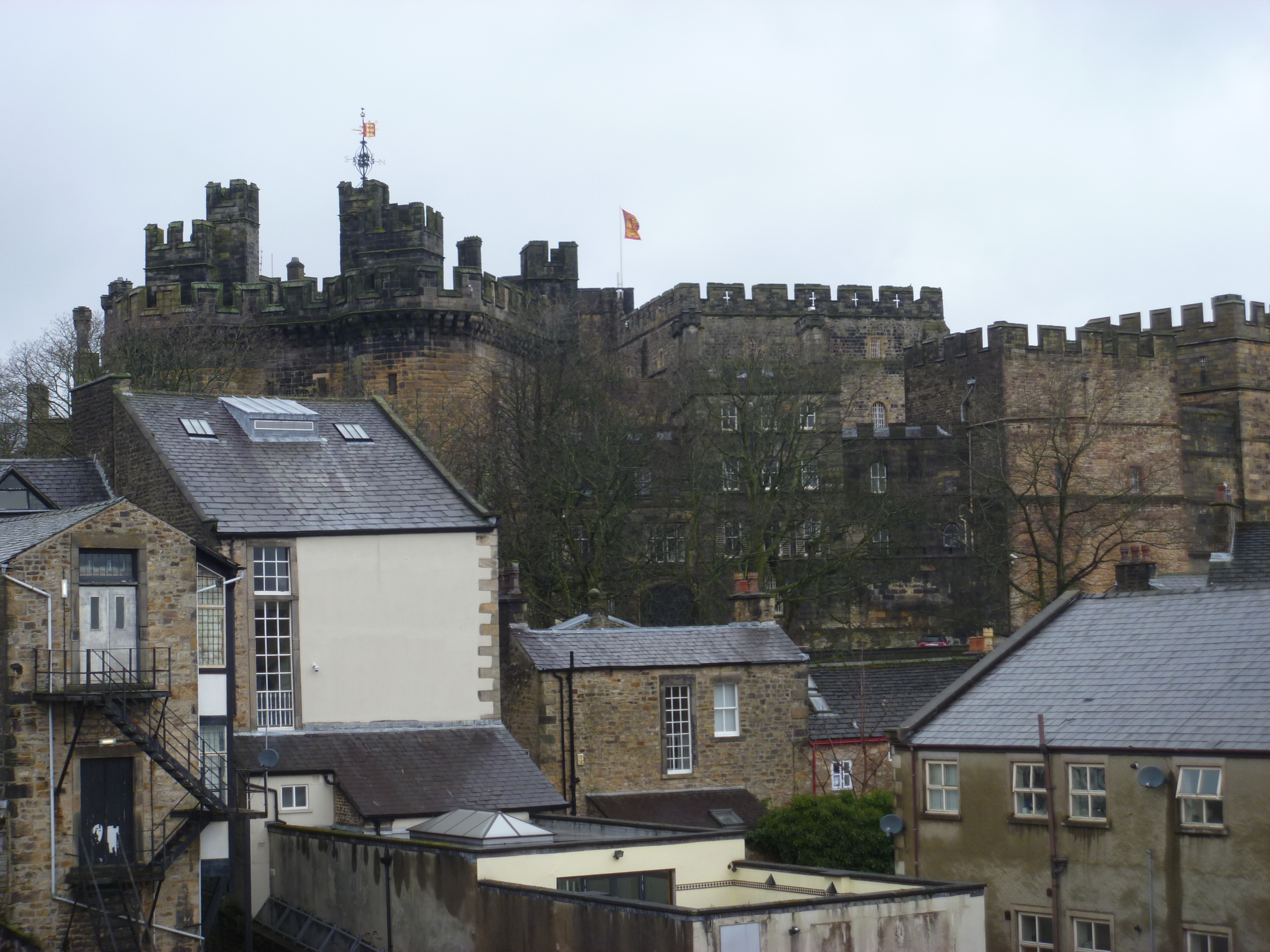
Yesterday was Open Day at The Music Room Landmark Trust property in Lancaster. Last weekend a fellow Friend of the Landmark Trust, and friend of mine now, asked if I’d like to join her to visit the newly refurbished and freshly repainted apartment in the centre of the city. There’s a direct train from nearby Shipley, which has plenty of useful parking availability on a Saturday morning, and an early start gave us six and a half hours to inspect the property, chat with organisers and fellow visitors and include an unhurried lunch (Morecambe Bay Shrimp Platter – what else??) and a tour of the major Lancaster landmark – its Castle … and more!

The Music Room ext

From the station the Music Room is only a few steps away. We were glad to take shelter from the rain and we spent a couple of hours inside and out on the roof top (during a lull in the rain). Coffee was supplied courtesy of the nearby coffee merchant and dispensed by the Housekeeper to which she added information about the before-and-after appearance of the property.

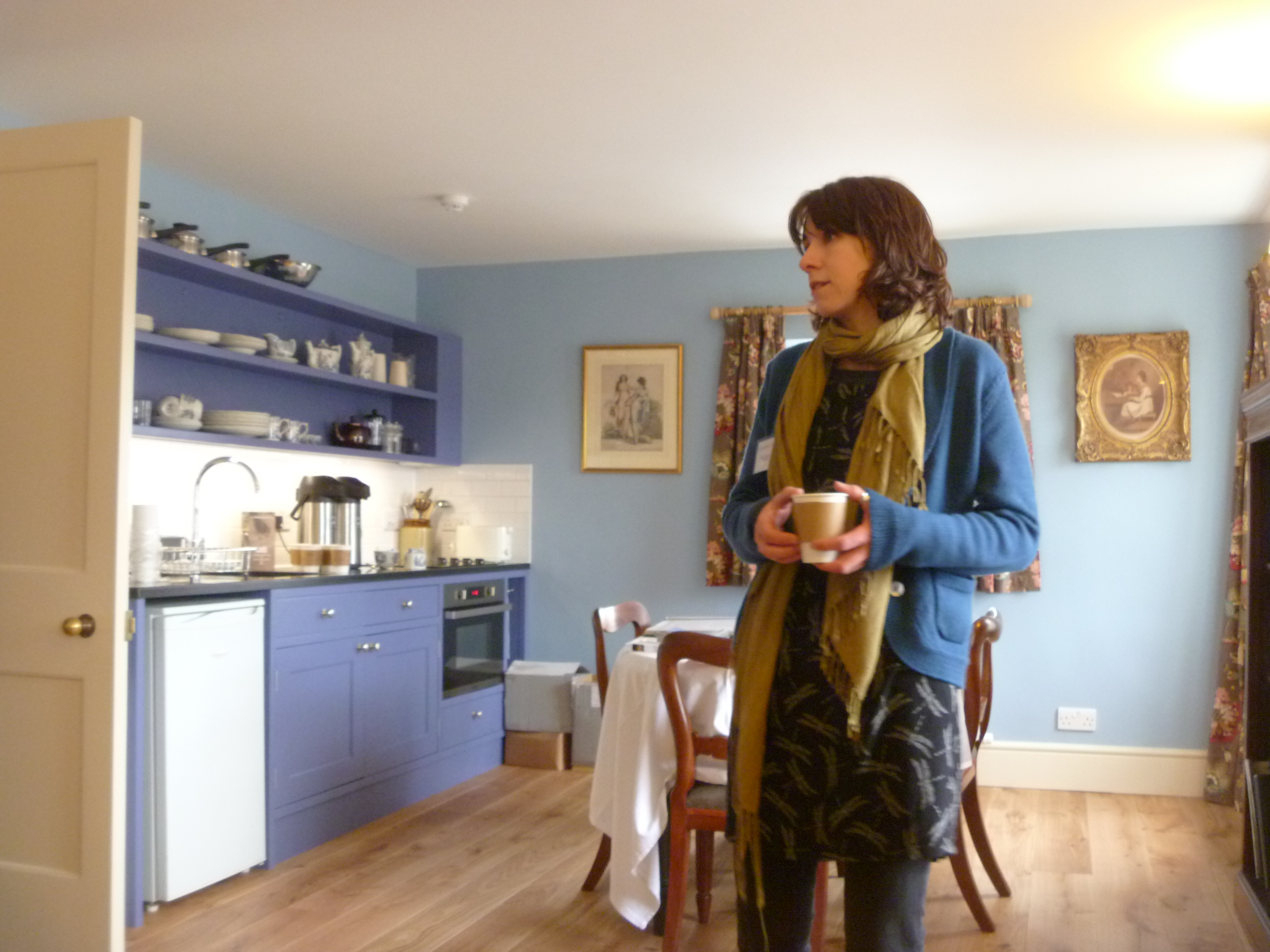
The Music Room - Kazia

A member of Landmark’s Head Office staff, Kasia, the Education Officer, (above, in the new kitchen) was also on hand to fill us in on news, plans and  future events at Landmarks.

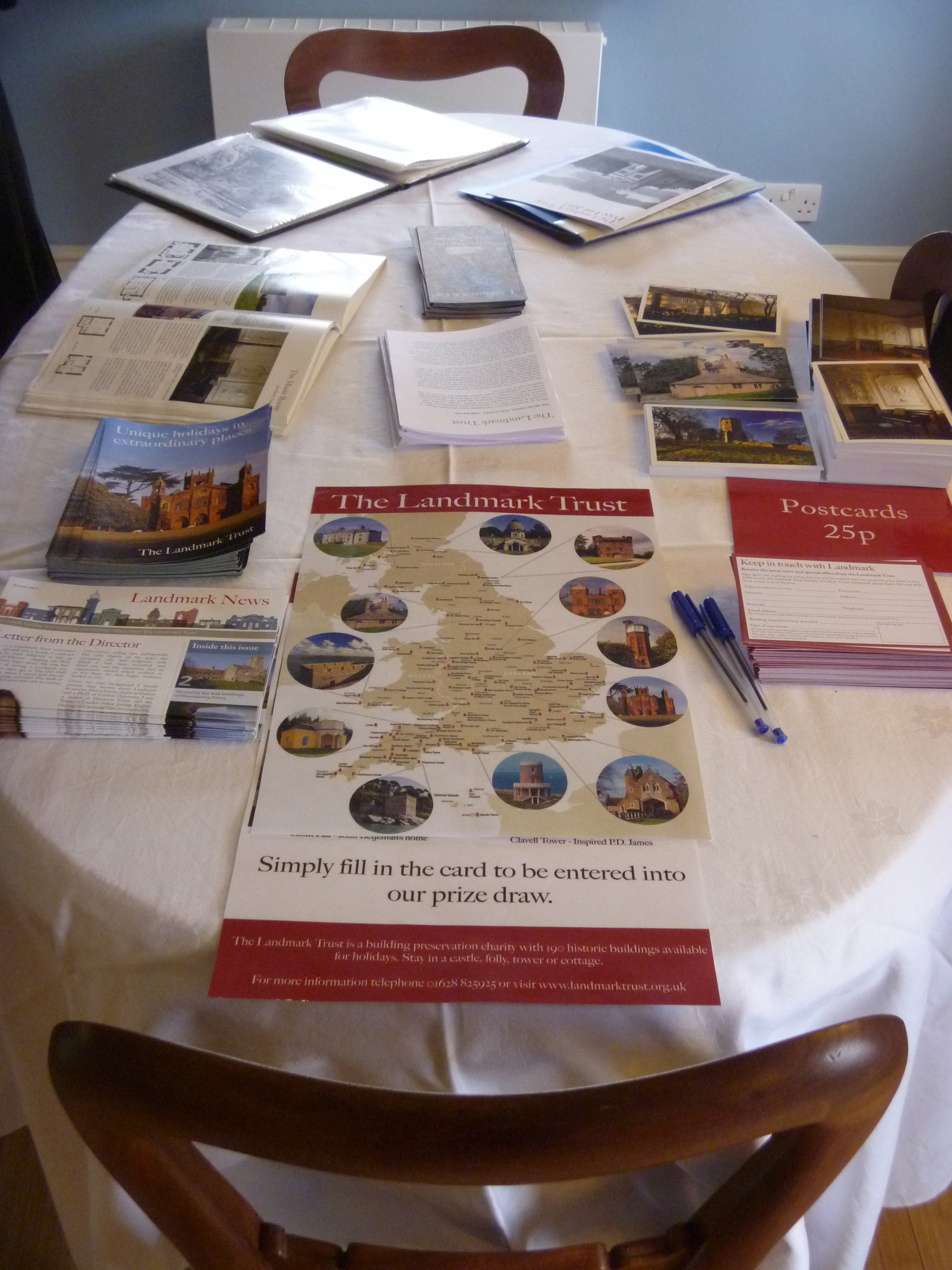
Music Room help yourself

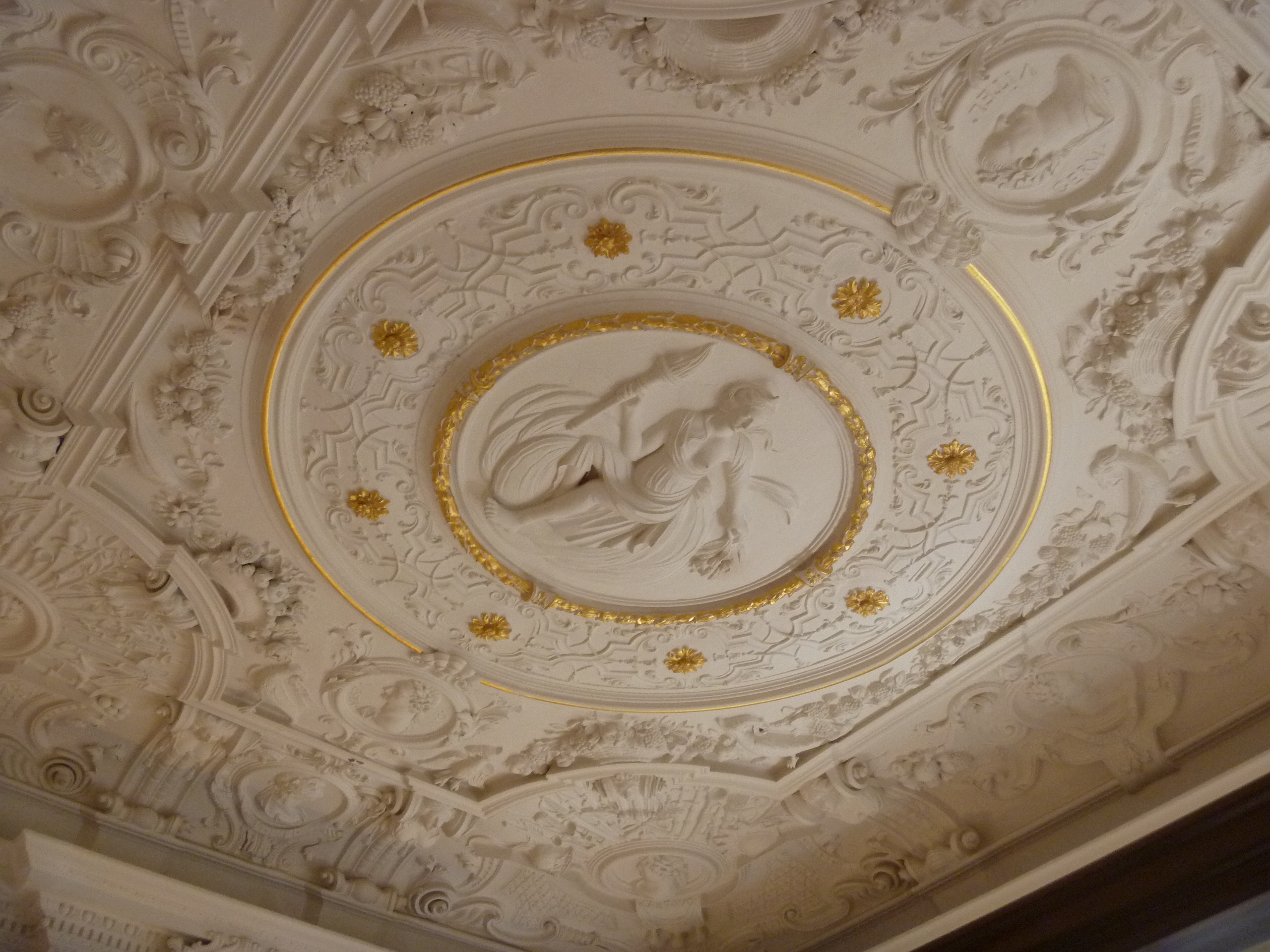
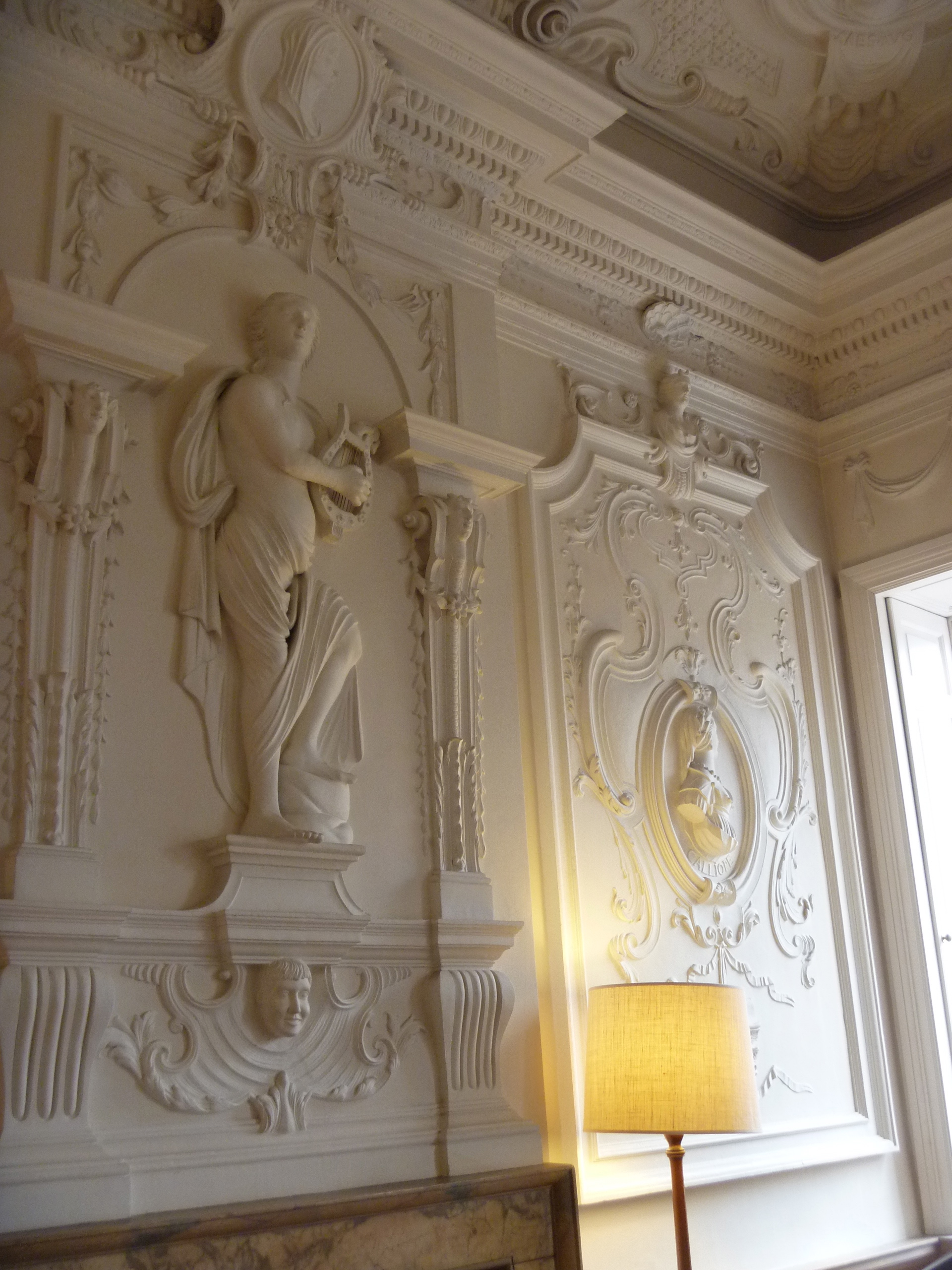
The Music Room dates back to about 1730 and was probably originally a garden pavilion; hard as this is to imagine, being now in the busy city centre. I also note from the free history sheet which is available, along with other Landmark Trust free literature and postcards and handbooks for sale, that music never really had anything to do with the building and that Music Room is probably a corruption of Muses Room (nine plasterwork muses adorn the room).

Music Room plasterwork 1

Music Room plasterwork 2

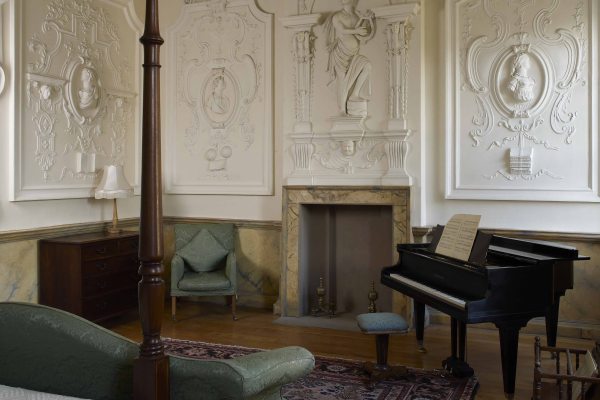
Still, it must be very special to have an elegant grand piano in your bedroom!

R

Photo : From the Landmark Trust website

When the Landmark Trust took on the property in the early 1970s it “was in an appalling condition” and when it was finally opened for letting it slept 4 in two bedrooms and the Music Room, with its exquisite plasterwork, was the sitting room or grand salon. I now quote from the history sheet :

In 2013, 35 years after the first restoration, it was time for a thorough refurbishment, including overhaul of the Baroque plasterwork, which needed hairline cracks repairing and a really good clean. The opportunity was taken to reconfigure the attic floor, since few visitors seemed to be occupying the now rather second-class twin bedroom up there. Partitions were moved and a larger bathroom and a larger area for a new kitchen at one end of the opened-up living room, with its fine views out across the roofs of Lancaster. They are even better from the roof terrace.”

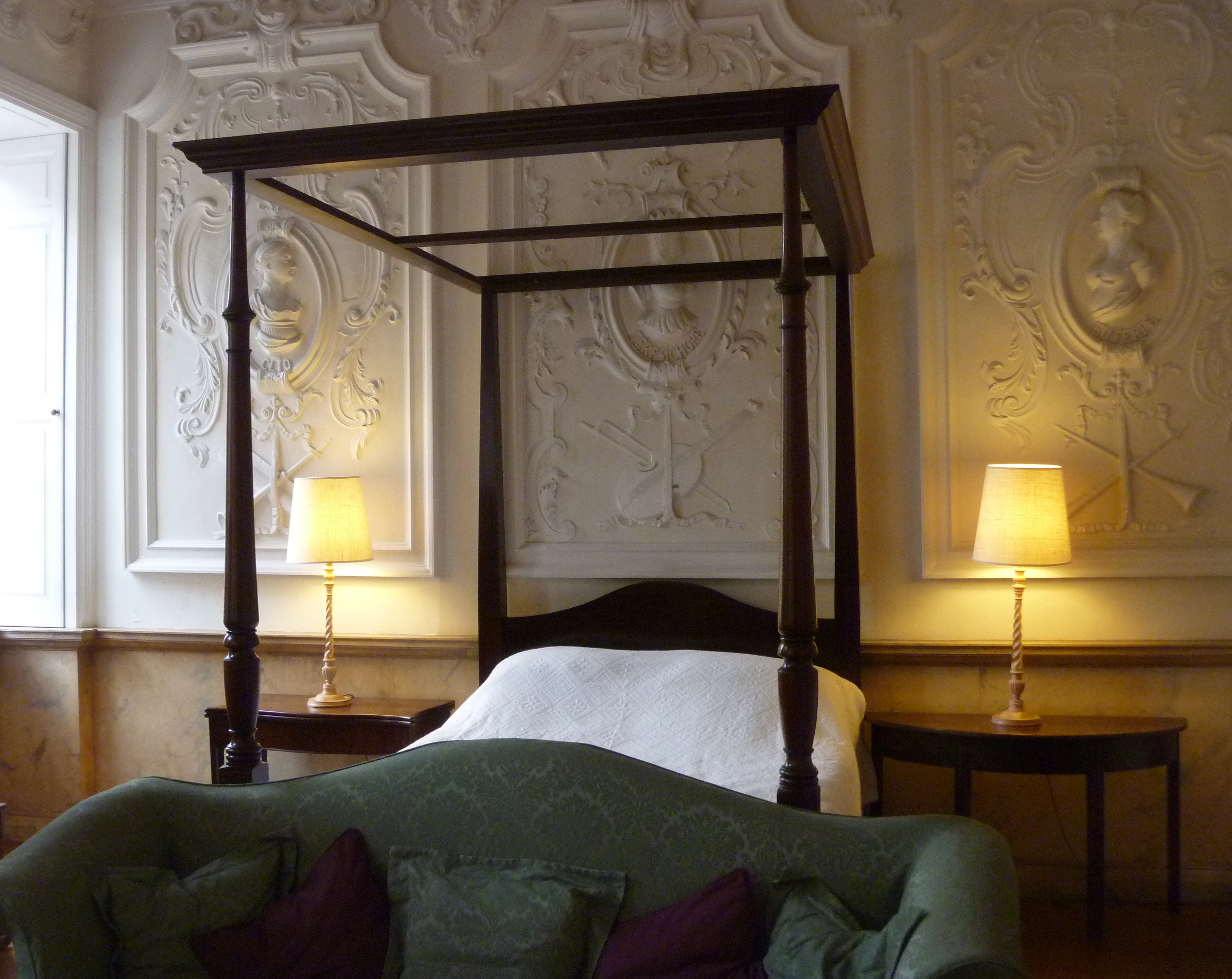
The Music Room bed

The Music Room bed

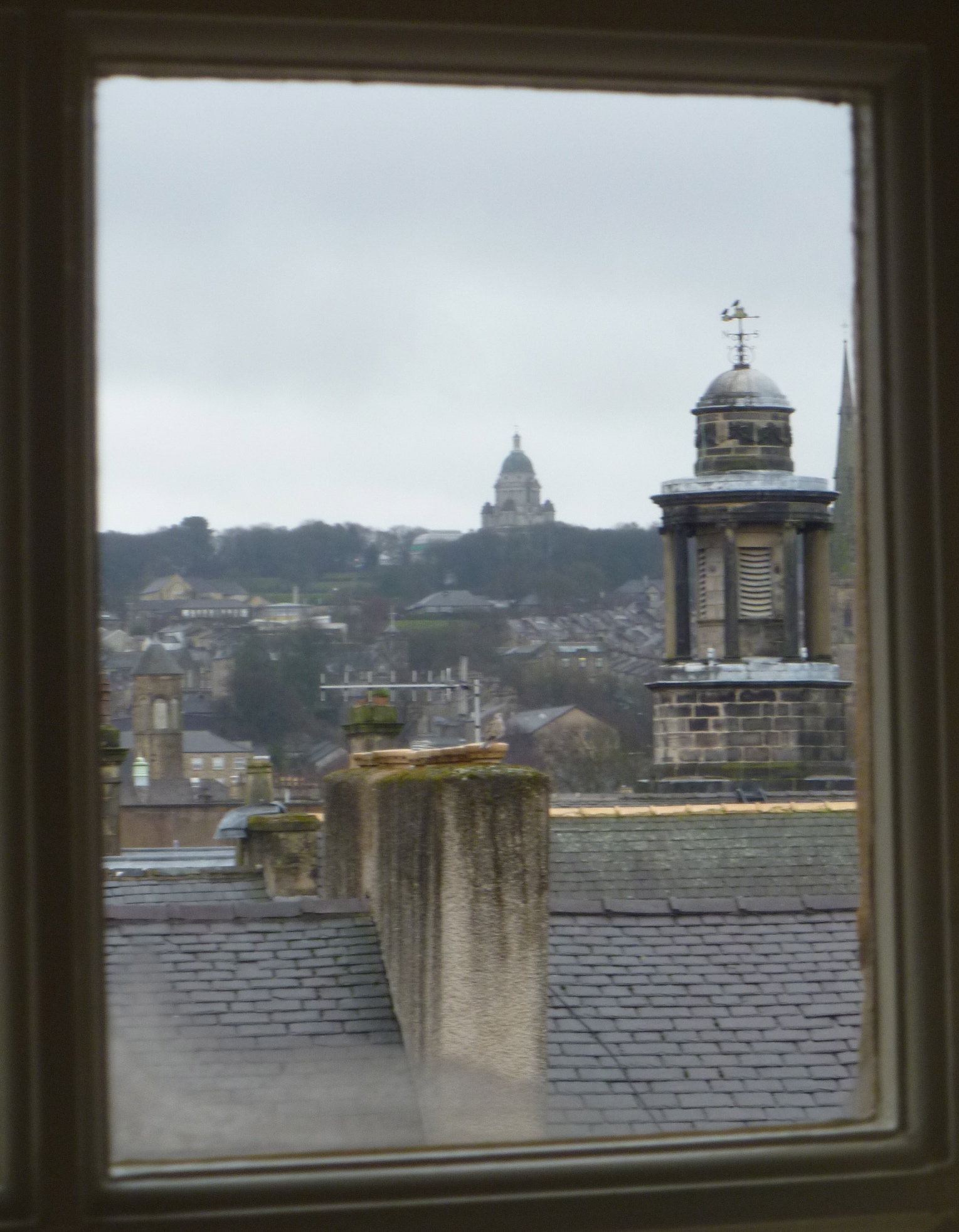
Sitting room view

View from Sitting Room Window (Ashton Memorial on the distant hill)

Castle from roof terrace

The Castle from the Music Room Roof Terrace

On the Roof Terrace a most delightful thing happened! We were taking pictures of each other when another visitor offered to take a photo of us both. We thanked her and got talking to her – she’d pointed out her house in the background of the picture she’d just taken – she is also a keen Landmarker, lives in an historic house herself and by the end, as we were saying goodbye, she invited us to call in and have a look round her own home and have a cup of tea with her just before returning to the station! In addition to this she recommended a place for lunch (The NICE cafe inside The Storey) and that we join the 2pm Tour of Lancaster Castle. Both of which we did and even managed a peep inside the Priory Church of St Mary next door to the Castle.

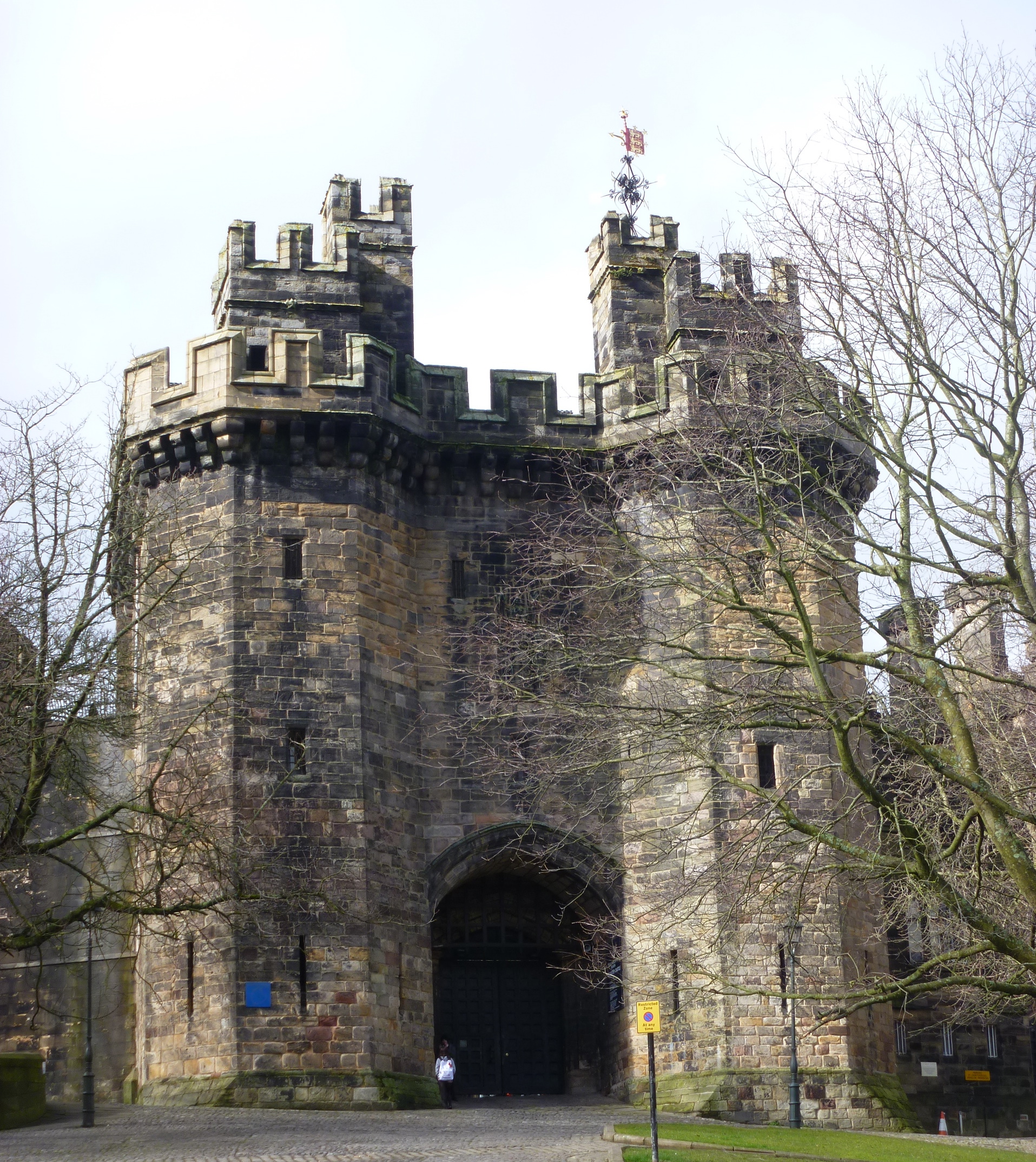
Main Castle entrance

Main Castle entrance

The Tour of the Castle is excellent and well worth doing. No photography is allowed but you are taken into two court rooms, the old cells, the grand jury room and much more. We learnt that it is a Royal Castle as our Queen is also Duke of Lancaster, that it had connections with the Pendle Witches, it housed a Debtors’ Prison in addition to a regular prison and that prison is now closed and due for refurbishment and change of use.

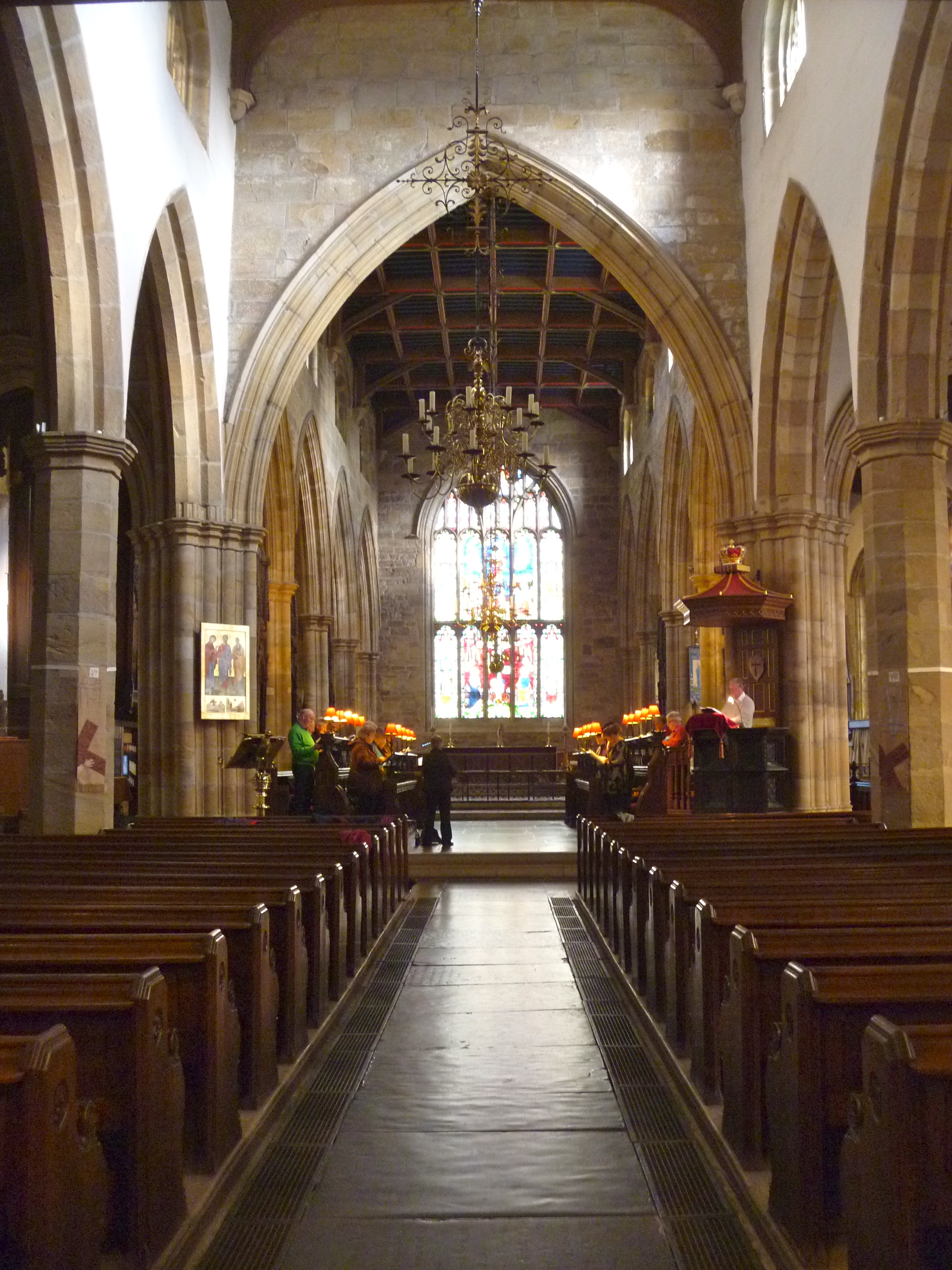
Inside Lancaster Priory Church

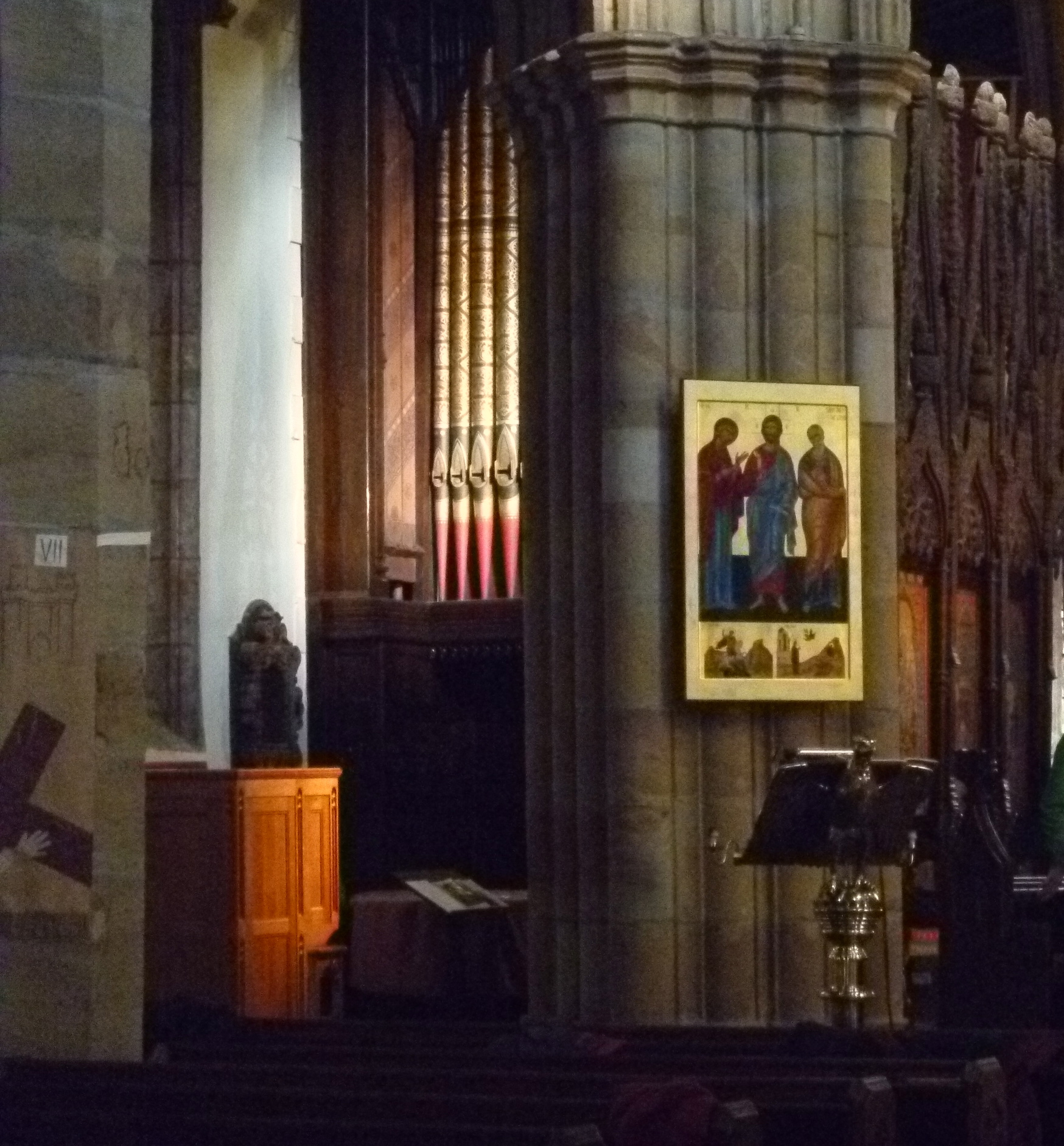
Following the hour long tour we had just time to peep inside the Priory Church and admire the view of Morecambe Bay. The choir were rehearsing for a concert this evening so we were unable to inspect the Choir Stalls which are an important feature of the church. There are some beautiful 17th century chandeliers, a Russian icon and two organs.

Organ, icon and choir stalls

One of the organs, the icon and a glimpse of the choir stalls

It was soon time to take up the kind offer of our fellow Landmarker and we enjoyed a house tour and cup of tea before heading back to the station for our trains. Despite the cold winds and rain we came away with a very warm feeling towards the city, the buildings  and the inhabitants of Lancaster and we have a lot more ideas for future visits!

An Abbey and a Chapel in Tewkesbury

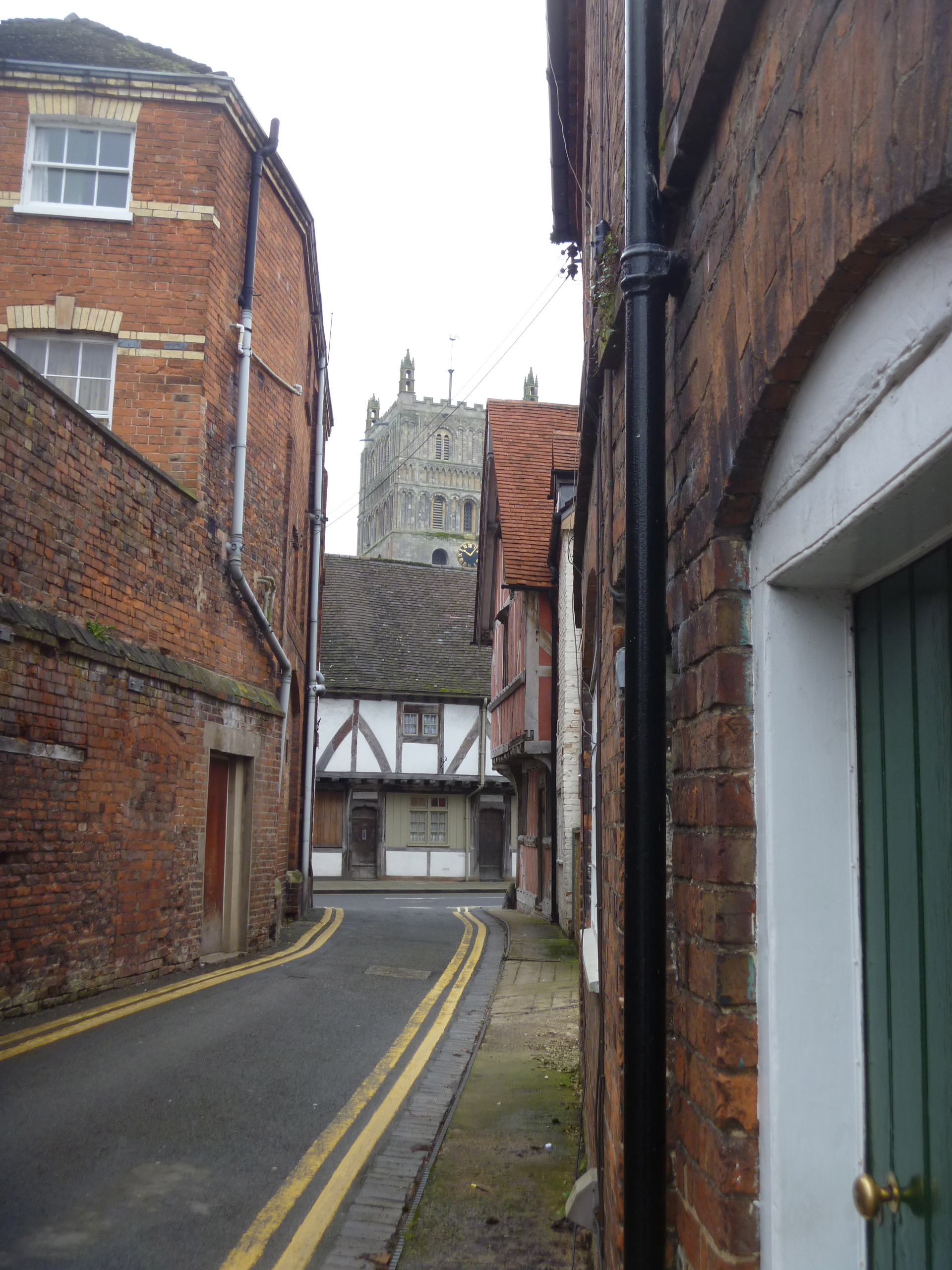
Some of my weekend based in Tewkesbury was spent researching some of my family history in Worcestershire. In addition, staying in a house so close to Tewkesbury Abbey, how could I not visit it several times? Close by there was also a curious little chapel which is probably much overlooked by its towering neighbour. I didn’t get inside as it was closed. It’s in one of the very many little courts and passageways that run off the main Tewkesbury streets and  down to the River Avon.

SML and Abbey

See how near the Abbey is to no. 32

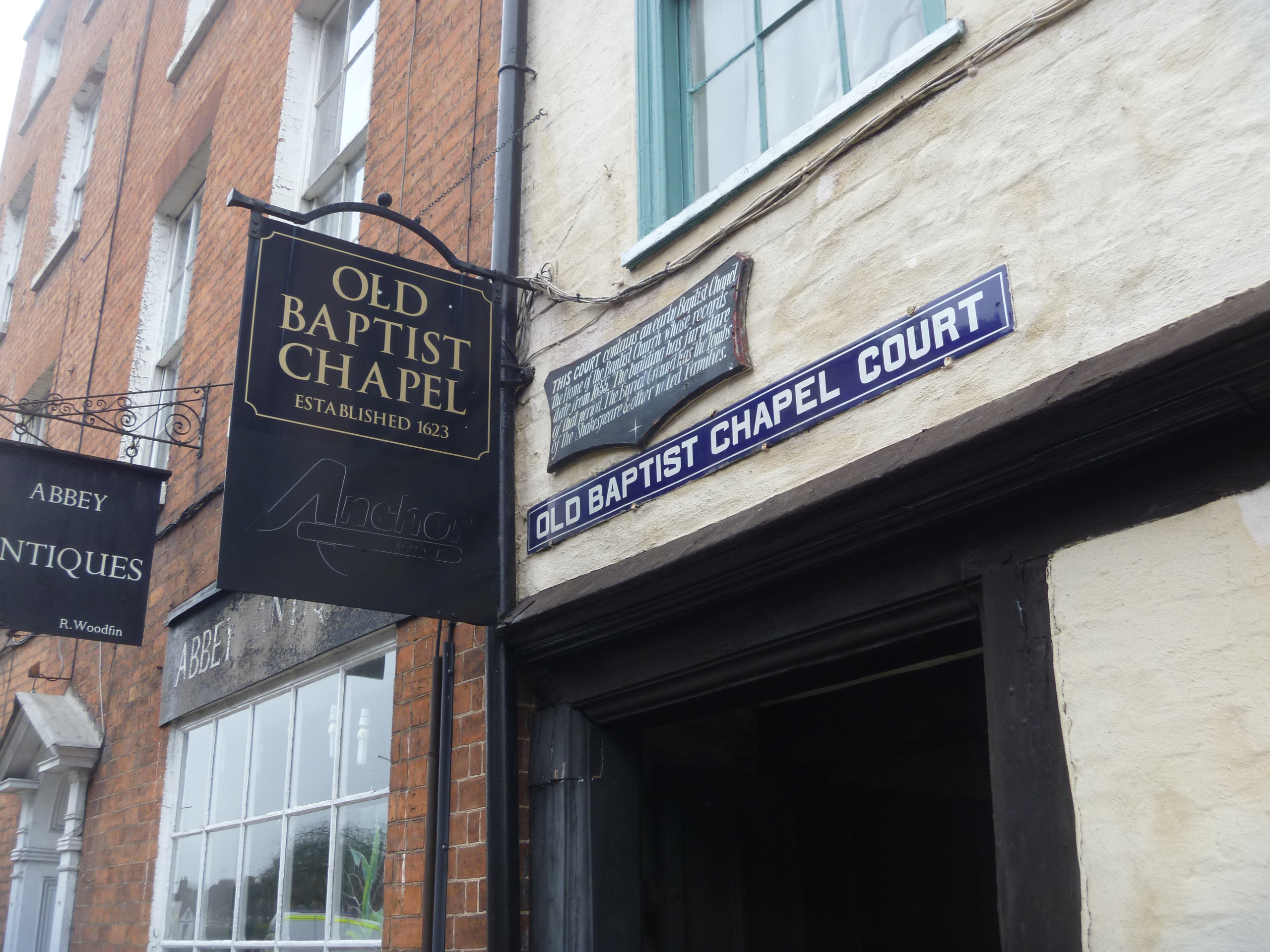
Old Baptist Chapel

Chapel sign

It may be overshadowed by its neighbour but The Old Baptist Chapel in Tewkesbury still manages to be included in Simon Jenkins’ England’s Thousand Best Churches. It is even nearer to number 32 than the Abbey.

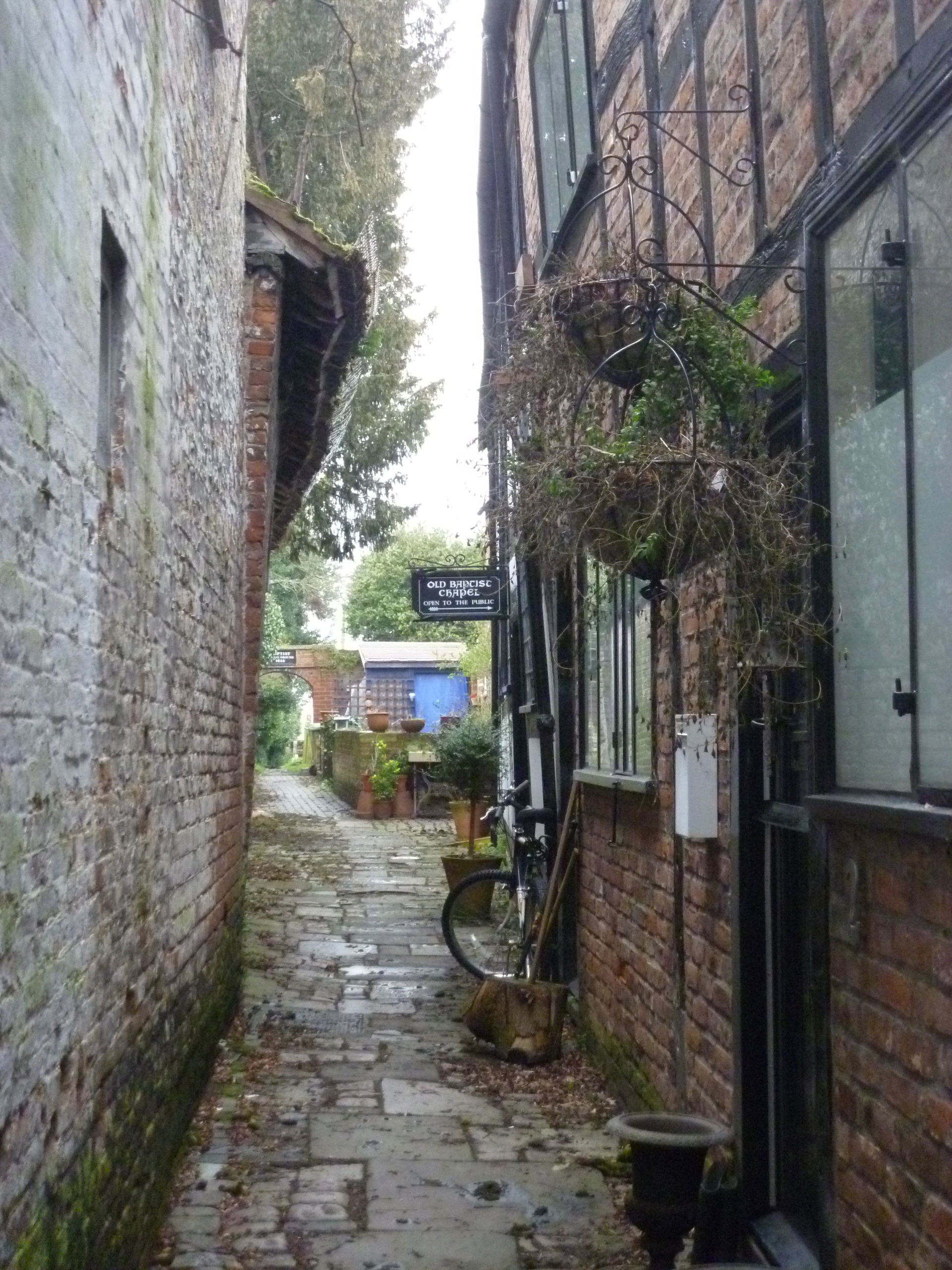
Chapel Court

Tucked away down an alleyway it was converted from a medieval timber-framed house in about the 1620s and is still used for services today. The key is available for visitors wishing to see inside the chapel from the Museum over the road in Church Street.

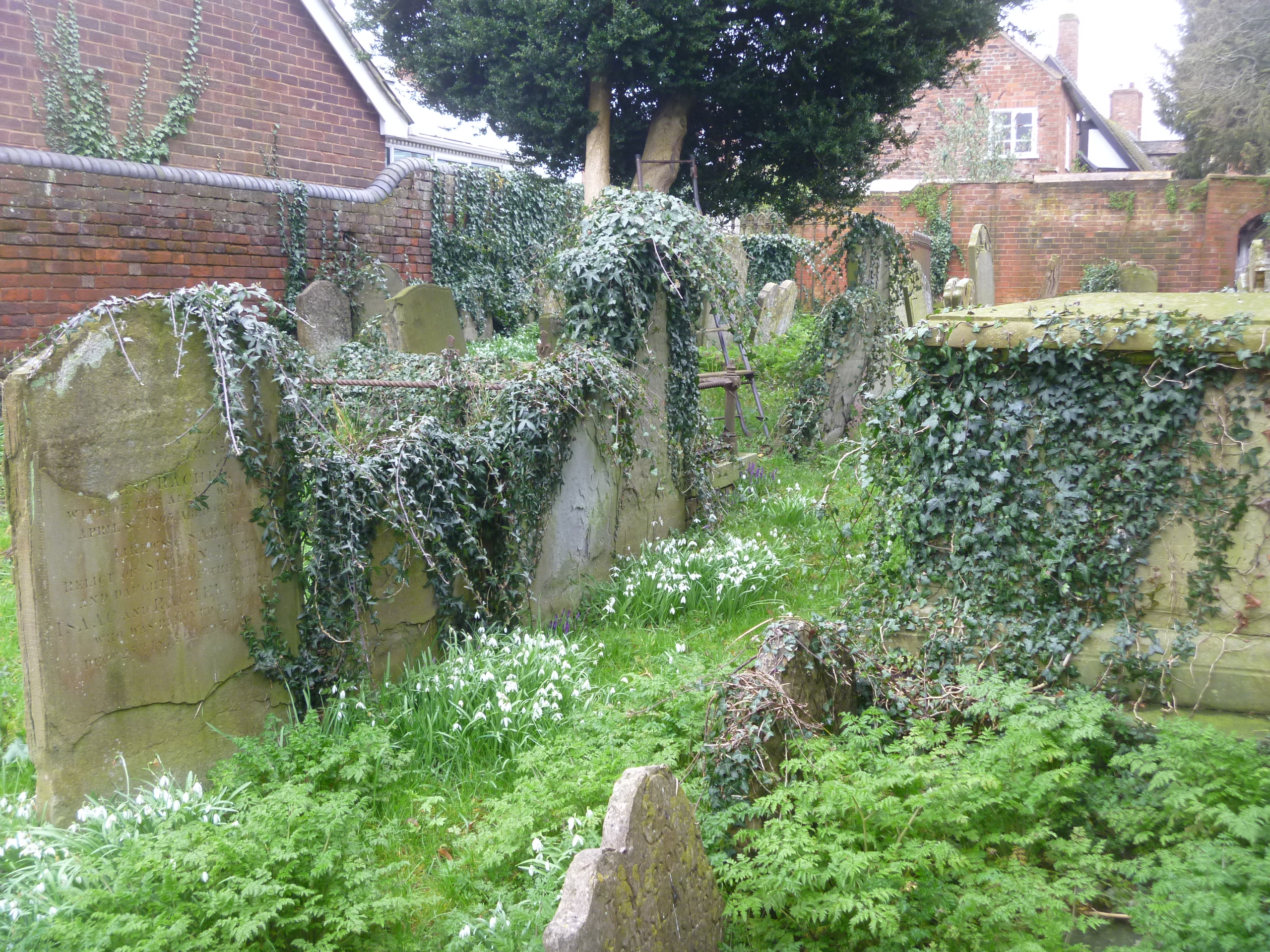
Burial ground

Beyond the chapel lies a peaceful, overgrown, (perfect town habitat for wildlife and plants) burial ground and beyond that is the river and a view of the Severn Ham.

Overgrown

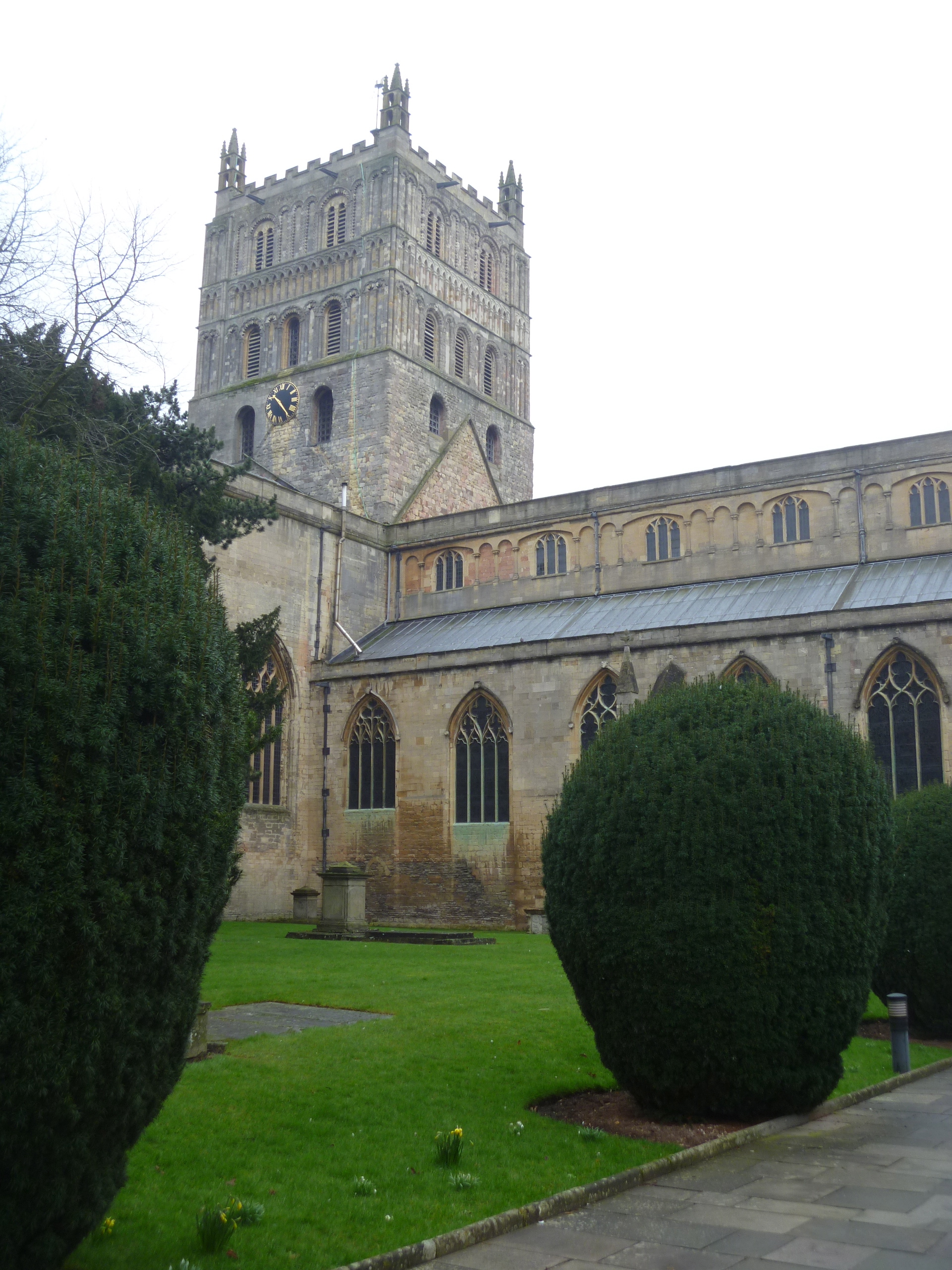
Tewkesbury Abbey

Tewks Abbey
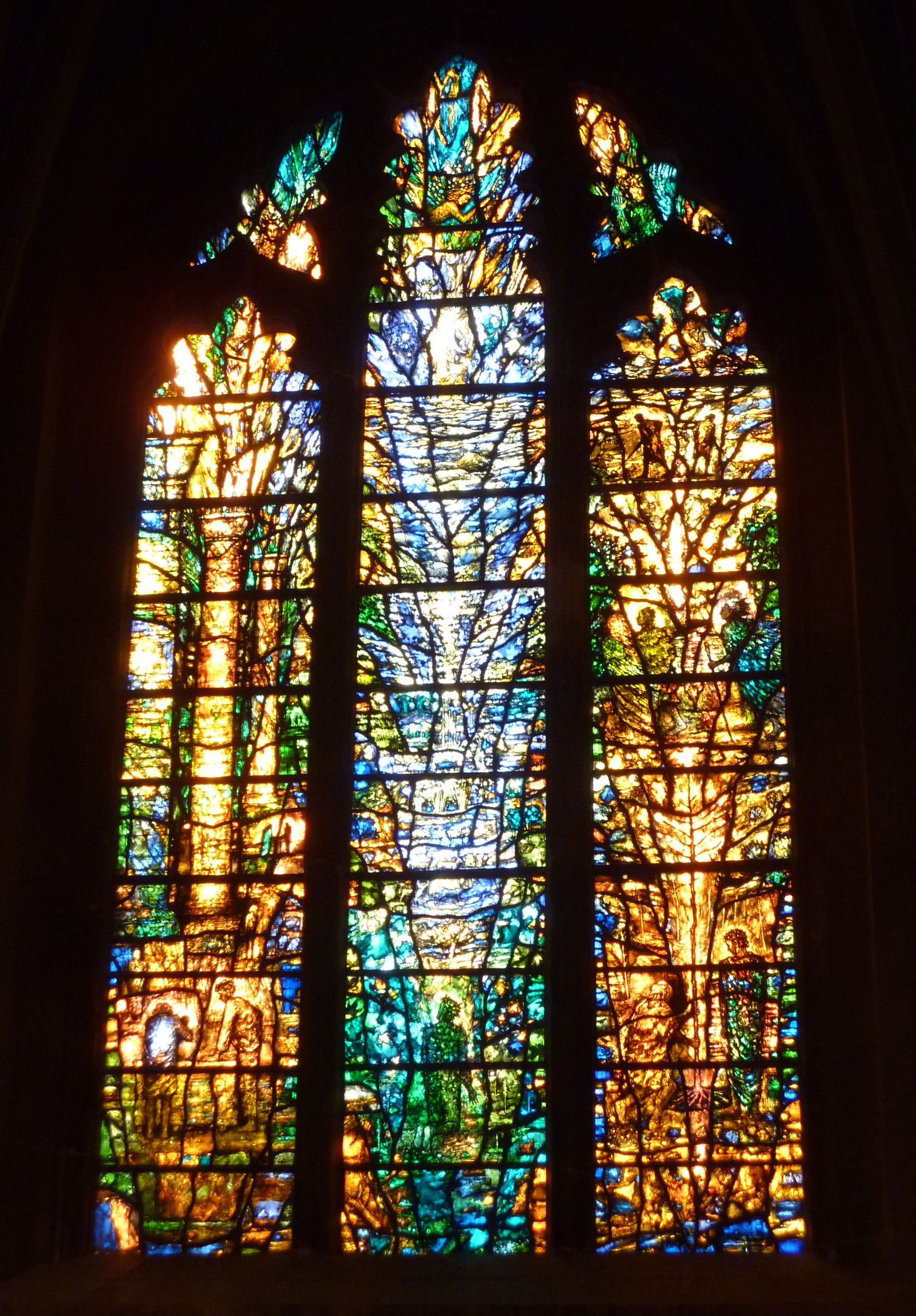
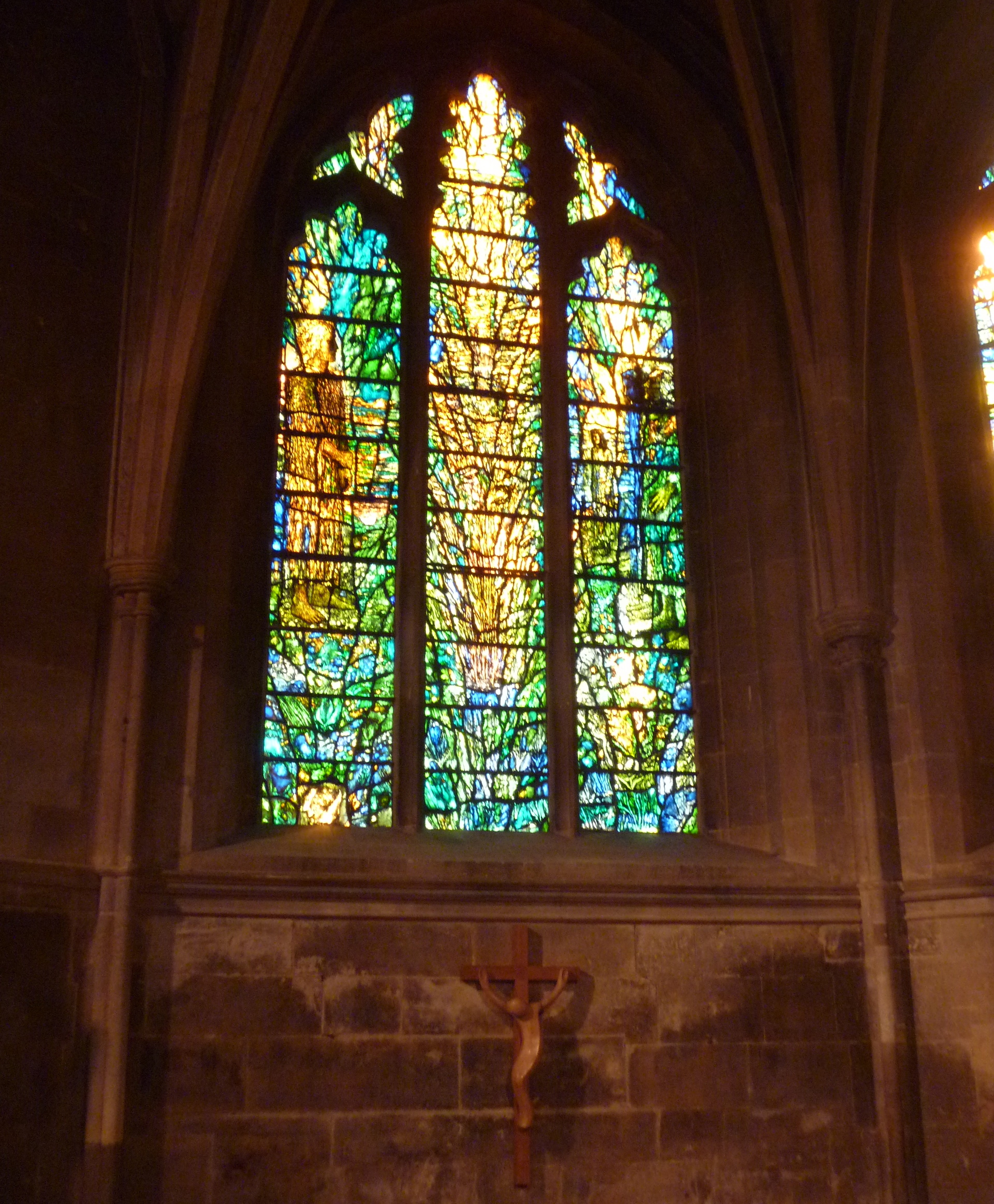
Tewkesbury Abbey fully deserves its five star status as awarded by Jenkins. During the one weekend I must have visited at least five times. Even the last morning before packing the car for the journey home I nipped across the road to admire once more the beautiful Thomas Denny windows. You see, for the first time since my arrival, the sun was shining and sunshine adds another dimension to the windows.
T Denny 1

T Denny 2

Photographs just cannot do justice to the real thing. This is what it says about the windows on a notice nearby :

“These windows have been funded by the Friends of Tewkesbury Abbey to celebrate the 900th anniversary of the arrival of Benedictine monks from Cranborne, Dorset in 1102 to the new monastery at Tewkesbury. The windows were dedicated by the Bishop of Gloucester at the 900th Anniversary Festival Service on Saturday 19th October 2002.”

Of course, I first saw T. Denny’s work in an article in Intelligent Life and shortly afterwards at Bolton Percy Church in North Yorkshire.

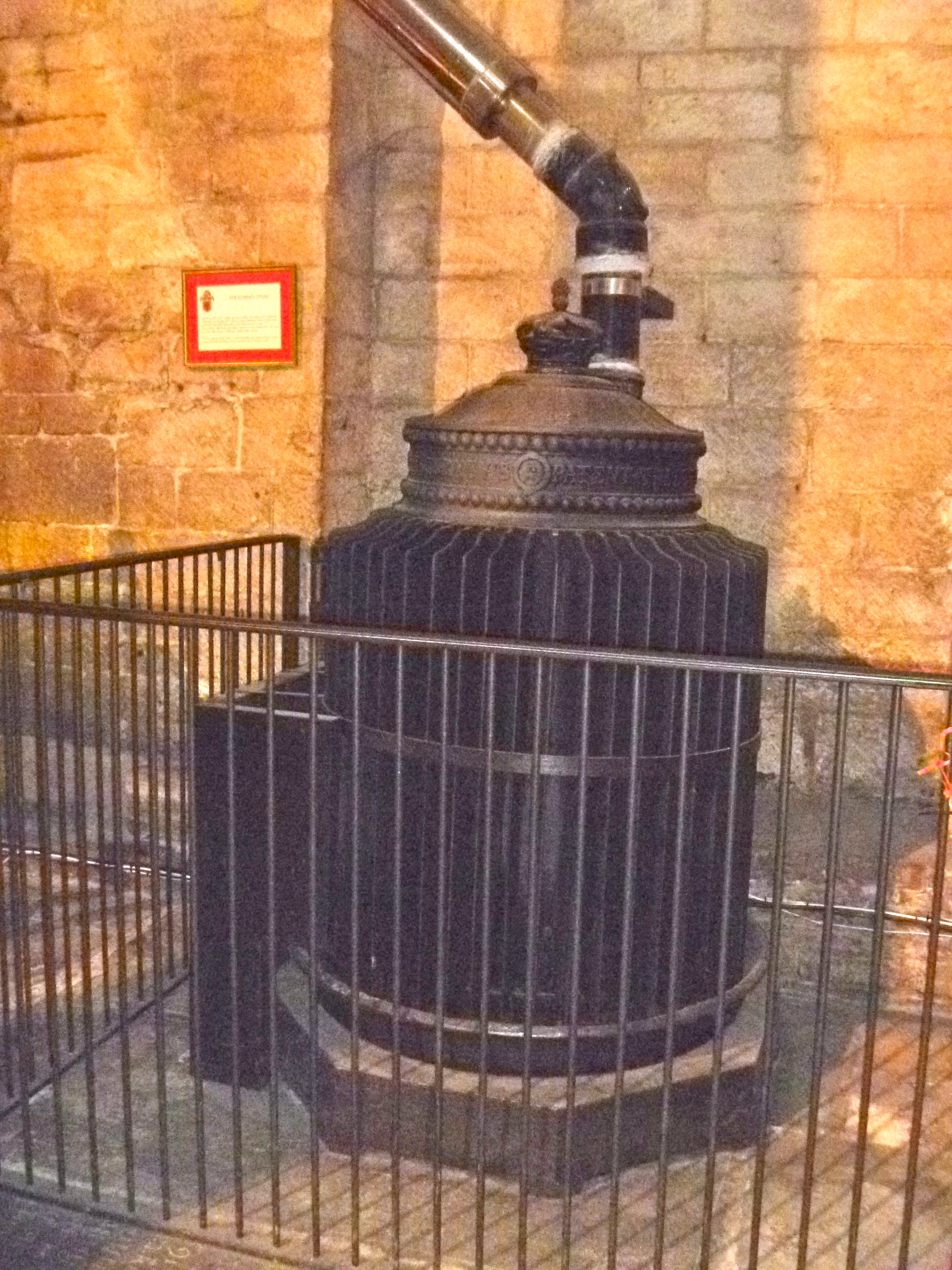
At Sunday Evensong the music is equally superb. The choir and clergy may outnumber the congregation several times over but the effort and result is just as striking as if the church had been full to overflowing as I am sure it is on high days and holidays. There is also a large choice of services on a Sunday and the evening was particularly cold. The abbey is heated by huge Gurney Stoves.
Gurney Stove

“Tewkesbury Abbey has two Gurney Stoves which were installed circa. 1875 when the Abbey underwent a major restoration by the Architect George Gilbert Scott. The stoves were converted to gas firing in 1987.”
Mrs C Memorial

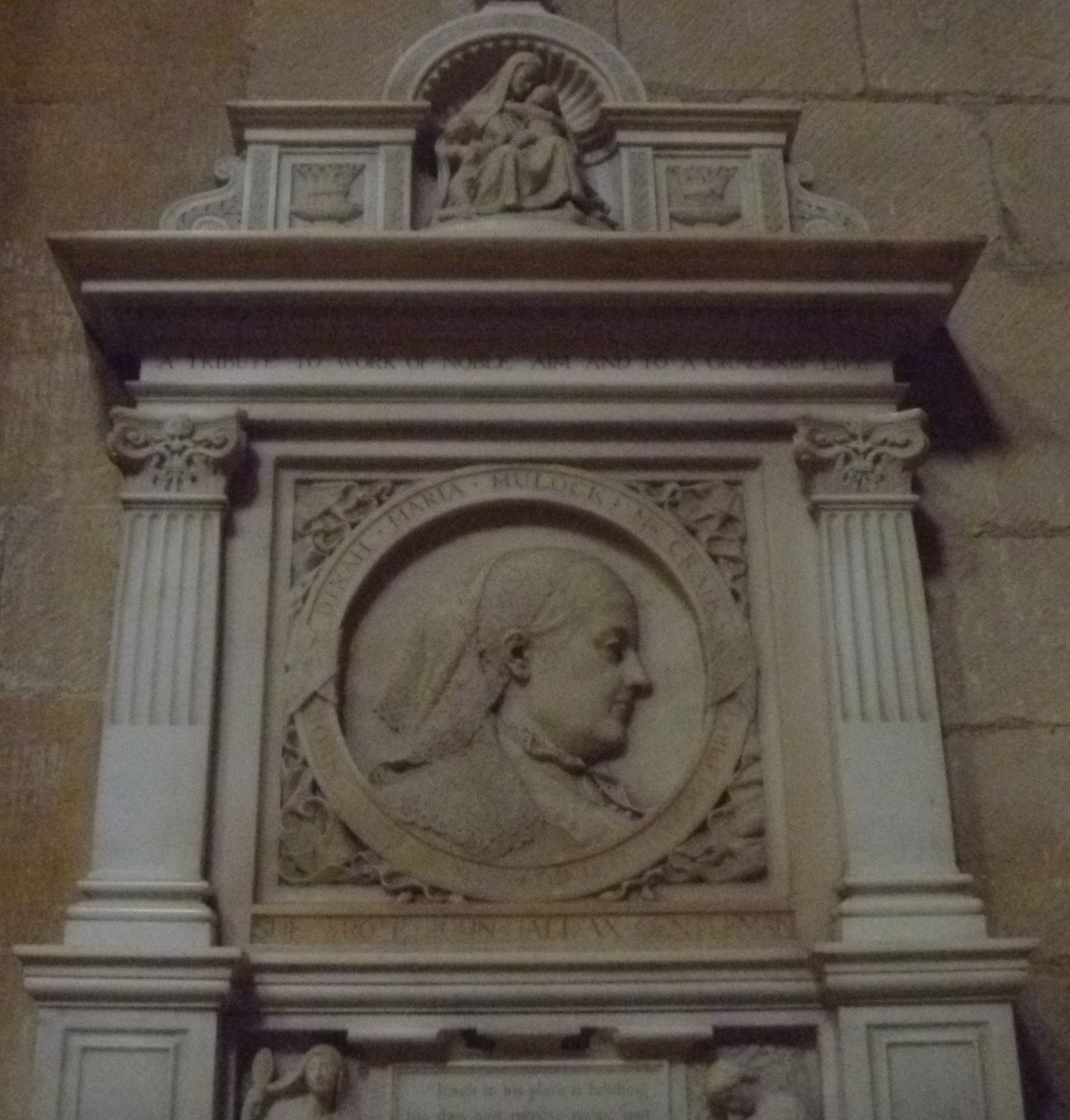
In Tewkesbury Abbey there is also a memorial to the “Victorian authoress Dinah Craik (1826–1887) [who] visited Tewkesbury in 1852, and later set her most famous work John Halifax, Gentleman (pub. 1857) in the town, calling it Norton Bury in the book. There is a “Craik House” in Church Street, near the Abbey, but Mrs Craik never lived there and had no other connection with Tewkesbury. There is a memorial to her in the Abbey’s south transept.” [source]


A Chapel, a Diarist and a Book Town: a visit to Hay On Wye and its Environs

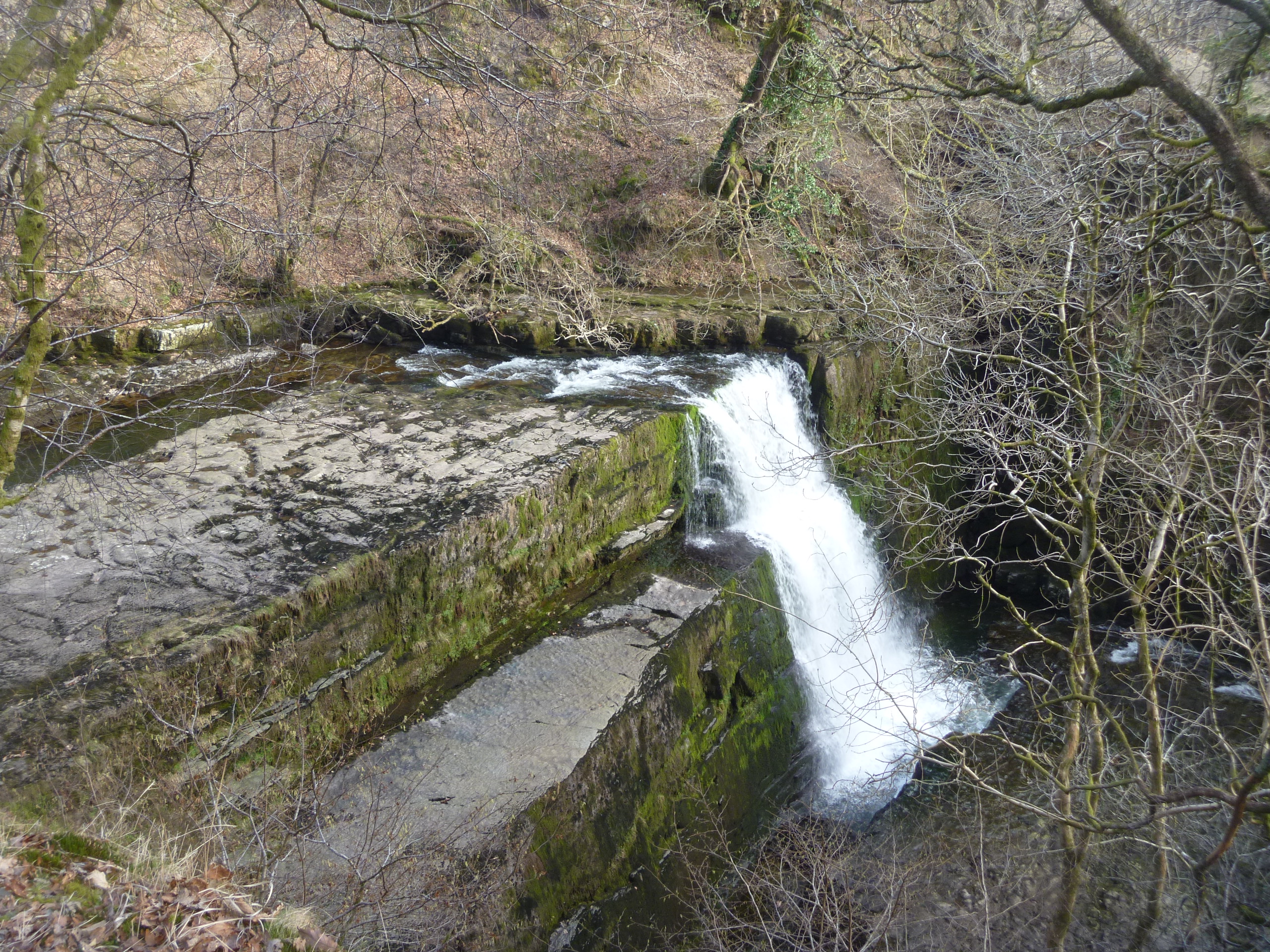
On Monday I arrived in Wales for a few days’ visit with a friend and former colleague who returned to her home country after spending most of her adult life in Leeds. I’m having a very relaxing few days interspersed with an expedition each day. Tuesday was most glorious. The sun came out and the temperatures rose and spring seemed definitely in the air. We managed a couple of short walks in “Waterfall Country”.

Sgwd Gwladus near Pontneddfechan

Sgwd Gwladus near Pontneddfechan, Neath Valley
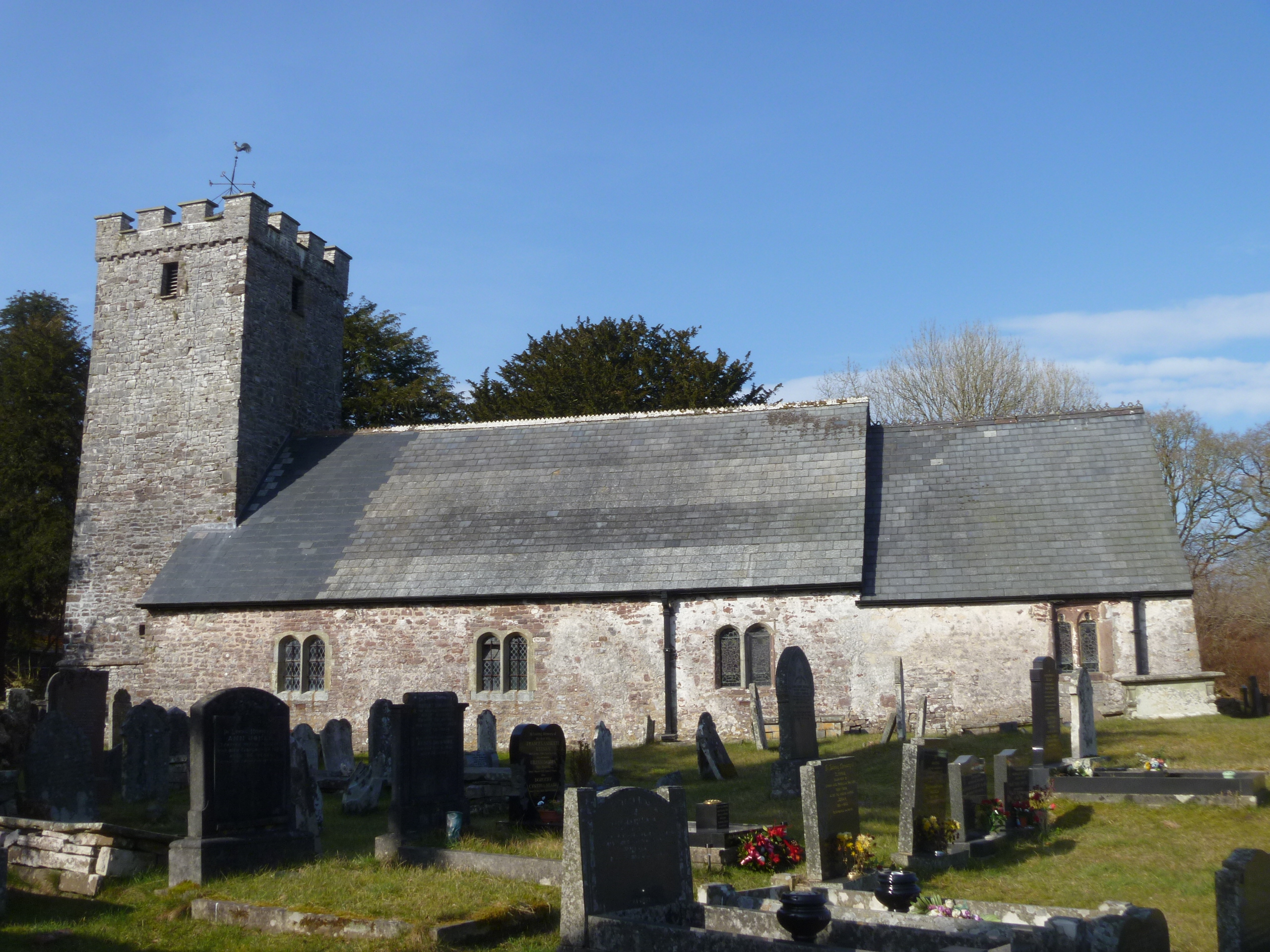
St Mary's Church, Ystradfellte

St Mary’s Church, Ystradfellte

Sgwd Clun-Gwyn

Sgwd Clun-Gwyn, near Ystradfellte

By yesterday spring was over and it was winter again – misty, wet and cold. No problem, we thought, for today we have the pleasures of Hay-on-Wye, Wales’s own Book Town, in store.
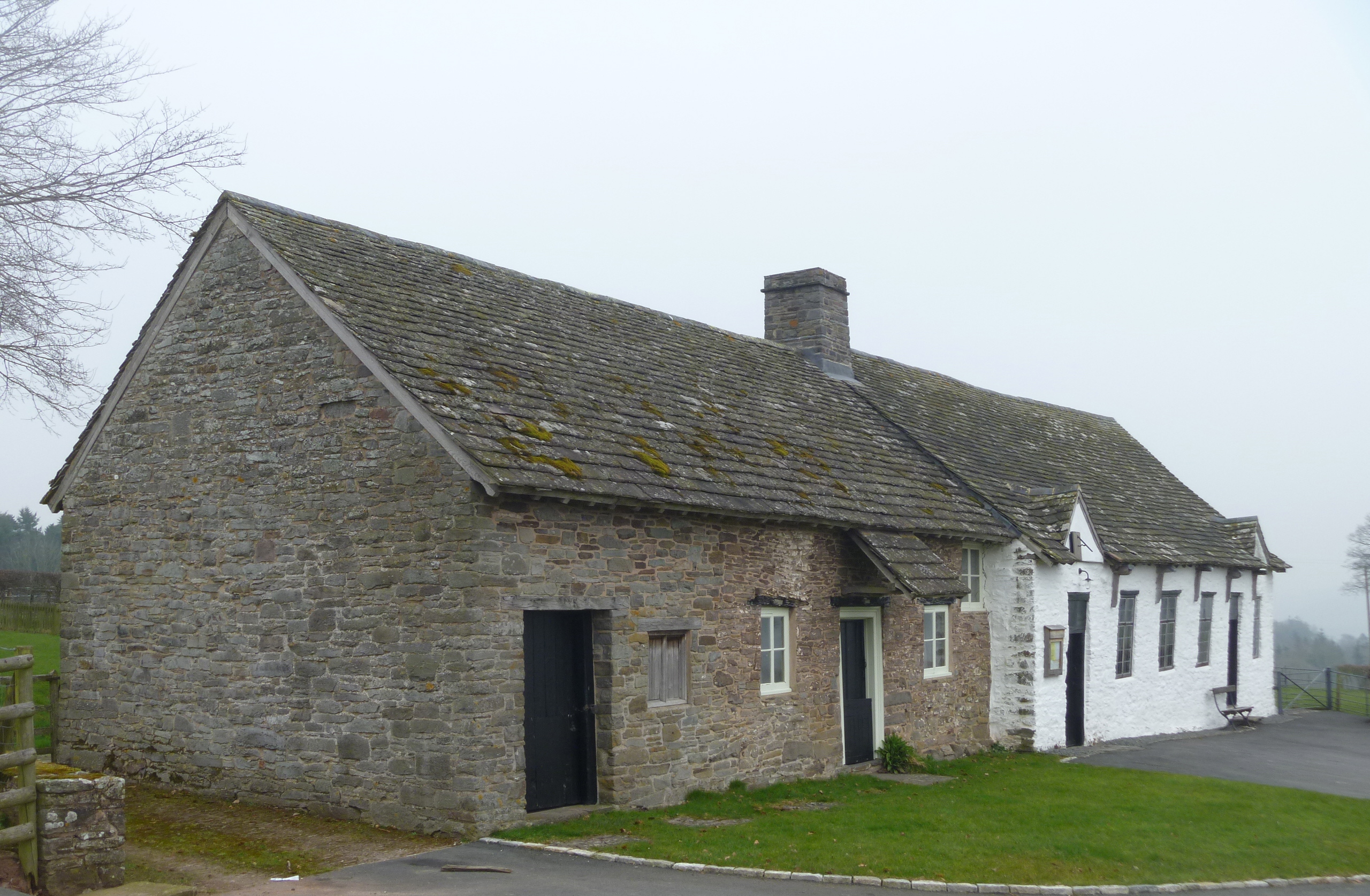
On our journey to Hay we took two very short detours. The first was to visit the Maesyronnen Chapel. Fortuitously, the adjoining former minister’s house is now a Landmark Trust property.

Maesyronnen

Here is an extract from the History page from the LT’s webpage for Maesyronnen Chapel:

“A Chapel Founded just after The Act of Toleration

Here we have taken on the neat and tiny cottage, built before 1750 onto the end of one of Wales’s shrines of Nonconformity, the Maesyronnen chapel. This chapel, converted from a barn in 1696, dates from Nonconformity’s earliest days, when any suitable building was made use of for enthusiastic worship. It was probably used for secret meetings even before the Act of Toleration legalised such gatherings in 1689, which explains its isolated position. Services are still held in the chapel, which is cared for by Trustees, who asked for our help. By taking a lease on the cottage we hope we have helped give both buildings a future.”

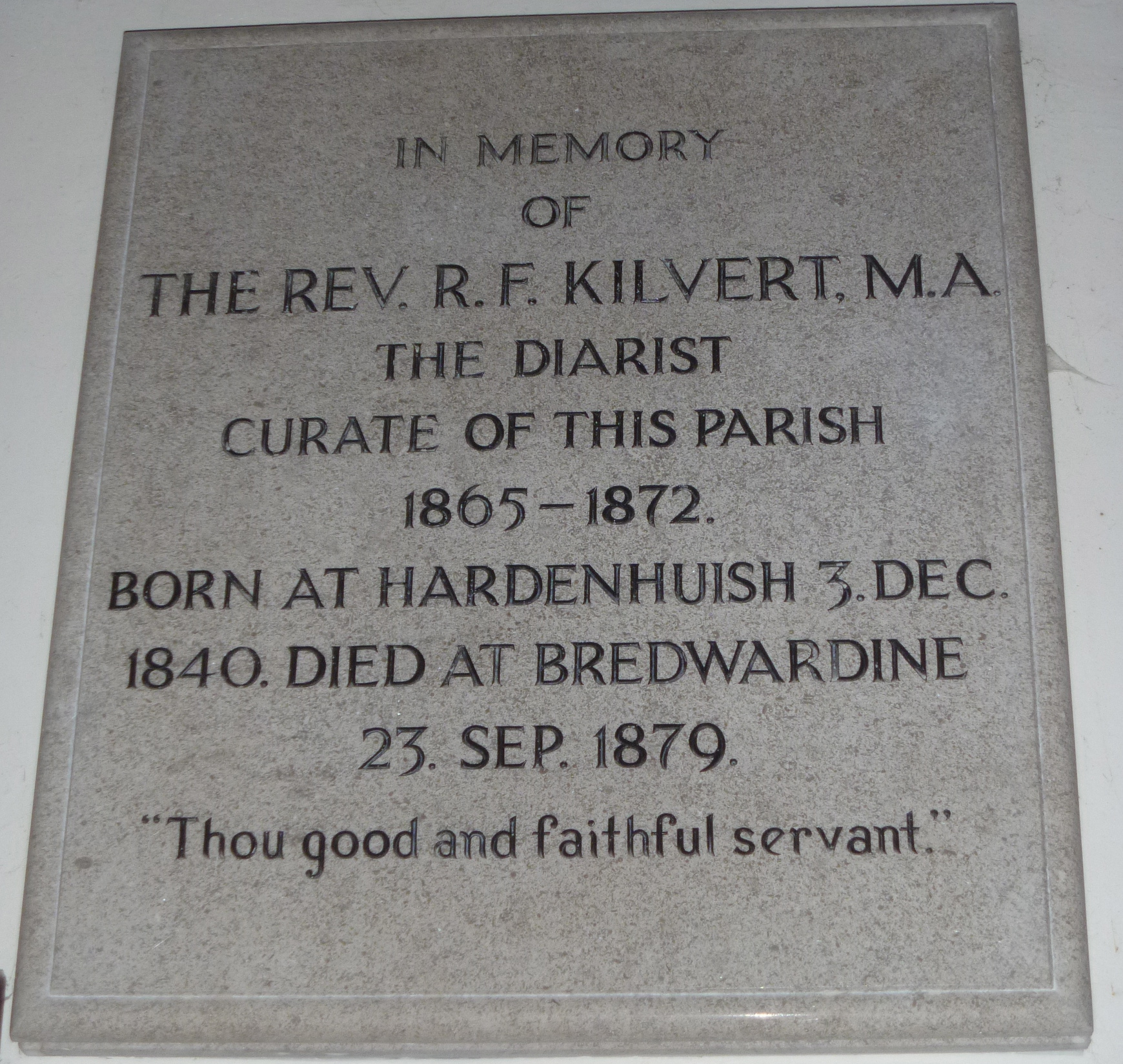
Kilvert Memorial Clyro

Francis Kilvert Memorial in Clyro Parish Church

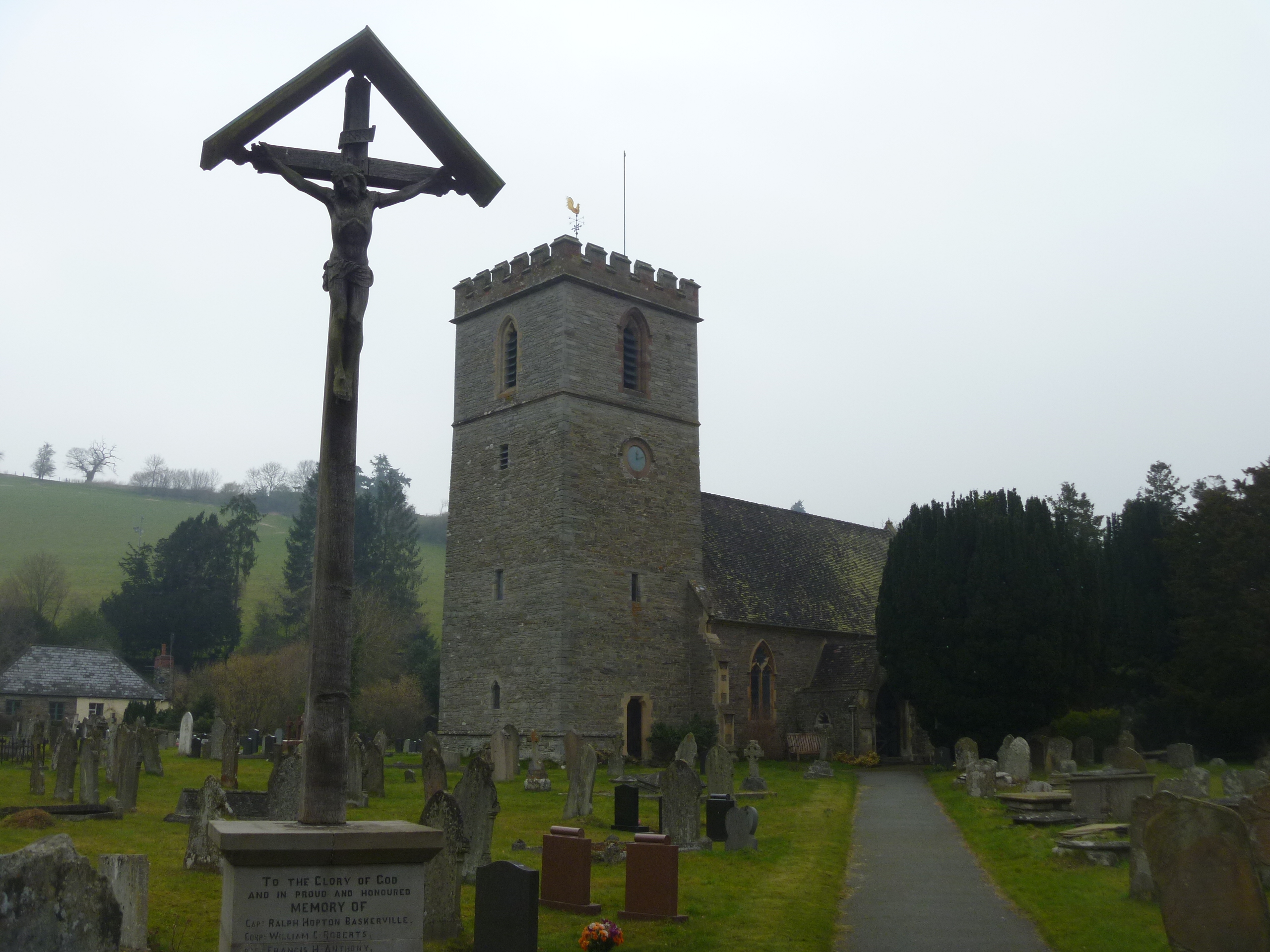
St Michael's Clyro

St Michael’s Church, Clyro

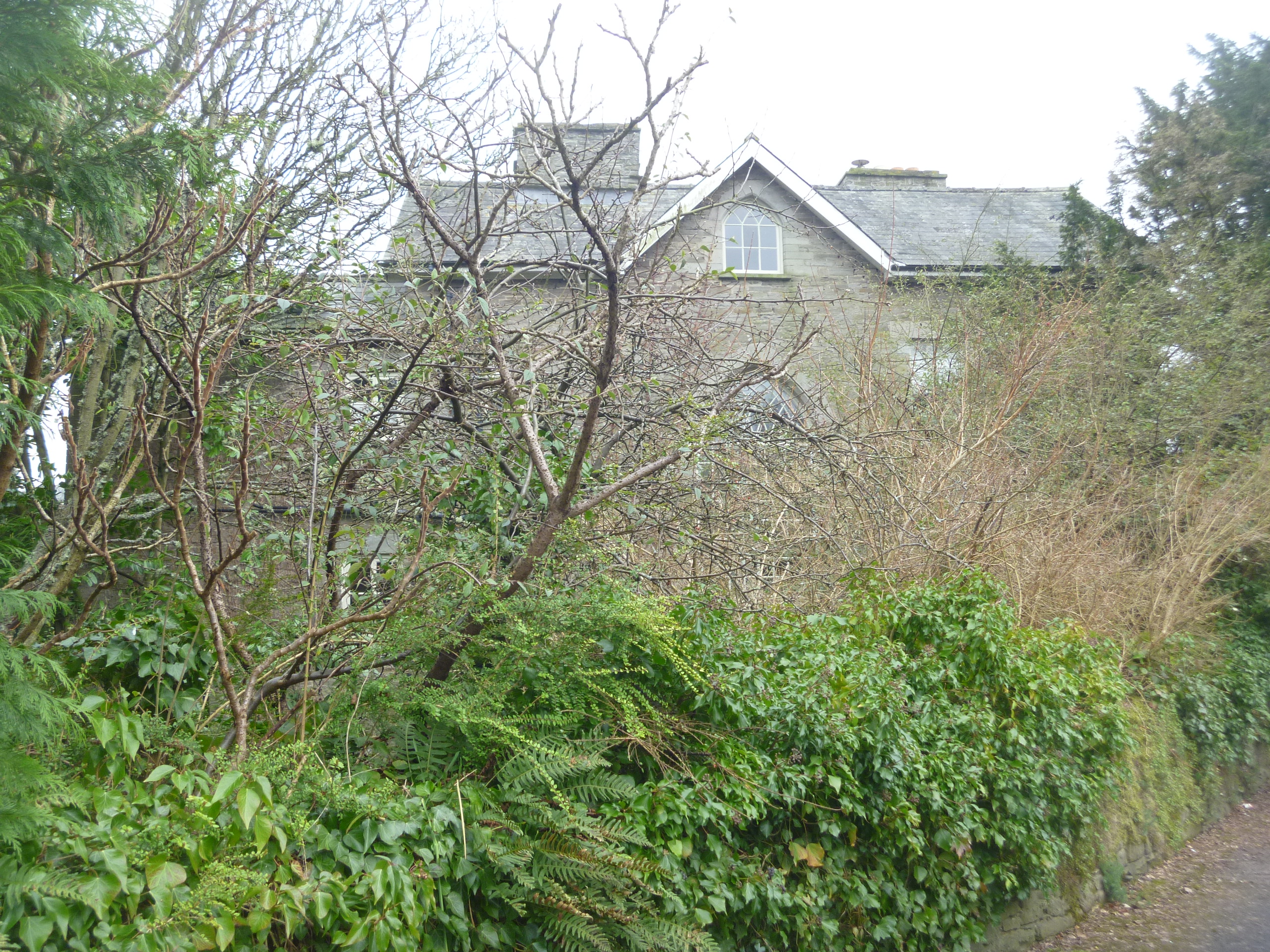
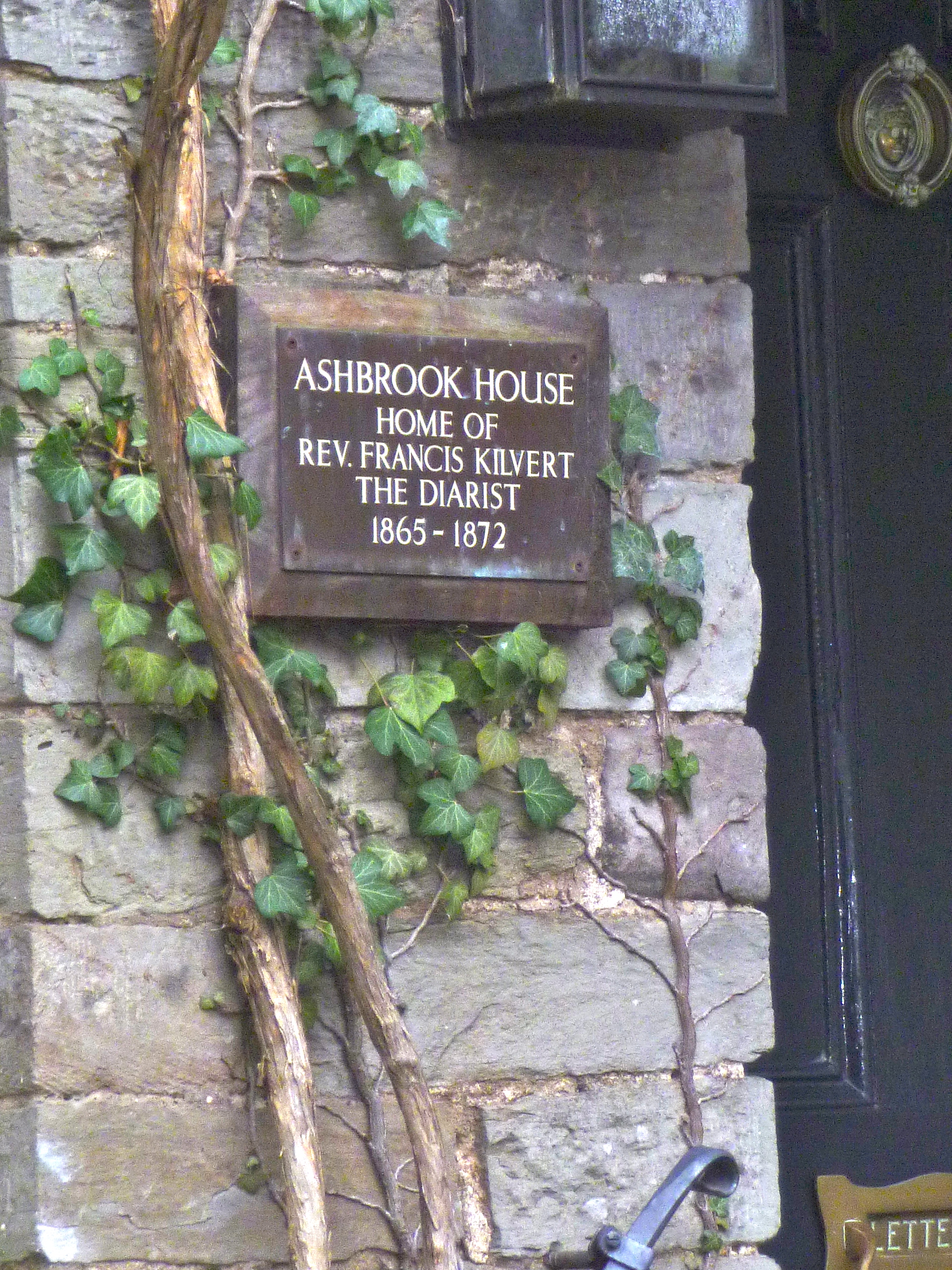
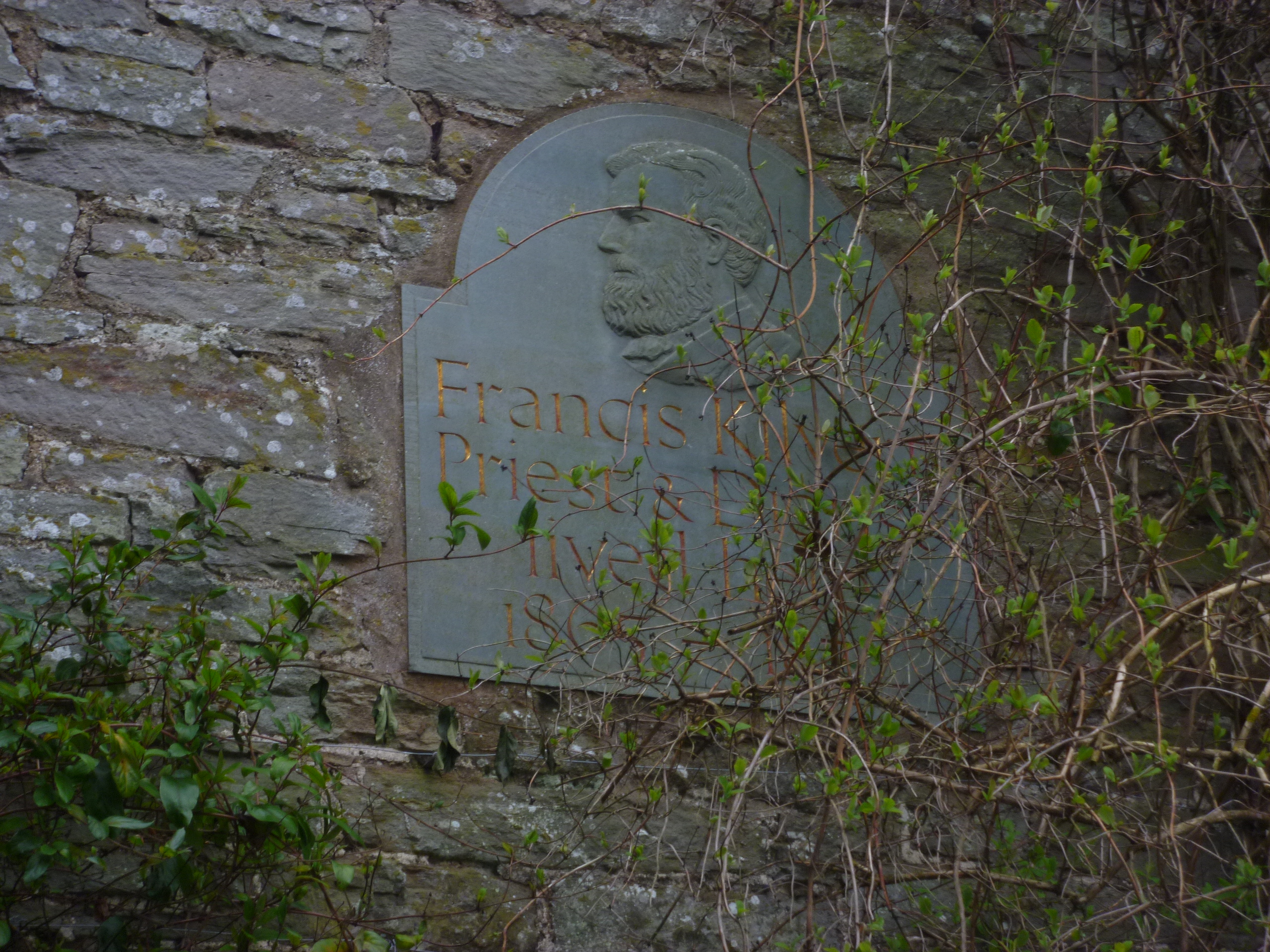
From Maesyronnen it was a short drive to Clyro and the former home of the Reverend Francis Kilvert famous for diaries recording his daily life and walks in the area. Kilvert was curate at Clyro when he began writing his diaries but he only lived there between 1865 and 1872. He lived at Ashbrook House which, until recently, had been an art gallery but currently the garden looks rather overgrown and unloved. Two plaques on the wall of the house record the fact that Kilvert lived here.

Ashbrook House, Clyro

Ashbrook House, Clyro

Kilvert lived here 1

Kilvert lived here 2

Read an interesting article here about Kilvert, the man, and his diaries.

It ends : “Sadly, it’s difficult to find copies of Kilvert in bookshops today. The one-volume abridgement, published by Penguin, and subsequently by Pimlico, has fallen out of print, while Plomer’s three-volume edition has long been unavailable. To celebrate the 70th anniversary, Cape should consider authorising a critical edition of the diary, drawing on the surviving manuscripts, as well as on the background information amassed by the Kilvert Society in the years since its foundation in 1948. That way we might have the opportunity to gaze afresh on the radiant, picturesque world of the Rev Kilvert.”

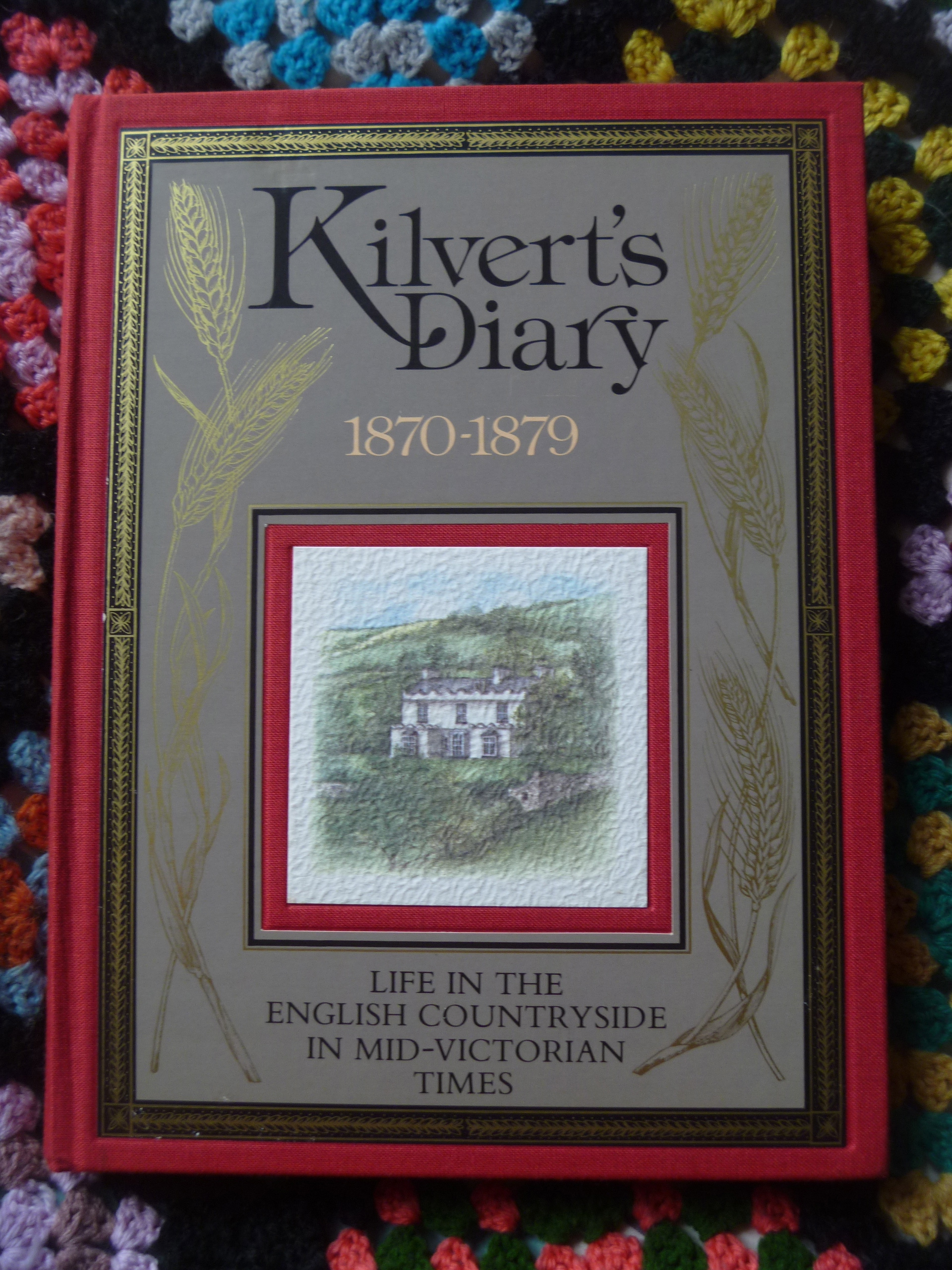
Kilvert's diary 2

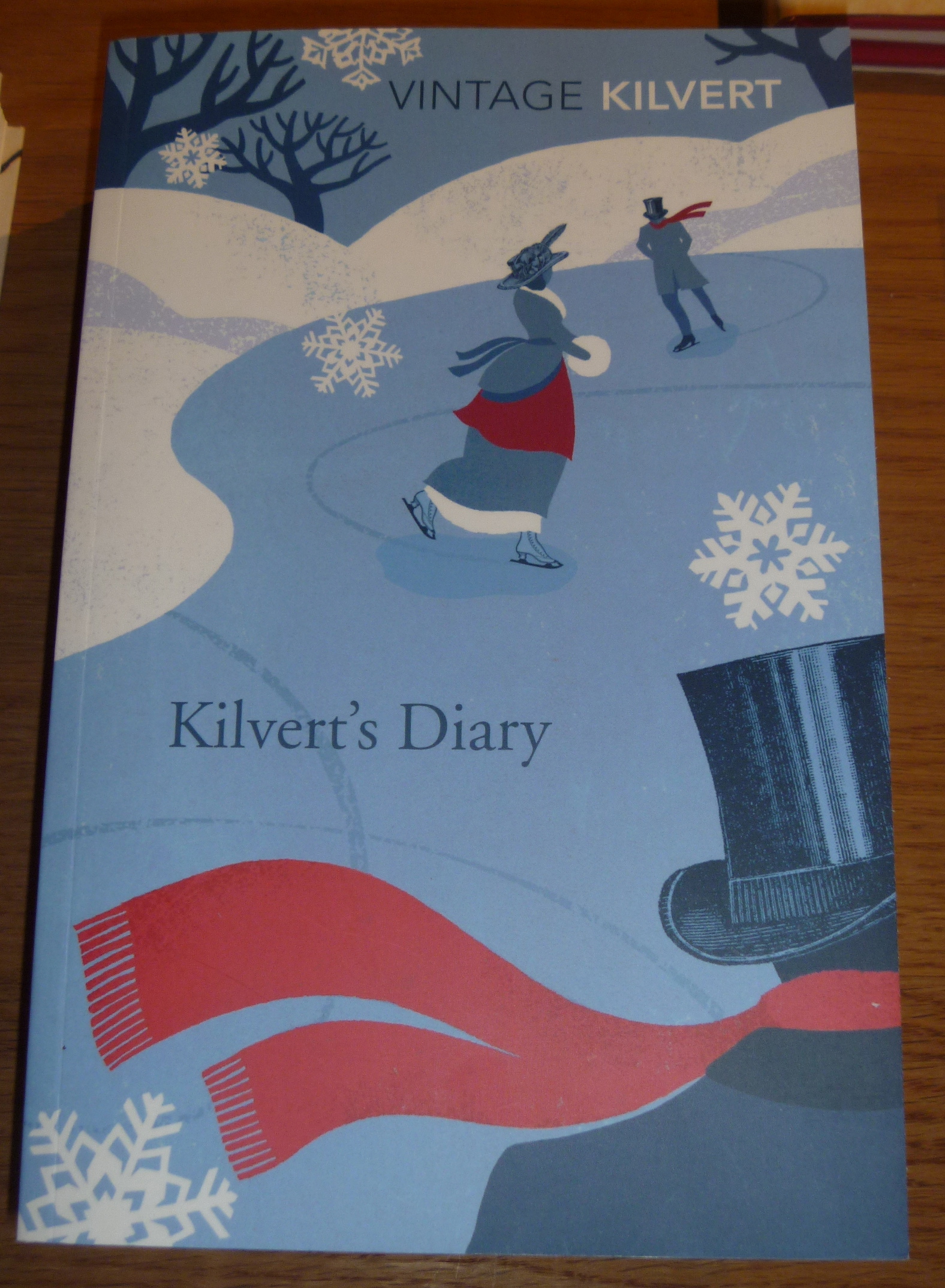
Kilvert's diary

Well, all that has changed and we saw several versions of the diaries in Hay book shops in the full 3 volume format (for around £130+) as well as reissues of the abridged version, above.

Baskerville Arms, Clyro

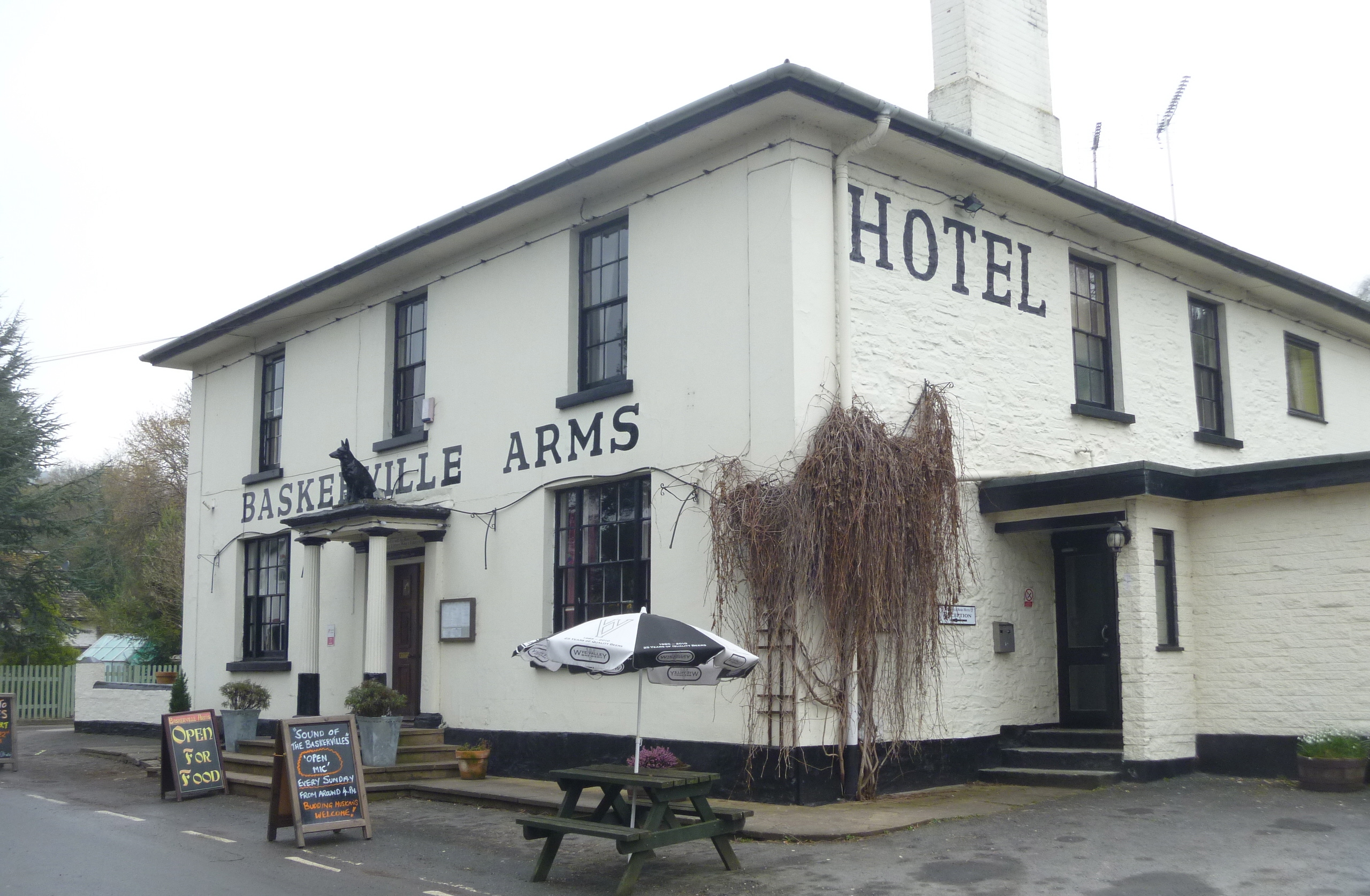
Clyro is also the location of the Jacobean-style mansion built by Sir Thomas Mynors Baskerville a friend of Sir Arthur Conan Doyle who borrowed his friend’s name when writing The Hound of the Baskervilles. The house is now a hotel and needless to say there is also a pub of the same name.

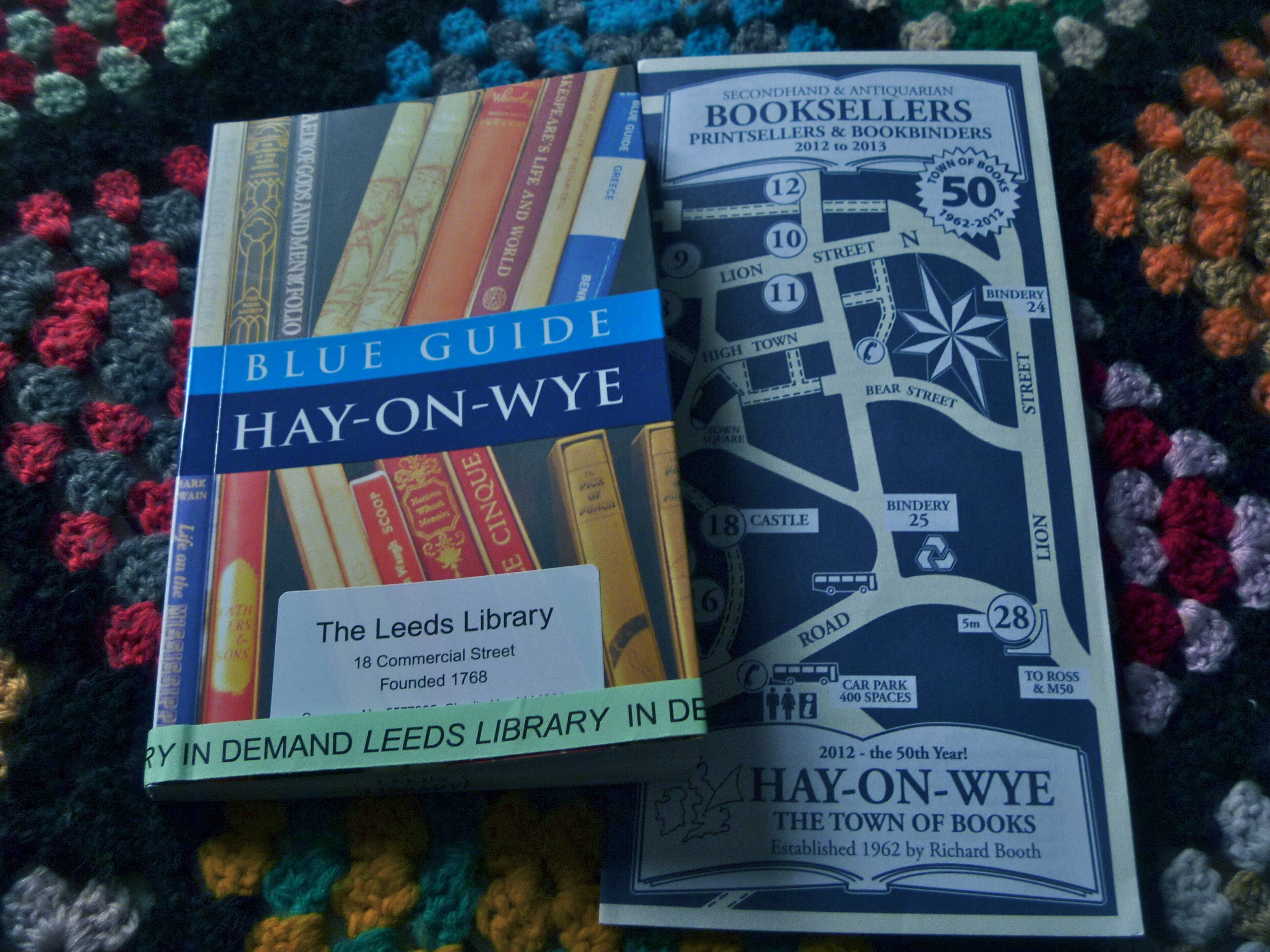
Prep for Hay

And so on to Hay itself. Despite planning in advance which shops to visit and preparing lists and so on I found that I was rather overwhelmed with choice. I realised that I am so dedicated a library user these days that I have less and less need to actually own books. It also seemed to me that in each shop we visited the value of each book was known and there was very little chance of a real bargain. However, that said, it’s an extremely pleasant way of spending a cold, damp Wednesday afternoon in March.

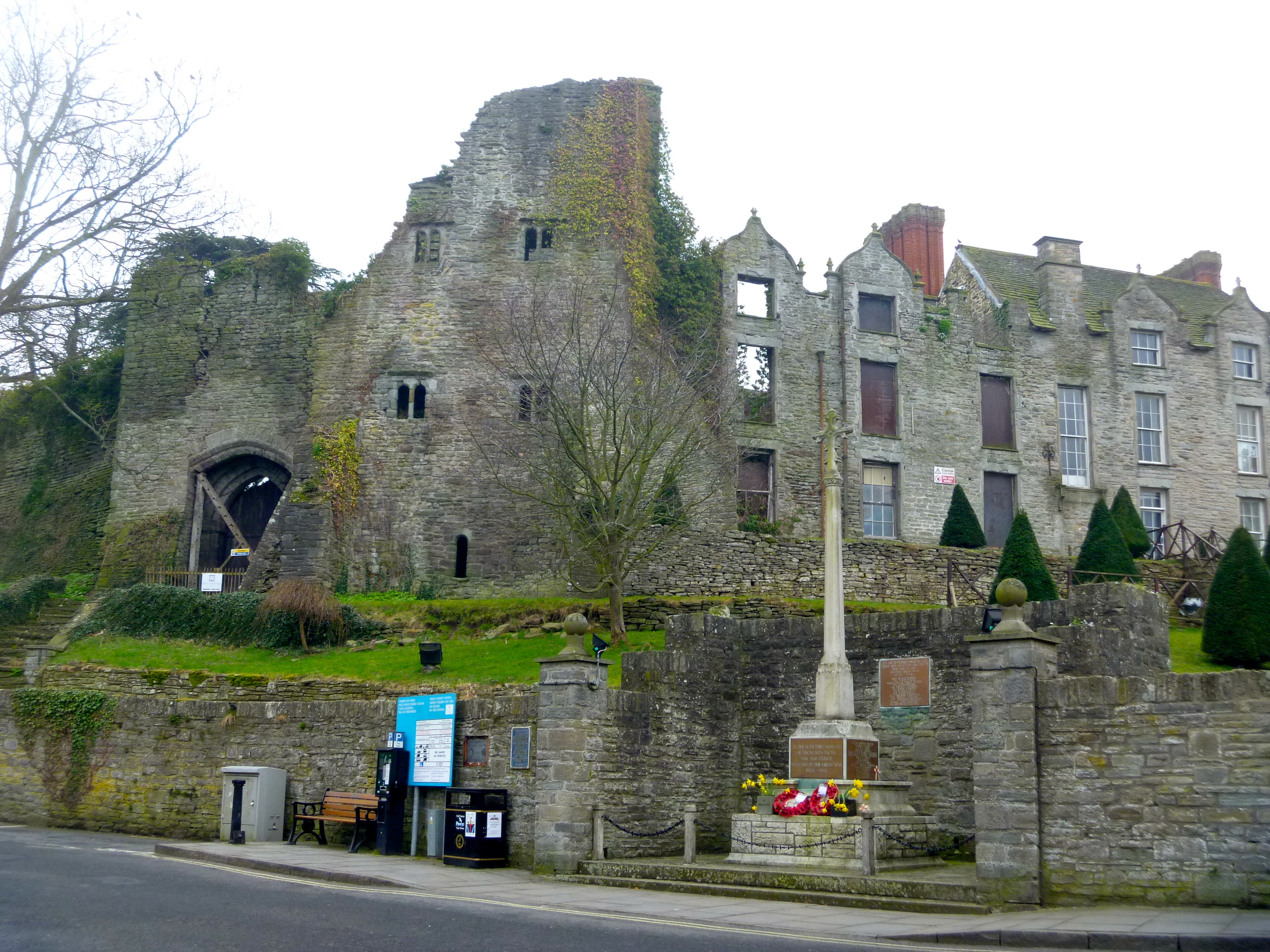
Hay Castle

Hay Castle

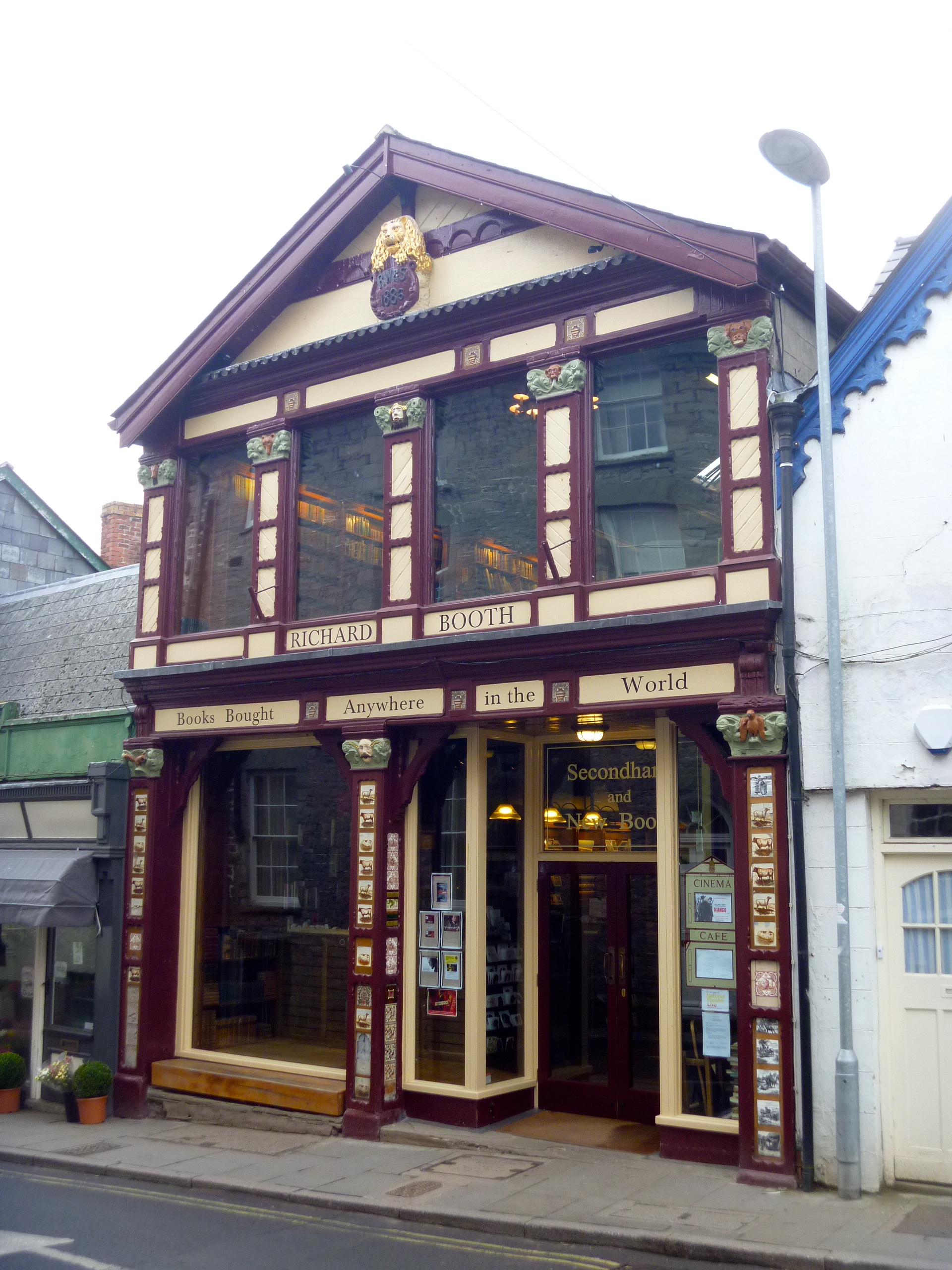
Richard Booth's Hay

Richard Booth’s Books

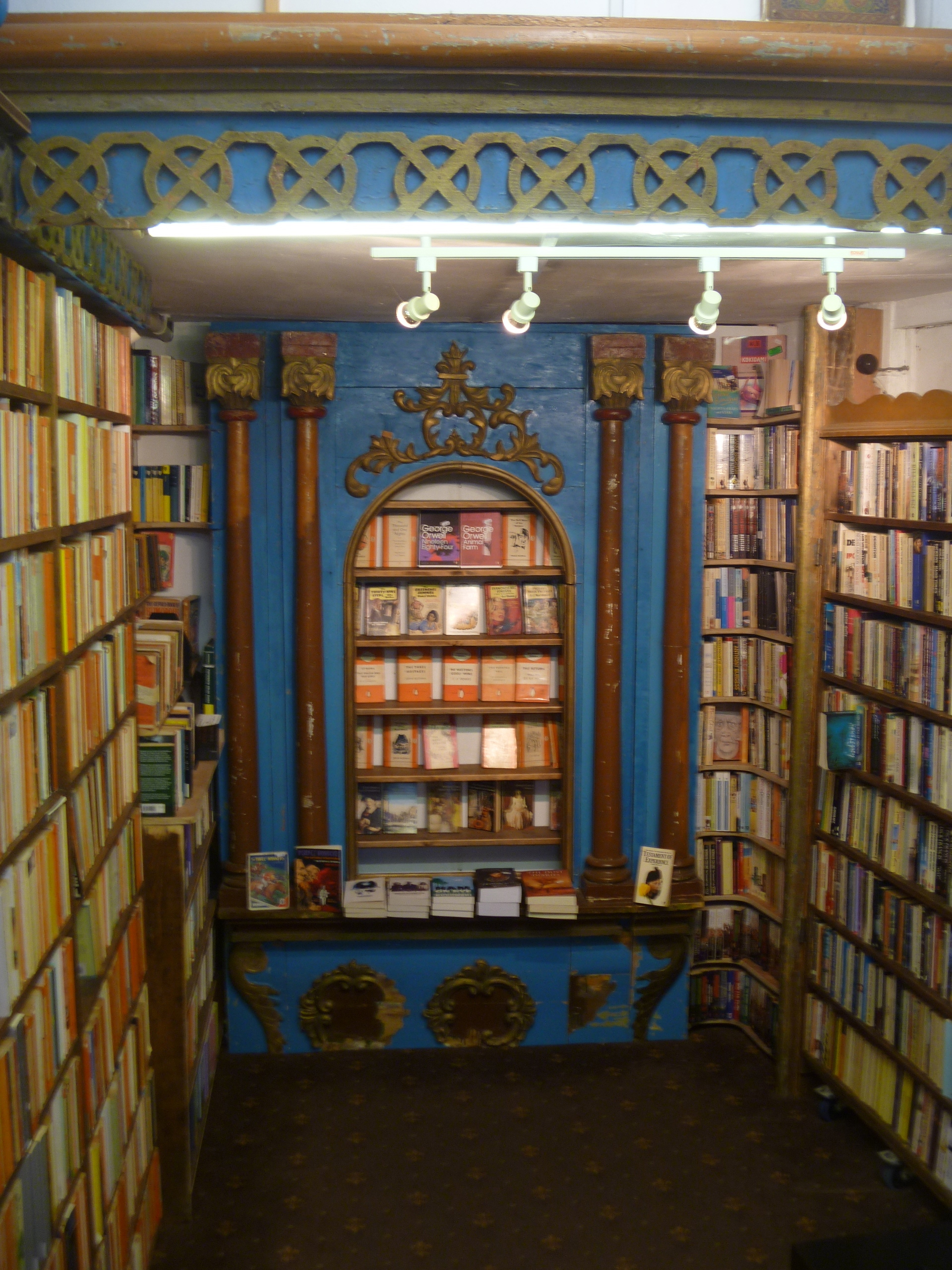
Inside Addyman's Hay

Inside Addyman’s Books at Hay on Wye

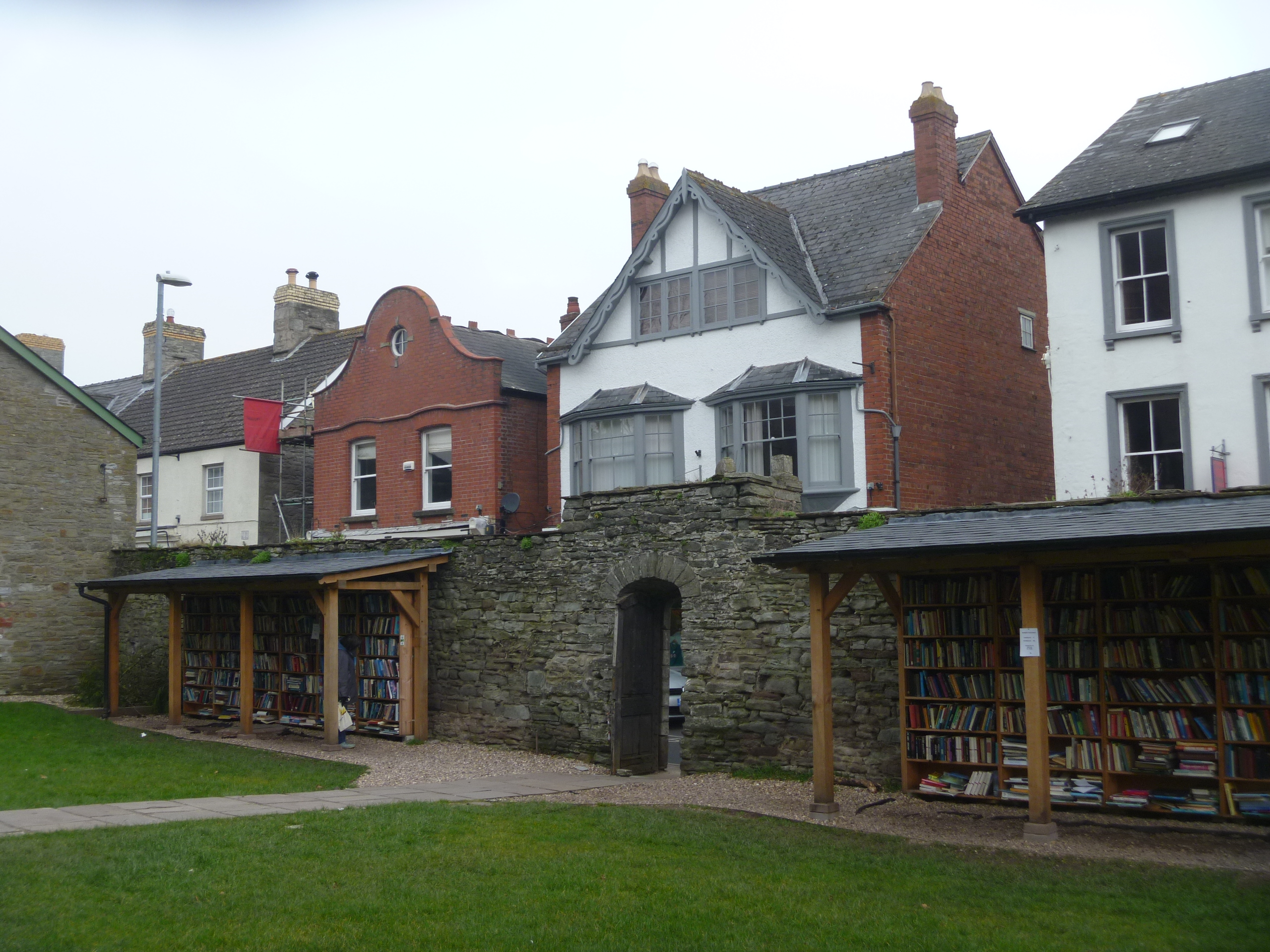
Honesty Bookshop Hay

The Honesty Bookshop, Hay

I bought only one title and that was from the Honesty Book Shop in the Castle precincts – all hardbacks £1 and all paperbacks 50p. It is a hardback copy of The Nutmeg Tree by Margery Sharp. It’s in pretty good condition and I’m pleased with it.