In a Quiet Corner of Rome – The Aventine

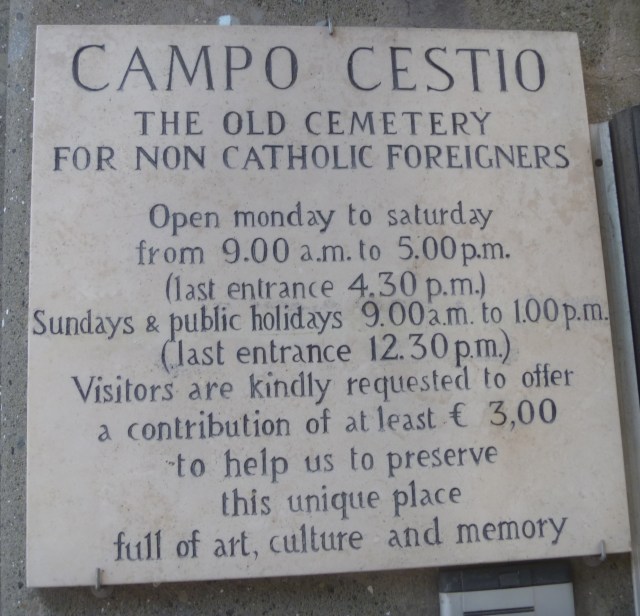
Cemetery sign

We’d both visited Rome before so I decided to book us at a hotel in an area slightly out of the main hustle and bustle of the centre of Rome and in a leafy residential area within walking distance of a certain cemetery that was brought to my attention on my first visit. The highlight of that trip, although we visited The Forum and The Coliseum and the Trevi Fountain and The Spanish Steps and The Pantheon and I had my picture taken at the Bocca della Verita, turned out to be the peaceful and tranquil Keats-Shelley House.
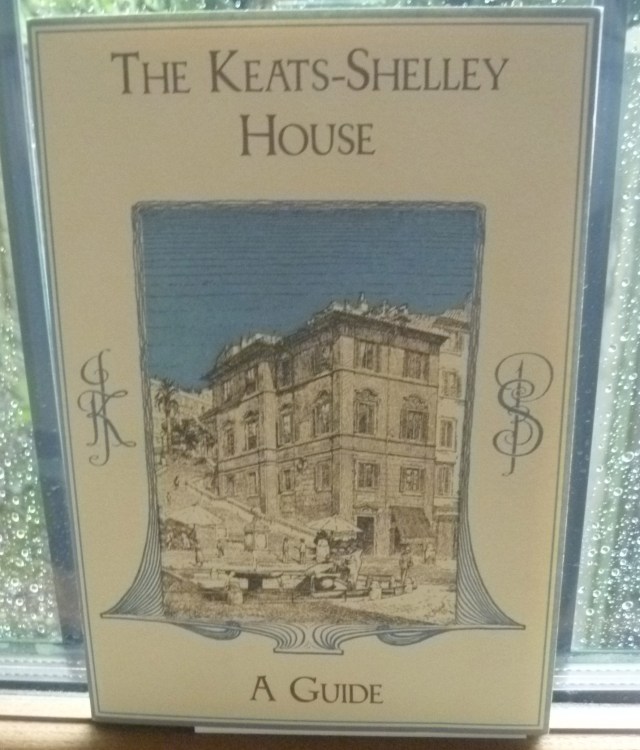
Keats House

John Keats and Percy Bysshe Shelley are both buried at The Non-Catholic Cemetery in Testaccio and the more I have read about the place the more I have wanted to visit what sounds like a peaceful rural idyll so close to the centre of Rome.
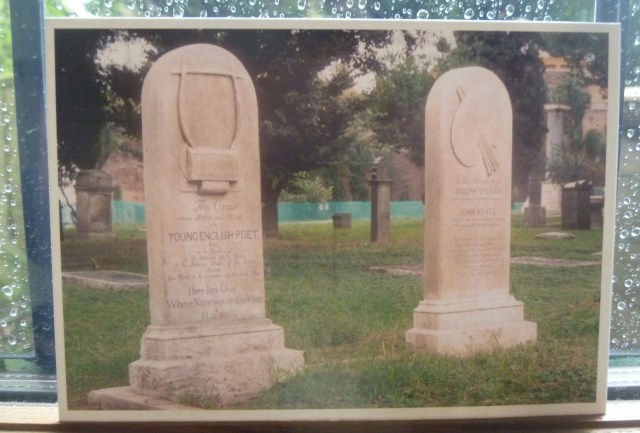
K and S graves

The Keats and Shelley Graves in the Protestant Cemetery [postcard]

What I had failed to take into account – and I could have done nothing about it anyway – was the fact that a second Italian public holiday was to fall during our week’s visit. The 1st of May is a public holiday in Italy. So, after dropping our bags at our hotel room, we made our way at about 1.30pm to the Campo Cestio a 10 minute walk away only to find that it had closed that day at 1pm.
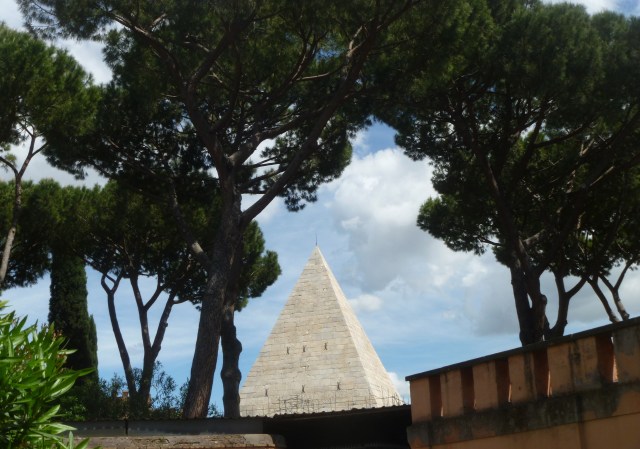
Pyramid

Very near to the Cemetery is the famous Caius Cestius Pyramid built during the 1st century BC when Roman funerary architecture was influenced by the ancient Egyptians.
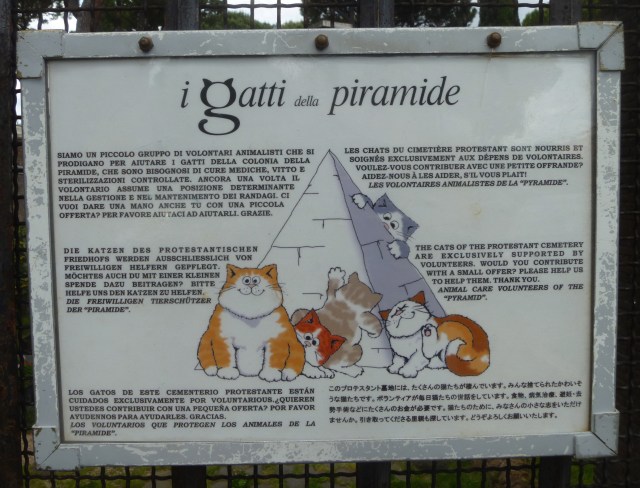
Pyramid cats

The Cats in the Area even have their own website!
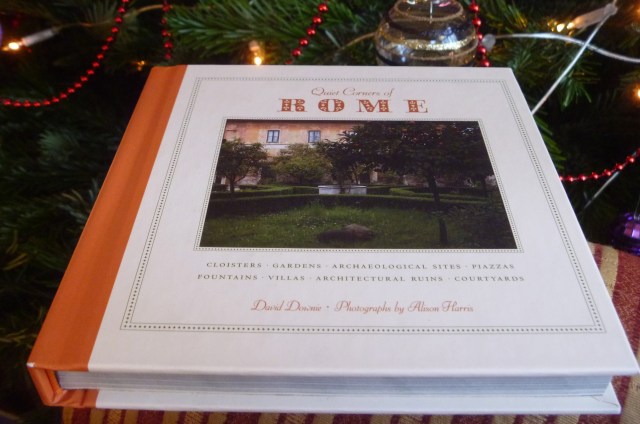
Quiet Corners Rome

Disappointed, we turned to other entries in my ‘Quiet Corners of Rome’ book by David Downie.

I was first told about The Magic Keyhole by a former work colleague who had lived for some time in Rome. But it is also mentioned in the Quiet Corners of Rome book so we made it our next stop : “Piazza dei Cavalieri di Malta and Piranesi Monument”. There was about a half hour queue and yes, indeed, when you reach the front there is the dome of St Peter’s framed by the keyhole in Piranesi’s door.
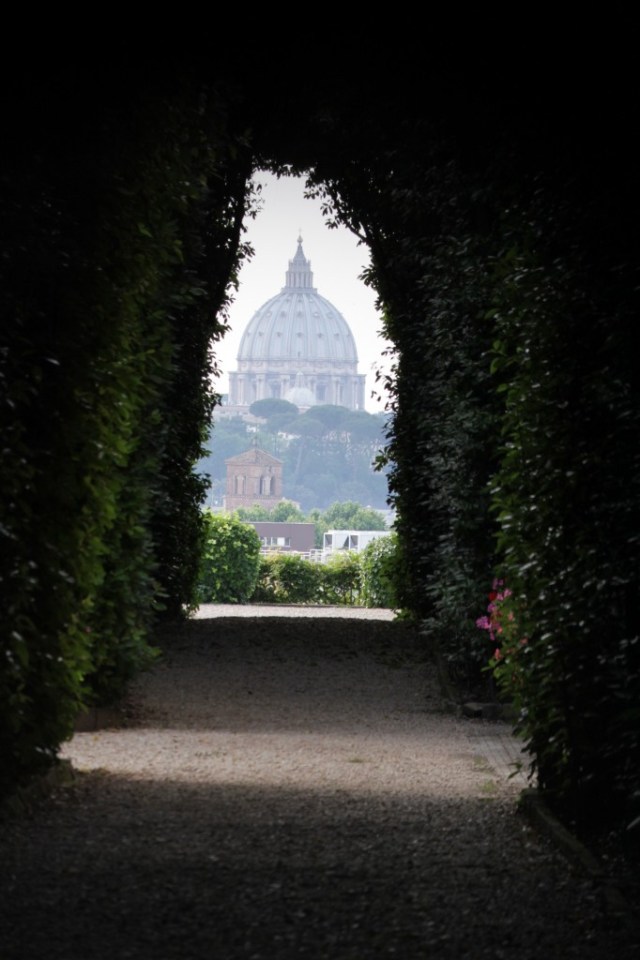
IMG_6617-e1337419469157-682x1024

This is the view that you get [source]

Needless to say my own photo turned out rubbish but with a long queue of people waiting behind you it is all a bit of a rush when you finally get to the front.

Piranesi Square

The Piranesi or Knights of Malta Square
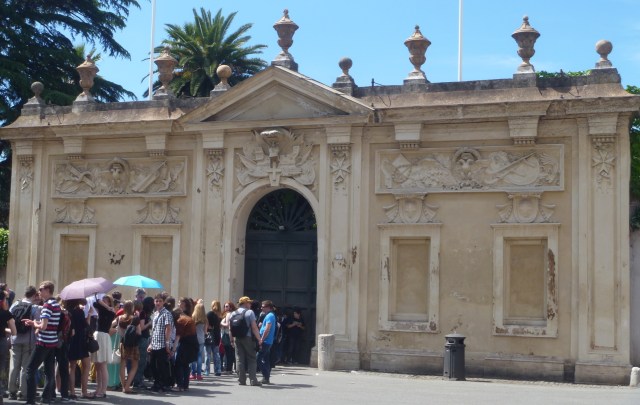
Keyhole queue

The Keyhole Queue

The doors seal off the grounds of the Knights’ [of Malta] headquarters and are opened only to the pious and powerful … The piazza is egalitarian. Flame cypresses and palms rise behind the extravagantly long, L-shaped wall, erected in 1765 and conveniently lined with benches.”

Clivo di Rocca Savella, Parco Savello, Giardino degli Aranci”
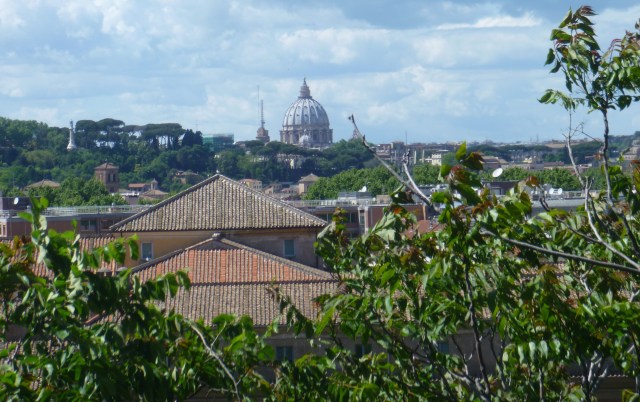
Vatican View
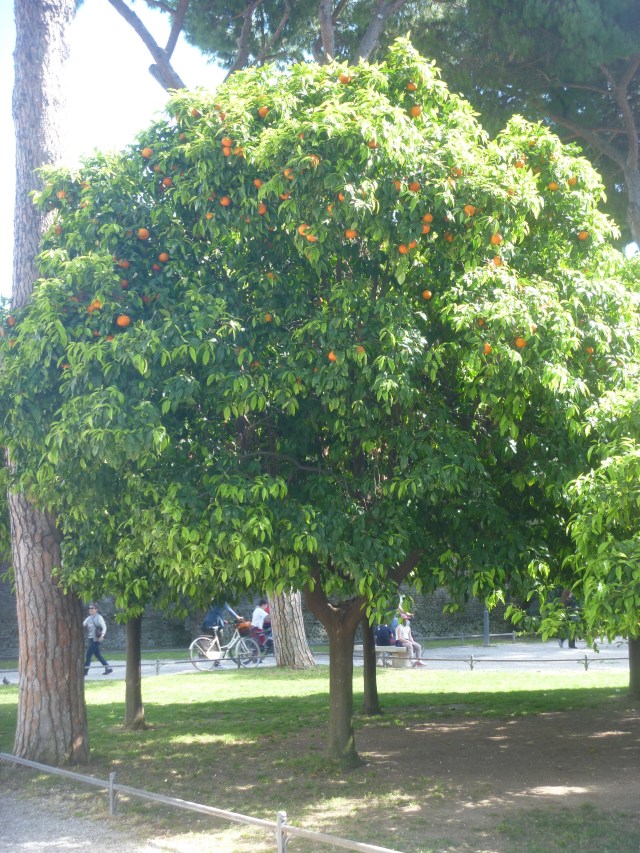
Vatican View

orange tree

Orange Tree

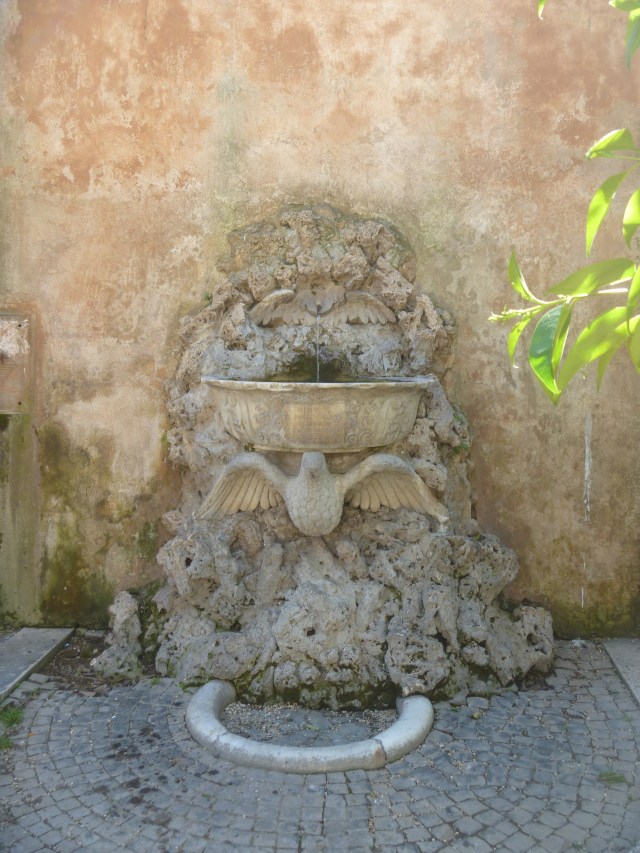
Drinking fountain 1

Drinking Fountain

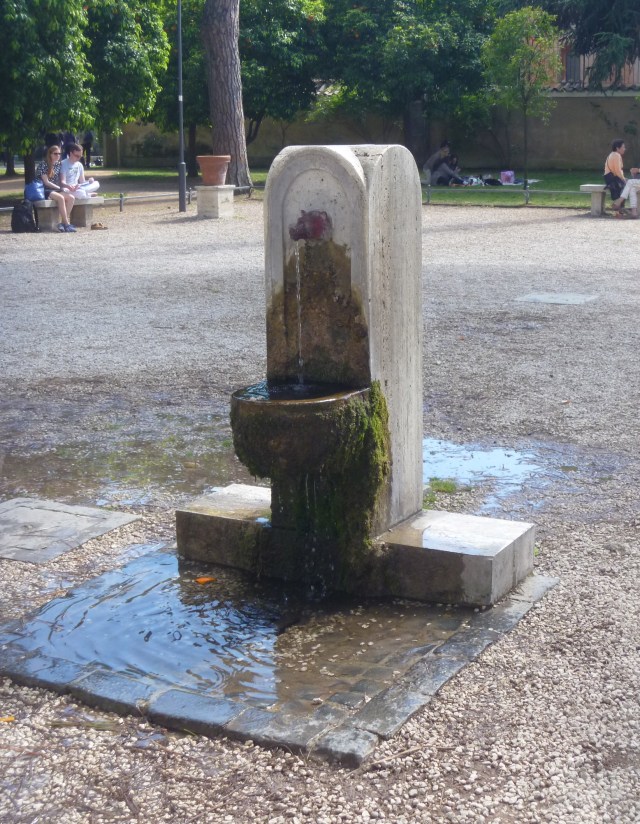
Fountain 2

Parco Savello Fountain

Next to the Knights of Malta HQ are several churches and two parks. One of the parks is the Parco Savello but both of them more or less fitted the book’s description: view of the Vatican, orange trees, drinking fountains.
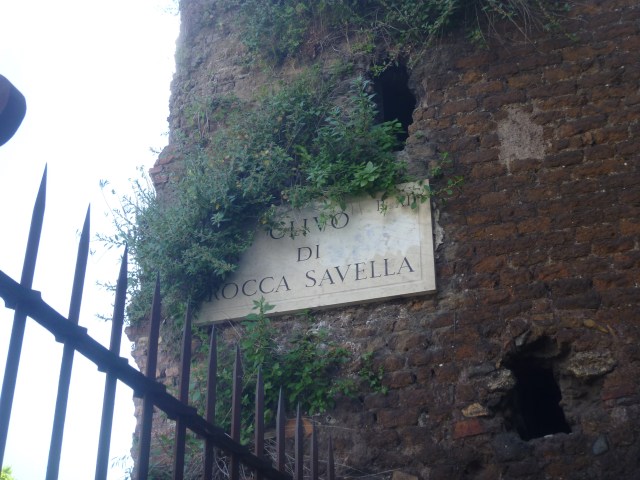
Clivo sign

The Clivo di Rocca Savello is a narrow car-free lane that slopes down to the Tiber “mossy and picturesquely weed-grown, the clivo is as atmospheric as it is empty”. Well one or two people were walking up and down and also as the book says “stray cats own it”.
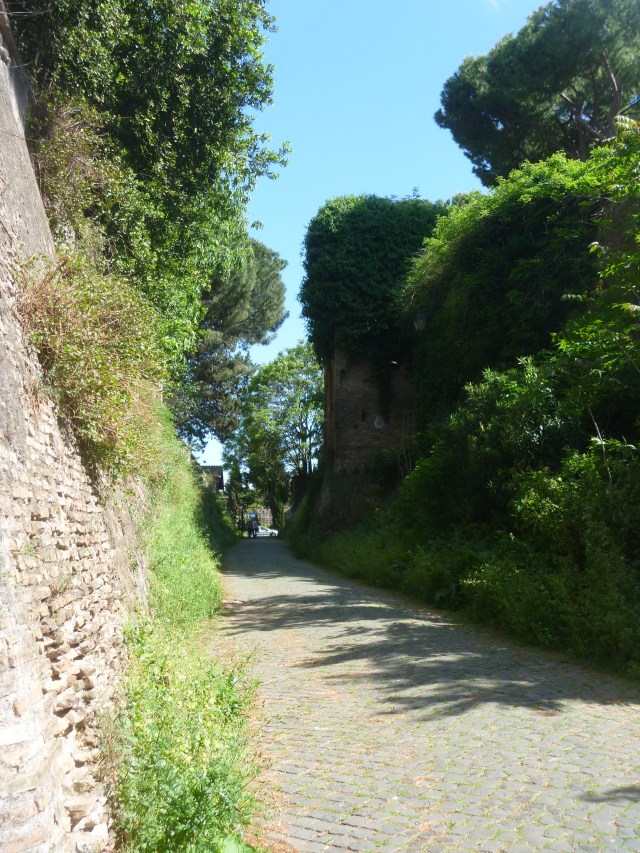
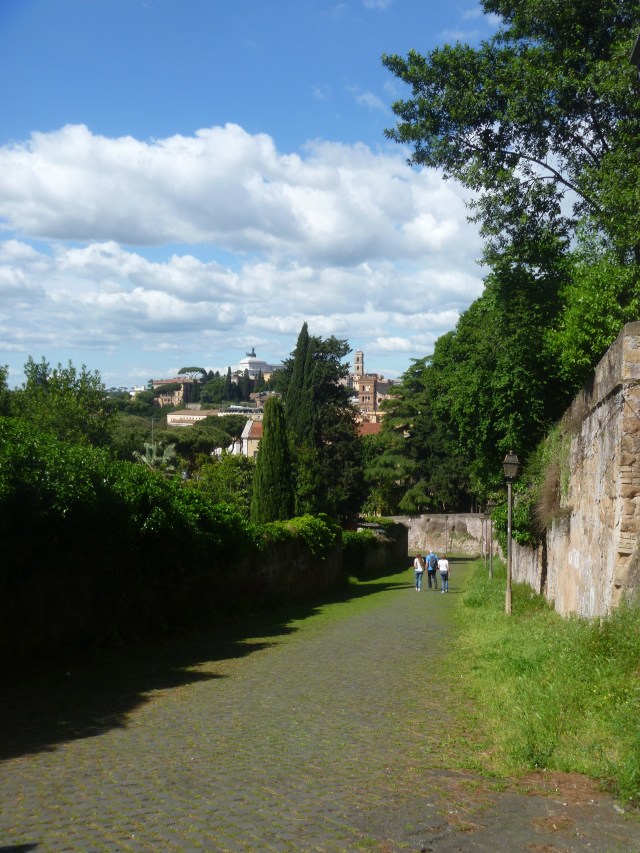
Clivo 1

Clivo 2

The Clivo di Rocca Savello

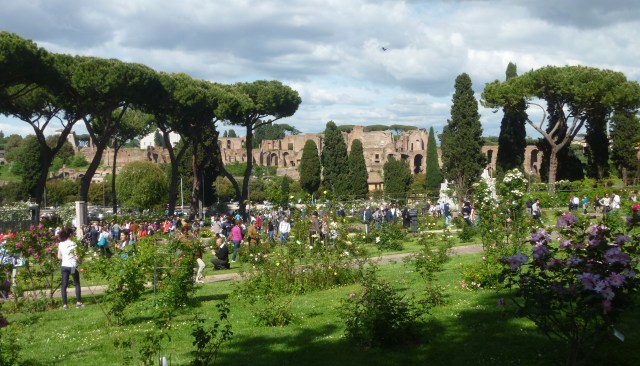
With it being a public holiday none of the places were particularly people-free and the final venue least of all. It seemed that all of Rome wished to visit the Roseto Comunale (Rose Garden) on that sunny May 1st afternoon. 1,100 varieties of rose grow on the northern slope of the Aventine Hill. All types of rose and from all corners of the earth grow here and the park is only open for about one month a year. So this time we struck it lucky !
Rose garden

The Rose Garden with the Forum behind
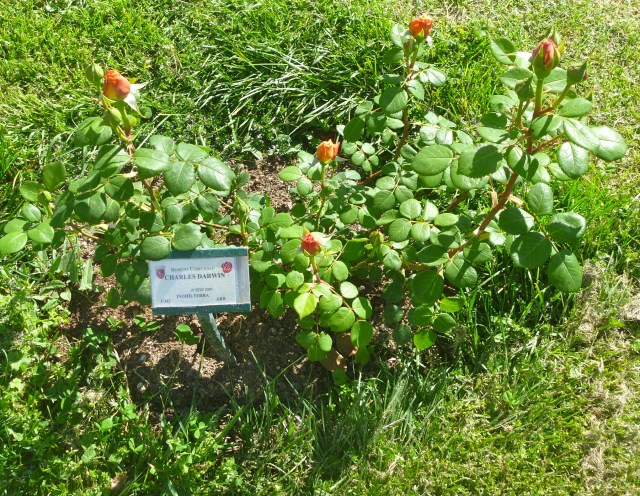
Charles Darwin rose

Charles Darwin rose still in bud (UK)

We were very happy with our choice of hotel in a Quiet Corner of Rome.
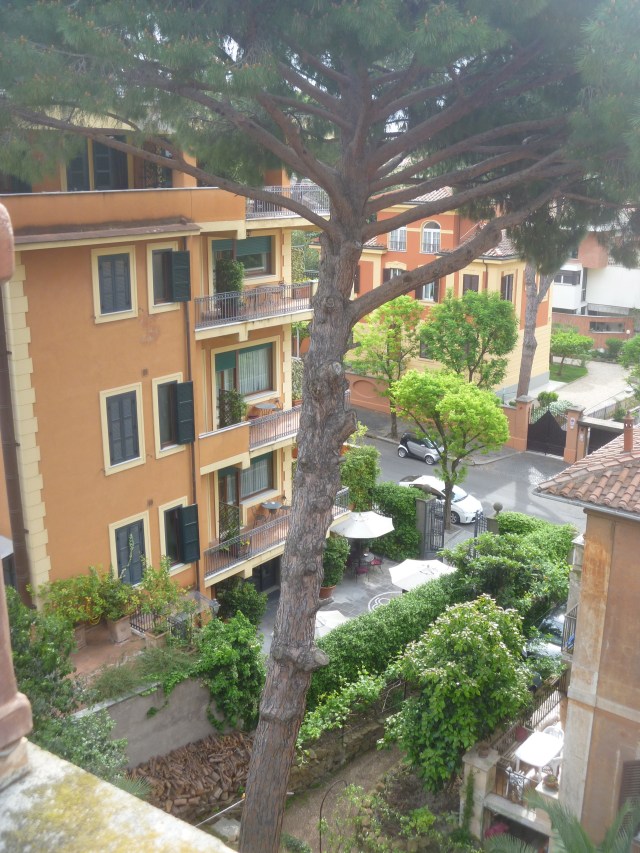
Balcony view

The Villa San Pio

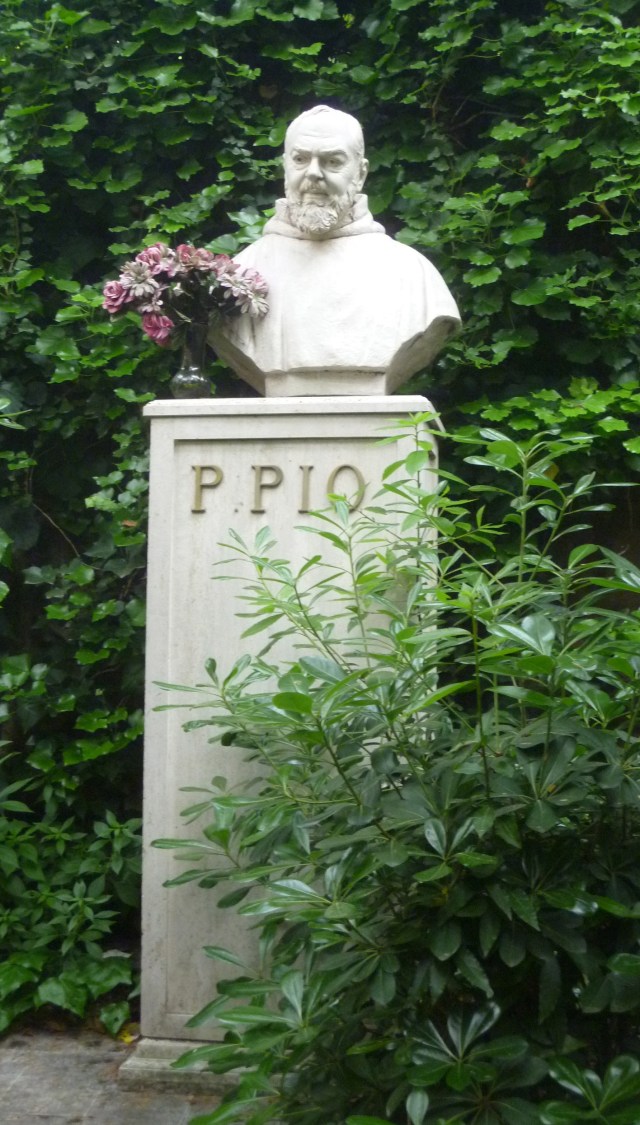
Pio

Padre Pio bids us Farewell as we make our way to the Airport
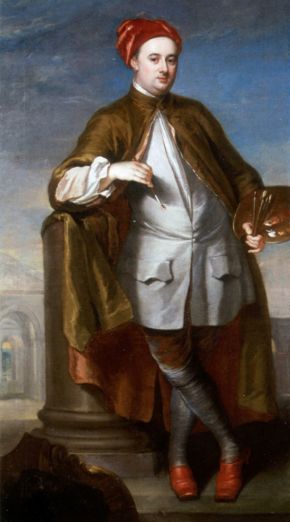
 

“William Kent : Designing Georgian Britain” at The Victoria and Albert Museum

Polymath Transforms Georgian England!

w290

 William Kent (1685 – 17480) [source]

What a man! William Kent was hugely influential within Georgian English aristocratic circles. His designs spanned the widest spectrum of English upper class design from art to architecture and from furniture to gardens. Kent’s patrons included Lord and Lady Burlington, the Cokes of Leicester, the Walpoles of Houghton. Influenced by his early visits to Italy it’s surprising that William Kent is not far better known. This exhibition at the V&A tells his story with rich illustrations and varied artefacts. Go yourself and ponder why William Kent is not more familiar to us today.

I wrote that little appreciation/review for the ticket agent that supplied our tickets for the show last Friday afternoon.

The Georgians are big business as 2014 marks 300 years since the accession of George I thus beginning a succession of Hanoverian Kings of England which lasted until 1830.

The season started well with the British Library’s overview The Georgians Revealed that covered many aspects of life in 18th and early 19th century Britain. There are significant exhibitions at The Queen’s Gallery : The First Georgians: Art & Monarchy 1714-1760 and at The Historic Royal Palaces (Kensington Palace; Kew Palace and Hampton Court Palace) : The Glorious Georges. And BBC television is currently broadcasting a month-long Georgian season.

William Kent Paintings

Slideshow of William Kent Paintings

William Kent was born in Bridlington, North Yorkshire, the son of a carpenter. From 1709 to 1719 he studied in Rome, copying Old Master paintings and learning the techniques of etching and engraving. Here in Italy he was to meet Lord Burlington who, with his wife, became patron and good friend to Kent. Burlington gave him his first commissions back in England and helped to set Kent off on his course designing for many of the great English landowners.

kent_holkham_4

 A Kent-designed chair from Holkham Hall

Kent designed the interiors of many stately homes including Houghton Hall, home of the Walpoles, in Norfolk.

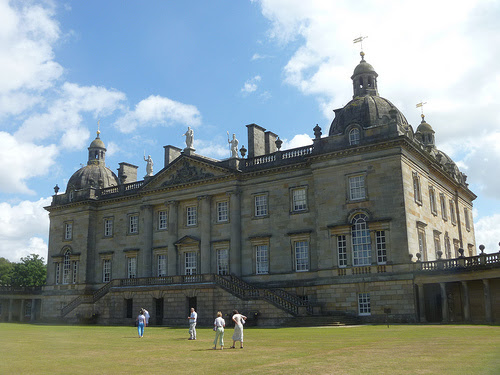
Houghton Hall

 Exterior of Houghton Hall, Norfolk

Stowe

Stowe Landscape Garden with Gothic Temple and Palladian Bridge

Most of all Kent is best-known to me as the designer of landscape gardens.

Elysium

Kent’s landscape designs confirm his status as the artistic genius of the era, a father of the English landscape garden. In contrast with the French and Dutch fashions for formal gardens, Kent took his inspiration from the ideal landscapes of pastoral literature and painting. His design drawings are not detailed plans, but poetic evocations of the landscape effects he was attempting to achieve.

Kent’s gardens could be places of activity and good fellowship, or places of reflection and solitude. Carefully crafted vistas lead the eye out beyond the garden into the surrounding countryside. He designed over fifty garden buildings which were positioned to act as picturesque focal points for views and also as places from which to contemplate the garden. His buildings vary from sober copies of ancient buildings to wild flights of fancy, from pyramids, triumphal arches and Chinese kiosks to grottoes and artificial ruins.” [V&A website]

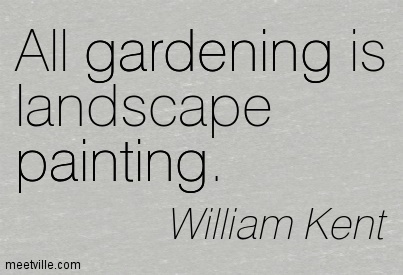
Quotation-William-Kent-painting-gardening-Meetville-Quotes-104548

The Garden Museum

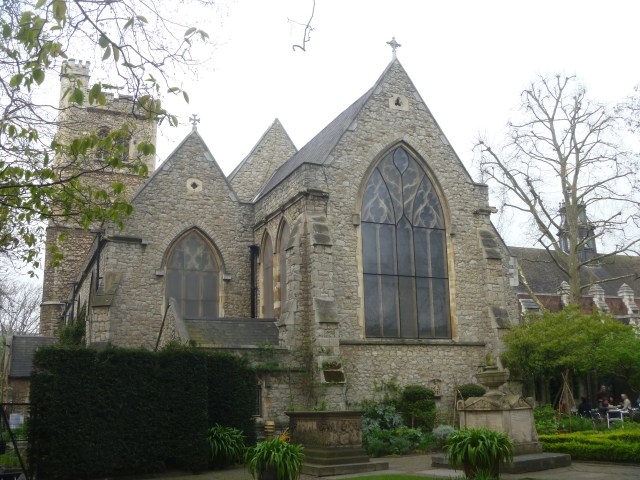
Some exhibitions, especially those national museum ‘blockbusters’, are just too unwieldy but the bijou exhibition Fashion and the Garden occupied just over half an hour of my visit the the Garden Museum on Thursday. Just a short walk along the Albert Embankment (opposite The Houses of Parliament) from Westminster Tube Station, the Garden Museum is right next door to Lambeth Palace, the official London residence of the Archbishops of Canterbury. GM exterior Formerly known as the Museum of Garden History, The Garden Museum is based in the deconsecrated parish church of St Mary-at-Lambeth. I’d met up with my friend Rosanna (the mosaics maker) with whom I had recently been to see The Isabella Blow Show at Somerset House. Garden Museum Church
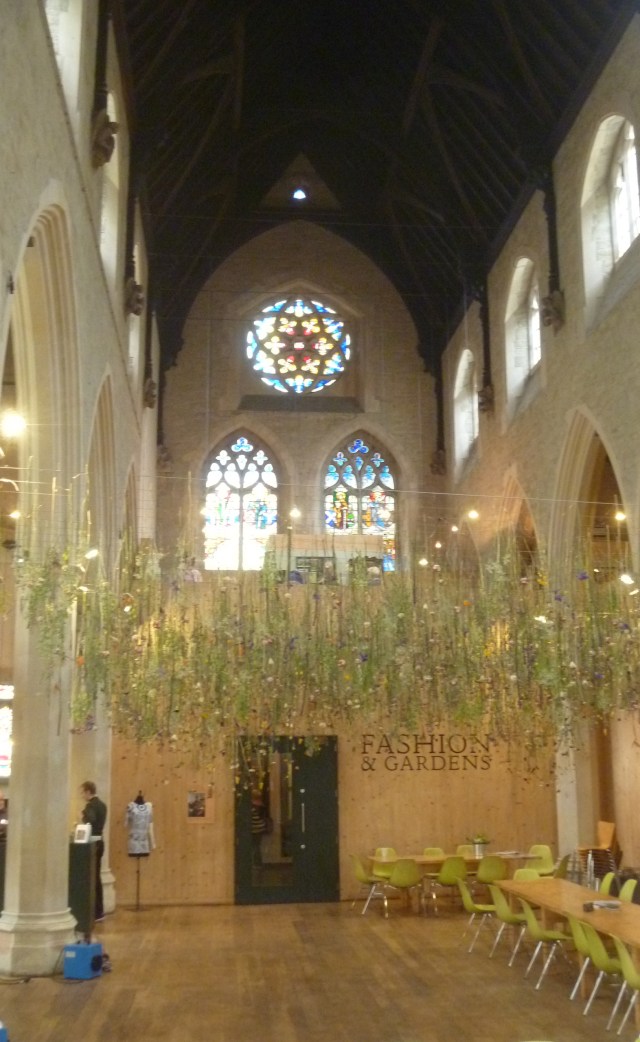
Inside the Garden Museum with Rebecca Louise Law Installation

After morning coffee in the Museum Cafe (we couldn’t resist a tiny home-cooked apple tart as well – all the food served looked very acceptable!) we headed under Rebecca Louise Law’s installation ‘The Flower Garden Display’d’ for the Fashion and the Garden exhibit that I had read about recently in the press. Booklet

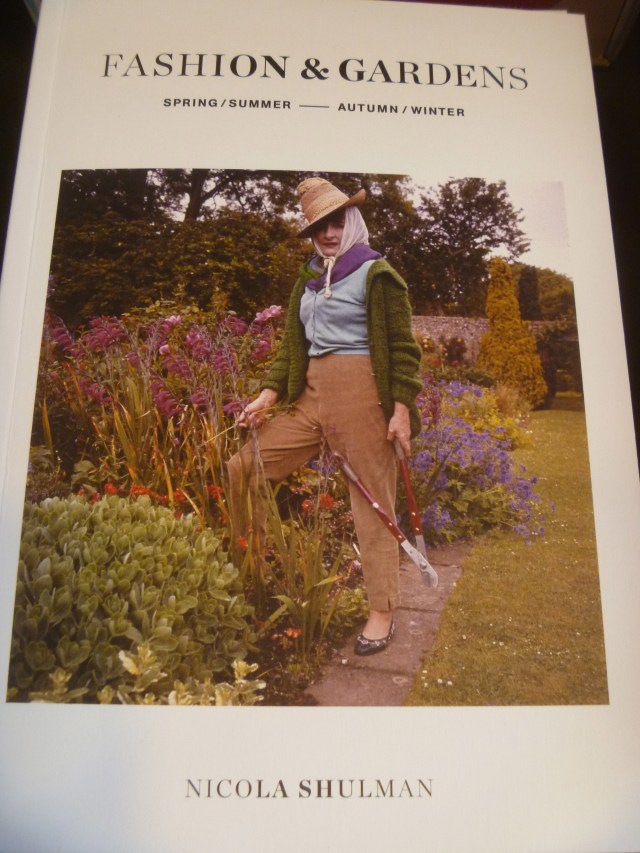
The Accompanying Booklet

Put together by Nicola Shulman, sister of British Vogue editor-in-chief Alexandra Shulman, the displays cover fashion and garden connections between the 17th and 21st centuries.

TV Introduction

unknow artist-796785

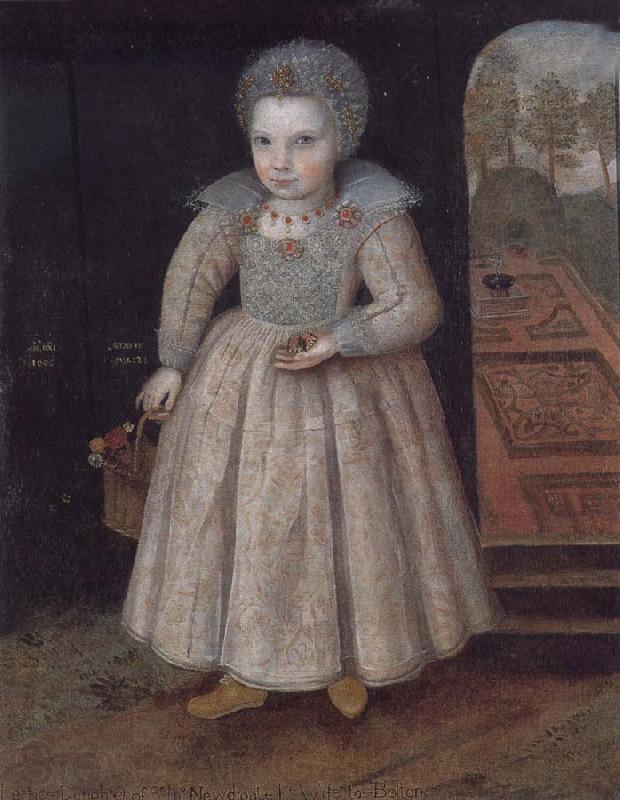
This portrait of Lettice Newdigate (1608) by an unknown artist is the first known example of a Knot Garden in art.

Influences of gardens on fashion extend over time from knot gardens reproduced through embroidery on clothing to Philip Treacy hats such as the Orchid.

Philip_Treacy__Orchid

Philip Treacy Orchid Hat

I noted that an interest in flowers is a very English characteristic. They have featured in English clothing designs throughout the centuries where they are absent, for example, in France. There were exquisitely embroidered gloves and pockets; flowers feature in the silk designs of Anna Maria Garthwaite and other 18th century Spitalfields silk weavers; phaeton carriages were built very high so that owners and their families and guests could drive around their landscape parks and show off; and then there are the clothes that we wear when visiting gardens or even when gardening.

It’s a small show but perfectly formed.

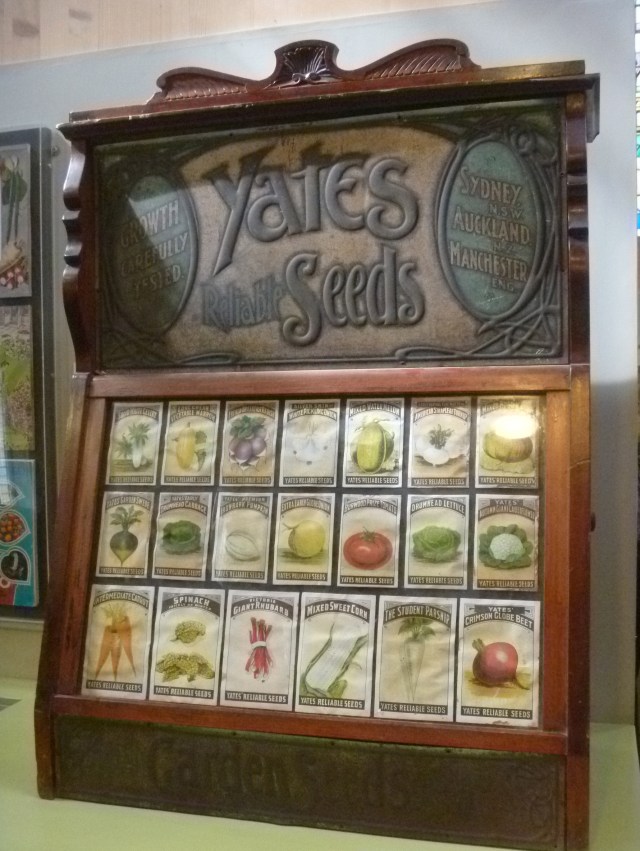
We had time to visit the permanent collection – gnomes; gardening tools from trowels to lawnmowers; rare books; paintings such the recently acquired ‘Portrait of a Black Gardener‘ by Harold Gilman; posters, ephemera and garden seed packet displays.

Yates Seeds

Yates Seeds. No longer sold in the UK but still available in Australia and New Zealand.

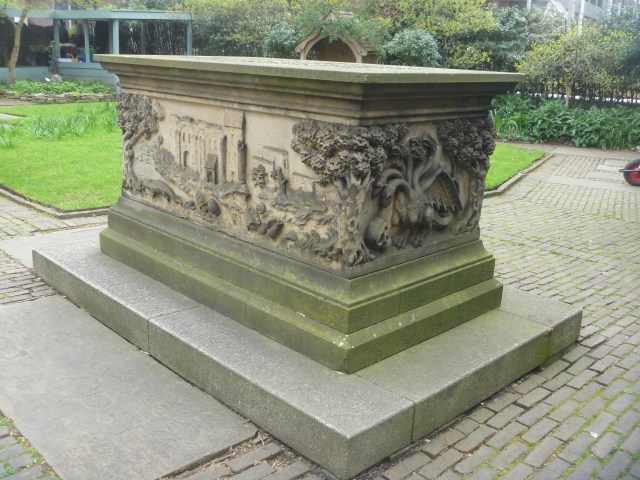
The Museum’s garden was created in 1980. At its heart is a knot garden designed by the Museum’s President, The Dowager Marchioness of Salisbury (who was then also re-making the gardens at Hatfield House, Hertfordshire). The reason for the seventeenth-century spirit of the design is that our garden also houses the tomb of the great plant-hunters, gardeners and collectors, John Tradescant the Elder (c.1570-1638) and Younger (1608-1662), the rediscovery of which originally inspired the creation of a museum of garden history in the deconsecrated, and then derelict, church of St Mary-at-Lambeth.” From the Garden Museum website.

Tradescant Tomb

The Tradescant Tomb

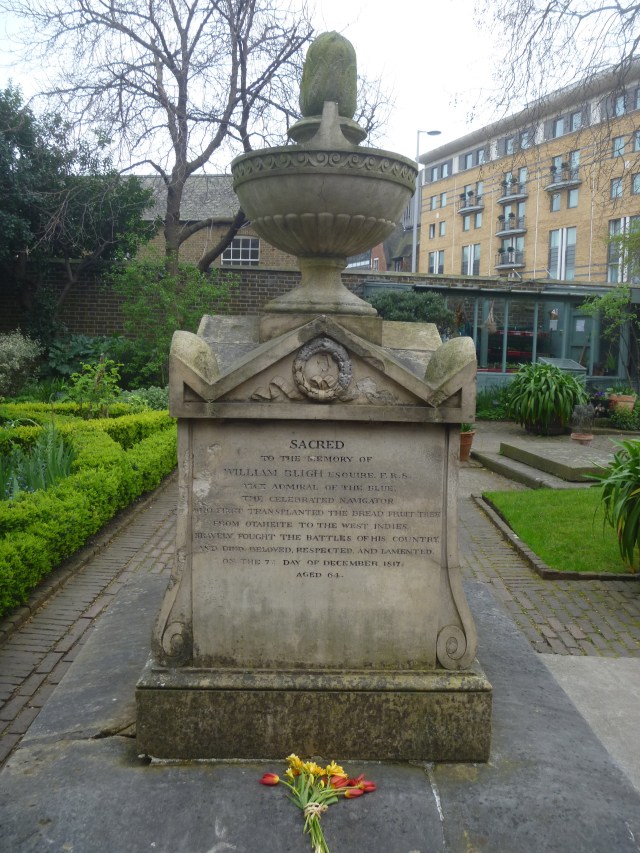
In addition to the tomb and monument to the Tradescants is the tomb of Captain William Bligh of ‘The Bounty’.

Tomb of Bligh

Captain Bligh Tomb

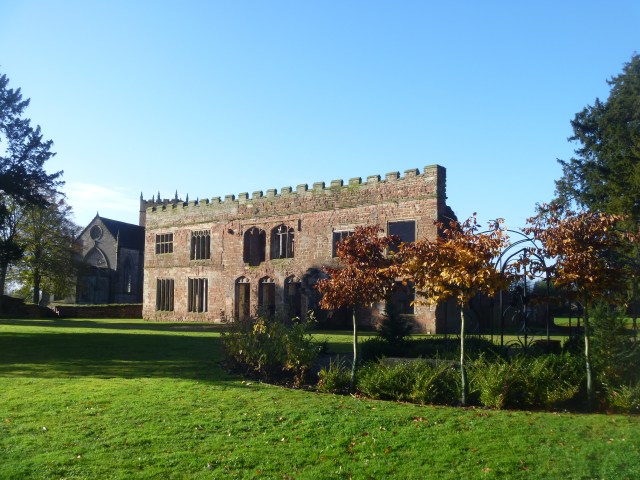
“The Building Bears Strong Marks of the Ravages of Time and Presents an Extremely Picturesque Appearance” Astley Castle

Astley and Knot Garden

Astley Castle and Elizabethan Knot Garden

“The Building Bears Strong Marks of the Ravages of Time and Presents an Extremely Picturesque Appearance” Britton’s “Beauties of England and Wales“.

The Stirling Prize is the most prestigious prize for British architecture awarded annually :

to the architects of the building that has made the greatest contribution to the evolution of architecture over the past year. The prize is for the best building in the UK by RIBA chartered architects and International Fellows, or in the rest of the EU by an RIBA chartered architect.”

The RIBA Stirling Prize was born in 1996 out of its predecessor The Building of the Year Award. The Building of the Year Award had been running since 1988 and the winner was chosen by the RIBA President from a handful of National Award winners. This was thought of as neither transparent nor democratic. The aim with the Stirling Prize was that the winner should be decided in an unbiased way, with different juries visiting the ‘midlist’ and shortlist.

The new prize was named after James Stirling, the great British architect who died in 1992. The aim was that the Stirling Prize would be for architecture what the Booker Prize was for literature, and a £20,000 cash prize for the winning architects made the prize covetable as well as prestigious.” [Source]

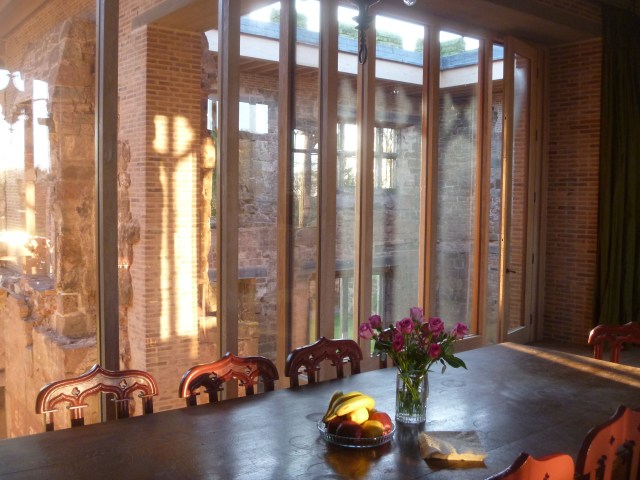
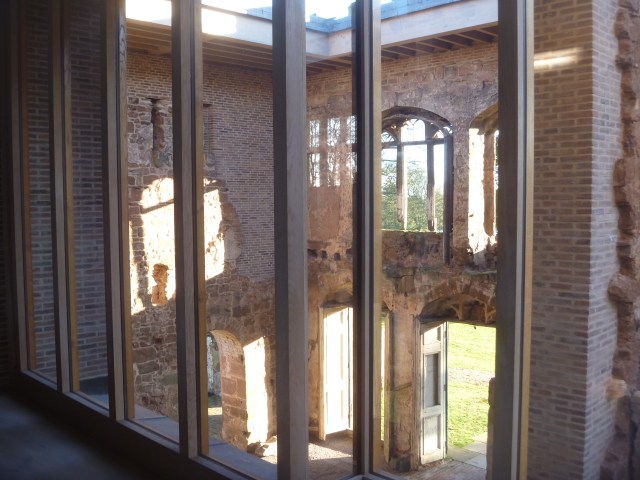
In 2012 I was fortunate enough to be invited by friends who are Patrons of The Landmark Trust to attend the celebration opening of Astley Castle in July 2012. Immediately on leaving the reception and arriving home I decided to book the castle for a week (Monday to Friday) in November 2013.

Here are some of the highlights and light effects from this unforgettable stay.

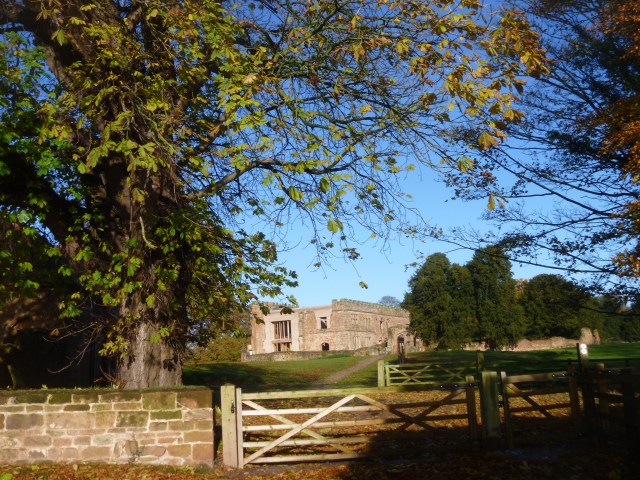
Arriving at Astley

Arriving at Astley

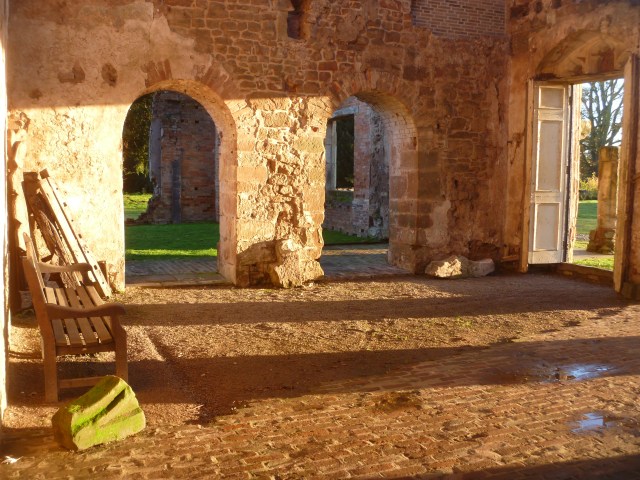
The Ruins

The Ruins

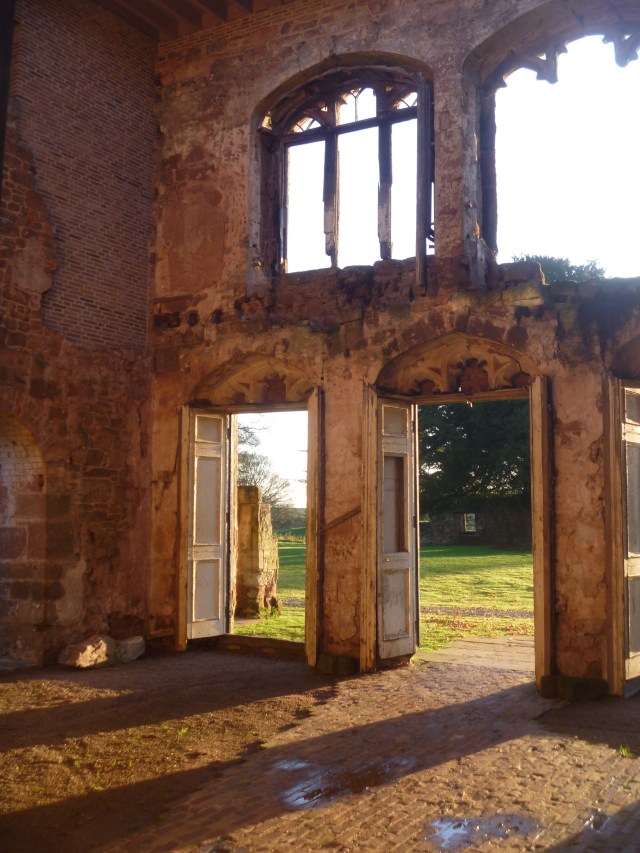
Sunlight after the rain

Sunlight after the rain

Outdoor Dining

Outdoor Dining

Dining table shadows

Indoor Dining

Courtyard

Courtyard

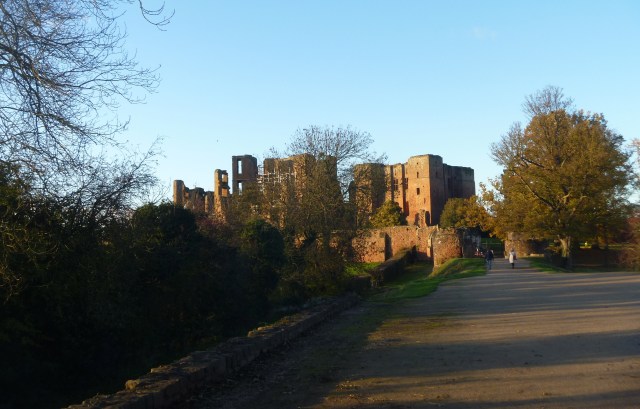
Kenilworth Castle

Castle Visiting – Kenilworth Castle

Gibside : “The Chapell, Greenhouse, Banquiting House, Bath, Gardens, and Walks, [and] pleasure grounds are all gone to Ruin.”

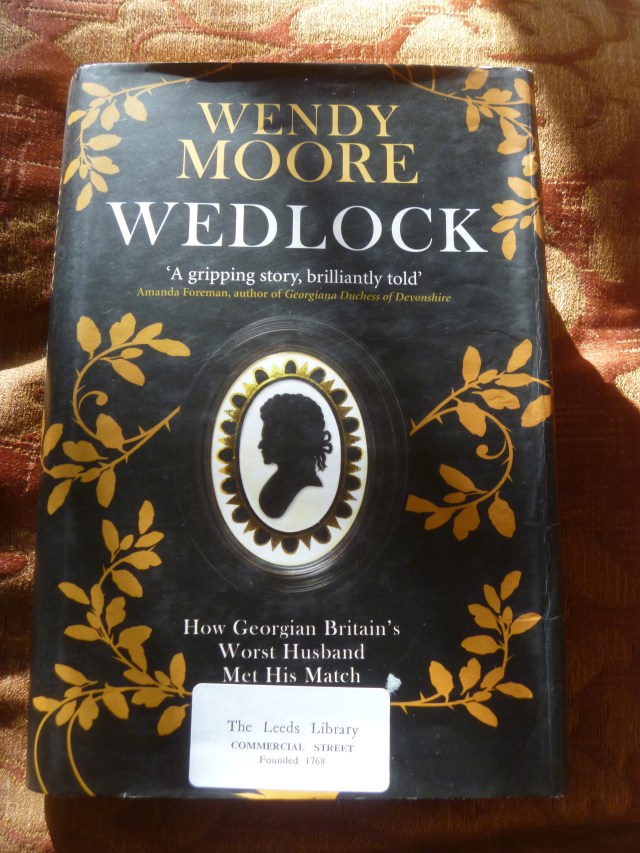
Last week I finished reading ‘Wedlock’ by Wendy Moore, subtitled on the cover ‘How Georgian Britain’s Worst Husband met his Match’. And what a tale it tells. It’s been recommended to me from several sources not least from Nilly Hall‘s wittily titled ‘Bowes and Cupid’s Arrows‘ published last February.

Wedlock

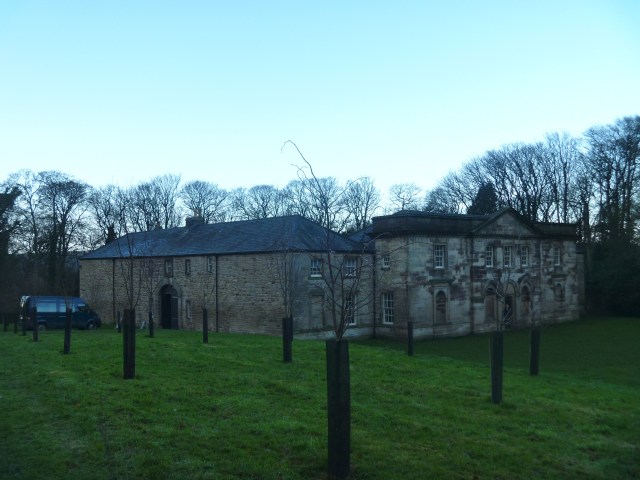
The book is the story of Mary Eleanor Bowes (1749-1800) daughter of the coal baron creator of “Gibside, a Georgian ‘grand design’ on a spectacular scale. The vision of coal baron George Bowes, the Palladian chapel is an architectural masterpiece, the stable block is a vibrant learning and discovery centre, and the once grand hall is now a dramatic shell. Gibside is also a haven for wildlife with red kites often circling in the skies above.” [NT]

Stable Block 2

The Stable Block

Gibside just a few miles from Newcastle is now the property of the National Trust. I have visited Gibside twice. The most recent time was just last December on my way to a course at Sage plc.

The Chapell

The Chapell

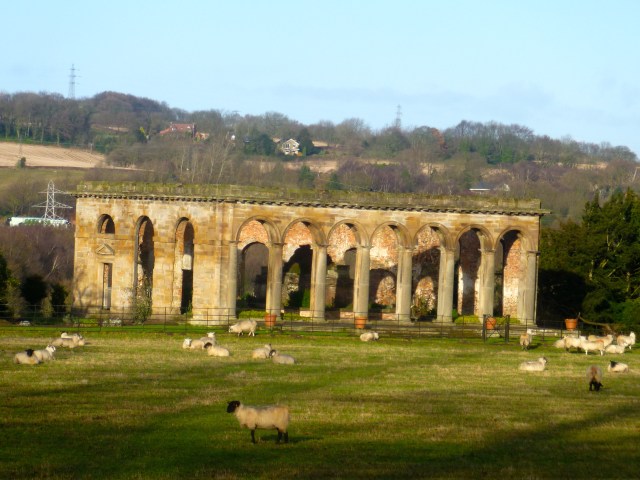
Orangery

The Greenhouse or Orangery

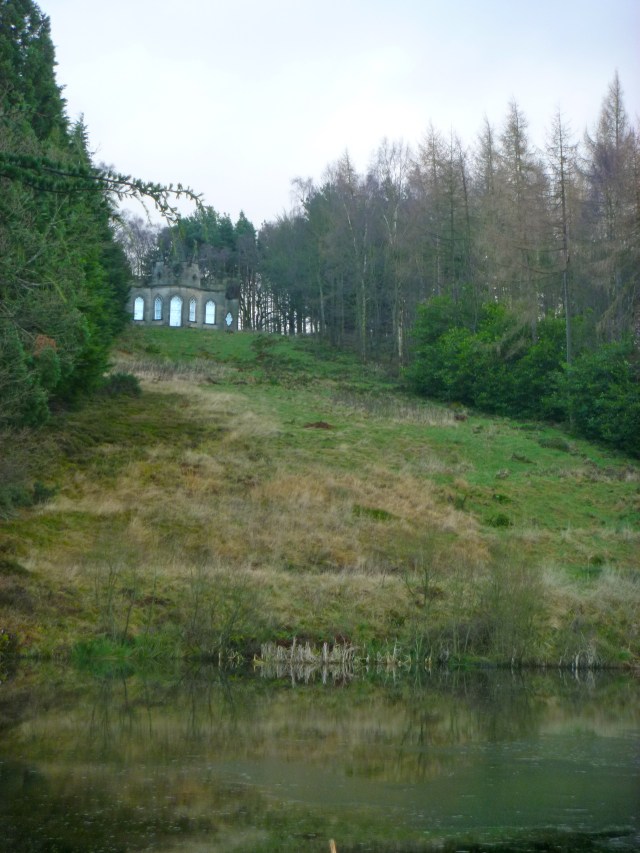
Banqueting House

The Banquiting House

The water feature below the Banqueting House was an elegant octagonal pond built in the Greek style to add to the stately vistas. A fountain cooled he air and statues stood on the terraces above. The Banqueting House was restored by The Landmark Trust after many years of neglect. That same neglect has had some happy consequences for the pond. It is now a Site of Special Scientific Interest (SSSI) for its population of great crested newts. There are no plans to restore the Octagon Pond as any such work could destroy the habitat of these shy and rare creatures, as well as upsetting the many other types of bird and aquatic life that thrive here. [Extracted from the Information Board at the Pond]

A highly educated woman for her time Mary Eleanor’s father, George Bowes, died when she was 11 leaving her a vast fortune and prey to future gold-diggers. She married her first husband, John Lyon, the 9th Earl of Strathmore, in 1767, gave birth to five children in six years and was left a widow when Lyon died of tuberculosis in 1776.

Her second marriage to Andrew Robinson Stoney, an Anglo-Irish adventurer, was a total disaster. Self-styled ‘Captain’ Stoney duped Mary into marriage in 1777. From then on she was brutally treated and virtually held captive by him. Finally, she did manage to escape his clutches and even to divorce him – highly unusual at the time. He is the origin of the term “stony broke” – he died in a debtor’s prison – and he was the inspiration to William Makepeace Thackeray who learned of Stoney Bowes’ life story from the Countess’s grandson John Bowes and used it in his novel “The Luck of Barry Lyndon.” 

Stoney’s or Bowes’, as he is called in the book (in compliance with Mary’s father’s will, Stoney changed his name to Bowes his marriage to Mary Eleanor), greed was responsible for the ruin of Gibside and the destruction of thousands of trees on the estate .

It is ironic that Mary’s father constructed the Column of Liberty in the grounds of the estate when for several years during her marriage to Bowes she was very far from being at liberty.

Column of Liberty

The Column of Liberty at Gibside

An Invitation to View : Lukesland

In addition to a shared love of reading  Lynne (alias Dovegreyreader) and I have a love of houses and a nosey poke around in other people’s – especially the grander sort – when we get an opportunity. The chance arose when I was wondering how to belatedly celebrate her big birthday on our annual Devonshire Day Out.
dgr can't wait

Dovegreyreader can’t wait to get inside Lukesland

Then I remembered “Invitation to View” an organisation that brings together house owners and those inquisitive members of the public prepared to pay to have a private guided to tour of their homes followed by tea and cake or a light lunch by the fire or in the garden depending on the time of year. A small number of houses in Norfolk and Suffolk were included in the early years. This number has increased quite significantly and a few years ago The Southwest joined the group and there are now 23 houses in Devon, Cornwall and Somerset included in the scheme.

So,  a couple of weeks ago I extended An Invitation to View to Lynne who accepted right away and we made our arrangements to meet last Thursday. Meeting at 11.30 in a favourite cafe of ours in Ashburton – Moorish – we allowed ourselves an hour and a half to catch up on each other’s families and reading and what-not, to drink tea, eat soup and, oh dear, have the first cake of the day. (Well, we were celebrating a birthday – any old excuse will do when the Moorish Tunisian Orange Cake is winking at you!).

Comfortably sustained by soup and cake Lynne drove us to Ivybridge and up out of town onto the edge of Dartmoor to Lukesland; the house  we were booked to visit. From about 1.30pm the gardens were opened to us and the house tour began at 2.30pm.

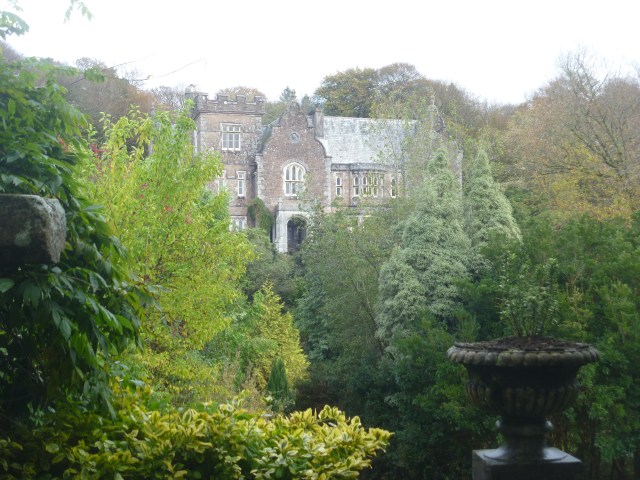
Lukesland

Lukesland House and Garden

The gardens at Lukesland are generally open to the public in the spring and in the autumn. We thought there would be more autumn colour in early November than there was but nevertheless we enjoyed a chatty wander and took some photos as photography inside the house is not permitted.

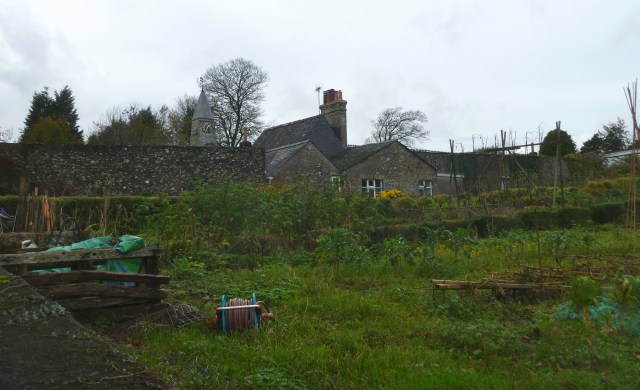
Kitchen Garden

The Kitchen Garden

The Kitchen Garden was the main garden of the original Tudor estate. It was much reduced in size by the Victorian owners in order to build a drive between the house and the stables (under the clock in the photo). The garden produced vegetables for the family, the domestic staff and for the farm workers on the estate until the 1940s. Since 2005 parts of it have been let as allotments to local Ivybridge residents.

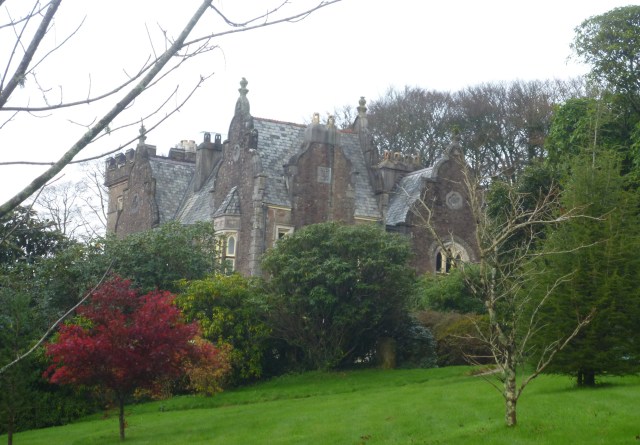
Lukeland sfrom garden

Lukesland

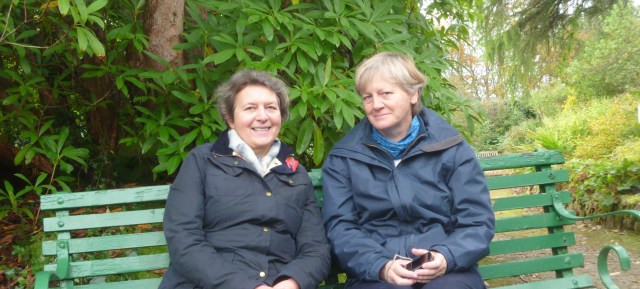
Milady and Doevgreyreader

Milady and Dovegreyreader at Lukesland

By 2.30 about 14 of us were assembled in Rosemary Howell’s sitting room waiting for the talk and tour to begin. Rosemary and her daughter-in-law Lorna welcomed us to the house and told us the brief history of the place.

The Place Names of Devon lists “Lukesland” as being derived from the family of John Lucas in the 1330 Lay Subsidy Rolls.”  There is evidence – written and in carved stonework – of settlement at Lukesland during and ever since Tudor times.  The Tudor house was called Lukesland Grove. In 1863 a new (the current) house was built of Dartmoor granite and Portland stone on a new site and in the popular Victorian Gothic style for William Edwin Matthews, as a base for hunting on the moor. “Around 1875, Matthews was obliged to sell Lukesland and it was bought by James and Barbara MacAndrew, who came from the family of the London-Liverpool shipping line of that name.”

Howard Howell, a Canadian who came to Britain with the Canadian Expeditionary Force during the First World War, worked locally in forestry and married a Welsh woman, Muriel Neale and they settled in Exeter later buying Lukesland. The estate was in its heyday before the Second World War.

A second phase of landscaping of the garden took place. A pond was dug (‘The Lower Pond’ as it is now), many waterfalls installed and three stone-arch bridges built (one, just below Rh. smithii, collapsed after a flood undermined the foundations in the early 1970s). A bathing pool was built on the island in front of the house, and a much bigger range of rhododendrons was planted, along with other shrubs and trees. Although the Victorians had planted some newly introduced exotic trees in the Cleave, including some Wellingtonias, this was the first time that the garden was really diversified. Many more flowering shrubs were available by the 1930s, and Howard was a forester who took a keen interest in them.”

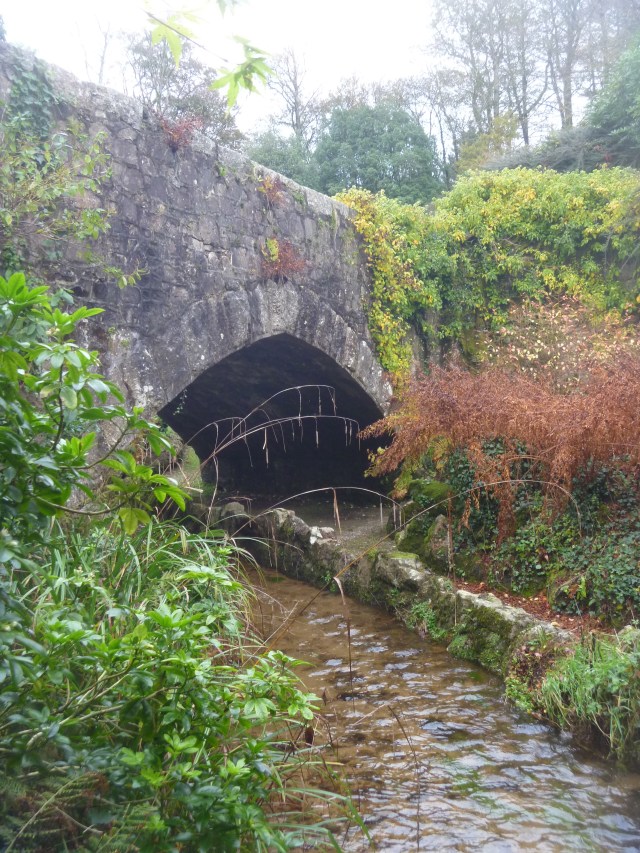
Bridge and stream

Despite all the social changes in Britain since the War the Howell’s have lived on at Lukesland making changes and adapting the house and garden. Rosemary and her husband Brian moved in in 1975. Brian’s background was also in forestry. A lot of work needed to be done on the house. Brian died in 2003 and his son John and wife Lorna moved in in 2004. Adaptations include opening the gardens and tea room and letting holiday accommodation in out-buildings and in a wing of the house itself. [Adapted from Source]

Rosemary’s sitting room was in a separate wing of the house created by the insertion of a gothic-style but fully glazed door which separates it physically from the main body of the house. But done in this way I’m sure she still feels very much a part of the family.
We were then shown a larger sitting room and the big family kitchen created from a butler’s pantry and other servants’ quarters. It seems as if nothing is thrown away at Lukesland. Lorna joked as we moved from one scullery or dairy to the next that after the national collection of wallpapers we moved on to the national collection of flower vases. I kept making mental notes to self – get that loft and cellar cleared out!
Upstairs there seemed to be a multitude of bedrooms and bathrooms created from bedrooms all of which seem to be in use. There is also a separate apartment which is let a long-term holiday let. The house has a sheltered courtyard behind and here as well is the old billiard room and former nursery converted to a tea room and in use when the gardens are open.

Finally we returned to Rosemary’s sitting room where DGR remarked that the shabby, but not threadbare, rugs seem to be a feature of these old properties and I was able to tell her that the Landmark Trust would never use a new rug in an old property and that they have a huge store of suitably worn rugs ready to furnish future properties.

Tea and delicious home-baked cakes (yes, we carried on in the tea- and cake-tasting tradition established over the years) were served by the log fire and we discussed further what we had seen and how these lived-in houses are constantly evolving and adapting and how nice it was to see bookcases in every room, everyday objects and even imagining ourselves descending the stairs in Edwardian times as if we lived there!

Sky leaving Lukelands

Leaving Lukesland

Garden Walks in the City of London : Gardens, Inns and Alleyways

GARDENS, INNS AND ALLEYWAYS
Meet At Chancery Lane Tube Station, Exit 3
Fridays at 12.00 Noon (accept Good Friday 29 March 2013).

A walk through London’s historic legal quarter, exploring glorious hidden gardens, distinguished and ancient buildings and hidden alleyways. Venture into a private world where few walkers stray – unless they have need of a lawyer!.
This walk includes steps and ends at the river near to Temple Tube Station.” [Source]

Staple Inn Garden

Staple Inn Courtyard Garden

This was our choice of activity when I met my sister in London on Friday. Eight of us, including three French women, turned up at Chancery Lane Tube Station at noon just as the rain was stopping and the skies were brightening. We met Jackie who was to lead the tour and she took us just behind the station and into Staple Inn garden.

Staple Inn

“Staple Inn was originally attached to Gray’s Inn, which is one of the four Inns of Court. The Inns of Chancery fell into decay in the 19th century. All of them were dissolved, and most were demolished. Staple Inn is the only one which survives largely intact. It dates from 1585.” [Source]

The name Staple Inn comes from the fact that the building (dating from 1585) was originally the wool staple where wool was taxed and weighed.

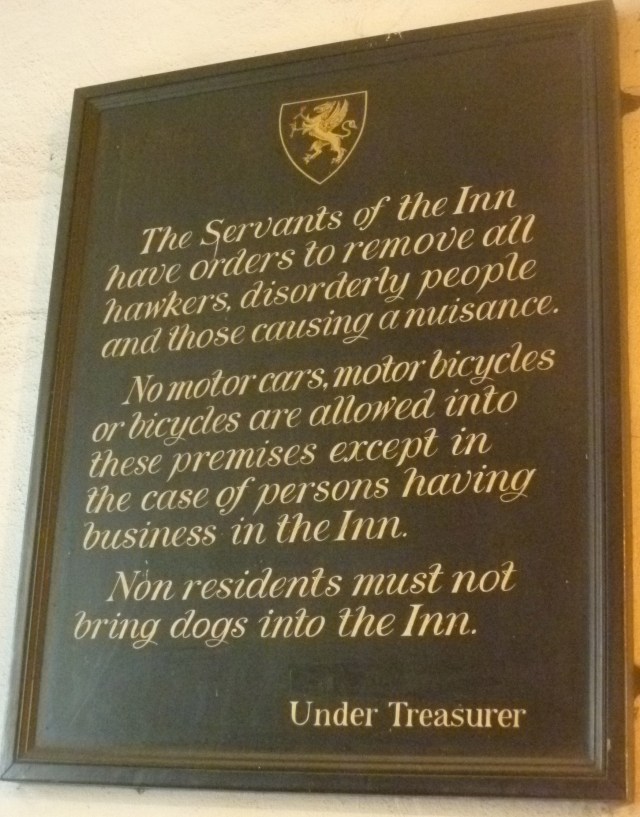
Grays Inn notice

There’s a lot of building work going on here so we didn’t tarry, just had a quick look round and then headed straight over Holborn and into our second garden that of Gray’s Inn.  “The Inn is known for its gardens, or Walks, which have existed since at least 1597.” [Source]

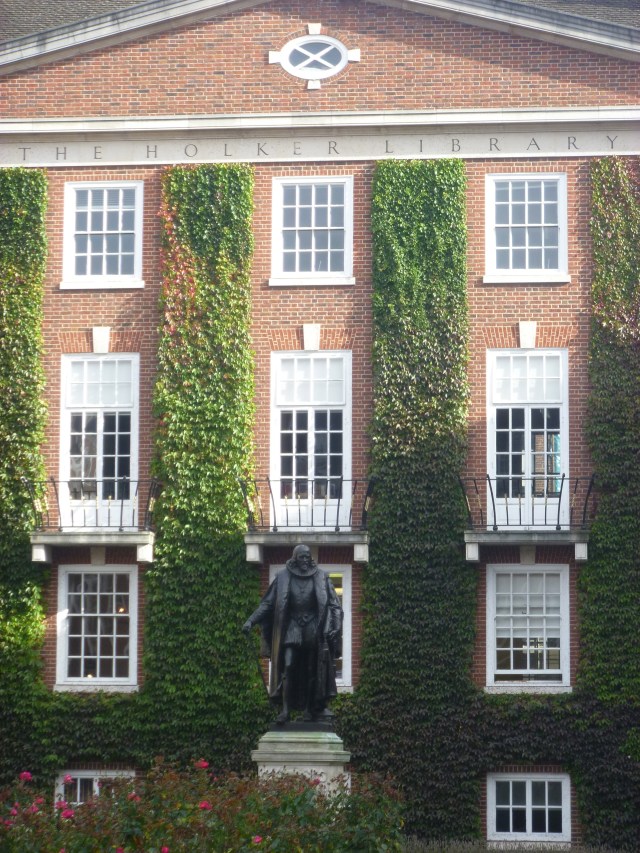
Bacon and Holker Library

Statue of Francis Bacon (1912) and The Holker Library

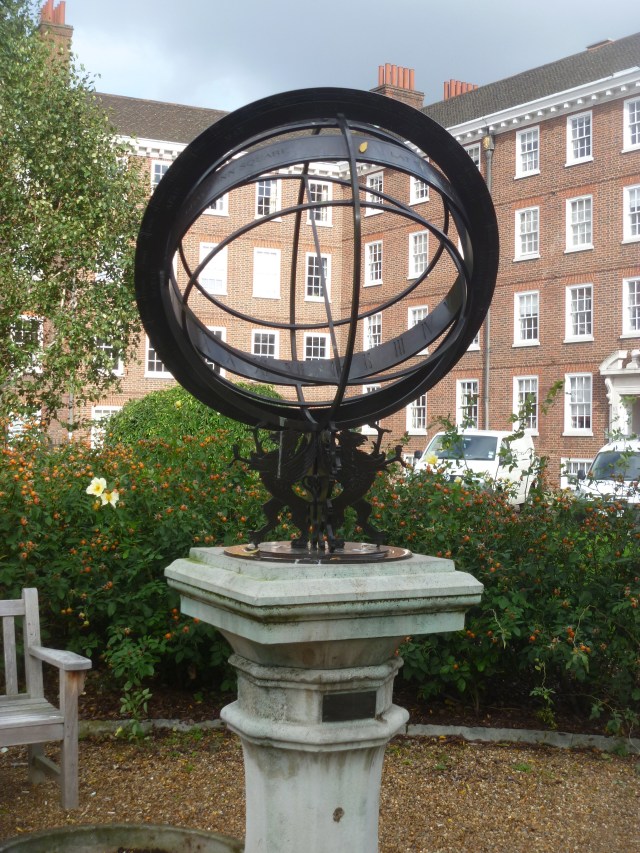
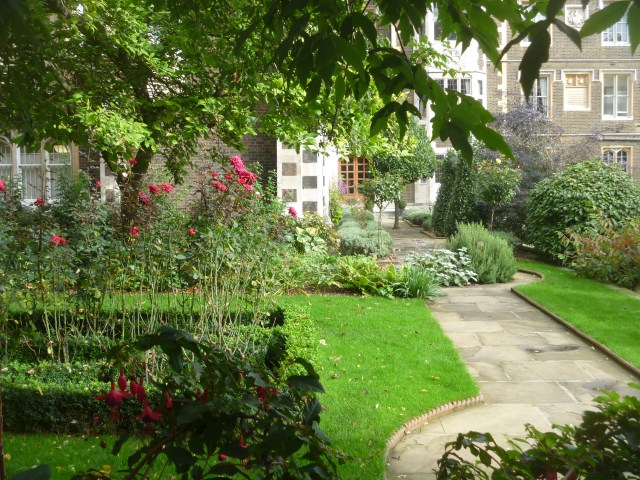
All of the gardens visited are havens of peace and tranquility and are just steps from the busy City of London streets. Gray’s Inn gardens are no exception. Dickens worked as a clerk here in 1828, and it features in several of his books including ‘David Copperfield’ and ‘Great Expectations’. There is a statue of Francis Bacon outside the Holker Library and through another arch and in another part of the gardens is an armillary – a form of sundial.

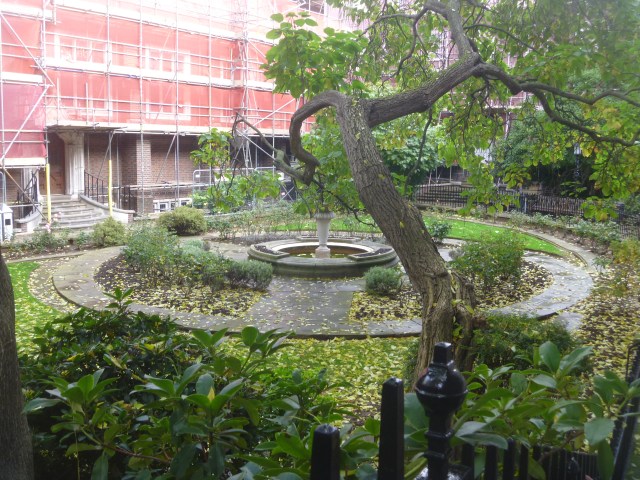
Peaceful Grays Inn

Peaceful Gray’s Inn Garden

Armillary consisting of hoops or rings

The Armillary

Grays Inn

The Gray’s Inn Walk

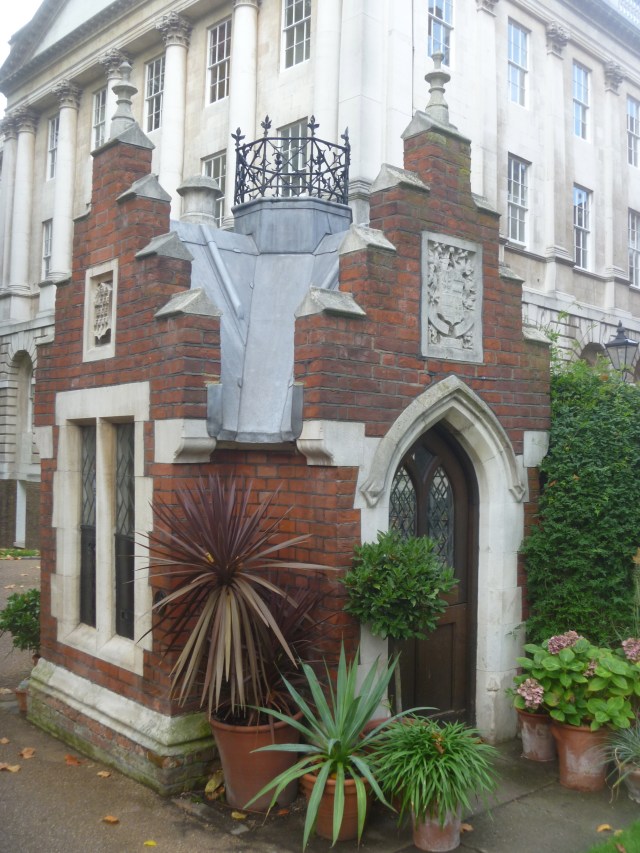
Back on the south side of Holborn is Lincoln’s Inn. Beautiful gardens surrounded by beautiful ancient buildings. On entering from Chancery Lane we came across a tiny ornate building which Jackie explained was the smallest City Grade 1 Listed building which had originally been built in 1860 for the man attending to law students’ horses while they worked : The Ostler’s Hut.

Lincolns Inn Ostler's Hut

The Ostler’s Hut, Lincoln’s Inn

Lincoln's inn

Lincoln’s Inn Chimney Pots

Lincoln's Inn rose

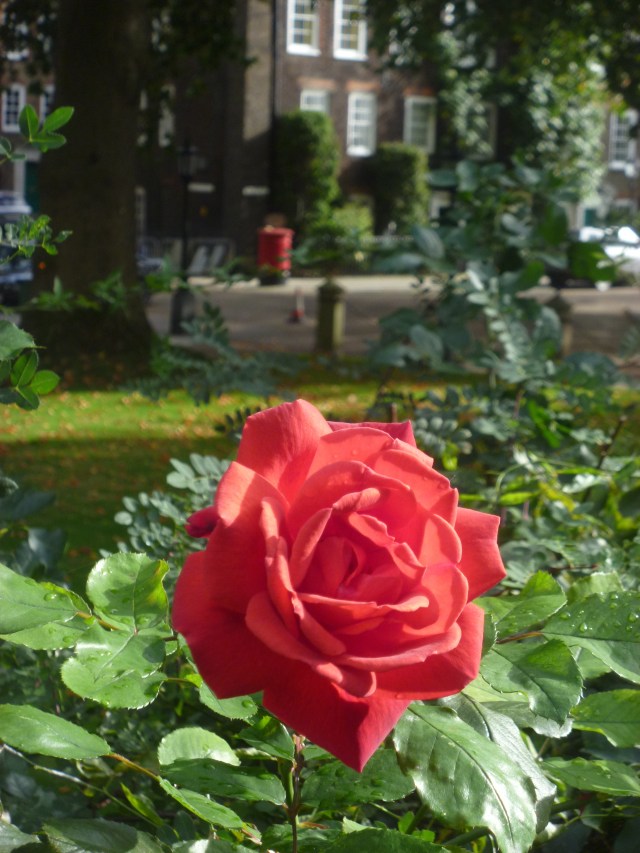
The Last Rose of Summer? Lincoln’s Inn

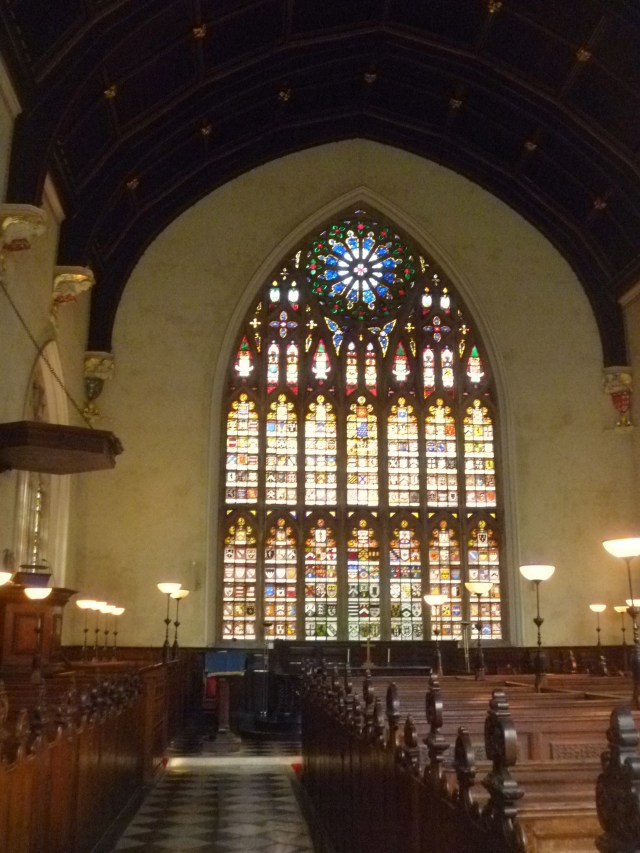
In Lincoln’s Inn we were able to go in the Chapel where the windows show the crests of the Treasurers from 1680 to the present day. The Treasurer is the head of the Inn and changes annually.

Lincoln's Inn Chapel

Lincoln’s Inn Chapel

L Inn Chapel window

Lincoln’s Inn Chapel Window

Lincolns Inn dry garden

Lincoln’s Inn tiny ‘dry’ courtyard Garden

Lincolns Inn herb plan

Lincolns Inn herbs

Lincoln’s Inn Herb Garden

LI looking back at herbs

Leaving Lincoln’s Inn

Leaving Lincoln’s Inn through Bell Yard we crossed Fleet Street and arrived at The Temple. It’s another fabulous place for a quiet picnic on a fine day although watch out for limited opening hours of some of the gardens.

Hare Court, within the Inner Temple, is home to several Chambers and some very comfortable benches.

Hare Court IT

Quiet Comfort in Hare Court

Hare Court Inner Temple Chambers

Inner Temple

IT gardens

Inner Temple garden

Inner t garden

Inner Temple Gardens

It was at this garden, almost on the banks of the River Thames, that our City Gardens Walk ended. What lovely and still colourful, despite the autumnal weather, tranquil oases for further discovery and appreciation. Just our kind of “Quiet London“. So it was back to the bustle of Fleet Street and off to find somewhere for a late lunch.

Lancaster II : The Ashton Memorial in Williamson Park and The Judges’ Lodging

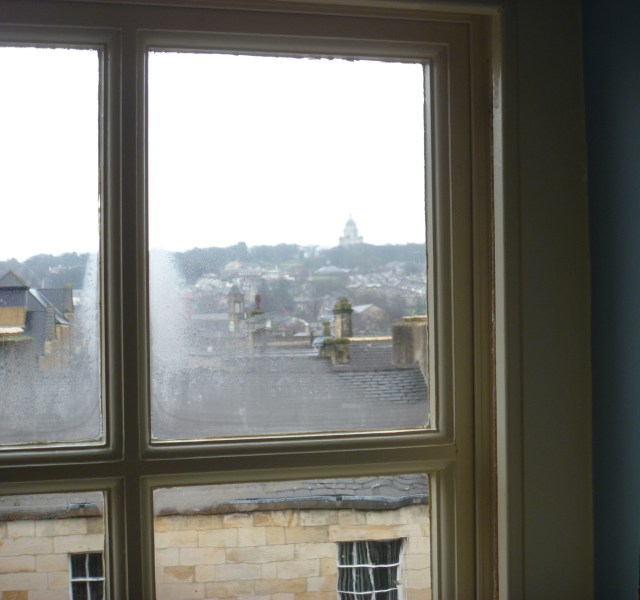
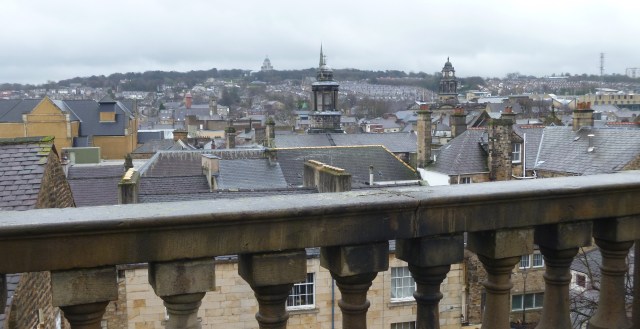
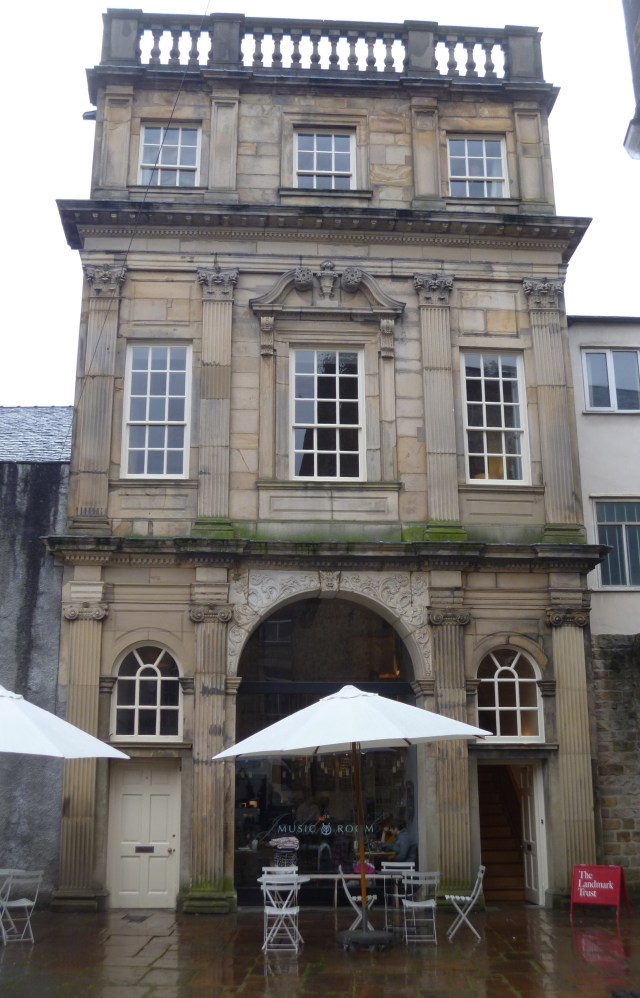
A couple of weeks ago I paid my second visit to Lancaster. The main purpose of my visit last March was meet a friend and visit the newly refurbished Landmark property The Music Room. From the Music Room roof we could see across the city Williamson Park and the very prominent Ashton Memorial. We promised each other that later this year we’d meet again and visit the Memorial.

Ashton M Ashton M from MR

The Ashton Memorial from Music Room Window and Roof

So that is what we did. Again we met at the Railway Station and headed for coffee and catch-up. Then we took the bus out of the city and up Wyresdale Road to the entrance to the park. In September the weather proved to be drier and sunnier than in March.

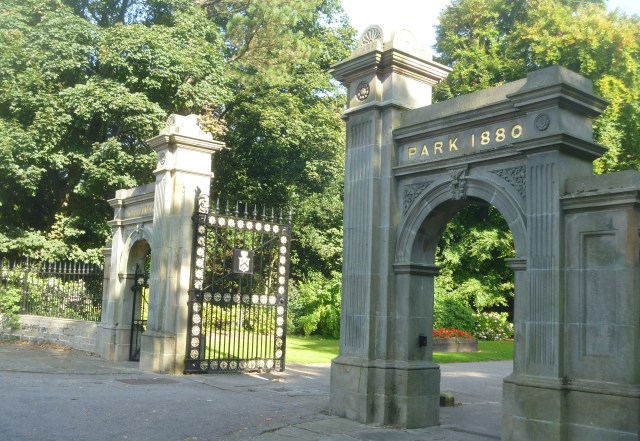
Gate Williamson Park

Williamson Park Gates

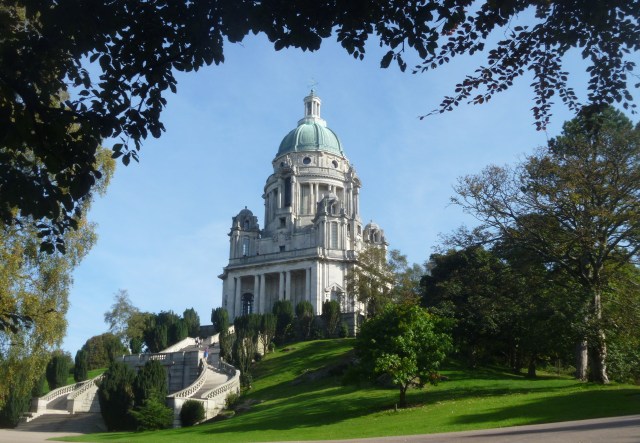
The Ashton Memorial was commissioned by Lord Ashton as a tribute to his late wife. It was designed by John Belcher and completed in 1909, the restored interior hosts exhibitions and concerts and can be hired for private functions, including wedding ceremonies.

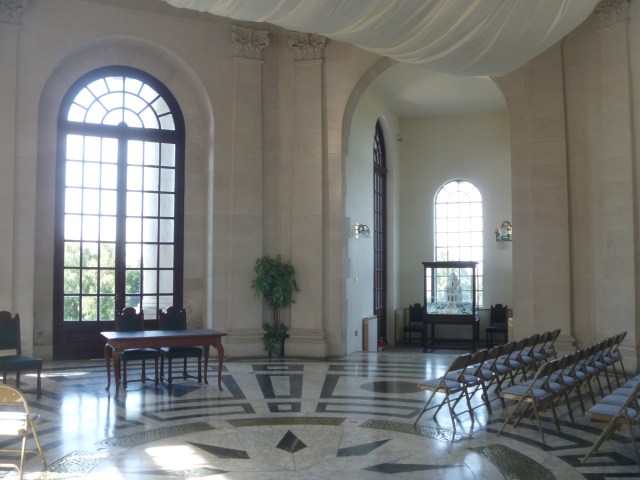
Externally, the dome is of copper. The main stone used in the building is Portland stone although the steps are of granite from Cornwall. Externally around the dome are sculptures representing “Commerce”, “Science”, “Industry” and “Art” by Herbert Hampton. The interior of the dome has allegorical paintings of “Commerce”, “Art” and “History” by George Murray. The ceiling is presently undergoing restorative works and has been covered with drapes.

Ground Floor Wedding Venue

The Ground Floor Wedding Venue

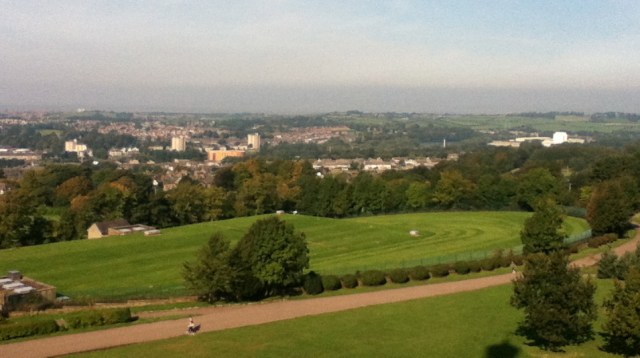
At around 150 feet tall it dominates the Lancaster skyline. The first floor outdoor viewing gallery provides superb views of the surrounding countryside and across Morecambe Bay.

[From The City Council website]

Ashton Memorial

The Ashton Memorial in Williamson Park

Hazy view to coast and Morecambe

Hazy View from the Gallery to Coast at Morecambe

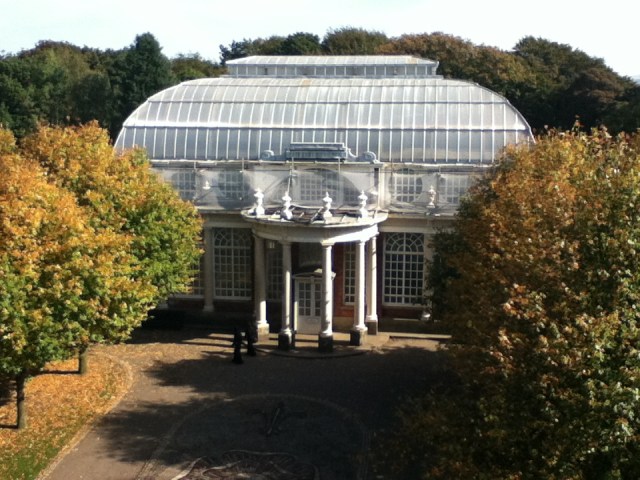
It’s a lovely park with lakes and follies, woodland paths and a Butterfly House in the original Edwardian Palm House. We ate our lunch from the very nice Pavilion Cafe out on the sunny terrace.

Butterfly House

Butterfly House

We decided to walk back to the city centre and had a peep at the Lancaster Grammar School Hall and the Roman Catholic Cathedral of St Peter on our way.

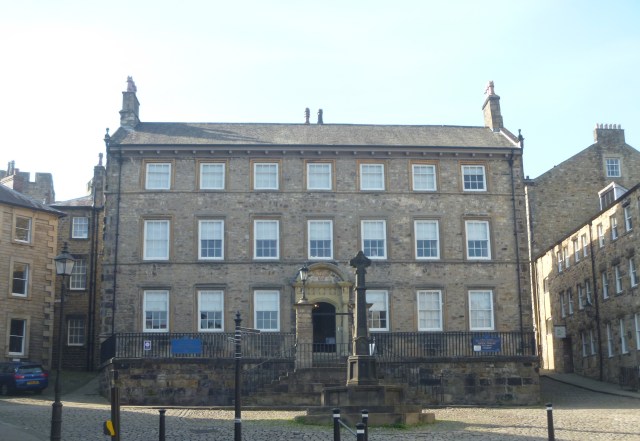
The Judges’ Lodging is so called because it was where until the 1970s the circuit judge would be accommodated during his visit to the Assize Court in the Castle.

Judges' Lodging

Discover the treasures of Lancaster’s oldest town house

Built in the centre of Lancaster against the backdrop of Lancaster Castle and Lancaster Priory this elegant, Grade I listed building is Lancaster’s oldest town house. The house was originally home to Thomas Covell, Keeper of Lancaster Castle and notorious witch hunter. Between 1776 and 1975 the house became an impressive residence for judges visiting the Assize Court at nearby Lancaster Castle.

The museum is now home to a renowned collection of Gillow furniture which is displayed in fabulous Regency period room settings, fine art and also the enchanting Museum of Childhood which explores toys and games from the 18th century to the present.”

[From the Judges’ Lodging website]

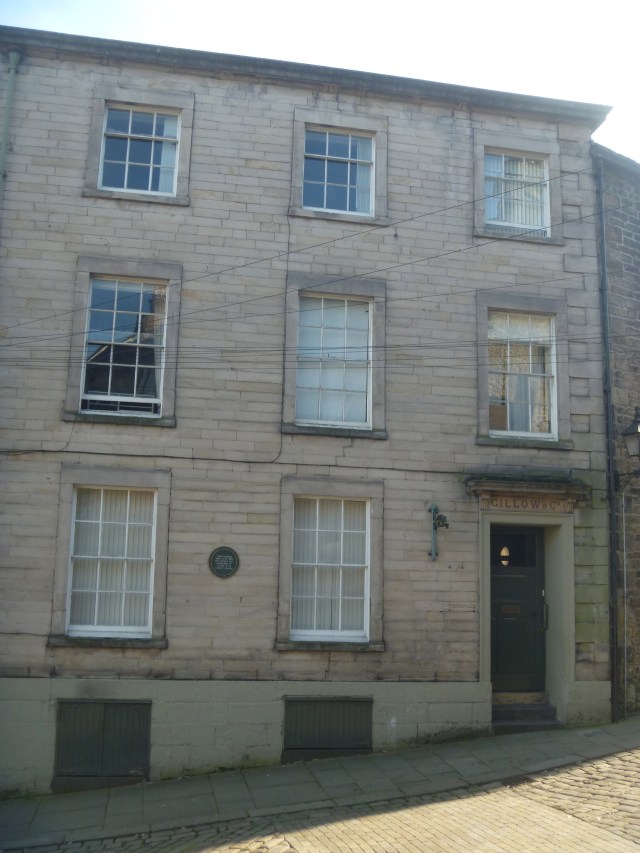
Gillow Lancaster

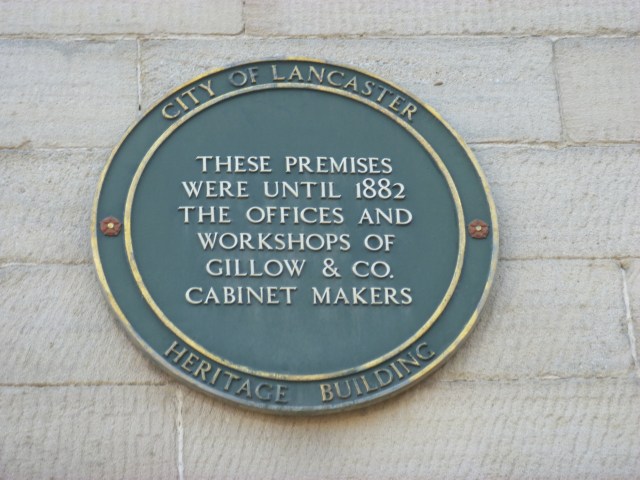
Gillow Plaque

The former Gillow and Co. workshop and offices is next door to The Judges’ Lodging.  After our visit (No Photography Allowed) there was just time for a cup of tea outside the cafe below the Music Room in what is now called Lancaster’s “Coffee Quarter”.

Music Room Cafe

It was warm and sunny on our last visit!

The Secret Life of Wormington Grange

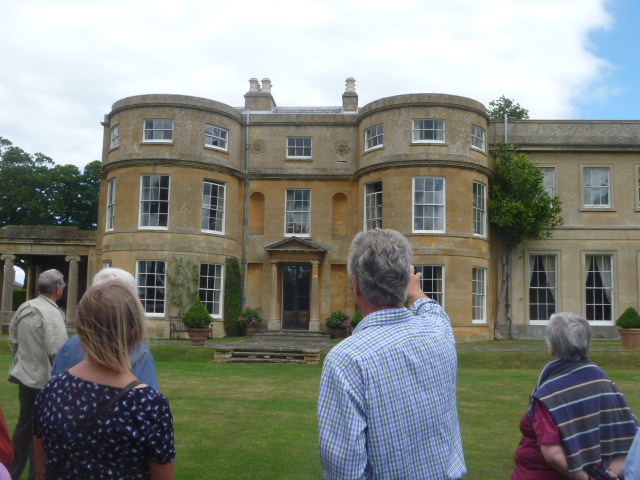
Wormington Grange

As you drive down the avenue of trees approaching Wormington Grange in Gloucestershire it appears as an elegant and serene Cotswold stately home.  Built of typical warm Cotwold stone and fronted by a smooth green lawn nothing gives a hint of what is going on in the stables and out-buildings behind the house.

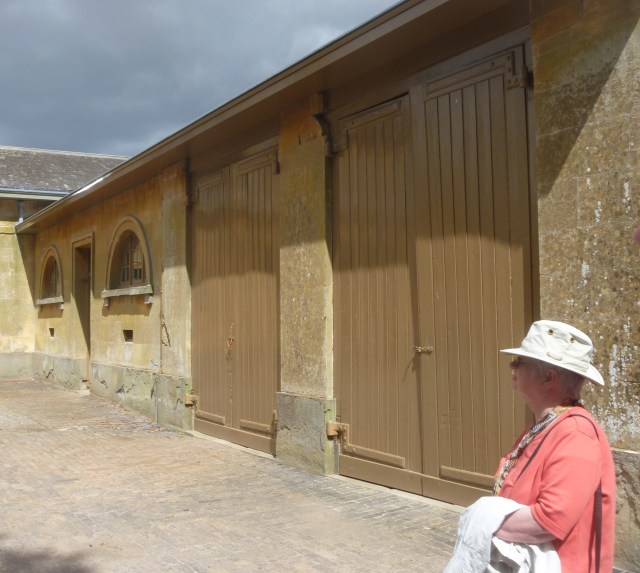
Wormington Store

The impressive stable block store

Wormington Grange is the home and work place of John Evetts The Landmark Trust’s Furnishings Manager and on Friday 9 August I had the honour and pleasure to have been included in a small group of Landmark Patrons and their guests at a private and ‘magical‘ tour behind the scenes. We were shown the store of furniture and furnishings and the workshops and told the history (accompanied by amusing anecdotes and asides) of the collection and of the house and grounds by Mr Evetts himself.

JE in garden

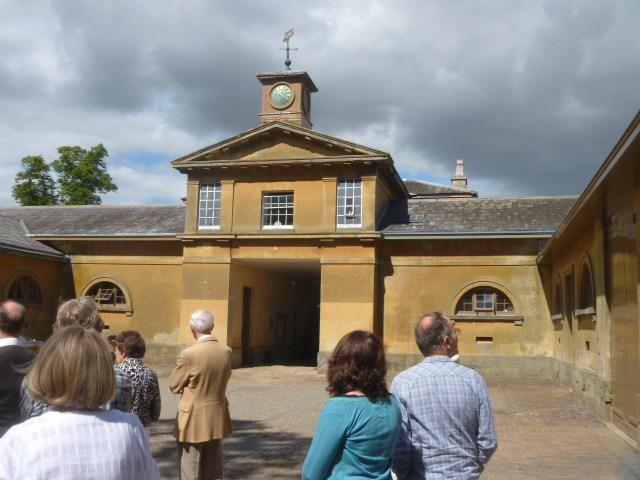
We started our tour behind the house at the impressive set of stable buildings.  John explained the history and architectural features and then … the moment of revelation … he unlocked each of the large heavy doors to reveal the furniture delights held inside.

Ann at Stables

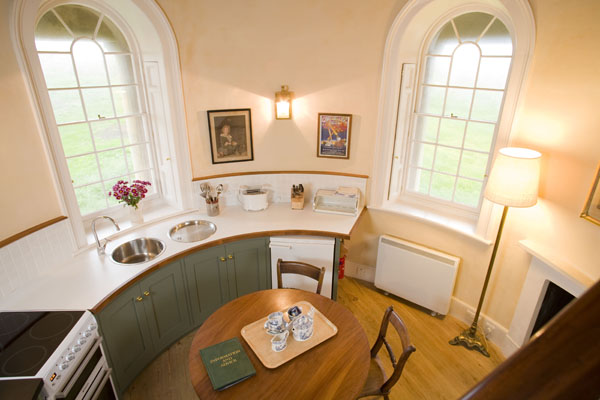
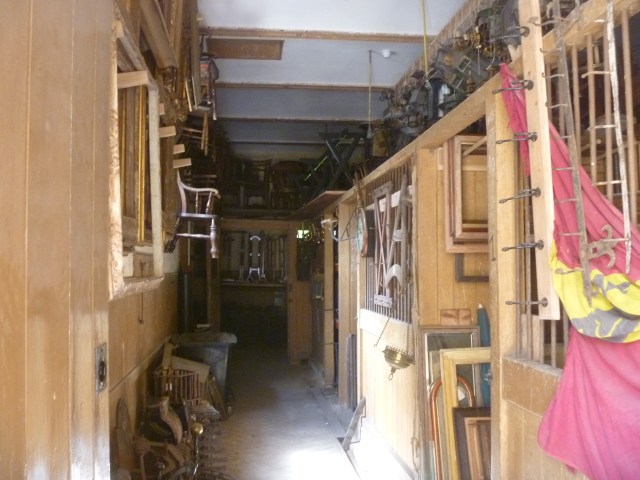
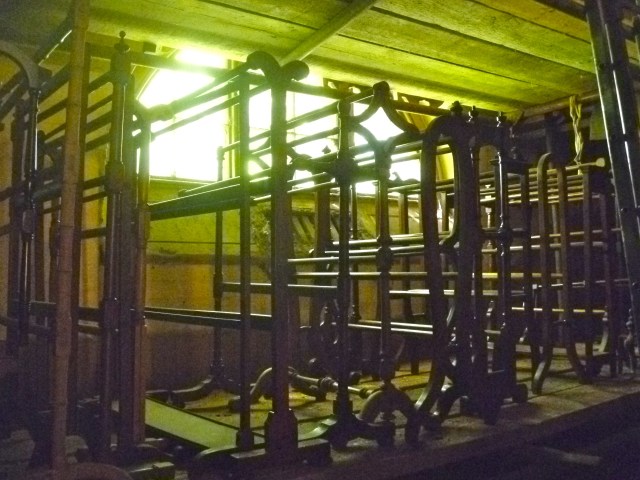
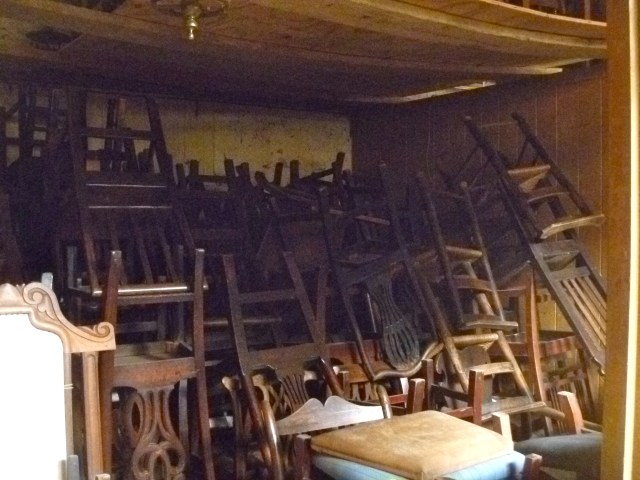
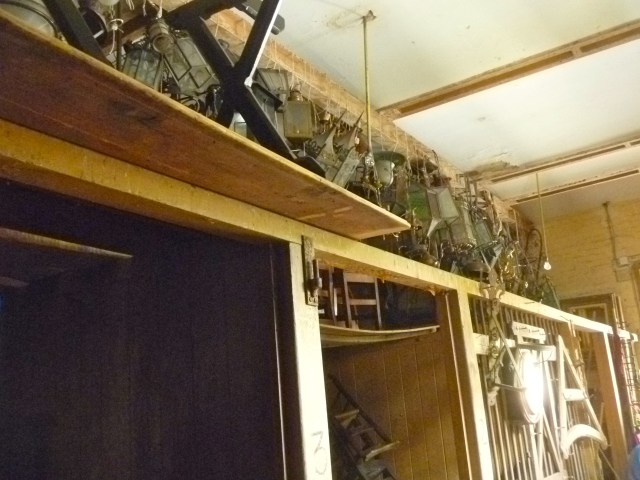
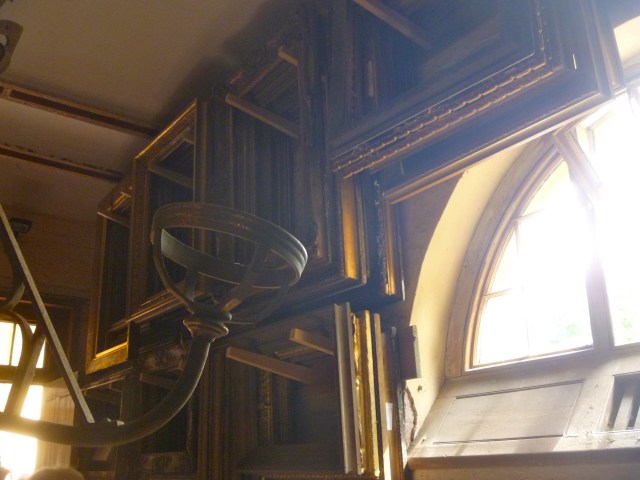
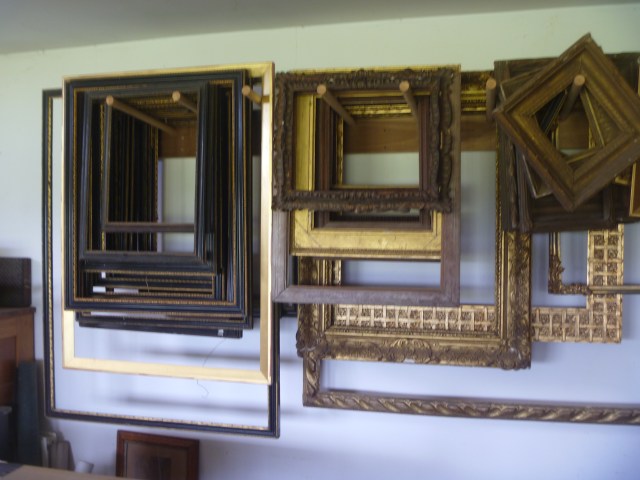
So much of it was familiar to us as devout Landmarkers! Here were ‘container’ pieces – chests of drawers, wardrobes and the like. There were shelves of towel rails and hook upon hook of picture frames and brass lanterns. Another former horse box was piled high to the rafters with kitchen chairs – and not just any old kitchen chairs – each one had been chosen for its shape and stretchers. John is on the lookout everywhere for the right furniture and suitable pictures. Years ago he bought ‘brown’ furniture at a higher price than today. Currently it is out of fashion. When Landmark acquire a ‘new’ property John is asked to provide suitable furniture, soft furnishings, pictures and often adapts items for new purposes or builds completely from scratch pieces to fit – like here in the kitchen at the Clavell Tower:

Clavell Interiors JMiller Oct 2008 (4)

Photo source.

As he travels up and down the country from Landmark to Landmark John is always on the look out for suitable pieces to add to the collection. He has special sources abroad – he finds suitably large bed heads in Italy and fabrics in France at the Marché St Pierre in Paris.

Inside Stable Store

Inside the Stable Store

Towel rails

How many towel rails?

Chairs

A Choice of Chairs

Brass lanterns

Brass Lanterns Abound

Picture frames

Picture Frames Galore

Prints

Prints for the Hanging

More frames

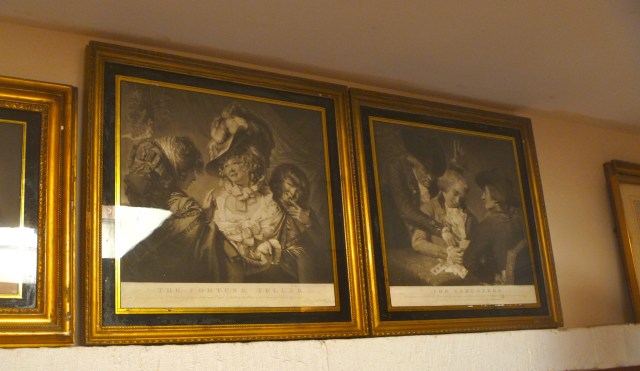
More Picture Frames – the Hogarth frames (left) for prints (currently being collected) for Belmont.

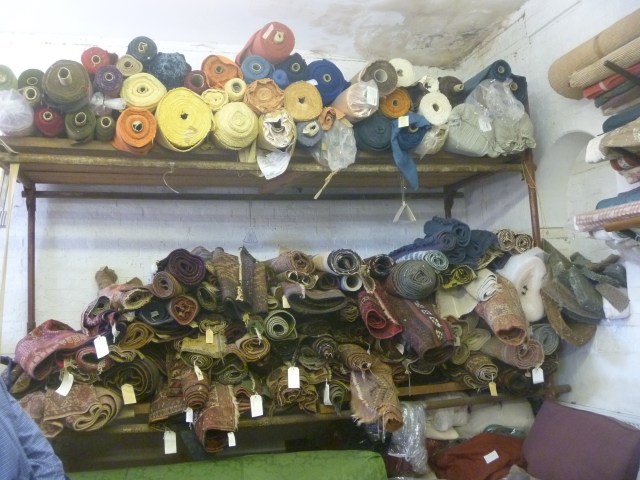
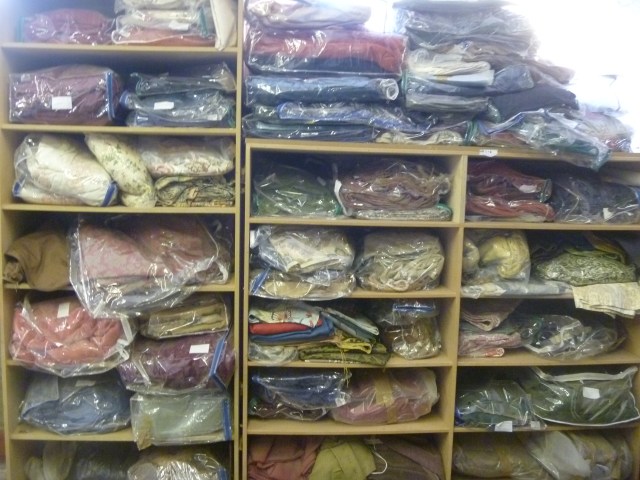
In the past soft furnishings were made up here, too. These days the orders are shipped off to Bideford in Devon where a specialist company can perform the ‘magic’ at a more reasonable price than can be done in house. The same for the actual sofas and easy chairs (I use the term guardedly!). These are now made to order by an upholstery company in Nottingham.

Soft furnishing fabrics

Rolls of Furnishing Fabrics

Easy chair and sofa covers

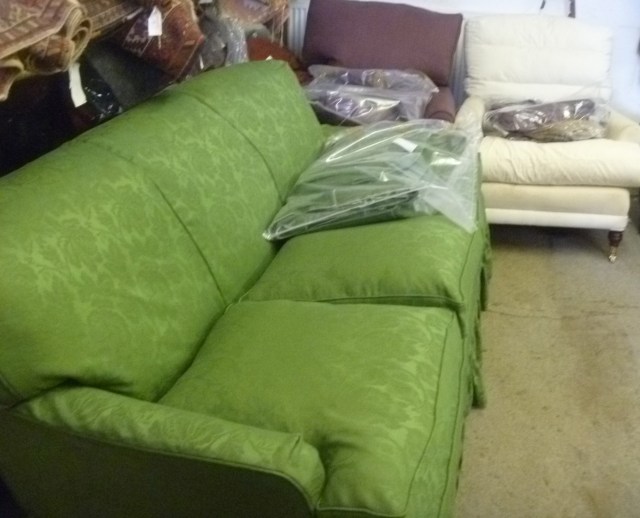
Easy Chair and Sofa Covers in Waiting

Sofa ready to go

Sofa Ready to go

After the tour we were invited into the house – equally as elegant and serene as it appears on the outside – for a buffet lunch. Here we could enjoy the Dining Room, Sitting Room and Hall and have a chance to meet other members of the group and talk Landmarks.

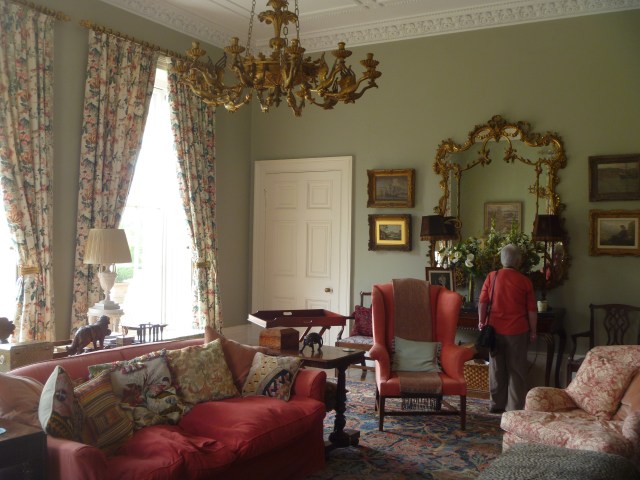
The dining room

The Dining Room

The sitting room

The Sitting Room

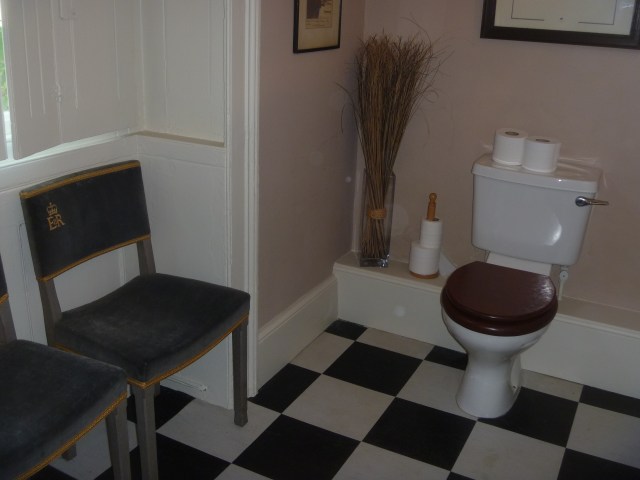
John Evetts’ grandfather was Lord Ismay former Chief of Staff to the Ministry of Defence 1940-46 and as chief military assistant to Winston Churchill during the Second World War he served on the Chiefs of Staff Committee. So it was interesting to see in the ‘Throne Room’ the chairs sat upon by Lord and Lady Ismay at the Coronation of our Queen in 1953.

The Throne Room

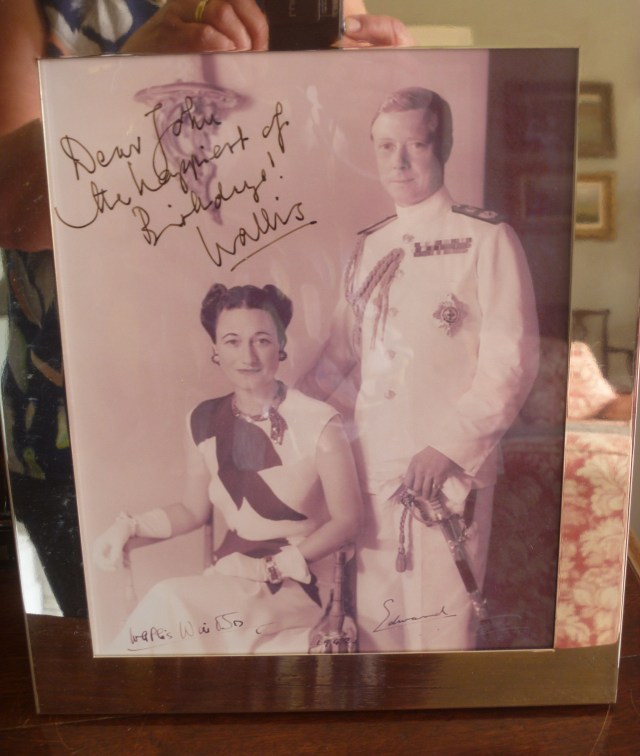
And even That Woman had connections here.

That woman she gets everywhere

I now view Landmarks and their furnishings with added insight – from the lamps and light bulbs through the towel rails and cushions to the double beds and sofas! Ann and I continued our Landmarking theme by staying at Saint Mary’s Lane in Tewkesbury that night where we were able to put our newly found knowledge to the test. Thank you, Ann, for a wonderful day out!

Croome Park, Court and Church

Last Thursday I met up with a good friend of mine at Coleshill Parkway Station for a couple of days’ adventures in Evesham and Tewkesbury.

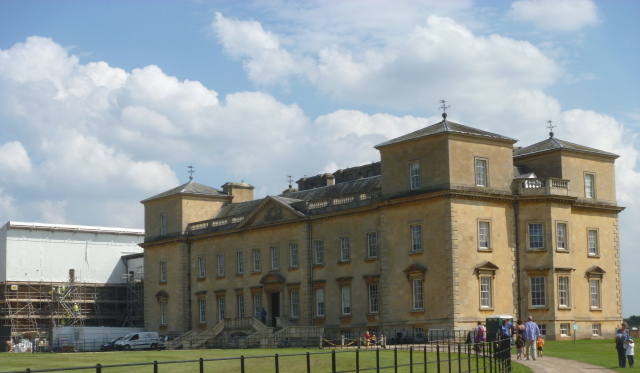
Croome Court

Croome Court

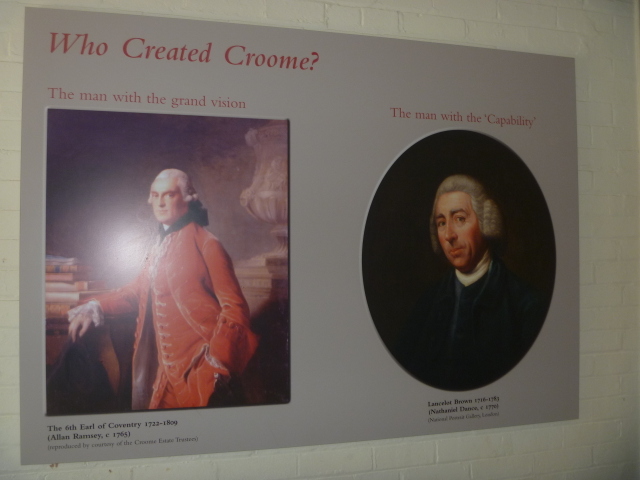
Our first port-of-call on meeting up was an hour’s drive away – the National Trust owned Croome Park and Court in Worcestershire. The park was the responsibility of ‘Capability’ Brown – he crops up everywhere, of course. The house has only been in the possession of the Trust for about 4 years. They have carried out an awful lot of work during that time and a lot more is ongoing. It will be interesting to revisit in a year or so to see what has been achieved/improved/changed using the £1.8m granted by the Heritage Lottery Fund under the programme “Croome Redefined”.

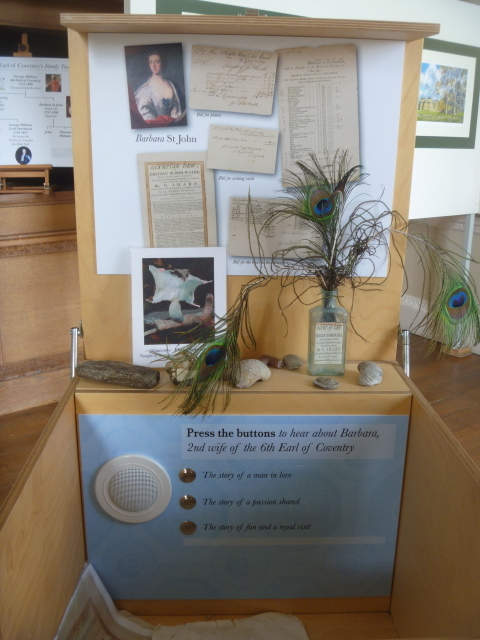
Coventry and Capability

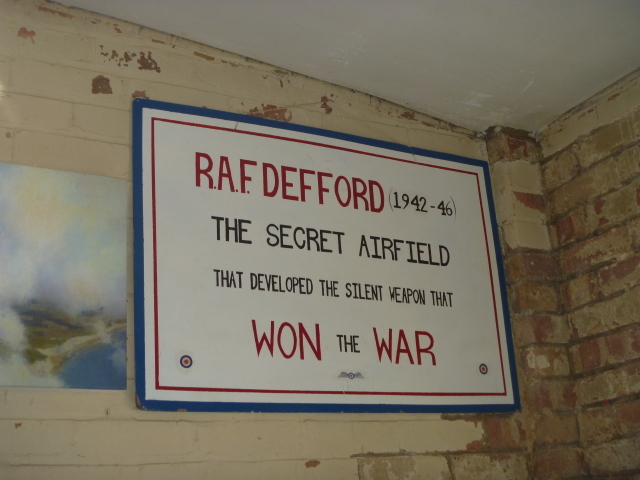
When you arrive the visitor centre seems to occupy what appear to be black painted army Nissen huts but on closer inspection are in fact restored RAF buildings which once served the nearby airbase as their sick quarters.  Exhibition rooms tell the story of RAF Defford.

Defford

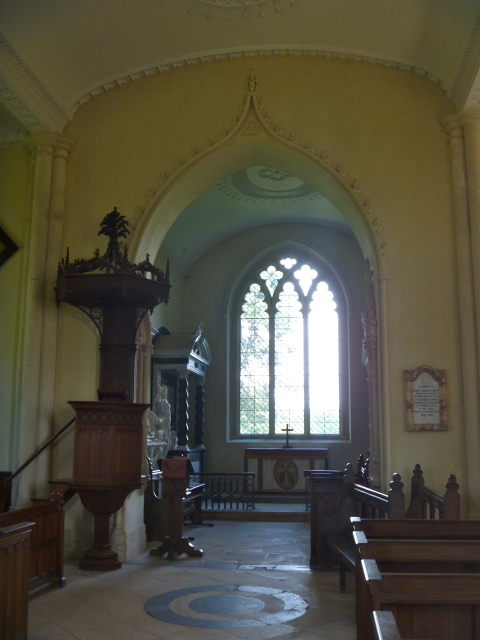
After our picnic we headed into the Park and the first stop was the church. The church of St Mary Magdelene, Crome d’Abitot is cared for by the Churches Conservation Trust and just celebrated its 250th anniversary in June. Gothick in style the building, like the house, is attributed to Robert Adam.

Croome d'Abitot Church

From the church, as time was limited and the house would close to the public at 4pm (the park stays open until 5.30), we made straight for Croome Court itself, missing a large selection of follies and the lake.

Croome Park

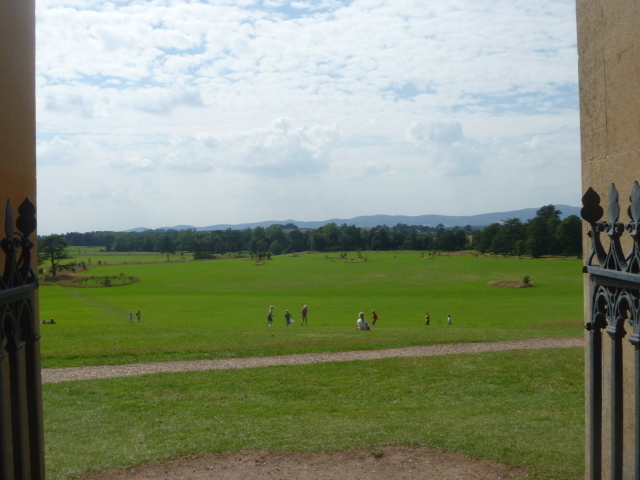
The Park from the Church Door

Church from shrubbery

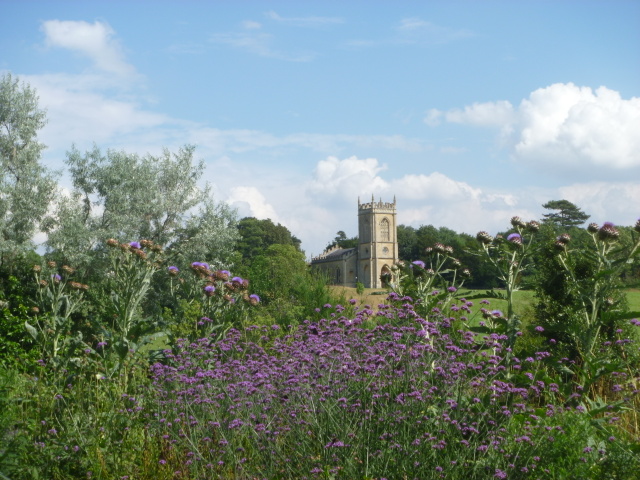
The Church from the Evergreen Shrubbery

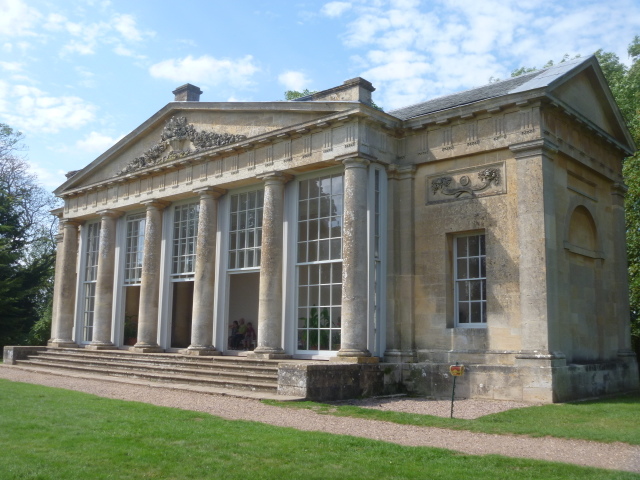
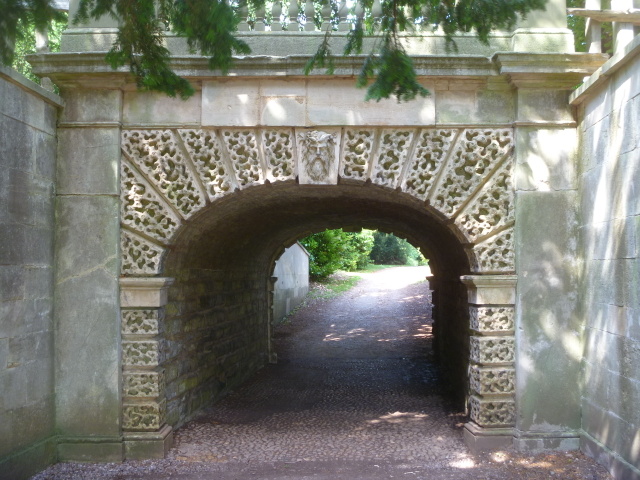
Our walk from the church to the house did take us past some follies notably The Temple Greenhouse and the Dry Arch Bridge. We noted Coade Stone had been used in several places. And as we walked along I was reminded of Stowe Landscape Gardens in Buckinghamshire and indeed it turns out that Brown moved from Stowe down to Croome.

Temple Greenhouse

The Temple Greenhouse

Dry Arch Bridge

The Dry Arch Bridge with Coade Stone Façade and Keystones

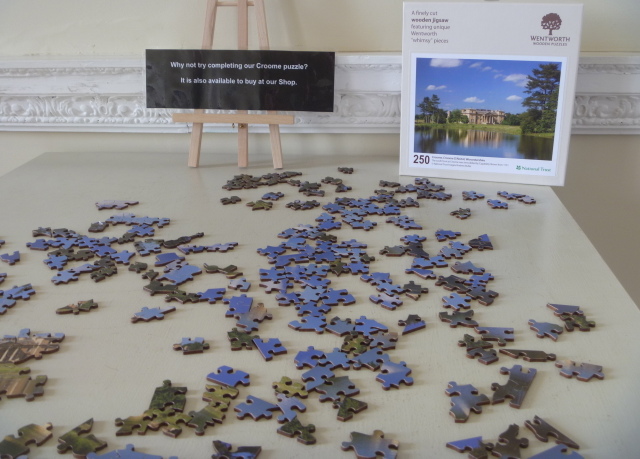
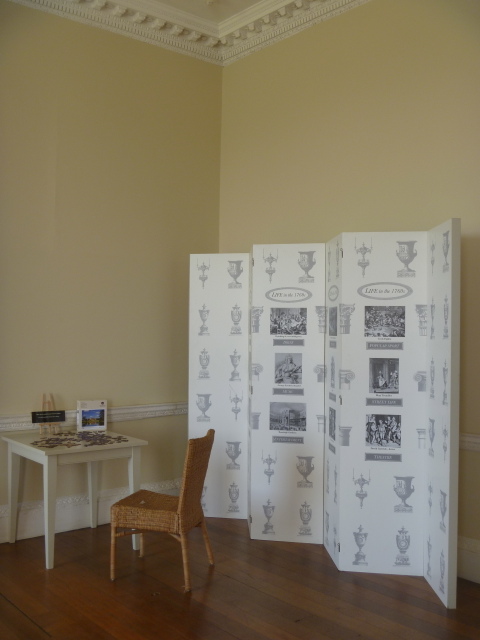
To me the house was a refreshing change from the usual ornate furniture, furnishings and priceless contents and restricting ropes. You could go anywhere and touch everything. Of course, there was nothing of value to touch and that may change as renovations and restorations continue but for the moment it suited me fine to read about the house and family; to listen to recordings of workers and hear what the inhabitants might have said; to dress up; contribute a few pieces to a jigsaw puzzle.

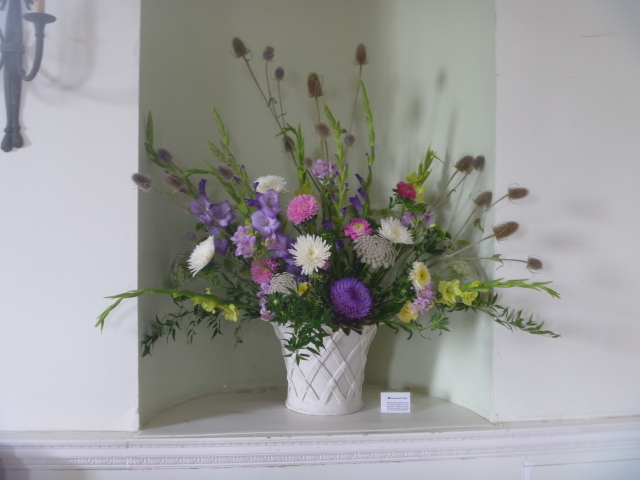
Donor Flowers

Flowers – given by a generous donor

Jigsaw

The Croome Park Jigsaw

Listen and read

Read and hear about former inhabitants

Croome Room

A Corner of Croome

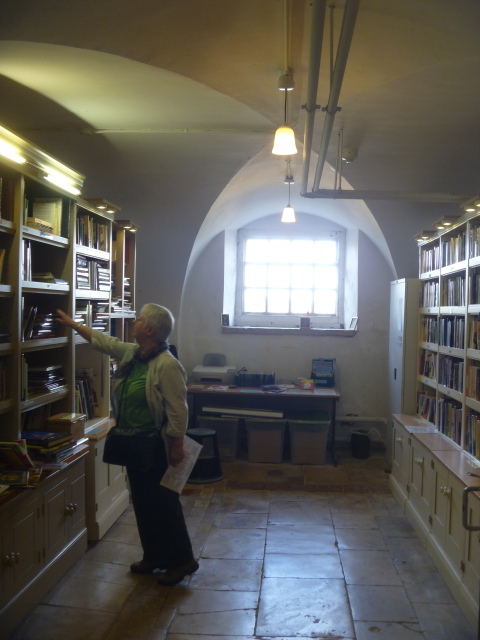
Croome Bookshop

Bookshop Browsing in the Basement

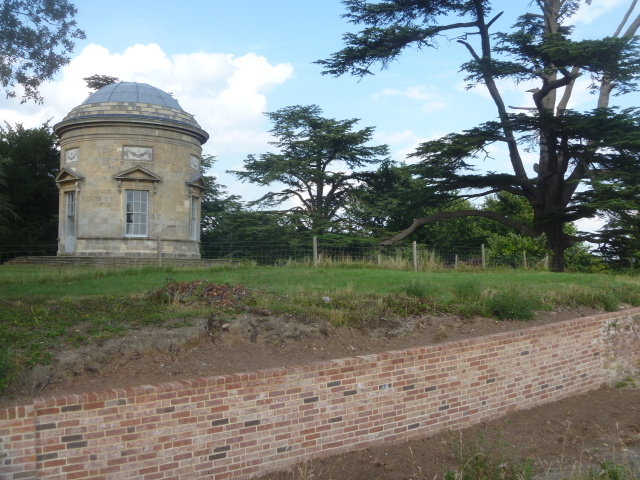
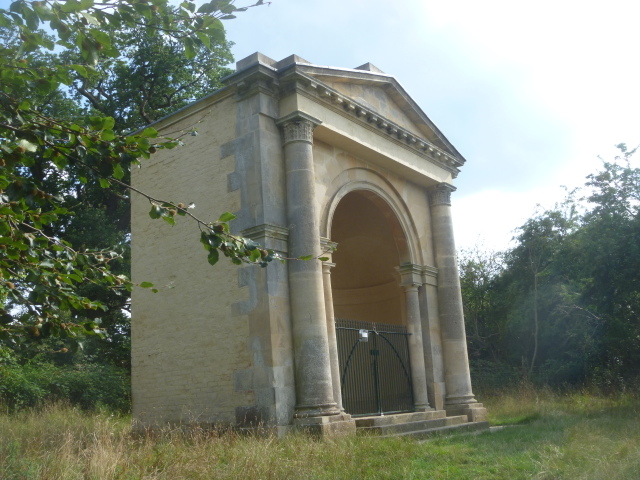
One of the rooms is now a tea room with some tables outside but we only had time for a quick browse and buy in the secondhand book shop before heading out into the park and a longish walk around the perimeter via the Rotunda and Park Seat.

Rotunda

The Rotunda and Ha-ha (Cedars planted by Brown)

Park Seat

Park Seat has the best views across the Park and the Court

We managed to leave at about 5.30pm knowing that we had left a few things to enjoy on a future visit!