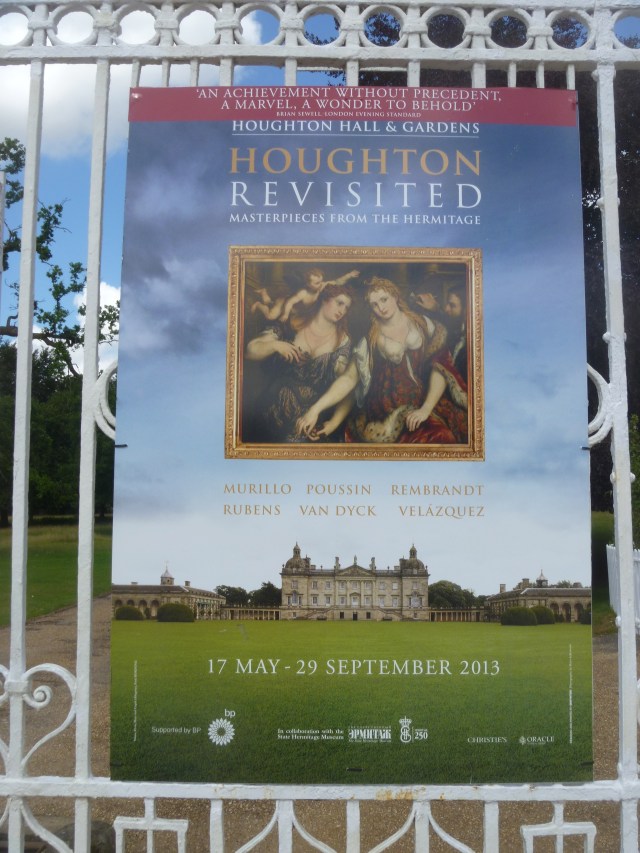
Houghton Revisited : Masterpieces from The Hermitage

Houghton Revisited

Fellow WordPress member Visiting Houses and Gardens wrote about her visit to Houghton Hall and Gardens and remarked that had the pictures not all been sold she would have given the house a five star rating. Well, this summer the pictures, although sold to Catherine the Great, have all been re-hung in the exact locations from which they were lifted 250 years ago. This unique exhibition is the result of a collaboration between the Hall and the Hermitage Museum in St Petersburg and a great deal of work has resulted in an exceptional country house visit.

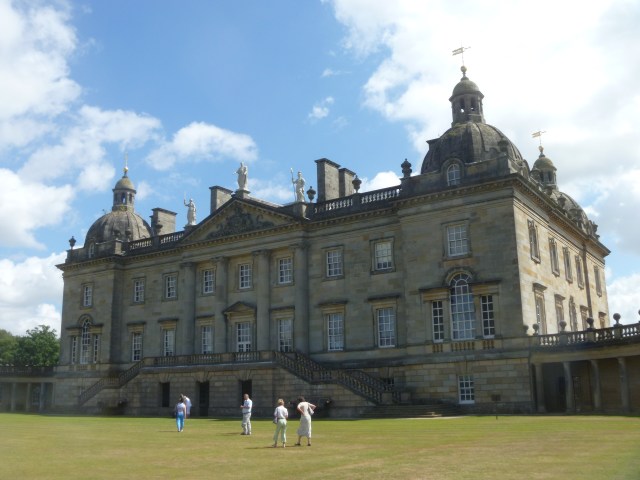
Houghton Hall

Houghton Hall

Last Saturday my sister and brother-in-law and I studied the Houghton Hall and other websites in order to get a foretaste of the show we were to visit the next afternoon.

http://www.bbc.co.uk/news/uk-england-norfolk-22439230

http://www.edp24.co.uk/news/gallery_and_mustard_video_prince_of_wales_says_houghton_hall_exhibition_is_once_in_a_life_time_experience_1_2187869#ooid=V1ZGVpYjpg7VNsOFDKDMBVTYD1rttT6-

No photography is allowed in the Hall so my pictures show the beautiful garden. Luckily we arrived in good time before our timed ticket slot and had time to inspect the Walled Garden in all its glory and have a cup of tea before the highlight of the visit: Houghton Revisited.

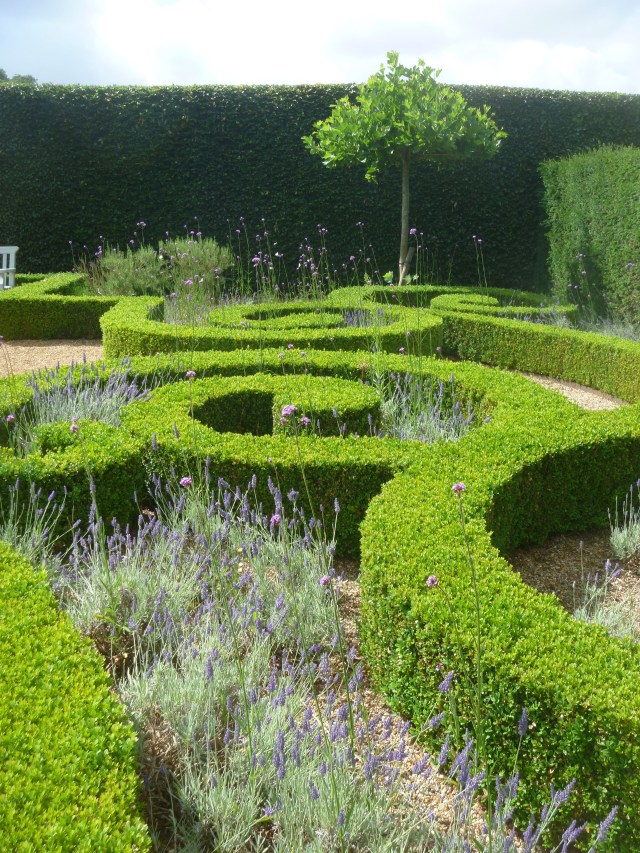
Lavender knot garden

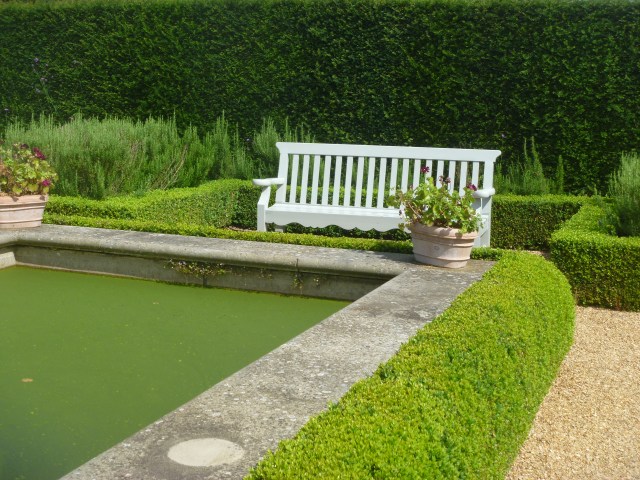
Corner of pool with hedging

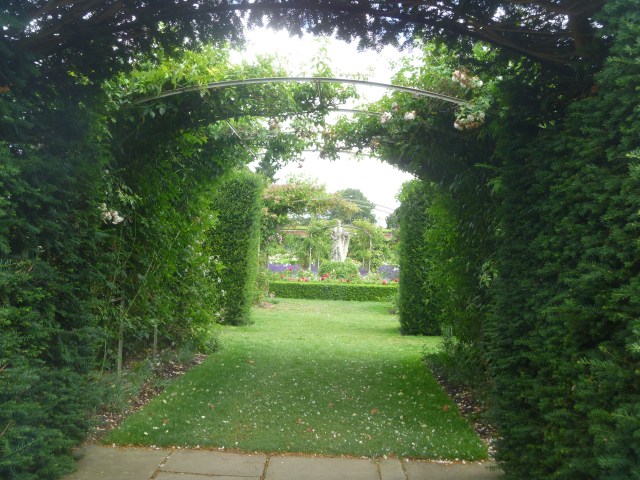
Garden arch

Near the beehives

Near the Beehives

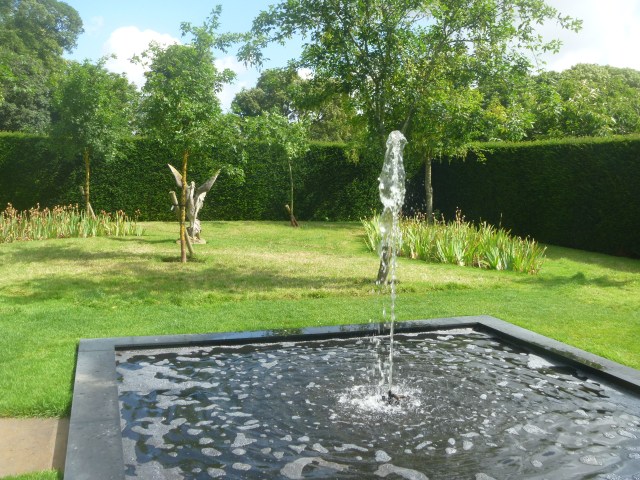
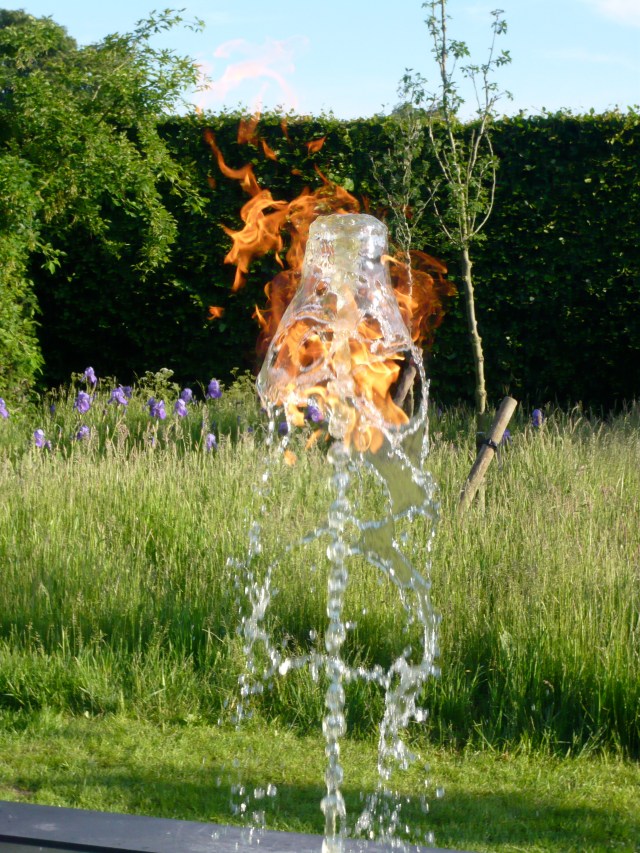
Jeppe Heins Waterflame

Waterflame by Jeppe Hein

Garden106

And here is the flame (source)

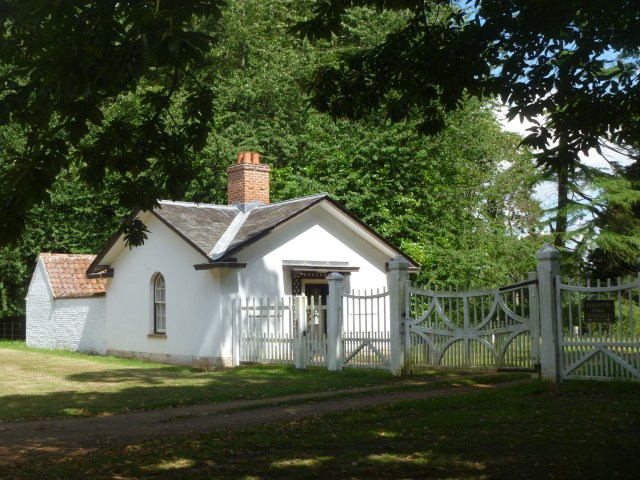
Before leaving the Houghton Estate I just had time to take a quick look at the Landmark Trust property : Houghton West Lodge. Not surprisingly it’s fully booked until October.

Houghton West Lodge

Houghton West Lodge

Down The Magic Mountain via The Thomas-Mann-Way

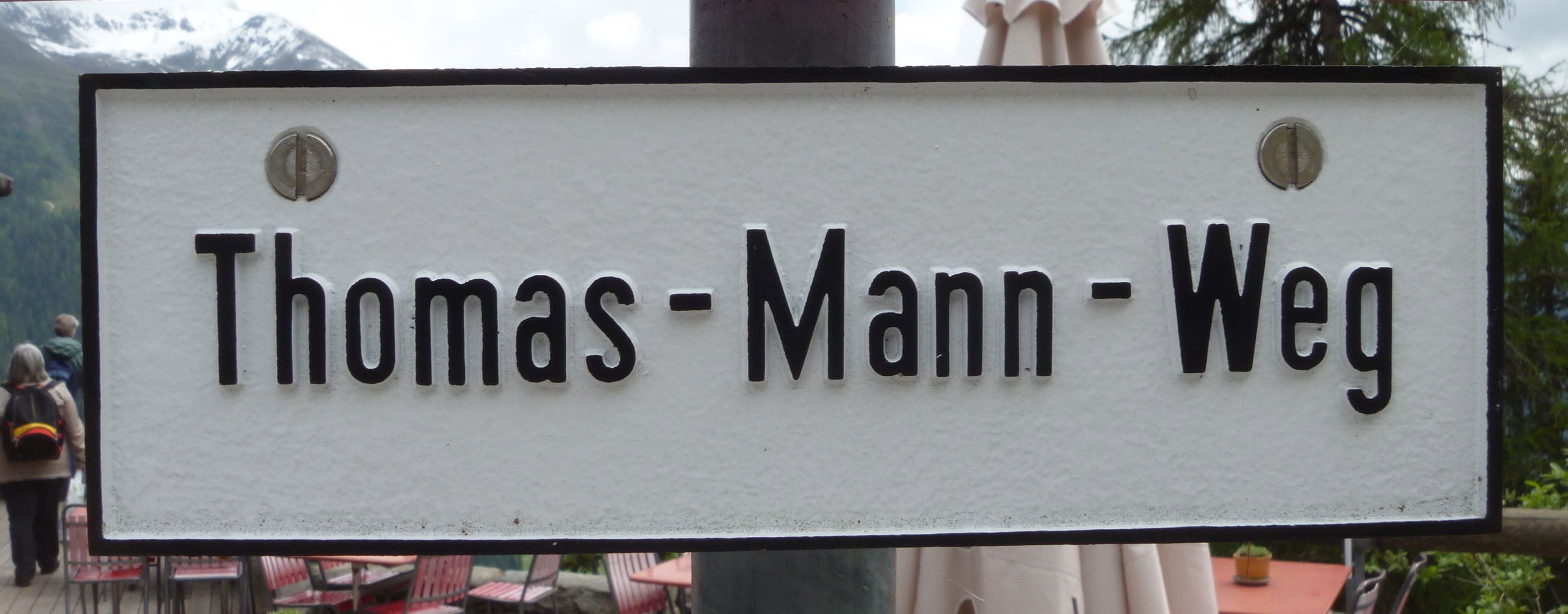
Thomas-Mann-Weg

On my bookshelves at home there’s a lovely pristine Everyman hardback edition of Thomas Mann’s “The Magic Mountain”  had I not had a weight limit restriction on my bag I may well have brought it with me but alas it was just too heavy to contemplate bringing. [Note. Yes, yes I know all about Kindles and the like but having made the comparison with real books have decided that they are just not for me] Where else would be the perfect place to read The MM but here within a William Tell’s arrow flight of the town of Davos where the ‘action’ of the book is set? Davos is just 20 miles away from Schiers.

Searching online for “Davos Thomas Mann” I found this :

A path has been created in commemoration of and in the name of the significant writer Thomas Mann. This path connects the centre points of his novel “The Magic Mountain”. With the novel, Davos has secured its place in world literature. The work contributed to the high level of fame enjoyed by Davos as a spa and holiday destination.

Even today, the “Magic Mountain” draws numerous culture enthusiasts to Davos, on the hunt for the main centre points of the novel of the same name by Thomas Mann. They can now be inspired by the Thomas-Mann-Way, which runs from the Waldhotel Davos (former woodland sanatorium) at 1620 m above sea level to the Schatzalp, 1880 m above sea level. Along the 2.6 km path are ten signs, which act as “literary stations” and provide information on the connections between Davos and the works of Thomas Mann. High points of the path include the “favourite place of Hans Castorp”, the hero of the novel, whilst the way ends at Thomas-Mann-Platz on the Schatzalp, which has been established behind the botanical garden Alpinum Schatzalp.

Thomas Mann (1875–1955) came to Davos from the 12th May to the 15th June 1912, in order to visit his wife Katia, who was being treated at the woodland sanatorium. During this time he took many walks around the area above the woodland sanitorium, an area through which the Thomas-Mann-Way runs. Thomas Mann described his impressions of Davos in the novel “The Magic Mountain”, which was published in 1924.”  Source

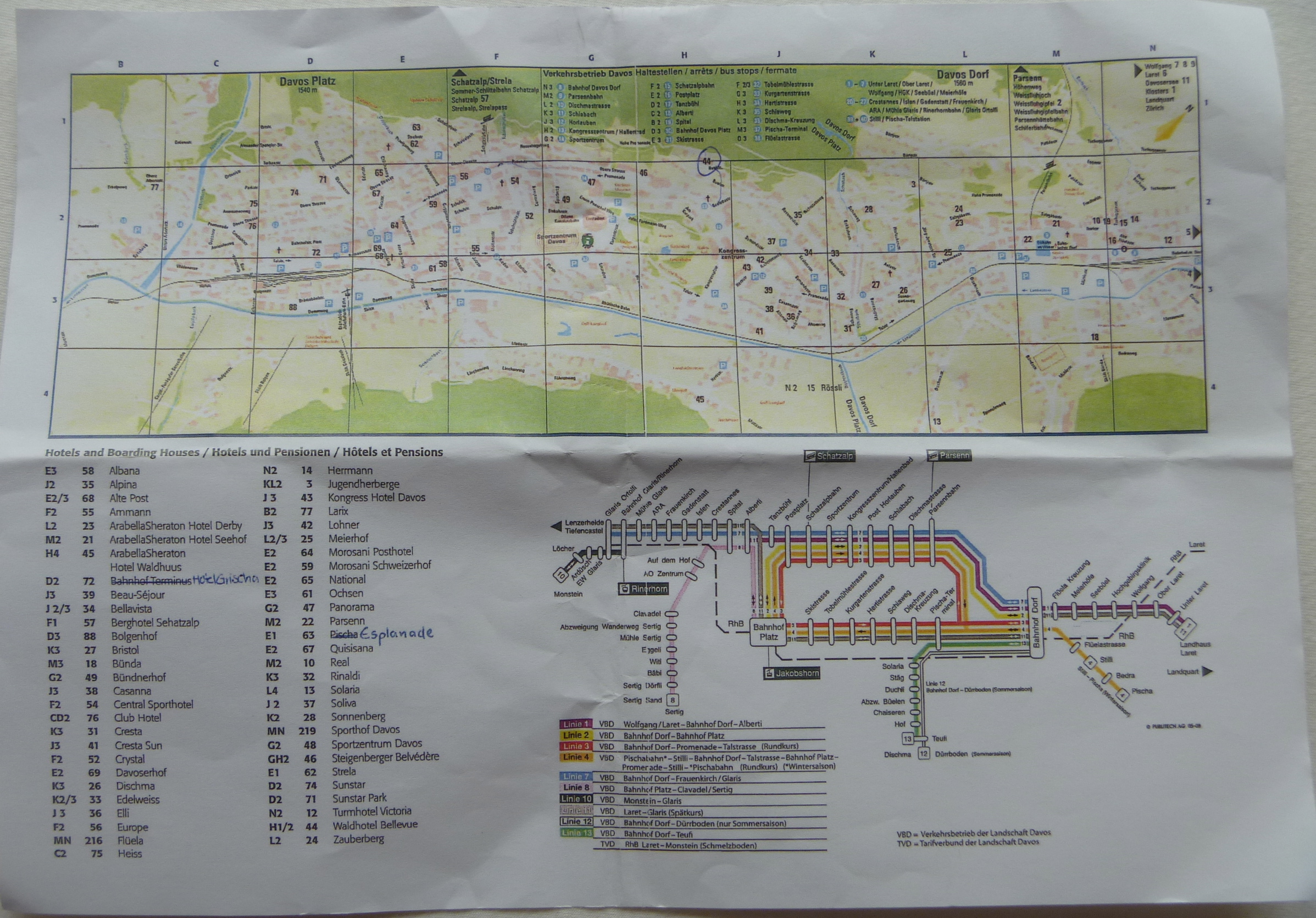
Great! I thought the ideal excursion for the afternoon. And indeed vary many things about it were ideal but not, I may say, the Thomas-Mann-Way. The website for Davos/Klosters is excellent so I had expected to pick up printed information at the Railway Station Tourist Information Office. Instead I had blank looks and was issued with a crummy map.

crummy map

I had remembered some aspects of the walk from the website but obviously not everything. I didn’t commit the map to memory. I wish I had as I can now see where I went wrong and could kick myself. As you can see from the sign at the top there are no arrows to indicate the route so there’s a bit of guesswork involved. As the starting point was quite a walk away I decided to take the funicular up to the end of the walk and find my way down in reverse. So I guess that was my mistake – but an easy one to make!

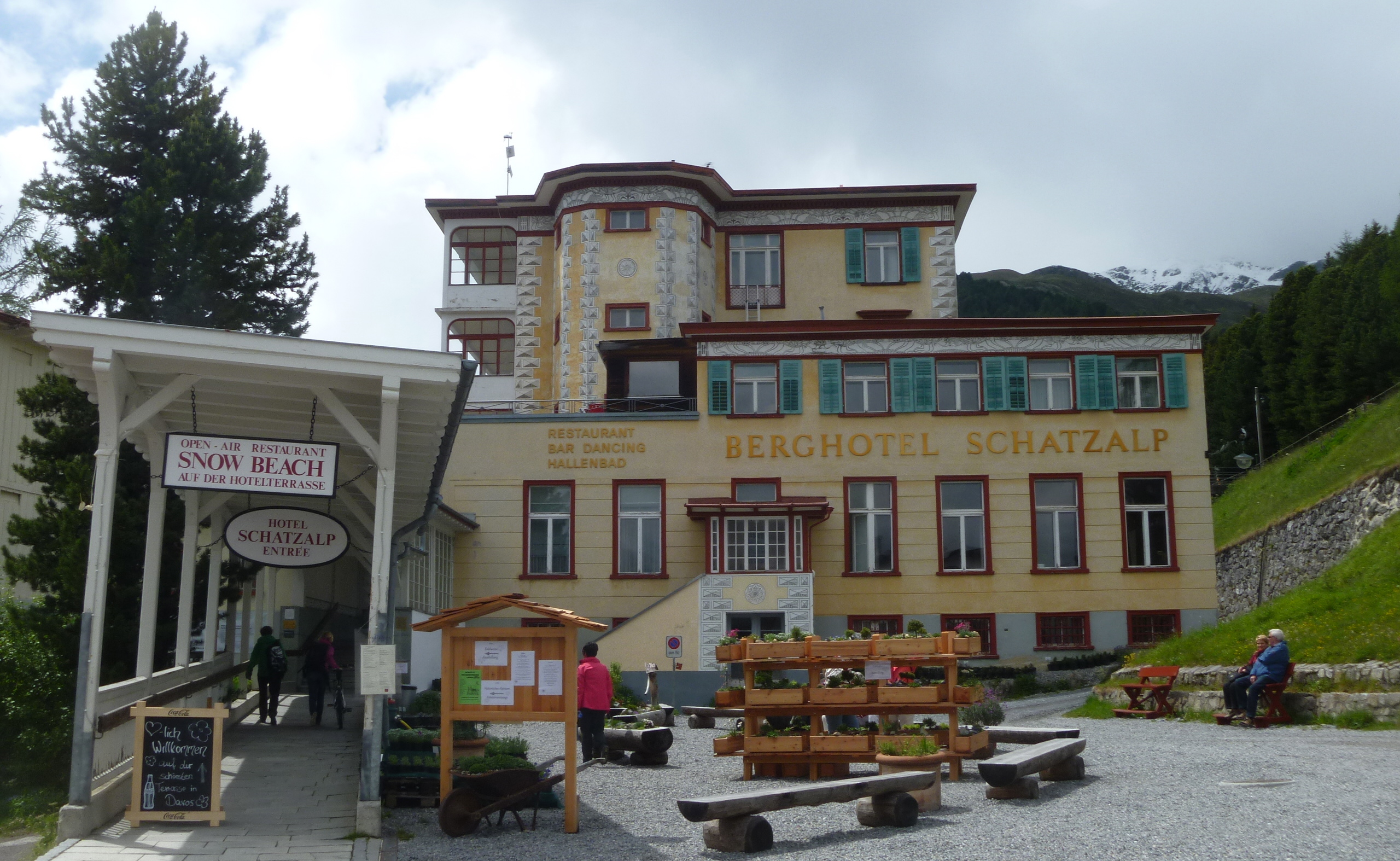
Berghotel Scahtzalp

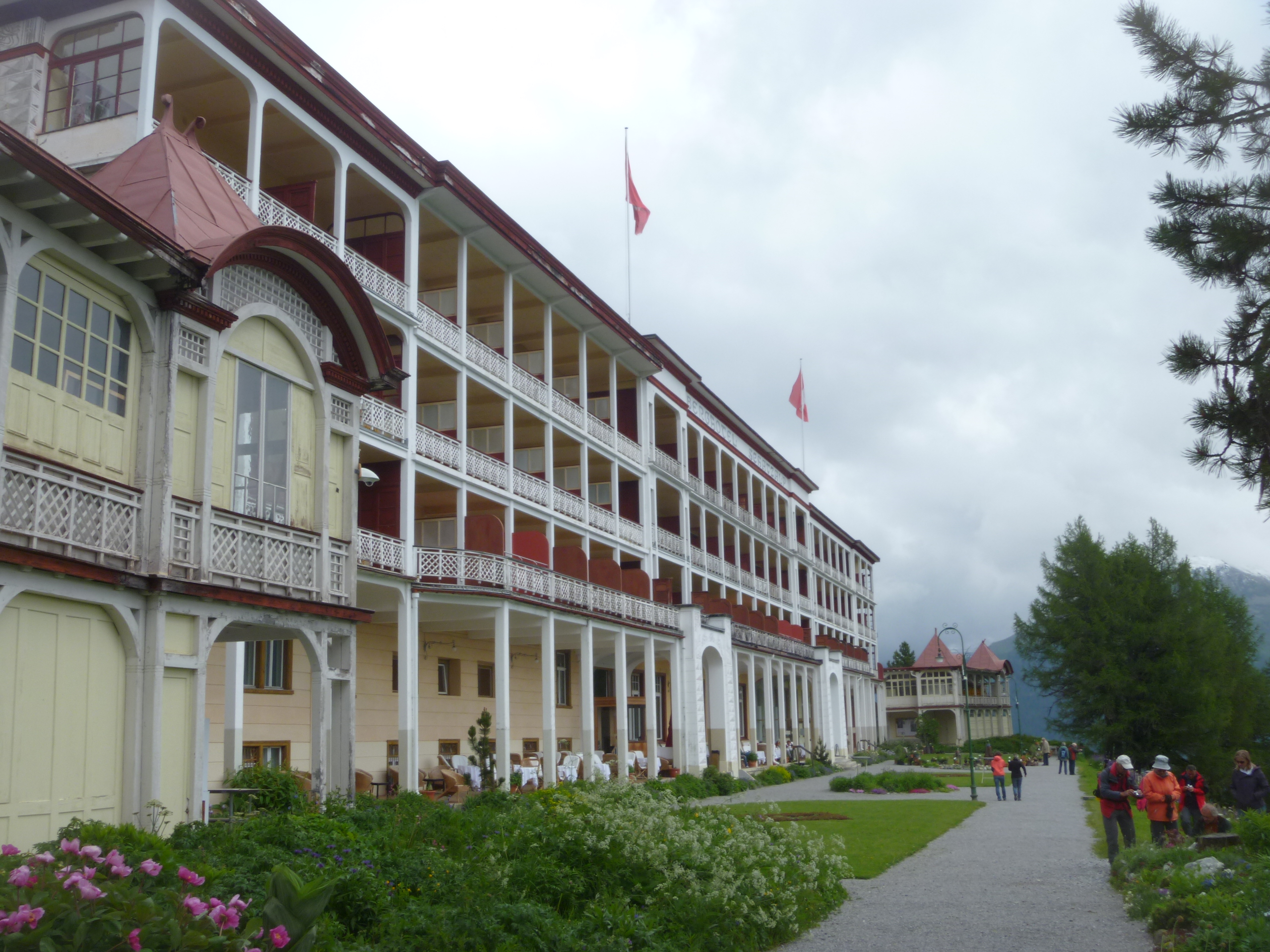
On arriving at Schatzalp there is the Berghotel in all its Art Nouveau [Jugendstil] glory. I wrote about the Alpinum here yesterday.

The Berghotel Schatzalp

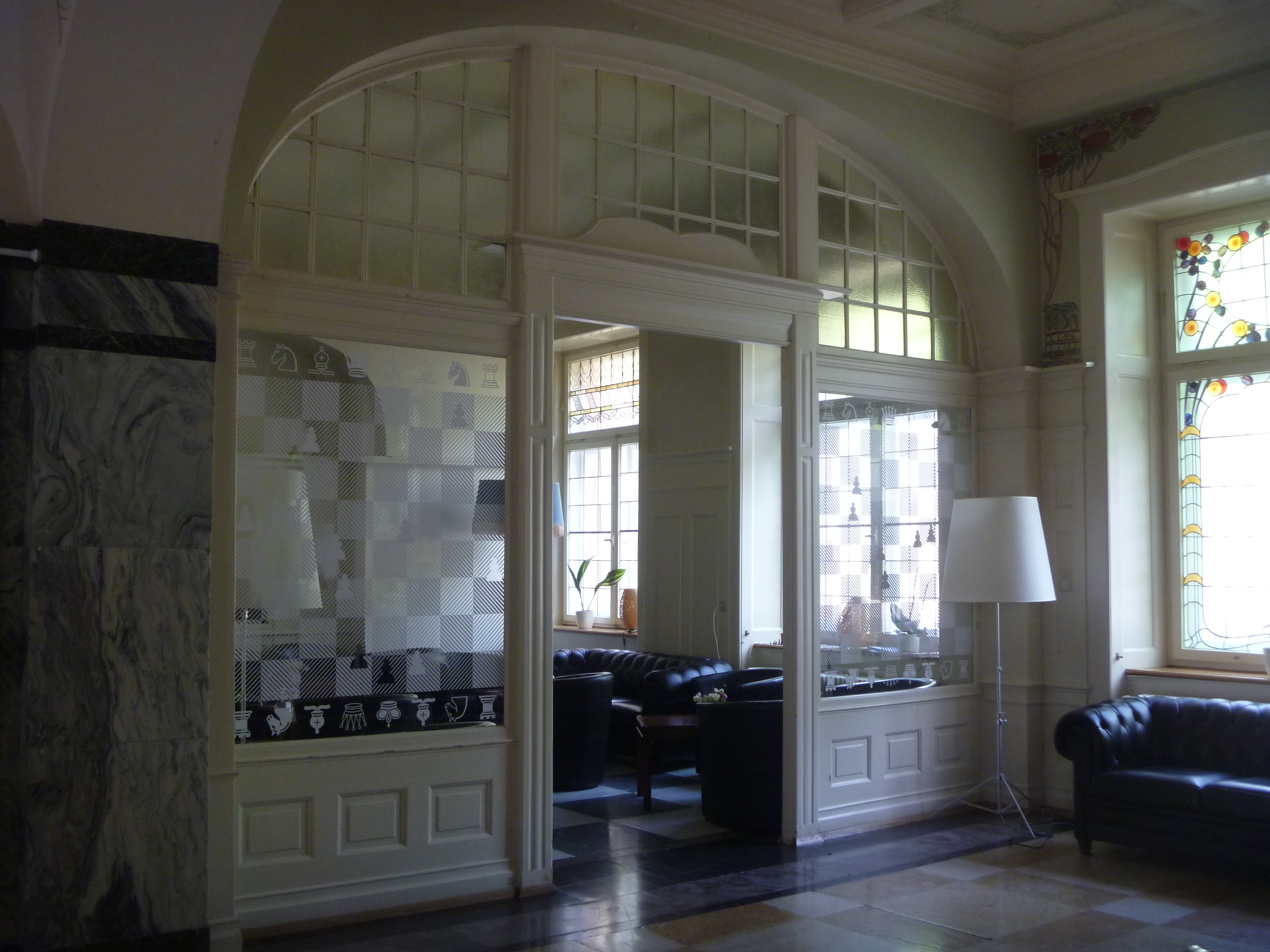
It still has the look of a Sanatorium and air is fresh and clean and pure. Even at 8C it was fine as it was sheltered. The Hotel reception also did not have much information about TM but the kindly receptionist allowed me to wander around and take some snaps and sold me a couple of postcards and indicated the start of the TMWay.

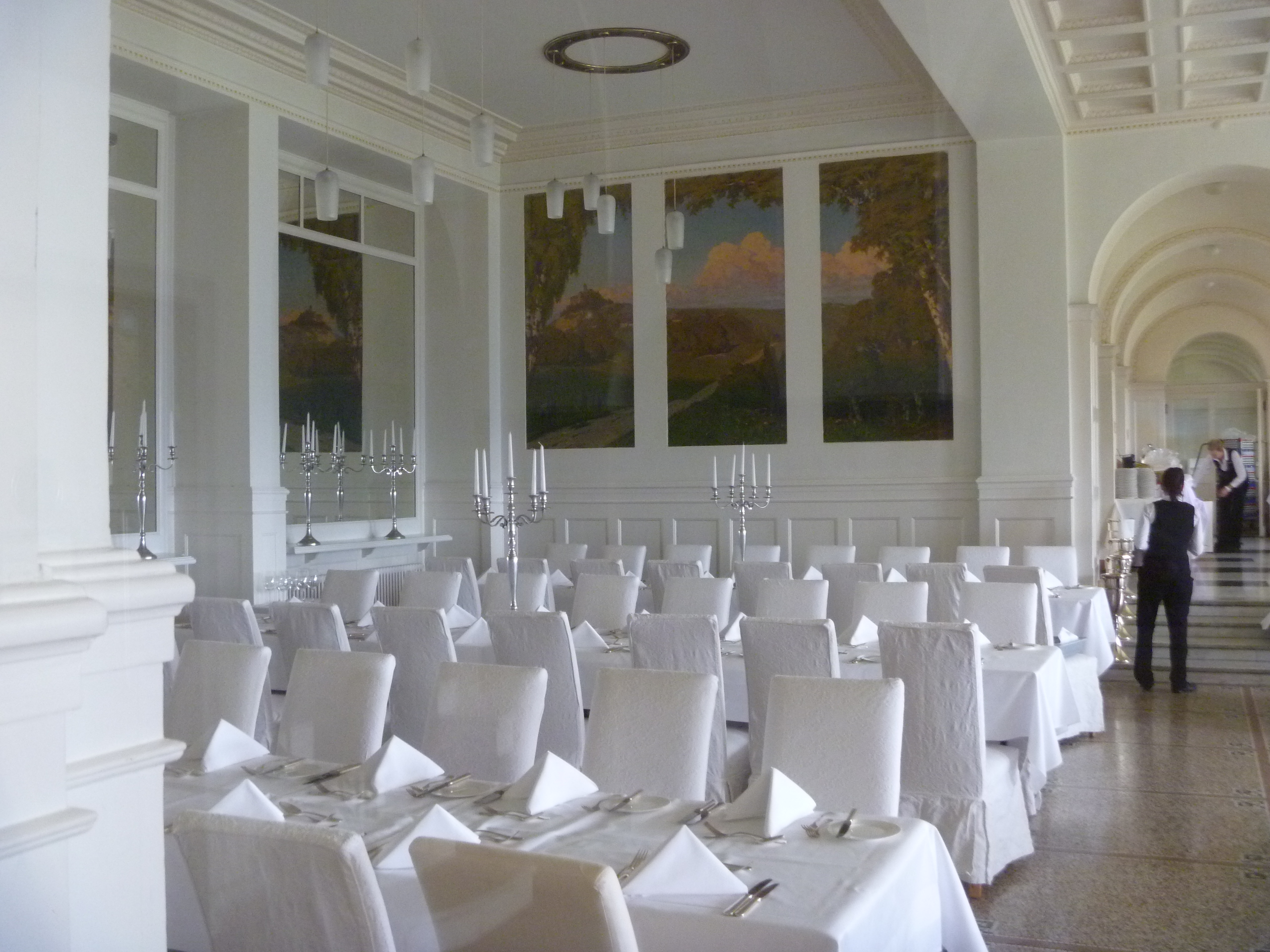
Dining Room 1

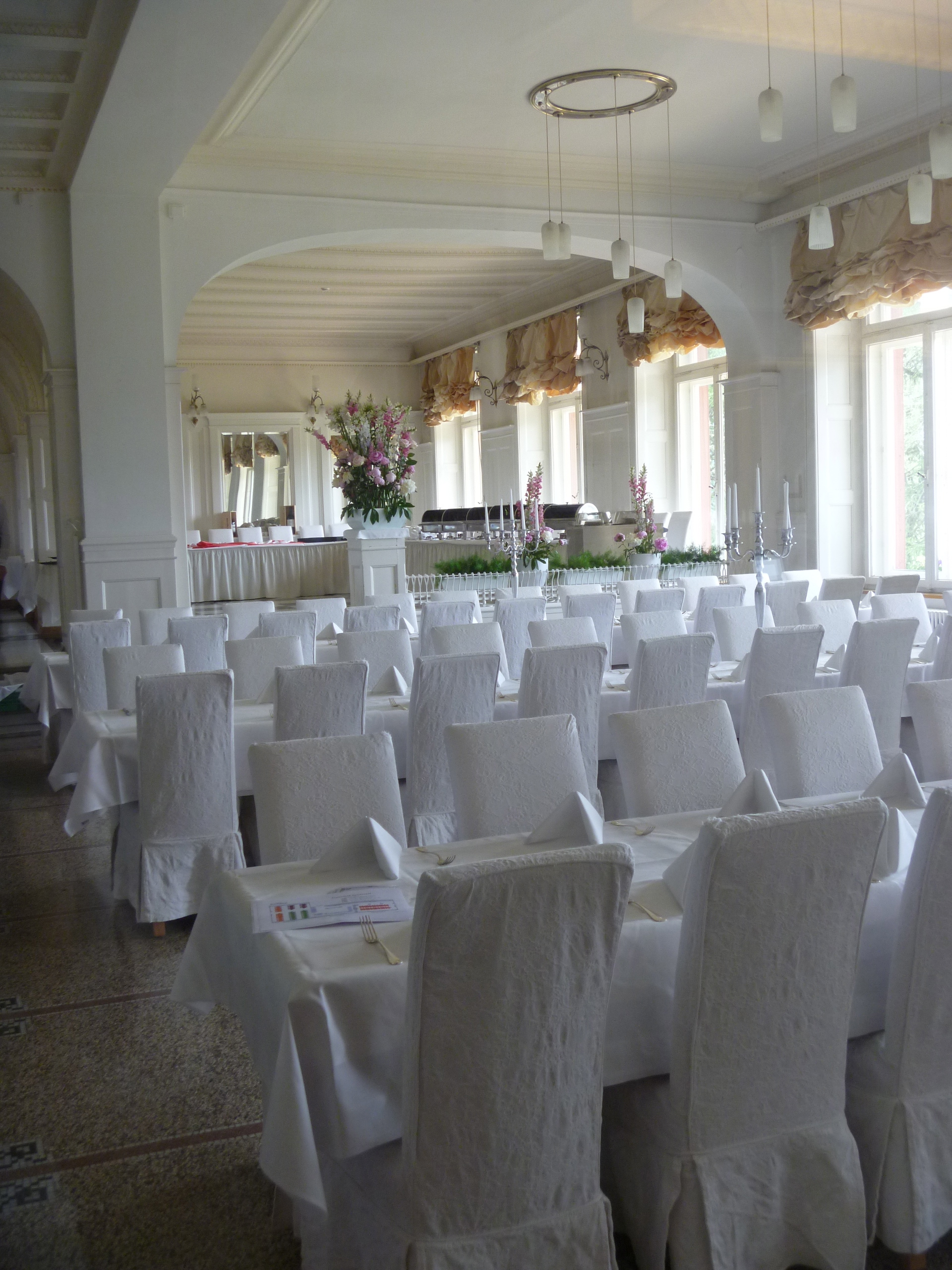
Dining Salon 2

The Dining Room

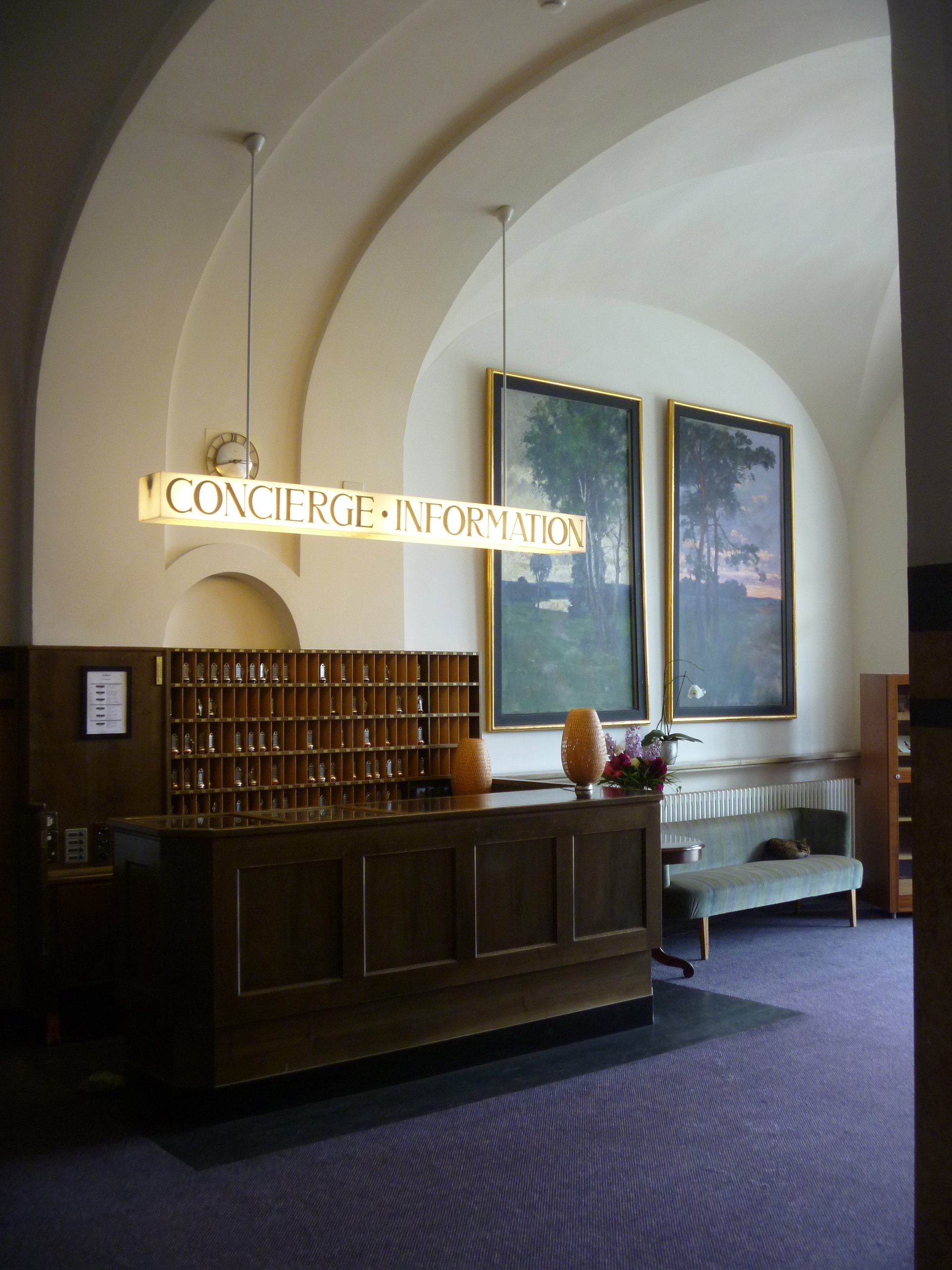
Reception

The Reception/Lobby

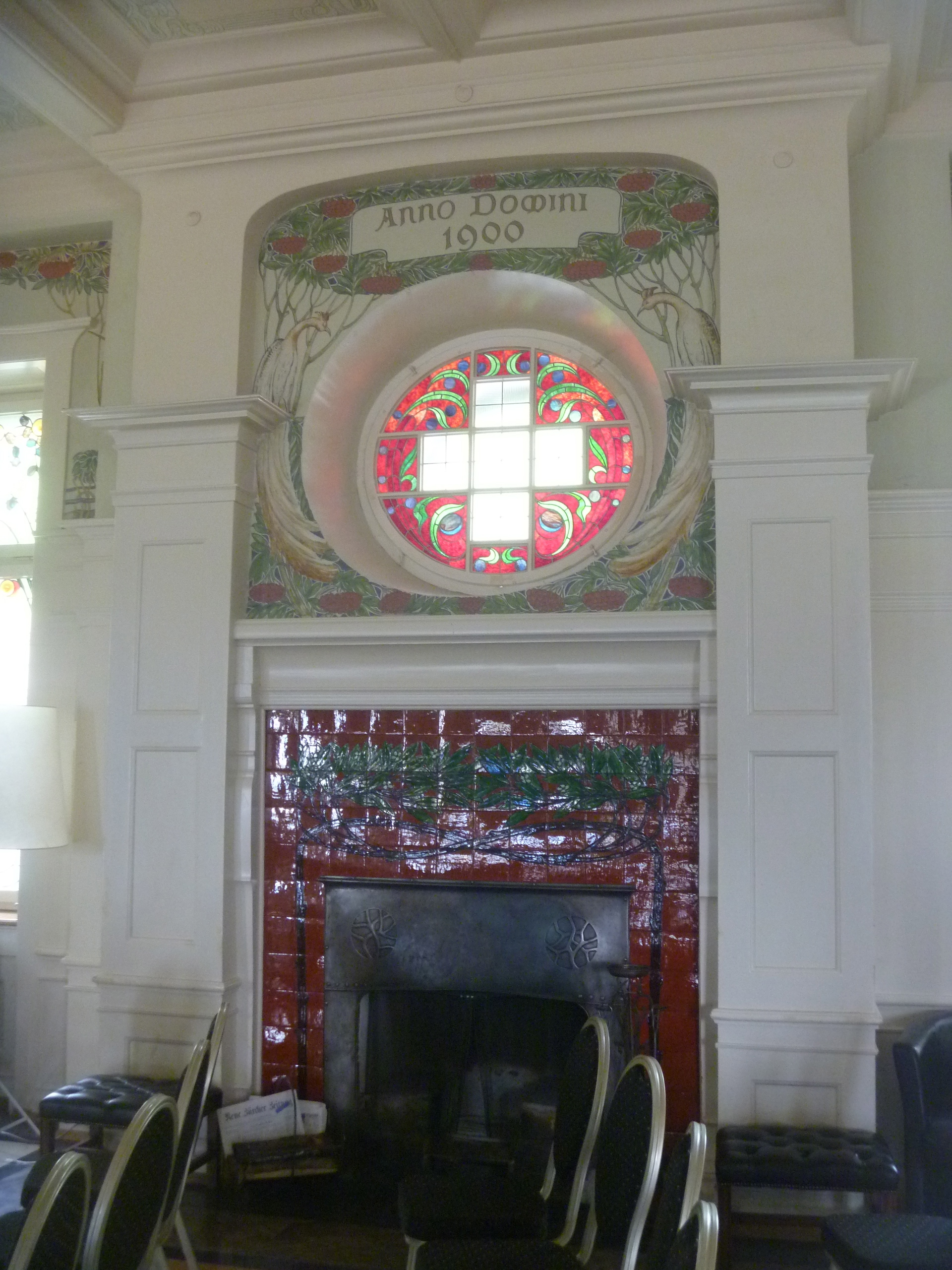
Art Deco fireplace

Art Nouveau Fireplace in a Meeting Room

The hotel games room

The Original Hotel Games Room

I wished I had taken tea here on the verandah but I’d decided to do so at the end of the walk at the Waldhotel down in Davos. I thought they would maybe have more information on TM and the Magic Mountain/Davos connection. The only way to find out will be to go back again on another day!

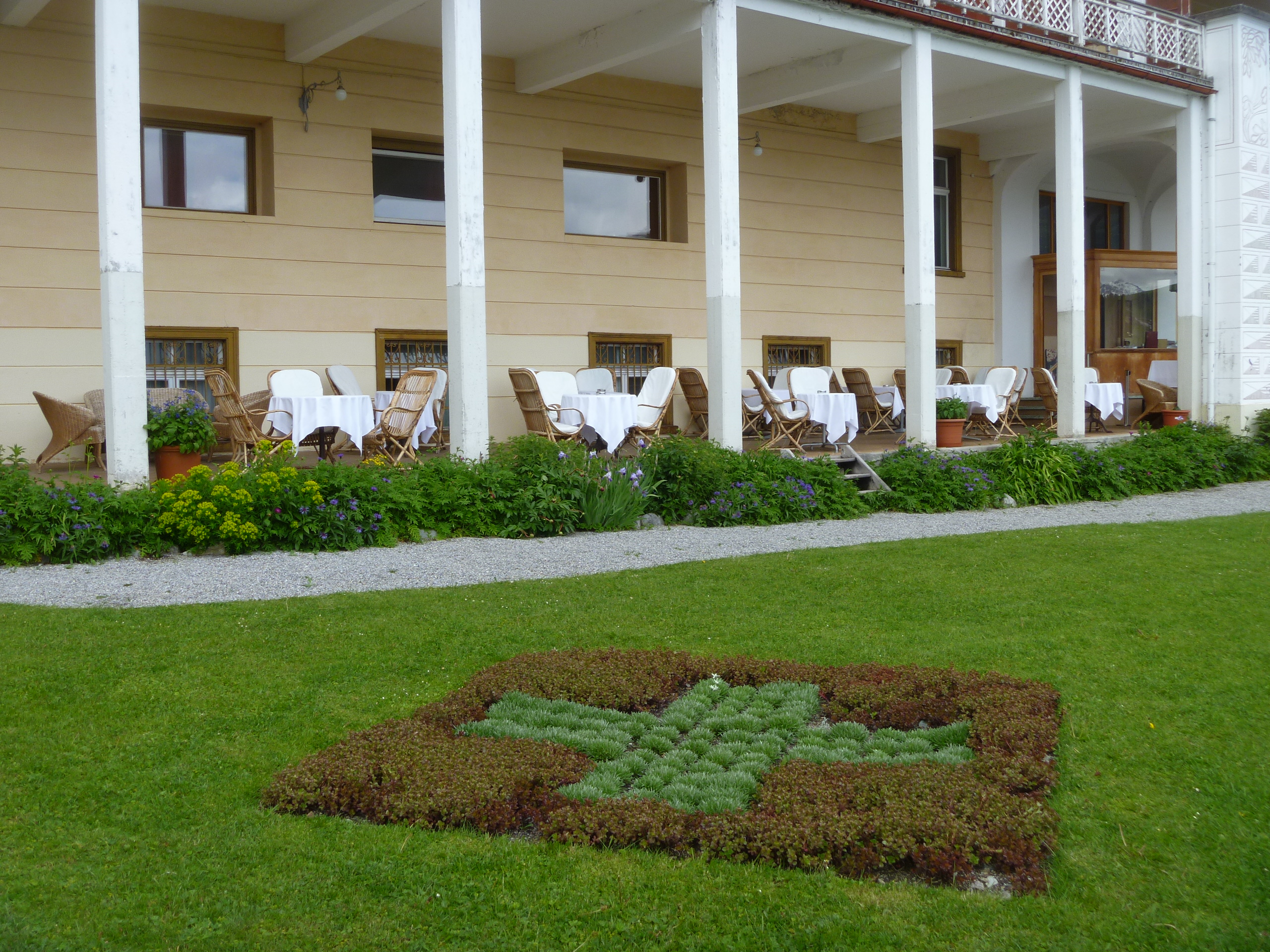
The verandah

The Verandah where tea is served

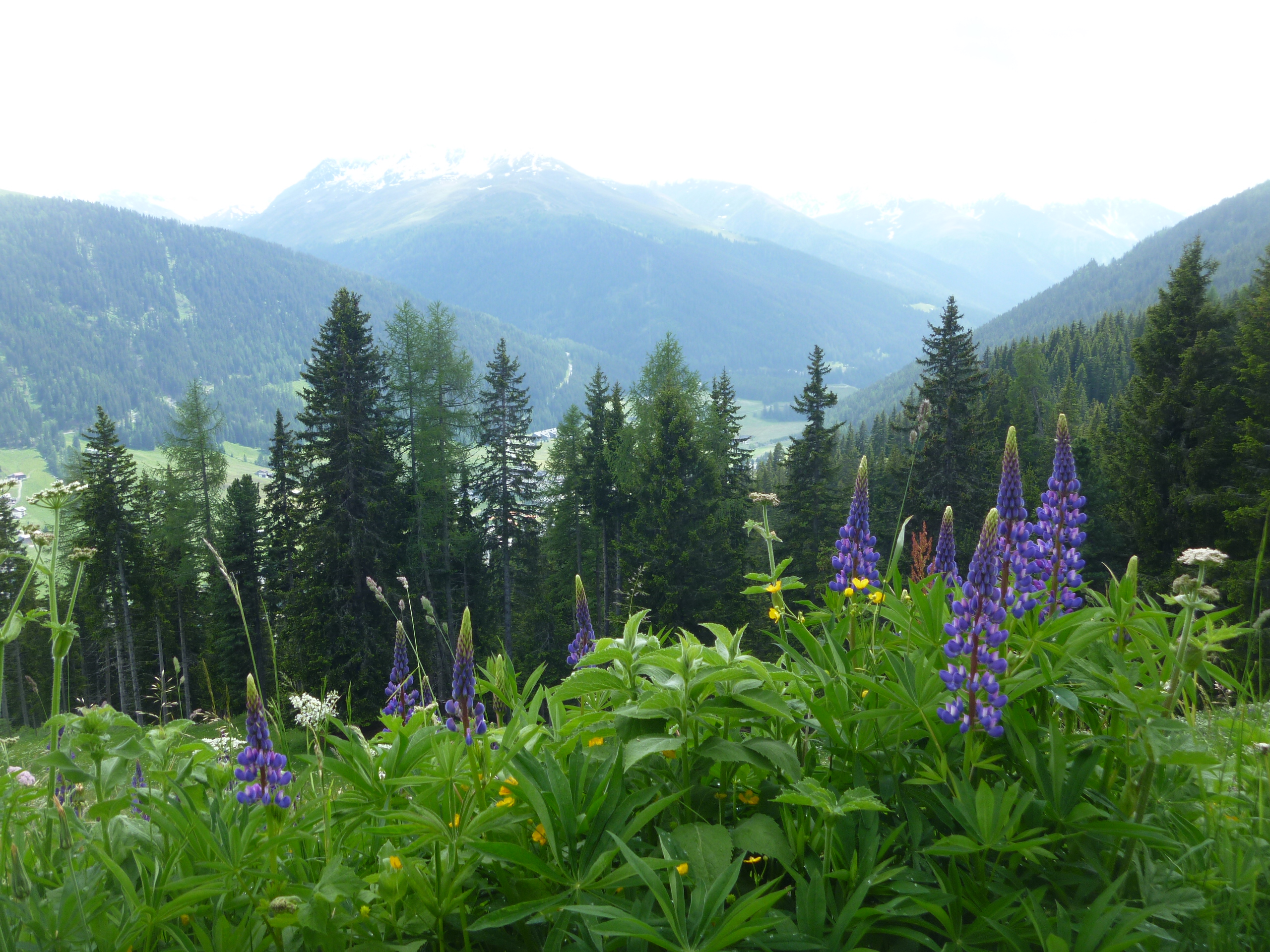
The view

Outdoor Reading Pleasure : Public Benches in Chur and a Swiss Artist in England

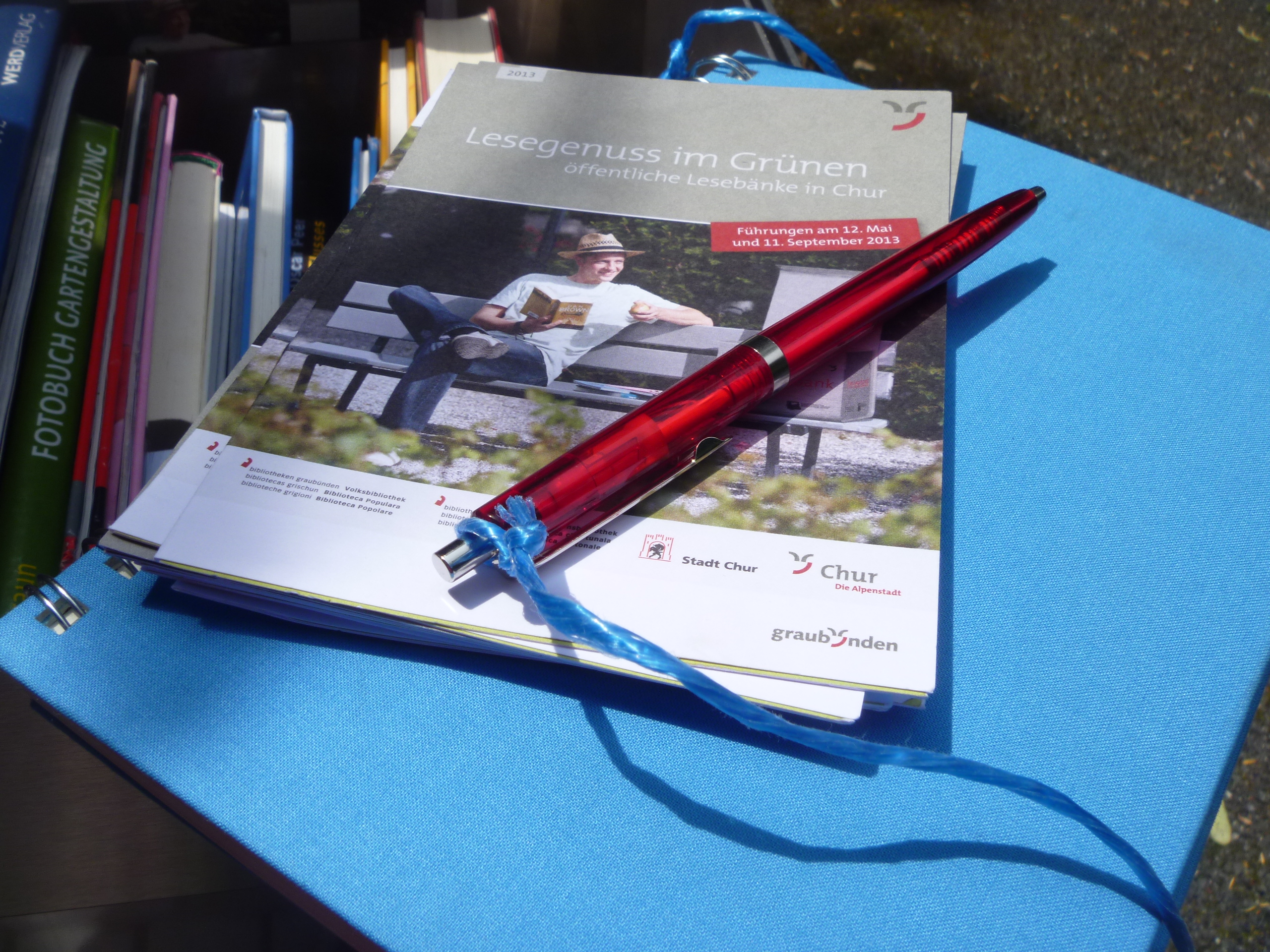
The above title is my translation of the name of a little leaflet I picked up in Chur Station on Sunday. In German it’s “Lesegenuss in Grünen – offentliche Lesebänke in Chur”. Anything with “reading” in the heading is bound to catch my eye. So today, when the work was done I made myself a cheese salad sandwich and headed off on the train again into Chur to find out more …

Intro leaflet

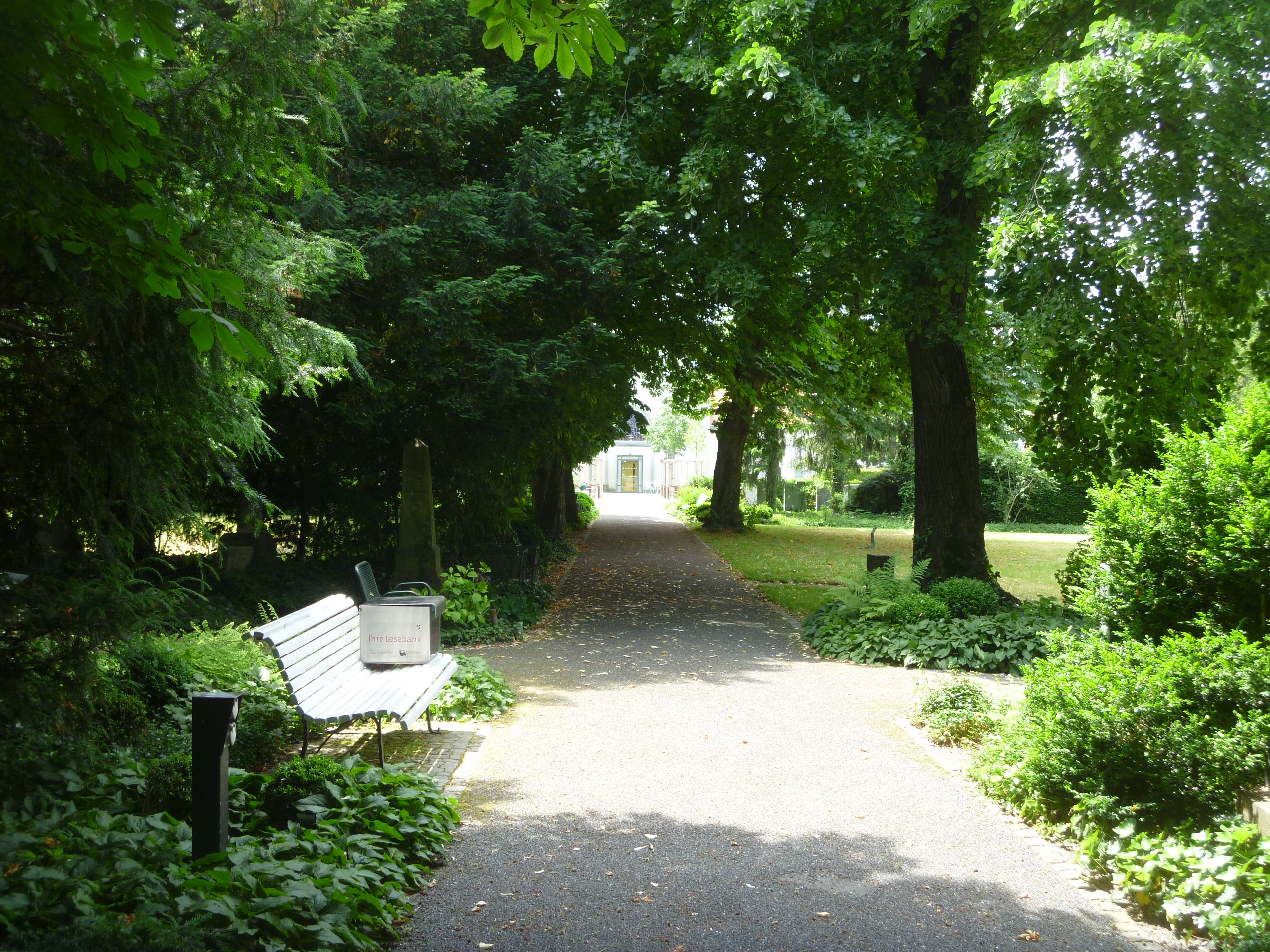
In addition to the Lesebank-Project leaflet I’d picked up a handy folded map of the city. The nearest Lesebank to Chur Station is in Friedhof Daleu. A Friedhof is a cemetery. Never mind. It turned out to be a lovely quiet shady garden with benches and chairs and I soon spotted the (empty) Lesebank on one of the main avenues.

Your Reading Bench

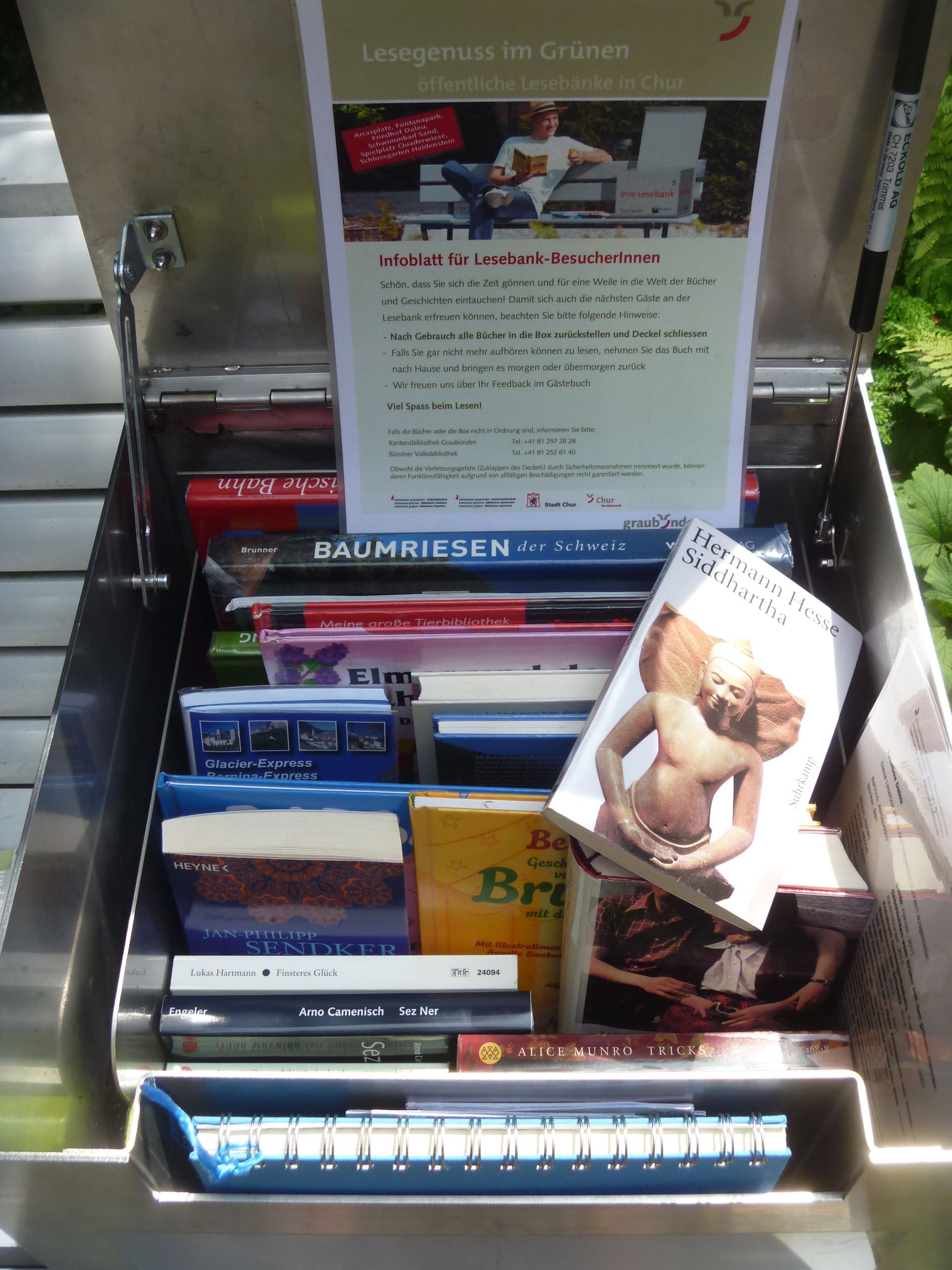
Inside the box is a selection of books – possibly about 30 – fiction and non-fiction, for children and adults, with a contents list and a ‘visitors’ book for comments. The Lesebank is the joint project of the Bündner Volksbibliothek and the Kantonsbibliothek. Two local public libraries but I’m not too sure what the difference between them is. There are 6 of these Reading Benches throughout the city.

The Contents

I wasn’t about to start reading a novel in German as the person before me had (Siddhartha, by Hermann Hesse) so I picked a small book called “The loveliest gardens and parks in Switzerland” to study whilst picnicking. I made a note of two gardens – both also cemeteries – in the Graubünden Canton.

Chur has several bookshops – all of which stocked at least a shelf or two of English language books – but nothing that I hadn’t either read already or fancied the look of.

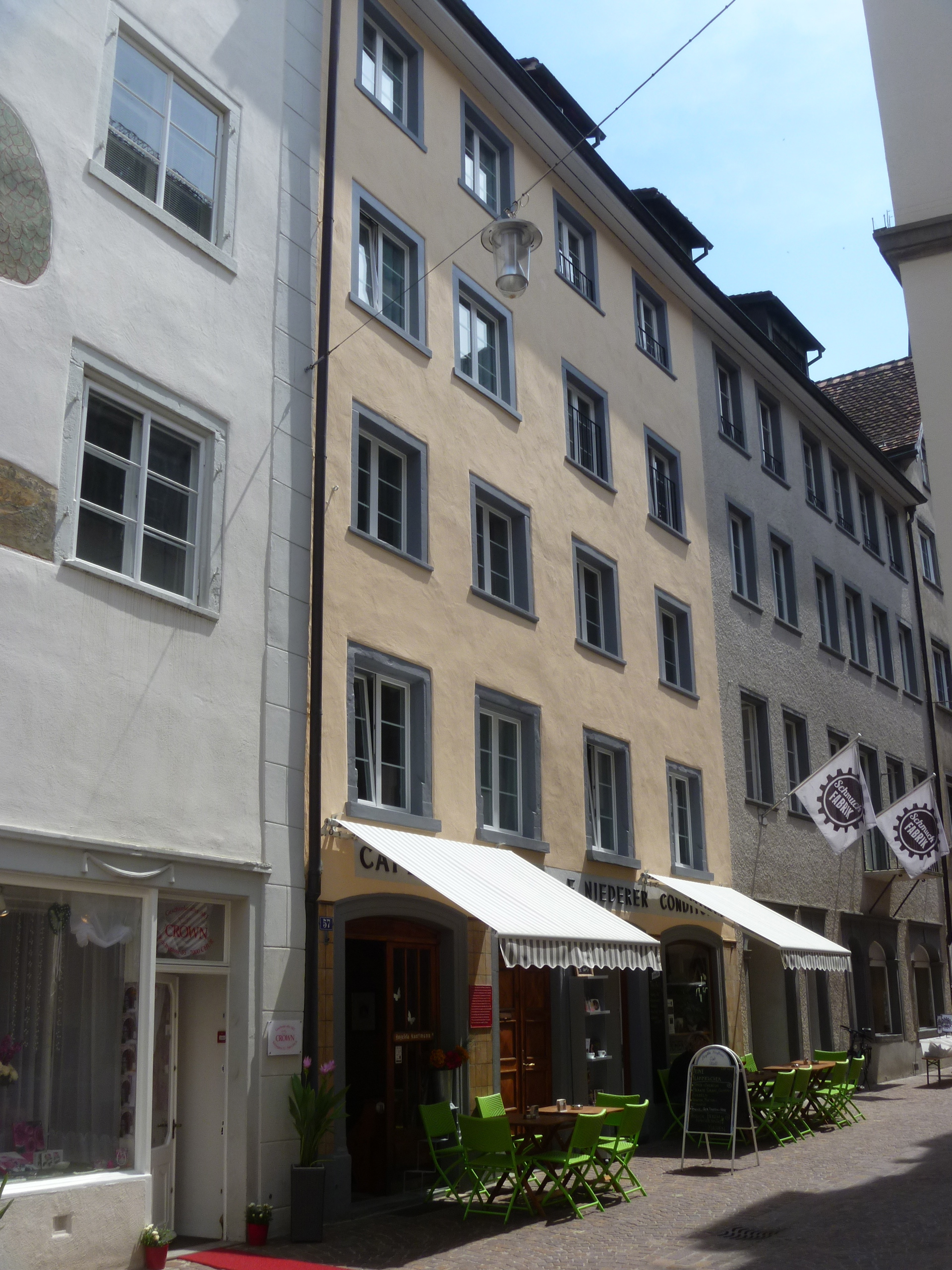
57 Reichsgasse

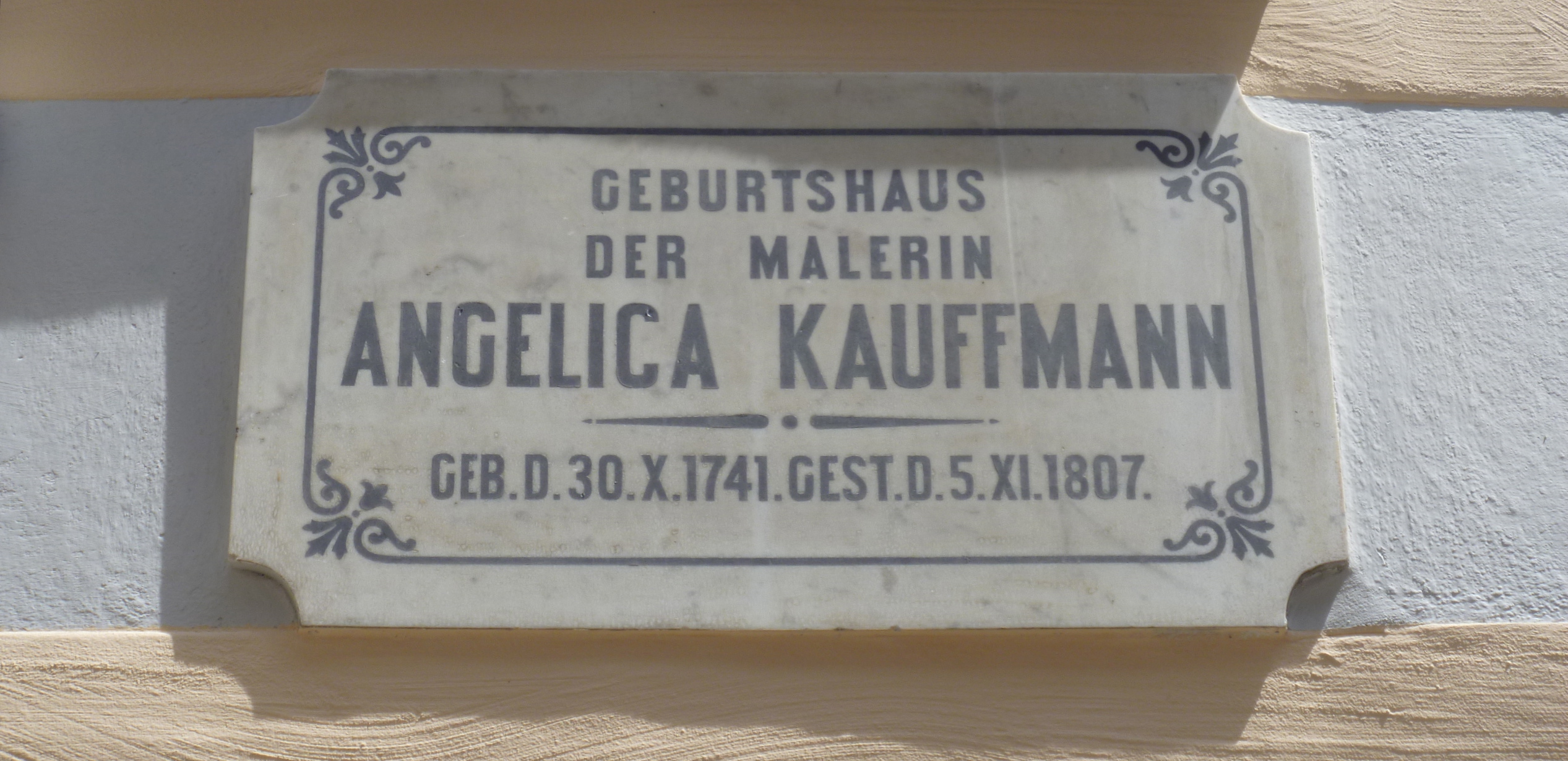
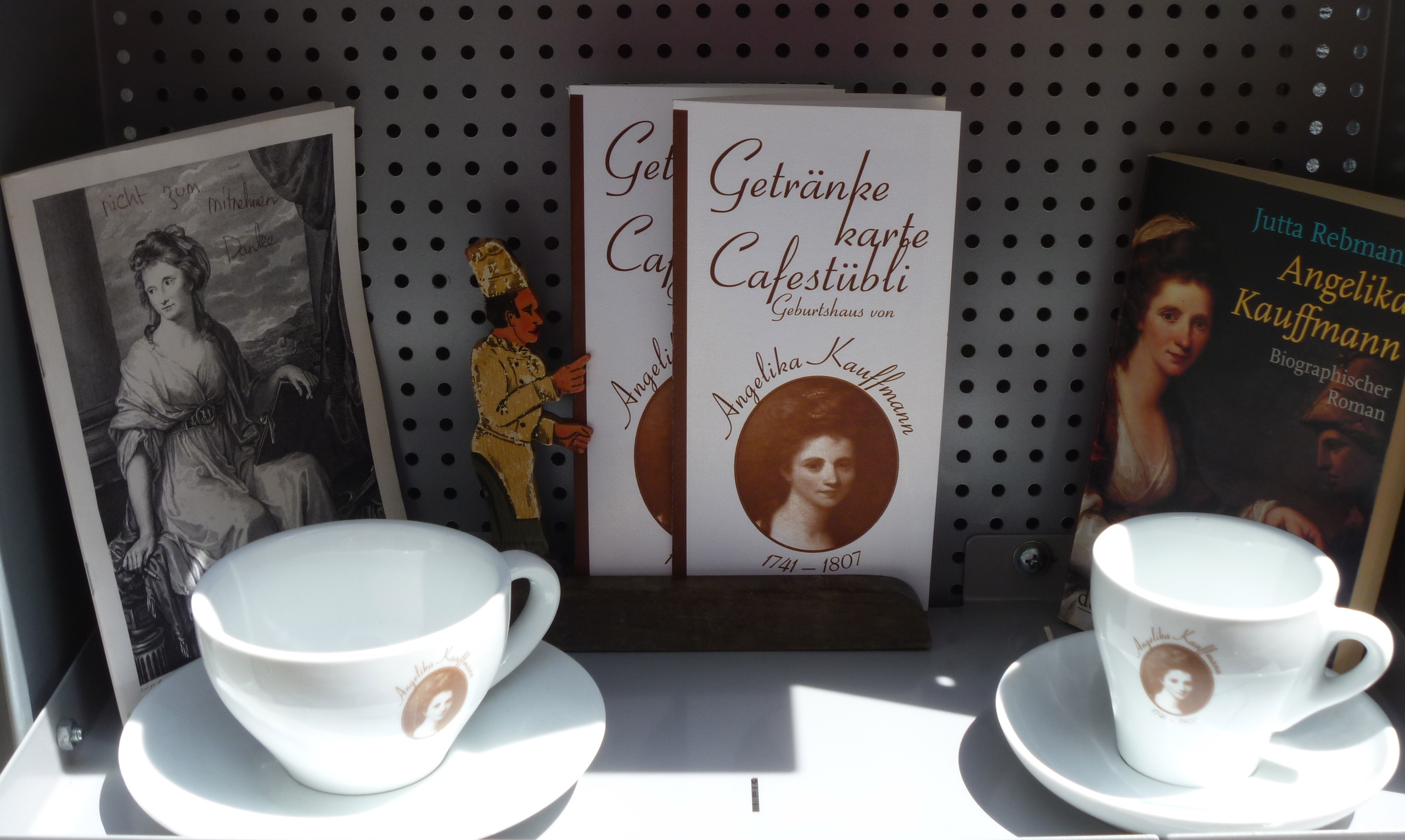
From the reading bench I went in search of the birthplace [57 Reichsgasse] of the painter and founder member of our Royal Academy Angelica Kauffman. Although born in Chur she travelled in Switzerland and Italy with her father who was also an artist and to London at the age of 25. She was a close friend of Sir Joshua Reynolds. The ground floor of her former home is now a cafe and there is a little hanging shelf unit where a few cards and books and the cafe drinks list are displayed.

AK Born here

AK display

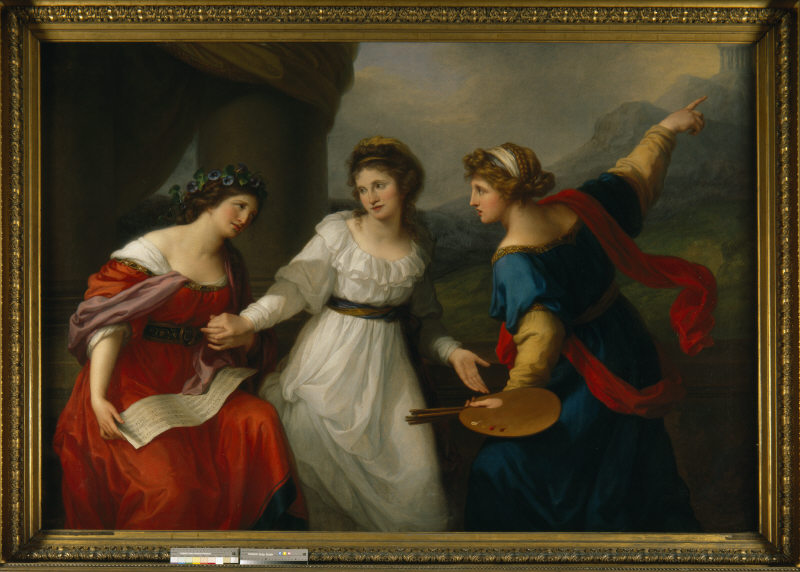
Here you can see a slideshow of Kauffman’s paintings – many of which are portraits – owned by public galleries throughout the UK including some National Trust properties. The Artist Hesitating Between the Arts of Music and Painting, 1791 or 1794, [below] was acquired with the help of the Heritage Lottery Fund in 2002 for Nostell Priory, in West Yorkshire.

Nostell Priory

Wentworth Castle Gardens : Restoration in Action

Back in March 2012 (was it really so long ago?) I attended a talk organised by the Leeds Library and given by Patrick Eyres celebrating 30 years of The New Arcadian Journal. I wrote about it here.

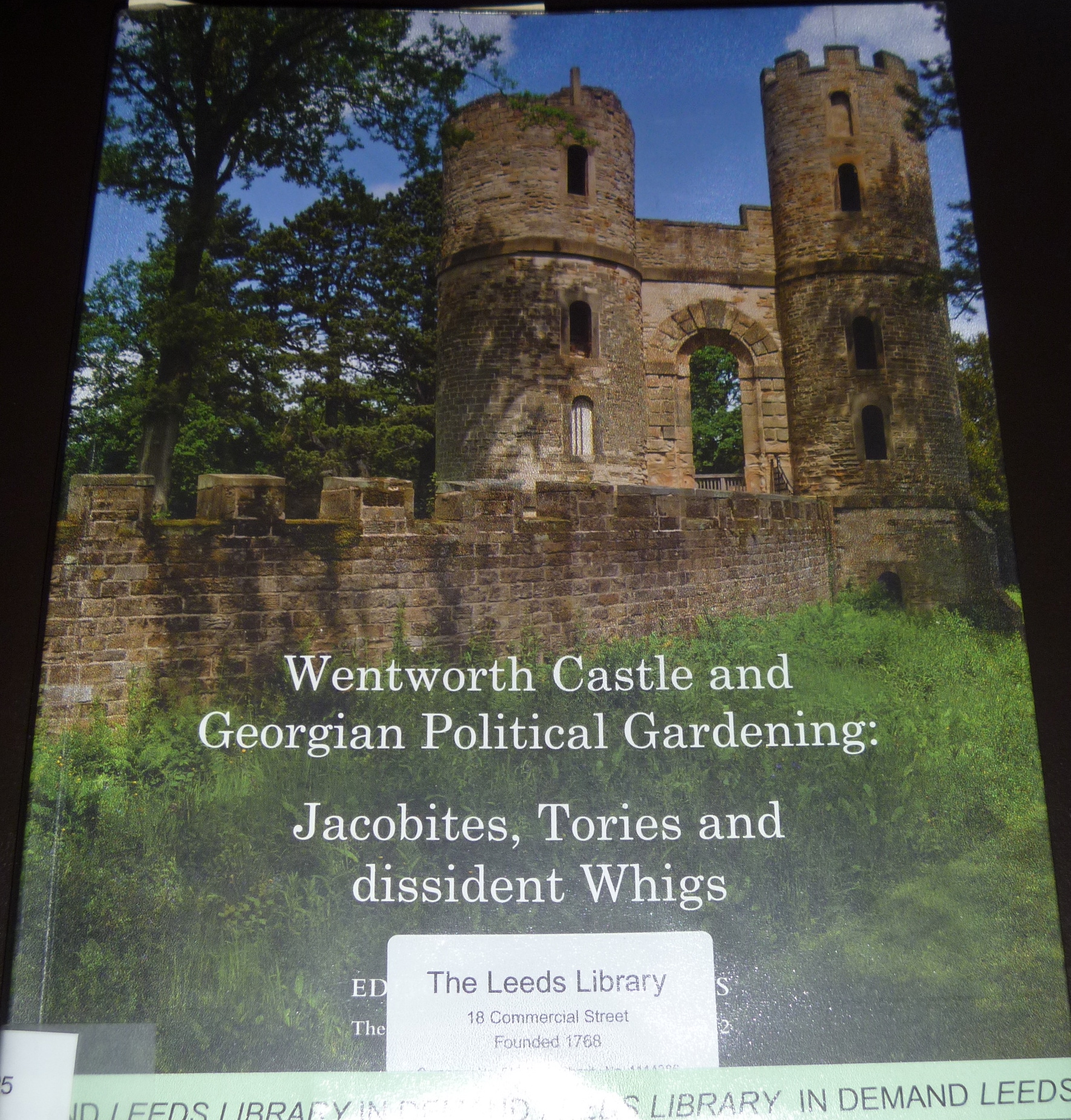
Wentworth Gardens Book

The substitute for the 2012 edition of the Journal is the publication of the proceedings of a 2010 conference : “Wentworth Castle and Georgian Political Gardening : Jacobites, Tories and Dissident Whigs“. It’s edited by Patrick Eyres and I recently borrowed it from the Library and read it with great interest.

Wentworth Castle

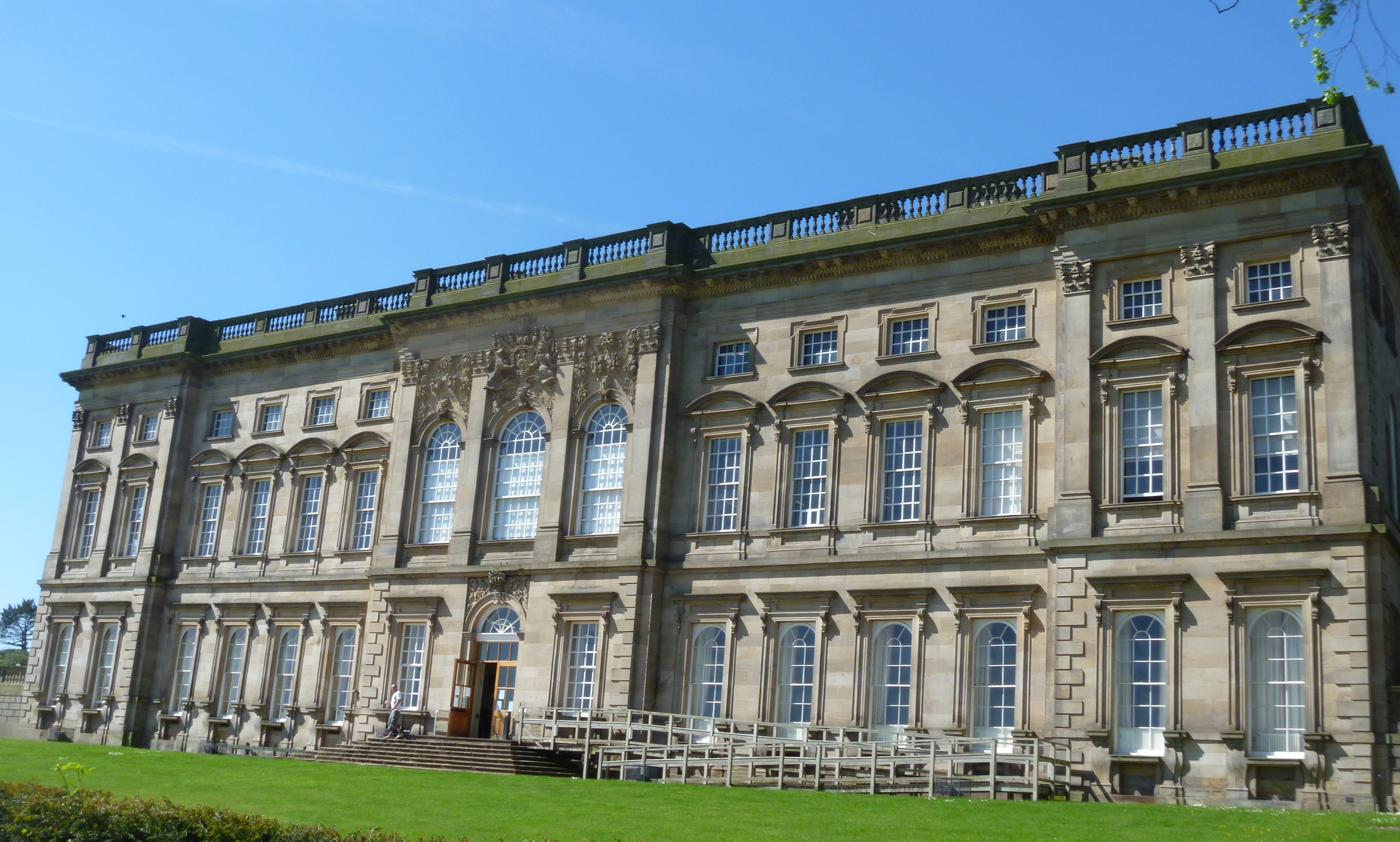
Wentworth Castle Front

The next step, obviously, was to visit the Castle itself. Or rather, the gardens surrounding the Castle. The Castle itself is a private College and not generally open to the public. I decided to visit the gardens on Tuesday this week on my way to visit my son in Sheffield. What a lovely place it is. The weather was also kind, so it was a real pleasure to spend a couple of hours exploring the gardens and features of Wentworth Castle Gardens not far from Junction 37 of the M1 motorway.

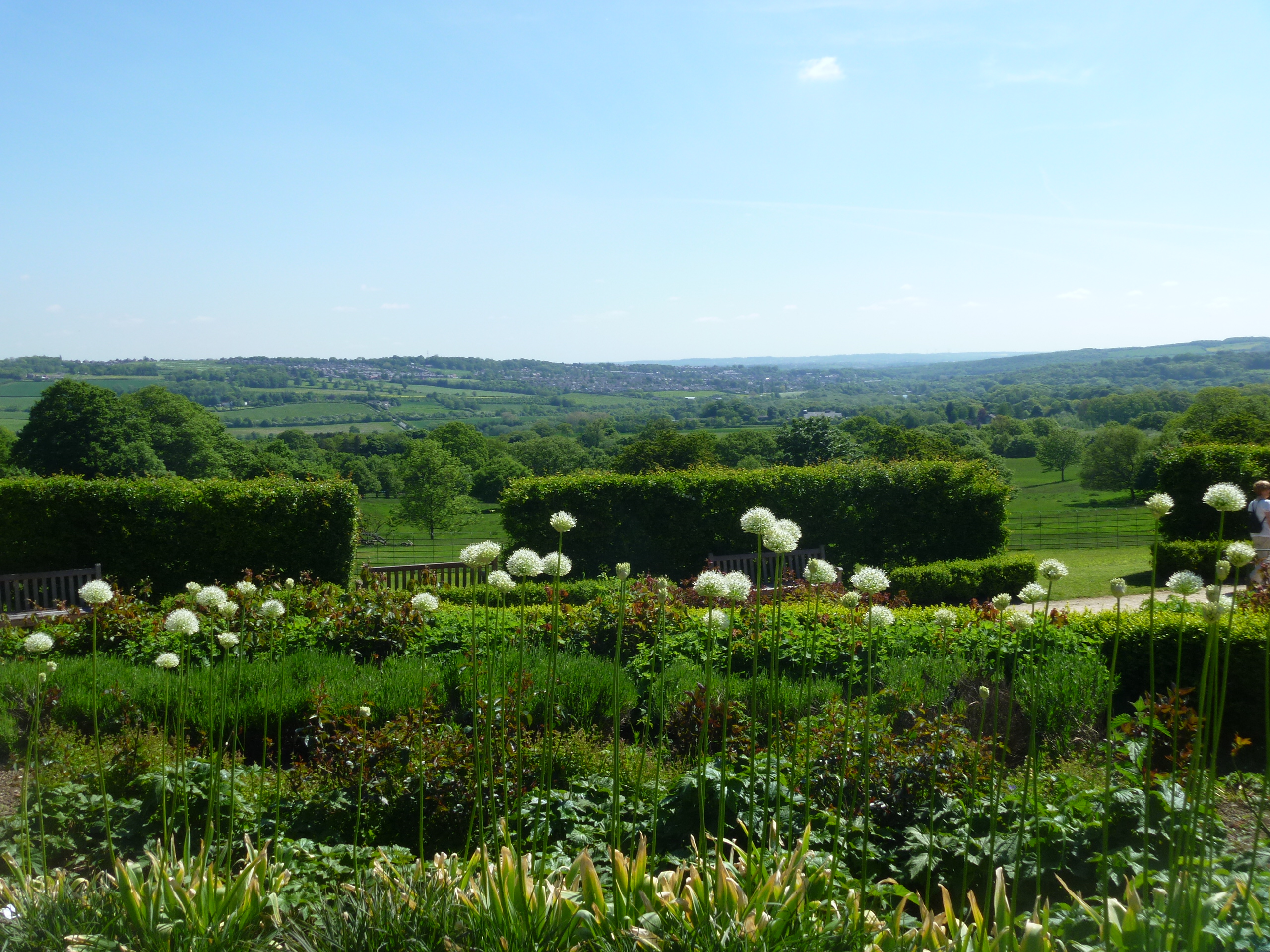
The View from Wentworth Castle

The View from Wentworth Castle

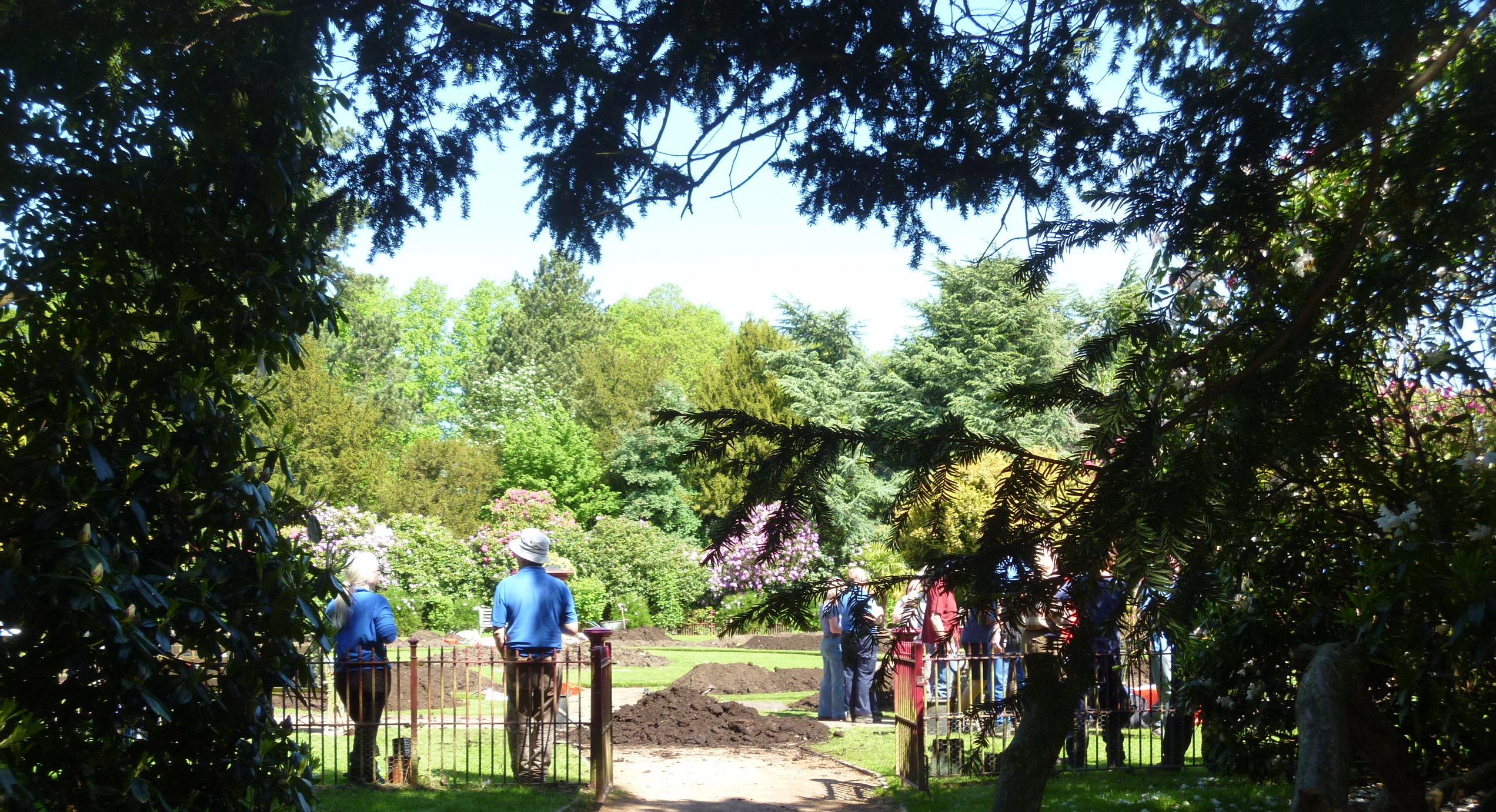
Volunteers

Garden Volunteers taking a tea-break

I got the impression that over the last few years there’s been a lot of work going on in order to recreate the gardens and restore the many garden features.

P1100110

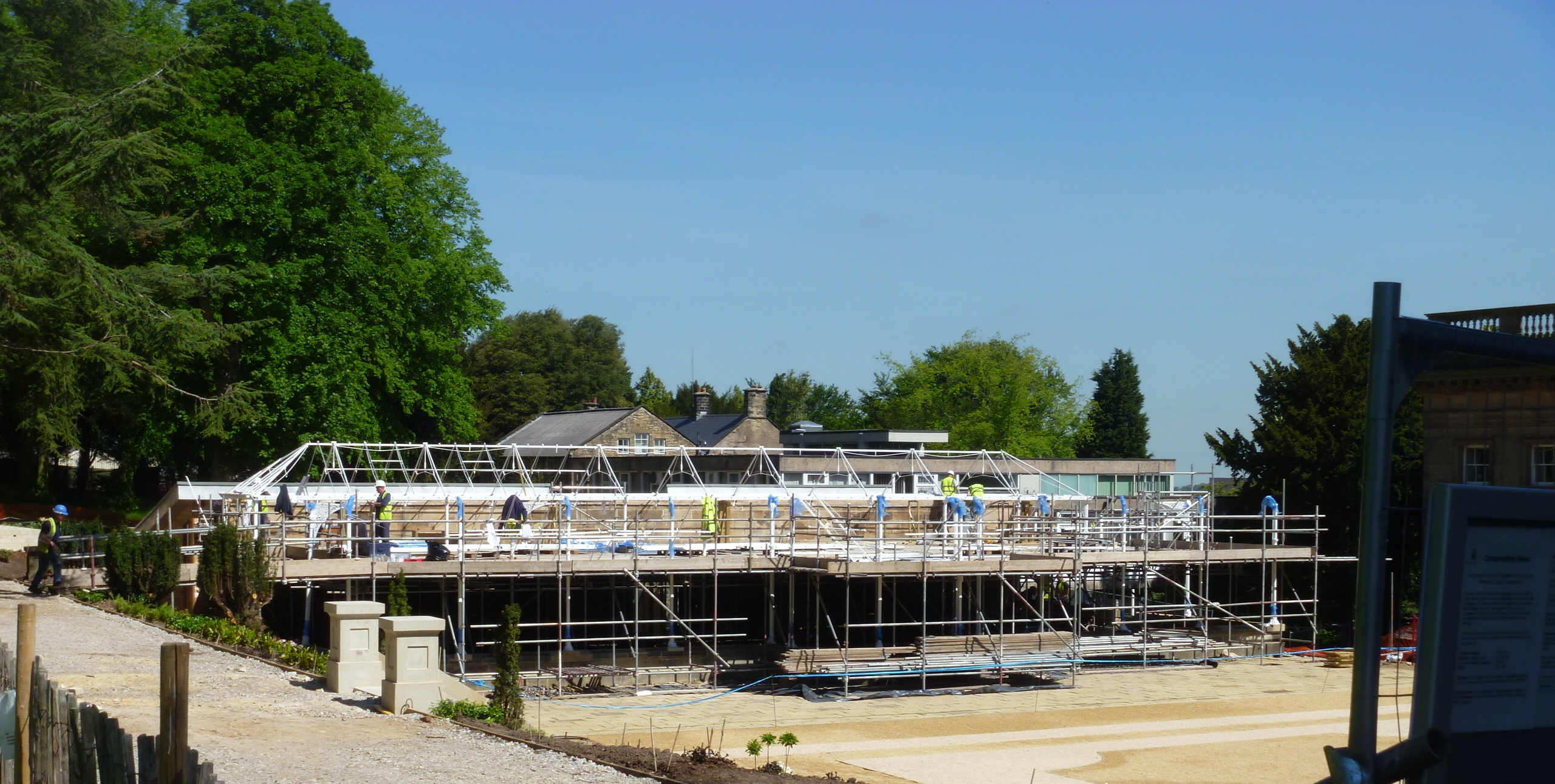
The latest exciting project is the Wentworth Castle Victorian Glasshouse Restoration Project.

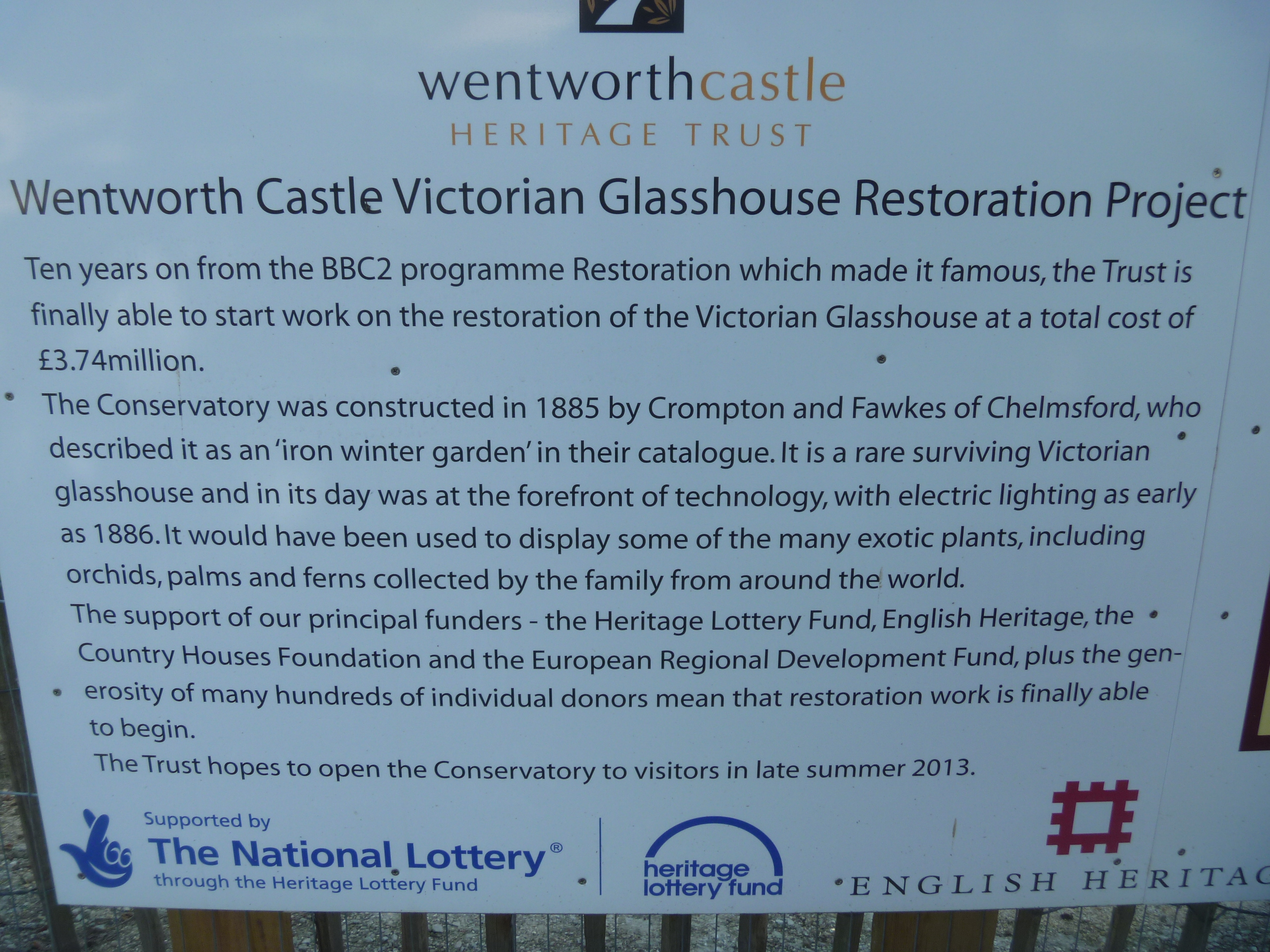
“Made famous by the BBC’s Restoration programme in 2003, this beautiful iron glasshouse was in danger of being lost forever until it became the main focus of our restoration plans.  In 2011, the Trust finally succeeded in raising the £3.74million needed to rescue the delicate structure and was able to work up the final plans for the restoration project.”

Notice board

It is expected that it will be open late summer 2013. Read more about the work being undertaken here.

The Glasshouse is just behind the main castle building and the gardens rise behind them on a gentle slope. There are formal gardens and woodland, a lovely cedar walk, a garish azalea garden, a stumpery and fernery, and an informal ‘wilderness’.

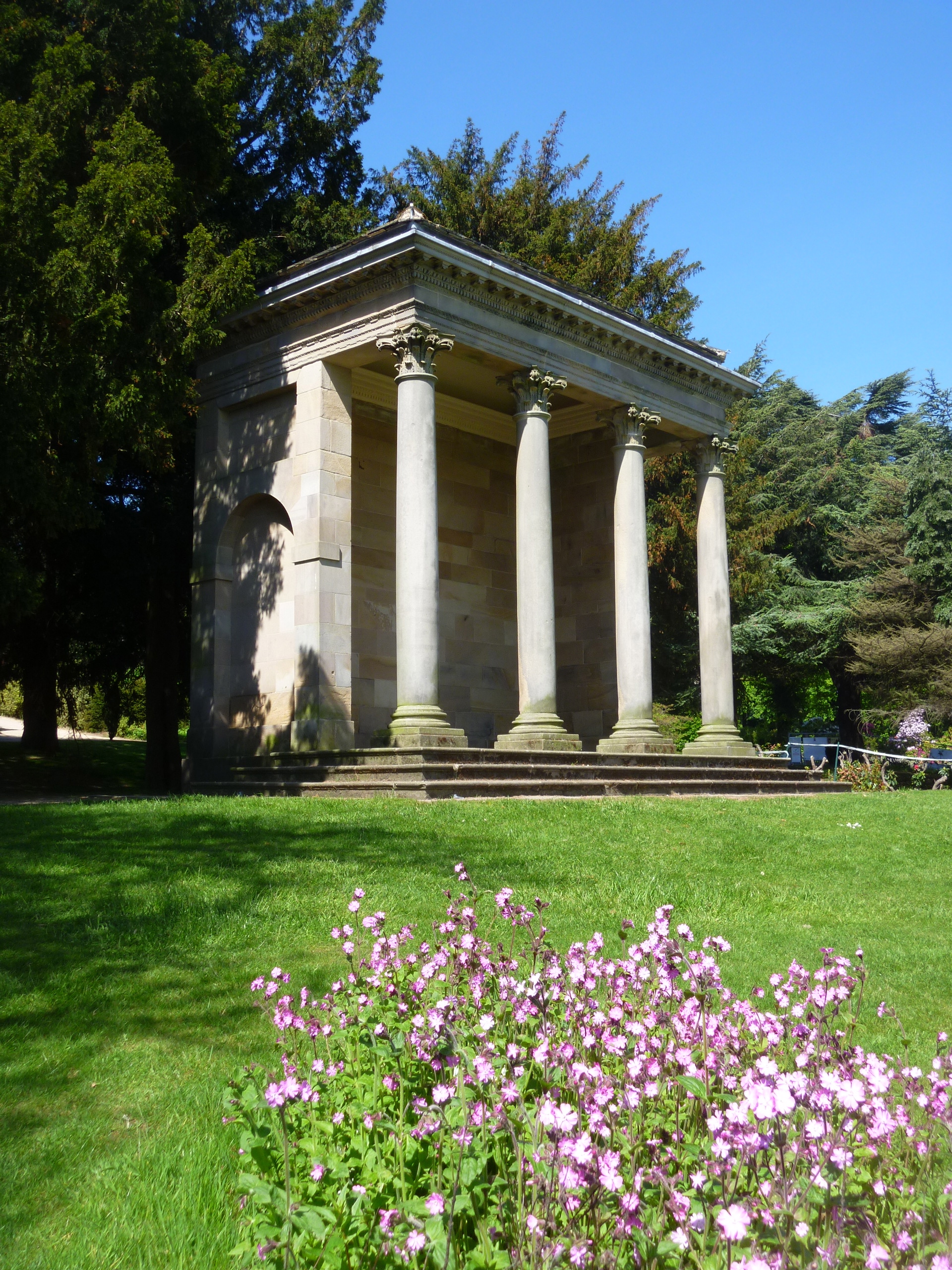
Corinthian Temple

The Corinthian Temple

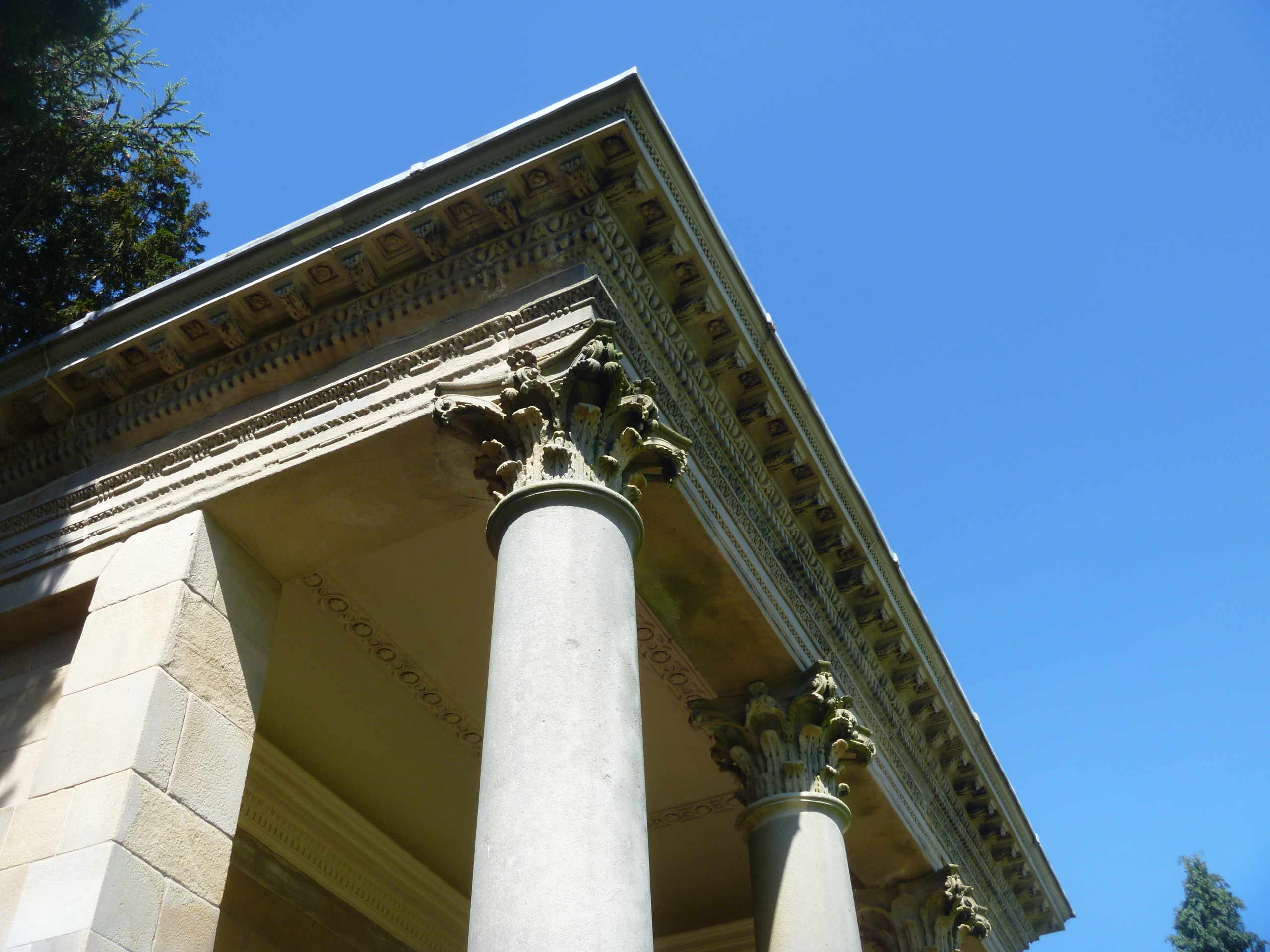
Plasterwork

The ornate plasterwork of the Temple

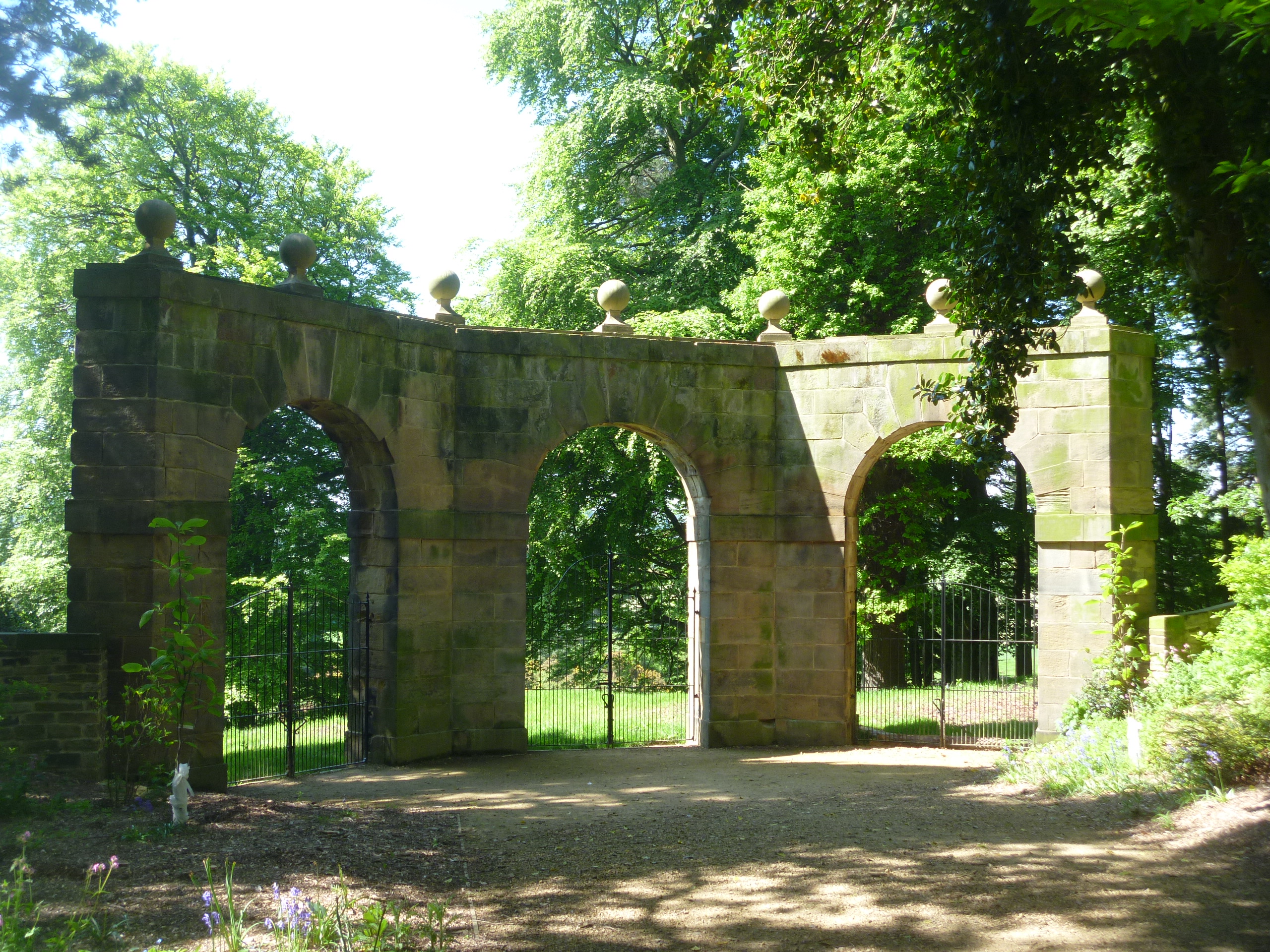
Archer's Hill gate

Archer’s Hill Gate

Sun Monument

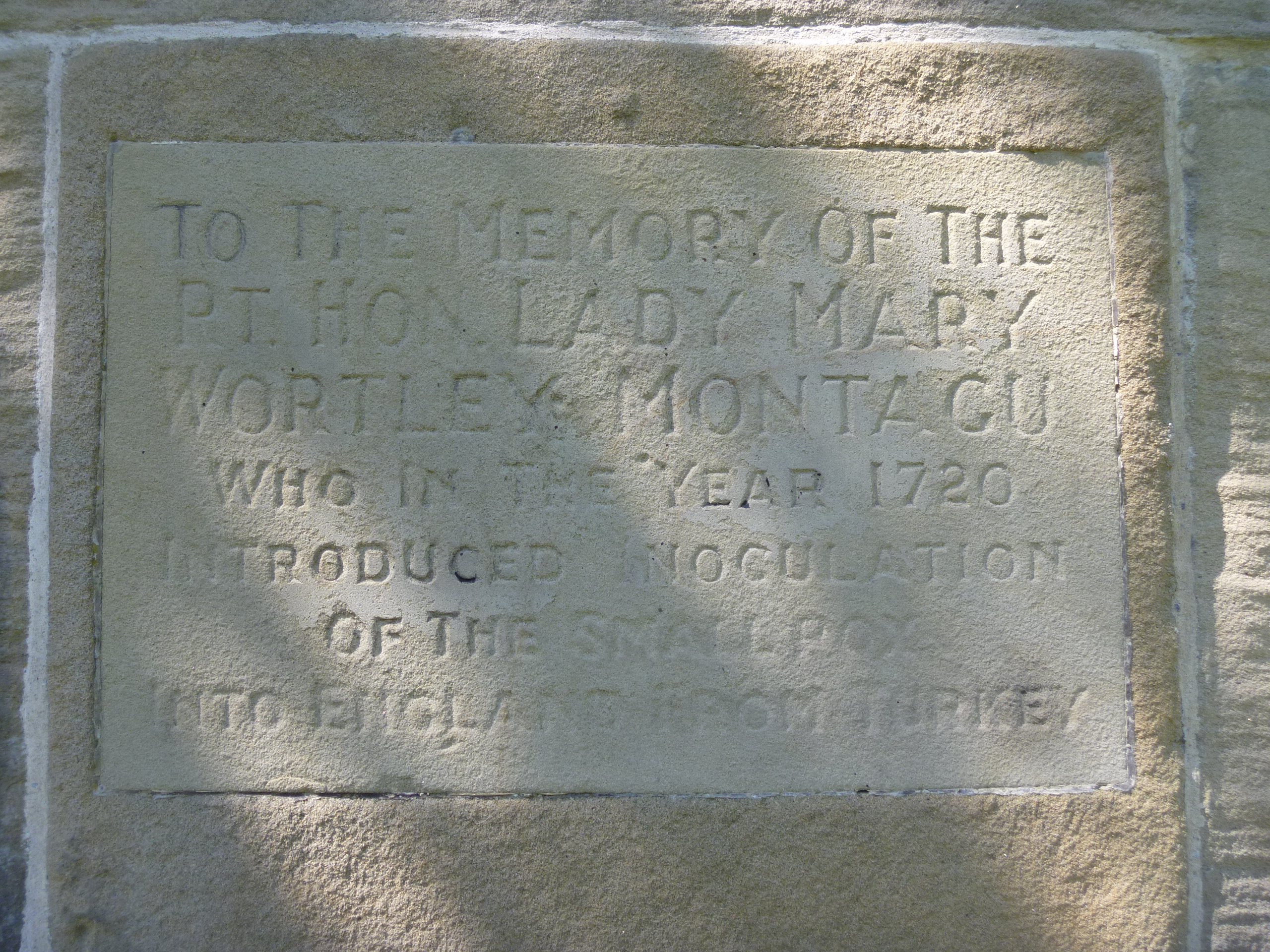
The Sun Monument to Lady Mary Wortley Montagu

Lady Mary Montagu

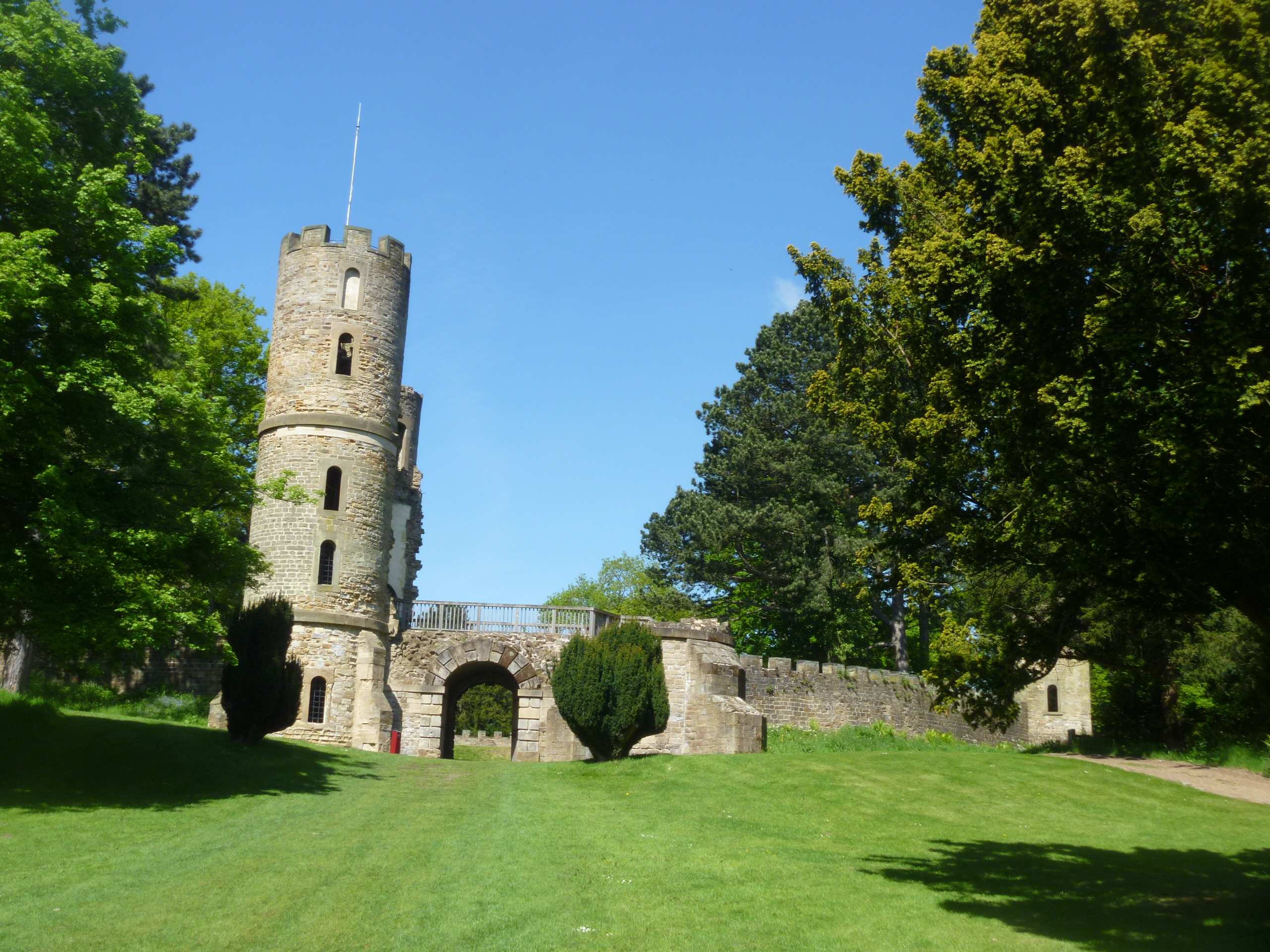
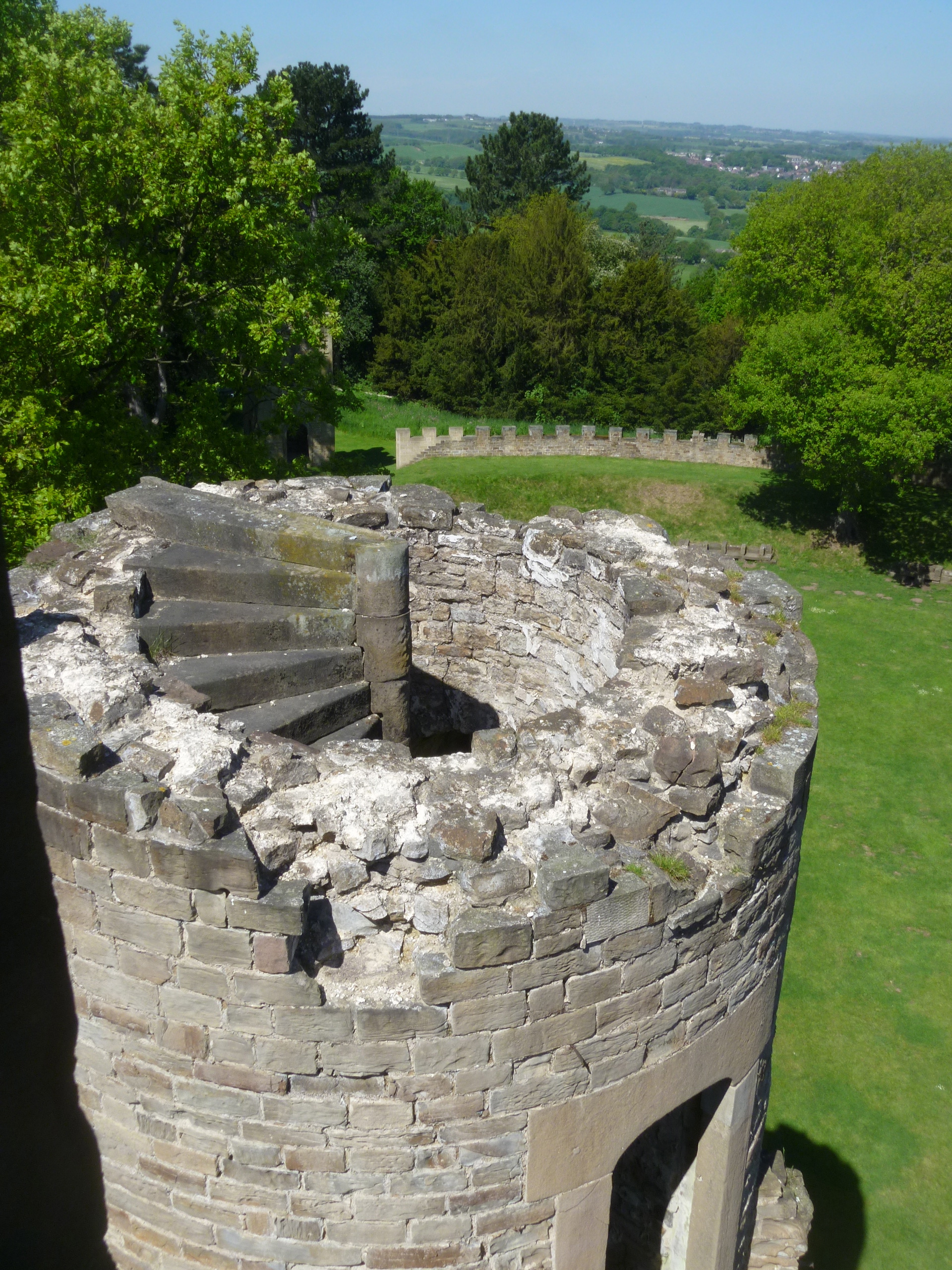
Stainborough Castle

Stainborough Castle

The view

The View from Stainborough Castle Tower

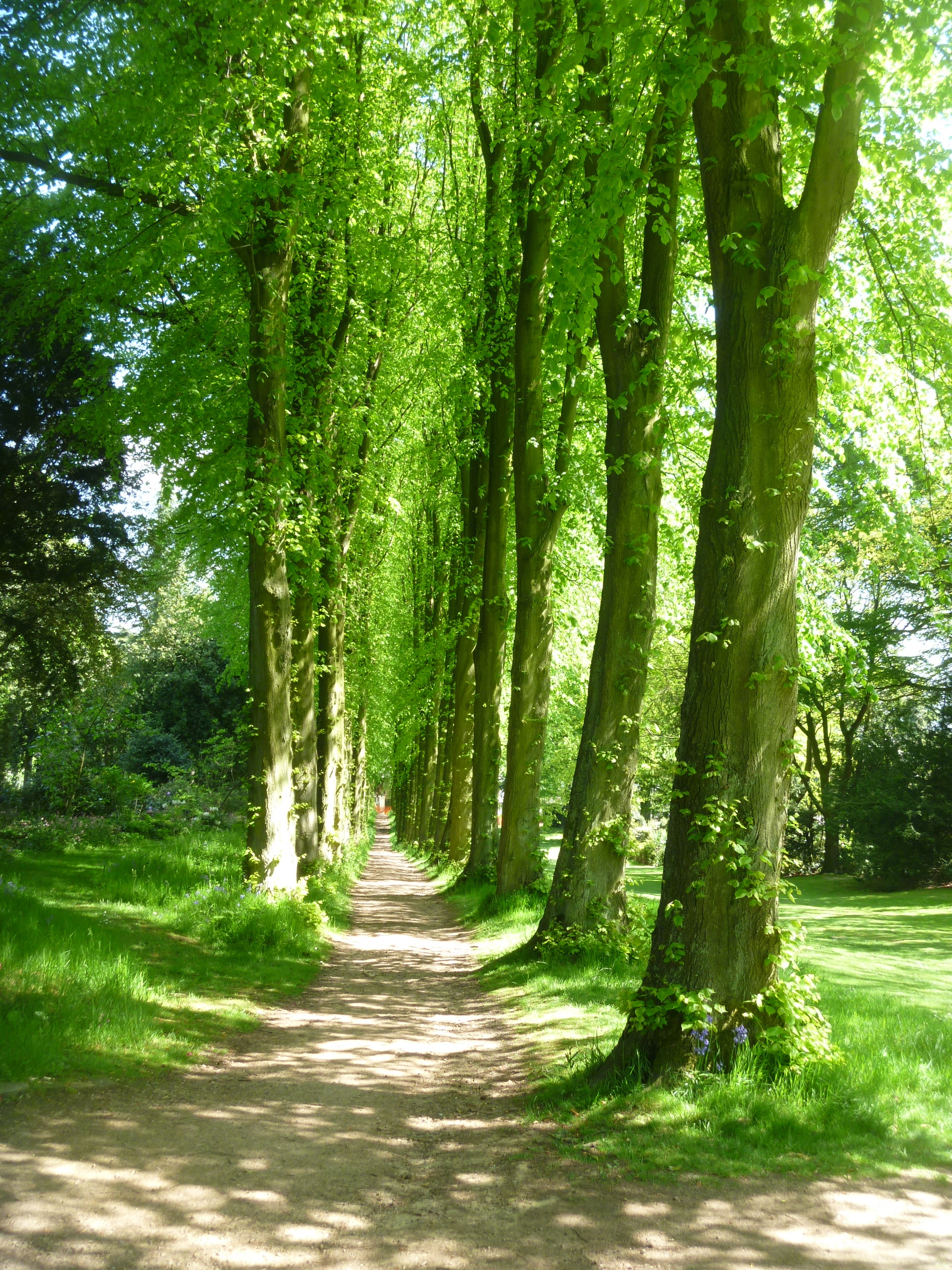
Lady Lucy's Walk

Lady Lucy’s Walk

Going back to the Wentworth Garden book I mentioned at the beginning there was one particularly interesting chapter towards the end. It wasn’t about gardens at all but about the Wentworths and Jane Austen novels. “A Big Name: Jane Austen and the Wentworths” is by Janine Barchas and in it she points out every instance of the appearance of a Wentworth-related name in Austen’s novels.

“In the long eighteenth century, the Wentworth family enjoyed pride of place among “abnormally interesting people” we now term celebrities.” Here are just some examples : Wentworth (Persuasion); Fitzwilliam (Pride and Prejudice); Darcy (Pride and Prejudice); Woodhouse (Emma); Watson (The Watsons). Fascinating!

“Lo! Cintra’s glorious Eden” – A Day in Sintra

Here you will see that Lord Byron’s declamation still holds true today!

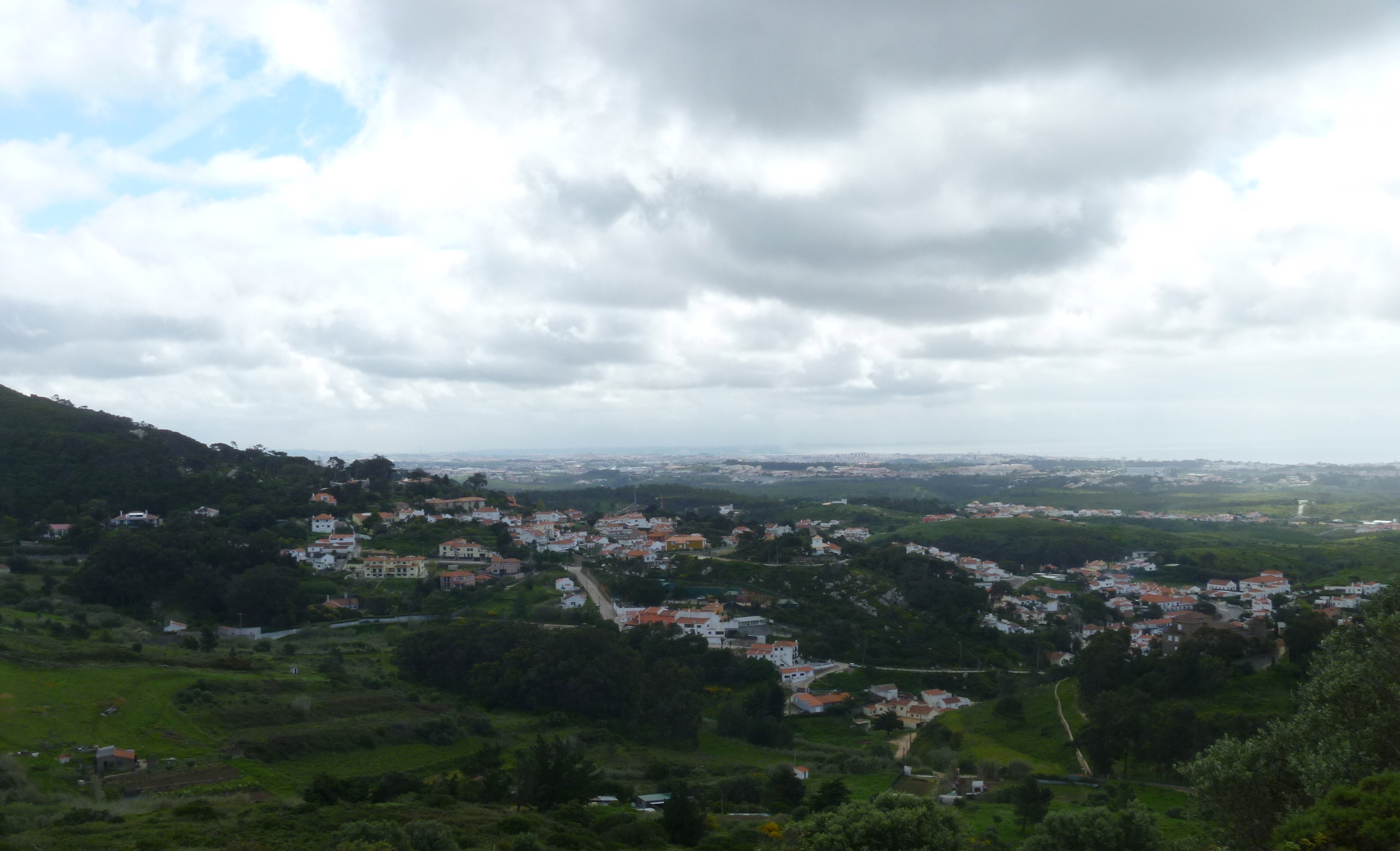
Our walk continued from Praia Grande for a further two days. We continued up the coast as far north as Praia de Magoito where the Sintra natural park ends and then turned inland away from the ocean views to the wine growing area of Colares. The town of Colares was  where we spent the next night and our journey on foot continued the next day to Sintra itself via a long stop at the wonderful Palace and Gardens of Monserrate.

Monserrate Gardens

In the Gardens at Monserrate

Entrance Gate to Sintra

Former Entrance to Sintra

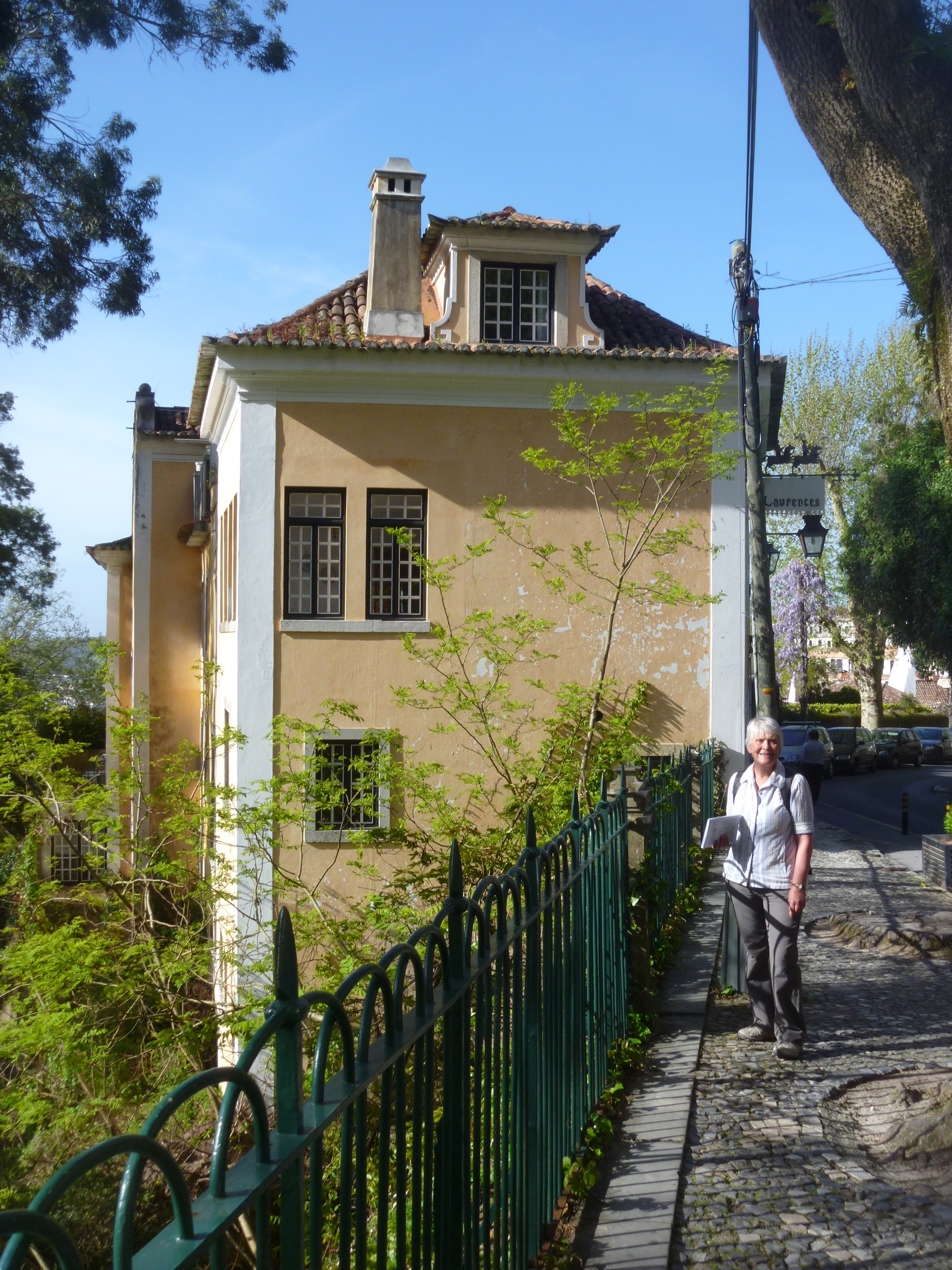
So, on the afternoon of the fifth day of walking we arrived at one of the former town gates and soon reached the famous Lawrence’s Hotel right in the old town of Sintra.

Lawrences

This hotel is the oldest in Spain and Portugal and (I believe) the second oldest in Europe. It has connections with Lord Byron who stayed here and whose portraits appear on many of the hotel and restaurant walls.

We stayed two nights at Lawrences which gave us a whole day to explore Sintra and its palaces.

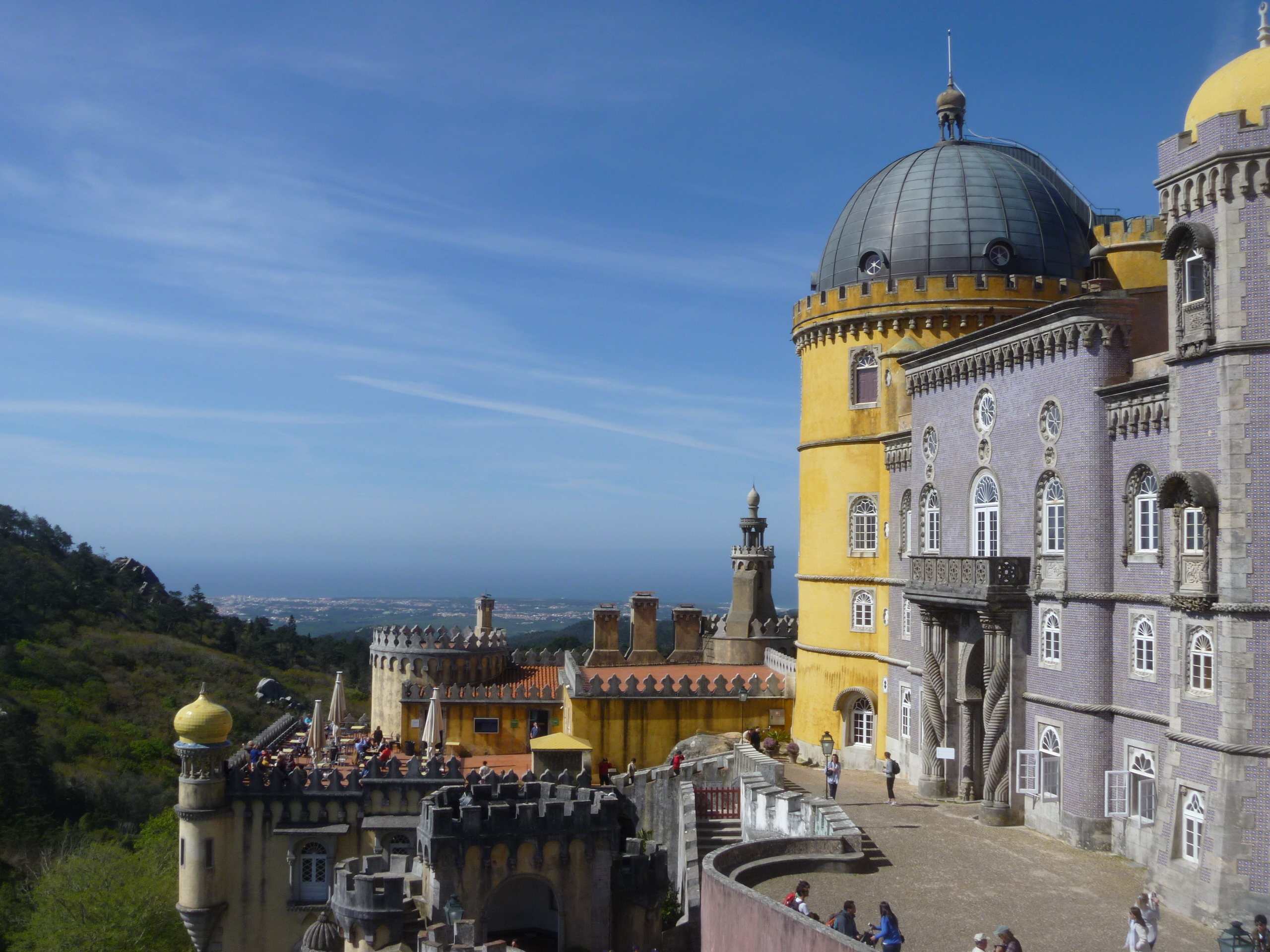
Pena Palace

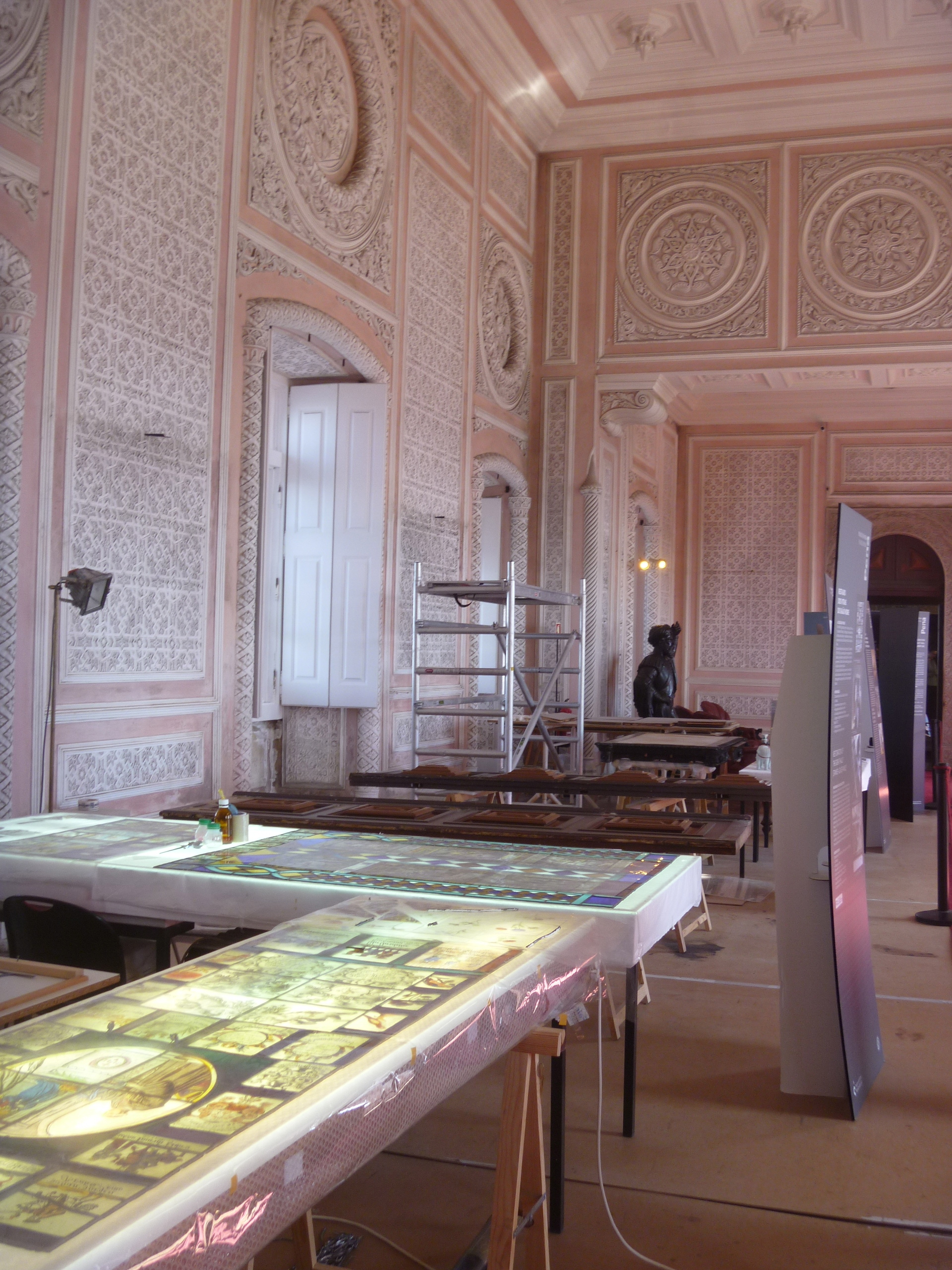
Most of our time was spent at the Park and Palace of Pena. It’s very popular; even on this Friday in April. There is lots to see in the Palace alone. Ongoing restoration could also be observed here as at Monserrate.

Open for Works at Pena

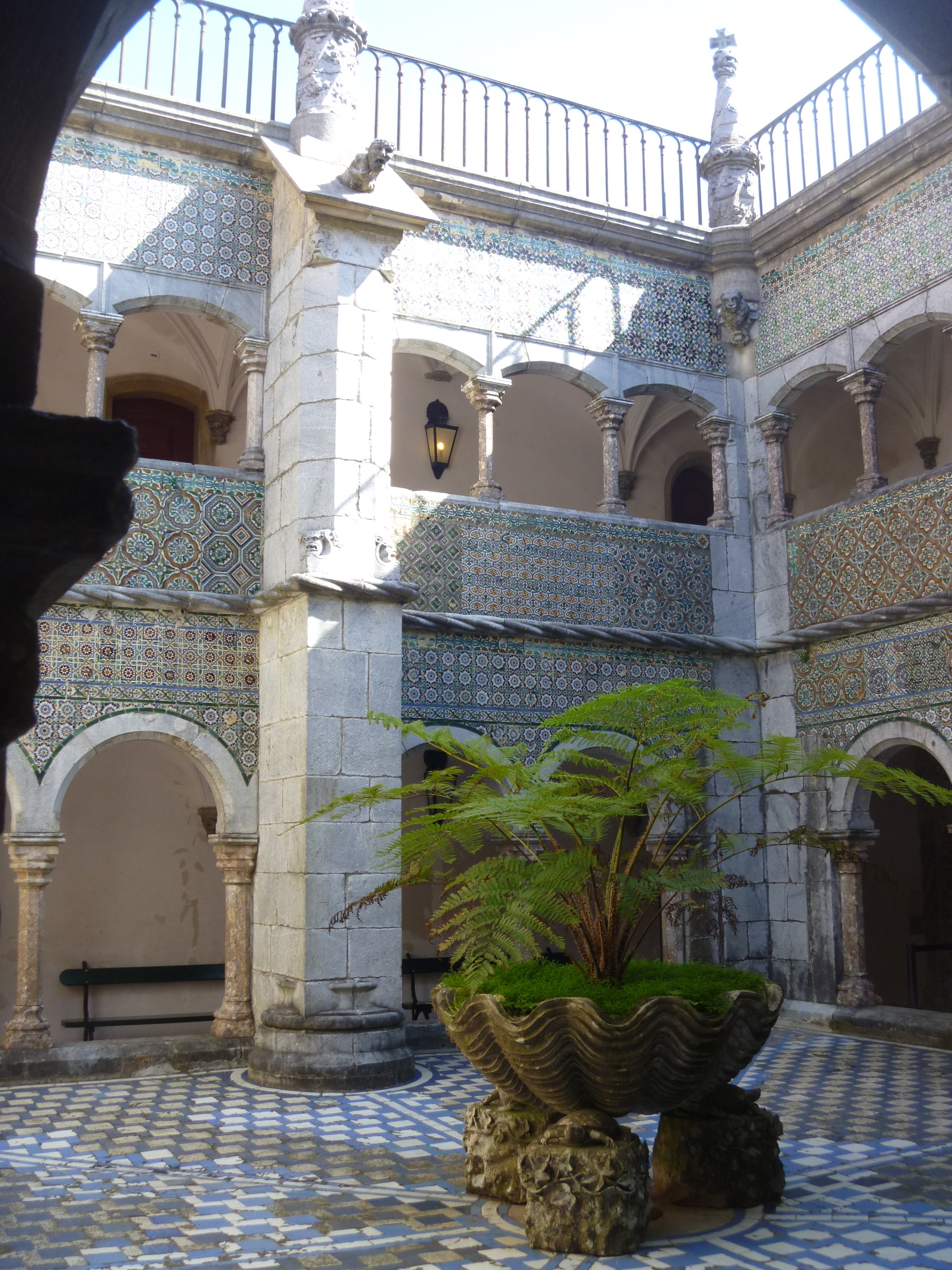
Tiled courtyard

An Inner Courtyard

The Park and Palace of Pena are the finest examples of nineteenth century Portuguese Romanticism and the integration of natural and built heritage. They constitute the most important part of the Cultural Landscape of  Sintra’s World Heritage site.” [From publicity leaflet]

Originally a chapel and later a monastery  in 1842 work began on a “New Palace” by the King Don Fernando II who left all the property on his death to his second wife the Countess Edla. The Palace and Park were acquired by the state in 1889 and converted to a museum in 1910-12.

A natural environment of rare beauty and scientific importance, the Park is remarkable as a project of landscape transformation of a hill, barren at the time, into an arboretum integrating several historic gardens. It occupies almost eighty-five hectares of exceptional geological and climatic conditions.” [From publicity leaflet]

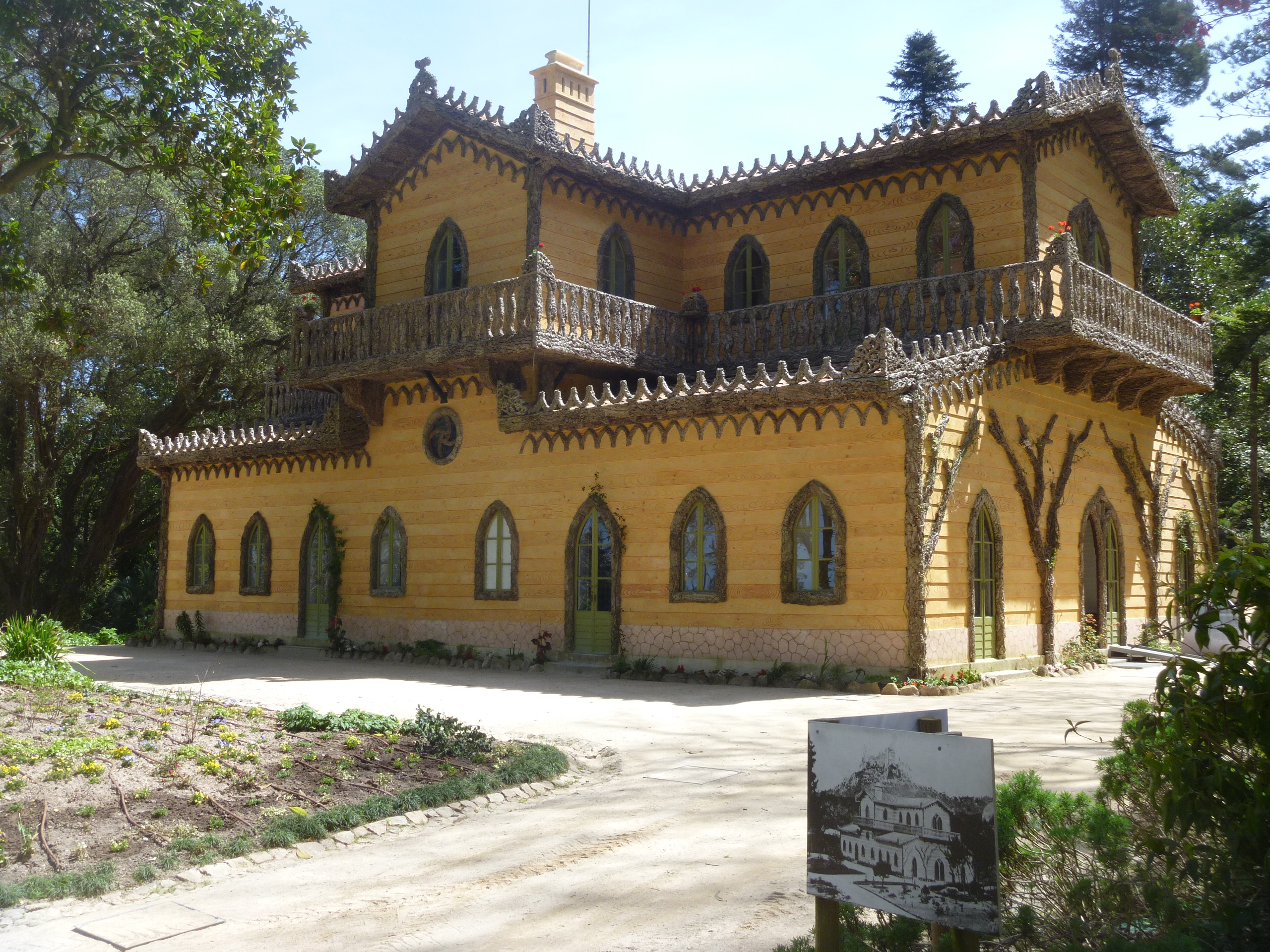
The Chalet Edla

The Chalet Edla

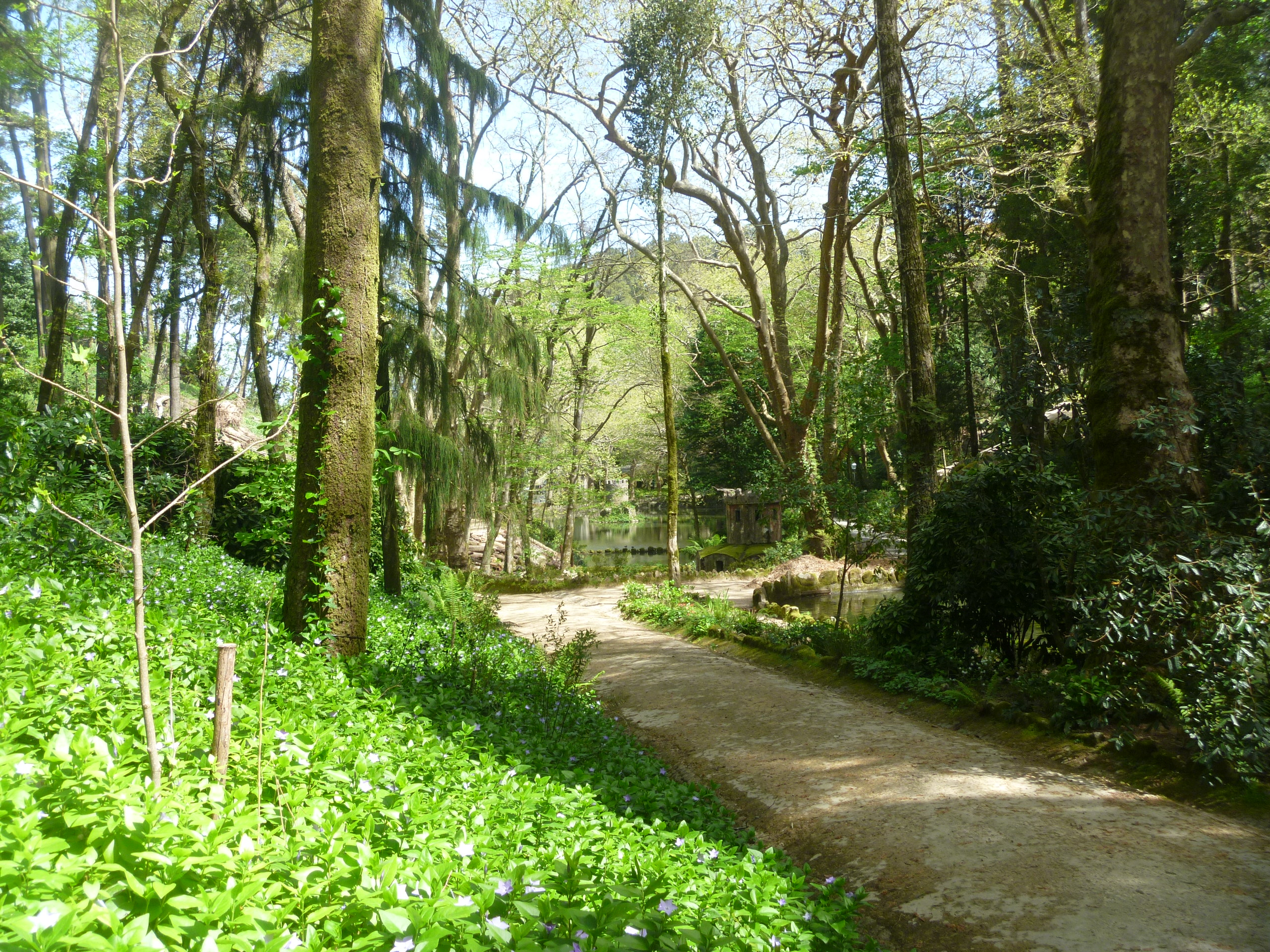
We could have spent hours in the grounds alone. Leaving the Palace you are soon away from the crowds and we decided on a route that would take in the Chalet Edla.

Pena Park

Lush Greenery of the Pena Park

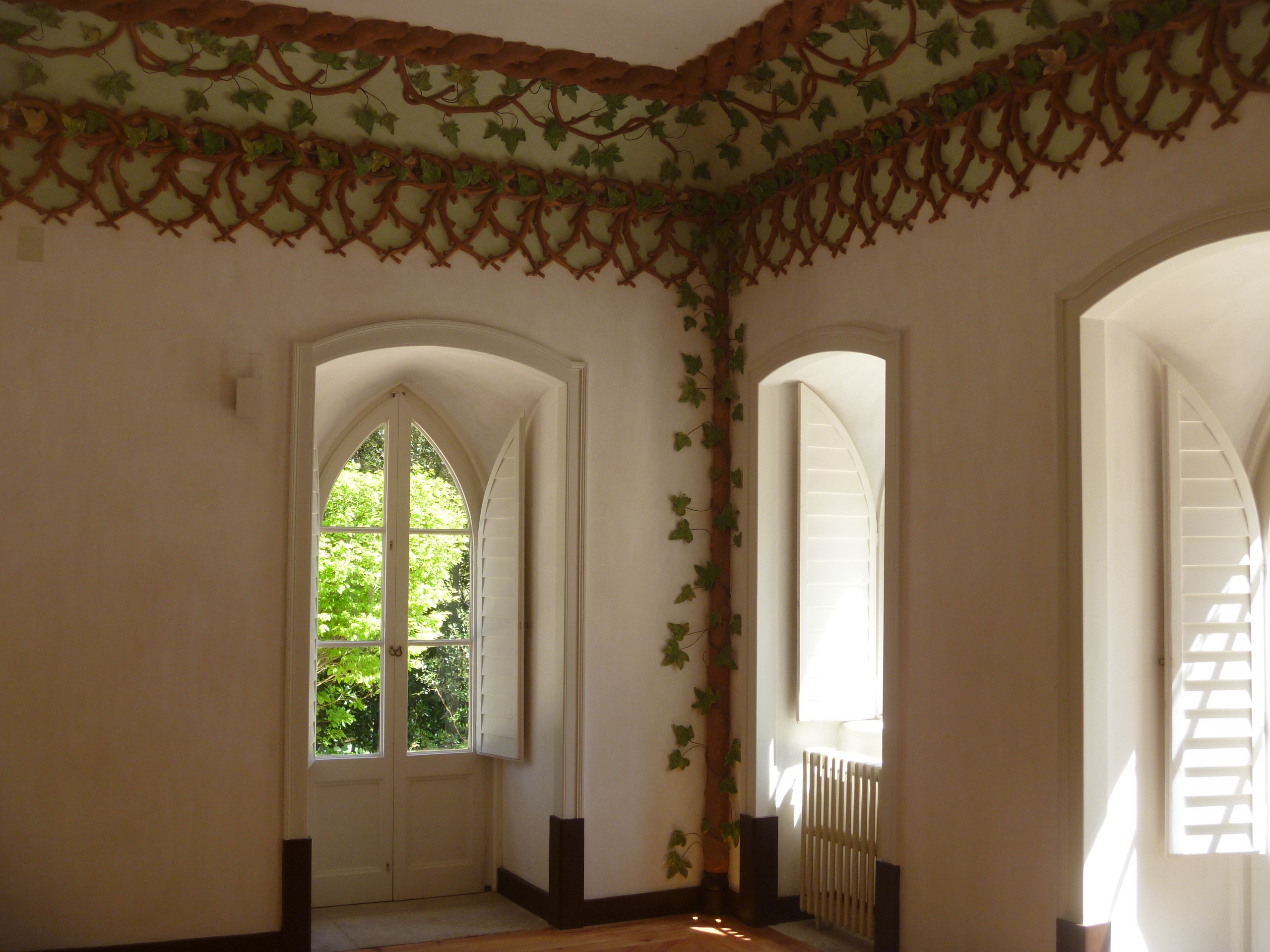
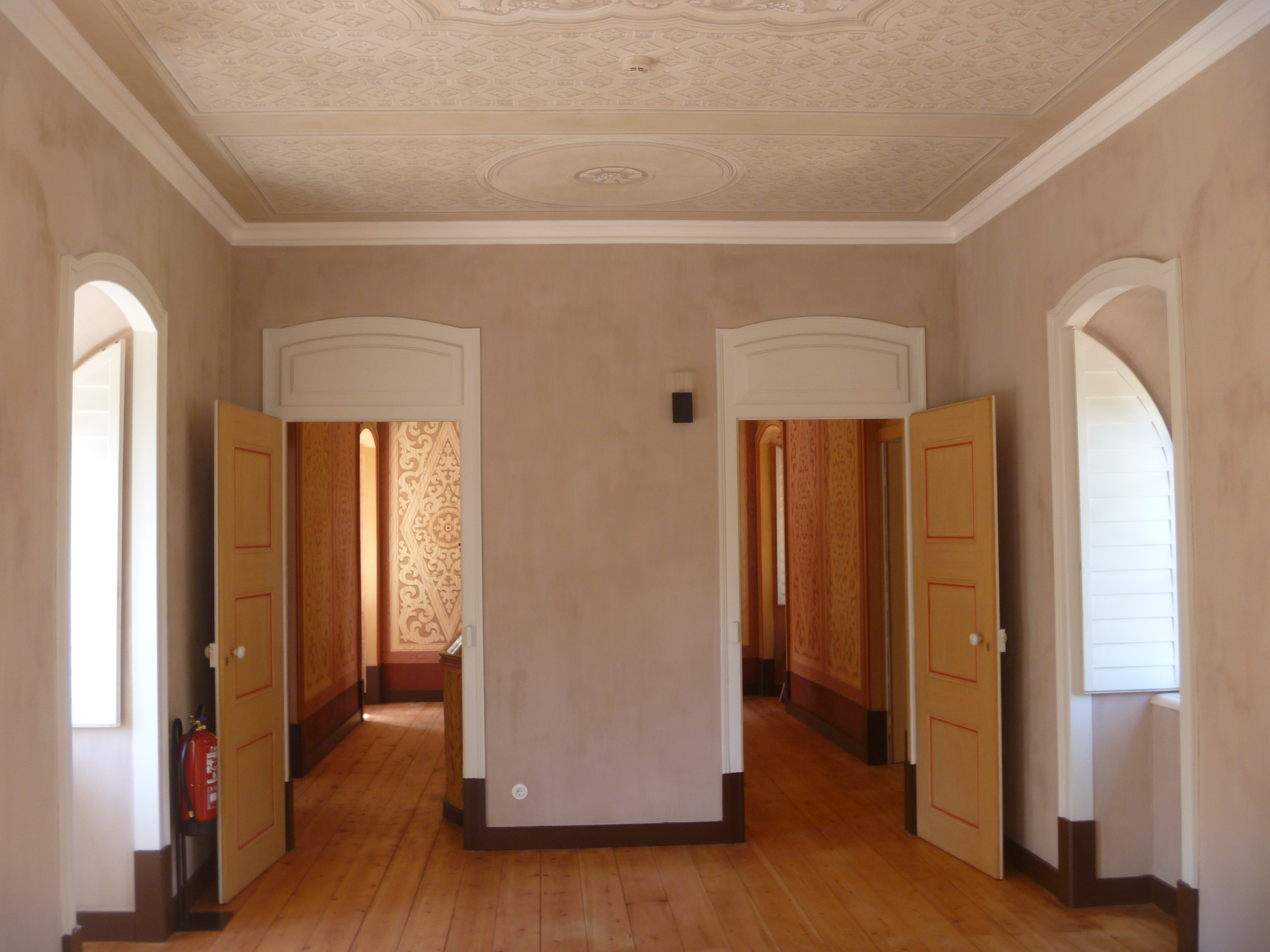
We had understood that due to damage following the storms in January the Chalet would not be open to the public. So we were surprised and happy to find that on that very day it was reopened  to the public! We bought our tickets and took a look round this unusual summer house built by Don Ferdinand for the Countess between 1864 and 1869. The Chalet also deteriorated badly over many years and in 1999 was damaged by fire. Here, again, renovation work is still ongoing. I’m not sure to what extent the recent storms damaged the house but there’s been a magnificent effort to restore this building to its former glory.

Before renovation

Photographs show the extent of the damage

Inside Edla 1

Interior Chalet Edla

Inside Edla 2

Renovations at The Chalet Edla

Inside Edla 3

Upstairs at The Chalet Edla

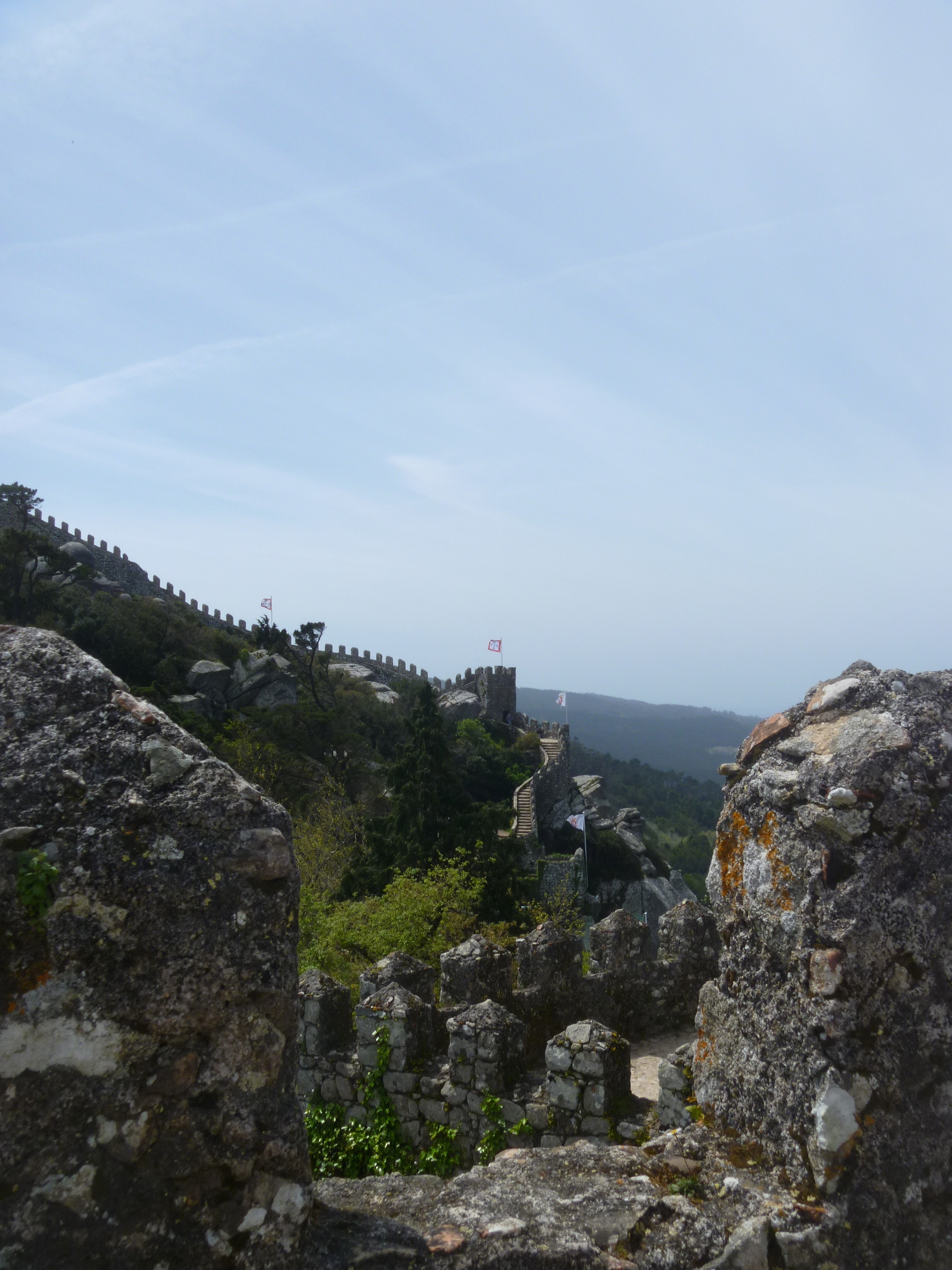
From the Pena gardens we stepped across the road to the Moorish Castle which is really just ramparts. But they are impressive  ramparts.Moorish Ramparts

The Moorish Castle Ramparts

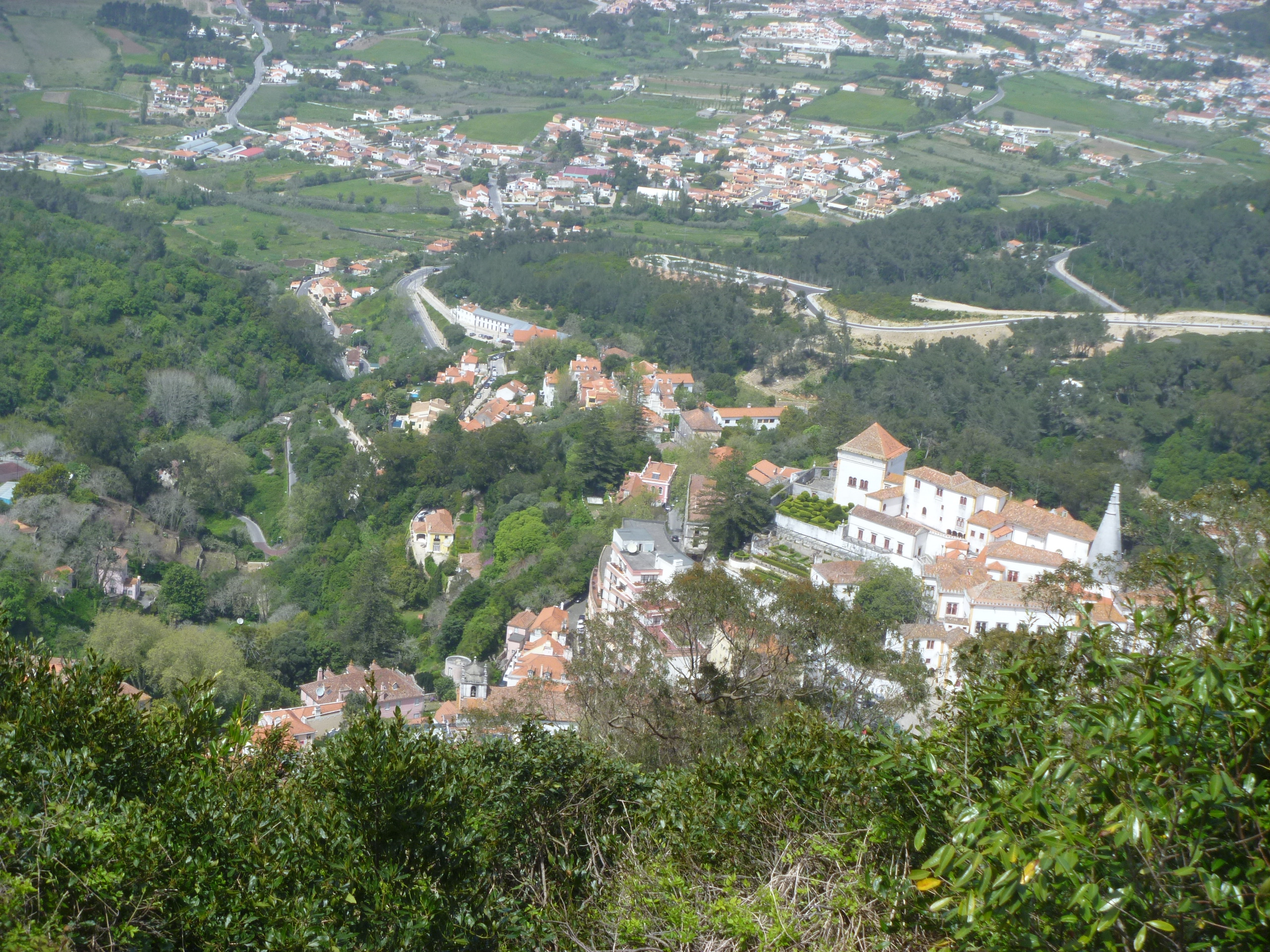
Sintra from Moorish

Sintra from the Moorish Castle Ramparts

They tower over the town and we could see them from our terrace at Lawrences.

From our terrace

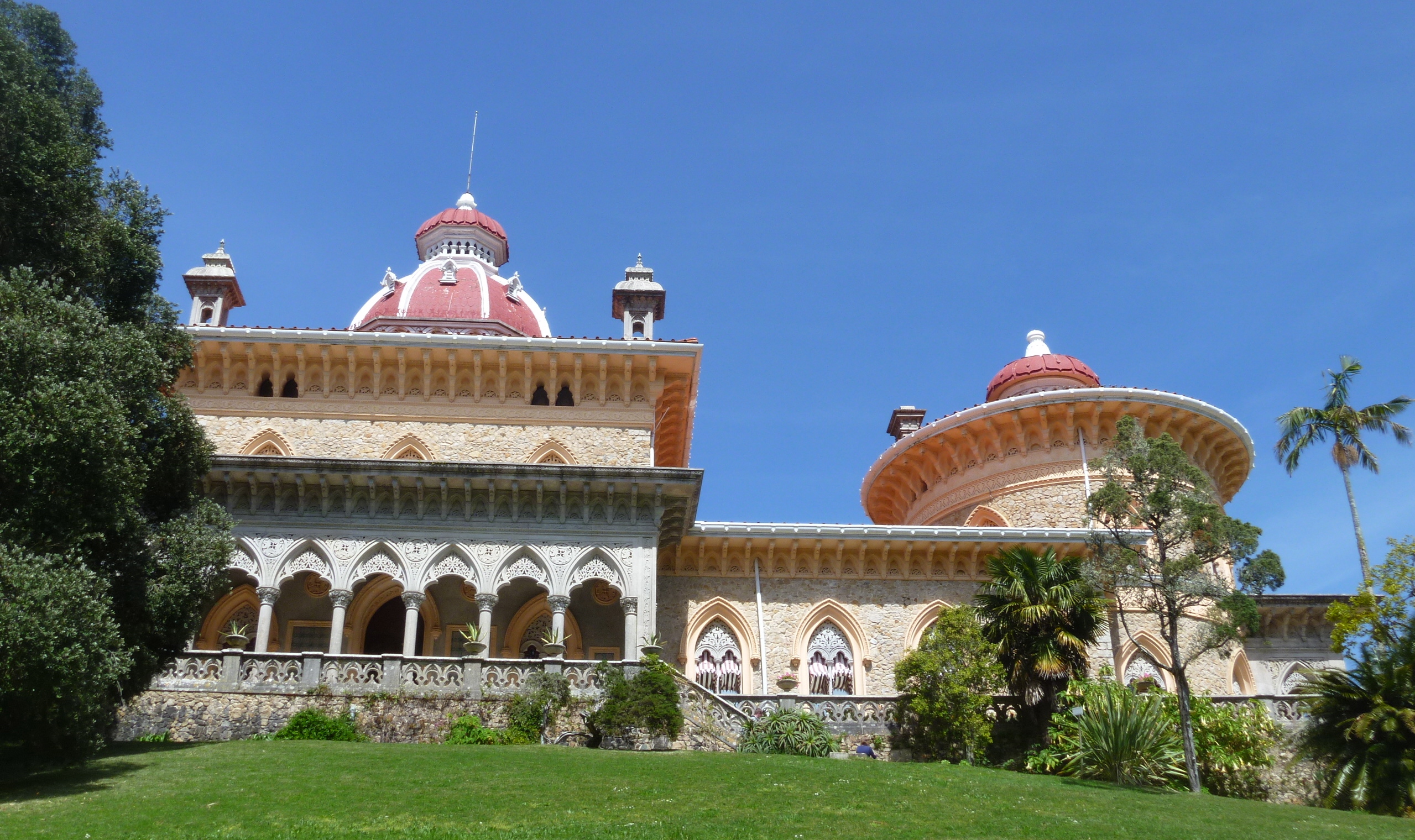
The Palace of Monserrate Restoration Project

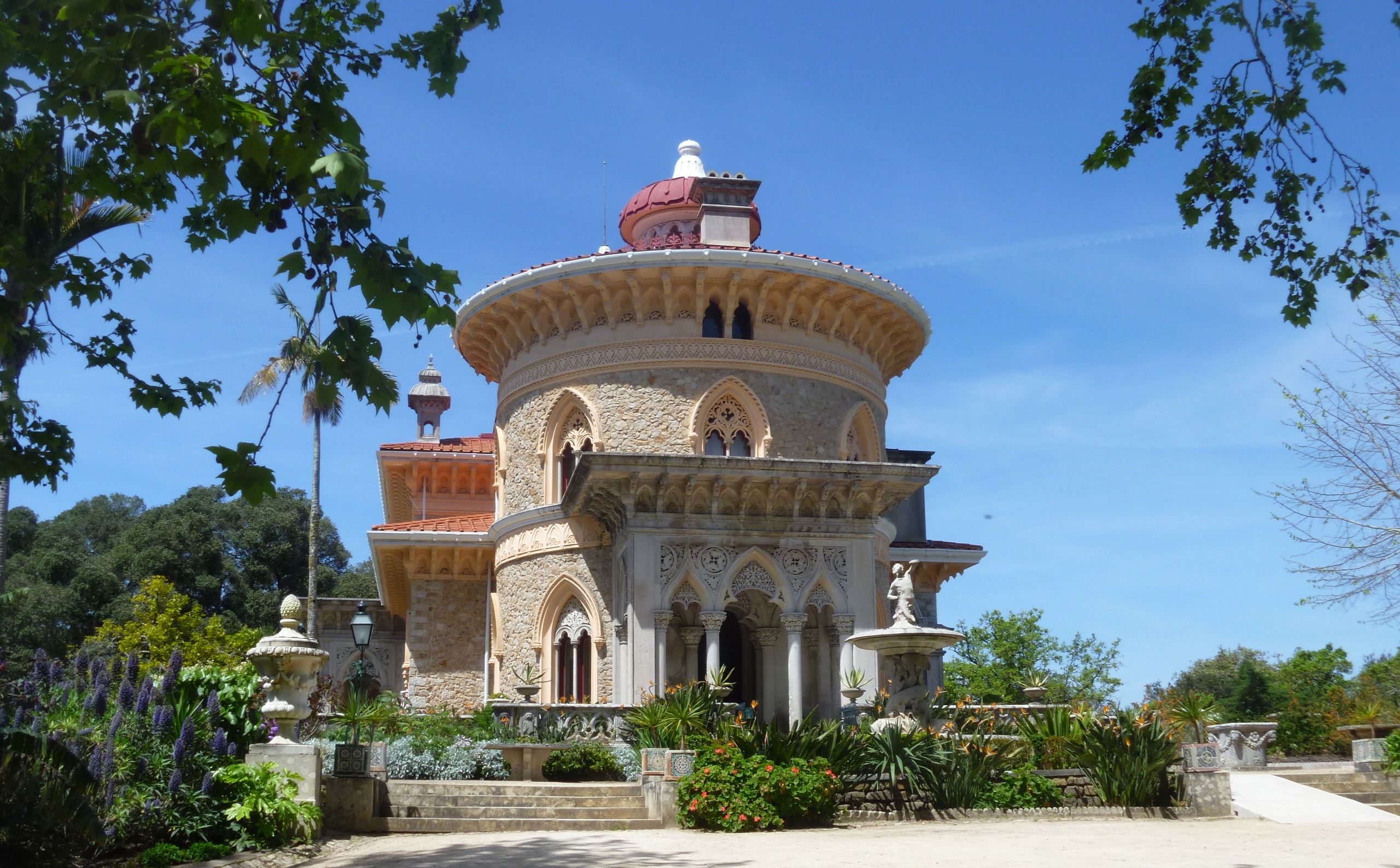
Palace of Monserrate

In 1995 the whole of the Sintra Region was awarded UNESCO World Heritage status and restoration of the various properties and conservation of the forests and parks continues to this day.

Hall at Monserrate

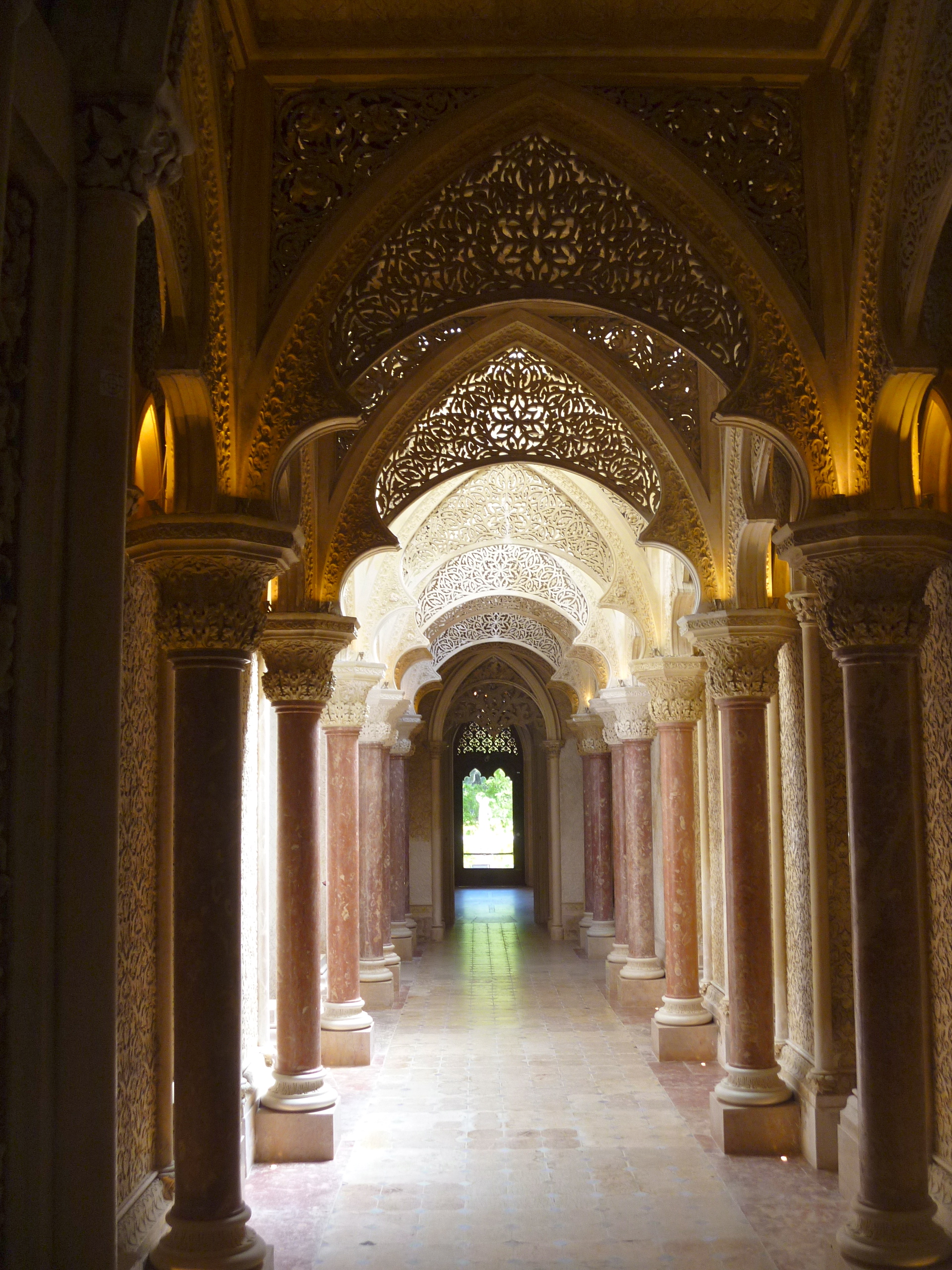
The Beautifully Restored Hall

Since 1949 Monserrate has been owned by the Portuguese state. Over the decades that followed the palace deteriorated but in 2001 restoration work began on the roof and facades.  After interruptions this work was finally completed in 2004 when work on the interior could begin. A successful bid for funds from EEA-Grants in 2007 enabled work to resume at a faster pace. At Monserrate this the project is called “open for works” and it allows for the Palace to be open to the public so that all may watch the ongoing ‘interventions’.

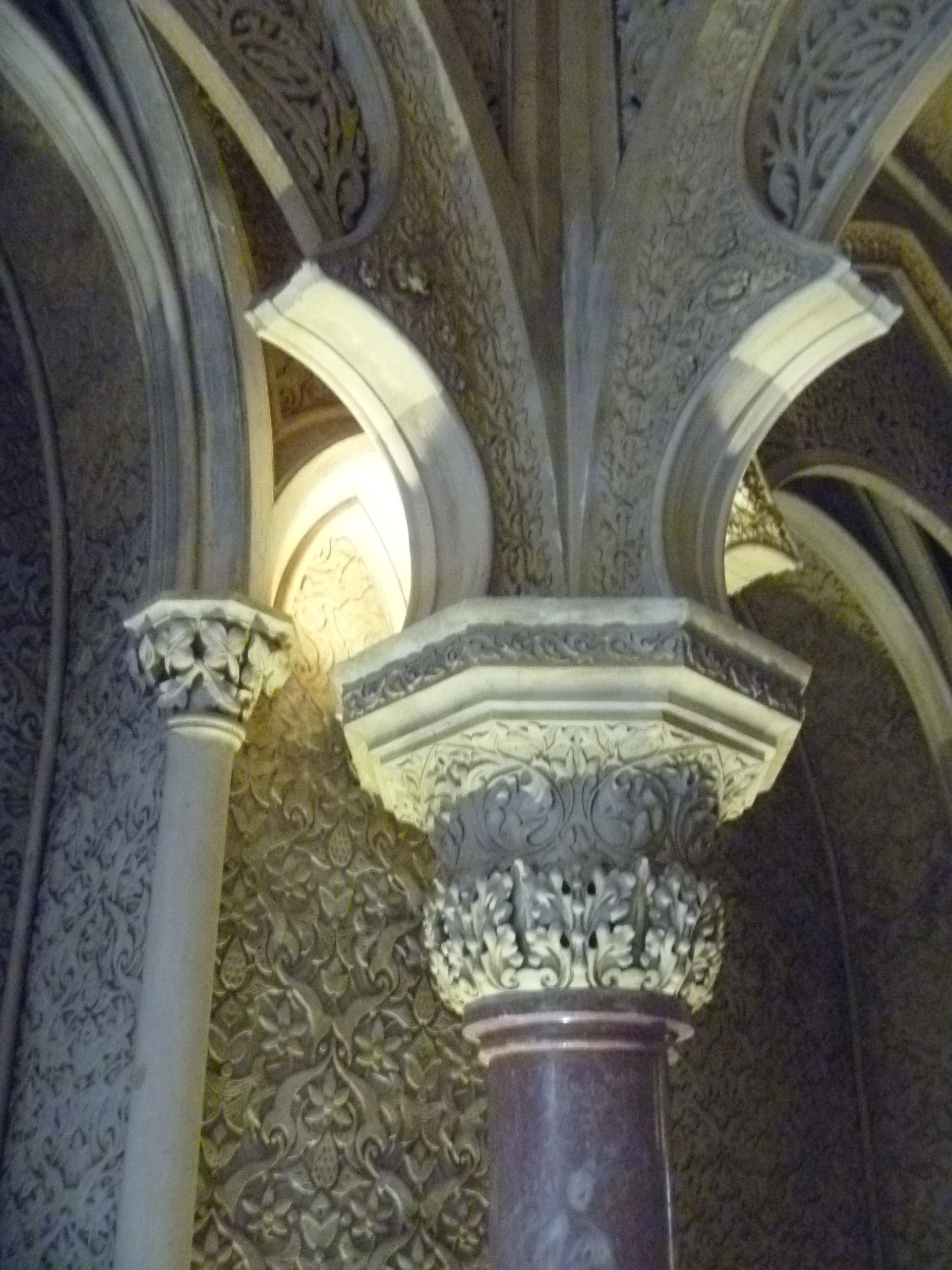
Exquisite renovation work

Fantastic renovation work

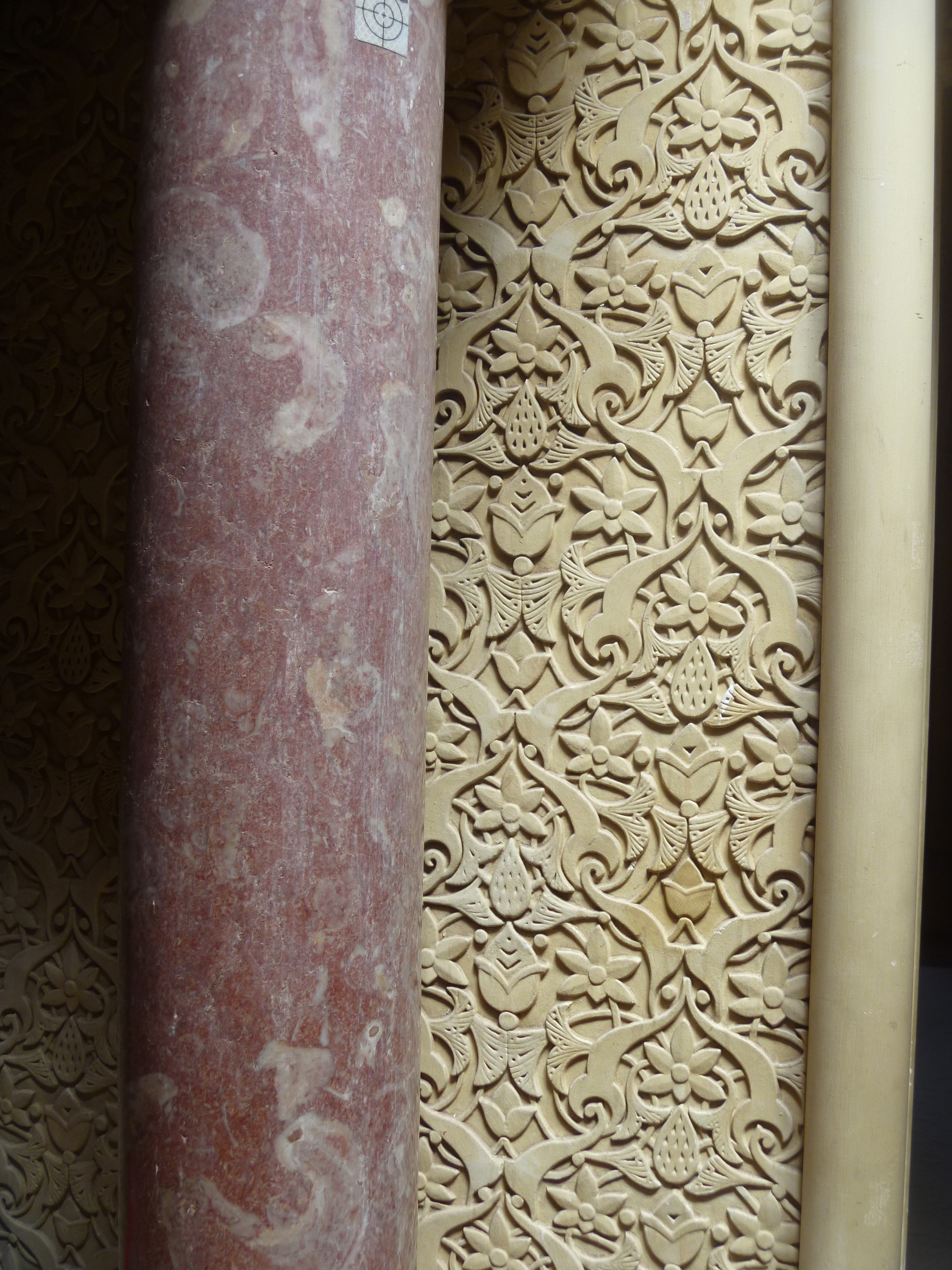
Exquisite Plasterwork

Restoration work carried out room by room allowed for the re-opening of the building to visitors. So far interventions in the Library, Chapel, Kitchen, Pantry, Wine Cellar, Larders, decorative plasterwork, cleaning of stonework, kitchen range have all been carried out in sight of the visitors. It is wonderful to see the artists and craftspeople at work and many of the rooms being brought back into use, like The Music Room for concerts.

Restoration work in the music room

Music Room Plasterwork

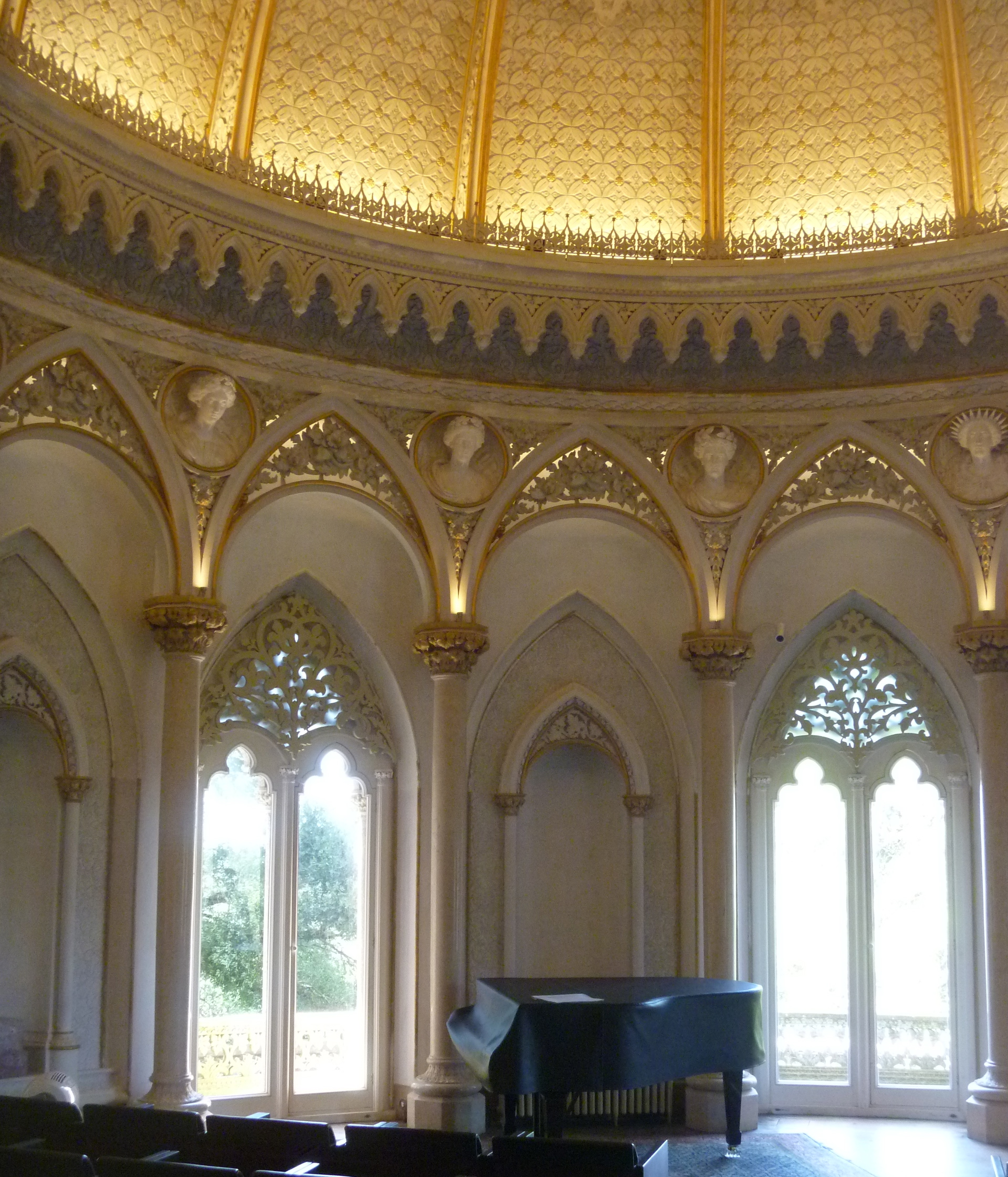
The music room at Monserrate

The Music Room Today

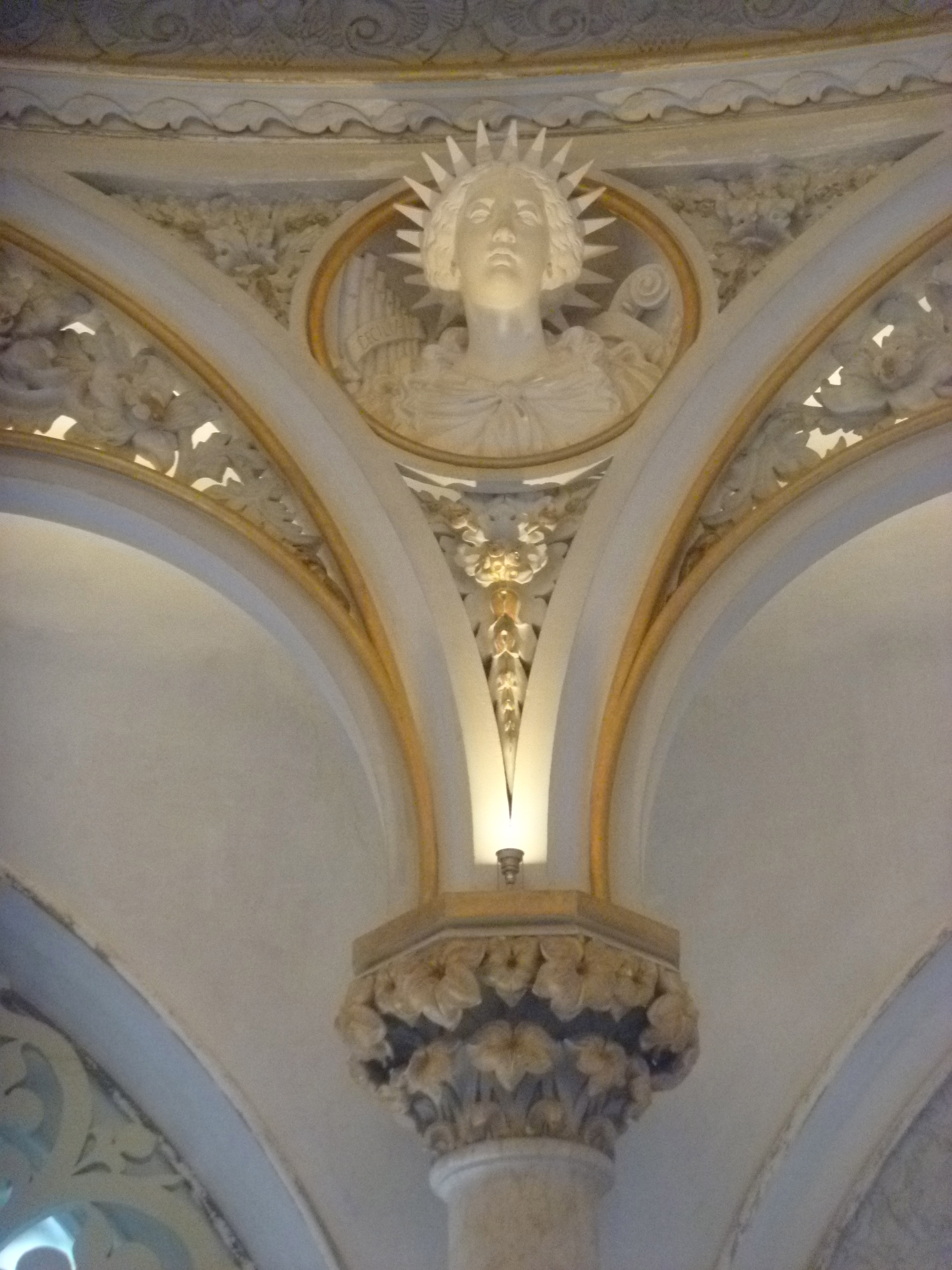
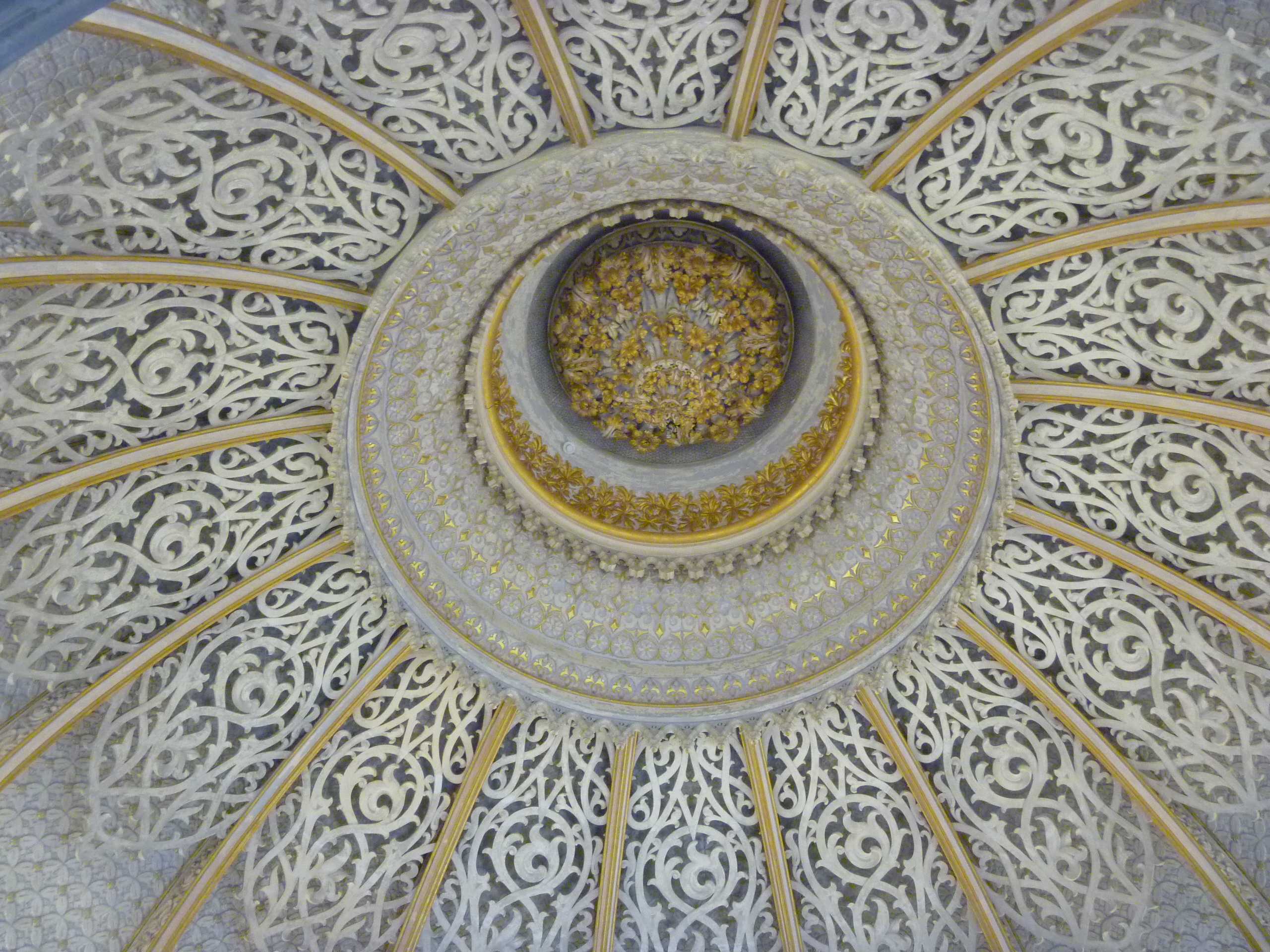
Restored Music Room ceiling

The Restored Music Room Ceiling

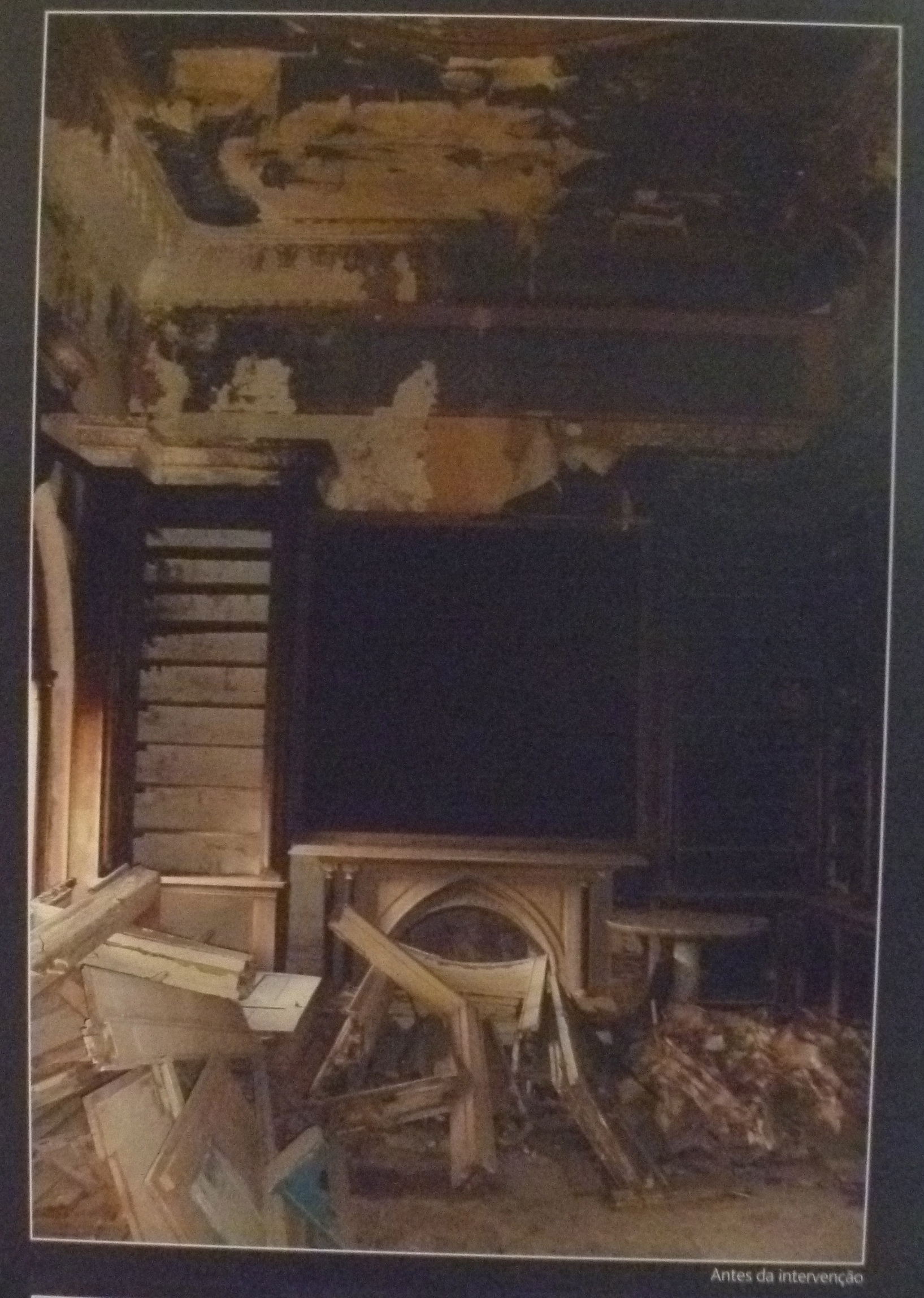
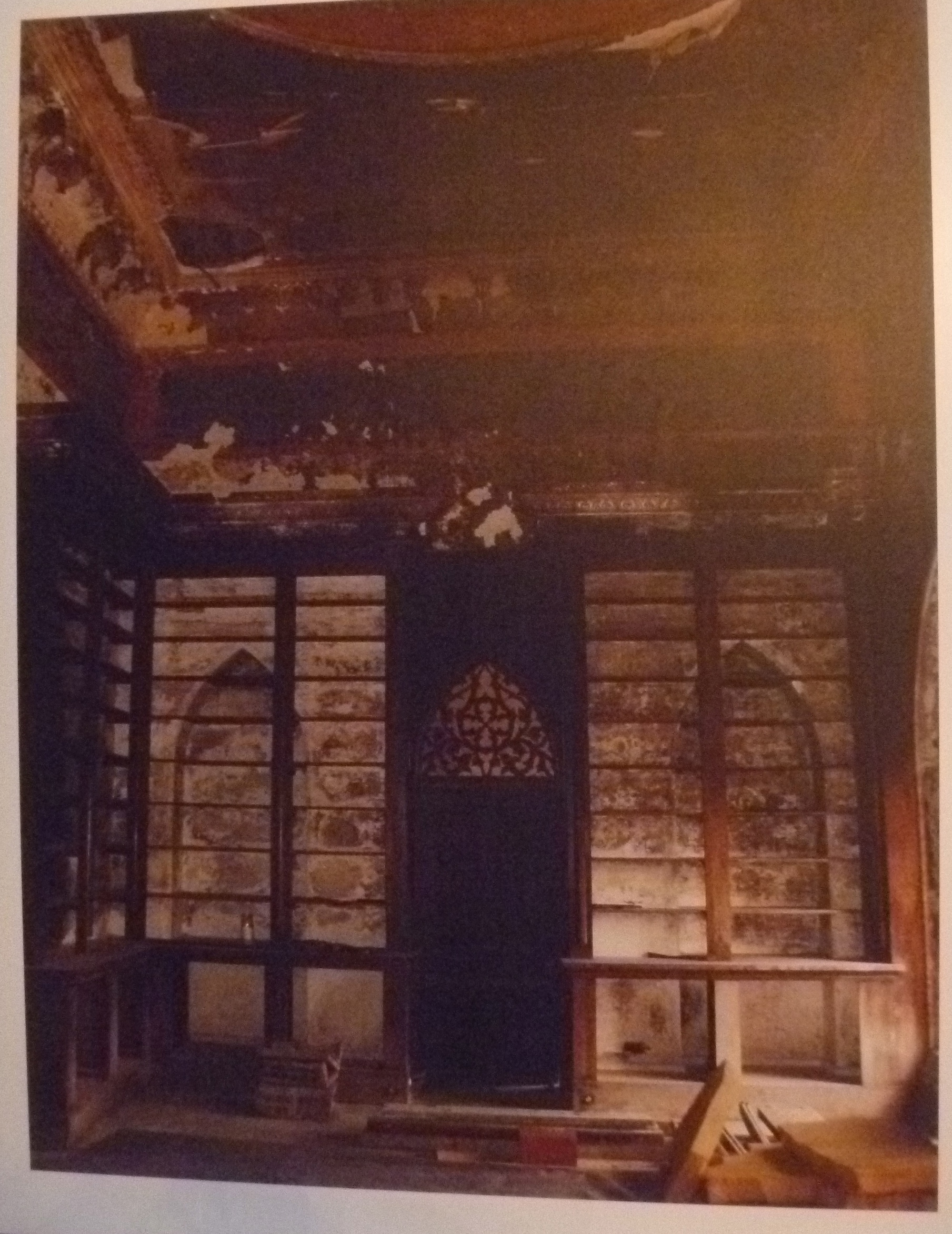
Photographs on display in the Library show just how bad the condition of this fine room became during the latter half of the 20th century. Once the roof and walls were repaired work began on the individual rooms. Paying careful attention to detail the Library has now been recreated in its former glory.

The library before renovation

The library pre-renovation

The above two photos show the extent of the damage

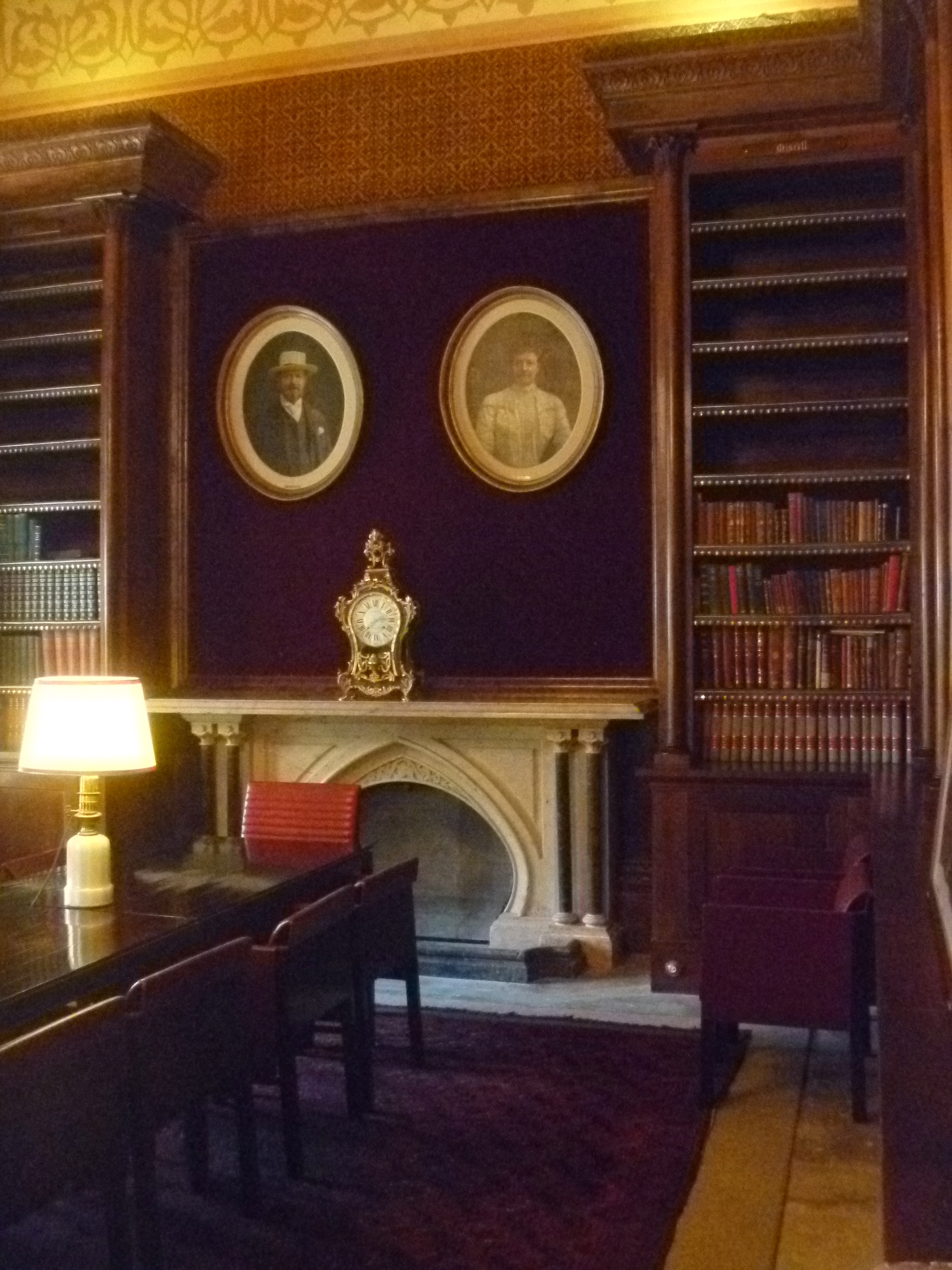
The library now

The Library as it looks today

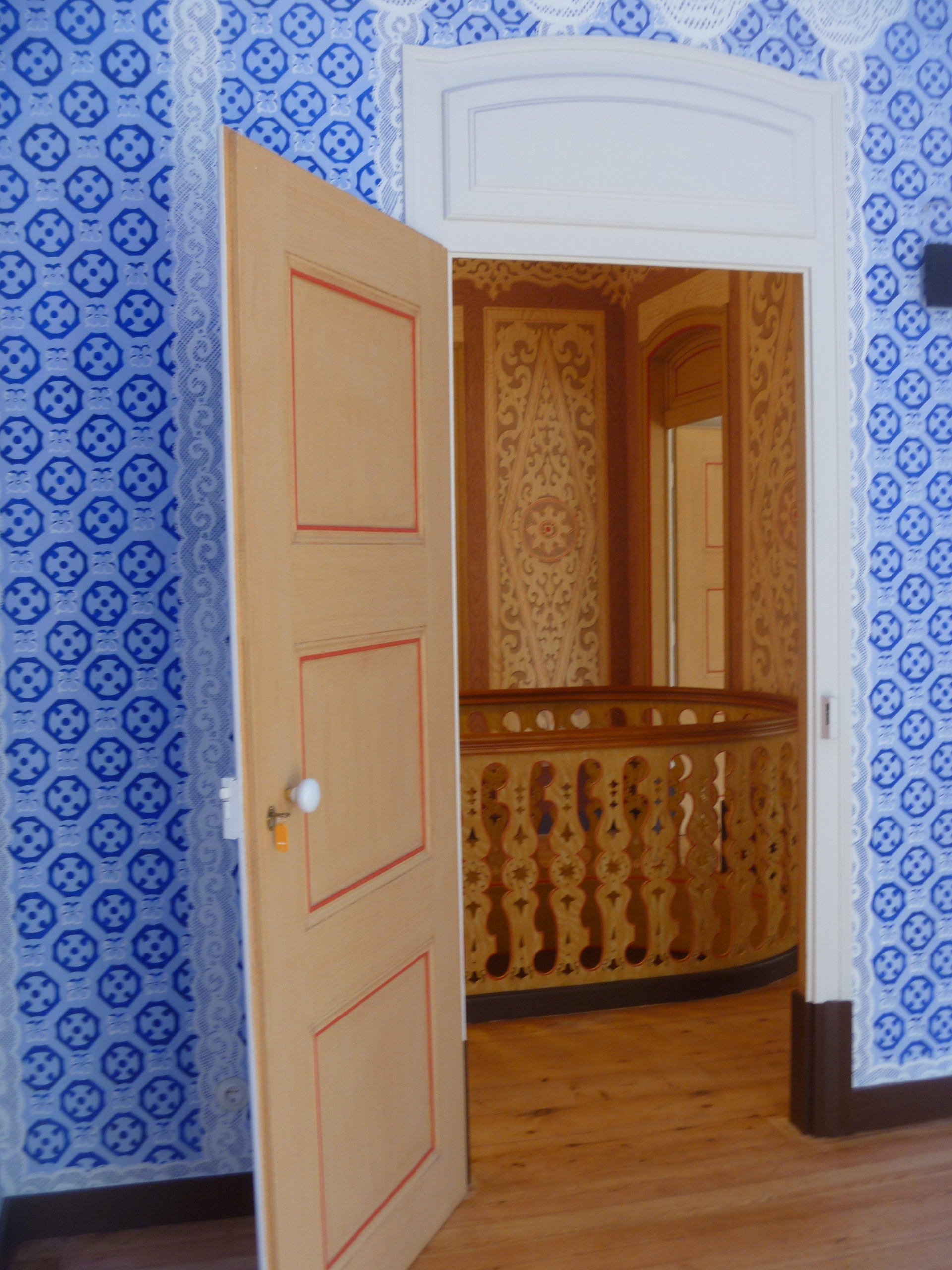
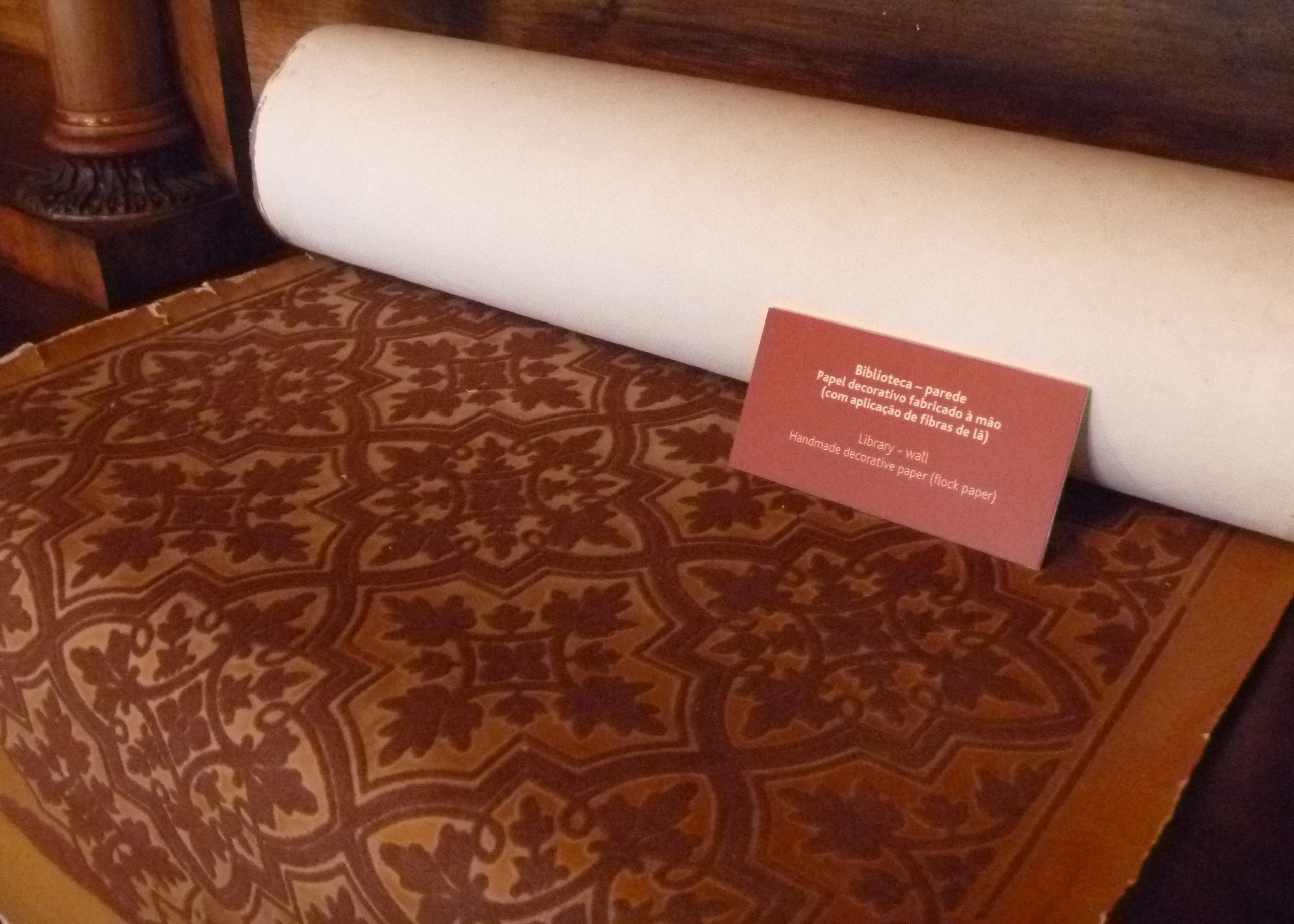
Example of library wallpaper

The Handmade Library Wallpaper

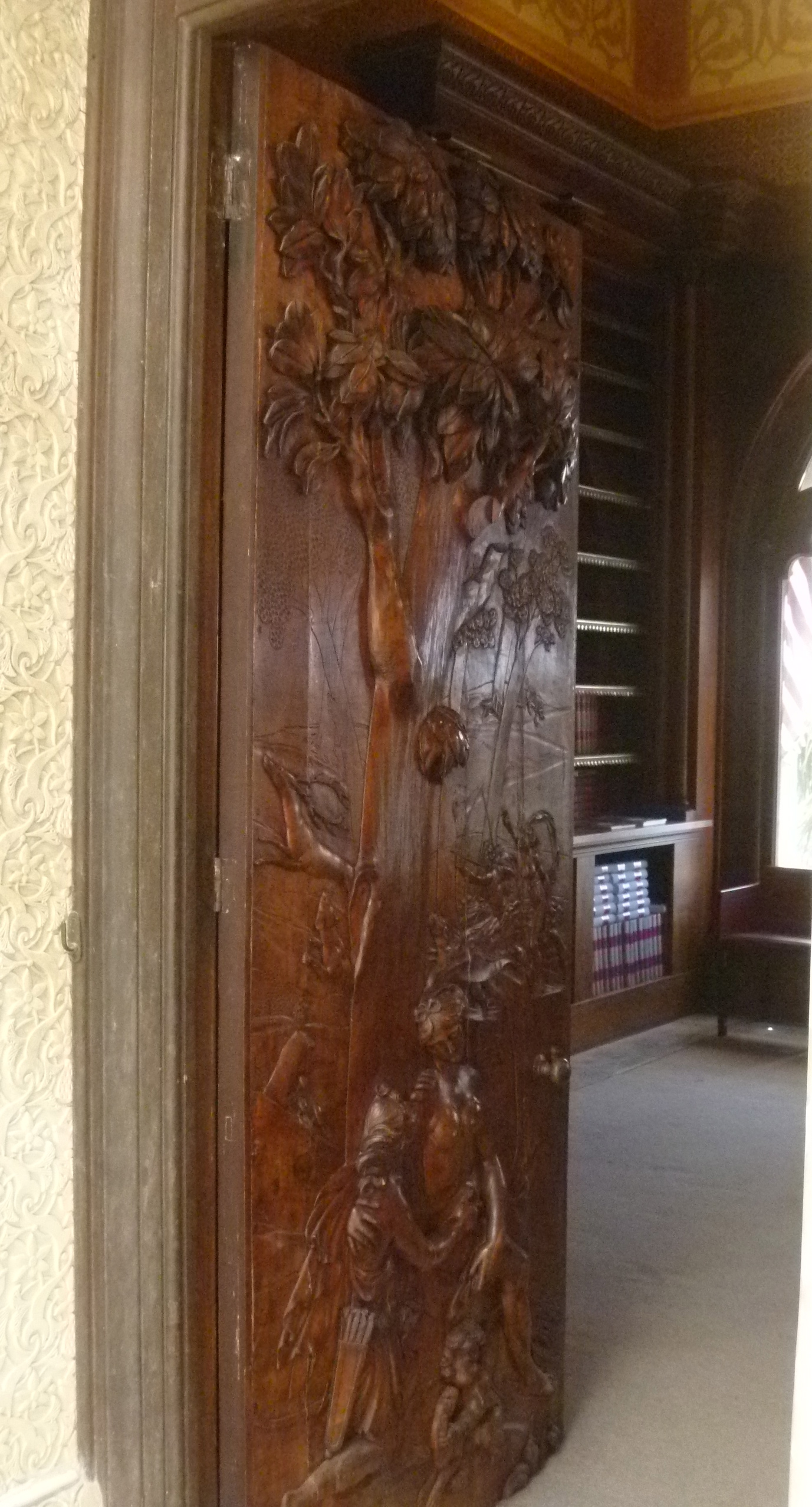
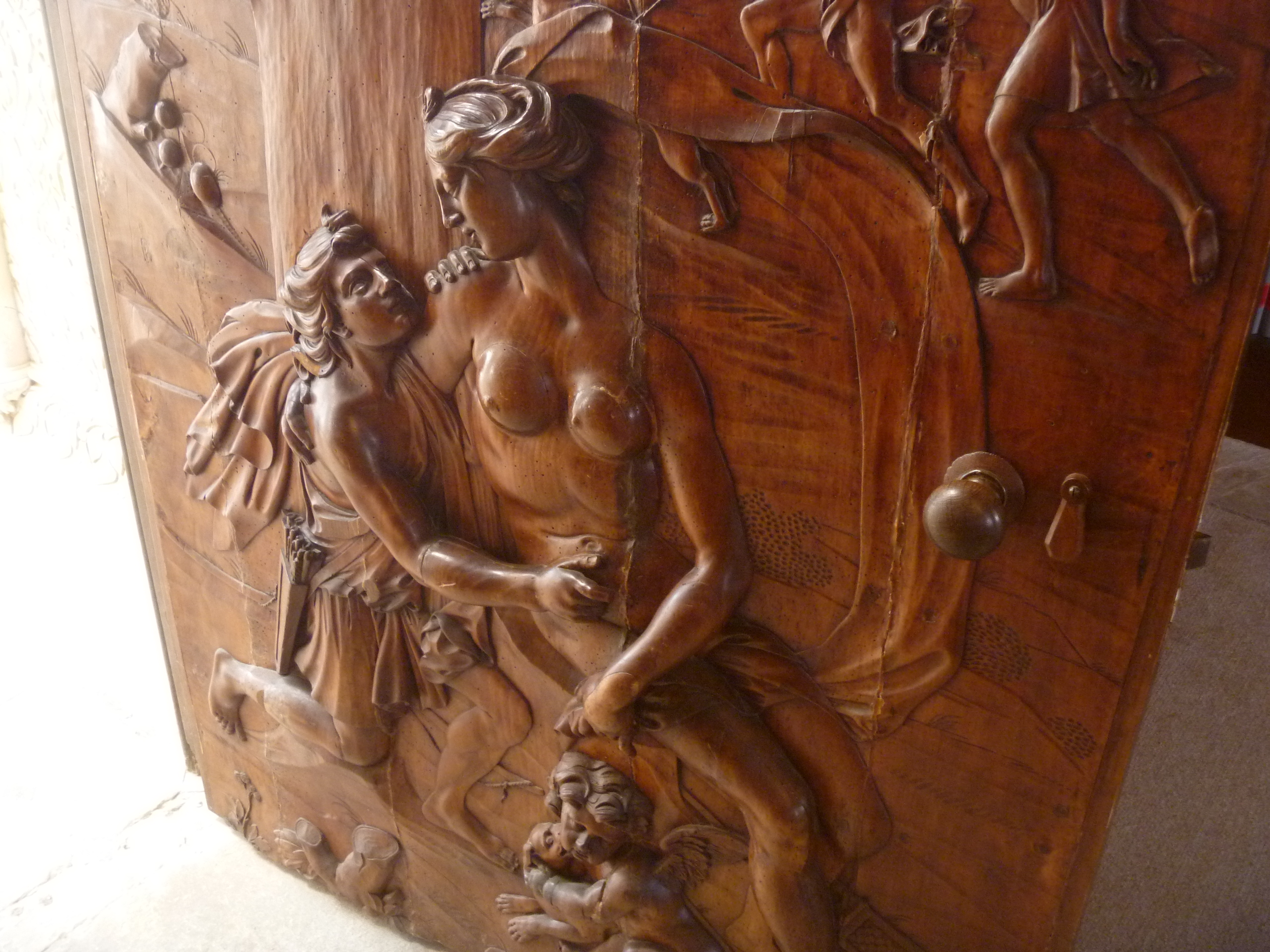
The library door

The Library Door

Library door (detail)

Detail of Library Door

The whole project makes me surprised that The Landmark Trust do not have an interest here as it definitely has the obligatory British connections that Landmark require of their overseas holdings. There are many follies and outbuildings ripe for occupation by we ‘Landmarkers’.

Childe Harold, Vathek and other literary inspirations of Monserrate

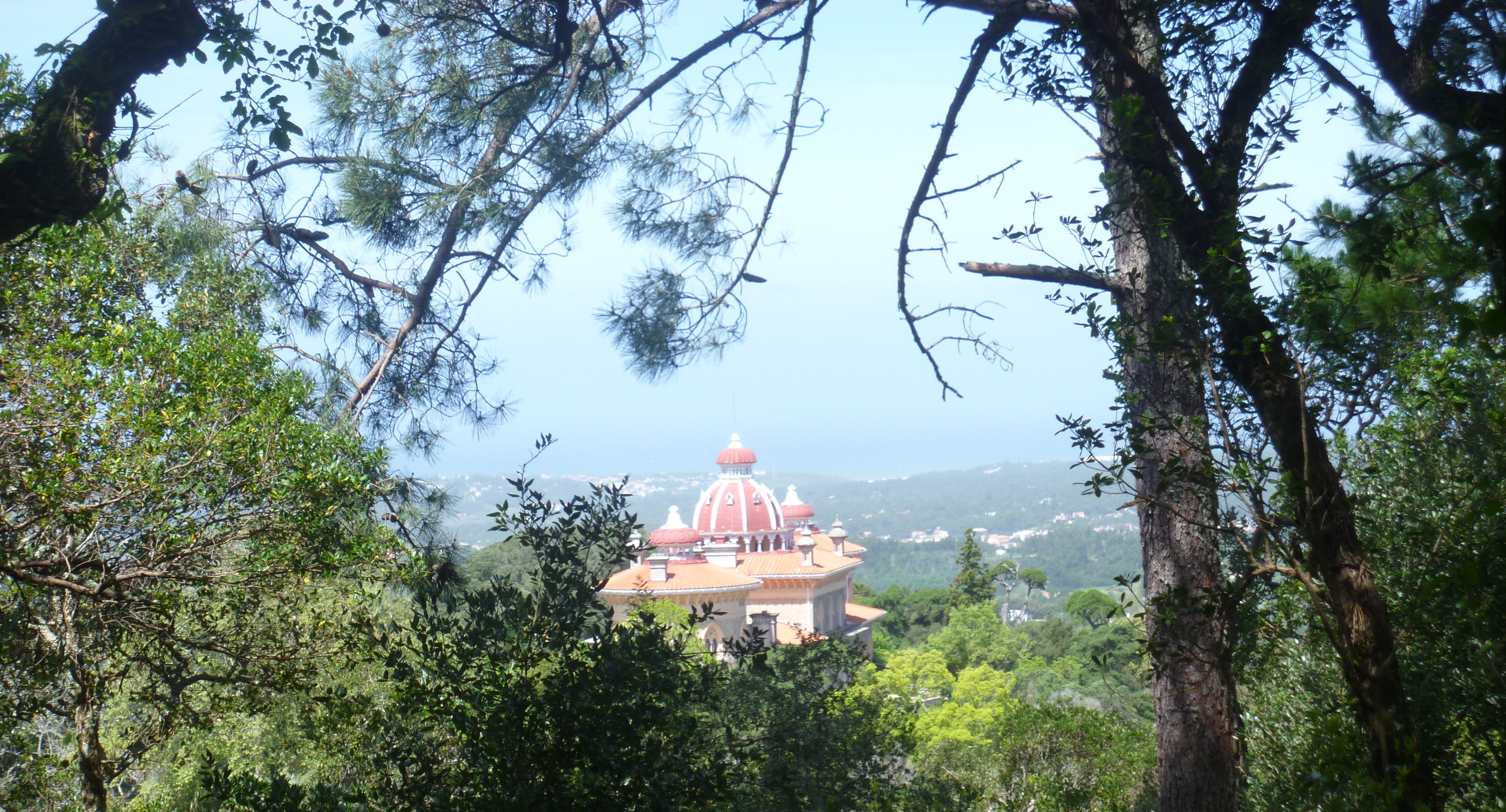
First glimpse of Monserrate Palace

On sloping mounds, or in the vale beneath,
Are domes where whilom kings did make repair;
But now the wild flowers round them only breathe:
Yet ruined splendour still is lingering there.
And yonder towers the prince’s palace fair:
There thou, too, Vathek! England’s wealthiest son,
Once formed thy Paradise, as not aware
When wanton Wealth her mightiest deeds hath done,
Meek Peace voluptuous lures was ever wont to shun.”

Childe Harold’s Pilgrimage, by Lord Byron [Canto the First XXII]

think the above verse applies to the beautiful palace and gardens of Monserrate. At least we were told in numerous books and leaflets that Lord Byron was smitten by Monserrate on his visit here in 1810 and reminisced about it in his poem ‘Childe Harold’s Pilgrimage’.

Monserrate Palace

Monserrate was probably my favourite place of the whole trip. It had everything: a palace with a library, exotic gardens(but with an English Rose Garden), a tea house, British connections, literary connections and to top it all we visited in beautiful weather!

The library today

The Library as it is today

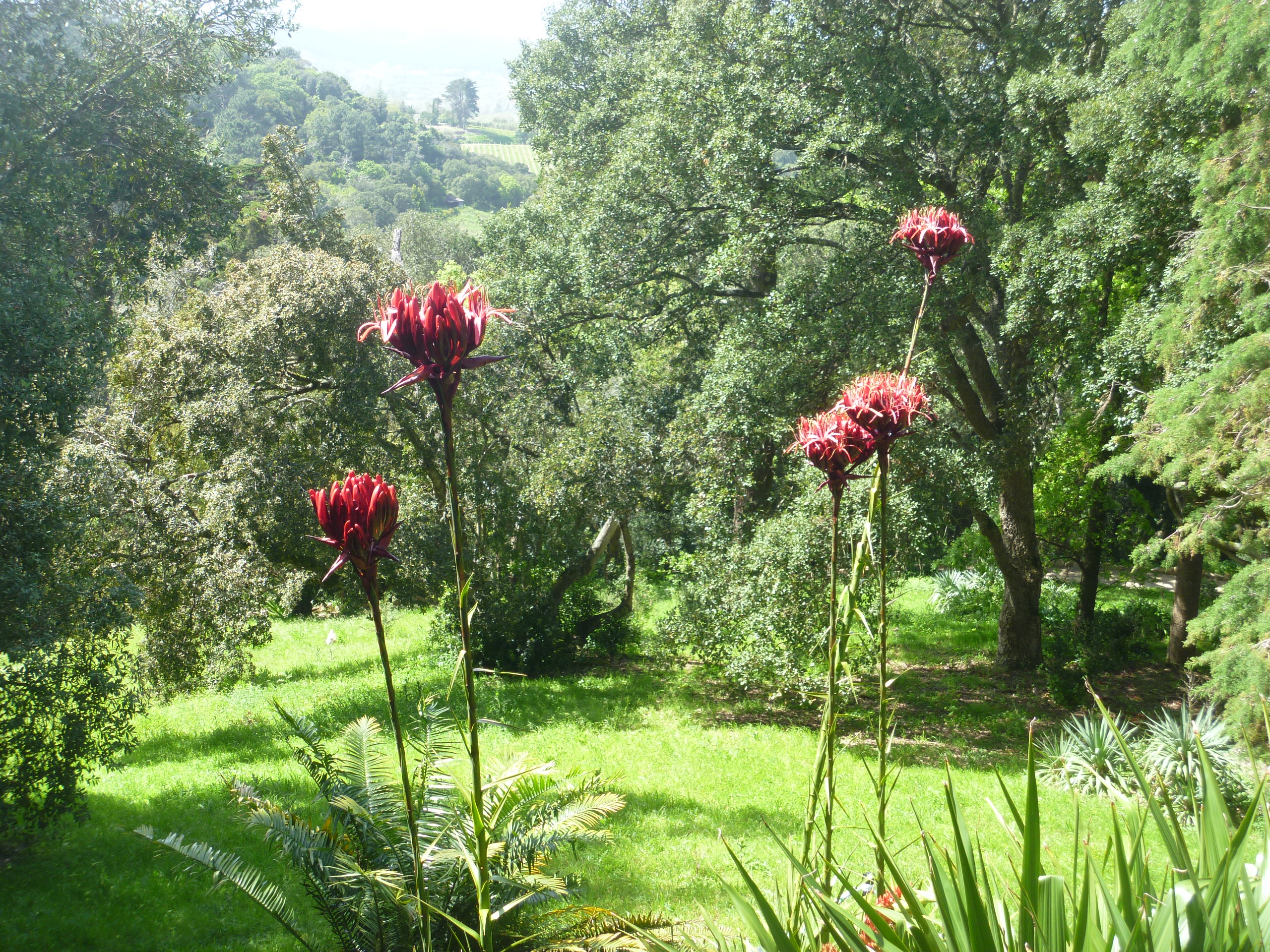
In the gardens

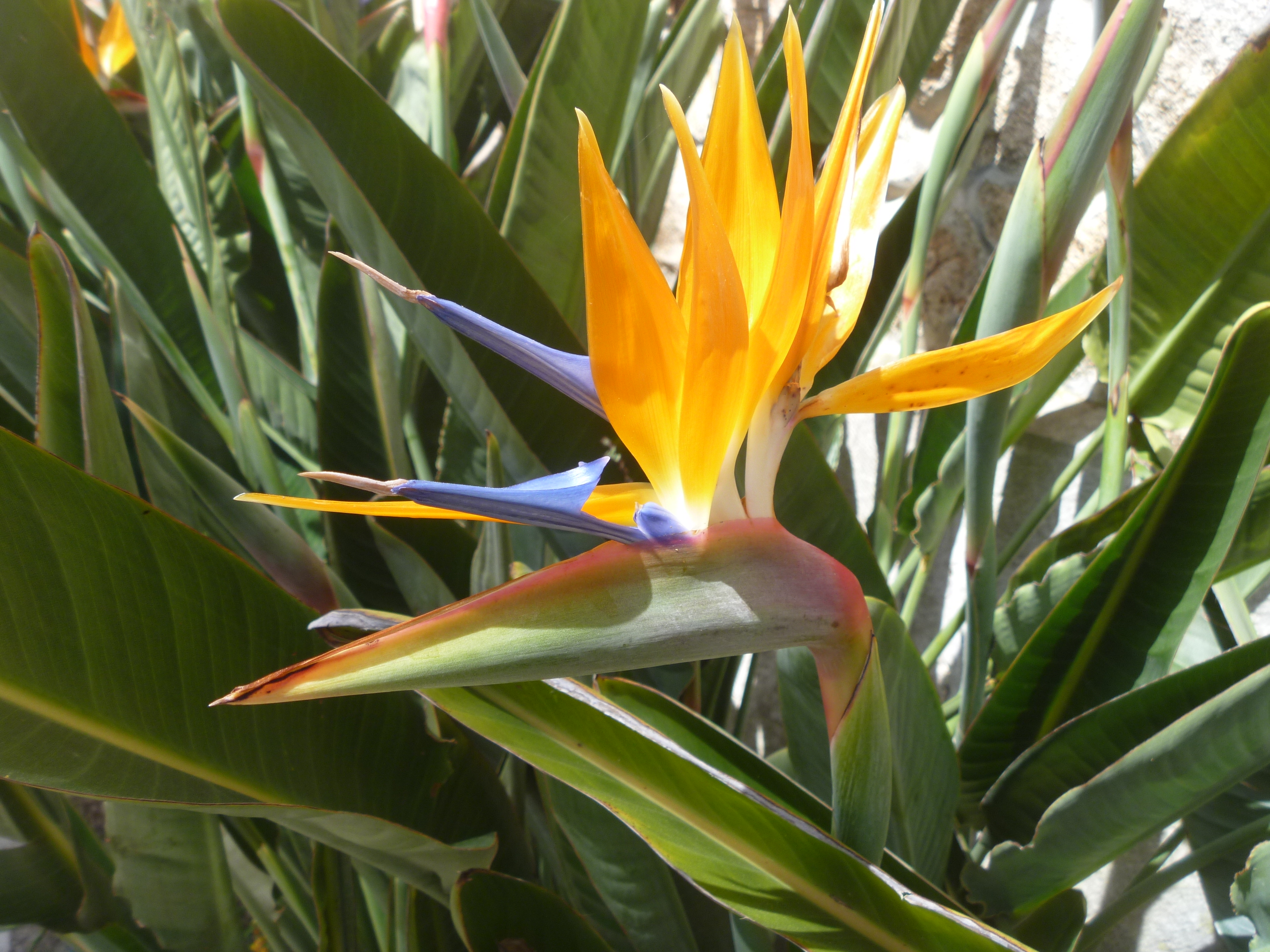
In the exotic gardens

The Tea House

The Tea House

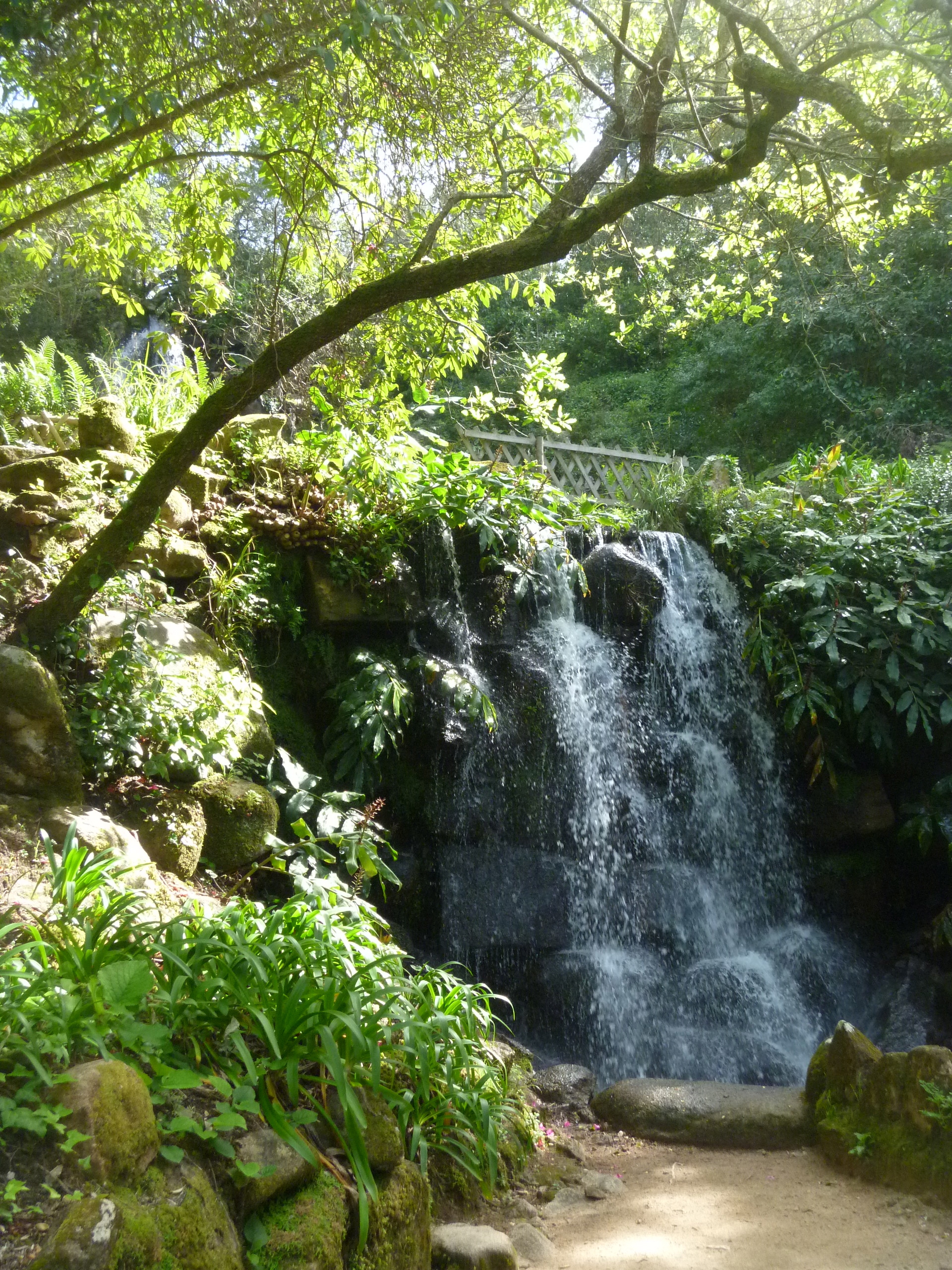
Beckford's Falls

Beckford’s Falls

William Beckford ordered this waterfall to be constructed between 1794 and 1799. Beckford, a writer who enjoyed great fame at the end of the 18th C, visited Portugal and fell in love with Sintra, where he rented this property from Gerard de Visme.” [On a nearby information board]

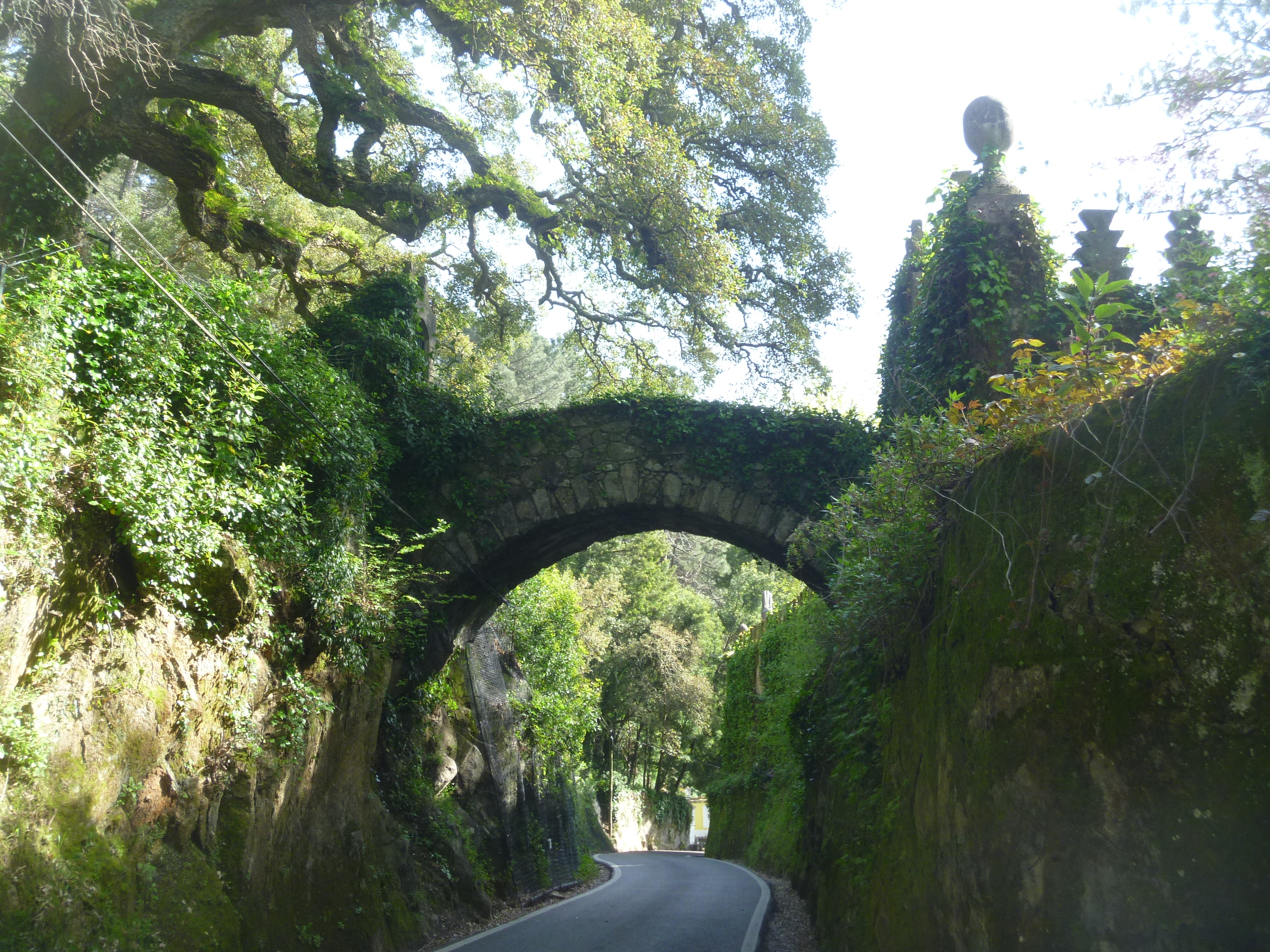
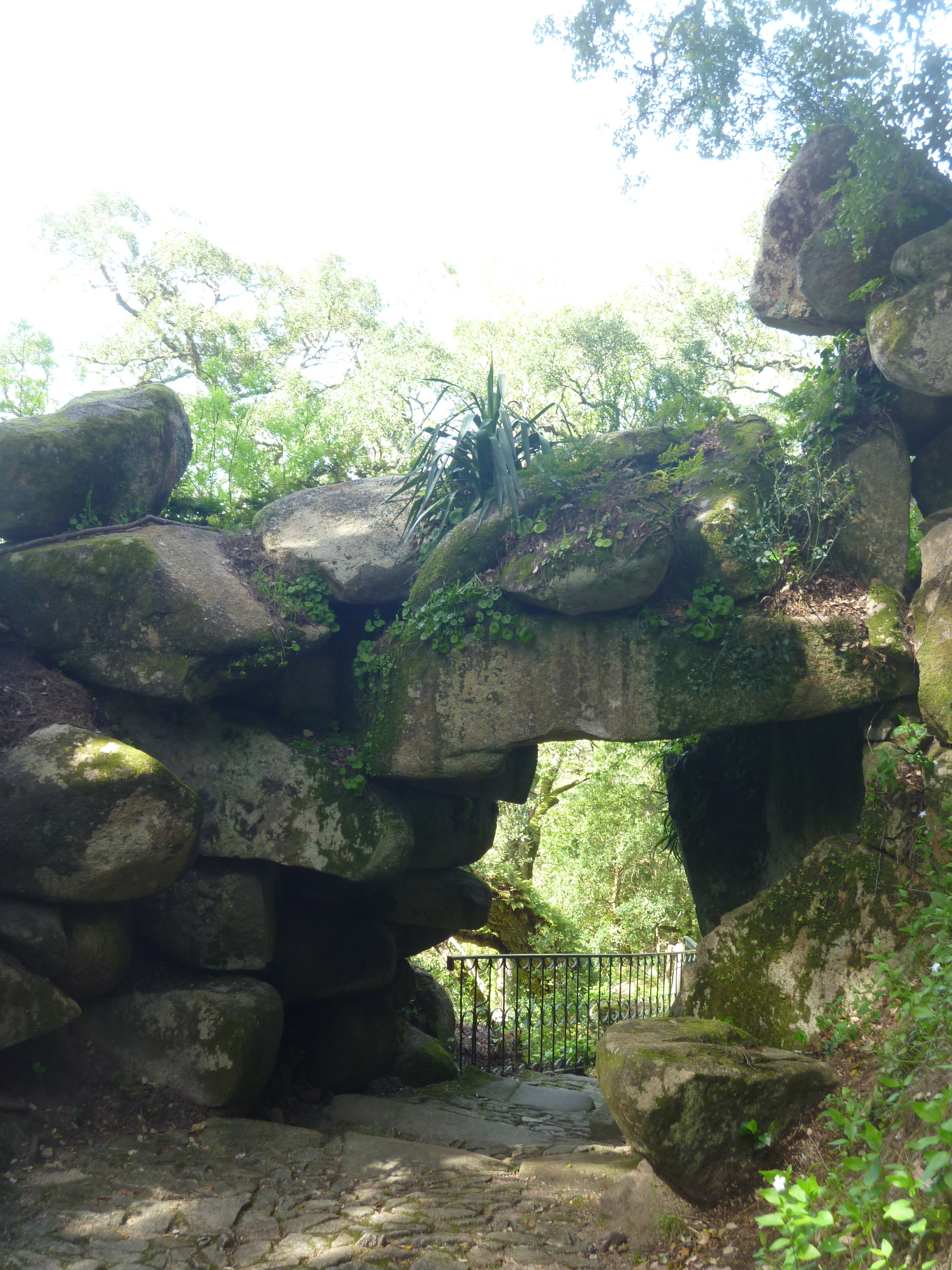
Vathek's Arch

Vathek’s Arch

This arch was built by William Beckford … We think that it could represent the entrance of the property which, at the time, was not enclosed. Beckford wrote his most famous book, Vathek, an oriental tale, in 1786 before his first visit to Portugal. Vathek was the hero of the book which is considered by many to be somehow autobiographic” [From nearby Information Board]

Gerard de Visme an English merchant holding the concession to import Brazilian teak was responsible for the construction of the first palace. Later, William Beckford, writer, novelist, art critic and eccentric lived here. There’s a waterfall named for him and an arch for his most famous character; Vathek.

Sir Francis Cooke bought the property in 1856 and had it restored by the English architect James Knowles, who employed a thousand workmen. In the 1850s the artist William Stockdale created a botanic garden there with plants including rhododendrons  from all over the world – Mexico, Australasia, Japan and the Himalayas.

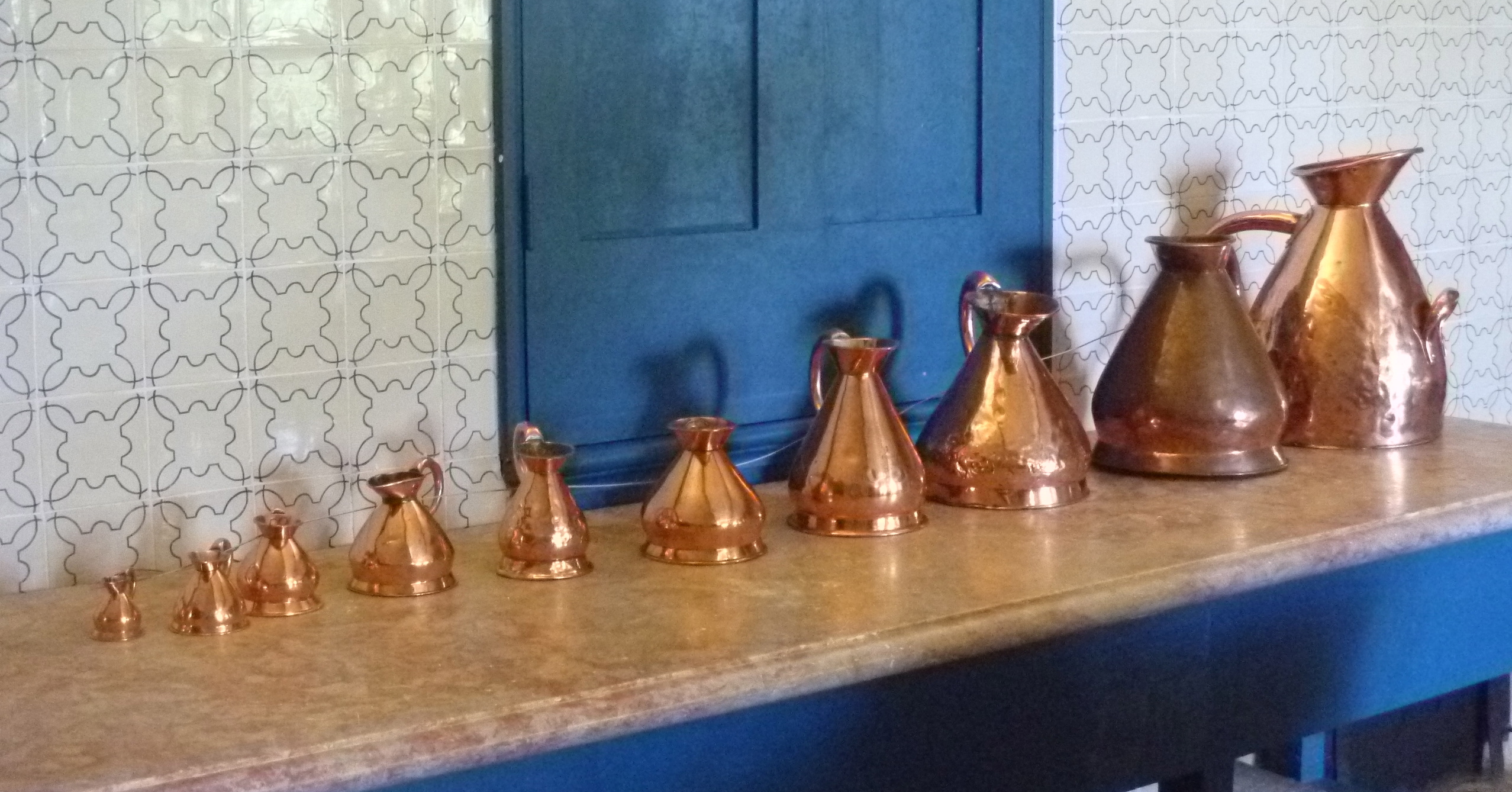
Brass jugs in kitchen

Brass jugs in the kitchen – could be Below Stairs at any National Trust property!

Along the Way – Convents

If our first day’s walking, now that I look back, was on a theme of Forts then the next day was on a theme of Convents. This was our longest day walking: over 12 miles. We left the Fortaleza after breakfast (and a personal farewell from the manager) at 9.30am and only arrived at our destination that evening at 6.30pm. Of course, we didn’t spend the whole day walking, there were several places to visit along the way, not least The Convento dos Capuchos, where we spent well over the ‘designated’ one hour suggested in our Route Booklet. The Convento (read more about it here) was the first location within the Cultural Landscape of Sintra – a UNESCO World Heritage site first designated in 1995 – on our itinerary.

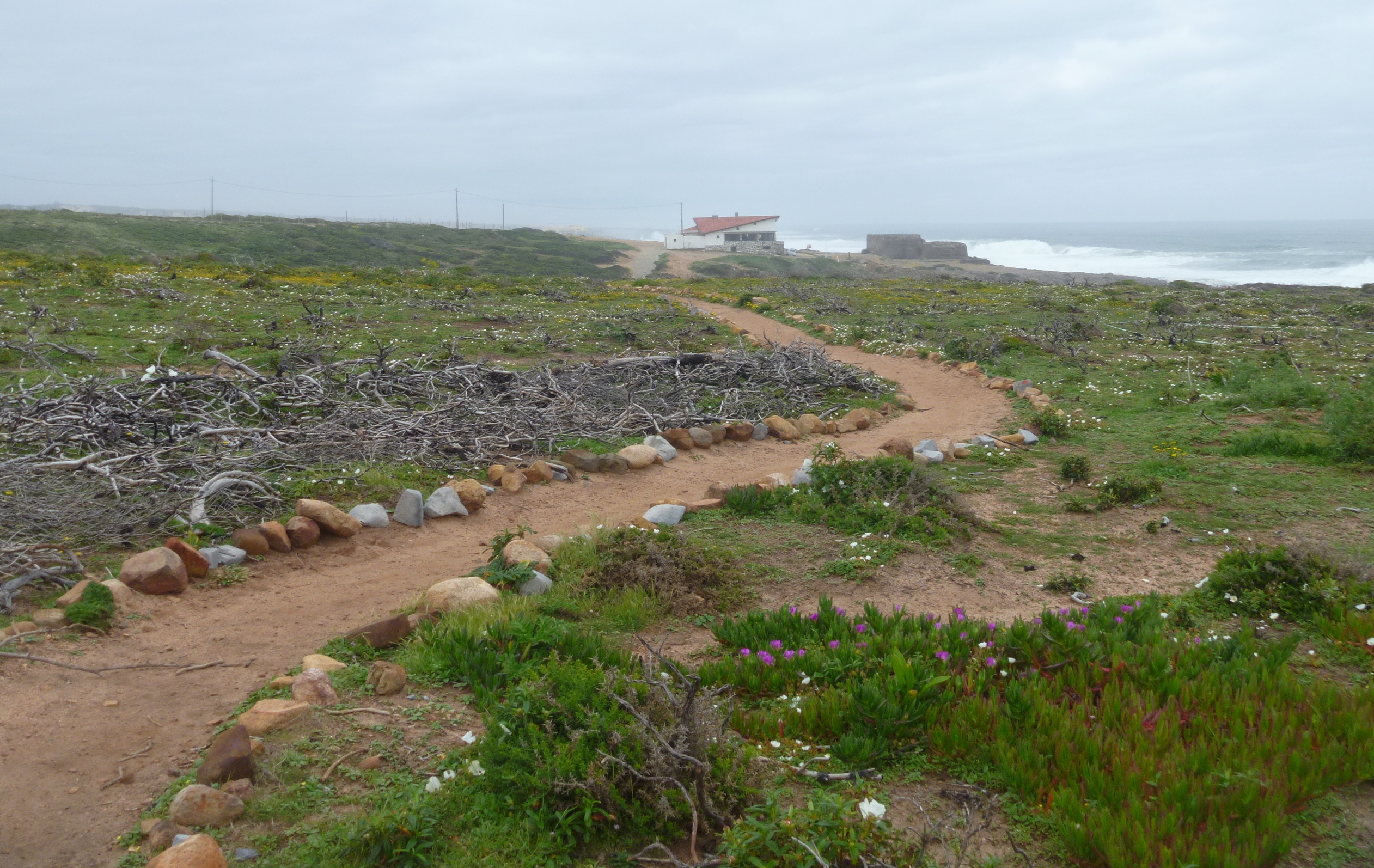
Our coastal path

Clearly marked coastal path

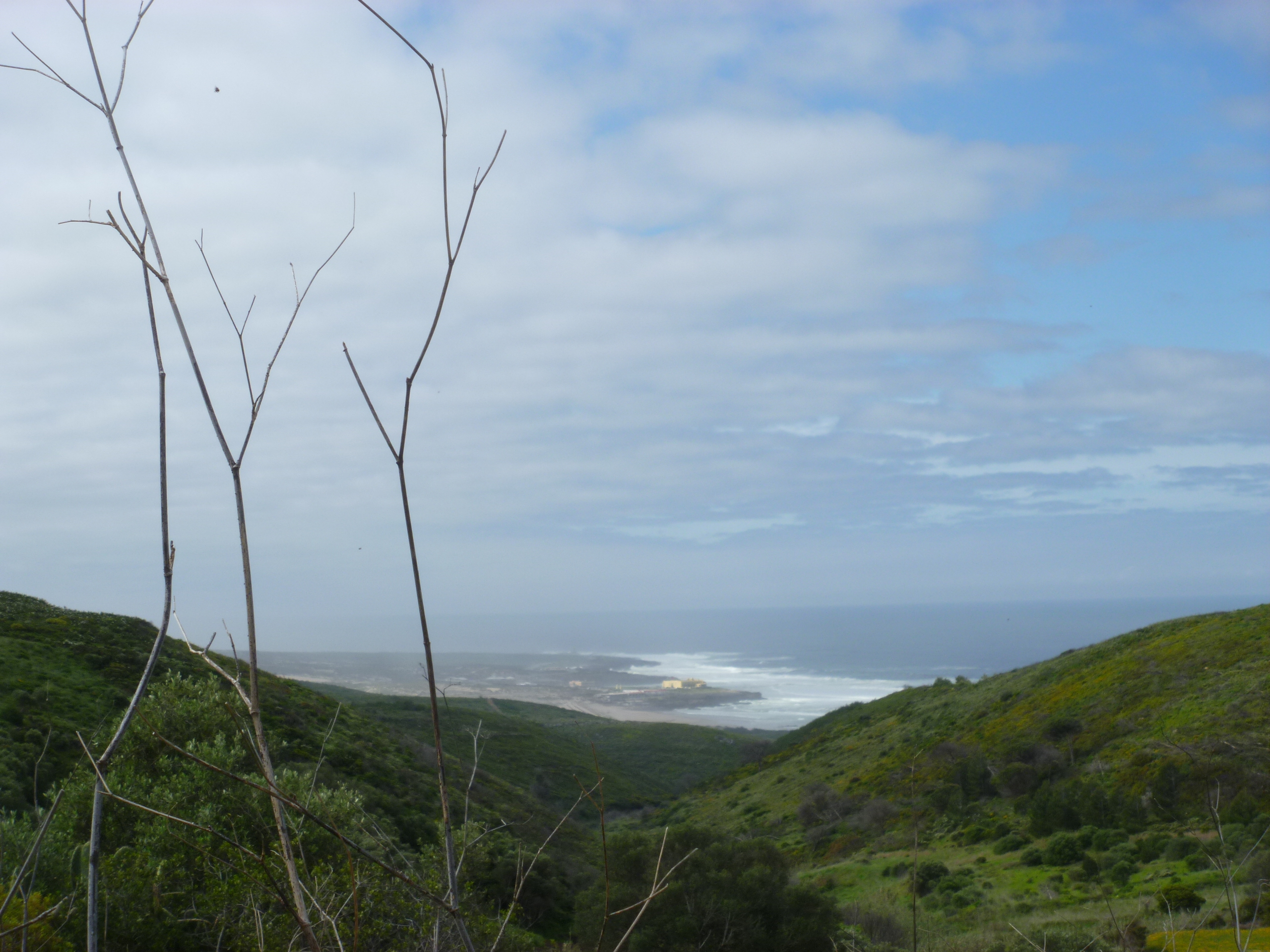
At first our route, on clearly marked paths, followed the coast northwards before turning inland and into the area known as The Serra de Sintra. There were some tough climbs but also some great views.

Viewpoint

After the first tough climb we could see the River Tagus and 25 Abril Bridge

Still see Fortaleza

In another direction we could still see the coast and the Fortaleza

This area was the worst affected by the storms in January this year and consequently our path was disrupted at one point. This took some time to negotiate and calls/texts to Ana but eventually we got back on track. We’d hoped to reach The Convento at lunchtime but in fact we ate our picnic lunch a few miles before.

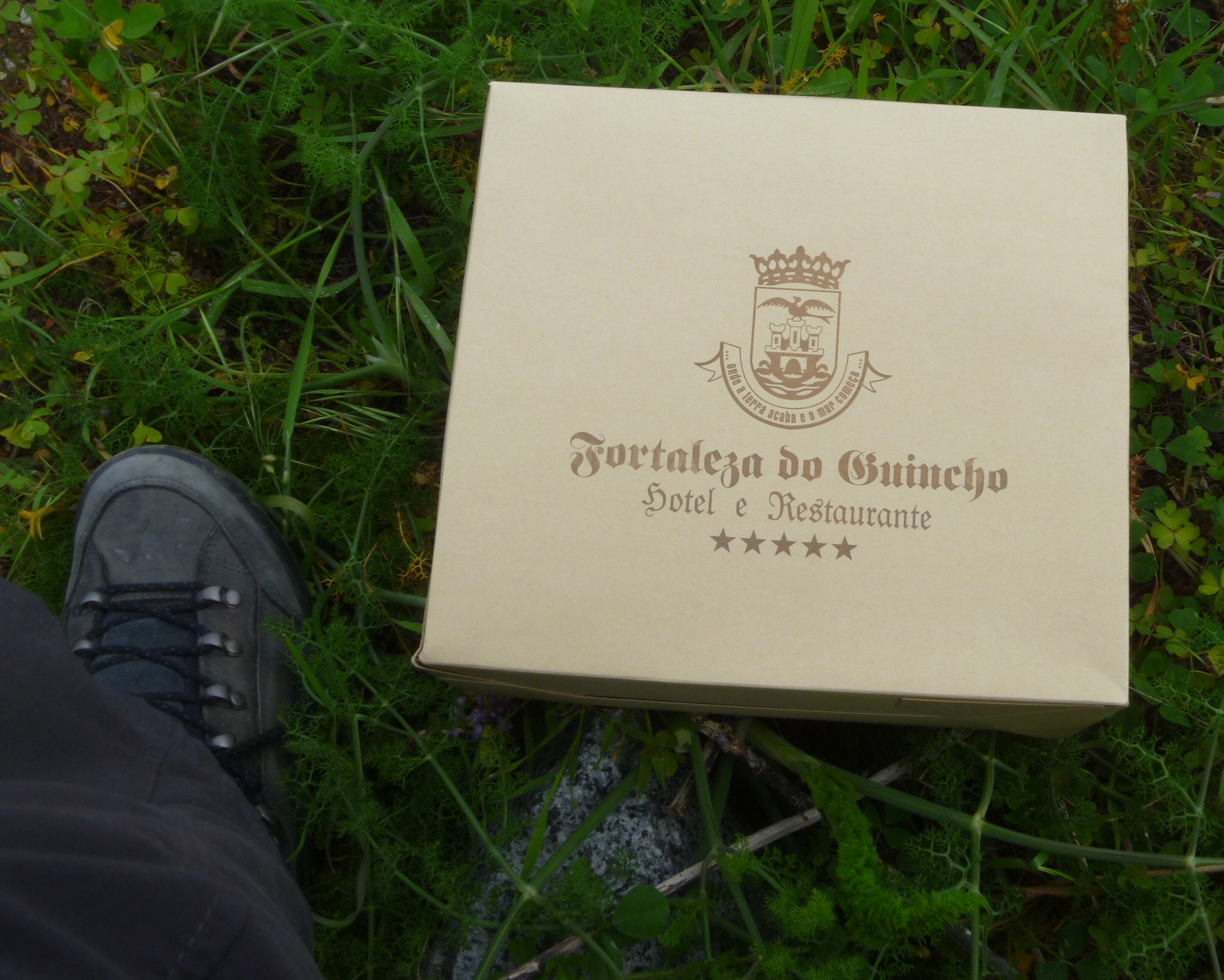
5 star picnic

Our Five Star Picnic lasted us Three Days!!

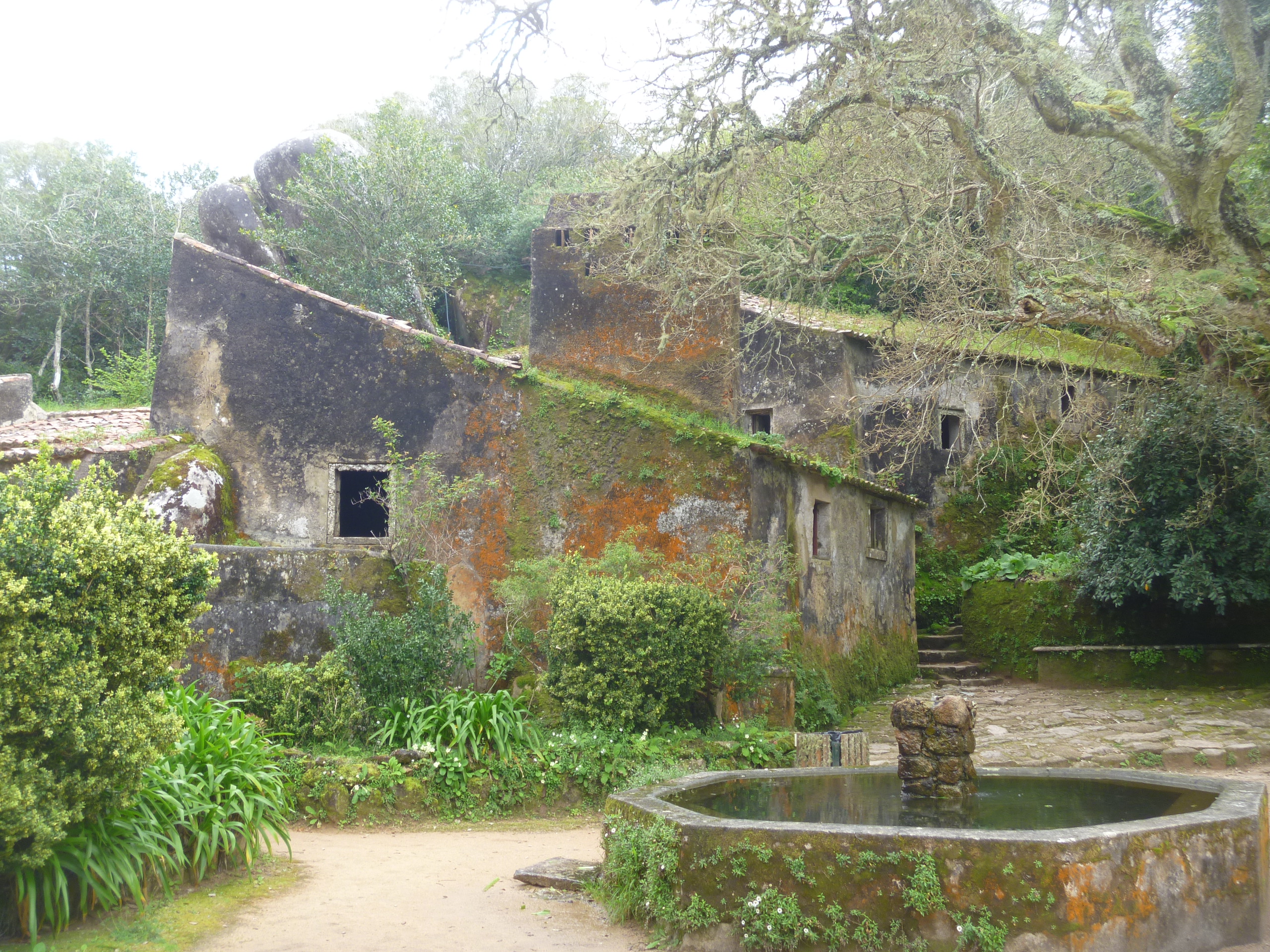
The Convento dos Capuchos dates back to 1560. It was built by Don Alvaro de Castro as a Franciscan monastery. The Capuchins were a minor ‘hooded’ order. It was built in accordance with the Franciscan (fulfilling the teachings of St Francis of Assissi) principles of living in harmony with nature. Mostly carved from the rock face, granite boulders are incorporated and cork was used as insulation, thus giving an alternative name ‘The Cork Monastery’. Here the monks lived a simple and holy life until the site was abandoned by them in 1834. The Portuguese state took responsibility for the site in 1949. Why it is called a Convento and not a Mosteiro (monastery) I have no idea!

Views of the Convento Dos Capuchos

Capuchos sign

At the Entrance – there’s also a Nature Trail, but we didn’t have time to complete it.

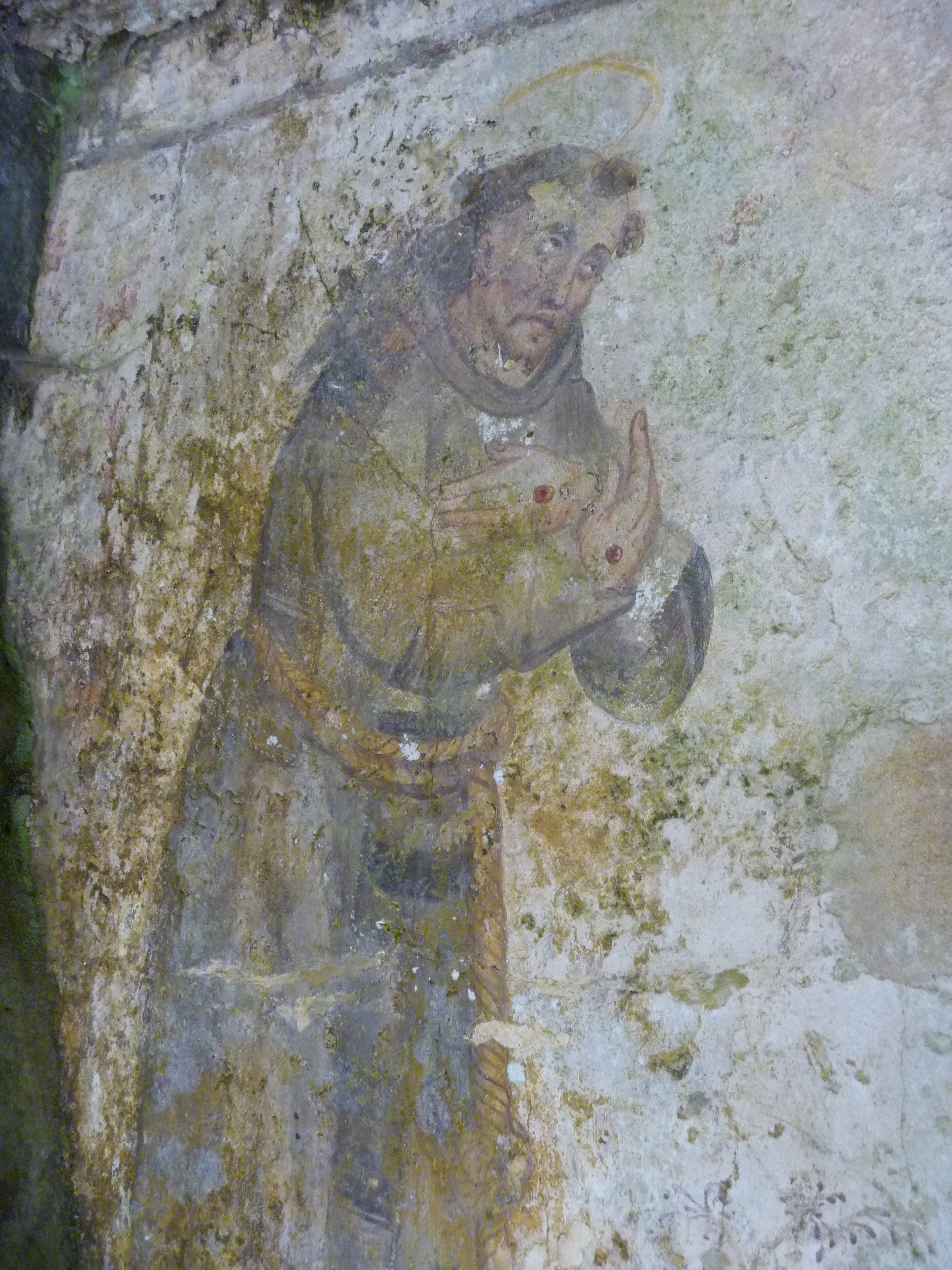
St Francis

Wall Painting of St Francis

Tiny doorways to cells

The very low doorways (indicating humility) into the tiny cells (the floor lighting guides our way)

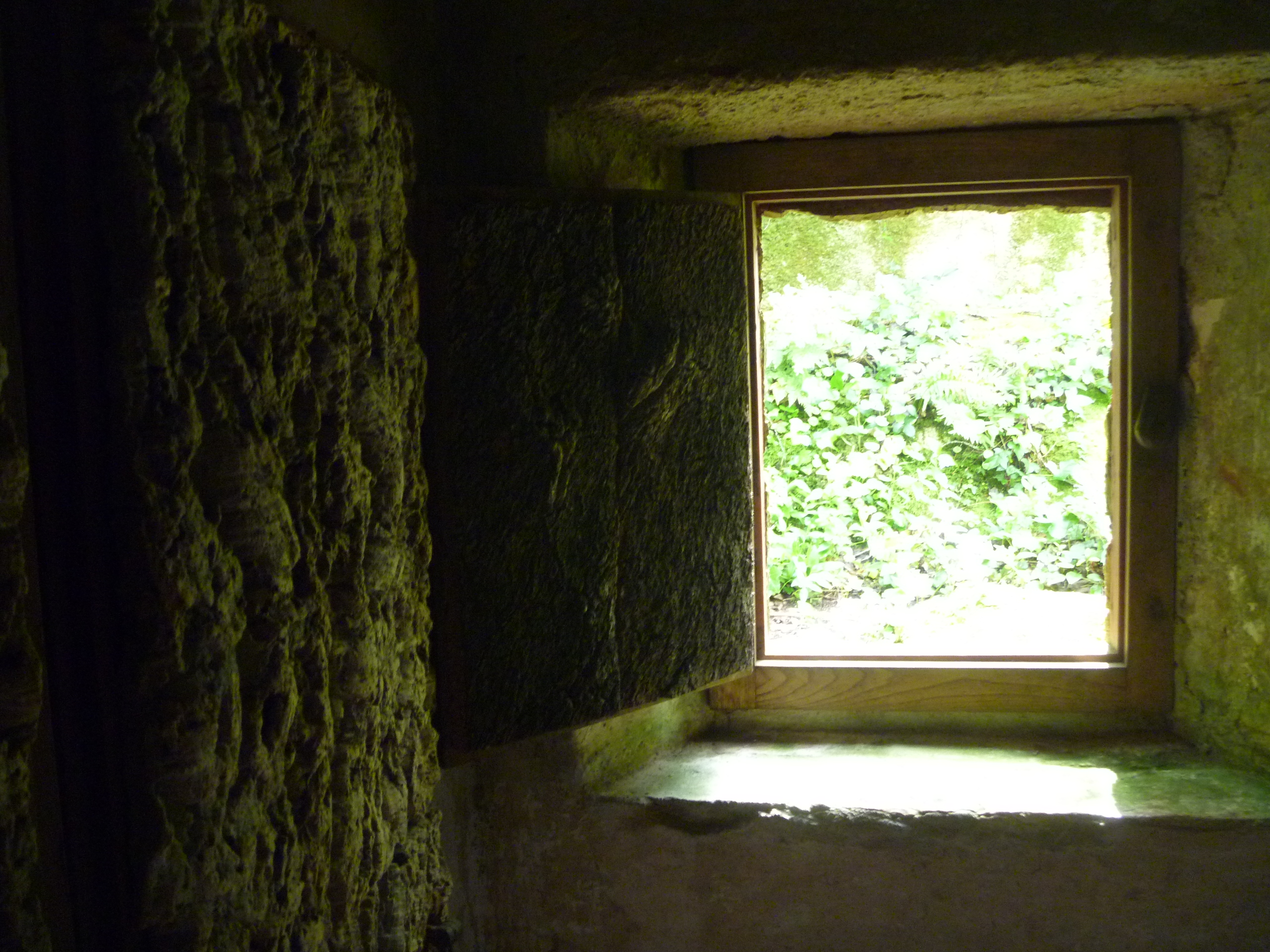
Small windows

Small Cell Windows and Cork-Insulated Walls

Cloister

The Cloister

Cork oak

A Cork Oak still grows in the Cloister

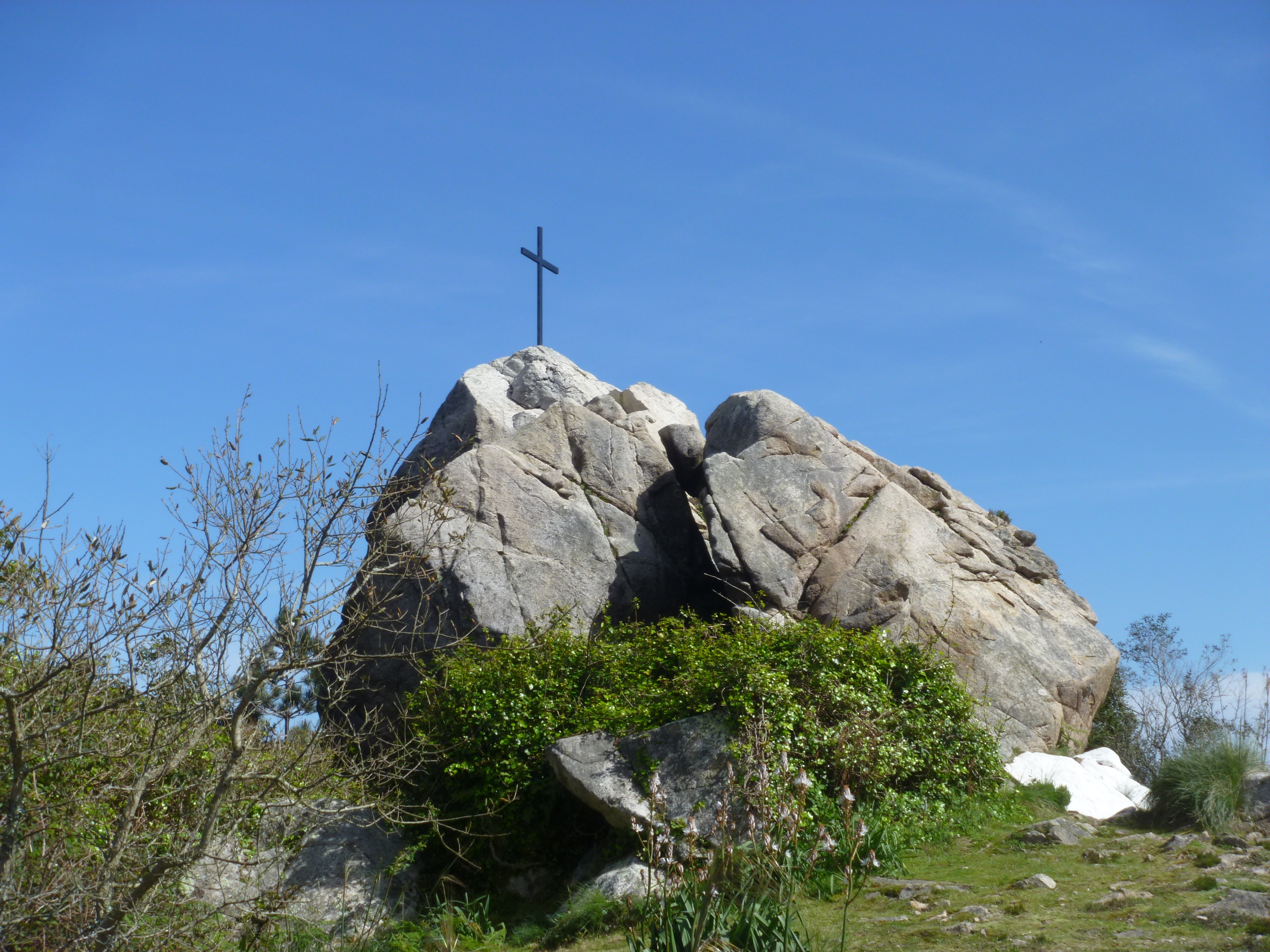
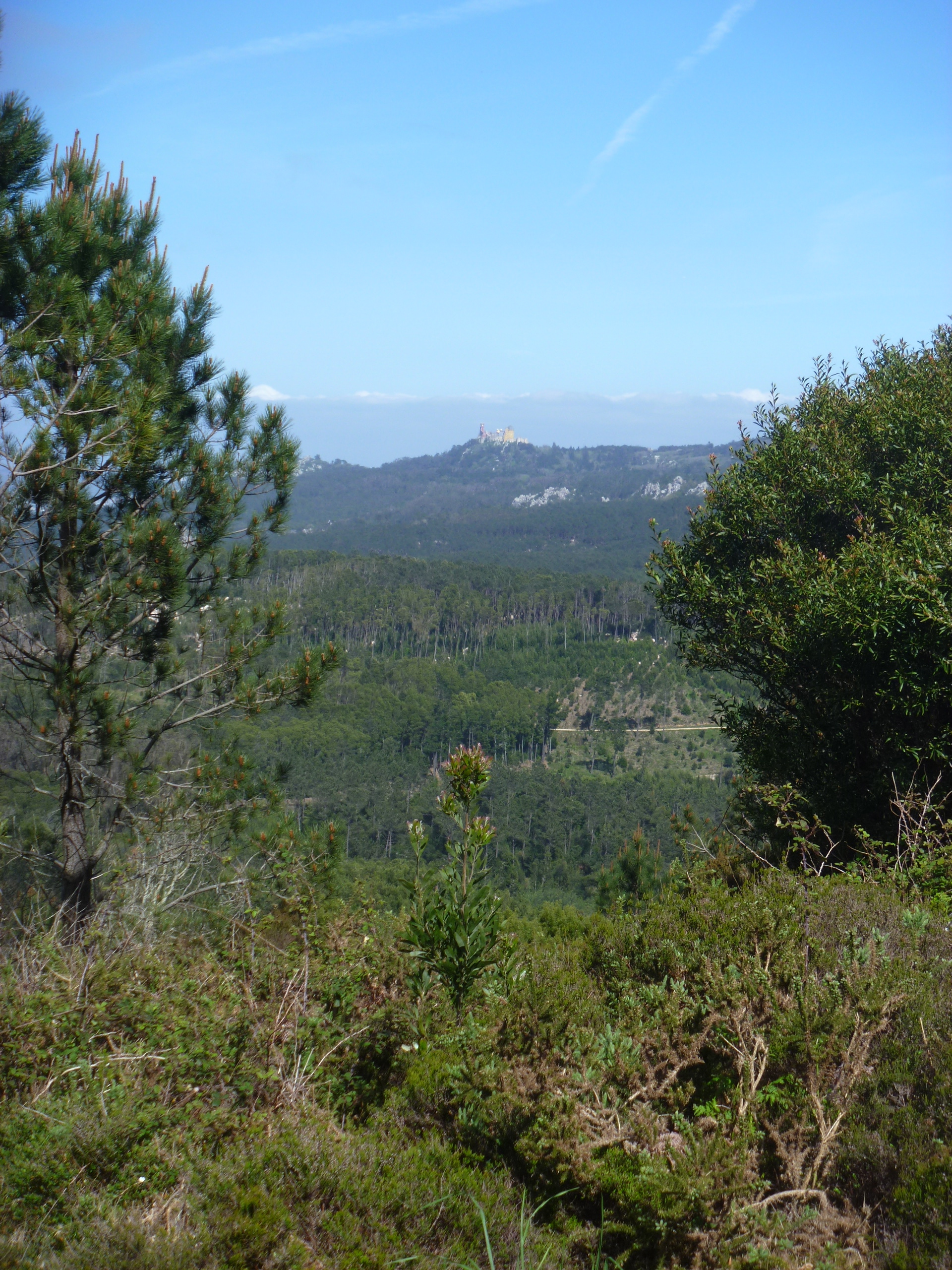
Leaving the Convento around 4pm we still had a lengthy walk ahead of us, plus two further climbs. The first was to a memorial to 23 soldiers who were killed putting out forest fires in 1966. From the cross there are more stunning views – the Pena Palace magnificent in the distance.

Memorial

Forest Fires Memorial to Servicemen

Pena Palace in the distance

Pena Palace across the Serra

“Continue ahead uphill”. We got kind of used to reading this instruction!

Yet more climbing to do!

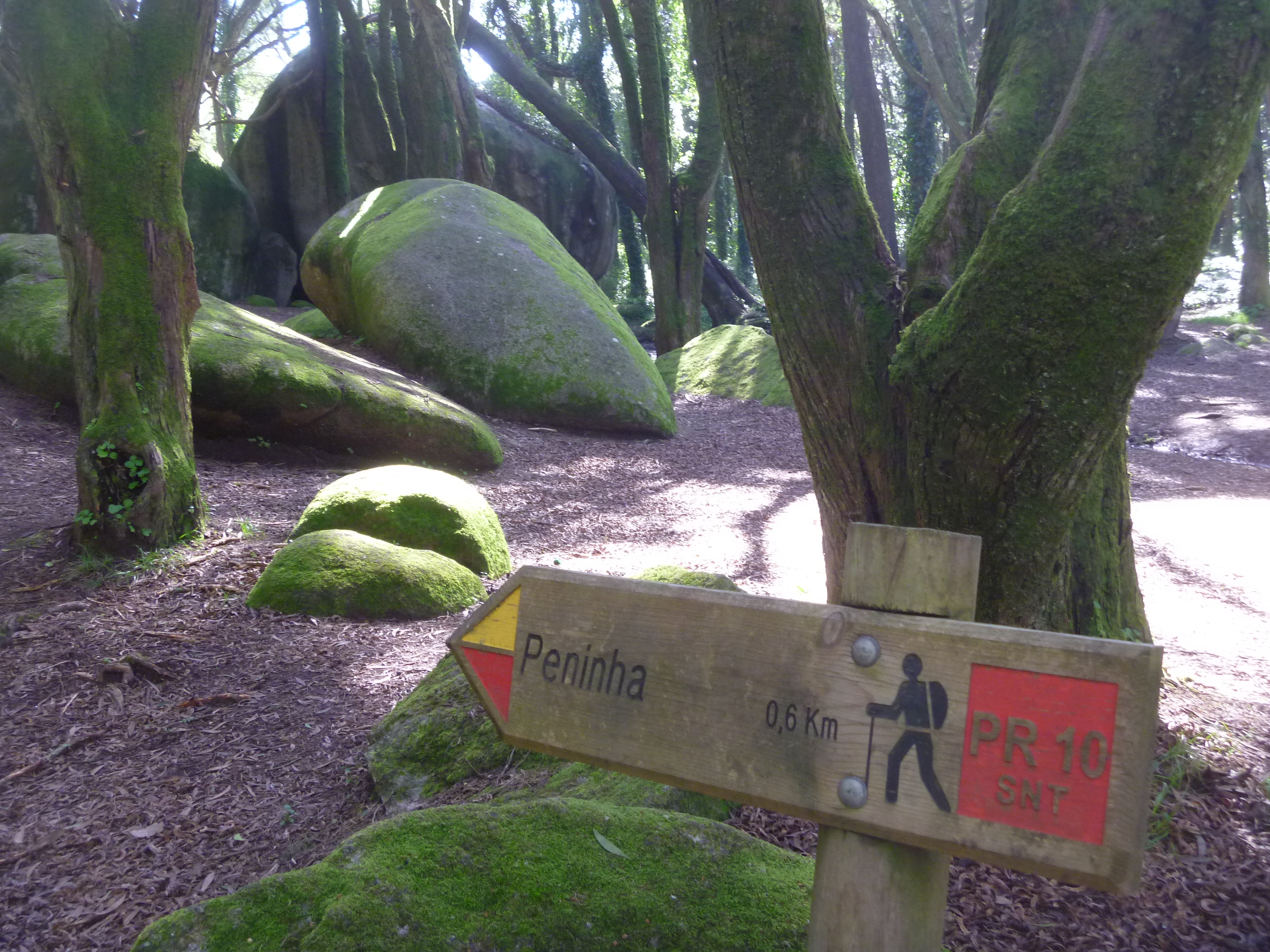
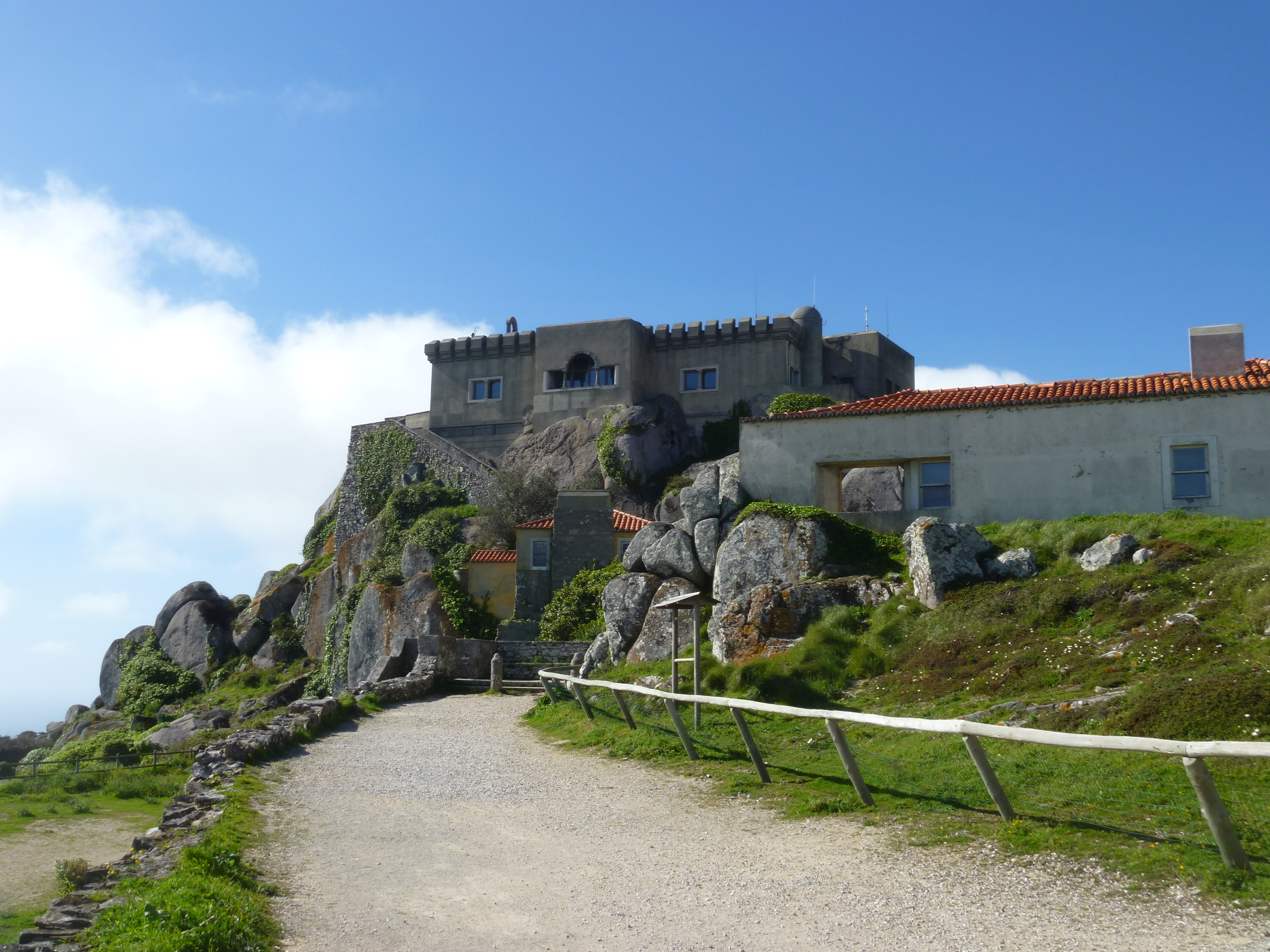
Onward and upward we continued until we reached the Peninha Chapel.

Peninha

Unfortunately the chapel wasn’t open to the public but we read that the first building on the site was a chapel to Sao Saturnino in the 12th century and that the ‘new’ chapel was built in the 17th century and apparently contains beautiful blue and white azulejos (tiles) depicting the life of Mary.

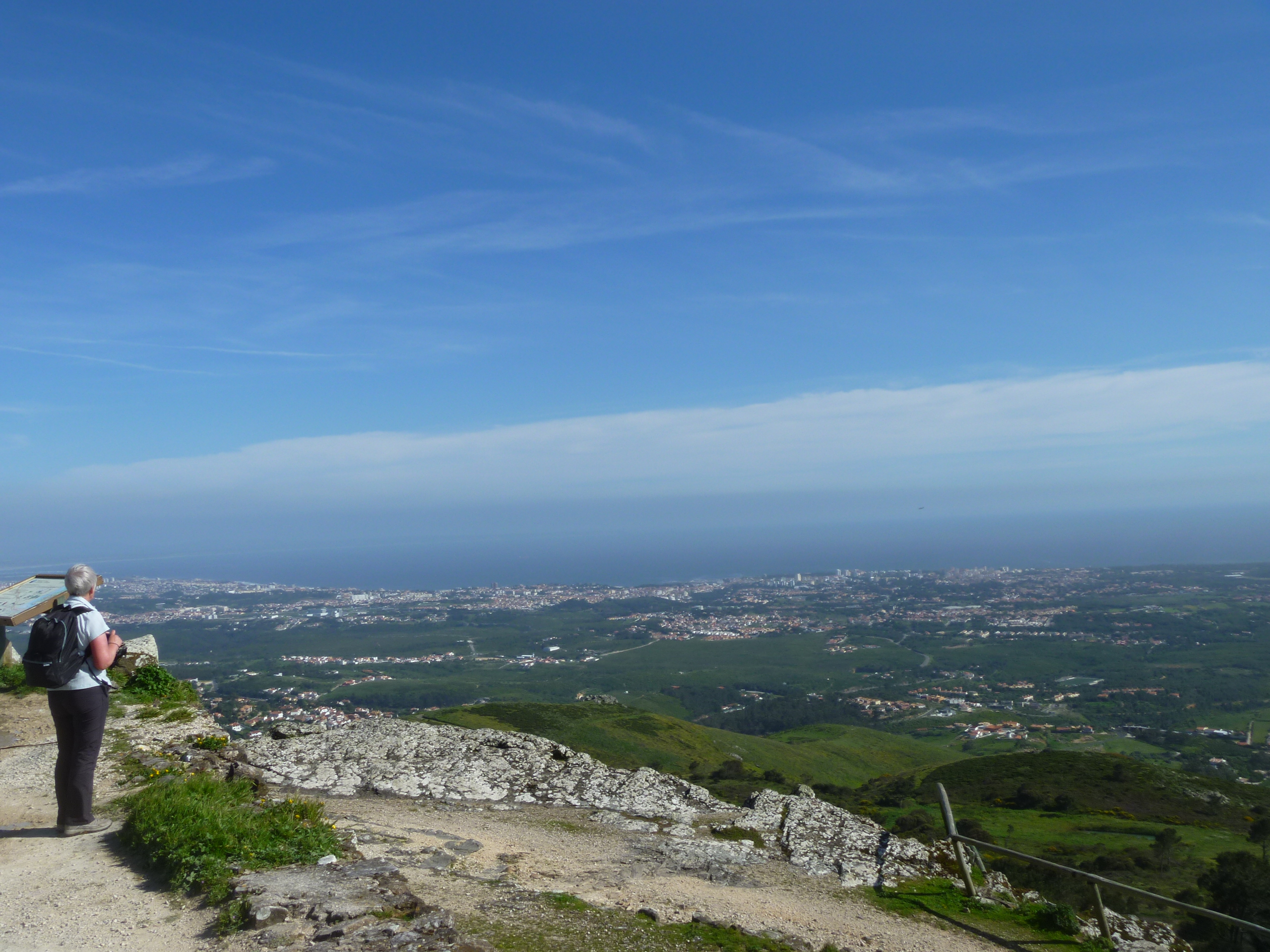
View from Peninha

Tagus view from Peninha

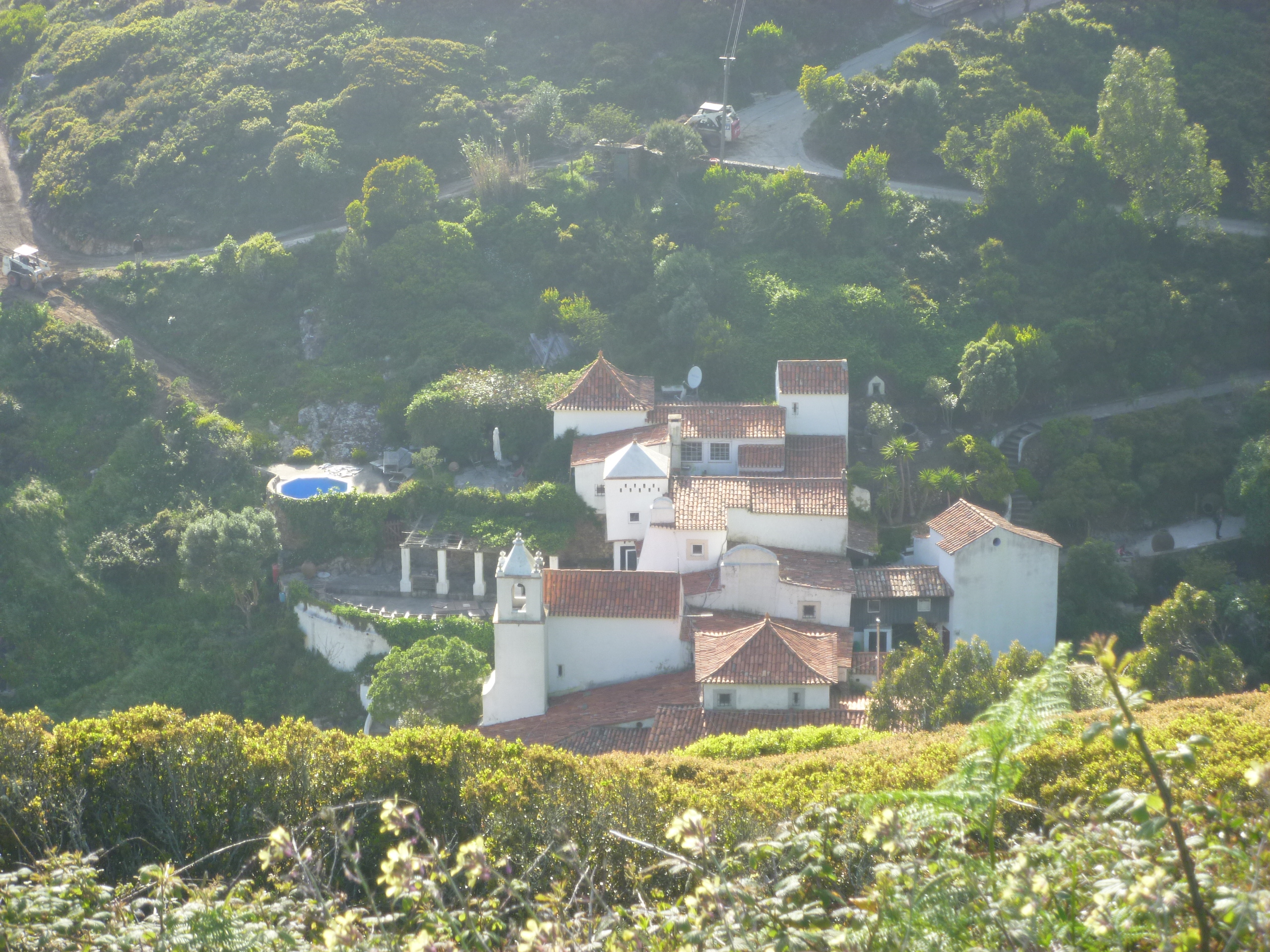
Again, we had magnificent views of the coast and towards the River Tagus and Lisbon. From the Peninha it was practically downhill all the way and finally, we caught a first glimpse of our destination – The Convento Sao Saturnino nestling a valley with views of the sea.

Convento da Saturnino

We arrived just in time for dinner – there’s a welcoming tray in the bedroom for revival of the spirits!

Nice feature in the room

Living at Hampton Court Palace

“I’ve often thought I should like to live at Hampton Court. It looks so
peaceful and so quiet, and it is such a dear old place to ramble round in
the early morning before many people are about.”
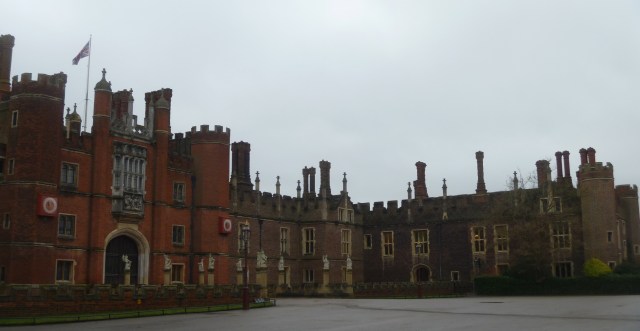
Hampton Court

One of my favourite humorous books of all time is “Three Men in a Boat (to say nothing of the dog)”  by Jerome K. Jerome from which the above quotation has been taken.

Fish Court sign

Lucky me, last week I was able to stay a couple of nights in this 1,000 room palace and ramble around it out of hours when few or even no people were around. Since 1993 The Landmark Trust have run the two Hampton Court Properties on behalf of the Royal Palaces. We visited friends at The Georgian House two years ago and this year my sister and I stayed in the Fish Court apartment.
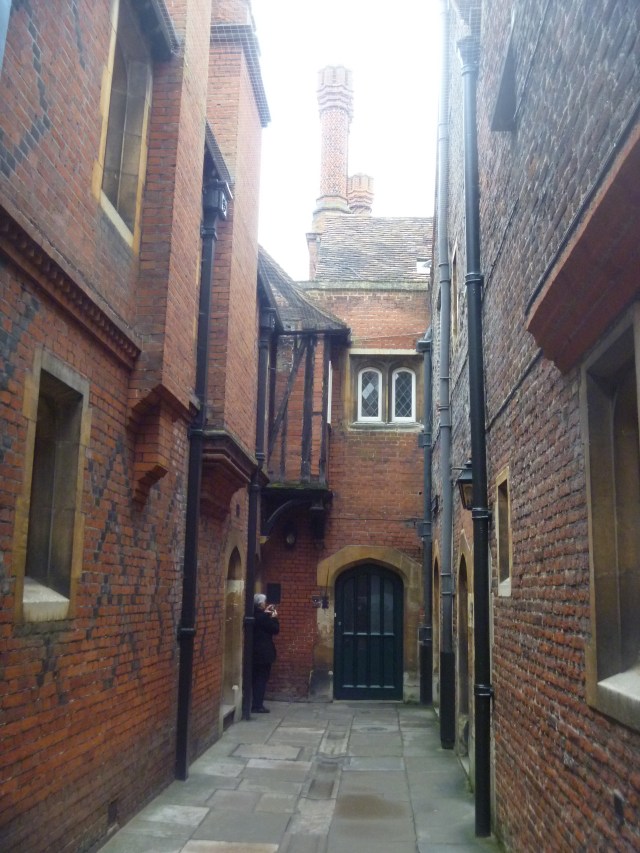
Fish Court

Fish Court and the door to the Apartment

Tennis Court Lane

Tennis Court Lane – The Georgian House is on the left and Fish Court on the right

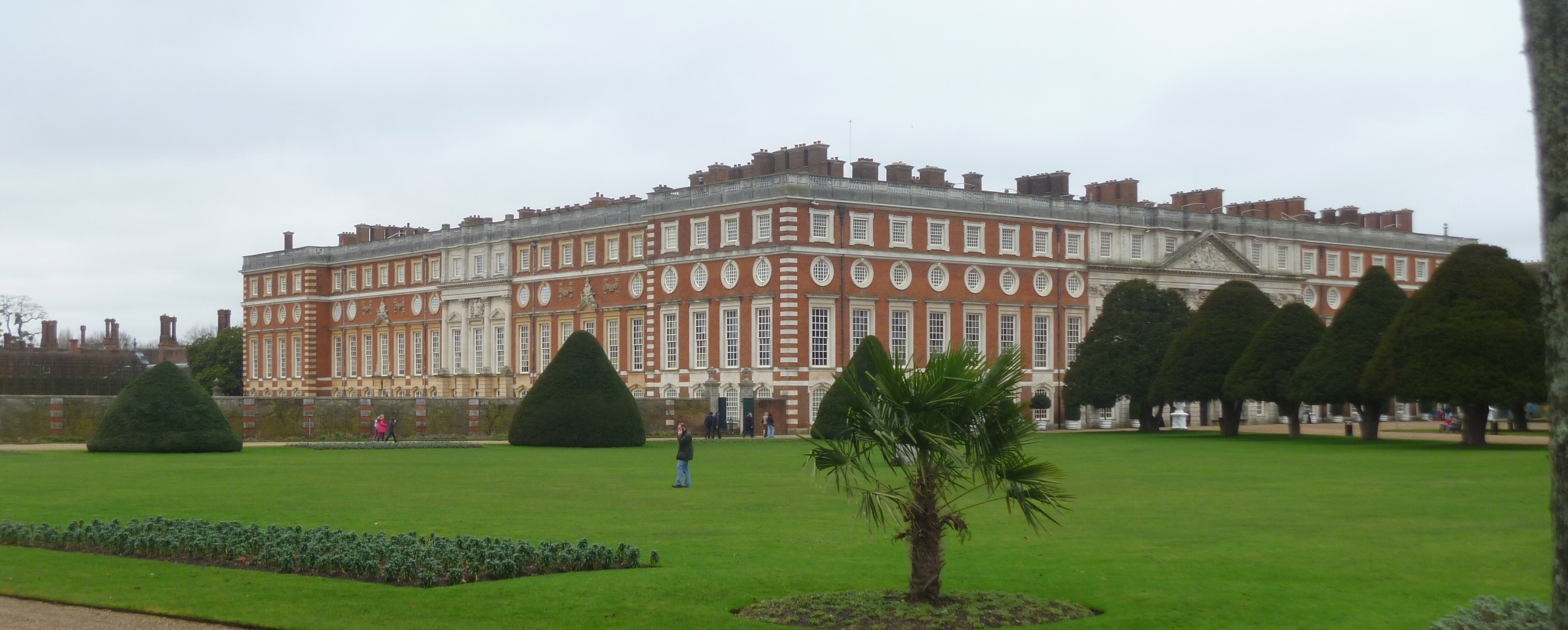
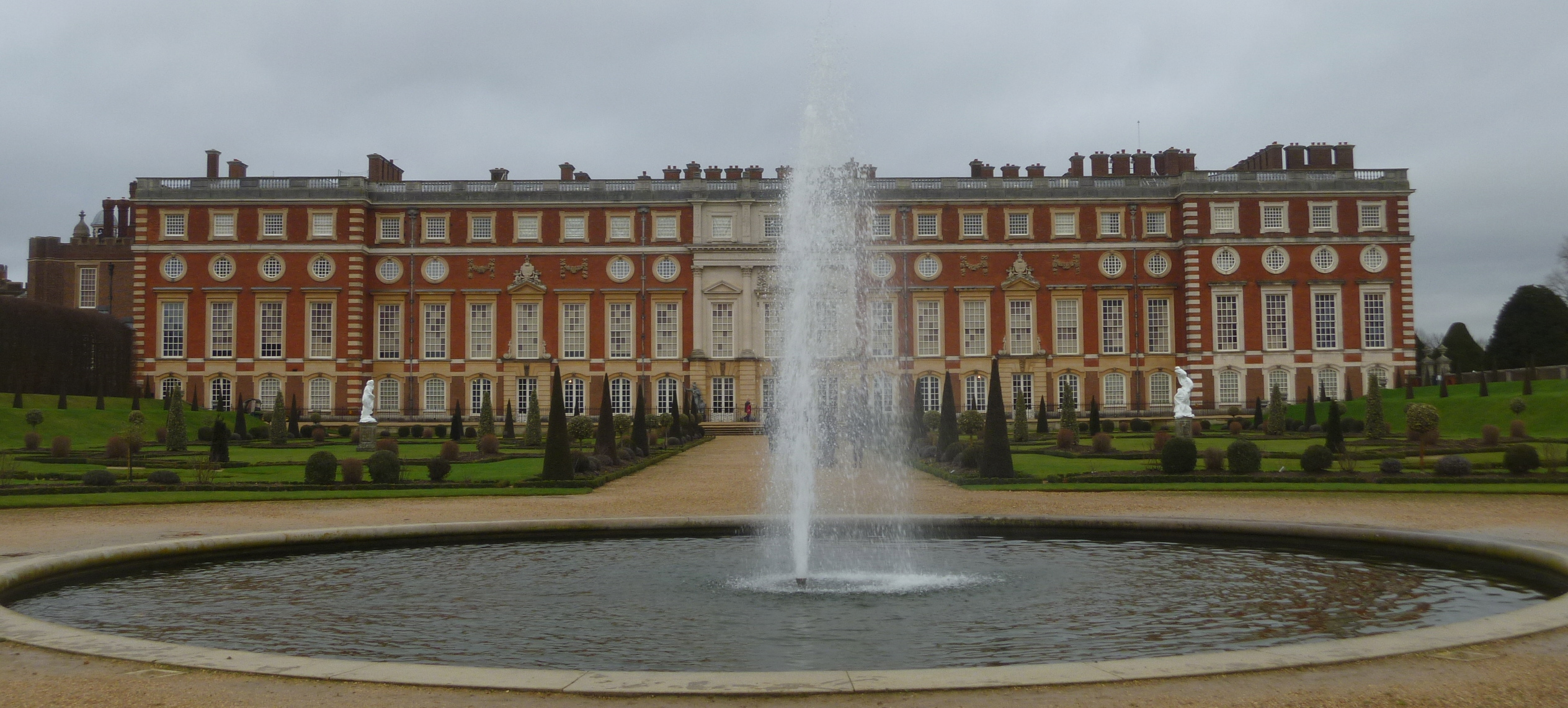
Hampton Court Palace was built by Cardinal Thomas Wolsey during the years after 1514 when he first acquired the riverside site. In 1529 as a last-ditch effort to appease the king’s wrath he presented the sumptuous palace to His Majesty King Henry VIII. He had failed to obtain an acceptable result with regard to the king and his first wife, Catherine of Aragon. Soon after, all of his property was made forfeit to the King. And so the Palace became a favourite home of Henry and his children and his descendants and royalty until 1760 and the death of George II. Henry built and extended the Tudor Palace further and William III and Mary (1689-1702) brought about further rebuilding and remodelling.

HCP East Front

There’s a huge contrast between the original west-facing Tudor building (top) and the newer East and South Fronts (above).

During and after the reign of George III the palace ceased to be used by royalty and was subdivided into a large number of dwellings and apartments. These residences were called ‘Grace and Favour’ homes. I have long known about there existence because I remember in the 1950s and early 1960s when I was a Brownie and later a Girl Guide one of the annuals featured a story about Lady Olave Baden-Powell, the widow of Lord Robert Baden-Powell, the then Chief Guide, living in a Grace and favour apartment at the Palace.

A celebrated and much-loved 20th century figure, Lady Baden-Powell, moved into her palace apartment in 1942. She was heavily involved in the Scouting Movement that her husband had founded. Lady Baden-Powell’s response following the offer of a palace apartment in 1942. “I was astounded; I had never dreamed of such a privilege being accorded me’. The apartment was ‘a bit dilapidated’ because of the war but most importantly would be ‘home’”. She described how, during the war, she survived a bomb, which exploded causing her ceiling to collapse in 1944.”

Taken from : Grace and Favour HCP

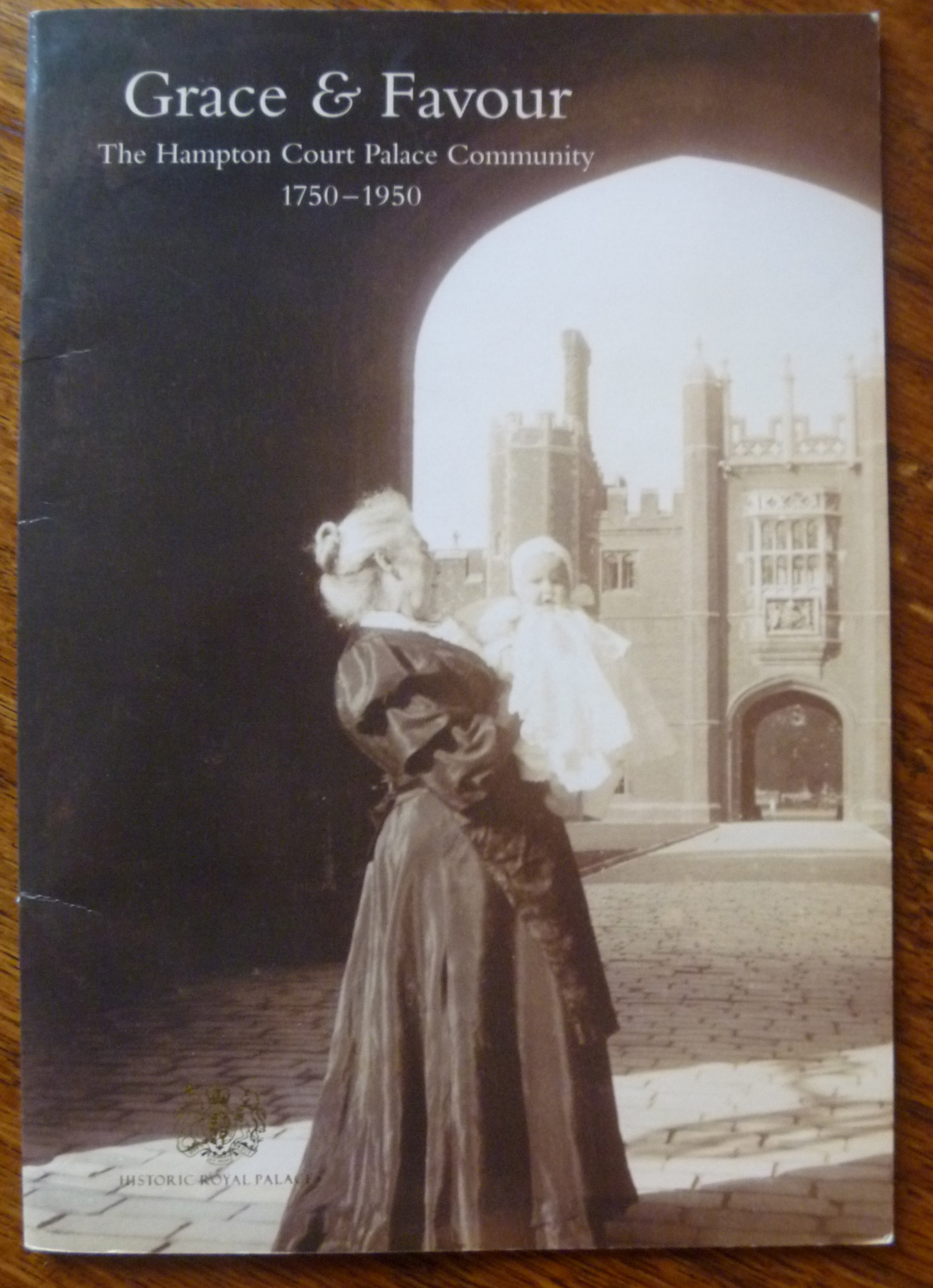
In the Fish Court Library I also found a book about the history of the apartments “Grace & Favour: the story of the Hampton Court Palace Community, 1750-1950”. 
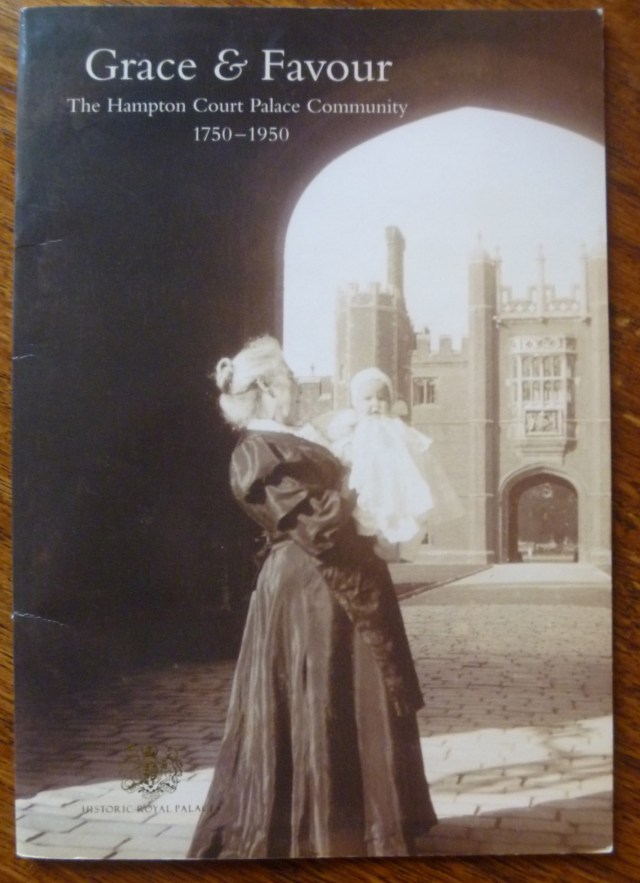
Grace and Favour Book

Staying at Hampton Court in January we still noticed lots of visitors during the day and even late into the evening at the temporary ice rink erected just within the main (Trophy) Gates.

Ice Rink HCP

The Temporary Hampton Court Ice Rink

Being residents we were able to enter the palace and  join in any tours free of charge. We had to wear our passes all the time.

Resident pass

We only had one full day so we joined a costumed tour and visited two sets of apartments that we had missed on our previous visit. In the middle of the day it was so nice to just turn the key of our apartment door and have a bite of lunch and relax before heading out to the gardens and grounds and visit more of the Palace in the afternoon.

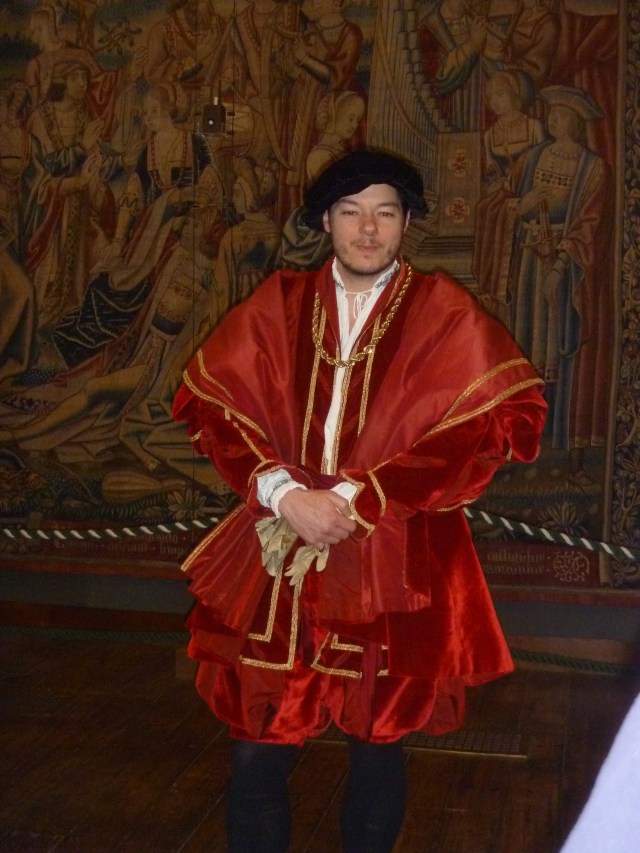
Costumed Tour HCP

Actor as Thomas Seymour

Actor playing the part of Thomas Seymour on the eve of Henry VIII’s death in January 1547

The most well-known feature in the grounds and probably in the whole Palace is its world famous Maze. I first visited Hampton Court Palace in the early 1960s and my top priority was to get into that Maze. I seem remember finding it a bit disappointing but loved Jerome K. Jerome’s witty description of his friend Harris’s earlier visit to the Maze:

“Harris asked me if I’d ever been in the
maze at Hampton Court. He said he went in once to show somebody else the
way. He had studied it up in a map, and it was so simple that it seemed
foolish—hardly worth the twopence charged for admission. Harris said he
thought that map must have been got up as a practical joke, because it
wasn’t a bit like the real thing, and only misleading.”

Lancelot ‘Capability’ Brown was appointed Chief Gardener here in 1769 and lived in Wilderness House on the edge of the grounds near the Lion Gates. Just two years ago a blue plaque was unveiled by  the present Head Gardener. Read about it here. It was very difficult to get a decent angle for a photo of either the house or the plaque.

Plaque to Capability Brown

Even in January the fountains are spurting water and the gardeners have their heads down preparing the ground for spring planting and some other people were also enjoying walking along the stony paths and terraces.

Fountain

Knot Garden

Pond Garden and Banqueting House

At the far end of the garden is the Great Vine planted by Capability Brown.
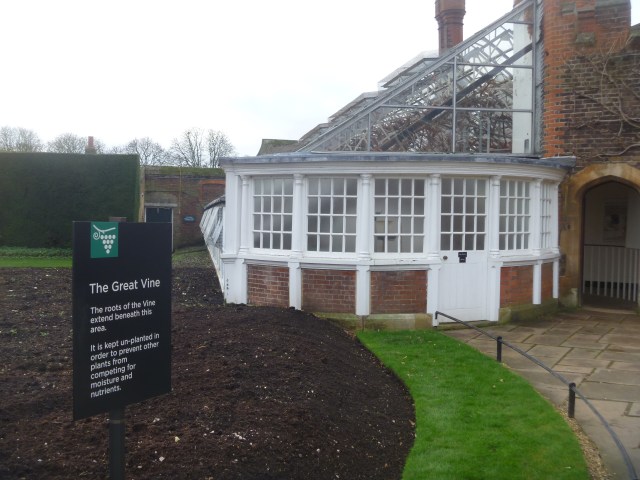
The Great Vine

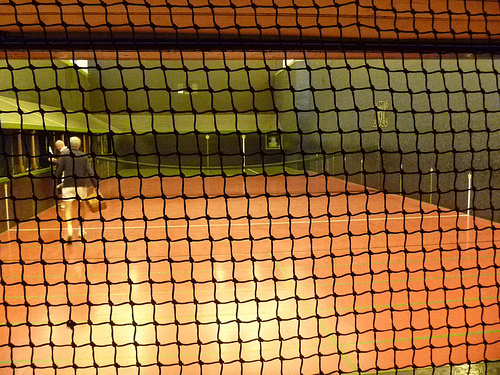
In the evening we could creep along passages and watch a game of Real Tennis still being played on the original court where Henry himself enjoyed a game or two!

Real Tennis

Before returning to our very own private Royal apartment to plan the rest of our London visit.

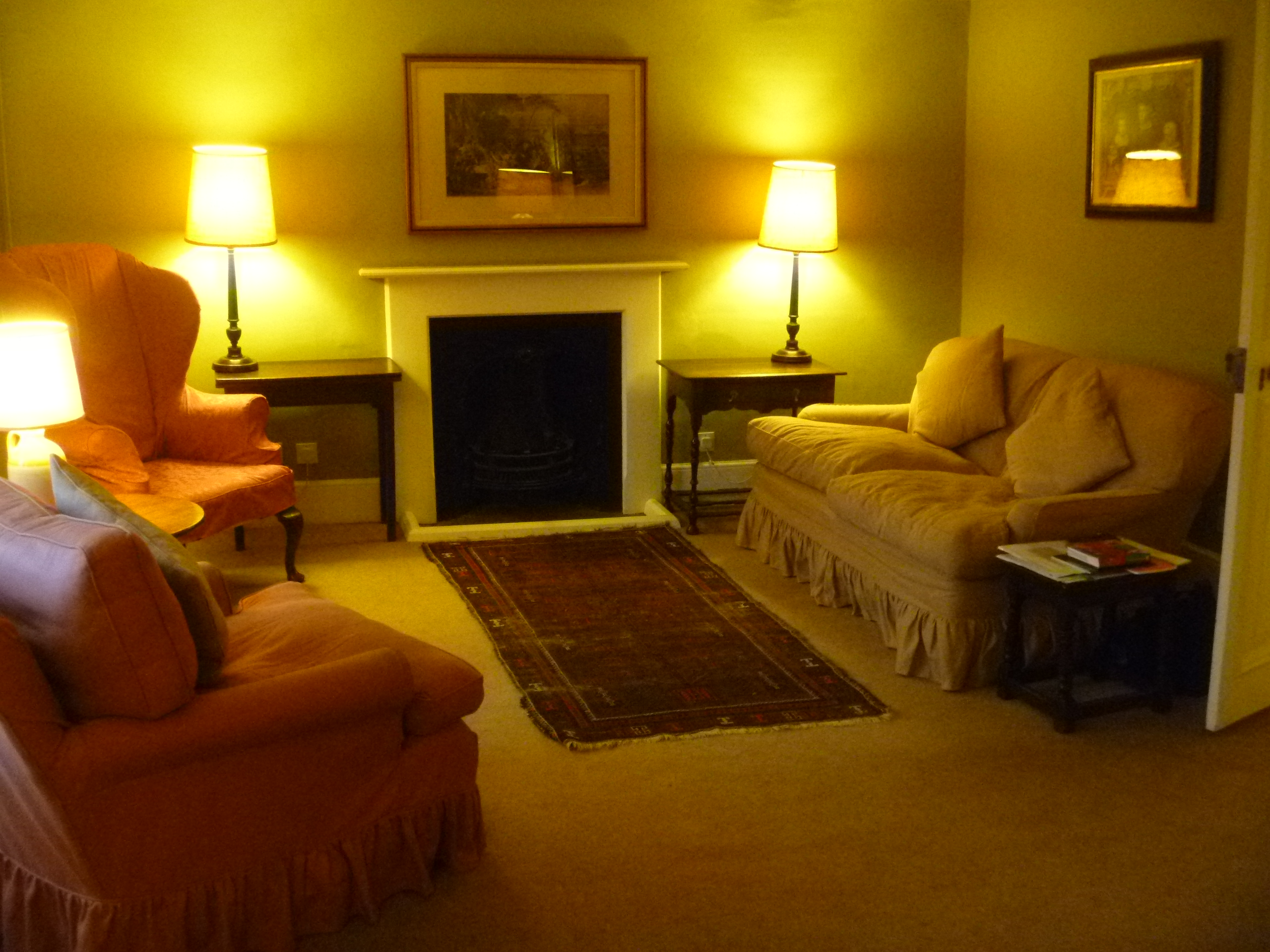
Sitting room at Fish Court

A Walk to a Swiss Garden

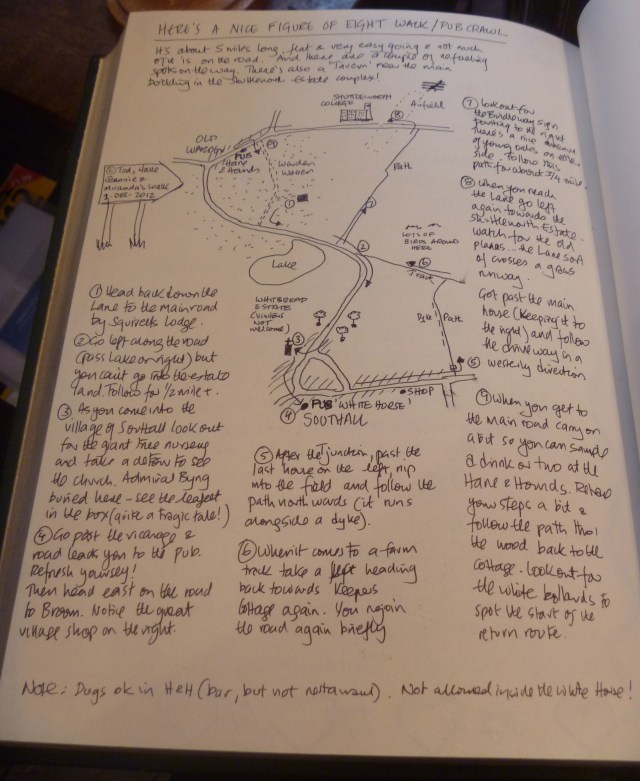
I’m always amazed at the talents of Landmarkers as reflected in the Log Books at each property. For me it’s usually a very last minute scribble listing a few suggestions of places I’ve enjoyed visiting during my stay or some other usually inane comment. There are wonderful examples of calligraphy, witty poems and imaginative prose, sometimes photographs and some beautiful drawings, sketches, watercolours and cartoons.
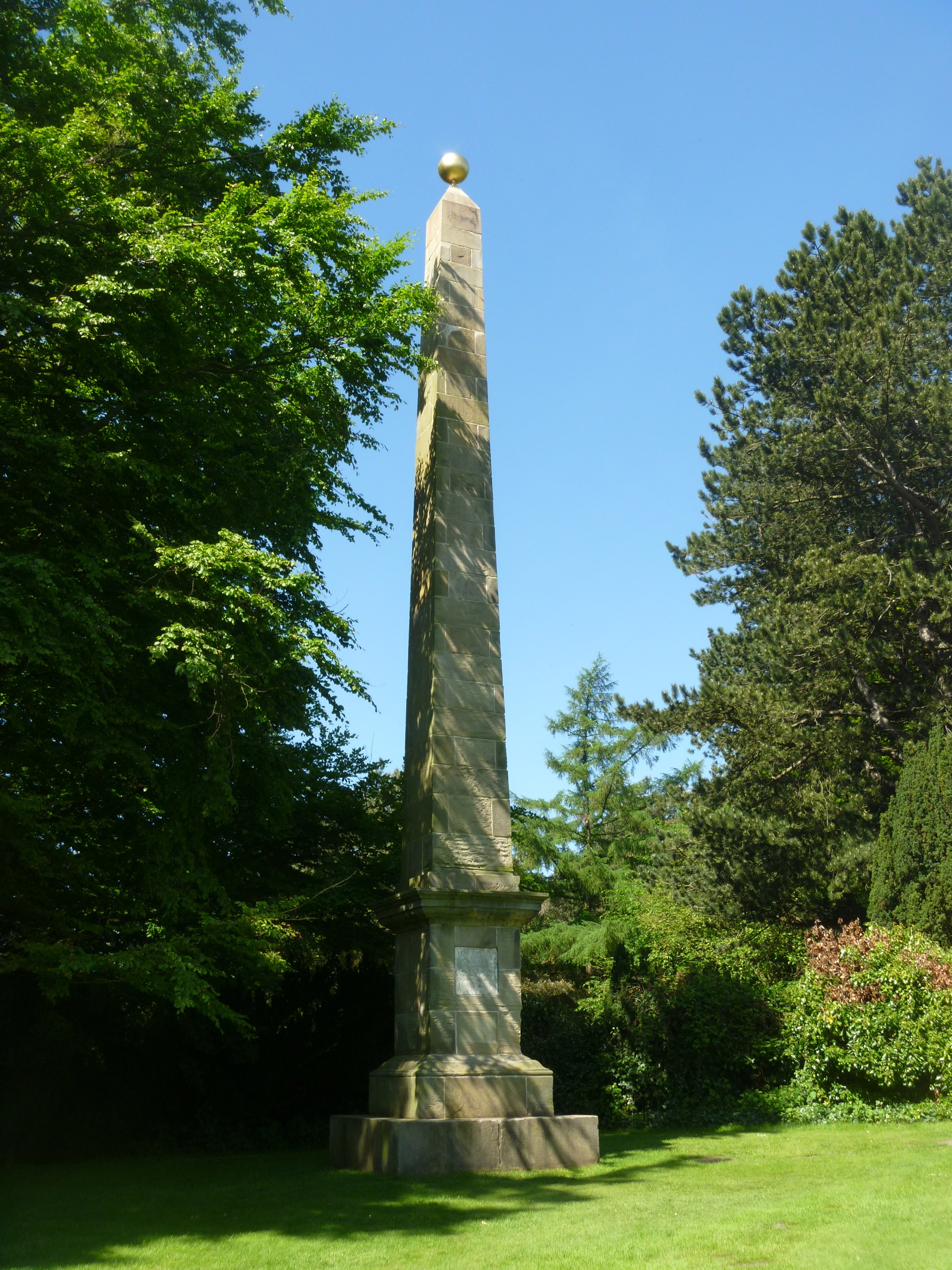
P1070848

The visitors before us at Keepers devoted some time to illustrating and commenting on a walk that they had done straight from the cottage door – my favourite kind. I would have loved to have completed this walk but I was longing to visit the renowned Swiss Garden at The Shuttleworth Collection so decided on the first morning to just do part of the walk and extend it to the garden which, amazingly, is open all year.

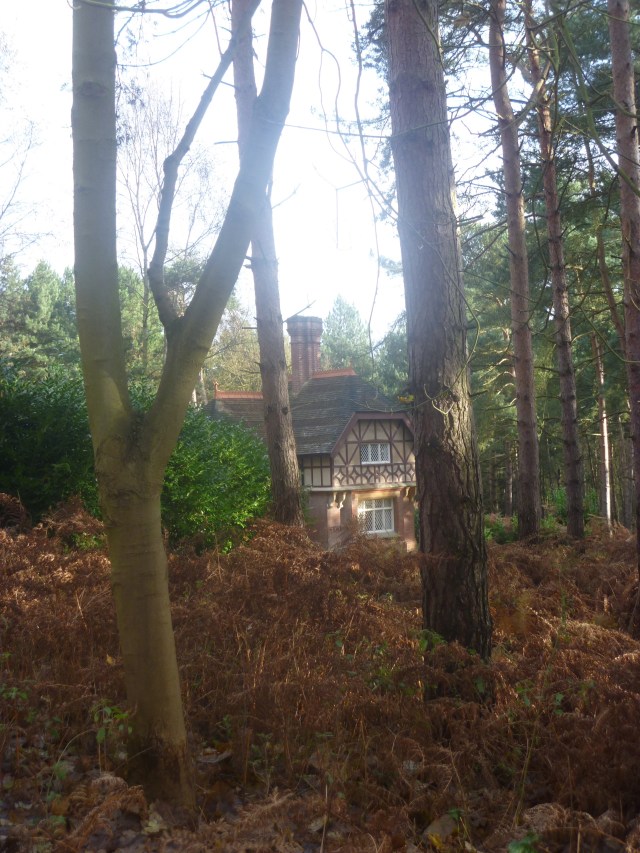
Little Cottage in a Wood

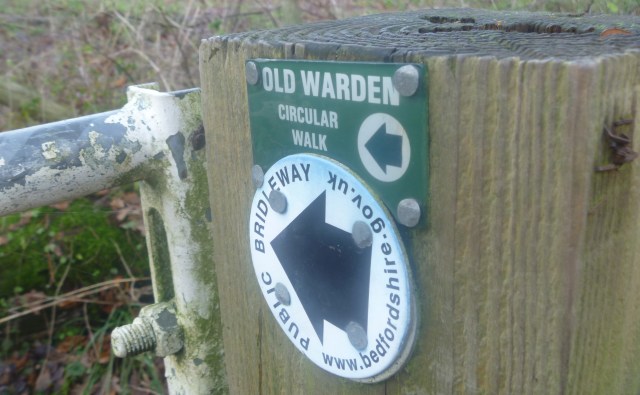
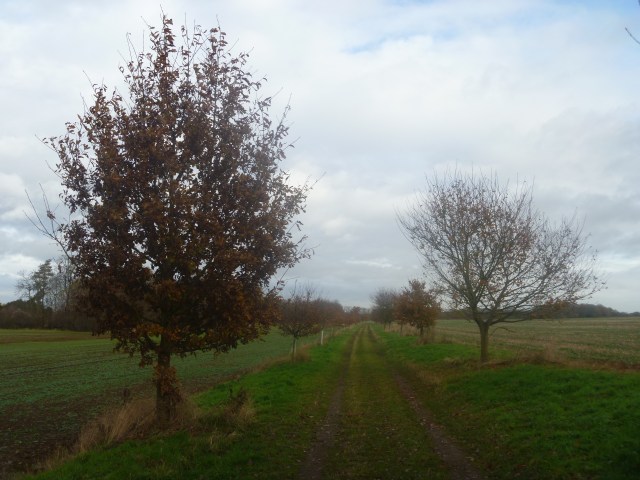
Keeper’s Cottage lies deep in the woods of Warden Warren and you need to unlock two gates and drive along bumpy tracks to get to it by car but on foot it is much simpler – open one gate and pass through a kissing gate to emerge onto the road. It’s a quiet road and not far along is the familiar ‘Public Footpath’ sign and I set off on a tramp along a field edge path.

Footpath signs

Field path Warden Warren

Not far away the guns were out but as I approached the ‘Shooting party’ were returning to their vehicles and, no doubt, some hot coffee and toddy.

Shooting party

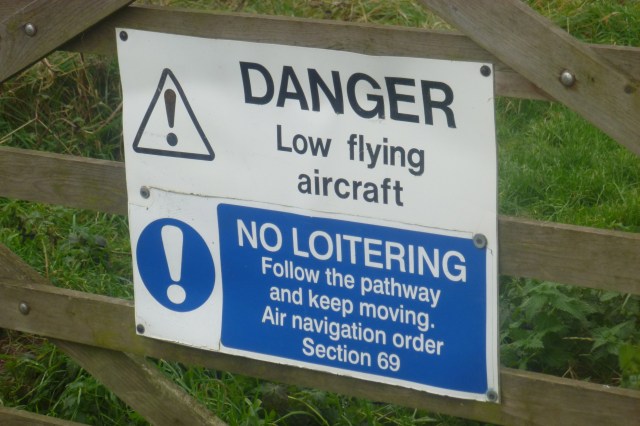
The path skirts the woodland and then suddenly there’s a roar and an old ‘plane could be seen taxiing in the neighbouring field. I’d arrived at the edge of the famous Shuttleworth Collection.

Shuttleworth Warning

Eventually the path joined another tarmac road and turning left and keeping well into the side I finally arrived at the Shuttleworth Museum entrance. There’s a separate charge and entrance to the Swiss Garden.

The Swiss Garden

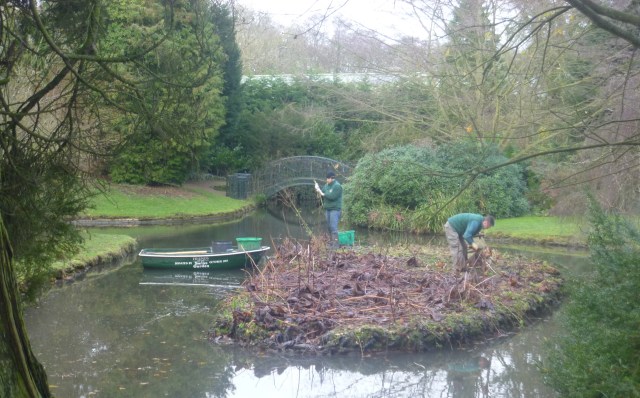
Apart from gardeners busily clearing an island in one of the lakes as you go in I think I was the only person, and certainly the only visitor that morning.

From the guidebook :

“The Swiss Garden is a late regency, nine acre garden, which forms an integral part of the designed landscape in Old Warden Park, Bedfordshire. The garden was created by the third Lord Ongley between 1820 and 1835 and is laid out in the Romantic and Swiss Picturesque manner.

In 1872, Old Warden Park was purchased by Joseph Shuttleworth who began a series of improvements to the Park. Victorian fashions were introduced into the landscape of the Swiss garden, such as the Pulhamite features, and some cast iron work.”

Since 1976 the garden has been in the care of the local county council and I see from the website that a major renovation is to take place next year with much financial assistance from the Heritage Lottery Fund. This will be exciting work and the garden will be closed until at least 2016. I’m glad that I got to see it “before” and hope maybe to return and see the “after” effect.

After spending about two hours at the garden, including hot warming soup in the Shuttleworth cafe, D picked me up to bring me back to the cottage and plan another expedition.

An illustrated tour of the Swiss Garden :

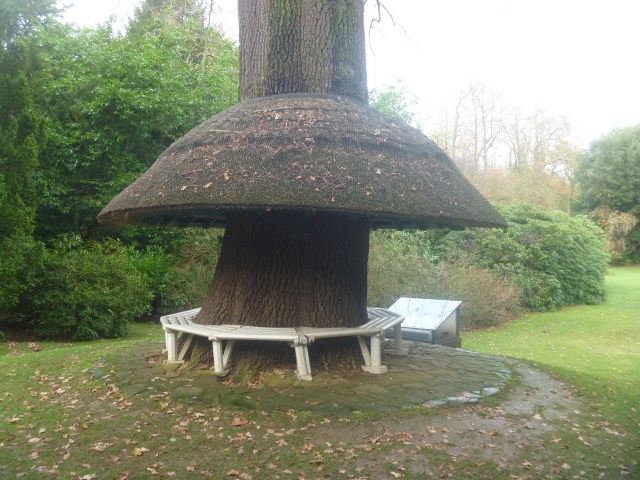
Thatched seat and poem

The Thatched Seat “ingeniously built to accommodate the annual growth of the tree” 

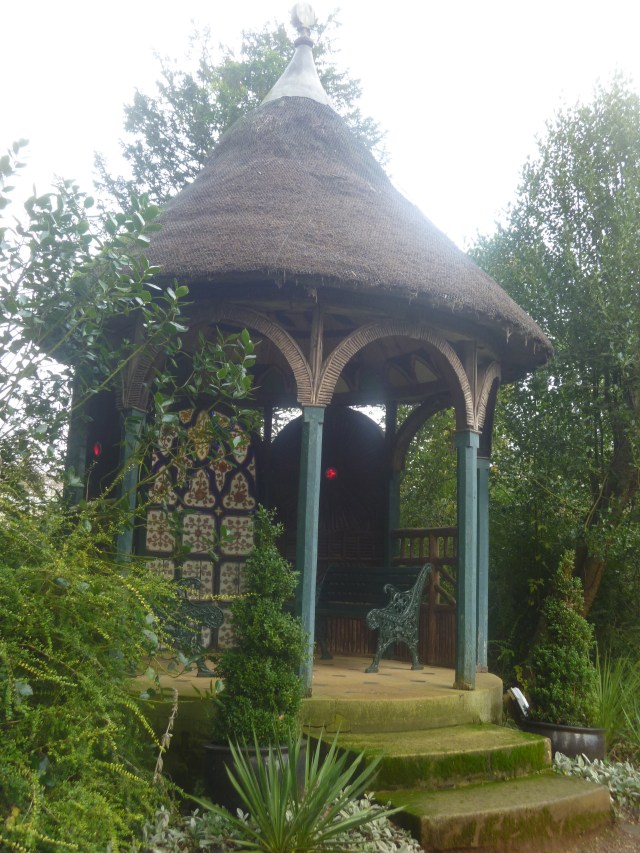
Indian kiosk

Indian Kiosk

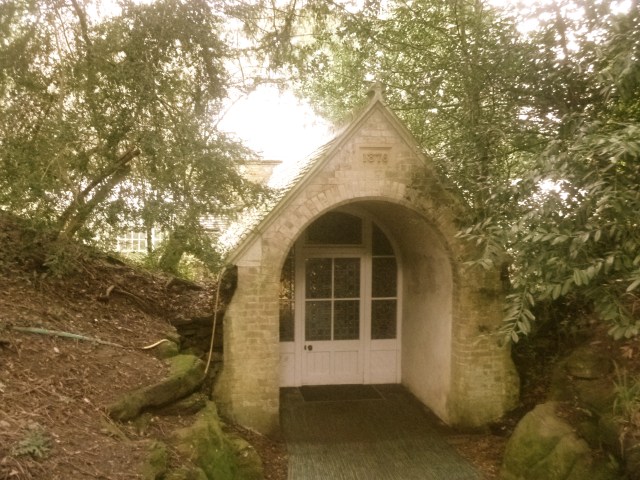
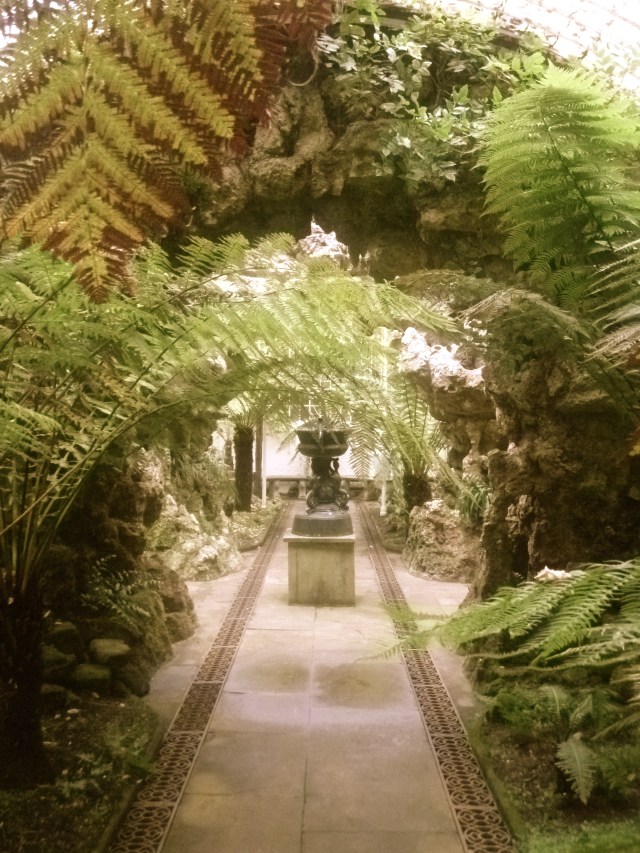
Grotto entrance

Entrance to the Grotto and Fernery

Inside the grotto

Inside the Grotto

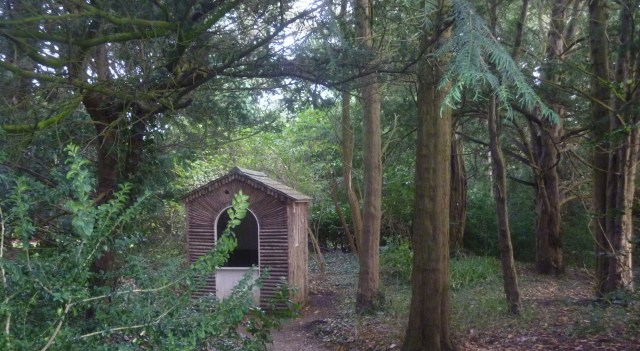
Privvy

The Two-Seater Privy

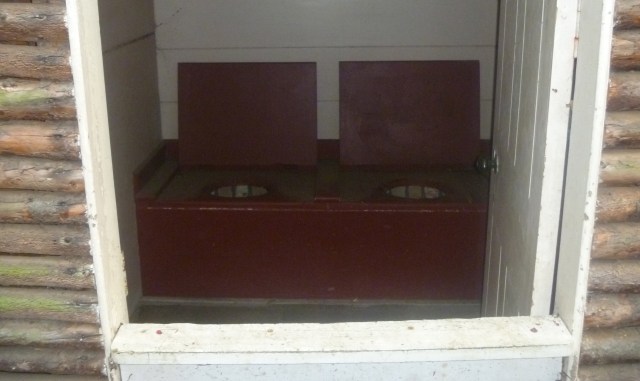
Two seater privvy

The Two Seats – “The privy is a traditional earth closet. One seat would be locked for six months while the other was open”.

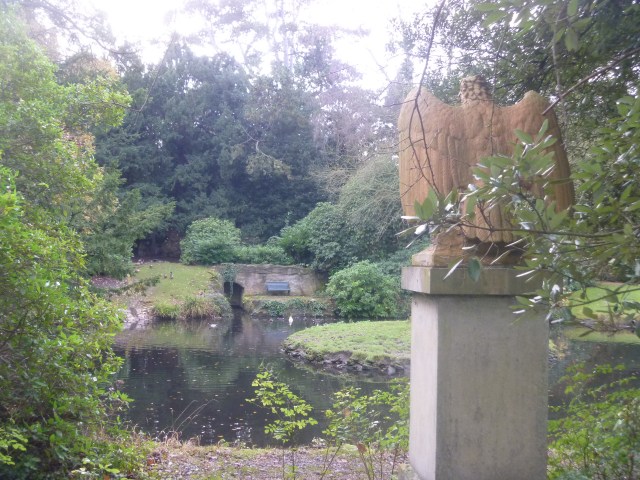
Upper Pond

Eagle, Upper Pond and Harbour

Swiss cottage2

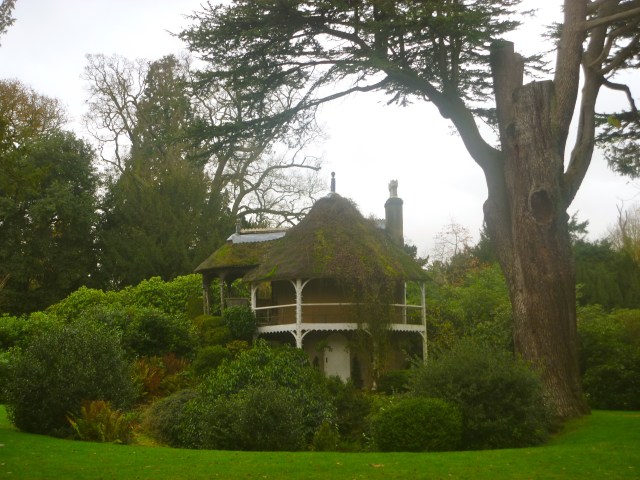
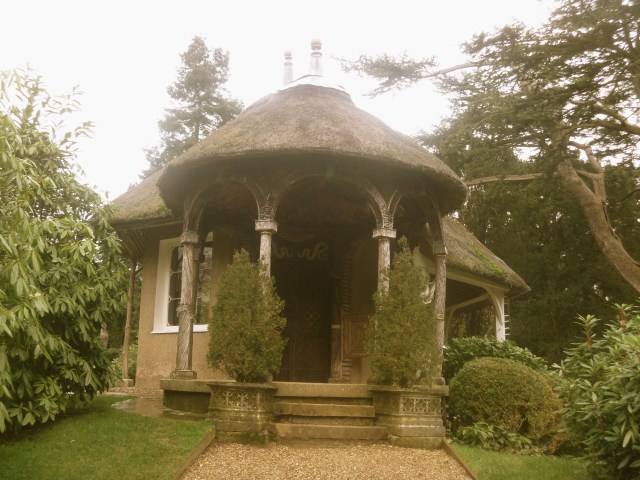
The Swiss Cottage – focal point of the garden and licensed for civil weddings

Swiss cottage

Quite what is Swiss about this garden I am not too sure but it comprises an interesting collection of plants and trees and a peacock and follies and had I visited a day later I should have seen it looking slightly more Swiss than usual with a covering of snow!