Chelsea Physic Garden : Where Plants Really Matter

On Friday my sister arrived to join me for the weekend and we checked into our hotel just behind Harrods. This was a relatively new area for us. We had decided to avoid the Central London and City areas as the London Marathon on the Sunday meant big crowds and closed roads and limited access everywhere.

So, being in the Belgravia area seemed a good opportunity to visit lesser known places in the Chelsea area. For many years I’ve wanted to visit the Chelsea Physic Garden but haven’t been in the right place at the right time. Friday being beautifully warm and sunny we decided to step out down Sloane Street and Royal Hospital Road where, next door to the Royal Hospital (think, Chelsea Pensioners), we found the high walls surrounding another oasis of peace and calm.
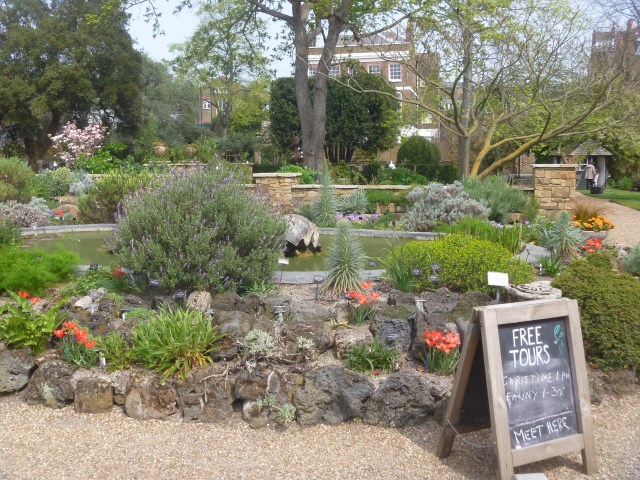
CPG Rock gdn

The rock garden of basalt rocks is a listed monument

Tucked away beside the Thames, Chelsea Physic Garden is a celebration of the beauty and importance of plants. This walled Garden was founded in 1673 by the Worshipful Society of Apothecaries for its apprentices to study the medicinal qualities of plants and it became one of the most important centres of botany and plant exchange in the world. Today, as an independent charity the Garden relies on the support of visitors and Friends to help protect and nurture the Garden for future generations.” [From the website]
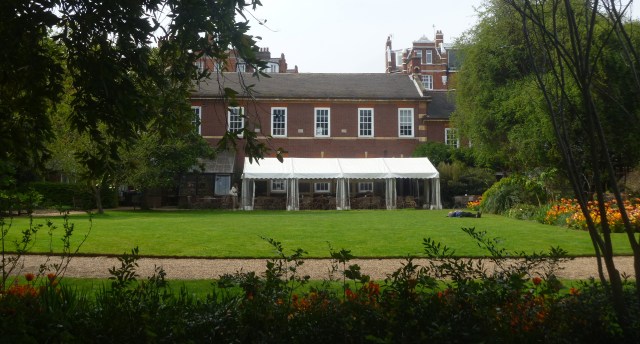
tangerine dream

The Cafe in the 17th century curator’s house

There are free tours every half hour with a volunteer guide so we decided to join one of these first, before having lunch outside the Tangerine Dream Cafe.
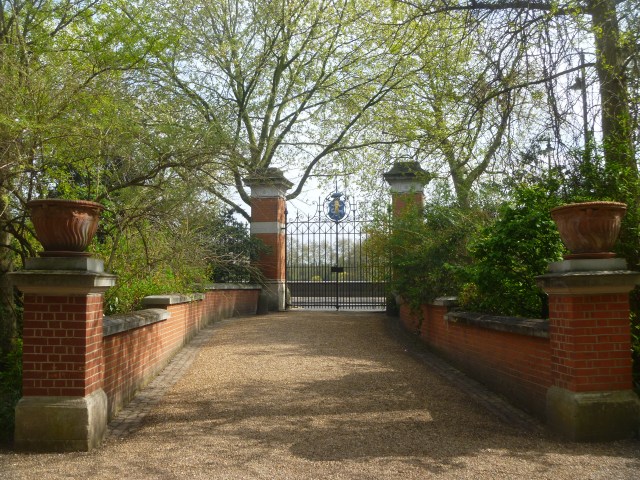
CPG gates

The Gates lead to the Chelsea Embankment and beyond that to the River Thames which was so important to the Garden bringing boats alongside with their cargoes of exotic plants
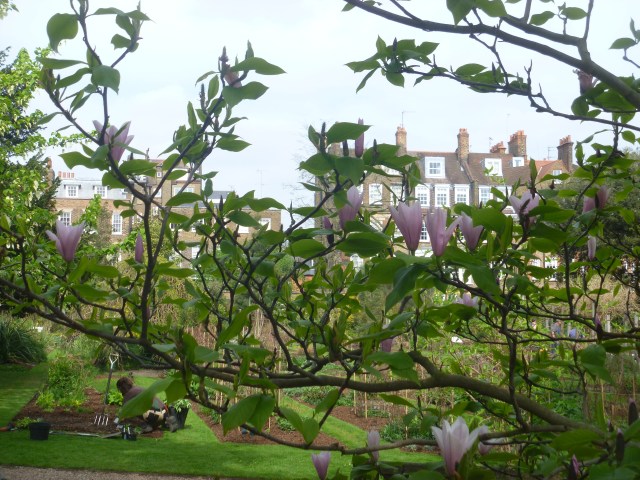
volunteers and gardeners at work

Gardeners and volunteers at work in the Systematic Order Beds

It was impossible for our introductory tour to include all of the gardens on the site :

Garden of Medicinal Plants
The Pharmaceutical Garden
World Woodland Garden
The Garden of World Medicine
The Garden of Edible and Useful Plants
Historical Walk
Botanical Order Beds
Island Endemic Flora

[Each garden is explained on the website.]

so after lunch we visited most of the rest – the greenhouses, the new world woodland garden and had a closer look at the two information point caravans devoted to Sir Hans Sloane and the Swedish plantsman Linnaeus.
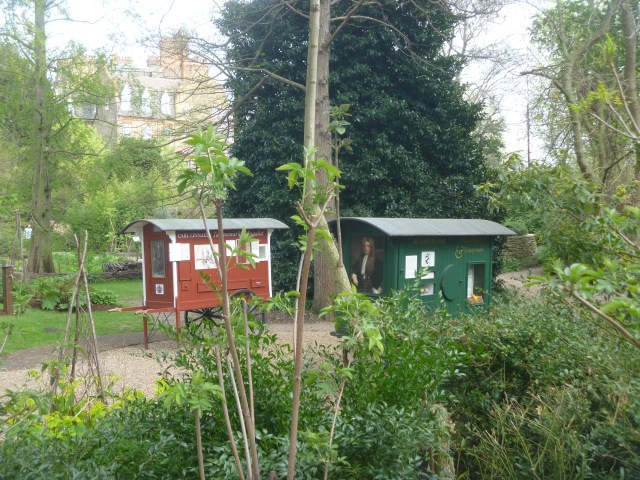
Sloane and Linnaeus

Each cart contains information about Carl Linnaeus and Sir Hans Sloane
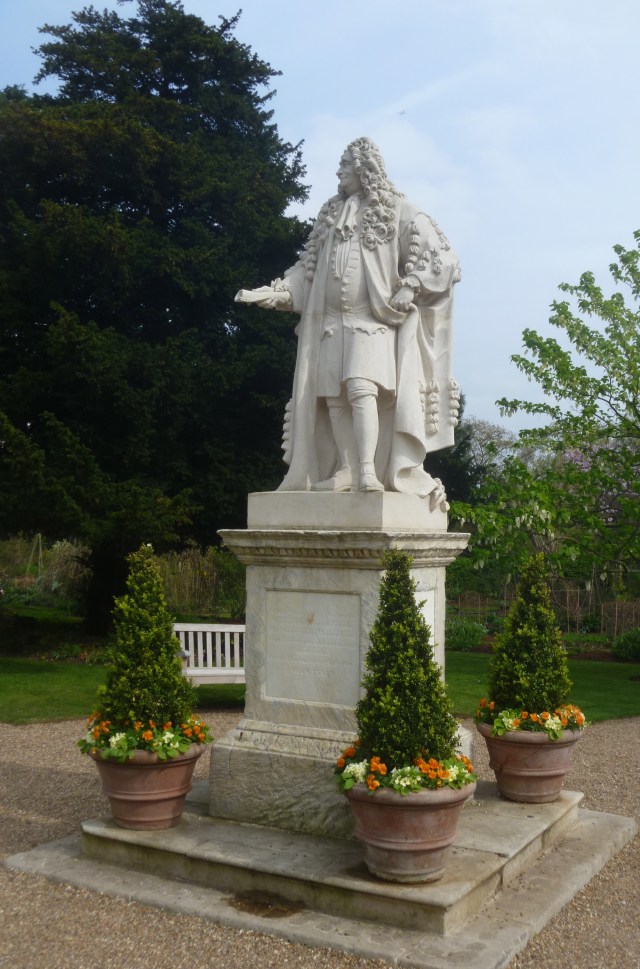
Hans Sloane

Sir Hans Sloane (a copy of the original)

Dr. Hans Sloane, after whom the nearby locations of Sloane Square and Sloane Street were named, purchased the Manor of Chelsea from Charles Cheyne. This purchase of about 4 acres was leased to the Society of Apothecaries for £5 a year in perpetuity. Sloane was also a founder of the British Museum.

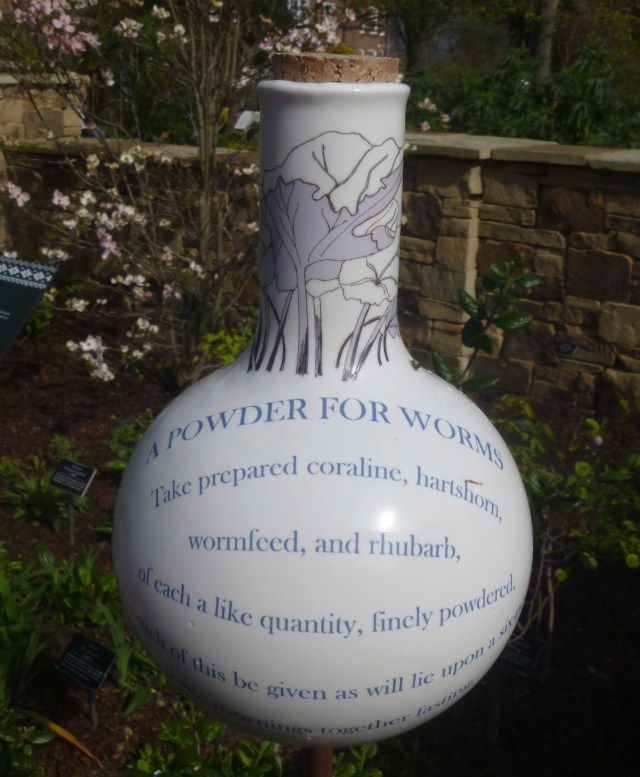
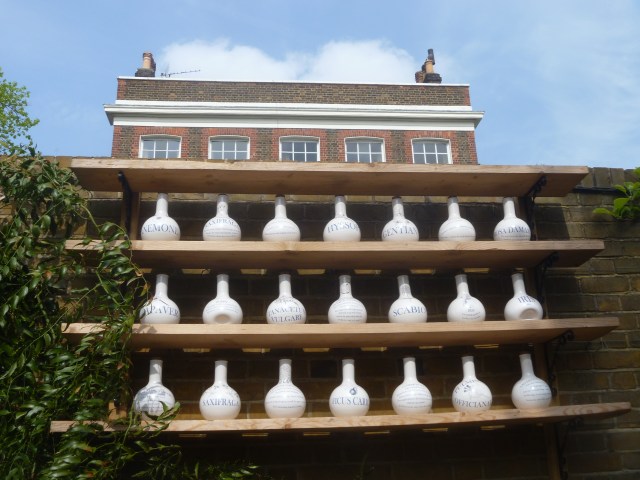
‘Curse or Cure?’ is the title of the 2015 temporary outdoor art installation created for the Garden by ceramic artist Nici Ruggiero. It consists of a trail of 15 inscribed apothecary jars displayed on metal spikes amongst the plants and a larger display of 21 jars against the wall.
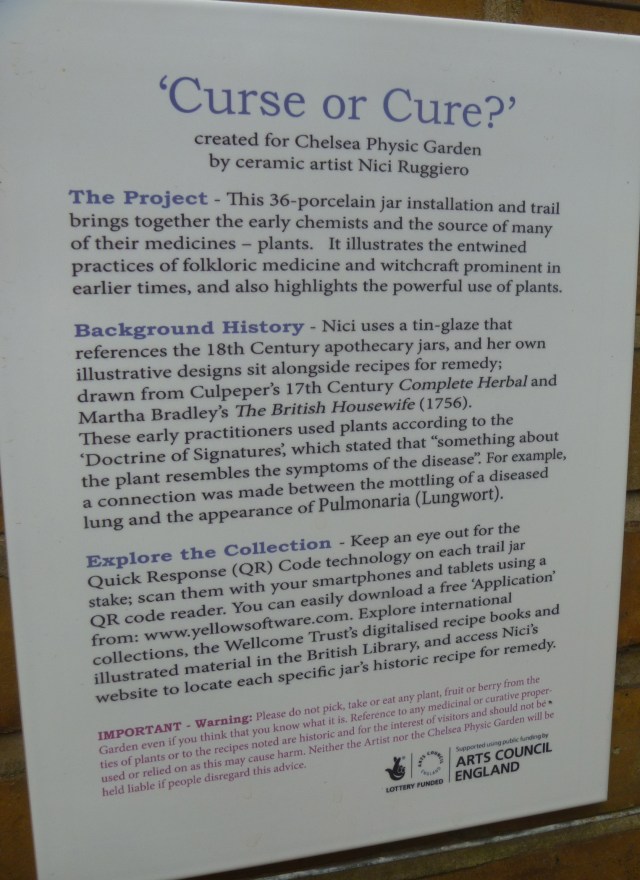
curse or cure descrip

Description of the Installation

curse or cure jar

A Jar on a Spike

curse or cure jars

The 21 Jars

Read here an article by Lisa Jardine which appeared in the Financial Times Magazine in 2013. You may need to register to read.
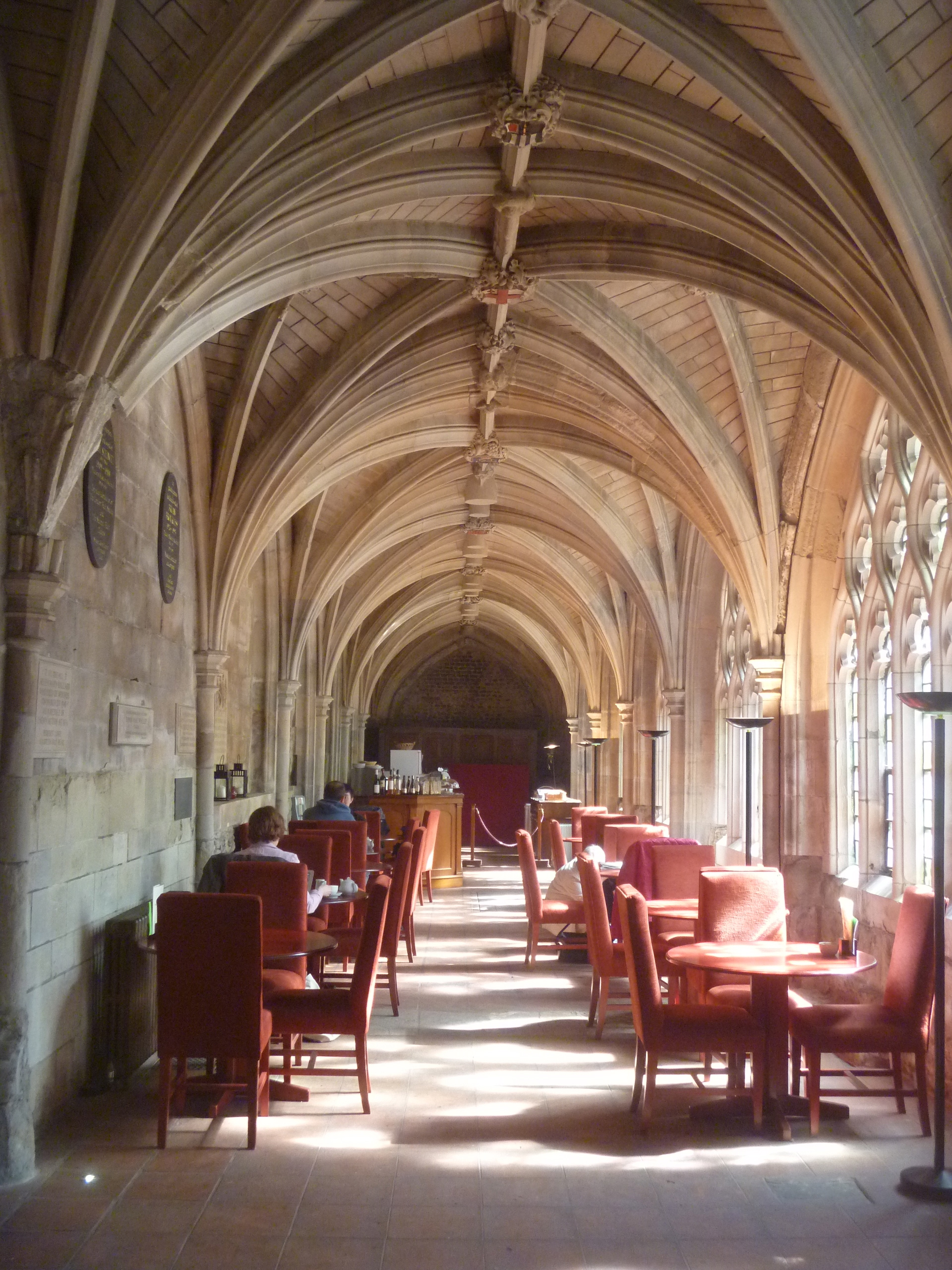
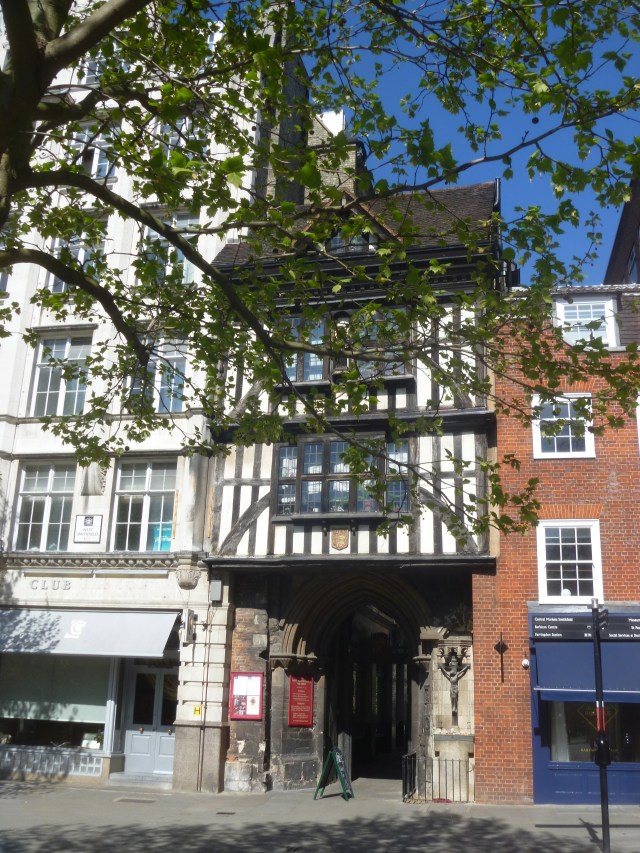


The Cloister Cafe Great St Bartholomew’s

There are three new Quiet London books. In the volume “food and drink” there are lots of ‘new’ listings. Flicking through I noticed that a cafe has now opened in the cloister of St Bartholomew The Great church, West Smithfield. Over the years I’ve stayed half a dozen times at 45A Cloth Fair one of three Landmark Trust properties in Central London.

cloister

Last week a friend of mine was staying there and invited me to join her on Thursday afternoon. I travelled down that morning for a big event on Saturday (more later). We decided to try out the cafe and it was indeed quiet. But then it was a lovely warm day and there were plenty of people in the churchyard having their offices lunches in the sunshine.

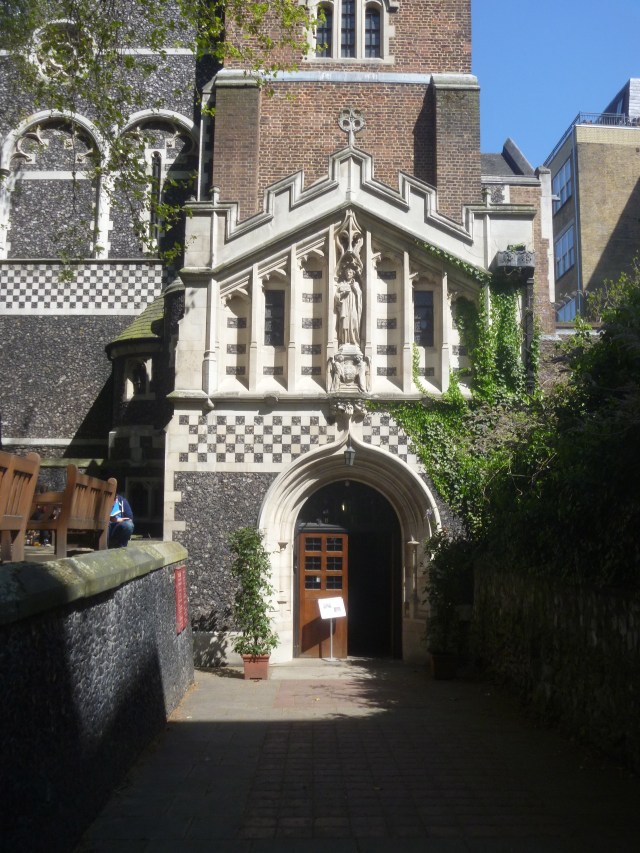
Gatehouse

Enter the beautiful Great St Bartholomew’s church by passing underneath the Elizabethan gatehouse” writes Siobhan Wall.

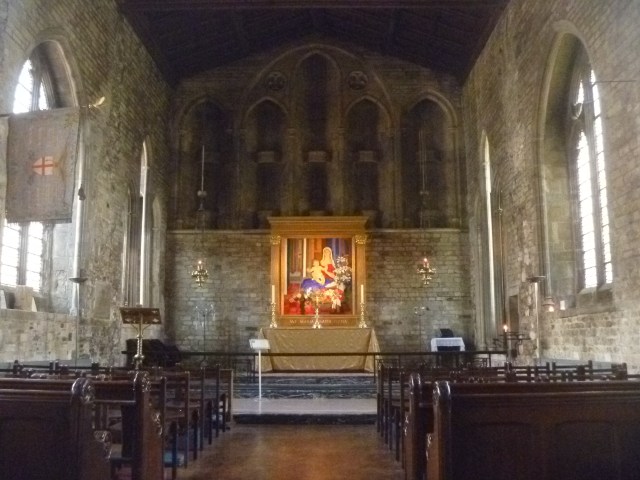
Inside St Barts

After slowly wandering round its hallowed interior,  find a table in this tranquil cafe to the right of the main porch.”

main porch

Main Porch

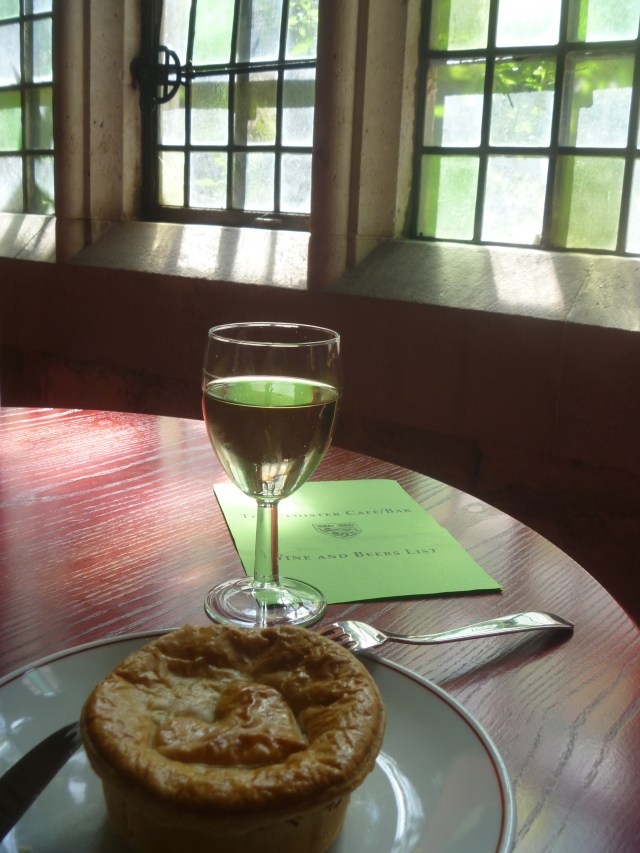
higgidy pie

There aren’t many places where you can sit and have a slice of chocolate cake [or a Higgidy pie, for that matter] among fifteenth-century cloisters, but the ancient surroundings make this one of the nicest cafes in London to have afternoon tea.”

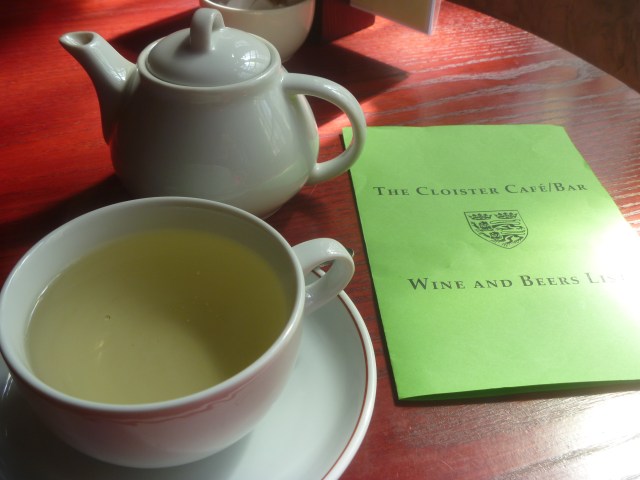
green tea

Fresh mint tea is served in white china pots, and with the pale green light filtering through the leaded glass windows this is one of the most peaceful corners in England.”

Walking and Talking on Hampstead Heath : The Garden of the Finzi-Continis

Walking Book Group

This post is not a discussion or review of the book in question: Emily does that so much better than I could.

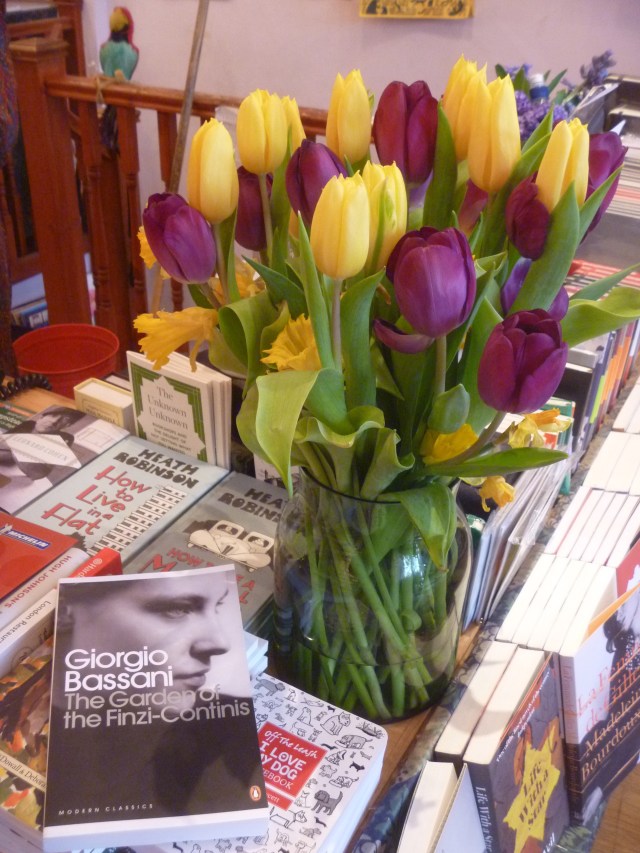
The Garden of the Finzi-Continis

Rather, I’d like to tell you about how a Walking Book Club works.

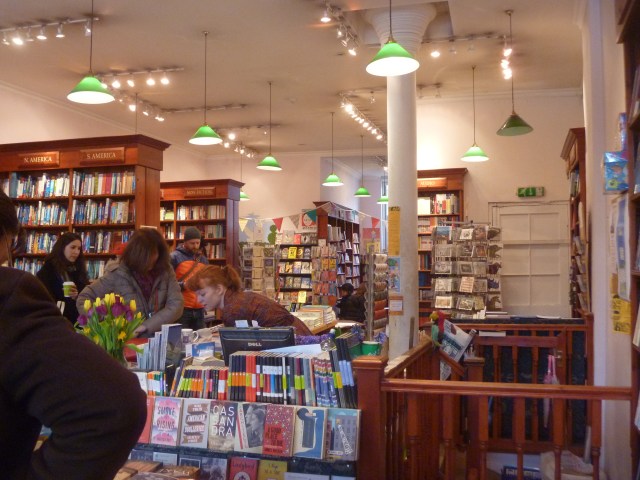
Daunt Shop

 Inside Daunt Books South End Road

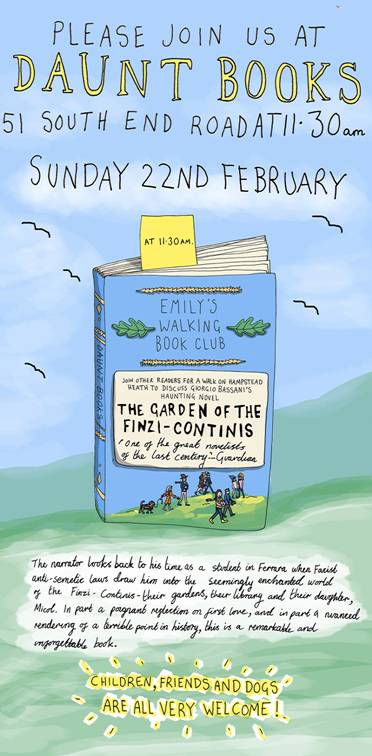
You may remember that I mentioned  Daunt Books‘ Walking Book Group in a previous post. Well, at last I have managed to coincide my visit to London with a Sunday meeting of the group. Only a couple of weeks ago did I discover that the group was back in action after Emily’s baby, Vita, was born just 4 months ago.

A group of about a dozen or so keen walker-readers gathered together at the shop on Sunday 22 February to walk on Hampstead Heath to talk about the chosen book – The Garden of the Finzi-Continis by Giorgio Bassani. As I’d only discovered this about a week before and as it wasn’t available from my library ordered a copy directly from Daunts. I just managed to finish reading it on the train down from Leeds. This was good as it meant that the book was fresh in my mind. Also, the evening before I had just watched the dvd version of the 1970 film.

Finzi-Continis

At 11.30 we left the shop, crossed the road and before setting off Emily introduced herself : some of the group were regular reader-walkers, some occasional and others, like me, were there for the first time. The only man was later joined by a couple more; we were delighted to have two Italian nationals amongst us who had read the book in its original and were able to offer us other insights into Italian life and culture relevant to our discussions.

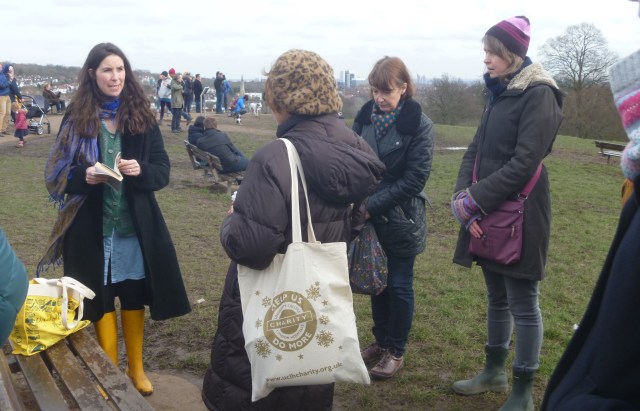
Emily Left

Book talk with Emily [left]

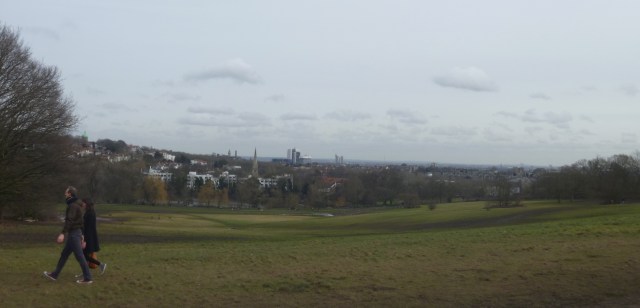
We set off walking and talking in pairs or small groups and every ten minutes or so Emily would bring us all together to sum up, ask questions, provide answers and suggest further topics for conversation. We would then find we started discussion with someone else. The formula works very well. At the highest point of the walk, with long views over London, Emily shared her home-baked cake with us.

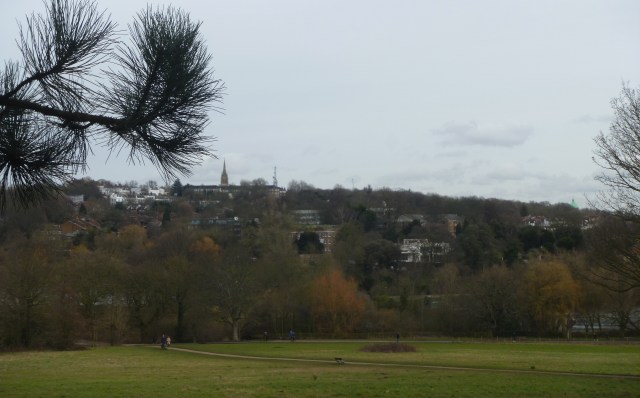
Highgate

Highgate from The Heath

London from Heath

View from the Heath

Somehow after about an hour we found ourselves back where we started and Emily summed up the discussion, distributed copies of the 2015 2nd Daunt Books Festival programme (there’ll be a walking book group from the Marylebone shop on 20 March) and told the group the next date and book for the regular Sunday Heath walk : 19th April “the Living Mountain” by Nan Shepherd :

“Shepherd wrote a short nonfiction book, The Living Mountain, during the 1940s. The Living Mountain is a reflection her experiences walking in the Cairngorm Mountains. Having completed it, Shepherd chose not to publish the book until 1977.” (Source)

If you’d like to hear a Walking Book Club session in progress you can listen here to Clare Balding who joined Emily on one of her walks in February two years ago.

Christmas in Black and White and Colour

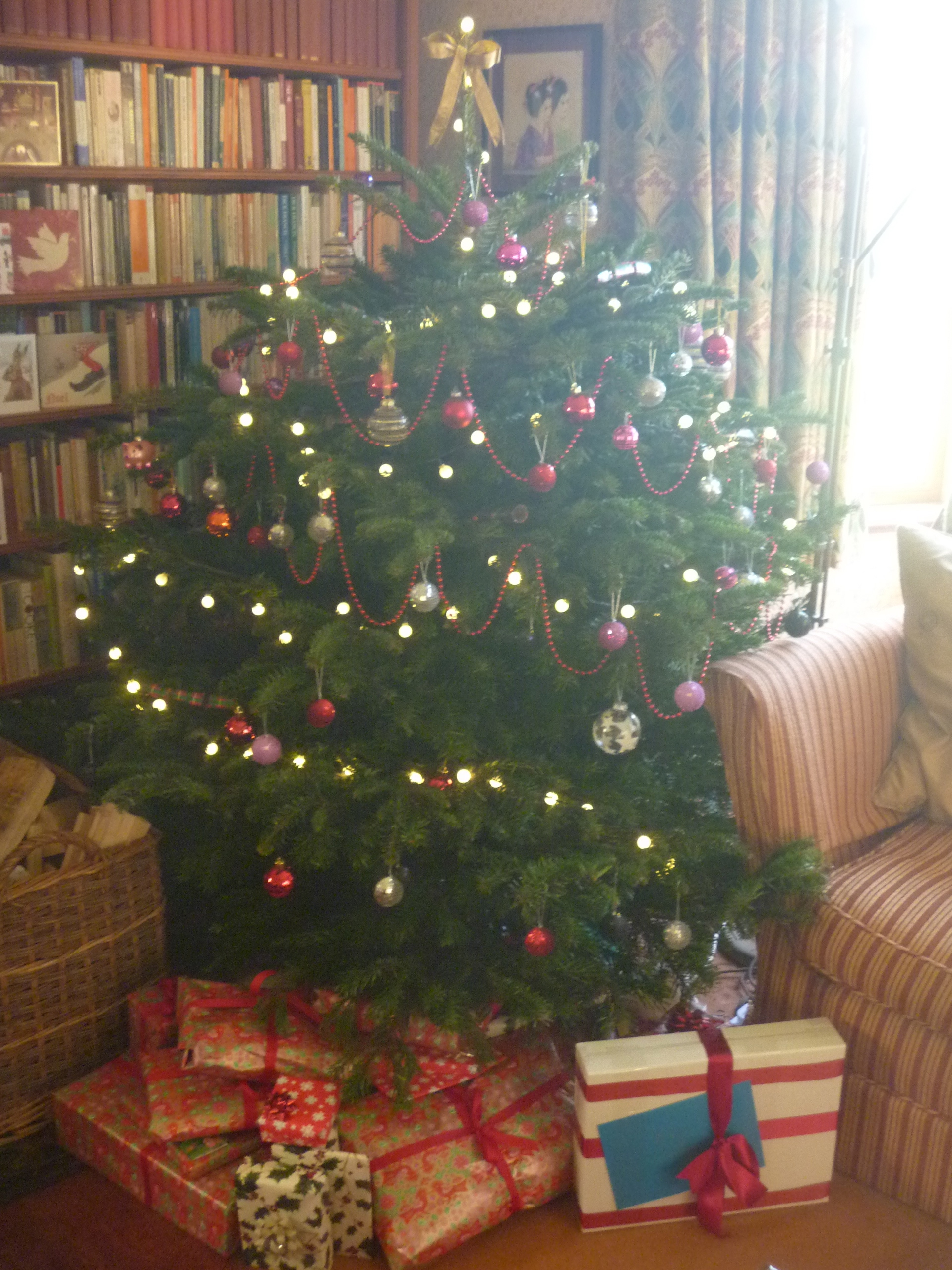
2014 tree

Compliments of the Season to Everyone.

Two weeks ago I slipped on black ice and fractured my right wrist. This is severely limiting my typing ability and posts will be very intermittent for a while.

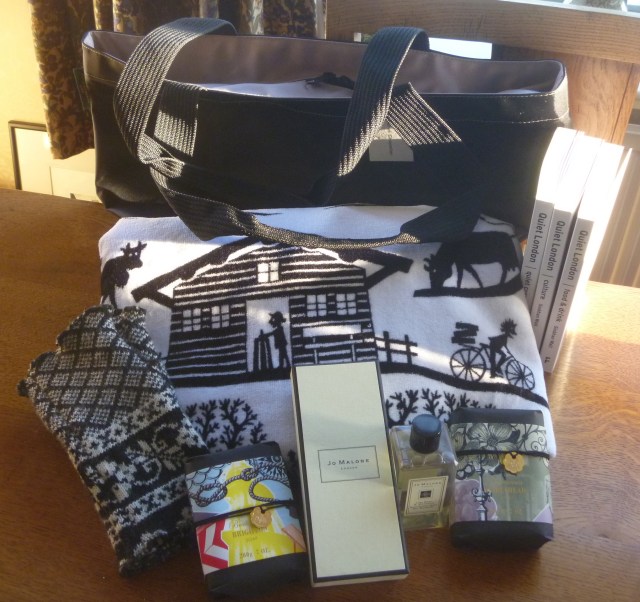
However, I’d like to share pictures of the lovely gifts I received this Christmas. As often happens they fall into themes. Each gift has been especially and thoughtfully chosen with ME in mind. I could not have chosen better myself.

black and white

Black and White Gifts

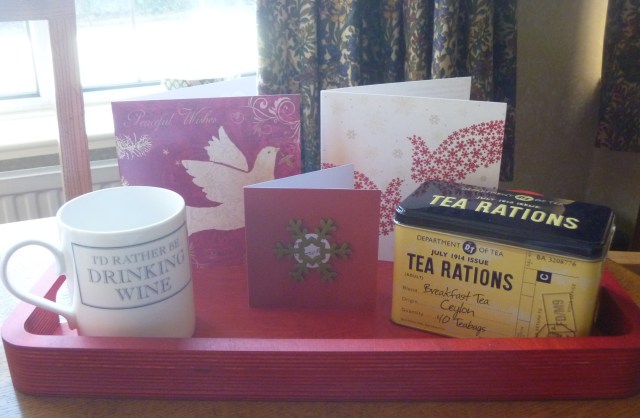
tea tray

Tea Related Gifts (although someone thinks I’d rather be drinking wine!)

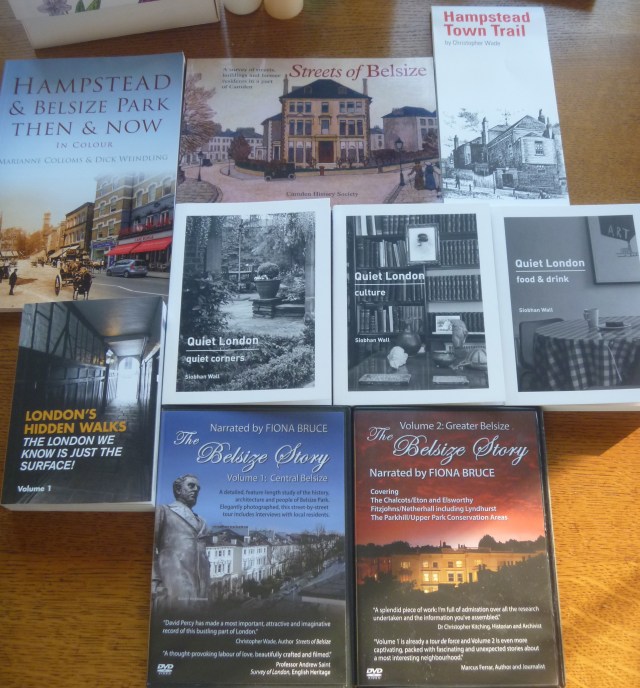
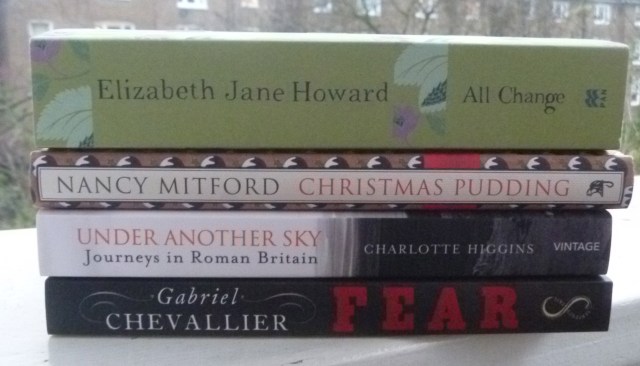
london books

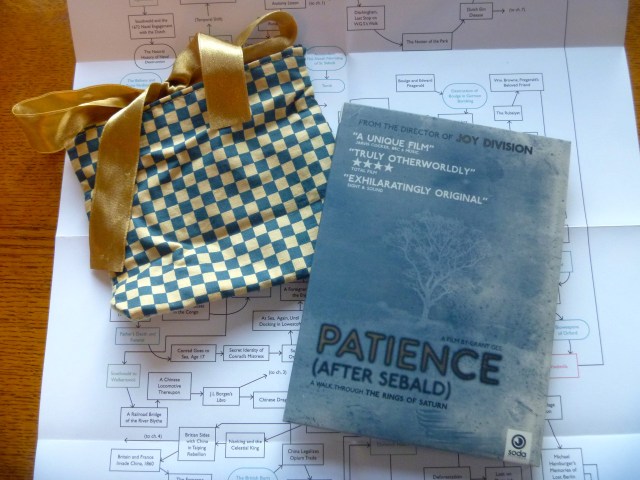
London Books, DVDs and Walk Map

I enjoy London walks and exploring the Hampstead and Belsize Park areas when I’m walking my son’s dog. I have the original Quiet London book and it has now spawned three more. I’m happy to spend the next weeks planning future explorations in London.

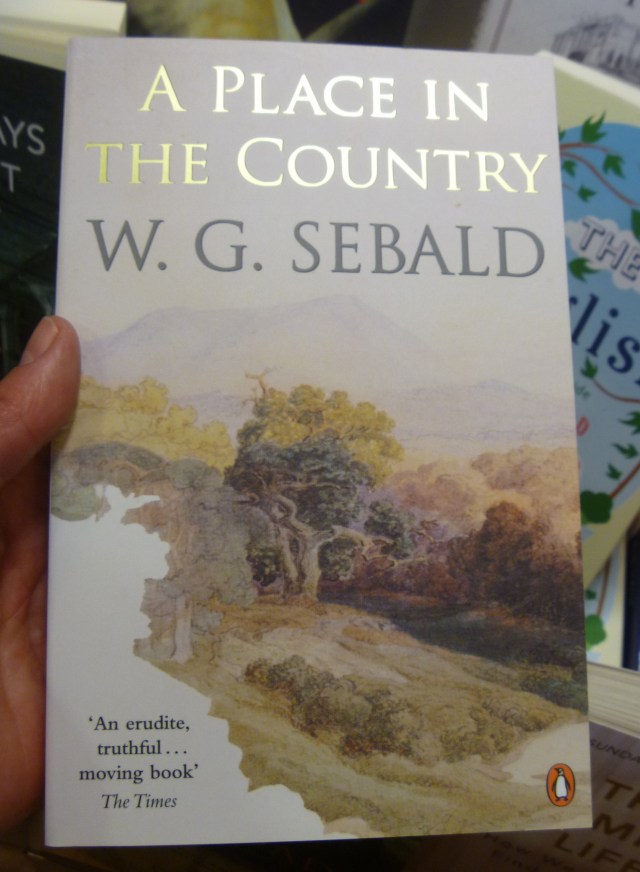
I’ve read W G Sebald‘s ‘The Rings of Saturn’ and seen this film. I’m looking forward to watching ‘Patience (after Sebald)’ again. Much of it is filmed in East Anglia where ‘Max’ Sebald lived and was professor at the University of East Anglia in Norwich. Sadly, when his very original writing was taking he off, he was killed in a motor accident near his home in 2001.

patience

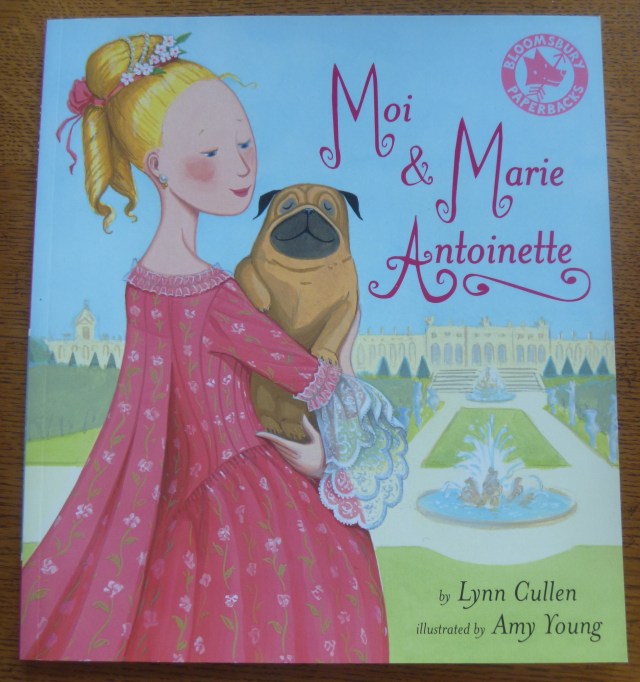
Moi and MA

A story about a Pug called Moi set at Versailles

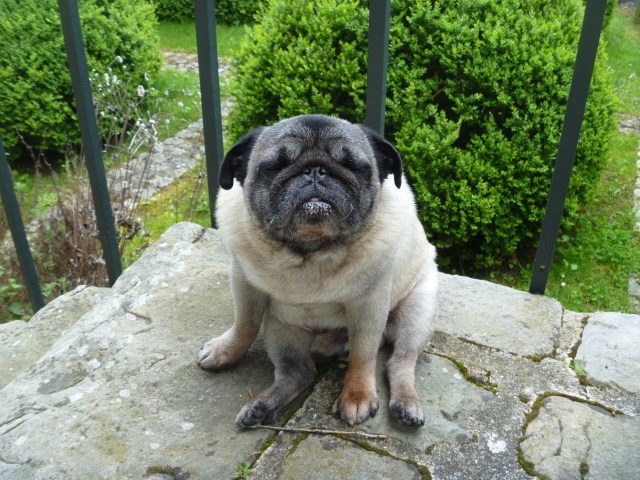
Alfie at Gif

Alfie at Gif-Sur-Yvette

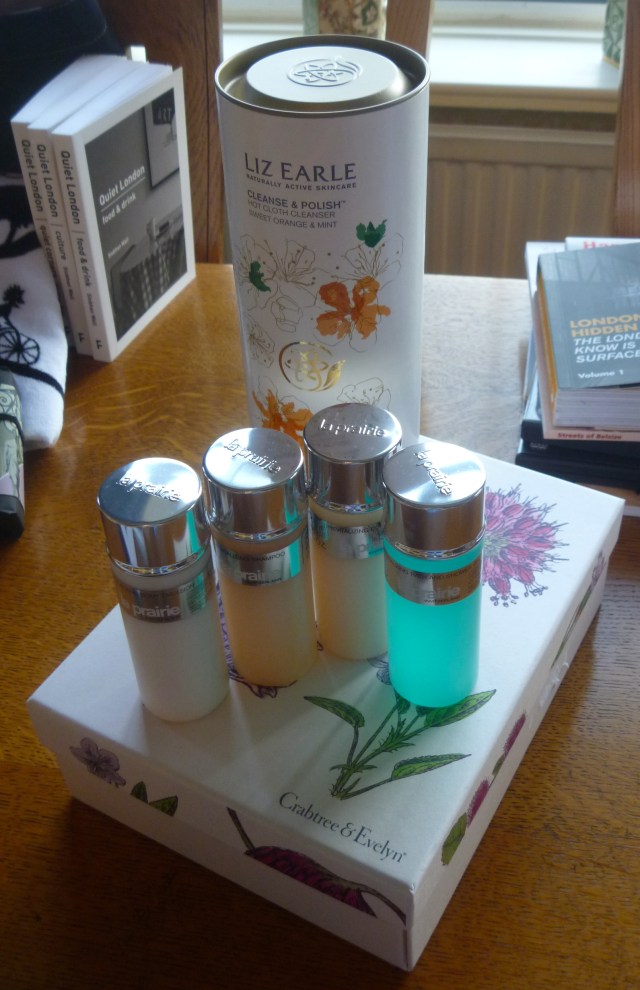
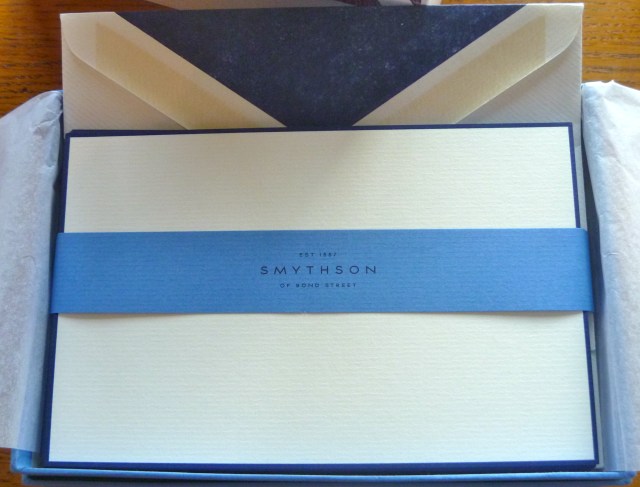
We took my son’s pug with us when we stayed at the Windsor’s place near Versailles in 2012. In addition I had other smellies; plus a box of cards for me to write my thank you notes – if I can manage that this year!

smellies

smythson

My thanks to everyone for these special gifts!

Norman Stevens, ARA : Selected Prints : Royal Academy Artist of the Month

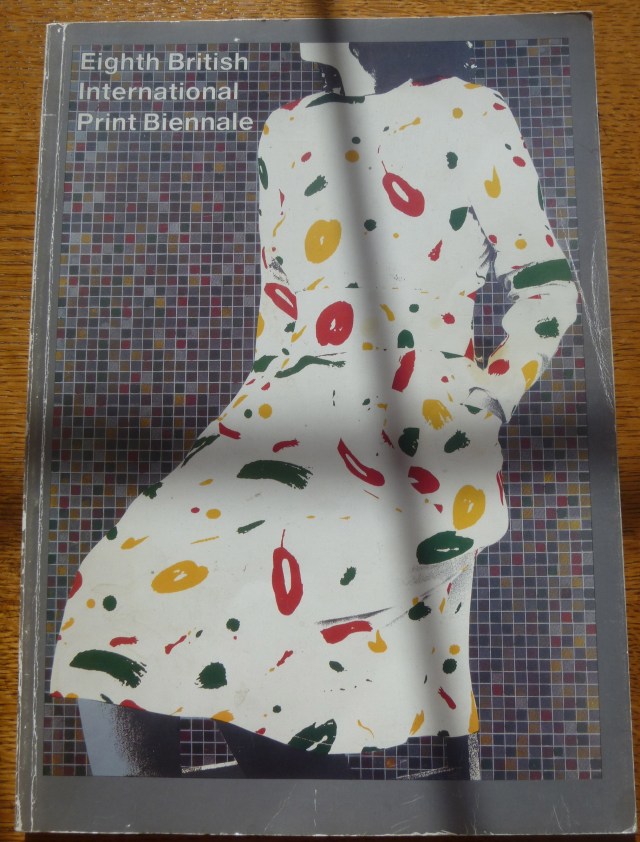
Back in 1984 we first ‘discovered’ Norman Stevens’ prints at the Bradford Biennale held at Cartwright Hall, Bradford from 15 April to 15 July.

Biennale Catalogue

Catalogue from the 1984 Bradford Biennale

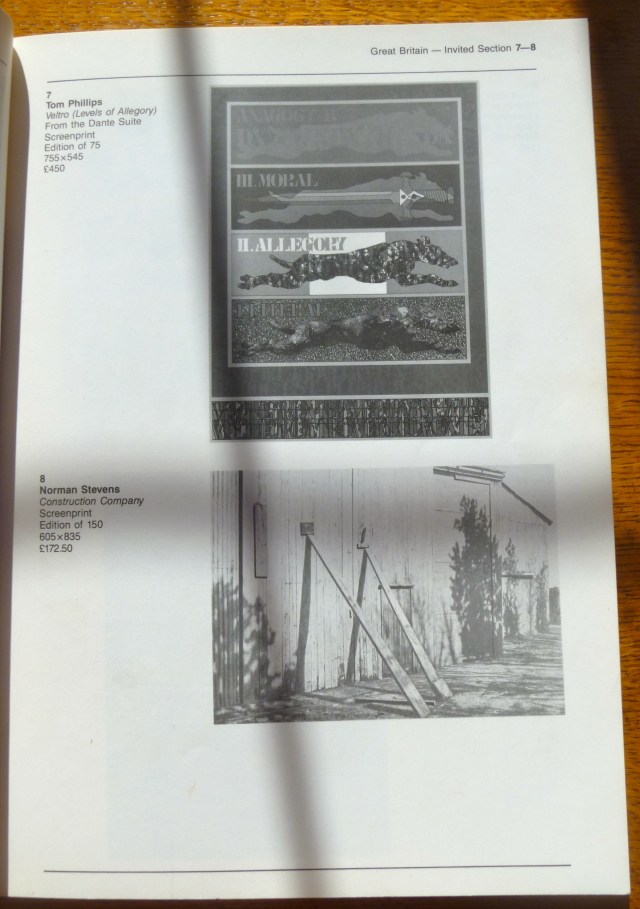
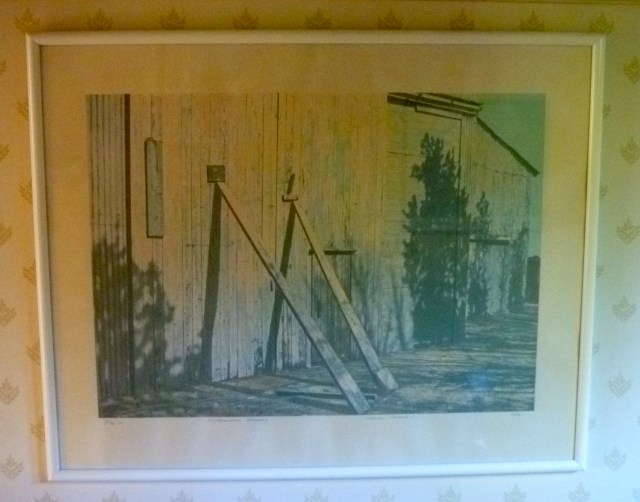
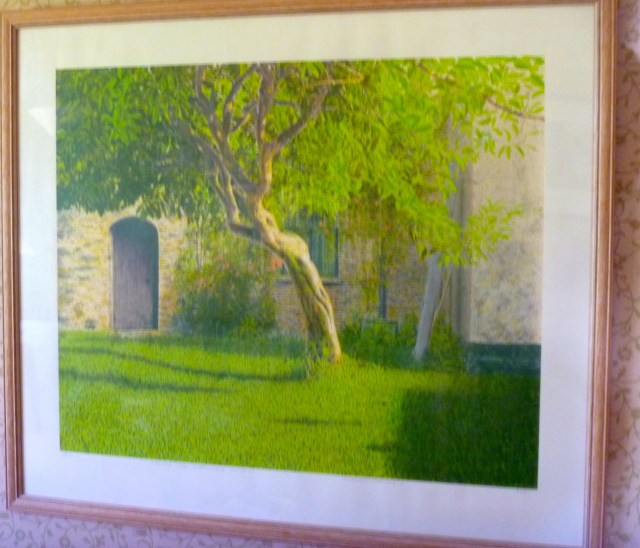
At that show we remember admiring Stevens’ print “Construction Company” and a year or so later visited The Coriander Studio and to see “Laurel Tree, Nettlecombe Court” and others of his prints.

Construction Co Cat page

Construction Company Catalogue Page

Construction Co ours

Construction Company

Laurel Nettlecombe

Laurel Tree, Nettlecombe Court

Just by chance we discovered that The Royal Academy was showing a selection of Stevens’ prints in their ‘Artist of the Month’ slot. Fortunately, not showing for a month but from 26 February until 25 May 2014. I was able to check out the exhibition last Sunday.

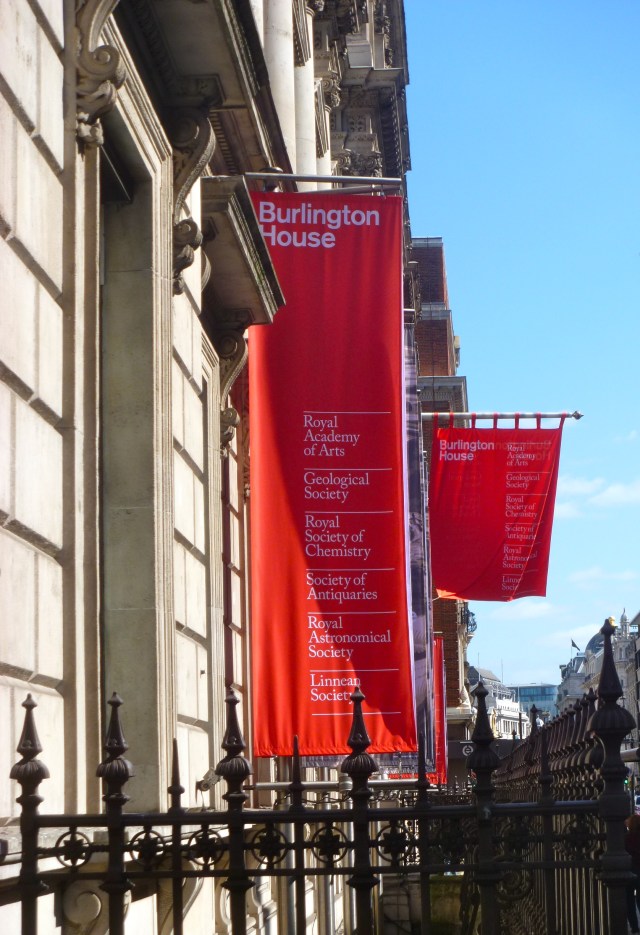
Burlington House flag

Welcome to Burlington House – Home of the Royal Academy

It was interesting to see the other prints on display including his version of Monet’s Garden and I love his topiary prints and his fences and gates.

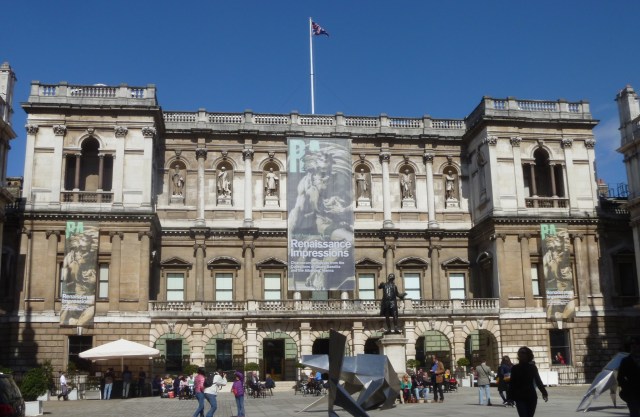
RA

The Royal Academy

Norman Stevens was born in Bradford in 1937 and was a student at Bradford College of Art and contemporary of David Hockney RA. He taught himself printmaking and this was his preferred medium. Sadly he died in 1988.

NS Poster

The Royal Academy says of this two room exhibition :

This spring we present the much admired prints of Norman Stevens ARA, an artist who originally trained as a painter alongside John Loker, David Hockney RA and David Oxtoby in the 1950s at Bradford College of Art. A master of the medium, Stevens taught himself printmaking in the early 1970s and in the process, found an art form that perfectly suited his meticulous and subtle approach. Exploring the landscape and built environment, his prints make use of colour, light and shade to powerful and often haunting effect. Human presence is always suggested but never shown, a quality that the art critic, William Packer, has likened to a ‘game of hide-and-seek with the real world’. At the heart of the exhibition are important groups of prints including Stevens’ depictions of Venetian blinds and ‘clapboard’ houses, his distinctive images of Stonehenge and his captivating views of English formal gardens. From his first black and white etchings to the large-scale prints he produced in the 1980s, discover the work of an artist who developed an international reputation for his technically brilliant and beguiling prints.” [RA website]

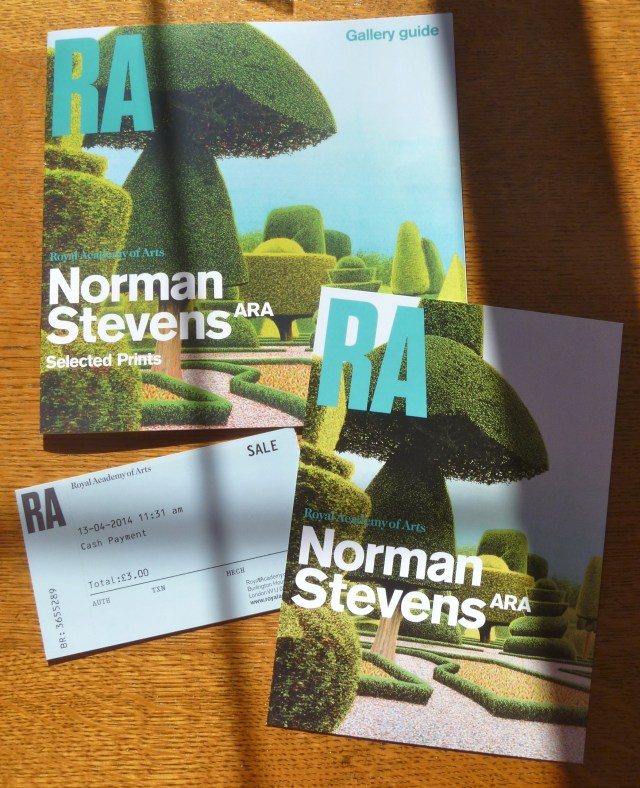
N Stevens guide etc

It’s possible to visit just to see this show. The charge is £3 and a rather nice Gallery Guide is included in the price. There are no books, print reproductions nor postcards of Stevens’ work available from the shop but one book did take my fancy!

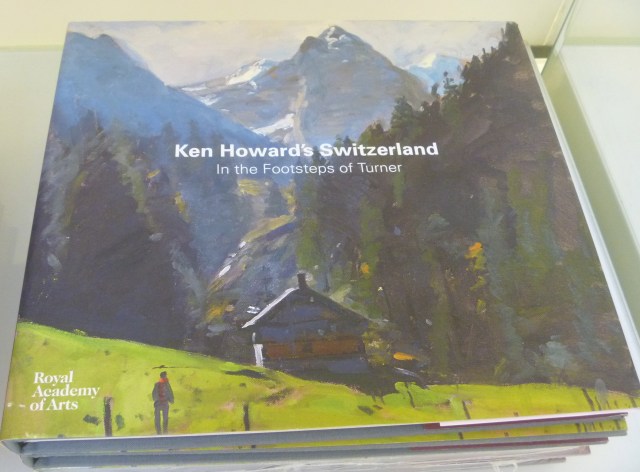
Ken Howard's Switzerland

Ken Howard’s Switzerland : in the Footsteps of Turner

“William Kent : Designing Georgian Britain” at The Victoria and Albert Museum

Polymath Transforms Georgian England!

w290

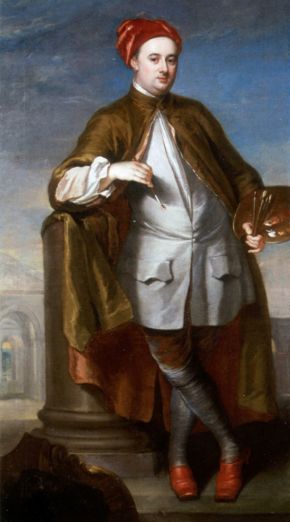
 William Kent (1685 – 17480) [source]

What a man! William Kent was hugely influential within Georgian English aristocratic circles. His designs spanned the widest spectrum of English upper class design from art to architecture and from furniture to gardens. Kent’s patrons included Lord and Lady Burlington, the Cokes of Leicester, the Walpoles of Houghton. Influenced by his early visits to Italy it’s surprising that William Kent is not far better known. This exhibition at the V&A tells his story with rich illustrations and varied artefacts. Go yourself and ponder why William Kent is not more familiar to us today.

I wrote that little appreciation/review for the ticket agent that supplied our tickets for the show last Friday afternoon.

The Georgians are big business as 2014 marks 300 years since the accession of George I thus beginning a succession of Hanoverian Kings of England which lasted until 1830.

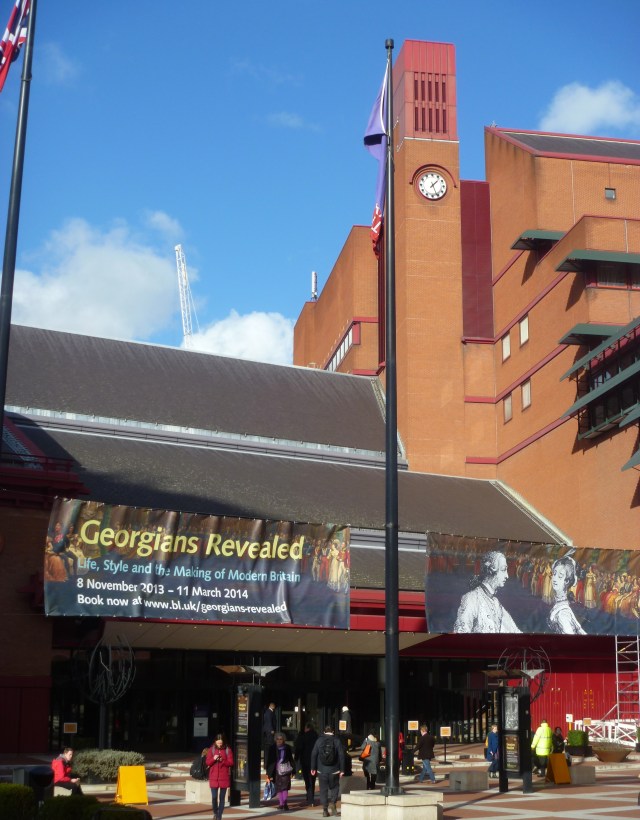
The season started well with the British Library’s overview The Georgians Revealed that covered many aspects of life in 18th and early 19th century Britain. There are significant exhibitions at The Queen’s Gallery : The First Georgians: Art & Monarchy 1714-1760 and at The Historic Royal Palaces (Kensington Palace; Kew Palace and Hampton Court Palace) : The Glorious Georges. And BBC television is currently broadcasting a month-long Georgian season.

William Kent Paintings

Slideshow of William Kent Paintings

William Kent was born in Bridlington, North Yorkshire, the son of a carpenter. From 1709 to 1719 he studied in Rome, copying Old Master paintings and learning the techniques of etching and engraving. Here in Italy he was to meet Lord Burlington who, with his wife, became patron and good friend to Kent. Burlington gave him his first commissions back in England and helped to set Kent off on his course designing for many of the great English landowners.

kent_holkham_4

 A Kent-designed chair from Holkham Hall

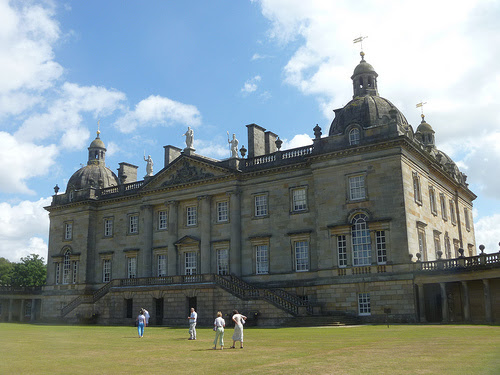
Kent designed the interiors of many stately homes including Houghton Hall, home of the Walpoles, in Norfolk.

Houghton Hall

 Exterior of Houghton Hall, Norfolk

Stowe

Stowe Landscape Garden with Gothic Temple and Palladian Bridge

Most of all Kent is best-known to me as the designer of landscape gardens.

Elysium

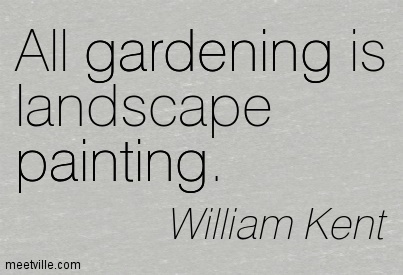
Kent’s landscape designs confirm his status as the artistic genius of the era, a father of the English landscape garden. In contrast with the French and Dutch fashions for formal gardens, Kent took his inspiration from the ideal landscapes of pastoral literature and painting. His design drawings are not detailed plans, but poetic evocations of the landscape effects he was attempting to achieve.

Kent’s gardens could be places of activity and good fellowship, or places of reflection and solitude. Carefully crafted vistas lead the eye out beyond the garden into the surrounding countryside. He designed over fifty garden buildings which were positioned to act as picturesque focal points for views and also as places from which to contemplate the garden. His buildings vary from sober copies of ancient buildings to wild flights of fancy, from pyramids, triumphal arches and Chinese kiosks to grottoes and artificial ruins.” [V&A website]

Quotation-William-Kent-painting-gardening-Meetville-Quotes-104548

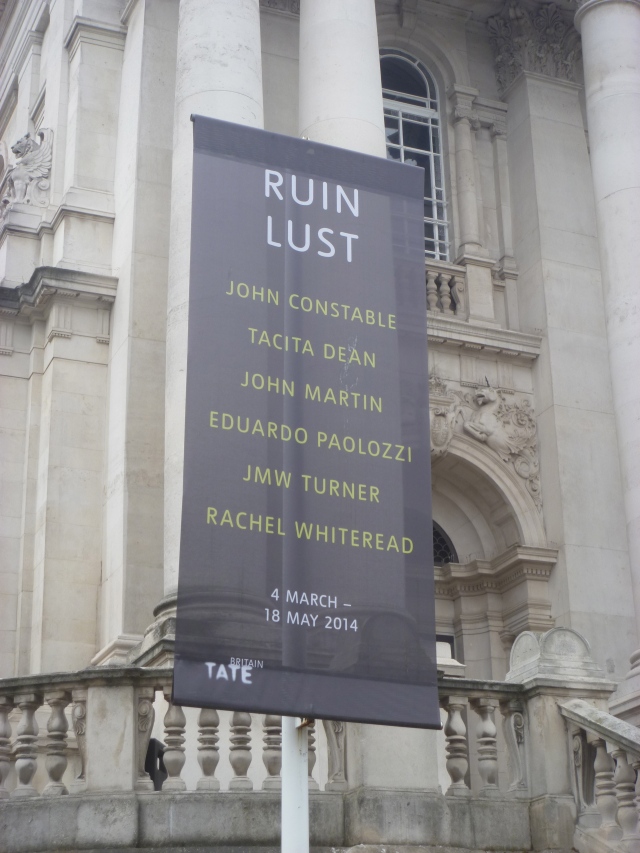
Ruin Lust at Tate Britain

RUIN : “The physical destruction or disintegration of something or the state of disintegrating or being destroyed”

According to the little leaflet that accompanies this Tate Britain exhibition the title Ruin Lust was taken from the German word Ruinenlust. 

Ruin Lust

Ruins are curious objects of desire: they seduce us with decay and destruction” it goes on to say. Although I found the whole show intriguing and was amazed at the countless interpretations of the word ‘ruin’, by far the most interesting part for me was the initial ‘Pleasure of Ruins’ section.

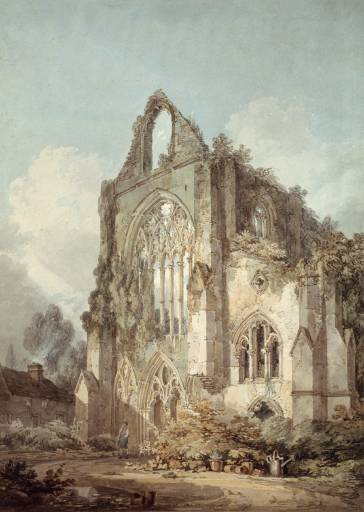
Ruins of West Front, Tintern Abbey circa 1794-5 by Joseph Mallord William Turner 1775-1851

W M Turner’s Tintern Abbey (1794) which was emblematic of the new trend to visit ruins at home rather than on a Grand European Tour.

Here were the traditional interpretations; the paintings, photographs and etchings that I had expected to see in an exhibition with this title. My interest in landscape and man’s influence on it is mainly historical. So, although I appreciate that modern day ‘Bunker Archaeology’ and Tacita Dean’s films and ‘Ruins in Reverse’ and [modern] ‘Cities in Dust’ all have a part to play in an overall picture of ruins over the centuries I prefer to see historical ruins of abbeys and castles and even the man-made ruins that gave character and focal points to 18th century landscape gardens.

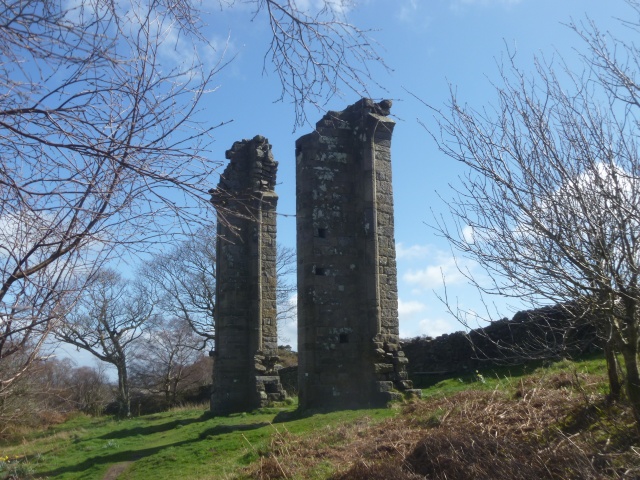
Leaving Yorke's Folly

The man-made Yorke’s Folly in Nidderdale, North Yorkshire built in 1810

“A craze for ruins gripped European culture in the eighteenth century. Classical remains inspired artists such as Piranesi to depict great civilisations falling into decay. British architects and garden designers embraced this ruinous aesthetic, and artificial ruins were a popular addition to many great estates. William Gilpin’s writings on the picturesque encouraged many tourists — as well as artists such as J.M.W. Turner and John Sell Cotman — to travel in search of picturesque views of medieval ruins. Later, photography became essential to the recording and reimagining of ruins.

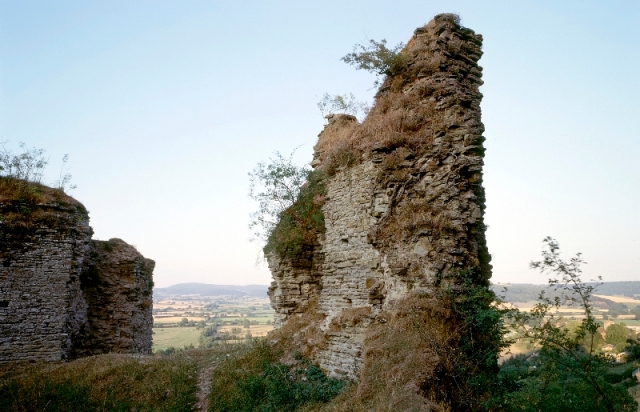
I remember reading in the newspaper probably 15 years ago [and commending] English Heritage’s intentions to conserve and deliberately retain the wildness surrounding Wigmore Castle in Herefordshire. Some ruins these days are just too manicured.

gallerywigmorecastle1

A GLORIOUS RUIN
Wigmore has an overgrown appearance that once characterised many ruined sites. When conserving the site in the 1990s, English Heritage deliberately retained its wildness, as the castle had become home to rare and unusual species including lesser horseshoe bats and wild flowers like ploughman’s spikenard. Accumulated debris was allowed to remain, and the grasses, ferns and flowers growing on the walls were carefully lifted up and replaced as ‘soft-capping’ to protect the walls from rain and more destructive plants like trees. [From the EH website]

To finish here are some recently visited picturesque ruins in Yorkshire and beyond.

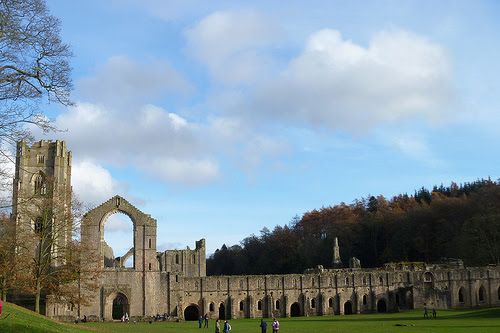
Fountains Abbey

Fountains Abbey

The Ruin

The Ruin a Landmark Trust property at Hackfall, North Yorkshire

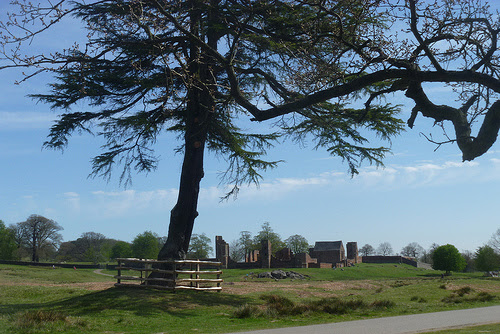
Bradgate Park

Ruins of the former home of Lady Jane Grey, Bradgate Park, Leicester

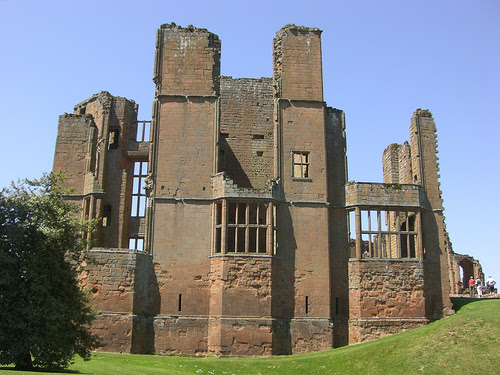
Kenilworth

The Ruins of Kenilworth Castle

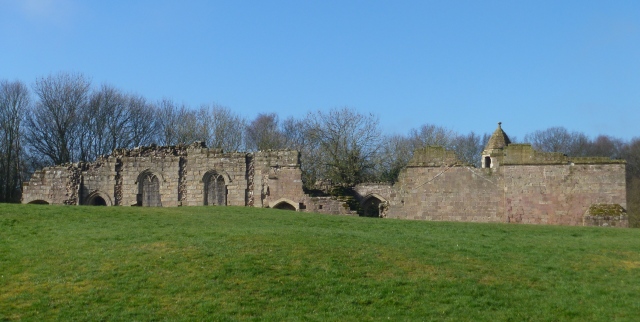
Spofforth Castle

Spofforth Castle, Yorkshire, visited on a recent hike

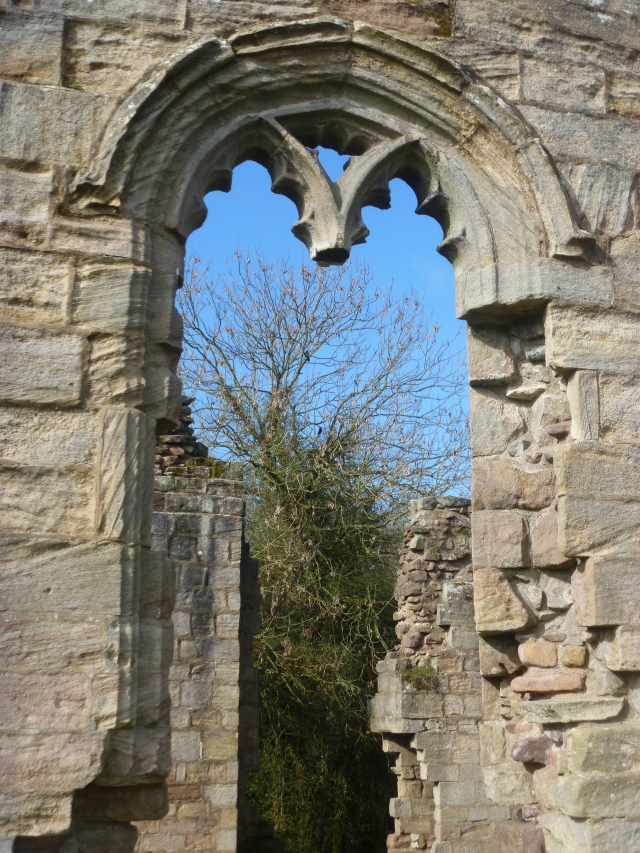
Window ruin Spofforth

Ruined Window, Spofforth Castle

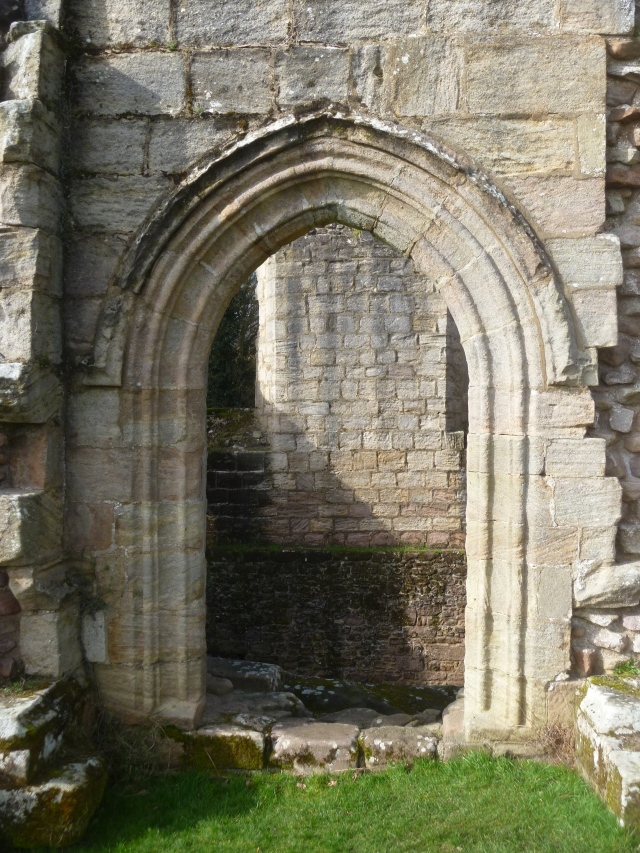
Doorway ruin Spofforth

Ruined Doorway, Spofforth Castle

Here is a brief review of the exhibition by Christopher Beanland; which finished by showing ‘The London Nobody Knows’ documentary featuring James Mason in the derelict Bedford Theatre in Camden. The unabridged film is now available on DVD.


The Garden Museum

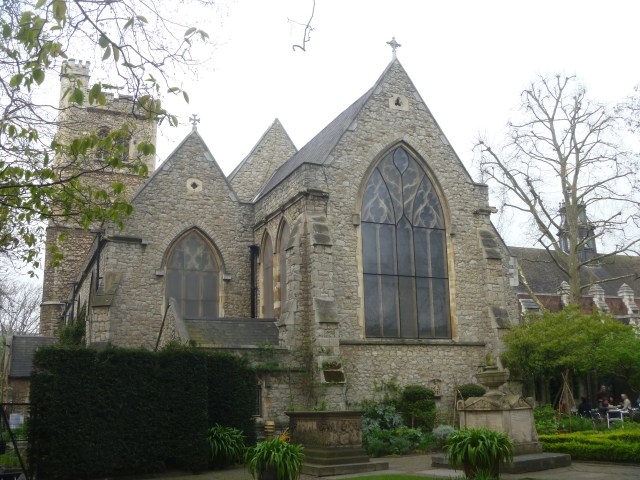
Some exhibitions, especially those national museum ‘blockbusters’, are just too unwieldy but the bijou exhibition Fashion and the Garden occupied just over half an hour of my visit the the Garden Museum on Thursday. Just a short walk along the Albert Embankment (opposite The Houses of Parliament) from Westminster Tube Station, the Garden Museum is right next door to Lambeth Palace, the official London residence of the Archbishops of Canterbury. GM exterior Formerly known as the Museum of Garden History, The Garden Museum is based in the deconsecrated parish church of St Mary-at-Lambeth. I’d met up with my friend Rosanna (the mosaics maker) with whom I had recently been to see The Isabella Blow Show at Somerset House. Garden Museum Church

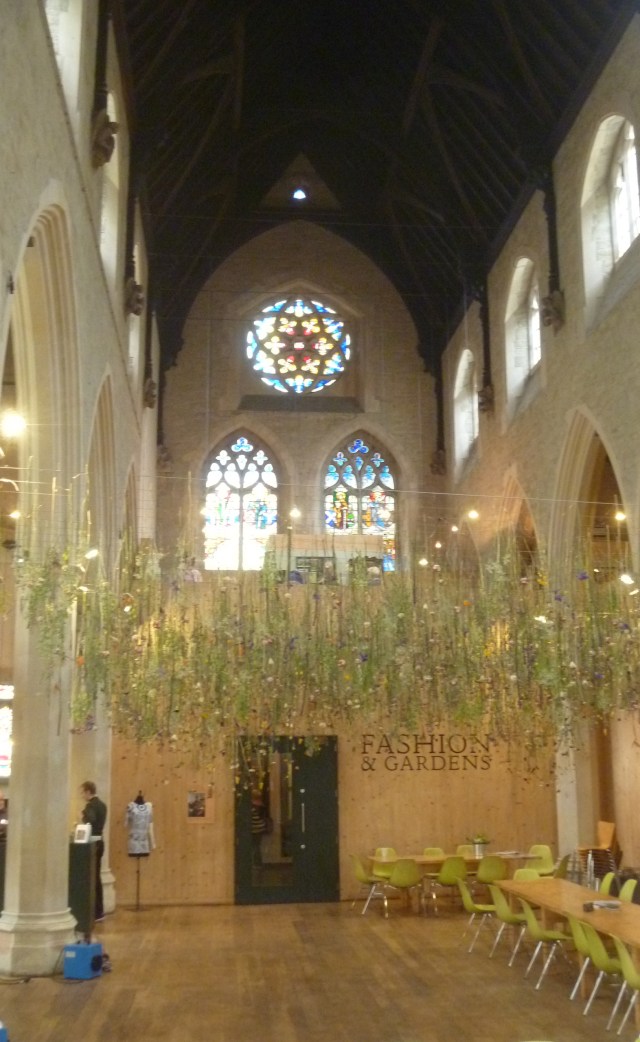
Inside the Garden Museum with Rebecca Louise Law Installation

After morning coffee in the Museum Cafe (we couldn’t resist a tiny home-cooked apple tart as well – all the food served looked very acceptable!) we headed under Rebecca Louise Law’s installation ‘The Flower Garden Display’d’ for the Fashion and the Garden exhibit that I had read about recently in the press. Booklet

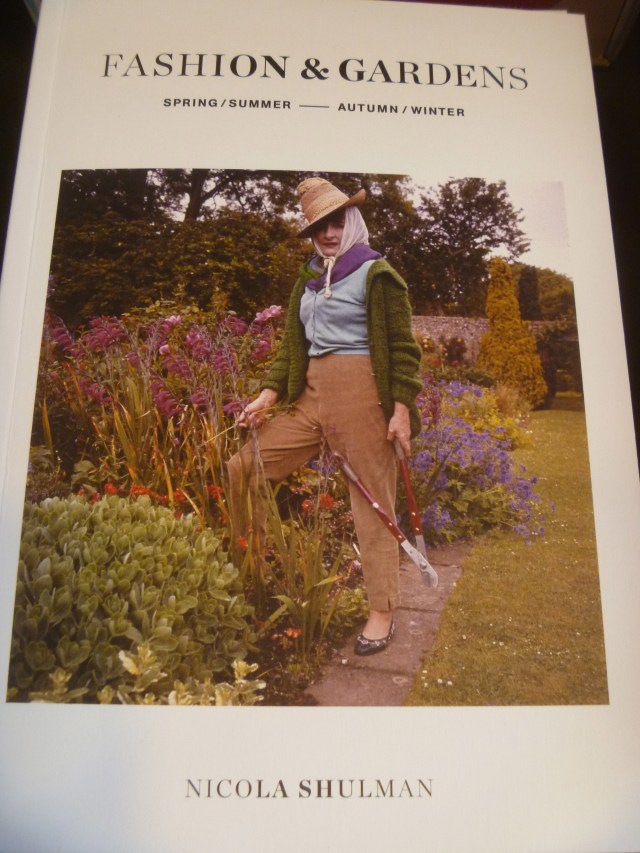
The Accompanying Booklet

Put together by Nicola Shulman, sister of British Vogue editor-in-chief Alexandra Shulman, the displays cover fashion and garden connections between the 17th and 21st centuries.

TV Introduction

unknow artist-796785

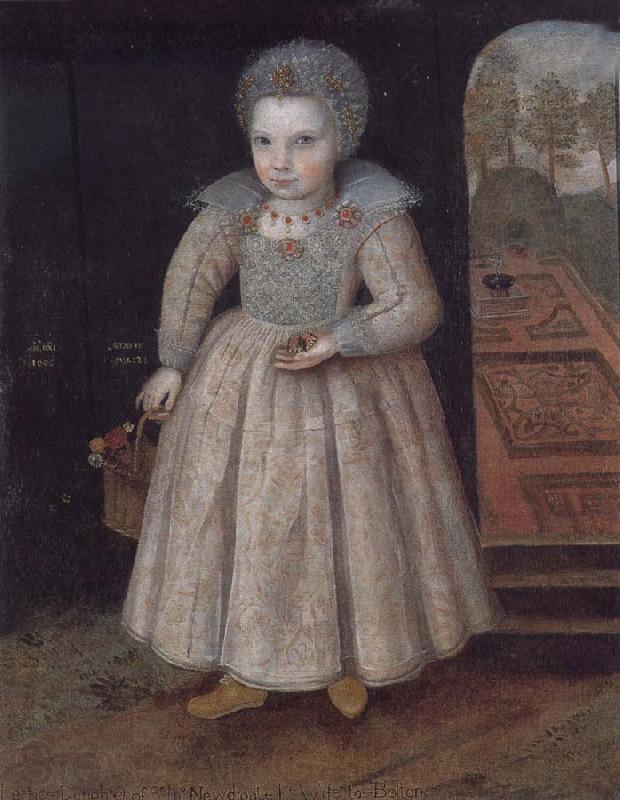
This portrait of Lettice Newdigate (1608) by an unknown artist is the first known example of a Knot Garden in art.

Influences of gardens on fashion extend over time from knot gardens reproduced through embroidery on clothing to Philip Treacy hats such as the Orchid.

Philip_Treacy__Orchid

Philip Treacy Orchid Hat

I noted that an interest in flowers is a very English characteristic. They have featured in English clothing designs throughout the centuries where they are absent, for example, in France. There were exquisitely embroidered gloves and pockets; flowers feature in the silk designs of Anna Maria Garthwaite and other 18th century Spitalfields silk weavers; phaeton carriages were built very high so that owners and their families and guests could drive around their landscape parks and show off; and then there are the clothes that we wear when visiting gardens or even when gardening.

It’s a small show but perfectly formed.

We had time to visit the permanent collection – gnomes; gardening tools from trowels to lawnmowers; rare books; paintings such the recently acquired ‘Portrait of a Black Gardener‘ by Harold Gilman; posters, ephemera and garden seed packet displays.

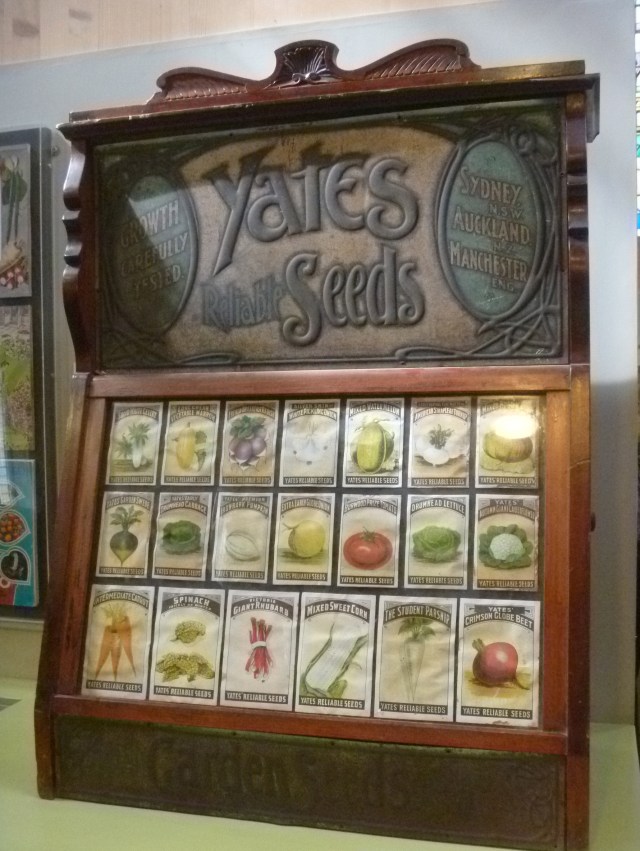
Yates Seeds

Yates Seeds. No longer sold in the UK but still available in Australia and New Zealand.

The Museum’s garden was created in 1980. At its heart is a knot garden designed by the Museum’s President, The Dowager Marchioness of Salisbury (who was then also re-making the gardens at Hatfield House, Hertfordshire). The reason for the seventeenth-century spirit of the design is that our garden also houses the tomb of the great plant-hunters, gardeners and collectors, John Tradescant the Elder (c.1570-1638) and Younger (1608-1662), the rediscovery of which originally inspired the creation of a museum of garden history in the deconsecrated, and then derelict, church of St Mary-at-Lambeth.” From the Garden Museum website.

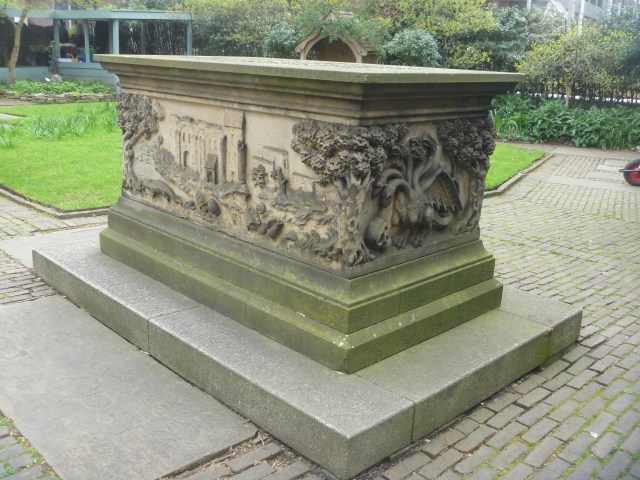
Tradescant Tomb

The Tradescant Tomb

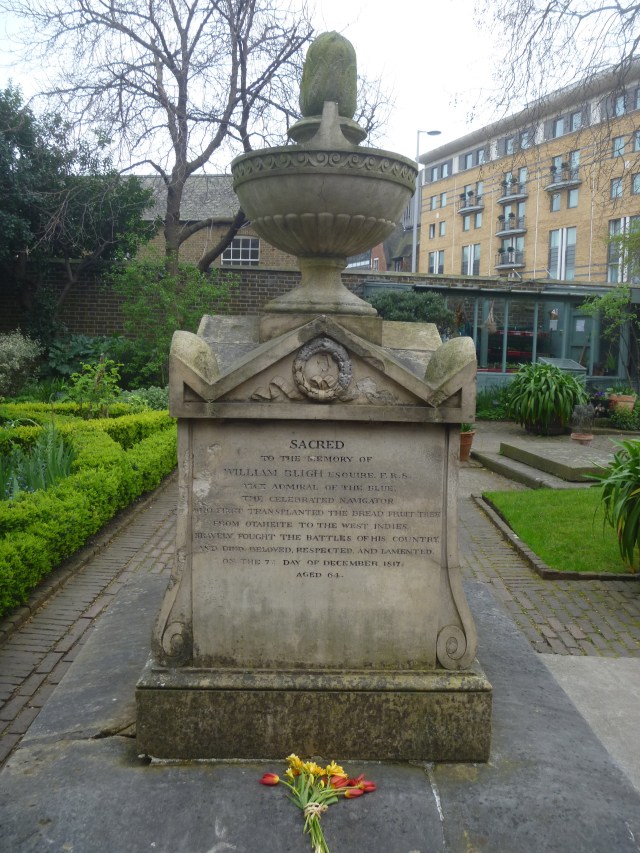
In addition to the tomb and monument to the Tradescants is the tomb of Captain William Bligh of ‘The Bounty’.

Tomb of Bligh

Captain Bligh Tomb

I’m Invited! – A Shopping Evening at The London Review Book Shop

You’re invited!

At the London Review Bookshop, we have some upcoming events that are too good to keep to ourselves. Tickets are limited, so book early to avoid disappointment :

April Customer Evening

Wednesday 2 April, 6 p.m. – 8 p.m.
Browse our shelves with a glass of wine and an Eccles cake from the London Review Cake Shop, and get 10% off any books, DVDs, cards and stationery purchased on the evening. We are also offering a FREE gift wrapping service on the night.

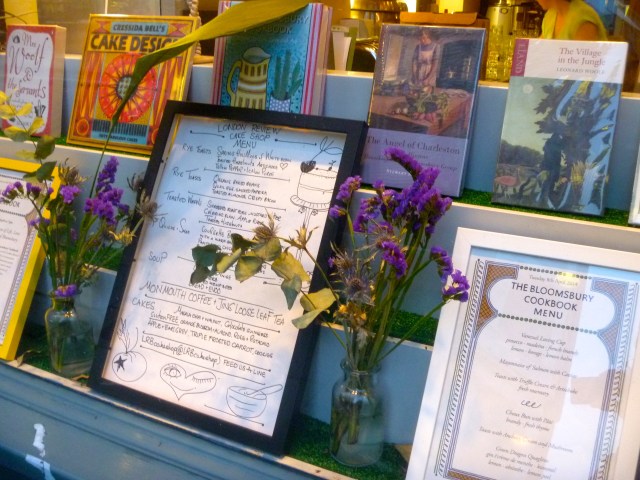
Tonight’s menu: According to The Bloomsbury Cookbook, Virginia and Leonard Woolf considered Eccles cakes suitable sustenance for type-setting and printing at the Hogarth Press. We think they make suitable sustenance for book browsing too! We’re pairing them with nutty Lancashire cheese and plenty of Russian tea.

Caravan tea

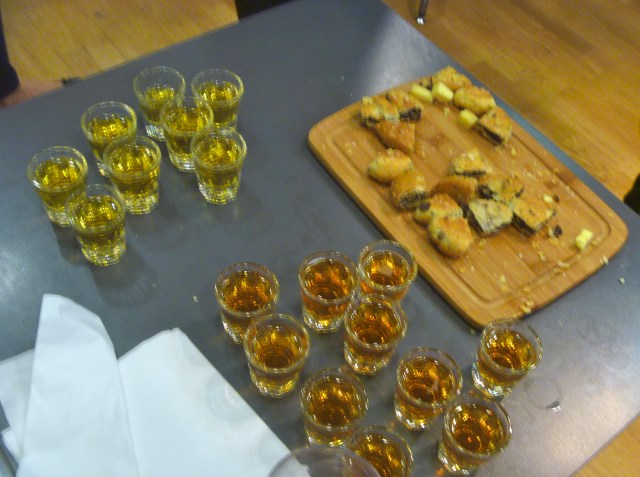
Eccles Cake pieces, Lancashire cheese crumbs and slurps of Russian Caravan Tea

As well as the usual treats – wine and nibbles and 10% off books – you’ll have the chance to win a copy of the beautiful Bloomsbury Cookbook, courtesy of Thames & Hudson. Just print a copy of your confirmation email and hand it in to one of our booksellers at the Customer Evening for the chance to win.

Good luck!

Bloomsbury cook book

The Bloomsbury Cookbook Window Display

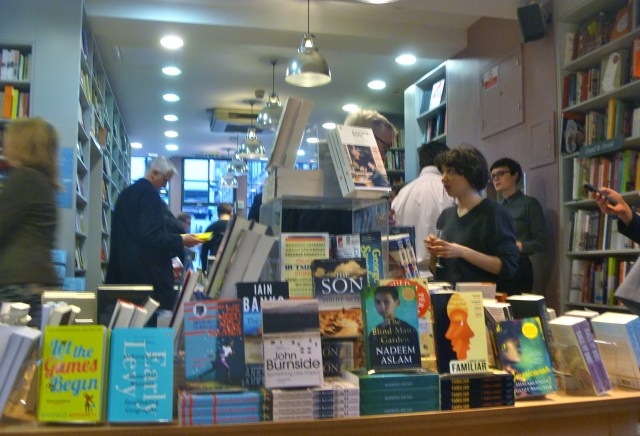
This message arrived in my email Inbox a few weeks ago and I worked out that my next visit to London would coincide with this customer evening. The London Review Bookshop is another of my favourite London shops. On many occasions I have visited the Cake Shop with friends, family and to meet members of the online book group. It’s one of our favourite venues.

Shopping evening

Shopping Evening at London Review Bookshop

However, on many visits, time in the Cake Shop takes priority and I find I have little time to browse the bookshelves. So I was looking forward to spending time in the actual bookshop for a change.

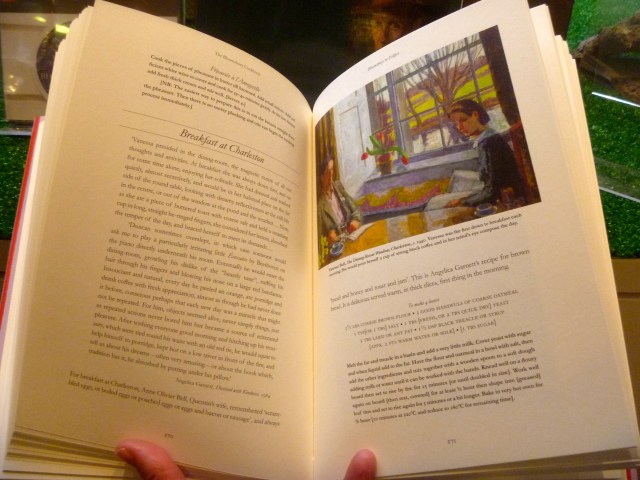
The Bloomsbury Cookbook looked very tempting … but I was expecting to win a copy! I haven’t received the ‘winners email’ yet though 😦 . I think I will reserve a copy from the Library as it may be useful to contribute to creating the atmosphere when I visit Sussex and the Bloomsbury connections later next month.

Charleston breakfast

 Breakfast at Charleston

I spotted some other books to add to my list for the future :

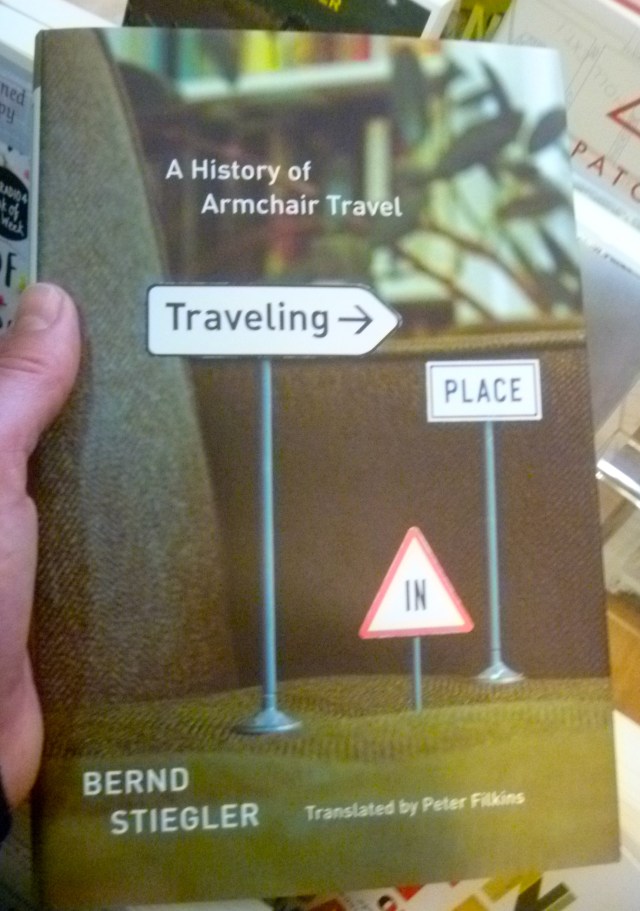
History of Armchair travel

A History of Armchair Travel : I do a bit of this. What’s not to like?

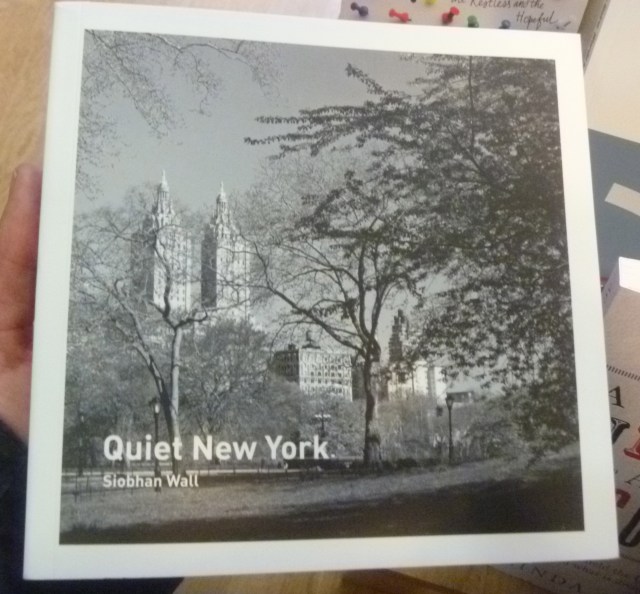
Quiet New York

Quiet New York : I have no plans to visit but I do have companion Quiet volumes – London and Paris

(I could be tempted to buy this just to read, anyway)

Sebald

I’m a big fan of the late W.G.Sebald – new books keep being published!

I found the staff were very patient and helpful. They found each of the titles I wanted to buy, recommended a further title and hunted high and low for a book which should have been in stock but being a very slim volume had probably been mis-shelved.

Books bought

The four books I bought last evening

LRB Window

The Cake Shop Window Display – I’m Looking Forward to My Next Visit!


Fashion Galore! and The Georgians Revealed

In addition to Uproar! at The Ben Uri Gallery I managed to fit in two further shows in London this week. On Monday (half price day) I accompanied a friend to see “Isabella Blow : Fashion Galore!” a spectacular exhibition of fashion and accessories from the collection of Isabella Blow at Somerset House.

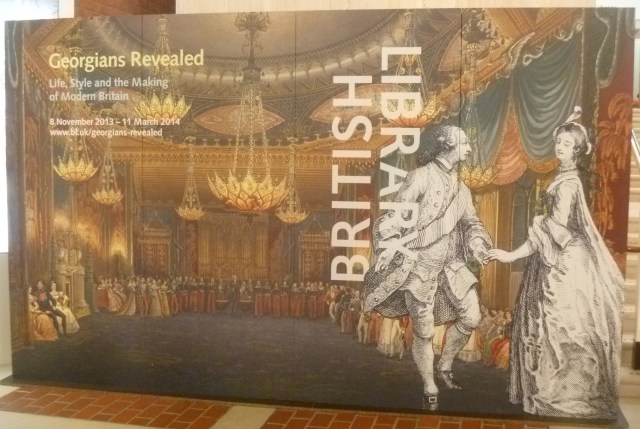
British Library

And  on Tuesday I met my sister at The British Library to see “The Georgians Revealed : life, style and the making of Modern Britain”. A far cry from each you might think but not so! There was Ms Blow with her aristocratic background, her celebrity lifestyle, her fashion journalism  and her promotion and patronage of design and style and fashion in clothes and shoes and hats. And there were the Georgians apparently just as obsessed with the cult of celebrity, with their outrageous fashions, with the first newspapers and popular magazines and with their aristocrats living in homes just like the one Ms Blow grew up in.

Born Isabella Delves Broughton brought up at the family seat is Doddington Park, near Nantwich, Cheshire. She became fashion director of The Tatler. She worked at Vogue and was an innovative editor the Sunday Times Style magazine.  Blow is credited with discovering such designers as Alexander McQueen, milliner Philip Treacy and Hussein Chalayan, as well as models Sophie Dahl and Stella Tennant.

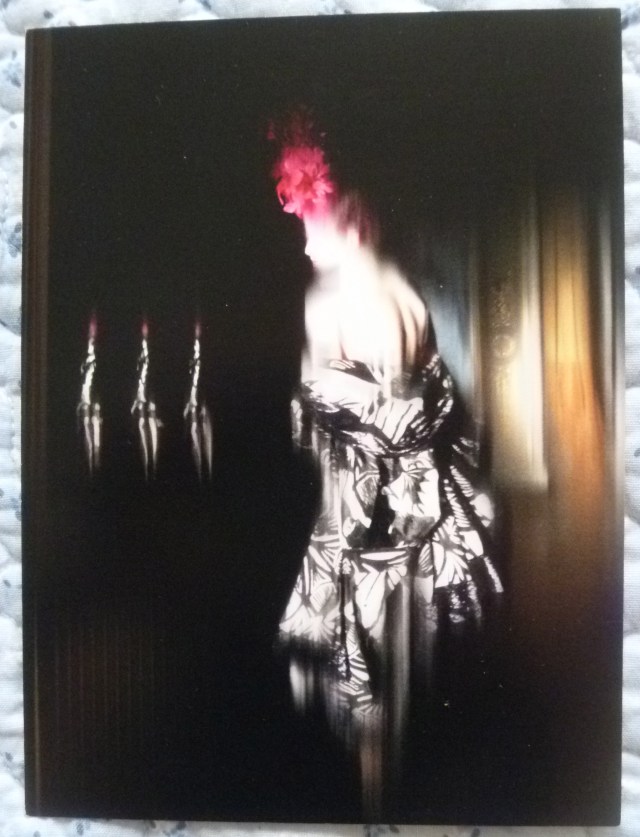
Postcard

Postcard from Isabella Blow : Fashion Galore!

Sadly, I have the impression that Isabella Blow could not cope with the changes and developments of the mood of fashion in the 21st century and she took her own life on 7 May 2007. Bu the exhibition certainly reflects a passion for fashion and is filled with colour and style and flamboyance reflected through the work of the designers she collected and promoted in particular Philip Treacy and Alexander McQueen.

Blow flyer

If I have one complaint about the exhibition, which was simply spectacular, it would be that the first few showcases illustrating Blow’s early life displayed scrapbooks and letters which everyone wanted to study closely and led to a jam of people at the start of the show which later easily dispersed.

Georgians large

The Georgians Revealed  marks the 300th anniversary of the accession of King George I in 1714 and reveals the unprecedented economic, social and cultural changes in Britain under the four successive kings of the House of Hanover. By 1830, when George IV died, every aspect of daily life had been transformed.

The show is divided into three broad areas illustrating their influences on :

1) Public places, private spaces

“New ideas of taste and politeness influenced much of Georgian life from the elegant new streets and squares to the entertainments enjoyed at home. London and the major provincial towns were transformed by classical architecture, providing new public buildings and comfortable homes for the elite and middle classes. Gardens and parks were radically redesigned. Formal parterres gave way to expansive lawns and exotically planted flowerbeds. In the home, luxury and comfort were to be had in refined new styles of interior decoration and a range of fashionable furniture made to order.

But the population of the British Isles tripled to some 24 million, there was disorder and want too. The poor often had just a single room to house a family, and popular public places, such as pleasure gardens and coffee houses, were also sites of bawdy entertainment, crime and scandal. Nevertheless, new middle class homes and gardens reflected the growing wealth and confidence of Georgian Britain and created a lifestyle to which many still aspire.” [Source The Exhibition Guide]

2) Buying luxury, acquiring style

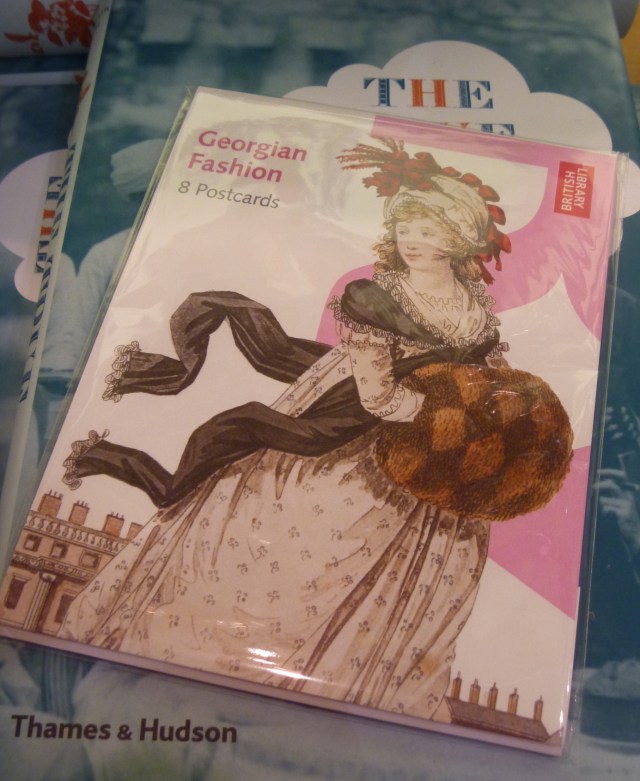
Georgian Fashion

“The East India Company was central to the import of luxury goods during much of the Georgian period. As Britain grew more powerful in the successive wars of the 18th and early 19th centuries, the company extended its monopoly over trade with the East Indies. Tea, coffee and sugar changed the lifestyles as well as the diets of the Georgians. British manufacturers enticed consumers with cheaper goods that copied those from abroad.
Shopping became a popular social activity. Advertising in newspapers, printed handbills and beautifully designed trade cards, encouraged spending on a wide range of luxuries. The fashion industry was born, as newspapers and magazines began regular commentaries on celebrity clothes and accessories. All who could afford it aspired to be fashionable.” [Source The Exhibition Guide]
3) Pleasures of society, virtues of culture

“Sociability to the Georgians was central to daily life, inspiring a huge increase in public entertainments. Theatre was well established, playhouses became larger and new theatrical genres catered for a wider and more diverse audience. Assembly Rooms were built where gentile society could show off their dancing skills, take refreshments and gamble. Pleasure gardens and masquerades added spice to social gatherings. All these opportunities to see and be seen, and to be reported on in print, fed a new culture of celebrity.” [Source The Exhibition Guide]

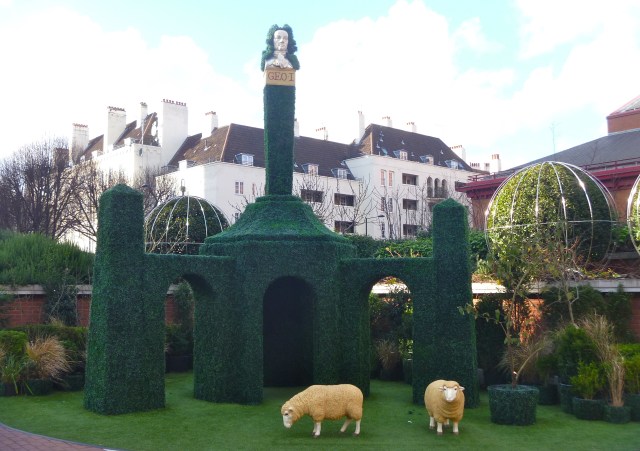
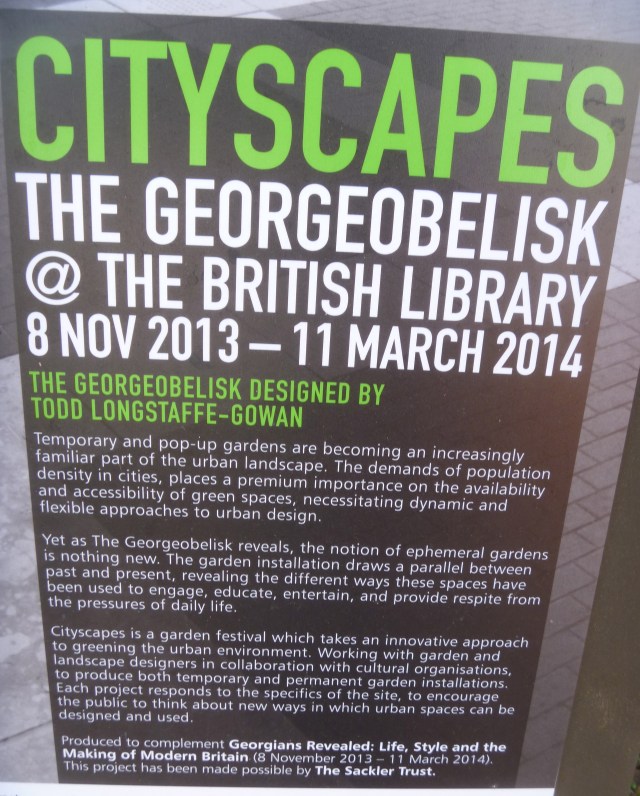
Georgeobelisk

Outside, in the British Library courtyard, is the Georgeobelisk a 6 metre high eye-catcher which evokes the playfulness of temporary theatrical constructions that were popular during the Georgian period to mark special occasions or important historical events.

Cityscapes

I recommend both exhibitions if you can get to them!