Christmas Past: 400 Years of Seasonal Traditions in English Homes, plus Seven Years of Friendship

It’s becoming an annual Christmas tradition to meet up with some of my fellow online book discussion group members around the very beginning of December. Last year 10 of us planned to meet up at the London Review of Books Cake Shop on Bury Street near The British Museum. Then the snow fell … and fell and fell … so that in the end we were much reduced in number. Those who made it were mainly from way outside London – me from Yorkshire, also Bath, Oxford, plus two nearby Londoners from Chiswick and Dulwich.

This year 9 of us descended on The Geffrye Museum in Kingsland Road, east London. We’d booked a table in the restaurant to meet formally for lunch at 2.30pm. Travelling down from Leeds for the day this arrangement suited me fine. In fact I made the booking myself, just to make sure it would happen!
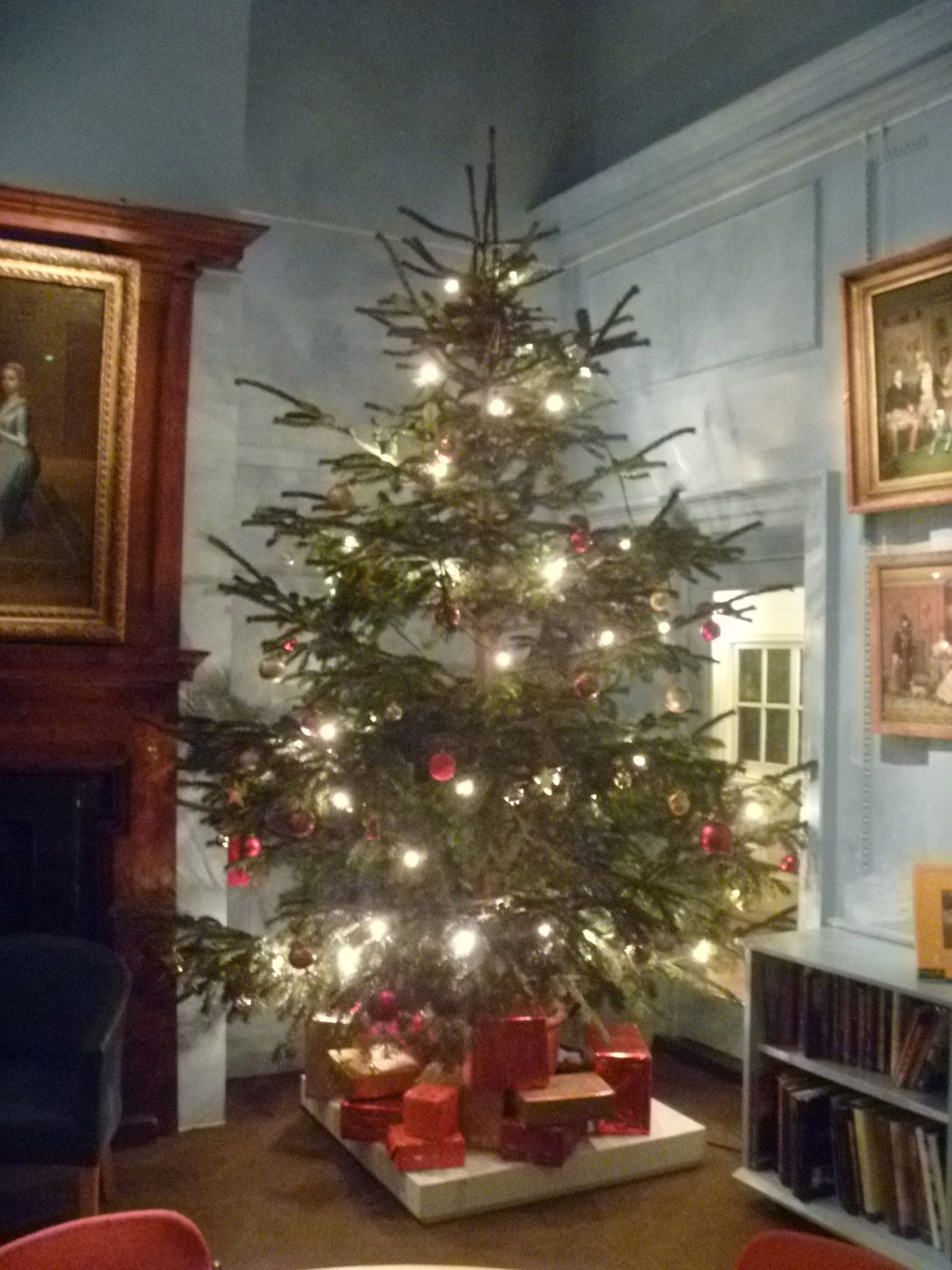
Christmas at the Geffrye Museum

The weather was certainly kinder to us this year. Although there was rain I hardly noticed it as almost all of my time was spent under cover. The Museum consists of a series of period rooms which at this time of year are decorated for Christmas according to the period. We didn’t really have much time to study the rooms in any depth as our main reason for being there was for lunch, book swops and natter. Our suburban London and Essex members had no problem getting here this time and Eurostar behaved itself so that our member living in Brussels was able to join us as well.

Two tall piles of book swops disappearing fast!

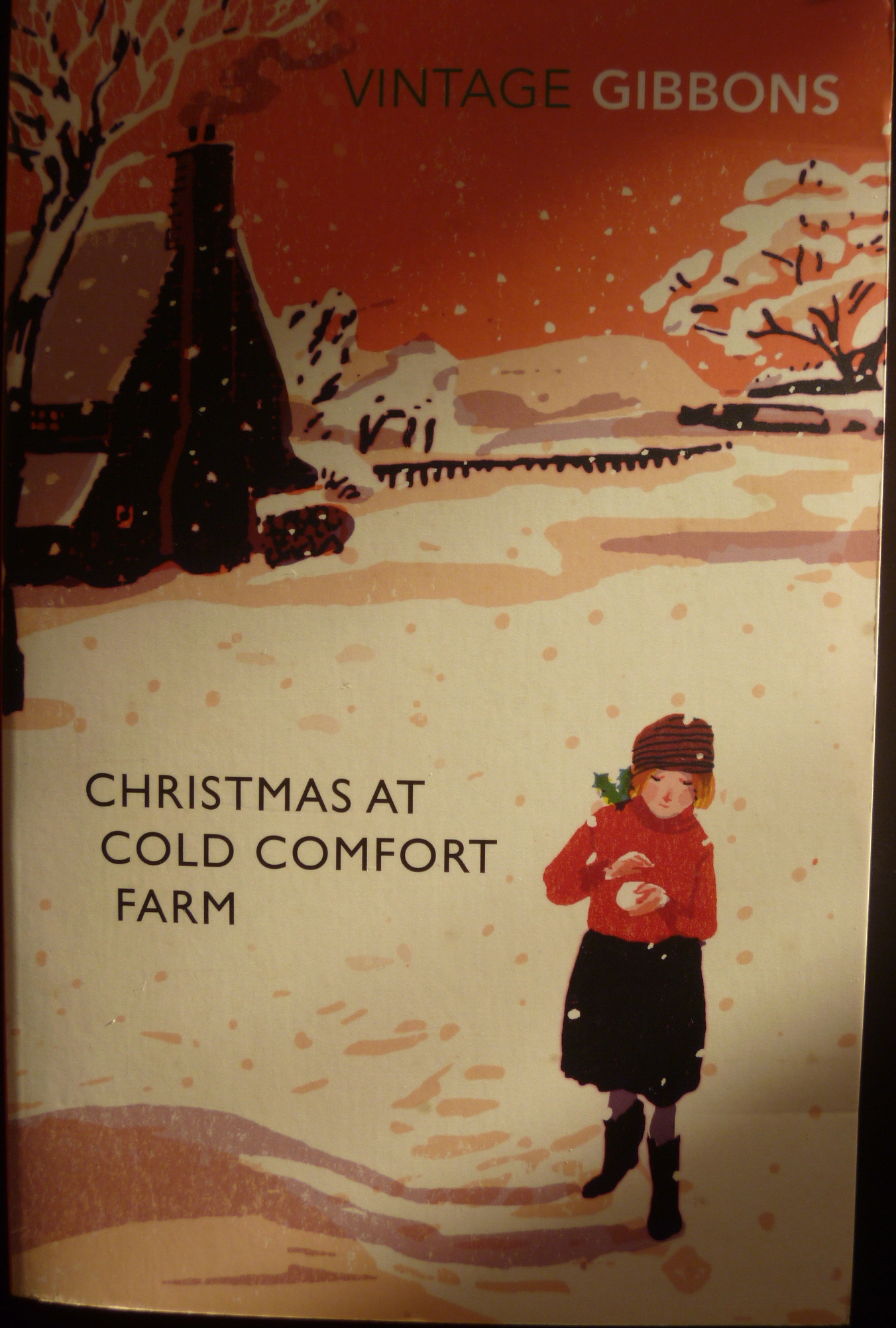
What happens is this. There are two parts to our celebration apart from the meal and tea. Those who wish to do so bring a gift-wrapped book – one they think that it will be unlikely that others will not own or will not have read – not an easy challenge but it was successful. These are all collected up and then the bag full is passed round so that we can each have a ‘lucky’ dip. This we did between courses i.e. after the Geffrye Pie but before the Christmas pudding. I’m now the owner of “Christmas at Cold Comfort Farm” by Stella Gibbons. It’s a collection of short stories previously published in magazines such as The Lady, The Bystander, Good Housekeeping and now reprinted in a lovely new paperback edition by Vintage.
We also bring along some unwrapped swops and throw them all into the ‘ring’. These made two fair-sized piles which we put aside until after we’d finished eating. There is none of that “After you Cecil” “No, after you Claude” – we speak up straightaway when we see a book we should like to have. The picture shows a much-diminished pile but by the end there were just 2 books left to donate to the charity shop.

Long may this ‘Countdown to Christmas’ tradition last!
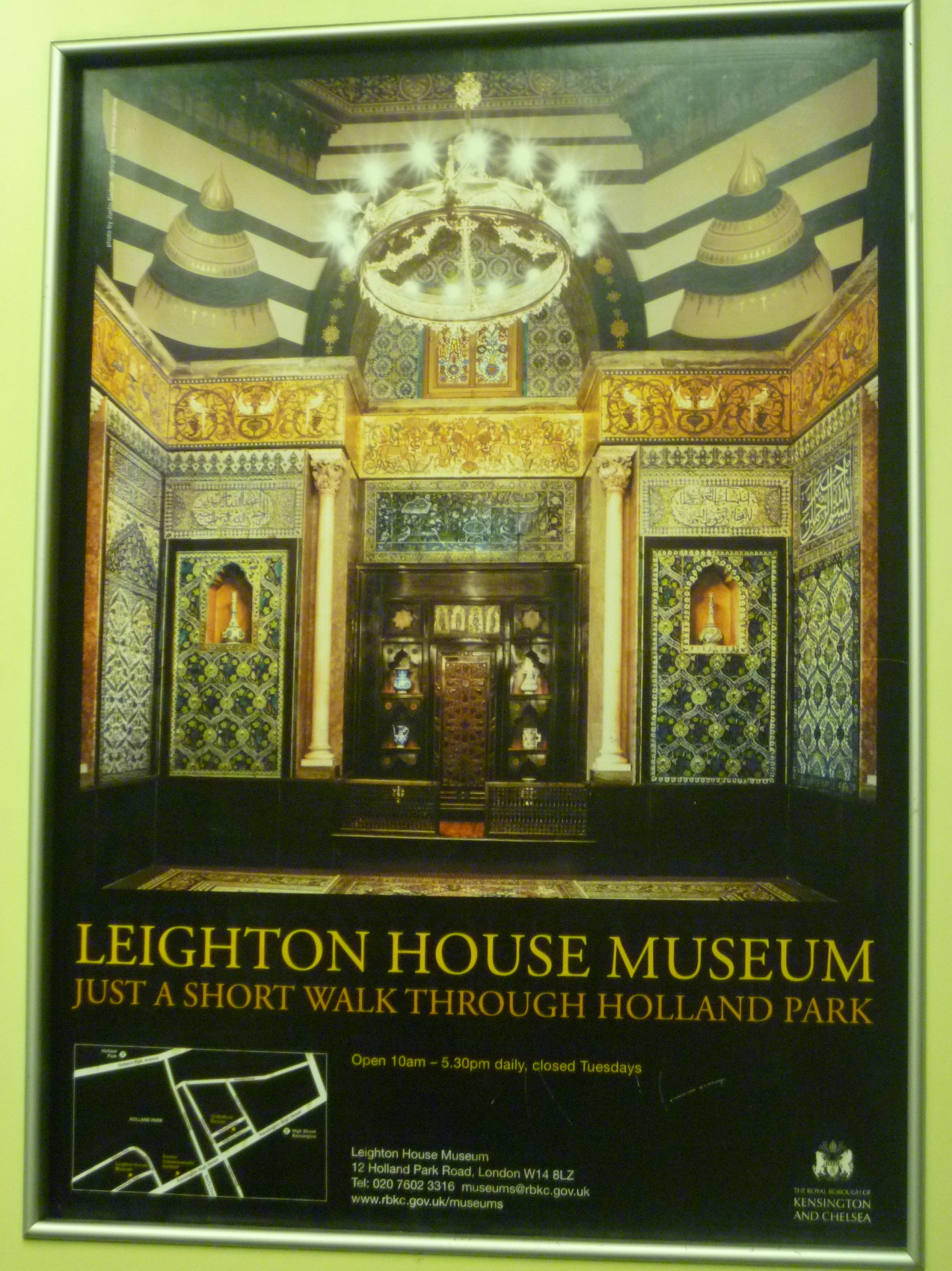
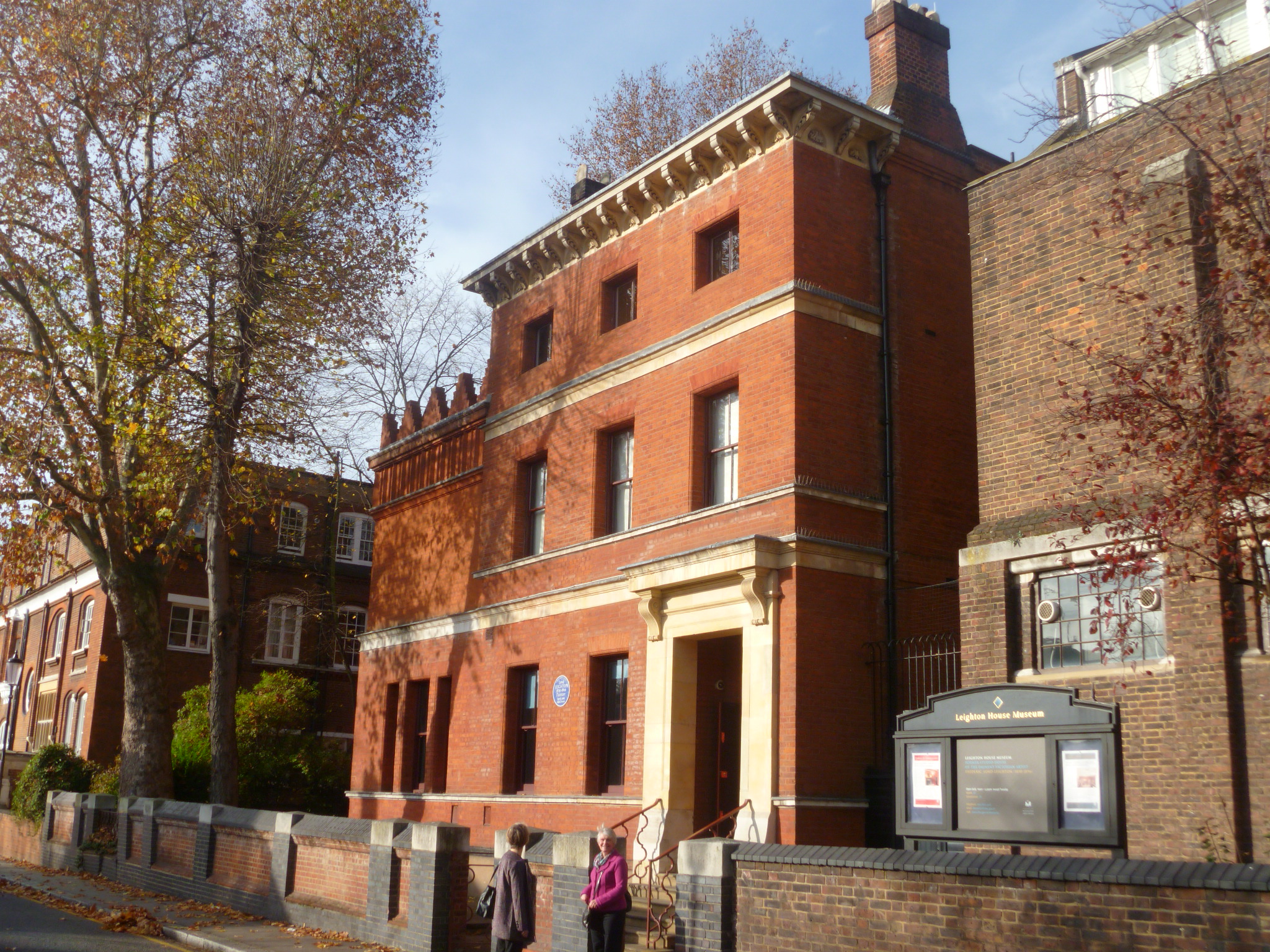
Leighton House in Kensington.

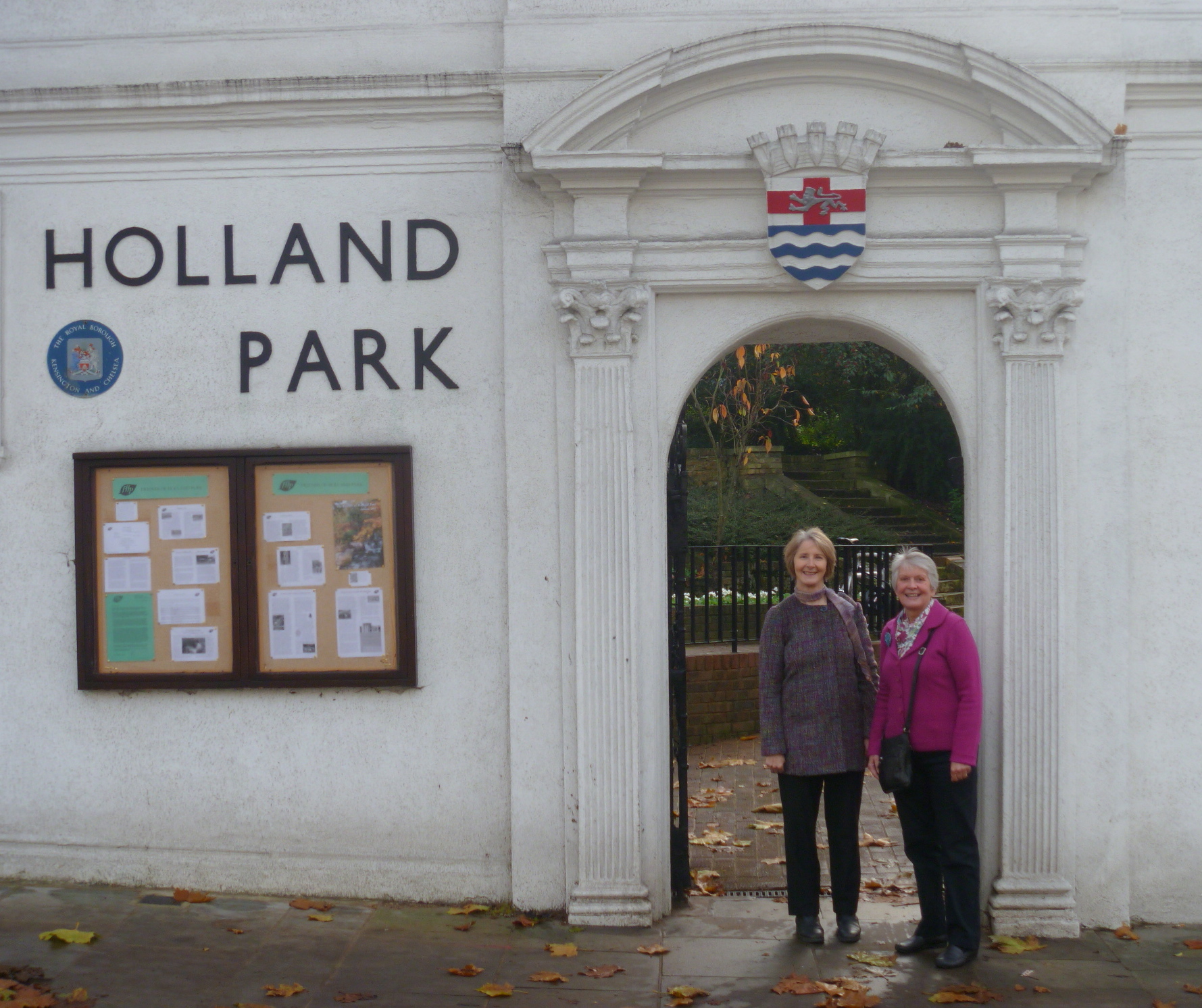
Today I met up with my sister and friend and visited Leighton House in Kensington. It was a beautiful day – unseasonably warm – and we met at Holland Park Tube Station. It’s short walk from there to Holland Park itself. Once inside the park you could be miles away from the busy metropolis that is central London. It was easy to forget that we were only just in Zone 2!

There’s a modern cafe in the middle of the park and it was here that we stopped for coffee (or, in my case, tea) and a chat before heading to the house.

Frederic, Lord Leighton (1830 – 1896), was born in Scarborough, my favourite Yorkshire seaside resort. His father was a doctor and so was his grandfather. In fact his grandfather was primary physician to the Russian royal family in St Petersburg. He amassed a large fortune and because of this Leighton was cushioned for the rest of his life. Although his parents were unhappy with his choice of career they agreed to it and expected him to become “eminent in art”. His successes were many – not least that Queen Victoria bought his first major painting and in 1878 he was appointed President of the Royal Academy. On his death his sisters ensured that the house was left to the nation, or at least to the Royal Borough of Kensington and Chelsea.

As usual no photography is allowed in the house. You enter a huge staircase hall, narcissus hall and the fabulous Arab hall. Leighton was a consummate collector of things Middle Eastern – tiles, textiles, ceramics, woodwork and other crafts collected on his travels – and art – from paintings by  Corot and Tintoretto to his contemporaries G. F. Watts, John Everett Millais and William de Morgan. Despite all the oriental artefacts the house struck me as rather spare and un-Victorian. There’s a lovely big garden at the back but it’s closed in winter. I noticed that they also plan some entertaining events. There’s an Operatic Evening and a Carol Singing evening coming up in December.

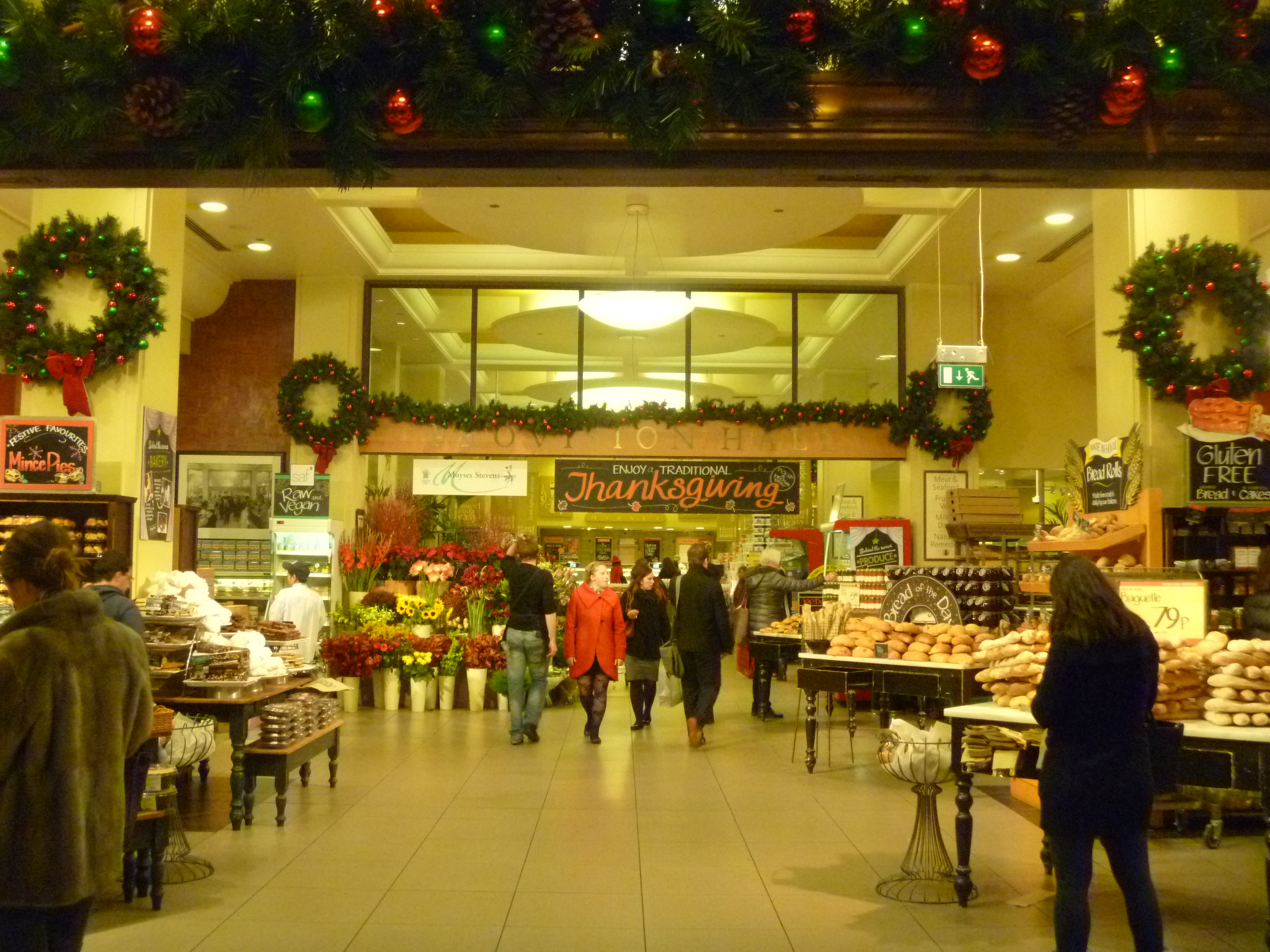
For lunch we headed down High Street Kensington to Whole Foods Market where Thanksgiving was in full swing!

Not The Last of the Duchess

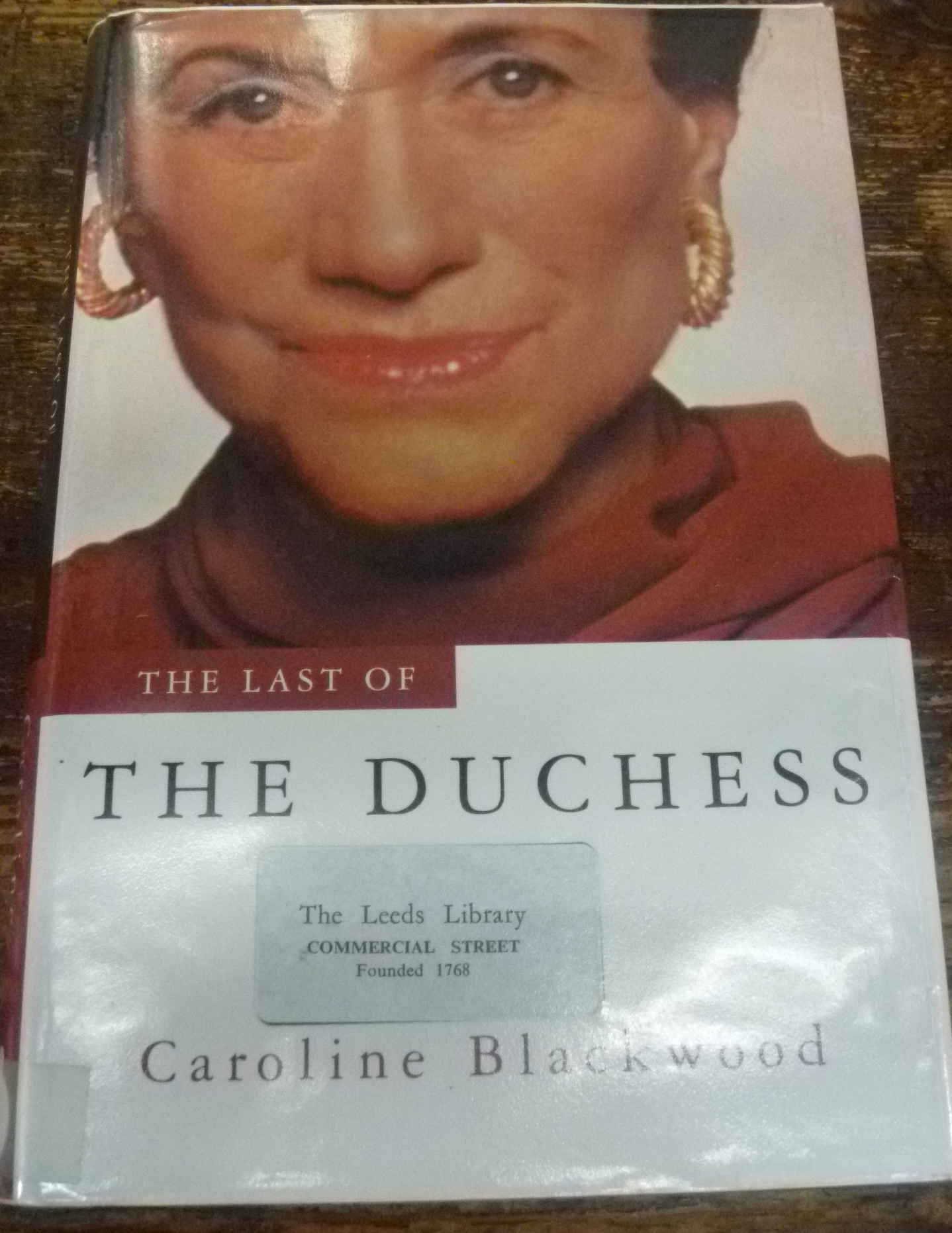
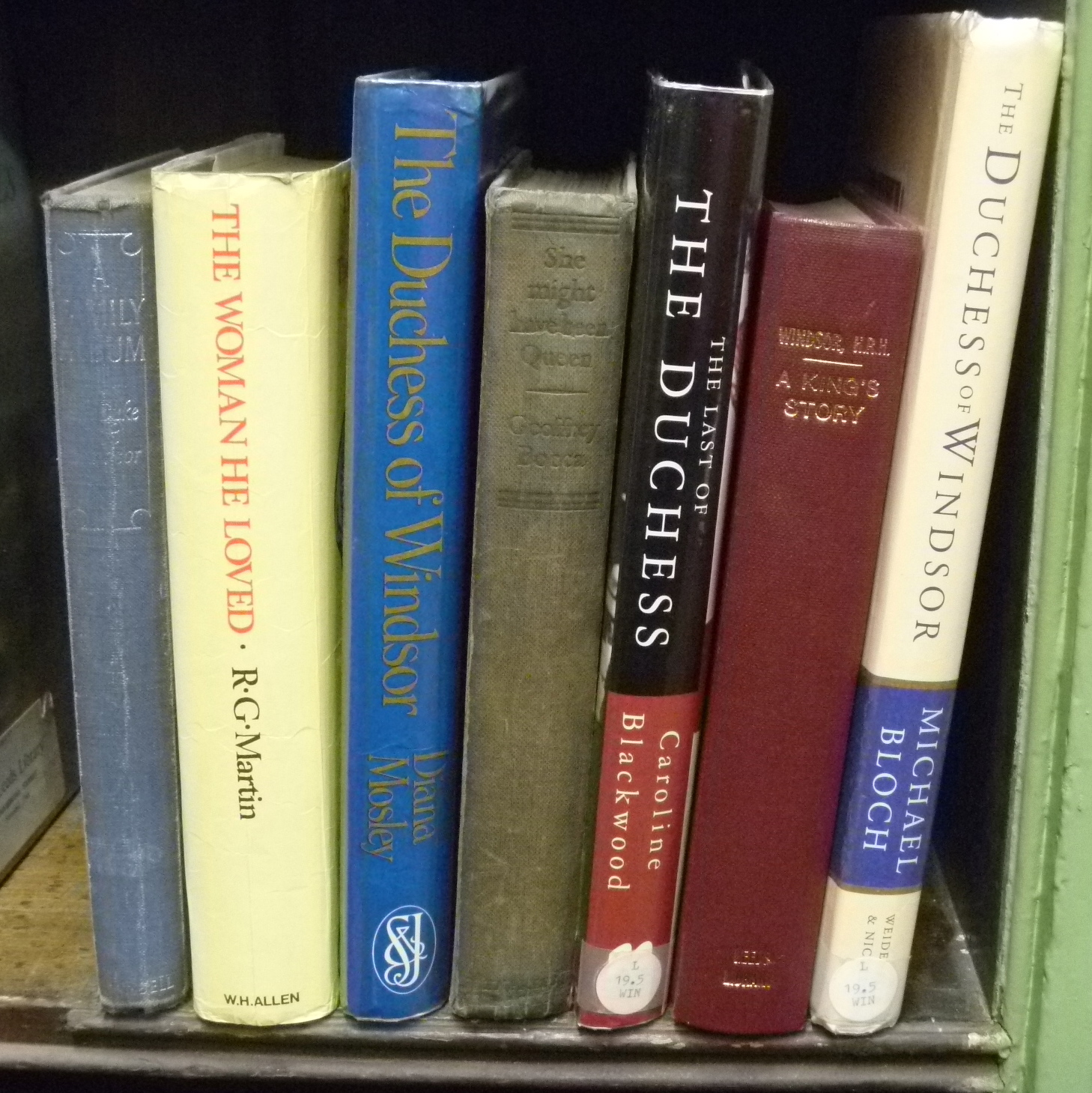
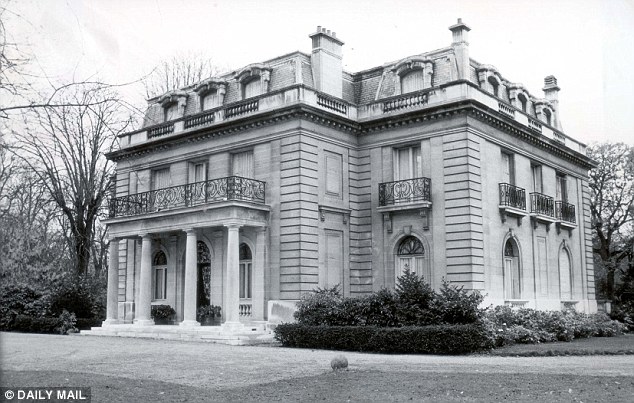
My interest in the Windsors dates back to earlier this year when I stayed at their weekend retreat near Paris, now handily converted for self-catering holidays by the Landmark Trust. Back in the spring I read this book and the biography by Michael Bloch “The Duchess of Windsor”, and the one by Hugo Vickers “Behind Closed Doors: the Tragic, Untold Story of the Duchess of Windsor” and then most recently Anne Sebba’s new biography “That Woman”. The authors of each book, it seemed to me, had an agenda and I still feel I am nowhere nearer knowing what the Duke and Duchess of Windsor were really like. Of course we can never ever know for sure!

Reading the last sentences I realise that all my reading has concentrated on Wallis and not so much on Edward. I need to address that. I’m currently reading James Pope-Hennessy’s life of Queen Mary which will go a little way to adjust the balance. I think perhaps the library can help too!

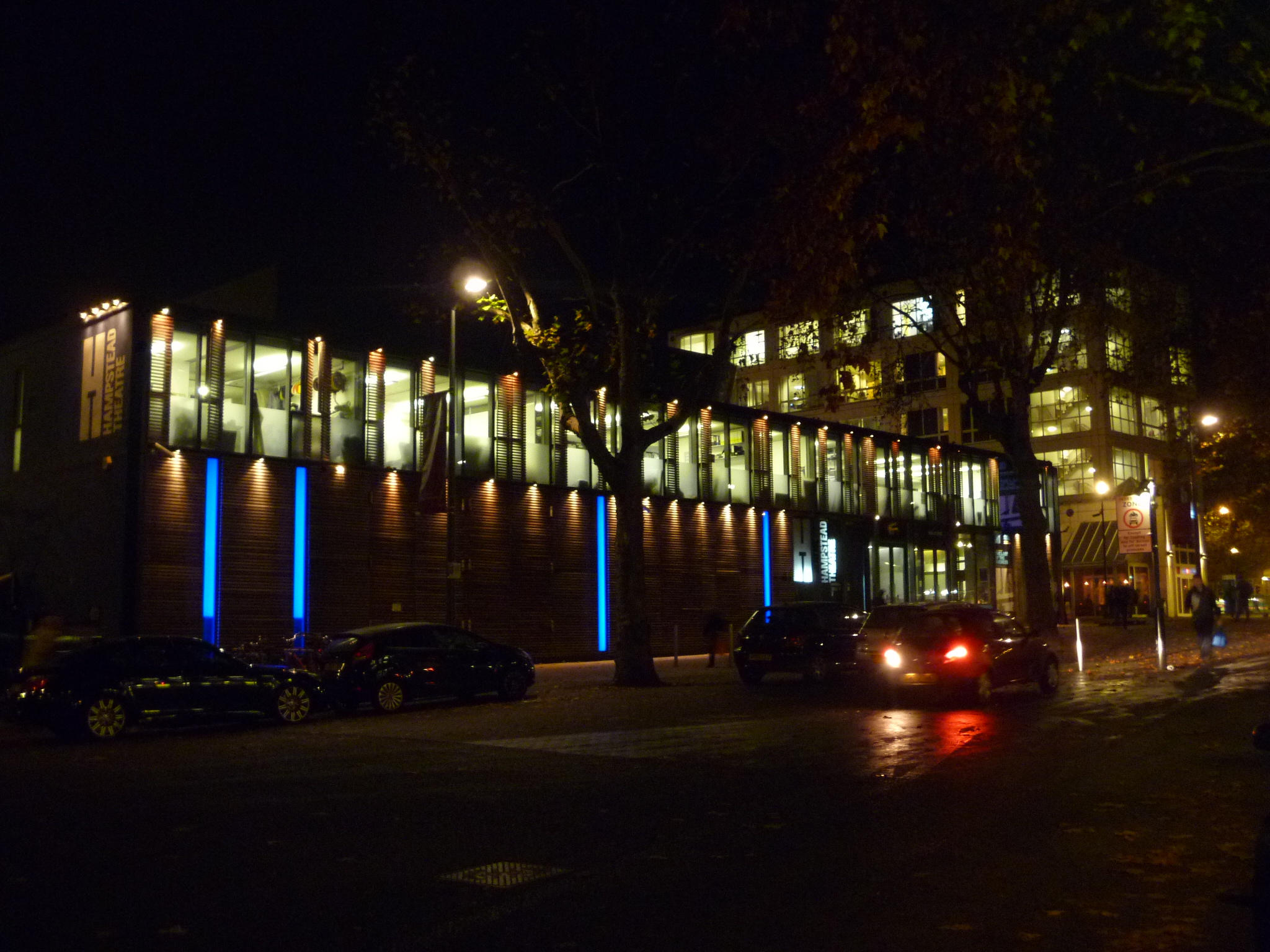
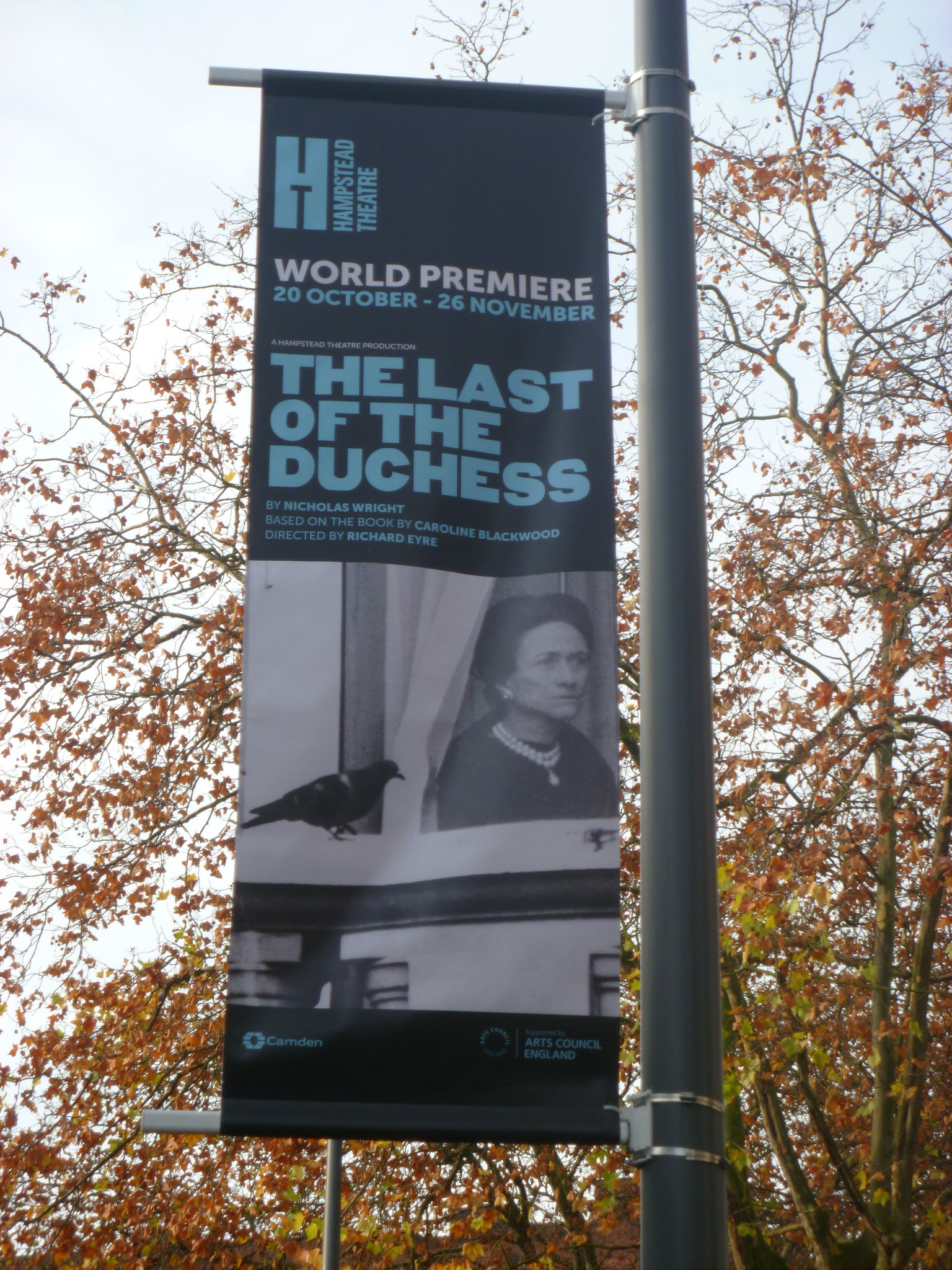
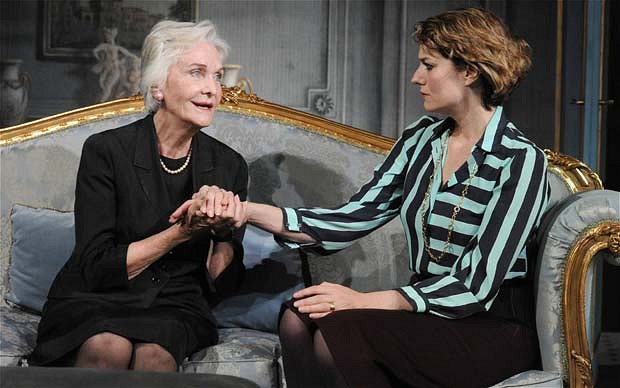
Last evening the Duchess was the main subject of the play I went to see at the Hampstead Theatre. This was a performance of the world premiere of “The Last of the Duchess” adapted by Nicholas Wright but based closely on Blackwood’s book.

I booked tickets when I came upon a link to it by chance via Google. At the time I was searching for more information about Lady Caroline Blackwood, the author of the book I had just read, back in May or June this year. At the time there was no inkling as to the cast but I knew that I wanted to see it. And anyway the theatre is just steps away from my elder son’s flat.

The casting was inspired. Sheila Hancock played, as if she were a Frenchwoman herself, the role of Maitre Blum, the Duchess’s Parisian lawyer. Her accent, her French, her dress and demeanor all had that je ne sais quoi of Parisian style that is so hard for Englishwomen to replicate. Of course, that meant that Caroline Blackwood , played so wonderfully by Anna Chancellor, would be the antithesis of the smart, immaculate, maybe teetotal, Blum. There were touches of humour throughout but the major protagonist of act two was Lady Diana Mosley who was played magnificently by Angela Thorne (great buddy of Penelope Keith in TV’s To The Manor Born). Mosley was a Mitford sister and close friend of the Duchess. At this period in her life she was profoundly deaf and forbidden by butler Georges, on instructions from Blum, to see her dear friend.

http://www.dailymail.co.uk/femail/article-1367933/Wallis-Simpson-Robbed-abused-Duchess-Windsors-days.html

Photo from Daily Mail (http://www.dailymail.co.uk/femail/article-1367933/Wallis-Simpson-Robbed-abused-Duchess-Windsors-days.html)

The setting is the house in the Bois de Boulogne leased to the Duke and Duchess by the City of Paris. The Duke has died some time before and the Duchess appears briefly at the beginning of the first act, in a kind of dream of Blackwood’s. That is the Last we see of her. From then on she is upstairs helpless in her bed as the arguments and contretemps continue below. Lady Caroline, thrice married  journalist, has come to Paris to interview the Duchess but Blum will have none of it. There’s a suggestion that Lord Snowdon has been appointed to take her photograph. This Blum forbids but somehow as a kind of bribe she manages to arrange her own photo shoot with Snowdon. This takes place offstage during the second act. In the final act Blum coolly responds to every accusation of Blackwood’s as she herself becomes more and more intoxicated. I came away from the play with the same feeling of uncertainty as after reading the book. Was Blum a consummate liar and villain or was she, in some strange way honestly  protecting the Duchess from exploitation?

http://www.telegraph.co.uk/culture/theatre/theatre-reviews/8851278/The-Last-of-the-Duchess-Hampstead-Theatre-review.html

As it turns out, in the end, it is almost the last of Lady Blackwood. She died only months after the publication of her book whereas the Duchess of Windsor was to live for a further 12 years.

At The Tomb of the Unknown Craftsmen

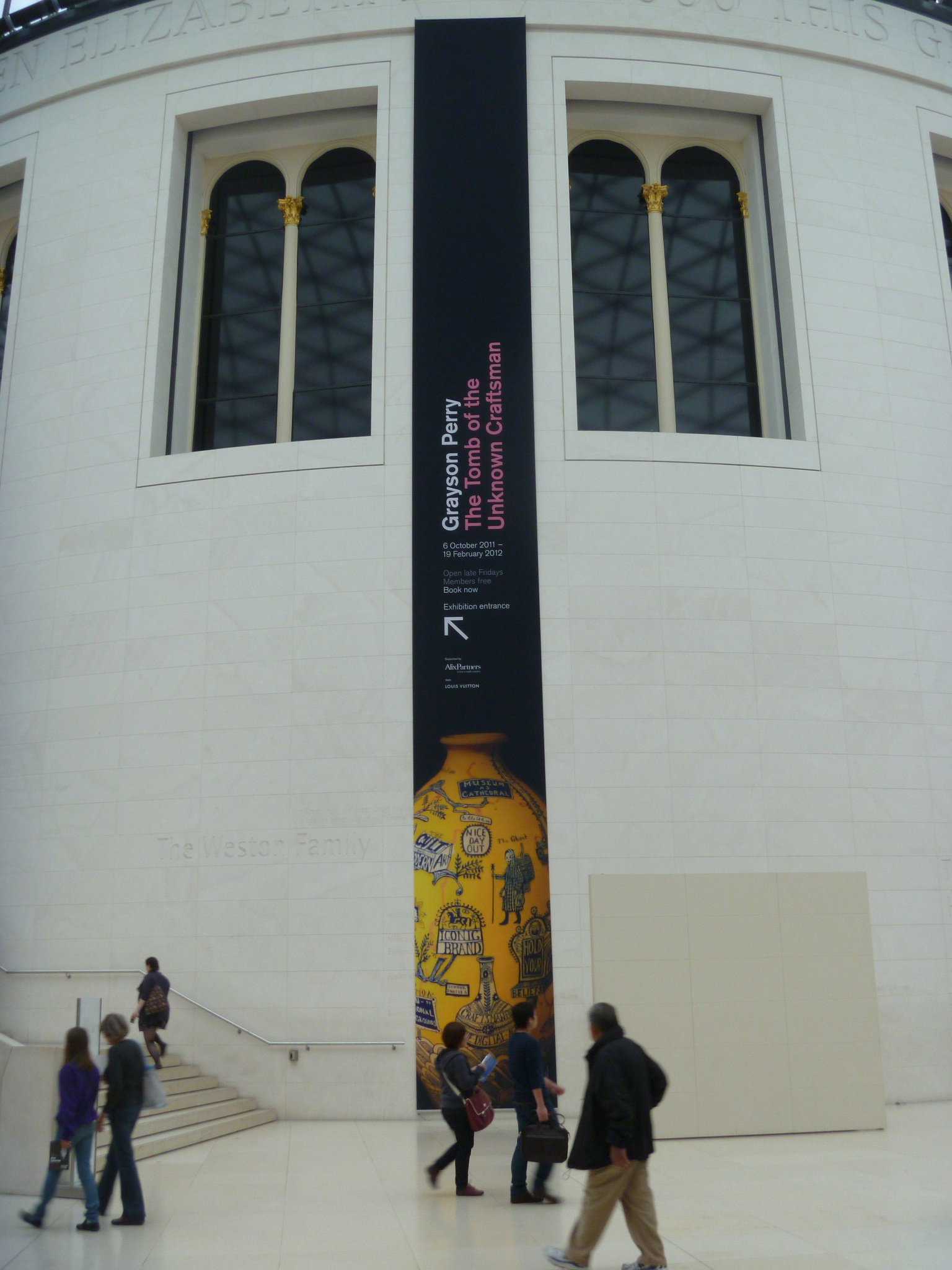
I’ve been hesitating as to whether to post about my visit to the British Museum on Thursday. Obviously I am no art critic, have no training in art and very little knowledge on the subject and even less knowledge about Grayson Perry himself so this is just my own personal comment. When I first heard about “The Tomb of the Unknown Craftsman”  I was very excited to see it.

I had no idea what to expect but the thought of choosing artefacts, items made by craftsmen and women over the decades, centuries and millennia, from the vast archive of the British Museum had overwhelming appeal for me. Put together with recently crafted pots and tapestries and what I believe are called installations for me the mix was a huge success. I loved it!

We’ve had A History of The World in 100 objects and Our Top Ten British Treasures and now we have a kind of temporary memorial to all of the unknown craftsmen and women whose work has been collected by the museum – or donated to it – over the centuries of its existence.

The exhibition is divided into themes such as Shrines, Journeys, Magick, Maps, Souvenirs of Pilgrimage, Sexuality and Gender, Scary Figures and Patina and Texture. I think I’ve remembered them correctly.

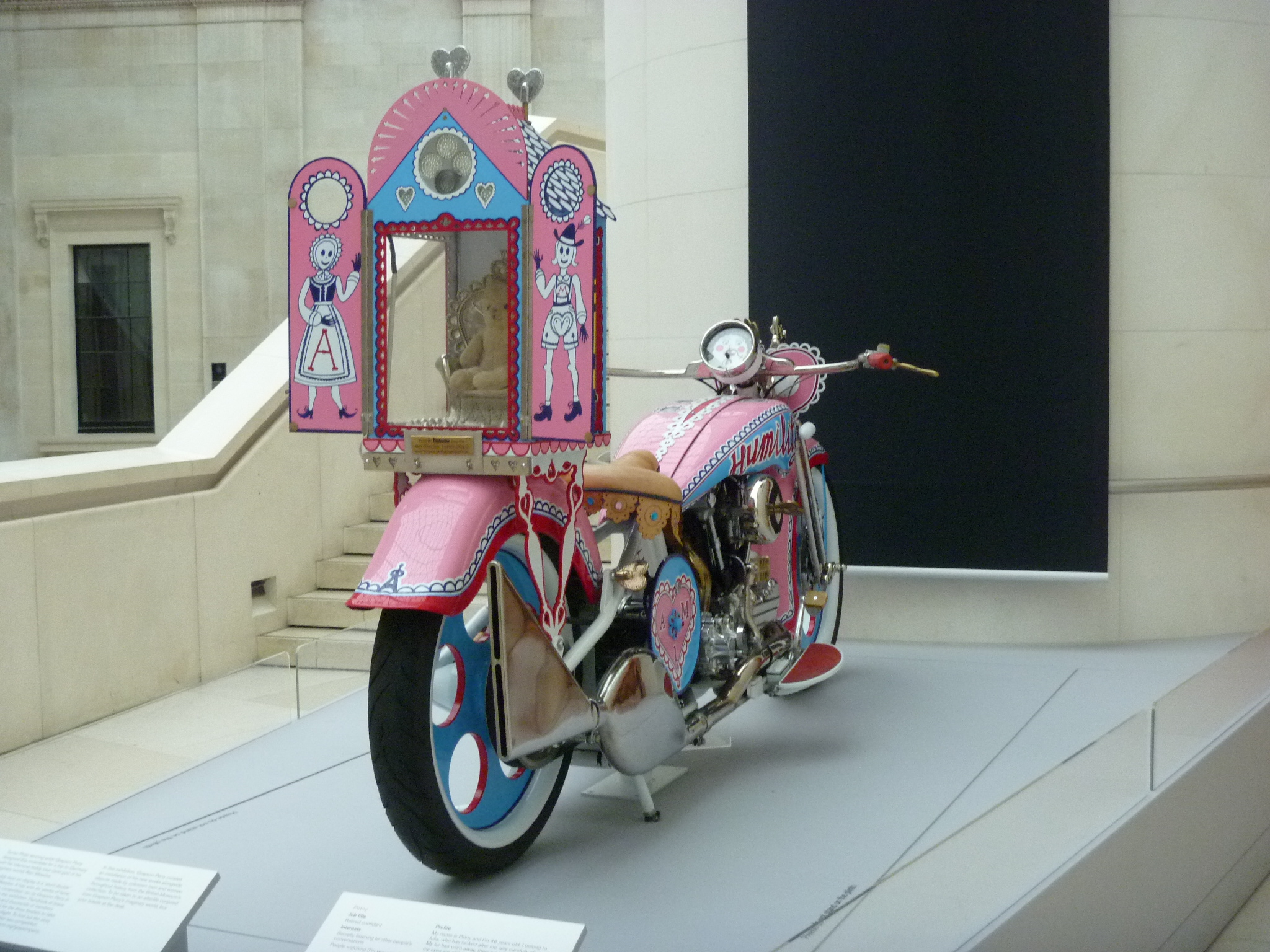
There is Grayson Perry’s teddy bear Alan Measles in his own shrine on the back of GP’s motorcycle. There was a radio programme about the journey they made to Germany on the bike on Radio 4 last November.

No photography is allowed inside the Exhibition but I did take a few notes of GP’s comments on some of the themes that most interested me.

On the topic of Journeys he says :

“The “journey” has become a tired metaphor of reality TV describing a transformative experience. I come on a journey every time I visit the British Museum. I enjoy idealised foreign travel in my head. Walking from my house in WC1 within 20 minutes I can have an encounter with the world.” 

You may have thought the title of this post included a typing error but it is intentional because GP and many of us see The British Museum as a Tomb to Unknown Craftsmen. A pot by Perry on display is called “A Walk in Bloomsbury”.

On Maps he says :

We trust maps. Maps are meant to be a trustworthy diagram of reality. All maps though contain some very human bias. They emphasise desirable features and leave out the undesirable. I like maps of feelings, beliefs and the irrational, they use our trust of maps to persuade us that there might be truth in their beauty.”

I have always loved maps and was delighted see a copy of  a book recommended to me by a friend and which has long lain in my Amazon shopping basket:  You are here : personal geographies ; by Katharine Harmon. A fabric map by Perry fills one wall – to see it at its best wait until you have moved into the next room and view it through a hatch in the wall.

On Souvenirs of Pilgrimage he says :

We all make journeys to see places or people that are significant to us. It is natural to want a keepsake of the trip to remind ourselves and show others. Pilgrims usually travel light so the souvenir may only be a badge, a photo or a signature.”

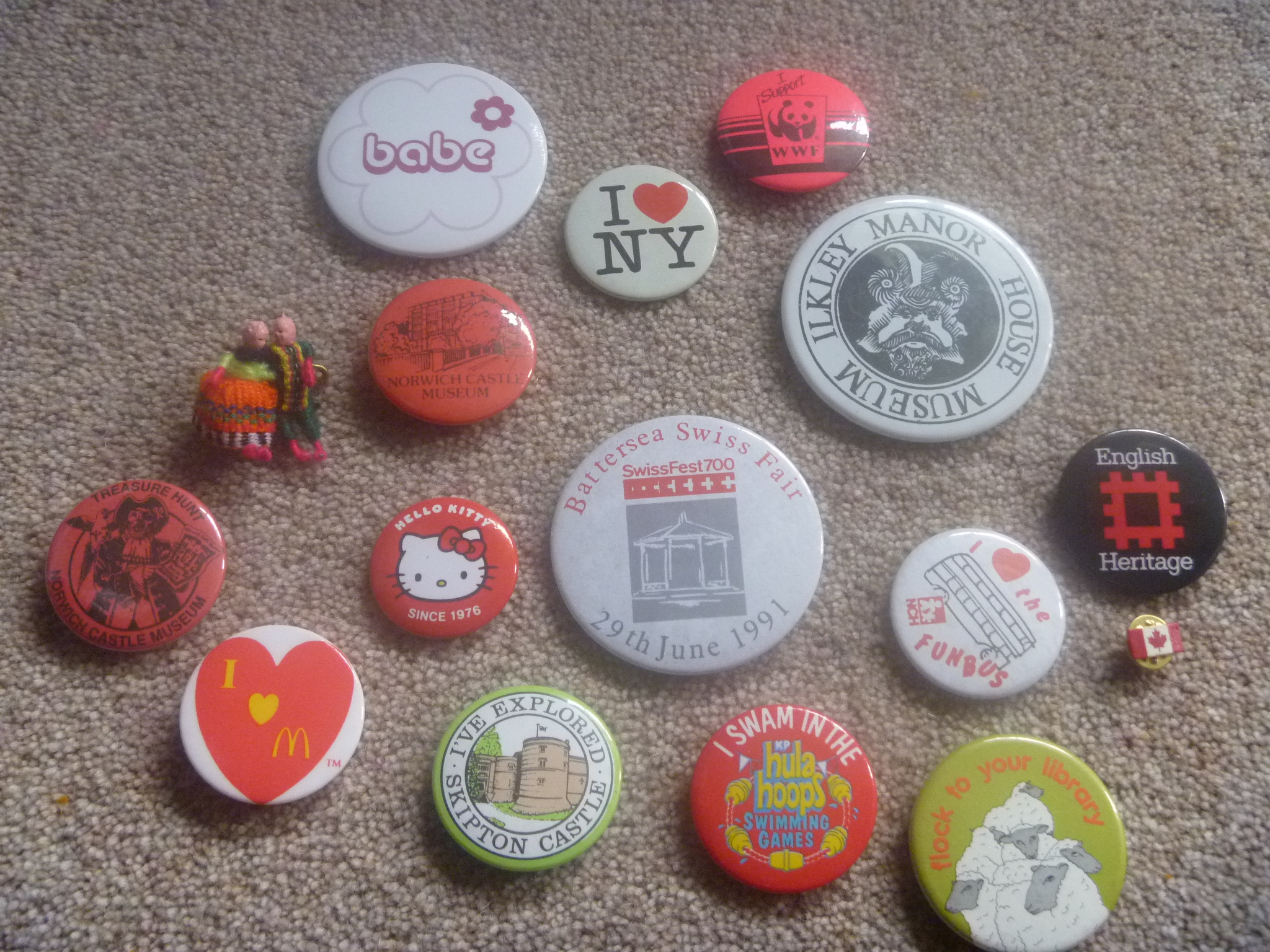
I was delighted to see masses of badges collected over the years by the British Museum. Even such ephemera has a role in the exhibition. I smile because I have a box full of badges up in the attic.

This final quotation has a resonance for me too. I’m a great visitor to churches on my travels. On the subject of Scary Figures Perry says :

“We have always had images at gateways to warn and protect. Cathedrals had carvings over the doors showing the Last Judgement and the damned going to hell – now we have CCTV.”

To find out more  there’s a book that accompanies the exhibition (of course) and here’s a link to the exhibition in pictures :

Grayson Perry’s Tomb of the Unknown Craftsman – in pictures

In the end I didn’t buy a souvenir but I saw three books which will go on my library suggestions list :

50 British Artists you should know, by Lucinda Hawksley

You are here : personal geographies ; by Katharine Harmon.

The Tomb of the Unknown Craftsman by Grayson Perry.

My Friends in the East End: Princelet Street Life

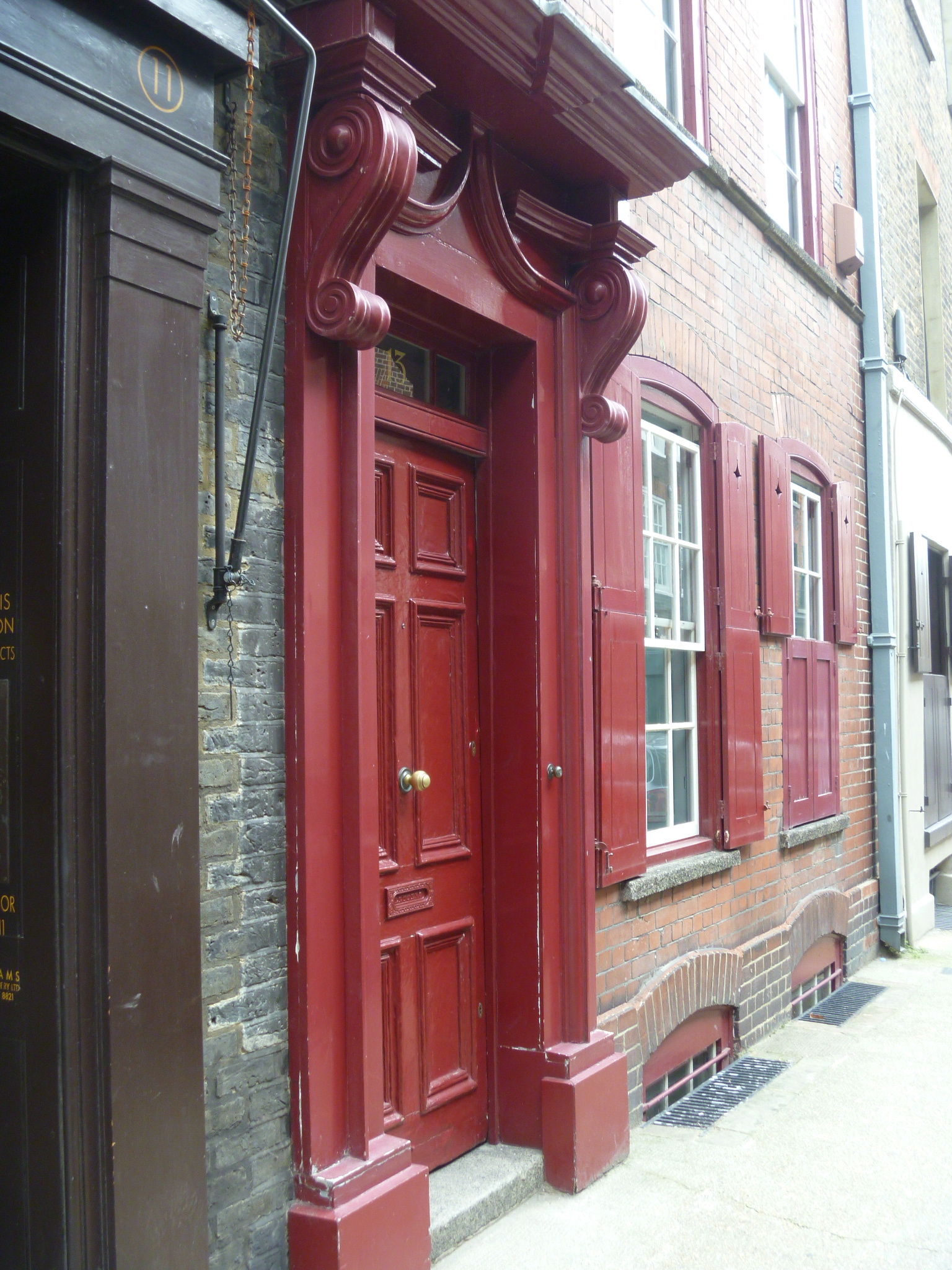
13 Princelet Street, Spitalfields

I’m a huge fan of the Landmark Trust. It is the charitable organization that rescues interesting buildings, brings them back to life and then rents them out as holiday homes so that everyone may experience, for a short time, living in these remarkable buildings. I applaud the work and the vision involved and as Capability Brown before them seemingly waved his magic wand on the eighteenth century landscape The Landmark Trust seemingly waves its magic wand and transforms total ruins into beautiful buildings using the best of workmanship and the highest quality fittings and good solid furnishings.

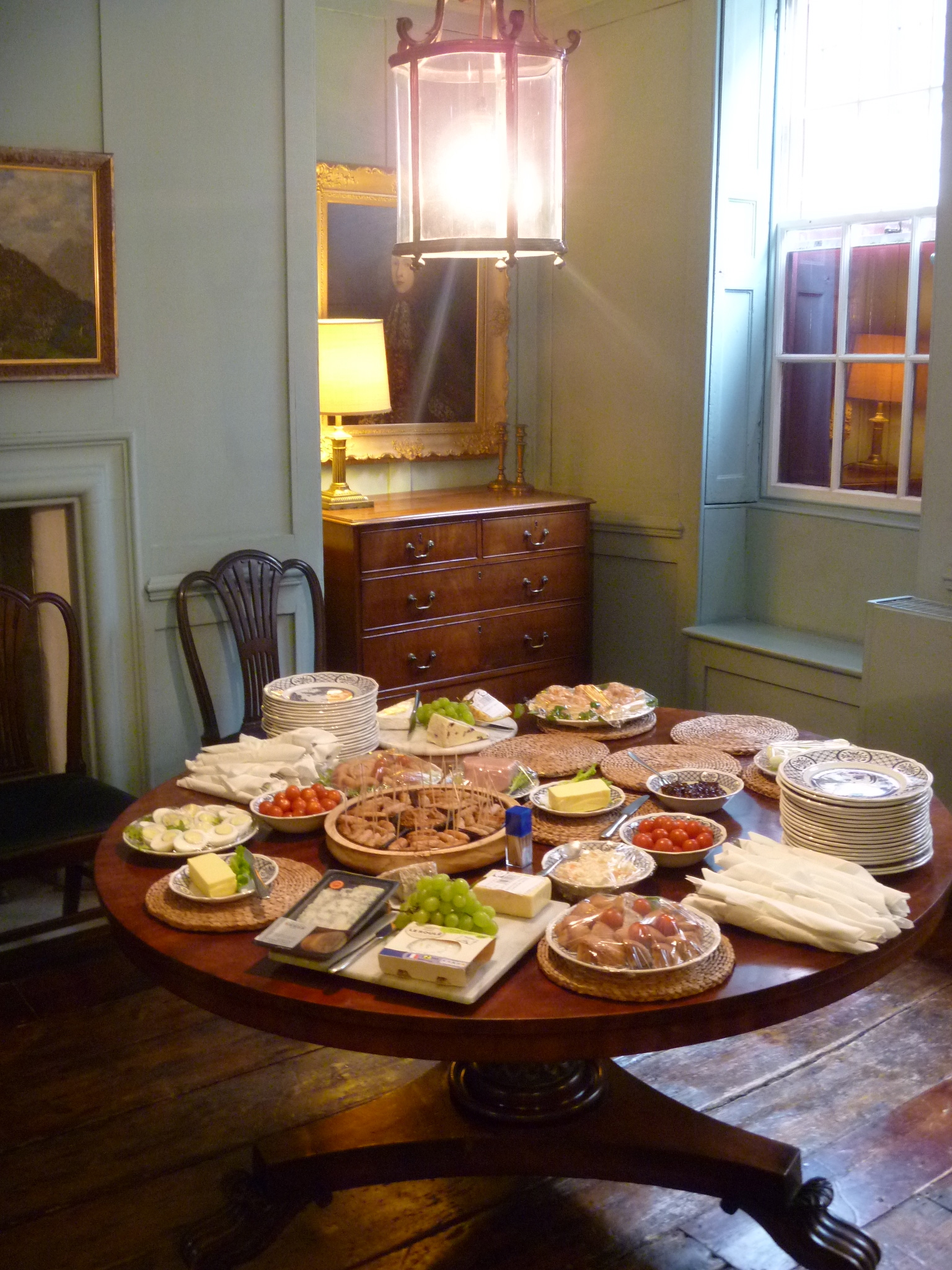
Just some of the buffet lunch in the front dining room.

As I said, I’m a fan, but for some people visiting and staying at Trust properties is an obsession! In order to cultivate and encourage this obsession The Trust started a group called The Friends of the Landmark Trust. Run by volunteer co-ordinators, the Friends organise stays (which they call Houseparties) at larger properties so that singles and couples or small groups of friends may experience staying in Landmarks which they would not normally be able to afford or feel that they would not properly appreciate to their fullest extent. In addition, during the Houseparty weeks all Friends are invited to a Reception which usually includes a buffet lunch, a talk and a chance to look around the property and meet fellow like-minded members. All profits from these events go to support further renovation work.

Friends enjoy the garden at 13 Princelet Street

I’m also a fan of the blog Spitalfields Life. The Landmark Trust’s property at 13, Princelet Street featured in the blog last year. I’ve stayed there twice already and have another booking for the early new year. However, I couldn’t resist the Friends’ invitation to attend a Reception at Princelet Street on Wednesday. It was a chance to meet up with friends (small f) and Friends (capital F). Houseparties and Receptions ‘up north’ are rare but London is accessible to me. My elder son ‘The Banker’ lives down there; and it’s always good to meet up.

One of the volunteer co-ordinators gave a brief talk about the history of the house and the Spitalfields area in general. In the case of Princelet Street there didn’t have to be too much magic wand waving by the Trust. Mr Peter Lerwill a supporter of the Landmark Trust very generously bequeathed the house to the Trust for the enjoyment of Landmarkers. Only a lick of paint was required to make it ready for letting.