Bern and It’s Book Mine

Arriving in Bern a week last Thursday I dropped my bags off and took a walk in search of a secondhand book shop that I’d read about somewhere on the internet.

“Bücherbergwerk Monbijou, Monbijoustrasse 16 (on the street through which tram line 9 descends from Hirschengraben near the main station, in the basement of the building marked ”SWICA”), ☎ +41 (0)31 381 71 25. Open Tu-F 10AM-5PM and Sa 11AM-3PM. The used books store of the Swiss Workers’ Aid Society.”
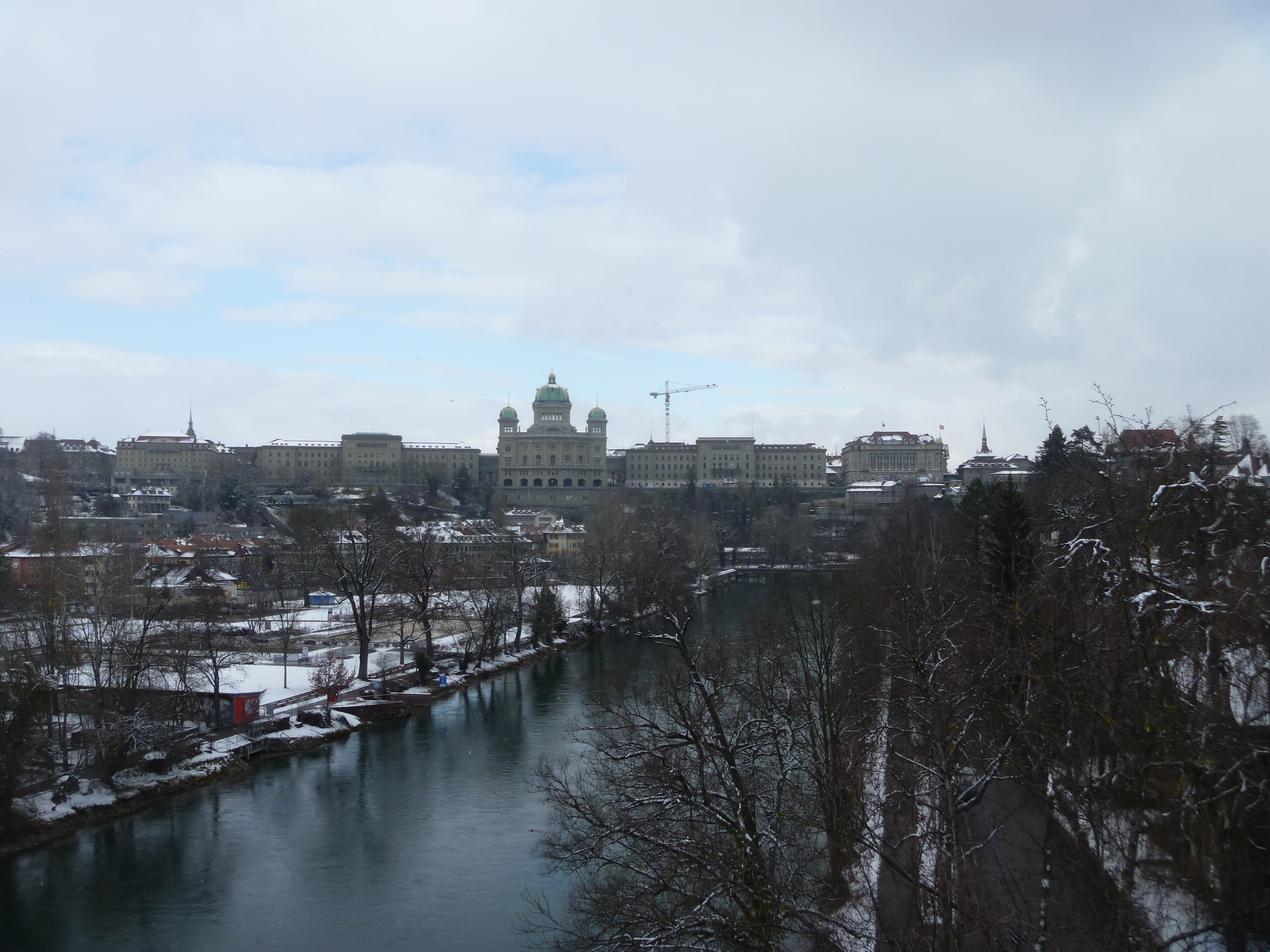
Bundeshaus

The Swiss Parliament Building from Monbijou Bridge
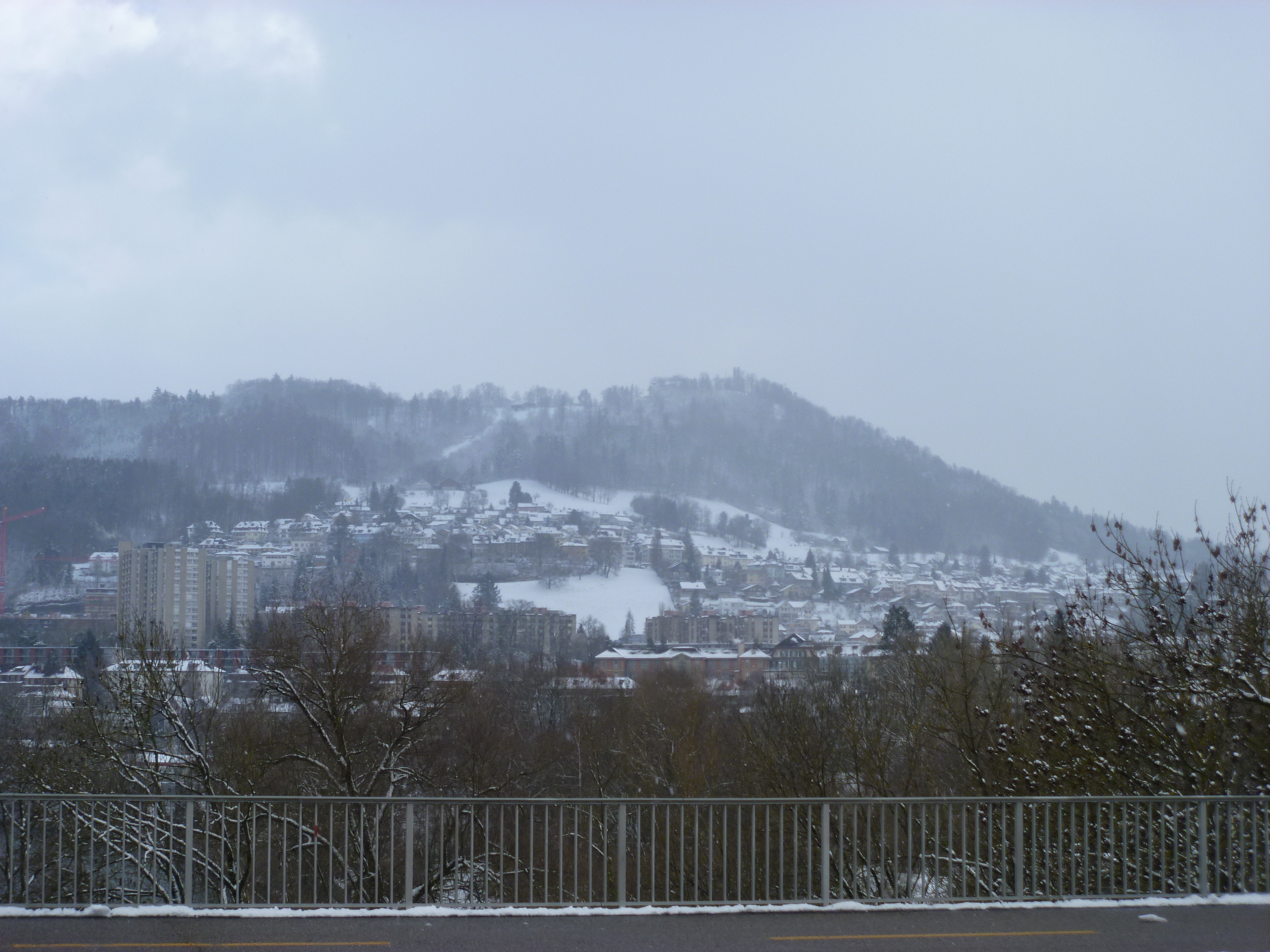
Bernese hills

The Gurten from Monbijou Bridge

From B’s place you cross the Monbijou Bridge from where you gain fantastic views of the city, the Bundeshaus (Parliament Building), the River Aare and the nearby hills of Gurten.
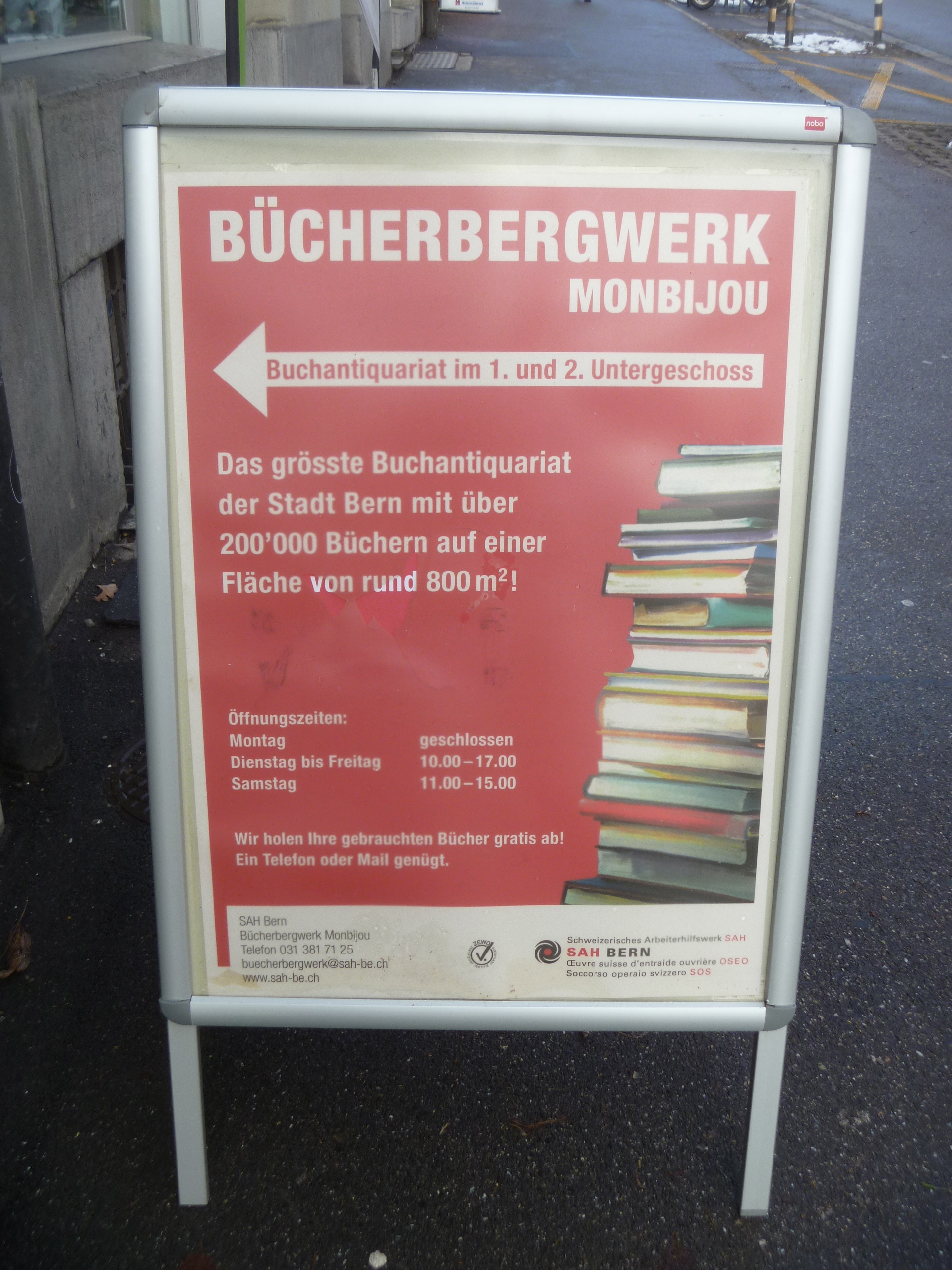
Bucherbergwerk

Along Monbijoustrasse I spotted the sign for SWICA and dived underground to find a cavernous book shop filled to overflowing with secondhand books and maps and comfy chairs and lamps. Two floors under is the foreign language section with a large section labelled English Books.
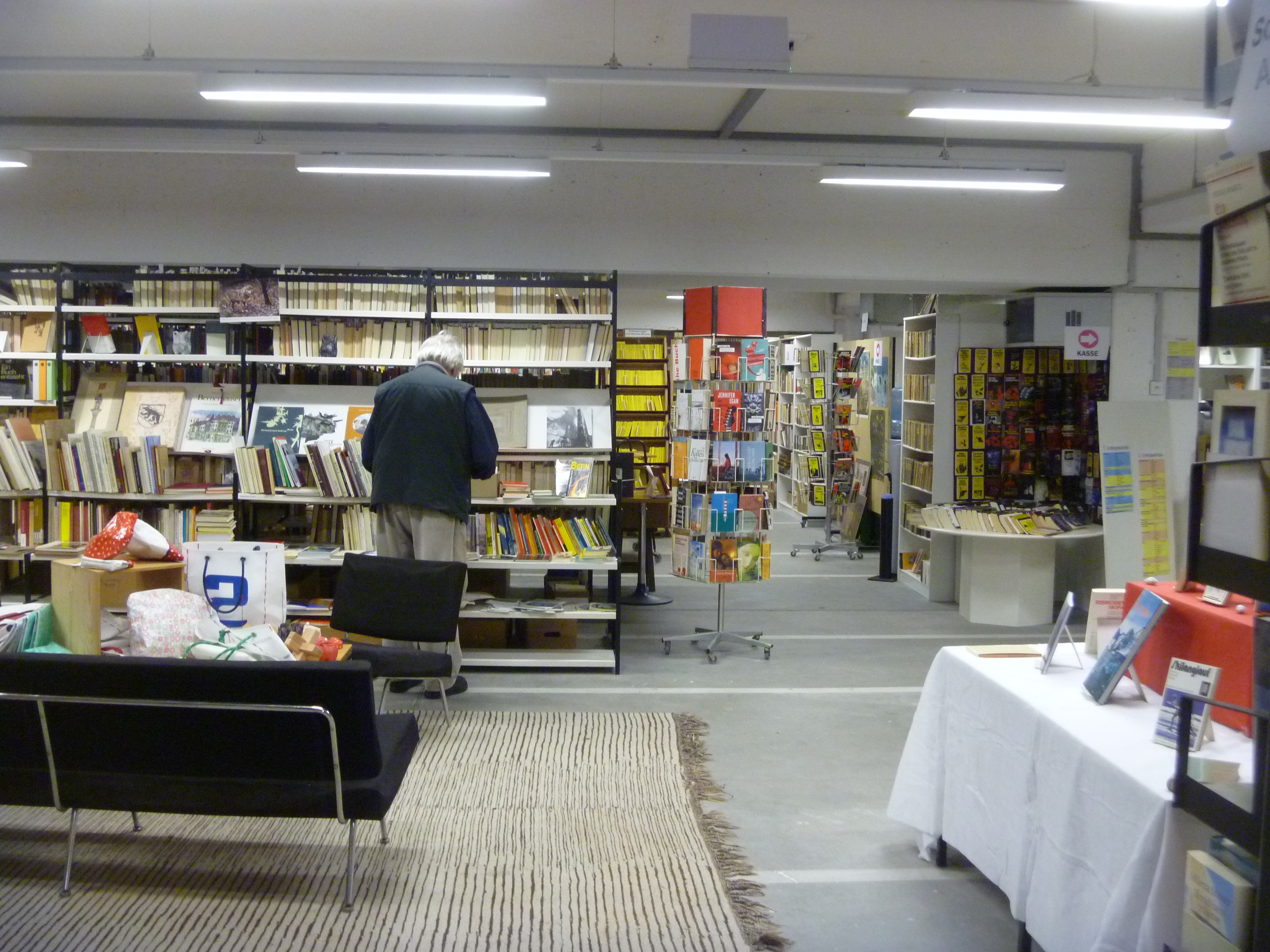
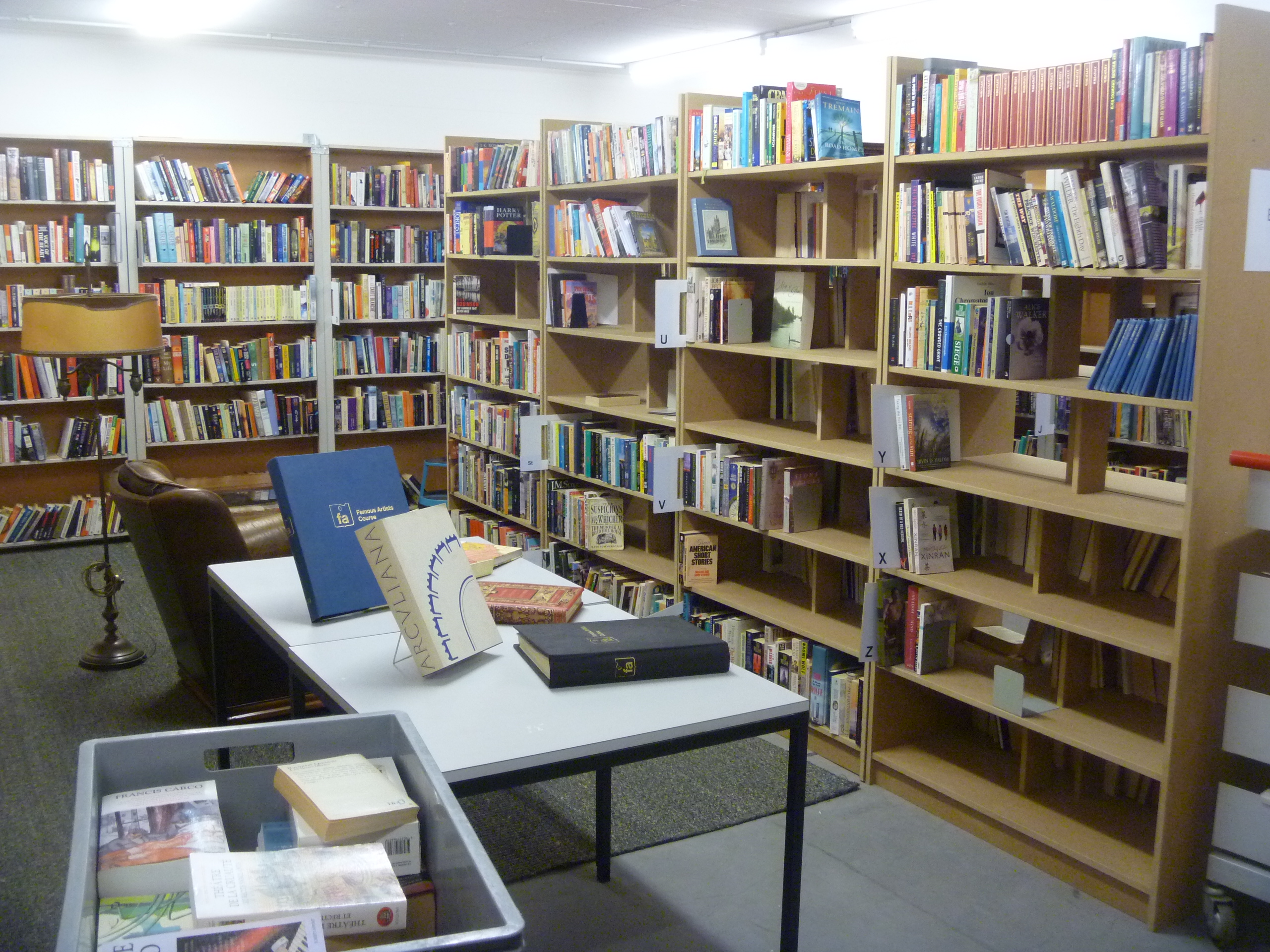
Book MIne

English books section

The English books section in the lower basement

Generally the price of each book seemed to be 3 Swiss francs but on selecting 5 to buy the assistant suggested a total of 10 francs. This seemed a very fair price to me.
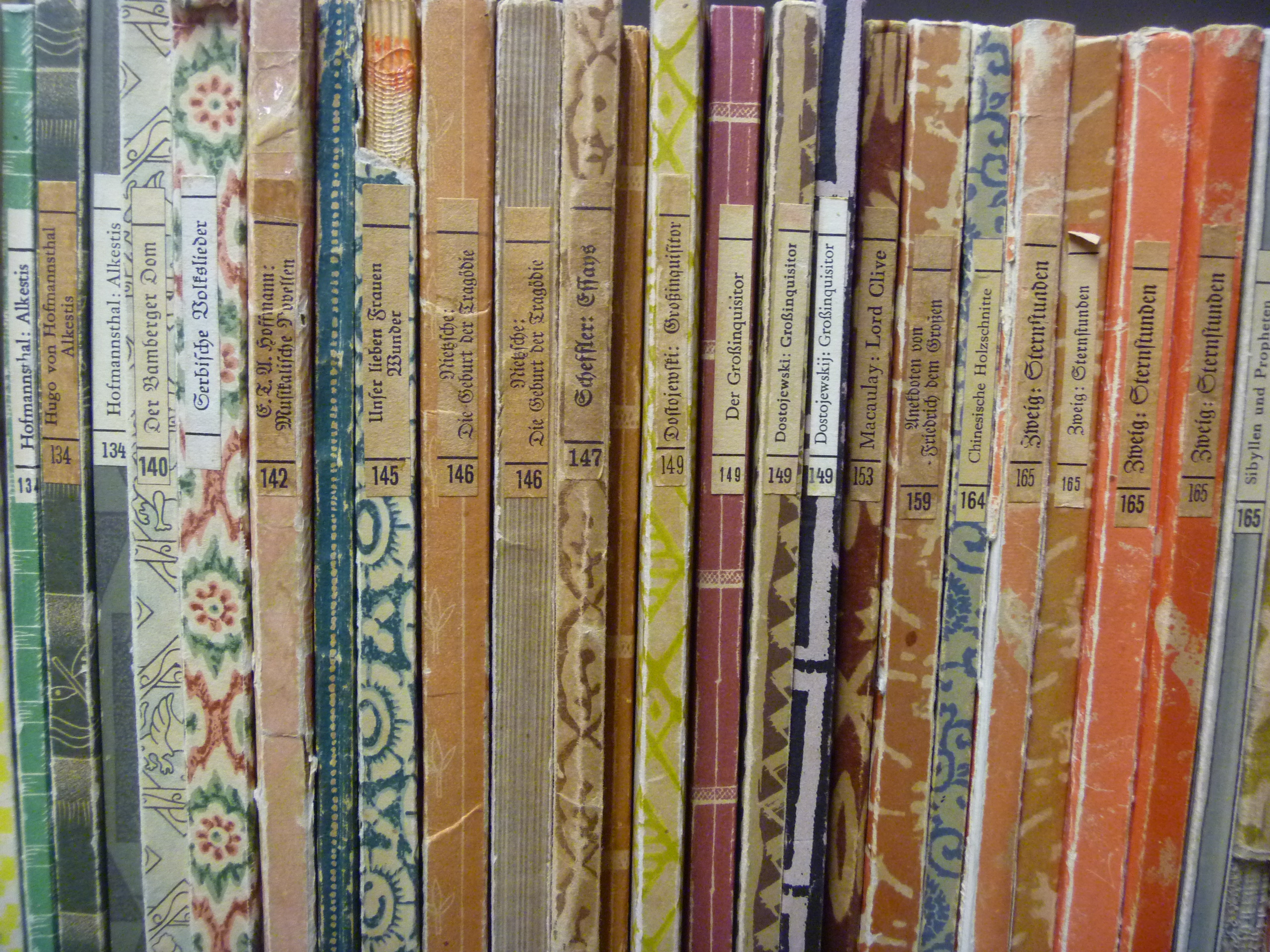
German books

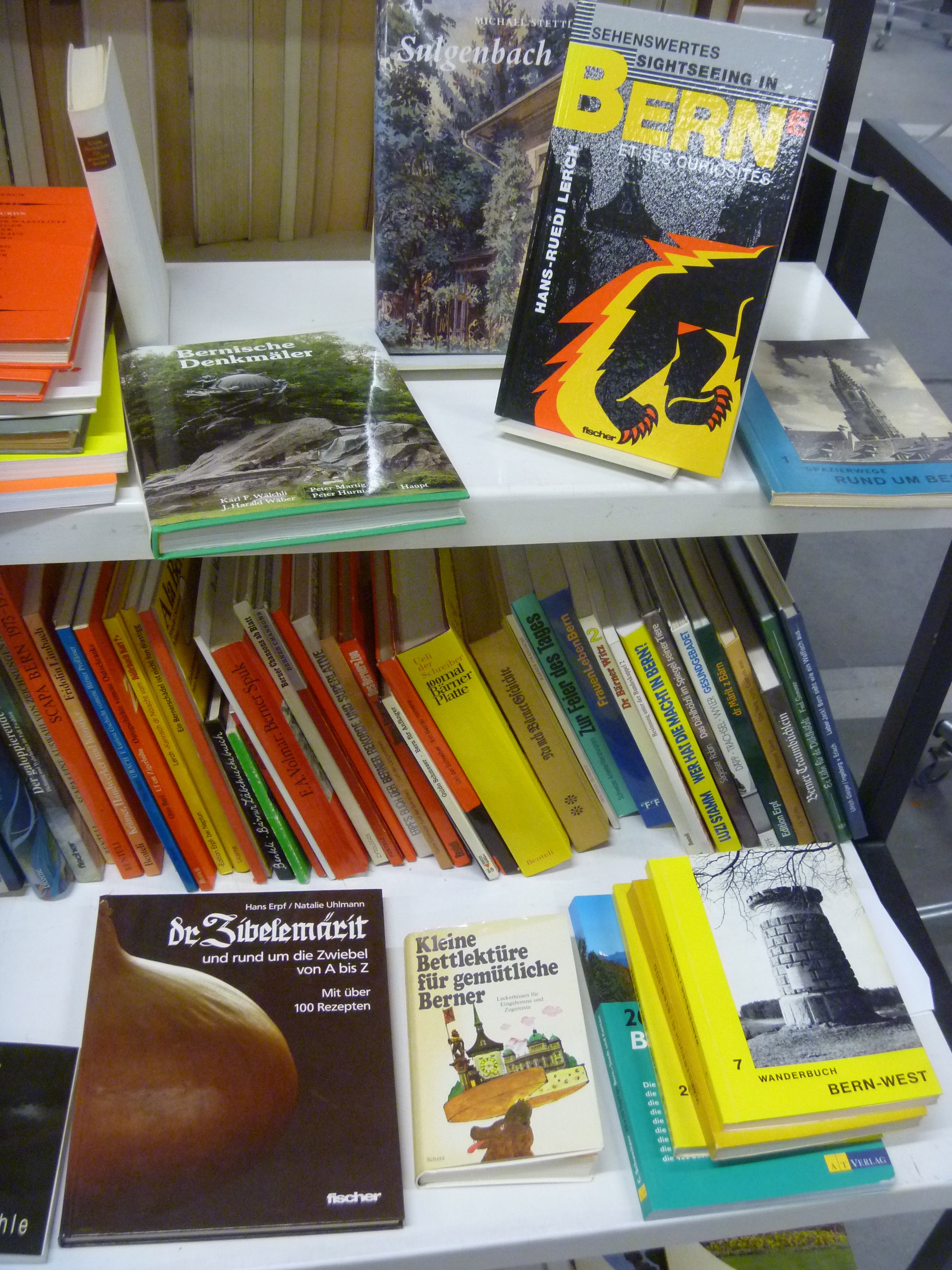
Bernese books

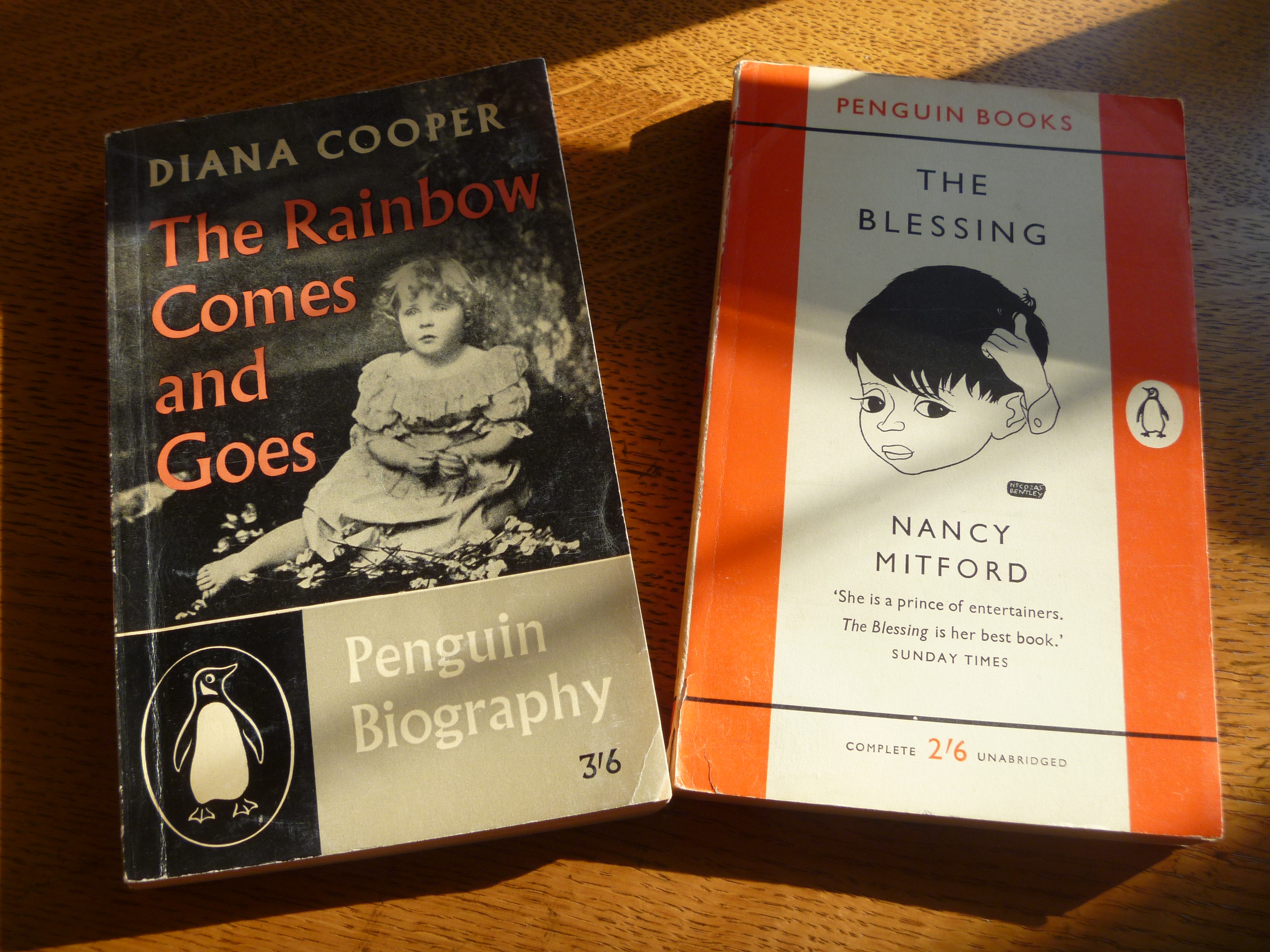
I bought two old paperbacks :

Book Mine Books

An illustrated story of Tom Thumb – it’s the 200th anniversary of the publication of Grimm’s Fairy Tales and my German Conversation Class have been talking about them:
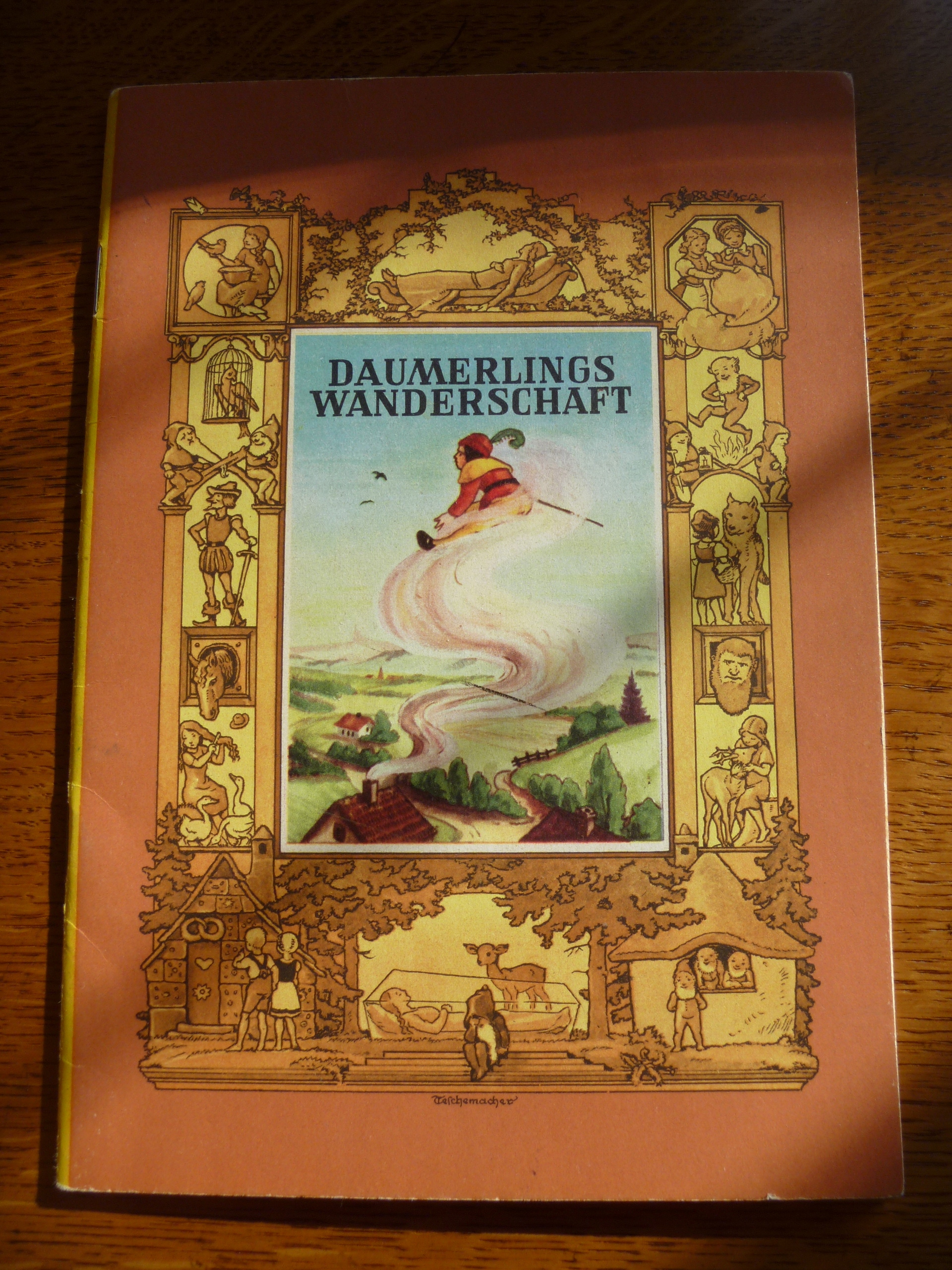
grimms' tom thumb

The Shadow of the Sun by Ryszard Kapuscinski for Barbara and a copy of Charlotte Bronte’s Villette which I gave to my other Swiss friend, Susan.

I dared not buy any more books as I had to watch the weight in my suitcase and I knew everyone at home would prefer Swiss chocolate to musty old English books!
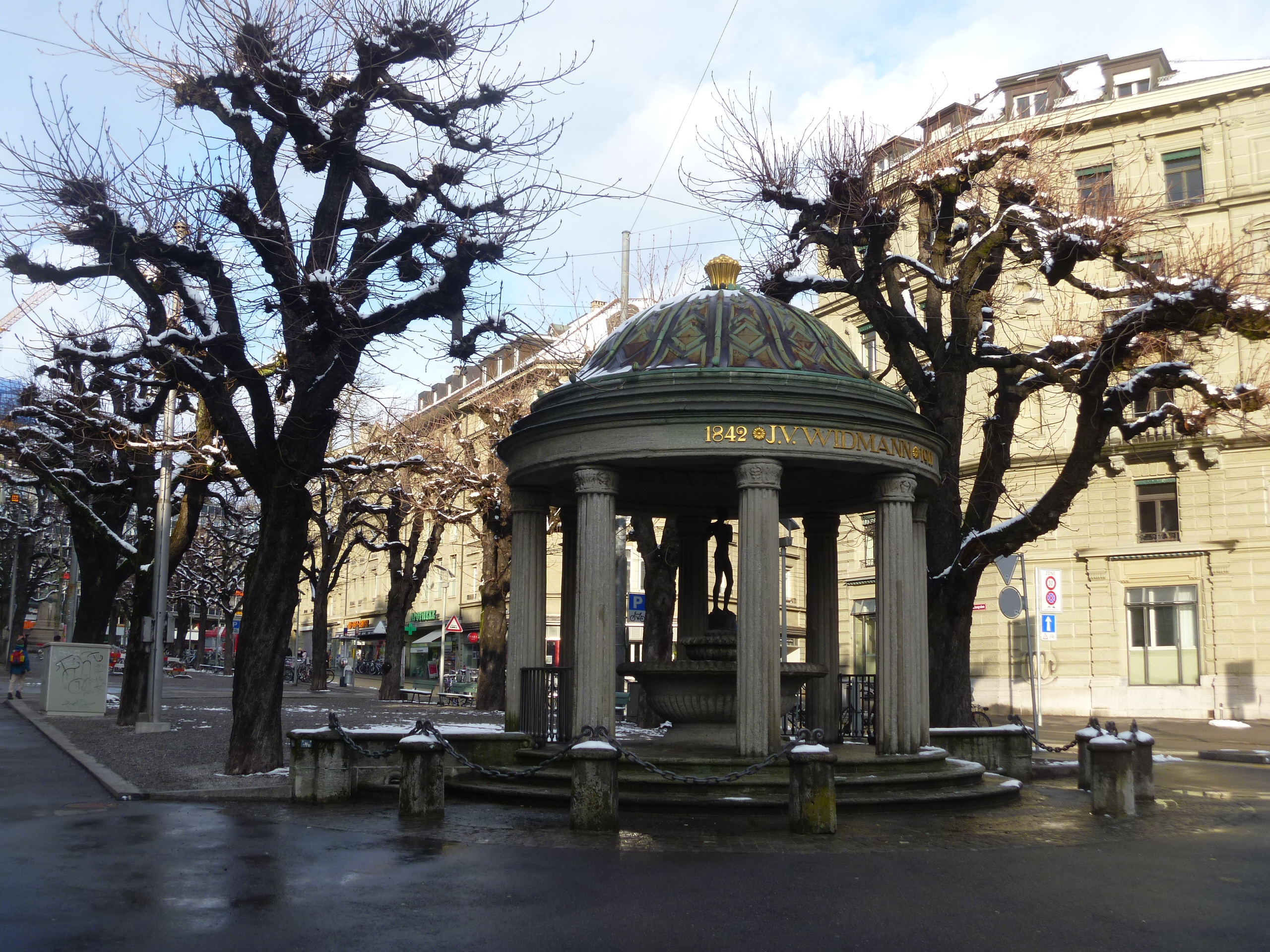
Hirschengraben

Hirschengraben

My walk then continued to the Hirschengraben and the Bundeshaus and Bundesplatz and over the Kirchenfeld Bridge and back to Barbara’s place.
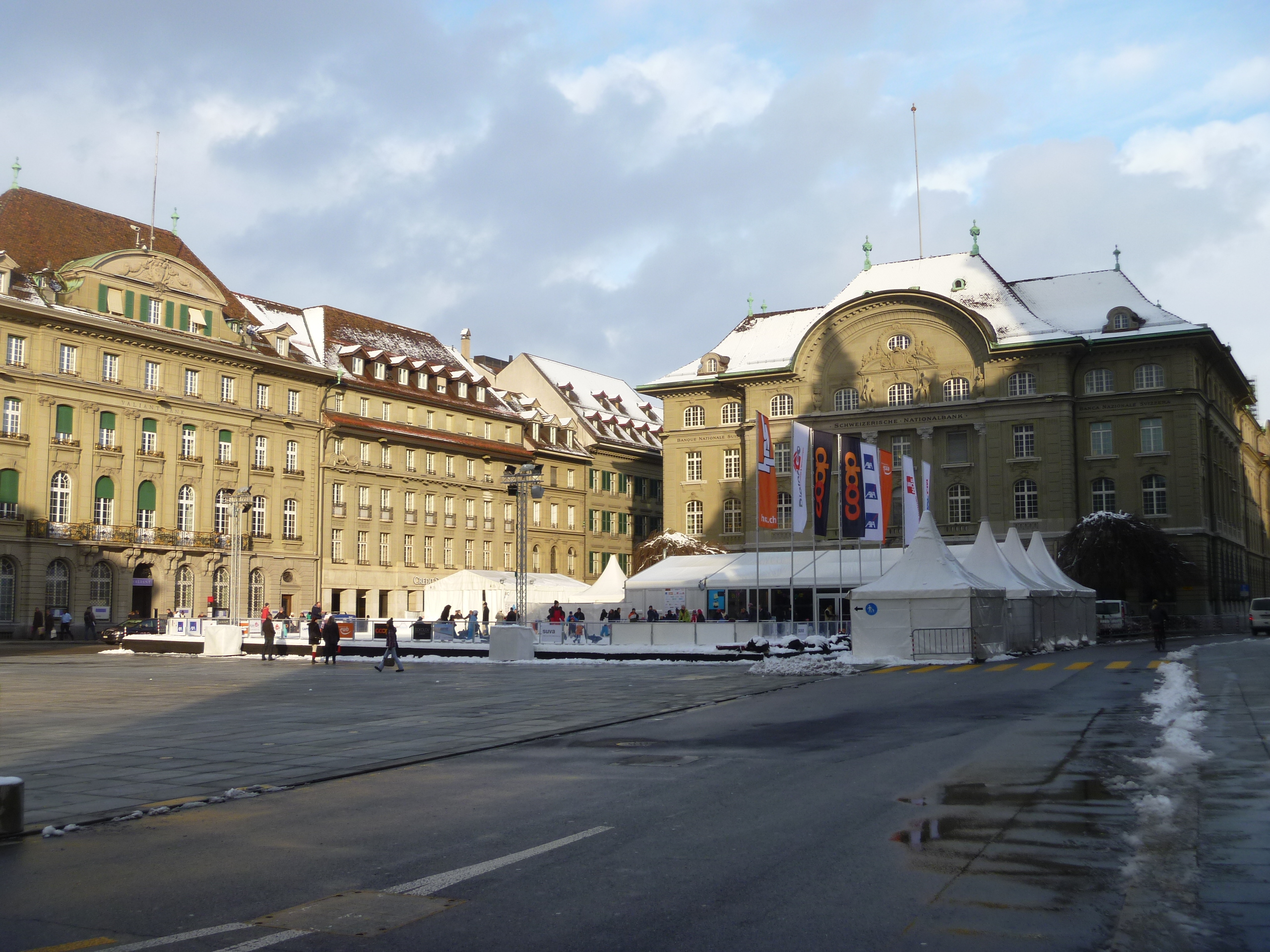
Bundesplatz

The Bundesplatz with temporary ice rink
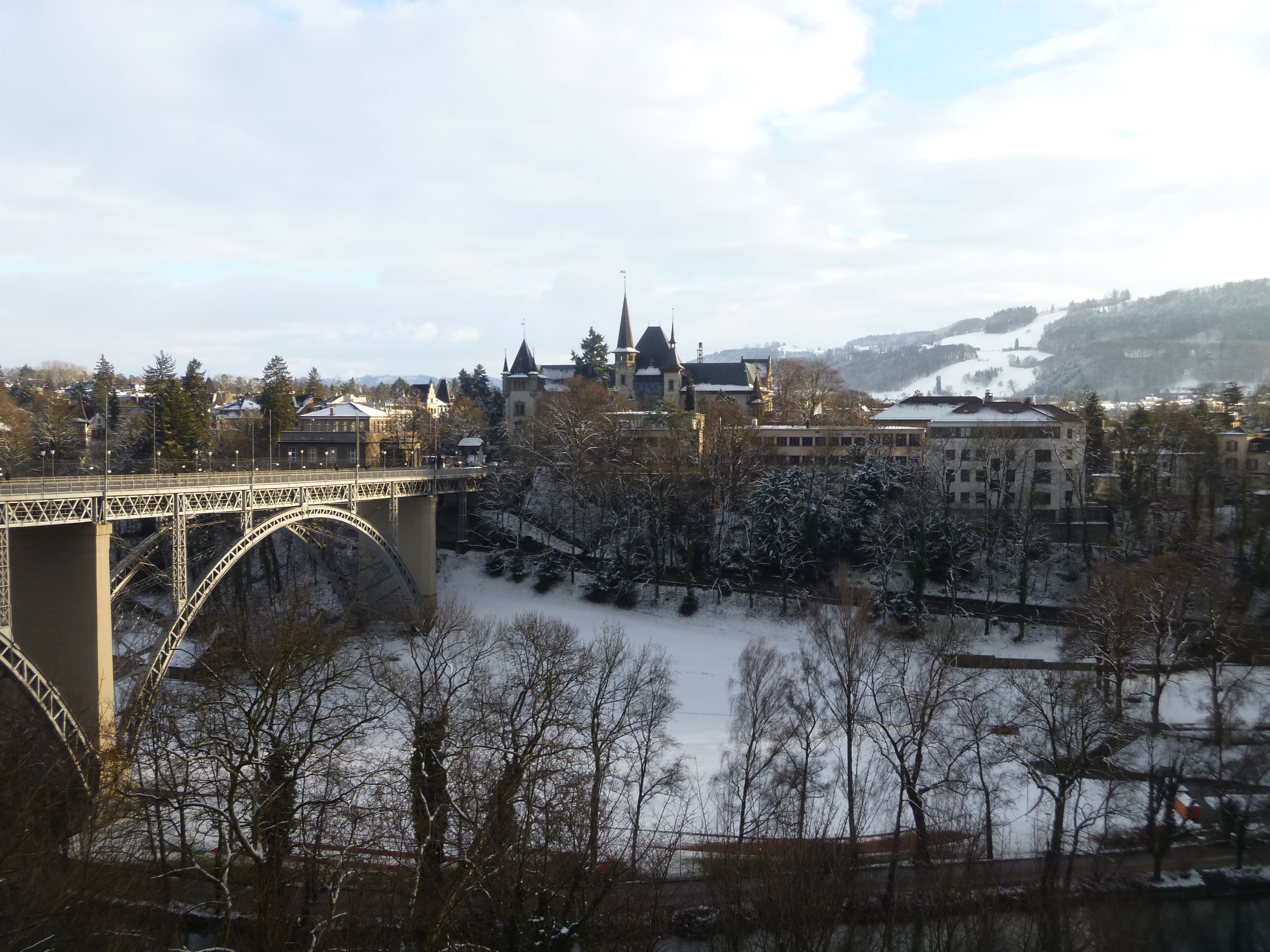
View Bundes Terrasse

View from the Bundes Terrasse (Kirchenfeld Bridge on the left)
Where to stay at Fountains Abbey

Back in January this year I wrote about a visit to Fountains Abbey and Studley Royal Water Garden saying that I’d be visiting throughout the year at different seasons and reporting back. Yesterday was my second visit this year. Maybe this was because I took out an annual membership to Harewood House in March. Harewood is much nearer home than Fountains and I may only retain the membership for a year or two whereas I will always be a member of the National Trust.

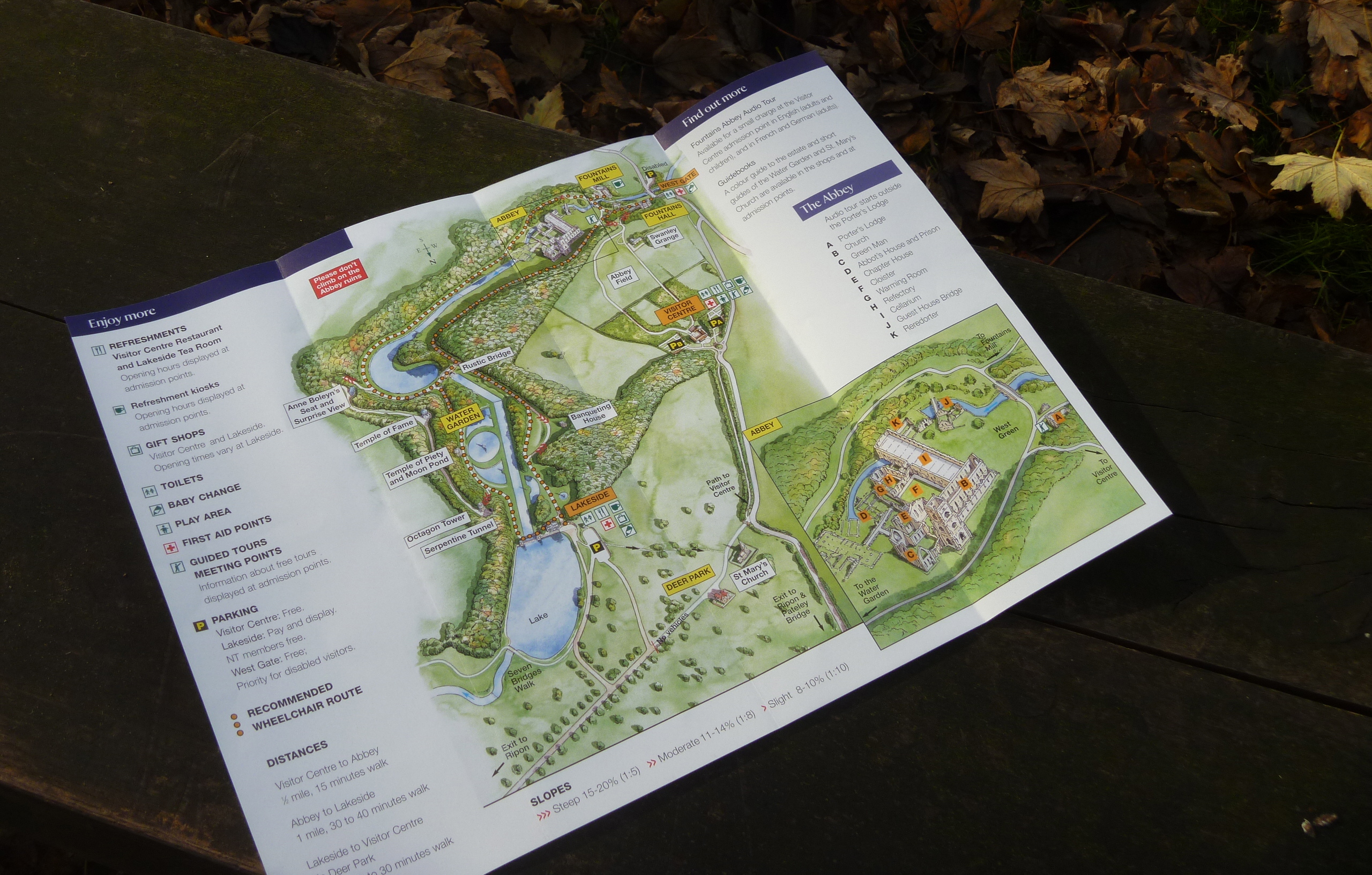
Fountains Abbey may be further from home than the Harewood Estate but still it’s very unlikely that I would ever stay there for a holiday although whenever I visit I think the NT Cottage Properties (as they are called) always look very inviting. They may be part of the Trust’s portfolio of Cottages but several do not warrant this title – for they are very much grander than one would suppose from the blanket “Cottages” title. Yesterday I made these properties the ‘theme’ of my walk through the estate.

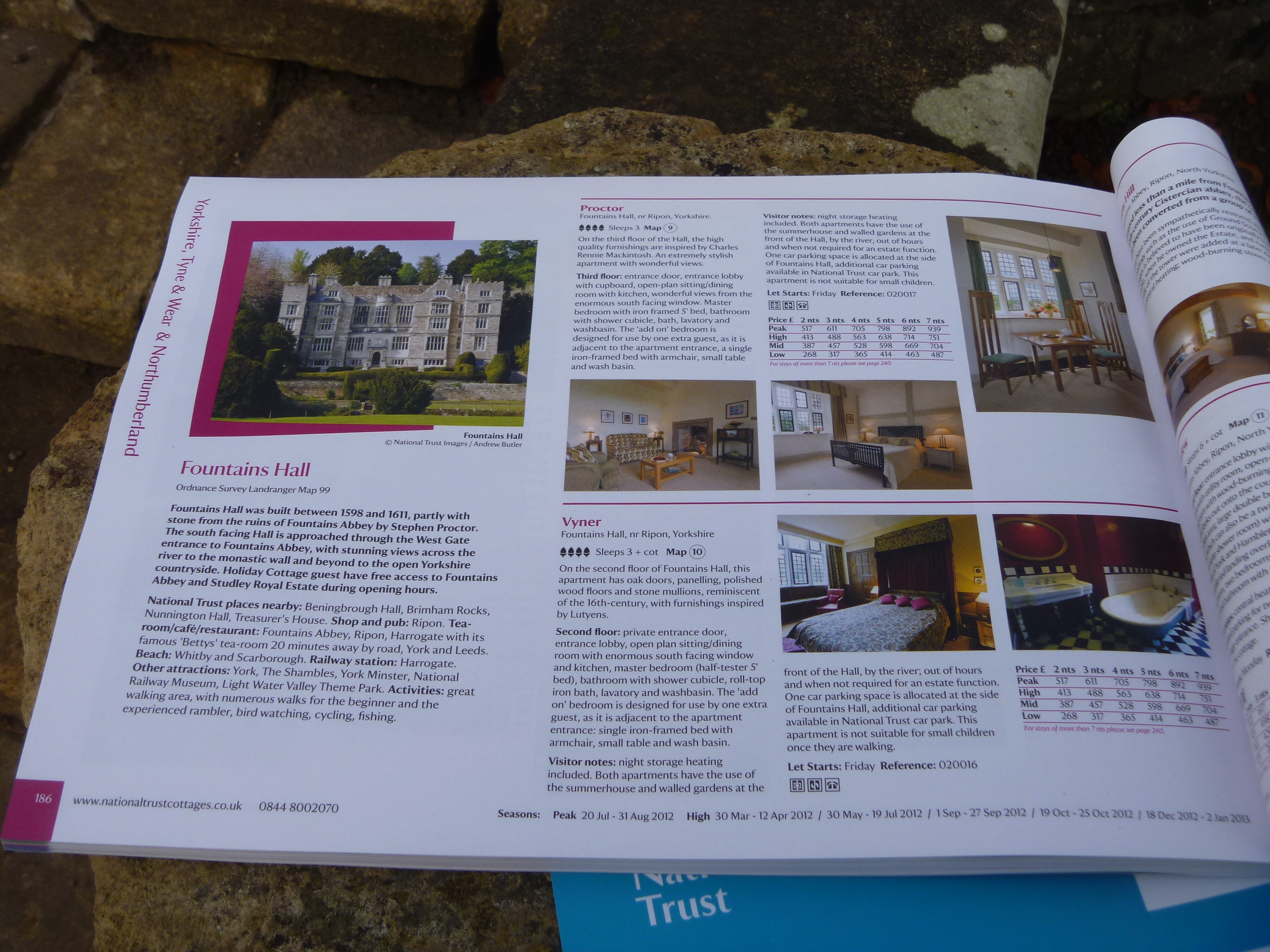
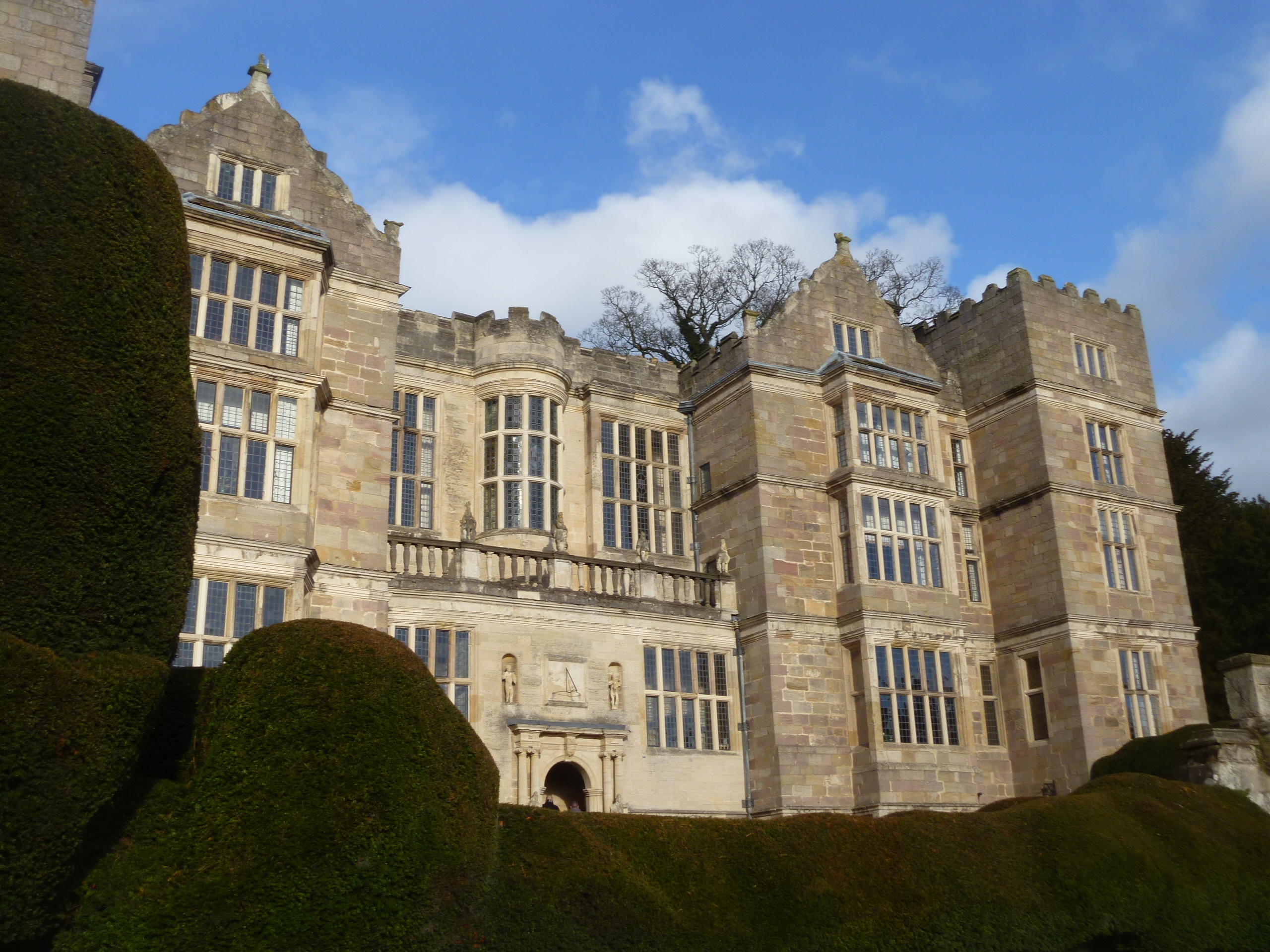
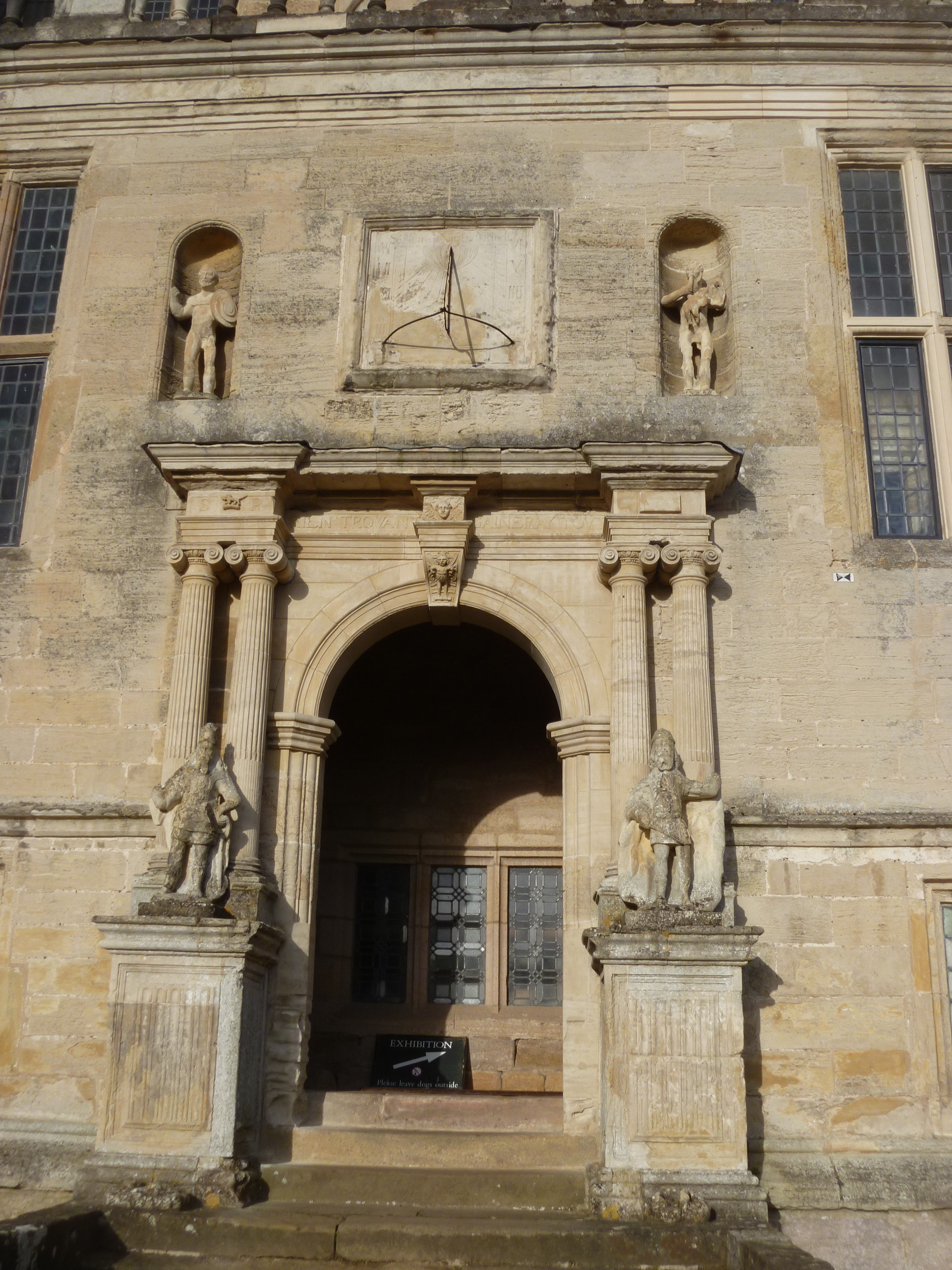
Built between 1598 and 1611 Fountains Hall is home to two apartments. On the third floor Proctor is furnished in the style of Charles Rennie Mackintosh and the views must from there must be spectacular. Below Proctor, on the second floor is Vyner furnished in the style of Edwin Lutyens.

Fountains Hall

The Doorway to Fountains Hall

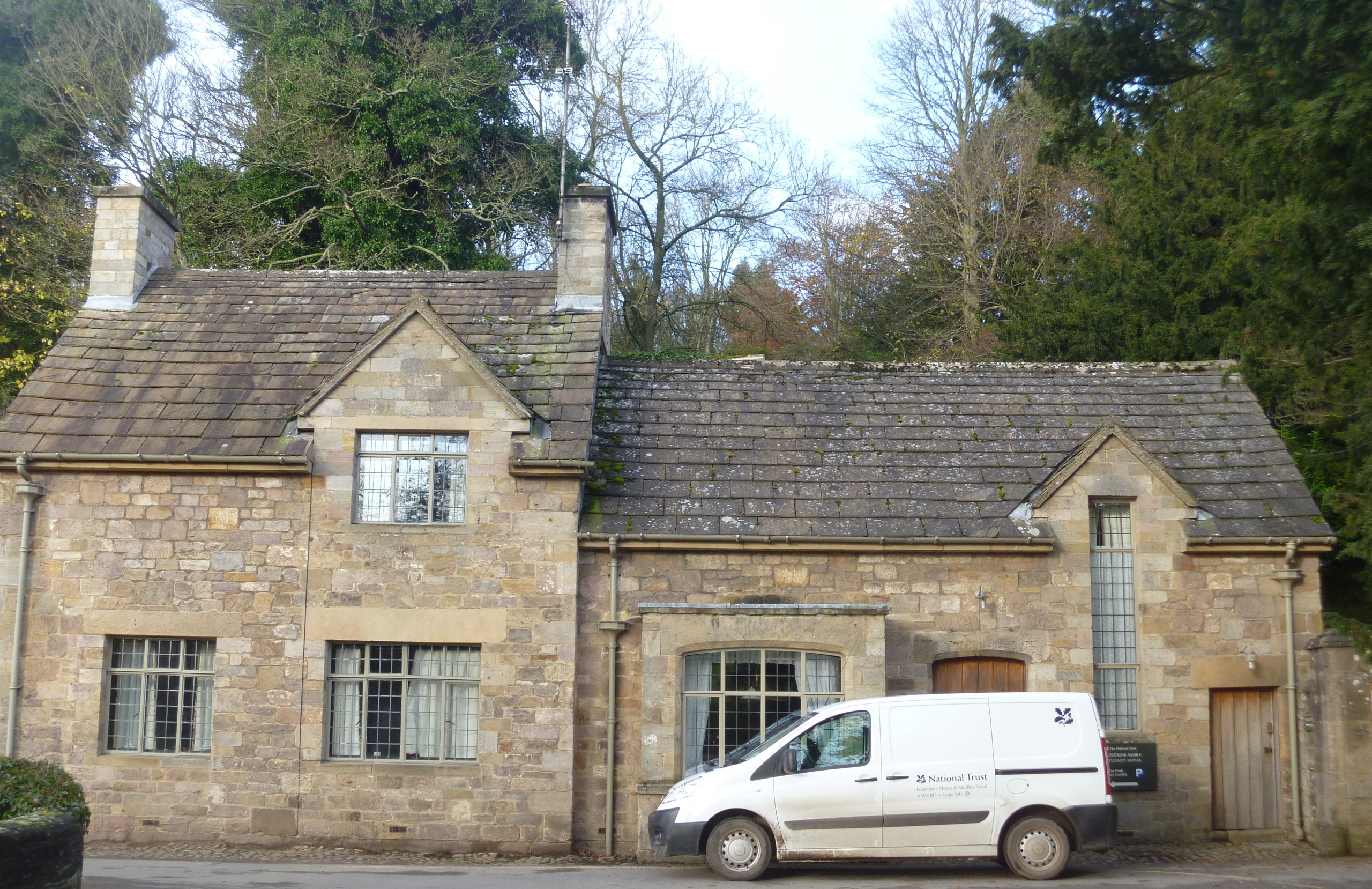
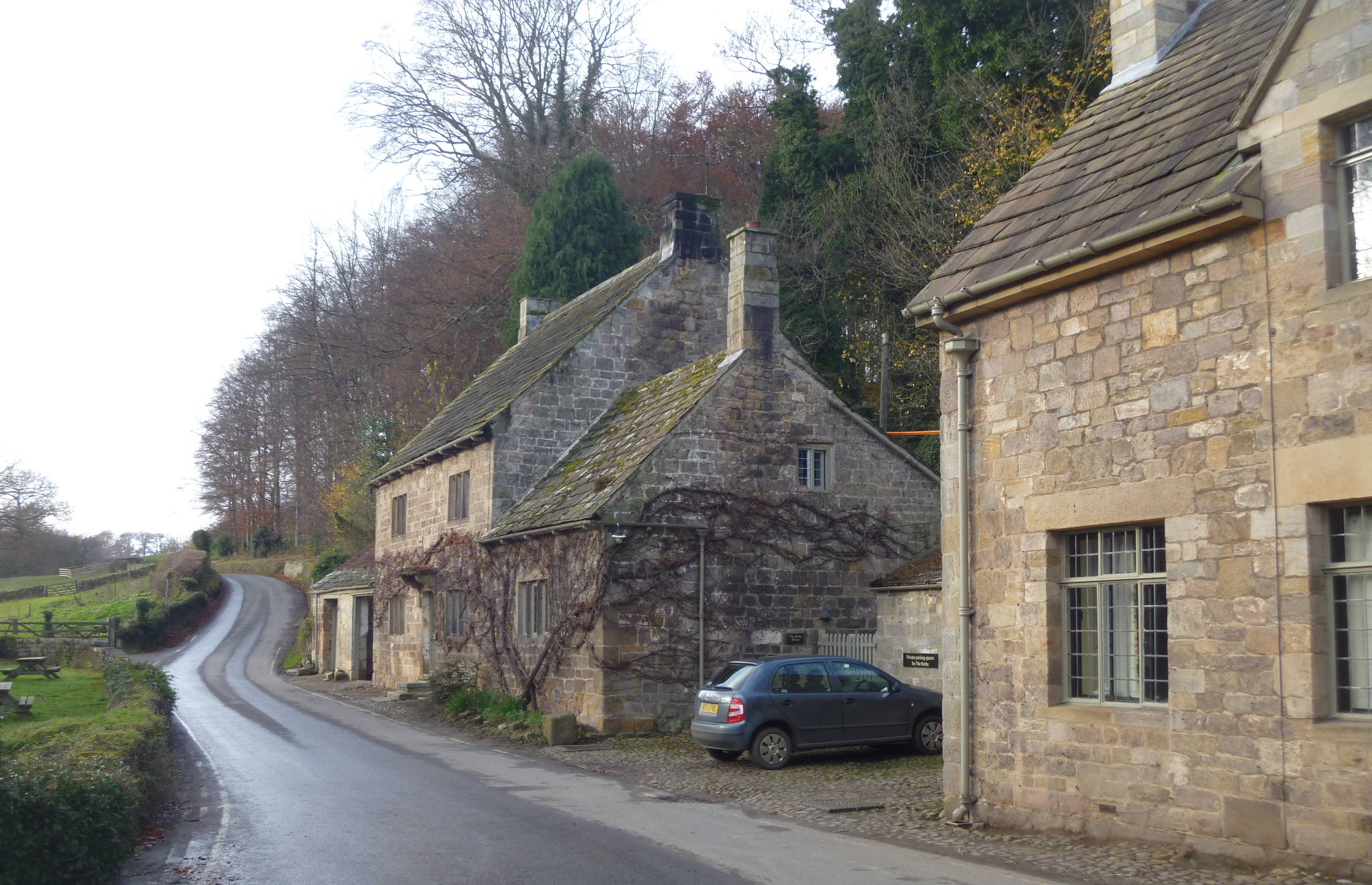
Just outside the gates of Fountains Abbey and opening straight out onto one of the minor approach roads are three self-catering cottages converted from what I remember well from a few years ago as the NT shop.

Abbey Cottage and Abbey Stores

Fountains Cottage

Until the ‘new’ Visitor Centre was opened in 1992 this was the main entrance and car park to the ruins. My, how things have changed – I couldn’t even find a space in that car park yesterday, the main car park was overflowing and the Studley Royal Car Park was full too.

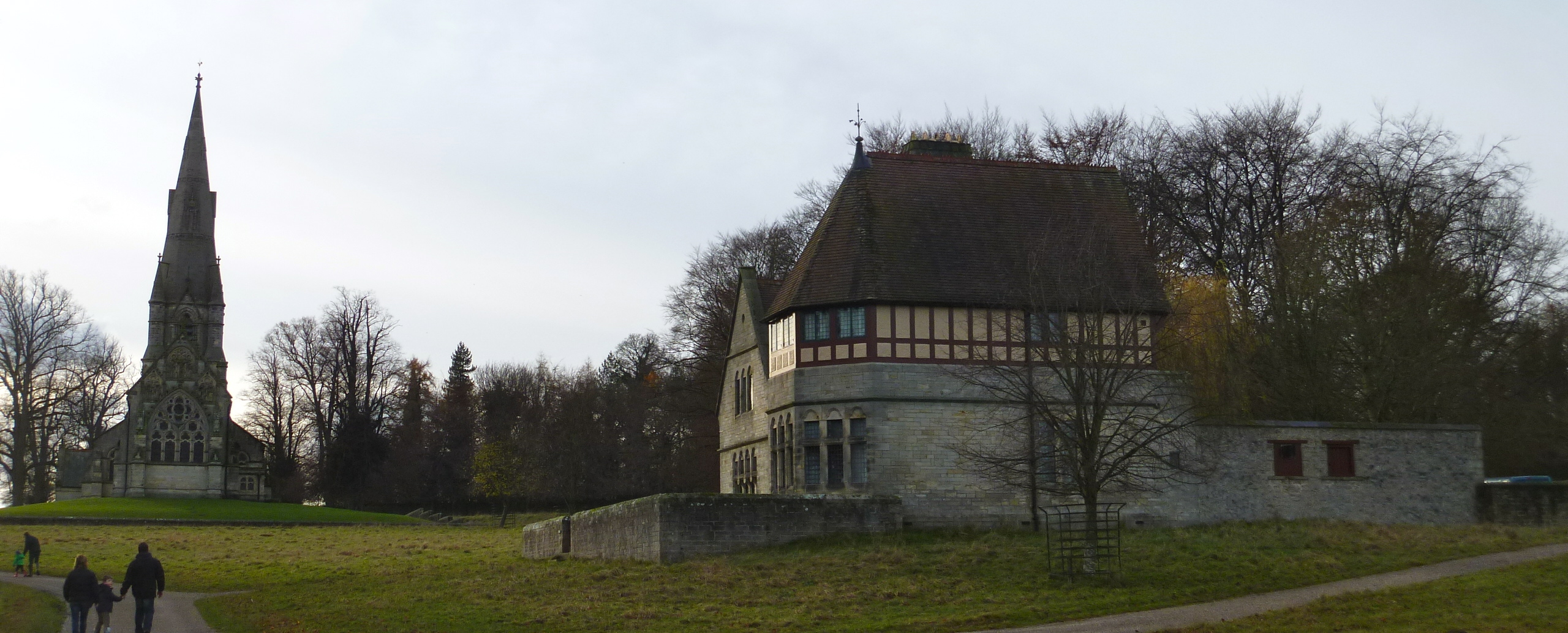
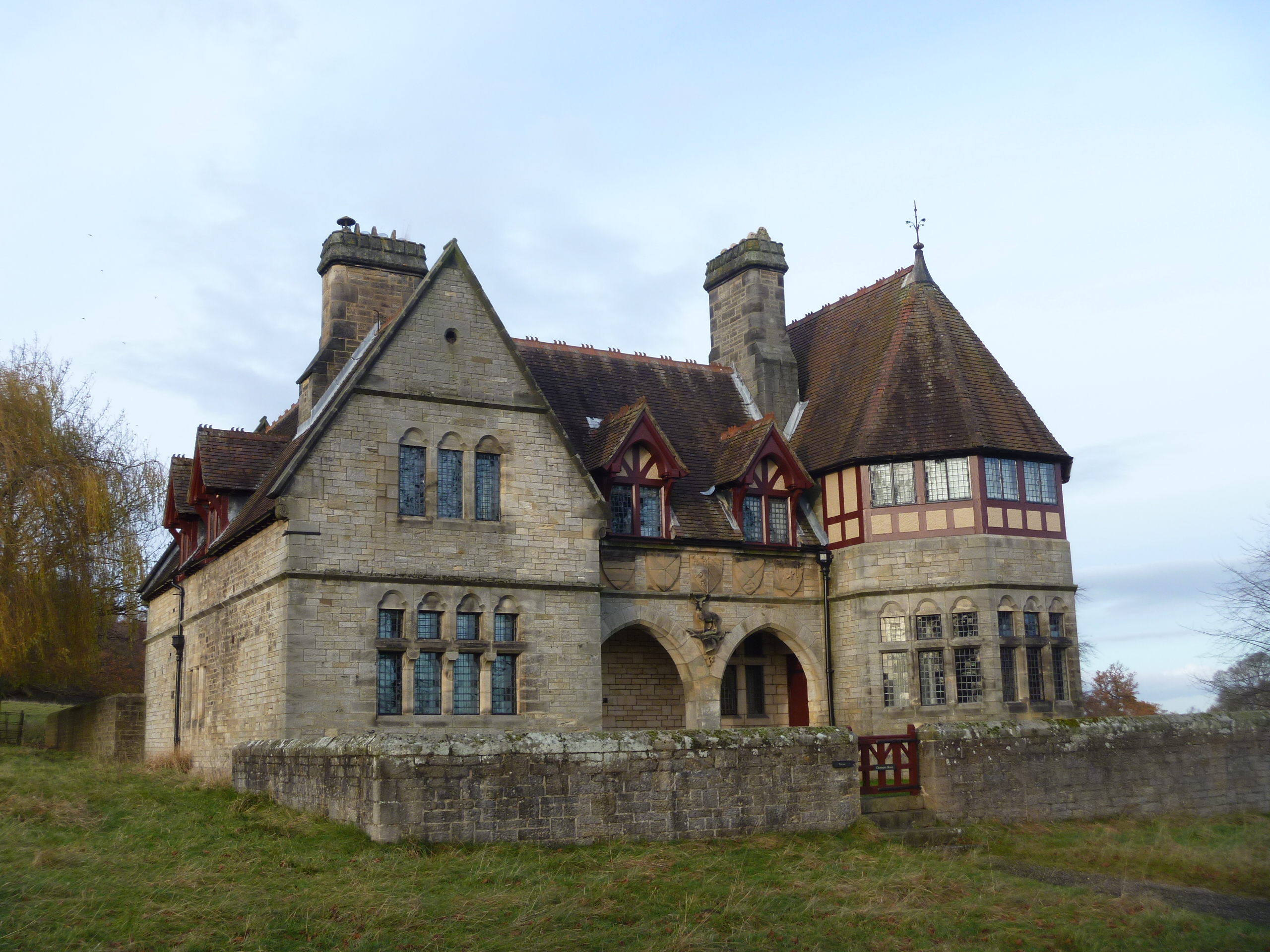
Burges’s St Mary’s Church and Choristers’ House

Finally, on the actual Fountains/Studley Royal Estate, a walk though the grounds from the ruins to the Lake brings you out into the Studley Royal Park. Walking along the main drive through the deer park one can clearly see Ripon Cathedral to the east and the Church of St Mary to the west. On the approach to the church, just on the right and standing detached and rather exposed, is the William Burges designed Choristers’ House which sleeps 10 and has been awarded 5 ‘acorns’ for comfort.

Built in 1873 the original use was to house a music school along with the organist and music master. It was the Estate Office until 2001 and now it is a holiday home sleeping ten people. The interior reflects the Burges style with all existing original features maintained.” (NT Holiday Cottages Brochure)

It’s another holiday home in an outstanding location: right in the middle of a deer park.

How Hill Cottages

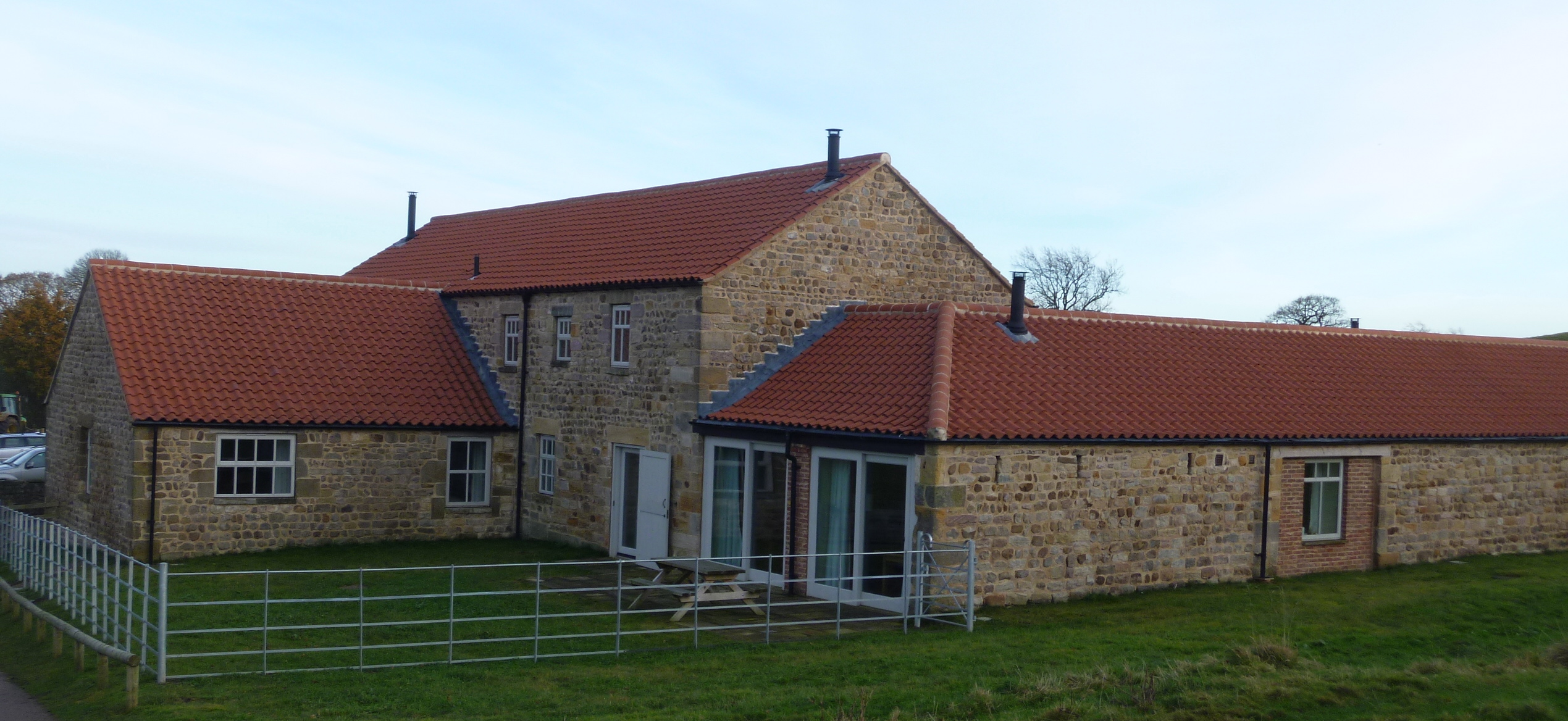
Finally, a short walk along one of the approach lanes to Fountains Abbey are the newly converted, and lately added to the portfolio, How Hill Cottages. These fall into the Trust’s “Celebration Collection” category of properties. From a group of 18th century farm buildings five self-catering units (using the most up-to-date green technology) have been created.

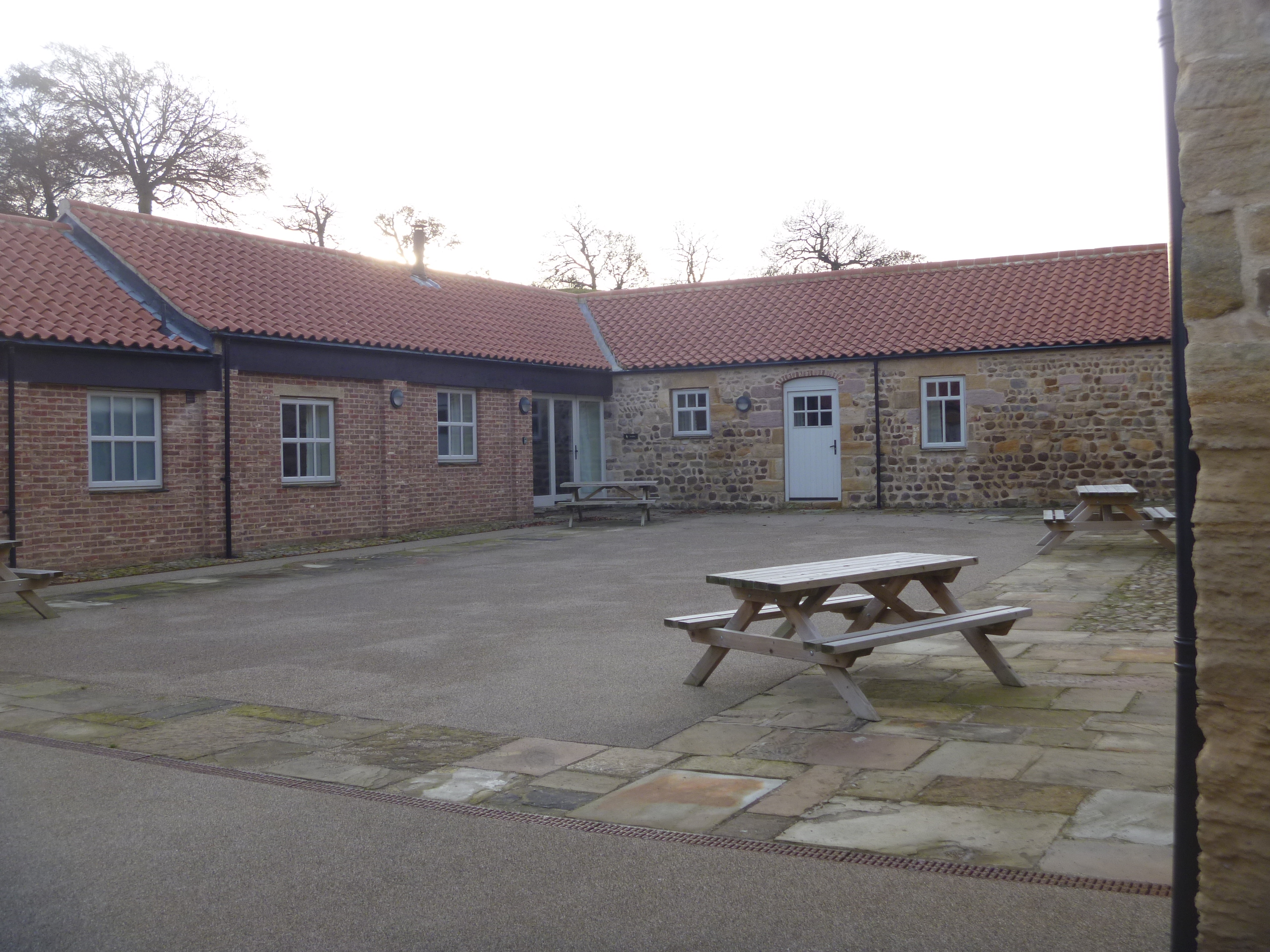
The Shared Courtyard at How Hill

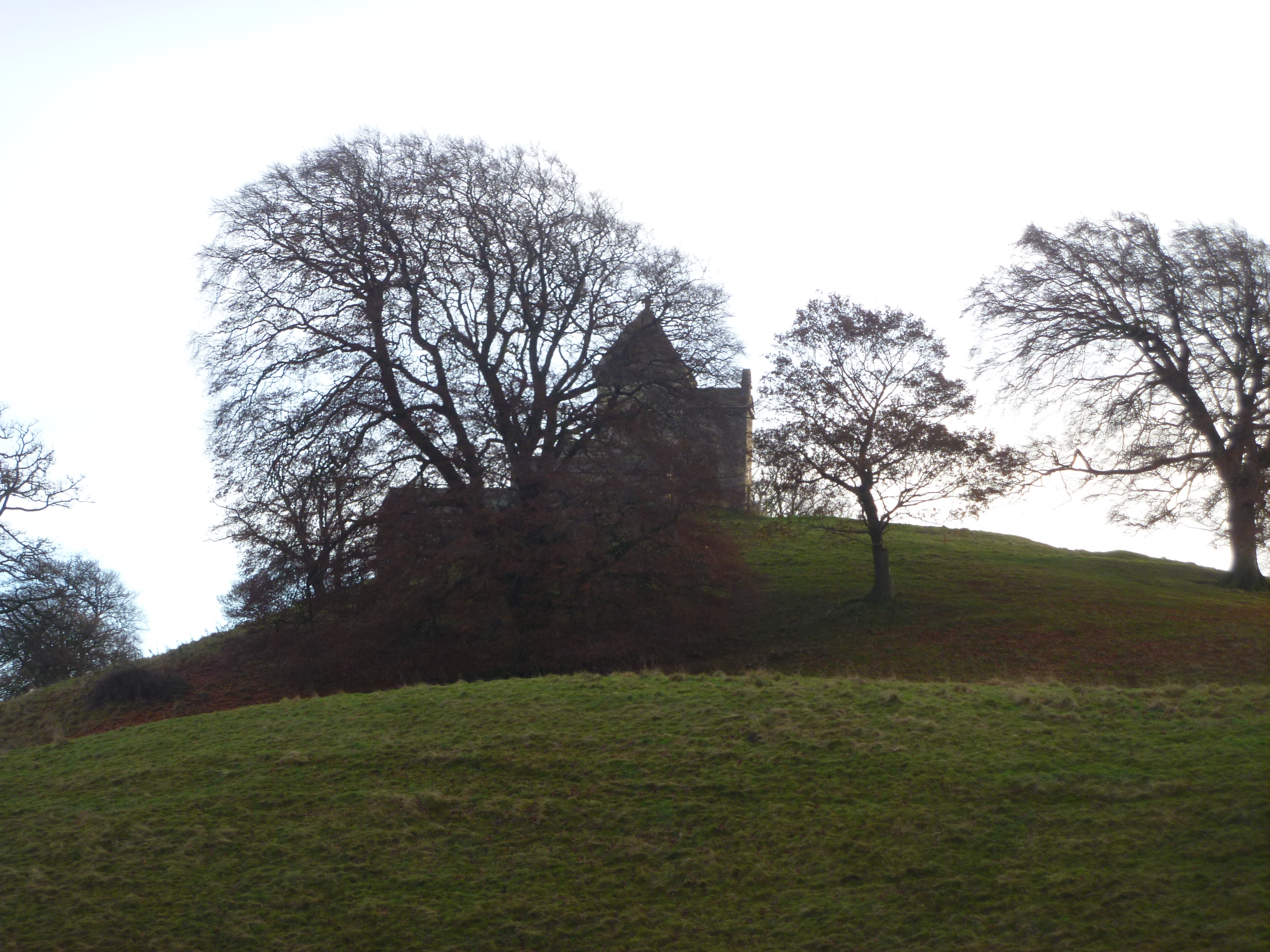
The tower on the hill behind the cottages is believed to have been originally built as an outlying chapel for the Abbey. It was restored by John Aislabie, when he owned the Estate, and rumour has it that he used it as a gambling den.” (NT Cottages Brochure, 2012)

How Hill Tower

The cottages share a single sheltered courtyard and there are magnificent views, including some of the Fountains Abbey buildings from a couple of them. Each is named after a bird : Curlew, Lapwing, Wren, Swallow and Lark.

The View from How Hill Cottages

A Bridge, Rocks and Old Bushmills Whiskey – a Day on the Antrim Coast

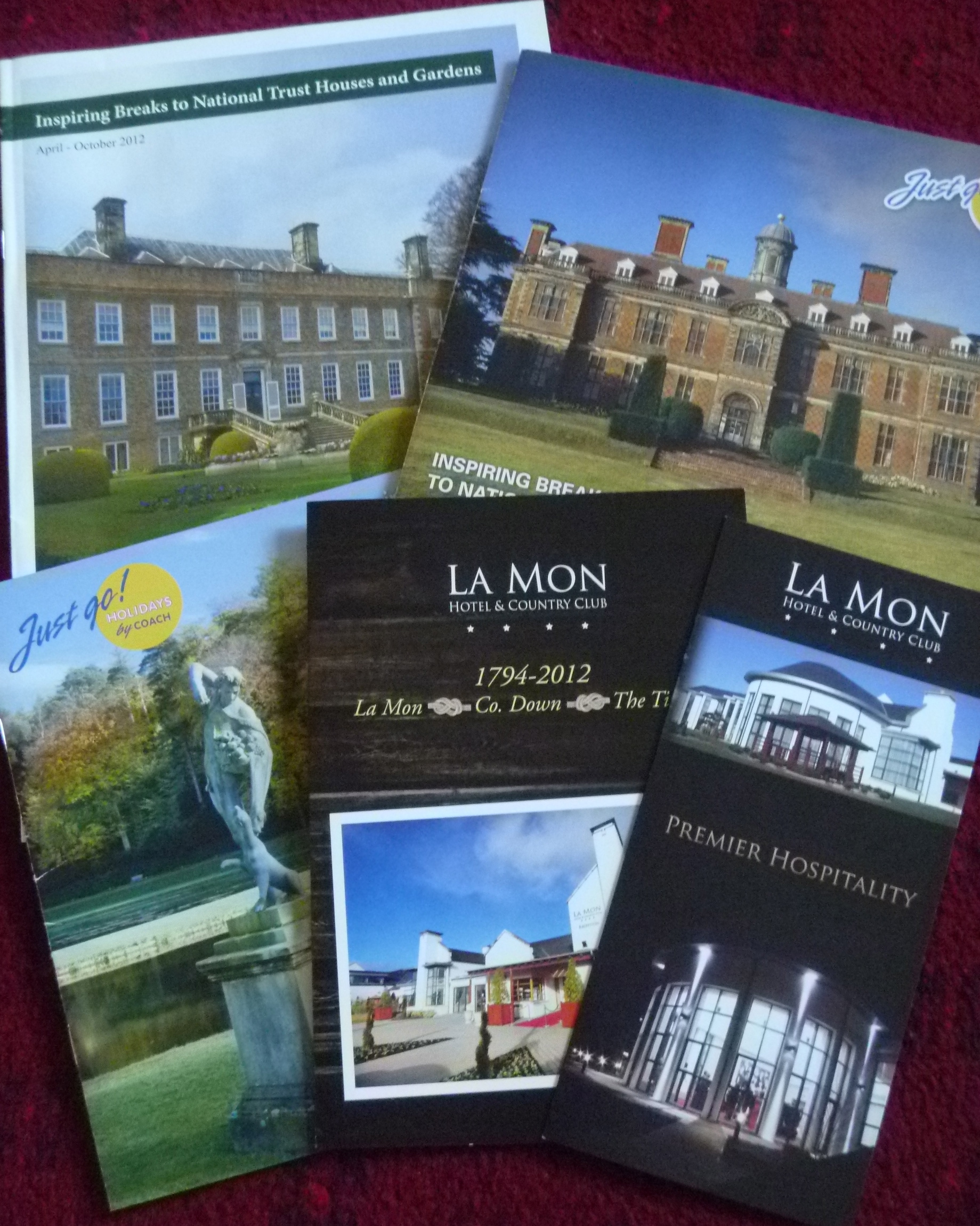
Last week I went on my first ever coach holiday. And I must say I was pleasantly surprised to find that it was a very enjoyable experience. In mid-2011 I received a mail shot through the post from the National Trust advertising coach holidays in the UK in conjunction with the company Just Go! If you follow the link you will see the wide selection of holidays available. The brochure last year arrived too late to consider booking in 2011 but I hoped the experiment would be repeated for this year. It was and my first choice “Welcome to Northern Ireland” was available with bookings from Leeds during May. Perfect! Although in the end we decided to fly out from our local airport and take a taxi from Belfast City Airport to join our party at the Hotel La Mon in the countryside just outside the city.

The first day dawned somewhat misty and overcast but as we got underway, heading north through the Belfast traffic, the sun appeared and the sky turned blue. The week continued in the same vein.

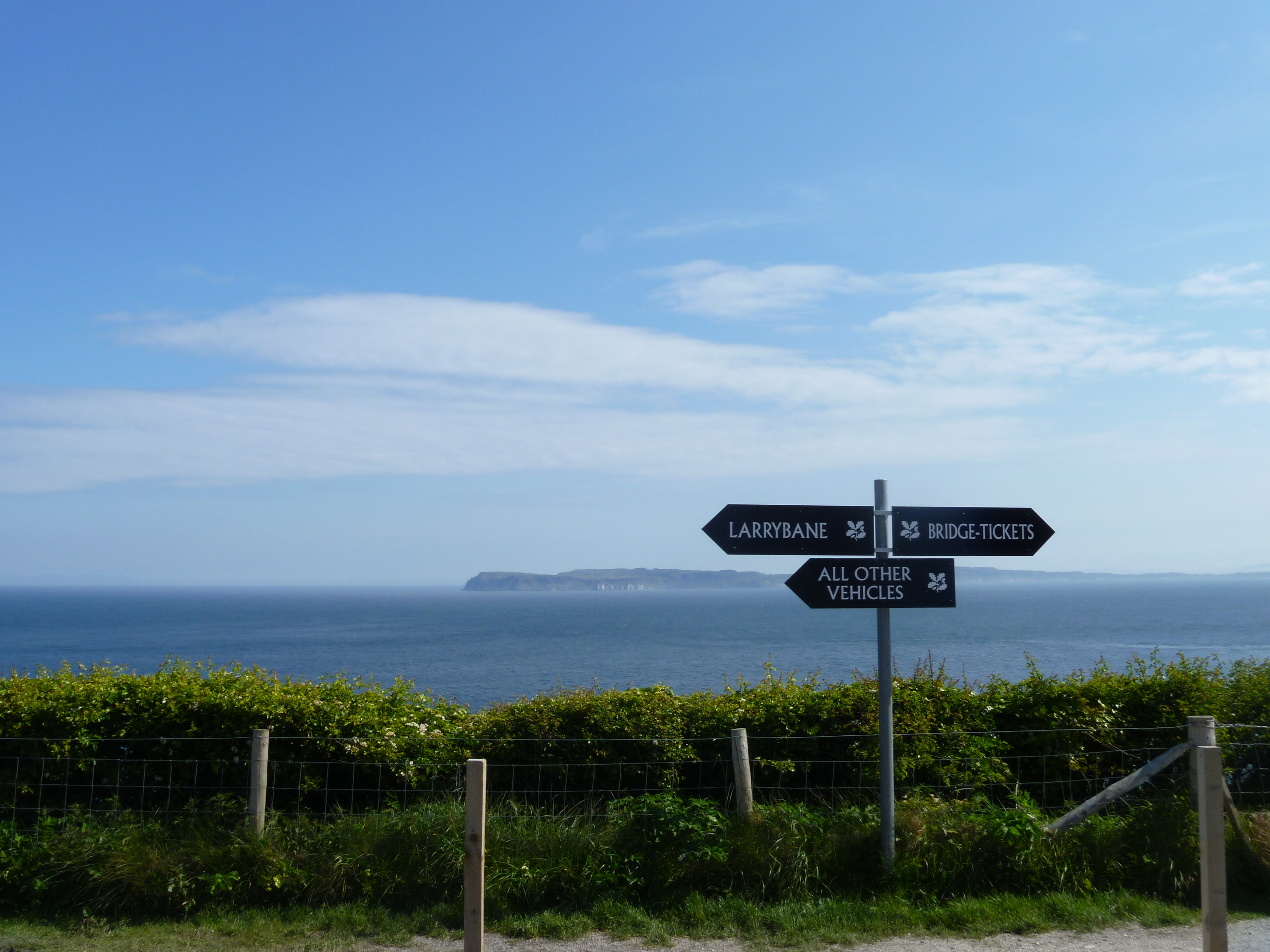
Our first destination was Carrick-a-Rede on the north Antrim coast. From here we had a clear view of Rathlin Island and the Scottish mainland – The Mull of Kintyre. My previous visit to Northern Ireland had been 45 years ago when I spent just over a week at Girl Guide camp at Magilligan Point a beautiful and remote spot on the County Londonderry coast. (Sadly, it became an internment camp and prison during the recent troubles.) From there we visited north Antrim coast and I made my first walk across The Carrick-a-Rede Rope Bridge. Today the whole area is owned by the National Trust. There’s a large car park and cafe-cum-shop and there’s a one mile walk along the coast path from there to reach that wobbly bridge.

The Rope Bridge was originally erected by local fishermen and links the mainland of County Antrim to the rocky outcrop 20 metres away. The chasm between the two is 30 metres deep. It’s an exhilarating walk, challenging crossing and satisfying achievement to arrive on the island where there are great opportunities for birdwatching and more spectacular views.

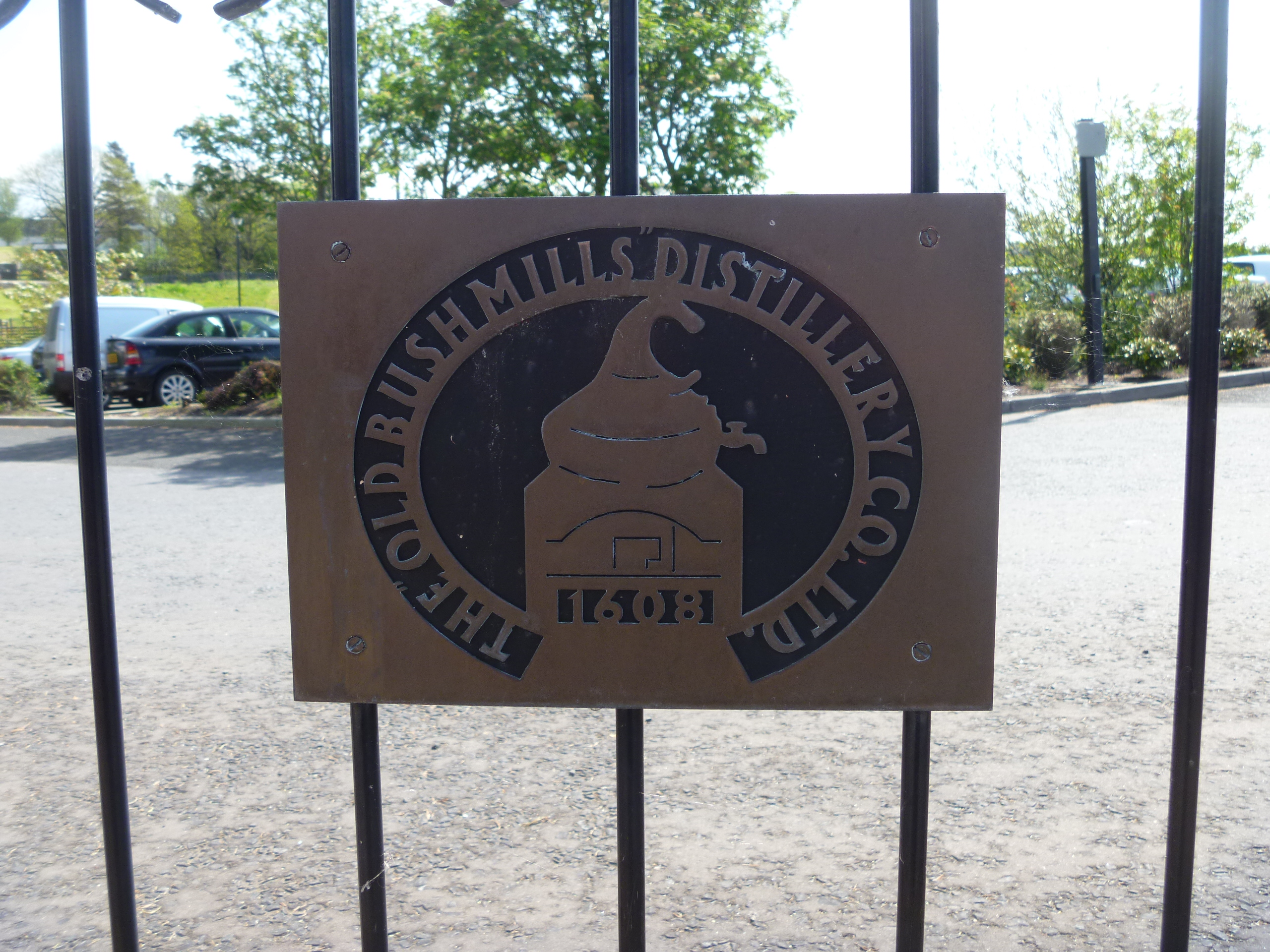
From Carrick-a-Rede we headed slightly inland to the nearby town of Bushmills where the Old Bushmills Distillery is open to group tours. Making whiskey here is huge business and it has been carried on since the first licence was granted in 1608. The tour is very well done and very professional – you get to see the process of Whiskey making step-by-step and you end up in the ‘pub’ at the end where you may claim your nip, or hot toddy or (in my case) soft drink.

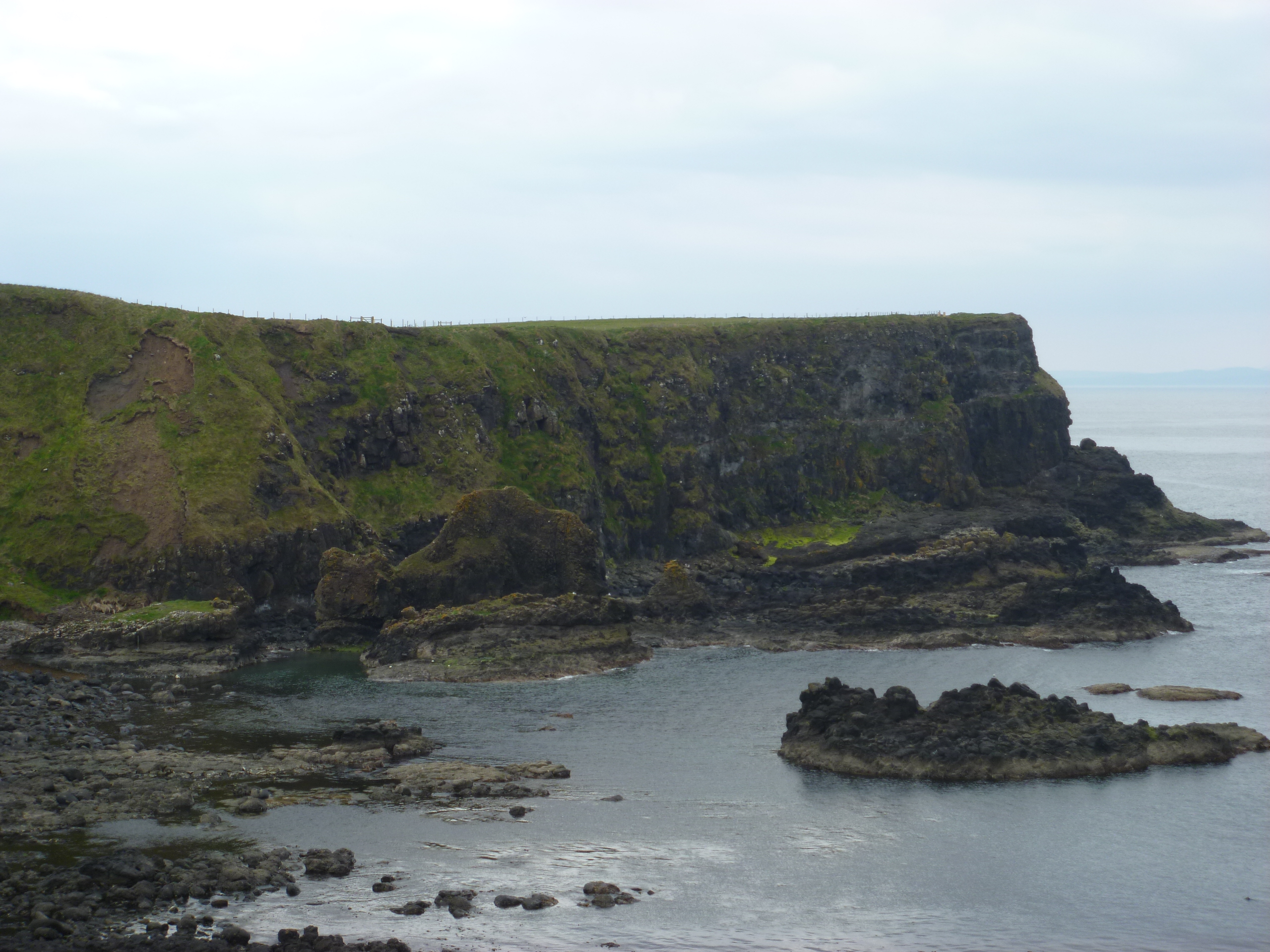
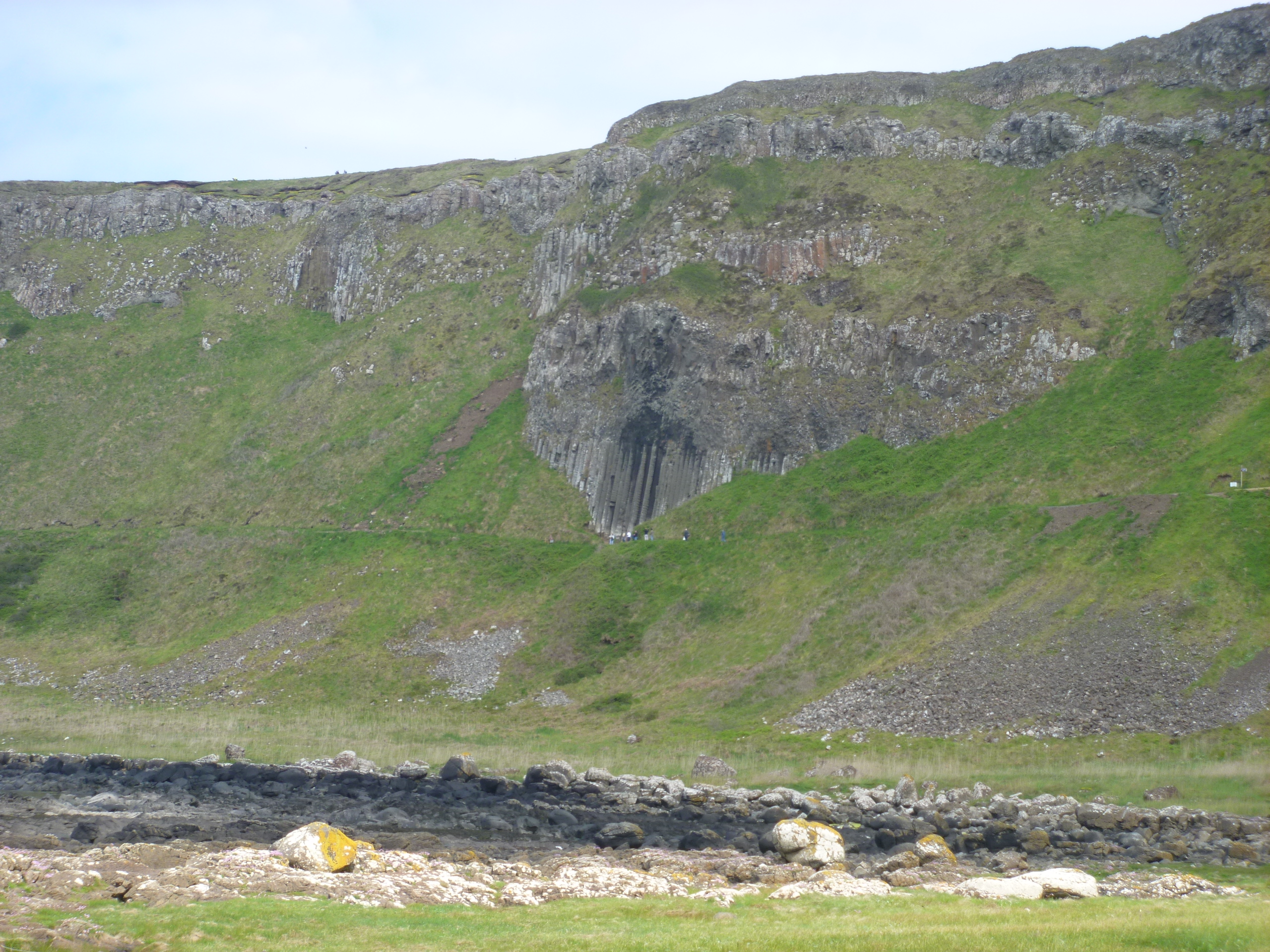
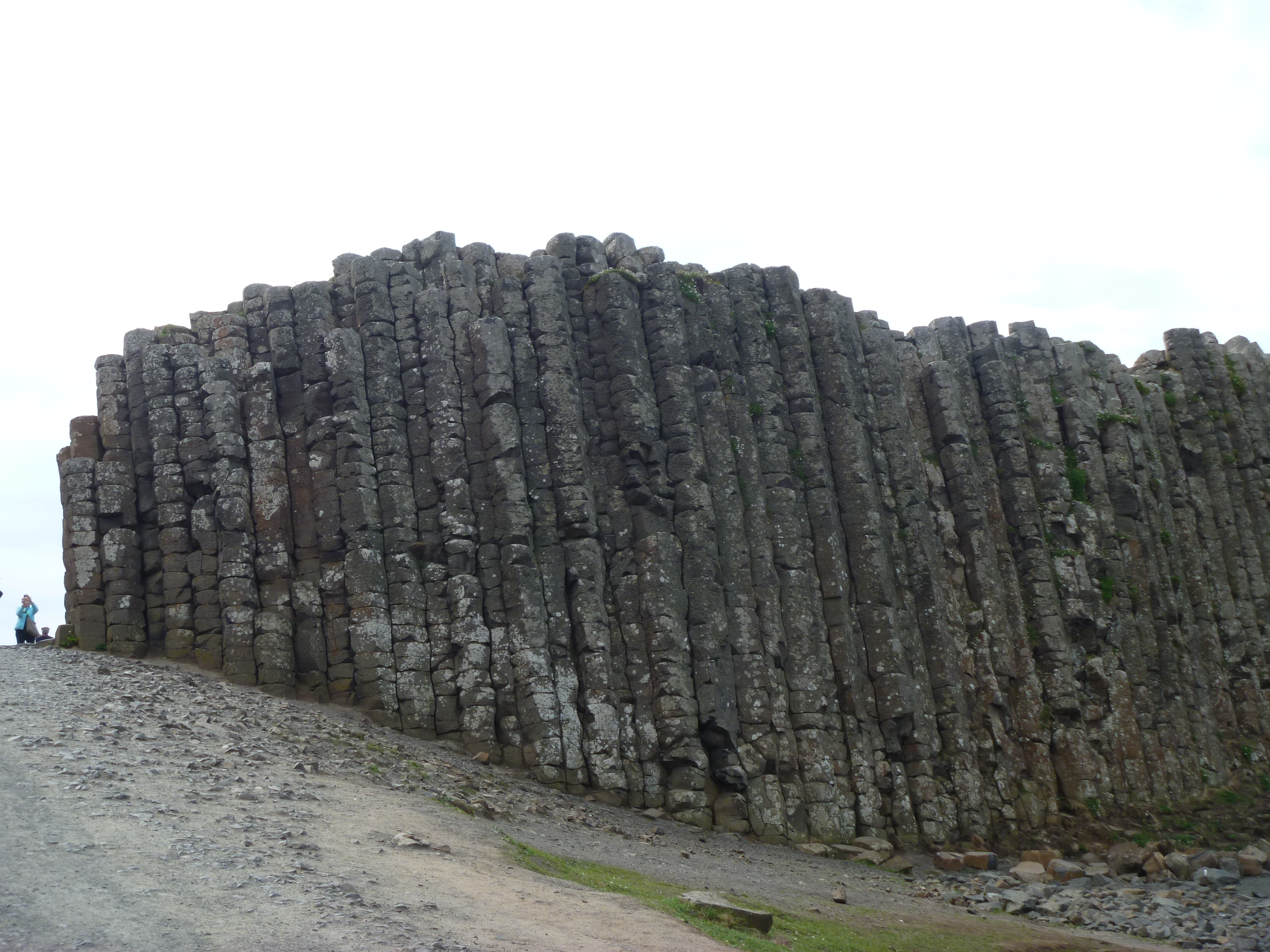
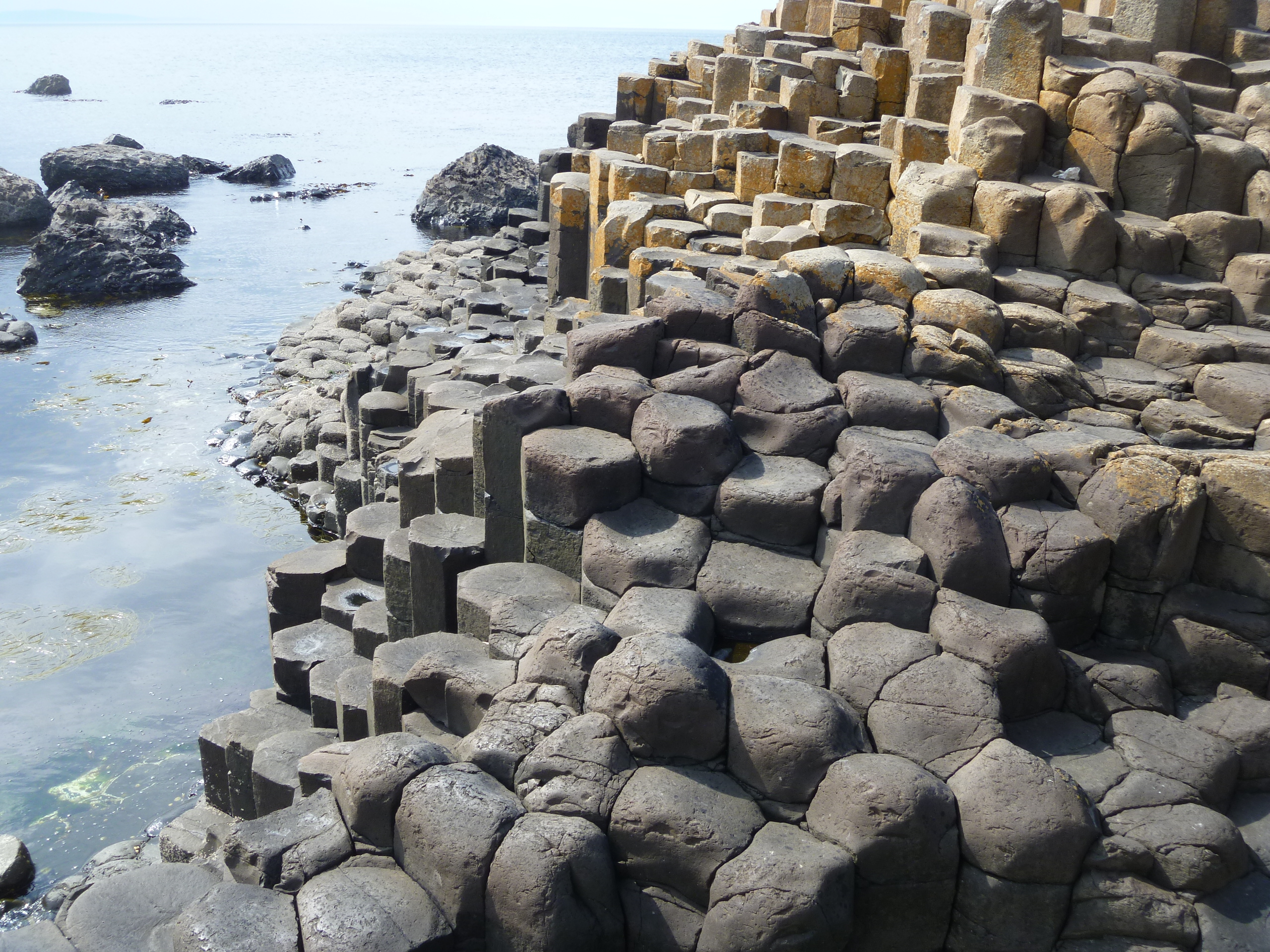
Then it was on to the final stop for the day – the Unesco World Heritage Site of The Giant’s Causeway.The Causeway today is a very busy place. Besides all the visitors, there is a lot of building work going on. The National Trust is building a whole new visitor centre and car park behind the Causeway Hotel where the present shop and facilities are located. For our walk to the Causeway we were accompanied by a volunteer guide who was well-versed in Irish mythology and legends and possibly also in geology and coastal geomorphology. The few facts have been lost amidst the mass of stories connected with Giant Finn MacCool and the unusual rock formations.

The Camel

The Organ

Tall Rock Formations

Herengracht Life

Before the weekend just past I was last in Amsterdam in the late 1960s when it was all hippy and flower power and full of people sleeping rough and doing I don’t know what. I was on a cycling holiday and staying in a Youth Hostel outside the city by the Zuyderzee. I was not impressed by Amsterdam and couldn’t wait to get back to Broek in Waterland.

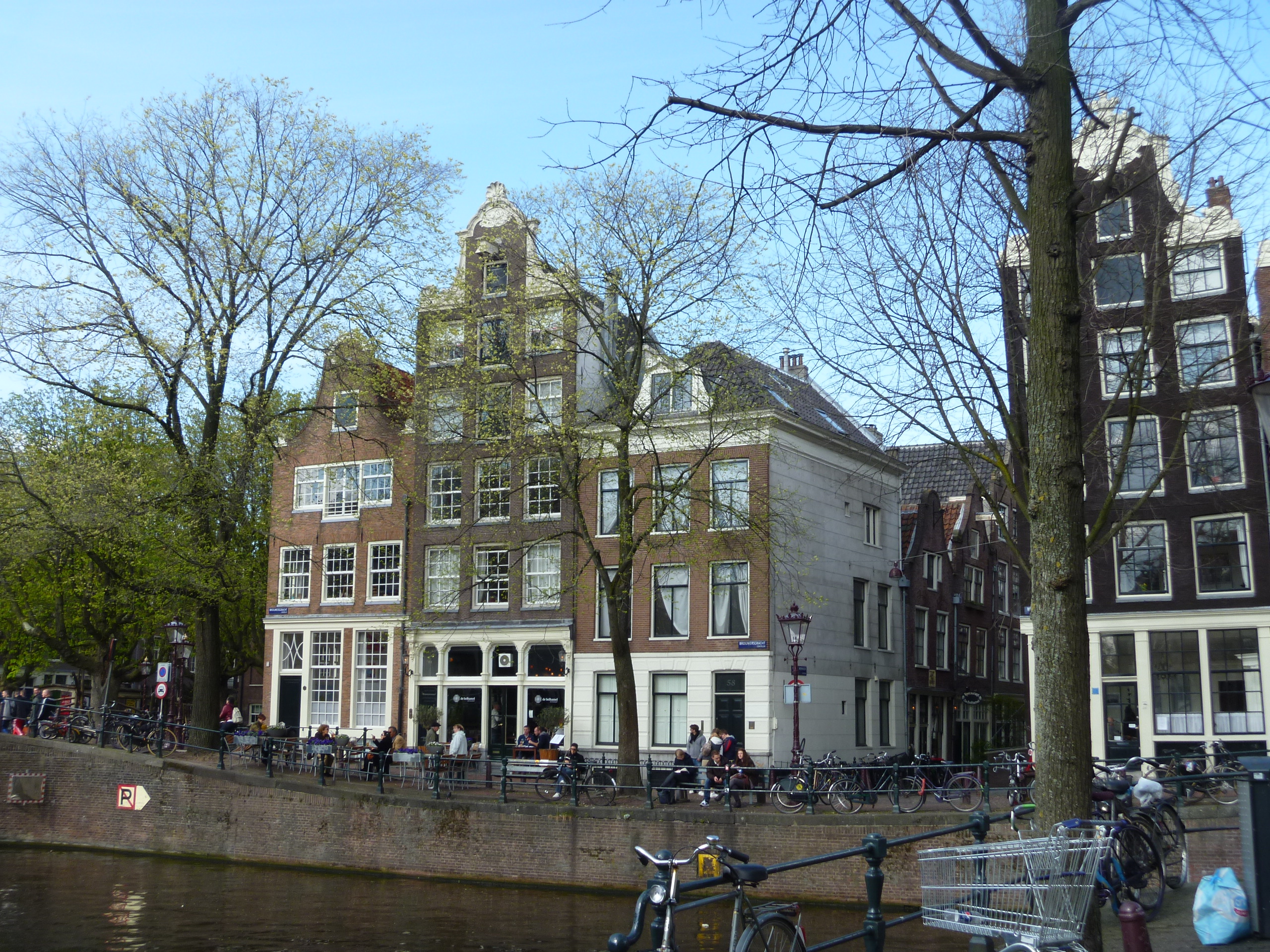
My previous impression of the city has been totally overturned. I love it! And I especially love the area where I stayed with my 2 Swiss friends. Our Dutch friend has a lovely flat nearby too. Of course, this Amsterdam canal ring is now, not surprisingly, a UNESCO World Heritage Site.

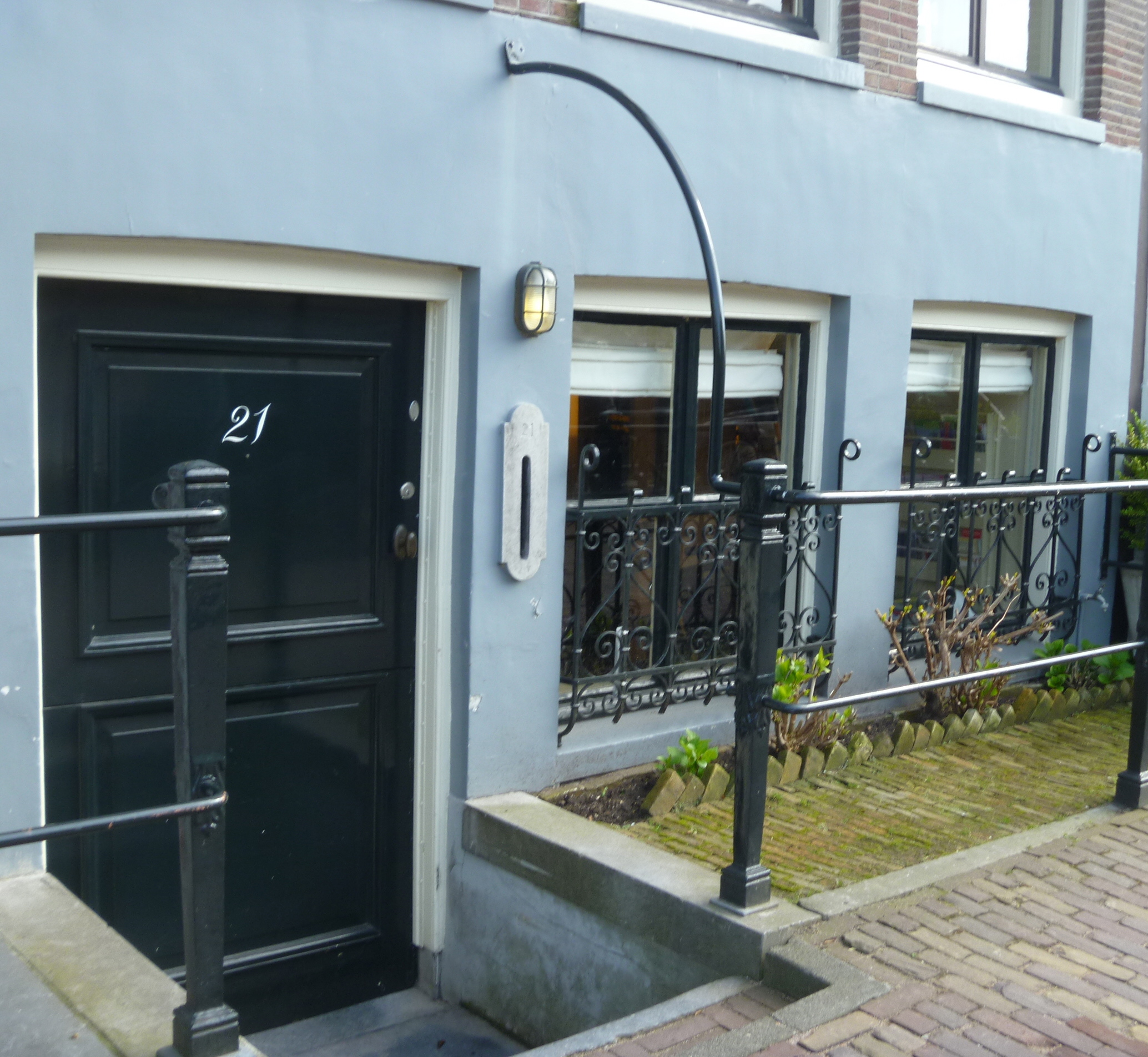
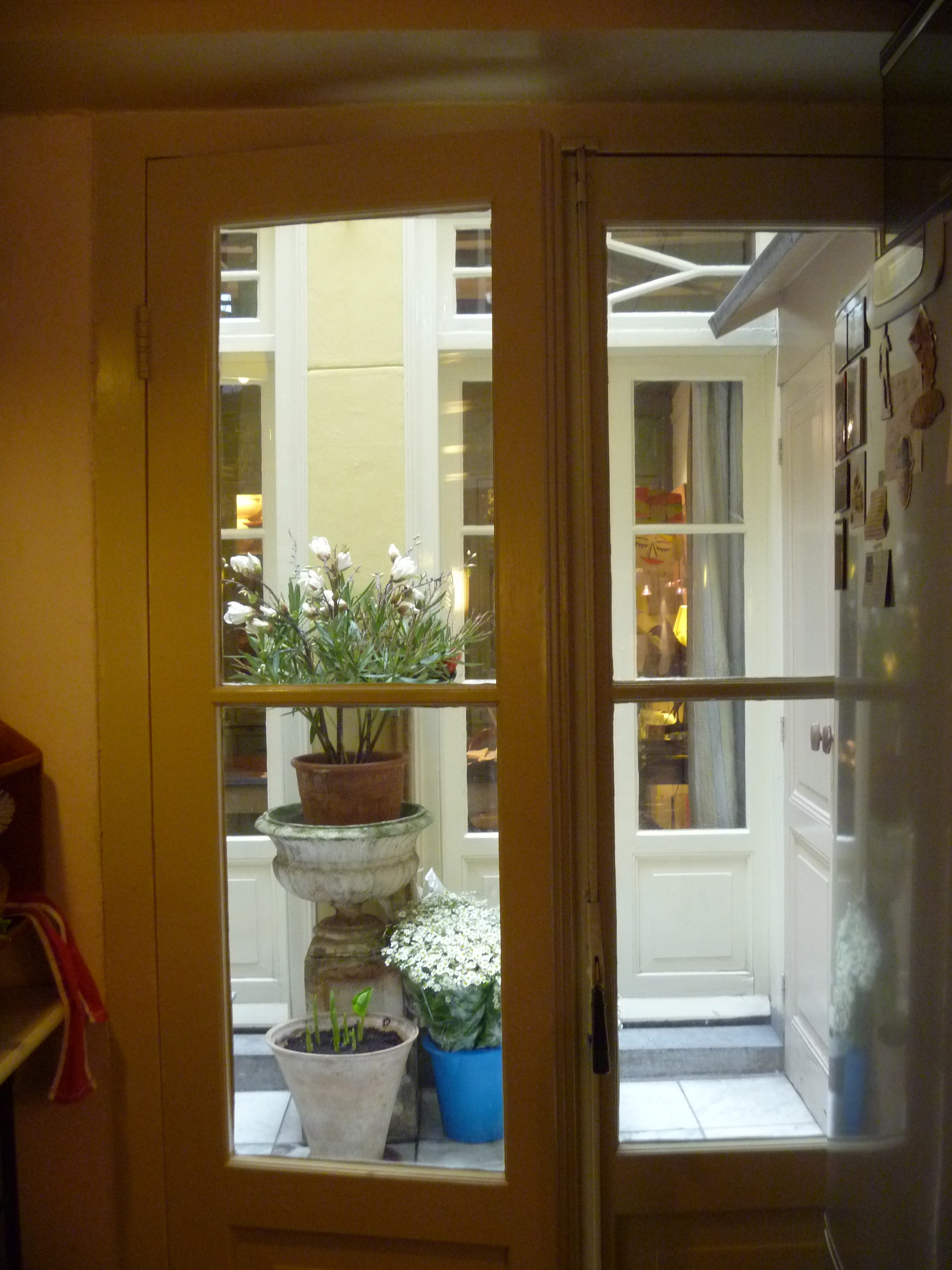
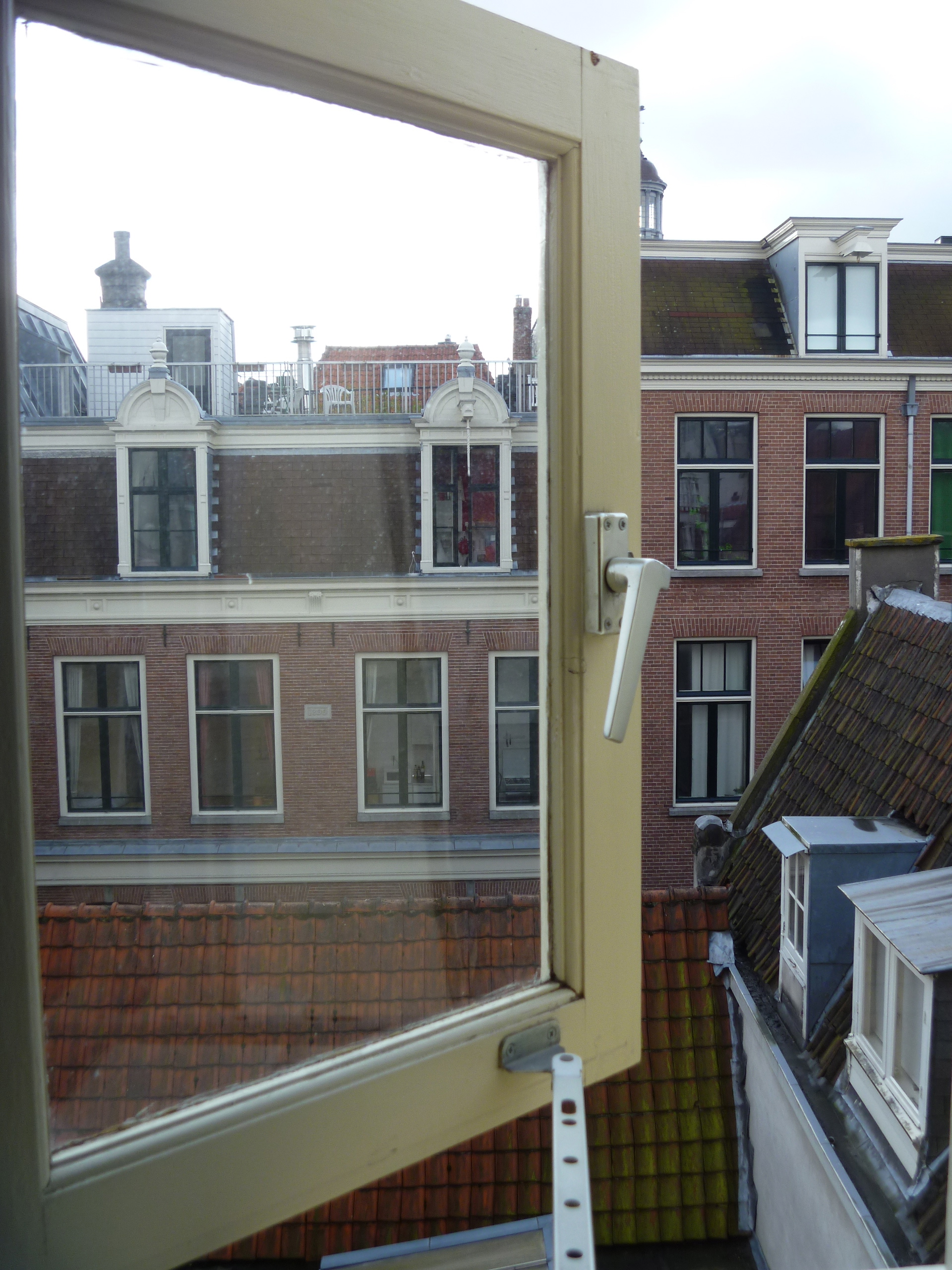
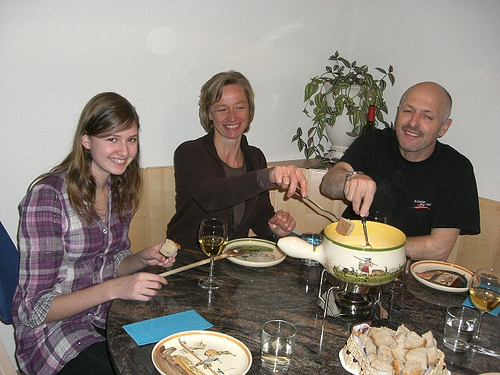
Our B&B was at 21 Herengracht in one of those so picturesque 17th century canalside houses of which Amsterdam is famous but which I didn’t even notice on my previous visit. Loes, our host, explained about the plan of the house – the narrow canal frontage was because the houses were taxed according to their width, the house is really 2 buildings linked by a covered passage (some houses still retain this tiny courtyard) – our duplex apartment on the second and third floors was reached by a very very narrow spiral staircase and situated in the ‘servants’ house at the rear of the building.

Courtyard within the house links the front with the rear building.

Rooftops of Amsterdam from our rear window.

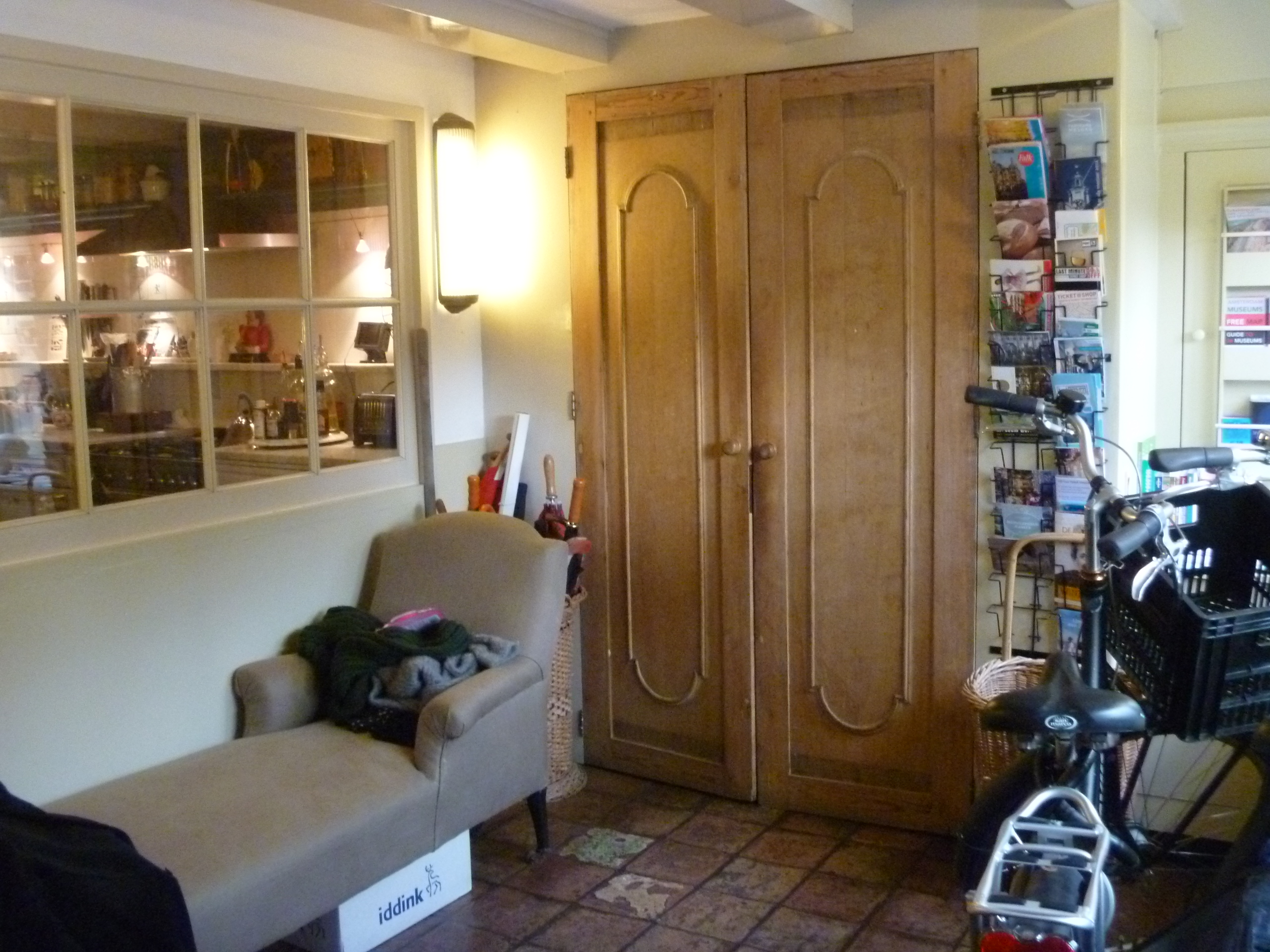
Entrance lobby with obligatory bike!

Within 5 minutes walk of the Centraal Station, past the multi-storey bike park, the Herengracht, Keizersgracht and Prinsengracht in this part of town are an oasis of calm and seemed totally tourist-free and almost totally car free. The bikes however could have proved hazardous – but we soon learned to look out behind us and step back onto the narrow pavement as we heard a tinkling bell approach.

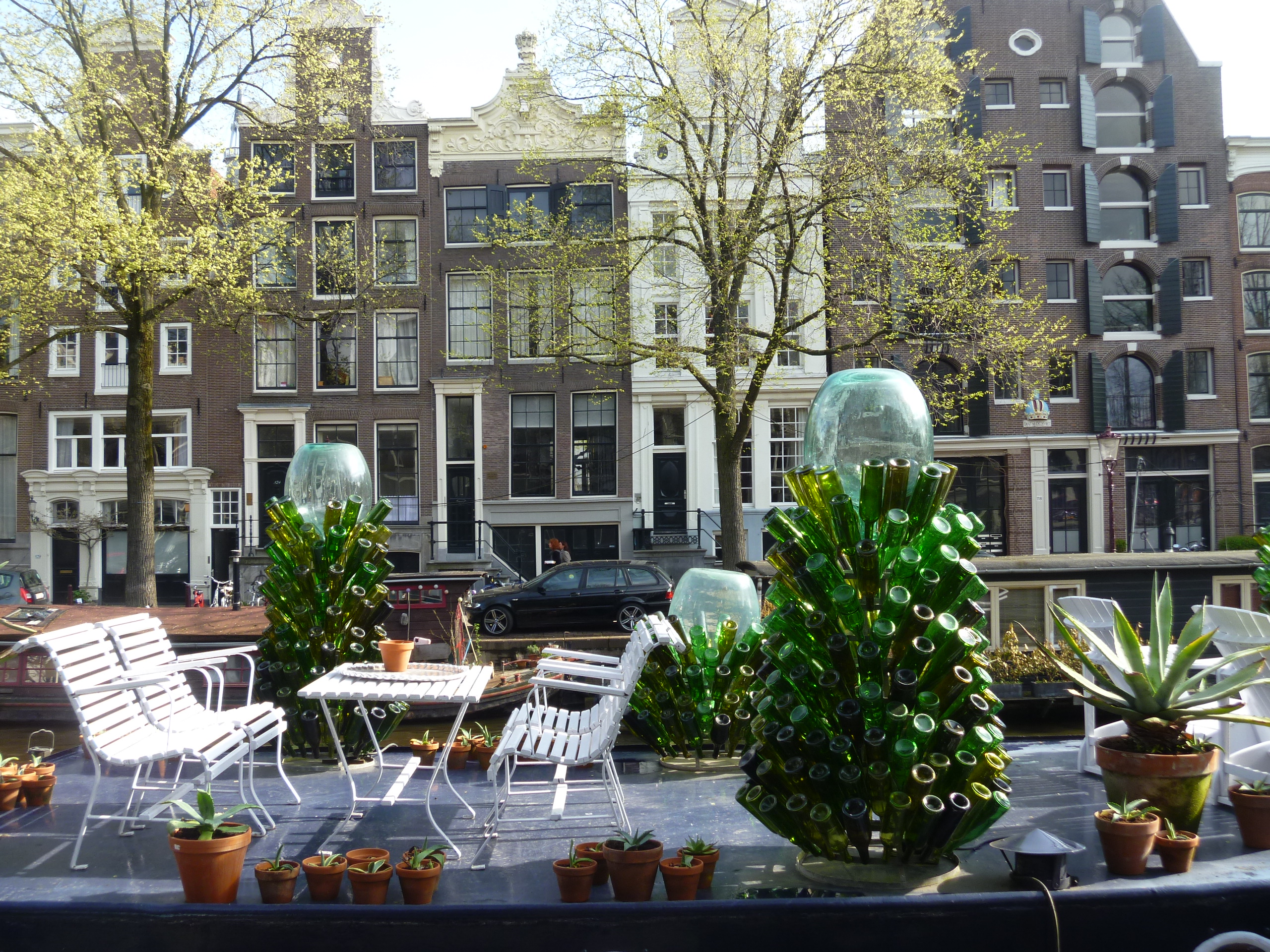
Houseboat garden with sculptures!

Of course, the folk of Amsterdam don’t just live in these picturesque houses by the canals, they also live in houseboats on the canals. Due to housing shortages in the 1960s and 1970s living in houseboats here was positively encouraged by the city council.

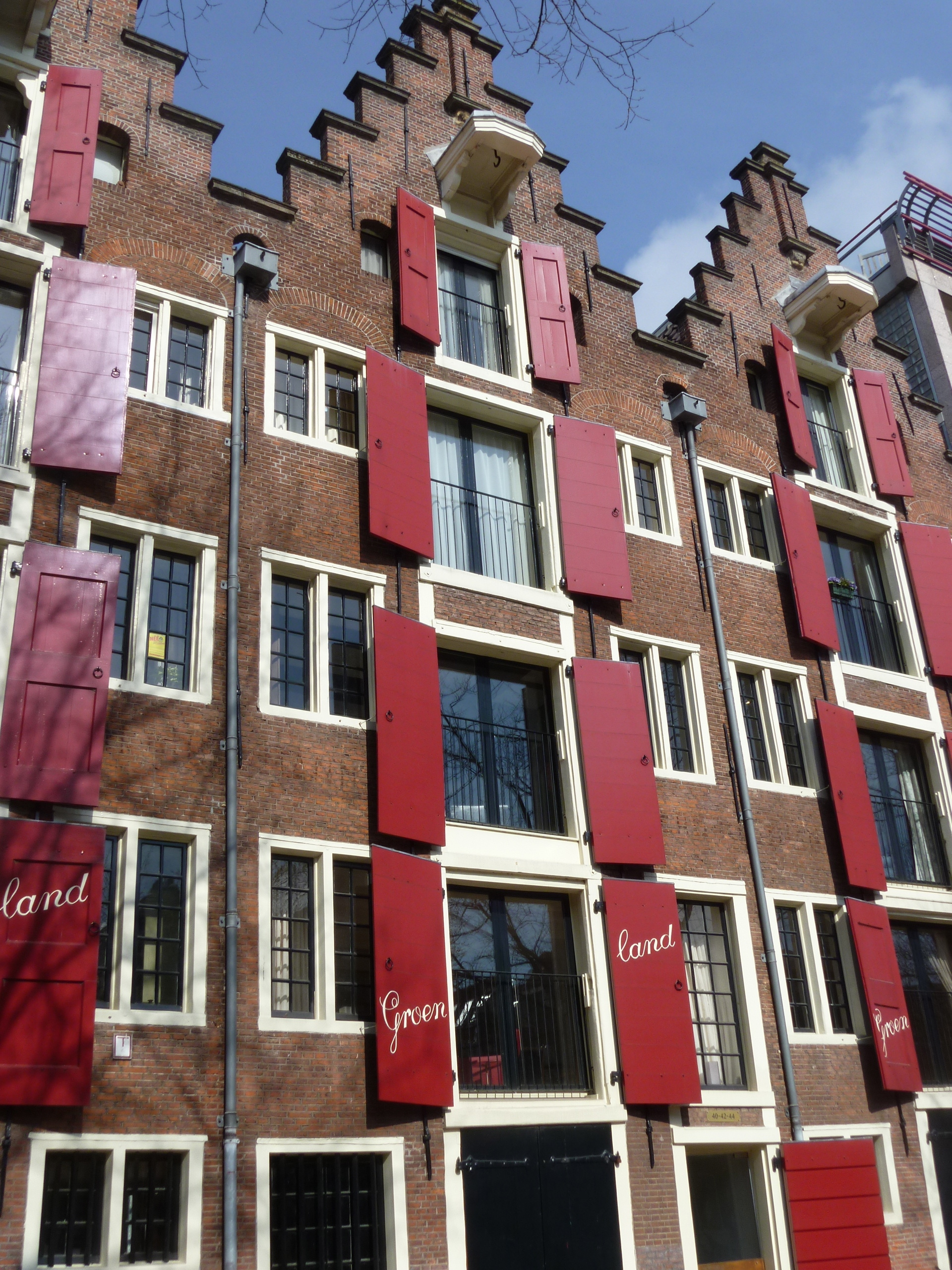
I’ve written about whaling here before. My friend’s flat on the Keizersgracht is situated on the ground floor of a 17th century whaling house [Walvissenhuis]. That is why the shutters have ‘Groenland’ written on them.

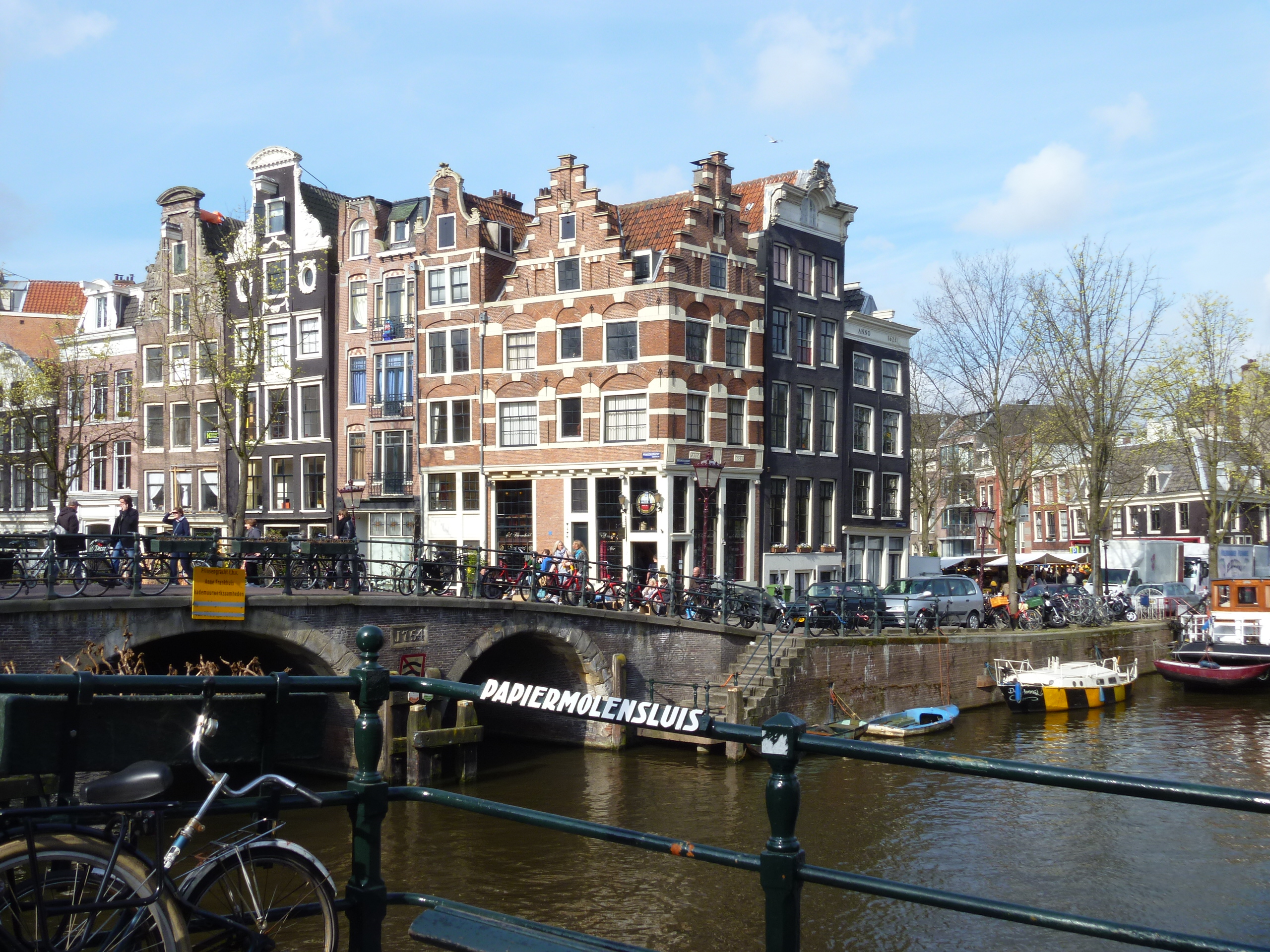
It was so relaxing to meet up at the Cafe Papeneiland at 2 Prinsengracht (right in the middle of the picture). It is a typical Bruin Cafe whose walls have turned brown from generations of cigarette smoke of the local regulars who meet here at all hours.

I can’t wait for another taste of Herengracht life!

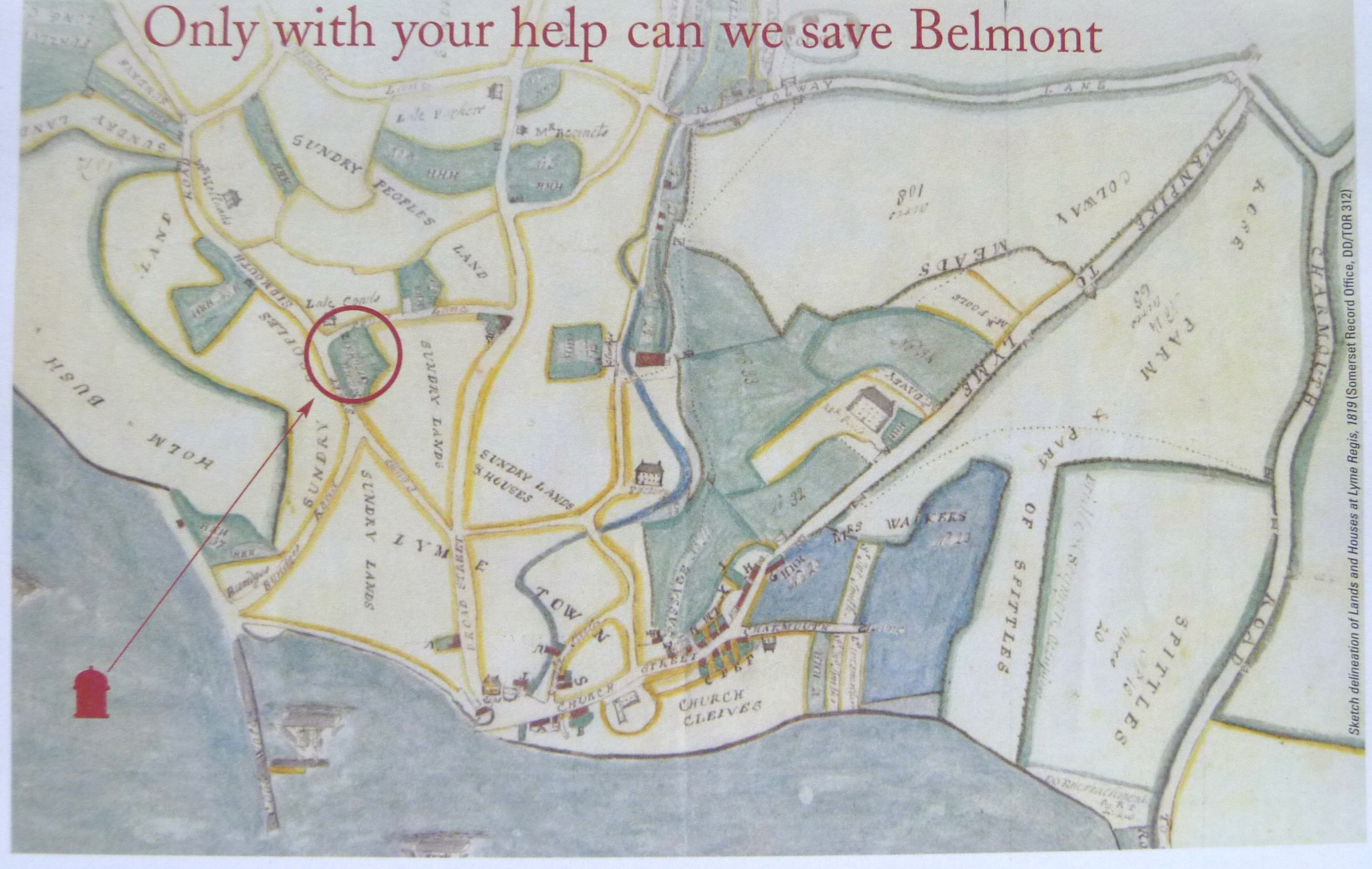
Help save Belmont – a literary landmark in lovely Lyme Regis!

Today I received a fund-raising email from the Landmark Trust to encourage support for donations to help save Belmont House in Lyme Regis.

Follow this link to read more about the house and its present desperate state :

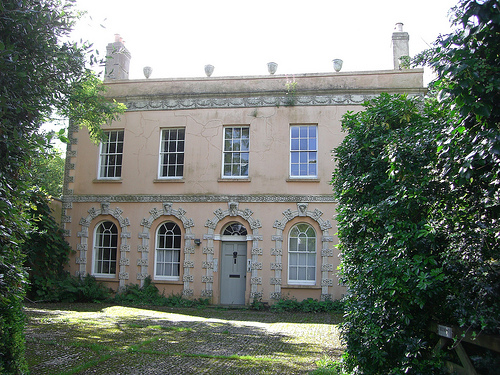
Belmont, Lyme Regis

Belmont was the former home of two interesting people. During the 18th century it was the home of Mrs Eleanor Coade the lady who devised a formula to mass produce architectural embellishments and statuary of the highest quality which she named ‘Coade stone’. And between 1968 and 2005 it was the home of novelist John Fowles and it was here that he finished his most famous work “The French Lieutenant’s Woman”. Lyme Regis is the setting for the book. It was through his generosity that Belmont was left to the Landmark Trust. The Trust’s website explains why further funds are needed to restore the house and make it habitable for future holiday lets through this unique organisation:

Belmont stands empty, decaying and at risk and urgently needs funds to enable its restoration. The Grade II* house is a fine, early example of a maritime villa, a new building type that sprang up in the second half of the 18th century with the rising popularity of seaside holidays. Today the fabric of the building is deteriorating, the parapet is sagging, there are rotten wall plates and lintels, the stone skin is coming away and water is trapped behind impermeable cement render.

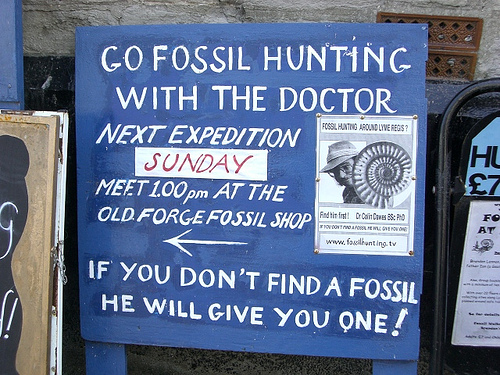
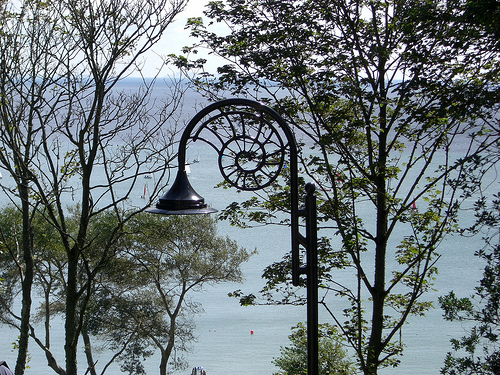
Lyme Regis is a delightful and interesting little seaside town on the Dorset coast. Each year for the past five years I have spent a week at nearby Branscombe in Devon and on each occasion I have visited Lyme at least twice. On three occasions I’ve been fossil hunting (without any luck!) for Lyme lies within the World Heritage Site Jurassic Coast.

Lyme has a promenade and sandy and pebbly beaches. You can tell which is the sandy one by the numbers of people crammed into the small area where huge amounts of sand were imported from Normandy. A lot of effort; but it has made a huge difference. I’ve never actually managed to get onto the beach as there is always so much more of interest to me. There’s a High Street crammed with shops – many of them small and individual and very many of them selling or in some other way connected with the fossils that are Lyme’s trademark.

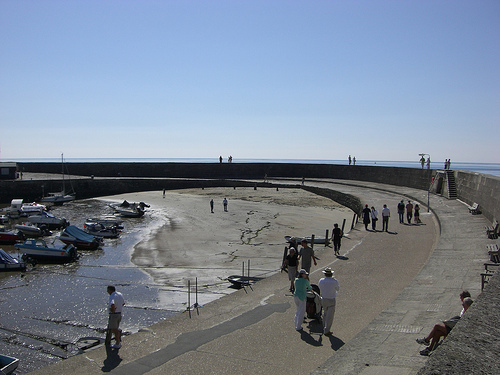
The Philpot Museum is well worth a visit, or several. Fossil Hunts are organised from the Museum. Lyme Regis has a colourful little harbour/marina protected from the sea by the famous Cobb – mentioned in Jane Austen’s ‘Persuasion‘ and featured in the film of Fowles’ ‘French Lieutenant’s Woman’. By the Cobb is the fascinating Marine Aquarium. There is good food to be had from the small cafes along the promenade, to the Town Bakery, to Hix Oyster and Fish House.

Lyme Regis :  The quintessential seaside resort for literature lovers everywhere – Jane Austen and Beatrix Potter visited it.  John Fowles lived in it.

Belmont, Lyme Regis : “Mrs Coade made it; John Fowles loved it. Now it must be saved.”

“Bear with Bern for Swiss Ski-ing” – Cosmopolitan and Charming

The Cathedral (Münster) is Bern’s most impressive example of Late Gothic architecture. The basilica with its three naves rises above Bern’s Old Town.

(Source: http://www.bern.com/en/city-of-bern/attractions )

I’ve been inspired again to write this post having read another travel article “Bear with Bern for Swiss Ski-ing” by Stephen Wood in the newspaper. This time it was The Independent Traveller section of Saturday’s ‘paper.

Now, I am not a skier and never have been but I have visited Bern very many times in winter, spring, summer and autumn. Stephen Wood, in his article, writes about his childhood love of the book Mostly Mary by Gwynedd Rae.

On the flight from London City Airport to Bern last week, I settled down to read Mostly Mary by Gwynedd Rae, a light classic of children’s literature. I have read it before, but not for half a century. On first reading, this book and the others in a series about a family of bears living in the bear-pit at Bern had considerable impact on my world view. You could keep your Paris, New York and Berlin; the place I most wanted to visit was Bern, for the bear pit.”

Apart from one very brief stopover in Bern when there was not sufficient time to visit the bears it was not until investigating for this article that he eventually makes a proper visit to Bern.

Wood applauds Bern’s small, but international, airport the use of which cuts down considerably on journey times to the Bernese Alps ski region. He, like me in 1966, ended up with a stay in Adelboden but my journey was far from quick travelling from Norwich by coach with a night in Paris and another in Neuchatel before we reached our destination.

Bern is another UNESCO World Heritage Site and I have a very good friend who lives there. We manage to get together at least once every couple of years and this year will be in Amsterdam after Easter but more of that in a future post.

My first ever visit to this gorgeous city – the capital city of Switzerland – was on the same Girl Guides trip mentioned earlier this month. On every visit since then I have been enraptured by this beautiful city. There is so much to see and do in the city itself let alone the surrounding countryside. I have shopped in the covered arcades, sipped a drink at an open air cafe watching the Bernese go by, walked by the green waters of the Aare River at the Tiergarten (zoo), and taken the funicular Gurtenbahn up the local mountain for a panoramic view over the city. But as I wrote in my ‘diary’ of the original visit “Bern is the city of bears. You see them everywhere and at Nydegg Bridge is a real bear pit.” I’ve taken my sons and my mother to visit the bear pits but today there are no longer bears there as Wood tells us :

Bears are an institution in Bern too, the city’s name being derived – at least in legend – from a bear killed by its founder, Duke Berchtold of Zähringen, while out hunting. There are bears all over the place: bear-shaped cakes, carved wooden bears, innumerable bear emblems. In fact, the only place you won’t find one is in the bear pit, despite a tradition of keeping bears there which goes back to 1513 (with an interruption in 1798 when the French army stole the animals). Quite rightly the bears – Björk, Finn, Ursina and Berna – are no longer confined to a pit; they now live in a “bear park”, below the pit on a bank of the river Aare.”

Peak Time Service – One Hundred Years At The Top Of Europe

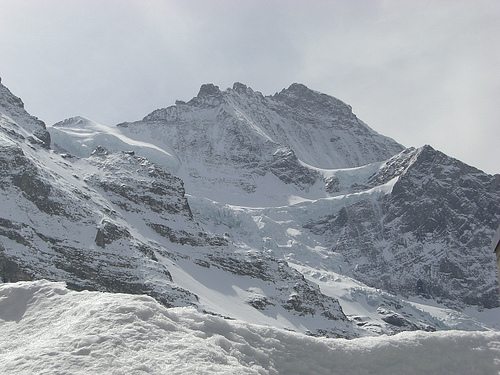
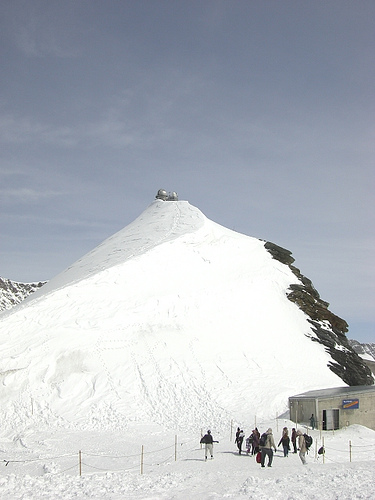
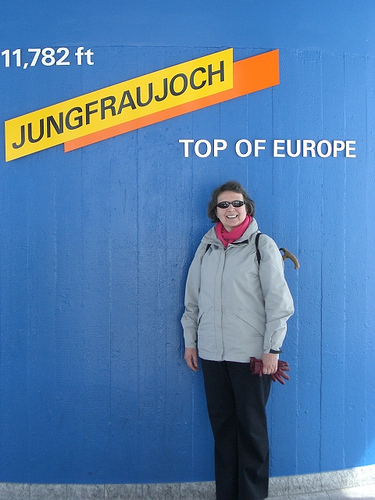
There was a full-page article in the Financial Times last weekend about the upcoming 100-year anniversary coming up in August this year of the Jungfrau Railway. The weather outside being rather ‘Jungfrauian’ my thoughts went back to my journey on this wonder of the manmade world and visit to the UNESCO World Heritage Site that is Swiss Alps Jungfrau-Aletsch.

The author of the article, Jan Morris, was the guest of the Swiss National Tourist Office and stayed at the Victoria-Jungfrau Grand Hotel and Spa in Interlaken and travelled on the Jungfrau Railway to ‘The Top of Europe’. I was a guest of my dear friend Susanne and her family in their lovely home near Lucerne and we drove to Lauterbrunnen to join the same Jungfrau Railway.

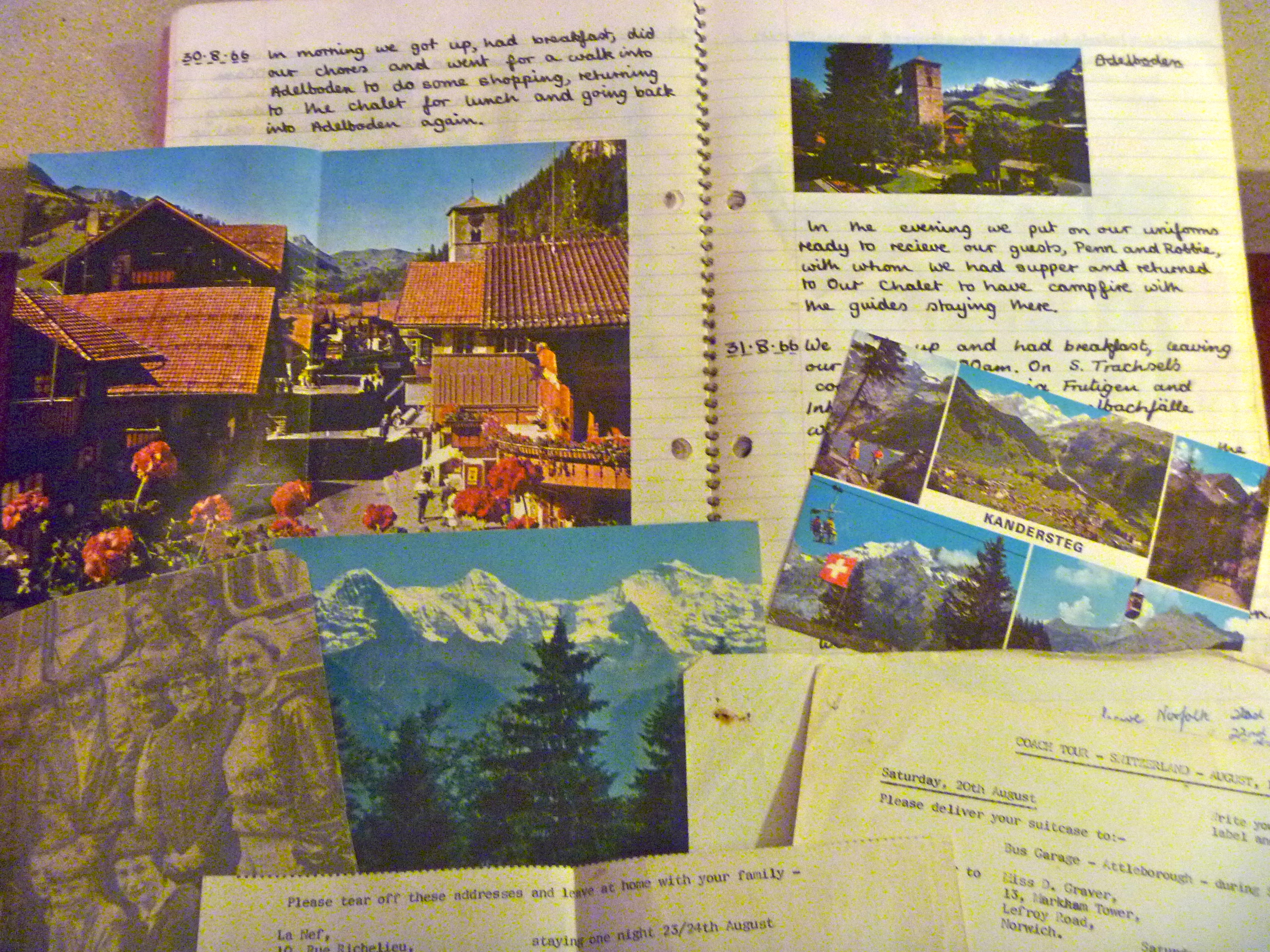
My first visit to Switzerland coincided with my first ever trip abroad in 1966. A group of Girl Guides and Guiders travelled from Norwich and Norfolk by coach, via a stay in Paris in each direction, to spend 6 nights in a Swiss chalet in the tiny hamlet of Boden within walking distance of the large village of Adelboden and very near the Girl Guides Association’s ‘Our Chalet’.

Since then I have made possibly 20 or more visits to Switzerland including working in hotels for two long summer vacations from university, accompanying my husband on ski-ing trips, taking my mum on holidays and visiting my friends in Berne and near Engelberg (Wolfenschiessen).

I didn’t visit The Jungfrau until April 2010. It’s a very expensive day out and there has always been a huge choice of other things to do. My Bernese friend had also never done the journey and my friend Susanne had only taken her family on the trip in 2009. It was at her suggestion that we decided to bite the bullet and do the trip. I texted Bernese Barbara but unfortunately due to work commitments she was unable to join us.

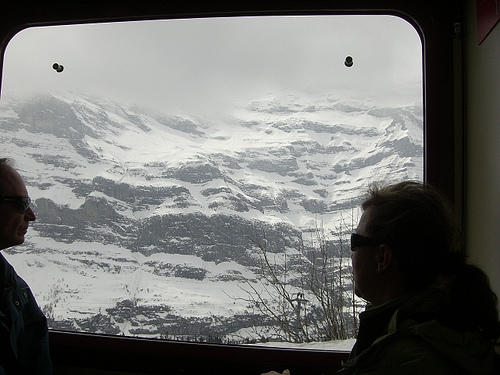
Unlike Morris we began our journey from the station at Lauterbrunnen.  Our visit fell between seasons so we left the car in the vast, empty multi-storey car park, purchased our tickets and travelled via Wengen on The Jungfrau Railway.

Morris describes much better than I could what it’s like at The Top Of Europe.

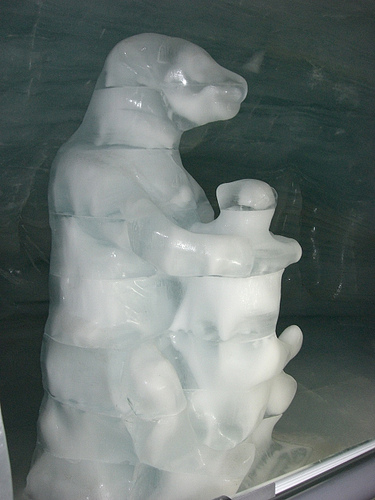
The settlement up here was first established in 1912 but it still feels to me almost surreally futurist. For inside the rock of that snowy mountain, or clinging to its surface, a small town thrives. Besides the highest railway station in Europe there is the highest post office and also, this being Switzerland, the highest watch shop. There are three restaurants (including Bollywood serving Indian cuisine) and souvenir shops, of course, and a coffee bar. If we have time to spare, we can wander through the Ice Palace, a long pedestrian tunnel beneath the glacier equipped with ice-figures of penguins, polar bears and such, together with instructive geological features. But dear God, that’s not all. We may well feel queasy now, after our trek through the Ice Palace at 11,000ft-plus, but after another trudge through another tunnel we find awaiting us a space-age elevator. In the blink of an eye this whisks us vertically another 400ft to the tip of a pinnacle called the Sphinx, the very top of the Top of Europe, and here science fiction becomes science fact.” 

For the full article see : http://www.ft.com/cms/s/2/7973ce3a-476c-11e1-b646-00144feabdc0.html#ixzz1m6qCETdx

Bernese Bear and Cub in the Ice Palace

Susanne brought sandwiches and fruit for our picnic so apart from a cup of tea we didn’t try out the restaurant facilities.

We made the return journey by train/funicular via Kleine Scheidegg and Grindelwald.

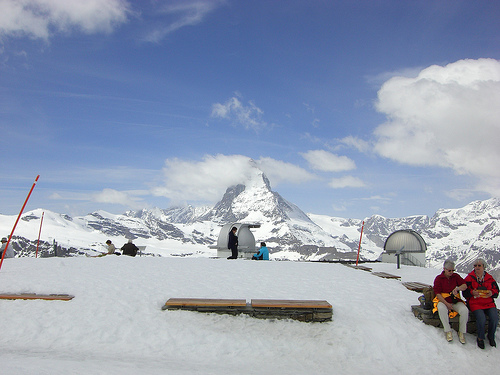
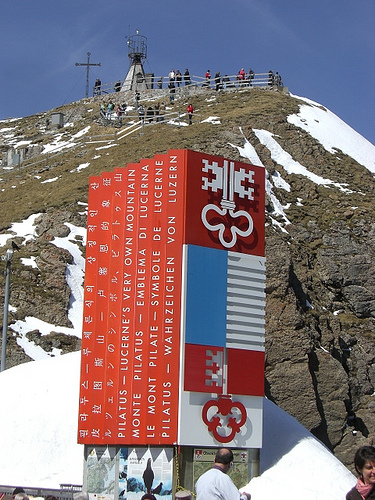
In the past I’d visited the peaks of the Stanserhorn, the Titlis, Pilatus and the  Gornergrat from Zermatt but the Jungfrau trip was truly the icing on the cake and the most memorable experience.

The Matterhorn from the top of The Gornergrat

Mount Pilatus near Lucerne

I was sent to The Tower – but I kept my head!

I’ve just returned from a couple of nights in London staying at the lovely Landmark Trust property at 13, Princelet Street. The house was built in 1719 in the Spitalfields area of east London for Huguenot silk weavers. It’s a lovely, warm, characterful house with all the comforts you could wish for on a cold winter’s evening in the east end of London when the wind and rain are blowing outside – as they were on our first evening. Fetch a takeaway curry from one of about 50 curry houses on Brick Lane, then over a cup of tea inspect the Landmark Library and plan the next day’s entertainment, review the day that’s just finished or take up the Landmark Handbook and plan another trip. I visited the house for a Friends’ Reception last October and wrote about it here.

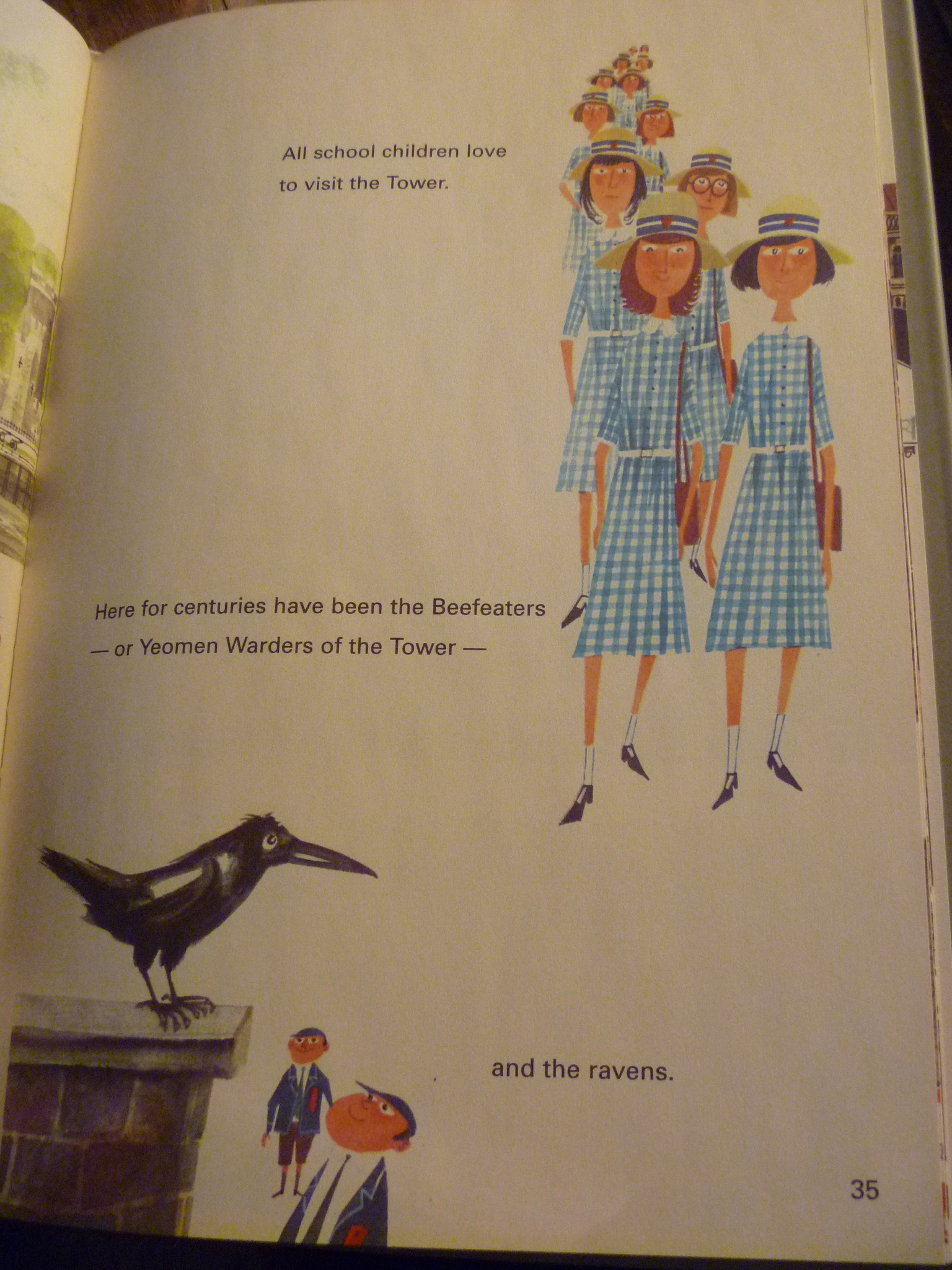
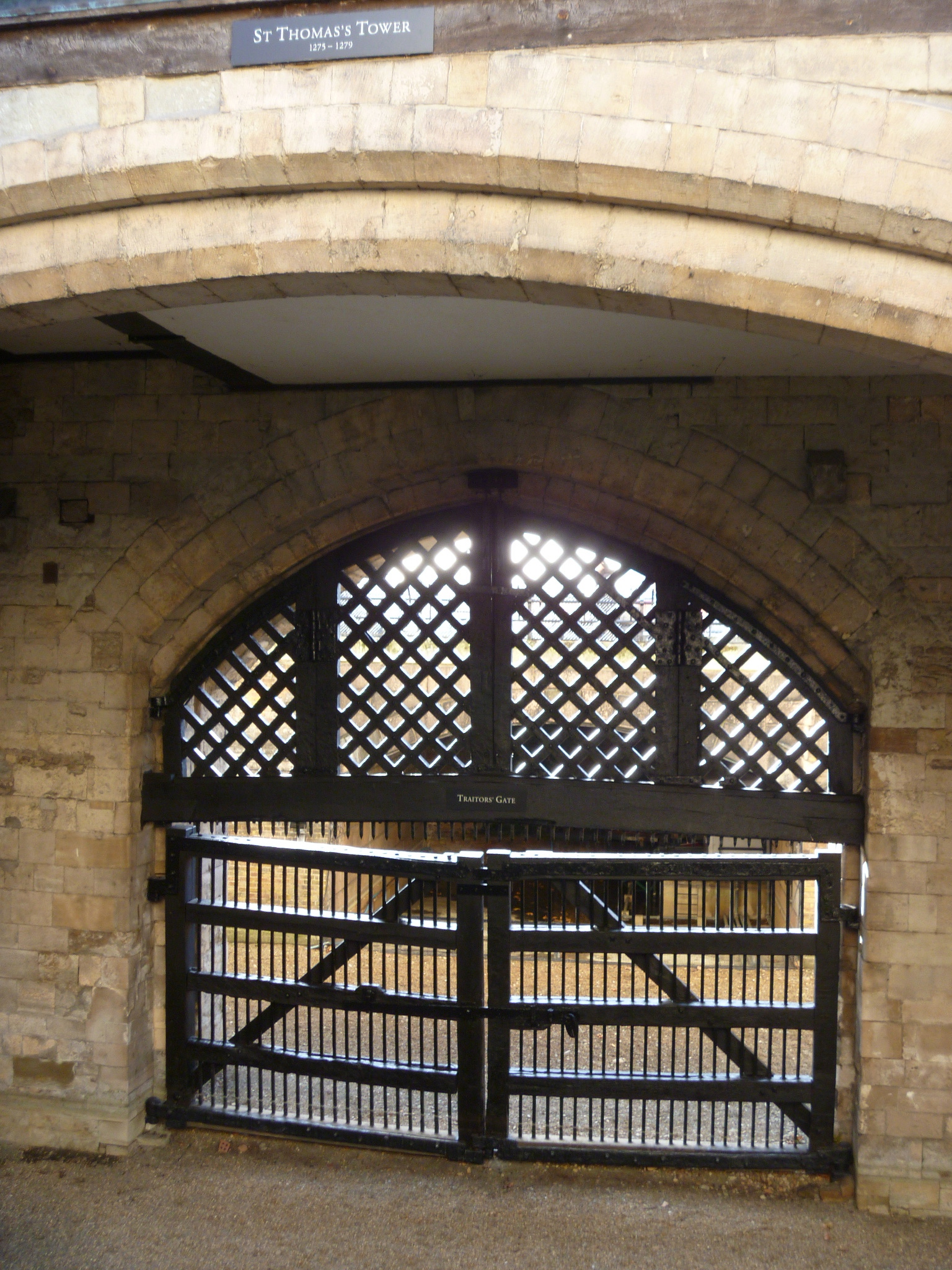
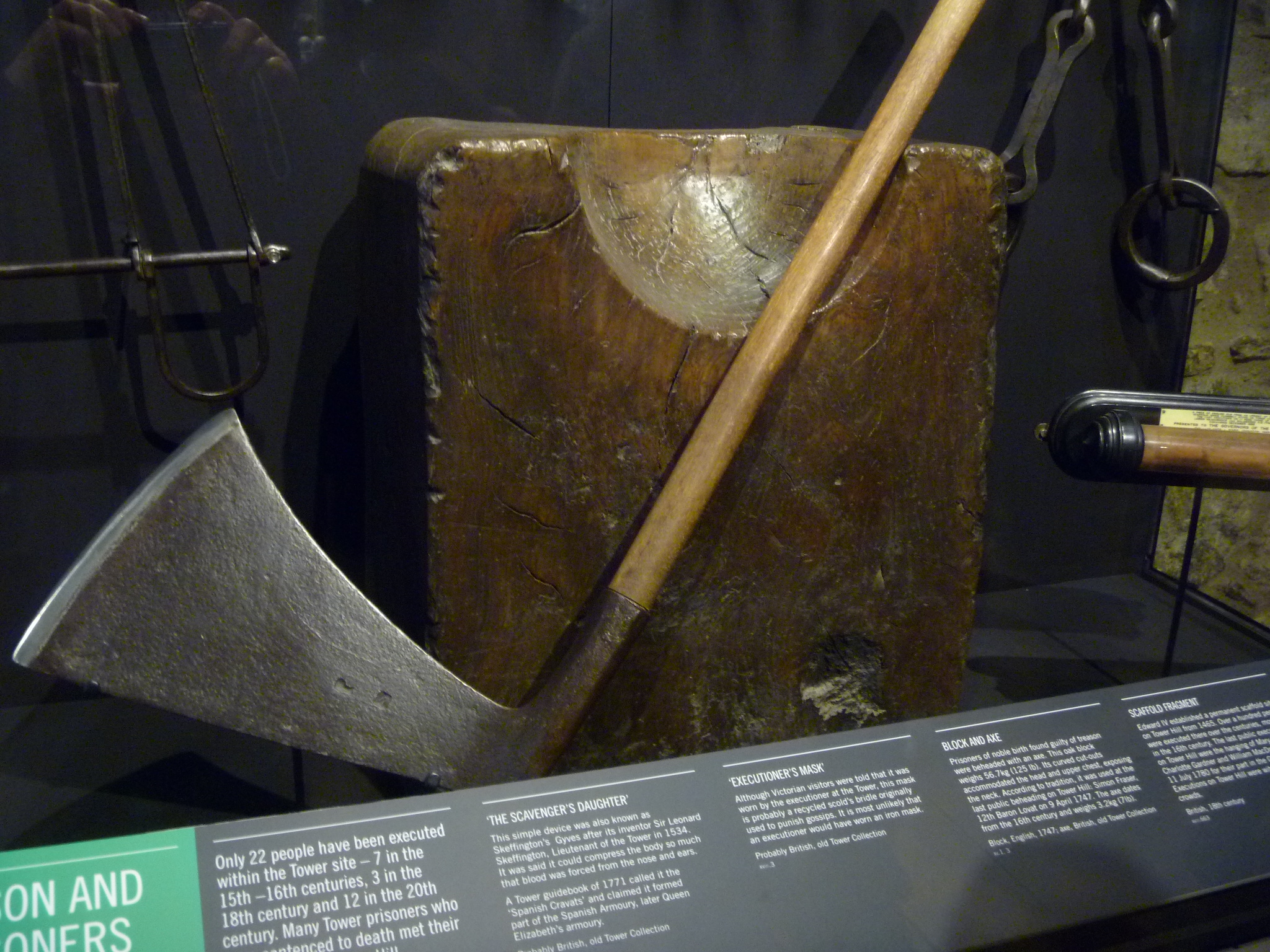
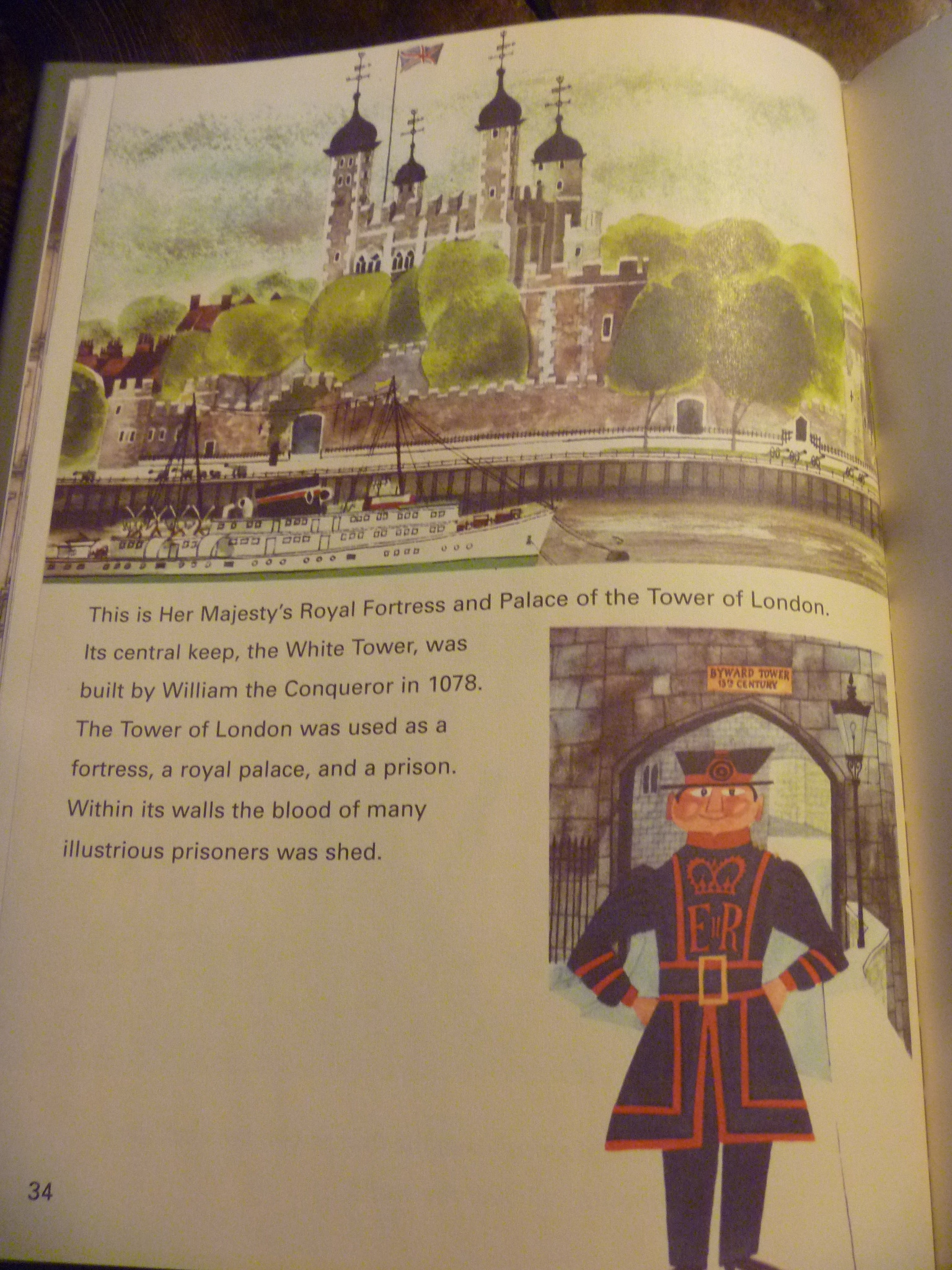
Staying just two nights gave us only one full day in London and we decided to spend it at The Tower of London. I have visited this Historic Royal Palace on two previous occasions. The first time was at the age of 10 on the annual schools visit to London with my primary school in Norwich. I remember clearly seeing the Crown Jewels in one of the towers, that we all giggled at the name of one of the towers The Bloody Tower, seeing the ravens hopping over the lawns, their wings clipped, seeing The Traitors’ Gate and the wooden block and axe which took the life of Queen Anne Boleyn. I had long wished to return and my next visit was with a Swiss guest in 2010. We had a lot of London sights to fit into our day so I planned to return on the next appropriate occasion to have a closer look.

The Traitors Gate

Off with her head!

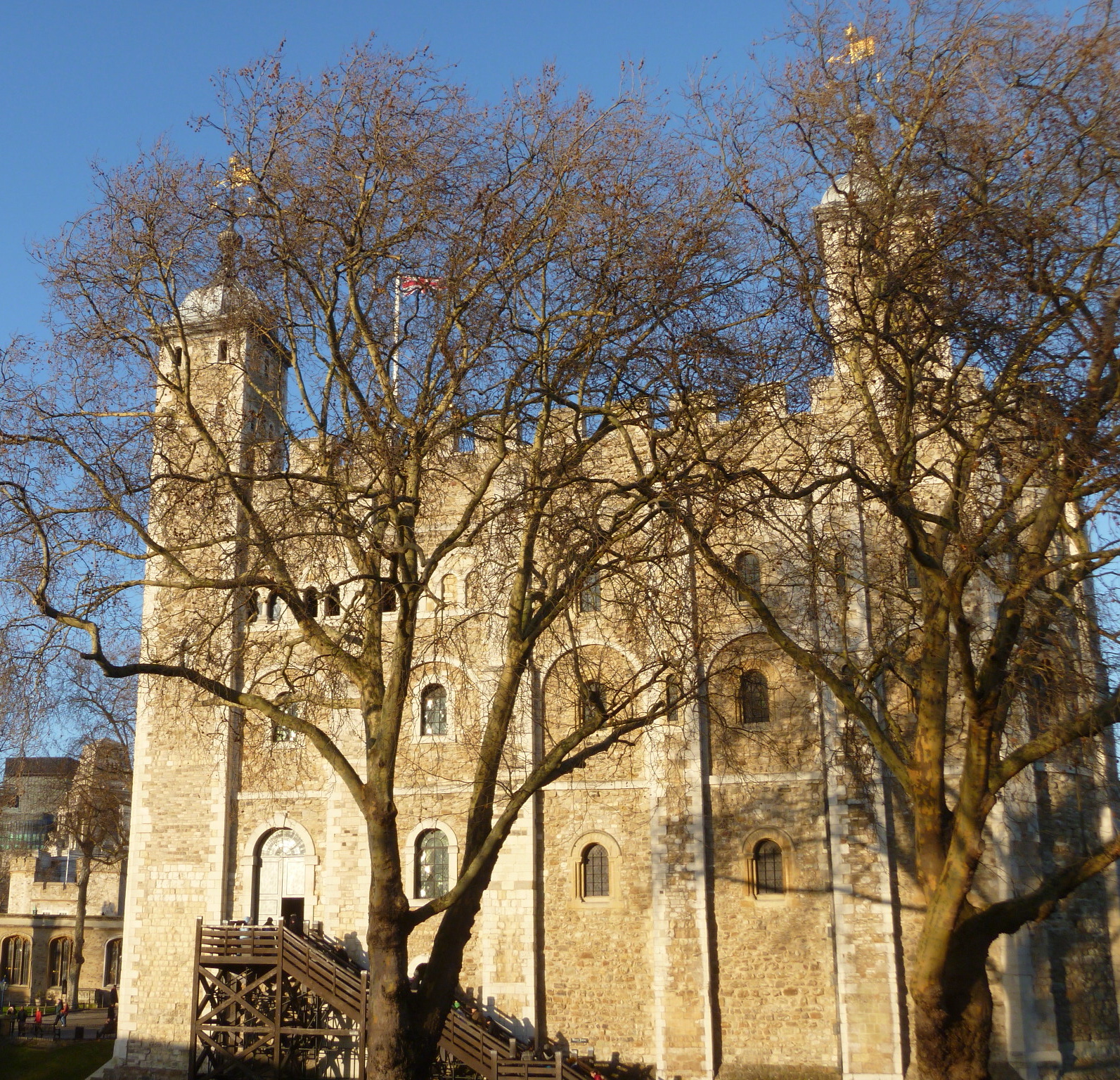
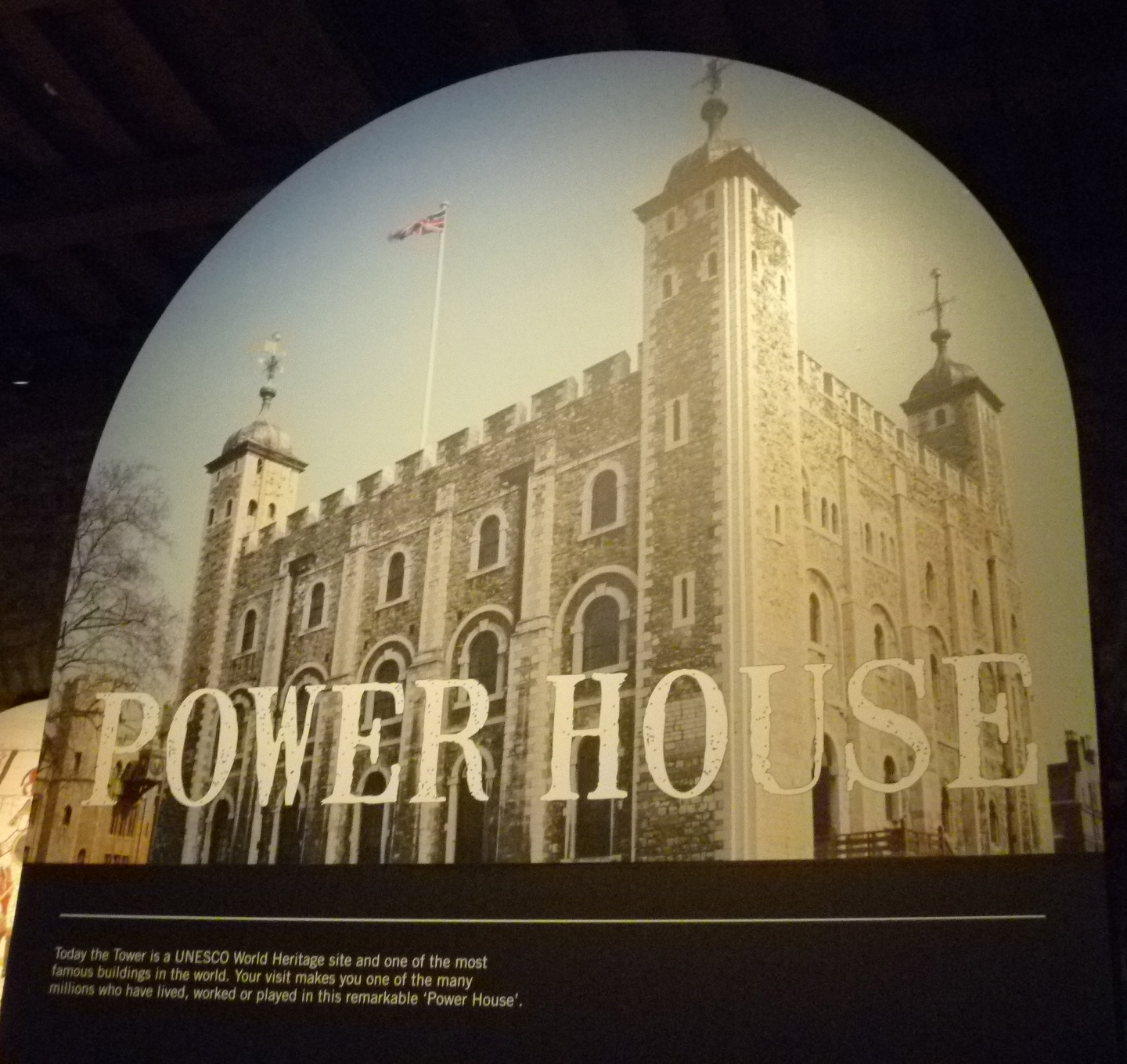
On Thursday with our 85 year old mother in tow we made a beeline for the Crown Jewels. These magnificent symbols of the British monarchy are displayed in such a way that everyone gets a good look at them however crowded the Tower may be. In fact, on this bright and dry early January day, although there seemed to be lots of people – of all nationalities – there were no queues at all. Our next port of call was the White Tower which houses an exhibition, The Power House, which tells about all the institutions that originally had their homes at The Tower – The Royal Mint, The Menagerie (now London Zoo), The Ordnance Survey, The Royal Observatory. There are also displays of royal armour and, rather strangely, gifts given to our royalty by nations around the world.

Chatting with a Yeoman Warder (or Beefeater) I discovered that 37 YWs and their families live within The Tower’s walls, plus a doctor and a priest. They have their own church and pub and it’s like a village community. But the Power House exhibition showed that in former times The Tower had been a virtual town.

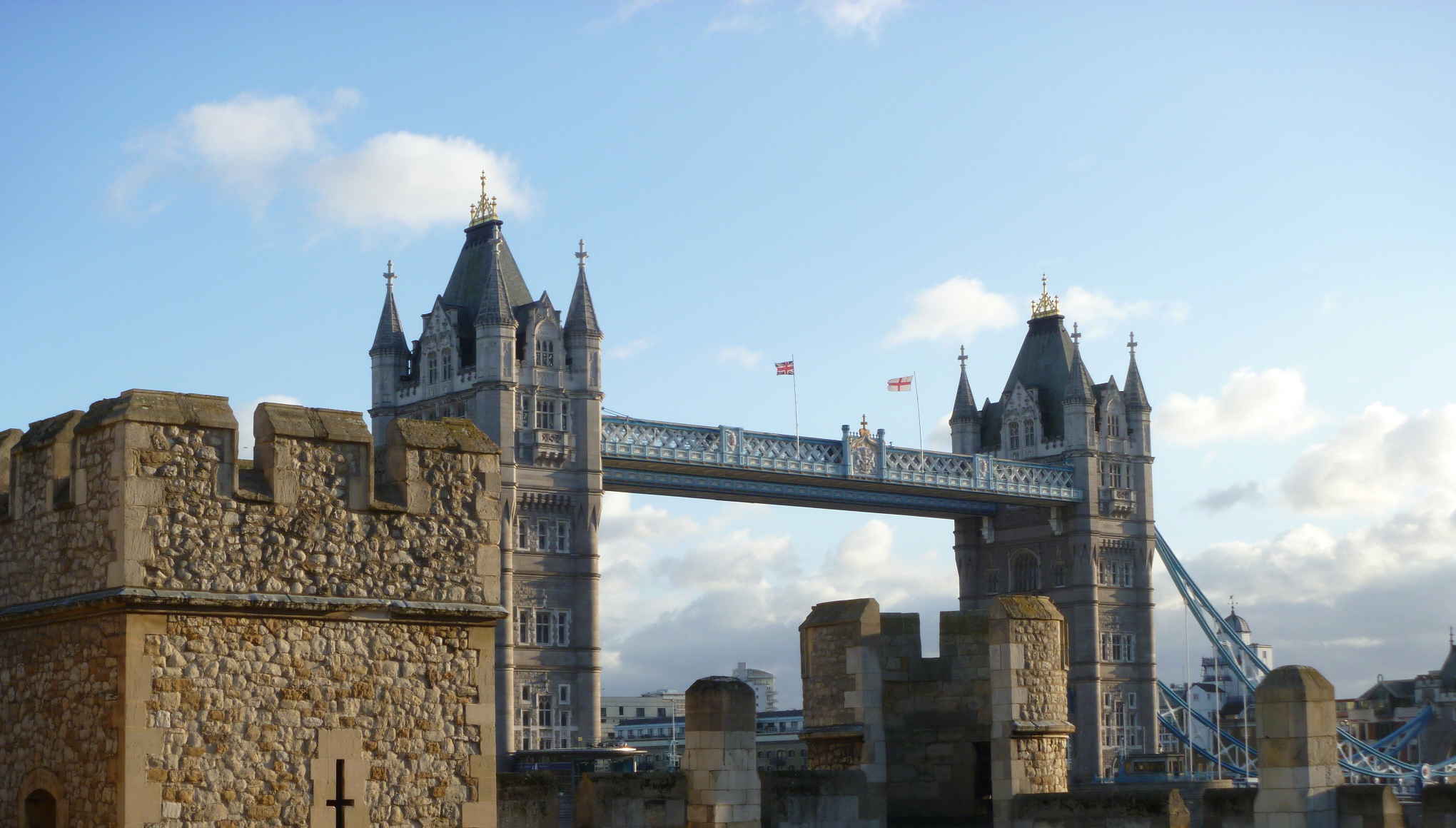
After lunch we left mum in the warmth of the cafe to have a walk round the walls (for a great view of Tower Bridge)

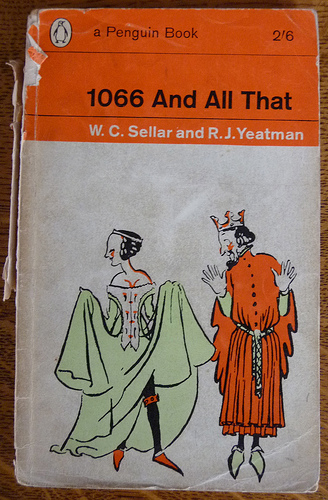
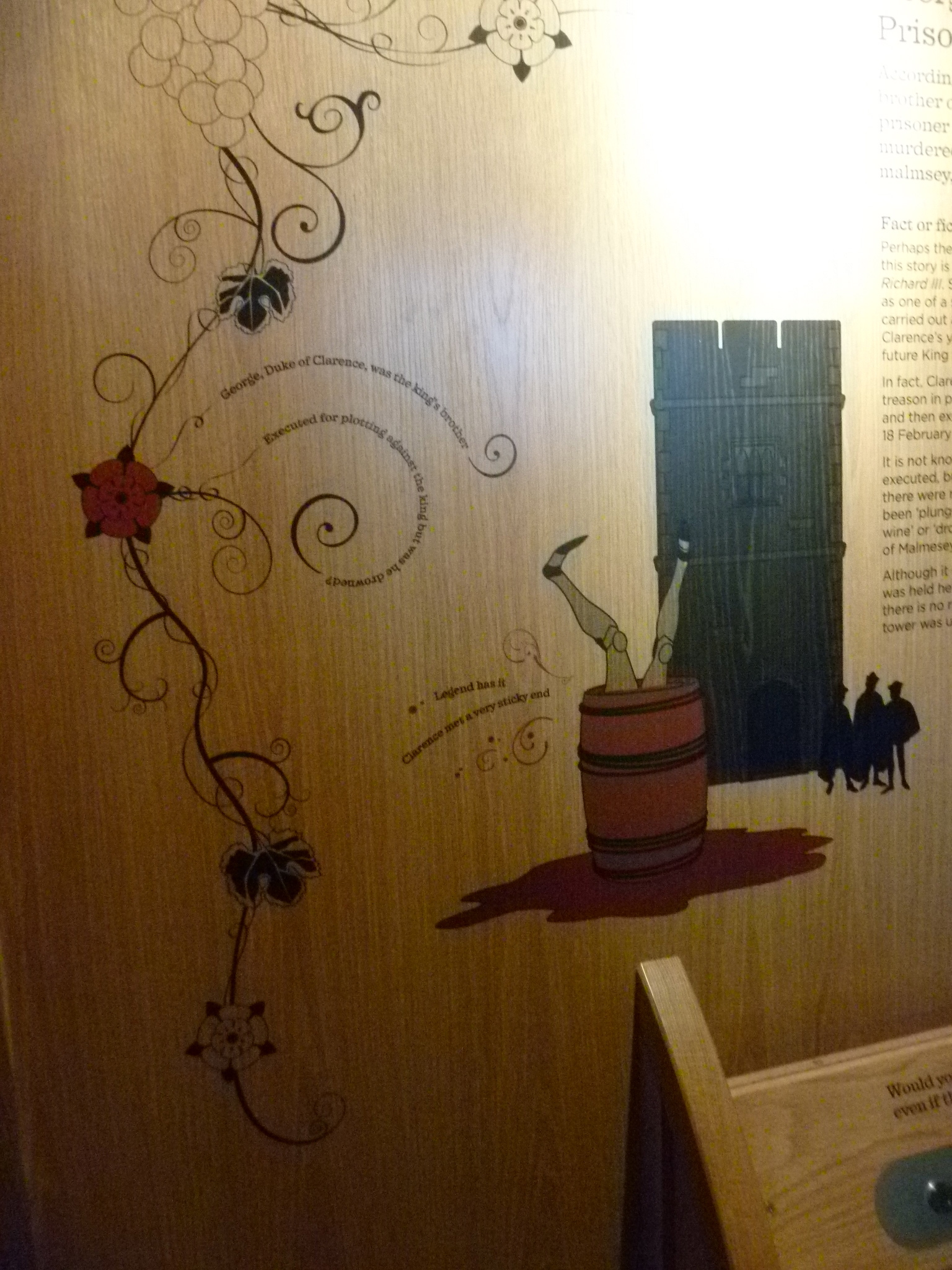
and to see inside some of the other towers (the ones with narrow stone spiral staircases) to discover more about the Duke of Clarence who drowned in a Butt of Malmsey wine, about The Little Princes murdered in the Tower and about other prisoners including Sir Walter Raleigh. And my thoughts go back to that earlier visit and to the discovery a few years later of my best history book ever – W. C. Sellar and R. J. Yeatman’s “1066 and all that”

“During the Wars of the Roses the Kings became less and less memorable (sometimes even getting in the wrong order) until at least one of them was nothing but some little princes smothered in the Tower, and another, finding that his name was Clarence, had himself drowned in a spot of Malmsey wine; while the last of all even attempted to give his kingdom to a horse.”

Studley Royal Park including the Ruins of Fountains Abbey

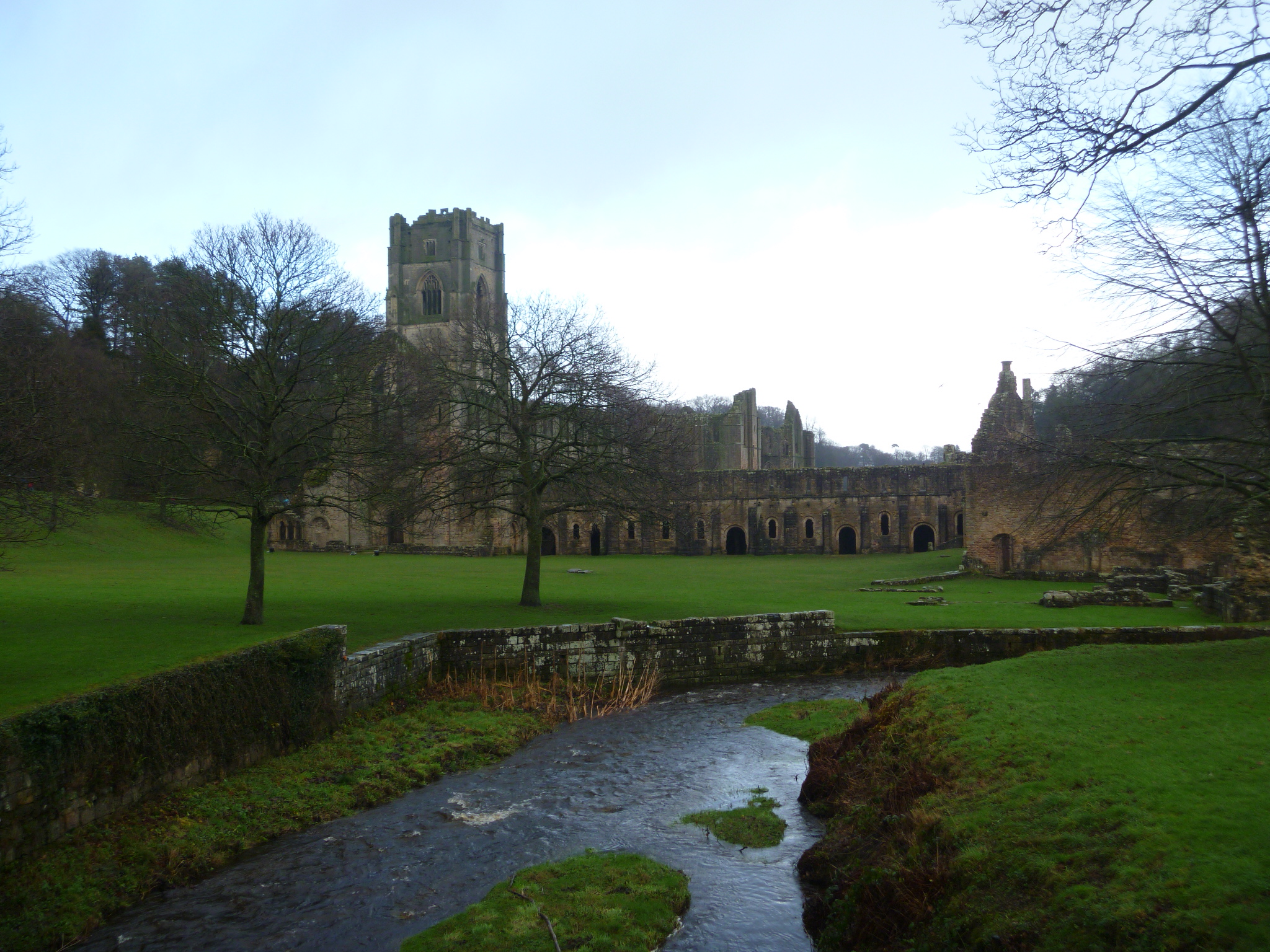
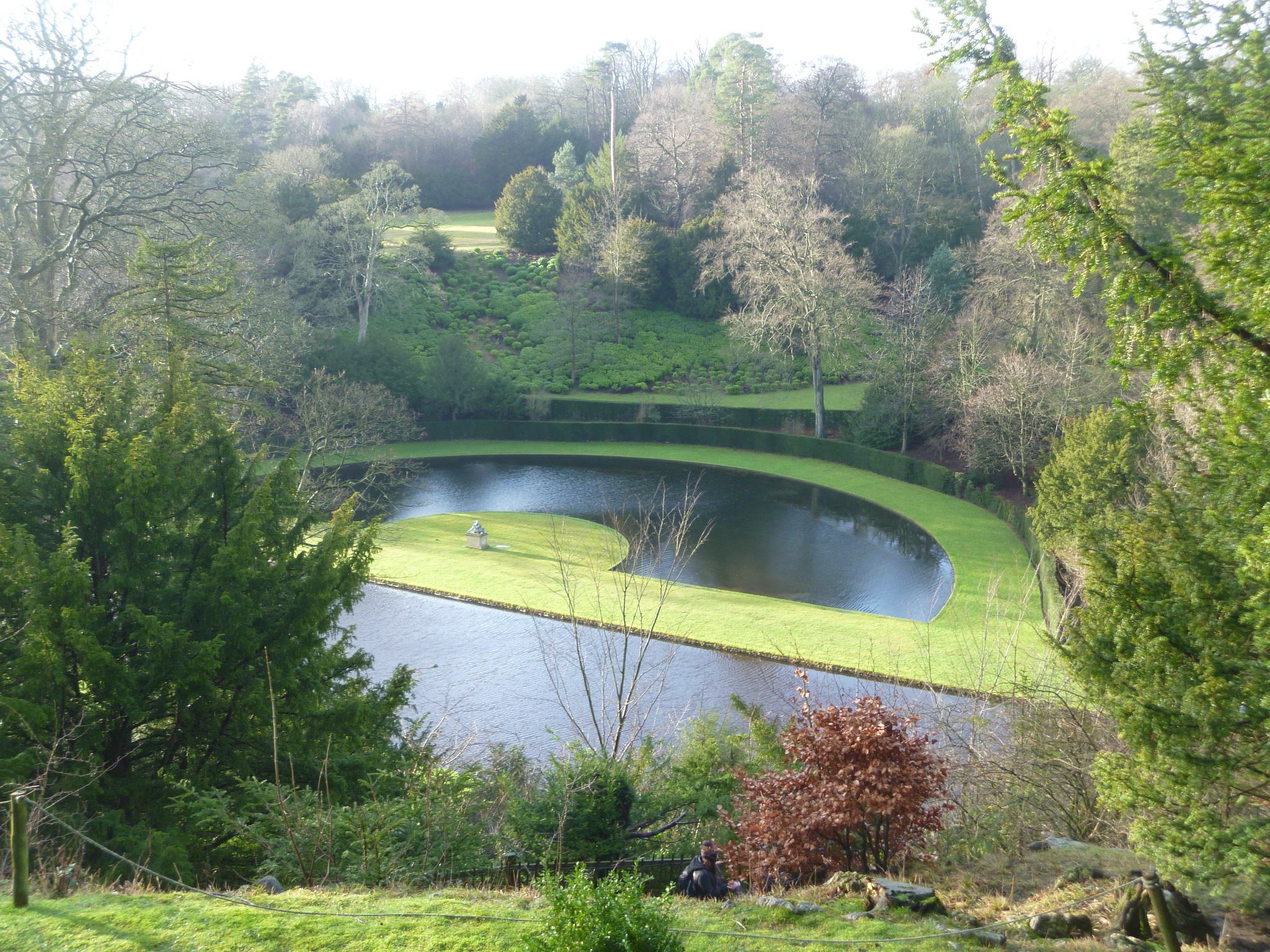
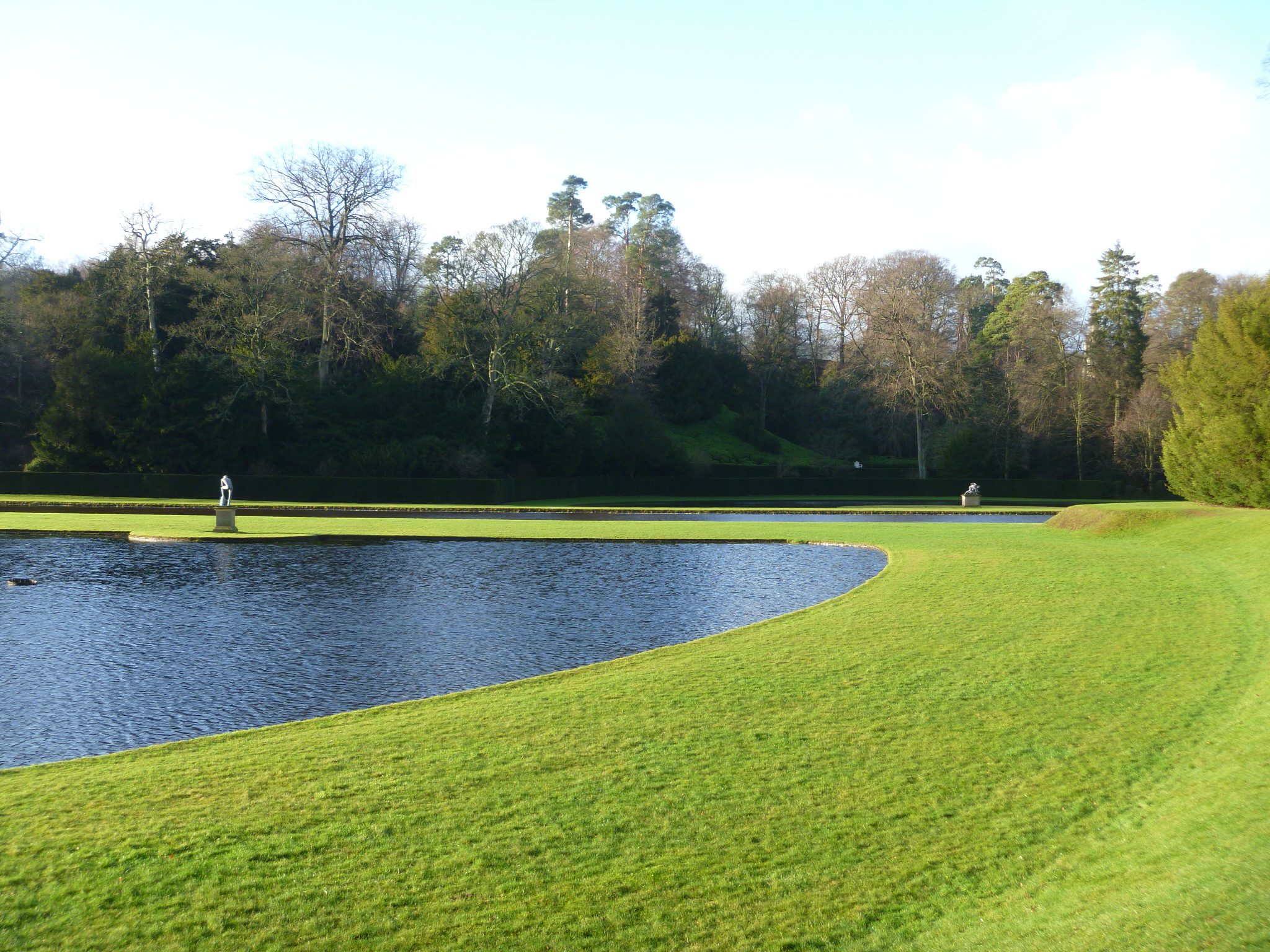
When I wrote about Saltaire and Salts Mill last year I mentioned how lucky I was here in Yorkshire to have TWO Unesco World Heritage Sites on my doorstep. Today I visited the other site in North Yorkshire – Studley Royal Park and the ruins of Fountains Abbey.

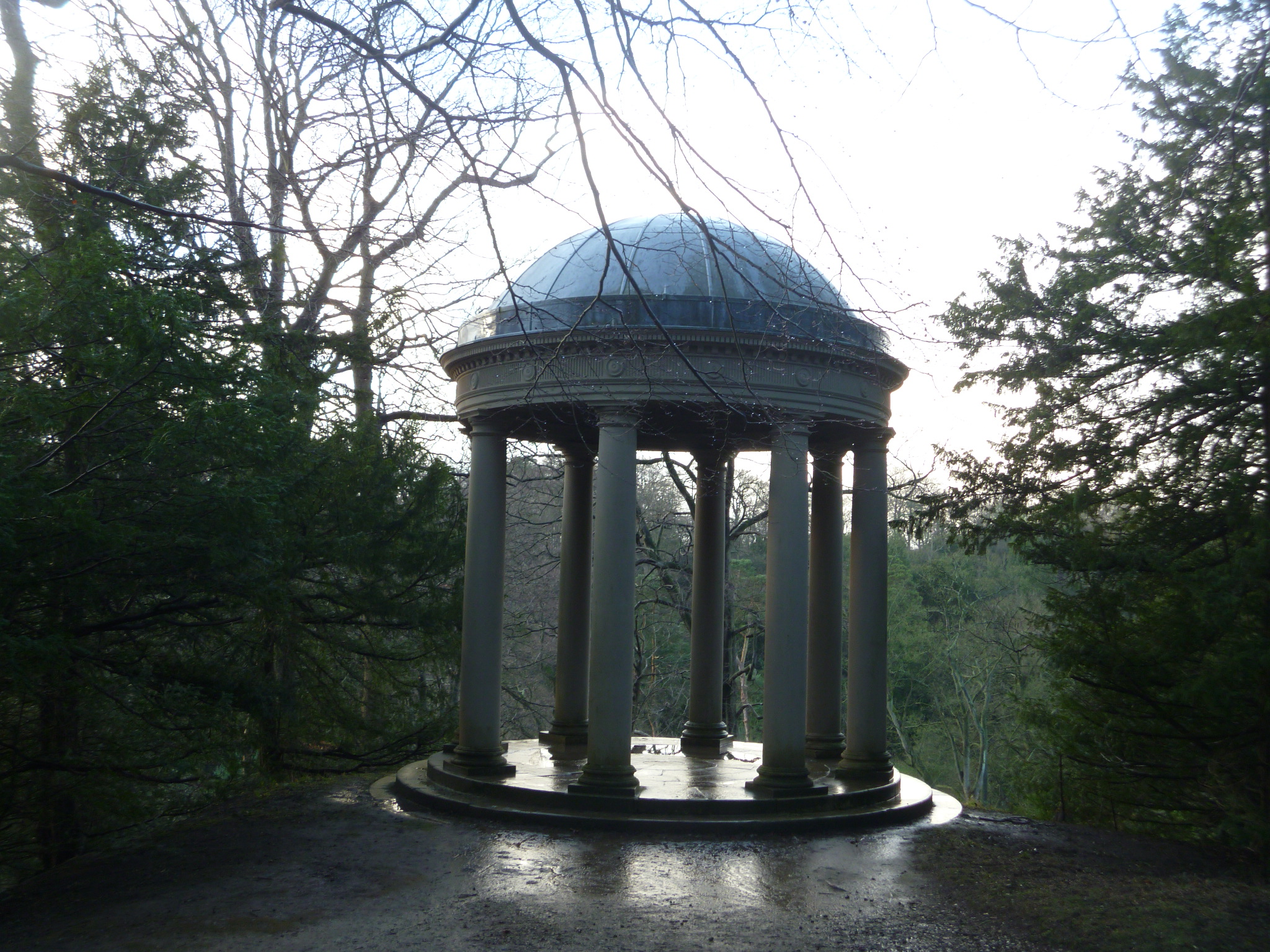
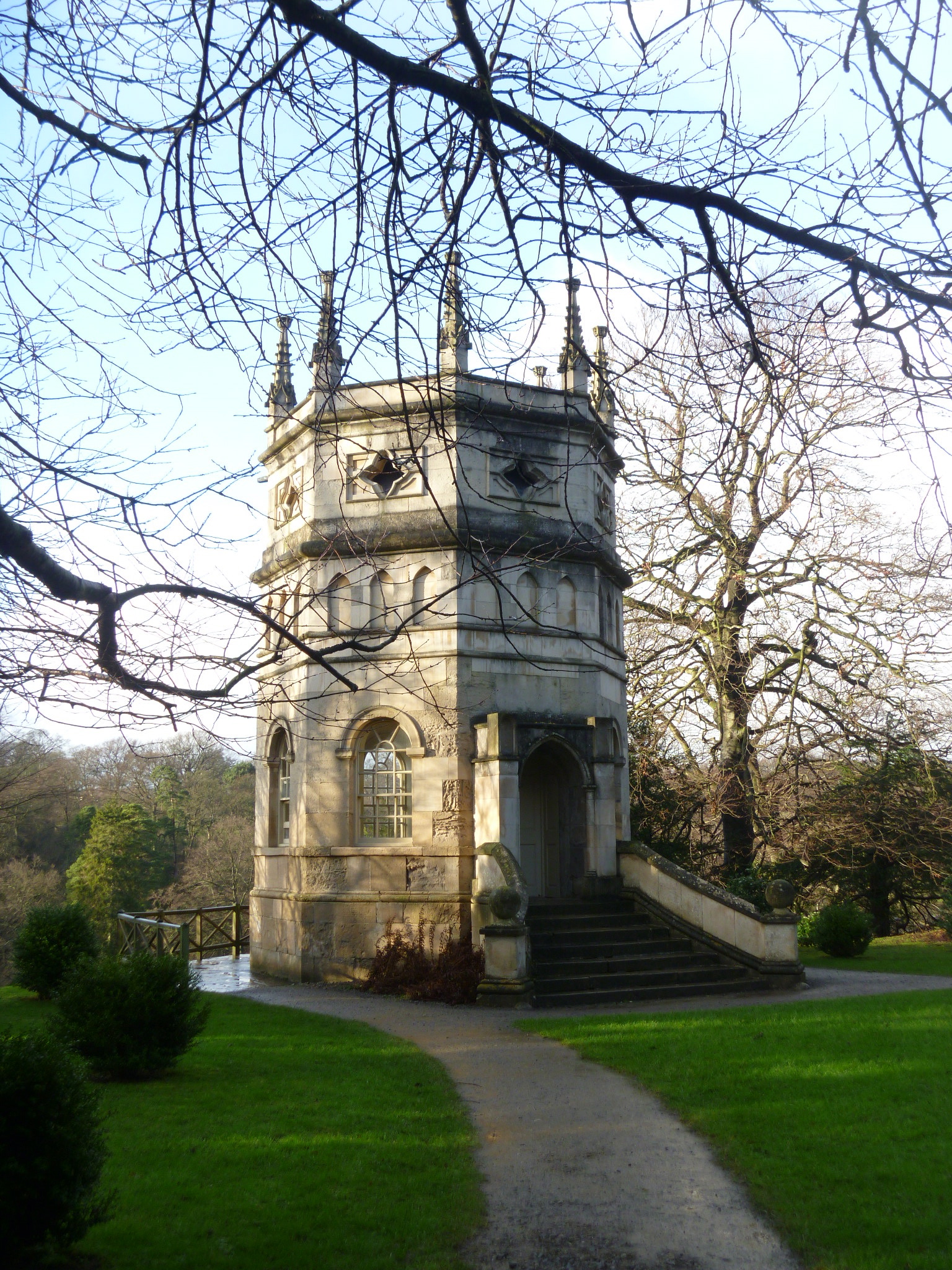
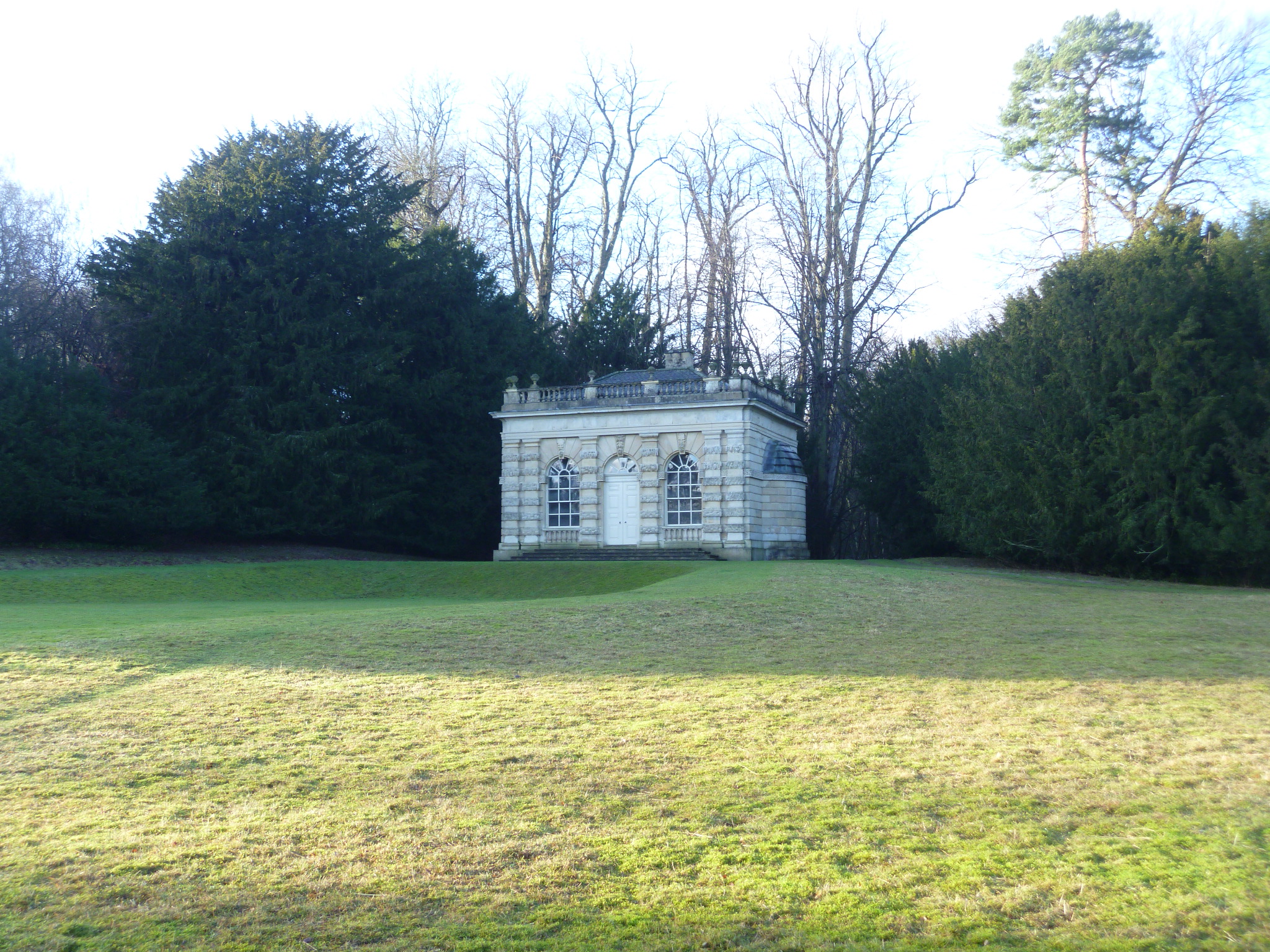
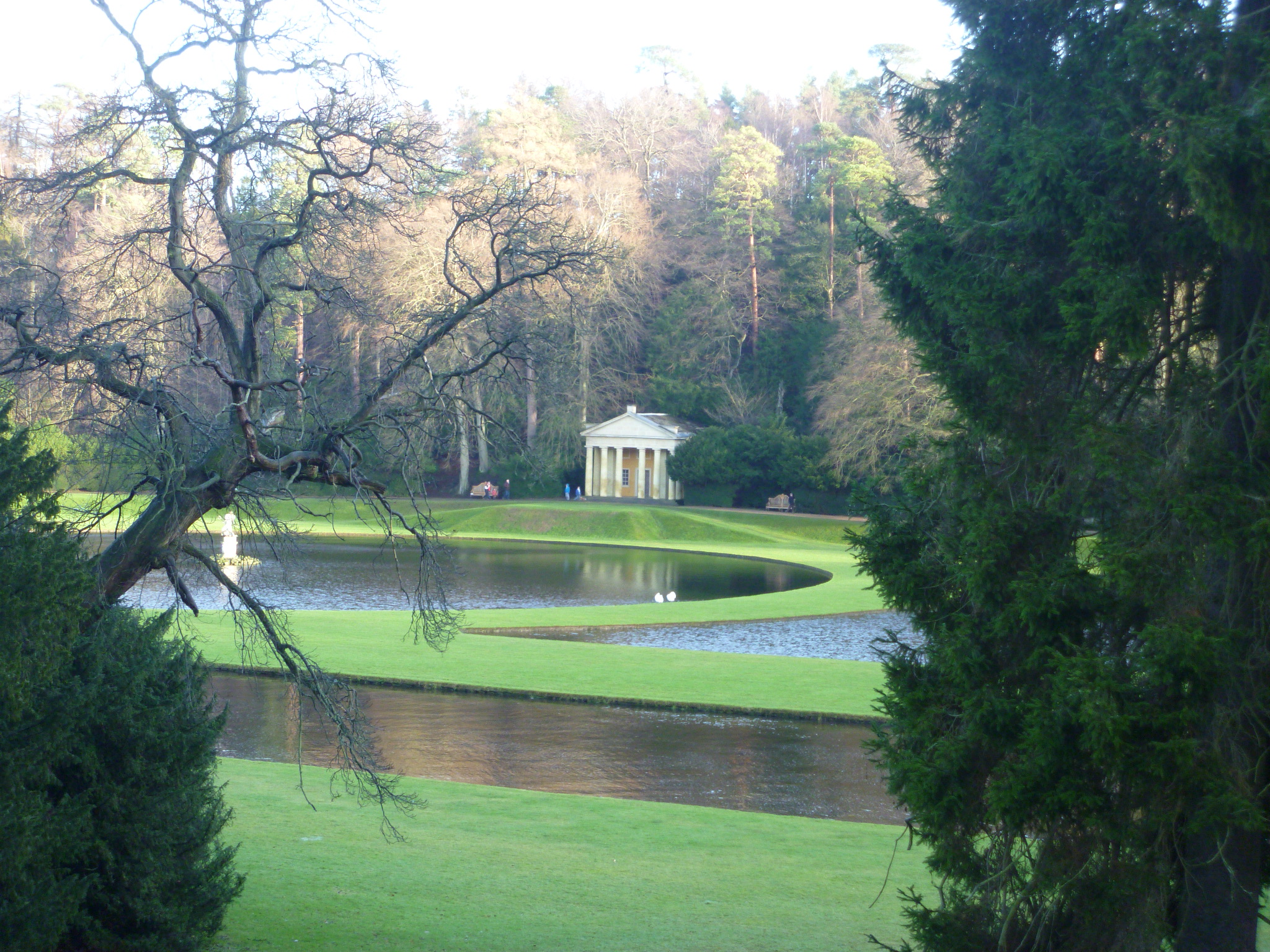
Fountains Abbey is about 23 miles and a world away from busy Leeds. That is not to say that the car parks weren’t empty and there weren’t queues at the restaurant counter today and the shop wasn’t a-buzz with bargain hunters – the world and his wife had come to breathe the fresh air and walk around the gravel paths and let his children climb over the ruins. But it is easy to get away from the crowds and follow some of the paths that lead to higher levels and peace and tranquility. Every step of the paths around the estate reveals something of interest whether it’s a temple, a tower, a banqueting house, a surprise view, a river, waterfalls, a lake. It’s easy to see why the whole area is classified as a World Heritage Site.

The Temple of Fame

The Octagon Tower

The Gardens of Studley Royal

The Water Gardens with Statues

The Banqueting House

The Temple of Piety and Moon Pond

As you can see this Yorkshire World Heritage Site has a lot more than 25 trees and the time is nearly here already to take down my own Christmas Tree. I’ll be visiting Fountains Abbey a lot more times throughout the different seasons. I hope you will join me here again.

Twenty Five Trees in a Mill

Here in Yorkshire we have two Unesco World Heritage sites. I’m not too sure exactly what is required in order to be appointed to this lofty status – maybe it’s all about preservation. The nearest one to me is Saltaire which was awarded this accolade in 2001. On Monday I took a trip with the Banker to visit one of my favourite local shopping destinations – Salts Mill in Saltaire village.

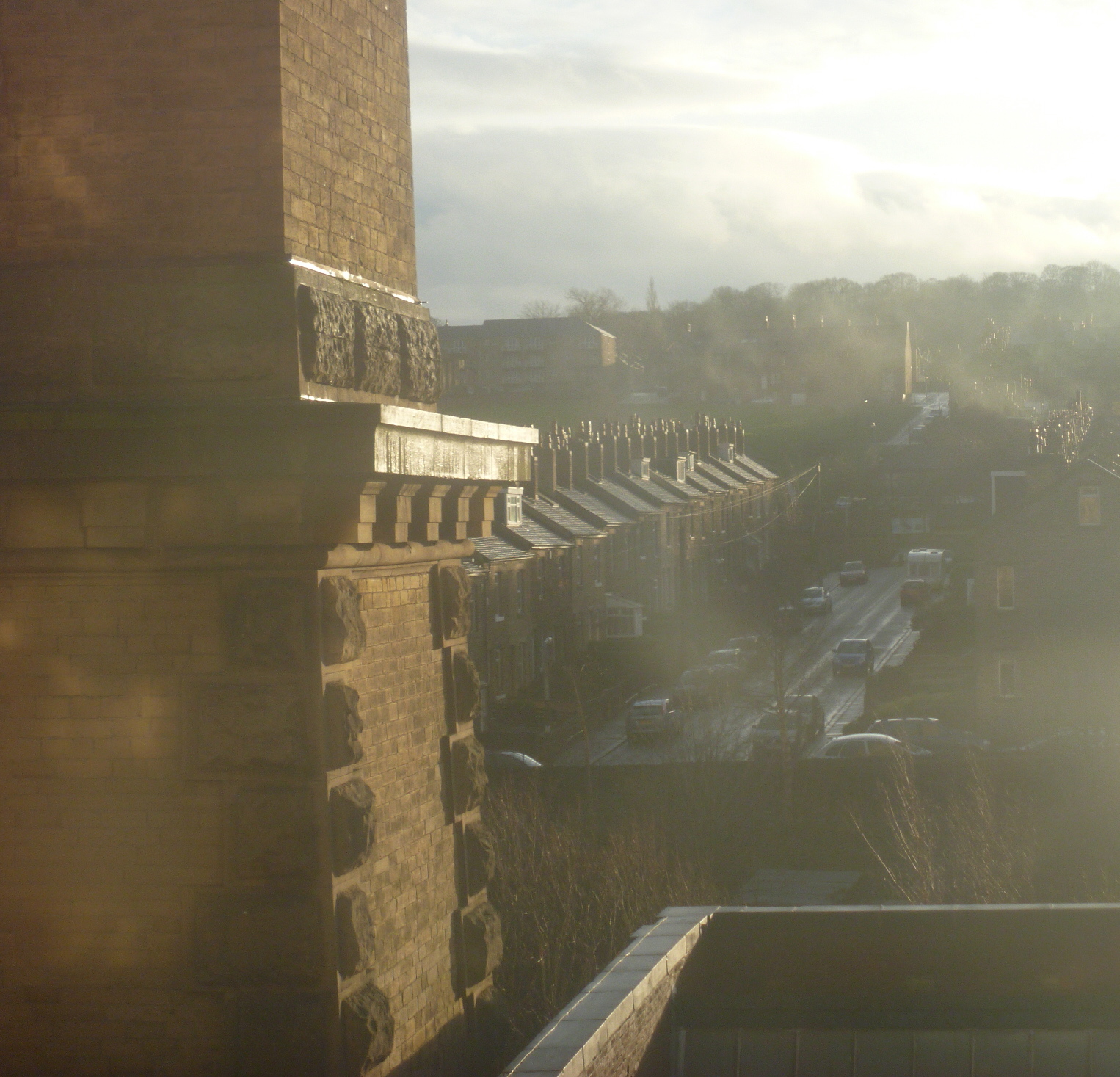
Saltaire Village from Salts Mill

It was really miserable weather so we decided to give the village itself a miss and head straight for the Mill itself – dodging rain and puddles between the car park and the huge mill door.

Salts Mill and the surrounding model village was built for Bradford businessman and philanthropist Titus Salt and opened in 1853. In 1987 the mill stood empty and it took another enterprising businessman, Jonathan Silver, to buy it and create the 1853 Gallery and Salts Mill as it is today. He suggested to his friend and fellow Bradfordian David Hockney that the Mill might be a good place in which to display some his pictures and Hockney agreed. Sadly, Mr Silver died of cancer in 1997 but the enterprise itself has gone from strength to strength.

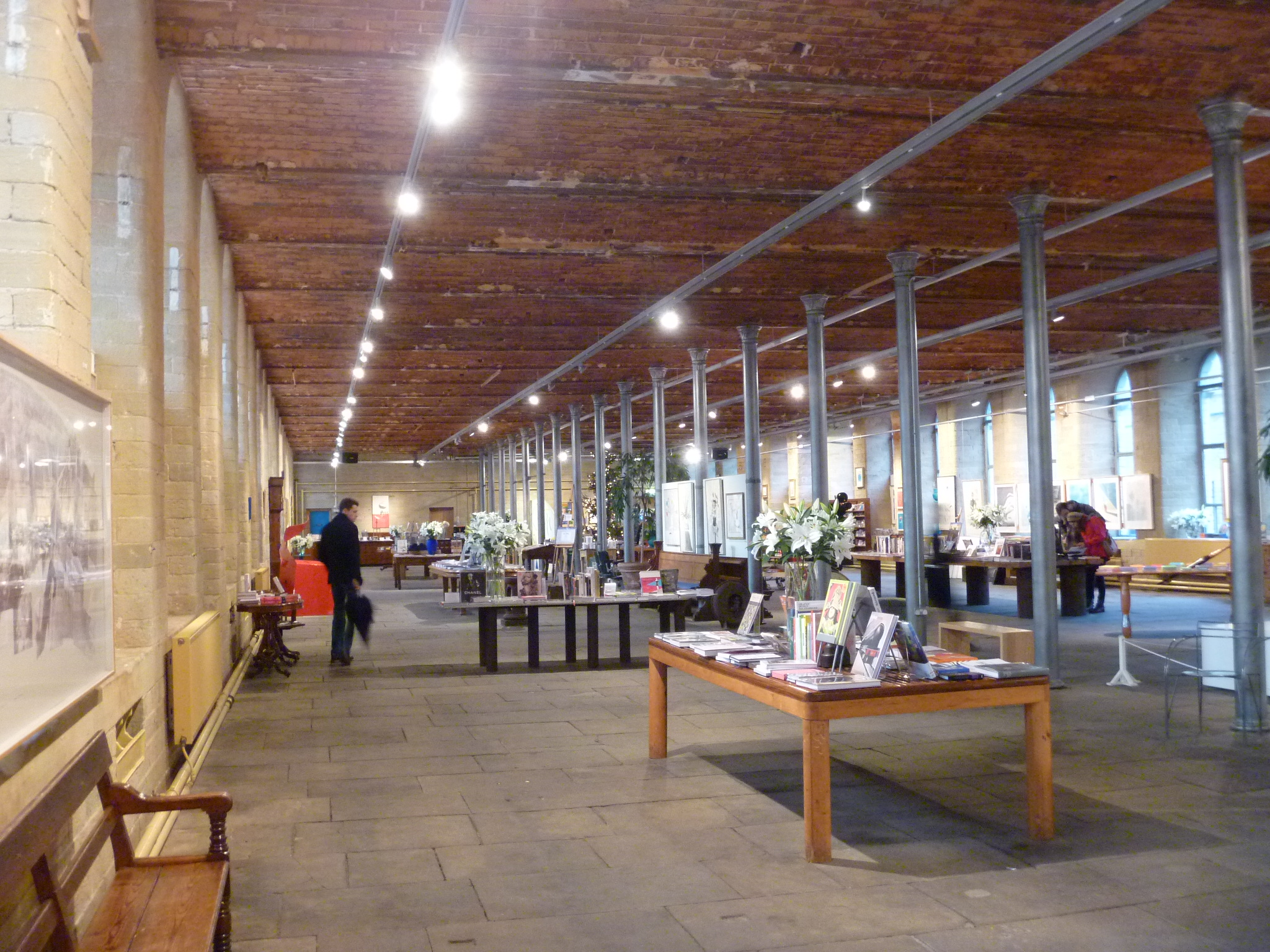
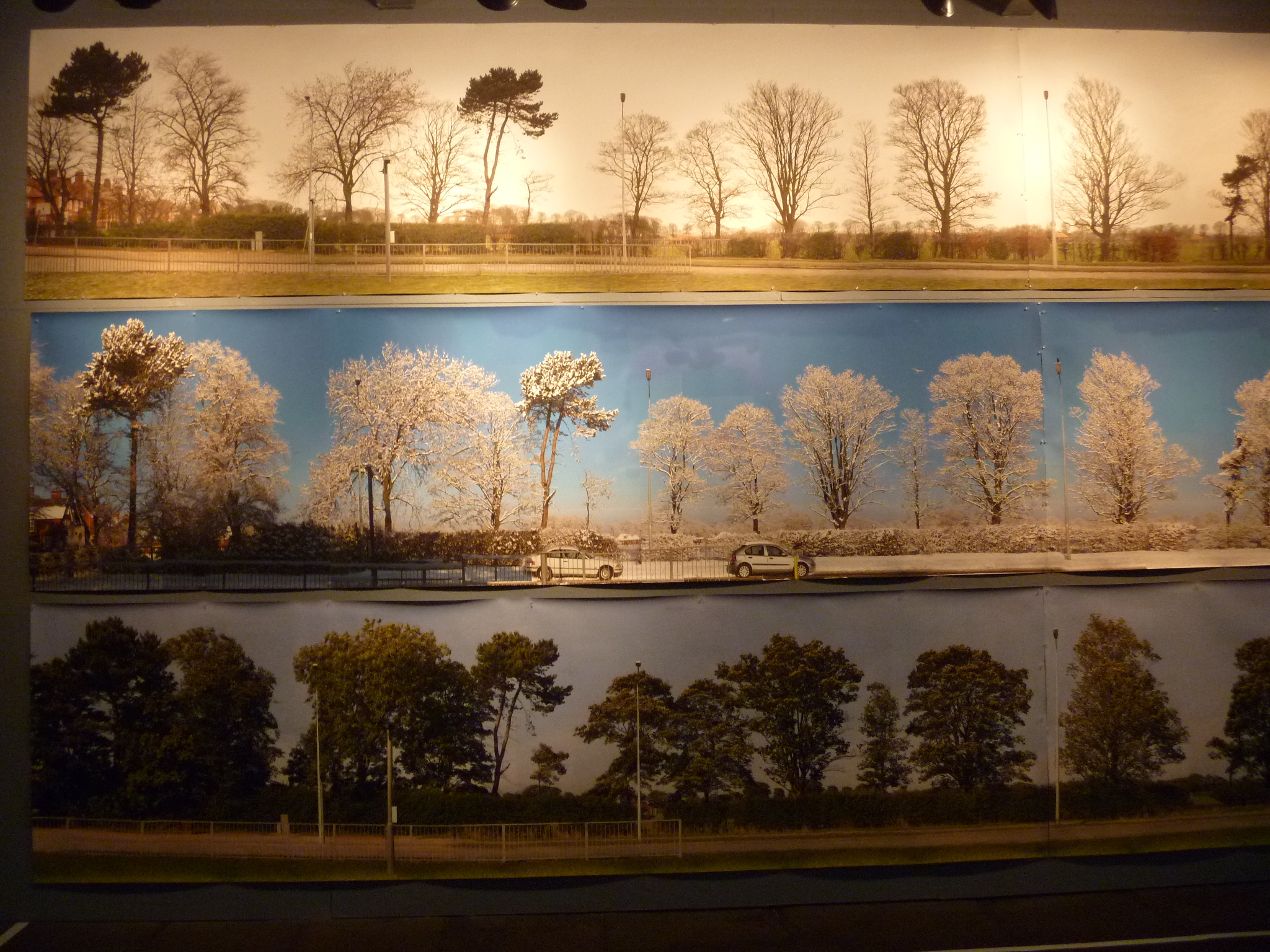
Currently there are two Hockney exhibitions. The permanent display in the ground floor 1853 Gallery is the world’s largest display of Hockney pictures. Here you can also see many of the Burmantofts pots (see top picture) and buy art materials and books. The temporary exhibit 25 trees and other pictures will be showing on the third floor until the end of April 2012.

Besides art and related books there is also Salts Diner, Salts Book and Poster Shop, The Home – a shop selling the very best in home ware designs, an Espresso Bar, Carlton Antiques and Trek and Trail outdoor gear shop.

Salts Book and Poster Shop

It’s not easy to decide what to order for lunch!

I’m so lucky to have Salts Mill nearby – it makes a perfect day out.

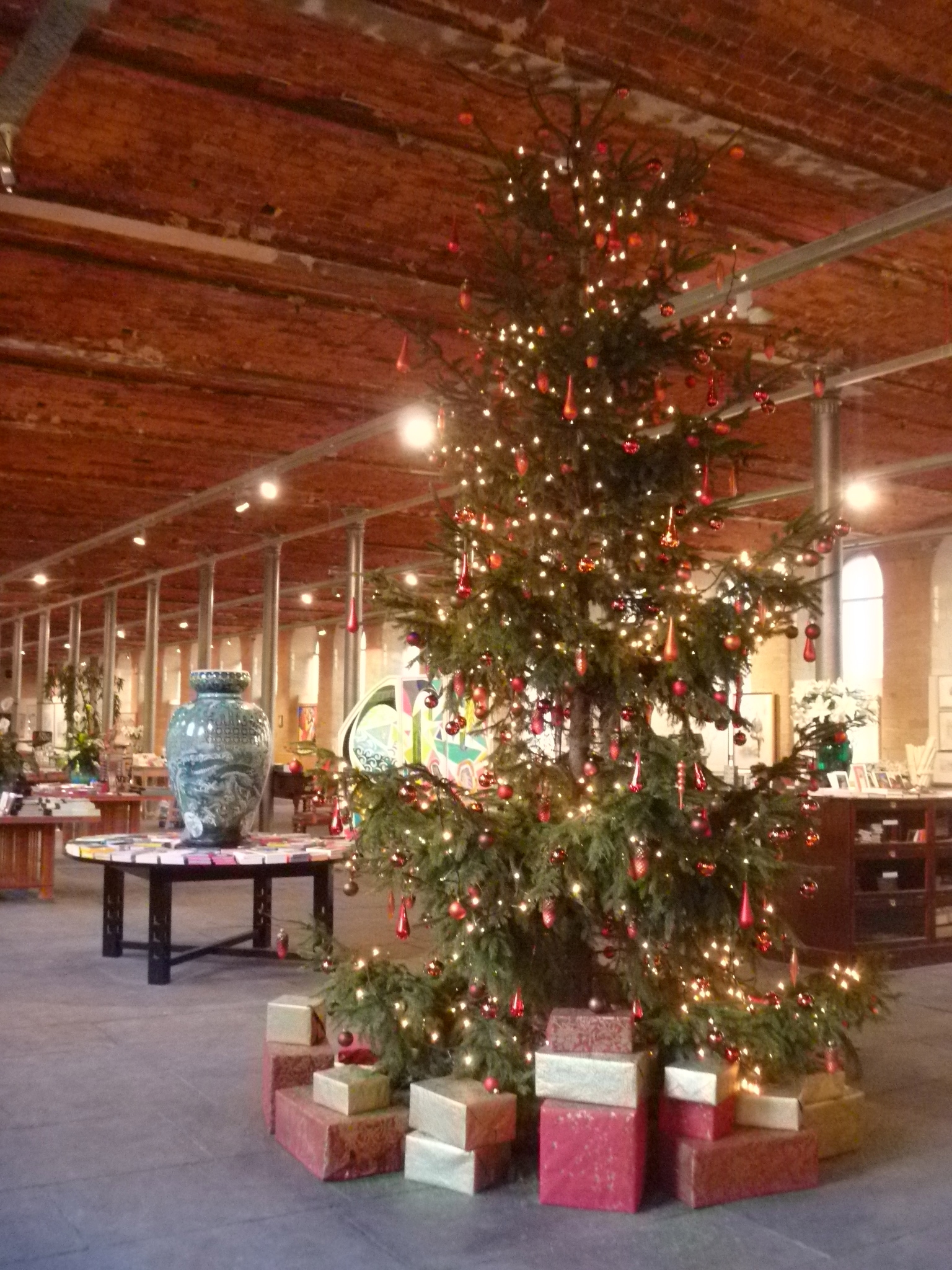
Finally, here is my own tree with best wishes for a Merry Christmas to all Miladys readers!