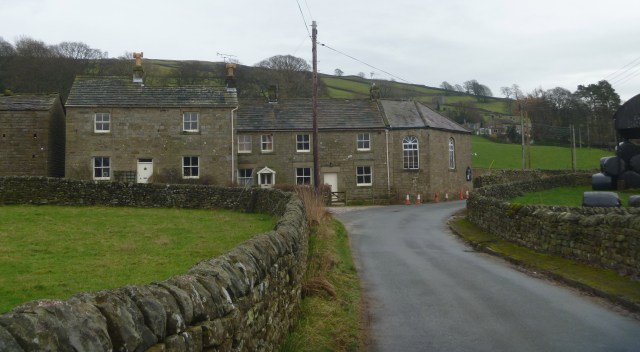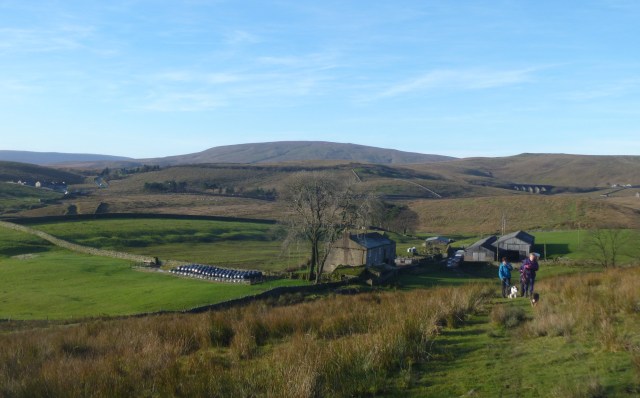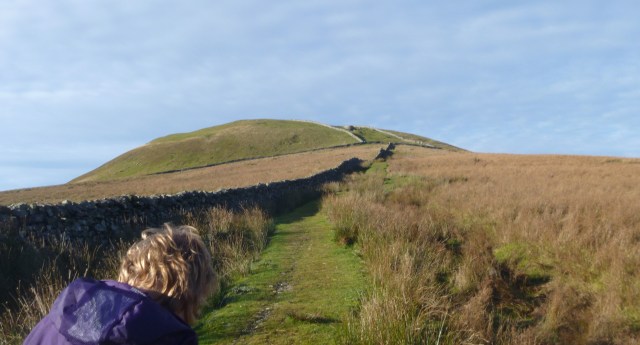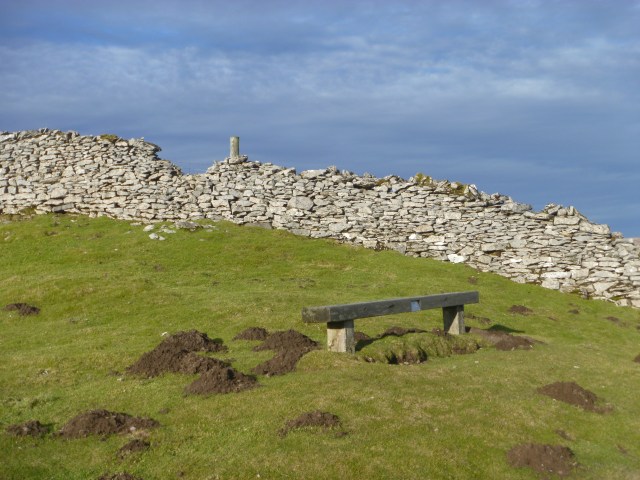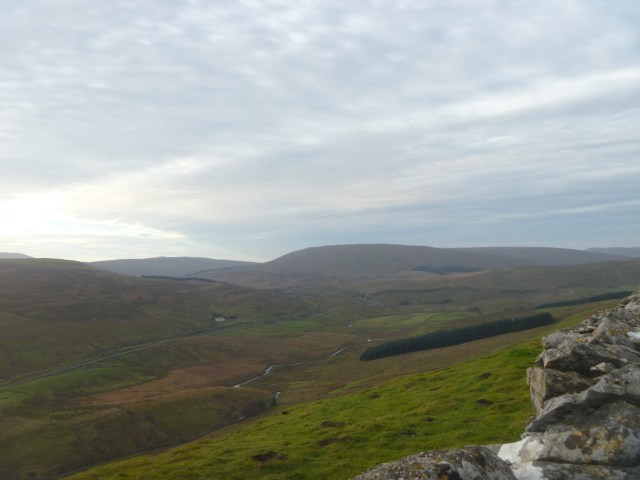
Settle to Long Preston along The Ribble Way

“New for 2014 – Ribble Valley Rambler”

The new Ribble Valley Rambler walks organised by The Friends of DalesRail are Sunday walks. “All walks are from the 09.00 Leeds-Settle-Carlisle service and return to the 12.59 Carlisle-Settle-Leeds service.” Therefore they tend to be shorter and easier than many on the full Saturday programme which tend to comprise full days out.

Settle Station

The weather forecast for Settle for Sunday was for rain but when my 09.16 train from Shipley arrived at Settle Station the sky was blue and the sun was shining. Everywhere had a light dusting of frost and all puddles and muddy paths were reduced to ice. It was the ideal day for a tramp along the banks of the River Ribble at a fastish pace to keep warm.

Ribble

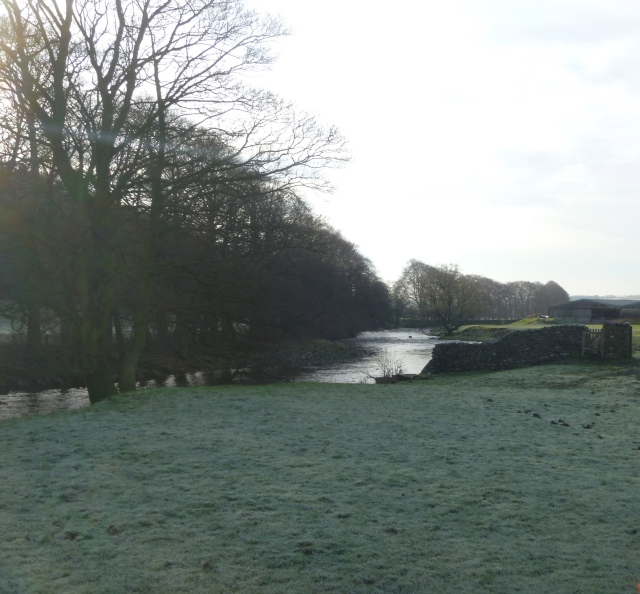
Frosty Fields by the Ribble

For this walk I joined a small group of Friends of Dalesrail and leader, Penny, to enjoy a 7 mile easy walk from station to station following for the most part The Ribble Way.

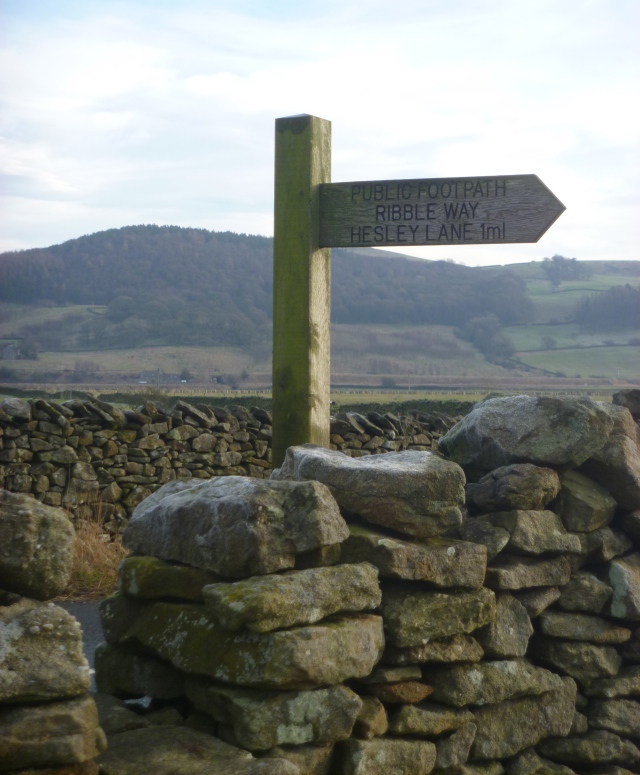
Ribble Way sign

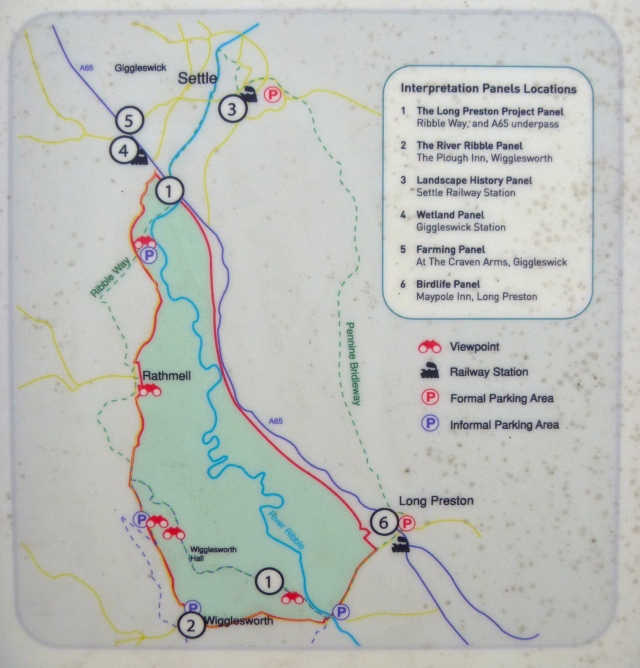
Our path also crossed much of the Long Preston Wet Grassland Project. The LPWGP launched in 2004 with the aim of improving the wildlife value of the Ribble floodplain between Settle, Long Preston and Wigglesworth. The project area covers 765 ha.

LPWGP

LPWGP map

Wet Grasslands

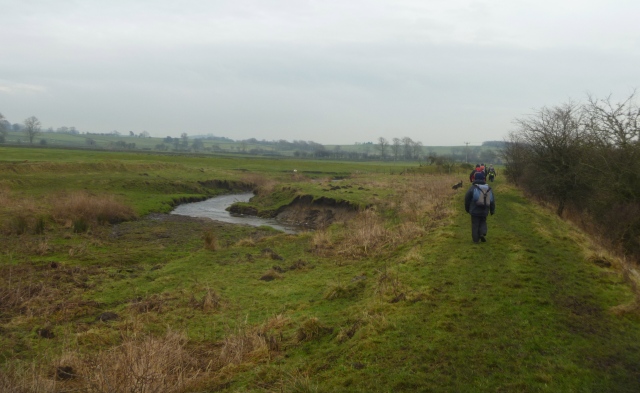
Walking through part of the Wet Grassland Project

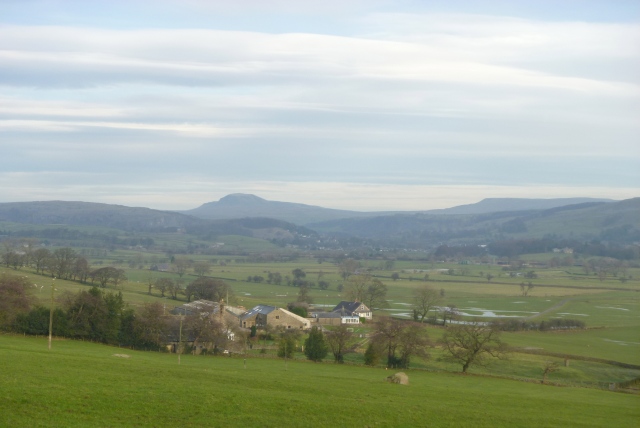
This was a pleasant ramble on mainly level footpaths. There was just one slight climb but looking back from the ‘top’ we had a clear view of one of the famous Three Peaks – Pen Y Ghent.

Pen y ghent

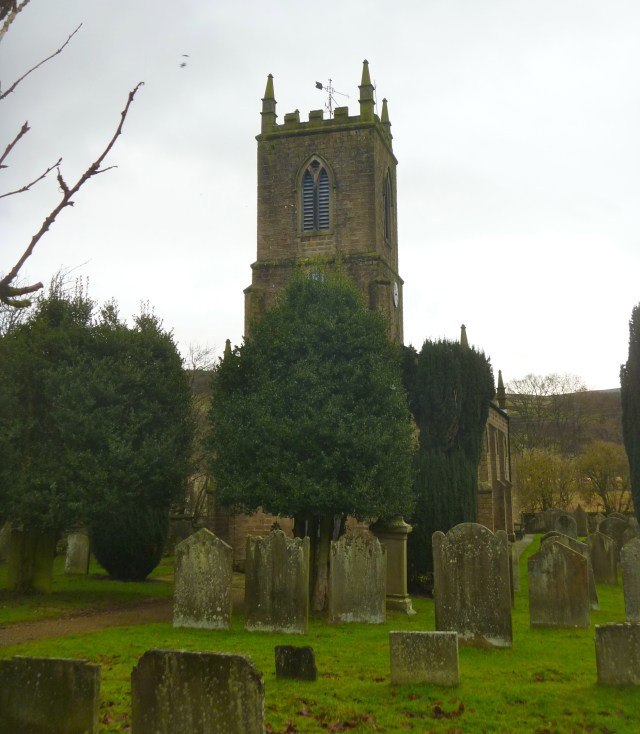
We ate our picnic lunches on benches outside the Reading Room in the middle of Rathmell village opposite the church.

Approaching Rathmell

Approaching Rathmell village

Rathmell is a village of dog lovers and we met several and heard about their answer to another Yorkshire village‘s calendar fund-raising efforts.

Rathmell Rovers 2012

The Rathmell Rovers calendar raised over £1000 for charity

Villages and Churches of Upper Nidderdale, Part 2

Subtitled : Learn some of the history of the villages of Upper Nidderdale.

Happy New Year, everyone, and welcome to another year of rambles (in more senses than one!)

Arriving at Ramsgill

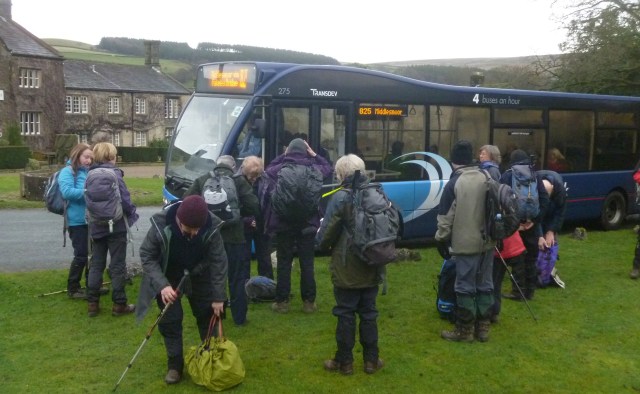
Dalesbus arriving at Ramsgill in Nidderdale

Such a pity that I missed Part 1! But I had never heard of Dalesbus Ramblers when that walk took place. At the end of last year I discovered walking with the Friends of the Settle – Carlisle Line and one the leaders told me about Dalesbus Ramblers so today I drove to Harrogate and joined my first walk with that particular group. With my new Metro Concession Bus Pass I enjoyed free travel from Harrogate up through Nidderdale where the group assembled for the walk:

SUNDAY 5th JANUARY 2014: VILLAGES & CHURCHES OF UPPER NIDDERDALE Part 2
Learn some of the history of the villages of Upper Nidderdale.
Start: Ramsgill: 11.05
Finish: Pateley Bridge: Approx: 14.20
Distance/Grading: 5 miles / Moderate
TRAVEL: Outward: Bus 823/825 from York (08.58), Tadcaster (09.20), Wetherby (09.40), Harrogate (10.05) and Pateley Bridge (10.50). Connections on bus 36 from Leeds (09.15) to Harrogate or Ripon (09.45) to Ripley.
Return: Bus 24 to Harrogate for onward connections.
Walk Leaders: Duncan & Brenda: 0796 951 2743

Naturally, our first church call was at St Mary the Virgin, Ramsgill just across the road from the bus stop.

St Mary's Ramsgill

St Mary the Virgin, Ramsgill

Most of the 20 or so houses in Ramsgill were built in the 19th century and the church was built in 1899 but on the much older site of a grange of Easby Abbey. The remains of the Abbey buildings are  behind the present church.

Easby grange

Remains of Easby Grange, Ramsgill

We also found out that Ramsgill had been one of the film locations for the 1997 movie ‘Fairy Tale: a true story‘ about the two little girls in Cottingley, near Bradford, who in 1917 took a photograph believed by some to be the first scientific evidence of the existence of fairies [The Cottingley Fairies]. Sir Arthur Conan Doyle was one of those who believed this to be true.

Ramsgill scenes :

Village Hall

Ramsgill Village Hall

Ramsgill Houses

Ramsgill Houses

Yorke Arms

The Yorke Arms, Ramsgill

So we moved from Ramsgill to Bouthwaite where we came across our second church – the Wesley Chapel built in 1890 and joined the Nidderdale Way down to Pateley Bridge.

Bouthwaite chapel

Bouthwaite Chapel

Chapel

Wesley Chapel, Bouthwaite

Ramsgill and Bouthwaite lie less than a mile apart at the head of Gouthwaite Reservoir. Our walk continued down the valley parallel with the reservoir and mostly overlooking it as far as Wath which lies at the southern end of the 3 mile long body of water.

Gouthwaite 1

Gouthwaite Reservoir lunch stop

Gouthwaite 2

Looking back up Gouthwaite

Gouthwaite 3

Gouthwaite and the Nidderdale Way

Gouthwaite 4

Gouthwaite Dam

The small Wesleyan chapel at Wath seats just 50 and has 5 walls. It also has links with Rudyard Kipling whose grandfather was once minister here.

Wath chapel

Walkers stop at Wath Chapel

Wath and chapel

Wath and Chapel

From Wath our path joined the trackbed of the former Nidderdale Light Railway to our destination Pateley Bridge where there was just time to have a well-deserved cuppa before catching our return bus to Harrogate. The Dalesbus system, which operates on Sundays with limited winter timetables, enables walkers and others to reach more remote and beautiful areas in North Yorkshire and I hope to make more such excursions during the year.

Old rail track

The track of the former Nidderdale Railway track approaching Pateley Bridge

Ribblehead to Horton via Selside

On Saturday I travelled via Leeds City Station to Ribblehead leaving the shopping hordes behind in Leeds. I was joining my second walk organised by the Friends of the Settle-Carlisle Line :

Sat 21 Dec Ribblehead to Horton via Selside 6m M(oderate)

Ribblehead station – Colt Park – Selside – Borrins – Sulber Nick.

Alight Ribblehead (10.06), return Horton-in-Ribblesdale. (DW/BH) (Alias Duncan and Brenda)

As we travelled along the line from Leeds the dark clouds gathered and I was glad to have a set of waterproofs as rain was forecast for the Settle area.

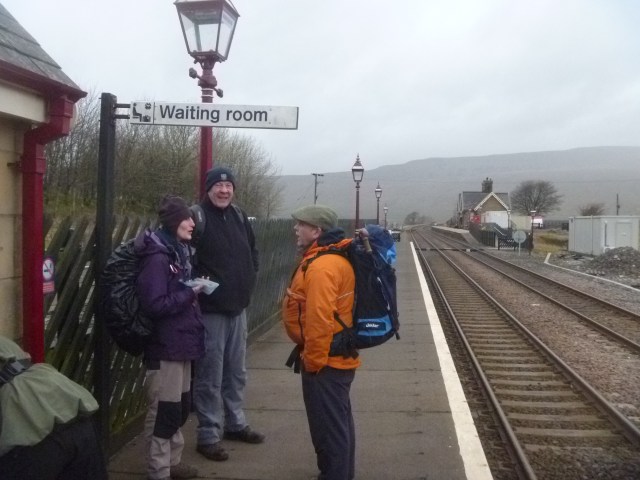
Brenda, Peter and Duncan

Brenda, Peter and Duncan at Ribblehead Station

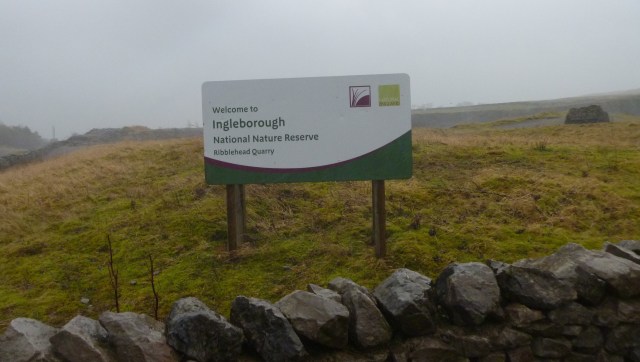
Five hardy ‘wanderers’ assembled on the platform at Ribblehead just as the heavens opened and fierce horizontal rain blew like needles in our faces. We set off though; leaving the station behind and passing through Ingleborough National Nature Reserve.

Ingleborough NNR

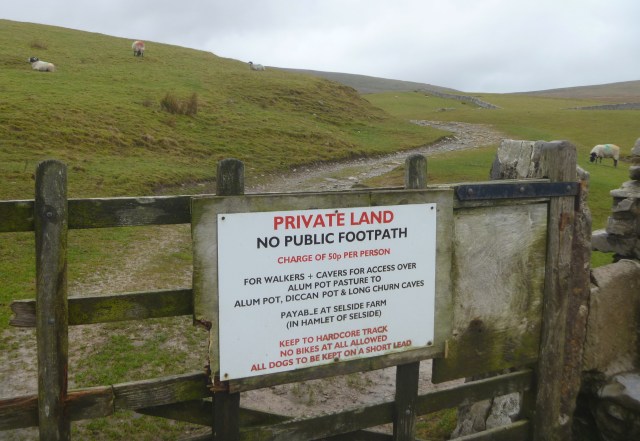
After about 20 minutes the rains blew over and we only had to cope with what seemed to me gale force wind. Our path followed relatively easy, grassy tracks across fields. And later stony, slippery limestone paths through limestone pavement but all very clearly marked. According to Duncan our leader it’s a wet area all year and in places, especially where we finally descended into Horton-in-Ribblesdale, we had to step across many little rivulets and some rather boggy areas. The area is very popular with pot-holers and we passed very near to the famous cave system of Alum Pot.

Snow

We even saw some snow!

To Alum Pot

This way to Alum Pot … no fear!!

Eventually, after a brief lunch stop sheltering under a dry stone wall the sun came out and we saw some blue sky. As we turned to follow the final two miles of path down towards Horton the wind became more favourable to us battering us to the side rather than head on.

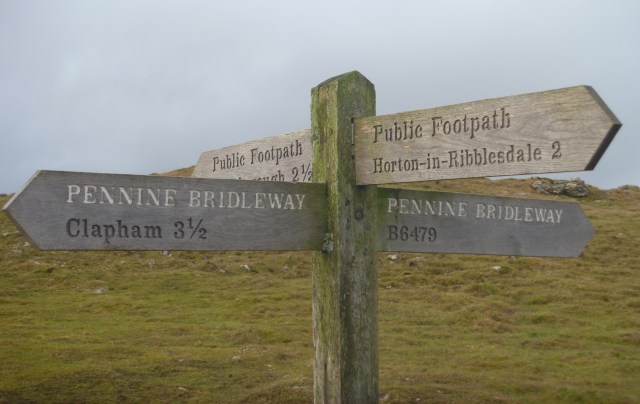
Signpost

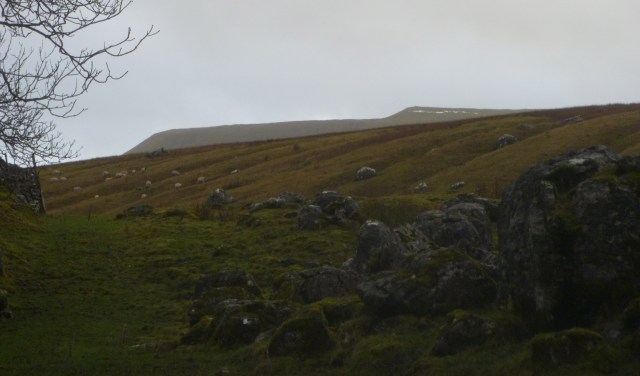
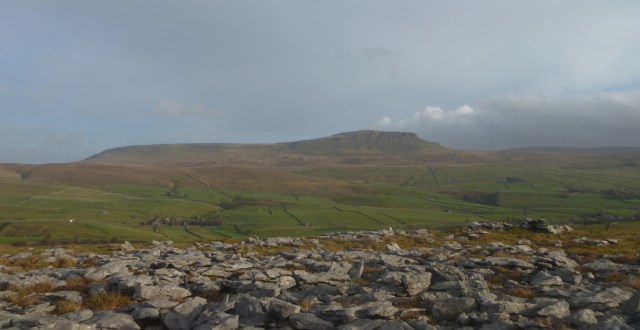
At some point near the end of the walk we had all three of the famous Three Peaks in sight : Ingleborough, Whernside and Pen-Y-Ghent.

Pen-y-gent.

Pen-Y-Ghent enjoying a little blue sky and sunshine

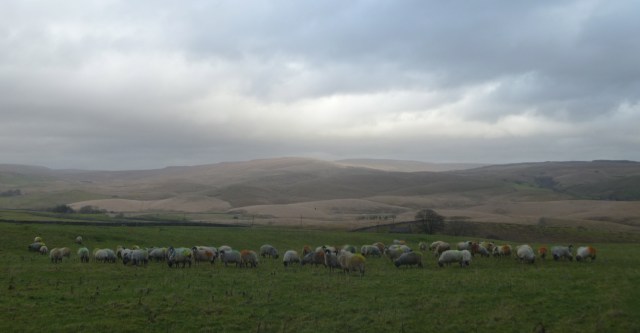
Sheep match landscape

The sheep match the background landscape

Finally we arrived at our destination in the light. Saturday was the shortest day but we managed our hike in the daylight which hadn’t seemed possible when we started.

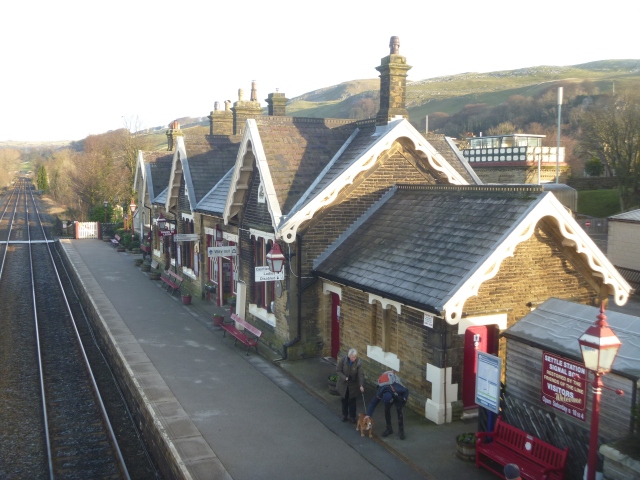
Horton Station

Thanks to Duncan and Brenda, our indomitable volunteer leaders, for taking us out today and despite the stormy start I wouldn’t have swopped my day for a day’s shopping for anything!

Map

Ribblehead (top LH corner) to Horton (bottom middle) via paths to the west of the railway line

Garsdale Circular via Cotter End

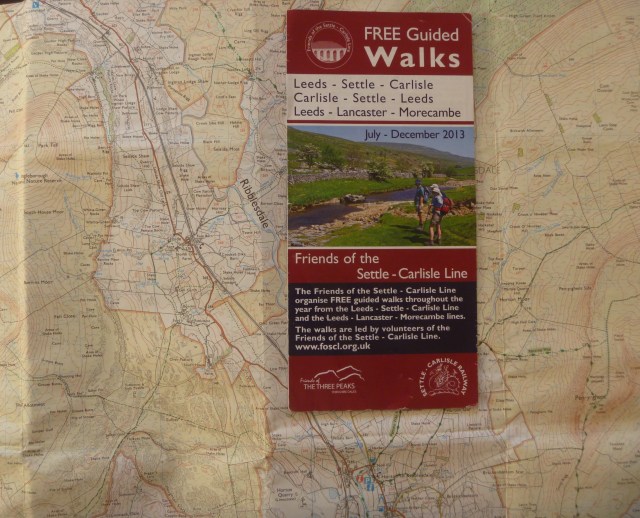
When I last went over to Lancaster from Shipley (West Yorkshire) Station I noticed several people dressed for hiking in the Dales waiting on the platform. They seemed to recognise each other but were obviously not specially friends. They were joining walks organised by the Friends of the Settle Carlisle Line or Dalesrail and had obviously met each other on previous walks. It seemed like an excellent way to enjoy walking in more distant parts of the Yorkshire Dales so I decided to find out more.

Map and leaflet

Later in the Tourist Office at Leeds Station I picked up two walks leaflets and, being aware that I was not interested in 14+ mile strenuous walks and being away or otherwise engaged some weekends, I selected a few walks on dates towards the end of 2013 that I thought I be able to manage. The first of these was today:

Walk leader: DW/BH (Bob had stepped in for Duncan W)
Garsdale Station – Yore House – Thwaite Bridge – Cotter End – High Dyke – Blades – Moorcock Inn – Garsdale Station.

Special Instructions:   Alight (10.21) and return Garsdale.

Date and time:  Sat, 30/11/2013 (All day)
Grade: M(oderate)
Length: 8 miles

Assembling at Garsdale Station

Assembling at Garsdale Station.

Five walkers and two dogs joined two leaders (Bob and Brenda) on Garsdale Station northbound platform this morning in bright sunshine and enjoyed the 8 mile hike. There was one steepish climb – but remember ‘No pain, no gain’ – to a high ridge path with wonderful views and the perfect late November picnic spot. The day could not have been better.

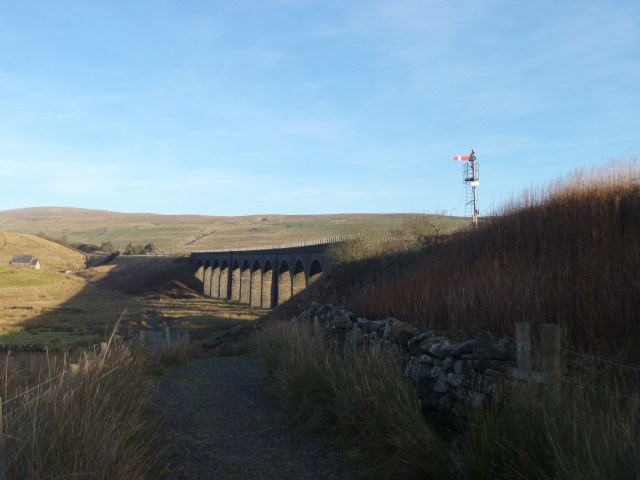
Viaduct

Our path took us under the viaduct

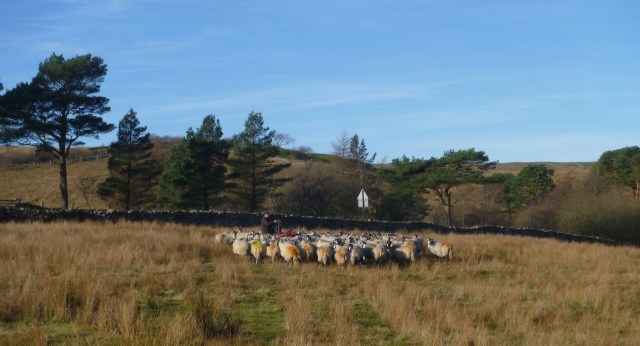
Herd of Sheep

Past a herd of sheep being assembled

River Ure

Over the River Ure

Yore House

Past Yore House

Lady Anne's High Way

After Thwaite Bridge House we climbed up to join Lady Anne’s High Way

Bench awaits

And enjoyed a picnic (our bench awaits) at the highest point of the walk – Cotter End

Extent of walk

From the High Way we could see the extent of our walk

Pennine Bridleway

We descended from the High Way to join the Pennine Bridleway

Ruined INn

With plenty of time to spare we took a short detour to view the ruins of an Inn on the High Way

Former inn

Once a busy inn along a main thoroughfare for sheep drovers and the like now a ruin

Haeding back

As the sun went down we headed back down to the River Ure and …

Garsdale Station

Garsdale Station

Sunset

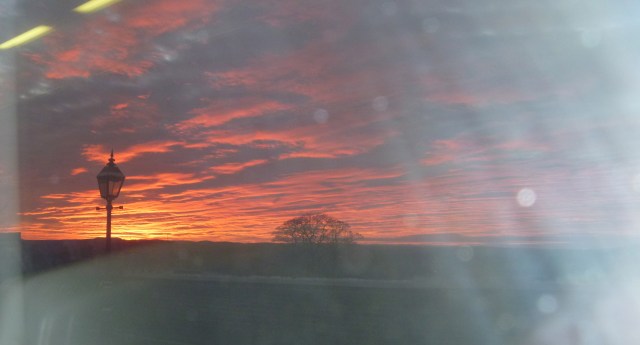
Sunset at Settle Station from the train window

Our train left at 3.35pm and we witnessed a wonderful sunset  over the hills and moors. My photo taken through the train window doesn’t do justice to it. It was great to get out on this beautiful day in an area I was not at all familiar with and I think I will try more of these walks in future.

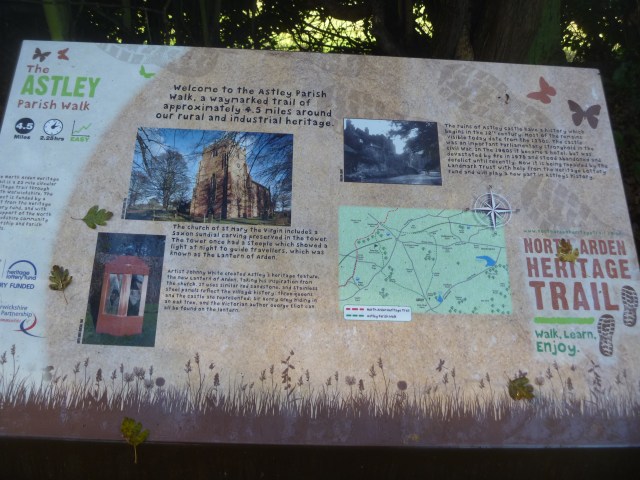
Astley Castle Interpretation Trail

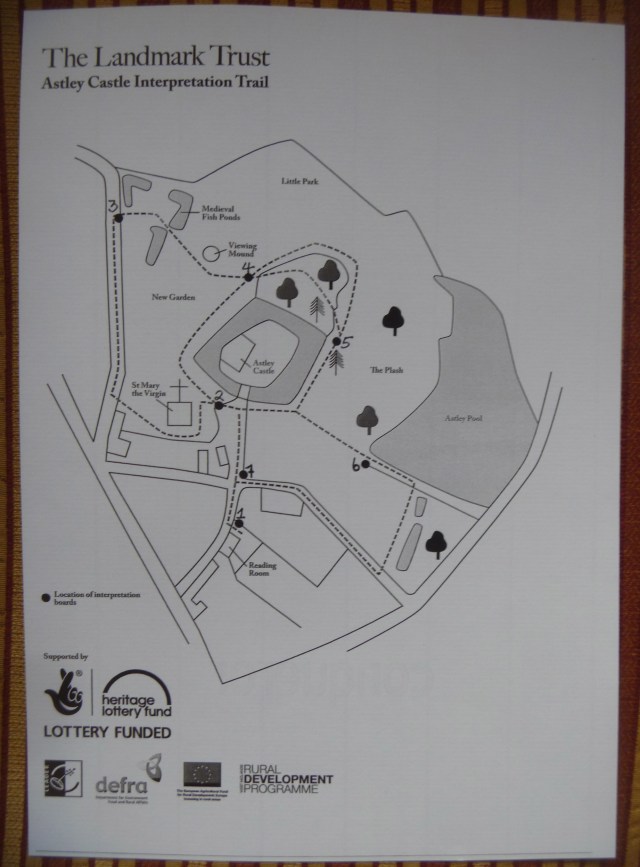
Astley trail map

The Interpretation Trail Map

Amongst many generous donors towards the reconstruction of Astley Castle the Heritage Lottery Fund was one of the major ones; giving a grant of well over a million  pounds to help the project on its way. HLF grants come with strings attached. So Astley Castle, quite rightly, enjoys many features and events not normally connected with Landmarks, in which the general public may be involved such as local school visits, open days and living history weekends. Public involvement has also included art exhibitions and a competition to design an Elizabethan knot garden in the grounds.
Knot Garden

The Winning Knot Garden

One  excellent result of the HLF involvement lead to the establishment of an Interpretation Trail on public footpaths through the area surrounding the castle (but keeping to the other side of the moat!). Information boards along the route explain the views and relate the history of the castle and its royal connections. Of course, I walked this trail many times in both directions. The views changed as the weather and light did throughout each day.

Let me take you along the trail. (Numbers refer back to the map above)
Astley Reading Room

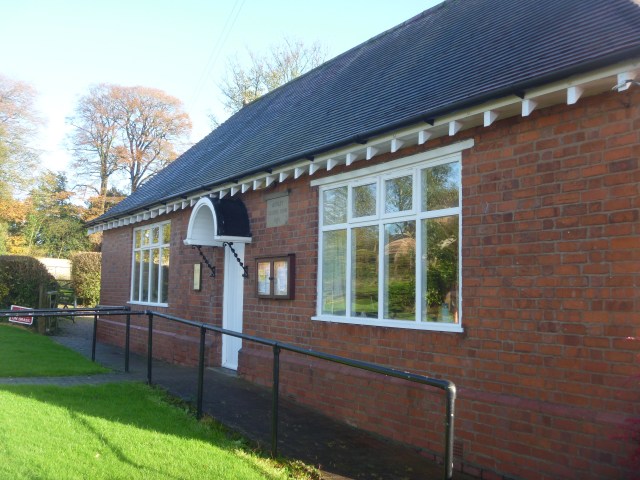
Astley Reading Room

1. At The Astley Reading Room two boards give a general introduction and explain the creation of Astley Castle as a ‘Landmark for the 21st Century’.
AC South elevation

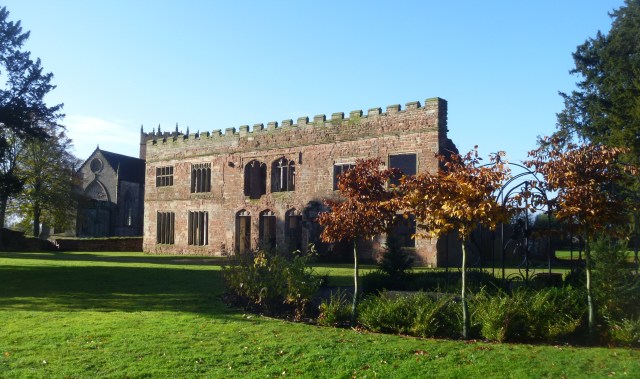
Astley Castle : South Elevation

2. Astley Castle : South Elevation. Staying at the castle; this is where I began the trail each time.

“This ancient structure still remains, and the grounds surrounding it being tastefully laid out and kept in good order.” (Smith’s “A new and complete history of the County of Warwickshire”, 1829)
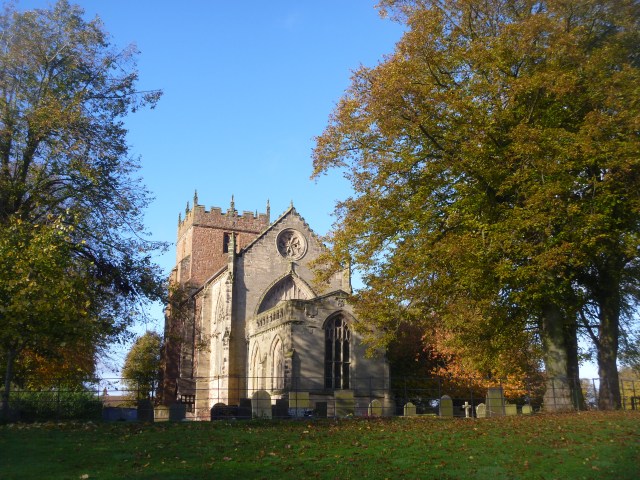
Astley Church

Astley Church

Collegiate church

From the Interpretation Panel

From here there’s an excellent view of Astley Church of St Mary the Virgin. [To be the subject of another post] Proceed through the churchyard to a rather muddy lane and panel 3.
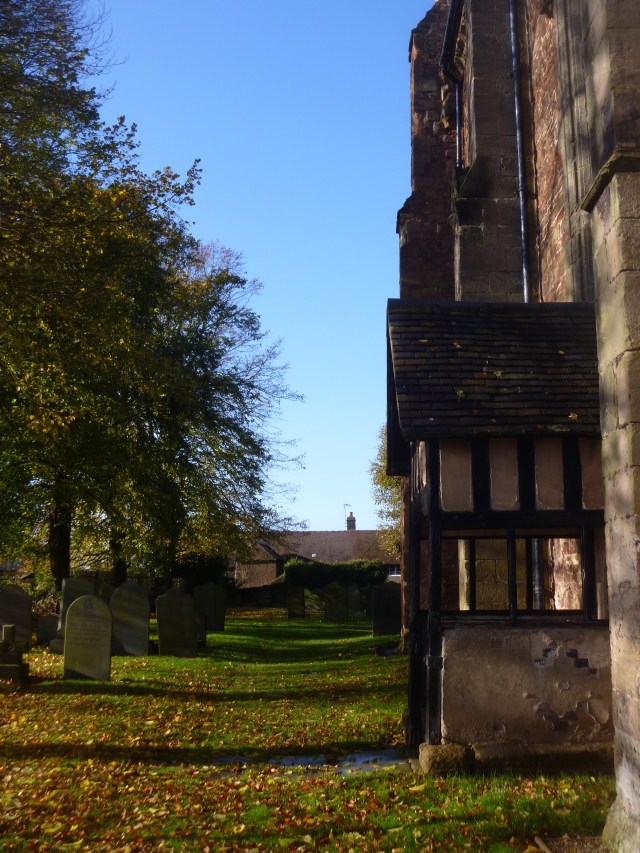
Path through churchyard
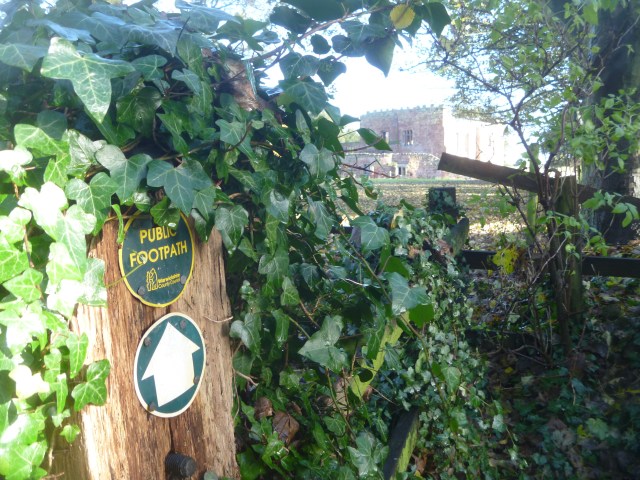
Path through churchyard

Trail this way

Follow the Trails this way

Astley Parish Walk

The Astley Parish Walk shares this lane with the Trail

3. The New Garden. “Today the New Garden is used as pasture but the many lumps and bumps hint at significant buried archaeology, especially in this north-western corner” [Interpretation Board] In fact from this point we re-enter the Castle grounds and here are ancient fish pools and a man-made ‘Viewing Mound’.
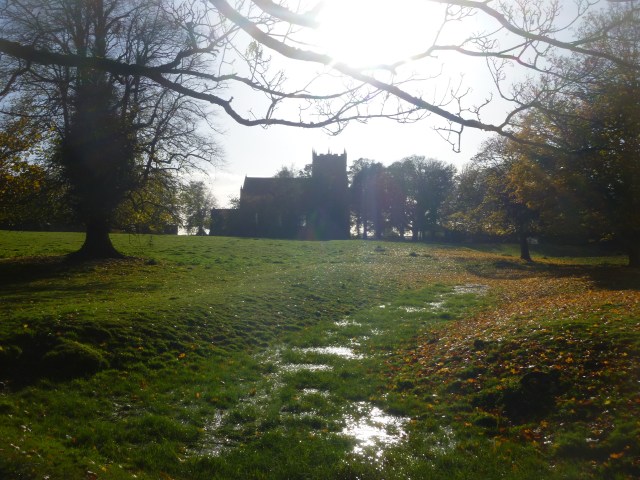
Fish pond and church

The former Fish Ponds and Astley Church
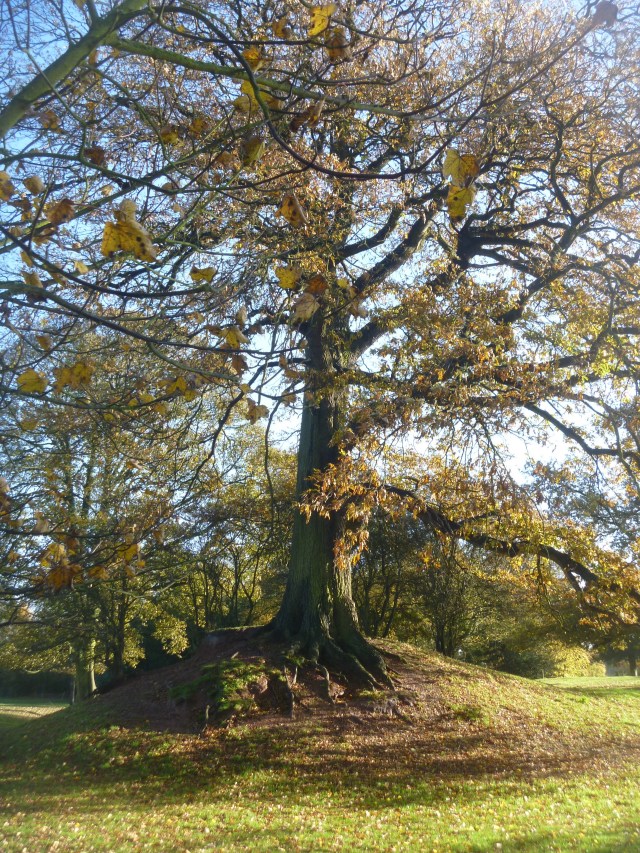
Viewing mound and old oak

The Viewing Mound topped by an ancient oak tree

There can be no real doubt that the New Garden was designed as a garden for the adjacent castle and it was probably laid out with paths, raised-bed type planting, arbours, hedges, and seats, perhaps in the late 15th century. The viewing mount could date from this period too.”.

1690 Estate Map

The area is labelled as New Garden on this estate map dated 1690.

4. Little Park and Shrubbery. Here we leave the meadow and pass through a gate into a small wood or copse now known as The Shrubbery. It contains the kind of cultivated shrubs popular in the 19th century and is only shown on maps as a separate area on maps of the late 19th century and after.
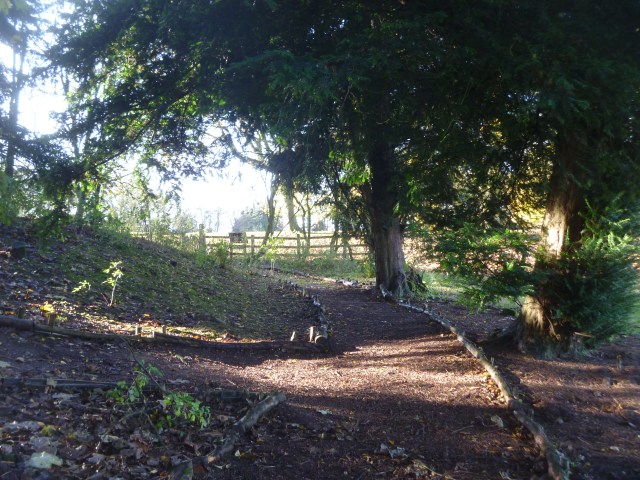
BCTV path through shrubbery

BCTV footpath through the Shrubbery

Just as building work on the castle began and continued from 2008 “volunteers from the British Trust for Conservation Volunteers (BCTV) worked  tirelessly to clear fallen debris, self sown trees and invasive weeds along the footpaths, here in the Shrubbery and around the banks of the moat.”
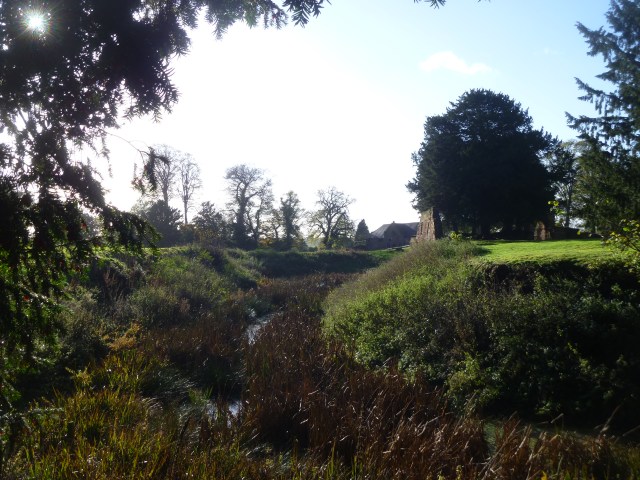
Moat

The Moat contains water in places

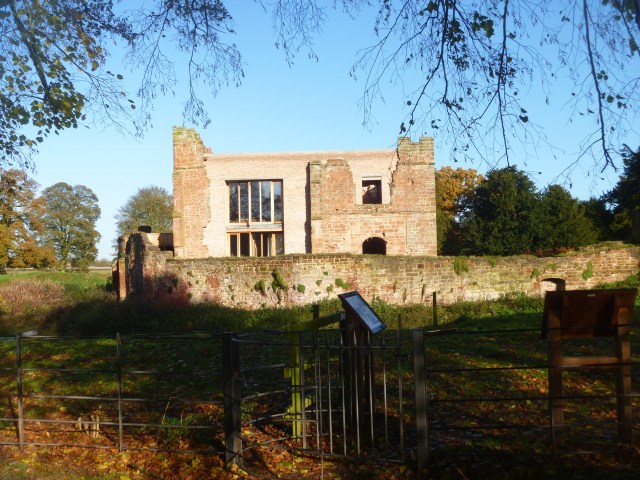
5. East Elevation and The Plash. Emerging from the Shrubbery we gain another view of the Church and the Castle. The East Elevation is to all intents and purposes the Front and Entrance to the building. But looking in the opposite direction there’s a broad green meadow (The Plash) and the still waters of the Astley Pool fishing lake.
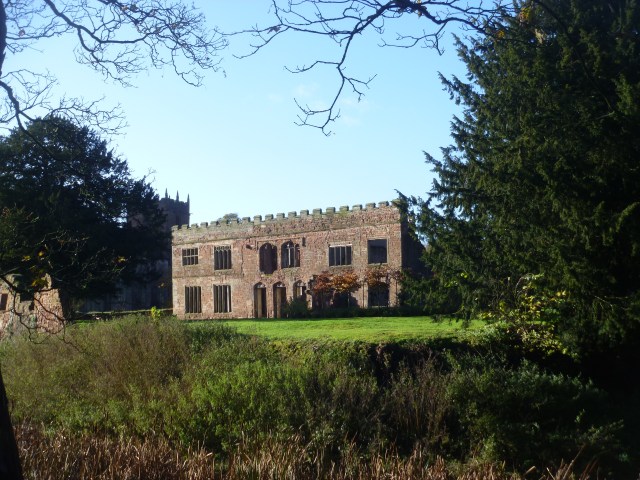
East elevation

The East Elevation (Front) of Astley Castle

The Old English plaesc, modernised as ‘plash’ means ‘a shallow piece of standing water, a marshy pool’ so this is likely to be an ancient natural feature, enhanced and adapted by the castle residents. … The Plash is dotted with trees, several of which are mature specimen trees – including a fine cedar tree.”
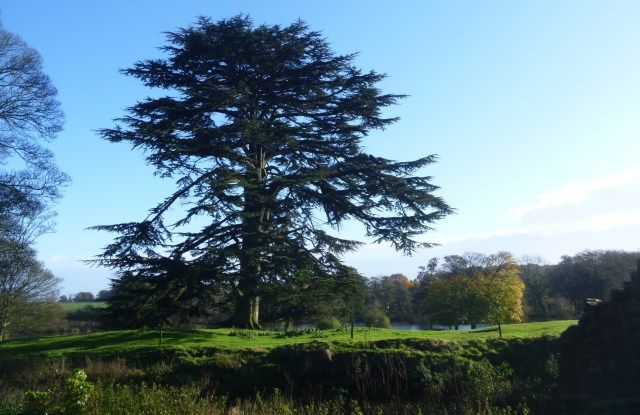
Cedar

The Cedar Tree

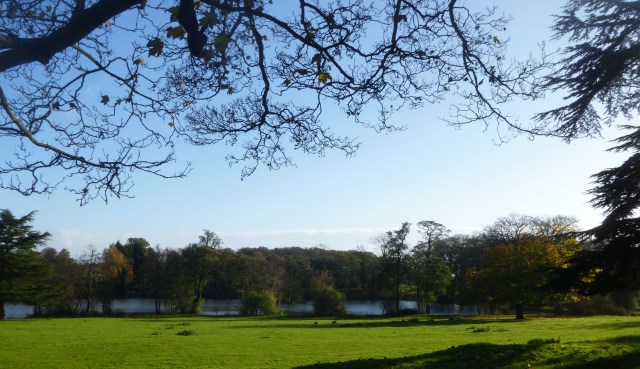
Plash and Pool

The Plash and the Pool

6. Astley Pool and New Road. Our path takes us across The Plash to Astley Pool, a man-made lake. Although it may seem a typical 18th or 19th century creation it is first referred to in 1501. It is now a private fishing lake.
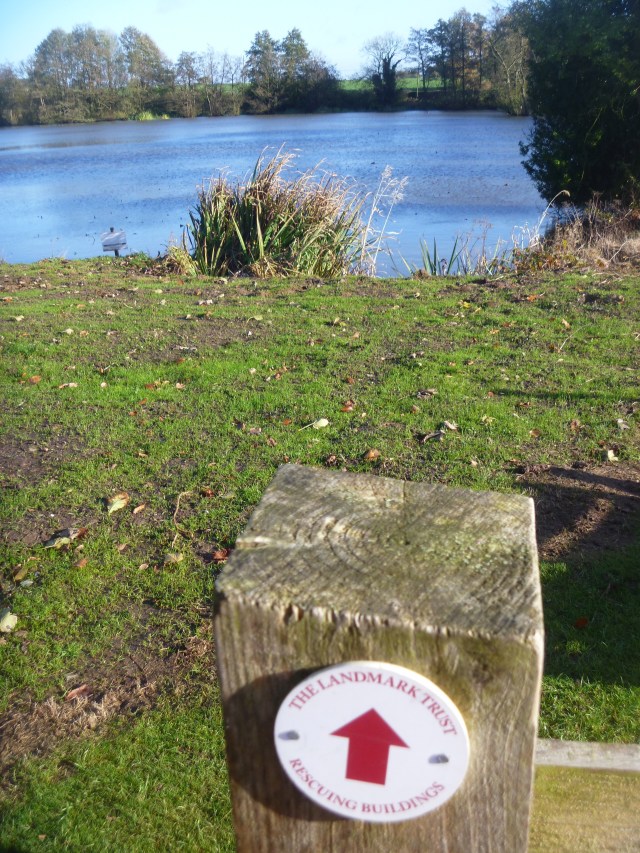
Astley Pool

The New Road was created to link the drive from Arbury Hall to a new access to Astley Castle. The first part of this was across the top of the pool dam and this would have provided a suitably attractive route up to the castle.”

7. Dark Lane and Castle Approach. The BTCV volunteers had been busy clearing the last lane that leads back to the village and the Castle. I was surprised to read in the interpretation notes that this lane was in fact a disused ‘holloway’. I have recently read Robert MacFarlane’s recent book “Holloway“. I had assumed that these features of the landscape only occurred in Dorset and the Downs of the South of England but here was one in the Midlands.
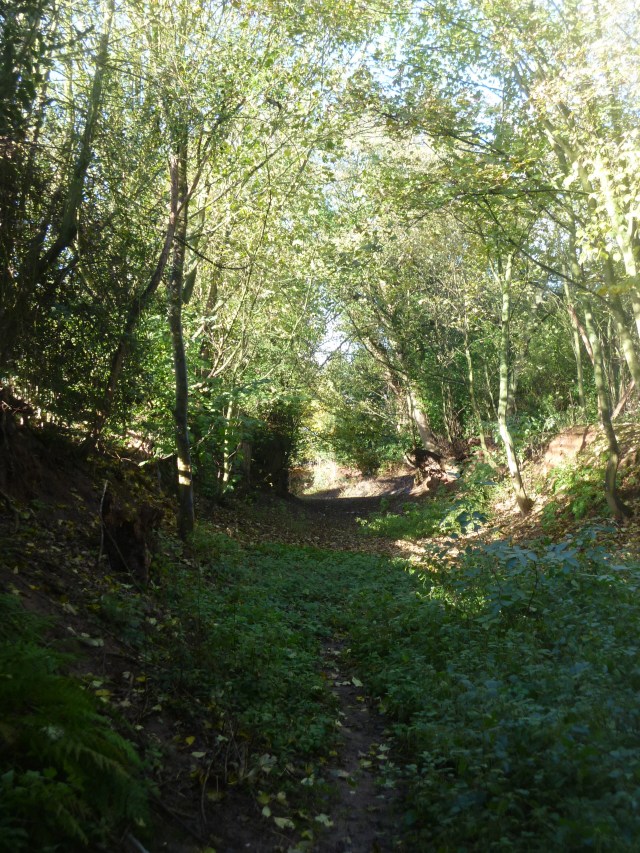
The Holloway

The Holloway

“‘Holloway – the hollow way. A sunken path, a deep and shady lane. A route that centuries of foot-fall, hoof-hit, wheel-roll and rain-run have harrowed into the land. A track worn down by the traffic of ages and the fretting of water, and in places reduced sixteen or eighteen feet beneath the level of the fields.’ “

[See more at: http://www.faber.co.uk/catalog/holloway/9780571302710#sthash.KNxb85gv.dpuf ]

And here we are back where we started at the approach to the castle. On the left is the Coach House like the Castle left to ruin but now repaired and water-tight although it has no use at the moment. Behind are the 18th century Gothick stables.
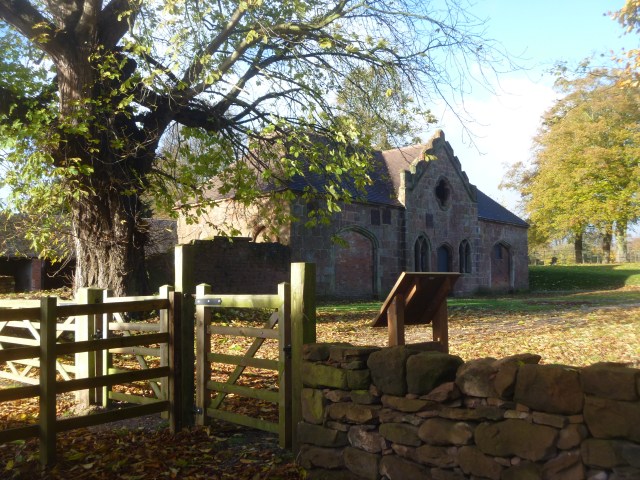
Coach House

The Coach House

Notice

I return to the Castle to study the library and read more about ruins and the rich history of Astley and England.
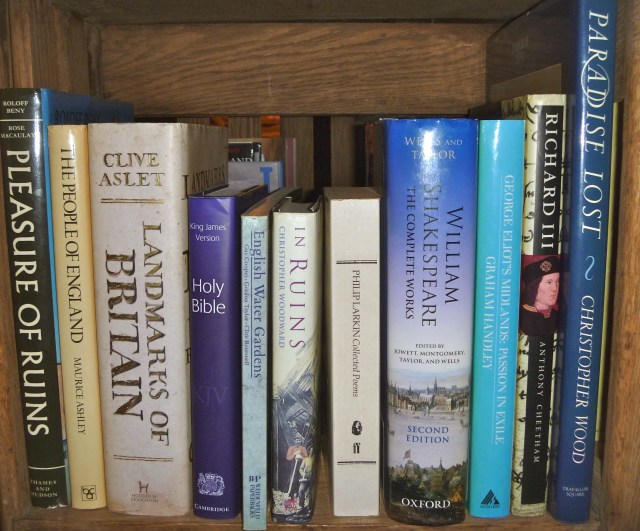
Bookshelves

Gibside : “The Chapell, Greenhouse, Banquiting House, Bath, Gardens, and Walks, [and] pleasure grounds are all gone to Ruin.”

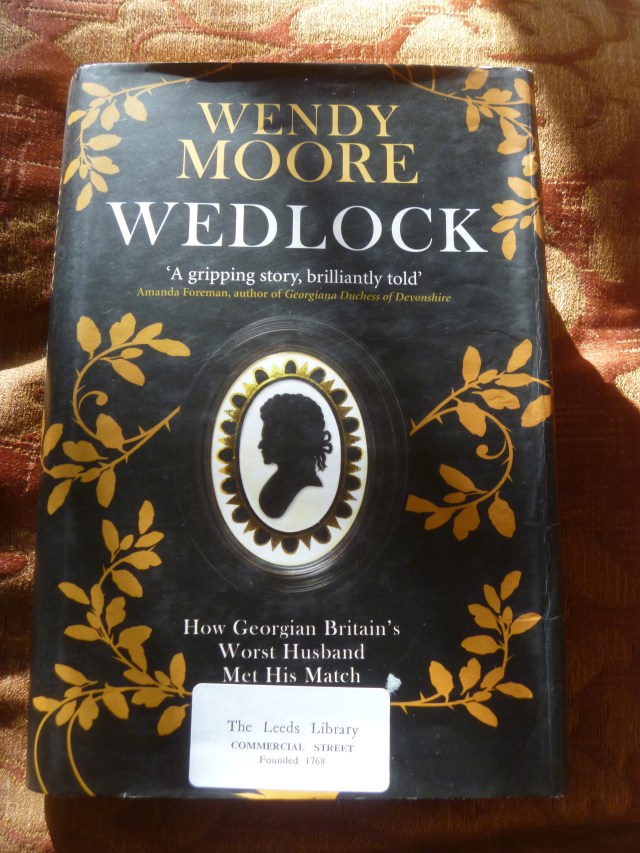
Last week I finished reading ‘Wedlock’ by Wendy Moore, subtitled on the cover ‘How Georgian Britain’s Worst Husband met his Match’. And what a tale it tells. It’s been recommended to me from several sources not least from Nilly Hall‘s wittily titled ‘Bowes and Cupid’s Arrows‘ published last February.

Wedlock

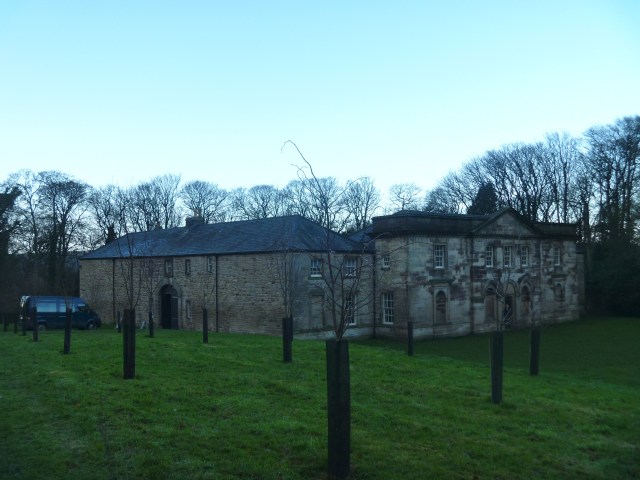
The book is the story of Mary Eleanor Bowes (1749-1800) daughter of the coal baron creator of “Gibside, a Georgian ‘grand design’ on a spectacular scale. The vision of coal baron George Bowes, the Palladian chapel is an architectural masterpiece, the stable block is a vibrant learning and discovery centre, and the once grand hall is now a dramatic shell. Gibside is also a haven for wildlife with red kites often circling in the skies above.” [NT]

Stable Block 2

The Stable Block

Gibside just a few miles from Newcastle is now the property of the National Trust. I have visited Gibside twice. The most recent time was just last December on my way to a course at Sage plc.

The Chapell

The Chapell

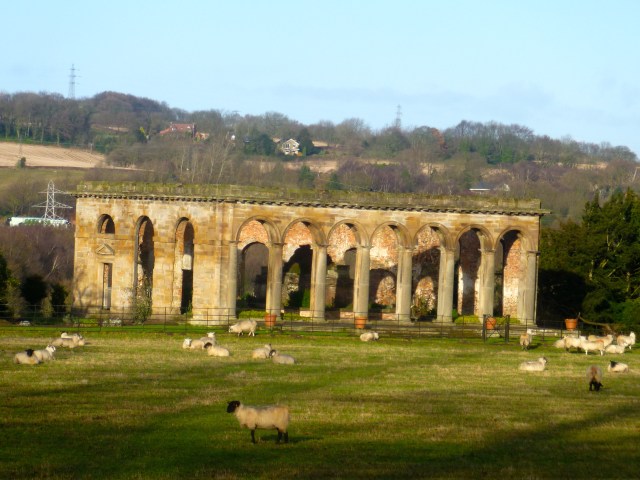
Orangery

The Greenhouse or Orangery

Banqueting House

The Banquiting House

The water feature below the Banqueting House was an elegant octagonal pond built in the Greek style to add to the stately vistas. A fountain cooled he air and statues stood on the terraces above. The Banqueting House was restored by The Landmark Trust after many years of neglect. That same neglect has had some happy consequences for the pond. It is now a Site of Special Scientific Interest (SSSI) for its population of great crested newts. There are no plans to restore the Octagon Pond as any such work could destroy the habitat of these shy and rare creatures, as well as upsetting the many other types of bird and aquatic life that thrive here. [Extracted from the Information Board at the Pond]
A highly educated woman for her time Mary Eleanor’s father, George Bowes, died when she was 11 leaving her a vast fortune and prey to future gold-diggers. She married her first husband, John Lyon, the 9th Earl of Strathmore, in 1767, gave birth to five children in six years and was left a widow when Lyon died of tuberculosis in 1776.

Her second marriage to Andrew Robinson Stoney, an Anglo-Irish adventurer, was a total disaster. Self-styled ‘Captain’ Stoney duped Mary into marriage in 1777. From then on she was brutally treated and virtually held captive by him. Finally, she did manage to escape his clutches and even to divorce him – highly unusual at the time. He is the origin of the term “stony broke” – he died in a debtor’s prison – and he was the inspiration to William Makepeace Thackeray who learned of Stoney Bowes’ life story from the Countess’s grandson John Bowes and used it in his novel “The Luck of Barry Lyndon.” 

Stoney’s or Bowes’, as he is called in the book (in compliance with Mary’s father’s will, Stoney changed his name to Bowes his marriage to Mary Eleanor), greed was responsible for the ruin of Gibside and the destruction of thousands of trees on the estate .

It is ironic that Mary’s father constructed the Column of Liberty in the grounds of the estate when for several years during her marriage to Bowes she was very far from being at liberty.

Column of Liberty

The Column of Liberty at Gibside

Welcome to Lustleigh : A Short Tour of the Village – The Church, The Green and Wreyland

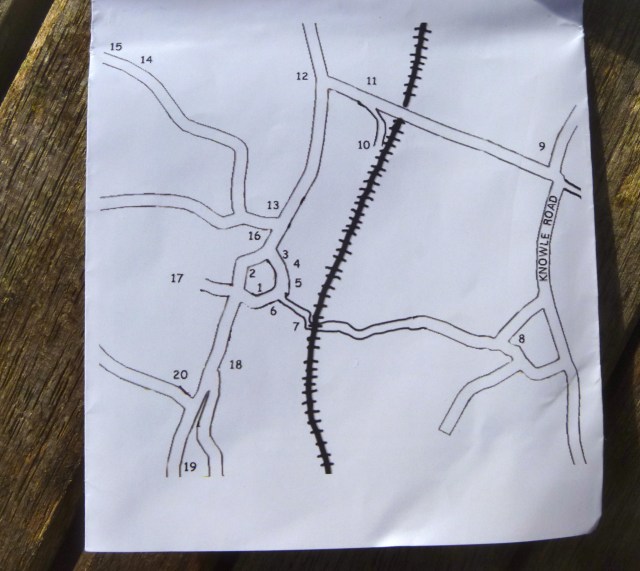
Walk Map

A Walk Around Lustleigh Map

Last week I was staying in deepest Devon in the lovely village of Lustleigh on the edge of Dartmoor but within the boundary of the Dartmoor National Park. In addition to everything listed on the walk leaflet there is an excellent community shop called The Dairy. It houses the Post Office (open 9-1 each weekday) and itself is open every day including Sunday. Come with me on a walk through Lustleigh …

Starting at the village centre, outside the Church.

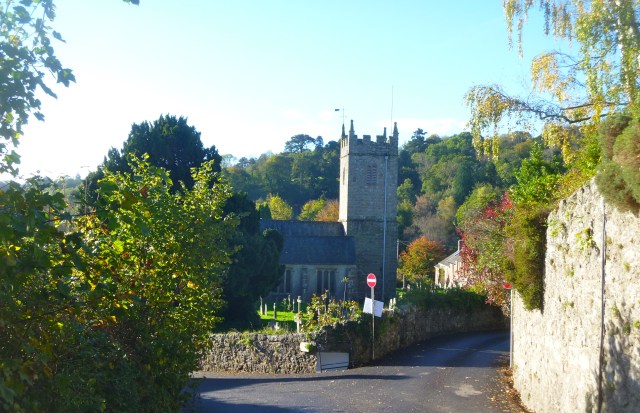
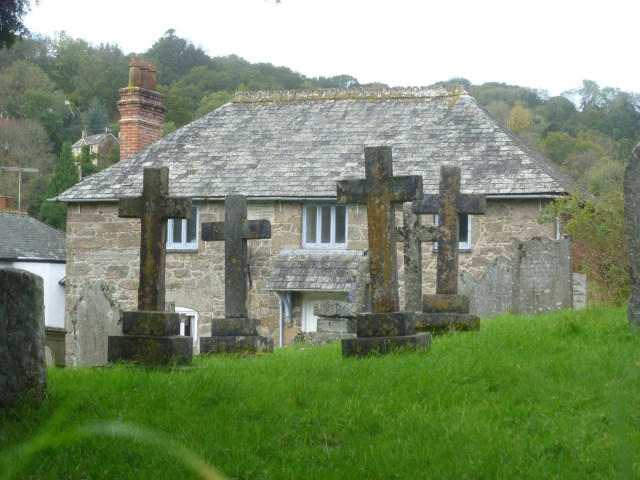
Lustleigh Church

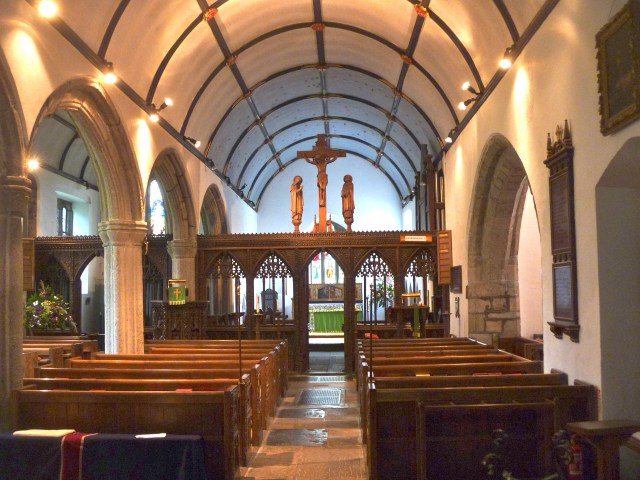
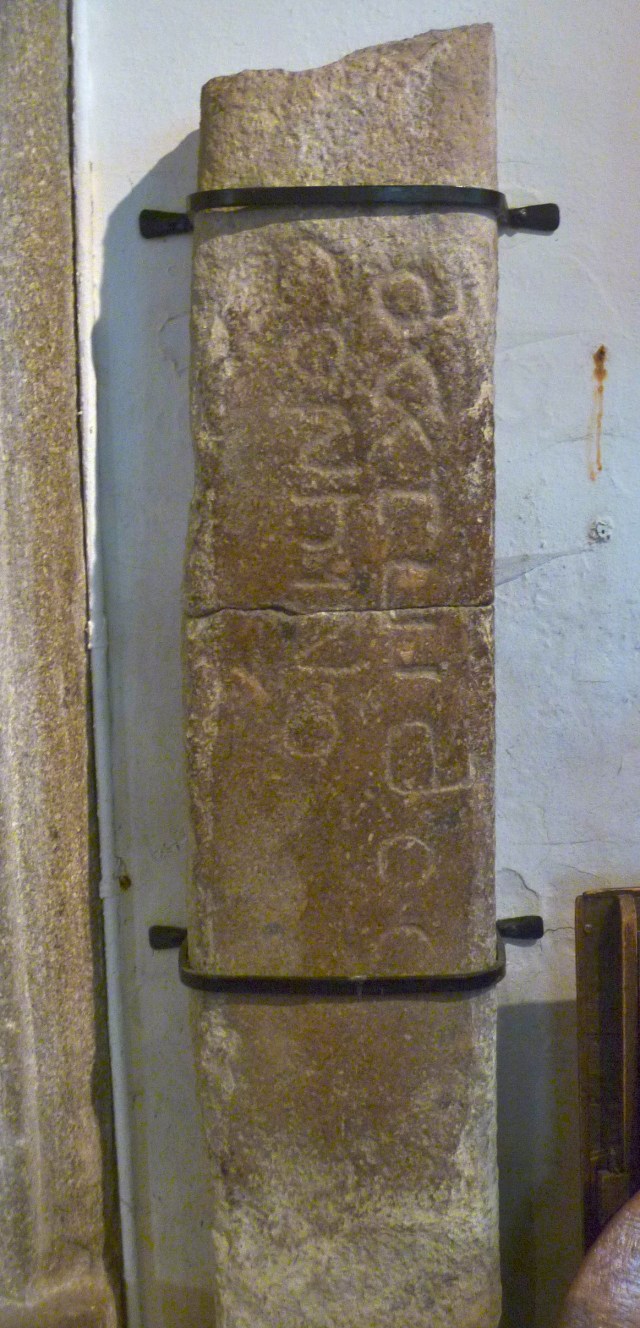
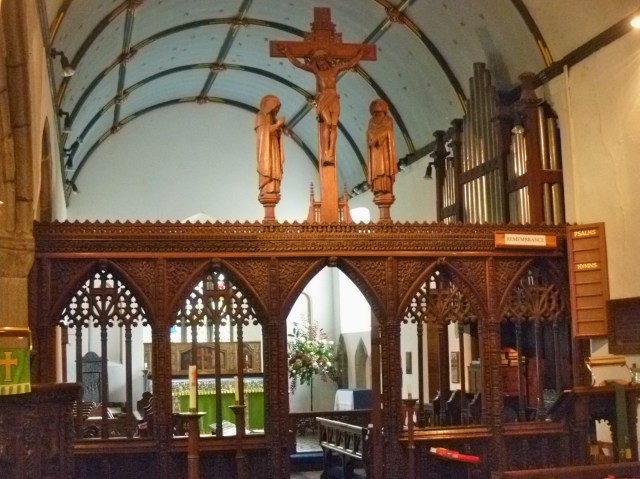
1. Church of St John the Baptist: built in the 12th century on a Celtic site. Inside see the raised Celtic stone and the beautiful rood screen.

The nave

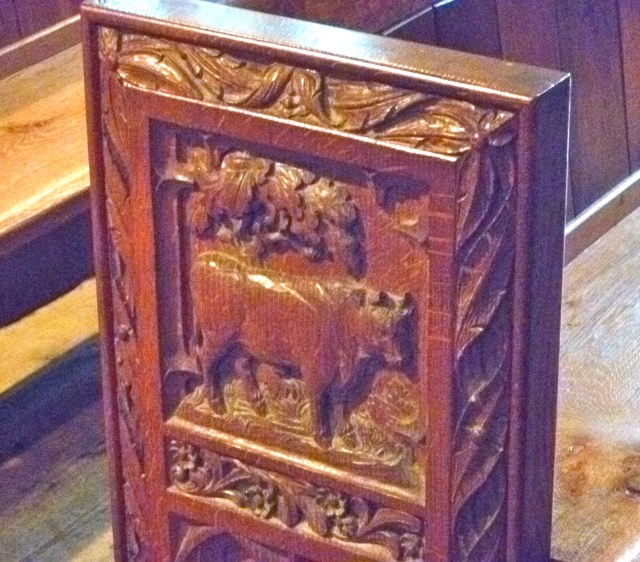
The Nave with Rood Screen, Barrel Roof and Carved Pew Ends

Celtic stone

The Raised Celtic Stone

[This ancient stone was removed from the position in the paving below the inner doorway of the church porch in 1979 in order to preserve it from further wear. It belongs within a well-recognised series of commemorative stones erected in the post-Roman period between about AD450 and AD600. The inscription probably read ‘DATUIDOCI CONHINOCI FILIUS’ – the stone Datuidoci the son of Conhinoci’.]

Carved pew end

Carved Pew End

Rood screen

Rood Screen and Carved Pulpit

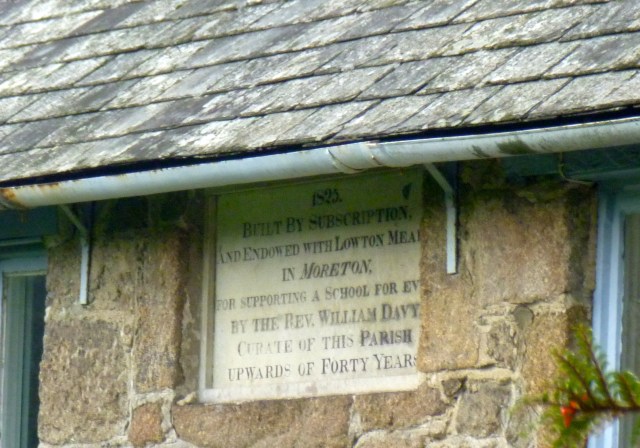
2. The Old Vestry: originally a school (see tablet on wall above the door). Now used for church choir rehearsals, parish council meetings and by the Lustleigh Society for the Community Archive.

Old Vestry

The Old Vestry

Tablet

Tablet on The Old Vestry

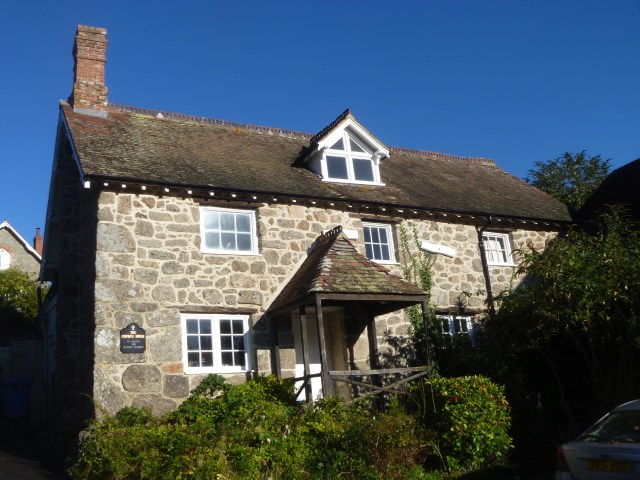
3. Church House: built around the 14th century. It was once a centre for village social activities, later became a Poor House and then a Reading Room.

Church House

Church House

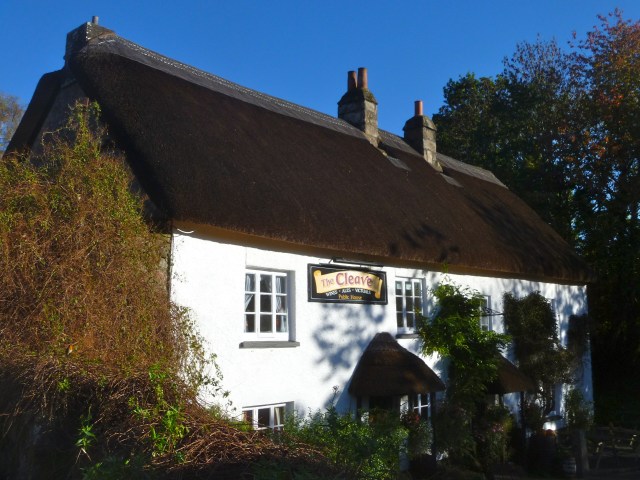
4. The Cleave Hotel: originally an old farm “Gatehouse” and became a public house in the 19th century.

The Cleave

The Cleave Public House

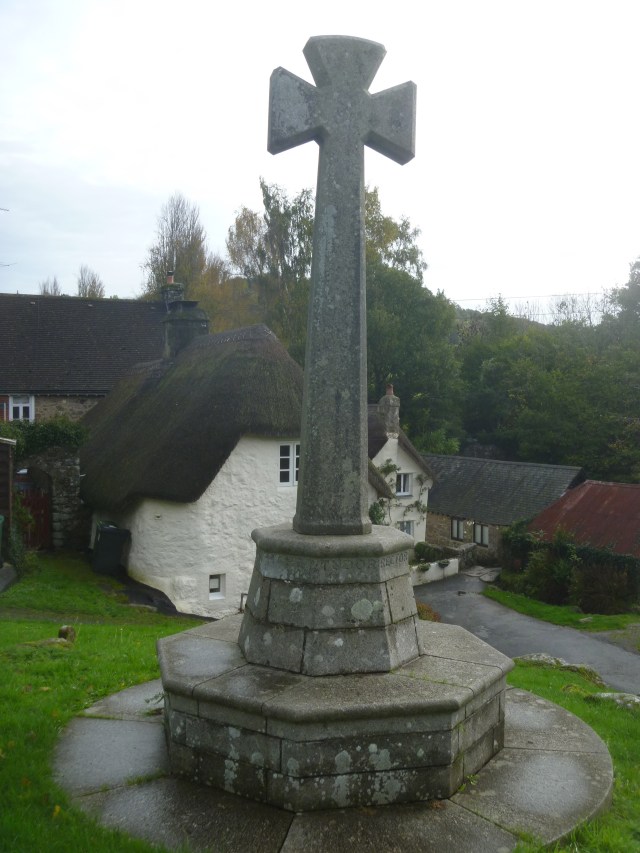
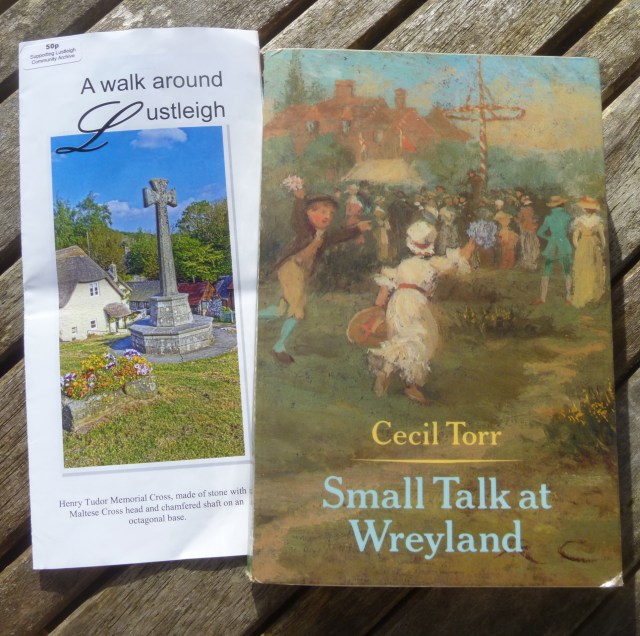
5. Tudor Cross on the village green. Made of stone with a Maltese Cross head and chamfered shaft on an octagonal base. Erected in memory of Rector Henry Tudor (1888-1904). Nearby was the site of the village pump. Only the granite trough remains.

Tudor Cross

Tudor Cross

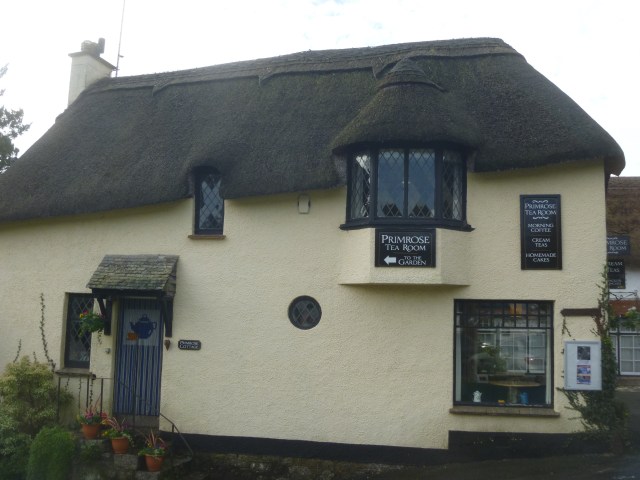
6. Cottages around the green: In the mid 19th century many were shops and one a Post Office. Primrose Cottage [tea rooms] was built in 1940 on the site of a hardware shop.

Primrose Tea Rooms

Primrose Tea Rooms

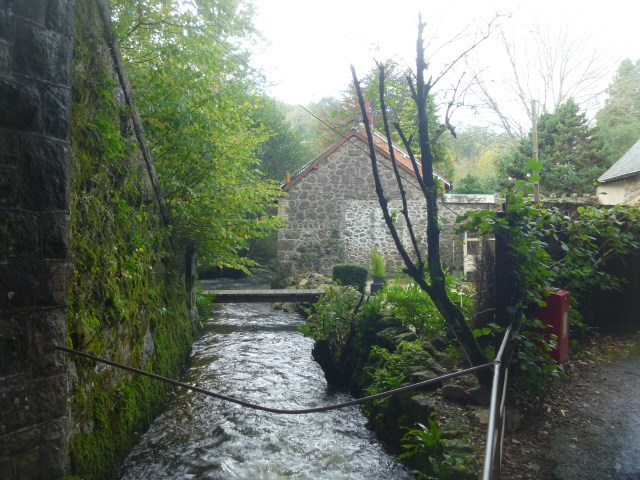
7. Old Gospel Hall: formerly used for worship by the Plymouth Brethren.

Baptist Chapel

The Old Gospel Hall and Wrey Brook

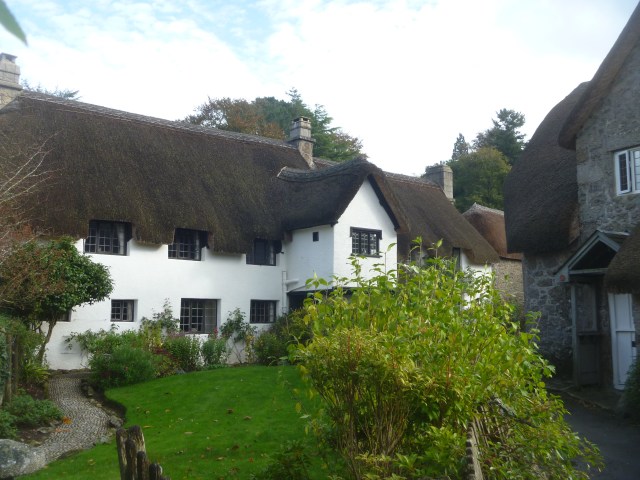
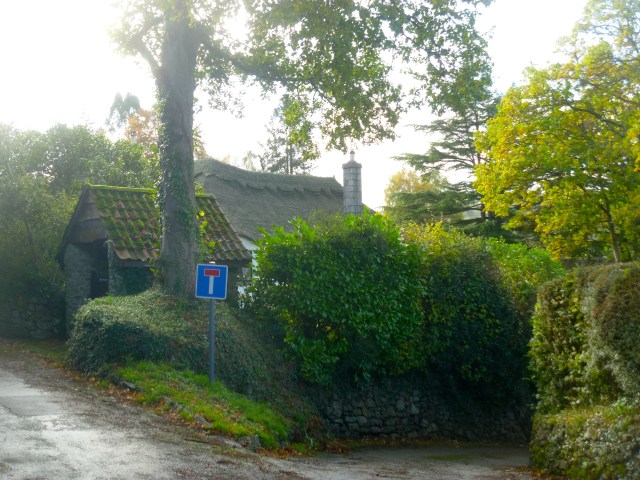
8. Wreyland: Approached from under the railway bridge Wreyland (or Wrayland) is a small hamlet that was part of the parish of Bovey Tracey until 1957. The Wrey Brook being the boundary between Lustleigh and Bovey. The thatched cottage on the left, known as Wreyland Manor, was where early manorial courts were held. Cecil Torr’s family owned properties here, including Yonder Wreyland where “Small Talk at Wreyland” was written.
Wreyland Manor

Wreyland Manor

Yonder Wreyland

Yonder Wreyland

Small Talk at Wreyland

Small Talk at Wreyland

Garden Walks in the City of London : Gardens, Inns and Alleyways

GARDENS, INNS AND ALLEYWAYS
Meet At Chancery Lane Tube Station, Exit 3
Fridays at 12.00 Noon (accept Good Friday 29 March 2013).

A walk through London’s historic legal quarter, exploring glorious hidden gardens, distinguished and ancient buildings and hidden alleyways. Venture into a private world where few walkers stray – unless they have need of a lawyer!.
This walk includes steps and ends at the river near to Temple Tube Station.” [Source]

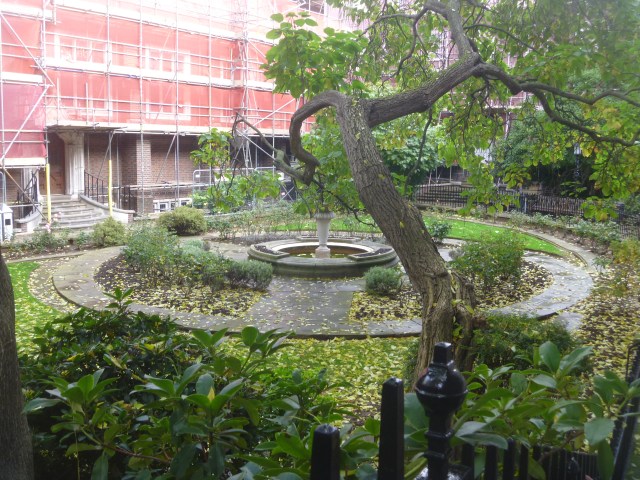
Staple Inn Garden

Staple Inn Courtyard Garden

This was our choice of activity when I met my sister in London on Friday. Eight of us, including three French women, turned up at Chancery Lane Tube Station at noon just as the rain was stopping and the skies were brightening. We met Jackie who was to lead the tour and she took us just behind the station and into Staple Inn garden.

Staple Inn

“Staple Inn was originally attached to Gray’s Inn, which is one of the four Inns of Court. The Inns of Chancery fell into decay in the 19th century. All of them were dissolved, and most were demolished. Staple Inn is the only one which survives largely intact. It dates from 1585.” [Source]
The name Staple Inn comes from the fact that the building (dating from 1585) was originally the wool staple where wool was taxed and weighed.

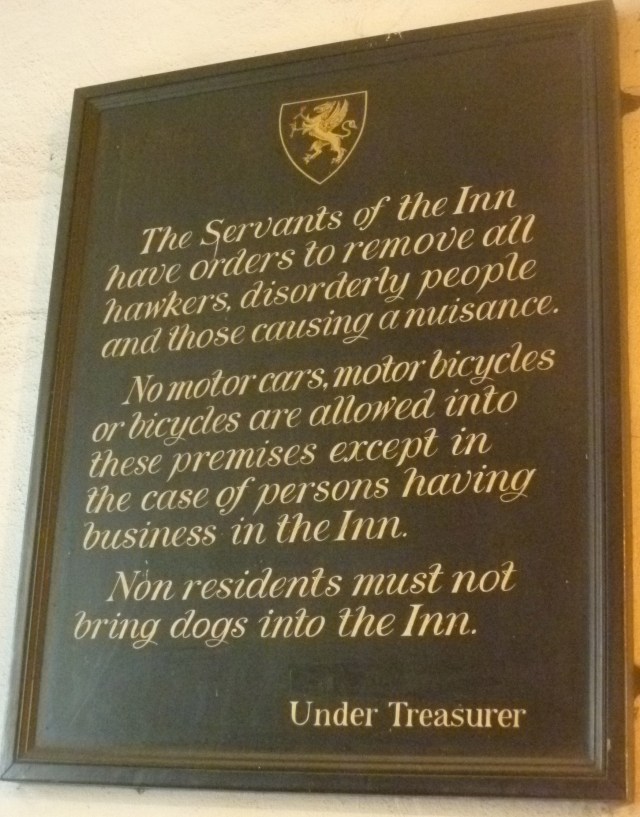
Grays Inn notice

There’s a lot of building work going on here so we didn’t tarry, just had a quick look round and then headed straight over Holborn and into our second garden that of Gray’s Inn.  “The Inn is known for its gardens, or Walks, which have existed since at least 1597.” [Source]

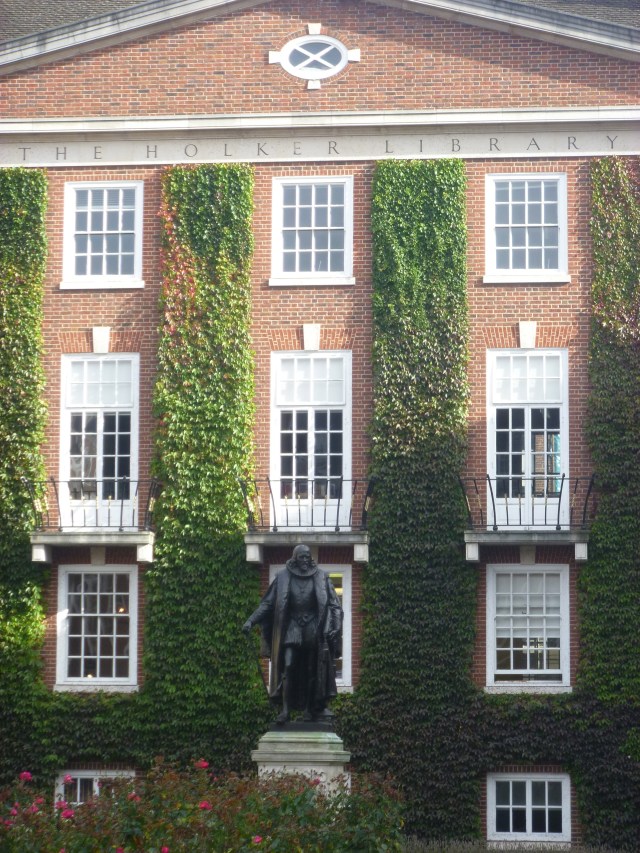
Bacon and Holker Library

Statue of Francis Bacon (1912) and The Holker Library

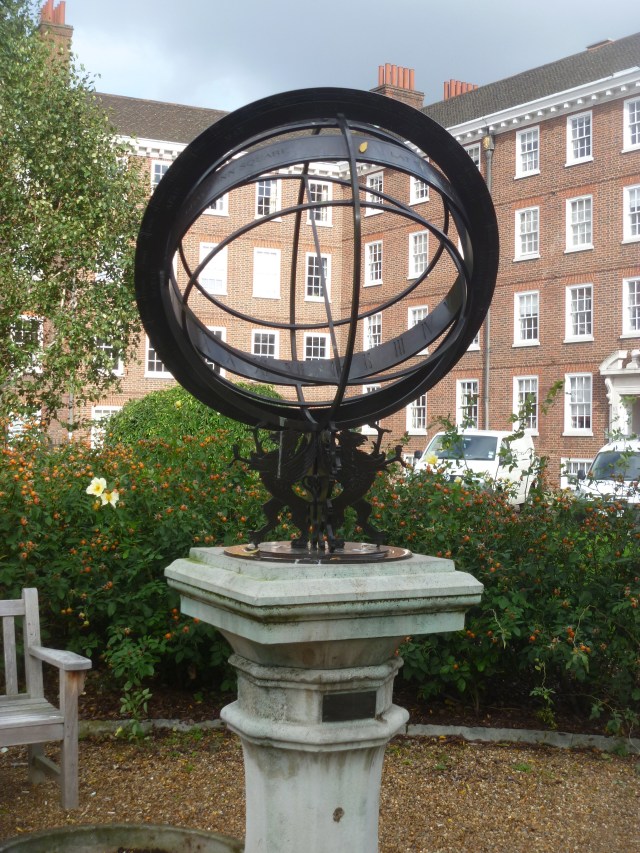
All of the gardens visited are havens of peace and tranquility and are just steps from the busy City of London streets. Gray’s Inn gardens are no exception. Dickens worked as a clerk here in 1828, and it features in several of his books including ‘David Copperfield’ and ‘Great Expectations’. There is a statue of Francis Bacon outside the Holker Library and through another arch and in another part of the gardens is an armillary – a form of sundial.

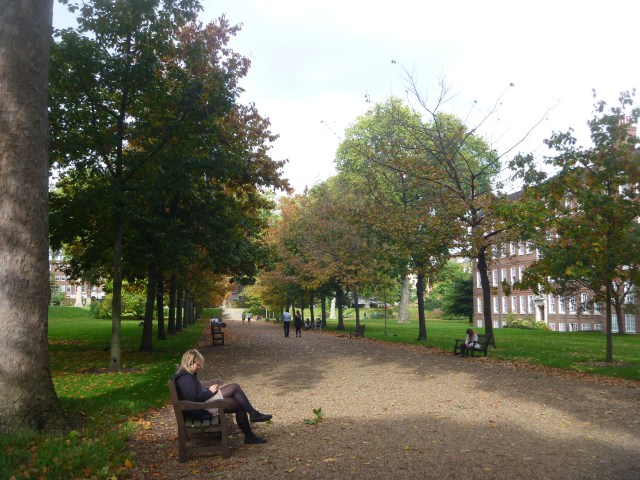
Peaceful Grays Inn

Peaceful Gray’s Inn Garden

Armillary consisting of hoops or rings

The Armillary

Grays Inn

The Gray’s Inn Walk

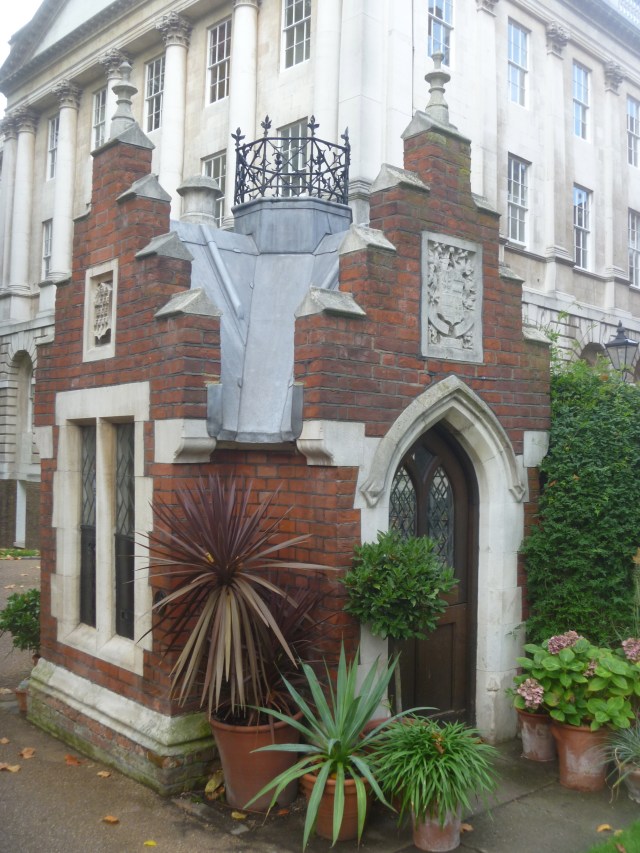
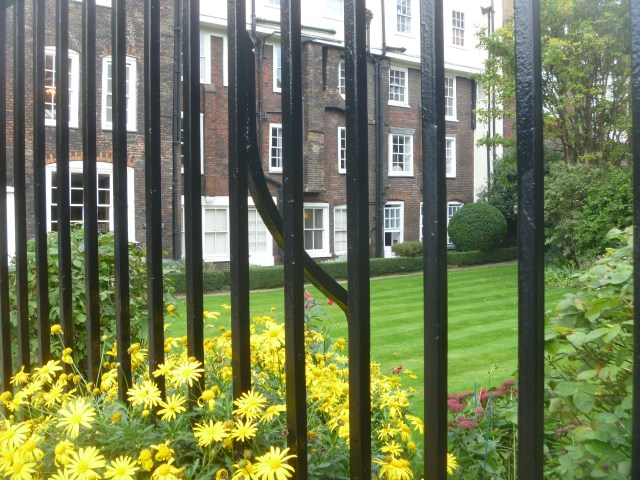
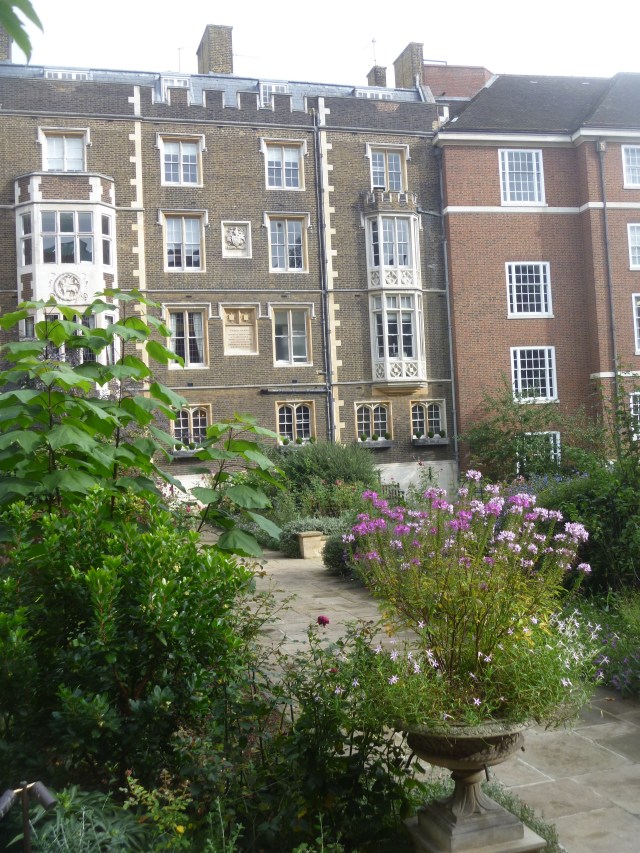
Back on the south side of Holborn is Lincoln’s Inn. Beautiful gardens surrounded by beautiful ancient buildings. On entering from Chancery Lane we came across a tiny ornate building which Jackie explained was the smallest City Grade 1 Listed building which had originally been built in 1860 for the man attending to law students’ horses while they worked : The Ostler’s Hut.

Lincolns Inn Ostler's Hut

The Ostler’s Hut, Lincoln’s Inn

Lincoln's inn

Lincoln’s Inn Chimney Pots

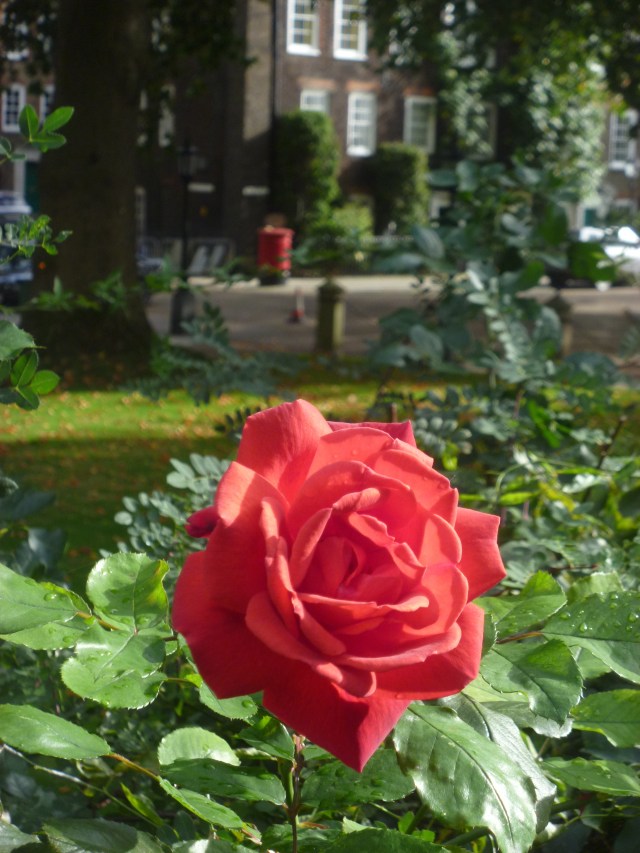
Lincoln's Inn rose

The Last Rose of Summer? Lincoln’s Inn

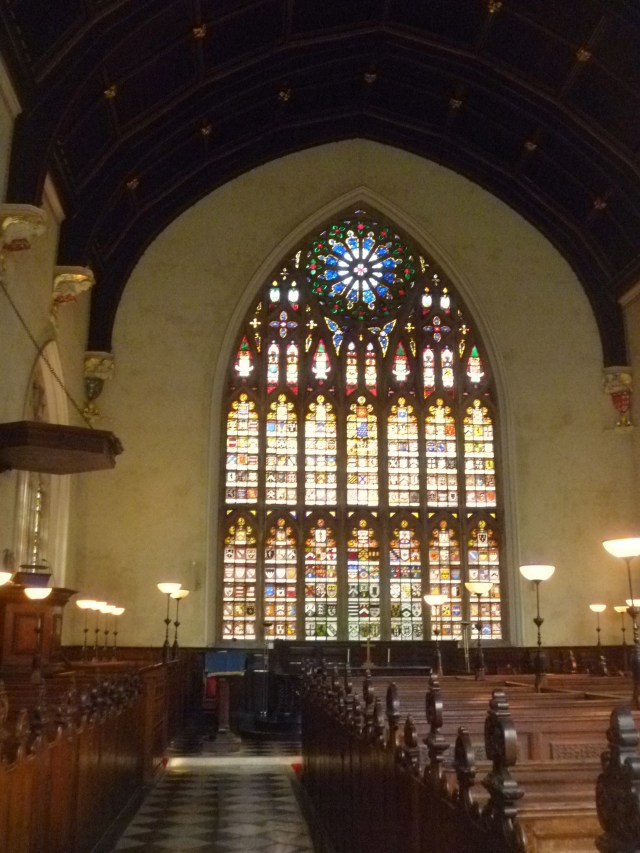
In Lincoln’s Inn we were able to go in the Chapel where the windows show the crests of the Treasurers from 1680 to the present day. The Treasurer is the head of the Inn and changes annually.

Lincoln's Inn Chapel

Lincoln’s Inn Chapel

L Inn Chapel window

Lincoln’s Inn Chapel Window

Lincolns Inn dry garden

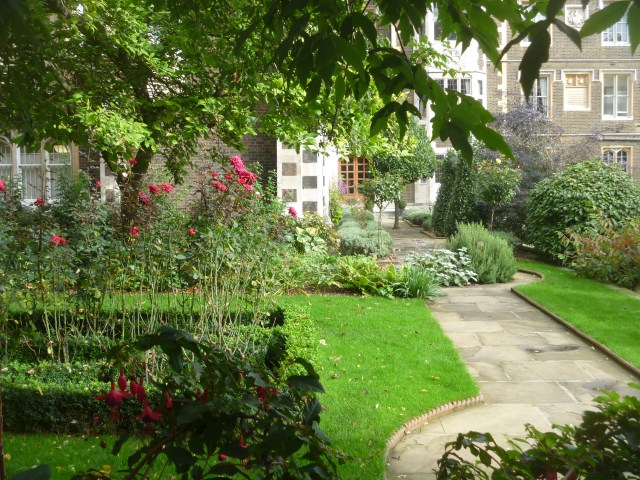
Lincoln’s Inn tiny ‘dry’ courtyard Garden

Lincolns Inn herb plan

Lincolns Inn herbs

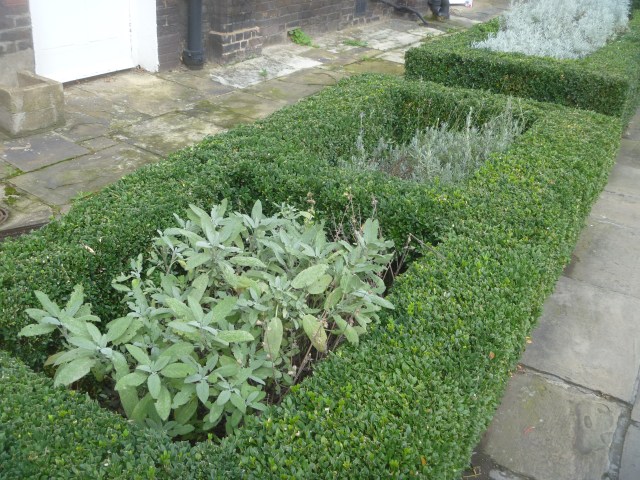
Lincoln’s Inn Herb Garden

LI looking back at herbs

Leaving Lincoln’s Inn

Leaving Lincoln’s Inn through Bell Yard we crossed Fleet Street and arrived at The Temple. It’s another fabulous place for a quiet picnic on a fine day although watch out for limited opening hours of some of the gardens.

Hare Court, within the Inner Temple, is home to several Chambers and some very comfortable benches.

Hare Court IT

Quiet Comfort in Hare Court

Hare Court Inner Temple Chambers

Inner Temple

IT gardens

Inner Temple garden

Inner t garden

Inner Temple Gardens

It was at this garden, almost on the banks of the River Thames, that our City Gardens Walk ended. What lovely and still colourful, despite the autumnal weather, tranquil oases for further discovery and appreciation. Just our kind of “Quiet London“. So it was back to the bustle of Fleet Street and off to find somewhere for a late lunch.

The Aislabie Walk from Fountains Abbey – The Short Route

Referring back to the Barden Moor Access Area practice walk a couple of weeks ago I’m pleased to announce that the alternative walk, which I had initially thought rather dull, was a big success so here’s a brief description of it and some photos. You will notice that the weather was exceptional that day. Several days on either side were dark and wet but the weather last Thursday was truly a gift.

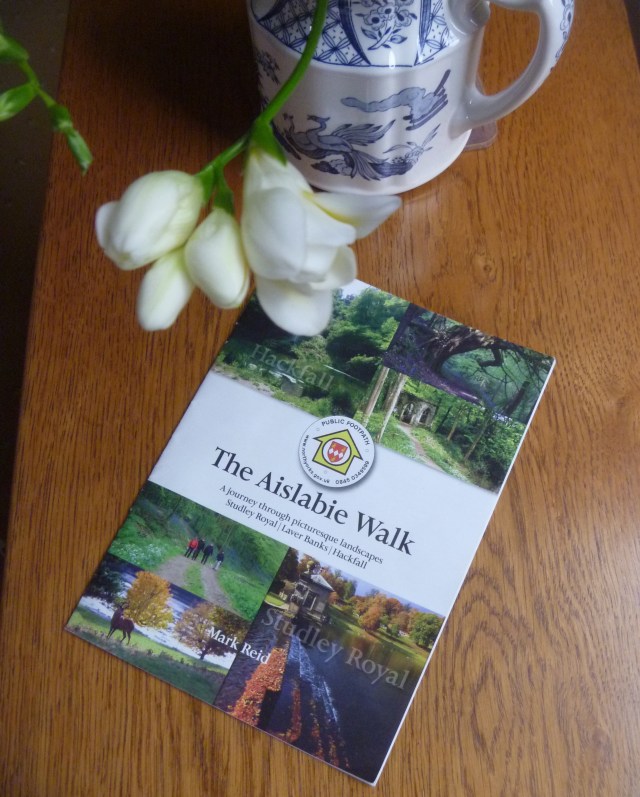
Aislabie Walk

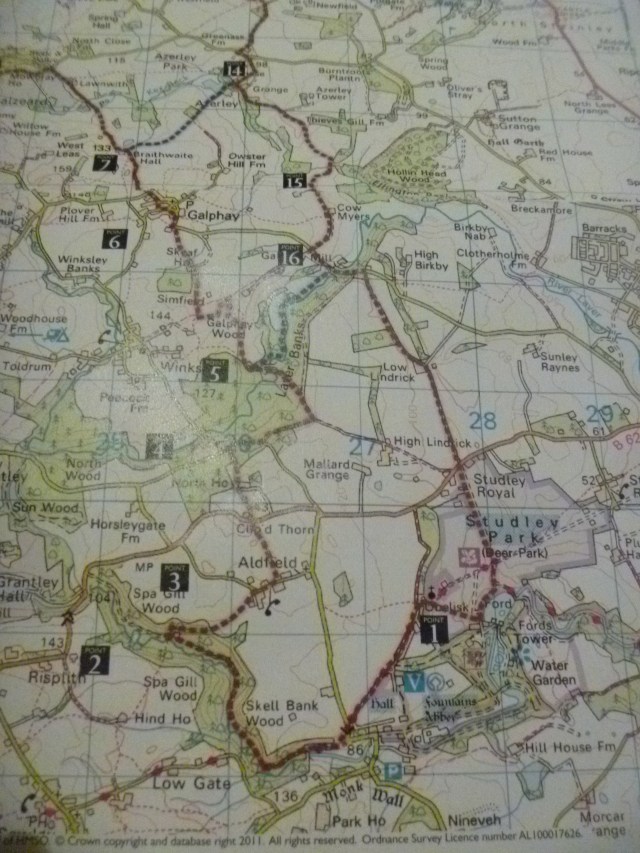
The walk was taken from a rather nice leaflet I picked up on a previous visit to Fountains Abbey. The Aislabie Walk (subtitled A journey through picturesque landscapes) is 17.5 miles (allow 8-9 hours) altogether. It’s a circular walk from Fountains Abbey (car parks and toilets) to Hackfall and back. However, along the way there are several points at which you can cut short the route and I chose the 7.5 mile option.

Aislabie map

We parked at the main Visitor Centre car park and set off down the road to the River Skell following it west and then north for nearly two miles until we reached the old sulphur springs and ruined buildings of Aldfield Spa. You could smell them as you approached.

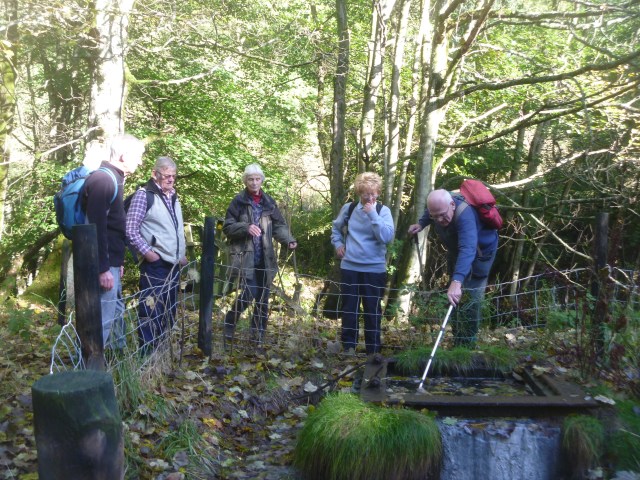
Sulphur Springs

The Wanderers disturbing the Sulphur Springs

From the Springs we headed slightly uphill to Aldfield village itself, passed through a couple of fields of kale (this had been what I remembered as the ‘dull’ part of the walk, across meadows to Laver Banks where we lunched at Woodhouse Bridge and joined the road later at Galphay Mill Bridge (point 5 to point 16 on the map).

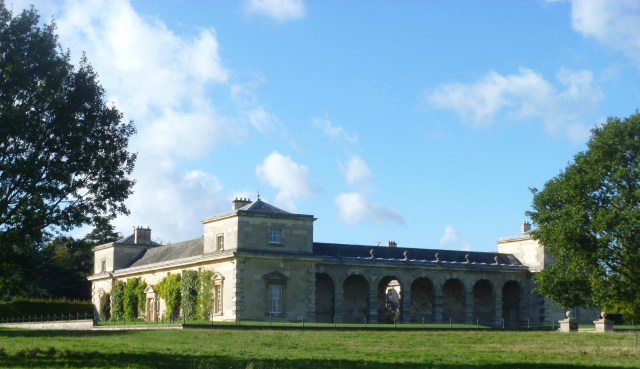
A pleasant track through former parkland, now grazed by cows, brought us back to the the gates of Studley Royal Park. We crossed the deer park (only spotted one) taking in views of the Choristers’ House, St Mary’s Church and Ripon Cathedral.

Studley Royal

Studley Royal Hall much of which was destroyed by fire in 1946

Ripon Cathedral in the distance

Ripon Cathedral in the distance

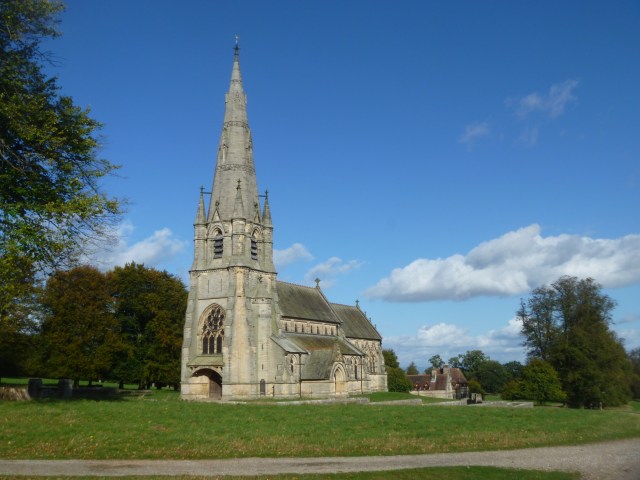
Church and House

St Mary’s Church and the Choristers’ House

St Mary's

St Mary’s, Studley Royal Church

So my concerns about the walk were not at all justified and a good day out was had by all!

Rylstone Edge Walk

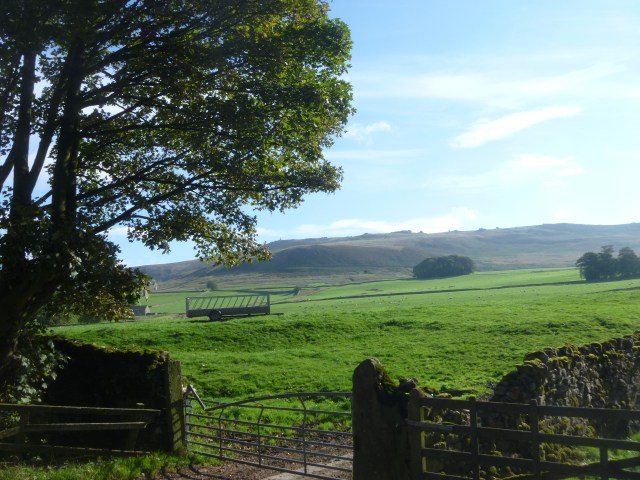
Last Sunday was the day to do a practice walk in preparation for the ‘real thing’ on Thursday this week (17th October) when it is my turn to lead the Thursday Walk for the Weekday Wanderers. In August I’d done a walk from Fountains Abbey but this proved rather uninteresting so I was inspired to try a different one to present to the group. Twice this year we have walked from Hetton around Winterburn Reservoir, with slight variations each time. Memories of the wonderful views across to Cracoe Pinnacle inspired my choice last week.

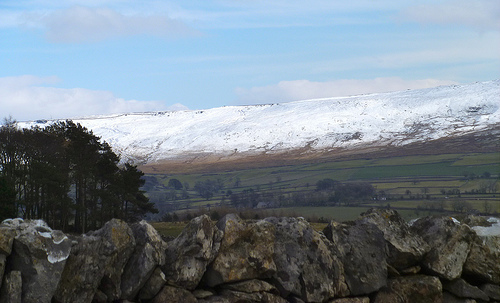
Cracoe Fell from Moor Lane Hetton

A friend, and fellow Wanderer, agreed to accompany me. In the past both of us had had difficulty finding one of the paths down to Cracoe but we felt that with both of us working on the challenge, and our previous experiences, we would find a suitable descent. And we did.

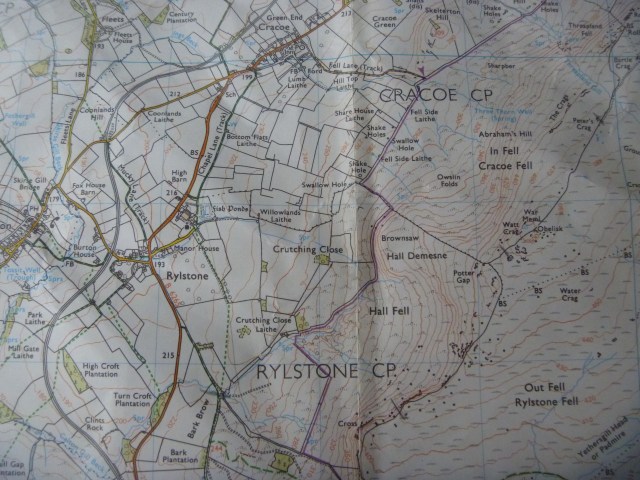
Map

There are several versions of this walk but the one we finally decided on was from the Yorkshire Post – Rylstone Edge in the Saturday ‘Walk this way” series, 24 July 2010. [NB This walk is not listed on the link]

Early in walk

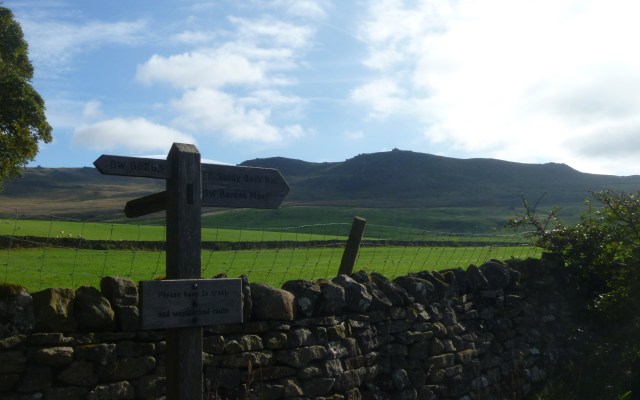
We parked by the picturesque duck pond in Rylstone (yes, yes, home of the Calendar Girls, remember them?) crossed the B6265 (Skipton to Grassington road) took the track past the Manor House to St Peter’s Church and from there headed across fields and along another decent track to the Access Point to Barden Moor and Barden Fell Access Area.

Access Map

Map of the Access Area [property of the Bolton Abbey (Devonshire’s) Estate]

Looking back to St Peter's and Rylstone

Looking back to St Peter’s and Rylstone

Near entrance to Access Area

View near gate to Access Area

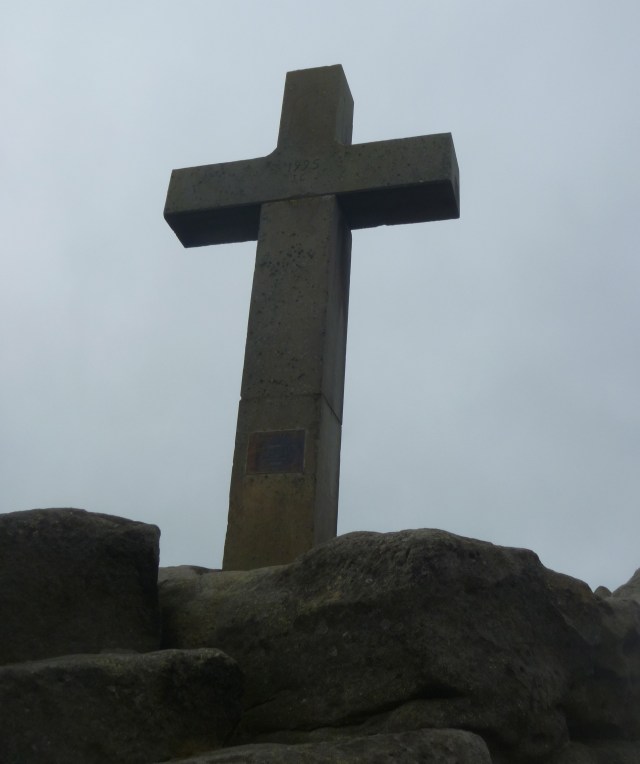
Through the gate we took the track which rose steadily until we were almost on a level with our first monument – The Rylstone Cross. A left turn took us gently up to the cross itself. This 1995 cross replaced the original 1815 cross that commemorated the Treaty of Paris near the end of the Napoleonic era.

The Cross

Rylstone Cross

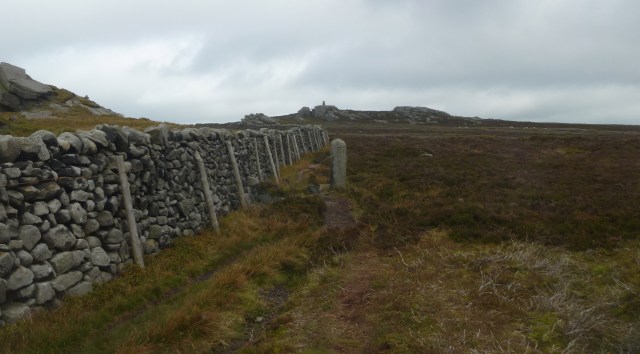
War Memorial in middle distance

Between the War Memorial and the Cross [Memorial in middle distance]

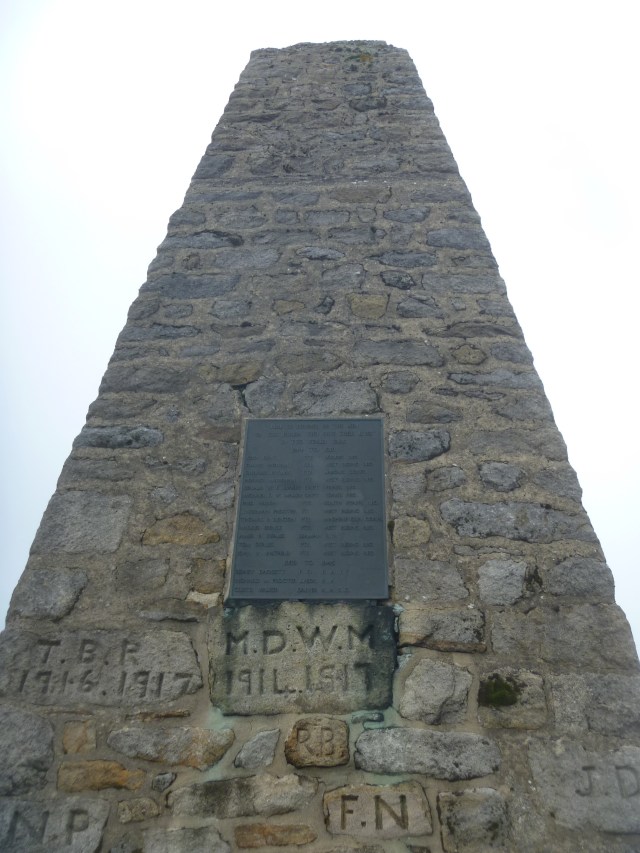
From the cross, along the ridge, we kept to the eastern side of the dry stone wall until we reached the second memorial The Cracoe Obelisk War Memorial which records the names of those Cracoe men who died in the First and Second World Wars.

Cracoe War Memorial

Cracoe War Memorial

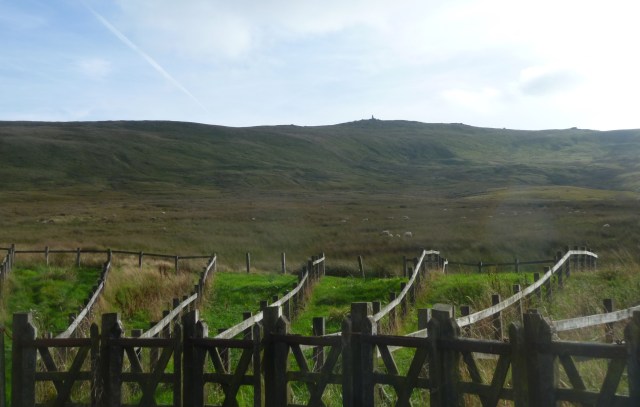
It is the path down to Cracoe that has proved elusive in the past and you run the risk of ending up in very marshy ground which is impossible to pass through. This time we managed to find a good clear route and emerged from the least marshy area at some old sheepfolds on the edge of Cracoe village at the top end of Fell Lane.

Sheep pens

The old sheep pens and war memorial

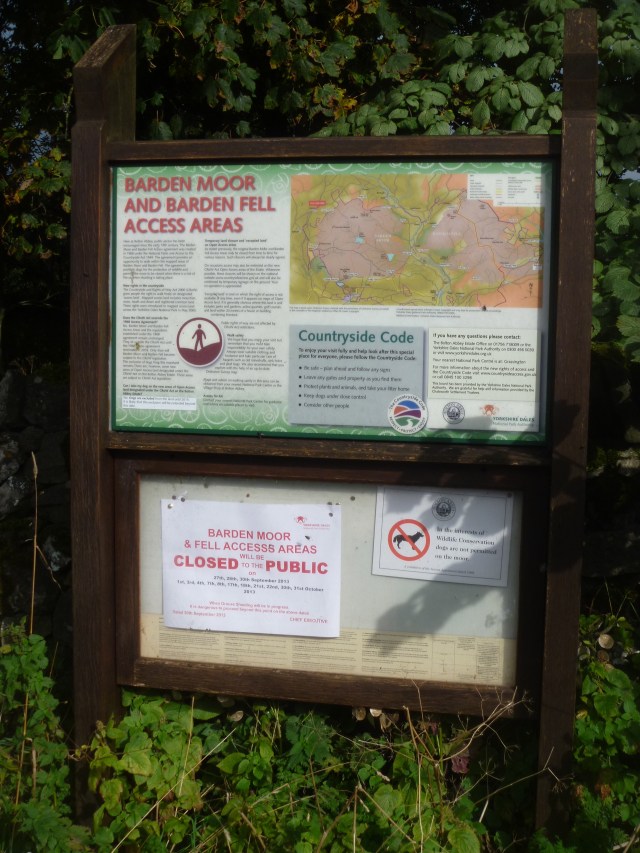
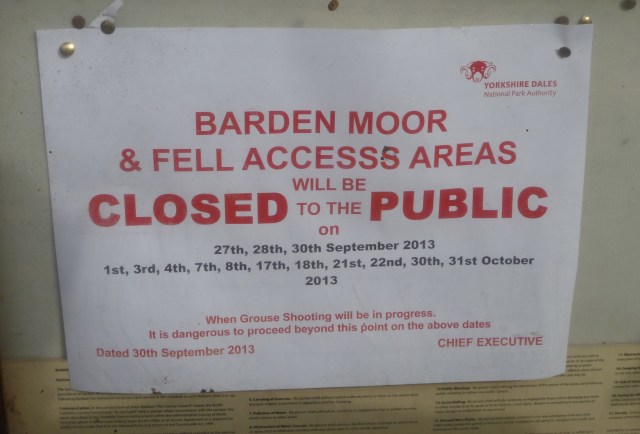
The lane leads down to the village which is where you leave the Access Area. And here the big disappointment was revealed – the whole area is closed to the public on a list of 14 days between the end of September and the end of October and one of these is Thursday 17th October!! So, having negotiated a perfect route for a day out with superb views across the Yorkshire Dales the walk will have to be shelved until next year at the earliest.

Access Board

Access Area Information Board – Study Carefully!

The final walk back to the car was along a quiet track (Chapel Lane) behind the village and parallel with the main road past St Peter’s Church, Rylstone again and so back to the car. Looks like I’ll turn back to the uninspiring walk from Fountains Abbey for next Thursday 😦 .

Closure Dates

Grrrrr!!!!