Just Walkin’ the Dog in Belsize Park and Blue Plaque Land

Until Saturday the weather had been atrocious and we have been walking out in the wet and wind which is not conducive to photo-taking. But then the weather changed. The sun came out and the sky turned blue and I have managed to capture some local landmarks here in the Swiss Cottage/Belsize Park area of northwest London.

belsize Village

Belsize Village Square

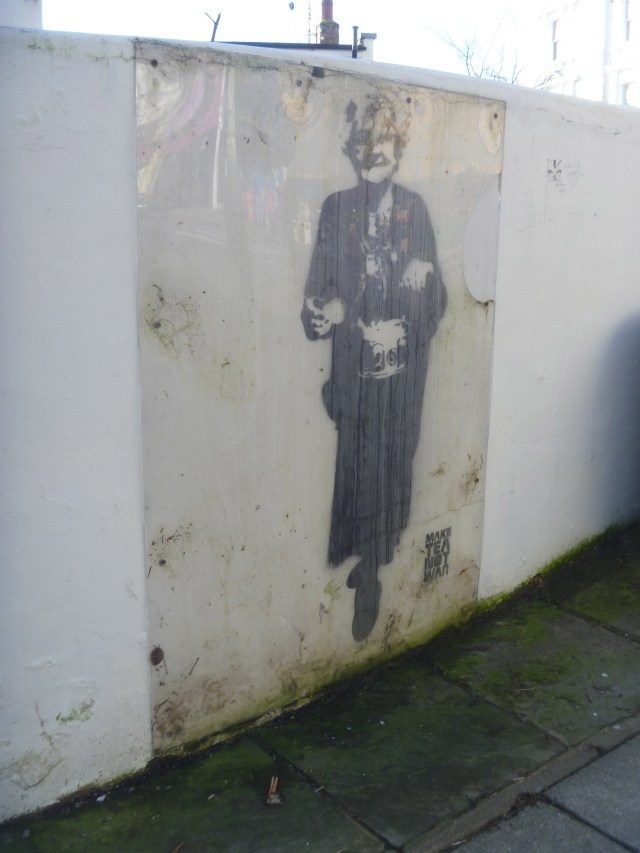
Here is the local “Banksy” but it isn’t a Banksy – read all about it here.

'Banksy'

Make Tea not War in Belsize Village

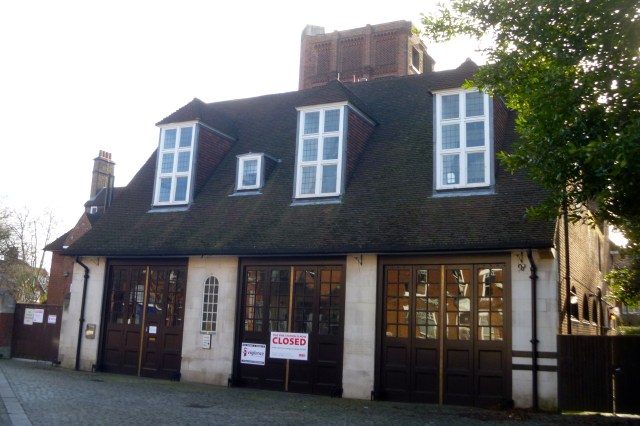
Fire Station

Even the local Fire Station is an Arts and Crafts building. It closed down last year. I expect it will be converted into apartments.

Primrose Hill

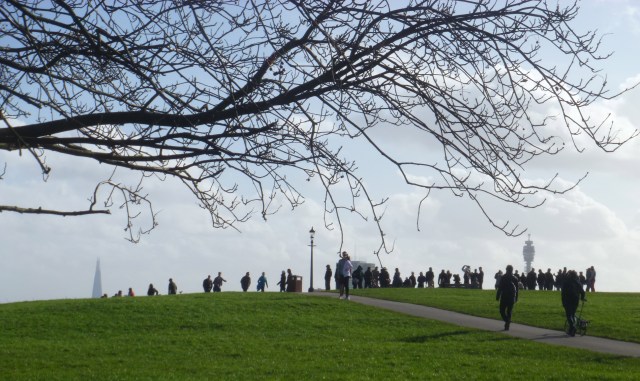
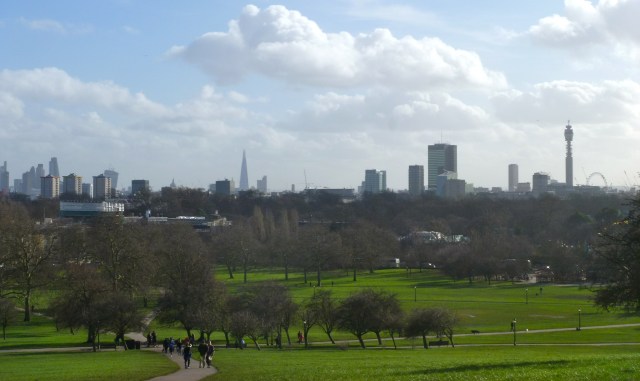
Then along with the world and his wife we headed for Primrose Hill summit to study the view, watch the kites and rub noses with other dogs (the dog, not me!).

Primrose Hill view

It’s a pretty impressive view when you get up there.

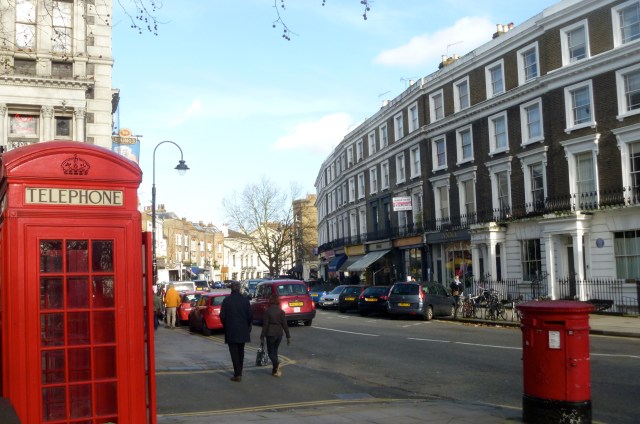
Regents Park Road

Regents Park Road

One of my favourite streets in London Regents Park Road has everything : bookshop, dress shop, cafes and restaurants, interiors and fabrics shops, bread and patisserie shops and delis. I also heard a lot of French being spoken so seems to be popular with French families.

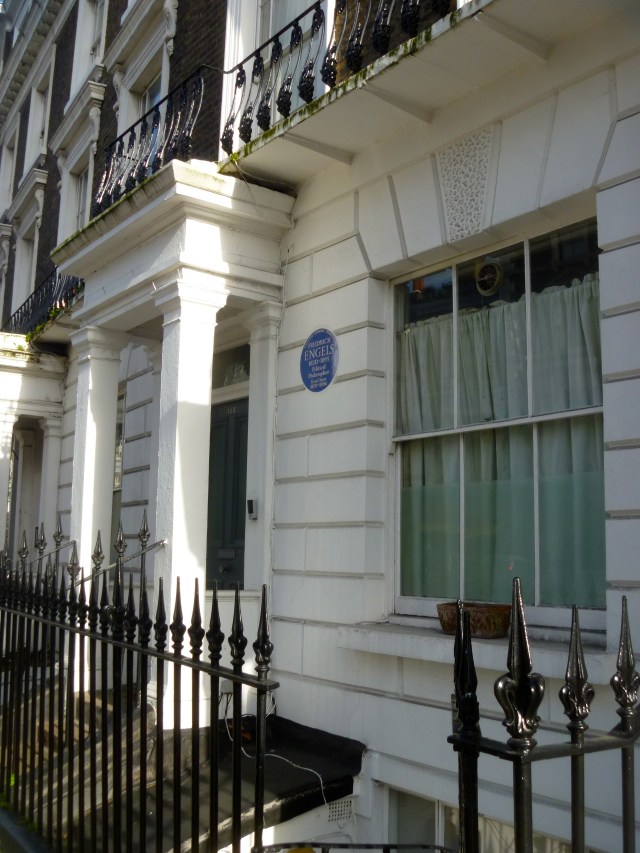
Engels House

Friedrich Engels [1820-1895], political philosopher, lived here (122 Regents Park Road) from 1870 to 1894

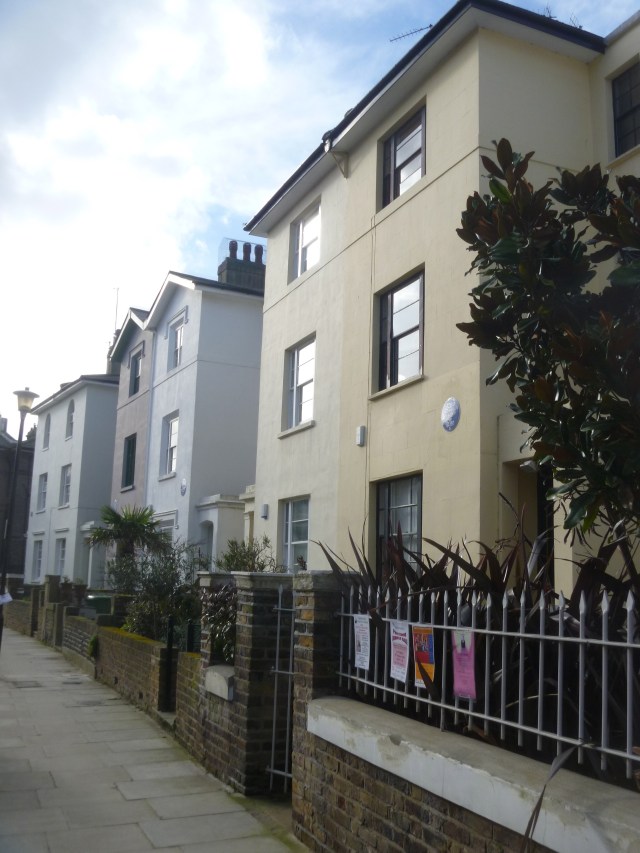
St Mark's Crescent

Two neighbouring plaques in St Mark’s Crescent

On the right, number  11, (pale yellow house) lived Arthur Hugh Clough [1819-1861], poet and author of Persephone Books reprint “Amours de Voyages” from 1854-1859. And in the pale blue painted house with the plaque lived the historian and broadcaster A.J.P. Taylor [1906-1990] from 1955 to 1978. Next door, at the dark grey painted house number 14, is the plaque commemorating William Roberts [1895-1980], artist, who lived, worked and died here 1946-1980.

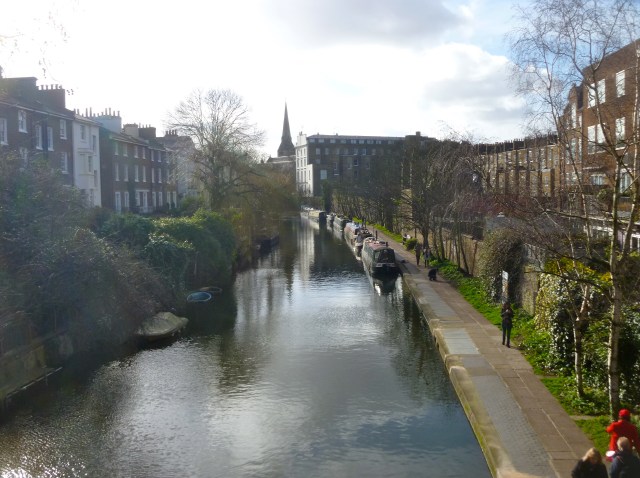
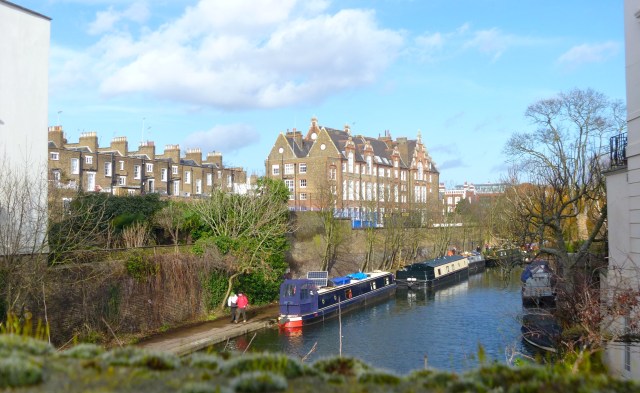
Regents Canal 2

The Regents Canal

Regents Canal 1

The Regents Canal

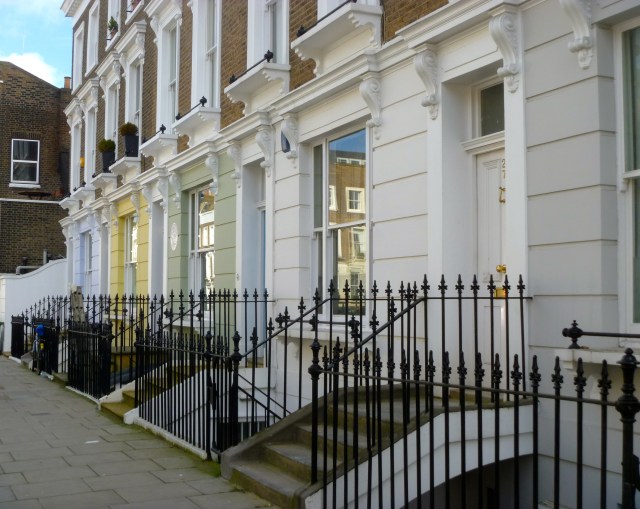
23 Fitzroy Road

23 Fitzroy Road, the green painted house near the middle of this row, was the home of W.B. Yeats [1865-1939] Irish dramatist and poet. It was also the house where, on 11 February 1963, the American poet and novelist Sylvia Plath [1932-1963] apparently took her own life. There is no plaque to explain this. Her plaque is attached to the nearby house at 3, Chalcot Square where she had lived from 1960 to 1961.

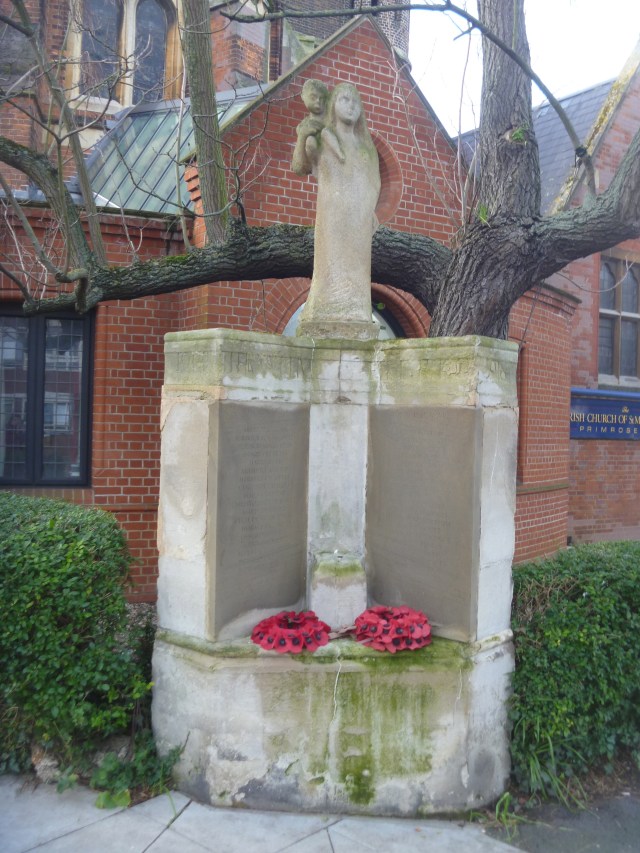
War Memorial Primrose Hill

War Memorial by St Mary’s R.C. Church, Primrose Hill

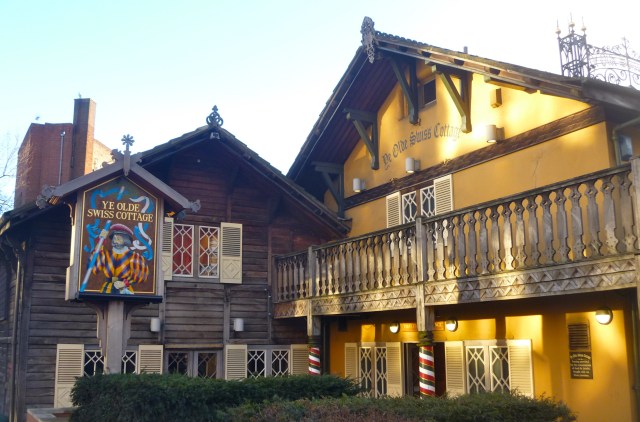
Swiss Cottage

And here is Ye Olde Swiss Cottage itself

A Visit to The Freud Museum in London

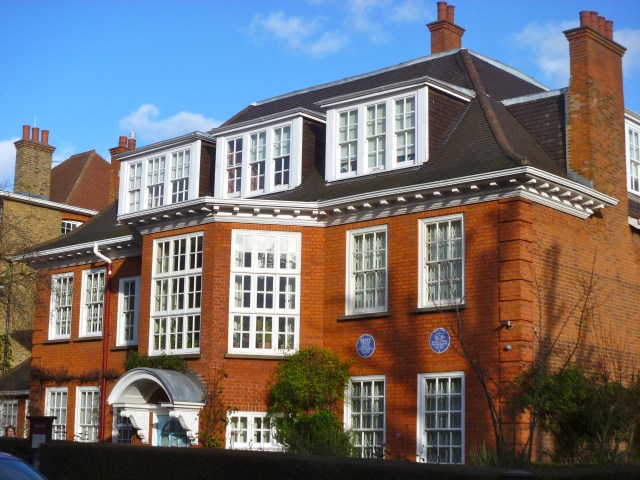
20 Maresfield Gardens

20, Maresfield Gardens  NW3 : The Freud Museum

Today I visited The Freud House Museum just up the road from where I am staying in Belsize Park. It has limited opening hours and days so I haven’t managed to get there before. If you show your National Trust Card you get half price admission and if you are, like me, over 60, it is only £2.25 as opposed to the full £6.

2 blue plaques

Anna Freud and her father Sigmund Freud lived here

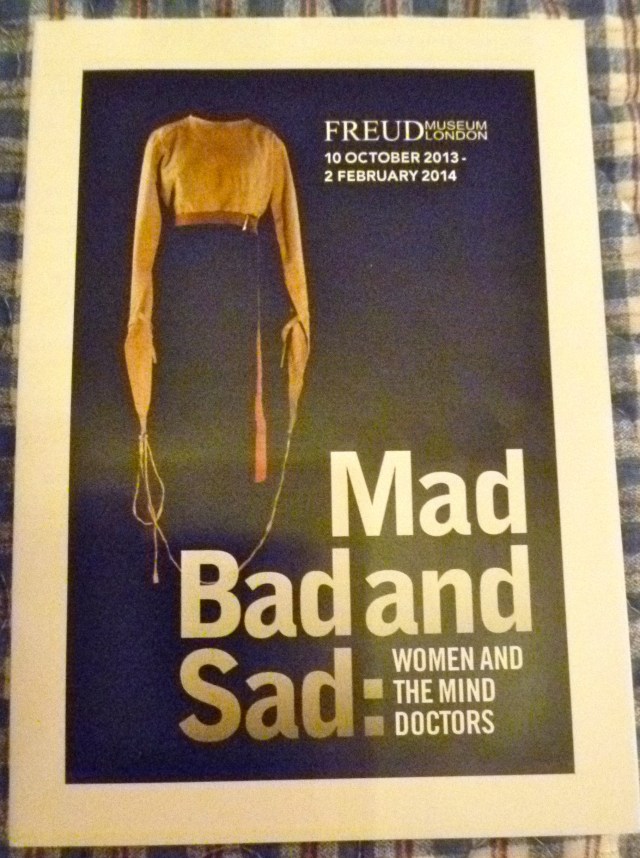
I thought £2.25 was enough to pay, really. There are only really one and half rooms worth seeing plus an introduction to the house and family in the Dining Room and a video room. Two upstairs bedrooms are devoted to the temporary exhibition, Mad, Bad and Sad: Women and the Mind Doctors, which was partly interesting. I could have done with fewer subjects and a more full portrait of each.

Mad sad and bad

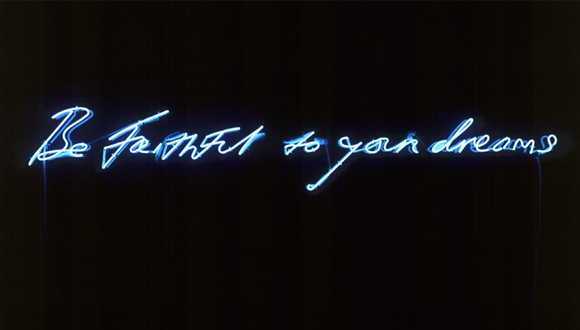
Women featured included Sylvia Plath, Marilyn Monroe, Mary Lamb and Virginia Woolf. Virginia and Leonard Woolf visited Freud here at his home. The exhibition was accompanied by modern art and installations mainly by women. On the staircase wall and in lights was Tracy Emin’s “Be Faithful to your Dreams”

be-faithful-to-your-dreams

[Source]

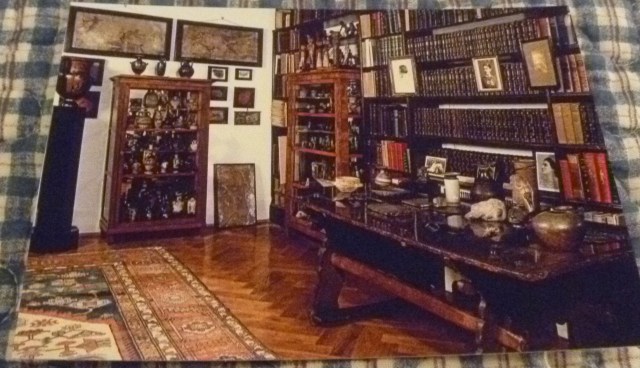
The most interesting room to me was Freud’s ground floor study and consulting room with his famous couch and the green chair in which he sat to listen to his patients baring their souls.

Freud's study

The Freuds were fortunate in being able to leave Vienna in 1938 after the annexation of Austria by Adolf Hitler. They were even able to bring their furniture, hundreds of books (although Sigmund Freud sold 800 before he left) and household ornaments and Freud’s collection of antiquities also including his daughter Anna’s traditional painted Austrian country furniture now on show in the Dining Room. The study is jam-packed with stuff and books and is set up just as it was in Berggasse, 19 his former Viennese home and now another Freud Museum.

Freud couch

Freud’s Couch and Chair

On asking I was told that no photography was allowed in the house. So I bought postcards and these are reproduced here. However I found it very annoying that people were ignoring this and snapping away with their smart phones.

With other rooms having the curtains closed I found the half-landing refreshing and bright – the sun shining through the window. It was an area loved by Freud’s wife, Martha, for afternoon tea and chat. See the bay window above the front door in the top photo.

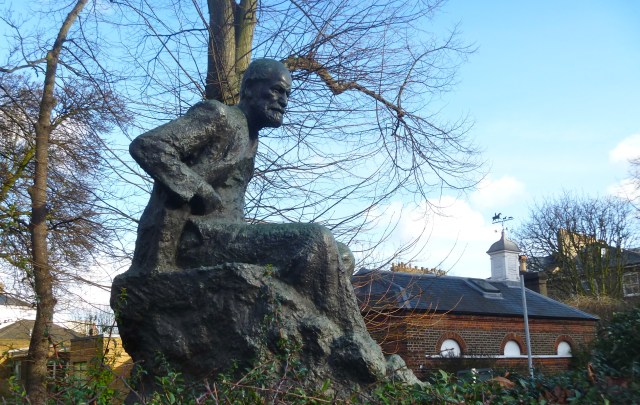
Between the flat and  Maresfield Gardens is a statue of Sigmund Freud. It’s in the grounds of The Tavistock Clinic for Mental Health Care and Education.

Freud Statue 1

Freud was already sick with throat cancer when he arrived in Britain and he was to die just a year later on 23 September 1939 just a few weeks after war was declared on Germany. The couch on which he died is also displayed at the house. His wife and his unmarried daughter Anna lived on in the house. Anna was also a well respected practising psychoanalyst.

Fellow Blogger ‘Down by the Dougie‘ got there before me!

Virginia Woolf, Horace and Rectories : The Ilkley Literature Festival 2013

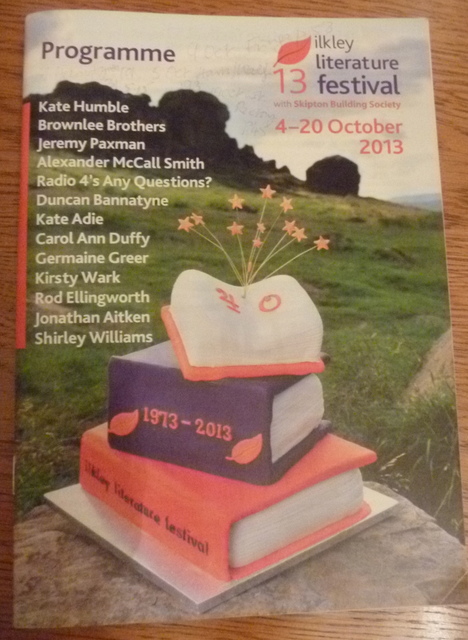
October is the month of The Ilkley Literature Festival. I remember when ‘all’ the events took place in one venue – a children’s weekend of ‘literary’ entertainment- poetry, puppets, that sort of thing – and a weekend of talks for adults. But that is going back nearly 30 years and I noticed that this year celebrates the 40th anniversary with 17 days of talks, walks, visits and entertainment with even free Fringe events.

P1110815-001

I usually pick a couple of talks or events to attend each year and this year was no different. On the first Saturday I chose to hear Alexandra Harris talk about her book “Virginia Woolf“.

Liverpool University cultural historian Alexandra Harris’s hugely acclaimed Romantic Moderns (Guardian First Book and Somerset Maugham Awards) overturned our picture of modernist culture. Now Harris discusses the life and work of Virginia Woolf, revealing a passionate, determined woman full of wit, vivacity and fun, whose life was shaped by her defiant refusal to submit to literary convention, social constraints and mental illness.” [ILF Programme]

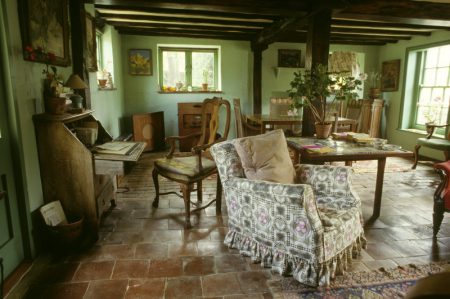
The Sitting Room at Monk's House, East Sussex

The Sitting Room at Monk’s House. The armchair was one of Virginia Woolf’s favourite reading chairs. It is upholstered in a fabric designed by her sister, Vanessa Bell. ©NTPL/Eric Crichton [As seen here]

I’m expecting to get to Monk’s House next year (and felt the need to learn more about VW) with a friend and bought the book and had Ms Harris sign it for her. She hopes we will also have a chance to walk on The Downs whilst we are there … and I hope so too!

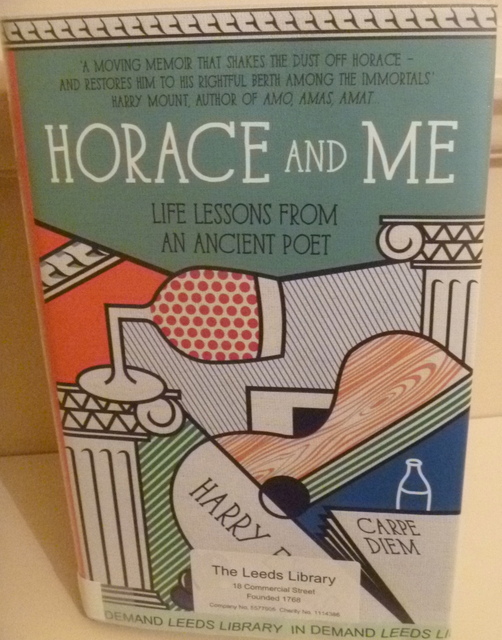
Later that afternoon I went to a Question and Answer format event featuring the FT ‘Slow Lane’ journalist and poet Harry Eyres who has recently published a book ‘Horace and me‘ a fascinating subject about whom I knew very little.

Horace

Harry Eyres, theatre critic, wine writer, poet and ‘Slow Lane’ columnist for the Financial Times, journeys into the work of the Roman poet Horace, exploring his lessons for our time. The humble son of a freed slave, Horace championed modest pleasures in the face of imperial Rome’s wealth and expansion. A celebrity in his own time, Horace influenced writers from Voltaire to Hardy – and Boris Johnson!” [ILF Programme]

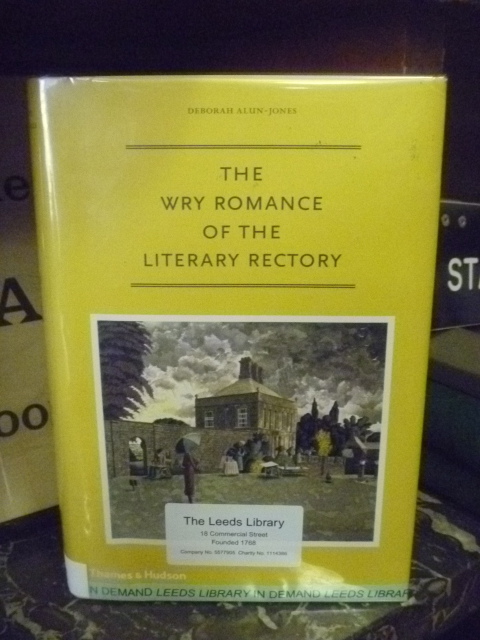
And finally last Saturday it was Deborah Alun-Jones who gave a short talk, then took questions from the presenter and then from the audience on the subject of her book (which I had read earlier this year) ‘The Wry Romance of the Literary Rectory‘.

P1110805

Author Deborah Alun-Jones strips away the idyllic exterior of the village rectory to reveal the lives of writers like Tennyson and Betjeman who lived and worked in them. She investigates hidden desire, domestic drama, bitterness and isolation – and the secrets of the highly creative environments from which some of the greatest English poetry and literature has emerged.

Ms Alun-Jones had travelled the country visiting rectories (and vicarages, parsonages and the like) and although she mentions Jane Austen and the Brontes they are not included in this book. A future book will look at women in the rectory. The only woman to feature in this publication is Dorothy L. Sayers. The male authors are Sydney Smith (at Foston in Yorkshire); Alfred Tennyson (at Somersby in Lincolnshire); Rupert Brooke (at Granchester – also now home to Lord Archer); John Betjeman (at Farnborough); R.S.Thomas (at Manafon); George Herbert and Vikram Seth (at Bemerton) and The Benson and de Waal families (at Lincoln). I haven’t visited any of these places and I don’t think any are open to the public. Such a lively speaker and interesting topic it was a pity that the room was only half full. But those of us that were there were very appreciative of the talk.

Shandy Hall

Here is Shandy Hall in North Yorkshire and former home of Lawrence Sterne vicar of Coxwold – also not included in The Wry Romance

I wonder if Simon at Stuck-in-a-book has a comment to make about the wry romance of being brought up in vicarage?

Oak Park : Wide Lawns and Narrow Minds

The Chicago suburb of Oak Park is probably best known for its connections with Frank Lloyd Wright. I mentioned his Home and Studio are here in a previous post and also a large number of fine examples of his work. Twentieth century novelist Ernest Hemingway was born on Oak Park Avenue in 1899 so I decided to visit his home and museum to find out more about ‘Papa’. He left Oak Park as a teenager for a world of adventure and I’m not sure he ever came back.  My Michelin Chicago Guide says “He later derided the conservative suburb for its ‘wide lawns and narrow minds'”.

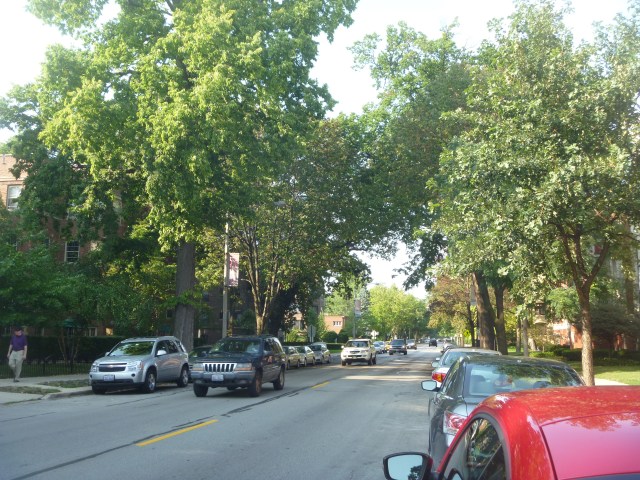
North Oak Park Ave

North Oak Park Avenue, Oak Park

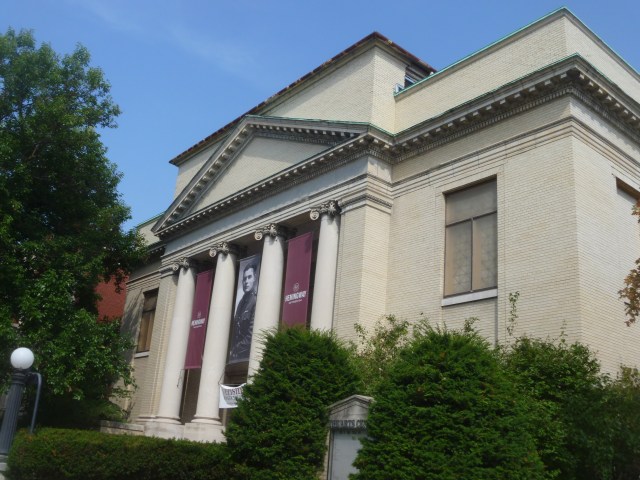
Hemingway Museum

The Hemingway Museum

To get to Oak Park I took the bus down Michigan Avenue to the Loop business district and then the Green Line El Train to Oak Park Avenue. Straight up from the station, on Oak Park Avenue itself, and just a few minutes walk from it, is the Hemingway Museum. This is the place to find out all about the novelist and his life but for the tour of his birthplace you need to book a ticket in advance. Luckily I was able to join the next tour.

Hemingway Birthplace

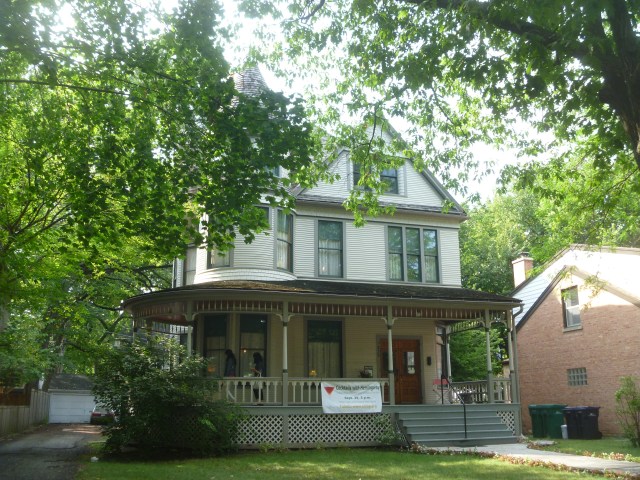
Ernest Hemingway Birthplace, 339 North Oak Park Avenue

The birthplace is just another 5 minutes walk along the same avenue of gracious homes and low-rise apartment buildings. The tour was as interesting to me for the guide (whose home it now is) as for what I found out about Hemingway. Still, he (the guide/owner) had managed to furnish the house with some original artefacts and furnishings and all the rest seemed very much in keeping with the late 19th and early 20th centuries.

Breakfast Table

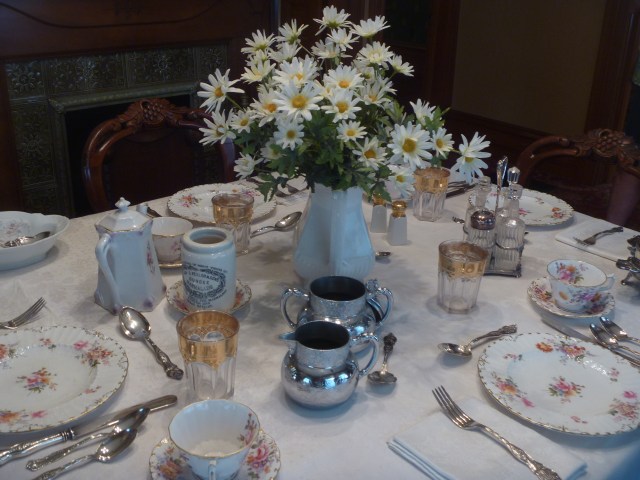
Breakfast with the Hemingways

Bedroom

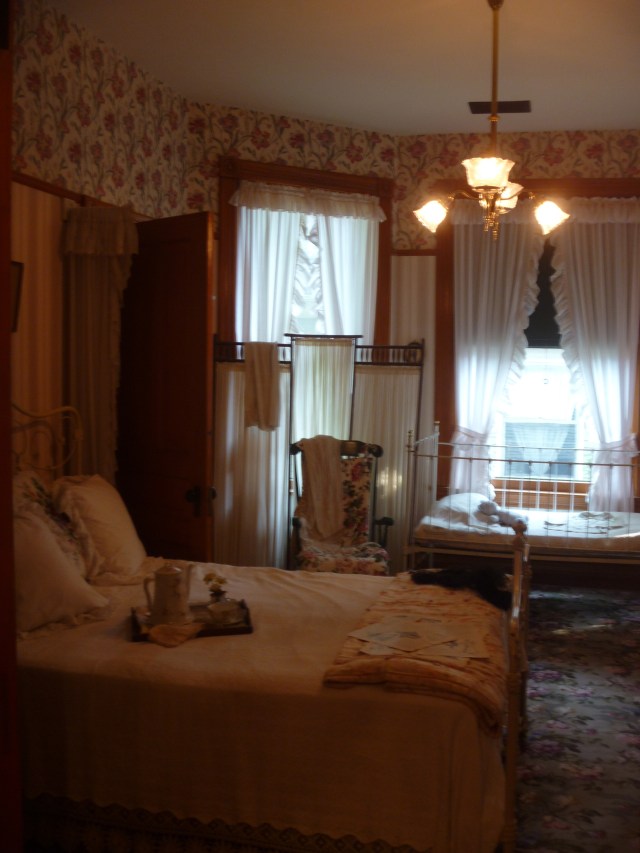
The Room where ‘Papa’ was born

We learned that Ernest and some of his siblings were born in this house but that his family actually lived diagonally across the street and that this house was the home of his maternal grandparents.

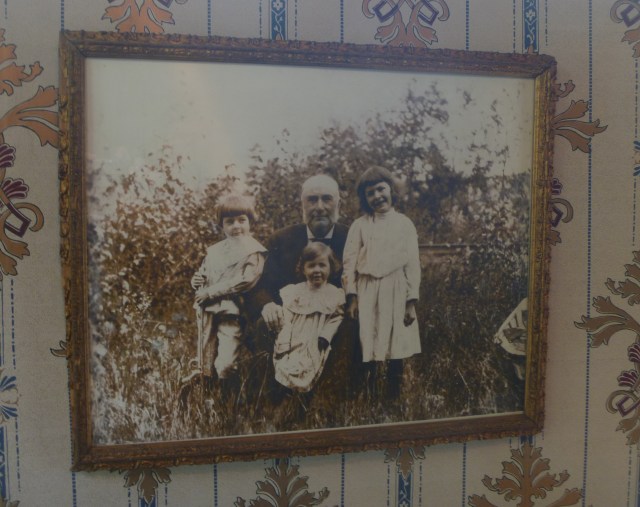
Photographs around  the House and the Museum show Ernest and his elder sister looking remarkably alike.

Hemingway family photo

Ernest (left) and Marcelline (right) with their Grandfather

“The two were a year apart in age, and their mother early on decided to raise them as twins, even to having them photographed in matching gowns and bonnets in the style of the day. Whatever injury Ernest felt he had suffered from such embarrassments, it may have been Marcelline who made the greater sacrifice: she was kept out of school for a year so they would be in the same class, and, despite her own considerable talents, she seems to have willingly stood in his shadow a good deal of her early life.”

[Idaho Librarian book review]

I can’t say I’m very familiar with Hemingway’s work. I’ve read his “A Moveable Feast” and didn’t really warm to him. Recently I read “The Paris Wife” by Paula McLain a novelised version of his life with Hadley Richardson, his first wife. Oh, and I saw him in the Woody Allen film “Midnight in Paris

http://www.youtube.com/watch?v=DzoOA473wq0

After the House Tour I made my way back to the Museum. There was lots to read and look at and time was getting on so I had skip through much of the Museum. Here are some pictures of the displays and film posters.

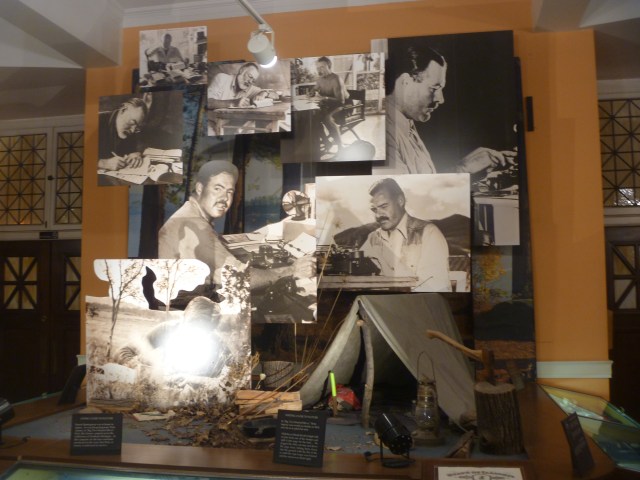
Nick Adams display

Ernest Hemingway’s early trips to Michigan made a big impression on him and he relates lots of his own adventures in The Nick Adams Stories. Nature had a huge influence on many of his works.

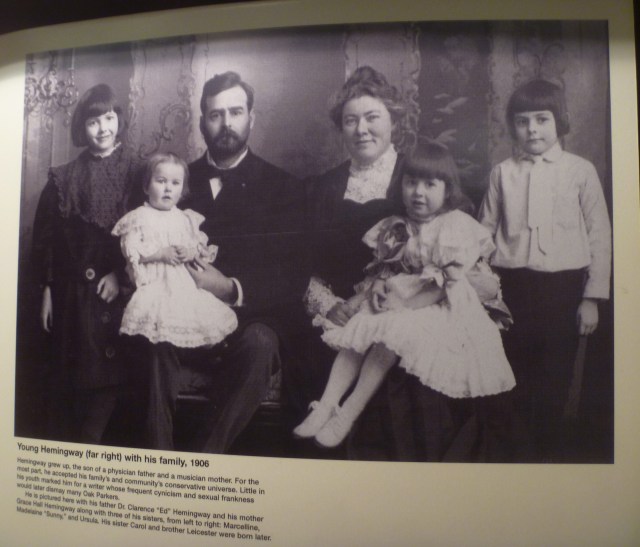
Family picture

Hemingway with his family

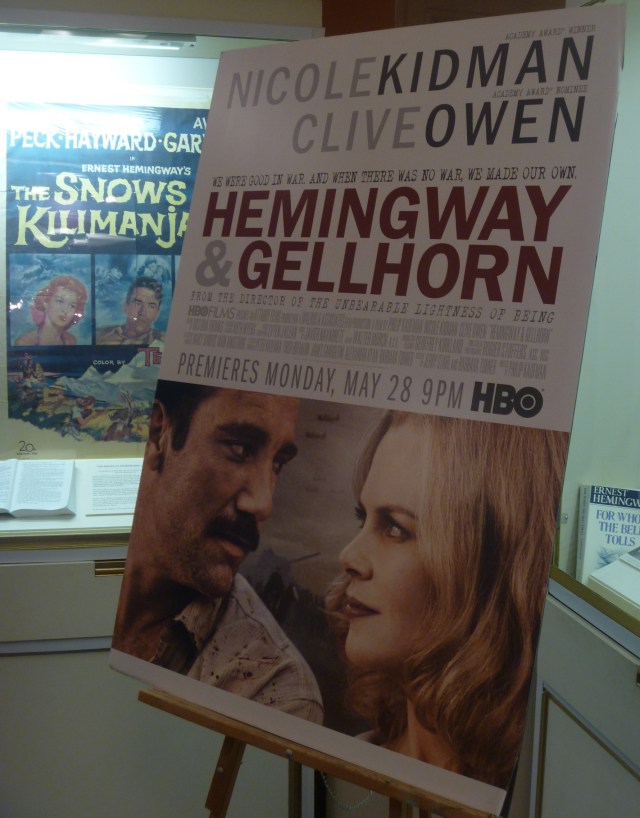
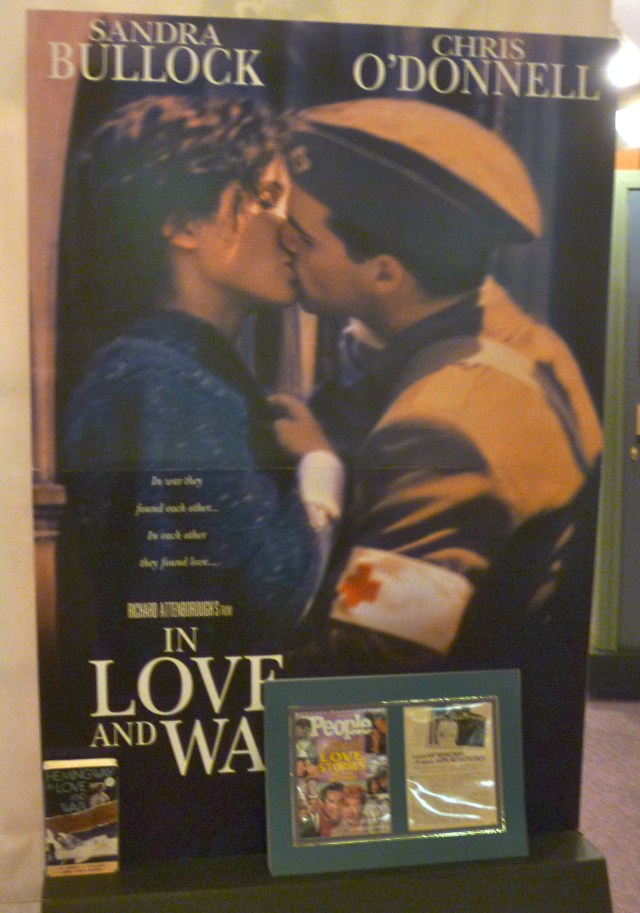
Film posters

In Love and War

Hemingway-related Cinema Posters

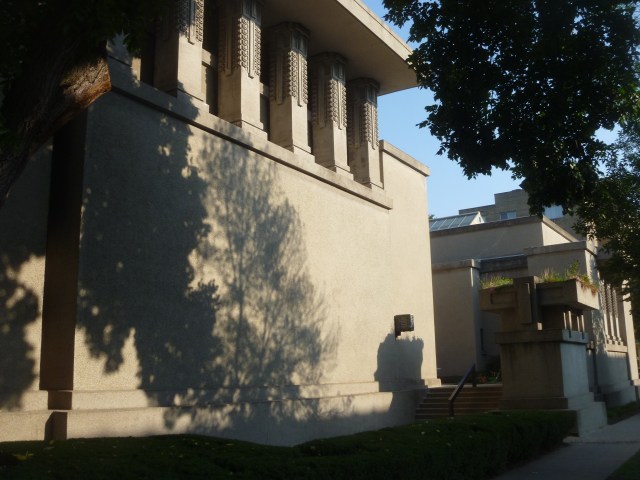
On my return to the train back to Chicago I diverted briefly to see Frank Lloyd Wright’s Unity Temple on Lake Street. It was already closed to visitors that day. Read about the Temple and the current restoration programme here.

Unity Temple

Unity Temple

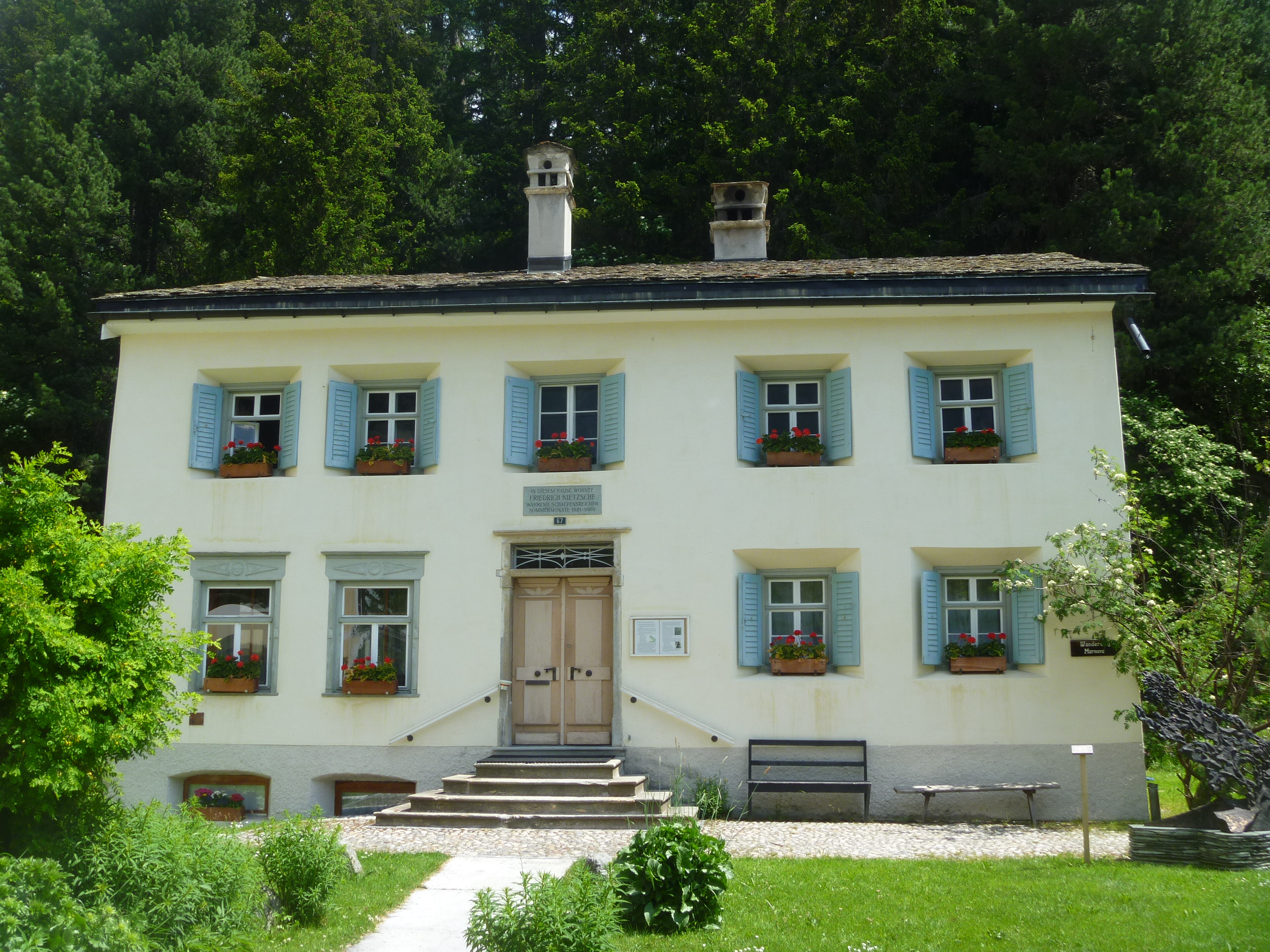
Nietzsche’s House in Sils Maria

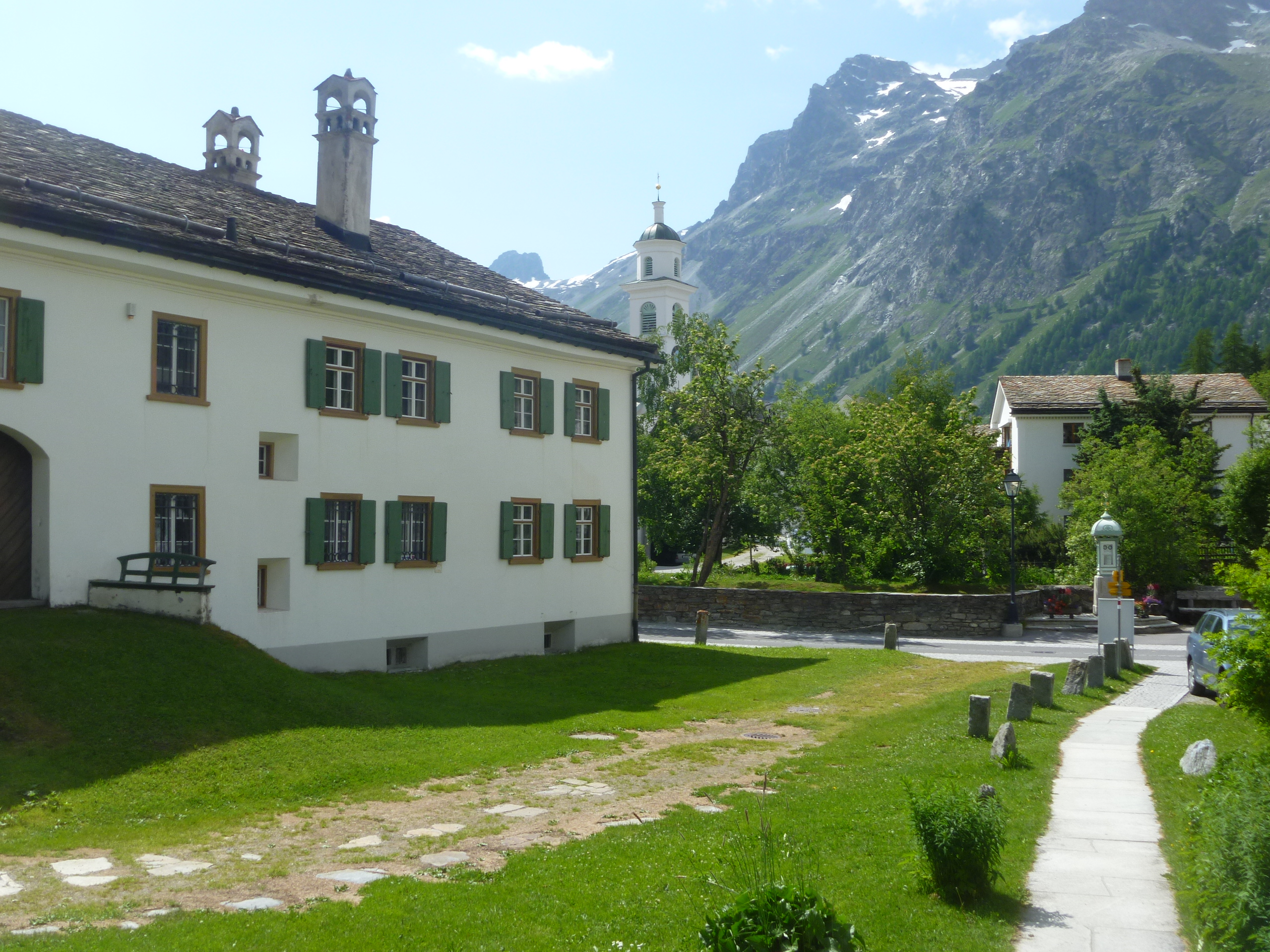
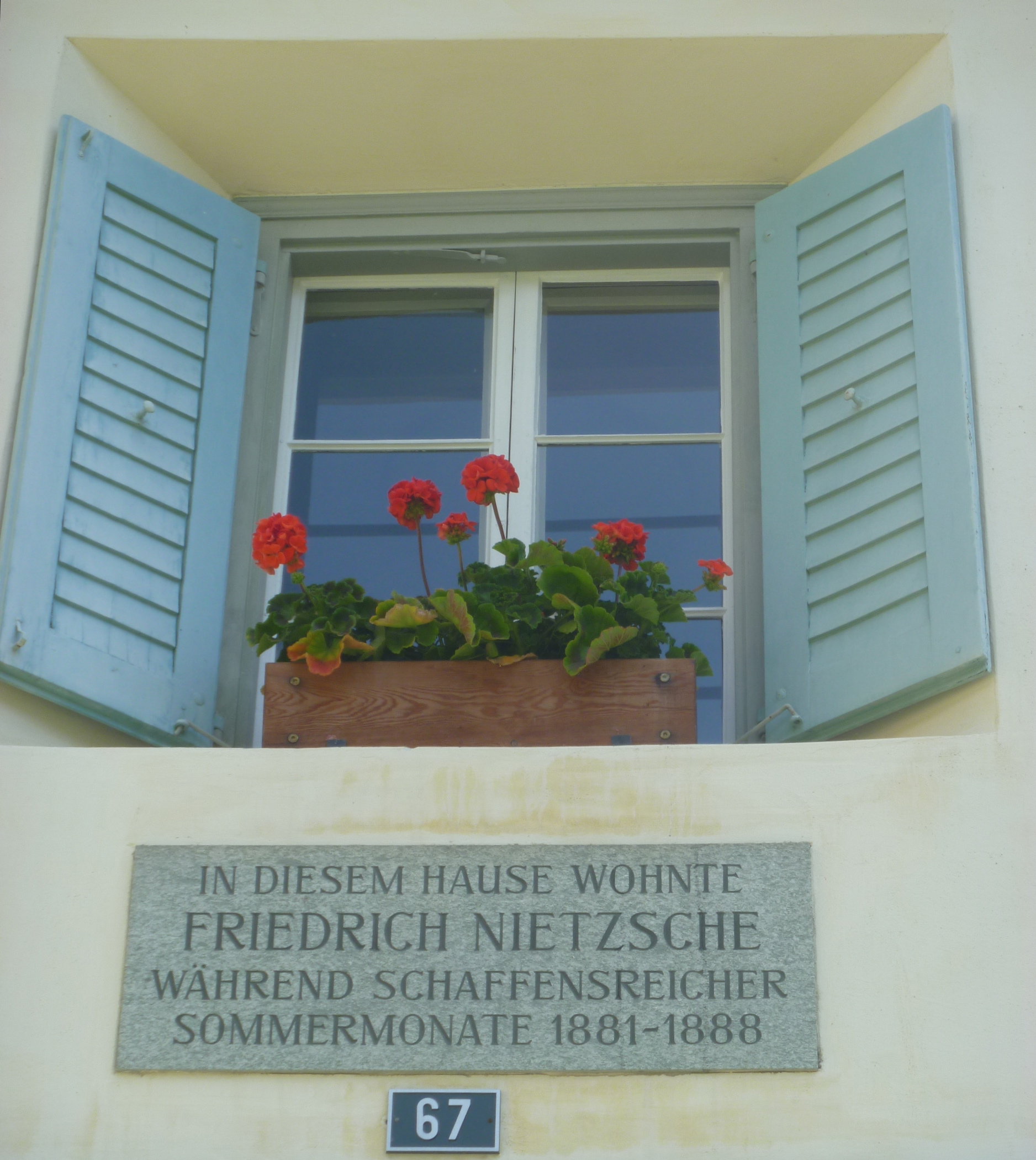
Nietzsche House

Nietzsche lived here

My knowledge of the life and philosophy of Friedrich Nietzsche comes entirely from the writing and TV programme made by Alain de Botton a few years ago in his series Philosophy: A Guide to Happiness. Here is the episode on Nietzsche. In it he visits the house in Sils Maria where FN spent several summers in the 1880s. I was at that house last Saturday.

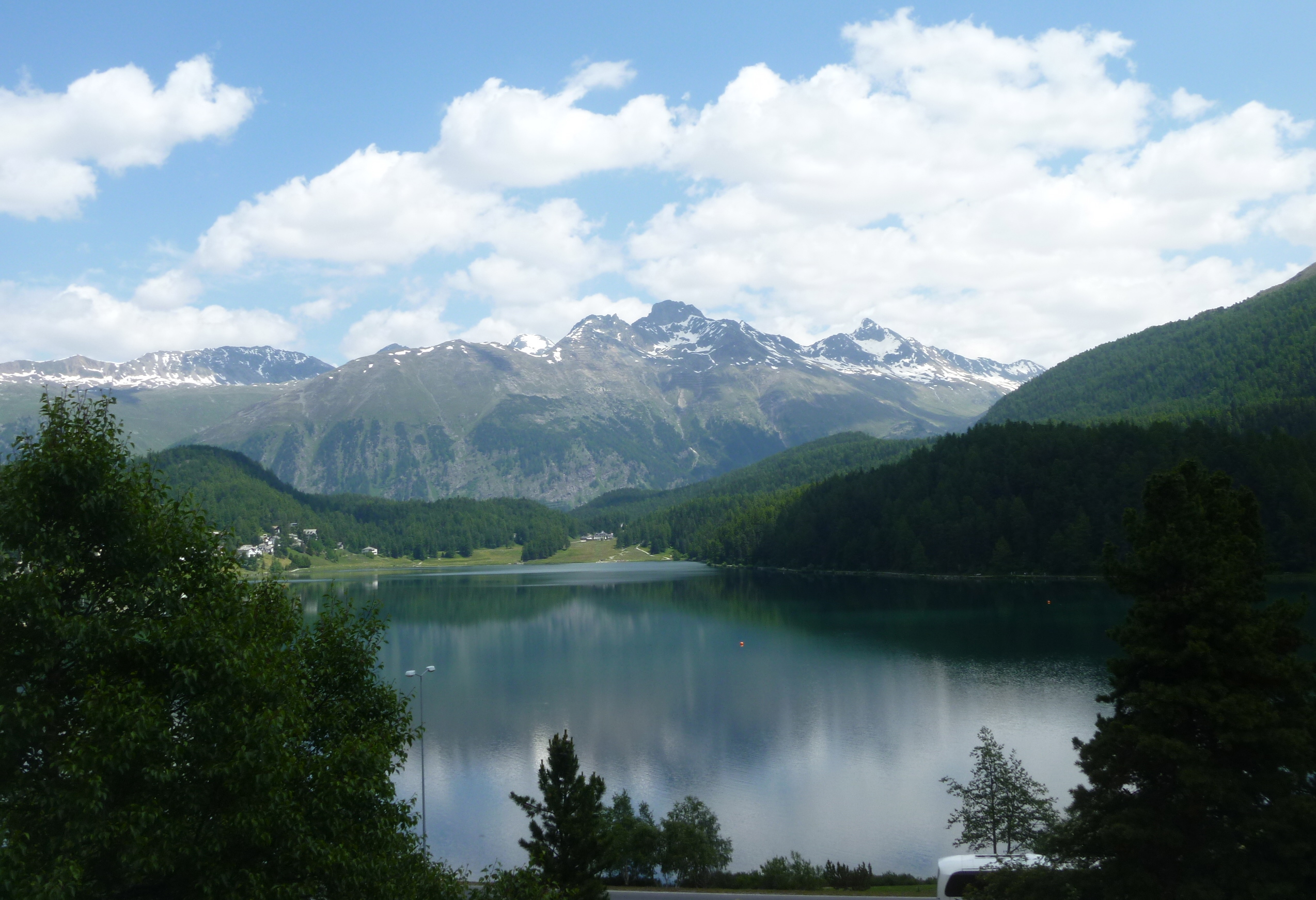
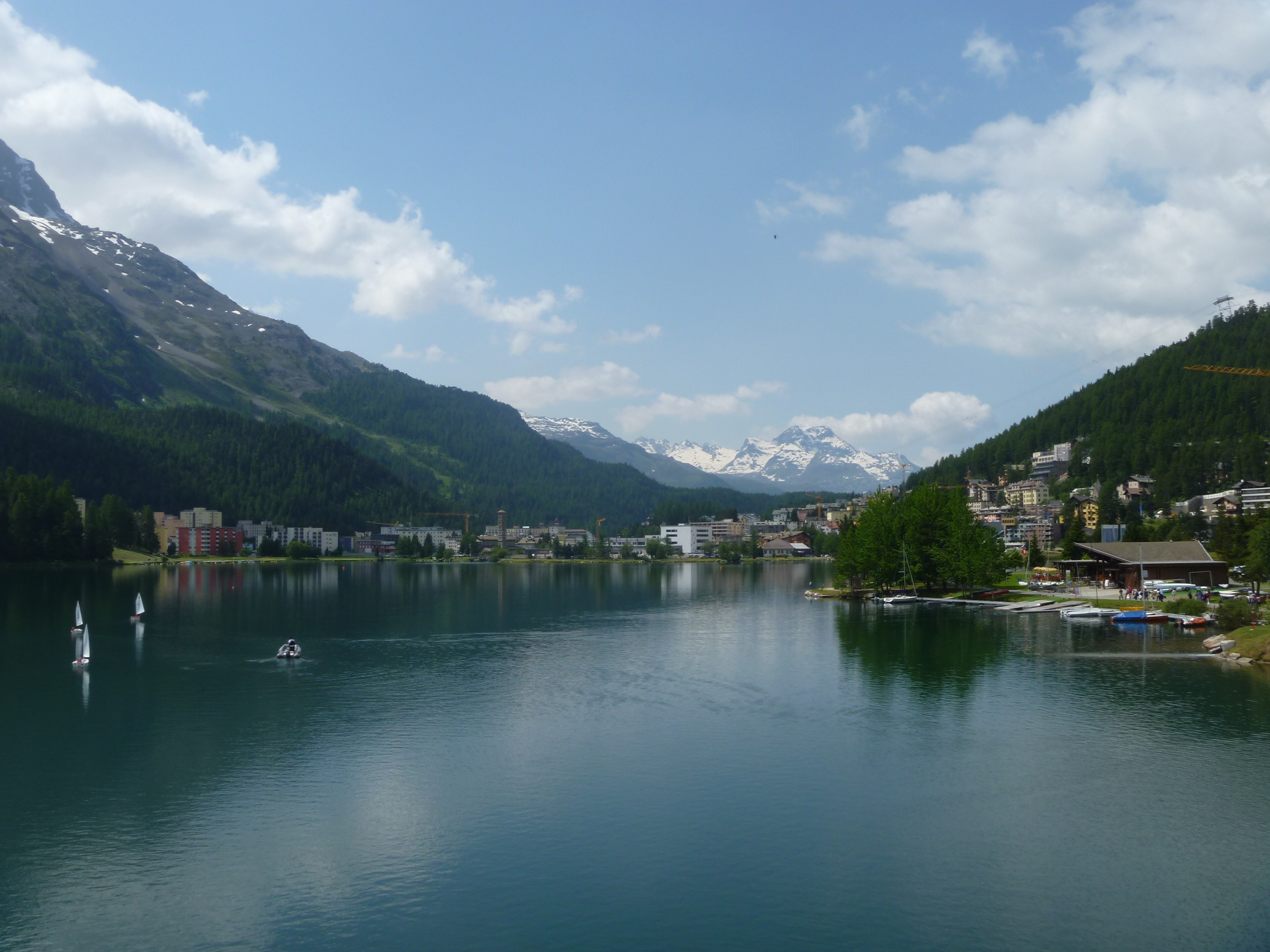
The village of Sils Maria is in huge contrast with nearby St Moritz with its glitz and glamour. I will however say, very much in its favour, that the setting of St Moritz is simply breathtaking.

St Moritz Bad

St Moritz Bad (Spa) and Lake

St Moritz Lake

St Moritz Lake

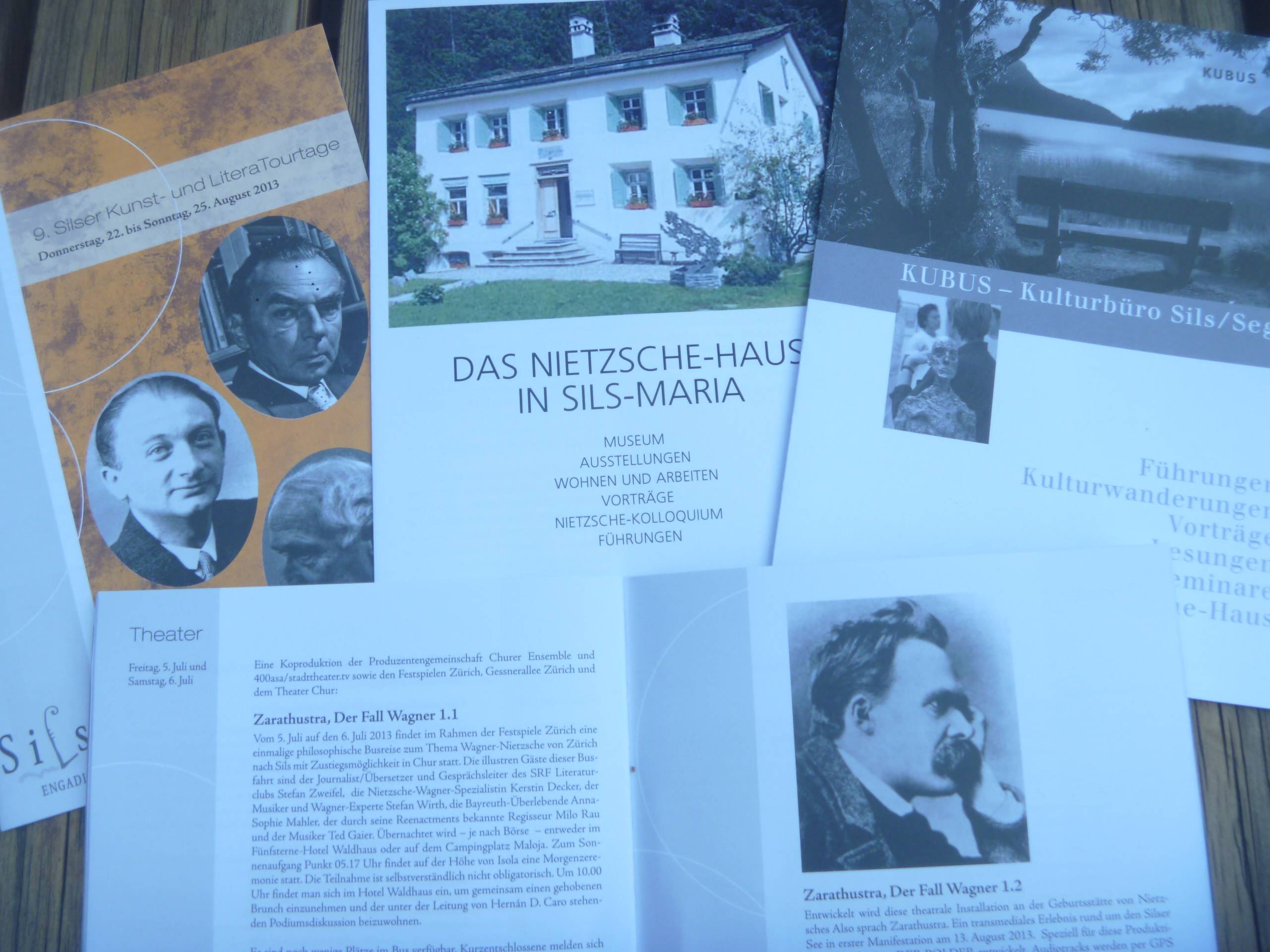
Sils Maria is in a no less dramatic situation with a lake and mountains but it also has much prettier architecture, very distinctive of the Engadine region, and a varied and interesting summer cultural programme. Some of it focussing on the Nietzsche House but lots more besides – walks, concerts, talks – many with literary connections.

Brochures

Some brochures I picked up in Sils Maria

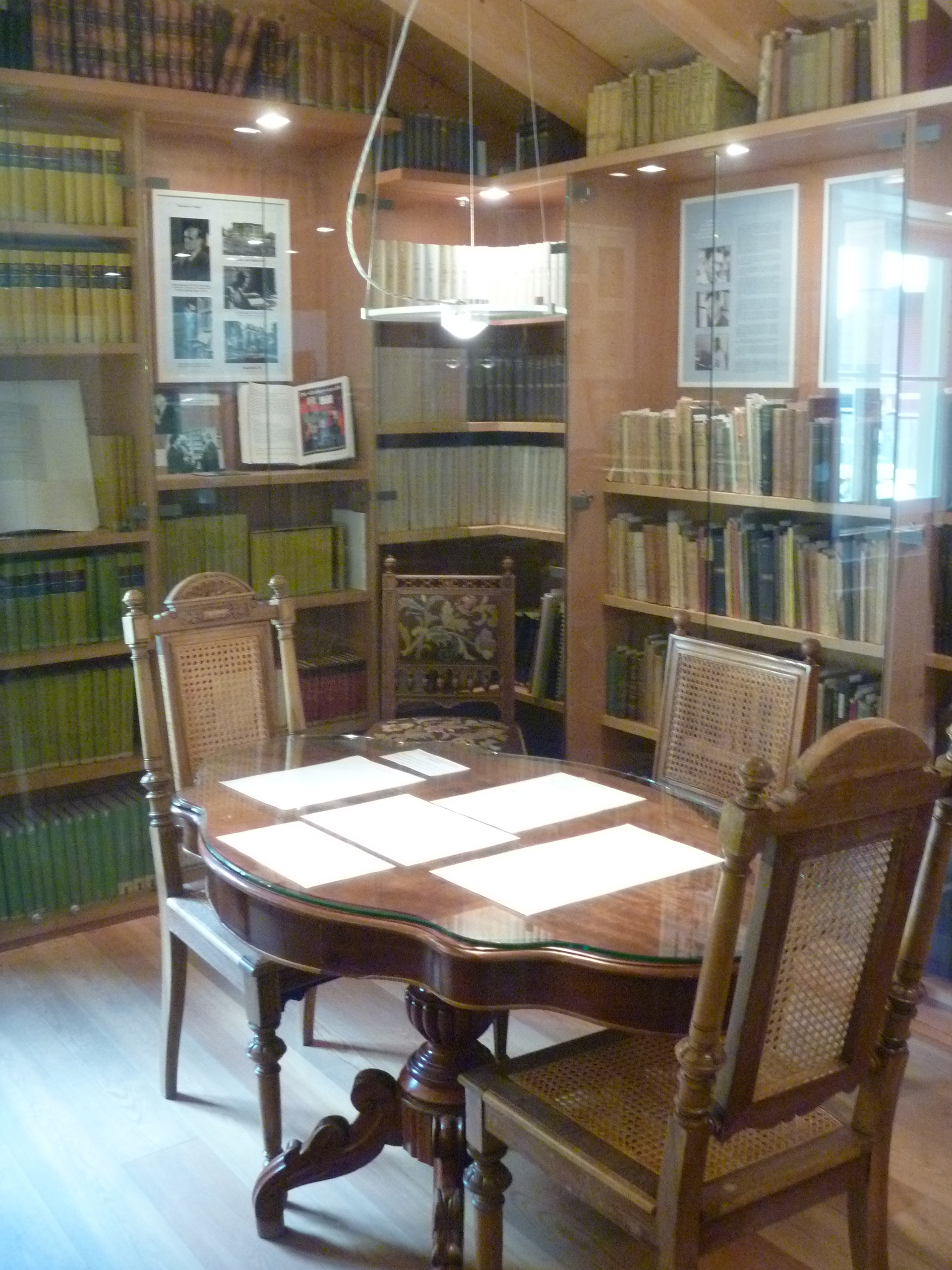
There’s a fantastic library and a huge amount of primary and secondary material at the house and it’s also possible to stay there as a guest and facilitate oneself of these research sources. Read more about the donations to the library here.

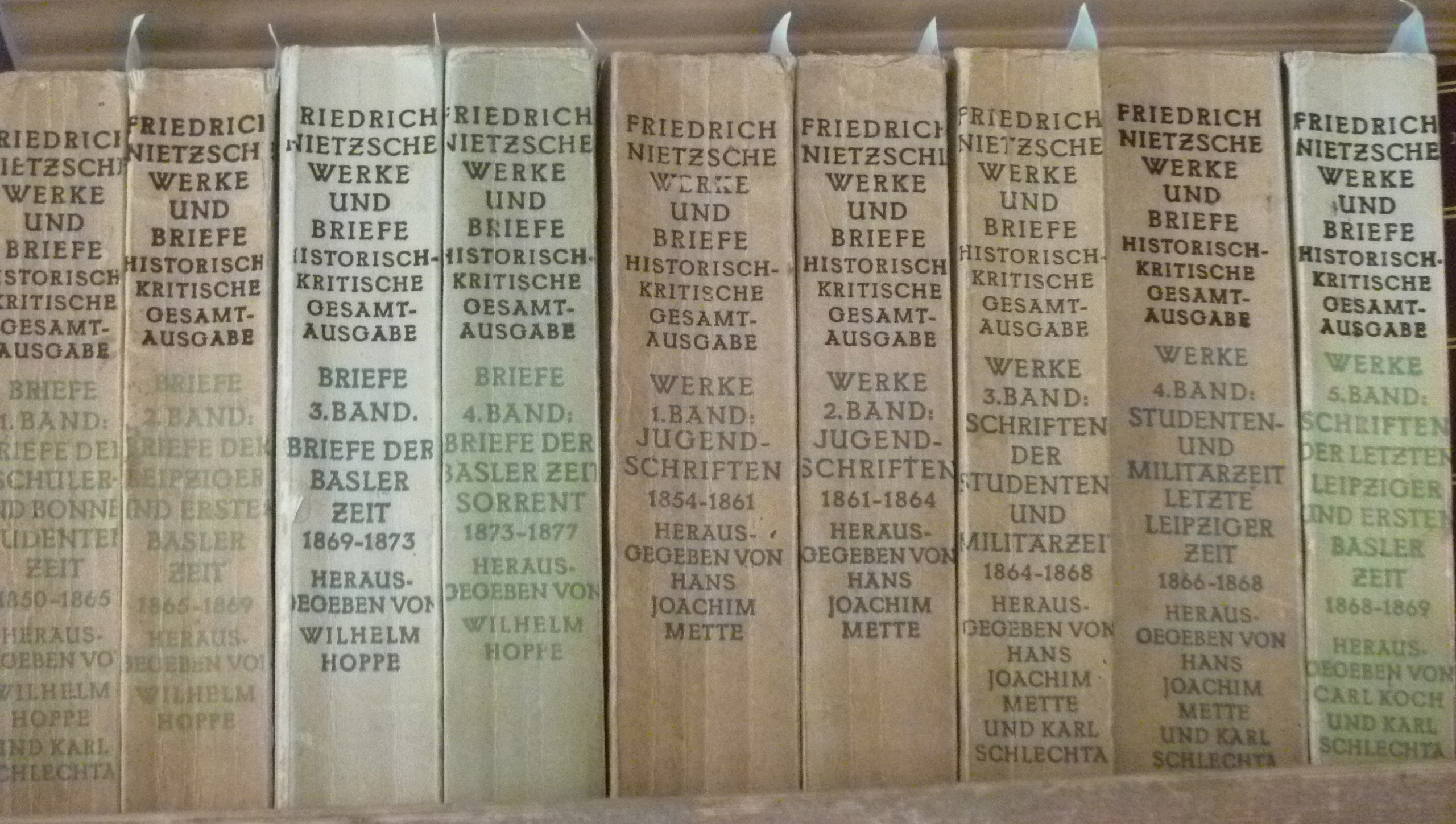
His works

Just part of the collection of Nietzsche’s works

Library

A Corner of the Library

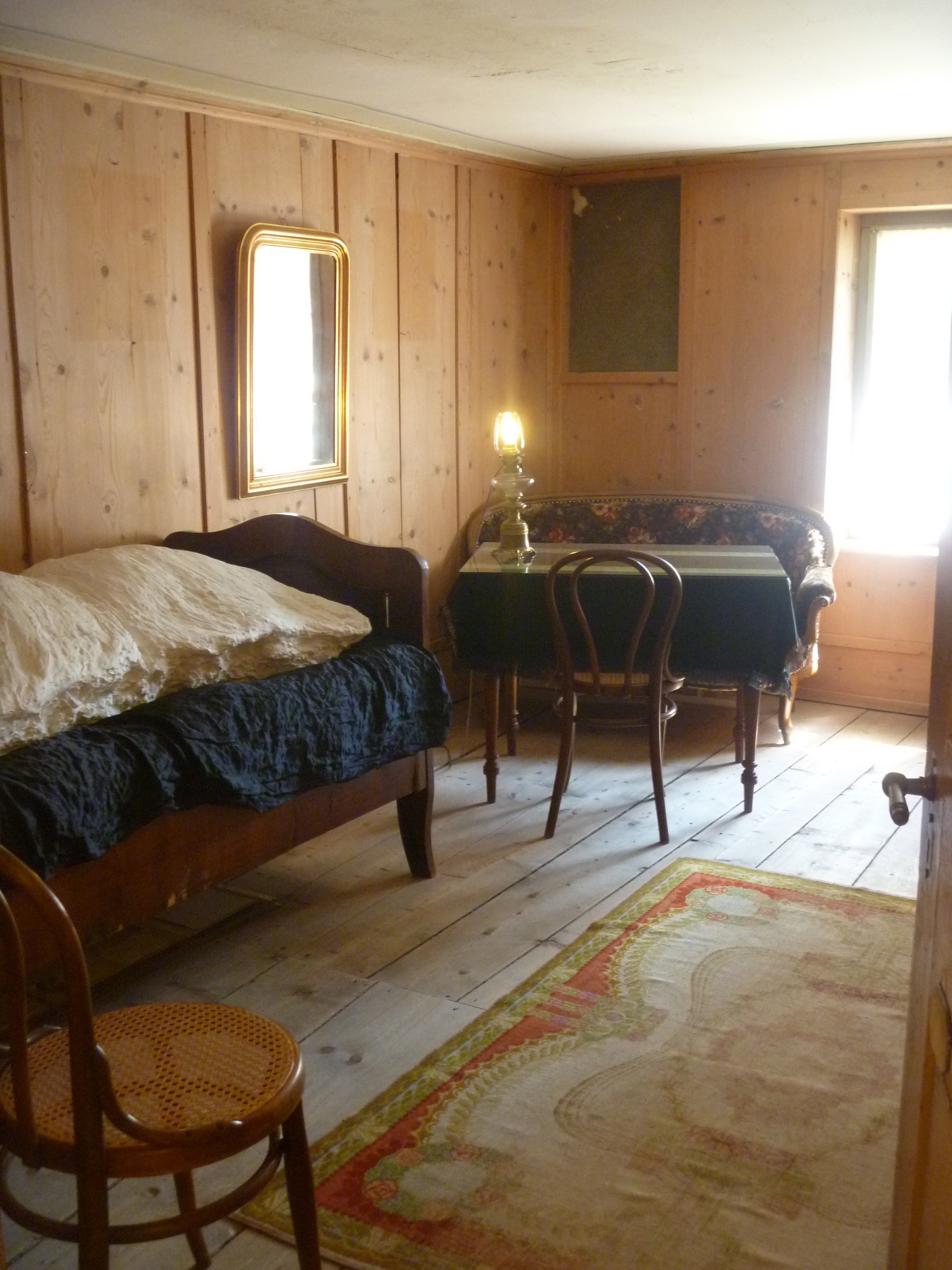
His room

Nietzsche’s Room

Nietzsche's view

The View from Nietzsche’s House

Watery North Devon Literary Connections

There are some watery literary connections in North Devon. Charles Kingsley author of The Water Babies lived in Clovelly as a child and returned many times as an adult and Henry Williamson lived for some time in Georgeham near Croyde and based his Tarka the Otter stories on local North Devon rivers.

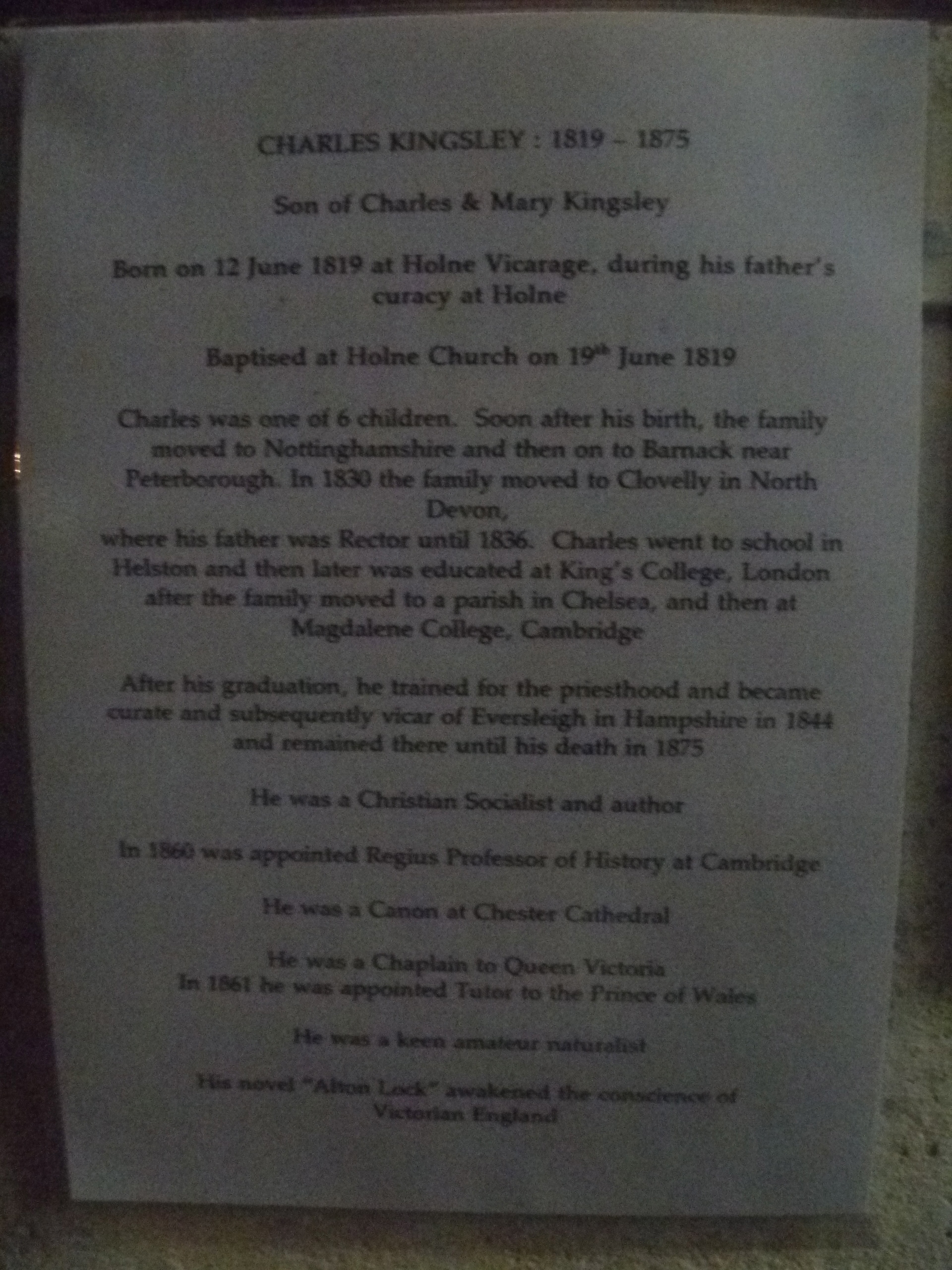
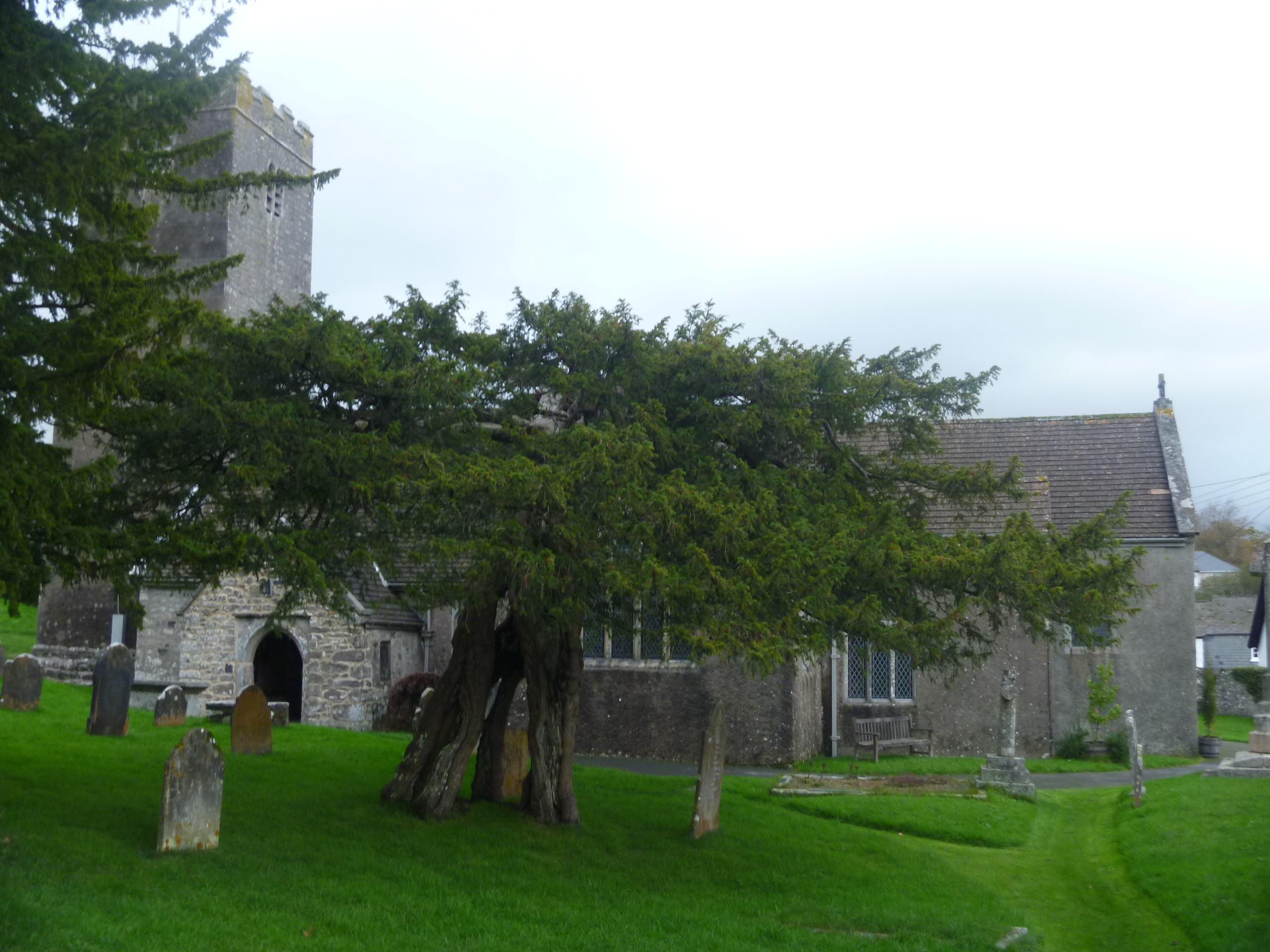
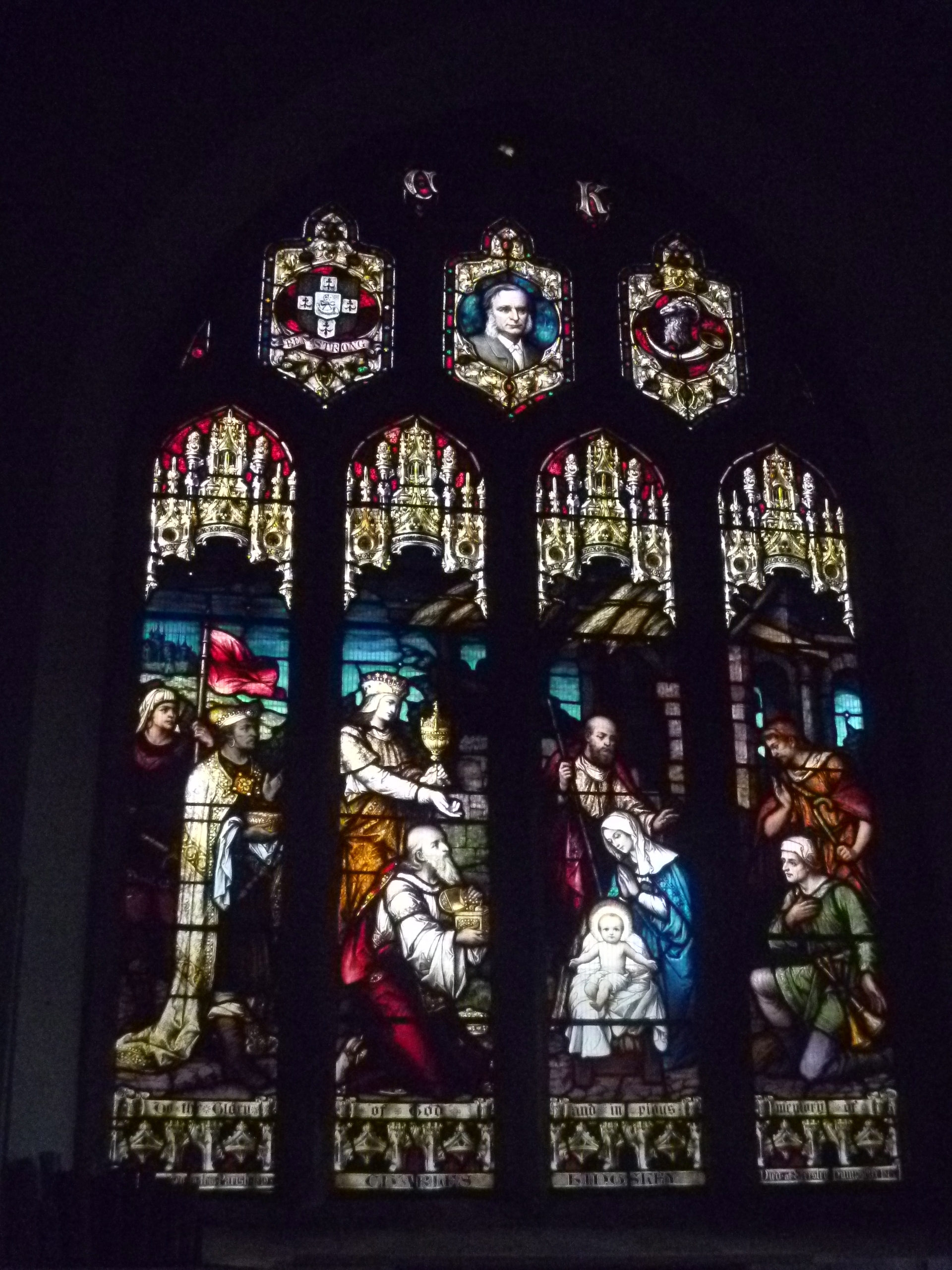
Charles Kingsley was born at Holne Vicarage on Dartmoor. I visited the church, but the vicarage was inaccessible, a couple of years ago when staying in the area. Here is a brief resumé of his life and a picture of the stained glass window in the church of St Mary the Virgin at Holne.

life of Charles Kingsley

Church at Holne

St Mary the Virgin, Holne, Dartmoor

Stained glass window

Charles Kingsley Window, Holne

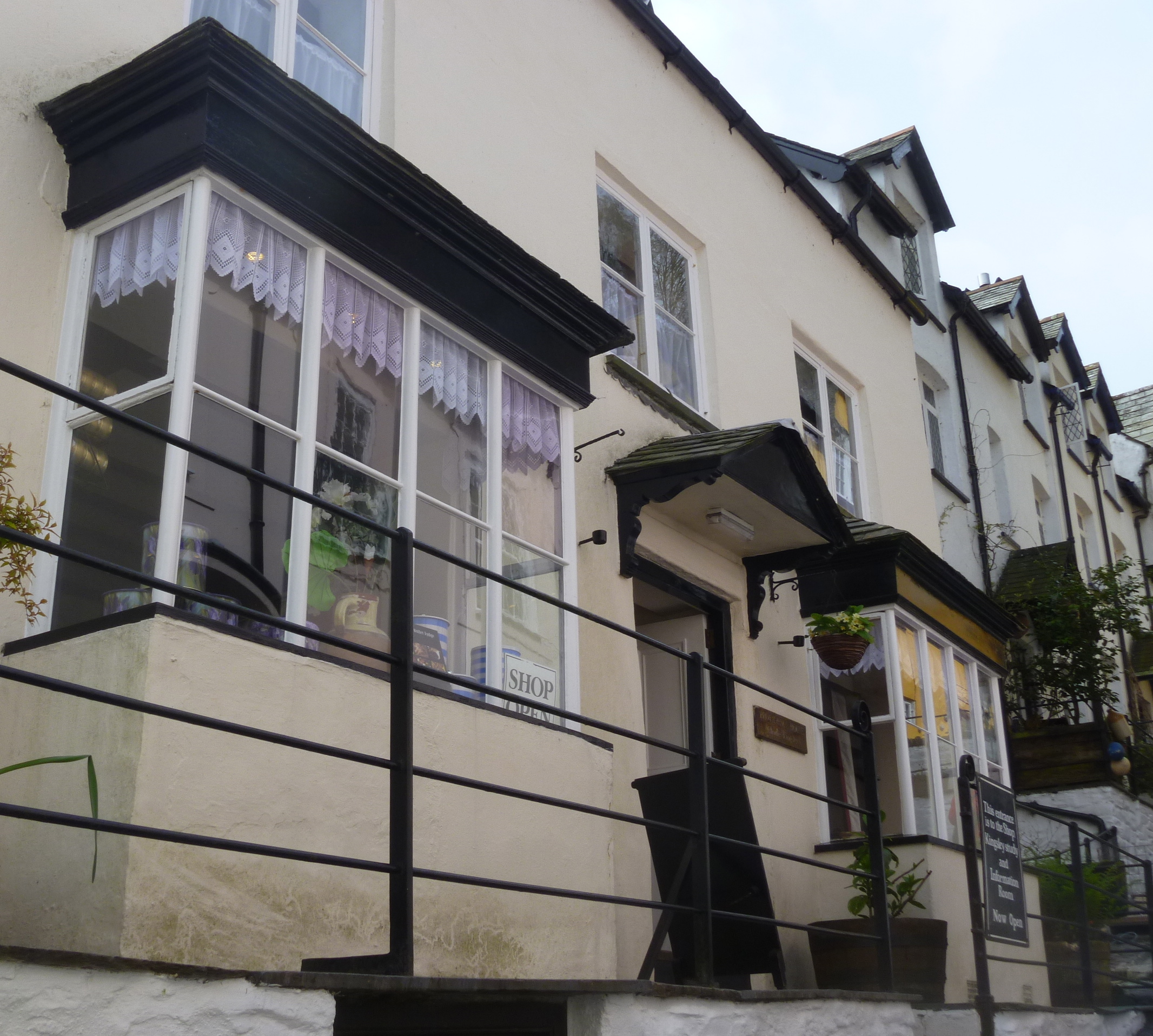
There is a Charles Kingsley Museum in Providence House (his former home) in Clovelly. The Kingsley family moved to Clovelly from Holne when Charles was 11 and they lived there for six years. Charles Kingsley visited the village frequently as an adult and wrote his novel “Westward Ho!” here.

Providence House Clovelly

Providence House, now The Charles Kingsley Museum, Clovelly

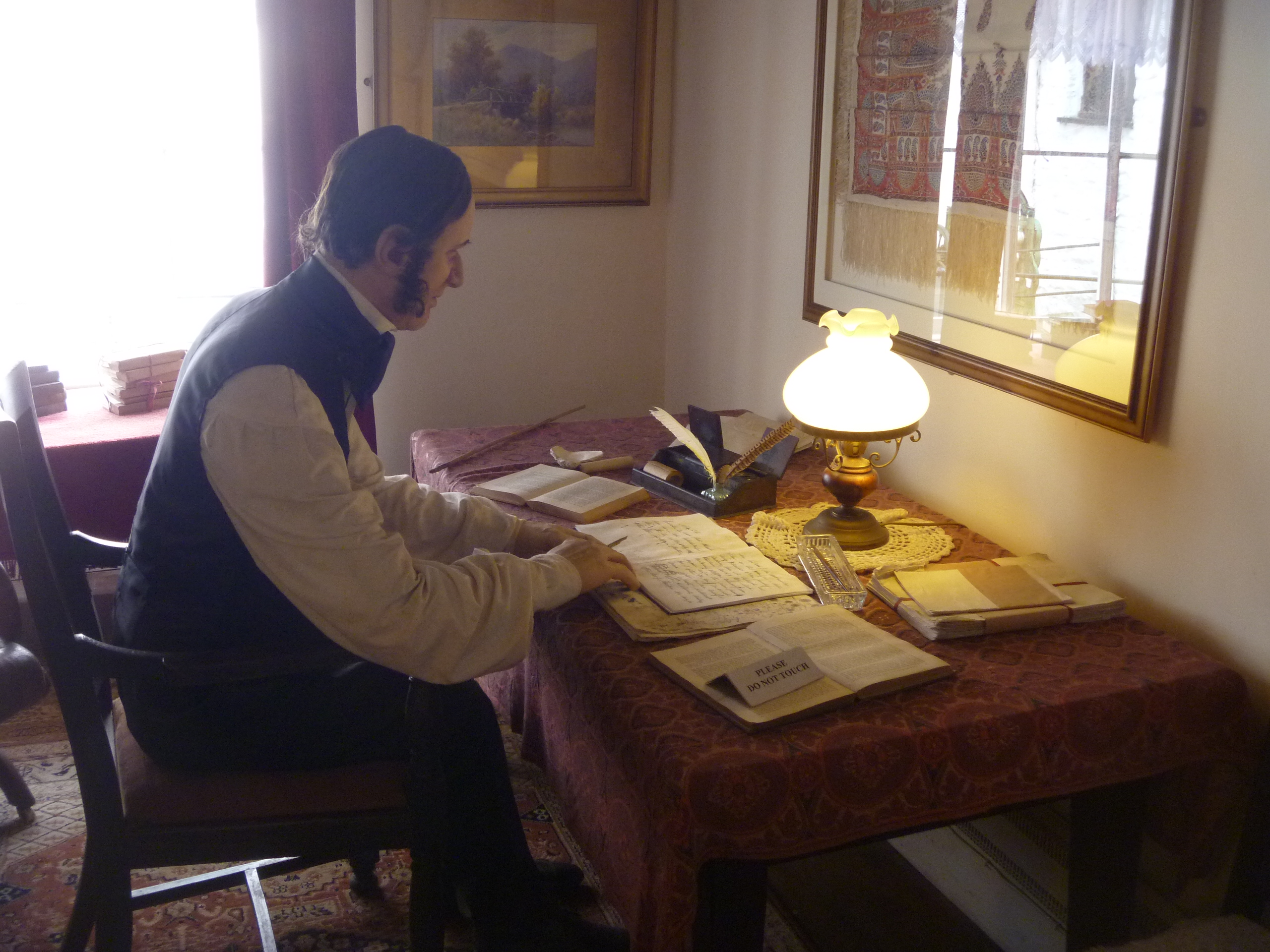
Step inside the Museum with me and see Charles Kingsley at work in his study and his chair and his Christening Shawl.

CK and his christening shawl

Charles Kingsley and his Christening Shawl

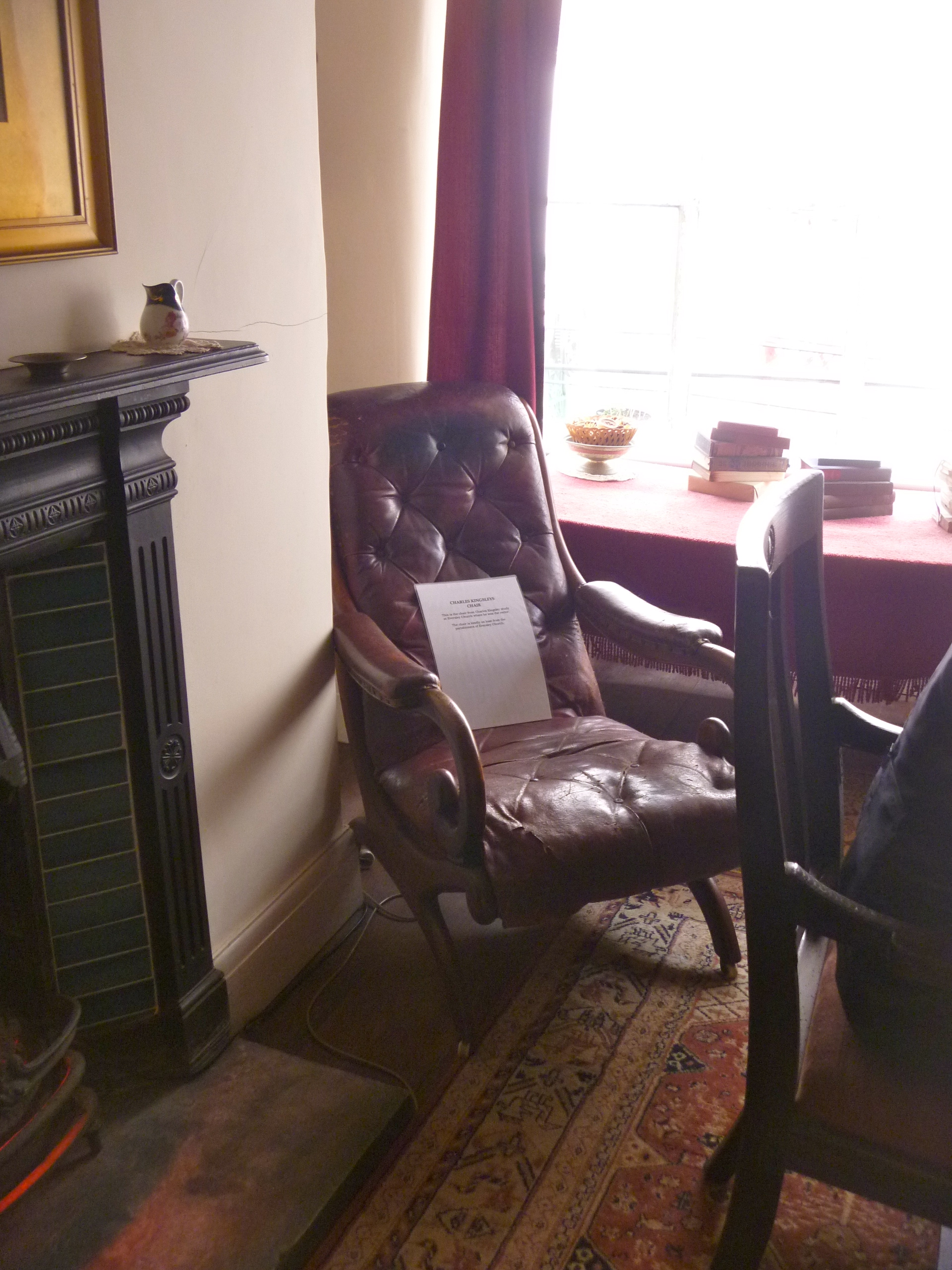
CK's chair

Charles Kingsley’s Chair (on loan from the parish of Eversley, Hampshire)

The leaflet supplied to visitors states that “the village also inspired him to write ‘The Water Babies’. I had always understood that Kingsley was inspired to write the book on his visits to Yorkshire whilst staying near Malham Tarn at a house called Bridge End in nearby Arncliffe in Littondale. Here is an article from The Yorkshire Post supporting this fact. Maybe he was also inspired by Clovelly on some aspect of the book?

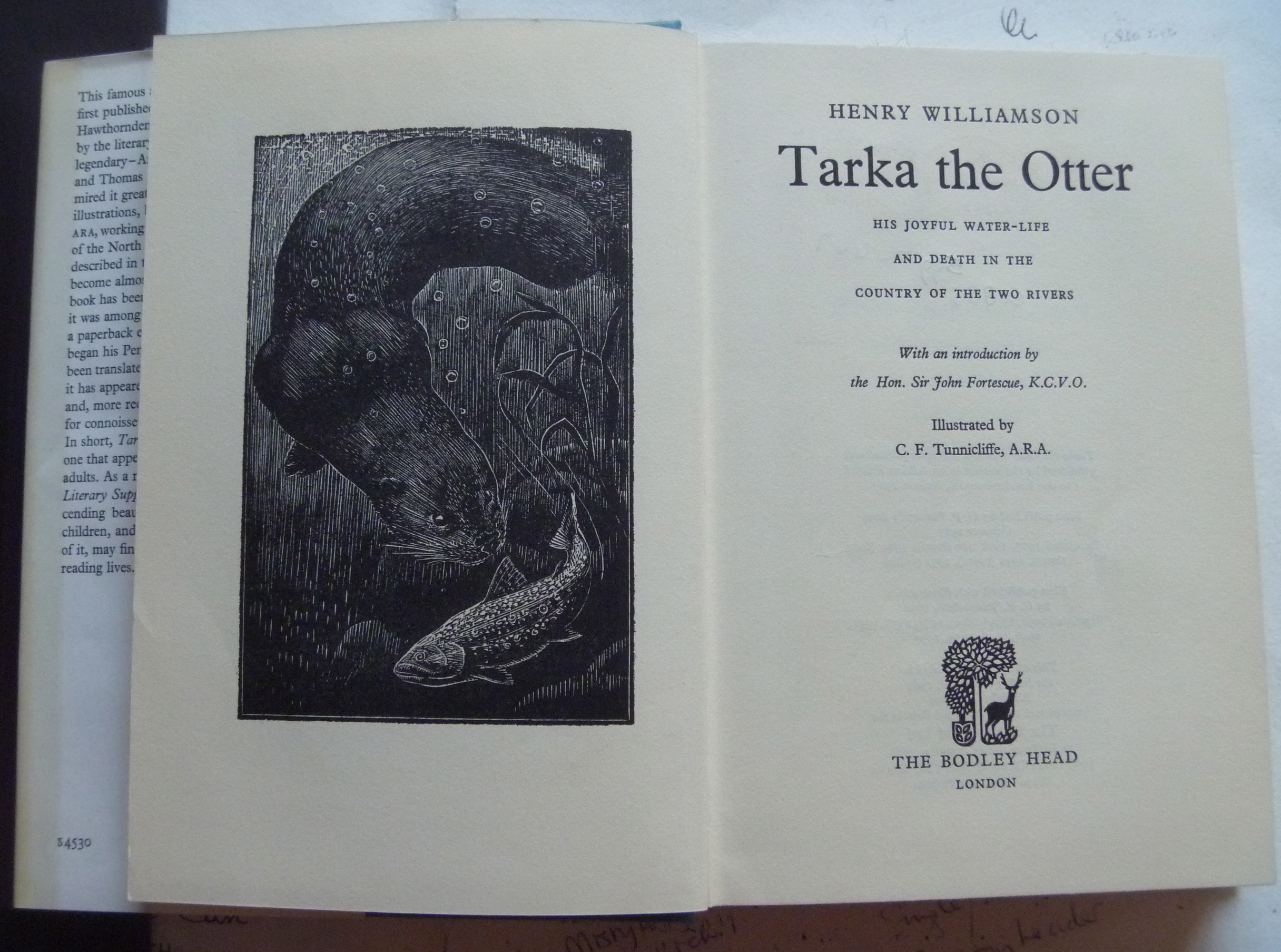
Tarka the Otter

From a wet and windy Clovelly I headed to Braunton for fish and chips and then to the local museum. I expected to find some information about local writer Henry Williamson who wrote ‘Tarka the Otter’. There was a small display about the author who wrote many more books than this famous nature writing including :

The great work of his mature years, A Chronicle of Ancient Sunlight, [which] stands as a true statement of the social history of this country in all its varied detail, through the life of the main character, Philip Maddison.”

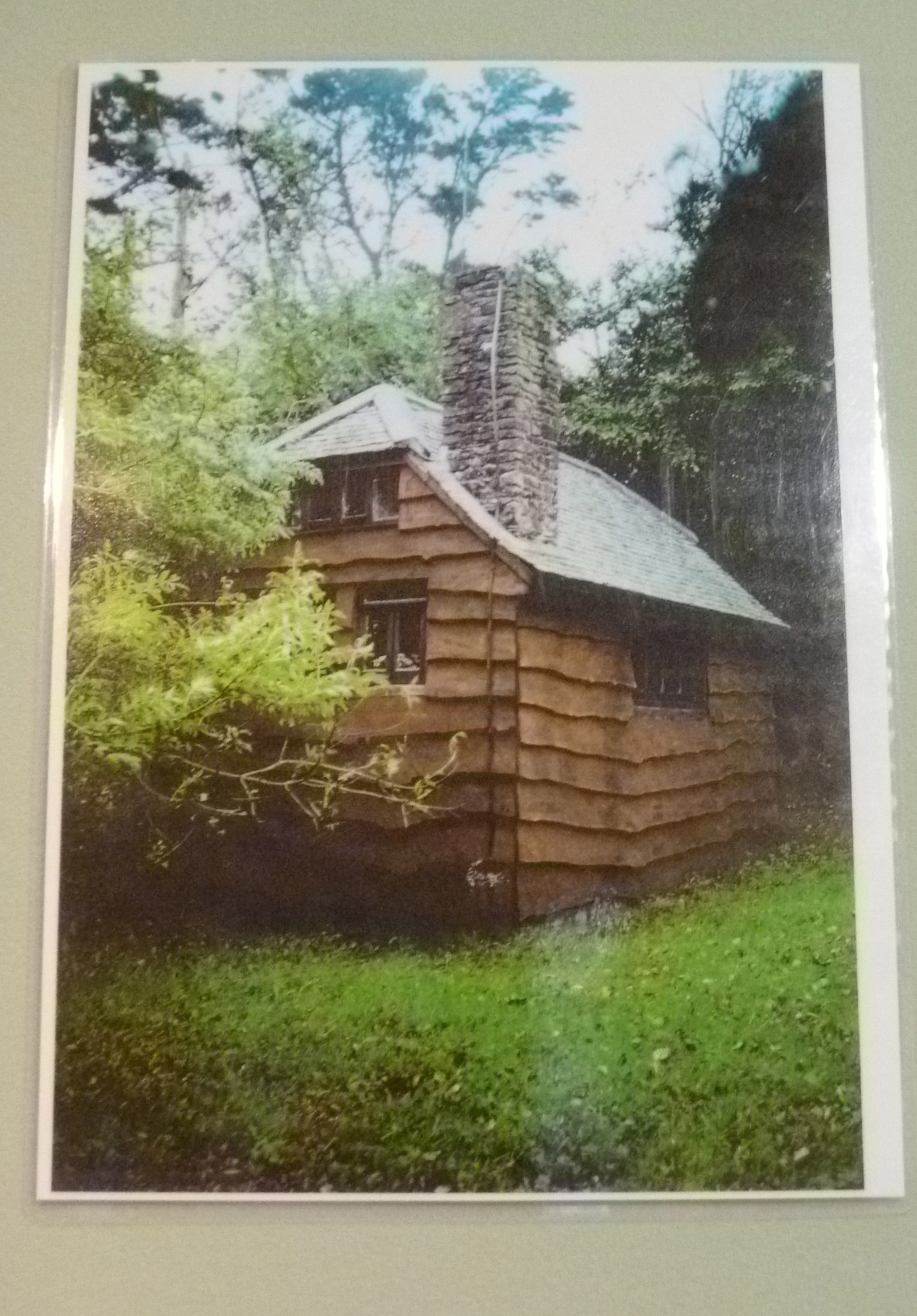
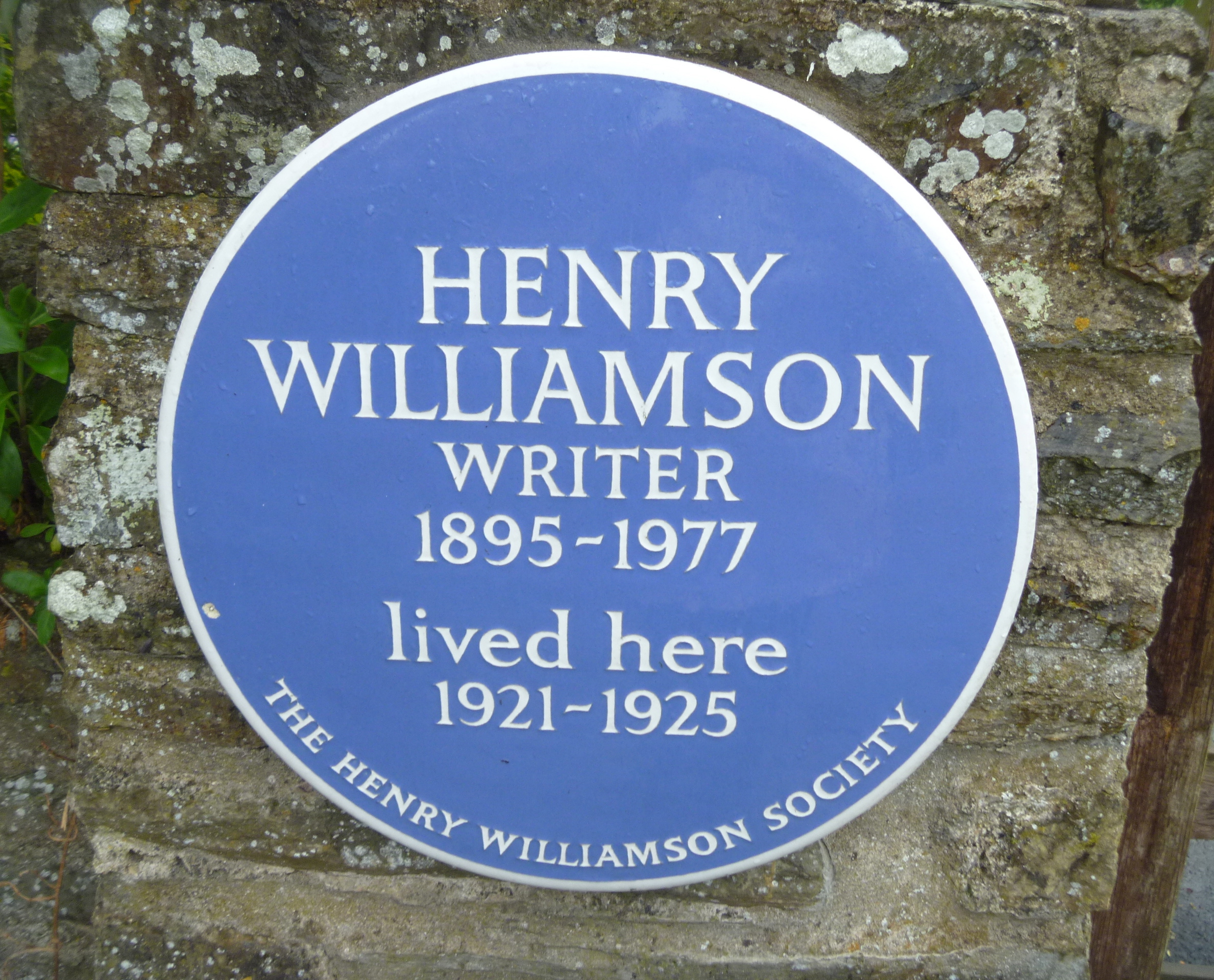
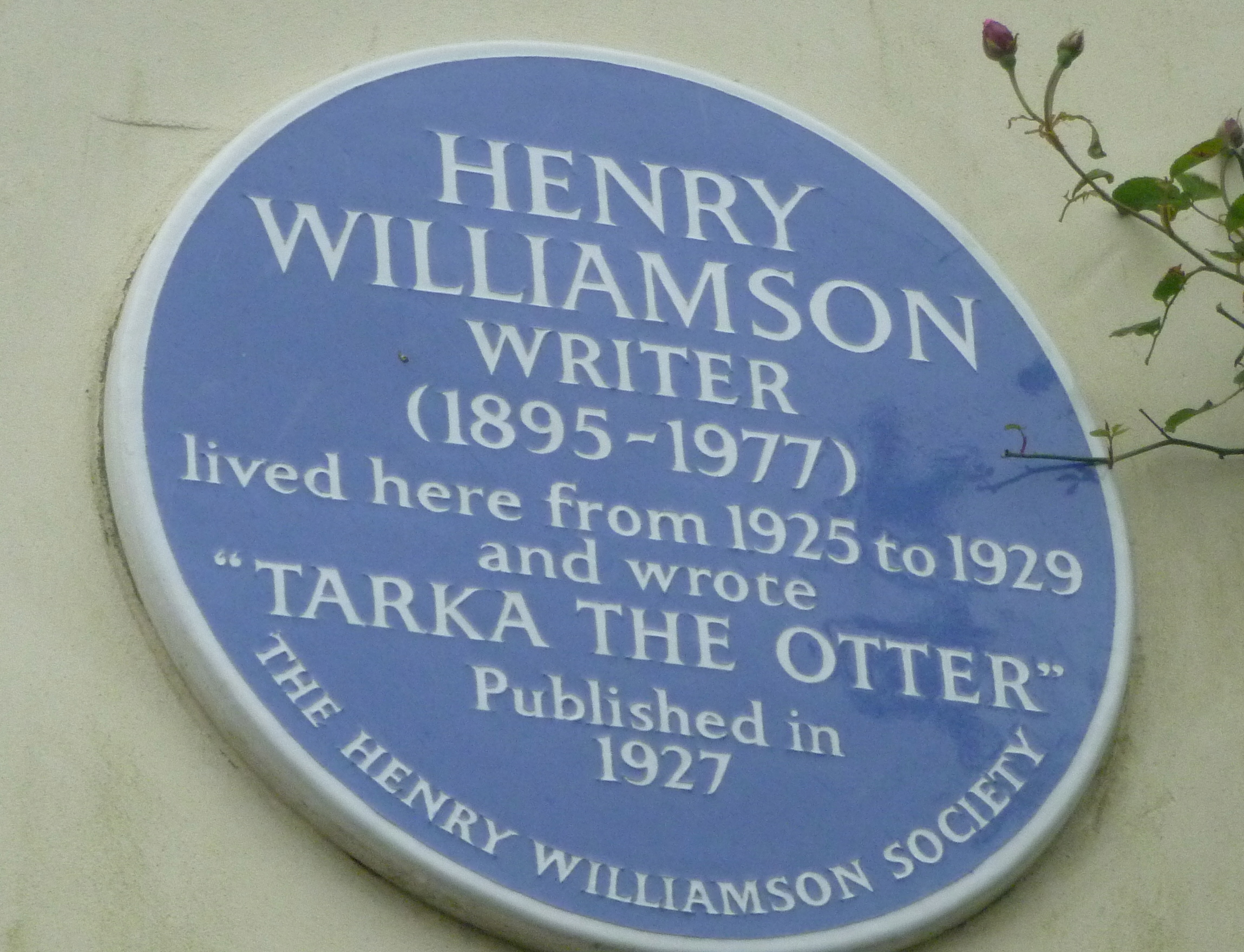
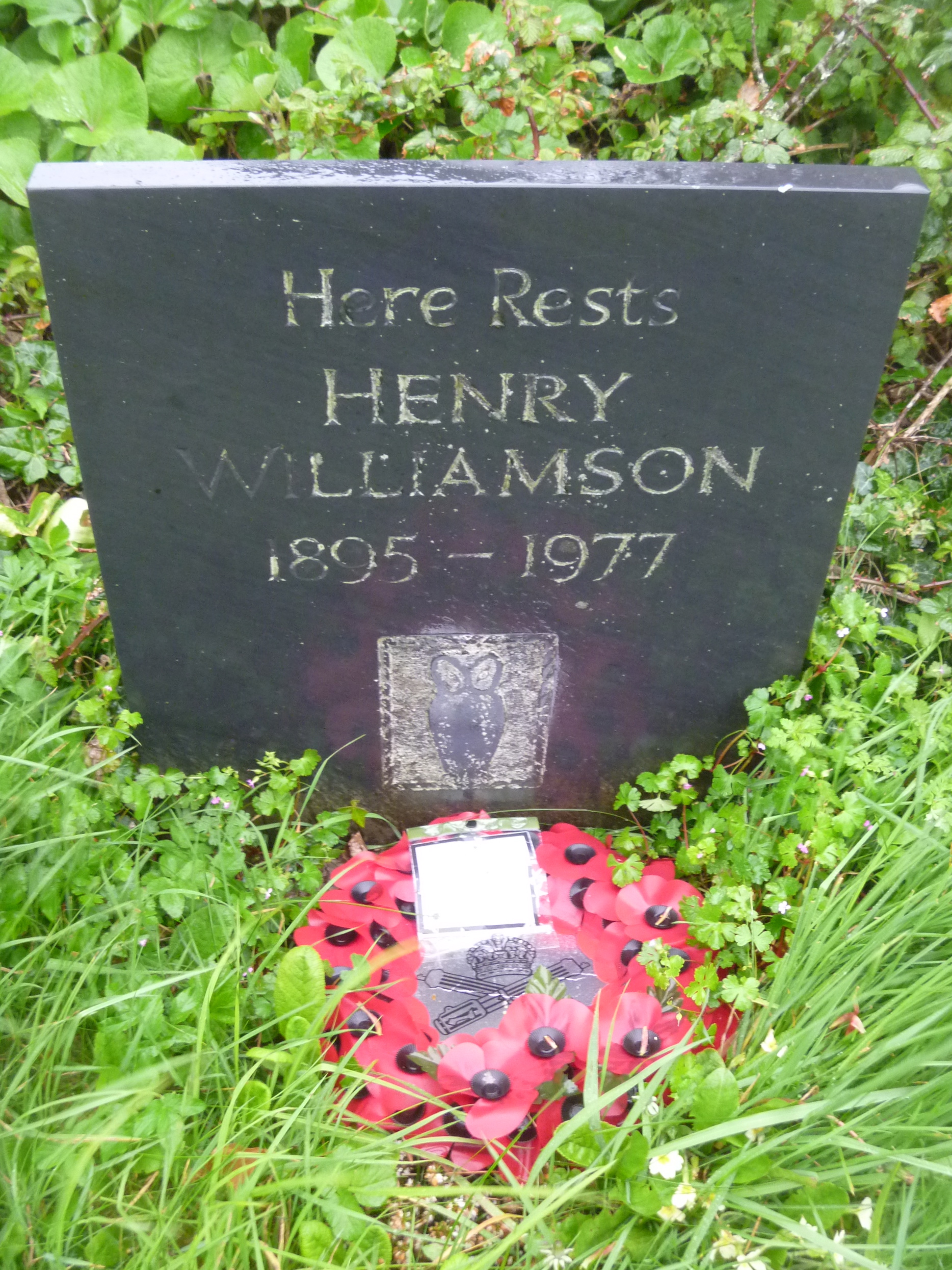
In north Devon it’s Tarka, Tarka everything. The Tarka Line (railway), The Tarka Trail (walking/cycling path), Tarka Holiday Parks (caravans), Tarka Radio (hospital radio) the list is never-ending. But finding places relating to the otter’s author takes a bit more research. The Henry Williamson Society have managed to secure a couple of blue plaques on his two homes in nearby Georgeham and his writing hut still stands in a garden at nearby Ox’s Cross. Through pelting rain I managed to snap the two Georgeham homes and Williamson’s grave but I had to forego finding the shed.

Hut

Henry Williamson’s hut at Ox’s Cross

Williamson Skirr Cottage

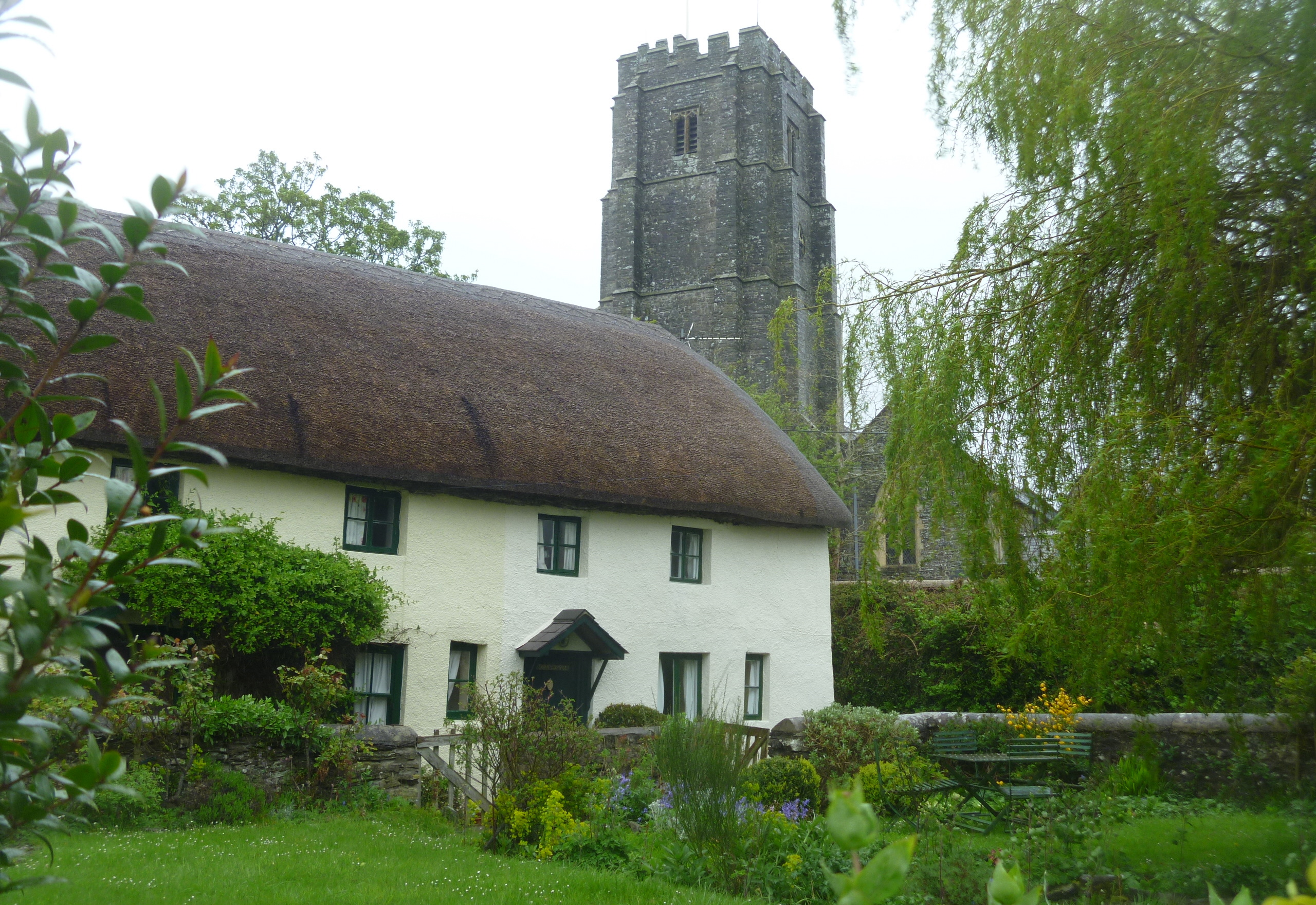
Williamson’s first home in Georgeham : Skirr Cottage [named after the sound made by the wings of owls on the roof]

Skirr Cottage plaque

Crowberry Cottage

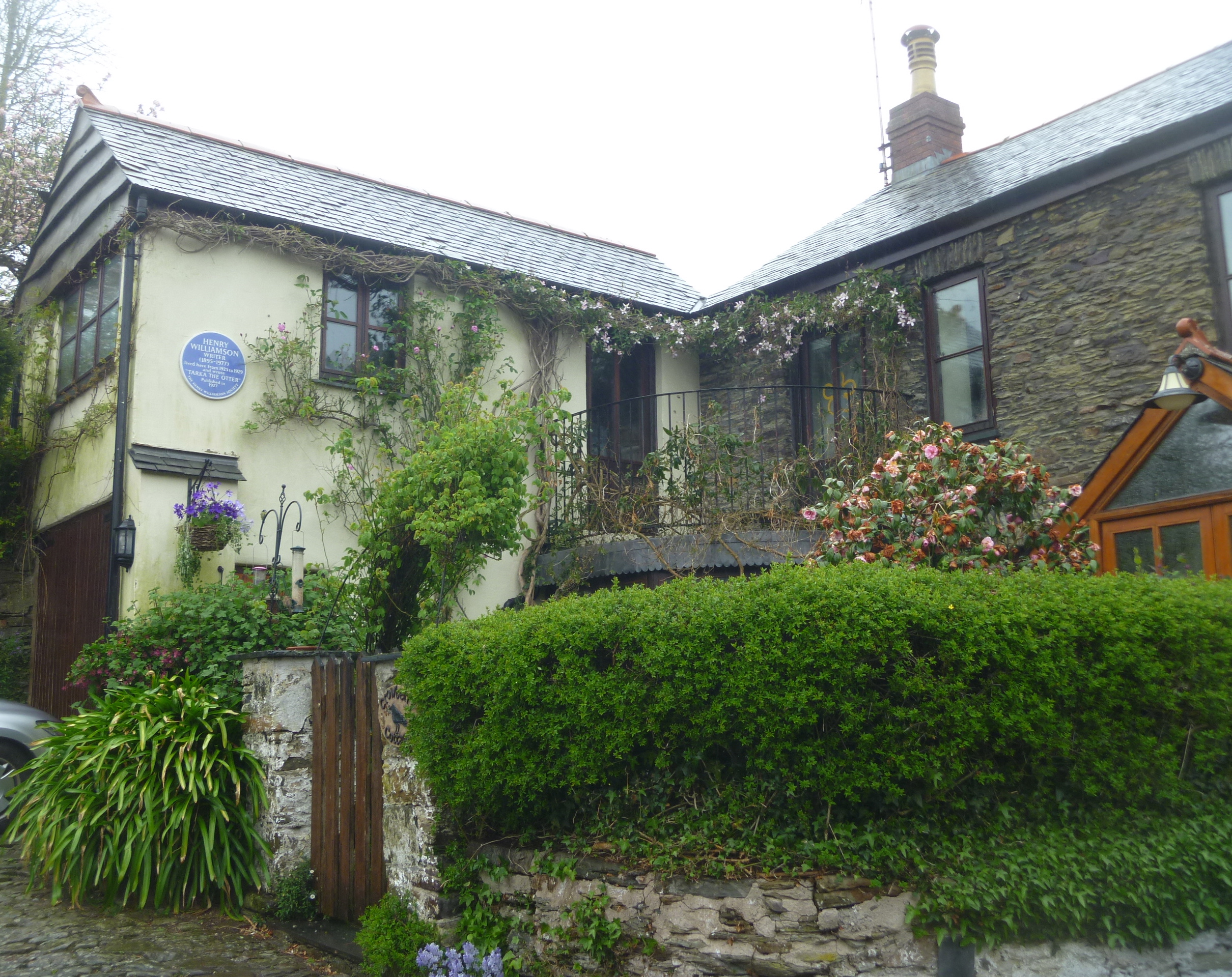
Crowberry Cottage – Williamson’s other home in Georgeham

Crowberry plaque

Read here about a journalist’s search for The Field and other Tarka and Williamson locations.

Williamson grave

Childe Harold, Vathek and other literary inspirations of Monserrate

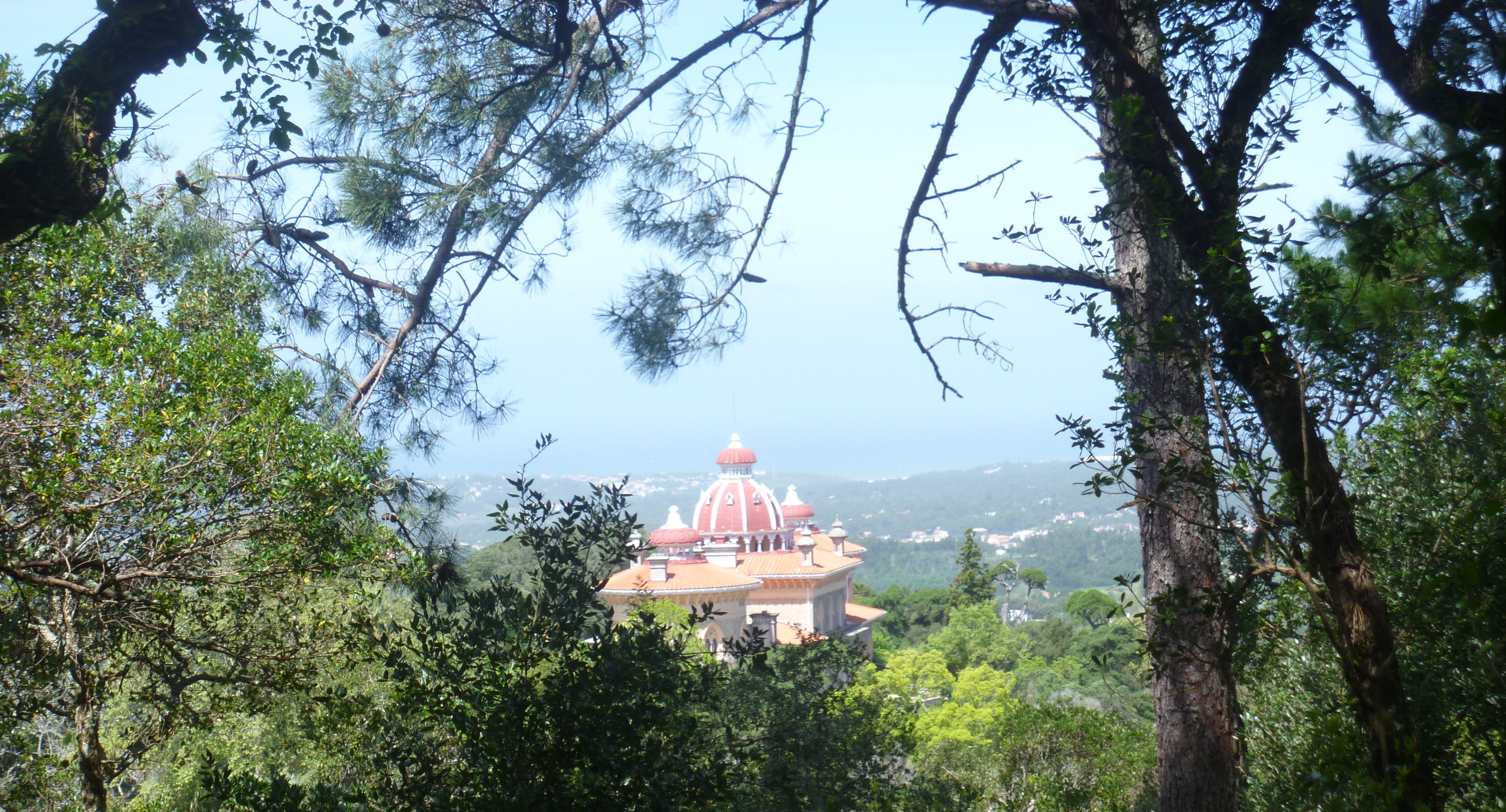
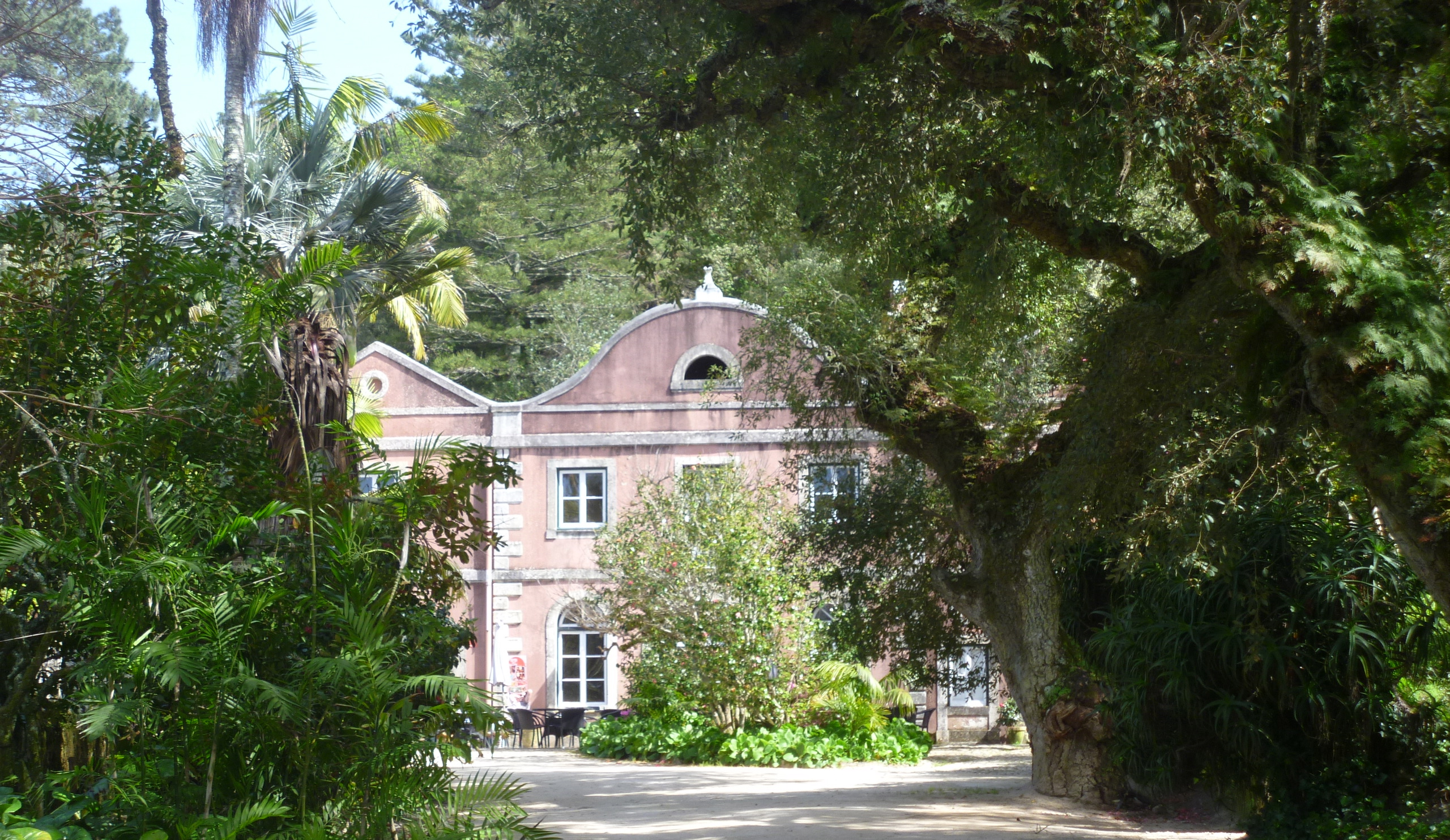
First glimpse of Monserrate Palace

On sloping mounds, or in the vale beneath,
Are domes where whilom kings did make repair;
But now the wild flowers round them only breathe:
Yet ruined splendour still is lingering there.
And yonder towers the prince’s palace fair:
There thou, too, Vathek! England’s wealthiest son,
Once formed thy Paradise, as not aware
When wanton Wealth her mightiest deeds hath done,
Meek Peace voluptuous lures was ever wont to shun.”

Childe Harold’s Pilgrimage, by Lord Byron [Canto the First XXII]

think the above verse applies to the beautiful palace and gardens of Monserrate. At least we were told in numerous books and leaflets that Lord Byron was smitten by Monserrate on his visit here in 1810 and reminisced about it in his poem ‘Childe Harold’s Pilgrimage’.

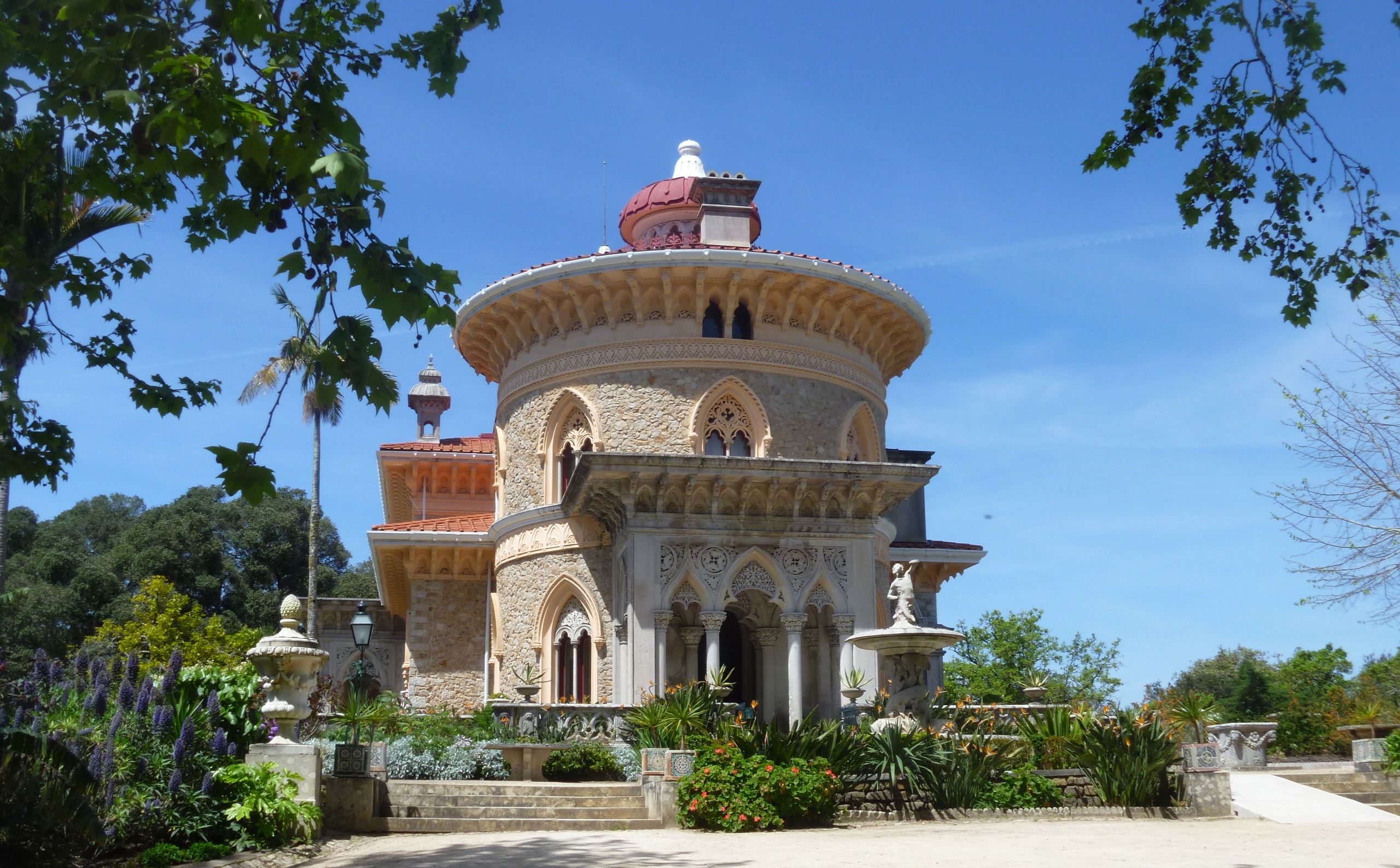
Monserrate Palace

Monserrate was probably my favourite place of the whole trip. It had everything: a palace with a library, exotic gardens(but with an English Rose Garden), a tea house, British connections, literary connections and to top it all we visited in beautiful weather!

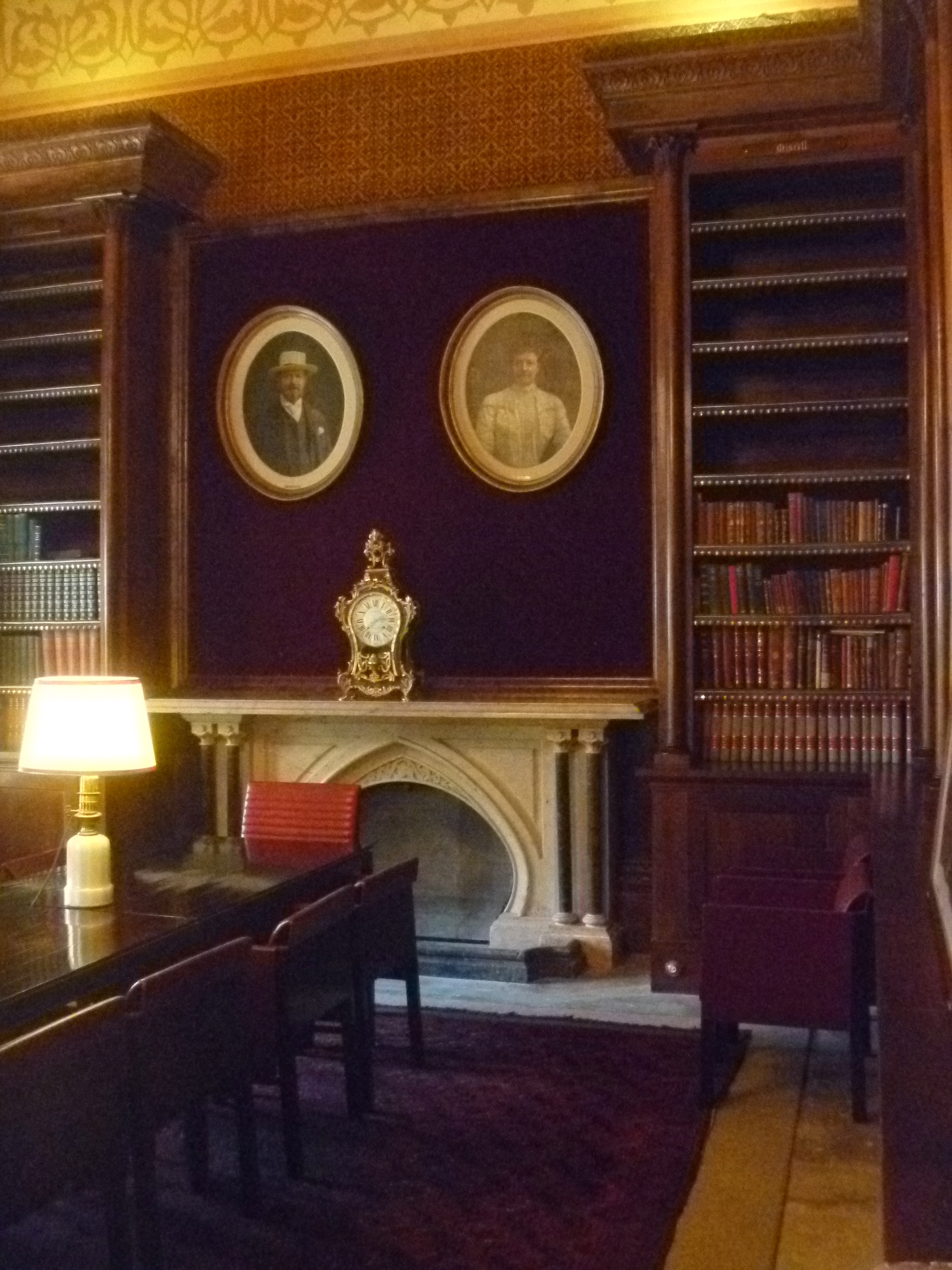
The library today

The Library as it is today

In the gardens

In the exotic gardens

The Tea House

The Tea House

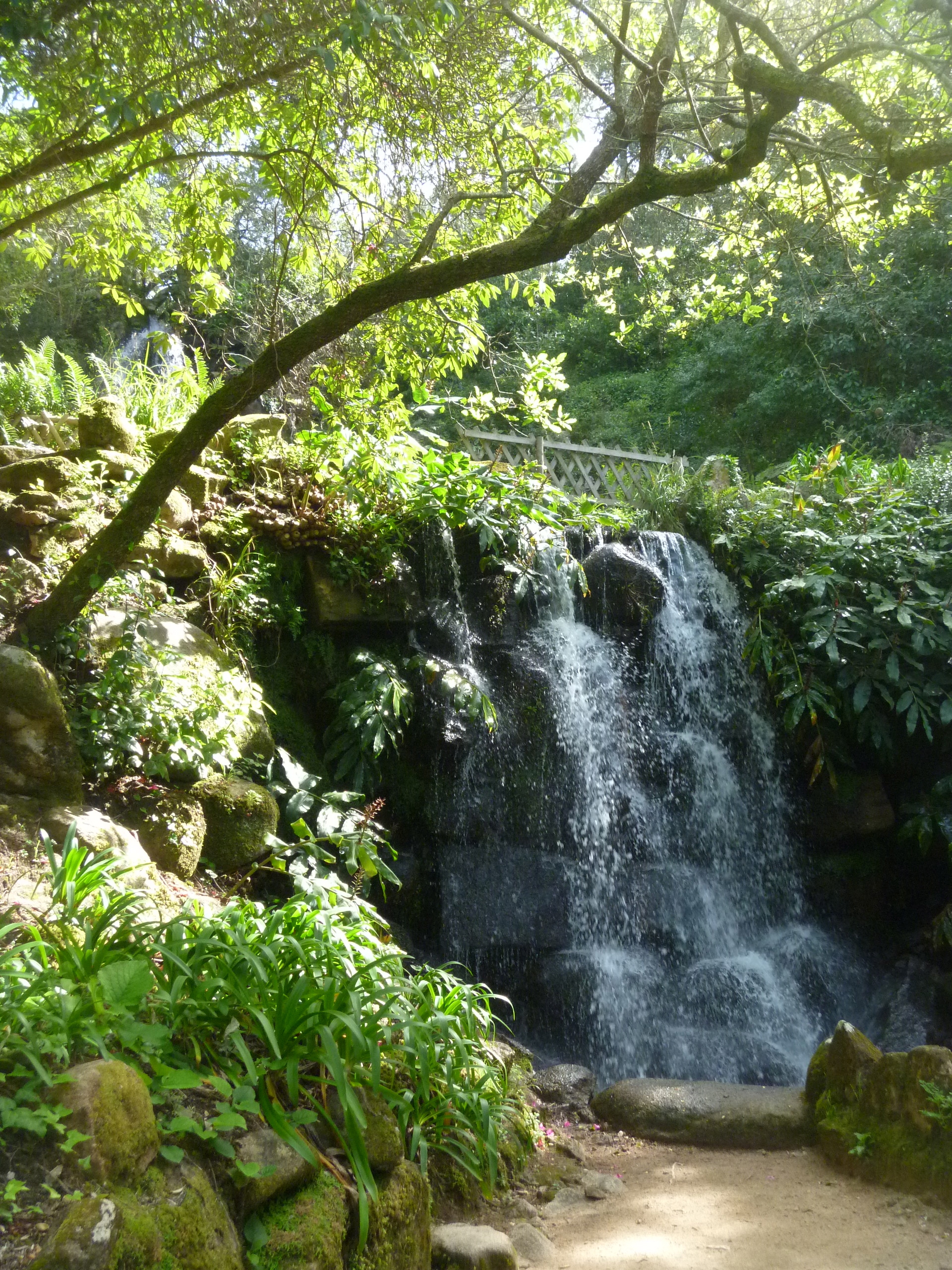
Beckford's Falls

Beckford’s Falls

William Beckford ordered this waterfall to be constructed between 1794 and 1799. Beckford, a writer who enjoyed great fame at the end of the 18th C, visited Portugal and fell in love with Sintra, where he rented this property from Gerard de Visme.” [On a nearby information board]

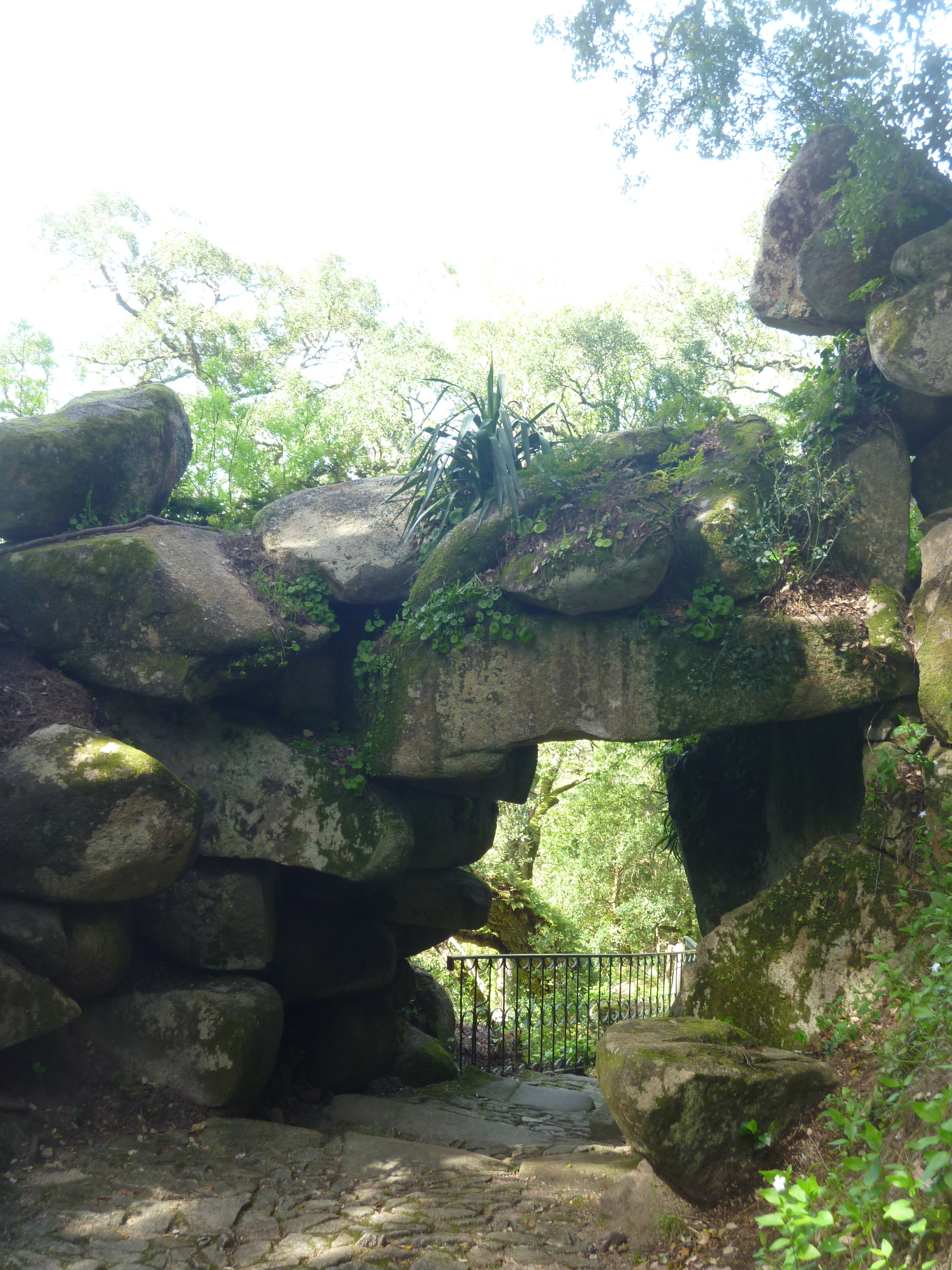
Vathek's Arch

Vathek’s Arch

This arch was built by William Beckford … We think that it could represent the entrance of the property which, at the time, was not enclosed. Beckford wrote his most famous book, Vathek, an oriental tale, in 1786 before his first visit to Portugal. Vathek was the hero of the book which is considered by many to be somehow autobiographic” [From nearby Information Board]

Gerard de Visme an English merchant holding the concession to import Brazilian teak was responsible for the construction of the first palace. Later, William Beckford, writer, novelist, art critic and eccentric lived here. There’s a waterfall named for him and an arch for his most famous character; Vathek.

Sir Francis Cooke bought the property in 1856 and had it restored by the English architect James Knowles, who employed a thousand workmen. In the 1850s the artist William Stockdale created a botanic garden there with plants including rhododendrons  from all over the world – Mexico, Australasia, Japan and the Himalayas.

Brass jugs in kitchen

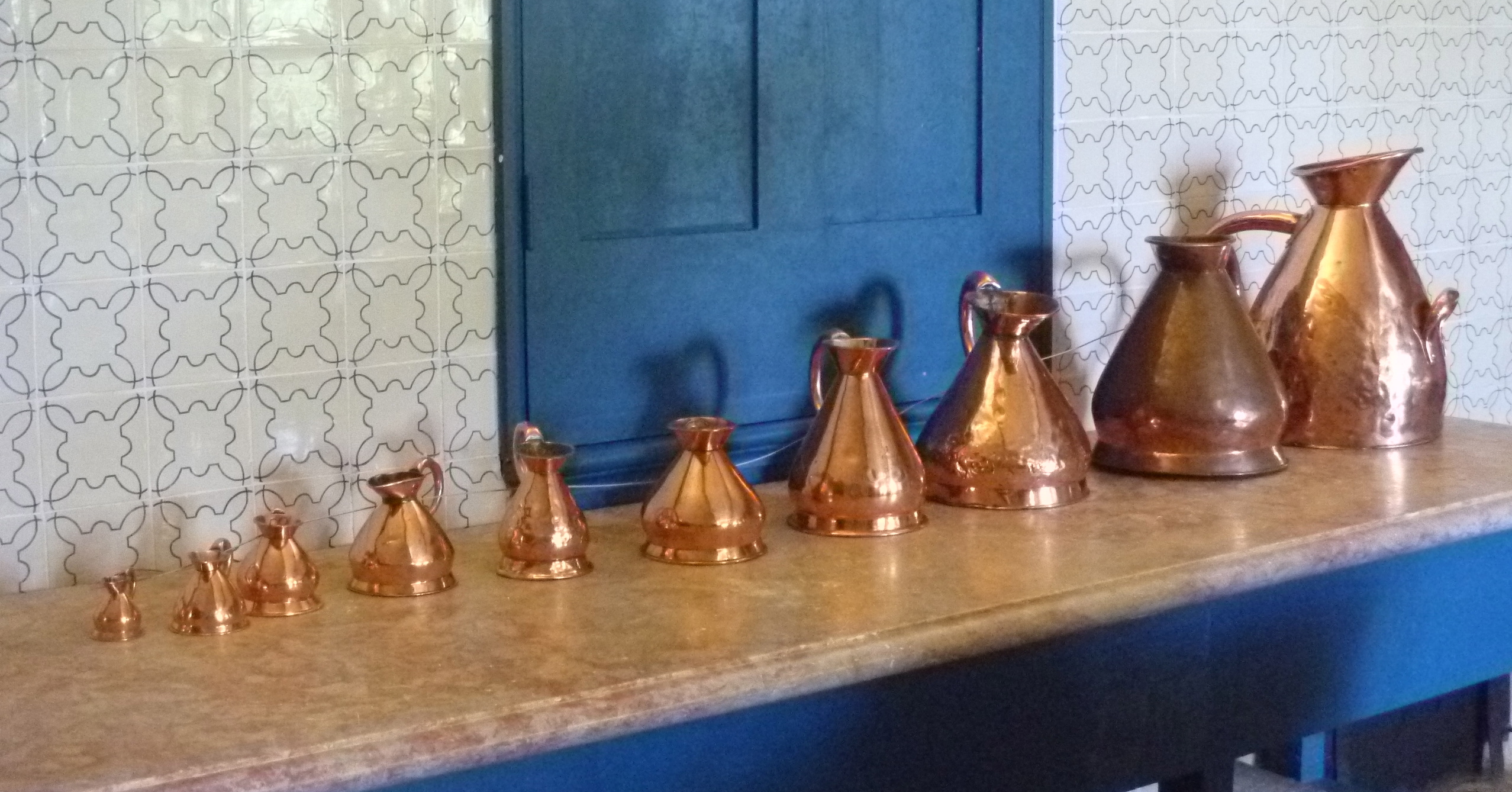
Brass jugs in the kitchen – could be Below Stairs at any National Trust property!

Mary Taylor : Strong Minded Woman & Friend of Charlotte Brontë

Discover the pioneering 19th century life of early feminist Mary Taylor of Red House, friend and inspiration to Charlotte Brontë. Mary’s exceptional life included emigrating to New Zealand; starting a business; leading expeditions of women mountain climbing in Europe and writing radical feminist articles and books.” (It’s Happening …)
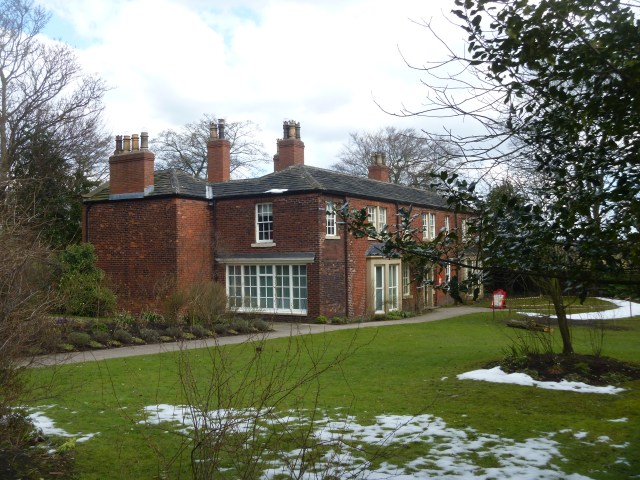
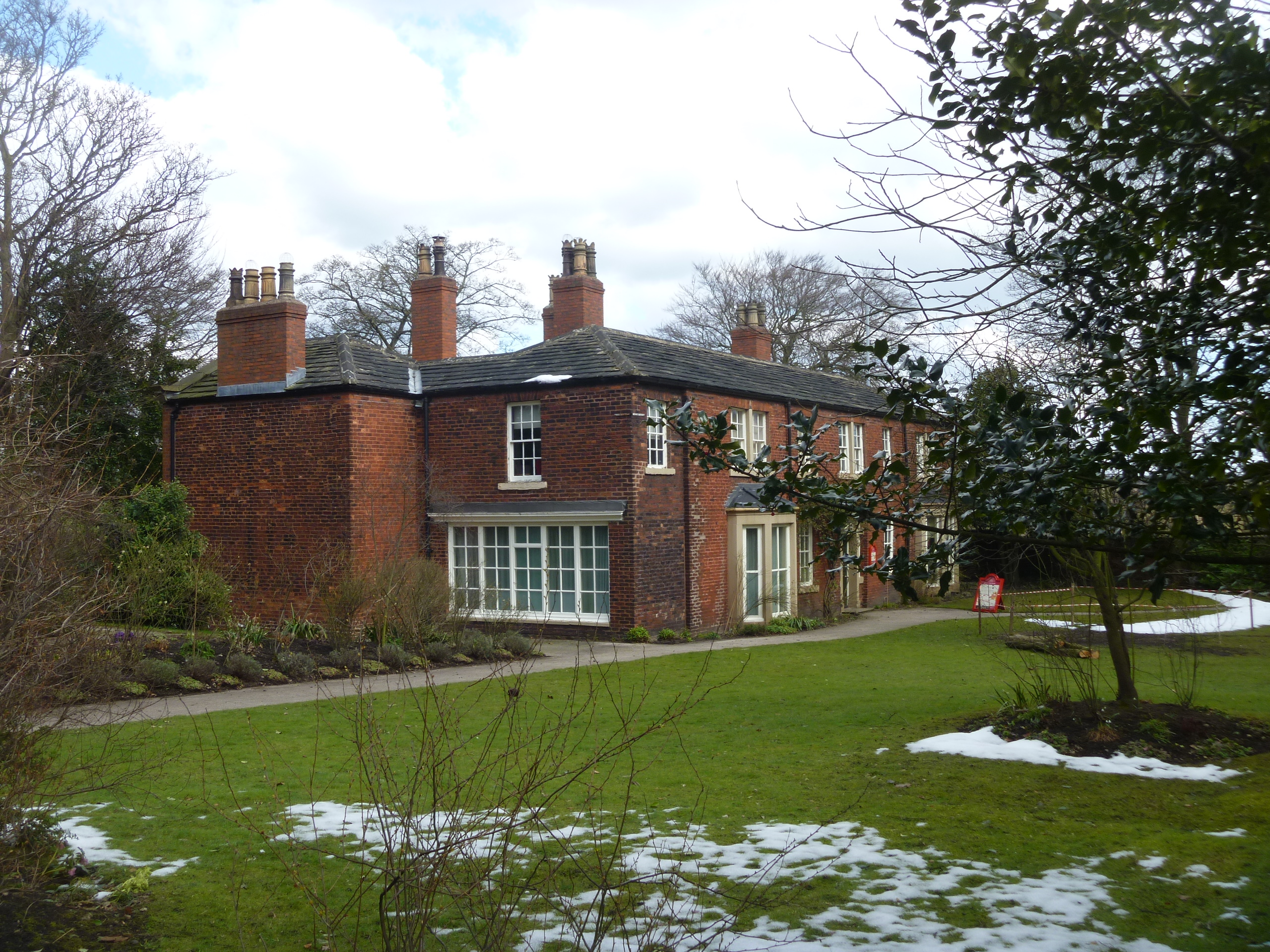
Red House

Back in December I visited Oakwell Hall in Birstall to look at the Christmas decorations and promised myself that I would follow up with a visit to the nearby Red House; which also has Brontë connections. In the ‘It’s Happening …’ leaflet which I picked up that day I noted a future exhibition to be mounted at Red House on the topic of its one-time inhabitant Mary Taylor. The exhibition runs from 2 March until 2 June.
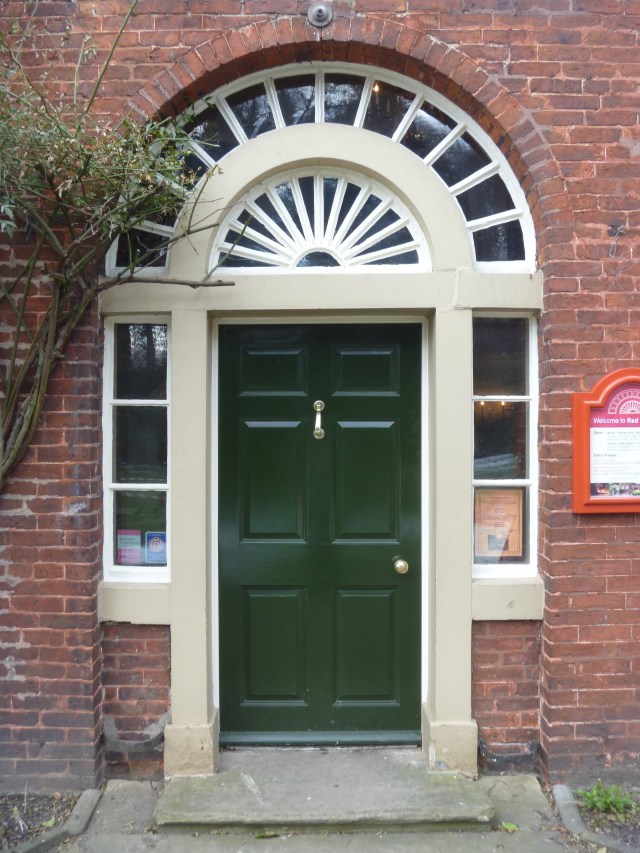
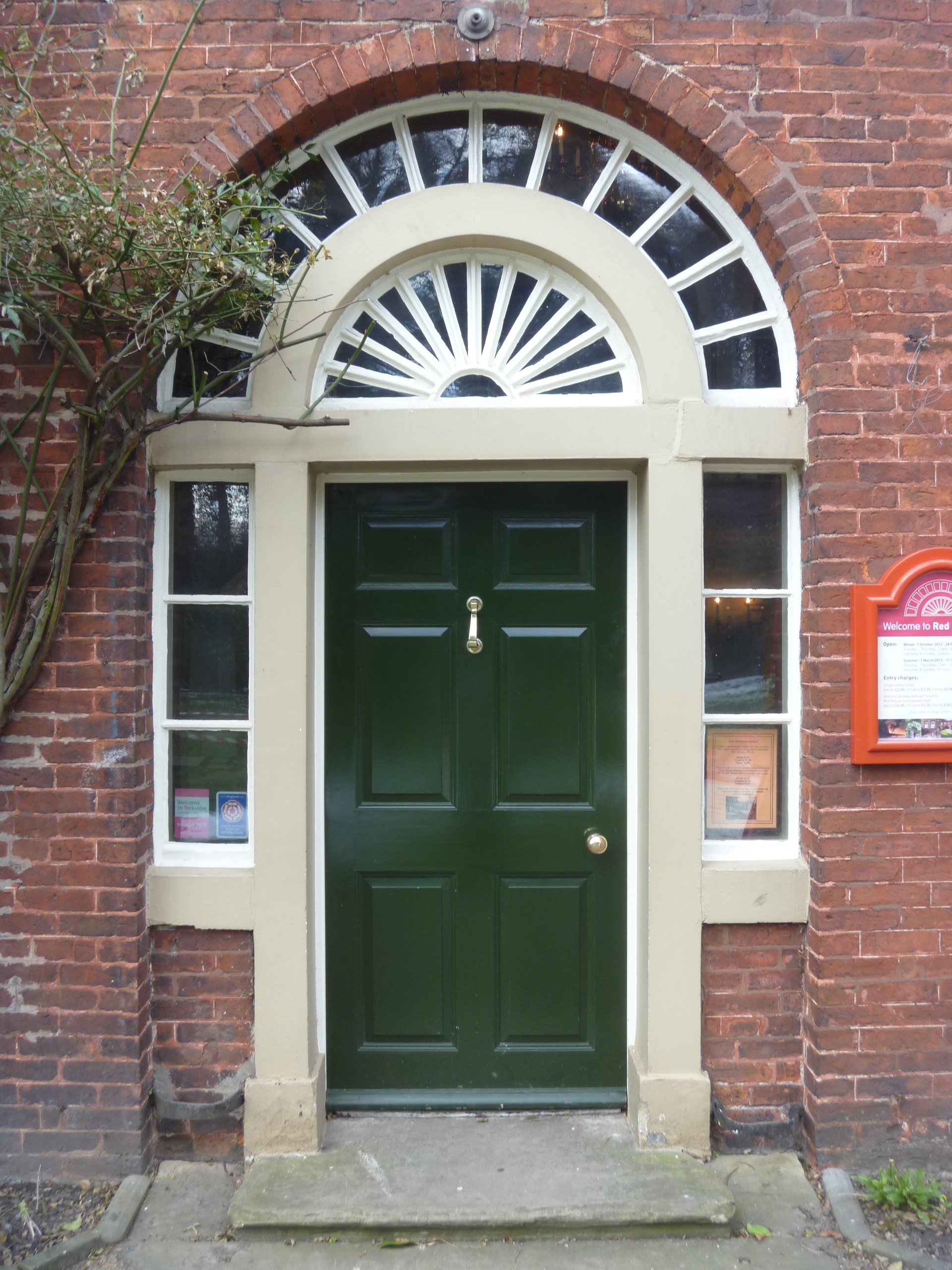
Front door Red House

No photography is allowed inside the house; but never mind it’s a bit disappointing anyway. Several times in the 1980s I brought my sons here as they laid on some good children’s craft workshops (and still do). For quite a few years it was closed for renovations and yesterday was my first visit since then.
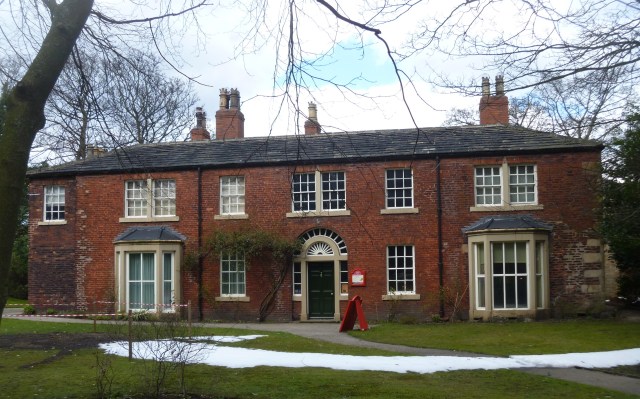
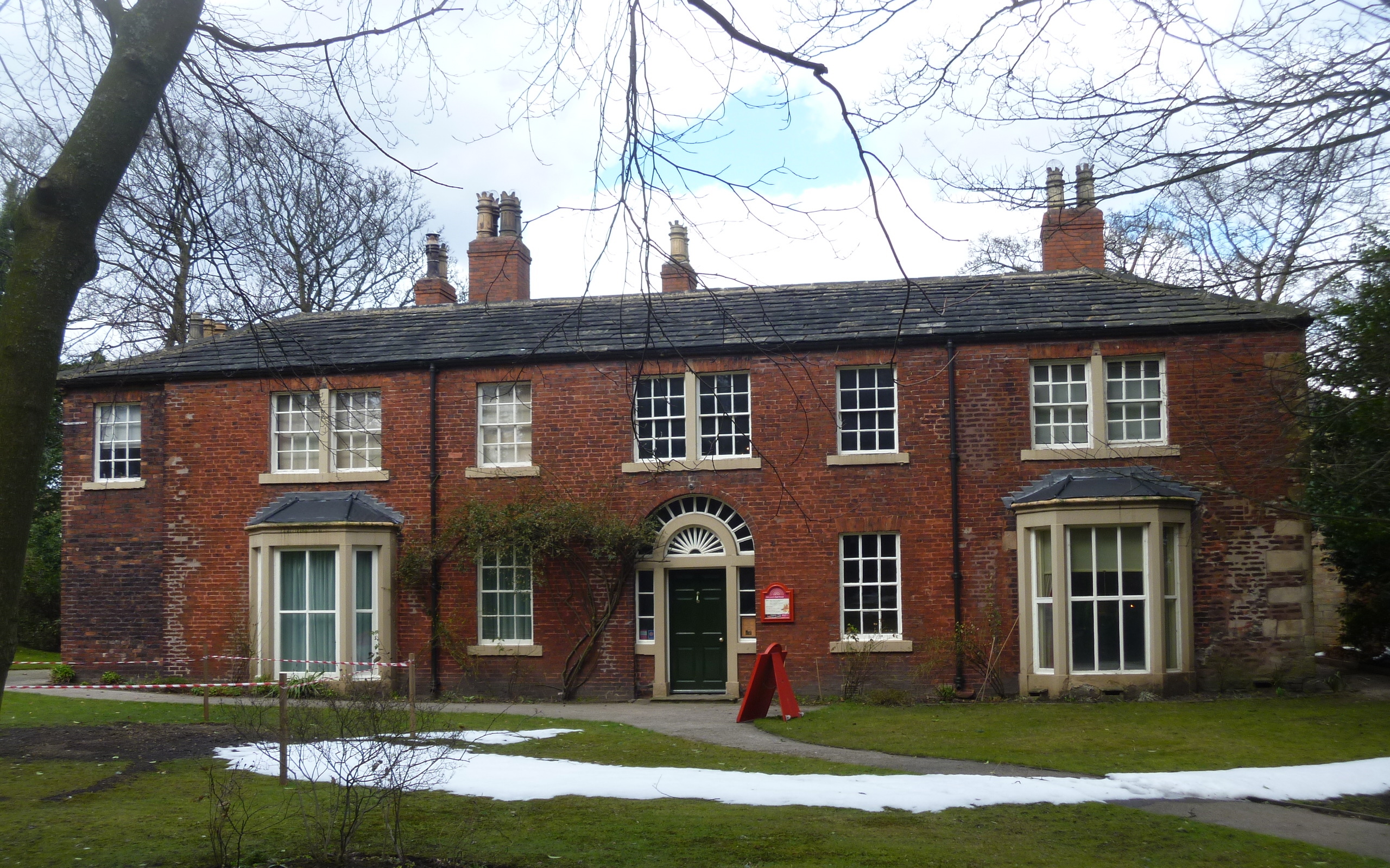
Red House - front

I was told that the house has been returned as nearly as possible to how it would have looked in the 1830s; the time when Charlotte Brontë visited. Some furniture, pictures and fittings are original, or of the period, and the rest have been carefully copied; for example the ‘Brussels’ weave, looped pile carpet in the Parlour, window curtains and bed hangings in the Main Bedroom and wallpapers.

There are very few rooms to visit – The Parlour (left in photo) with waxworks of Mary Taylor (playing the piano) and her mother (stitching tapestry); the adjoining scullery and kitchen; across the hall (which serves as reception and shop) there is the dining room and a study (right in photo). Upstairs you can visit the Main Bedchamber (above the parlour), the Governess’ room and the Girl’s room.

The Taylors were  a prosperous, middle class family and Joshua (a woollen cloth manufacturer and merchant) lived here with his wife Anne and their six children. Their daughter Mary (1817-1893) was a great friend of Charlotte Bronte, who often visited Red House and featured the house as ‘Briarmains’ and the Taylor family as ‘The Yorkes’ in her novel ‘Shirley’.
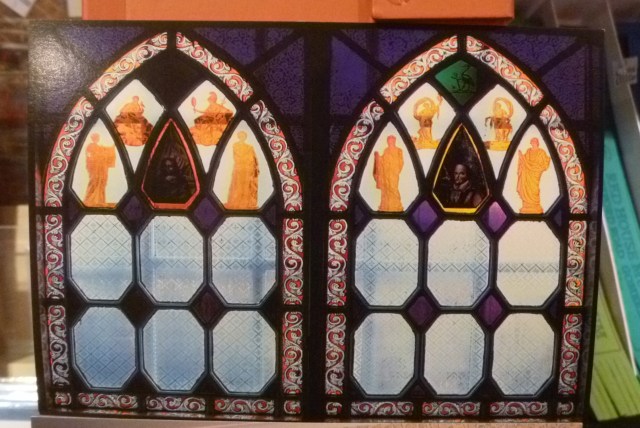
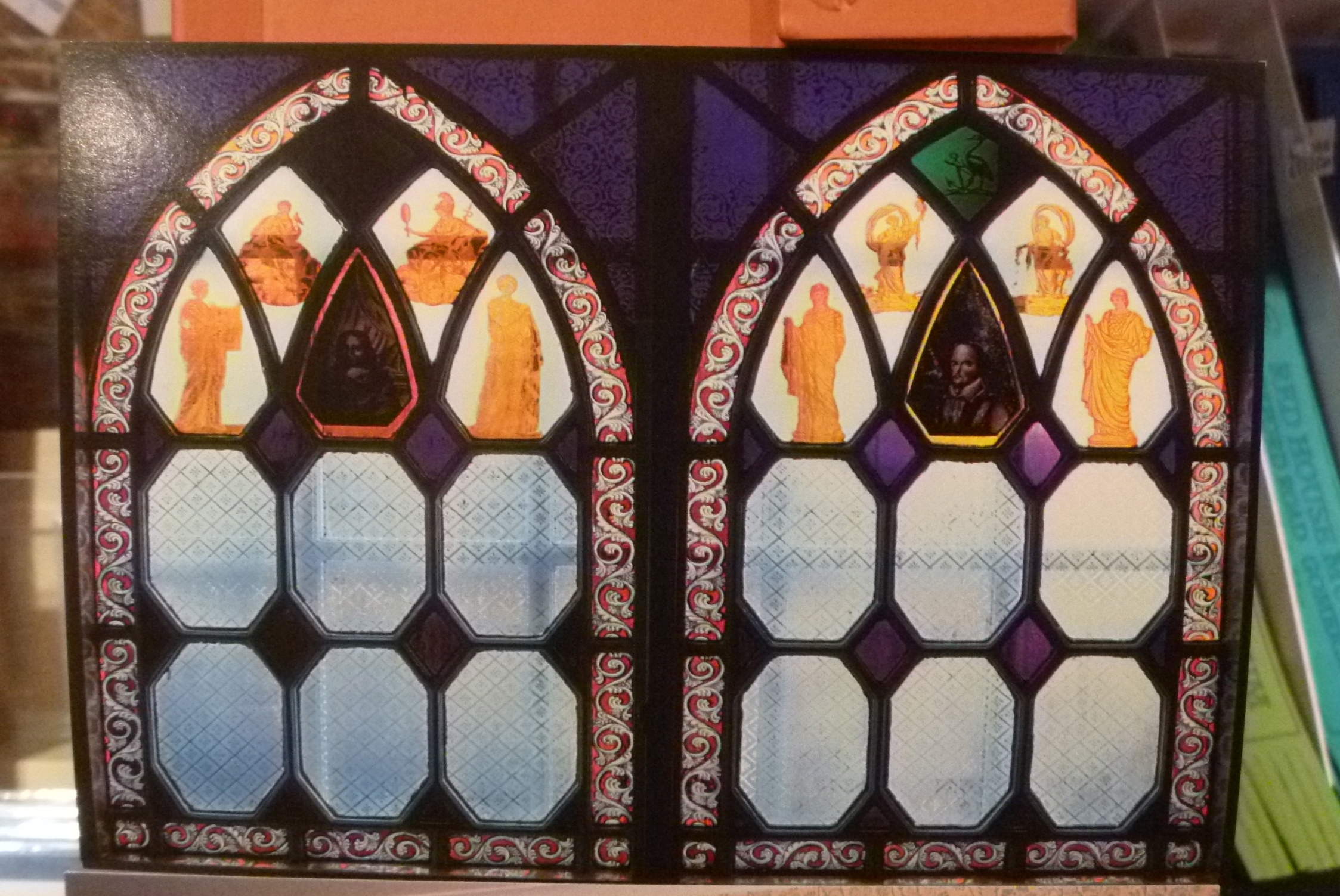
postcard

Perhaps the most interesting feature, to me, were the stained glass windows in the Dining Room with painted heads of William Shakespeare and John Milton. Charlotte Brontë describes in ‘Shirley‘.

Those windows would be seen by daylight to be of brilliantly-stained glass – purple and amber the predominant hues, glittering round a gravely-tinted medallion in the centre of each representing the suave head of William Shakspeare, and the serene one of John Milton.” (Shirley Ch.9)
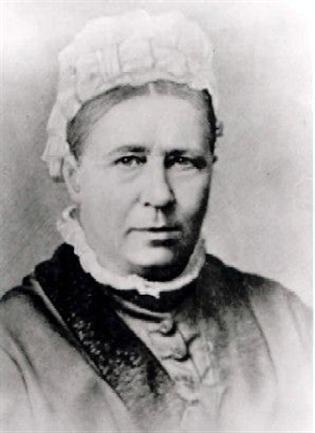
MARYTAYLOR2

Mary Taylor (Photo source)

So, having almost galloped through the main house I spent quite some time in the Exhibition Gallery studying the fascinating life of this woman Mary Taylor. One hundred years after her death she is now gaining recognition through Charlotte Brontë’s descriptions, through her letters and through her own published works. Examples of her books were displayed (including modern reprints). She wrote “The First Duty of Women” and a novel “Miss Miles, or a tale of Yorkshire life 60 years ago”. She was a strong-minded woman intent on pursuing her own way of life and living by her own ideals. She was an early feminist and strongly believed in women having their own independence.

She attended Roe Head School near Mirfield (where she met CB) and later The Chateau de Koekelberg in Brussels. She taught in Germany and I was surprised to read that in 1845 she emigrated to New Zealand and was one of its earliest settlers. There she owned a successful shop. She returned to Britain in 1860 and spent the rest of her life in nearby Gomersal. That is, when she wasn’t being a woman after my own heart and leading women’s mountaineering holidays in Switzerland! “Swiss Notes by Five Ladies : an Account of  Climbing and Touring in 1874″ was reprinted with a supplement by Peter A. Marshall and Jean K. Brown.
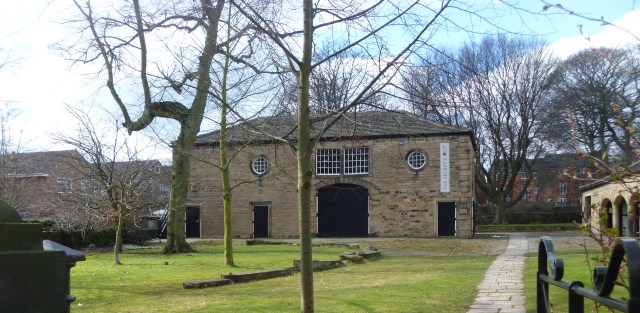
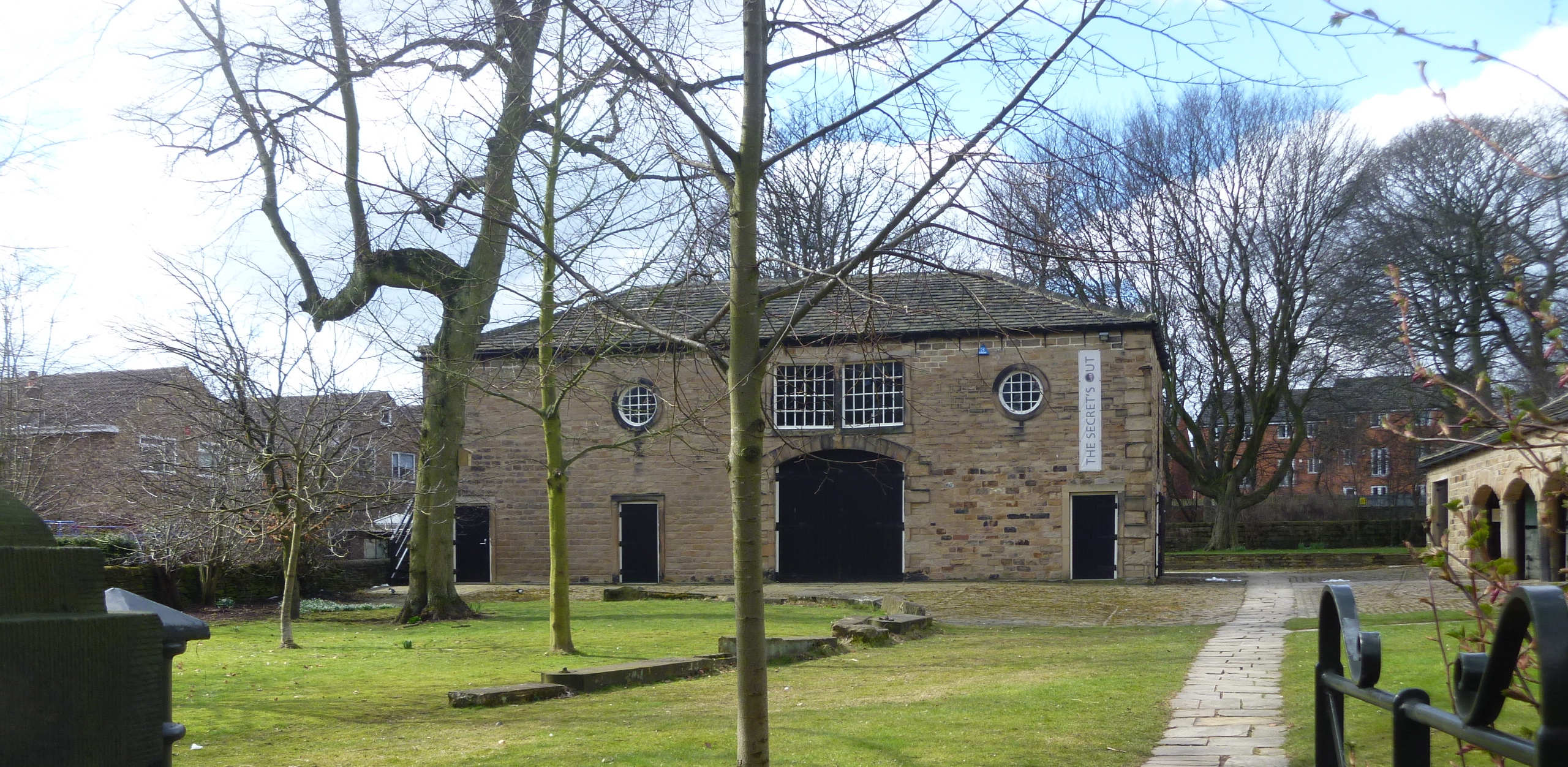
Secret's Out and Spen Valley Stories

The Secret’s Out with Spen Valley Stories (right)

So that was the house … but there is more. In the converted stables and outbuildings are two more displays. The Secret’s Out all about the Brontë connection with Red House and its local area and Spen Valley Stories : “Everyday community life through a century of change is illustrated through personal stories – displays include Schooldays; Working Lives; At Home; Freetime and Shopping.”

I didn’t have time to investigate these but I will be definitely go back, so watch this space!
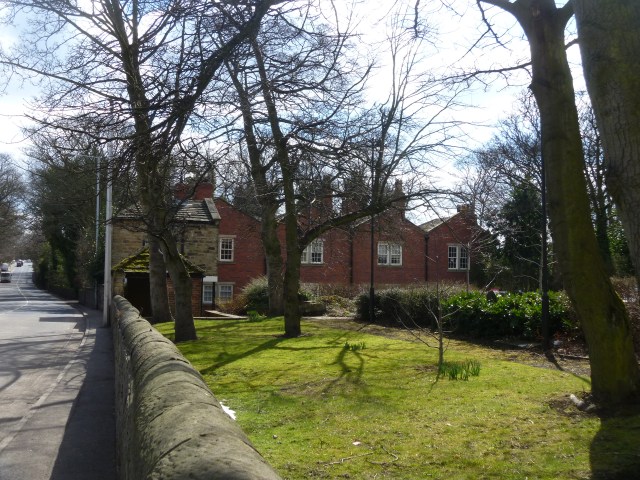
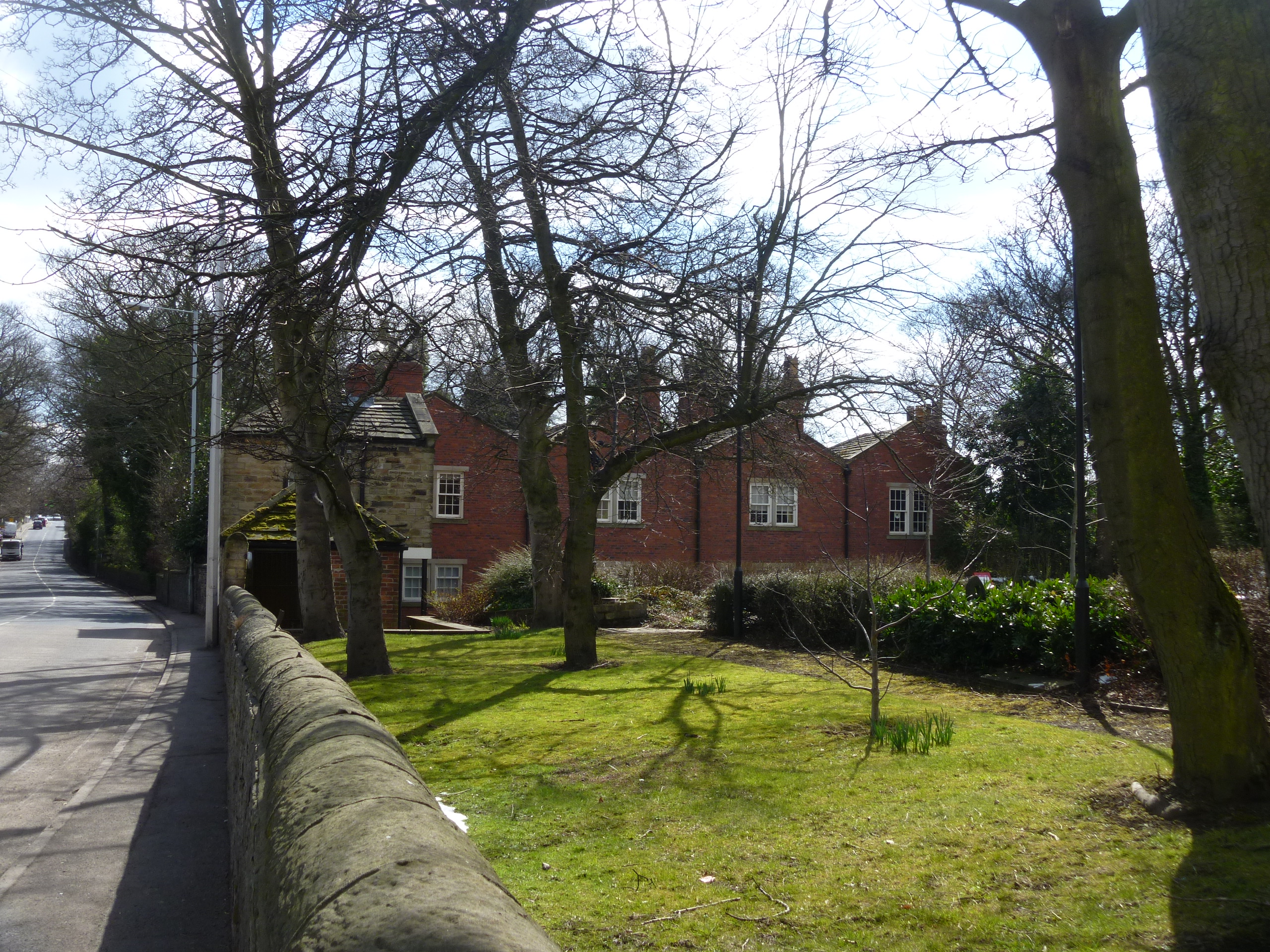
Back of Red House

Back of The Red House from the main road
A Complete Face Lift at Dickens House Museum

On my first visit to The Dickens House Museum a few years ago I came away thinking what a very disappointing experience it had been. As a Dickens fan I had had high hopes of the visit.
Dickens House Museum (Jan 2008)

Dickens House Museum (January 2008)

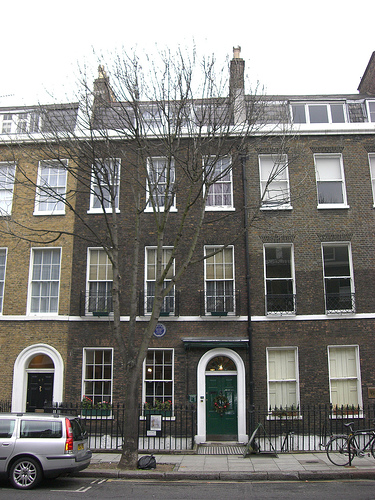
Dickens House (Jan 2013)

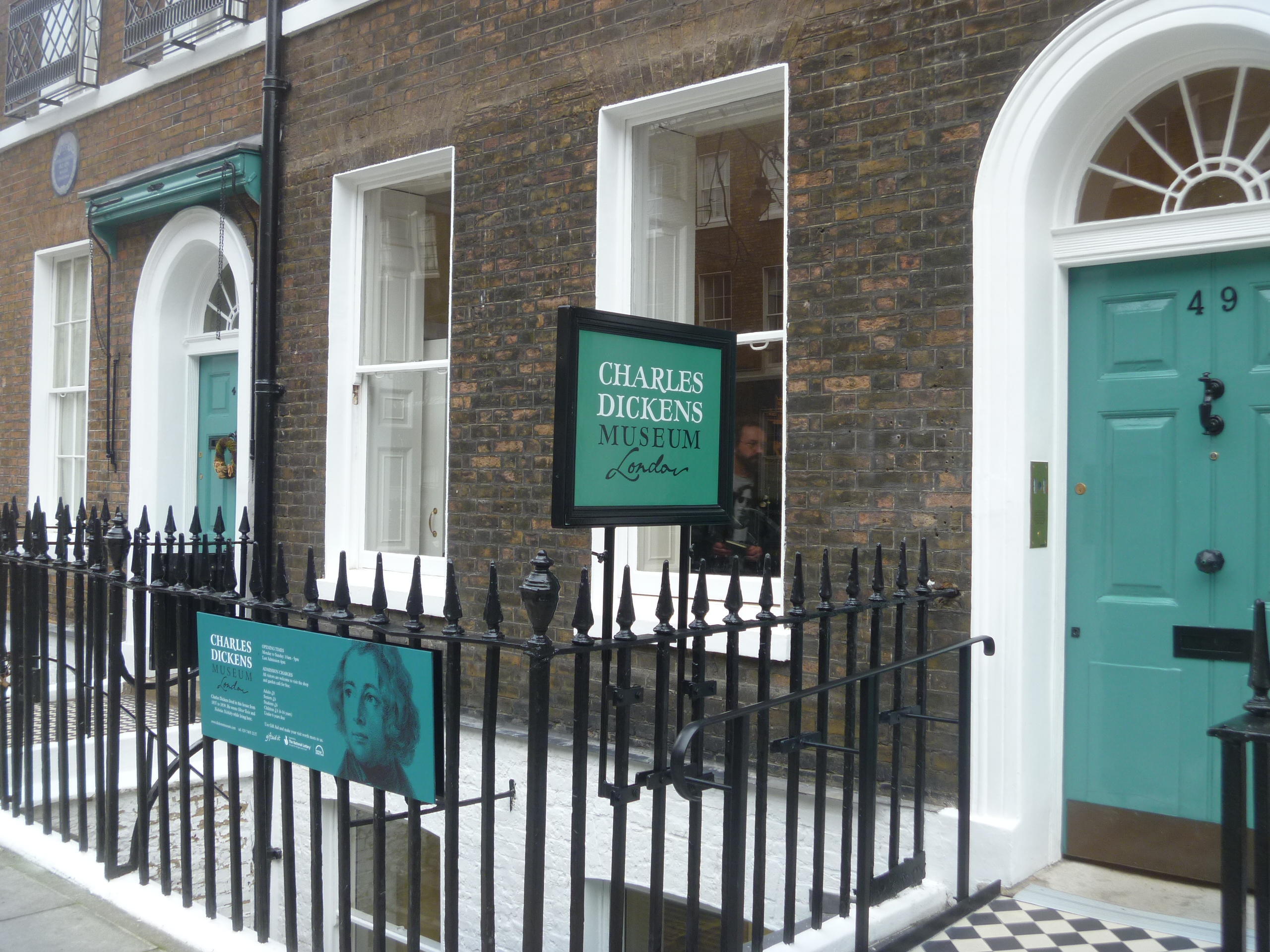
The Dickens House Museum (January 2013)

On Friday 4th January after our stay at Hampton Court Palace we decided to visit the newly re-opened Museum to see whether matters had improved.

The Dickens House Museum is the only remaining London home that Dickens occupied and that was for only about two years. It was at a time when he was not long married, was making a name for himself and it was here that he wrote Oliver Twist and Nicholas Nickleby. The address is 48 Doughty Street in Bloomsbury, WC1.

Number 48 Doughty Street was an important place in Charles Dickens’s life where he resided from 1837 until 1839. Dickens described the terraced Georgian dwelling as ‘my house in town’.

Two of his daughters were born here, his sister-in-law Mary died aged 17 in an upstairs bedroom and some of Dickens’s best-loved novels were written here, including Oliver Twist and Nicholas Nickleby. However Dickens required more space for his growing family and moved to 1 Devonshire Terrace in 1839. The house remained a residential property, but was threatened with demolition in 1923, when the Dickens Fellowship acquired it. The Museum was opened in 1925 and has become the home of the world’s finest Dickens-related collection.” From the Dickens House Museum website.

I have to concur with what fellow WordPress blogger “Visiting Houses and Gardens” said about it here. However, the house has been closed for renovations [The Great Expectations Project] for a good part of 2012 – the Dickens Bicentenary Year.

It reopened in December last year and a great amount of work must have been done during that time. With the help of National Heritage Lottery Funding the adjacent house was purchased and that now houses all the offices, the shop, cafe and other requirements for this modern age of “Heritage Visiting”. Number 48 is now purely Dickens’ Home as it might have looked at the time that he lived there – 1837-1839.

We are invited by the Museum to : “Step this way”

“Visitors to 48 Doughty Street can see the house as it might have been when Dickens lived here.  Rooms are decorated in the early Victorian style that Dickens would have favoured and personal posessions of Dickens from his lifetime as well as manuscripts, letters and portraits are on display.”

So, on entering number 49 we were directed into the front room of this house where there was a shop and the cash desk. We were handed a guidebook each with instructions to return it on leaving the Museum. From there we stepped into number 48 and toured the house that Dickens knew and we enjoyed (and learned from) the experience.

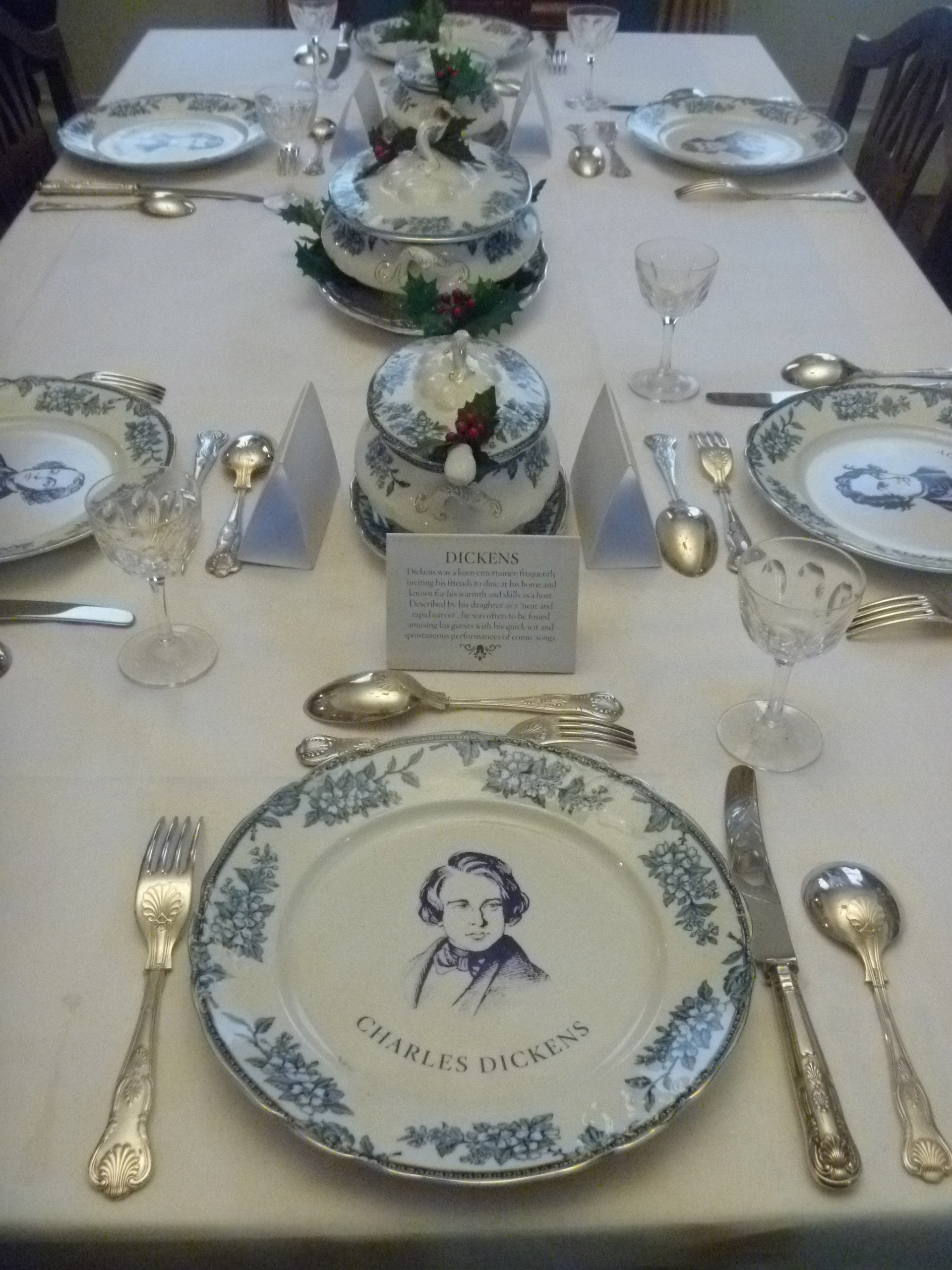
Dining with Dickens

Dining with Charles Dickens

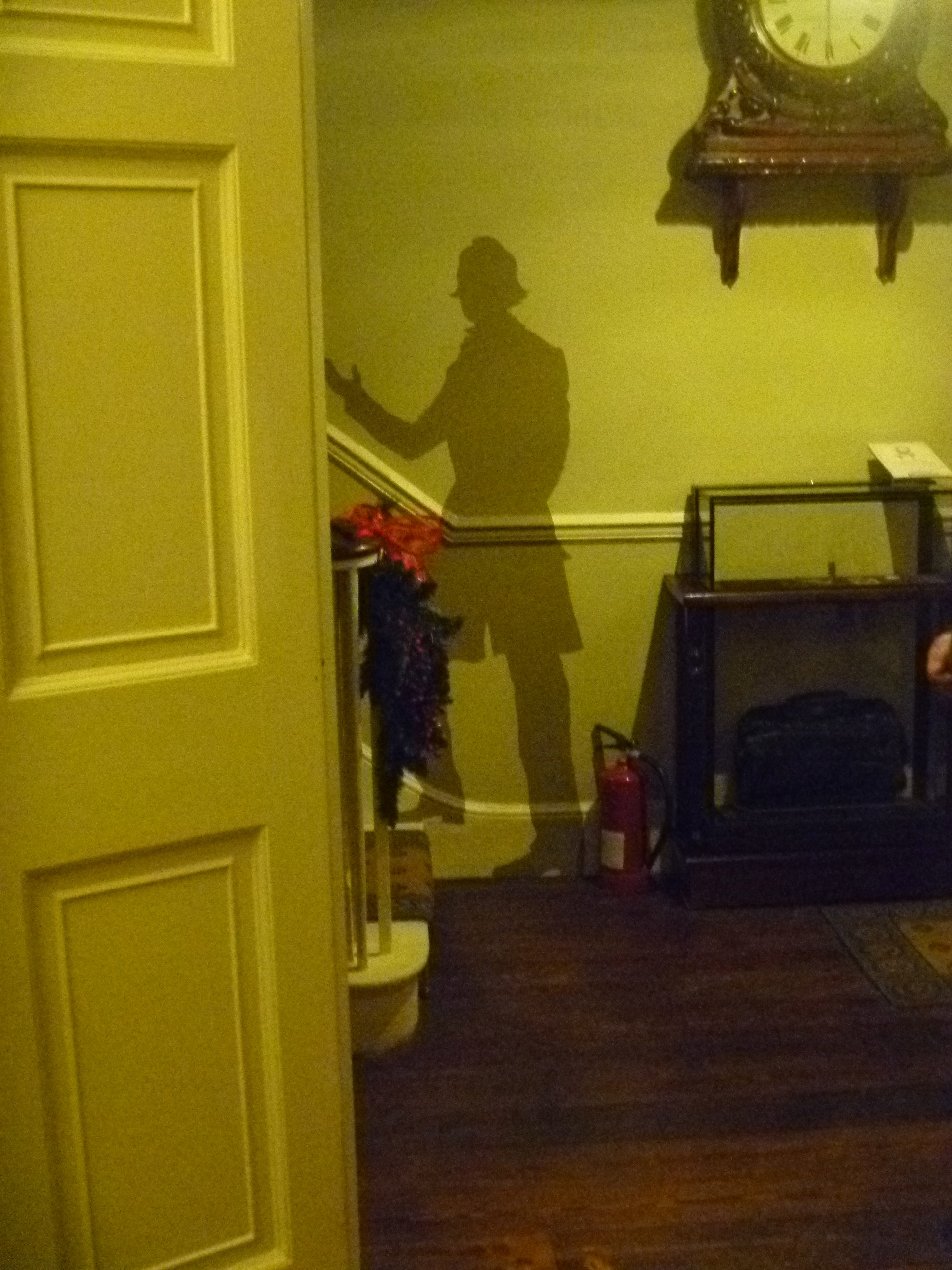
This Way!

This way to the Sitting Room, Everyone!

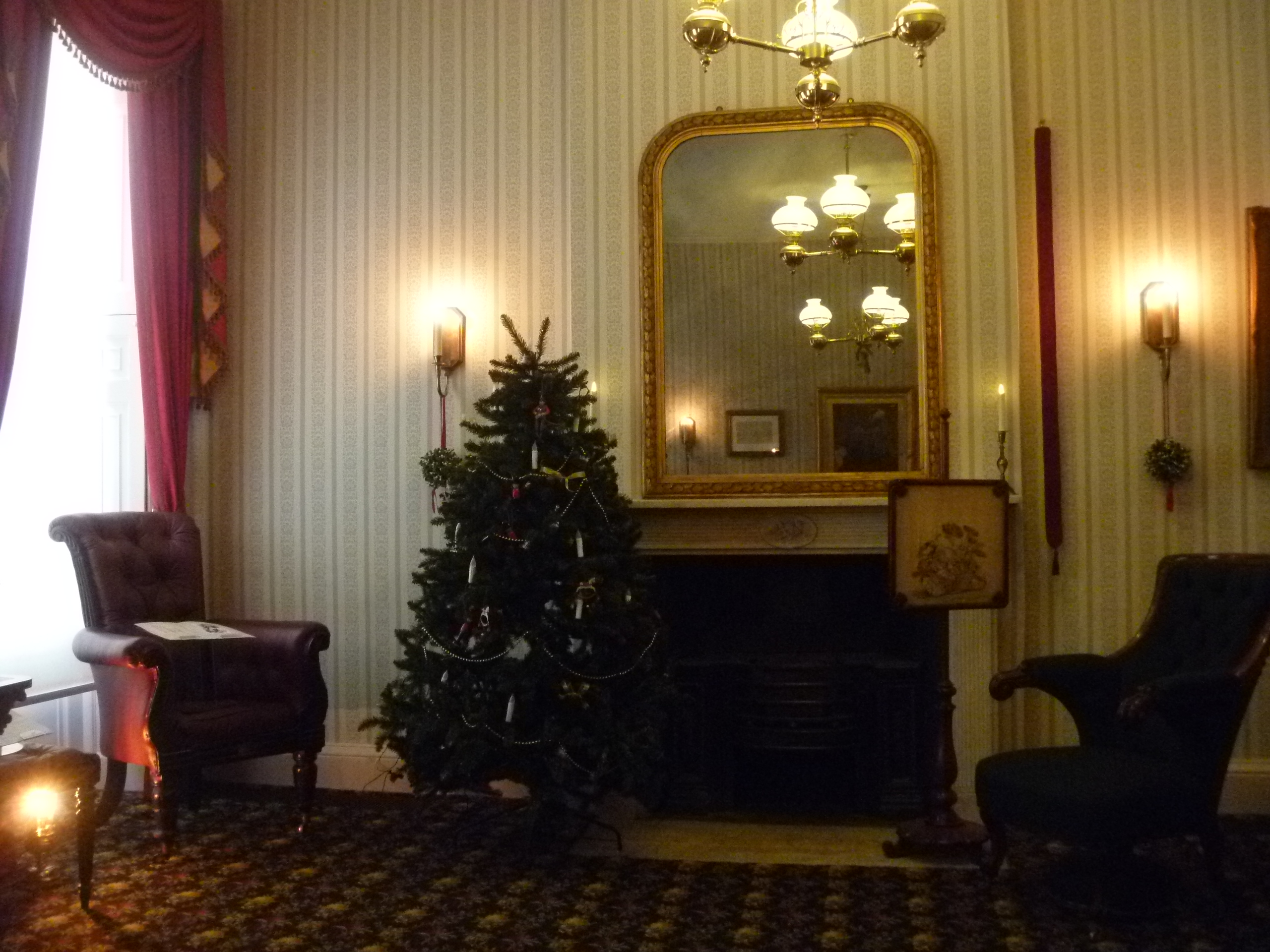
First Floor Sitting Room

The Dickens Family Sitting Room at Christmas

A Literary Pilgrimage in Yorkshire

Yesterday I revisited Haworth with a friend. Looking back at my Flickr photos I see that my last visit to this Literary Shrine was in 2005. On that day, it was a Sunday, the queue to get into the Parsonage stretched down through the garden. I planned to return on a quieter day. So, a mere 7 years later, I was back again and indeed found the village and Parsonage very much quieter. [Mental note to self – visit Haworth Parsonage on a Monday in November] My only previous visit inside the house itself was in the early 1990s.

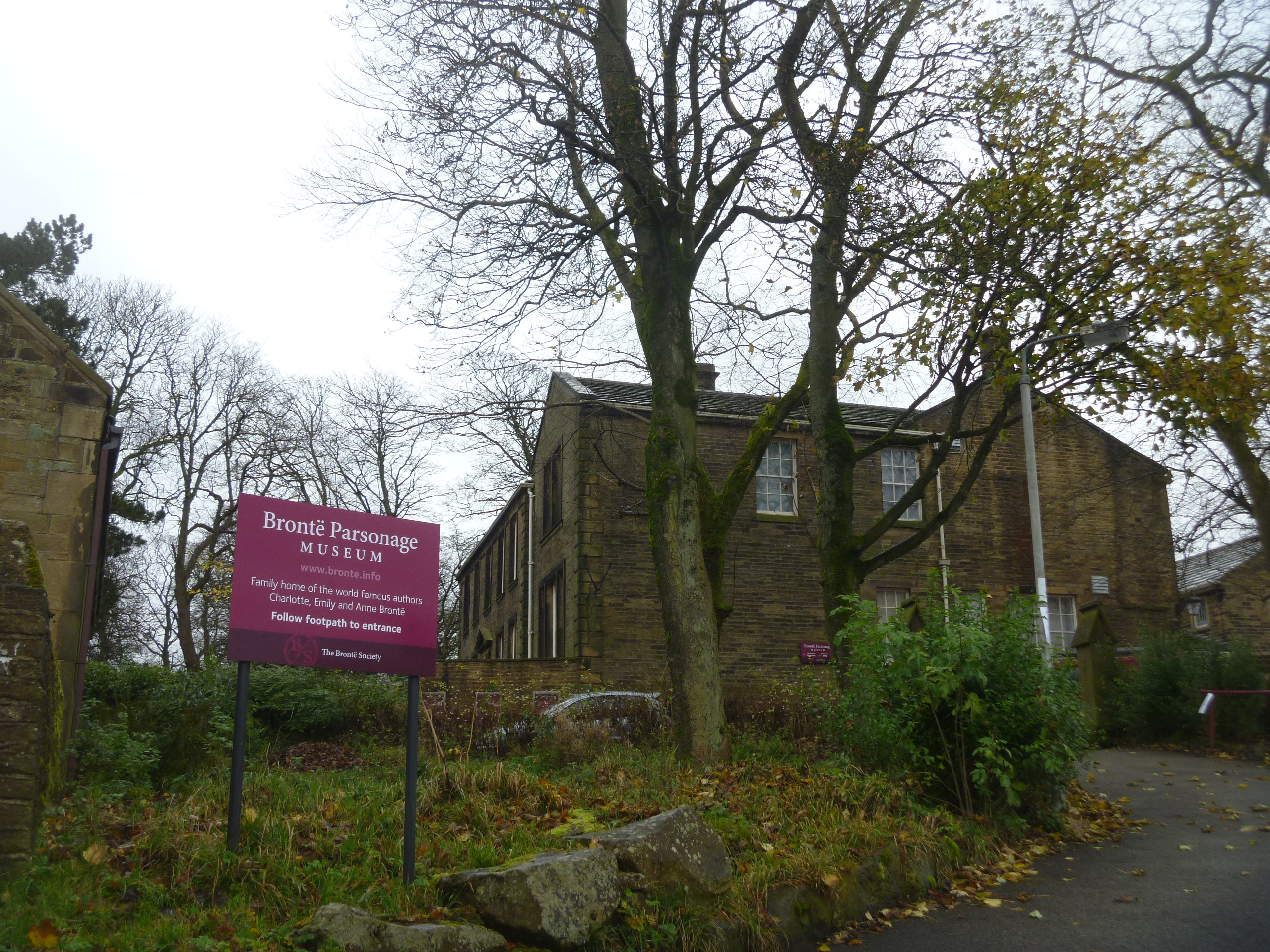
Approaching the Museum from the Car Park

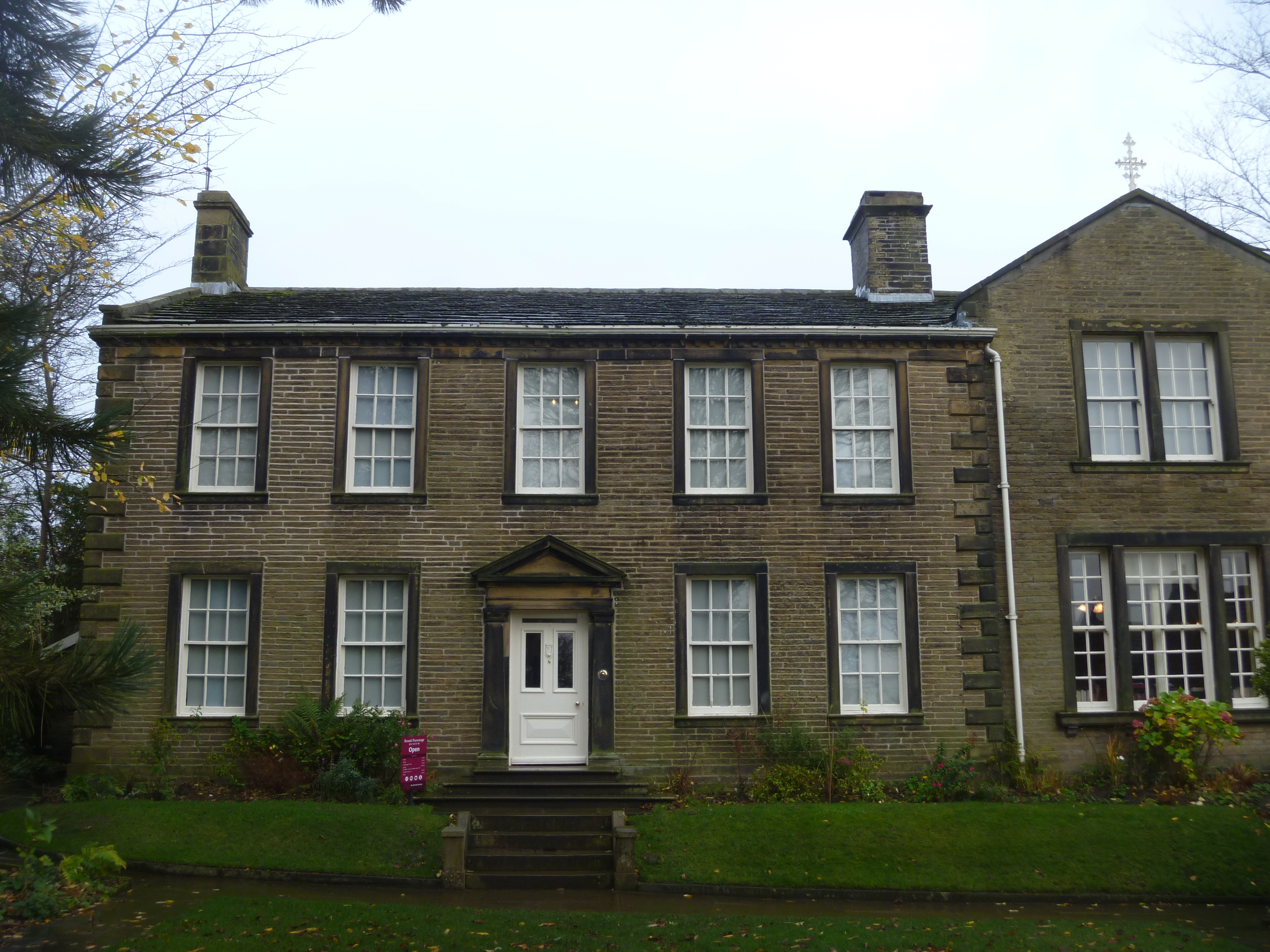
I’m sure I don’t need to explain here that the Parsonage at Haworth, near Keighley in West Yorkshire was home to the Bronte family (probably the world’s most famous literary family) from 1820 to 1861.

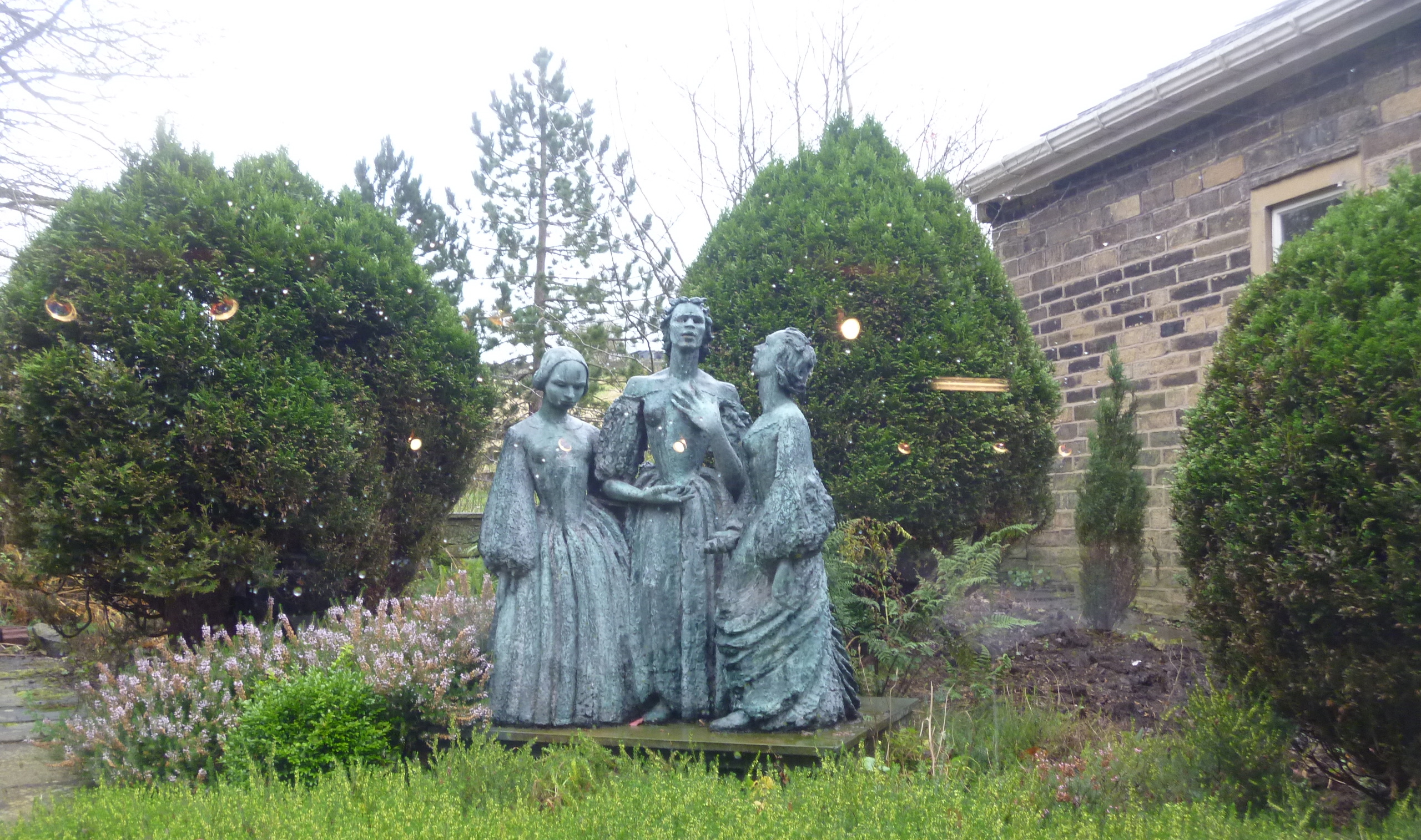
Bronze Sculpture (by Jocelyn Horner) of The Bronte Sisters in the Heather Garden

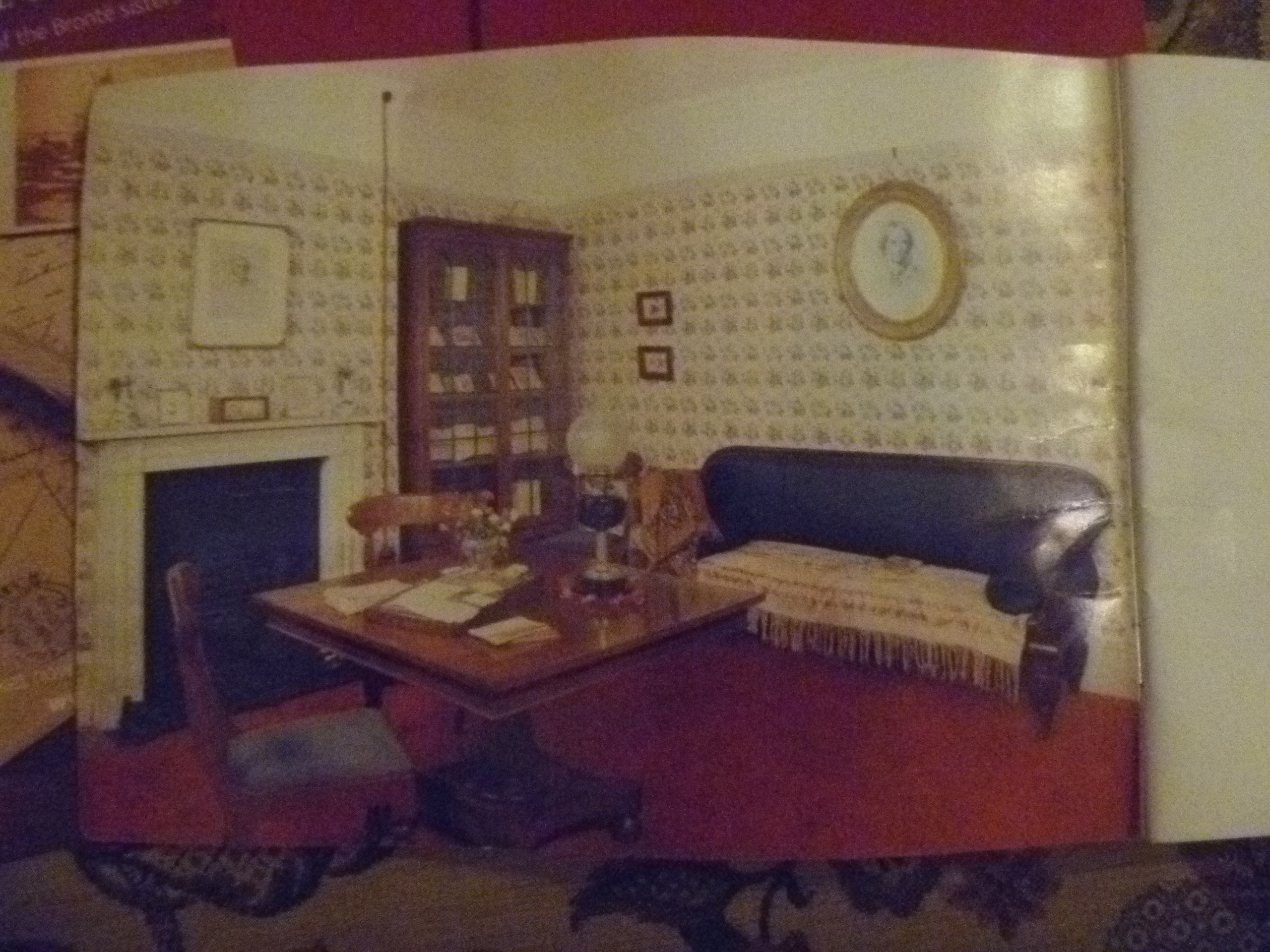
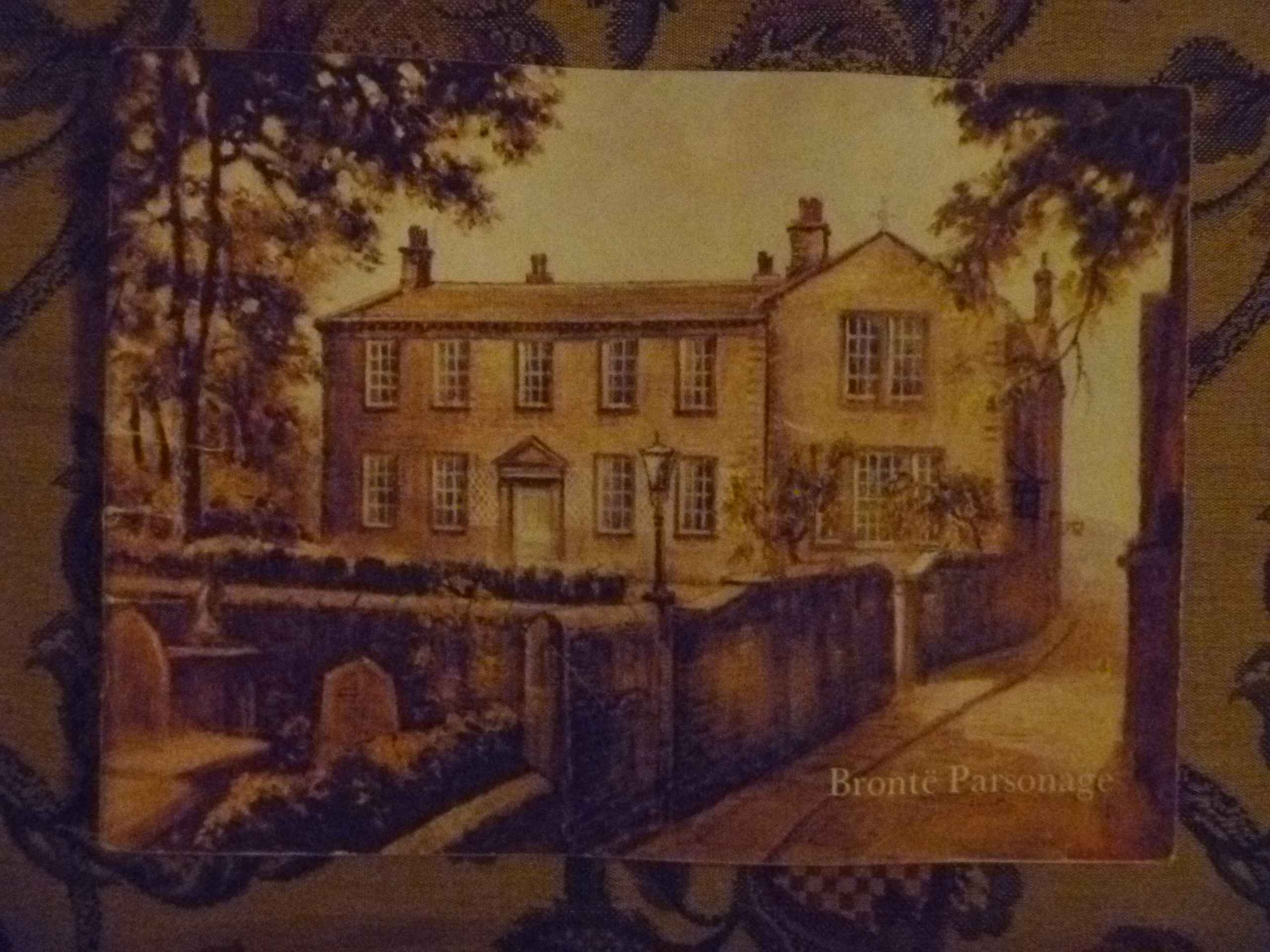
Little had changed in the house itself – my friend and I and one other couple were the only visitors at 1pm today. Some of the pictures had been moved about and there’s a much improved permanent exhibition called Genius: The Bronte Story. My friend had brought along her guidebook from a previous trip [in 1983] so we were able to compare and as photography inside the house is prohibited. Here are some pictures from that book:

The Dining Room

Mr Bronte’s Study

Bronte Parsonage Guide, 1983

There’s a further exhibition called Bronte Relics : A Collection History.

New exhibition looking at the fascinating history of the Bronte Parsonage Museum collection, a story almost as extraordinary as the Bronte story itself.” [website]

“The provenance of a variety of objects is traced back through previous owners and collectors to the major sources of Bronteana; amongst them Charlotte’s husband, Arthur Bell Nicholls; Ellen Nussey, Charlotte’s lifelong friend; the family of Martha Brown, the Brontes’ servant, and the American collector, Henry Houston Bonnell.” [2012 flyer]

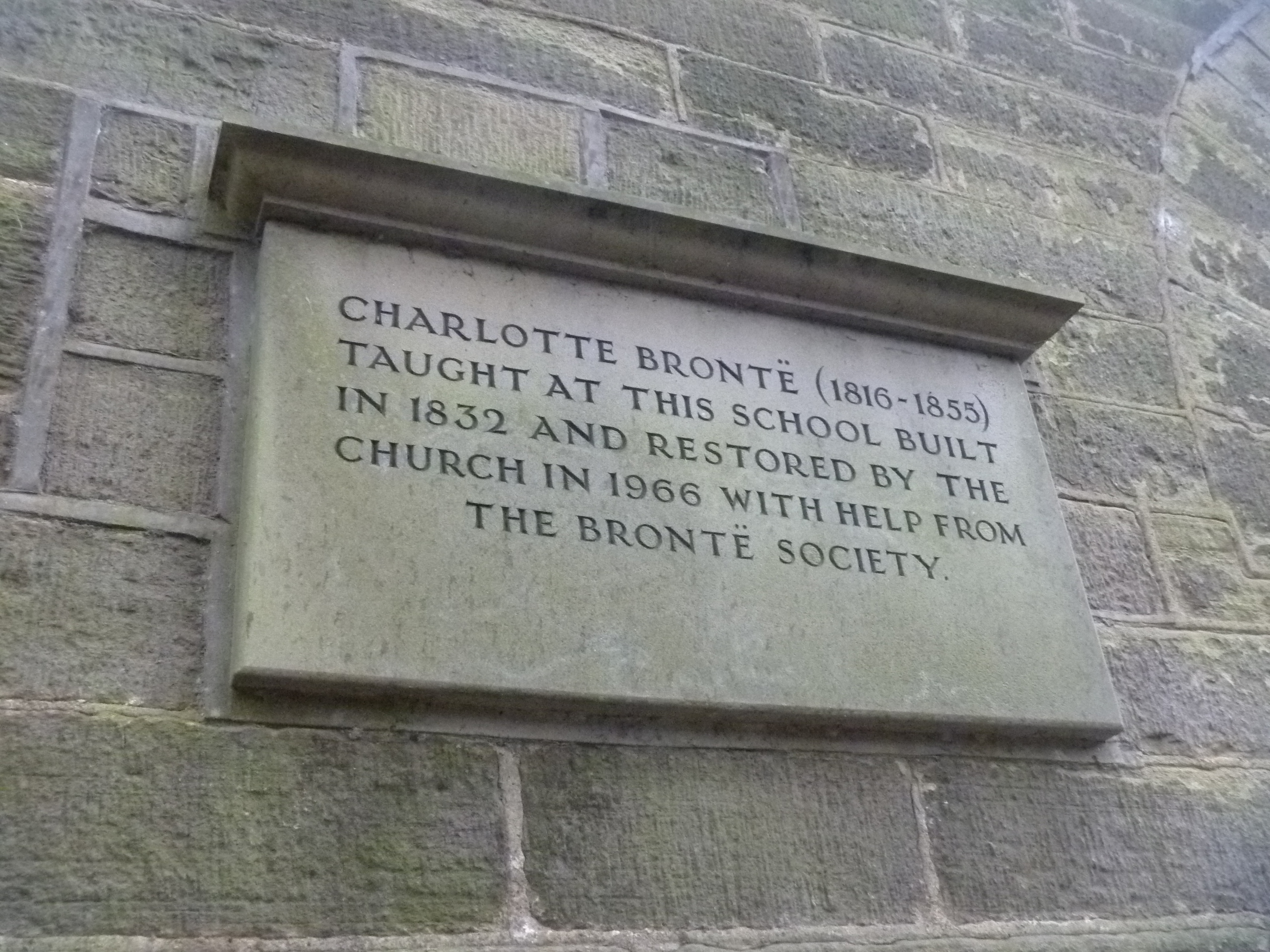
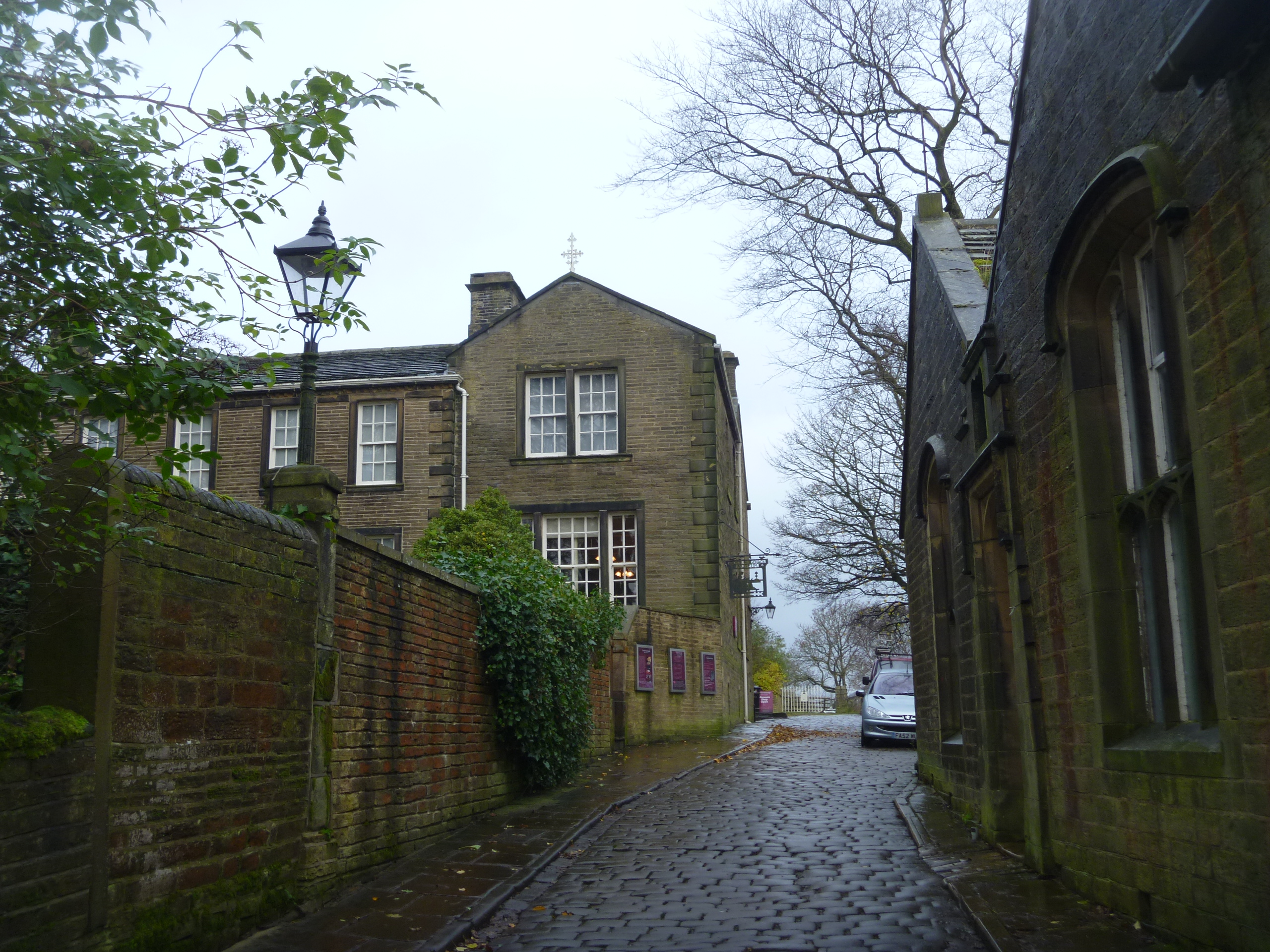
Opposite The Parsonage is the School in which Charlotte Bronte taught at one time.

The Parsonage is on the left and the School on the right

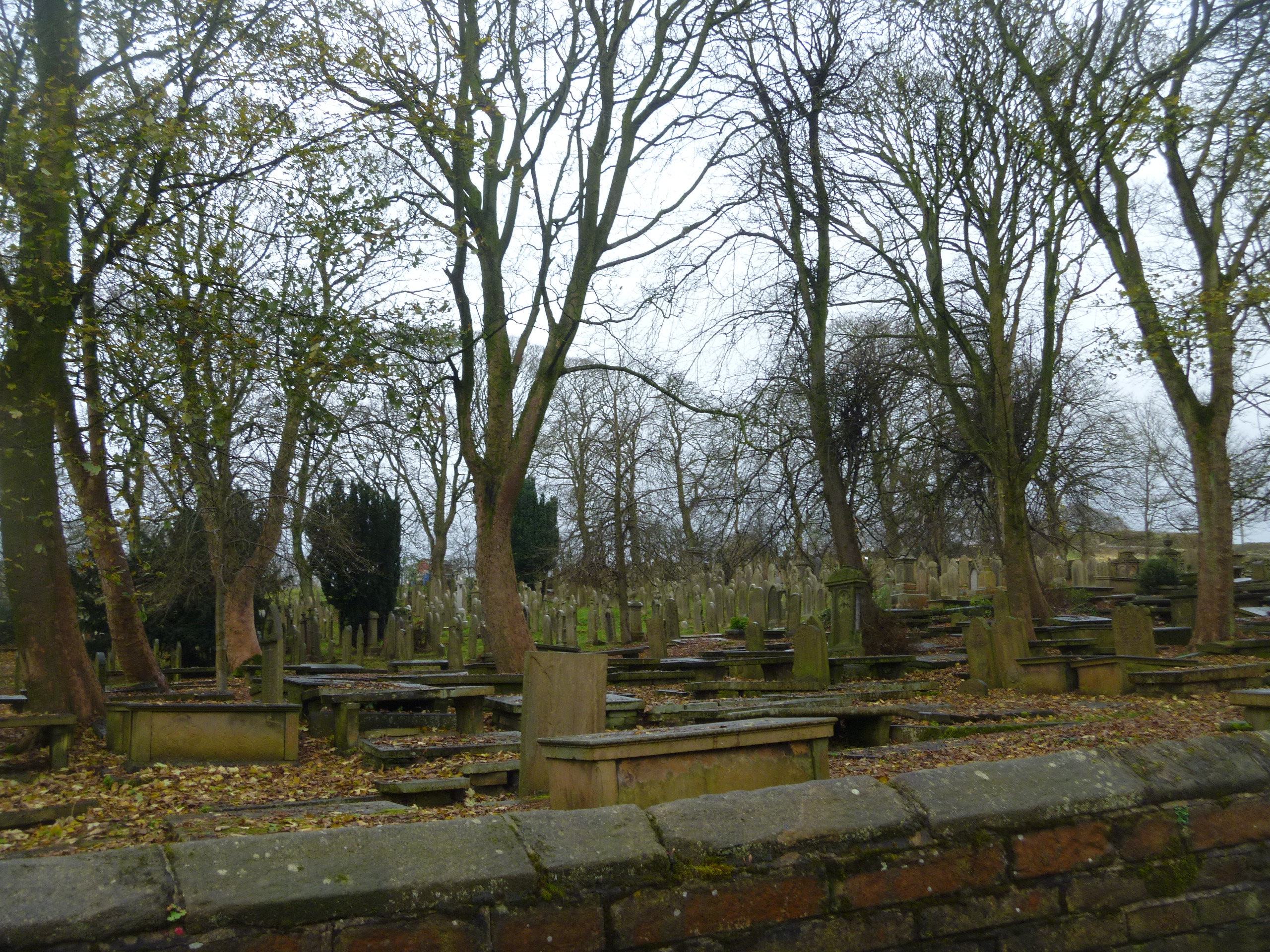
The Churchyard, Haworth

No visit to Haworth can be described without a mention of the weather. Maybe on occasion the sun shines up on Haworth Moor but I do believe that I have yet to experience this phenomenon! Today was cloudy and wet and typically atmospheric. But read here about a summertime visit.

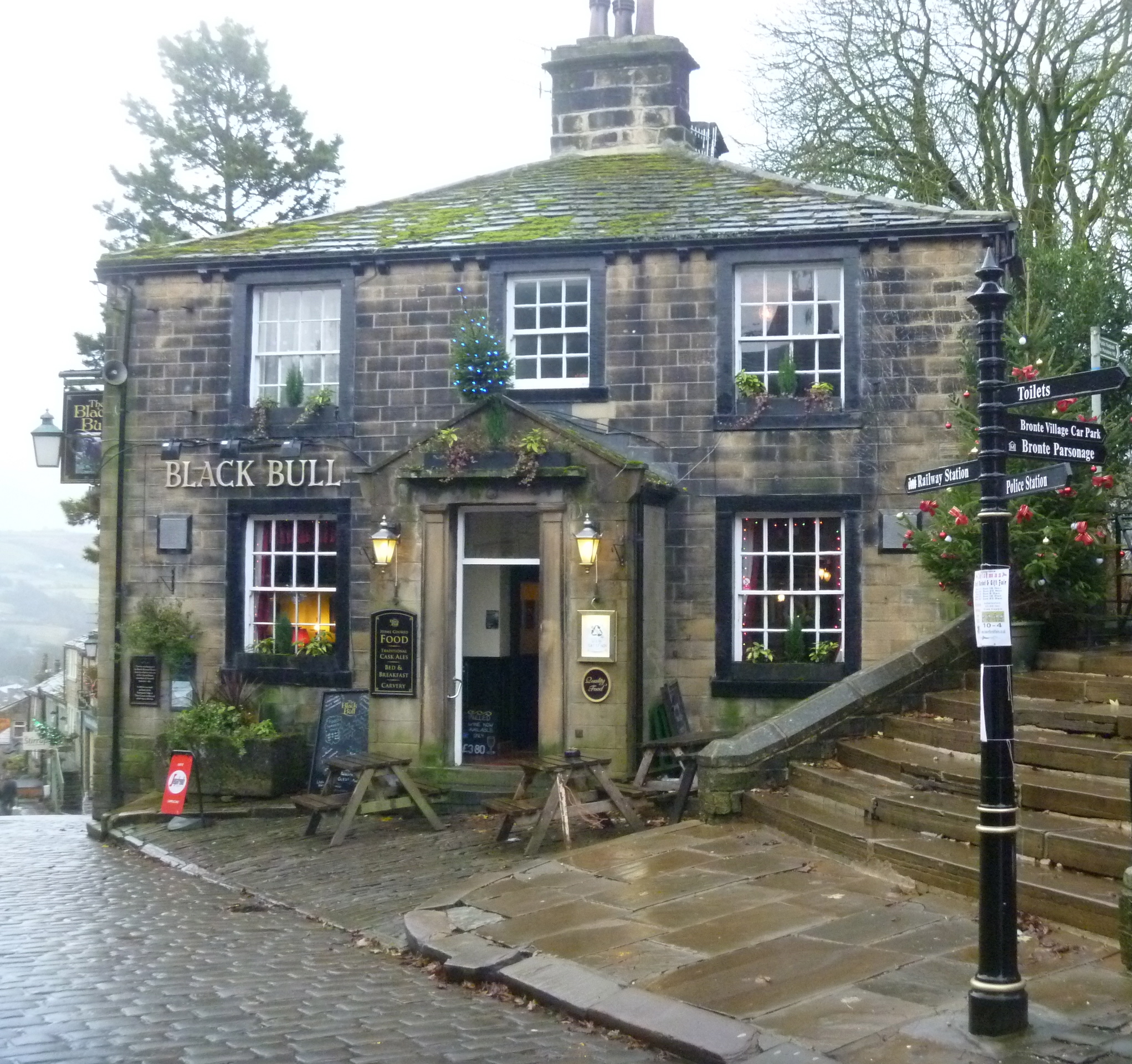
The Black Bull – Branwell was a ‘regular’

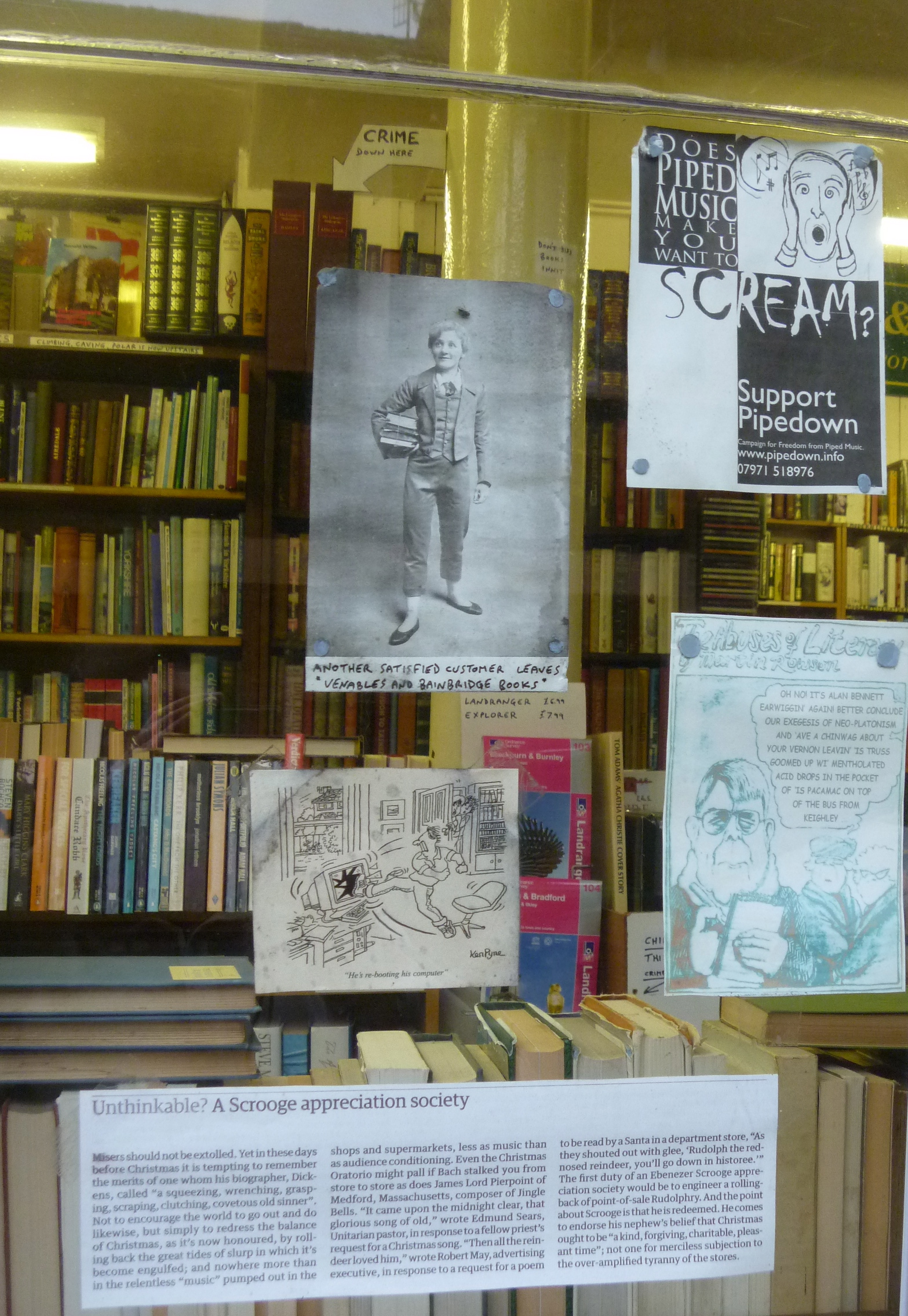
Through The Book Shop Window

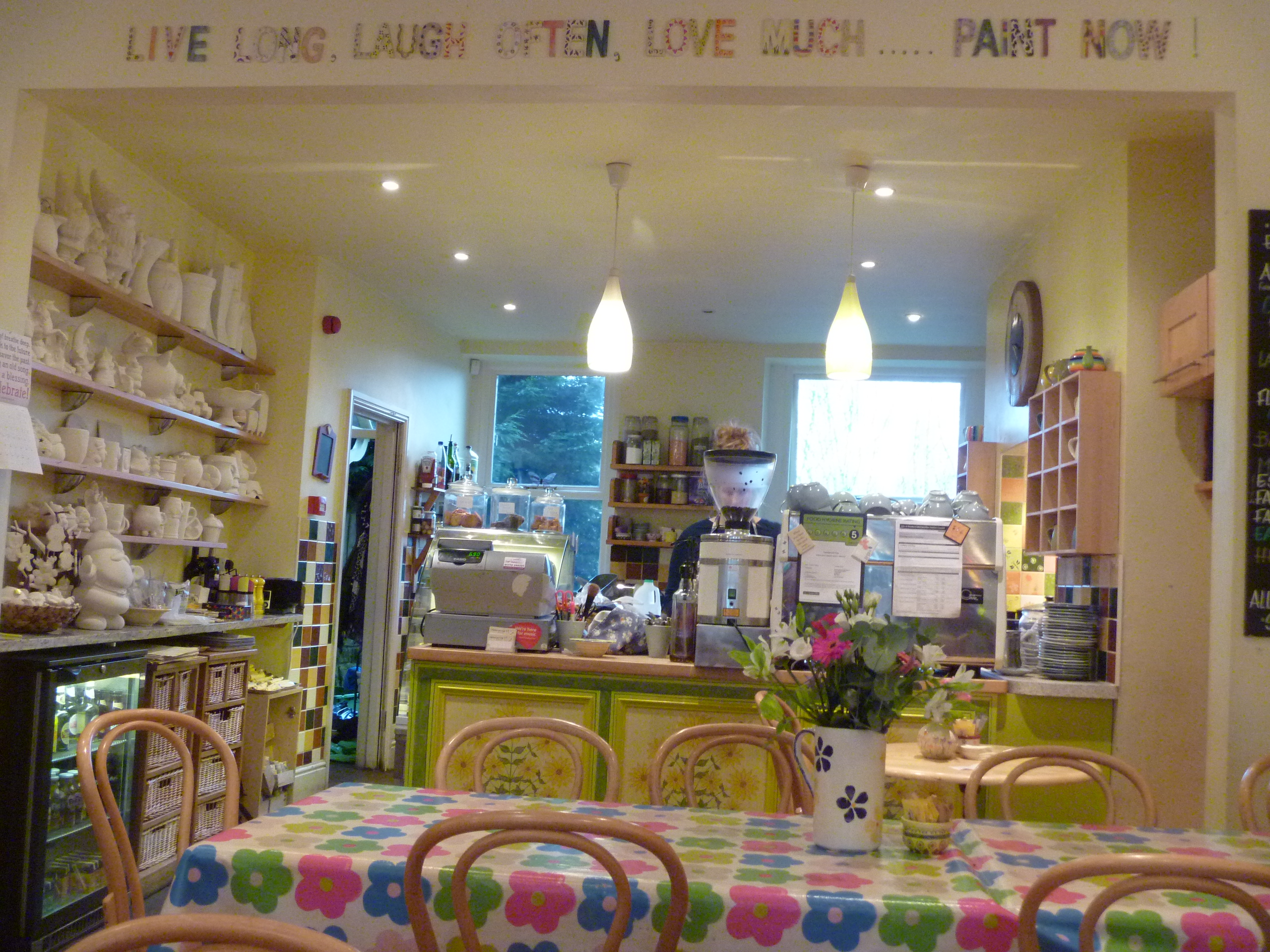
Cobbles and Clay Art Cafe, 60 Main Street, Haworth

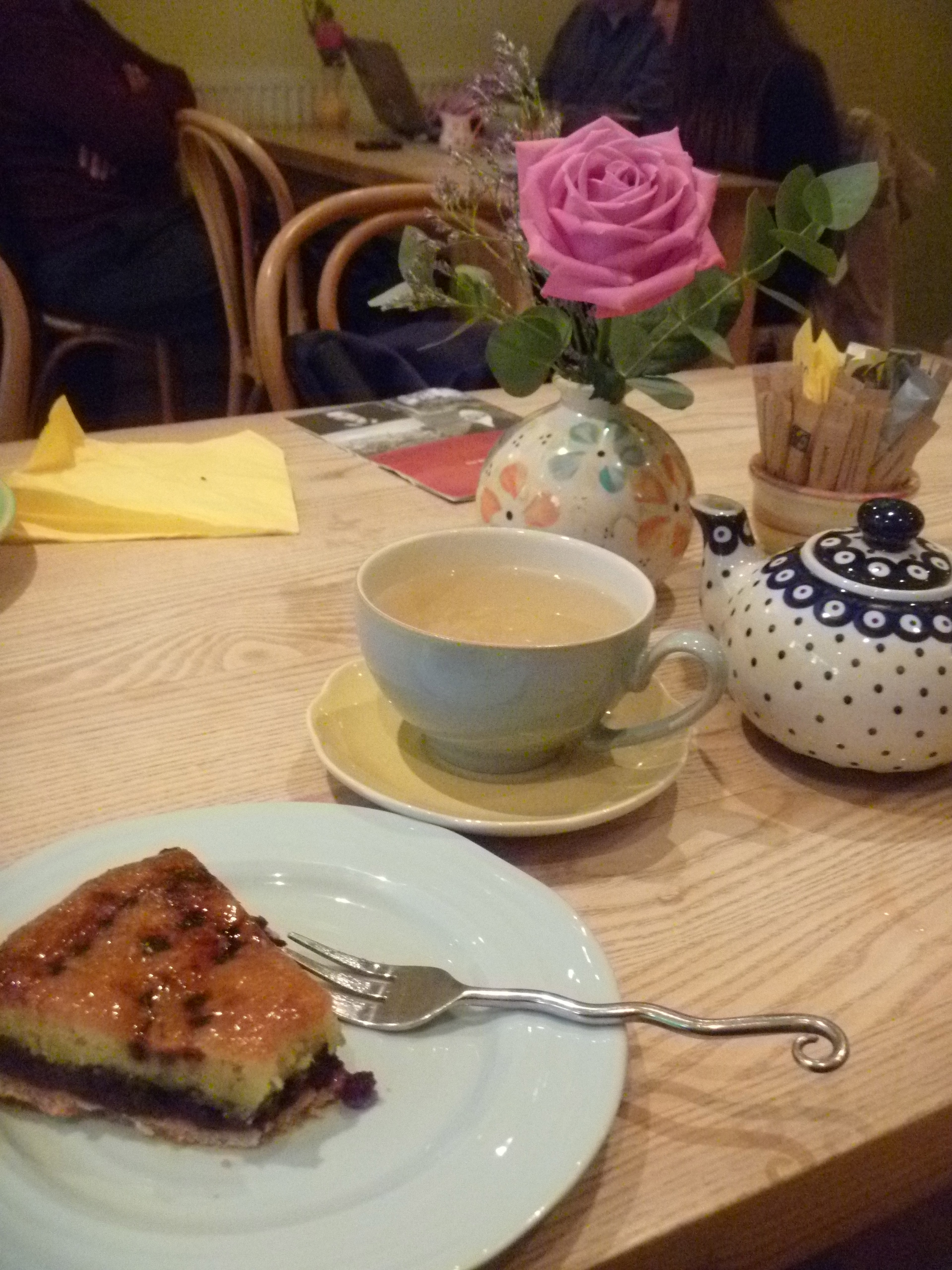
Tea and Tart at Cobbles and Clay

After just over an hour in the Museum we headed for a bright and jolly Haworth tea shop, stopping briefly to enquire whether the bookshop [Venables and Bainbridge] had any copies of Wuthering Heights in Polish for my friend to buy for her daughter-in-law. It didn’t. We were surprised that there were no foreign language versions of the great novels in the Bronte Museum Shop. We know they had sold French and German versions in the past.

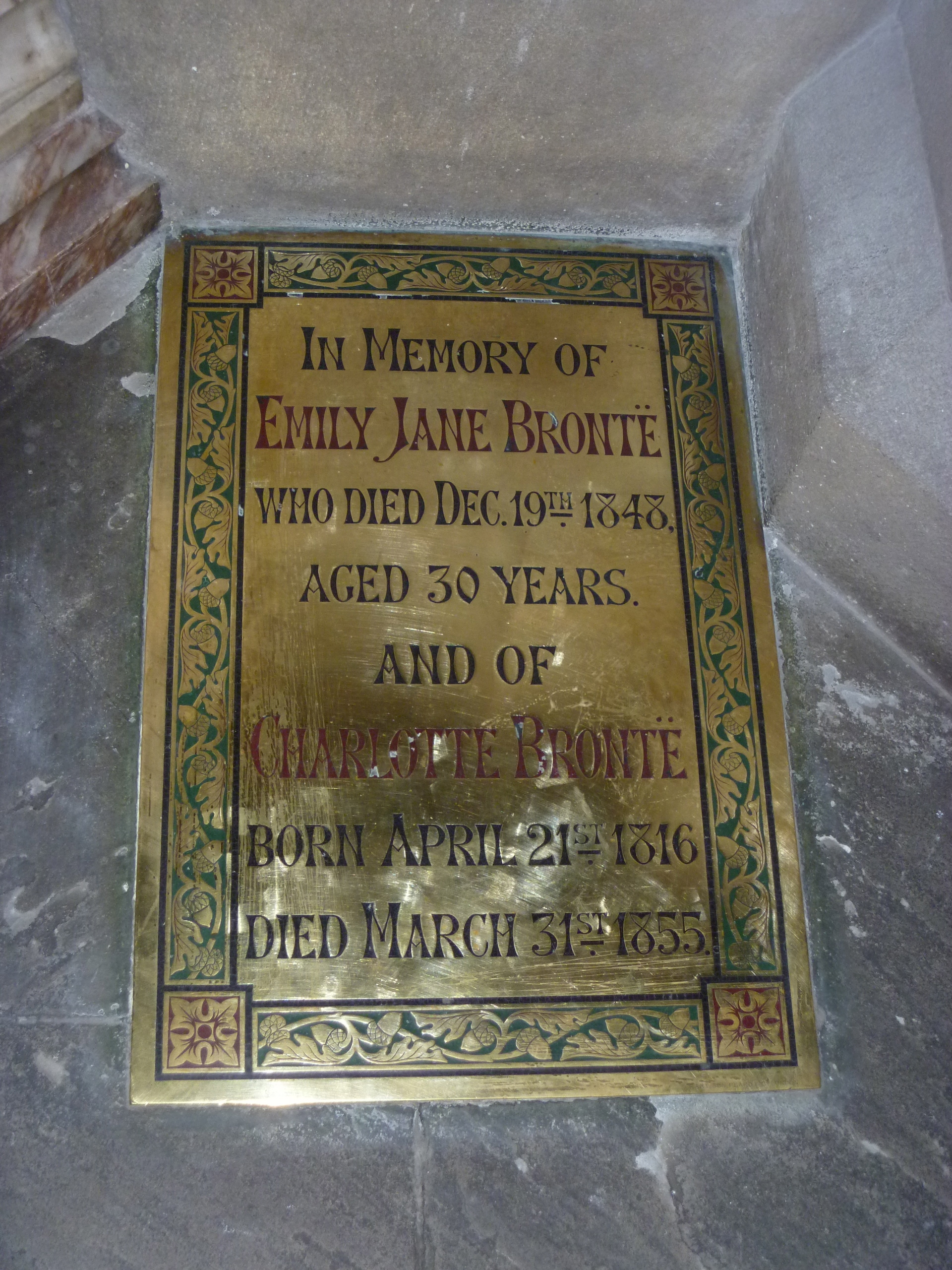
As we returned up the hill, back to the car park, we noticed that the church was open and popped quickly inside to look at the Bronte memorials before leaving the village.