An Eighteenth Century American Polymath in London : Benjamin Franklin

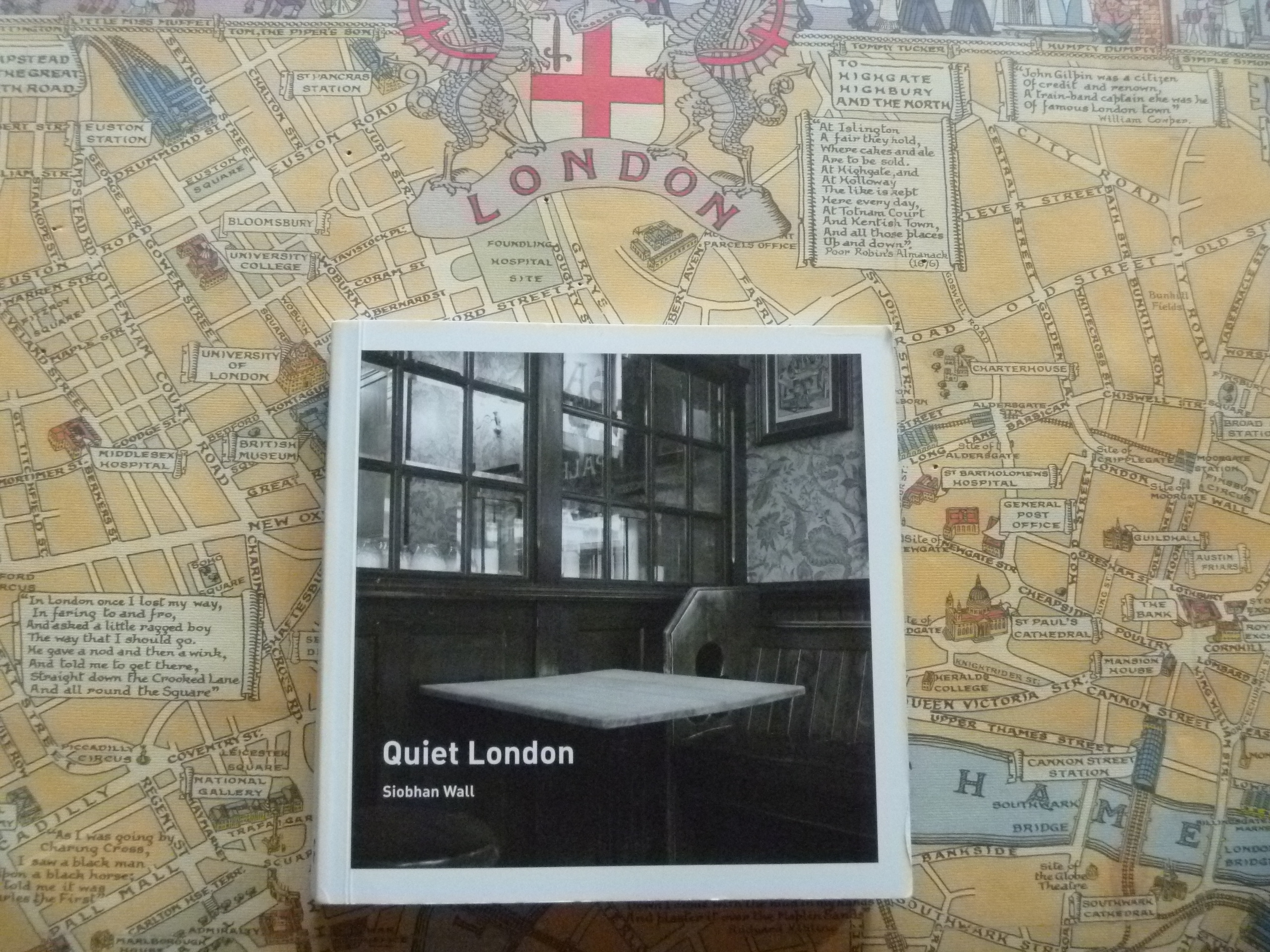
On Friday I joined my sister for a weekend break in London. Right now London is riding on the crest of the Olympic Games wave and there’s evidence everywhere that the Games have just taken place and the Paralympics are due to begin in about ten days’ time. We checked in at our bargain priced four star hotel in the City early on Friday and shared ideas on where to go and what to do. My first suggestion, taken from Quiet London by Siobhan Wall, was to call and make a booking to visit Benjamin Franklin House.
We’d both come across Franklin in a vague sort of way on our various trips to Boston and New England but we really knew nothing much about him. Our visit to 36, Craven Street right next door to Charing Cross Station was to change all that.
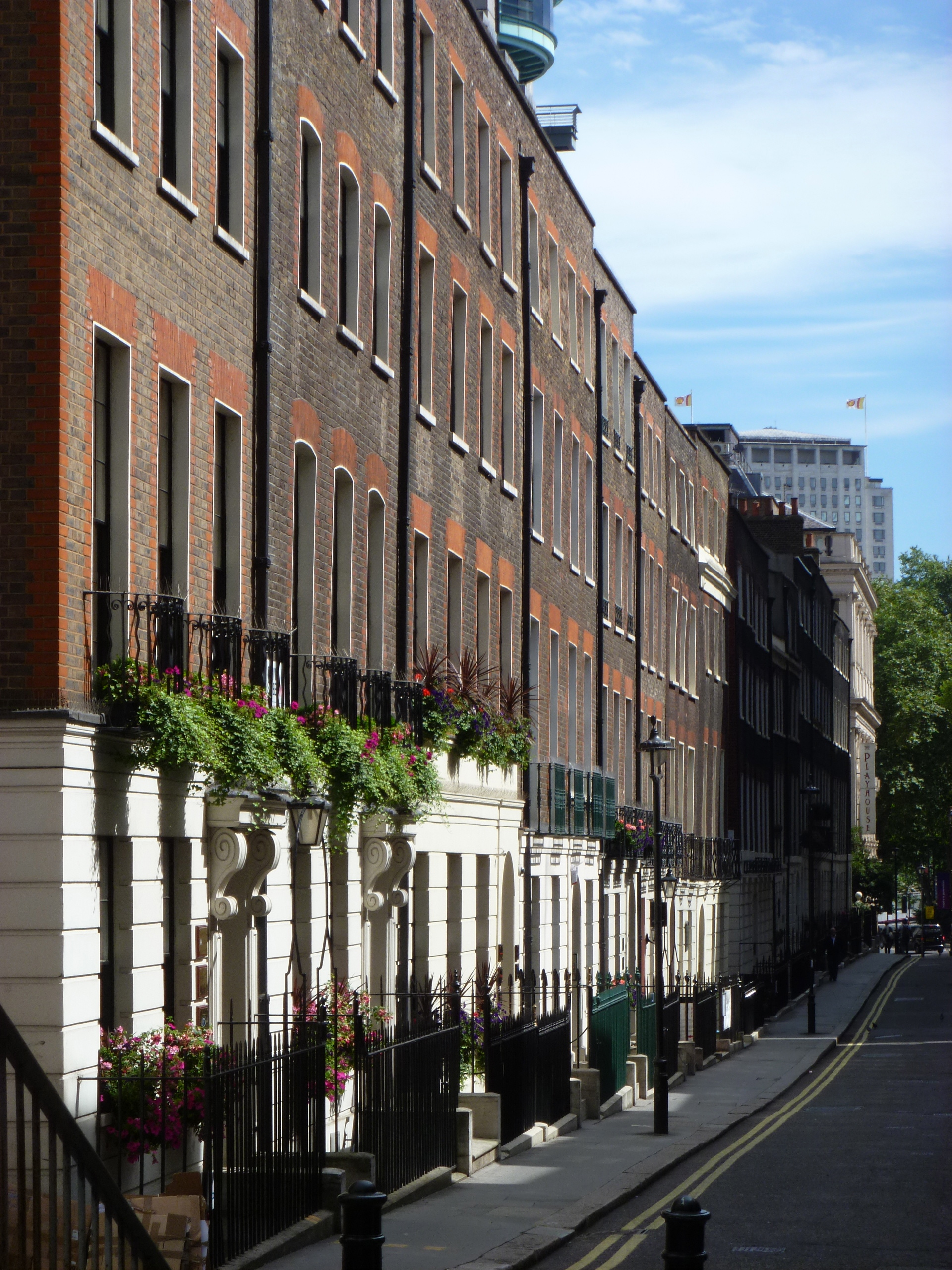
Craven Street, WC2

Here’s a brief resumé of his career in England taken from the Benjamin Franklin House website.

“While lodging at 36 Craven Street, Franklin’s main occupation was mediating unrest between Britain and America, but he also served as Deputy Postmaster for the Colonies; pursued his love of science (exploring bifocal spectacles, the energy-saving Franklin stove); explored health (inoculation, air baths, cures for the common cold); music (inventing the delightful glass armonica for which Mozart, Bach and Beethoven composed) and letters (articles, epitaphs, and his witty Craven Street Gazette), all while forging a hearty social life and close friendships with leading figures of the day.”
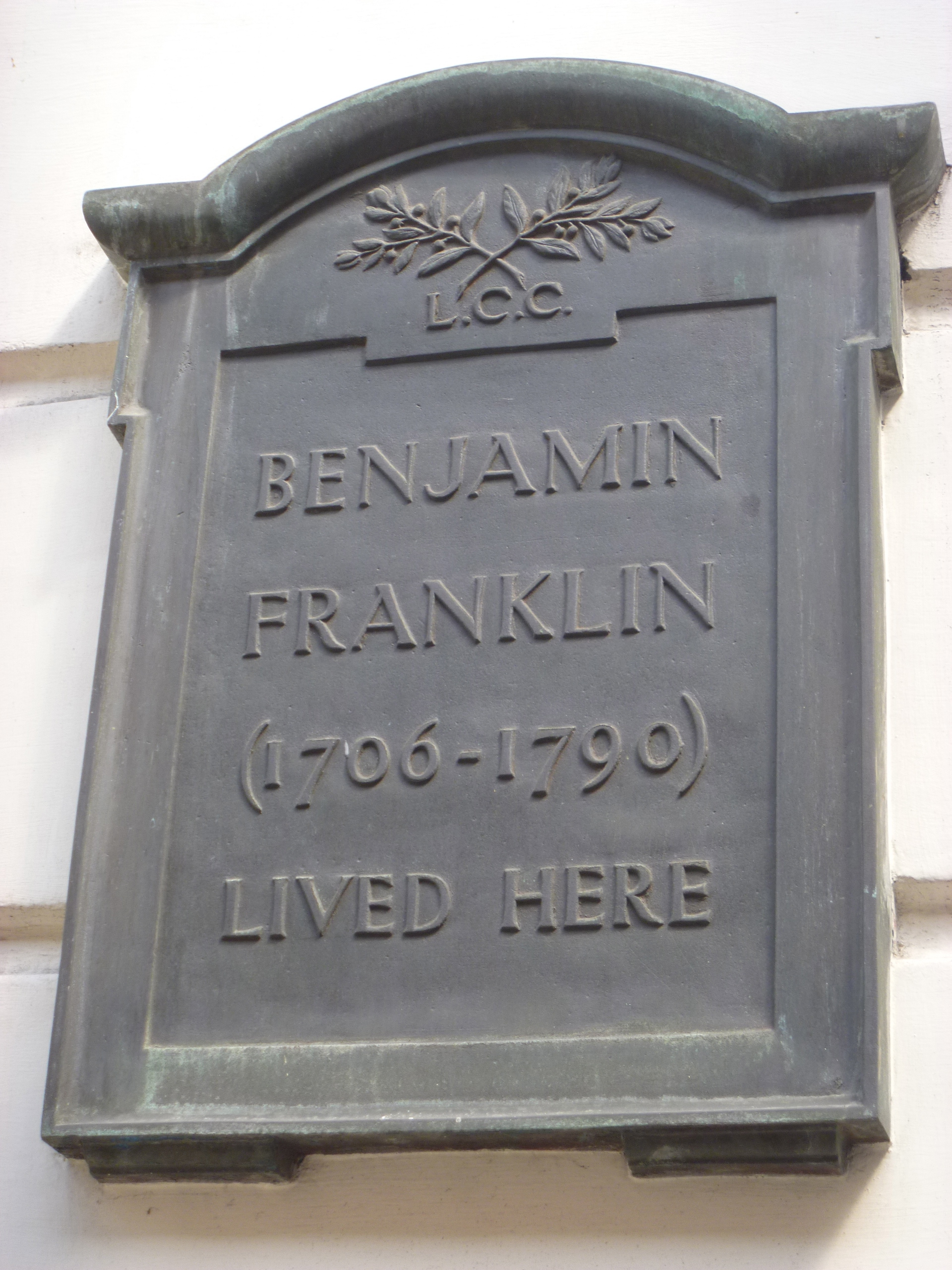
Franklin lived at 36 Craven Street between 1757 and 1775
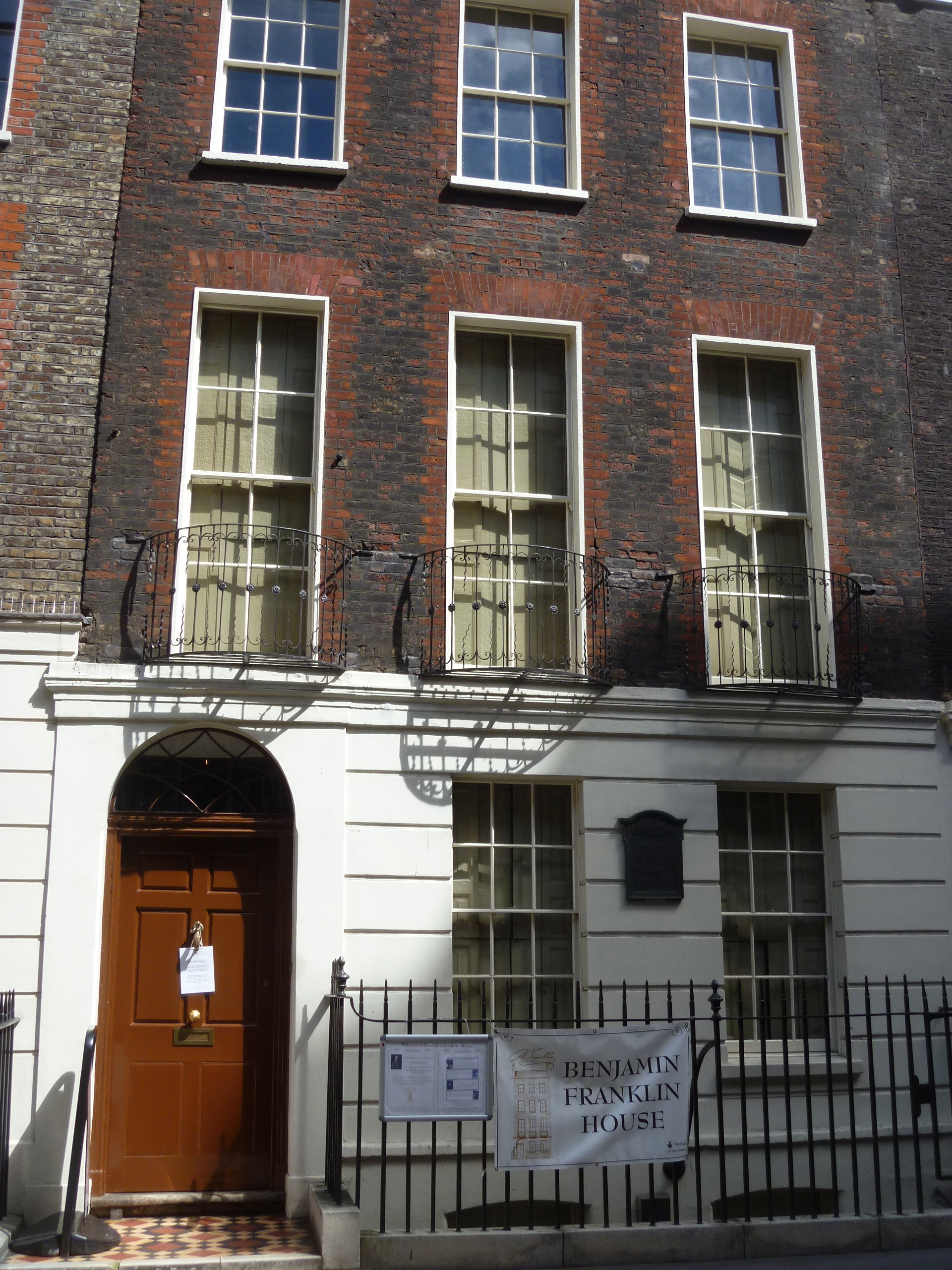
Benjamin Franklin House, 36, Craven Street, London, WC2

The Historical Experience brings to life the years that Franklin spent in London lodging in this house with Mrs Margaret Stephenson and her daughter Polly, later to be joined by Polly’s husband William Hewson (in 1770) who ran an anatomy school on the premises. The Historical Experience is based on Franklin’s last day at the house (20 March 1775) and we followed the actress as Polly around the house from room to room as the drama unfolded with use of lighting, sound and visual projection.

The house itself held great interest for us. It was so very like 13, Princelet Street in Spitalfields where we stayed last January. Both houses were built in the first half of the eighteenth century and have a very similar design and  layout and have managed to survive with surprisingly many of their original fixtures and fittings in place.
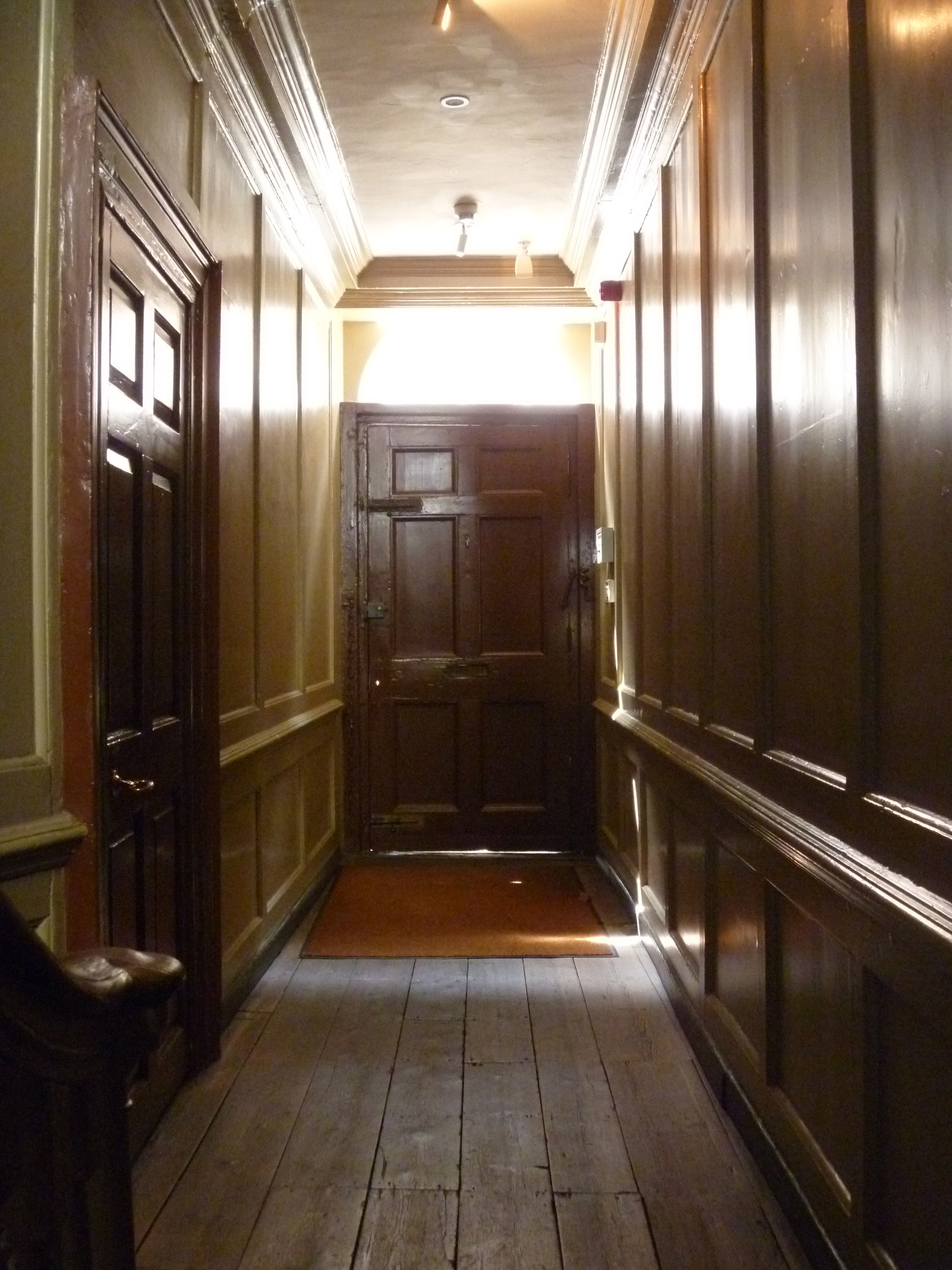
The Hall, Benjamin Franklin House
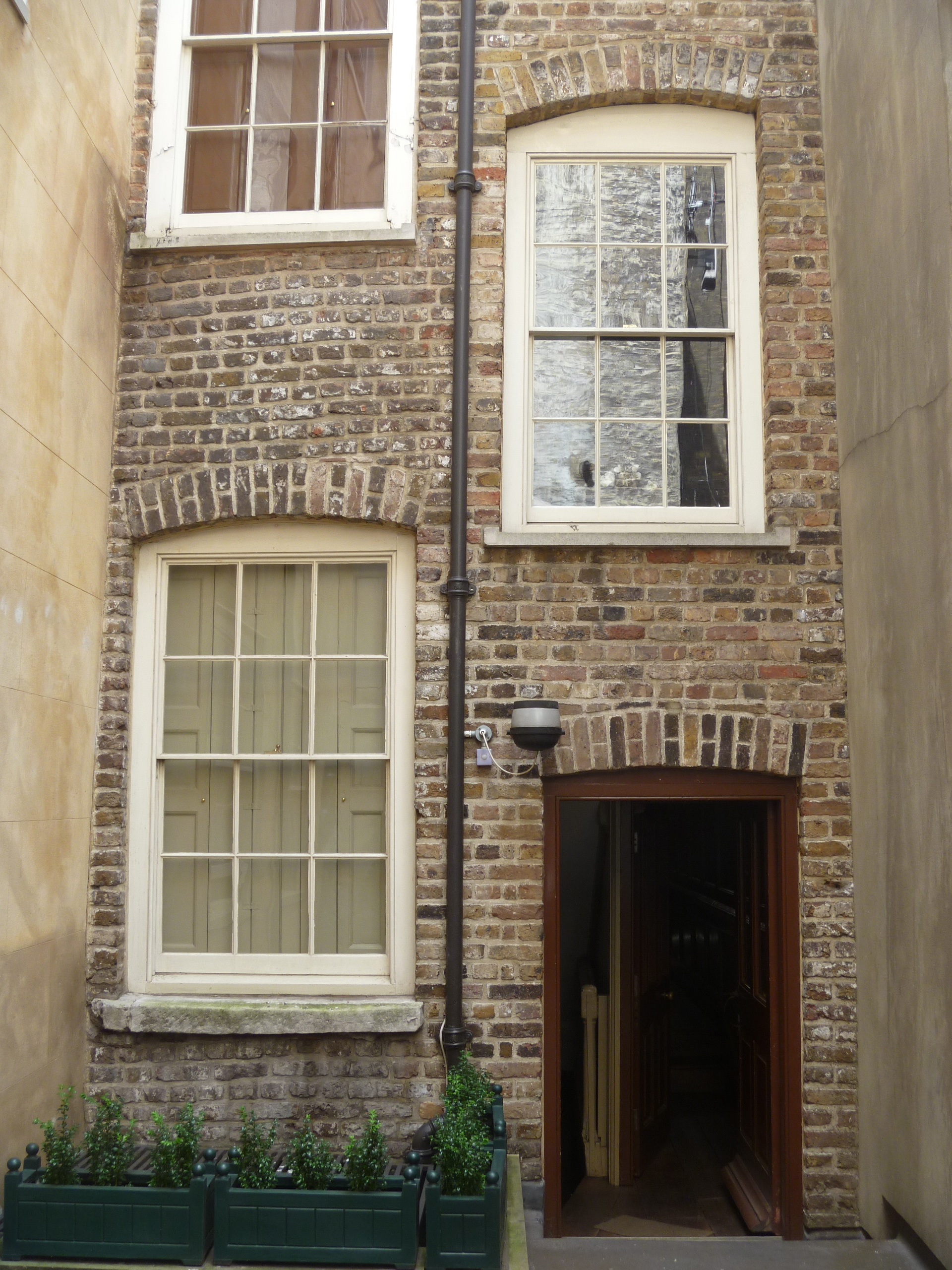
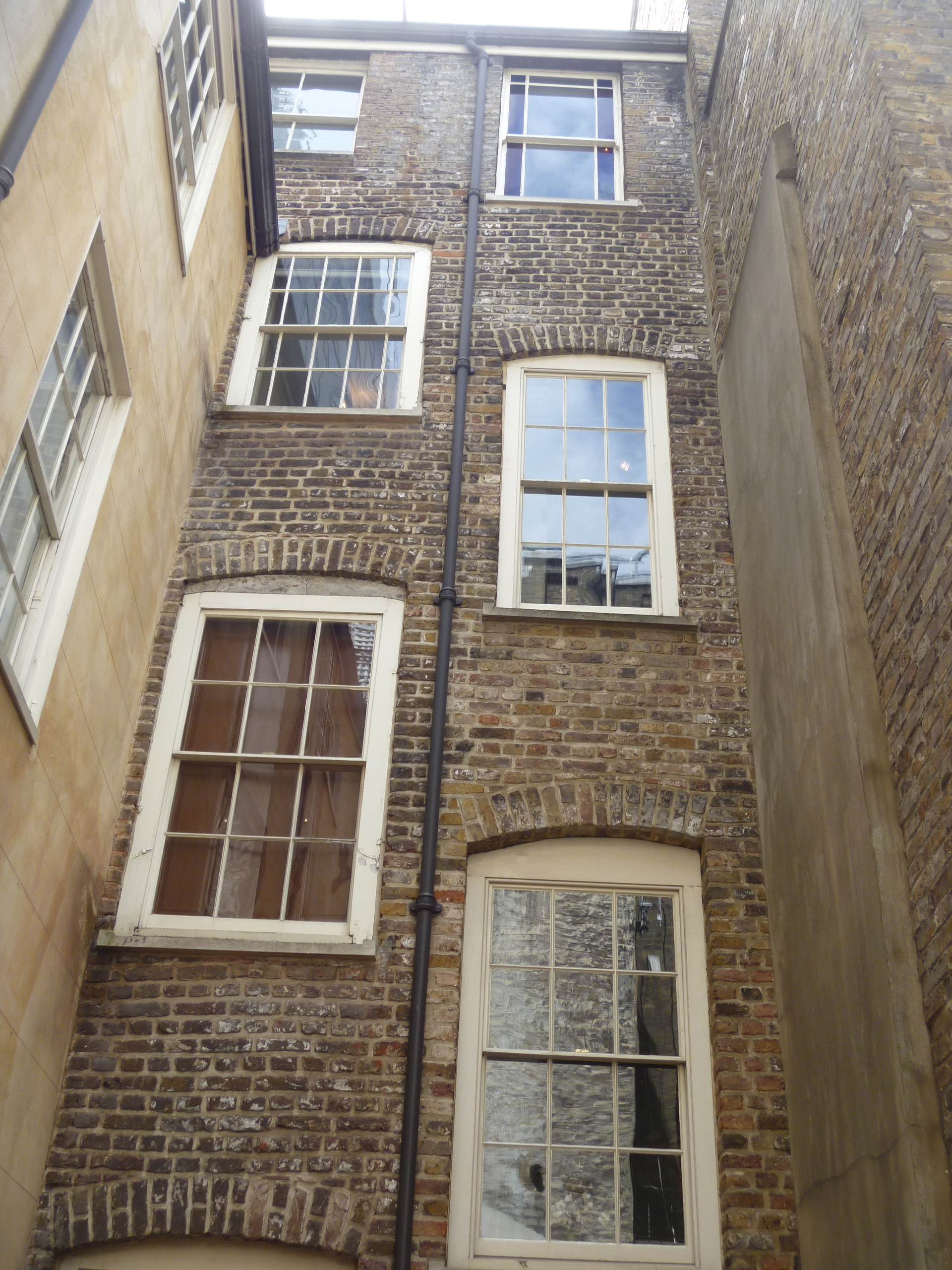
The rear of Benjamin Franklin House

The Friends of Benjamin Franklin House rescued the house from its dire condition at the end of the last century and after a great deal of hard work the Grade 1 listed Georgian building was opened to the public on 17 January 2006 which was 300 years to the day since the birth of Benjamin Franklin. Miraculously it is the only surviving house on the street. From the front this is not at all obvious but at the back the neighbouring houses are all of new brick.

“A house is not a home unless it contains food and fire for the mind as well as the body.”
Read more athttp://www.brainyquote.com/quotes/authors/b/benjamin_franklin.html#VtV0qrzico5gm2OK.99
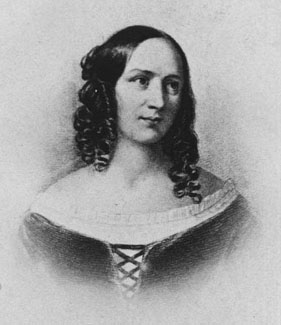
Strictly Agnes Strickland

So who is Agnes Strickland? And why am I writing about her today?

You may not have heard of her but she was a very well known author in her day. Although I had heard of her for a long time I can’t remember when I first knew that she was the author of a 12 volume history entitled : Lives of the Queens of England published between 1840 and 1848. Each volume was eagerly awaited by the public at the time.  I’ve kept a 2-page article about Agnes and her family, including her 4 literary sisters, which appeared in the Sunday Supplement to the Eastern Daily Press back in April 2009. Unfortunately, I can’t find a link to this article online.

Agnes first wrote what are now called ‘improving’ stories for children and later collaborated with her sister, Elizabeth, to produce her best-known work about the Queens of England. Elizabeth did not want her name included but Agnes was happy with her celebrity fame. Later her sister Jane Strickland wrote and published Agnes’ biography.

Two of her sisters found fame in Canada as writers – Catherine Parr Traill and Susanna Moodie – Catherine’s The Backwoods of Canada (1836) became a classic as did sister Susanna’s Roughing it in the Bush (1852).  I could write more about the sisters but as I’ve called this post Strictly Agnes Strickland  I’ll stick to my subject.

Agnes was born in London in 1796. She was the second of six sisters and two brothers. Her father had business interests in London, Norwich and the small Suffolk town of Bungay. He encouraged his daughters’ education and reading habit. The family  moved to Reydon Hall in Suffolk in 1806.

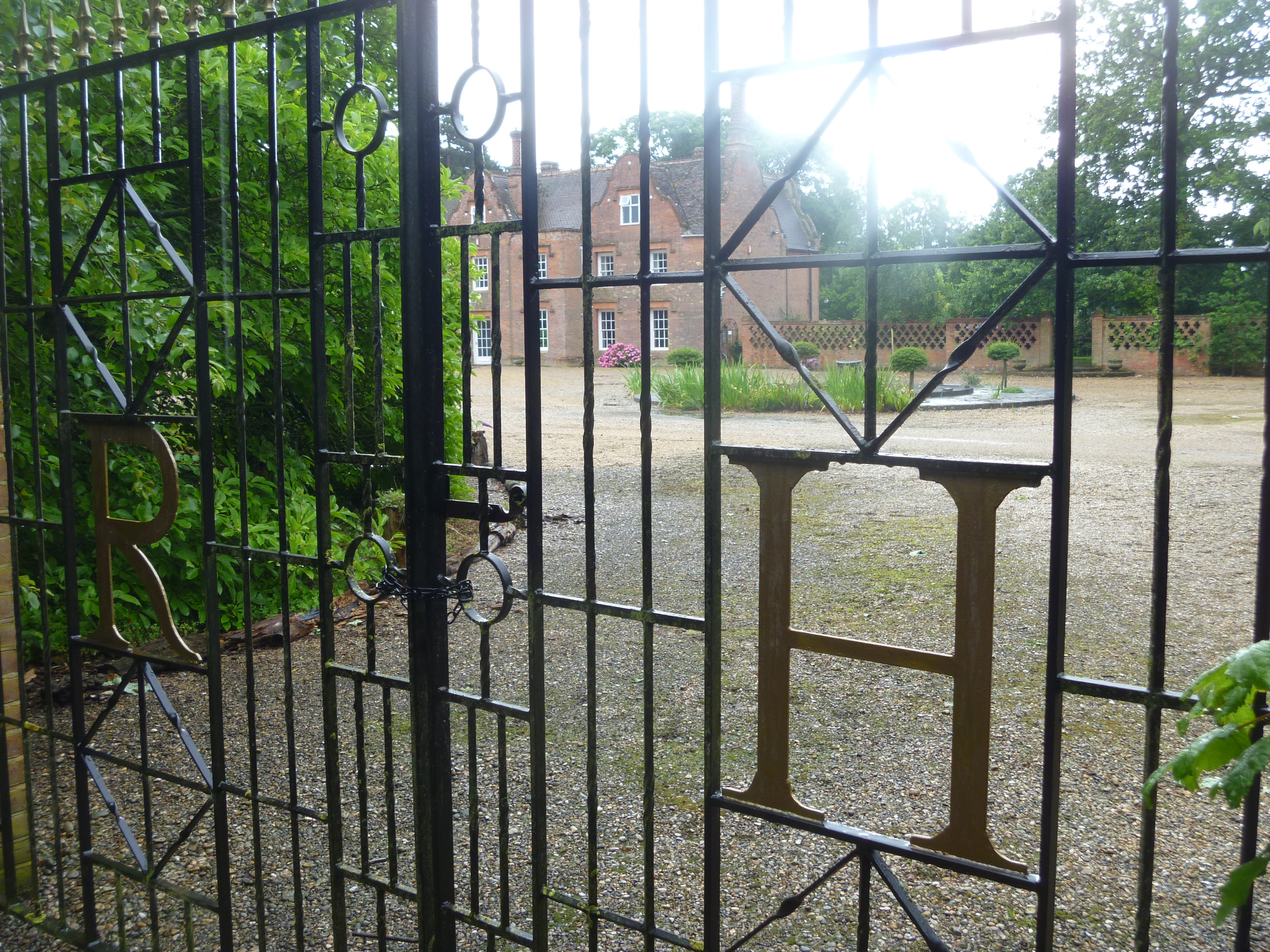
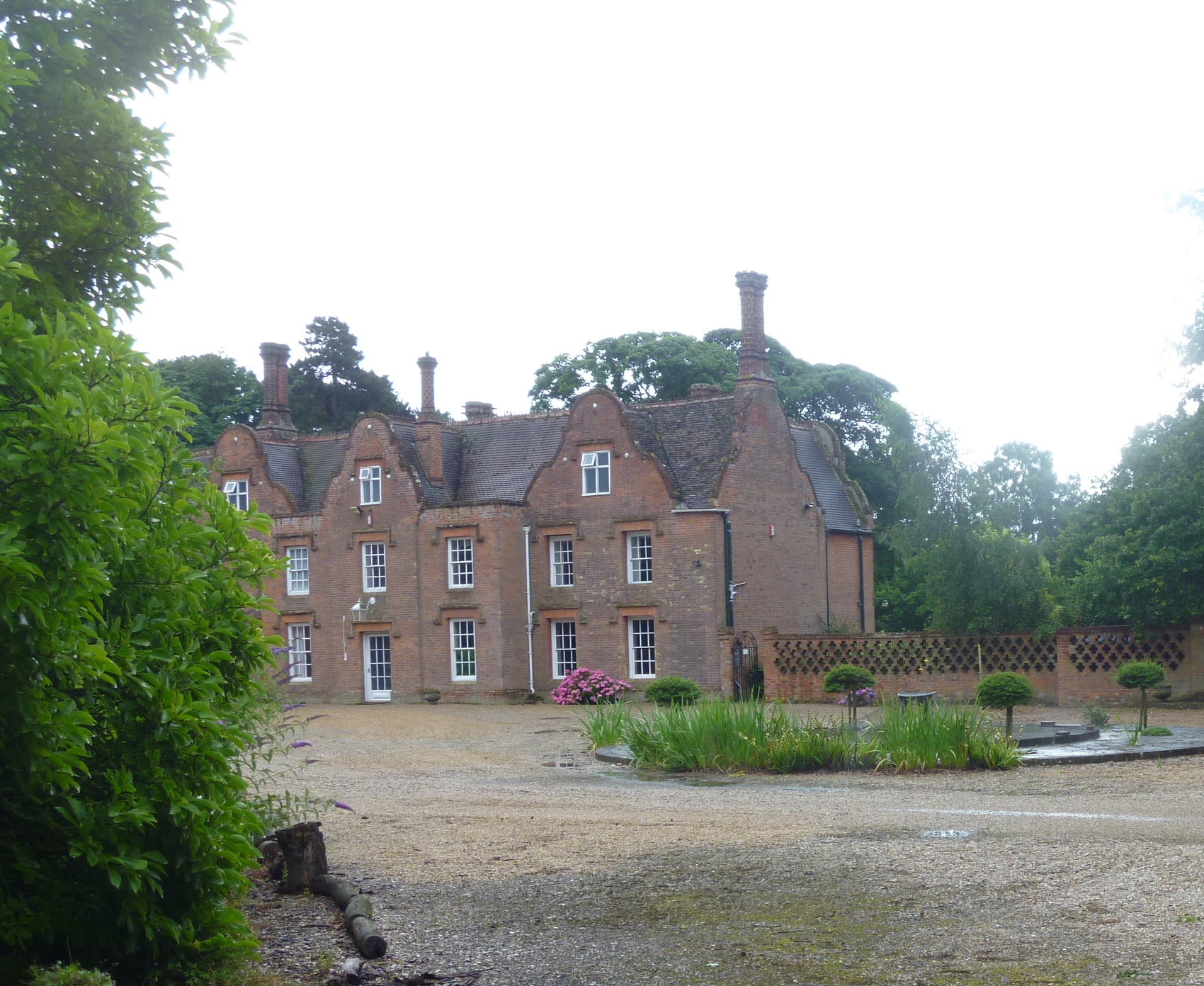
Reydon Hall

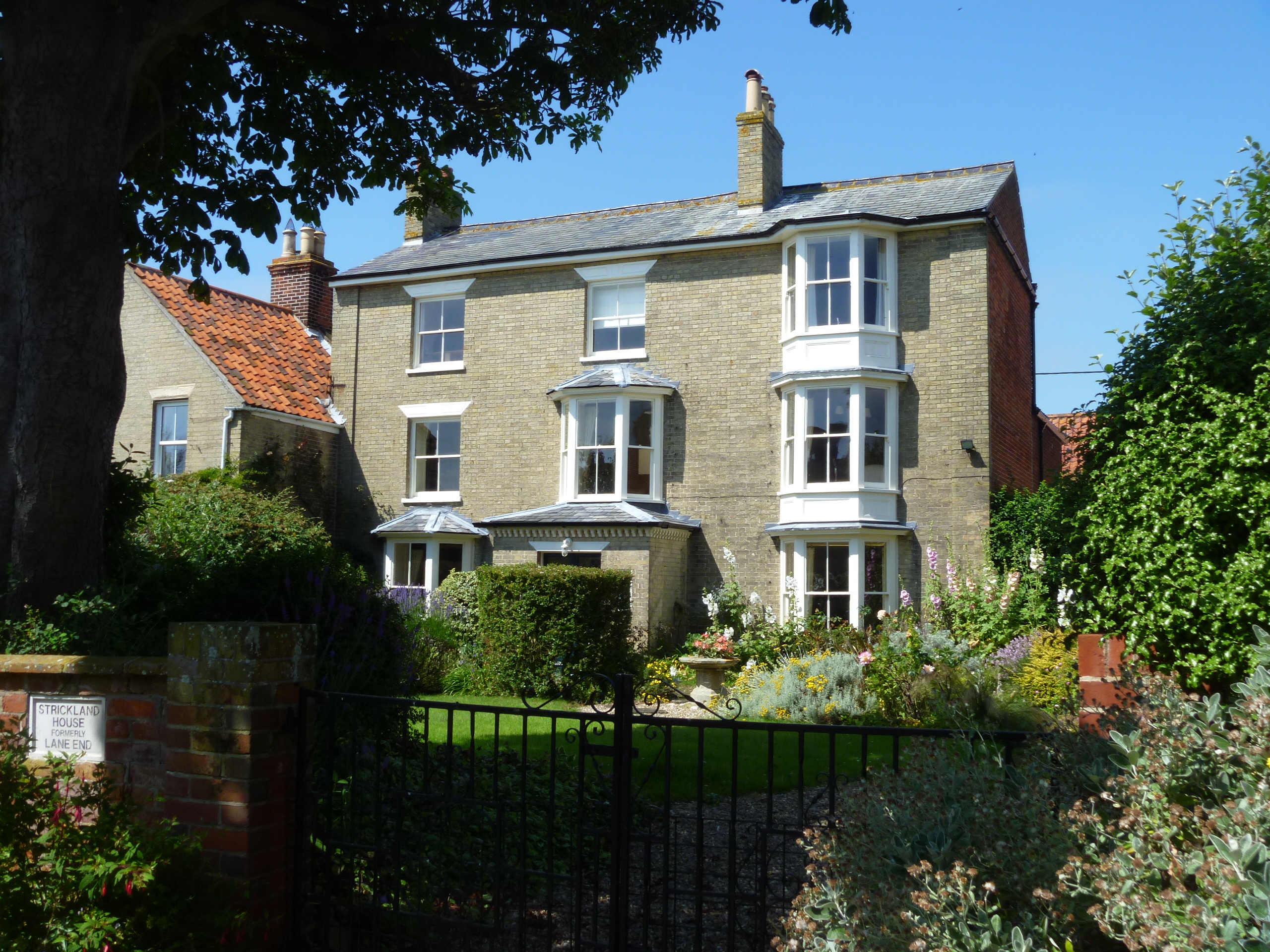
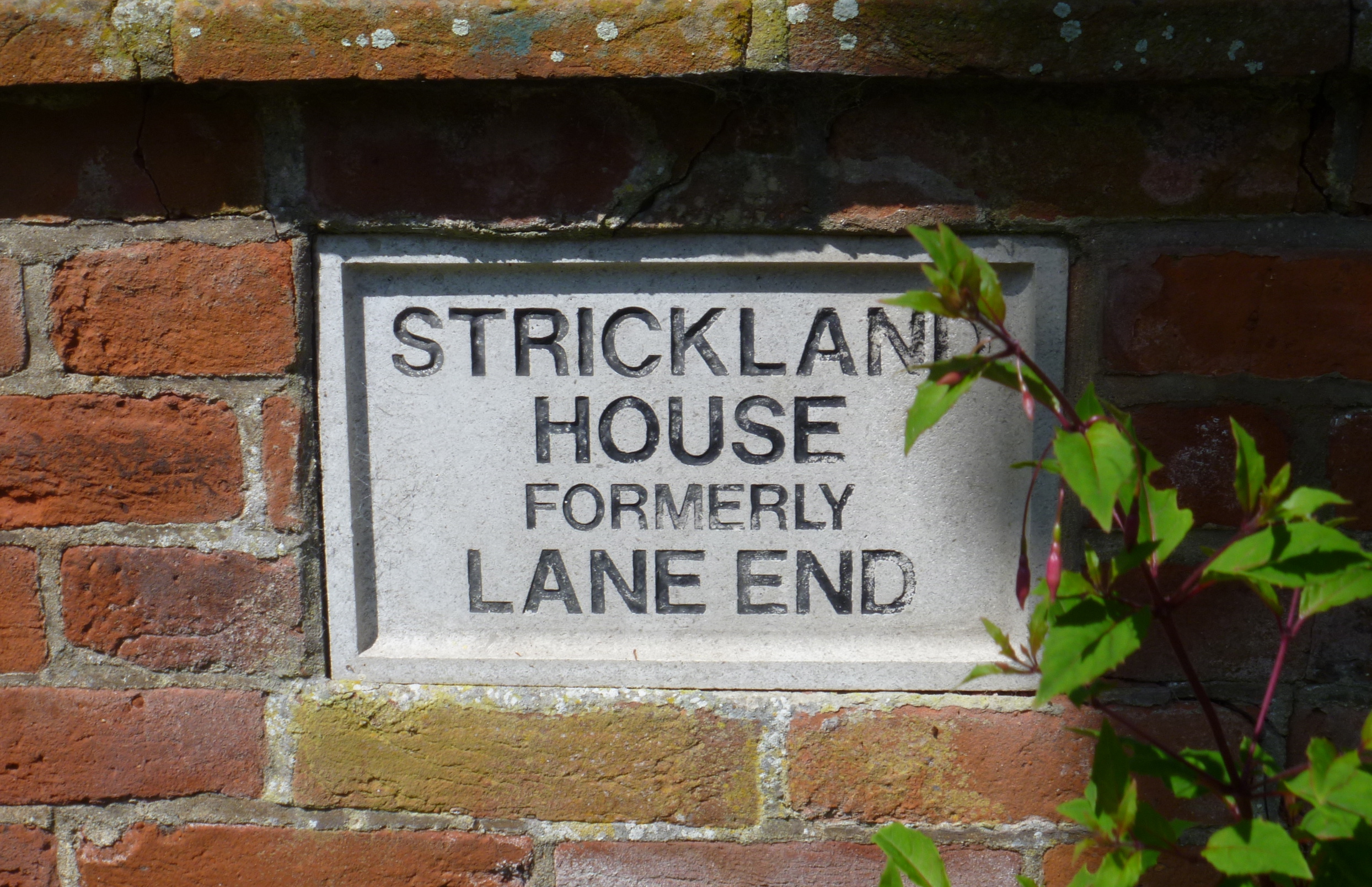
When her father, Thomas Strickland, died in 1818 he had lost most of his fortune from acting as guarantor to a firm that failed. The family stayed at Reydon Hall and the daughters set about earning their livings. In 1832 the two younger daughters sailed from Southwold via Greenock to Quebec with their husbands to start new lives in Canada. When Mrs Strickland died in 1864 the family home was sold and after travelling around with various addresses Agnes decided to settle in Southwold in Park Lane in the house that is now called Strickland House.

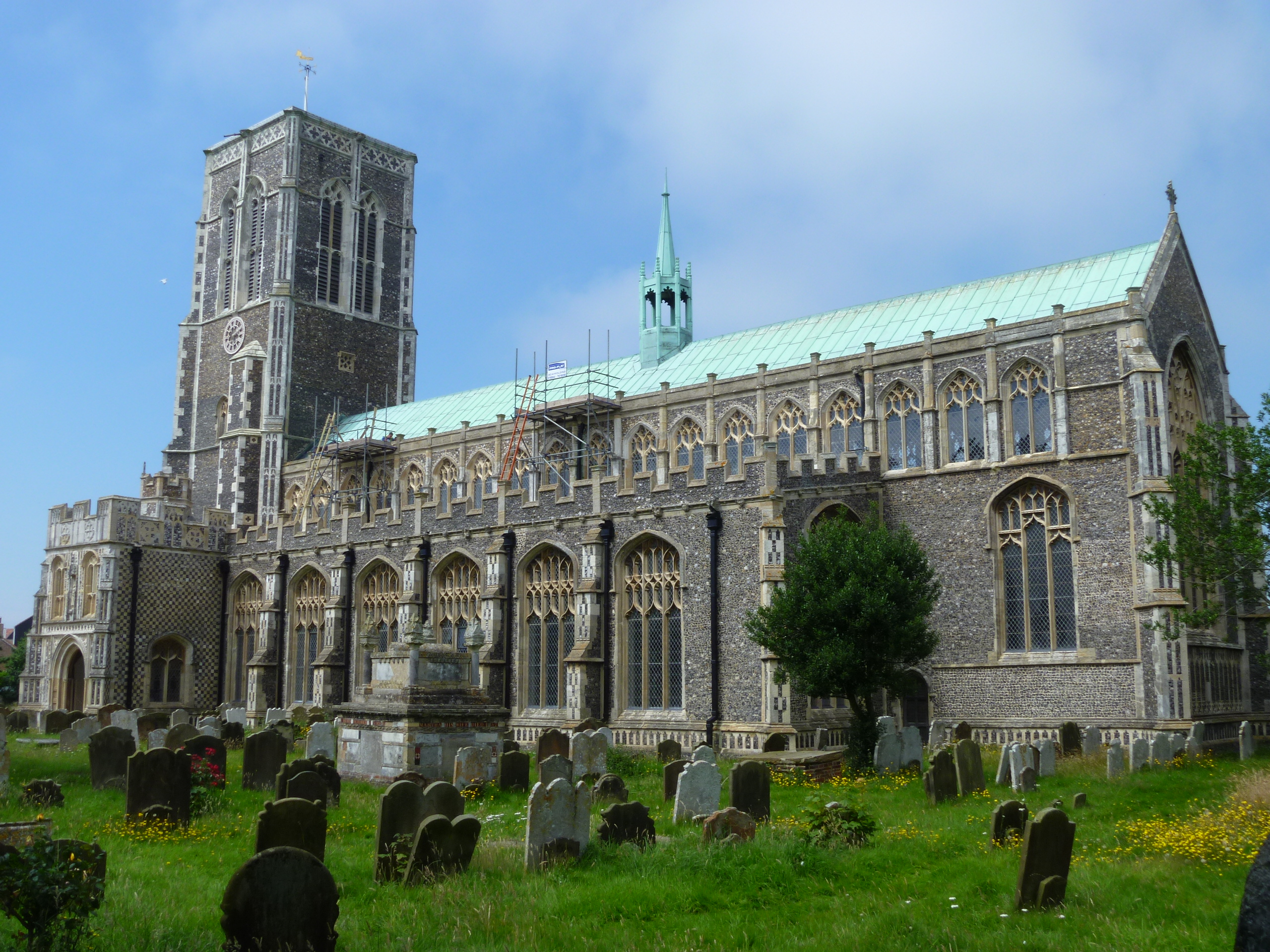
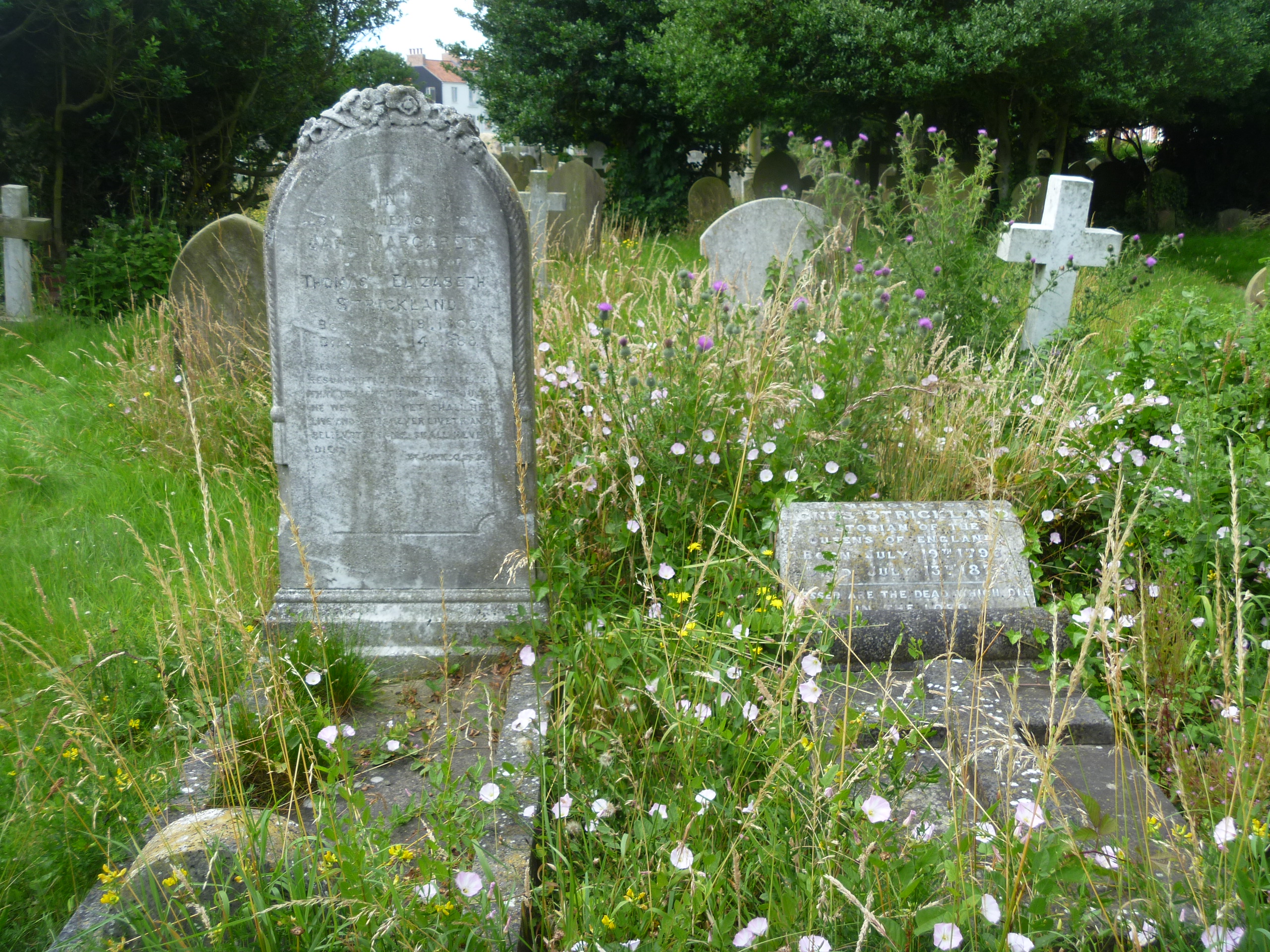
She died there in 1874 and is buried in the churchyard of St Edmund’s parish church.

Jane Margaret, Thomas and Elizabeth Strickland tomb beside Agnes Strickland’s.

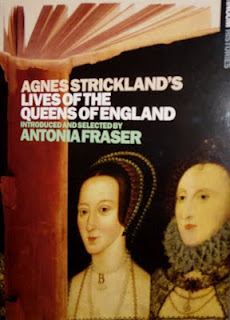
Agnes and Elizabeth carried out much of their historical research at the British Museum. The 12 volume Lives details the stories of 38 queens – from Matilda of Flanders, the wife of William the Conqueror, to Queen Anne. They also wrote a Lives of the Queens of Scotland and other histories.

“Agnes Strickland’s Lives of the Queens of England (1840-8) marked a new era in the writing of English history by women. ‘Facts not opinions’ was the watchword of these historical biographies, which were based on pioneering manuscript research.” (Publisher)

Last year I read the single volume selected and edited by Antonia Fraser. My friend Lyn has written a much better review than I could ever hope to do – especially as it’s some time since I read it.

Milady’s short trip to Geneva

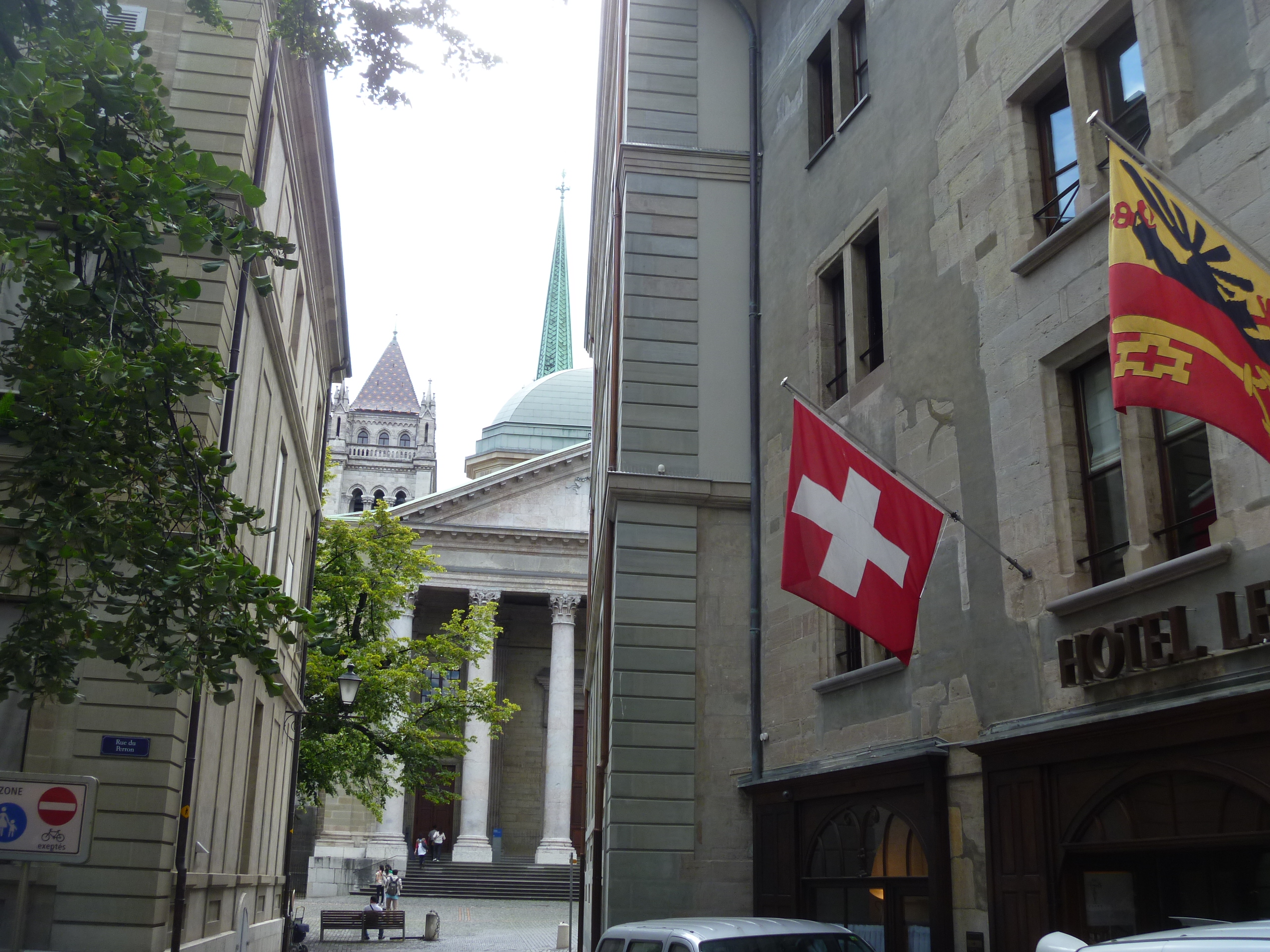
Geneva is not the most attractive of the cities I have visited in Switzerland (like Bern, Zurich and Lucerne) but beyond the designer watch ads atop the lakeside buildings and Geneva’s ‘mountain’ looking more like a rocky ridge, from where I was standing, I found a delightful Old Town and two worthwhile excursions to fill my two days perfectly.

Lake Geneva

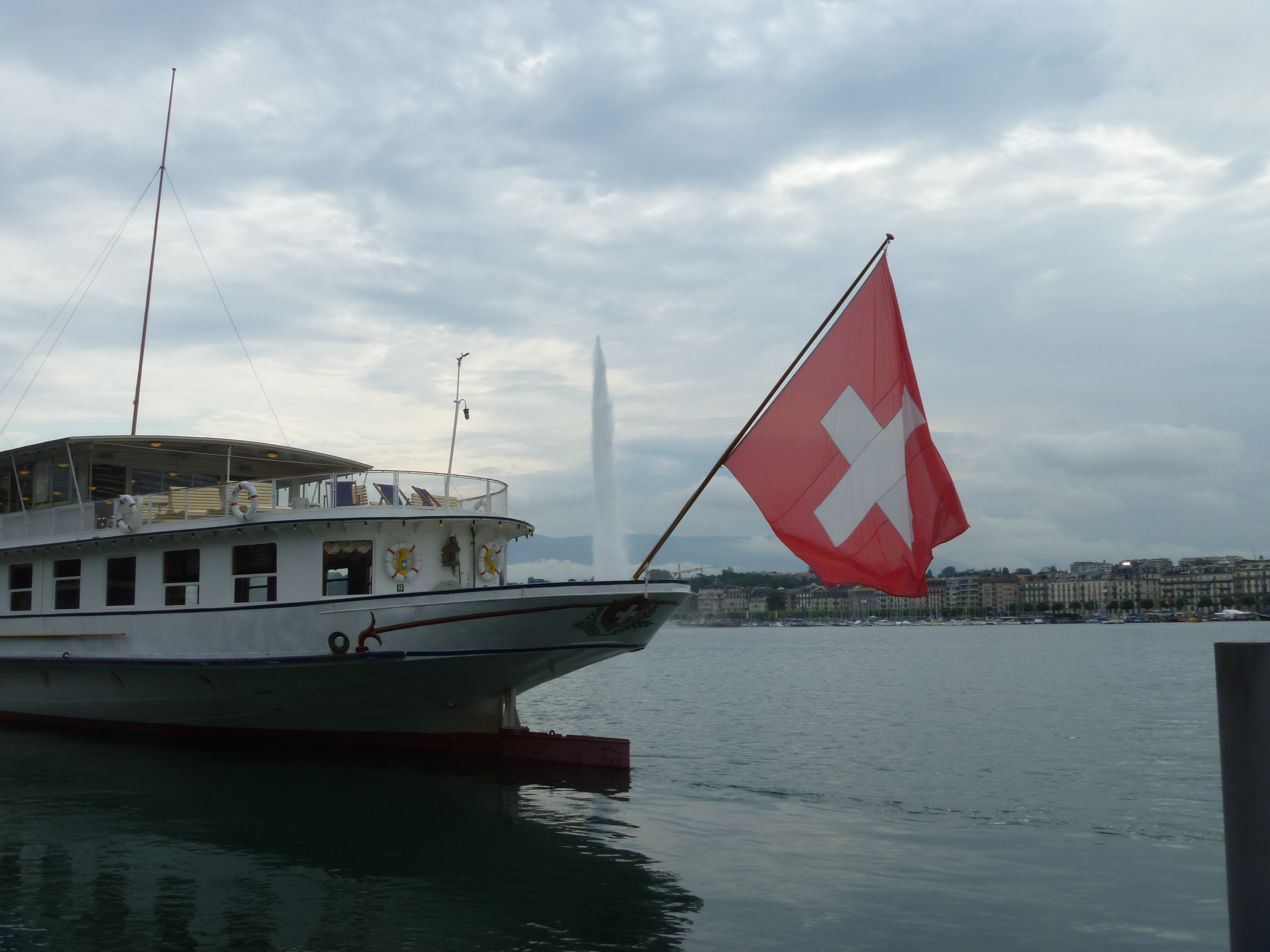
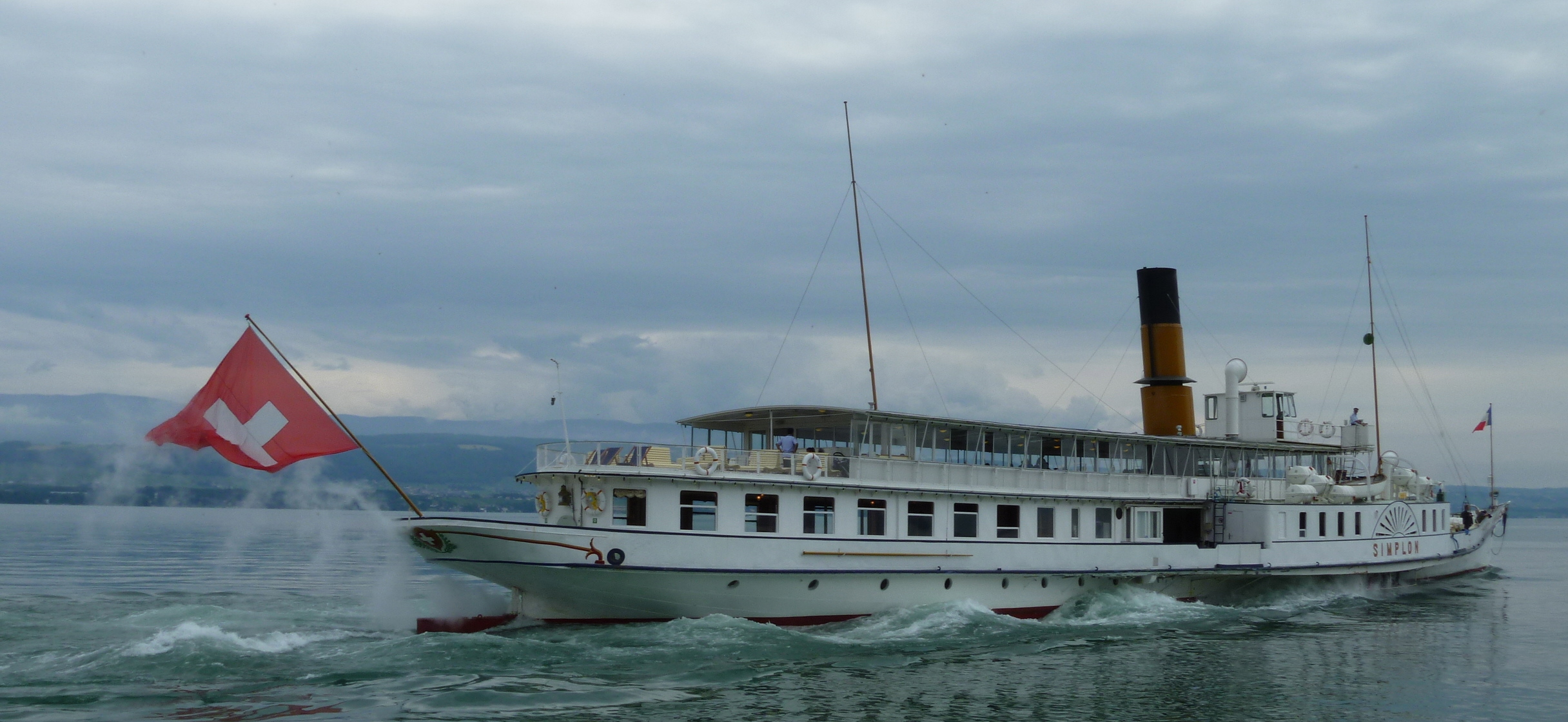
On the first full day we boarded an early boat, the S/S Simplon, from the Quai Mont-Blanc and headed off under rather cloudy overcast skies for an hour and three quarter lake cruise to Yvoire on the southern shore of Lake Geneva.

Whenever she can Milady hopes to travel in style

S/S Simplon and the famous Jet D’Eau, from Quai Mont-Blanc Geneva

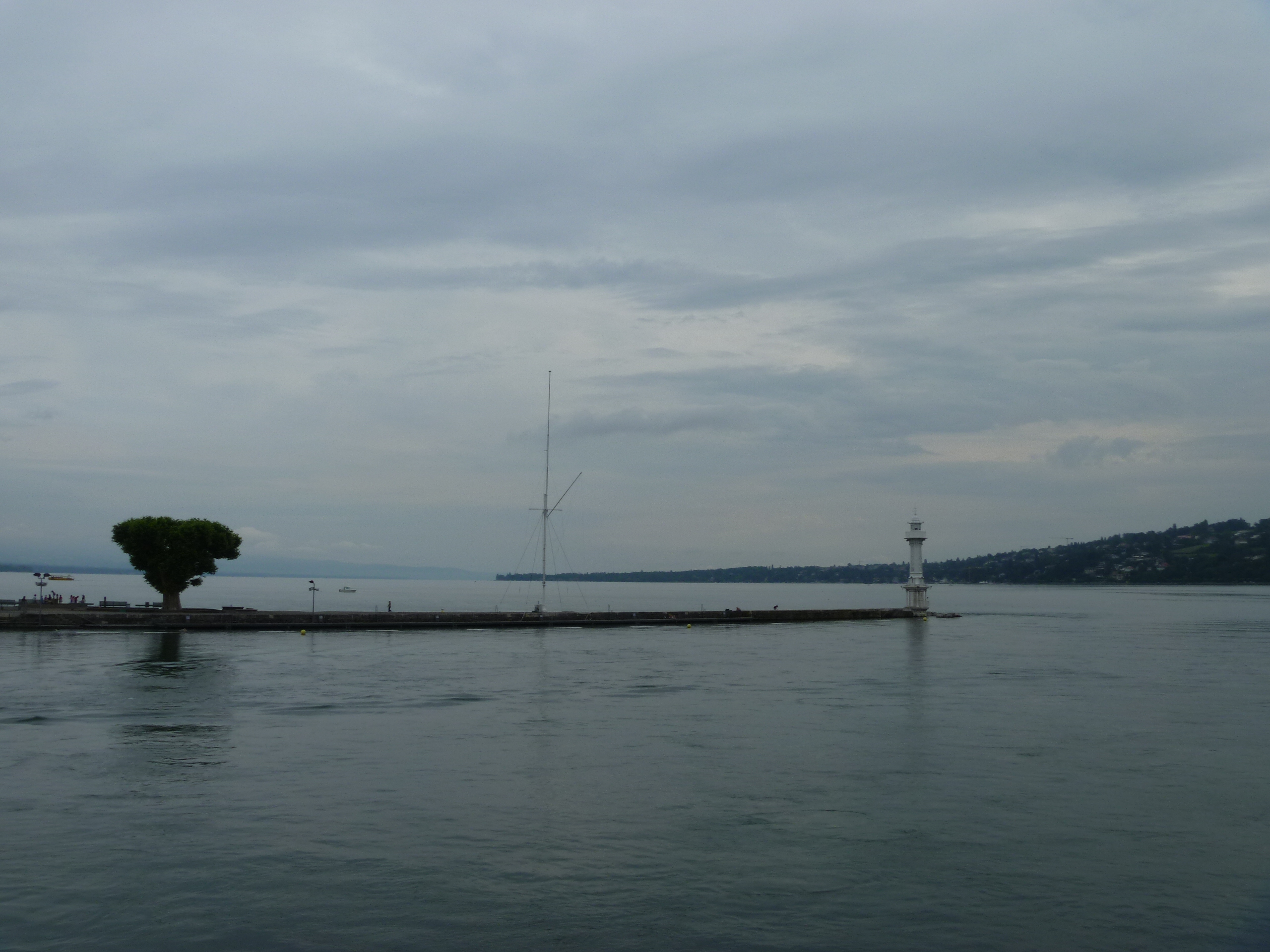
Paquins Lighthouse

The S/S Simplon leaves us at Yvoire

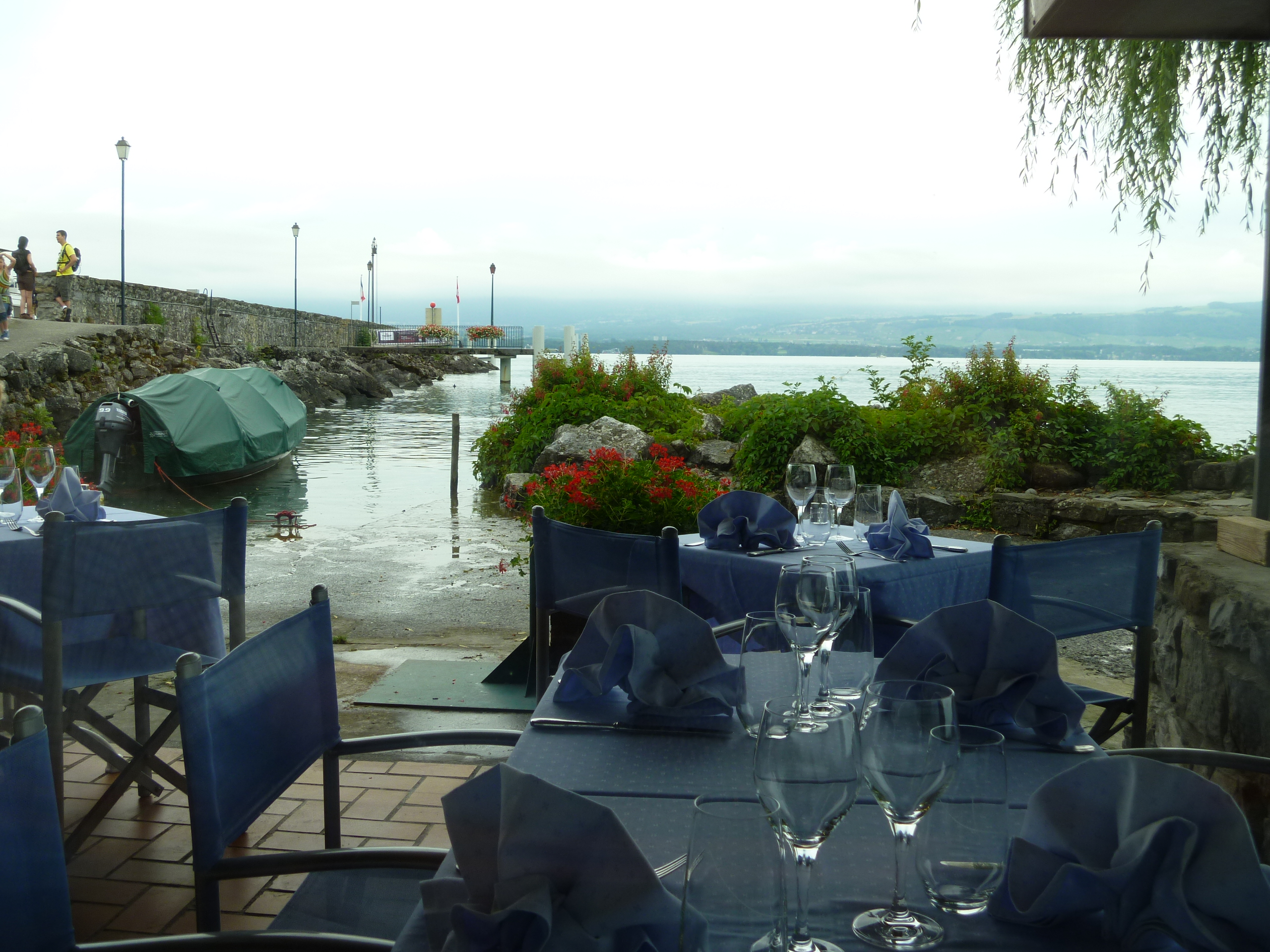
Yvoire is in France but there are no passport controls or inspections it was just straight off the boat into the Restaurant du Port (the name tells you where it’s located) and lunch was served!

Restaurant Du Port, Yvoire

The proposed return sailing was cancelled which meant a 3 hour stay at Yvoire and you can only spend so long eating lunch. This attractive little medieval town was full of tourists so we two decided to take a walk to the next stop and pick up our boat from there later.

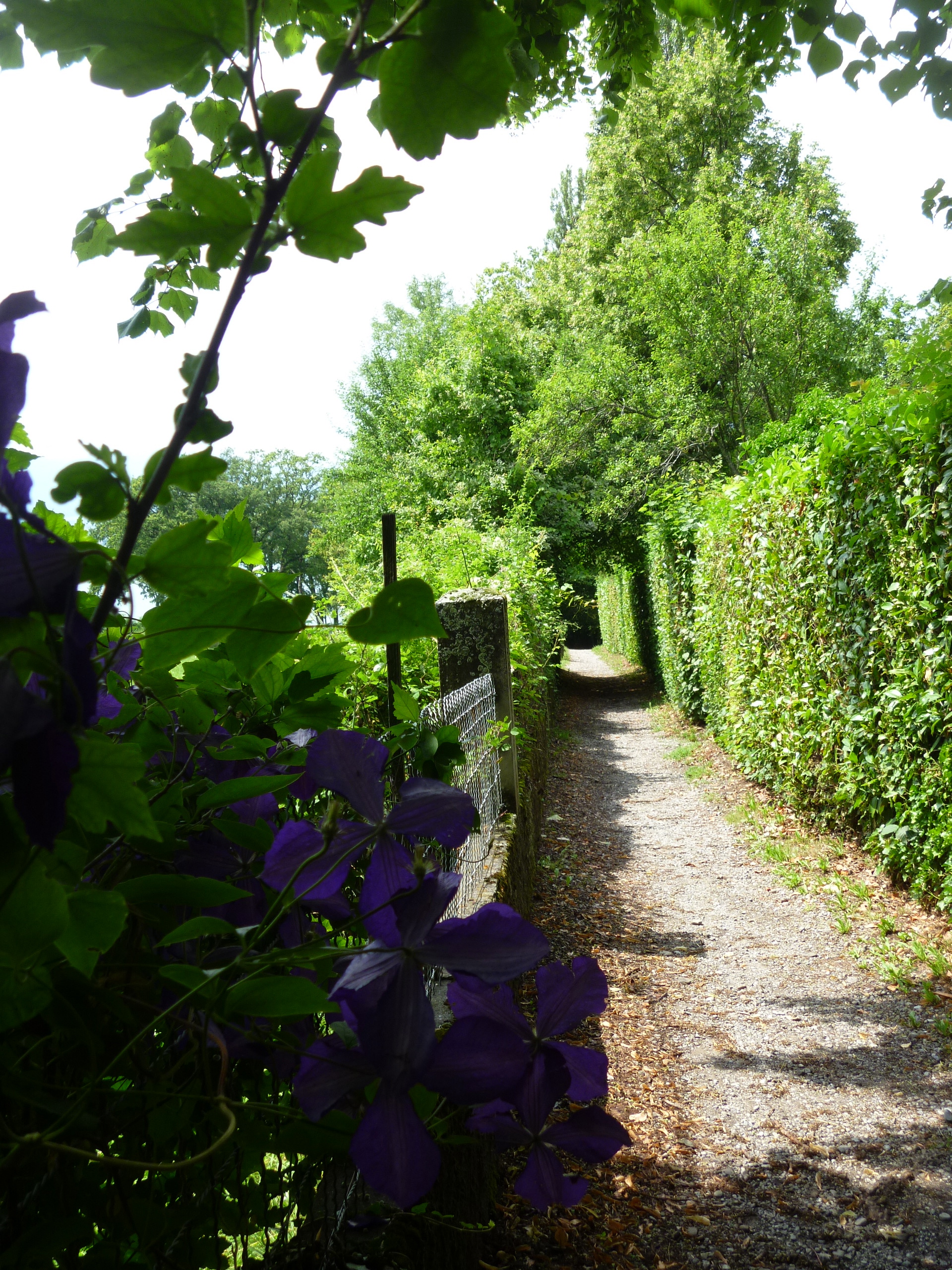
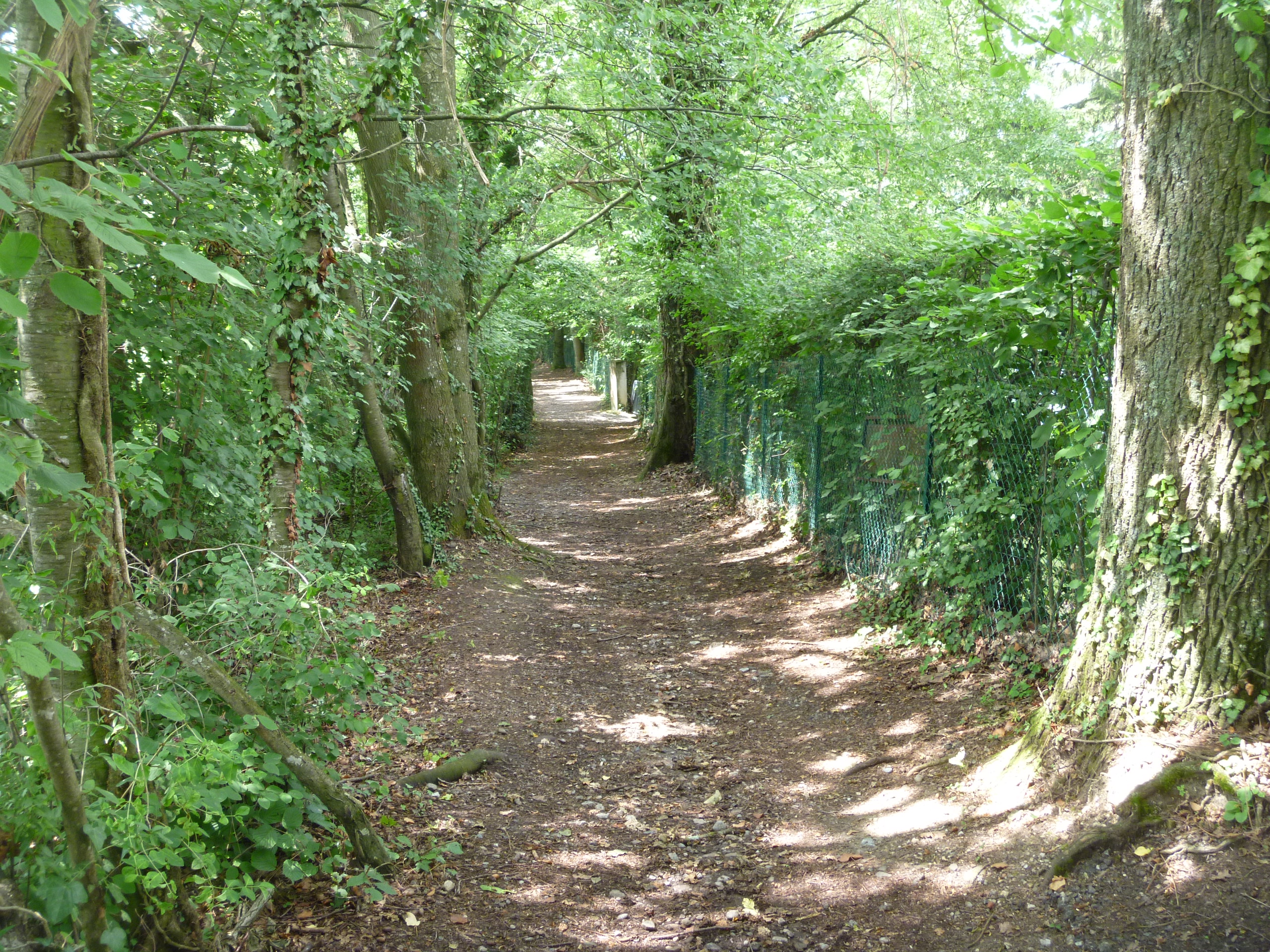
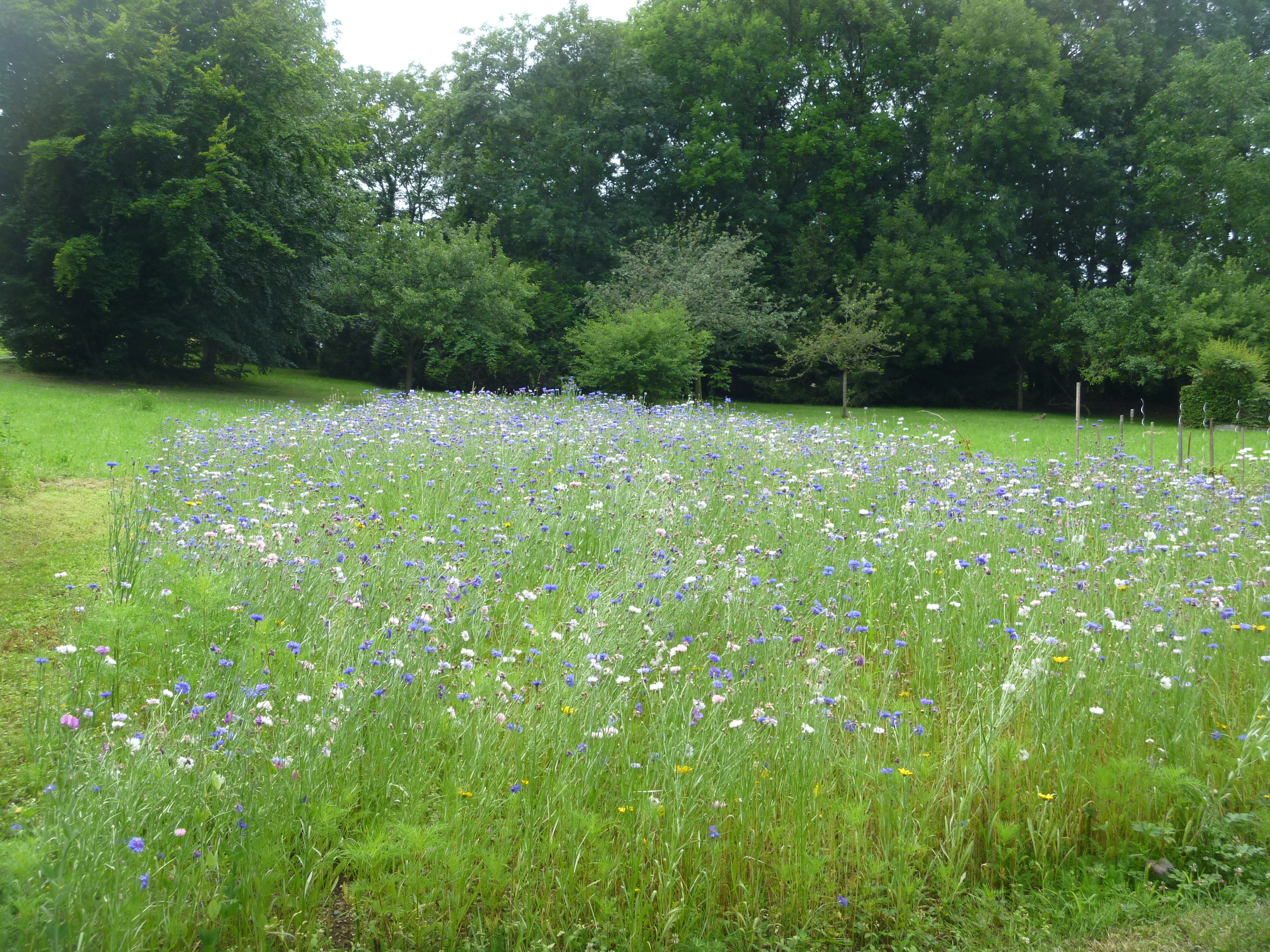
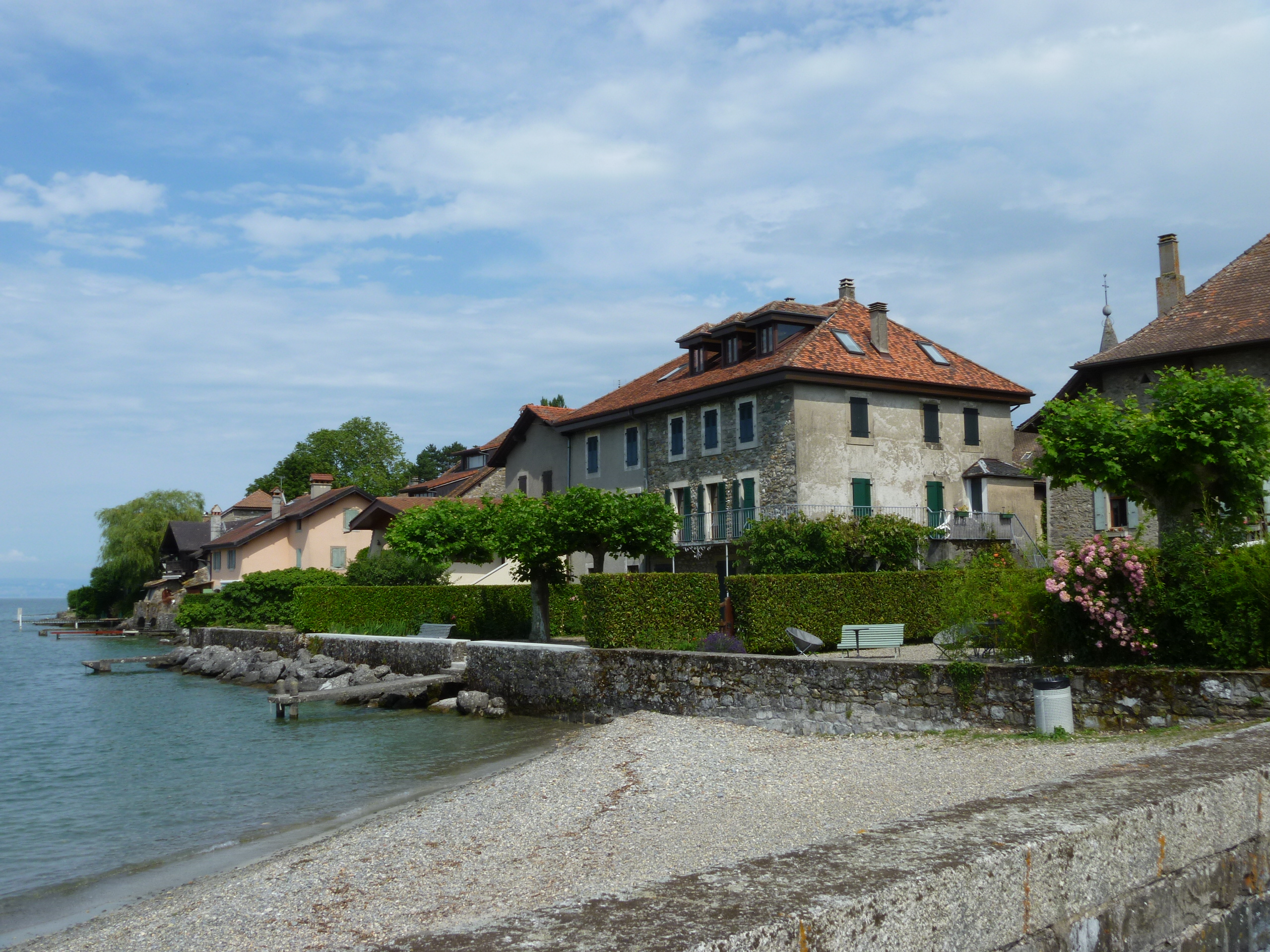
After inspecting the little shops we set off to find the footpath to Nernier. (Sounds like something out of C. S. Lewis.) It was a most pleasant walk along shady paths and tracks past interesting houses but with minimal views of the Lake, unfortunately. We came across a lovely wildflower meadow, visited an old church and arrived at Nernier with lots of time for people-watching at the port until the Simplon arrived on the dot at  5.37pm.

The small beach at Nernier

The Old Town

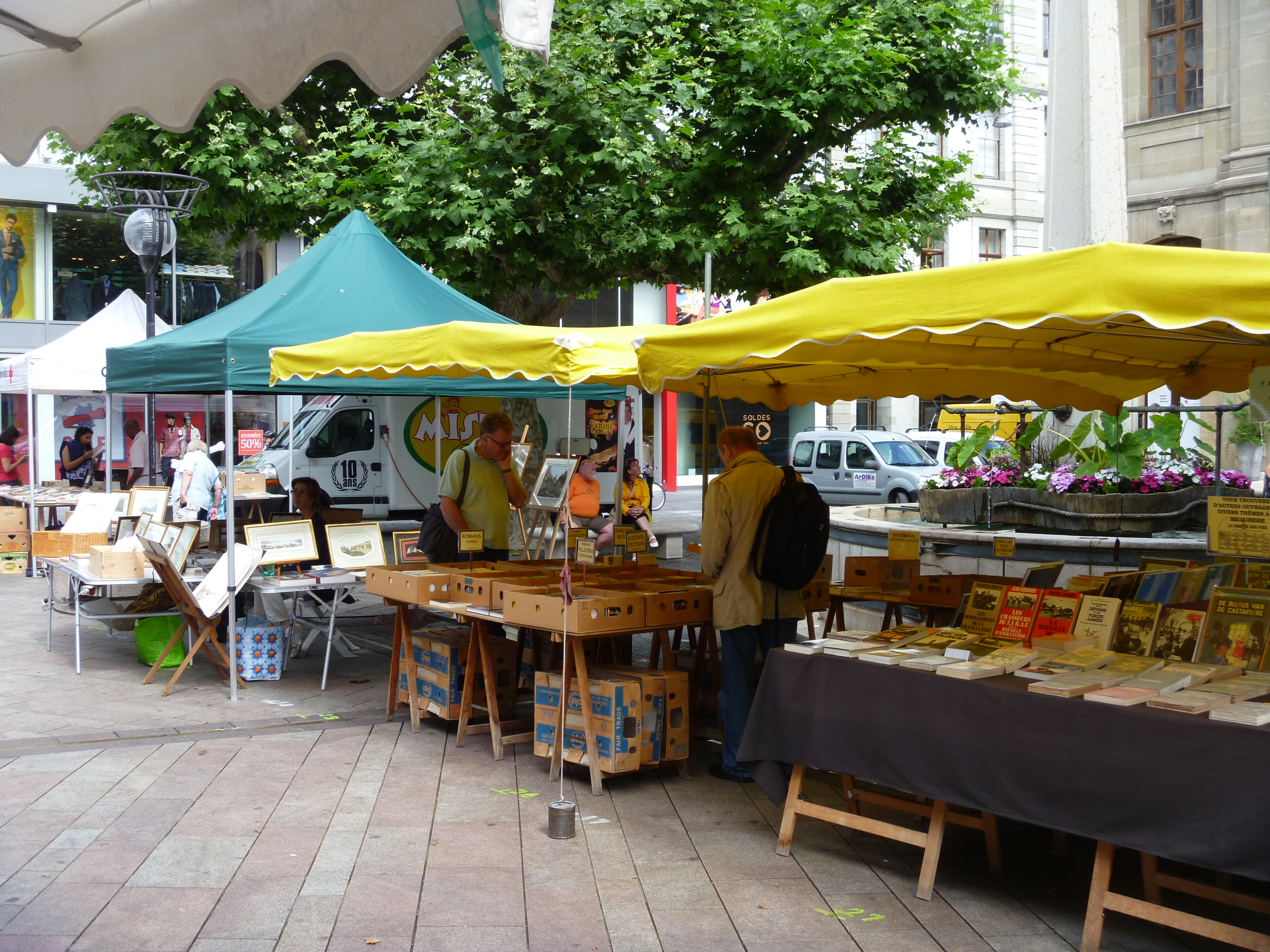
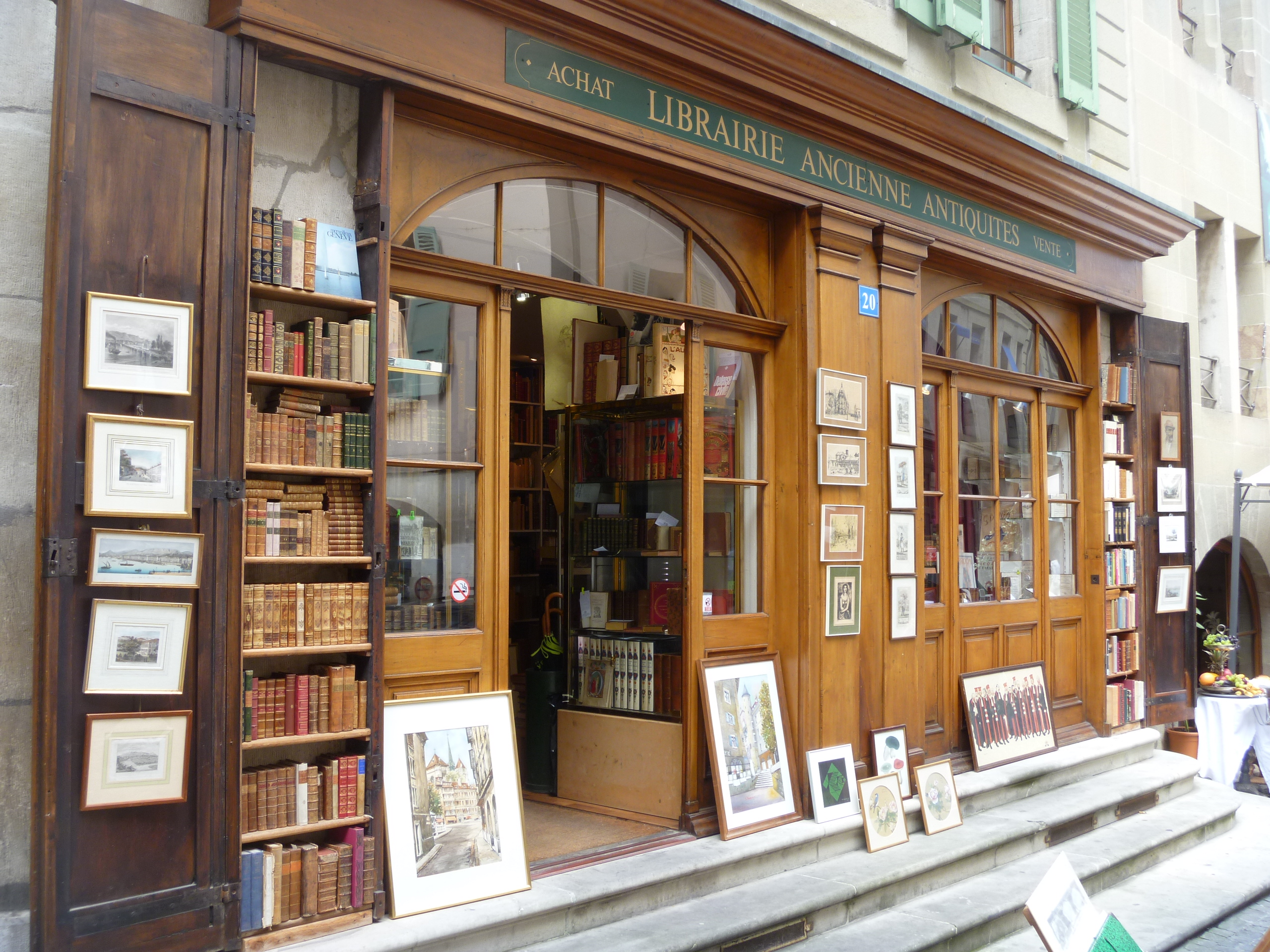
The next day I made a morning visit to the Old Town. There are some steepish climbs and lovely cobbled paths and streets and I enjoyed browsing in a secondhand book stall on the way and at a second hand book and prints shop on the Grand’Rue. There are some delightful street cafes for outdoor refreshments and the Cathedral is situated there. There’s a great view from the tower but we didn’t go up. It’s a lovely area for a bit of “flaner“.

Cologny

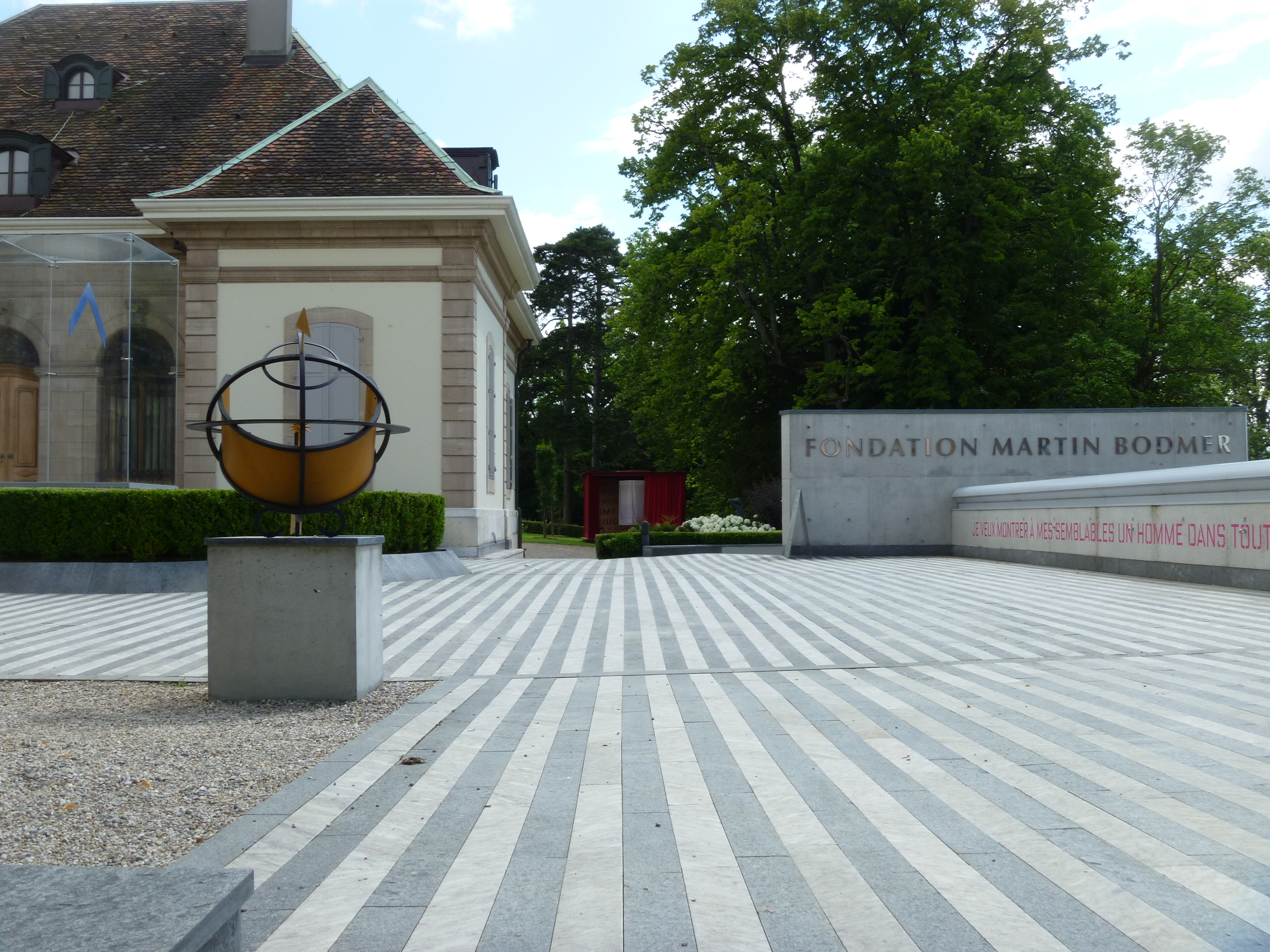
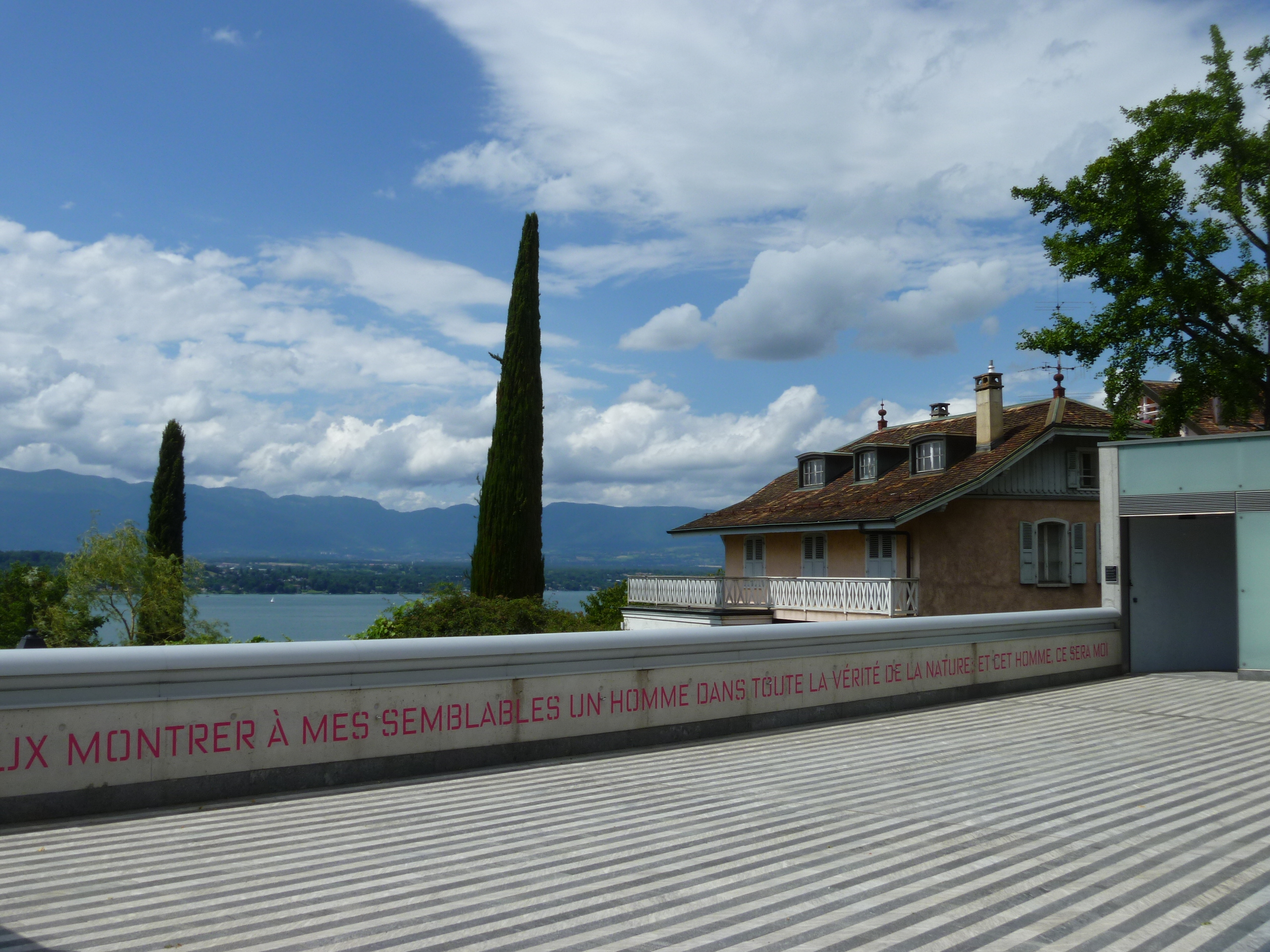
 I can only take so much aimless wandering interspersed with breaks for tea or beer so in the early afternoon I took the bus out to the residential suburb of Cologny. My purpose was to visit the Martin Bodmer Library and to try to find the Villa Diodati, the former home of Lord Byron and now a private residence.

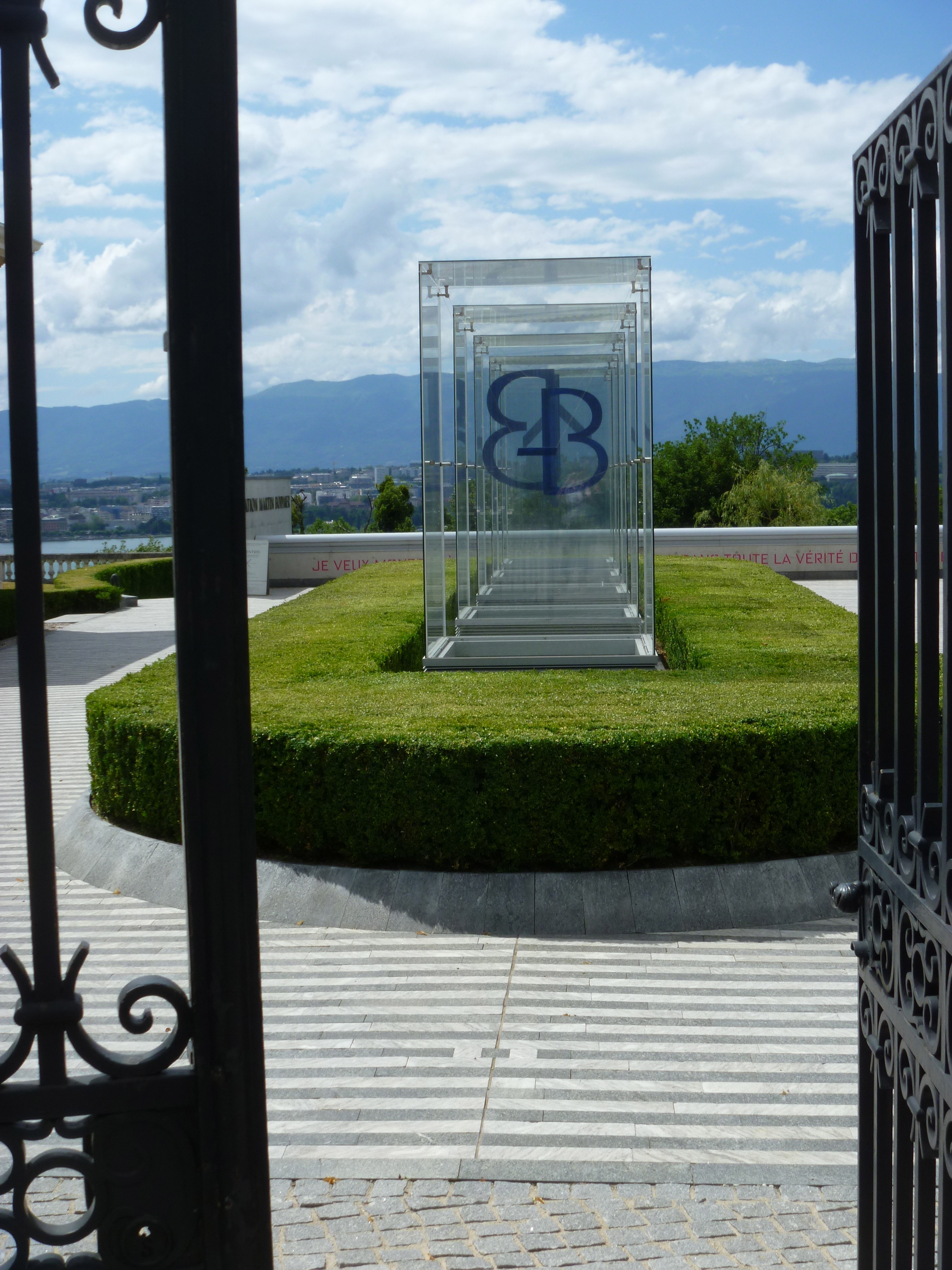
The Bodmer Foundation is fantastic! It’s one of the biggest private libraries in the world and the breadth of the display is simply breathtaking. There are samples of the written or typeset word from the earliest times – Greek papyrus fragments, the oldest manuscripts of St John’s Gospel – to ‘modern’ American first editions – Ginsberg, Steinbeck, Faulkner, Hemingway – and everything in between. And not just literary but medical, scientific, music. There’s a Shakespeare 1623 First Folio and an early Chaucer Canterbury Tales. All displayed in a modern, subtly-lit underground gallery on two floors designed by Swiss architect Mario Botta.

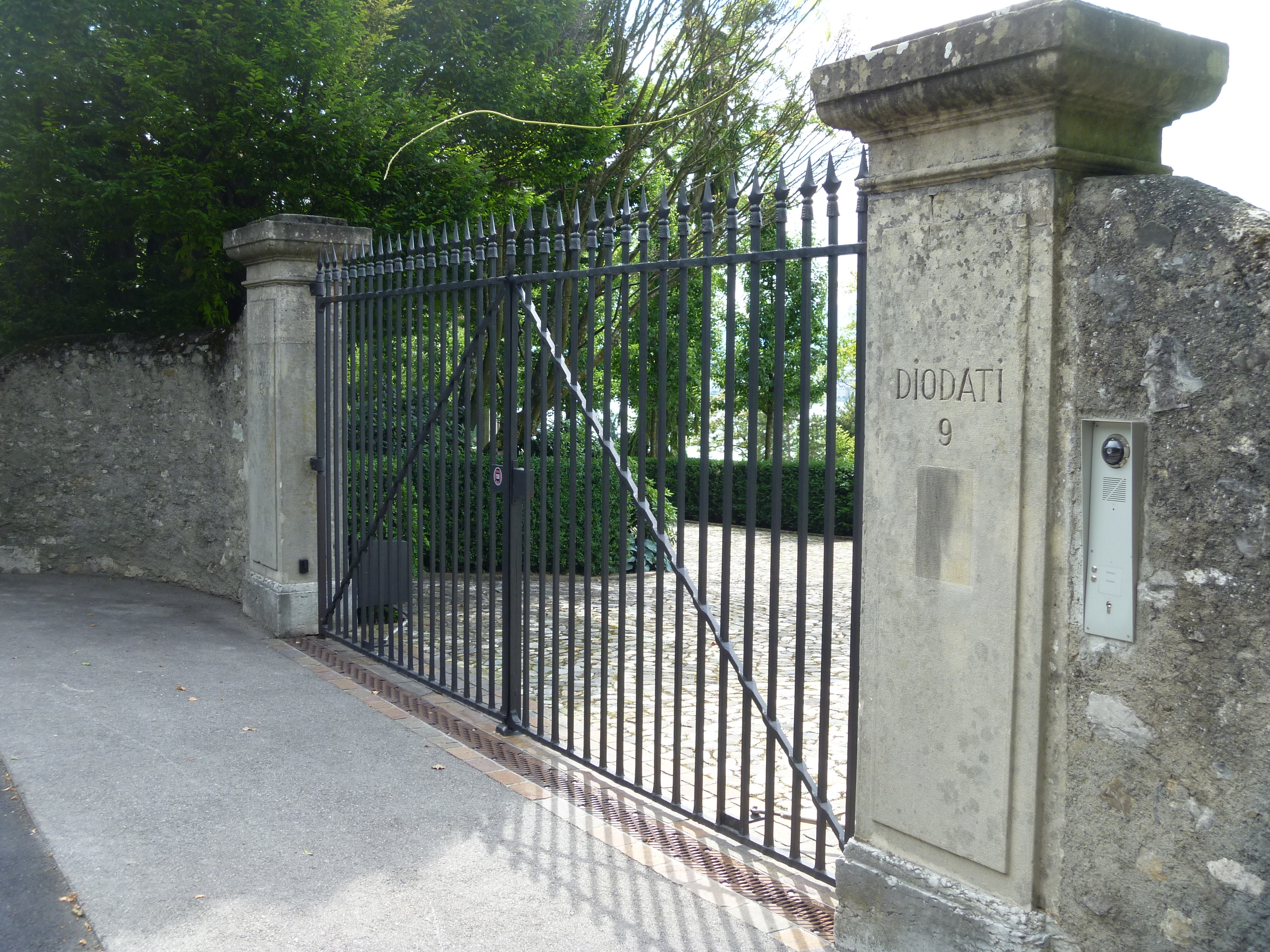
From the Bodmer gallery it’s a 10-15 minute walk to the Chemin de Ruth and number 9, The Villa Diodati.

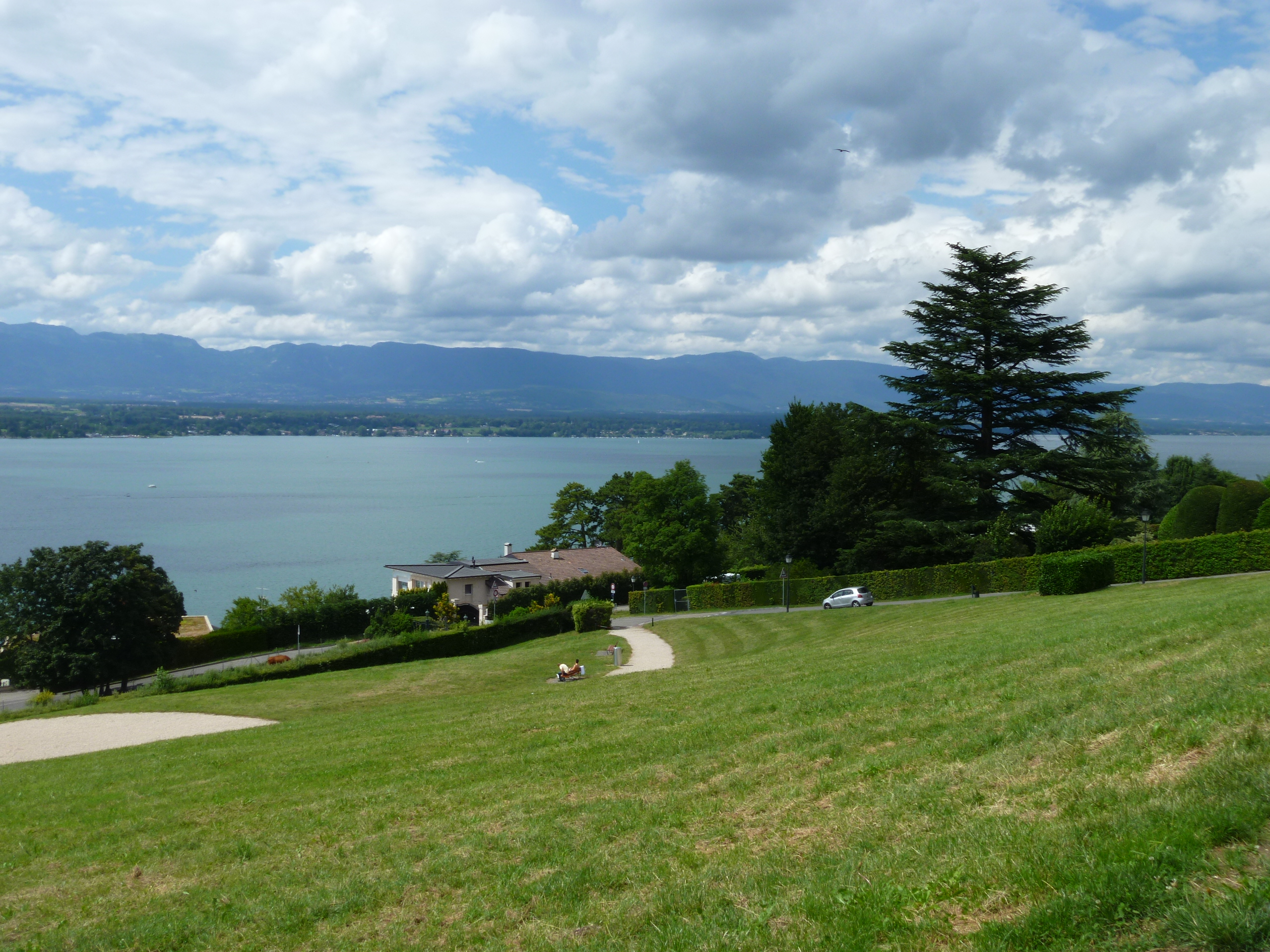
First I found the entrance gate and a bit further along the road is a meadow with seats and a view over the lake and towards the city. It’s called ‘Le Pré Byron‘. An Information Board welcomes you to the spot and explains :

“On this very spot the story of ‘Frankenstein’ was born. During the summer of 1816, the weather was atrocious, cold and rainy spells alternating with violent thunder storms. At that time, Byron, a 28 years old poet , was renting the Villa Diodati to the left of this meadow. … Mary Shelley was also spending the summer at Cologny at Jacob Chappuis’ home situated at the lower end of Montalegre, below where you are now standing. One evening at the Villa Diodati Byron and Mary Shelley made a bet as to who would be the first to write a horror novel. Mary became excited at this idea, completed the story of ‘Frankenstein’ a year later in England and won the bet.”

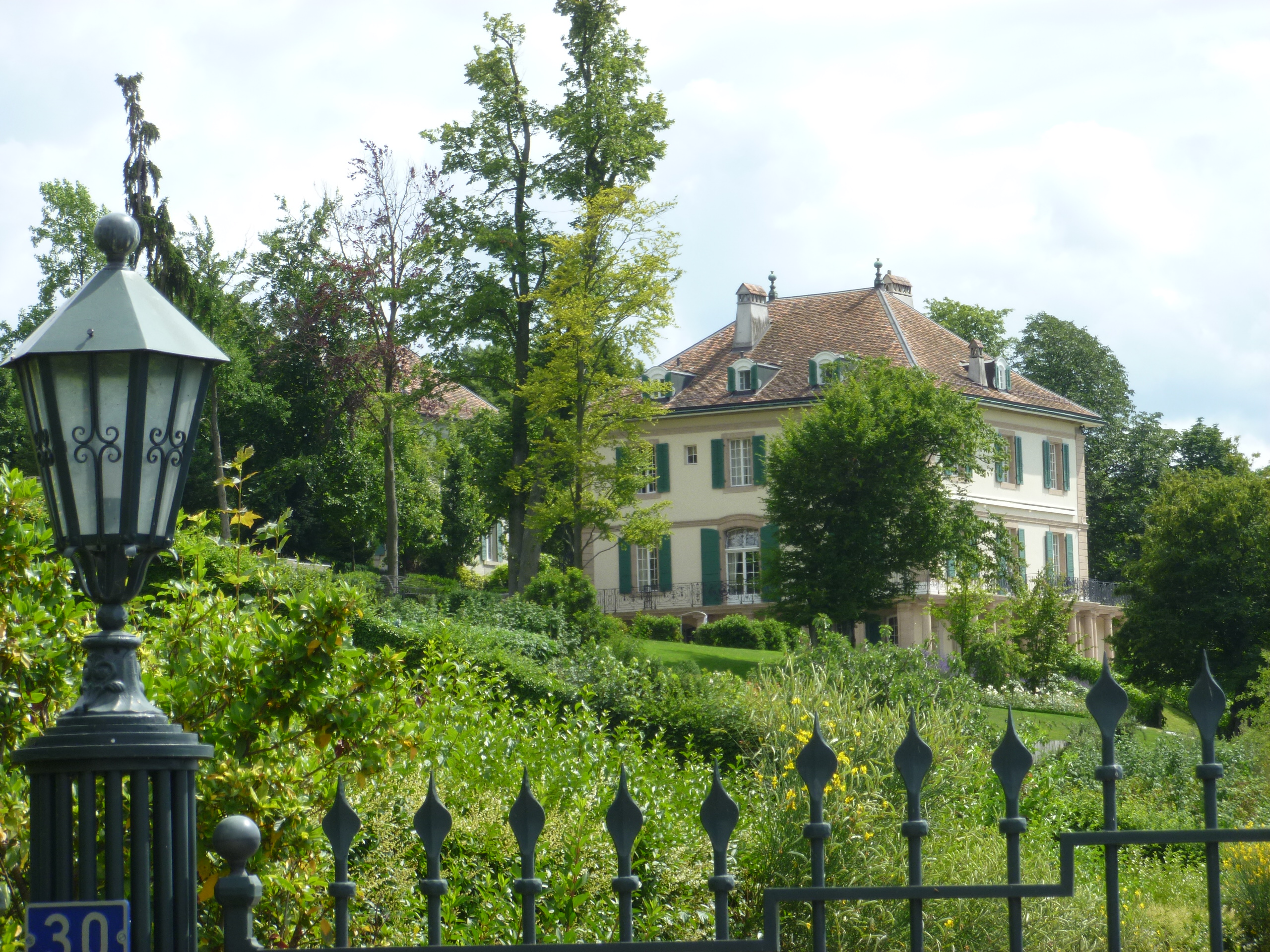
As you walk down towards the lake the house becomes clearly visible.

From the lake side it’s an easy bus ride back into town.

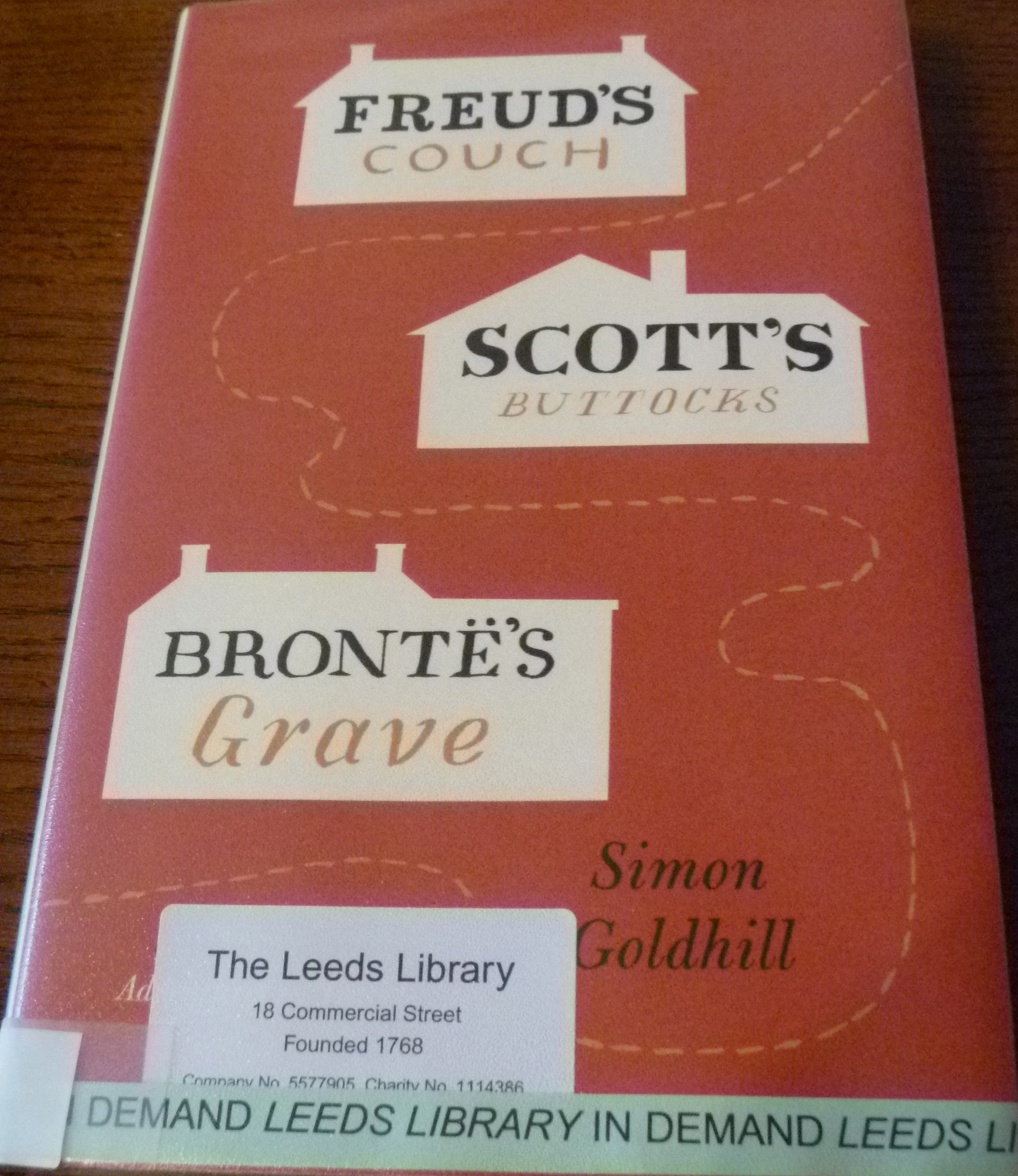
Freud’s Couch, Scott’s Buttocks, Bronte’s Grave

What a title! It’s the title of the book I have just finished reading. It was written by Simon Goldhill. He’s Professor of Greek Literature and Culture and Fellow and Director of Studies in Classics at King’s College, Cambridge and in addition he is Director of the Cambridge Victorian Studies Group.

But despite all his academic qualifications the book is very readable and very personal to him. His premise is to visit the homes of authors to discover what it is that attracts pilgrims to want to visit these houses and to try to find out just what they get from such visits.

Encouraged by his publisher to “do something Victorian” he plumped for visiting writers’ houses but is extremely sceptical about his proposed ‘pilgrimage’.  Apparently, such a tour was a very Victorian pastime and in the first chapter, “The Golden Ticket”, he tells of his intention to travel in as near a Victorian manner as possible and that unlike pilgrims he doesn’t wish to travel alone but with his wife and friends. Finally he lists which properties he’ll visit. He chose Sir Walter Scott’s Abbotsford in the Scottish Borders; Dove Cottage and Rydal Mount, William Wordsworth’s homes in the Lake District; the Bronte Parsonage at Haworth, here in West Yorkshire; William Shakespeare’s Birthplace in Stratford upon Avon; and finally, Freud’s House in Hampstead.

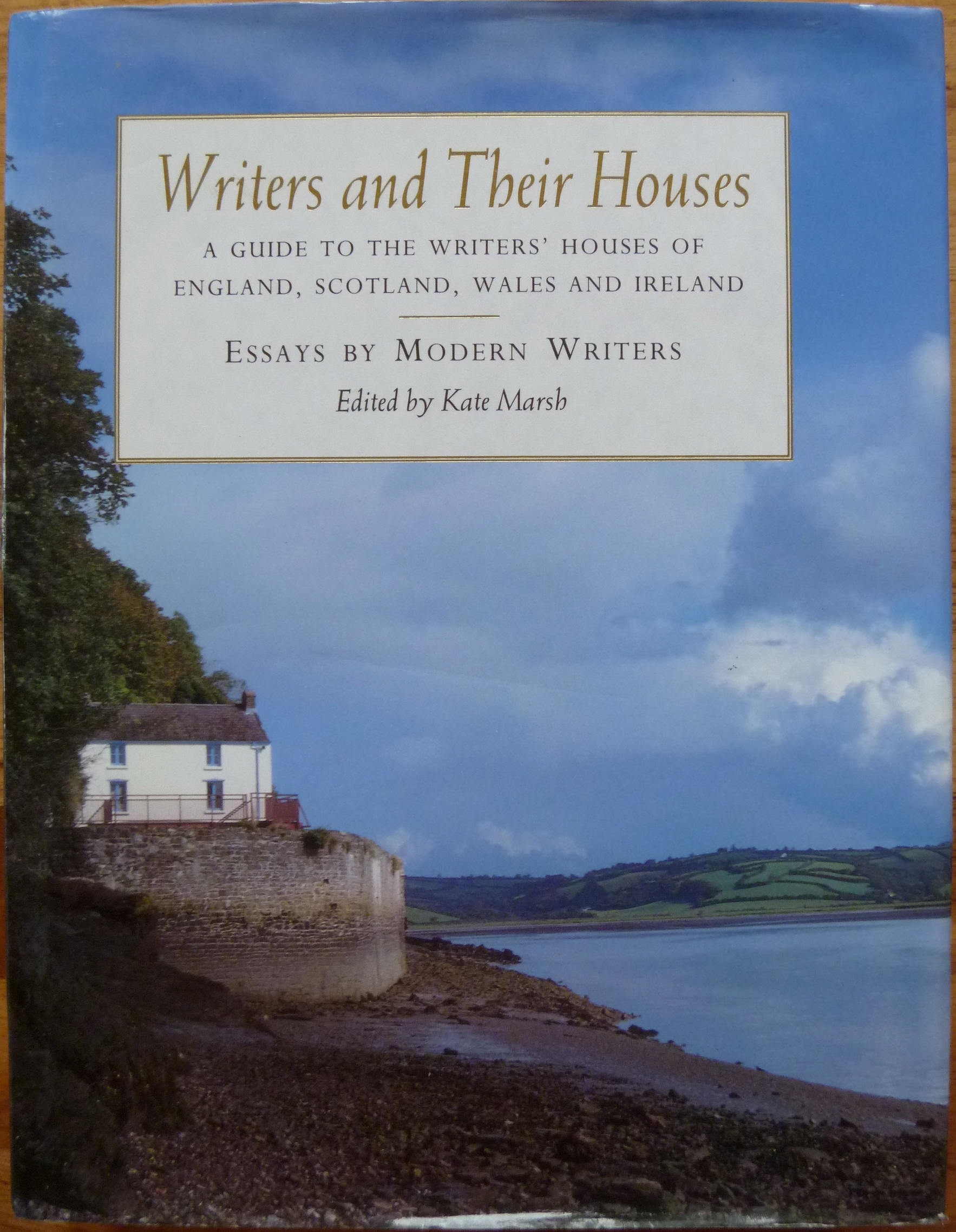
My impression after reading this book was that SG felt justified in his initial reaction that visiting writers’ homes was a pointless exercise and that the house/writer that got it most ‘right’ was Sir Walter Scott who built the house and decorated it intentionally in order to promote himself and his novels. His description of the visit to Abbotsford (and that of A. N. Wilson in my copy of Writers and their Homes) has encouraged me add it to my ‘list’.

“Abbotsford!” so writes A. N. Wilson “There is perhaps no writer’s house more expressive of its occupant’s literary personality. Indeed, one could say that Abbotsford was an extension of Scott’s oeuvre –an architectural Waverley novel, or a poem in stone of Border life and history.”

I love to visit authors’ homes but I never before thought of myself as a pilgrim. I suppose I like to visit houses full stop and the added attraction of it being an author’s home is that I can experience the atmosphere and see the surroundings that may (or may not) have influenced his or her work.

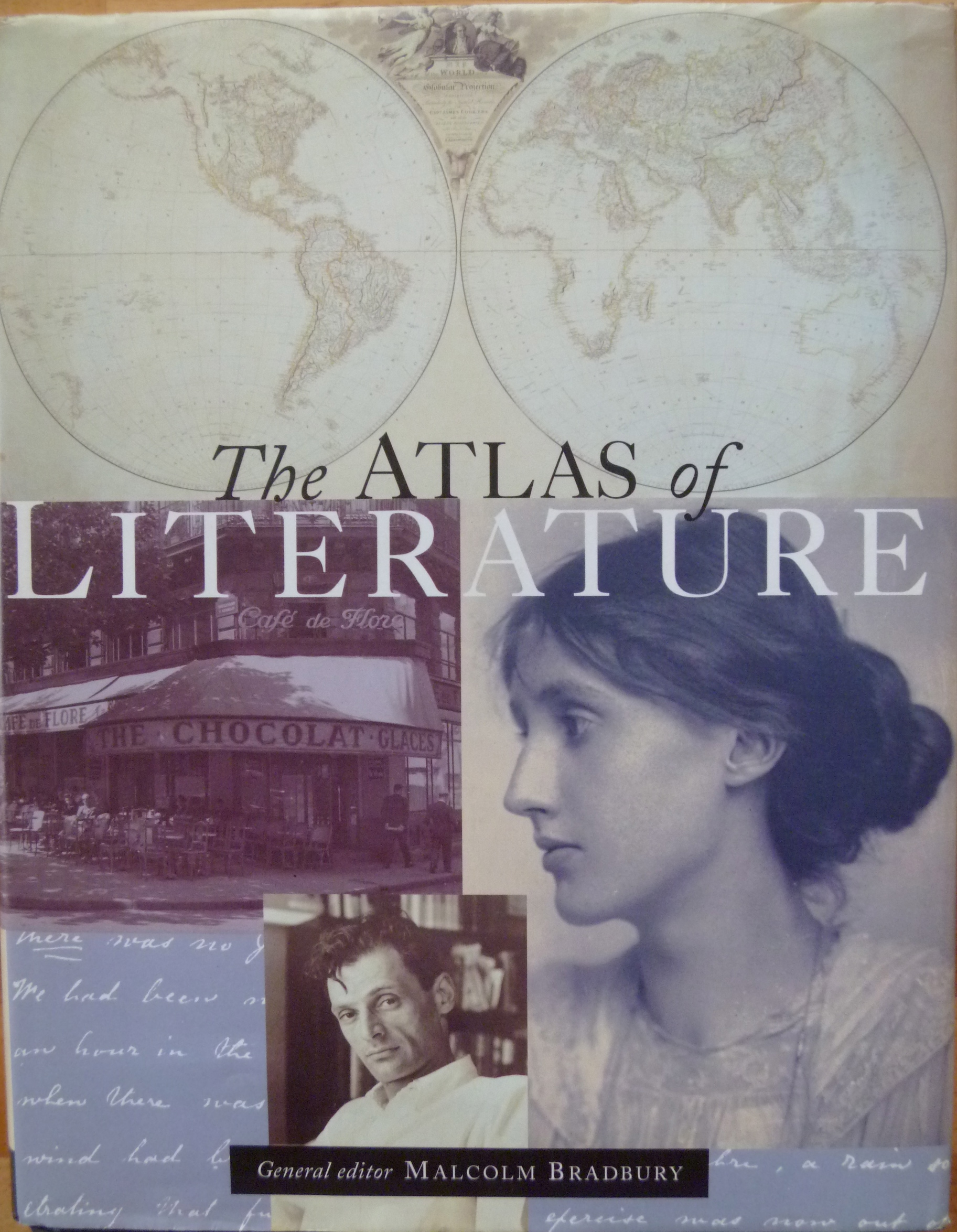
I have several books to help me in my choice of ‘pilgrimage’ to writers’ houses!

I would make quite a different choice for my own tour: Lamb House in Rye (Henry James); The Boat House at Laugharne (Dylan Thomas); Monk’s House at Rodmell in East Sussex; Kipling’s Bateman’s also in East Sussex; Thomas Hardy’s Higher Bockhampton and Max Gate, Dorchester.

Here are five that I have visited in the last few years :

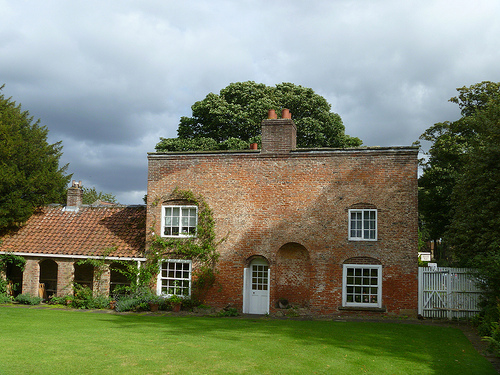
Shandy Hall, Coxwold, North Yorkshire (Tristram Shandy)

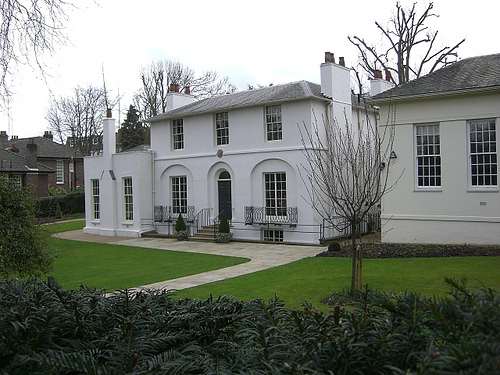
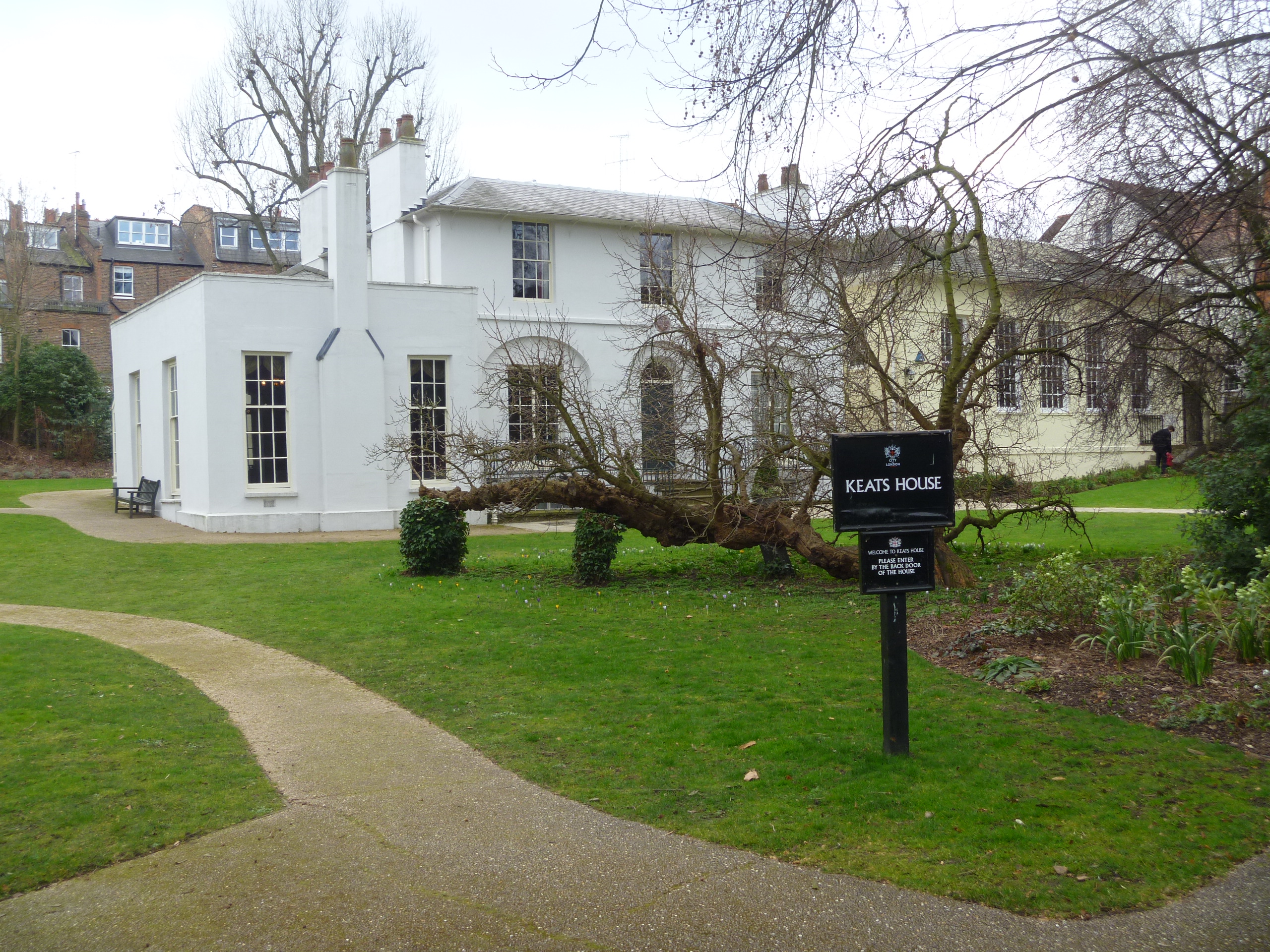
Keats House, Hampstead, London (John Keats)

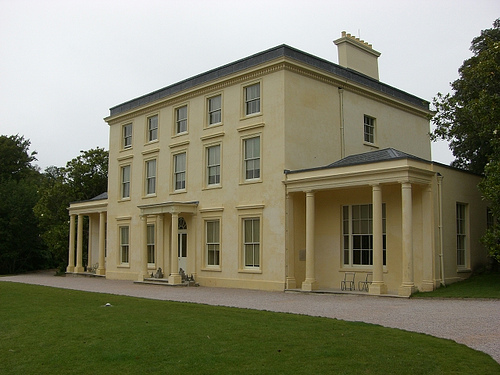
Greenway, River Dart, Devon (Agatha Christie)

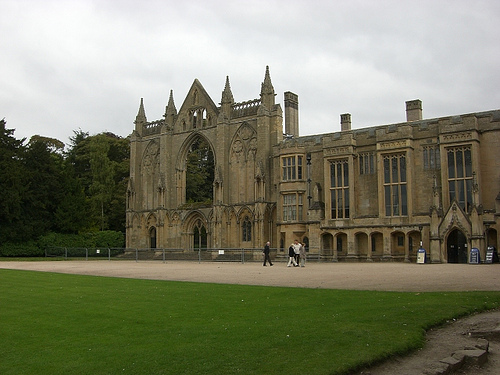
Newstead Abbey, Nottinghamshire (Lord Byron)

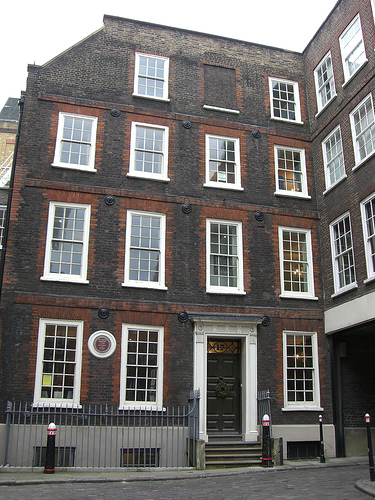
Johnson’s House, City of London (Dr Samuel Johnson)

Help save Belmont – a literary landmark in lovely Lyme Regis!

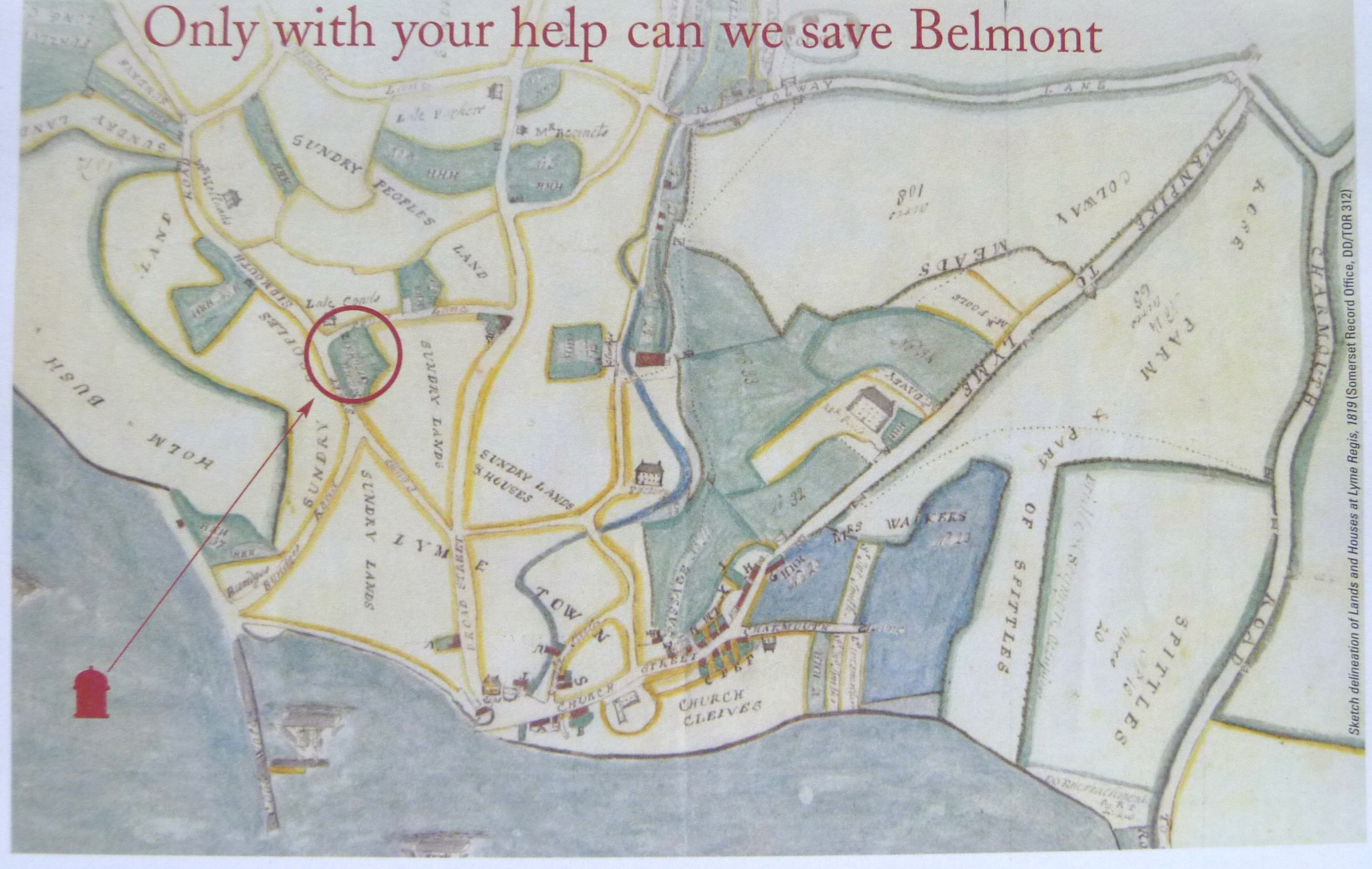
Today I received a fund-raising email from the Landmark Trust to encourage support for donations to help save Belmont House in Lyme Regis.

Follow this link to read more about the house and its present desperate state :

Belmont, Lyme Regis

Belmont was the former home of two interesting people. During the 18th century it was the home of Mrs Eleanor Coade the lady who devised a formula to mass produce architectural embellishments and statuary of the highest quality which she named ‘Coade stone’. And between 1968 and 2005 it was the home of novelist John Fowles and it was here that he finished his most famous work “The French Lieutenant’s Woman”. Lyme Regis is the setting for the book. It was through his generosity that Belmont was left to the Landmark Trust. The Trust’s website explains why further funds are needed to restore the house and make it habitable for future holiday lets through this unique organisation:

Belmont stands empty, decaying and at risk and urgently needs funds to enable its restoration. The Grade II* house is a fine, early example of a maritime villa, a new building type that sprang up in the second half of the 18th century with the rising popularity of seaside holidays. Today the fabric of the building is deteriorating, the parapet is sagging, there are rotten wall plates and lintels, the stone skin is coming away and water is trapped behind impermeable cement render.

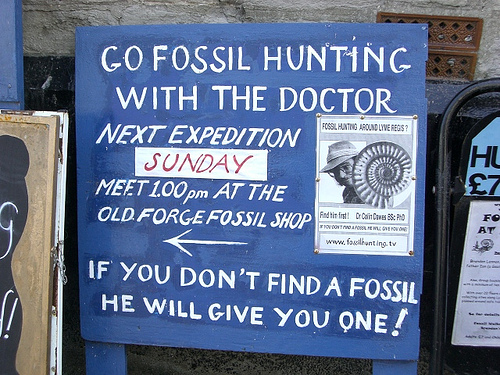
Lyme Regis is a delightful and interesting little seaside town on the Dorset coast. Each year for the past five years I have spent a week at nearby Branscombe in Devon and on each occasion I have visited Lyme at least twice. On three occasions I’ve been fossil hunting (without any luck!) for Lyme lies within the World Heritage Site Jurassic Coast.

Lyme has a promenade and sandy and pebbly beaches. You can tell which is the sandy one by the numbers of people crammed into the small area where huge amounts of sand were imported from Normandy. A lot of effort; but it has made a huge difference. I’ve never actually managed to get onto the beach as there is always so much more of interest to me. There’s a High Street crammed with shops – many of them small and individual and very many of them selling or in some other way connected with the fossils that are Lyme’s trademark.

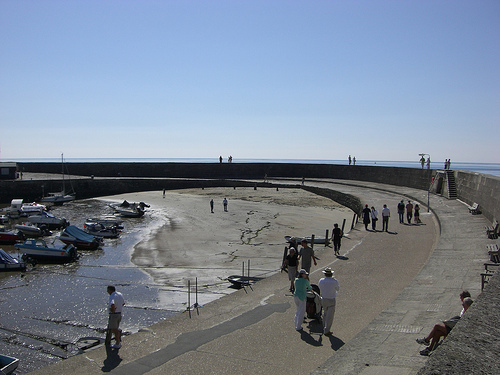
The Philpot Museum is well worth a visit, or several. Fossil Hunts are organised from the Museum. Lyme Regis has a colourful little harbour/marina protected from the sea by the famous Cobb – mentioned in Jane Austen’s ‘Persuasion‘ and featured in the film of Fowles’ ‘French Lieutenant’s Woman’. By the Cobb is the fascinating Marine Aquarium. There is good food to be had from the small cafes along the promenade, to the Town Bakery, to Hix Oyster and Fish House.

Lyme Regis :  The quintessential seaside resort for literature lovers everywhere – Jane Austen and Beatrix Potter visited it.  John Fowles lived in it.

Belmont, Lyme Regis : “Mrs Coade made it; John Fowles loved it. Now it must be saved.”

Ode to an Excellent Bookshop

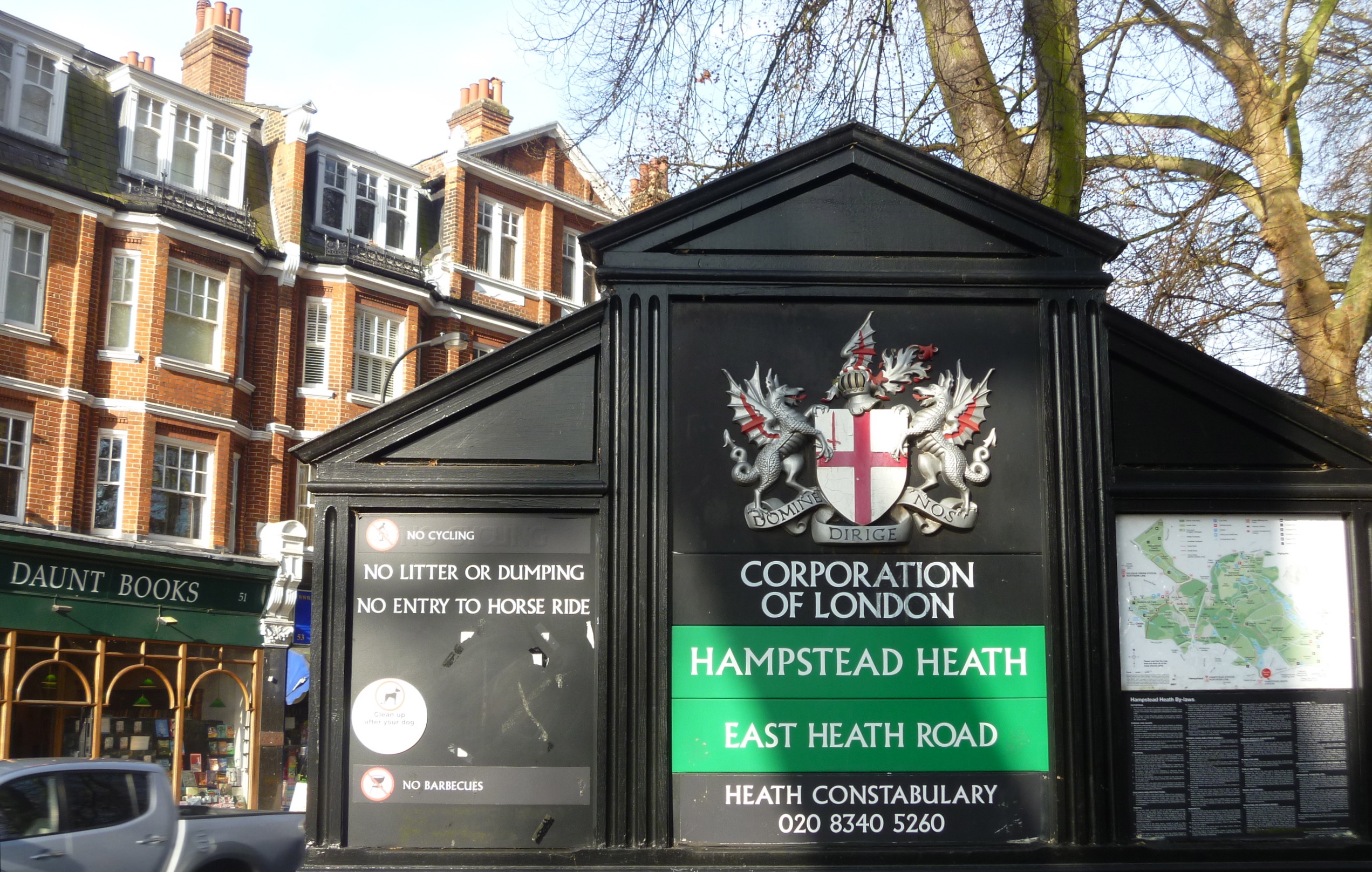
I don’t normally buy new books these days. I tend to use the library and sometimes buy secondhand out of print. The exception is if I’m in an independent bookshop. Some of my favourites are in London and last Thursday and Friday I visited two branches of this shop :  Daunt Books.

On Thursday I popped into the Hampstead Branch at South End Road near the former bookshop in which George Orwell worked now a branch of Le Pain Quotidien (right).

The shop advertises a great idea that I had never heard of before : Daunt Books Walking Book Club! I hope the weather stays fine for them.

On Friday I revisited the shop and its sister branch opposite Belsize Park tube station. I had decided to take up the “challenge” put to me by a member of my local book group to choose a couple of suggestions for future reads for the group. After a search of the tables and shelves I came up with (and bought) my two choices.

Deep Country: five years in the Welsh hills” by Neil Ansell is “Touching. Through Ansell’s charming and thoroughly detailed stories of run-ins with red kites, curlews, sparrowhawks, jays and ravens, we see hime lose himself … in the rhythms and rituals of life in the British wilderness.” (Financial Times)

and

The hare and the tortoise” by Elizabeth Jenkins – well, if it’s good enough for discussion on Hampstead Heath on Sunday, it’s good enough for us! Jenkins lived very near South End Road on Downshire Hill. Her memoir ‘The View from Downshire Hill‘ tells about her life and home and living in this delightful area of north London.

8 Downshire Hill, Hampstead. The former home of Elizabeth Jenkins.

Another author who lived very near here was the poet John Keats and that very morning I had heard a brief radio snippet in which there is a visit to the Keats Shelley House in Rome where Keats died on 23 February 1821. I visited Rome back in 2008 and it was one of the highlights of the trip to see inside The Keats Shelley Museum by the Spanish Steps. There is a Landmark Property at the top of the building : Piazza di Spagna. How I would love to stay here!

The Salone, Keats-Shelley House

The Salone is dedicated to the posthumous reputations of Keats, Shelley and Byron. The main library collection of the house is here.

Keats House, Hampstead.

I am convinced more and more day by day that fine writing is next to fine doing the top thing in the world.

(John Keats 1795-1821~Letter to J. H. Reynolds, 24 August 1819, in H. E. Rollins (ed.) ‘The Letters of John Keats’ (1958) vol. 2, p. 146.)

Give me books, French wine, fruit, fine weather and a little music played out of doors by somebody I do not know.

Letter, August 28, 1819, to his sister Fanny Keats. Letters of John Keats, no. 146, ed. Frederick Page (1954).

Have you seen ‘Bright Star’?

Tappington Hall and The Ingoldsby Legends

“THE JACKDAW sat on the Cardinal’s chair!
Bishop and abbot and prior were there;
        Many a monk, and many a friar,
        Many a knight, and many a squire,
With a great many more of lesser degree,—         5
In sooth, a goodly company;
And they serv’d the Lord Primate on bended knee.”

Did you read The Jackdaw of Rheims at school? We did. And it all came back to me last Monday when I visited my friend Sarah’s family in Kent. Sadly, Sarah died in November 2008. We’d known each other since our first days at university in 1970 and met up several times a year ever since. Sarah’s parents and other family live near Canterbury in Kent and one of my reasons for travelling down there for a birthday treat was to visit them and talk with them about Sarah and our friendship.

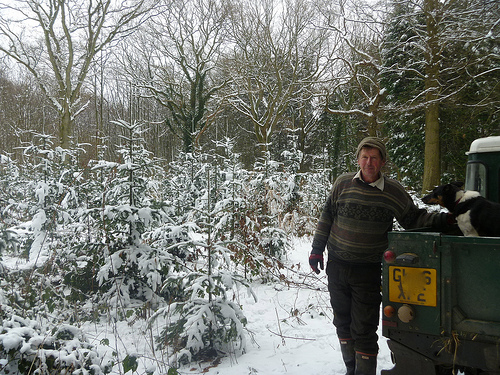
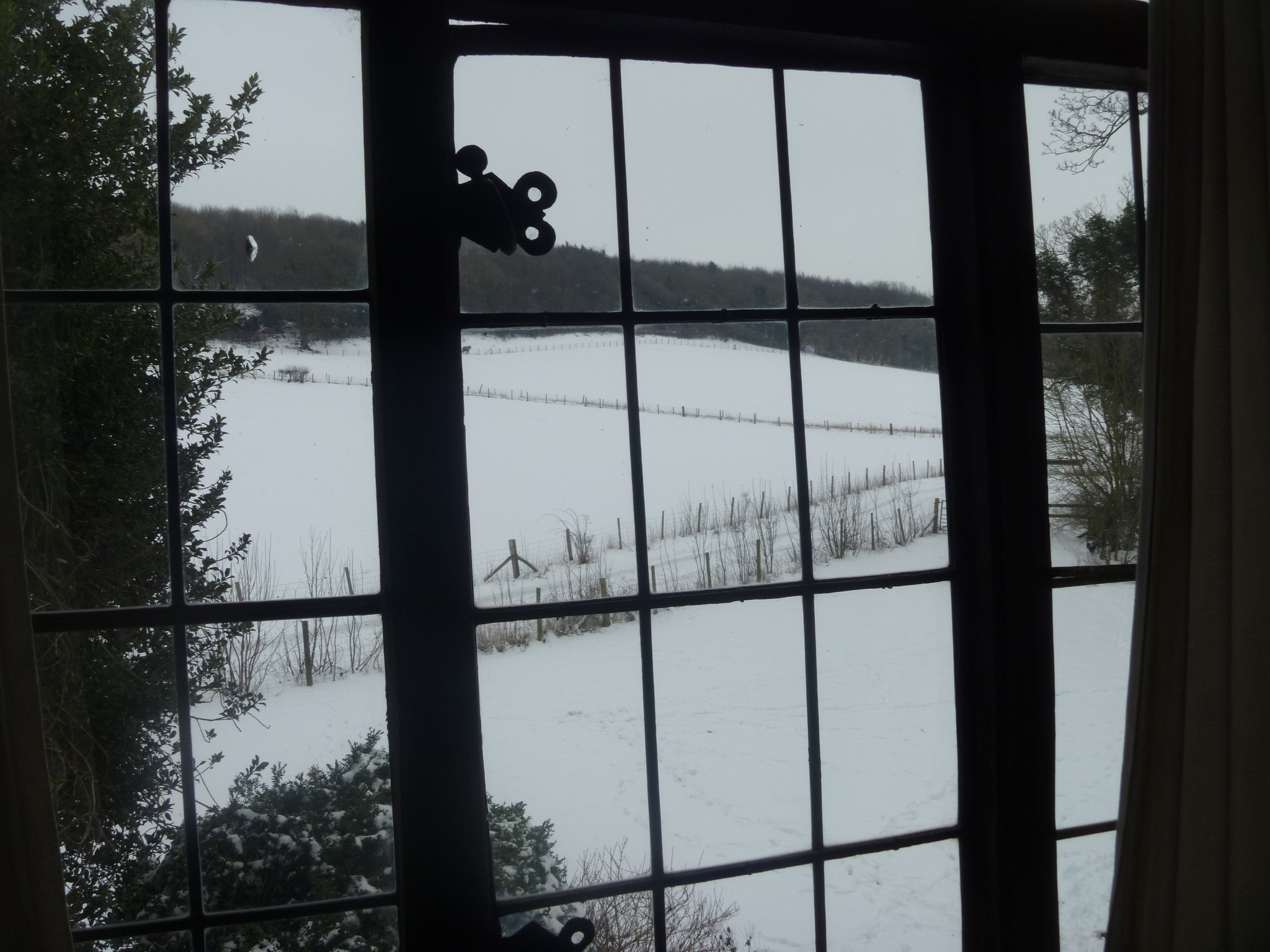
It was the snowiest day of the winter but I was not deterred from my journey. Luckily Sarah’s brother was clearing snow at his parents’ home and kindly turned my car round in the drive. After my initial welcome Andrew took me in his steadfast farm Landrover to see the Ginko tree that had been planted in Sarah’s memory and on to the area of woodland on the farm where her ashes had been scattered.

After a few moments’ quiet contemplation Andrew offered to take me to visit his own home and meet his wife Sue. Tappington Hall near Denton is a lovely old house tucked away down a farm track a few miles from his parents’ place. Sue and Andrew offer bed and breakfast on an informal arrangement. They were expecting two Canadians that evening and hoping that they would find it warm enough. I think Canadians are probably used to snowy weather!

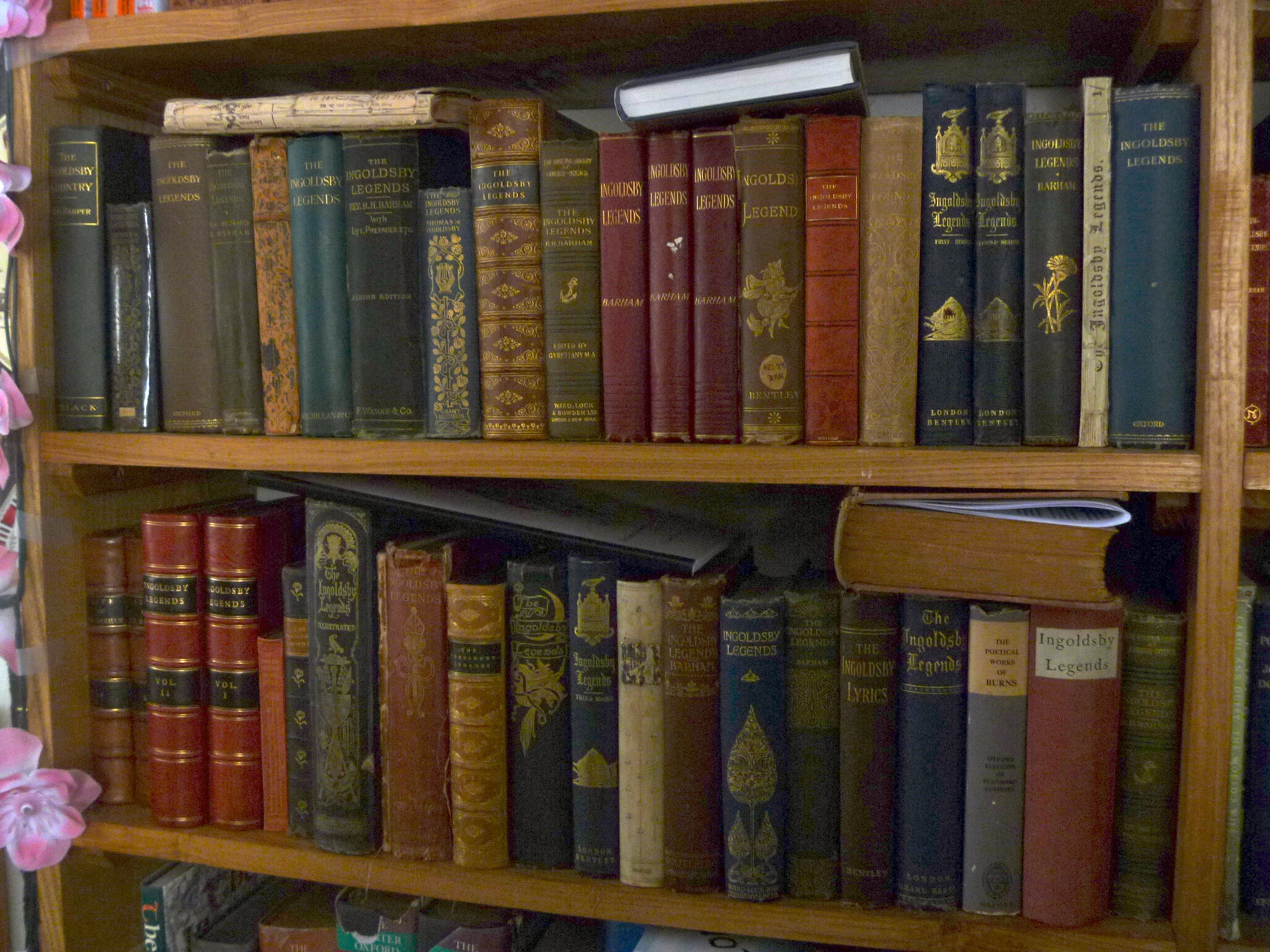
Of great interest to me was the fact that Tappington Hall was the former home of The Reverend Richard Harris Barham  (1788-1845) alias Thomas Ingoldsby of Tappington Everard in Kent. Sue and Andrew have a vast book collection which includes many versions of Barham’s Ingoldsby Legends. Unbeknown to me until I opened one of the books was that The Jackdaw of Rheims poem is one of these Legends.

Barham was ordained in 1813 appointed to the parish of Westwell in Kent and later to the living of Snargate and Warehorn, on Romney Marsh. He and his wife and children later moved to London where he was appointed to a post at St Pauls although he kept his Romney Marsh living as well.

His writing  and journalism took off when he got to London and he was published in several periodicals including Blackwoods and  Bentley’s Miscellany. He seems to have enjoyed mixing in literary circles in London, knew Charles Dickens and Richard Bentley and was a founder member of the Garrick Club (1832). Probably he is best known for

” … his Ingoldsby Legends, which began to appear in 1837 in Bentley’s Miscellany. Under the guise of Thomas Ingoldsby of Tappington Everard in Kent, Barham ‘discovered’ old documents which provided the basis for his tales. In effect, most of these are reworkings of other narrative sources, from medieval chronicles to Kentish legends and Sir Walter Scott. The mixture of crime and the supernatural, in both verse and prose, is given a comic and grotesque dimension, immediately appealing to Barham’s readers.”

Extracted from : The Oxford Dictionary of National Biography.

The Legends passed through very many editions some with illustrations by such artists as Tenniel, Cruikshank, and Rackham and Sue kindly showed me several of these. Many of the editions were best sellers in their day.

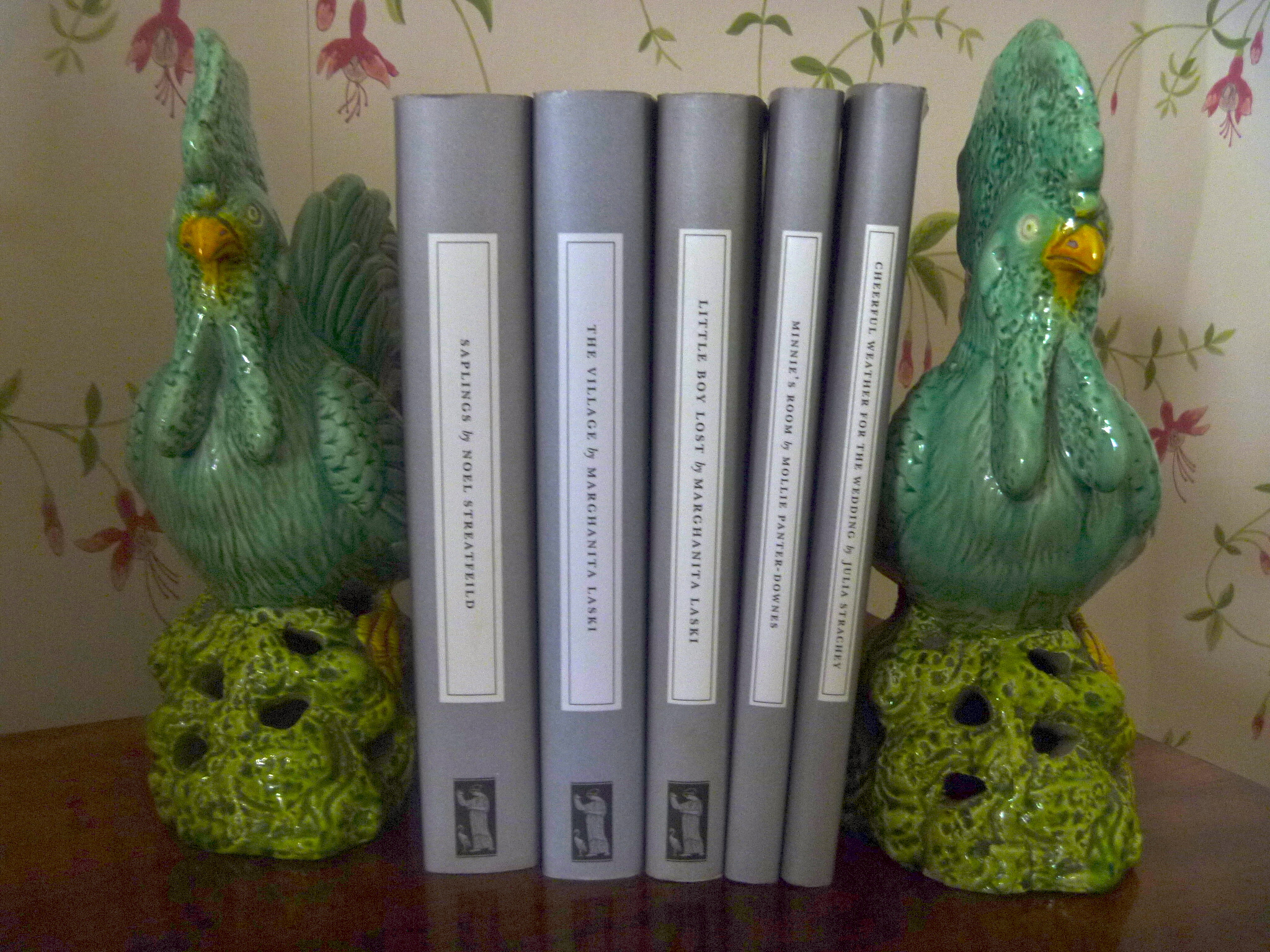
On the Sunday night before my visit to Barham and Tappington I stayed at a B&B between Sittingbourne and Faversham. I was delighted to find a selection of Persephone Books beside my bed at Dadmans – even though I had read them all.

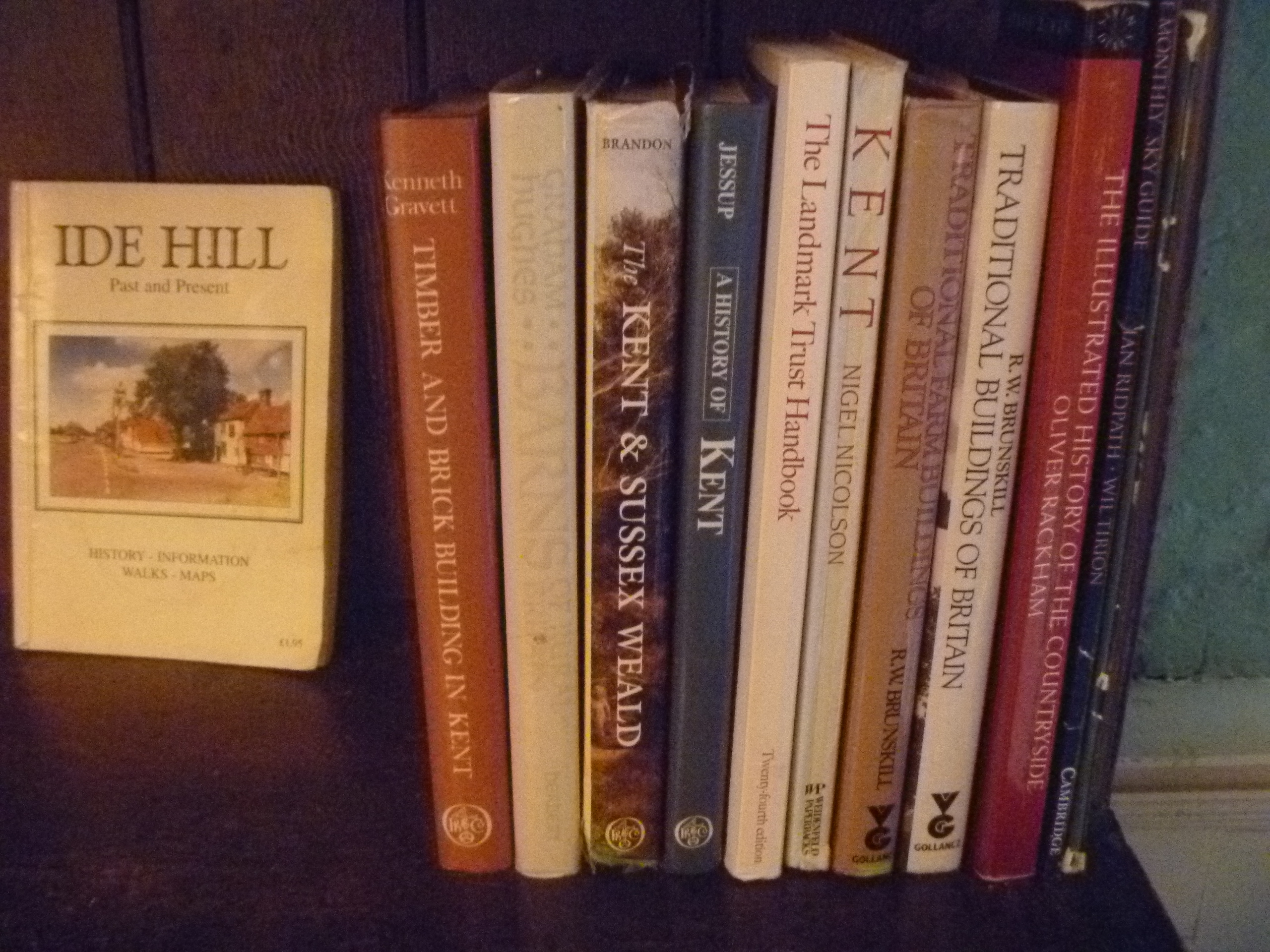
A further selection of Kentish books made up the library at Obriss Farm. There is no shortage of reading materials at Landmarks.

In The Country of The Pointed Firs

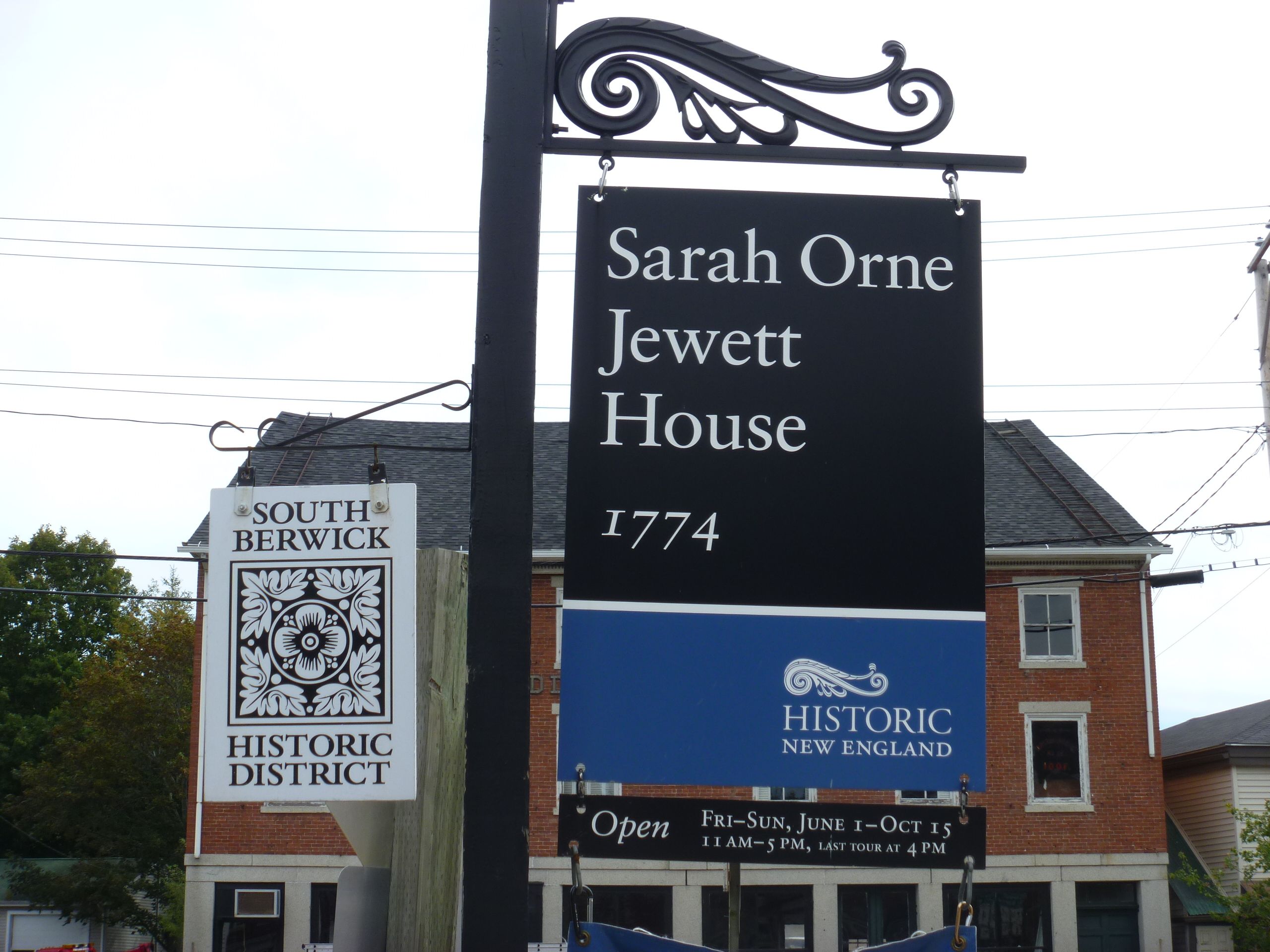
Just before leaving for my trip to New England I discovered the existence of an organisation that sounded like just my cup of tea: Historic New England. A close study of the website lead me to list 3 properties within easy reach of places where I’d be staying AND that would be open on a day or days when I would be able to visit.  I was especially happy to discover an author’s home just a 30 minute drive from our lodgings (The Dunes on the Waterfront) in Ogunquit, Maine.

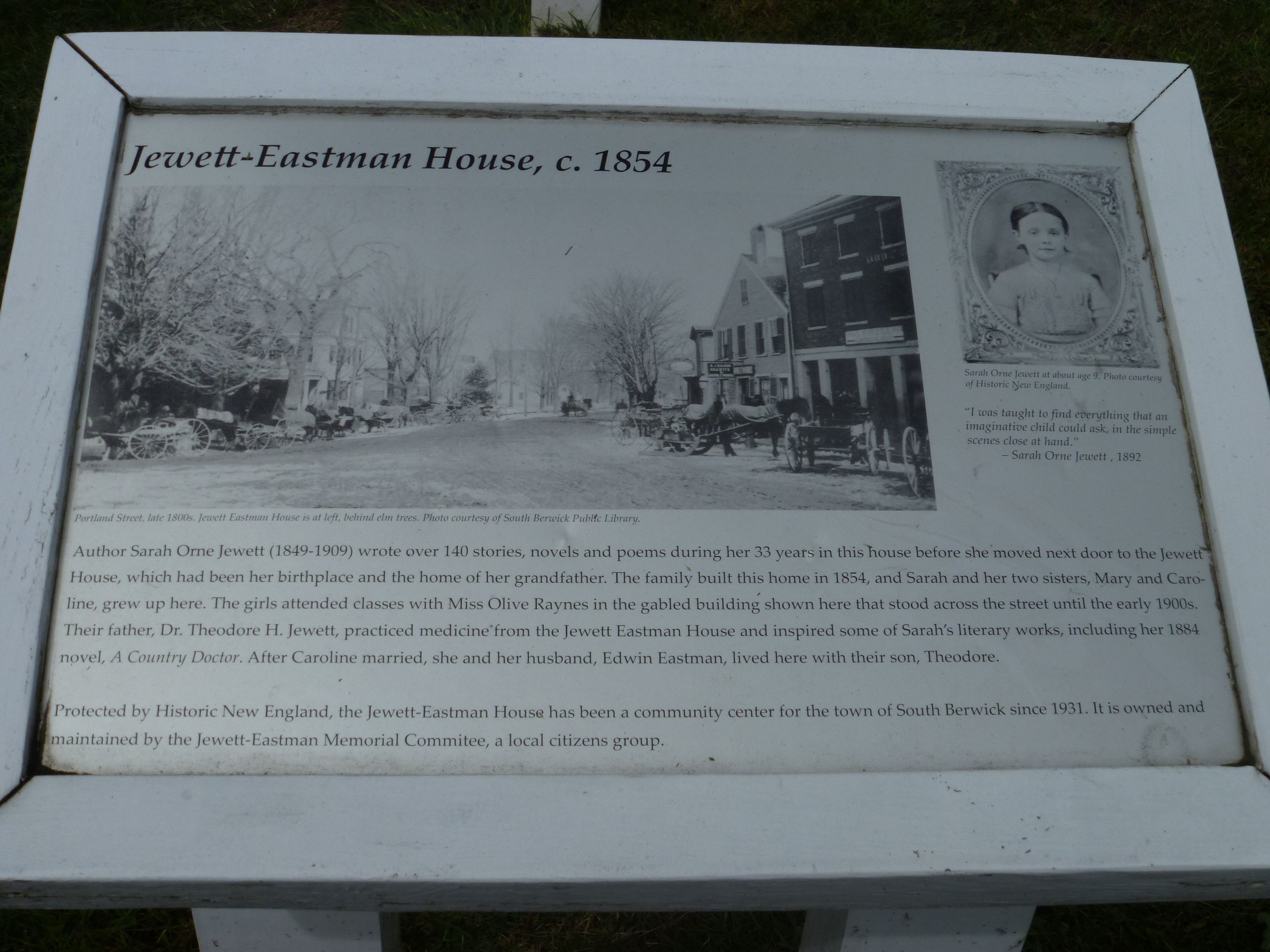
Sarah Orne Jewett (1849-1909) lived much of her life in the town of South Berwick, Maine. She was born in this house at 5, Portland Street when it belonged to her shipbuilding grandfather but soon the family built a home of their own next door (now the town’s public library).

Sarah and her sister moved back to the original house in 1887. She spent much of her time in Boston and travelling but this house was always home. No photography is allowed  in the house but it was fascinating to see the decor is still the same as Sarah and her sister Mary chose for it. Following their deaths a lot of the furniture was distributed to members of the family but Historic New England have bought back many original pieces at auction.

Having discovered the existence of the house I was anxious to read one of her books in advance of my visit. I chose a good one! A Country Doctor was first published in 1884. Like most of Jewett’s writing it is concerned with the everyday lives of the people living in the countryside of Maine. In particular Doctor Leslie is based on her beloved father, Dr Jewett.

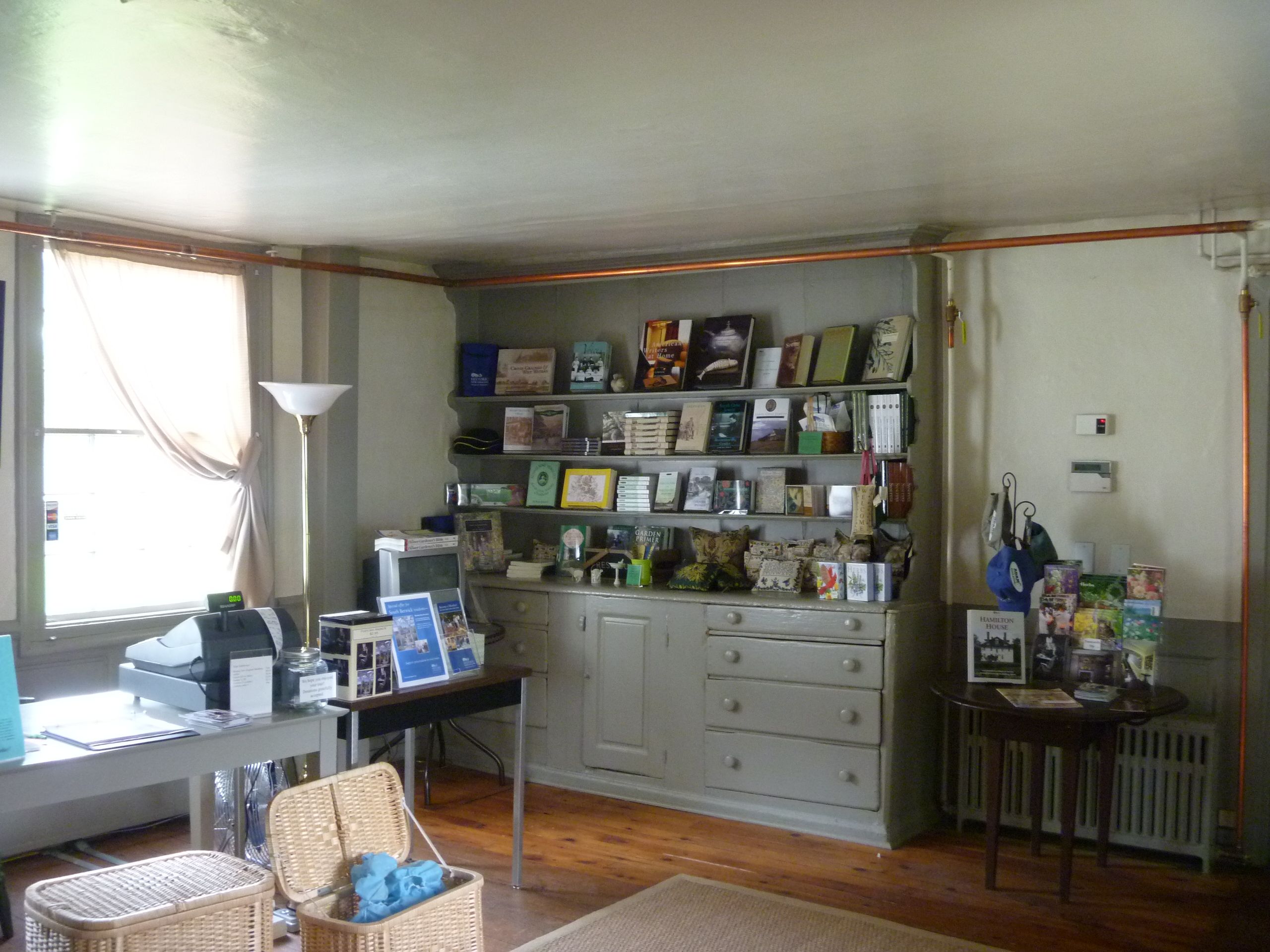
My friend Marion kindly gave me an illustrated copy of what is probably Jewett’s best known work The Country of The Pointed Firs. Her (Jewett’s) Deephaven is still in print in the USA and is set in the coastal Maine area around Ogunquit. Her books (those still in print) and other related works are available in the shop (where photography was allowed!).

There is a small garden around the house where today a gardener still carefully tends many of the herbs of the types that the Jewett sisters grew there during the nineteenth century.

On my way back to Ogunquit I sought out Sarah Orne Jewett’s grave on Agamenticus Road just outside South Berwick. I had been given instructions as to where to find it by the guide at the house. I expected a well-tended grave and was sorry that I hadn’t brought my own flowers. The tombstone was just about legible and the area filled with weeds. Sarah lies peacefully surrounded by various relatives including her sister. On the following Sunday a special ‘party’ was planned at the house in celebration of her birthday but sadly her grave is rather a forgotten memorial.

“Until the day breaks and the shadows flee away”

A Sentimental Journey

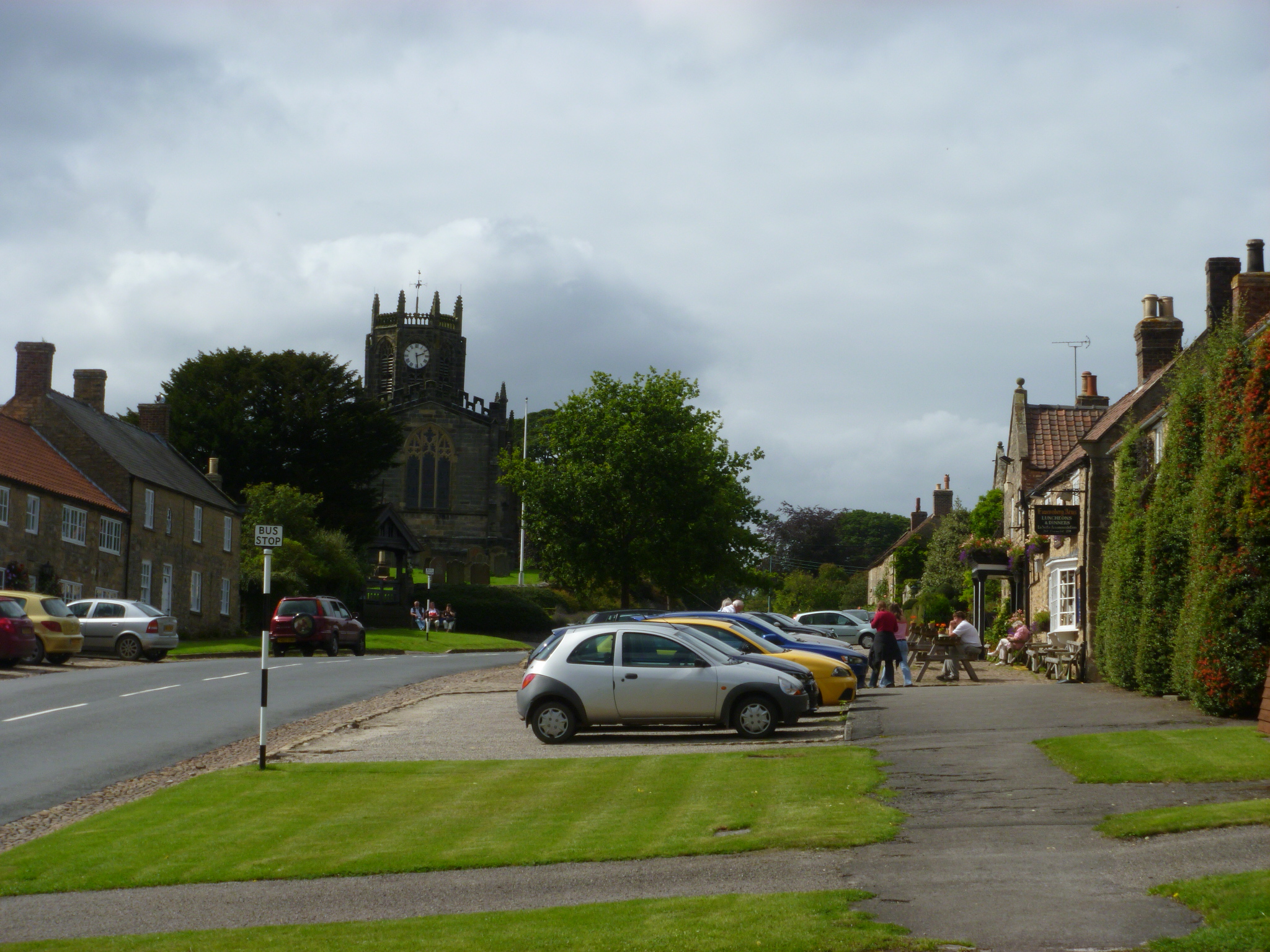
Just an hour’s drive from Leeds, Coxwold is one of the prettiest villages in North Yorkshire. It has a lovely tearoom, The Coxwold Tearooms :

an attractive and popular pub, The Fauconberg Arms

and an impressive church, Saint Michael’s.

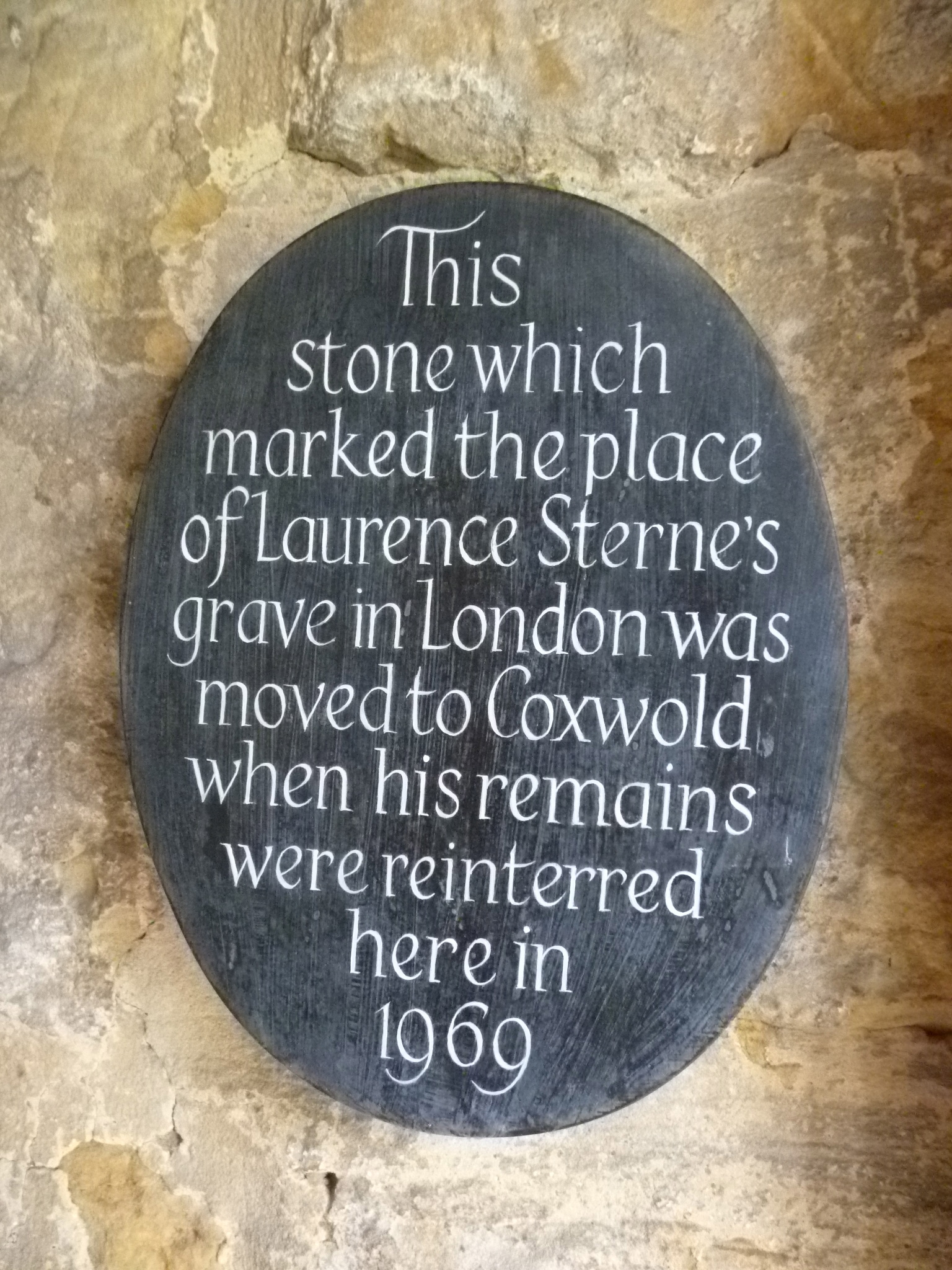
It was also home to one of the most intriguing authors of the eighteenth century – Laurence Sterne. Born of an anglo-Irish family in Clonmel in County Tipperary in 1713 Sterne was educated in Yorkshire and at Cambridge and was ordained as a Church of England clergyman in 1738. He held two Yorkshire livings before being appointed to Coxwold by Lord Fauconberg. Apart from travels in Europe and visits to London Sterne spent the rest of his life here. He died in London in 1768.

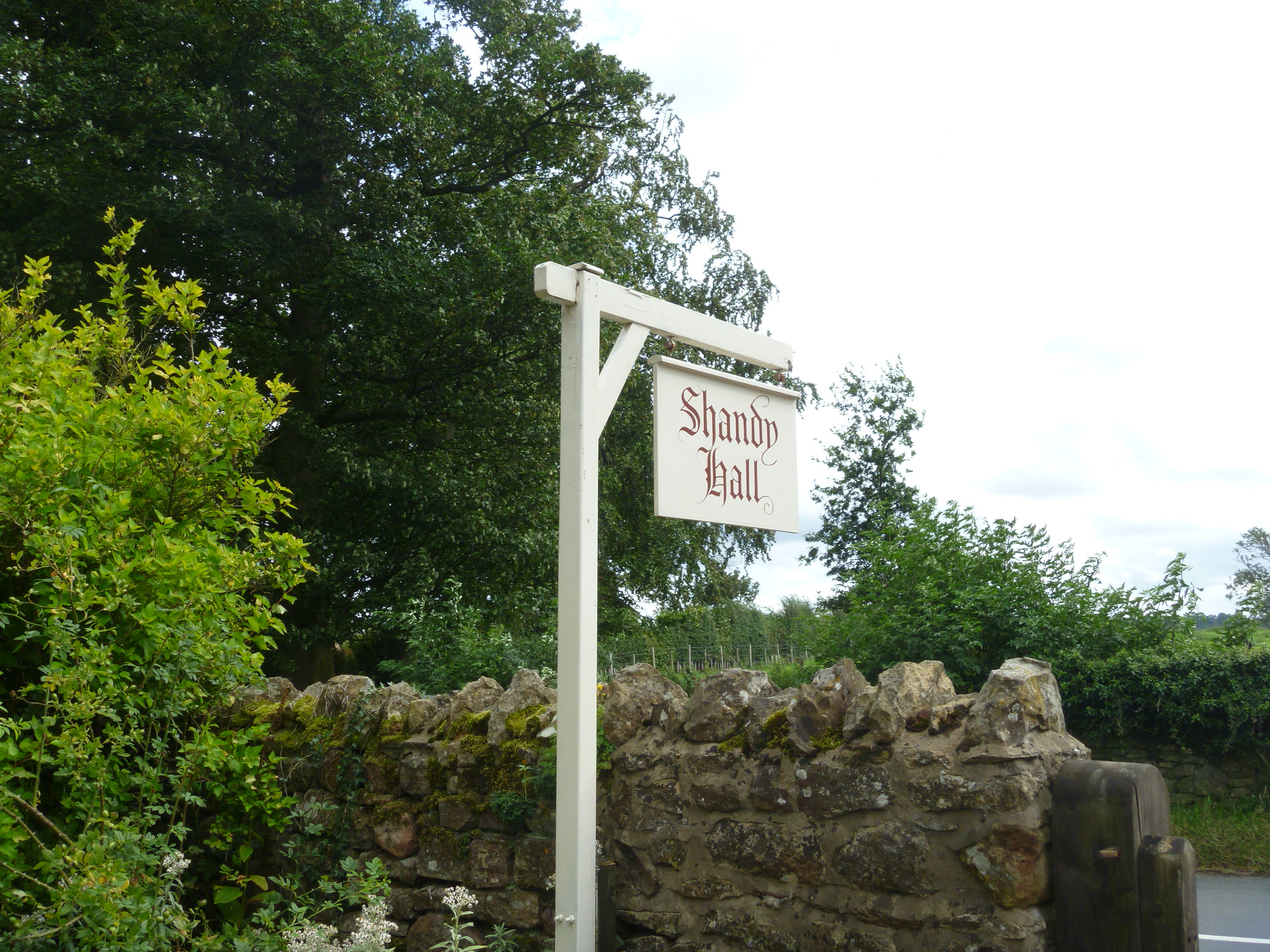
Sterne was the author of two famous books. At least they were very well known and popular during his lifetime and after but generally he is much less well known today. The Life and Opinions of Tristram Shandy, Gentleman and A Sentimental Journey. Shandy Hall, his former home in Coxwold, is run by the Laurence Sterne Trust and is open to groups by appointment throughout the year and to the general public on Wednesday and Sunday afternoons during the summer. The gardens – which include one acre of woodland – are open every day except Saturday during the same summer season.

The Laurence Sterne Trust

As eccentric as Sterne himself the house is a delight to visit. There’s an introduction by the resident curator – a true Sterne enthusiast who, by the way, will be promoting Sterne at the forthcoming Ilkley Literature Festival

and is also organising a visit to Shandy Hall from Ilkley.

Ilkley Literature Festival – Shandy Hall visit

The 2005 film A Cock and Bull Story starring Rob Brydon, Jeremy Northam and Steve Coogan demonstrates just how unfilmable the novel is :

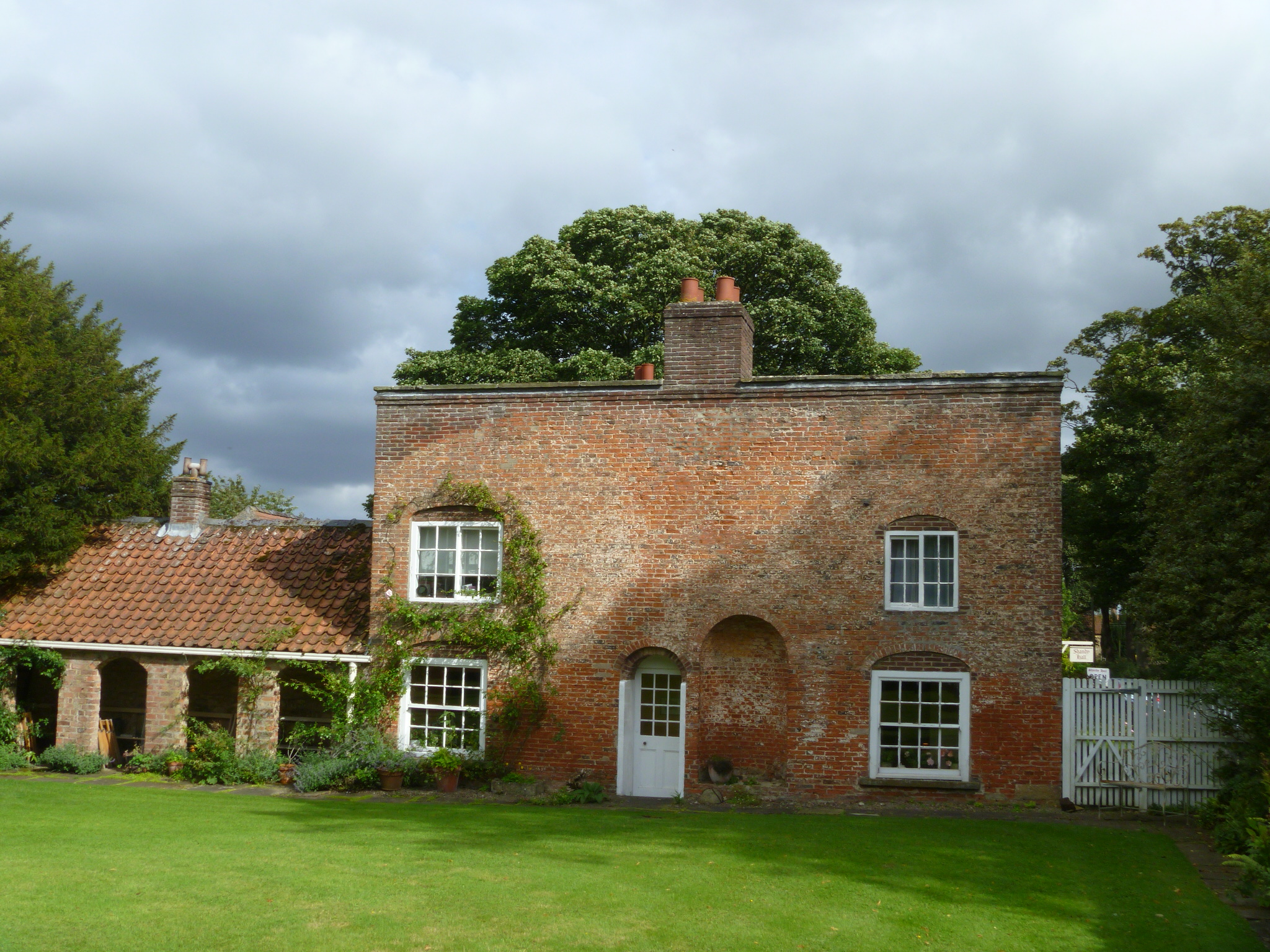
Shandy Hall and garden.

And finally, the shop! Besides the souvenir fridge magnets, postcards and new books there is a large selection of secondhand books.