Rylstone Edge Walk

Last Sunday was the day to do a practice walk in preparation for the ‘real thing’ on Thursday this week (17th October) when it is my turn to lead the Thursday Walk for the Weekday Wanderers. In August I’d done a walk from Fountains Abbey but this proved rather uninteresting so I was inspired to try a different one to present to the group. Twice this year we have walked from Hetton around Winterburn Reservoir, with slight variations each time. Memories of the wonderful views across to Cracoe Pinnacle inspired my choice last week.
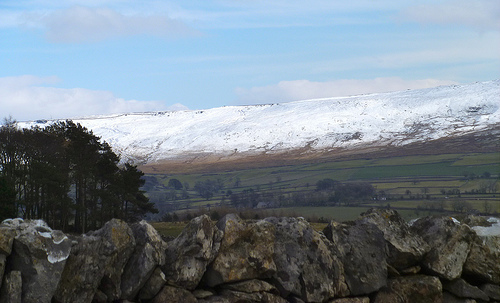
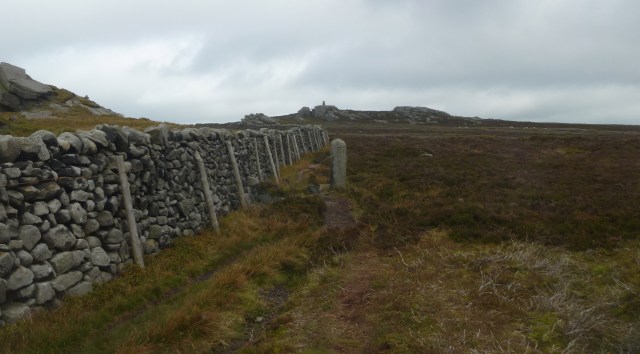
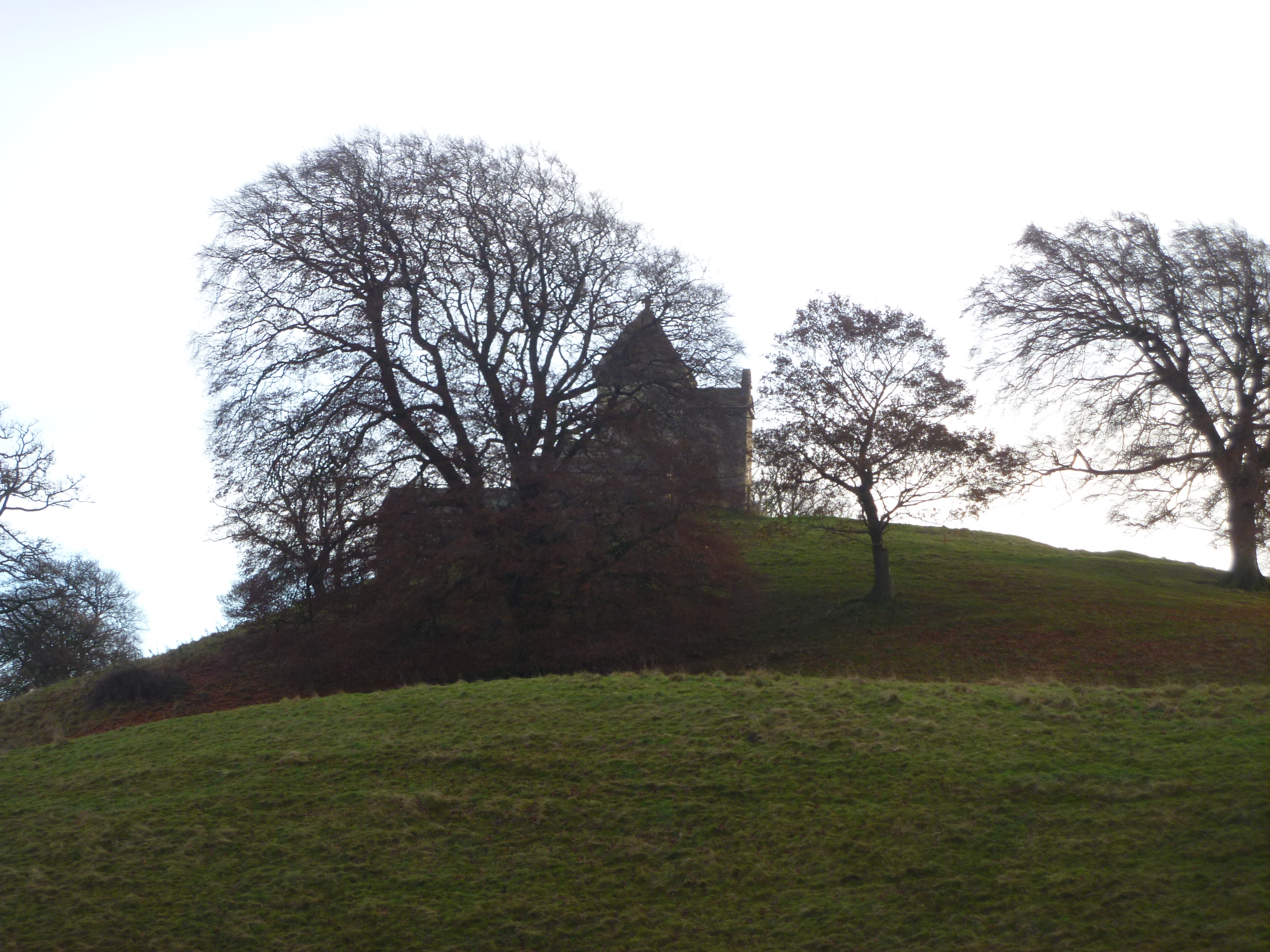
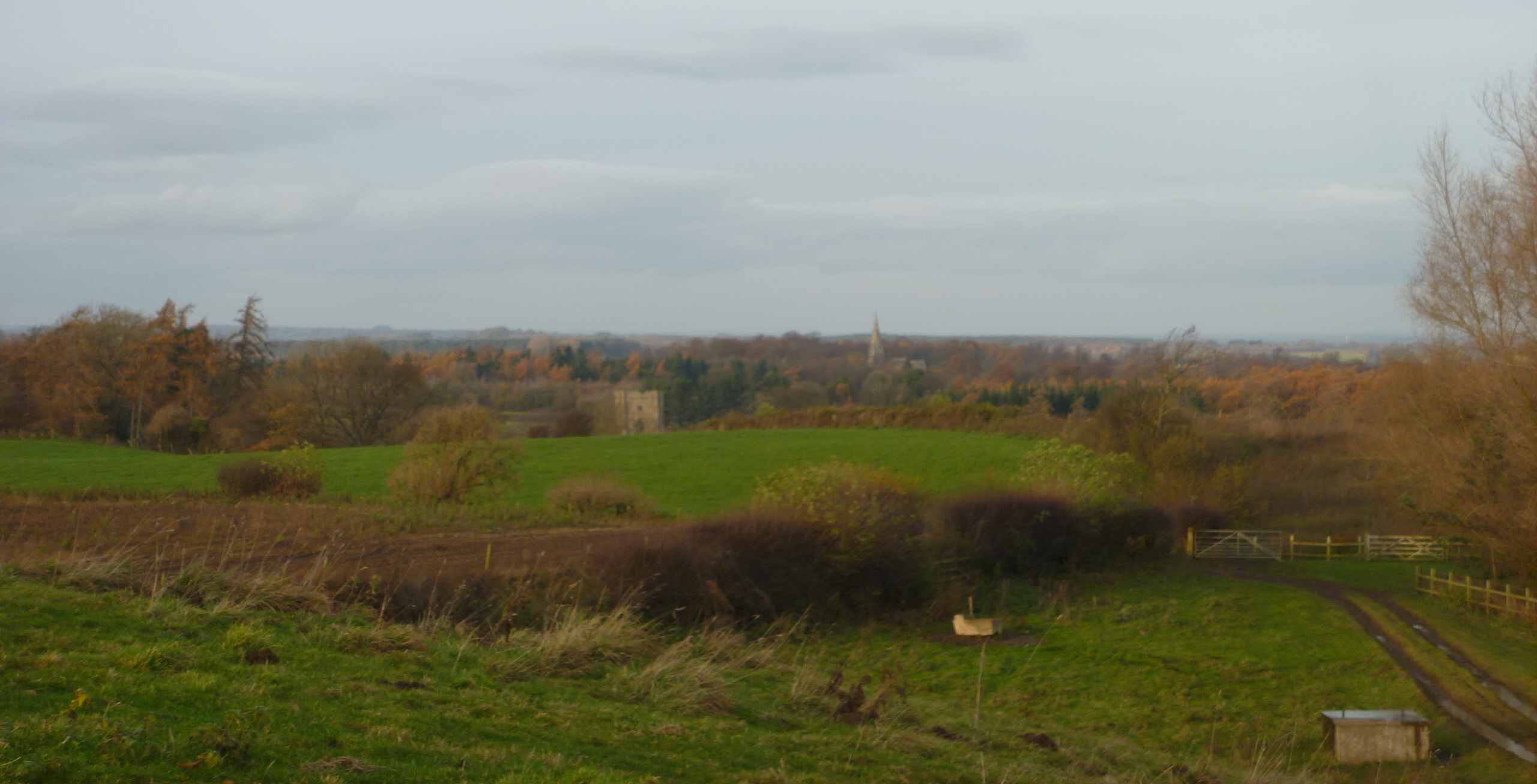
Cracoe Fell from Moor Lane Hetton

A friend, and fellow Wanderer, agreed to accompany me. In the past both of us had had difficulty finding one of the paths down to Cracoe but we felt that with both of us working on the challenge, and our previous experiences, we would find a suitable descent. And we did.
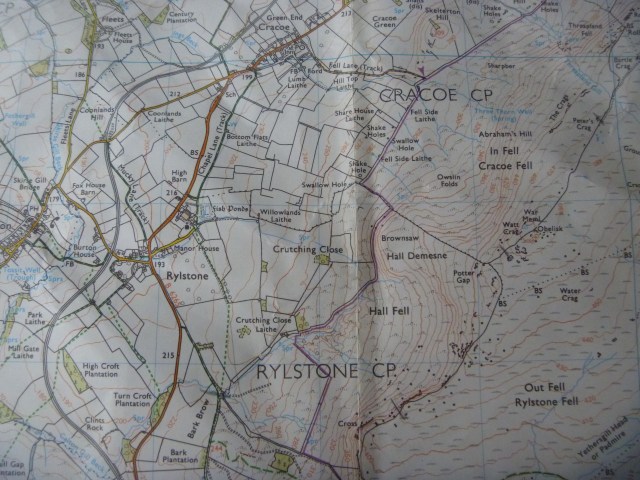
Map

There are several versions of this walk but the one we finally decided on was from the Yorkshire Post – Rylstone Edge in the Saturday ‘Walk this way” series, 24 July 2010. [NB This walk is not listed on the link]
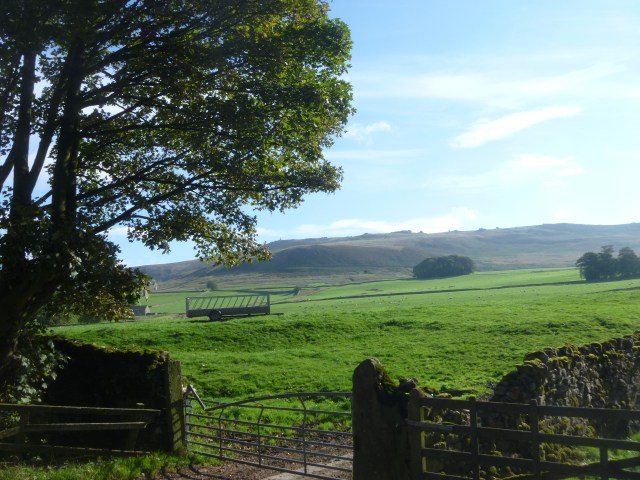
Early in walk

We parked by the picturesque duck pond in Rylstone (yes, yes, home of the Calendar Girls, remember them?) crossed the B6265 (Skipton to Grassington road) took the track past the Manor House to St Peter’s Church and from there headed across fields and along another decent track to the Access Point to Barden Moor and Barden Fell Access Area.

Access Map

Map of the Access Area [property of the Bolton Abbey (Devonshire’s) Estate]

Looking back to St Peter's and Rylstone

Looking back to St Peter’s and Rylstone
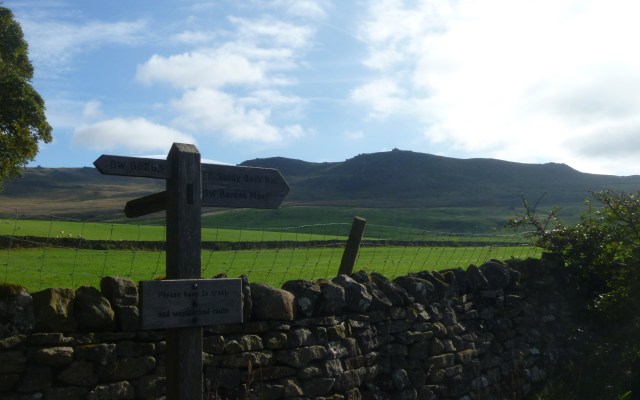
Near entrance to Access Area

View near gate to Access Area

Through the gate we took the track which rose steadily until we were almost on a level with our first monument – The Rylstone Cross. A left turn took us gently up to the cross itself. This 1995 cross replaced the original 1815 cross that commemorated the Treaty of Paris near the end of the Napoleonic era.
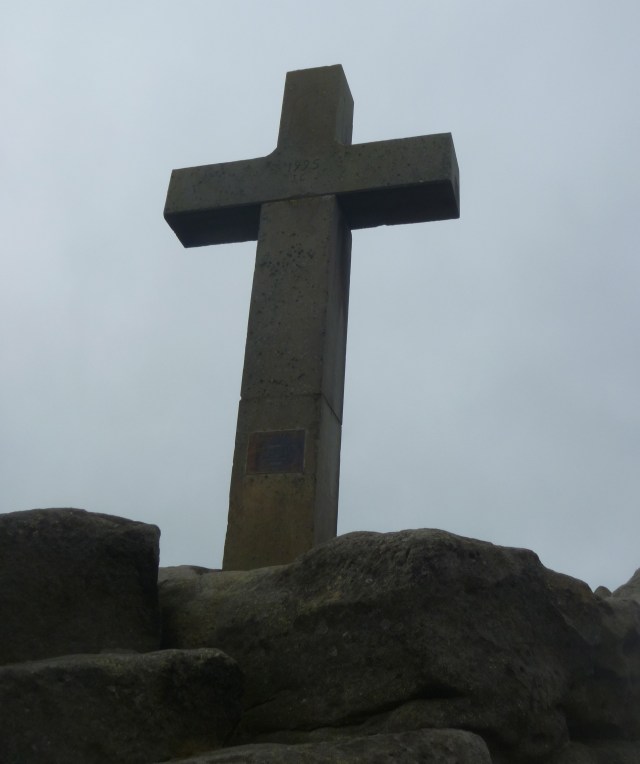
The Cross

Rylstone Cross

War Memorial in middle distance

Between the War Memorial and the Cross [Memorial in middle distance]

From the cross, along the ridge, we kept to the eastern side of the dry stone wall until we reached the second memorial The Cracoe Obelisk War Memorial which records the names of those Cracoe men who died in the First and Second World Wars.
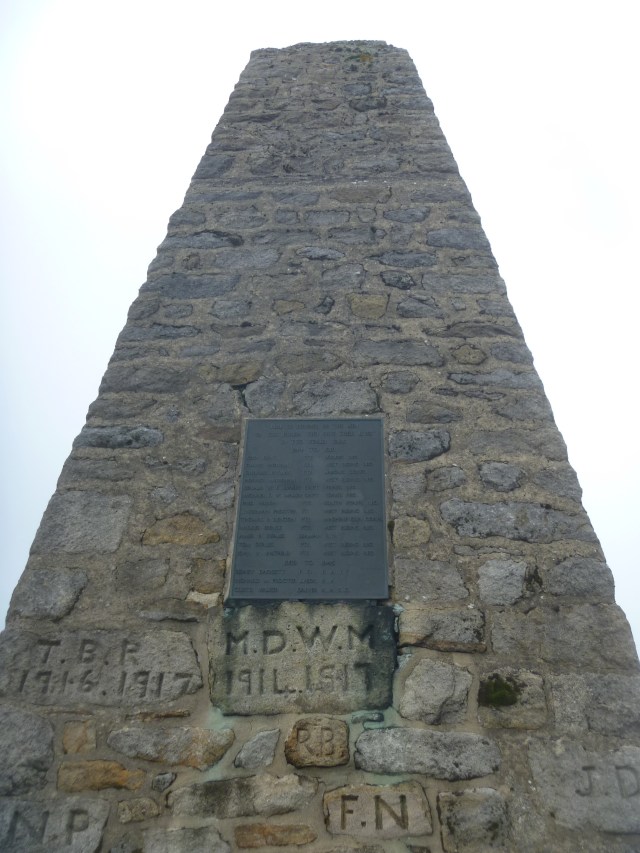
Cracoe War Memorial

Cracoe War Memorial

It is the path down to Cracoe that has proved elusive in the past and you run the risk of ending up in very marshy ground which is impossible to pass through. This time we managed to find a good clear route and emerged from the least marshy area at some old sheepfolds on the edge of Cracoe village at the top end of Fell Lane.
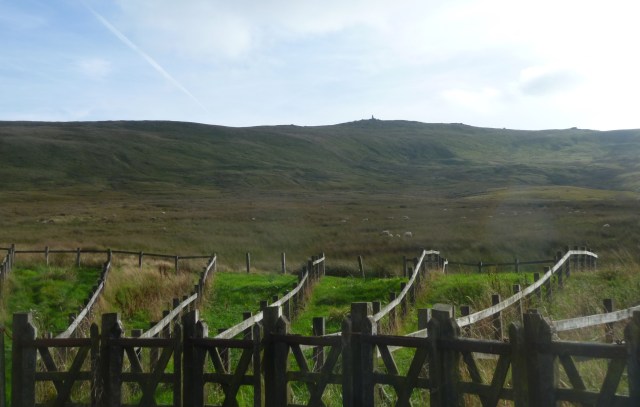
Sheep pens

The old sheep pens and war memorial

The lane leads down to the village which is where you leave the Access Area. And here the big disappointment was revealed – the whole area is closed to the public on a list of 14 days between the end of September and the end of October and one of these is Thursday 17th October!! So, having negotiated a perfect route for a day out with superb views across the Yorkshire Dales the walk will have to be shelved until next year at the earliest.
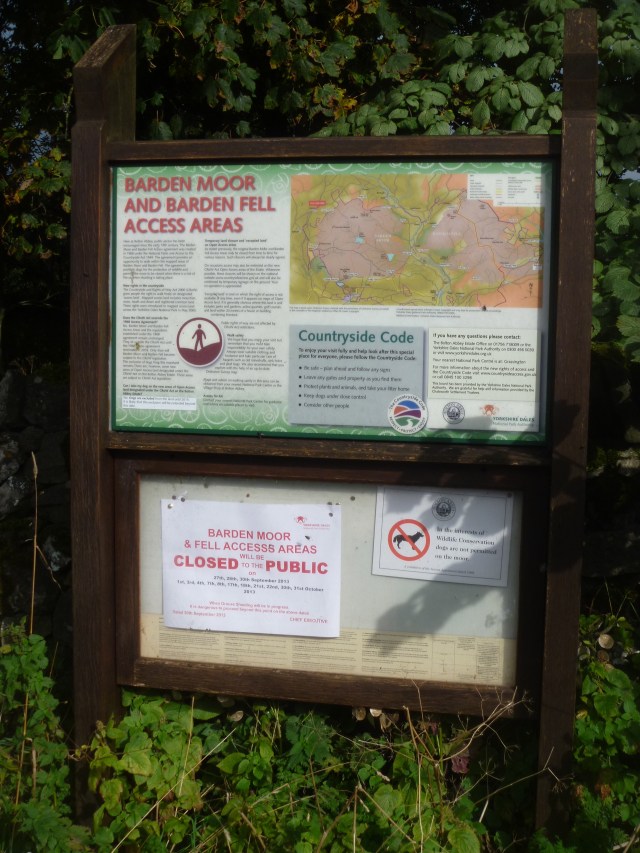
Access Board

Access Area Information Board – Study Carefully!

The final walk back to the car was along a quiet track (Chapel Lane) behind the village and parallel with the main road past St Peter’s Church, Rylstone again and so back to the car. Looks like I’ll turn back to the uninspiring walk from Fountains Abbey for next Thursday 😦 .
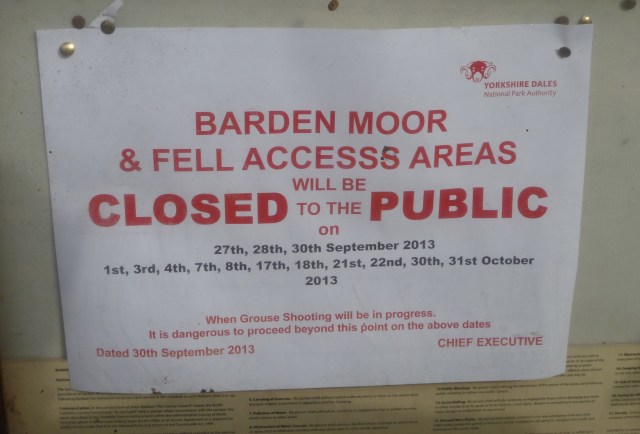
Closure Dates

Grrrrr!!!!
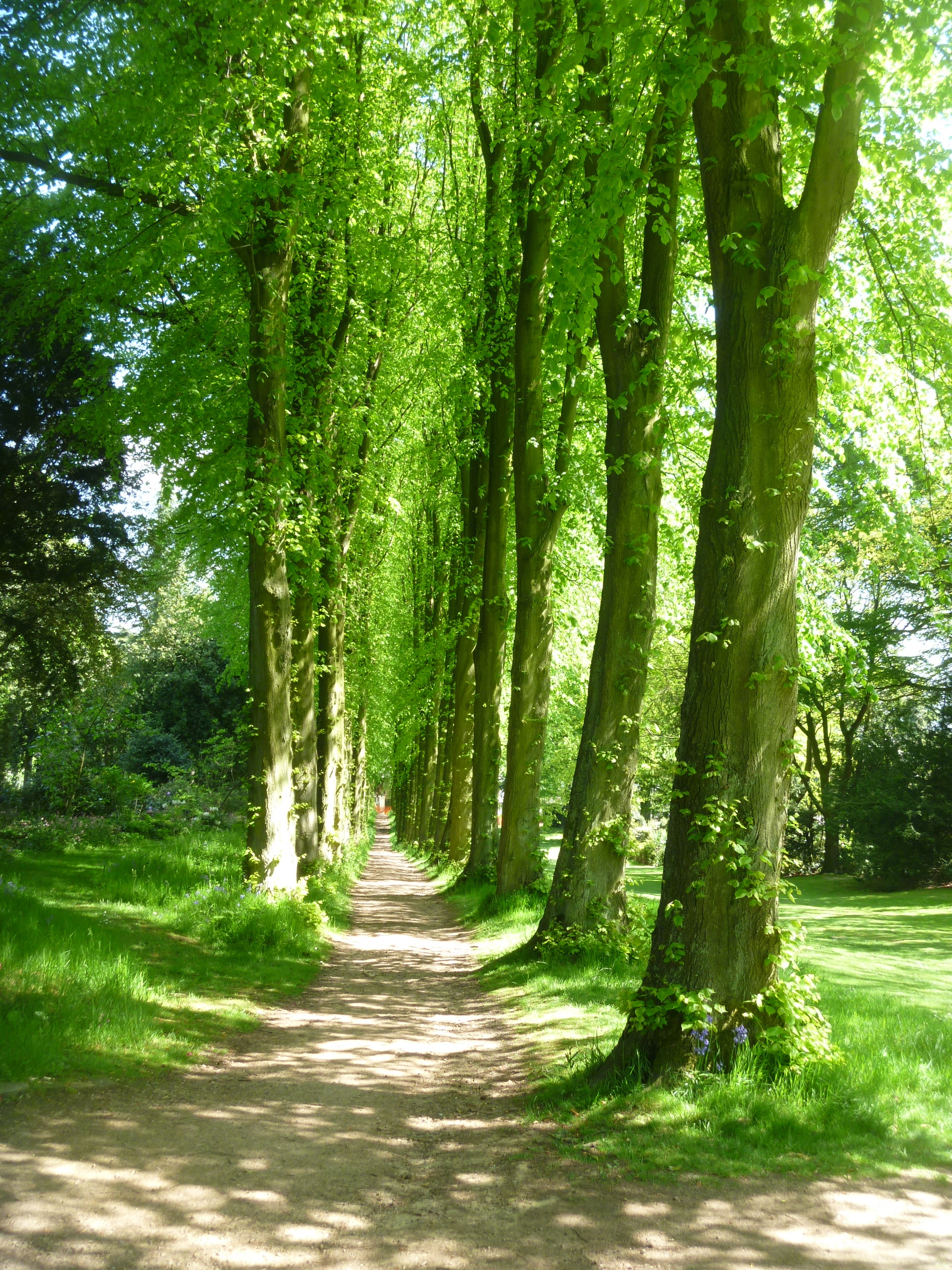
A Visit to The Plot

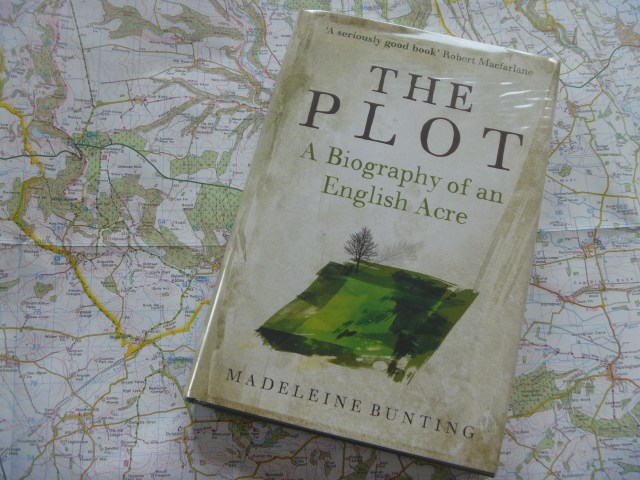
The Plot and Map

The Plot

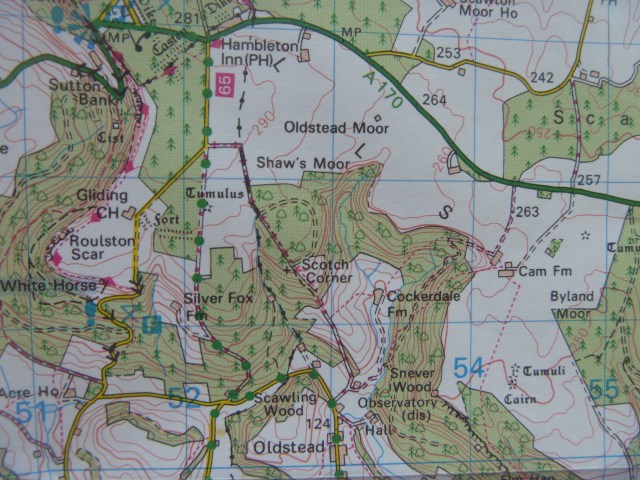
Last year at the Cowside Open Day I met Rosy and as we dried the pots in the kitchen together she told me she was reading The Plot by Madeleine Bunting. It’s based on a small parcel of land in North Yorkshire. She mentioned that the name of the plot of land was Scotch Corner and it was just near Kilburn and Sutton Bank. I looked up the name on the OS map and found it clearly marked and, intrigued, borrowed the book from the Library. The author is a Guardian journalist but she is also the daughter of the artist who built a chapel as a war memorial on the plot of land and decorated it with his own sculpture work. You can read more about the book in this Guardian review.

The Plot Map

With it having a local interest and the fact that I liked it a lot I recommended it to my local book reading group. Our discussion (it had very positive responses) was held in early June. Observant members of the group had noticed a feature in a recent edition of the Yorkshire Post and brought the clipping along to the meeting.  The article finished with :

The chapel will be open between 12pm and 4pm to visitors and directions can be obtained from Sutton Bank National Park Centre. The chapel is located at Grid Reference SE 526, 814 and it is a 20-minute walk to the nearest parking.

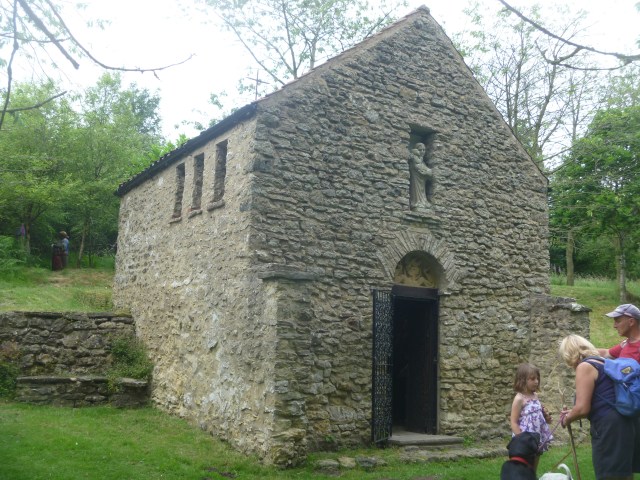
Chapel

A quick look at the link to the North York Moors National Park site revealed the dates later in the year when the Plot and The Chapel would be open for viewing.

The tiny, remote Chapel will be open for the public to see inside on Saturday 18 May, Saturday 20 July and Saturday 14 September this year.”

The group planned a picnic for the Saturday 20 July but I had also mentioned the book to another friend who lives in Cheshire and we’d planned to visit this summer. We invited Rosy to join us and all met up at Byland Abbey. From there it was a short hop to Kilburn and pub lunch outside at The Forresters Arms. Rosy, who lives nearby, took us to a parking place near Oldstead and we walked uphill along the old drovers’ road to Scotch Corner.

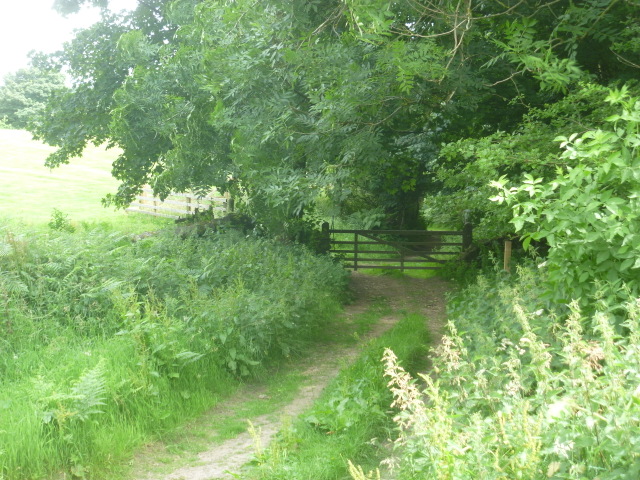
The Drovers' Track

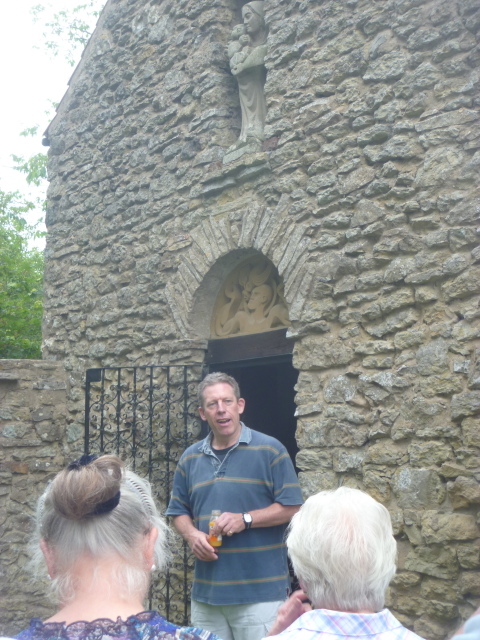
At The Plot a small crowd was inspecting the Chapel and there also was the book group; picnicking in the sun. Madeleine Bunting’s brother, Bernard,  gave a brief introductory talk and we later looked inside the memorial and the hut that also occupies the small grassy site.

Bernard Bunting

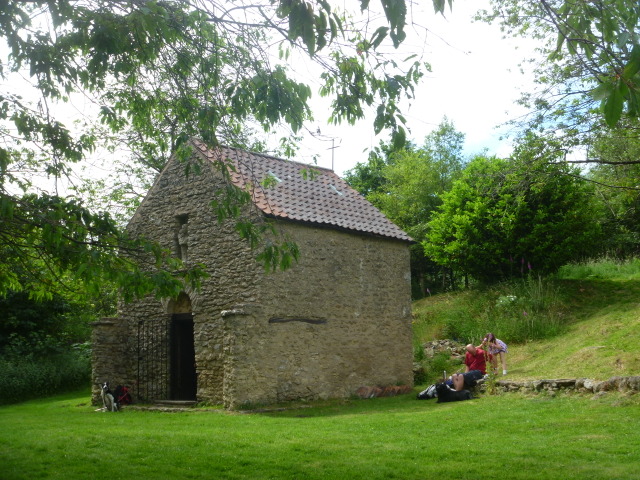
Memorial Chapel

The Memorial Chapel

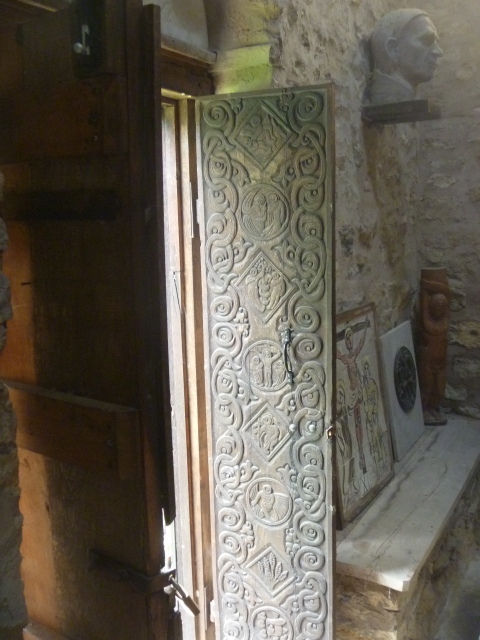
Carved door

Carvings on the Chapel door

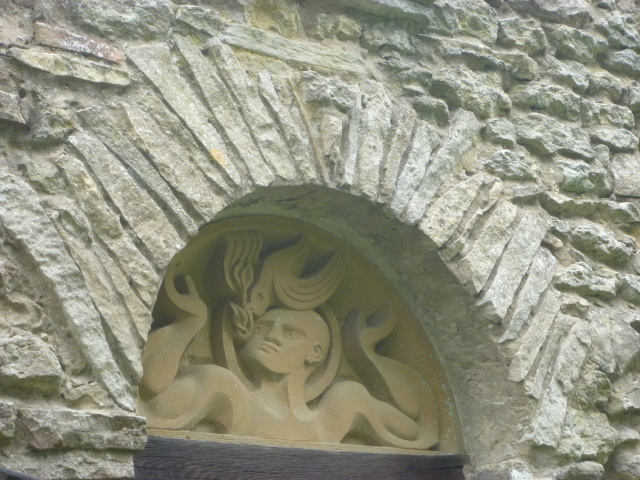
Lintel

Lintel above the entrance

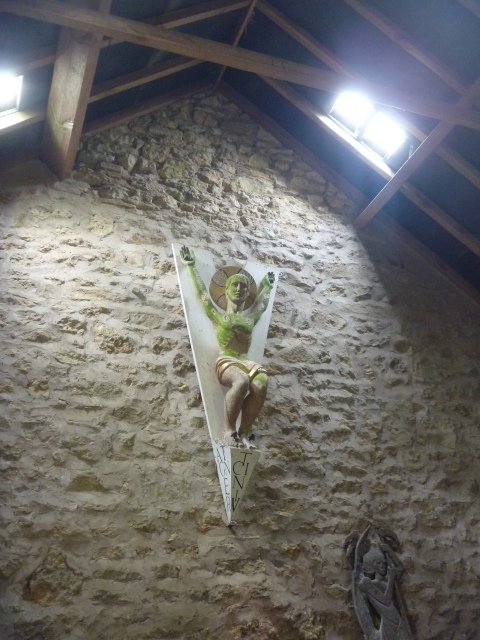
Memorial sculpture

Memorial Sculpture

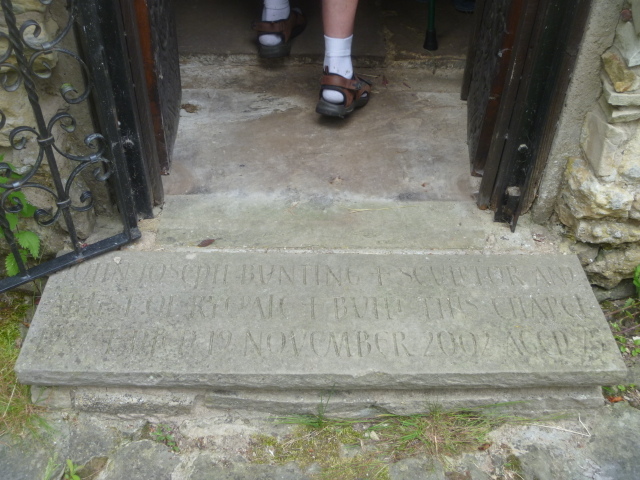
Memorial Stone to John Bunting

Memorial Stone to John Bunting (at entrance to Chapel)

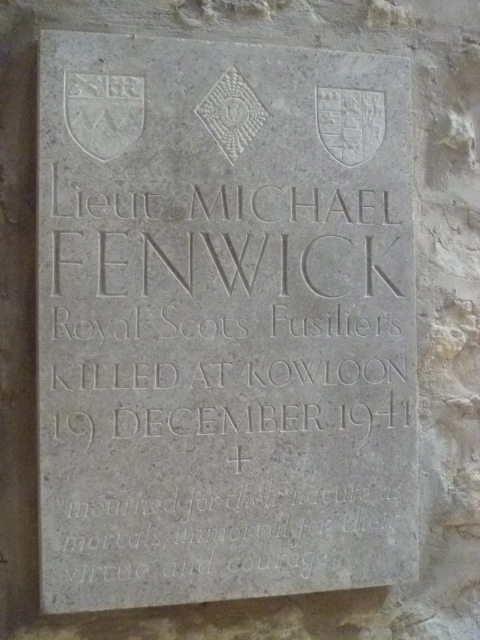
Michael Fenwick

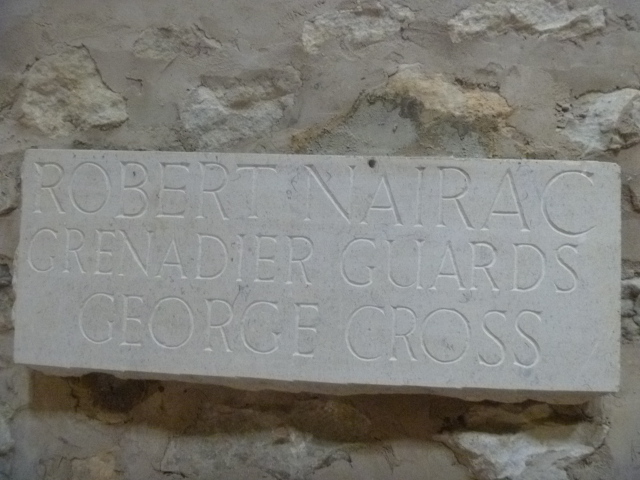
Robert Nairac

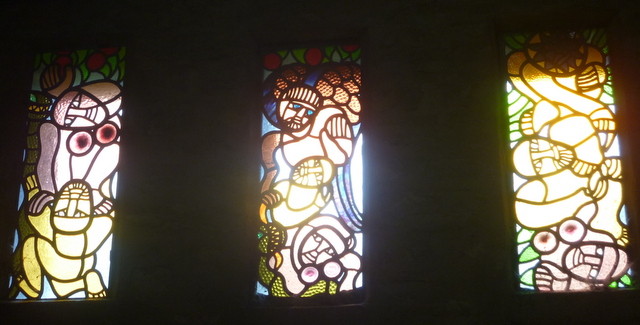
windows

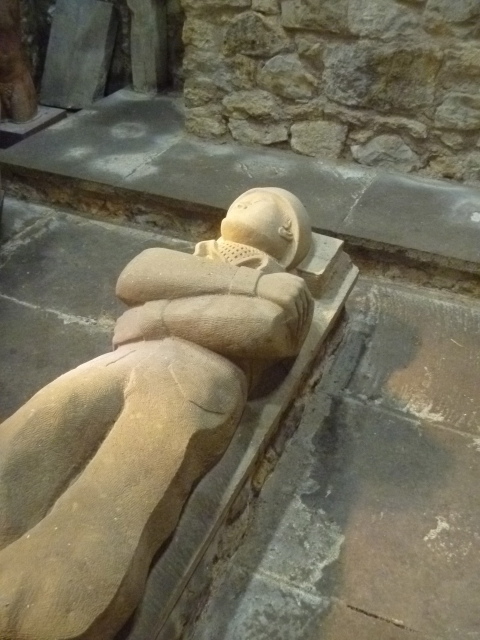
War memorial

We soon began to feel the need of a cup of tea and piece of cake so returned to the car and to Kilburn where the Mouseman T Shop was able to supply both in ample quantities.

Wentworth Castle Gardens : Restoration in Action

Back in March 2012 (was it really so long ago?) I attended a talk organised by the Leeds Library and given by Patrick Eyres celebrating 30 years of The New Arcadian Journal. I wrote about it here.

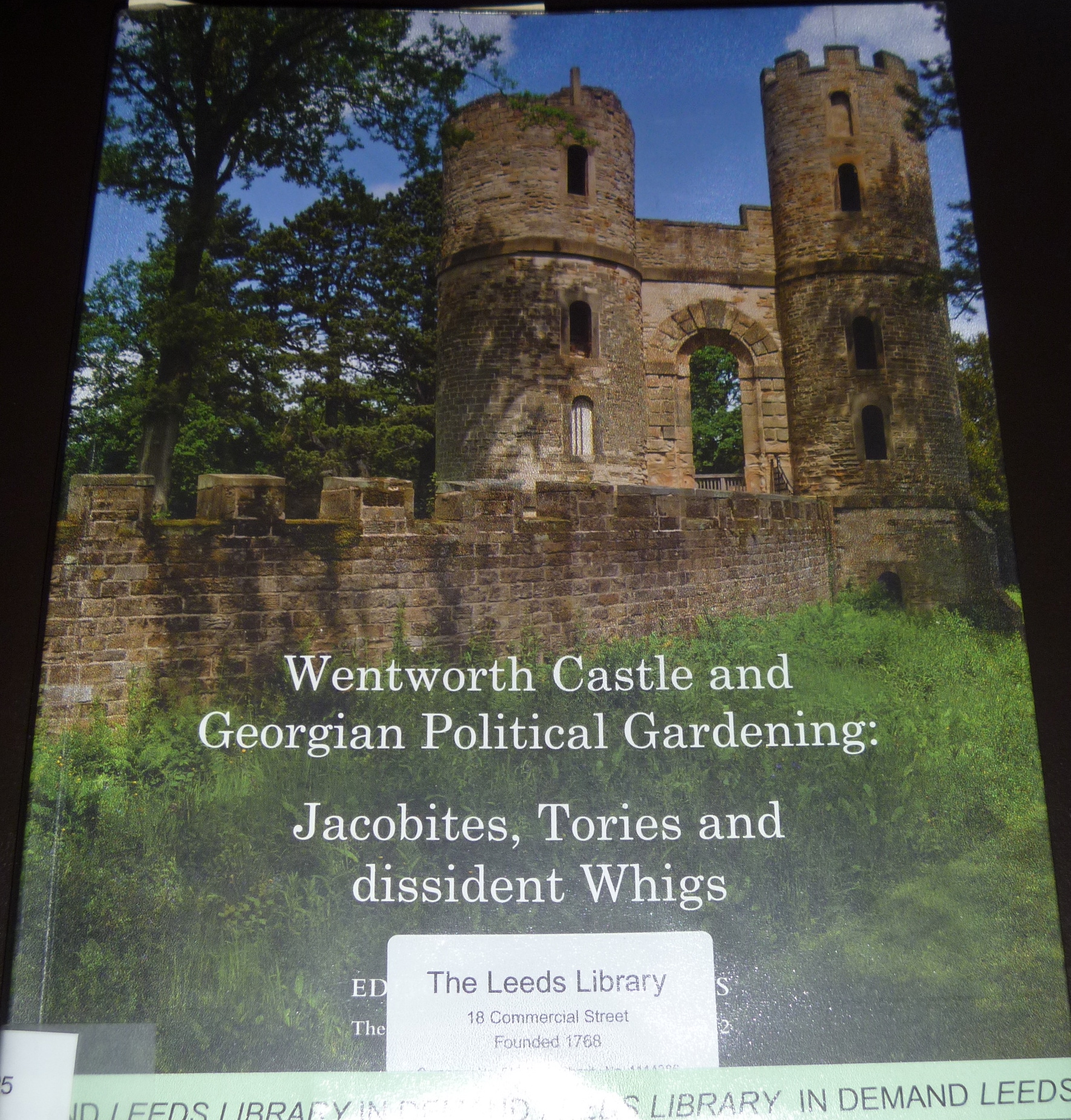
Wentworth Gardens Book

The substitute for the 2012 edition of the Journal is the publication of the proceedings of a 2010 conference : “Wentworth Castle and Georgian Political Gardening : Jacobites, Tories and Dissident Whigs“. It’s edited by Patrick Eyres and I recently borrowed it from the Library and read it with great interest.

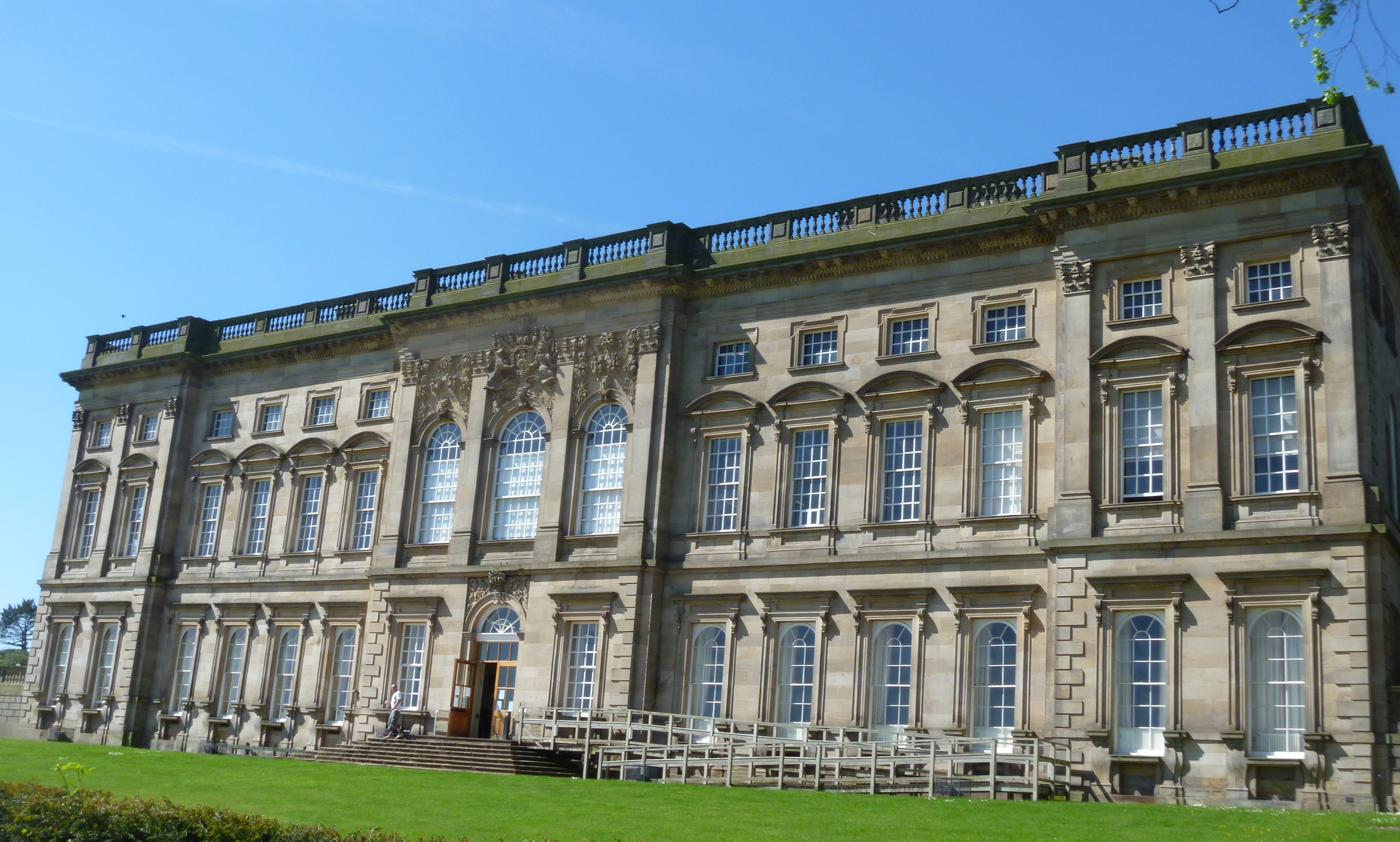
Wentworth Castle

Wentworth Castle Front

The next step, obviously, was to visit the Castle itself. Or rather, the gardens surrounding the Castle. The Castle itself is a private College and not generally open to the public. I decided to visit the gardens on Tuesday this week on my way to visit my son in Sheffield. What a lovely place it is. The weather was also kind, so it was a real pleasure to spend a couple of hours exploring the gardens and features of Wentworth Castle Gardens not far from Junction 37 of the M1 motorway.

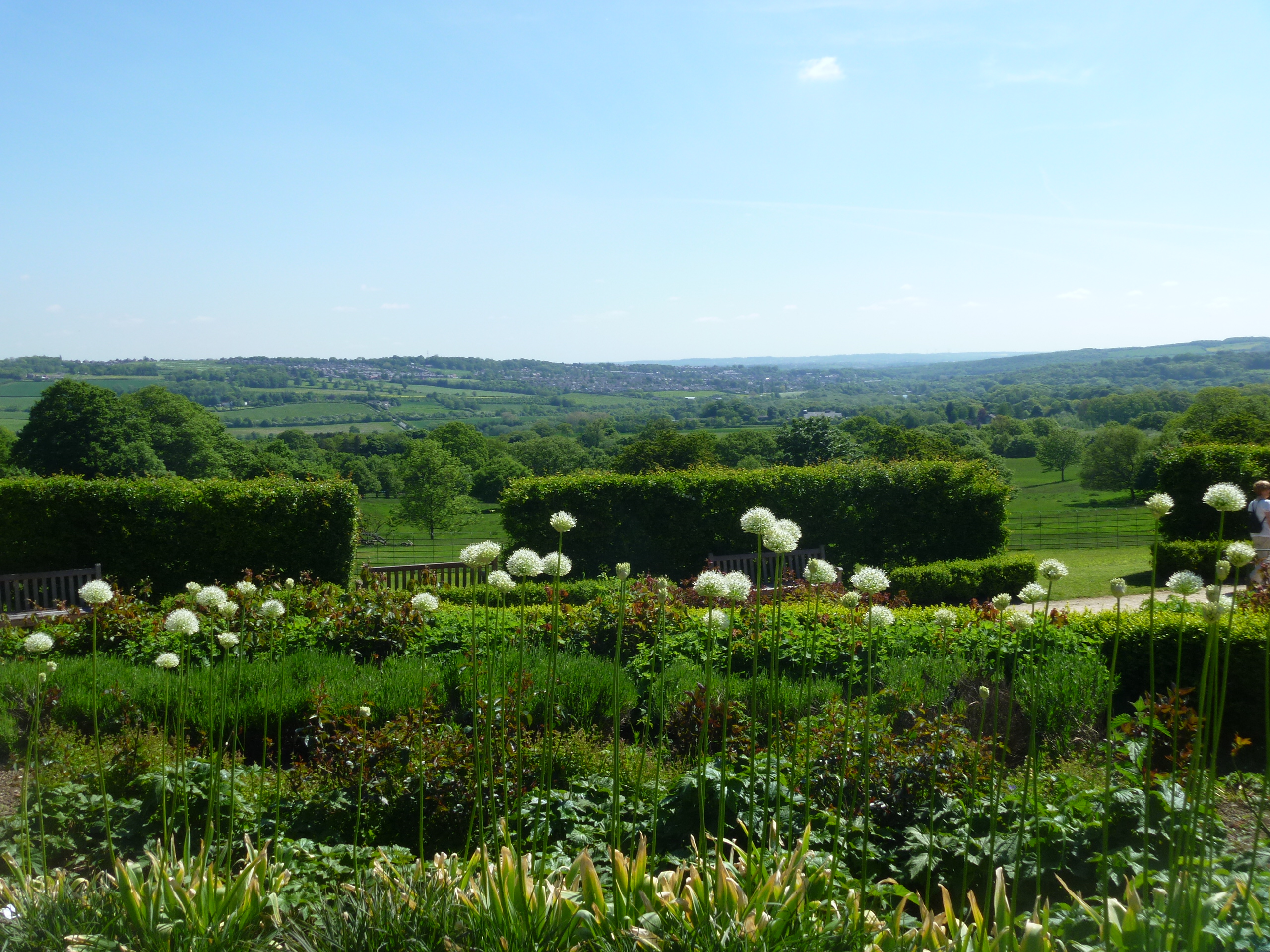
The View from Wentworth Castle

The View from Wentworth Castle

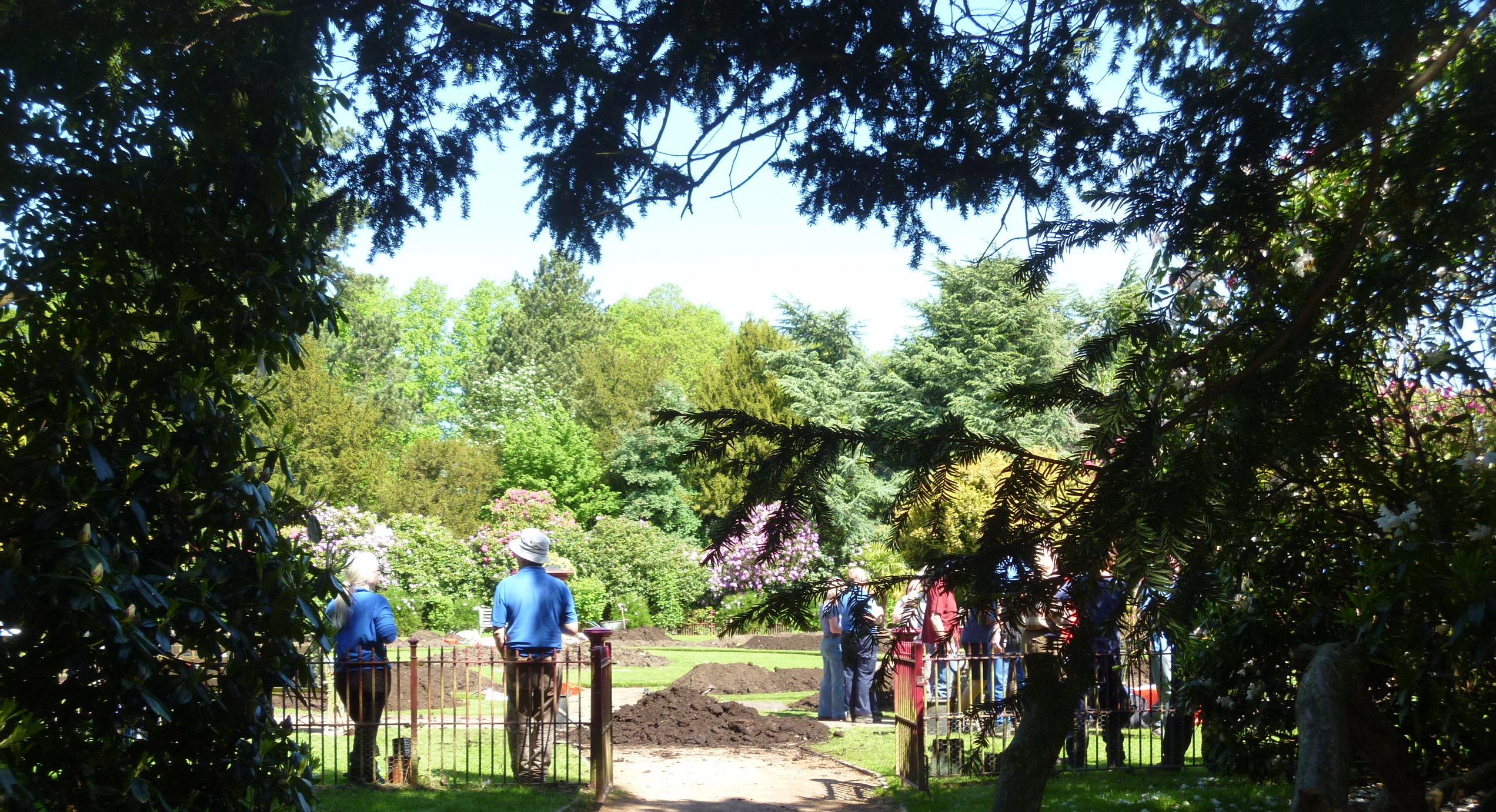
Volunteers

Garden Volunteers taking a tea-break

I got the impression that over the last few years there’s been a lot of work going on in order to recreate the gardens and restore the many garden features.

P1100110

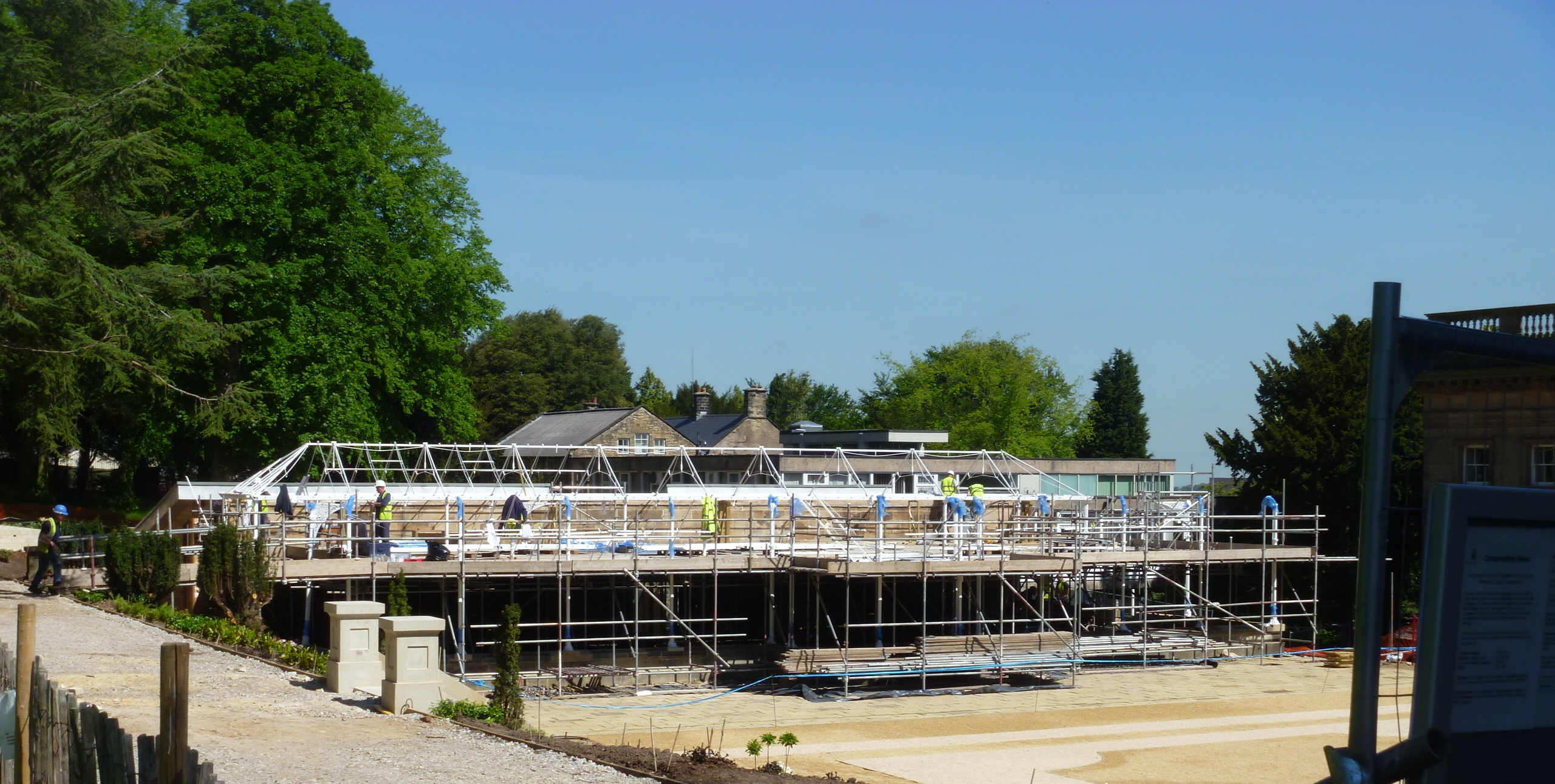
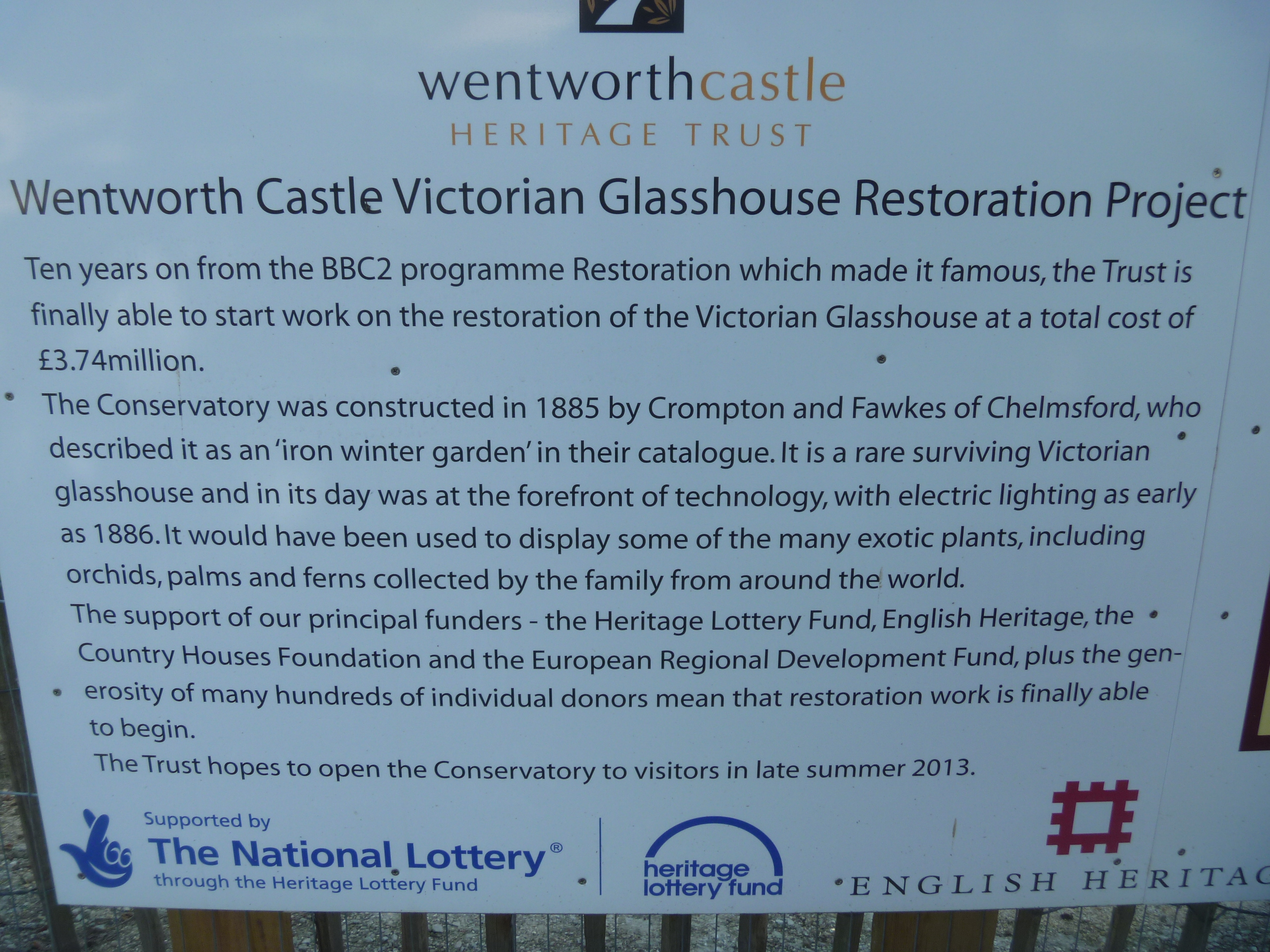
The latest exciting project is the Wentworth Castle Victorian Glasshouse Restoration Project.

“Made famous by the BBC’s Restoration programme in 2003, this beautiful iron glasshouse was in danger of being lost forever until it became the main focus of our restoration plans.  In 2011, the Trust finally succeeded in raising the £3.74million needed to rescue the delicate structure and was able to work up the final plans for the restoration project.”

Notice board

It is expected that it will be open late summer 2013. Read more about the work being undertaken here.

The Glasshouse is just behind the main castle building and the gardens rise behind them on a gentle slope. There are formal gardens and woodland, a lovely cedar walk, a garish azalea garden, a stumpery and fernery, and an informal ‘wilderness’.

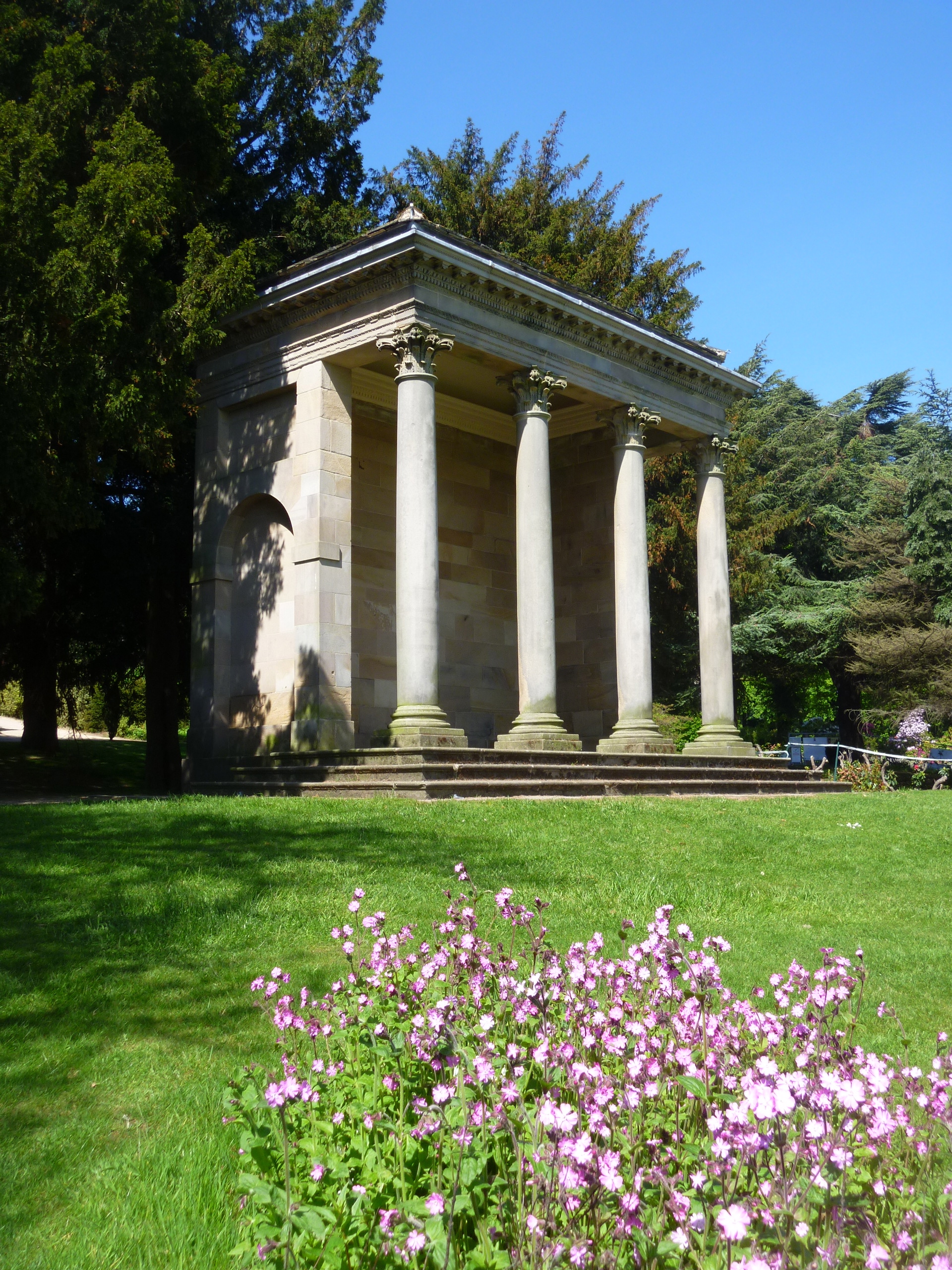
Corinthian Temple

The Corinthian Temple

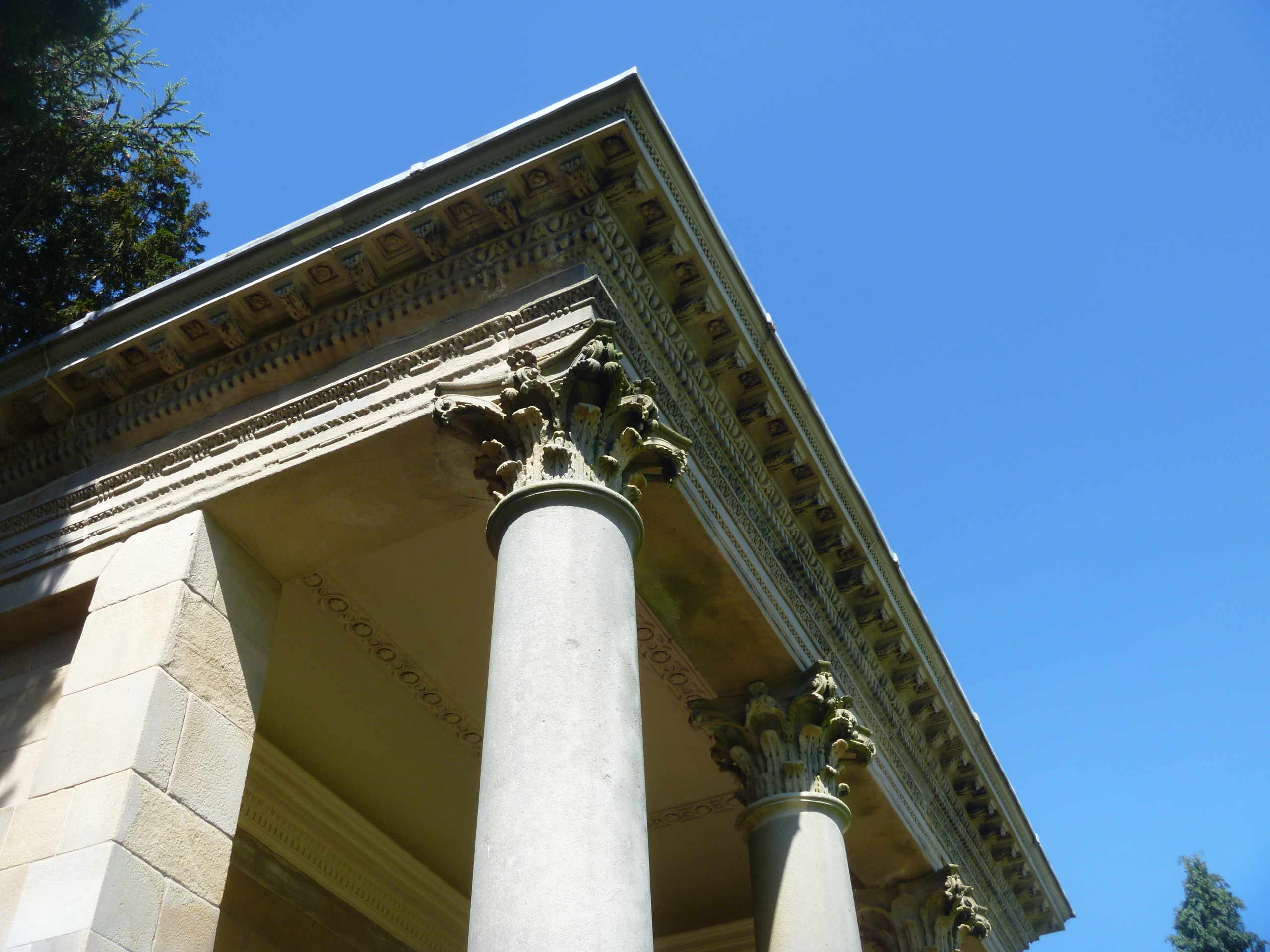
Plasterwork

The ornate plasterwork of the Temple

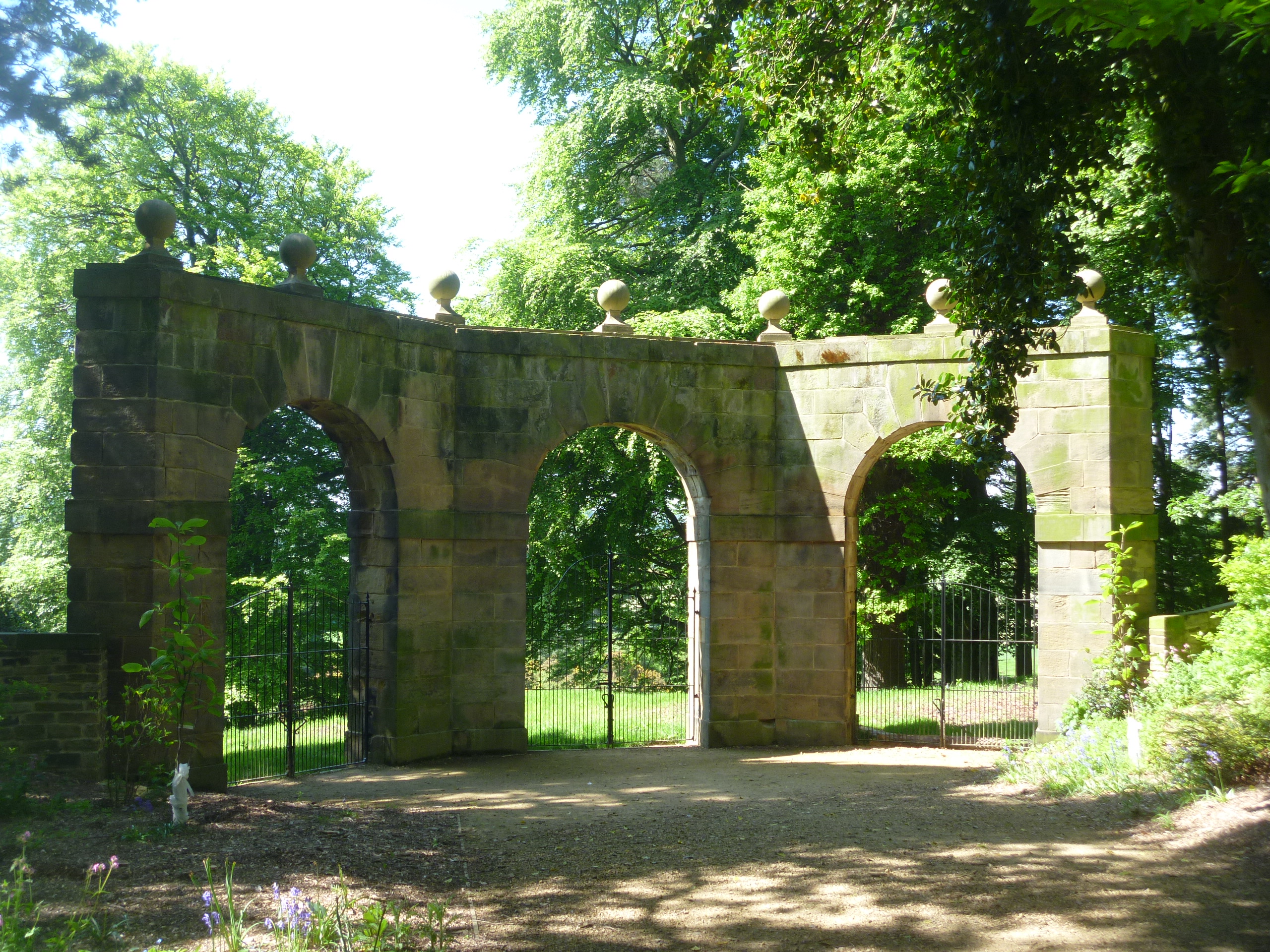
Archer's Hill gate

Archer’s Hill Gate

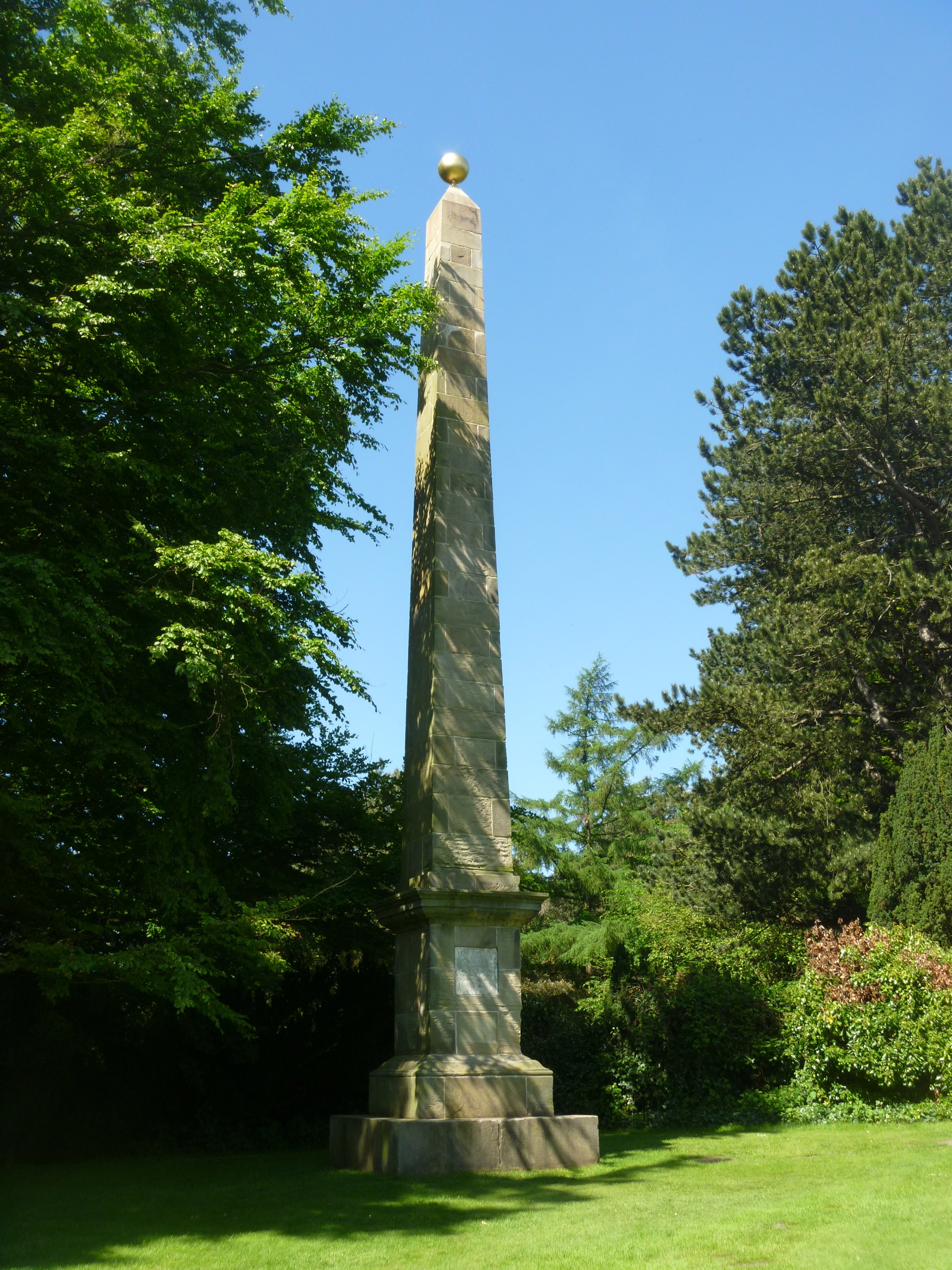
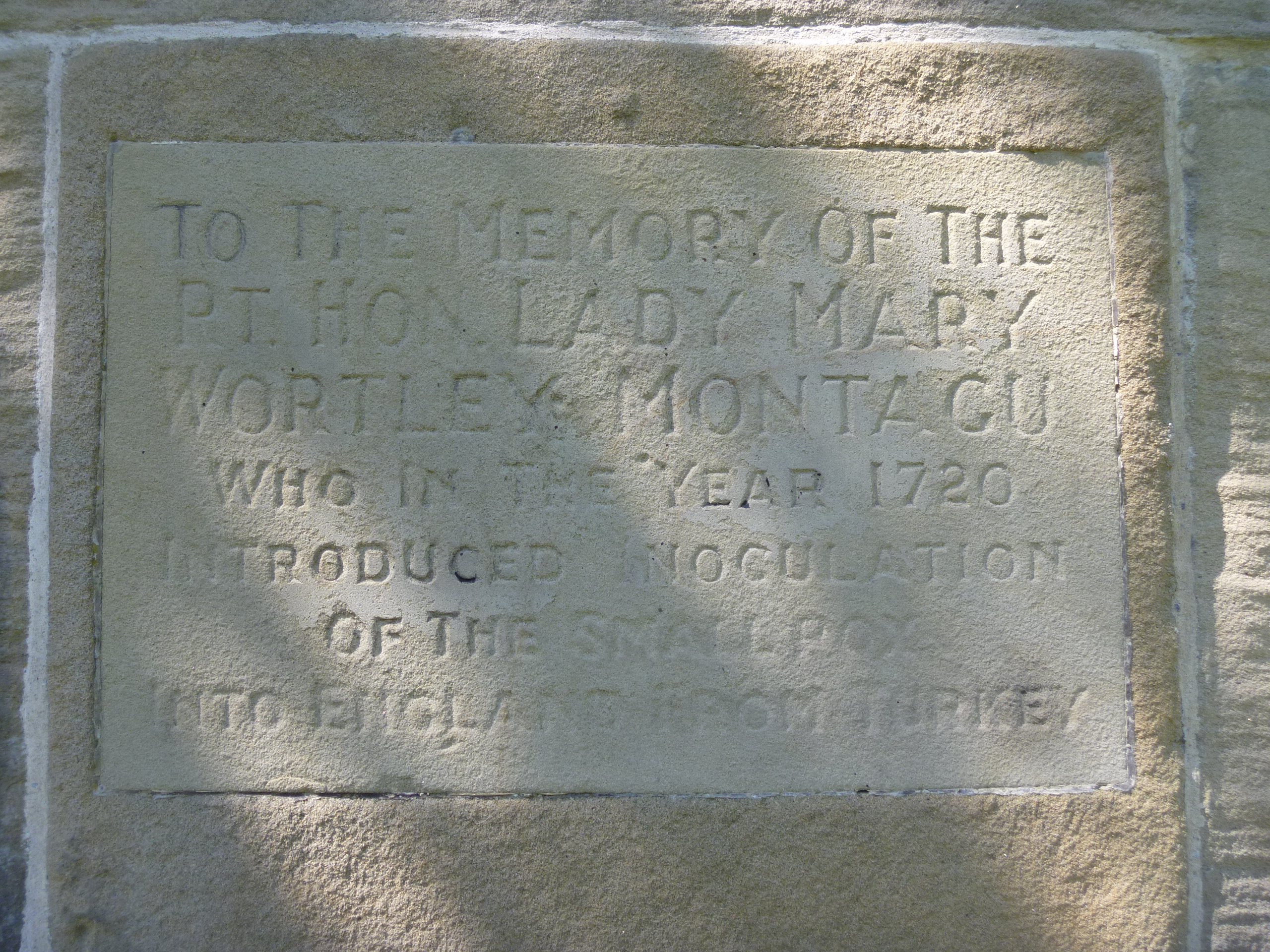
Sun Monument

The Sun Monument to Lady Mary Wortley Montagu

Lady Mary Montagu

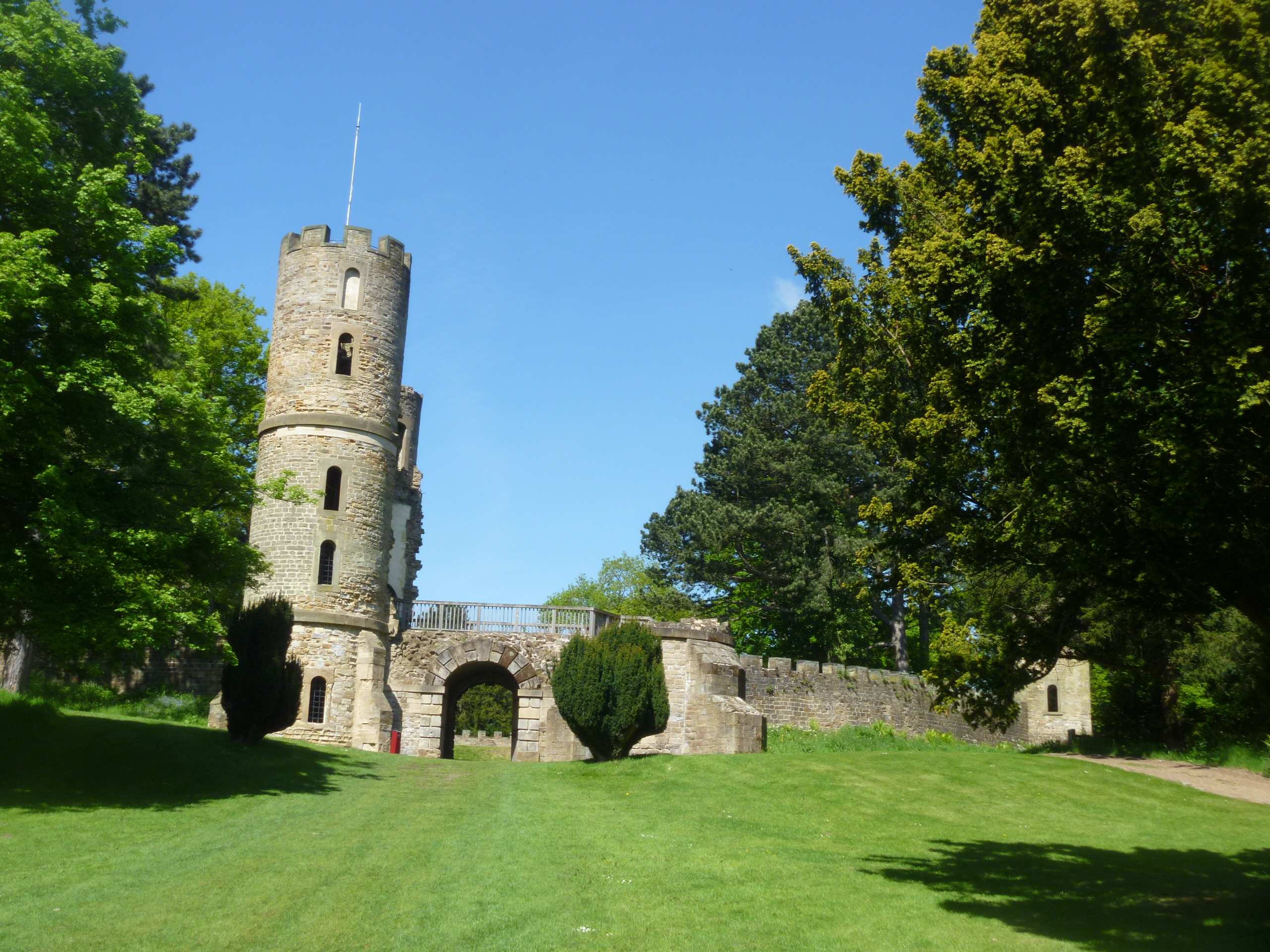
Stainborough Castle

Stainborough Castle

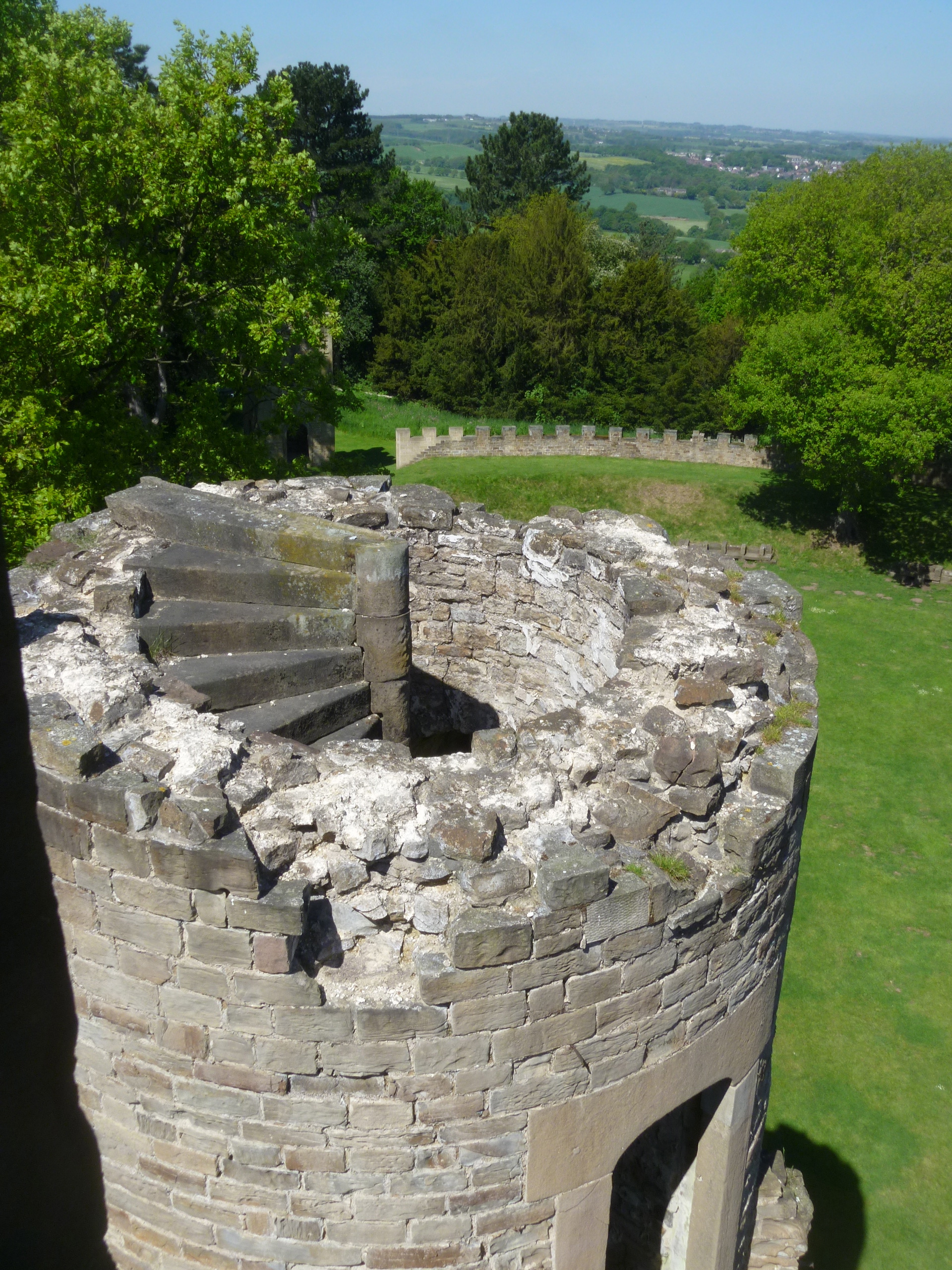
The view

The View from Stainborough Castle Tower

Lady Lucy's Walk

Lady Lucy’s Walk

Going back to the Wentworth Garden book I mentioned at the beginning there was one particularly interesting chapter towards the end. It wasn’t about gardens at all but about the Wentworths and Jane Austen novels. “A Big Name: Jane Austen and the Wentworths” is by Janine Barchas and in it she points out every instance of the appearance of a Wentworth-related name in Austen’s novels.

“In the long eighteenth century, the Wentworth family enjoyed pride of place among “abnormally interesting people” we now term celebrities.” Here are just some examples : Wentworth (Persuasion); Fitzwilliam (Pride and Prejudice); Darcy (Pride and Prejudice); Woodhouse (Emma); Watson (The Watsons). Fascinating!

Mary Taylor : Strong Minded Woman & Friend of Charlotte Brontë

Discover the pioneering 19th century life of early feminist Mary Taylor of Red House, friend and inspiration to Charlotte Brontë. Mary’s exceptional life included emigrating to New Zealand; starting a business; leading expeditions of women mountain climbing in Europe and writing radical feminist articles and books.” (It’s Happening …)

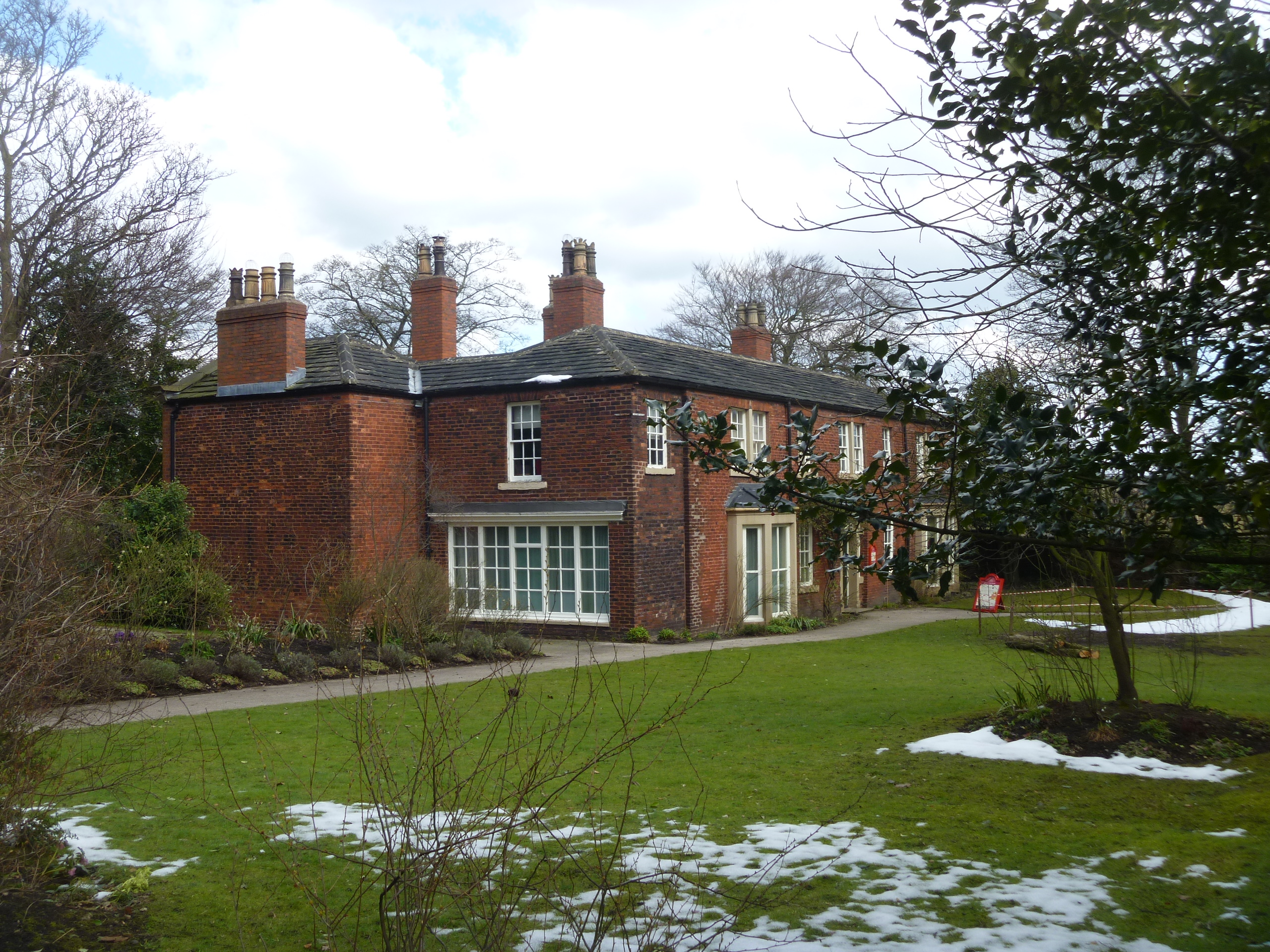
Red House

Back in December I visited Oakwell Hall in Birstall to look at the Christmas decorations and promised myself that I would follow up with a visit to the nearby Red House; which also has Brontë connections. In the ‘It’s Happening …’ leaflet which I picked up that day I noted a future exhibition to be mounted at Red House on the topic of its one-time inhabitant Mary Taylor. The exhibition runs from 2 March until 2 June.

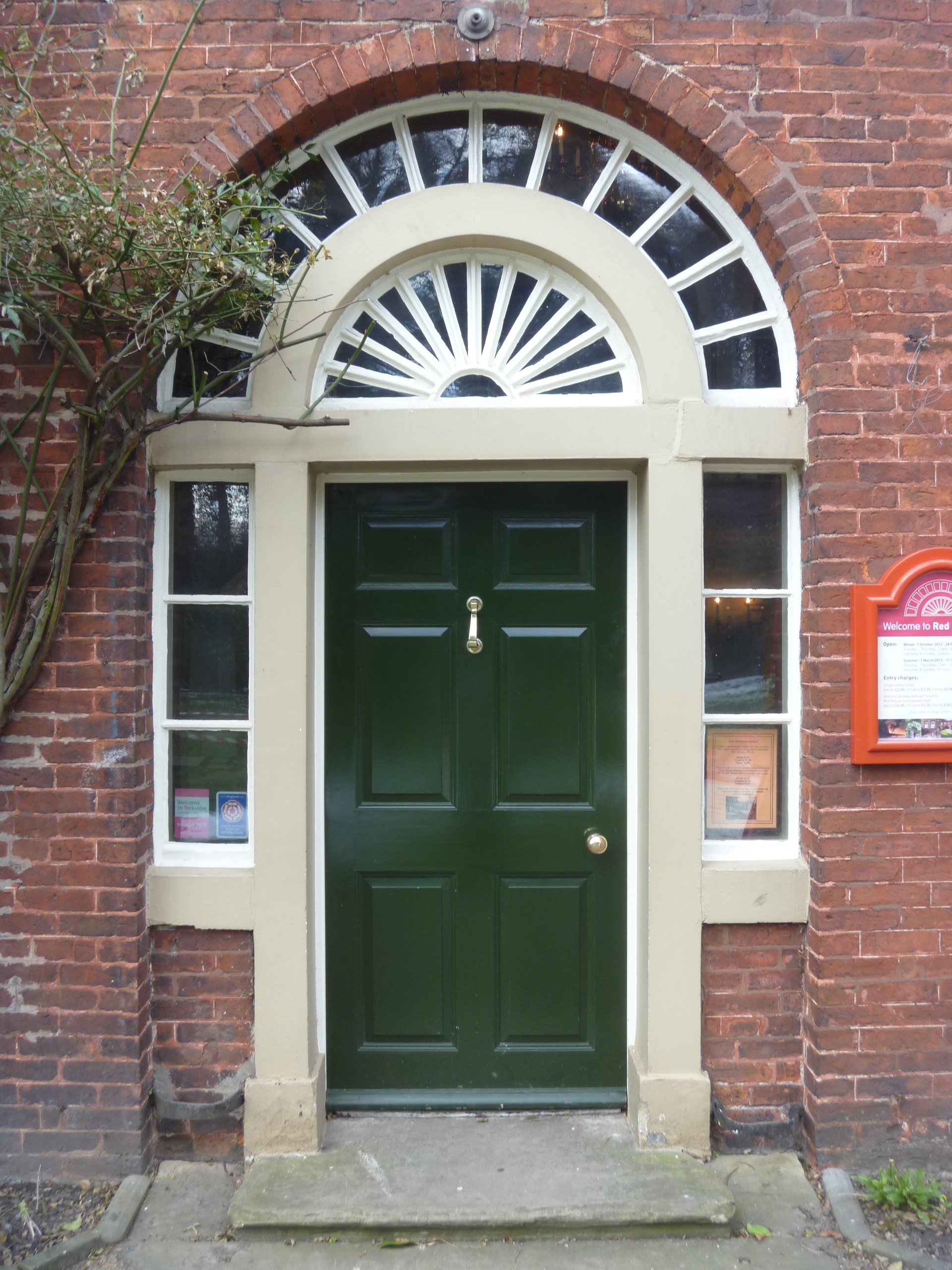
Front door Red House

No photography is allowed inside the house; but never mind it’s a bit disappointing anyway. Several times in the 1980s I brought my sons here as they laid on some good children’s craft workshops (and still do). For quite a few years it was closed for renovations and yesterday was my first visit since then.

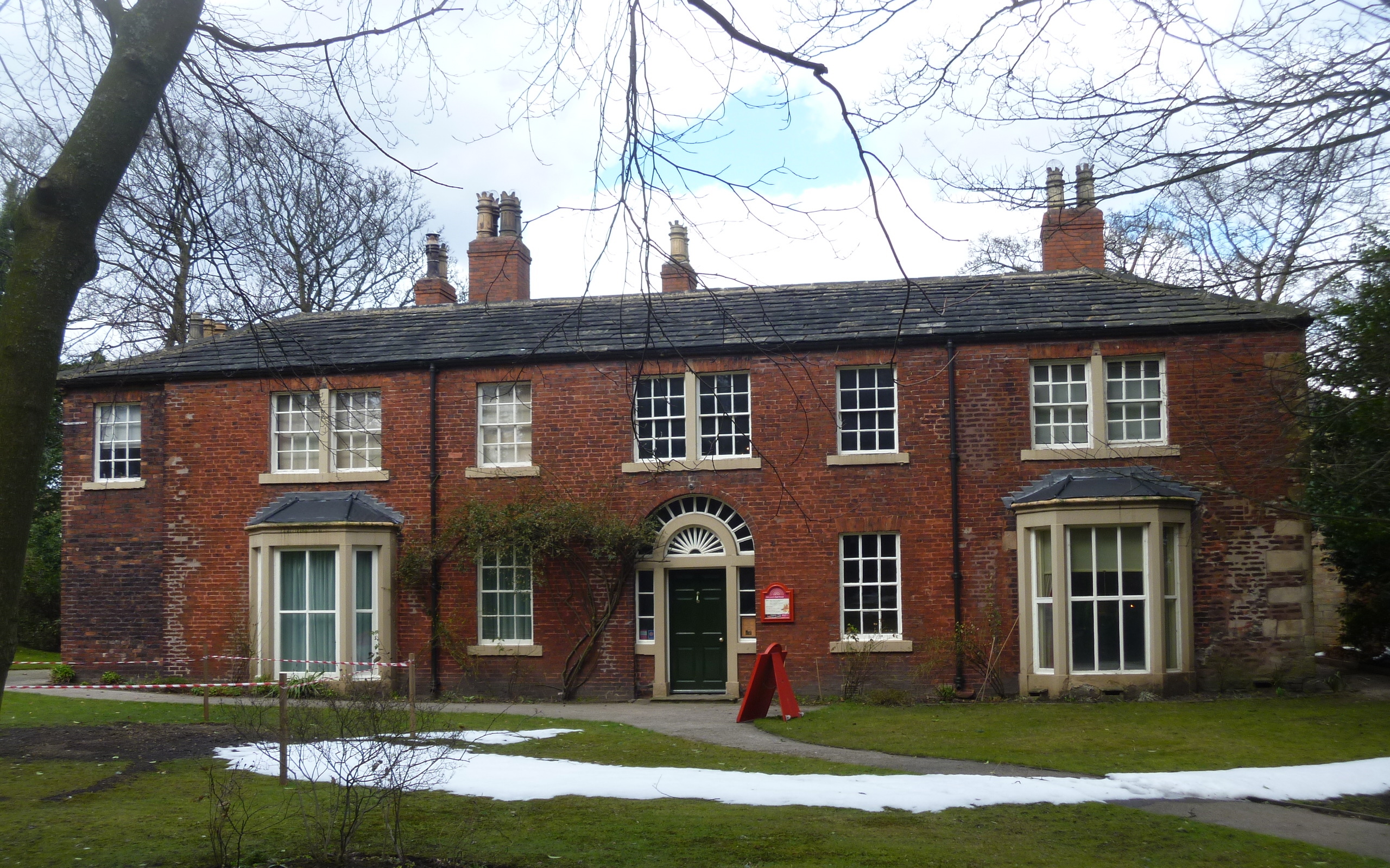
Red House - front

I was told that the house has been returned as nearly as possible to how it would have looked in the 1830s; the time when Charlotte Brontë visited. Some furniture, pictures and fittings are original, or of the period, and the rest have been carefully copied; for example the ‘Brussels’ weave, looped pile carpet in the Parlour, window curtains and bed hangings in the Main Bedroom and wallpapers.

There are very few rooms to visit – The Parlour (left in photo) with waxworks of Mary Taylor (playing the piano) and her mother (stitching tapestry); the adjoining scullery and kitchen; across the hall (which serves as reception and shop) there is the dining room and a study (right in photo). Upstairs you can visit the Main Bedchamber (above the parlour), the Governess’ room and the Girl’s room.

The Taylors were  a prosperous, middle class family and Joshua (a woollen cloth manufacturer and merchant) lived here with his wife Anne and their six children. Their daughter Mary (1817-1893) was a great friend of Charlotte Bronte, who often visited Red House and featured the house as ‘Briarmains’ and the Taylor family as ‘The Yorkes’ in her novel ‘Shirley’.

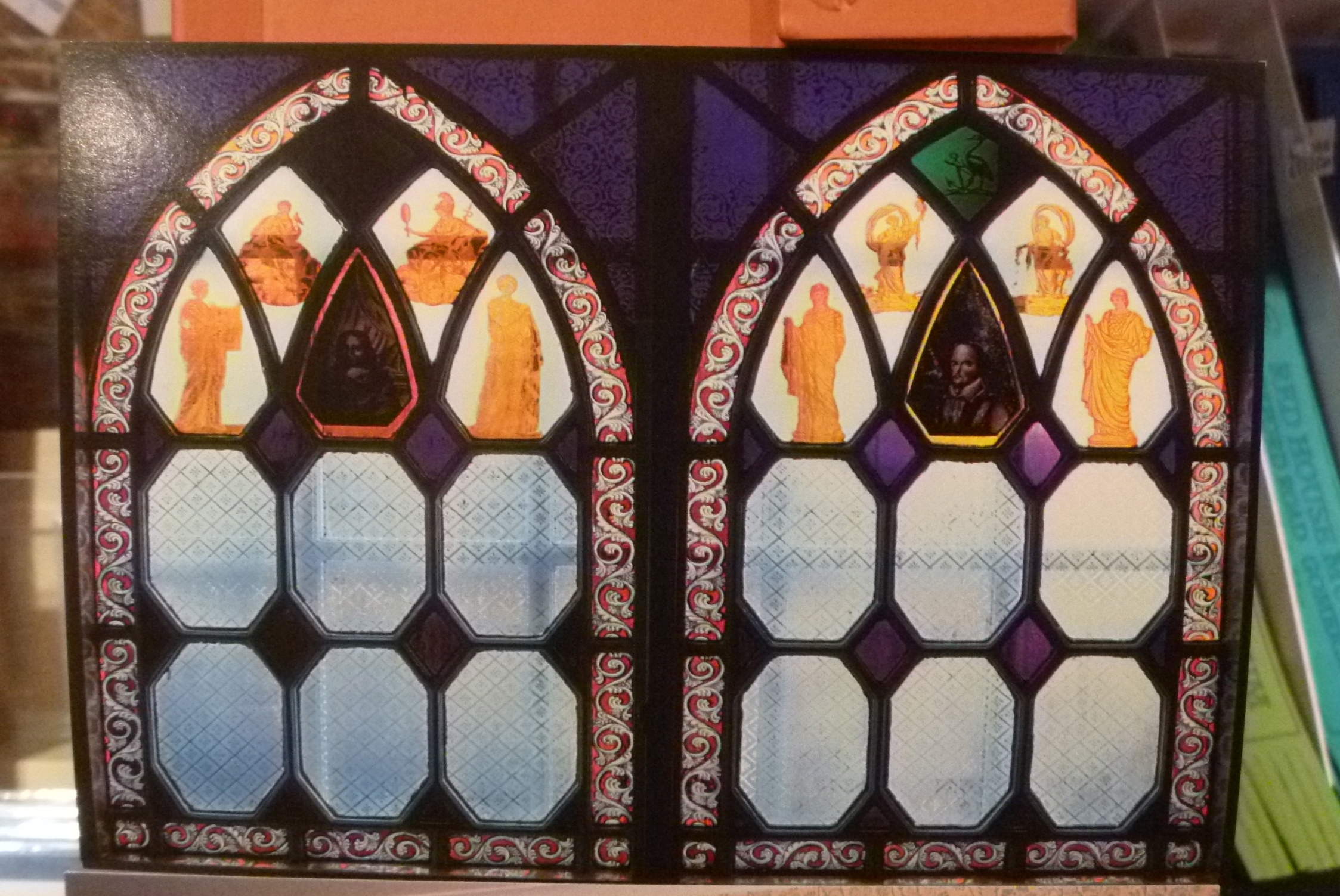
postcard

Perhaps the most interesting feature, to me, were the stained glass windows in the Dining Room with painted heads of William Shakespeare and John Milton. Charlotte Brontë describes in ‘Shirley‘.

Those windows would be seen by daylight to be of brilliantly-stained glass – purple and amber the predominant hues, glittering round a gravely-tinted medallion in the centre of each representing the suave head of William Shakspeare, and the serene one of John Milton.” (Shirley Ch.9)

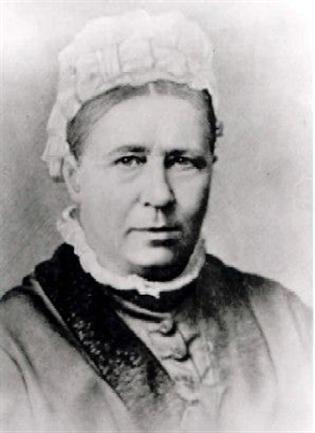
MARYTAYLOR2

Mary Taylor (Photo source)

So, having almost galloped through the main house I spent quite some time in the Exhibition Gallery studying the fascinating life of this woman Mary Taylor. One hundred years after her death she is now gaining recognition through Charlotte Brontë’s descriptions, through her letters and through her own published works. Examples of her books were displayed (including modern reprints). She wrote “The First Duty of Women” and a novel “Miss Miles, or a tale of Yorkshire life 60 years ago”. She was a strong-minded woman intent on pursuing her own way of life and living by her own ideals. She was an early feminist and strongly believed in women having their own independence.

She attended Roe Head School near Mirfield (where she met CB) and later The Chateau de Koekelberg in Brussels. She taught in Germany and I was surprised to read that in 1845 she emigrated to New Zealand and was one of its earliest settlers. There she owned a successful shop. She returned to Britain in 1860 and spent the rest of her life in nearby Gomersal. That is, when she wasn’t being a woman after my own heart and leading women’s mountaineering holidays in Switzerland! “Swiss Notes by Five Ladies : an Account of  Climbing and Touring in 1874″ was reprinted with a supplement by Peter A. Marshall and Jean K. Brown.
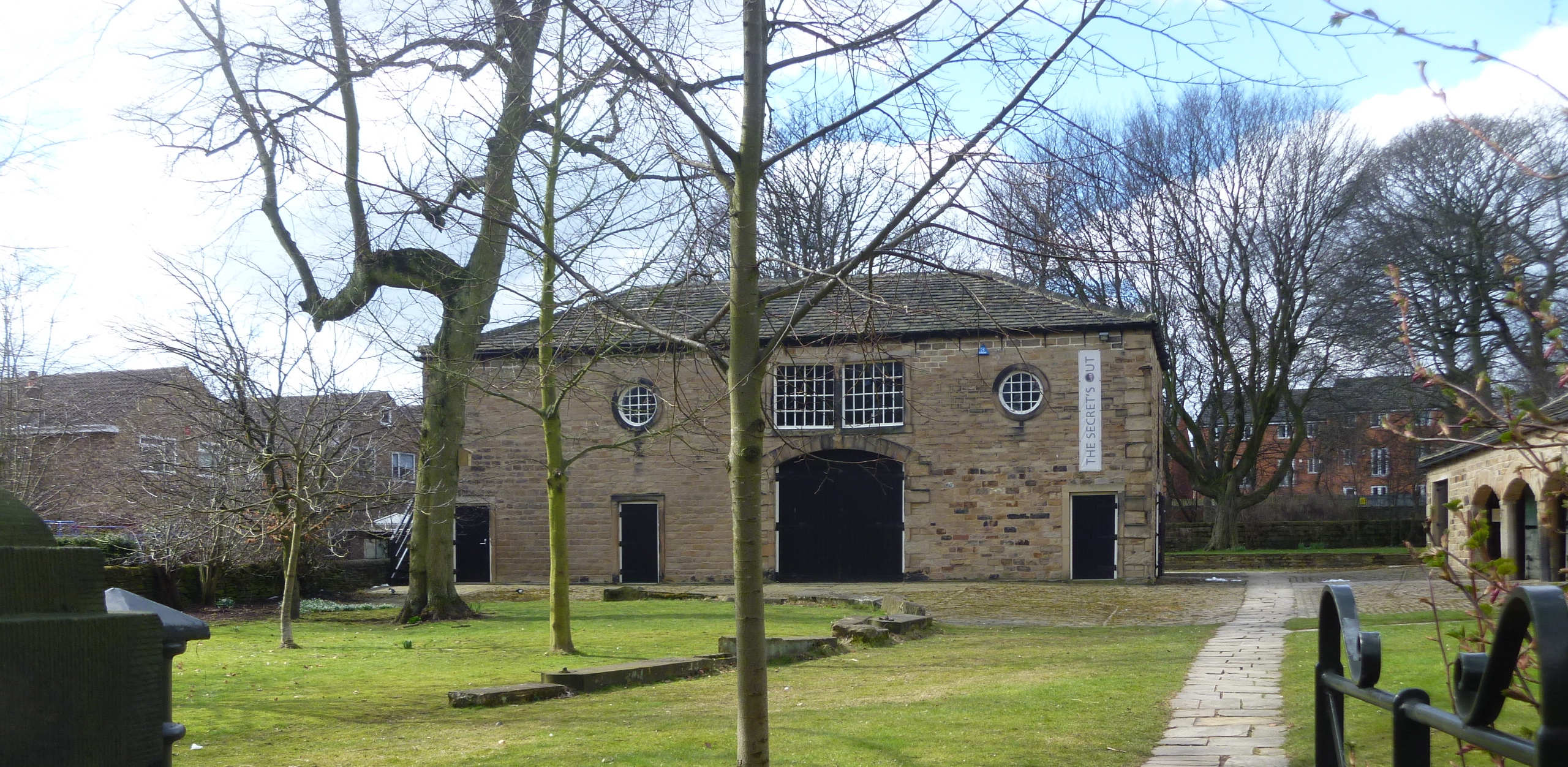
Secret's Out and Spen Valley Stories

The Secret’s Out with Spen Valley Stories (right)

So that was the house … but there is more. In the converted stables and outbuildings are two more displays. The Secret’s Out all about the Brontë connection with Red House and its local area and Spen Valley Stories : “Everyday community life through a century of change is illustrated through personal stories – displays include Schooldays; Working Lives; At Home; Freetime and Shopping.”

I didn’t have time to investigate these but I will be definitely go back, so watch this space!

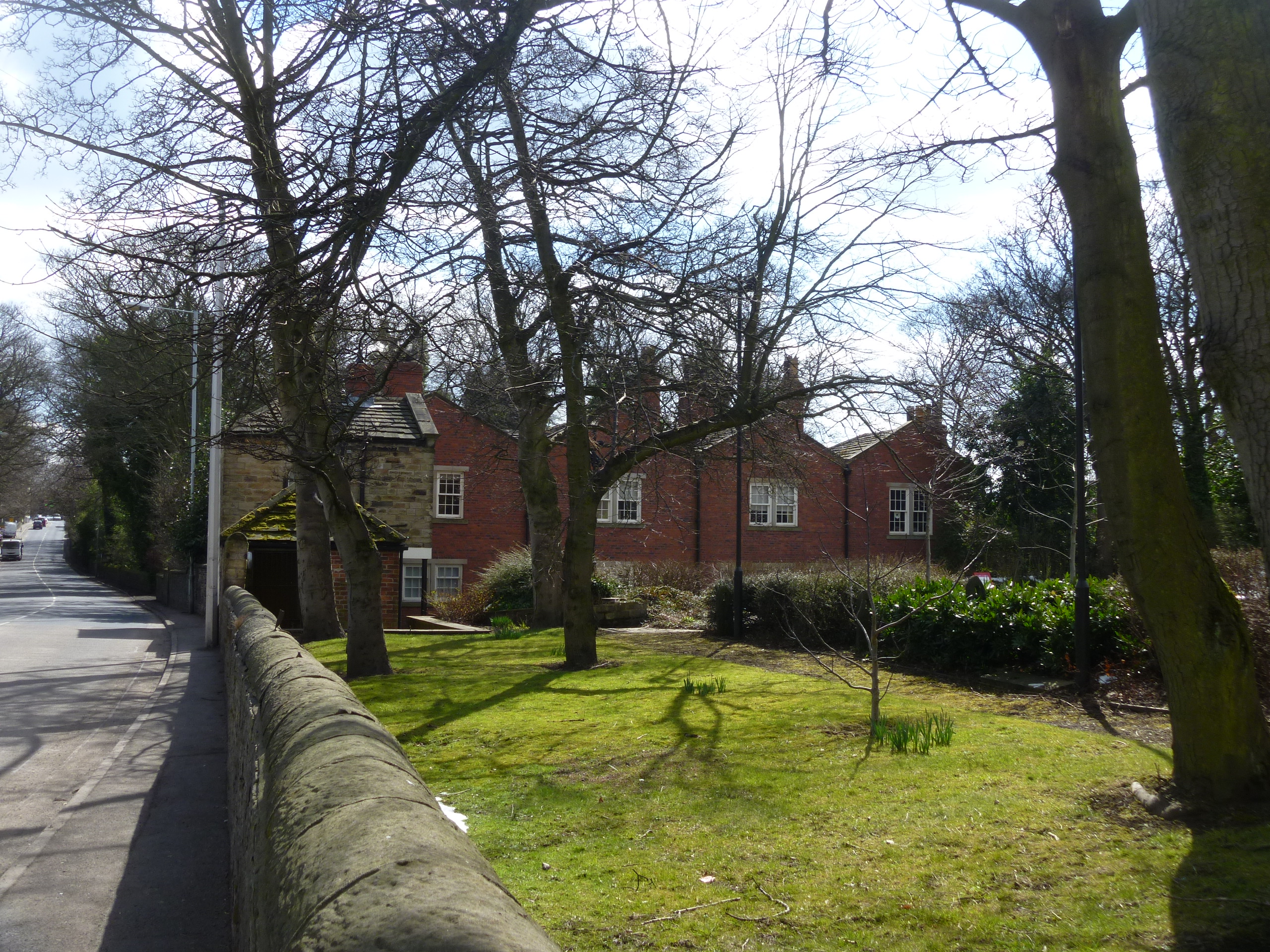
Back of Red House

Back of The Red House from the main road

A Wintry Winterburn Walk – on the first day of spring

Last October I attempted this walk but long stretches of very muddy footpaths put me off completing it. I suppose I walked about a third of the route and then diverted from it taking an alternative track to a tarmaced country lane back to the start. So I was delighted when this month’s Weekday Wanderers ‘leader’ told us we were going to do the Winterburn Reservoir Walk yesterday. There was every chance that the paths, although muddy, would be frozen so we would be able to complete the route without being too bogged down in mud.

Muddy moor lane

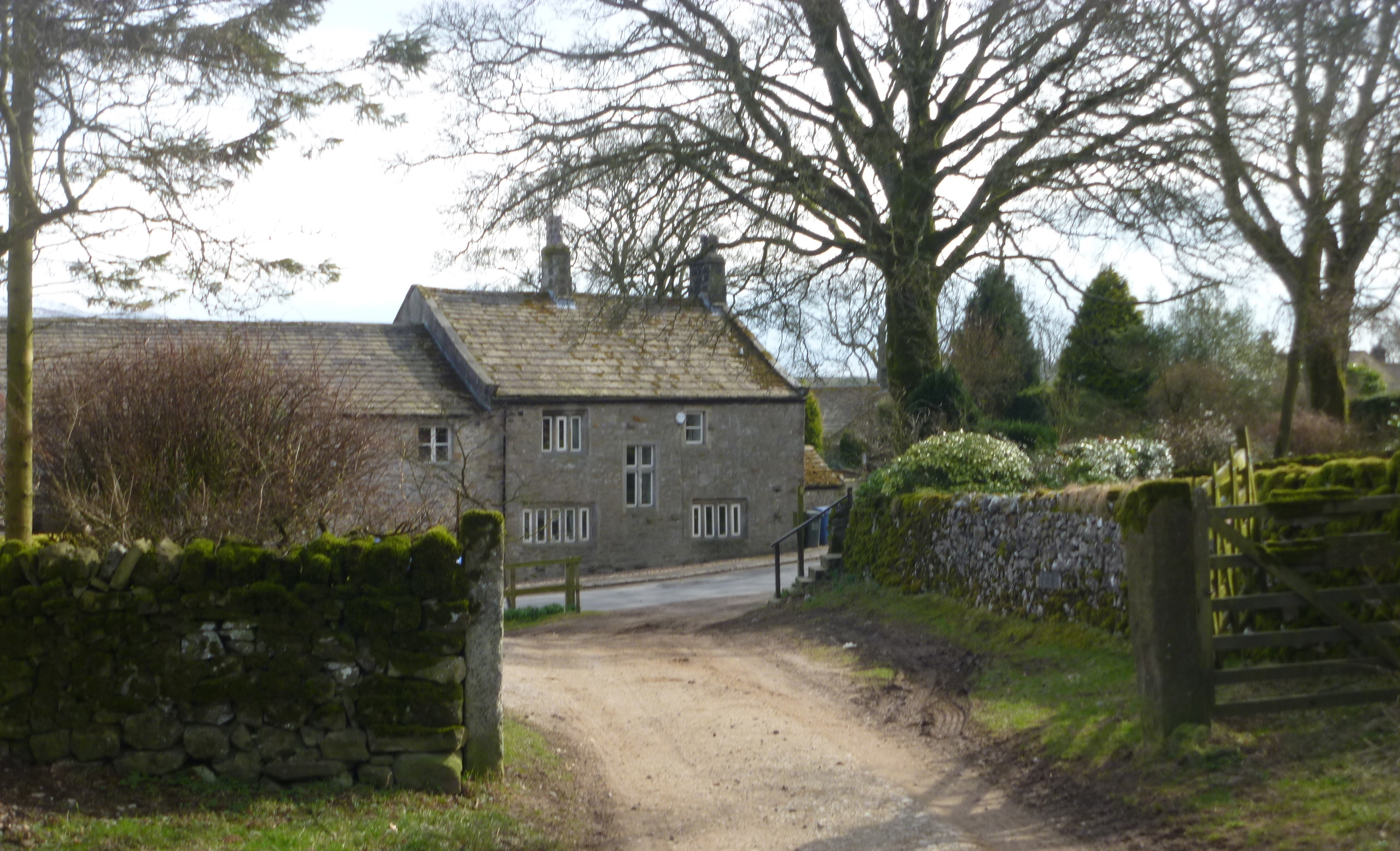
Our leader’s walk – although also extracted from the Yorkshire Post – followed the reverse route. Parking in Hetton in front of the Angel Inn, we headed along a quiet lane out of the village then we struck out across fields until we reached Friar’s Head House. A slight diversion was well worth it to see the front of this Grade 2* listed building which is now a farmhouse.

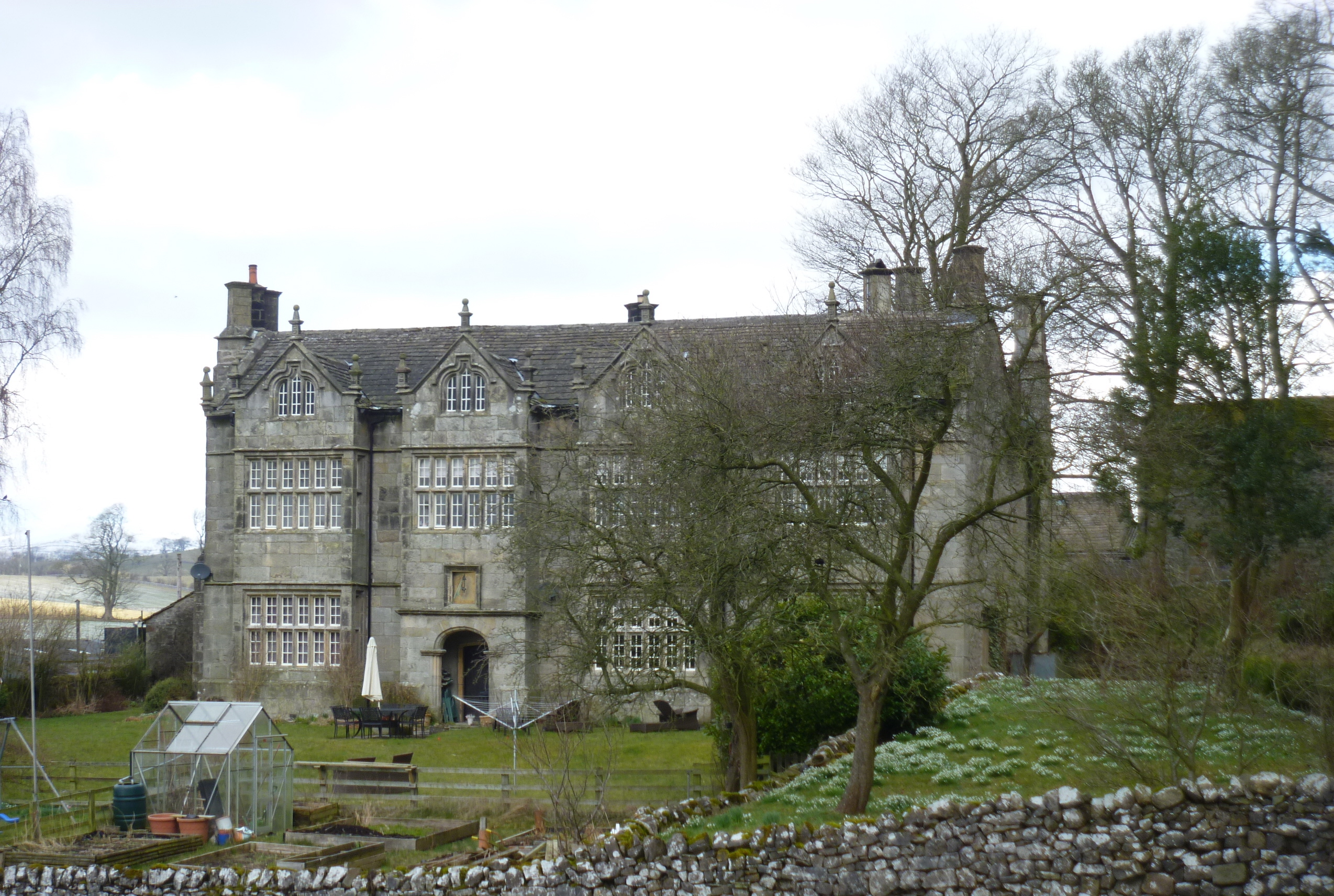
Friars Head 1

The manor of Winterburn was gifted to Furness Abbey during the 12th century. Nearby Winterburn Grange was the abbey’s administrative centre for the surrounding estates and Friar’s Head was supposedly a hunting lodge for the Abbots of Furness. The present building has a much later date however. After the Dissolution of the Monasteries a long dispute arose over Friar’s Head between its tenants under the Abbey, the Proctor family, and the Earl of Cumberland who tried to put his own tenants in. The three-storey house now at Friar’s Head was eventually built by Stephen Proctor around 1590. It is the most prominent example of a late Tudor gentry house in the Dales.”

Source : http://www.outofoblivion.org.uk/record.asp?id=237

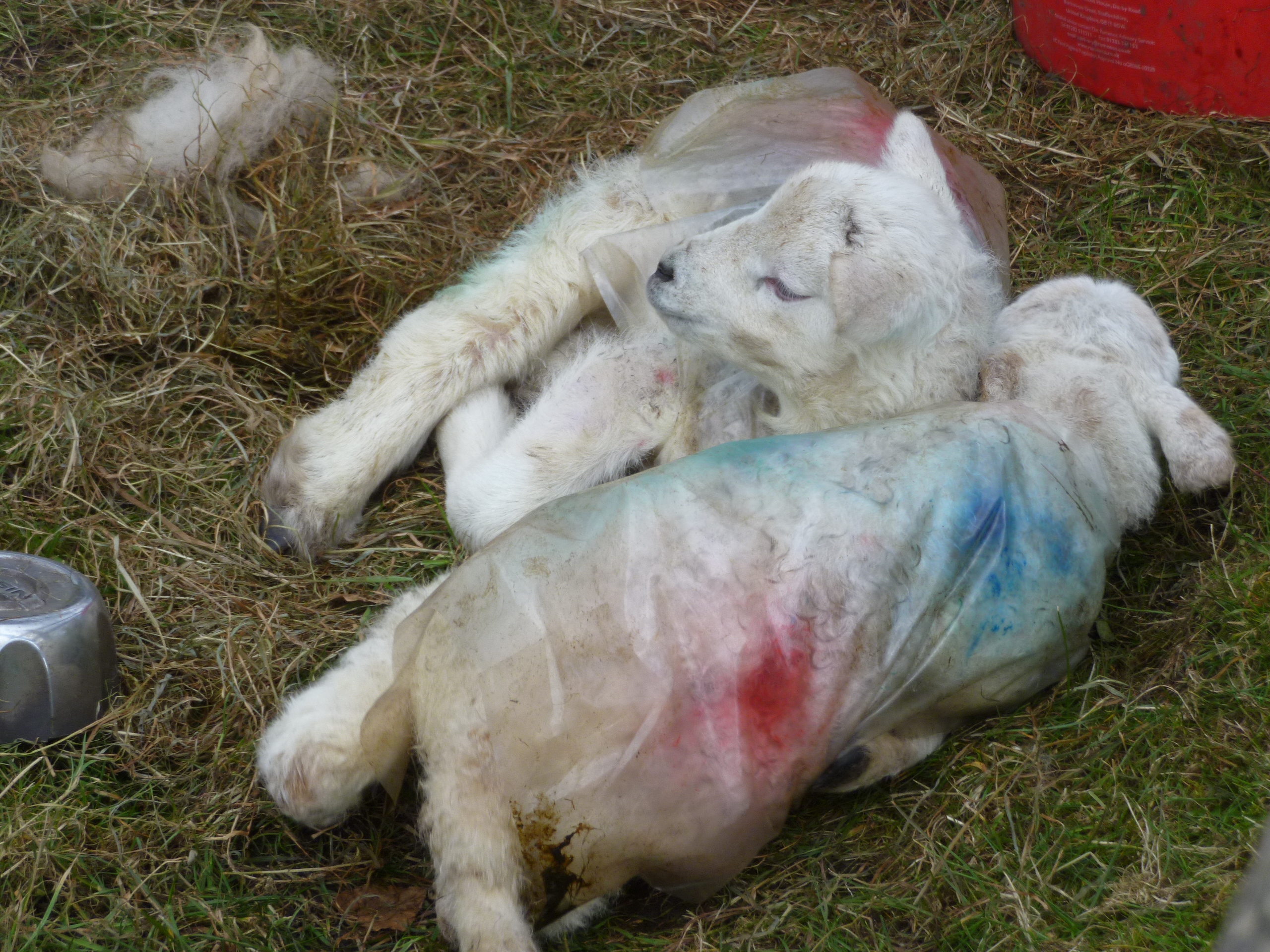
The quiet Winterburn Lane leads to the village of Winterburn itself where we were delighted to see new born lambs in their pac-a-mac raincoats!

Lambs in Plastic Macs

Lambs in Plastic Macs

Latest style in plastic rainwear

The Latest Style in Rainwear!

Eventually we left the track to climb up to fields above the hamlet and we had wide views of the Cracoe Fell with its cross and war memorial (I have yet to walk that ridge).

Winterburn walk

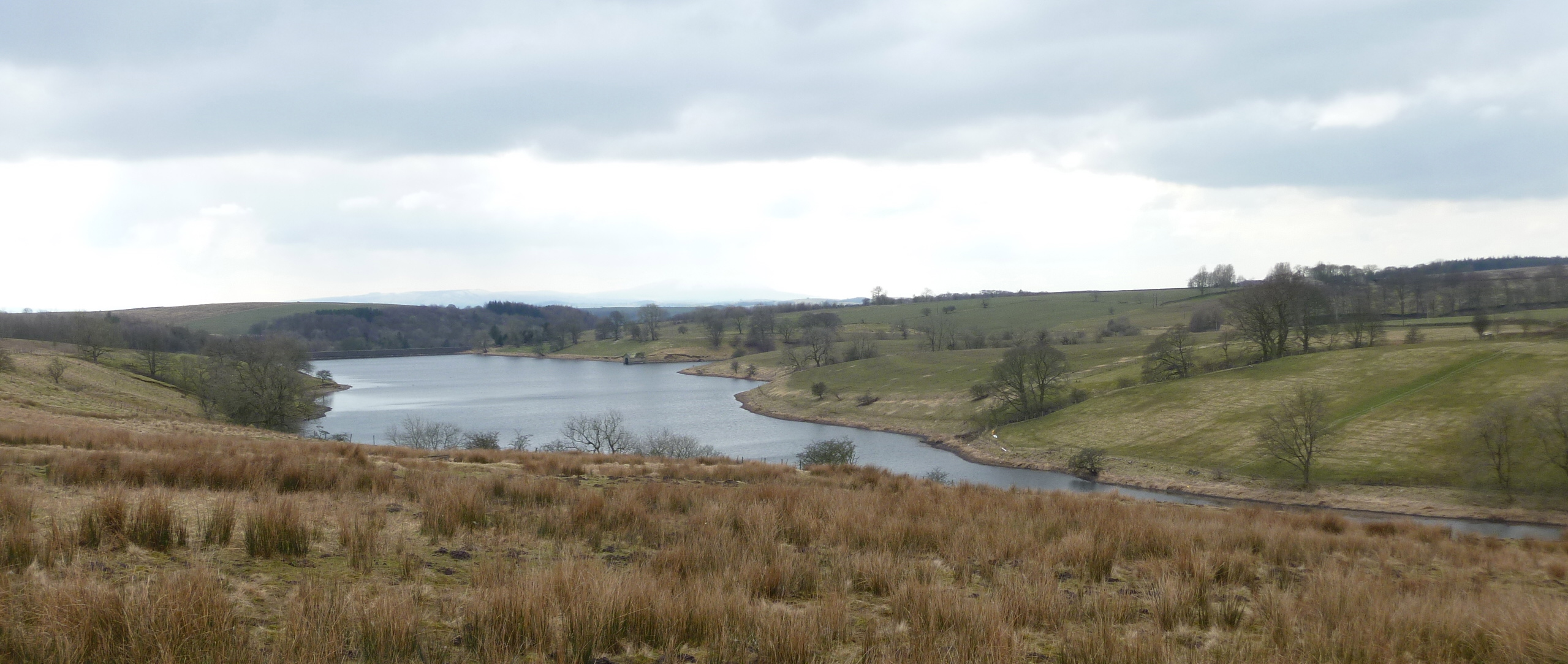
Dropping down to the reservoir itself we had to negotiate the muddy paths before joining the long Moor Lane track back to the village of Hetton.

Winterburn res.

Winterburn Reservoir

Cracoe Fell from Moor Lane

Cracoe Fell from Moor Lane

Returning to Hetton

Returning to Hetton

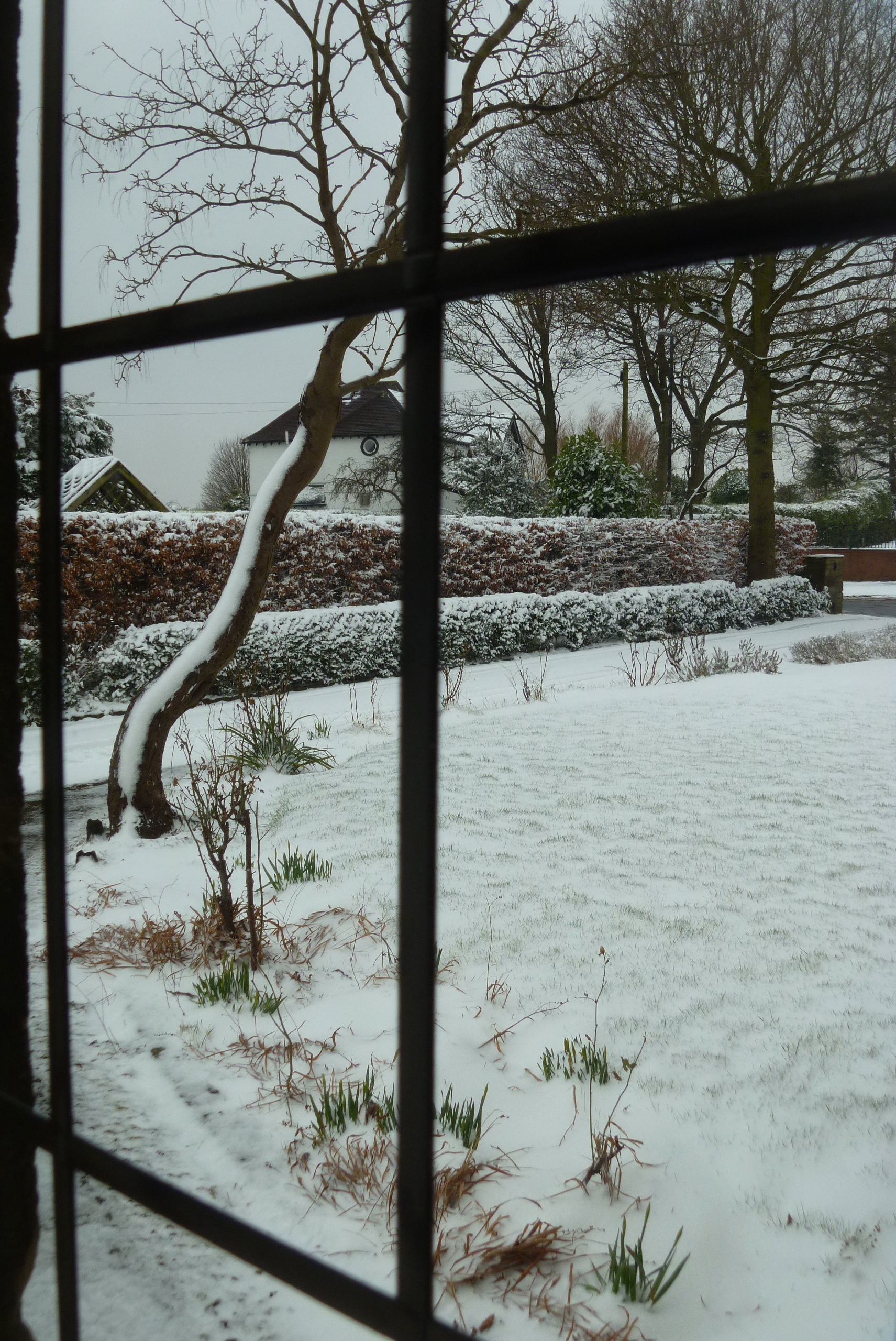
We experienced freezing cold winds but lovely clear views of the fells covered with snow. Today we have as much snow in our garden! And to think, Easter is a week away and spring has already begun!

Snow today

Snow today!

The Ramblers’ Church, Lead, North Yorkshire

P1080600

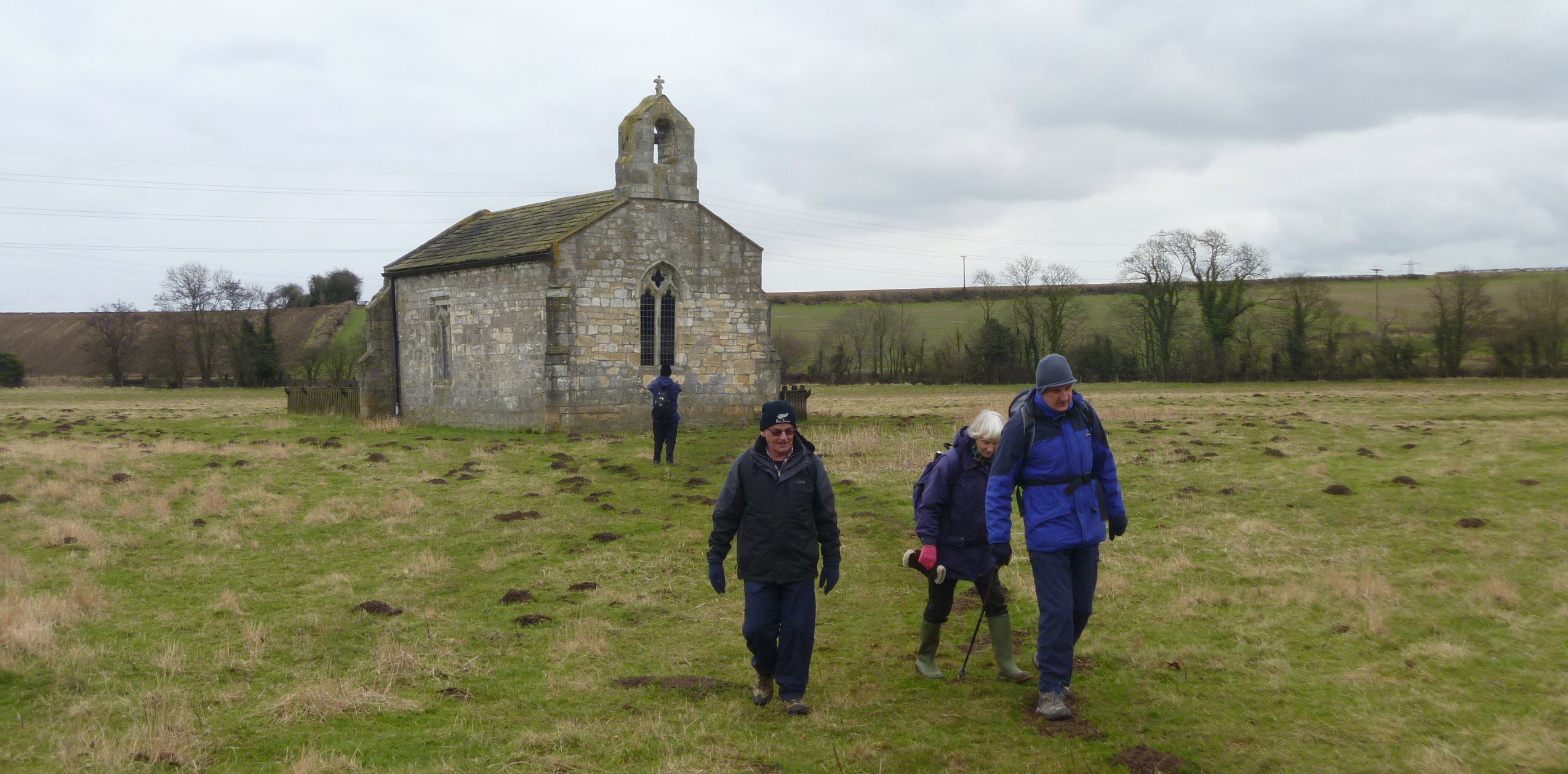
Ramblers leaving the Ramblers’ Church

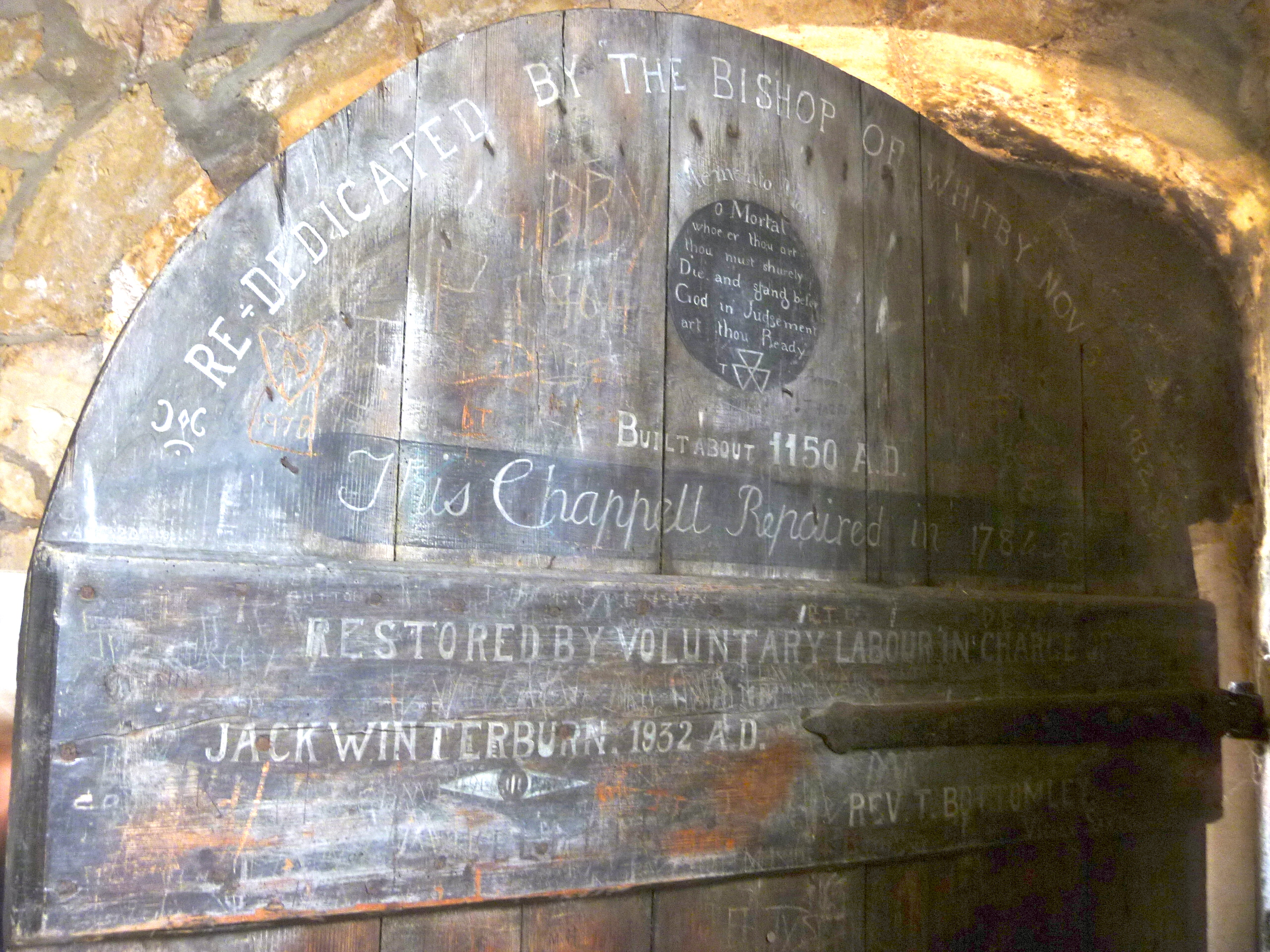
“Since being rescued by a group of walkers in 1931, St Mary’s has been known as the Ramblers’ Church. The repairs made then are recorded on the back of the church door.

Back of the door at Lead

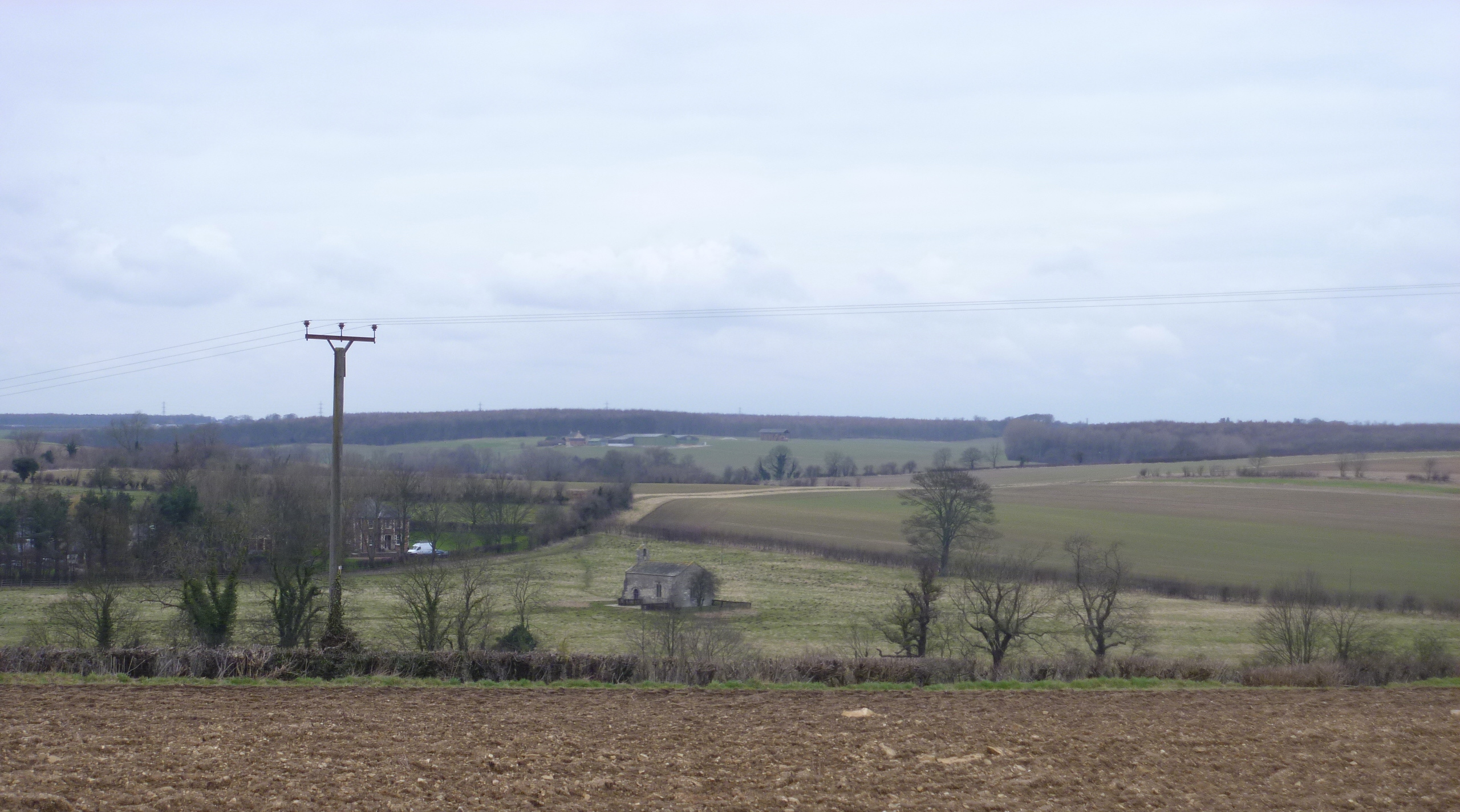
The church stands alone in the middle of a field filled with the bumps and furrows of earthworks that indicate the site of a Medieval manor house, for which St Mary’s was probably originally the chapel.

In the middle of a field

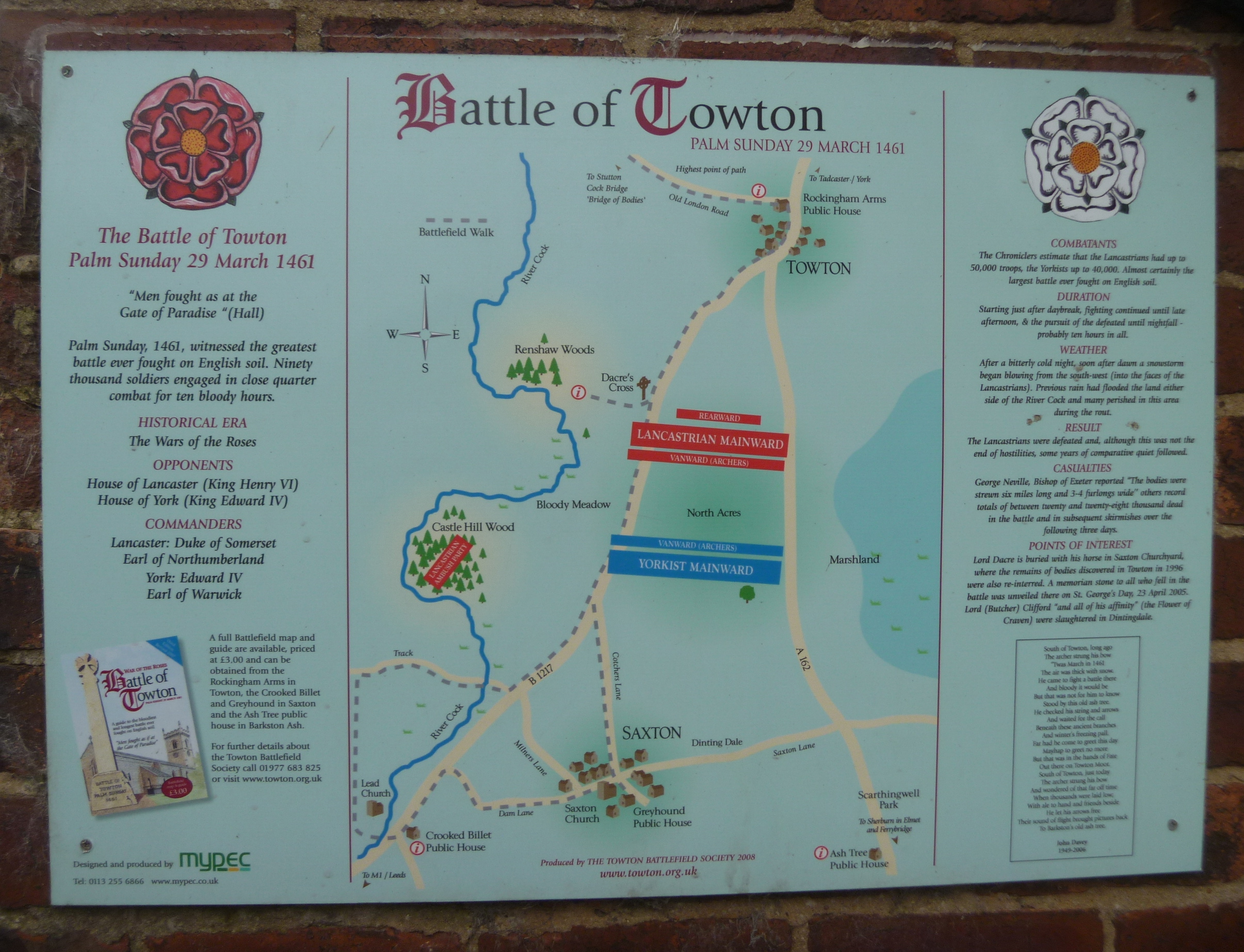
Nearby is Towton, the site of the War of the Roses battle, believed to be bloodiest in English history which brought the Wars of the Roses to an end in 1461.

Battle of Towton

Battle of Towton Information Board, Crooked Billet Pub, Lead, North Yorkshire

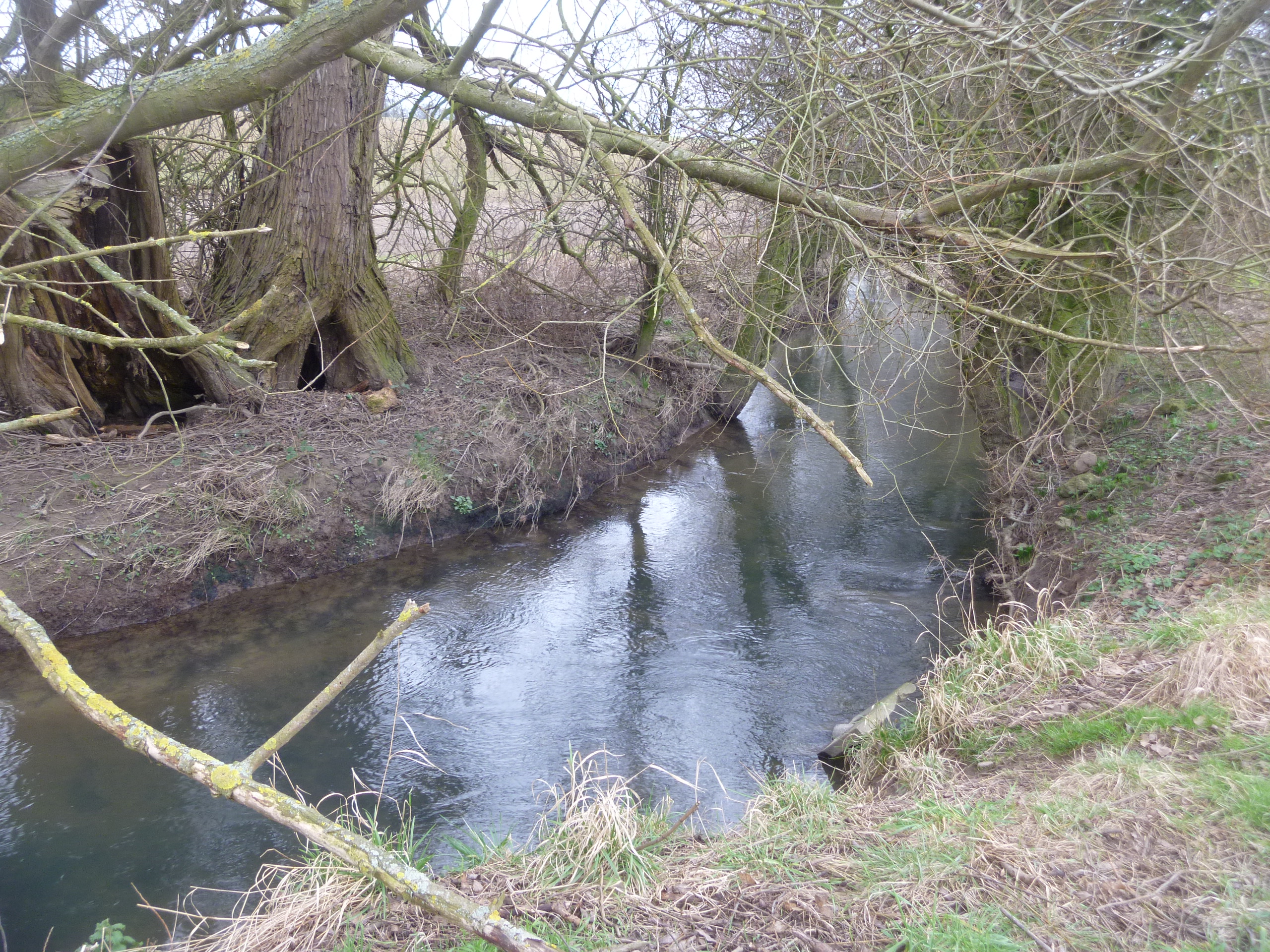
Ten thousand men are said to have been killed, and Cock Beck, the little stream which you cross to get to St Mary’s, is said to have run red with blood. 

Cock Beck

Cock Beck

You can find monuments to crusading knights in this tiny 14th-century church.

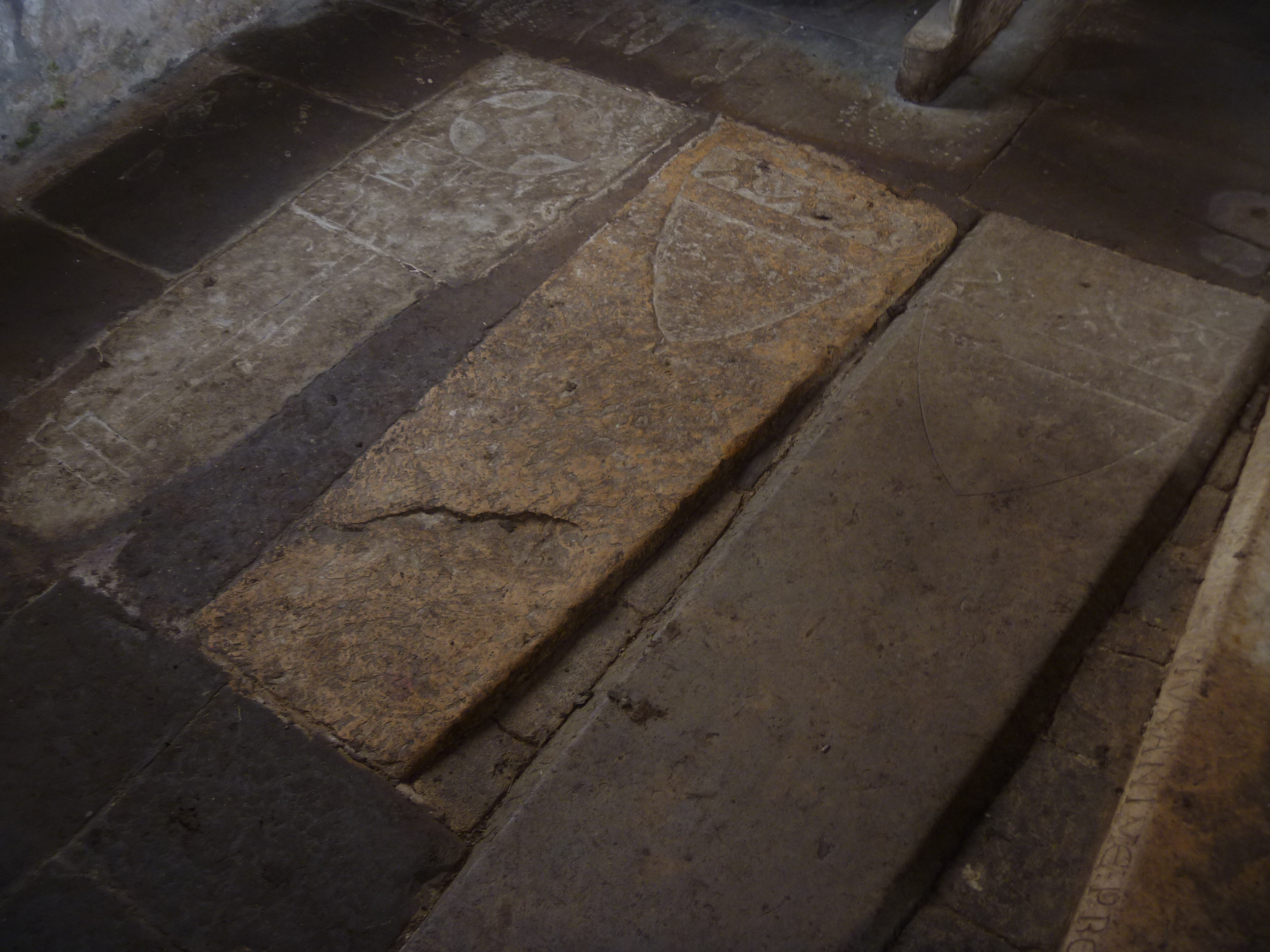
Despite its awesome history, St Mary’s is a peaceful place. The tiny rectangular building is very simple. It was probably built by the Tyas family, whose massive grave slabs are set into the floor.

Massive grave slabs

The massive grave slabs

Carved with heraldic symbols and inscriptions, and dating from the 13th-century, they are an important and interesting collection.

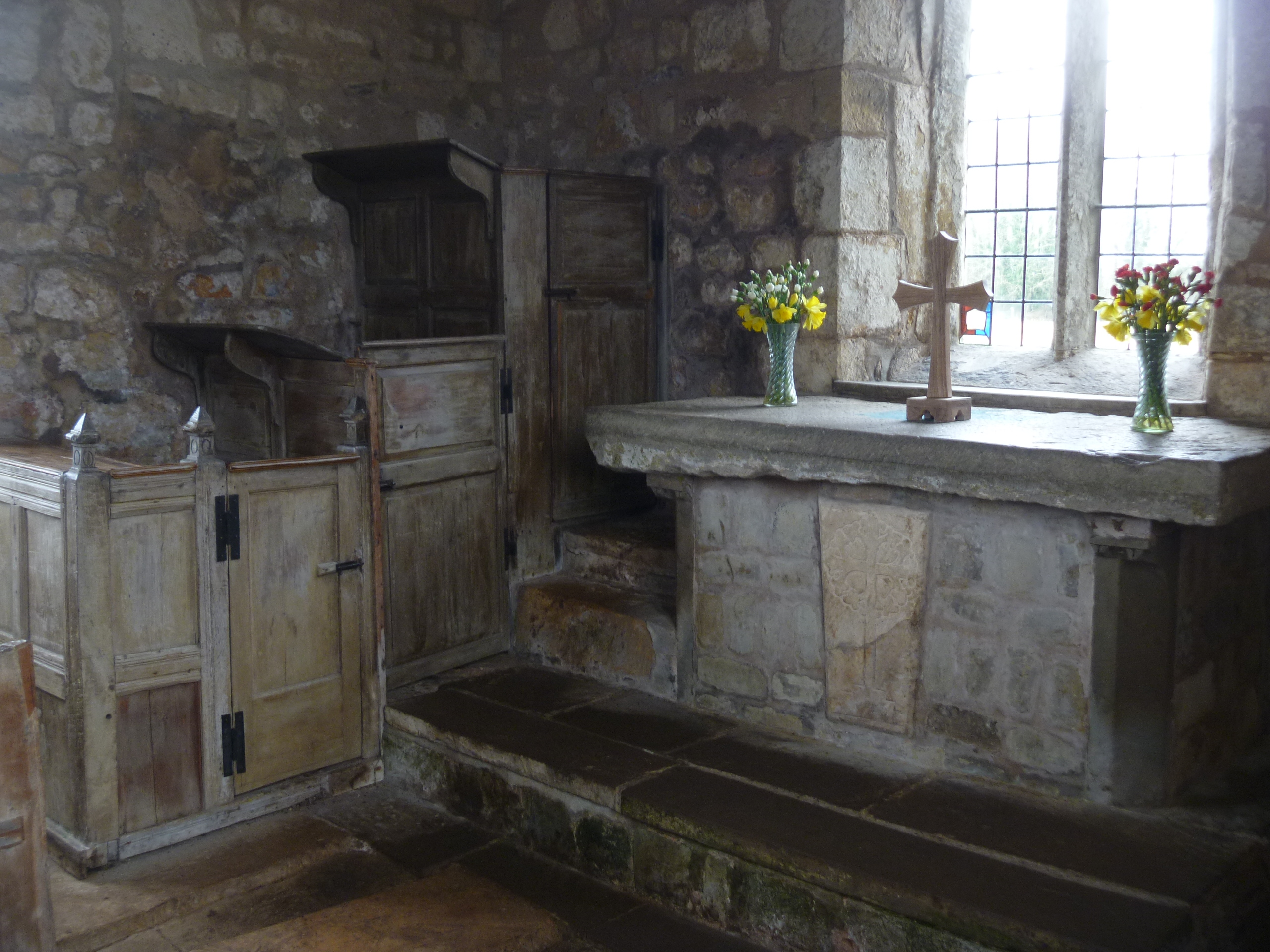
Pulpit and altar

Pulpit, Clerk’s Pew and Reading Desk and Altar

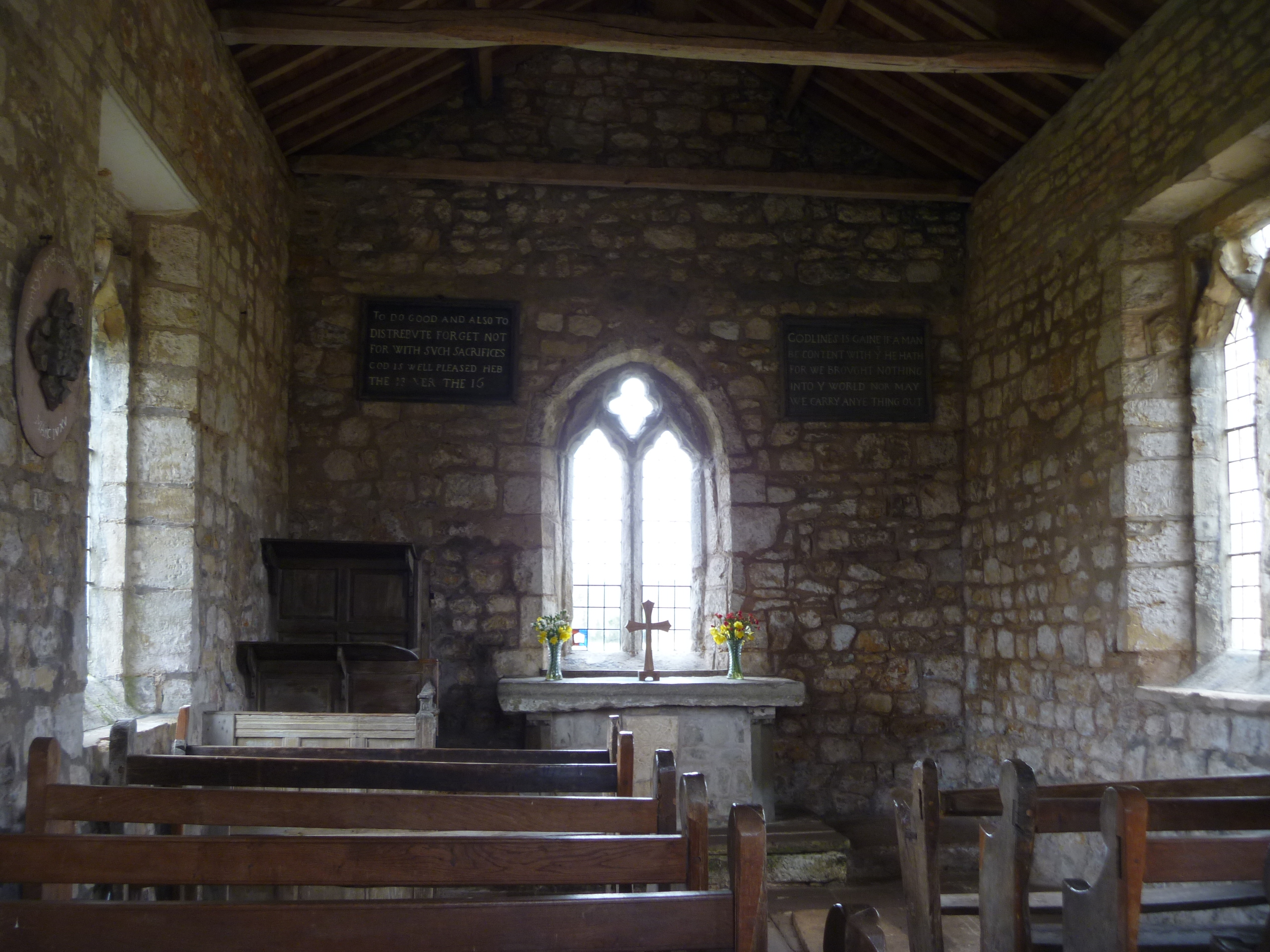
Later additions were made to the church in the 18th-century, with a rustic pulpit, clerk’s pew, reading desk and painted texts.”

From the Churches Conservation Trust website.

Interior St Mary's Lead

Interior of the Ramblers’ Church

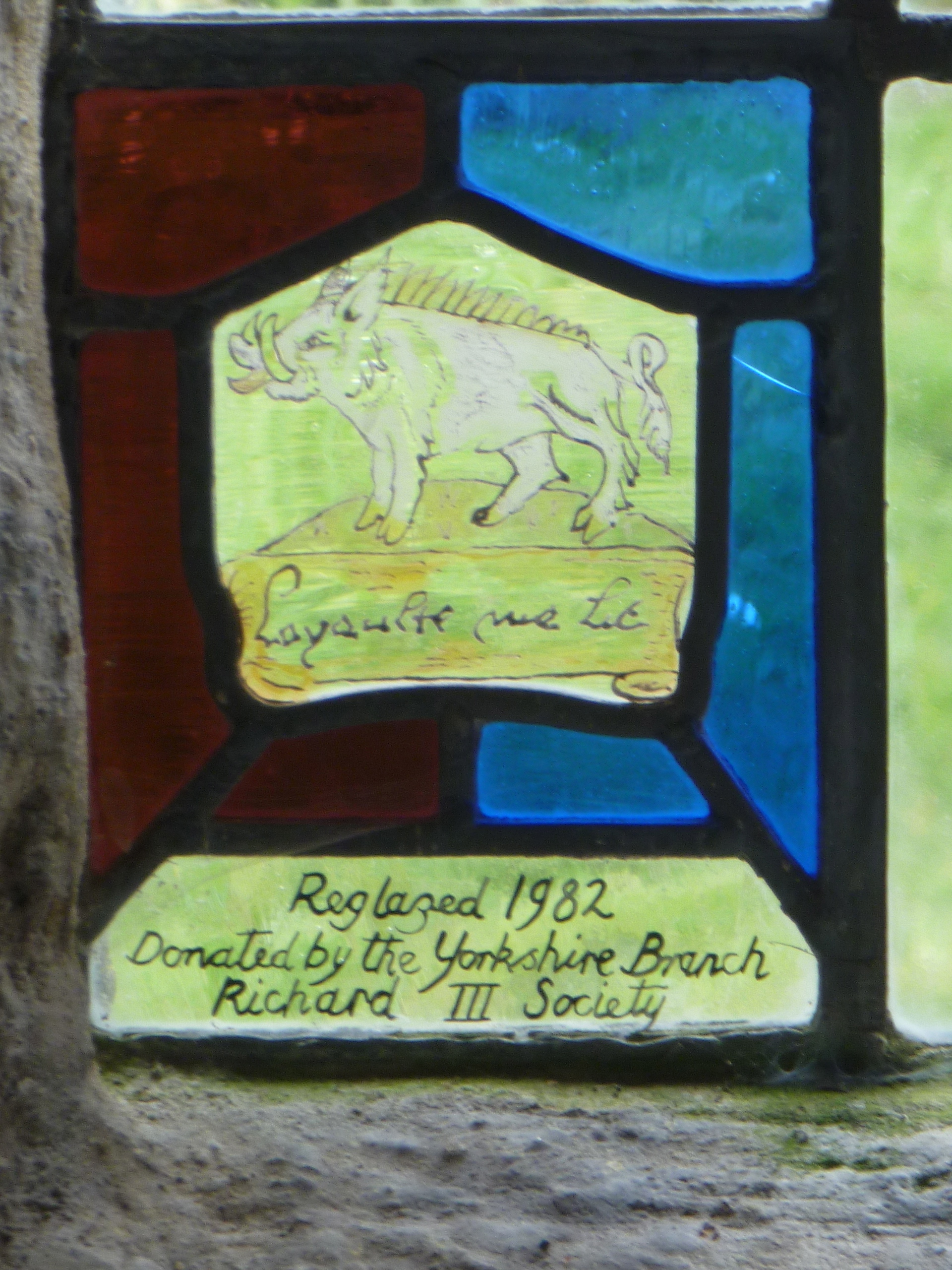
Richard III wondow

Window behind the Altar paid for by the Richard III Society – topical!

Today I have been out in the Yorkshire countryside. Weekday Wanderers headed east of Leeds to the flat countryside between Leeds and York. Flat but not uninteresting. Parking in Aberford we crossed the A1M by footbridge and eventually after a while left the noise of the highway behind and crossed fields and followed easy tracks on a circular walk that included a ‘castle’, a village, two churches and two pubs. We stopped at one of the pubs for our picnic lunch and had a look at one of the churches – St Mary’s, Lead, The Ramblers’ Church. We were not quite on the Battlefield of Towton, mentioned above, but we did return to the cars alongside Cock Beck. The perfect winter ramble.

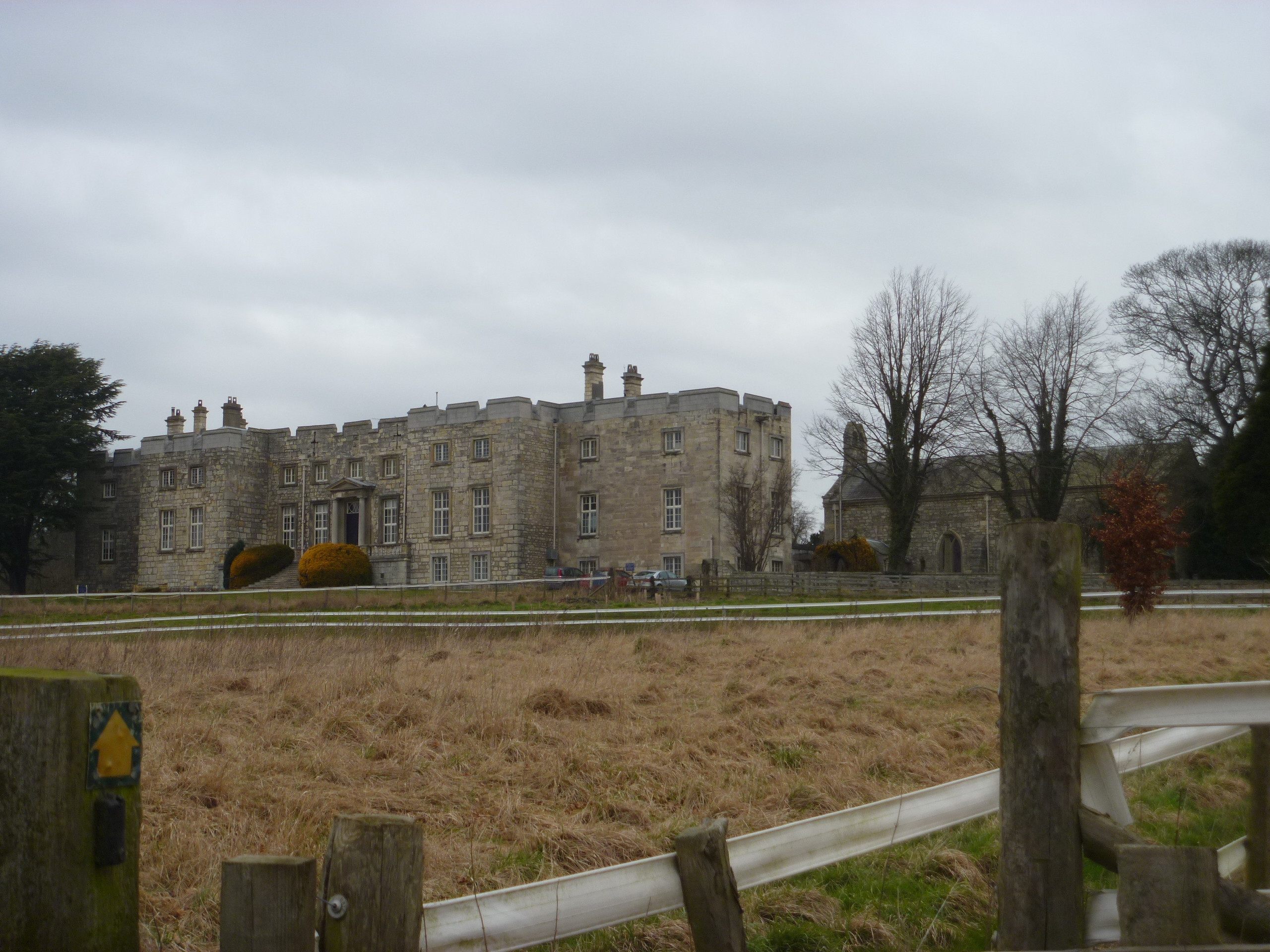
The ‘castle’ was Hazlewood Castle now a very popular luxury hotel and wedding venue. Originally owned and lived in by the Vavasour family from 1971 until 1996 it was a Carmelite Friars’ retreat and opened as a hotel in 1997.

Hazelwood Castle

Hazlewood Castle

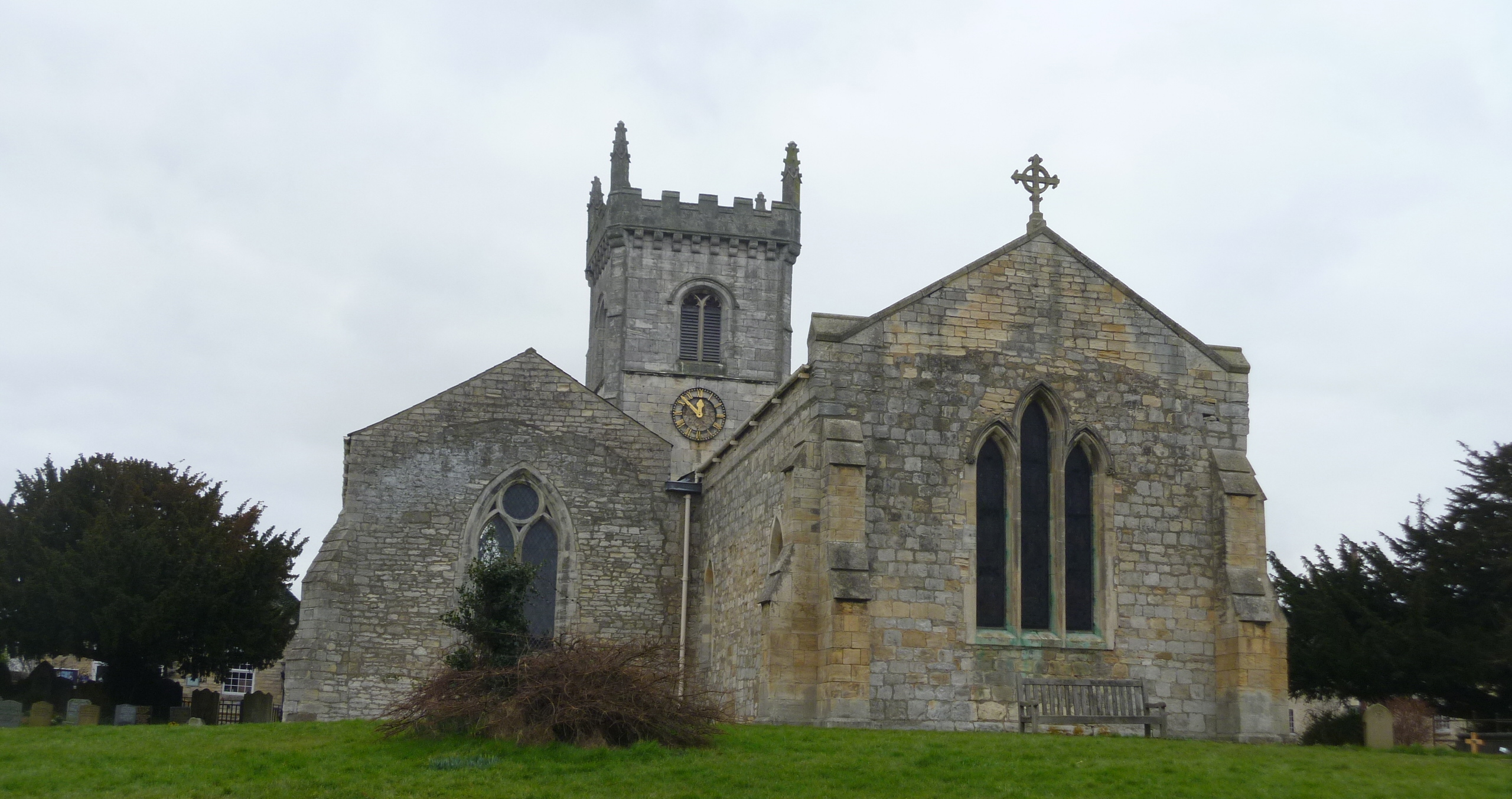
Saxton Church

All Saints Church, Saxton

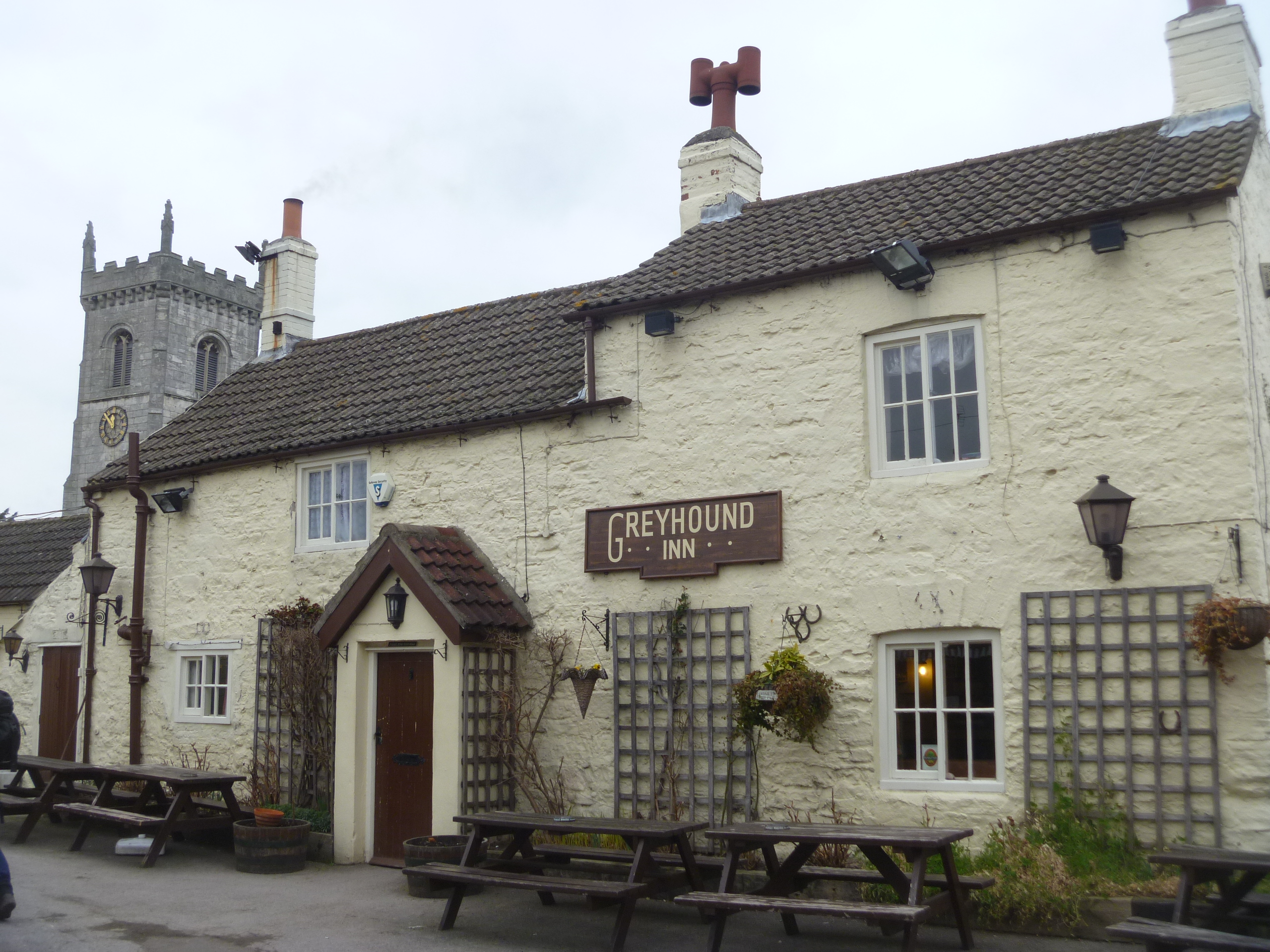
The Greyhound, Saxton

The Greyhound Pub at Saxton

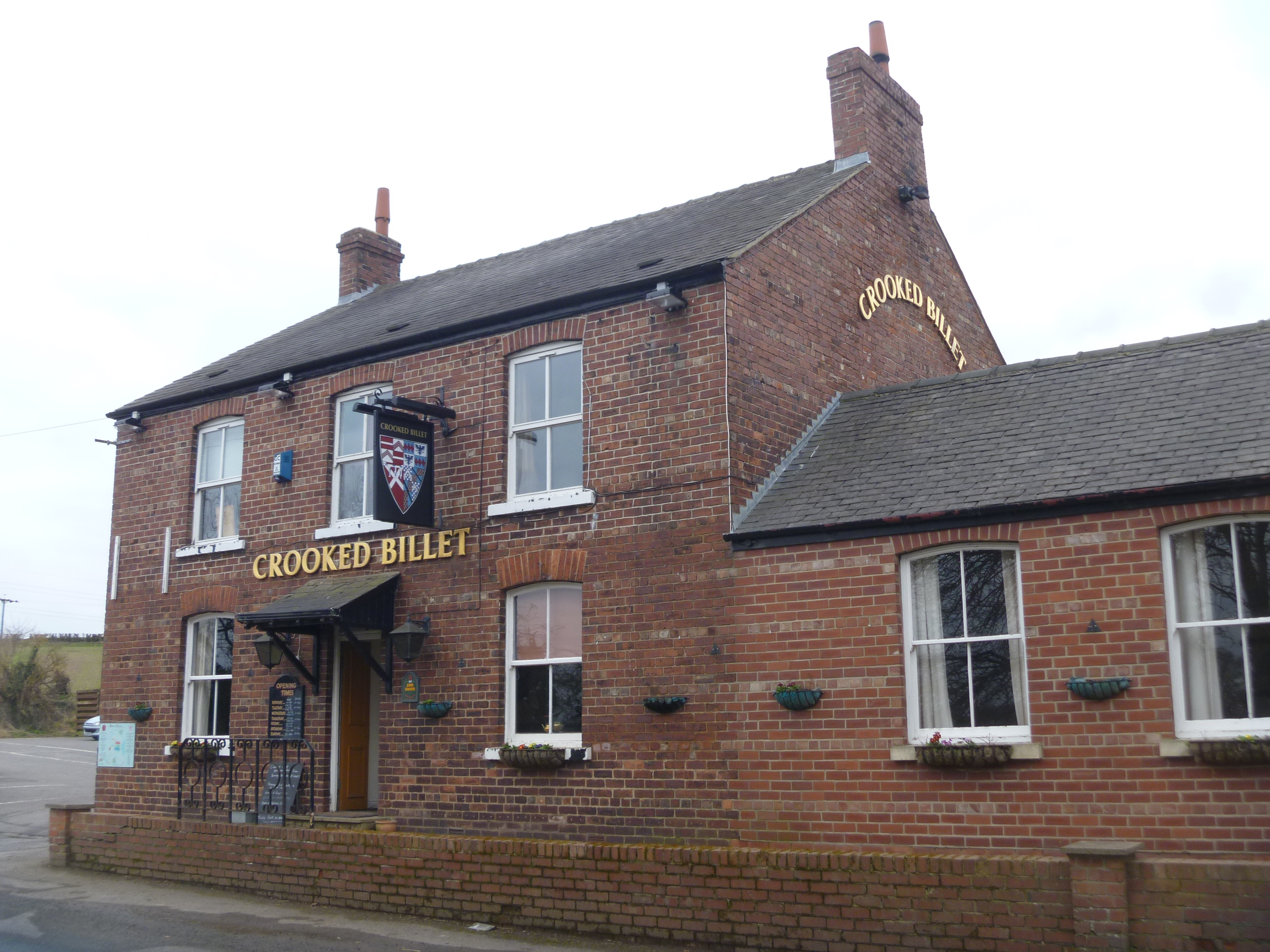
Crooked Billet

The Crooked Billet Pub, Lead near Saxton North Yorkshire

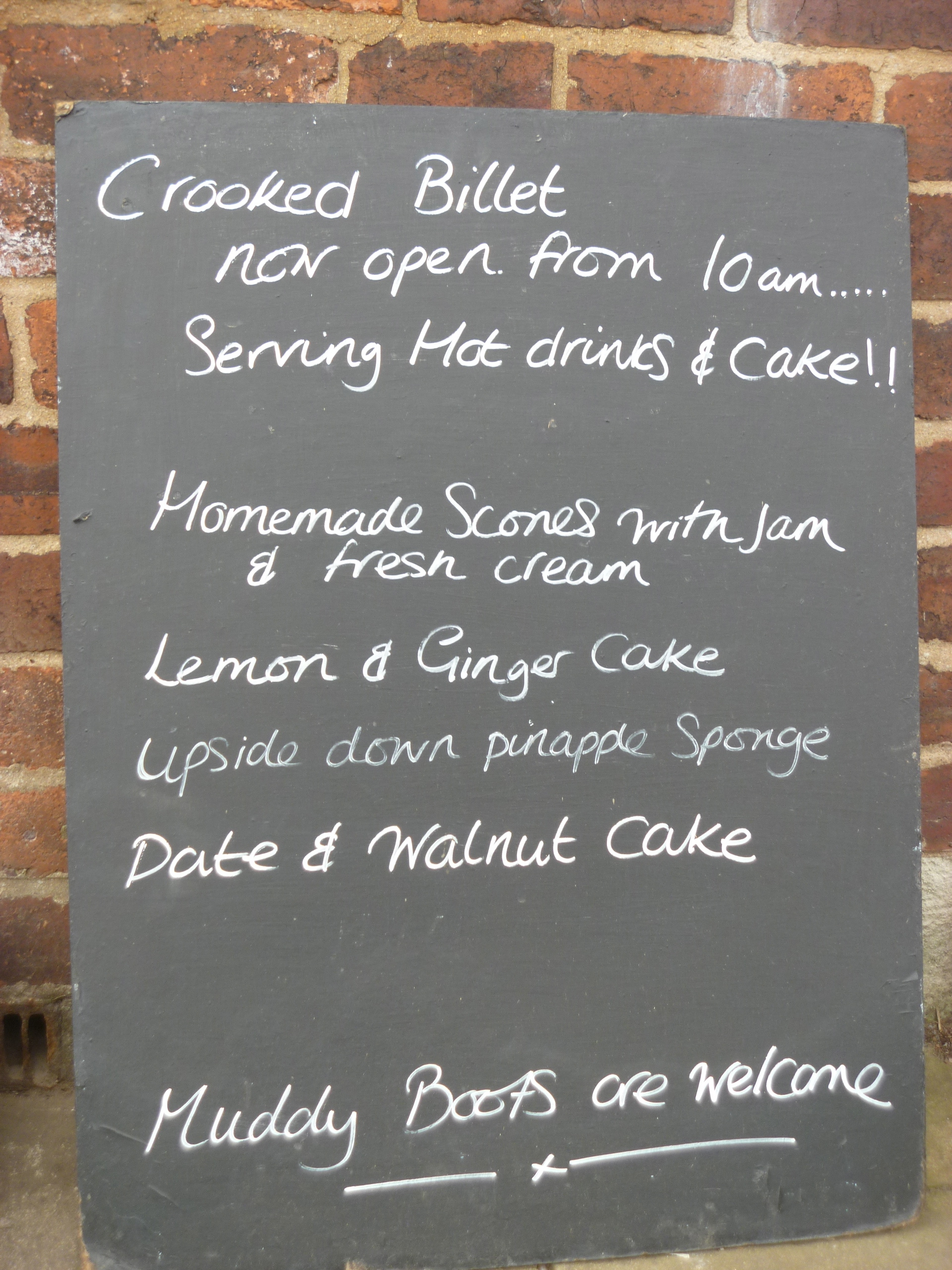
Muddy boots welcome

Muddy boots welcome! The sign of a good pub!

‘Deck the halls’ at Oakwell

Oakwell Hall

Step back in time and enjoy Oakwell Hall’s period rooms decorated with greenery from the park with the theme of traditional Christmas carols. Enjoy the rich and historic splendour of Oakwell Hall, decorated for a 1690 Christmas.”

Oakwell Hall

“It was neither a grand nor a comfortable house; within
as without it was antique, rambling and incommodious.”

Charlotte Brontë’s description of ‘Fieldhead’ (Oakwell Hall) from ‘Shirley’.”

We have had days and days of constant rain. The dark misty clouds mean that the days seem even shorter than the time of year supposes that they should be, so I decided to ‘step back in time’ to a nearby house with Bronte connections – Oakwell Hall in Gomersall. It is now owned by Kirklees Council but has had an interesting history and the lovely house dates back to the 16th century. Read about the fascinating study of the timbers, panelling, layout and construction of Oakwell Hall here. It is such a shame that photography is no longer allowed inside Oakwell Hall as the greenery and decorations brighten up the rooms at this time of year.

Oakwell - rear

Rear view of Oakwell Hall

Thought to be built by one John Batt, whose initials appear above the door, Oakwell was occupied by him and his family for way over a century. Between 1789 and 1927 when the hall was bought by the local council it had several owners and was at times a private residence, at times occupied by short term tenants (families and schools) and at one point was threatened to be “taken down, brick by brick, and shipped to America”. A local appeal was then launched and with the help of two particular wealthy benefactors (Sir Henry Norman Rae and John Earl Sharman) the house was saved and passed to Batley Corporation (now Kirklees Council). Since 1927 the house has been a museum and more recently the surrounding parkland has come into Council ownership and the whole is now Oakwell Hall Country Park.

As you tour the house, after being greeted in the Great Hall, at one point on the ground floor you pass into the Buttery. This bare room with stone floor is now a small information space and here I read more about the Bronte connection with Oakwell Hall.

Whilst a pupil at Roehead School in Mirfield Charlotte Bronte made friends with Ellen Nussey and Mary Taylor. Ellen later attended a school at Oakwell Hall and CB frequently visited her here. She was inspired to base her descriptions of the house Fieldhead on Oakwell Hall and she also based The Yorke family in the same book on her friends The Taylors.

Accurate descriptions of the house interior and exterior can be lifted straight from Chapter 11 “Fieldhead” in Shirley.

“If Fieldhead had few other merits as a building, it might at least be
termed picturesque. Its regular architecture, and the gray and mossy
colouring communicated by time, gave it a just claim to this epithet.
The old latticed windows, the stone porch, the walls, the roof, the
chimney-stacks, were rich in crayon touches and sepia lights and shades.
The trees behind were fine, bold, and spreading; the cedar on the lawn
in front was grand; and the granite urns on the garden wall, the fretted
arch of the gateway, were, for an artist, as the very desire of the eye.”

“Mr. and Miss Helstone were ushered into a parlour. Of course, as was to
be expected in such a Gothic old barrack, this parlour was lined with
oak: fine, dark, glossy panels compassed the walls gloomily and grandly.
Very handsome, reader, these shining brown panels are, very mellow in
colouring and tasteful in effect …”

Talking with one of the Museum staff I also discovered that several filmings had taken place at Oakwell over the years. Notably in 1921 a silent film version of Shirley. 

A 2009 TV version of Wuthering Heights used Oakwell for its interior scenes. Fast forward to around 48 minutes in if you are only interested in seeing some interior shots of Oakwell. The exterior shots look to me as if they were filmed using East Riddlesden Hall near Keighley.

The interior scenes of  The Secret Diaries of Miss Anne Listeralso made for TV was filmed here at Oakwell. The true home of Miss Lister was nearby Shibden Hall at Halifax but I was told that the rooms at Oakwell were much larger to allow for all the cameramen’s paraphernalia.

Oakwell Gardens

On leaving the cosiness of the hall you enter the lovely, beautifully ordered, Elizabethan gardens. I made a mental note to revisit these on a less wet and grey day. I hurried home to light my own Christmas tree lights and relax with a mince pie.

My own Christmas tree

A MERRY CHRISTMAS EVERYONE!

A Literary Pilgrimage in Yorkshire

Yesterday I revisited Haworth with a friend. Looking back at my Flickr photos I see that my last visit to this Literary Shrine was in 2005. On that day, it was a Sunday, the queue to get into the Parsonage stretched down through the garden. I planned to return on a quieter day. So, a mere 7 years later, I was back again and indeed found the village and Parsonage very much quieter. [Mental note to self – visit Haworth Parsonage on a Monday in November] My only previous visit inside the house itself was in the early 1990s.

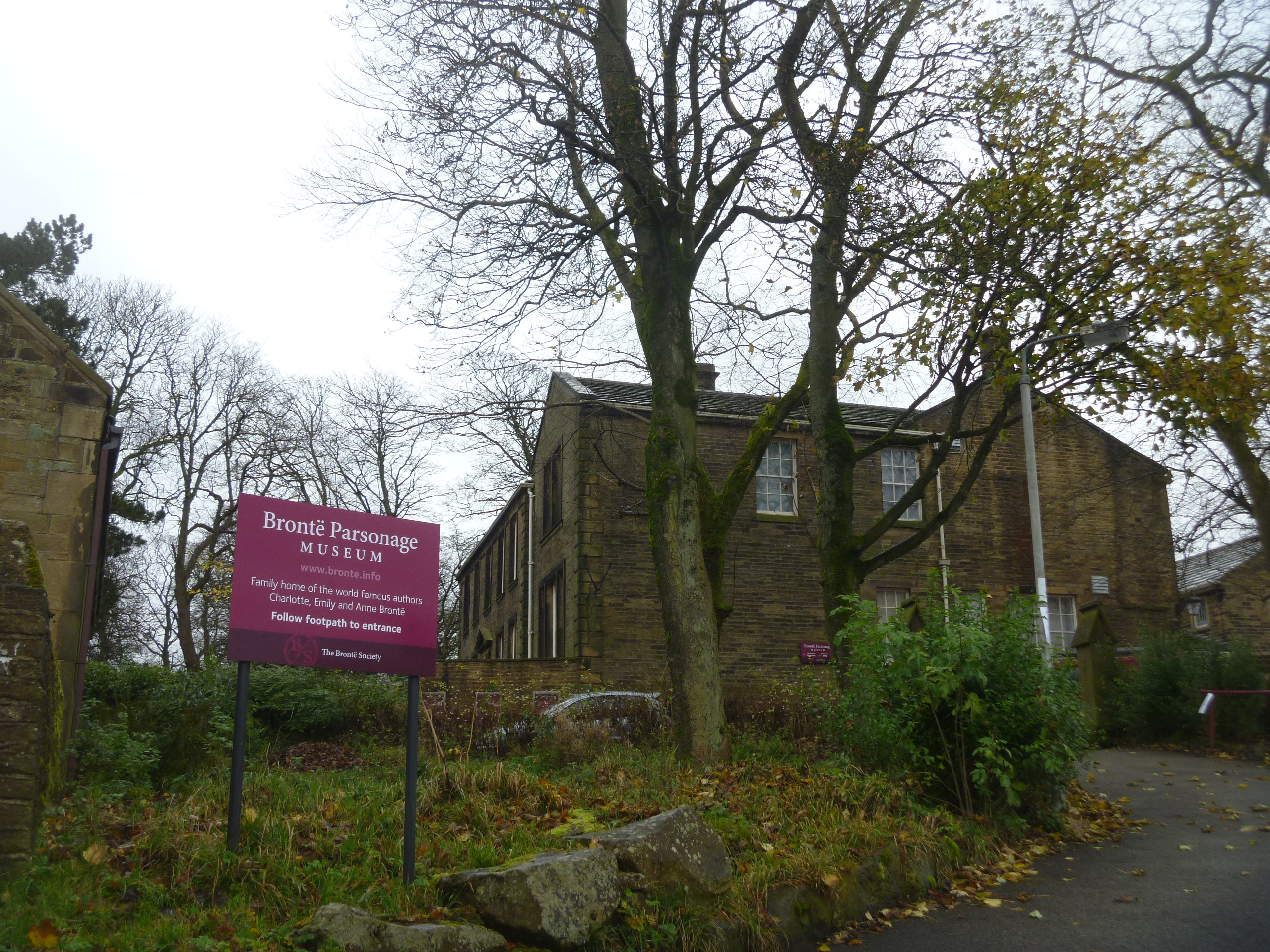
Approaching the Museum from the Car Park

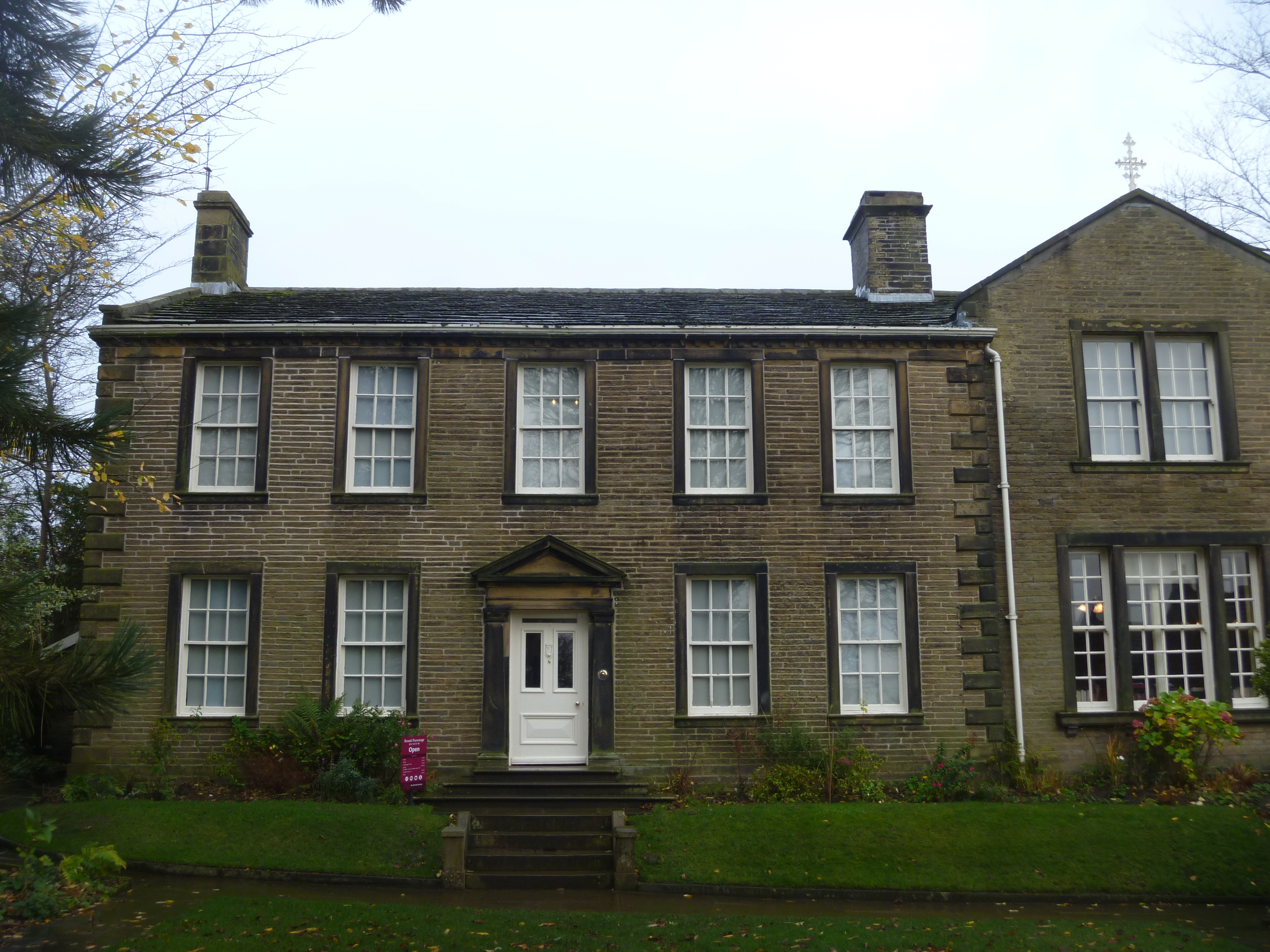
I’m sure I don’t need to explain here that the Parsonage at Haworth, near Keighley in West Yorkshire was home to the Bronte family (probably the world’s most famous literary family) from 1820 to 1861.

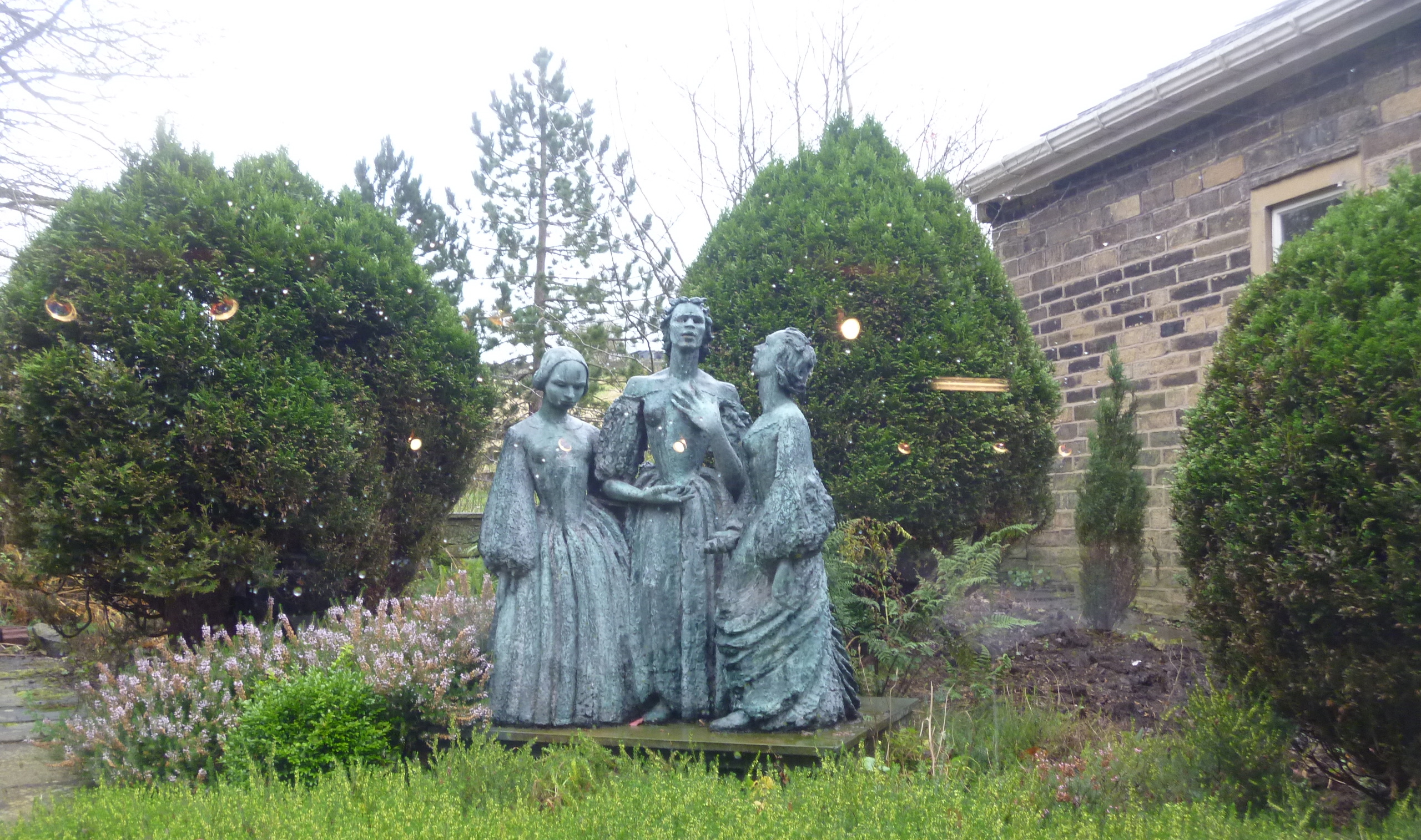
Bronze Sculpture (by Jocelyn Horner) of The Bronte Sisters in the Heather Garden

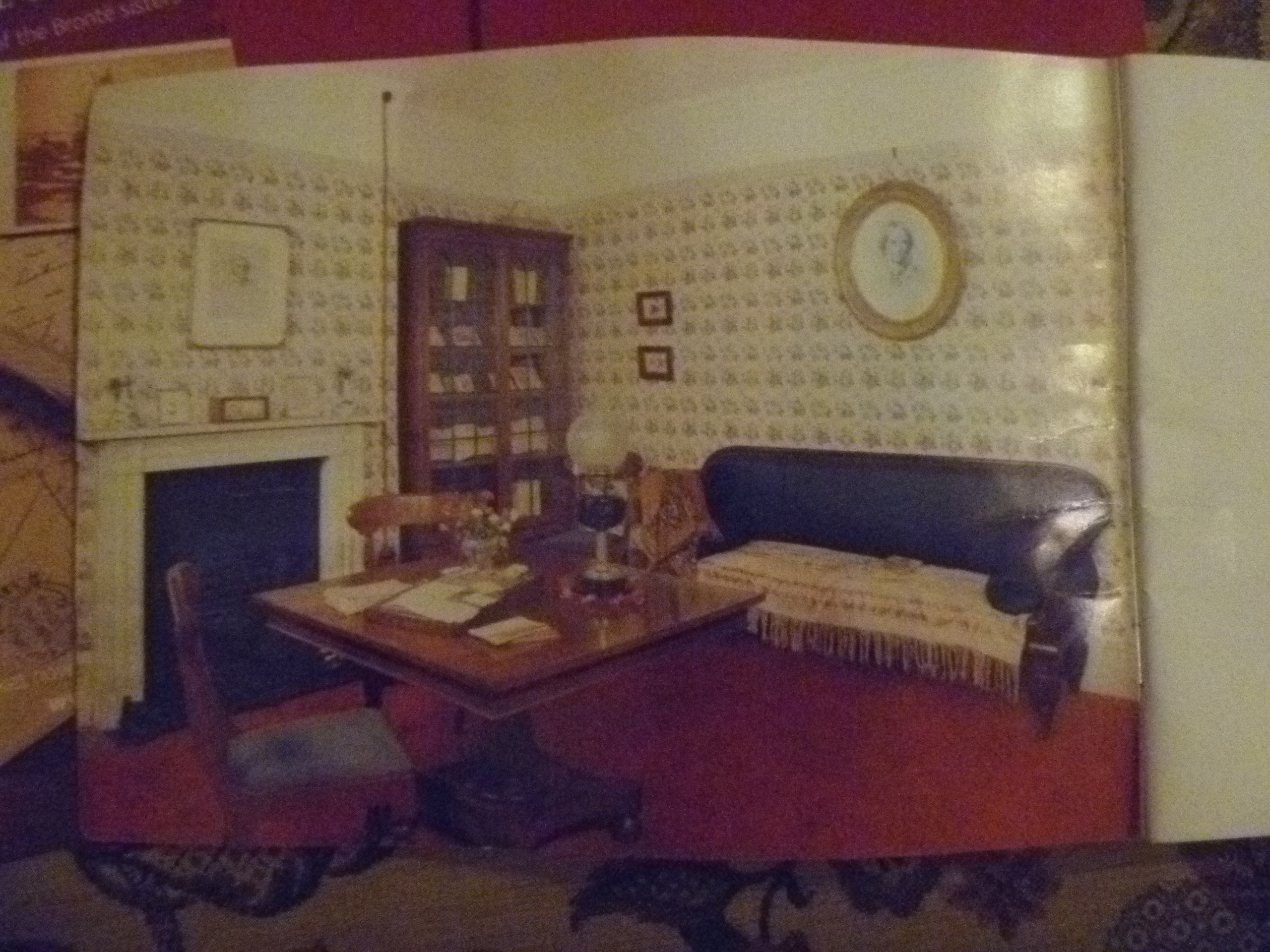
Little had changed in the house itself – my friend and I and one other couple were the only visitors at 1pm today. Some of the pictures had been moved about and there’s a much improved permanent exhibition called Genius: The Bronte Story. My friend had brought along her guidebook from a previous trip [in 1983] so we were able to compare and as photography inside the house is prohibited. Here are some pictures from that book:

The Dining Room

Mr Bronte’s Study

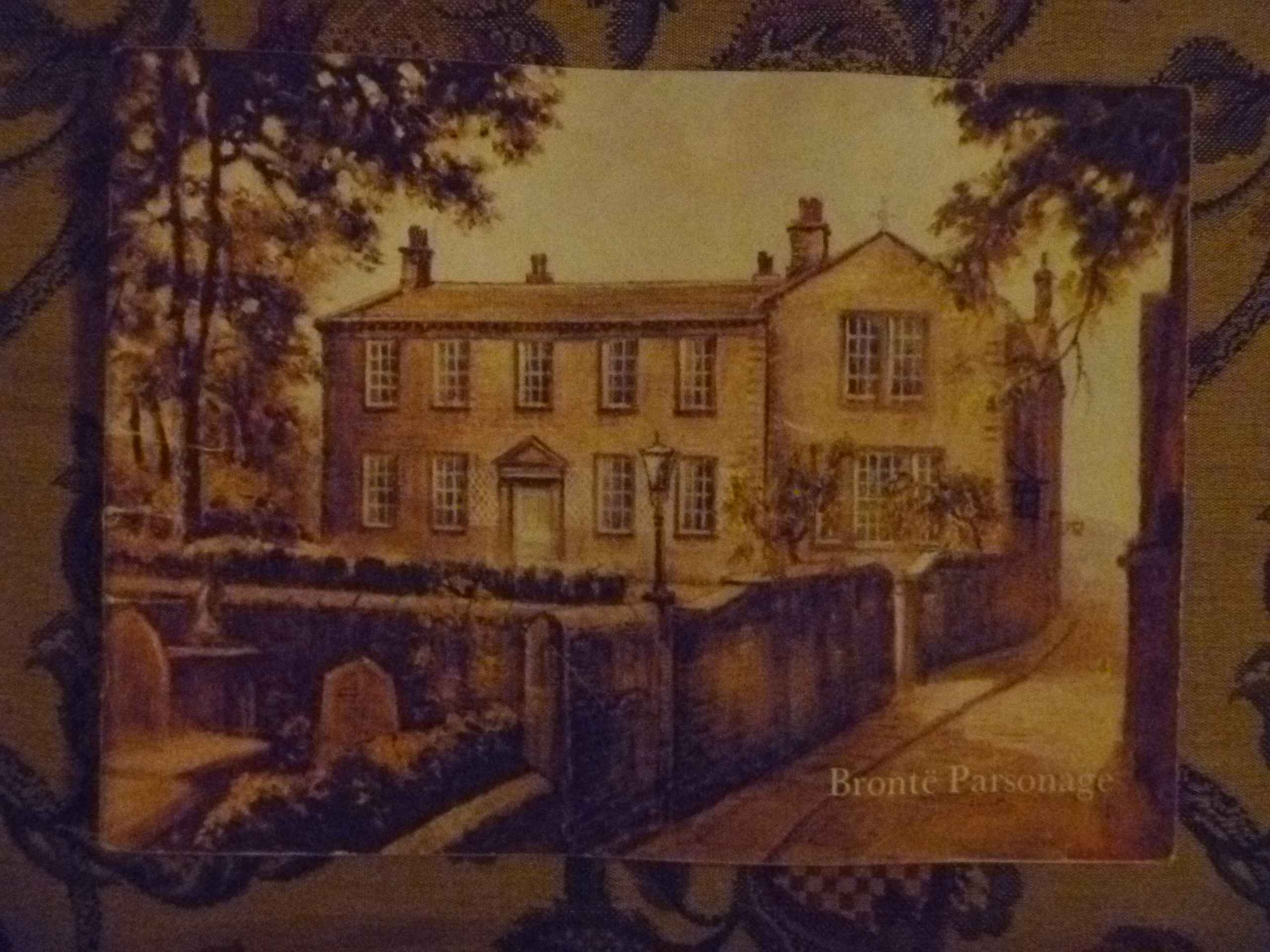
Bronte Parsonage Guide, 1983

There’s a further exhibition called Bronte Relics : A Collection History.

New exhibition looking at the fascinating history of the Bronte Parsonage Museum collection, a story almost as extraordinary as the Bronte story itself.” [website]

“The provenance of a variety of objects is traced back through previous owners and collectors to the major sources of Bronteana; amongst them Charlotte’s husband, Arthur Bell Nicholls; Ellen Nussey, Charlotte’s lifelong friend; the family of Martha Brown, the Brontes’ servant, and the American collector, Henry Houston Bonnell.” [2012 flyer]

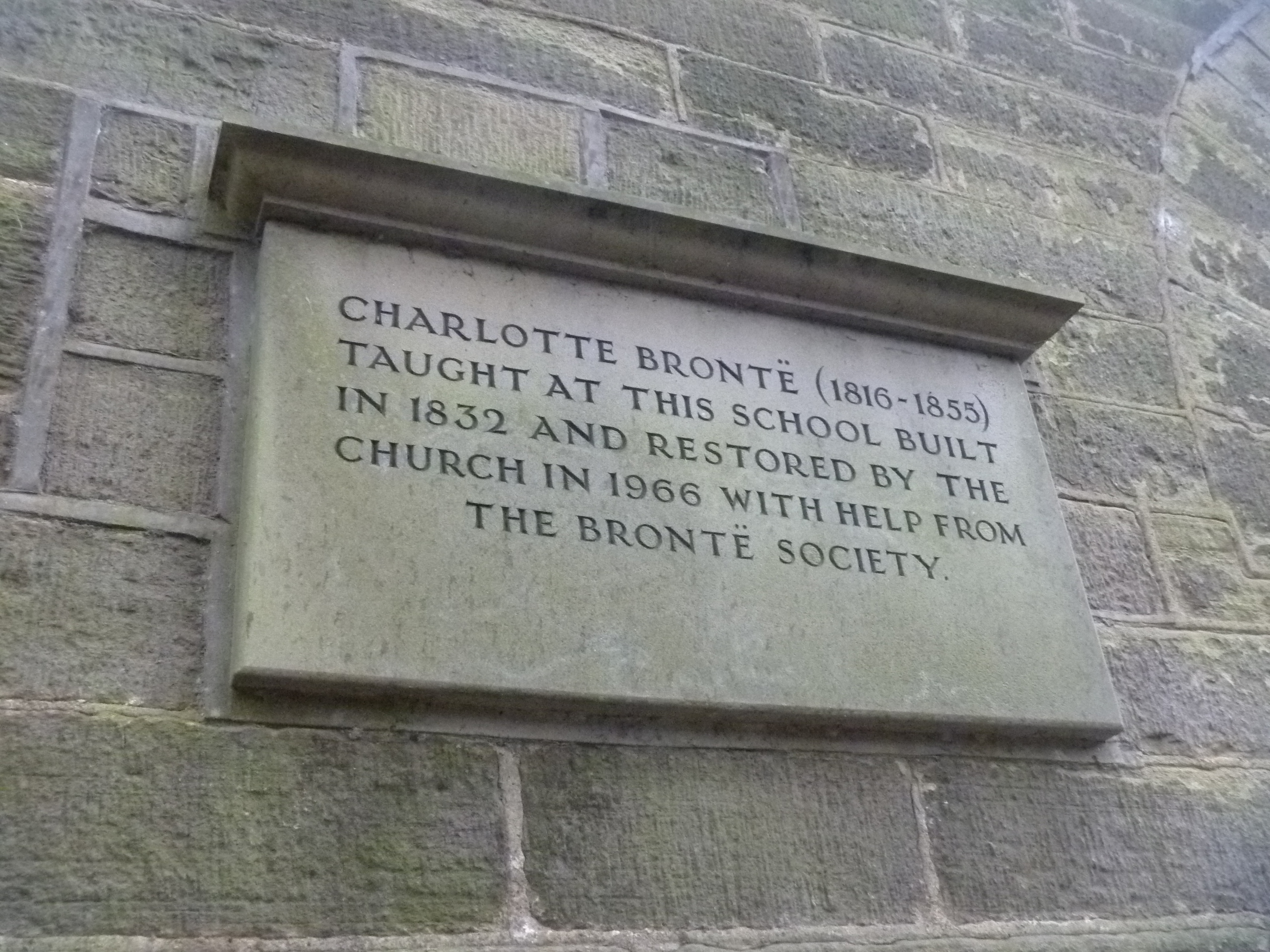
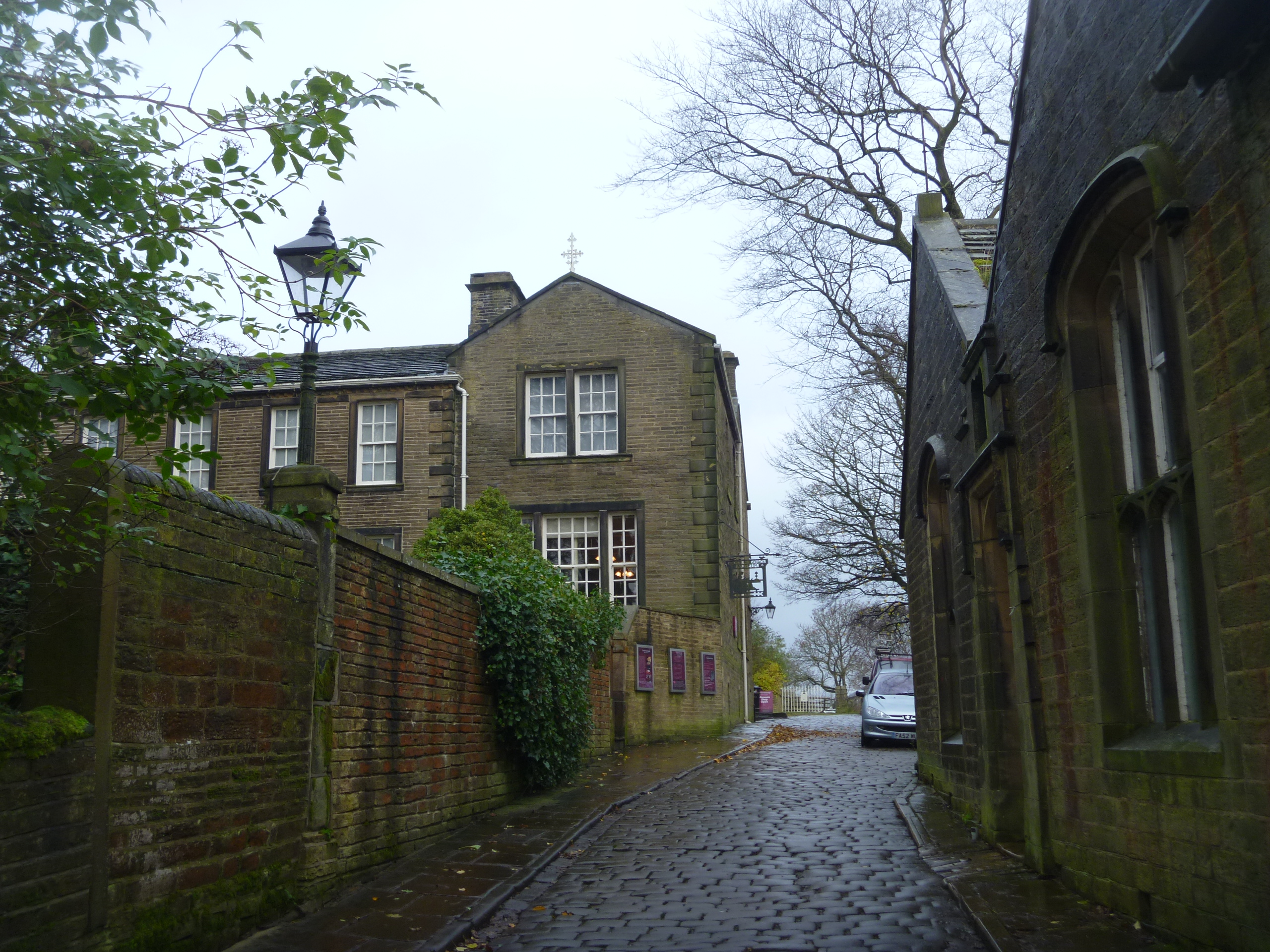
Opposite The Parsonage is the School in which Charlotte Bronte taught at one time.

The Parsonage is on the left and the School on the right

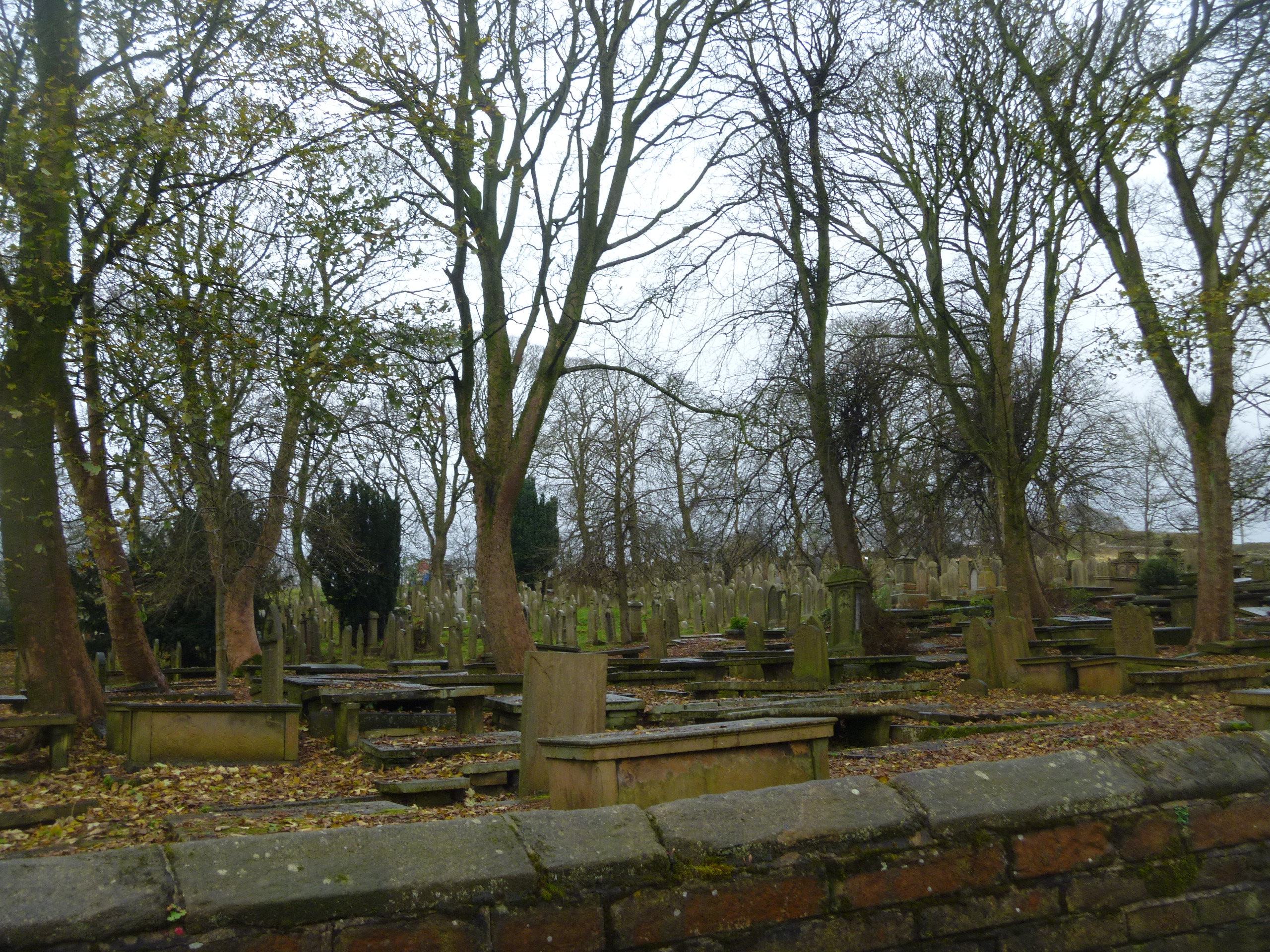
The Churchyard, Haworth

No visit to Haworth can be described without a mention of the weather. Maybe on occasion the sun shines up on Haworth Moor but I do believe that I have yet to experience this phenomenon! Today was cloudy and wet and typically atmospheric. But read here about a summertime visit.

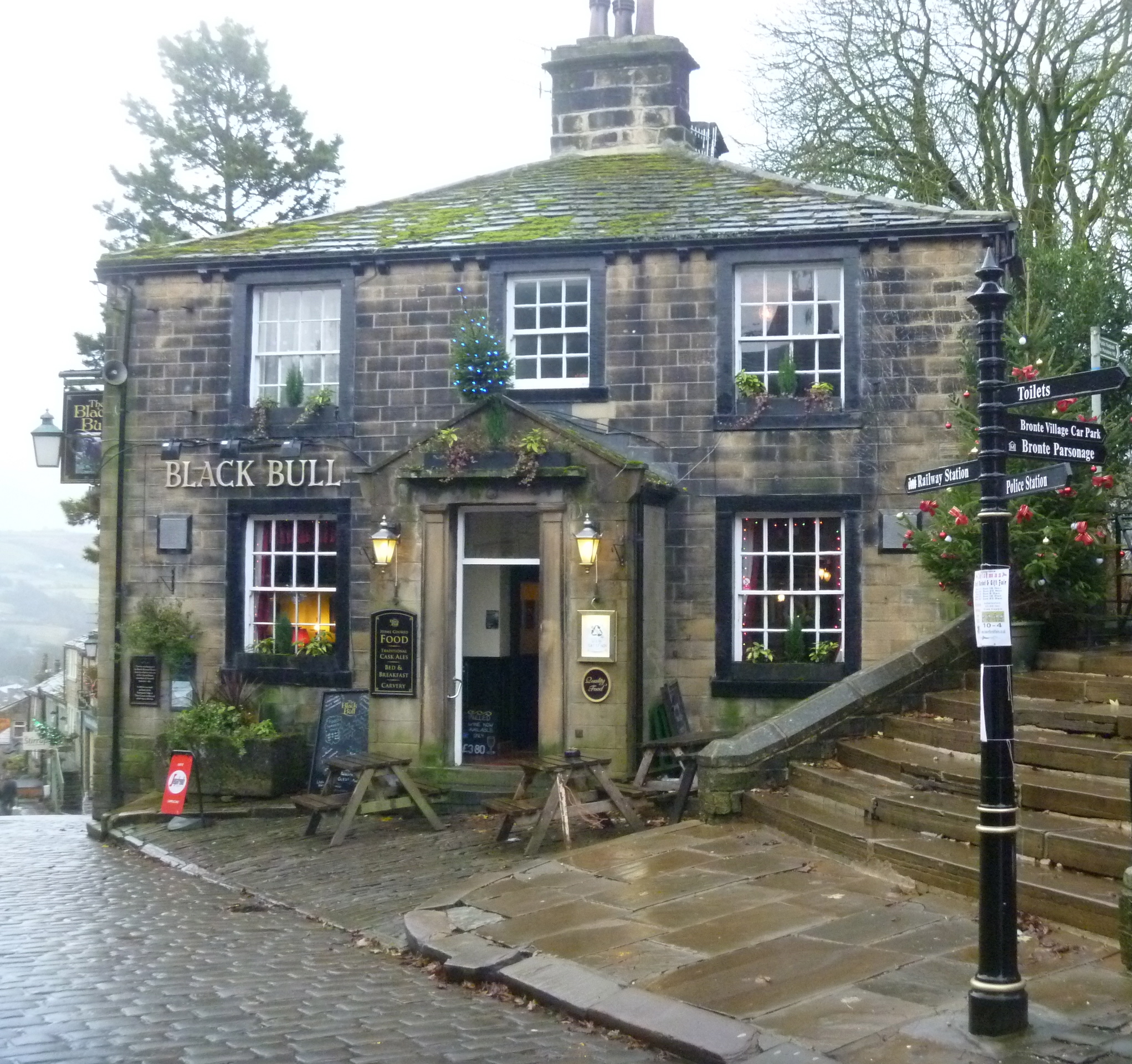
The Black Bull – Branwell was a ‘regular’

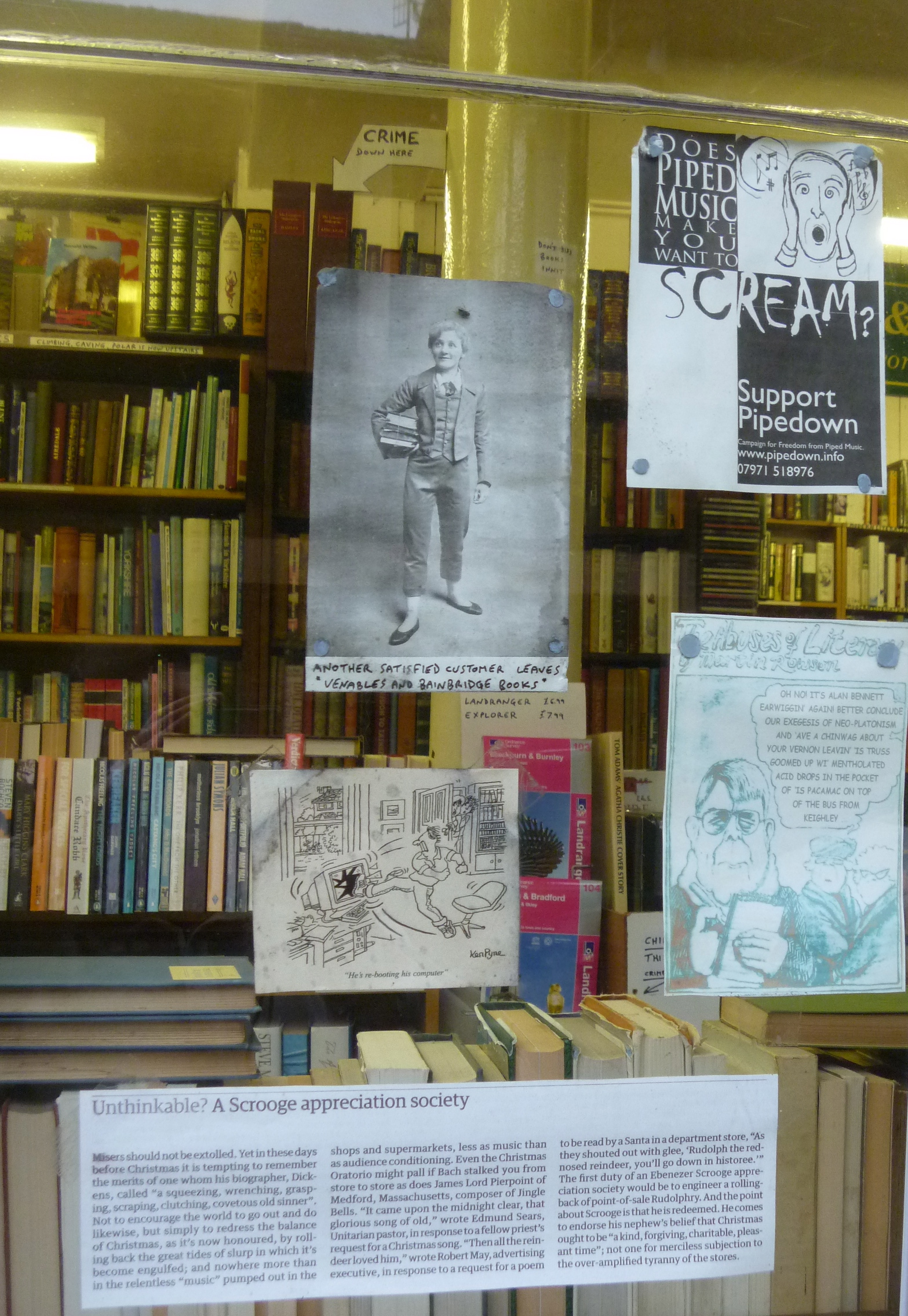
Through The Book Shop Window

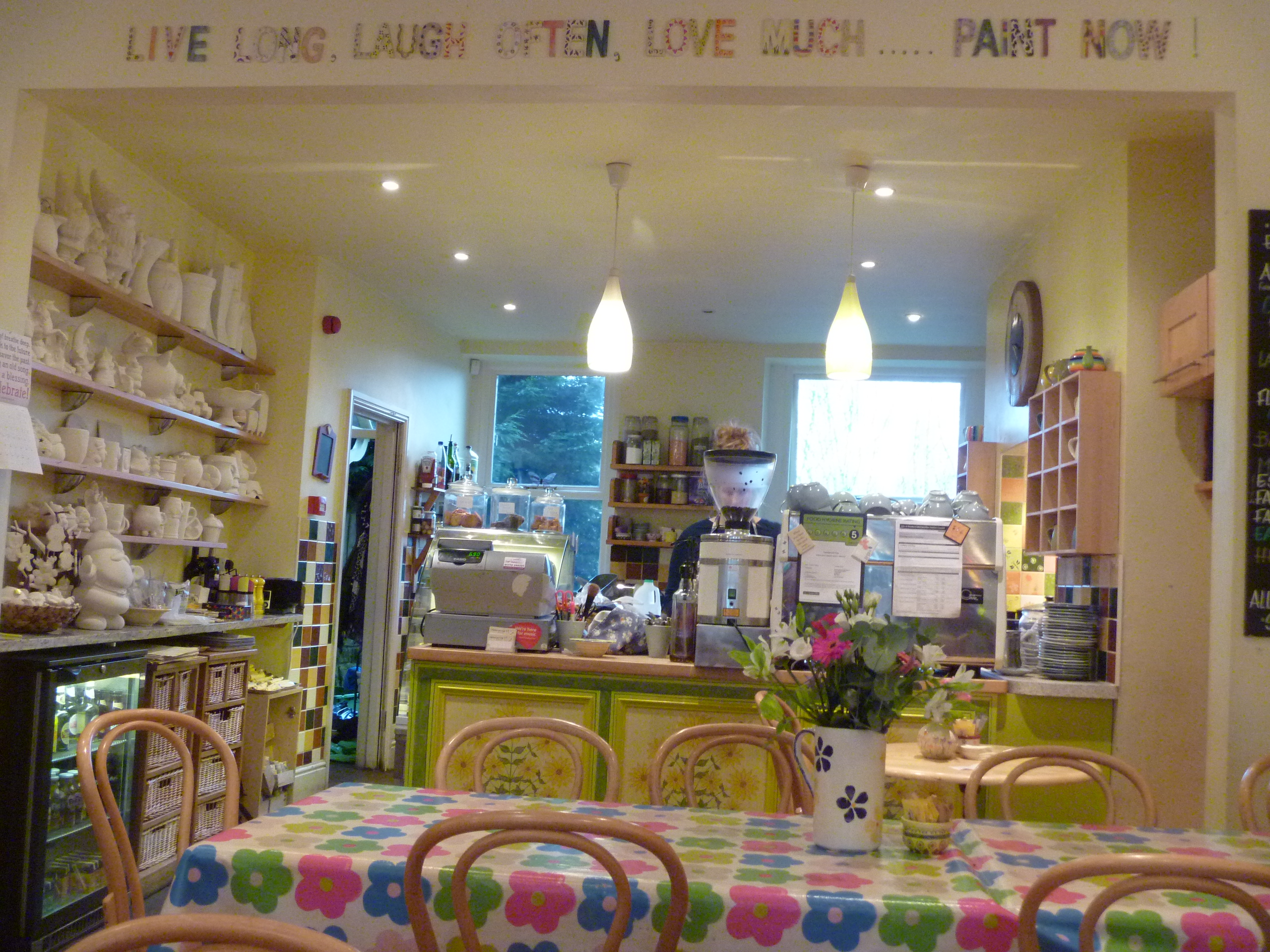
Cobbles and Clay Art Cafe, 60 Main Street, Haworth

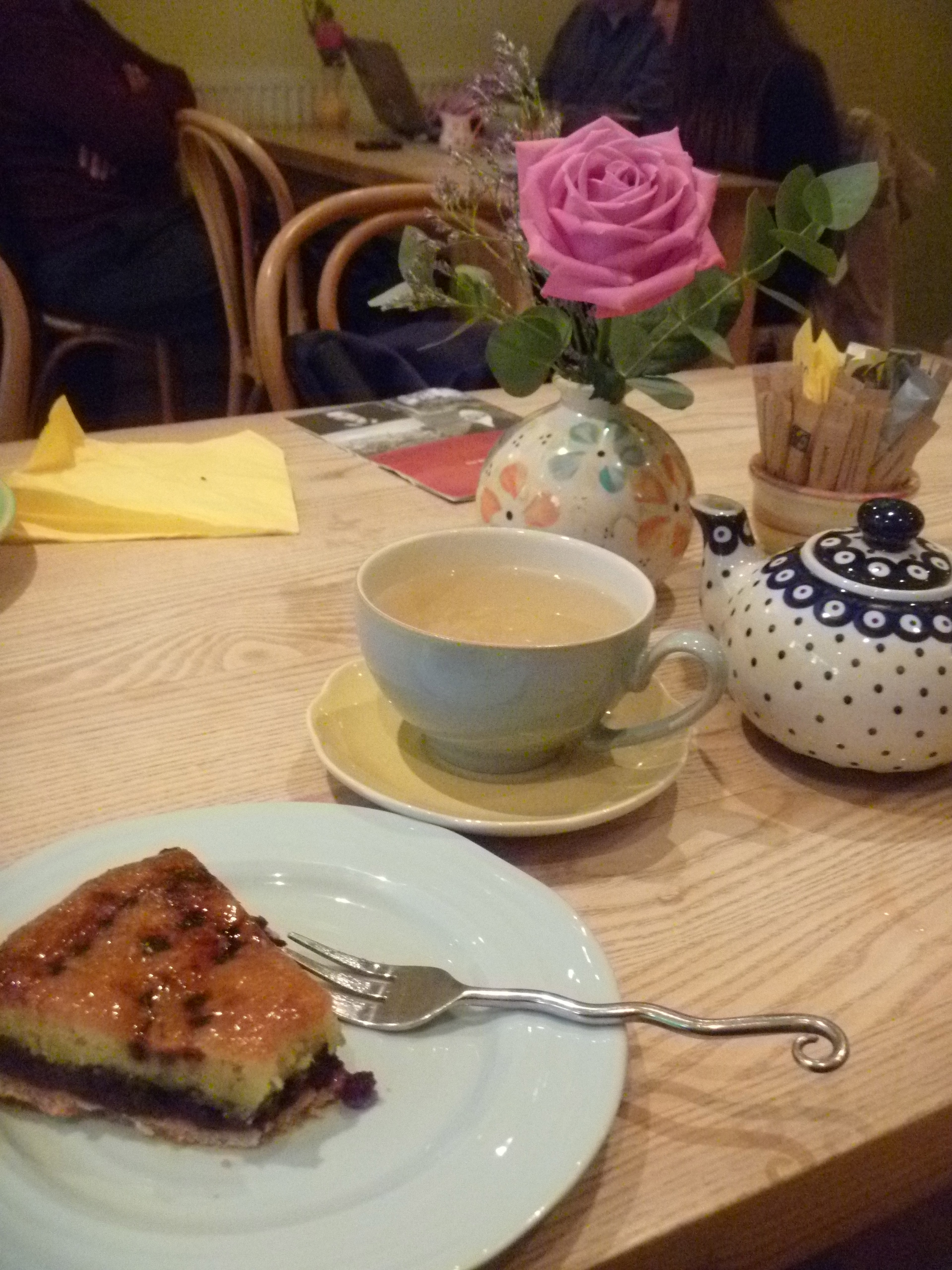
Tea and Tart at Cobbles and Clay

After just over an hour in the Museum we headed for a bright and jolly Haworth tea shop, stopping briefly to enquire whether the bookshop [Venables and Bainbridge] had any copies of Wuthering Heights in Polish for my friend to buy for her daughter-in-law. It didn’t. We were surprised that there were no foreign language versions of the great novels in the Bronte Museum Shop. We know they had sold French and German versions in the past.

As we returned up the hill, back to the car park, we noticed that the church was open and popped quickly inside to look at the Bronte memorials before leaving the village.

Where to stay at Fountains Abbey

Back in January this year I wrote about a visit to Fountains Abbey and Studley Royal Water Garden saying that I’d be visiting throughout the year at different seasons and reporting back. Yesterday was my second visit this year. Maybe this was because I took out an annual membership to Harewood House in March. Harewood is much nearer home than Fountains and I may only retain the membership for a year or two whereas I will always be a member of the National Trust.

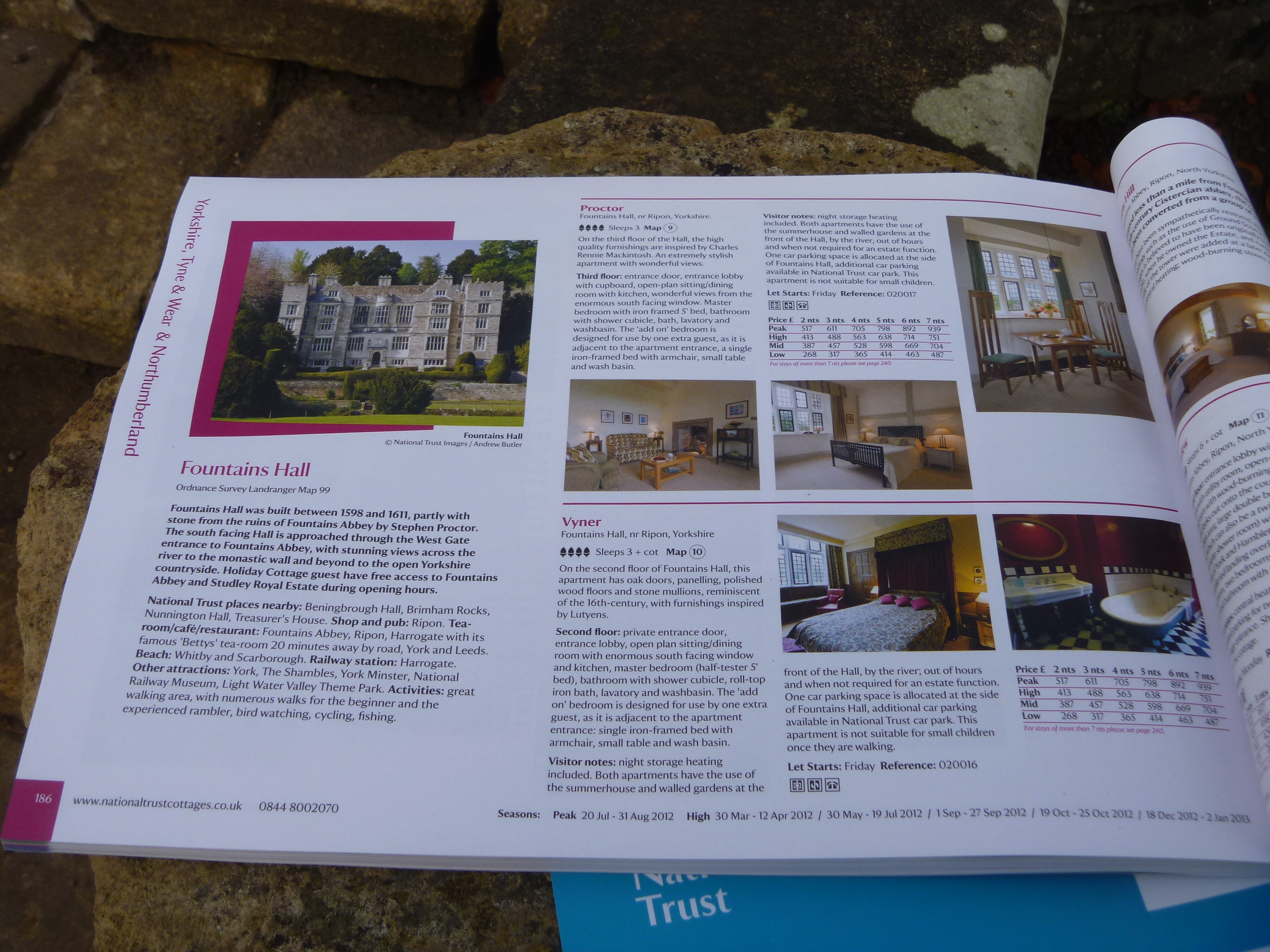
Fountains Abbey may be further from home than the Harewood Estate but still it’s very unlikely that I would ever stay there for a holiday although whenever I visit I think the NT Cottage Properties (as they are called) always look very inviting. They may be part of the Trust’s portfolio of Cottages but several do not warrant this title – for they are very much grander than one would suppose from the blanket “Cottages” title. Yesterday I made these properties the ‘theme’ of my walk through the estate.

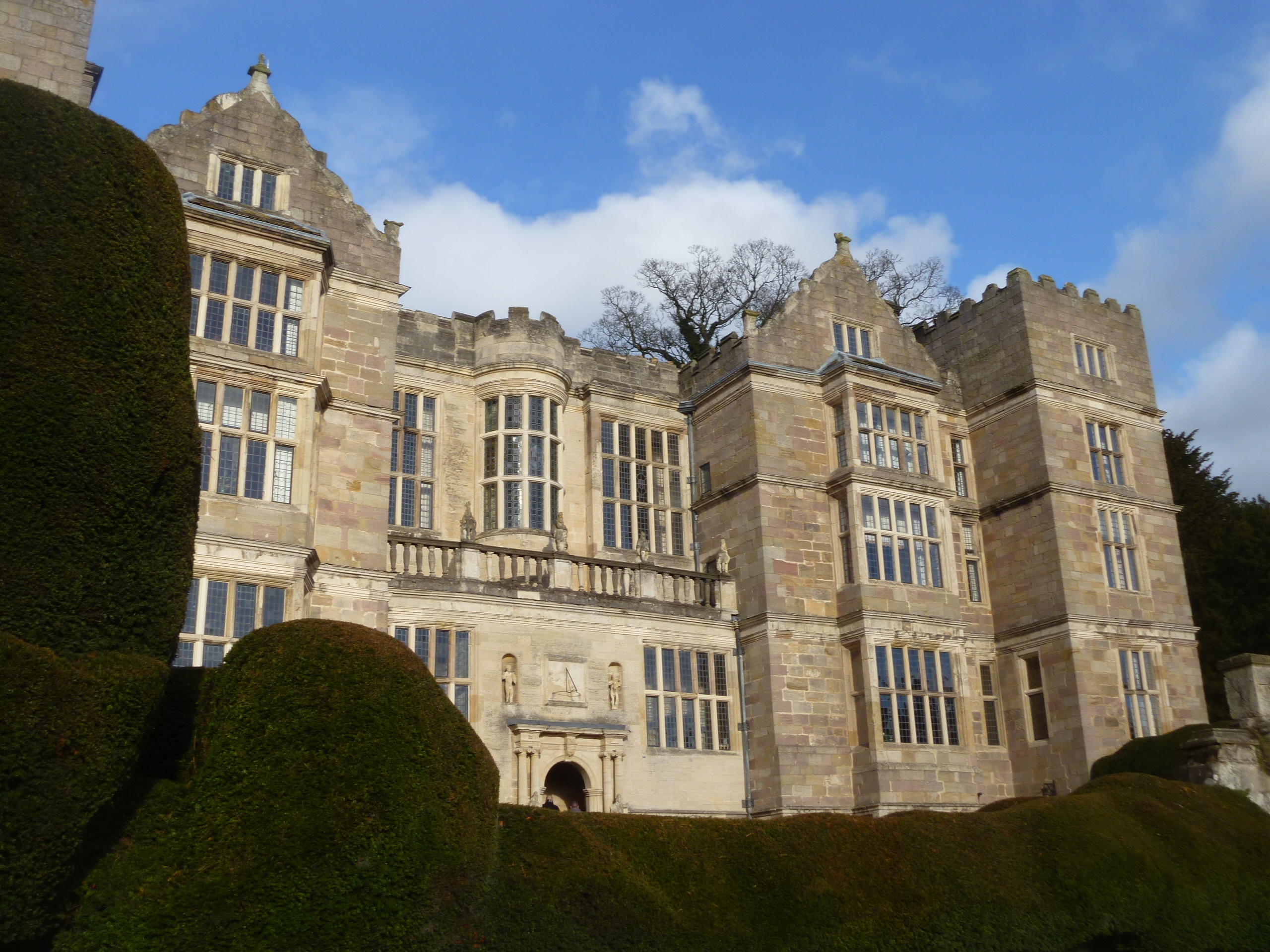
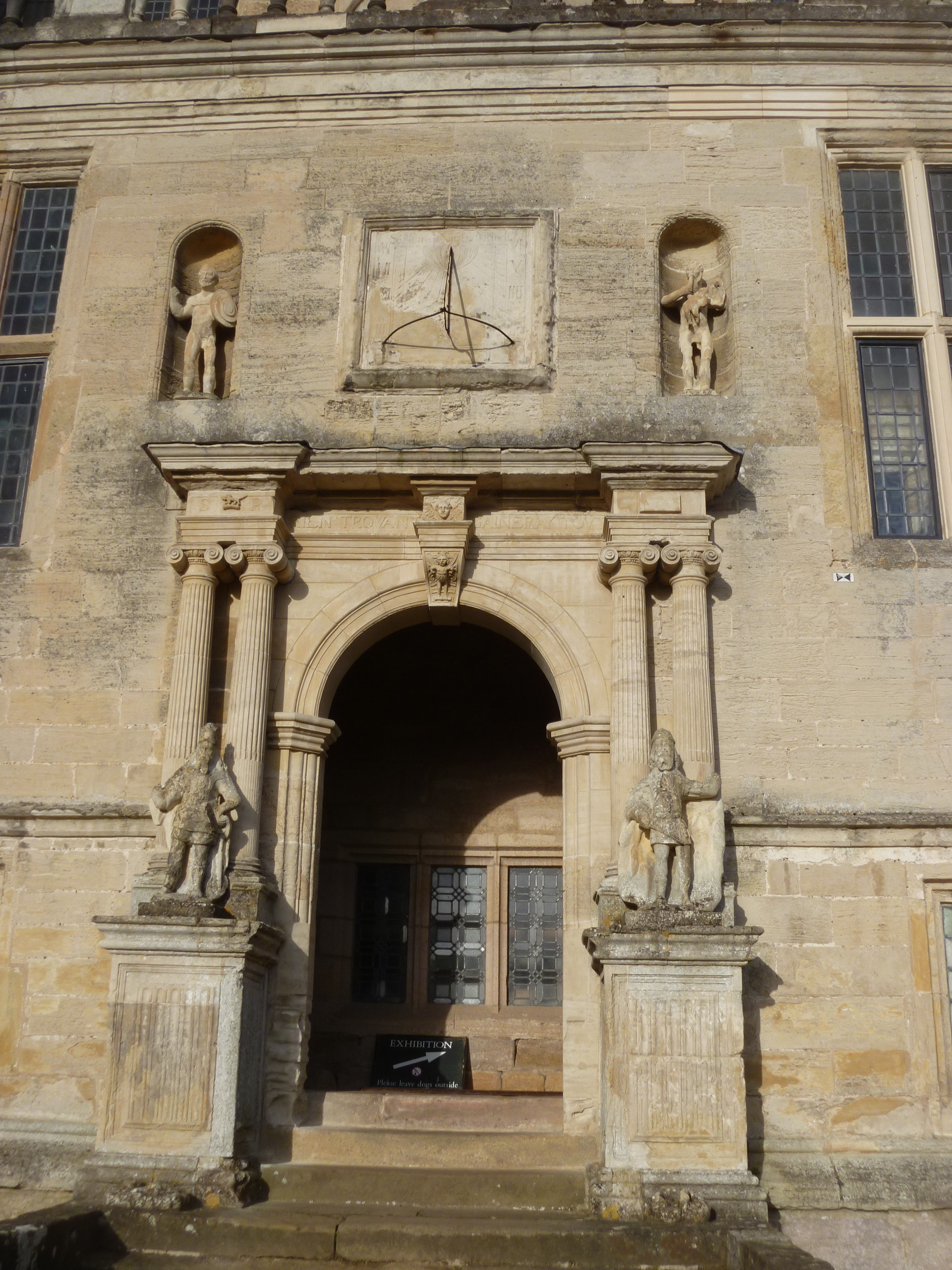
Built between 1598 and 1611 Fountains Hall is home to two apartments. On the third floor Proctor is furnished in the style of Charles Rennie Mackintosh and the views must from there must be spectacular. Below Proctor, on the second floor is Vyner furnished in the style of Edwin Lutyens.

Fountains Hall

The Doorway to Fountains Hall

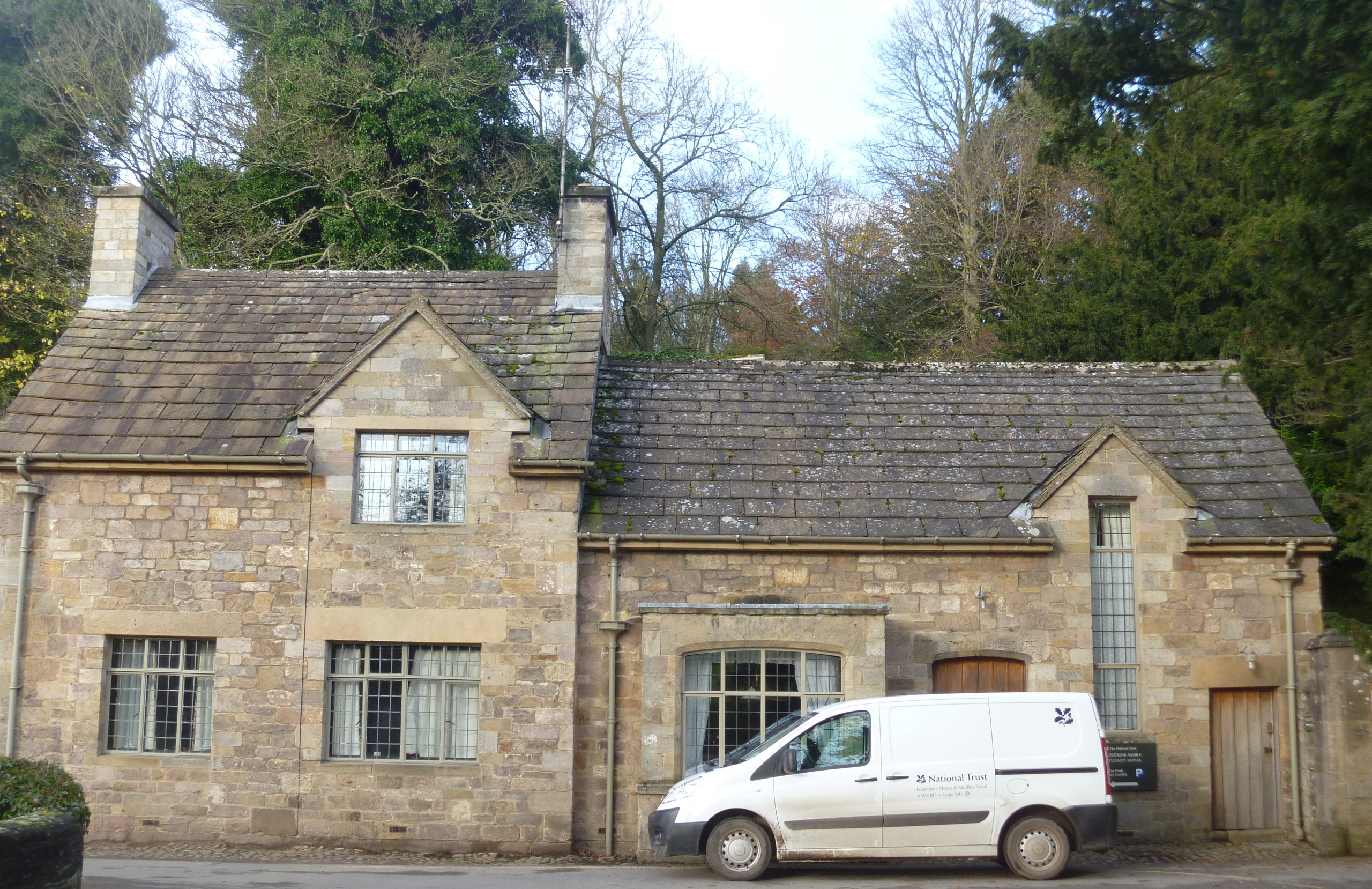
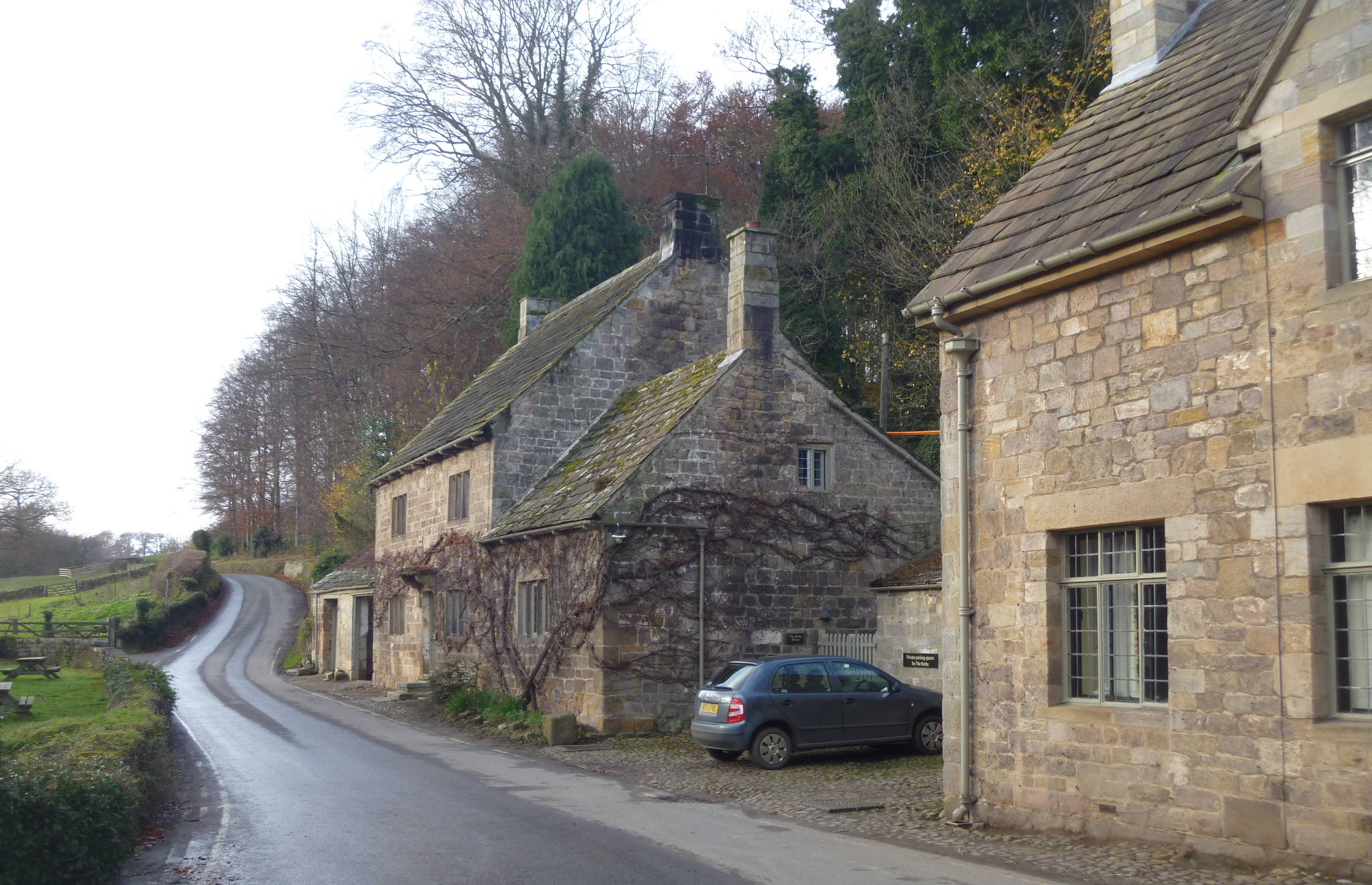
Just outside the gates of Fountains Abbey and opening straight out onto one of the minor approach roads are three self-catering cottages converted from what I remember well from a few years ago as the NT shop.

Abbey Cottage and Abbey Stores

Fountains Cottage

Until the ‘new’ Visitor Centre was opened in 1992 this was the main entrance and car park to the ruins. My, how things have changed – I couldn’t even find a space in that car park yesterday, the main car park was overflowing and the Studley Royal Car Park was full too.

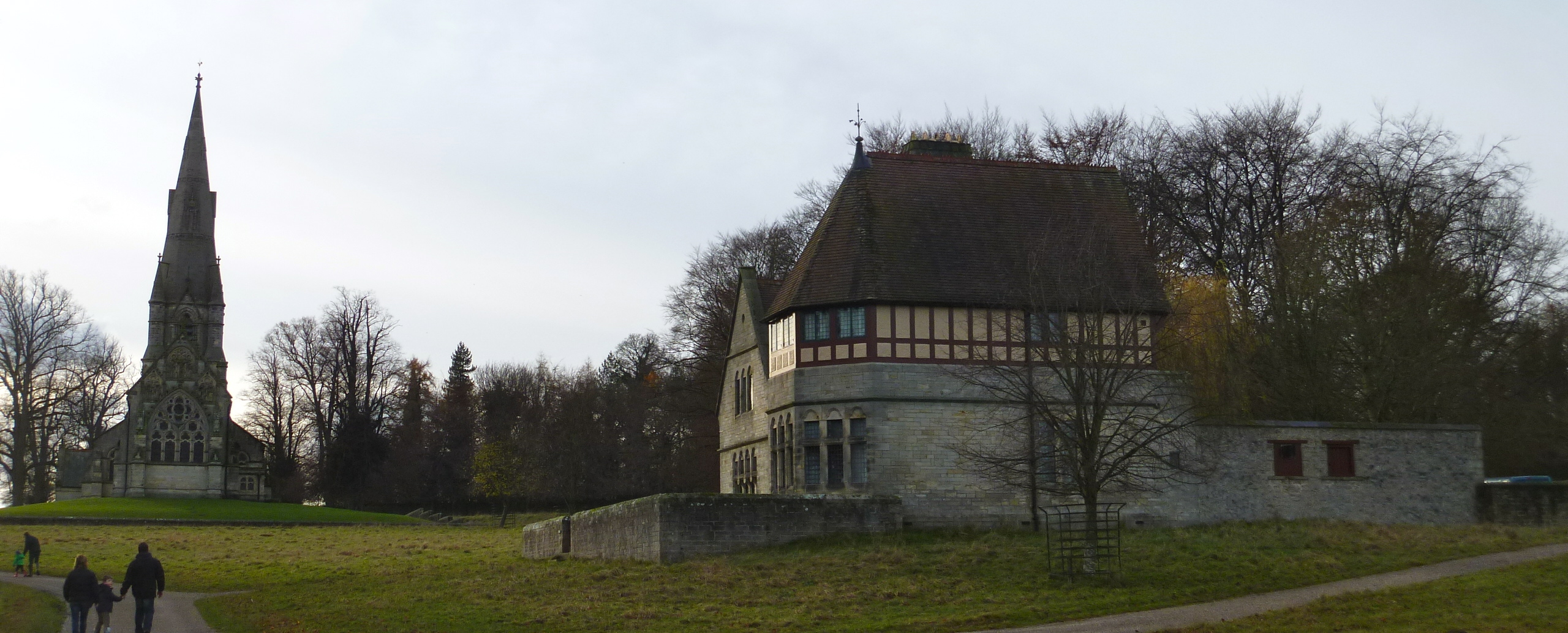
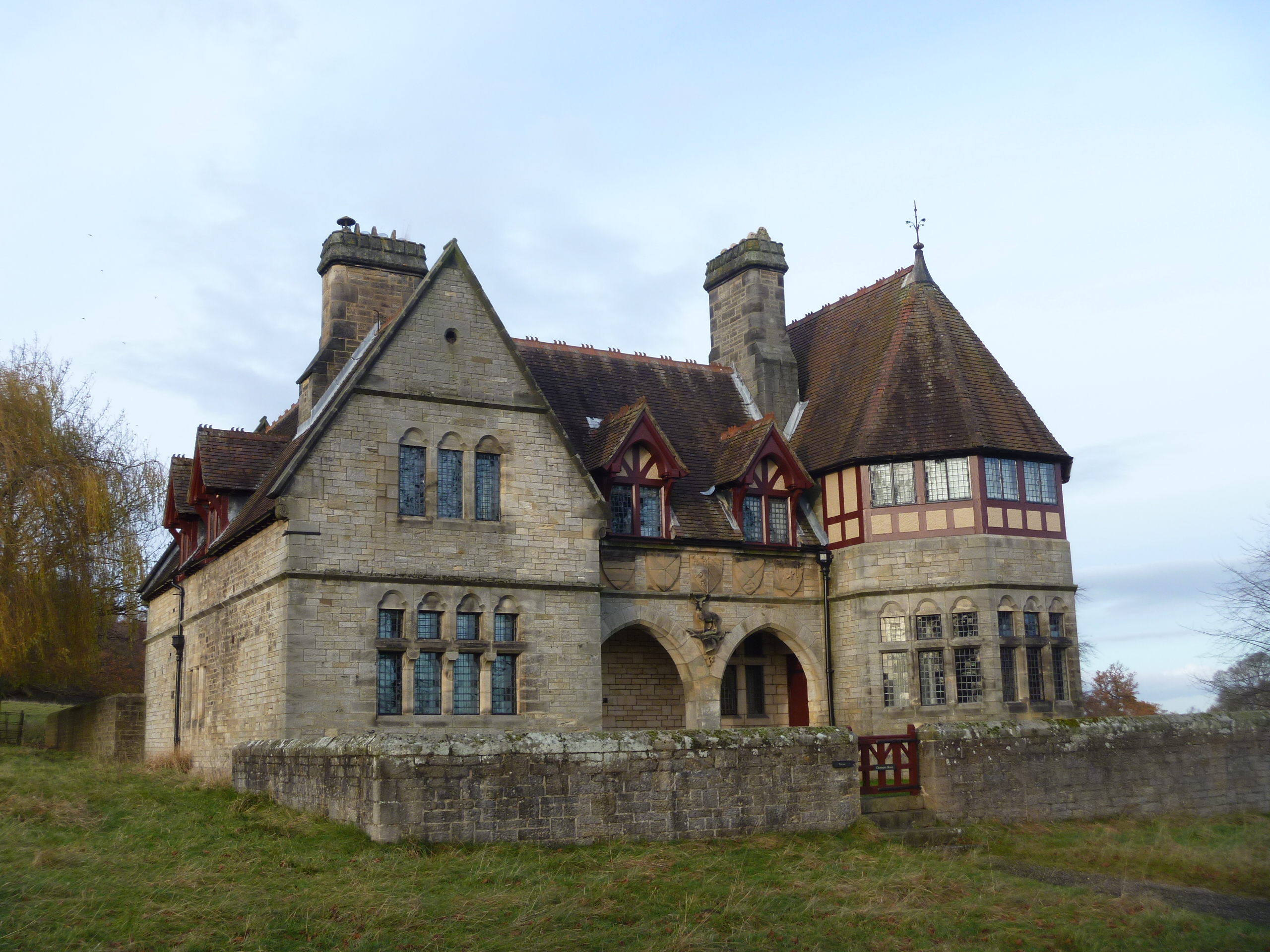
Burges’s St Mary’s Church and Choristers’ House

Finally, on the actual Fountains/Studley Royal Estate, a walk though the grounds from the ruins to the Lake brings you out into the Studley Royal Park. Walking along the main drive through the deer park one can clearly see Ripon Cathedral to the east and the Church of St Mary to the west. On the approach to the church, just on the right and standing detached and rather exposed, is the William Burges designed Choristers’ House which sleeps 10 and has been awarded 5 ‘acorns’ for comfort.

Built in 1873 the original use was to house a music school along with the organist and music master. It was the Estate Office until 2001 and now it is a holiday home sleeping ten people. The interior reflects the Burges style with all existing original features maintained.” (NT Holiday Cottages Brochure)

It’s another holiday home in an outstanding location: right in the middle of a deer park.

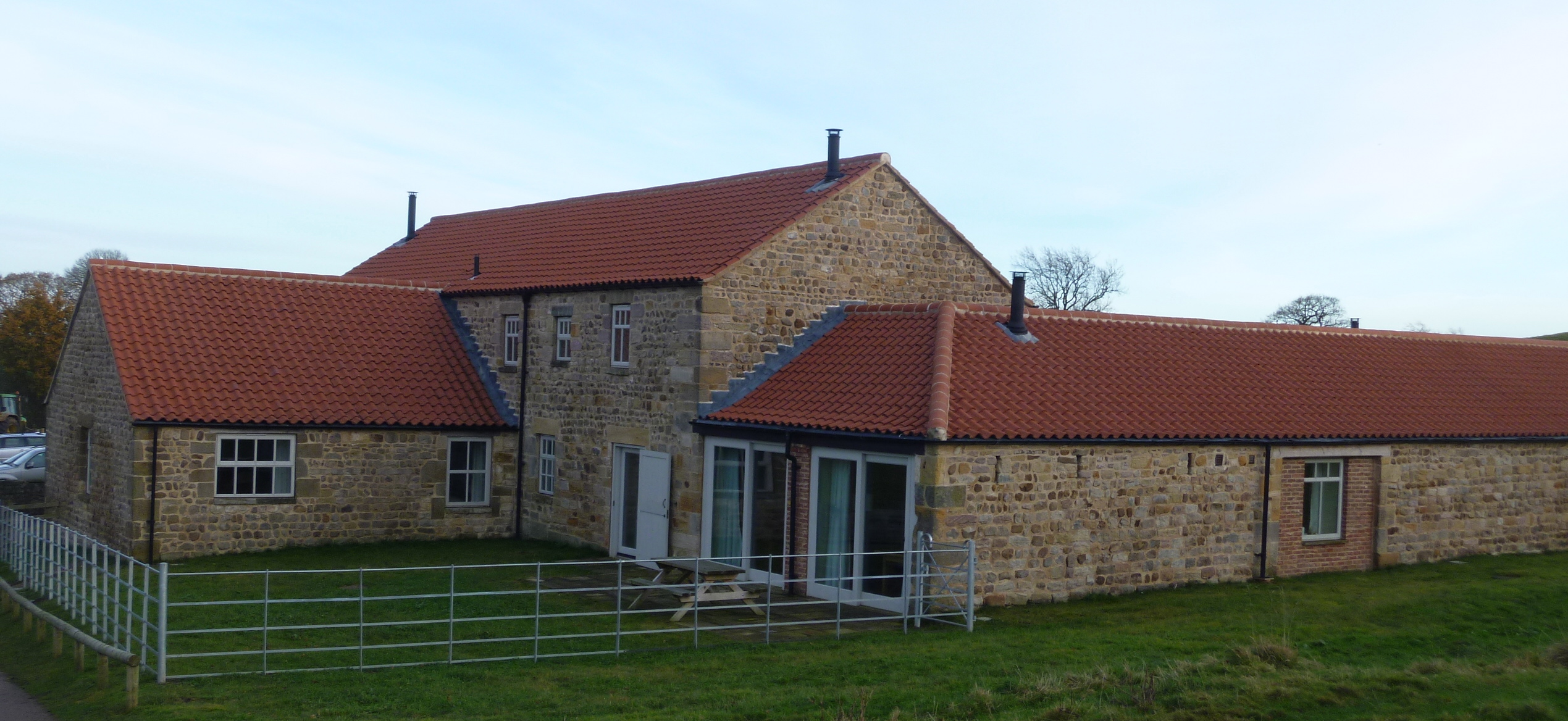
How Hill Cottages

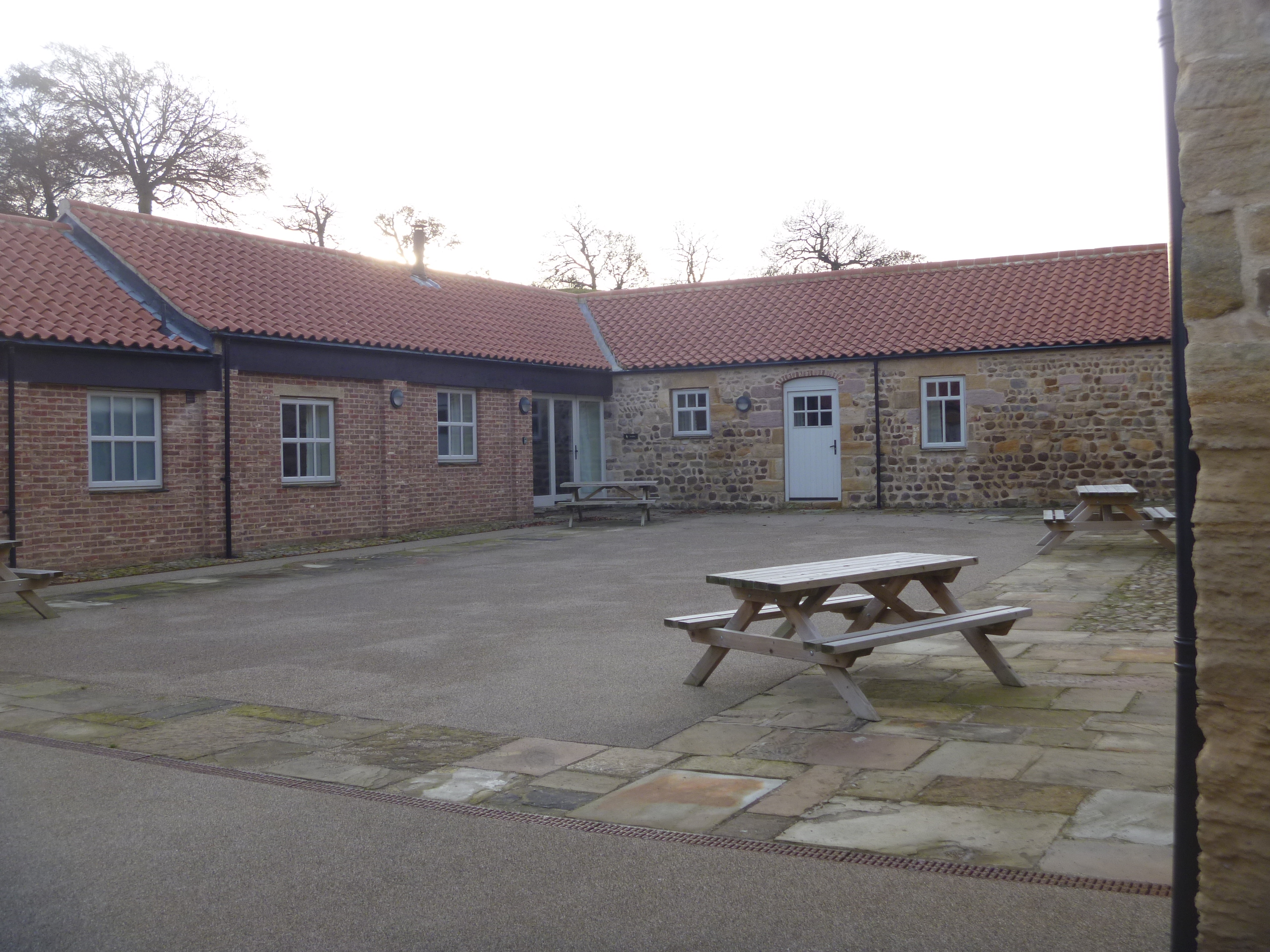
Finally, a short walk along one of the approach lanes to Fountains Abbey are the newly converted, and lately added to the portfolio, How Hill Cottages. These fall into the Trust’s “Celebration Collection” category of properties. From a group of 18th century farm buildings five self-catering units (using the most up-to-date green technology) have been created.

The Shared Courtyard at How Hill

The tower on the hill behind the cottages is believed to have been originally built as an outlying chapel for the Abbey. It was restored by John Aislabie, when he owned the Estate, and rumour has it that he used it as a gambling den.” (NT Cottages Brochure, 2012)

How Hill Tower

The cottages share a single sheltered courtyard and there are magnificent views, including some of the Fountains Abbey buildings from a couple of them. Each is named after a bird : Curlew, Lapwing, Wren, Swallow and Lark.

The View from How Hill Cottages

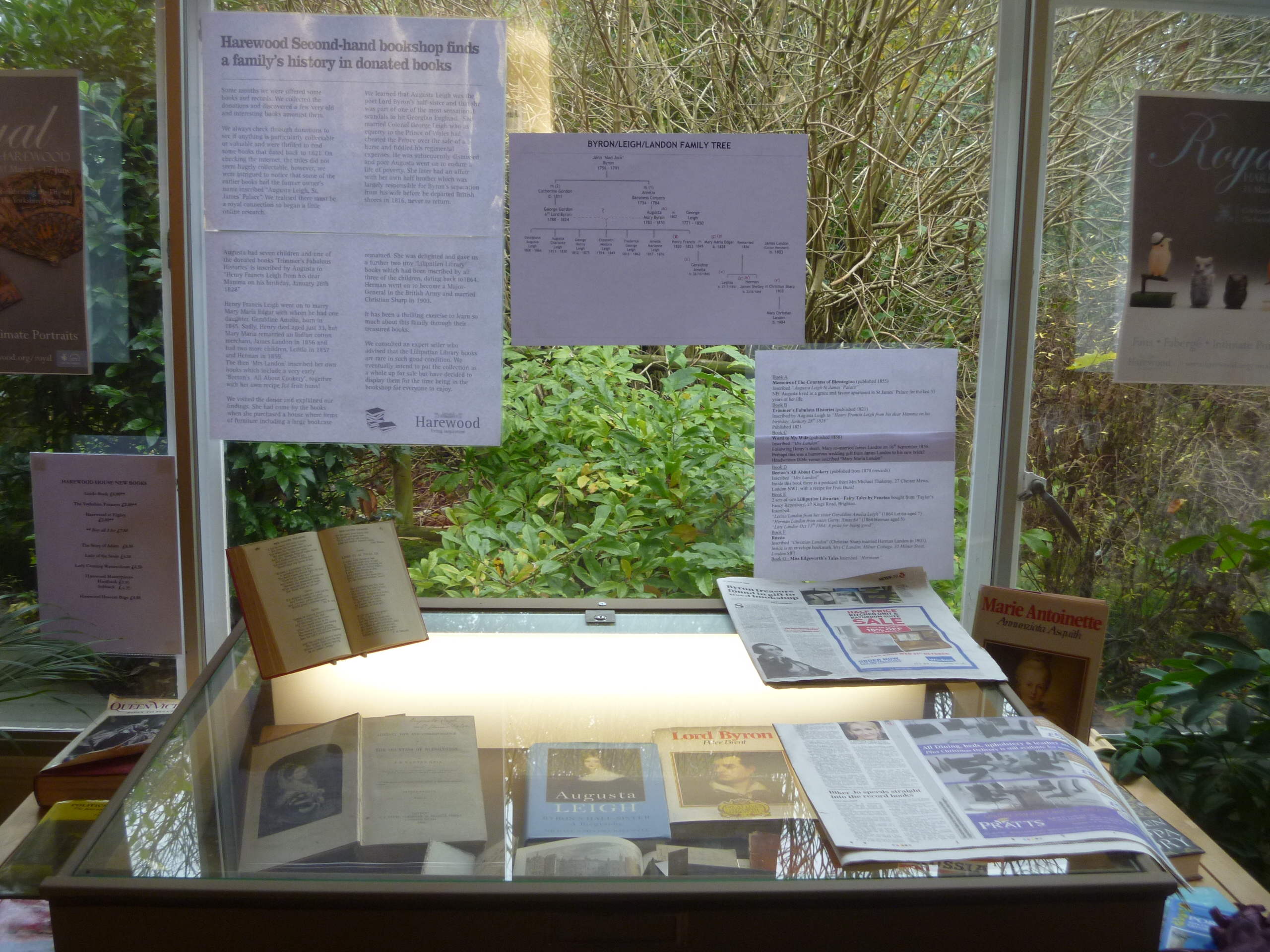
Lord Byron’s Lover’s Books in Leeds

An interesting article caught my eye in The Independent on Sunday on 21st October: Byron Treasure Found in Gift to Used Bookshop.

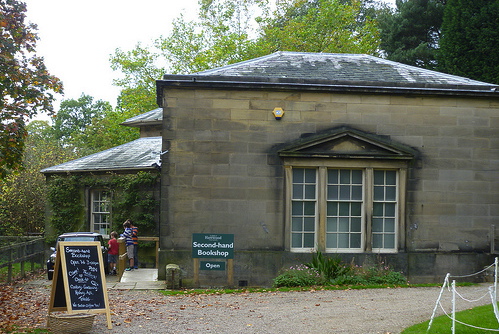
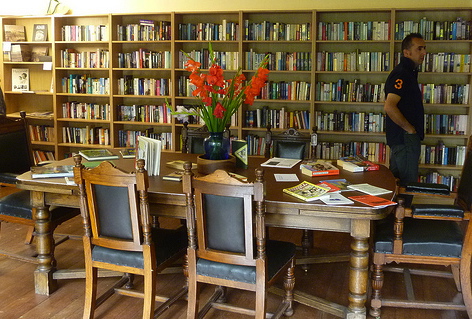
The secondhand bookshop in question is a relatively new one set up last year in a redundant building in the grounds of Harewood House. I’ve been a frequent visitor at the house and love to walk around the terrace gardens, woodland and the walled garden and, if it’s open, browse the book shelves.

The Augusta Leigh Display at Harewood

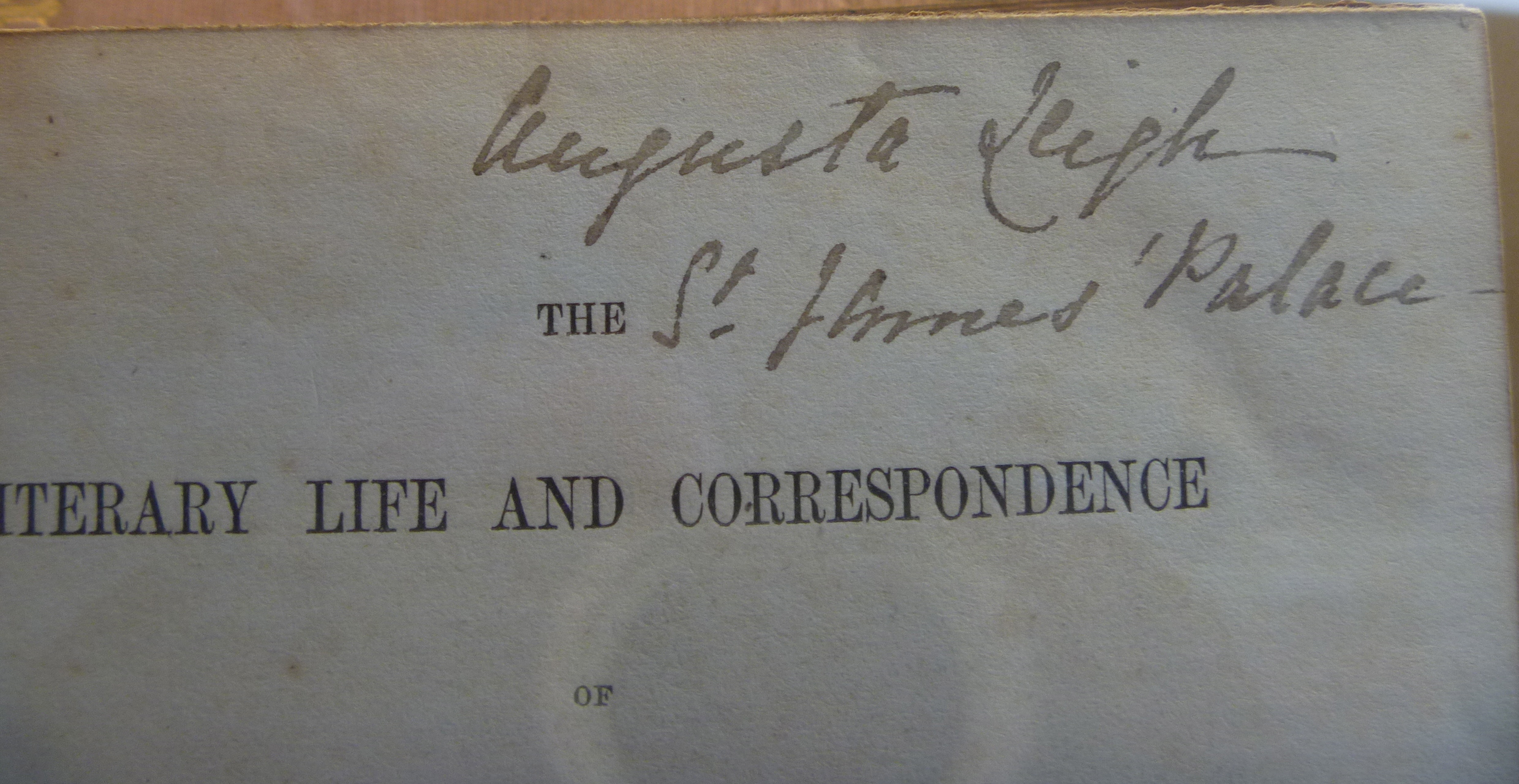
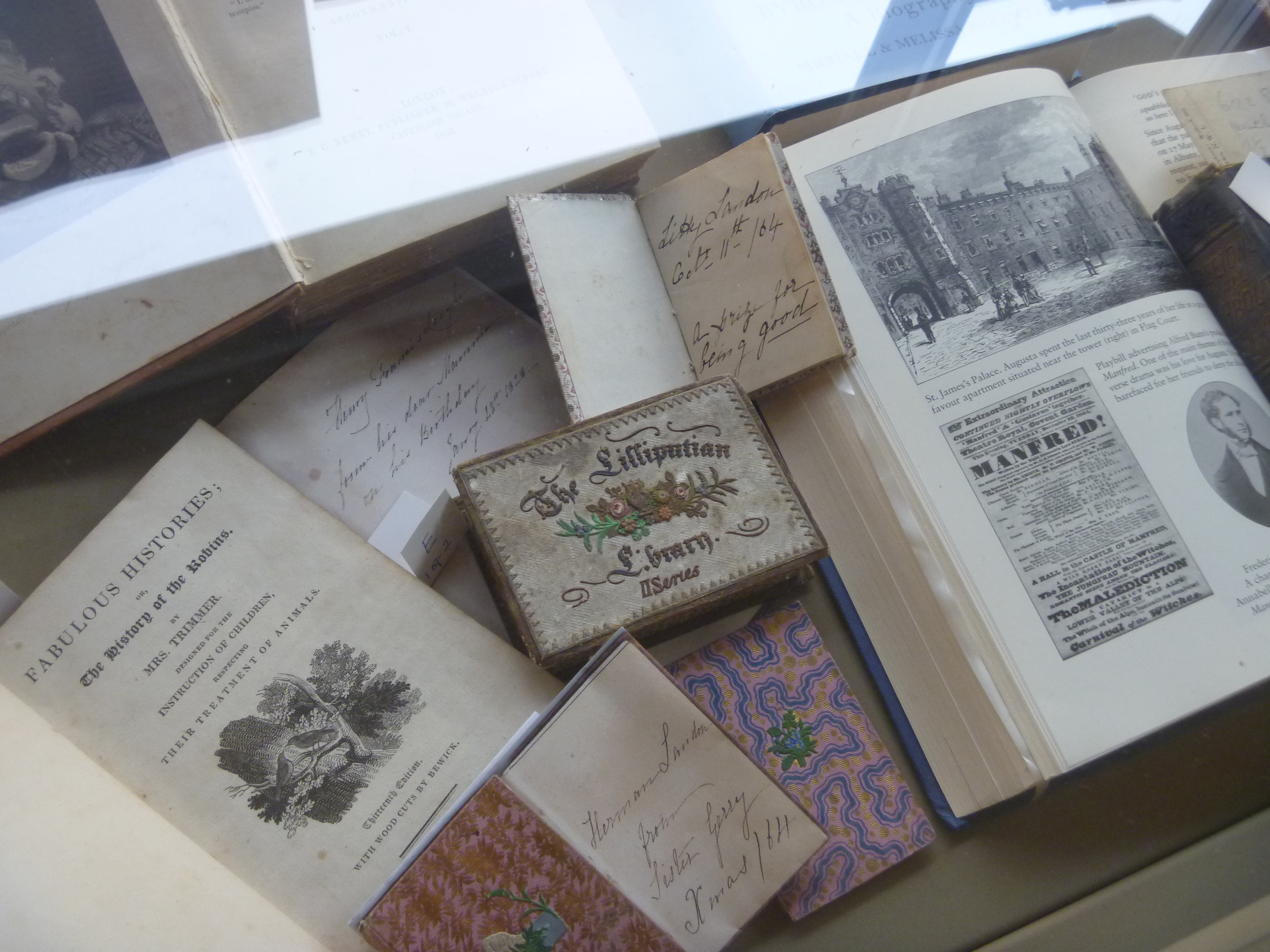
The article in question tells the story of a member of the volunteer staff at the shop discovering amongst donated books some inscribed “Augusta Leigh, St James’ Palace”.

With no idea who the Augusta was Audrey Kingsnorth began an investigation  that lead her to the Byron connection. Not only was Augusta Lord Byron’s (mad, bad and dangerous to know) lover, she was also his half sister, the result of the liaison between John (Mad Jack) Byron and Amelia Osborne. The books had been acquired by the donor (now in her 80s) following the purchase of a London House; the bookshelves of which were to large to move.

Close-up of the Display

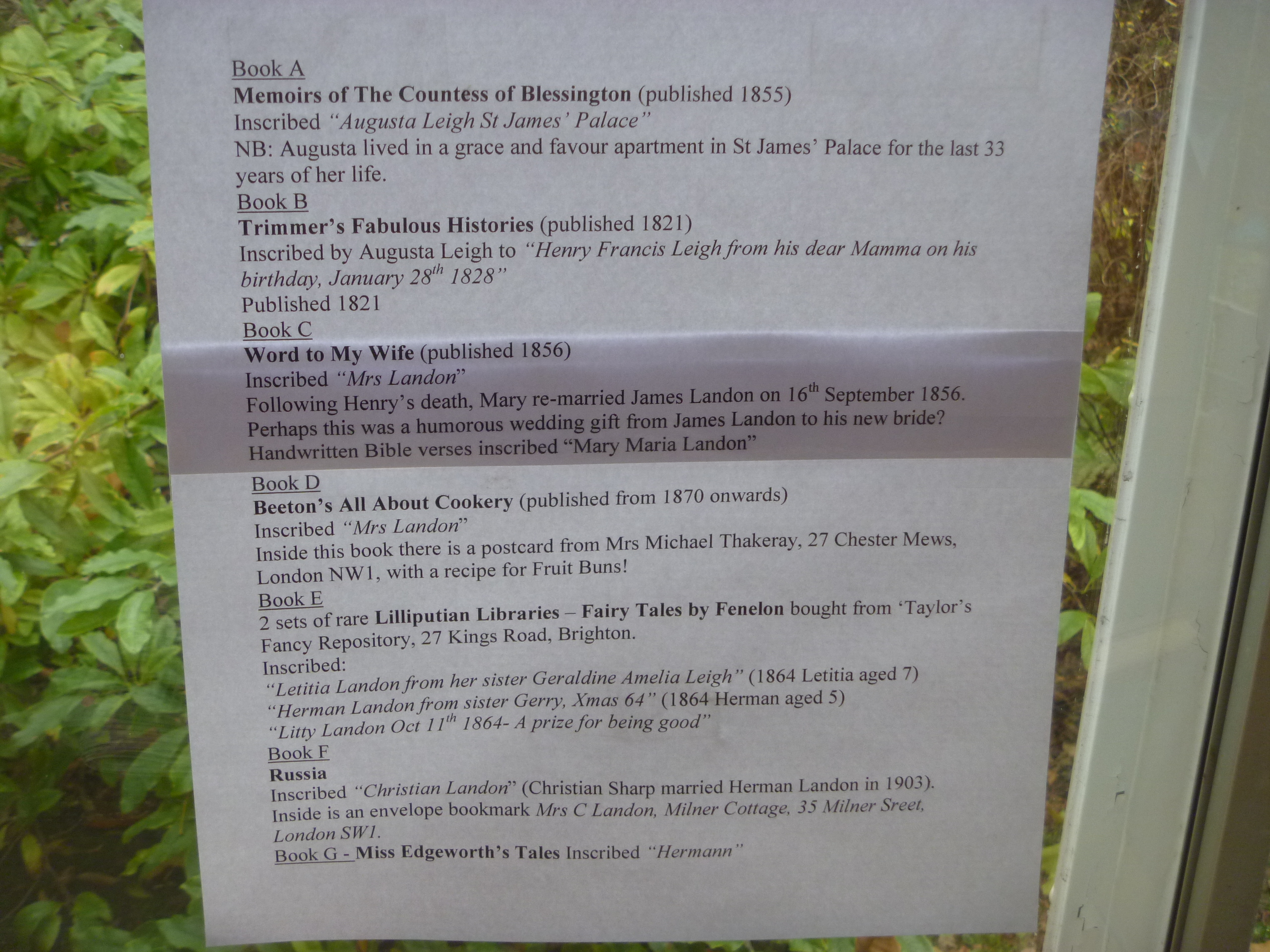
“[One] of the donated books, Trimmer’s Fabulous Histories, is inscribed by Augusta to one of her children: “Henry Francis Leigh from his dear Mamma on his birthday, January 28th 1828″. Henry Francis died at 33, leaving a widow, Mary, and a daughter; Mary remarried and had another daughter and a son. Augusta had seven children, one of whom, Elizabeth Medora, is thought by many to be Byron’s lovechild.” 

Valued recently at around £2500 the books will put up for auction at a later date. As the books are currently still on display in the shop I thought I’d pop along and have a look at this valuable donation to the Harewood Bookshop.

The List of Donations

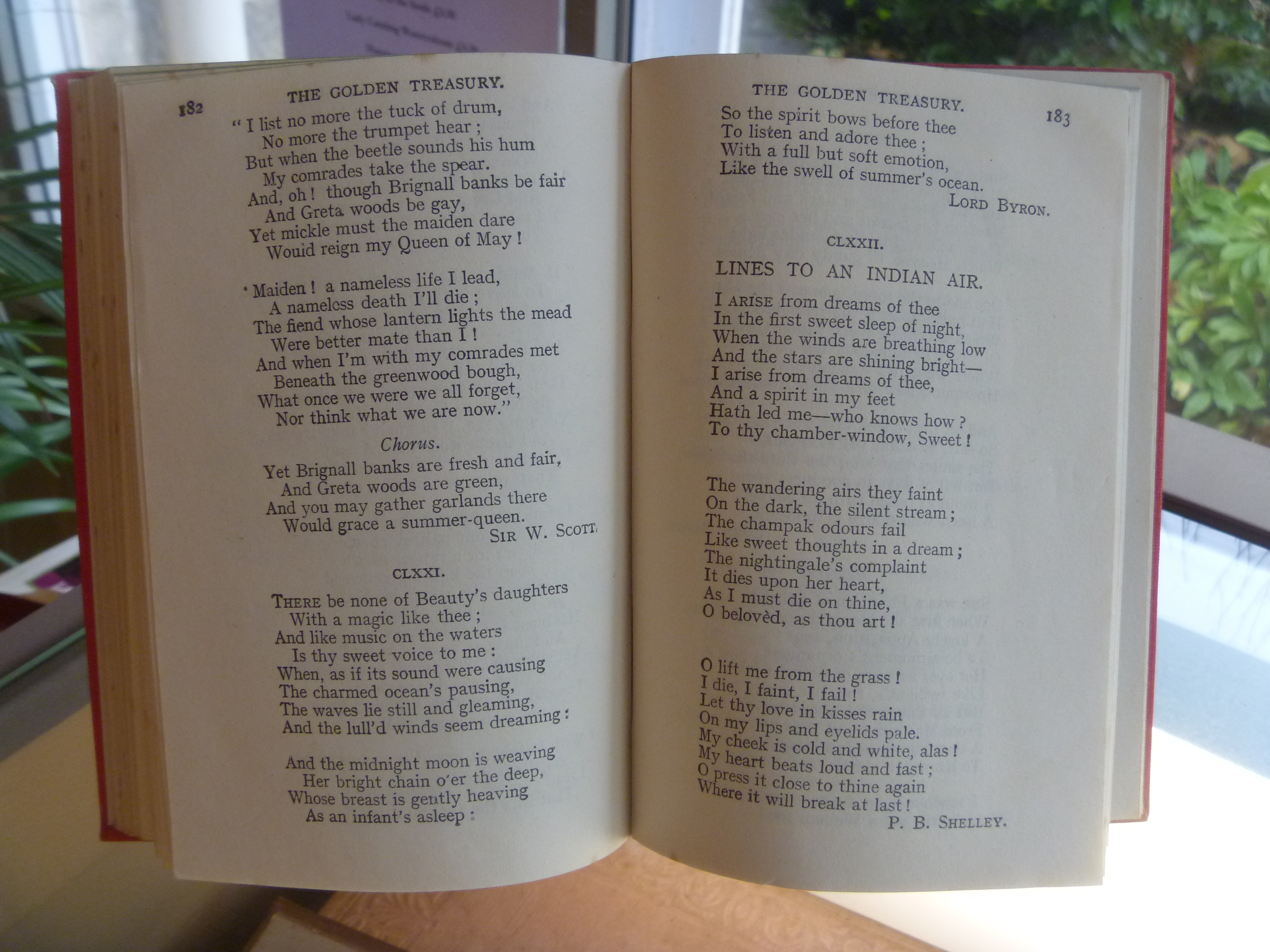
A Copy of The Golden Treasury Open at a Poem of Byron’s