Jerusalem, Alabaster Heads and The Heart of Trees in Yorkshire

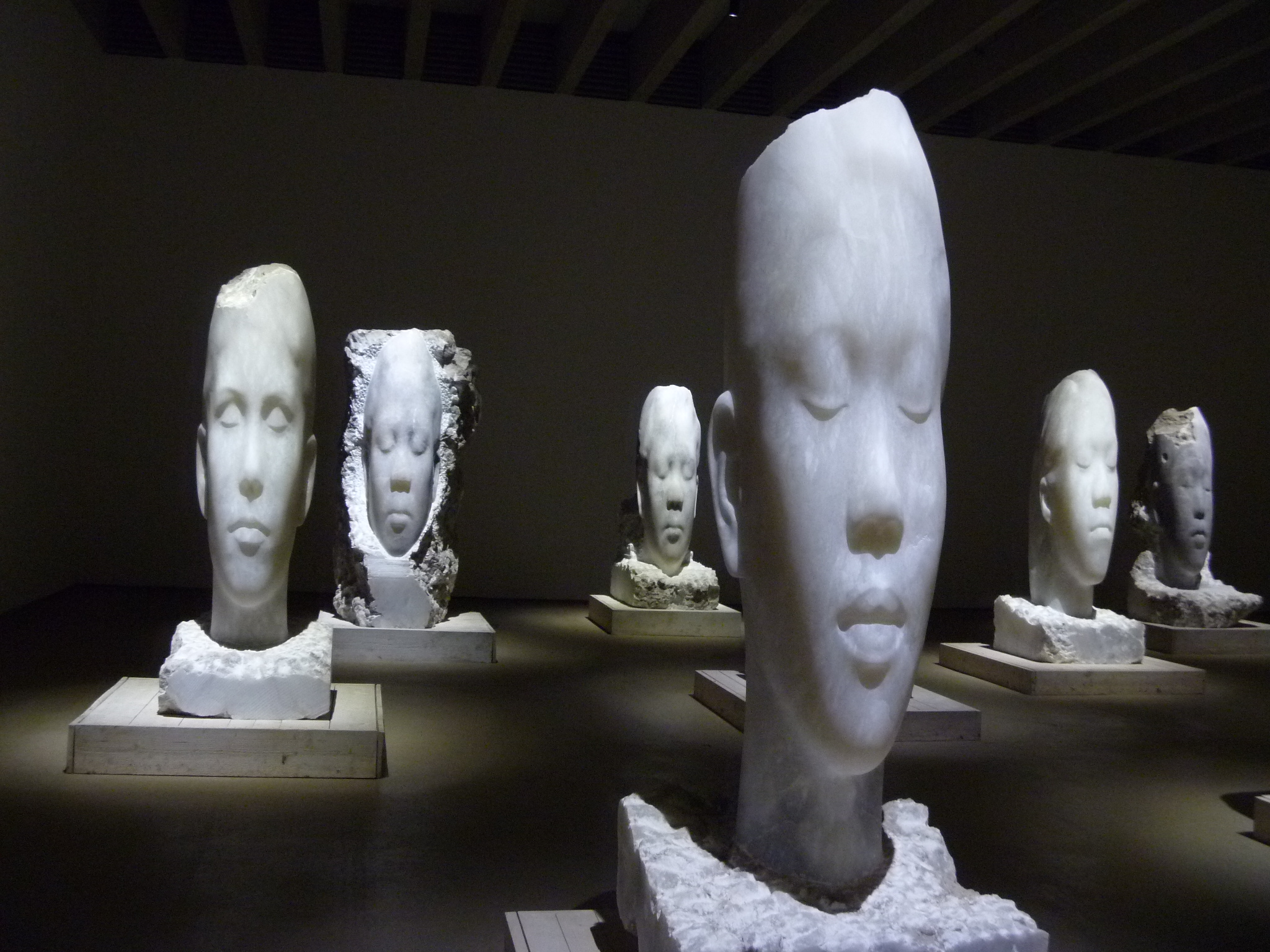
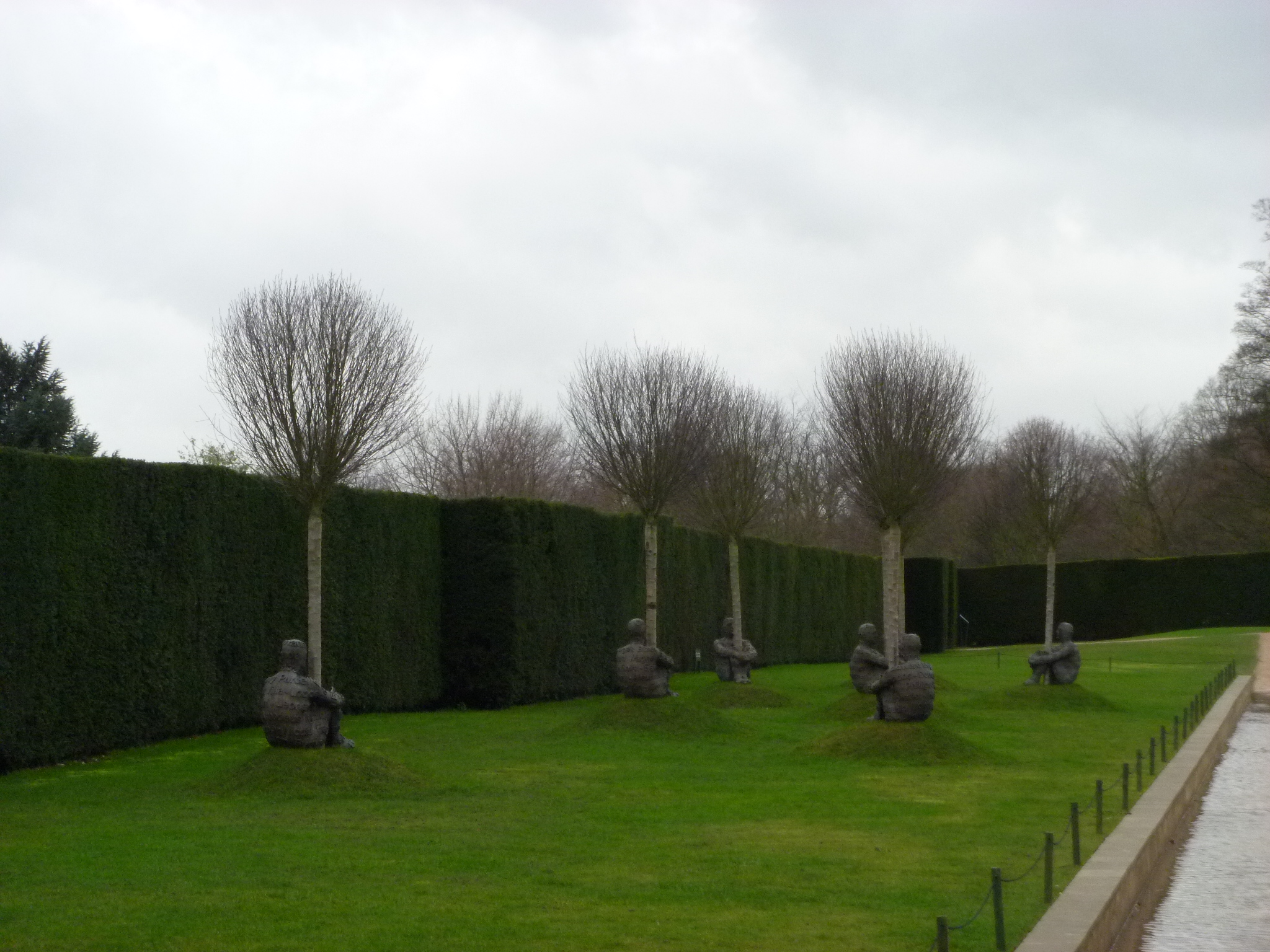
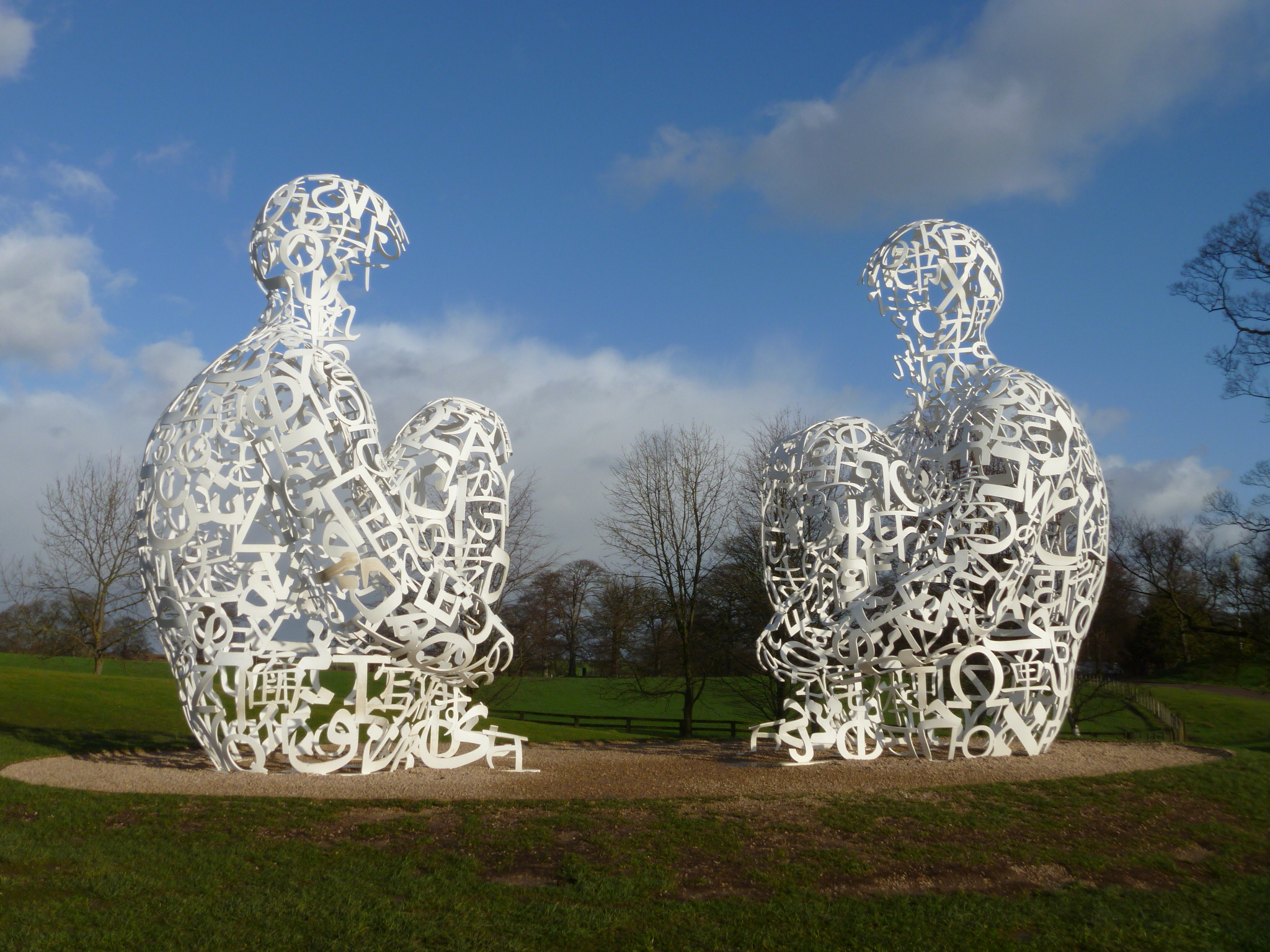
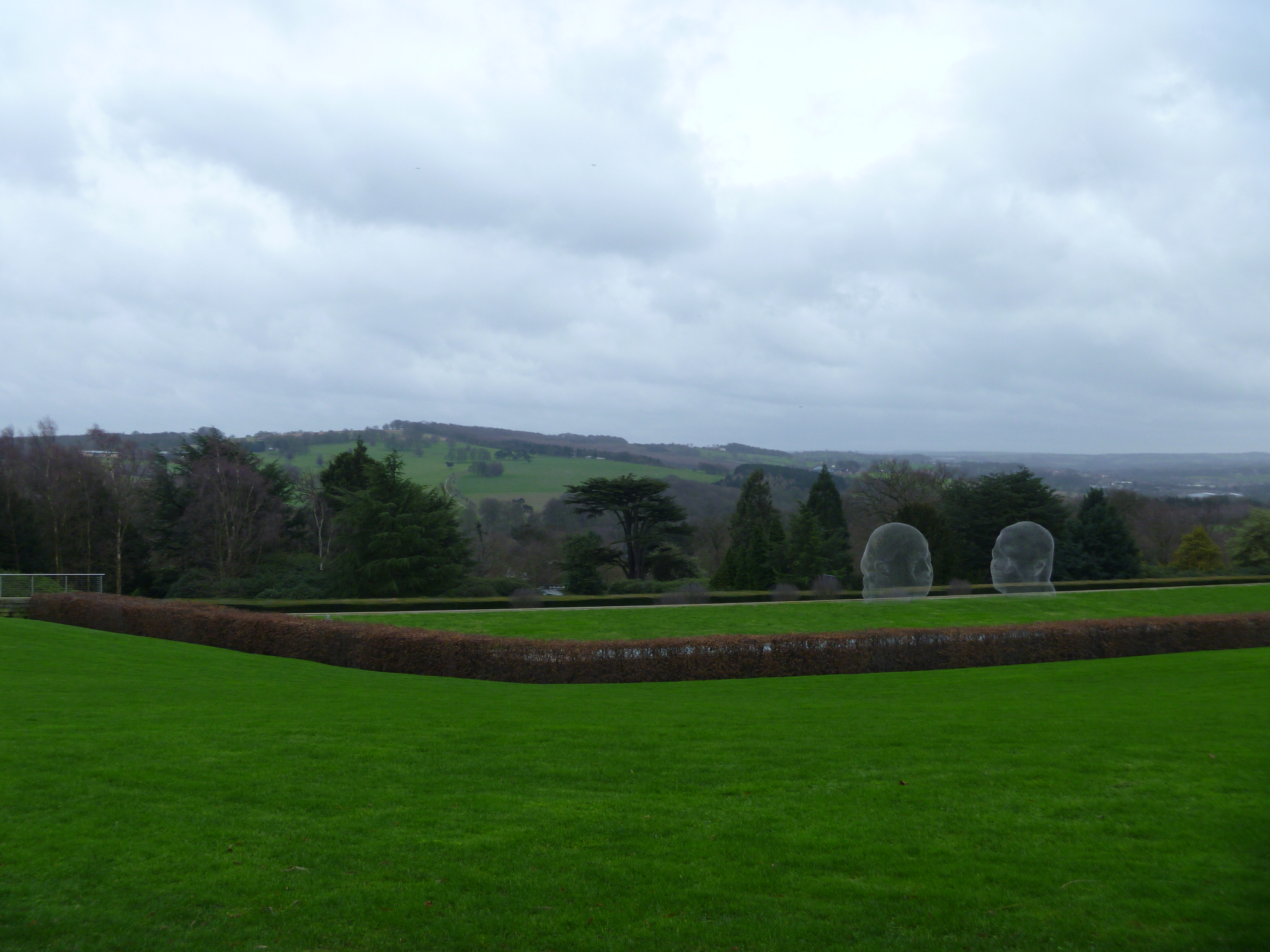
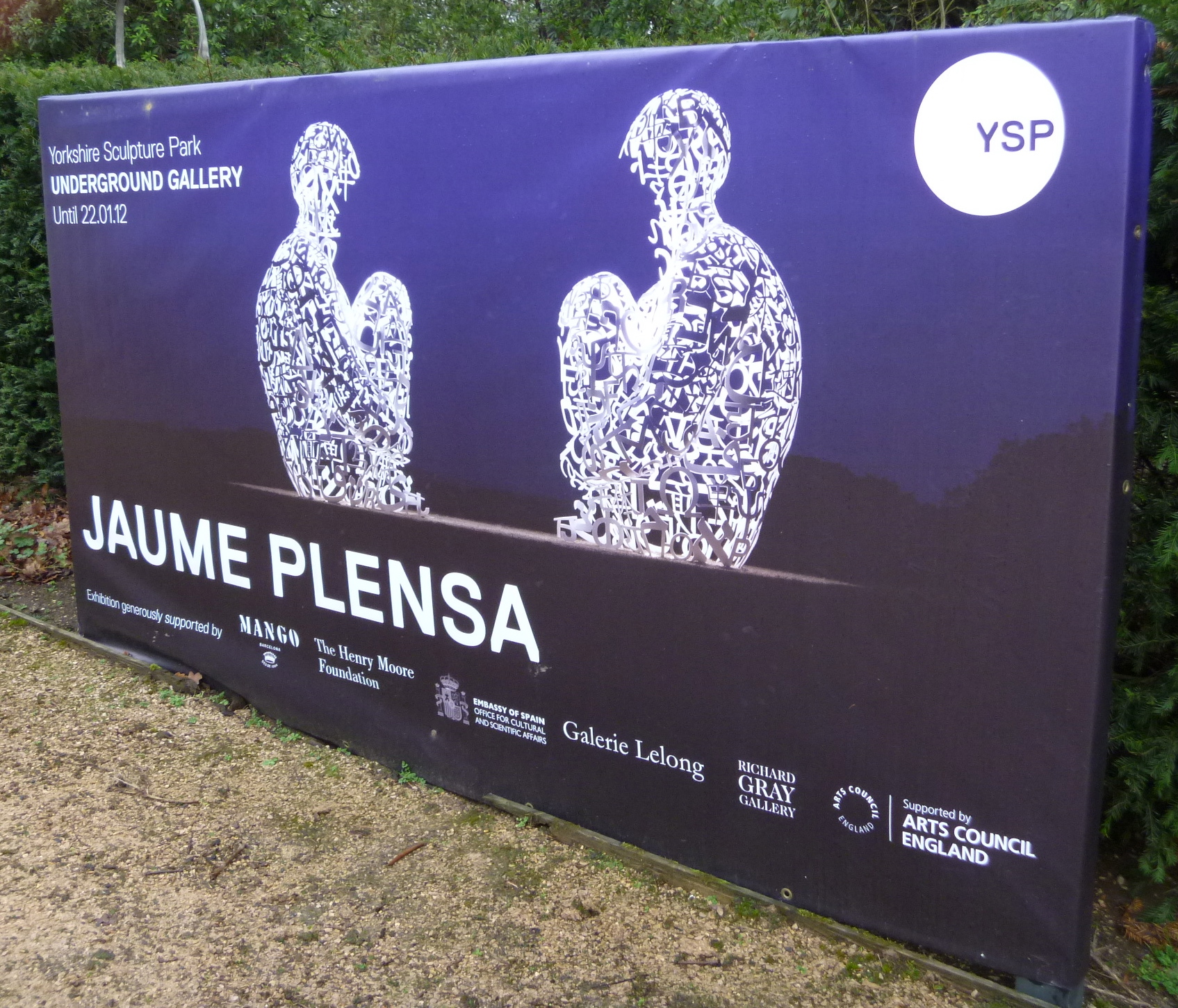
I love a tramp in the countryside but I also love to see something new and/or interesting and that is often possible in Yorkshire. We’ve been generously given an extra day off work today as a substitute day for the Queen’s Diamond Jubilee Bank Holiday in June. We already get two days holiday then anyway. So what better way to spend it than to drive for 20 minutes down the M1 to the Yorkshire Sculpture Park. I’ve visited many times in the past but there is always something new to see and on every visit the park seems to have extended its boundaries. Today was no exception. There are some new paths around the Upper Lake and some renovated 18th century garden features to inspect – a Shell Grotto, a Boathouse, an Obelisk and a Greek Temple. The wind was blowing a gale and we had to watch our step along some of the muddier tracks but there were still some good photo opportunities to be had around the park. The main feature of these were the extraordinary work of Spanish artist Jaume Plensa. The exhibition was due to close in the autumn but has been extended until 22 January 2012. I’d seen friends’ photos of these stunning metalwork sculptures but it’s something else to see them for real many of them appearing suspended in the Yorkshire countryside. After our exertions we headed for the cafe for excellent homemade soup and a look round the also excellent shop.

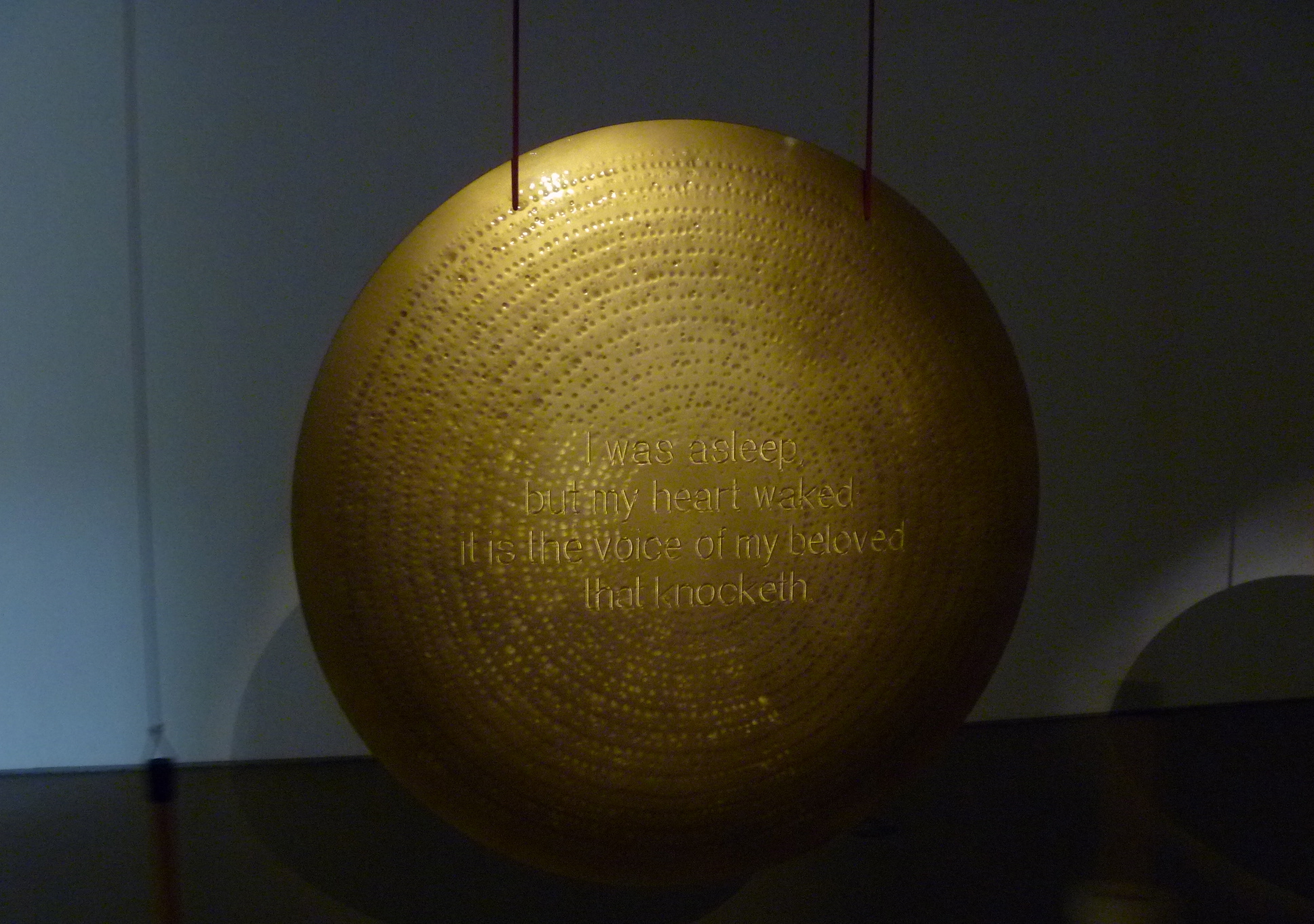
Jerusalem in The Underground Gallery

Alabaster Heads in The Underground Gallery

The Heart of Trees

Jaume Plensa Sculptures

Jaume Plensa

The Park and Estate – with Talking Heads

Lovely stuff in the YSP Shop

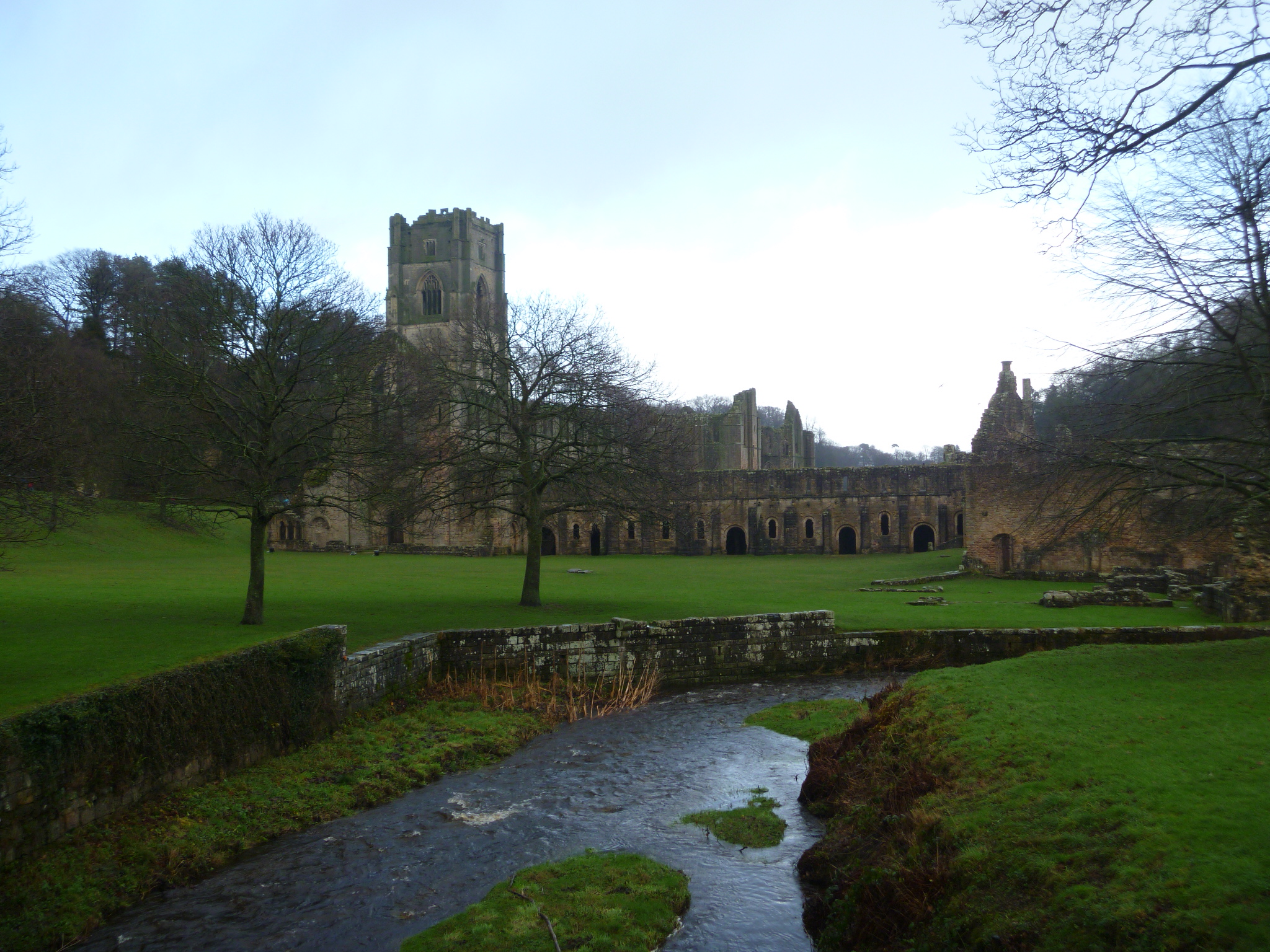
Studley Royal Park including the Ruins of Fountains Abbey

When I wrote about Saltaire and Salts Mill last year I mentioned how lucky I was here in Yorkshire to have TWO Unesco World Heritage Sites on my doorstep. Today I visited the other site in North Yorkshire – Studley Royal Park and the ruins of Fountains Abbey.

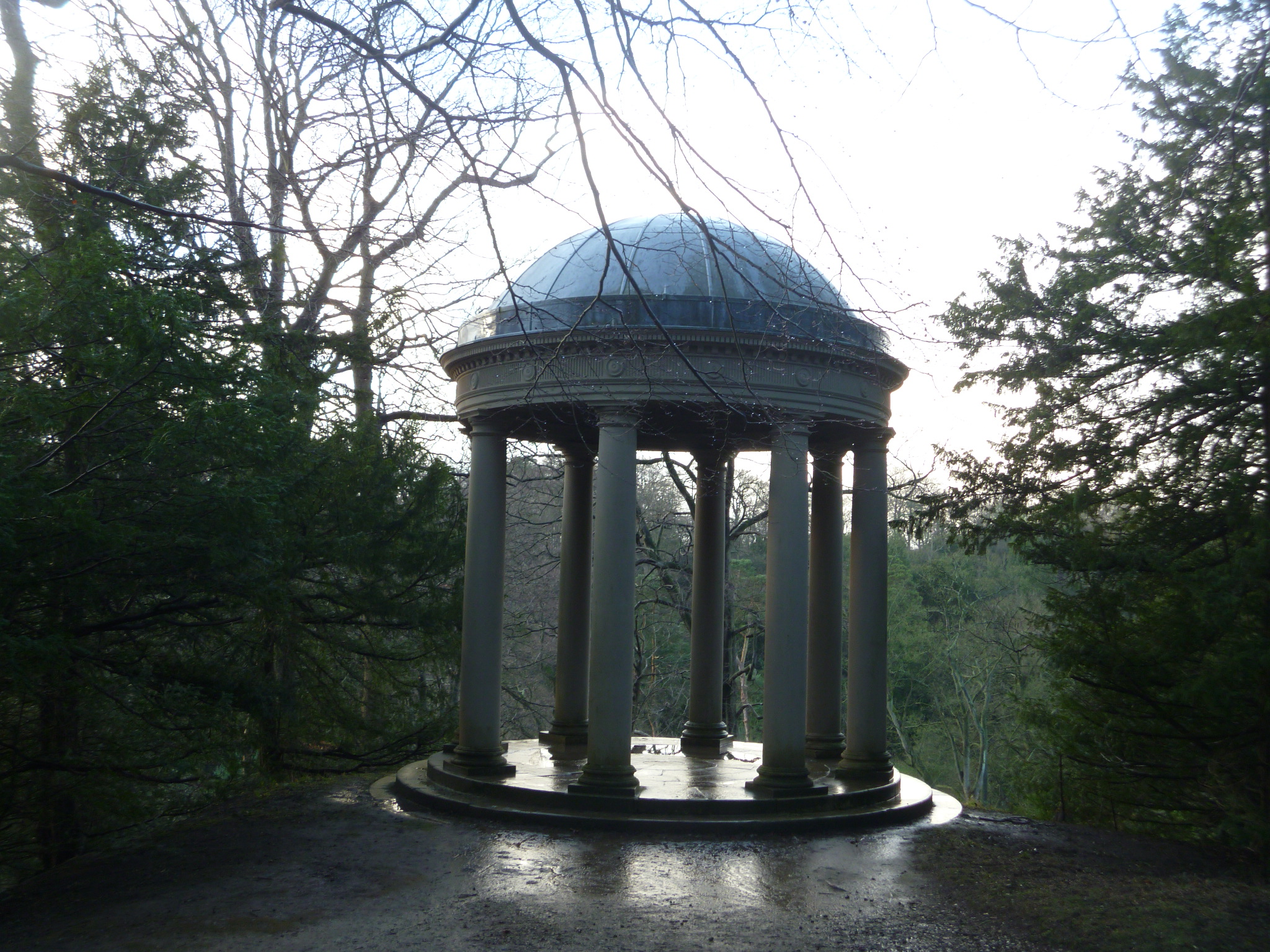
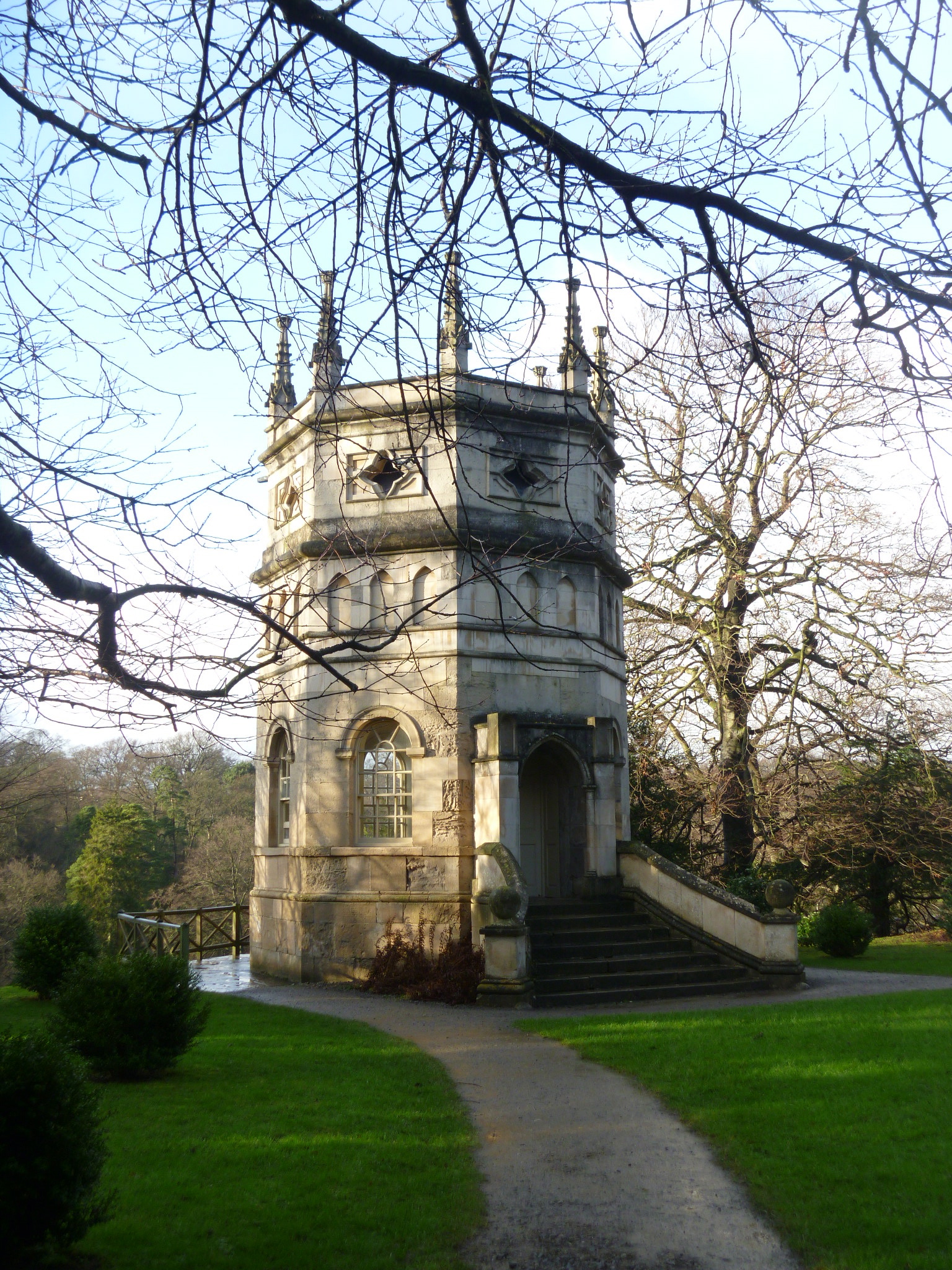
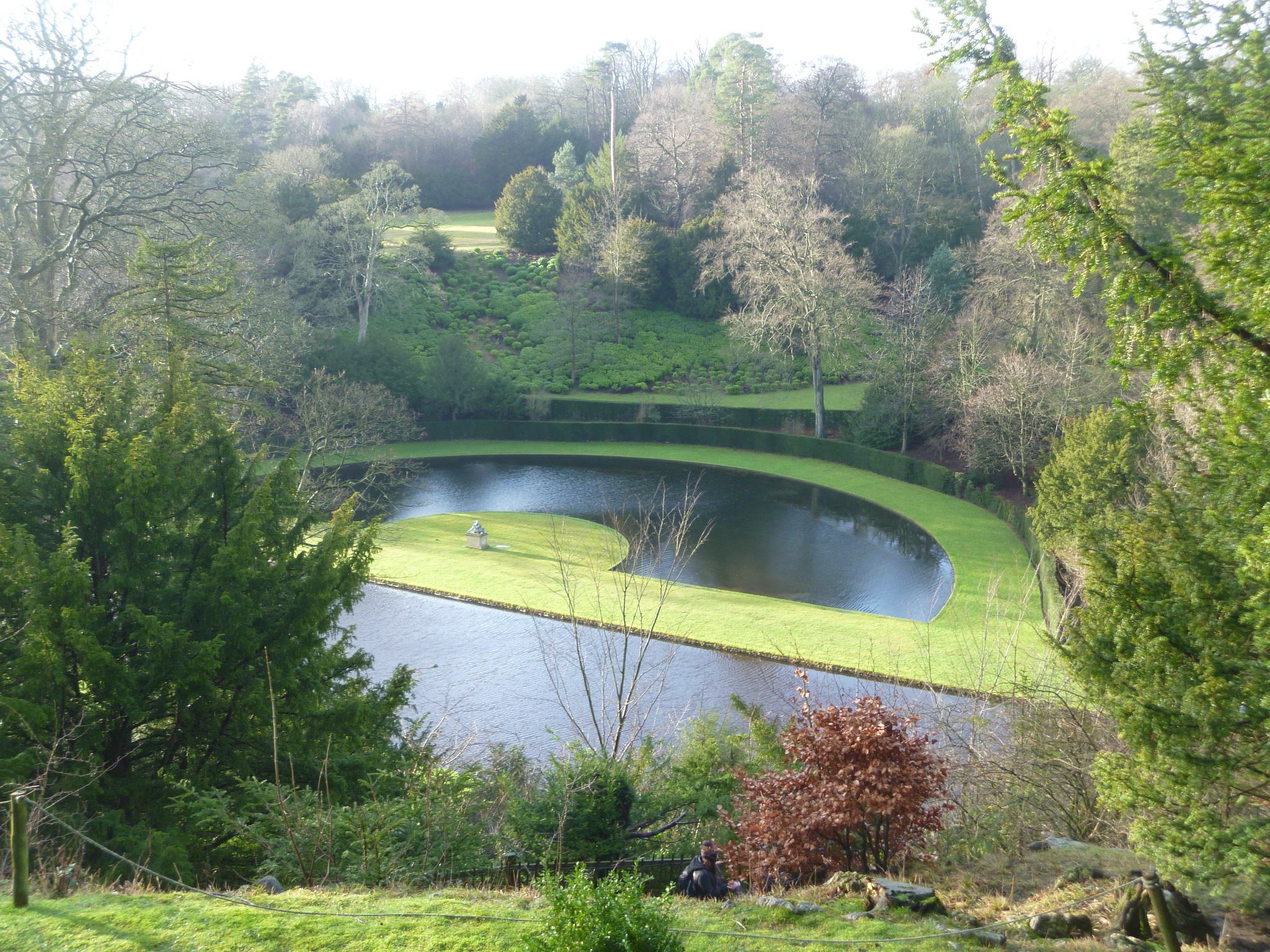
Fountains Abbey is about 23 miles and a world away from busy Leeds. That is not to say that the car parks weren’t empty and there weren’t queues at the restaurant counter today and the shop wasn’t a-buzz with bargain hunters – the world and his wife had come to breathe the fresh air and walk around the gravel paths and let his children climb over the ruins. But it is easy to get away from the crowds and follow some of the paths that lead to higher levels and peace and tranquility. Every step of the paths around the estate reveals something of interest whether it’s a temple, a tower, a banqueting house, a surprise view, a river, waterfalls, a lake. It’s easy to see why the whole area is classified as a World Heritage Site.

The Temple of Fame

The Octagon Tower

The Gardens of Studley Royal

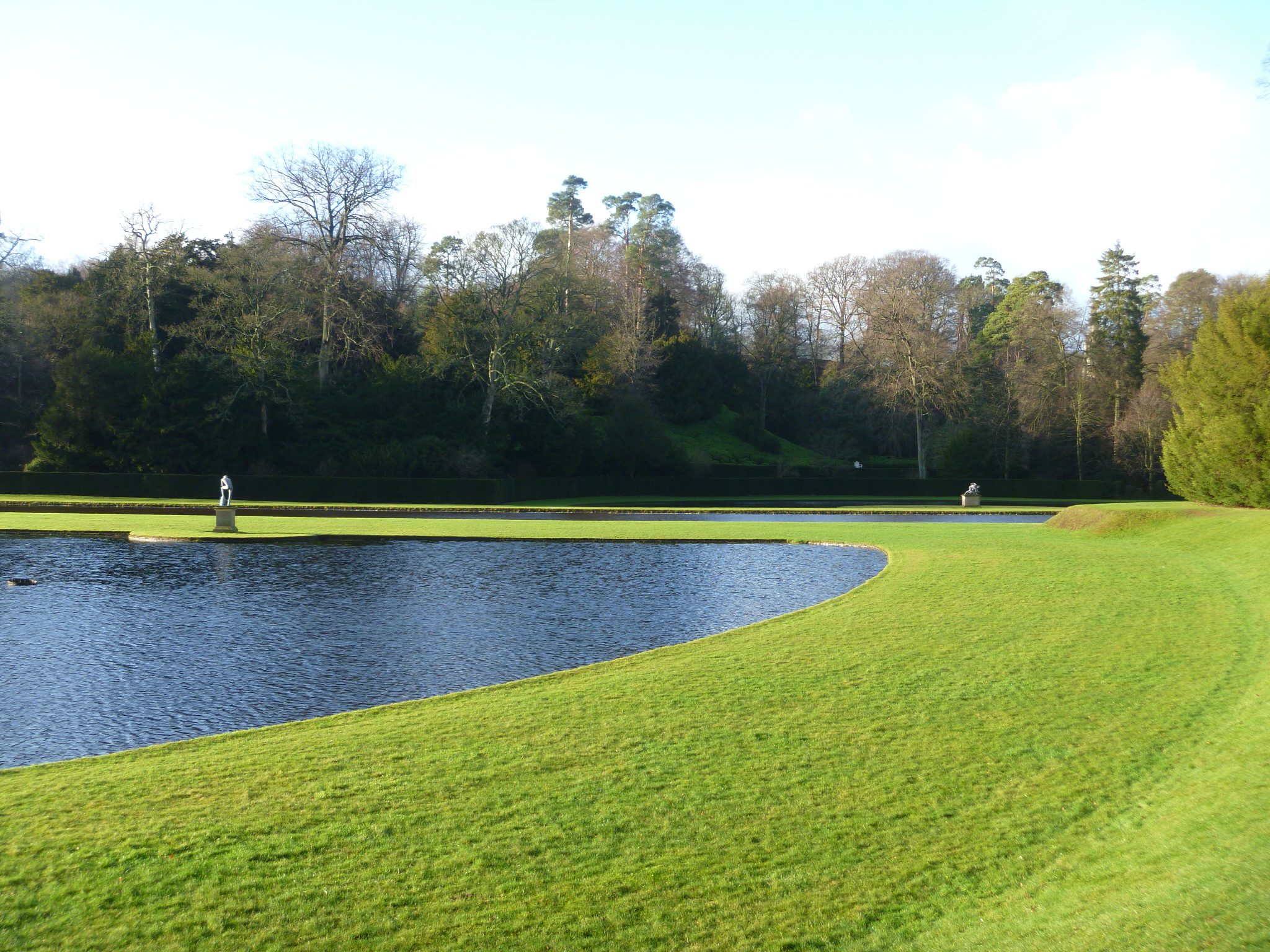
The Water Gardens with Statues

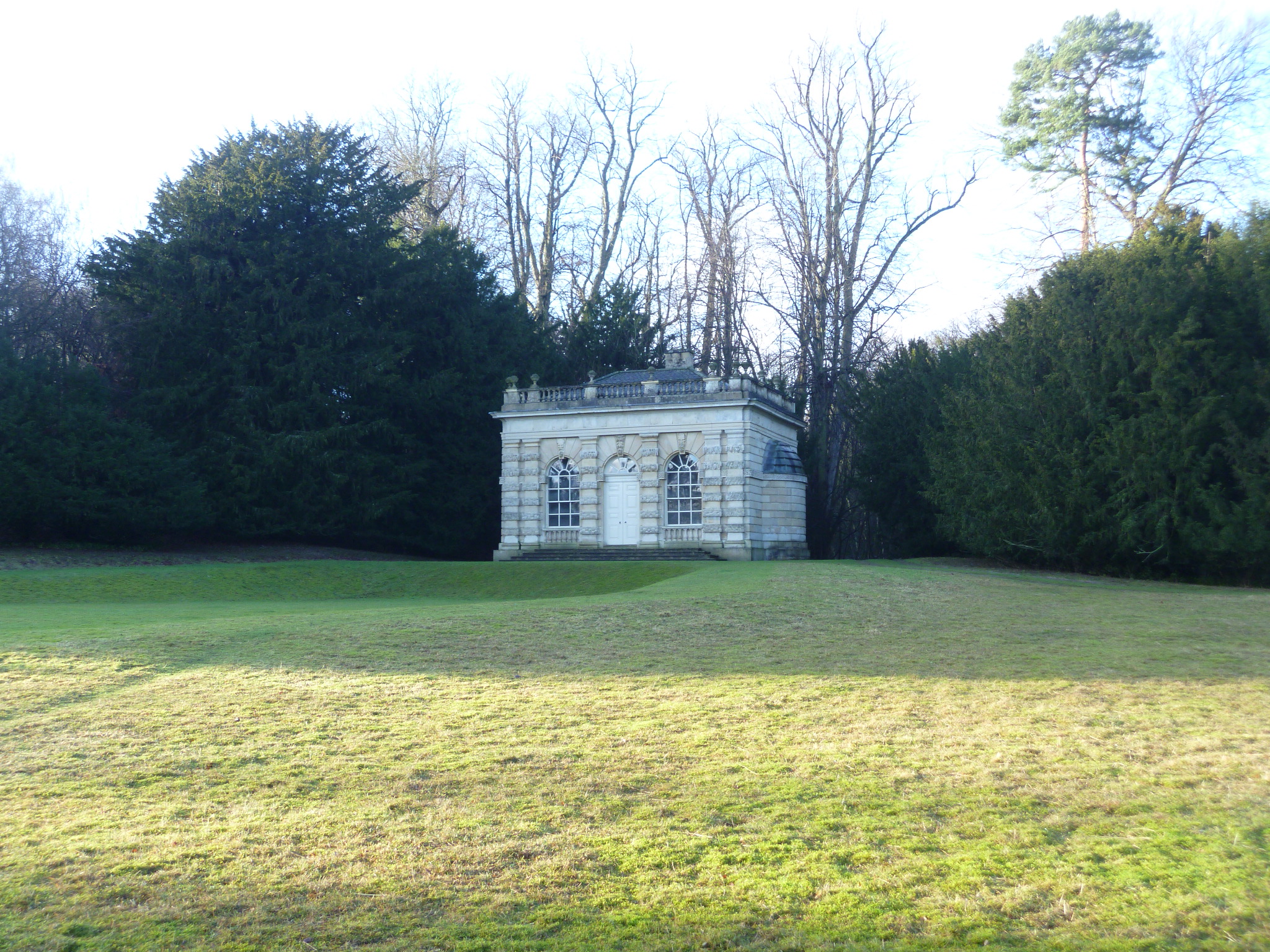
The Banqueting House

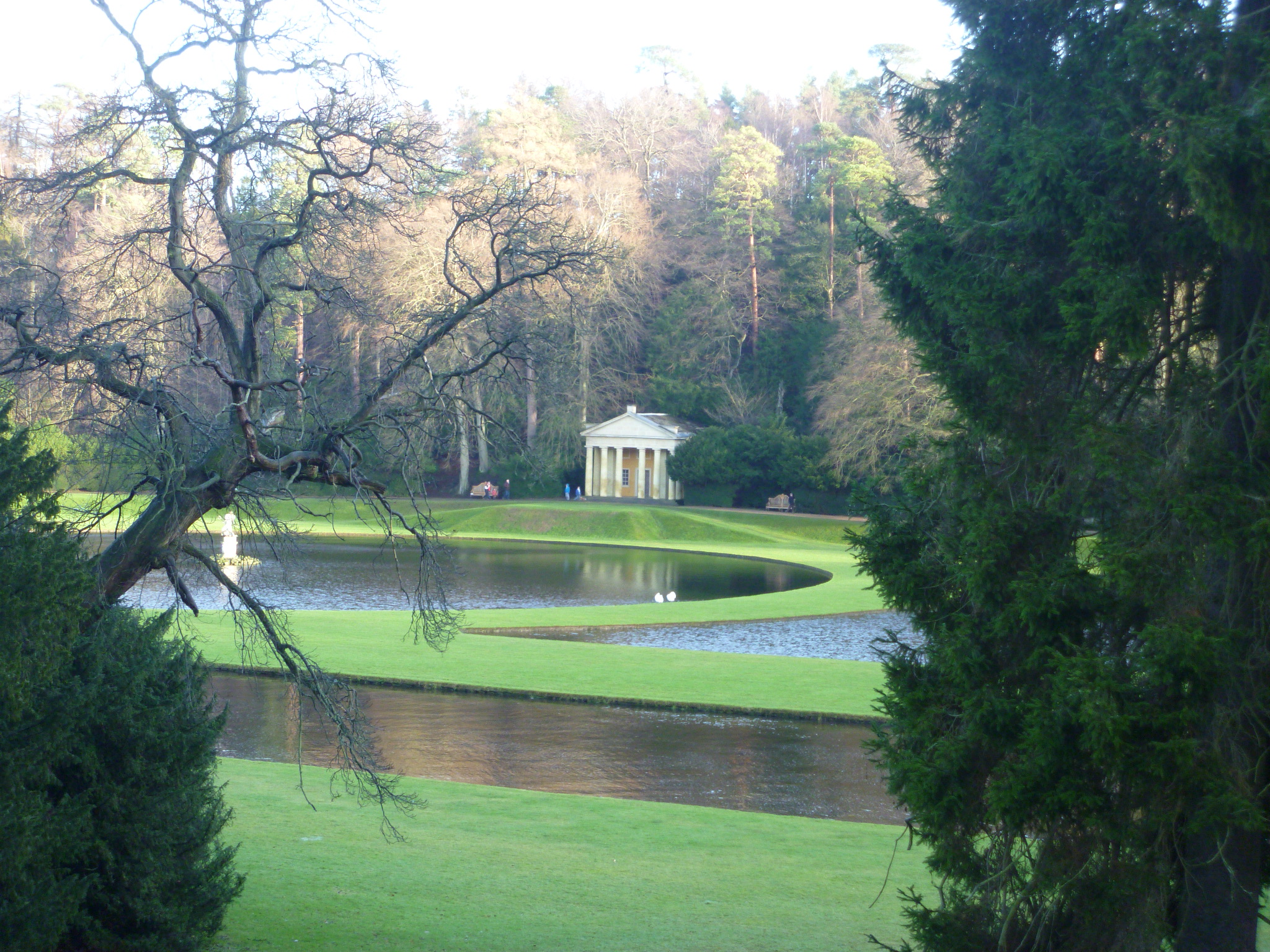
The Temple of Piety and Moon Pond

As you can see this Yorkshire World Heritage Site has a lot more than 25 trees and the time is nearly here already to take down my own Christmas Tree. I’ll be visiting Fountains Abbey a lot more times throughout the different seasons. I hope you will join me here again.

Twenty Five Trees in a Mill

Here in Yorkshire we have two Unesco World Heritage sites. I’m not too sure exactly what is required in order to be appointed to this lofty status – maybe it’s all about preservation. The nearest one to me is Saltaire which was awarded this accolade in 2001. On Monday I took a trip with the Banker to visit one of my favourite local shopping destinations – Salts Mill in Saltaire village.

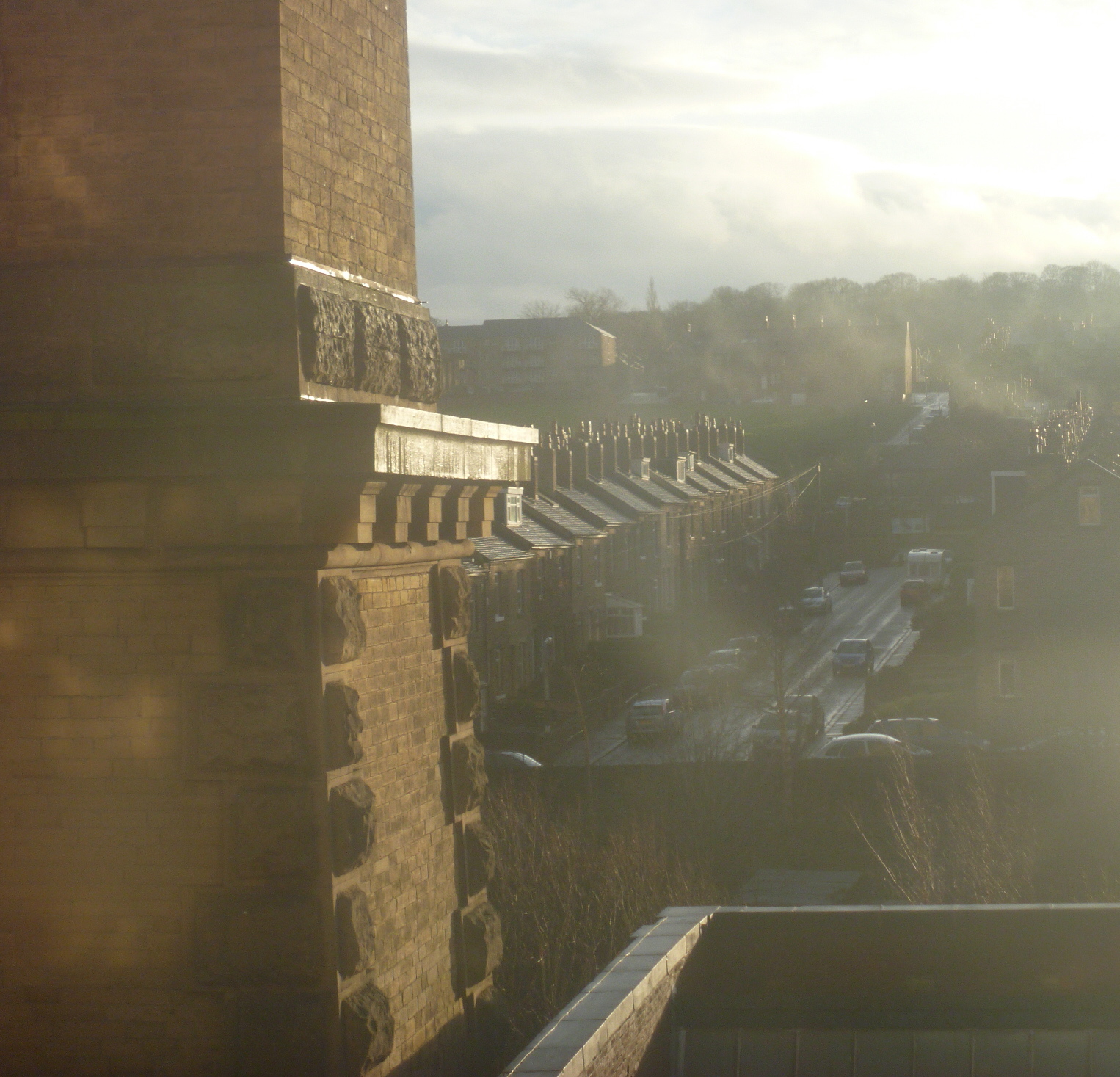
Saltaire Village from Salts Mill

It was really miserable weather so we decided to give the village itself a miss and head straight for the Mill itself – dodging rain and puddles between the car park and the huge mill door.

Salts Mill and the surrounding model village was built for Bradford businessman and philanthropist Titus Salt and opened in 1853. In 1987 the mill stood empty and it took another enterprising businessman, Jonathan Silver, to buy it and create the 1853 Gallery and Salts Mill as it is today. He suggested to his friend and fellow Bradfordian David Hockney that the Mill might be a good place in which to display some his pictures and Hockney agreed. Sadly, Mr Silver died of cancer in 1997 but the enterprise itself has gone from strength to strength.

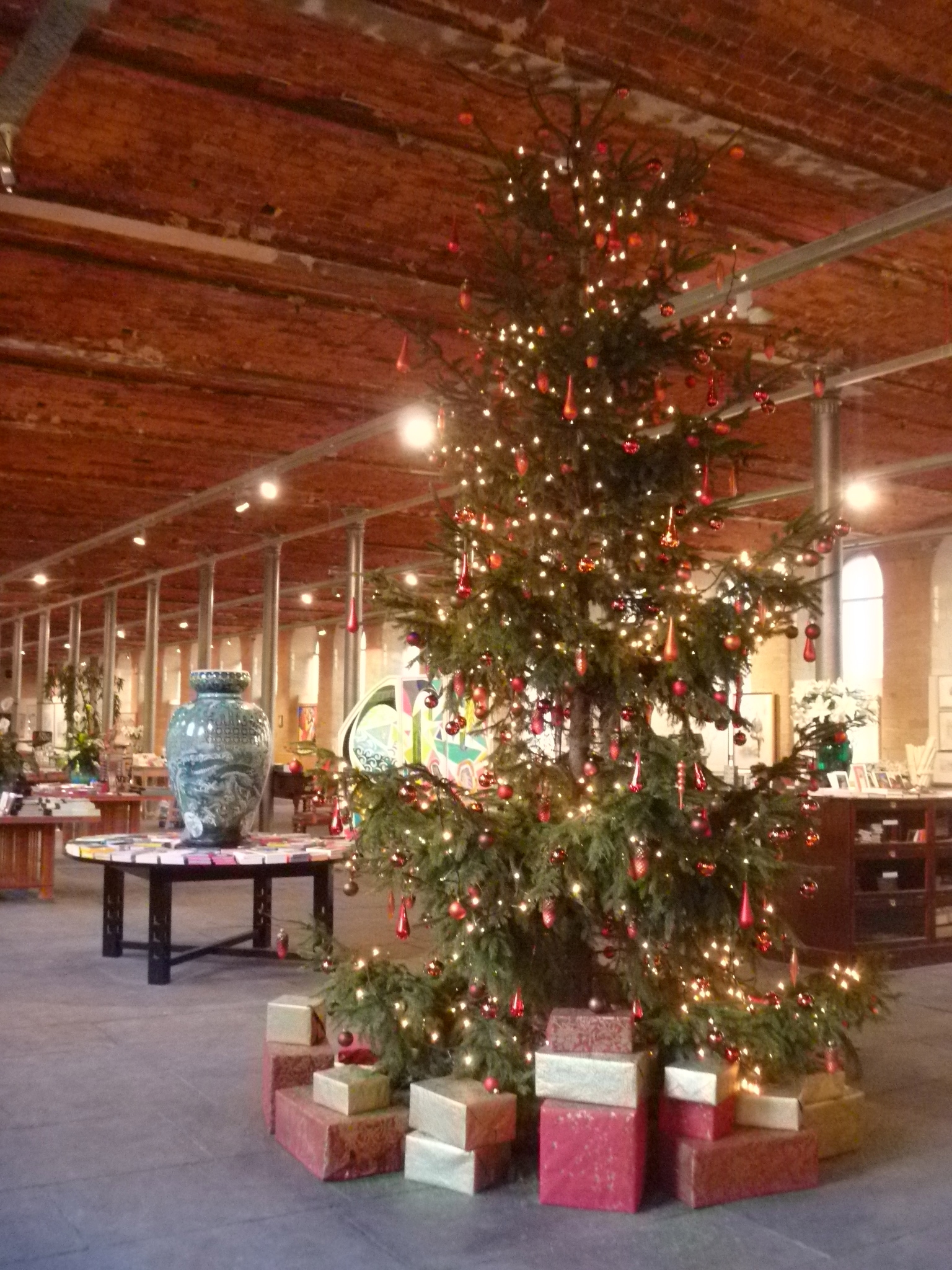
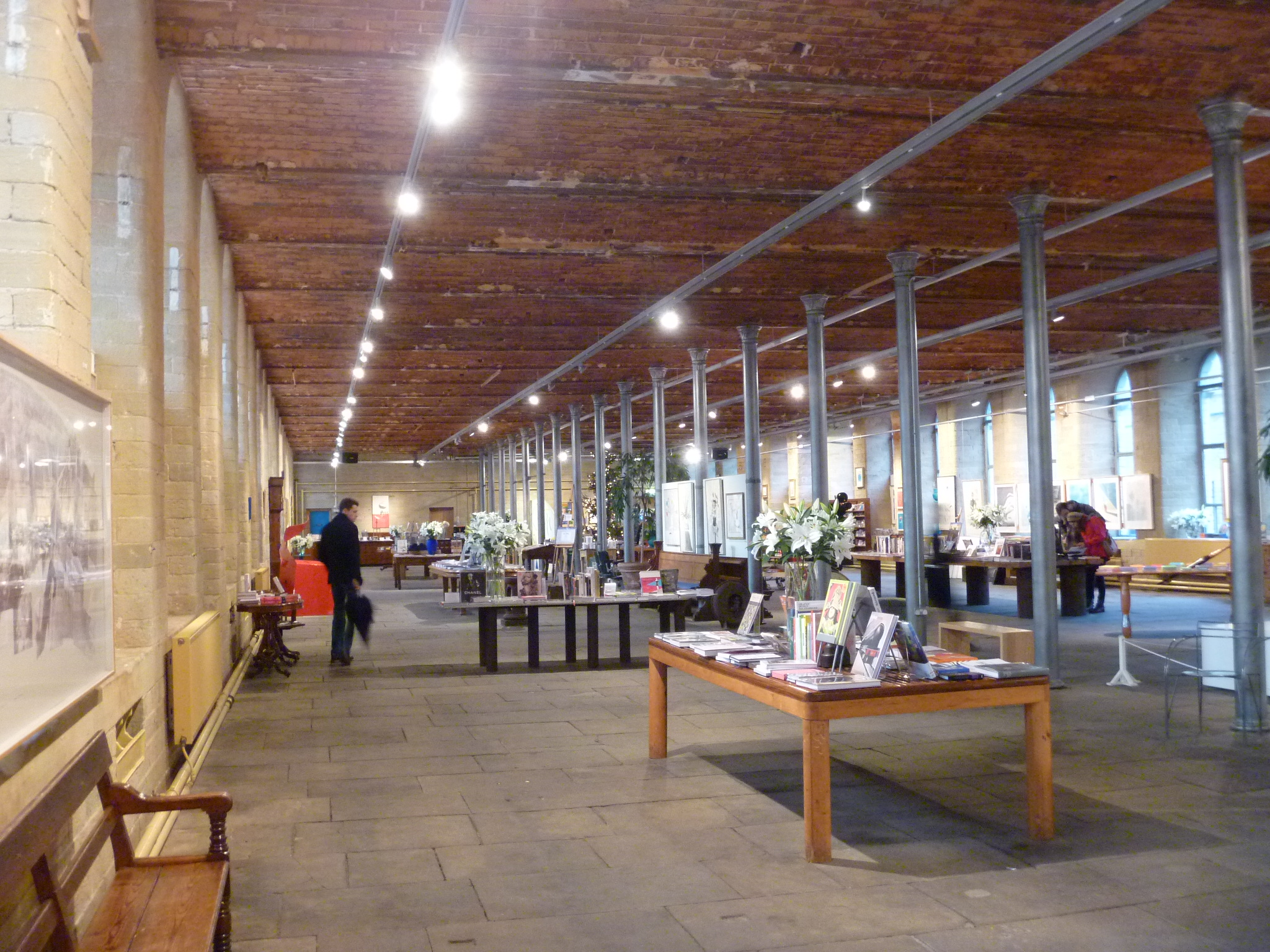
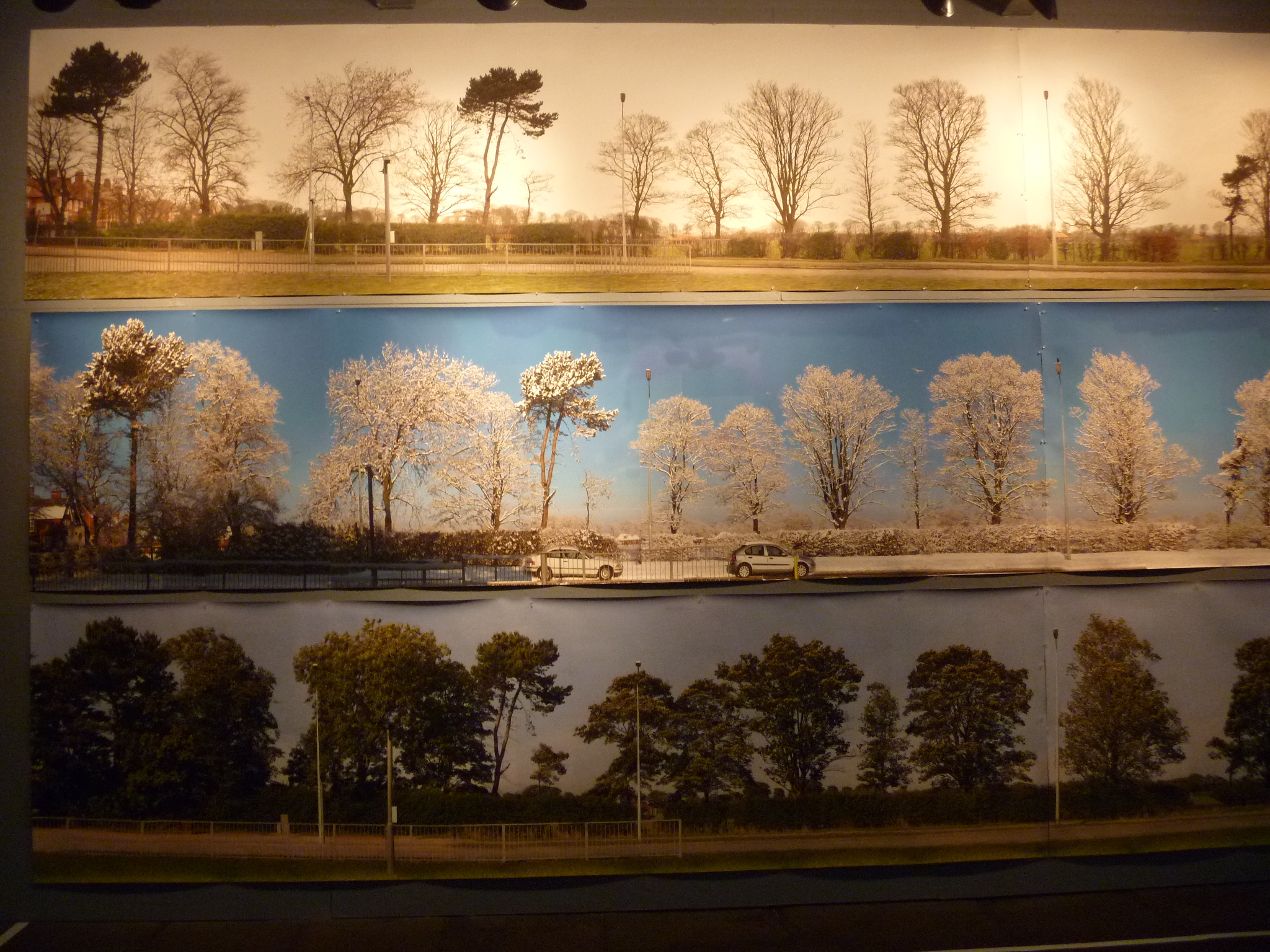
Currently there are two Hockney exhibitions. The permanent display in the ground floor 1853 Gallery is the world’s largest display of Hockney pictures. Here you can also see many of the Burmantofts pots (see top picture) and buy art materials and books. The temporary exhibit 25 trees and other pictures will be showing on the third floor until the end of April 2012.

Besides art and related books there is also Salts Diner, Salts Book and Poster Shop, The Home – a shop selling the very best in home ware designs, an Espresso Bar, Carlton Antiques and Trek and Trail outdoor gear shop.

Salts Book and Poster Shop

It’s not easy to decide what to order for lunch!

I’m so lucky to have Salts Mill nearby – it makes a perfect day out.

Finally, here is my own tree with best wishes for a Merry Christmas to all Miladys readers!

Weekday Wanderers

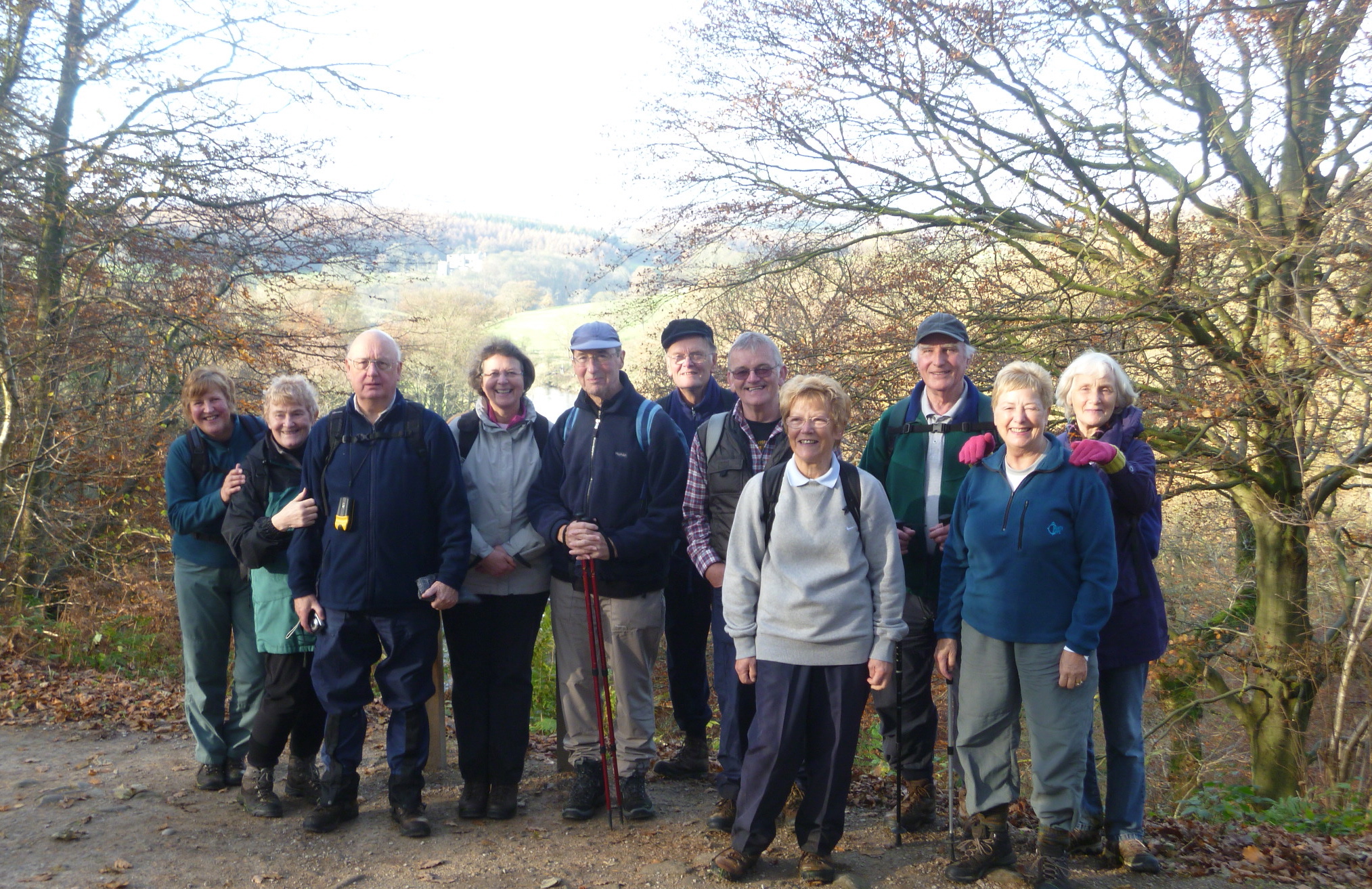
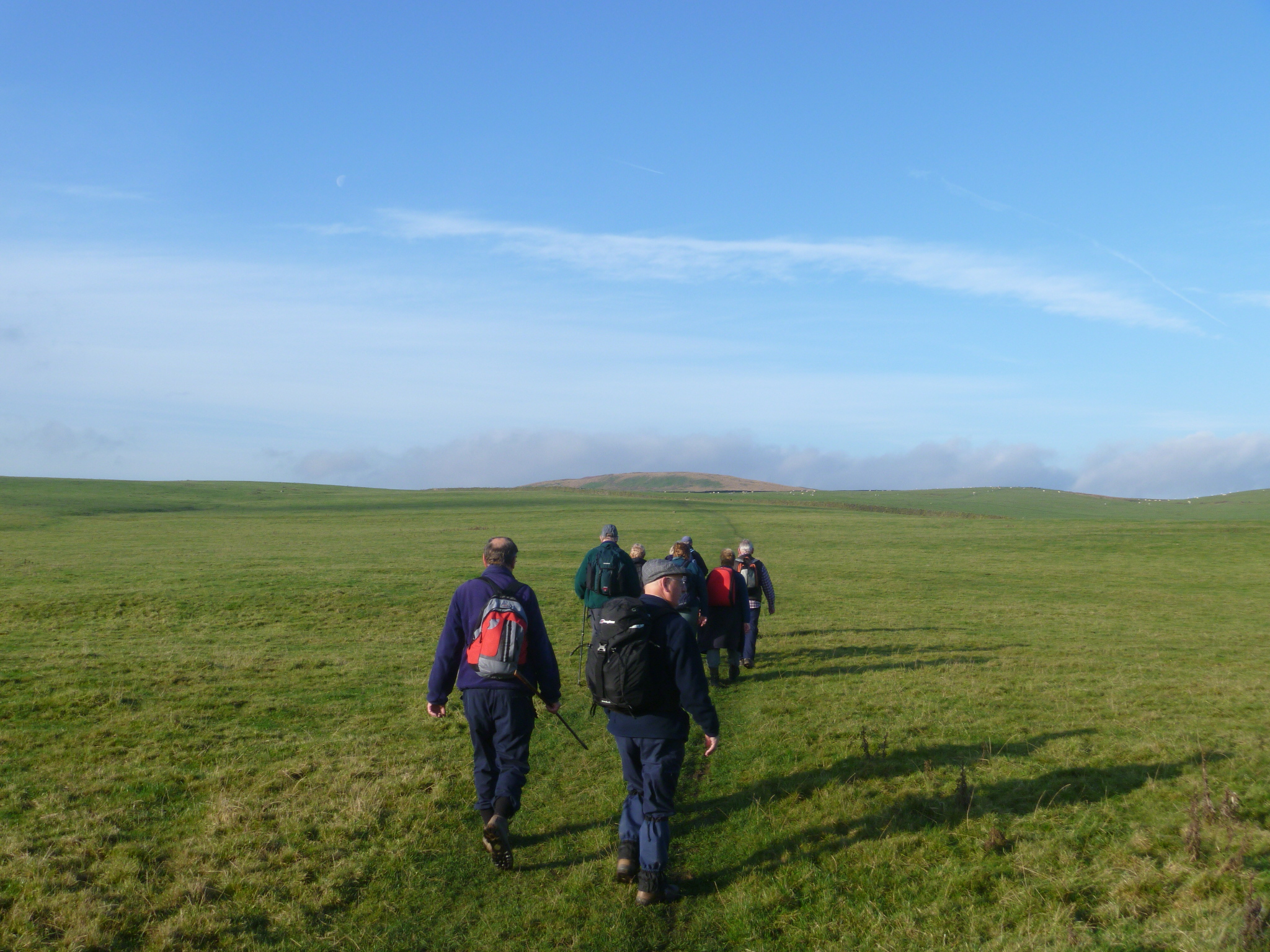
Since November 2004 I have been a member a very informal, friendly, local walking group. I was reminded of this date earlier today as the beginning of the walk followed exactly the same route. We meet on Thursdays (usually the third Thursday in the month) and take ourselves off for a hike – come rain or shine. But we definitely prefer shine, of course. At 9am on the appointed day we assemble at a local church car park, decide who will drive and car share appropriately. We take it in turns to lead and plan the walk which is usually 8+ miles. Today’s walk was a little shorter as we welcomed back a leader and fellow wanderer after a third hip operation!

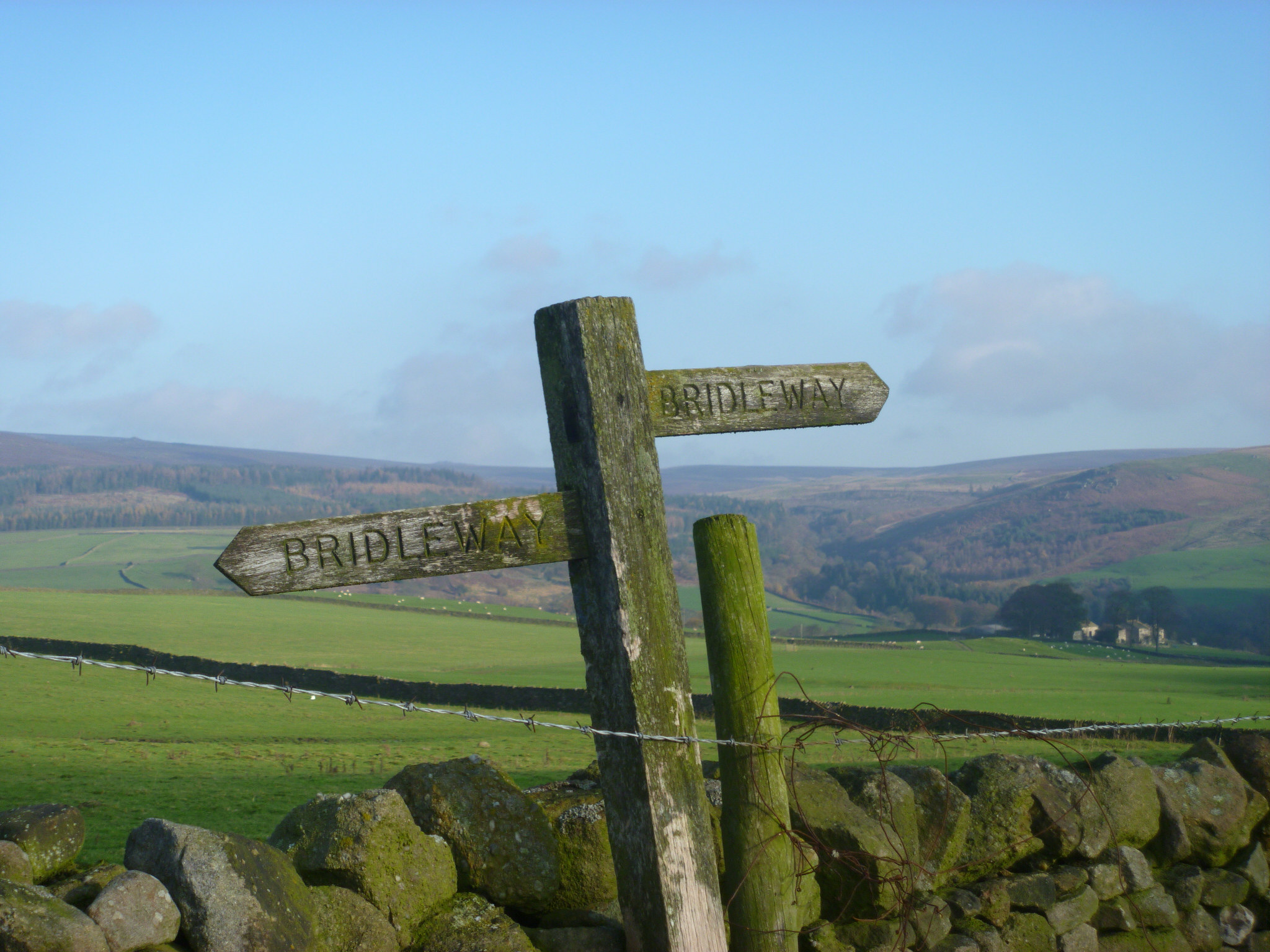
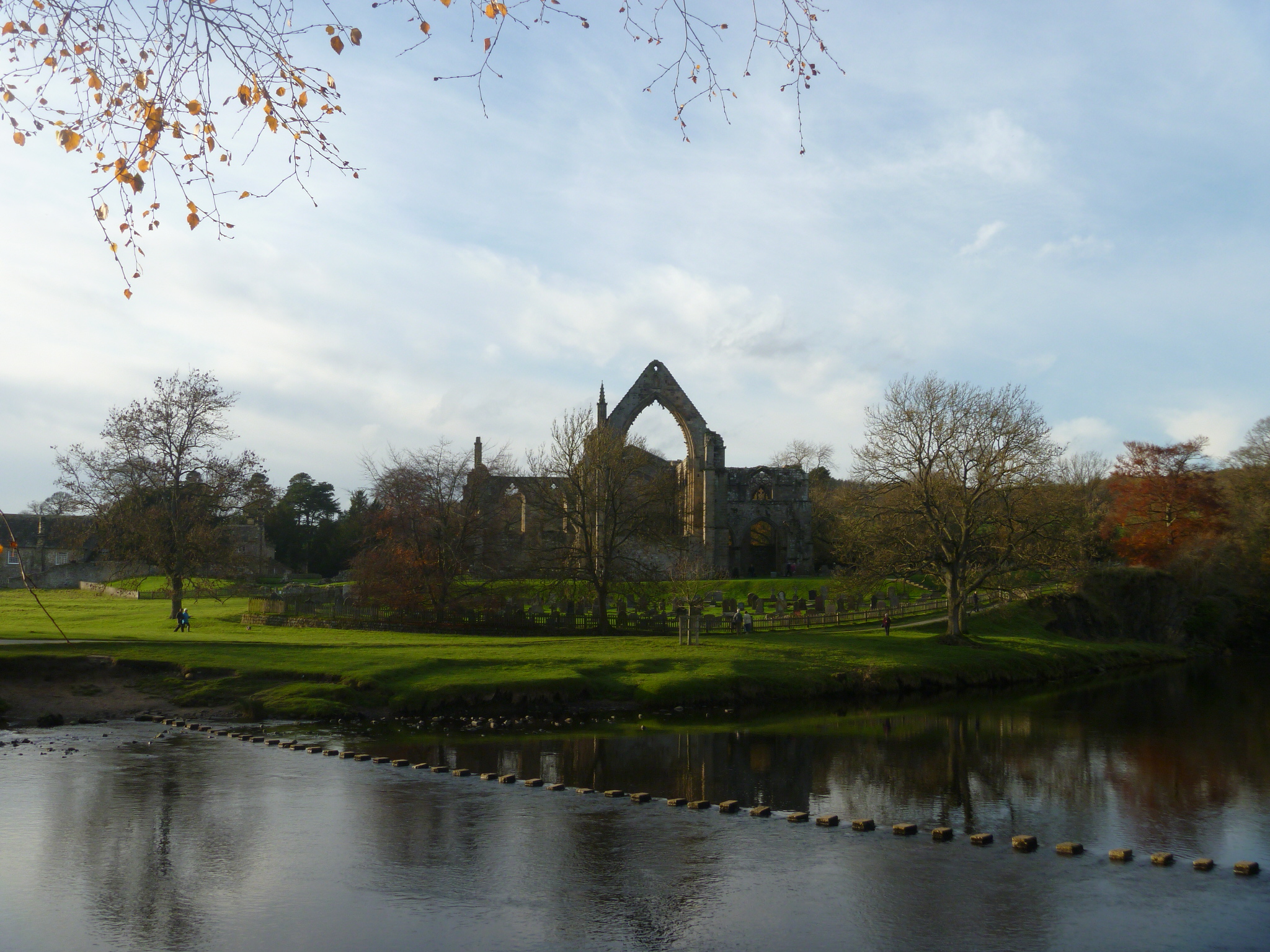
We certainly had shine today! A fifty minute drive from home brought us to beautiful Bolton Abbey in the Yorkshire Dales. A handy tip is that parking at all Bolton Abbey car parks is free on weekdays between 31st October and 16th March (except for during school holiday weeks). After a short bit of road walking we headed off through fields and woods and up above the Wharfe valley where the views and colours were spectacular.

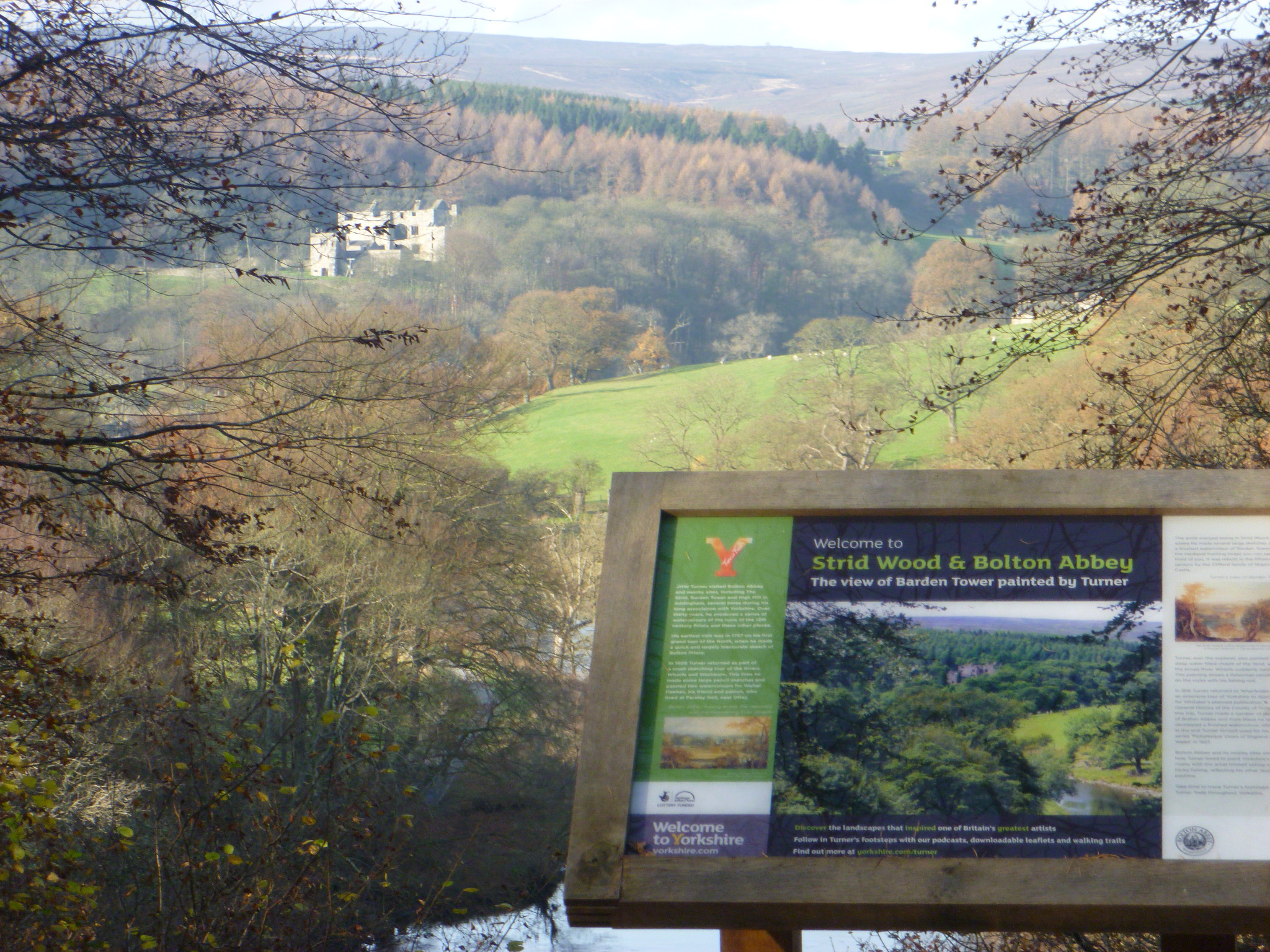
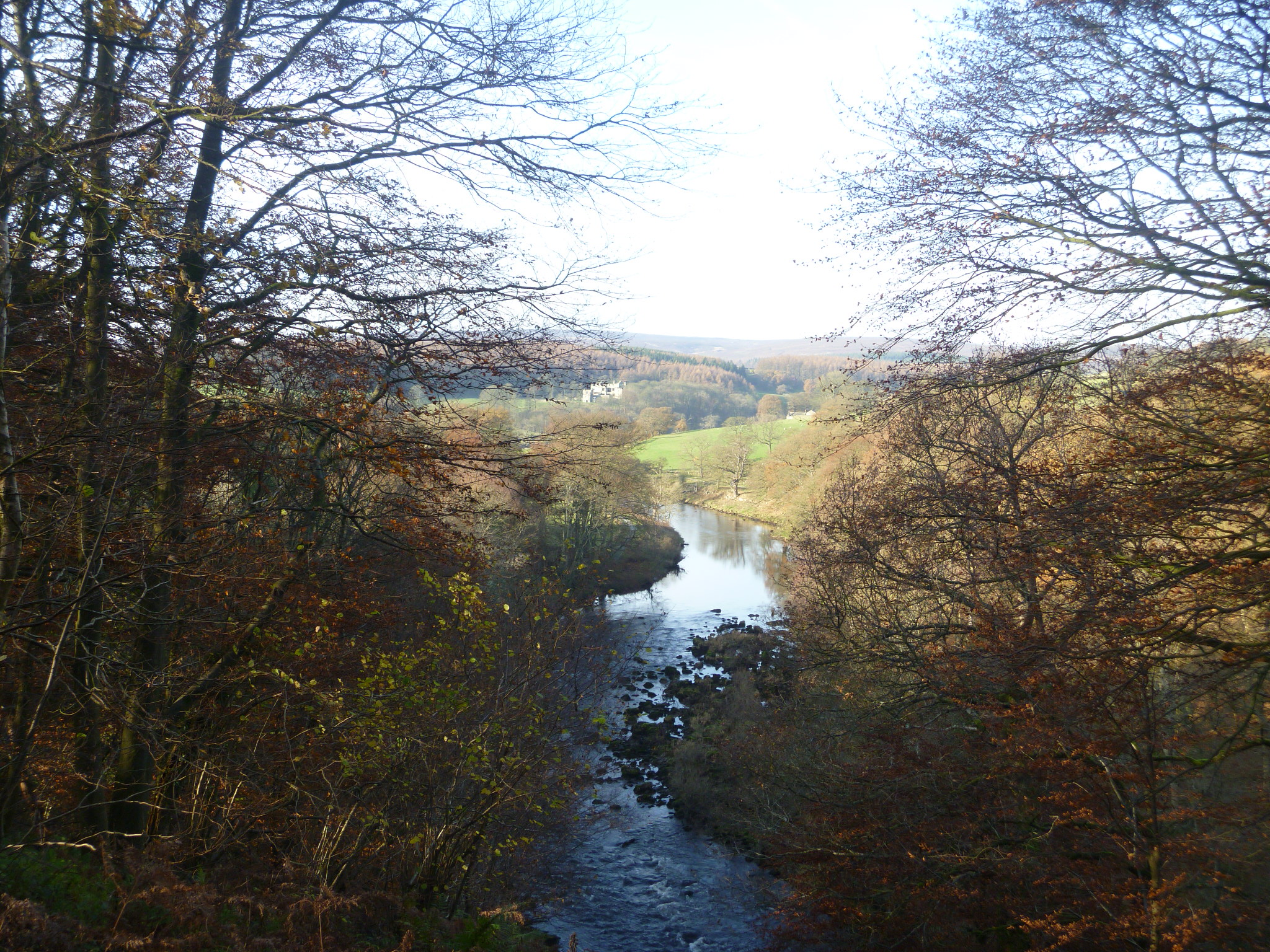
Eventually our path brought us down to what is called The Strid car park. From here our path followed the River Wharfe along The Dales Way. First though we stopped for our picnic lunch. This just happened to be at a viewpoint from where J.M.W.Turner painted one of his watercolours. An information board explains the fact and shows a copy of his painting. A Turner Trail has been developed in Yorkshire by the Tourist Board and there are accompanying leaflets and a website.

The final part of our walk kept to the higher paths above the river and eventually the romantic ruins of Bolton Priory loomed into view. These were also painted by Turner and the scene has changed very little since 1816 when the artist toured the Yorkshire Dales. Read here about Turner’s Viewpoint at Bolton Abbey and click the links to the resultant pictures.

We Will Remember Them

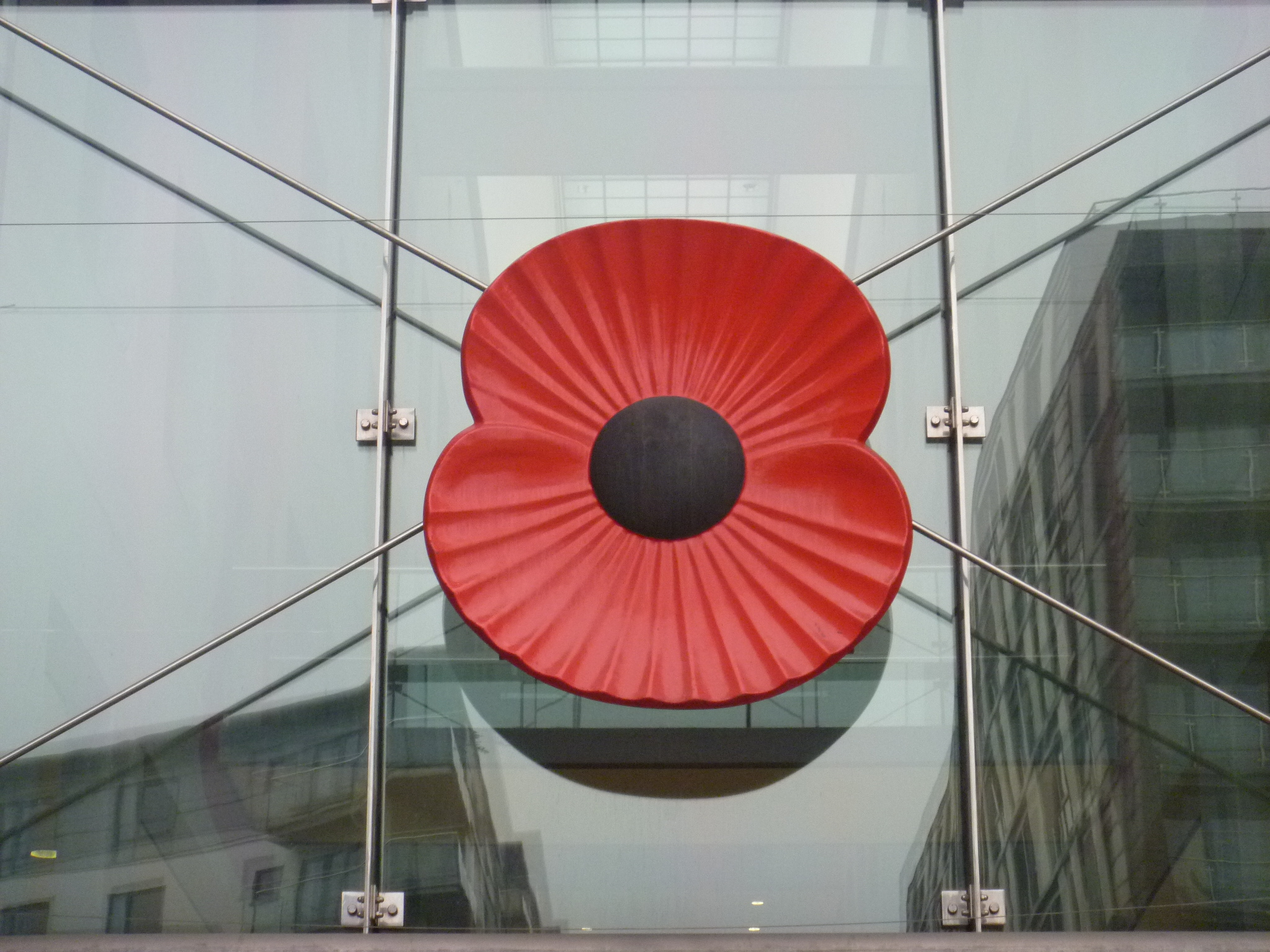
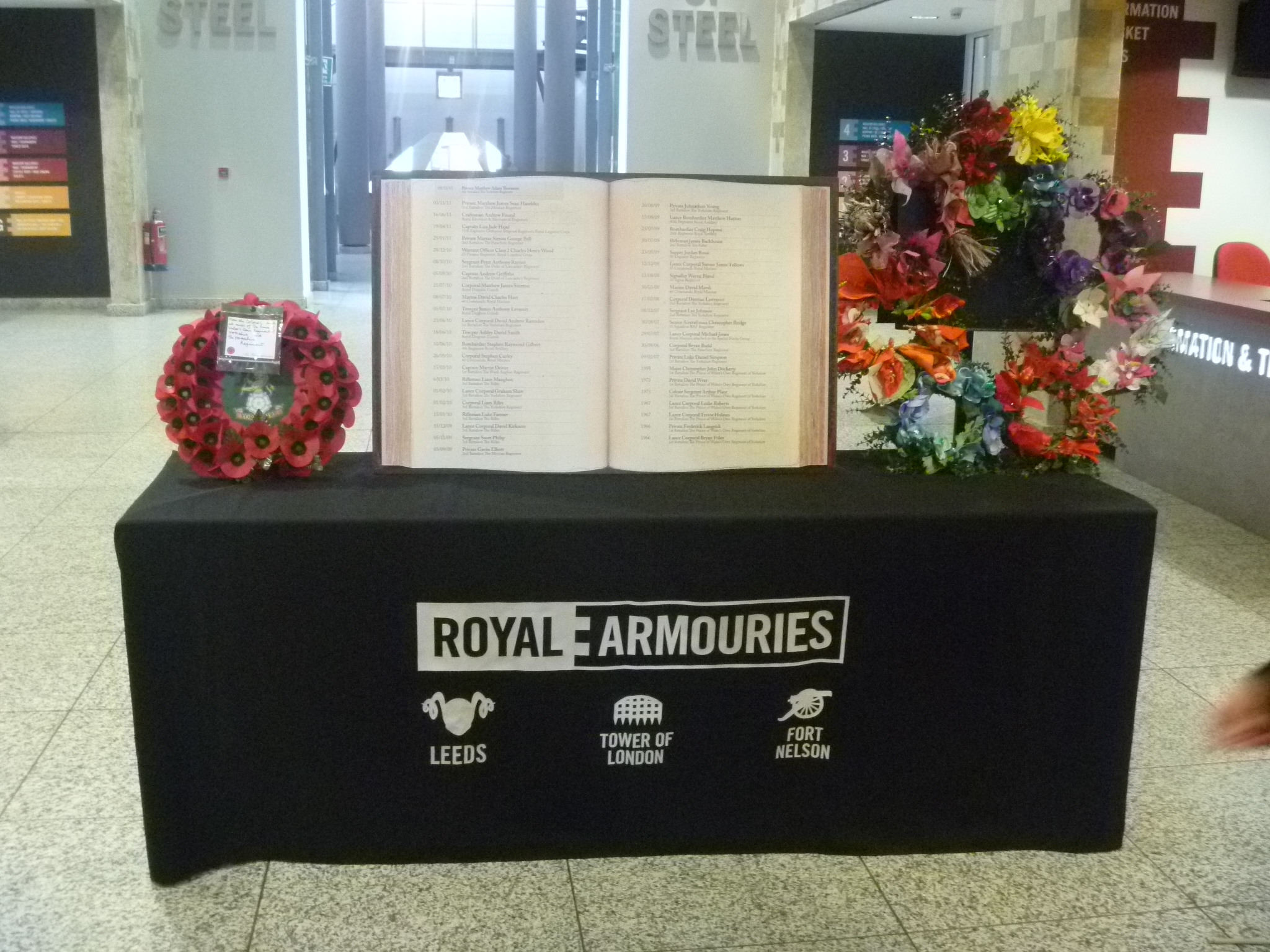
Today a Service of Remembrance was held at The Royal Armouries in Leeds. The Regimental Standards were presented and after The Last Post, the Two Minutes Silence and The Reveille the names of the British servicemen and women from Yorkshire and The Yorkshire Regiment to fall in Afghanistan and Iraq, as well as the names of all the fallen from The Prince of Wales’s Own Regiment of Yorkshire since 1966 were read. At the same time wreaths were laid and poppies floated down from the galleries above the main atrium where the service was held.

Ode to Remembrance

from For The Fallen by Lawrence Binyon

They shall not grow old as we that are left grow old,

Age shall not weary them, nor the years condemn,

At the going down of the sun and in the morning

We will remember them

We will remember them

Cowside Open Day – A New Landmark Hits the Handbook!

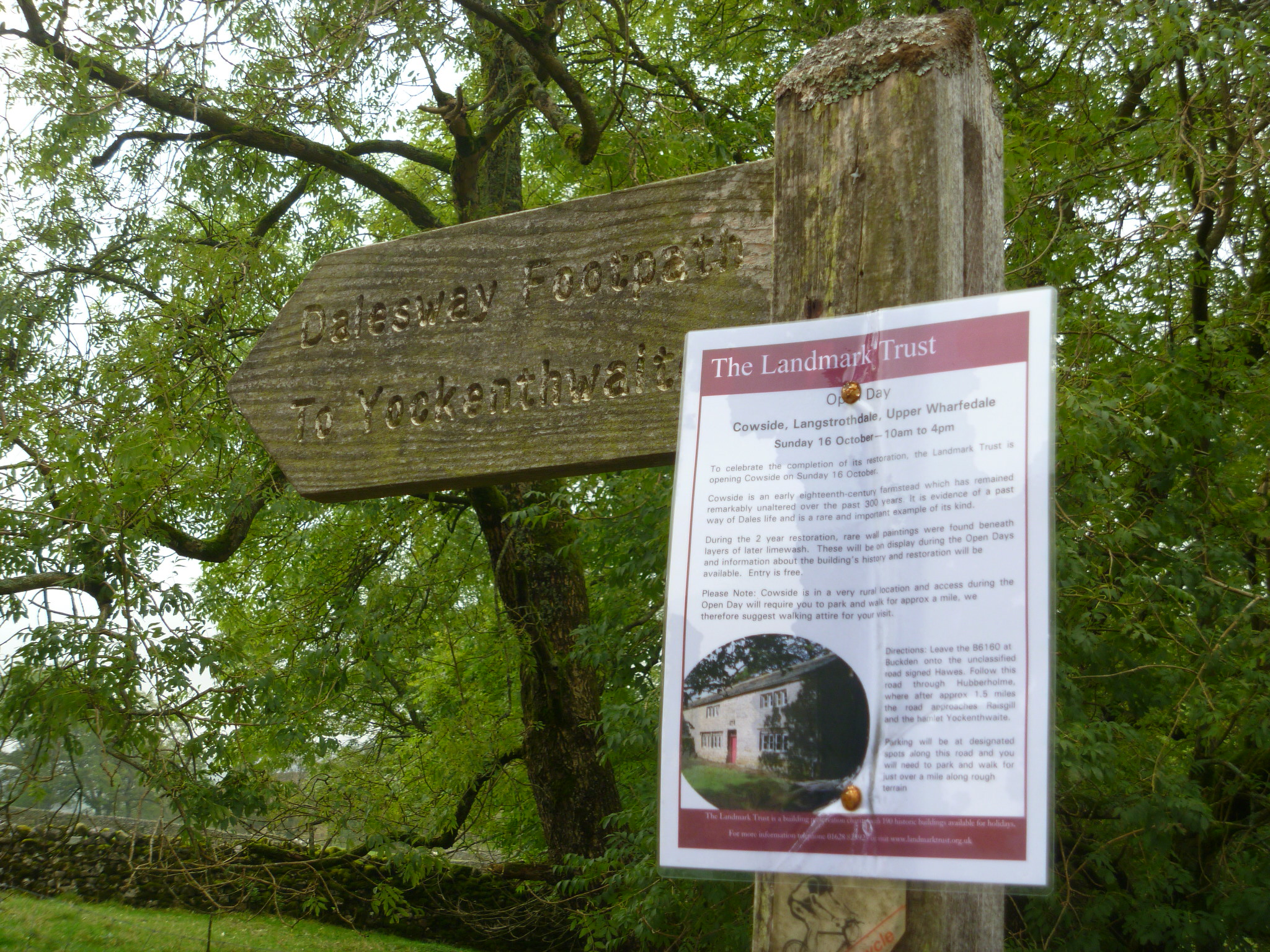
What luck! Two invitations to visit Landmarks in one week – and I can manage both. Cowside is an extremely remote farmhouse way away in Upper Wharfedale in the Yorkshire Dales that even the National Trust (who are the owners) could not contemplate renovating as a holiday home. No mains electricity, no mains water supply – not even an access road or track. They passed it on to The Landmark Trust who seem to thrive on such challenges! Friday was my 4th visit. In April 2009 I first ventured off the Dales Way to have a peep at Cowside of which the Landmark Trust had only recently announced their intentions. In October 2010 when work was well underway I was invited to view progress and again in May 2011 when I could not believe the transformation that had taken place. The winters of both 2009/2010 and 2010/2011 have been the worst in decades. But now the work is complete and the property ready for its first guests – arriving on the 21st October – just one week away!

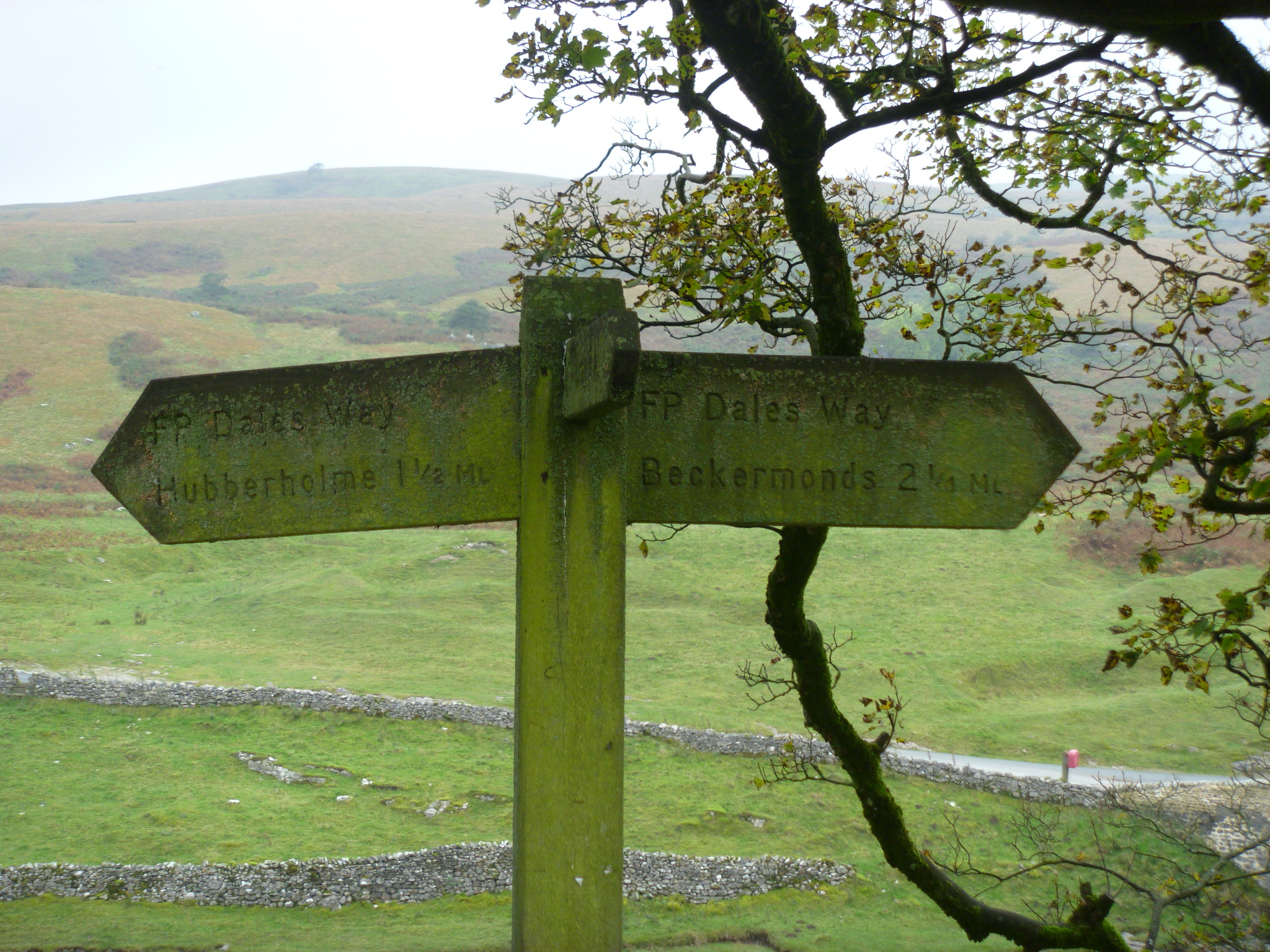
As visitors we had to park nearly two miles away but I enjoy hiking so the chance to step it out along part of the Dales Way was an additional pleasure for me.

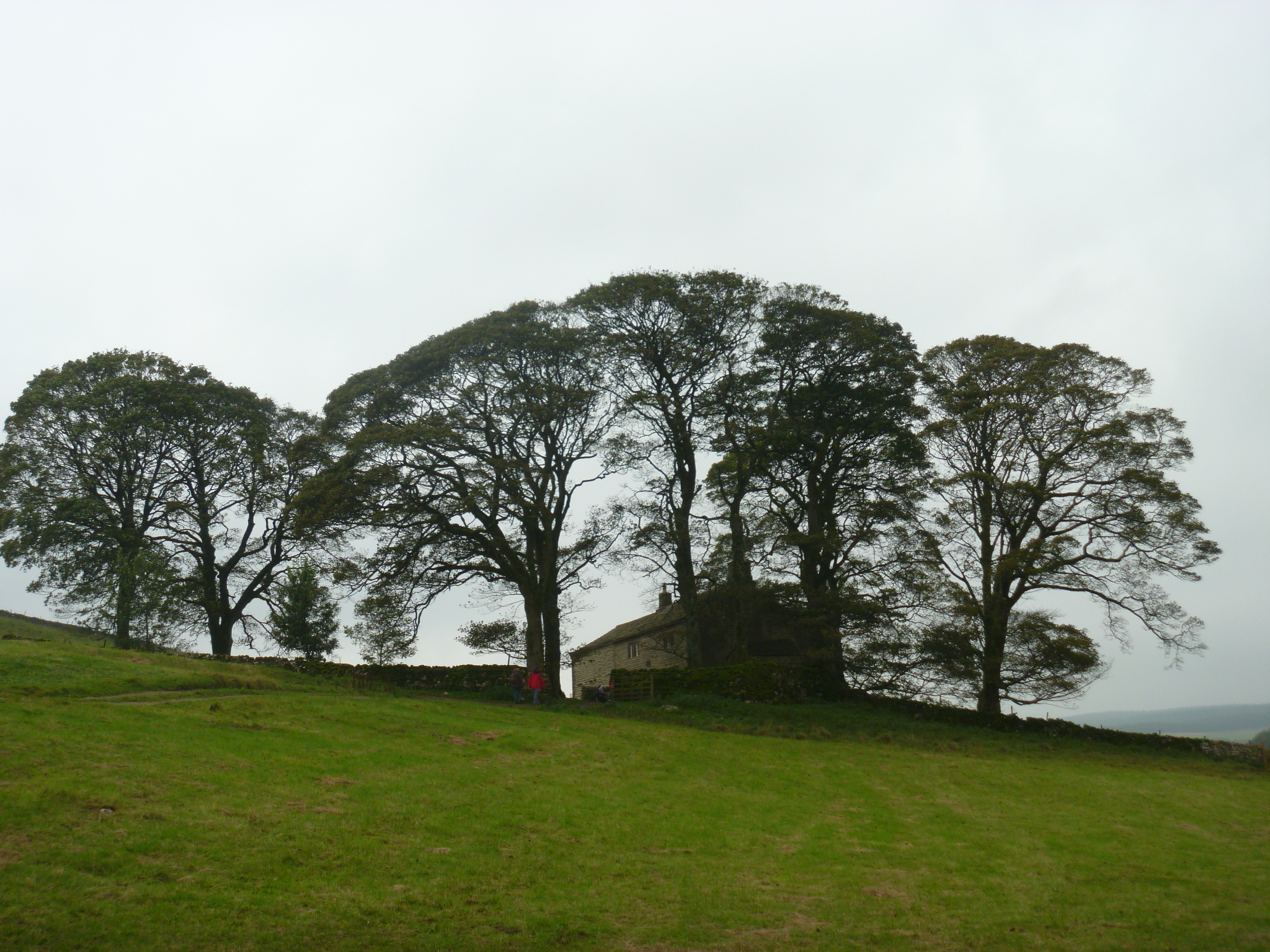
The final uphill approach to Cowside. No vehicular access so everything must be brought from the bottom of the field via the grassy track.

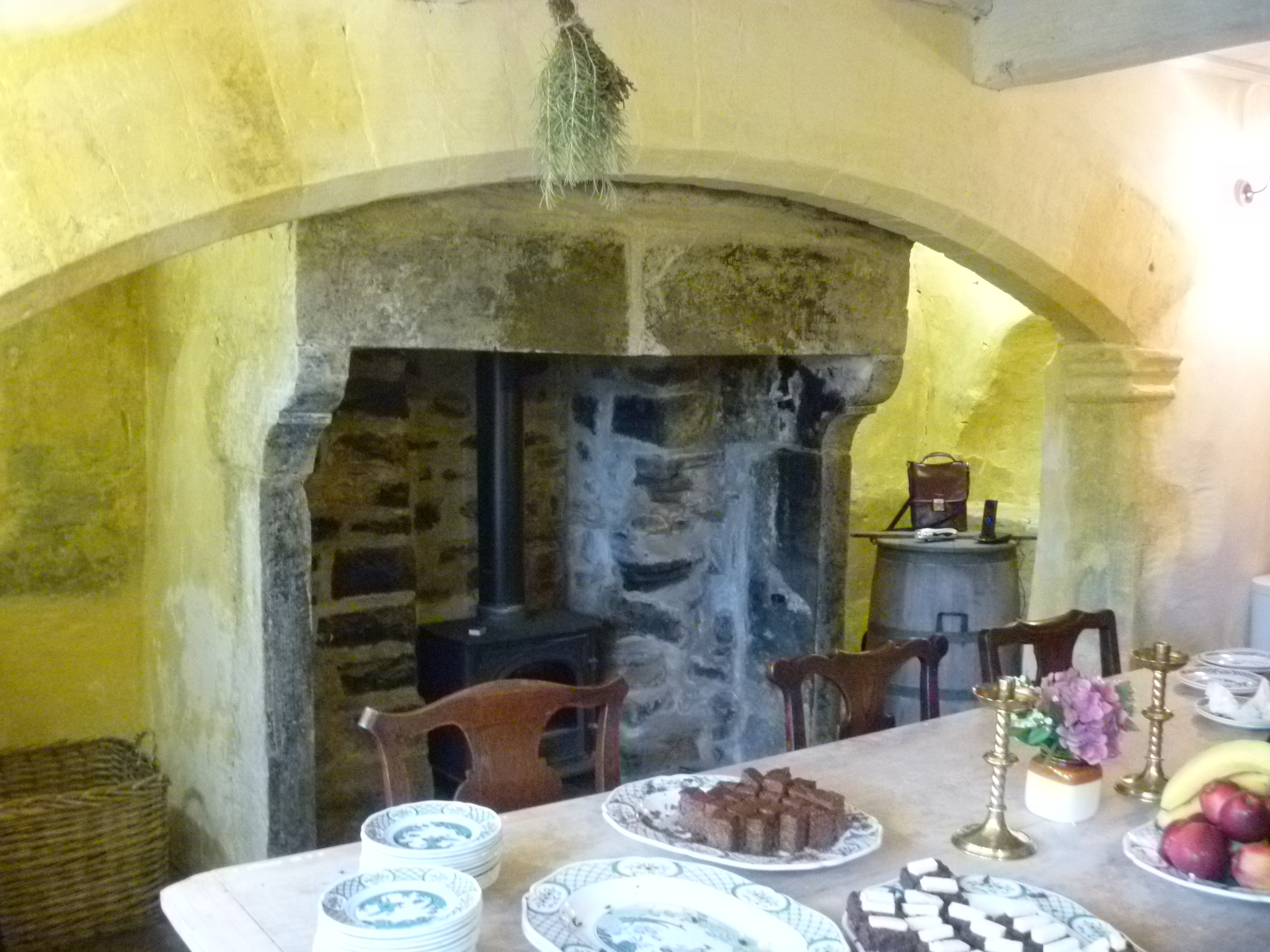
A warm welcome to Cowside. Cake on the table and a log fire in the stove in the Kitchen, or Housebody, as it is to be known.

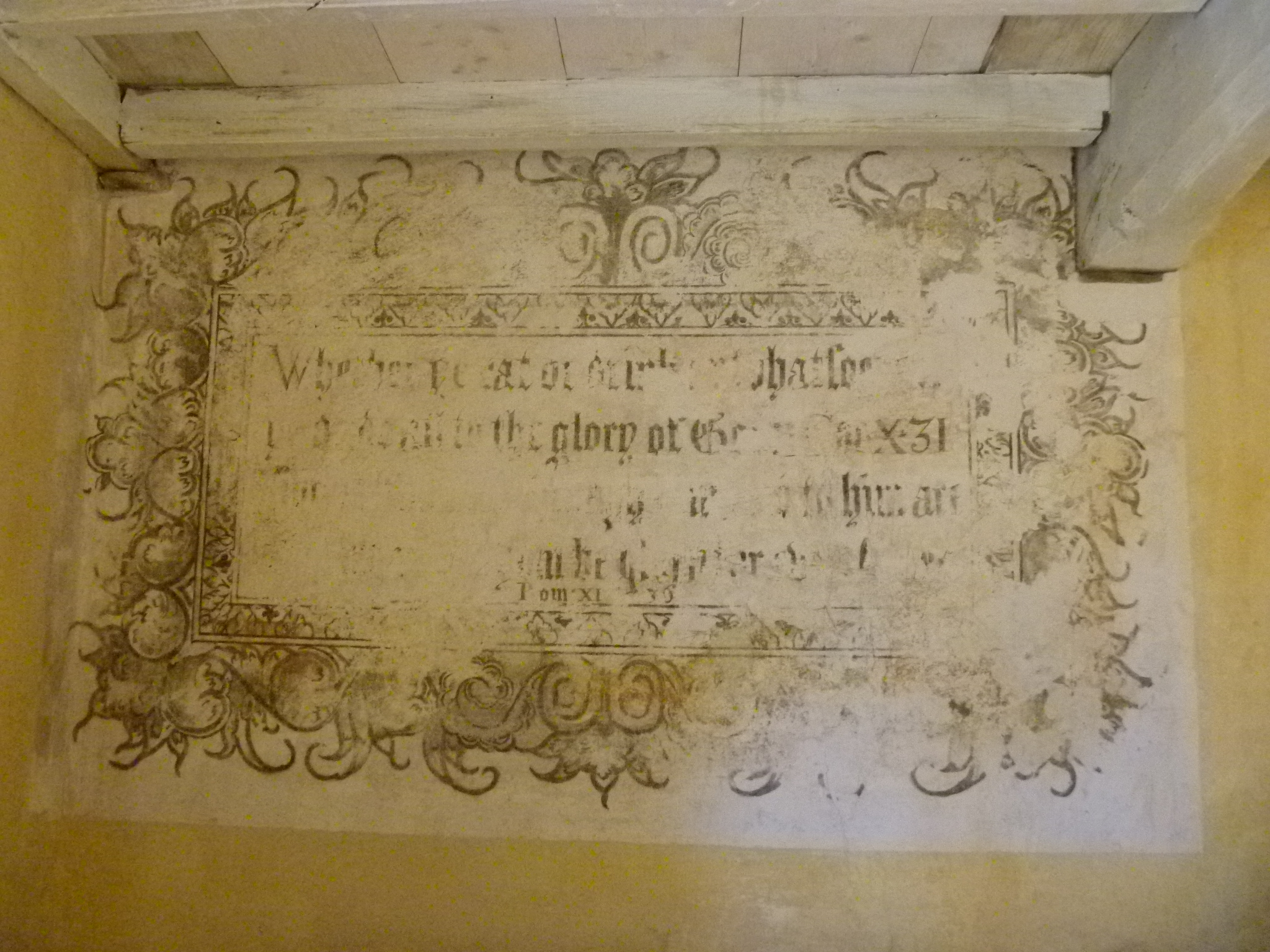
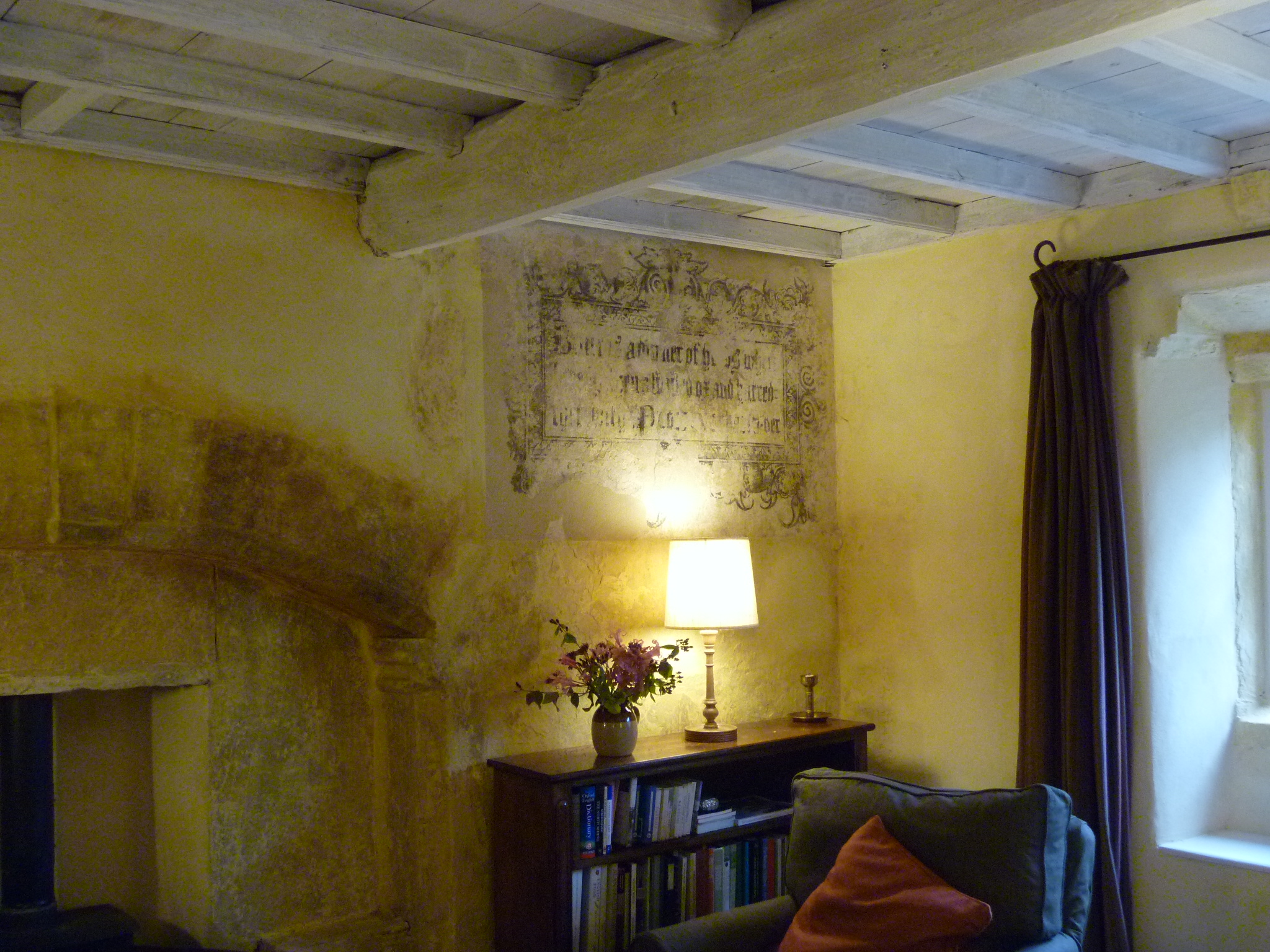
During early archaeological investigations these fantastic wall paintings were discovered. Monochrome Biblical texts in Gothic script they adorn two walls in the Parlour. “On the west wall is Whether ye eat, or drink or whatsoever ye do do all to the glory of God Cor[inthians] X:31 and For of him and through him, are all things: to whom be glory for ever. Amen. Rom[ans] XI: 36. On the east wall is Better is a dinner of herbs where love is than a stalled ox and hatred therewith Pro[verbs] XV: Cha[pter] 17 ver[se].”  From the Cowside History Sheet.

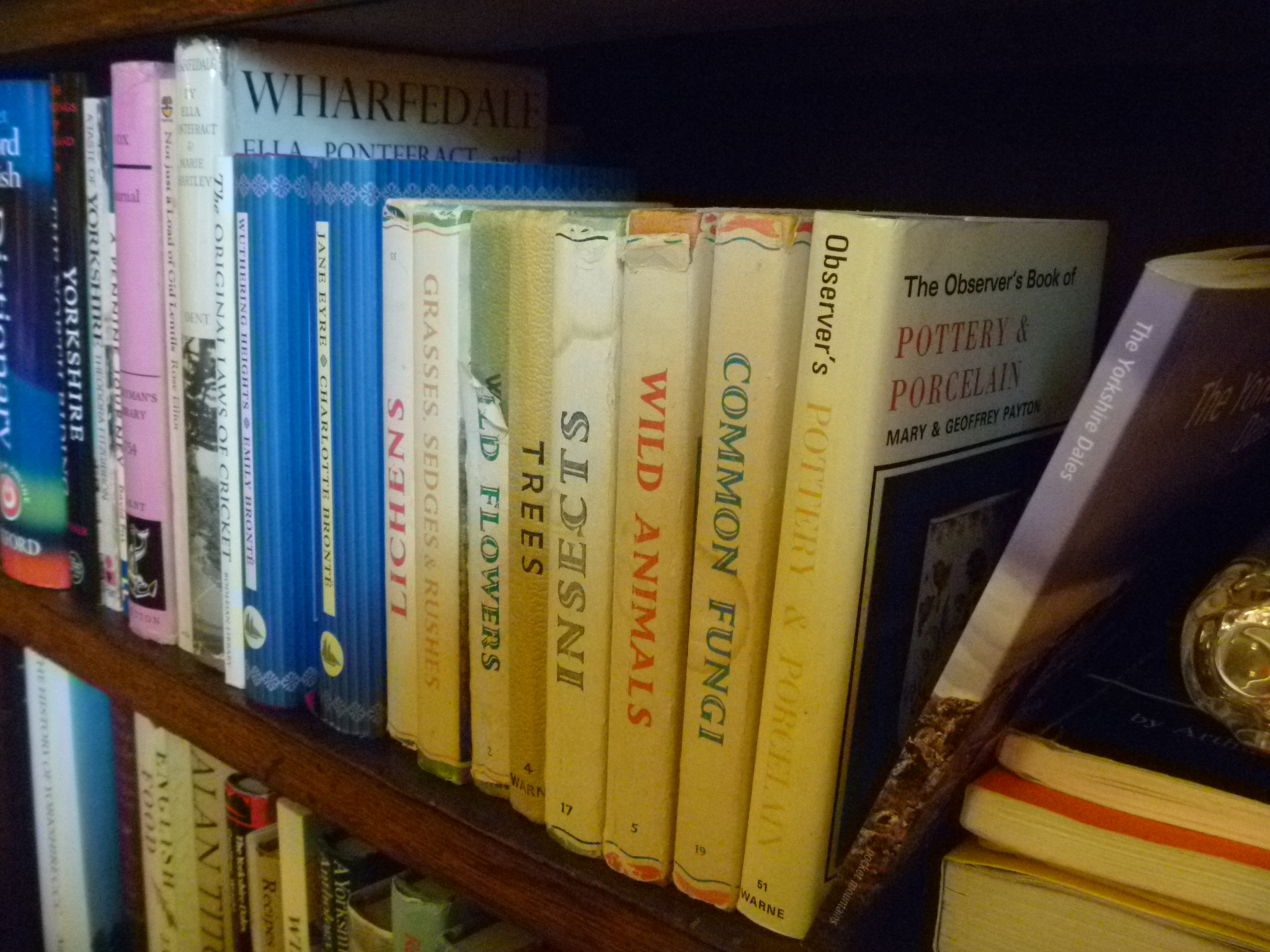
One thing I particularly appreciate when staying in Landmarks is the Landmark Library. This is not shelves of old books bought by the yard but a well chosen selection of relevant titles for adults and children alike.

“There will be a bookcase containing the sort of relevant and interesting books you might expect from a well-read host, as well as those standard reference books you sometimes need to get the most out of a good walk or conversation.”

On Ilkley Moor : The Colin Speakman Way

I’ve been regularly walking/hiking in the Dales and in Yorkshire in general since 1995. In the summer this year my sister and I tackled my (she did many of the national long distance paths during the 1970s) first long distance walk in Shropshire – Wild Edric’s Way. It was pretty tough in places – those places being along Offa’s Dyke where WEW shared the path with Offa’s Dyke Path. I learnt from this recent recording of Ramblings on Radio 4 that The Dales Way is often a first-attempt at a long distance path for many people. At various times I have walked along all of that part between Ilkley and Beckermonds finding some of it a bit too low level. It’s OK as part of a walk but it’s the sense of achievement on gaining a higher level path or peak and the views that go with it that I find the most satisfying. Still that did not deter me from setting out on Sunday to my second Ilkley Literature Festival outing which was a ramble with Colin Speakman – author of Walk!, and over 50 walking and other guides to Yorkshire and the man responsible for putting the Dales Way on the walking map.

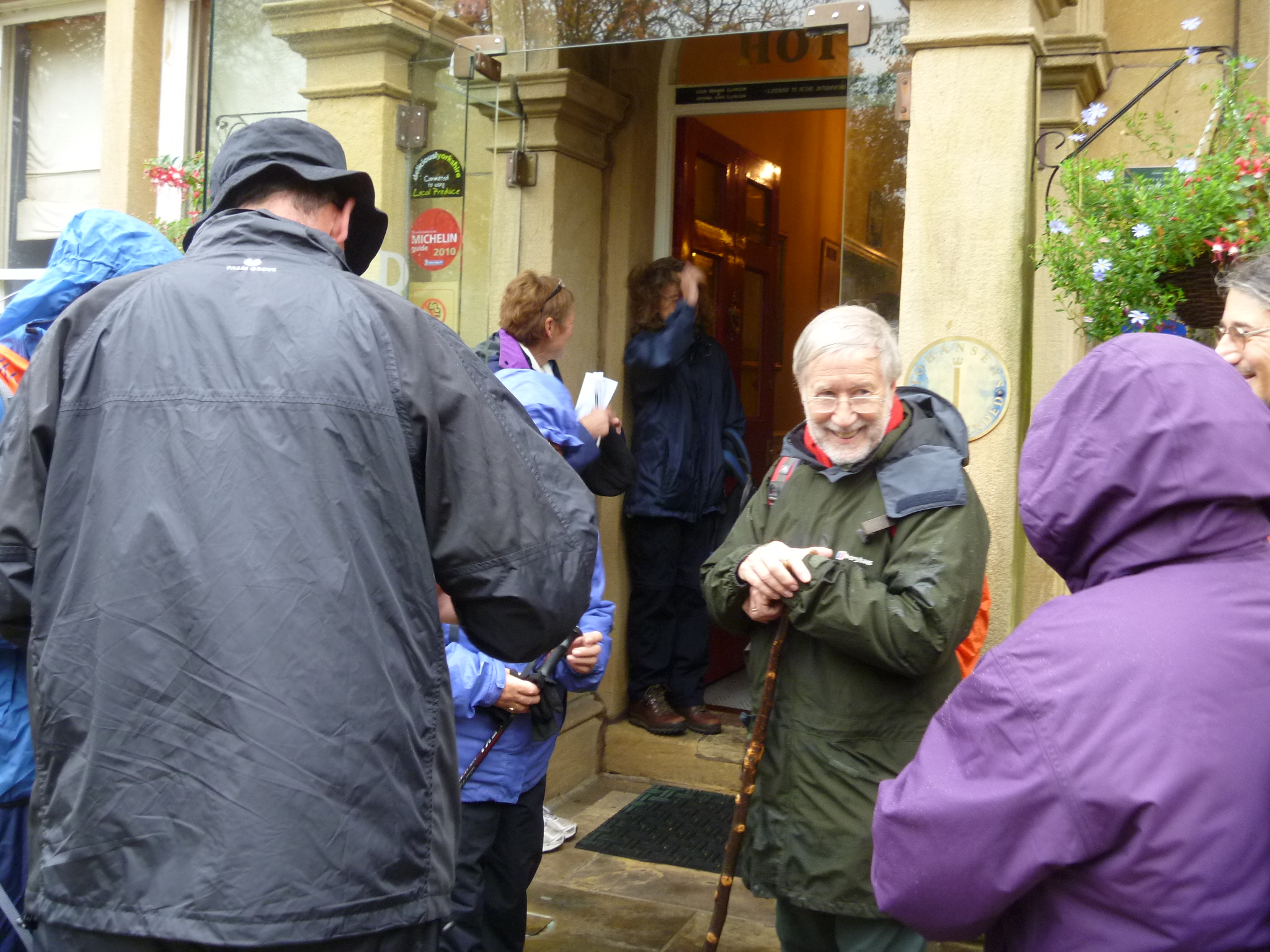
Colin Speakman meets his audience

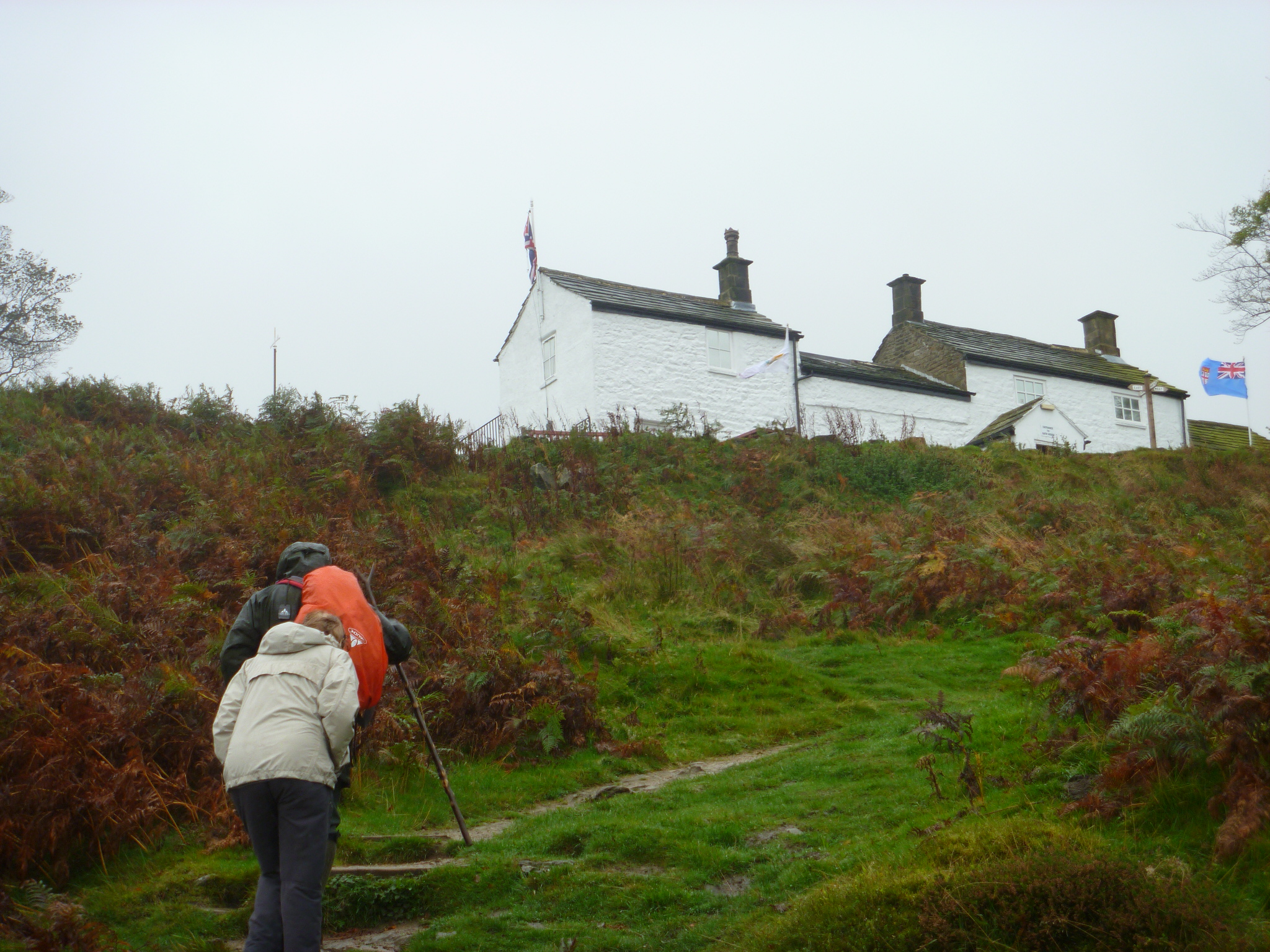
We assembled in swirling rain by the main entrance to The Rombalds Hotel  on the doorstep of the Moor. Due to the weather our walk was to be somewhat curtailed – Colin’s ‘Plan B’. We were to take the donkey path up to White Wells and then the historic packhorse way (which links Ilkley with Bingley via the famous ‘Dick Hudson’s’ pub) through Rocky Valley and across the moor to The Cow and Calf Rocks. After a visit to the Hanging Rock quarry and the Hanging Rock itself our path would head down to the tarn and from thence back the Rombalds Hotel for tea.


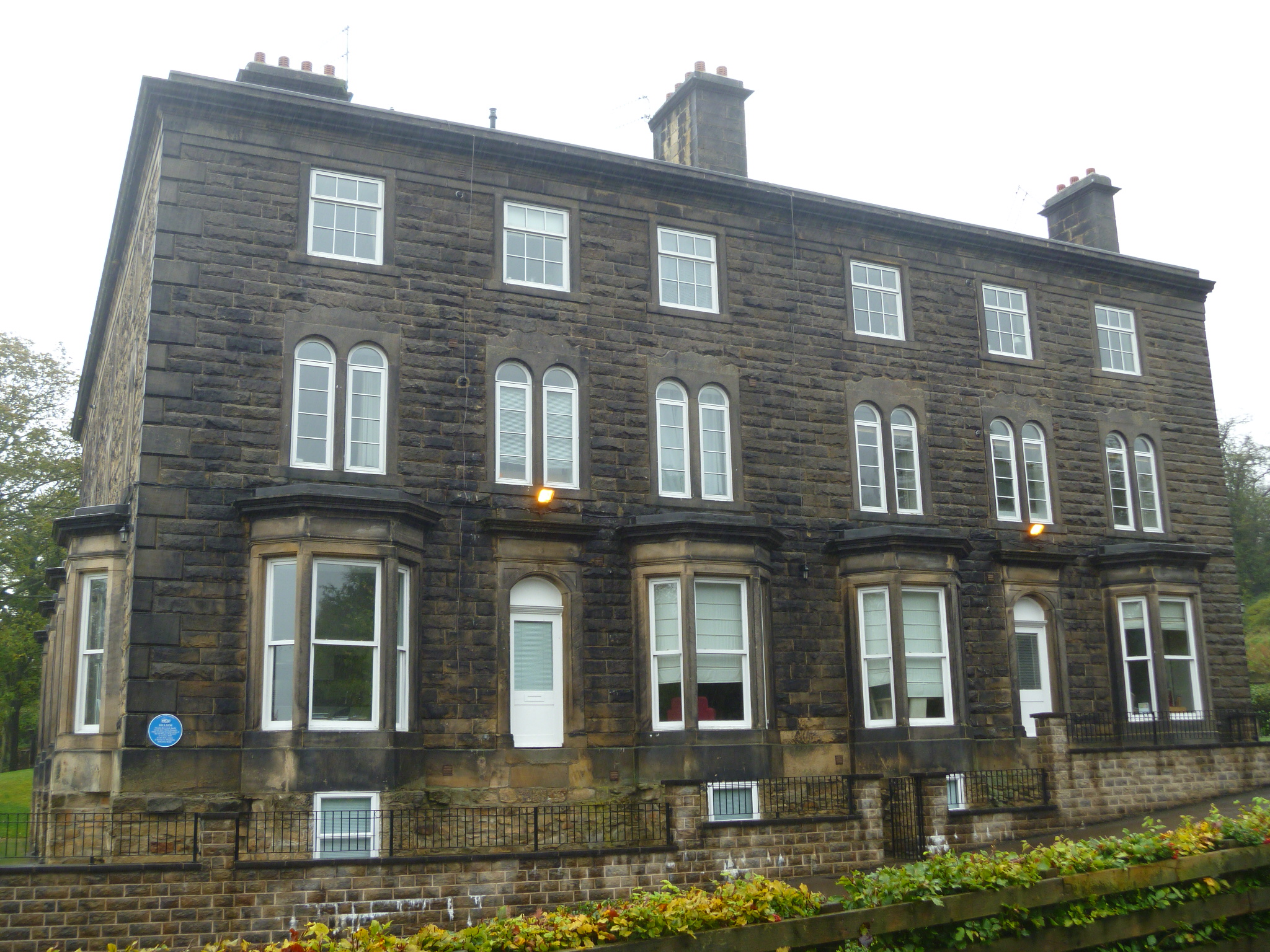
Our first stop was only steps from the Rombalds – the boarding house where Charles Darwin had stayed in Ilkley on his visit to the spa for ‘the cure’ in 1859. It was then a steep climb up to White Wells built in the 1760s.

The steep path out of Ilkley to The White Wells.

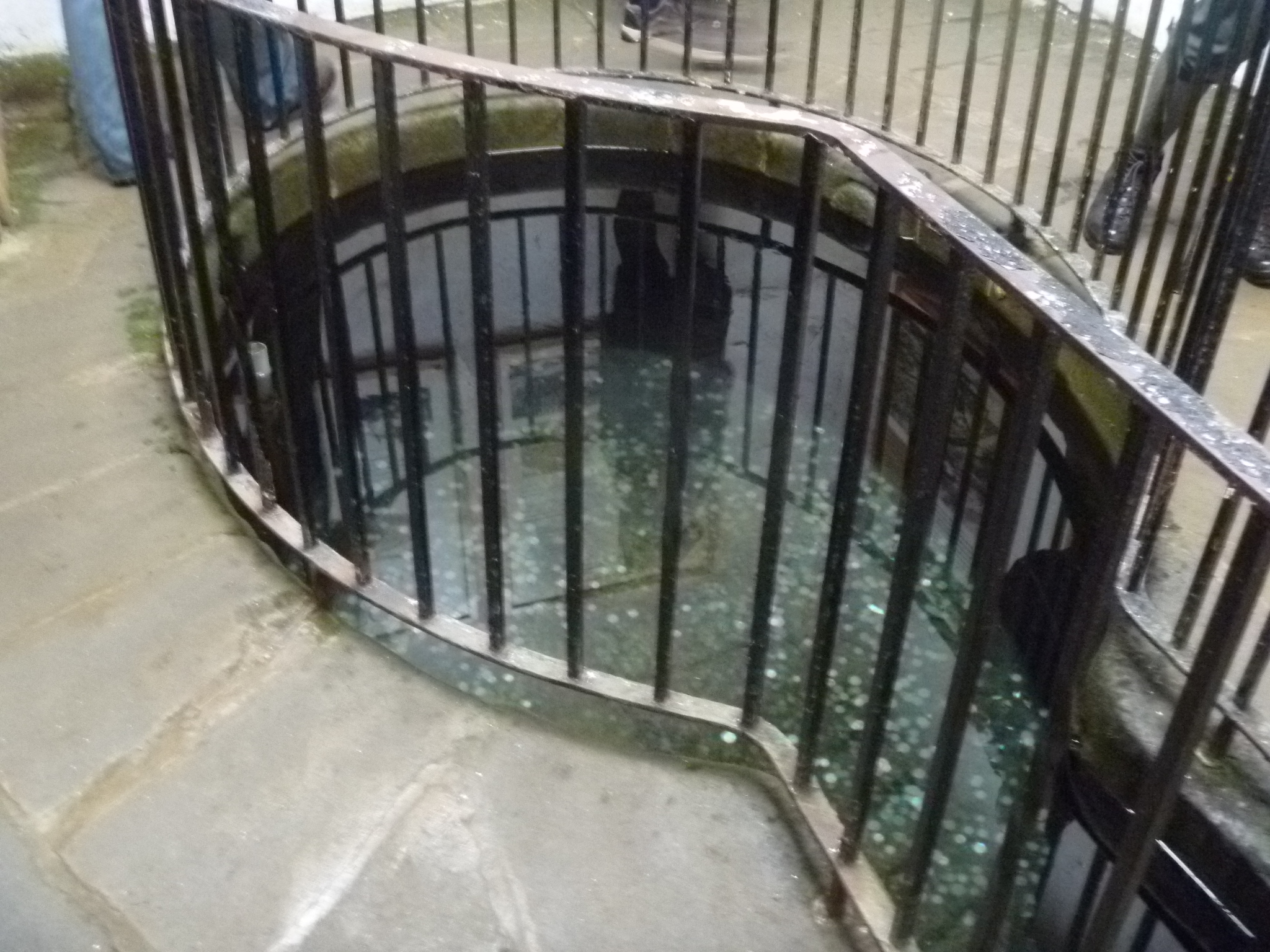
The White Wells plunge pool.

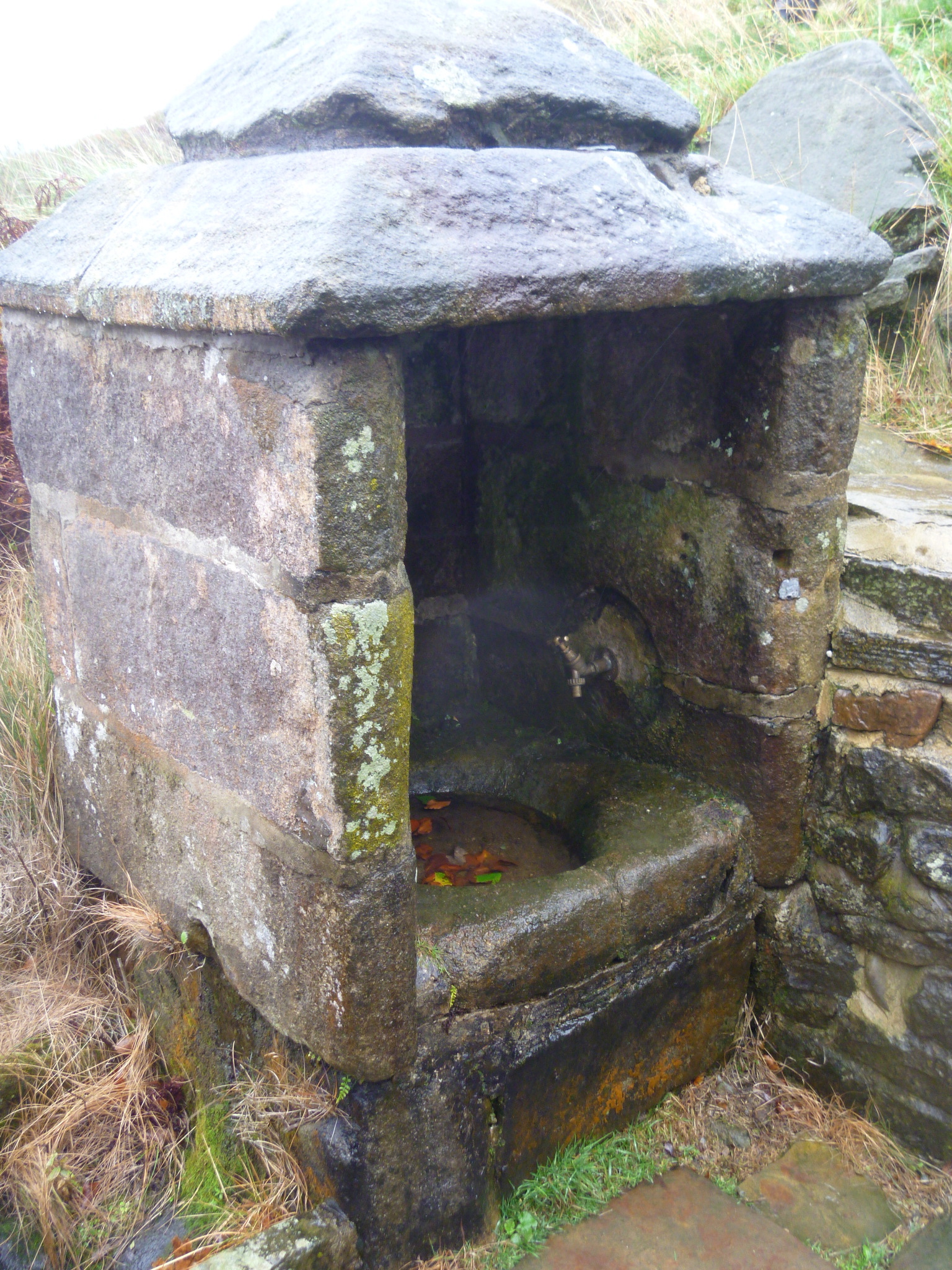
Turn the tap for the curative spring water!

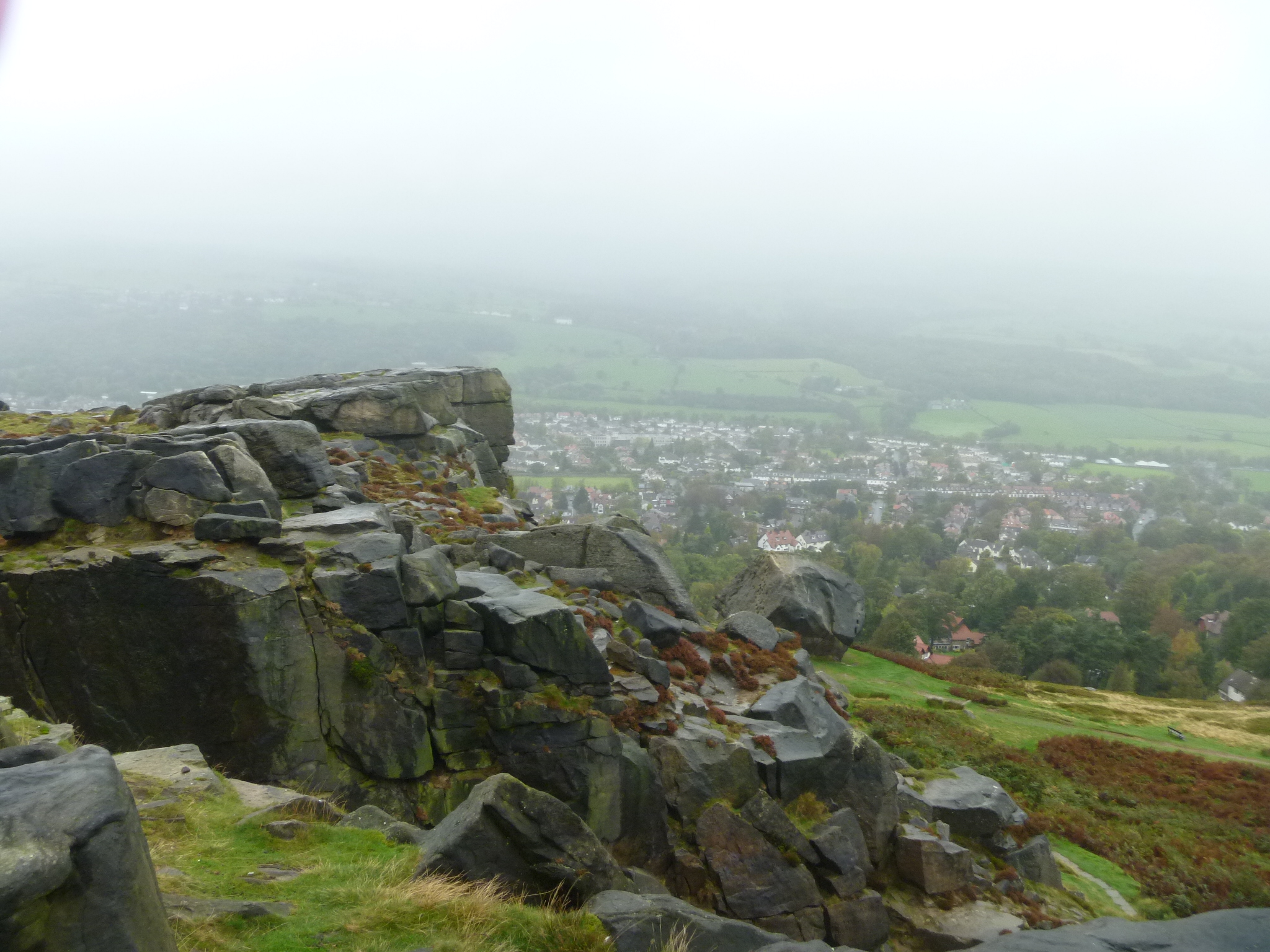
The Famous Cow and Calf Rocks

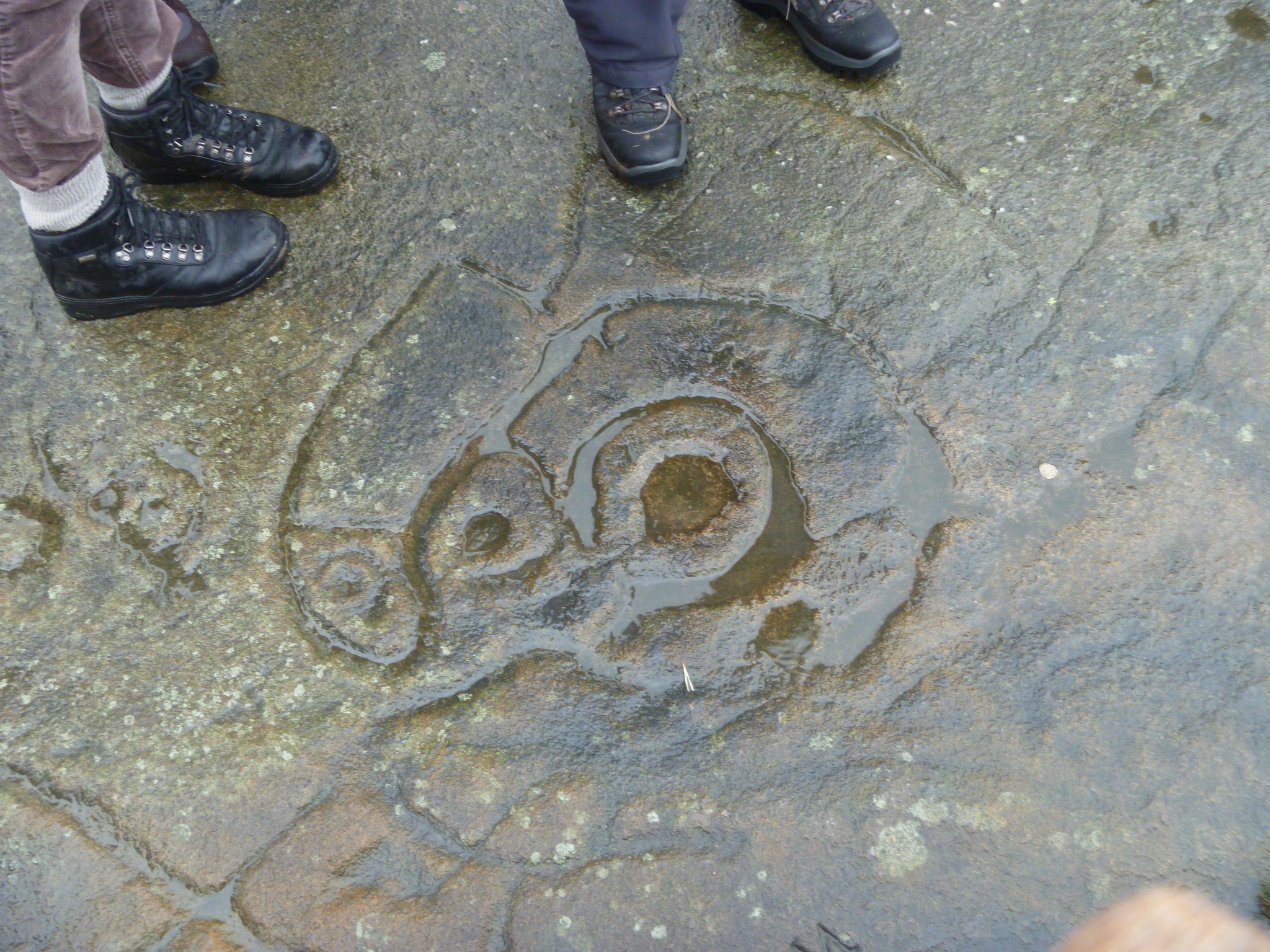
The Hanging Stone Rock with Early Bronze Age Carvings

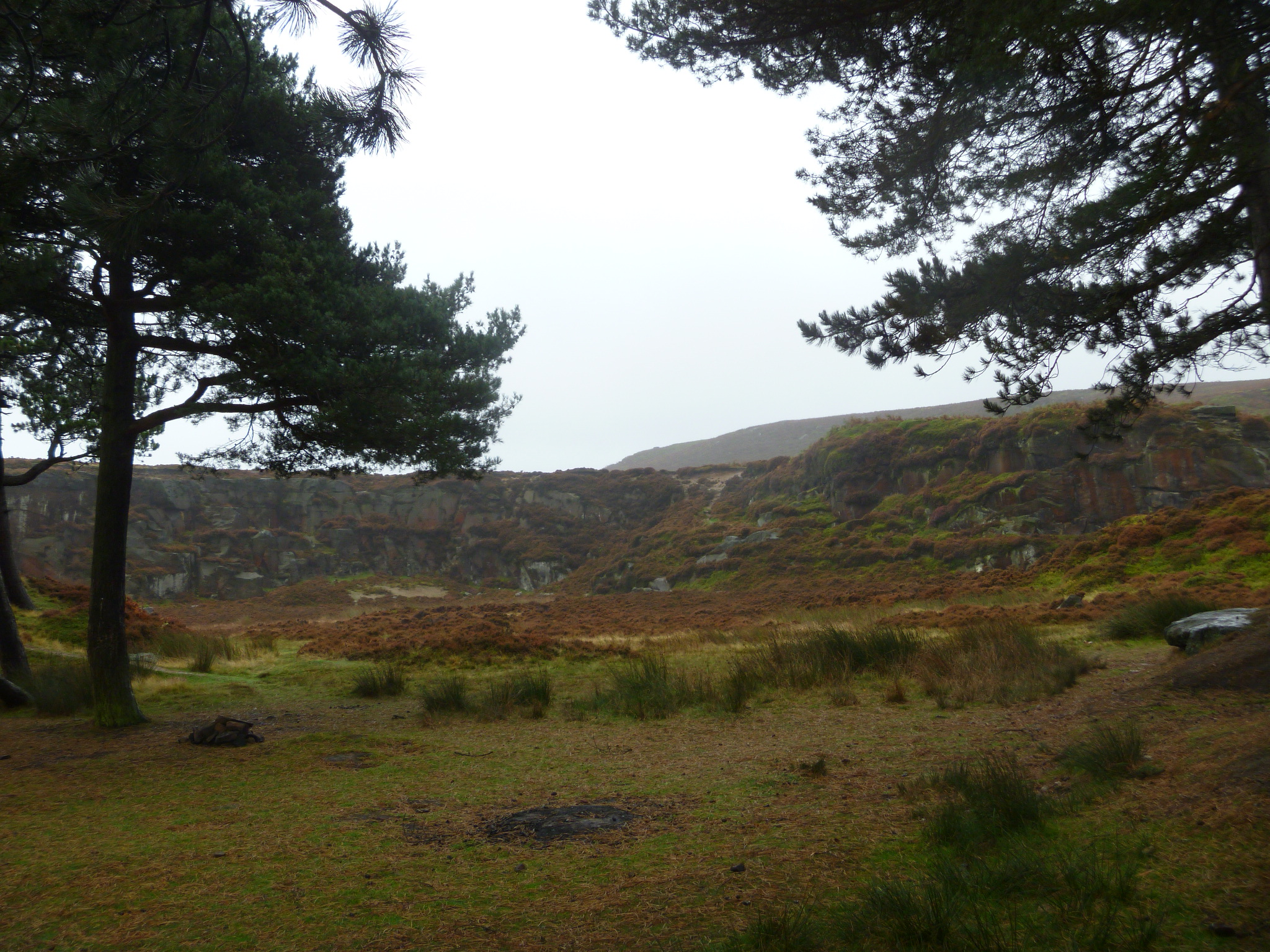
Hanging Stone Quarry

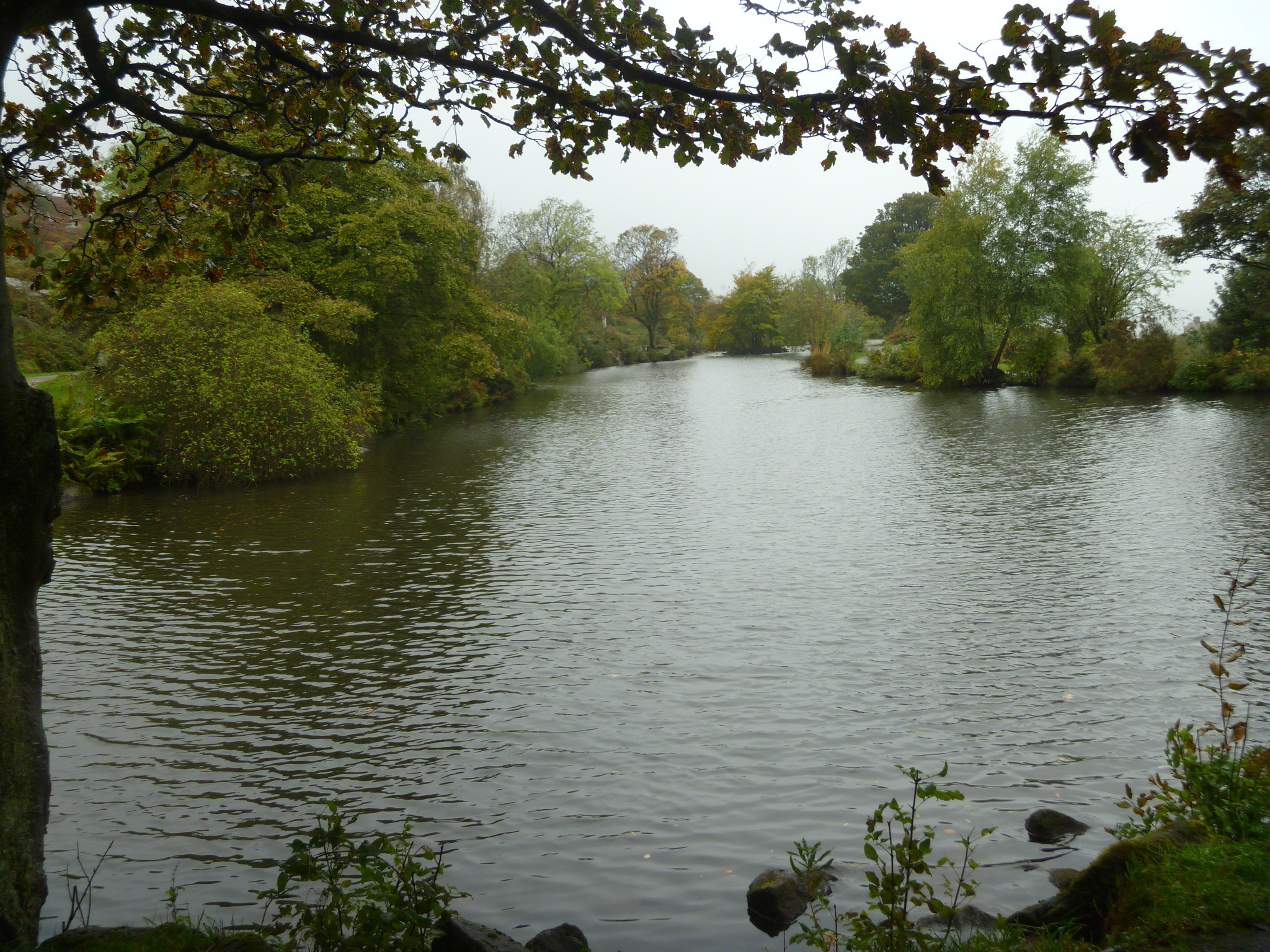
The Tarn – a natural water feature which was ‘improved’ by the Victorians who created the paths for a ‘walking’ cure.

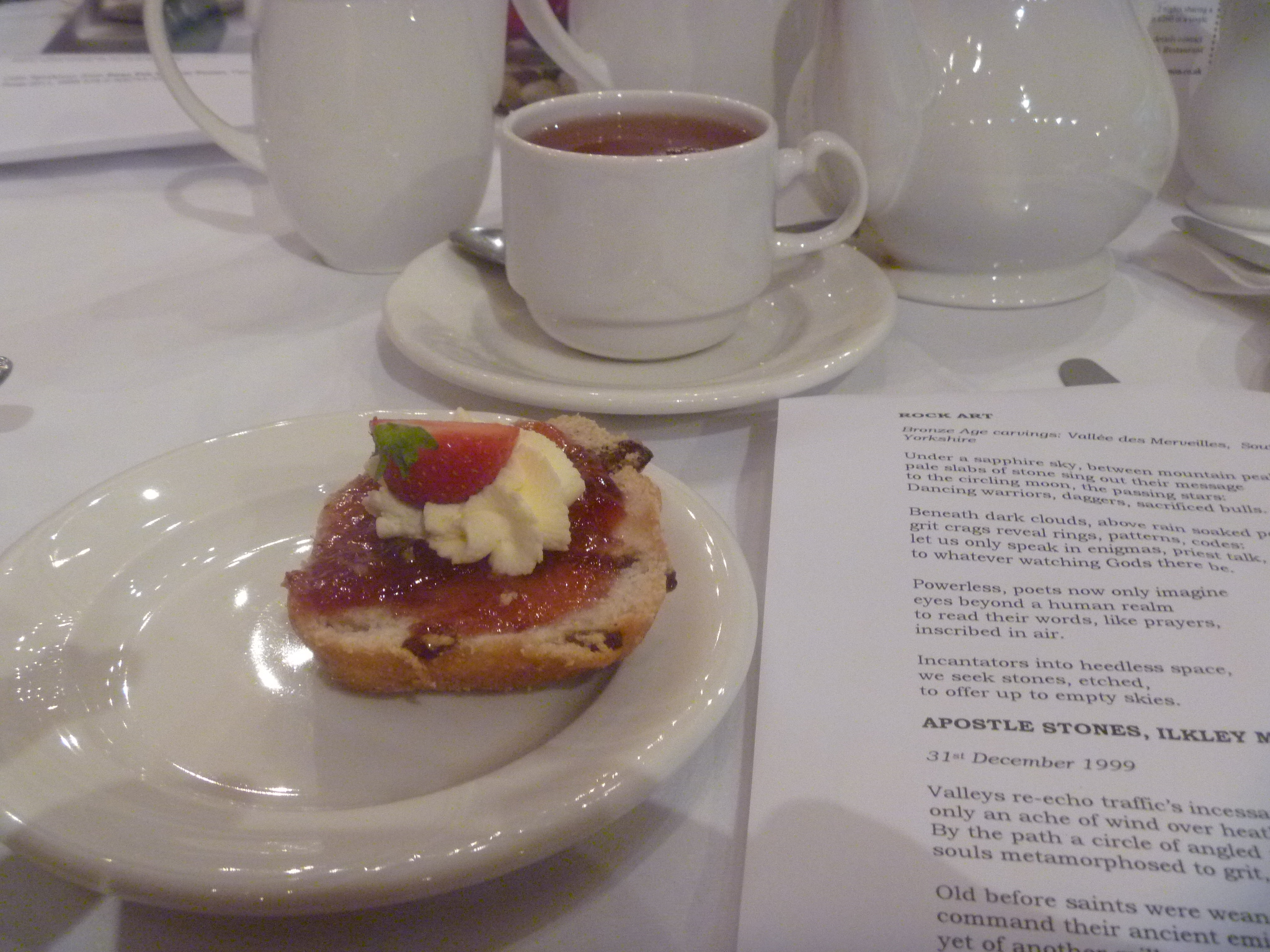
At the end of our walk – what could be better than a Rombalds tea and scones with jam and cream – yummy!

In The Magician’s Footsteps : Words, Land and Landscape

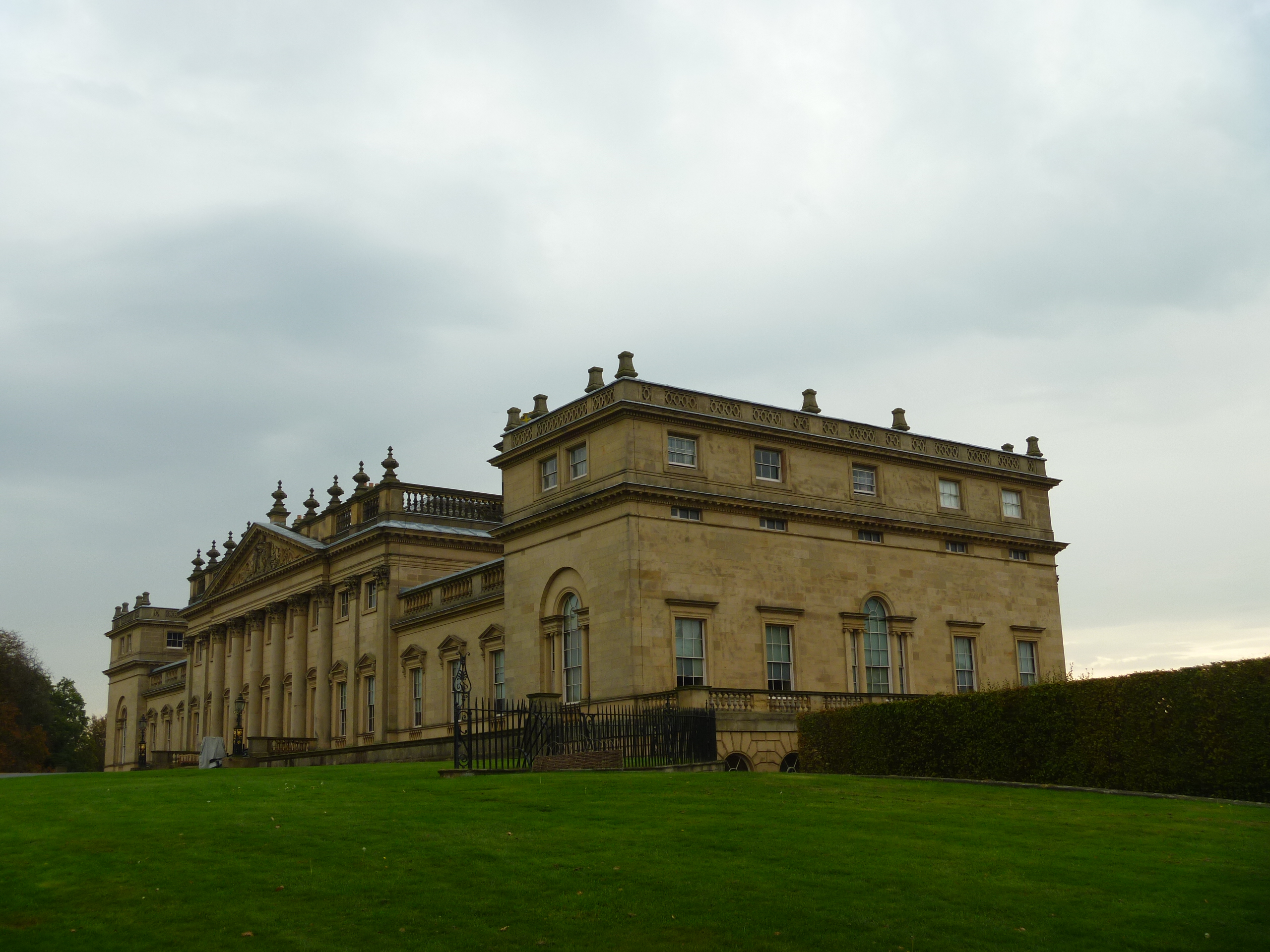
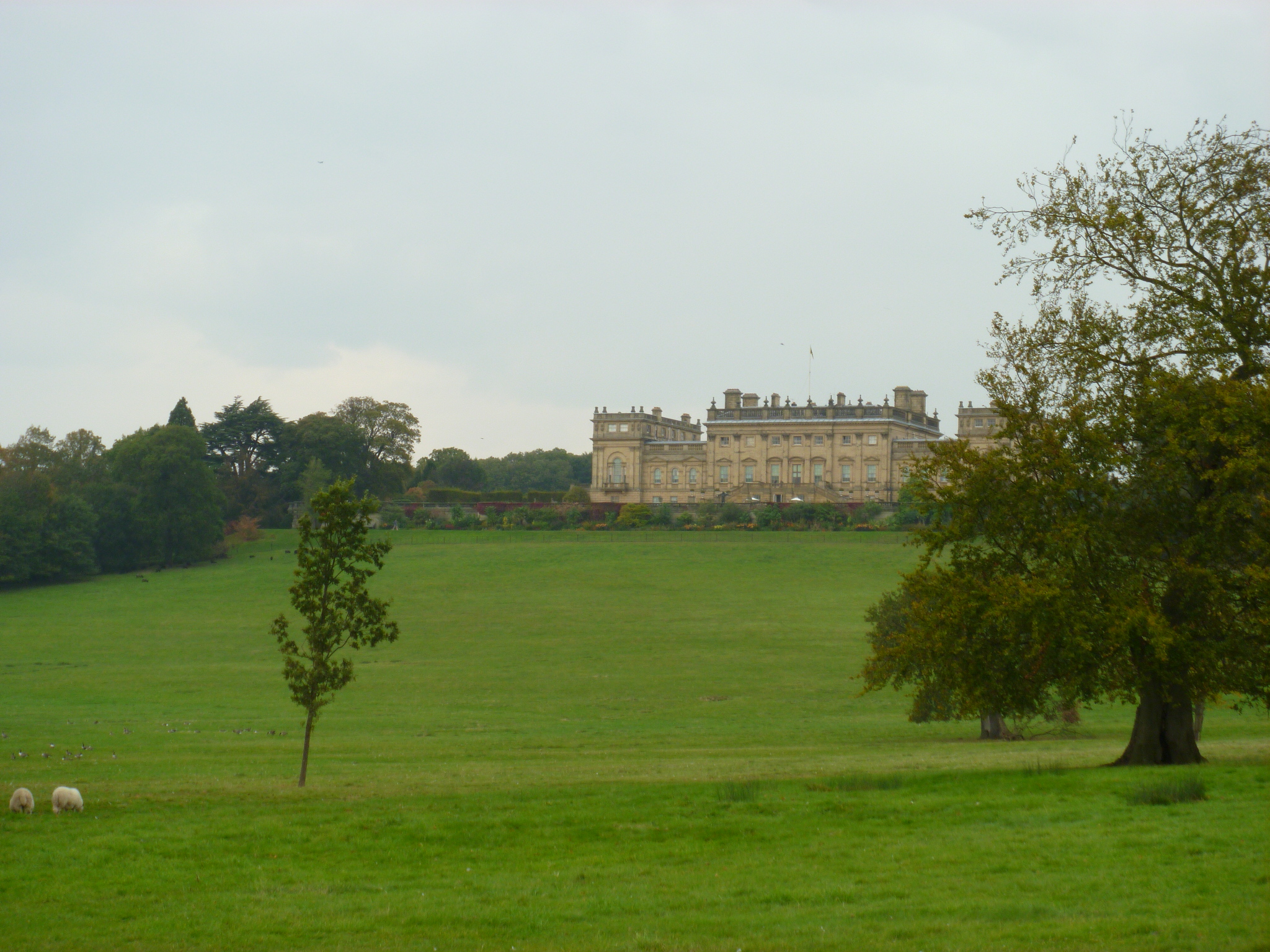
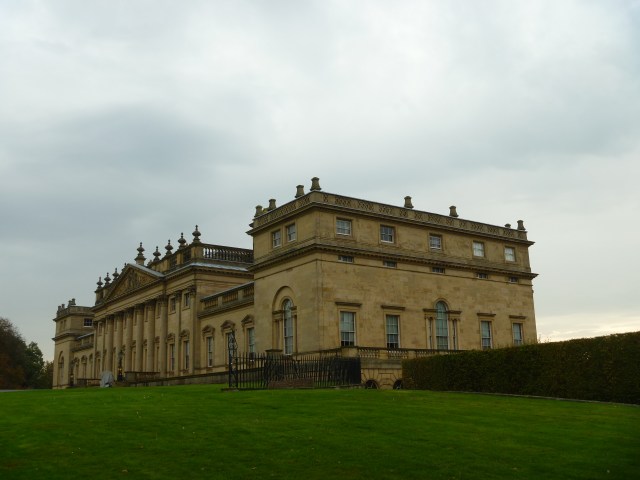
Harewood House. Today’s main entrance looks north and not over the park.

Every October The Ilkley Literature Festival in Yorkshire features a vast programme of talks, discussions and events from which it is difficult sometimes to choose just a couple. This year I had no problem with my selection and today’s choice includes more than one love of mine – books, country walking and a historic house visit: the ‘Capability’ Brown Walk.
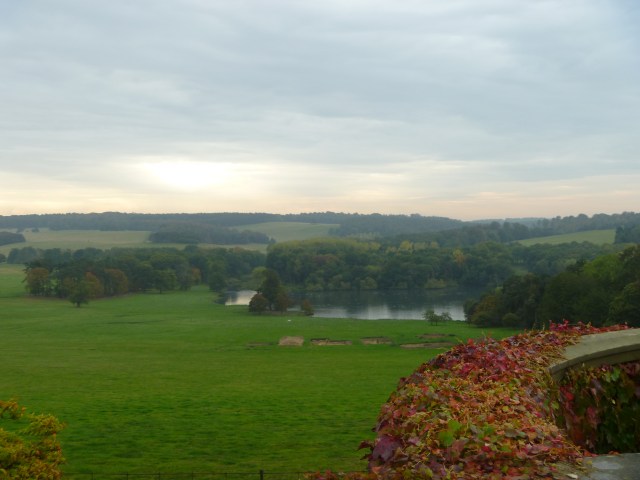
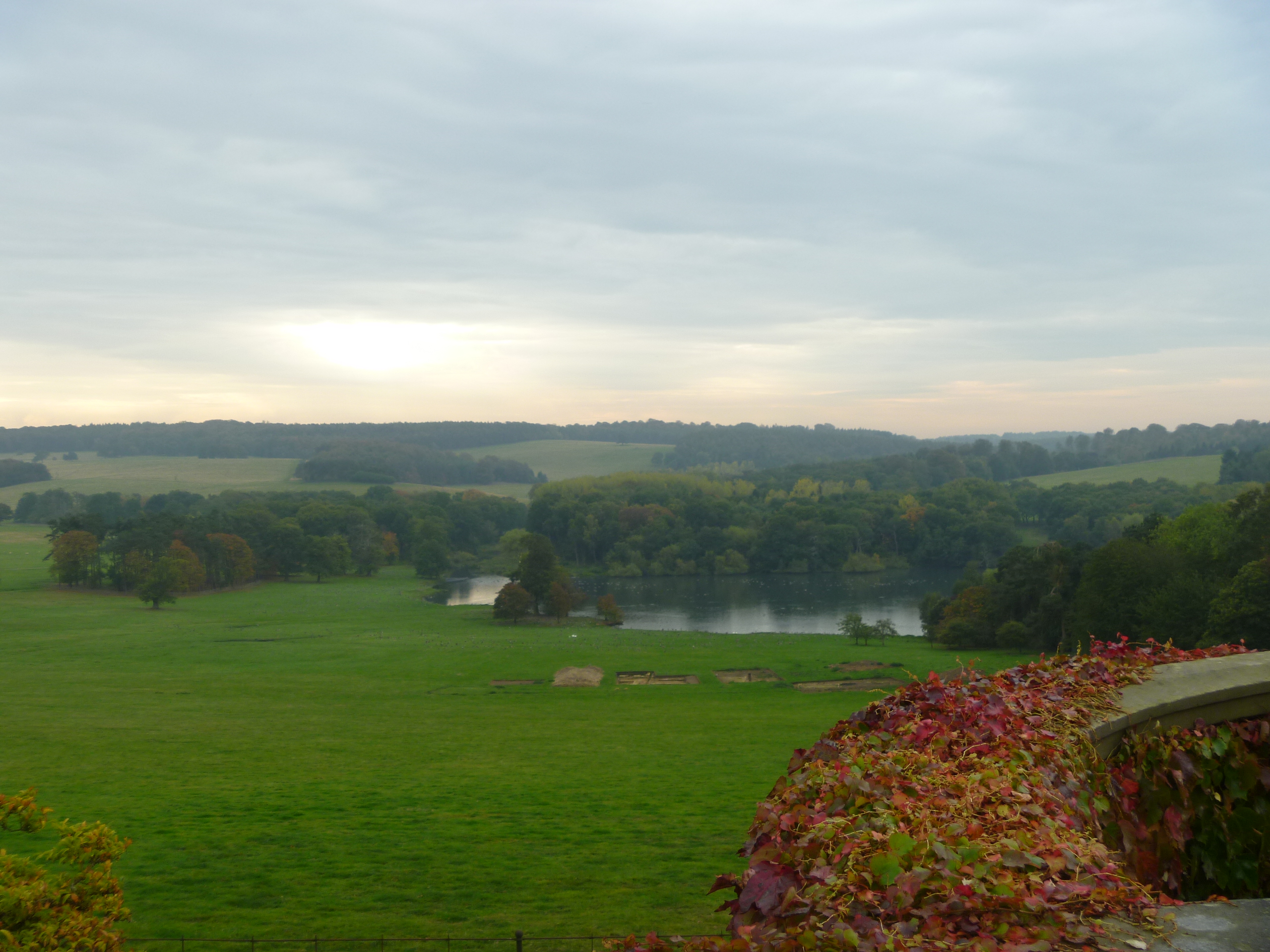
Looking south over the parkland from the Terrace.

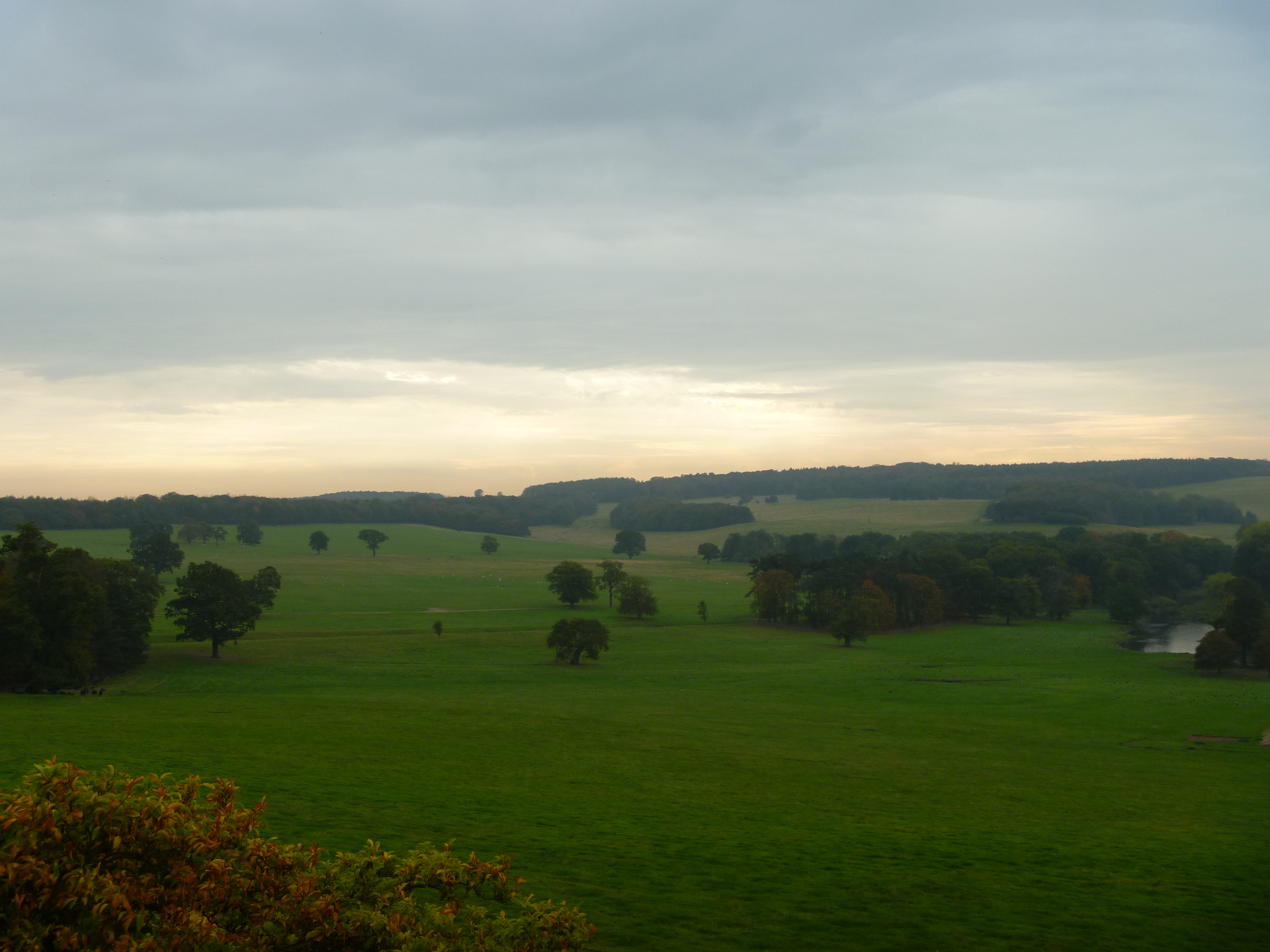
A mixed group of us met on Sunday morning in the grounds of Harewood House, just a few miles from Leeds, to follow on the heels of Head Gardener, Trevor Nicholson and author of the book “The Omnipotent Magician: Lancelot ‘Capability’ Brown, 1716-1783″, Jane Brown (no relation). We were all there to find out more about the eighteenth century landscape designer extraordinaire – ‘Capability’ Brown. Naturally, the focus today was Brown’s influence on the superb outlook from Harewood (pronounced Harwood) House. My pictures just don’t do the scene justice.
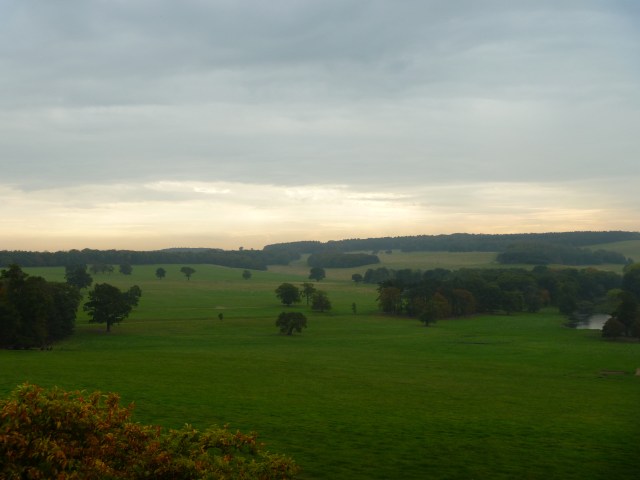
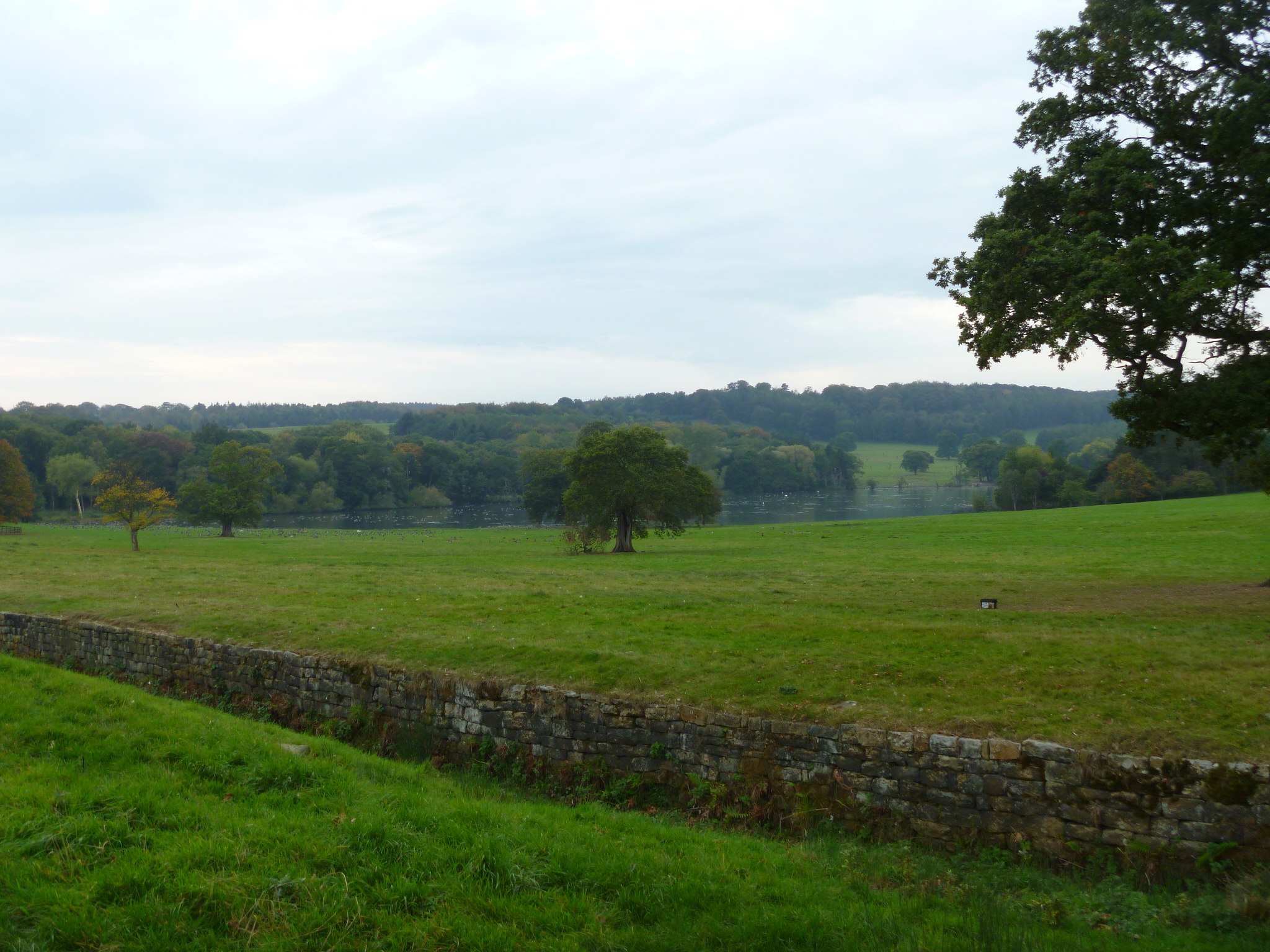
We were told that the ornamental parkland was set out in the 18th century by Brown. He came to Harewod in 1758 and proceeded to wave his magic wand over the next few years (helped by his Foremen and a large band of local labourers). This parkland is a fine example of Brown’s characteristic arrangements – native trees, gently sweeping hillsides, a lake. He got rid of all field boundaries and each and every tree is located just where Brown decided it would have the most impact. Hahas were dug in order to restrict the movement of the sheep, deer and other animals.
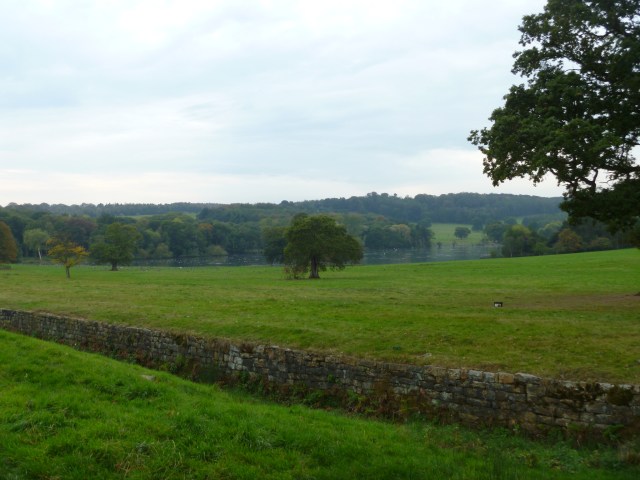
The Haha also forms a drainage conduit.

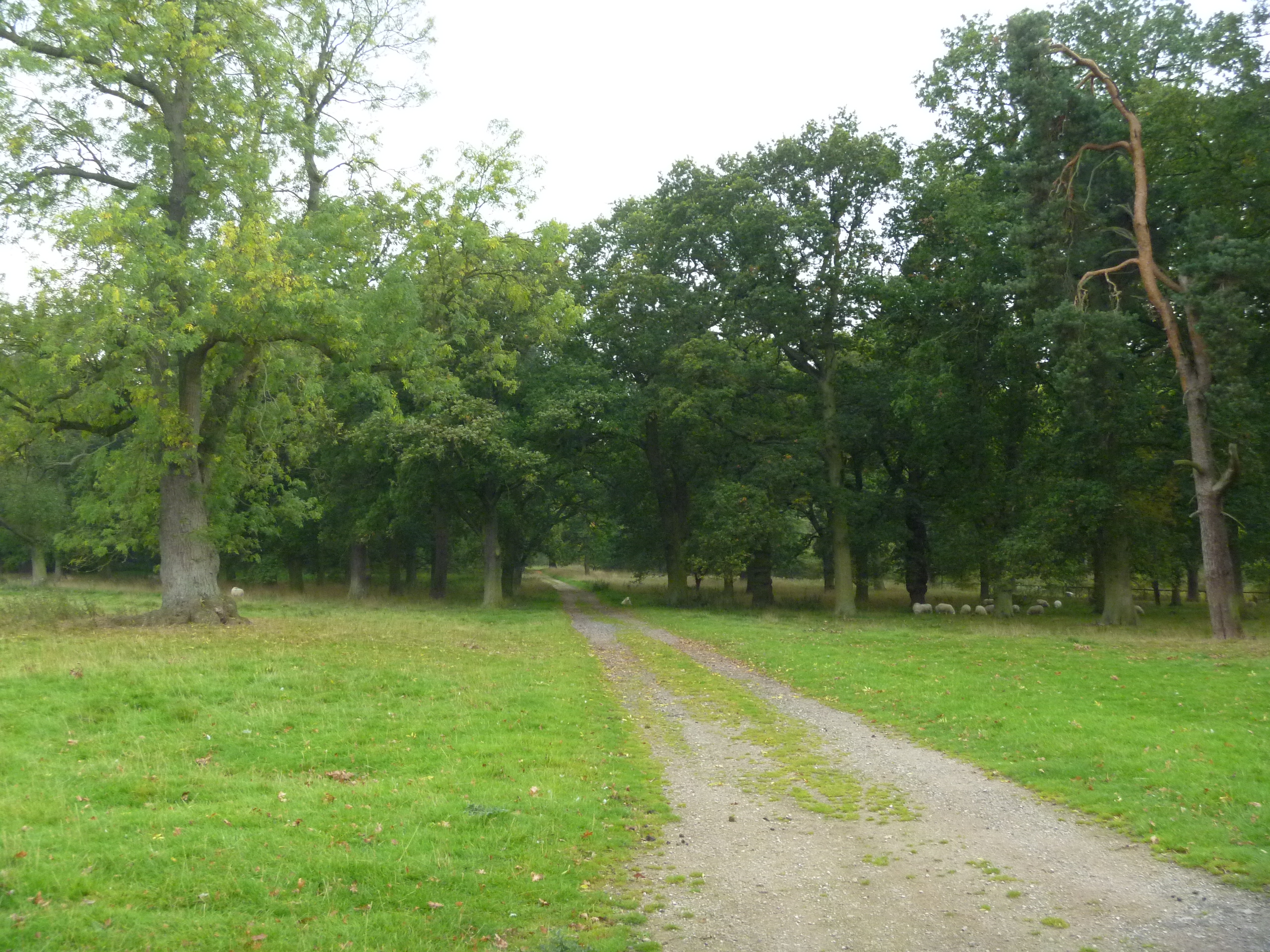
The original manor house (Gawthorpe Hall) had been demolished and during the time that Brown was working here a new house was being built by John Carr of York and Robert Adam on a spur of land looking south. Part of Brown’s plan was to create a carriage drive to the house in order to impress visitors arriving from London.
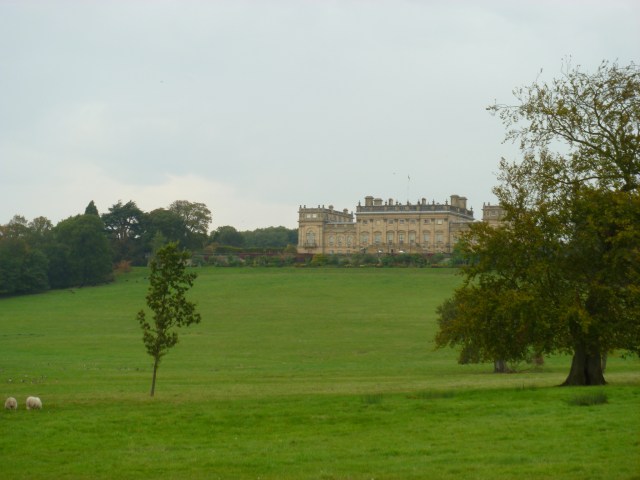
After admiring the view we were taken down this drive (which is not open to the general public) from where we gained glimpses of the house as visitors would have done since the 1770s. Brown’s plan was to improve on nature and it resulted in our typical English countryside. This is recognised as a truly English style and contrasted greatly with the French formal style. Of course, later the Victorians made changes to both the house and the gardens, but fortunately not to the park.
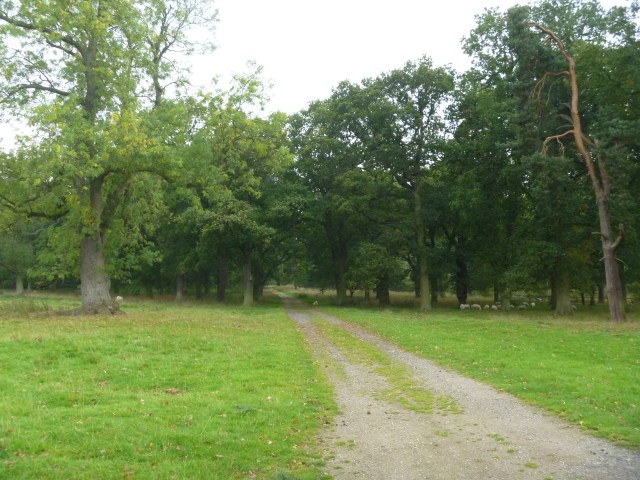
The Carriage Drive today as it emerges from the woodland.

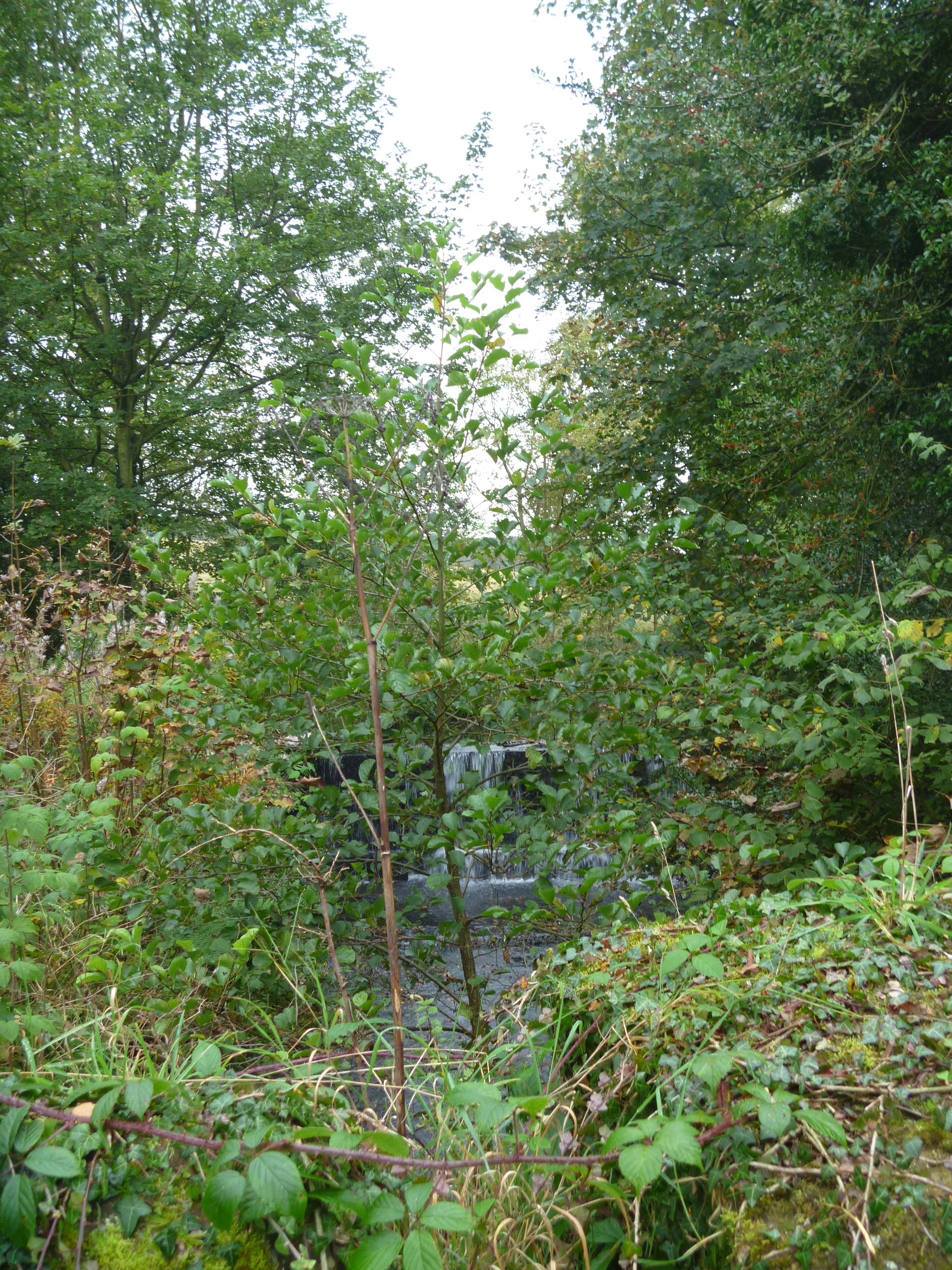
Not only did he pay attention to views and aspects but also planned cascades under bridges for the sound effects! Everything was done to impress visitors.
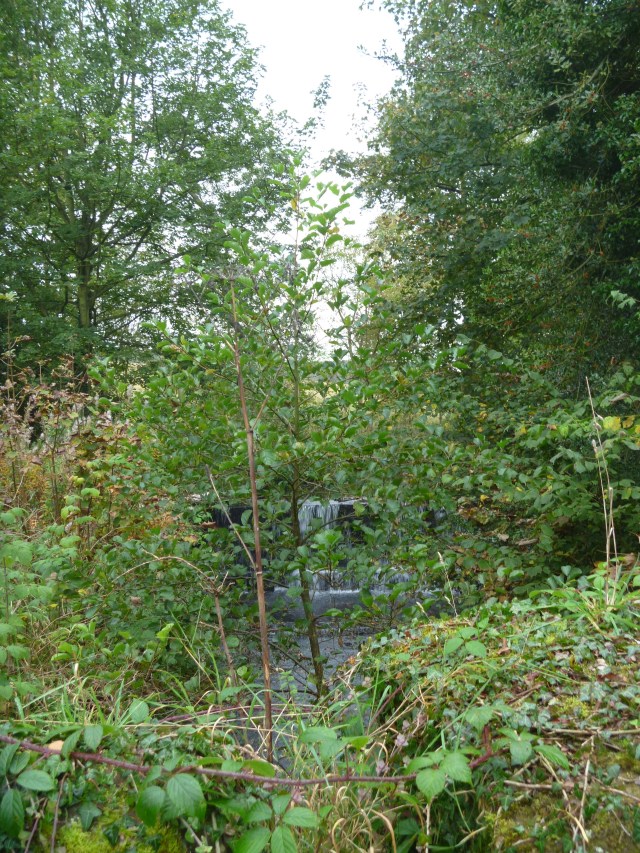
Cascade by the Rough Bridge

Brown seems to have had a boundless supply of energy. He travelled around the country visiting projects, extolling on the virtues of views and their ‘capability’ for improvement, collecting his fees and, according to Jane, took on at least 200 major projects.

Our walk took us across the fields by the lake in front of the house and through some delightfully wooded gardens back to the house itself where a sandwich lunch was served in the Steward’s Room where “Capability’ himself would have been entertained on his visits to Harewood. Yet again no photography is allowed in the House!
A Sentimental Journey

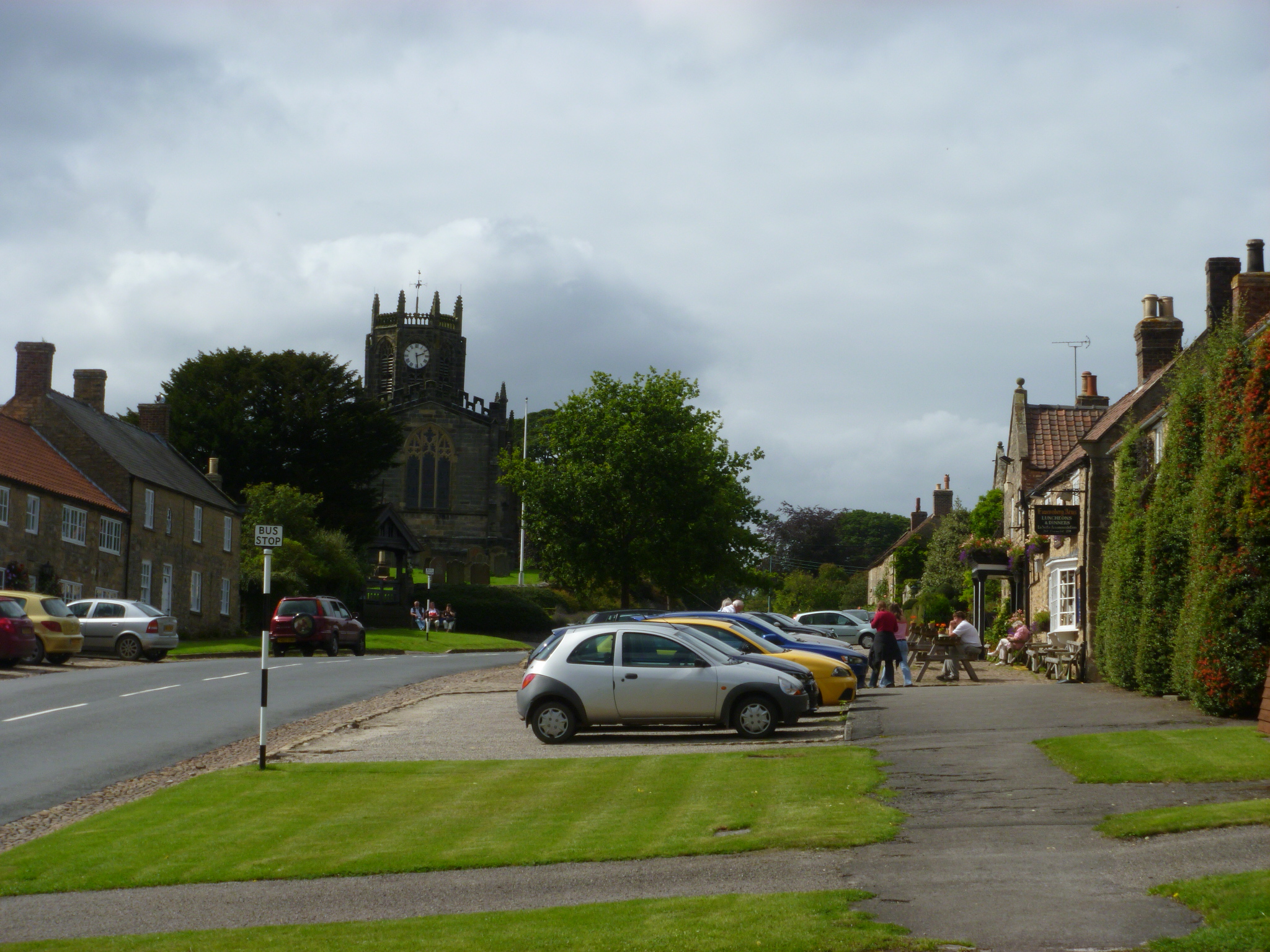
Just an hour’s drive from Leeds, Coxwold is one of the prettiest villages in North Yorkshire. It has a lovely tearoom, The Coxwold Tearooms :

an attractive and popular pub, The Fauconberg Arms

and an impressive church, Saint Michael’s.

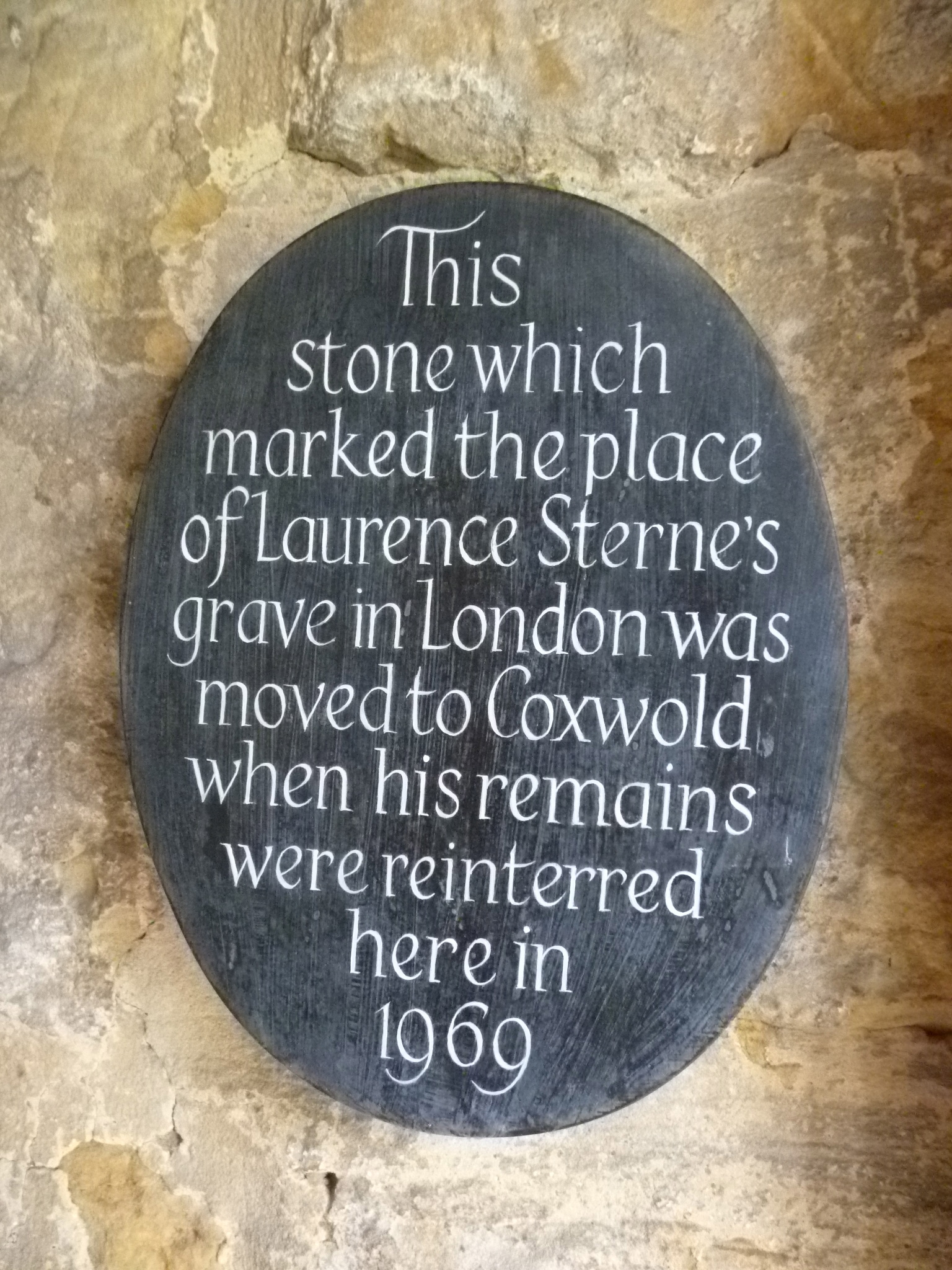
It was also home to one of the most intriguing authors of the eighteenth century – Laurence Sterne. Born of an anglo-Irish family in Clonmel in County Tipperary in 1713 Sterne was educated in Yorkshire and at Cambridge and was ordained as a Church of England clergyman in 1738. He held two Yorkshire livings before being appointed to Coxwold by Lord Fauconberg. Apart from travels in Europe and visits to London Sterne spent the rest of his life here. He died in London in 1768.

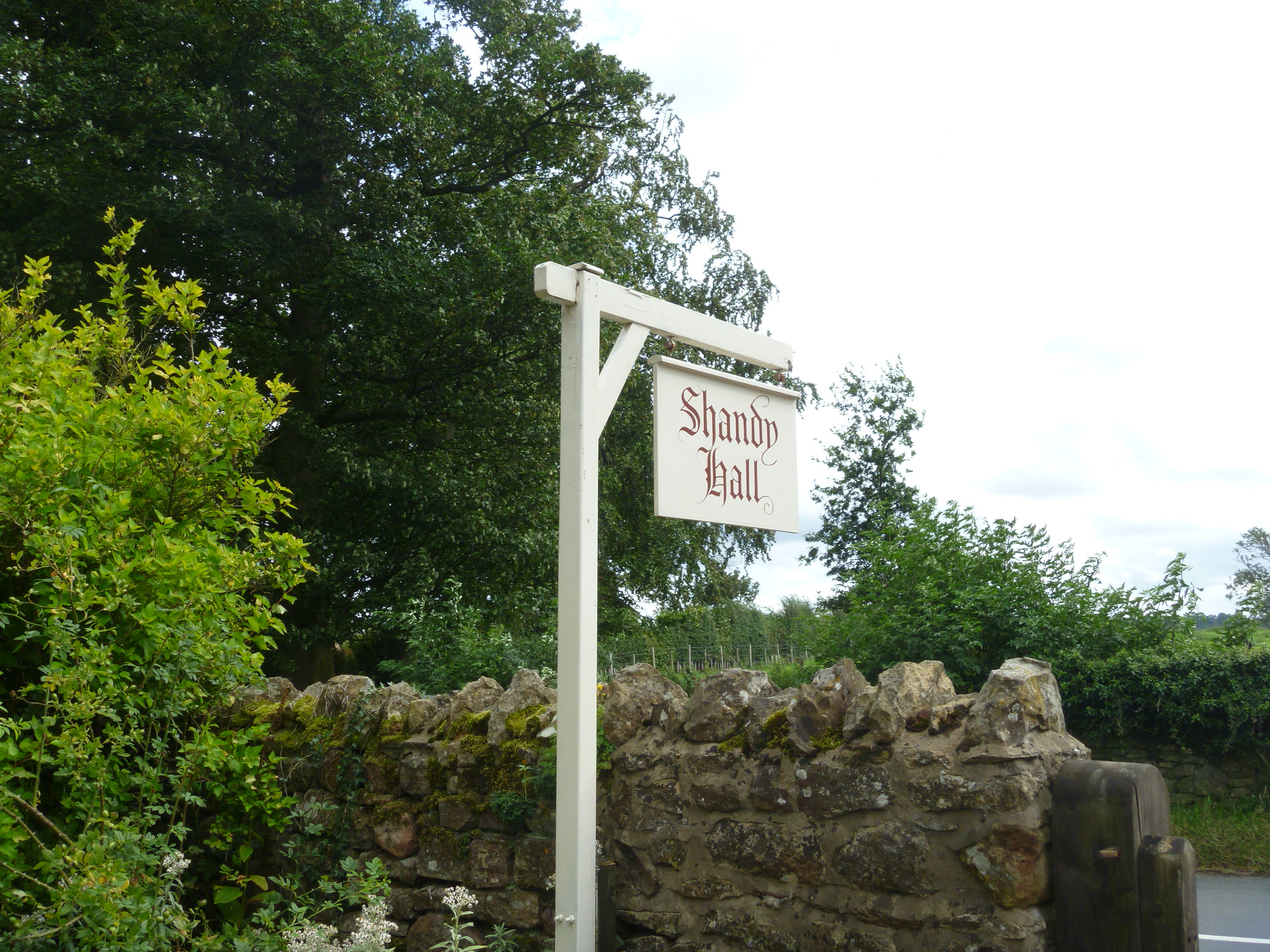
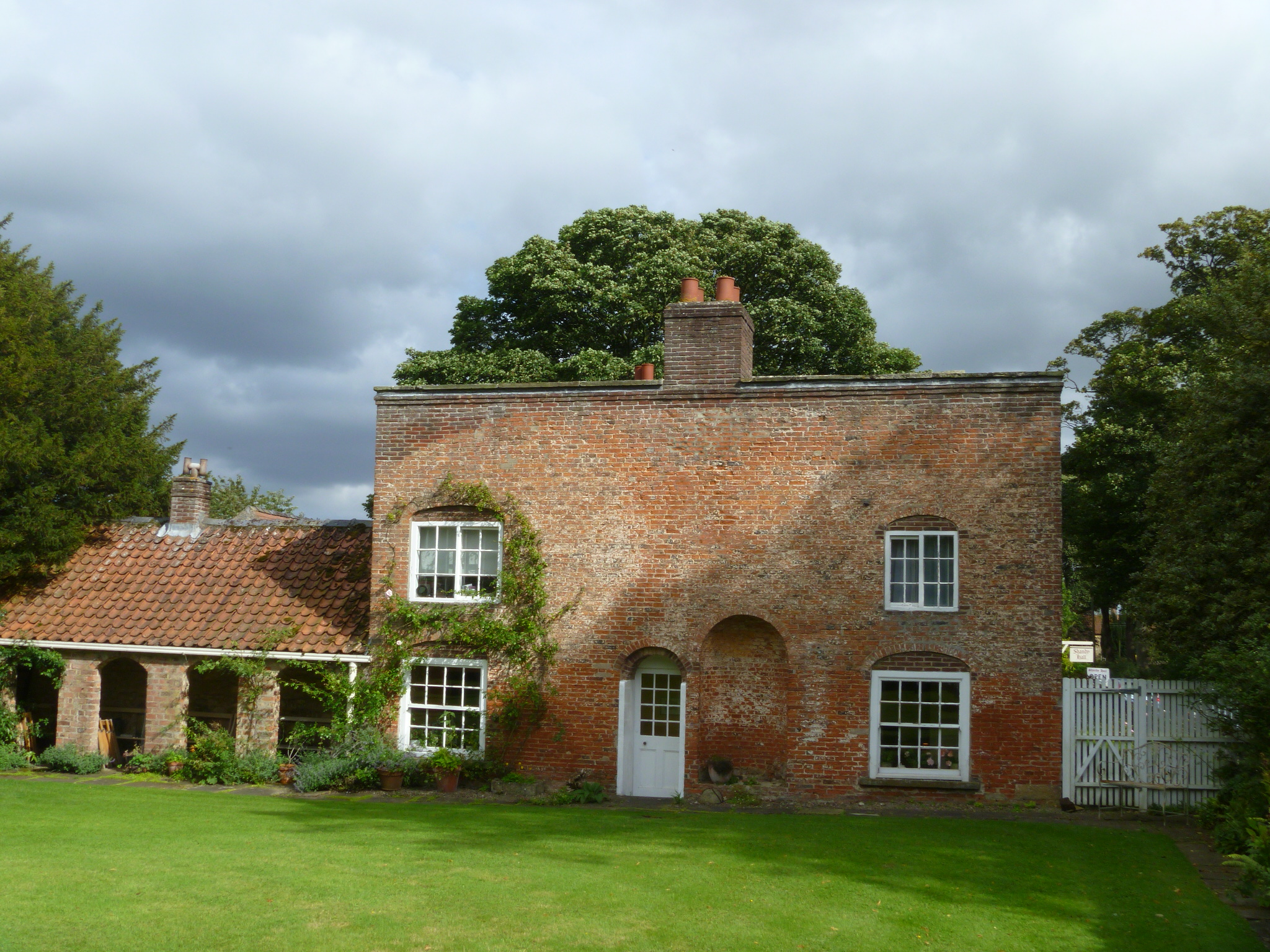
Sterne was the author of two famous books. At least they were very well known and popular during his lifetime and after but generally he is much less well known today. The Life and Opinions of Tristram Shandy, Gentleman and A Sentimental Journey. Shandy Hall, his former home in Coxwold, is run by the Laurence Sterne Trust and is open to groups by appointment throughout the year and to the general public on Wednesday and Sunday afternoons during the summer. The gardens – which include one acre of woodland – are open every day except Saturday during the same summer season.

The Laurence Sterne Trust

As eccentric as Sterne himself the house is a delight to visit. There’s an introduction by the resident curator – a true Sterne enthusiast who, by the way, will be promoting Sterne at the forthcoming Ilkley Literature Festival

and is also organising a visit to Shandy Hall from Ilkley.

Ilkley Literature Festival – Shandy Hall visit

The 2005 film A Cock and Bull Story starring Rob Brydon, Jeremy Northam and Steve Coogan demonstrates just how unfilmable the novel is :

Shandy Hall and garden.

And finally, the shop! Besides the souvenir fridge magnets, postcards and new books there is a large selection of secondhand books.