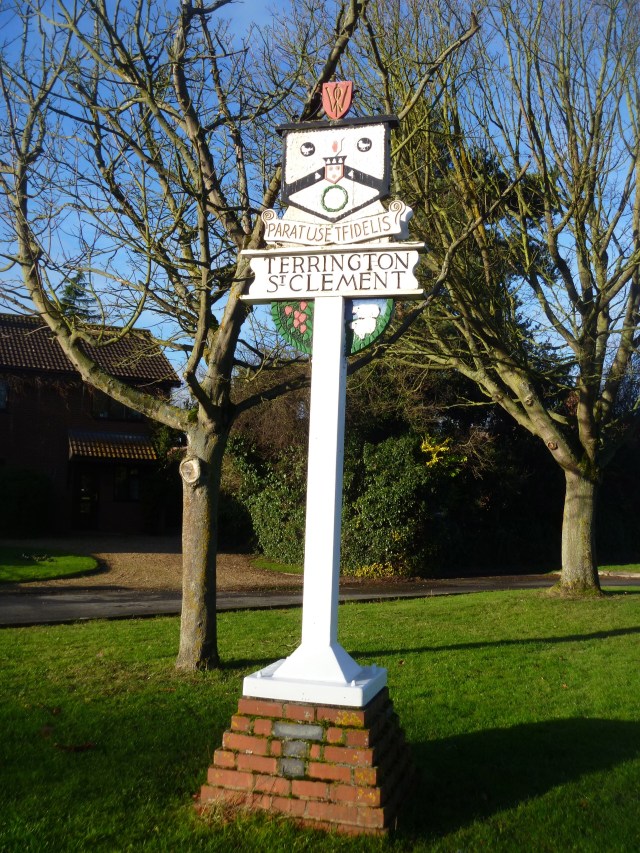
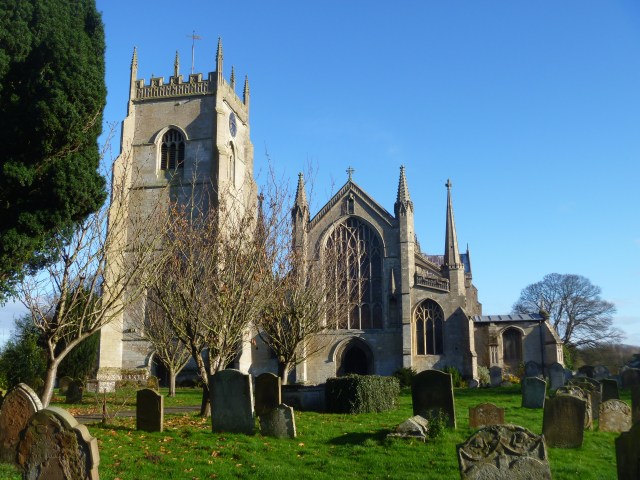
This morning whilst sipping my morning tea and flicking through a back issue of Country Life (17 October 2012) I noticed a single page in a series devoted to things to see in country churches. My eye was caught by the name Terrington Saint Clement and the amazing 17th century painted font cover. I recognised the name of this village and, checking my road atlas, found it lay very close to my route to Norwich; just in Norfolk and west of Kings Lynn. As I just happened to be driving down to Norwich this morning I decided this would be just the spot to have my picnic lunch and take a look at the church and the stunning font cover.
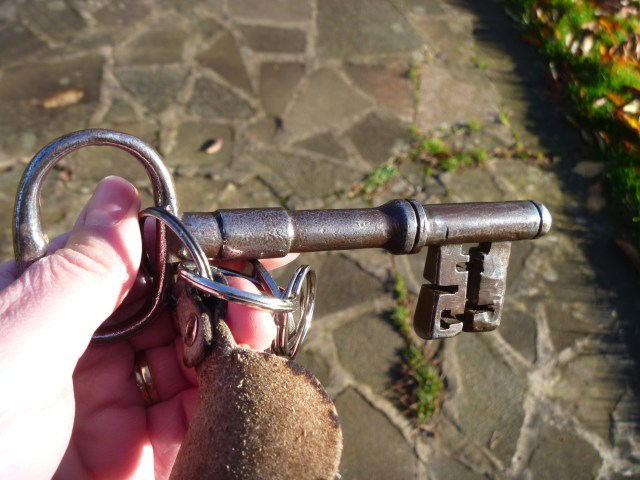
It was a beautiful day for the drive and after my quick picnic lunch I headed for the church door. Like many churches it’s kept locked but the notice on the door told me to call at the house next door to collect the key. So I did.
The Church Door Key
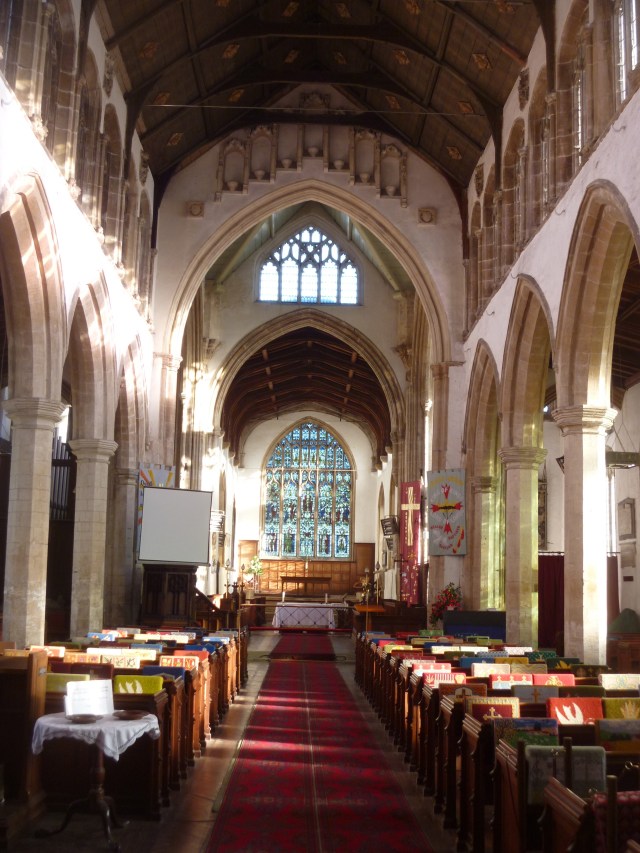
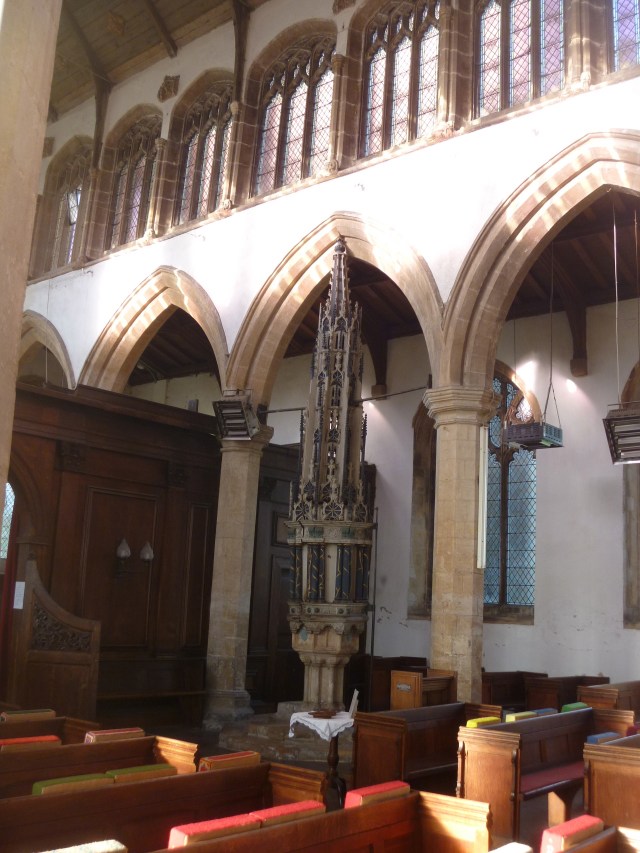
Once inside I could see what Simon Jenkins meant when he said “This church is a hymn to light”.
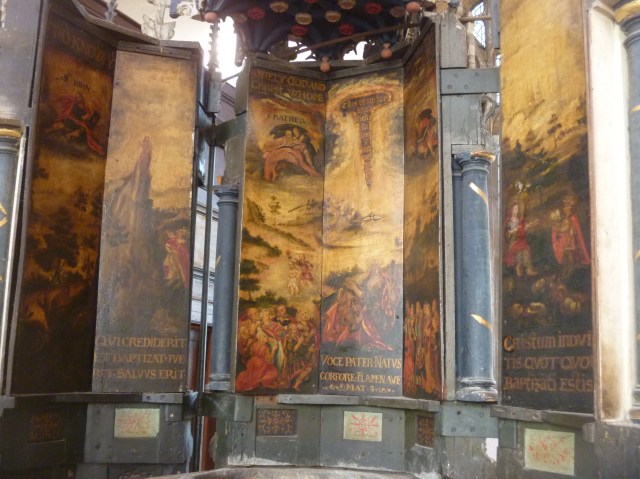
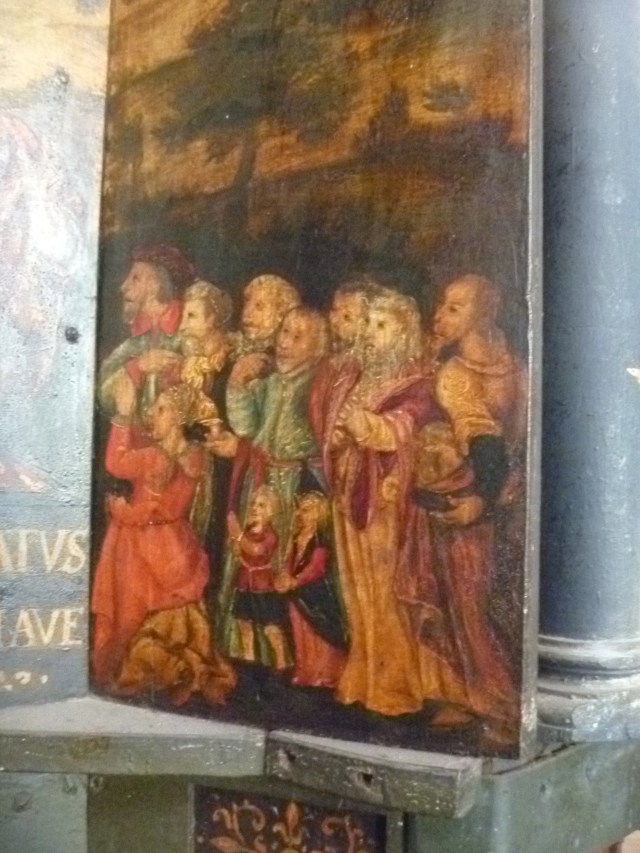
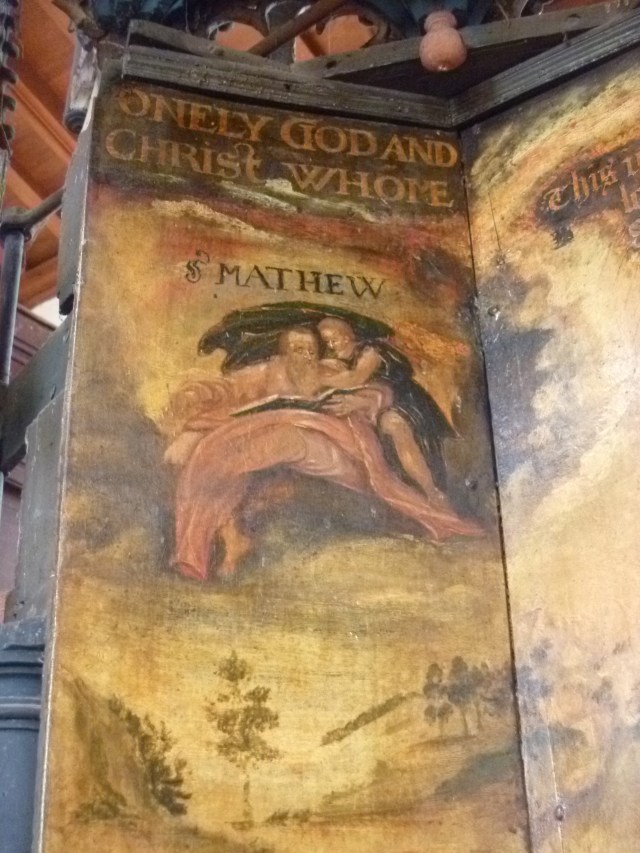
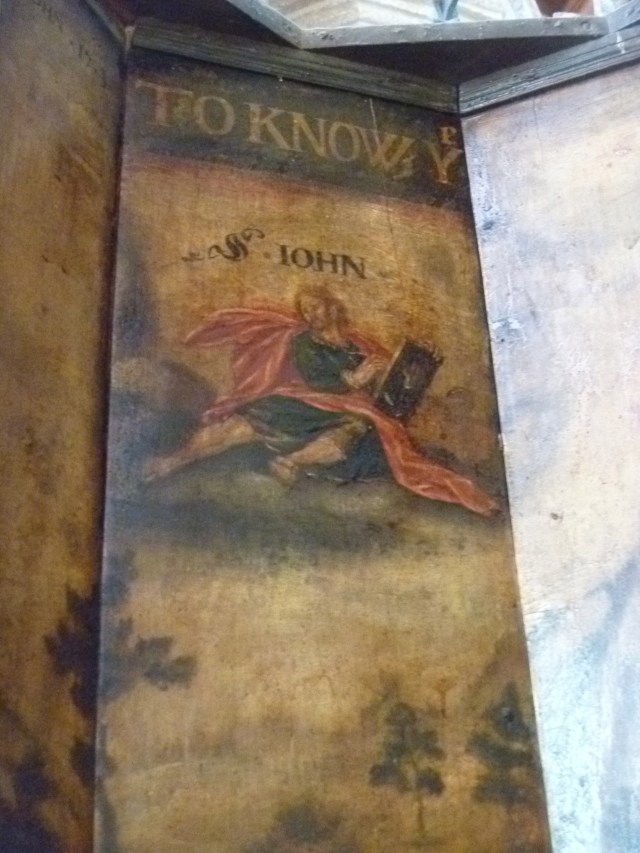
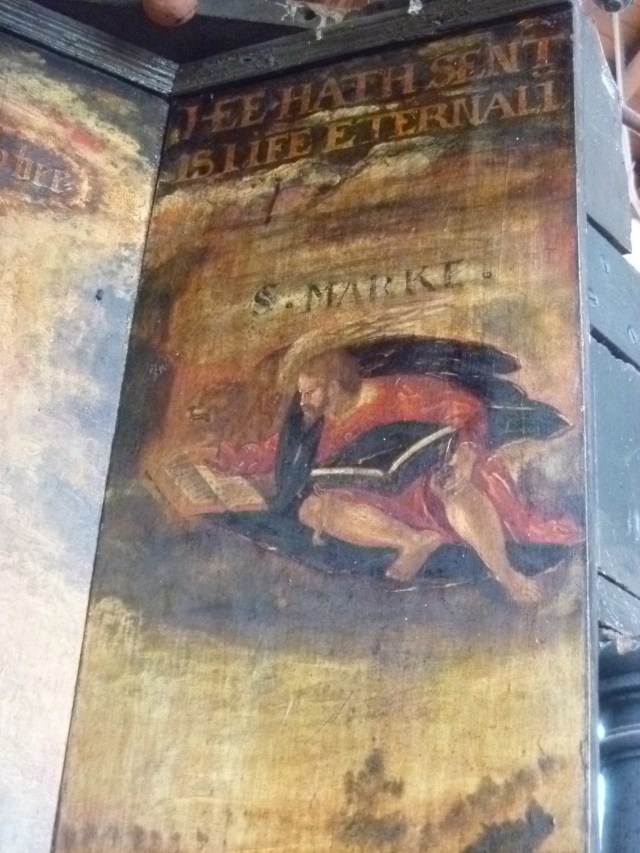
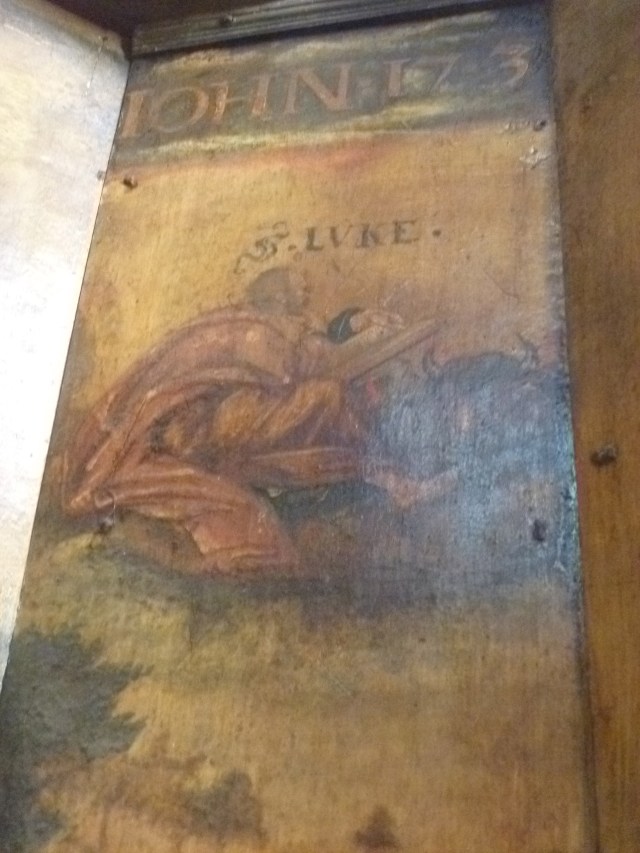
The font is indeed impressive. The triptych was closed but I gently lifted the latch and the whole opened up to display the 17th century paintings of Saints Matthew, Mark, Luke and John and the baptism of Christ by Saint John The Baptist. The Gothic font cover, painted blue, rises up almost to the church rafters.
The font cover
The open triptych
Saint Matthew
St John
St Mark
St Luke
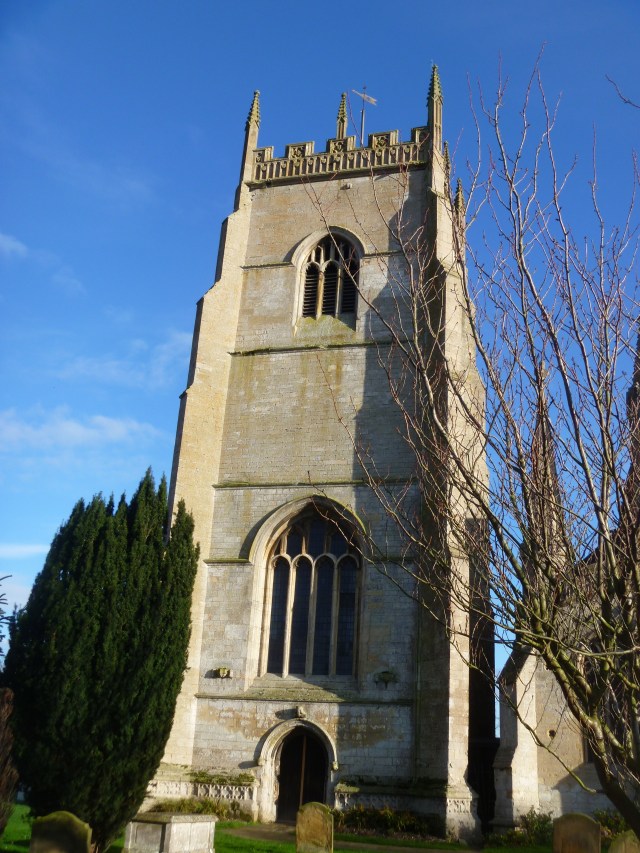
Interestingly, the tower is not attached to the church itself. Jenkins suggests that this was probably due to the soft soil of this marshland region.
“The tower came into its own during a flood in 1670 when the community gathered there and were fed by boat from King’s Lynn” This could easily have happened again this week since I noticed that many of the fields around Terrington and in the Fens were looking pretty wet, to say the least.
Around the beginning of November last year I received an invitation from a German lady who has since become (I suppose you would say) an online friend of mine.
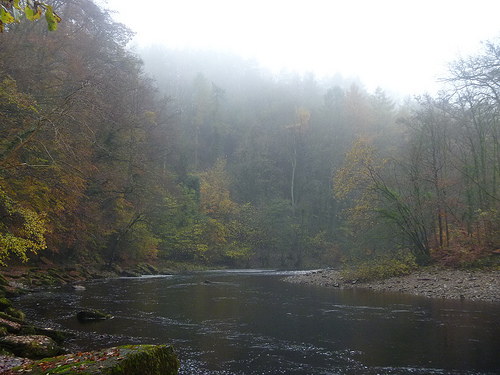
My first 366 photo – 10 November 2011 : River Swale, Hudswell, Richmond, Yorkshire
We first ‘met’ through the Flickr Landmark Trust Group and we found that we share a mutual love of Lyme Regis. Anyway, she sent me an invitation to join her ‘group’ called “366 – The Great Leap Forward“. The idea, which I had never heard of before, was to take one photograph every day for a whole year. Normally this would be for 365 days but as 2012 is a leap year we had to take 366 pictures!
Queen Breaca introduces the group thus :
Is taking pictures your passion? Do you like exchanging your views on photography, cameras, picture editing as well as Life, the Universe and all the Rest with other, like-minded people? And have you recently considered joining one of those flickr – 365 projects, but were a little put off by all those very strict rules and regulations?
Well, to be honest, the answer for me to all of these questions was “no”. However, flattered to receive an invitation and with great trepidation, I decided to accept the invitation and challenge. Indeed, challenge it was! Some days went by when I had to just snap something, anything. Personally, I don’t think I improved a lot over the year but QB, flatteringly again, declared that I had. I looked on the challenge as an opportunity to record every day of one year and I’m interested in it more for that reason than as an opportunity to take artistic photographs. Look at my set and you’ll see what I mean.
And what a year it has been for me – and also for the UK. Here are a few highlights (or lowlights) :
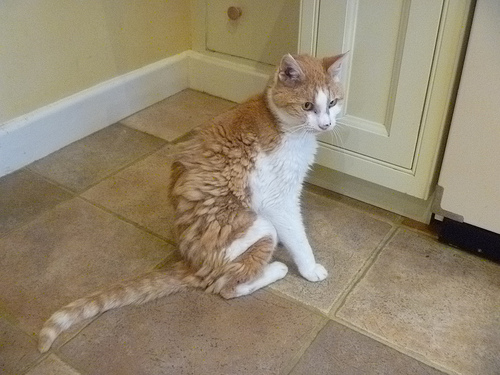
Not long after I joined our cat Harvey died (16 Nov 2011) ‘Sad Day’
Our Christmas Tree 2011
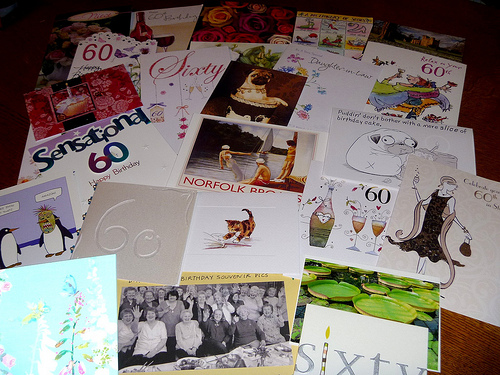
My 60th Birthday
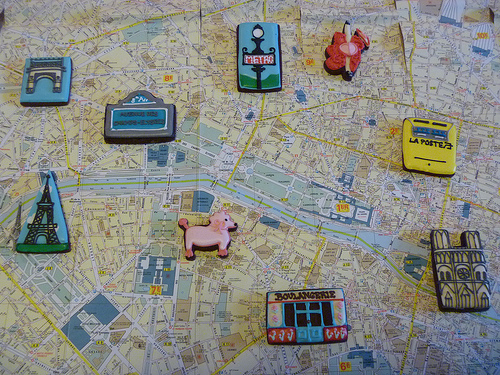
A wonderful trip to France to stay at The Windsor’s former weekend home near Paris
Revisiting Northern Ireland after 45 years!
Queen Elizabeth II’s Diamond Jubilee
A fantastic walking holiday in Alsace
At the end of June I retired from my Library job
A lovely few days in Geneva in July
The successful London 2012 Olympic Games (the Brownlee Brothers are from Horsforth) in August
We spent three weeks in New England in September
A week in Devon in October
And a couple of fun pictures
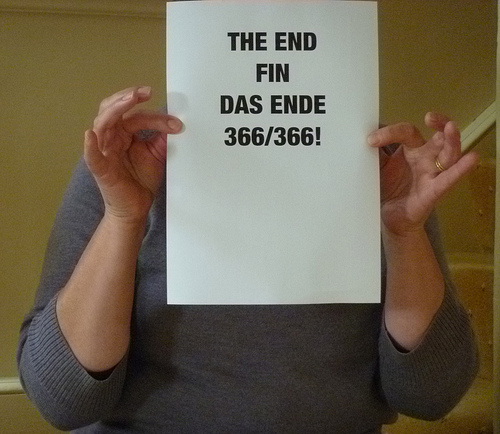
The End – 9 November 2012
It’s a relief to have completed the challenge successfully. It’s been a great experience and thanks to QB for her invitation and encouraging input!
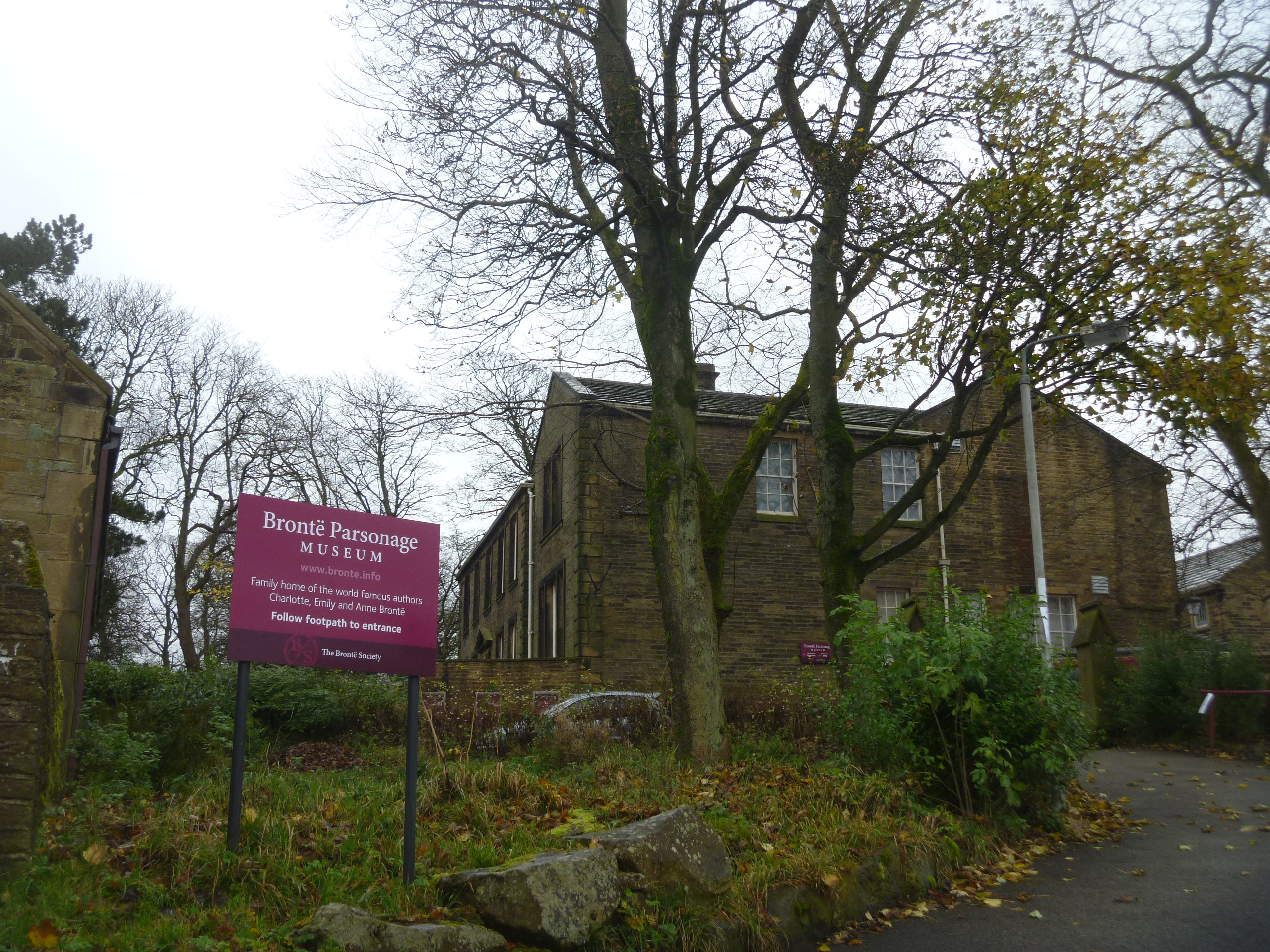
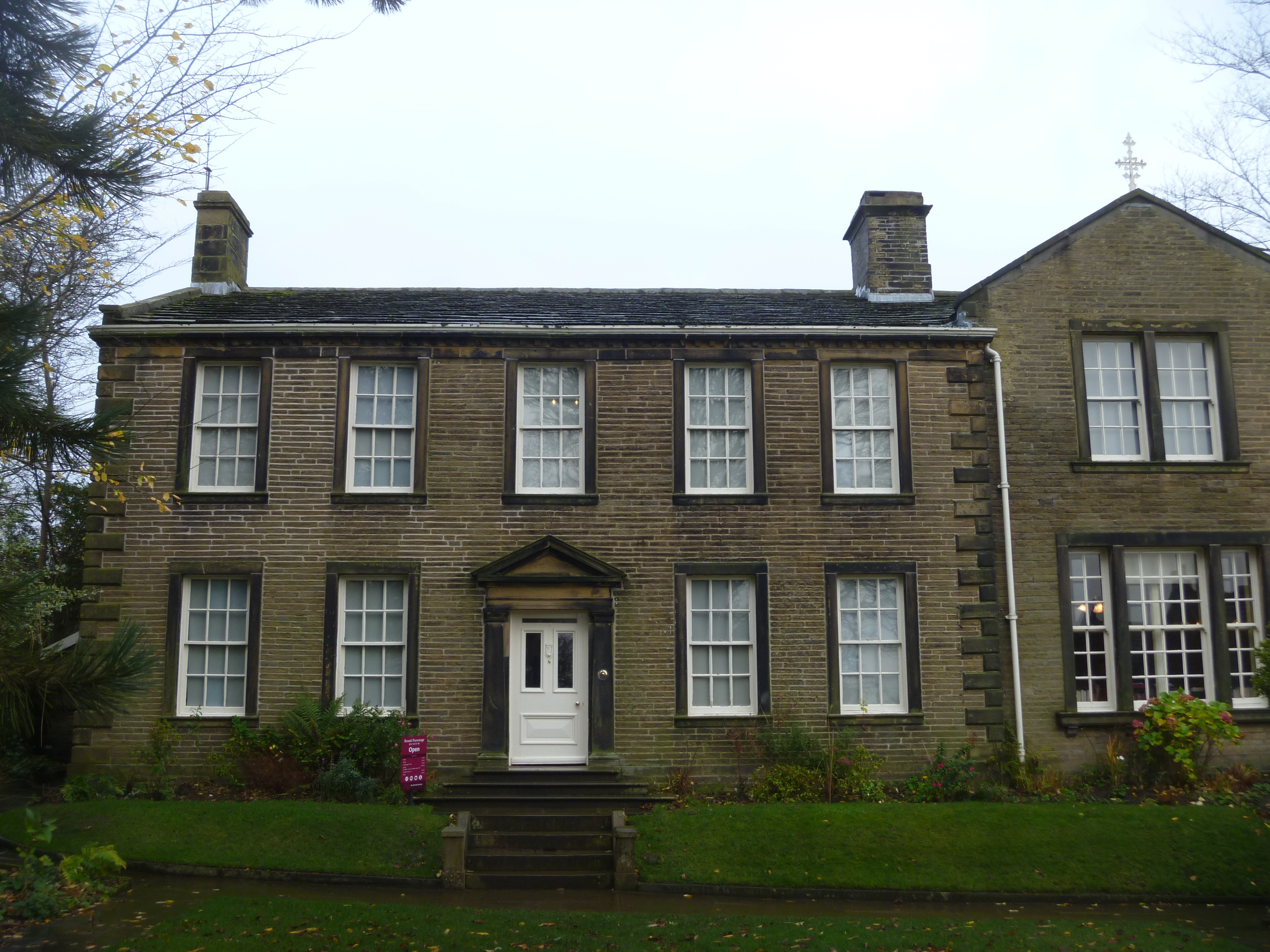
Yesterday I revisited Haworth with a friend. Looking back at my Flickr photos I see that my last visit to this Literary Shrine was in 2005. On that day, it was a Sunday, the queue to get into the Parsonage stretched down through the garden. I planned to return on a quieter day. So, a mere 7 years later, I was back again and indeed found the village and Parsonage very much quieter. [Mental note to self – visit Haworth Parsonage on a Monday in November] My only previous visit inside the house itself was in the early 1990s.
Approaching the Museum from the Car Park
I’m sure I don’t need to explain here that the Parsonage at Haworth, near Keighley in West Yorkshire was home to the Bronte family (probably the world’s most famous literary family) from 1820 to 1861.
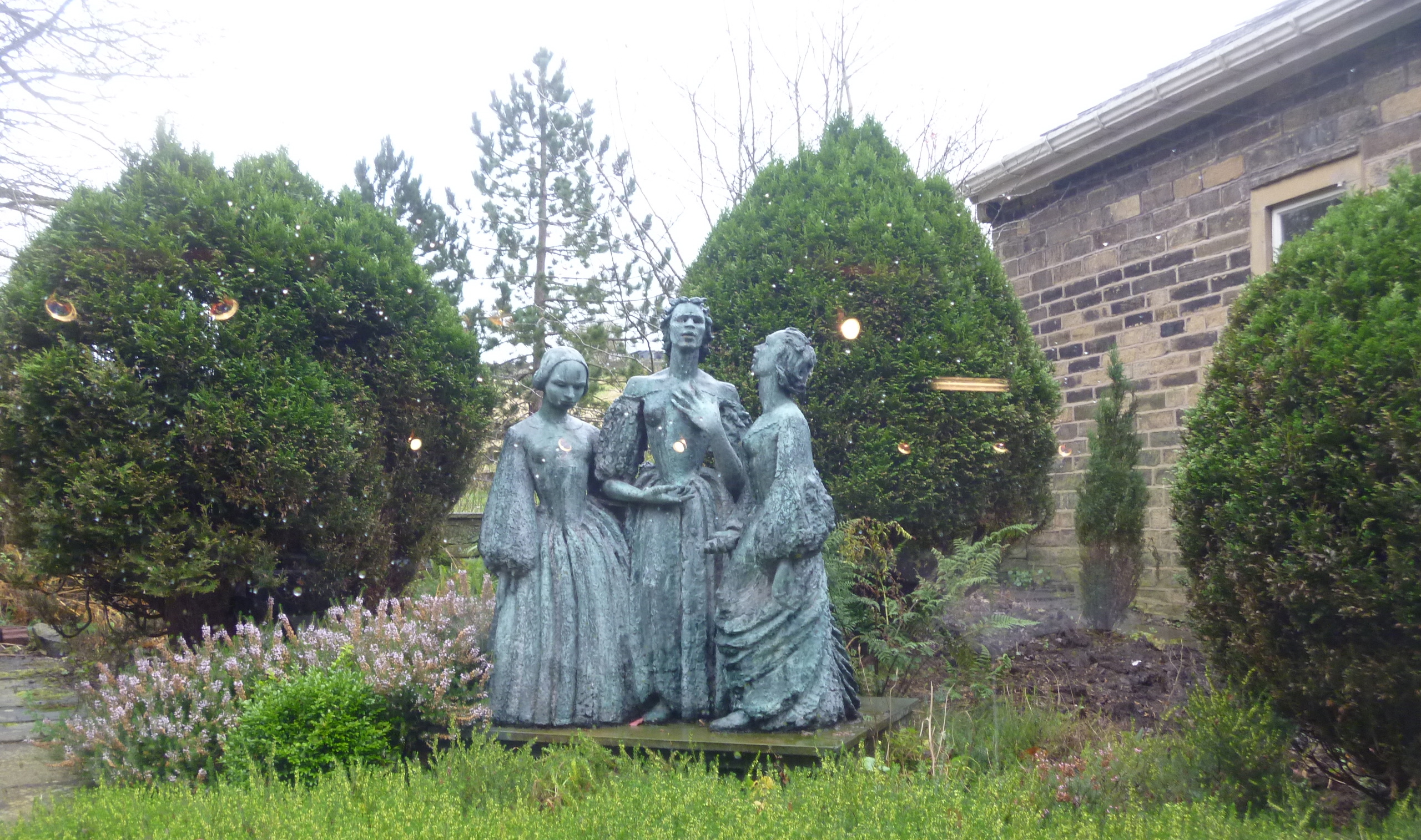
Bronze Sculpture (by Jocelyn Horner) of The Bronte Sisters in the Heather Garden
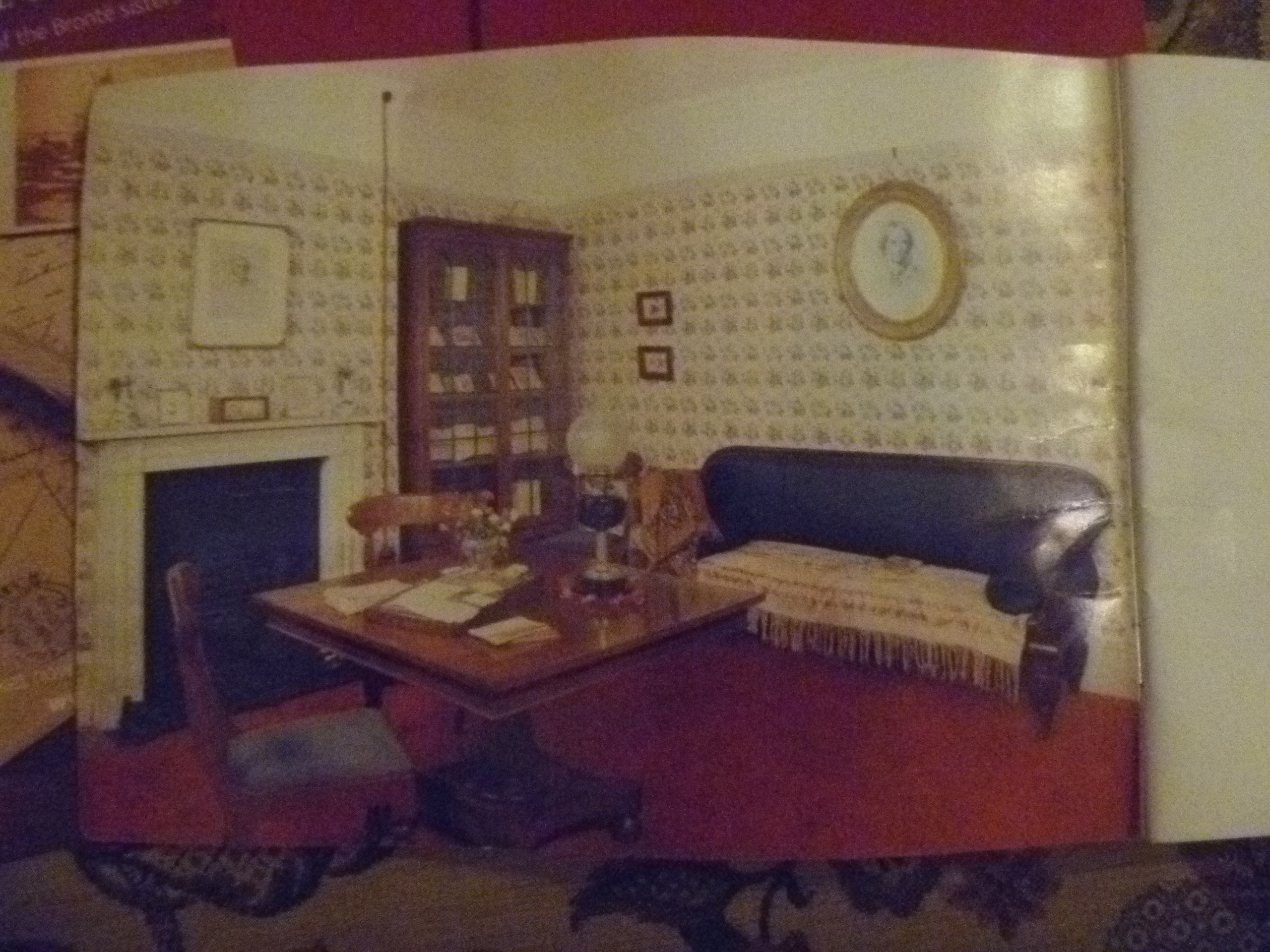
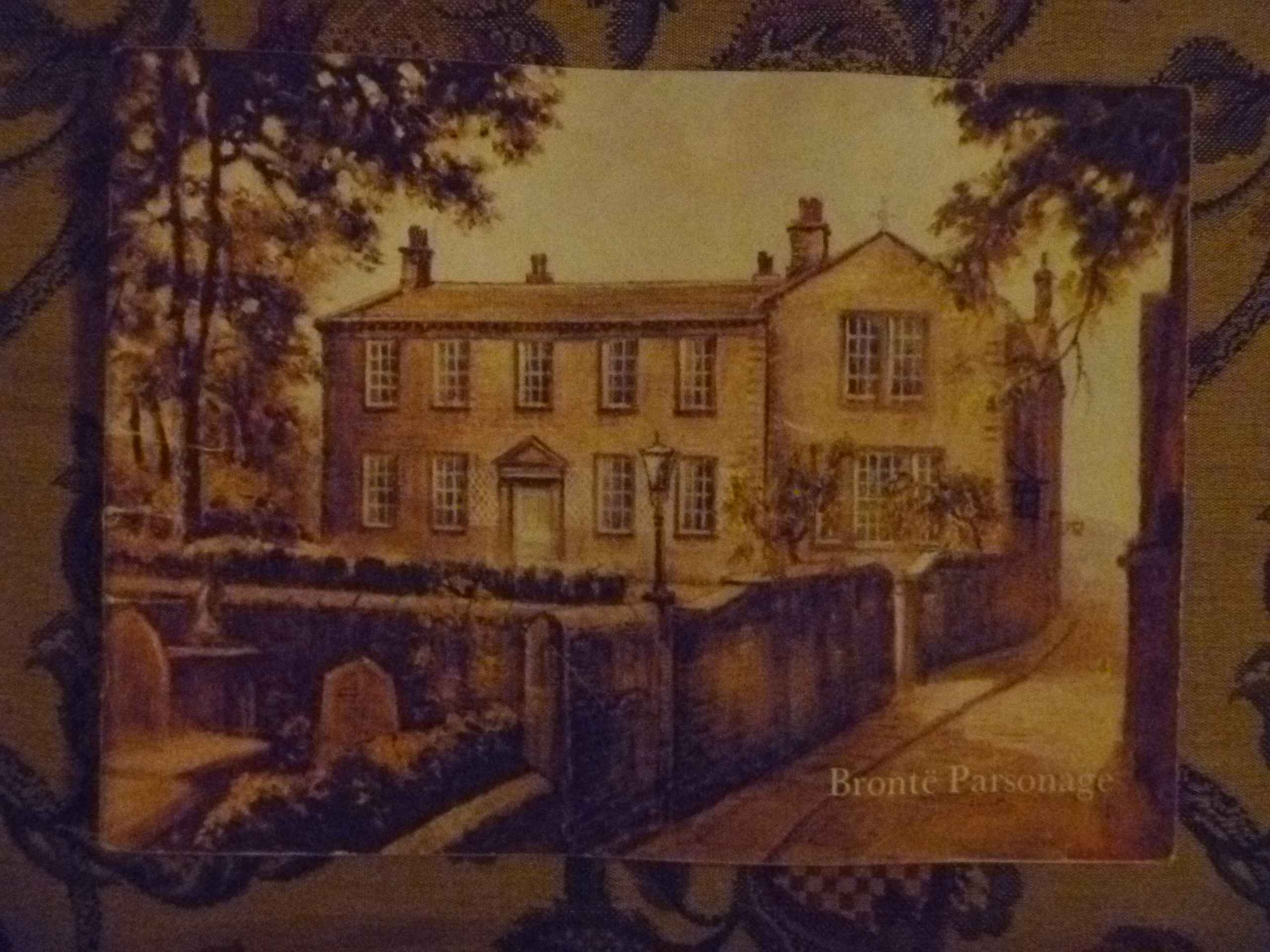
Little had changed in the house itself – my friend and I and one other couple were the only visitors at 1pm today. Some of the pictures had been moved about and there’s a much improved permanent exhibition called Genius: The Bronte Story. My friend had brought along her guidebook from a previous trip [in 1983] so we were able to compare and as photography inside the house is prohibited. Here are some pictures from that book:
The Dining Room
Mr Bronte’s Study
Bronte Parsonage Guide, 1983
There’s a further exhibition called Bronte Relics : A Collection History.
“New exhibition looking at the fascinating history of the Bronte Parsonage Museum collection, a story almost as extraordinary as the Bronte story itself.” [website]
“The provenance of a variety of objects is traced back through previous owners and collectors to the major sources of Bronteana; amongst them Charlotte’s husband, Arthur Bell Nicholls; Ellen Nussey, Charlotte’s lifelong friend; the family of Martha Brown, the Brontes’ servant, and the American collector, Henry Houston Bonnell.” [2012 flyer]
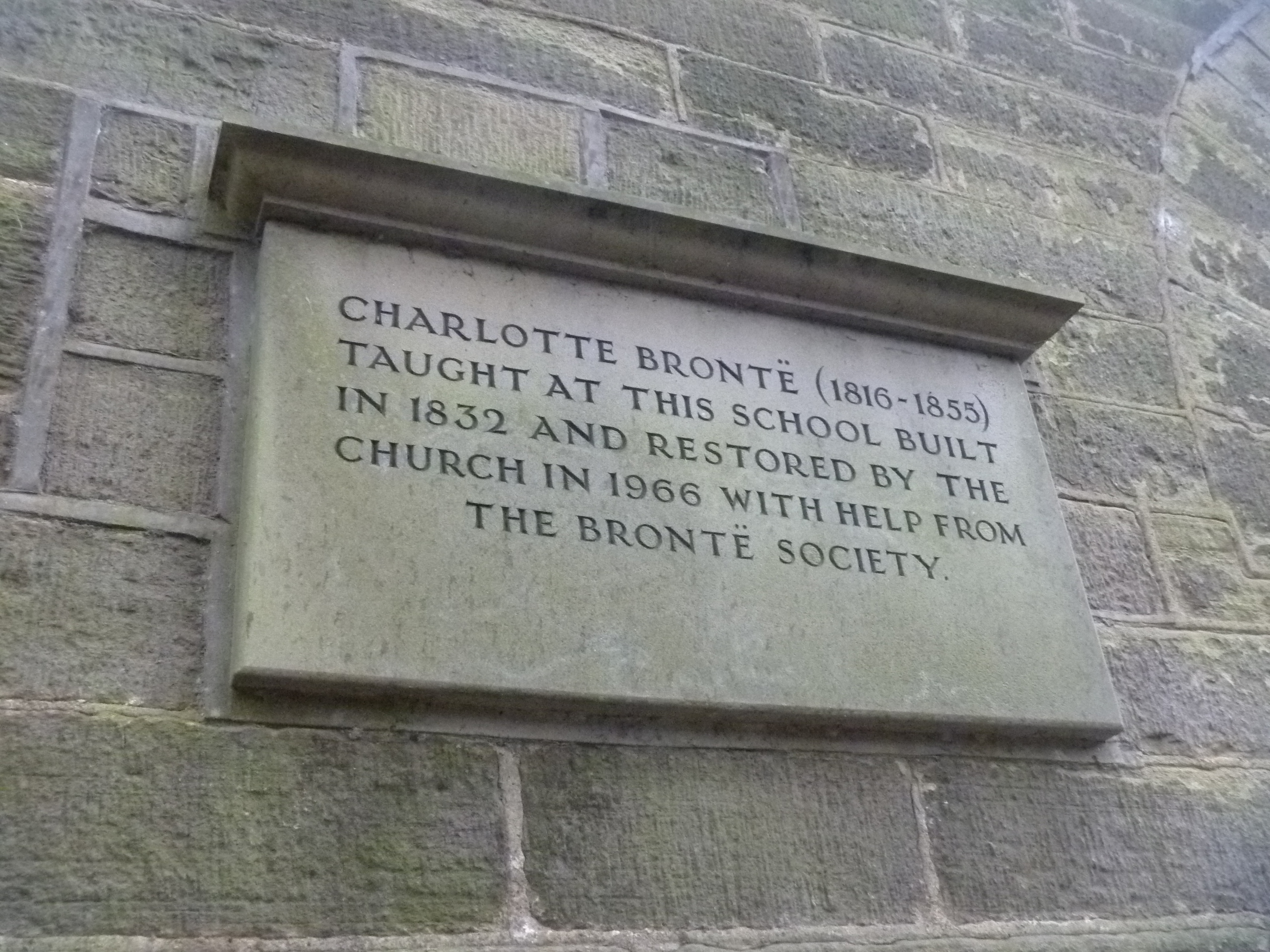
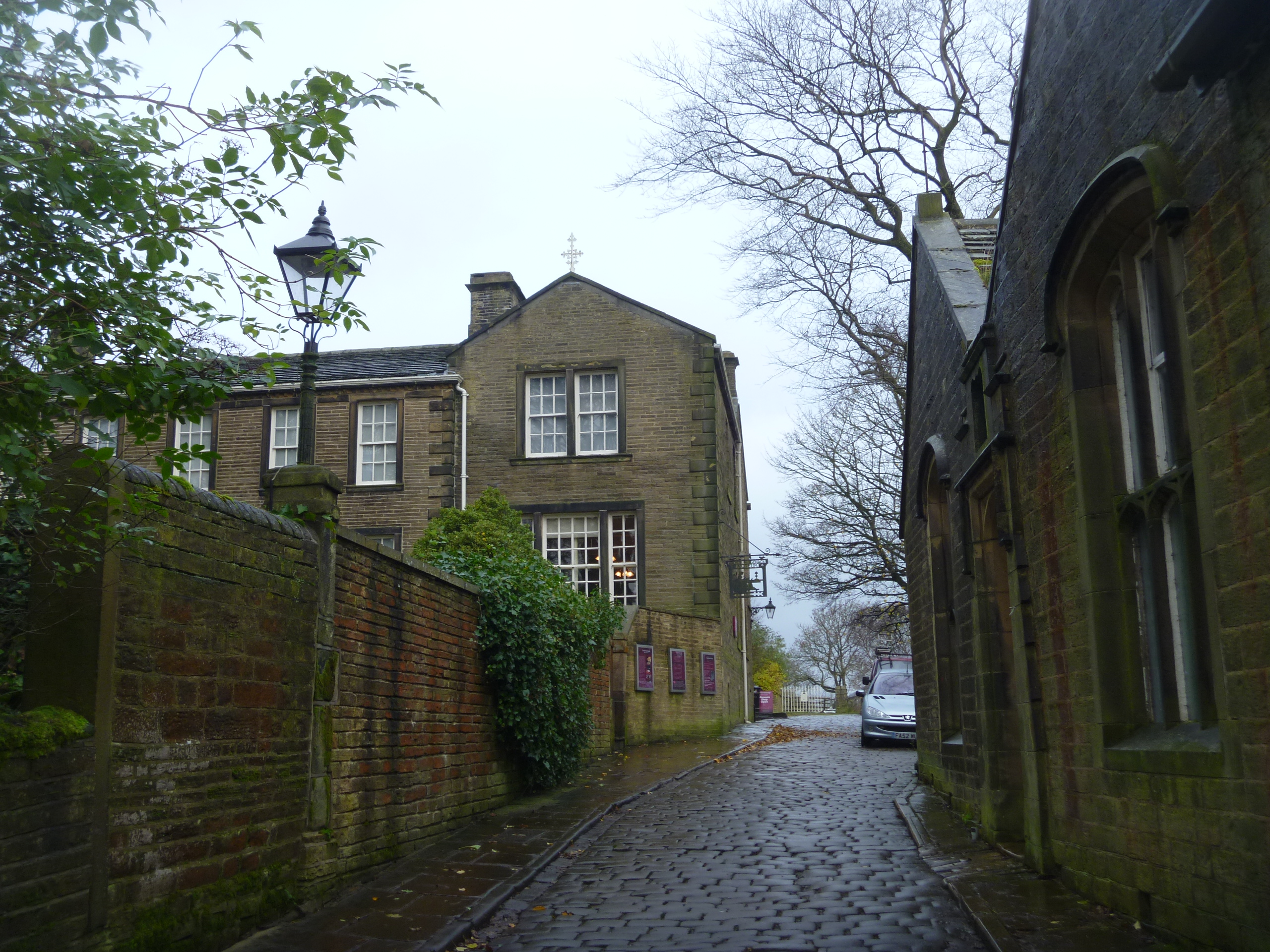
Opposite The Parsonage is the School in which Charlotte Bronte taught at one time.
The Parsonage is on the left and the School on the right
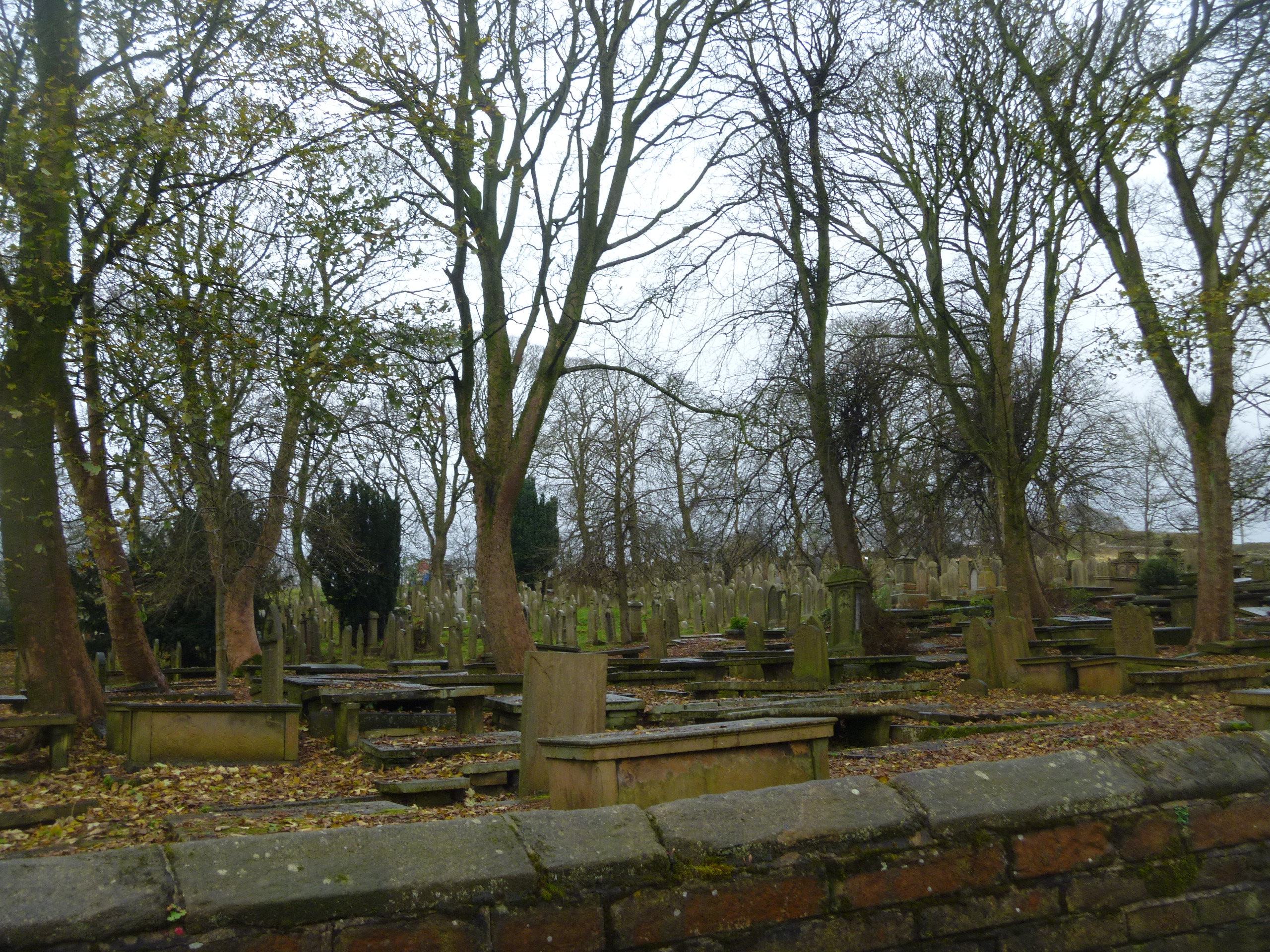
The Churchyard, Haworth
No visit to Haworth can be described without a mention of the weather. Maybe on occasion the sun shines up on Haworth Moor but I do believe that I have yet to experience this phenomenon! Today was cloudy and wet and typically atmospheric. But read here about a summertime visit.
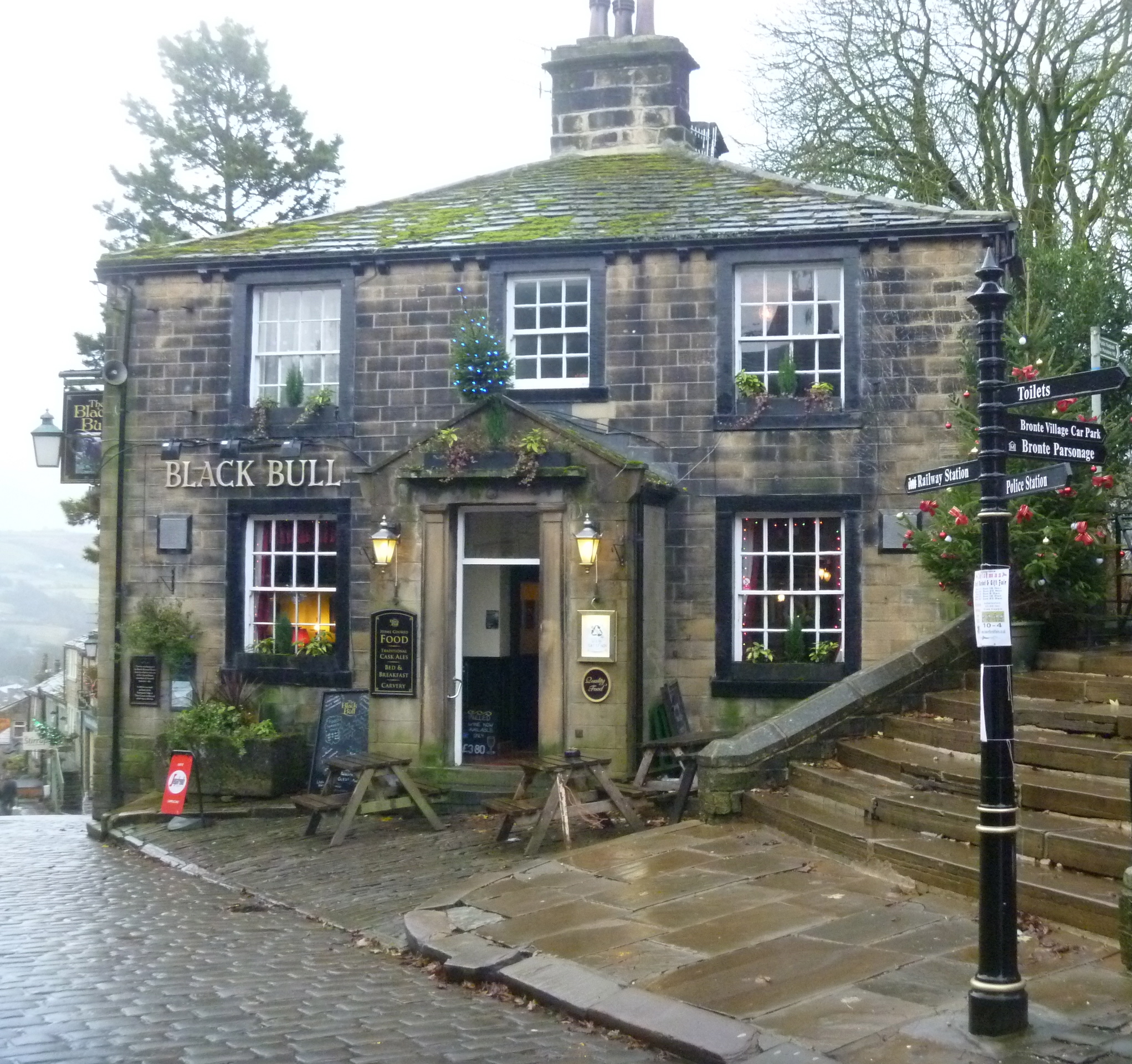
The Black Bull – Branwell was a ‘regular’
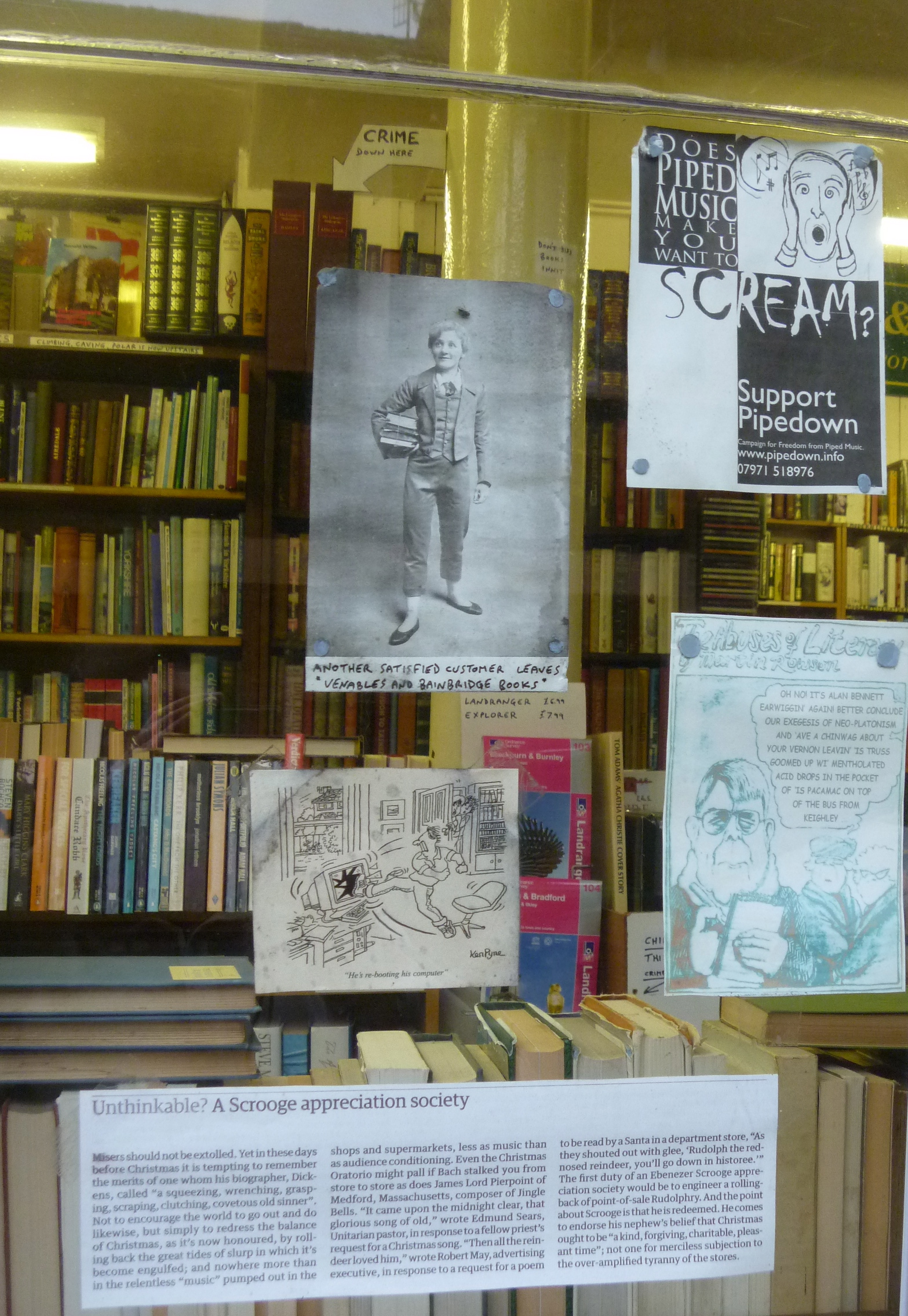
Through The Book Shop Window
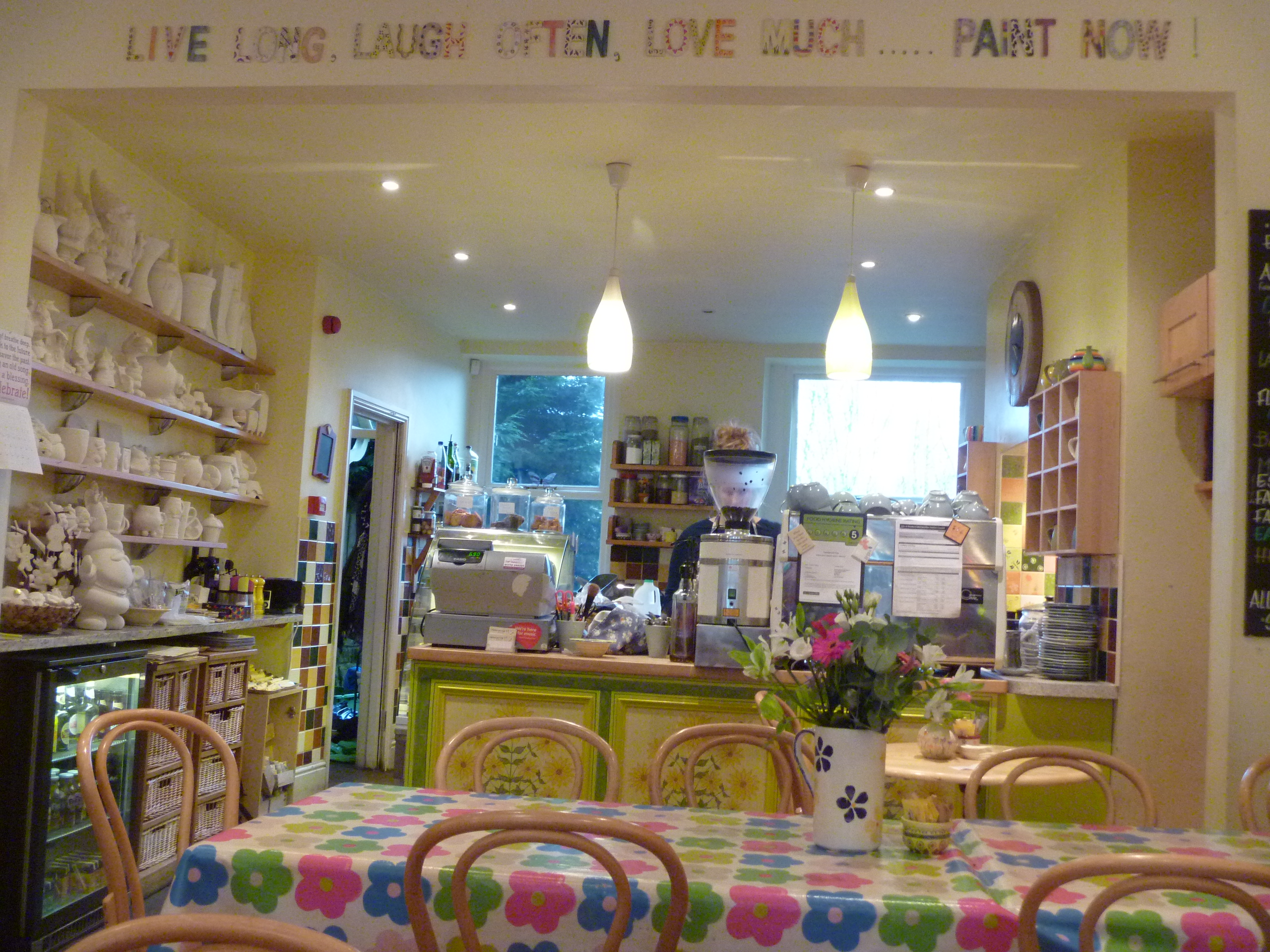
Cobbles and Clay Art Cafe, 60 Main Street, Haworth
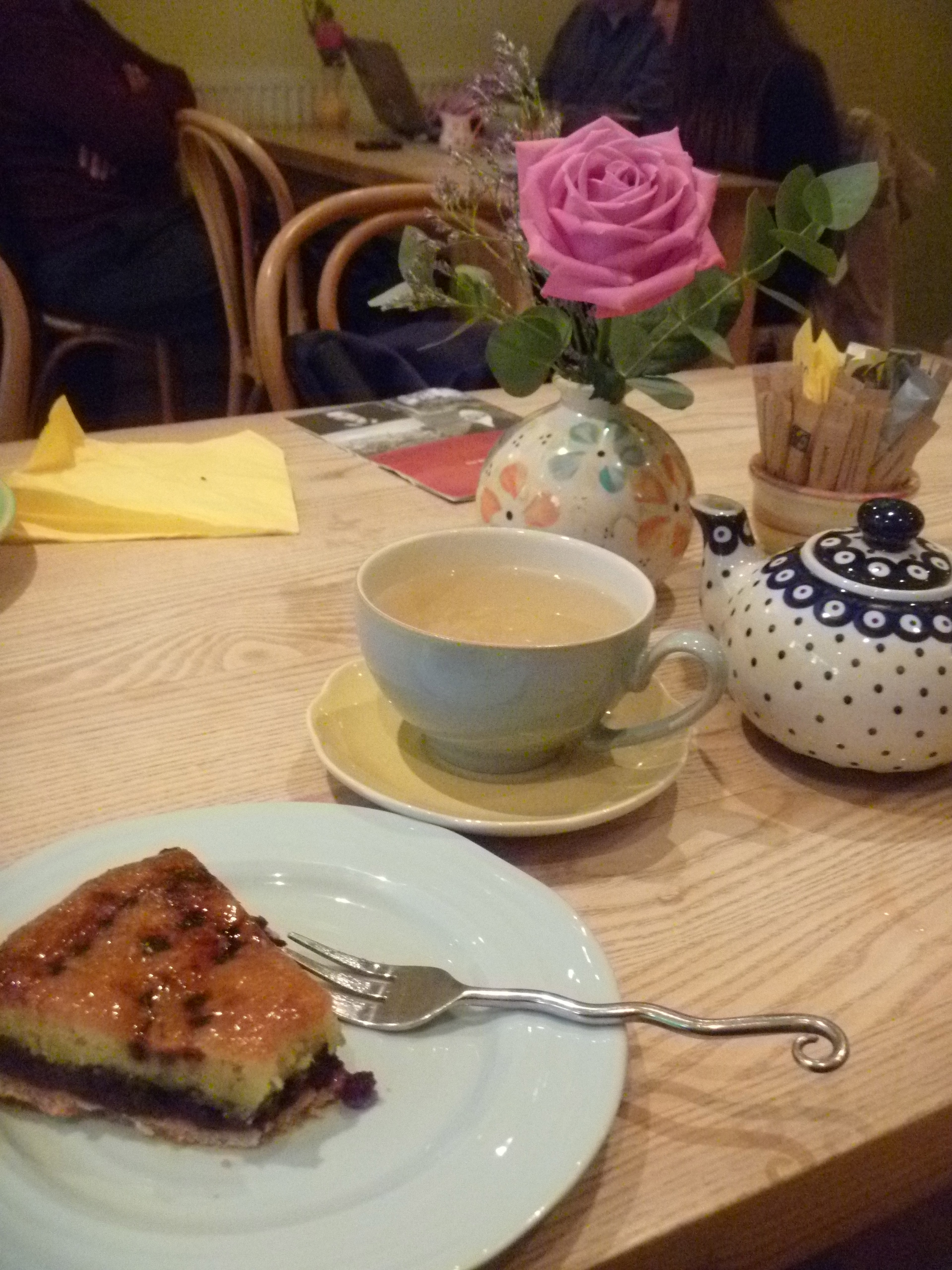
Tea and Tart at Cobbles and Clay
After just over an hour in the Museum we headed for a bright and jolly Haworth tea shop, stopping briefly to enquire whether the bookshop [Venables and Bainbridge] had any copies of Wuthering Heights in Polish for my friend to buy for her daughter-in-law. It didn’t. We were surprised that there were no foreign language versions of the great novels in the Bronte Museum Shop. We know they had sold French and German versions in the past.
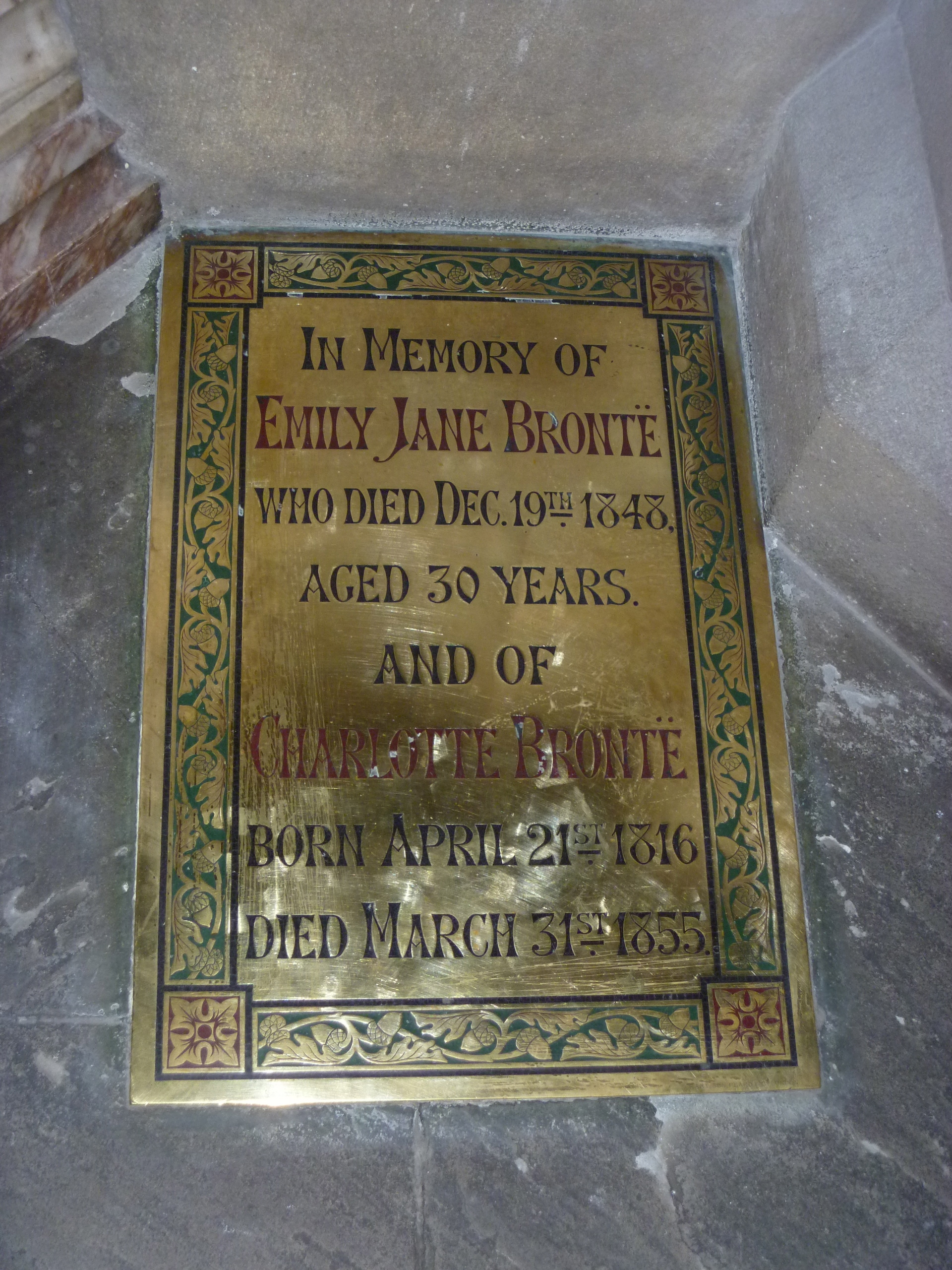
As we returned up the hill, back to the car park, we noticed that the church was open and popped quickly inside to look at the Bronte memorials before leaving the village.
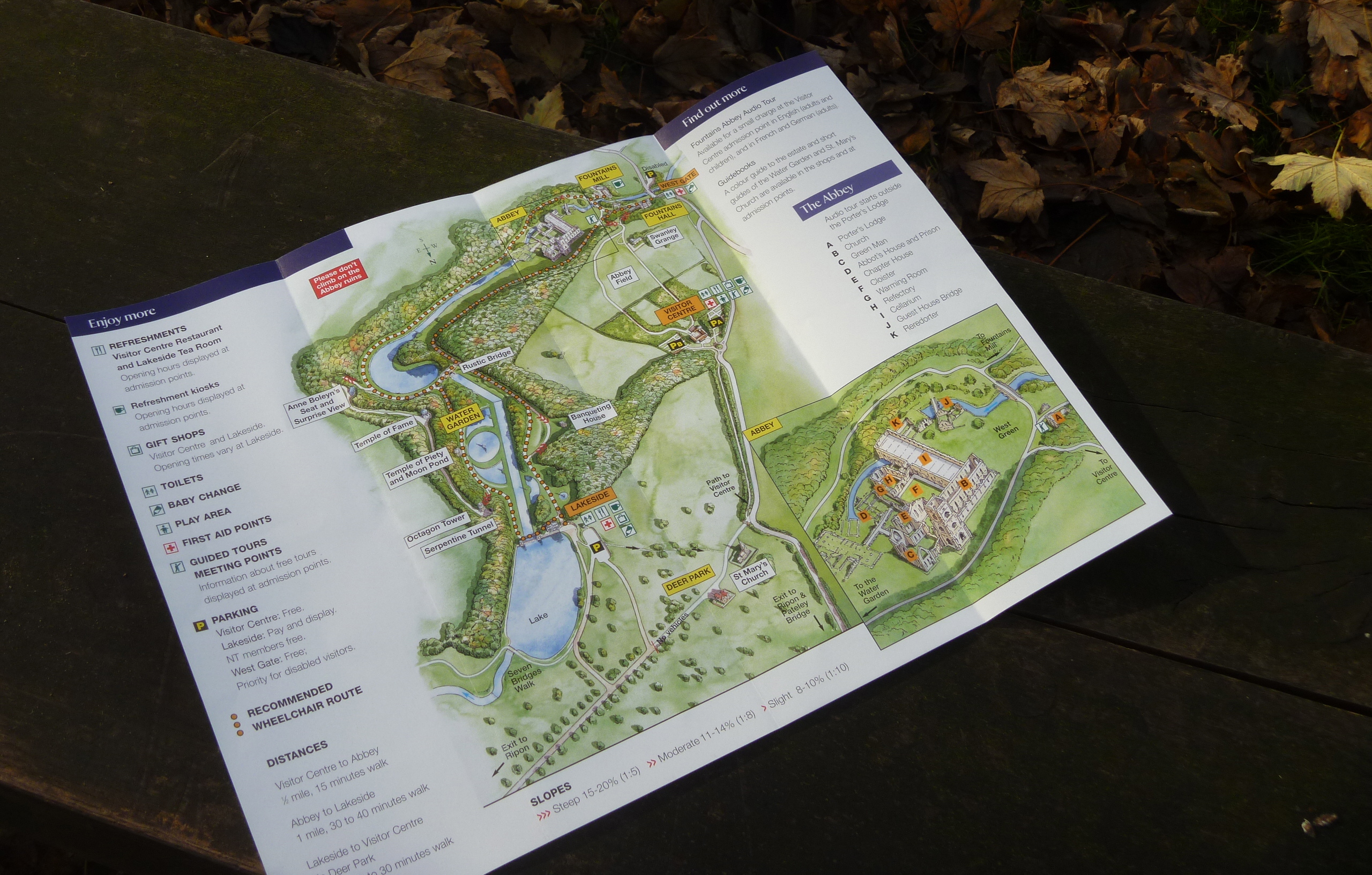
Back in January this year I wrote about a visit to Fountains Abbey and Studley Royal Water Garden saying that I’d be visiting throughout the year at different seasons and reporting back. Yesterday was my second visit this year. Maybe this was because I took out an annual membership to Harewood House in March. Harewood is much nearer home than Fountains and I may only retain the membership for a year or two whereas I will always be a member of the National Trust.
Fountains Abbey may be further from home than the Harewood Estate but still it’s very unlikely that I would ever stay there for a holiday although whenever I visit I think the NT Cottage Properties (as they are called) always look very inviting. They may be part of the Trust’s portfolio of Cottages but several do not warrant this title – for they are very much grander than one would suppose from the blanket “Cottages” title. Yesterday I made these properties the ‘theme’ of my walk through the estate.
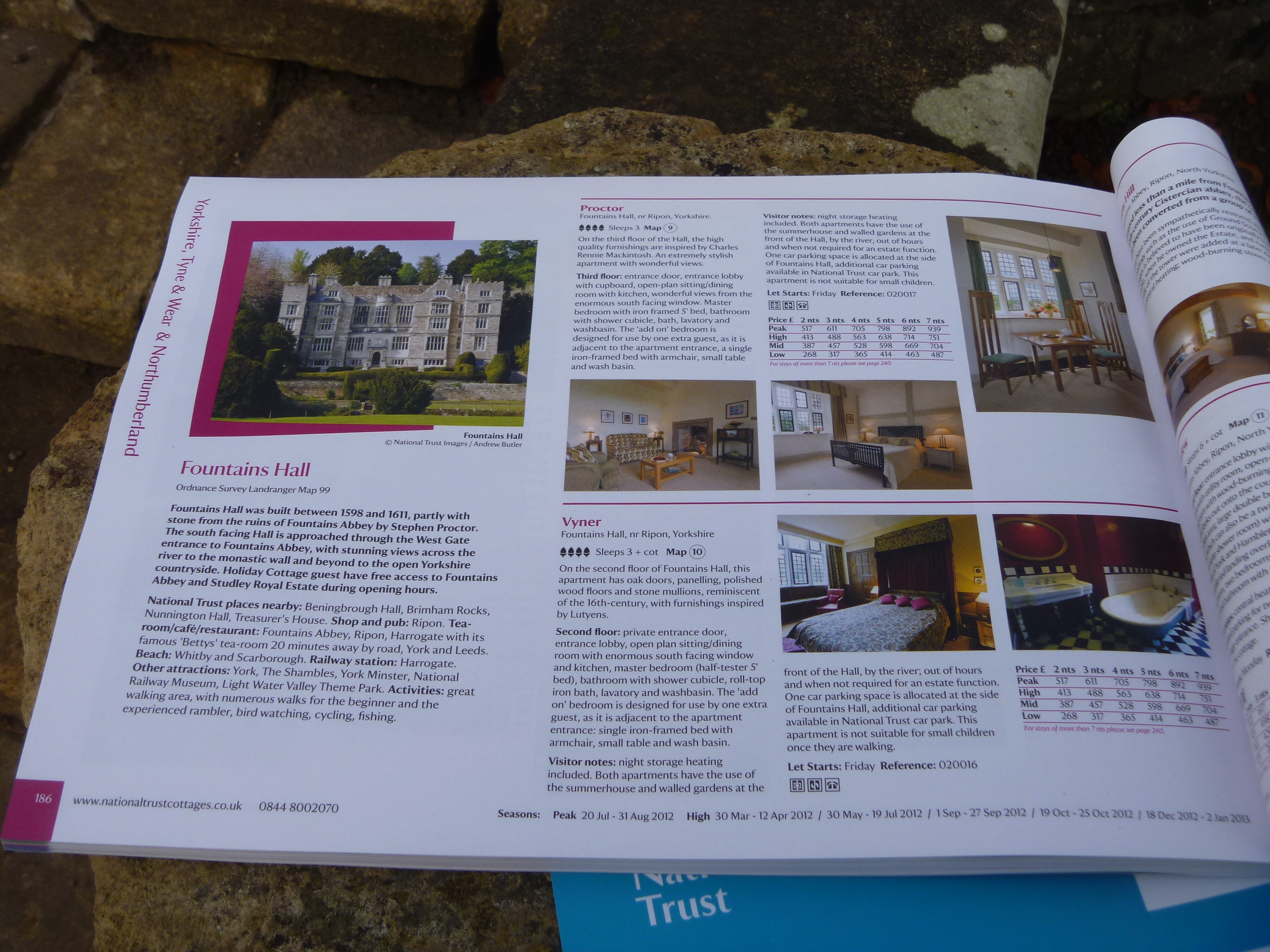
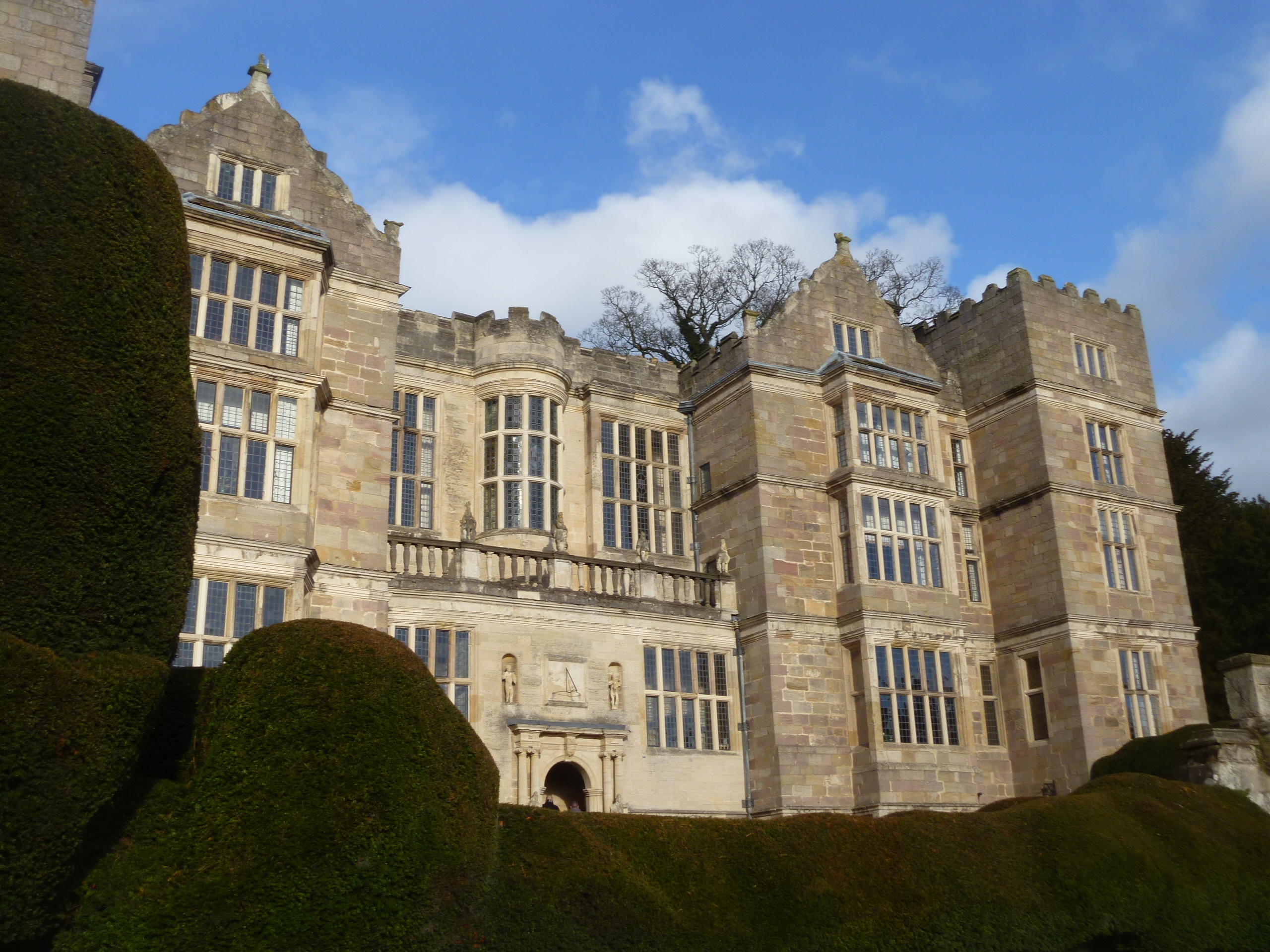
Built between 1598 and 1611 Fountains Hall is home to two apartments. On the third floor Proctor is furnished in the style of Charles Rennie Mackintosh and the views must from there must be spectacular. Below Proctor, on the second floor is Vyner furnished in the style of Edwin Lutyens.
Fountains Hall
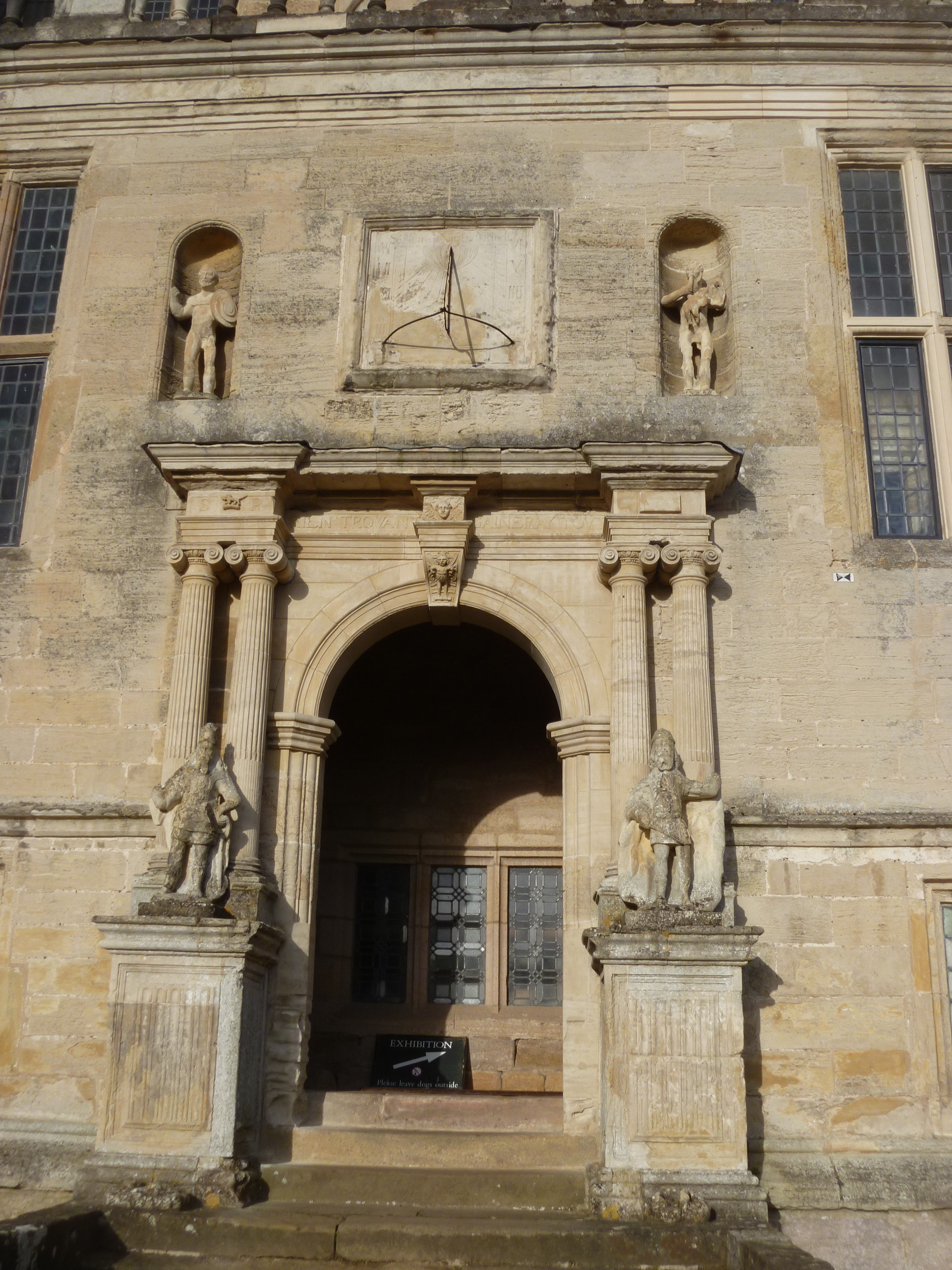
The Doorway to Fountains Hall
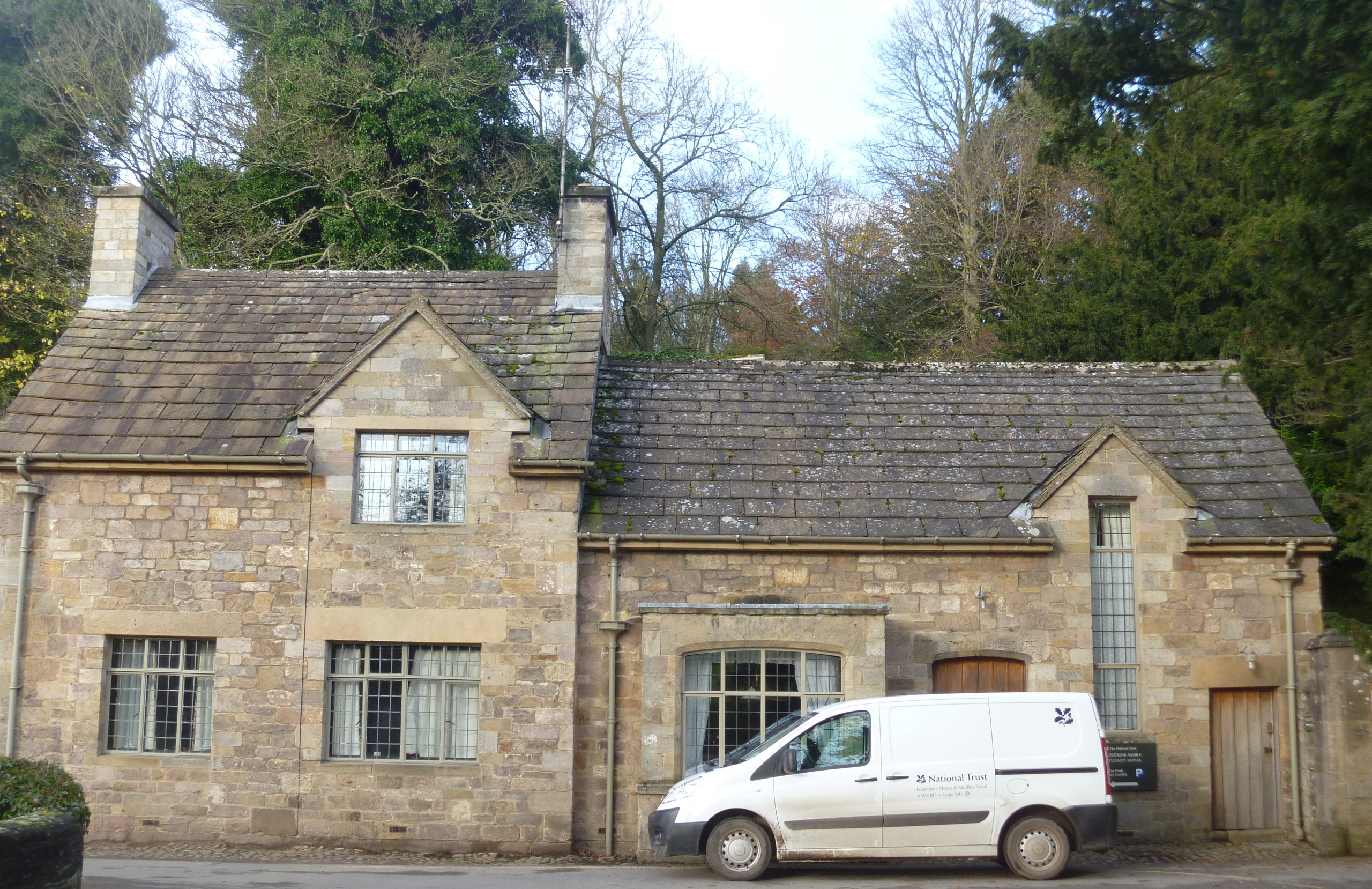
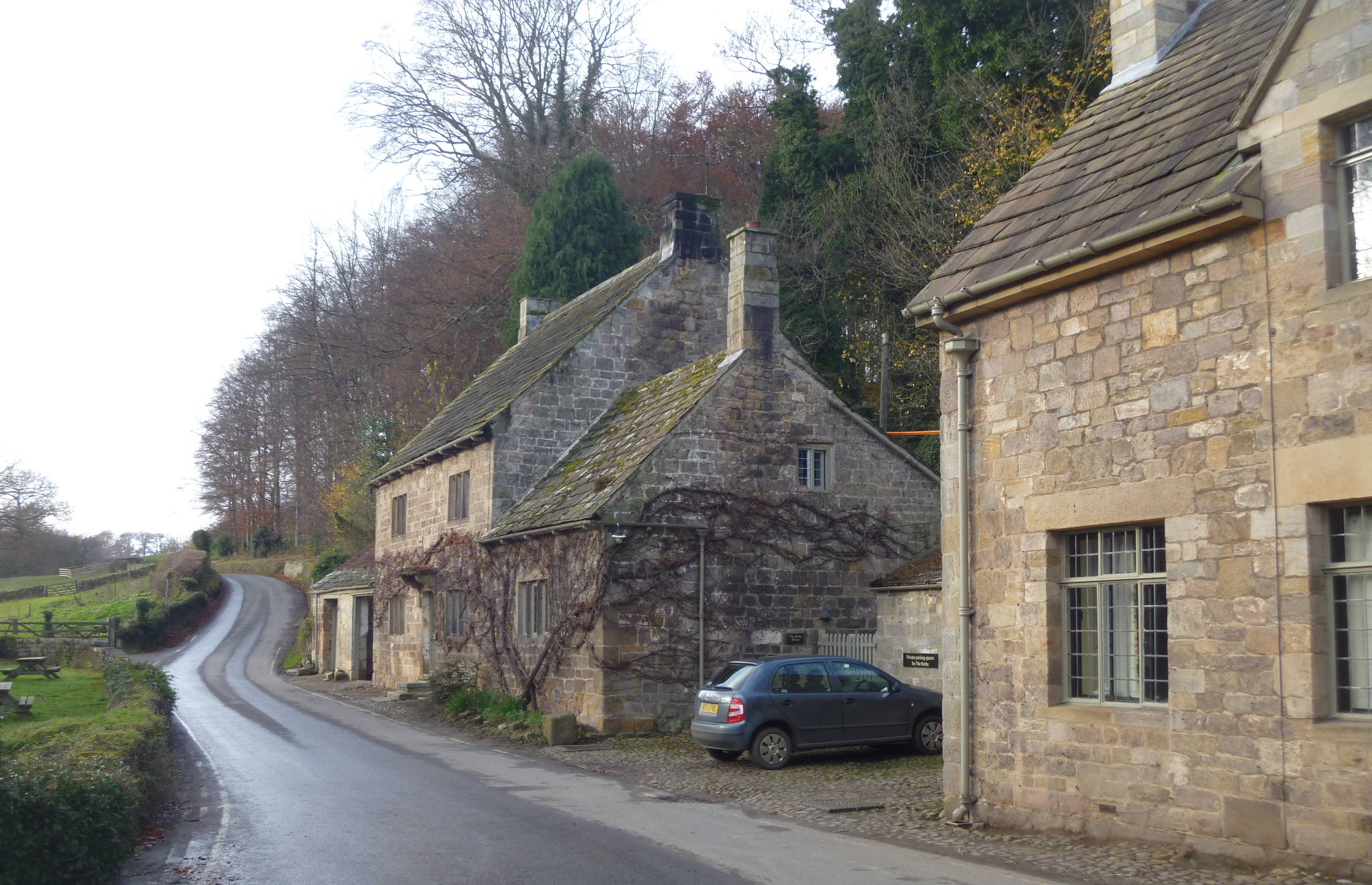
Just outside the gates of Fountains Abbey and opening straight out onto one of the minor approach roads are three self-catering cottages converted from what I remember well from a few years ago as the NT shop.
Abbey Cottage and Abbey Stores
Fountains Cottage
Until the ‘new’ Visitor Centre was opened in 1992 this was the main entrance and car park to the ruins. My, how things have changed – I couldn’t even find a space in that car park yesterday, the main car park was overflowing and the Studley Royal Car Park was full too.
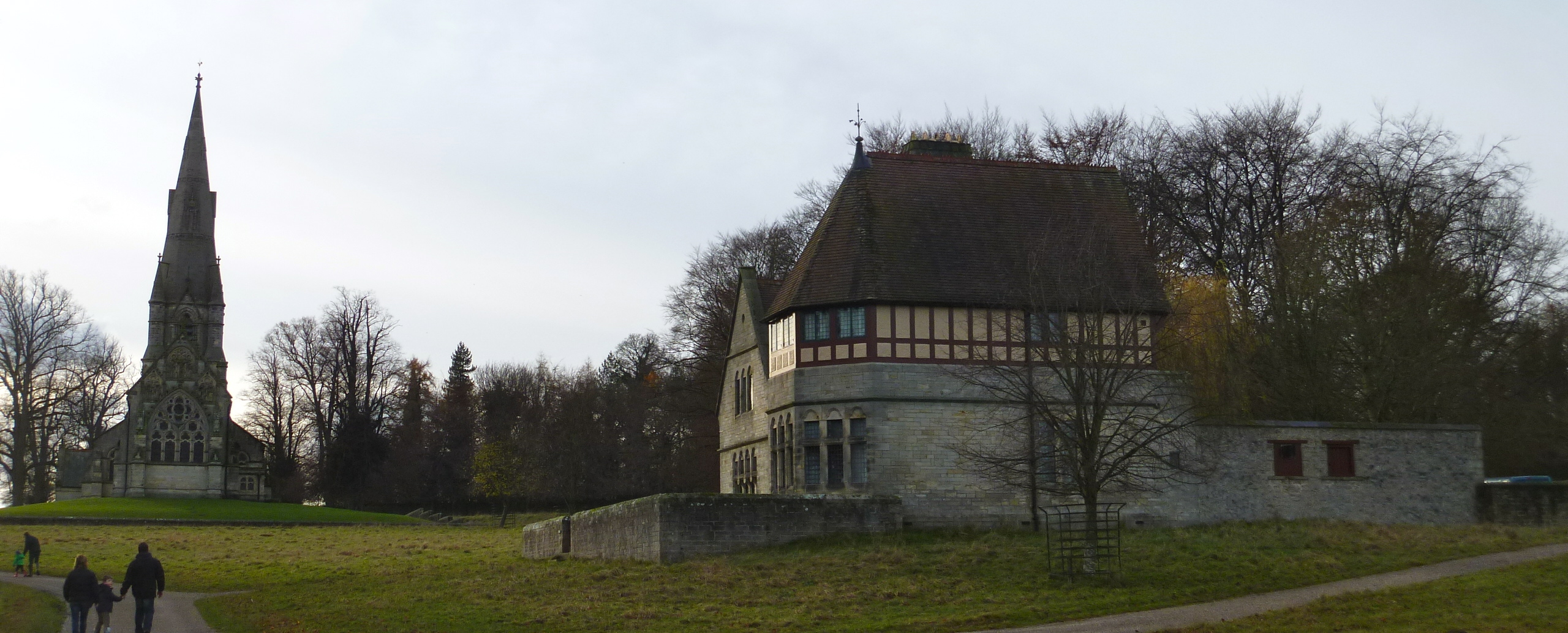
Burges’s St Mary’s Church and Choristers’ House
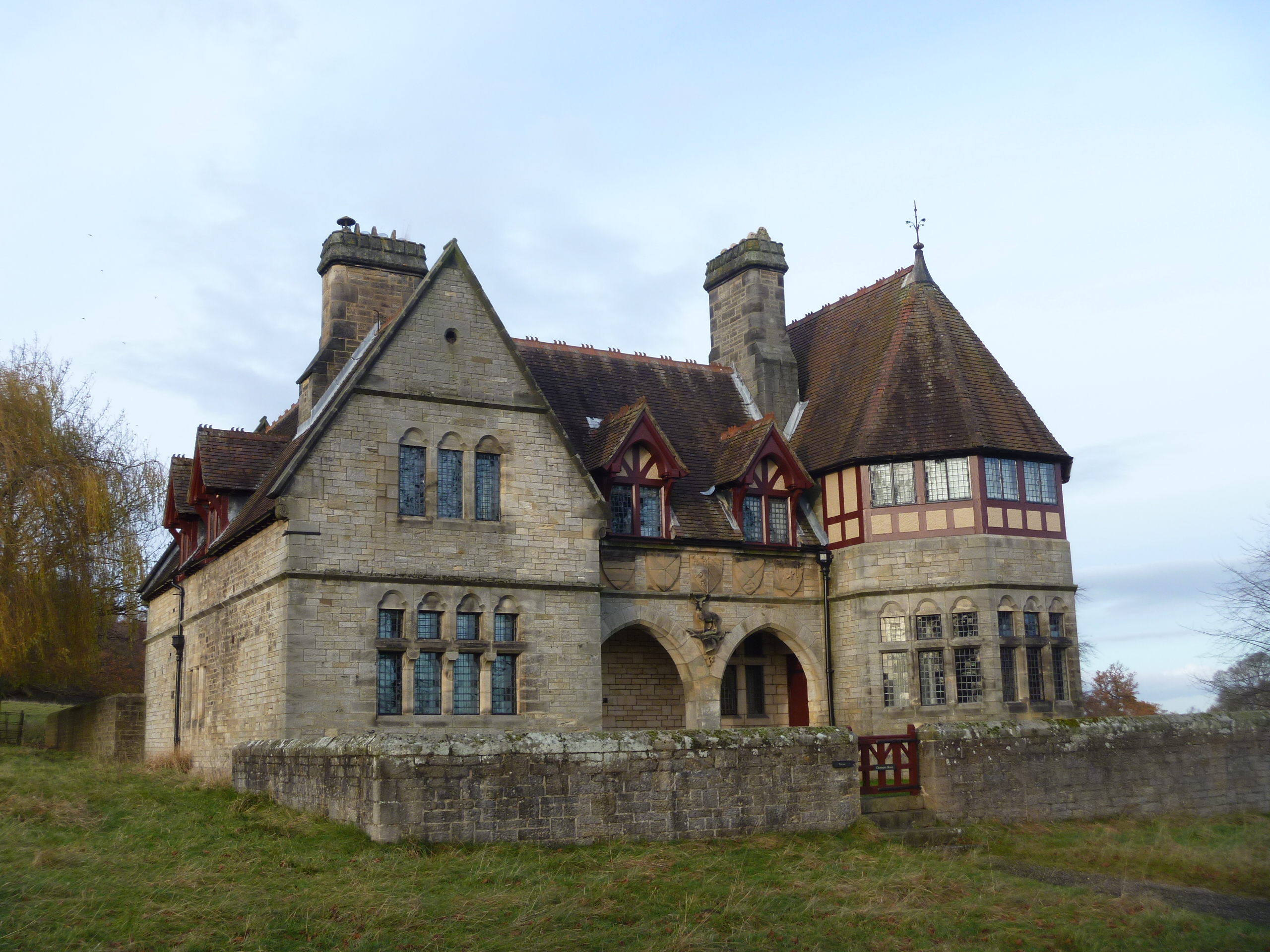
Finally, on the actual Fountains/Studley Royal Estate, a walk though the grounds from the ruins to the Lake brings you out into the Studley Royal Park. Walking along the main drive through the deer park one can clearly see Ripon Cathedral to the east and the Church of St Mary to the west. On the approach to the church, just on the right and standing detached and rather exposed, is the William Burges designed Choristers’ House which sleeps 10 and has been awarded 5 ‘acorns’ for comfort.
“Built in 1873 the original use was to house a music school along with the organist and music master. It was the Estate Office until 2001 and now it is a holiday home sleeping ten people. The interior reflects the Burges style with all existing original features maintained.” (NT Holiday Cottages Brochure)
It’s another holiday home in an outstanding location: right in the middle of a deer park.
How Hill Cottages
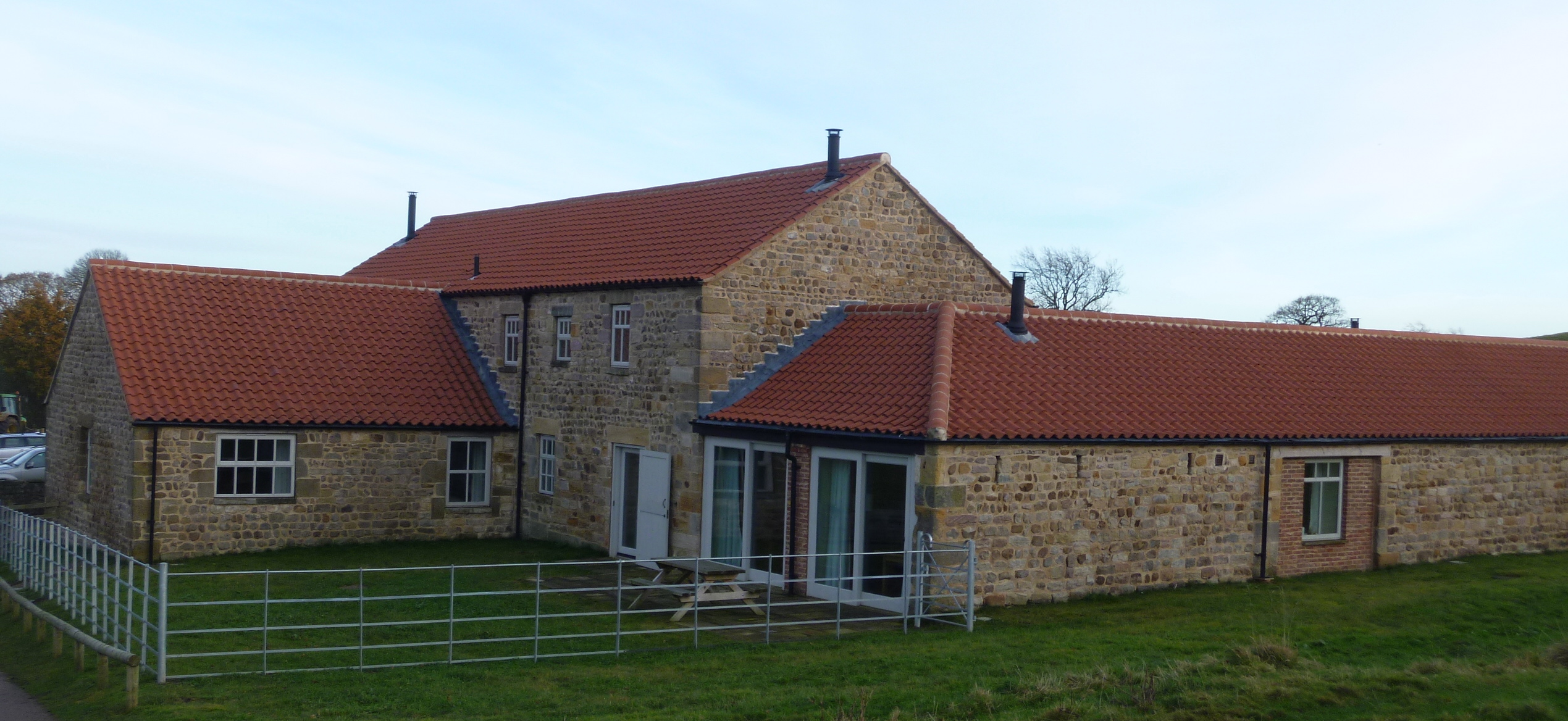
Finally, a short walk along one of the approach lanes to Fountains Abbey are the newly converted, and lately added to the portfolio, How Hill Cottages. These fall into the Trust’s “Celebration Collection” category of properties. From a group of 18th century farm buildings five self-catering units (using the most up-to-date green technology) have been created.
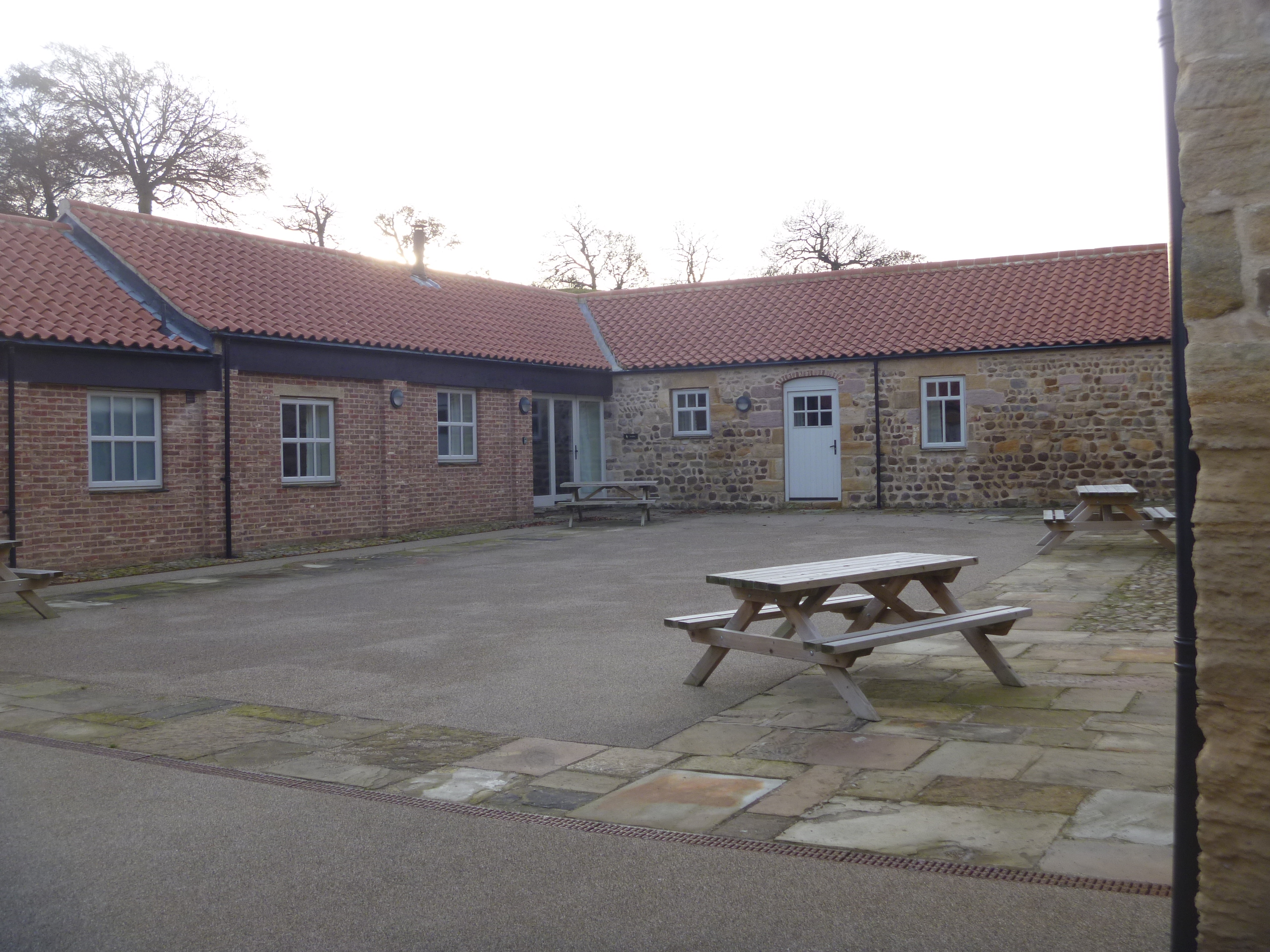
The Shared Courtyard at How Hill
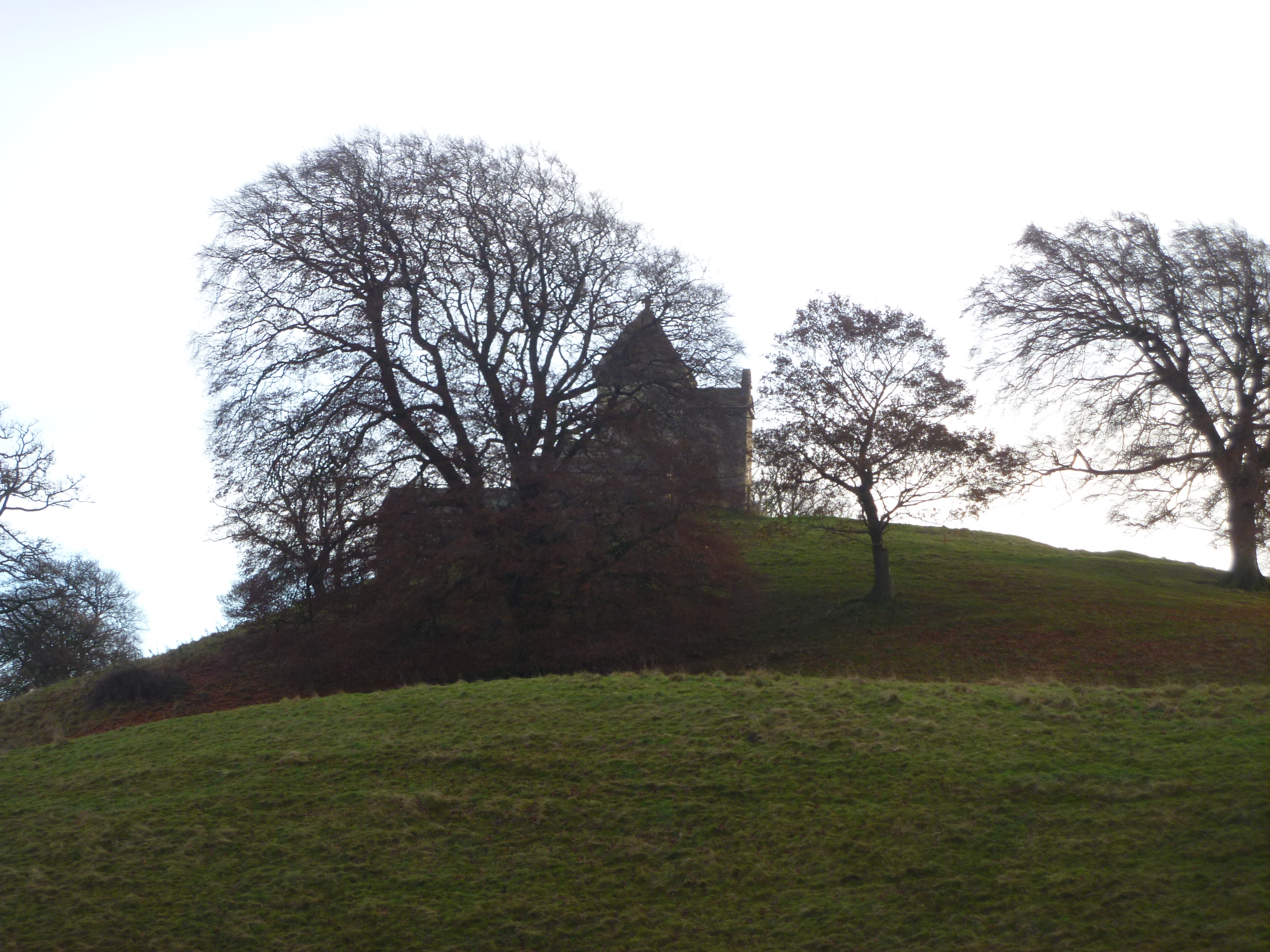
“The tower on the hill behind the cottages is believed to have been originally built as an outlying chapel for the Abbey. It was restored by John Aislabie, when he owned the Estate, and rumour has it that he used it as a gambling den.” (NT Cottages Brochure, 2012)
How Hill Tower
The cottages share a single sheltered courtyard and there are magnificent views, including some of the Fountains Abbey buildings from a couple of them. Each is named after a bird : Curlew, Lapwing, Wren, Swallow and Lark.
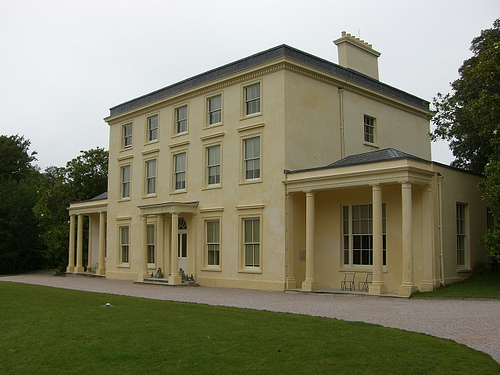
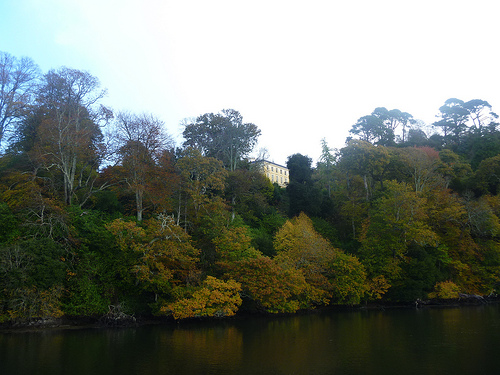
It was great news when The National Trust announced in 2000 that they had received the gift of Greenway to add to their inventory, although the house did not open to the public until 2009. Being a regular visitor to Devon I made particular point of arranging a visit to Greenways on 22nd August that year. I’d seen the house, perched above the River Dart, several times from river excursion boats and apparently travelling by river boat (The Green Way) is the best way to approach it.
But I had my elderly mother in tow so we booked a car parking space and a table in the restaurant (converted from Agatha’s own kitchen). The gardens are beautiful and varied and paths lead up above the house to the kitchen garden and down to the River Dart and the Greenway Boat House.
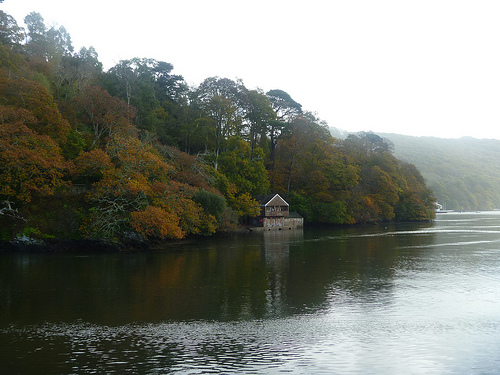
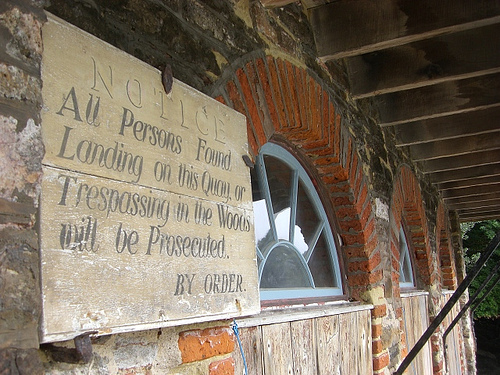
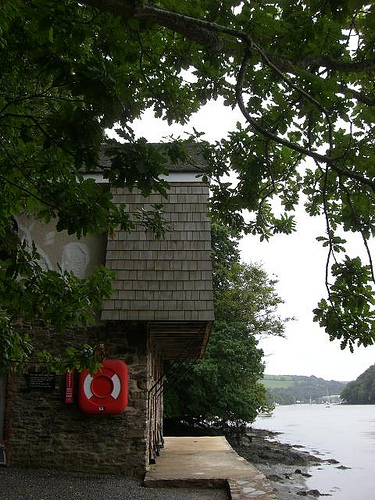
Greenway Boat House from the River Dart: featured in Agatha Christie’s ‘Dead Man’s Folly’.
The Greenway Boat House (above and below)
Agatha Christie used the boathouse as the location for the fictional murder of Marlene Tucker in ‘Dead Man’s Folly’
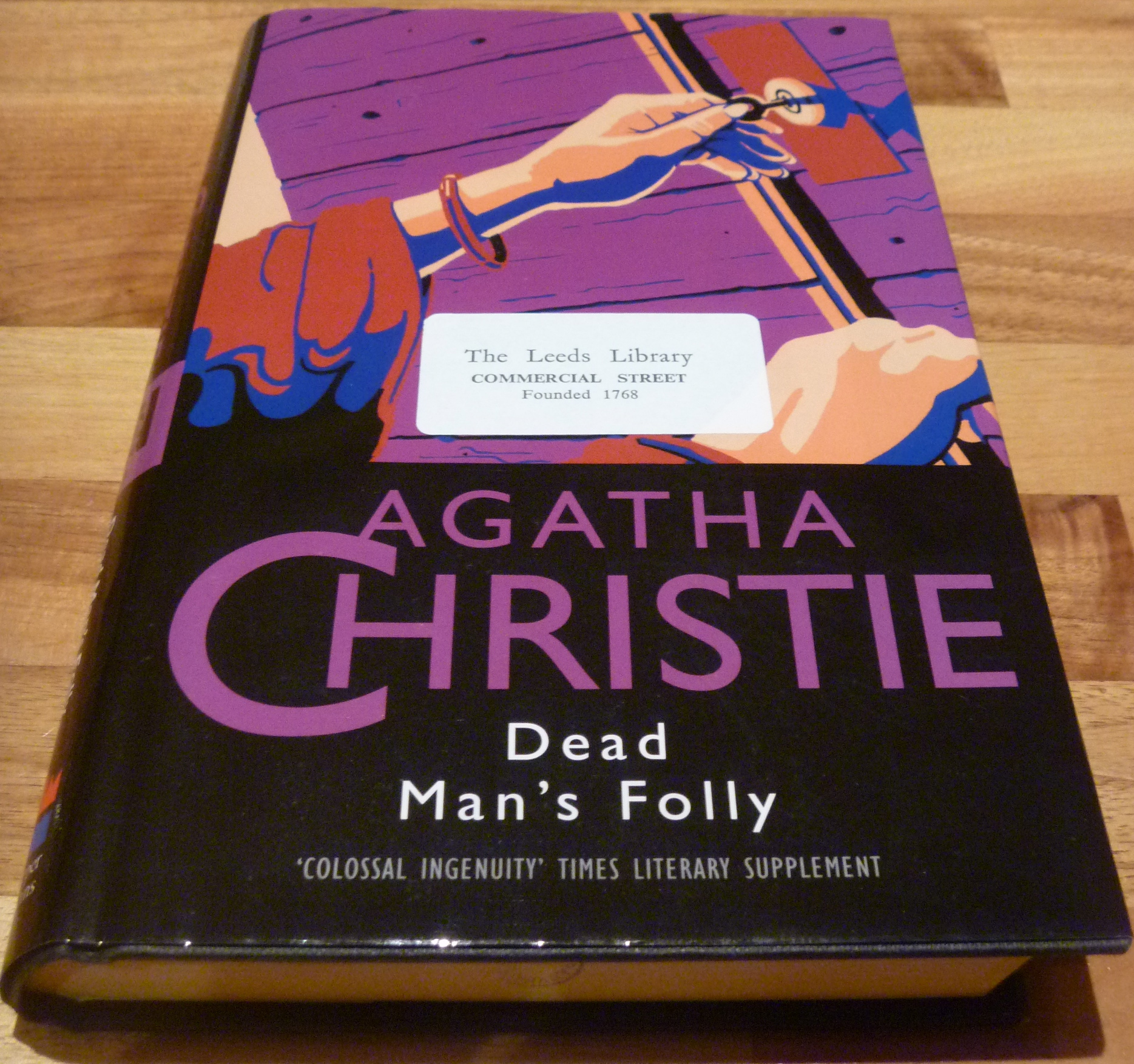
We made a tour of the house with an introduction by a room steward and were then left to our own devices. I don’t have any interior photos so we were probably asked not to take any. My question to the guide was “Which books did Agatha actually write here?”. The answer was “None”. She used the house as a summer retreat and invited guests of friends and family to join her. Here she would read her latest manuscript to these guests in the evenings before publication in the following autumn. However, one book was written based entirely around the Greenway location : “Dead Man’s Folly“. I read loads of Christie novels in my late teens but have never gone back to them since. With the exception of DMF which I bought secondhand the day after visiting the house and read straightaway. All the locations came back to me with immediate clarity. The boat house featured as the location where the murder took place.
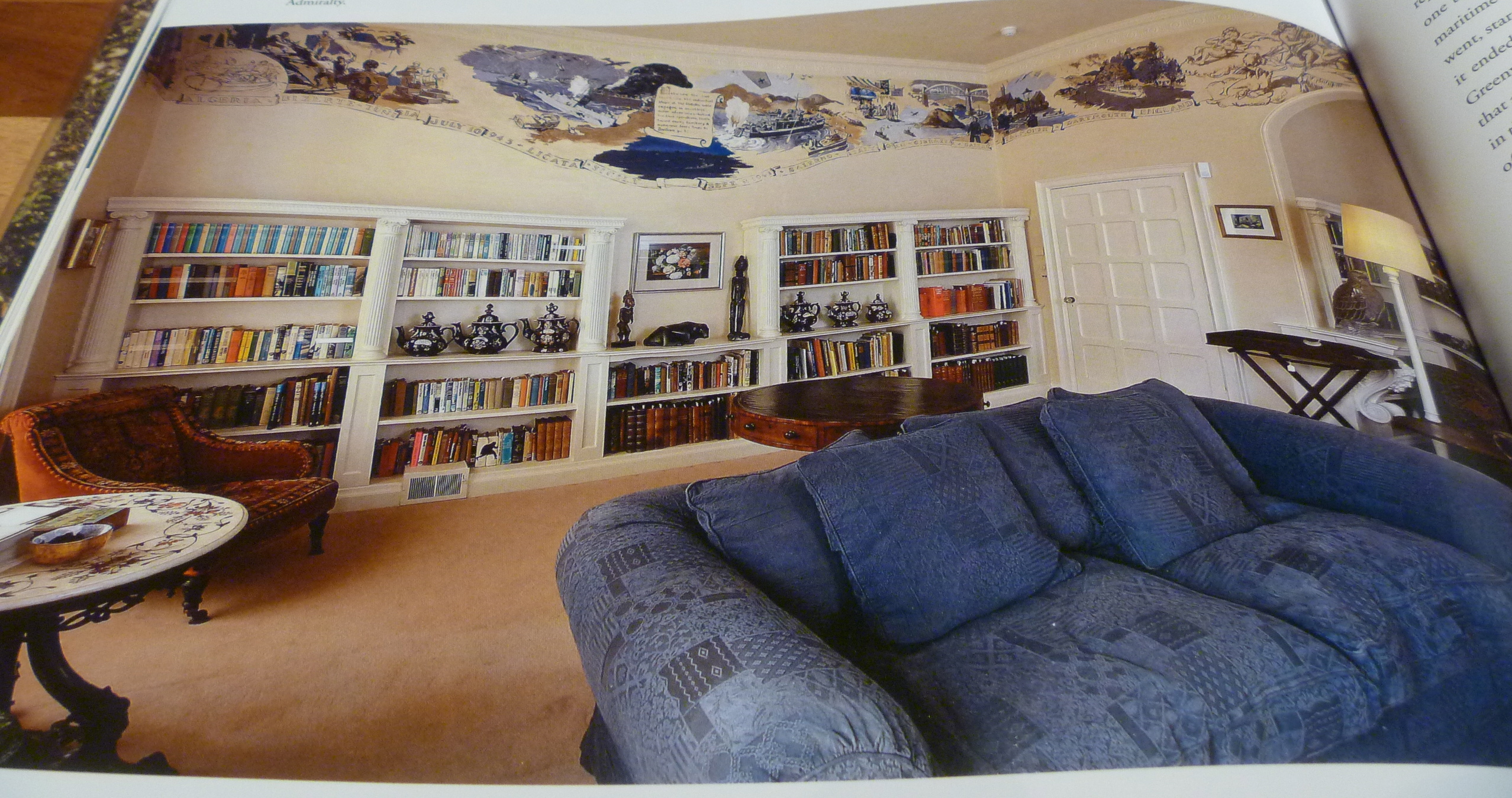
[The frieze was painted by Lieutenant Marshall Lee when he was stationed at Greenway by the US Navy. The house had been requisitioned by the Admiralty during the Second World War.]
After our house tour we used the servants’ entrance to the dining room where only 3 or 4 tables were set for lunch. We enjoyed our meal surrounded by Agatha Christie’s cookery books and kitchen equipment.
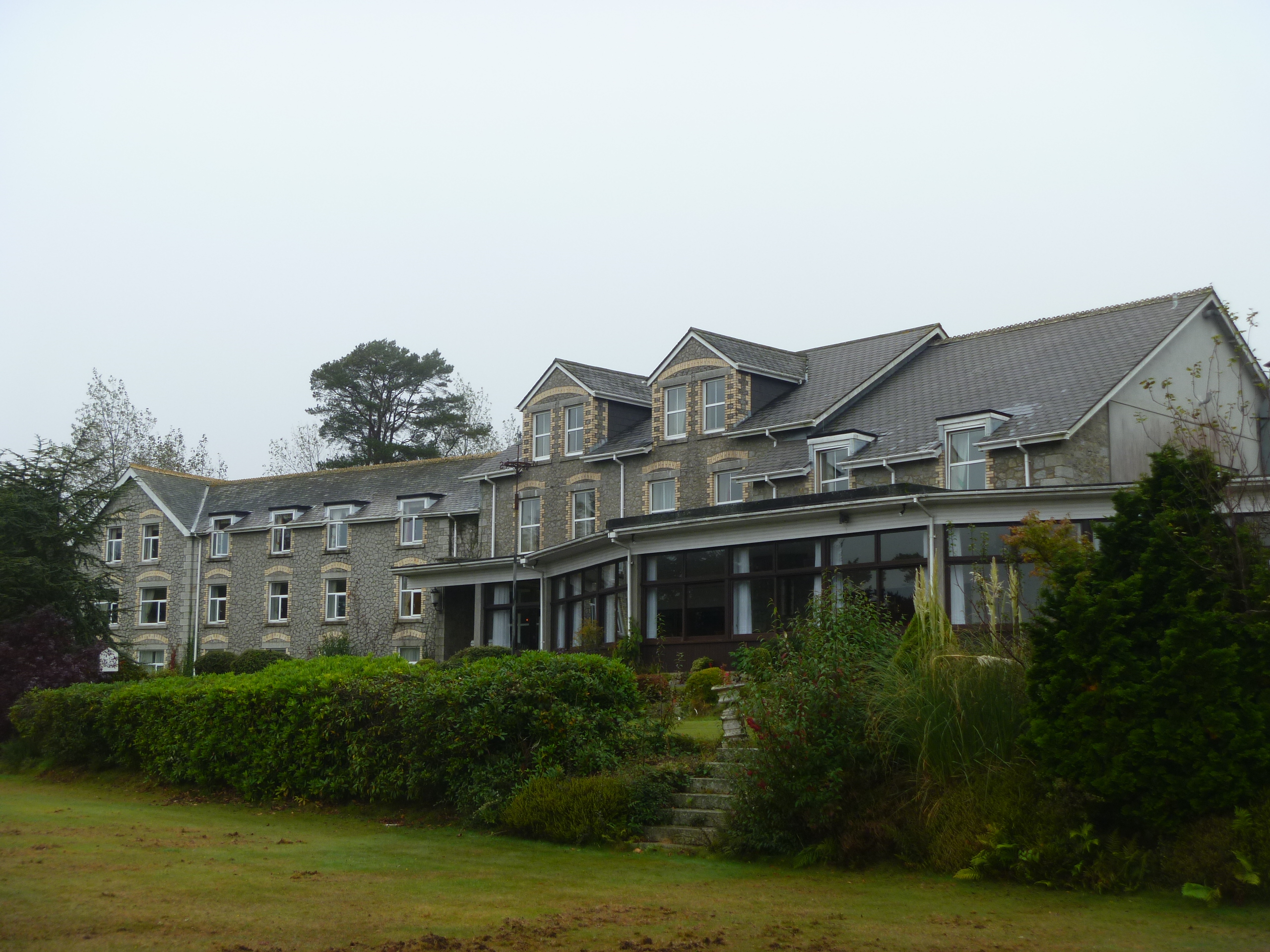
Moorlands Hotel
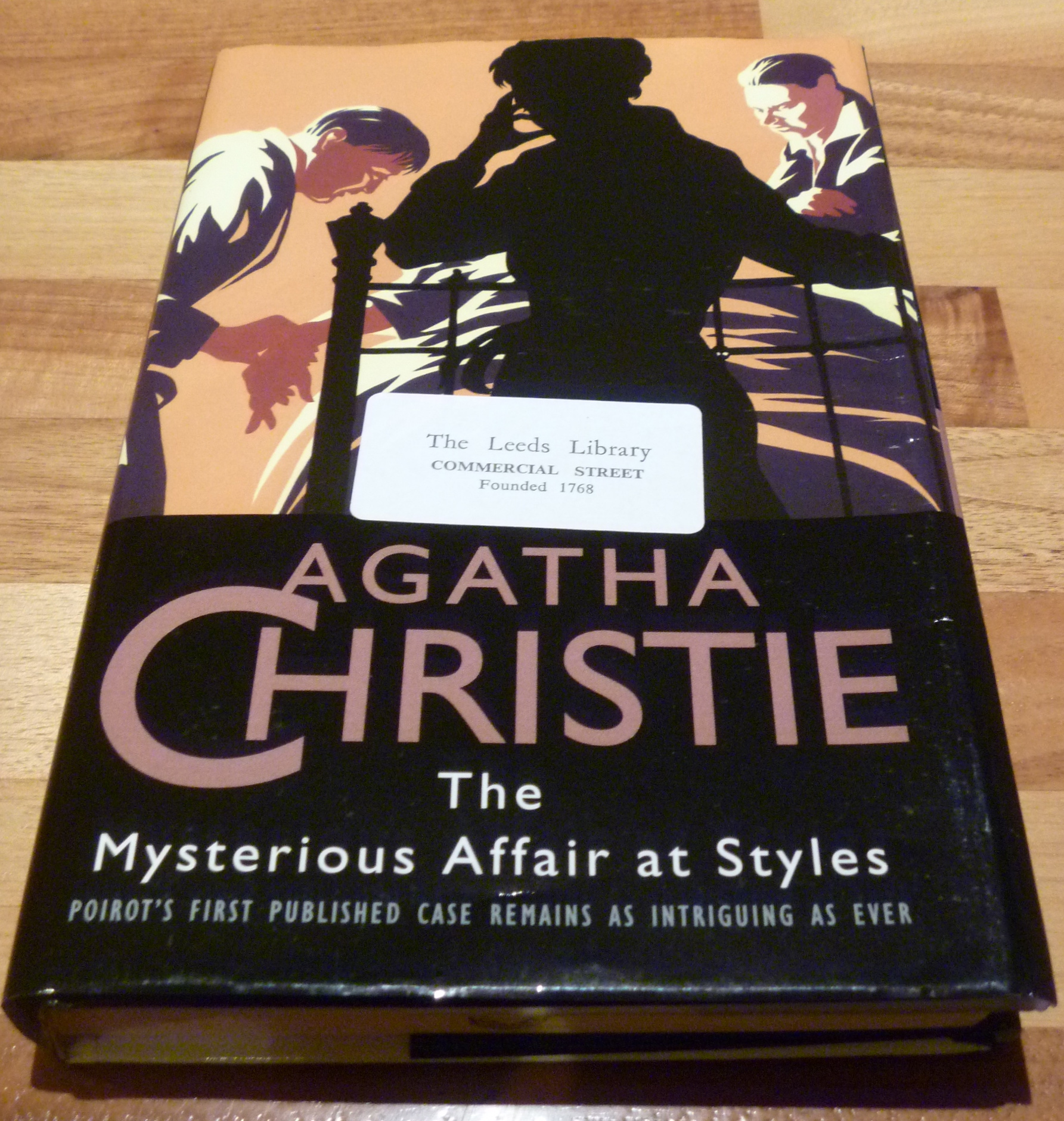
Interestingly, I have come across two hotels with Agatha Christie connections within just a couple of weeks. The first is Moorlands near Haytor just on the edge of Dartmoor. Whilst staying here Agatha Christie was inspired to write her first book, The Mysterious Affair at Styles.
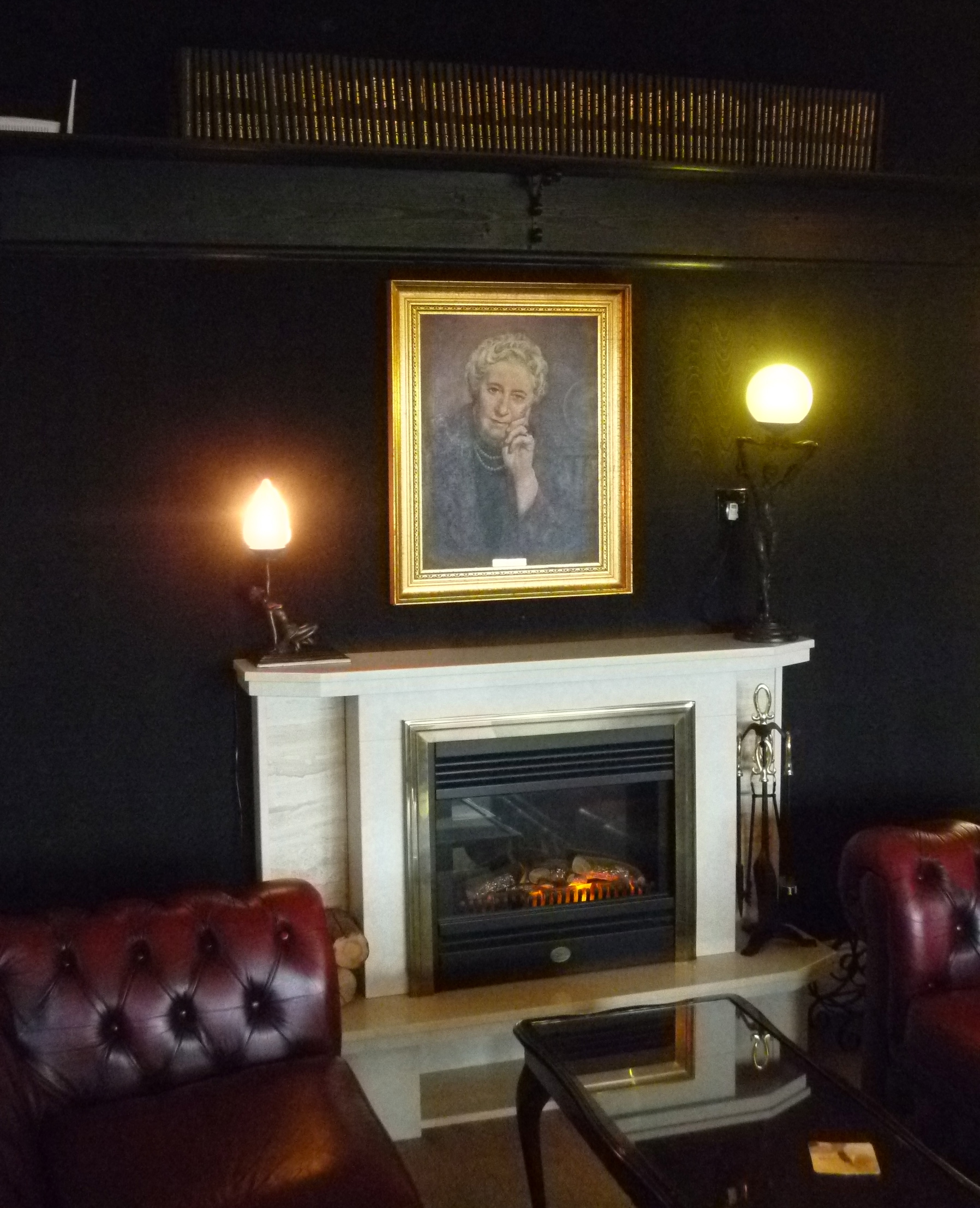
Moorlands is now a hotel belonging to the HF Holidays organization and it was just steps away from our cottage on Dartmoor in October. There’s a lovely cafe (with wifi) – Dandelions – which is open to non-residents. I already knew about the Christie connection and asked to see the picture.
Agatha Christie Portrait and Complete Works
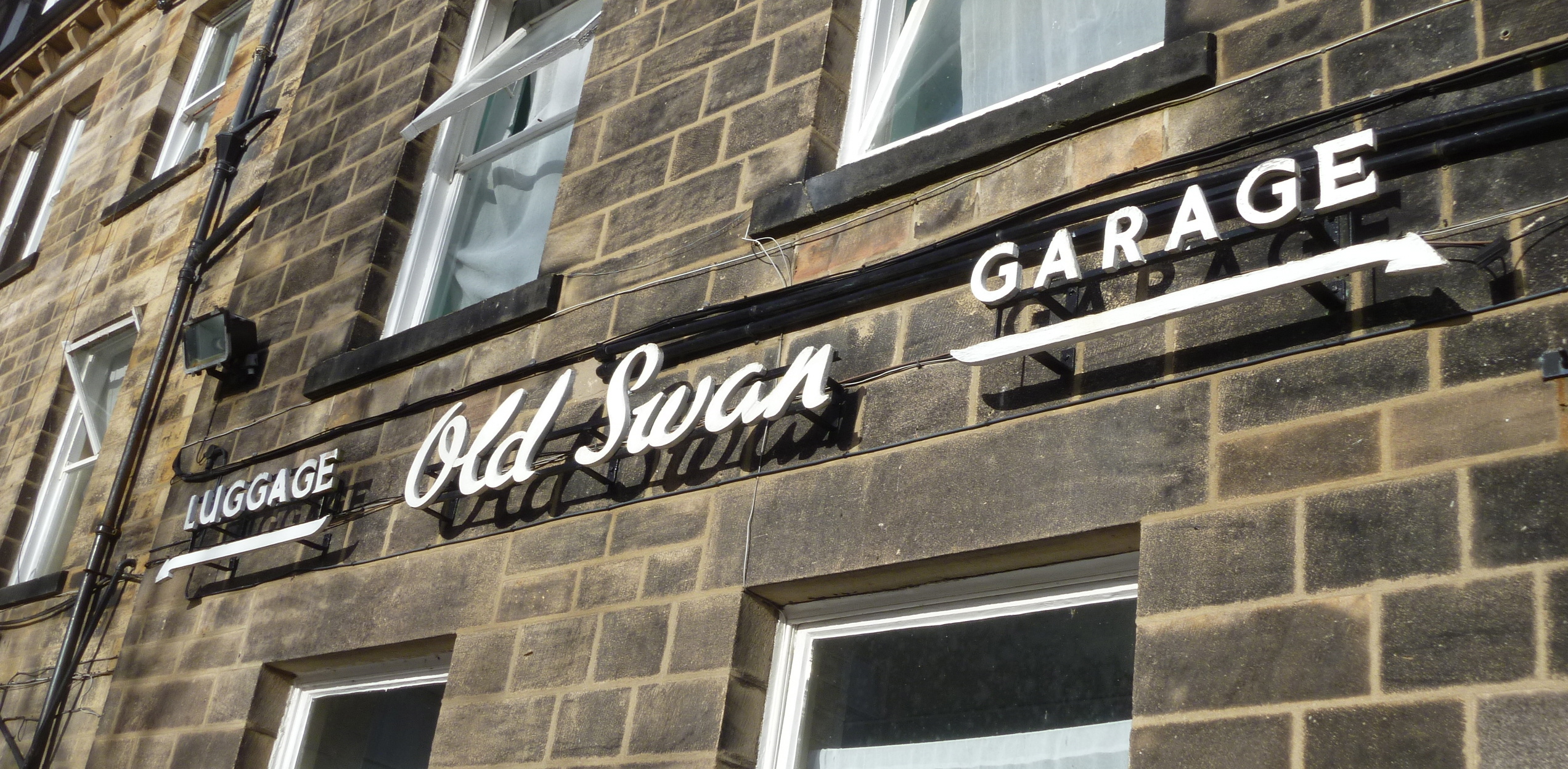
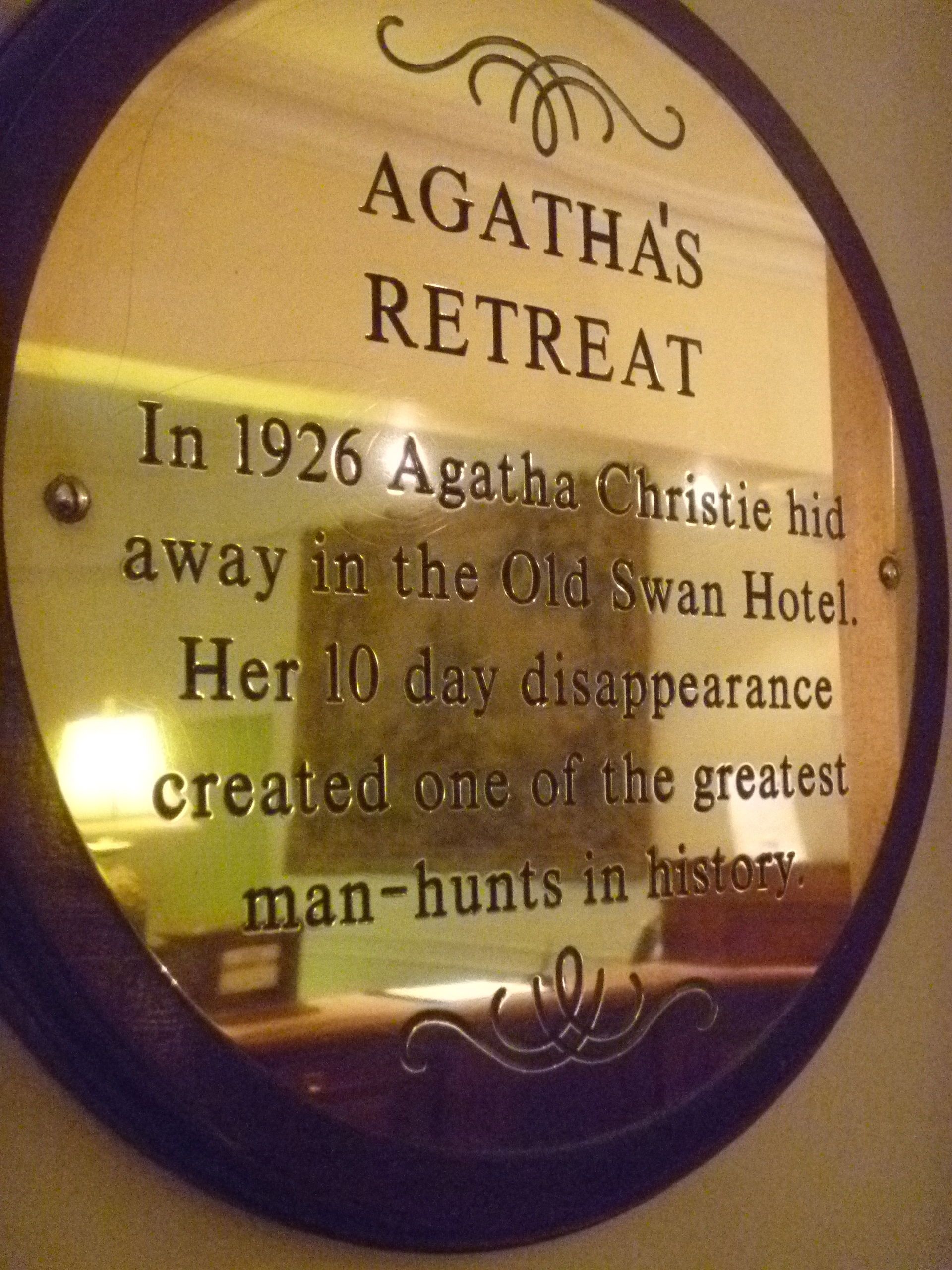
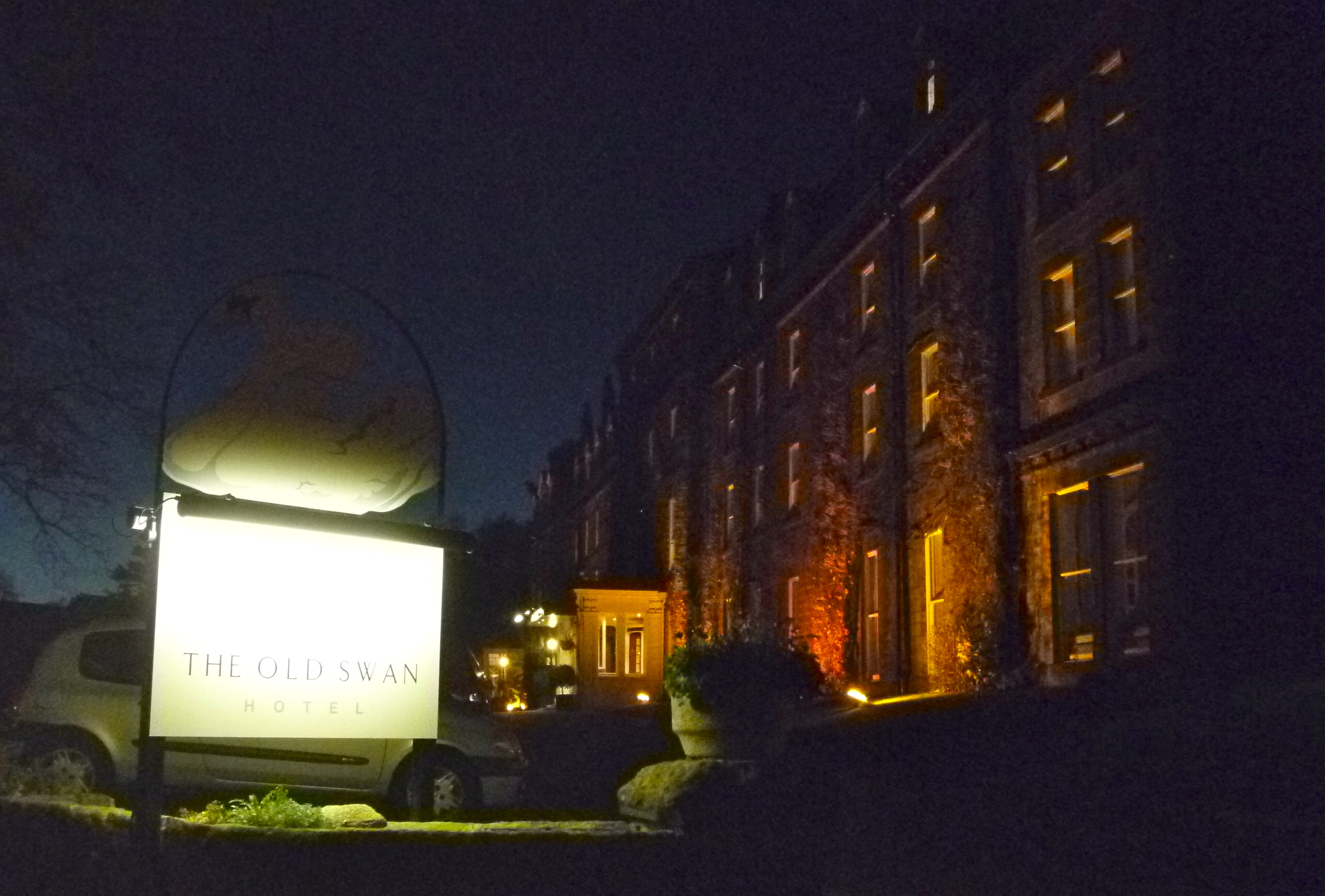
Then this weekend I visited a friend who was staying at The Old Swan Hotel in Harrogate. This was the hotel where AC was found 10 days after she mysteriously disappeared following her husband’s revelation that he was leaving her for another woman.
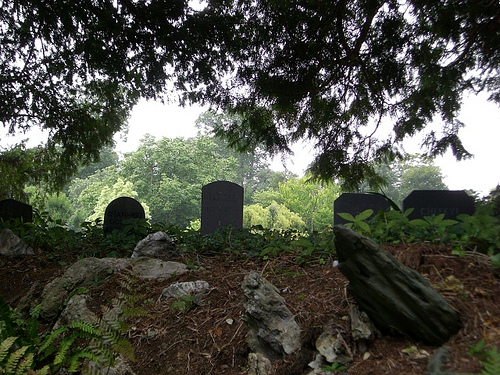
And finally, what do Agatha Christie, The Duke and Duchess of Windsor and Edith Wharton (all featured in these pages) have in common? Answer : they all had doggie cemeteries for their own pets.
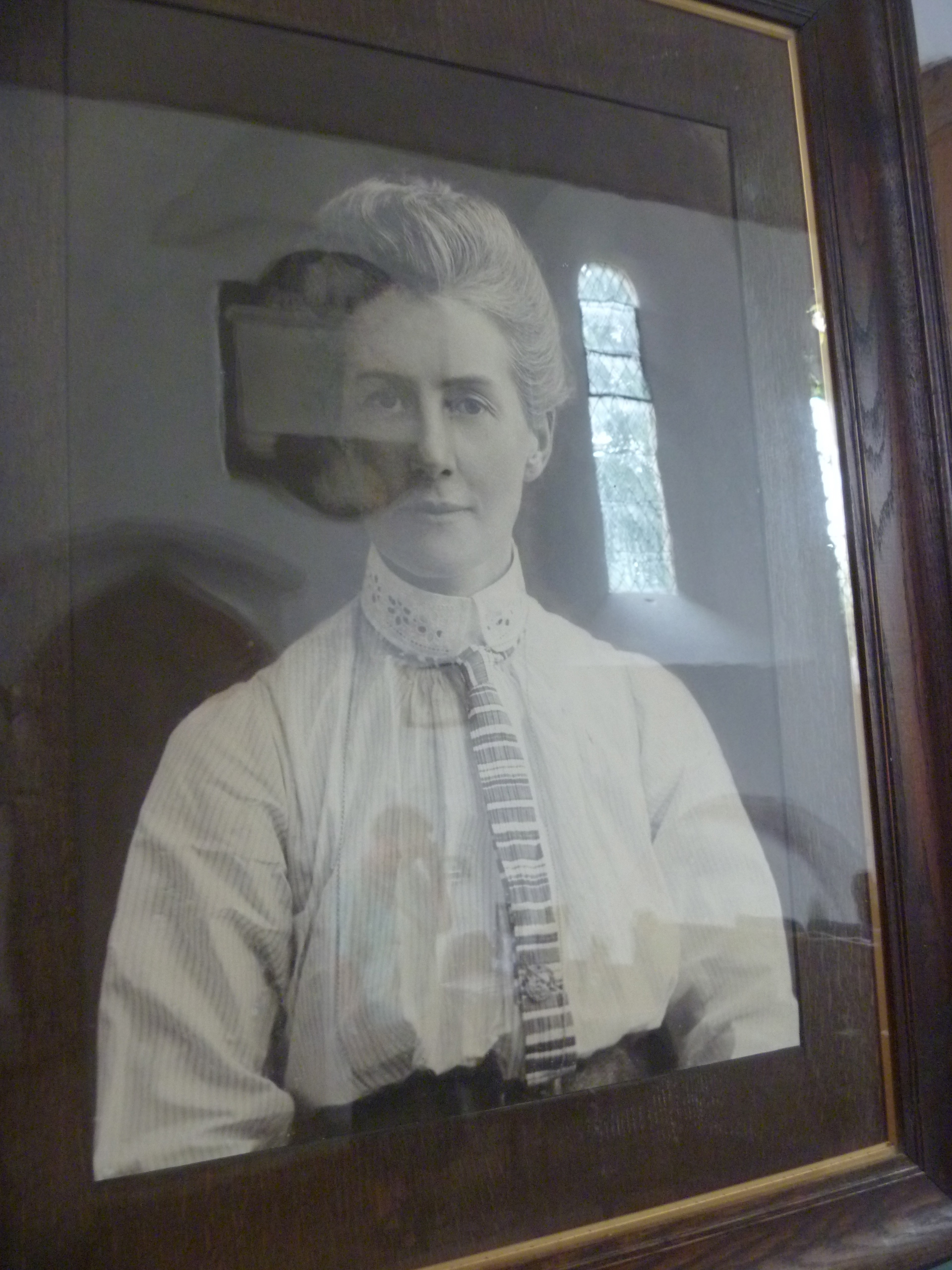
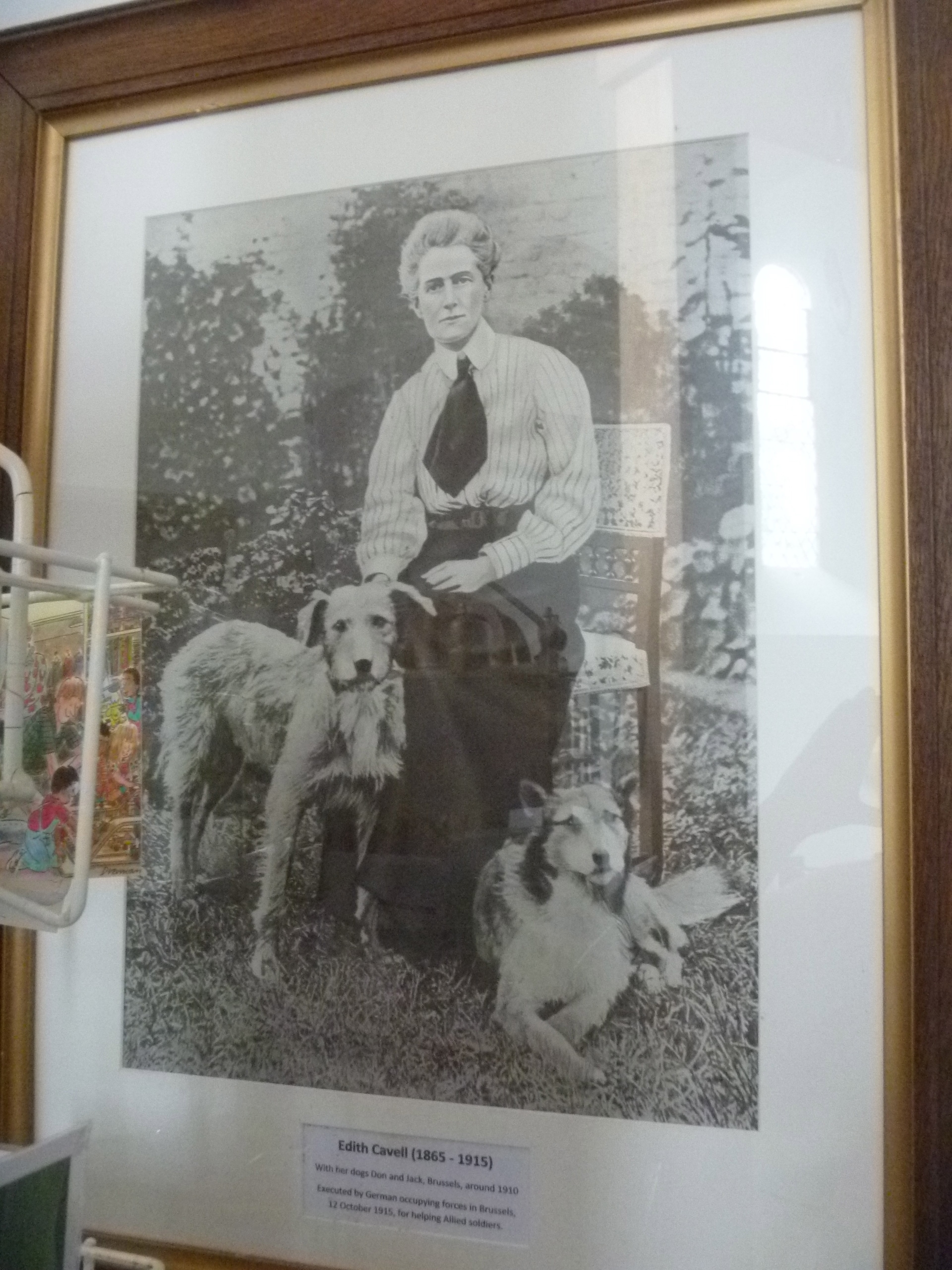
Photograph of Nurse Edith Cavell displayed in St Mary’s Church, Swardeston
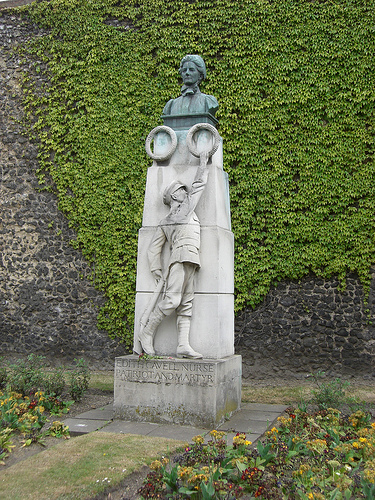
Growing up in Norwich I have always known about Edith Cavell our local Norfolk heroine of the First World War. My school bus passed by the Memorial to her located outside the Erpingham Gate at Norwich Cathedral, her grave lies within the Cathedral precincts and we had a school house called ‘Cavell’.
The Norwich Memorial to Edith Cavell
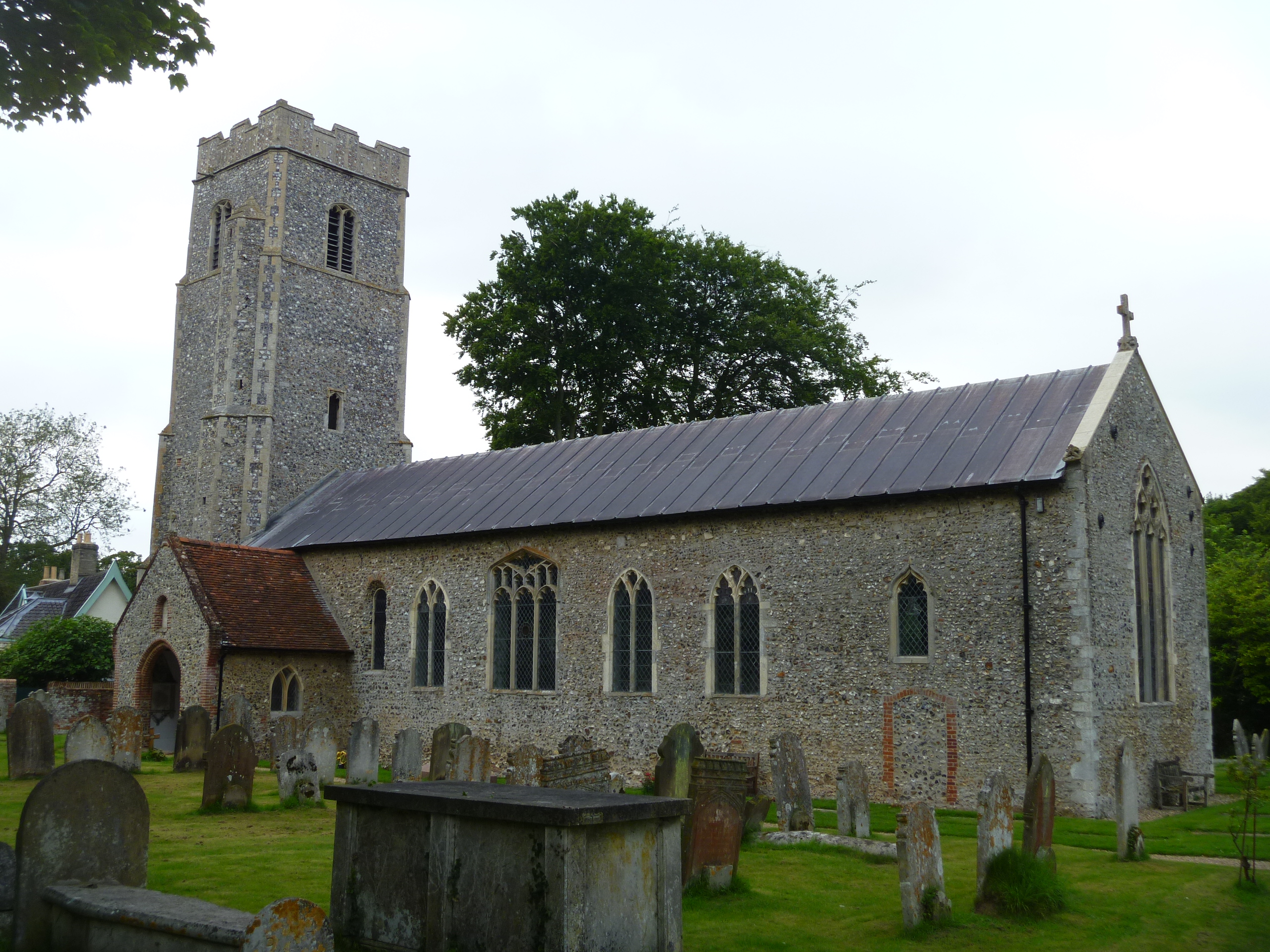
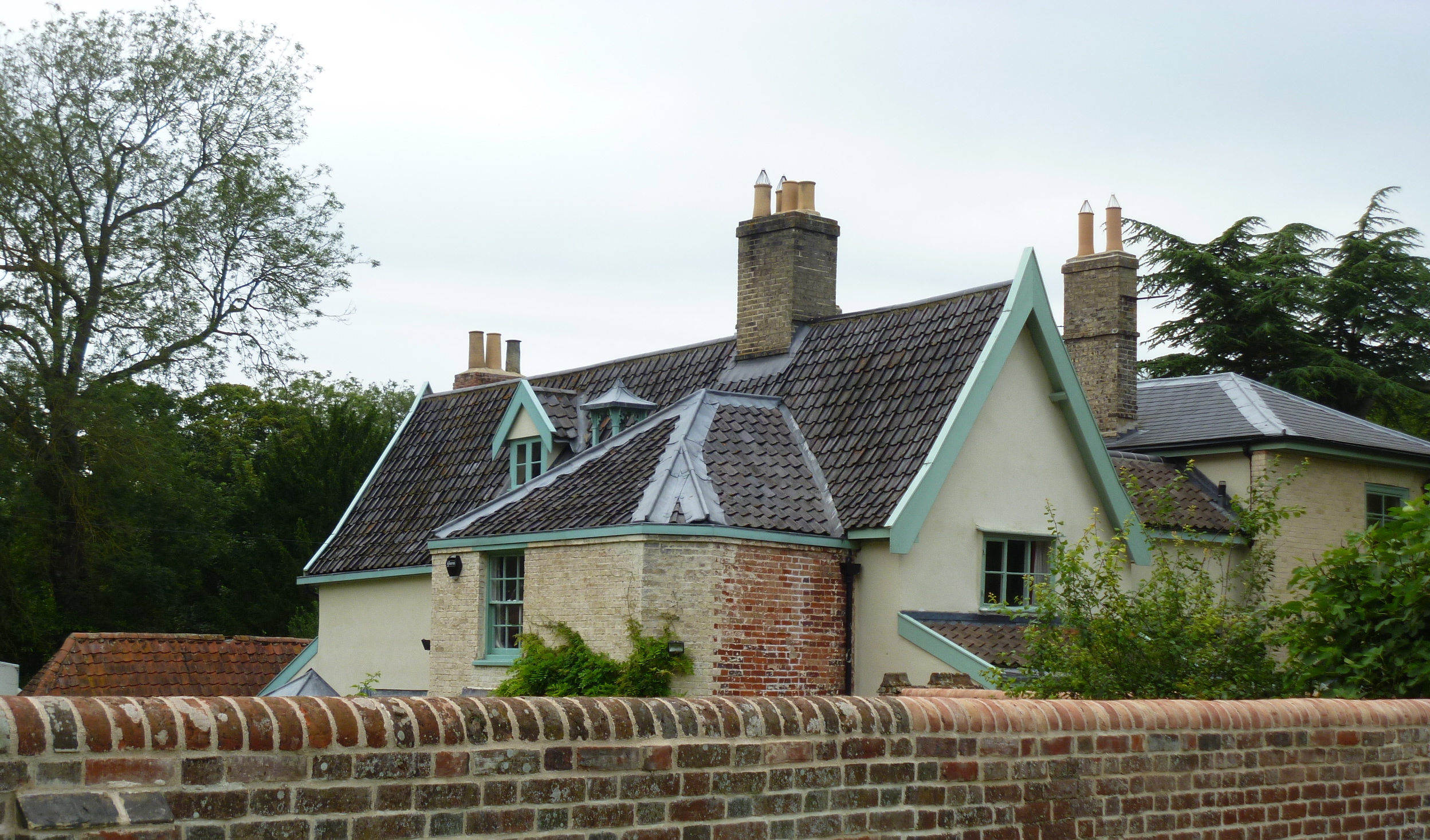
Born at Swardeston House in 1865 the family of the Reverend Frederick Cavell moved the following year in to the new Swardeston Vicarage which Edith’s father had paid to have built on land next to his parish church of St Mary the Virgin.
St Mary’s Church, Swardeston
Swardeston Vicarage Today
It was here that Edith Cavell spent her early days. You can read much more about her early life, interests, education and travels here.
Edith Cavell in 1910 with her two adopted stray dogs Jack and Don (photo in Swardeston Church)
She had worked in Brussels, become fluent in French and later trained as a nurse working at times in both London and Brussels. She later turned to nurse training and such was her attachment to Belgium that when she heard of the invasion of Belgium by the Germans in 1914 she returned to that country and was already nursing there when Britain declared war on Germany on 3rd August 1914.
To Edith all men were equal and to be treated so at her hospital. She not only treated and nursed German and Belgian soldiers she later became involved in assisting British soldiers who were wounded and cut off from their retreating army beyond the front line.
“Edith also faced a moral dilemma. As a ‘protected’ member of the Red Cross, she should have remained aloof. But like Dietrich Bonhoeffer in the next war, she was prepared to sacrifice her conscience for the sake of her fellow men. To her, the protection, the concealment and the smuggling away of hunted men was as humanitarian an act as the tending of the sick and wounded. Edith was prepared to face what she understood to be the just consequences.” (Edith Cavell website)
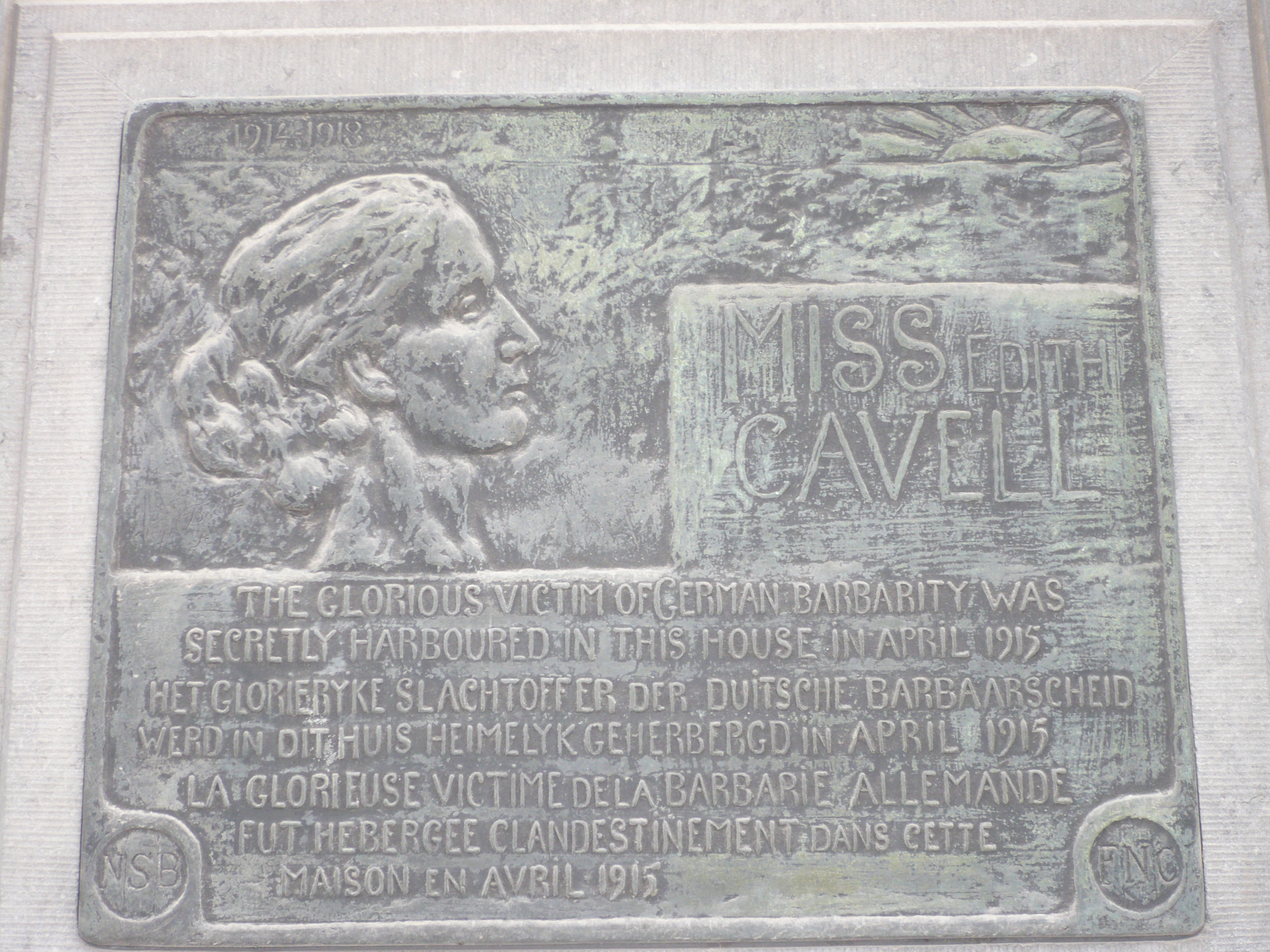
Plaque attached to a house in Ghent (Courtesy RB)
In August 1915 Edith was interned and the date for her execution as a collaborator was set as 12 October 1915. The evening before the English chaplain Stirling Gahan was allowed to visit her in her prison cell. There she received Holy Communion and they recited the words of the hymn Abide With Me together. This is what she said to him :
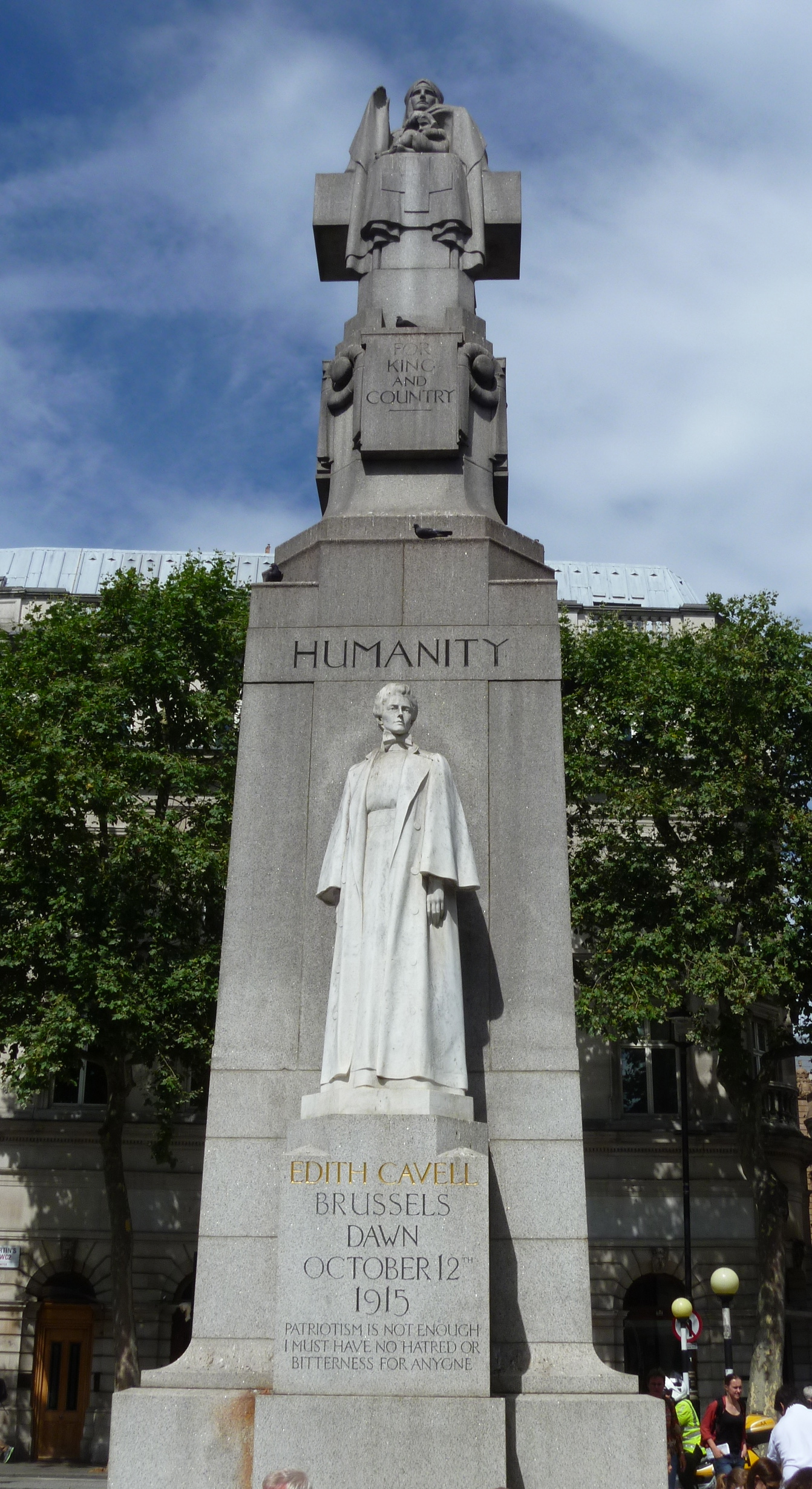
“I am thankful to have had these ten weeks of quiet to get ready. Now I have had them and have been kindly treated here. I expected my sentence and I believe it was just. Standing as I do in view of God and Eternity, I realise that patriotism is not enough, I must have no hatred or bitterness towards anyone”.
Despite Spanish and American attempts at intervention she was shot at dawn on Tuesday 12 October 1915.
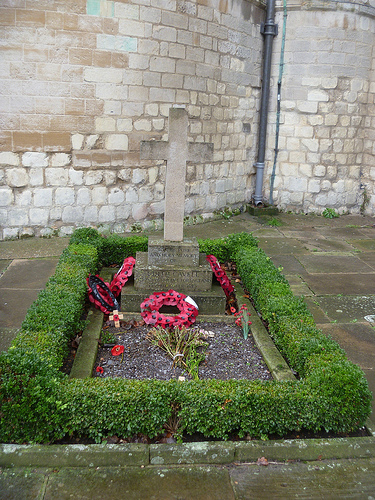
Edith Cavell’s Grave at Life’s Green
After the War, in 1919, Edith Cavell’s body was returned to England and a funeral service was held at Westminster Abbey on 15 May. A special train brought her remains to Norwich station from where she was buried in a spot called Life’s Green in the grounds of Norwich Cathedral. Ironically, her coffin was carried on a gun carriage!
Books and Film
YouTube film Edith Cavell (1939) starring Anna Neagle
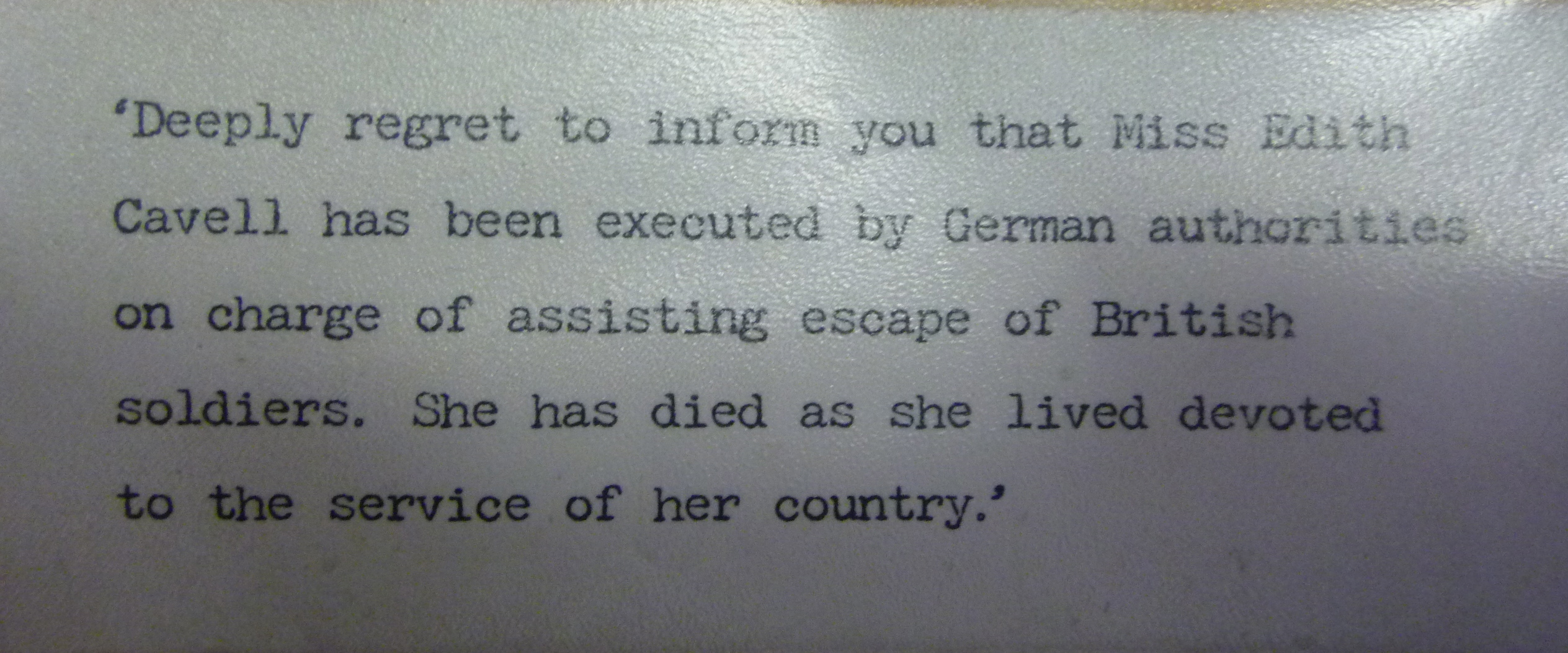
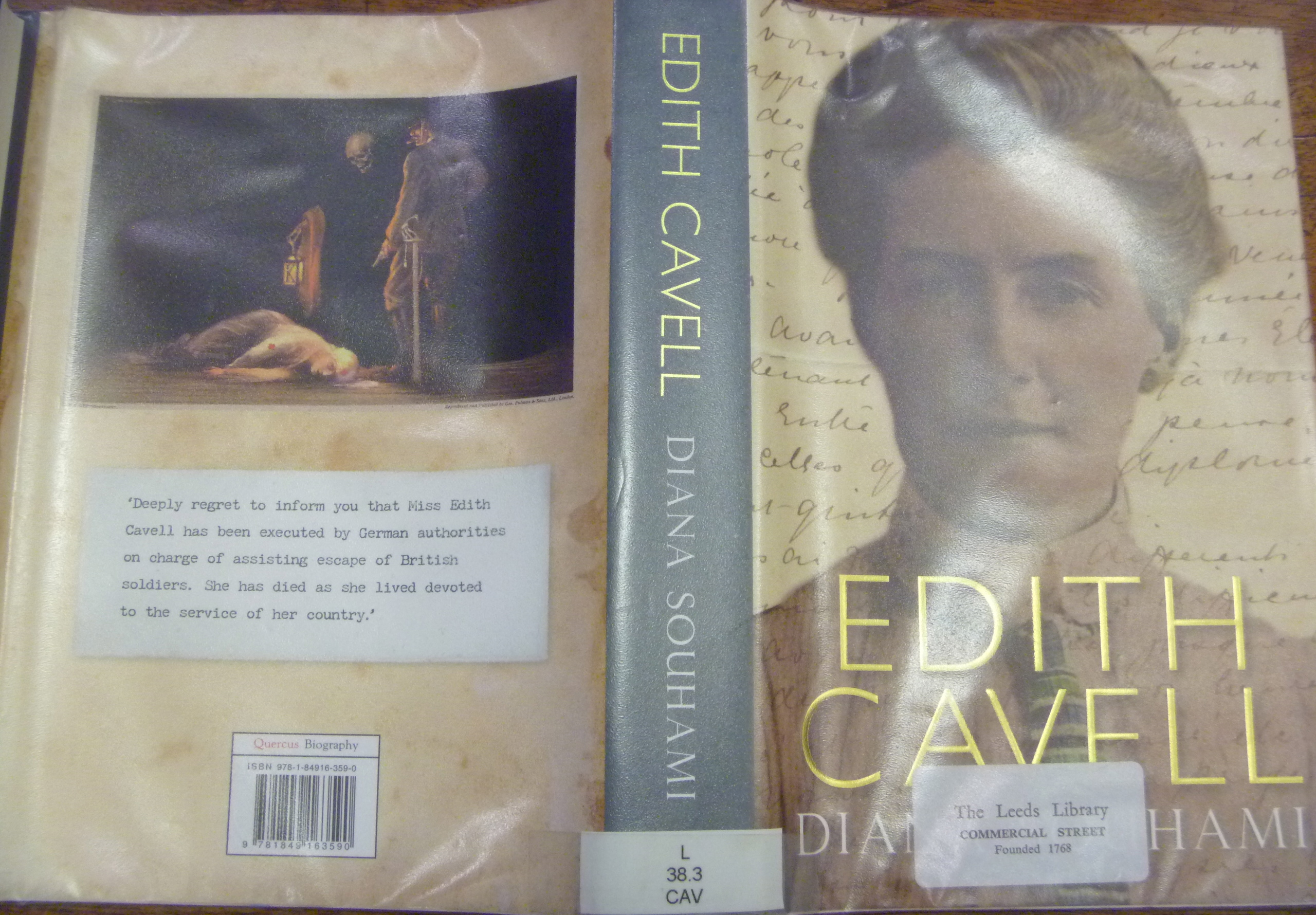
Friends Lynne and Lyn have both written eloquently about a recent biography of Edith Cavell by Diana Souhami. I heard Souhami speak in London about the biography and I’ve read it myself but I refer you to their superior reviews.
Lyn also read and reviewed a novel about Nurse Cavell Fatal Decision by Terri Arthur.
Other Memorials to Edith Cavell
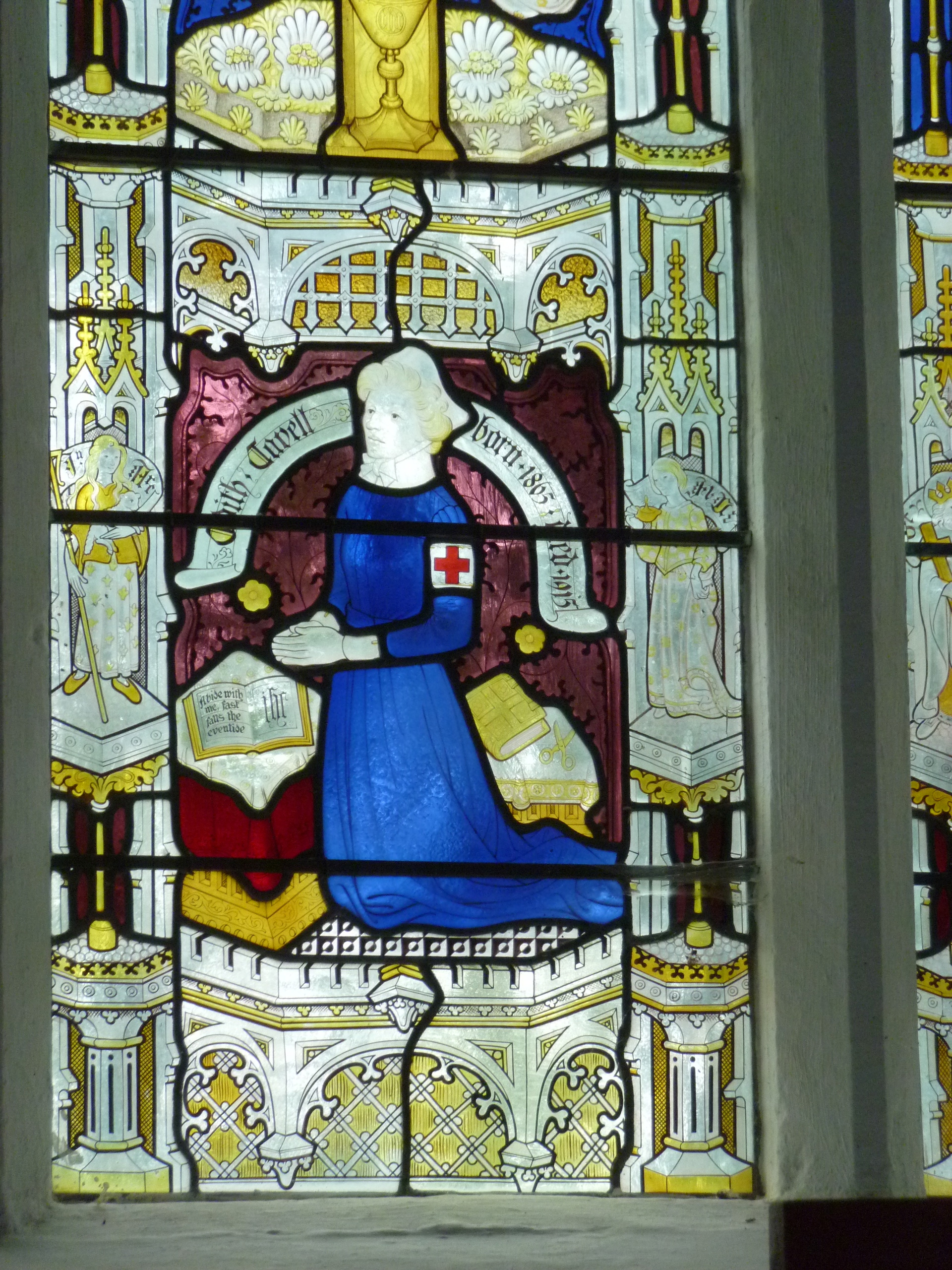
Edith Cavell Window at Swardeston Church
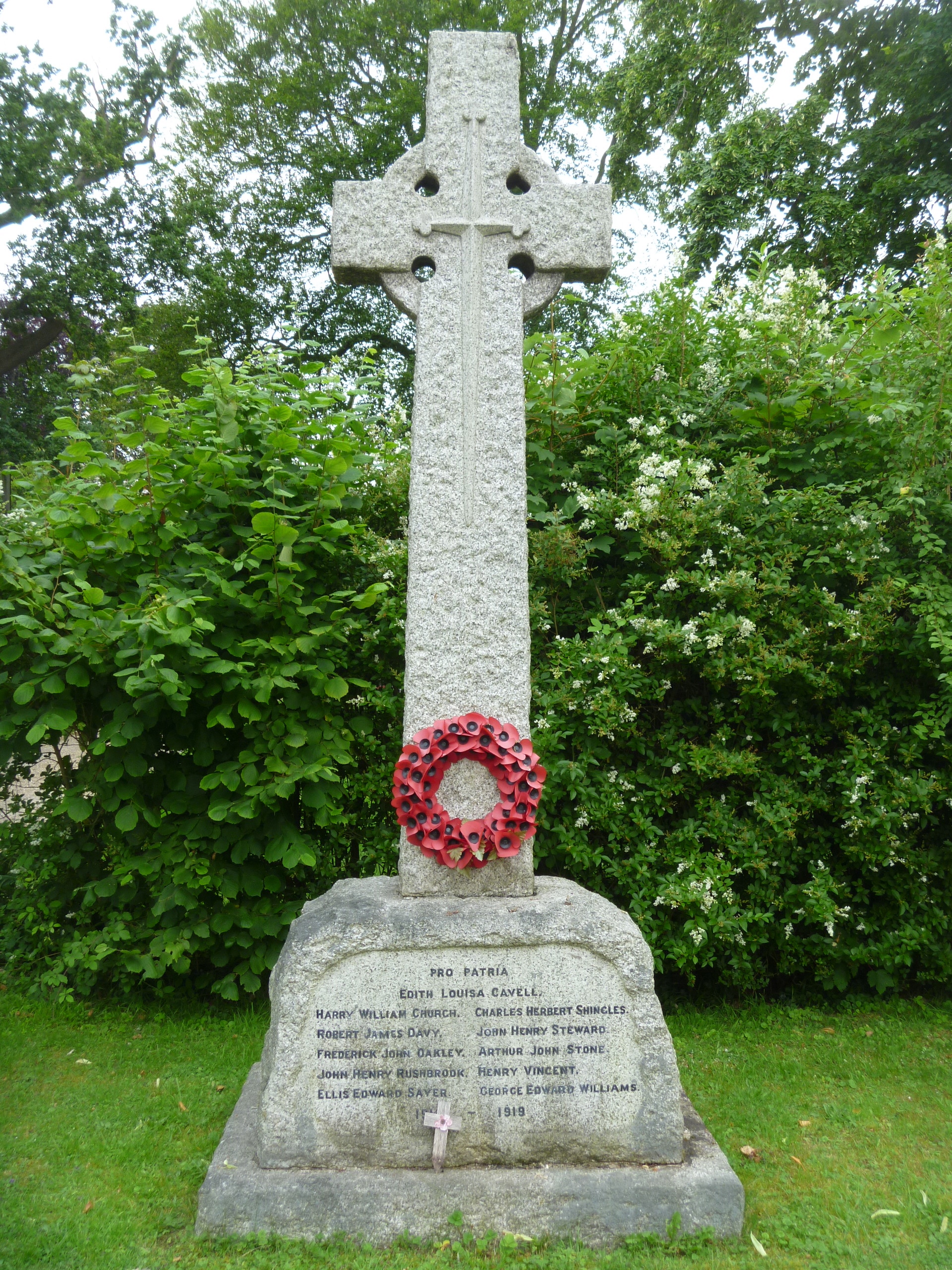
War Memorial at Swardeston, Norfolk
Statue erected in honour of Edith Cavell near Trafalgar Square, London.
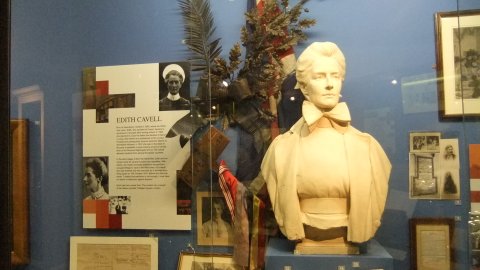
Edith Cavell bust in the London Hospital Museum. Lynne‘s photo. She says : “Apparently it was in the sitting room of the nurses home I lived in there, not that we ever noticed it.”
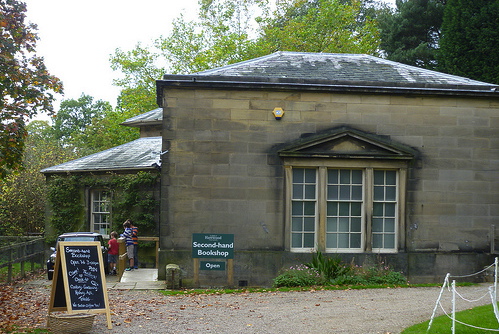
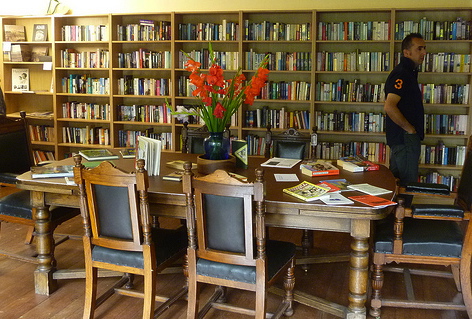
The secondhand bookshop in question is a relatively new one set up last year in a redundant building in the grounds of Harewood House. I’ve been a frequent visitor at the house and love to walk around the terrace gardens, woodland and the walled garden and, if it’s open, browse the book shelves.
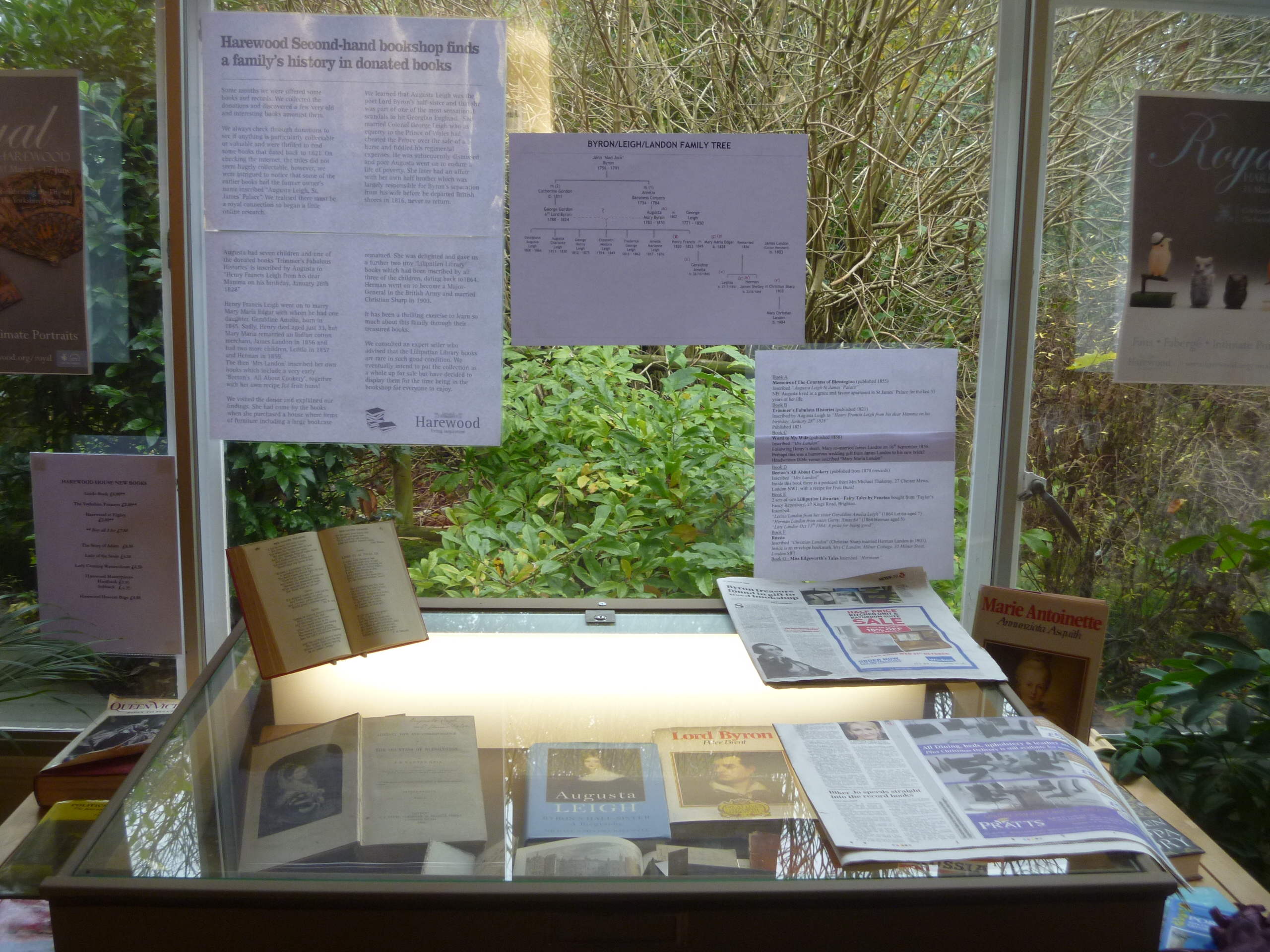
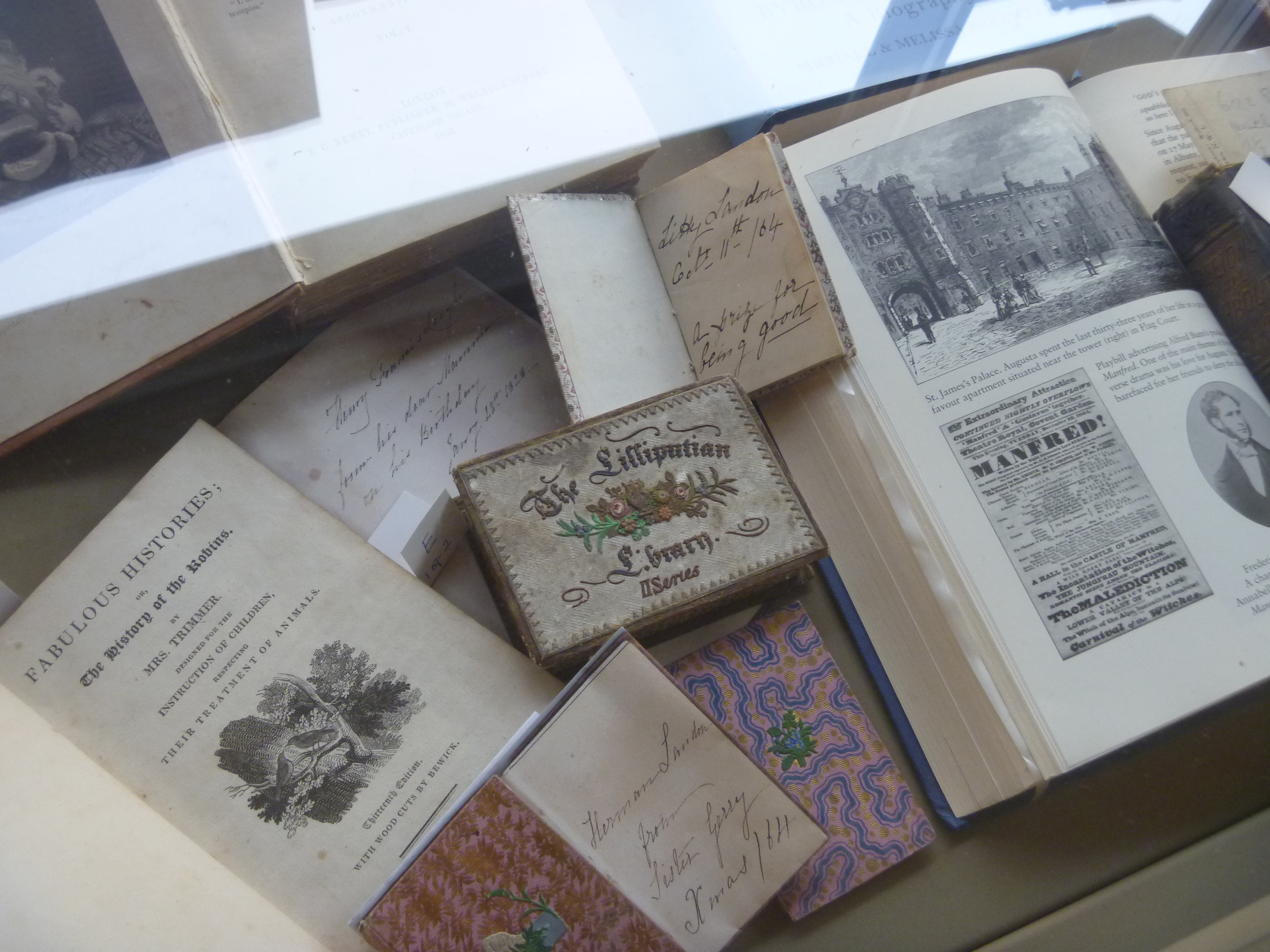
The Augusta Leigh Display at Harewood
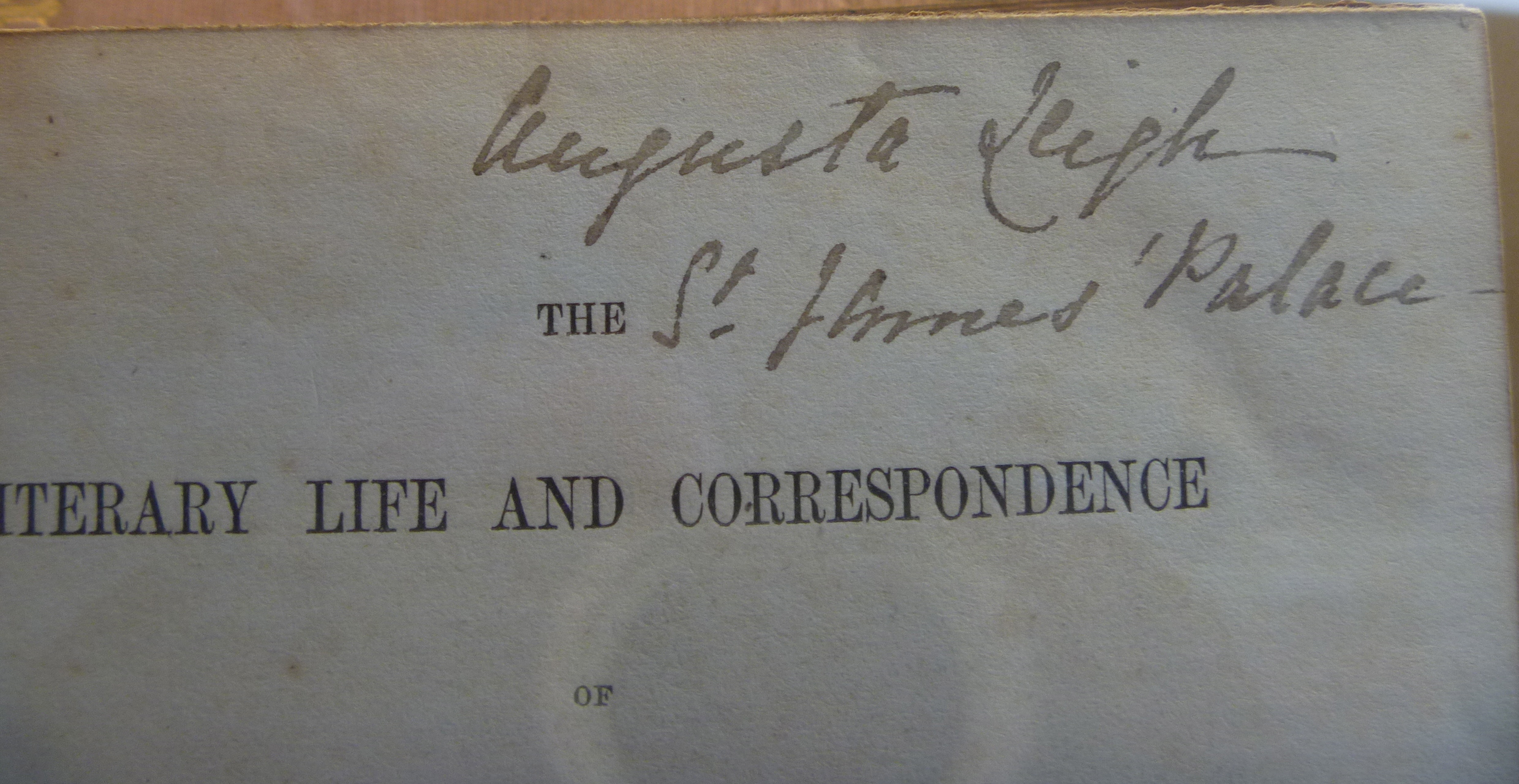
The article in question tells the story of a member of the volunteer staff at the shop discovering amongst donated books some inscribed “Augusta Leigh, St James’ Palace”.
With no idea who the Augusta was Audrey Kingsnorth began an investigation that lead her to the Byron connection. Not only was Augusta Lord Byron’s (mad, bad and dangerous to know) lover, she was also his half sister, the result of the liaison between John (Mad Jack) Byron and Amelia Osborne. The books had been acquired by the donor (now in her 80s) following the purchase of a London House; the bookshelves of which were to large to move.
Close-up of the Display
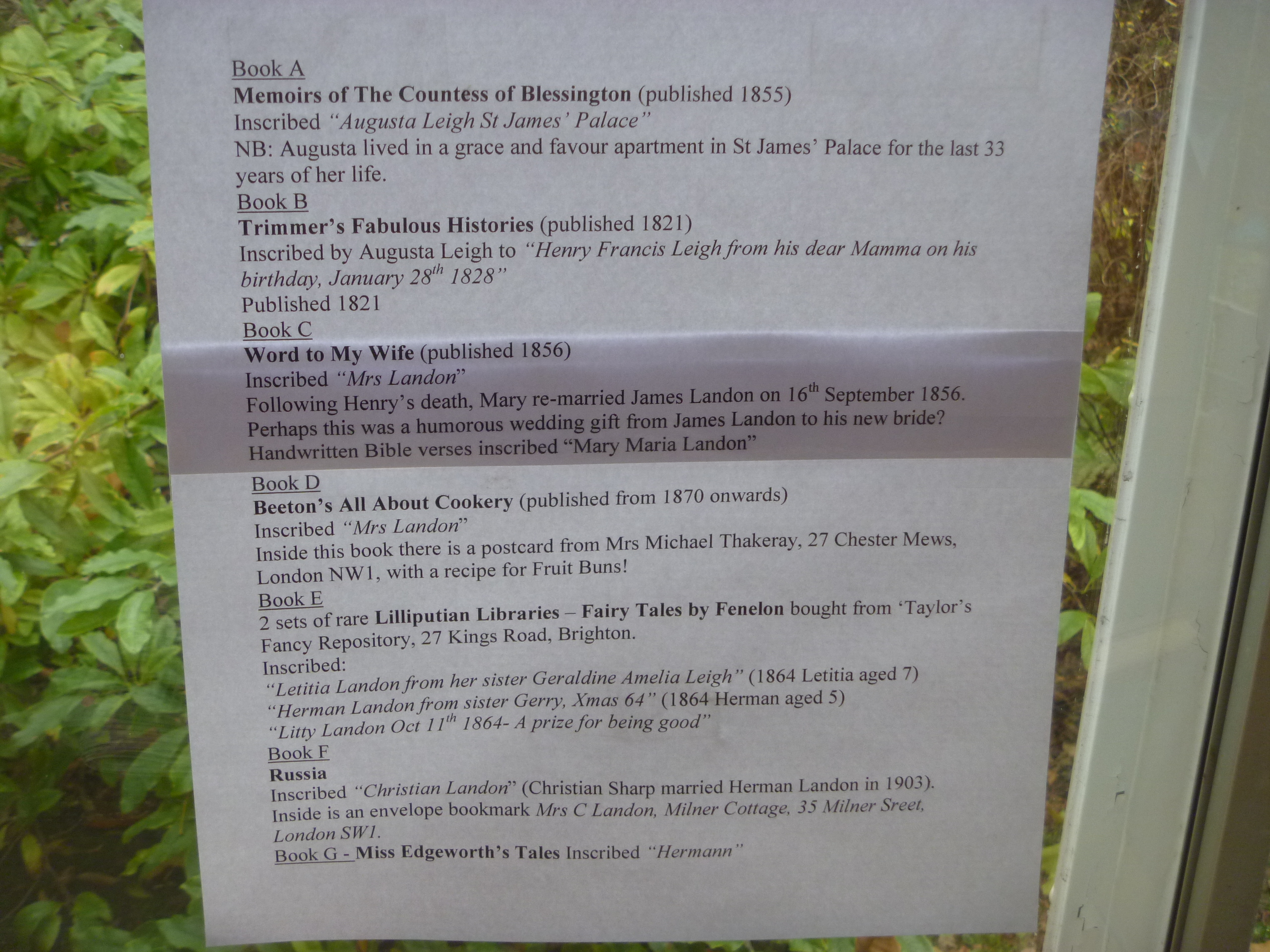
“[One] of the donated books, Trimmer’s Fabulous Histories, is inscribed by Augusta to one of her children: “Henry Francis Leigh from his dear Mamma on his birthday, January 28th 1828″. Henry Francis died at 33, leaving a widow, Mary, and a daughter; Mary remarried and had another daughter and a son. Augusta had seven children, one of whom, Elizabeth Medora, is thought by many to be Byron’s lovechild.”
Valued recently at around £2500 the books will put up for auction at a later date. As the books are currently still on display in the shop I thought I’d pop along and have a look at this valuable donation to the Harewood Bookshop.
The List of Donations
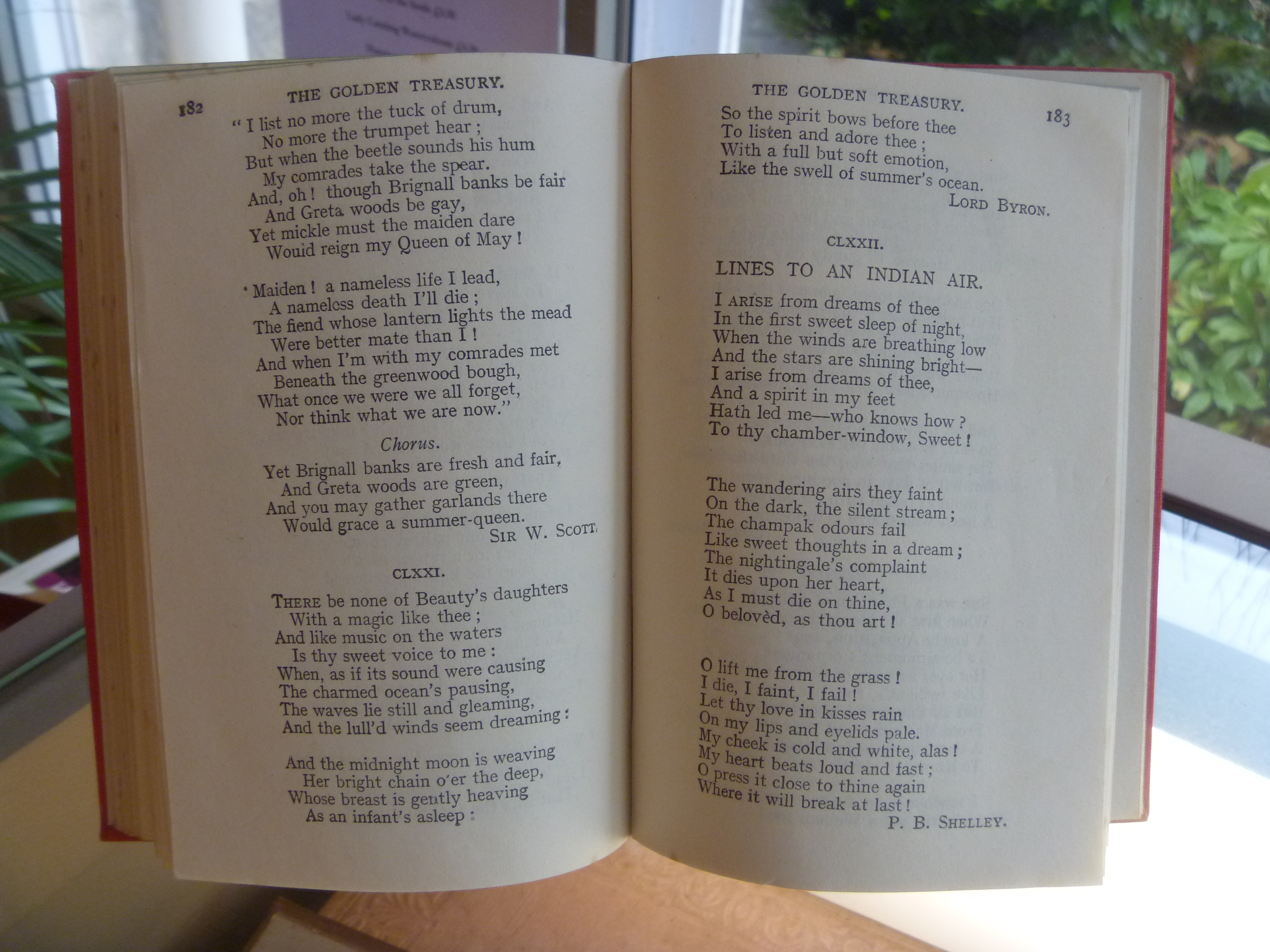
A Copy of The Golden Treasury Open at a Poem of Byron’s





 miladysboudoir