Virginia Woolf, Horace and Rectories : The Ilkley Literature Festival 2013

October is the month of The Ilkley Literature Festival. I remember when ‘all’ the events took place in one venue – a children’s weekend of ‘literary’ entertainment- poetry, puppets, that sort of thing – and a weekend of talks for adults. But that is going back nearly 30 years and I noticed that this year celebrates the 40th anniversary with 17 days of talks, walks, visits and entertainment with even free Fringe events.
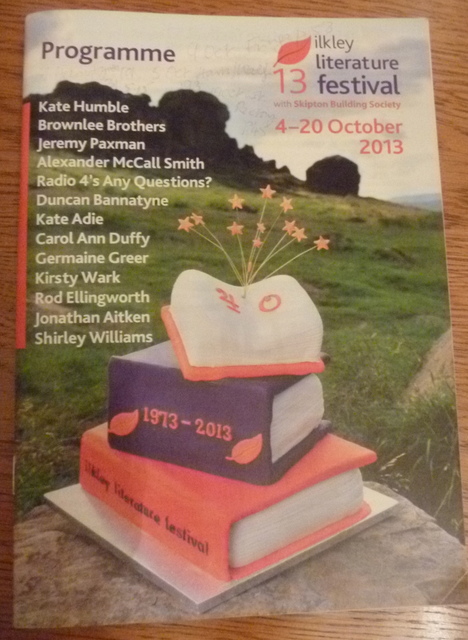
P1110815-001

I usually pick a couple of talks or events to attend each year and this year was no different. On the first Saturday I chose to hear Alexandra Harris talk about her book “Virginia Woolf“.

Liverpool University cultural historian Alexandra Harris’s hugely acclaimed Romantic Moderns (Guardian First Book and Somerset Maugham Awards) overturned our picture of modernist culture. Now Harris discusses the life and work of Virginia Woolf, revealing a passionate, determined woman full of wit, vivacity and fun, whose life was shaped by her defiant refusal to submit to literary convention, social constraints and mental illness.” [ILF Programme]
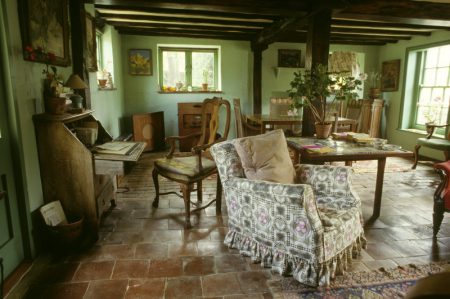
The Sitting Room at Monk's House, East Sussex

The Sitting Room at Monk’s House. The armchair was one of Virginia Woolf’s favourite reading chairs. It is upholstered in a fabric designed by her sister, Vanessa Bell. ©NTPL/Eric Crichton [As seen here]

I’m expecting to get to Monk’s House next year (and felt the need to learn more about VW) with a friend and bought the book and had Ms Harris sign it for her. She hopes we will also have a chance to walk on The Downs whilst we are there … and I hope so too!

Later that afternoon I went to a Question and Answer format event featuring the FT ‘Slow Lane’ journalist and poet Harry Eyres who has recently published a book ‘Horace and me‘ a fascinating subject about whom I knew very little.
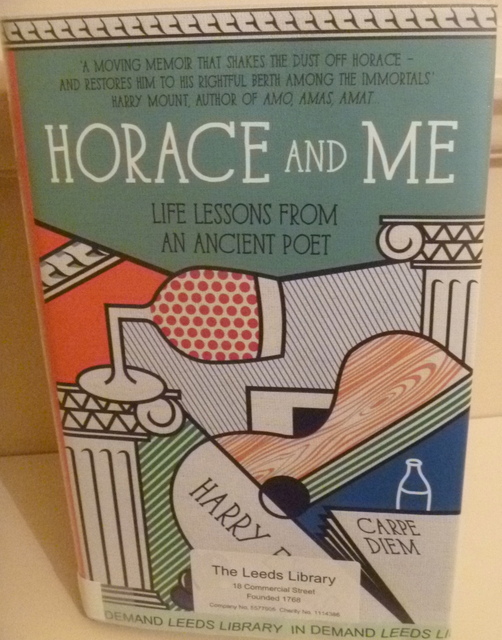
Horace

Harry Eyres, theatre critic, wine writer, poet and ‘Slow Lane’ columnist for the Financial Times, journeys into the work of the Roman poet Horace, exploring his lessons for our time. The humble son of a freed slave, Horace championed modest pleasures in the face of imperial Rome’s wealth and expansion. A celebrity in his own time, Horace influenced writers from Voltaire to Hardy – and Boris Johnson!” [ILF Programme]

And finally last Saturday it was Deborah Alun-Jones who gave a short talk, then took questions from the presenter and then from the audience on the subject of her book (which I had read earlier this year) ‘The Wry Romance of the Literary Rectory‘.
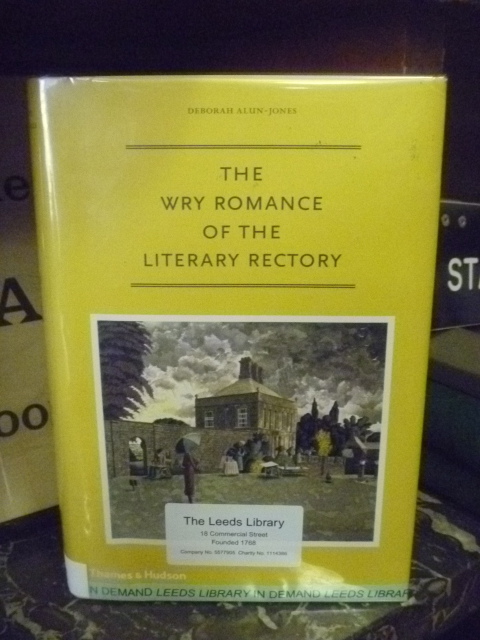
P1110805

Author Deborah Alun-Jones strips away the idyllic exterior of the village rectory to reveal the lives of writers like Tennyson and Betjeman who lived and worked in them. She investigates hidden desire, domestic drama, bitterness and isolation – and the secrets of the highly creative environments from which some of the greatest English poetry and literature has emerged.

Ms Alun-Jones had travelled the country visiting rectories (and vicarages, parsonages and the like) and although she mentions Jane Austen and the Brontes they are not included in this book. A future book will look at women in the rectory. The only woman to feature in this publication is Dorothy L. Sayers. The male authors are Sydney Smith (at Foston in Yorkshire); Alfred Tennyson (at Somersby in Lincolnshire); Rupert Brooke (at Granchester – also now home to Lord Archer); John Betjeman (at Farnborough); R.S.Thomas (at Manafon); George Herbert and Vikram Seth (at Bemerton) and The Benson and de Waal families (at Lincoln). I haven’t visited any of these places and I don’t think any are open to the public. Such a lively speaker and interesting topic it was a pity that the room was only half full. But those of us that were there were very appreciative of the talk.
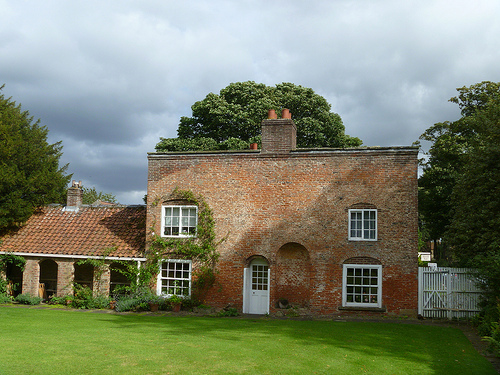
Shandy Hall

Here is Shandy Hall in North Yorkshire and former home of Lawrence Sterne vicar of Coxwold – also not included in The Wry Romance

I wonder if Simon at Stuck-in-a-book has a comment to make about the wry romance of being brought up in vicarage?
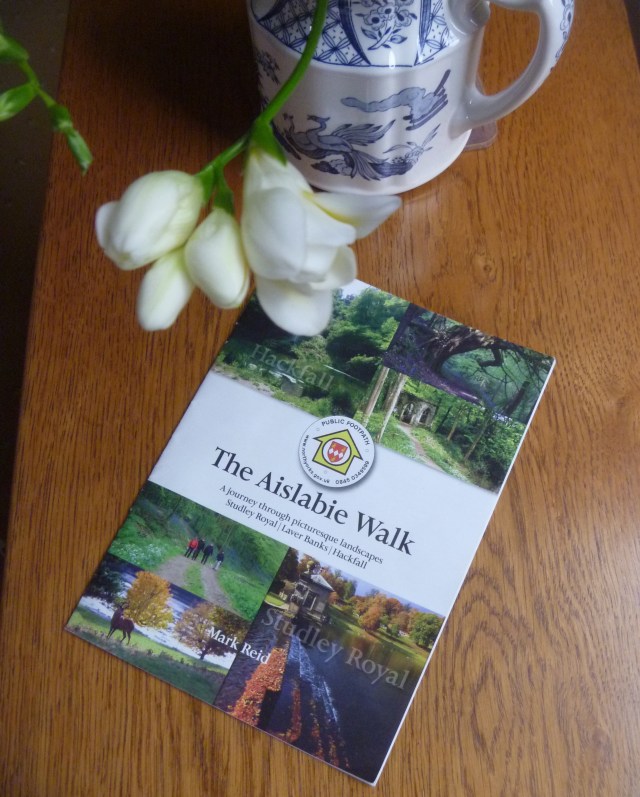
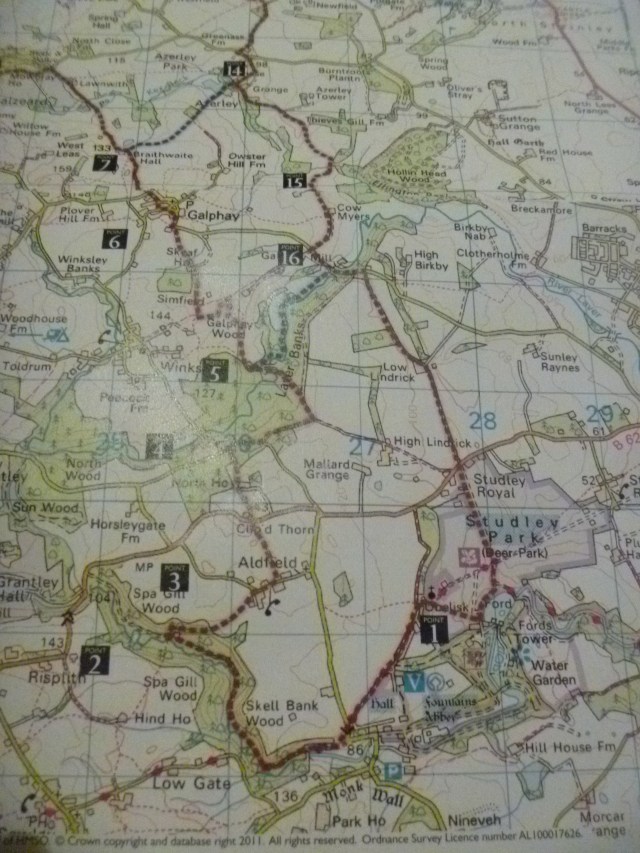
The Aislabie Walk from Fountains Abbey – The Short Route

Referring back to the Barden Moor Access Area practice walk a couple of weeks ago I’m pleased to announce that the alternative walk, which I had initially thought rather dull, was a big success so here’s a brief description of it and some photos. You will notice that the weather was exceptional that day. Several days on either side were dark and wet but the weather last Thursday was truly a gift.

Aislabie Walk

The walk was taken from a rather nice leaflet I picked up on a previous visit to Fountains Abbey. The Aislabie Walk (subtitled A journey through picturesque landscapes) is 17.5 miles (allow 8-9 hours) altogether. It’s a circular walk from Fountains Abbey (car parks and toilets) to Hackfall and back. However, along the way there are several points at which you can cut short the route and I chose the 7.5 mile option.

Aislabie map

We parked at the main Visitor Centre car park and set off down the road to the River Skell following it west and then north for nearly two miles until we reached the old sulphur springs and ruined buildings of Aldfield Spa. You could smell them as you approached.

Sulphur Springs

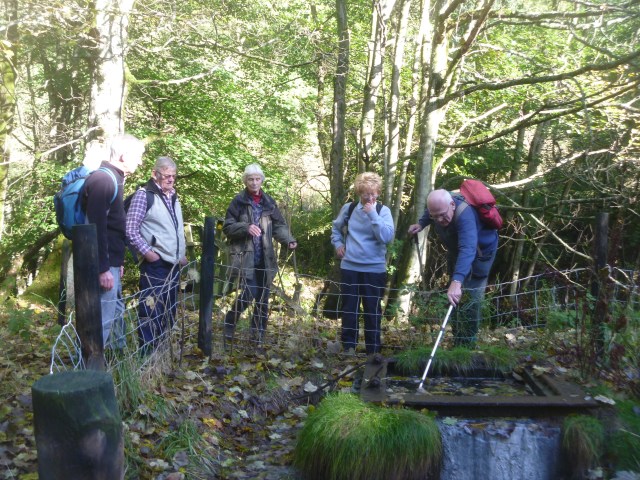
The Wanderers disturbing the Sulphur Springs

From the Springs we headed slightly uphill to Aldfield village itself, passed through a couple of fields of kale (this had been what I remembered as the ‘dull’ part of the walk, across meadows to Laver Banks where we lunched at Woodhouse Bridge and joined the road later at Galphay Mill Bridge (point 5 to point 16 on the map).

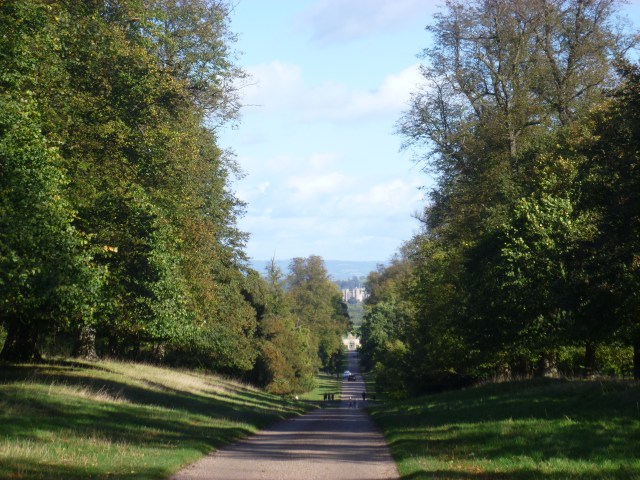
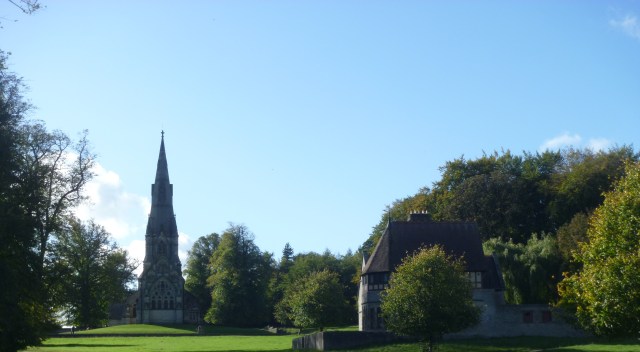
A pleasant track through former parkland, now grazed by cows, brought us back to the the gates of Studley Royal Park. We crossed the deer park (only spotted one) taking in views of the Choristers’ House, St Mary’s Church and Ripon Cathedral.

Studley Royal

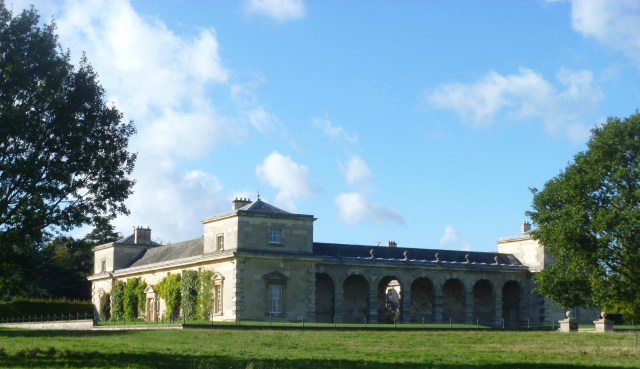
Studley Royal Hall much of which was destroyed by fire in 1946

Ripon Cathedral in the distance

Ripon Cathedral in the distance

Church and House

St Mary’s Church and the Choristers’ House

St Mary's

St Mary’s, Studley Royal Church

So my concerns about the walk were not at all justified and a good day out was had by all!

Albert Wainwright at The Hepworth

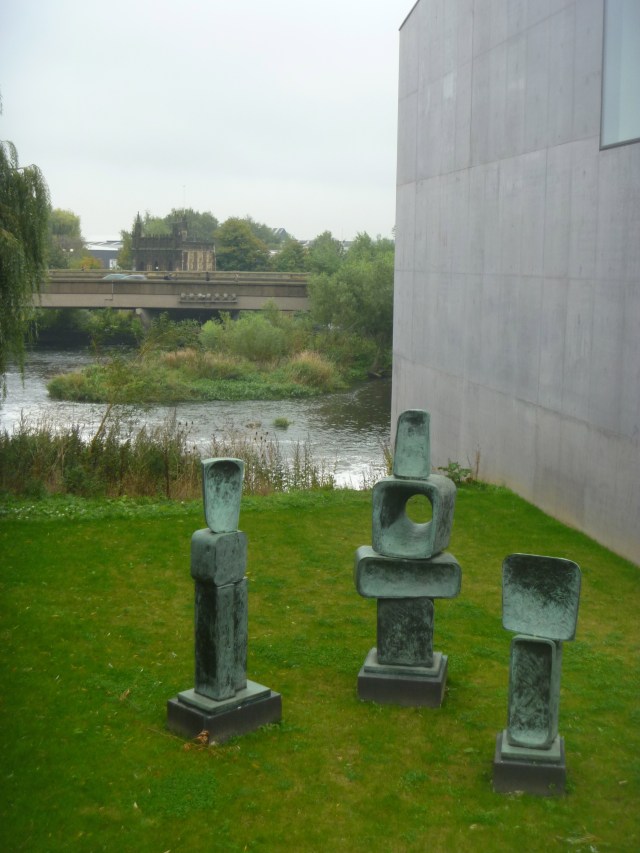
Family of Man

Family of Man by Barbara Hepworth outside The Hepworth, Wakefield

After spending some time admiring the Tissot display I decided to move on and see what else the Gallery had on show this autumn beside the spaces devoted to Barbara Hepworth herself.

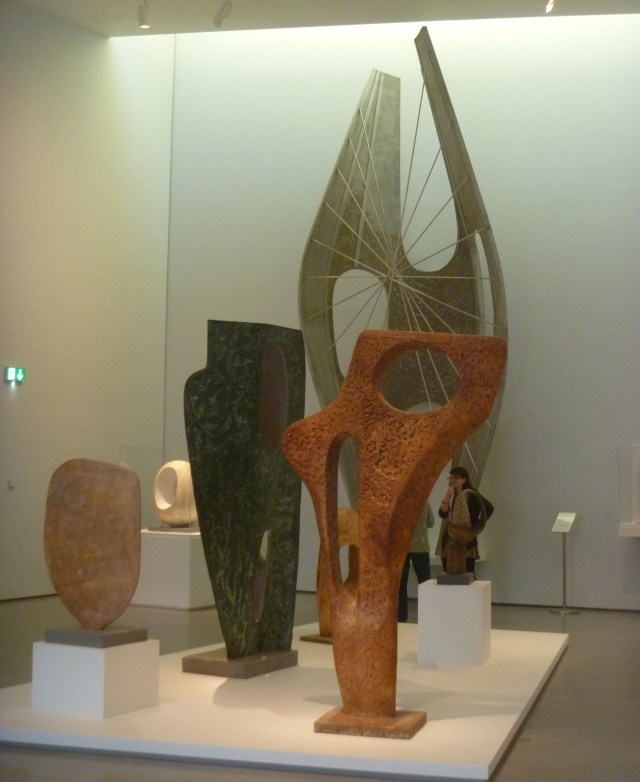
Hepworth Winged Figure

In the background Hepworth’s Winged Figure (1961-62)

I found another display centred on works from The Wakefield Art Collection – In Focus : Albert Wainwright. Wainwright was born in nearby Castleford in 1898. At the time of writing, the link to his display at The Hepworth tells you about a different so artist so here is something about him.

From his school days he was a friend of Henry Moore, who became world famous as a sculptor. Albert’s life was not a long one (he was only 45 when he died) and he never became famous like his friend, but it is easy to see from his work that he was a talented artist with a colourful imagination and a strong personal style. Throughout his life he designed programmes, stage sets and costumes for the theatre and an impressive range of this work is now in the collection at The Hepworth Wakefield.

Over 30 years Albert created a number of sketchbooks which record his travels abroad and parts of his life, such as his time with the Flying Corps in the First World War.”

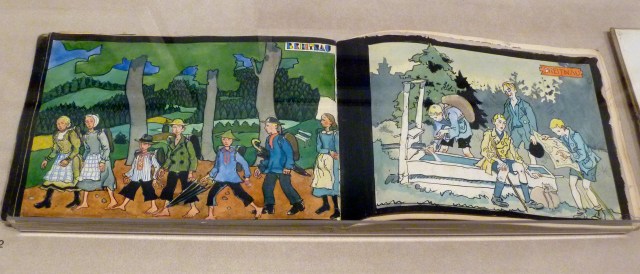
AW Sketchbooks

I particularly liked the travel ‘journals’ or sketchbooks which he made on his trips to Germany.

Whitby map

His Map of Whitby

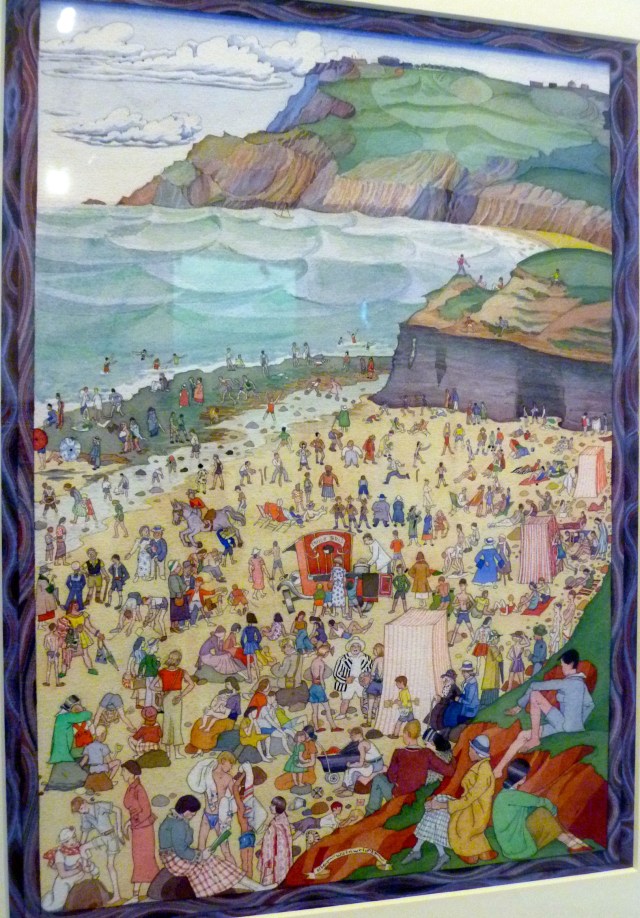
Where's Albert?

And his “Where’s Wally” or rather, Albert, at “Robin’s Hood Bay” (1930)

“The Wainwright faamily took a summer home at Robin Hood’s Bay during the 1930s. Visits to the bay became an annual occasion for the Wainwrights, who became part of the close-knit community there. Wainwright made a modest income from painting his fellow holidaymakers and their families. In this picture all are imaginary except a self-portrait of the artist centre left, wearing glasses and carrying a walking stick.” [Picture notes]

There's Albert

There’s Albert!

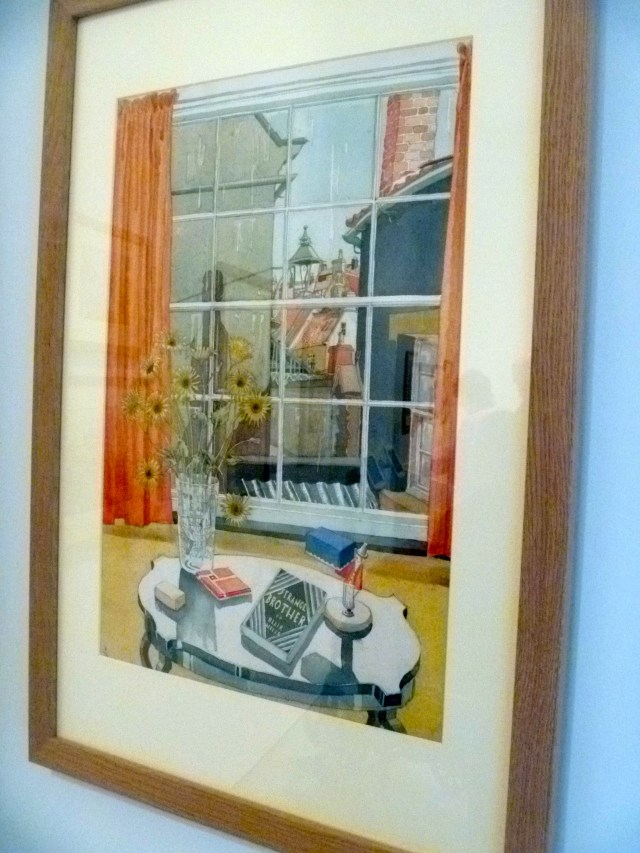
We don't live here any more

And, the poignant and wistful “We don’t live here any more” (1937)

This painting depicts the view from the window (possibly his studio) of Bramley Cottage at Robin Hood’s Bay. “The placement of the book on the table “Strange Brother” written 1931 by Blair Niles, is significant because it provides an early and objective documentation of homosexual issues in 1920s New York, and is a deliberate allusion to Wainwright’s own sexual identity.” [Picture notes]

There is a selection of books on a table for visitors to look at including a reprinted copy of “Strange Brother“.

The Hepworth Wakefield : James Tissot: Painting the Victorian Woman

Approaching The Hepworth

Approaching The Hepworth over The Aire and Calder Navigation

It was a miserable, grey, wet day last Wednesday and after my usual Nordic Walking session I decided to take a trip to Wakefield and revisit The Hepworth. Back in March I clipped a review of the Tissot exhibition from the Weekend Financial Times, Visual Arts section. Reading the review and knowing Tissot to be a Victorian artist I was intrigued that he should be showing at such a modern and avant-garde gallery as The Hepworth. The answer, as I found out upon enquiry to a steward, is simply that the Wakefield City Art Collection is also housed at The Hepworth and this show is based around pictures in the collection.

From the Tissot Exhibition webpage:

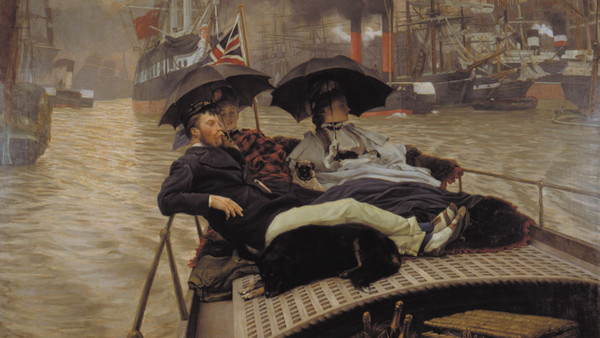
On The Thames

On The Thames (1876)

Taking the much cherished painting On the Thames, 1876, from our collection as a starting point, this new collection display explores the representation of women in the work of French born artist, James Tissot (1836-1902).

The display will also feature loans from Tate and several regional art galleries, and will discuss the portrayal of Victorian femininity in relation to Tissot’s life-history and the contrasting roles of women in the region’s coal industry.”

Subtitled “How happy I could be with either” the painting caused a scandal when it was exhibited at The Royal Academy.

Other paintings in this small single room show include:

Portsmouth Dockyard

Portsmouth Dockyard (1877) [Tate]

PD 1877

Portsmouth Dockyard notes

HMS Calcutta

The Gallery of HMS Calcutta (Portsmouth) (1876) [Tate]

GHC 1877

The Gallery of HMS Calcutta (Portsmouth) notes

The exhibition looks at the representation of women in Victorian England through two contrasting sets of images: the fashionable women of James Tissot’s society paintings (above) and photographs of female workers in northern coalfields (not so easy to photograph in the display cases). Costume was a key element in Tissot’s work. He was born in the French port of Nantes where both his parents worked in the fashion and textile industry.

The painting “On the Thames” was originally owned by Kaye Knowles whose wealth came from his family’s Lancashire based colliery business. The Lancashire “pit brow lass” was mostly associated with the Wigan coalfields where women worked at the pit head. Their costume was also central to the pictures since there are wearing trousers which in Victorian times were perceived as a threat  to the moral and social order.

I see from the press that another exhibition featuring James Abbot McNeil Whistler’s London and the River Thames has just opened at the Dulwich Picture Gallery in south London. I wonder whether I shall manage to get to see it before it closes on January 12th 2014?

d9198ee9-7193-43c8-a20f-8eb309d41518.img

Wapping (1860) [National Gallery of Art, Washington]

Rylstone Edge Walk

Last Sunday was the day to do a practice walk in preparation for the ‘real thing’ on Thursday this week (17th October) when it is my turn to lead the Thursday Walk for the Weekday Wanderers. In August I’d done a walk from Fountains Abbey but this proved rather uninteresting so I was inspired to try a different one to present to the group. Twice this year we have walked from Hetton around Winterburn Reservoir, with slight variations each time. Memories of the wonderful views across to Cracoe Pinnacle inspired my choice last week.

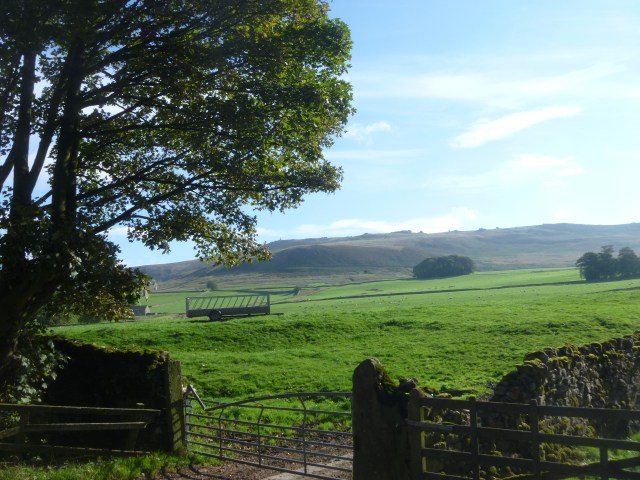
Cracoe Fell from Moor Lane Hetton

A friend, and fellow Wanderer, agreed to accompany me. In the past both of us had had difficulty finding one of the paths down to Cracoe but we felt that with both of us working on the challenge, and our previous experiences, we would find a suitable descent. And we did.

Map

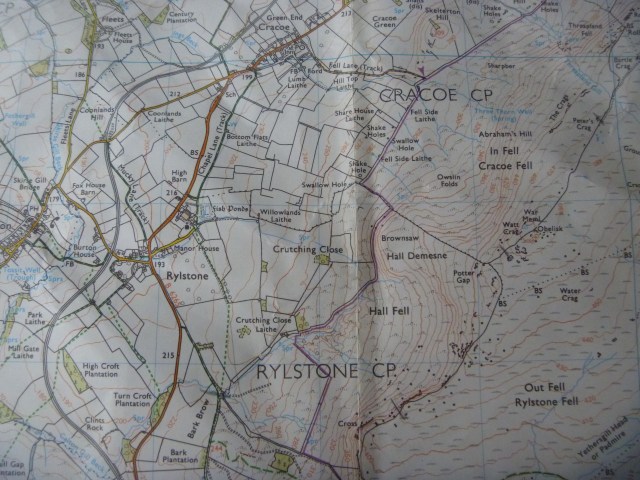
There are several versions of this walk but the one we finally decided on was from the Yorkshire Post – Rylstone Edge in the Saturday ‘Walk this way” series, 24 July 2010. [NB This walk is not listed on the link]

Early in walk

We parked by the picturesque duck pond in Rylstone (yes, yes, home of the Calendar Girls, remember them?) crossed the B6265 (Skipton to Grassington road) took the track past the Manor House to St Peter’s Church and from there headed across fields and along another decent track to the Access Point to Barden Moor and Barden Fell Access Area.

Access Map

Map of the Access Area [property of the Bolton Abbey (Devonshire’s) Estate]

Looking back to St Peter's and Rylstone

Looking back to St Peter’s and Rylstone

Near entrance to Access Area

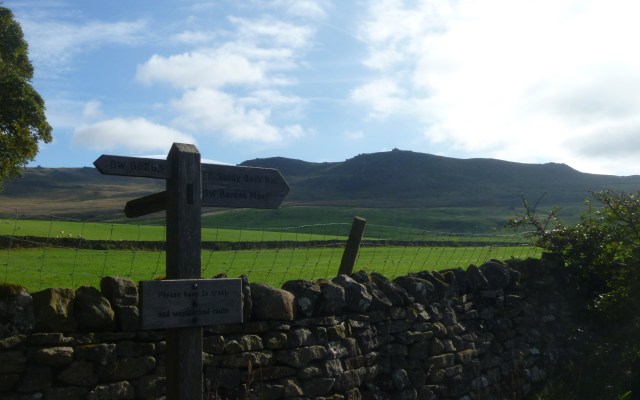
View near gate to Access Area

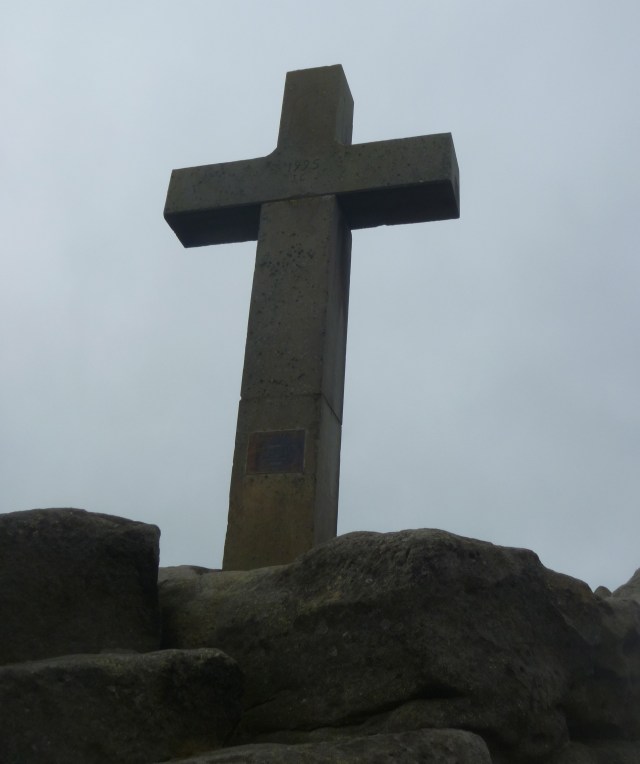
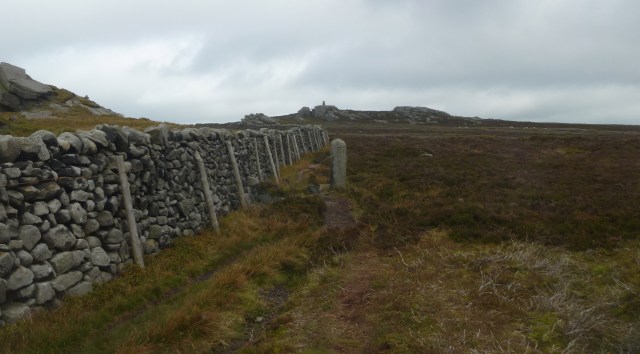
Through the gate we took the track which rose steadily until we were almost on a level with our first monument – The Rylstone Cross. A left turn took us gently up to the cross itself. This 1995 cross replaced the original 1815 cross that commemorated the Treaty of Paris near the end of the Napoleonic era.

The Cross

Rylstone Cross

War Memorial in middle distance

Between the War Memorial and the Cross [Memorial in middle distance]

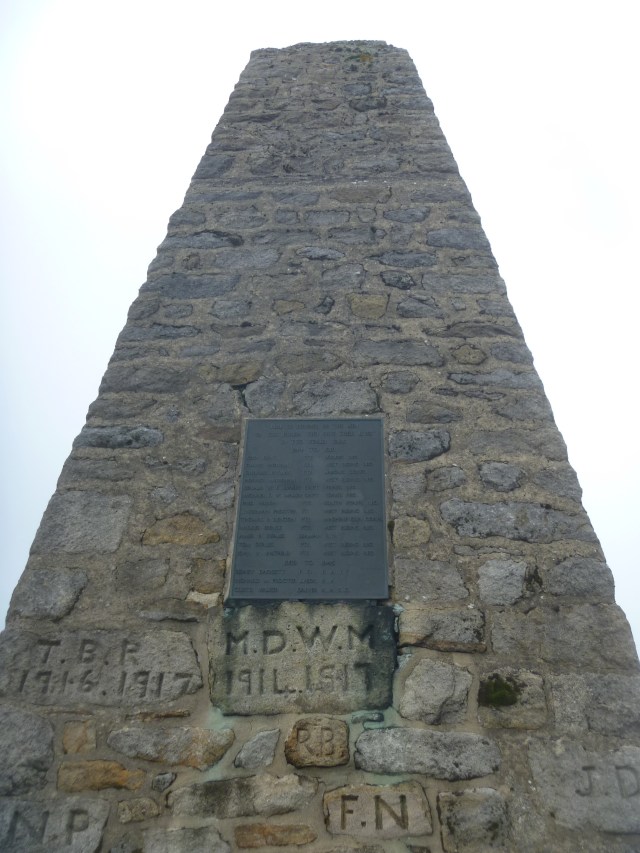
From the cross, along the ridge, we kept to the eastern side of the dry stone wall until we reached the second memorial The Cracoe Obelisk War Memorial which records the names of those Cracoe men who died in the First and Second World Wars.

Cracoe War Memorial

Cracoe War Memorial

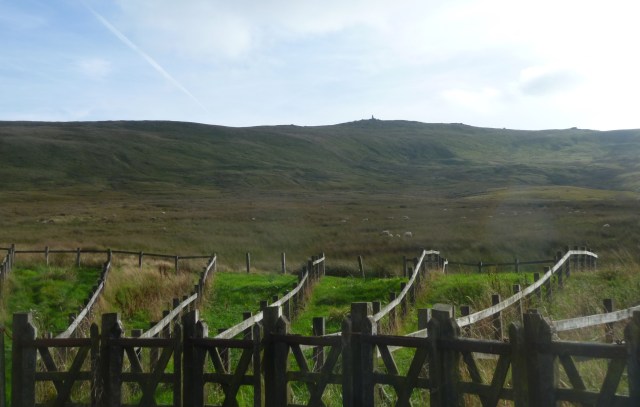
It is the path down to Cracoe that has proved elusive in the past and you run the risk of ending up in very marshy ground which is impossible to pass through. This time we managed to find a good clear route and emerged from the least marshy area at some old sheepfolds on the edge of Cracoe village at the top end of Fell Lane.

Sheep pens

The old sheep pens and war memorial

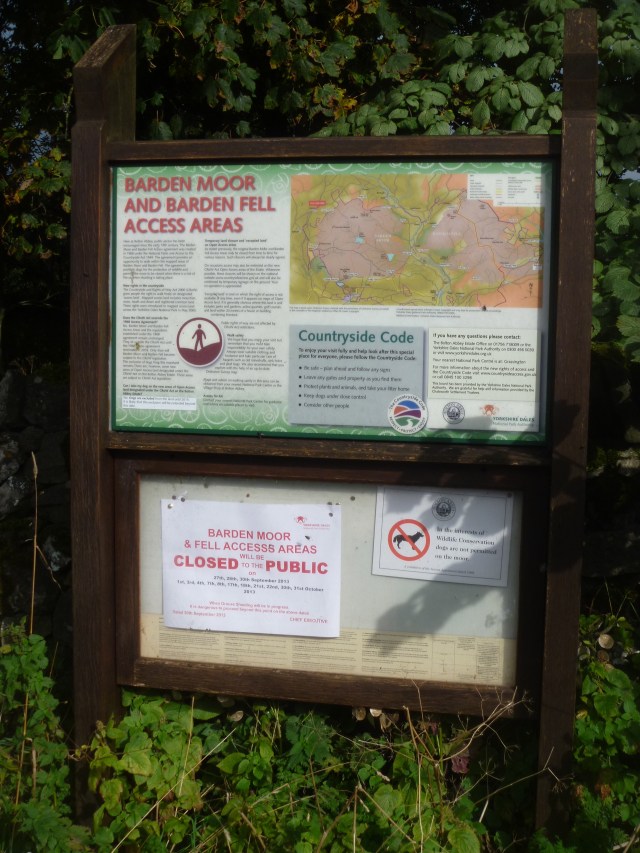
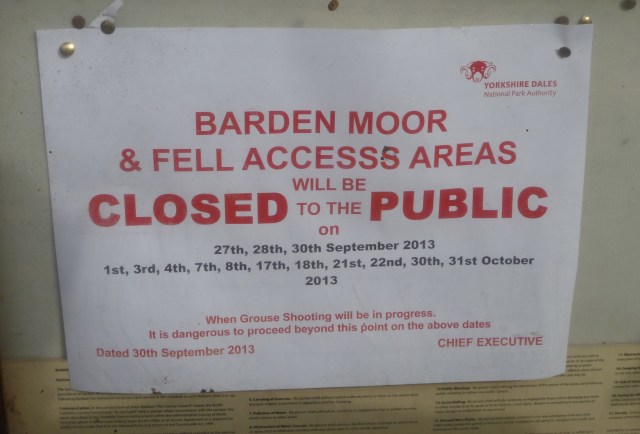
The lane leads down to the village which is where you leave the Access Area. And here the big disappointment was revealed – the whole area is closed to the public on a list of 14 days between the end of September and the end of October and one of these is Thursday 17th October!! So, having negotiated a perfect route for a day out with superb views across the Yorkshire Dales the walk will have to be shelved until next year at the earliest.

Access Board

Access Area Information Board – Study Carefully!

The final walk back to the car was along a quiet track (Chapel Lane) behind the village and parallel with the main road past St Peter’s Church, Rylstone again and so back to the car. Looks like I’ll turn back to the uninspiring walk from Fountains Abbey for next Thursday 😦 .

Closure Dates

Grrrrr!!!!

Day Tripper – To Liverpool Library

Central Library

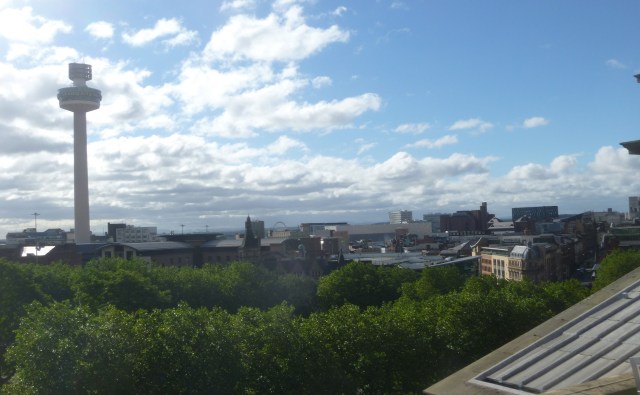
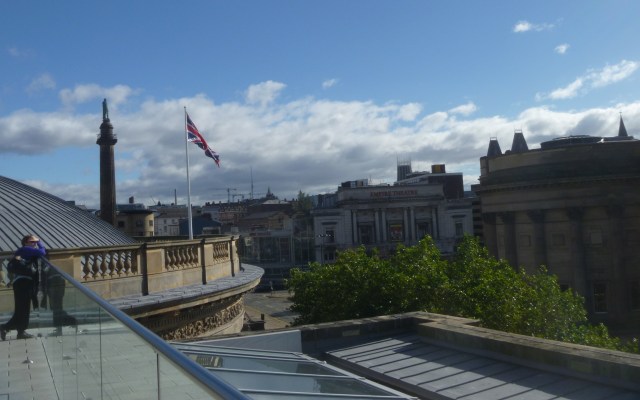
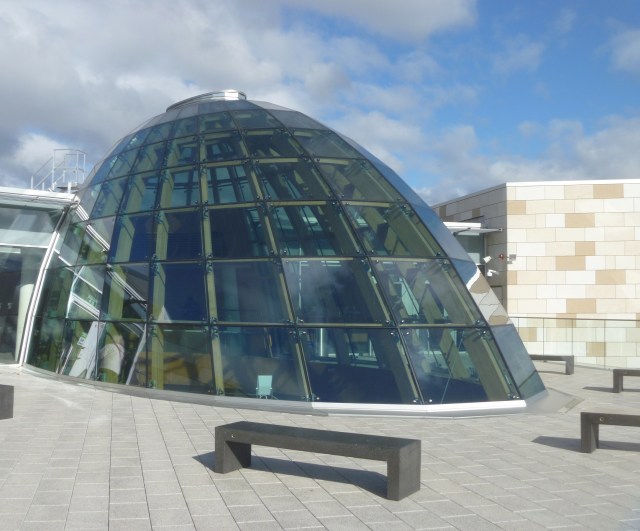
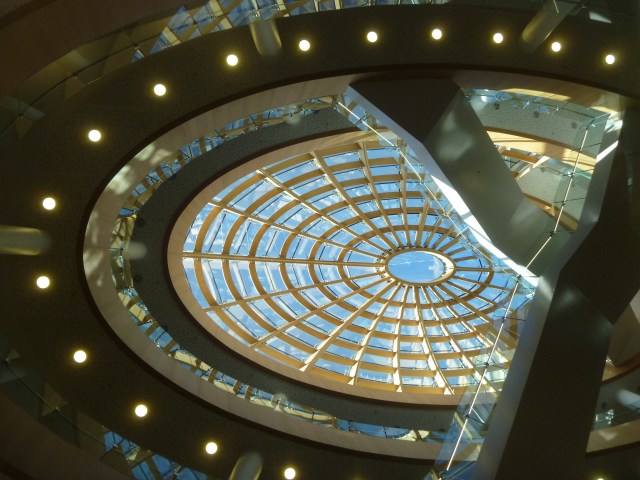
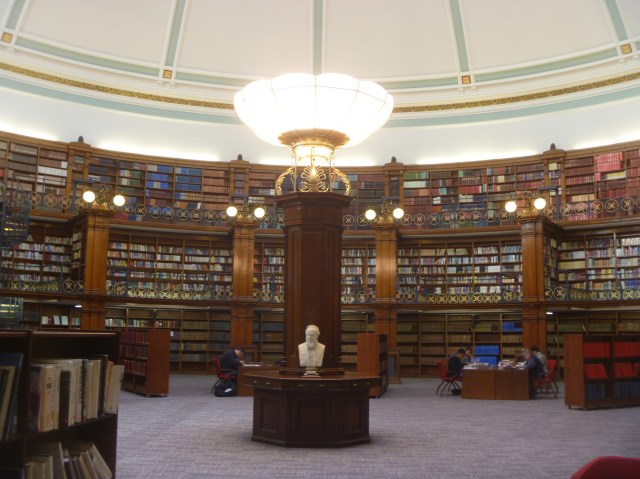
On Thursday I spent the day with a friend in Liverpool. We met at Lime Street Station and spent the morning over coffee in the cafe and admiring the ‘new’ Liverpool Public Library re-opened in May after a massive renovation project. It’s a job well done! I wanted to visit ever since I saw this blog post and the super pictures. I don’t really have much to add text-wise. We travelled up to the top and the very windy roof terrace and then inspected the building and departments as we descended. The Hornby and Oak Rooms reminded me of my own dear Leeds Library. Going into the major reference space – The Picton Library – was just like entering the old British Museum Reading Room. And the glass dome on the roof reminded me of The Reichstag in Berlin.

View towards River Mersey

View eastward

Views from the Roof Terrace

Glass Dome

The Glass Dome Exterior

Liverpool Record Office

The Open Plan Liverpool Record Office has Beatles memorabilia and other documents on display

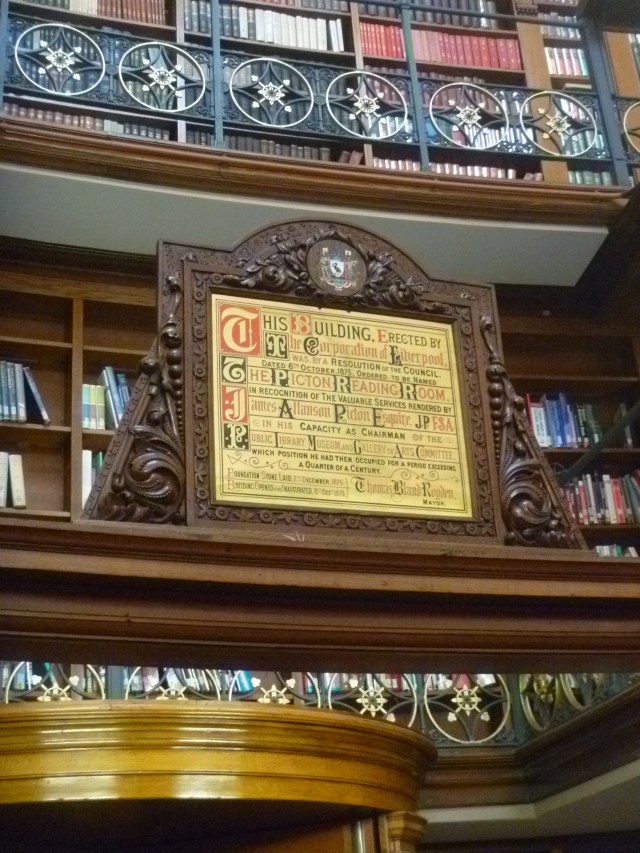
Picton Room

The Picton Reading Room

Picton Reading Room

Detail of the Reading Room – quality fixtures and fittings

This magnificent building and reading room was built in 1875 -79. Sir James Allanson Picton was the Chairman of the Libraries Committee, architect and author of the famous “Memorials of Liverpool”.

Based on the rotunda of the British Museum in London, the Picton reading room is 100′ in diameter and 56′ high, and was designed by Cornelius Sherlock, Corporation Surveyor, at a cost of £20,000 with seating for 200 readers.

The circular structure was nicknamed “Picton’s Gasometer” although ironically it was the first public building in Liverpool to be lit by electric lighting when opened in 1879.

Source

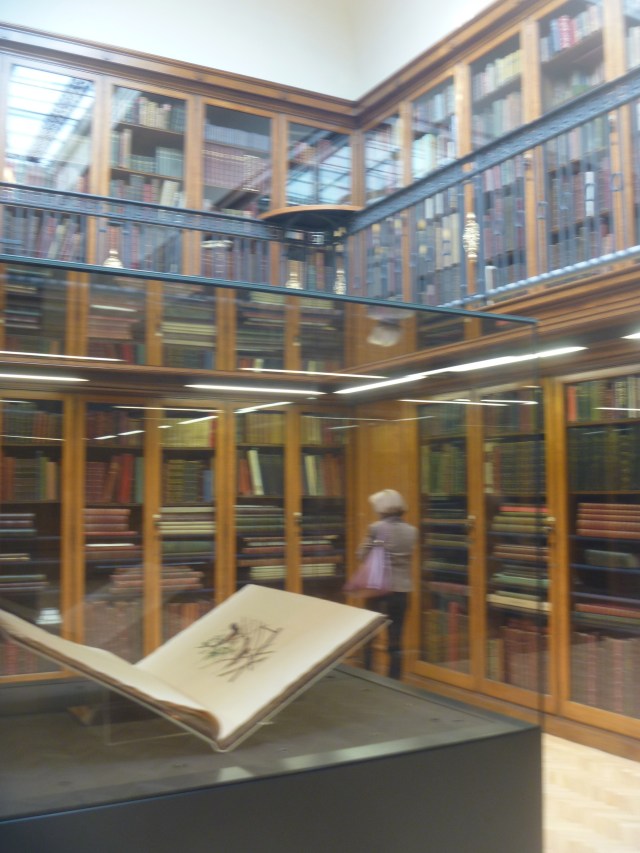
Hornby Room

The Oak Room with Audubon Display

The Oak Room was the last addition to the Picton and was opened in 1914 as a special library for the rarest books in the building. 

It houses some 4000 books but pride of place must be the Birds of America by John James Audubon, purchased with a donation from William Brown’s partner in America, Joseph Shipley.

Source

Hornby Library

Detail of The Hornby Room

The Hornby Library was the donation of a wealthy Liverpool merchant, Hugh Frederick Hornby.

He bequeathed his collection of books, prints and autographs to the City in 1899 together with £10,000 for a building to house it.

The building is full of Edwardian opulence with ten alcoves to display the many rare bindings and a gallery above. It was designed by the Corporation Architect Thomas Shelmerdine and was opened in 1906.

Source 

P1110736

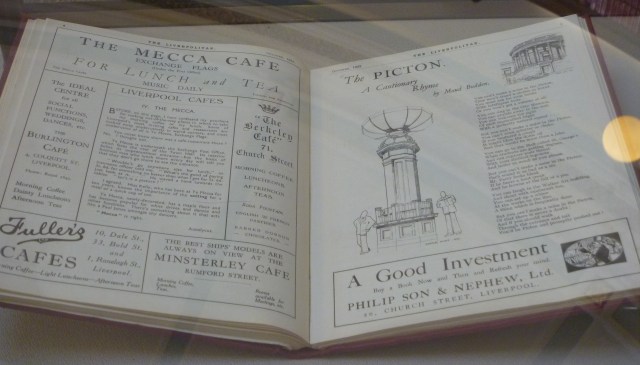
The Liverpolitan Magazine, 1932

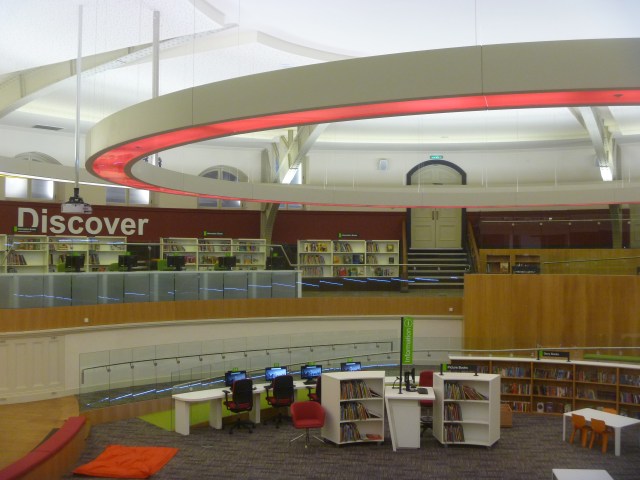
But it’s not all restored Victorian – there’s an exciting modern children’s library in the former Picton Hall below The Reading Room.

Children's library

The Children’s Department

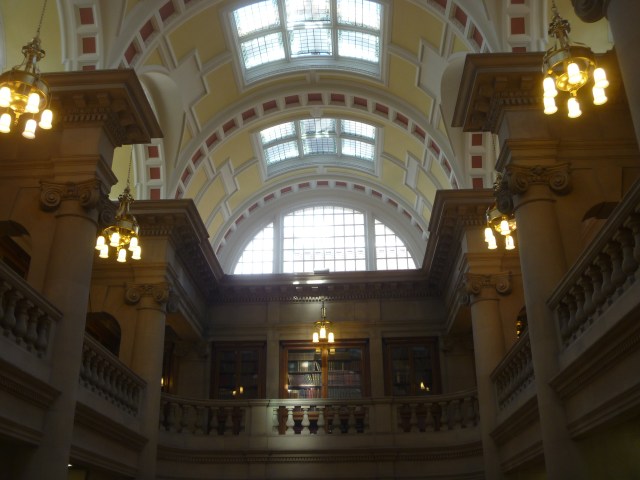
Library Dome

View of the Dome from the Ground Floor

Read more about the library and its services here. Well done, Liverpool, you have a public library worthy of your UNESCO World Heritage Site status.

The Pinecone : a Visit to St Mary’s Church, Wreay in Cumbria

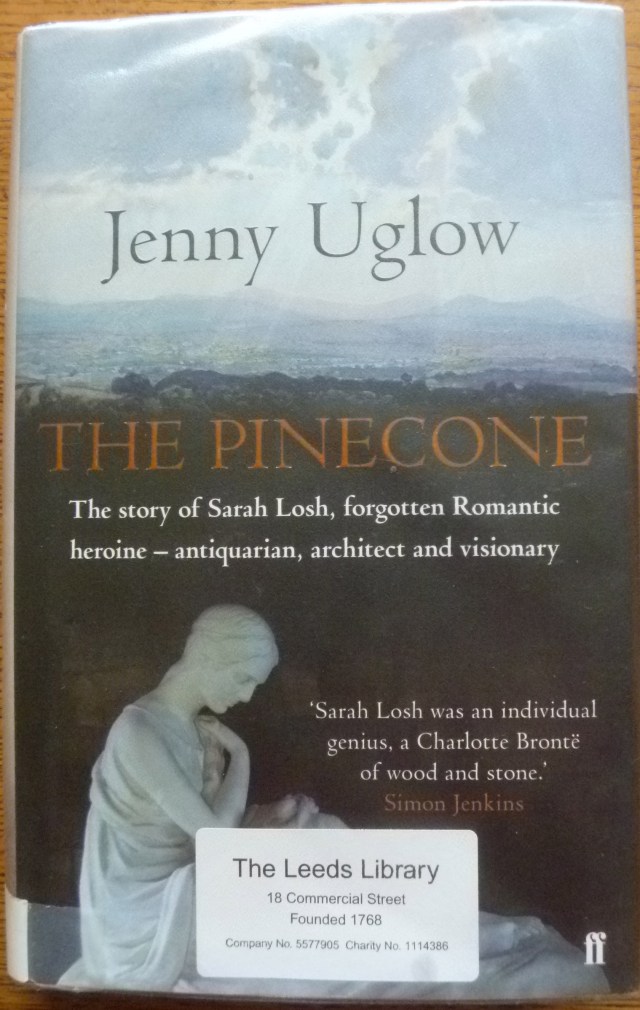
Earlier this year I read Jenny Uglow’s latest book “The Pinecone : the story of Sarah Losh, forgotten Romantic heroine – antiquarian, architect and visionary”. I had heard Jenny speaking about the book at the 2012 Ilkley Literature Festival. Sarah Losh’s life and her work are almost totally unknown.

Pinecone book

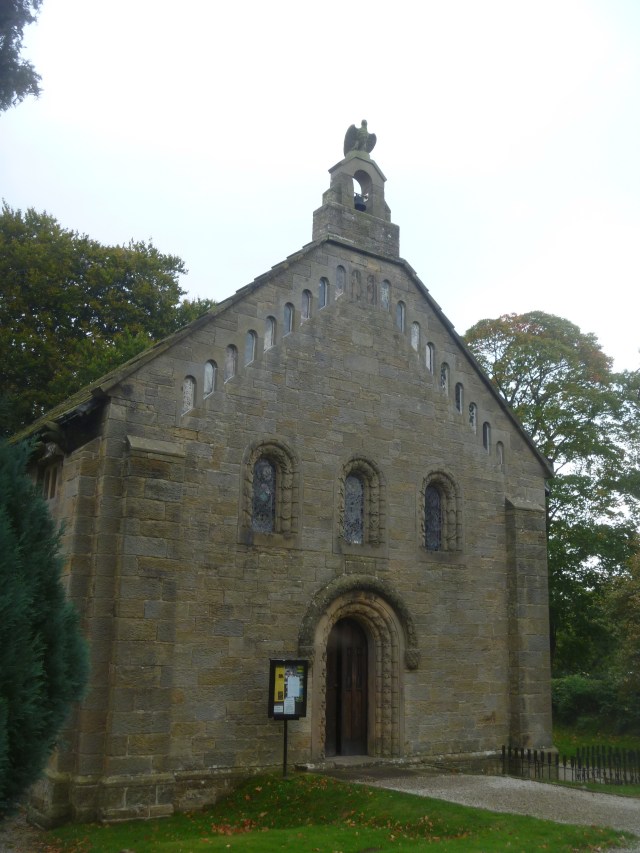
The village of Wreay lies five miles south of Carlisle. Four country roads meet at the village green, shaded by trees, and across the way is the church. It looks like a small Romanesque chapel from northern Italy. What is it doing in this northern village, with the mountains of the Lake District to the west and the Pennines to the east?”

St Mary's Wreay

This is the premise for the book [on the back cover] and it’s a fascinating tale.  Jenny Uglow first sets the scene by telling the story of Sarah Losh’s antecedents who made money in Newcastle from alkali works and later from iron works and the railways. Sarah was born in 1786 and her sister Katharine, with whom she was especially close, in 1788. Their parents died in 1799 [their mother] and 1814 [their father]. The sisters were brought up in the countryside south of Carlisle but as adults they made several tours on the Continent including to Italy. This must be where Sarah received her inspiration. For women at the time they were very highly educated.

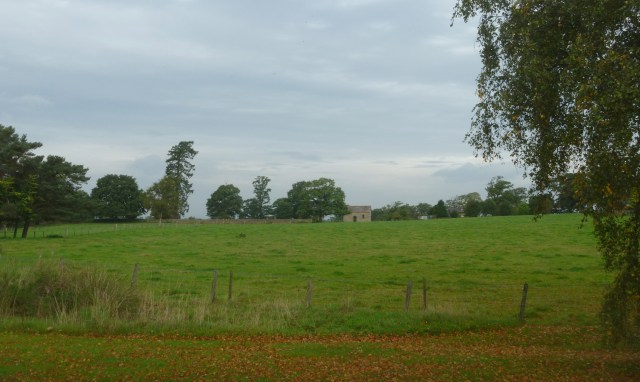
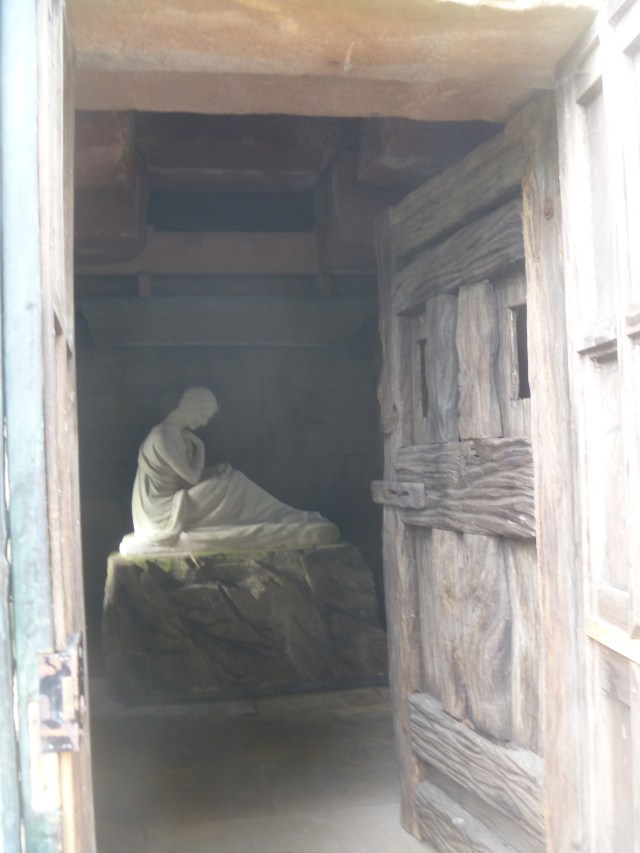
Mortuary Chapel

The Mortuary Chapel Across the Field from the Church

Following the death of their father and their travels on the Continent the Losh sisters returned home and began to make improvements to their home and estate and to the village of Wreay itself including the building of a school. But Katherine fell ill and died in 1835 and Sarah was inconsolable. She then directed her efforts to building a Mortuary Chapel modelled on one she had seen at St Piran in Cornwall.

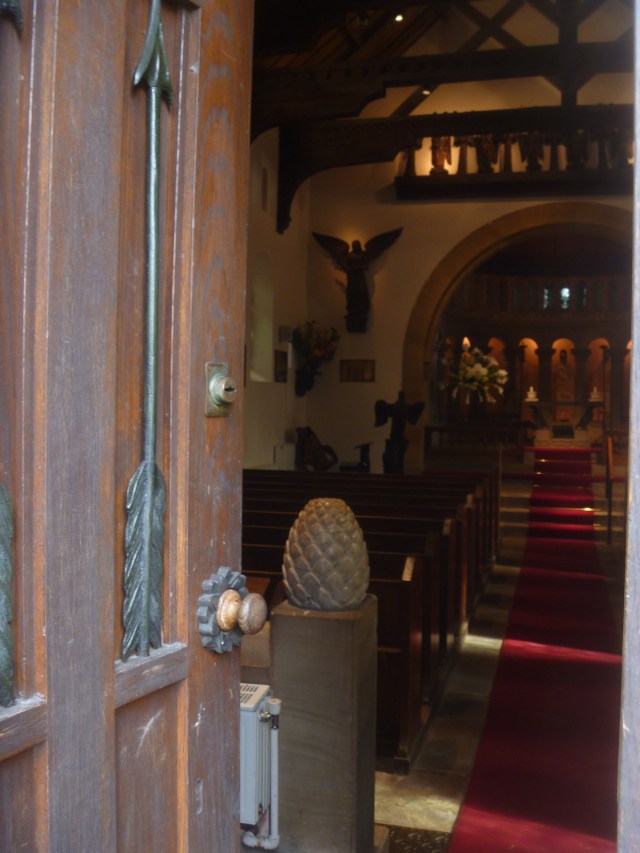
Peep inside the church

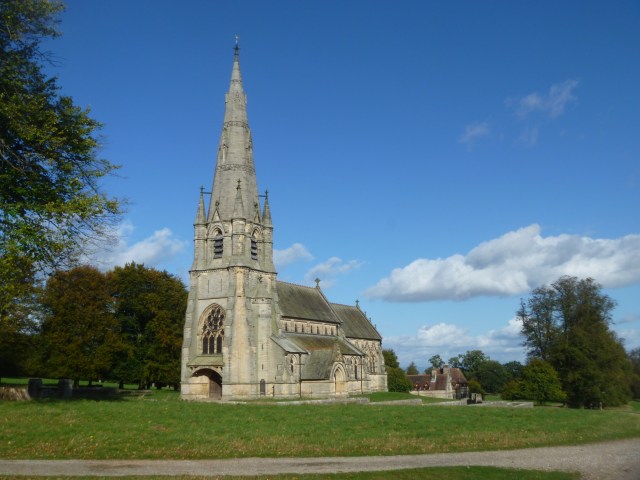
Then Sarah began work on the new church 1835. It was completed in 1845. She declared that it was to be “Not in the Gothick style” but based on a Romanesque design and it is a masterpiece and very obviously the work of one person – the untrained architect and designer – Sarah Losh.

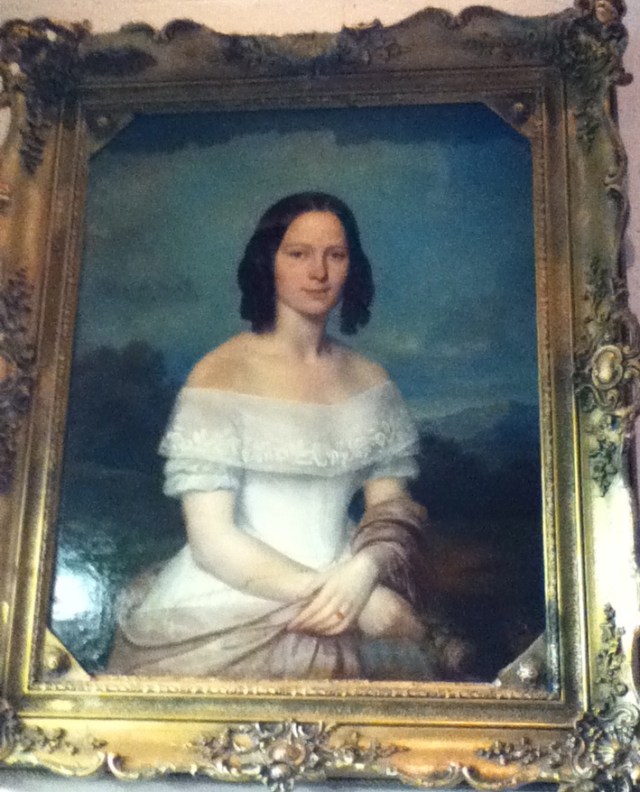
Sarah Losh portrait

Sarah Losh

I can’t go into all the details of both the interior and exterior decoration of the building. It’s a perfect gem – earning four stars in Simon Jenkins’ England’s Thousand Best Churches “This is one of the most eccentric small churches in England … unlike almost all the works in this book, Wreay appears to have been the creation of a single original mind … The Arts and Crafts Movement took half a century to catch up with her.”

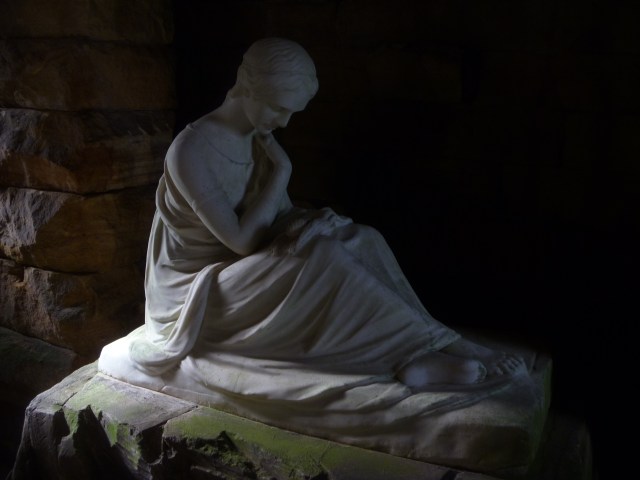
Mausoleum

The Mausoleum

Katherine

Dedicated to Katherine Losh

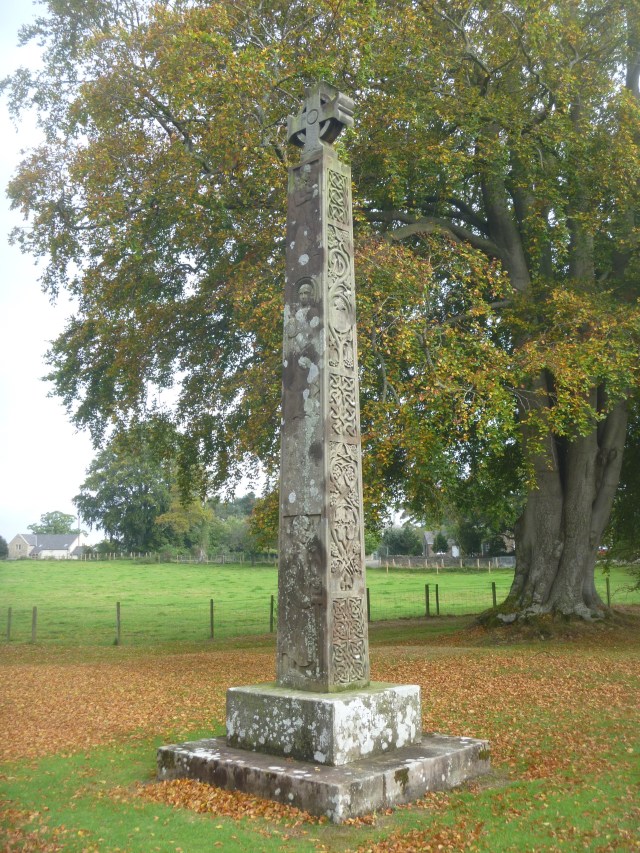
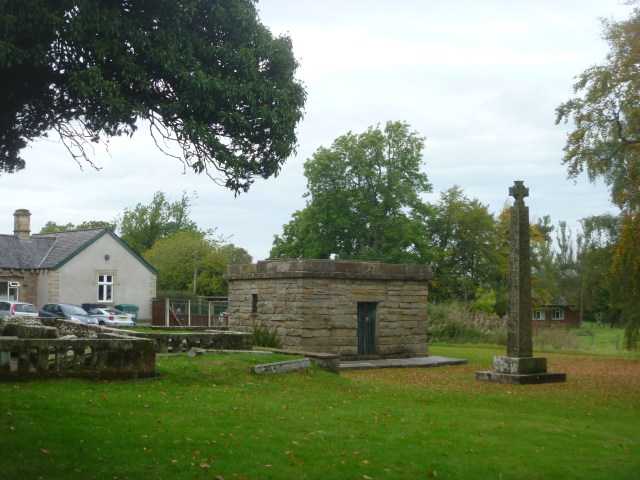
There is a Mausoleum dedicated to her sister and an exact replica of the Bewcastle Cross (the original of which stands by Hadrian’s Wall) alongside the church. The Loshes, including Sarah and Katherine, are buried in a grave enclosure nearby.

Bewcastle Cross

The Bewcastle Cross

Mausoleum and cross and school

The Mausoleum and Cross with the School across the road

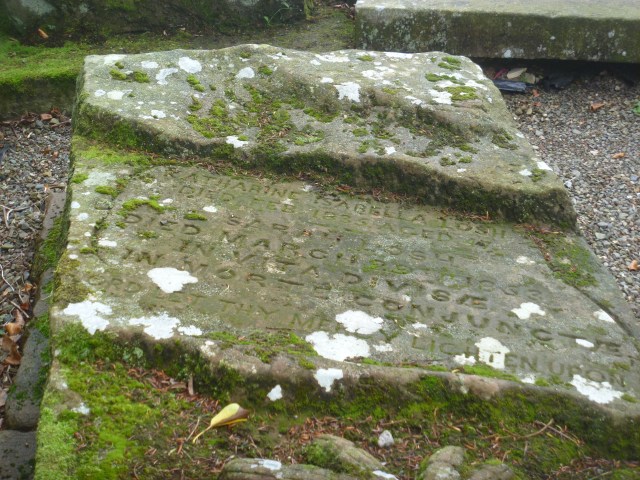
Losh sisters' grave

“IN VITA DIVISAE, IN MORTE CONJUNCTAE” – Parted in life, in death united”

I’m lucky to have a friend who lives not far from Wreay. I visited her in Carlisle last year. So last Thursday I took to the Leeds-Settle-Carlisle Line again to visit Wreay Church with June and her husband, David. We were lucky to arrive whilst a group were being shown round and had the good fortune to have access along with them to the small Mausoleum dedicated to Katherine.

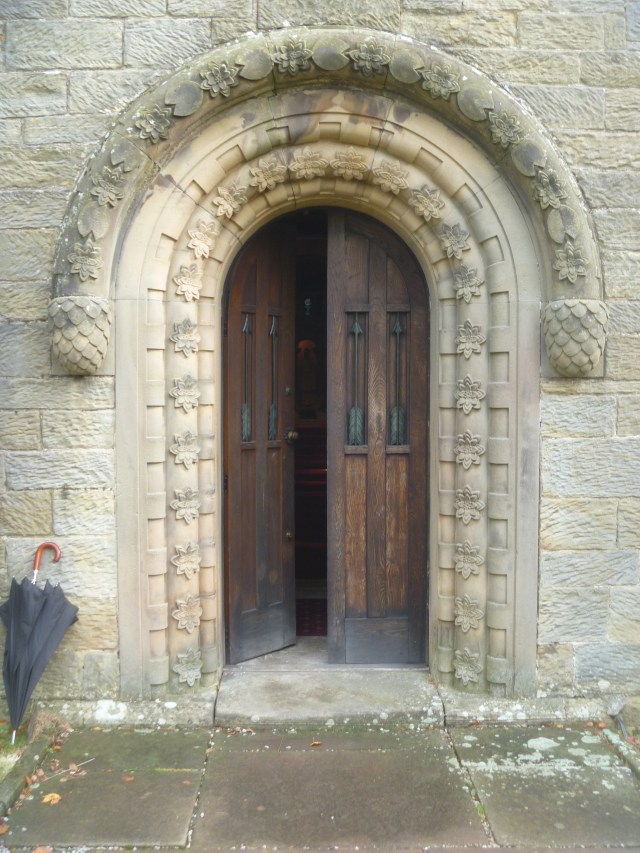
Church door

The Ornate Church Door

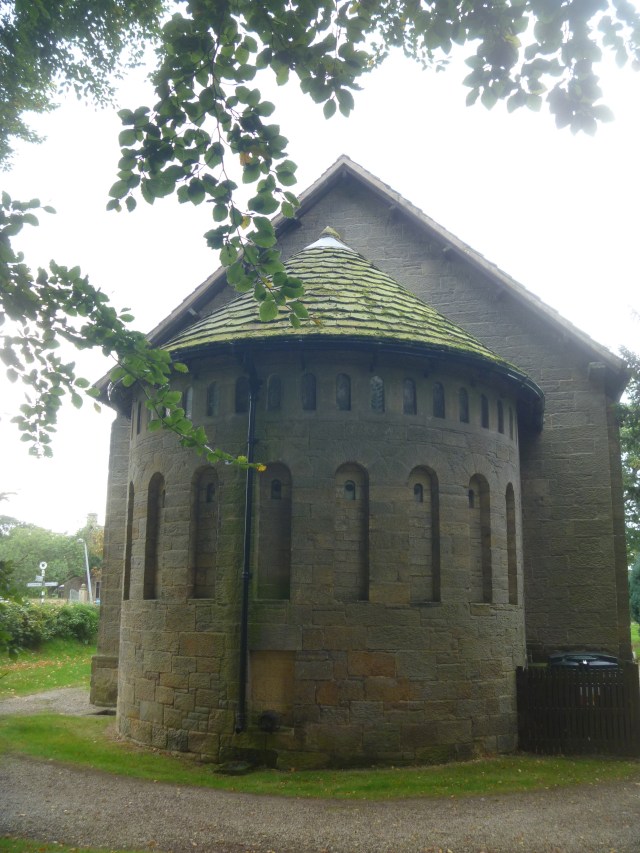
East end with apse

The East End, with Apse

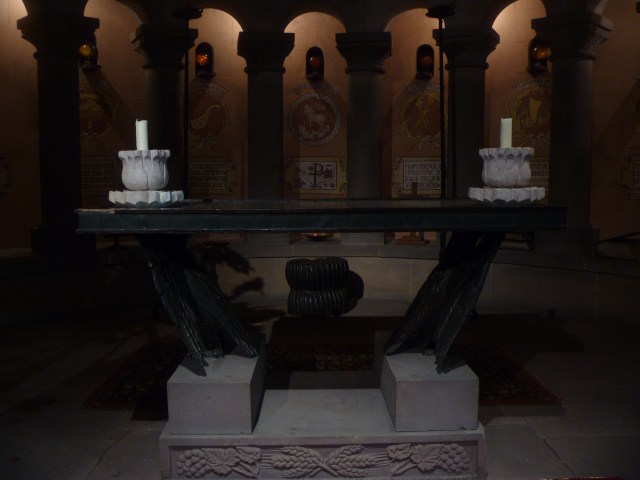
Altar

The Altar

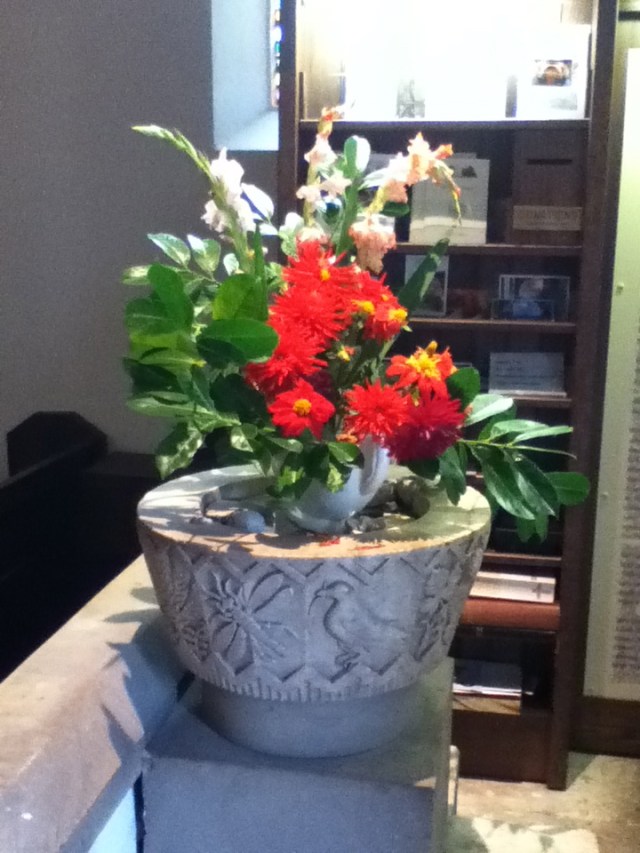
Alabaster font

The Alabaster Font – Carved by Sarah

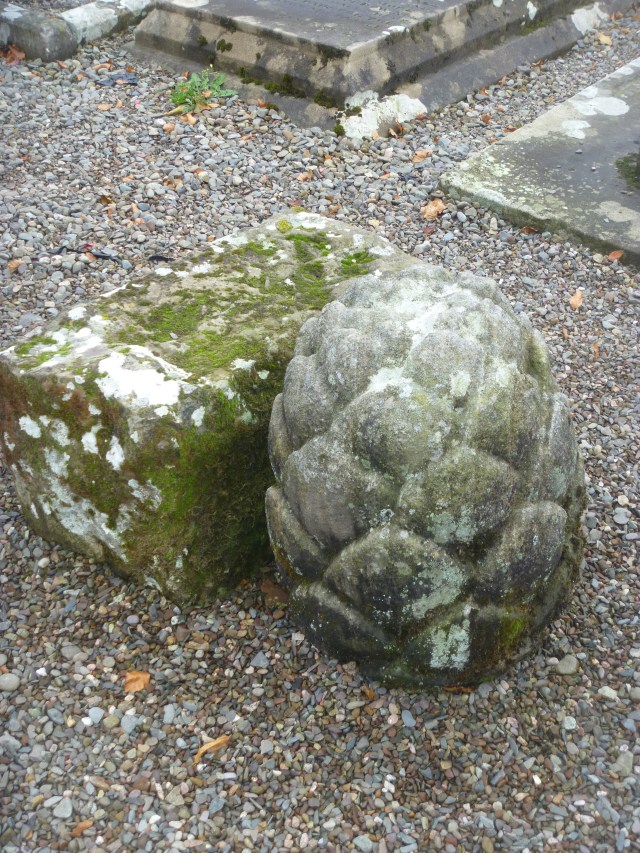
A pinecone

One of Many Pinecones

So, why the Pinecone? Because it is an ancient symbol of regeneration, fertility and inner enlightenment. It is a promise of rebirth.
Lancaster II : The Ashton Memorial in Williamson Park and The Judges’ Lodging

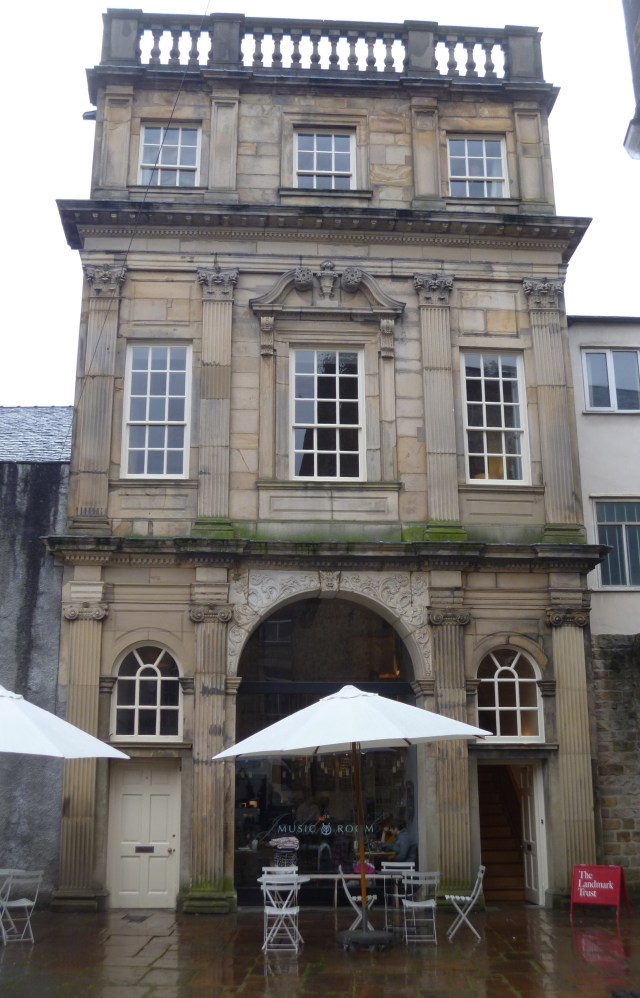
A couple of weeks ago I paid my second visit to Lancaster. The main purpose of my visit last March was meet a friend and visit the newly refurbished Landmark property The Music Room. From the Music Room roof we could see across the city Williamson Park and the very prominent Ashton Memorial. We promised each other that later this year we’d meet again and visit the Memorial.

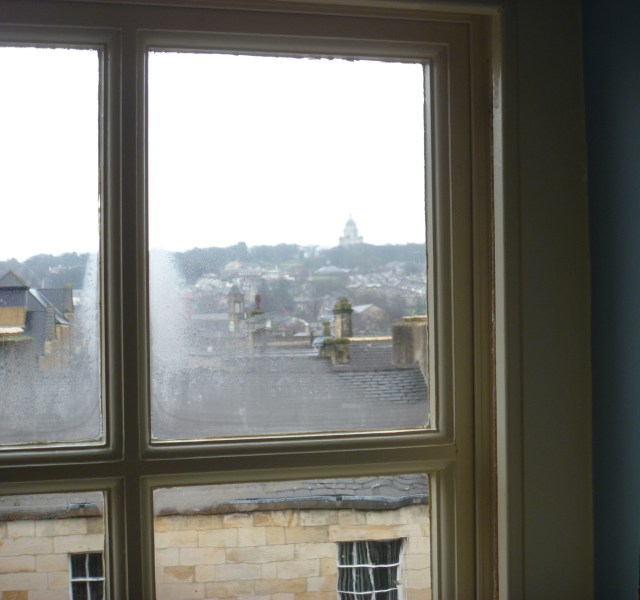
Ashton M Ashton M from MR

The Ashton Memorial from Music Room Window and Roof

So that is what we did. Again we met at the Railway Station and headed for coffee and catch-up. Then we took the bus out of the city and up Wyresdale Road to the entrance to the park. In September the weather proved to be drier and sunnier than in March.

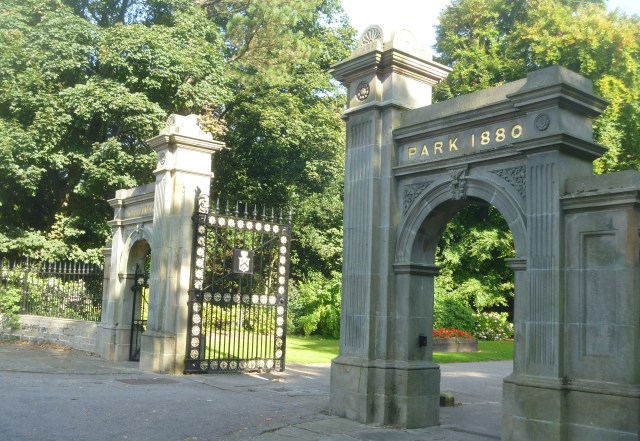
Gate Williamson Park

Williamson Park Gates

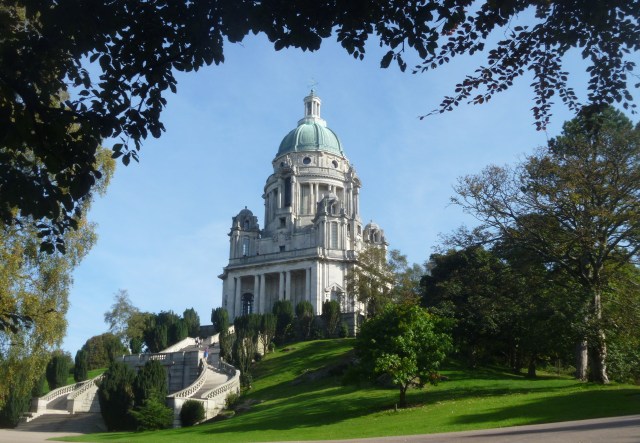
The Ashton Memorial was commissioned by Lord Ashton as a tribute to his late wife. It was designed by John Belcher and completed in 1909, the restored interior hosts exhibitions and concerts and can be hired for private functions, including wedding ceremonies.

Externally, the dome is of copper. The main stone used in the building is Portland stone although the steps are of granite from Cornwall. Externally around the dome are sculptures representing “Commerce”, “Science”, “Industry” and “Art” by Herbert Hampton. The interior of the dome has allegorical paintings of “Commerce”, “Art” and “History” by George Murray. The ceiling is presently undergoing restorative works and has been covered with drapes.

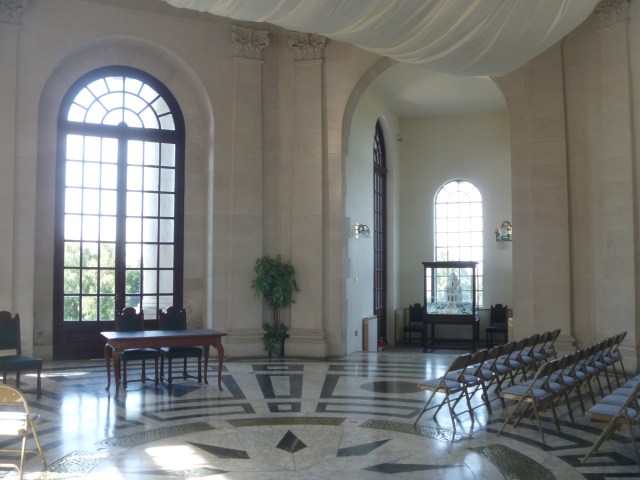
Ground Floor Wedding Venue

The Ground Floor Wedding Venue

At around 150 feet tall it dominates the Lancaster skyline. The first floor outdoor viewing gallery provides superb views of the surrounding countryside and across Morecambe Bay.

[From The City Council website]

Ashton Memorial

The Ashton Memorial in Williamson Park

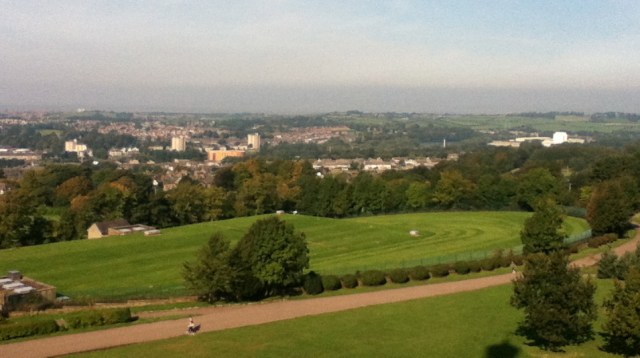
Hazy view to coast and Morecambe

Hazy View from the Gallery to Coast at Morecambe

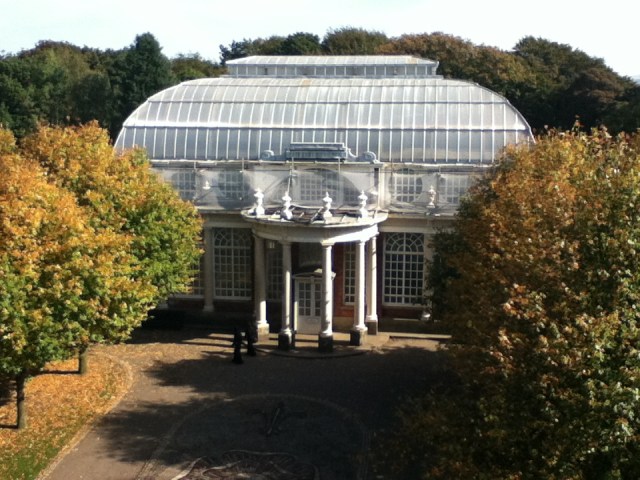
It’s a lovely park with lakes and follies, woodland paths and a Butterfly House in the original Edwardian Palm House. We ate our lunch from the very nice Pavilion Cafe out on the sunny terrace.

Butterfly House

Butterfly House

We decided to walk back to the city centre and had a peep at the Lancaster Grammar School Hall and the Roman Catholic Cathedral of St Peter on our way.

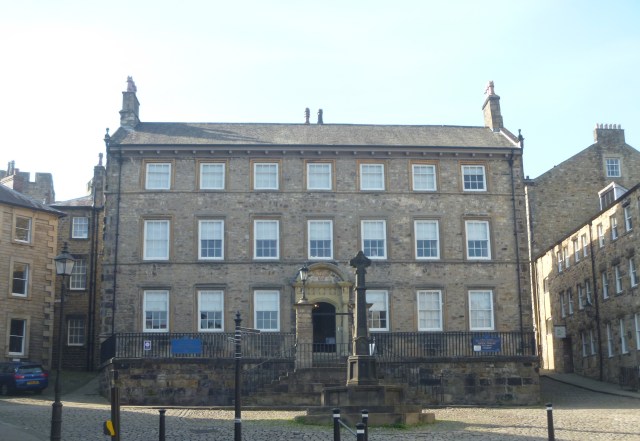
The Judges’ Lodging is so called because it was where until the 1970s the circuit judge would be accommodated during his visit to the Assize Court in the Castle.

Judges' Lodging

Discover the treasures of Lancaster’s oldest town house

Built in the centre of Lancaster against the backdrop of Lancaster Castle and Lancaster Priory this elegant, Grade I listed building is Lancaster’s oldest town house. The house was originally home to Thomas Covell, Keeper of Lancaster Castle and notorious witch hunter. Between 1776 and 1975 the house became an impressive residence for judges visiting the Assize Court at nearby Lancaster Castle.

The museum is now home to a renowned collection of Gillow furniture which is displayed in fabulous Regency period room settings, fine art and also the enchanting Museum of Childhood which explores toys and games from the 18th century to the present.”

[From the Judges’ Lodging website]

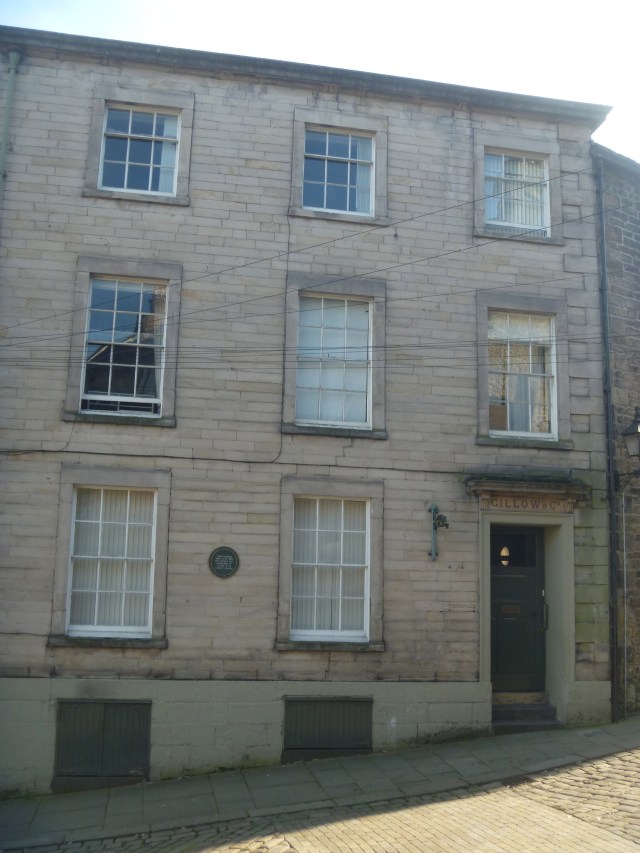
Gillow Lancaster

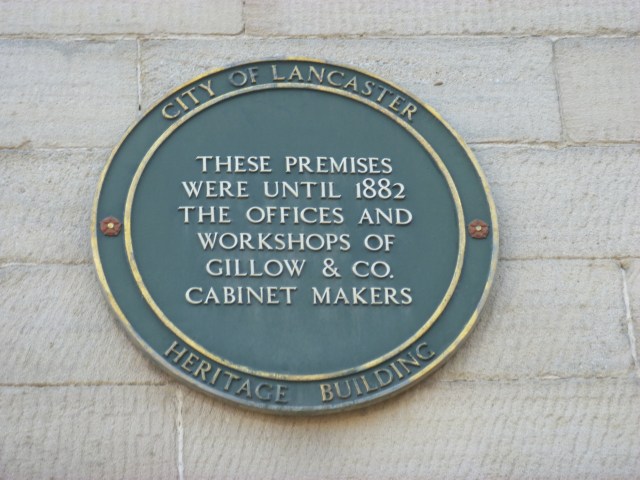
Gillow Plaque

The former Gillow and Co. workshop and offices is next door to The Judges’ Lodging.  After our visit (No Photography Allowed) there was just time for a cup of tea outside the cafe below the Music Room in what is now called Lancaster’s “Coffee Quarter”.

Music Room Cafe

It was warm and sunny on our last visit!

Stony Lake History Tour by Boat

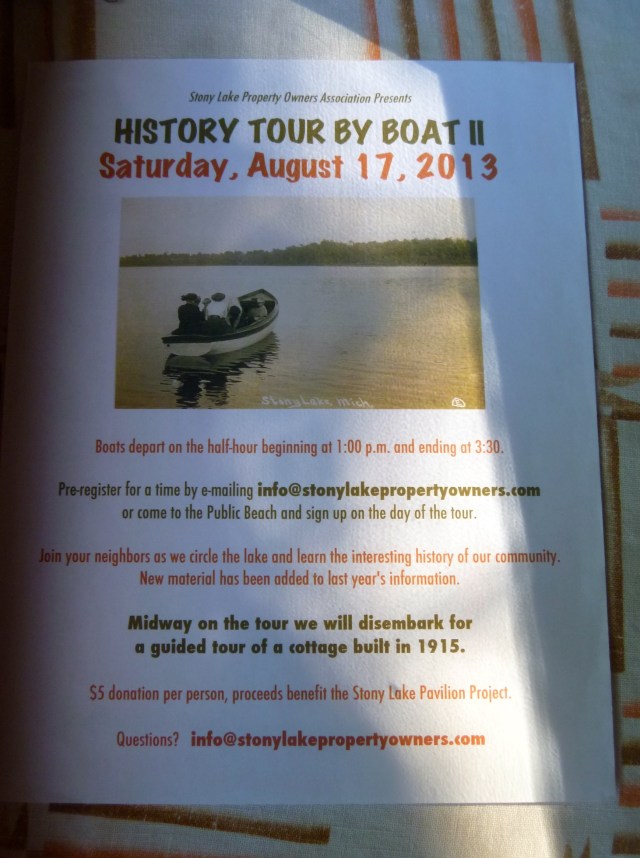
History Tour by Boat

Stony Lake is just inland from Lake Michigan, one of the five Great Lakes of North America. The Stony Lake Property Owners Association cares deeply (47 feet deep at its maximum, I’m told) about the state of the lake itself, its flora and fauna, about possible sources of pollution and about the immediate banks where many individuals and some organisations have property.

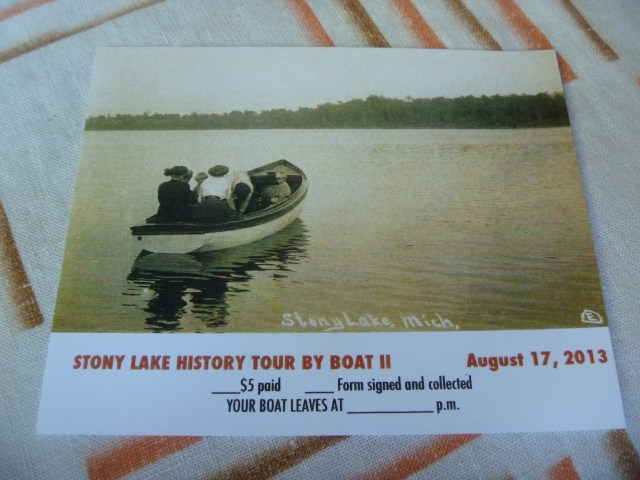
Boat Tour Ticket

Last year the SLPOA introduced a new activity to their summer calendar – The Stony Lake History Tour By Boat. This event is scheduled to take place annually in August visiting a different property each year. Although my visit was in September I had the good luck to stay with a member of the Association’s Committee and my own private, individual, tailor-made tour was arranged by my hosts. We didn’t actually visit a lakeside home. But that was no problem as I was lucky enough to be staying in one myself – and a very special one it is too!

Aerial view of Stony L

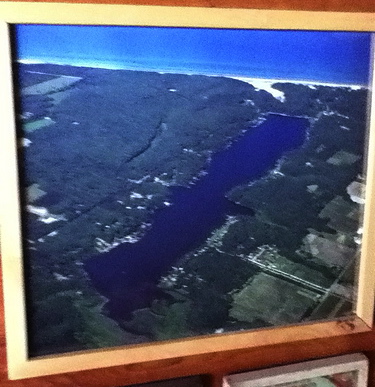
Aerial View of Stony Lake with the Shore of Lake Michigan Along the Top (the view looks approximately west)

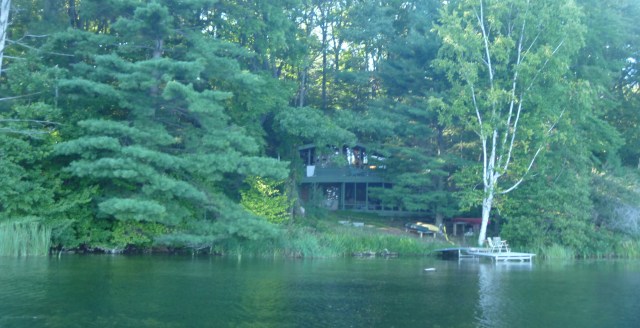
Cottage

Our Stony Lake Retreat

Some of this commentary is taken or adapted from the notes from which the docents read during the Tour.

Stony Lake has a lot of tradition. Much of the land, and in many cases the cottages, have been lovingly passed down for generations, shared or sold to friends or family members or even neighbours. 

But things change over the years, and the way of life many long time cottagers grew up with is changing too. More people come for short visits … They have less time to participate in community activities. One reason for doing the Tours is to help getting to know each other a little better.”

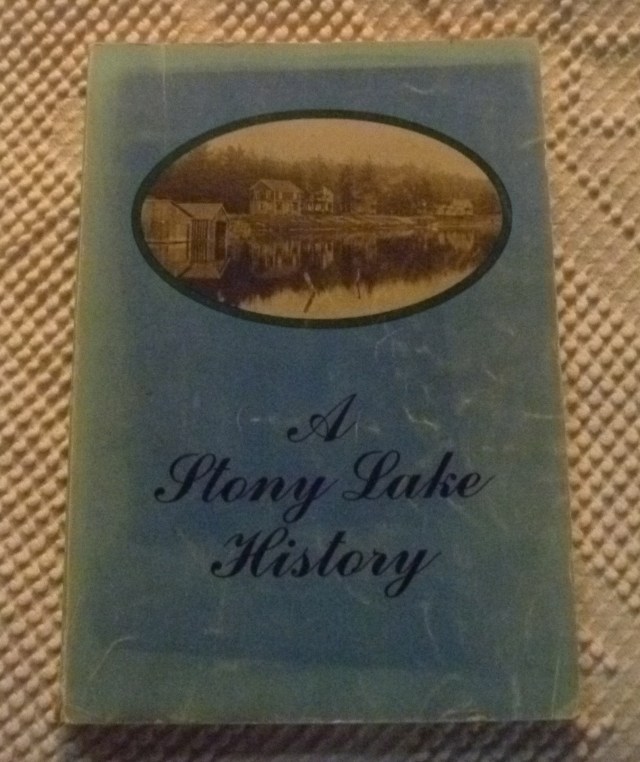
A Stony Lake History

“In the 1980s The Property Owners Association organized a project to publish A Stony Lake History, which was published in 1986. We hope it can be updated and republished.”

Huey House

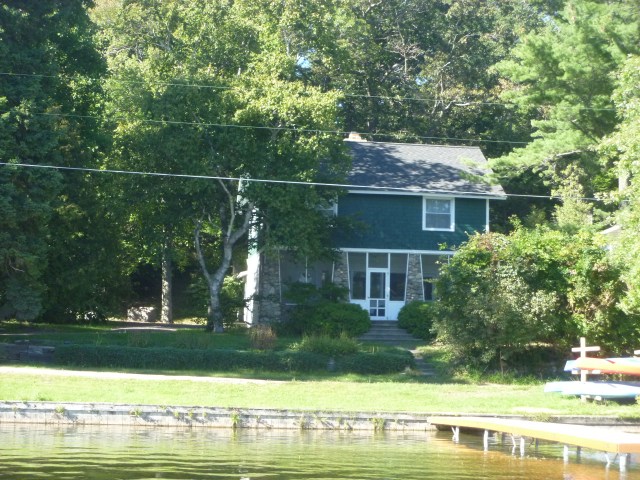
The first house we ‘visit’ is The Huey House built by  John and Myra Huey in 1902.

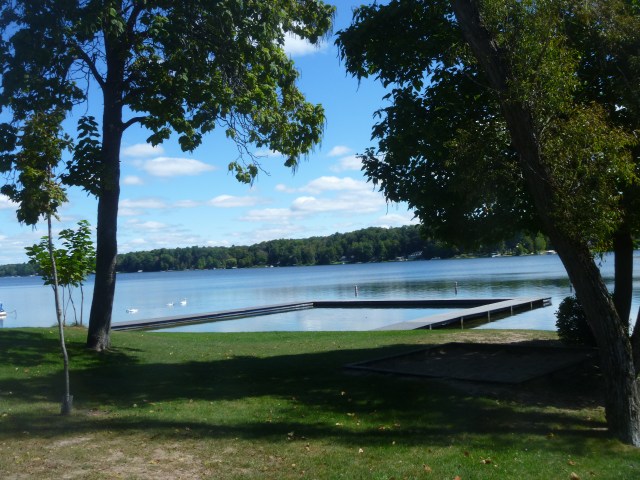
Public beach

The Public Swimming Beach – I enjoyed a few swims here

Beach from Boat

The Beach from the Boat

Stony Lake Store

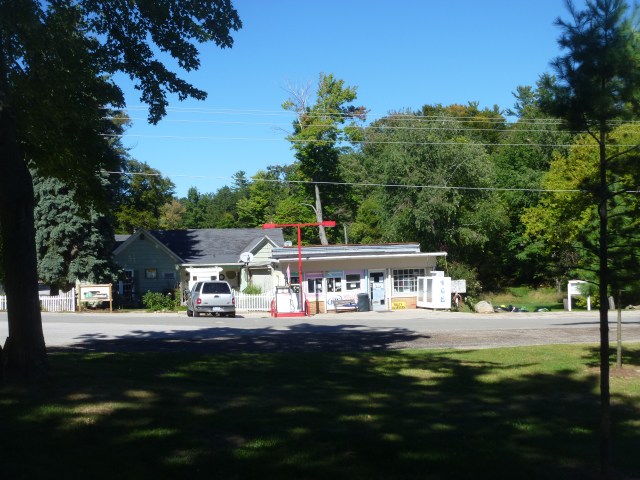
Just across the road from the beach is The Stony Lake Store – once it housed the local Post Office, alas no longer.

As we moved around the Lake I was able to view the several Youth Camp Sites including Camp Miniwanca owned by The American Youth Foundation and in existence since 1924.

Miniwanca dock

Here is the Miniwanca Camp Dock

I’m afraid that whenever I see these camps I can’t help singing this to myself :

Remember Allan Sherman?
Another camp on Stony Lake is the Lutheran Camp with a sandy beach and its own swimming area and on the opposite bank and near to ‘our’ cottage is Camp Ao-Wa-Kiya. “Everyone who has a property on Stony Lake should appreciate the special atmosphere that the three camps on the lake provide. These large  chunks of land remain mostly undeveloped, and because of that there is less traffic on the lake. And most nights when the camps are in session the air rings with sounds of happy campers singing and cheering.” 

Shore line cottages

South Shore

Single storey cottage

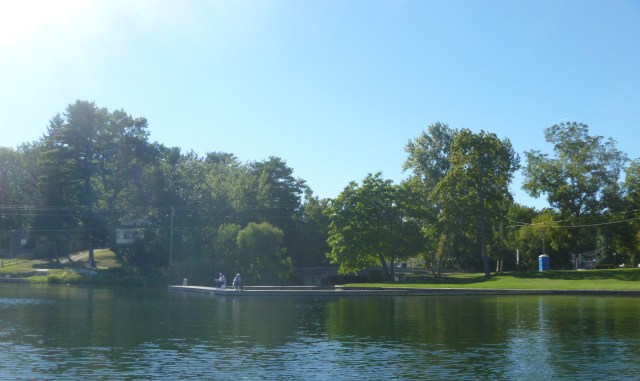
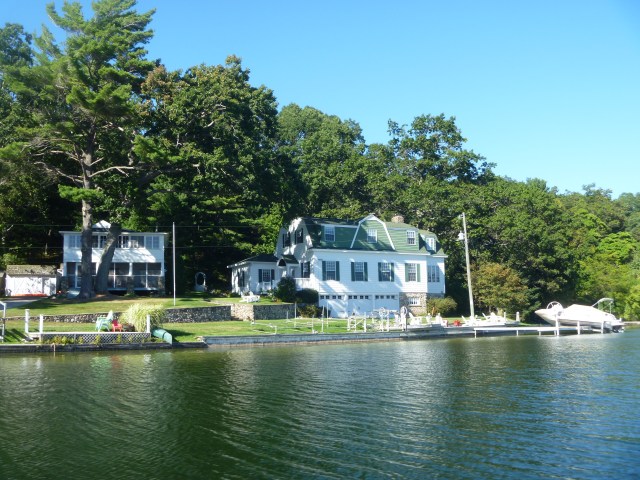
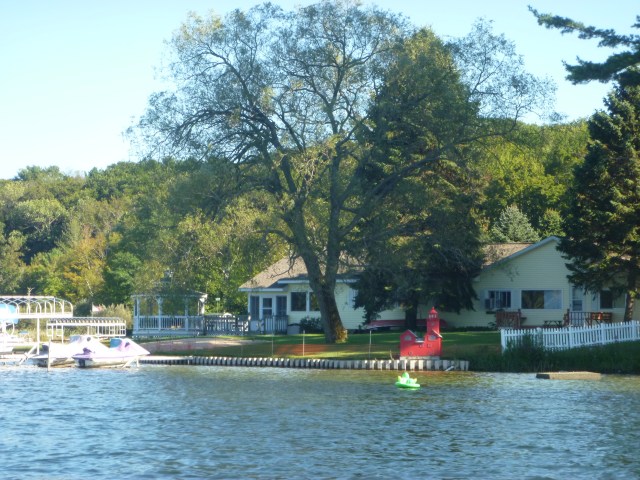
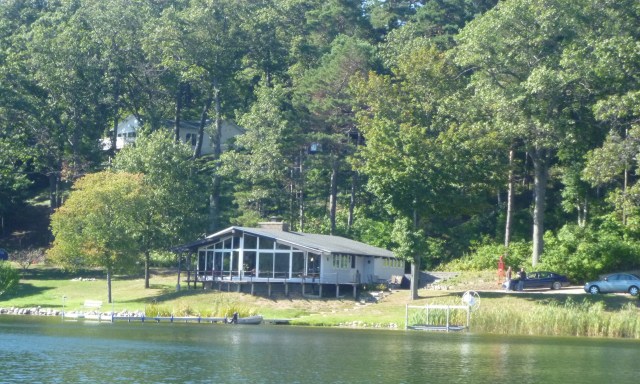
Some Stony Lake Properties that caught my eye

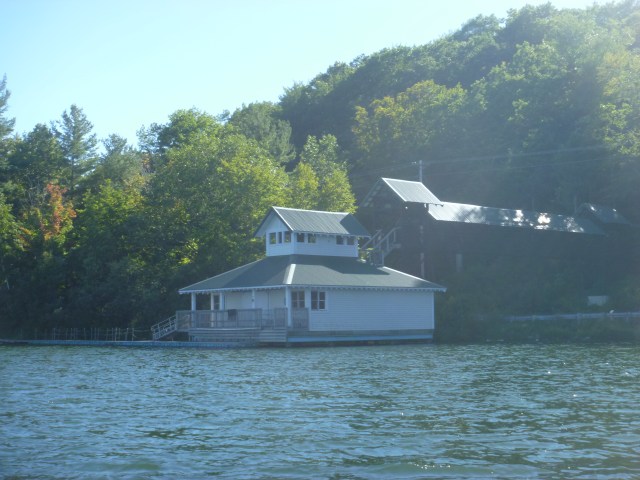
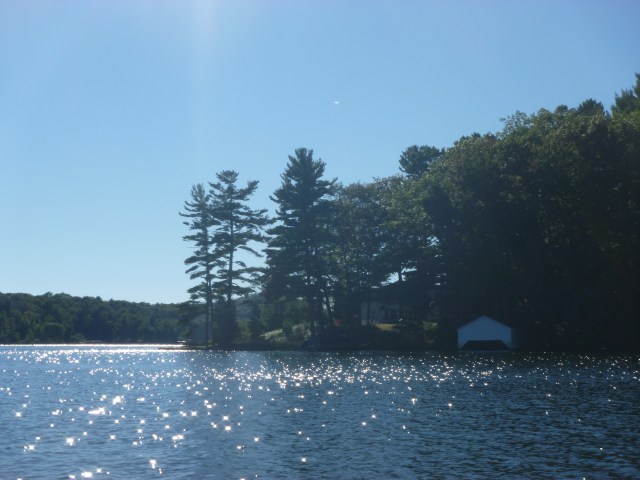
Boat House

A Stony Lake Boat House

My thanks to John and Julie for being magnificent and generous hosts and for taking me on my own private History Tour Boat.

Quiet area

A Quiet Area of Stony Lake (that’s a heron over to the left there)

Along The West Michigan Pike: From Sand Trails to U.S.31

We spent the first fortnight in September this year at our friends’ cottage in Michigan. We’ve visited several times before but it’s always a pleasure to stay there with them and make new discoveries in the area as well re-visiting old haunts.

The Book

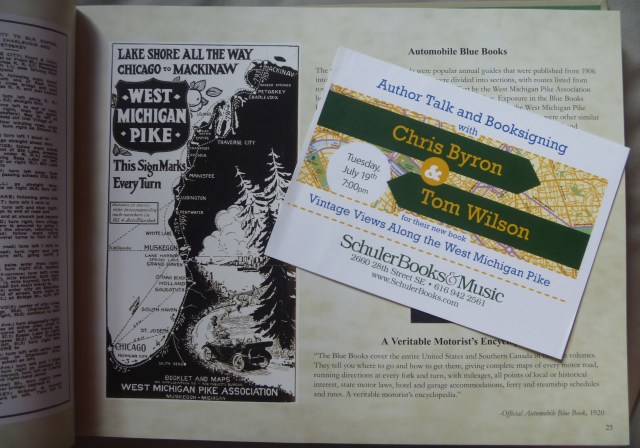
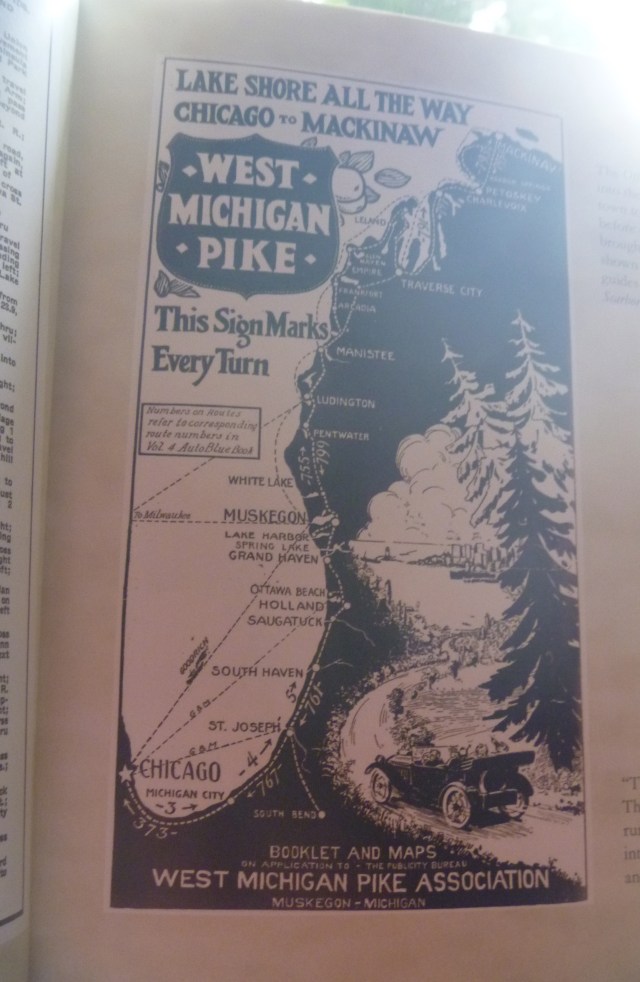
On the bookshelves at the Cottage my attention was drawn to a book by friends of our hosts called ‘Vintage Views Along the West Michigan Pike‘. Christine Byron and Thomas Wilson have collected memorabilia and old photos and postcards and assembled them together to produce an illustrated history of the road that wends (or wended) its way along the eastern side of Lake Michigan from the Indiana State Line to the Mackinac Bridge that links the Lower Peninsula of Michigan to the Upper Peninsula.

Sticker

The West Michigan Pike has been more or less swallowed up by the highway U.S.31 which actually starts way south of Michigan in Alabama.

WMP author talk

I’ve picked out a few  pages of places that I’m more familiar with and included some of my own photos of places along the route.

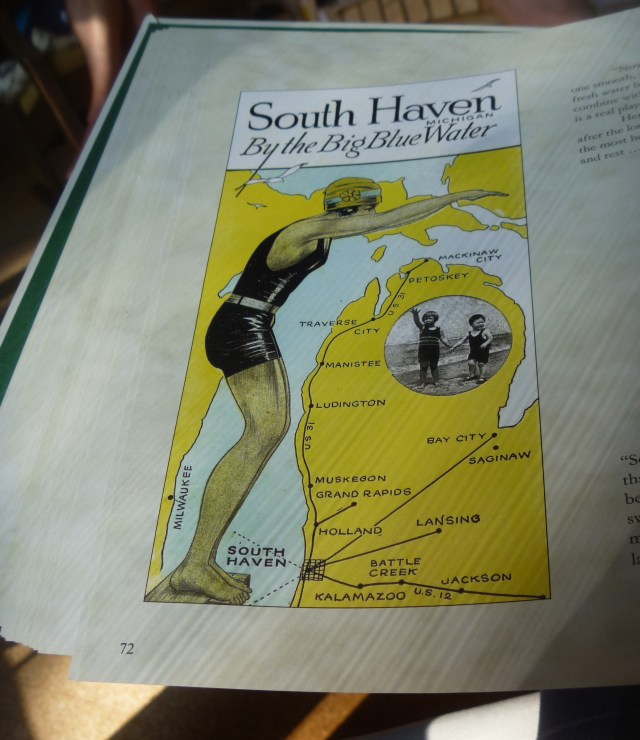
WMP map

Map

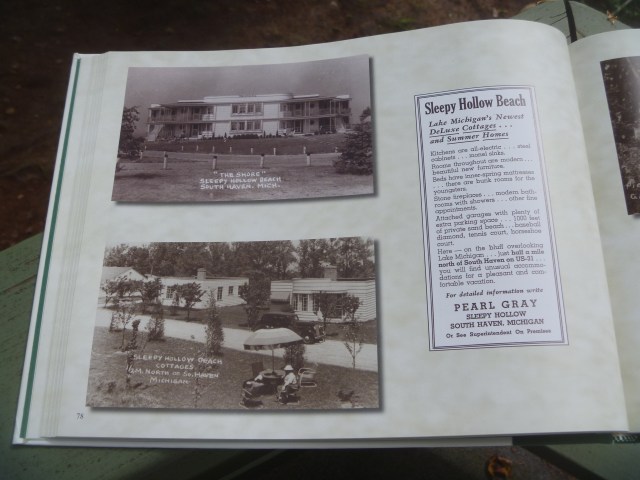
WMP Accommodations SH

South Haven Accommodations in yesteryear

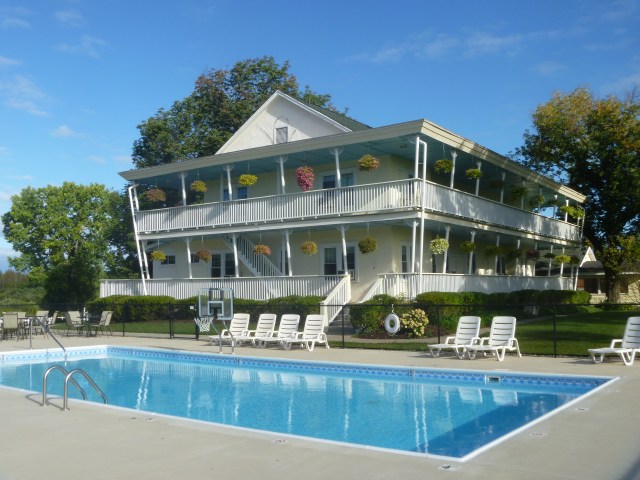
Sun 'n' Sand

Our 1950s Sun ‘n’ Sand Resort Accommodation 2013

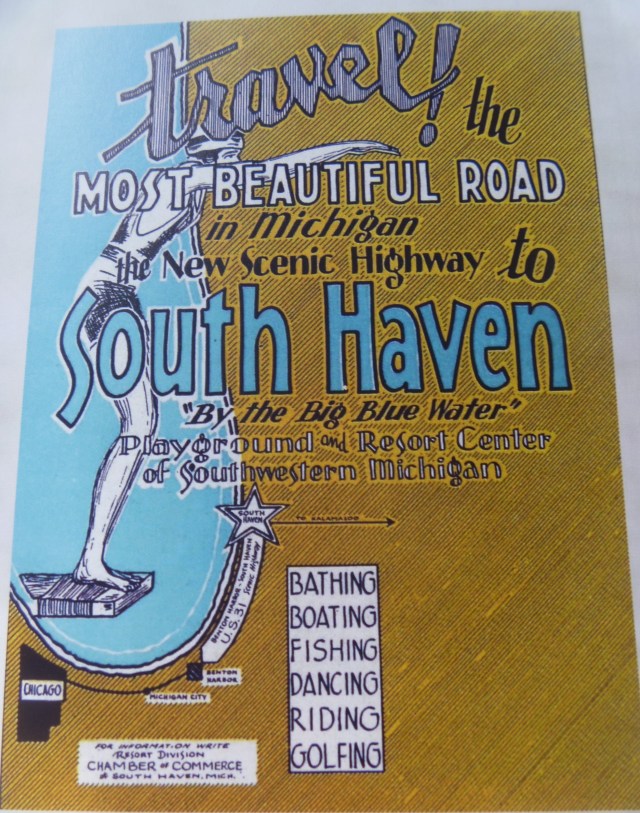
WMP S Haven

WMP South Haven

South Haven was our overnight stop between Chicago O’Hare Airport and Stony Lake where the Cottage is located.

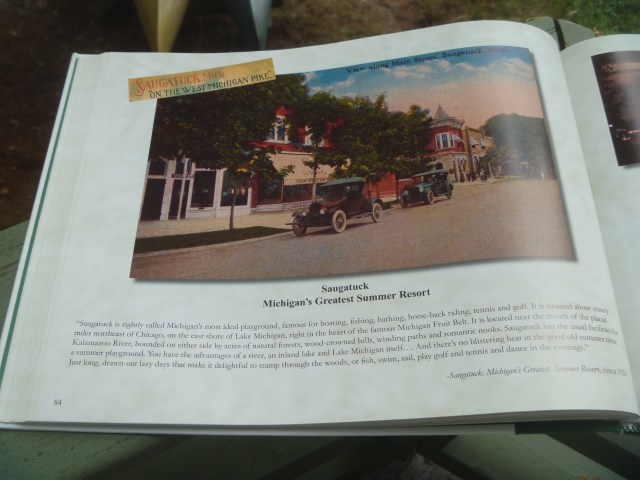
Saugatuck

Saugatuck is always a favourite stopping off point just off the 31 on journeys between Stony Lake and Chicago.

S.S.Keewatin

The S.S.Keewatin, moored on the south bank of the Kalamazoo Lake near Saugatuck is one of the few remaining of dozens of passenger ships that criss-crossed Lake Michigan. The Scottish-built ship is now a museum and is the biggest vessel to ever enter Saugatuck’s Harbour. I haven’t yet managed to visit as the museum is closed after Labor day and our trips are normally in September.

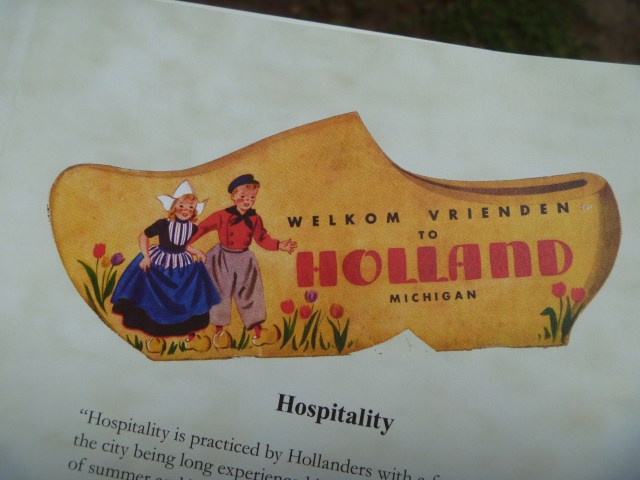
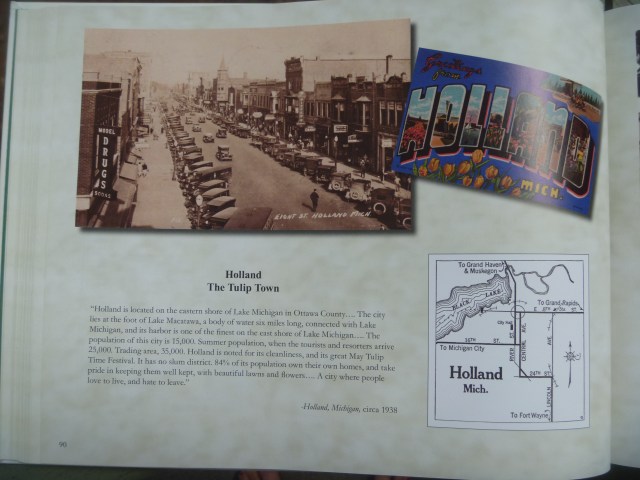
Moving on north up the US31 you come to Holland with its very Dutch buildings and atmosphere. We visited Downtown Holland for the first time this trip but it’s not easy to take picturesque pictures these days, with cars parked everywhere. Better to view it from the old time postcards and pictures.

Welcome to Holland

Welcome to Holland

Holland Tulip Town

Holland – Tulip Town

Holland

Holland Postcard – I love this style but no longer available these days!

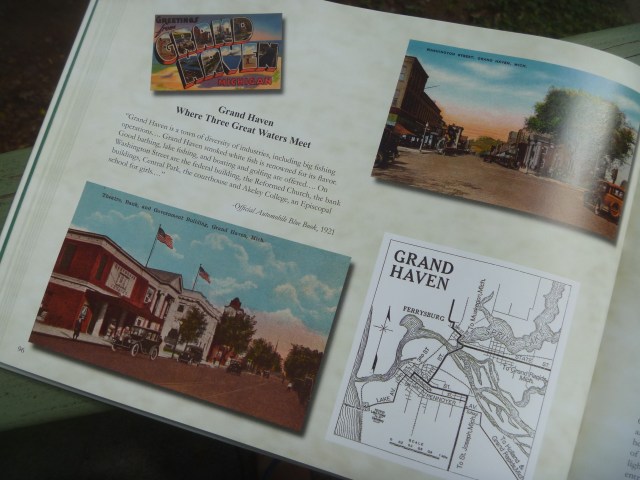
Grand Haven

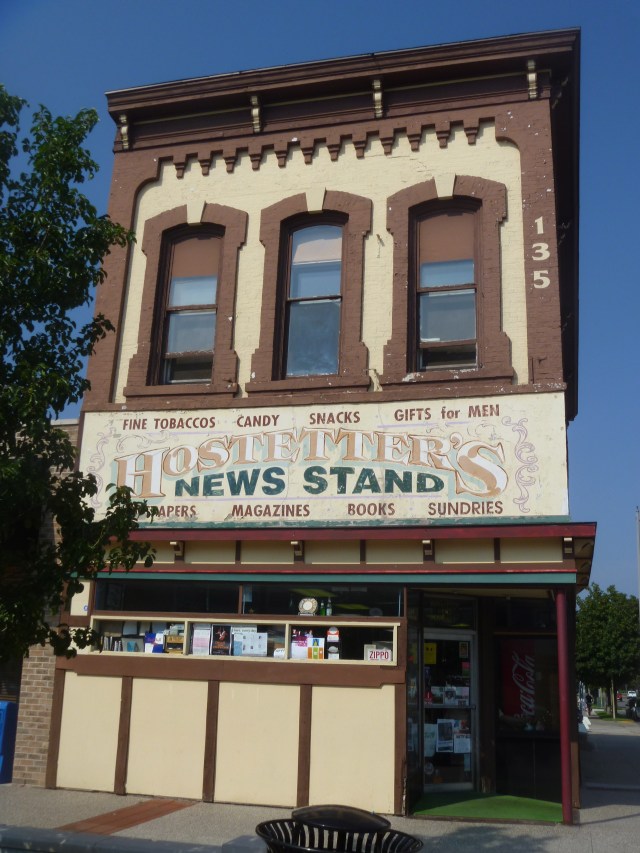
Next along the route is Grand Haven. We’ve visited a few times and love this wide  streeted town with its individual shops like Hostetter’s Newsagent and Bookshop and old style deli Fortino’s.

Hostetters

Hostetter’s, Grand Haven, MI

Another favourite town of ours is Pentwater. Dubbed “A Norman Rockwell Kind of Town” it is, like the many of the others, just one wide main street with good eateries and shops. Sailing is also very popular here and the yachts big and small bob up and down in the harbour/marina as you approach the centre of town.

Pentwater

Main Street Pentwater 2007

North of Pentwater has usually been outside our holiday ‘comfort zone’ but we made a day-long excursion this year via Manistee and Benzonia to the delightful small city of Traverse City. It’s one of those places listed in Top 10 Small Town America lists such as this and we thought it deserved its placing.

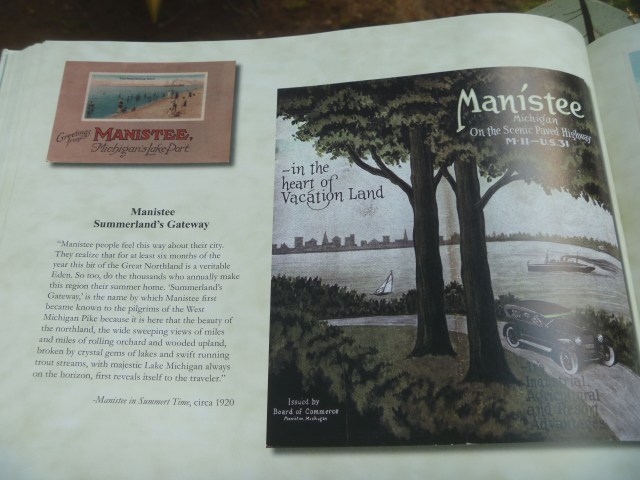
Manistee

Manistee

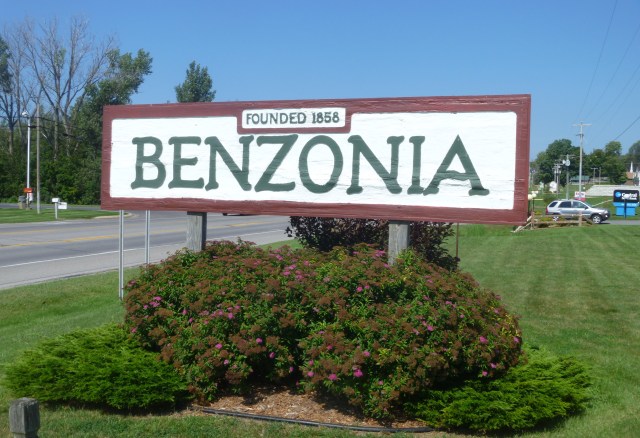
Benzonia sign

Welcome to Benzonia!

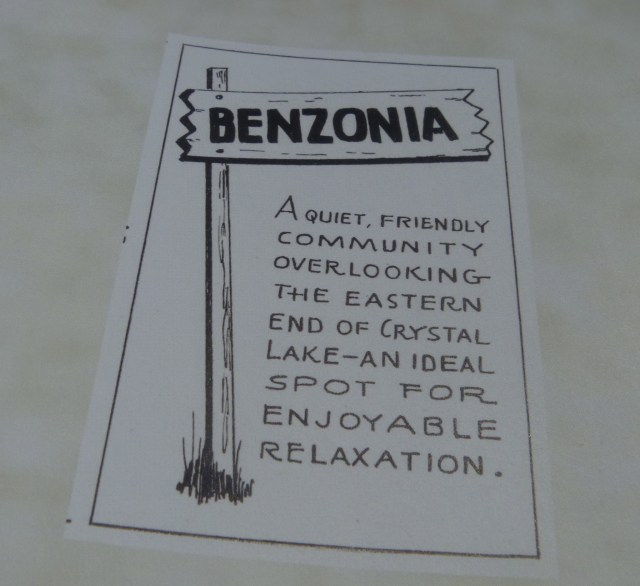
Benzonia

Description of Benzonia

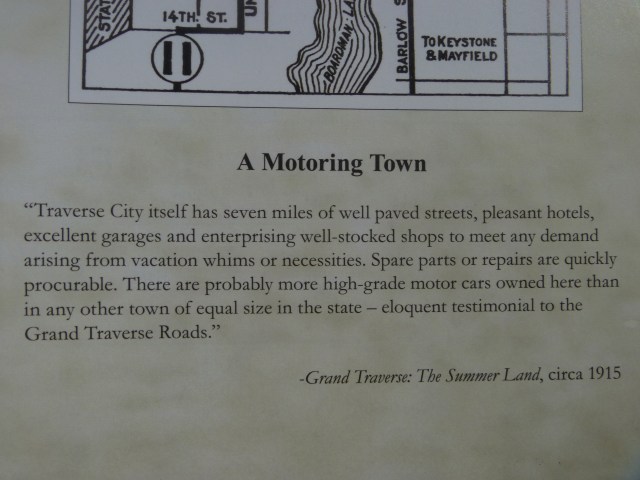
A Motoring town

Traverse City ‘A Motoring Town’ – Still Full of Parked Cars Today!

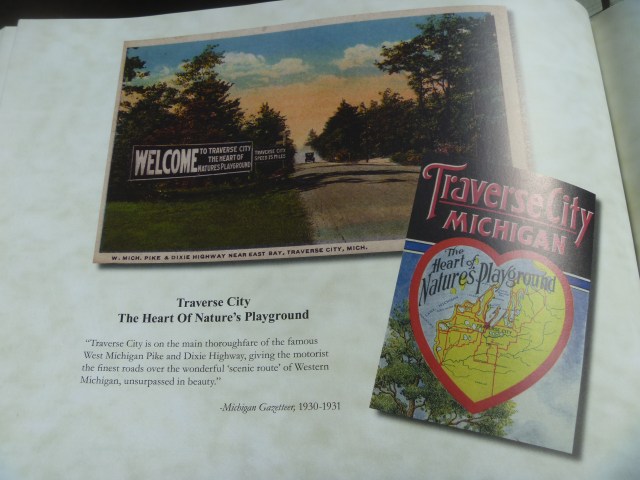
Traverse City

Traverse City – Also, ‘The Heart of Nature’s Playground’!

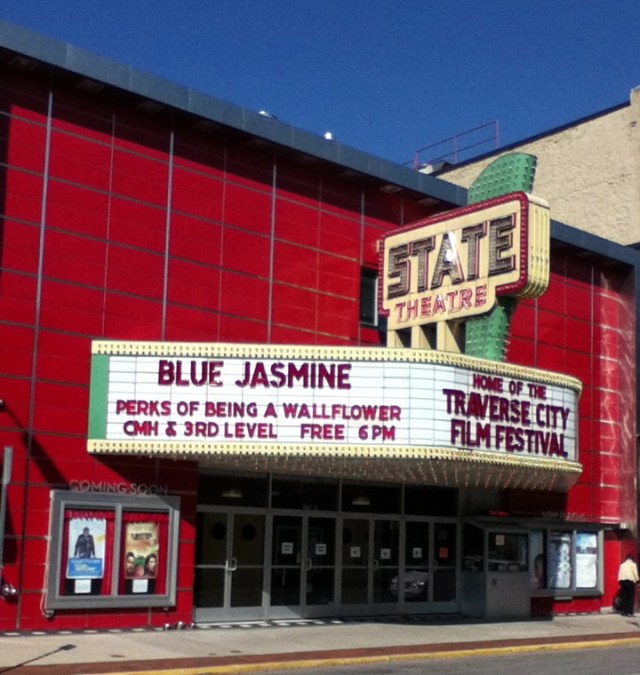
Cinema Traverse City

The Cinema that Local Film Maker Michael Moore helped to Save

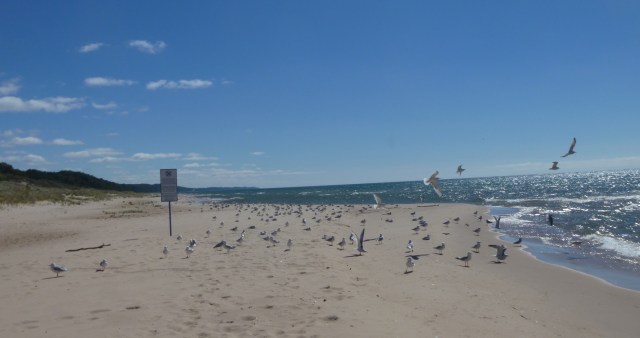
And here’s Lake Michigan itself – By Day

Lake Michigan

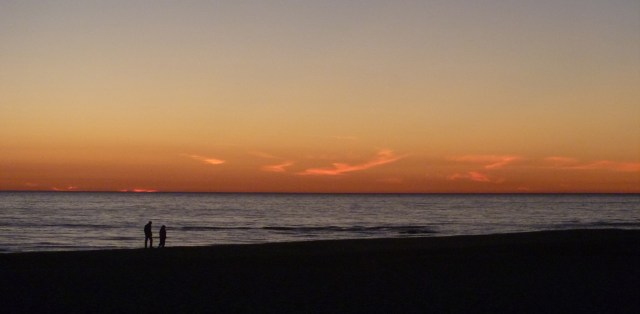
… And At Sunset

L Michigan sunset