The Head of Nidderdale

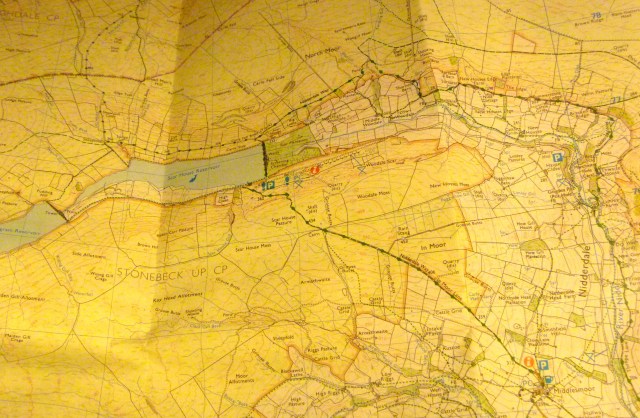
map

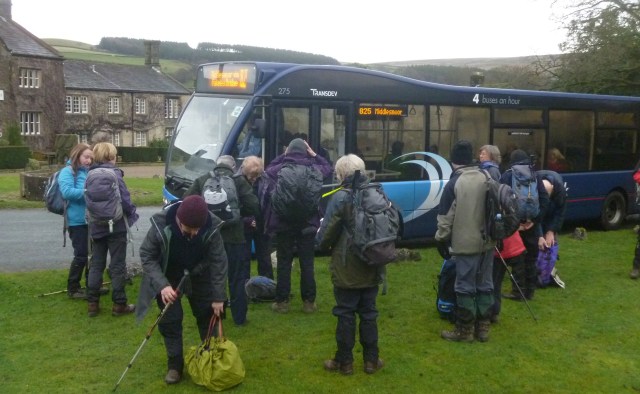
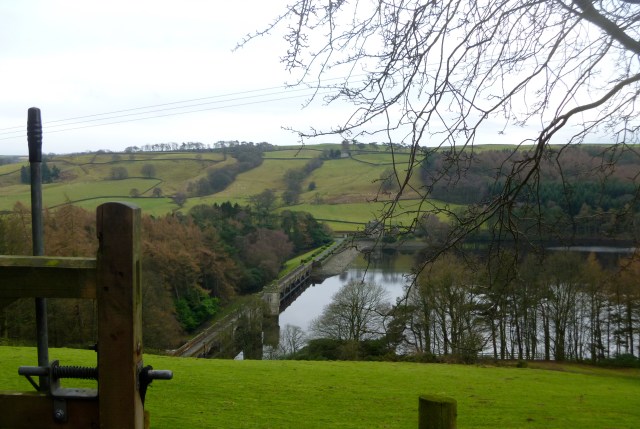
Today’s Dalesbus Walk took us right up to the head of Nidderdale where we took the circular path around Scar House Reservoir then climbed over to the hilltop village of Middlesmoor. Two of us then took the footpath down to Lofthouse where we caught the bus back to Pateley Bridge.

Main Street Pateley Bridge

Pateley Bridge on Sunday morning

SUNDAY 7TH DECEMBER: THE HEAD OF NIDDERDALE
Explore the wild and remote country at the head of Nidderdale before finishing in one of its highest villages.
Start: Scar House Reservoir: 11.25
Finish: Middlesmoor: Approx. 15.00
Distance/Grading: 6 miles / Moderate
TRAVEL: Outward: Bus 823/825 from Pateley Bridge (10.50).
Return: Bus 825 to Pateley Bridge, Harrogate and beyond for onward connections.
Walk Leader: Jim
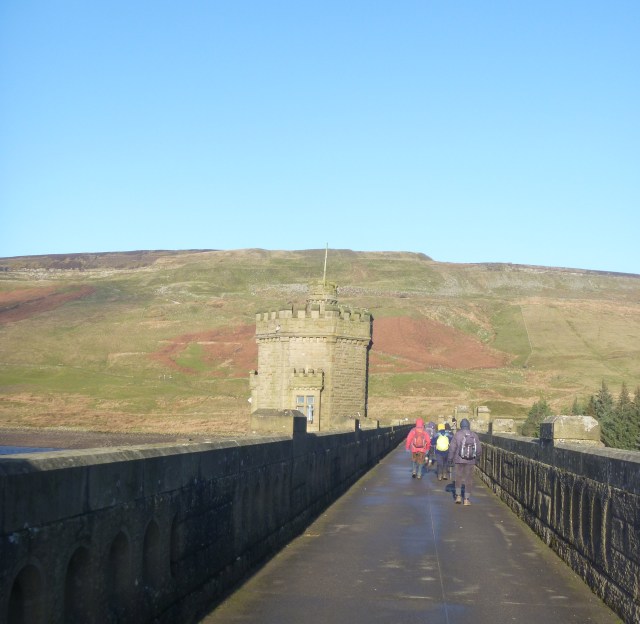
Ornate waterworks

Setting off over the Scar House Dam in bright sunshine

We experienced all weathers as we circled the Scar House Reservoir which forms part of the Bradford water supply. A huge building project and feat of engineering around the end of the 19th and beginning of the 20th century sent water from the Nidderdale reservoirs (by gravity only – no pumping) to the city of Bradford and supplied work for hundreds of navvies :

Scar House Reservoir, Upper Nidderdale
Work on Scar House Reservoir began on 5 October
1921 and took 15 years to complete. Developing
such a vast scheme changed the landscape of Upper
Nidderdale for ever. Less than 100 years ago the
site was a noisy and dangerous work site buzzing
with activity. Huge amounts of manpower had to
be drafted in to build the reservoir and as a result a
whole village was created.
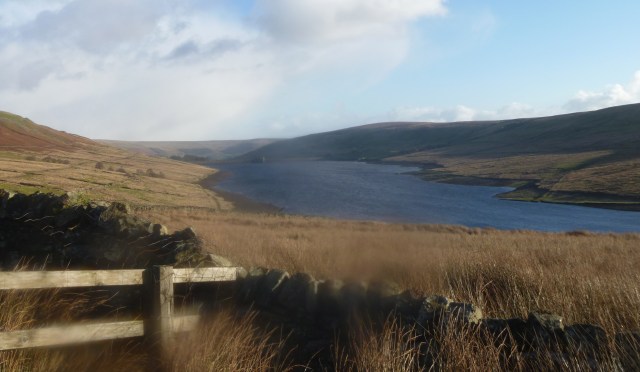
Peaceful Scar House
Now Scar House is characterised by its peace and
solitude. You can still see the remains of where the
village once stood and the landscape is scarred
by the old quarries and railway lines. With a bit of
imagination you can picture the thriving community.

[source]

Scar House sudden weather change

Weather can change suddenly!

It’s amazing to think that water piped from here eventually ends up in the taps of houses over 40 miles away by road.

The reservoir above Scar House is Angram also built to serve Bradford and completed in 1916.
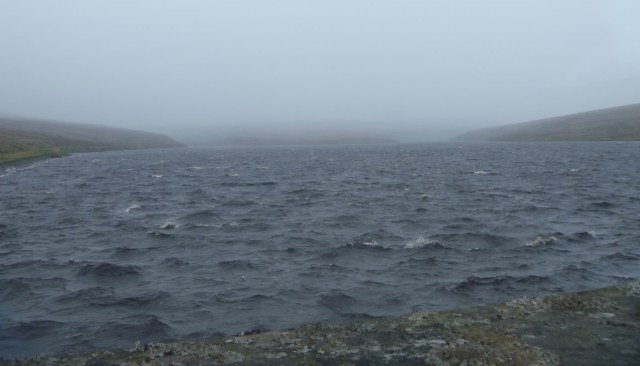
Rough Angram waters

 Rough Angram Waters

Angram to Scar House

Scar House from Angram Dam

Luckily after crossing the Angram Dam there is a hut where we were able to shelter from the bitterly cold high winds to eat our lunch.

Sheltering from wind

Sheltering from the winds

View from hut

View from the hut

The walk continued to almost complete the circle round Scar House but we took a steep track (In Moor Lane – part of the Nidderdale Way) away from the reservoir and headed up and over the ridge to arrive eventually at the tiny hilltop village of Middlesmoor and the welcome log stoves and open fires of the Crown Public House.

St Chad's

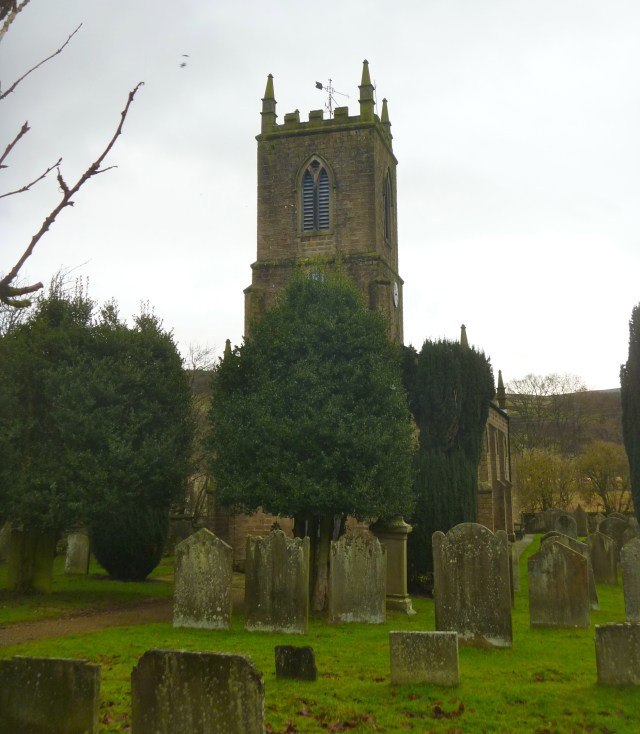
St Chad’s, Middlesmoor and view to Gouthwaite

St Chad's cross

St Chad’s Cross

The cross dates from the 7th century. It commemorates St Ceadda (St Chad) leader of Celtic Christianity in the north. He was the first bishop of Lichfield and he died in AD 672. It was placed here after being discovered during restoration of the church in the early 1900s.

Path to Lofthouse

Footpath – three-quarters of a mile – to Lofthouse

After warming up by the fire and with an hour to fill before the bus was to leave Middlesmoor I decided to explore the church, enjoy the view from it (one of the best in the country according to Colin Speakman who came along on the walk) and then to head down a further three-quarters of a mile to the lower village of Lofthouse where the bus picked us up in the gloomy dusk to bring us back to Pateley Bridge.
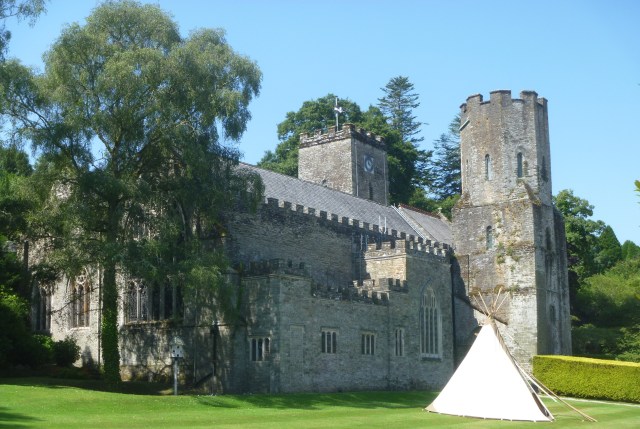
Movement and Light … and More : St Germanus Church, St Germans, Cornwall

NB This post was prepared in July during the Port Eliot Festival

P1140258

St Germanus Church (the teepee is part of the festival!)

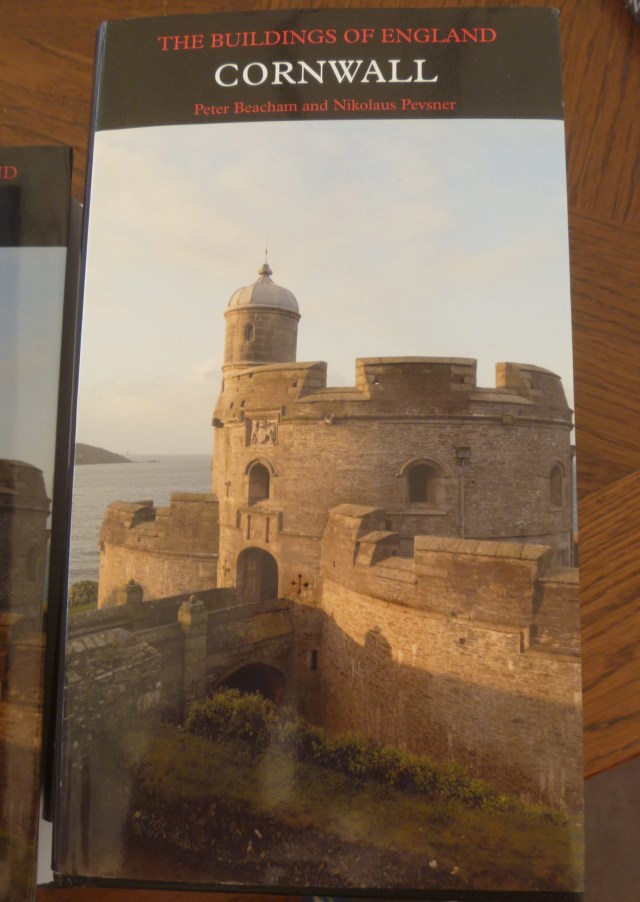
Last Sunday, the final day of the Port Eliot Festival 2014, my train was not due to arrive at St Germans until 11.29. Lynne was scheduled to speak with our first author of the day Peter Benson (“The Farm” and “The Valley”) at 11am. So when I arrived I made straight for the church. Sunday was the only day on which it was open and I joined the last 20 minutes of the local parish Service. I had read great things about this church. It achieves three stars in my Simon Jenkins “Bible” – England’s 1000 Best Churches; its description runs to 5 pages in Pevsner’s Cornwall  and I read an article about just one of its monuments in Country Life earlier this year. P1140345

Peter Beacham signs his ‘other’ book “Down the Deep Lanes” in the DGR Tent

Peter Beacham, who updated the Pevsner Guide to Cornwall (published in May this year), was one of the guests in the Dovegreyreader Tent last Sunday.

P1140347

Pevsner’s Cornwall

But back to St Germanus itself. My heading is taken from the Country Life article which I have been unable to find a link to so will copy out here.

P1140330

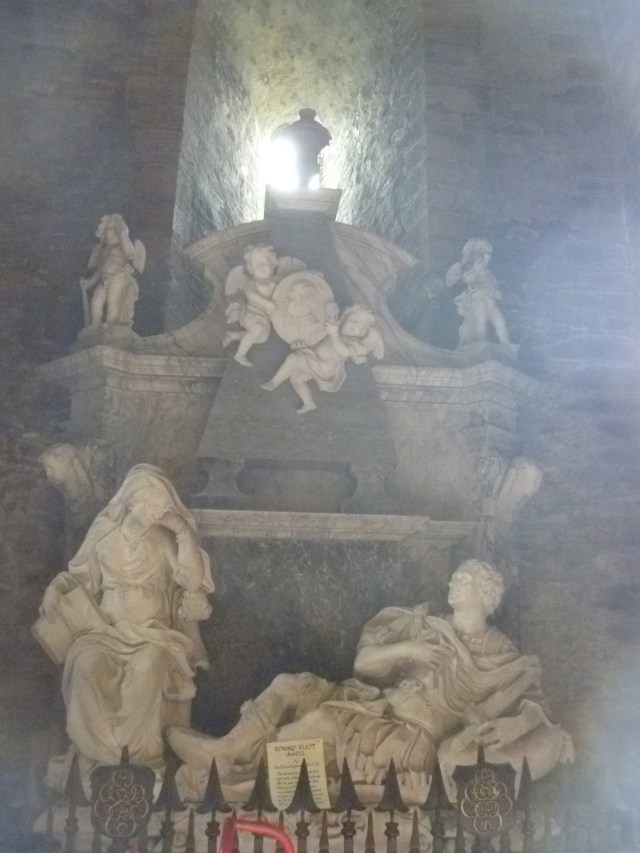
My picture doesn’t do justice to the monument

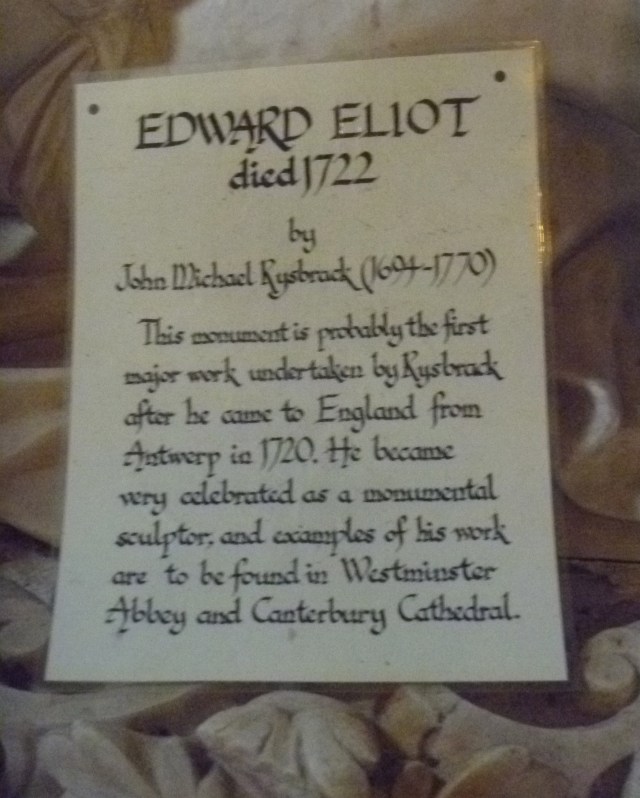
Set in the base of the north-west tower of the former priory church in St Germans, Cornwall, is the large monument to the MP and landowner who died at the age of 38, in 1722. It was commissioned by his widow and is enclosed by a fine iron railing. The monument is one of the earliest English works of the brilliant Antwerp-born sculptor John Michael Rysbrack, who settled in London in 1720.

With its obelisk and animated figures, it is ultimately inspired by Roman Baroque example. It could have been designed by the architect James Gibbs, an early associate of Rysbrack in England, who trained in Rome.

The subtle lighting of the space in which the monument stands sets off its carefully arranged constituent marble – white, veined-grey and dark-grey – to superb effect. Eliot, in Roman armour, stares upwards, with a mourning figure at his feet. On the obelisk is a roundel portrait – presumably his deceased first wife – supported by cherubs.

The relative simplicity of the architectural elements focuses the visitor’s attention on the interrelationship of the different figures that is suggested by their gestures and lines of sight. Busy drapery also adds to the illusion of movement and life that Baroque artists struggled so hard to capture.”

[Text by John Goodall. Country Life 22 January 2014, p.36]

P1140331

Text of the description attached to the monument

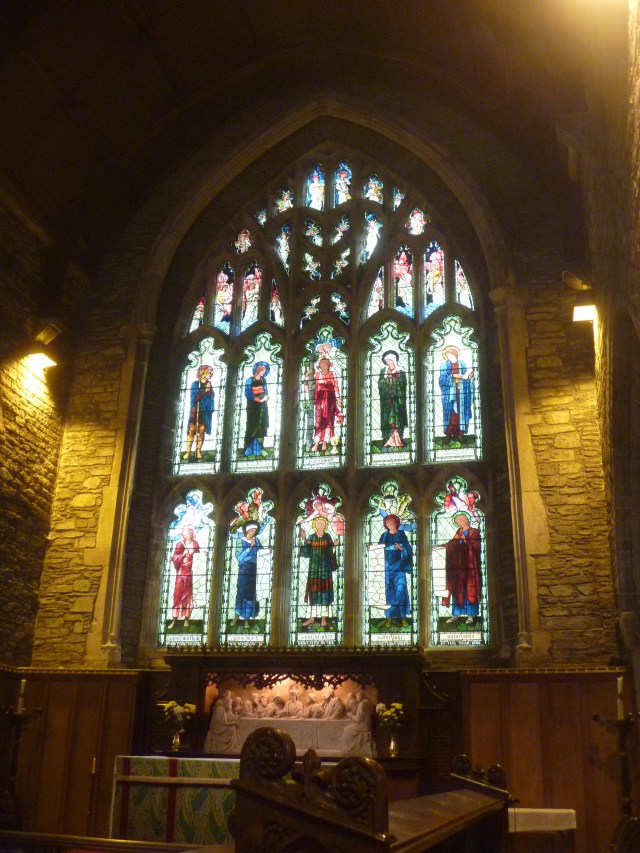
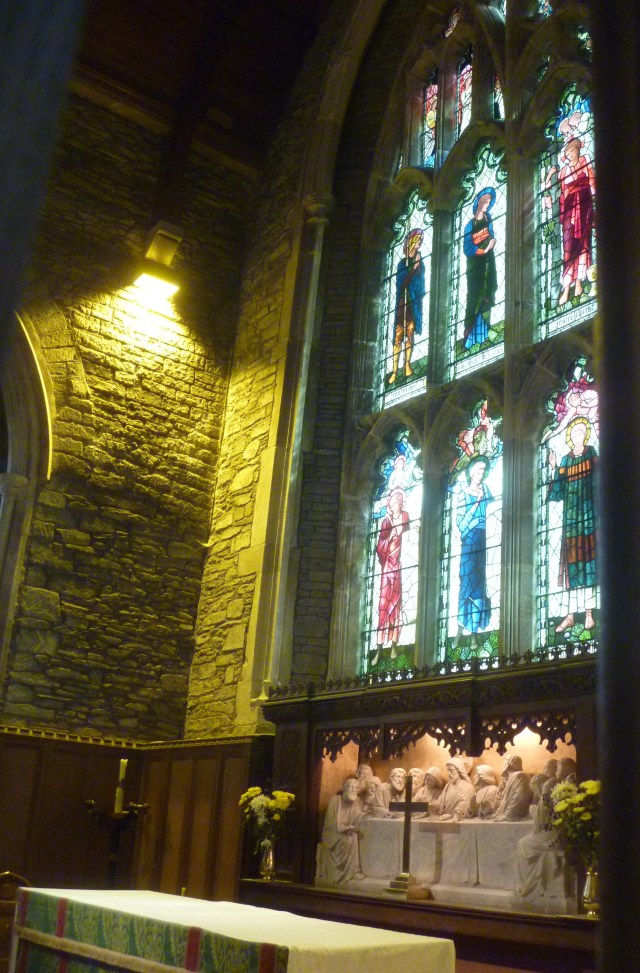
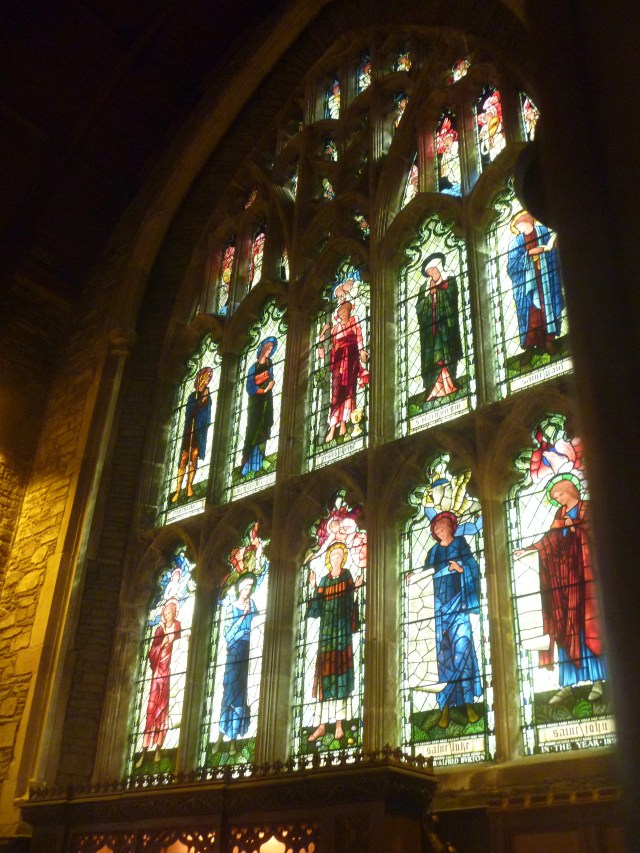
Simon Jenkins comments on the first-rate Morris & Co. Burne-Jones windows.

P1140329

P1140325

P1140326

The East Windows

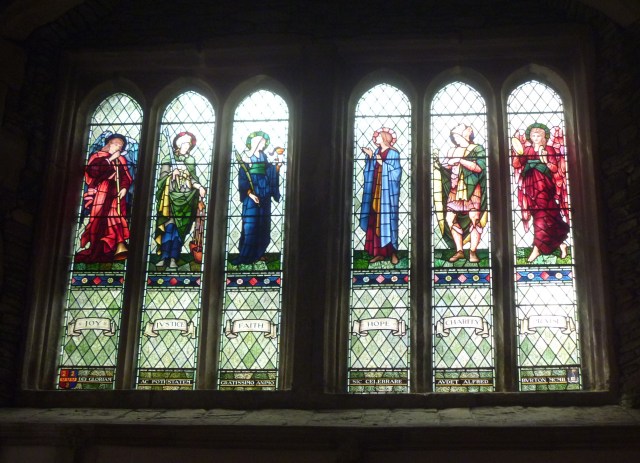
The east window is a Burne-Jones masterpiece, a ten-light composition in his most mature style. The background is soft green-yellow, leaving figures in red and blue to glow even more vividly in half-light. Burne-Jones also designed a window in the south wall of the aisle.” Representing Joy, Justice, Faith, Hope, Charity and Praise

P1140327

Window on South Wall

As Peter Beacham expresses it at the beginning of the St German’s section of Pevsner’s Cornwall “The memorably picturesque ensemble of church, house and park is of the highest architectural and historic interest“. I wonder what the Anglo-Saxon Bishops responsible for the creation of St German’s Priory would have said if they had seen last weekend’s picturesque ensemble of tents and stalls scattered over the estate.

The Gems of Bewerley Village, Nidderdale

SUNDAY 8TH JUNE 2014: THE GEMS OF BEWERLEY VILLAGE
After discovering some interesting facts about this beautiful village we climb to join the Nidderdale Way before returning via field and woodland paths.
Start: Pateley Bridge, Bus Stand 10.50
Finish: Pateley Bridge approx. 15.30
Distance/Grading: 4.5 miles / Easy to Moderate

Last Sunday's walk

Nidderdale is my new favourite rambling region so I was happy to join fellow members and supporters of The Dalesbus Ramblers last Sunday for a shortish walk full of interest.

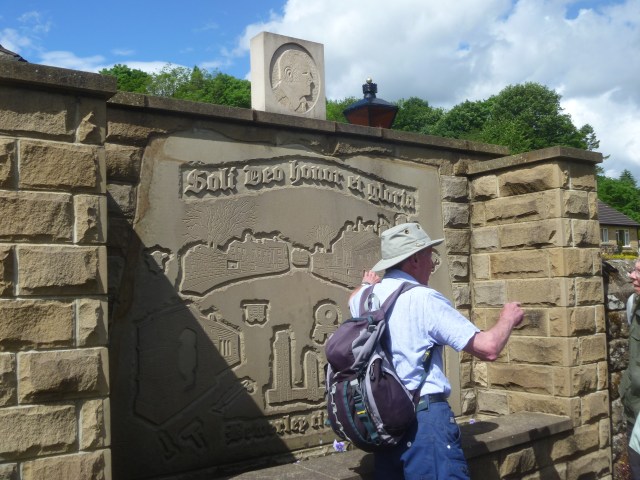
From Pateley Bridge it was a short walk to Bewerley where we stopped to study the local stone mason’s work – a depiction of the major features of the village carved in stone.

Stone carving of Bewerley

The Stone Mason’s Work. Frank explains the Latin Motto.

“soli deo honor et gloria” Honour and Glory to the only God.

Yorkes Folly picked out

Yorkes Folly picked out in stone


Leaving Yorke's Folly

Yorkes Folly for real (on a previous walk)

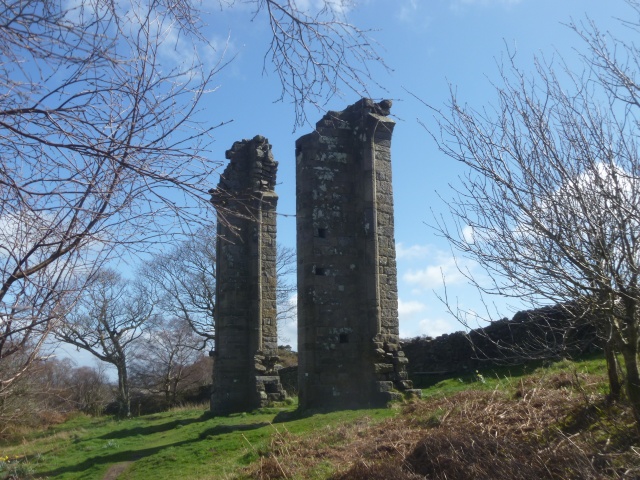
“Built around 1810 the folly was constructed by labourers working for John Yorke of Bewerley Hall. He commissioned the folly during a depression to keep his labourers in work and above the poverty line. Each labourer was paid a shilling a day and an loaf of bread. The folly was known as Three Stoops until a violent storm during the night of 17th November 1893 blew one of the towers down. Today it is known locally as the Two Stoops.” [Information Board at the folly]

Further along through the village we arrived at The Chapel of Ease.

“A small grange chapel of Fountains Abbey built by Marmaduke Huby which has remained intact. The Chapel was fully restored for worship in 1965. The chapel is open during daylight hours. We have services on the first and third Sundays of the month at 9am.”

Latin motto

Our leader Frank showed us the Latin motto on the exterior rear wall of the Chapel and Marmaduke Huby’s initials carved on the wall and in the windows.

Chapel window


MH window

MH

MH on windows and walls

From the Chapel we hurried along to meet, as arranged, the owner, Dr Peter Brambleby, of Fishpond Wood. We had a guided tour through the wood which Dr B called his “Natural Health Service”.

Peter says one of his priorities will be to support educational use, and especially to encourage a love and respect for nature amongst children. He has already entered into an agreement to permit the Bewerley Park centre for Outdoor Education to use the area to the east of the public footpath and pond.

Woodland, like much of the English countryside, is shaped by generations of active management, and Fishpond Wood is no different. It will benefit from thinning out of invasive rhododendrons, from planting young trees to renew the aging stock, and from restoration of the pond, paths and walls.” Read more about Peter’s work and plans here.

Ice House

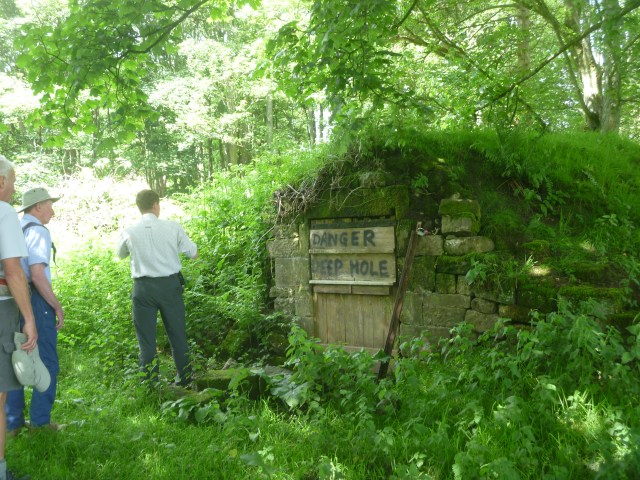
The Recently Rediscovered Ice House – we were able to go in and look down at its full depth

Fishpond

The Fishpond

Footpath

Improved Footpaths through the Woods

Dr Brambleby showed us the route out of the wood and we were soon climbing up, up, up steadily before the walk levelled out and we crossed the busy B6265 and descended to The Nidderdale Way and thence back to Pateley Bridge.


Villages and Churches of Lower Nidderdale

What a difference a day makes! Well, most of the day anyway. Sunday’s walk was with The Dalesbus Ramblers again. It was another visit to Nidderdale but much lower down the dale and just a short bus journey from Harrogate. For most of the day we had blue sky and sunshine but after lunch we walked through a brief snowfall.

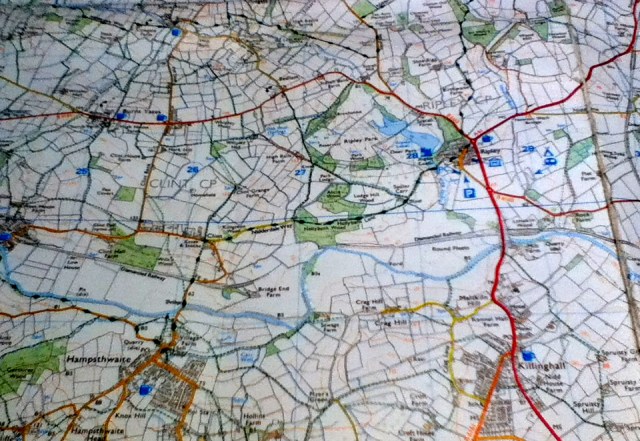
map

SUNDAY 23rd MARCH: VILLAGES & CHURCHES OF LOWER NIDDERDALE
Learn some of the history of the villages of Lower Nidderdale.
Start: Hampsthwaite: 11:25
Finish: Ripley: Approx. 15.30
Distance/Grading: 7 miles / Moderate
TRAVEL: Outward: Bus 24 from Harrogate (11.05). Connections on bus 36 from Leeds (09.45) to Harrogate or from Ripon (10.45) to Killinghall.
Return: Bus 36 to Ripon, or Harrogate and Leeds.
Walk Leaders: Duncan & Brenda”

Hampsthwaite Church

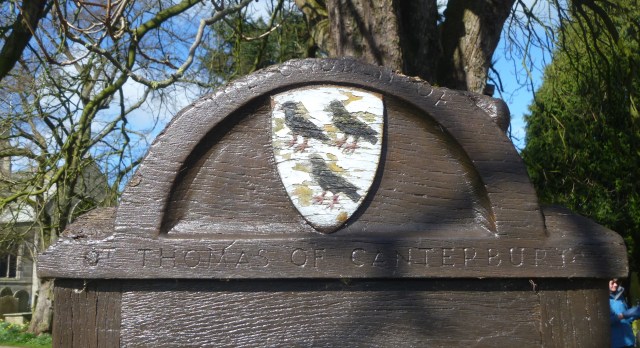
St Thomas a Becket Church in the large village of Hampsthwaite has a long history probably dating back to Saxon times. It has connections with the murder of St Thomas of Canterbury.

St Thomas a Becket

The first known church to be built here was probably completed about 1180 and is believed to have been constructed by Hugh de Morville the then Constable of Knaresborough Castle and one of the four knights responsible for the murder at Canterbury in 1170 of Archbishop Becket. The knights were later pardoned for their crime by the Pope who (it is thought) required the building and dedication of the church as part of the penance imposed upon Hugh de Morville. The church is believed to be one of only two churches in the Church of England to currently enjoy that dedication to St. Thomas a Becket.”

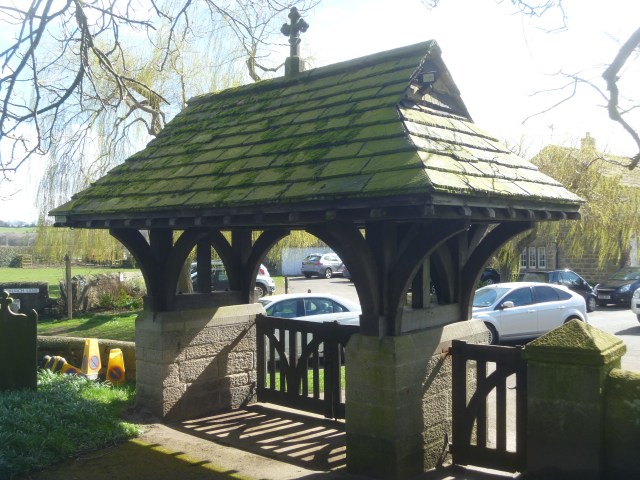
Hampsthwaite Lych Gate

The Lychgate …

The lychgate at the entrance to the church is the work of Robert Thompson of Kilburn. It was given by Lady Aykroyd and was erected in 1938 in memory of her parents, Sir James Roberts Bt. and Lady Elizabeth Roberts. Sadly, in comparatively recent years the original four-legged Thompson mice have been damaged.

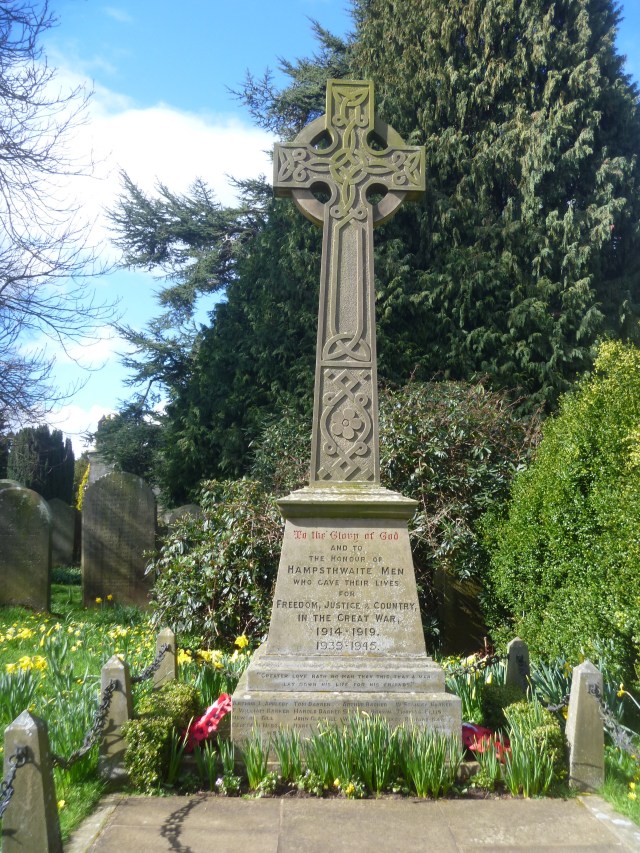
… and the War Memorial

Hampsthwaite war memorial

Nearby, is the War Memorial, which commemorates the men from the village who died in the two world wars. It takes the form of a Celtic cross on a stone plinth and lies in direct line with the cross on the altar in the church. This was stipulated by Canon Peck and the churchwardens in their application for a faculty from the Diocese.”

A church service was in progress so we began our walk out of Hampsthwaite towards Ripley along the tracks of the Nidderdale Way which we followed for the best part of the day’s walk.

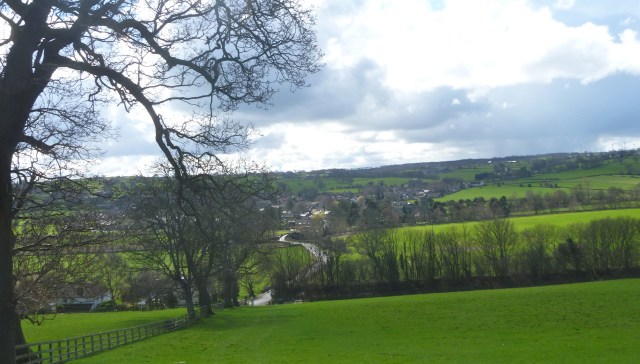
Hampsthwaite

Looking back to Hampsthwaite after a steep climb out of the village.

After a couple of miles of broad track, much of it through woodland, we approached the Castle and village of Ripley. Ripley Castle also has a long and fascinating history with connections to the Gunpowder Plot. It is a great visitor attraction and popular local wedding venue. The village of Ripley itself, where we stopped for our lunch break, has a unique style and history. It was rebuilt in the 19th century and modelled on a village in Alsace, France, complete with a Hotel de Ville-style town hall.

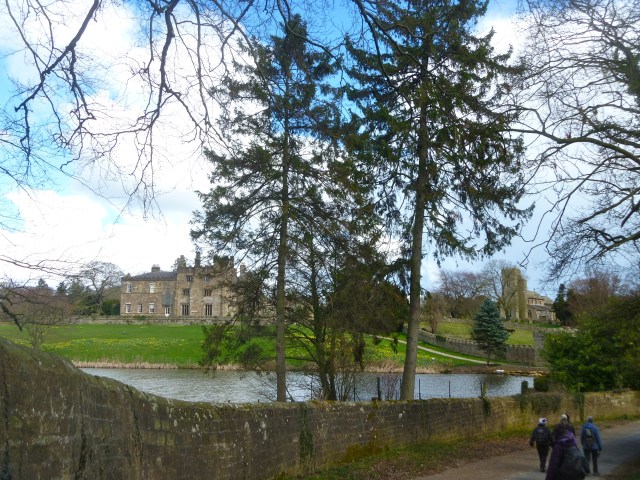
Ripley Castle and Church

Approaching Ripley we had a glimpse of the Castle and grounds

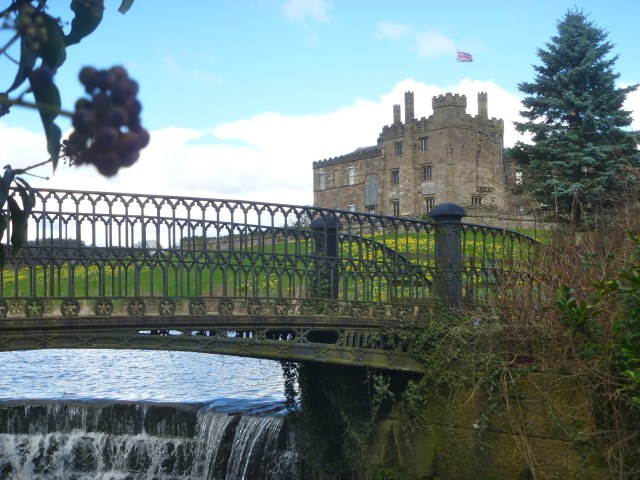
Ripley Castle

Ripley Castle

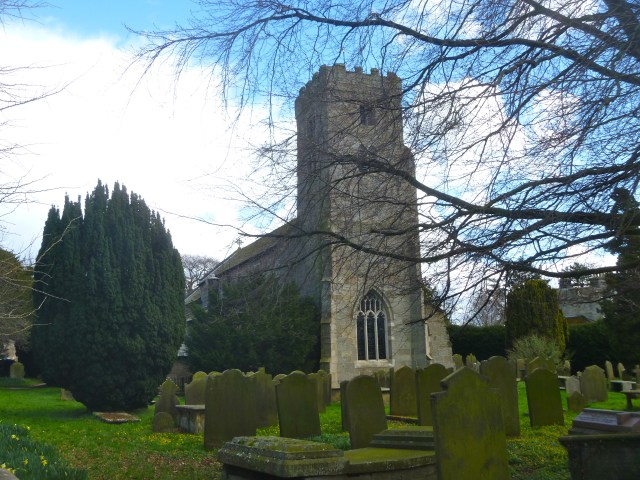
Ripley Church

Ripley All Saints Church

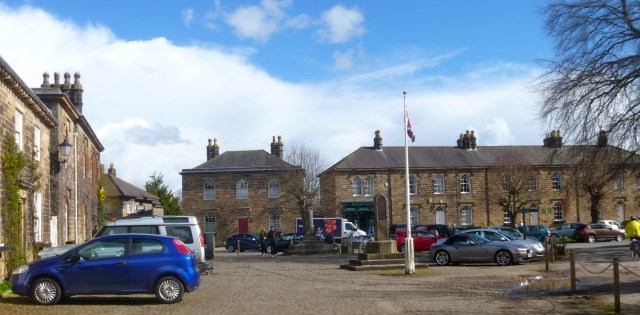
Ripley village square

Ripley Village Square

Ripley Houses

Typical Ripley Houses

From Ripley we took The Nidderdale Way to add a loop to our walk via Cayton Gill meadows and woodland returning to Ripley for the bus back to Harrogate.

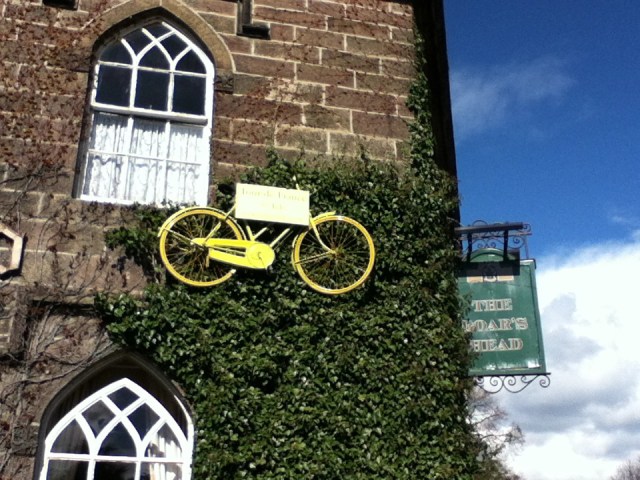
On my recent rambling forays I have been made more and more aware of the fact that The Tour France ‘Grand Départ’ will be staged on two days in Yorkshire in July this year.

Grand Depart

Le Grand Départ will pass through Ripley. Signs at The Boars Head Hotel


Villages and Churches of Upper Nidderdale, Part 2

Subtitled : Learn some of the history of the villages of Upper Nidderdale.

Happy New Year, everyone, and welcome to another year of rambles (in more senses than one!)

Arriving at Ramsgill

Dalesbus arriving at Ramsgill in Nidderdale

Such a pity that I missed Part 1! But I had never heard of Dalesbus Ramblers when that walk took place. At the end of last year I discovered walking with the Friends of the Settle – Carlisle Line and one the leaders told me about Dalesbus Ramblers so today I drove to Harrogate and joined my first walk with that particular group. With my new Metro Concession Bus Pass I enjoyed free travel from Harrogate up through Nidderdale where the group assembled for the walk:

SUNDAY 5th JANUARY 2014: VILLAGES & CHURCHES OF UPPER NIDDERDALE Part 2
Learn some of the history of the villages of Upper Nidderdale.
Start: Ramsgill: 11.05
Finish: Pateley Bridge: Approx: 14.20
Distance/Grading: 5 miles / Moderate
TRAVEL: Outward: Bus 823/825 from York (08.58), Tadcaster (09.20), Wetherby (09.40), Harrogate (10.05) and Pateley Bridge (10.50). Connections on bus 36 from Leeds (09.15) to Harrogate or Ripon (09.45) to Ripley.
Return: Bus 24 to Harrogate for onward connections.
Walk Leaders: Duncan & Brenda: 0796 951 2743

Naturally, our first church call was at St Mary the Virgin, Ramsgill just across the road from the bus stop.

St Mary's Ramsgill

St Mary the Virgin, Ramsgill

Most of the 20 or so houses in Ramsgill were built in the 19th century and the church was built in 1899 but on the much older site of a grange of Easby Abbey. The remains of the Abbey buildings are  behind the present church.

Easby grange

Remains of Easby Grange, Ramsgill

We also found out that Ramsgill had been one of the film locations for the 1997 movie ‘Fairy Tale: a true story‘ about the two little girls in Cottingley, near Bradford, who in 1917 took a photograph believed by some to be the first scientific evidence of the existence of fairies [The Cottingley Fairies]. Sir Arthur Conan Doyle was one of those who believed this to be true.

Ramsgill scenes :

Village Hall

Ramsgill Village Hall

Ramsgill Houses

Ramsgill Houses

Yorke Arms

The Yorke Arms, Ramsgill

So we moved from Ramsgill to Bouthwaite where we came across our second church – the Wesley Chapel built in 1890 and joined the Nidderdale Way down to Pateley Bridge.
Bouthwaite chapel

Bouthwaite Chapel

Chapel

Wesley Chapel, Bouthwaite

Ramsgill and Bouthwaite lie less than a mile apart at the head of Gouthwaite Reservoir. Our walk continued down the valley parallel with the reservoir and mostly overlooking it as far as Wath which lies at the southern end of the 3 mile long body of water.

Gouthwaite 1

Gouthwaite Reservoir lunch stop

Gouthwaite 2

Looking back up Gouthwaite

Gouthwaite 3

Gouthwaite and the Nidderdale Way

Gouthwaite 4

Gouthwaite Dam

The small Wesleyan chapel at Wath seats just 50 and has 5 walls. It also has links with Rudyard Kipling whose grandfather was once minister here.

Wath chapel

Walkers stop at Wath Chapel

Wath and chapel

Wath and Chapel

From Wath our path joined the trackbed of the former Nidderdale Light Railway to our destination Pateley Bridge where there was just time to have a well-deserved cuppa before catching our return bus to Harrogate. The Dalesbus system, which operates on Sundays with limited winter timetables, enables walkers and others to reach more remote and beautiful areas in North Yorkshire and I hope to make more such excursions during the year.

Old rail track

The track of the former Nidderdale Railway track approaching Pateley Bridge

The Pinecone : a Visit to St Mary’s Church, Wreay in Cumbria

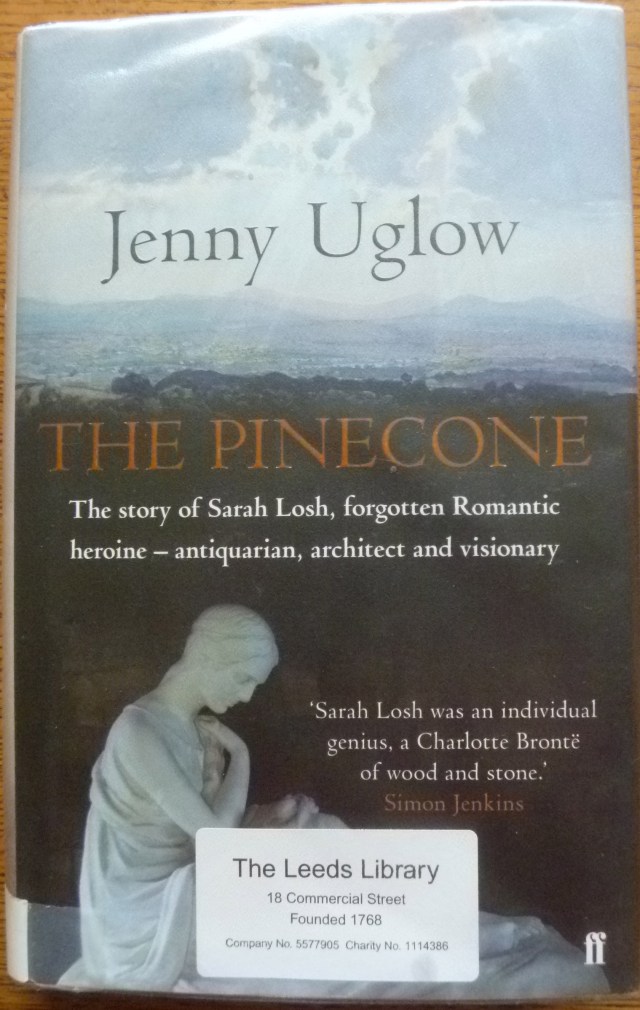
Earlier this year I read Jenny Uglow’s latest book “The Pinecone : the story of Sarah Losh, forgotten Romantic heroine – antiquarian, architect and visionary”. I had heard Jenny speaking about the book at the 2012 Ilkley Literature Festival. Sarah Losh’s life and her work are almost totally unknown.

Pinecone book

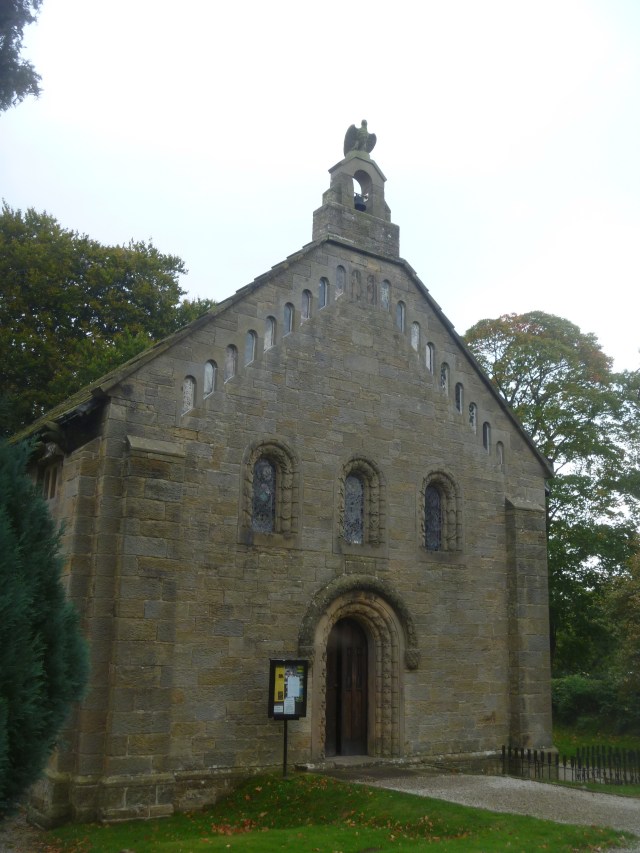
The village of Wreay lies five miles south of Carlisle. Four country roads meet at the village green, shaded by trees, and across the way is the church. It looks like a small Romanesque chapel from northern Italy. What is it doing in this northern village, with the mountains of the Lake District to the west and the Pennines to the east?”

St Mary's Wreay

This is the premise for the book [on the back cover] and it’s a fascinating tale.  Jenny Uglow first sets the scene by telling the story of Sarah Losh’s antecedents who made money in Newcastle from alkali works and later from iron works and the railways. Sarah was born in 1786 and her sister Katharine, with whom she was especially close, in 1788. Their parents died in 1799 [their mother] and 1814 [their father]. The sisters were brought up in the countryside south of Carlisle but as adults they made several tours on the Continent including to Italy. This must be where Sarah received her inspiration. For women at the time they were very highly educated.

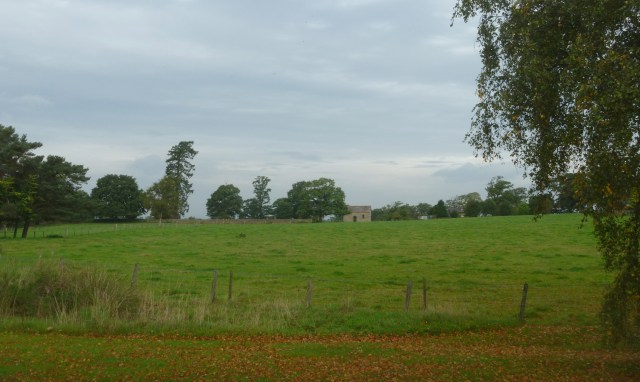
Mortuary Chapel

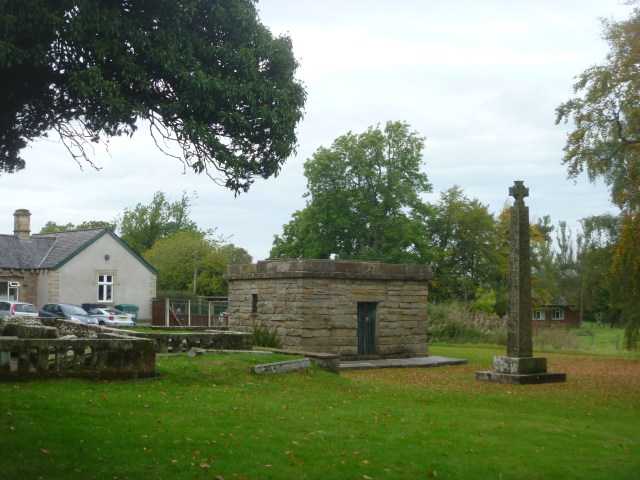
The Mortuary Chapel Across the Field from the Church

Following the death of their father and their travels on the Continent the Losh sisters returned home and began to make improvements to their home and estate and to the village of Wreay itself including the building of a school. But Katherine fell ill and died in 1835 and Sarah was inconsolable. She then directed her efforts to building a Mortuary Chapel modelled on one she had seen at St Piran in Cornwall.

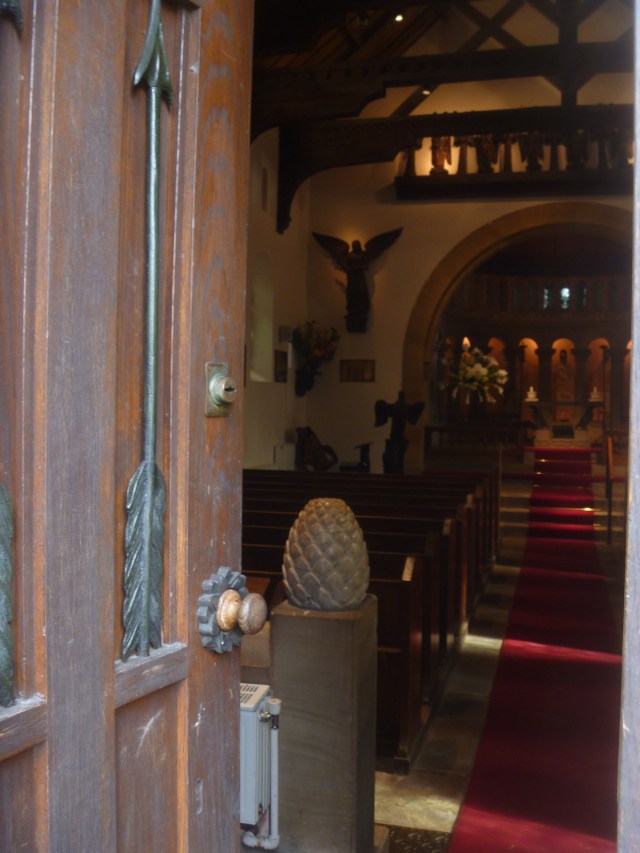
Peep inside the church

Then Sarah began work on the new church 1835. It was completed in 1845. She declared that it was to be “Not in the Gothick style” but based on a Romanesque design and it is a masterpiece and very obviously the work of one person – the untrained architect and designer – Sarah Losh.

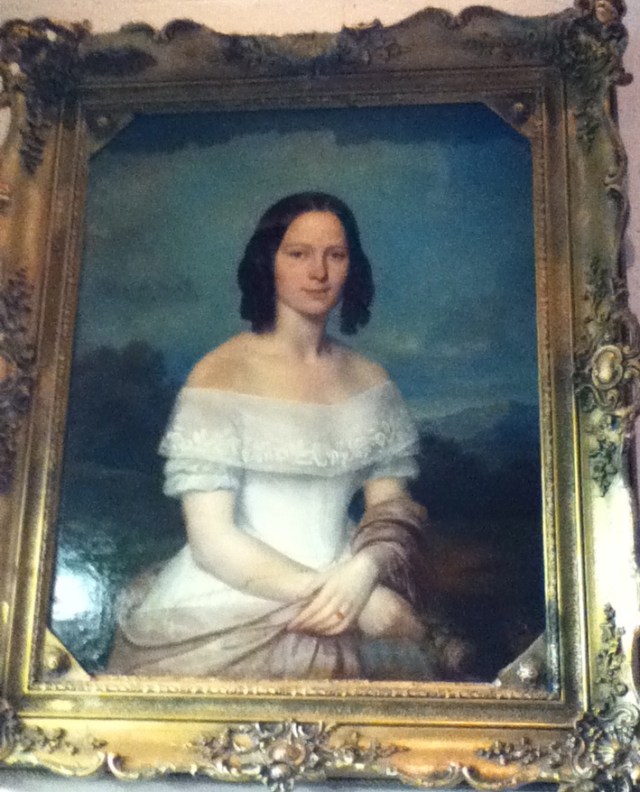
Sarah Losh portrait

Sarah Losh

I can’t go into all the details of both the interior and exterior decoration of the building. It’s a perfect gem – earning four stars in Simon Jenkins’ England’s Thousand Best Churches “This is one of the most eccentric small churches in England … unlike almost all the works in this book, Wreay appears to have been the creation of a single original mind … The Arts and Crafts Movement took half a century to catch up with her.”

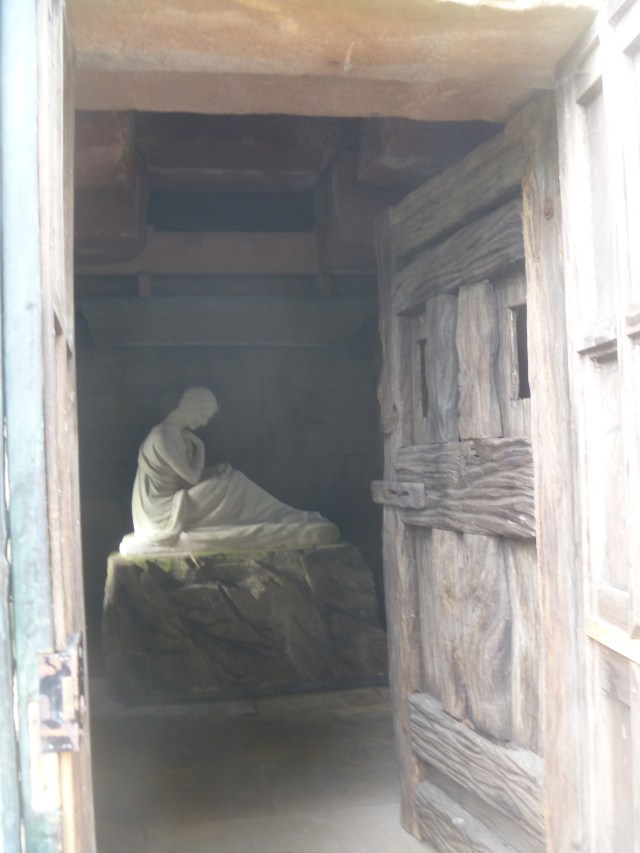
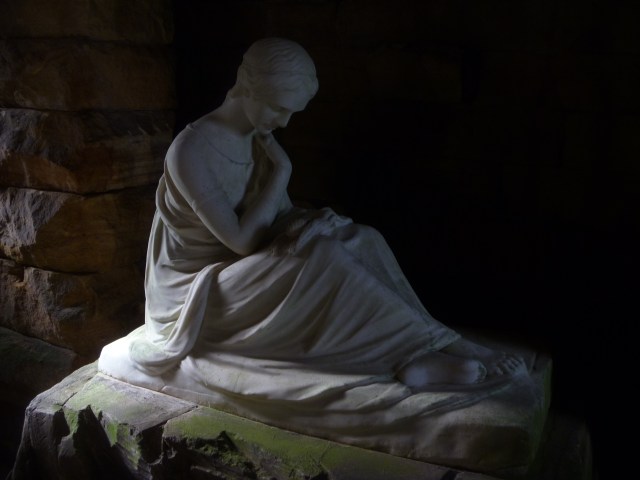
Mausoleum

The Mausoleum

Katherine

Dedicated to Katherine Losh

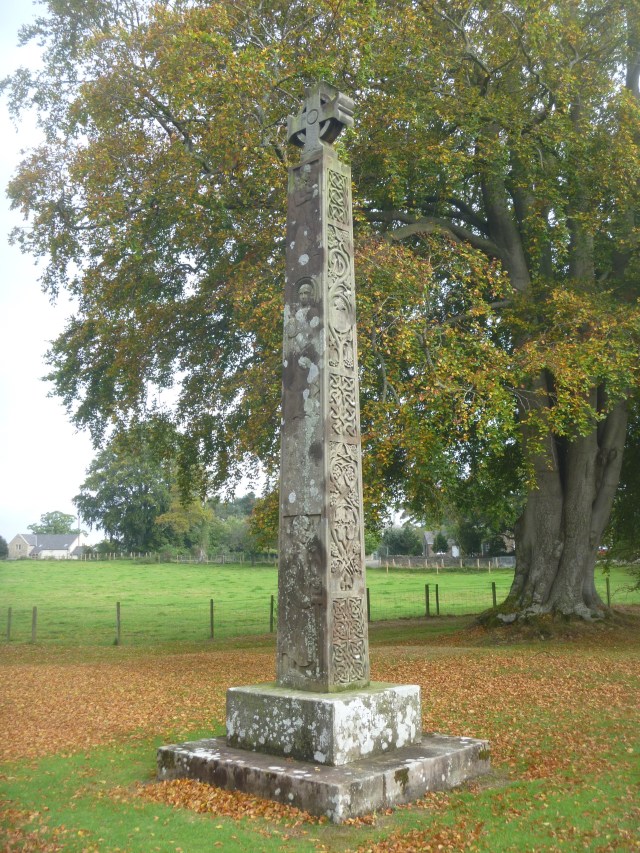
There is a Mausoleum dedicated to her sister and an exact replica of the Bewcastle Cross (the original of which stands by Hadrian’s Wall) alongside the church. The Loshes, including Sarah and Katherine, are buried in a grave enclosure nearby.

Bewcastle Cross

The Bewcastle Cross

Mausoleum and cross and school

The Mausoleum and Cross with the School across the road

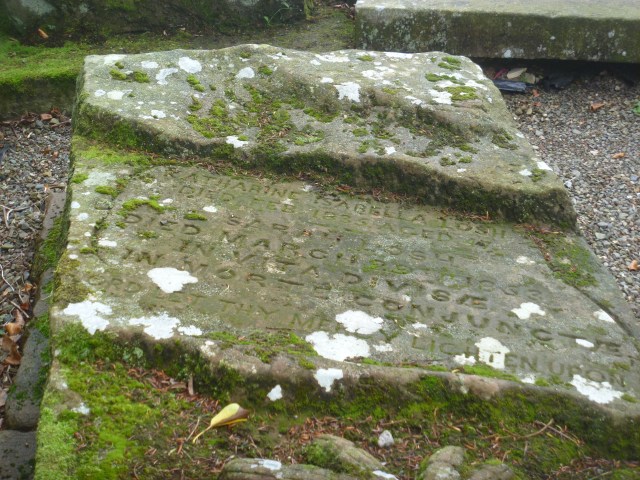
Losh sisters' grave

“IN VITA DIVISAE, IN MORTE CONJUNCTAE” – Parted in life, in death united”

I’m lucky to have a friend who lives not far from Wreay. I visited her in Carlisle last year. So last Thursday I took to the Leeds-Settle-Carlisle Line again to visit Wreay Church with June and her husband, David. We were lucky to arrive whilst a group were being shown round and had the good fortune to have access along with them to the small Mausoleum dedicated to Katherine.

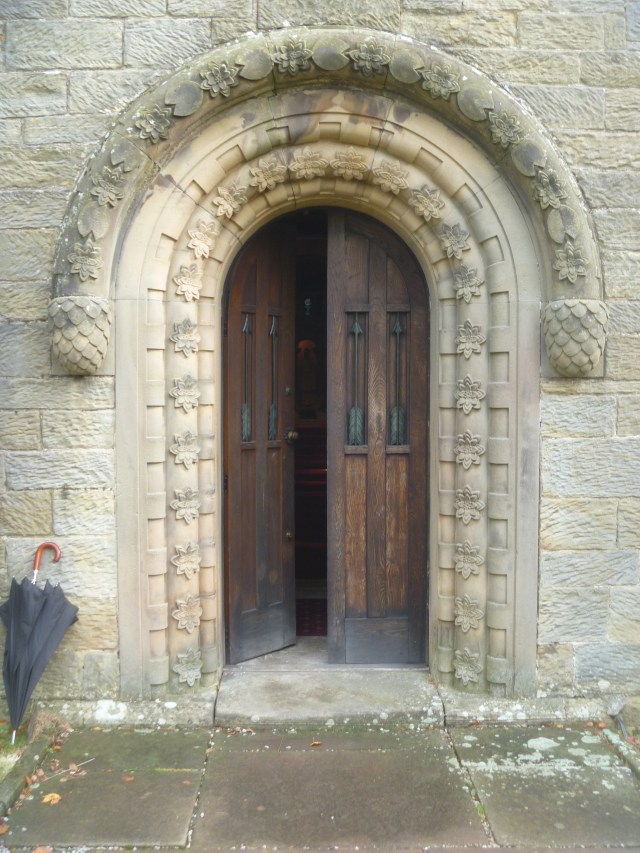
Church door

The Ornate Church Door

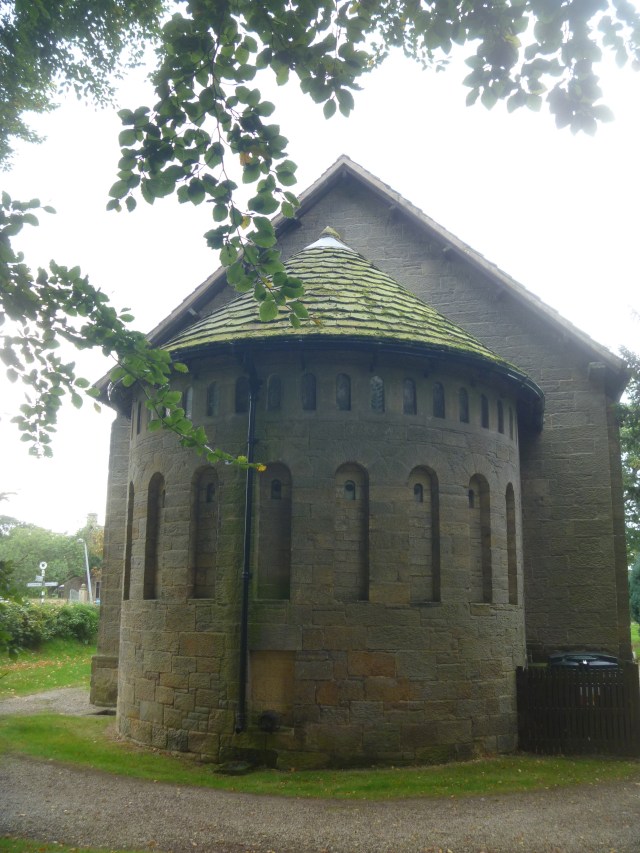
East end with apse

The East End, with Apse

Altar

The Altar

Alabaster font

The Alabaster Font – Carved by Sarah

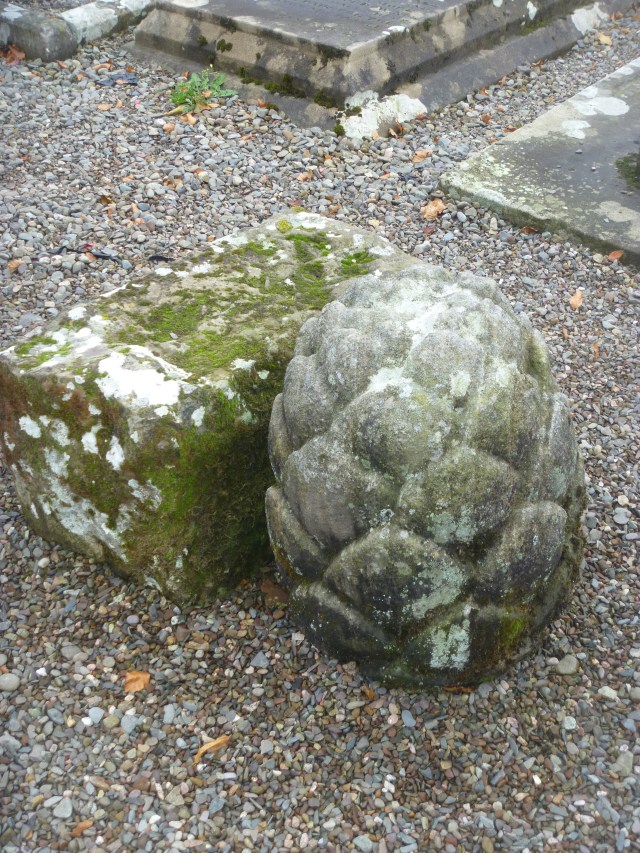
A pinecone

One of Many Pinecones

So, why the Pinecone? Because it is an ancient symbol of regeneration, fertility and inner enlightenment. It is a promise of rebirth.

Croome Park, Court and Church

Last Thursday I met up with a good friend of mine at Coleshill Parkway Station for a couple of days’ adventures in Evesham and Tewkesbury.

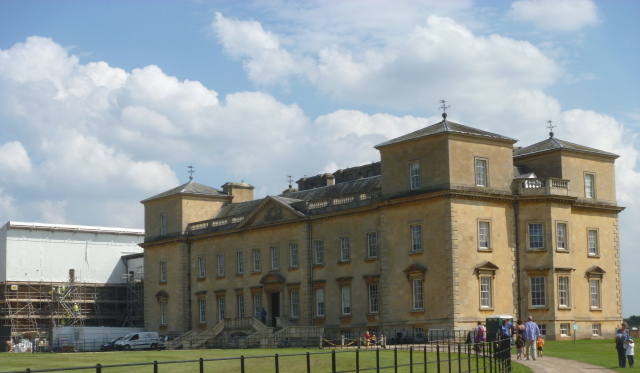
Croome Court

Croome Court

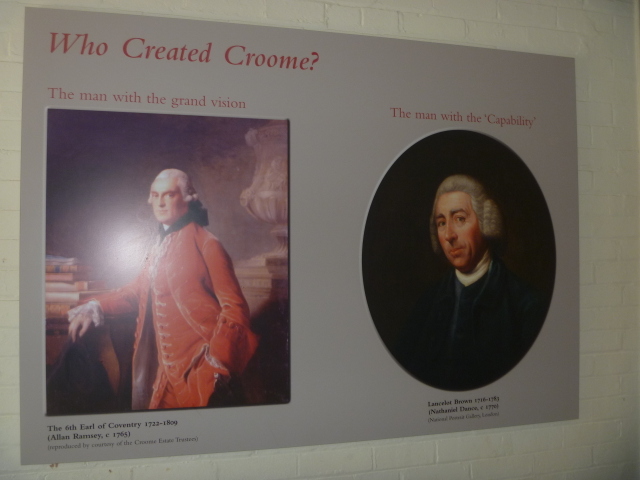
Our first port-of-call on meeting up was an hour’s drive away – the National Trust owned Croome Park and Court in Worcestershire. The park was the responsibility of ‘Capability’ Brown – he crops up everywhere, of course. The house has only been in the possession of the Trust for about 4 years. They have carried out an awful lot of work during that time and a lot more is ongoing. It will be interesting to revisit in a year or so to see what has been achieved/improved/changed using the £1.8m granted by the Heritage Lottery Fund under the programme “Croome Redefined”.

Coventry and Capability

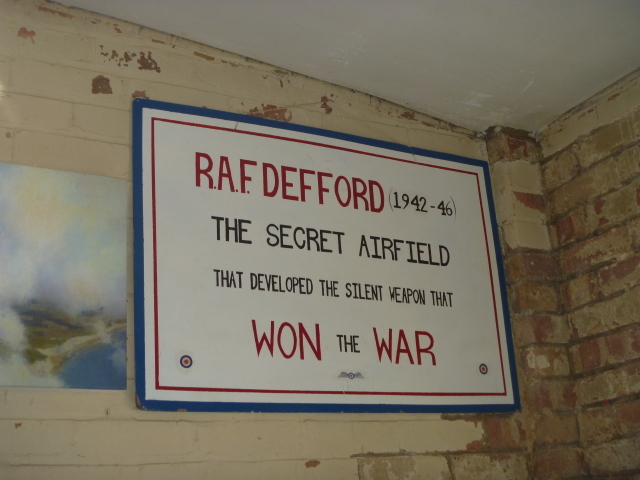
When you arrive the visitor centre seems to occupy what appear to be black painted army Nissen huts but on closer inspection are in fact restored RAF buildings which once served the nearby airbase as their sick quarters.  Exhibition rooms tell the story of RAF Defford.

Defford

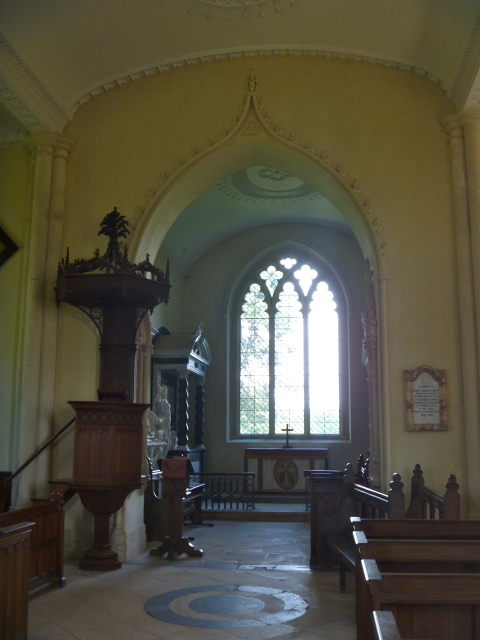
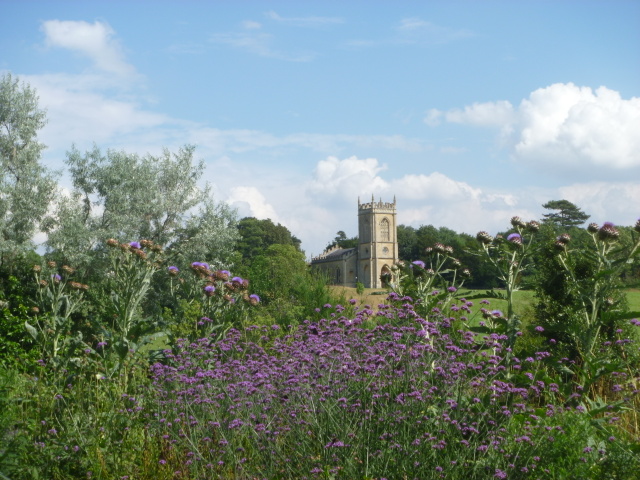
After our picnic we headed into the Park and the first stop was the church. The church of St Mary Magdelene, Crome d’Abitot is cared for by the Churches Conservation Trust and just celebrated its 250th anniversary in June. Gothick in style the building, like the house, is attributed to Robert Adam.

Croome d'Abitot Church

From the church, as time was limited and the house would close to the public at 4pm (the park stays open until 5.30), we made straight for Croome Court itself, missing a large selection of follies and the lake.

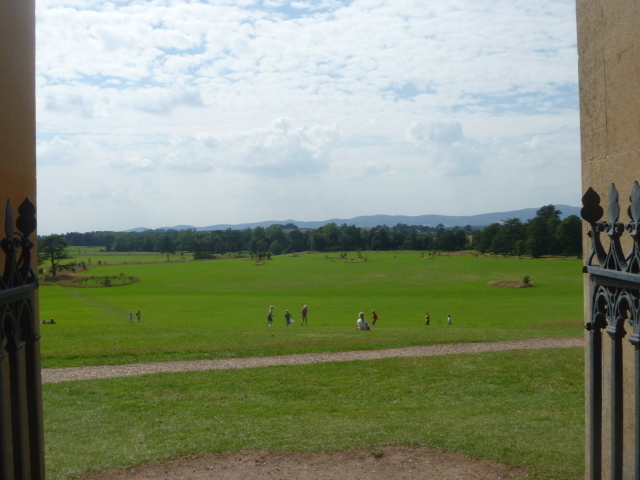
Croome Park

The Park from the Church Door

Church from shrubbery

The Church from the Evergreen Shrubbery

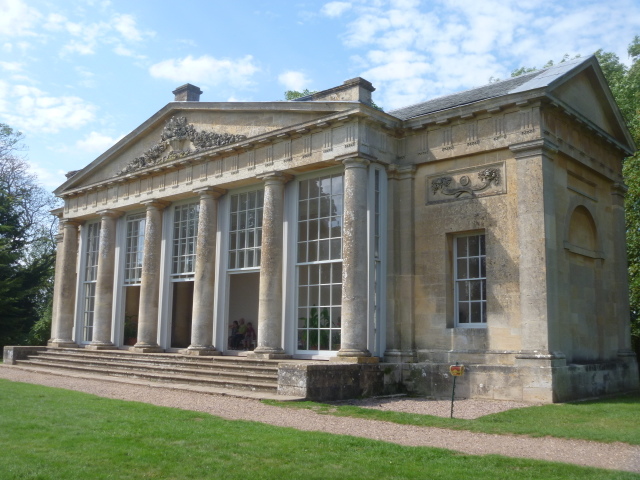
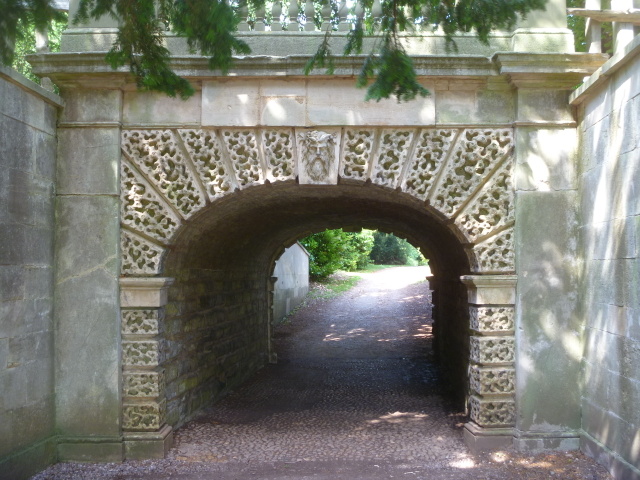
Our walk from the church to the house did take us past some follies notably The Temple Greenhouse and the Dry Arch Bridge. We noted Coade Stone had been used in several places. And as we walked along I was reminded of Stowe Landscape Gardens in Buckinghamshire and indeed it turns out that Brown moved from Stowe down to Croome.
Temple Greenhouse

The Temple Greenhouse

Dry Arch Bridge

The Dry Arch Bridge with Coade Stone Façade and Keystones

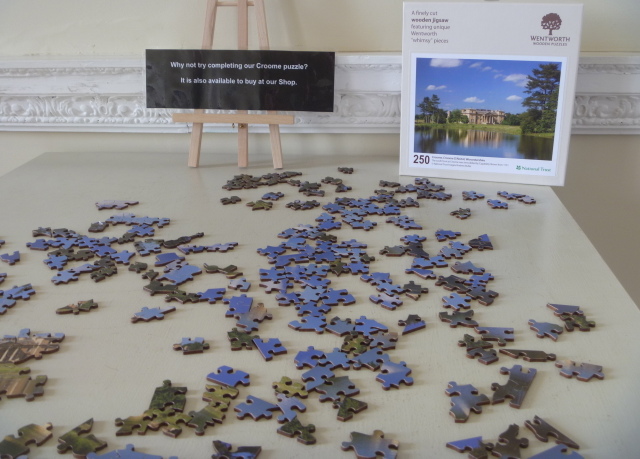
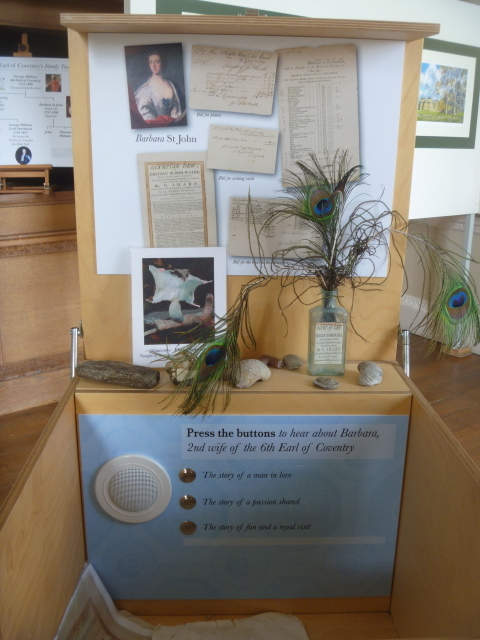
To me the house was a refreshing change from the usual ornate furniture, furnishings and priceless contents and restricting ropes. You could go anywhere and touch everything. Of course, there was nothing of value to touch and that may change as renovations and restorations continue but for the moment it suited me fine to read about the house and family; to listen to recordings of workers and hear what the inhabitants might have said; to dress up; contribute a few pieces to a jigsaw puzzle.
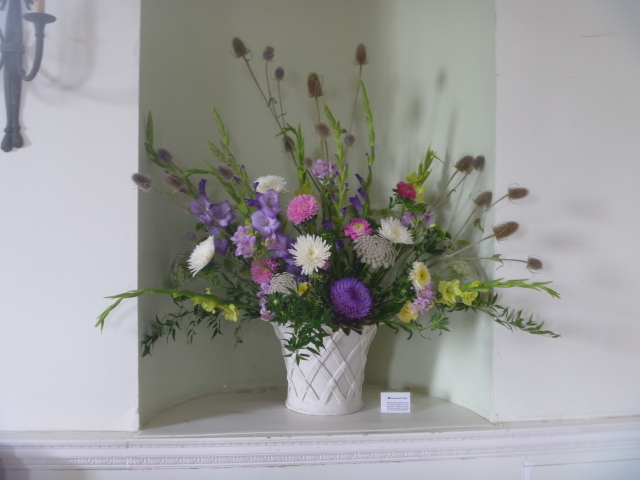
Donor Flowers

Flowers – given by a generous donor

Jigsaw

The Croome Park Jigsaw

Listen and read

Read and hear about former inhabitants

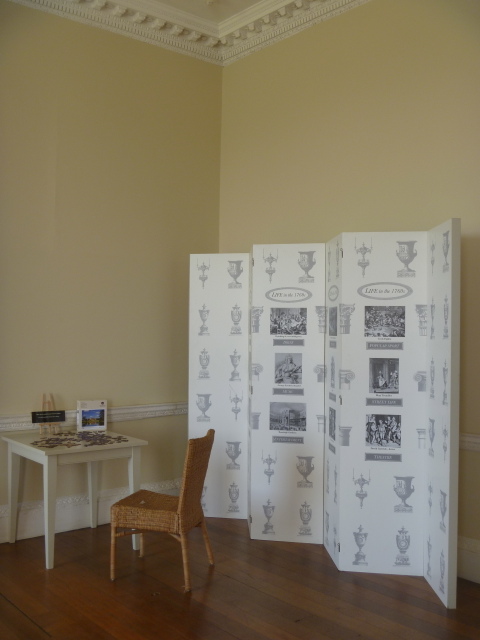
Croome Room

A Corner of Croome

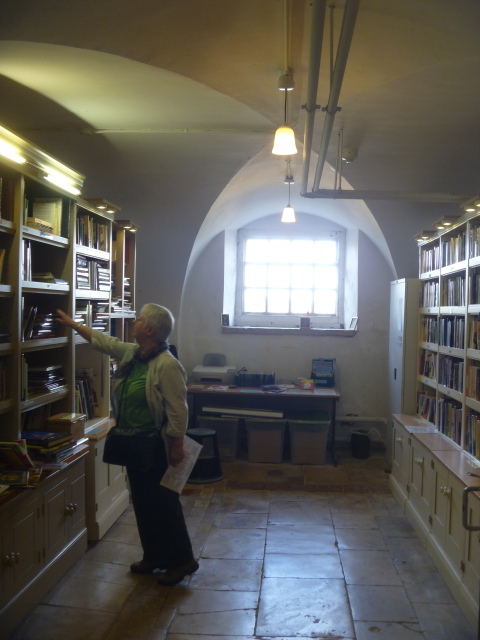
Croome Bookshop

Bookshop Browsing in the Basement

One of the rooms is now a tea room with some tables outside but we only had time for a quick browse and buy in the secondhand book shop before heading out into the park and a longish walk around the perimeter via the Rotunda and Park Seat.
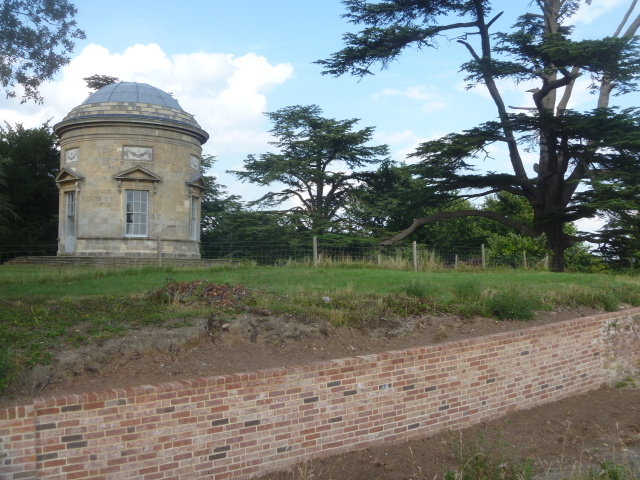
Rotunda

The Rotunda and Ha-ha (Cedars planted by Brown)

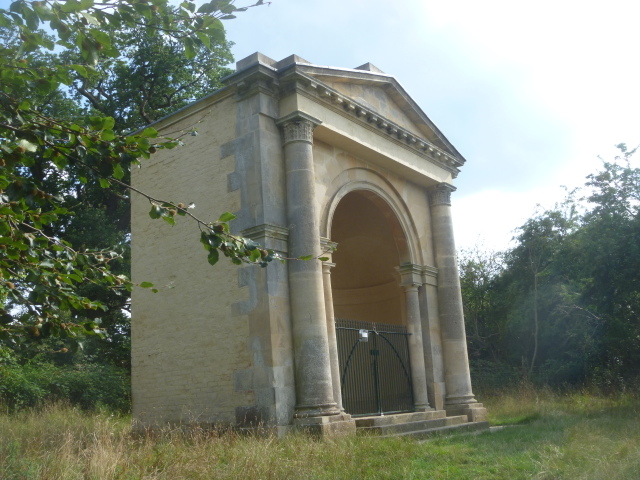
Park Seat

Park Seat has the best views across the Park and the Court

We managed to leave at about 5.30pm knowing that we had left a few things to enjoy on a future visit!

Worcester Cathedral and Strensham Church Services

Worcester Cathedral

Another port of call during the weekend was Worcester. I wanted to visit the Cathedral in connection with my family history researches. It’s a lovely cathedral and you can see its tower from a distance so not hard to find in the centre of the city.

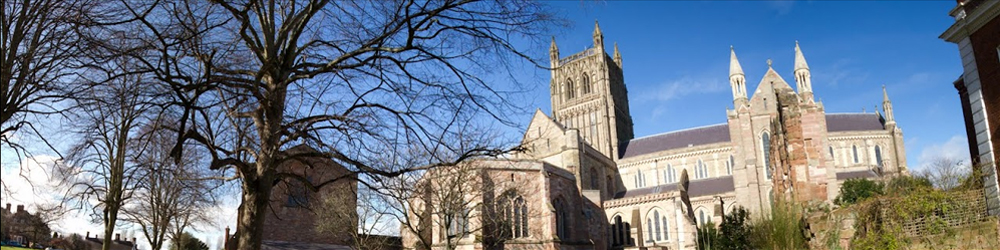
Worcester Cathedral

It was wet and cold on my visit the Saturday before last (9 March) so this photo of the Cathedral with blue sky behind is taken from the Worcester Cathedral website. Here is Dean Peter Atkinson’s Welcome Message introduction from that same website :

Worcester Cathedral is a magnificent sight as it rises majestically above the River Severn. Worcester has been the seat of a bishopric since the Seventh Century, and the Cathedral was served by monks until the Reformation. St Oswald and St Wulfstan were among the bishops. Since the Eighteenth Century, the Cathedral has been famous for its part in the annual Three Choirs Festival, the oldest choral festival in existence. Today the Cathedral is the centre of a vibrant community of clergy and laypeople, offering the praises of God each day, serving the city and the diocese of Worcester, and attracting visitors from all over the world.

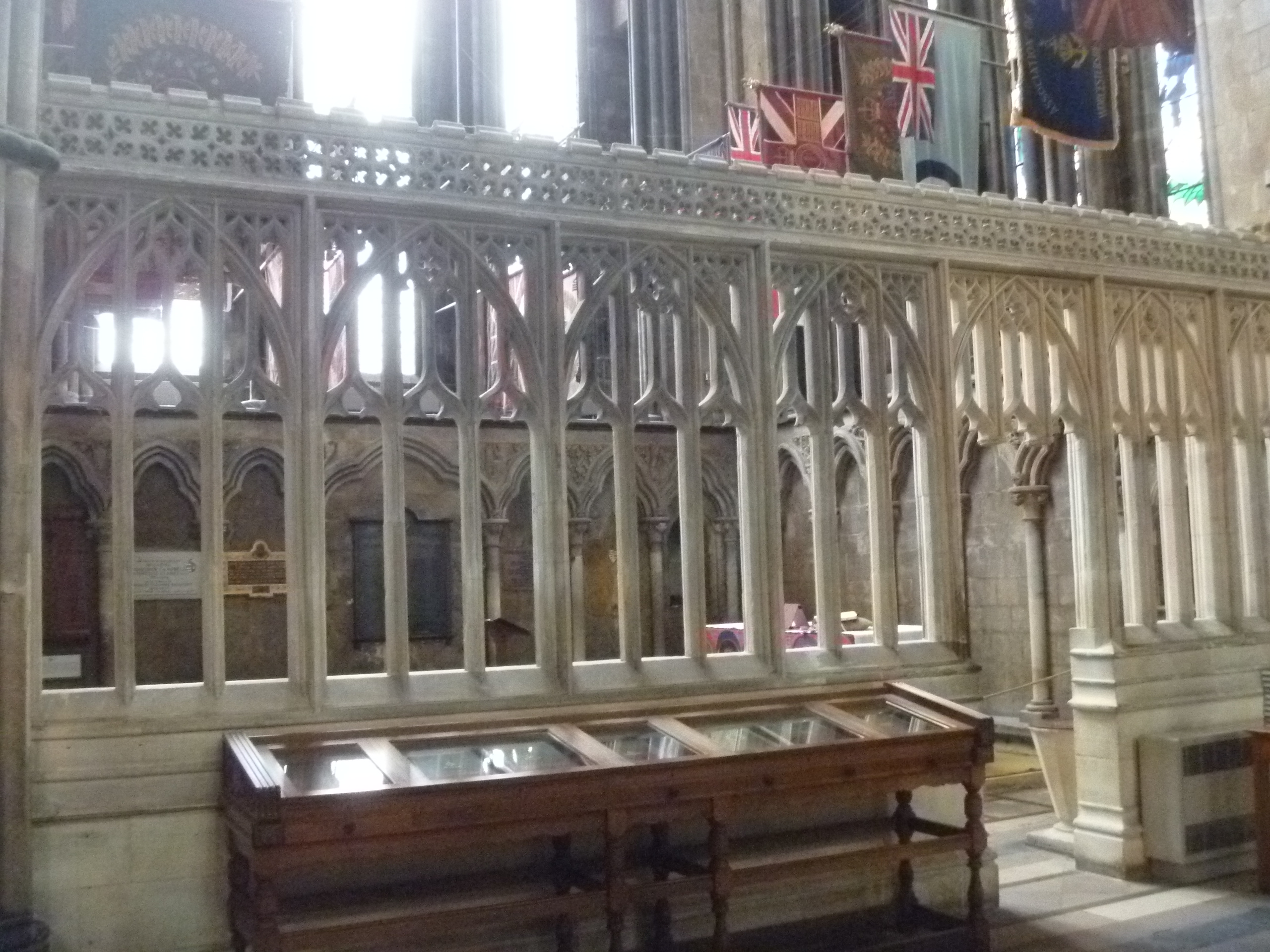
St George's Chapel

St George’s Chapel, Worcester Cathedral

I had contacted the Vergers in advance in order arrange to see the Roll of Honour in which my relative is listed and introduced myself to a volunteer welcomer on arrival. A Verger was summoned and soon I was able to inspect the book and find his name. I then took some time to look around the St George’s Chapel where the Roll of Honour rests.

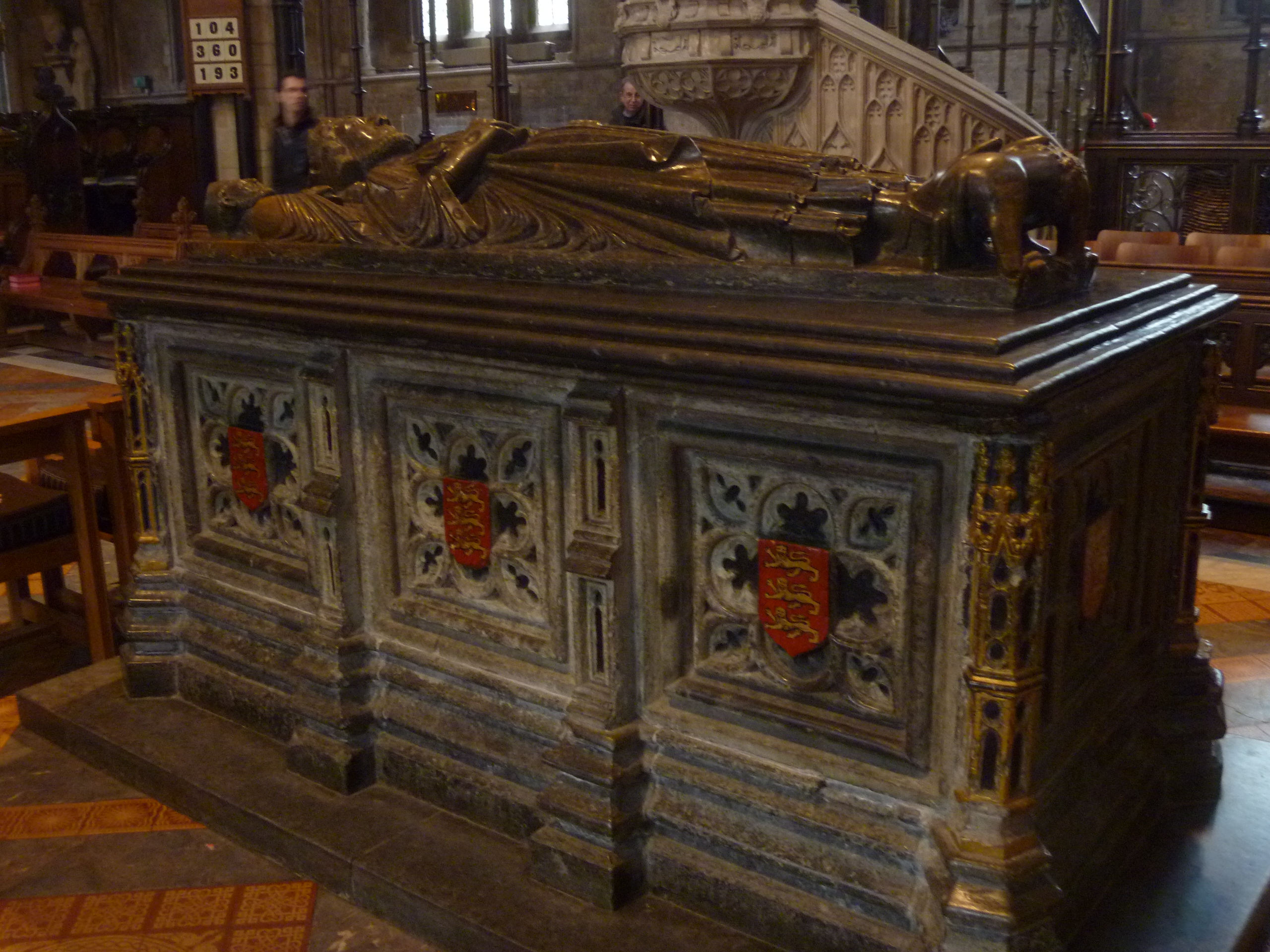
King John

The most significant tomb in Worcester Cathedral is that of King John.

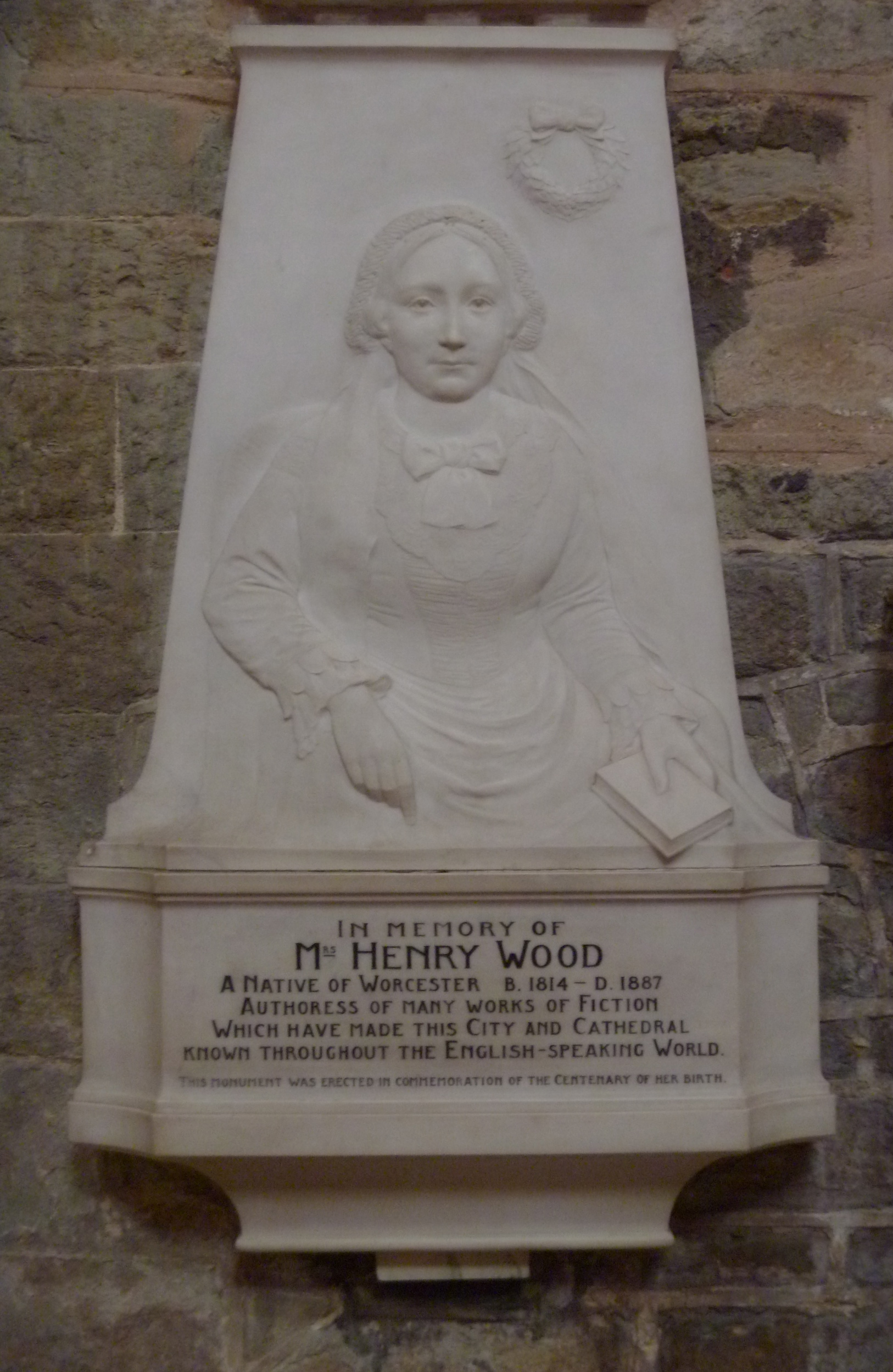
Mrs Henry Wood

In addition, in the “Poets Corner”, I found the memorial to Victorian author Mrs Henry Wood. A prolific writer, she is perhaps best known for her book “East Lynne”.

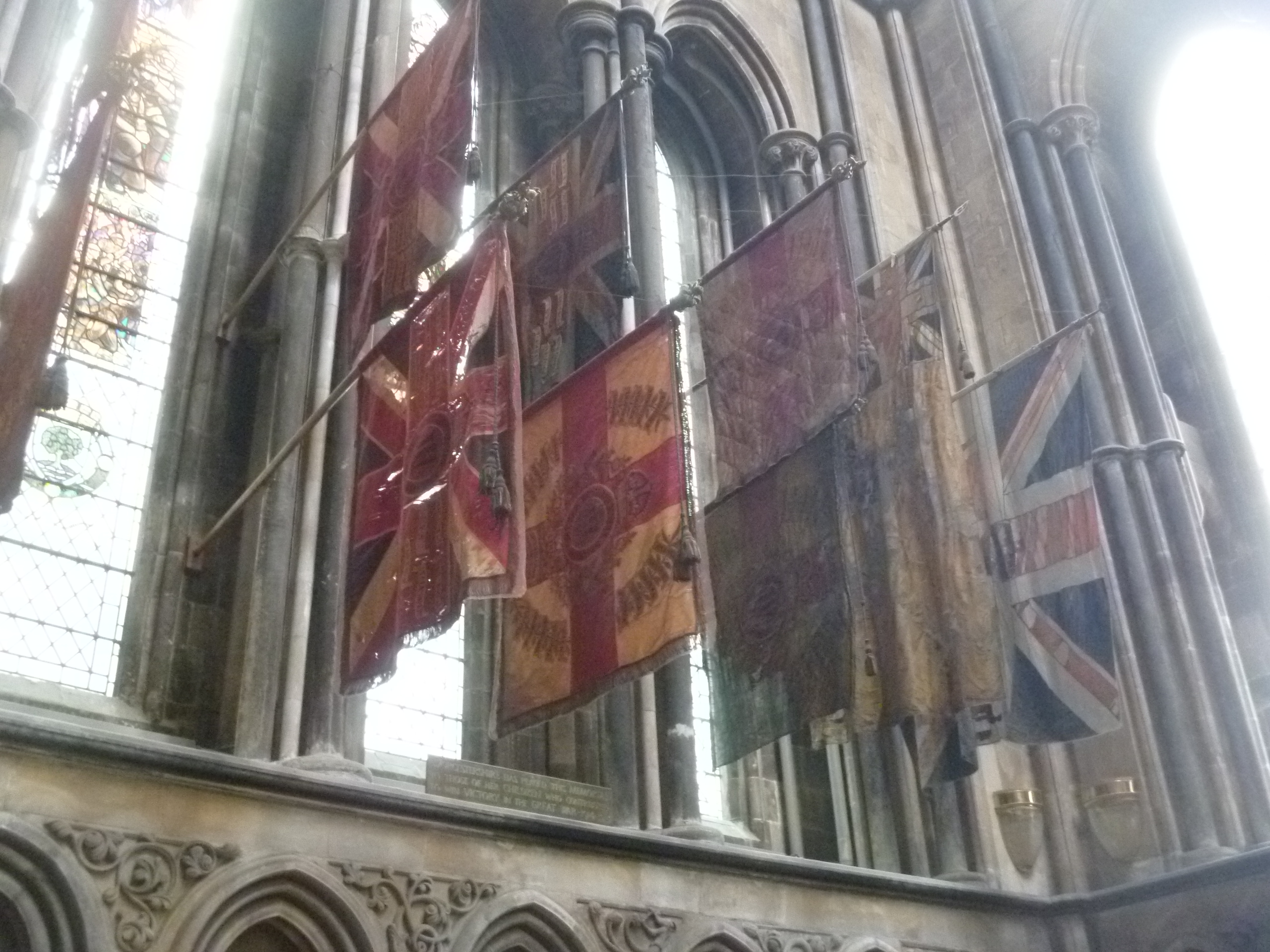
Flags St George's Chapel

St George’s Chapel, Worcester Cathedral
The Church of St John the Baptist, Strensham
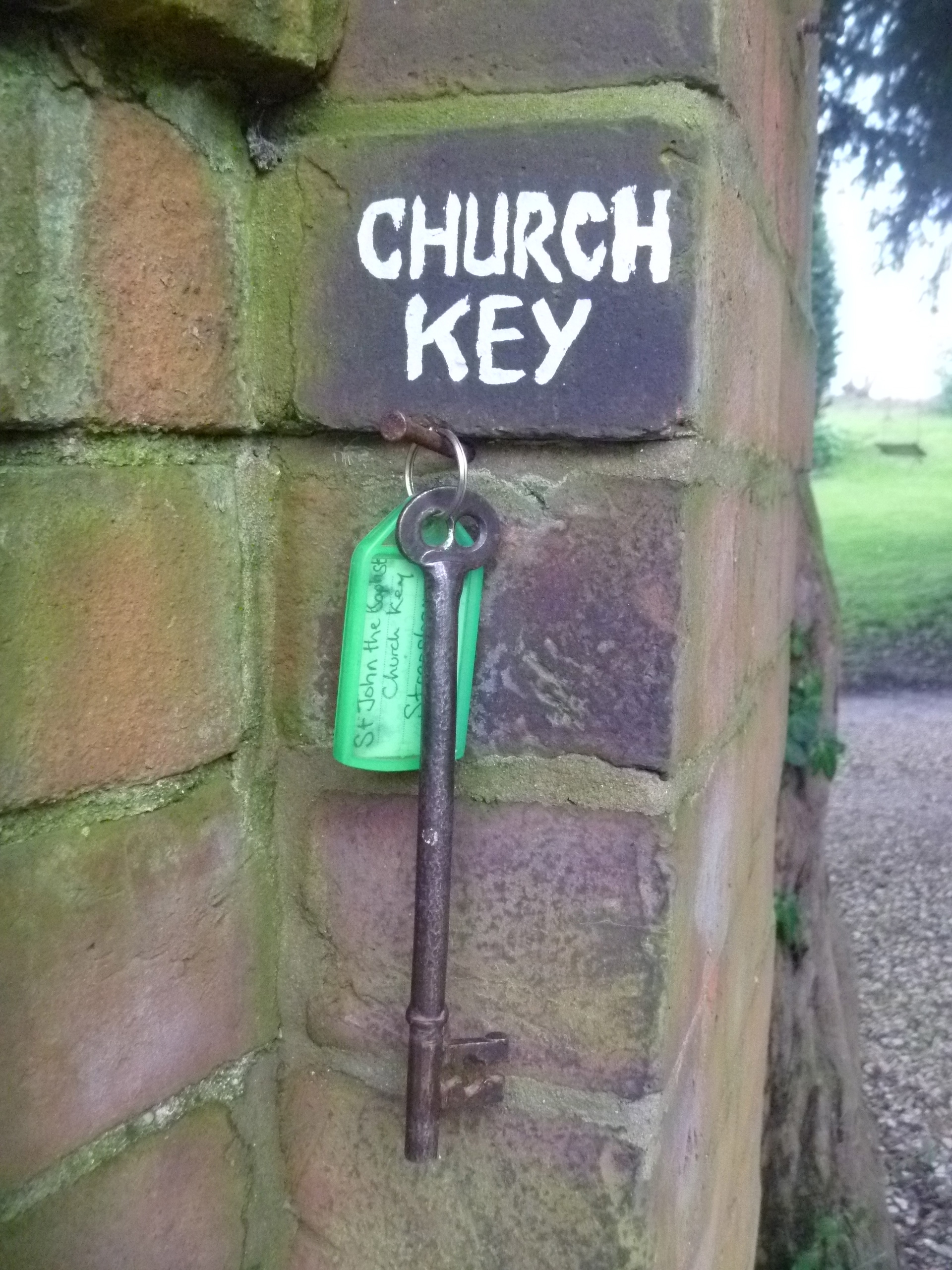
Church Key
For most people the name of the village of Strensham is synonymous with the Motorway Service Station of the same name on the M5. But for me it is the village where my relatives lived during the early years of the last century. More about them later. Strensham is divided in more ways than one; there’s a Lower Strensham and an Upper Strensham and the M5 motorway cuts between the two. However, far from the noise of the Services and the Motorway, Strensham church lies down a long lane across fields and even far from the Strenshams. It stands on cliff overlooking the River Avon. Now that I have visited I notice that you can see its creamy white tower as you drive up and down the motorway.
St John's Strensham
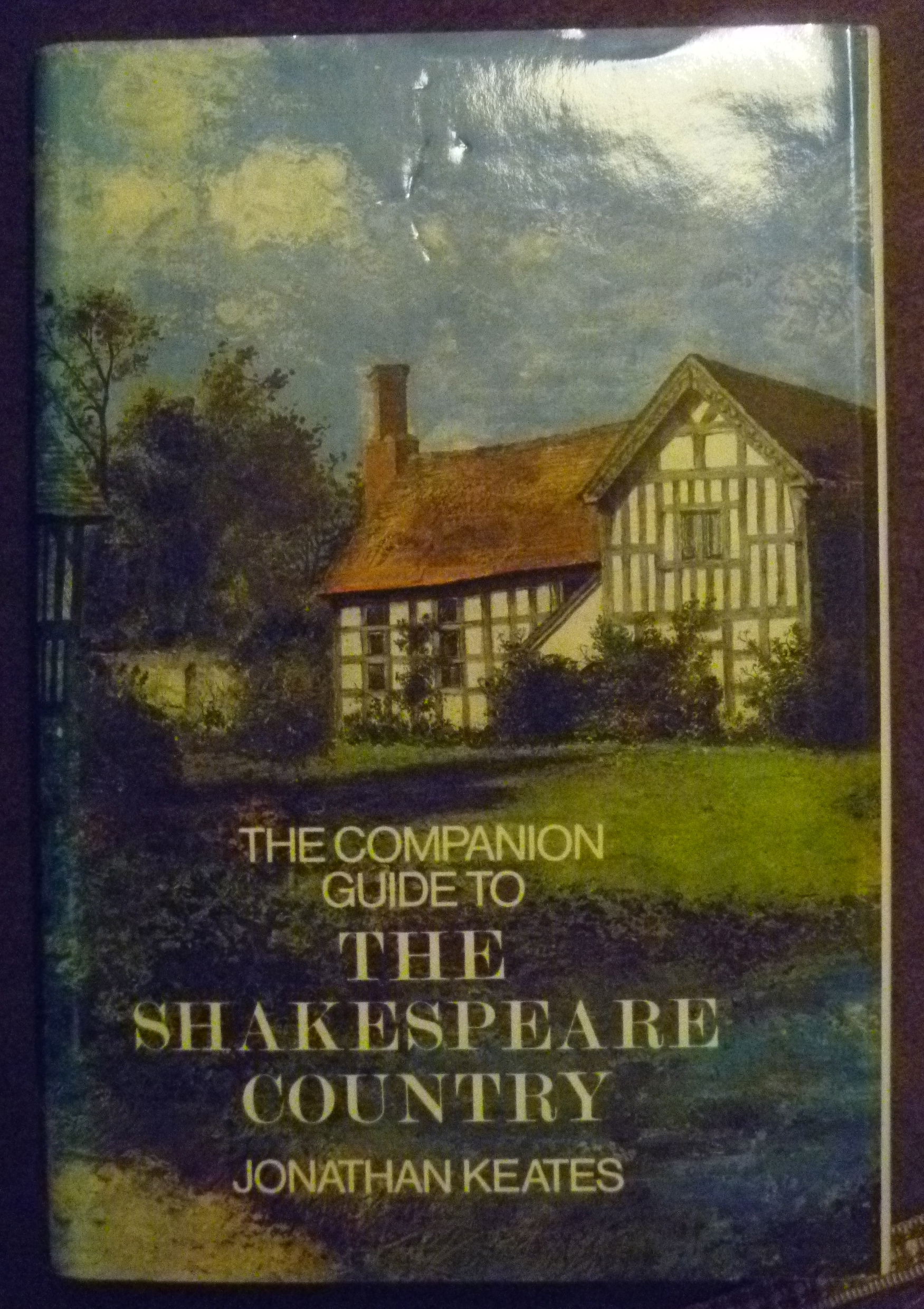
The Church of St John The Baptist, Strensham is listed in Simon Jenkins’ England’s Thousand Best Churches and given one star. It is also cared for by The Churches Conservation Trust. And there is a whole page about it in Jonathan Keates’ The Companion Guide to The Shakespeare Country. 
Companion to Shakespeare Country
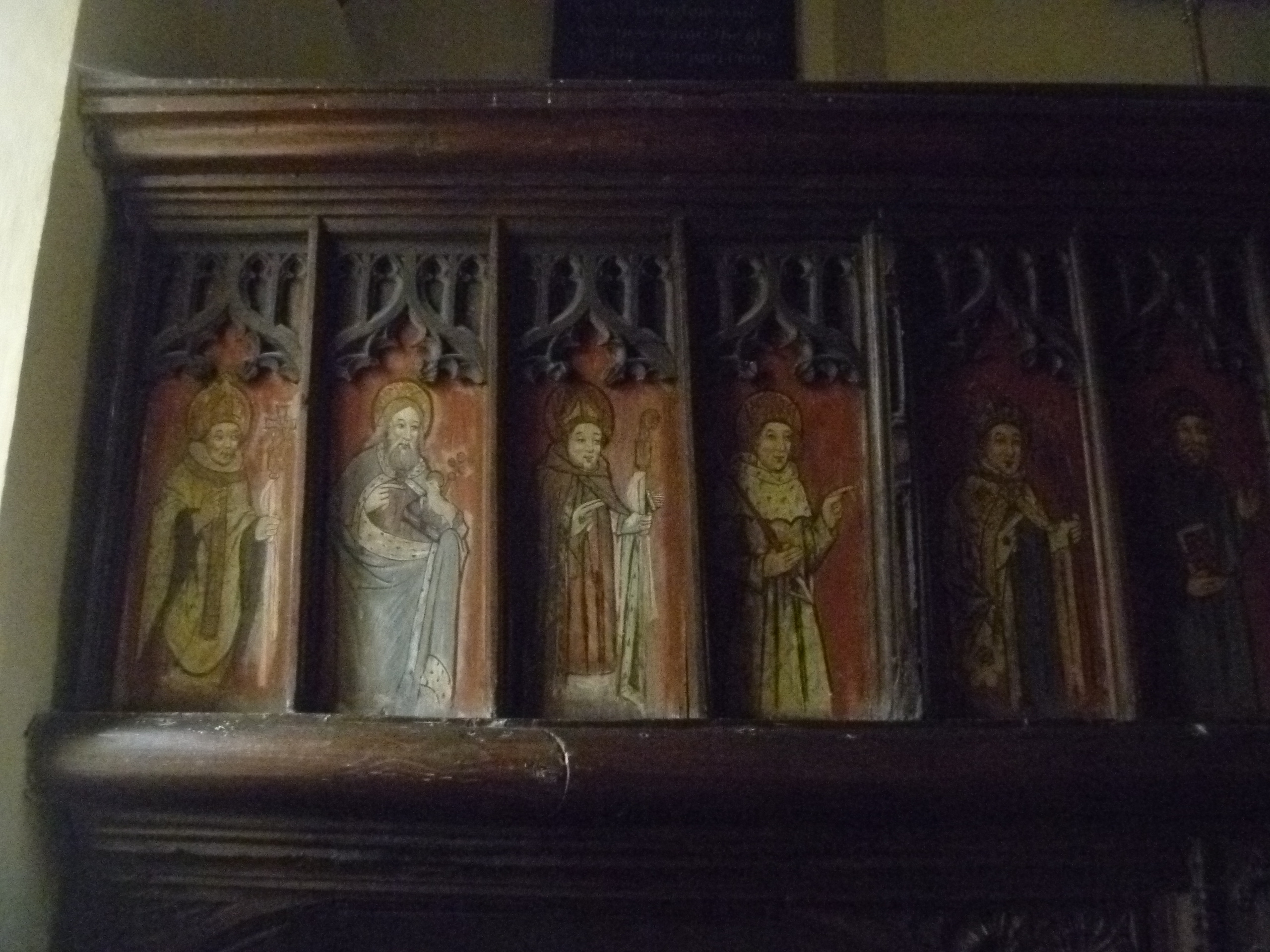
One remark in this book that I rather like is his “More Norfolk than Worcestershire (it recalls Ranworth), this set of twenty-three paintings is extraordinary “.
Painted panels
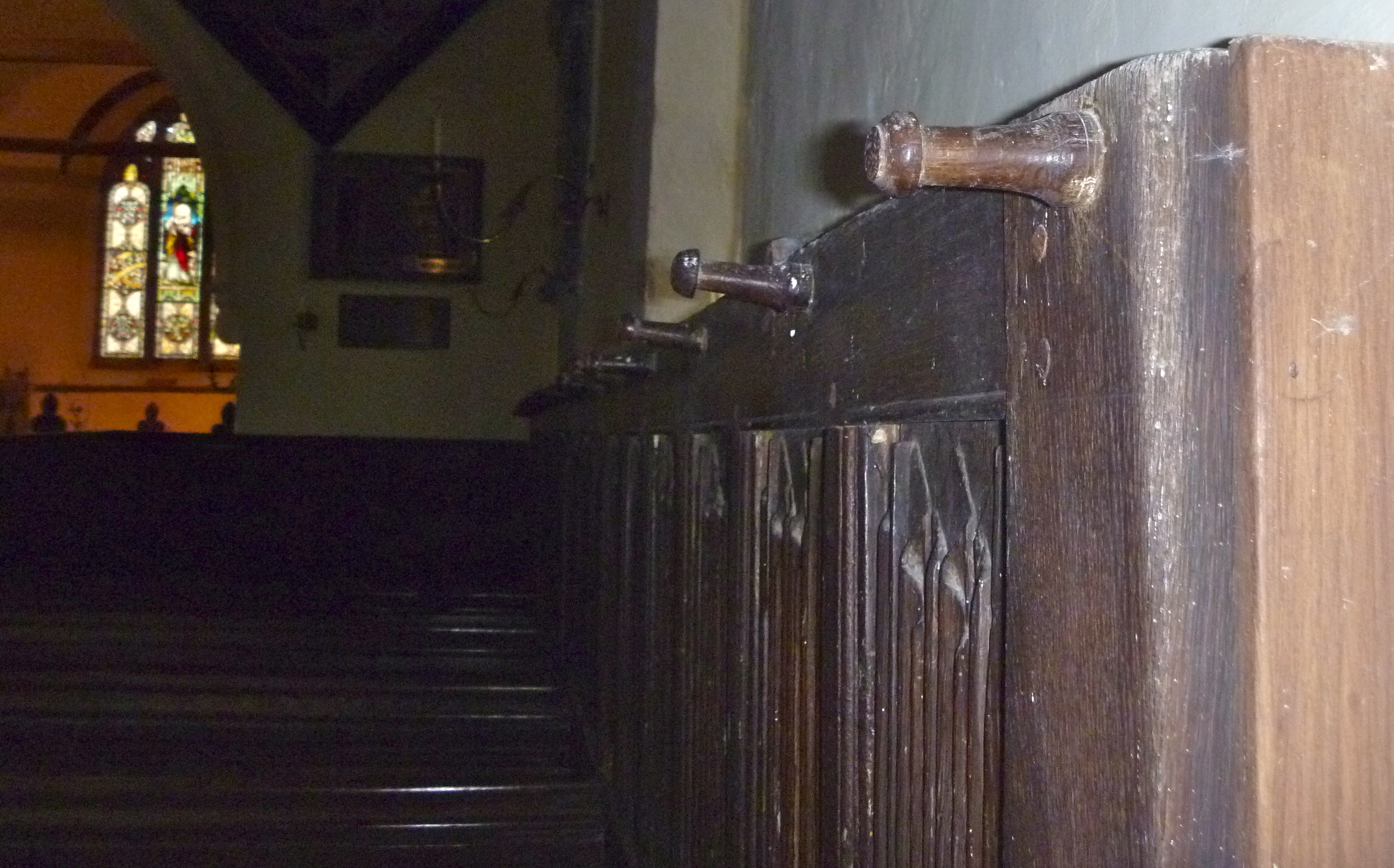
Well, my family came from Norfolk to live in Worcestershire for possibly a couple of decades in the early twentieth century, returning to Norfolk before 1920. In addition to these painted panels the church boasts some impressive monuments, superb linenfold panelling and early 16th century pews.
Linenfold panelling and pegs
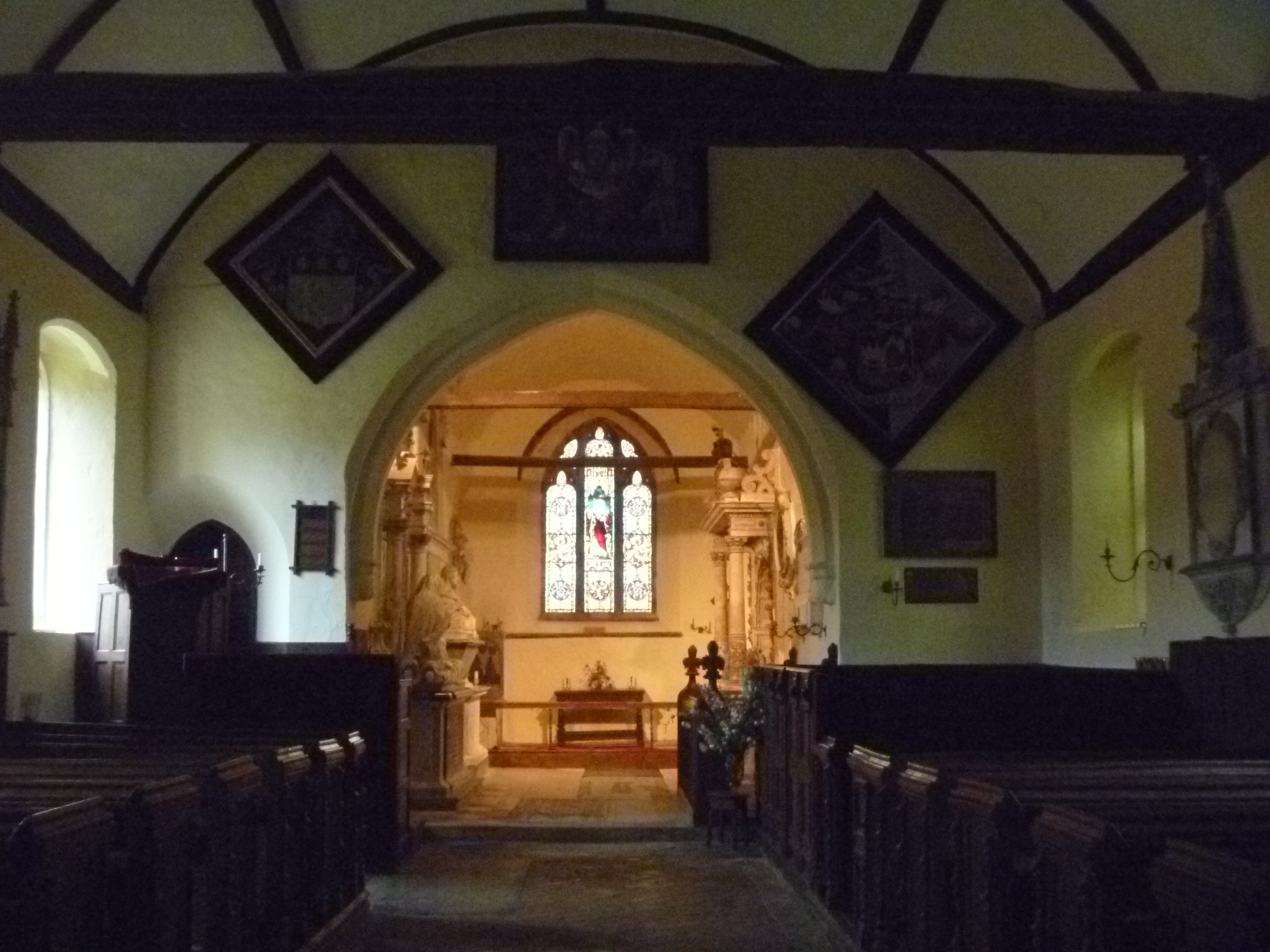
The chancel lights up as you enter but elsewhere it looks as if the gas mantels are still in use during the occasional services that are still held here.
Interior St John's Strensham
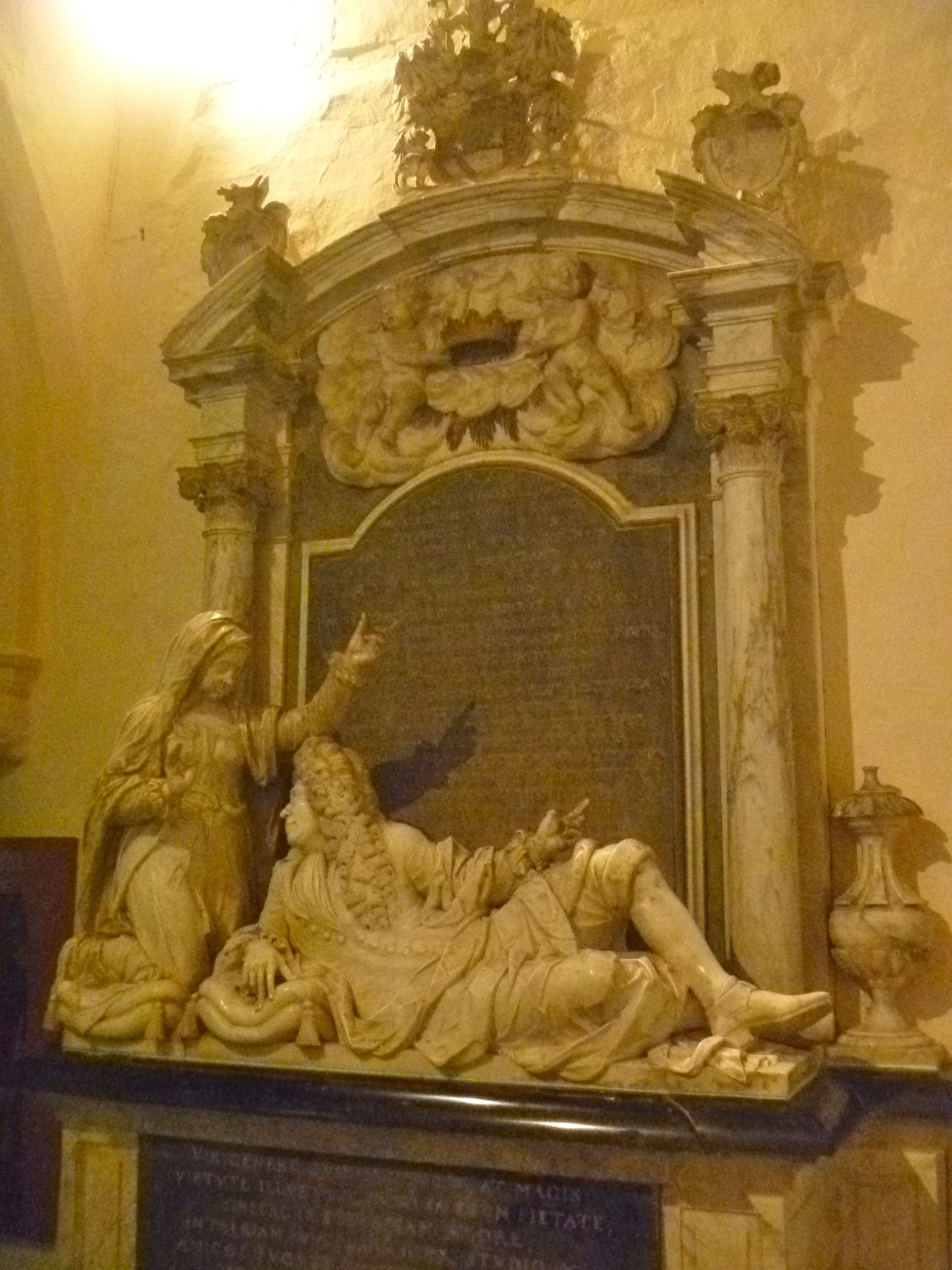
Keates goes on to say “Next to these is my favourite Worcestershire tomb, a great piece of English art,  full of unrivalled zest and excitement. Edward Stanton’s superb fantasia on the death of Sir Francis Russell in 1705 is as much Gothic as baroque in its marble schadenfreude. His face (a portrait, surely) a wrenched simian mask, he is shown half-lying as his kneeling wife beckons him towards a heaven blobbed with clouds and putti whirling a coronet.”
The Baroque Sir Francis Russell and his wife
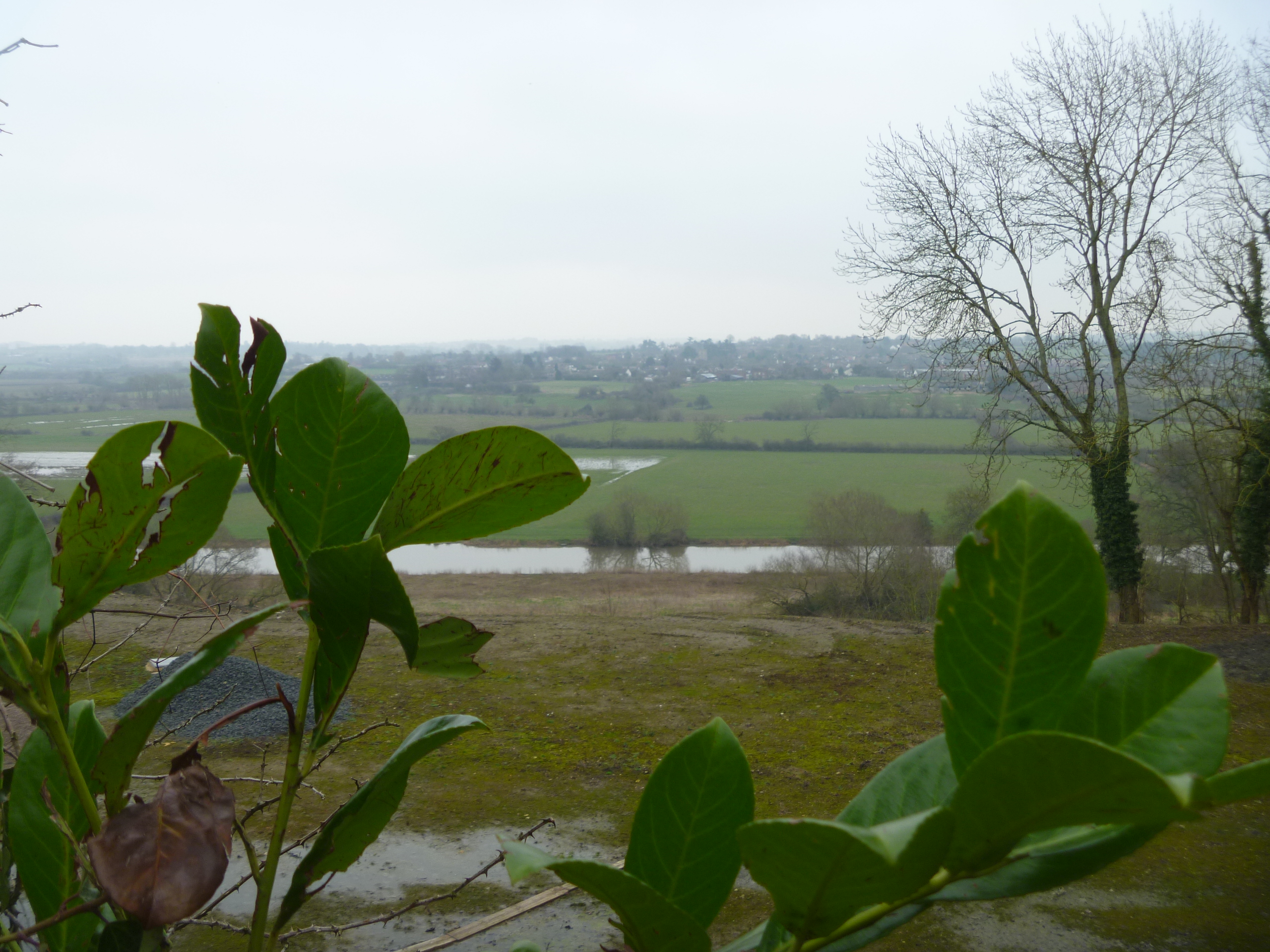
River Avon and Eckington
The Church is perched on a cliff and overlooks the River Avon

An Abbey and a Chapel in Tewkesbury

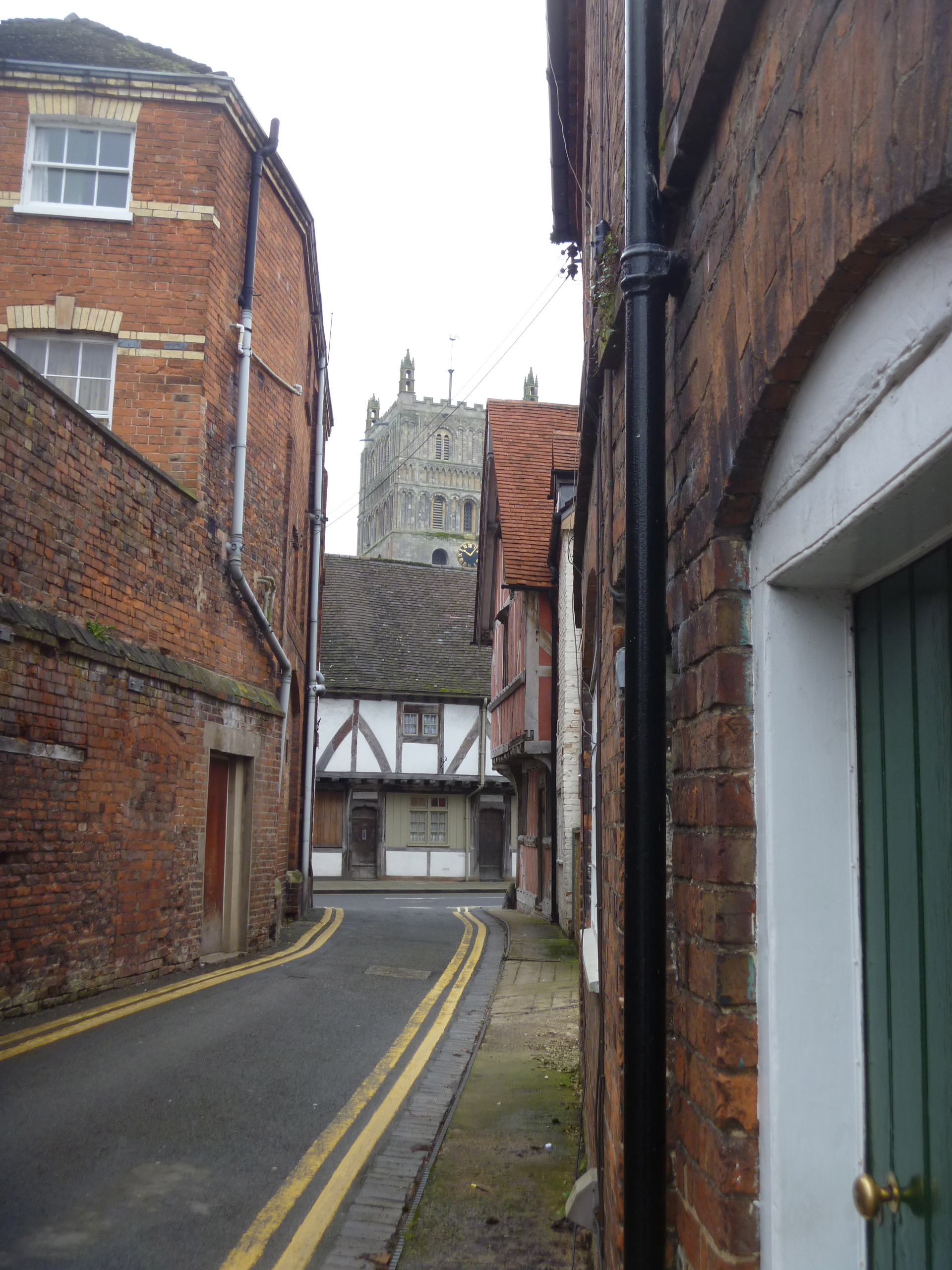
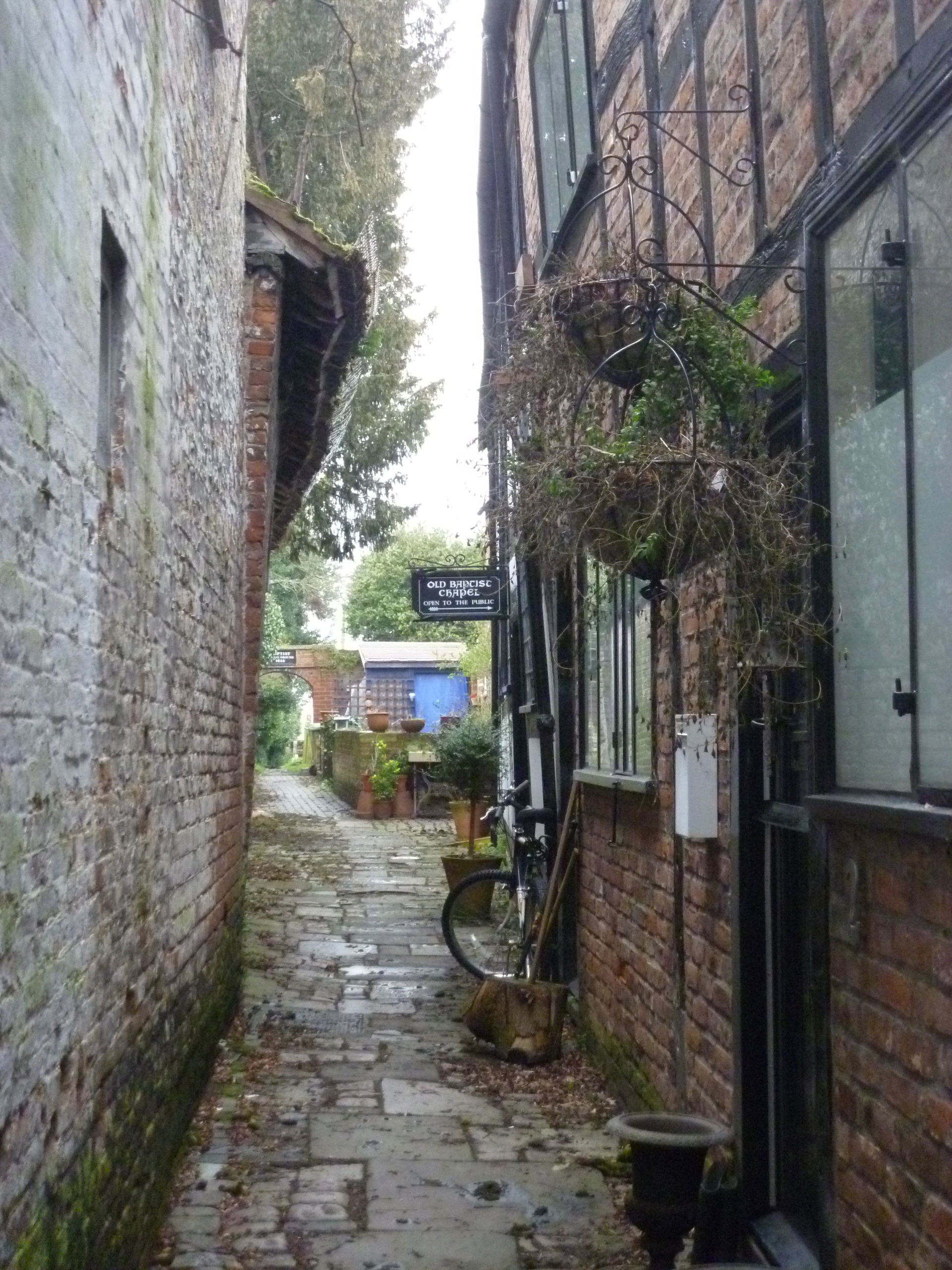
Some of my weekend based in Tewkesbury was spent researching some of my family history in Worcestershire. In addition, staying in a house so close to Tewkesbury Abbey, how could I not visit it several times? Close by there was also a curious little chapel which is probably much overlooked by its towering neighbour. I didn’t get inside as it was closed. It’s in one of the very many little courts and passageways that run off the main Tewkesbury streets and  down to the River Avon.

SML and Abbey

See how near the Abbey is to no. 32

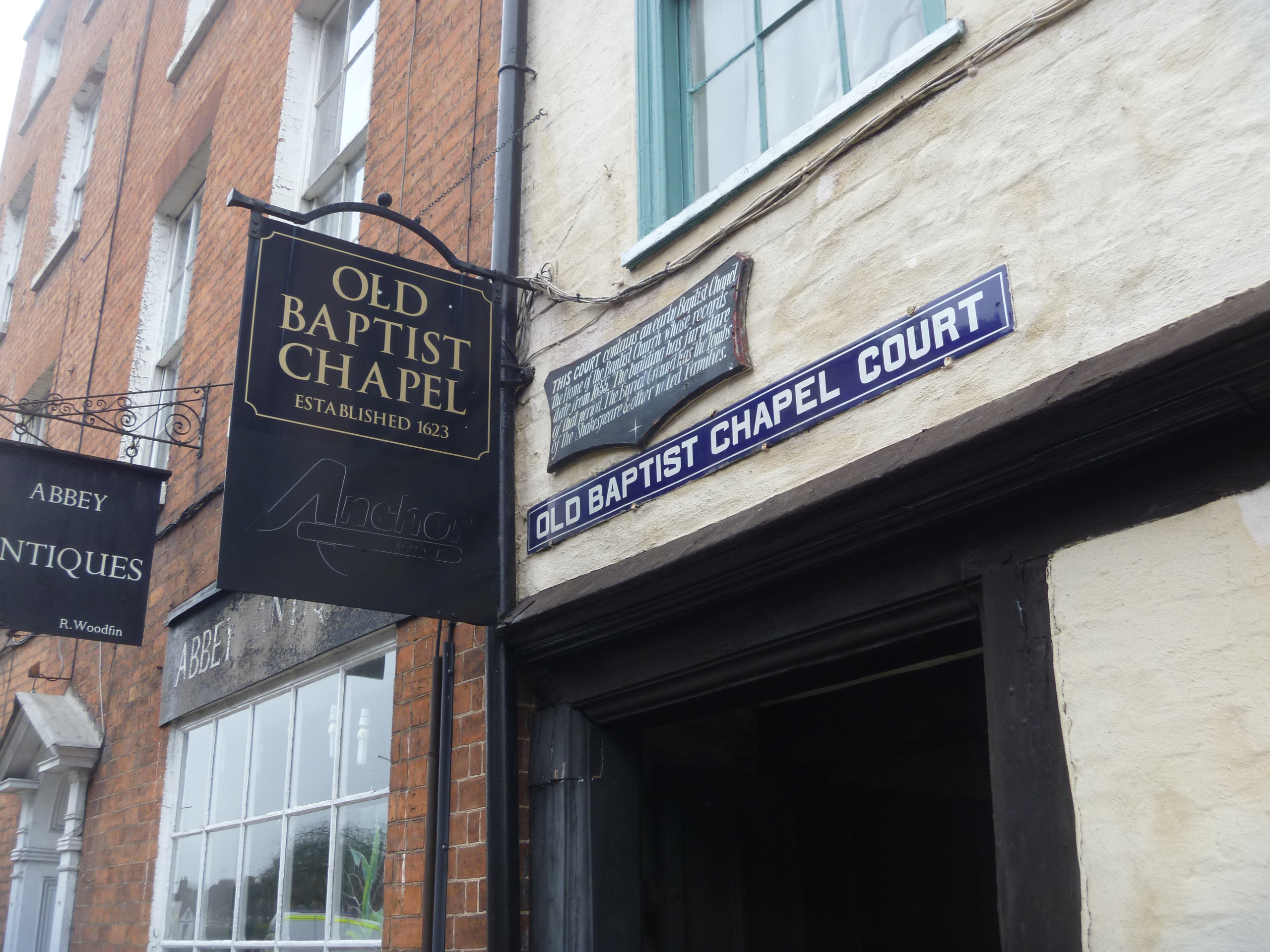
Old Baptist Chapel

Chapel sign

It may be overshadowed by its neighbour but The Old Baptist Chapel in Tewkesbury still manages to be included in Simon Jenkins’ England’s Thousand Best Churches. It is even nearer to number 32 than the Abbey.

Chapel Court

Tucked away down an alleyway it was converted from a medieval timber-framed house in about the 1620s and is still used for services today. The key is available for visitors wishing to see inside the chapel from the Museum over the road in Church Street.

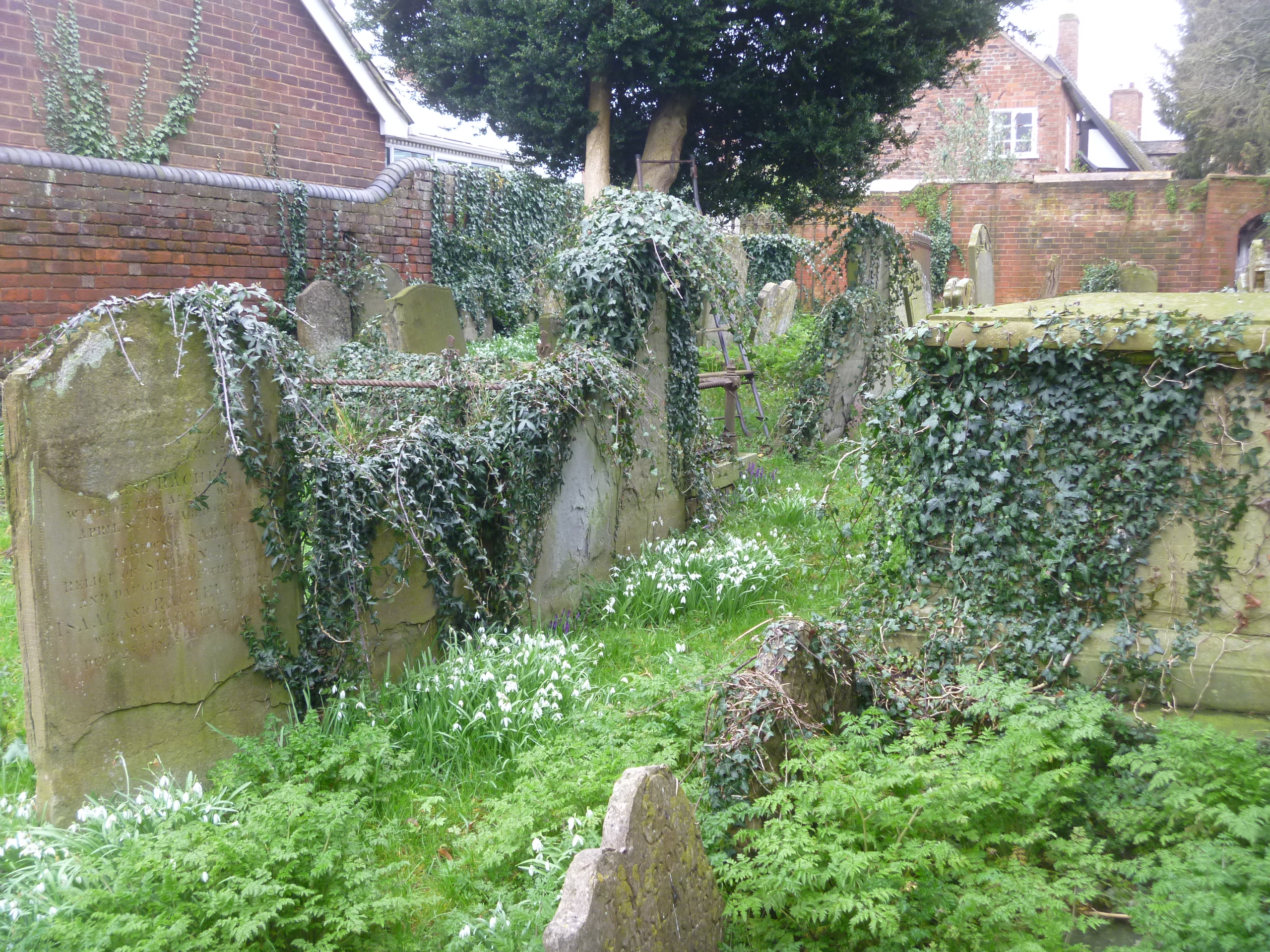
Burial ground

Beyond the chapel lies a peaceful, overgrown, (perfect town habitat for wildlife and plants) burial ground and beyond that is the river and a view of the Severn Ham.

Overgrown

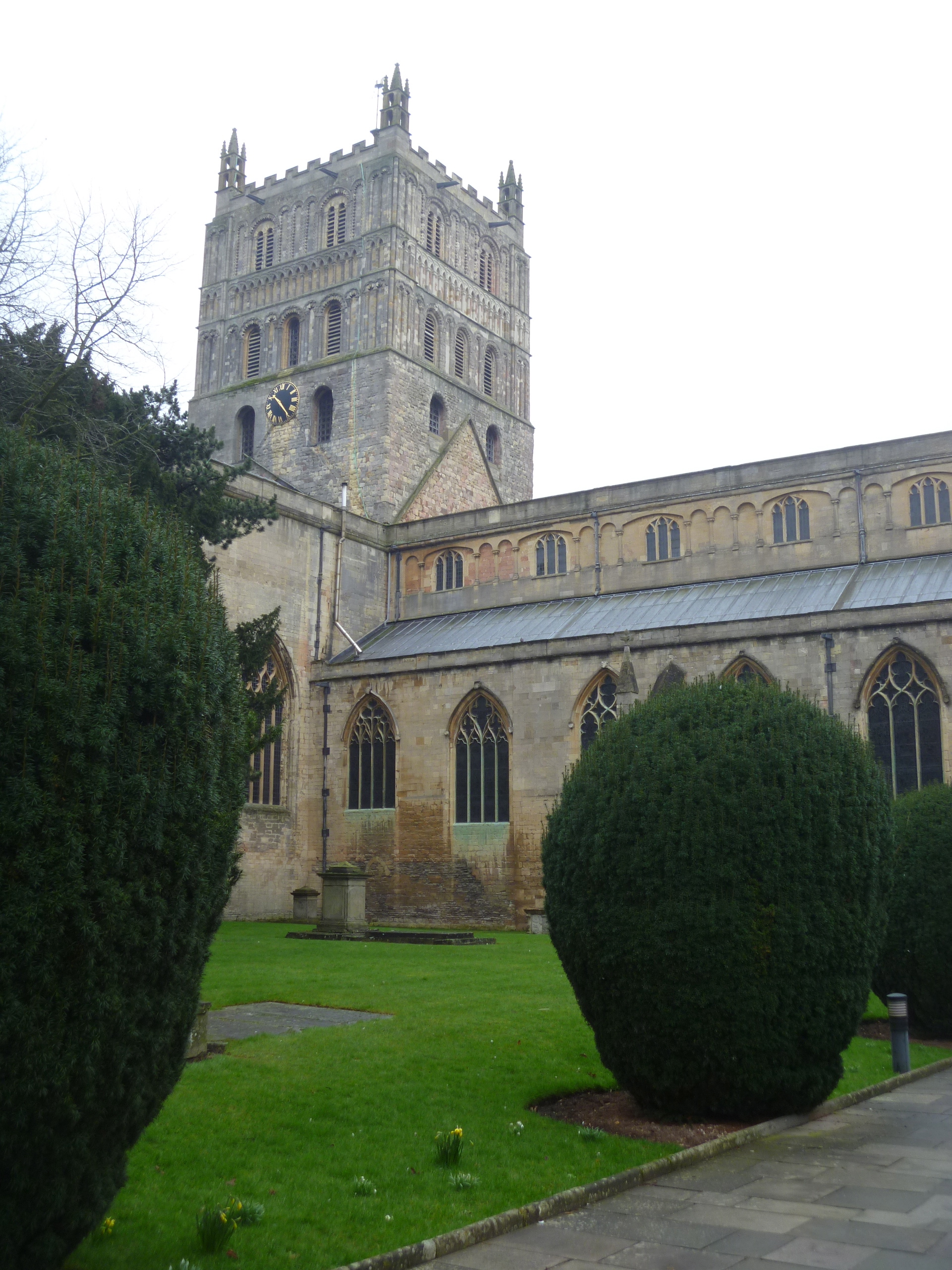
Tewkesbury Abbey

Tewks Abbey

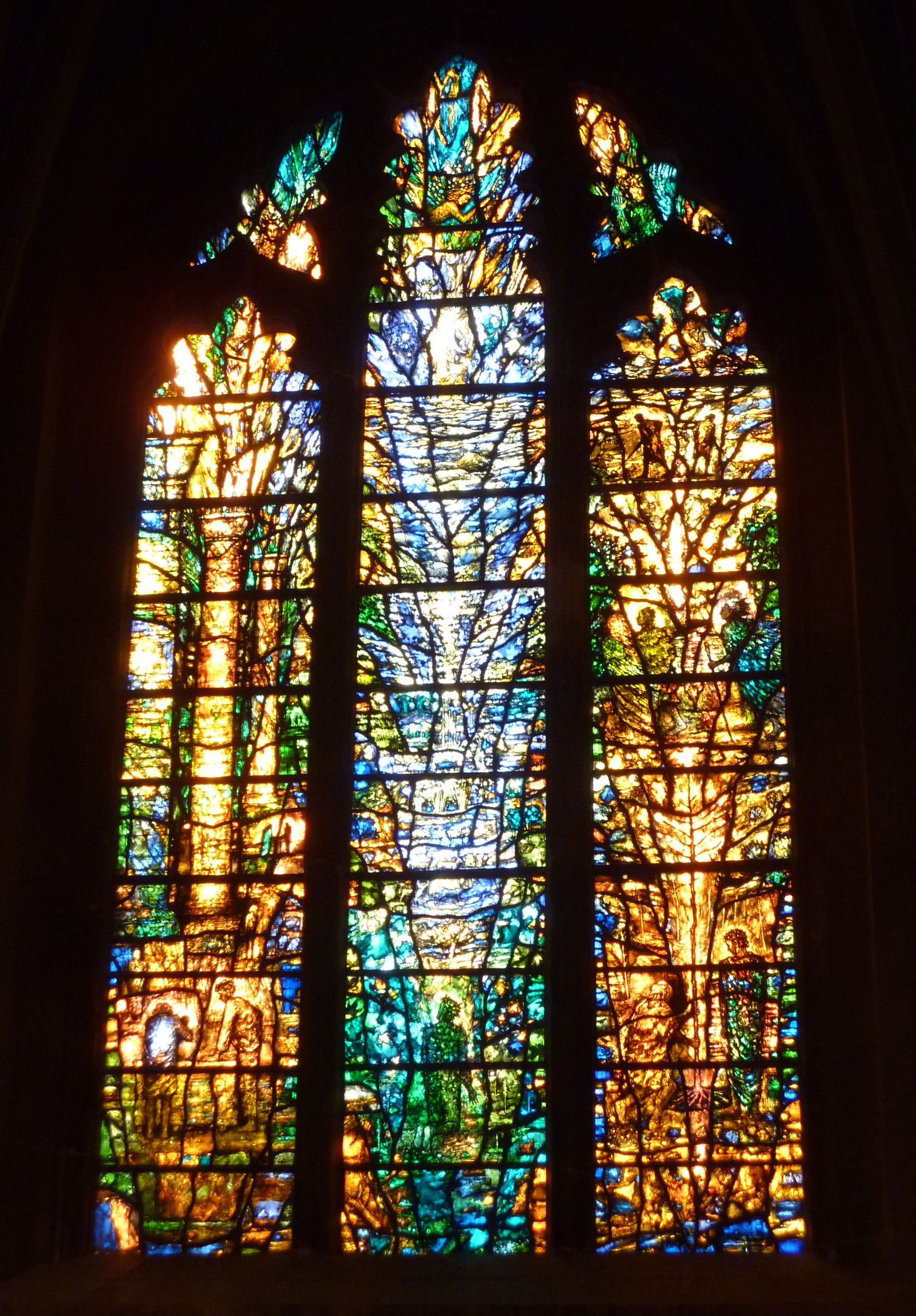
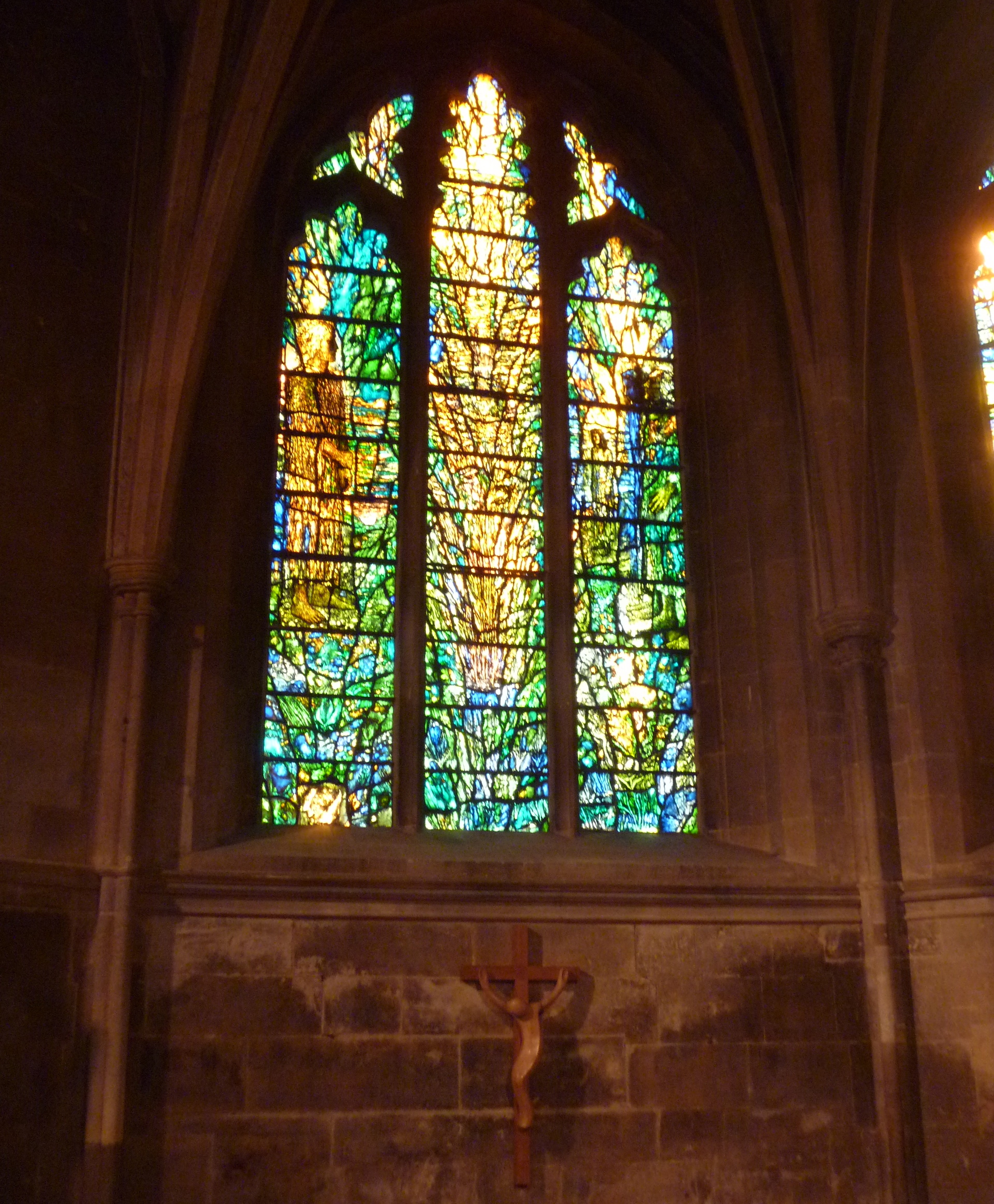
Tewkesbury Abbey fully deserves its five star status as awarded by Jenkins. During the one weekend I must have visited at least five times. Even the last morning before packing the car for the journey home I nipped across the road to admire once more the beautiful Thomas Denny windows. You see, for the first time since my arrival, the sun was shining and sunshine adds another dimension to the windows.

T Denny 1

T Denny 2

Photographs just cannot do justice to the real thing. This is what it says about the windows on a notice nearby :

“These windows have been funded by the Friends of Tewkesbury Abbey to celebrate the 900th anniversary of the arrival of Benedictine monks from Cranborne, Dorset in 1102 to the new monastery at Tewkesbury. The windows were dedicated by the Bishop of Gloucester at the 900th Anniversary Festival Service on Saturday 19th October 2002.”

Of course, I first saw T. Denny’s work in an article in Intelligent Life and shortly afterwards at Bolton Percy Church in North Yorkshire.

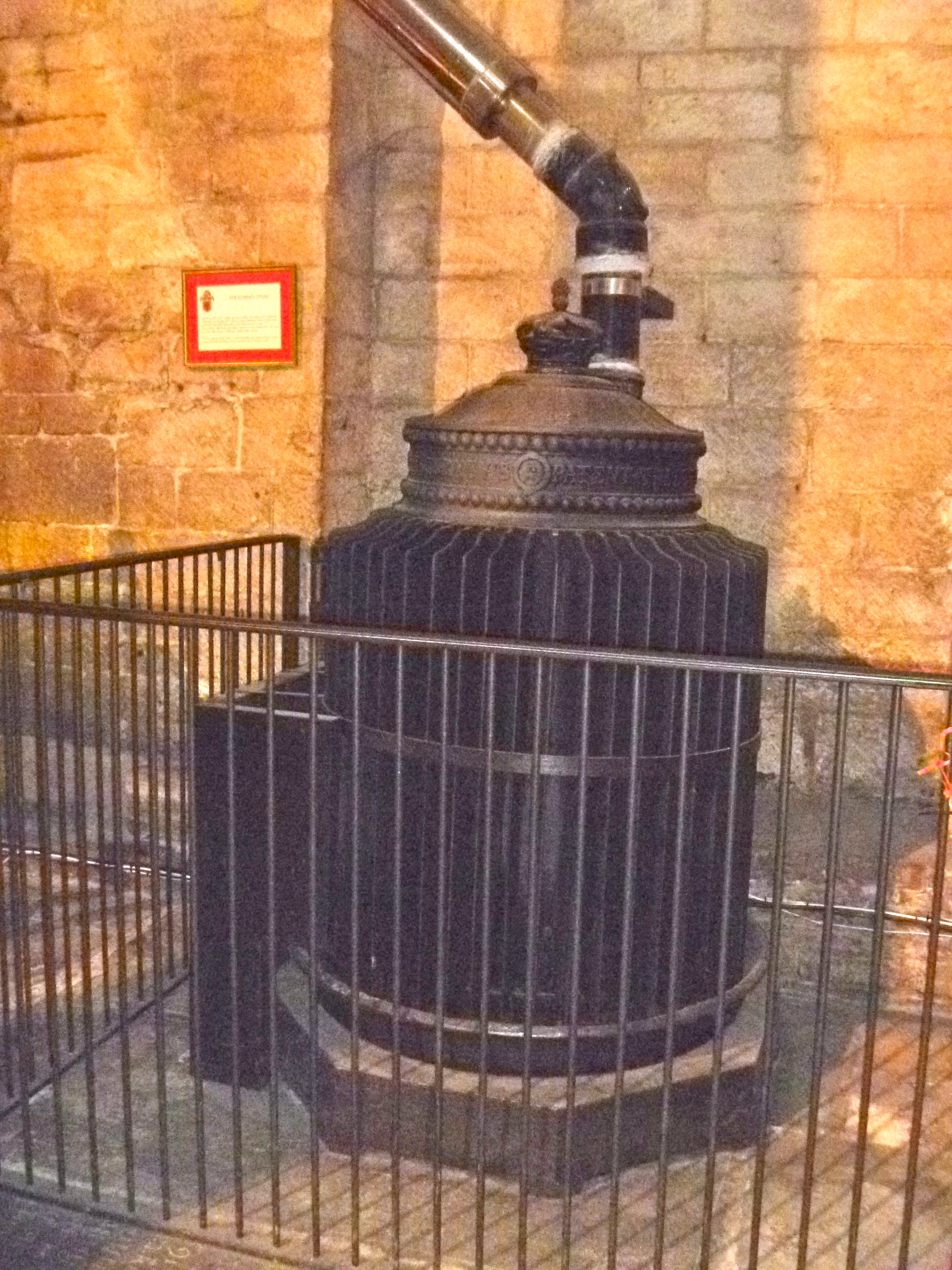
At Sunday Evensong the music is equally superb. The choir and clergy may outnumber the congregation several times over but the effort and result is just as striking as if the church had been full to overflowing as I am sure it is on high days and holidays. There is also a large choice of services on a Sunday and the evening was particularly cold. The abbey is heated by huge Gurney Stoves.

Gurney Stove

“Tewkesbury Abbey has two Gurney Stoves which were installed circa. 1875 when the Abbey underwent a major restoration by the Architect George Gilbert Scott. The stoves were converted to gas firing in 1987.”

Mrs C Memorial

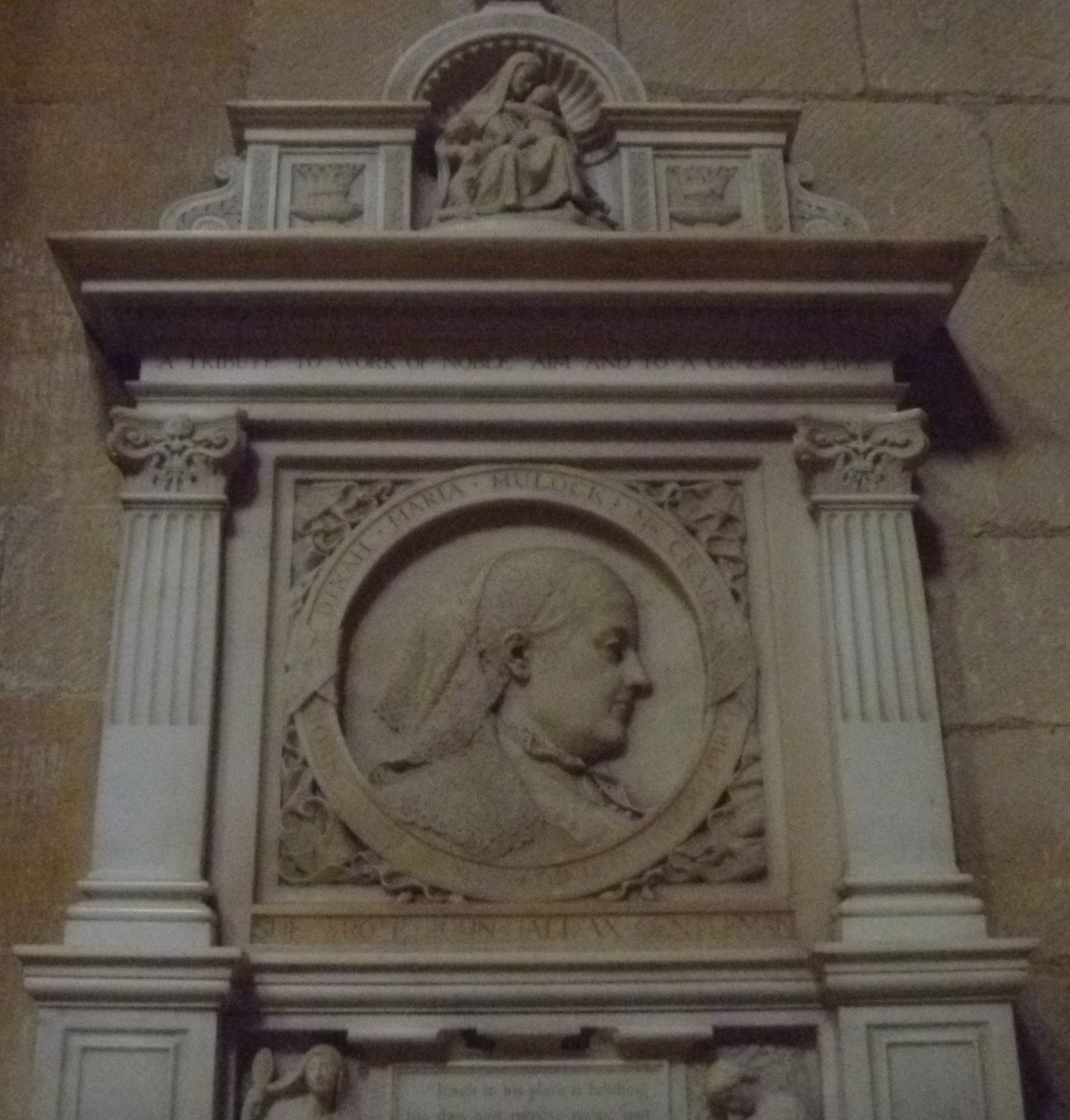
In Tewkesbury Abbey there is also a memorial to the “Victorian authoress Dinah Craik (1826–1887) [who] visited Tewkesbury in 1852, and later set her most famous work John Halifax, Gentleman (pub. 1857) in the town, calling it Norton Bury in the book. There is a “Craik House” in Church Street, near the Abbey, but Mrs Craik never lived there and had no other connection with Tewkesbury. There is a memorial to her in the Abbey’s south transept.” [source]


The Ramblers’ Church, Lead, North Yorkshire

P1080600

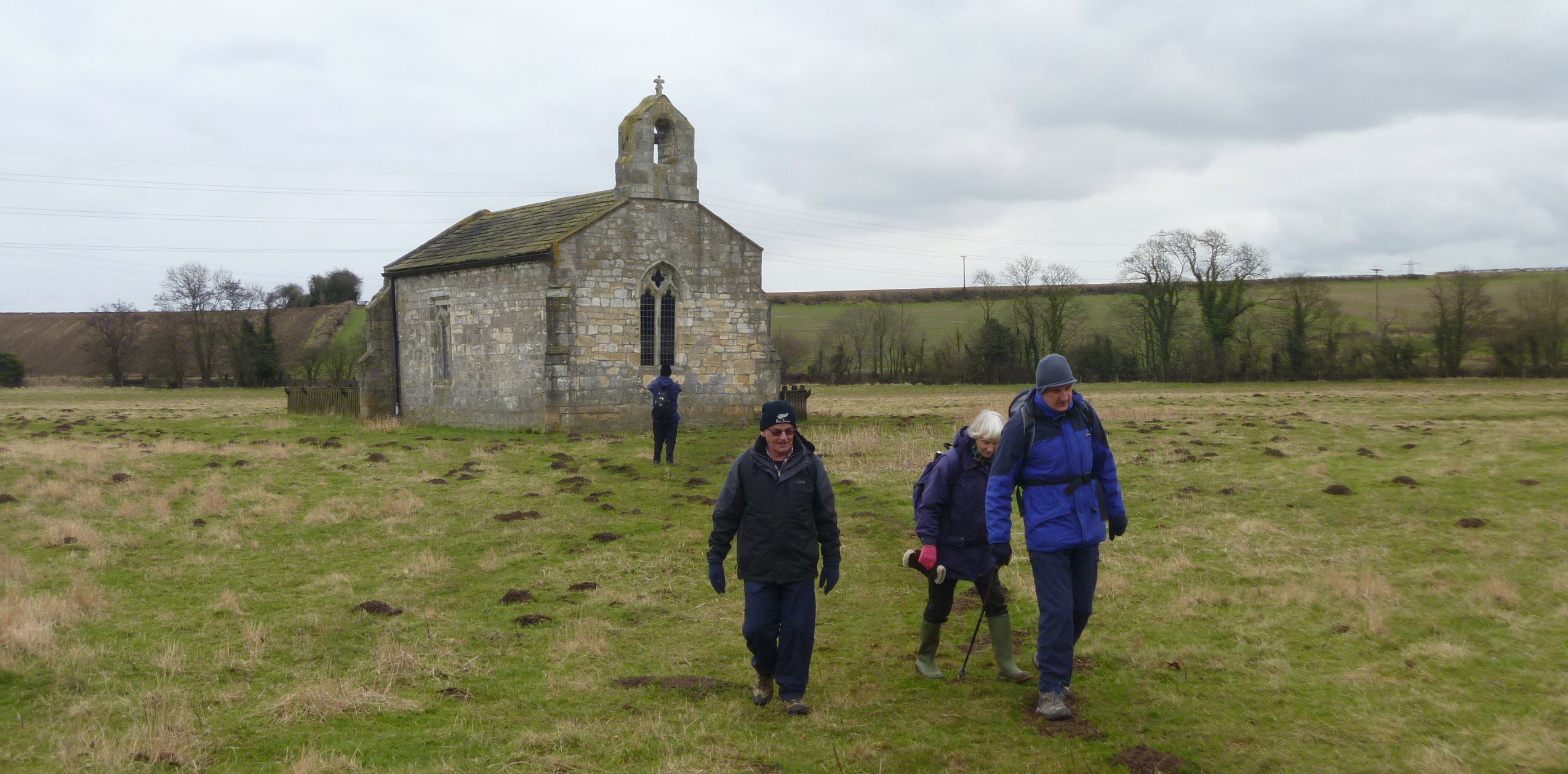
Ramblers leaving the Ramblers’ Church

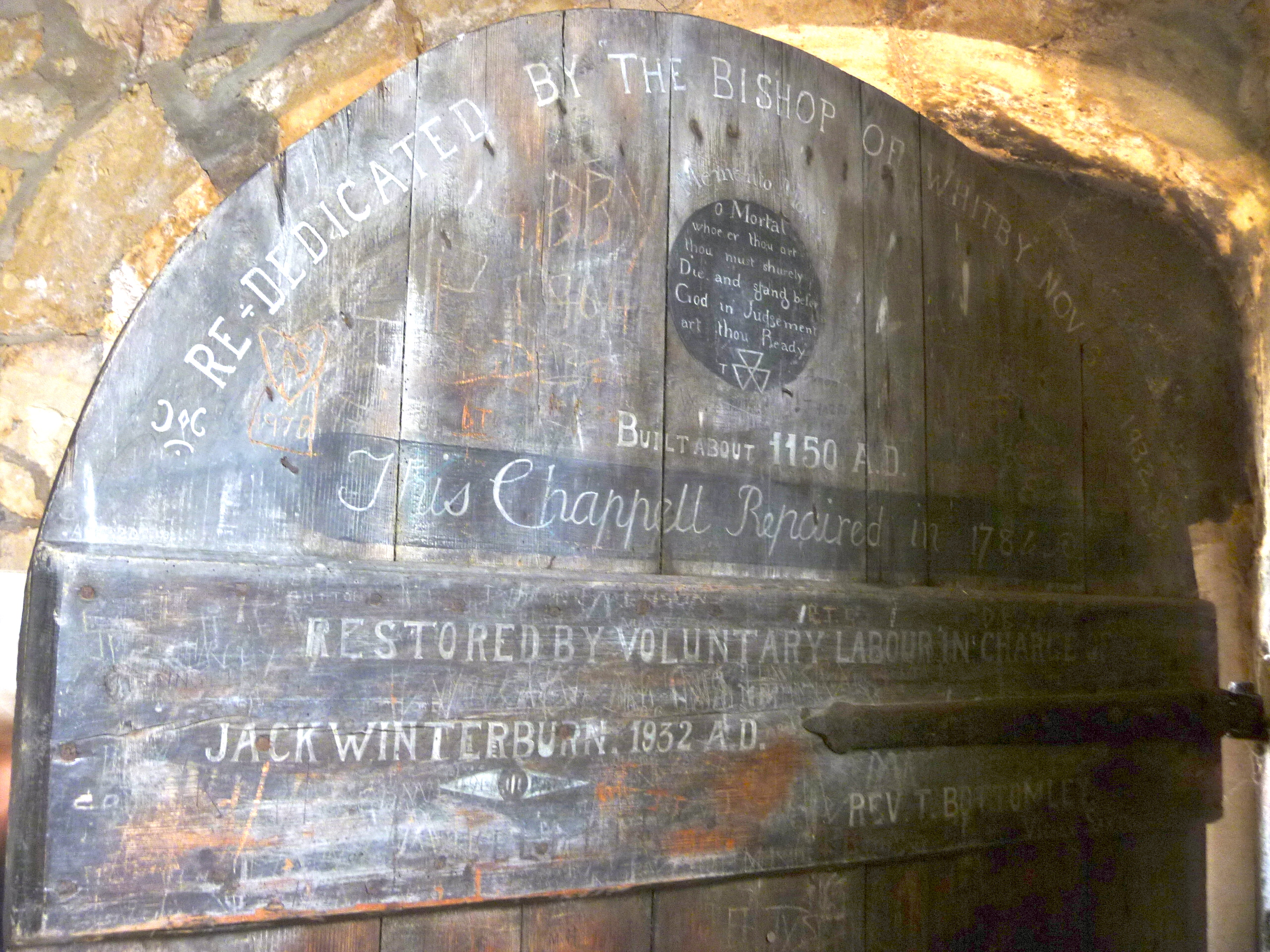
“Since being rescued by a group of walkers in 1931, St Mary’s has been known as the Ramblers’ Church. The repairs made then are recorded on the back of the church door.

Back of the door at Lead

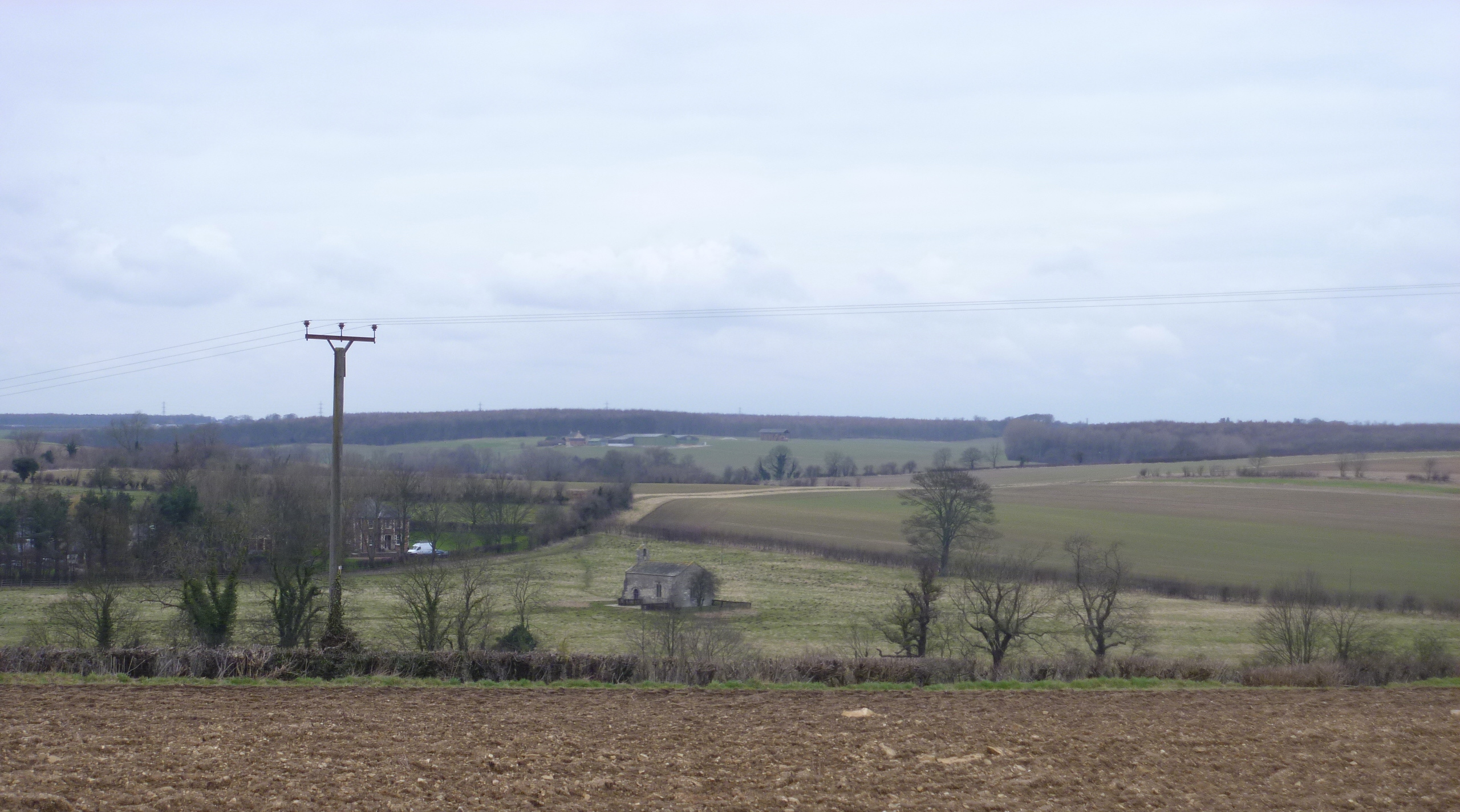
The church stands alone in the middle of a field filled with the bumps and furrows of earthworks that indicate the site of a Medieval manor house, for which St Mary’s was probably originally the chapel.

In the middle of a field

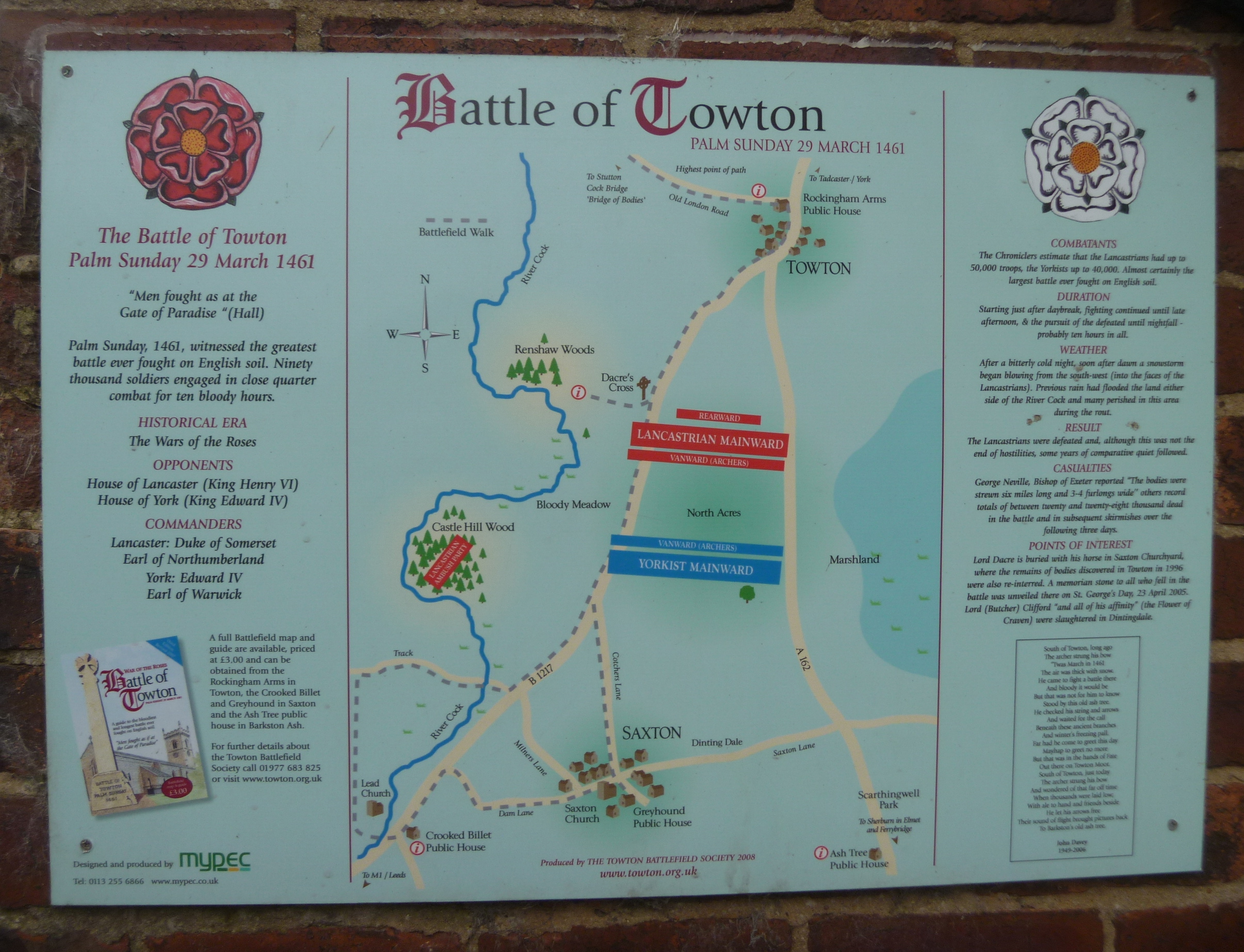
Nearby is Towton, the site of the War of the Roses battle, believed to be bloodiest in English history which brought the Wars of the Roses to an end in 1461.

Battle of Towton

Battle of Towton Information Board, Crooked Billet Pub, Lead, North Yorkshire

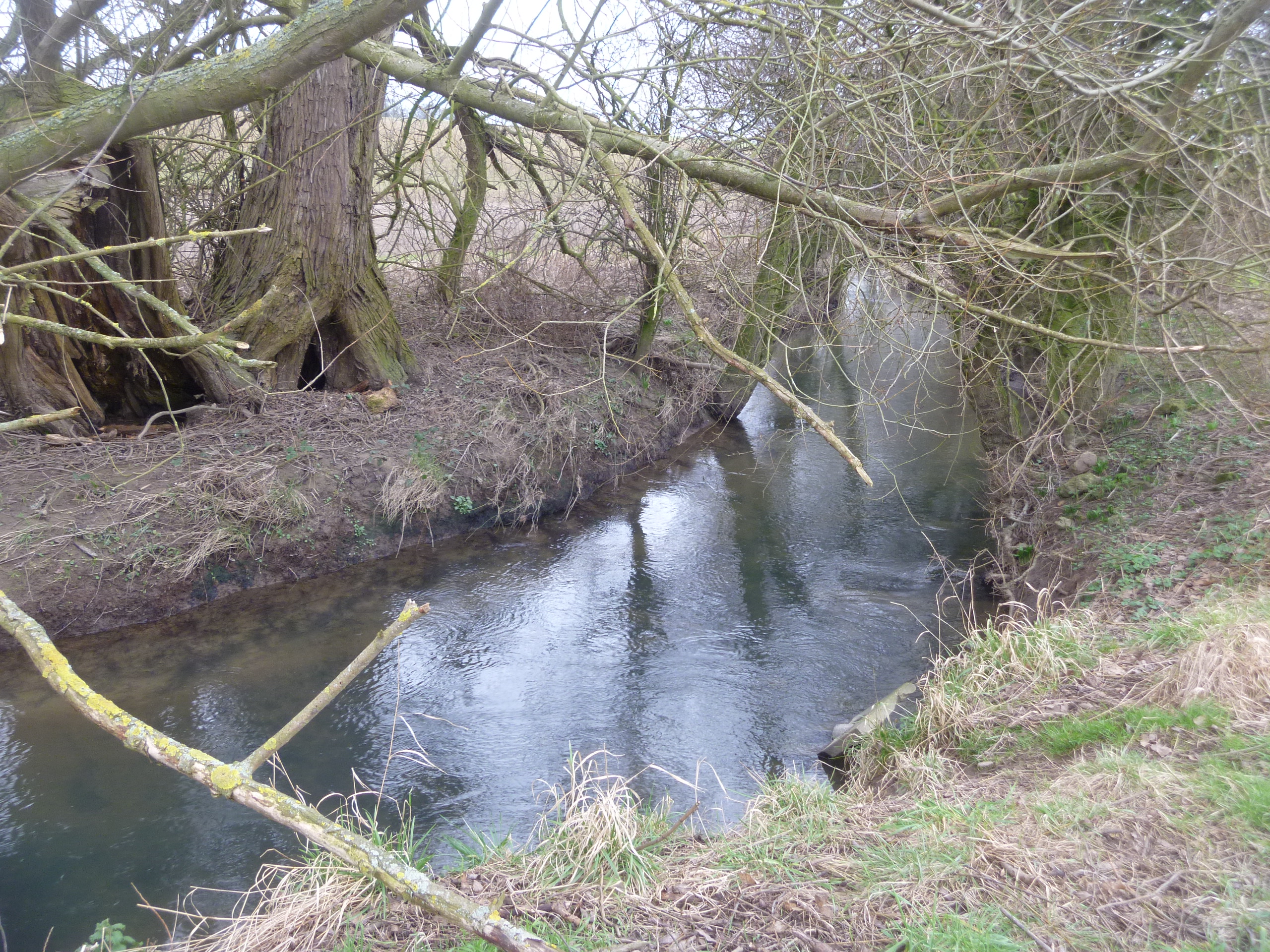
Ten thousand men are said to have been killed, and Cock Beck, the little stream which you cross to get to St Mary’s, is said to have run red with blood. 

Cock Beck

Cock Beck

You can find monuments to crusading knights in this tiny 14th-century church.

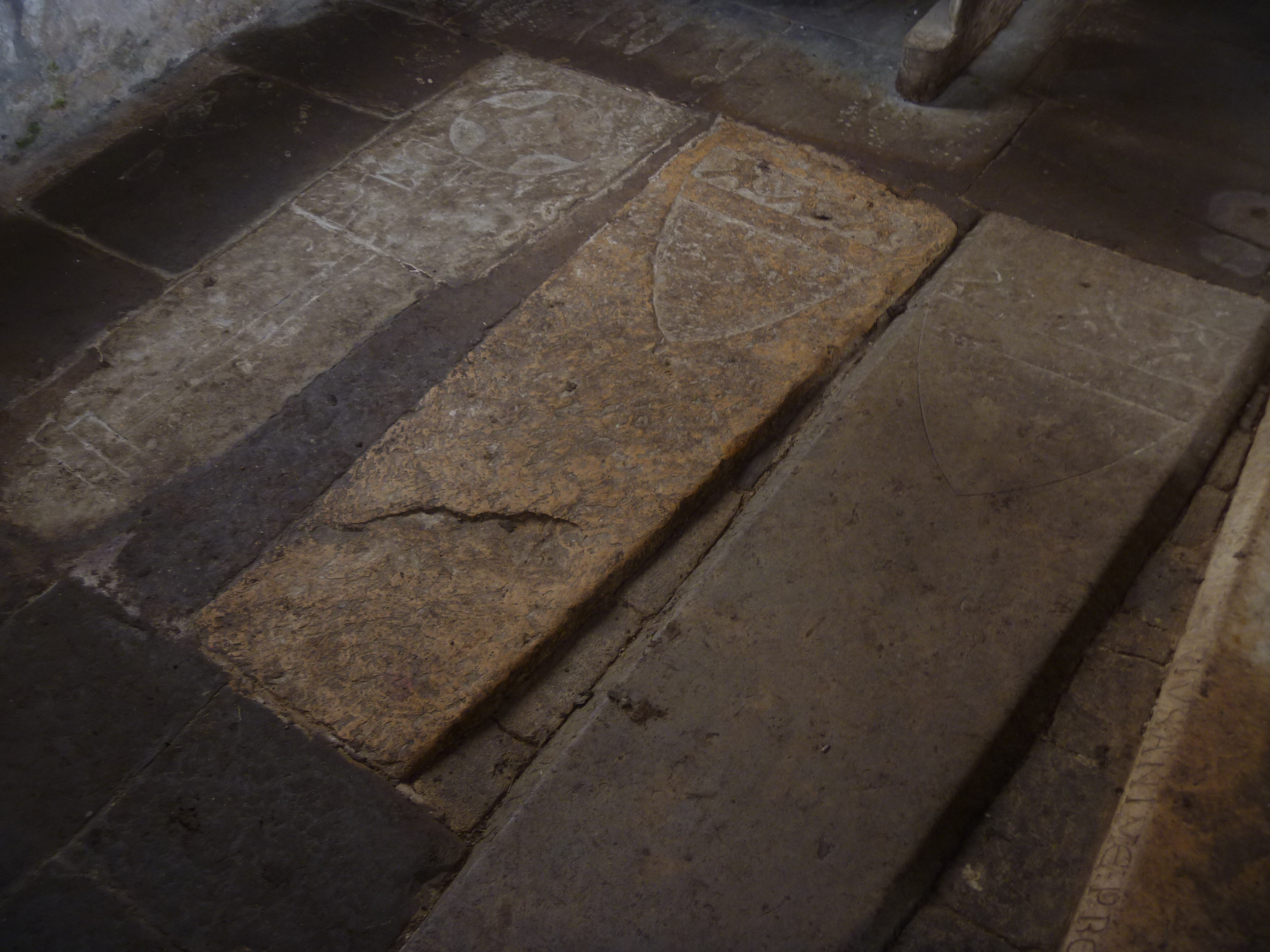
Despite its awesome history, St Mary’s is a peaceful place. The tiny rectangular building is very simple. It was probably built by the Tyas family, whose massive grave slabs are set into the floor.

Massive grave slabs

The massive grave slabs

Carved with heraldic symbols and inscriptions, and dating from the 13th-century, they are an important and interesting collection.

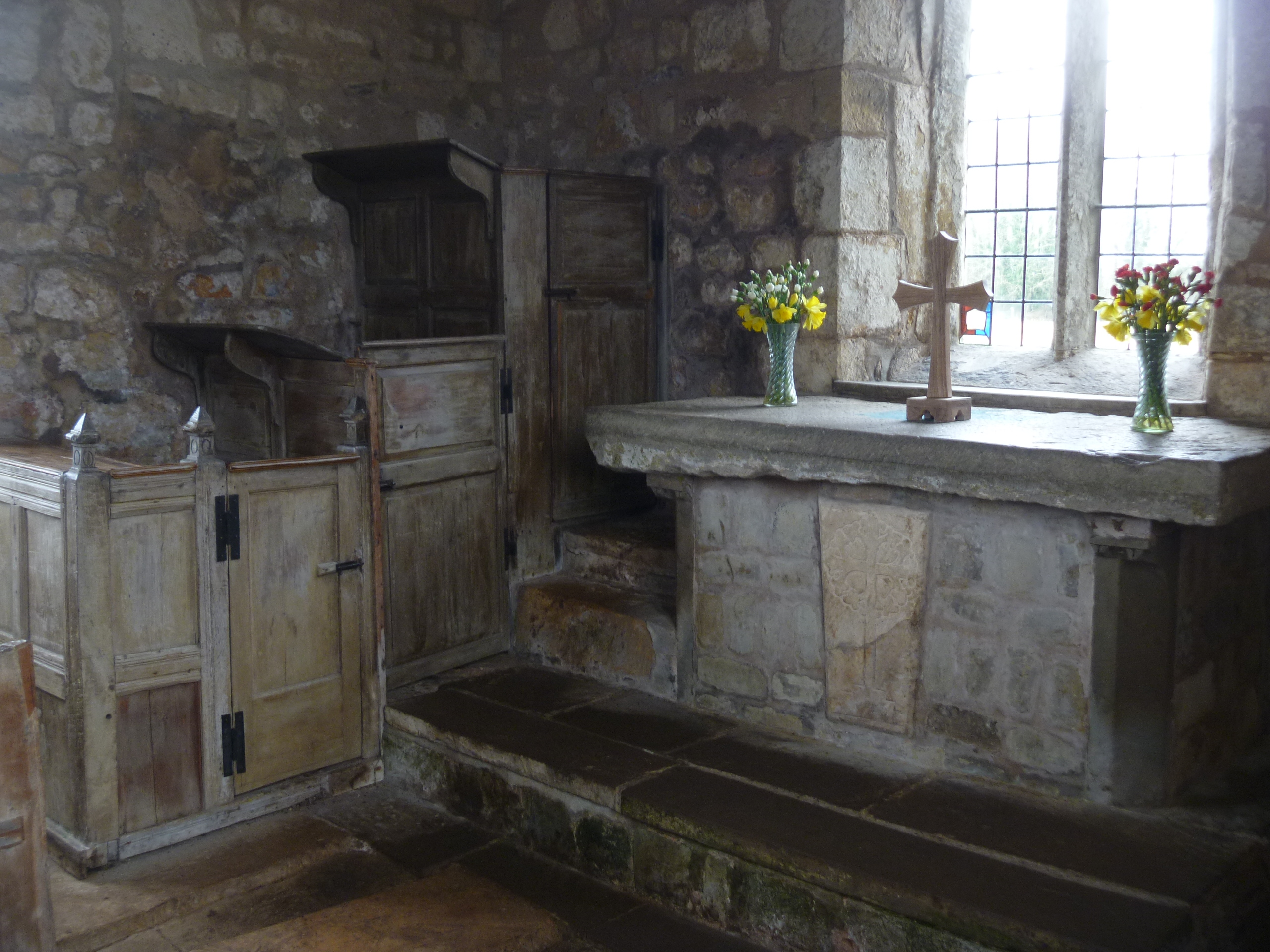
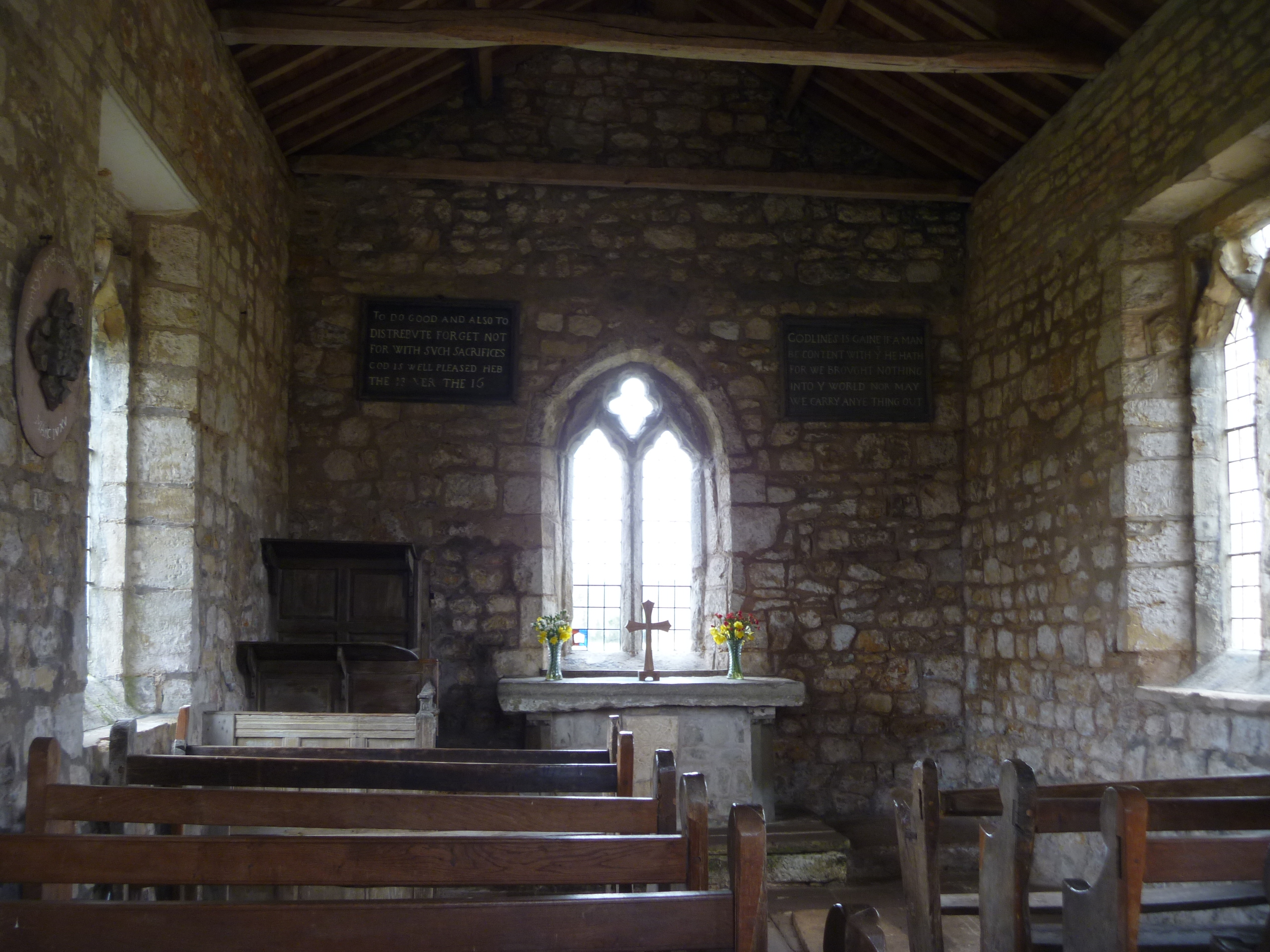
Pulpit and altar

Pulpit, Clerk’s Pew and Reading Desk and Altar

Later additions were made to the church in the 18th-century, with a rustic pulpit, clerk’s pew, reading desk and painted texts.”

From the Churches Conservation Trust website.

Interior St Mary's Lead

Interior of the Ramblers’ Church

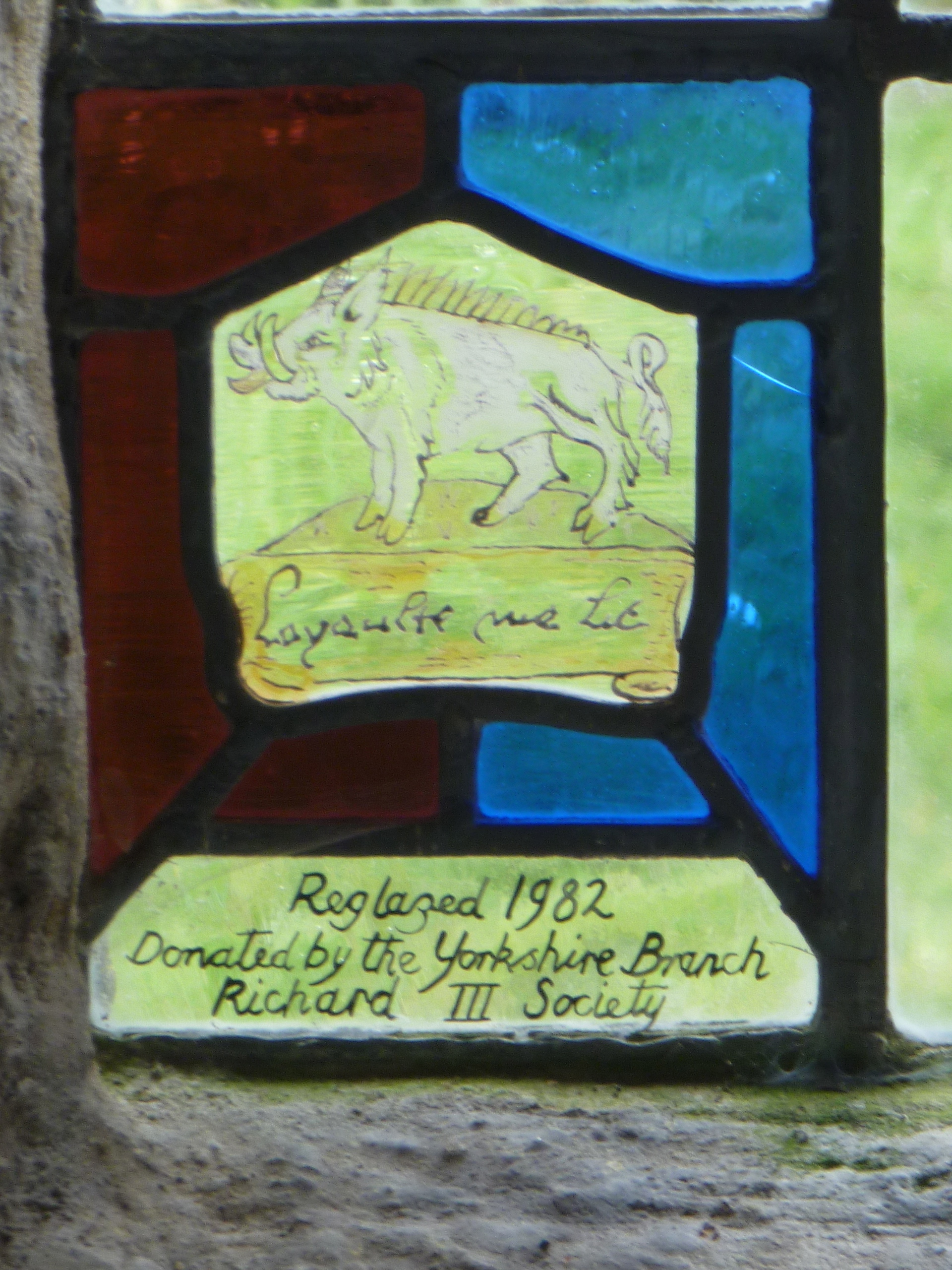
Richard III wondow

Window behind the Altar paid for by the Richard III Society – topical!

Today I have been out in the Yorkshire countryside. Weekday Wanderers headed east of Leeds to the flat countryside between Leeds and York. Flat but not uninteresting. Parking in Aberford we crossed the A1M by footbridge and eventually after a while left the noise of the highway behind and crossed fields and followed easy tracks on a circular walk that included a ‘castle’, a village, two churches and two pubs. We stopped at one of the pubs for our picnic lunch and had a look at one of the churches – St Mary’s, Lead, The Ramblers’ Church. We were not quite on the Battlefield of Towton, mentioned above, but we did return to the cars alongside Cock Beck. The perfect winter ramble.

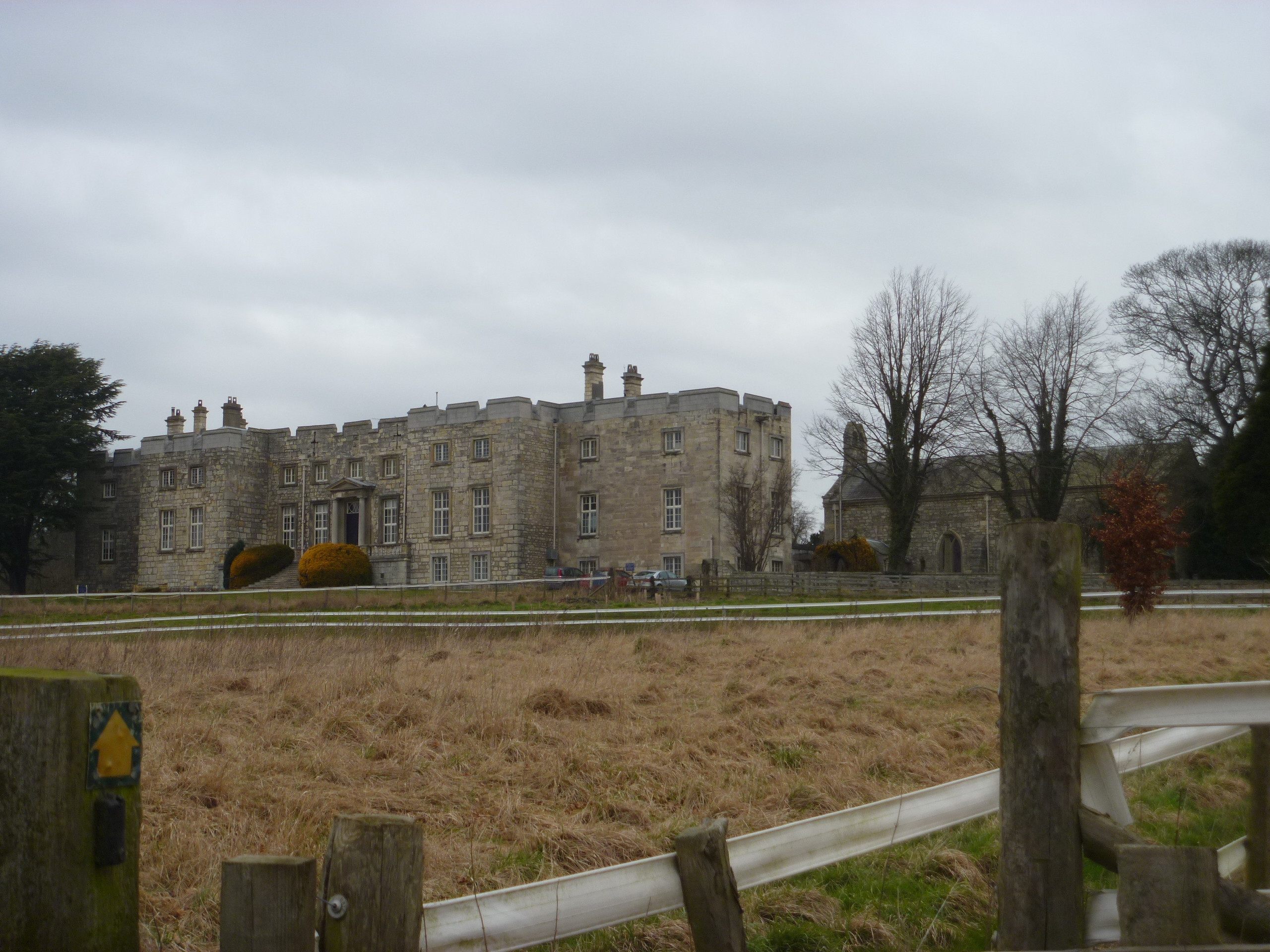
The ‘castle’ was Hazlewood Castle now a very popular luxury hotel and wedding venue. Originally owned and lived in by the Vavasour family from 1971 until 1996 it was a Carmelite Friars’ retreat and opened as a hotel in 1997.

Hazelwood Castle

Hazlewood Castle

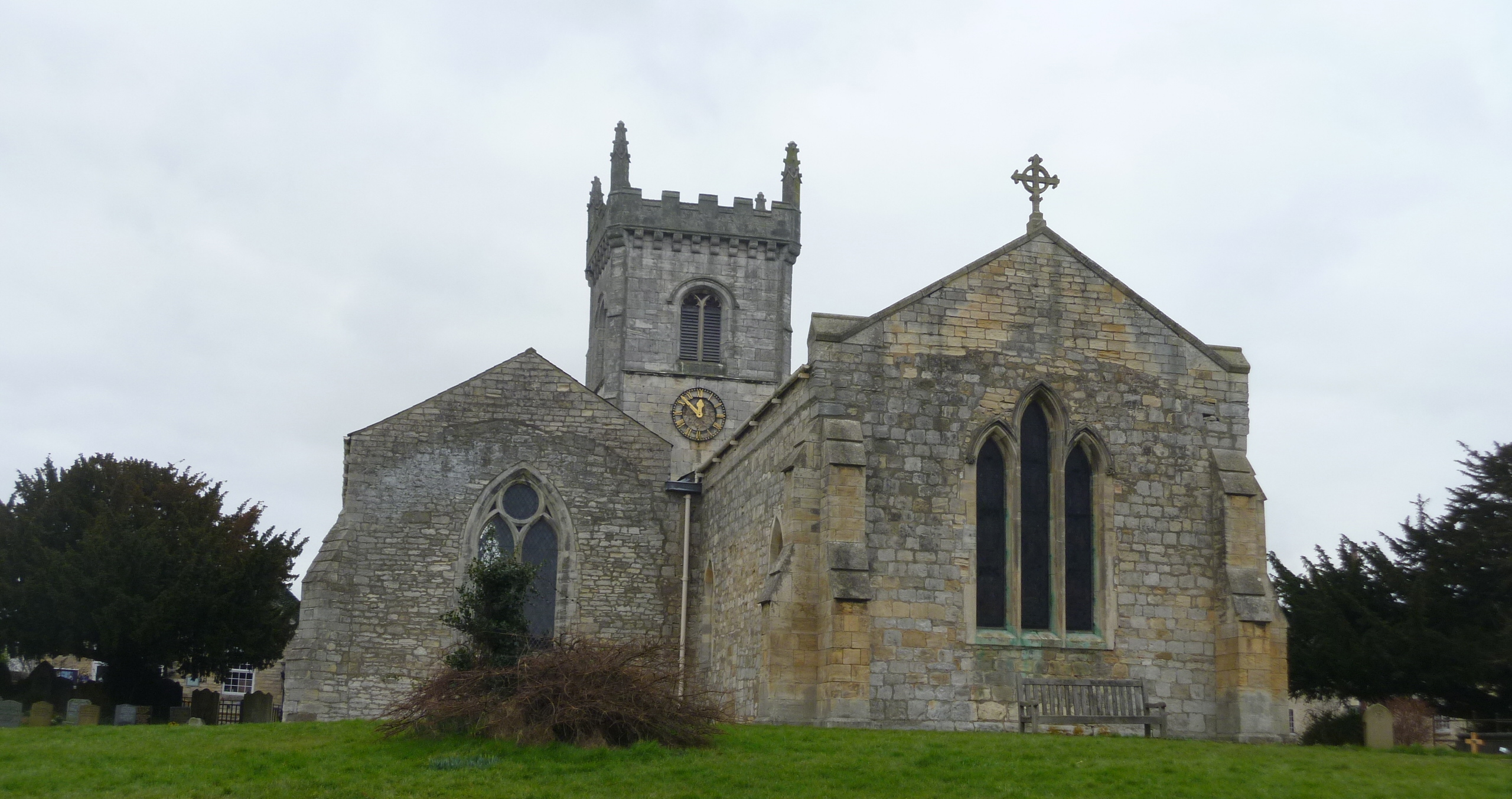
Saxton Church

All Saints Church, Saxton

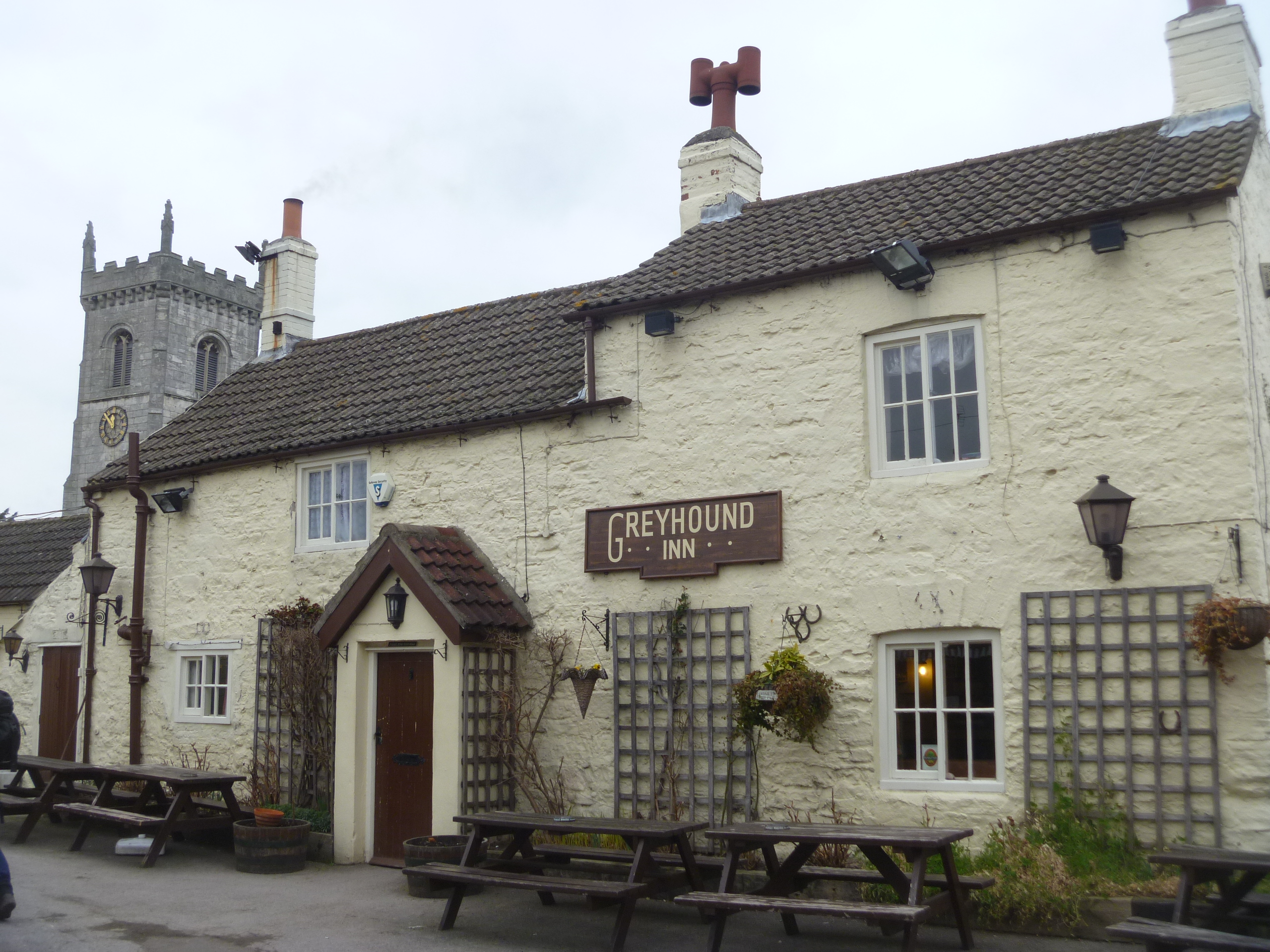
The Greyhound, Saxton

The Greyhound Pub at Saxton

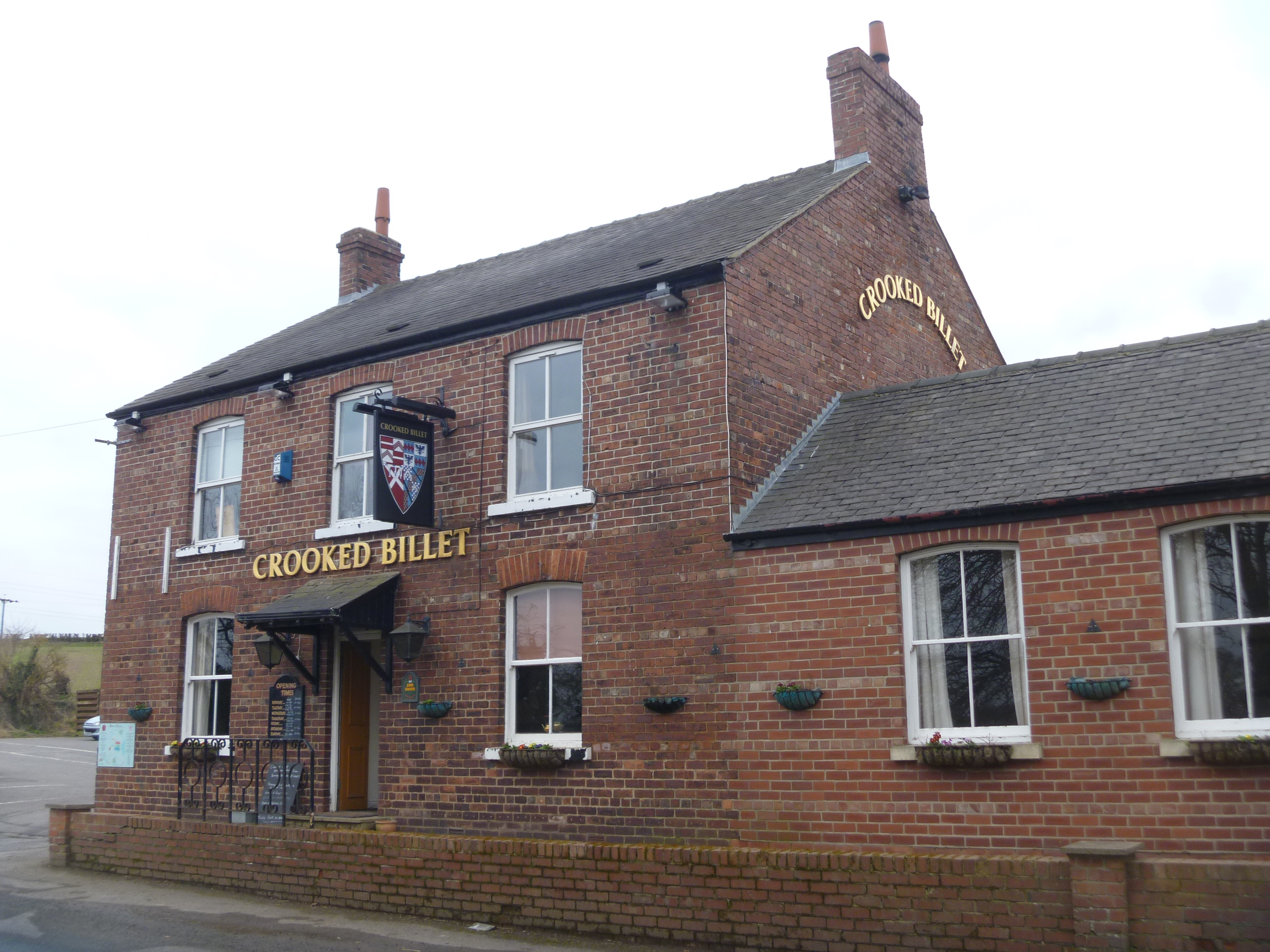
Crooked Billet

The Crooked Billet Pub, Lead near Saxton North Yorkshire

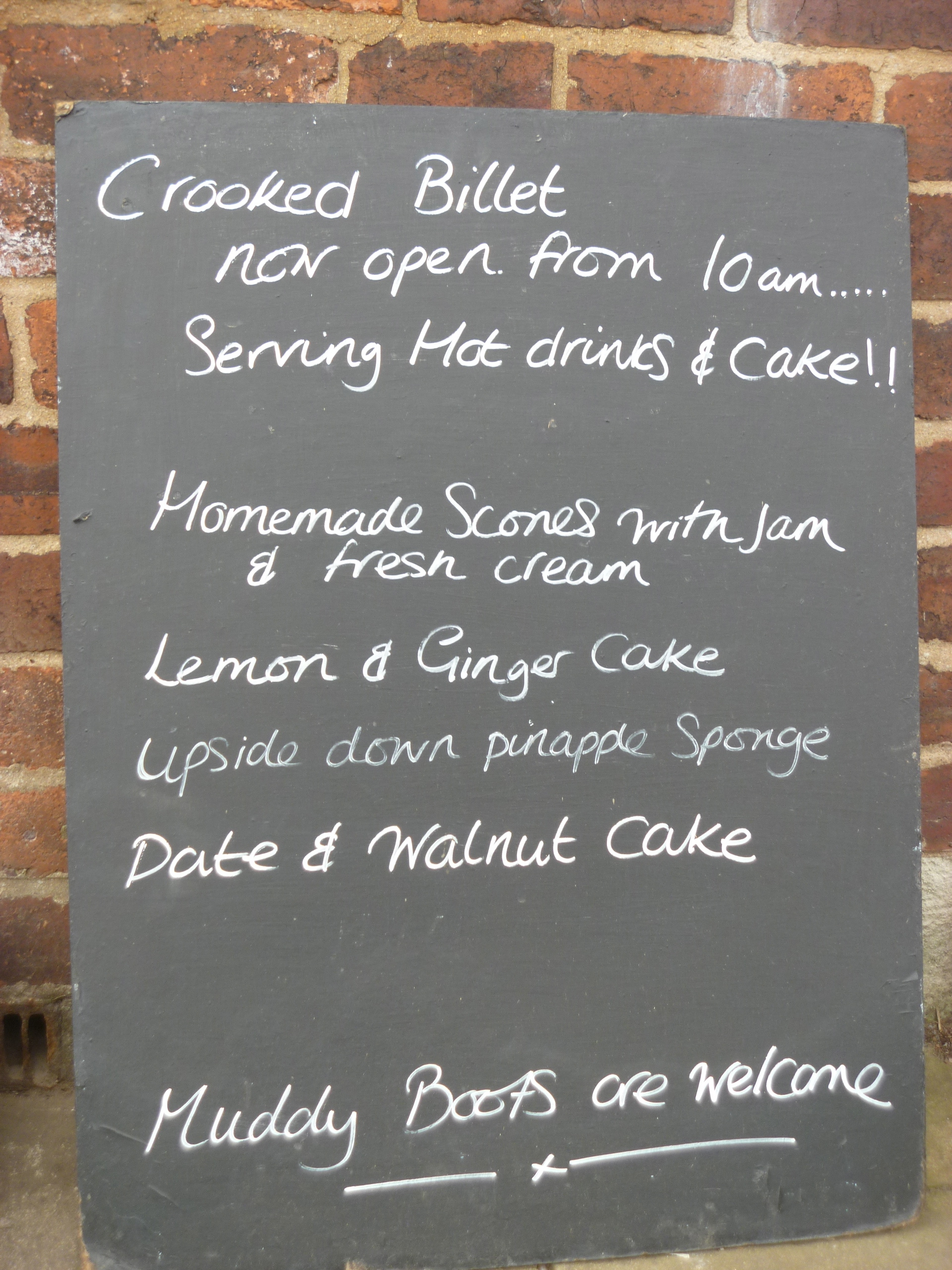
Muddy boots welcome

Muddy boots welcome! The sign of a good pub!