This year is a Floriade Year in the Netherlands. I have several friends who are going to make the trip. It’s a world horticultural expo and is held every 10 years. The event happens in the Venlo area in the southeast of the Netherlands very near to the German border.
Every year thousands of tourists do the Dutch Bulb Fields Tour. Keukenhof is probably the most famous Dutch bulb field park.
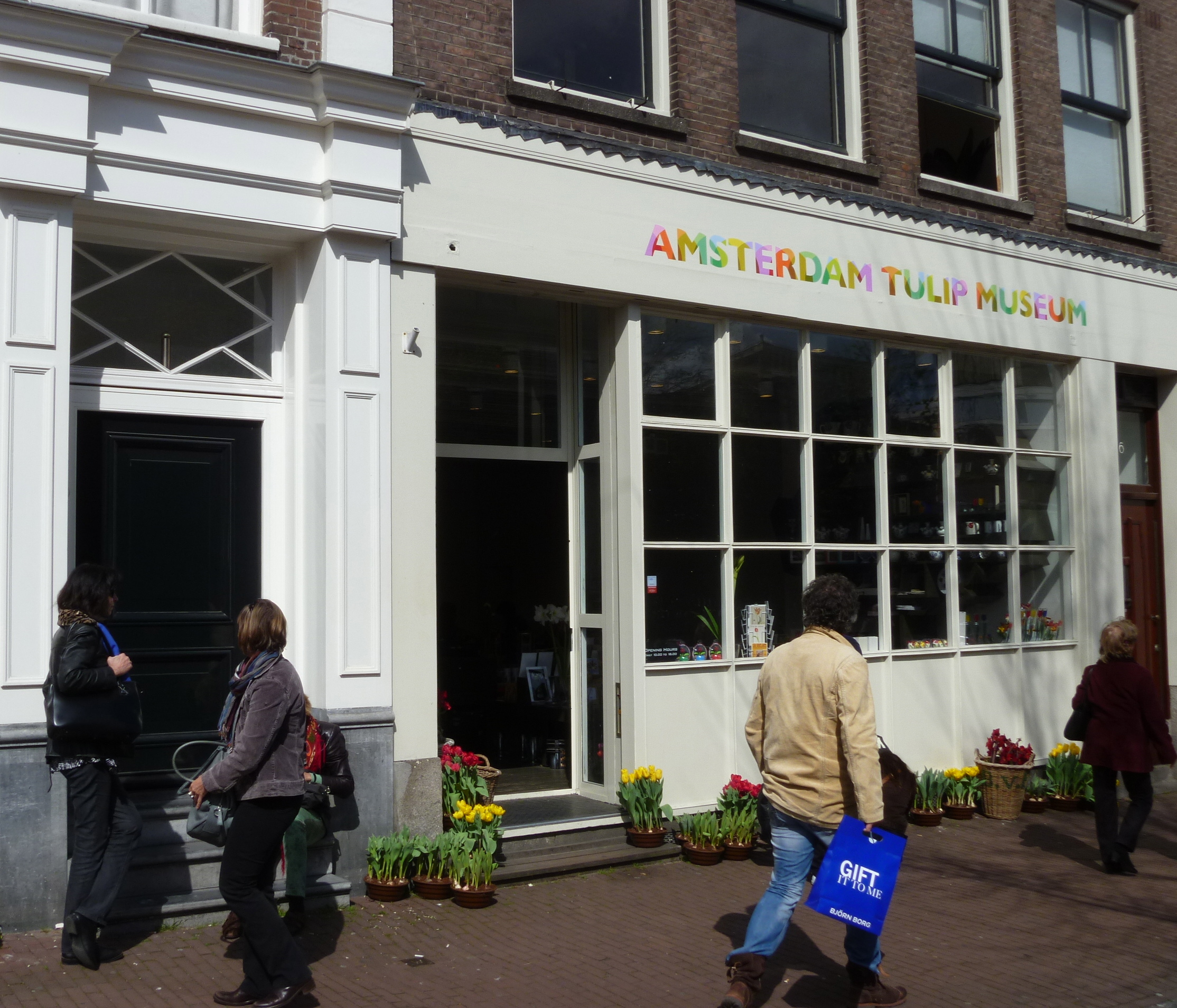
In Amsterdam we saw tulips everywhere we looked! See my little Flickr tour of Tulip Fever in Amsterdam.
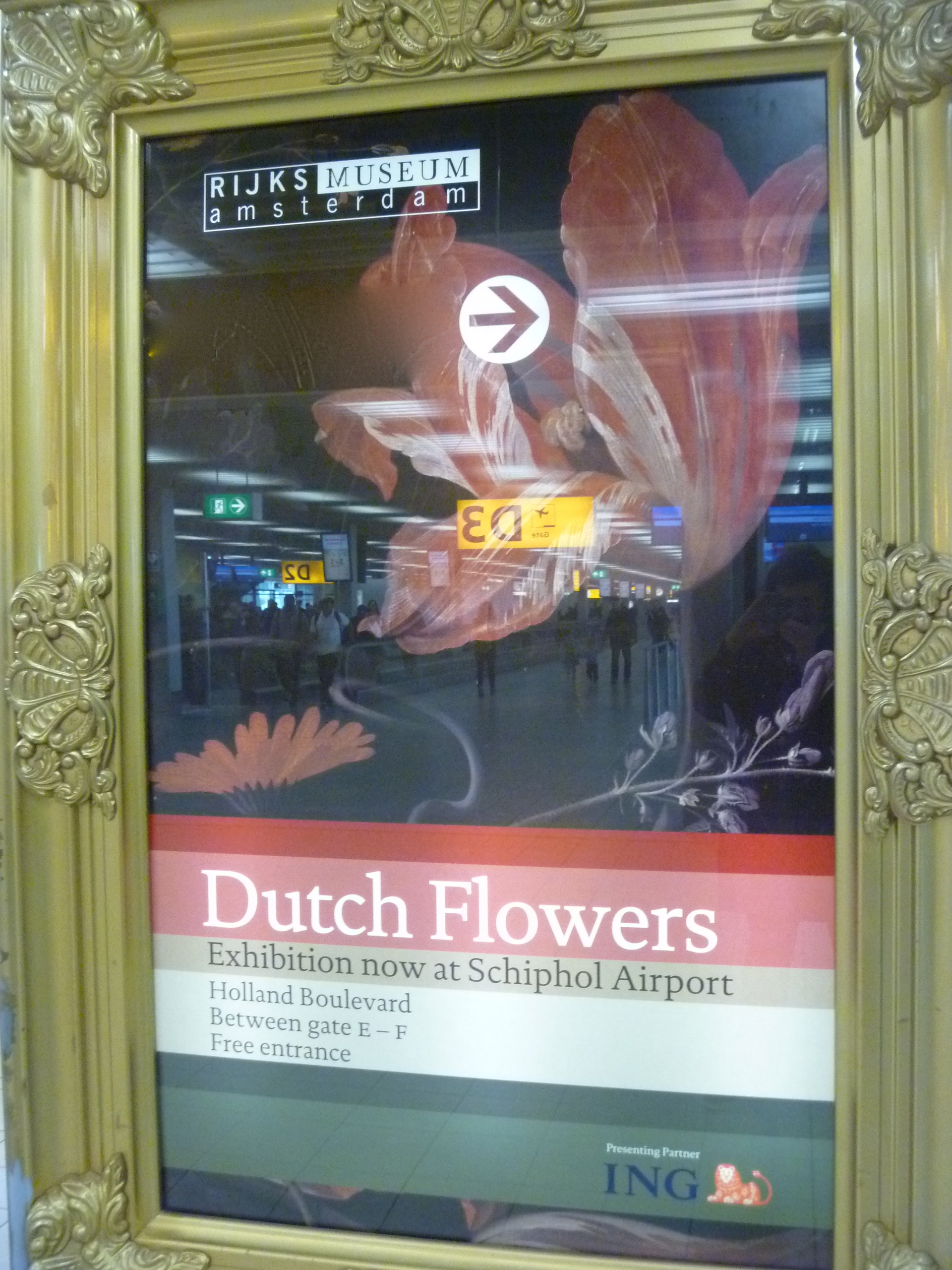
I have no problem when passing through airports like Amsterdam and Zurich. There is always something new to see and experience and lots of tasteful and up-market, if exceedingly expensive, shops in which to browse. Schiphol goes one step further than any other airport I know. In addition to shops they have taken the unusual step of opening a branch of the world famous Rijksmuseum. With all those flowers around the place it’s not surprising I suppose that the little one-room gallery should have a selection of flower paintings on display.
The Dutch Flowers exhibition currently showing at The Rijksmuseum Schiphol includes 9 stunning paintings worthy of study. In each of these pictures there is so much detail – not only the flowers but other symbols like the watch shown below and creatures like lizards and snails and butterflies.
Still Life with Flowers and Watch by Abraham Mignon (1640-1679)
Be sure to keep an eye on your watch as it’s easy for the time to pass quickly in this little gallery!
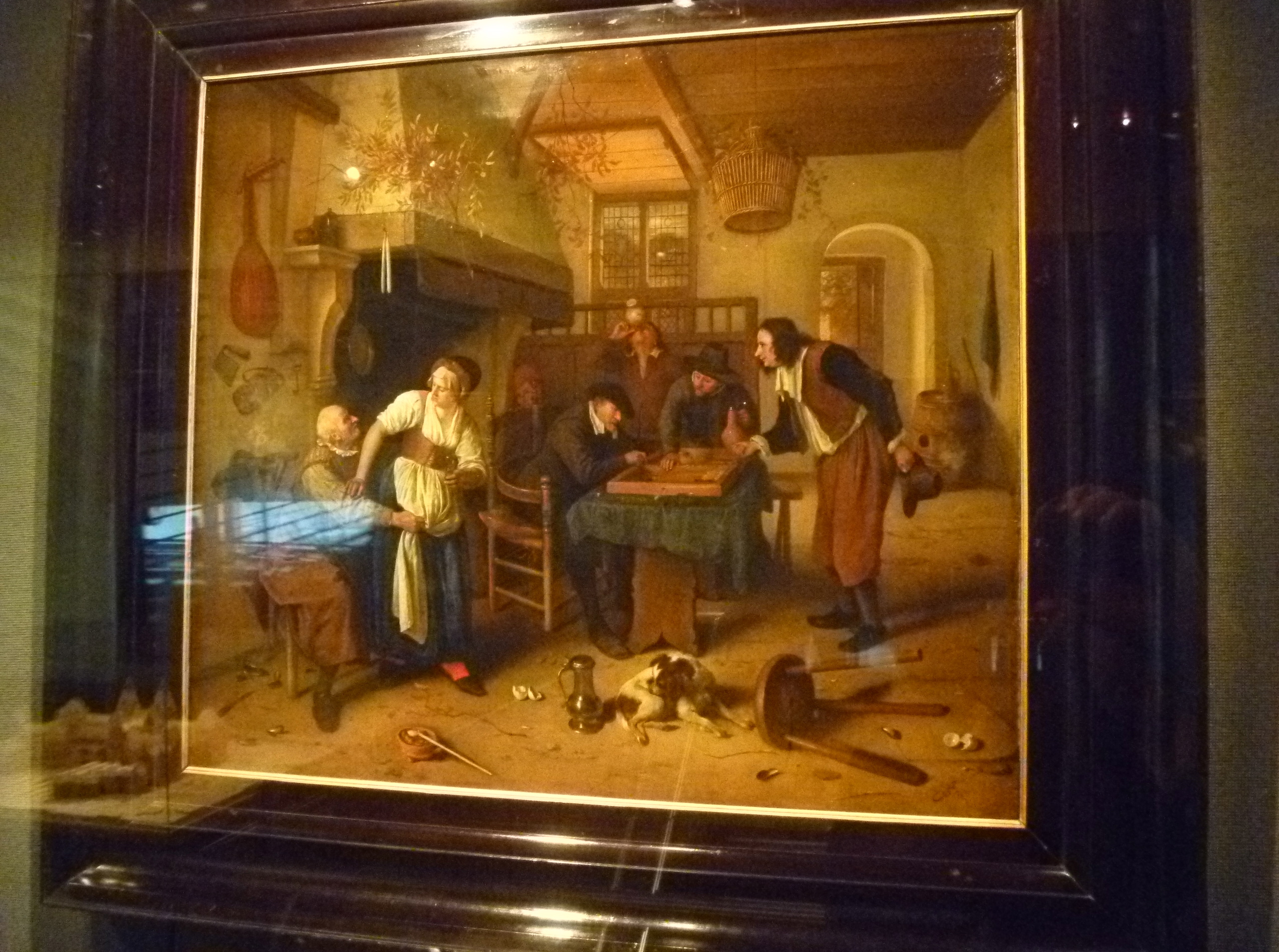
In addition to the Dutch flower paintings on the other wall of the gallery are 7 paintings from the Dutch Golden Age.
Two kinds of Games by Jan Steen (1626 – 1679)
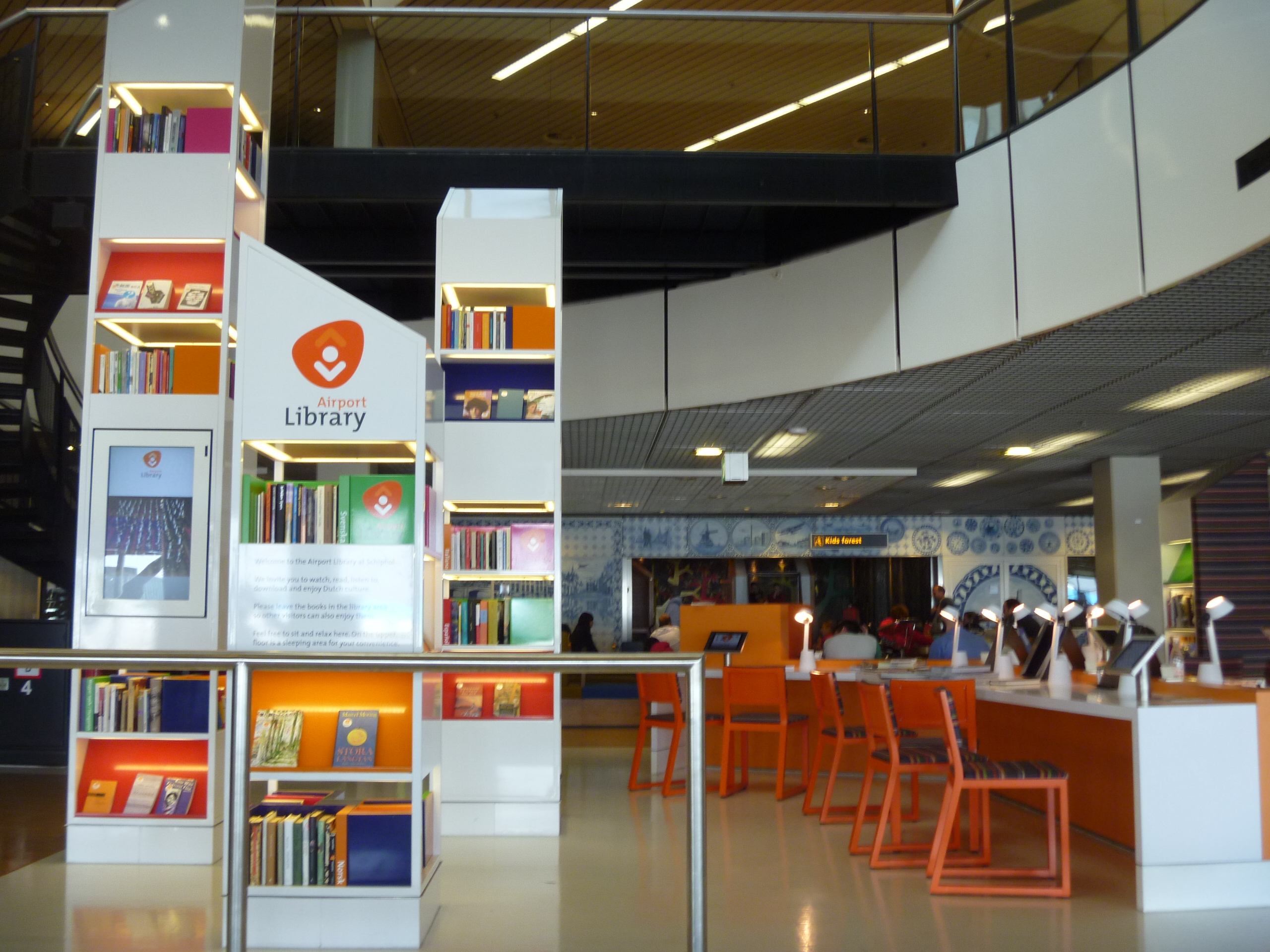
This year I also noticed another novelty just by the staircase to the gallery: an Airport Library! But I didn’t have time to try it out.
I have been in the Low Countries for a few days and in particular in Ghent and in Amsterdam. As mentioned in a previous post here I have a lovely set of friends made through my online Reading Group. One happens to live in Brussels just now and another found herself travelling to Belgium with her choir. At just the same time I had a couple of spare days before a long-planned trip to Amsterdam. So what could be easier and more enjoyable than to bring forward my flight, book a train from Schiphol to Brussels and spend a day with these two friends? A kind invitation to stay in Brussels proved impossible to resist and thus I found myself last Wednesday in both rain and shine in the interesting city of Ghent.
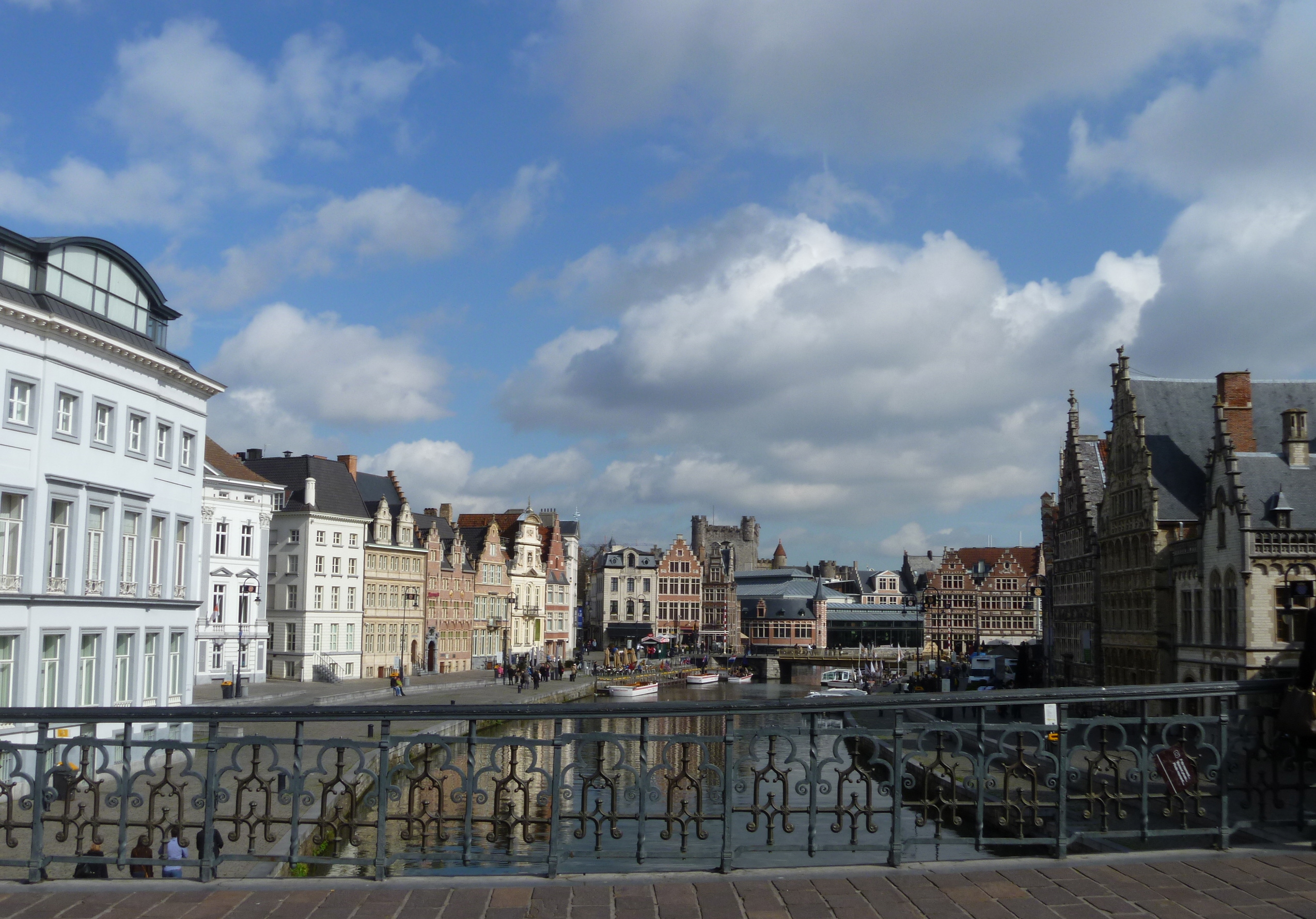
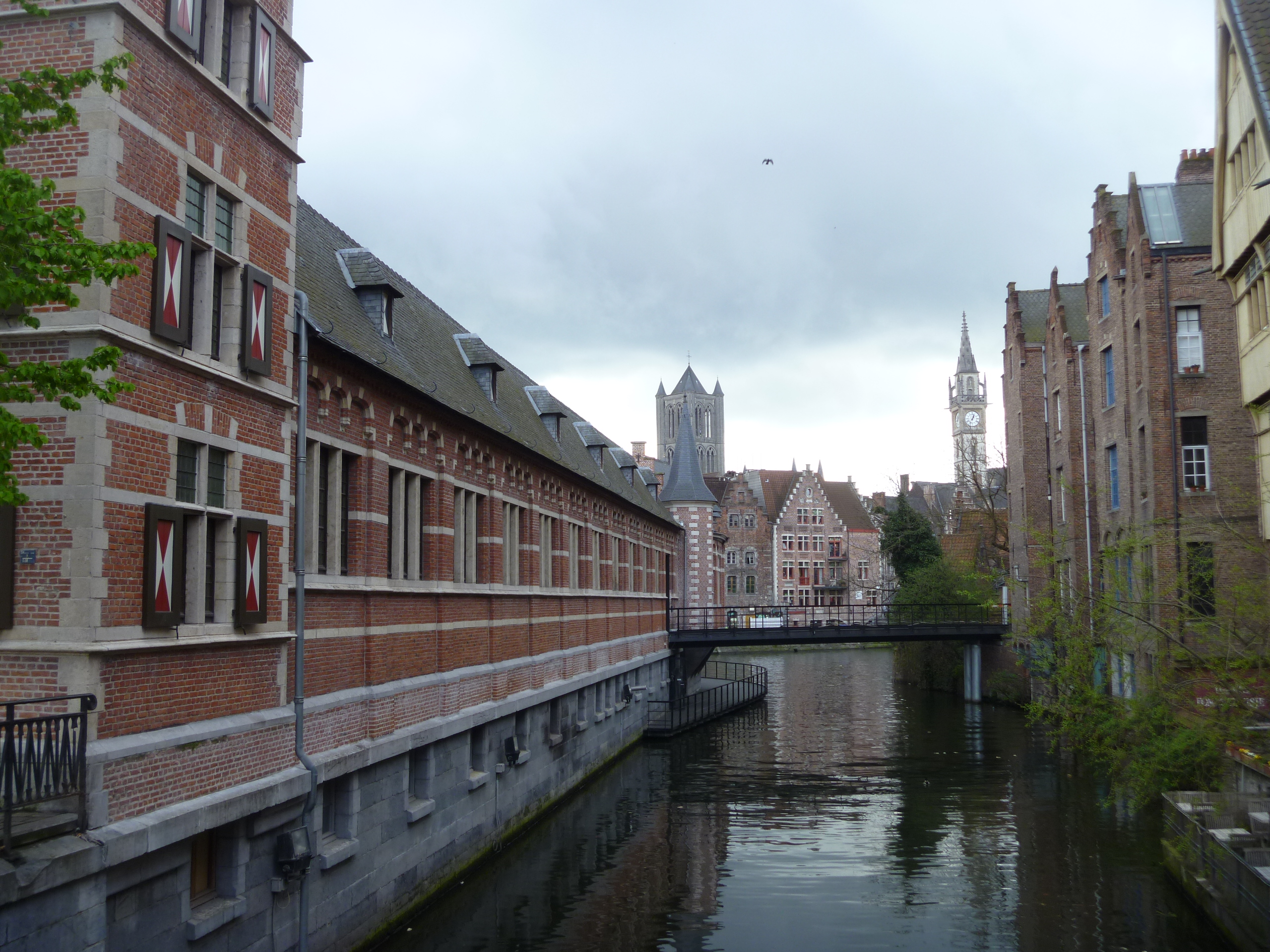
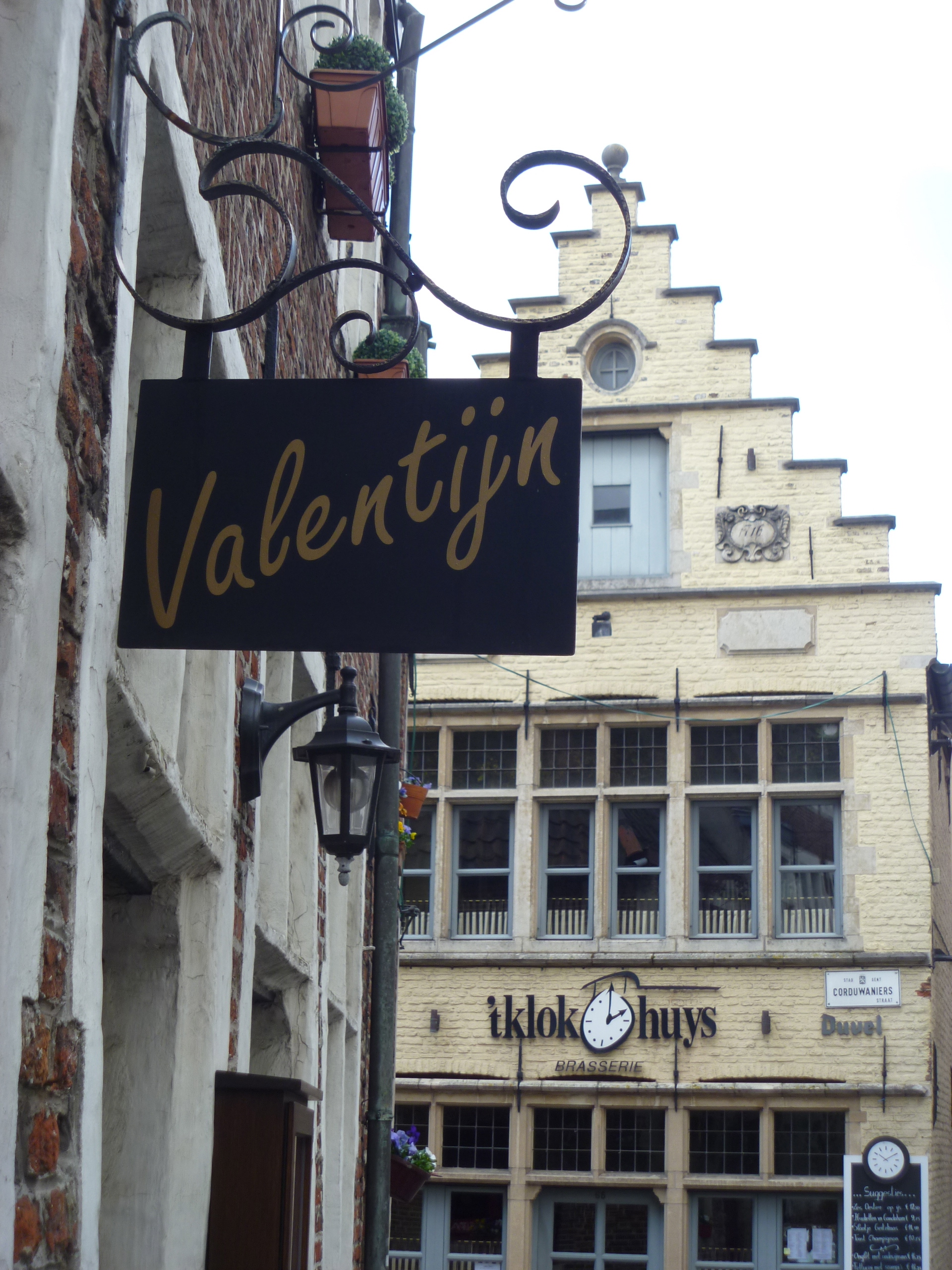
There was much chatter, some eating and drinking and quite a lot of walking during the day. Ghent has some lovely old buildings especially those Guild houses overlooking the canals and some huge churches.
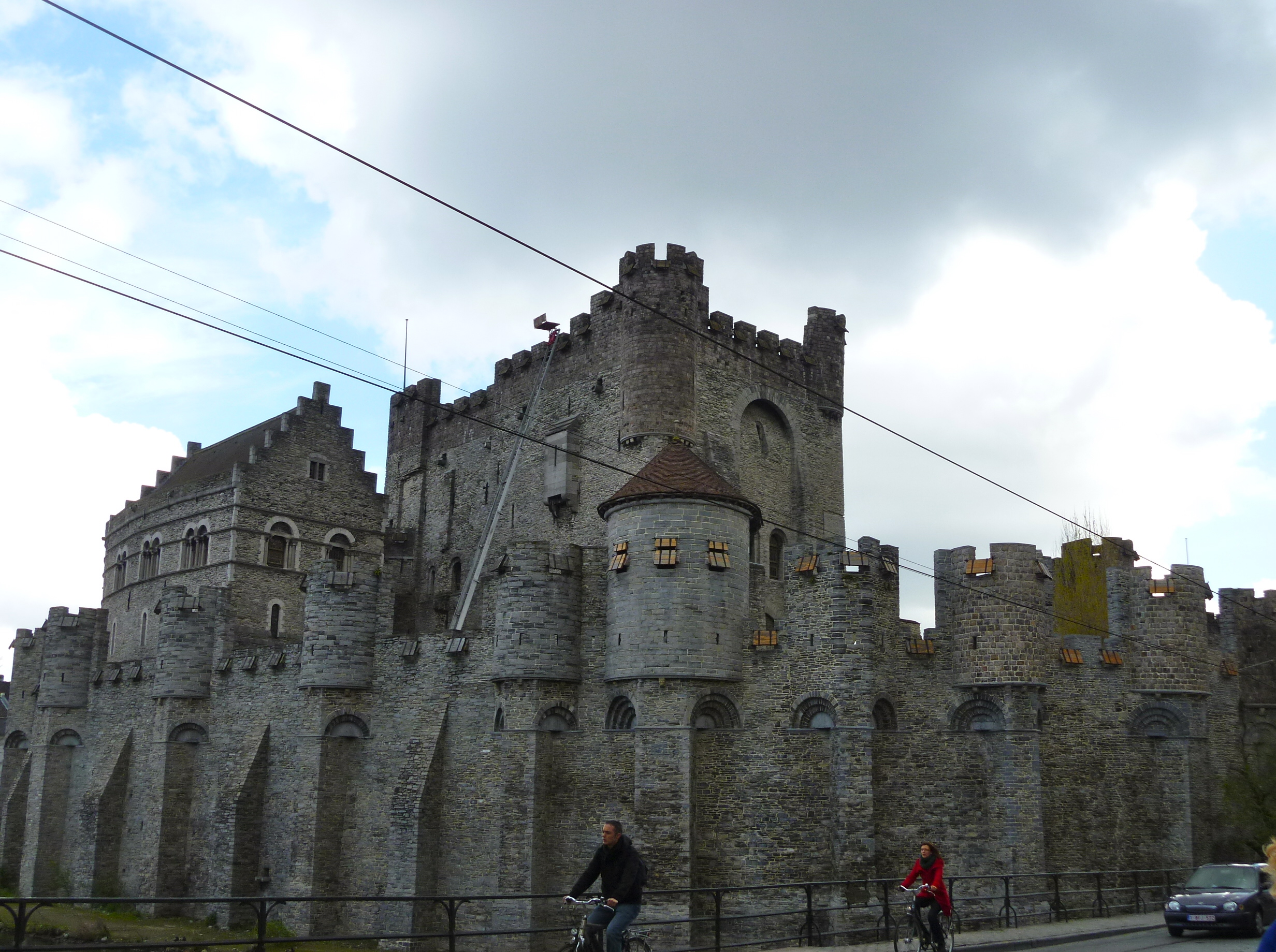
Het Gravensteen Castle, Ghent
The two highlights were a visit to St Baafs Cathedral, where we spent over half an hour inspecting Jan Van Eyck’s “The Adoration of the Mystic Lamb” in the Baptistry. The amazingly vivid colours are only a part of this exquisite multi-panelled treasure of Ghent. Included in the entry price is an excellent audio-guide explaining not only the symbols, characters and settings represented in the painting but also its fascinating history. One panel was actually stolen on the night of 10/11 April 1934. That panel has never been recovered. It is quite remarkable that this huge and complex altar piece has survived until today. Read more about it here.
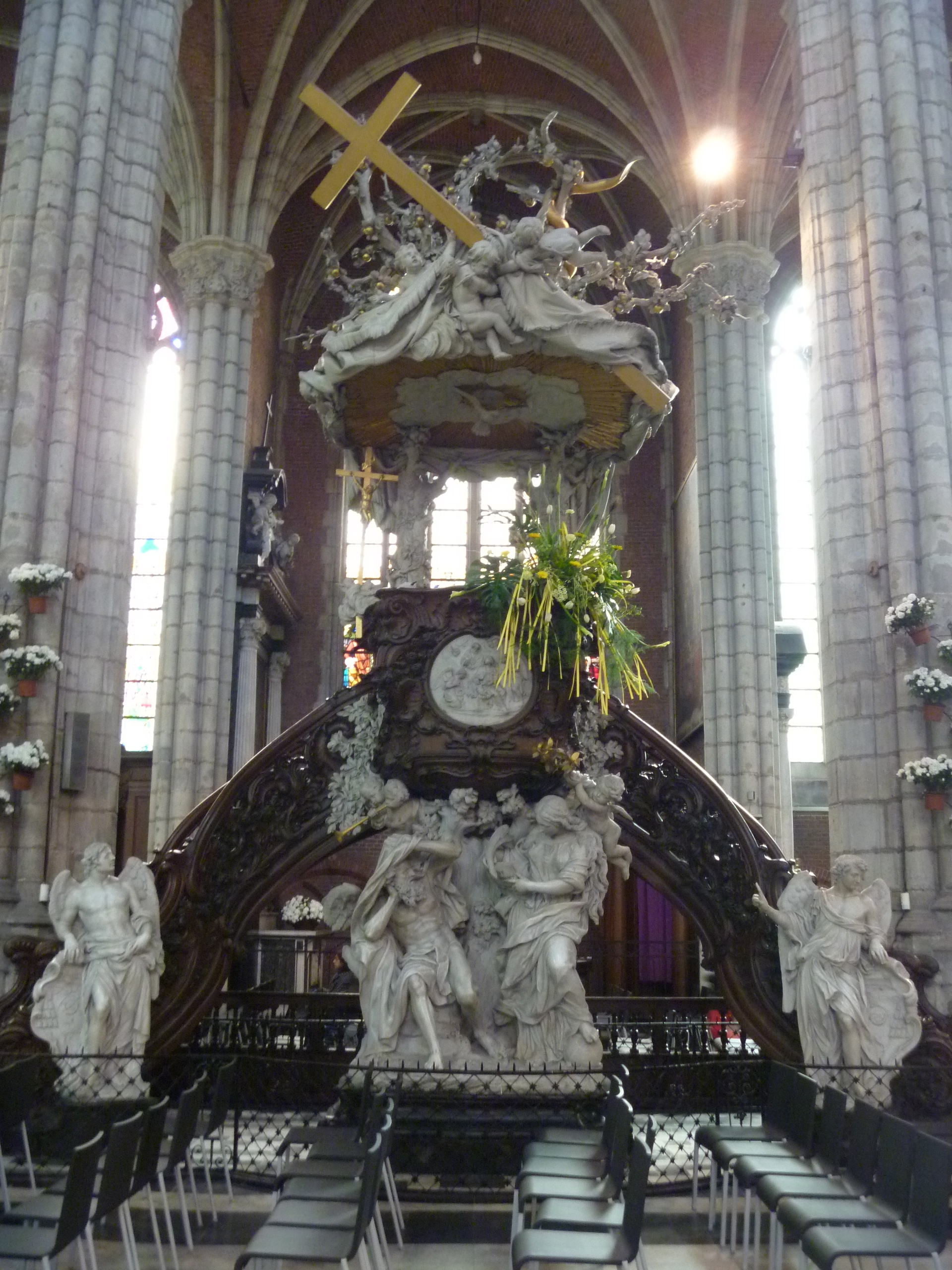
The Baroque Pulpit in St Baaf’s Cathedral
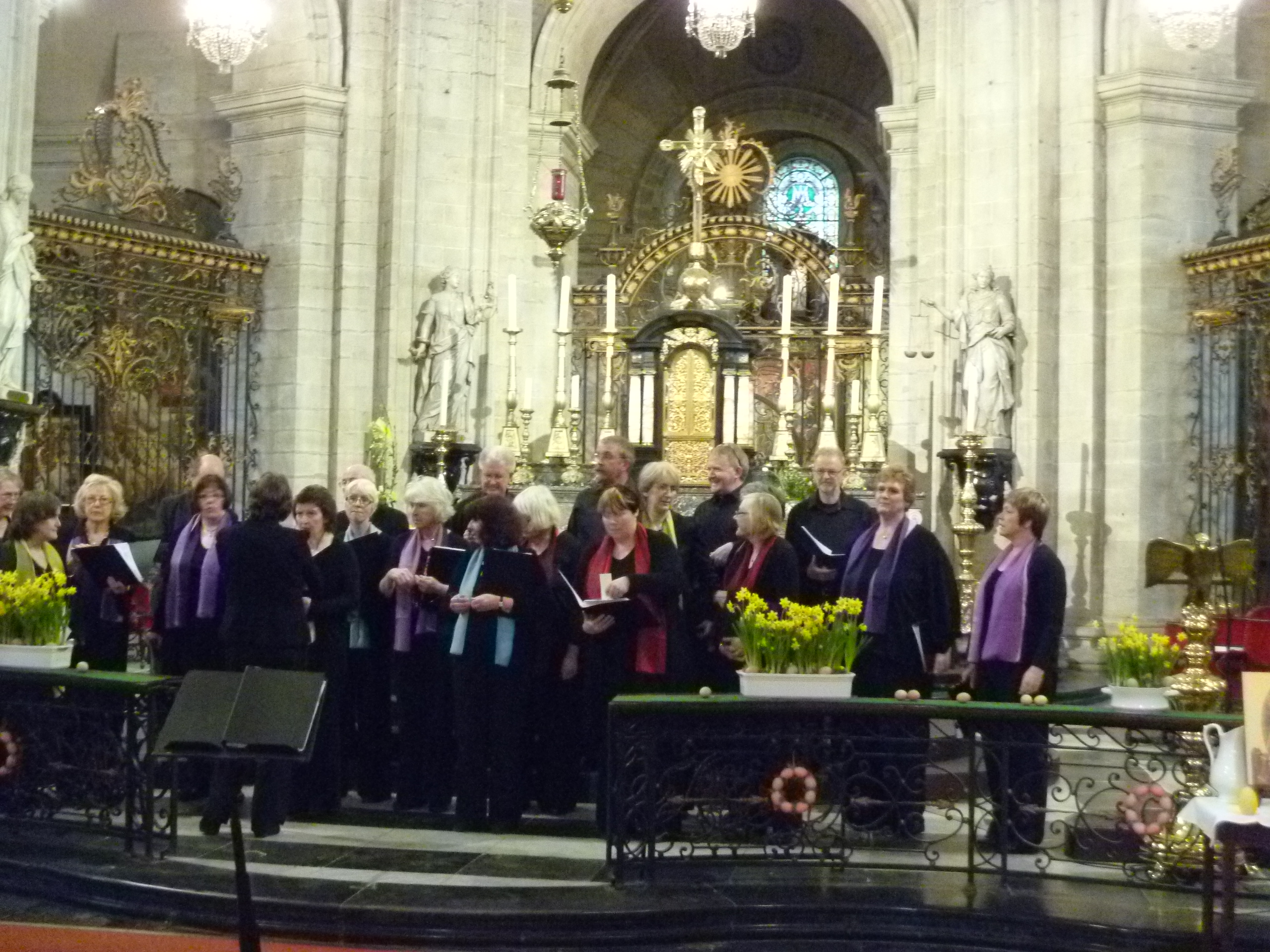
The second event was attendance at a concert during the afternoon at St Pieter’s church, about a 15 minute walk from the city centre. The Valentine Singers from London were performing 3 concerts in Ghent (including one in St Baaf’s Cathedral). Interestingly Ghent was appointed Unesco City of Music in 2009.
It was great to see and hear our friend in performance as we have long known about her musical career. The varied concert of church-related songs included a beautiful canon “Praise God” by Thomas Tallis and other songs by English composers – including Purcell and Elgar. There were works by Schubert, Bruckner, Saint-Saens and others and some Negro spirituals. We joined a fair-sized and very enthusiastic audience but even a full house would have looked minuscule in this vast Ghent church.
The Valentine Singers prepare their next piece in St Pieter’s Church, Ghent
All too soon the good things in Ghent came to an end and the two of us returned to Brussels.
As with many of our “meets” this one also produced further ideas worthy of investigation and upon which we may centre future meetings.
Blockbuster art exhibitions are all very well but to my mind Small is Beautiful.
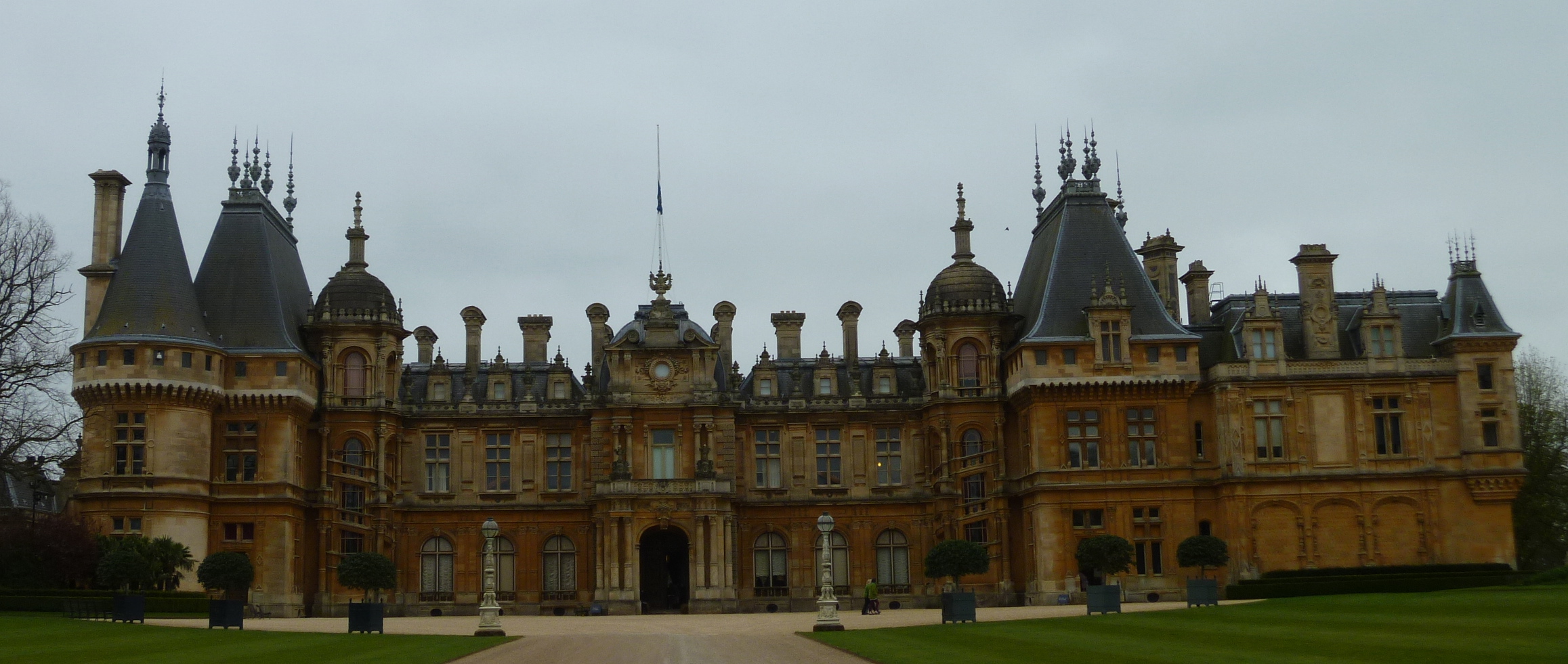
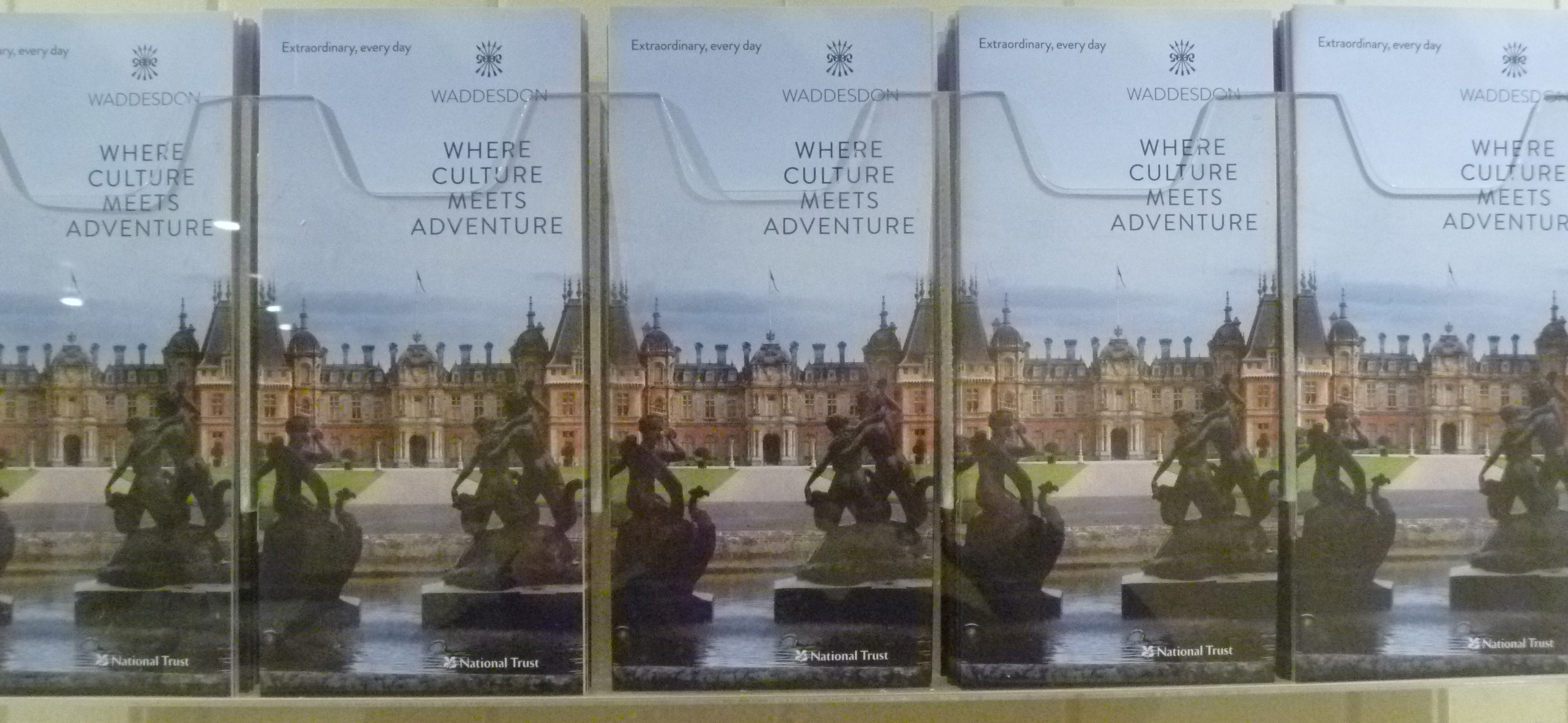
Waddesdon Manor is a vast stately pile sitting in acres of grounds atop a hill and overlooking the neighbouring countryside in the county of Buckinghamshire. Baron Ferdinand de Rothschild planned and built Waddesdon during the last decades of the 19th century as a country retreat in the style of a Loire château. It was designed for him by French architect Gabriel-Hippolyte Destailleur.
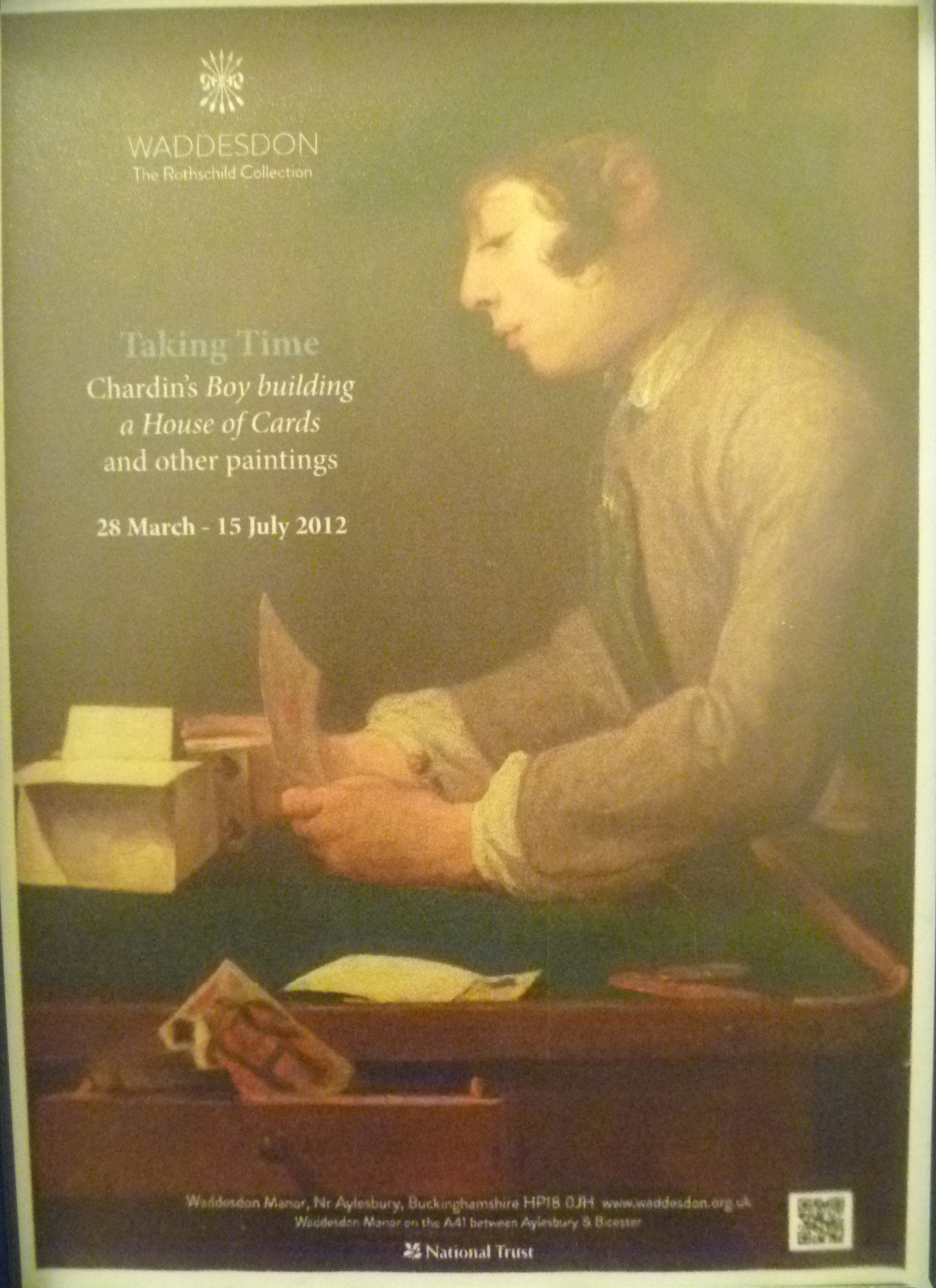
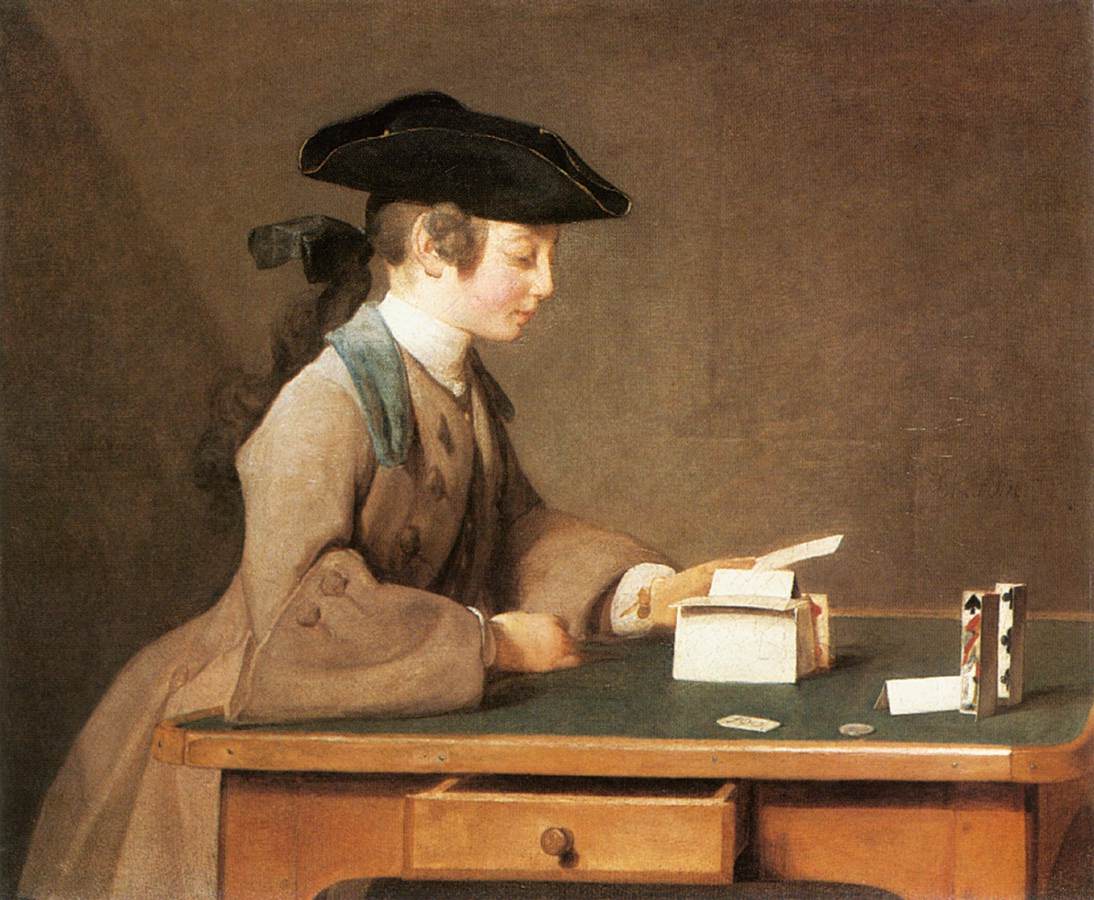
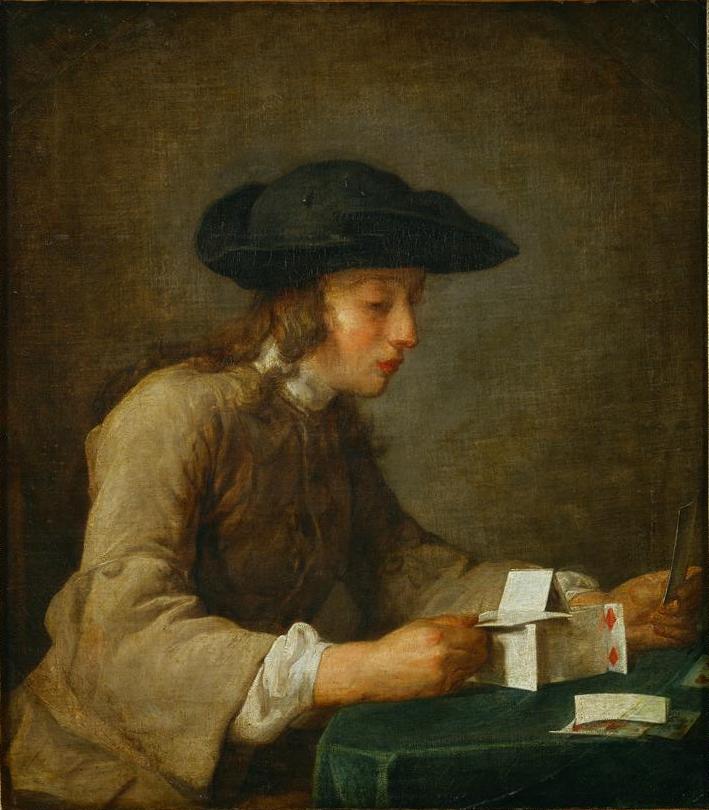
Our main intention for driving from Stratford to Waddesdon was to view the recently opened Chardin exhibition: “Taking Time: Chardin’s Boy Building A House Of Cards and other paintings”. Jean-Simeon Chardin (1699-1779) lived and worked in Paris at first painting figures and later still life. He moved back to figure painting later in life. The idea for this particular exhibition came about when the Rothschild Trust recently acquired one of the Boy Building A House Of Cards paintings. That painting (shown in the poster above) is exhibited alongside 3 others on the same theme on loan from the Louvre, The National Gallery of Art, Washington and our own National Gallery in London.
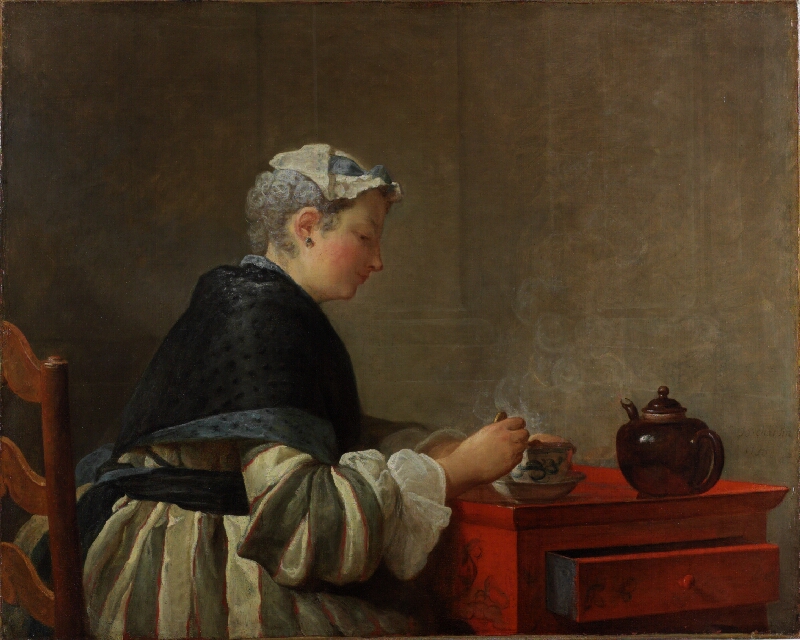
In addition the Trustees and National Trust have assembled several other Chardins including a favourite of mine : Lady Taking Tea (on loan from The Hunterian in Glasgow):
and Girl With a Shuttlecock, 2 Cellar Boys and 2 Scullery Maids, plus engravings and etchings in the style of Chardin from The British Museum and private collections. All in all a delightful glimpse at colours, textures and expressions of 18th century French lives. By calling Chardin a great magician Diderot is saying that it is about – the “magic” of seeing the world clearly. Paying attention. Seeing what is there. (From a Guardian article in 2000).
The exhibition is tucked away in one room towards the end of the house tour. We missed much of the art and furnishings as we passed through the house but we did take a bit of time out to study another temporary display Playing, Learning, Flirting: Printed Board Games from 18th Century France. It was striking to note how similar these board games were to games still played today. We were also intrigued by all the Singerie or Monkey Tricks around the house. Dressing monkeys up in human costume was once a very popular and fashionable pastime: there are paintings and sculptures around the house. I was reminded somewhat of another popular theme also unfashionable in today’s enlightened times – the Blackamoor or Negro slave.
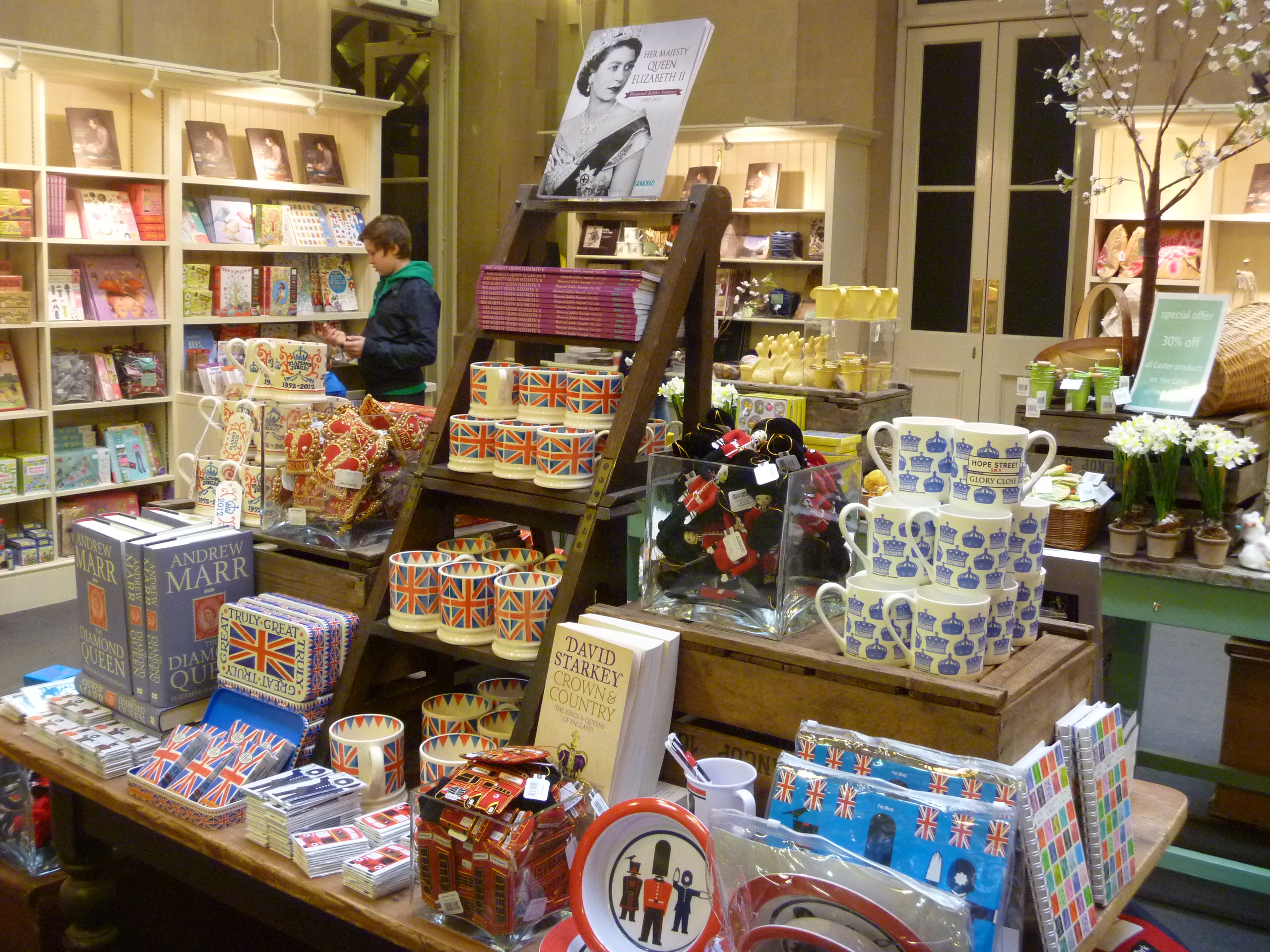
We enjoyed a delicious late light lunch in the lovely Manor Restaurant and visited the shop and wine shop (well there would be one here of course, Rothschilds!).
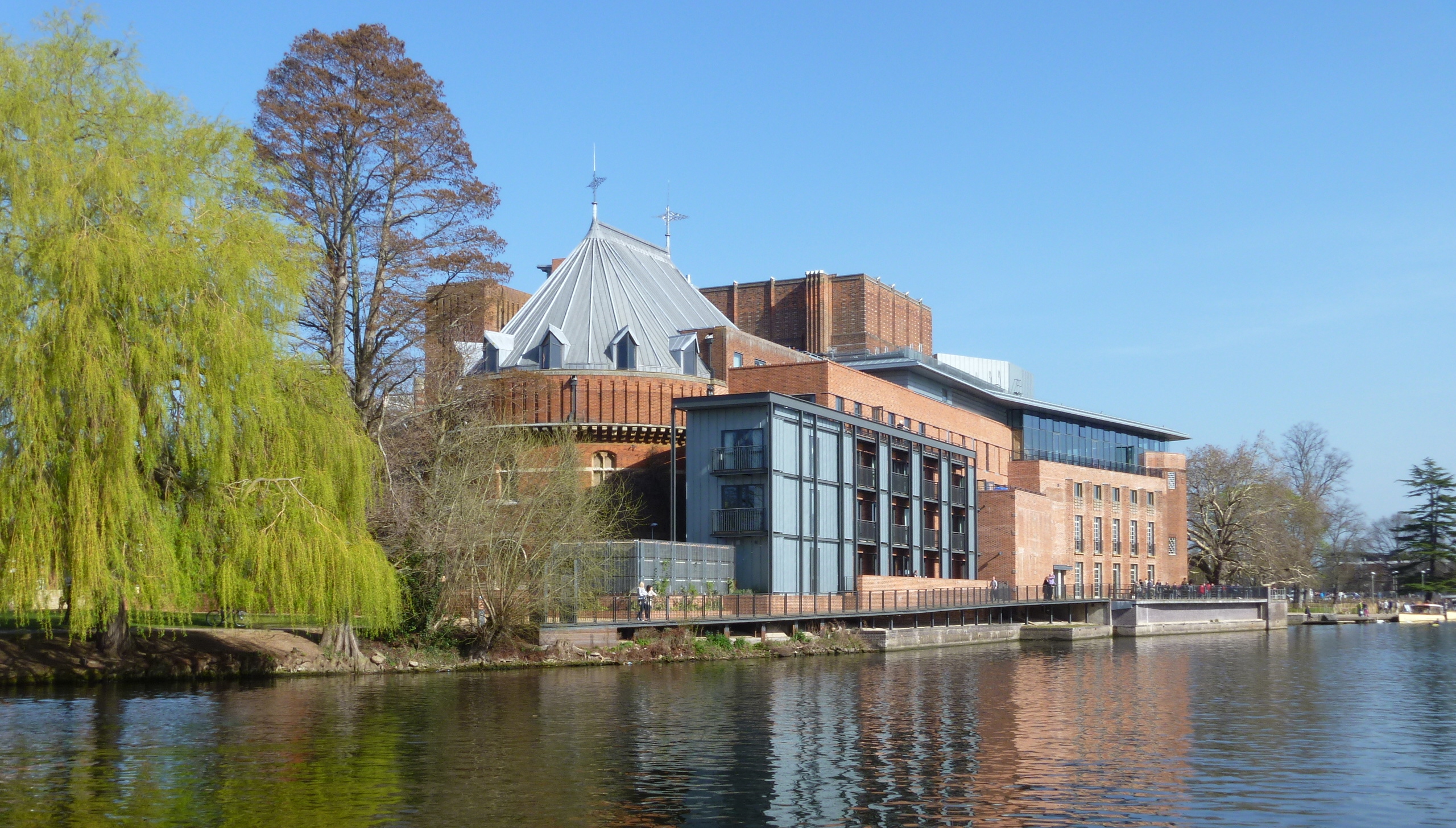
Later that evening after a pre-theatre supper in the Rooftop Restaurant we attended an RSC company performance in the Swan Theatre of Shakespeare’s Richard III. Part of a series of plays on the theme Nations at War that will include Shakespeare’s King John and Mexican playwright Luis Mario Moncado’s A Soldier in Every Son – the Rise of the Aztecs. What a day to remember!
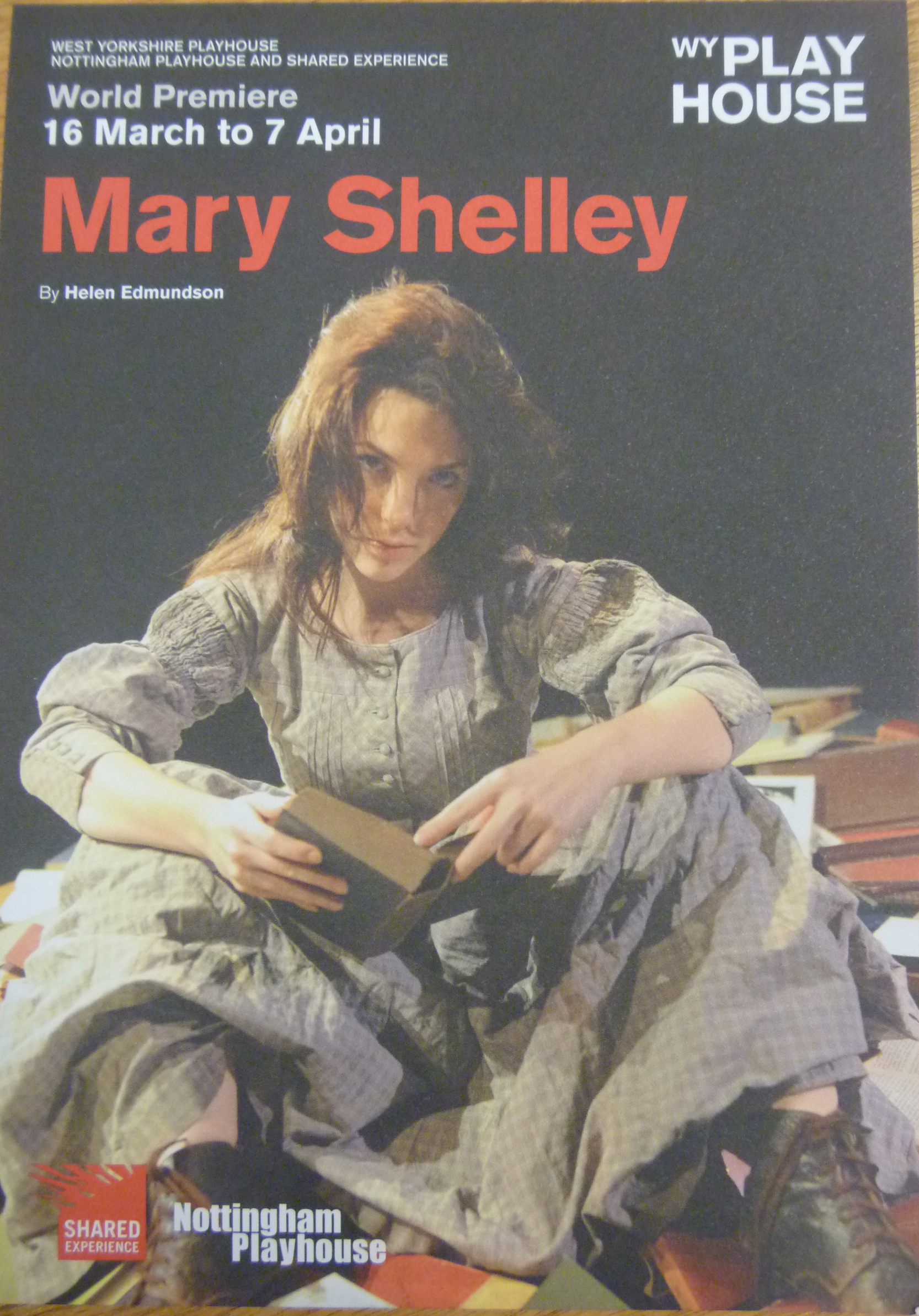
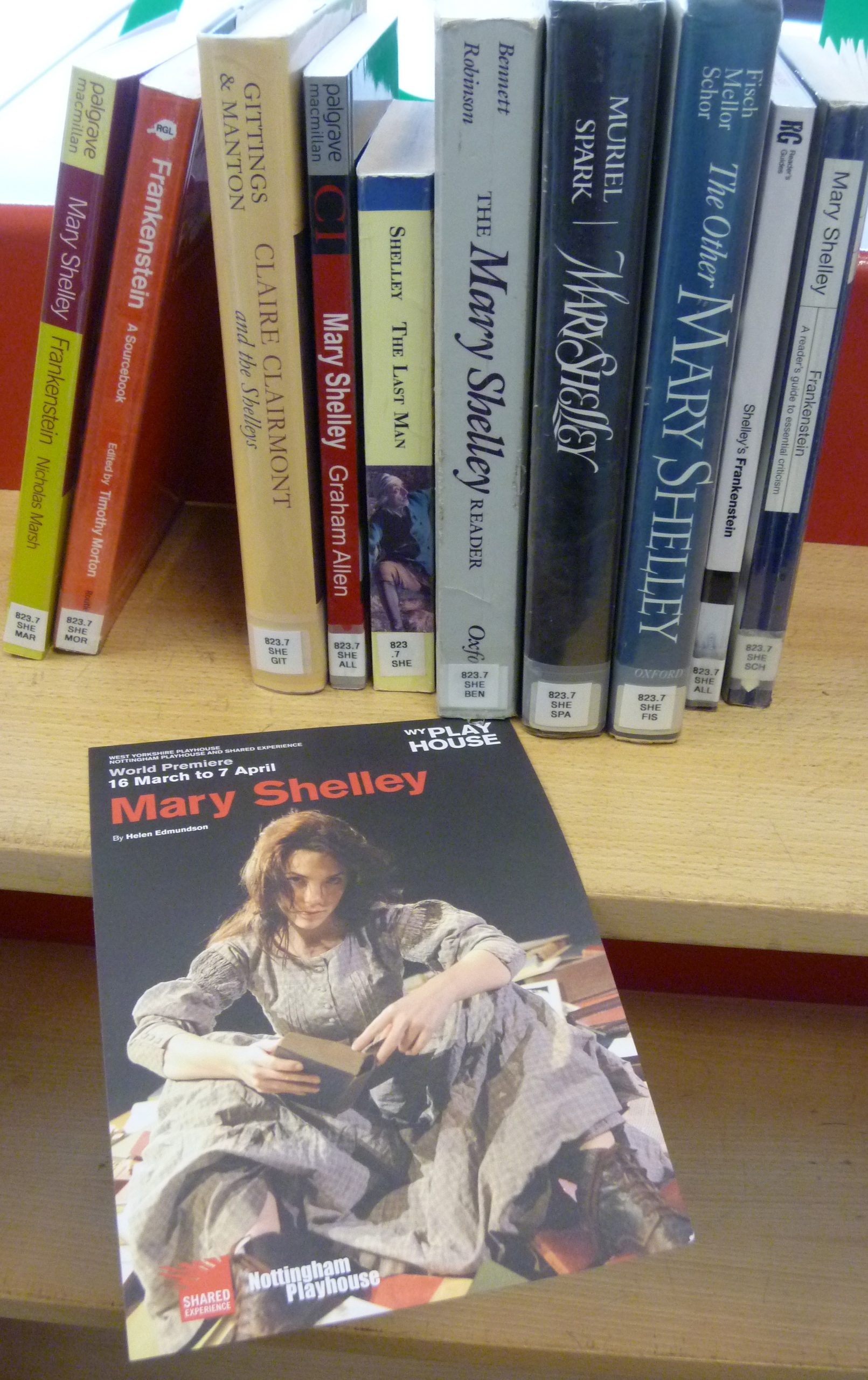
Shared Experience theatre company are back at the West Yorkshire Playhouse this month with their latest production ‘Mary Shelley‘. It’s a dramatic and powerful account of the late teenage years of Mary Godwin, later Shelley, and her very unconventional family and lifestyle during the years 1813-1816. Mary Shelley wrote and had published her famous novel ‘Frankenstein’ before she was 20. She married the poet Percy Bysshe Shelley. Her father was William Godwin a well-known political philosopher and novelist and author of ‘Political Justice’, published in 1793. Her mother was Mary Wollstonecroft author of ‘A Vindication of the Rights of Woman’ whose suicide is depicted at the beginning of the play.
Mary had two sisters Fanny and Jane. Jane Clairmont later changed her name to Clare Clairmont and was the mother of one of Lord Byron’s children, Clara Allegra. Read more about Mary here and here :
The play goes a long way in explaining the relationships between the members of this unconventional family and P. B. Shelley; those are ‘crazy mixed-up kids’. With only 6 actors and a versatile set consisting of a very large dining table which also doubles as a tombstone and a quay and a desk and even a bedroom plus several tall bookcases crammed with books and papers and boxes the words flow quickly and the tension mounts throughout.
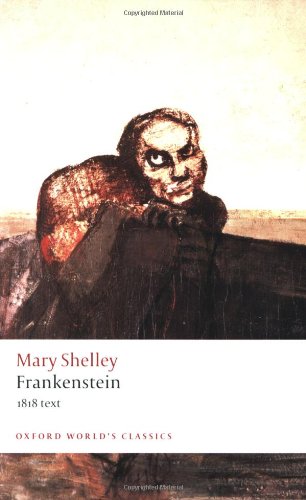
I think that I have been far too influenced by the over-hype connected with all the Frankenstein-related films and books which, although I have never seen nor read any of them, have totally put me off reading the original book. A colleague highly recommends reading it and suggests that I put ‘Frankenstein, a modern Prometheus’ forward as a suggestion at my next book group meeting. And do you know? After seeing ‘Mary Shelley’ I think I probably will!
I first came across Patrick Eyres and The New Arcadian Journal a few years ago when I was studying the Open University Course “Heritage, Whose Heritage?”. There was a chapter in the book Sculpture and the Garden which is edited by Eyres that particularly interested me.
Then last week at the Leeds Library I noticed an advertisement for a talk at the Henry Moore Institute in Leeds :
“Drawings and proofs for the New Arcadian Journal: “The
Blackamoor” Wednesday 7th March 2012
An evening with Dr Patrick Eyres at the Henry Moore Institute Wednesday 7th March
18.30-20.00
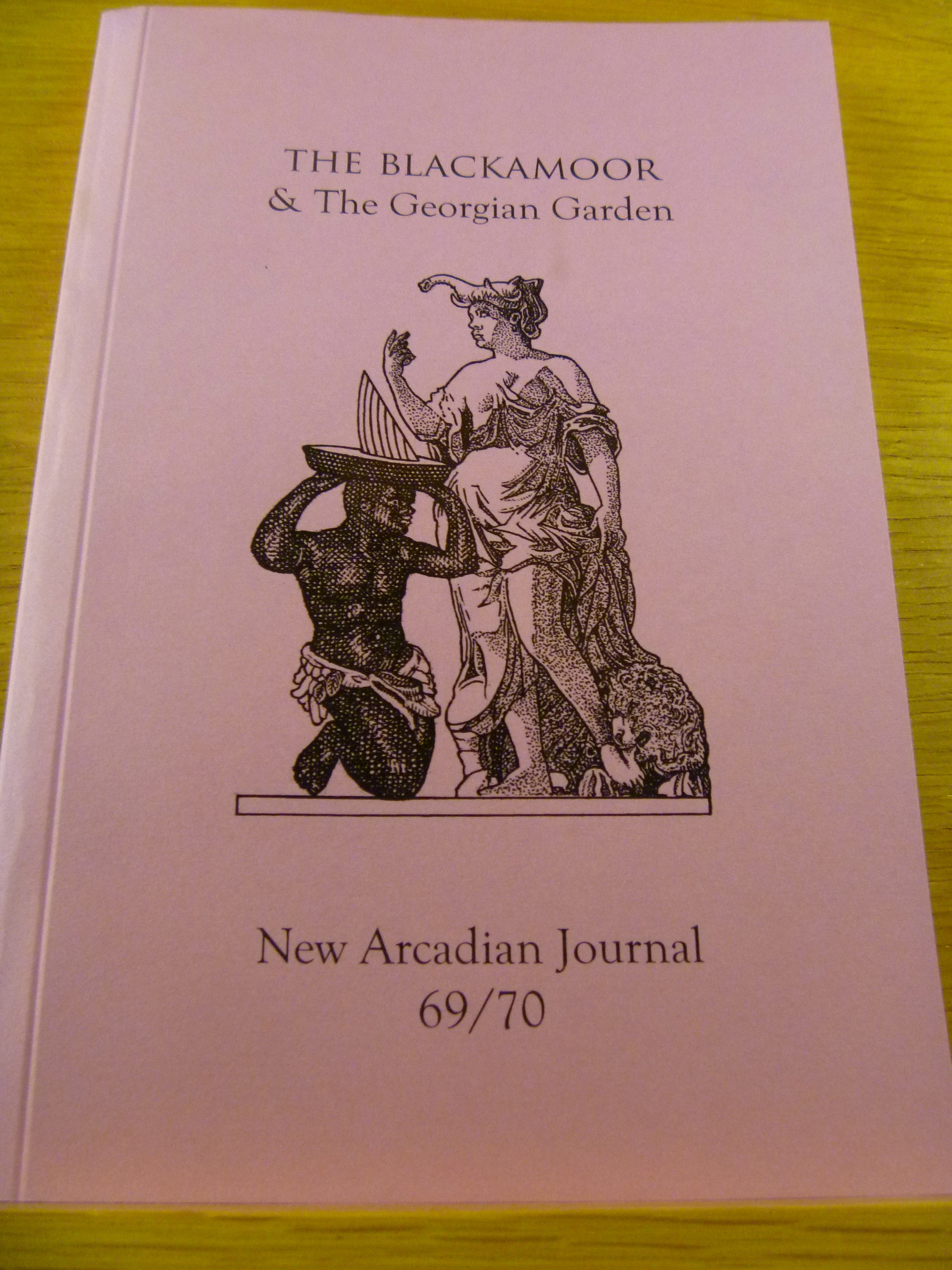
Drawings and proofs for the New Arcadian Journal: “The Blackamoor”.
An evening with Dr Patrick Eyres at the Henry Moore Institute. Enjoy a glass of wine, a powerpoint talk, see the display, talk with the illustrators and look at the Institute’s Library.
This event is £5.00 a head – numbers are limited to thirty. Please book your place with payment at the Leeds Library. Contact us for more information.”
I bought my ticket and then by happy chance came across this article in Saturday’s Yorkshire Post : Jottings from the Journal.
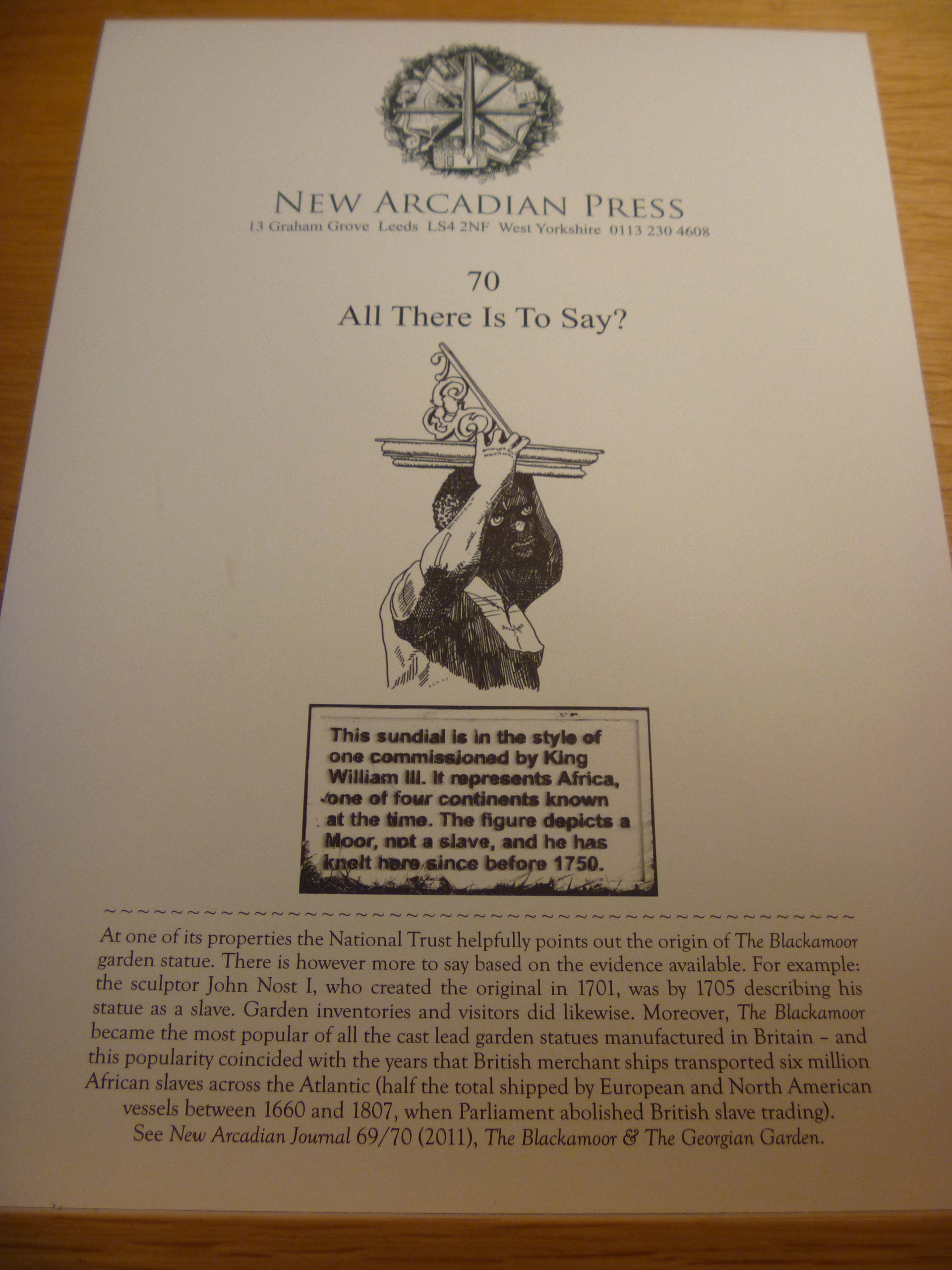
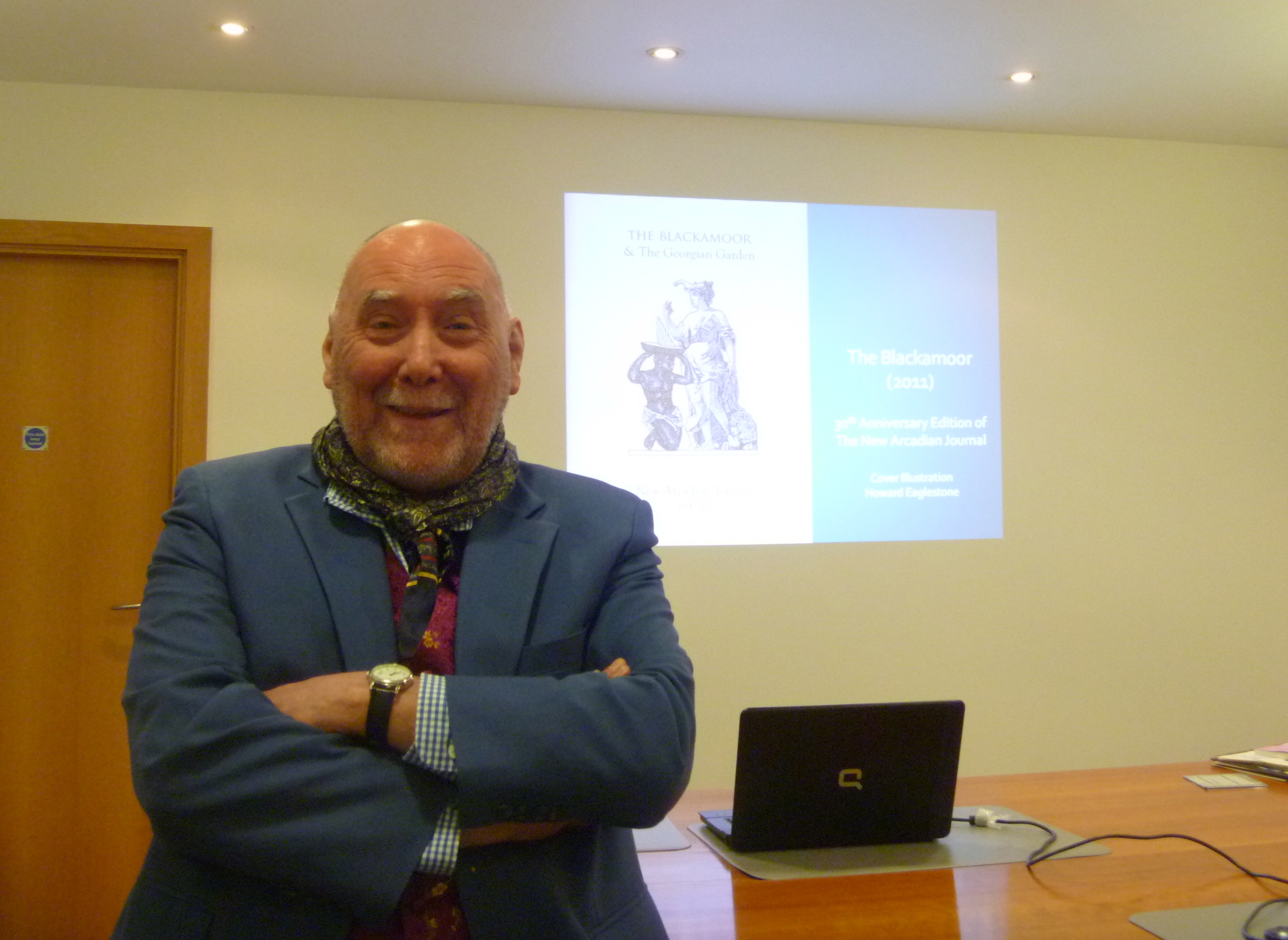
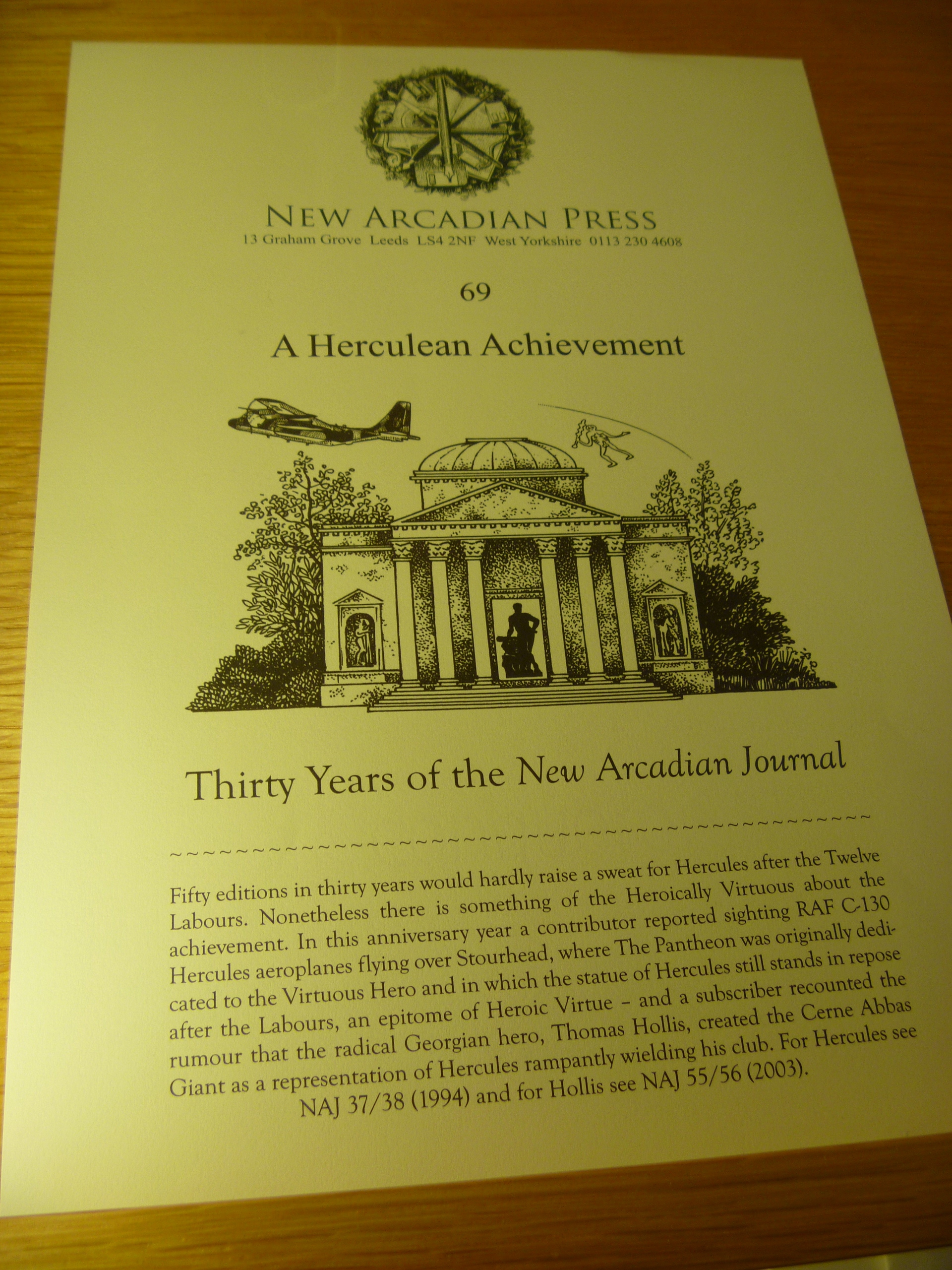
Dr Eyres’ entertaining talk celebrating thirty years of the New Arcadian Journal centred on the latest issue entitled “The Blackamoor and the Georgian Garden”. The Blackamoor was the most popular of all lead statues made in Britain during the 18th century which, by coincidence, was the height of British dominance in the African slave trade. Probably very many of the statues were destroyed or melted down following the abolition of slavery and in more enlightened times. Dr Eyres has tracked down 20 including 2 in the Privy Garden at Hampton Court Palace, one in Lincoln’s Inn in London, another at Melbourne Hall in Derbyshire and another supporting a sundial at Wentworth Castle in South Yorkshire which is currently under restoration and the topic of interpretation work. The talk was illustrated with photos of the various statues and reproductions of the beautiful drawings and prints (the work of artists Catherine Aldred and Howard Eaglestone who were also present this evening). It seems that the Blackamoor (African) along with the North American Red Indian were used to symbolise their continents of origin. There were emblems for Europe and Asia as well. These were also illustrated in the popular 16th and 17th century Books of Emblems.
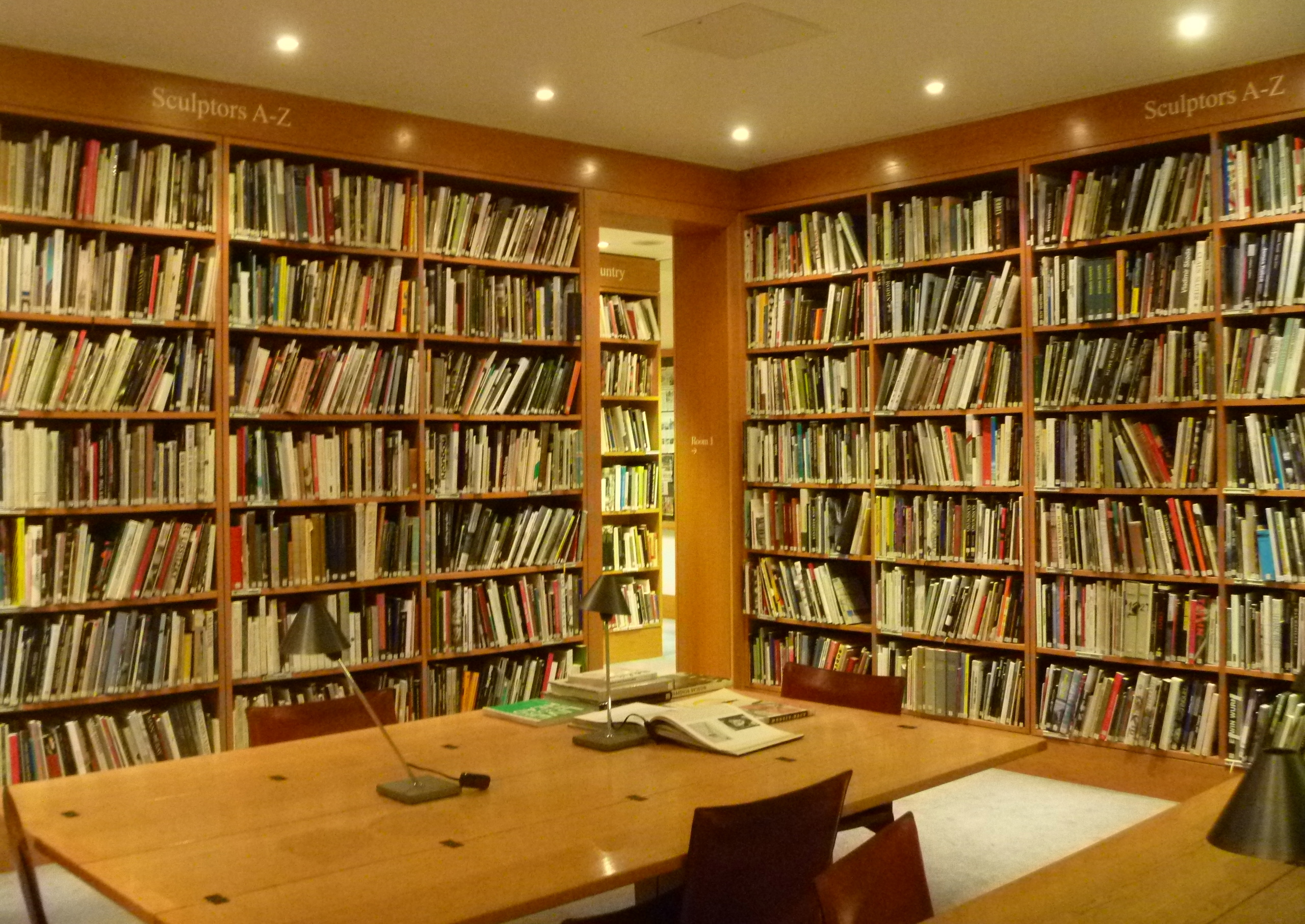
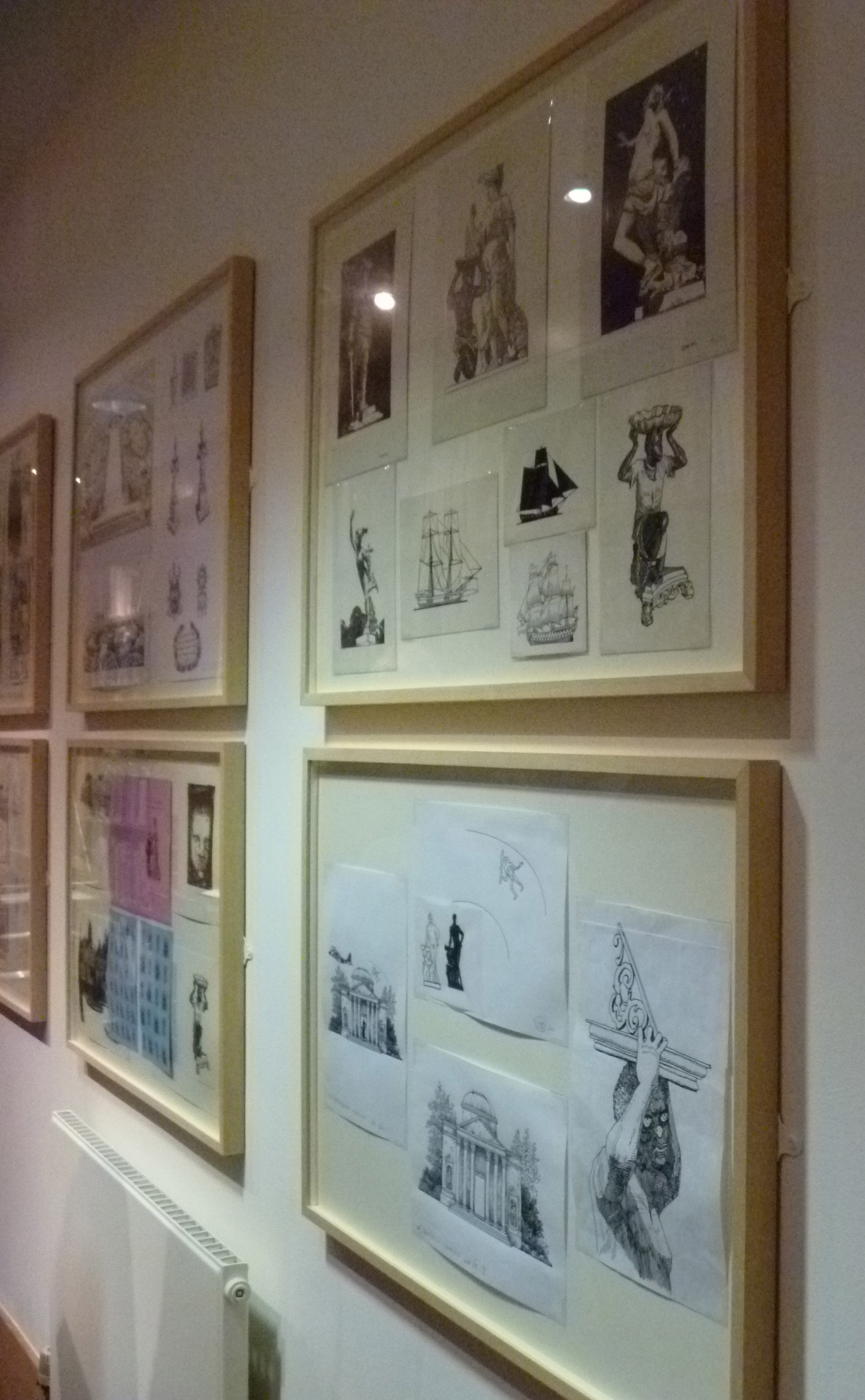
After the talk we were shown the small exhibition in the Henry Moore Library where examples of drawings and copies of the Journal itself were displayed.
Catherine and Howard spoke briefly about their own work which as you can see is exquisite. Howard’s pictures also display humour as you can see from the above examples.
Yesterday I was back in Manchester to visit the Art Gallery and the Tapas Bar again. This time the weather was freezing cold but fortunately stayed dry. I’d hoped to get back to visit the Grayson Perry exhibition centred around the gallery’s recent purchases of two of GP’s art works. This exhibition is only on until 12 February so I was very pleased to catch it. In addition it was also a great pleasure to meet up with a friend who moved over to the Wirral nearly 20 years ago. Manchester makes a good midway place to meet especially in winter when we can travel there easily by train.
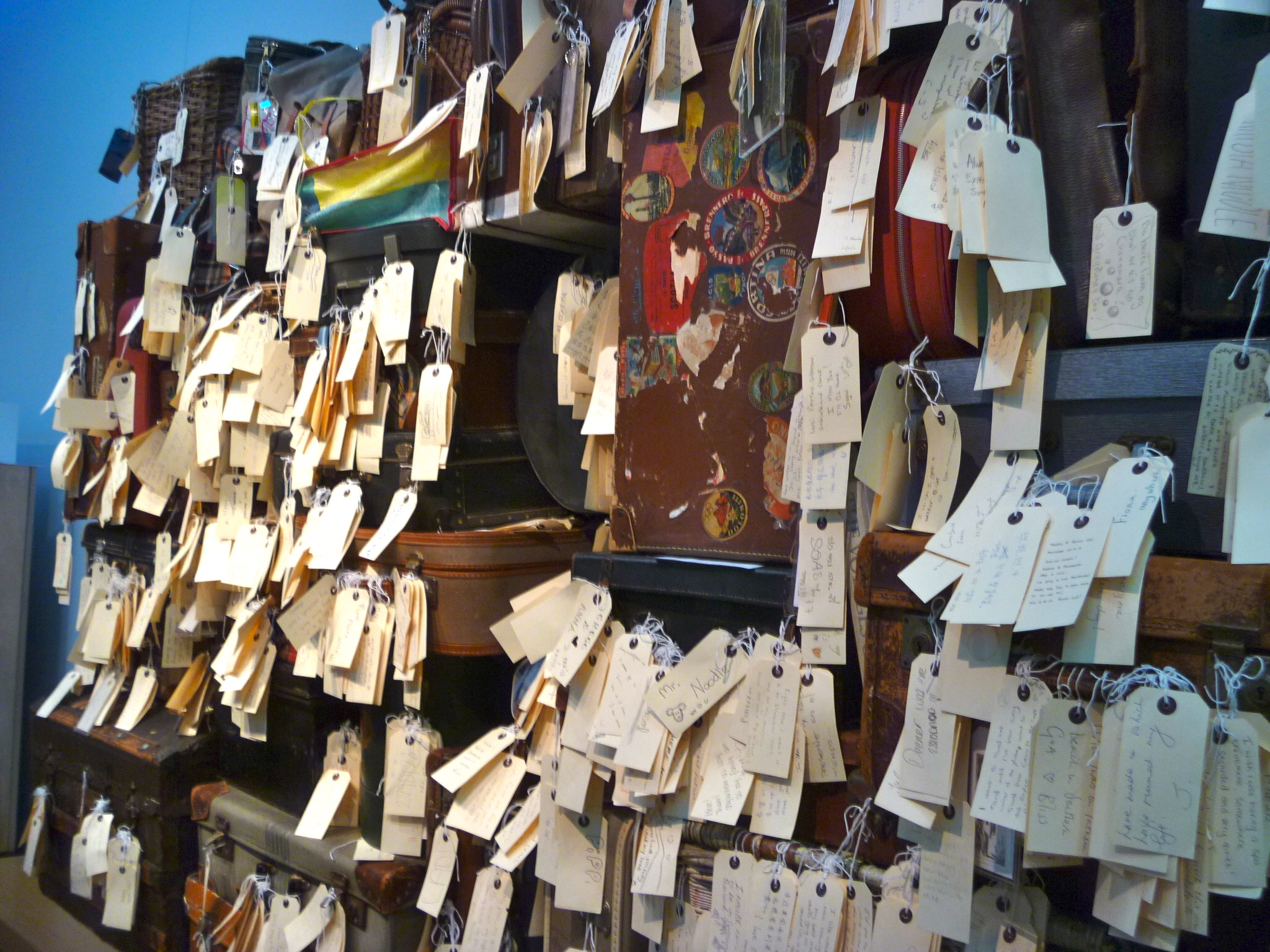
Before we entered the GP room we were intrigued to see an installation entitled “Where shall we go today?” It consisted of old suitcases and pieces of luggage piled up against the wall and covered with tie-on luggage labels. Some artists had been invited to answer the question and their tags are covered in plastic but then the public and mainly (it seemed to me) school children were let loose with their dreams and ideas and the result is pictured below :
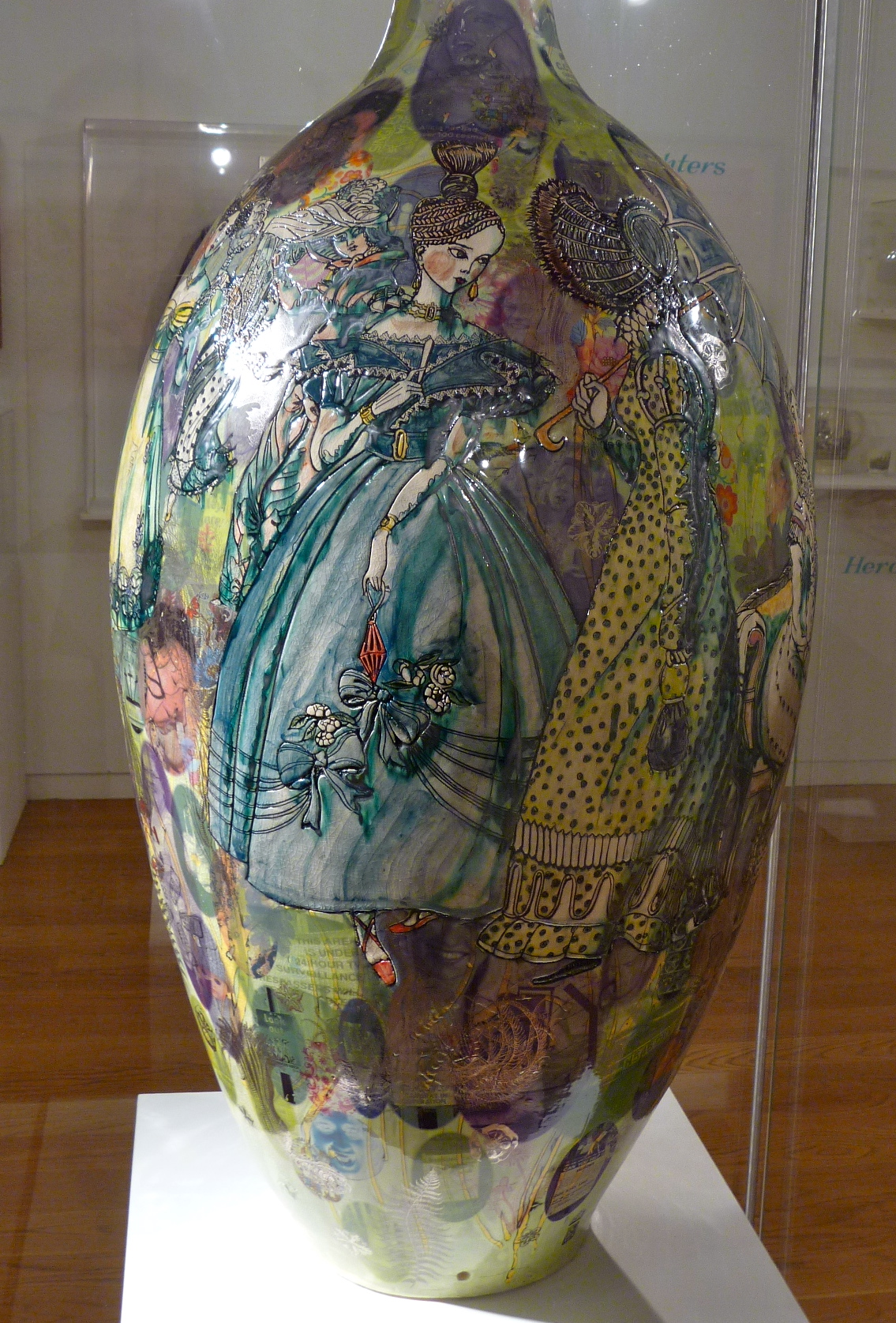
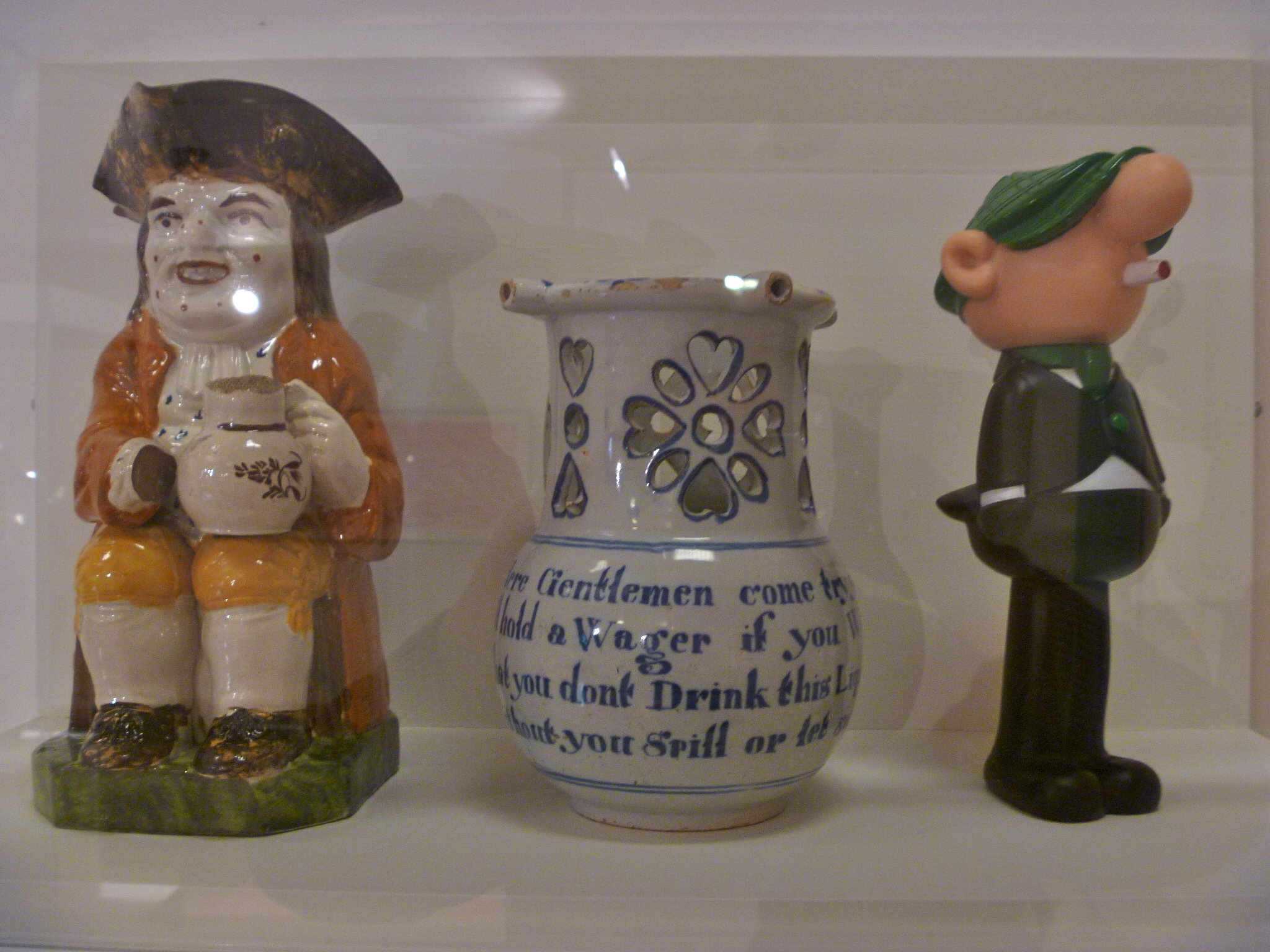
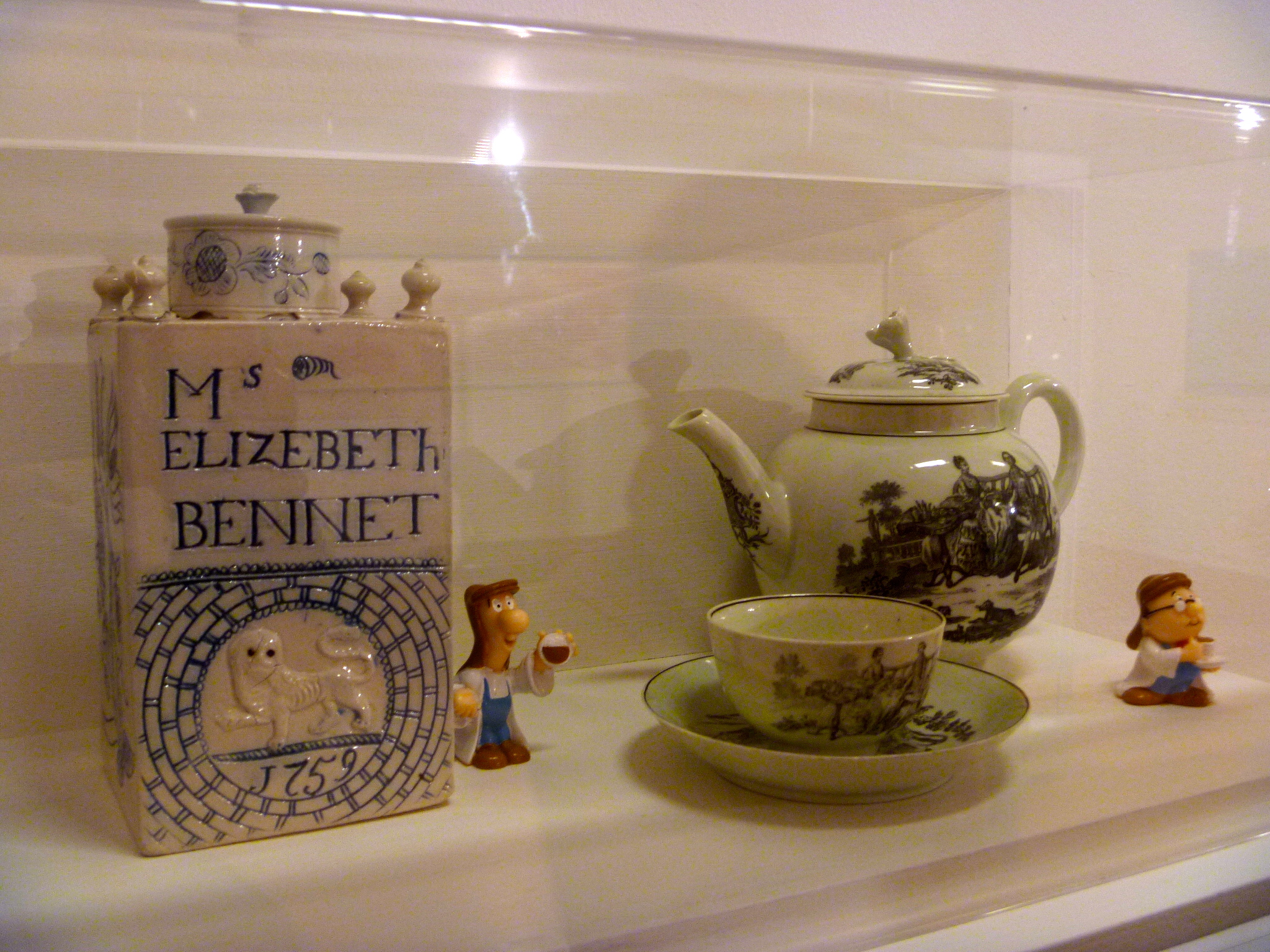
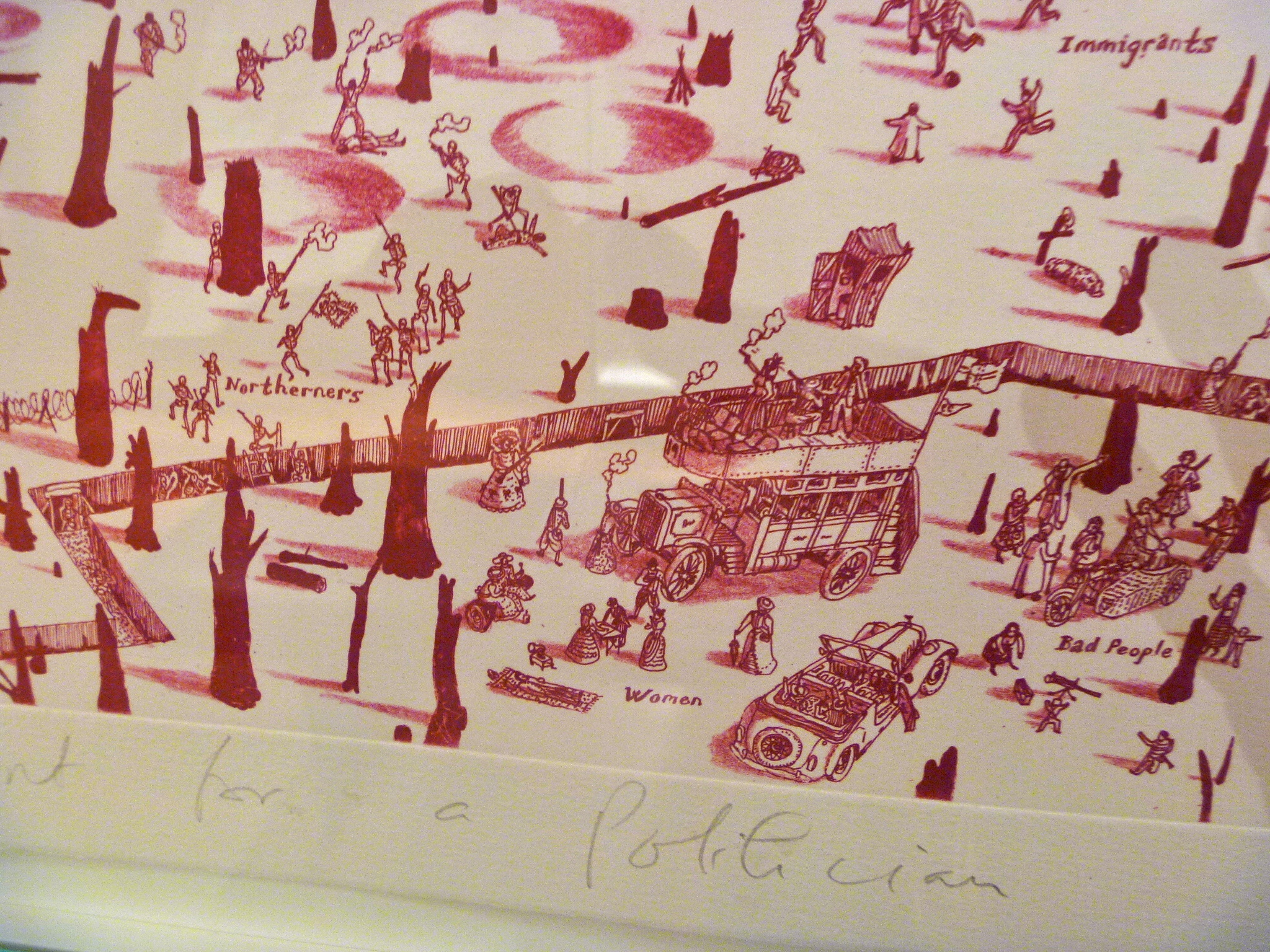
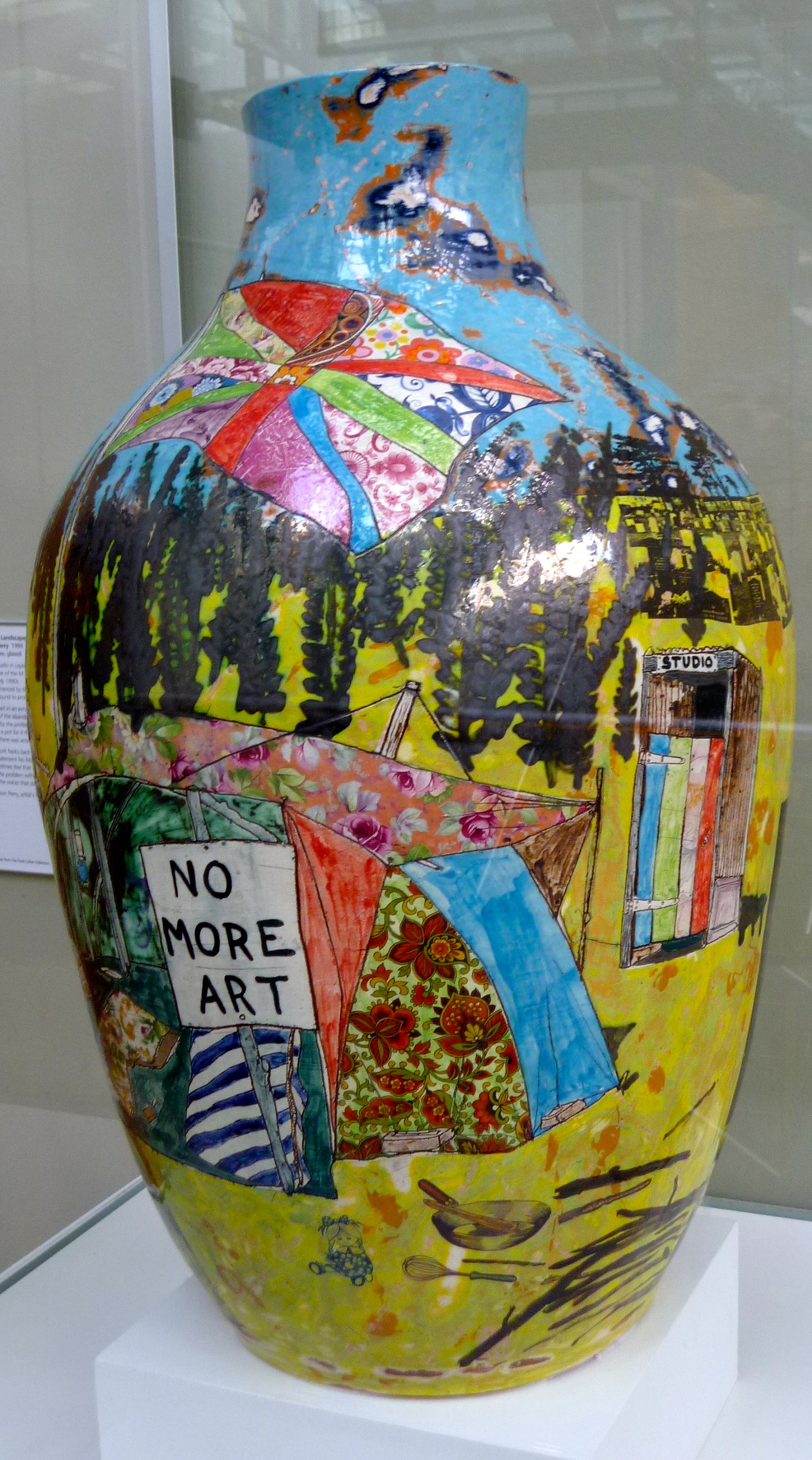
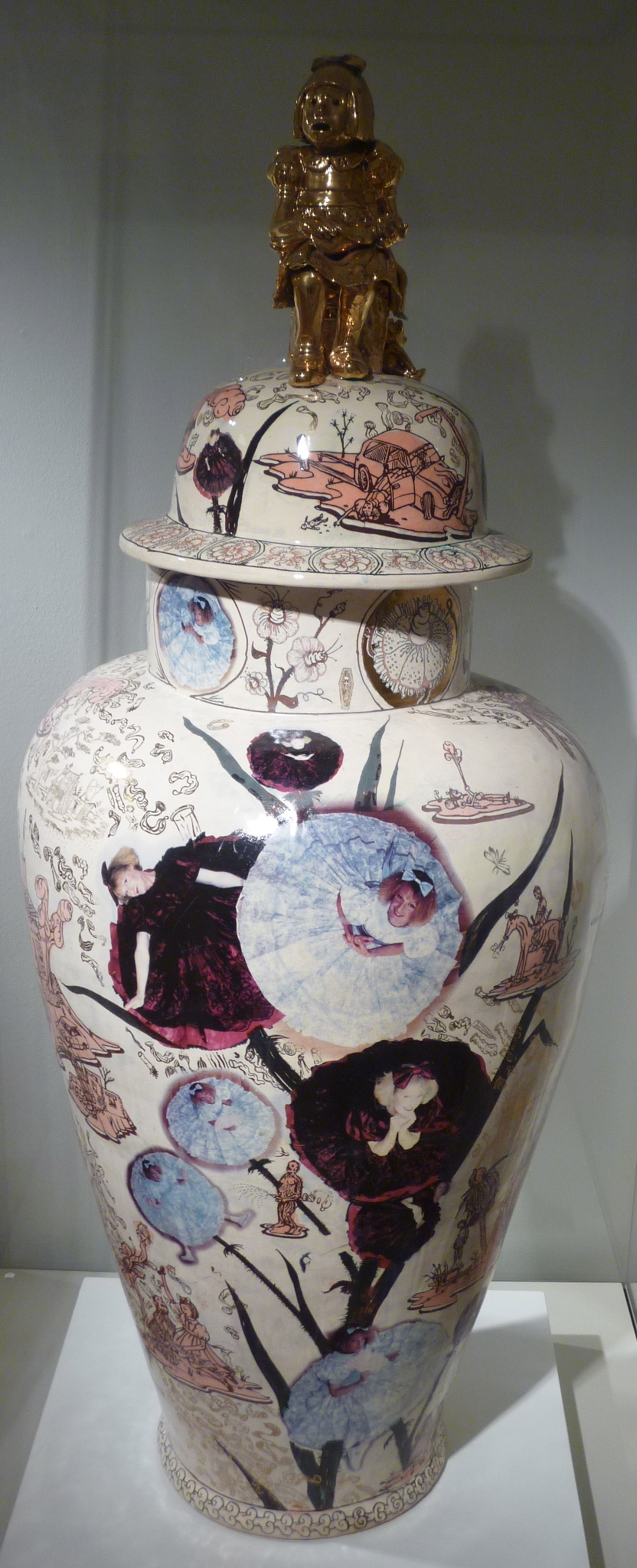
Visual Dialogues was like a mini ‘Tomb of the Unknown Craftsman‘ but with a difference. The Manchester Art Gallery has bought the vase ‘Jane Austen in E17’ and print ‘Print for a Politician’ with financial help from The Goldstone and Livingstone Family Trusts, in memory of their parents’ friendship, together with funding from the Art Fund and support from the MLA/V&A Purchase Grant Fund. A group of young people aged 15-18 who call themselves The Creative Consultants have done what Perry did at the British Museum and gone into the archives of MGA and chosen artefacts to display alongside the vase and the print.
“Jane Austen in E17 (2009) is a beautifully executed large ceramic vase inspired in shape by Chinese porcelain, decorated with detailed drawings of elaborately dressed Georgian ladies taking tea and conversing. The genteel figures reflect Perry’s interest in the feminine and his knowledge of historic dress. They refer to the ideal view of British culture portrayed in popular costume dramas of Jane Austen’s novels.
In contrast to these idealised figures, the vase also features layered photographic transfers of contemporary life, including cuttings from celebrity magazines and more sinister references to crime and surveillance, taken from the streets around Perry’s studio in London’s E17.” (Manchester Art Gallery)
Here are some examples of what the young people chose :
“Print for a Politician (2005) is only the second print that Perry treated as a major work; it took over a month to draw. The etching shows groups of people including academics, fundamentalists, northerners, parents and transvestites in a landscape setting, each group given a name, like a place name on an old map. All the groups are armed for battle, with weapons of war from different periods and cultures. Perry’s intention for this work is to show the complexity of human society. He hopes audiences will identify with one or more of the groups and realise it is possible to live together peacefully despite our differences.” (Manchester Art Gallery)
In addition we saw three other Grayson Perry vases on loan from other galleries.
All in all the exhibition was “small but perfectly formed”.
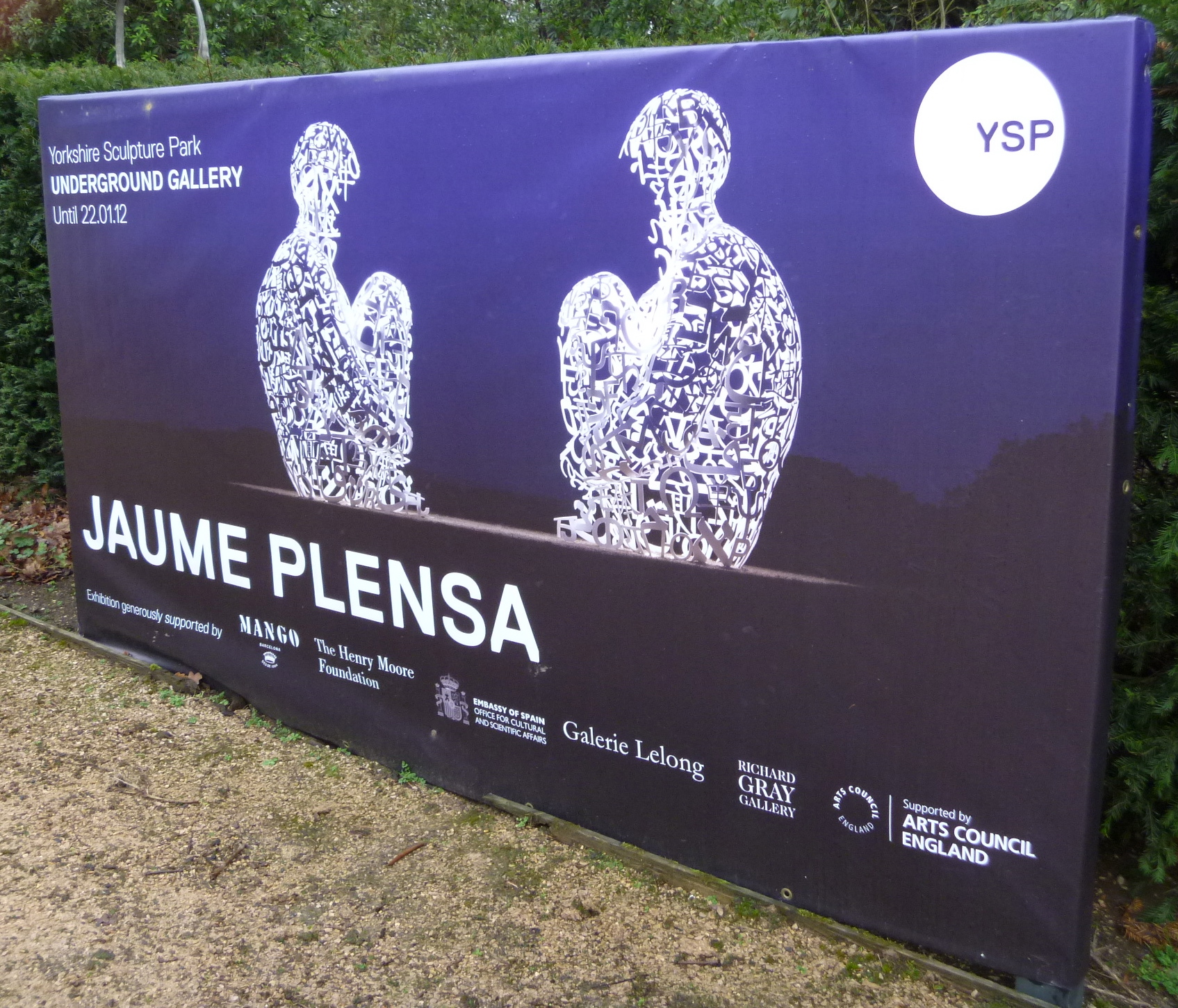
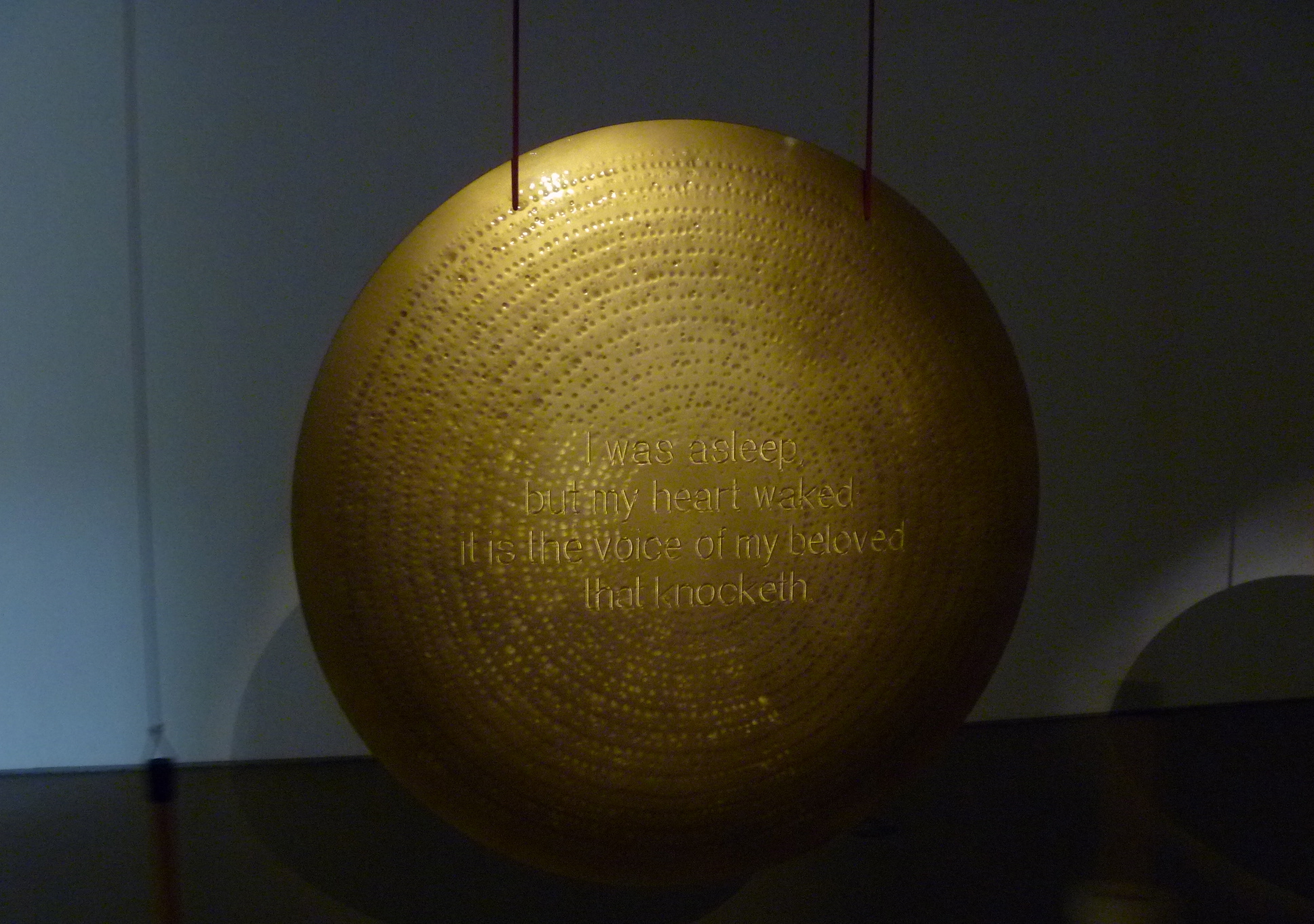
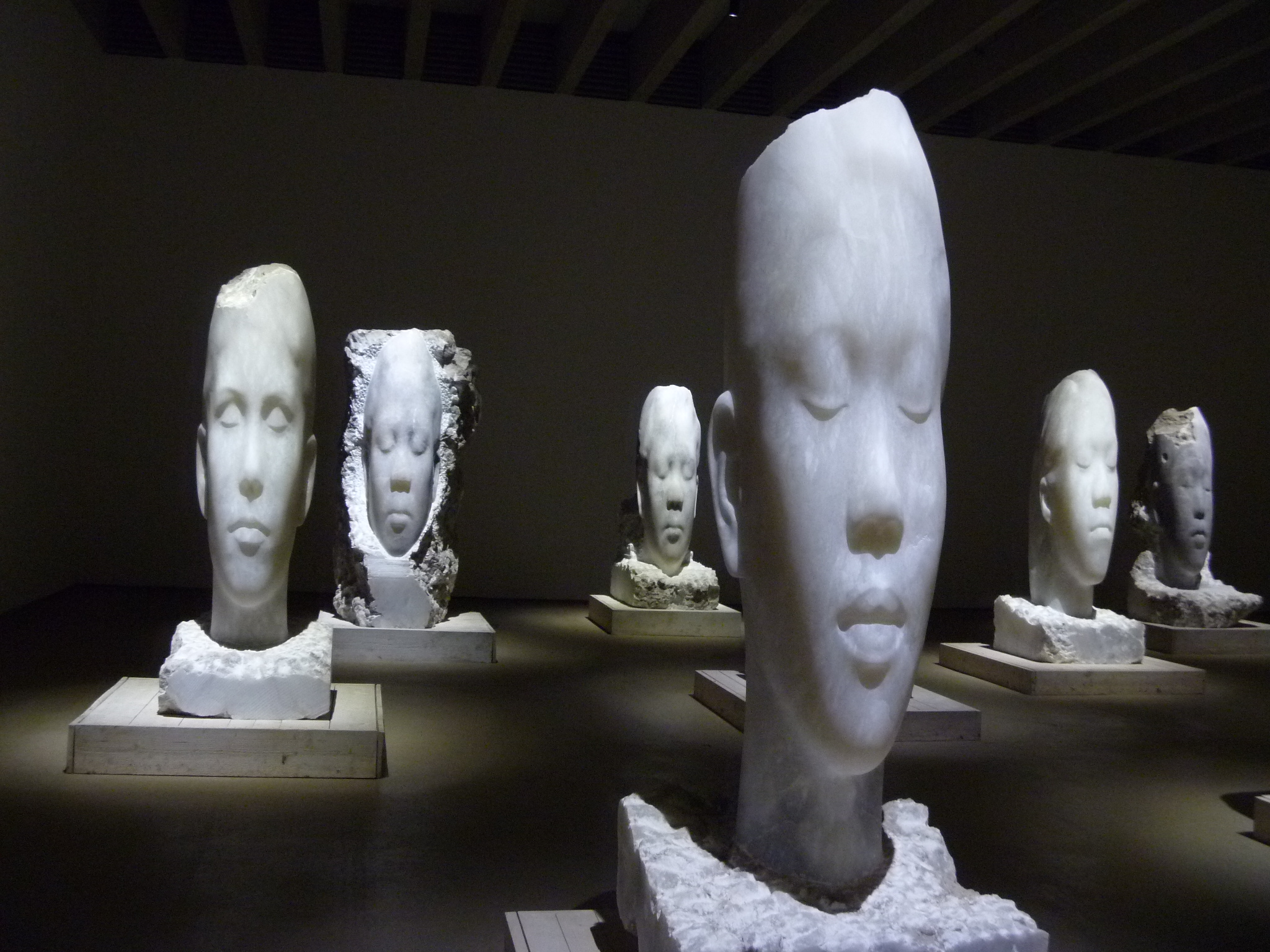
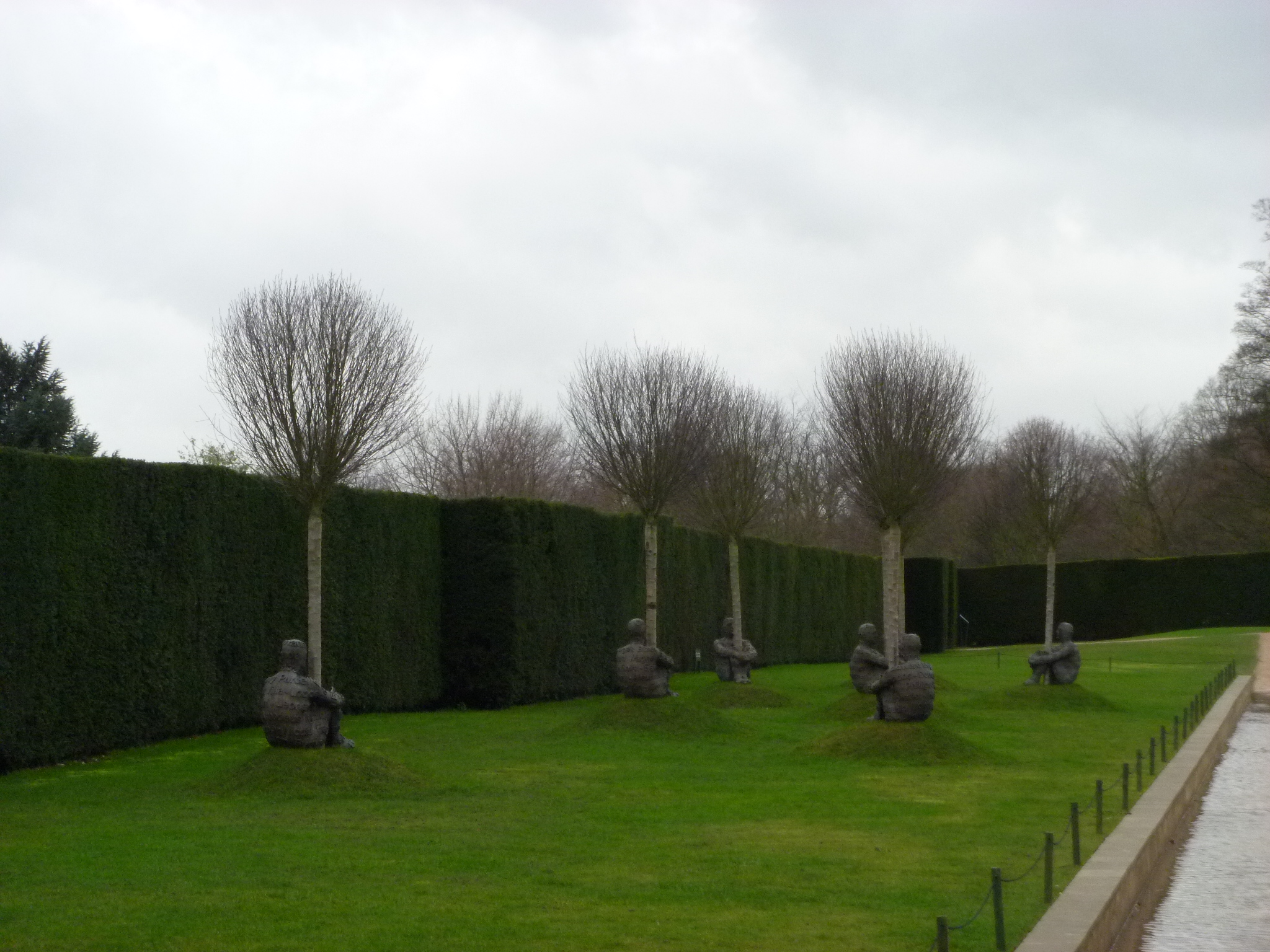
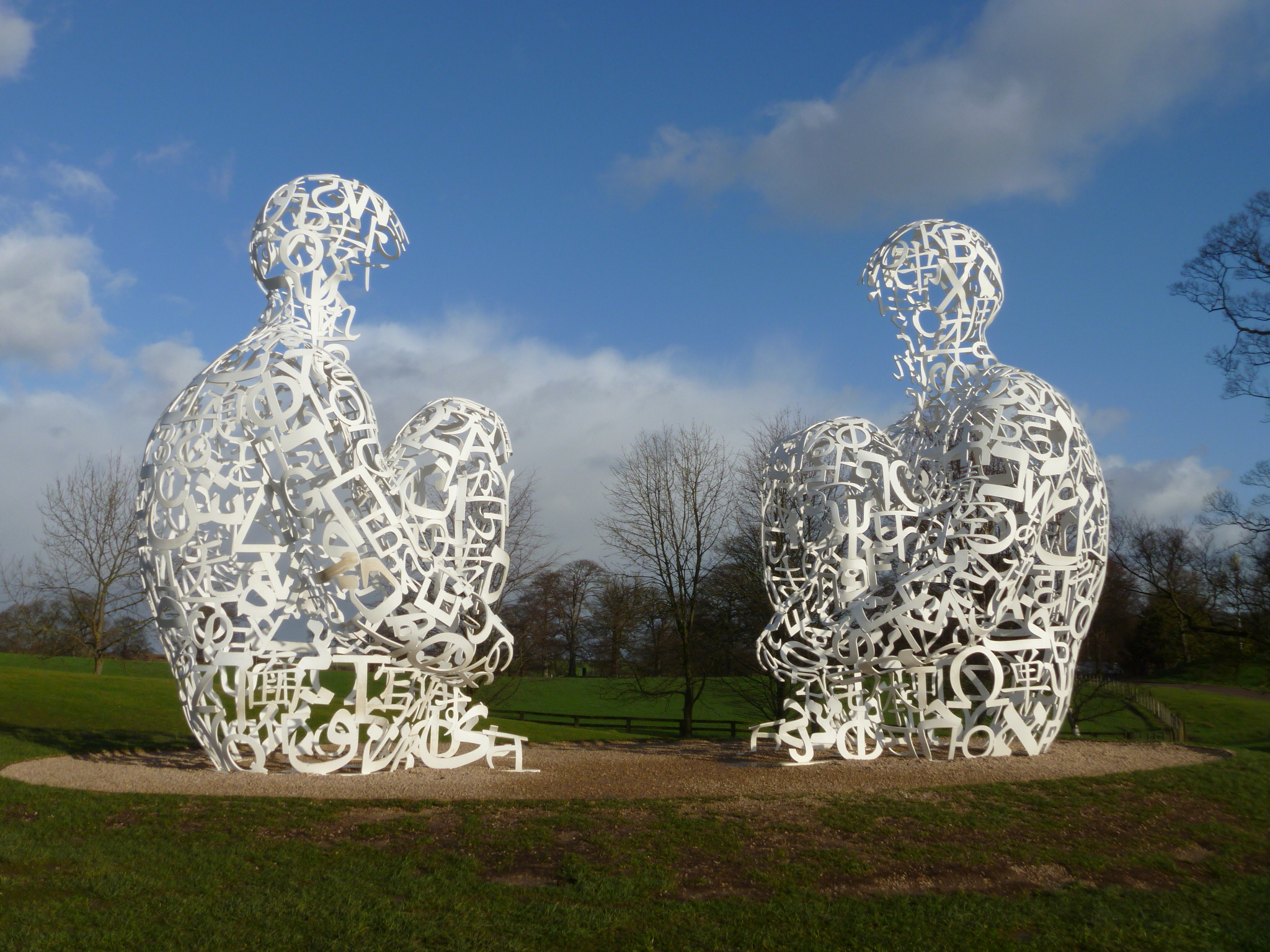
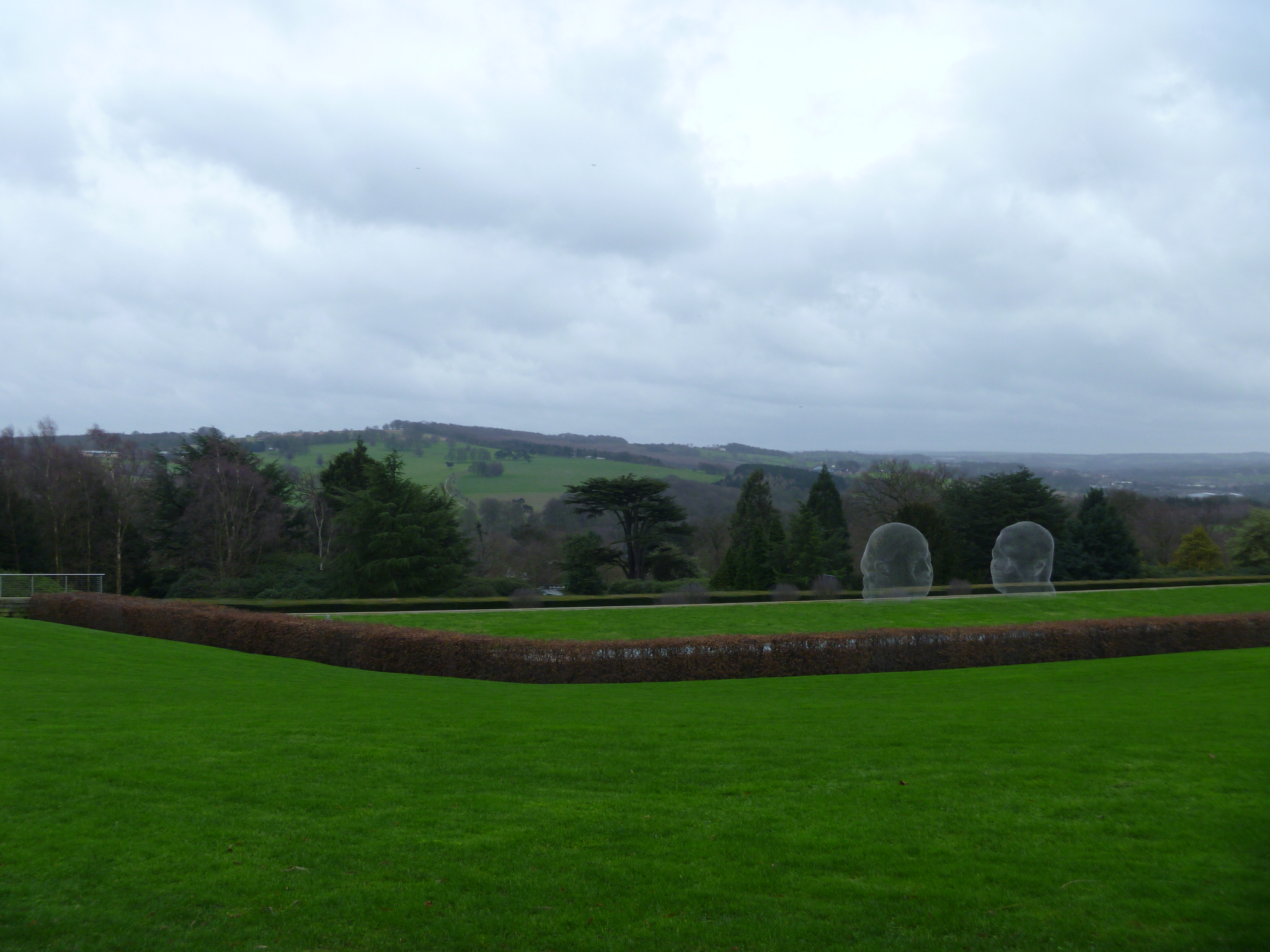
I love a tramp in the countryside but I also love to see something new and/or interesting and that is often possible in Yorkshire. We’ve been generously given an extra day off work today as a substitute day for the Queen’s Diamond Jubilee Bank Holiday in June. We already get two days holiday then anyway. So what better way to spend it than to drive for 20 minutes down the M1 to the Yorkshire Sculpture Park. I’ve visited many times in the past but there is always something new to see and on every visit the park seems to have extended its boundaries. Today was no exception. There are some new paths around the Upper Lake and some renovated 18th century garden features to inspect – a Shell Grotto, a Boathouse, an Obelisk and a Greek Temple. The wind was blowing a gale and we had to watch our step along some of the muddier tracks but there were still some good photo opportunities to be had around the park. The main feature of these were the extraordinary work of Spanish artist Jaume Plensa. The exhibition was due to close in the autumn but has been extended until 22 January 2012. I’d seen friends’ photos of these stunning metalwork sculptures but it’s something else to see them for real many of them appearing suspended in the Yorkshire countryside. After our exertions we headed for the cafe for excellent homemade soup and a look round the also excellent shop.
Transferring stuff from one year’s diary to the next’s made me think I might make a note here on an event/category from each month of 2011 up to my starting this blogging lark in August. One event with one picture is quite a tough call – especially in the summer months – but I will give it a go.
January 2011 : Landmarking with Milady
The year started well with my usual London Landmarking Trip but this January I was fortunate enough to get a double dose of London Landmarks. I stayed in the 45A Cloth Fair property for 3 nights and visited friends at the Hampton Court Georgian House on one of the days. There is so much to see and do at Hampton Court that we have booked our January 2013 London stay at Fish Court in order to experience more. If you stay there is no extra charge for visiting the Palace. On the other day at Cloth Fair we took tea at the recently totally renovated Savoy Hotel – an out-of-this-world experience from the moment your carriage arrives to the moment you are driven away.
February 2011 : Milady gets culture
An early wet and windy two night excursion to Cambridge led to the wonderful discovery of Kettles Yard. Our trip was planned around a visit to The Scott-Polar Research Institute whose museum had just re-opened after extensive renovation work. But interesting as it was to see the exhibits at the SPRI the highlight of my visit was Kettle’s Yard. We even went there twice. On the Thursday afternoon of our arrival we took a walk from the hotel and ended up at the house that is Kettles Yard. It is like walking into someone’s home – you ring the doorbell and are welcomed, photography is no problem, you may sit and look at the books and the place is crammed full of art and artefacts of what I suppose is called the modern era. It was on this visit that we heard about the Friday Lunchtime Concerts so from the SPRI we headed back to KY and joined a winding queue of keen concert-goers and enjoyed with them a chamber group of student musicians.
March 2011 : Milady gets Culture
Photograph: Robert Workman
At the end of March Out of Joint brought their play “A Dish of Tea with Dr Johnson” to The Carriageworks in Leeds. I’d read quite a bit a bit about Dr Samuel Johnson and visited his house in Gough Square in London so was intrigued to see this well-reviewed piece. I was not disappointed. It is quite short, full of fun but with some pathos and there is also the most wonderful dog actor who must have been standing in for Johnson’s cat, Hodge. I would have loved to have seen the performance actually at Dictionary Johnson’s House but this was the next best thing. Highly recommended although I think the tour is finished now.
April 2011 : Landmarking with Milady
Friday 29th April 2011 must have seen the high point of the year in Britain – The Royal Wedding of HRH Prince William and Miss Catherine Middleton. That very day I had booked (long before the wedding date was announced) to spend the May Day Holiday Weekend in France at Gif-Sur-Yvette the former weekend home of the Duke and Duchess of Windsor just outside Paris and now managed as a holiday let by The Landmark Trust. I was visited there on one of the days by my good friend MN and we spent a literary day visiting Alexandre Dumas’ The Chateau of Monte Cristo at Port-Marly and La Maison Litteraire de Victor Hugo at Bievres, Île de France. It was such a good trip that we’ve booked to go back again next May so I’ll be posting in more detail then.
May 2011 : Milady Visits
Window shopping at Didier Ludot in the Jardin du Palais Royale
On 12th May the Optimist celebrated a special birthday! And on that very day we were booked to travel – in style, I might add – by Eurostar train from Yorkshire to Paris to attend our nephew’s wedding in Vincennes, just outside Paris, on the Saturday. What a fab weekend we had – lovely hotel quiet but right in the centre of Paris, lovely weather, except that it rained on the Sunday as we were leaving, excellent company and good food and wine with some “flanez” and pavement cafes thrown in for good measure.
June 2011 : Milady Reads and Visits
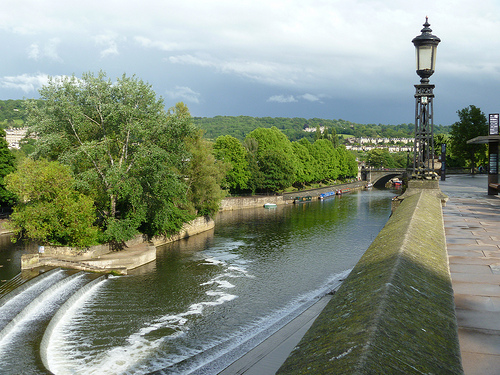
In Spring 2011 Persephone Books published a reprint of Adam Fergusson’s “The Sack of Bath”. On June 16th there was an Afternoon of Walks in Bath led by Caroline Kay, of the Bath Preservation Trust, and Adam Fergusson. We met at The Circus cafe for a lovely two course lunch and were then taken on a walking tour to view the effects of City planning policy on Bath during the 1960s. The walk ended at The Museum of the Building of Bath where we were served tea and cakes. But before all those pleasures I had the great pleasure of spending the morning with my online reading group friend Carol who lives in Bath and took time out to show me all the bookish delights of that city – of which there are very many. It was one of those days where looking back it seems impossible to have fitted so much into a mere 7 hours.
July 2011 : Milady Steps Out
On 30th June I set out with my sister on my first long distance walking trail – Wild Edric’s Way in Shropshire. The ‘holiday’ was organised by a local company with the delightful name of Wheely Wonderful Cycling Holidays which deals mainly in cycling holidays but with some walking tours also on their books. I say ‘holiday’ but at times it was jolly hard work! We walked from the Stiperstones to Ludlow over 3.5 days. Approximately 40 miles was covered in total with 4 overnight stops. For the most part it followed the route of The Shropshire Way which coincided also with The Kerry Ridgeway and Offa’s Dyke National Trail. There were several places of interest on the route – churches at More, Churchtown and Ludlow and castles at Clun, Stokesay and Ludlow. We met other walkers and some lovely B&B owners along the way. I was glad to have done it and it felt like quite an achievement but I was not sure whether I wished to repeat the experience. However, the further away it has become the more I think maybe I would indeed like to do another such walk in the future.
Here in Yorkshire we have two Unesco World Heritage sites. I’m not too sure exactly what is required in order to be appointed to this lofty status – maybe it’s all about preservation. The nearest one to me is Saltaire which was awarded this accolade in 2001. On Monday I took a trip with the Banker to visit one of my favourite local shopping destinations – Salts Mill in Saltaire village.
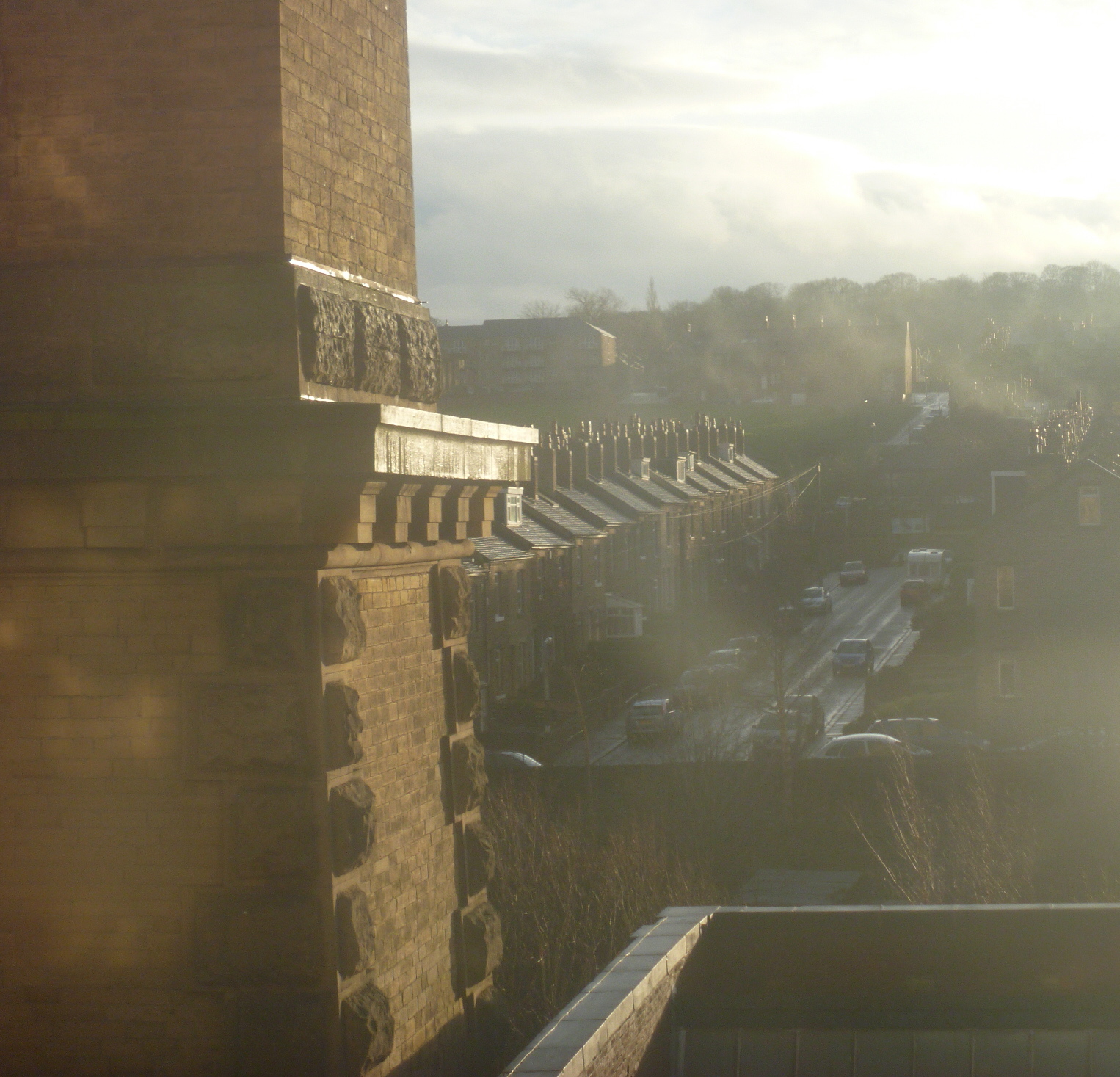
Saltaire Village from Salts Mill
It was really miserable weather so we decided to give the village itself a miss and head straight for the Mill itself – dodging rain and puddles between the car park and the huge mill door.
Salts Mill and the surrounding model village was built for Bradford businessman and philanthropist Titus Salt and opened in 1853. In 1987 the mill stood empty and it took another enterprising businessman, Jonathan Silver, to buy it and create the 1853 Gallery and Salts Mill as it is today. He suggested to his friend and fellow Bradfordian David Hockney that the Mill might be a good place in which to display some his pictures and Hockney agreed. Sadly, Mr Silver died of cancer in 1997 but the enterprise itself has gone from strength to strength.
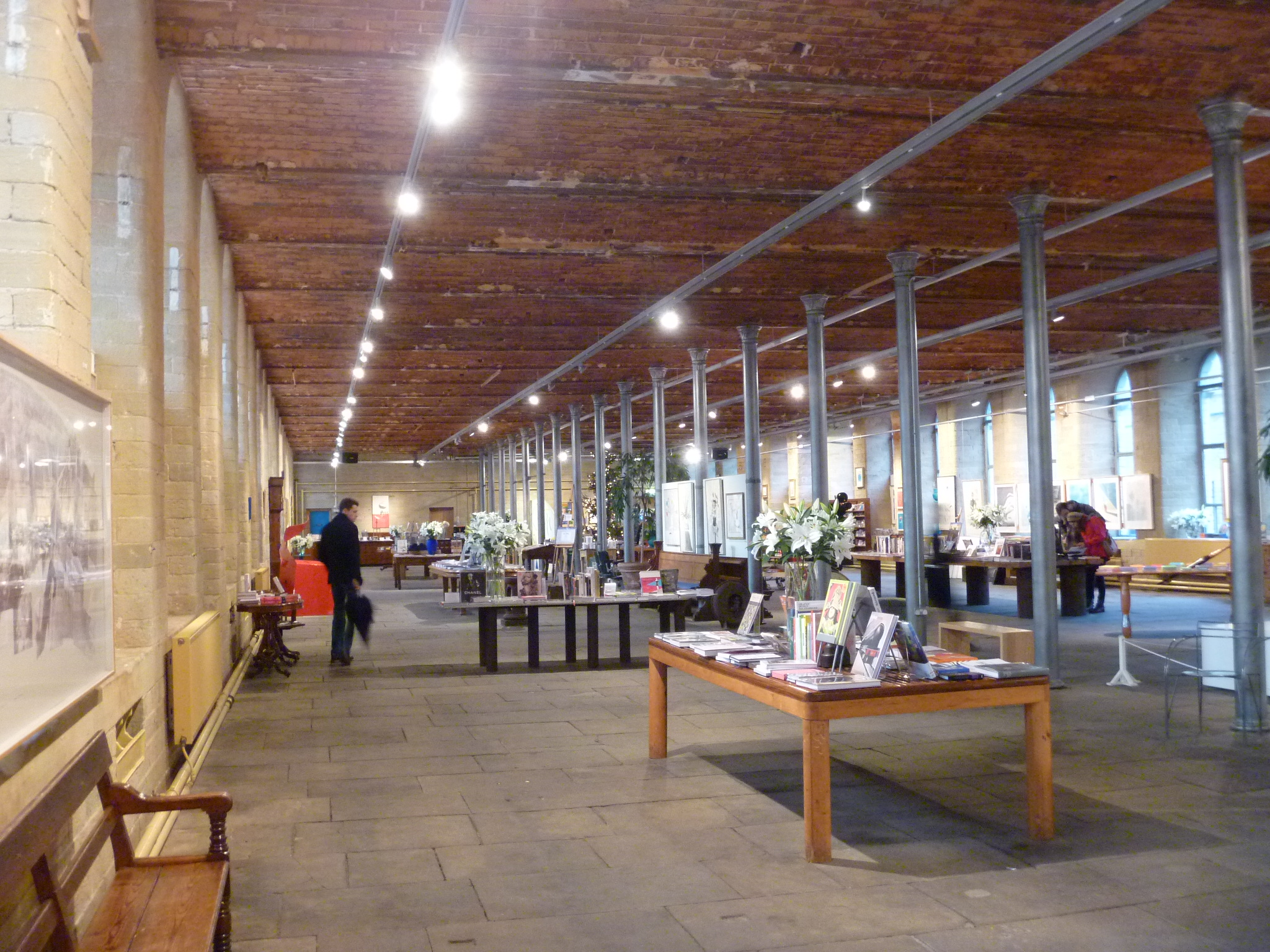
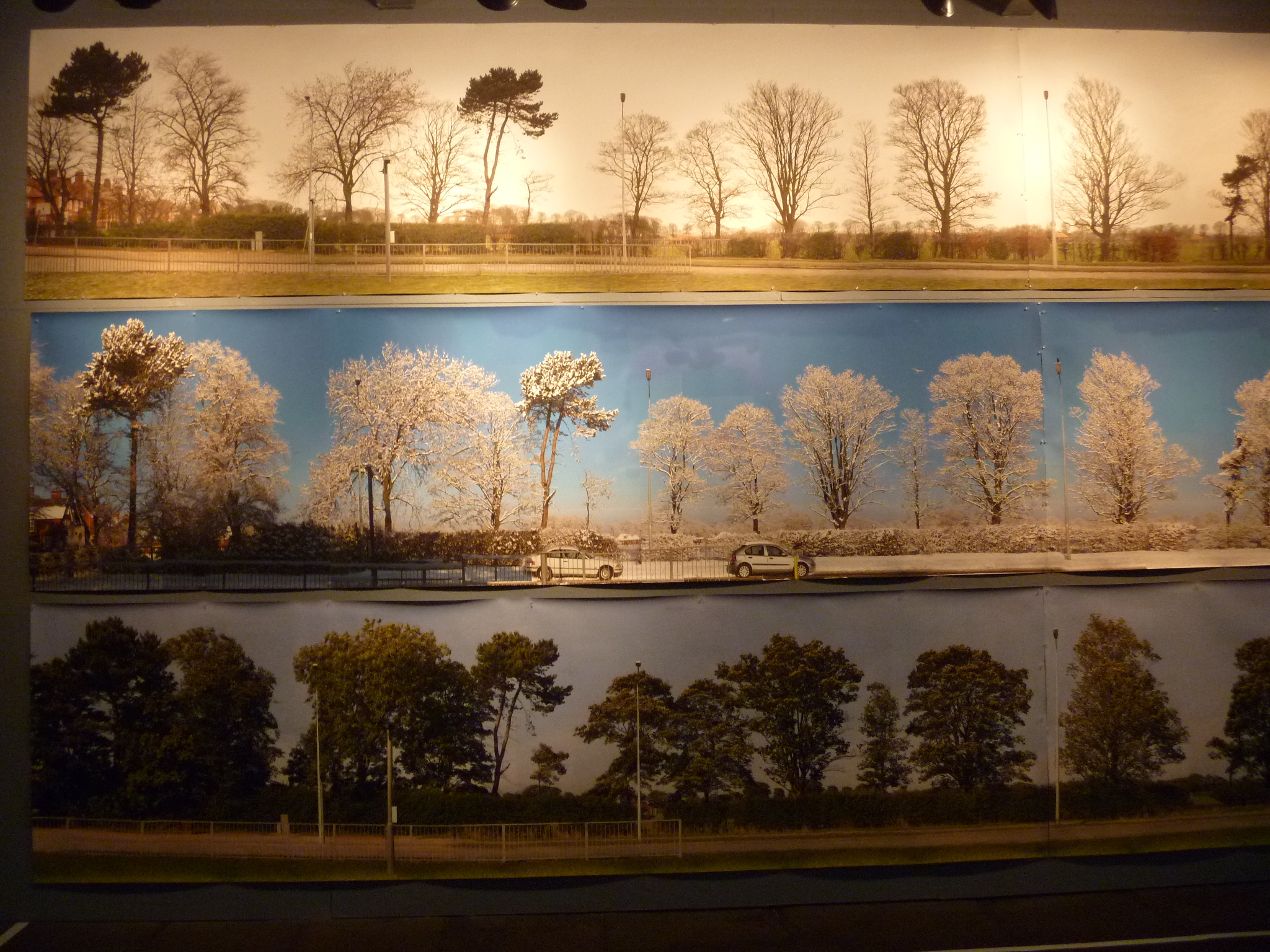
Currently there are two Hockney exhibitions. The permanent display in the ground floor 1853 Gallery is the world’s largest display of Hockney pictures. Here you can also see many of the Burmantofts pots (see top picture) and buy art materials and books. The temporary exhibit 25 trees and other pictures will be showing on the third floor until the end of April 2012.
Besides art and related books there is also Salts Diner, Salts Book and Poster Shop, The Home – a shop selling the very best in home ware designs, an Espresso Bar, Carlton Antiques and Trek and Trail outdoor gear shop.
Salts Book and Poster Shop
It’s not easy to decide what to order for lunch!
I’m so lucky to have Salts Mill nearby – it makes a perfect day out.
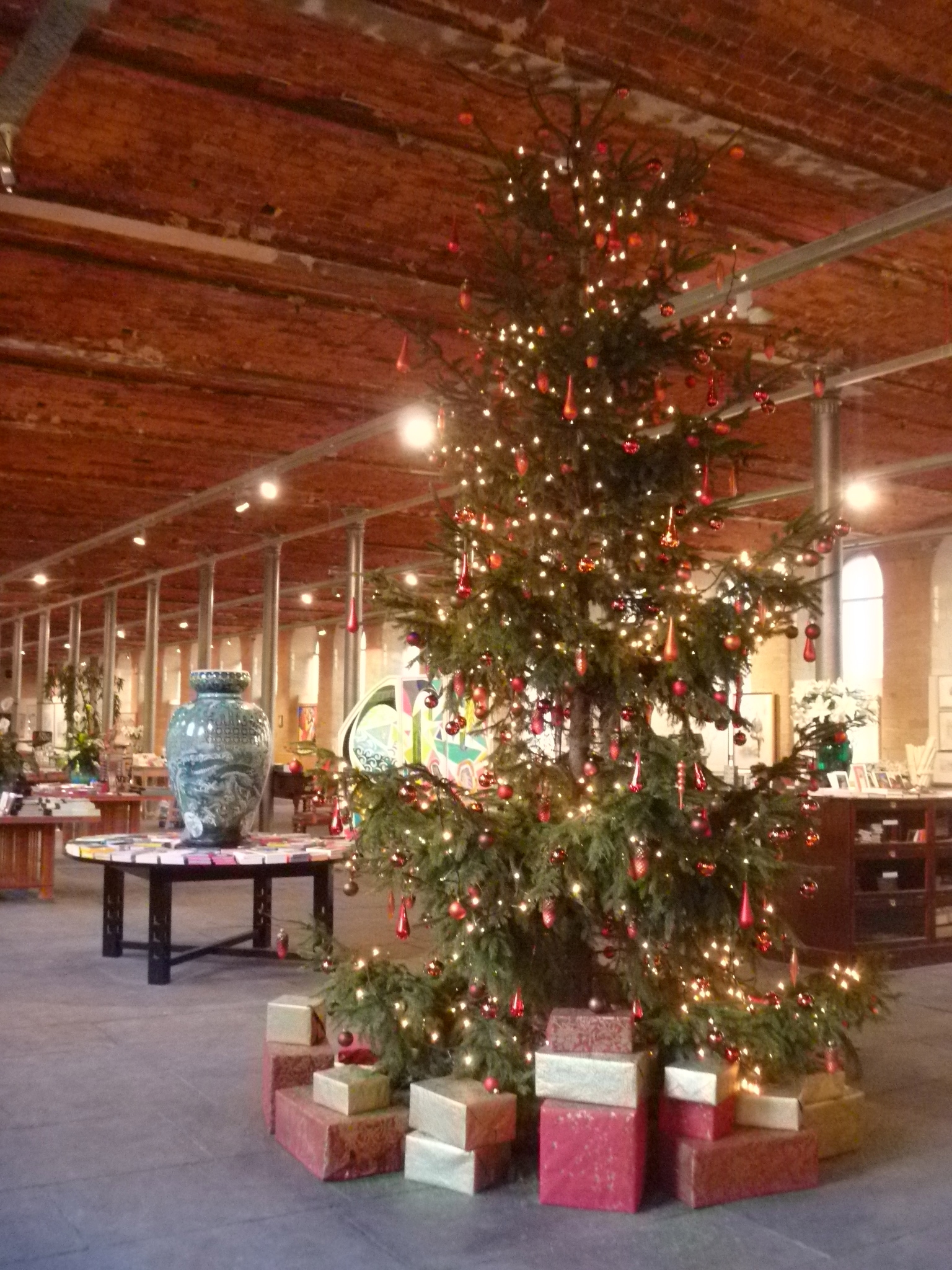
Finally, here is my own tree with best wishes for a Merry Christmas to all Miladys readers!
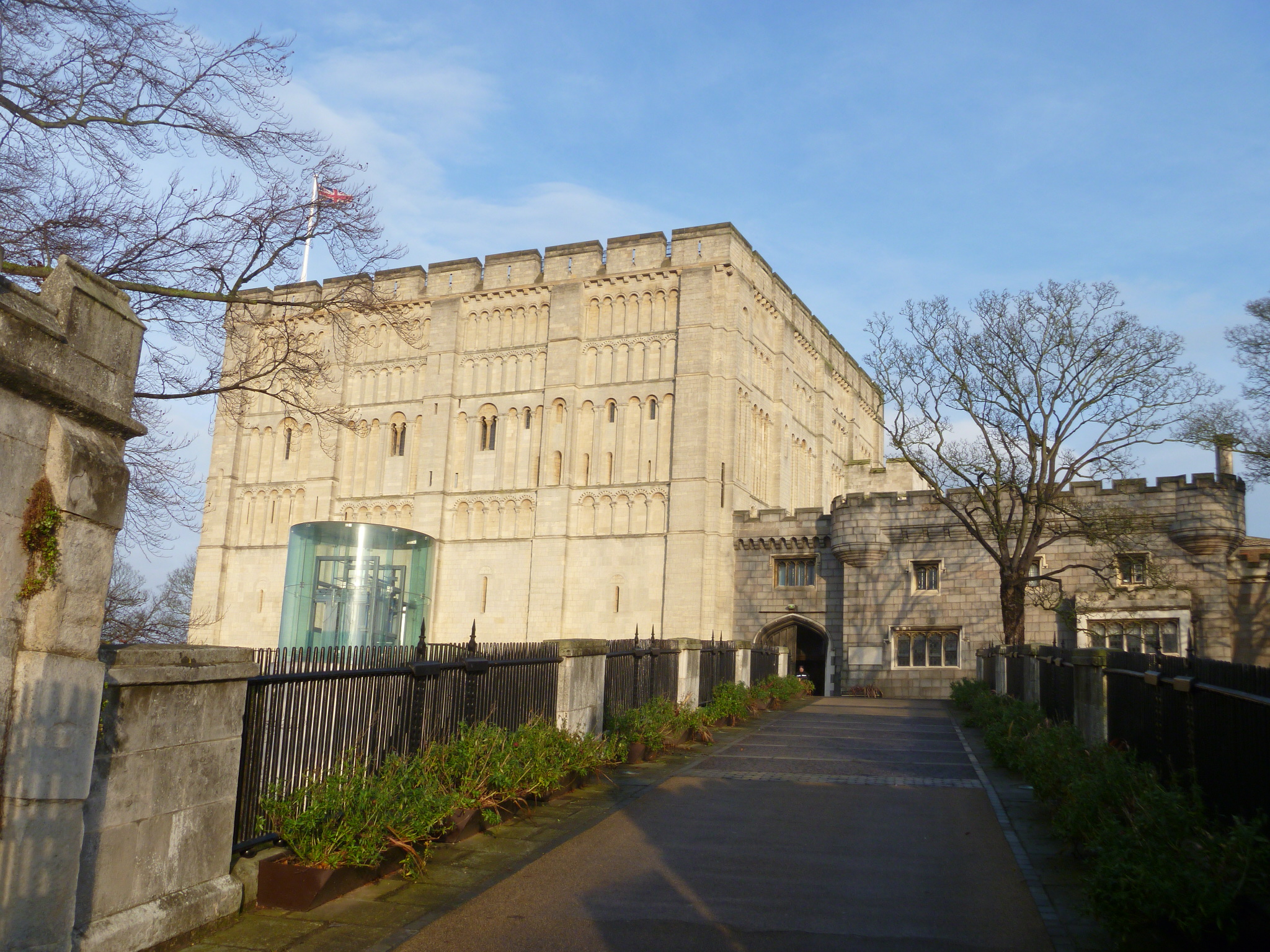
My trip to Norwich for the weekend coincided with a highly recommended exhibition at Norwich Castle Museum. Luckily I managed to fit in a visit first thing on Saturday morning – before proceeding to other more personal ‘family matters’.
The exhibition, subtitled “The family in British art”, covered a wide variety of media and time periods and was subdivided into 5 sections: Inheritance, Childhood, Couple and Kinship, Parenting and Home. A number of galleries have contributed to the exhibit which will show next year in Sheffield, Newcastle and at Tate Britain. I would love to tell about every picture, installation and sculpture but will just highlight a few which I found particularly relevant or interesting.
Many of the pictures included in Family Matters are from Norwich Castle’s own collection. I know that this is pretty extensive as I have in the past participated in behind-the-scenes tours and there are also many fine works of art in the permanent galleries. John Crome and John Sell Cotman and other Norwich School painters being particularly well represented.
Approaching Norwich Castle
Inheritance.
One of my favourite pictures fell into this category: The Harvey Family of Norwich, c.1820 by Joseph Clover. Outside the gallery, in the Castle Rotunda is a life-size copy of this painting with a few faces missing. So I had a go at filling one of the gaps!
The Harvey Family of Norwich, plus one!
In addition there’s The Descent of King James I by an unknown 17th century artist – a kind of visual family tree and right up to date is a 3 screen video installation by Zineb Sedira featuring 3 generations of one family who speak Arabic, French and English in turn.
Childhood
I loved the Gainsborough painting of his Daughters Chasing a Butterfly (c.1756). The butterfly is said to denote fragility and one of the daughters, Mary, was named after a previous daughter who had died two years earlier.
Bang up to date was a Grayson Perry vase made in 2000 and titled Difficult Background. Look past the innocent 1950s children in the foreground to horrors of war, burning buildings, naked figures.
Couples and Kinship
To me the most touching of all the pictures was Batoni’s “The Hon. Thomas and Mrs Barrett-Lennard with their daughters Barbara Anne” (1750). Thomas and Anna Maria Pratt had married in 1739. Their daughter Barbara had died in 1749 and to console themselves they had taken a European tour. In Rome they commissioned Pompeo Batoni to paint their portrait and to include (using a miniature of her likeness) their daughter.
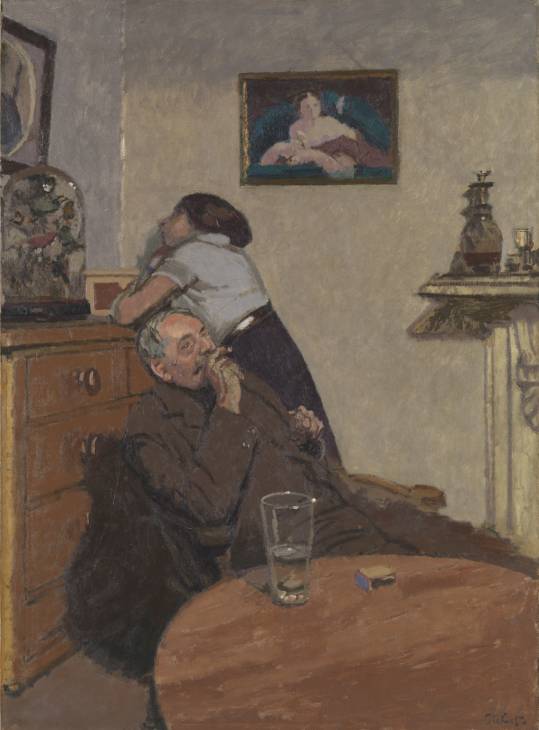
Walter Sickert’s “Ennui” depicts another couple but in what appears to be a totally restrained relationship. It depicts “a sense of suffocating boredom” but is in fact a posed picture using as models a friend of Sickert’s and his own maidservant.
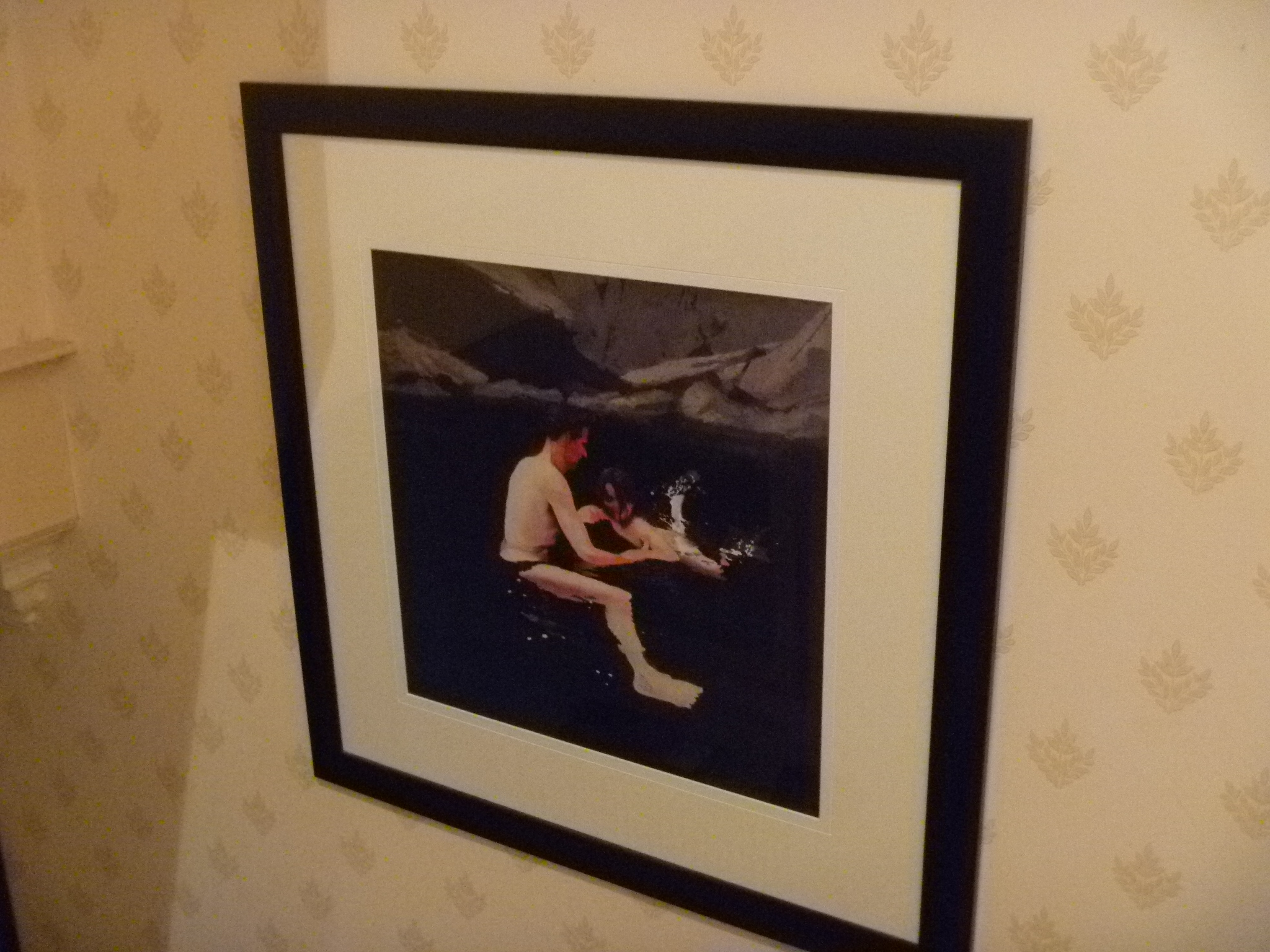
We have a print on our staircase of “Melanie and me swimming” by Michael Andrews (1978-9). Our print measures about 38cm square. The actual painting is about 2m x 2m. It’s based on a holiday photograph taken years earlier of the artist teaching his daughter to swim.
Several other pictures in this section interested me – not least David Hockney’s painting of his parents (1977). I recognised the Habitat folding chairs! We bought these very chairs that same year – the year we got married – for our kitchen. We’ve still got them and use them now and again when we number more than 4 at the kitchen table.
Finally the section titled ‘Home’ like the others included a right mixture of interpretations! Several were photographs including one by Thomas Struth (a German photographer born in 1954) called “The Smith family, Fife” (1989). I had only earlier this week read an article in the New Yorker about Struth and his National Portrait Gallery photo of The Queen and Prince Philip commissioned for the Queen’s Diamond Jubilee next year. You can read the article here.
The curator poses some thought-provoking questions. “What makes a house a home? Is home a real place or just a dream of intimacy? Can we ever return home, or is it always somewhere irretrievably in our past?”
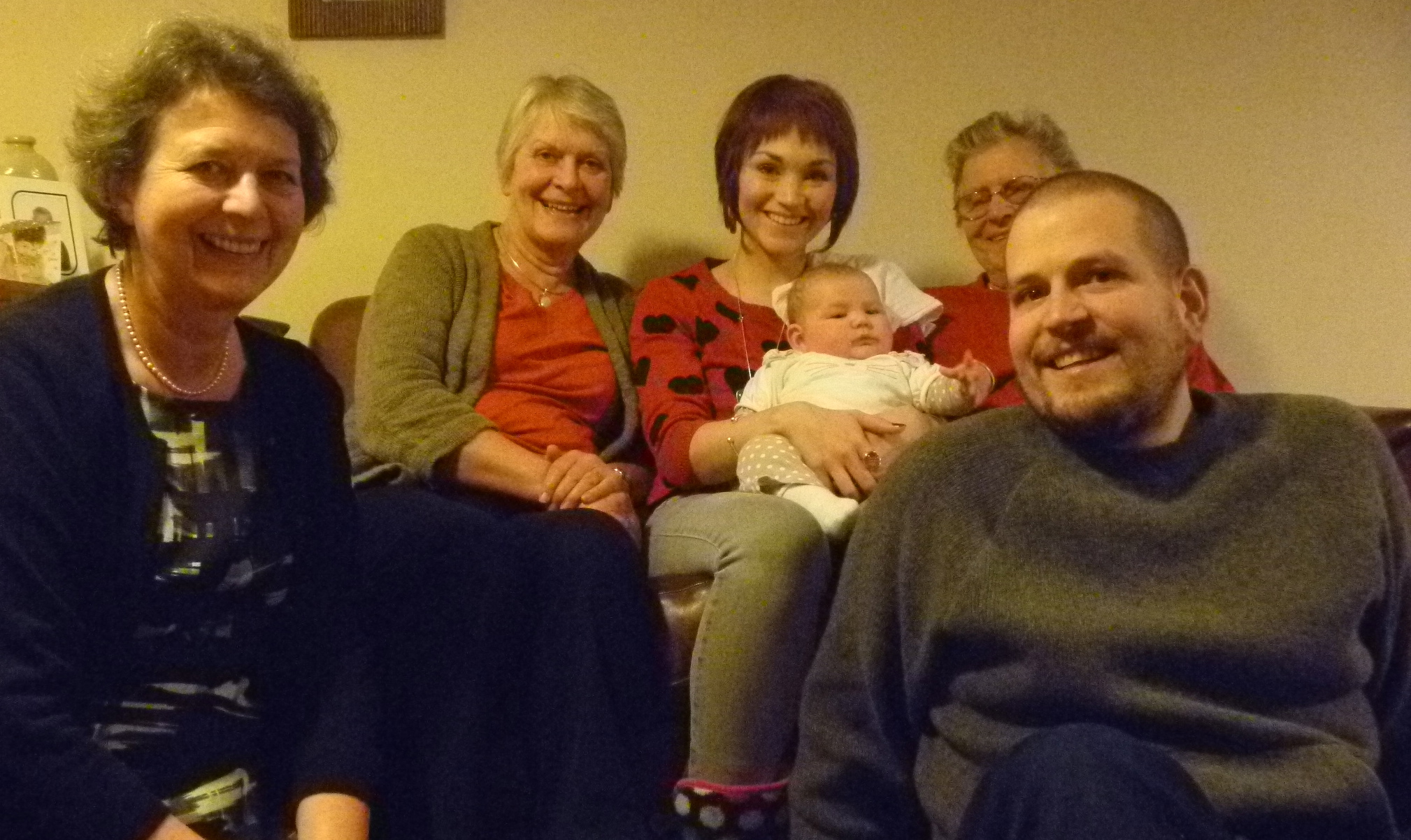
With these thoughts on my mind I then proceeded to Family Matters of my own and here are four generations of my family in Norwich.


















 miladysboudoir