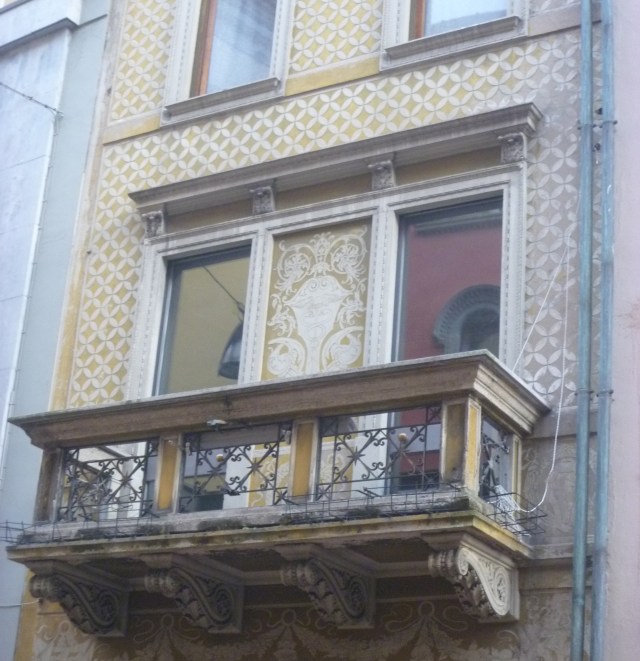
The Teide National Park : Sentero 13 : Walking Among Volcanoes

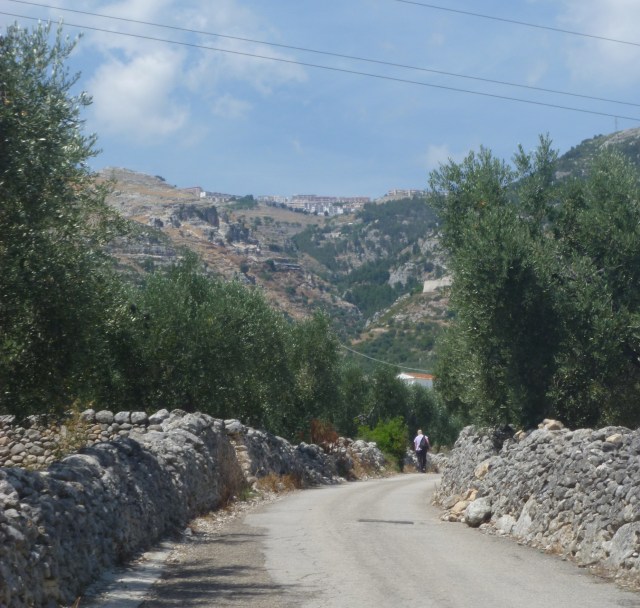
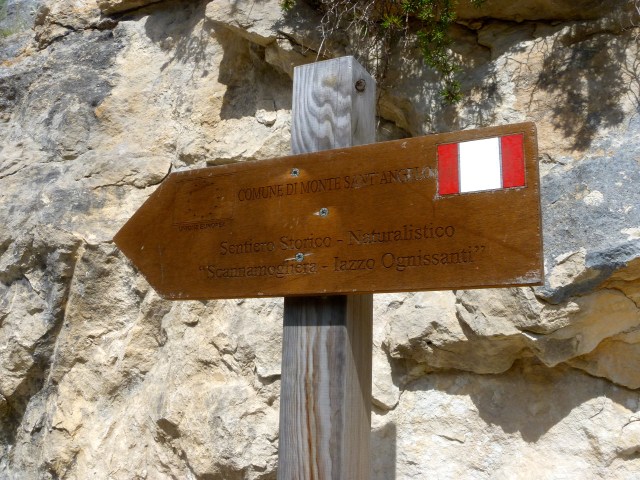
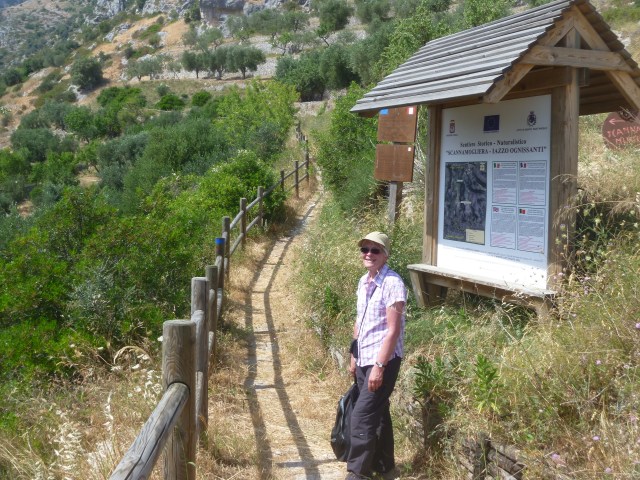
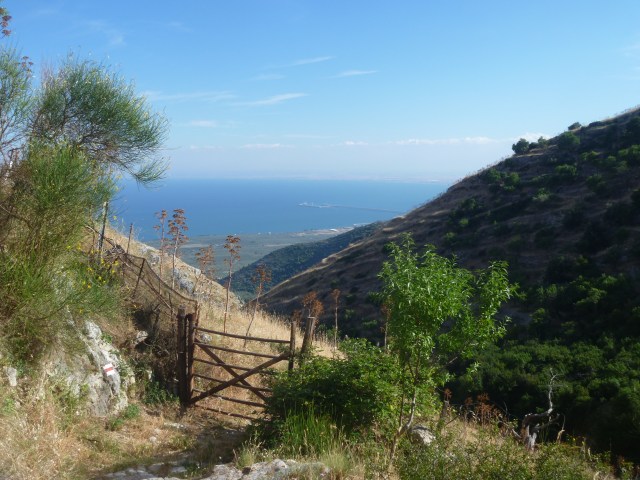
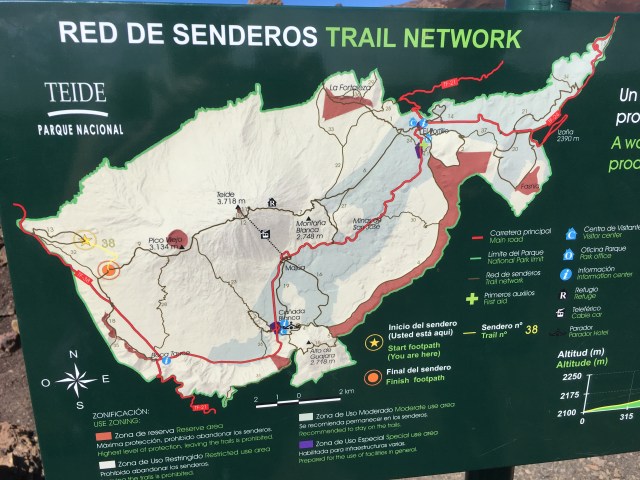
On Monday we were off to the Teide National Park a UNESCO World Heritage Site. Mount Teide is the highest peak in Spain at 3718 metres. There are many trails in the park but Barbara found this one for us which introduced us to the landscape and lead to a crater and was not too strenuous. It was also on the quieter, less frequented side of the mountain.

Continue reading

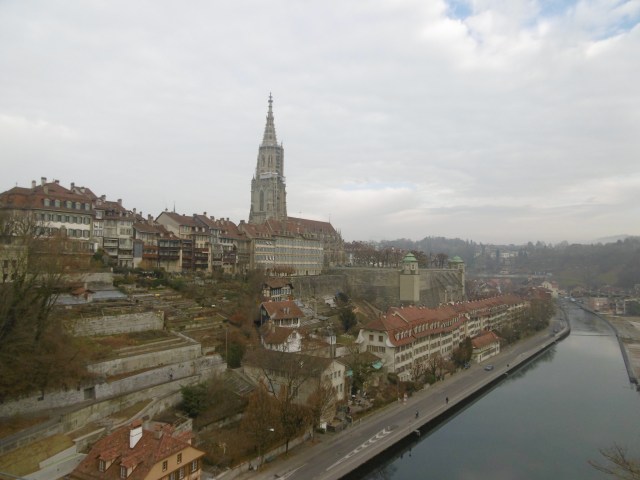
Back in Bern!

During November Milady was called to the Jury at Leeds Crown Court and those two (harrowing) weeks were followed by a week busy visiting family and friends in Norwich, London and Surrey and last week preparing for Christmas – writing cards, shopping and buying presents – and planning and packing for THIS week in Switzerland!

P1010540.JPG

Continue reading

Coed Y Bleiddiau : a halt on the Blaenau Ffestiniog Railway

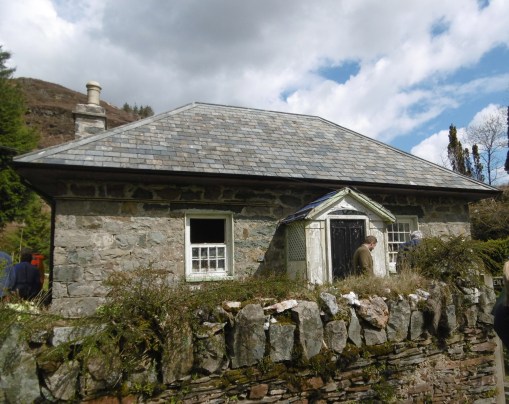
smart new roof

High in the breathtaking scenery of the Snowdonia National Park, this charming little cottage was built in 1863 for Henry Hovendon, Superintendent of the Ffestiniog Railway. Today, it is decaying; the lathe and plaster ceilings have collapsed from water penetration, and the floors and joinery are rotten. Abandoned for nearly a decade and recently listed Grade II, Coed y Bleiddiau’s remote setting has left it impractical for modern daily life.”

Continue reading

Ffestiniog Railway : A Magical Combination of Spectacular Landscape and Historic Railway

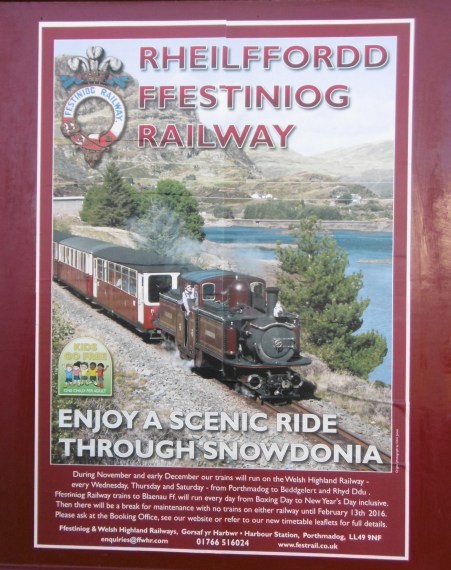
Ffestiniog Railway poster

Last Saturday dawned bright and sunny and the day stayed perfect in every way throughout. I crept quietly out of Gladstone’s Library at 10 past 6 in the morning and arrived at Porthmadog Harbour Station Car Park at about 20 to 8. This was a day to remember! I was invited by two friends who are patrons of The Landmark Trust to ride the Ffestiniog Railway and view the ruined property which the Trust are about set to restore in partnership with the Railway.

Continue reading

Continuing Footloose in the Gargano Peninsula

The next day we left the hotel by the way we had arrived but on leaving the section of main road headed off uphill, away from the sea.

An initial climb brings you to a high point with wide views and then down along a stony, woodland track to the base of the next valley. Another climb brings you out to a high point before heading inland. You follow farm track and a short climb on road before picking up a gravel track that gently descends to your final destination with stunning panoramic views across the valley to the sea.”

At the ‘base of the next valley’ we came almost face-to-face with a family of wild boars. We knew we just could not pass through the area as they were hidden from us for the most part and making a lot of noise. In order to contact Matteo we had to retrace our steps to the ‘high point with wide views’ and wait for him to ‘rescue us’. This he did efficiently and quickly and offered to walk through the wild boars area with us. We declined his offer with the excuse that we had already lost quite a bit of time and could he put us back on the track a little further along the route.
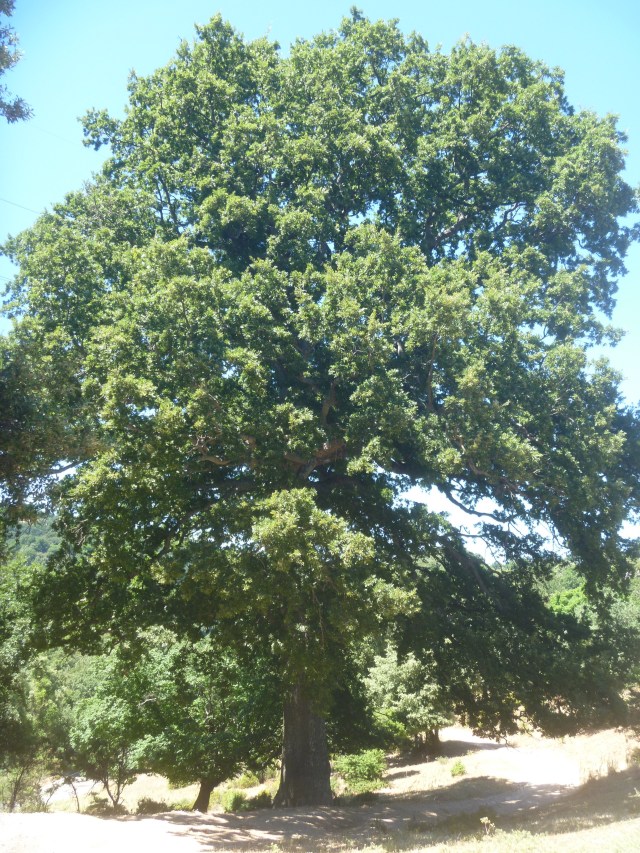
Turkish oak

The Turkish Oak

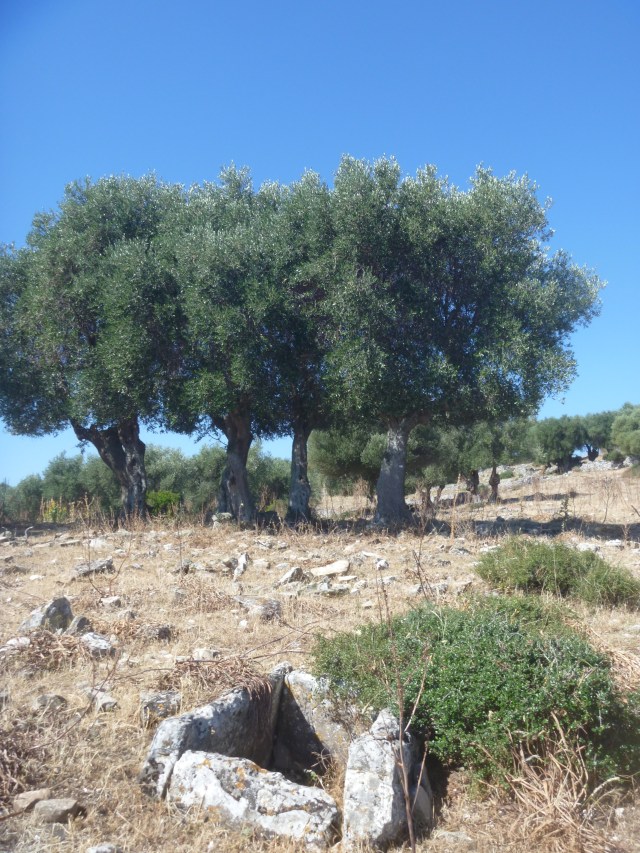
Matteo dropped us off on the track (just by a monumental Turkish Oak tree: read more about this species here) that leads over several kilometres to the very remote Agriturismo farm Masseria Sgarrazza at San Salvatore where we were to spend that night.
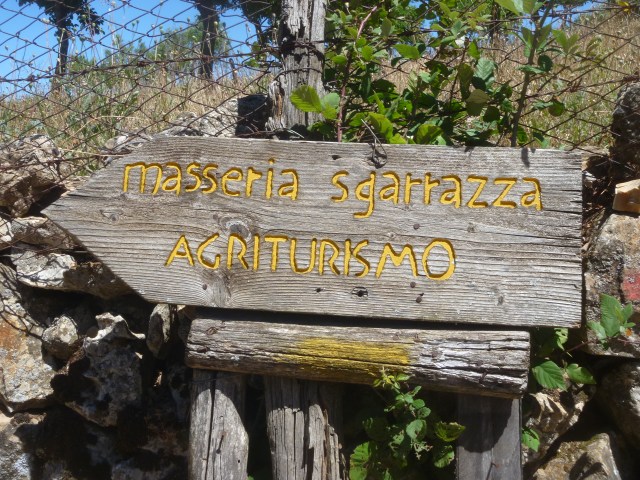
Sgarrazza sign

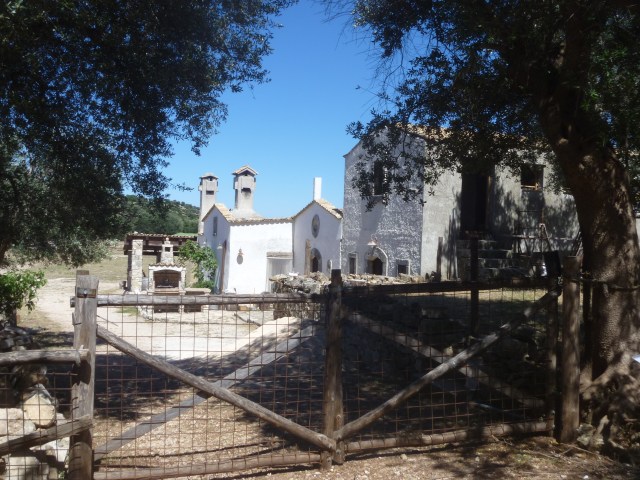
arriving at sgarrazza

Arriving at the Masseria Sgarrazza

This amazing place – it was like stepping back in time – has existed as a farm here since 1820. The name comes from the local dialect word ‘sgarra’ meaning split or crevasse, because of the way that the sea splits the horizon where it joins the land. I think the way of life has changed little here; but as we dined that evening we could hear the telly. Access to water sources is a problem throughout the Gargano due to the quick draining cretaceous limestone that makes up the area. Here at San Salvatore water is delivered by truck to a huge water store.
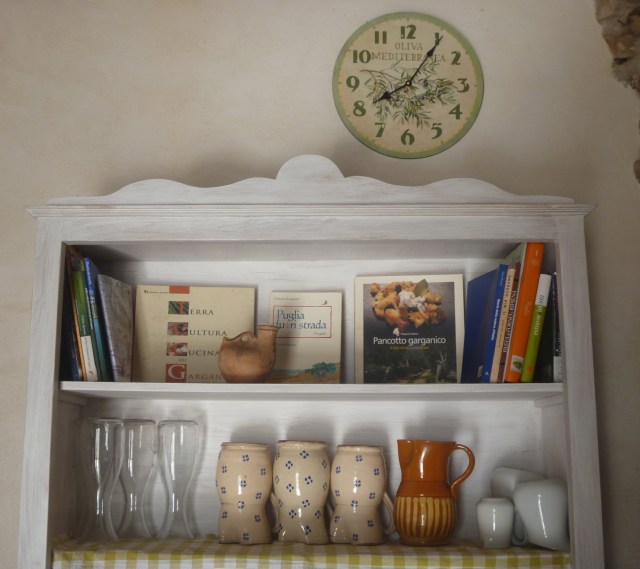
in the dining room

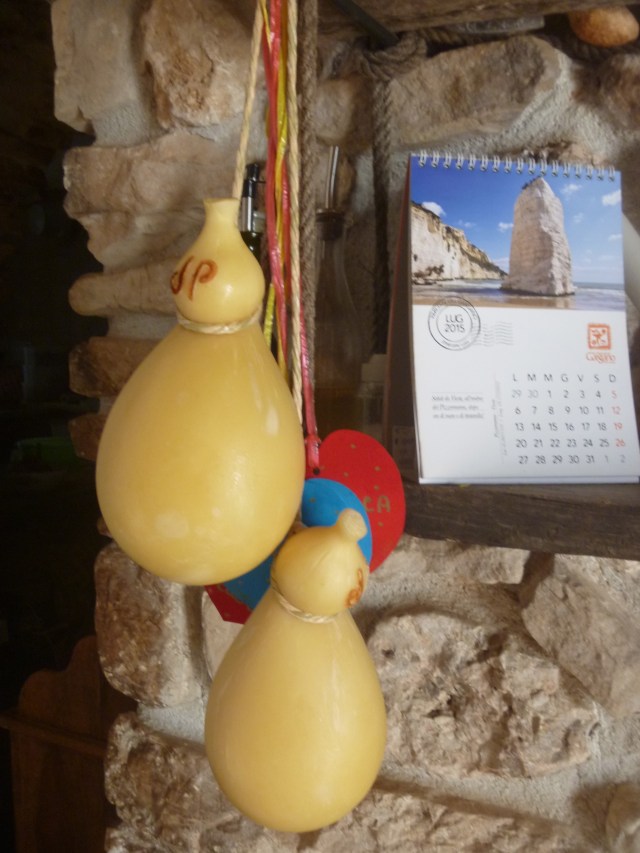
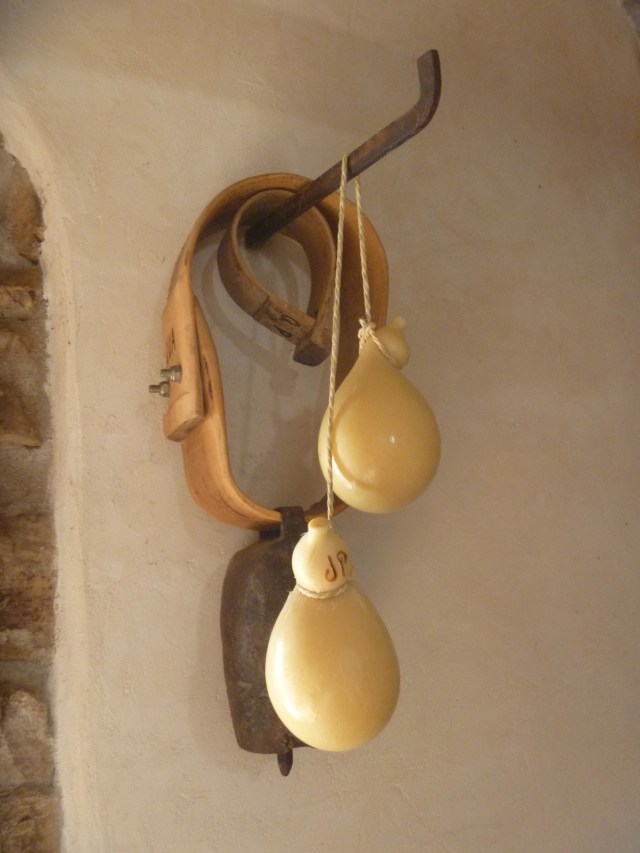
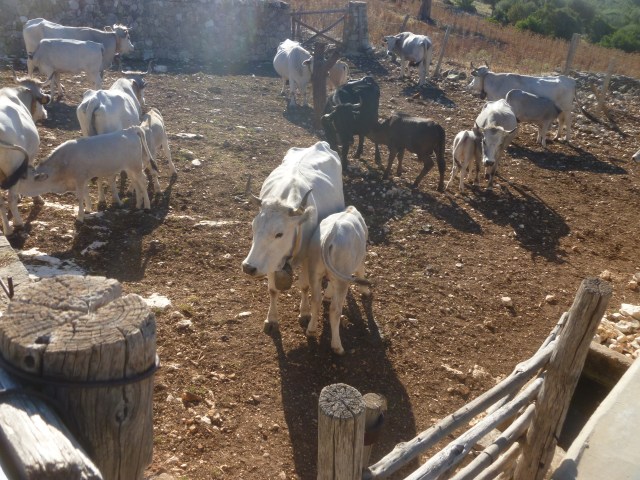
The olive oil served at dinner was all produced here and they make the wine served themselves (but they don’t own any vines). The delicious Caciocavallo cheese is a speciality of the farm and is produced from the limited supply of milk from their Podolico cows.
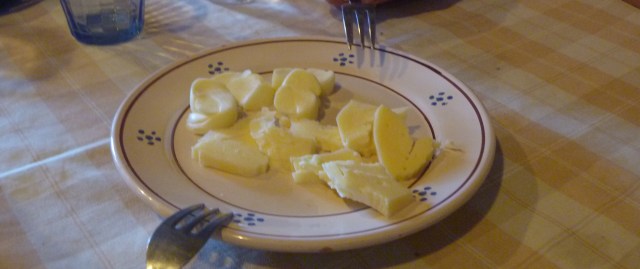
chees

Caciocavallo cheese

more cheese

cheese hanging everywhere

Cheese maturing everywhere

podolicos

Podolico cows

Guests (just us) are accommodated in converted old stables and the arrangements were primitive to say the least! The original farmhouse (where the farmer and family ate, cooked and lived) is now just the dining room of the much expanded house.
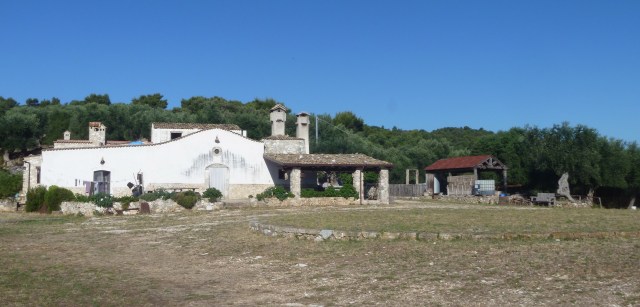
threshing floor

The Farm and Threshing Floor

The large stone circle in the middle of the farmyard is an aia (threshing floor). There was once a little grain production and when this had been cut it was brought to the threshing floor where horses were led round in circles separating the grain from the straw with their hooves. Then it was manually tossed in the air so that lighter straw would be blown away and the grain remained on the threshing floor. At 254 sq m it is one of the biggest and best preserved in the Gargano. Another aia can be seen in the Pagliaiphoto in the previous post.

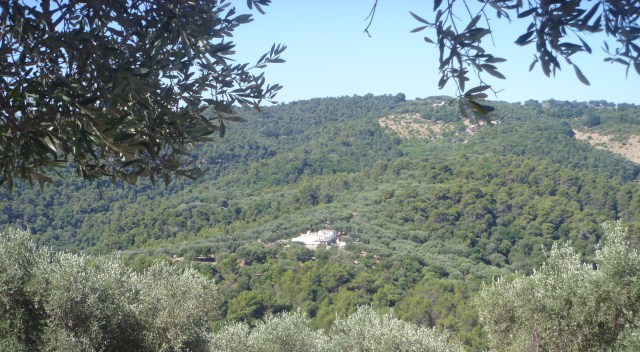
sgarrazza view

The Masseria Sgarrazza – miles from anywhere!

A short detour from the next day’s route took us to the 2,500 year old necropolis of San Salvatore. I think we thought we had seen sufficient tombs and necropolises on our ATG walk last year (Etruscan Lanes to Orvieto) but it seemed not and we added a further 2.5km to the day’s walking. Matteo worked this excursion out himself and he writes in the notes :

The necropolis was built by the Daunian Civilization between the sixth and fourth centuries BC. During the 1950s it was stripped by grave robbers; but archaeologists managed to save some finds (eg small pots, tools, funeral ornaments). These are now kept in the Archaeological Museum in the Castle at Manfredonia. It seems, though, that the Daunian inhabitants of this area were less evolved than at otehr Daunian centres (eg Siponto/Manfredonia and Ascoli Satriano). Nowadays, you can only see the square stones cut to form tombs … but to visit a 2500 year old cemetery remains a unique experience … don’t you think?”
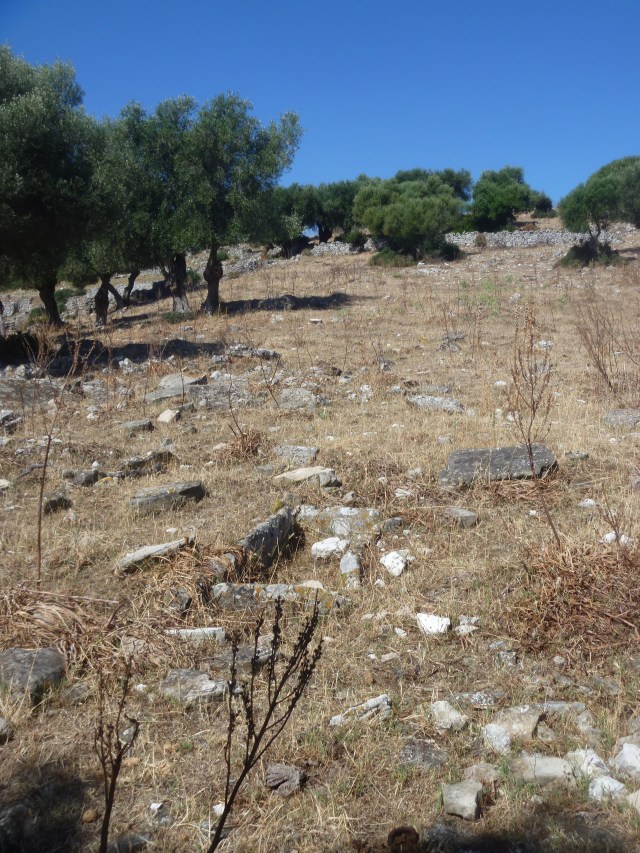
necropolis site

The Site (hard to capture the look of the place)
necropolis

grave

Tombs and Graves

After the detour the route is described thus :

A gravel track descends gently through the valley with wonderful panoramic views across to Vieste (our final destination) passing farms along the way. Then a rolling ridge track with splendid views carries you down to sea level, and the walk is completed along the long beach or seafront of the town.”
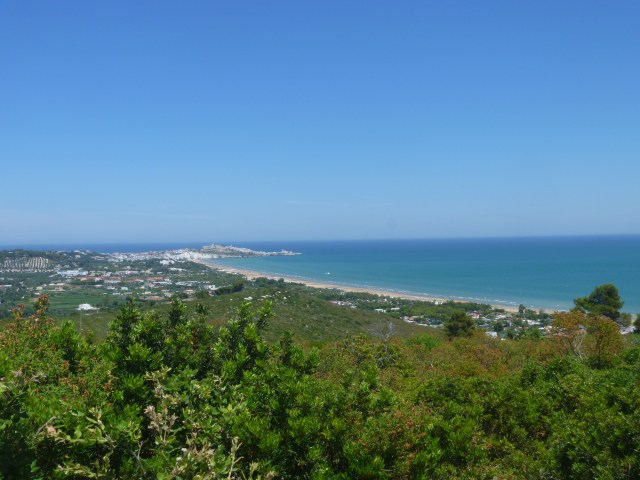
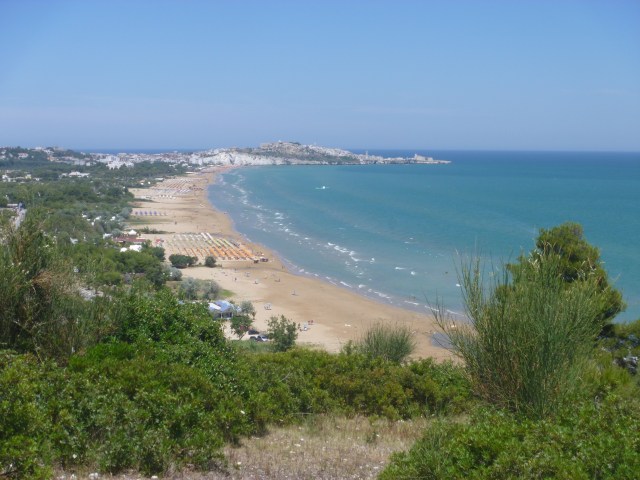
vieste and sea view

nearly there

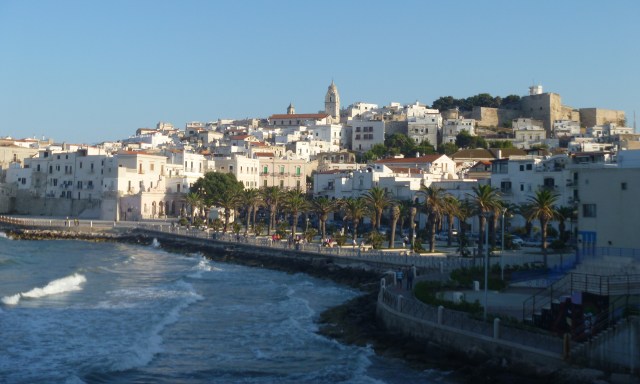
So, lots of ups and downs, super sea and town views and finally arriving at the seaside and straight into the first beach cafe for a pizza lunch. Then it was just a few more kilometres and a climb up into the town to the Palace Hotel very conveniently situated and handy for town, old town and harbour.
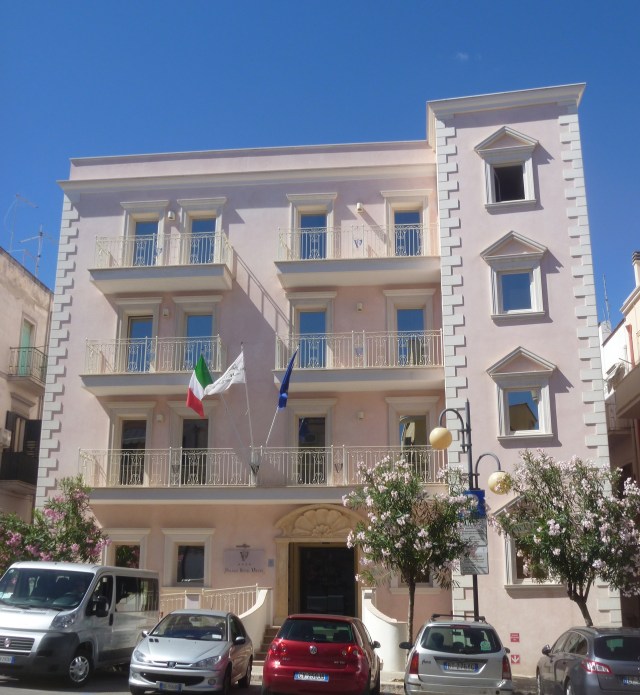
palace hotel

The Palace Hotel, Vieste

That evening we went with Matteo’s suggestion to eat at Taverna Al Cantinone in the Old Town. The Route Booklet says :

Fresh and tasty local food. Traditional dishes from the Gargano revisited with a bit of fantasy. Good value for money.”

What it doesn’t tell you about is the lovely homely atmosphere and decor and the friendly, helpful and charming owners; a chef and his Spanish partner who serves at front of house. In fact, we ate there both evenings.

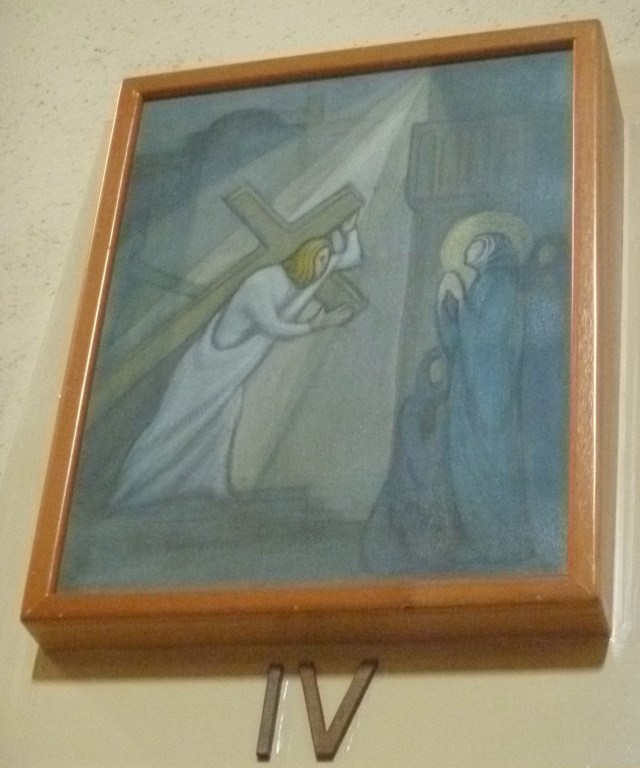
On the seven night ATG walking holidays there is always a free day so this meant we spent two nights at Vieste. On our free day we’d expected to take a boat trip to visit caves and spend a few hours with our reading at the Palace Hotel private beach. But the day dawned cloudy and windy with rain threatening so at breakfast a quick decision was made, the receptionist consulted for timetables and we took the local bus along the coast road to nearby Peschici. It’s another characterful old town with a castle (due to rain we visited the grisly Museum of Torture! – torture in itself!!), church of Sant’Ella (with Bauhaus style paintings of the Stations of the Cross), bell towers, town walls, narrow streets and plenty of craft and souvenir shops.
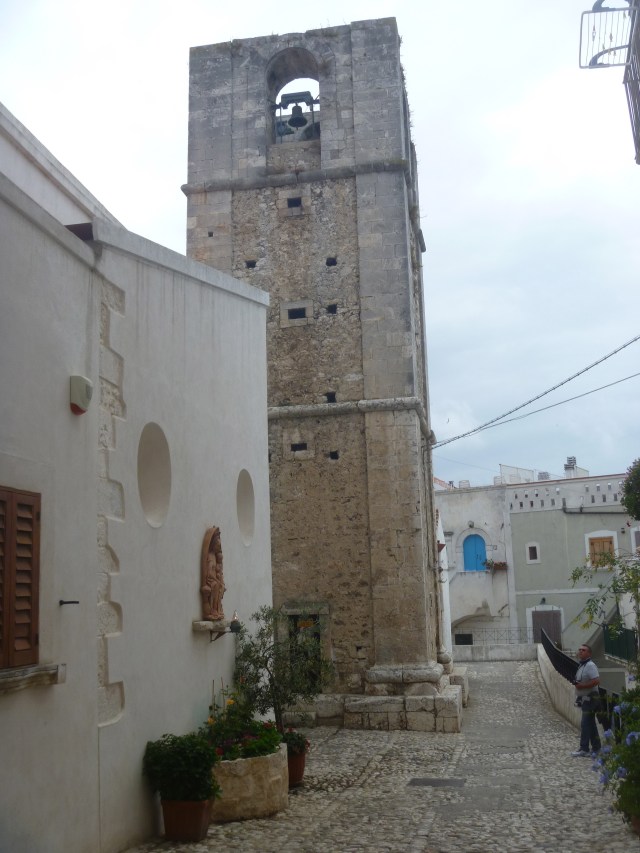
bell tower

Bell Tower at Sant’Ella

stations of cross

Stations of the Cross

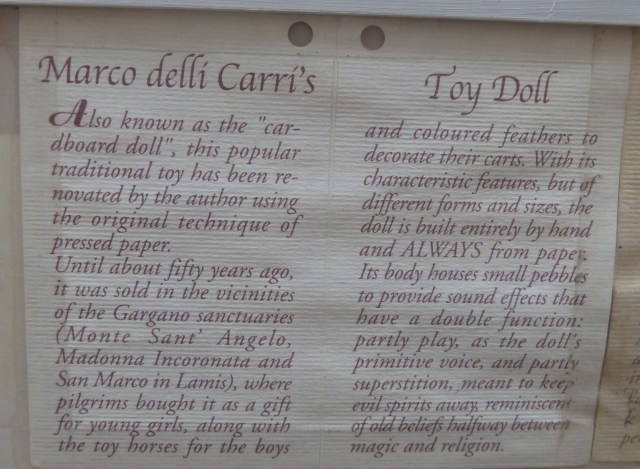
Typical souvenirs are wooden Pinocchio-style puppets and these dolls :
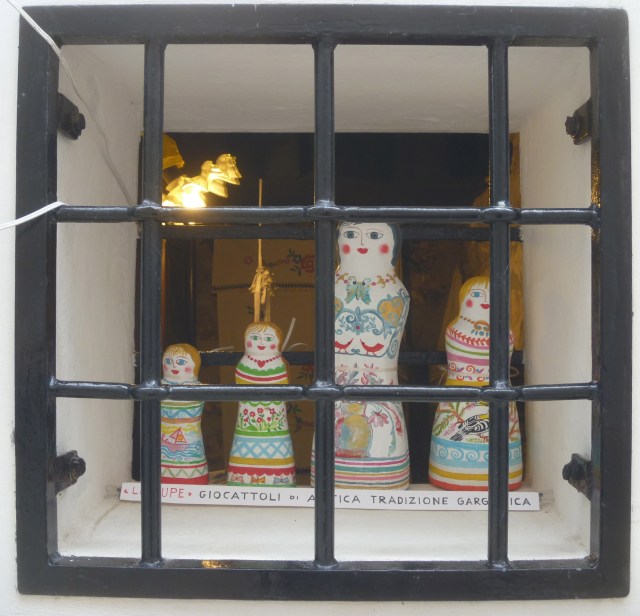
the dolls

about the dolls

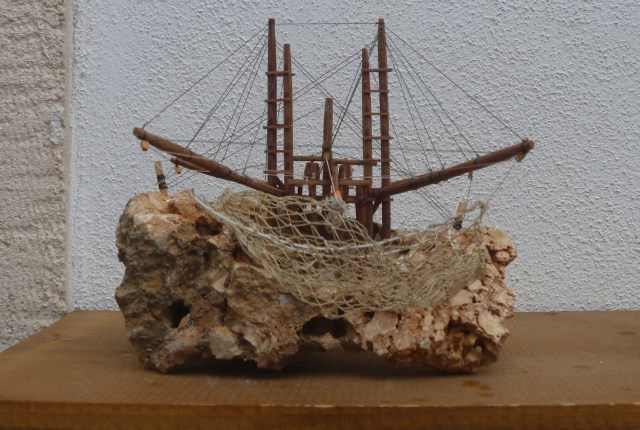
and models of trabucchi :

model trabucco

Trabucchi are wooden structures submerged in the sea. They are an ancient form of fishing technique consisting of large platforms anchored to the rocks and long wooden poles, ropes and pulleys. These days they are no longer used, except as a hobby, but they strongly symbolise the tradition and culture that was once fundamental to the economy of Vieste and the immediate region.
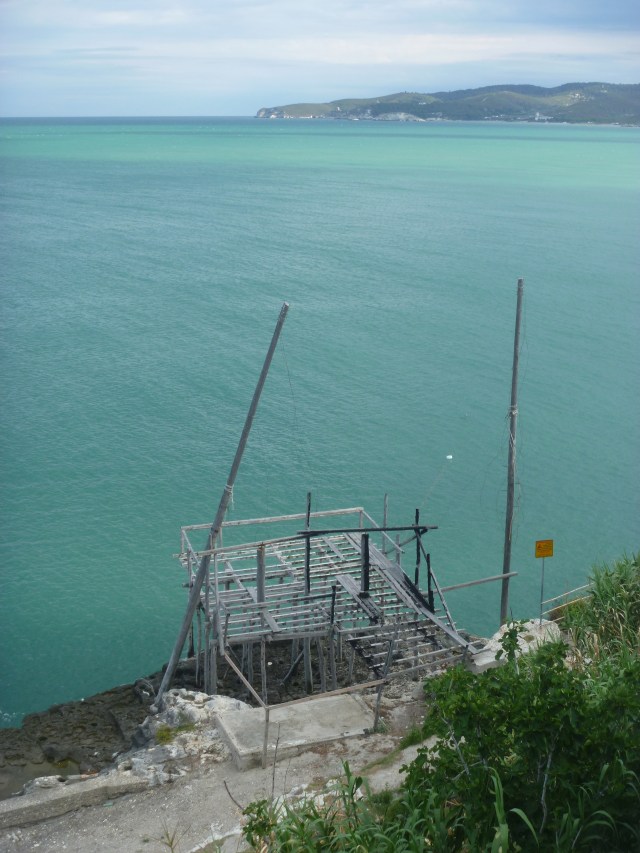
Vieste trabucco

A trabuccho at Vieste

By early afternoon we were back in Vieste where the sun was beginning to come out so we walked round the old town looking for the trabuccho, the Pizzomunno  stack and visiting the Cathedral.
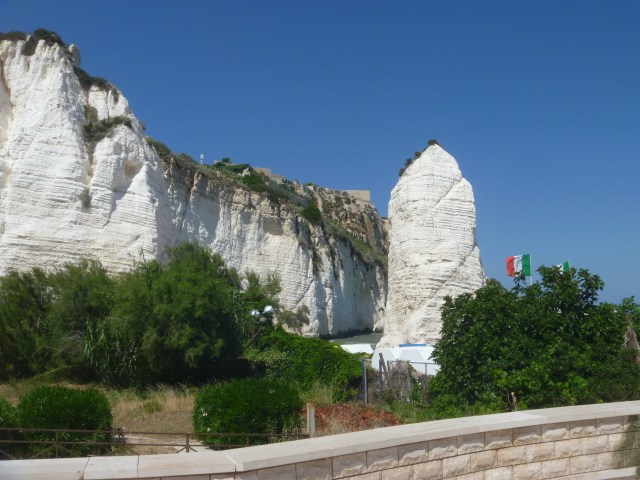
Pizzomunno

Il Faraglione ‘Pizzomunno’

This is a magnificent example of a calcareous monolith that stands 25m high next to the cliff side on the Castle Beach. It has become a symbol of Vieste. The rock’s name is taken from the legend associated with it. Read the story here.
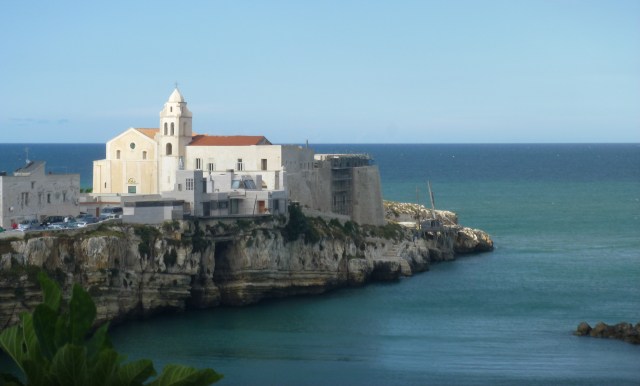
cathedral

The Cathedral

old town

The Old Town of Vieste

And so, after a week of walking the paths of Gargano our trip was soon at an end. On the final evening we met again with Matteo to give our feedback and the next morning our taxi driver, Giancarlo, picked us up to whizz us along the autostrada to Bari Airport in his comfortable air conditioned Audi limousine, telling us proudly on the way how his grandfather began the family taxi business with a horse and cart.

What an adventure and what an achievement!
 

Footloose in the Gargano Peninsula

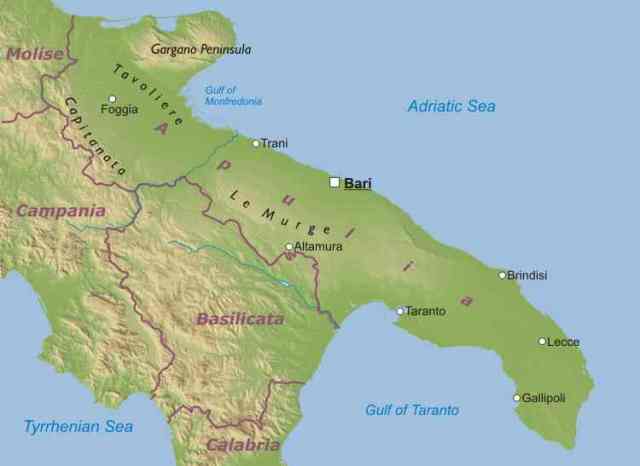
apulia

[source]

Whilst staying at Sant’Antonio in March I picked up a copy of H V Morton’s “The Traveller in Southern Italy”. It fell open at p.150 where the first sentence of part 8 of chapter 4 reads “The best way to see a country is on foot …”. By coincidence, or design, this sentence constitutes the strap line for ATG (Alternative Travel Group) of whose walking holidays I am a keen advocate. I also read Morton’s description of his visit to the “unexplored” Gargano Peninsula. My reason was, of course, that this June I was already booked on an ATG Footloose trip to explore the Gargano Peninsula. This part of Italy is still relatively unknown although some tour companies do visit and ATG have been sending walkers there for quite a number of years. We chose flights to Bari from Gatwick and ATG made our taxi arrangements for us. We had to go in June since we already had a family wedding on 13th and I had booked the month of May to be Ireland. So we had an inkling that this trip might be harder work, due to warmer weather, than previous walking holidays. In fact, I think I would say that, this one turned out to be the most strenuous of them all. However, as they say, “no pain, no gain”, we felt that we had made a great achievement as we walked along the designated route. Planning route

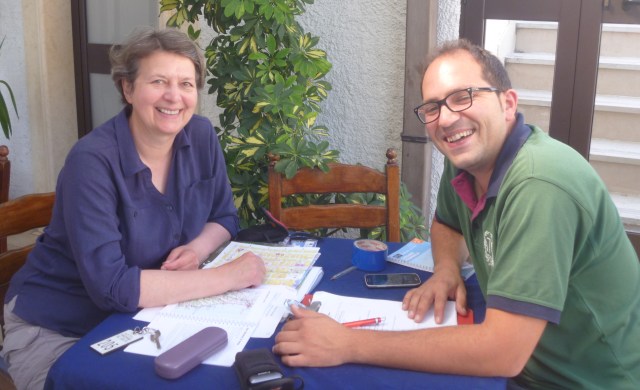
Initial Route Planning with Matteo

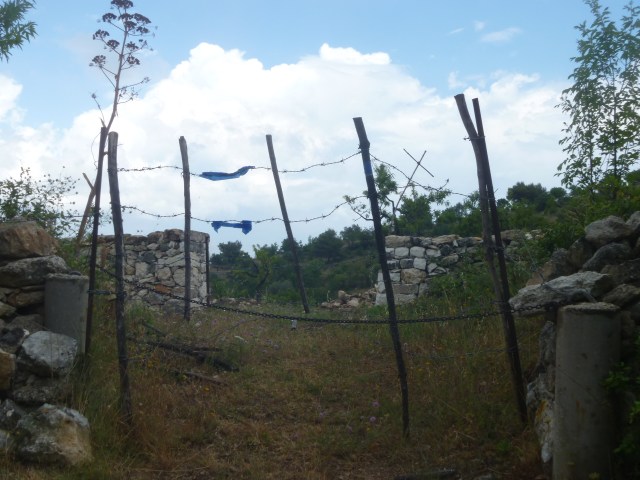
Yet again we had a great Route Manager to help us along the way, give advice, transport our bags and generally be a presence in the background in case of need. The Route Booklet explains the route step by step and we are now very familiar with the distances and what to expect. However, the ever-helpful Matteo explained that in certain places he had attached ‘environmentally-friendly’ blue tape not to show us the way but just to confirm that we were on the right track. It was always a relief to spot this tape! blue tape

Spotting Matteo’s blue tape

In brief, we walked from Manfredonia to Vieste officially a distance of 41.1 miles but we are positive that we walked a lot further than that! (… and I have the Fitbit to prove it!). ATG sum up the walk thus : “Limestone hills rising to 2,700 feet with coastal paths, quiet lanes, farm and woodland tracks and pilgrim routes leading up to Monte Sant’ Angelo. Occasionally rough under foot.” leaving first hotel
Leaving our first hotel

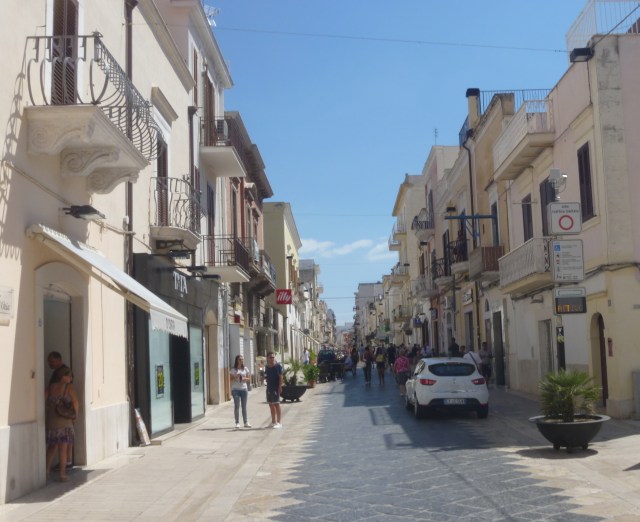
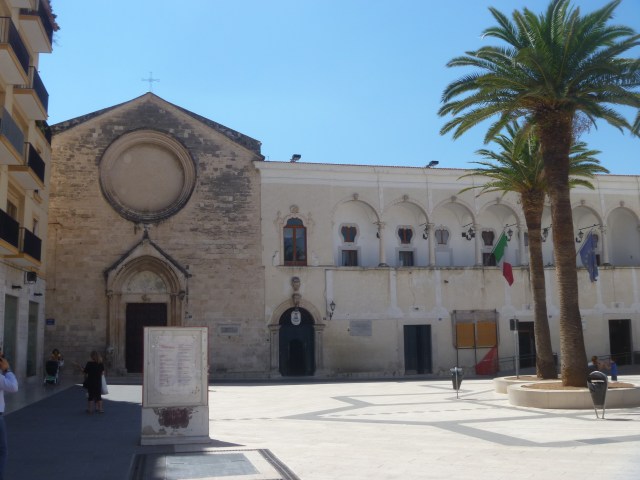
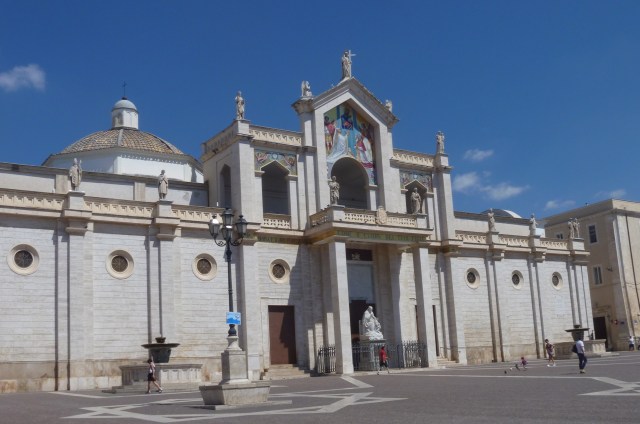
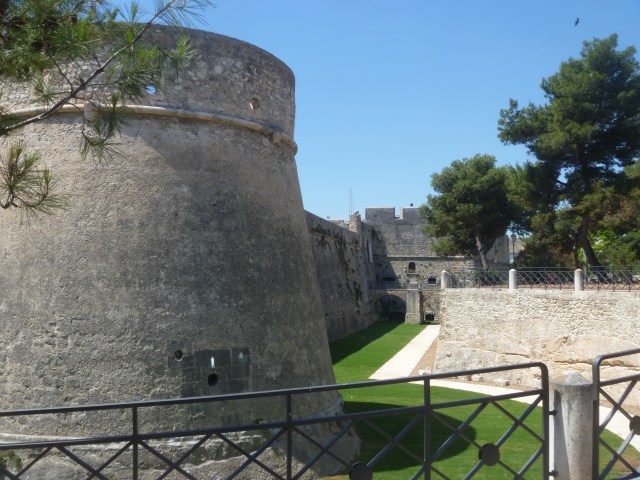
There was a long, but pleasant, walk from the first hotel along the promenade into the town centre of Manfredonia. Here we lingered a while viewing the Cathedral, the Castle and Town Hall Courtyard and Museum. Main Street Manfredonia

‘The Corso Manfredi’, Manfredonia

City Hall and Museum Manfredonia

Town Hall

Cathedral Manfredonia

Cathedral

Castle Manfredonia

Castle

There followed an even longer walk out of the town and through olive groves across the coastal plain before we even started on the “Jazzo Ognissanti” the historical and natural path.

There's Mont St Angelo

We Climbed Right Up There!
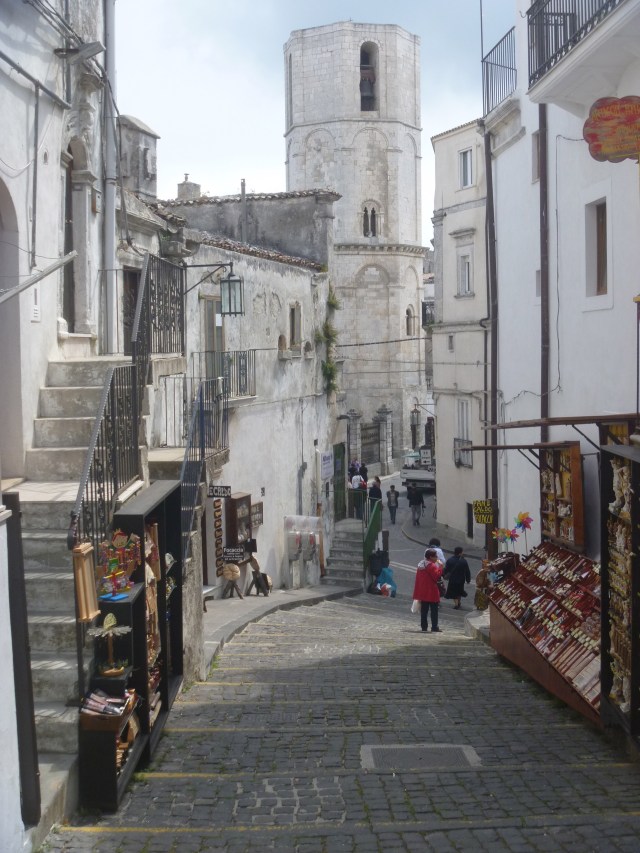
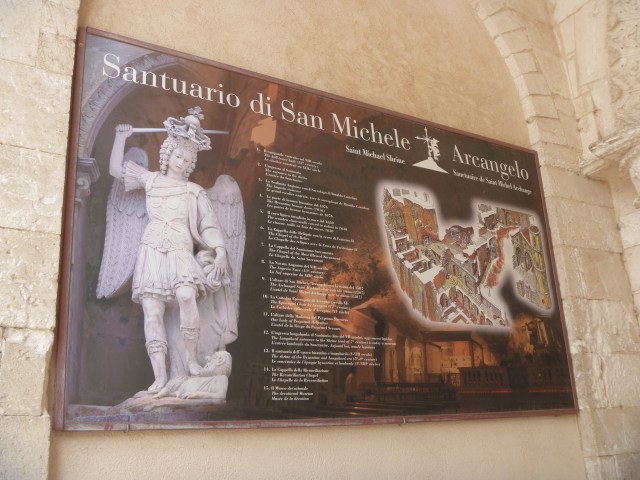
Walk along the coast then across a small plain before ascending an ancient pilgrim route, once used by crusaders before they embarked for the Holy Land. The route, now a grassy ravine with ruined monasteries on either side, leads to the ancient town of Monte Sant’Angelo (2,755ft), with its whitewashed houses, steep narrow alleys and stairways, and views across the bay of Manfredonia and coast to the south.” Pilgrim Route info boards along the way View back to Manfredonia The Pilgrim Route to Monte Sant’Angelo was memorably tough but very special and we enjoyed exploring the town the next day visiting the Sanctuary of St Michael the Archangel, churches and the Old Town (the JUNNO Medieval District) before heading off on the next stage (and getting soaking wet twice in the process) to our next stop, Mattinata. streets of Monte st  angelo

Shop

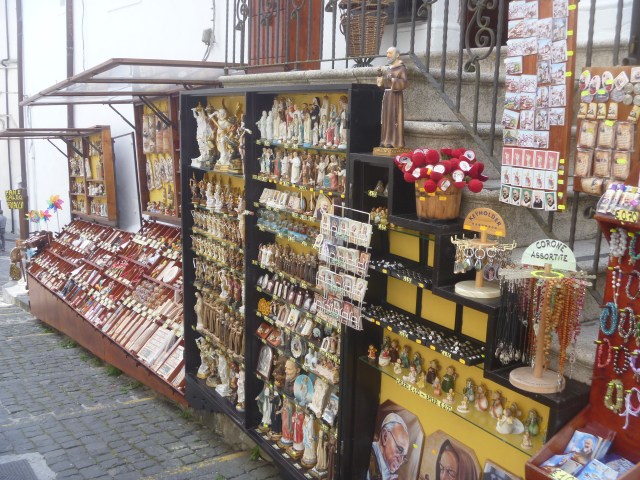
Shops selling religious mementoes abound in Monte Sant’Angelo

Santuario

Santuario door

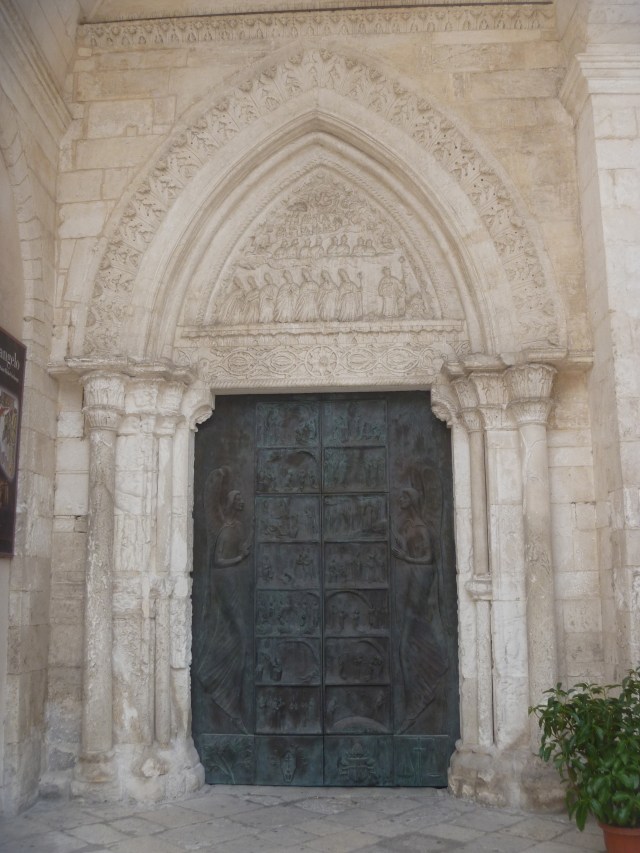
The Santuario Door

santa maria door

Door to the Church of Santa Maria Maggiore

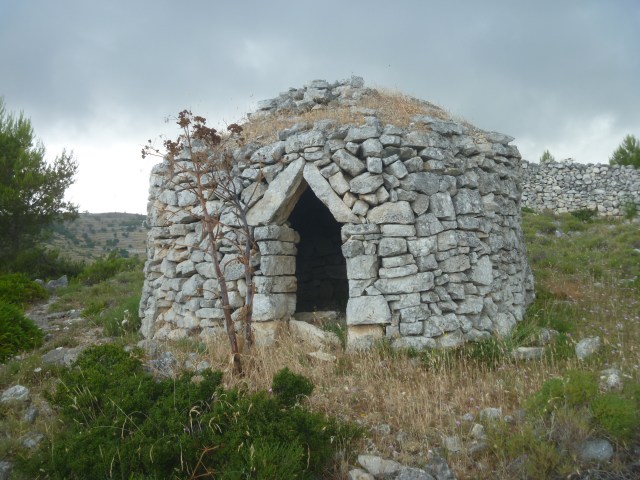
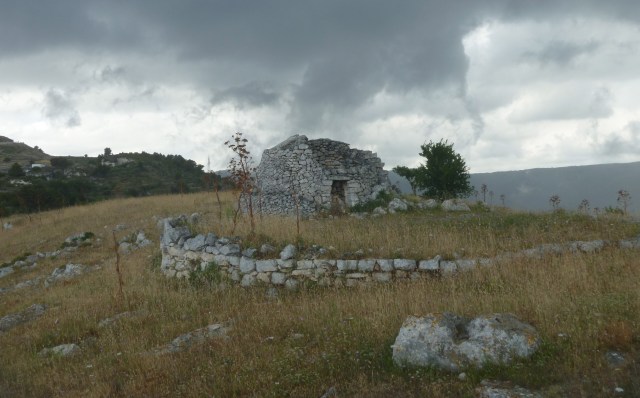
Time to explore the town and visit the famous cave church, venerated as being the last place St Michael appeared on earth in 491 AD, before setting off down a well-made pilgrim path to the small town of Mattinata (650ft) set in olive groves, close to the coast.”You descend from 800m to sea level on rocky paths, stony mountainsides and through woods, with wide views of Mattinata and the coast, following the remains of an old mule track called ‘Strada Comunale Mattinata – Monte Sant’Angelo’, which was once the only way up!” pagliaio On this section we came across pagliaio: shelters that were once used by shepherds to keep grain and straw for their herds and to sleep in if necessary. We had lunch in the shelter of one as it poured with rain. Later in another, even worse, downpour we sheltered under some trees but these made little or no difference. a pagliaio and storm clouds

A Pagliaio with storm clouds brewing

Mattinata looked like a nice town but we didn’t stop to find out as the shops were closed in the early Saturday afternoon and we needed badly to dry out our boots and clothes. The local museums had strange opening hours. The Museo Civico 5-10pm Tuesdays and Saturdays and a Museum in the local pharmacy was also open on that Saturday evening. In the end we just couldn’t face getting wet again.

Sunday dawned bright and clear and the walk on that lovely day was virtually over by lunchtime when we arrived at the beach. We ate a leisurely lunch then hiked the final couple of kilometres to our hotel. lunch venue

We looked rather out of place in our hiking gear!

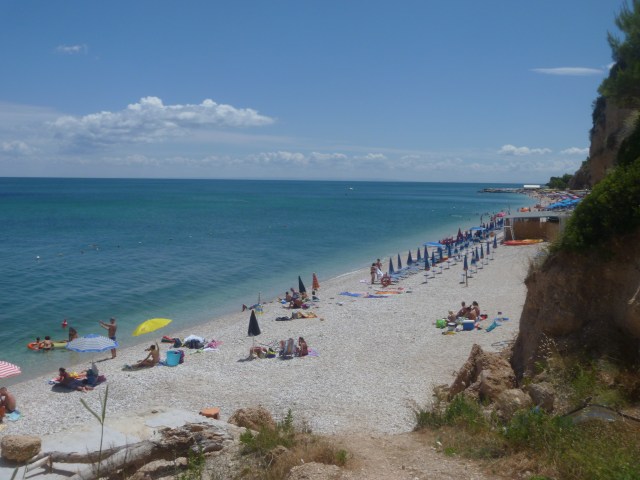
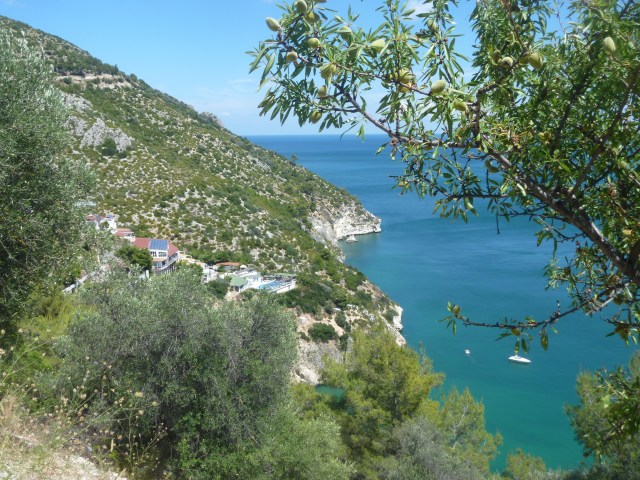
The route undulates across two valleys following surfaced road, grassy and stony paths and along a high ridgeline path with wide views east and west to the sea, before descending and across a wide plain. The route brings you close to the shore and along it before a brief section on road to the hotel.” beach

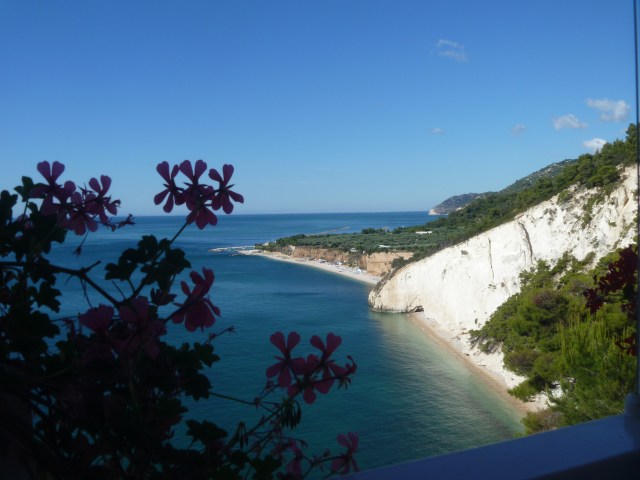
The Beach from our dinner table

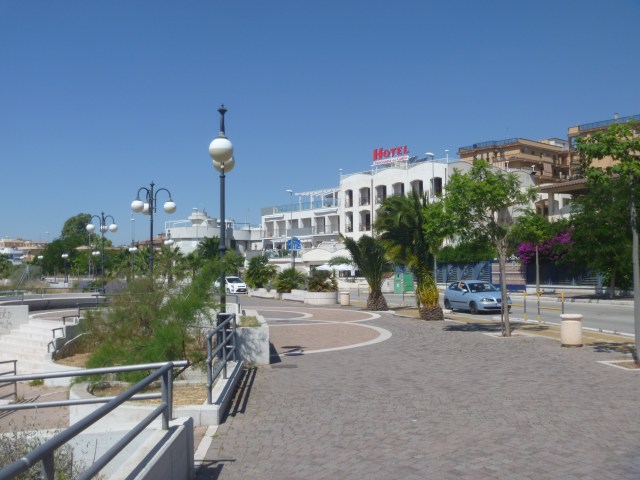
Except for Monte Sant’Angelo and Vieste our hotel arrangements were on a half board basis. This is ATG policy when a hotel is not near a choice of good restaurants. The Hotel Villa Scapone is set on a cliff: walk down to the pool and up to the restaurant from our individual room with separate entrance and private terrace. It was a wonderful place to spend a relaxing Sunday evening halfway through our journey. Hotel Scapone

The Hotel Villa Scapone, Baia Fontana delle Rose

Our Town : From Peterborough, New Hampshire to London, England

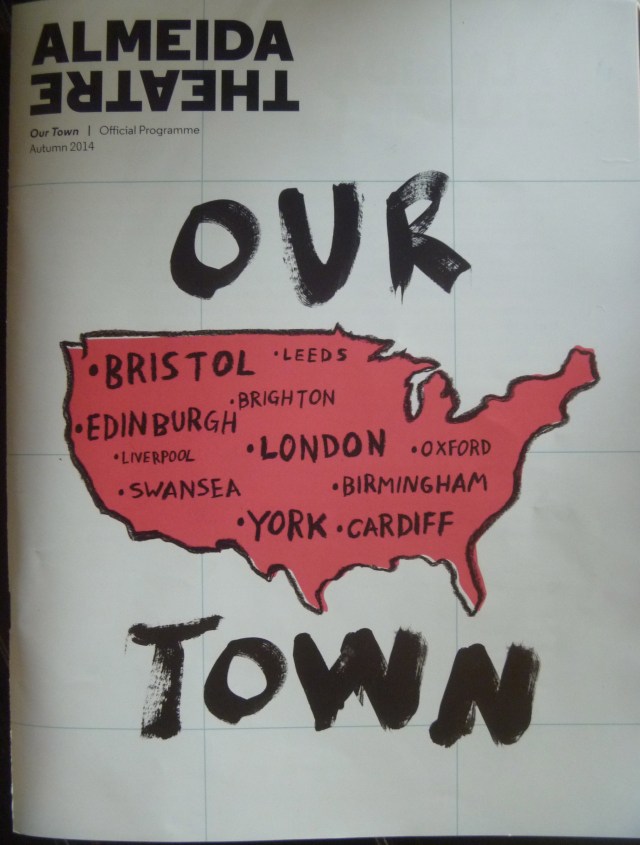
OUR TOWN prog

The weekend after we arrived home from New England at the end of September I spotted a small listing in the newspaper for the play “Our Town” by Thornton Wilder. At first I thought the play was due to tour and was actually coming to Leeds but an online search proved fruitless so I checked the dates again and saw that it was showing at The Almeida Theatre in London during dates I was going to be  in town.

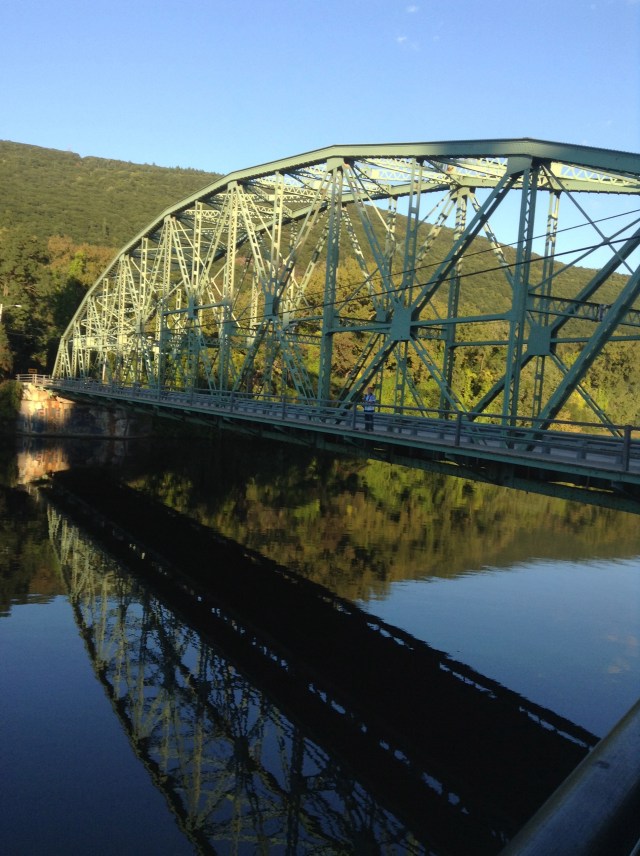
The notice had particularly caught my eye because the week before in Vermont we had made an excursion into New Hampshire from Brattleboro which is literally on the border between the two states. They are separated only by the Connecticut River.

Connecticut River

The Connecticut River

Bridge linking VT and NH

The Brattleboro Road Bridge Linking VT and NH

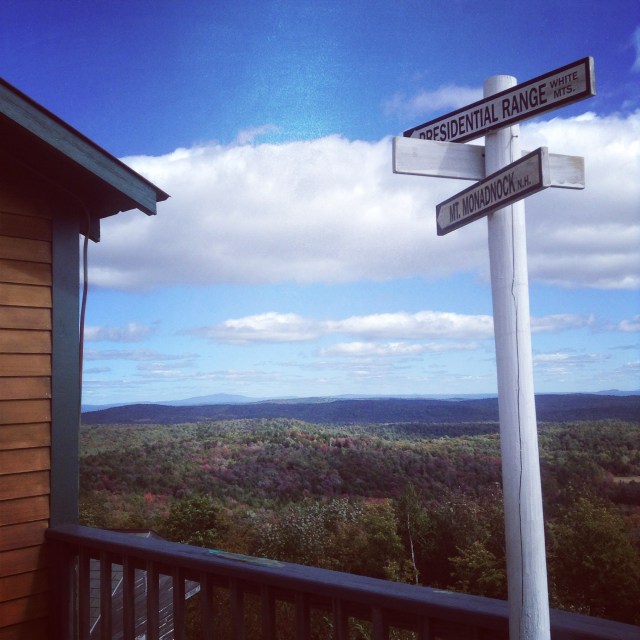
Our intention had been to visit a mountain we had seen on the previous day from another trip to Wilmington VT and the viewpoint at Hog Back Mountain.

Monandnock from hog back

 View from Hog Back Mountain – 100 Mile View

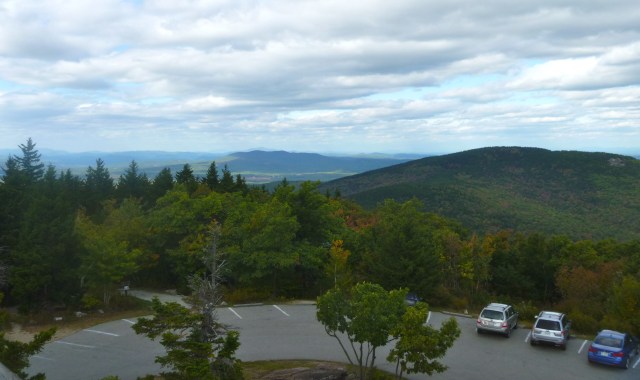
But when we arrived at Mount Monadnock the State Park Warden told us that, although it is the most visited mountain peak in the USA [A magnet for hikers, Monadnock is said to be the world’s third most climbed mountain, following Japan’s Mount Fuji and China’s Mount Tai.], we might find ourselves limited by time (it’s really a full day hike) and advised us to drive a few miles further to Miller State Park where it is possible to drive right to the top and take a shorter trail from the peak car park.

View from Miller

View from Miller State Park

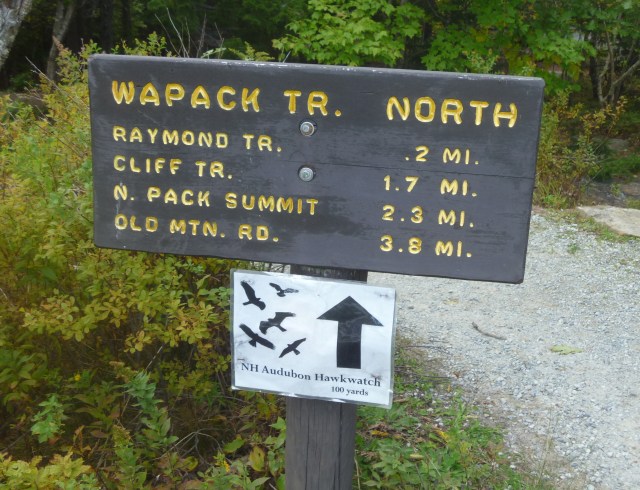
Trail to hawk watch

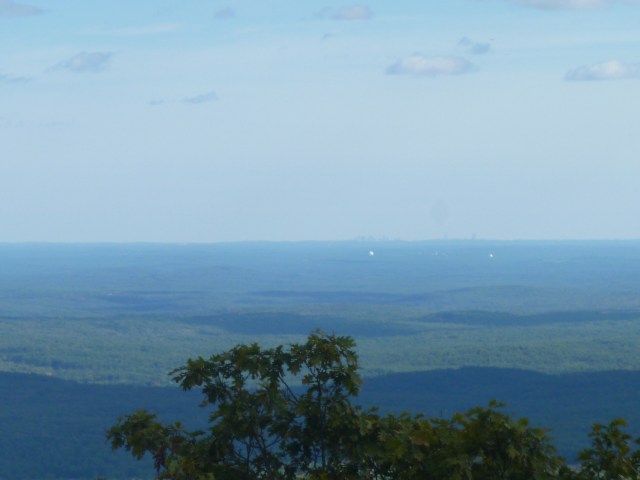
Miller State Park is located on the 2,290-foot summit and flank of Pack Monadnock in Peterborough and is the oldest state park in New Hampshire. A winding 1.3-mile paved road leading to the scenic summit is open for visitors to drive in summer and on spring and fall weekends. Three main hiking trails ascend Pack Monadnock to the summit. The best known is the Wapack Trail, which is a 21-mile footpath that extends from Mt. Watatic in Ashburnham, Massachusetts to North Pack Monadnock in Greenfield. It is believed Native Americans named the area’s mountains, and that “pack” means little. On clear days views reach to Mount Washington, the skyscrapers of Boston, and the Vermont hills.”

Boston skyline

Boston Skyline just visible (slightly right)

Yes, indeed, it was amazing to see the skyscrapers of Boston on the horizon from a distance of 55 miles away!

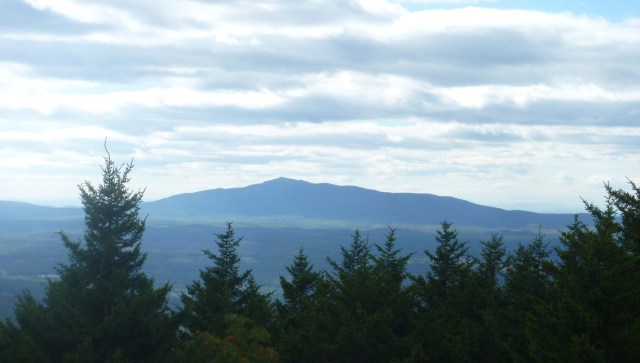
This could be Mt Washington

Could this be Mount Washington?

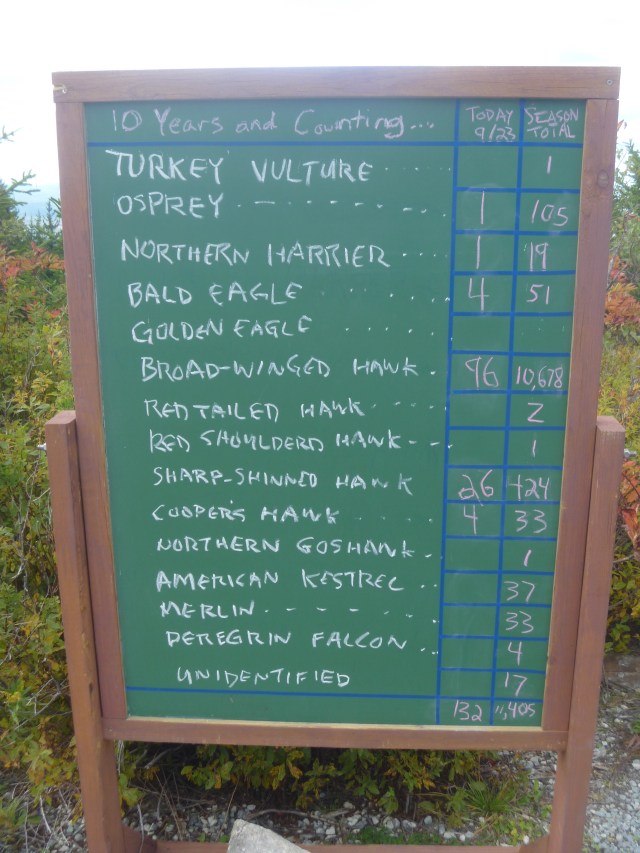
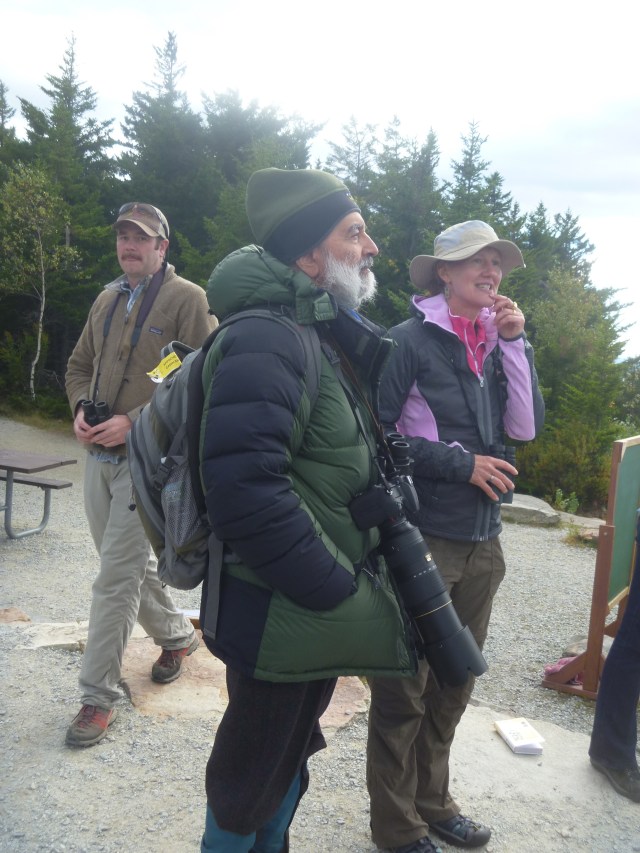
We were fascinated by the Audubon Hawk Watch set up in a clearing. It reminded me of the Malhamdale Hills and Hawks Walk in July. Just like the RSPB The Audubon Society had set up an area with information boards, information table, binoculars and telescopes on tripods and staff and volunteers ready to answer questions and tell about the project. We felt very under-equipped!

Birds seen

Birds Spotted

Serious twitchers

A Serious Twitcher

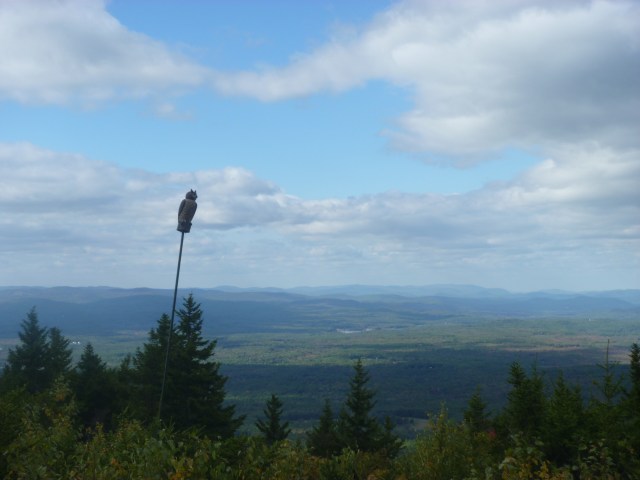
owl to attract

Owl Decoy

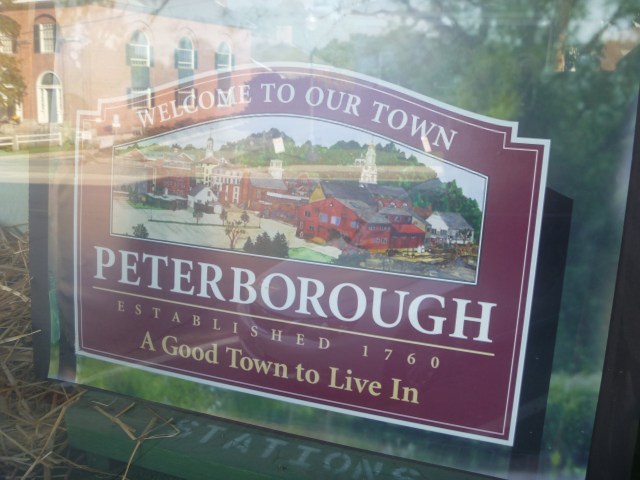
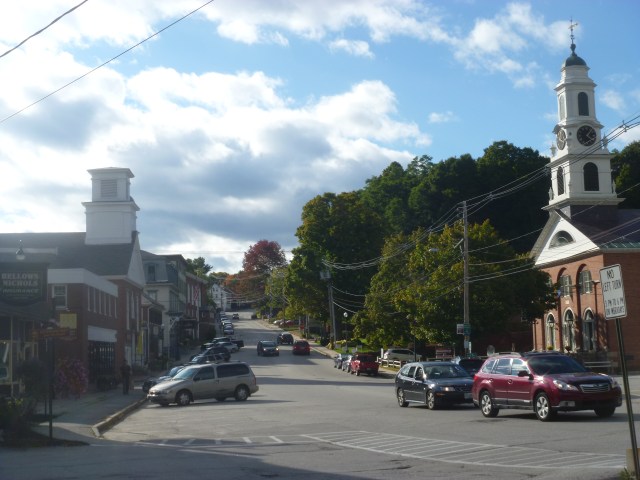
As we left the park and drove back towards Brattleboro I suggested we stop at the town of Peterborough. A good friend and reader of posts here, Sarah, had told me some time ago about the pretty town which served as the inspiration for Thornton Wilder’s play “Our Town”.

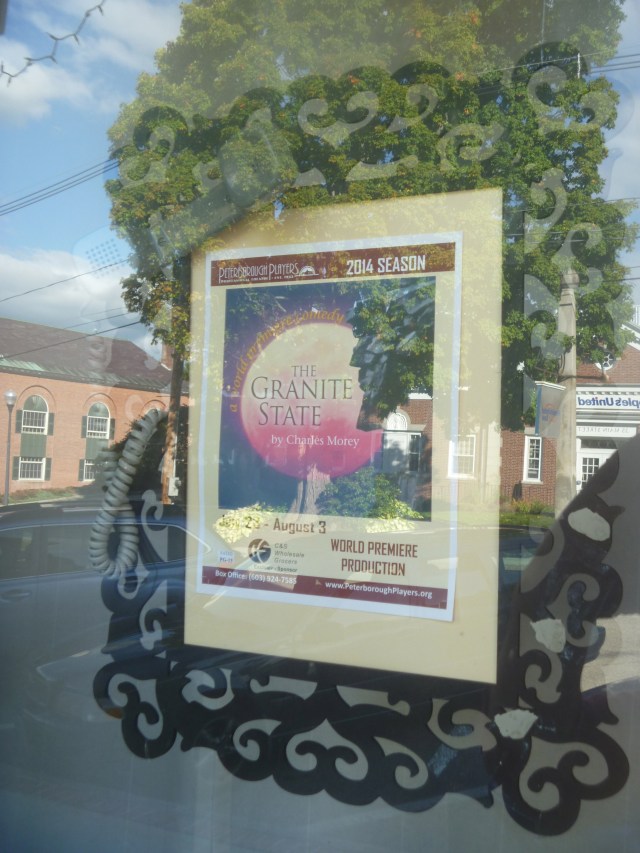
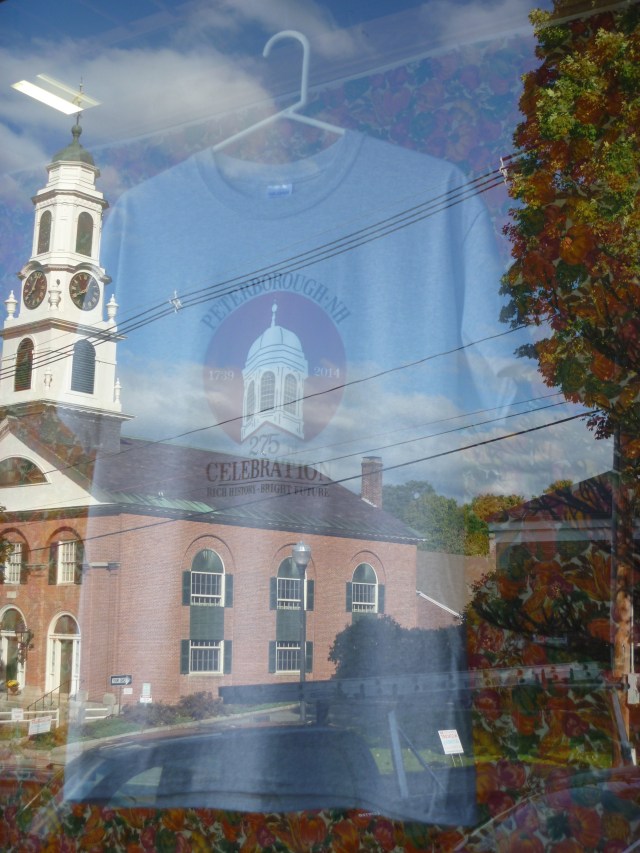
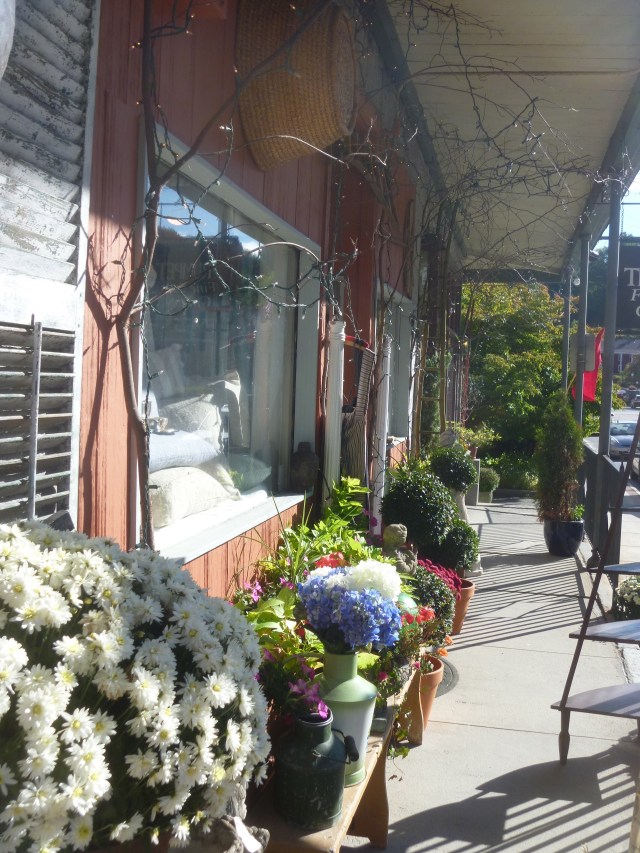
Views of Peterborough

main st peterboro

Peterboro 1

Peterboro 2

Peterboro 3

Peterboro 4

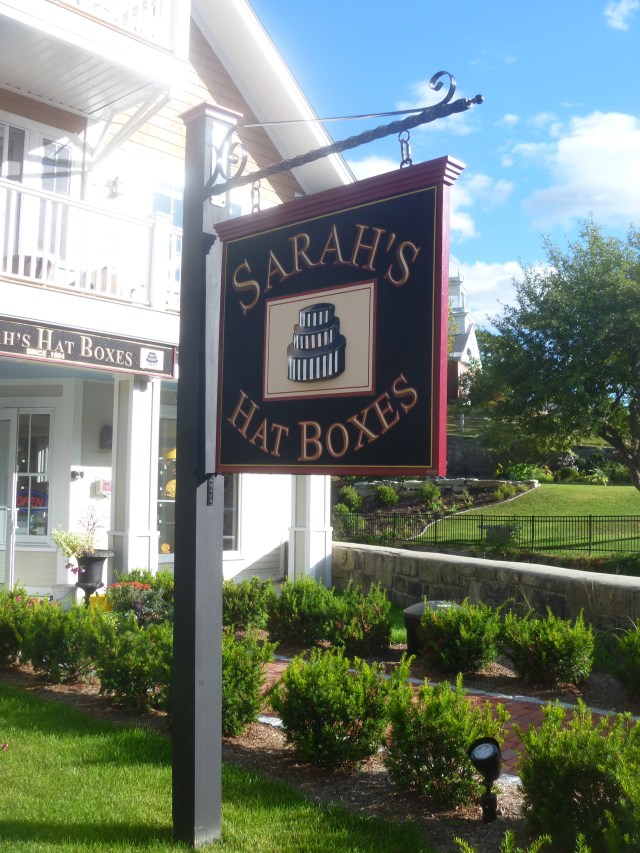
Sarah's Hat Boxes

“We all grow up, we fall in love, we have families and we all die. That is our story”

And that is the story of “Our Town”.

Diamonds and Dioramas in the Bern Natural History Museum

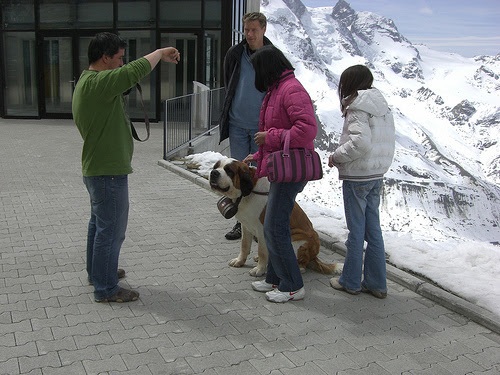
In addition to the Barry exhibition at the Bern Natural History Museum there were several other setions which attracted my interest. By the way, re-reading my post of yesterday reminded me that I’d seen a real live Barry on the Gornergrat a few years ago. I thought he was having a day out just like me but apparently he’s part of the scenery.

A St Bernard poses for the camera

A St Bernard poses for the camera

Like most Natural History Museums the world over the museum in Bern has its fair share of mammals from around the world but these were not of great interest to me. I prefer something of more local interest.

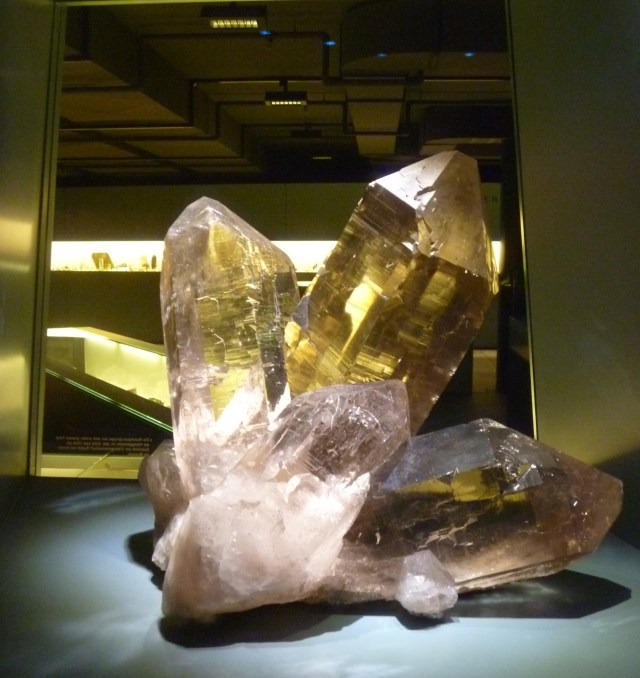
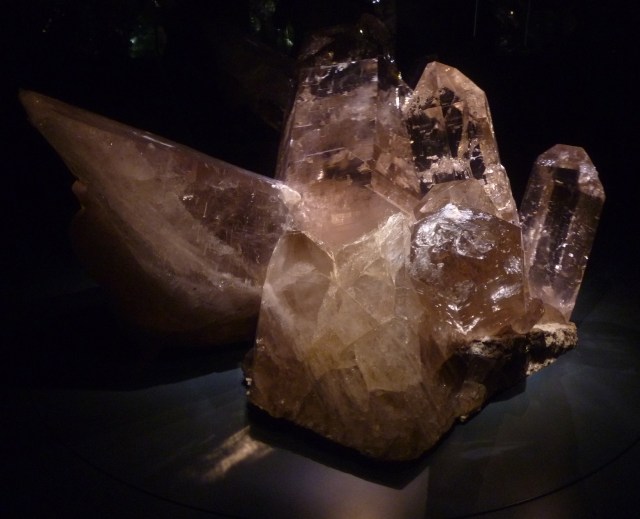
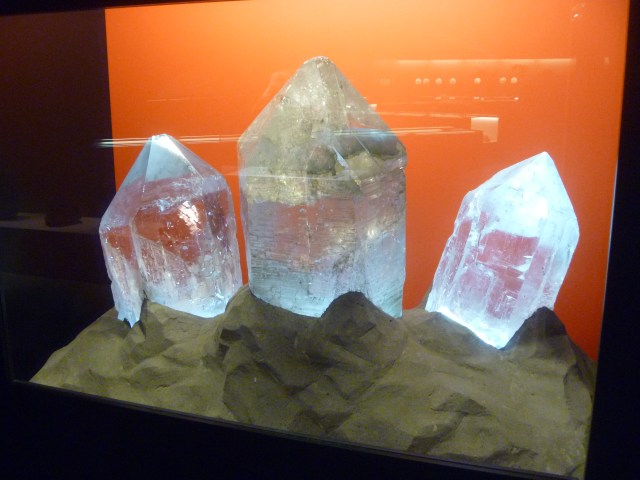
The Planggenstock Treasure has been on display in the Museum since 2011. These quartz crystals and crystal clusters were discovered under the Planggenstock Peak in the canton of Uri in Central Switzerland in 2005.

Planggenstock

The largest group of crystals weighs 300kg.

Smoky rock crystals

Smoky Rock Crystals

3 crystals group

The oldest objects in the collection are three rock crystals found in 1719 on the Vorderer Zingenstock.

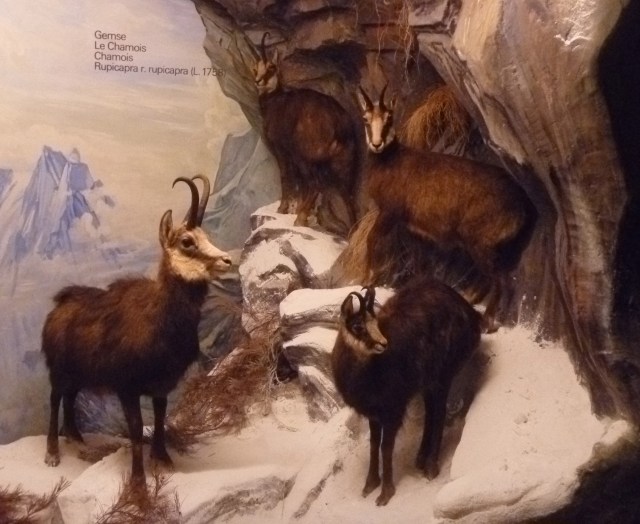
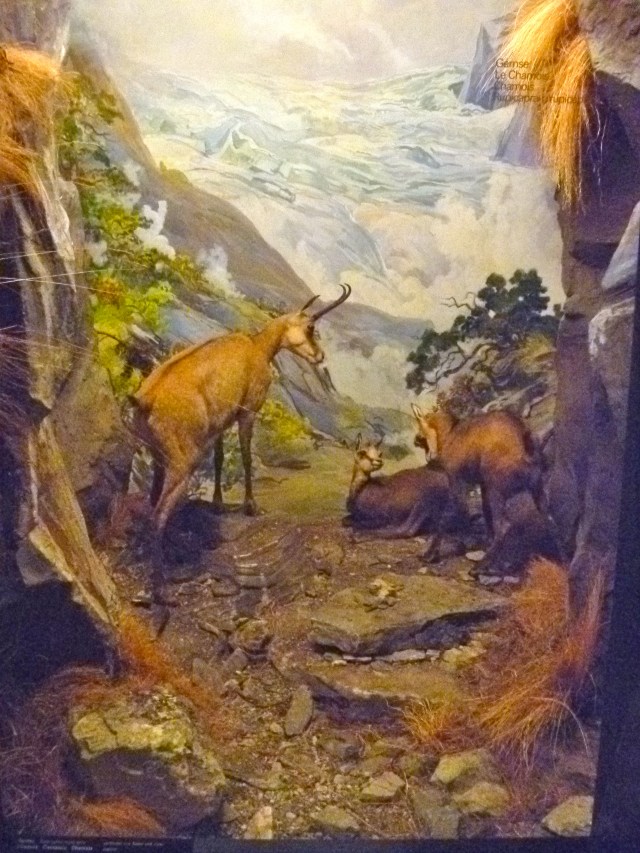
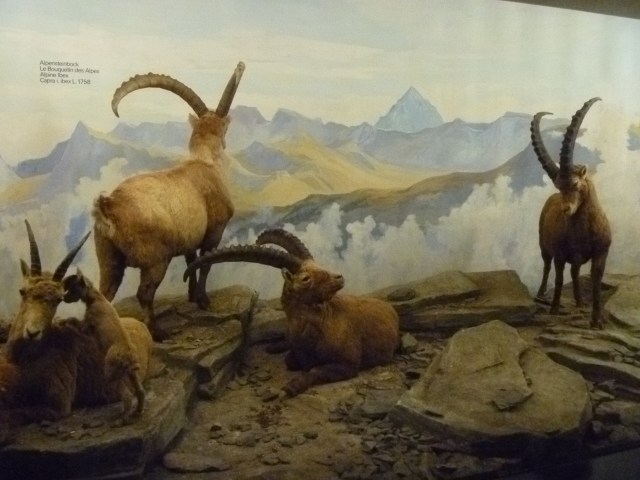
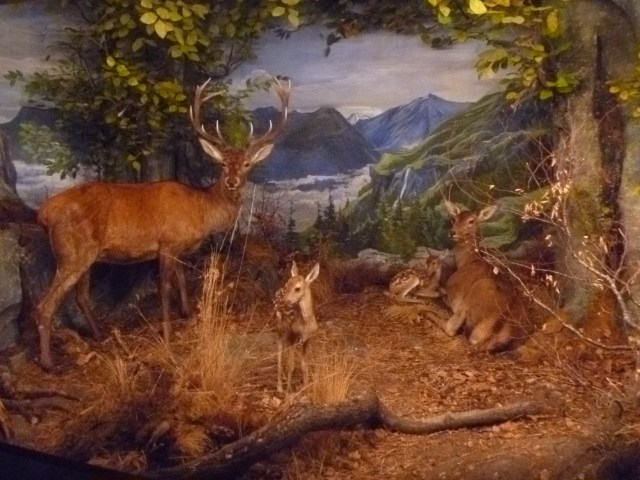
As time was limited I left the collection of minerals, crystals, diamonds and rocks and moved on to the section featuring dioramas of the wildlife of Switzerland. Here was diorama after diorama of birds and animals in their settings. I was particularly interested to se all the different types of deer. I would call a deer a deer but in Switzerland they always distinguish between roe deer and chamois and red deer and ibex.

Gemse

Gemse = Chamois

Chamois

More Chamois

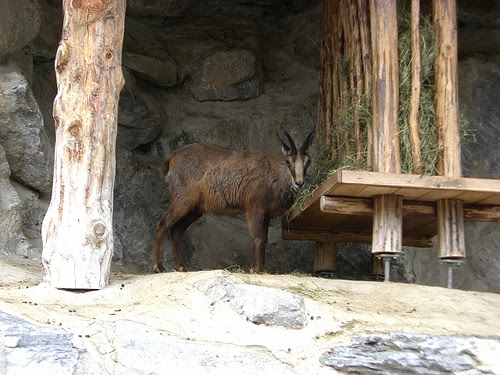
Chamois feeding

Chamois feeding at Innsbruck Alpine Zoo (2010)

Ibex

Ibex Diorama

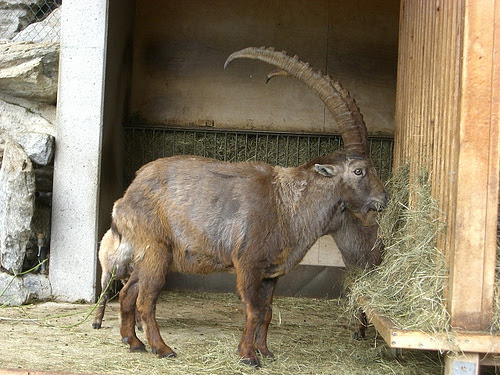
Ibex feeding

Ibex at Innsbruck Alpine Zoo

The Alpine Ibex is known at the Alpensteinbock in German. Chamois are Gemse and Reh is roe deer and Hirsch are Red deer.

Red deer

Red Deer or Hirsch

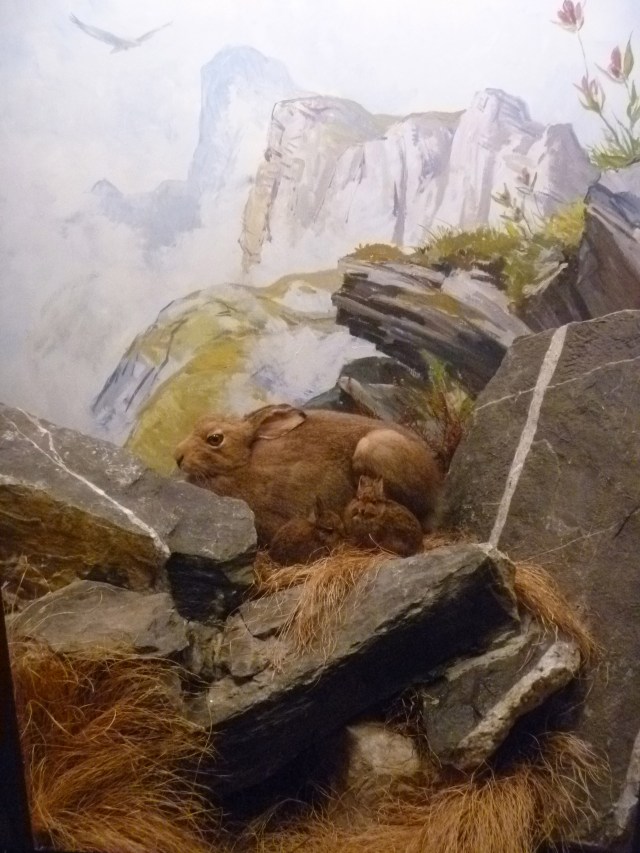
Mountain hares summer

Mountain Hares in Summer

Mountain hares winter

Mountain Hares in Winter

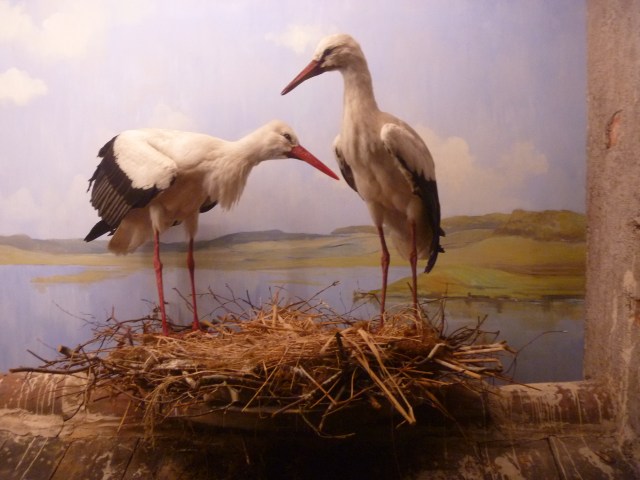
Storks

Storks

Please take me home!

And finally … Please take me home!

Barry : an exhibition for a Swiss icon

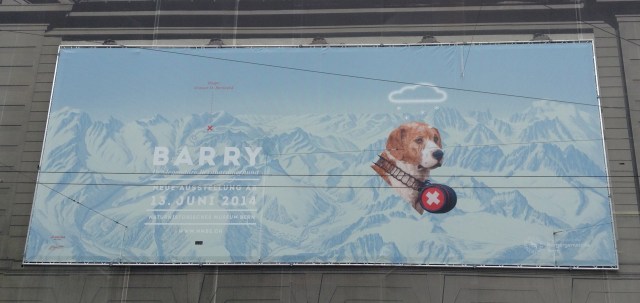
On arrival at Bern Railway Station on Monday evening (18th) the first poster to catch my eye (well, it’s quite a big one) was this :

Barry Poster

Barry, the most famous rescue dog in the world, died 200 years ago but remains a legend to this day. Barry can be admired at the Natural History Museum Bern, where a new exhibition explores the heroic deeds attributed to this extraordinary St Bernard from the Great St Bernard Pass. The question is, which of the stories surrounding him are fact and which are myths? The exhibition tells the whole truth.”

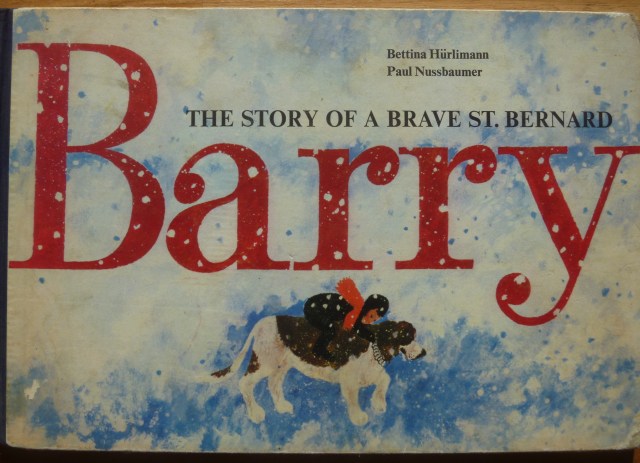
I knew Barry was a popular dog’s name in Switzerland. I have a children’s picture book which tells his story. So on the Wednesday morning I took the short stroll from Barbara’s house to the Natural History Museum of Bern to find out more. The excellent display is on the second floor of the museum.

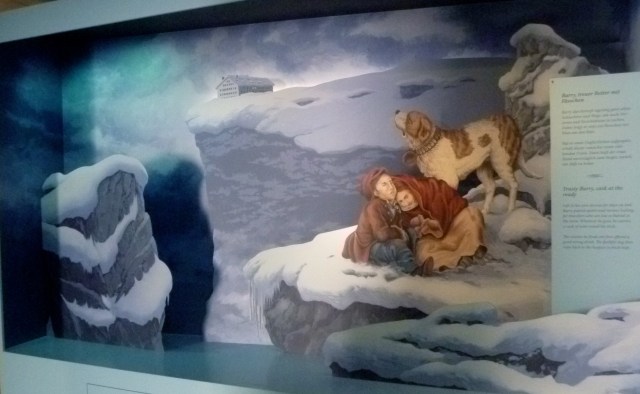
Barry diorama

Trusty Barry Diorama

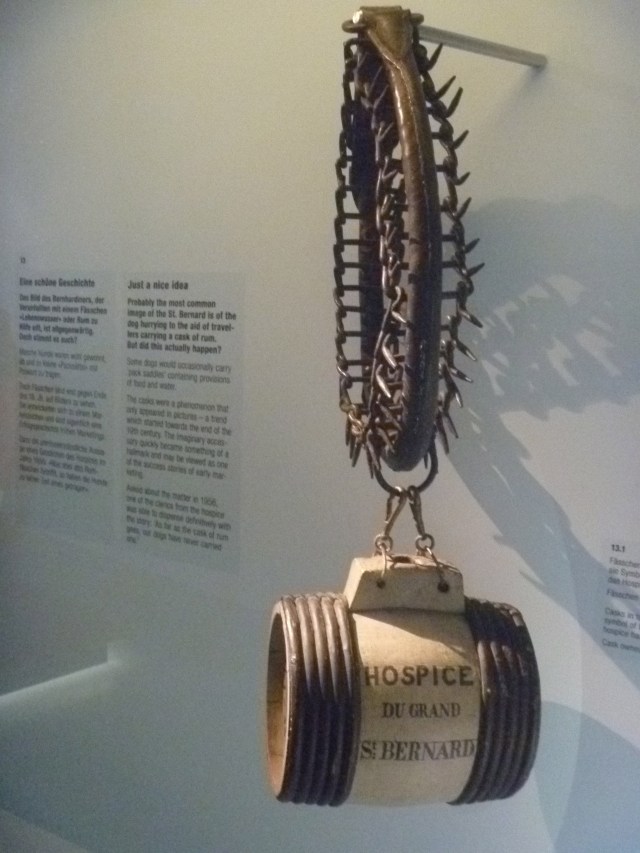
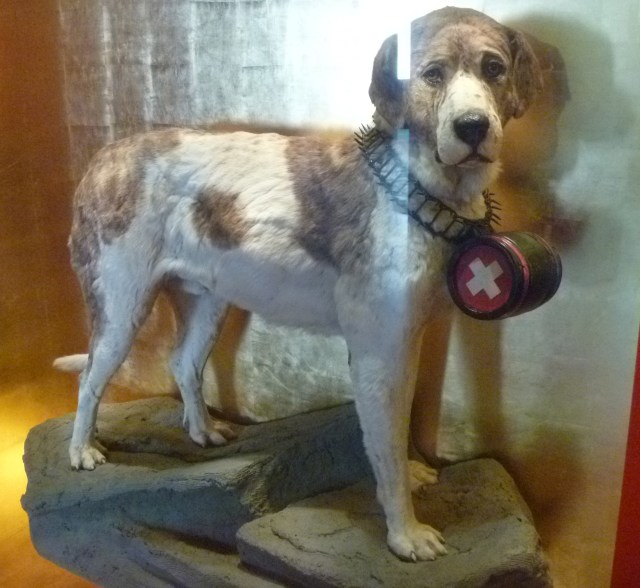
Trusty Barry, cask at the ready. Left to his own devices for days on end, Barry patrols paths and ravines looking for travellers who are lost or buried in the snow. Wherever he goes he carries a cask of wine round his neck. The victims he finds are first offered a good strong drink. The faithful dog then runs back to the hospice to fetch help.

The Barrel


The real Barry

The Real Barry reworked by Georg Ruprecht in 1923.

Barry had been stuffed in 1814 using the primitive techniques of the time. Ruprecht used modern techniques at the time to create a plaster model of Barry’s body and clad it in the dog’s skin.

Barry was born in 1800 at the hospice on the summit of the Great St Bernard Pass. At almost 2500m altitude cold, fog and snow posed a danger to travellers and, accompanied by dogs, clerics and lay brothers from the hospice would go out each day looking for lost and weary travellers. Barry was to become their most tireless assistant he is said to have saved over 40 people from an icy death.

In 1812 a servant from the hospice brought the old and weary dog to Bern and he died there in 1814. After his death his body was handed over to a taxidermist so “that after his death this loyal dog will not be forgotten” [F. Meisner, 1815]

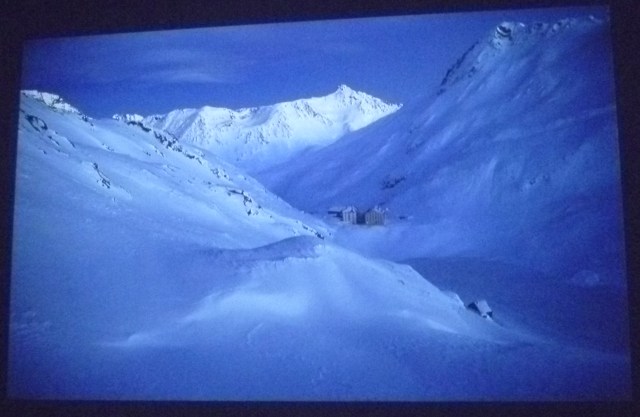
Great St Bernard Pass

The Great St Bernard Pass in Winter

The Hospice of the Canons Regular of St Augustine at the summit of the Great St Bernard Pass has been a place of safety and shelter for travellers for almost 1,000 years. In the 11th century, in order to help wayfarers, Bernard of Menthon founded a simple monastery at the highest point of the pass, and so the hospice was founded.

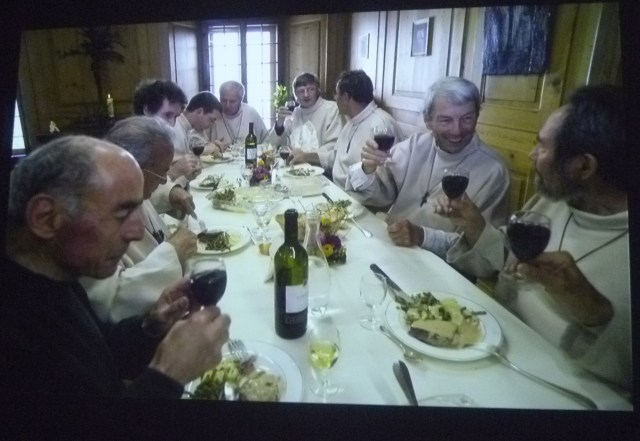
Modern Day Monks

Nice to see the modern-day monks (clerics) enjoying a tasty meal with wine

By providing shelter, food and a bed for the night the hospice vanquished the perils of the frightening, seemingly infernal, mountain world outside. Exhausted travellers and victims of bandits knew that they would be safe as soon as they reached its doors. For this Bernard was widely revered, and in 1123 eventually made a saint.

In addition to the story of Barry and the hospice high up on the pass the exhibition moved on to tell about the real dangers of avalanches today and to dispute the exaggerated stories of Barry. Even the best trained and strongest St Bernard dog could not have carried a child on his back as the story is told. But dogs still do important work in the field even today.

Barry Book

The Story of Barry

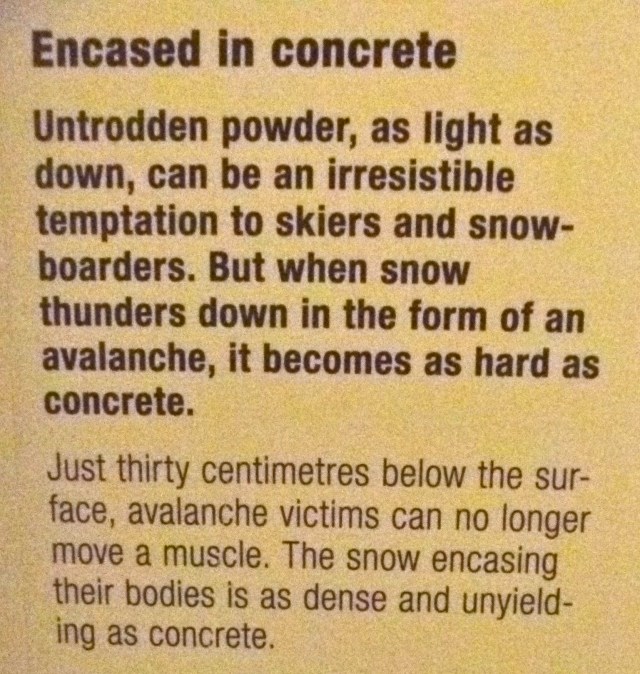
Finally, we could listen to the shocking stories told by the fortunate survivors of avalanches; as a clock ticked away the number of minutes that are needed in order to achieve a successful rescue. The chance of survival declines dramatically after just 15 minutes.

Around 70% of avalanche victims survive if the remaining members of their party manage to dig them out straightaway. This is only possible if everyone is carrying a detector device and knows how to use it. If an external rescue party is required the survival rate drops to 30%.”

P1140438

Warning

Miladys Grand Tour and August Summing-Up

After Cornwall and Port Eliot Festival I returned home briefly on 28 July, made excursions to Manchester, Jervaulx and Scarborough and on 12 August set off on a Swiss adventure with a foray into Italy only returning last Thursday 21 August.

Here are links to a couple of my posts over at Lynne’s blog Dovegreyreader

http://dovegreyreader.typepad.com/dovegreyreader_scribbles/2014/08/barbara-visits-the-idler-academy-porteliotfest.html

http://dovegreyreader.typepad.com/dovegreyreader_scribbles/2014/08/st-germans-and-the-great-war-exhibition.html

Not my post but here is my entry for the Port Eliot Flower and Fodder Show Tea Cosy Competition:

http://dovegreyreader.typepad.com/dovegreyreader_scribbles/2014/08/teacosies-part-two.html
On 11 August I re-opened My Swiss Diary  briefly and a further Swiss Post will follow here shortly. Meanwhile I can show you a few photos of the places visited in Italy :

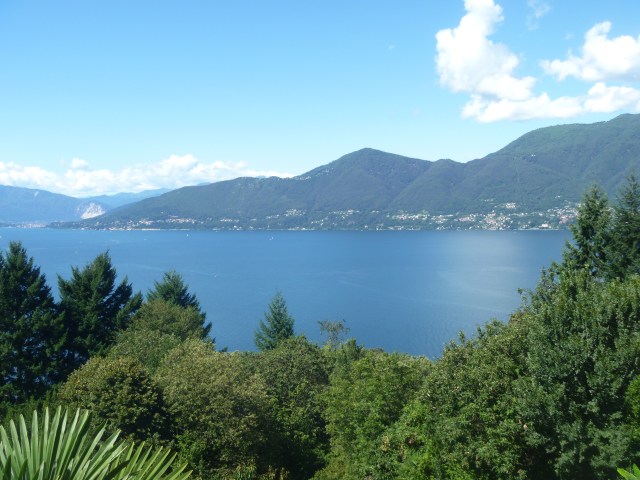
The View

The View from the house at Luino (Lake Maggiore)

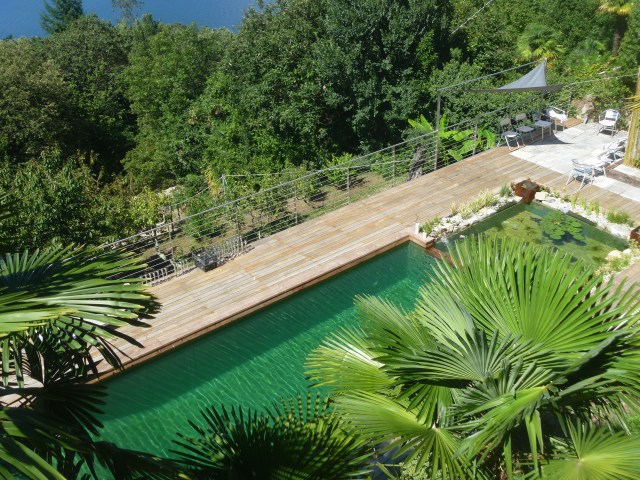
The Pool

The Ecological Swimming Pool

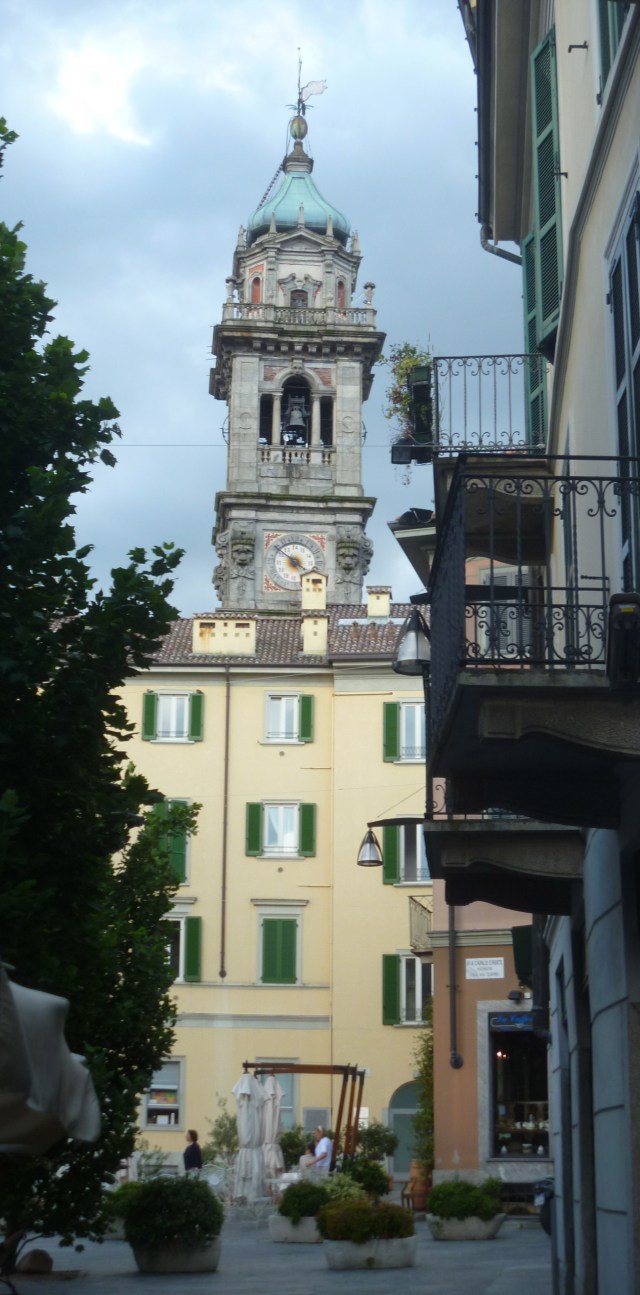
Varese

Il campanile (1585-1774) Varese

Art Deco Varese

Art Nouveau in Varese

Varese Art Deco

Art Nouveau Varese

Cannobio Market

Arriving in Canobbio on Lake Maggiore for the Sunday Market