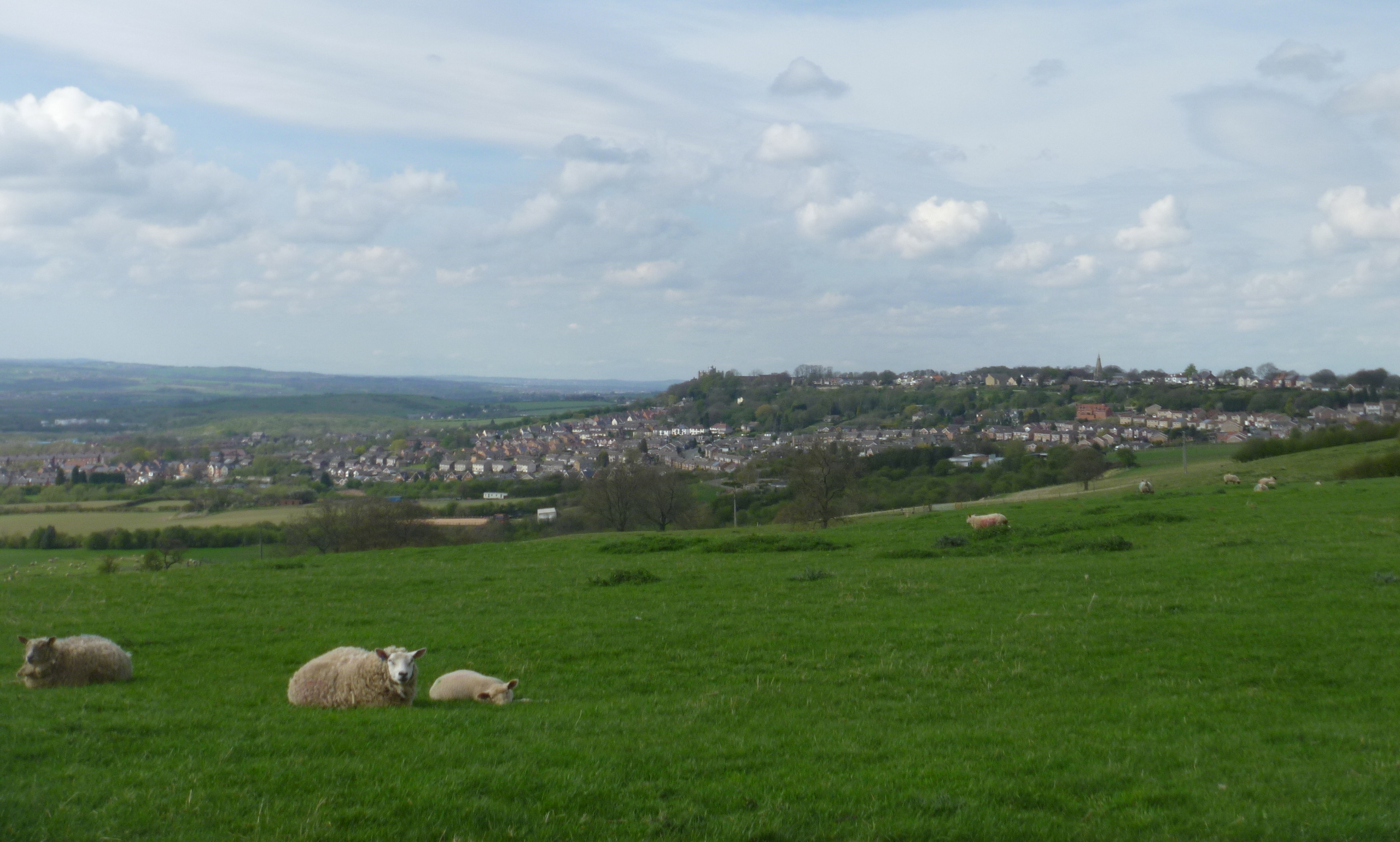
Garsdale Circular via Cotter End

When I last went over to Lancaster from Shipley (West Yorkshire) Station I noticed several people dressed for hiking in the Dales waiting on the platform. They seemed to recognise each other but were obviously not specially friends. They were joining walks organised by the Friends of the Settle Carlisle Line or Dalesrail and had obviously met each other on previous walks. It seemed like an excellent way to enjoy walking in more distant parts of the Yorkshire Dales so I decided to find out more.

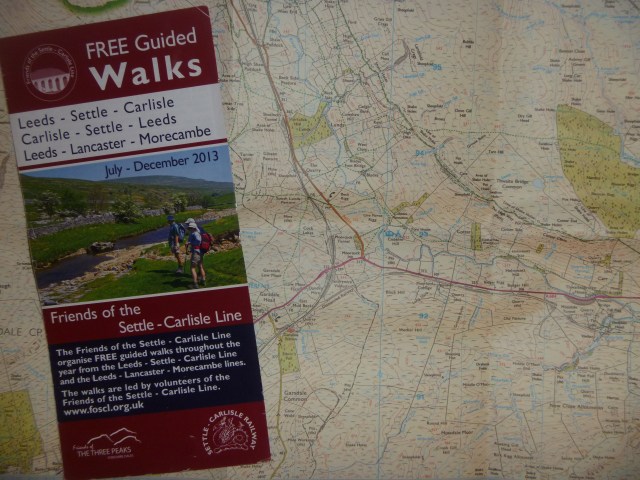
Map and leaflet

Later in the Tourist Office at Leeds Station I picked up two walks leaflets and, being aware that I was not interested in 14+ mile strenuous walks and being away or otherwise engaged some weekends, I selected a few walks on dates towards the end of 2013 that I thought I be able to manage. The first of these was today:

Walk leader: DW/BH (Bob had stepped in for Duncan W)
Garsdale Station – Yore House – Thwaite Bridge – Cotter End – High Dyke – Blades – Moorcock Inn – Garsdale Station.

Special Instructions:   Alight (10.21) and return Garsdale.

Date and time:  Sat, 30/11/2013 (All day)
Grade: M(oderate)
Length: 8 miles

Assembling at Garsdale Station

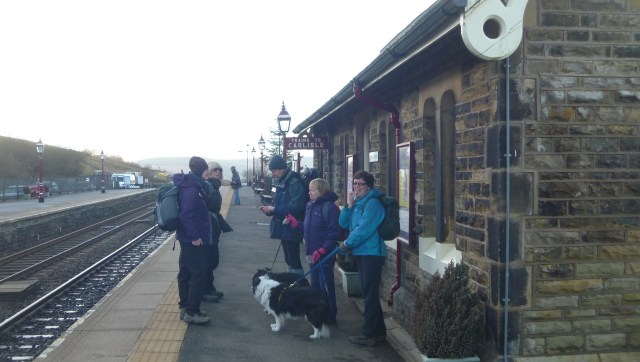
Assembling at Garsdale Station.

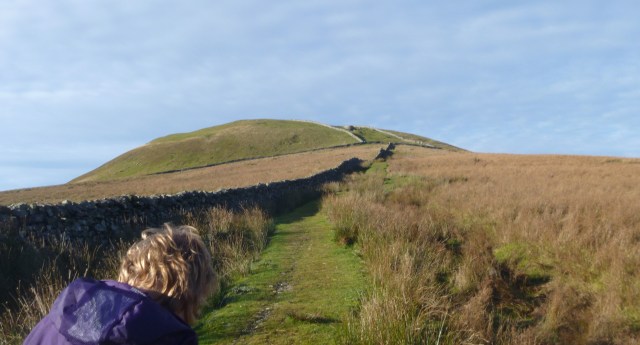
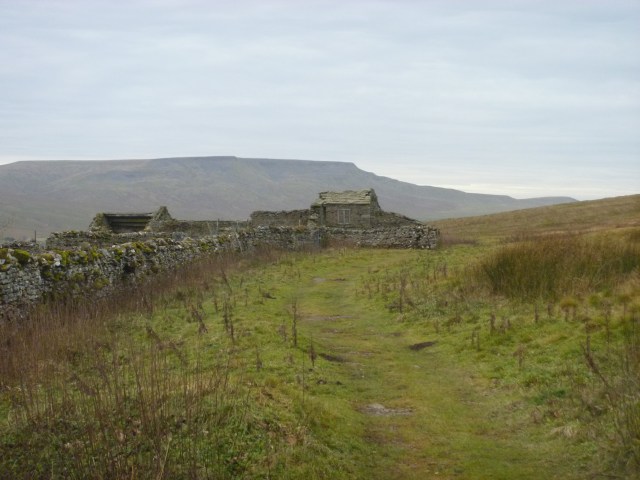
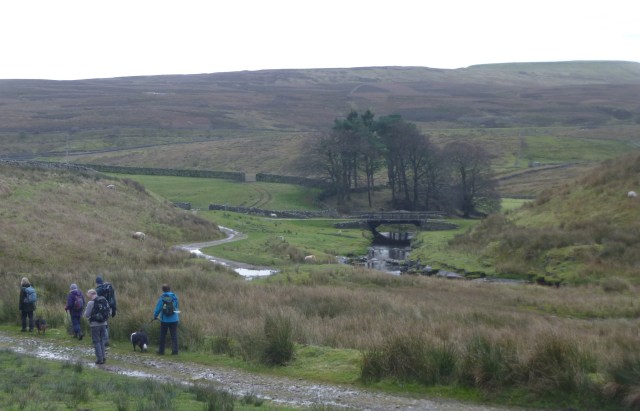
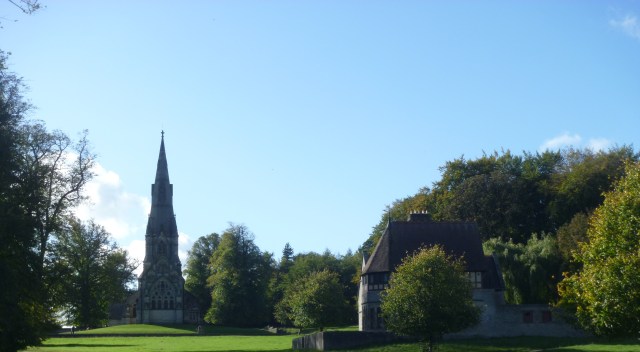
Five walkers and two dogs joined two leaders (Bob and Brenda) on Garsdale Station northbound platform this morning in bright sunshine and enjoyed the 8 mile hike. There was one steepish climb – but remember ‘No pain, no gain’ – to a high ridge path with wonderful views and the perfect late November picnic spot. The day could not have been better.

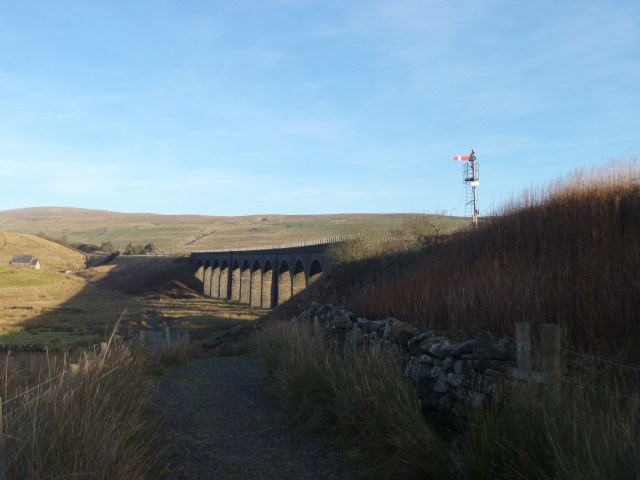
Viaduct

Our path took us under the viaduct

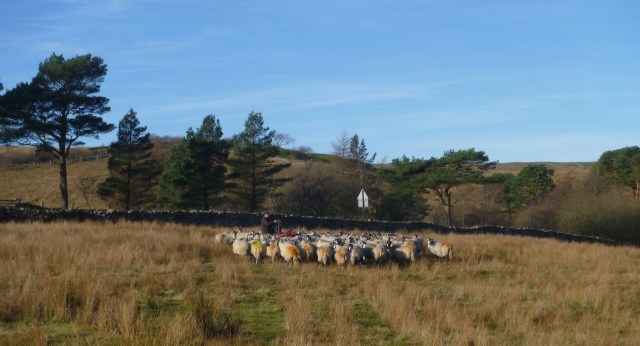
Herd of Sheep

Past a herd of sheep being assembled

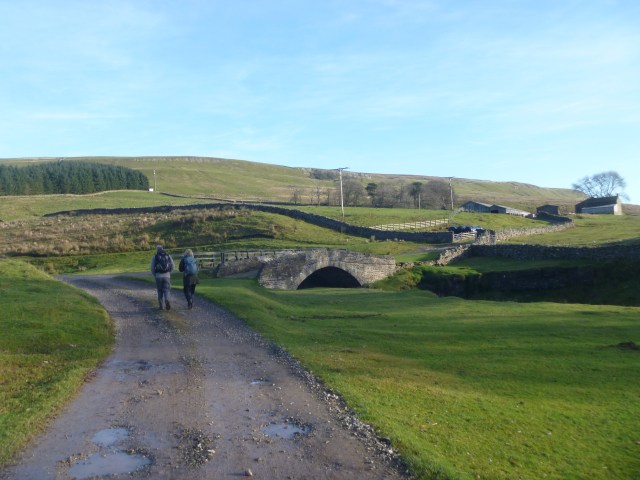
River Ure

Over the River Ure

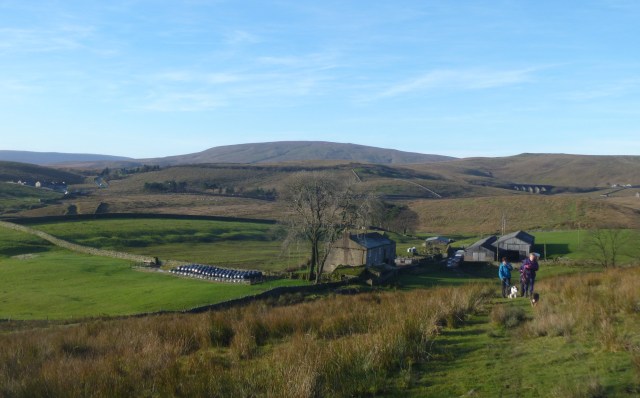
Yore House

Past Yore House

Lady Anne's High Way

After Thwaite Bridge House we climbed up to join Lady Anne’s High Way

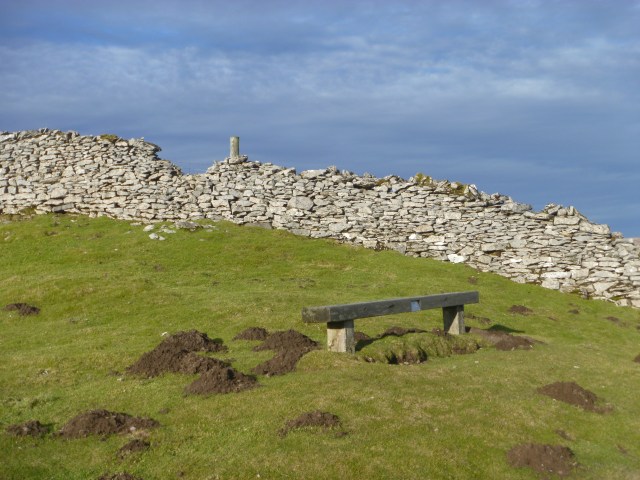
Bench awaits

And enjoyed a picnic (our bench awaits) at the highest point of the walk – Cotter End

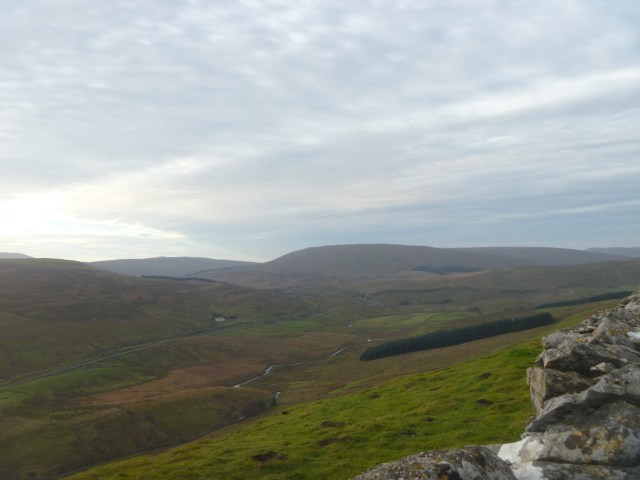
Extent of walk

From the High Way we could see the extent of our walk

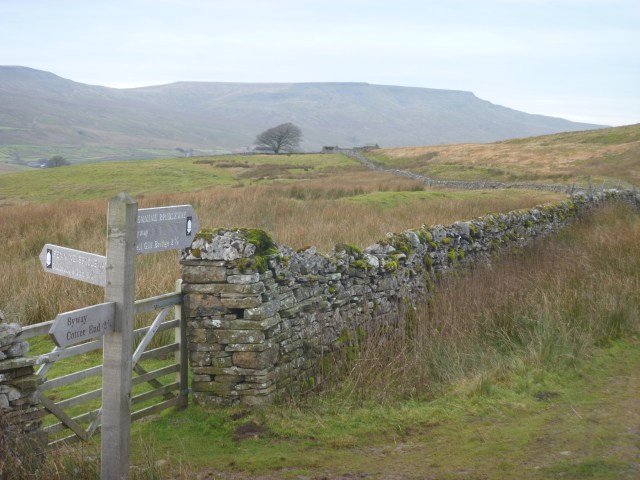
Pennine Bridleway

We descended from the High Way to join the Pennine Bridleway

Ruined INn

With plenty of time to spare we took a short detour to view the ruins of an Inn on the High Way

Former inn

Once a busy inn along a main thoroughfare for sheep drovers and the like now a ruin

Haeding back

As the sun went down we headed back down to the River Ure and …

Garsdale Station

Garsdale Station

Sunset

Sunset at Settle Station from the train window

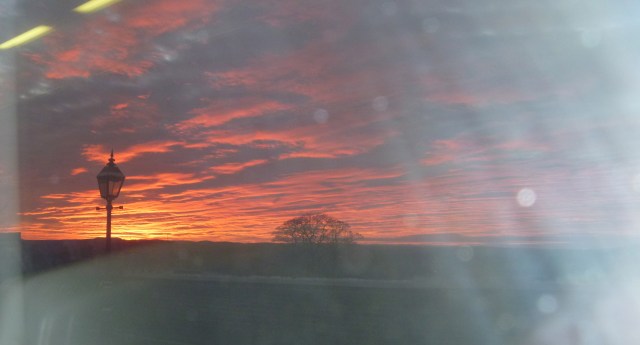
Our train left at 3.35pm and we witnessed a wonderful sunset  over the hills and moors. My photo taken through the train window doesn’t do justice to it. It was great to get out on this beautiful day in an area I was not at all familiar with and I think I will try more of these walks in future.

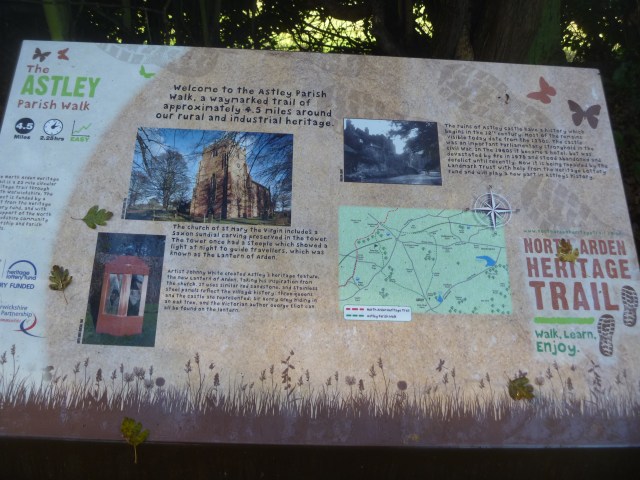
Astley Castle Interpretation Trail

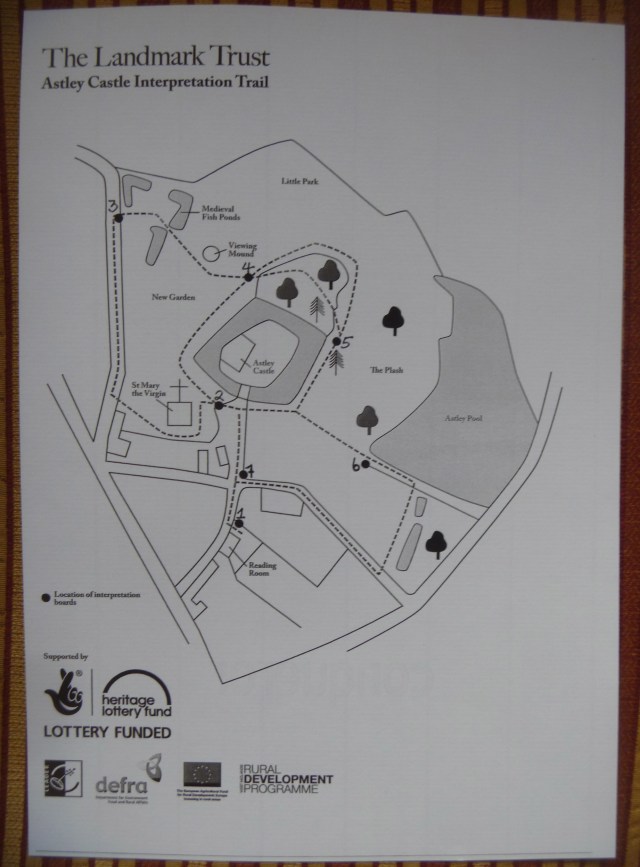
Astley trail map

The Interpretation Trail Map

Amongst many generous donors towards the reconstruction of Astley Castle the Heritage Lottery Fund was one of the major ones; giving a grant of well over a million  pounds to help the project on its way. HLF grants come with strings attached. So Astley Castle, quite rightly, enjoys many features and events not normally connected with Landmarks, in which the general public may be involved such as local school visits, open days and living history weekends. Public involvement has also included art exhibitions and a competition to design an Elizabethan knot garden in the grounds.
Knot Garden

The Winning Knot Garden

One  excellent result of the HLF involvement lead to the establishment of an Interpretation Trail on public footpaths through the area surrounding the castle (but keeping to the other side of the moat!). Information boards along the route explain the views and relate the history of the castle and its royal connections. Of course, I walked this trail many times in both directions. The views changed as the weather and light did throughout each day.

Let me take you along the trail. (Numbers refer back to the map above)
Astley Reading Room

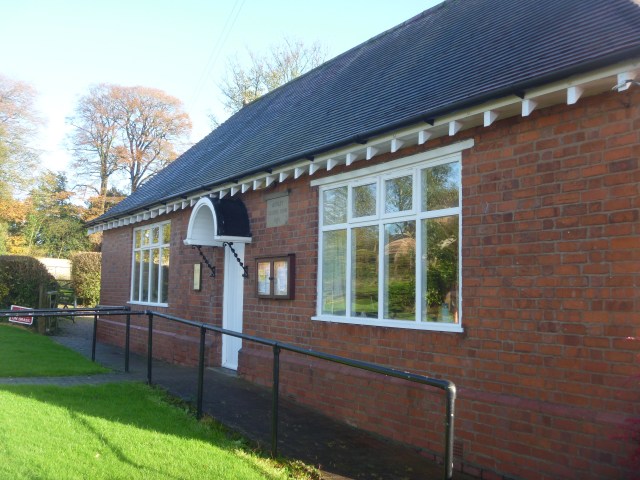
Astley Reading Room

1. At The Astley Reading Room two boards give a general introduction and explain the creation of Astley Castle as a ‘Landmark for the 21st Century’.
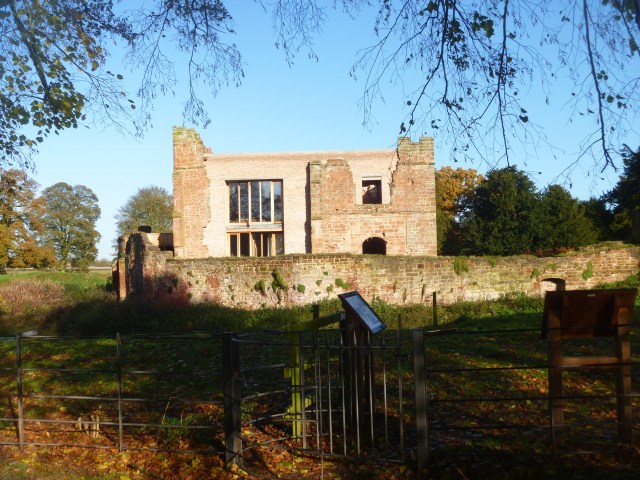
AC South elevation

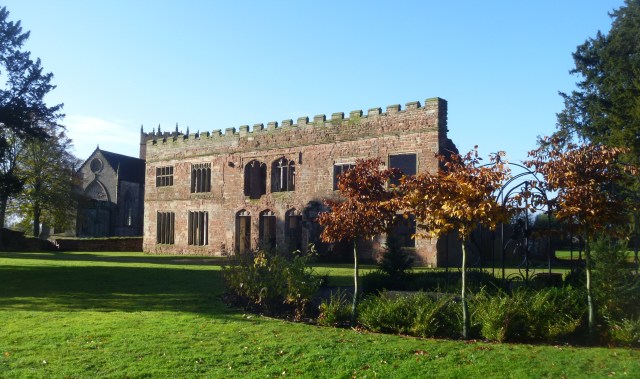
Astley Castle : South Elevation

2. Astley Castle : South Elevation. Staying at the castle; this is where I began the trail each time.

“This ancient structure still remains, and the grounds surrounding it being tastefully laid out and kept in good order.” (Smith’s “A new and complete history of the County of Warwickshire”, 1829)
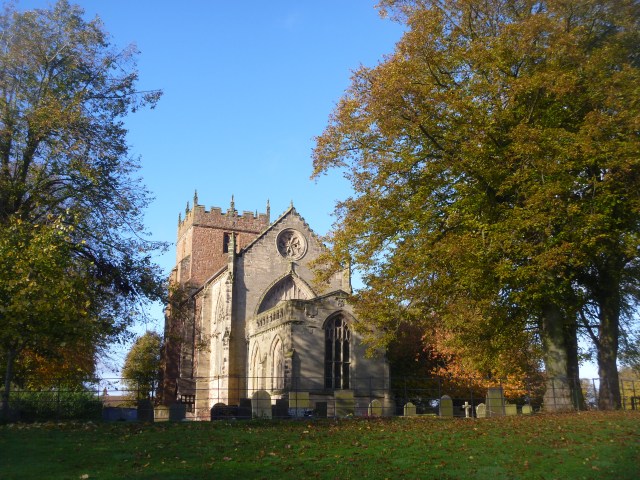
Astley Church

Astley Church

Collegiate church

From the Interpretation Panel

From here there’s an excellent view of Astley Church of St Mary the Virgin. [To be the subject of another post] Proceed through the churchyard to a rather muddy lane and panel 3.
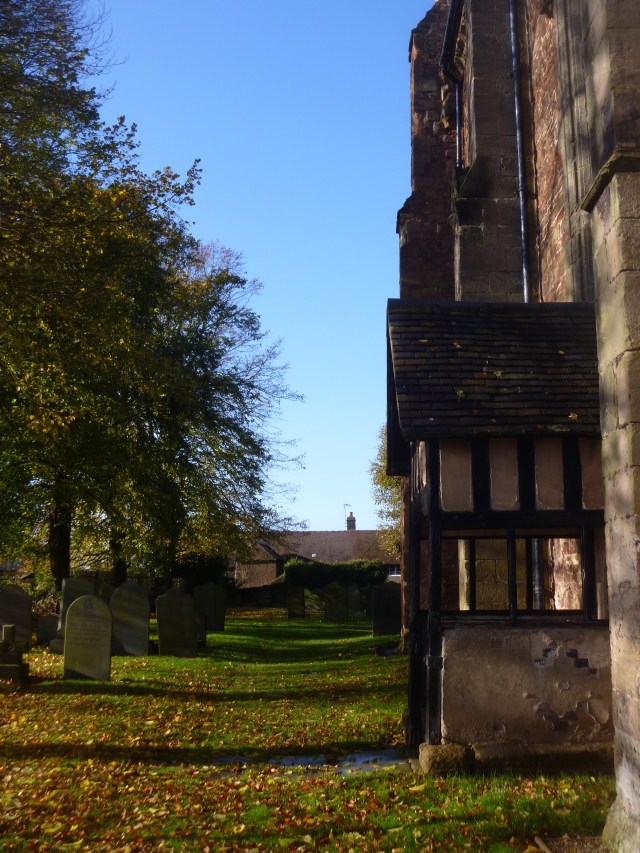
Path through churchyard
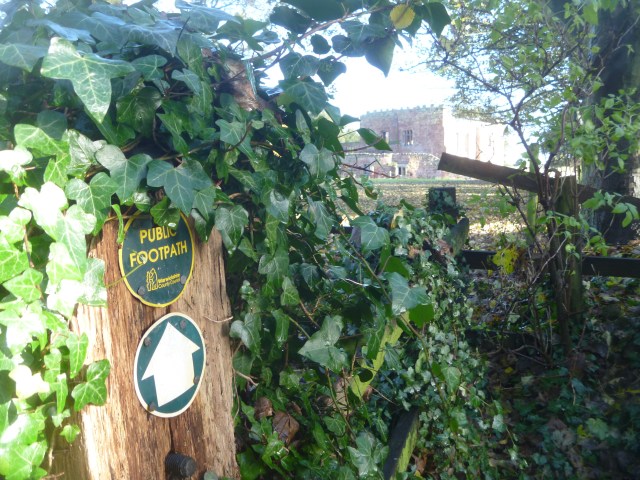
Path through churchyard

Trail this way

Follow the Trails this way

Astley Parish Walk

The Astley Parish Walk shares this lane with the Trail

3. The New Garden. “Today the New Garden is used as pasture but the many lumps and bumps hint at significant buried archaeology, especially in this north-western corner” [Interpretation Board] In fact from this point we re-enter the Castle grounds and here are ancient fish pools and a man-made ‘Viewing Mound’.
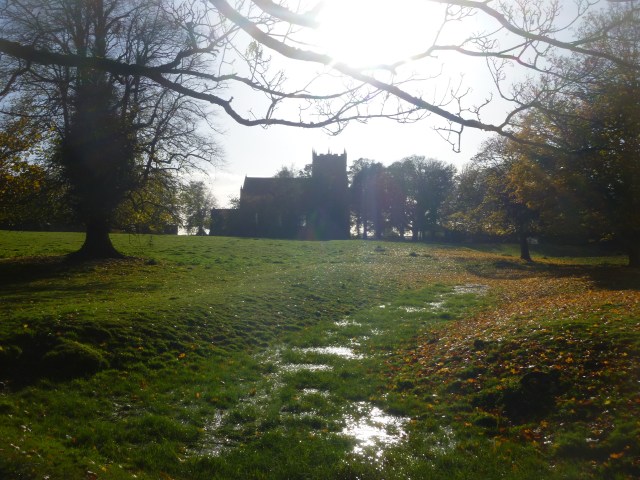
Fish pond and church

The former Fish Ponds and Astley Church
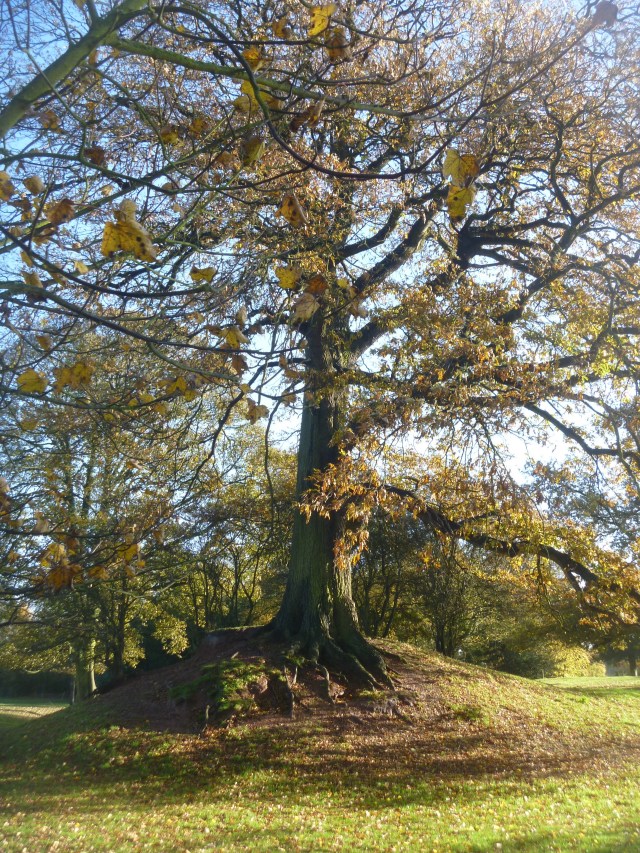
Viewing mound and old oak

The Viewing Mound topped by an ancient oak tree

There can be no real doubt that the New Garden was designed as a garden for the adjacent castle and it was probably laid out with paths, raised-bed type planting, arbours, hedges, and seats, perhaps in the late 15th century. The viewing mount could date from this period too.”.

1690 Estate Map

The area is labelled as New Garden on this estate map dated 1690.

4. Little Park and Shrubbery. Here we leave the meadow and pass through a gate into a small wood or copse now known as The Shrubbery. It contains the kind of cultivated shrubs popular in the 19th century and is only shown on maps as a separate area on maps of the late 19th century and after.
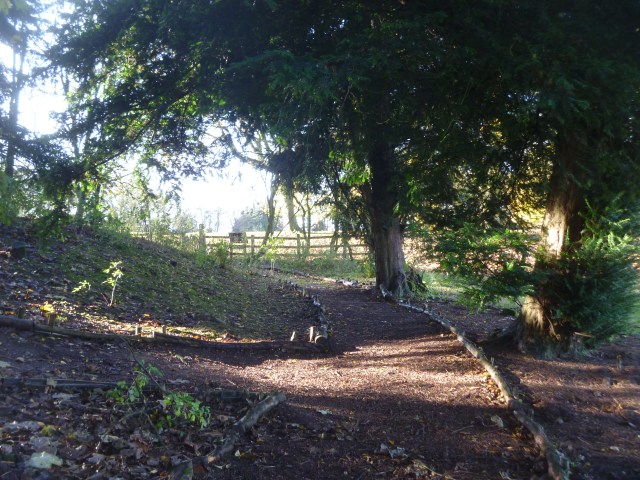
BCTV path through shrubbery

BCTV footpath through the Shrubbery

Just as building work on the castle began and continued from 2008 “volunteers from the British Trust for Conservation Volunteers (BCTV) worked  tirelessly to clear fallen debris, self sown trees and invasive weeds along the footpaths, here in the Shrubbery and around the banks of the moat.”
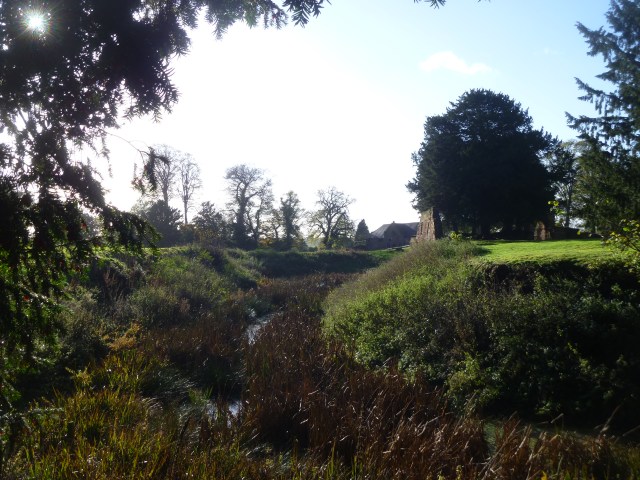
Moat

The Moat contains water in places

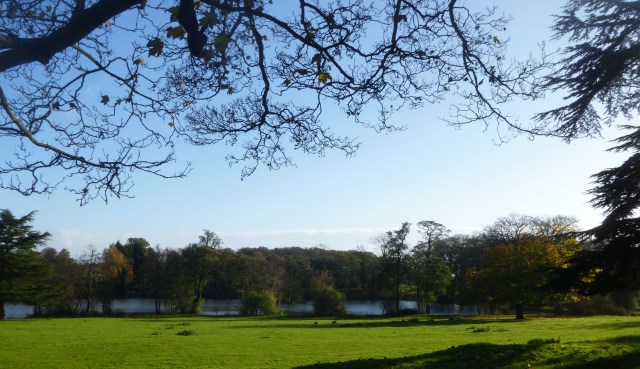
5. East Elevation and The Plash. Emerging from the Shrubbery we gain another view of the Church and the Castle. The East Elevation is to all intents and purposes the Front and Entrance to the building. But looking in the opposite direction there’s a broad green meadow (The Plash) and the still waters of the Astley Pool fishing lake.
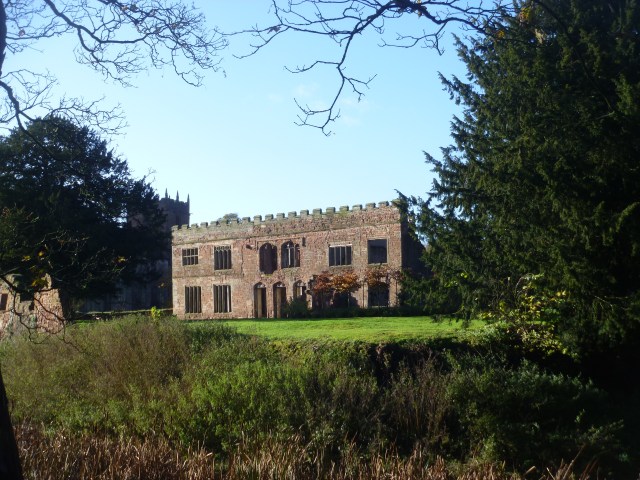
East elevation

The East Elevation (Front) of Astley Castle

The Old English plaesc, modernised as ‘plash’ means ‘a shallow piece of standing water, a marshy pool’ so this is likely to be an ancient natural feature, enhanced and adapted by the castle residents. … The Plash is dotted with trees, several of which are mature specimen trees – including a fine cedar tree.”
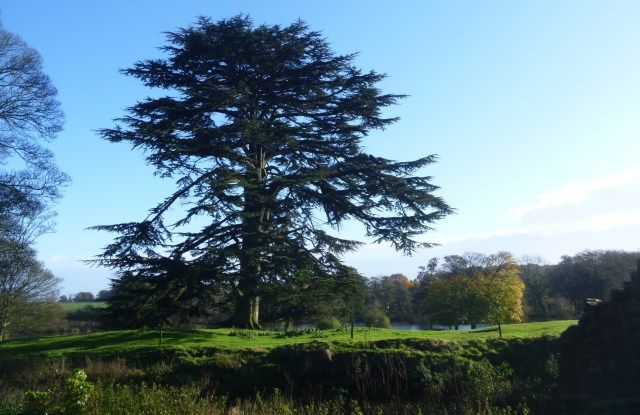
Cedar

The Cedar Tree

Plash and Pool

The Plash and the Pool

6. Astley Pool and New Road. Our path takes us across The Plash to Astley Pool, a man-made lake. Although it may seem a typical 18th or 19th century creation it is first referred to in 1501. It is now a private fishing lake.
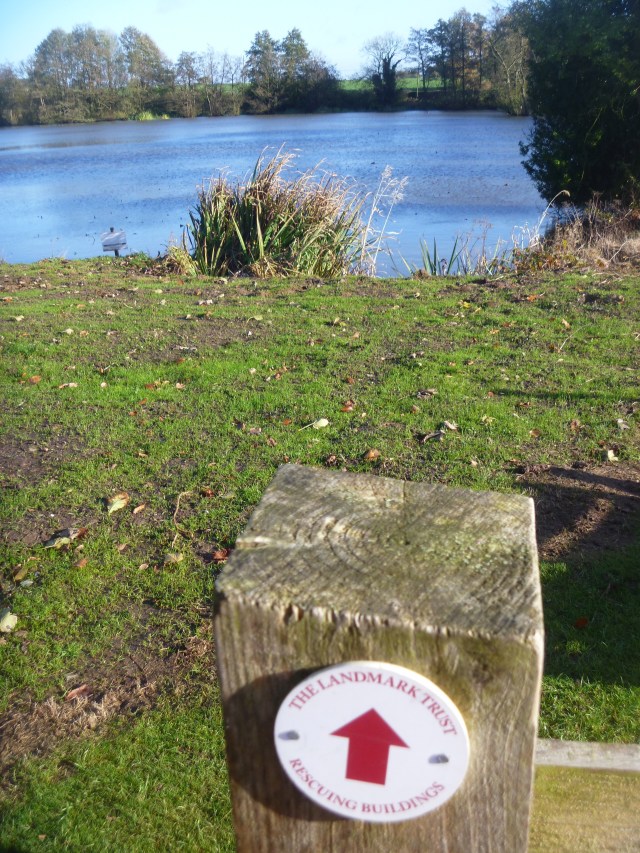
Astley Pool

The New Road was created to link the drive from Arbury Hall to a new access to Astley Castle. The first part of this was across the top of the pool dam and this would have provided a suitably attractive route up to the castle.”

7. Dark Lane and Castle Approach. The BTCV volunteers had been busy clearing the last lane that leads back to the village and the Castle. I was surprised to read in the interpretation notes that this lane was in fact a disused ‘holloway’. I have recently read Robert MacFarlane’s recent book “Holloway“. I had assumed that these features of the landscape only occurred in Dorset and the Downs of the South of England but here was one in the Midlands.
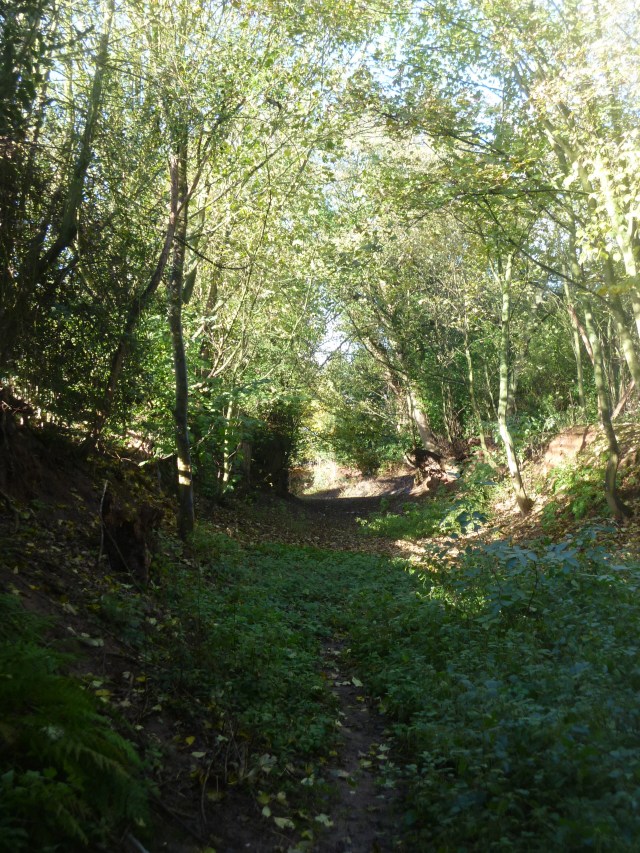
The Holloway

The Holloway

“‘Holloway – the hollow way. A sunken path, a deep and shady lane. A route that centuries of foot-fall, hoof-hit, wheel-roll and rain-run have harrowed into the land. A track worn down by the traffic of ages and the fretting of water, and in places reduced sixteen or eighteen feet beneath the level of the fields.’ “

[See more at: http://www.faber.co.uk/catalog/holloway/9780571302710#sthash.KNxb85gv.dpuf ]

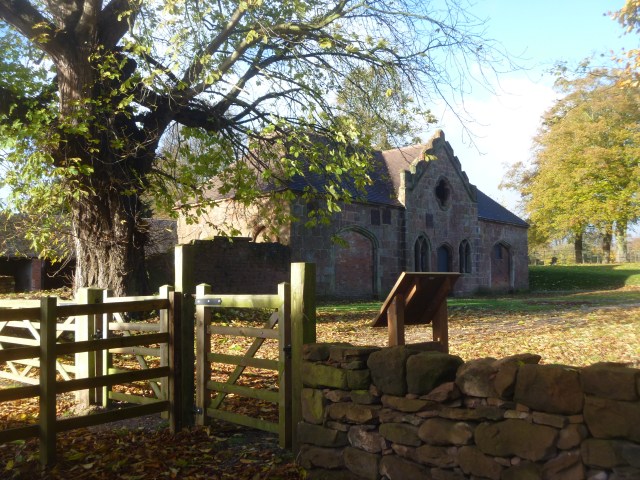
And here we are back where we started at the approach to the castle. On the left is the Coach House like the Castle left to ruin but now repaired and water-tight although it has no use at the moment. Behind are the 18th century Gothick stables.
Coach House

The Coach House

Notice

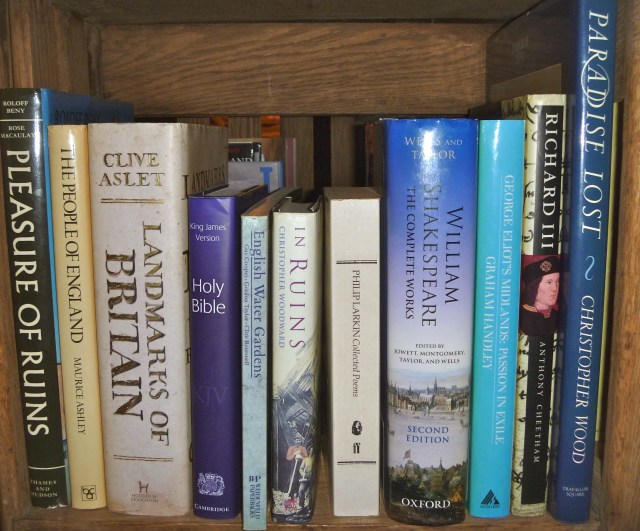
I return to the Castle to study the library and read more about ruins and the rich history of Astley and England.
Bookshelves

Garden Walks in the City of London : Gardens, Inns and Alleyways

GARDENS, INNS AND ALLEYWAYS
Meet At Chancery Lane Tube Station, Exit 3
Fridays at 12.00 Noon (accept Good Friday 29 March 2013).

A walk through London’s historic legal quarter, exploring glorious hidden gardens, distinguished and ancient buildings and hidden alleyways. Venture into a private world where few walkers stray – unless they have need of a lawyer!.
This walk includes steps and ends at the river near to Temple Tube Station.” [Source]

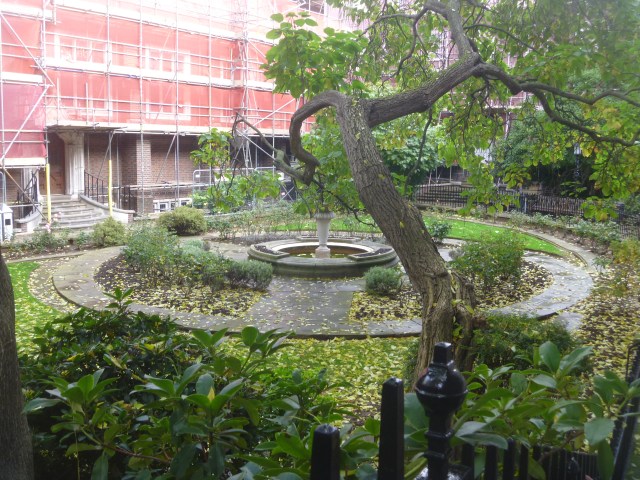
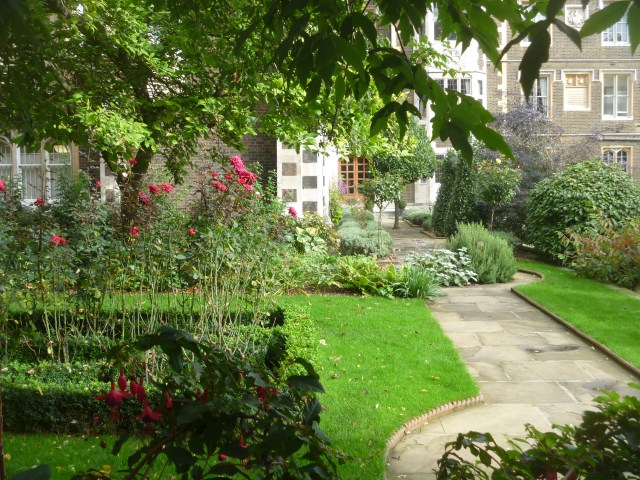
Staple Inn Garden

Staple Inn Courtyard Garden

This was our choice of activity when I met my sister in London on Friday. Eight of us, including three French women, turned up at Chancery Lane Tube Station at noon just as the rain was stopping and the skies were brightening. We met Jackie who was to lead the tour and she took us just behind the station and into Staple Inn garden.

Staple Inn

“Staple Inn was originally attached to Gray’s Inn, which is one of the four Inns of Court. The Inns of Chancery fell into decay in the 19th century. All of them were dissolved, and most were demolished. Staple Inn is the only one which survives largely intact. It dates from 1585.” [Source]

The name Staple Inn comes from the fact that the building (dating from 1585) was originally the wool staple where wool was taxed and weighed.

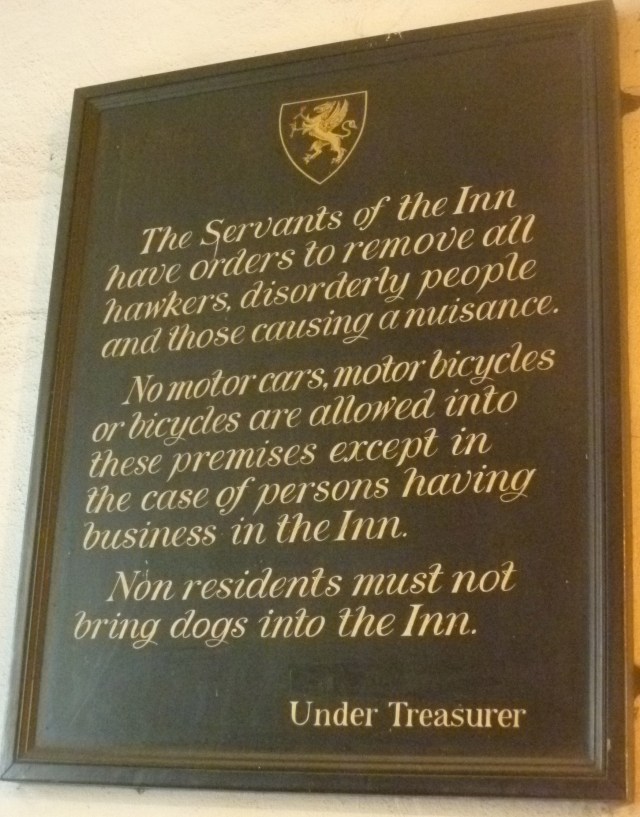
Grays Inn notice

There’s a lot of building work going on here so we didn’t tarry, just had a quick look round and then headed straight over Holborn and into our second garden that of Gray’s Inn.  “The Inn is known for its gardens, or Walks, which have existed since at least 1597.” [Source]

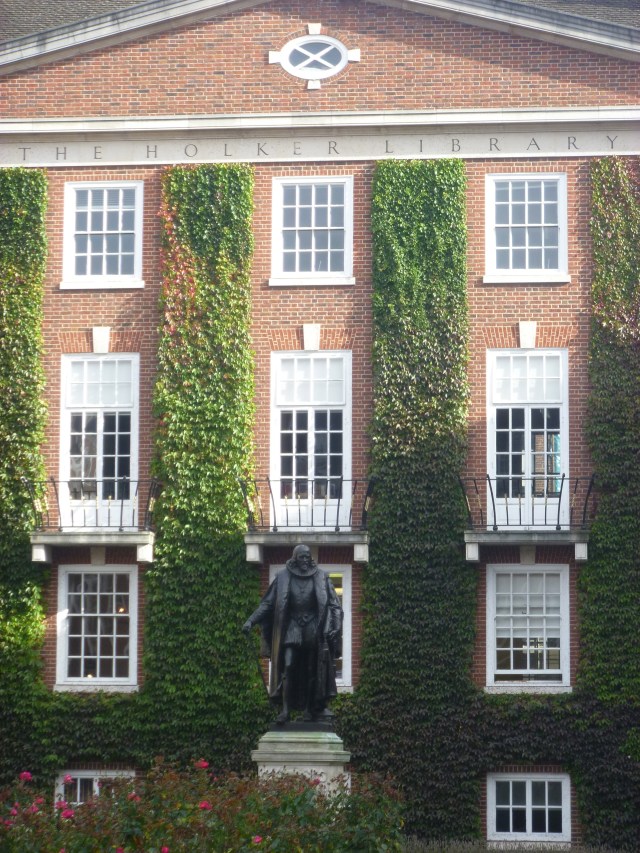
Bacon and Holker Library

Statue of Francis Bacon (1912) and The Holker Library

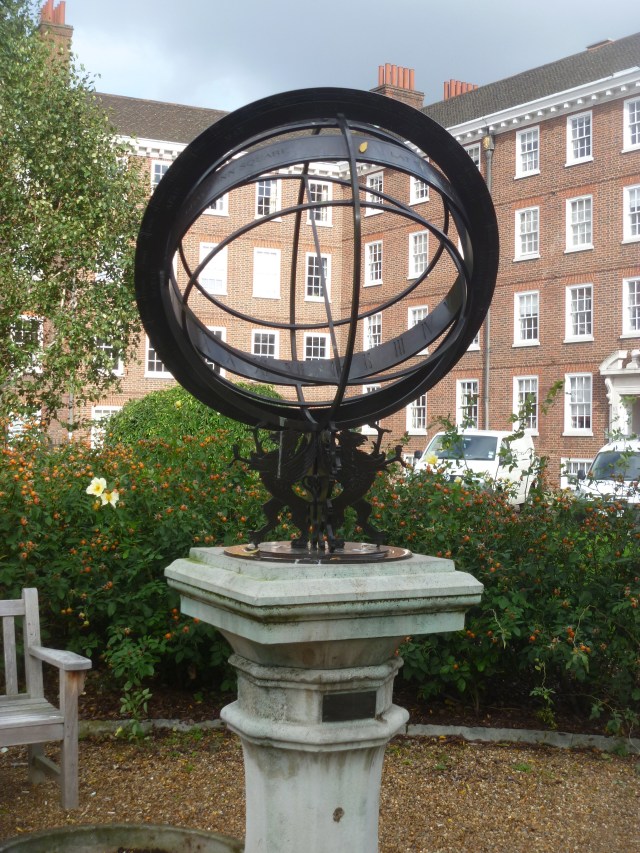
All of the gardens visited are havens of peace and tranquility and are just steps from the busy City of London streets. Gray’s Inn gardens are no exception. Dickens worked as a clerk here in 1828, and it features in several of his books including ‘David Copperfield’ and ‘Great Expectations’. There is a statue of Francis Bacon outside the Holker Library and through another arch and in another part of the gardens is an armillary – a form of sundial.

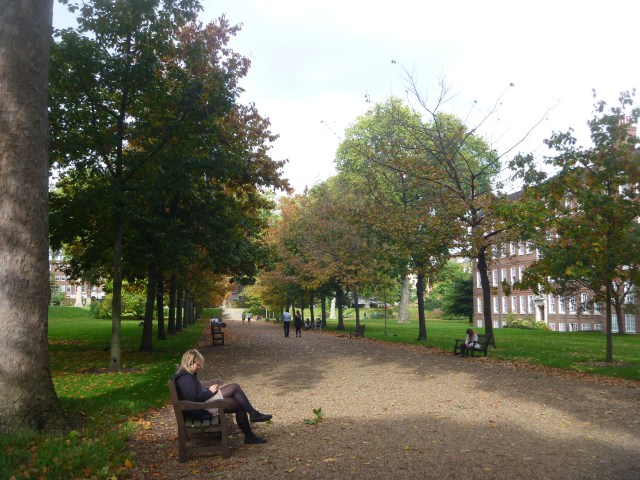
Peaceful Grays Inn

Peaceful Gray’s Inn Garden

Armillary consisting of hoops or rings

The Armillary

Grays Inn

The Gray’s Inn Walk

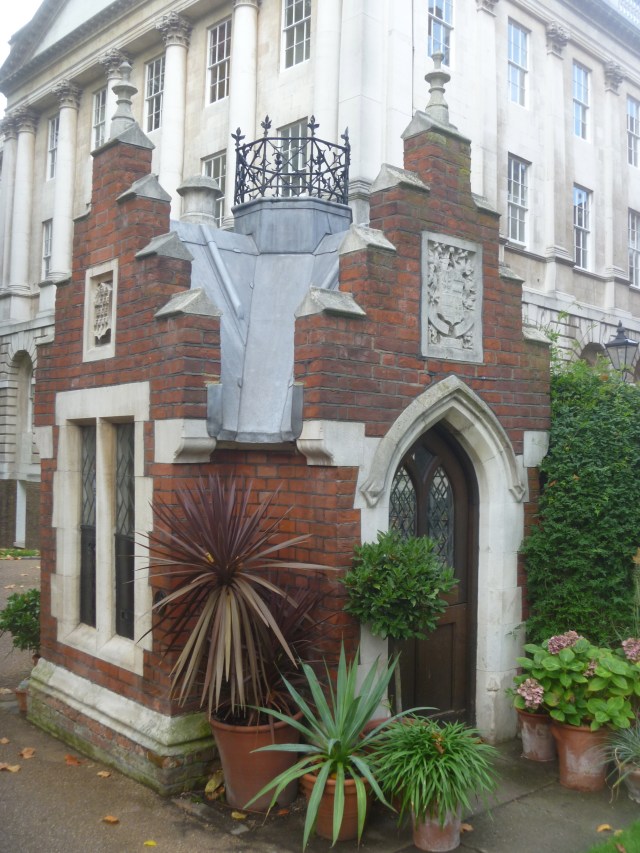
Back on the south side of Holborn is Lincoln’s Inn. Beautiful gardens surrounded by beautiful ancient buildings. On entering from Chancery Lane we came across a tiny ornate building which Jackie explained was the smallest City Grade 1 Listed building which had originally been built in 1860 for the man attending to law students’ horses while they worked : The Ostler’s Hut.

Lincolns Inn Ostler's Hut

The Ostler’s Hut, Lincoln’s Inn

Lincoln's inn

Lincoln’s Inn Chimney Pots

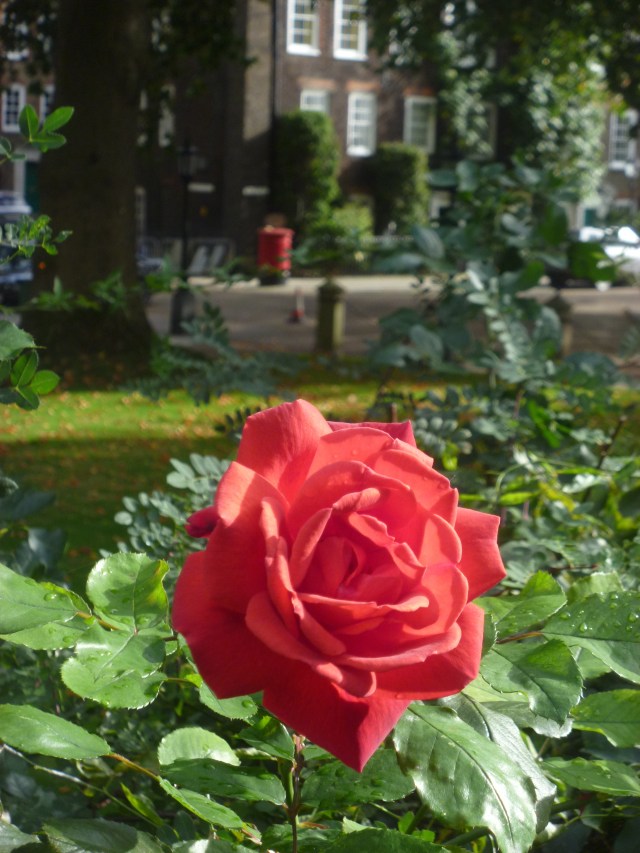
Lincoln's Inn rose

The Last Rose of Summer? Lincoln’s Inn

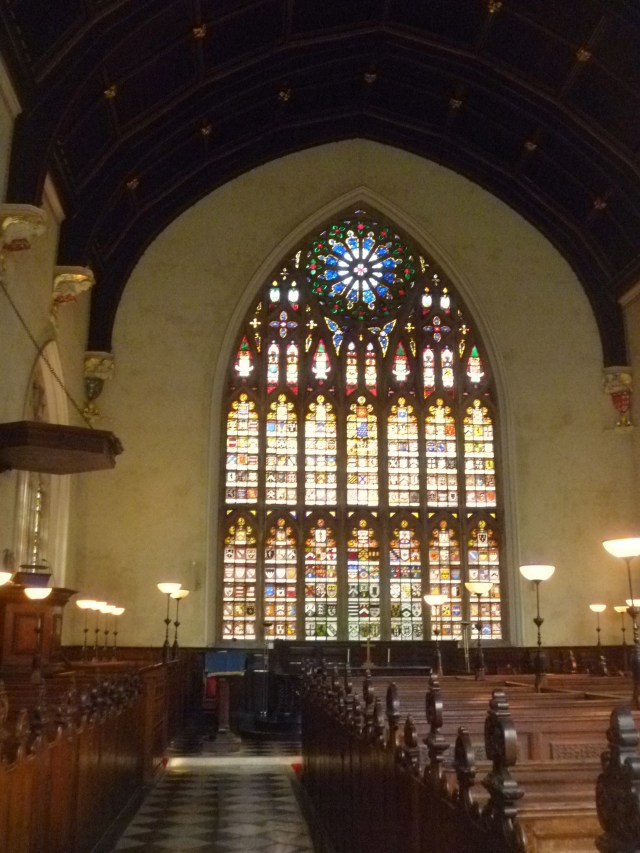
In Lincoln’s Inn we were able to go in the Chapel where the windows show the crests of the Treasurers from 1680 to the present day. The Treasurer is the head of the Inn and changes annually.

Lincoln's Inn Chapel

Lincoln’s Inn Chapel

L Inn Chapel window

Lincoln’s Inn Chapel Window

Lincolns Inn dry garden

Lincoln’s Inn tiny ‘dry’ courtyard Garden

Lincolns Inn herb plan

Lincolns Inn herbs

Lincoln’s Inn Herb Garden

LI looking back at herbs

Leaving Lincoln’s Inn

Leaving Lincoln’s Inn through Bell Yard we crossed Fleet Street and arrived at The Temple. It’s another fabulous place for a quiet picnic on a fine day although watch out for limited opening hours of some of the gardens.

Hare Court, within the Inner Temple, is home to several Chambers and some very comfortable benches.

Hare Court IT

Quiet Comfort in Hare Court

Hare Court Inner Temple Chambers

Inner Temple

IT gardens

Inner Temple garden

Inner t garden

Inner Temple Gardens

It was at this garden, almost on the banks of the River Thames, that our City Gardens Walk ended. What lovely and still colourful, despite the autumnal weather, tranquil oases for further discovery and appreciation. Just our kind of “Quiet London“. So it was back to the bustle of Fleet Street and off to find somewhere for a late lunch.

The Aislabie Walk from Fountains Abbey – The Short Route

Referring back to the Barden Moor Access Area practice walk a couple of weeks ago I’m pleased to announce that the alternative walk, which I had initially thought rather dull, was a big success so here’s a brief description of it and some photos. You will notice that the weather was exceptional that day. Several days on either side were dark and wet but the weather last Thursday was truly a gift.

Aislabie Walk

The walk was taken from a rather nice leaflet I picked up on a previous visit to Fountains Abbey. The Aislabie Walk (subtitled A journey through picturesque landscapes) is 17.5 miles (allow 8-9 hours) altogether. It’s a circular walk from Fountains Abbey (car parks and toilets) to Hackfall and back. However, along the way there are several points at which you can cut short the route and I chose the 7.5 mile option.

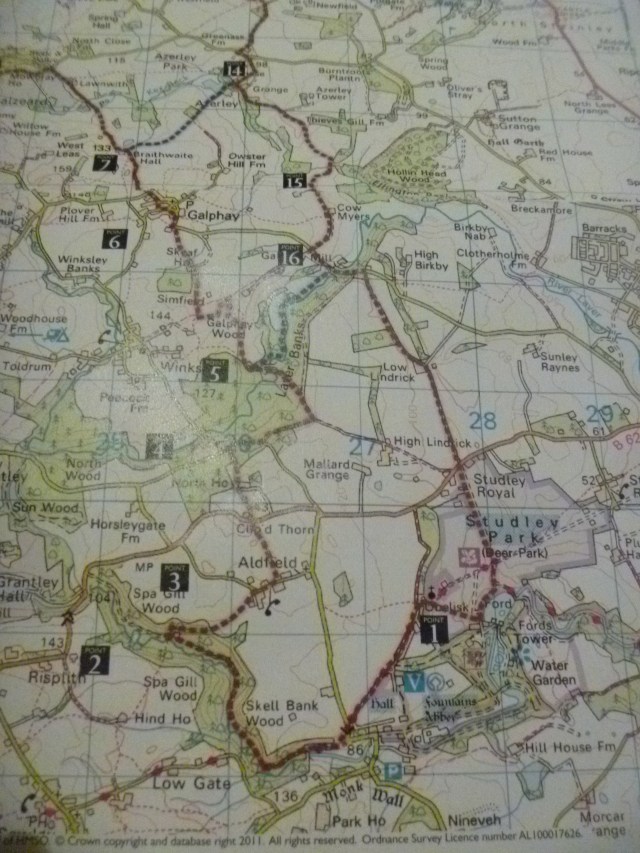
Aislabie map

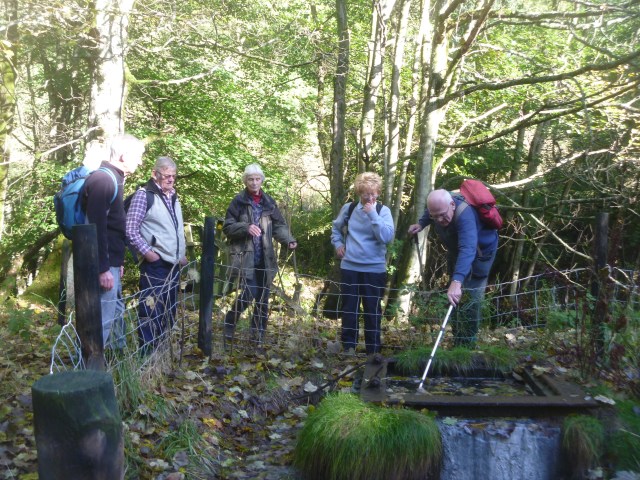
We parked at the main Visitor Centre car park and set off down the road to the River Skell following it west and then north for nearly two miles until we reached the old sulphur springs and ruined buildings of Aldfield Spa. You could smell them as you approached.

Sulphur Springs

The Wanderers disturbing the Sulphur Springs

From the Springs we headed slightly uphill to Aldfield village itself, passed through a couple of fields of kale (this had been what I remembered as the ‘dull’ part of the walk, across meadows to Laver Banks where we lunched at Woodhouse Bridge and joined the road later at Galphay Mill Bridge (point 5 to point 16 on the map).

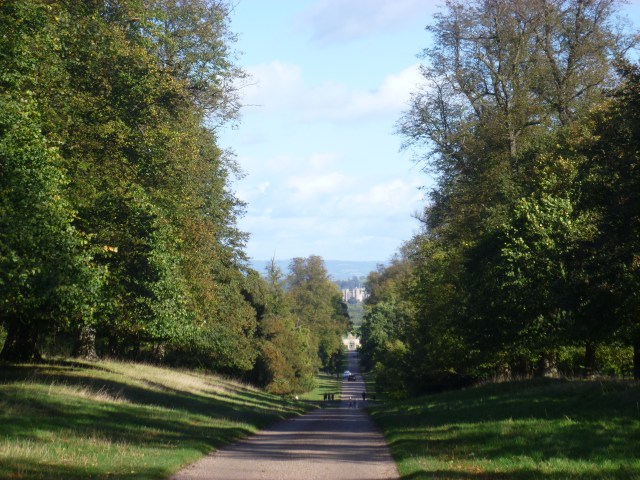
A pleasant track through former parkland, now grazed by cows, brought us back to the the gates of Studley Royal Park. We crossed the deer park (only spotted one) taking in views of the Choristers’ House, St Mary’s Church and Ripon Cathedral.

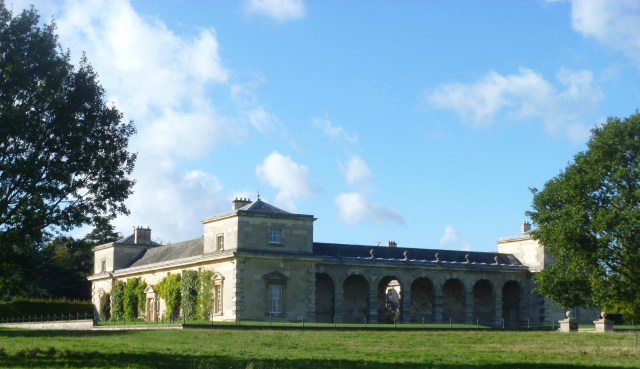
Studley Royal

Studley Royal Hall much of which was destroyed by fire in 1946

Ripon Cathedral in the distance

Ripon Cathedral in the distance

Church and House

St Mary’s Church and the Choristers’ House

St Mary's

St Mary’s, Studley Royal Church

So my concerns about the walk were not at all justified and a good day out was had by all!

Rylstone Edge Walk

Last Sunday was the day to do a practice walk in preparation for the ‘real thing’ on Thursday this week (17th October) when it is my turn to lead the Thursday Walk for the Weekday Wanderers. In August I’d done a walk from Fountains Abbey but this proved rather uninteresting so I was inspired to try a different one to present to the group. Twice this year we have walked from Hetton around Winterburn Reservoir, with slight variations each time. Memories of the wonderful views across to Cracoe Pinnacle inspired my choice last week.

Cracoe Fell from Moor Lane Hetton

A friend, and fellow Wanderer, agreed to accompany me. In the past both of us had had difficulty finding one of the paths down to Cracoe but we felt that with both of us working on the challenge, and our previous experiences, we would find a suitable descent. And we did.

Map

There are several versions of this walk but the one we finally decided on was from the Yorkshire Post – Rylstone Edge in the Saturday ‘Walk this way” series, 24 July 2010. [NB This walk is not listed on the link]

Early in walk

We parked by the picturesque duck pond in Rylstone (yes, yes, home of the Calendar Girls, remember them?) crossed the B6265 (Skipton to Grassington road) took the track past the Manor House to St Peter’s Church and from there headed across fields and along another decent track to the Access Point to Barden Moor and Barden Fell Access Area.

Access Map

Map of the Access Area [property of the Bolton Abbey (Devonshire’s) Estate]

Looking back to St Peter's and Rylstone

Looking back to St Peter’s and Rylstone

Near entrance to Access Area

View near gate to Access Area

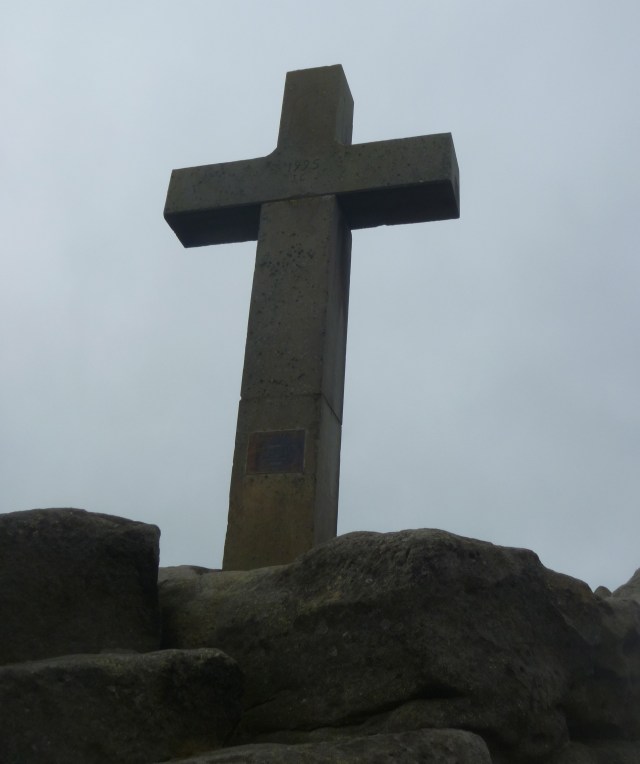
Through the gate we took the track which rose steadily until we were almost on a level with our first monument – The Rylstone Cross. A left turn took us gently up to the cross itself. This 1995 cross replaced the original 1815 cross that commemorated the Treaty of Paris near the end of the Napoleonic era.

The Cross

Rylstone Cross

War Memorial in middle distance

Between the War Memorial and the Cross [Memorial in middle distance]

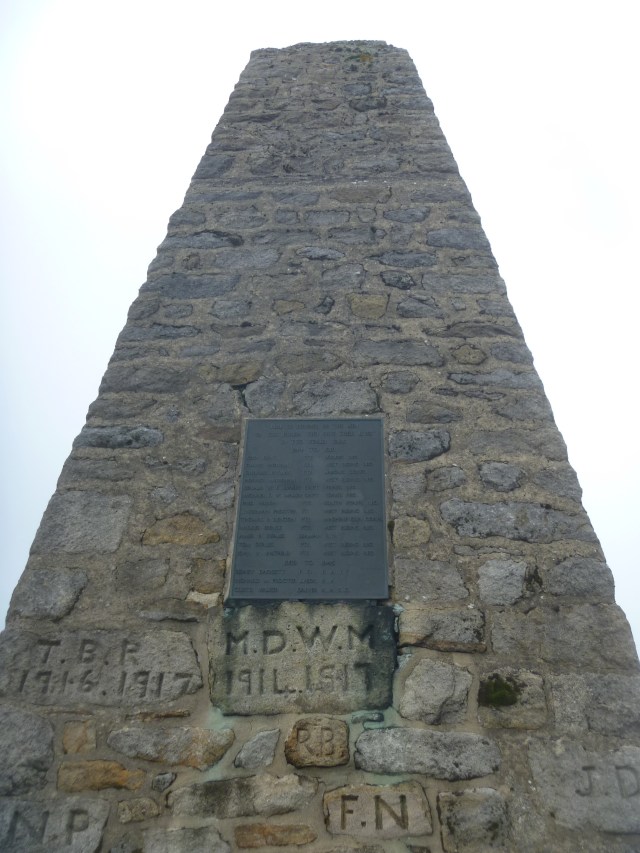
From the cross, along the ridge, we kept to the eastern side of the dry stone wall until we reached the second memorial The Cracoe Obelisk War Memorial which records the names of those Cracoe men who died in the First and Second World Wars.

Cracoe War Memorial

Cracoe War Memorial

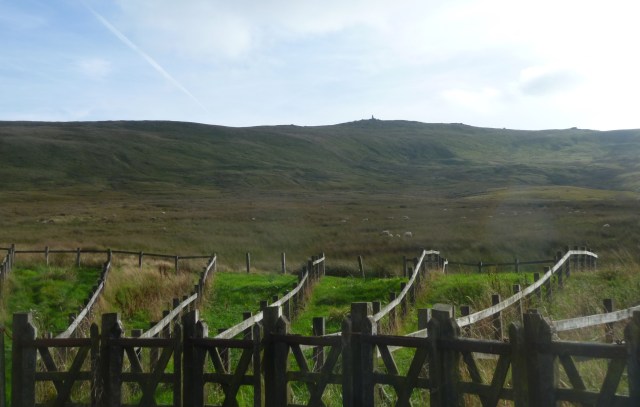
It is the path down to Cracoe that has proved elusive in the past and you run the risk of ending up in very marshy ground which is impossible to pass through. This time we managed to find a good clear route and emerged from the least marshy area at some old sheepfolds on the edge of Cracoe village at the top end of Fell Lane.

Sheep pens

The old sheep pens and war memorial

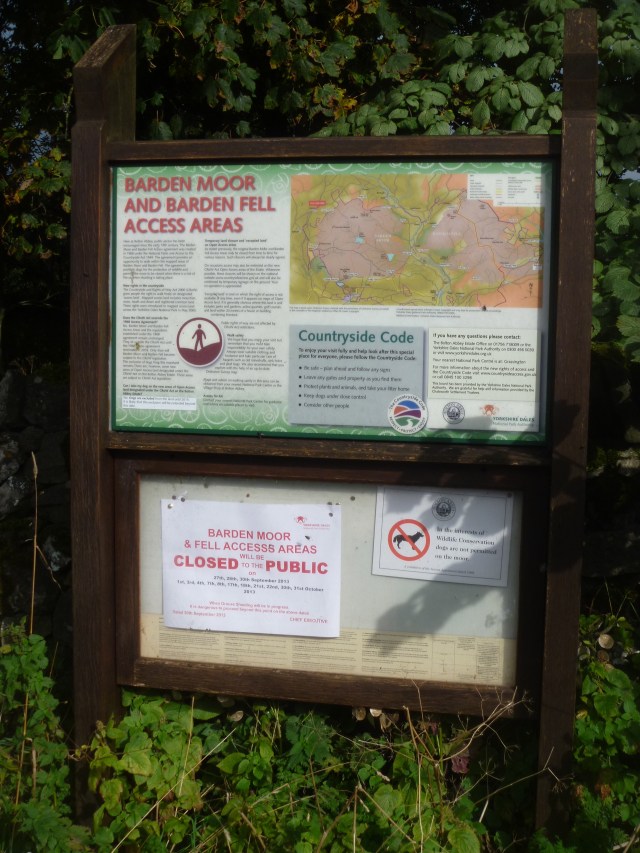
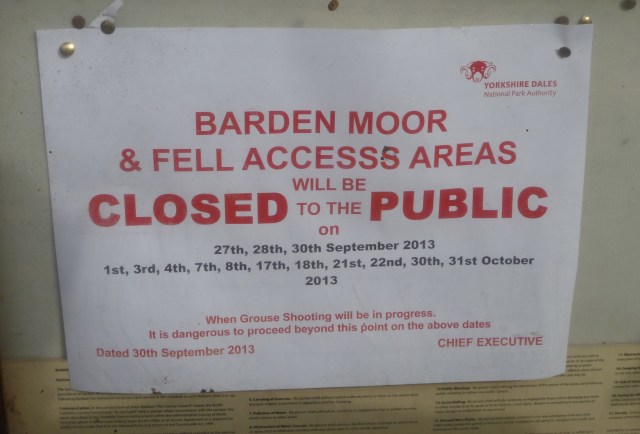
The lane leads down to the village which is where you leave the Access Area. And here the big disappointment was revealed – the whole area is closed to the public on a list of 14 days between the end of September and the end of October and one of these is Thursday 17th October!! So, having negotiated a perfect route for a day out with superb views across the Yorkshire Dales the walk will have to be shelved until next year at the earliest.

Access Board

Access Area Information Board – Study Carefully!

The final walk back to the car was along a quiet track (Chapel Lane) behind the village and parallel with the main road past St Peter’s Church, Rylstone again and so back to the car. Looks like I’ll turn back to the uninspiring walk from Fountains Abbey for next Thursday 😦 .

Closure Dates

Grrrrr!!!!

Hailes Abbey Walk

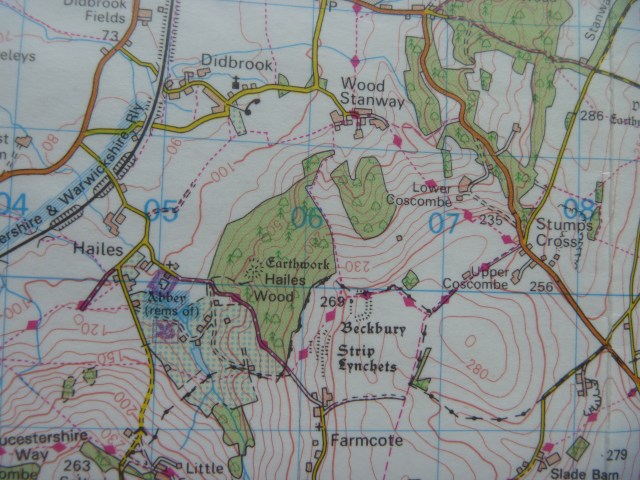
HA Route map

Our Route : The Pink Diamonds indicate The Cotswold Way

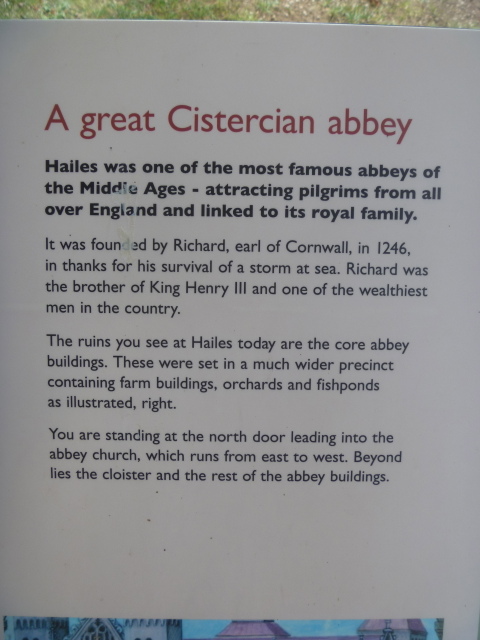
Tewkesbury is only a few miles from The Cotswolds so on Sunday my sister and I chose the five mile walk “Thomas Cromwell and Hailes Abbey: how an important abbey was destroyed by a King’s Commissioner”. We drove the few miles to Hailes Abbey and parked up by the church. We decided to have our picnic lunch in the Abbey grounds after the hike.

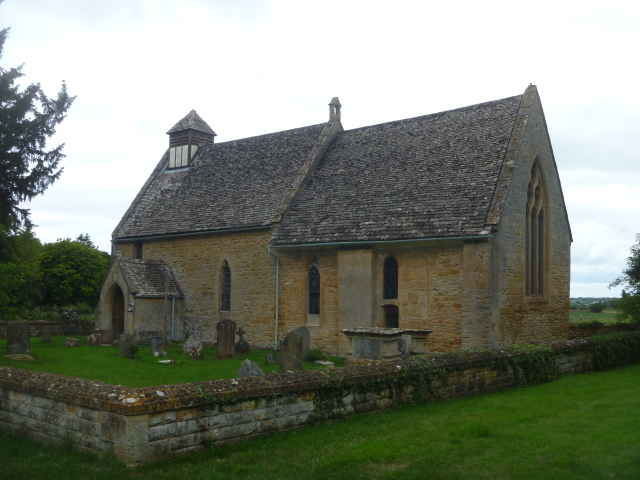
Hailes Church

Hailes Church (undedicated)

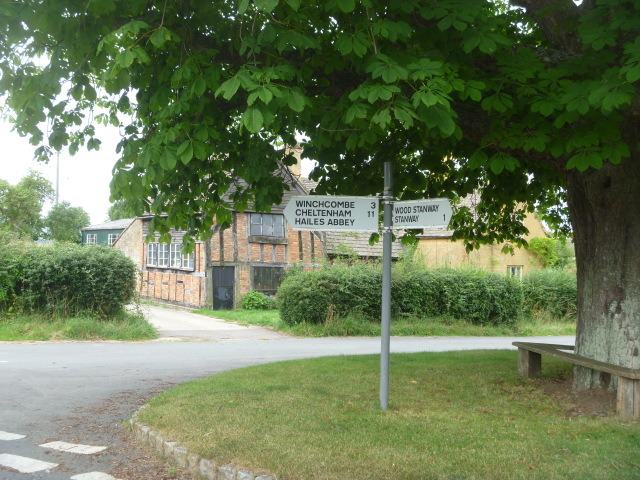
After a short distance back-tracking down the lane we headed off the road along grassy field paths to the village of Didbrook. We were surprised that this village had a primary school besides the honey-coloured stone church and houses. The school does serve a largish catchment area though, not just the village.

Didbrook

Acorn Smithy in Didbrook

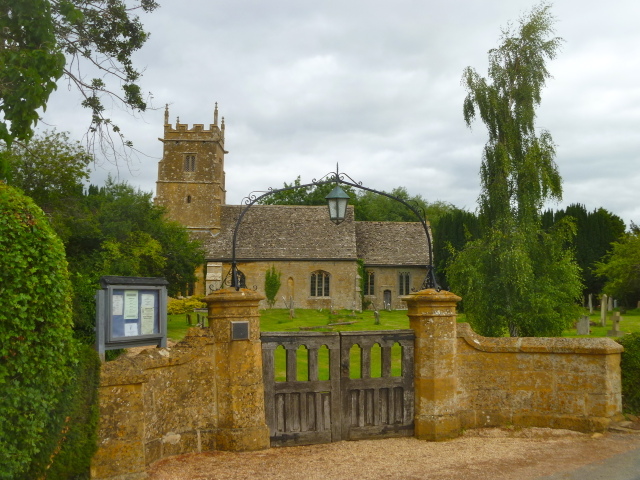
Didbrook Church

St George, Didbrook

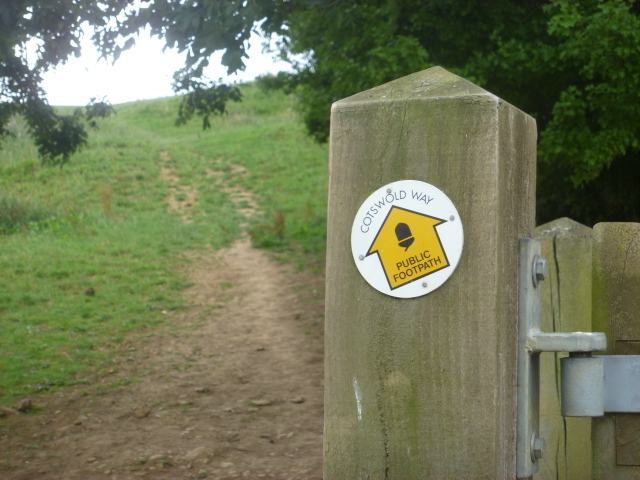
After Wood Stanway, which we approached along quiet country lanes, we joined the Cotswold Way which is a National Trail and indicates to us a well-marked route with its acorn-topped wooden marker posts. After quite a climb we were pleased to see a wooden bench and enjoy the view towards the Malvern Hills and possibly the Welsh Mountains too.

The Cotswold Way

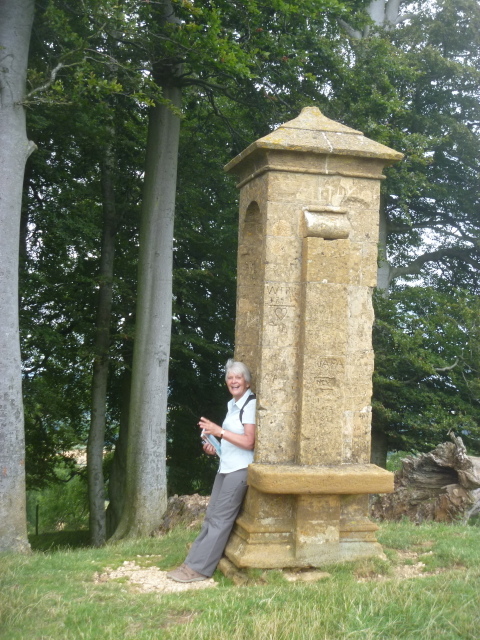
After passing the ramparts of an Iron Age fort (Beckbury Camp) we came across a bizarre little stone pillar with a niche carved out of it. According to local lore it was from here that Thomas Cromwell (Wolf Hall) watched the destruction of Hailes Abbey in 1539.

Thomas Cromwell's niche

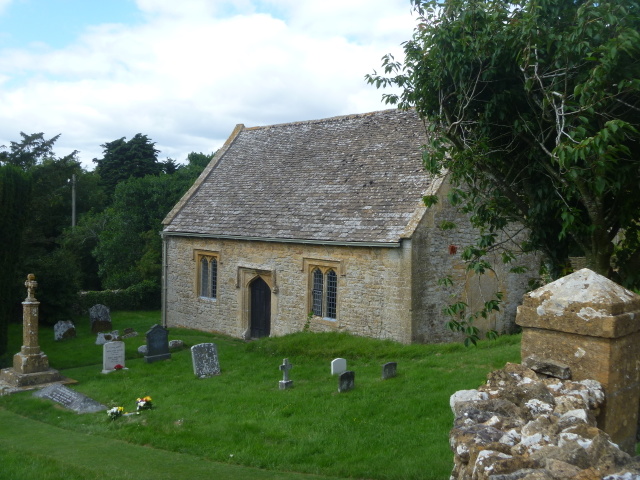
A half-mile deviation from the Cotswold Way lead us to the hamlet of Farmcote with its tiny chapel and herb and chilli peppers farm.

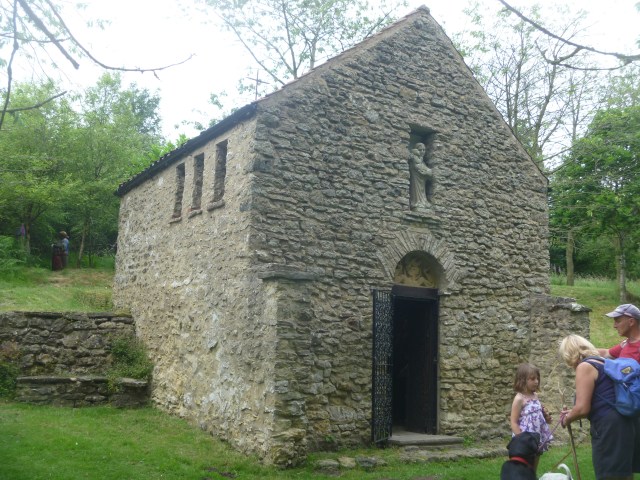
Farmcote Chapel

St Faith’s Church, Farmcote

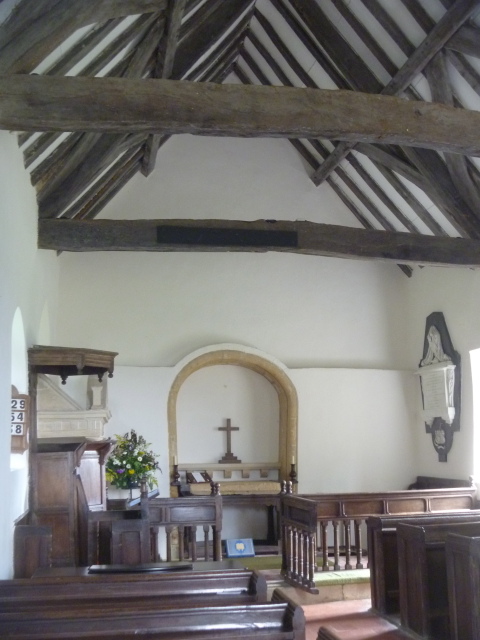
“The body of this beautiful little chapel is Saxon and fairly early Norman, though the round Saxon apse was destroyed in the early nineteenth century. It has massive windbraces and huge cross-beams, still bearing the axe marks of pillagers. It is thought that the Saxon builders of the Chapel made have made use of an earlier, possibly even Roman building. The Chapel has a Norman rectangular nave and a tiny chancel linked to it by a narrow Saxon arch. the chancel houses a Jacobean canopied oak pulpit and arcaded reading desk, oak benches of 1597, fine altar rails of the Seventeenth Century and an altar itself of the Fifteenth Century with the original Mensa slab scratched with the five crosses, symbolizing the five wounds of Christ.” BBC Domesday

St Faith's interior

St Faith’s Farmcote : Interior

From Farmcote we descended steadily down the track (Cotswold Way) to the road and Hailes Abbey where we flashed our National Trust cards and settled at a picnic table for our well-earned tasty lunch! After lunch we walked around the Abbey grounds studying the information boards and the museum artefacts and discovering just how important this lonely ruin off the beaten track had once been.

Welcome

Welcome to the Cistercian Abbey of Hailes

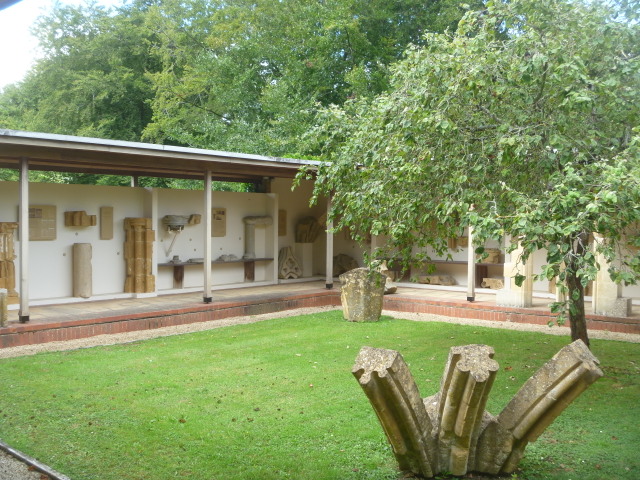
Museum

Hailes Abbey Museum

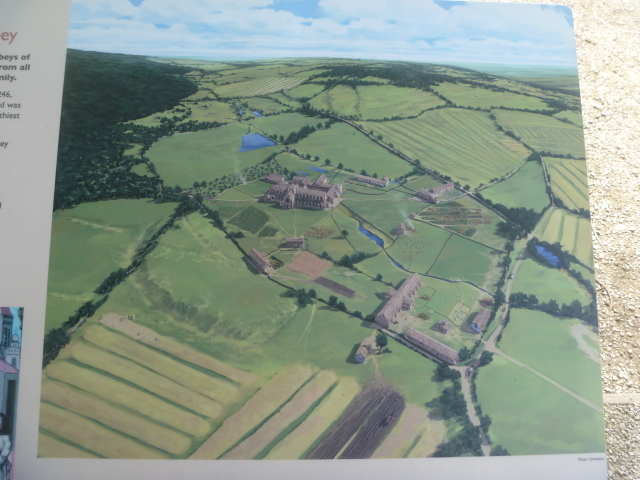
As it was

Hailes as it was

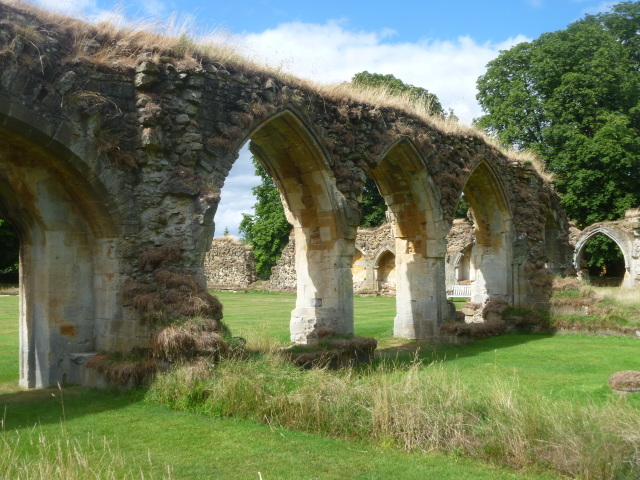
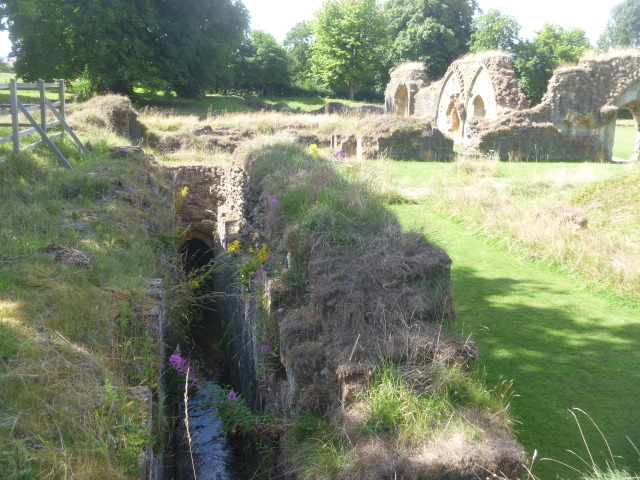
Ruins

Ruined Cloister Walls, Hailes Abbey

Culverts

The Drainage Culverts Established by the Monks – Still in Use Today

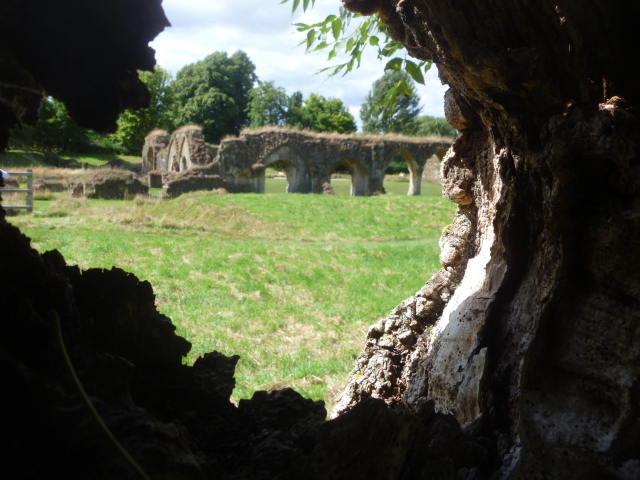
Abbey through tree

Goodbye Hailes Abbey

A Visit to The Plot

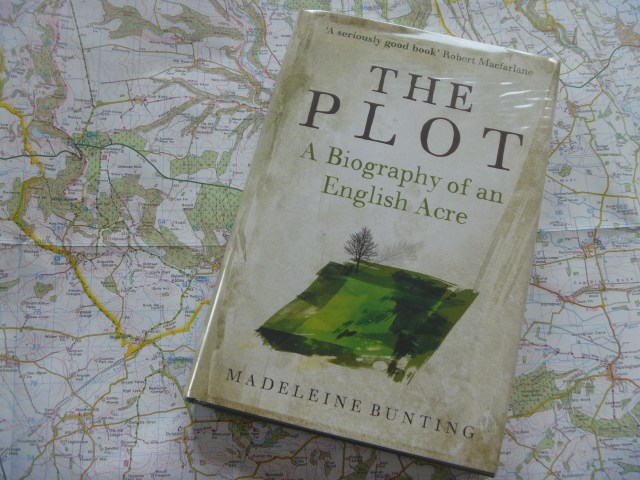
The Plot and Map

The Plot

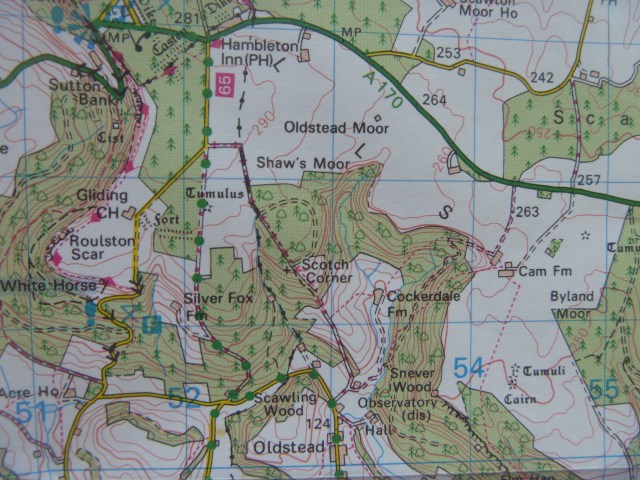
Last year at the Cowside Open Day I met Rosy and as we dried the pots in the kitchen together she told me she was reading The Plot by Madeleine Bunting. It’s based on a small parcel of land in North Yorkshire. She mentioned that the name of the plot of land was Scotch Corner and it was just near Kilburn and Sutton Bank. I looked up the name on the OS map and found it clearly marked and, intrigued, borrowed the book from the Library. The author is a Guardian journalist but she is also the daughter of the artist who built a chapel as a war memorial on the plot of land and decorated it with his own sculpture work. You can read more about the book in this Guardian review.

The Plot Map

With it having a local interest and the fact that I liked it a lot I recommended it to my local book reading group. Our discussion (it had very positive responses) was held in early June. Observant members of the group had noticed a feature in a recent edition of the Yorkshire Post and brought the clipping along to the meeting.  The article finished with :

The chapel will be open between 12pm and 4pm to visitors and directions can be obtained from Sutton Bank National Park Centre. The chapel is located at Grid Reference SE 526, 814 and it is a 20-minute walk to the nearest parking.

Chapel

A quick look at the link to the North York Moors National Park site revealed the dates later in the year when the Plot and The Chapel would be open for viewing.

The tiny, remote Chapel will be open for the public to see inside on Saturday 18 May, Saturday 20 July and Saturday 14 September this year.”

The group planned a picnic for the Saturday 20 July but I had also mentioned the book to another friend who lives in Cheshire and we’d planned to visit this summer. We invited Rosy to join us and all met up at Byland Abbey. From there it was a short hop to Kilburn and pub lunch outside at The Forresters Arms. Rosy, who lives nearby, took us to a parking place near Oldstead and we walked uphill along the old drovers’ road to Scotch Corner.

The Drovers' Track

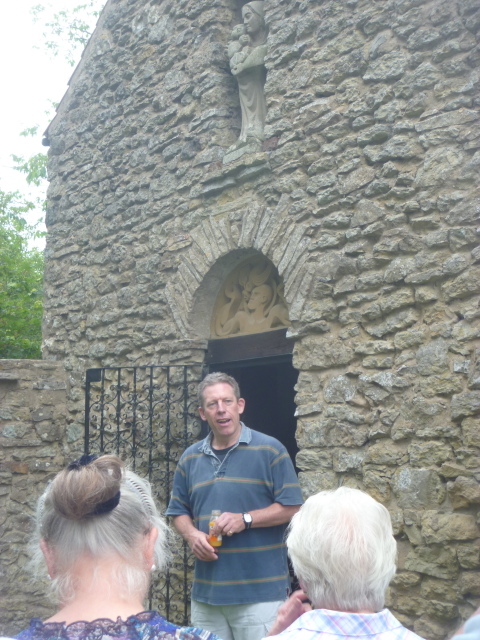
At The Plot a small crowd was inspecting the Chapel and there also was the book group; picnicking in the sun. Madeleine Bunting’s brother, Bernard,  gave a brief introductory talk and we later looked inside the memorial and the hut that also occupies the small grassy site.

Bernard Bunting

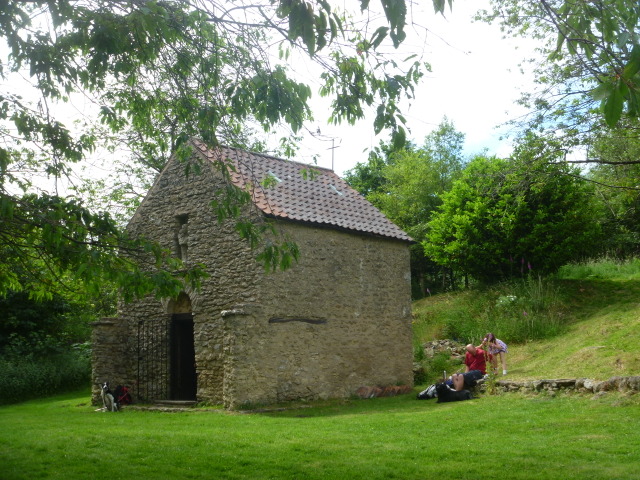
Memorial Chapel

The Memorial Chapel

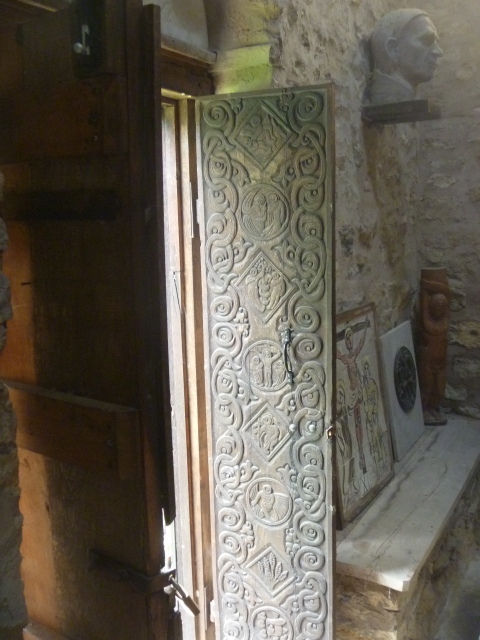
Carved door

Carvings on the Chapel door

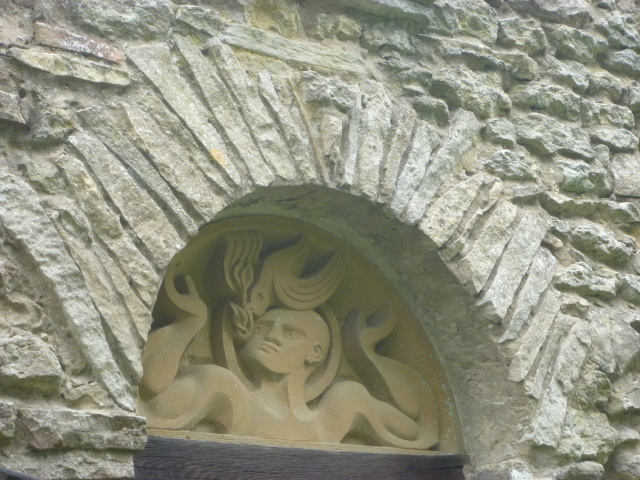
Lintel

Lintel above the entrance

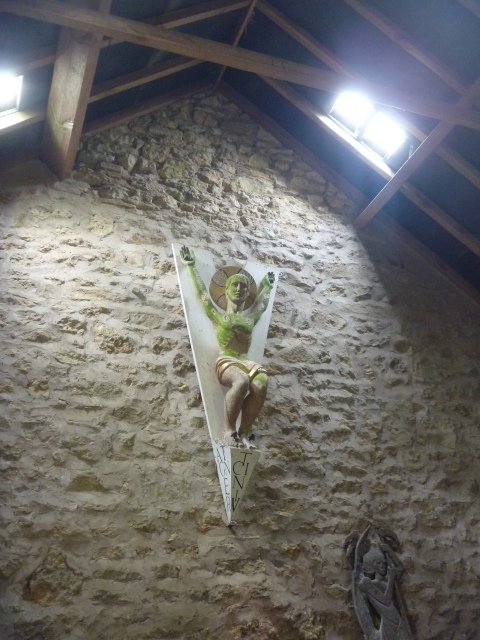
Memorial sculpture

Memorial Sculpture

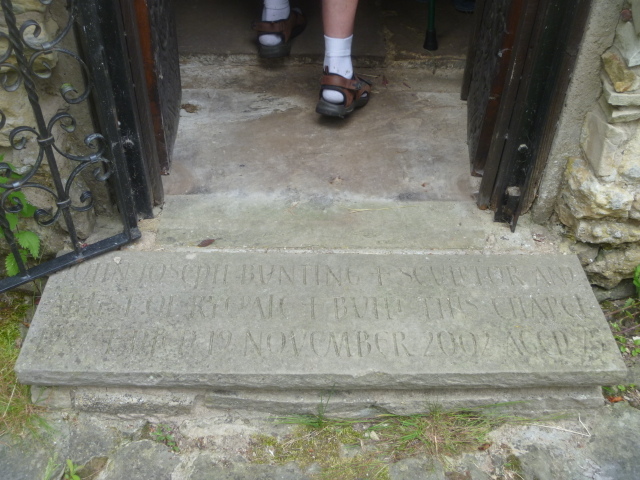
Memorial Stone to John Bunting

Memorial Stone to John Bunting (at entrance to Chapel)

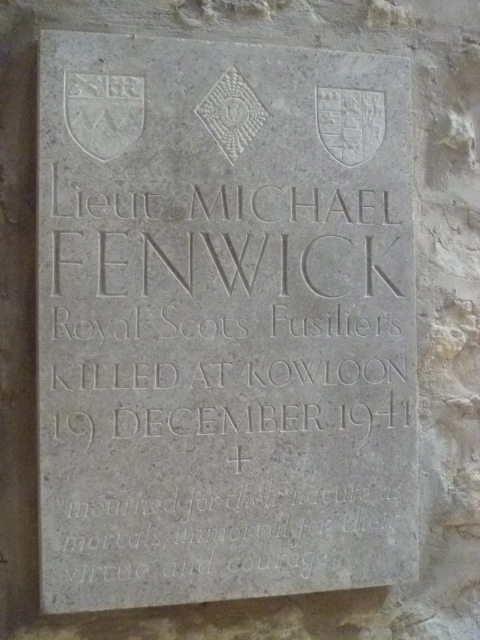
Michael Fenwick

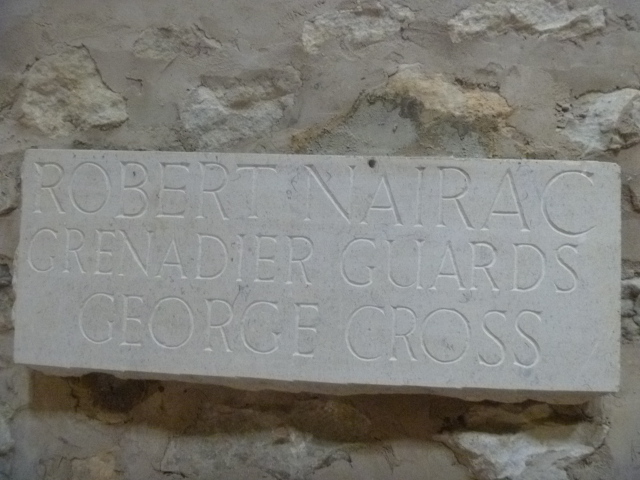
Robert Nairac

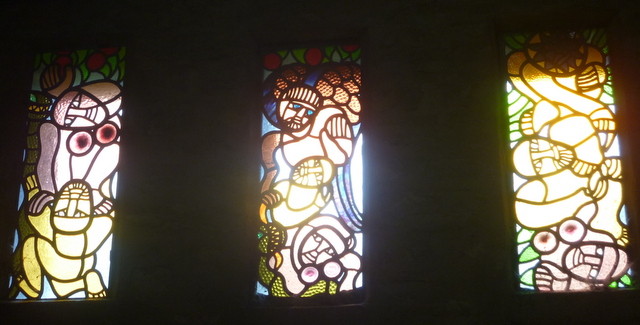
windows

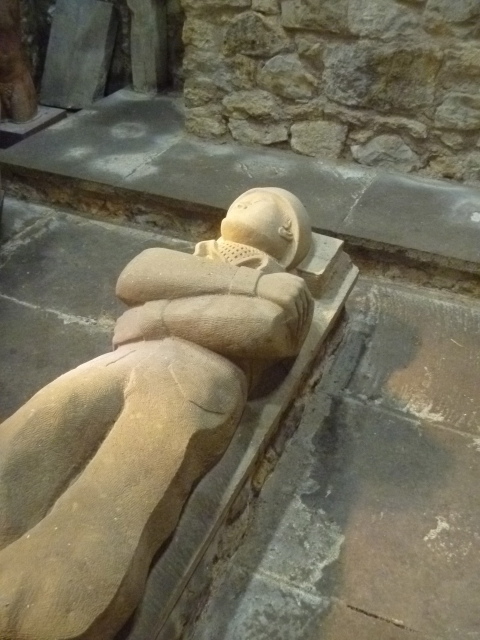
War memorial

We soon began to feel the need of a cup of tea and piece of cake so returned to the car and to Kilburn where the Mouseman T Shop was able to supply both in ample quantities.

“High Mountains, deep gorges, harsh winters : ideal for a railway” : The Albula Experience Way

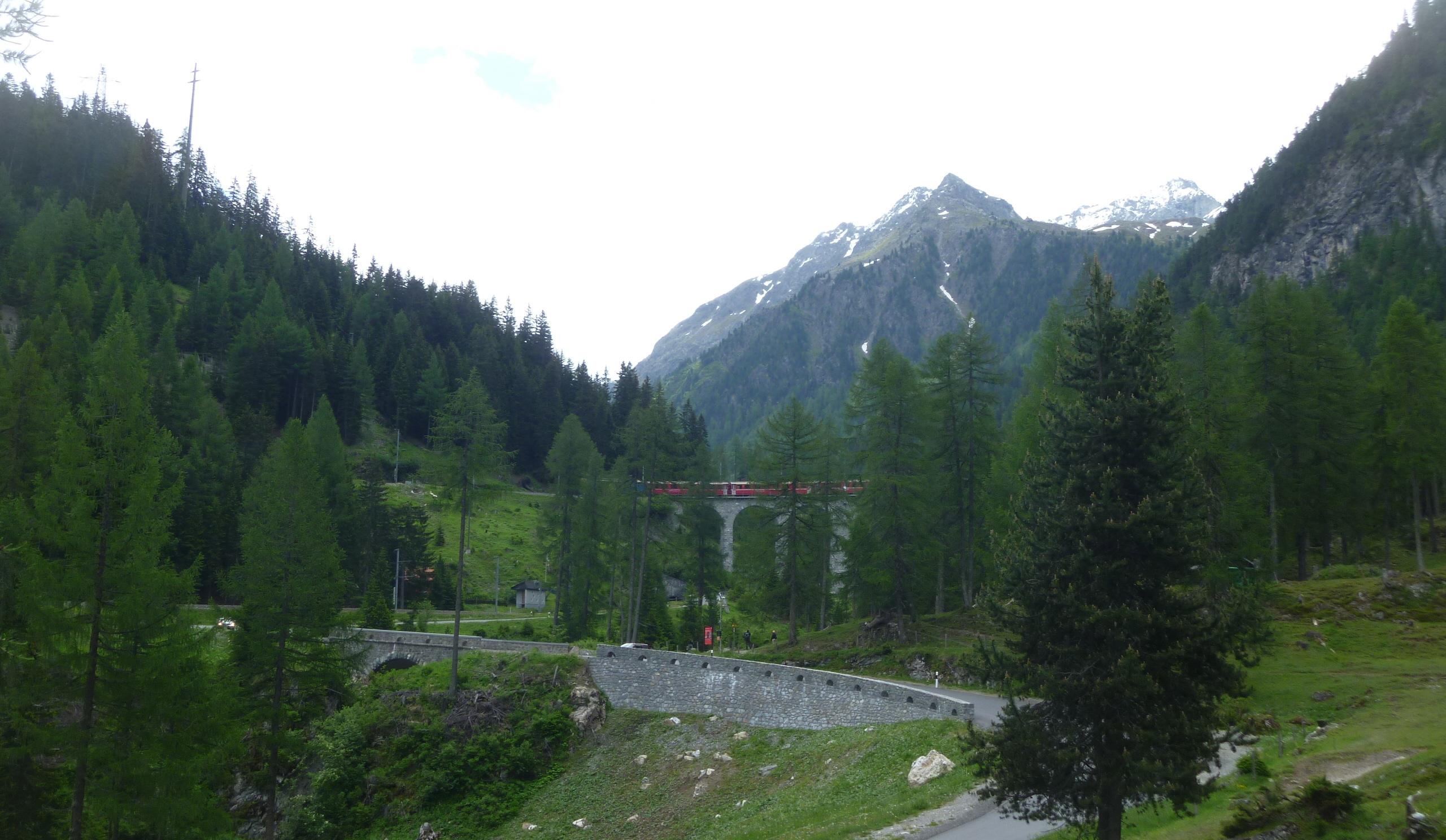
Now and then you spot a train

Swiss Railways [SBB] always make a few special offers each month and before coming away I received notification of the June offers from the SBB. In the list was a 30% discount for a return journey from your local station to Bergün and the same off the entrance fee to The Railway Museum Albula just by Bergün Station.

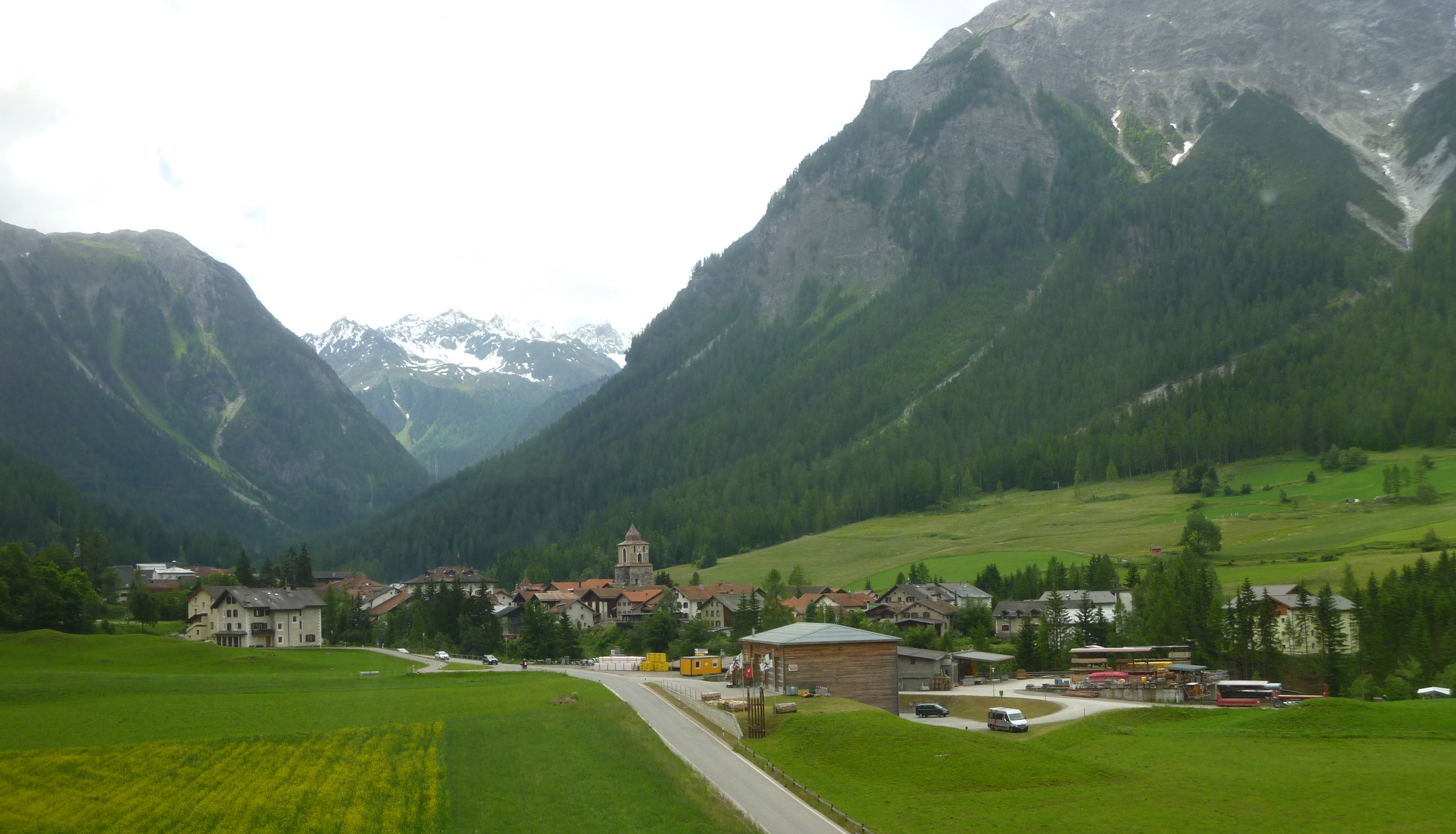
Bergün from train

Bergün from the train

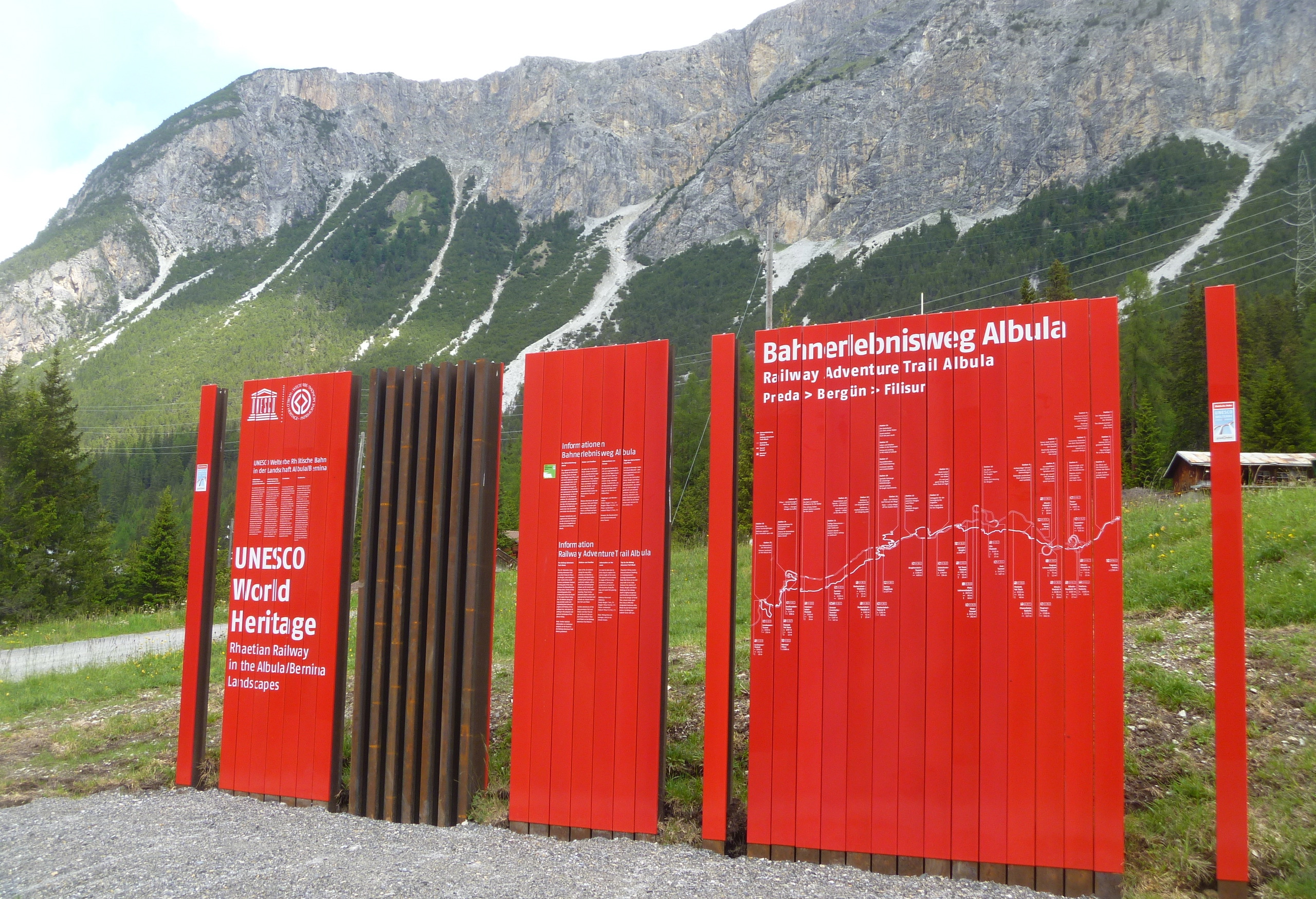
On further investigation I discovered a newly opened footpath the Albula Erlebnis Weg [The Albula Experience Footpath]. The path starts at Preda, the next station up the line. It’s all part of the UNESCO World Heritage Albula + Bernina.

UNESCO World Heritage

UNESCO World Heritage – A masterpiece of railway engineering

The line across Albula and Bernina, now more than a century old, is regarded as a truly unique masterpiece of the railway engineer’s art. Designed from the start to exist in perfect harmony with its surrounding countryside, the line stands as a monument to the pioneering days of railway-building. Since July 2008, the Albula and Bernina lines of the Rhaetian Railway have been on the UNESCO list of World Heritage sites.

Where landscape and railway blend into one: in a series of wide expanses and elegant man-made structures, along the winding route through abruptly-sloping Alpine valleys. Monumental landmarks along the way include the Landwasser Viaduct, the series of winding tunnels between Bergün and Preda and the Circular Viaduct at Brusio. The line continues to be a model of its type.” Source

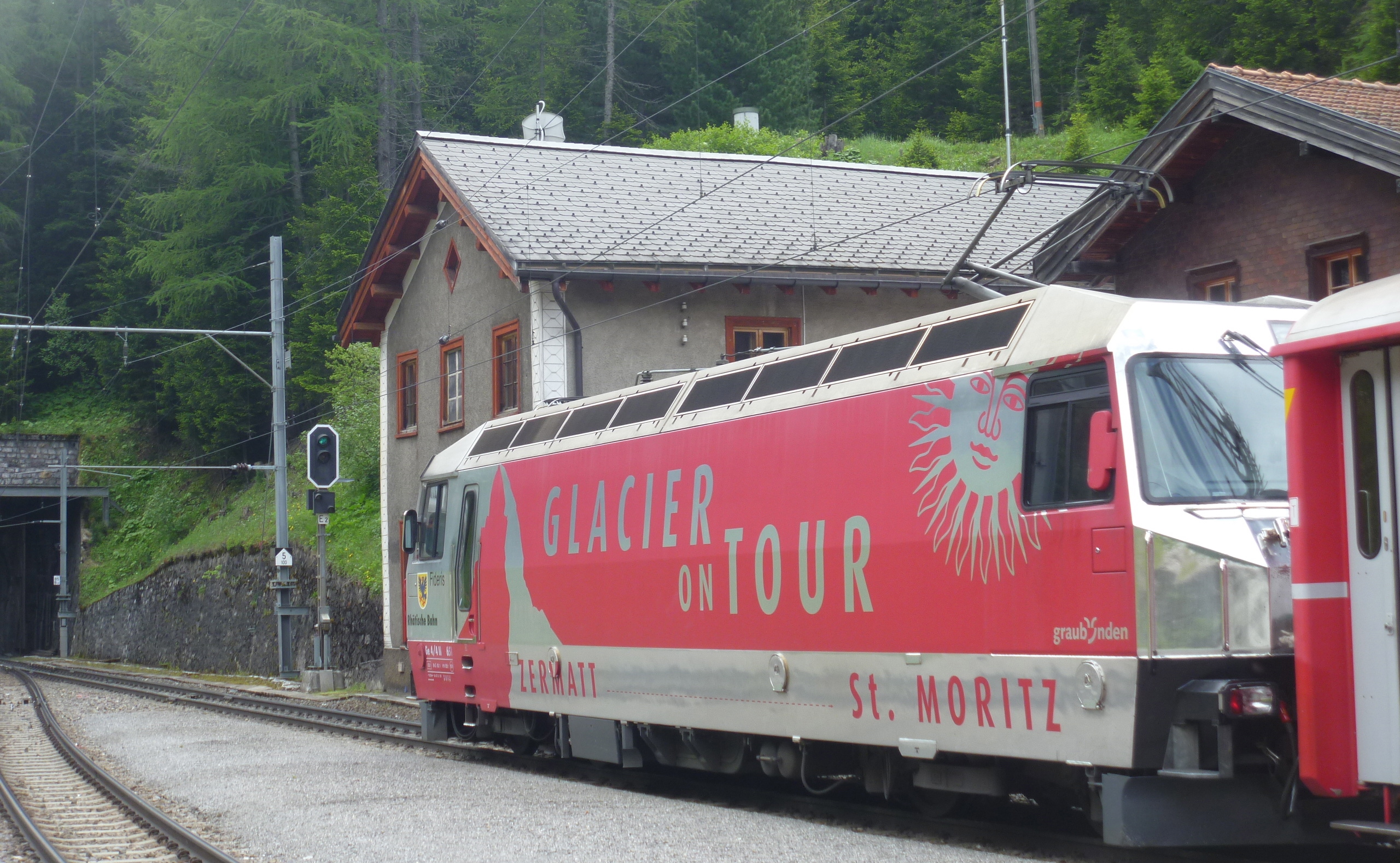
Last Friday was my day off so the perfect opportunity to take advantage of the offer whilst it was still on. The journey there and back involved 4 changes of transport. The line is up between Klosters and Davos-Glaris stations this summer so you must take two replacement bus services. Plus there is another change at Filisur for the Saint Moritz service – Glacier Express on tour.

Glacier on Tour

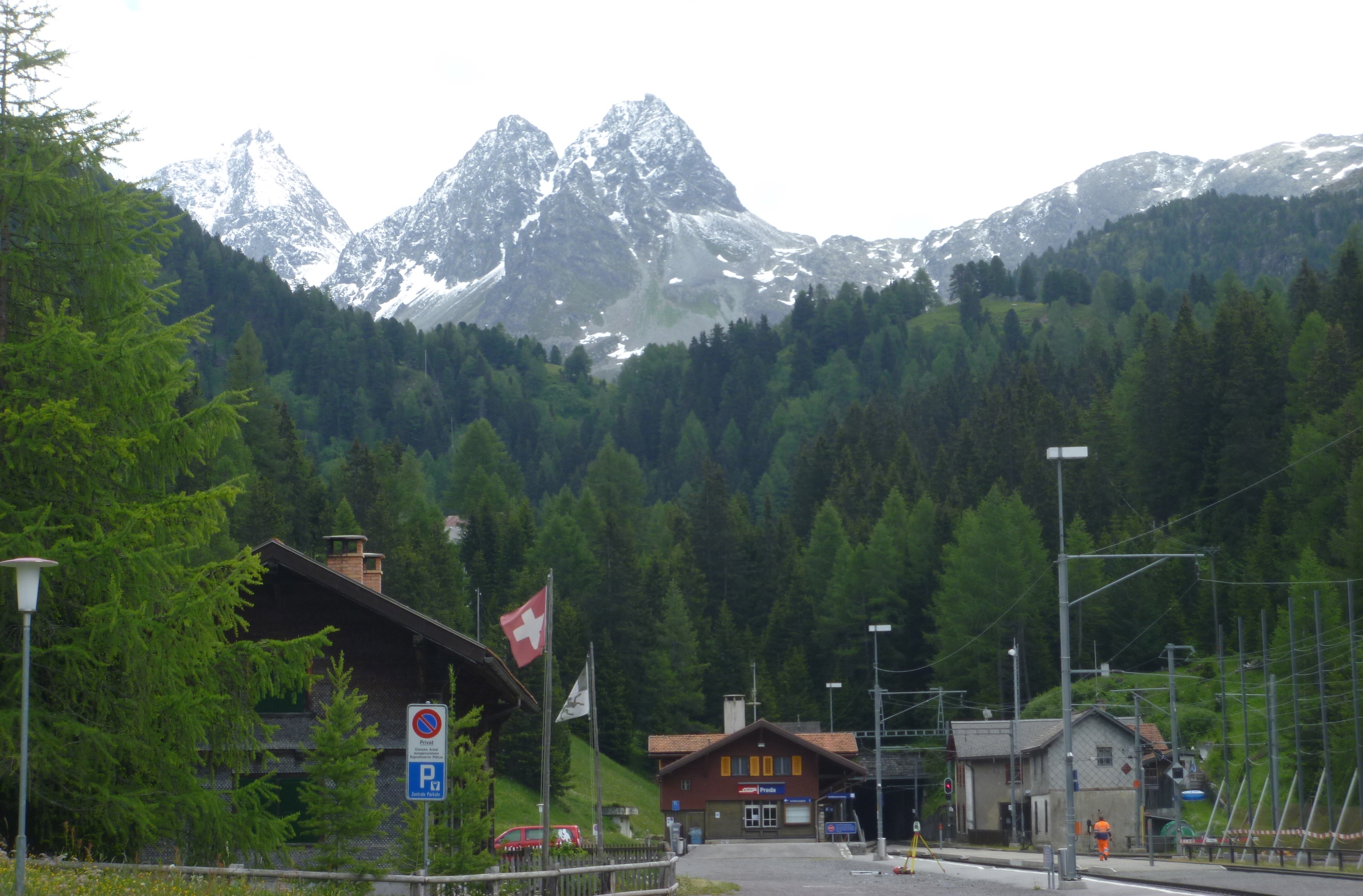
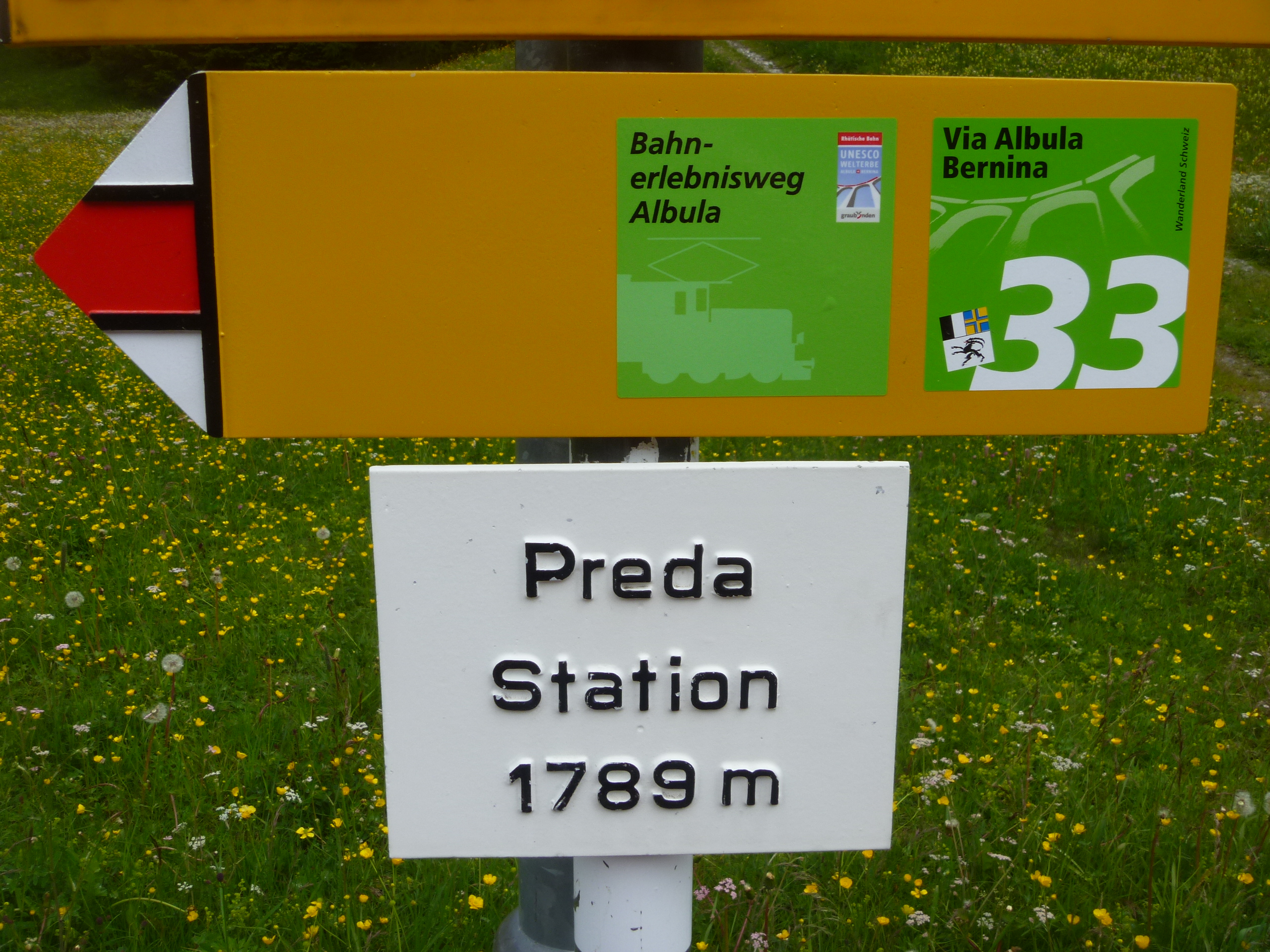
My add-on ticket took me as far as Preda. The weather this week has not been good but luckily I avoided all rain. However, I could have used a pair of gloves – it was freezing cold at Preda Station – 1789m ASL.

Leaving Preda Station

Leaving Preda Station

Preda station and sign

You can’t miss the Albula Way; it’s indicated clearly all along the route. Between Preda and Bergün there are ten information boards. The path continues down to Filisur with more boards but I only walked as far as Bergün as I had my Museum ticket.

Some features of the two hour walk :

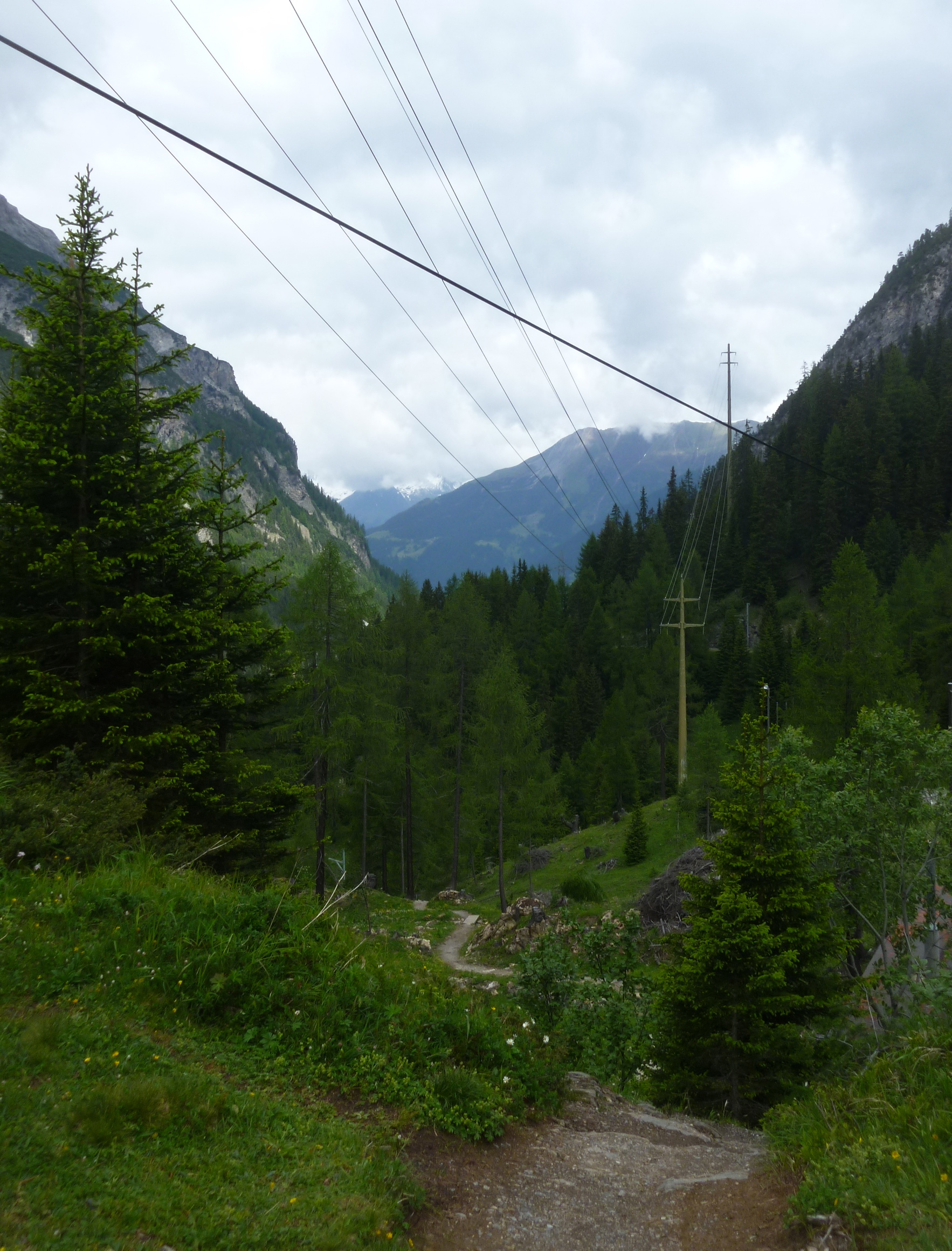
Path heads down to Bergün

The Path Heads Down to Bergün

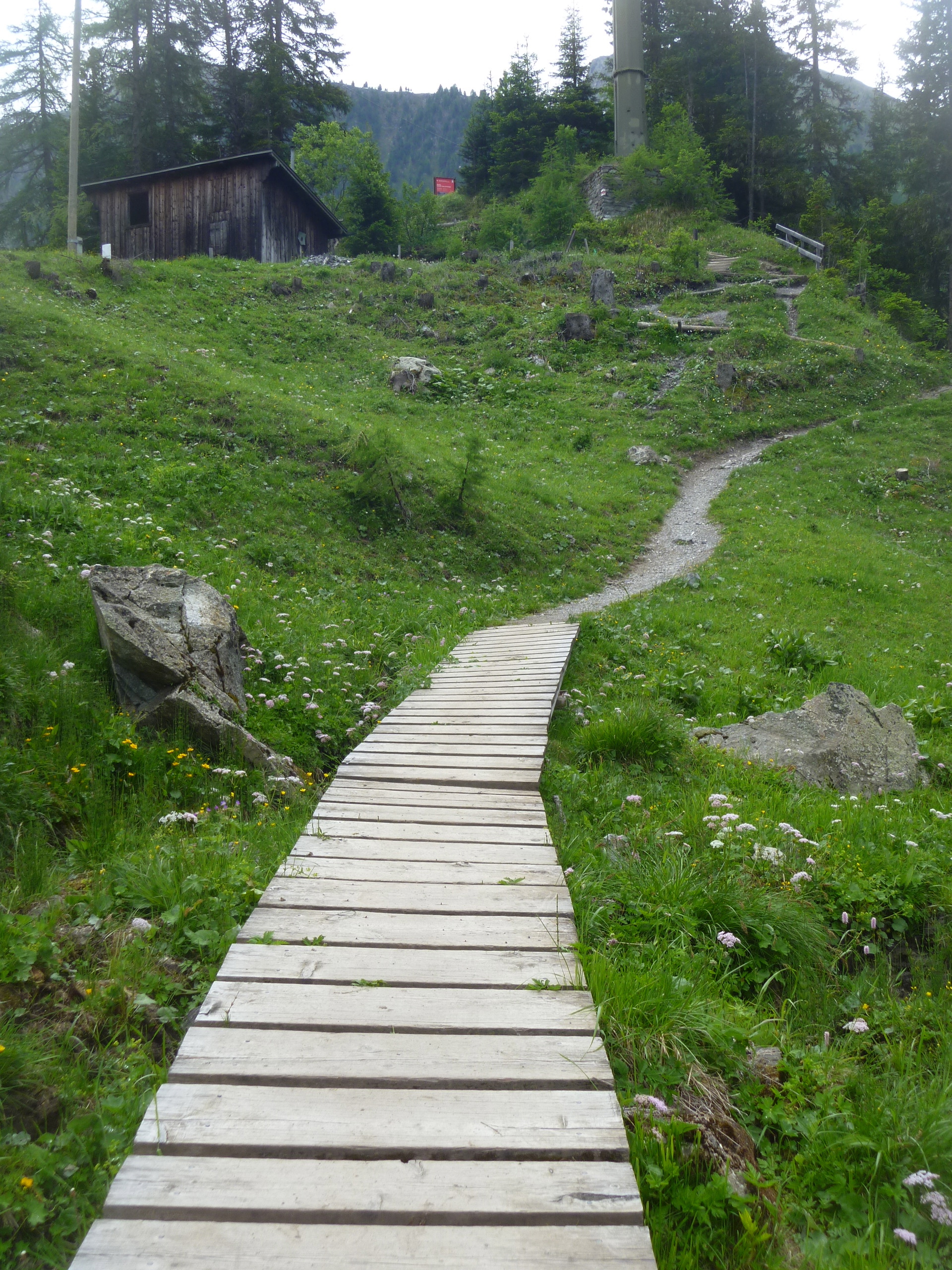
Don't worry about getting muddy!

Don’t worry about getting your boots muddy!

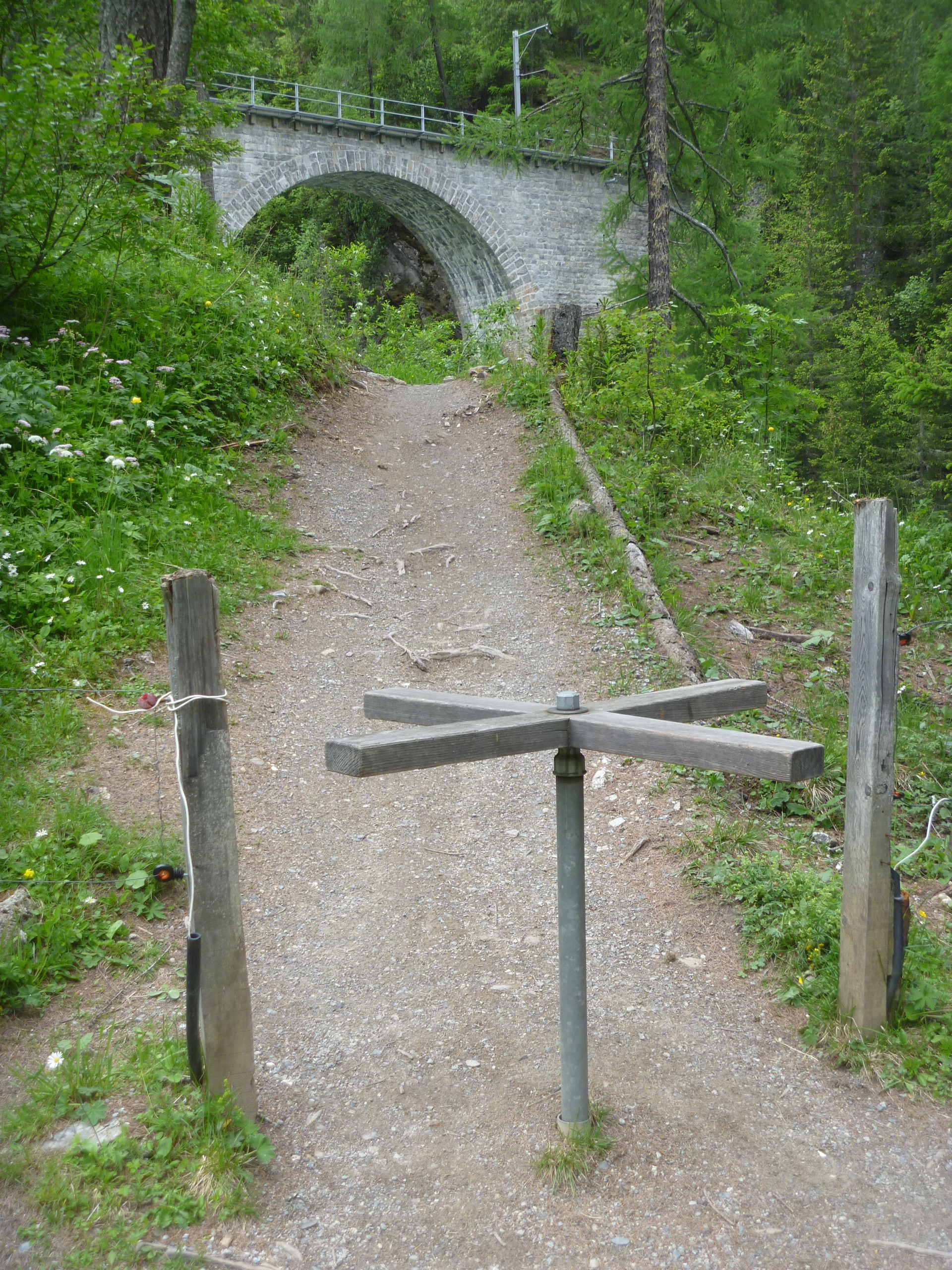
Swiss kissing gate

Swiss-style kissing gate

Another view of the train

Now and then you spy a train

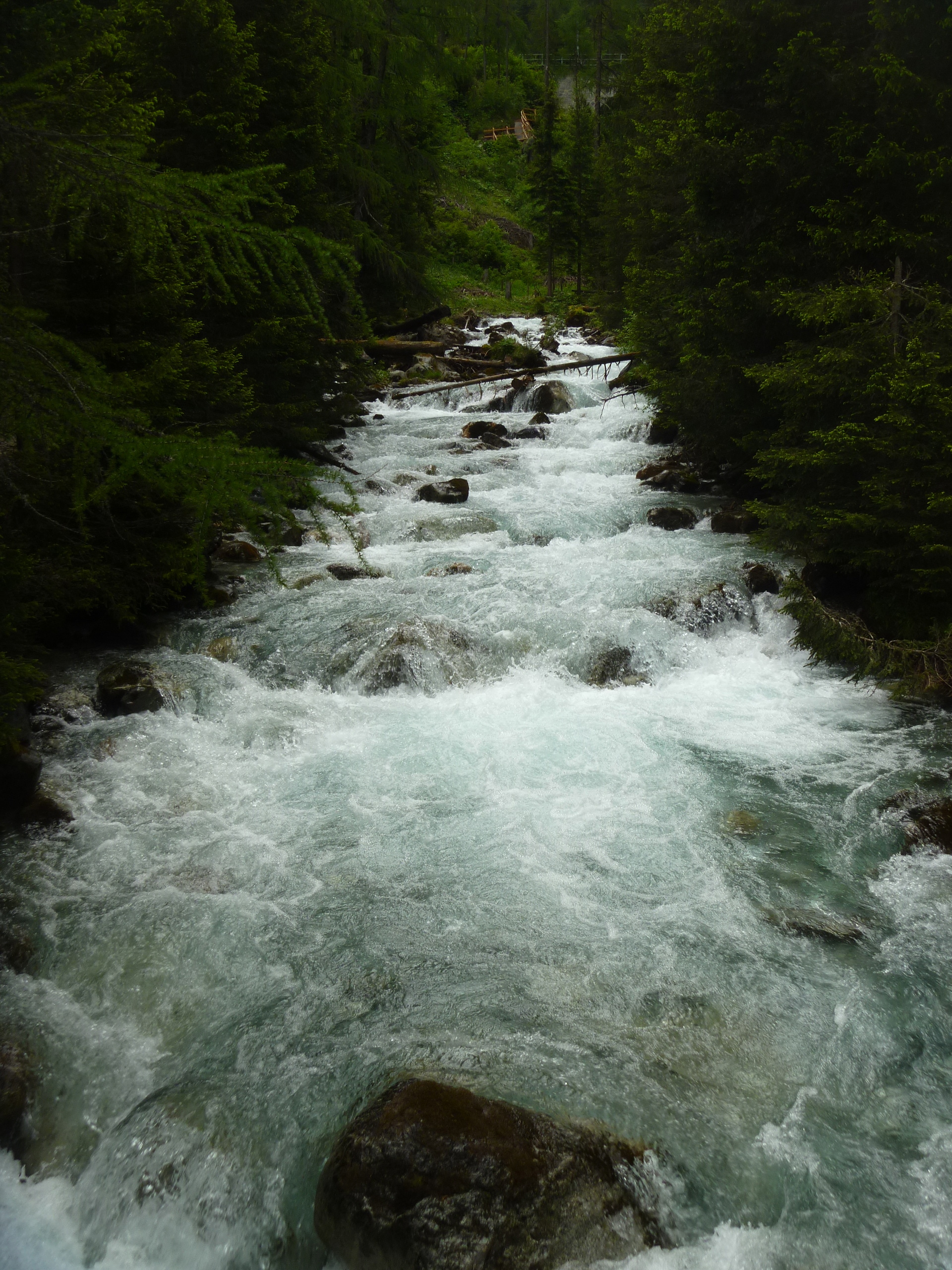
Lots of mountain torrents

You cross lots of mountain torrents

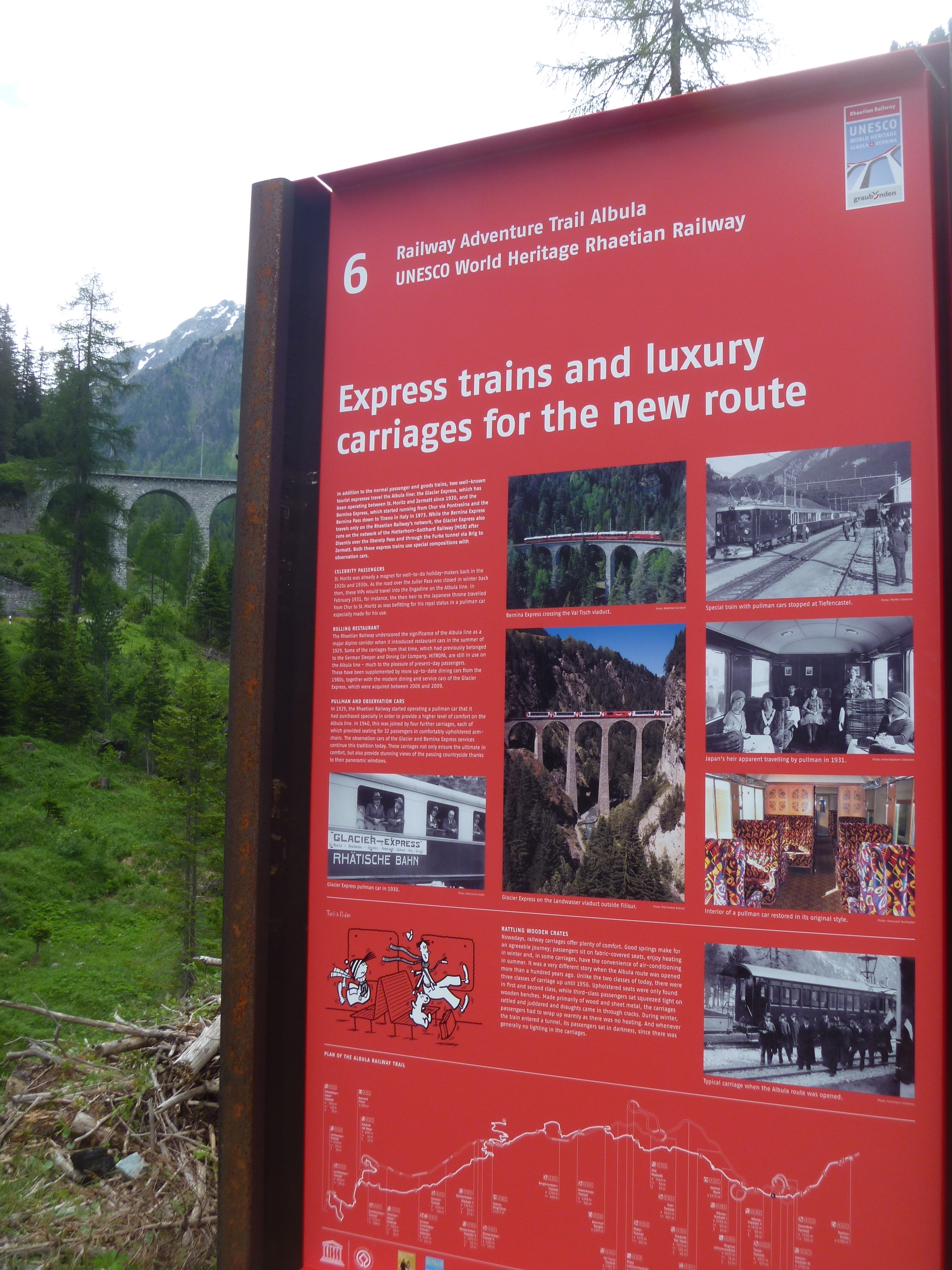
Typical Infor Board

You can stop and read the Information Boards

Arriving in Bergün

Finally, you arrive at Bergün

Bolsover Castle to Hardwick Hall, and back, and on foot

This month’s ATG Saturday Walk is a new one for them (and for me) : ‘Bolsover and Hardwick Hall’.

Here’s the itinerary :

Starting alongside the impressive 17th century castle of Bolsover, this walks heads south along the Doe Lea, passing the Saxon church at Ault Hucknall en route to the impressive Elizabethan home of Bess of Hardwick – Hardwick Hall. After strolling through the extensive grounds, we head north back to Glapwell for lunch. After lunch, quiet farmland tracks take us back to Bolsover for tea. 12.75 miles.” [ATG brochure]

I was so attracted by the idea of the walk and its route and the fact that today I would be travelling down the M1 from Leeds to Leicester with a whole day to spare that I failed to register quite the distance involved! There are opportunities to be picked up and returned comfortably to the start/end from both at Hardwick and at Glapwell but most of us soldiered on to the end. Luckily the route is not too demanding as regards climbs but it’s quite a long tramp and I’m now happily down in Leicetershire.

Bolsover Castle

I’ve written about Bolsover Castle before – a misty, foggy visit in November 2011. Today we passed through several weathers but only one brief shower otherwise sunshine, cloud, heavy black threatening cloud and cold winds all took it in turns.

New Bolsover

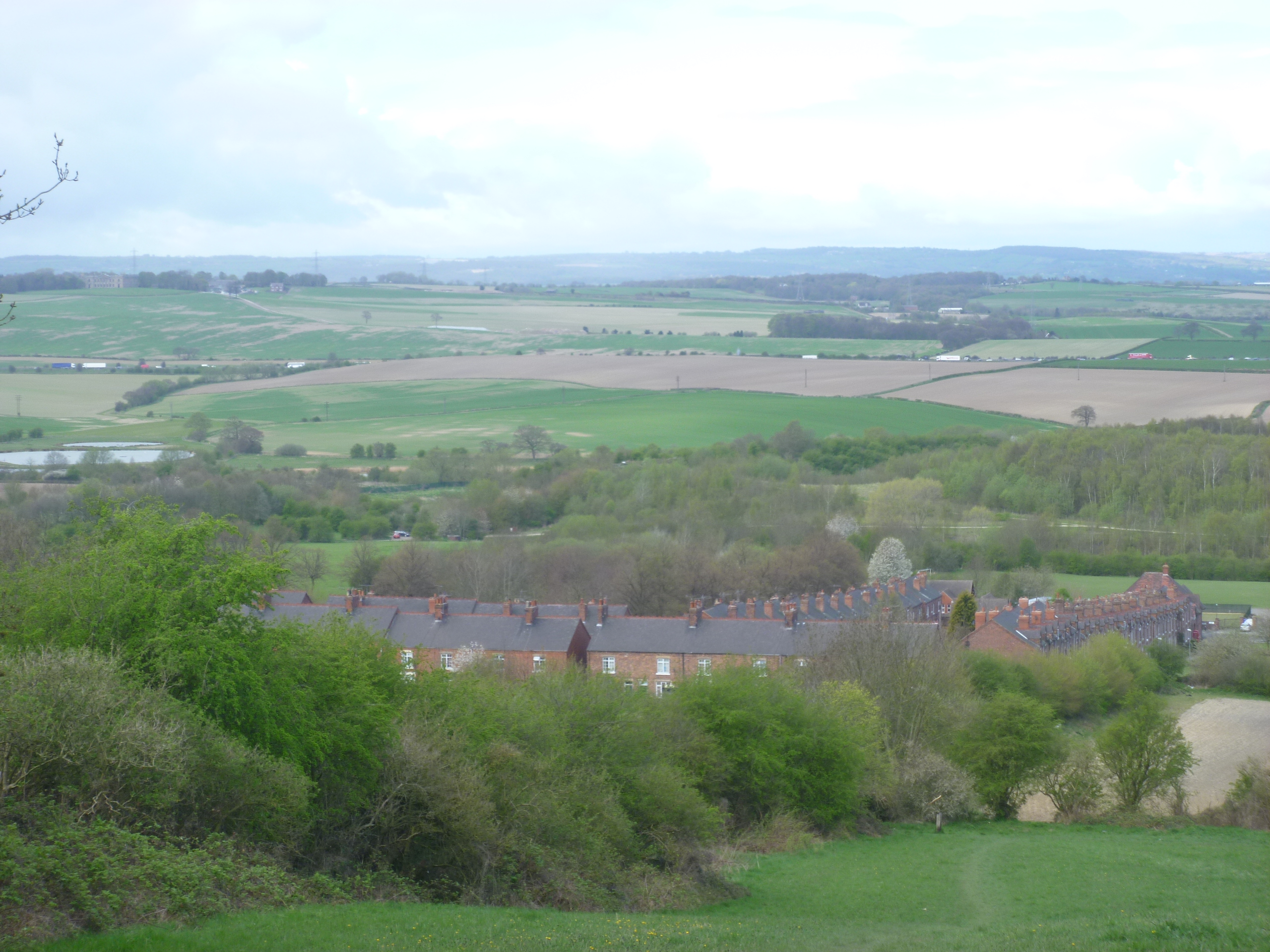
New Bolsover

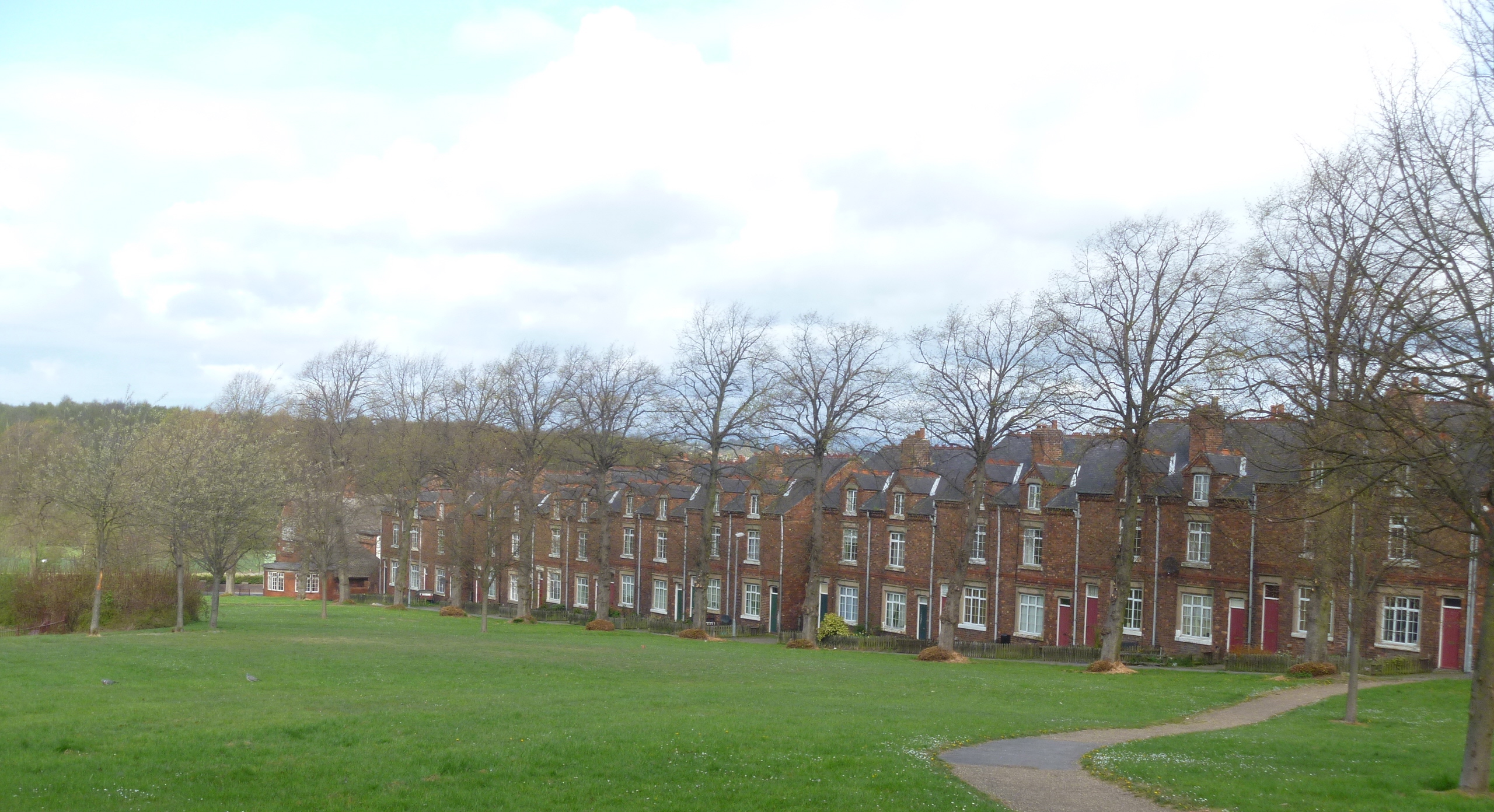
From Bolsover town we headed down below the Castle to New Bolsover which is actually not so new just newer than the old settlement around the Castle. It was a purpose-built miners’ village of neat red-brick terrace houses enclosing a large grassy area and is still occupied today even though the pits around this coalfield closed in the 1990s.

In New Bolsover

In New Bolsover

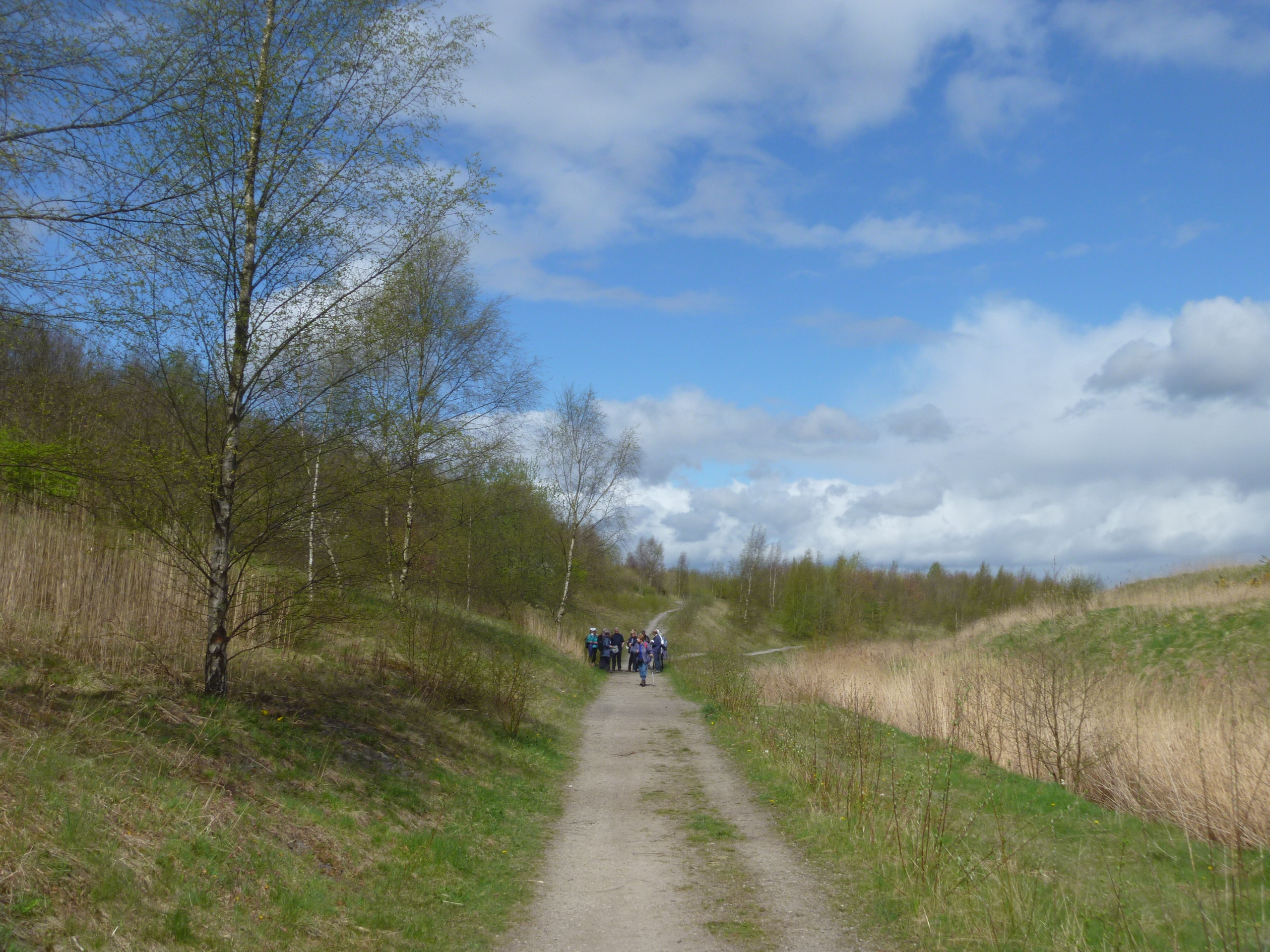
The theme of much of the walk was past or along the remains of the coal industry: along a disused railway track and past grassed over open cast mines on the Stockley Ponds and Trail maintained by Bolsover Countryside Partnership.

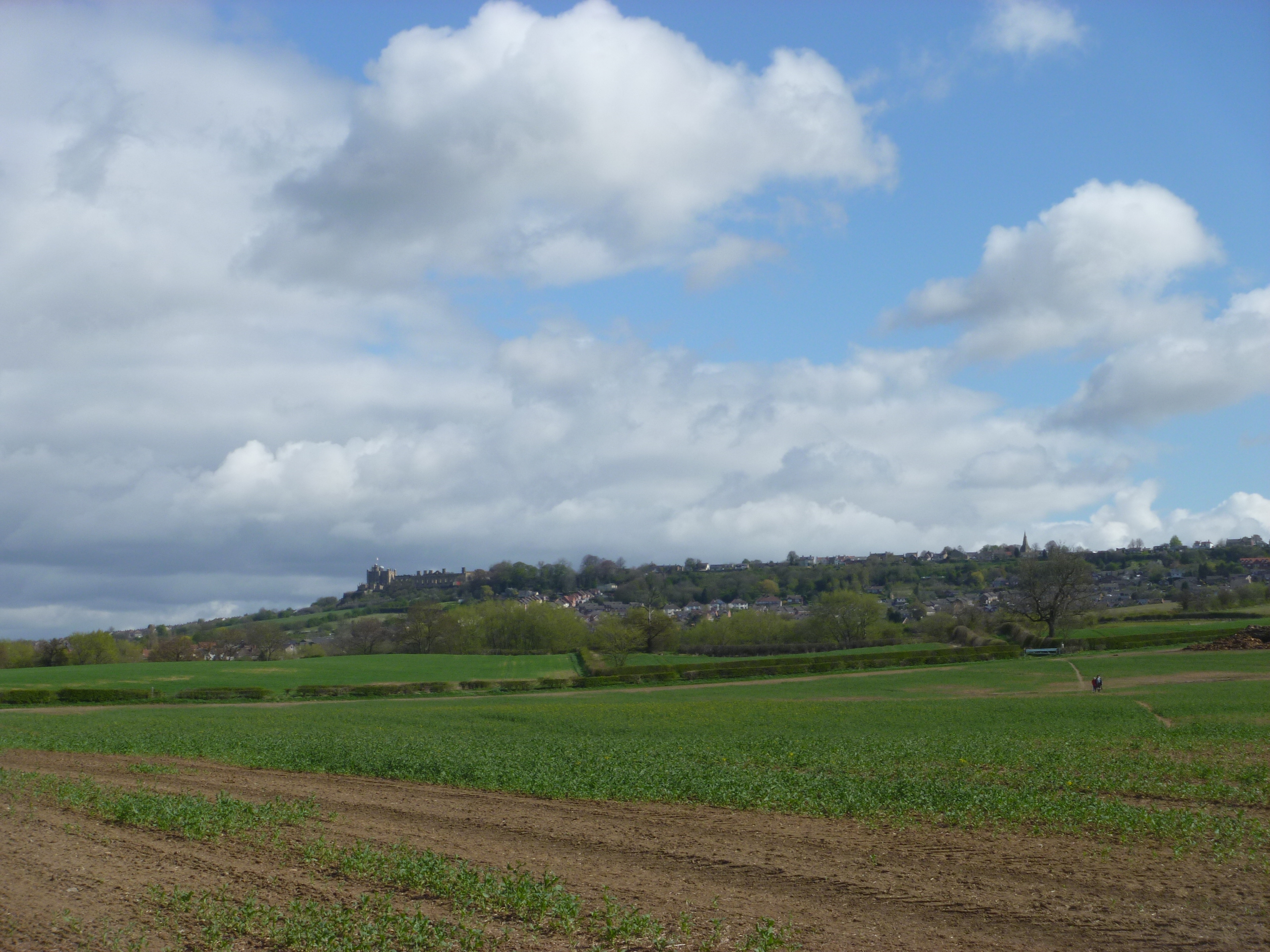
We could still see Bolsover Castle

We could still see Bolsover Castle

The Stockley Trail

The Stockley Trail

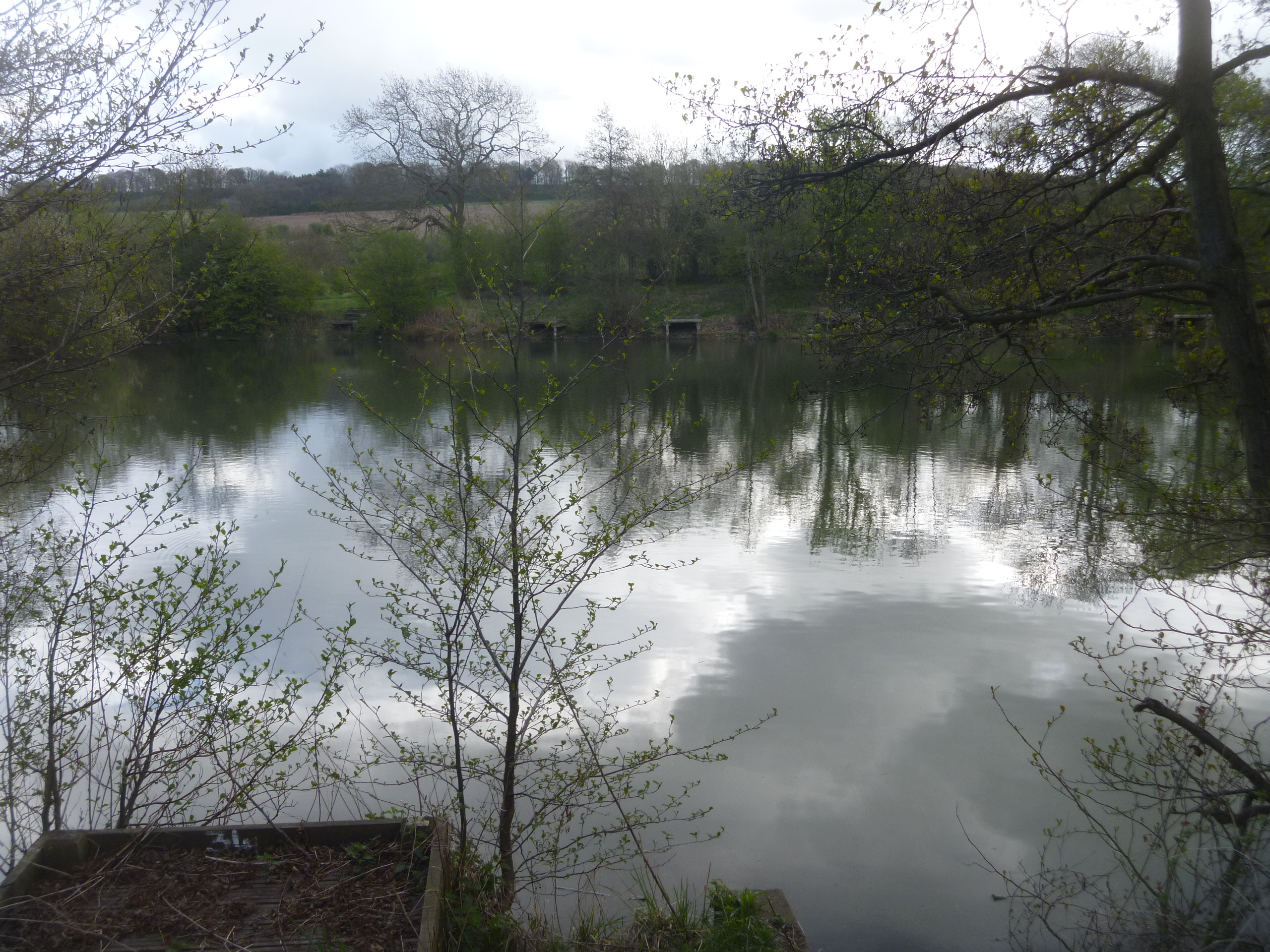
Stockley Ponds

The Stockley Ponds (Beware! Contaminated water) no fishing today

Apart from the two very significant buildings – Hardwick Hall (NT) and Bolsover Castle – we stopped by a small Saxon Church. The Church of St John the Baptist at Ault Hucknall was closed unfortunately but it would have been good to get inside. Read more about its chapel, windows and the grave of Thomas Hobbes, the author of The Leviathan, here.

St John's Ault Hucknall

St John the Baptist Church, Ault Hucknall

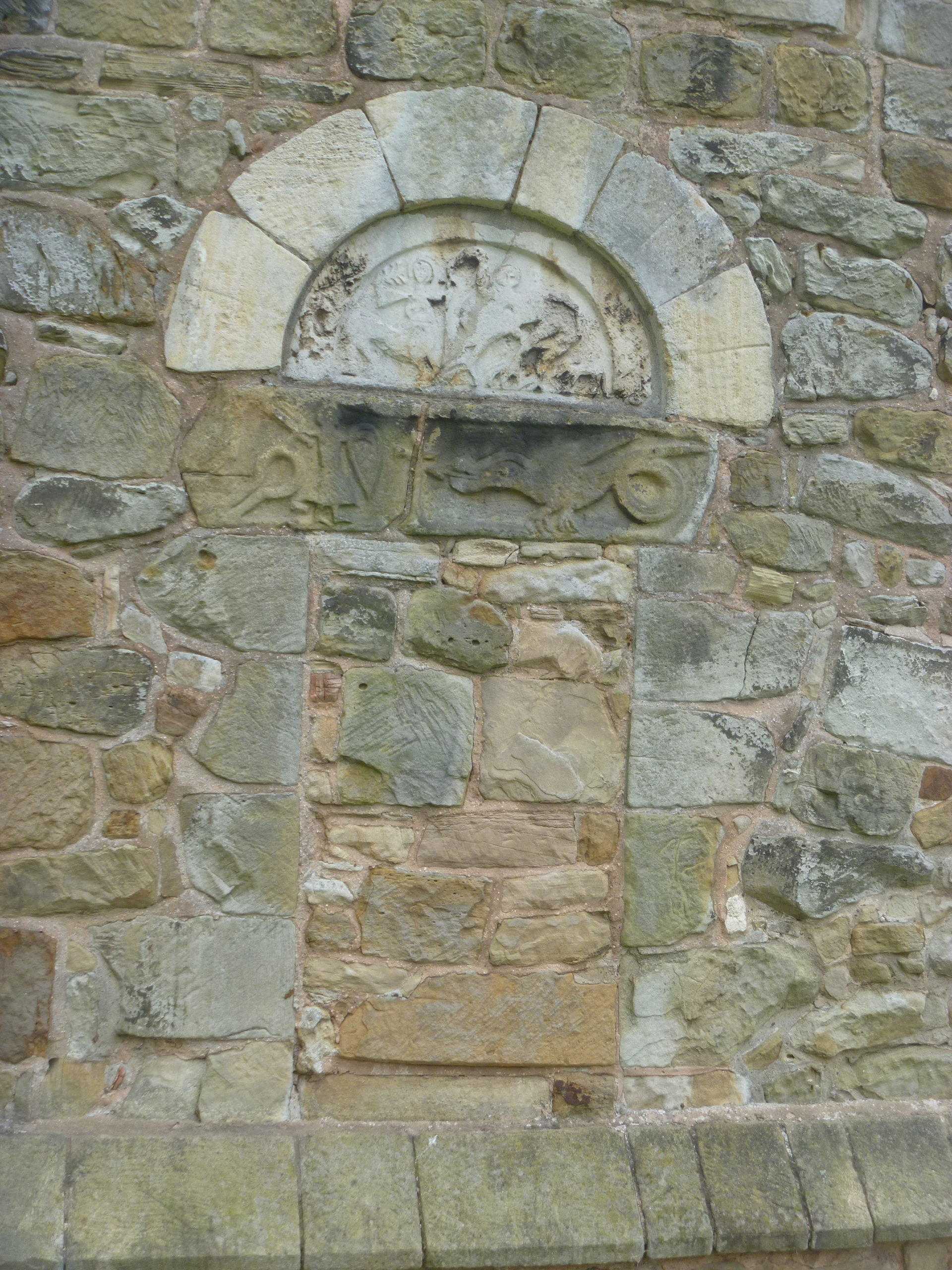
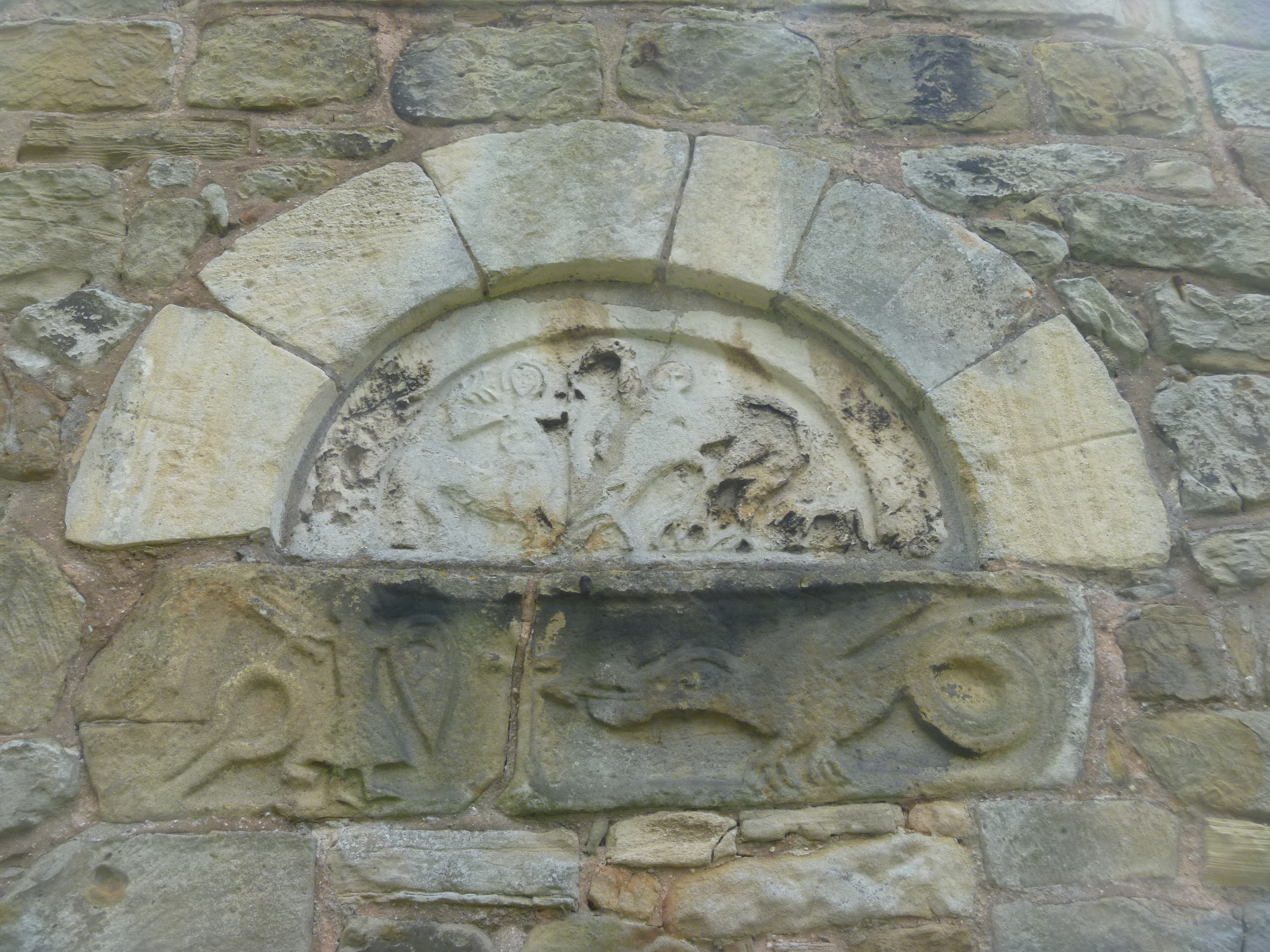
Saxon Arch and figures

Saxon Arch with figures

Close-up of the Saxon Arch

Saxon Arch details

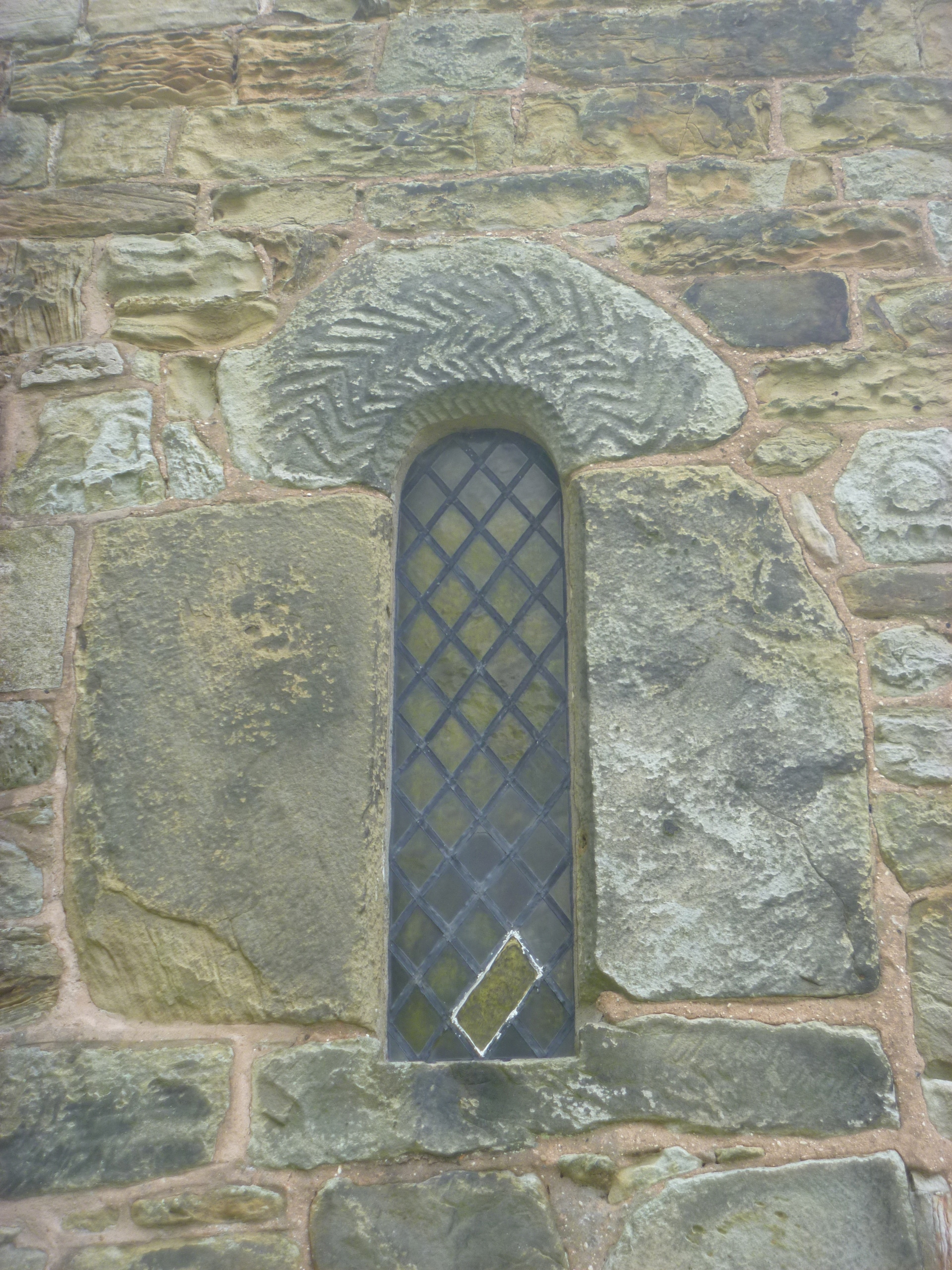
Saxon Window

Saxon Window

By lunchtime we’d arrived at Hardwick Hall, “more glass than wall”.

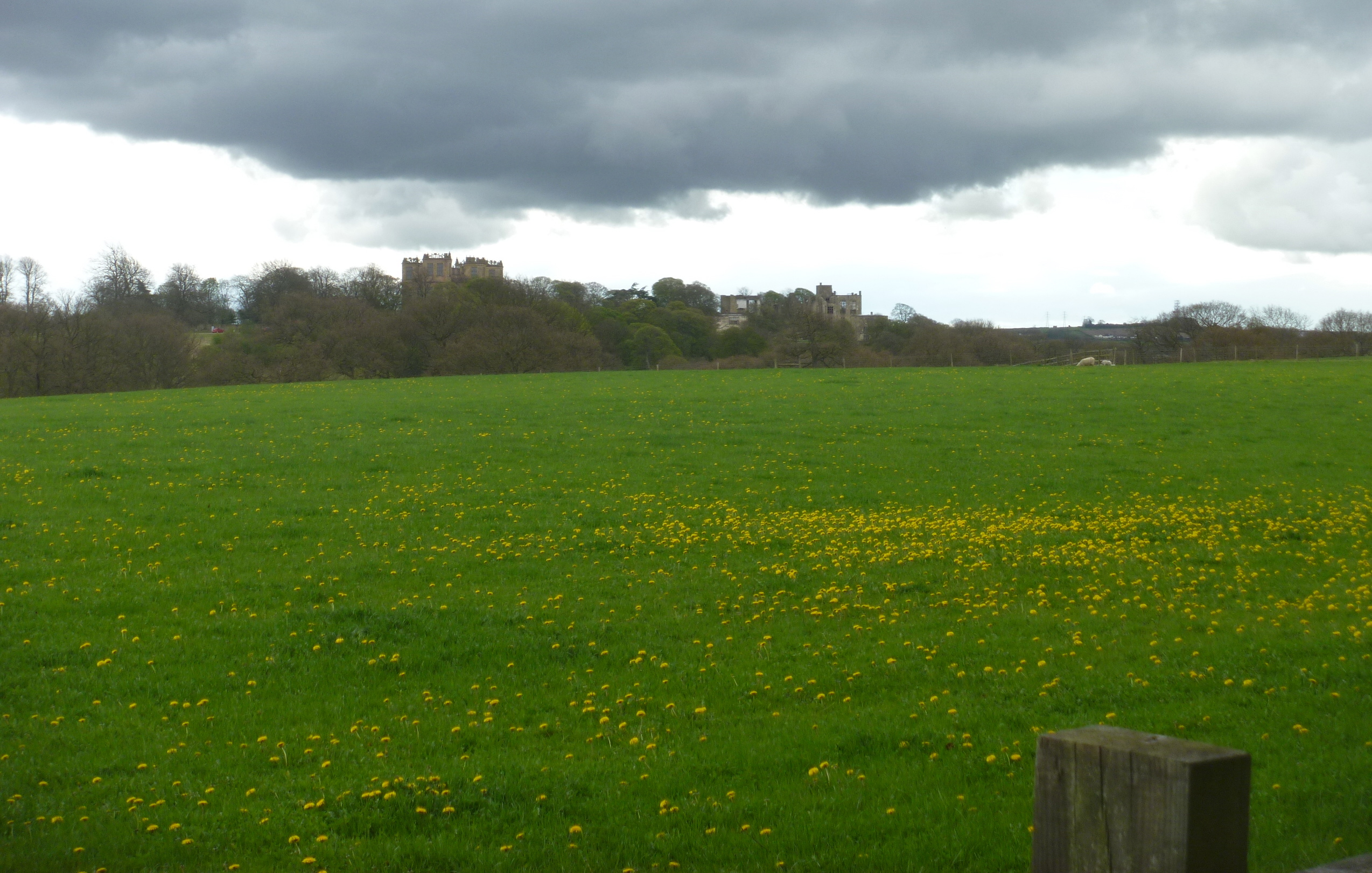
Approaching Hardwick Hall

Approaching Hardwick Hall

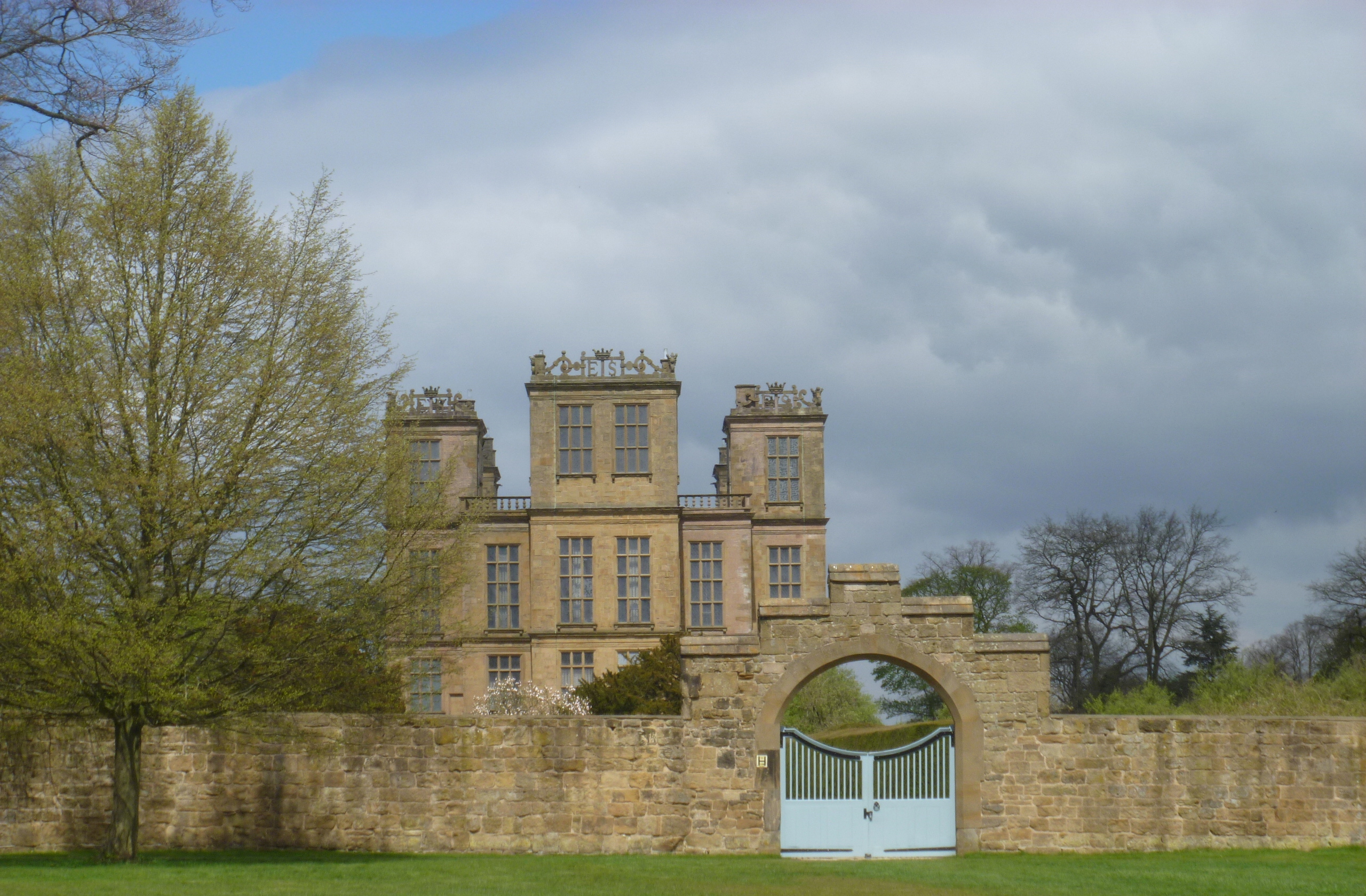
Hardwick Hall More Glass than Wall

Hardwick Hall

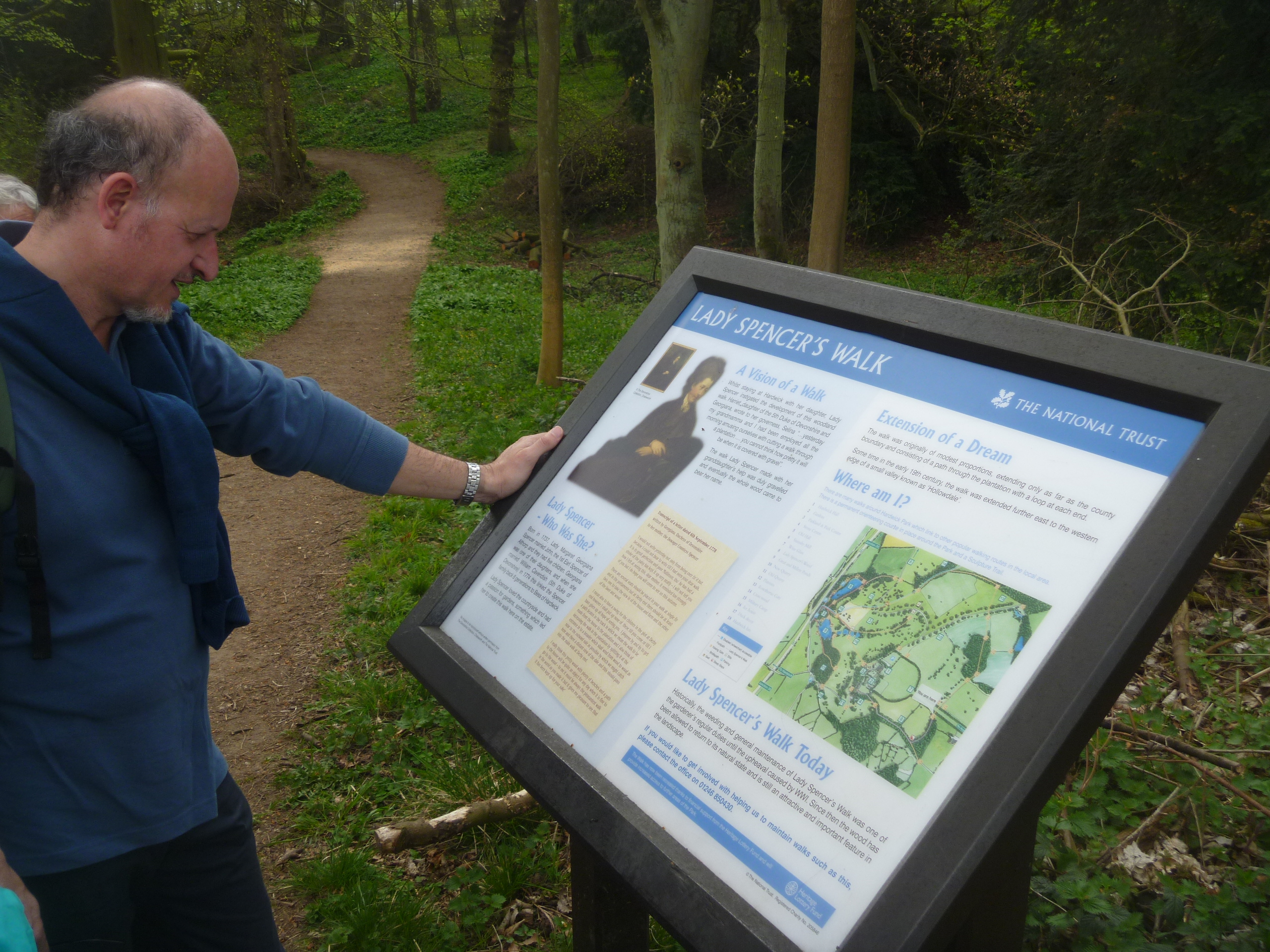
But it wasn’t our lunchtime so we just walked through the grounds, admiring the house as we went and continued along Lady Spencer’s Walk and other tracks on the estate finally arriving at Glapwell where lunch was waiting for us in the Community Centre.

Lady Spencer's Walk

Our Leader, Rob

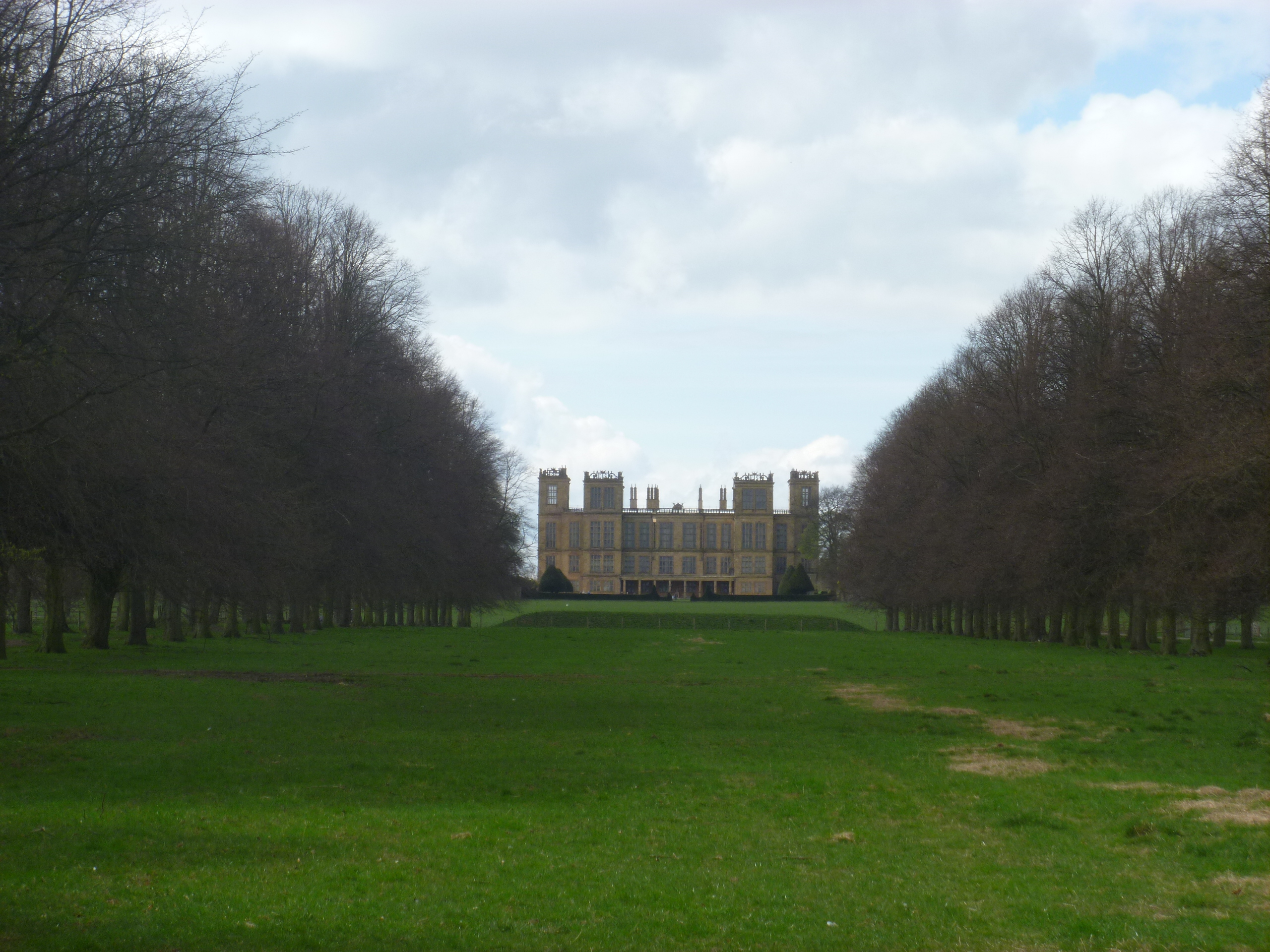
Hardwick Hall avenue

Hardwick Hall from the Avenue of Trees

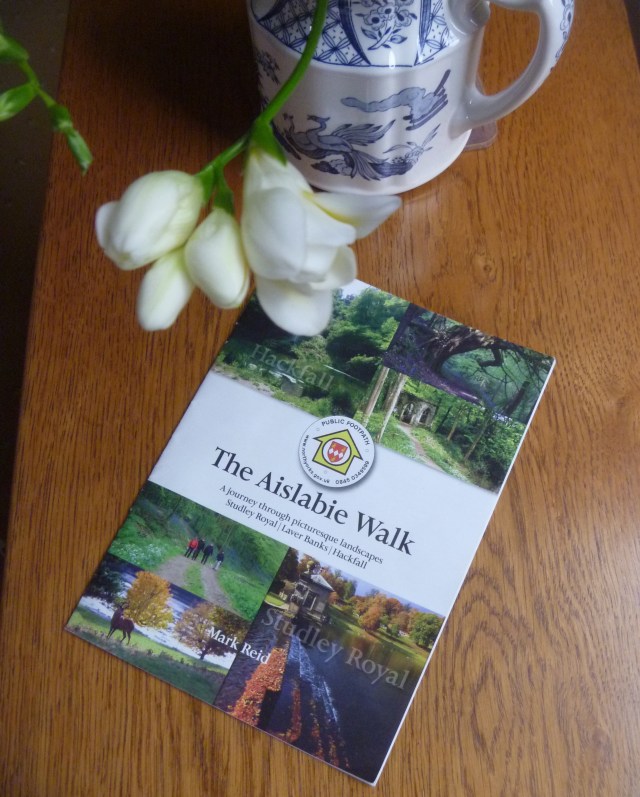
Comfortably refreshed, the best part of the walk, although fairly short now, lay ahead. After crossing several fields we followed a ridge directly back up to Bolsover with magnificent views west right across to the Derbyshire Dales.
Return to Bolsover

Return to Bolsover

Arriving in Bolsover more sustenance awaited us at The Bluebell pub – a generous spread of home baked scones, butter, cream and jam and pots of tea, to boot.

Less than an hour’s drive I am comfortably ensconced in my homely B&B for the night!

Childe Harold, Vathek and other literary inspirations of Monserrate

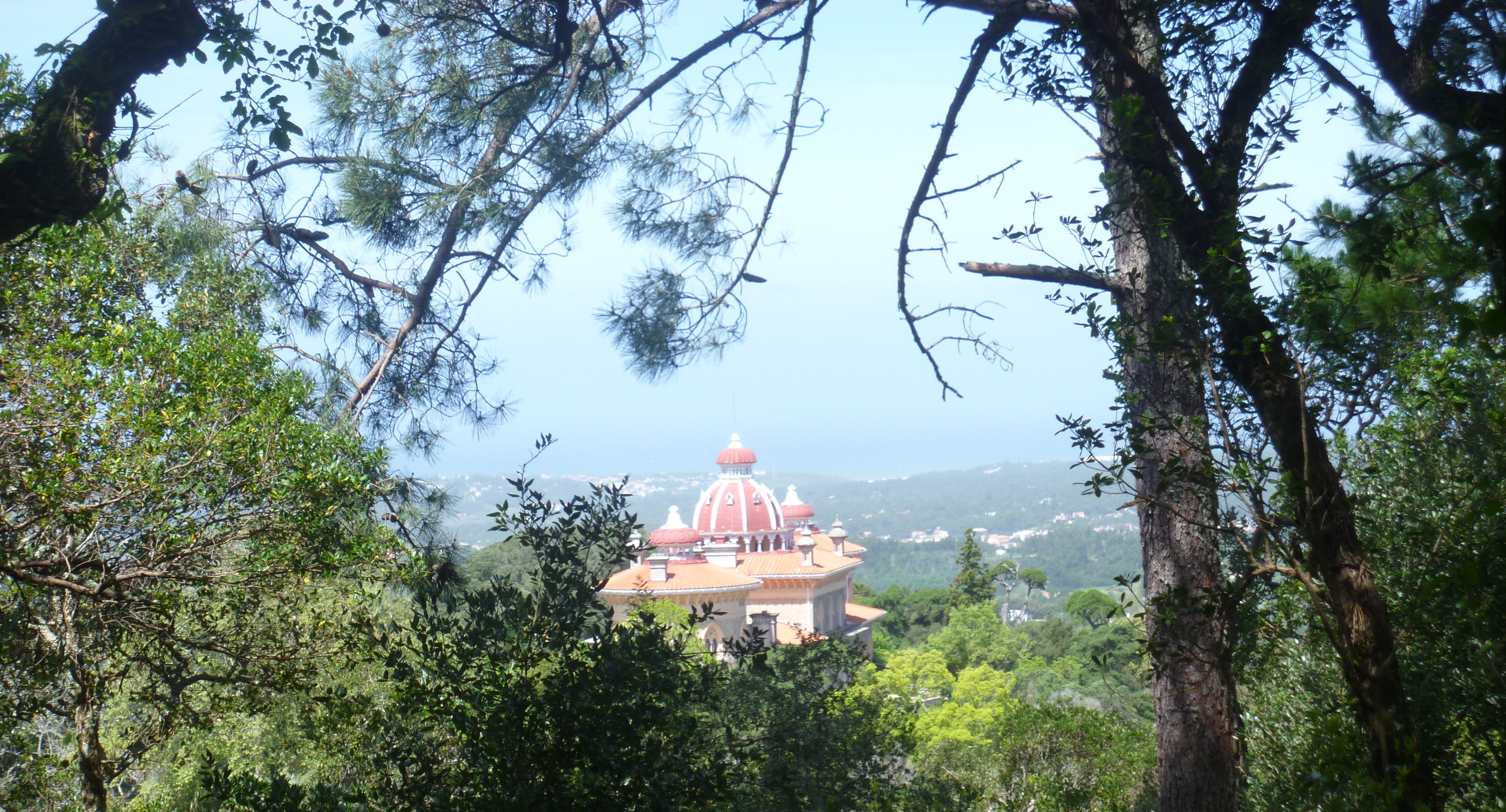
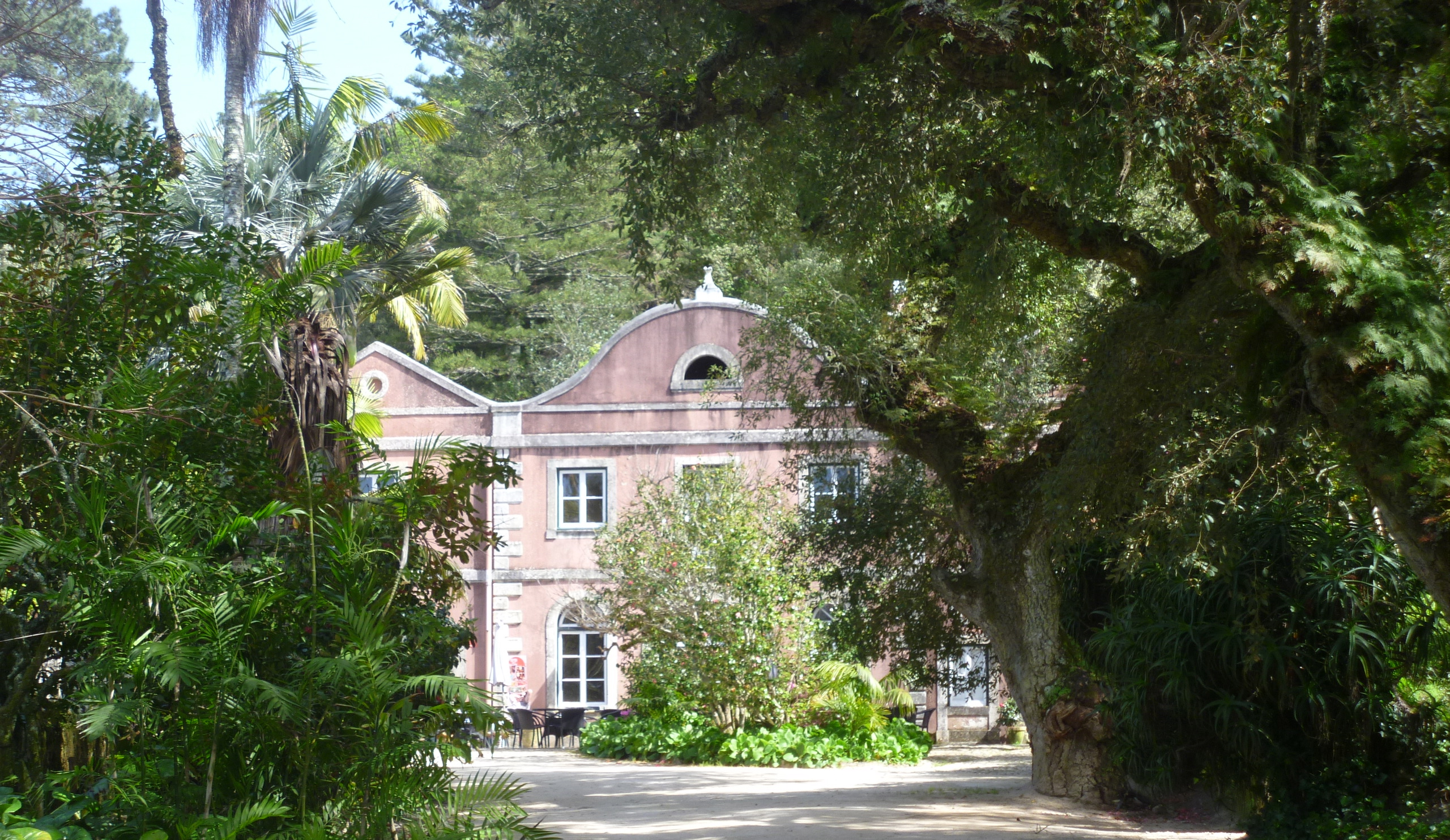
First glimpse of Monserrate Palace

On sloping mounds, or in the vale beneath,
Are domes where whilom kings did make repair;
But now the wild flowers round them only breathe:
Yet ruined splendour still is lingering there.
And yonder towers the prince’s palace fair:
There thou, too, Vathek! England’s wealthiest son,
Once formed thy Paradise, as not aware
When wanton Wealth her mightiest deeds hath done,
Meek Peace voluptuous lures was ever wont to shun.”

Childe Harold’s Pilgrimage, by Lord Byron [Canto the First XXII]

think the above verse applies to the beautiful palace and gardens of Monserrate. At least we were told in numerous books and leaflets that Lord Byron was smitten by Monserrate on his visit here in 1810 and reminisced about it in his poem ‘Childe Harold’s Pilgrimage’.

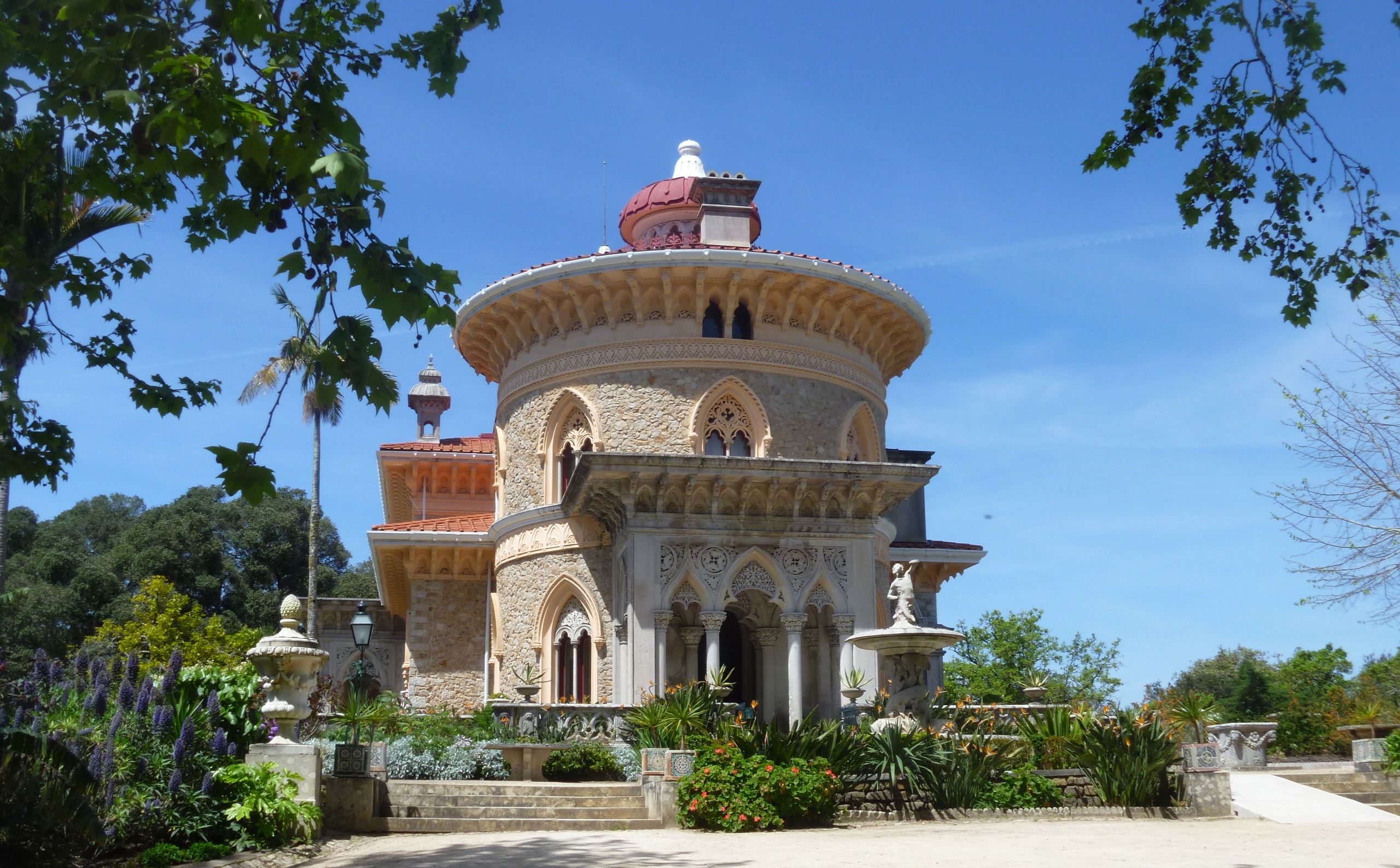
Monserrate Palace

Monserrate was probably my favourite place of the whole trip. It had everything: a palace with a library, exotic gardens(but with an English Rose Garden), a tea house, British connections, literary connections and to top it all we visited in beautiful weather!

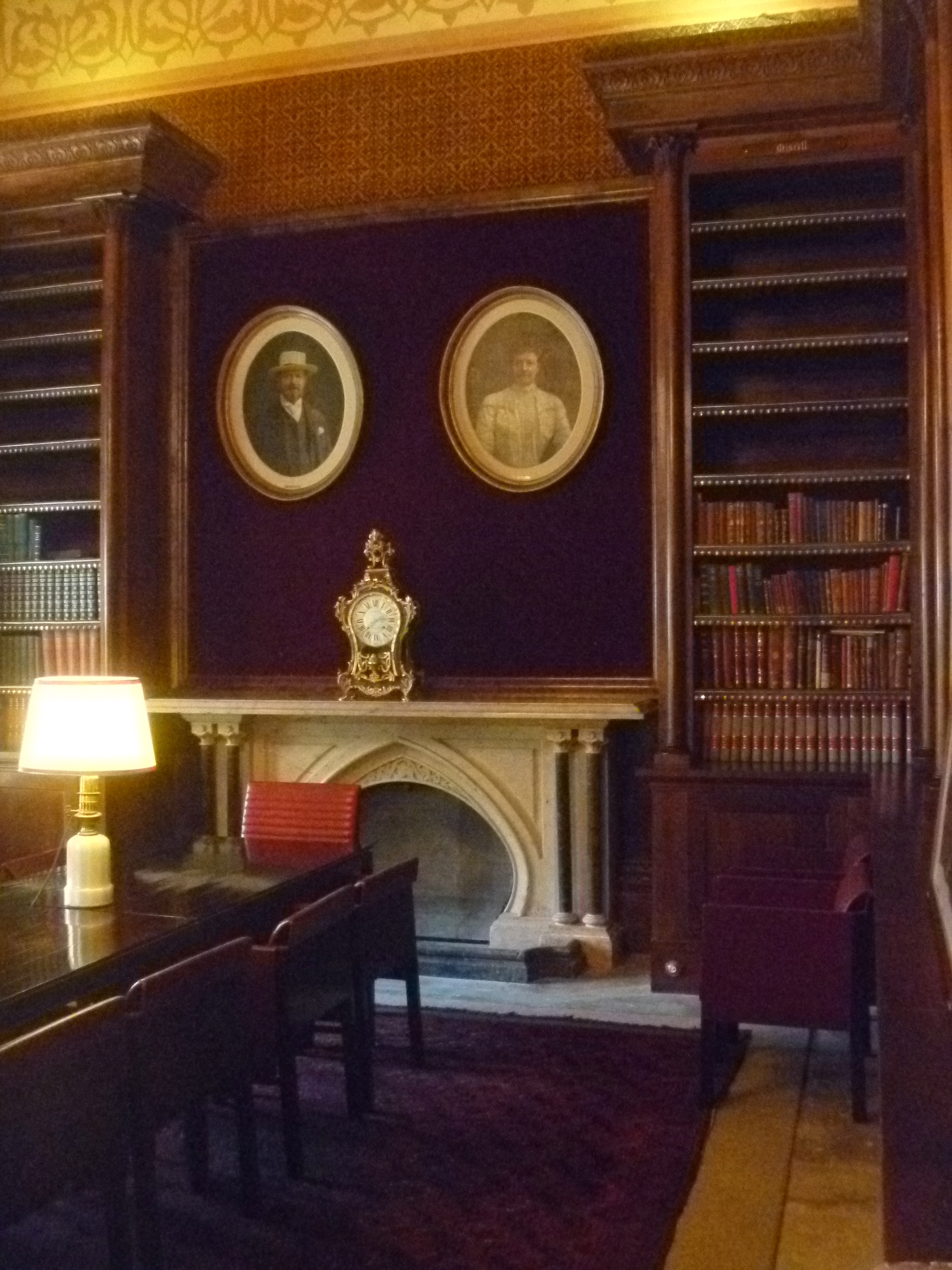
The library today

The Library as it is today

In the gardens

In the exotic gardens

The Tea House

The Tea House

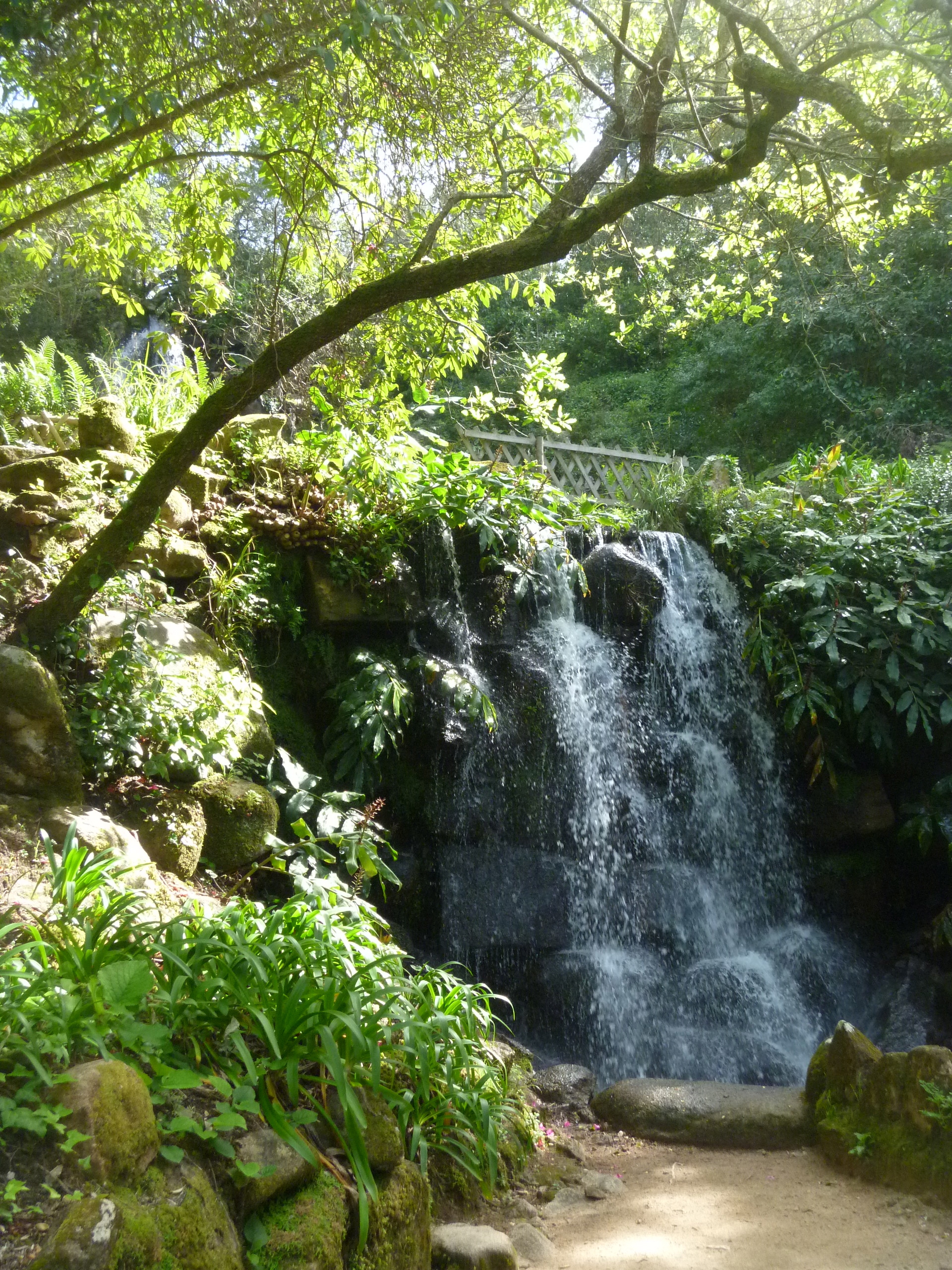
Beckford's Falls

Beckford’s Falls

William Beckford ordered this waterfall to be constructed between 1794 and 1799. Beckford, a writer who enjoyed great fame at the end of the 18th C, visited Portugal and fell in love with Sintra, where he rented this property from Gerard de Visme.” [On a nearby information board]

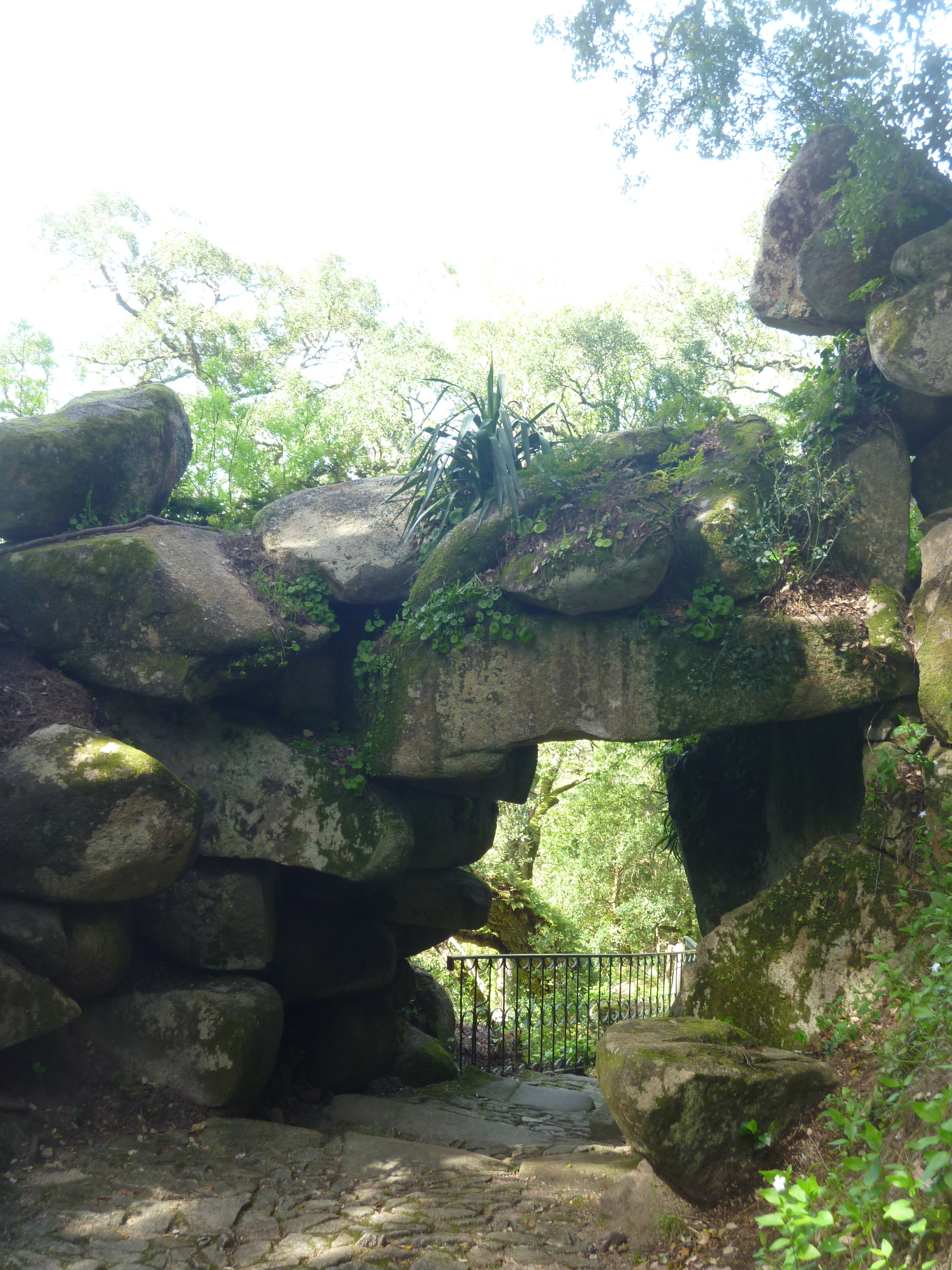
Vathek's Arch

Vathek’s Arch

This arch was built by William Beckford … We think that it could represent the entrance of the property which, at the time, was not enclosed. Beckford wrote his most famous book, Vathek, an oriental tale, in 1786 before his first visit to Portugal. Vathek was the hero of the book which is considered by many to be somehow autobiographic” [From nearby Information Board]
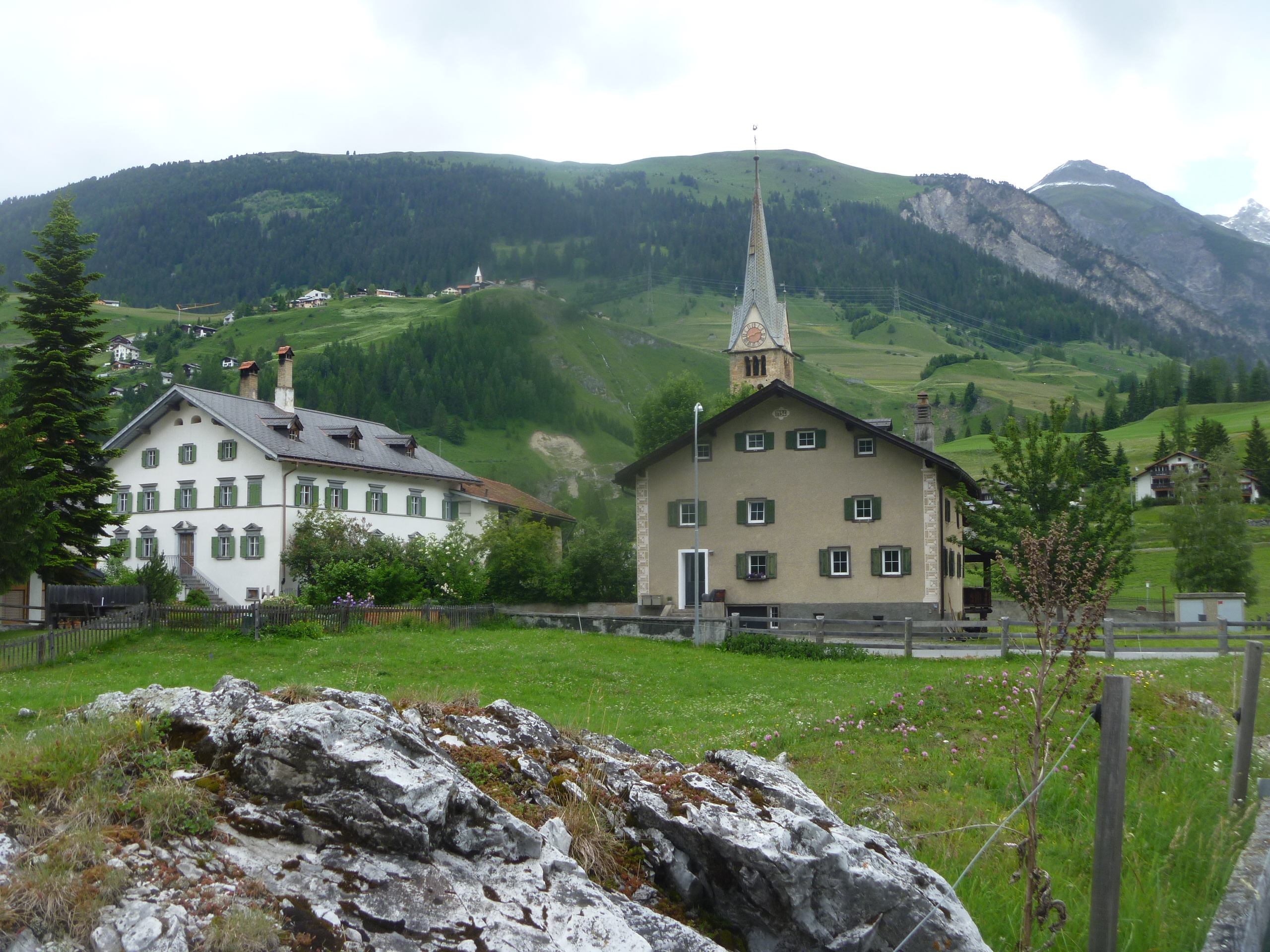
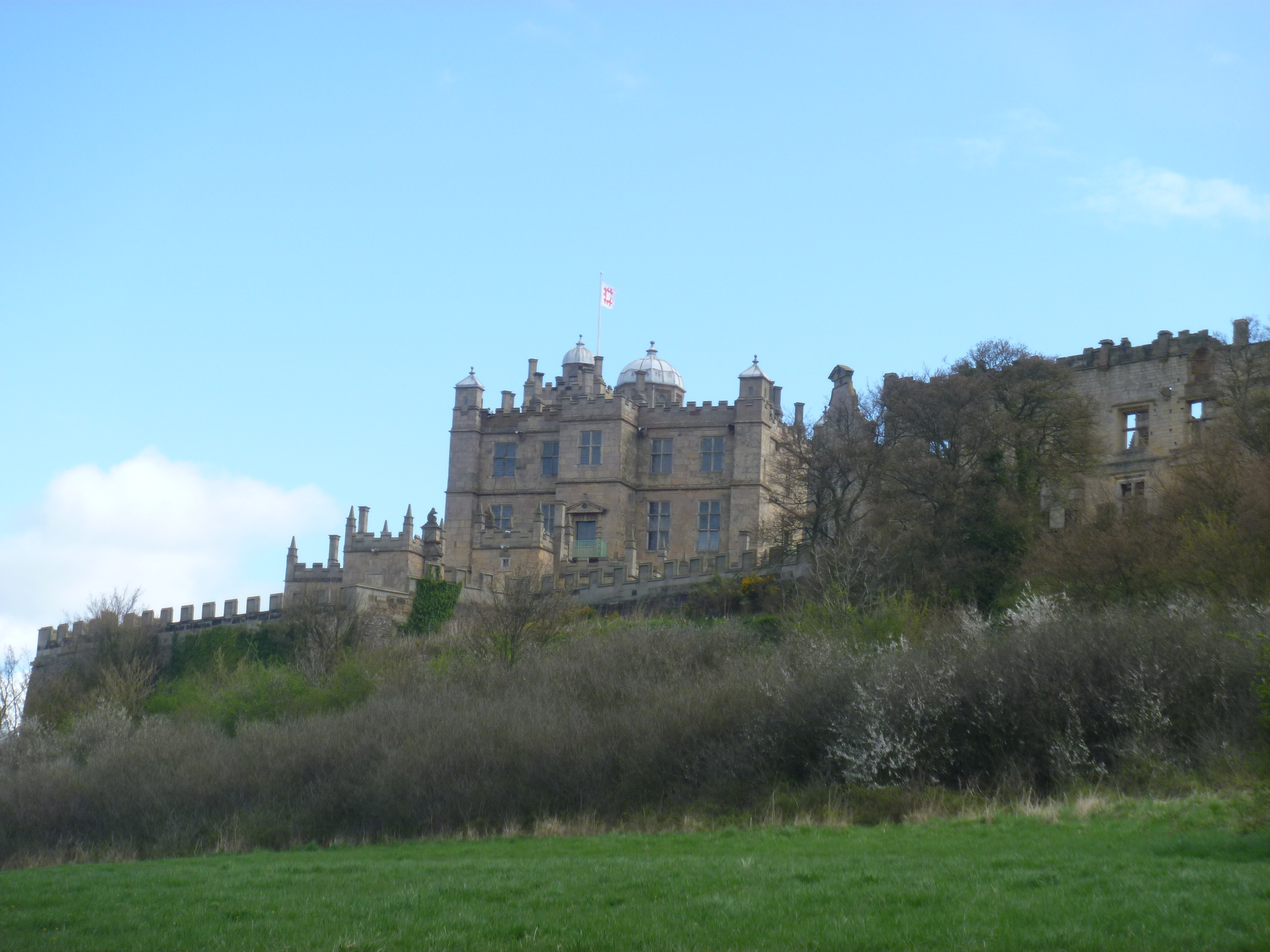
Gerard de Visme an English merchant holding the concession to import Brazilian teak was responsible for the construction of the first palace. Later, William Beckford, writer, novelist, art critic and eccentric lived here. There’s a waterfall named for him and an arch for his most famous character; Vathek.

Sir Francis Cooke bought the property in 1856 and had it restored by the English architect James Knowles, who employed a thousand workmen. In the 1850s the artist William Stockdale created a botanic garden there with plants including rhododendrons  from all over the world – Mexico, Australasia, Japan and the Himalayas.

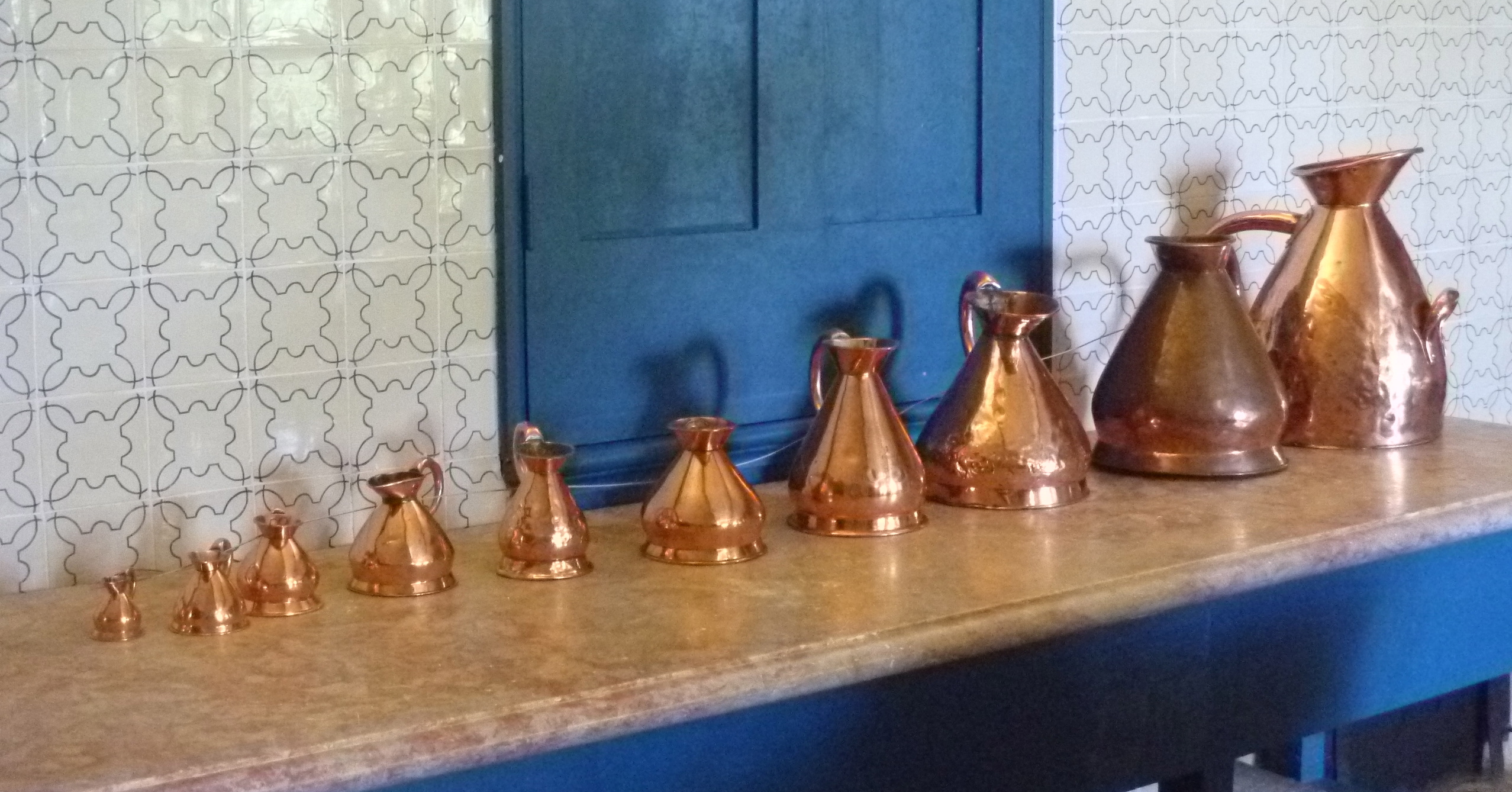
Brass jugs in kitchen

Brass jugs in the kitchen – could be Below Stairs at any National Trust property!