Folly! at Fountains

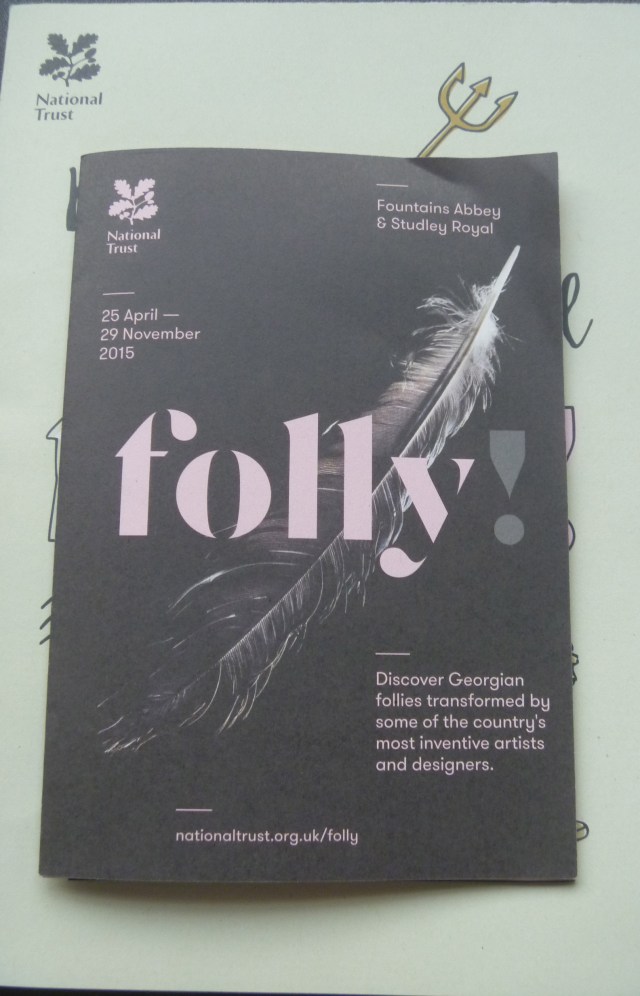
folly leaflet

Folly! is the first of a three year programme that creatively brings the stories of Studley Royal to life, through the vision of some of the country’s most innovative artists and designers.

The original designers of the Studley Royal Water Garden, the Aislabie family, created many follies on this vast and beautiful estate to surprise and delight their eighteenth-century guests. These fashionable, whimsical buildings or structures were often used by garden designers to catch the eye or draw attention to a carefully created vista.

‘Folly!’ will see the temples and follies of this World Heritage Site garden dramatically re-imagined as places of visual trickery and untold histories.

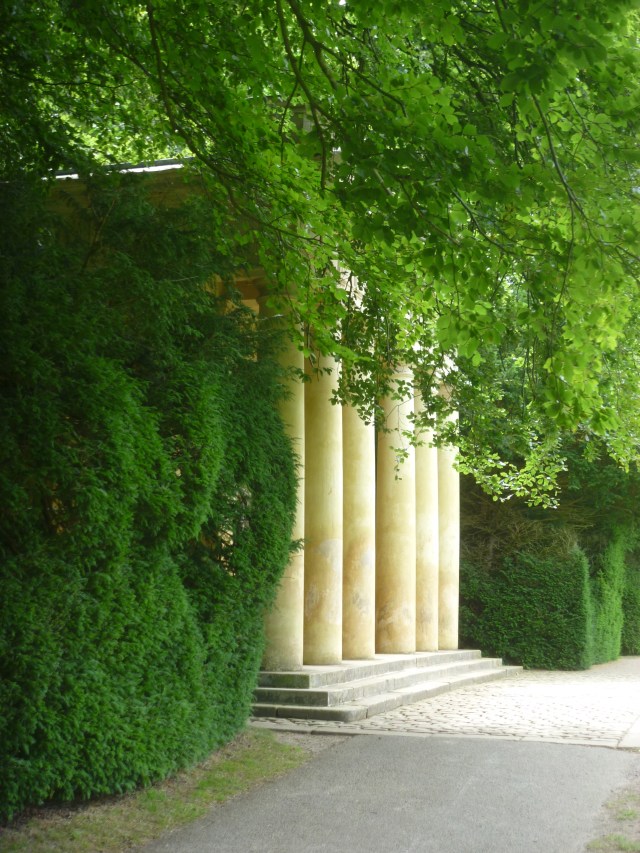
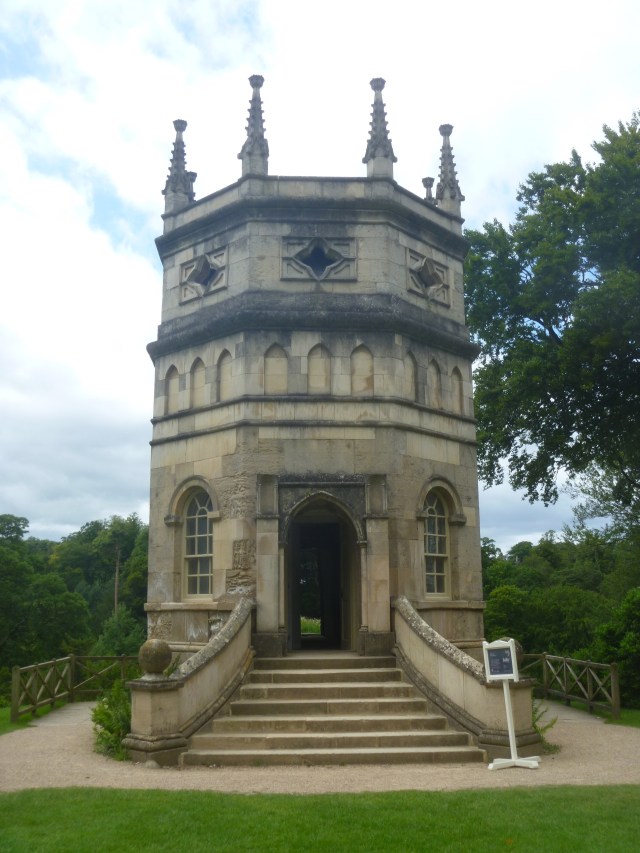
Seek out the Octagon Tower, Temple of Fame, Banqueting House and Temple of Piety this summer and be amazed by installations created by twenty-first century artists in response to the opulent past of this unique place.”

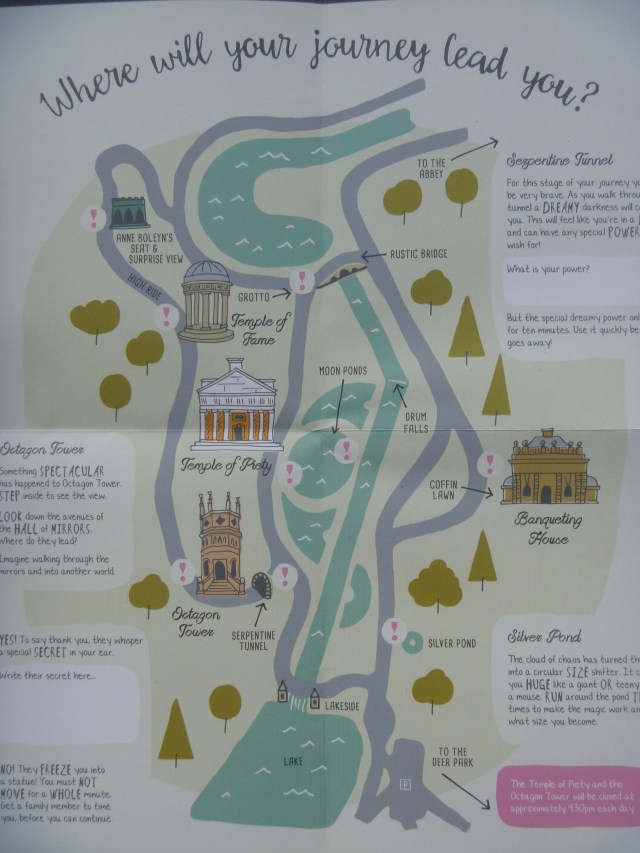
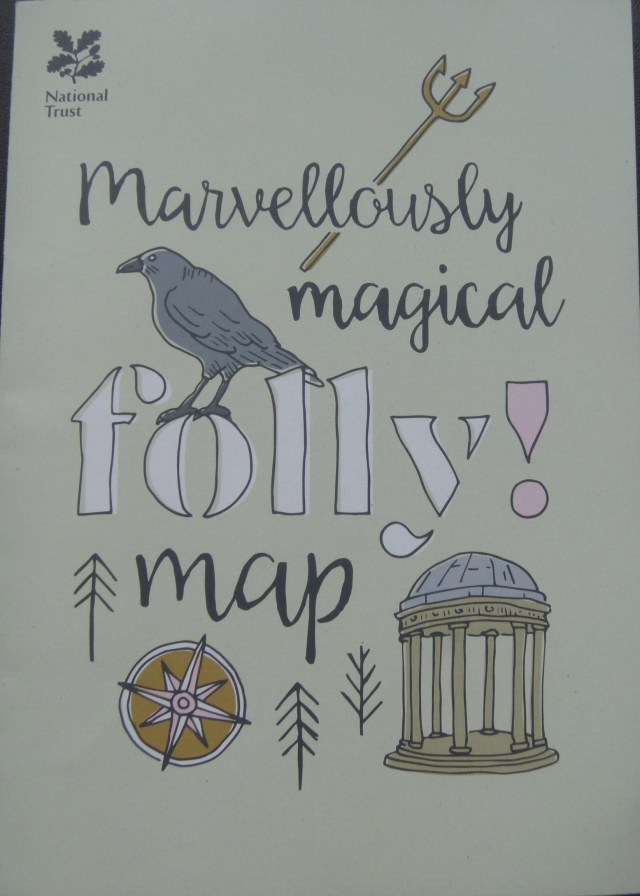
folly map

I’ve written several times here about visits to Fountains Abbey and Studley Royal – it’s one of my favourite places and easy to get to from home.

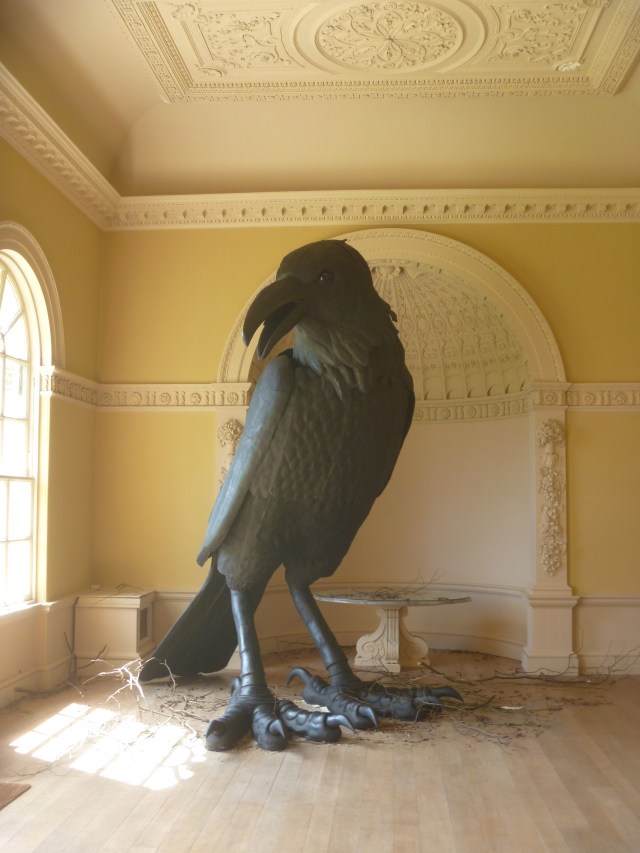
My first stop was at The Banqueting Hall. At weekends and during the school holidays the follies are open during the afternoon so I was able to go inside and see Gary McCann’s ‘Scavenger’ close to.

Scavenger

‘Scavenger’ by Gary McCann

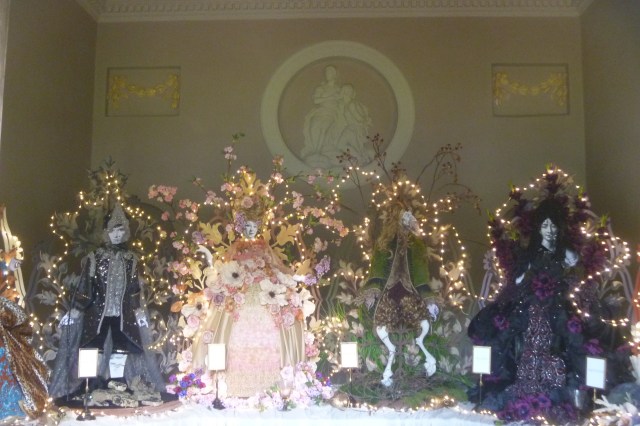
Inside The Temple of Piety, which overlooks the Moon Ponds, is The Curious Tale of the Professor and The Temple created by Simon Costin, theatre and set designer. Supported by the jewellers Swarovski, the lavish display is purportedly based on the papers of a Professor Dennistoun of Ripon who died in 1959. He thought Fountains Abbey was the ‘Ancient place of worship now in ruins’ – a line from a prophecy of Old Mother Shipton from nearby Knaresbrough.

TofP

An ancient place of worship, now in ruin, One family shall come to dwell in. But lest the old un’s are kept entertained, No male heirs shall take the reins.

in tofp

diana

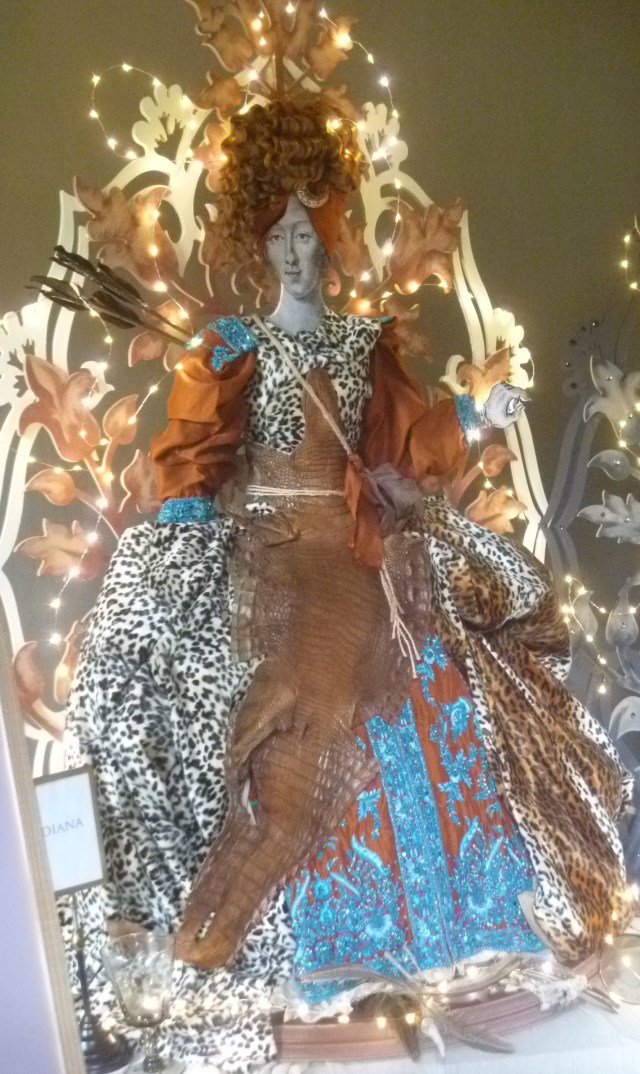
Diana, the goddess of hunting

flora

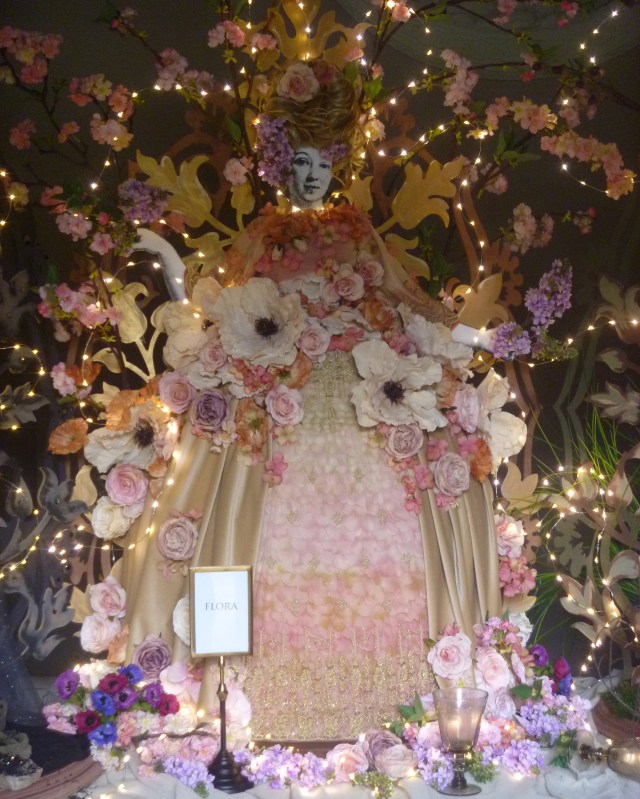
I don’t know why the goddess Flora is a teapot!

Next up was The Octagon Tower and a Hall of Mirrors by Irene Brown. It was impossible to take a picture inside so here’s a little video made by the Trust :

octagon tower

The Octagon Tower

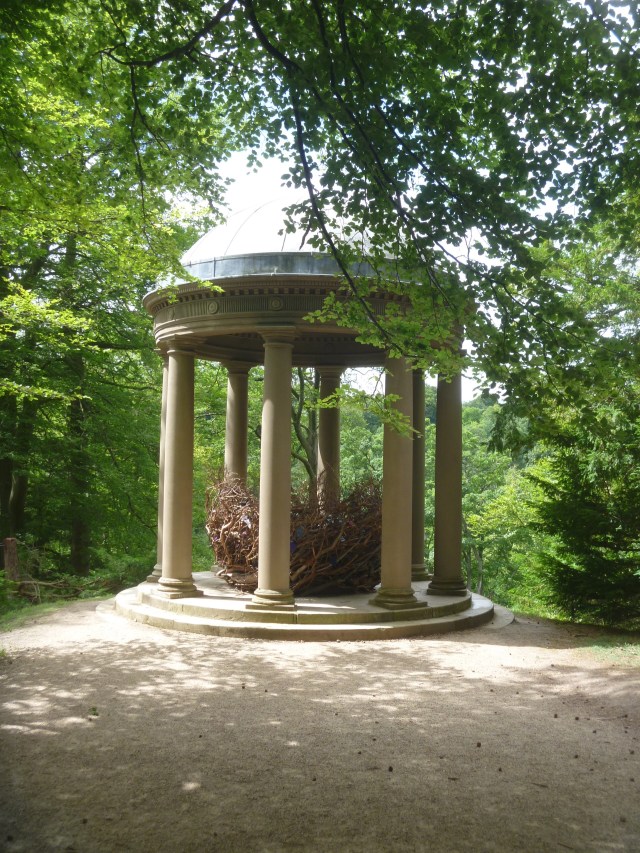
Finally, ‘Lost Property’ also by Gary McCann is the Scavenger’s ‘nest’.

lost property

Within the smooth classical pillars of the Temple of Fame the invasion of the landscape continues. Intertwined within the artist’s creation is lost property. Collected from visitors, it provides sustenance to fantastical creatures which have taken up residence in spaces previously controlled by man

folly map cover

A marvellously magical and mysterious day out. I’m still mystified by what I saw!

The Leeds Library Summer Day Out in Whitby

whitby view

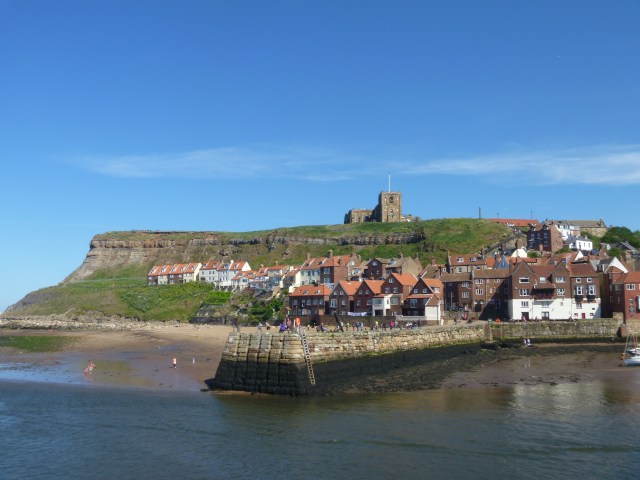
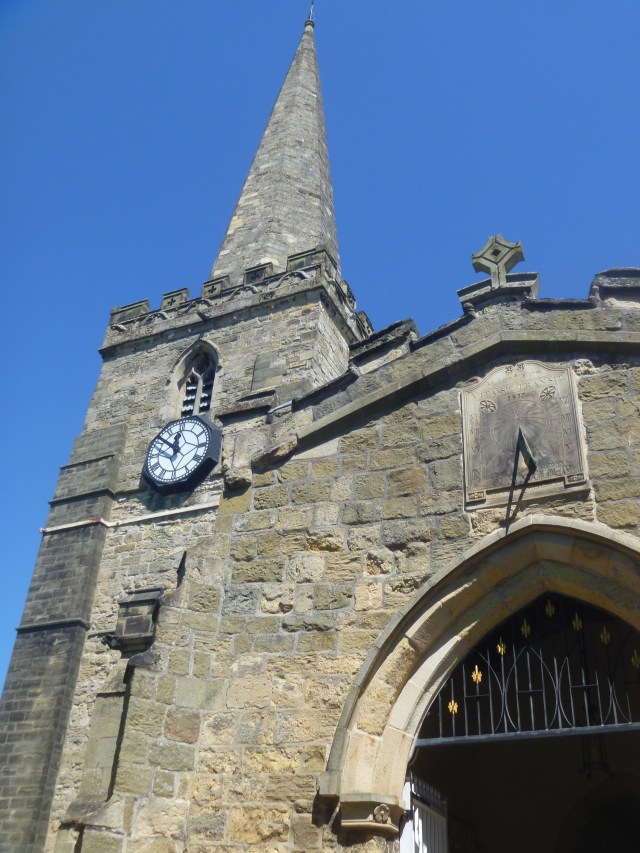
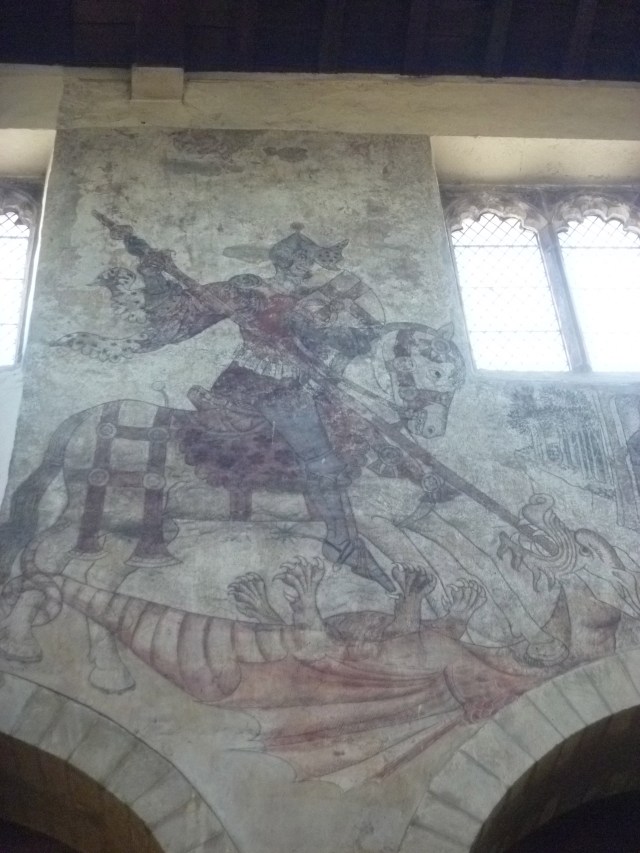
The weather on this year’s annual Leeds Library Visit to Whitby could not have been more different from last year’s The Lake District trip. The sun shone all day and the sky was blue as blue. Perfect weather for a day at the seaside. But first stop on our journey was in Pickering where after tea and toast in the Poppies Tearoom we visited the parish church of St Peter and St Paul where medieval wall paintings have been extensively restored. Originally discovered in 1851 they were almost immediately covered over again. In the 1870s they were restored and, as the leaflet tells us :

Nikolaus Pevsner, in his series of books The Buildings of England (1966), wrote that the church has “one of the most complete series of wall paintings in English churches, and they give one a vivid idea of what ecclesiastical interiors were really like”.

Pickering church

Pickering Church

George and dragon

St George and The Dragon Wall Painting

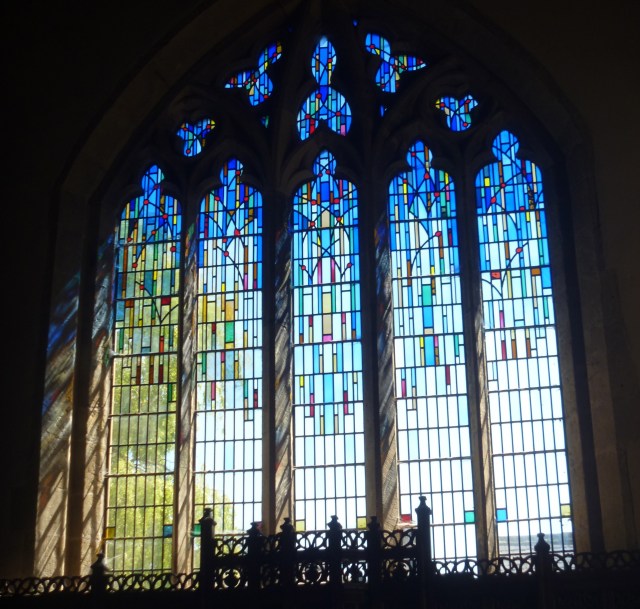
east window

The East Window

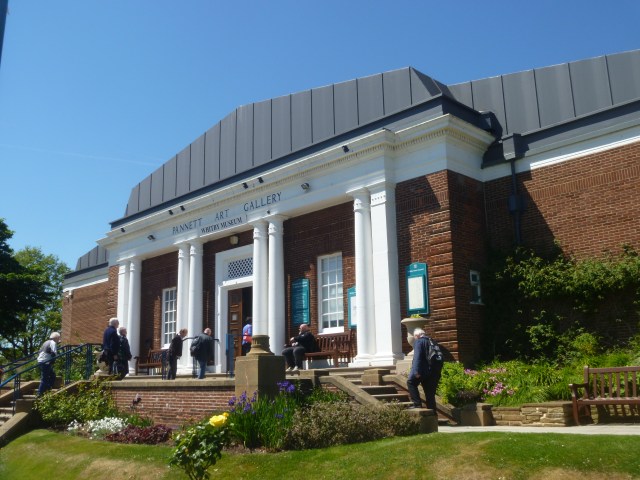
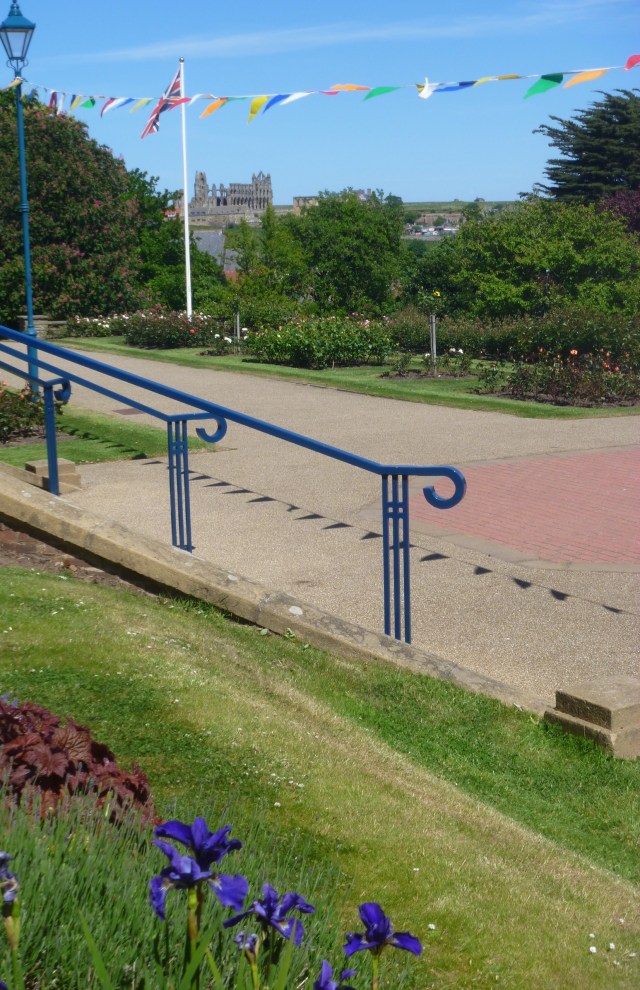
Our day out was  primarily to visit the Whitby Literary & Philosophical Society Library and Museum housed in a purpose built art gallery in Pannett Park above the town and with views of the Abbey opposite and the sea beyond.

Museum

The Society had been founded in 1823 by a group of Whitby citizens led by The Reverend George Young, a minister of the Presbyterian church. It’s chief object was to set up and maintain a museum specialising in fossils since “Whitby is a chief town of a district abounding with petrifications and containing not a few Antiquities”.

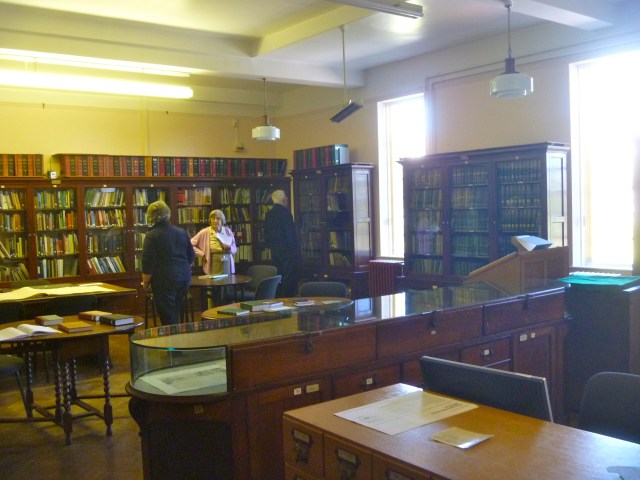
in library

The Society’s Library Today

Initially opened in two rooms over a shop in Baxtergate it subsequently moved to several other locations in the town but finally, by the end of the 19th century the Society decided it needed more space and a new building which opened in 1931 and adjoins the Municipal Art Gallery : The Pannett Art Gallery.

pannett park and abbey

We had an introduction to the collection in a new wing added 10 years ago with funds from The Heritage Lottery Fund. The volunteer curators, Stephen and Fiona, spoke enthusiastically about the collection and the Whitby Merchant Seaman’s Muster Rolls which are an important part of it.

The Muster Rolls are a unique series of historical documents which are the surviving paperwork for the Whitby Merchant Seamen’s Hospital’s regulation of the “seaman’s sixpence”, an eighteenth century pension provision. This pension provided financial support to injured seamen and to the widows and children of seamen who died while serving on merchant ships.

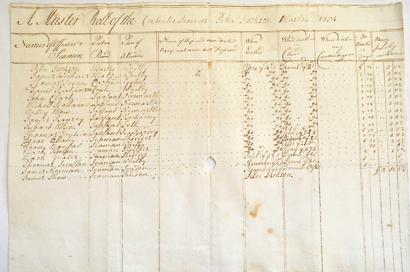
example

Example of Muster Roll from the Library website

They record a wealth of information about crews and ships, and offer a particularly rare insight into working men’s lives : age and place of birth; port where and when enlisted; where and when leaving the ship; name of the ship and its owners.

The Library holds on microfilm the Whitby Muster Rolls from 1747 to 1795 and also some Whitby Muster Rolls from 1800 to 1850. The Museum passed 7,000 Rolls to the Society in 2010. These require careful repair and conservation and much of the cost of this is being defrayed by The Thomas Roe Trust.

The main specialism of the Library is the Whitby local area :

Local History – collections of books, pamphlets, journals, maps, prints and manuscripts for Whitby and the surrounding area (approx. 15 miles radius)

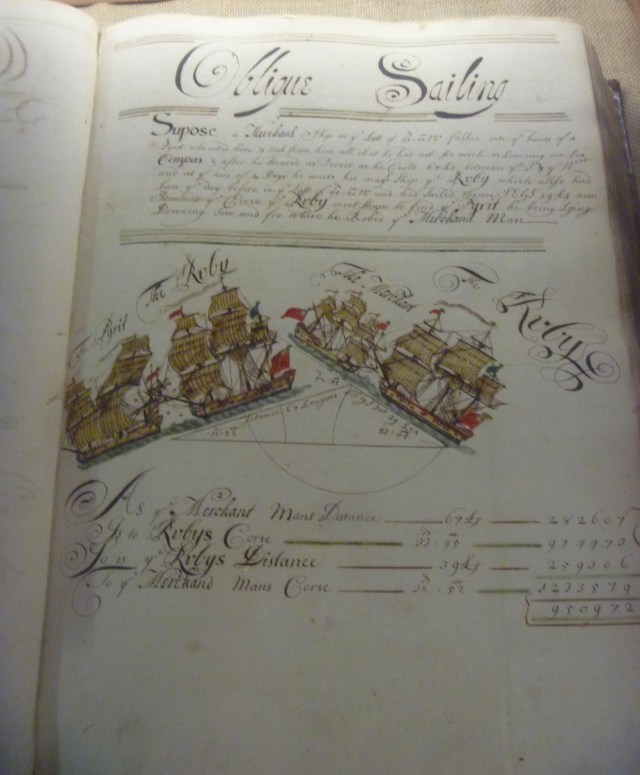
oblique sailing

Maritime History – collections of books, Lloyds registers, and records including muster rolls, and ships’ account and log books

book

Geology – extensive collection of books and journals relating to the history of geology and the internationally important discoveries of Jurassic fossils made in the 19th Century in the Whitby area

Industrial heritage – sources for the development of the alum, jet, ironstone, and potash industries and the railways in the area

Family History – many sources including printed parish registers, lists of monumental inscriptions for many local churches, wills, and indexes to wills in the York Registry

Literature and language – a small literature collection focussing on novels, poetry and plays that are either by Whitby writers or are about Whitby, and a small collection on Yorkshire dialect

After tea and biscuits we were free to visit the Library and the Museum and Art Gallery.

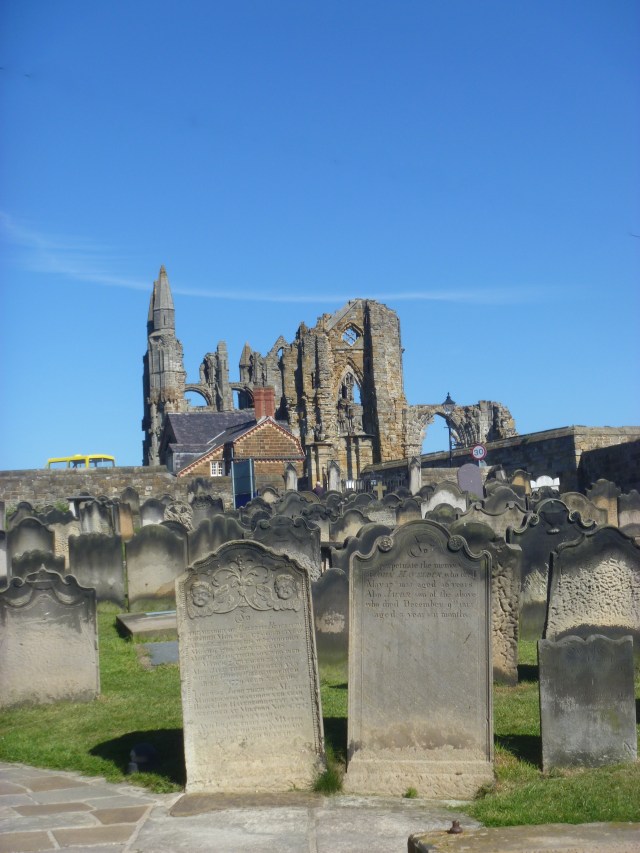
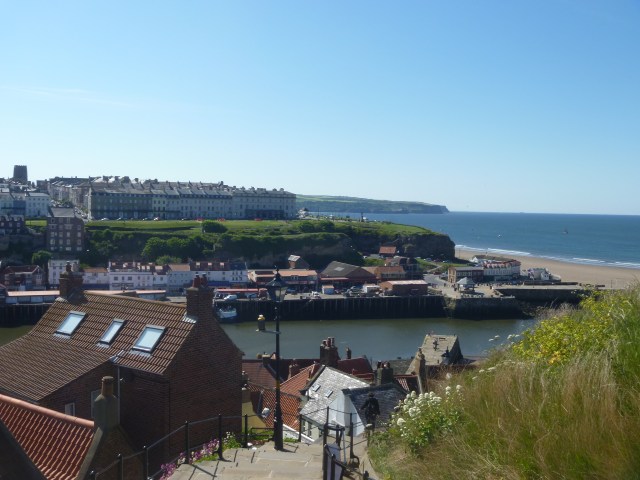
After a picnic lunch in the lovely Pannett Park and a final look round the Museum a fellow library member and I headed into town. After a walk along the quayside we climbed the 199 steps to the church and the Abbey for more stunning views before returning to the coach pick-up point and the return journey to Leeds.

Whitby church

Whitby Church

abbey

Whitby Abbey

view from steps

View from the Top of the 199 Steps

Colchester Castle Now Open!

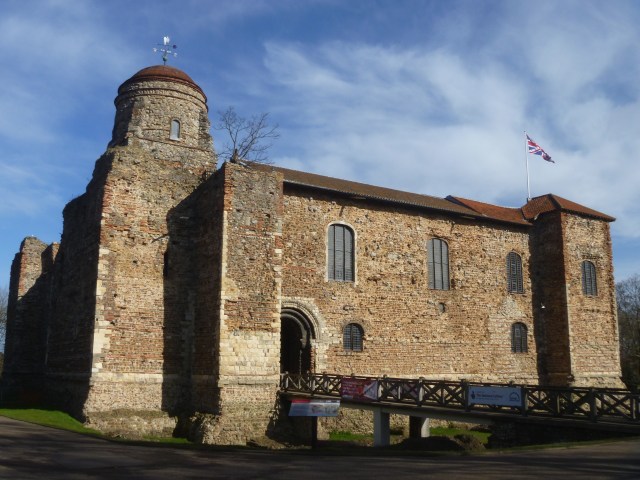
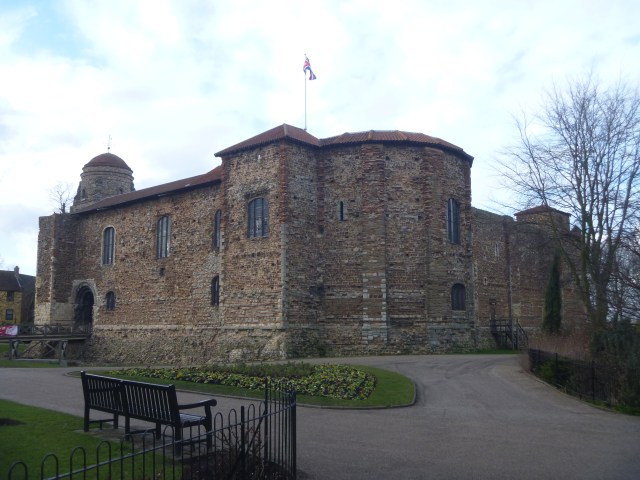
Colchester Castle

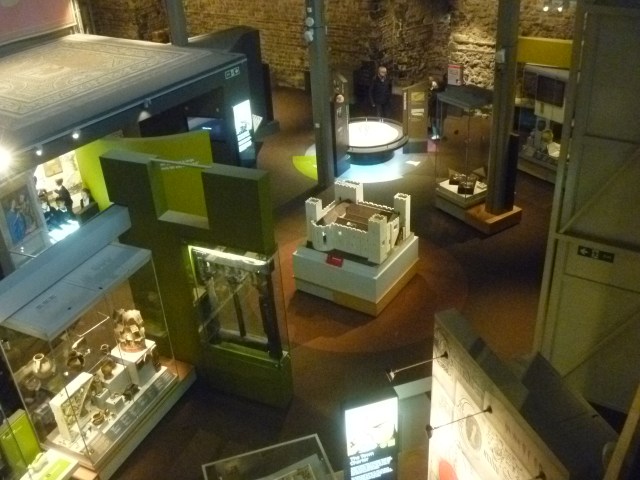
After a 16 month closure and a budget of £4.2 million Colchester Castle Museum reopened last summer (2014). With Art Fund membership cards we gained free admission and spent over two hours inspecting and admiring the amazing contents – here are quality and quantity – a magnificent collection of Roman and other antiquities.

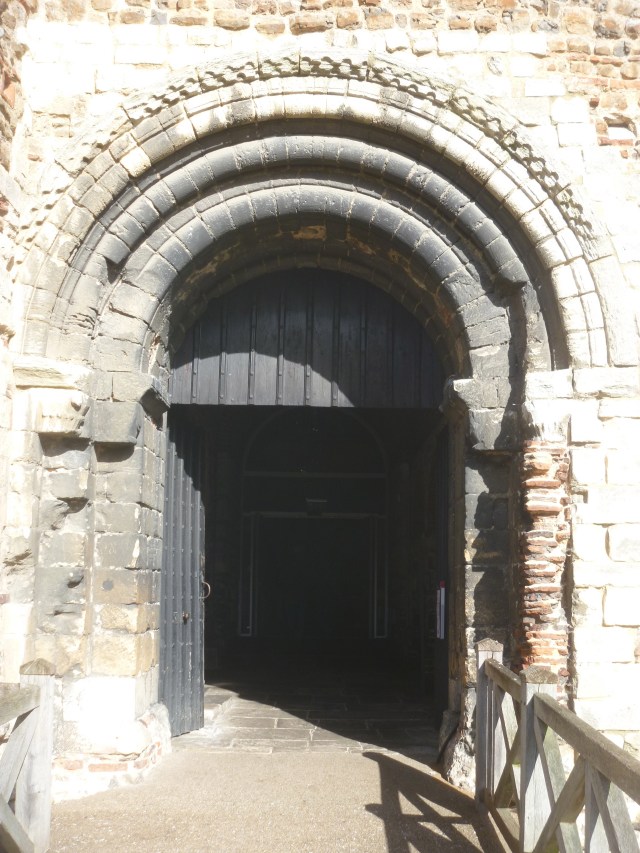
Castle keep door

Welcome to Colchester Castle – come on in!

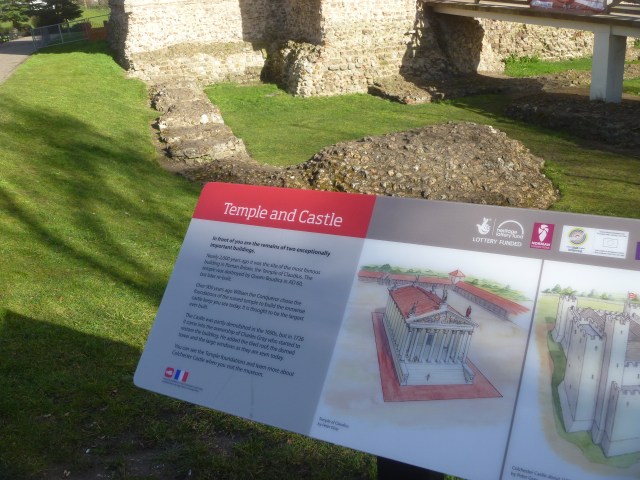
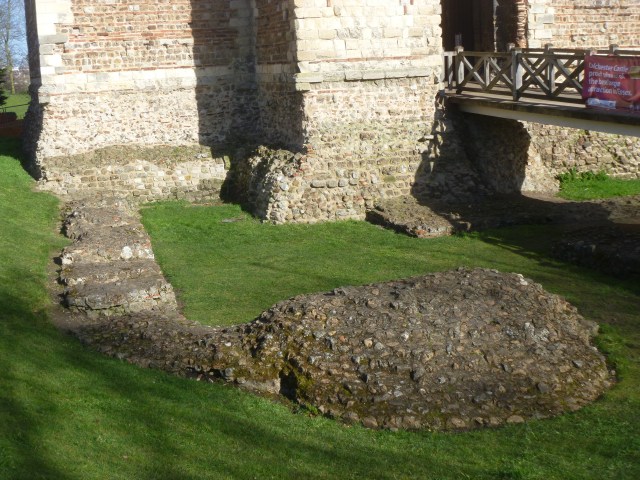
Built on top of the foundations of the Roman Temple of Claudius you can read about the castle (the largest Norman castle keep in Europe) and its contents elsewhere so here I’ve just selected a few of the contents that particularly impressed me.

Castle built on temple

The Castle was Built on the Temple Foundations

Temple remains

You follow the preferred route proposed on a plan : Castle hub then upstairs to Iron Age, through the Roman invasion, and its heyday and decline to Saxon/Norman, medieval, the Civil War siege and finally a bit of modern thrown in (and a sit-down too) to watch video extracts of interviews with present day serving and ex soldiers from the Colchester Garrison and hearing plans for the future for the garrison and the organisation of British armed forces in general.

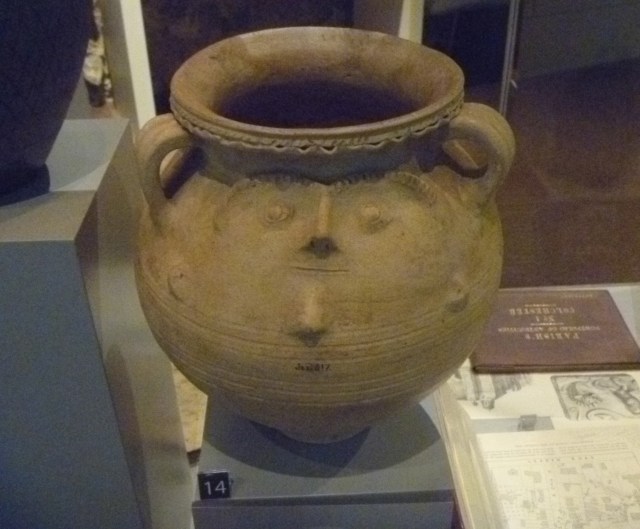
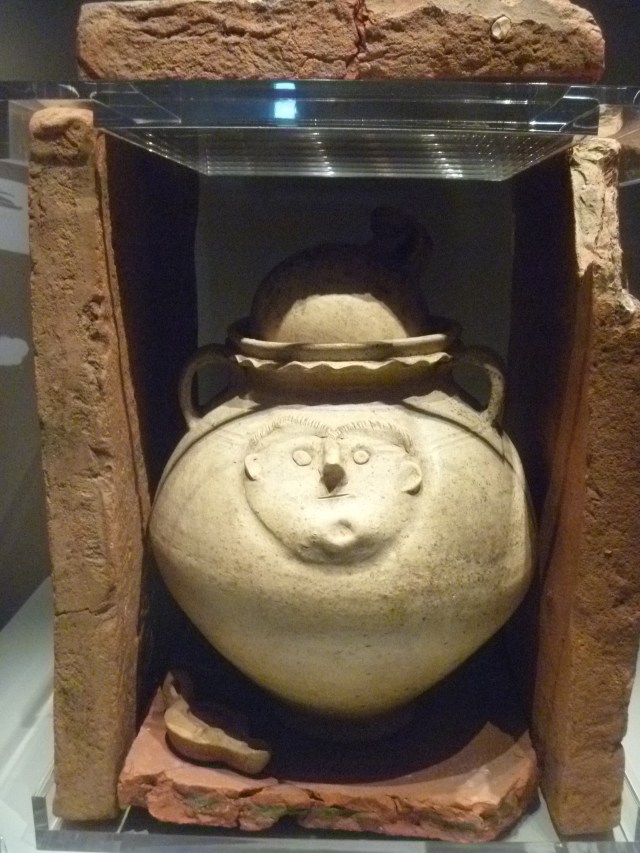
Roman Jar

Roman Face Pot : Type of pot associated with military burials

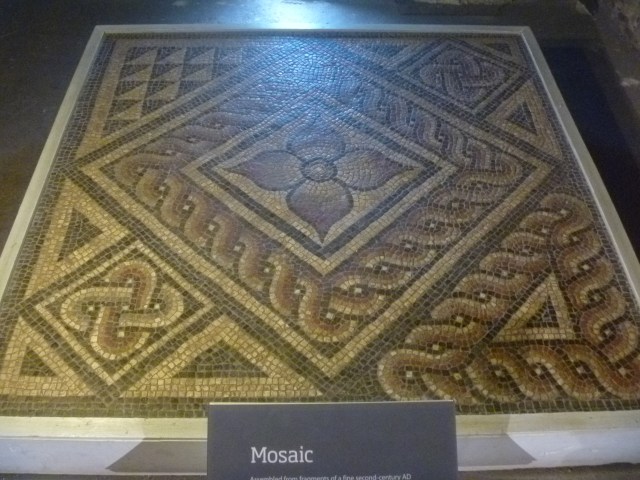
Mosaic Floor

Mosaic Floor : Assembled from fragments of a fine 2nd century  AD Roman mosaic floor found in a garden in North Hill in 1865. Research indicates that the components of the mosaic have been re-arranged.

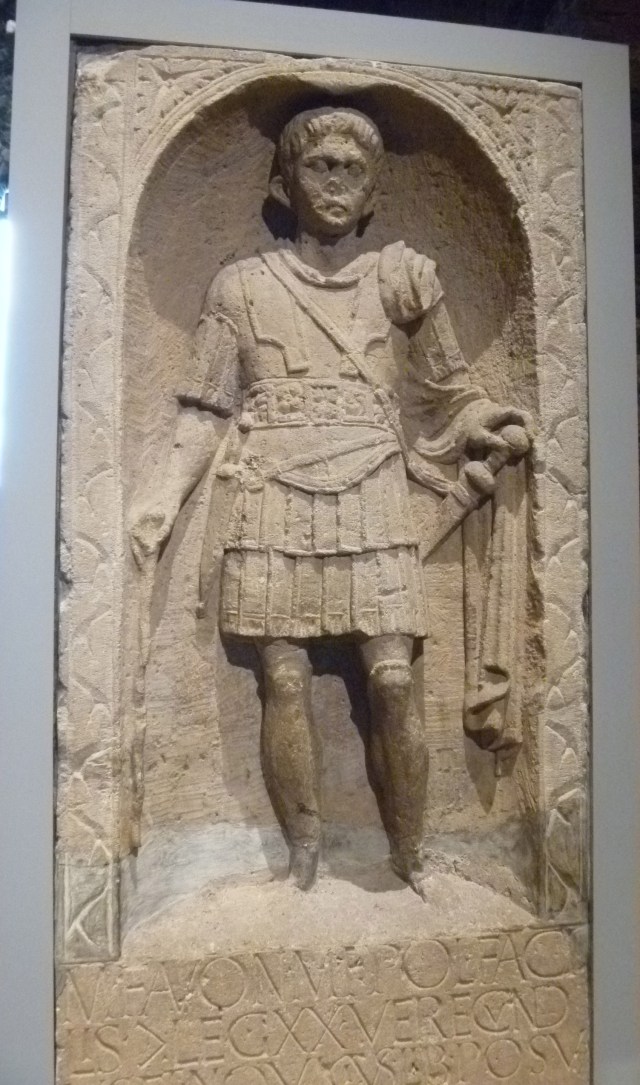
Tombstone 2

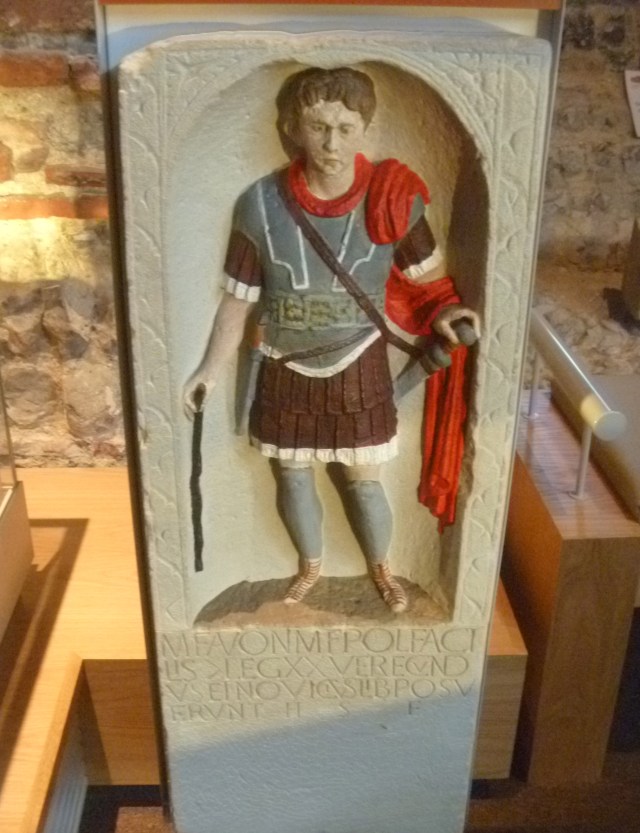
Tombstone of Marcus Favonius Facilis : the earliest Roman sculpture in Britain, and the finest. Facilis was a Centurion officer in the twentieth legion one of the regiments based at Colchester. He died a few years after the 43AD invasion of Britain and was buried in a cemetery along the main road to London. The style of sculpture represented by the tombstone developed in what is now the Rhineland area of Germany where the 20th legion had been based.

Tombstone 2.2

How the tombstone would have looked originally

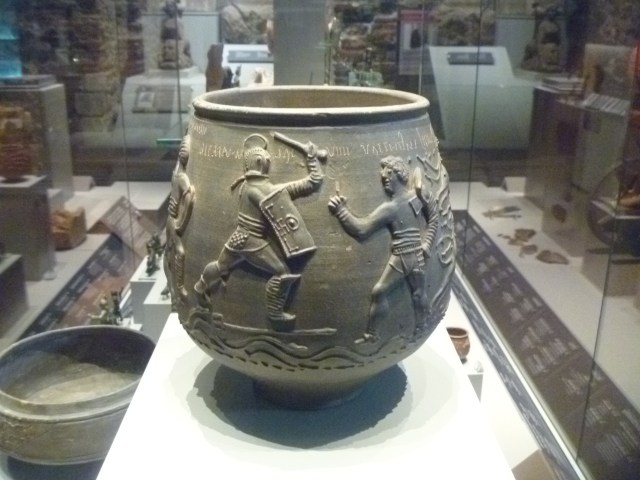
Colchester vase

The Colchester Vase is the most famous pot from Roman Britain. It was found in a grave dated between AD 175 and  AD 200 at West Lodge in Colchester. The pot is decorated with detailed scenes showing a fight between two gladiators, a man beating a bear with a whip and a hunting dog in hot pursuit of two stags and a hare. The inscription scratched around the rim of the pot tells us the names of the people represented in the scenes and gives some details of their lives.

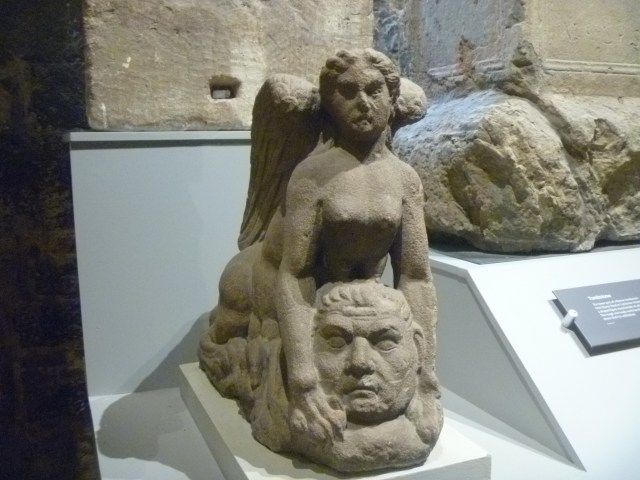
Sphinx

The Colchester Sphinx is a sculpture from an elaborate Roman tomb. It was found where the Essex County Hospital on Lexden Road stands today. This mythological creature is associated with death: she has the body of a winged lion and the face, arms and breasts of a woman. She was carved in the early Roman period AD 43-75. Here she represents the triumph of death over life. She is shown crouched over a pile of bones, clutching the head of the deceased in her claws.

Another face pot

Another Face Pot (contains cremated bones)

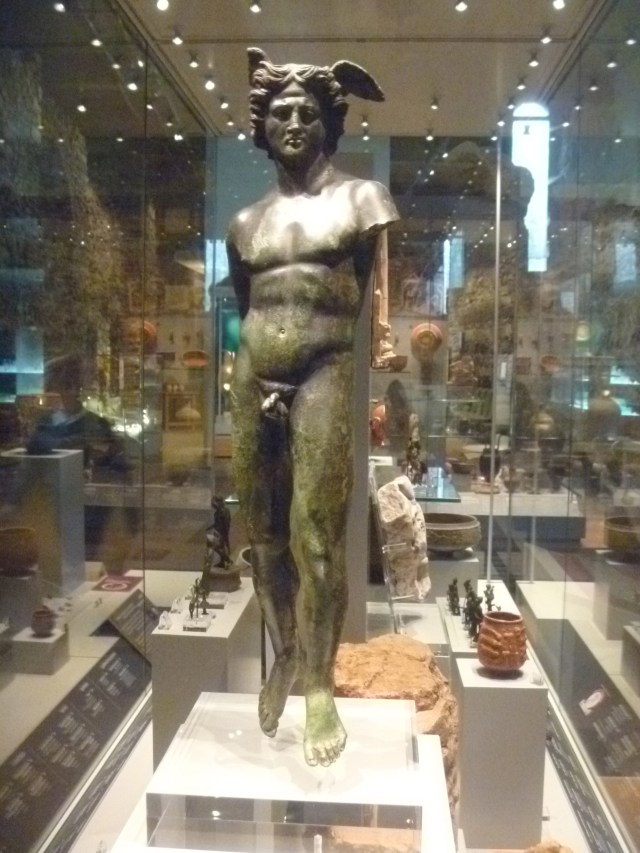
Mercury

The Colchester Mercury is one of the finest statues from Roman Britain. It was found at Gosbecks, an area of countryside outside Colchester where there was a theatre and temple. This bronze statue was made in the northern part of the Roman Empire in the second century AD. Mercury was the messanger of the gods and can be recognised by the wings on his head. He was also the god of movement which made him popular with travellers, traders and even thieves.

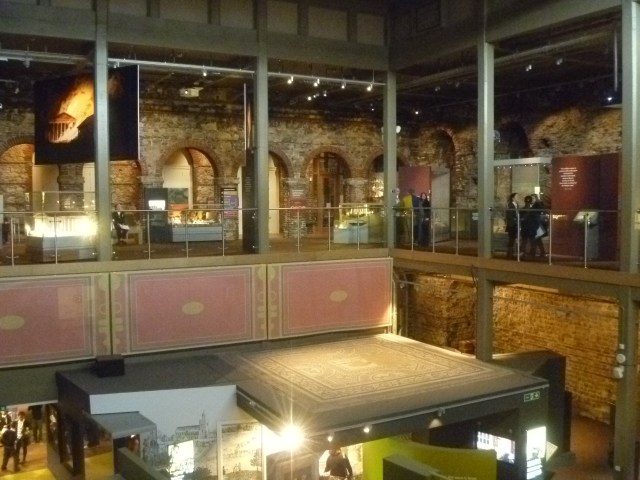
Inside the keep 1

Inside the keep 2

Inside Views of the Keep

We already realised that Colchester is not just the first recorded town in Britain it has a wealth of history and superlatives – first, largest, best, oldest, finest.

Castle Keep

St Martin’s in the Bull Ring : Defiant Gothic … and what we learned there

St Martin's clock

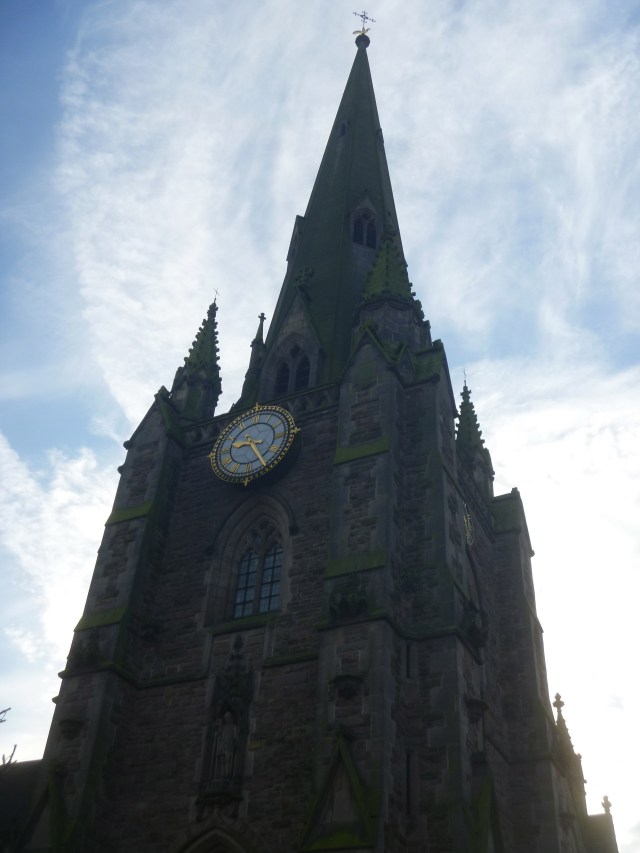
“Defiant City Centre Gothic” writes Simon Jenkins in church crawler‘s ‘bible‘ of St Martin’s church in Birmingham city centre.

“It once towered over the old Bull Ring market place, dramatically clinging to a hillside. Today the site is desperate, squeezed between what survives of the market and an inhuman whirl of urban roads and concrete blocks. Rescue is planned, but the cost of rectifying the horrors of the 1960s and 1970s will be huge. For the moment, St Martin’s is a beacon in a wilderness.” [England’s Thousand Best Churches]

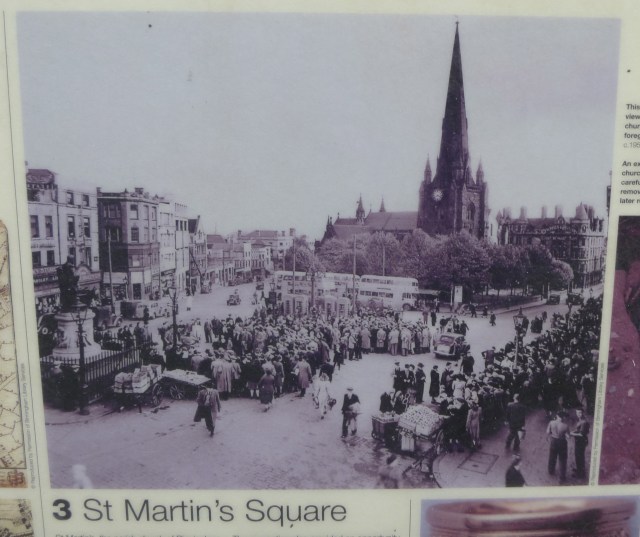
Square in c1950

Looking towards St Martin’s Church with the Bull Ring Market in the foreground (c1950)

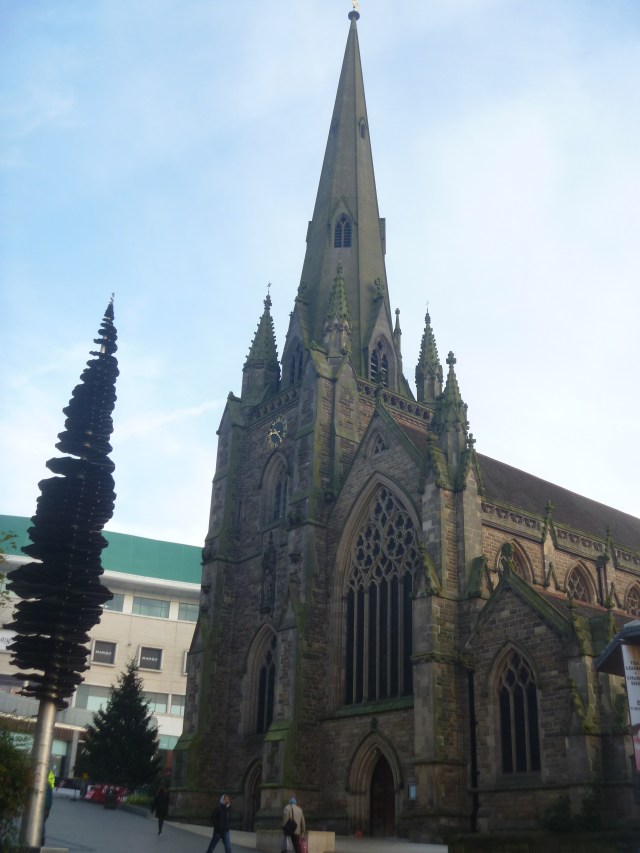
St Martin's 1

It is now almost impossible to take a photograph of St Martin’s

We found that St Martin’s (the only Birmingham church listed by Jenkins) was literally a few minutes walk from our Back-to-Back ‘experience’. So it became the excursion on the final morning of our stay before checking out at 10 and catching our trains before 11.

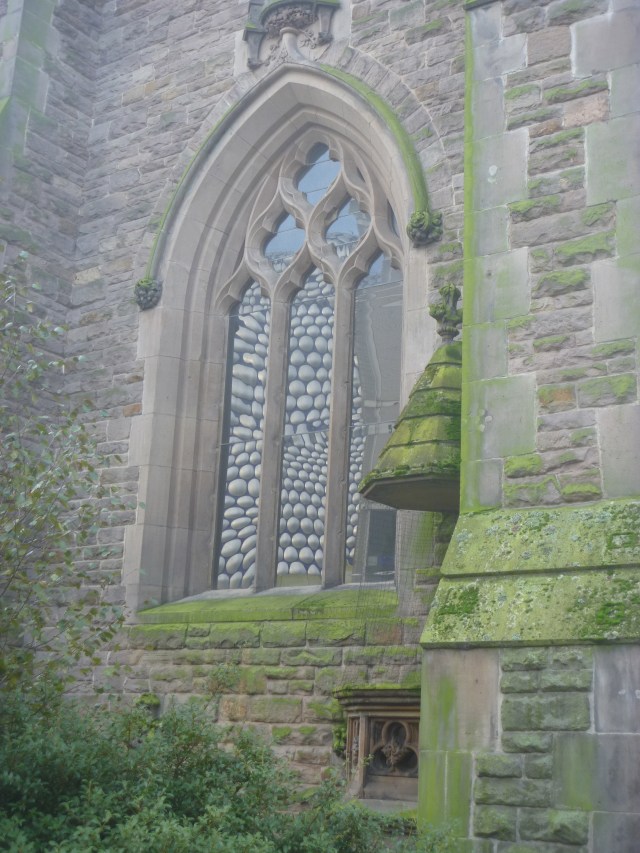
Although the opening time is 10am we noticed a cafe and office attached to the church and a figure moving about. The very kind receptionist understood our ‘plight’ and allowed us to go inside and take a look at the Pugin-influenced building, rebuilt on the site of an older church, in 1873-75 by J.A.Chatwin who had worked with A.W.N.Pugin.

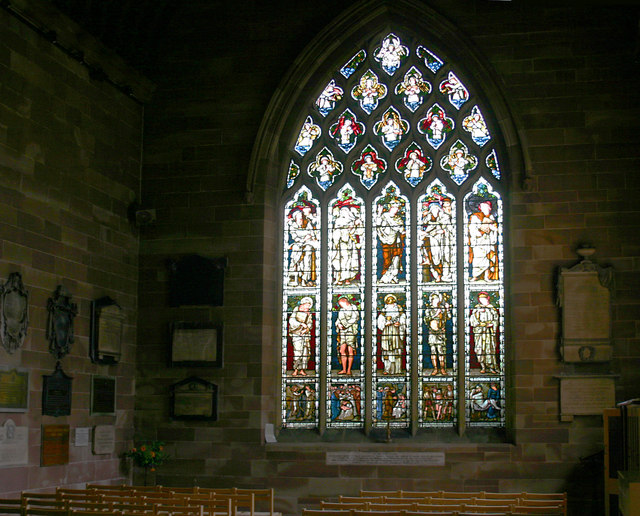
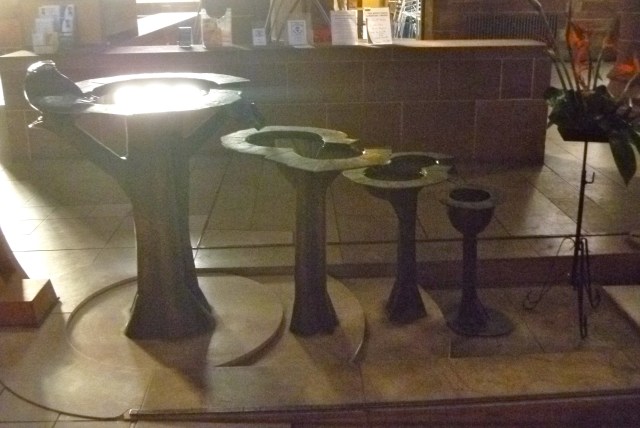
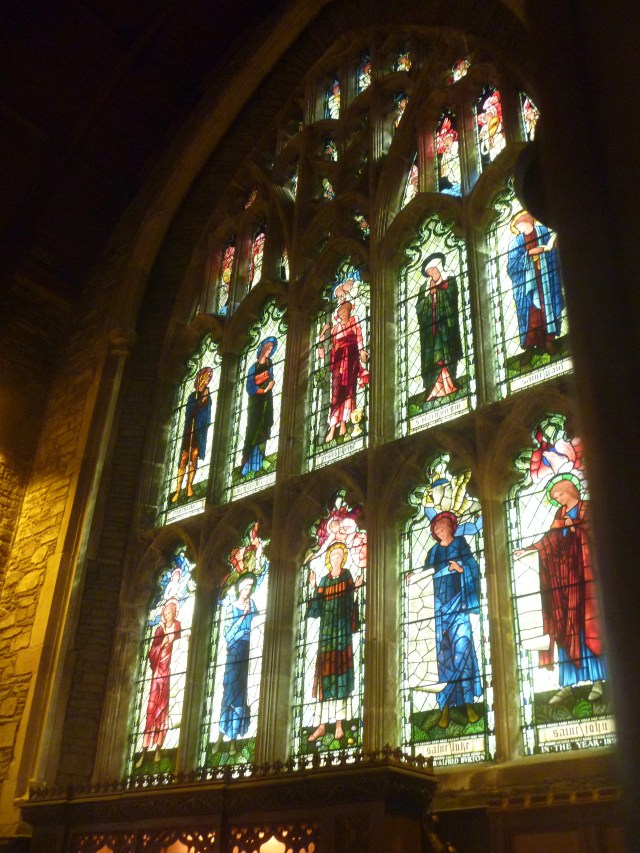
There’s a hammerbeam roof, a modern font, Decorated arches, 14th century alabaster effigies and a beautiful, early Burne-Jones stained glass window.

Burne-Jones Window

Burne-Jones  Window [source]

Font

The Modern Baptismal Font Cast in Bronze by Jacqueline Gruber Stieger in 2002.

Our helpful guide also told us two other facts. The first was that the church has a rare outdoor pulpit and the second, nothing to do with ecclesiastical facts at all, was how to make an ‘infinity scarf’ (another term, new to me, for a snood or cowl) by the ‘arm-knitting method‘!

Outdoor pulpit

Outdoor Pulpit and reflection of Selfridges.

Arm Knitting Demonstration

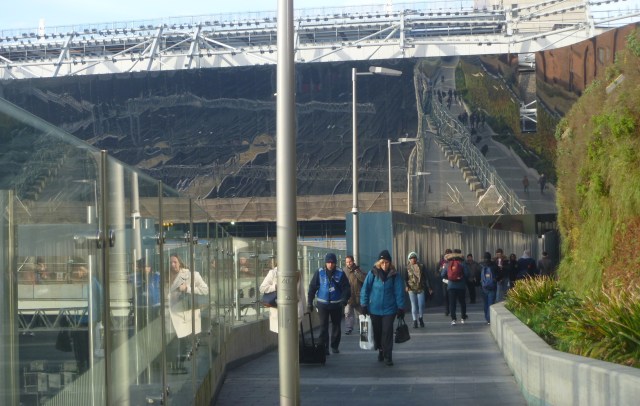
New St Reflections

Birmingham New Street Station Reflections as we leave

Birmingham Architectural, Historical and Modern Gems, 2

As I said already, the jewels and gems of Birmingham don’t stop in the Jewellery Quarter …

There is also the Birmingham Museum and Art Gallery which houses one of the best collections of fine and decorative art, historical artefacts and archaeological treasures in Britain today; all displayed in an elegant Grade II* listed building. The collection is particularly strong in Pre-Raphaelite art. There is also a permanent display of items from the Staffordshire Hoard. [Adapted from Art Fund Guide]
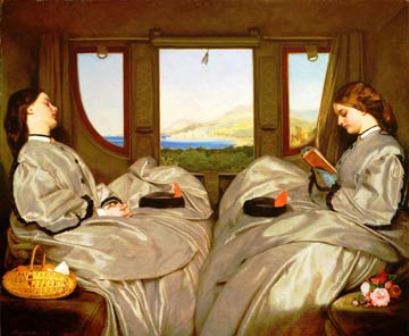
Egg-travelling

Travelling Companions by Augustus Egg (1862) one of my favourite Victorian paintings is in the care of BMAG

On Sunday afternoon we were on the trail of the gold and gems of the Staffordshire Hoard. No photography allowed.

Discovered in 2009 and acquired jointly with the Potteries Museum and Art Gallery in Stoke-on-Trent with assistance from the Art Fund, this treasure trove of 7th century Anglo-Saxon art features 4,000 pieces of gold and silver displaying intricate filigree and cloisonné work. Since October 2014 a new permanent gallery interprets the story of the hoard and its context within Anglo-Saxon history. Beyond the richness of the materials and the exquisite decoration, the hoard is significant because of its strictly masculine nature. These are exclusively military items created for Mercia’s best  fighters.” [Art Quarterly, winter 2014, p.31]
St Chad's and roads

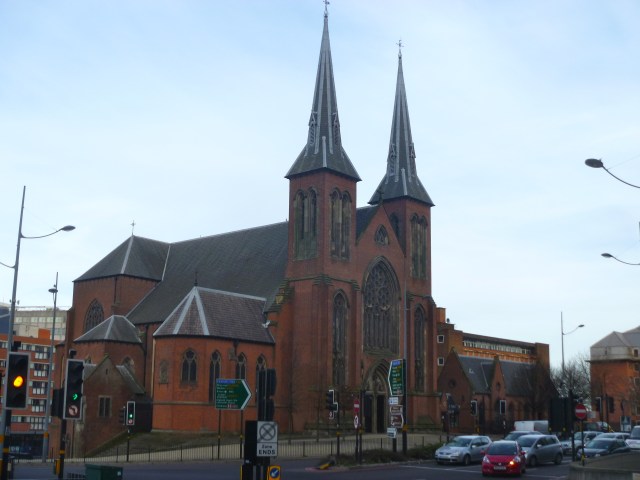
St Chad’s Cathedral or Traffic Circle

Birmingham has two cathedrals both gems of their type. The Roman Catholic Metropolitan Cathedral and Basilica of St Chad is a little out of the immediate city centre but we could easily walk there. How many times did we remark to each – “Car is King in Birmingham”? Pedestrians must wait at lights, use underpasses and walkways and over-road links. The RC Cathedral appeared to be sited in the middle of the road. Access is not easy. However, we made it safely through its doors on Monday morning and into another world. A world of peace and calm and of glorious art. No photography was allowed but I had already taken this one before I saw the sign.
St Chad's

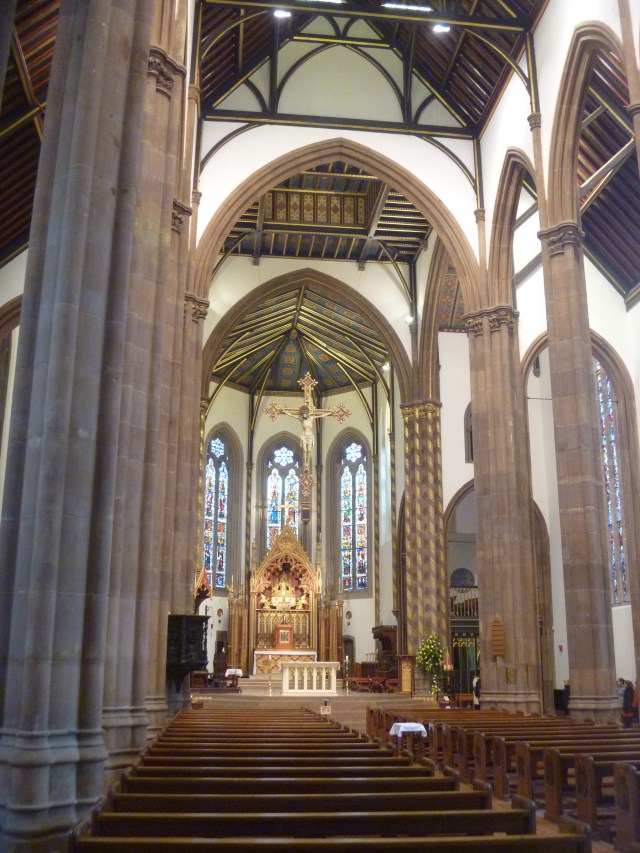
The Nave, St Chad’s Cathedral

A significant stopping-off point on Birmingham’s Pugin Trail the Cathedral was the first Roman Catholic Cathedral to built in the UK since the Reformation. The superb original internal decorations and fittings were made by skilled craftsmen re-introducing skills of the Medieval era.  John Hardman plate and windows; Herbert Minton tiles; William Warrington chancel window. Augustus Welby Northmore Pugin also supplied original Medieval furnishings from his own collection including the stalls and pulpit. His rood screen was removed in 1967.

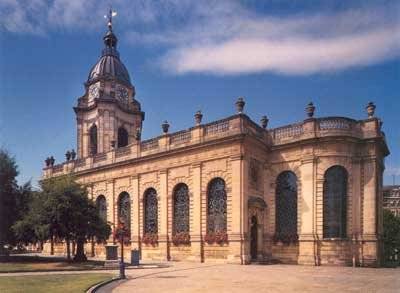
Only after dropping in to St Philip’s Cathedral on Sunday afternoon and deciding to stay for Evensong – more members of the choir than members of the congregation and followed by a brief organ recital – did I read this suggestion in my LV City Guide 2012 Birmingham, London, Dublin :
Birmingham Cathedral

St Philip’s Cathedral [source]

Sunday in Birmingham : Attend a service in 18th century Birmingham Cathedral which has a number of stained glass windows designed by Edward Burne-Jones. Colmore Row.”
Looking_down_on_bar_3536

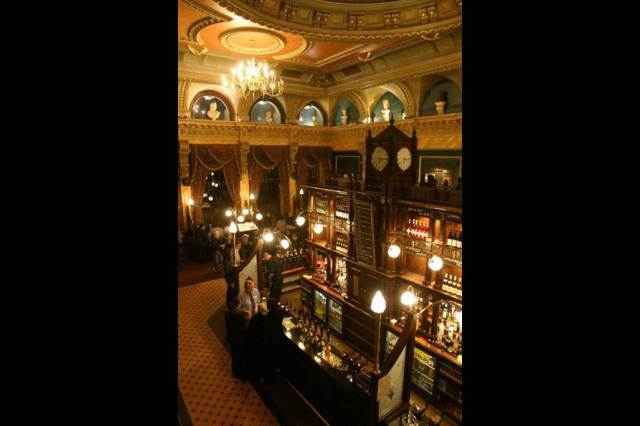
Old Joint Stock Bar [source]

Opposite the Cathedral is the famous Birmingham pub The Old Joint Stock Pub and Theatre. Just a few paces from the Cathedral we decided to pay a visit. Unfortunately the theatre wasn’t open that evening but the island bar was impressive. Also from my LV Guide :
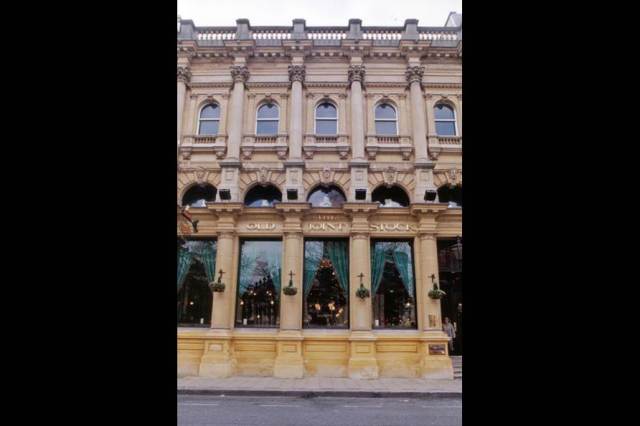
Old_Joint_Stock_External2_3539

Julius Alfred Chatwin was primarily a designer of Birmingham churches … But there were exceptions to his church work and the opulent interiors of the Old Joint Stock, opposite St Philip’s Cathedral (in which he had a hand), showed that he could be moved to great things in the temporal sphere as well. Completed in 1864, the building first belonged to the Birmingham Joint Stock Bank. It was converted into a pub in 1997. Under a glass domed ceiling, beside an island bar and with sumptuous interiors, this is one of the grandest pubs in the city. Upstairs is an 80-seat theatre, minimalist in decor, but the sort of facility few pubs can shout about.

ET ad

ET Mural

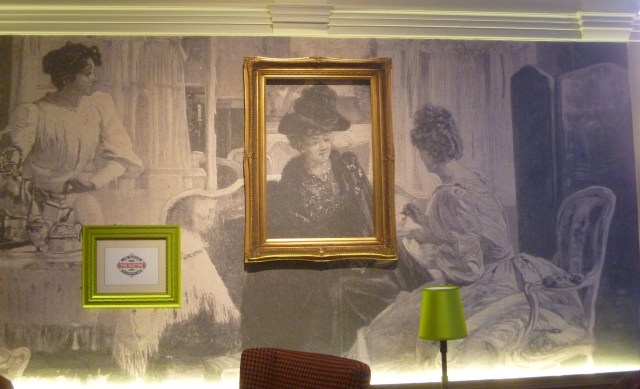
Tea Room Mural

On Monday we returned to The Art Gallery to the highly recommended Edwardian Tea Room for a light lunch before heading to our raison de visite The Library of Birmingham.

Few other tea rooms in the world can boast a stellar gathering as was here under the ornate ceiling and glass canopy in May 1998. The G8 Summit was being held in the city and for a short time a group that included Bill Clinton, Boris Yeltsin, Jacques Chirac and Tony Blair (and their interpreters) sat around a table commissioned from David Linley for the occasion, surrounded by a pick of the museum’s Pre-Raphaelite paintings hung here especially for the event. Even without the table and the paintings, The Edwardian Tea Room is still a grand setting for tea, coffee, snacks and lunches.” [LV Guide]

Wedding Cake

The Library Building Decorated on the Exterior to Represent Rings and Birmingham’s Jewellery Heritage

The Giant Wedding Cake, as the library is affectionately known, offers pre-bookable guided  tours to the building and its contents on Mondays at 2.15.  The building was officially opened by Malala Yousafzai in September 2013.

We took the glass lift up to the 9th floor from where we had long-reaching views of the city  and beyond from the Skyline Viewpoint. Also on the ninth floor is the Shakespeare Memorial Room.
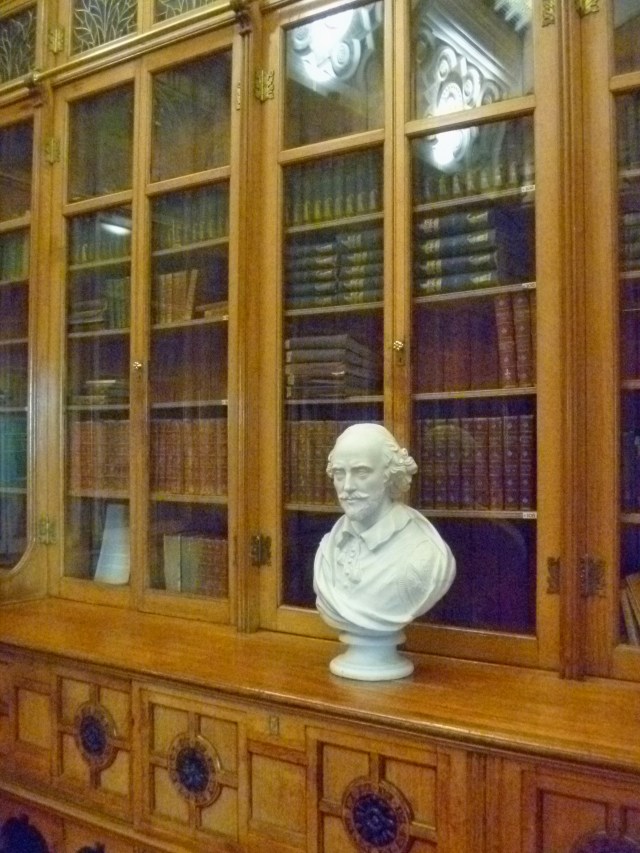
Shakespeare

Shakespeare in his Memorial Room

“This original feature from the city’s Victorian library was designed by John Henry Chamberlain in 1882. Since then
it has changed home twice, moving to Central Library when it was built in the early 1970s, and to the Library of Birmingham almost forty years later. It originally housed the Birmingham Shakespeare Library, which is still available at the Library of Birmingham. The Room is wood panelled with glass printed shelves inspired by the Elizabethan age with carvings, marquetry and metalwork representing birds, flowers and foliage. The woodwork is by noted woodcarver Mr Barfield, and the brass and metal work is most likely crafted by Hardmans. The Shakespeare Memorial Room has been painstakingly reconstructed by local craftsmen A. Edmonds & Co. Ltd and the Victorian Cornice Company whorestored the elaborate ceiling. The books and memorabilia you see on the shelves are interesting items from the Library’s general collections (the Shakespeare collection outgrew the room as early as 1906).” [source]
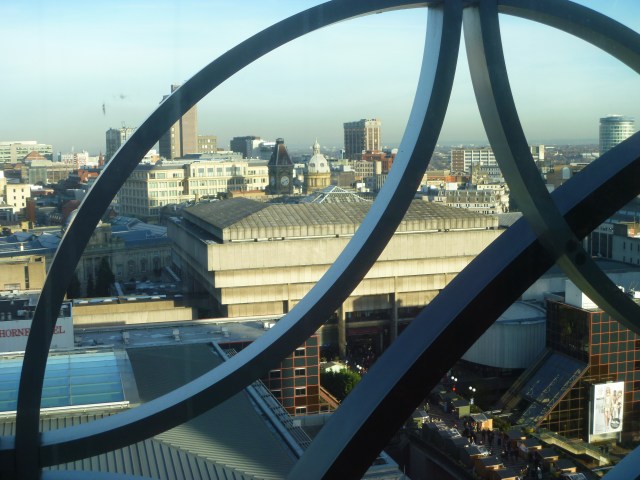
70s library

The old Central Library seen through the rings

We then descended floor by floor visiting two gardens on our way down including the Secret Garden and The Discovery Terrace.
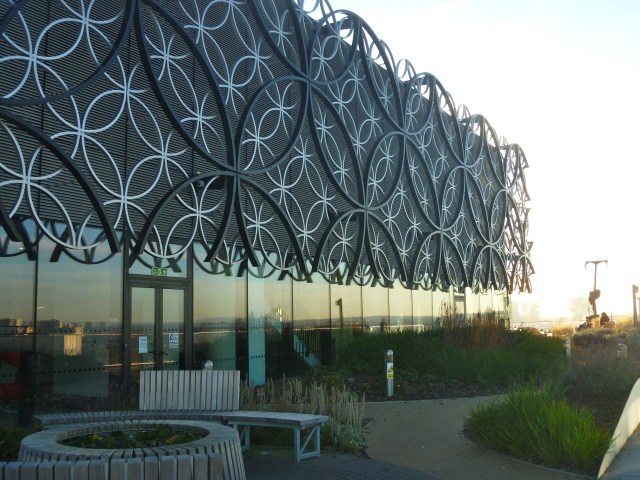
secret garden

The Secret Garden on the Seventh Floor
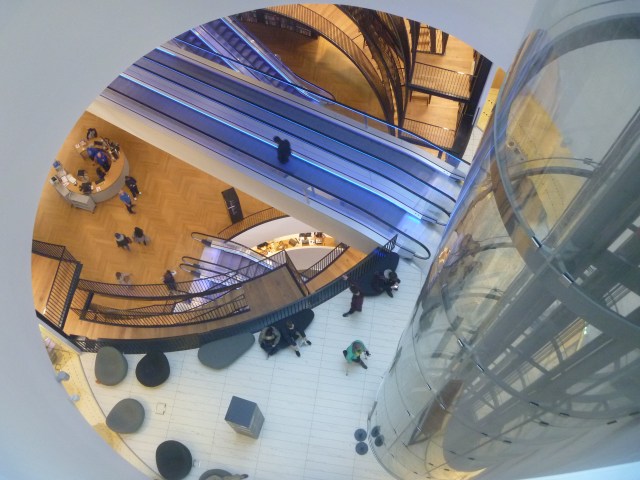
Lift and escalators

Looking down into the Library and the Book Rotunda
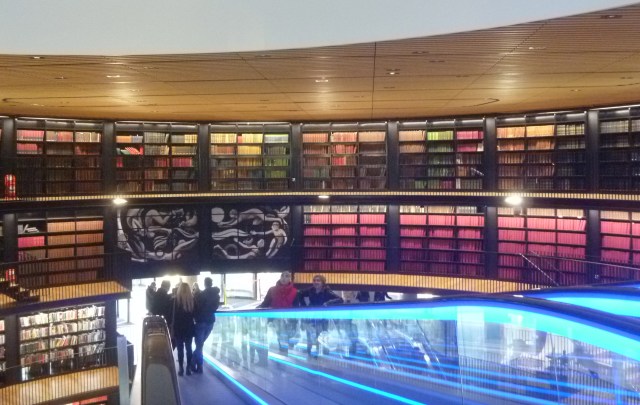
Book Rotunda

The Book Rotunda – Shades of The British Museum and Waterstones Book Shops
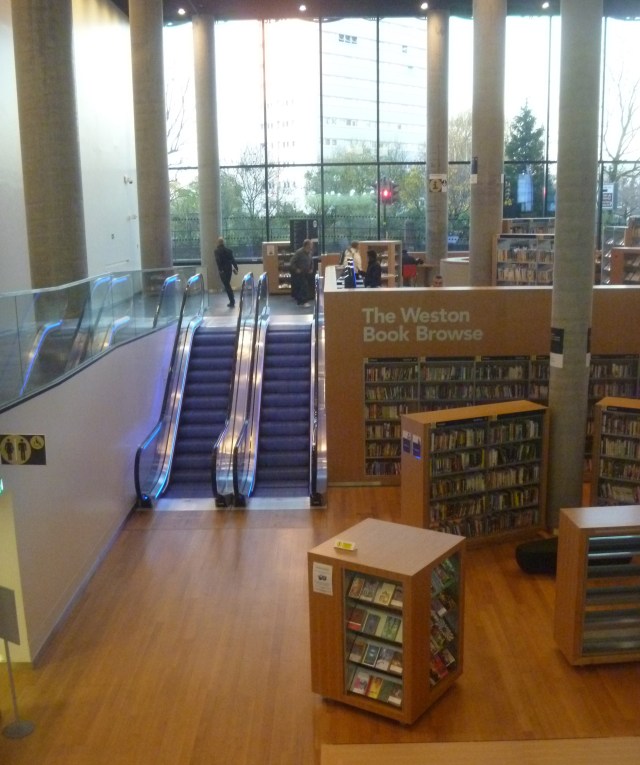
Children's Library

The Book Browse Fiction Library

Here is a Library buzzing with enthusiasm and offering its readers so much more than books (although I’d be happy with just the books). The What’s On programme that I picked up lists Exhibitions (we visited The Voices of War during our tour), Films, Music, Activities, Performances, Dance, Poetry and Workshops. Lucky Birmingham to have this facility in the heart of the city I hope the citizens make good use of it and what it offers.

Despite a packed two days and two half days we  are sure that there are many more Birmingham gems still to be visited!
Birmingham Architectural, Historical and Modern Gems, 1

Birmingham’s rapid expansion from the mid-18th century into a major centre for the metalworking industry earned it the title of ‘the workshop of the world’. Just outside the heart of the city, the Jewellery Quarter became a close-knit neighbourhood, where a great variety of specialist trades concentrated on the production of jewellery, silverware and small metalware.

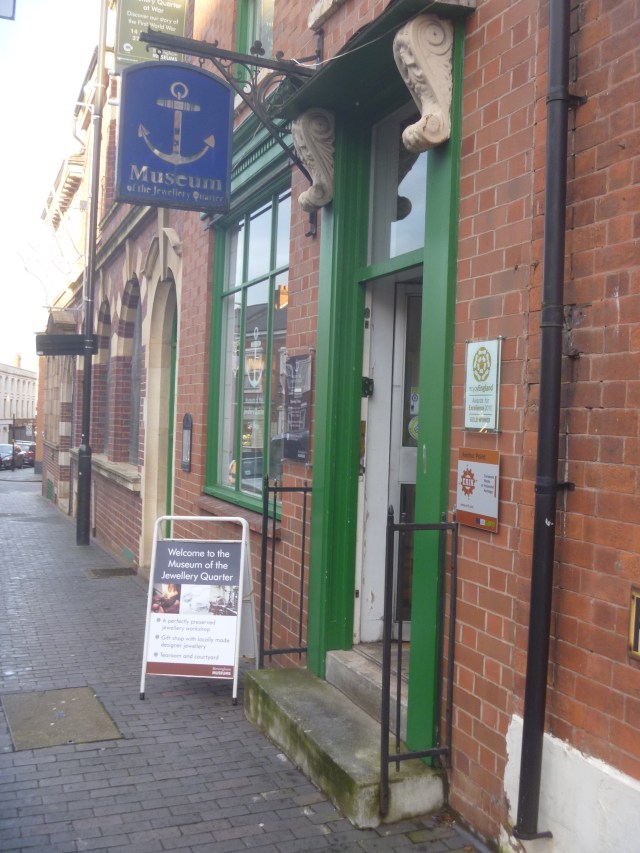
Jewellery Mus

The Anchor is the Birmingham Assay Office Mark

In the Jewellery Quarter Museum I learned some interesting facts about the work carried out in the area. There’s a small exhibition and display to whet one’s appetite before the ‘jewel in the crown’ tour of the Museum.

– Birmingham is one of only four cities in the UK which has an Assay Office and on its first working day, August 31st, 1773 the office hallmarked about 200 articles. On its busiest day ever recorded (they don’t say which day that was) the office achieved the hallmarking of 100,000 articles!
– Most gold articles are not made from pure gold. It is too soft and expensive and is mixed (alloyed) with other metals to increase its strength.

– A single gram of gold can be beaten into a sheet of one square metre.

– Coins, clocks, trophies, tableware were shipped all over the globe. By 1914 Birmingham was supplying the world with 28 million pen nibs PER WEEK! And during both World Wars manufacture was given over to medals and munitions.
– Birmingham’s increasing prosperity was largely built on its emergence as the very centre of the British button trade. From the earliest 18th century gilt buttons to the Victorian mother-of-pearls, buttons remain as popular as ever and as fastenings and as decoration.

Christmas decs

Jewellery Christmas Decorations

All very interesting but the highlight was yet to come. A group of us assembled for the tour. I hadn’t studied the website or literature so was not aware quite what was to come! I’d expected examples of valuable jewels and other products of historical significance. But what we got was amazing :

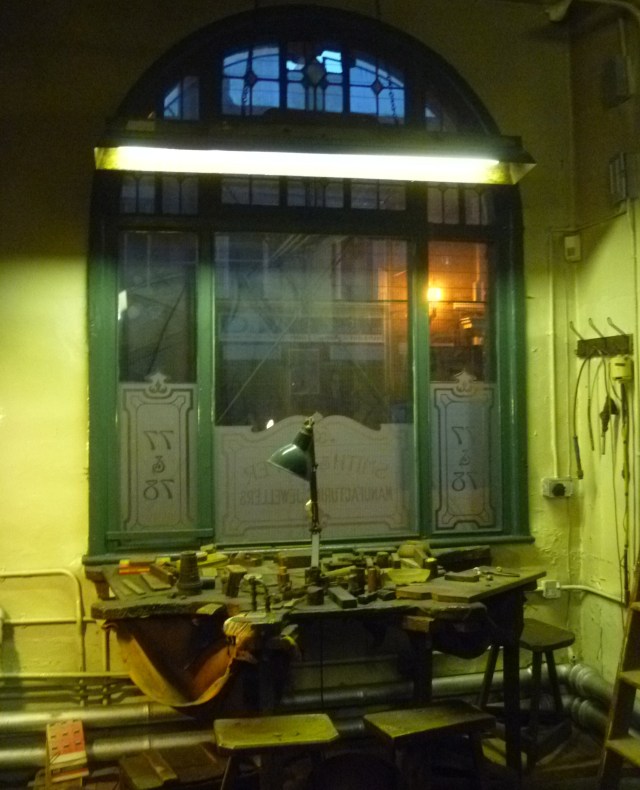
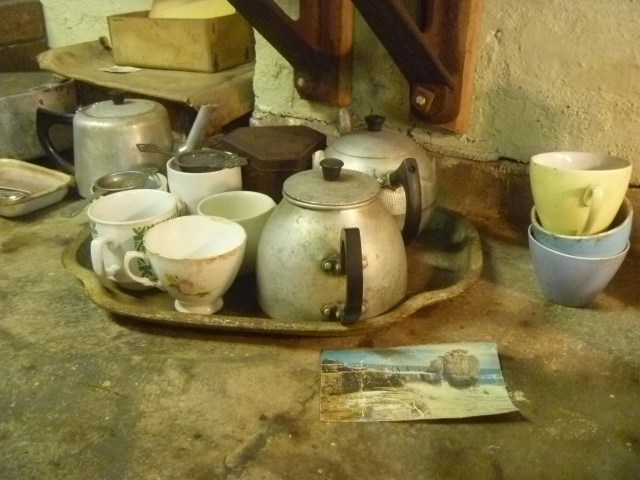
When the proprietors of the Smith & Pepper jewellery manufacturing firm decided to retire in 1981 they ceased trading and locked the door, unaware they would be leaving a time capsule for future generations. Tools were left strewn on benches; grubby overalls were hung on the coat hooks; and dirty teacups were abandoned. Today the factory is a remarkable museum which tells the story of the Jewellery Quarter.” [Art Fund Guide]

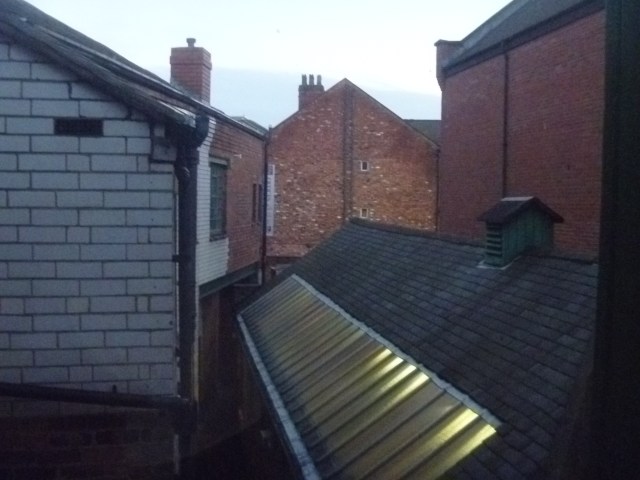
Factory skylight

The factory skylight, white walls of the neighbouring building reflect the light and the whole squeezed into a rear yard

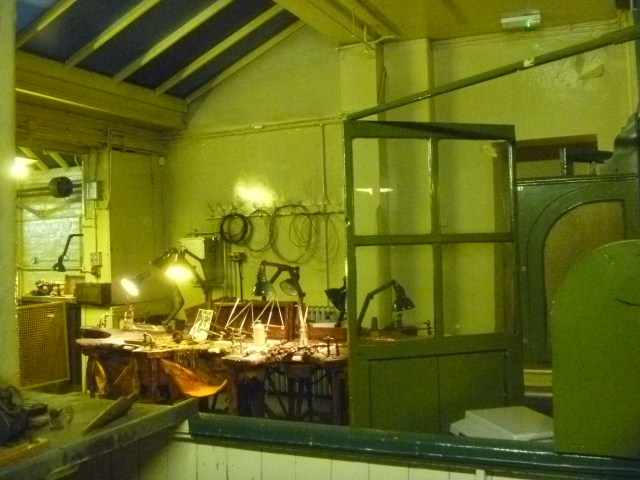
We saw the offices, the workshop and work benches, the kitchen shared with the potassium cyanide store (looks just like sugar!!). Every single fleck of gold dust was to be saved and reused – this was a Brylcreme-free zone and no turn-ups were allowed. All dust was saved and checked. Overalls and shoes had to be changed. And the noise must have been horrendous. We had each noise source demonstrated separately but what the combination was like is unimaginable. Dangerous and unguarded sharp and heavy tools were a threat to life and limb. The whole was a Health and Safety Officer’s nightmare. I heartily recommend a visit.

work area

The Factory

work bench

A Work Bench

Notice

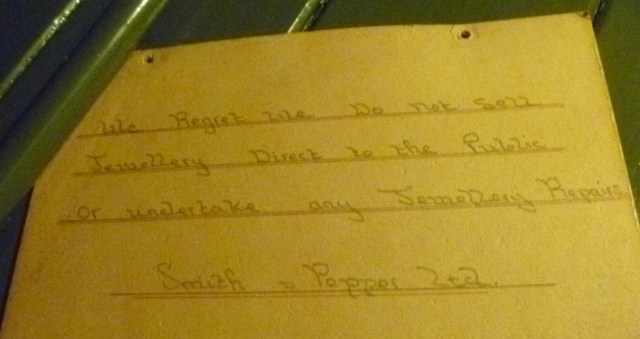
Notice on the Office Door

Order book

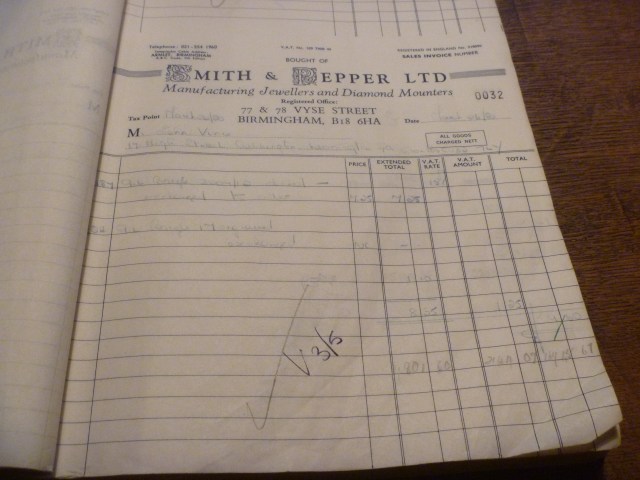
Page from the Order Book

tea tray

Tea and Cyanide, anyone?

But the jewels and gems of Birmingham don’t stop in the Jewellery Quarter …

A Castle, A Church and A Cowslip with Dovegreyreader

My friend Lynne, alias Dovegreyreader, lives not a stone’s throw from Endsleigh and it was my pleasure to spend a day with her during my stay at Pond Cottage.

The Wednesday dawned grey and misty but not deterred we met at the hotel car park and swanned off in her car to Launceston in nearby Cornwall. “We be in Cornwall now” declared Lynne in authentic Cornish accent as we crossed the Tamar bridge that separates it from Devon. During the short journey Lynne pointed out landmarks such as the church at Milton Abbot and other Endsleigh cottages lived in by Horace Adams.

Launceston : ‘a real Cornish town’ says the tourist leaflet picked up at the TIC our first stop in the town. Interestingly, and isn’t always the same when you live somewhere? Lynne had thought she had never been to the Castle; at least not in the last few decades, maybe when the children were very small.

Welcome to L Castle

Welcome to Launceston Castle

“The town is notable for its impressive castle built by Brian de Bretagne, the first Norman Earl of Cornwall. It has never been besieged or captured.” Well, I’m not surprised it’s a short, steep climb up the mound to the keep and the the walls are several feet thick. In fact the steps up to the battlements are built within the thickness of the walls.

The castle is now in the care of English Heritage who have created a small exhibition with displays and information boards that set the scene.

Launceston Castle

 The Approach to Launceston Castle – on a dull day

As with all climbs, it was worth the effort for the views from the top. On a good day they would have been exceptional but on this day we could really only study the town in the foreground.

Launceston from battlements

The View NW from the Battlements – in the foreground on the right is Castle Street. Sir John Betjeman called it “the most perfect collection of 18th century townhouses in Cornwall” the tourist leaflet declares. In the middle in the distance is the location of the Cowslip Workshops which we visited later.

Misty Cornwall from LC

Looking west from the castle to a very misty Cornwall: the Earl’s hunting park stretched towards Bodmin Moor

LC Church from castle

East of the castle is the Church of St Mary Magdalene

In fact the Church was our next port-of-call.

P1150025

A striking brass with inscription commemorating an unidentified 16th century lady

Disturbing memorial

A rather disturbing memorial

Altar tryptich

The Altar Triptych : The Nativity of Our Lord; The Adoration of the Magi; The Presentation of Our Lord in the Temple (sorry photo doesn’t do it justice)

The poet Charles Causley was born in Launceston in 1917 and spent most of his life there. I discovered the Causley Society website which includes his biography and a Causley trail around the town. He wrote a poem about St Mary Magdalene which is available on a little leaflet from the church.

C Causley poem

Mary Magdalene Poem :

Mary, Mary Magdalene
Lying on the wall
I throw a pebble on your back
Will it lie or fall?

A relief of Mary Magdalene is to be found on the east wall of St Mary Magdalene church. It is said that a stone lodged on her back will bring good luck.

Mary Magdalen stained glass

The Mary Magdalene Stained Glass Window

By this time we were ready for something to eat and Lynne drove us out of town to the Cowslip Workshops.

Misty Launceston from Cowslip

View of Launceston from the Cowslip Workshops

Anyone, even the least artistic person, would find something to interest here. The Workshops are based at a very working farm, there’s a café, where we had soup for lunch, sewing classes, a fabric shop which also sells pottery by Nicholas Mossse, a gallery, and a farmhouse/kitchen garden. On a good day there will also be distant views!

Cowslip allotment

The Farmhouse Garden

IMG_0827

Inside the Fabric Shop

Much as we were tempted by the cakes and pastries in the cafe we knew that very soon we would be back at Pond Cottage and tucking in to Bettys Yorkshire treats as Lynne came back with me for tea and to meet my friends. Thanks again, for showing me your local area, Lynne. What a lovely part of the country you live in!

The Wadsworth-Longfellow House, Portland, Maine

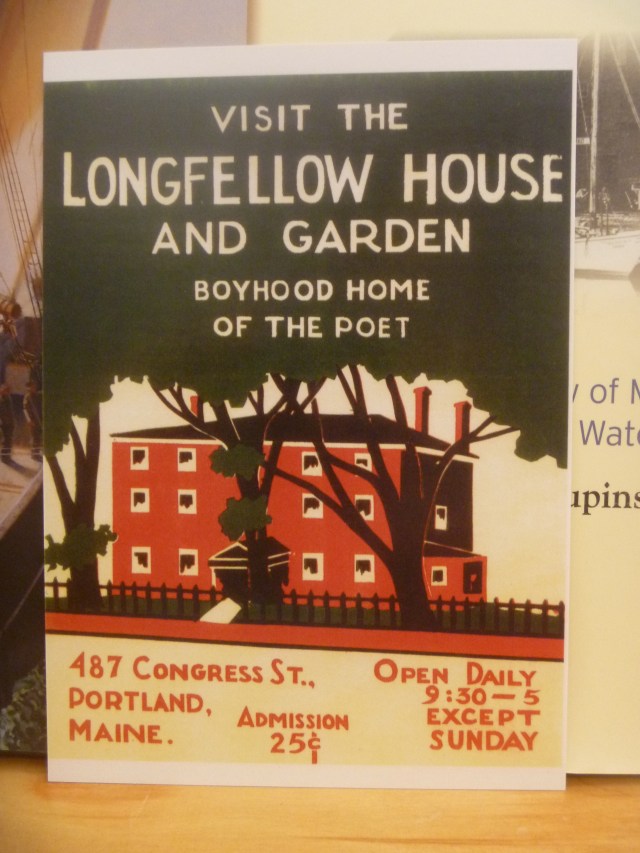
Visit the HWL House

On our last full day in New England, before heading off to LLBean, I joined a morning tour of the Wadsworth-Longfellow House, located right in the middle of Portland on Congress Street. The house is not his birthplace. Although he was born in Portland that house has now been demolished.

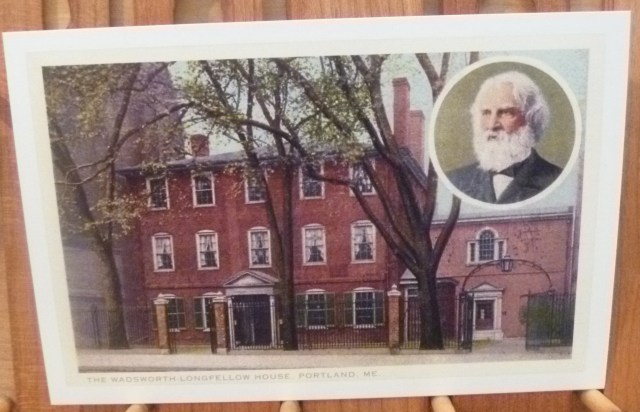
HLW House postcard


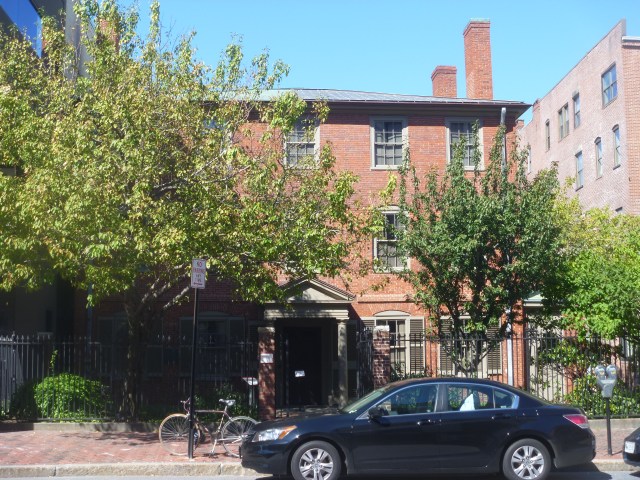
No Parking but always a car

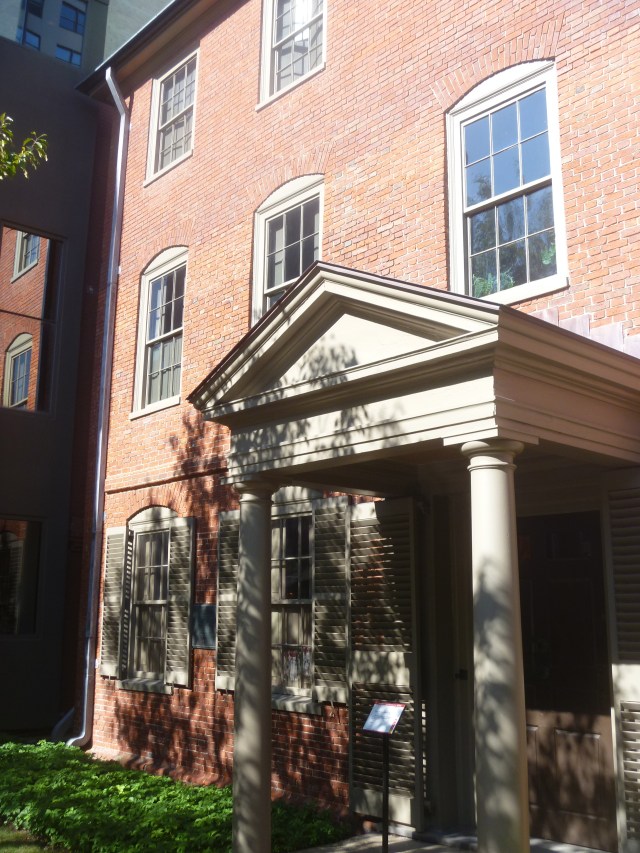
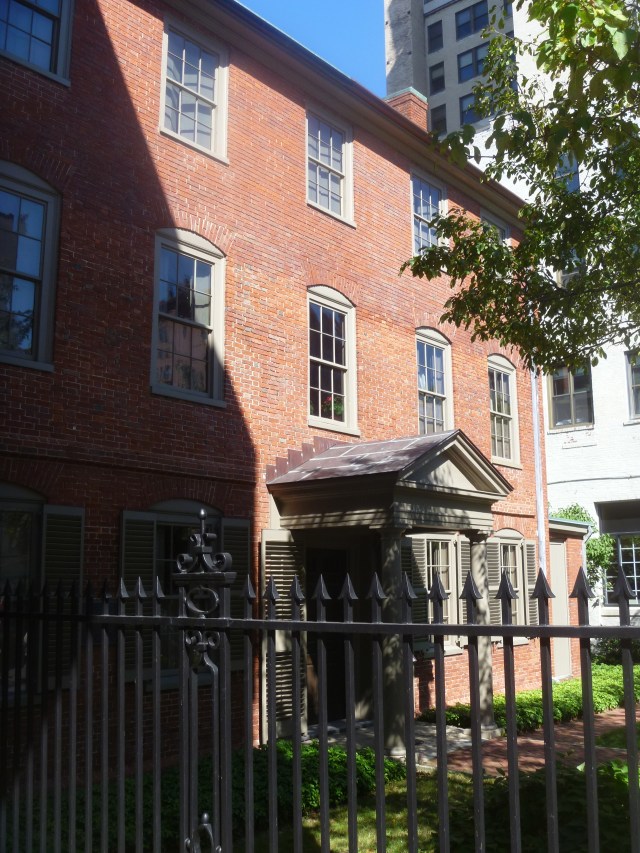
Faithfully restored to the 1850s, the Wadsworth-Longfellow House was the childhood home of Henry Wadsworth Longfellow. Built in 1785-86 by the poet’s grandfather, the house is decorated with original furnishings and family memorabilia. Tours offer a unique glance into the poet’s family, as well as into the cultural and social history of mid-19th century Portland.” [Information Board outside the house]

WLF House door

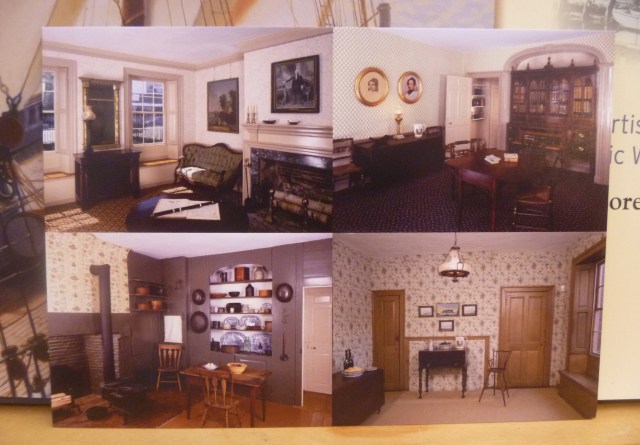
Yet again I enjoyed an entertaining and informative tour. No photography was allowed but there are pictures and descriptions of the rooms on the website and postcards of a selection were available in the excellent bookshop attached to the house.

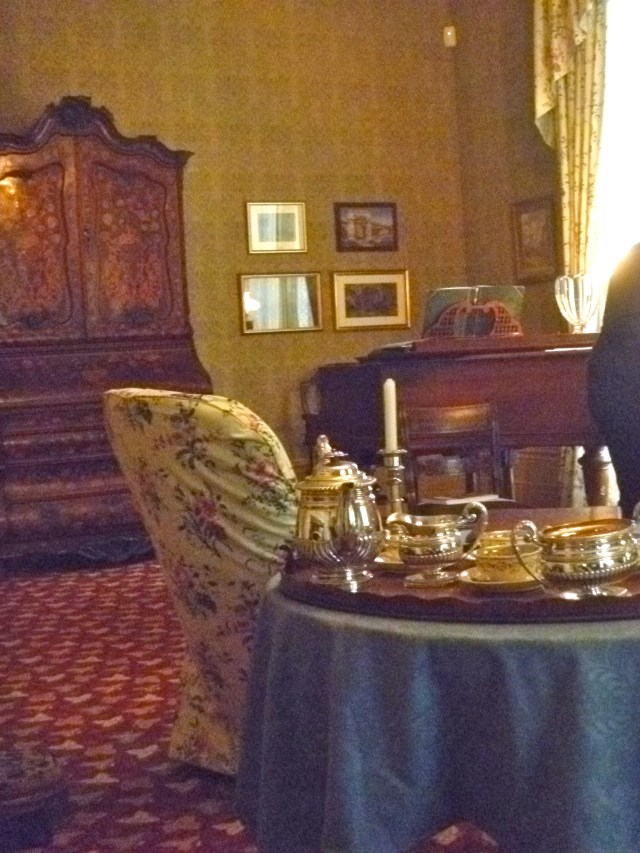
Inside HWL House


Postcard shows the interior of Wadsworth-Longfellow House

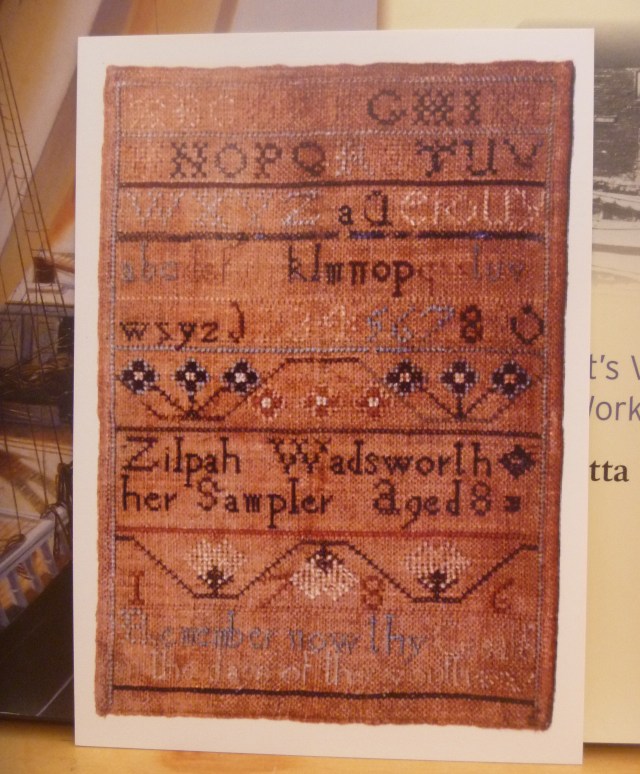
Zilpa sampler

Zilpa’s Sampler (still on display in the house)

Peleg (love that name!) and Elizabeth Wadsworth, Henry’s grandparents, built the house in 1785-86 and Henry, born in February 1807, lived there from just a few months later throughout his childhood. With 9 siblings his father Stephen (and mother Zilpa) extended the house by adding another floor. Henry entered Bowdoin College in Brunswick, ME in 1822. After graduation in 1825 he moved to Cambridge, Massachusetts where his home there is also a national historical monument and open to the public : Longfellow National Historic Site, 105, Brattle Street, Cambridge, MA. He made regular return visits to his family home although, except for once, he and his wife never actually stayed there overnight.

Henry’s sister Anne lived here for almost all her long life; and when she died in 1901 left the house to the Maine Historical Society (MHS) requesting that the rooms “be kept with appropriate articles for a memorial of the Home of Longfellow” insisting that certain items be left where they had been during Henry’s residence.

There were interesting displays in the museum next door concerning the Emergence and History of Portland and about the Wadsworth-Longfellow Family.

Longfellow House

I also learned that :

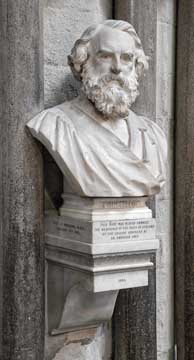
In 1884, Longfellow became the first non-British writer for whom a commemorative sculpted bust was placed in Poet’s Corner of Westminster Abbey in London; he remains the only American poet represented with a bust. [Wikipedia]

The over life-size white marble bust of the poet Henry Wadsworth Longfellow was unveiled in Poets’ Corner Westminster Abbey in 1884, on a pillar near to the tomb of Geoffrey Chaucer. It is by the sculptor Sir Thomas Brock and the main inscription reads:

Longfellow bust, Westminster Abbey

LONGFELLOW. This bust was placed amongst the memorials of the poets of England by the English admirers of an American poet.1884″

On the left and right sides of the plinth is inscribed:

“Born at Portland, U.S.A. February 27th 1807. Died at Cambridge, U.S.A. March 24th 1882”.

Longfellow’s ancestor, William Longfellow, had emigrated to New England in 1676 from Yorkshire. His parents were Stephen, a lawyer, and Zilpah. Henry taught at Harvard University and his prose romance Hyperion was published in 1839 after the death of his first wife. Ballads and other Poems includes ‘The Village Blacksmith’ and ‘The Wreck of the Hesperus’. The Song of Hiawatha is one of his best known works and he was second only to Lord Tennyson in popularity. His grave is in Cambridge, Massachusetts.

A photograph of his bust can be purchased from Westminster Abbey Library.

Further reading:

“England’s homage to Longfellow” by E.C.Lathem, 2007

[source of text and photo]

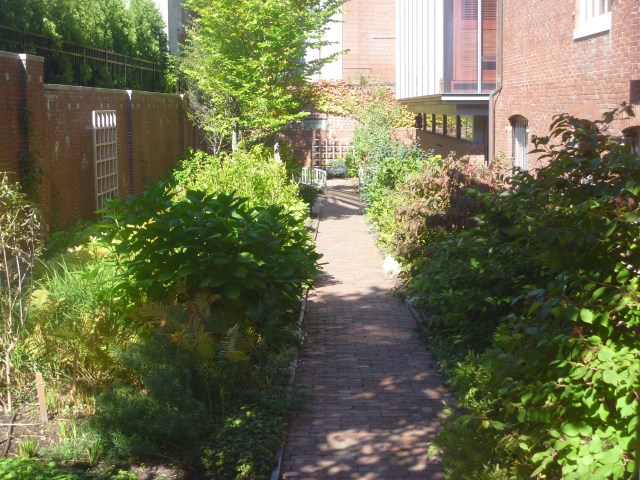
Before the tour, after the  tour or at any time during opening hours anyone may visit the Longfellow Garden behind the house.

HWL better garden

The secluded Longfellow Garden located behind the House is an oasis of green and quiet in the heart of downtown Portland. Beautifully landscaped, the public is welcome.” [Information Board]

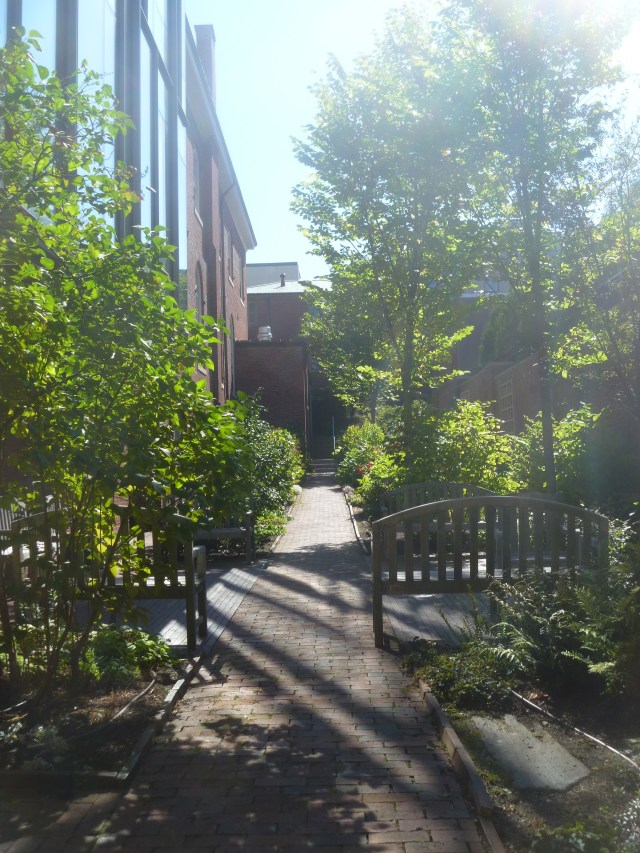
Looking back up garden

Looking back up the garden towards the house

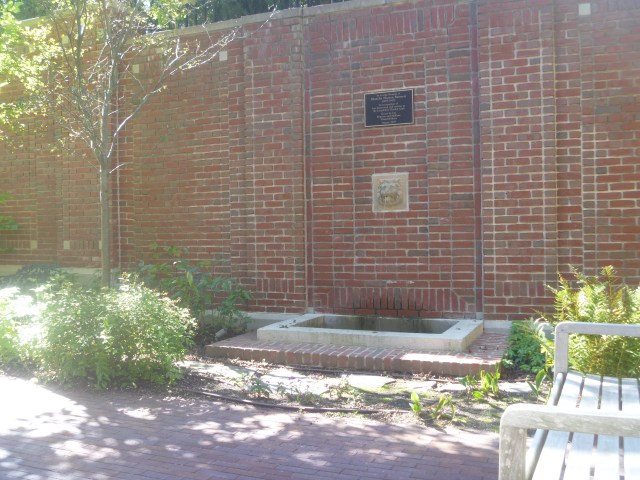
The members of the Longfellow Garden Club have tended this oasis of peace and calm in the centre of the bustling city of Portland for 90 years. These volunteers weed the beds, prune the overgrowth, plant annuals, maintain the soil and much much more.  In 1924 Mrs Pearl Wing set about restoring the garden. She encouraged the local community to help her and to donate plants and create a fountain in the garden. She also established the bye-laws and operating principles of the Club.

Presnt day fountain

Present day fountain

Naturally, there have been changes in the area and garden surroundings since then. Until 1980 the garden was only visited by those touring the house but the Club convinced the MHS to allow public access during house opening hours. It is a popular quiet retreat and “hidden treasure”.

Read more about the life and works of the author of The Song of Hiawatha (possibly his best-known work here in the UK) here and see whether you can recognise his many quotations here.

“The love of learning, the sequestered nooks, and all the sweet serenity of books”

Elizabeth Gaskell’s House and Home

GH Blue Plaque

In the 28 September Arts and Books supplement to The Independent on Sunday I was pleased to read about the imminent opening in Manchester of the former home of Elizabeth Gaskell – more commonly known as the novelist Mrs Gaskell. Her Cranford books have been serialised on TV recently. But there is much much more to Mrs Gaskell and her writing than this rather cosy drama portrays. I recently read “Ruth” and for a novel written by the respectable wife of a Unitarian Minister it is really quite an eye-opener but an excellent read. Read a resumé here. In addition two excellent miniseries of her books ‘North and South‘ and ‘Wives and Daughters‘ were first broadcast on BBC TV in 2004 and 1999 respectively.

I straightaway headed to the house website and read this :

Tuesday, October 14, 2014 – 14:30 to 16:00

Book Launch: Carolyn Lambert ‘The Meanings of Home in Elizabeth Gaskell’s Fiction”

Book

Join us for the launch of Carolyn Lambert’s new book ‘The Meanings of Home in Elizabeth Gaskell’s Fiction’. Lambert explores how Gaskell challenges the convention of the Victorian home as a place of safety in her novels. In particular she illustrates her theme through the importance of homelessness in Gaskell’s work. Lambert’s book draws not only on the novels but also Gaskell’s letters and non-fiction writings and has recently been shortlisted for the Sonia Rudikoff Prize for the best Victorian book by a first time author.

A tour of the house and refreshments are included in the ticket price. Copies of the book will be on sale at a special price.

Gaskell House

84 Plymouth Grove, Manchester

So I booked a ticket for the talk and for the train and yesterday set off for Manchester. I’m afraid I don’t find Manchester any easy city to get around. Perhaps I don’t know it well enough. I eventually found a bus that would take me to Plymouth Grove and which  dropped me off outside number 84.

Welcome to Gaskell House

Carolyn’s talk took place in the Gaskell’s sitting room – yes, the very room in which Charlotte Bronte hid behind the curtains in order to avoid being seen by guests! Photography is allowed and we could sit on the comfy chairs, sofas and chaise longues. I was told that items covered in perspex were original to the house and had been gifted or lent by various donors or galleries and the rest of the furnishings and fittings were either of the period and style of the house during the time when the Gaskells had lived there or were reproductions.

Sitting room

The comfortable, relaxed sitting room

Carolyn began her talk with a resumé of Mrs Gaskell’s life. I have lifted this from the House website :

Elizabeth Cleghorn Gaskell was born in 1810 and lived at 84 Plymouth Grove with her family from 1850 until her death in 1865.

“To begin with the old rigmarole of childhood…” Wives and Daughters

She was born as Elizabeth Cleghorn Stevenson in London in 1810. A year later, on the death of her mother, she was taken to live in Knutsford, Cheshire, with her aunt, Hannah Lumb. The arrangement was a happy one – she was to refer to her aunt as “my more than mother” and was to use Knutsford as the inspiration for her fictitious town of Cranford. Knutsford also became ‘Hollingford’ in Wives and Daughters.

In 1832 Elizabeth married William Gaskell, the assistant minister at Cross Street Unitarian Chapel in Manchester. Their third home was a large house near open fields – 42 (now 84) Plymouth Grove. Here they grew flowers and vegetables, and kept a cow, pigs and poultry. The House was always bustling and the family entertained a stream of visitors, including many eminent people. Gaskell connections included such people as the Wedgwoods, the Darwins and the Nightingales, but girls from the Sunday School also came to the house regularly, as did William’s students and fellow clergy.”

She then went on to discuss some of the aspects of home touched upon in the Gaskell novels as well as in Mrs Gaskell’s own life. (Interestingly, she was a keen traveller and some years spent only half the year at home). The home in the novels symbolises security, it’s where relationships develop, it’s a place for creativity and self-expression. But she also wrote about homelessness and the role of servants. Elizabeth Gaskell was ambivalent about Manchester and was torn between family and a longing for the rural environment. Her large house looks rather incongruous these days amidst modern buildings and areas of wasteland on Plymouth Grove but when she was living and writing here it was rural area and the house had a long garden stretching back down Swinton Grove but now built upon by flats.

There wasn’t time in the end to do the full tour – so I will have to return on another occasion and make a more full report of the house but I did peep into ground floor rooms :

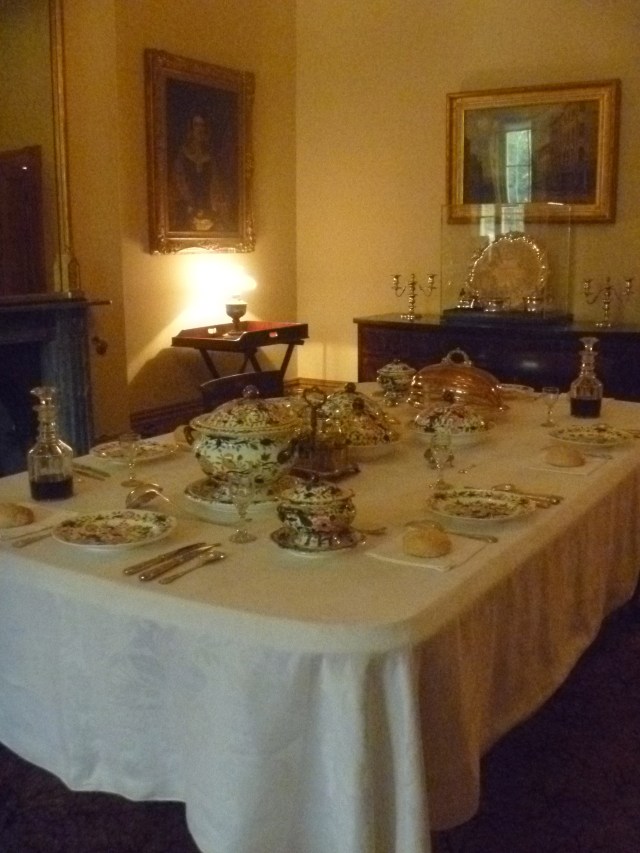
Dining Table

The Dining Room

Gaskell writing desk

Mrs Gaskell’s Desk at one end of the Dining Room

William's study

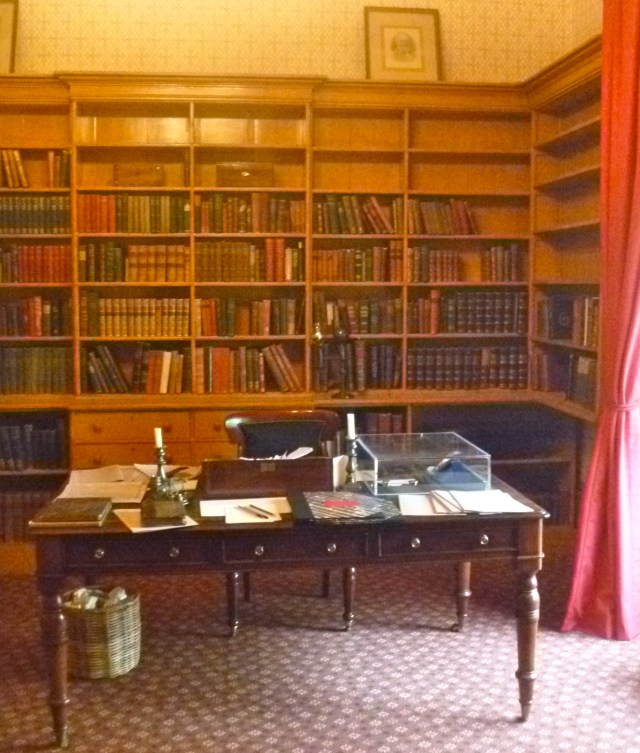
William Gaskell’s Study

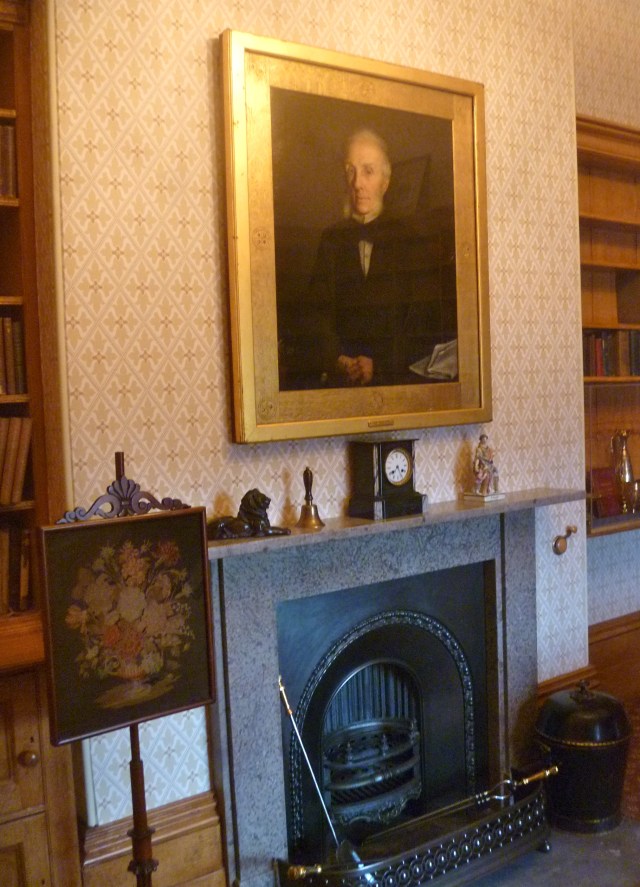
William portrait in study

William Gaskell

and refreshments were served downstairs in the basement tea room and bookshop (new and secondhand).

Tea room

The Tea Room

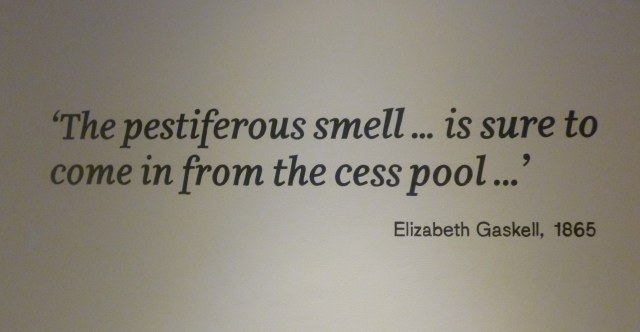
Pertinent quotations from Mrs Gaskell add a touch of humour

Quote 1


Quote 2

And in the Ladies Loos :

Ladies' quote

As the instructions for finding a bus that would take me back to Piccadilly Station didn’t work out I was thankful for one thing about Manchester – taxis with lights were easy to hail and thus I made my way back to the train and thence to my own home in comfort.

GH Rear view

Rear of Gaskell House


Movement and Light … and More : St Germanus Church, St Germans, Cornwall

NB This post was prepared in July during the Port Eliot Festival

P1140258

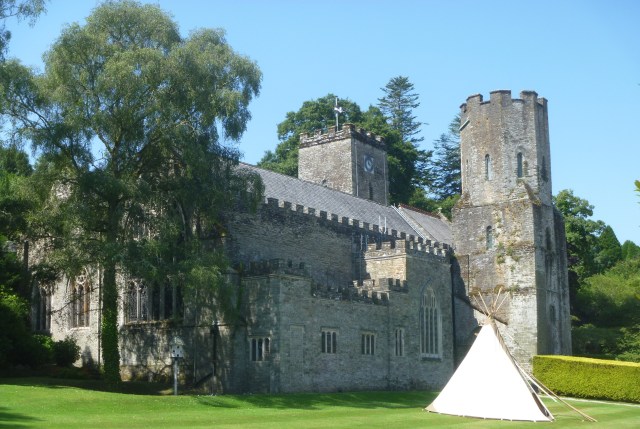
St Germanus Church (the teepee is part of the festival!)

Last Sunday, the final day of the Port Eliot Festival 2014, my train was not due to arrive at St Germans until 11.29. Lynne was scheduled to speak with our first author of the day Peter Benson (“The Farm” and “The Valley”) at 11am. So when I arrived I made straight for the church. Sunday was the only day on which it was open and I joined the last 20 minutes of the local parish Service. I had read great things about this church. It achieves three stars in my Simon Jenkins “Bible” – England’s 1000 Best Churches; its description runs to 5 pages in Pevsner’s Cornwall  and I read an article about just one of its monuments in Country Life earlier this year. P1140345

Peter Beacham signs his ‘other’ book “Down the Deep Lanes” in the DGR Tent

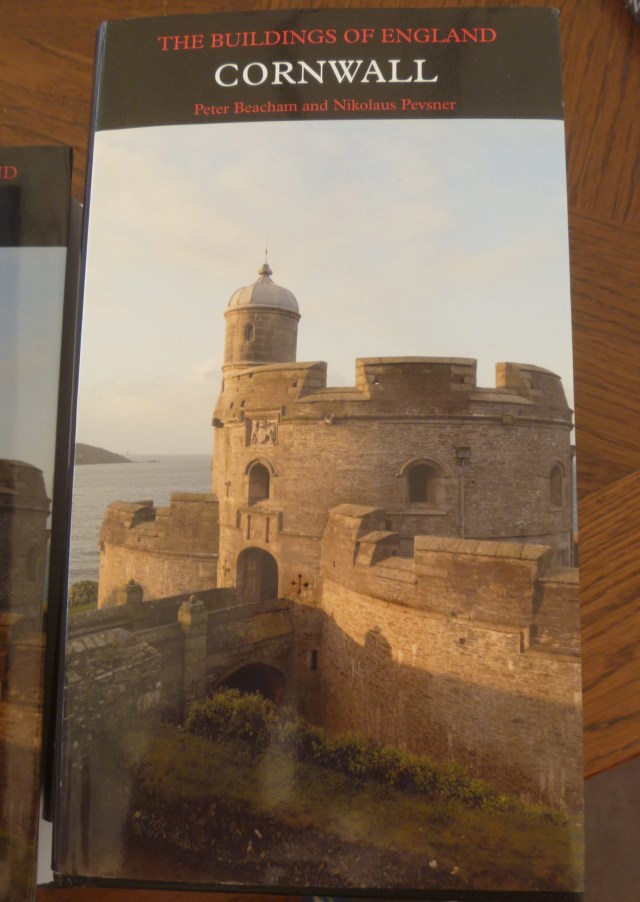
Peter Beacham, who updated the Pevsner Guide to Cornwall (published in May this year), was one of the guests in the Dovegreyreader Tent last Sunday.

P1140347

Pevsner’s Cornwall

But back to St Germanus itself. My heading is taken from the Country Life article which I have been unable to find a link to so will copy out here.

P1140330

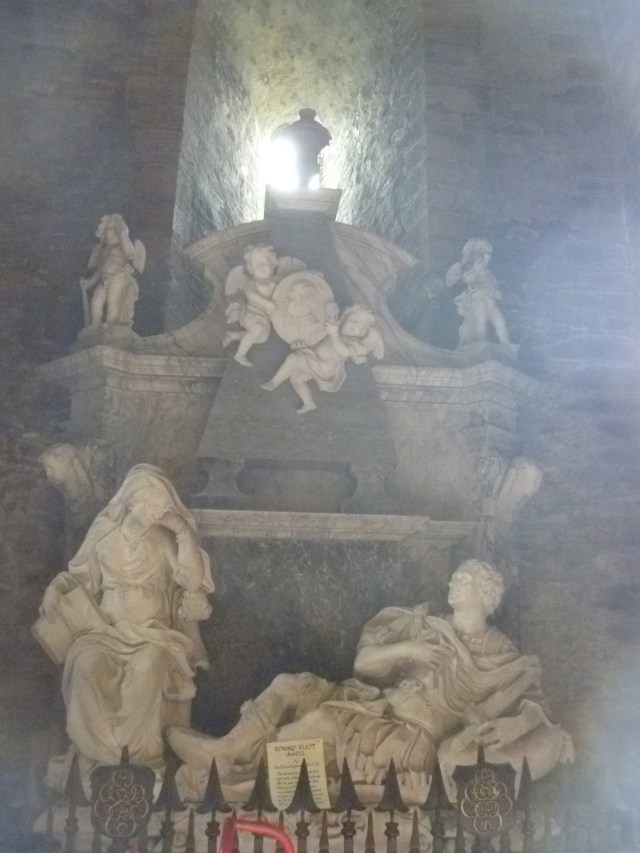
My picture doesn’t do justice to the monument

Set in the base of the north-west tower of the former priory church in St Germans, Cornwall, is the large monument to the MP and landowner who died at the age of 38, in 1722. It was commissioned by his widow and is enclosed by a fine iron railing. The monument is one of the earliest English works of the brilliant Antwerp-born sculptor John Michael Rysbrack, who settled in London in 1720.

With its obelisk and animated figures, it is ultimately inspired by Roman Baroque example. It could have been designed by the architect James Gibbs, an early associate of Rysbrack in England, who trained in Rome.

The subtle lighting of the space in which the monument stands sets off its carefully arranged constituent marble – white, veined-grey and dark-grey – to superb effect. Eliot, in Roman armour, stares upwards, with a mourning figure at his feet. On the obelisk is a roundel portrait – presumably his deceased first wife – supported by cherubs.

The relative simplicity of the architectural elements focuses the visitor’s attention on the interrelationship of the different figures that is suggested by their gestures and lines of sight. Busy drapery also adds to the illusion of movement and life that Baroque artists struggled so hard to capture.”

[Text by John Goodall. Country Life 22 January 2014, p.36]

P1140331

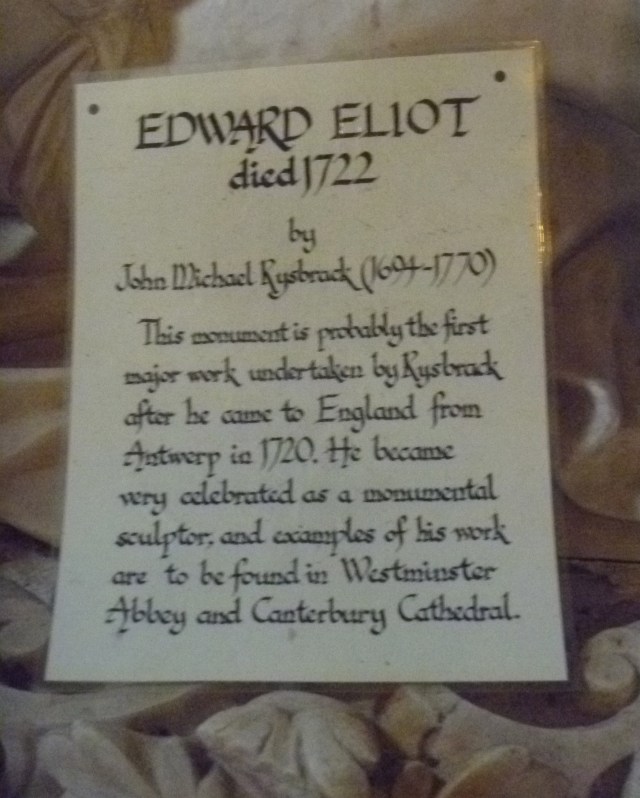
Text of the description attached to the monument

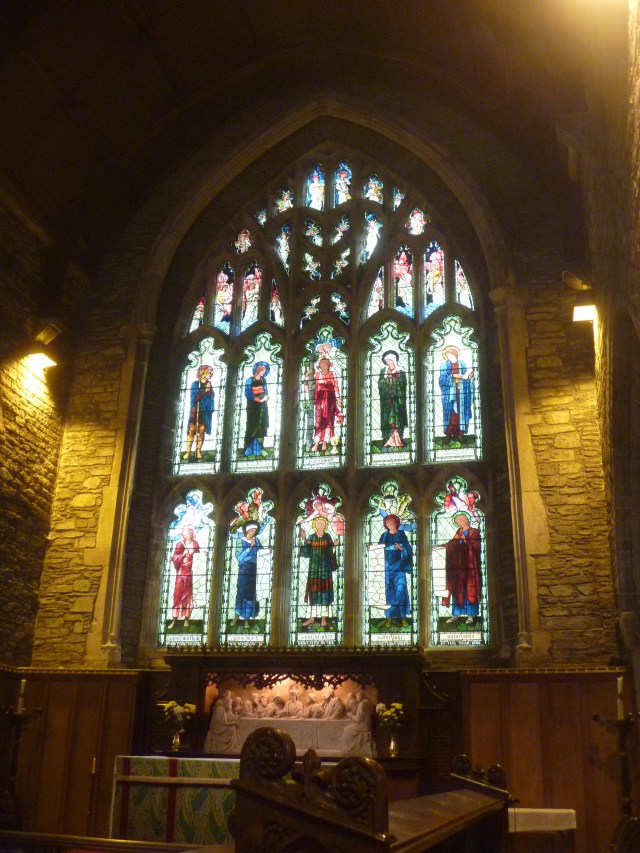
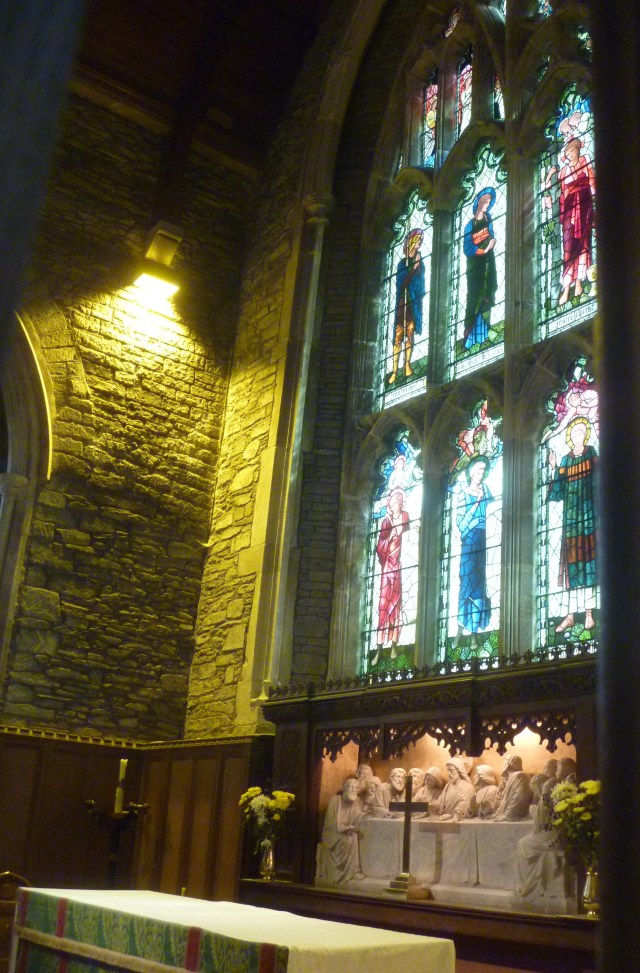
Simon Jenkins comments on the first-rate Morris & Co. Burne-Jones windows.

P1140329

P1140325

P1140326

The East Windows

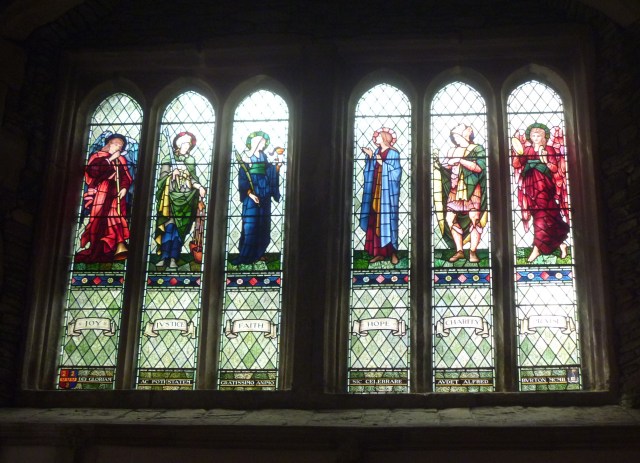
The east window is a Burne-Jones masterpiece, a ten-light composition in his most mature style. The background is soft green-yellow, leaving figures in red and blue to glow even more vividly in half-light. Burne-Jones also designed a window in the south wall of the aisle.” Representing Joy, Justice, Faith, Hope, Charity and Praise

P1140327

Window on South Wall

As Peter Beacham expresses it at the beginning of the St German’s section of Pevsner’s Cornwall “The memorably picturesque ensemble of church, house and park is of the highest architectural and historic interest“. I wonder what the Anglo-Saxon Bishops responsible for the creation of St German’s Priory would have said if they had seen last weekend’s picturesque ensemble of tents and stalls scattered over the estate.