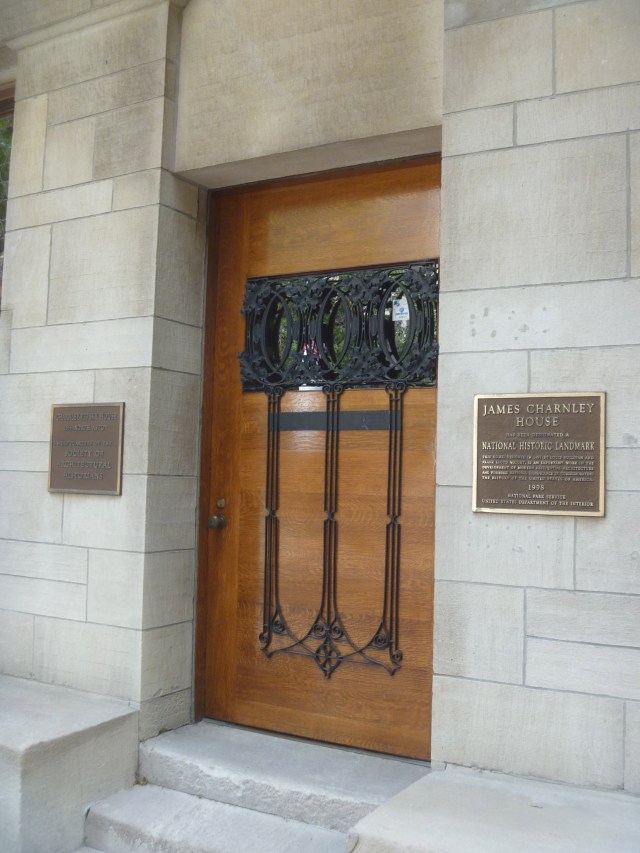
Charnley-Persky House Museum, Chicago

CPH Welcome

Welcome to The Charnley-Persky House, Chicago

These days Chicago is famous for its architecture and I would highly recommend one of the Chicago Architecture Foundation Architectural Tours – by bike, on foot, by bus, by boat and even on the elevated train. On one of our earlier visits I did their River Cruise along the Chicago River ending up out on Lake Michigan for a magnificent skyline view of the city.

On another visit I travelled out to Oak Park famous for it’s Frank Lloyd Wright Home and Studio Tour and the sheer number of Wright designed homes in the immediate neighbourhood. Then last time, in 2007, we travelled south to the University of Chicago and did the Robie House Tour.
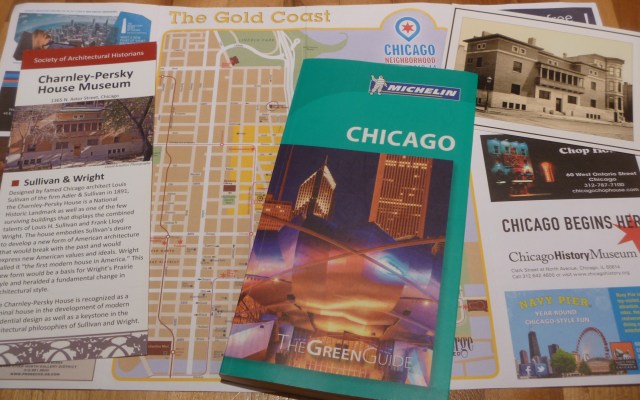
Michelin Chicago 2013

As it’s 6 years since we were last in Chicago I bought a new 2013 guide book Michelin Chicago and was delighted to find that there was a further Frank Lloyd Wright house open to the public just a few streets away from our hotel at Delaware Place.
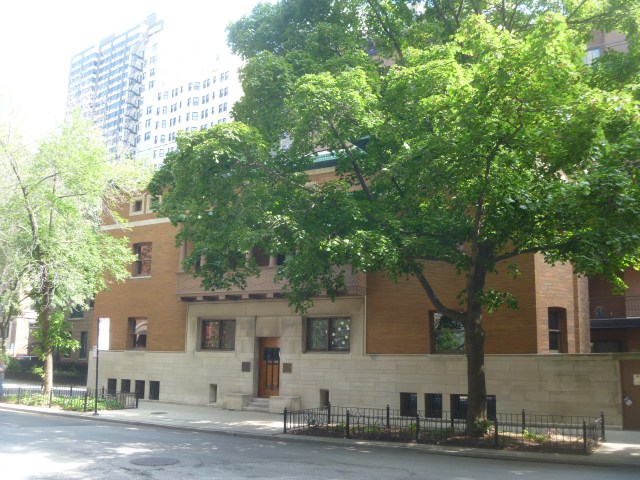
Charnley-Persky House front

Front View – Charnley-Persky House

The James Charnley House is at 1365 North Astor Street in a lovely tree-lined residential area called Gold Coast. The houses are very big here and many of them are worthy of a mention as there is 2.3 mile walking tour describing many of them in my Michelin Guide. 
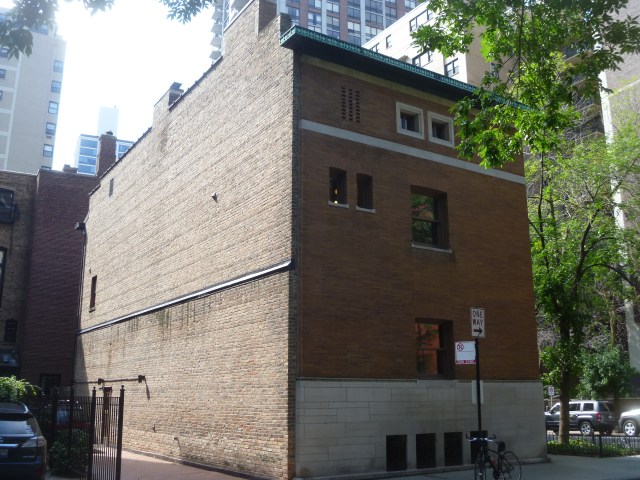
Rear CPH

Rear View – Charnley-Persky House

Arriving at the house in good time – tours are (in theory) limited to 15 – I signed in and waited around for ours to begin. More and more people kept turning up (over 30) but that didn’t seem to stop our docent (tour guide) from welcoming us all. I had my $10 note ready to pay but it turns out that the Wednesday at noon tour is free. No wonder it was so popular.
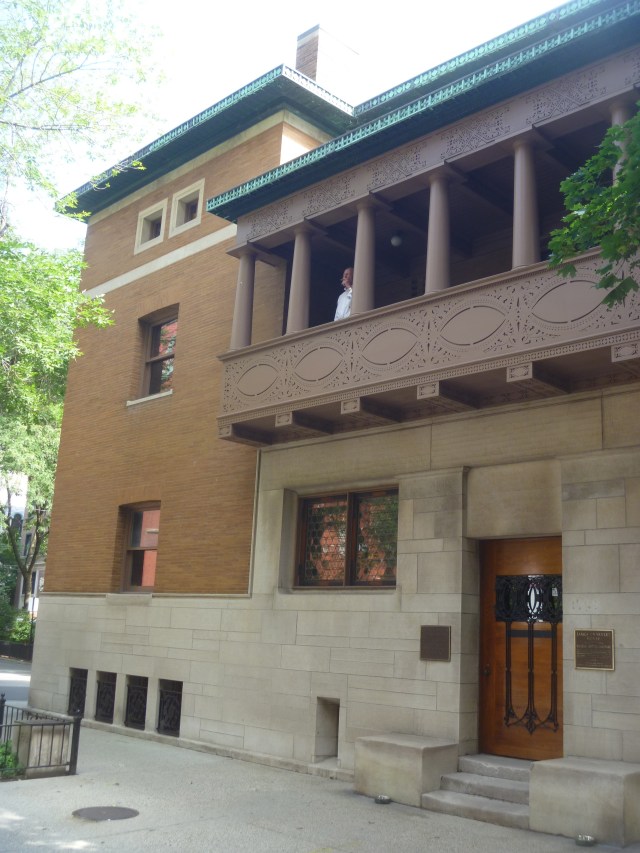
Close-up CPH

Front Detail – Love the Doggy Bowls – Gold Coasters love their dogs!

The introduction took place in the tiny shop which had formerly been the family kitchen and from where we headed out across the street to study the exterior before entering through the front door and being shown the ground and first floors.

James Charnley was a wealthy businessman who dealt in the railways and in lumber. The house was built in 1891 and was of a completely new and different style with very few classical references.

Designed by famed Chicago architect Louis Sullivan of the firm Adler & Sullivan in 1891, the Charnley-Persky House is a National Historic Monument as well as one of the few surviving buildings that displays the combined talents of Louis H. Sullivan and Frank Lloyd Wright. The house embodies Sullivan’s desire to develop a new form of American architecture that would break with the past and would express new American ideals. Wright called it “the first modern house in America”. This new style heralded a fundamental change in architectural style.

The Charnley-Persky House is recognised as a seminal house in the development of modern residential design as well as a keystone in the architectural philosophies of Sullivan and Wright.”

[From the Charnley-Persky House flyer]

But what is the Persky connection? Also from the reverse of the flyer :

In 1995, funds to purchase the house were provided by Chicago philanthropist Seymour H. Persky. The Charnley-Persky House is the national headquarters for the Society of Architectural Historians, a membership organization that promotes the study and preservation of the built environment worldwide.”
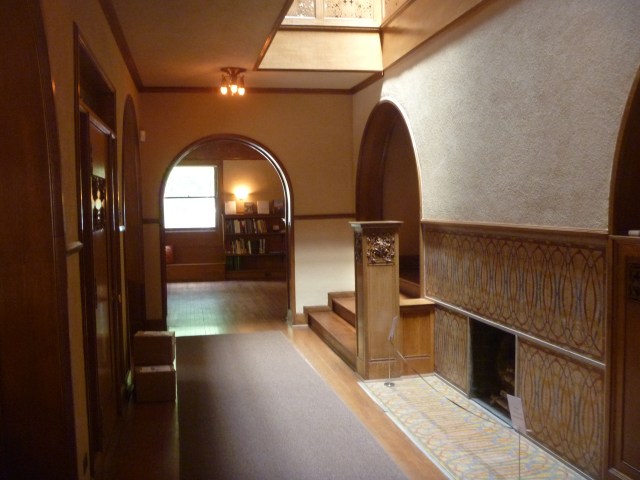
Ground floor hall

The ground floor hall is filled with light from the floor to roof atrium

Inside the house, interestingly, it didn’t seem so big. There were just two rooms plus hall or landing on each floor. Charnley being in the timber trade the house features lots of beautiful wood – mainly white oak but mahogany in the dining room.
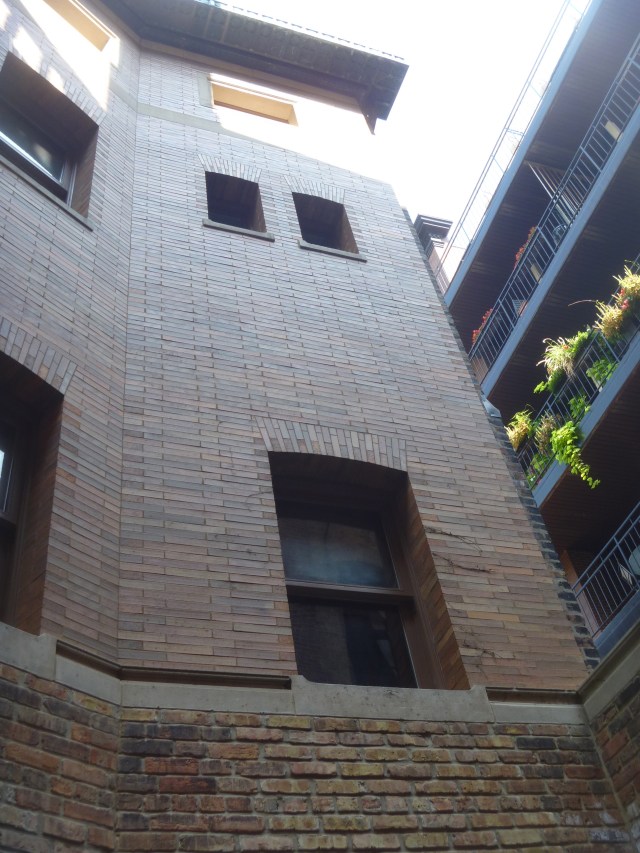
Roman and Chicago Common brick

It is built of Roman brick with Chicago common brick used for the lower, unseen levels. There is no garden and no coachman or coach house. The first floor balcony (our guide insisted it wasn’t a loggia!) is the only outside space.
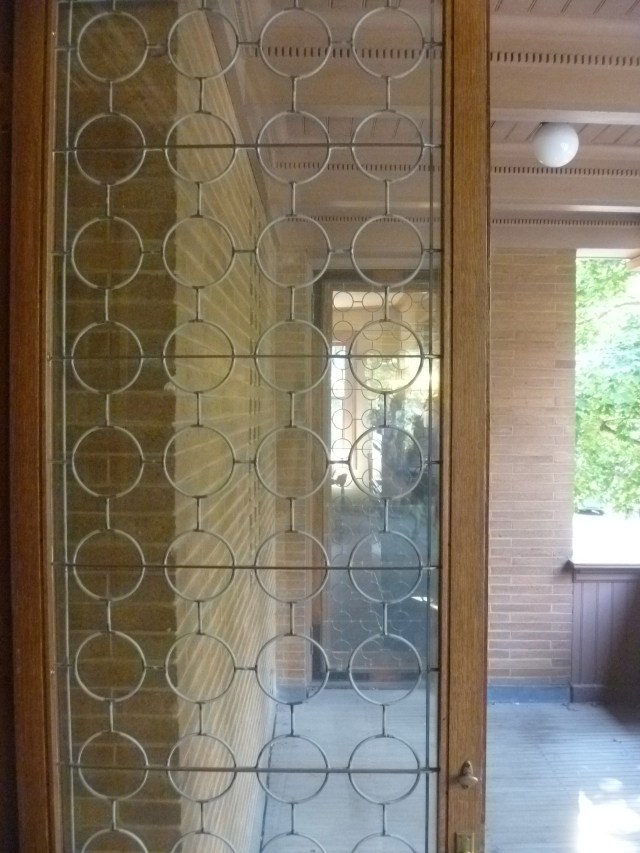
Balcony detail

Balcony detail – circles and squares are found throughout the house design

You can see in the photo of the rear of the house that there’s just one window at the back.It’s the beginning of a FLW trademark to let as much natural light into the house as possible. The staircase runs up the back of the house but despite the lack of windows on the east side light filters in through the wooden bannisters.
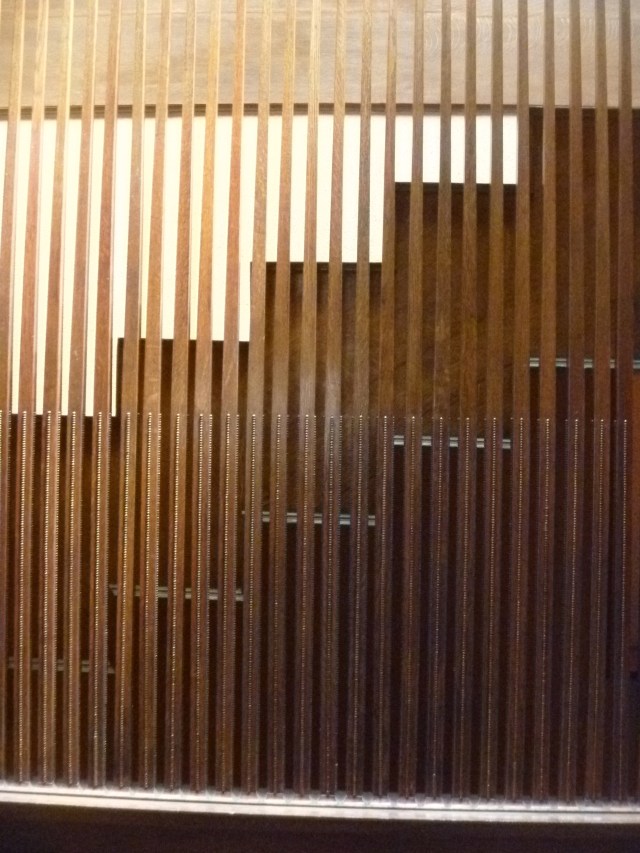
Staircase

The fancy metal work and leave patterns are typical Louis Sullivan designs whereas the geometrics are very Frank Lloyd Wright.

The house has been wonderfully renovated since being taken over by the SAH and although it’s empty of original furniture the fixtures and fittings have been preserved virtually throughout.
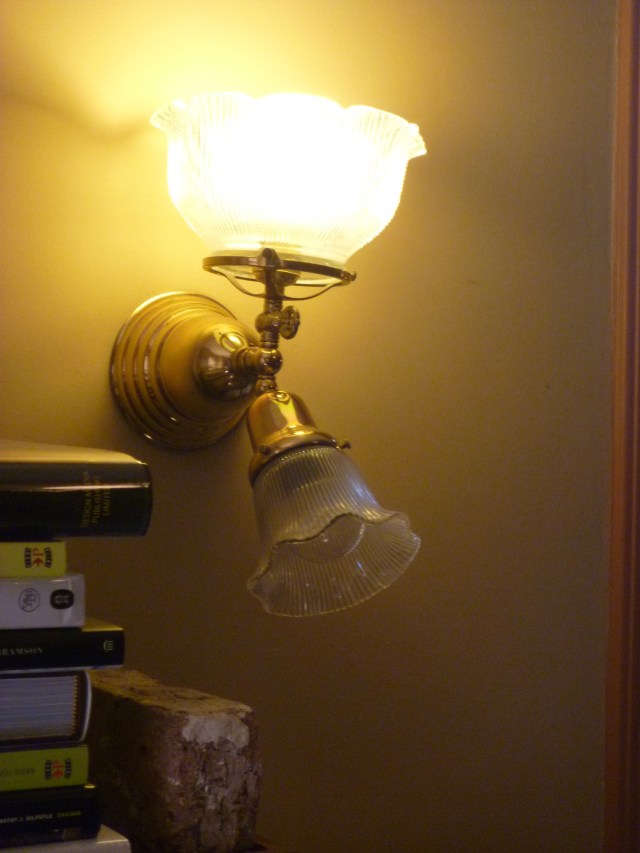
Gas and electric light

Original gas and electric light fitting

The 45 minute house tour lasted well over an hour. Afterwards I took the bus south along Michigan Avenue (The Magnificent Mile) to the Loop Chicago business district for a quick look at The Auditorium Building and afternoon tea at a favourite Chicago restaurant Russian Tea Time.
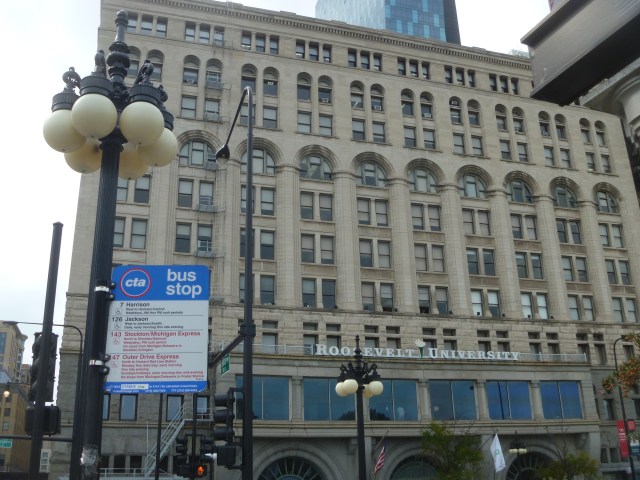
Auditorium Building

The Auditorium Building is now The Roosevelt University

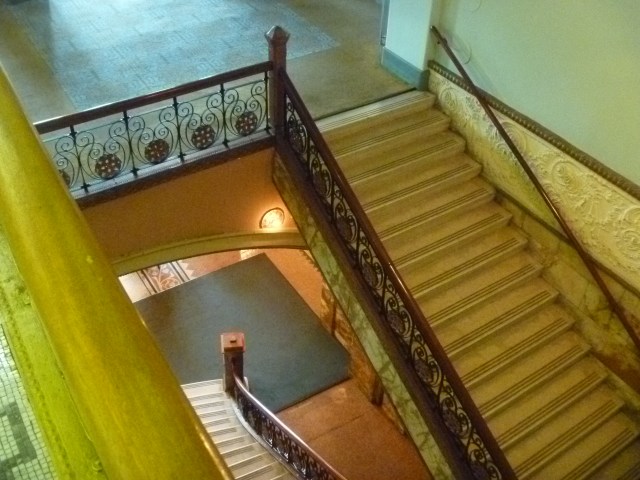
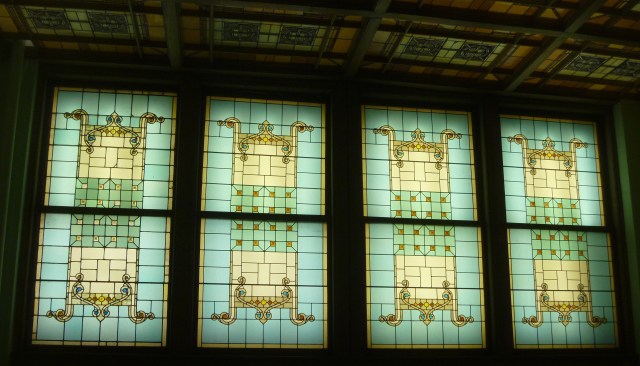
The Auditorium Building launched the careers of architects Dankmar Adler and Louis Sullivan. … [It] ranked as the tallest and heaviset structure in Chicago when it was completed in 1889. The pioneering multi-use building … incorporated a 400-room hotel, a 17-storey office-tower and a 4,000 seat theater.” [Source: Michelin Chicago, 2013]. It is now occupied by The Roosevelt University.
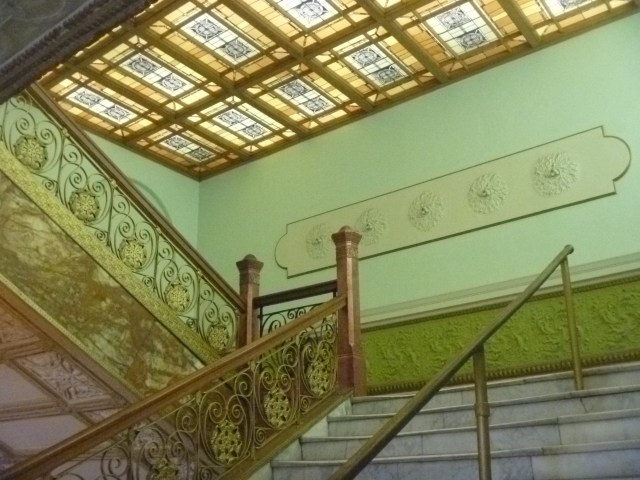
Interior

Stairs

Windows

Interior Photos of the Auditorium Building
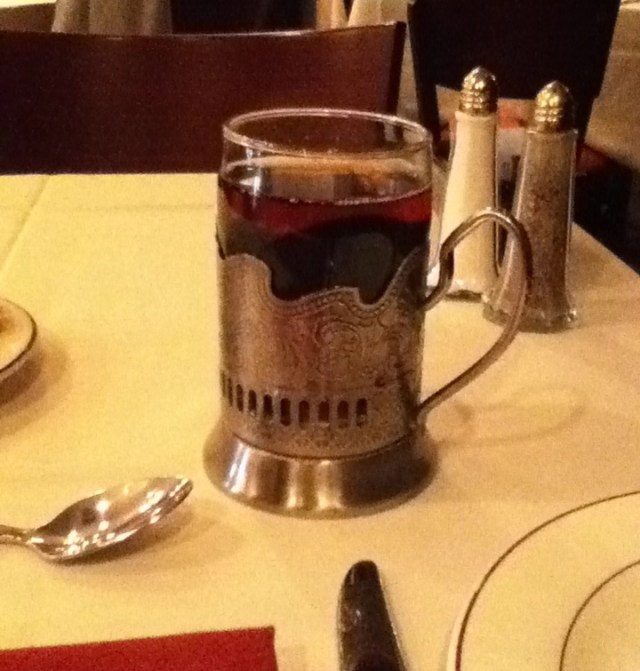
Russian tea

Russian Tea at its Best!
Mary Taylor and Charlotte Brontë – Stop Press: Perspectives

In my previous post I talk about a recent visit to Red House, former home of Mary Taylor, strong minded woman and friend of Charlotte Brontë. I meant also to add this link :

Sheila Hancock talks eloquently about the Brontë sisters and even visited Red House!

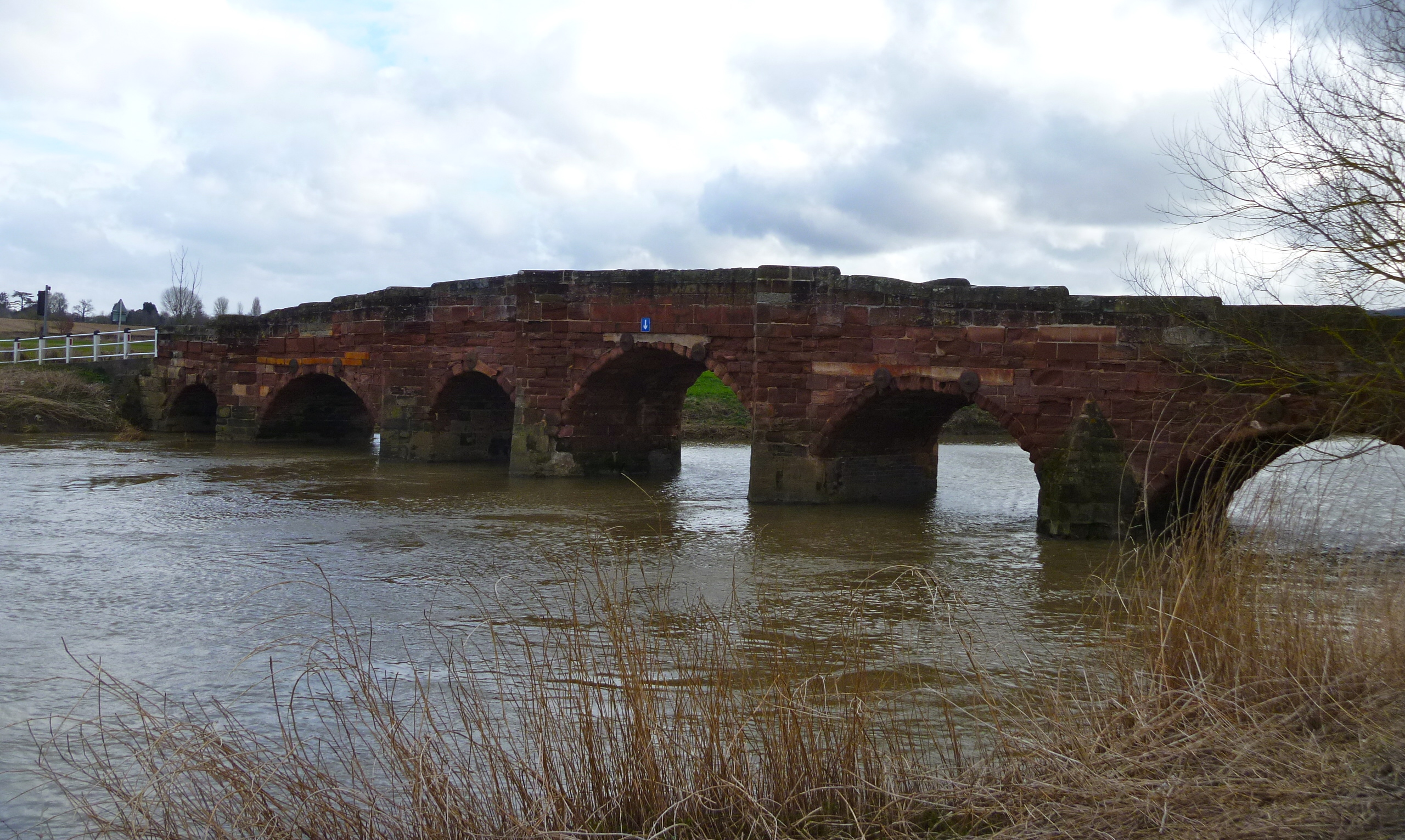
Upon Eckington Bridge

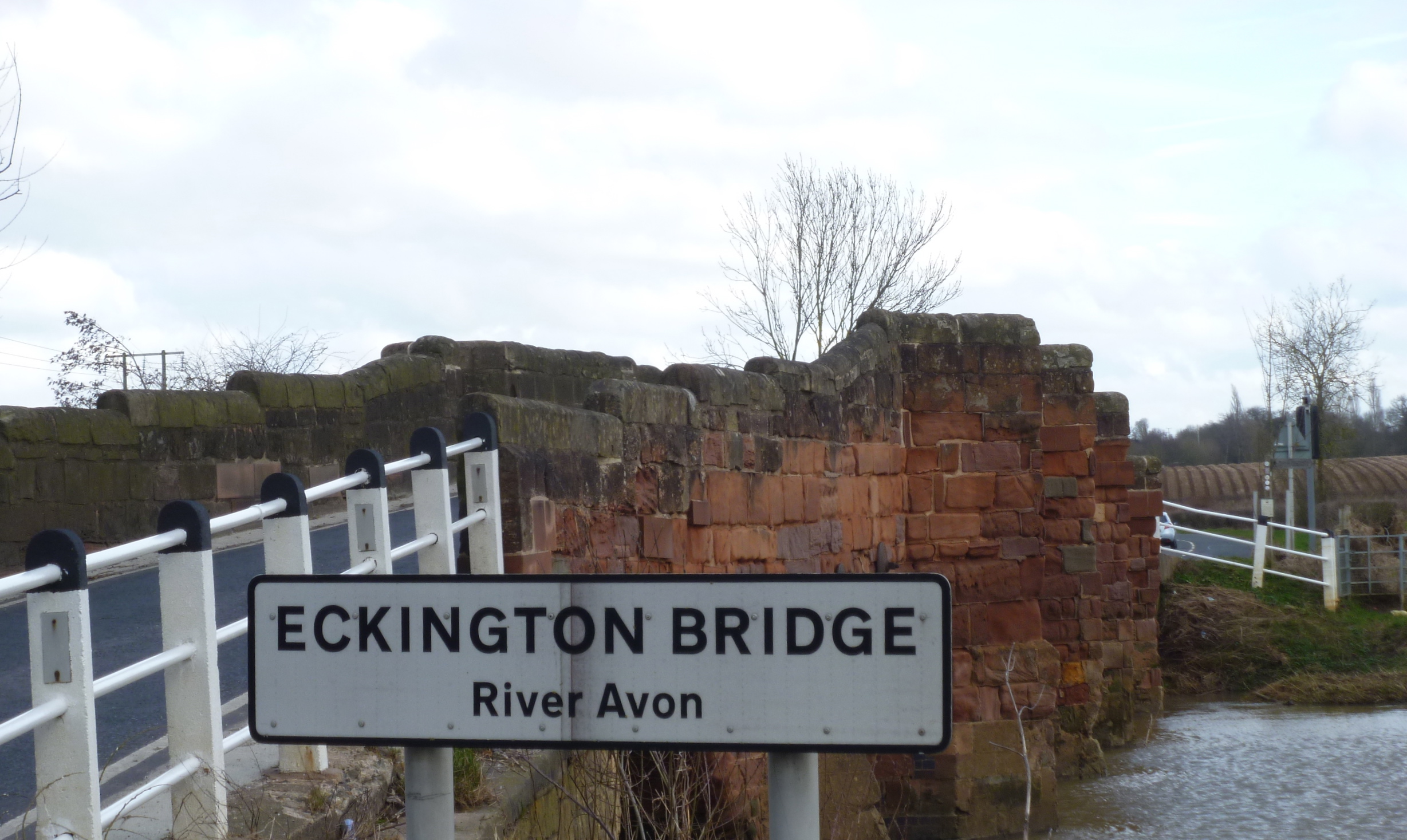
Eckington Bridge

My friend Simon, who is always stuck-in-a-book, grew up in Eckington in Worcestershire and recently mentioned to me a poem called Upon Eckington Bridge by Sir Arthur Quiller-Couch.

UPON ECKINGTON BRIDGE, RIVER AVON

by: A.T. Quiller-Couch

PASTORAL heart of England! like a psalm
Of green days telling with a quiet beat–
O wave into the sunset flowing calm!
O tirèd lark descending on the wheat!
Lies it all peace beyond the western fold
Where now the lingering shepherd sees his star
Rise upon Malvern? Paints an Age of Gold
Yon cloud with prophecies of linkèd ease–
Lulling this Land, with hills drawn up like knees,
To drowse beside her implements of war?

Man shall outlast his battles. They have swept
Avon from Naseby Field to Savern Ham;
And Evesham’s dedicated stones have stepp’d
Down to the dust with Montfort’s oriflamme.
Nor the red tear nor the reflected tower
Abides; but yet these elegant grooves remain,
Worn in the sandstone parapet hour by hour
By labouring bargemen where they shifted ropes;
E’en so shall men turn back from violent hopes
To Adam’s cheer, and toil with spade again.

Ay, and his mother Nature, to whose lap
Like a repentant child at length he hies,
Nor in the whirlwind or the thunder-clap
Proclaims her more tremendous mysteries:
But when in winter’s grave, bereft of light,
With still, small voice divinelier whispering
–Lifting the green head of the aconite,
Feeding with sap of hope the hazel-shoot–
She feels God’s finger active at the root,
Turns in her sleep, and murmurs of the Spring.

‘Upon Eckington Bridge, River Avon’ is reprinted from An Anthology of Modern Verse. Ed. A. Methuen. London: Methuen & Co., 1921.

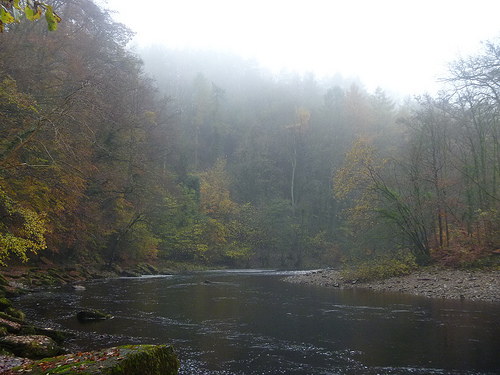
So I thought it would interesting, as I was staying a few days in nearby Tewkesbury, to have a look at this bridge and take a few photos. Due to traffic problems and road closures yesterday my only chance was to take a diversion from my journey home and check it out this morning, en route for Leeds.

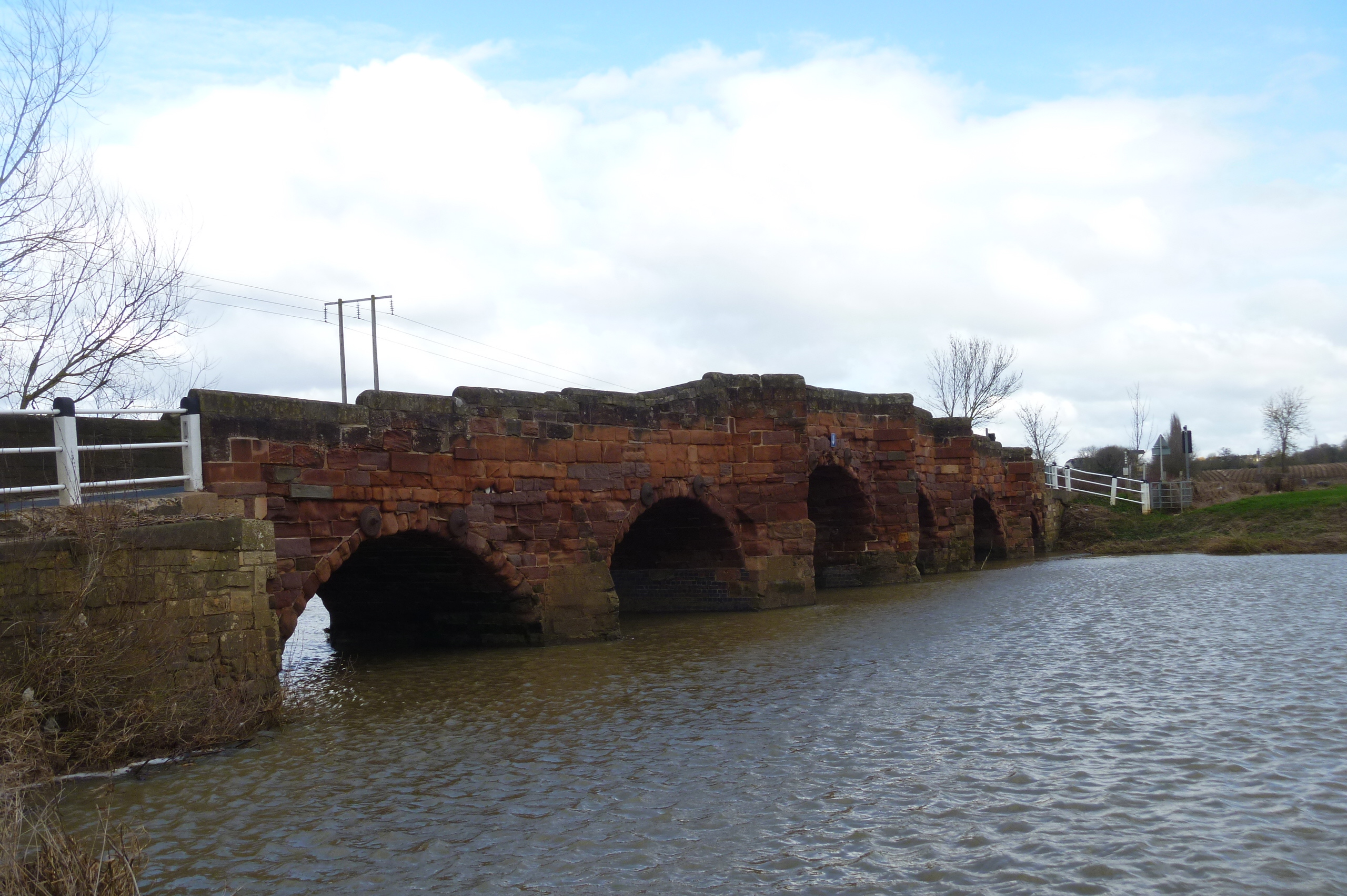
Eckington Bridge was built in 1728 of local sandstone and is a scheduled monument, enjoying a Grade II listing. I like Q-C’s references to the countryside and to battles and man outlasting his battles and returning to the land. There is nothing too dramatic about the landscape of Worcestershire but again it isn’t dull and flat and featureless. Man has definitely had a hand in shaping it. No barges passed down the river as I stood on its bank today and I’m afraid I wasn’t sufficiently brave enough to stand on the bridge’s parapets.

Bredon Hill

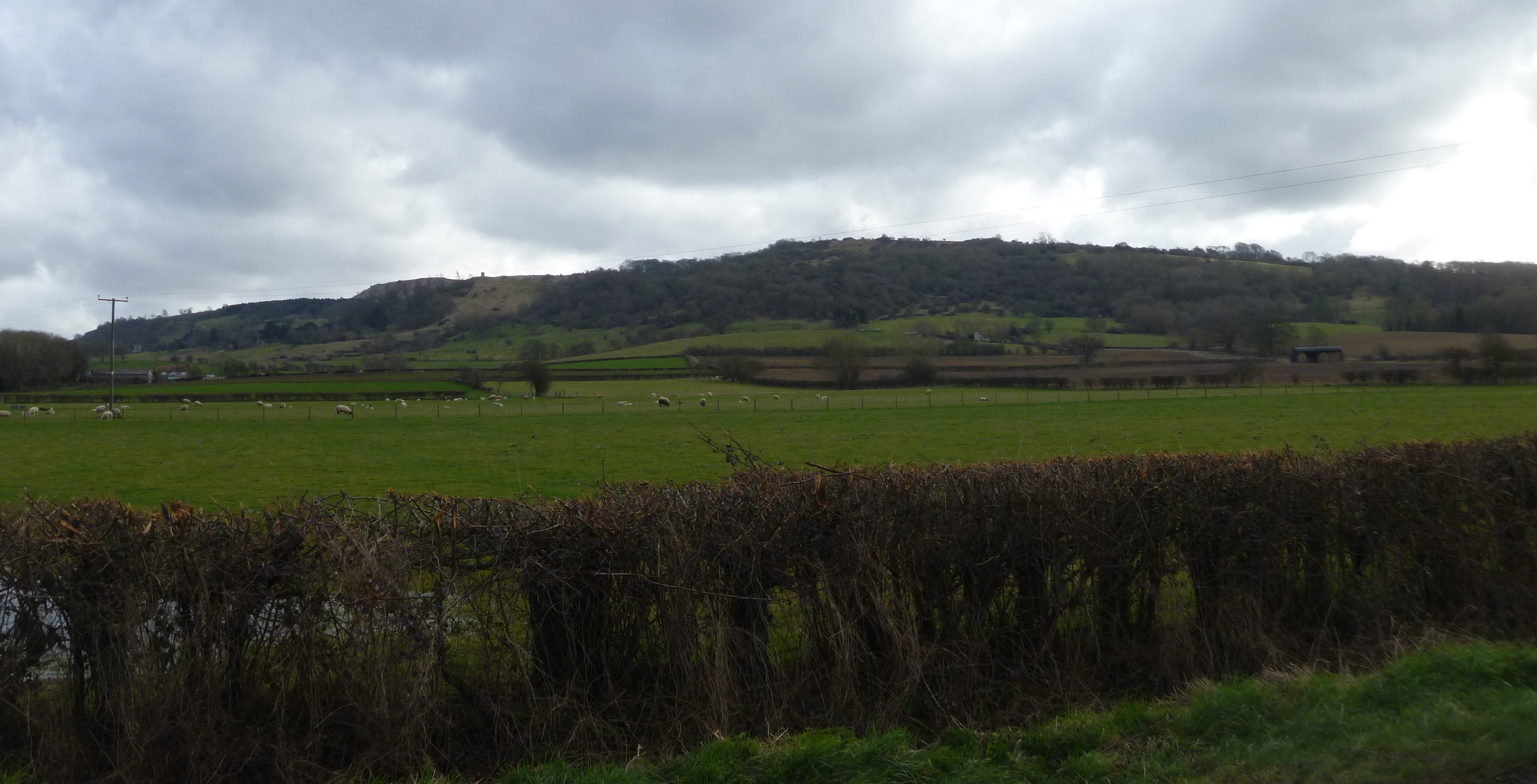
Bredon Hill, near Eckington

When I arrived at the deserted car park and picnic site by the River Avon I risked frostbite to take a few snaps and life and limb to cross the road to see the bridge from both sides! I’m sure on a warm summer’s day when folk are picnicking and messing about on the river its a divine spot. Quite frankly a couple of minutes were enough and I soon leapt back into the car to make way along various motorways home.
Simon, these pictures are for you!

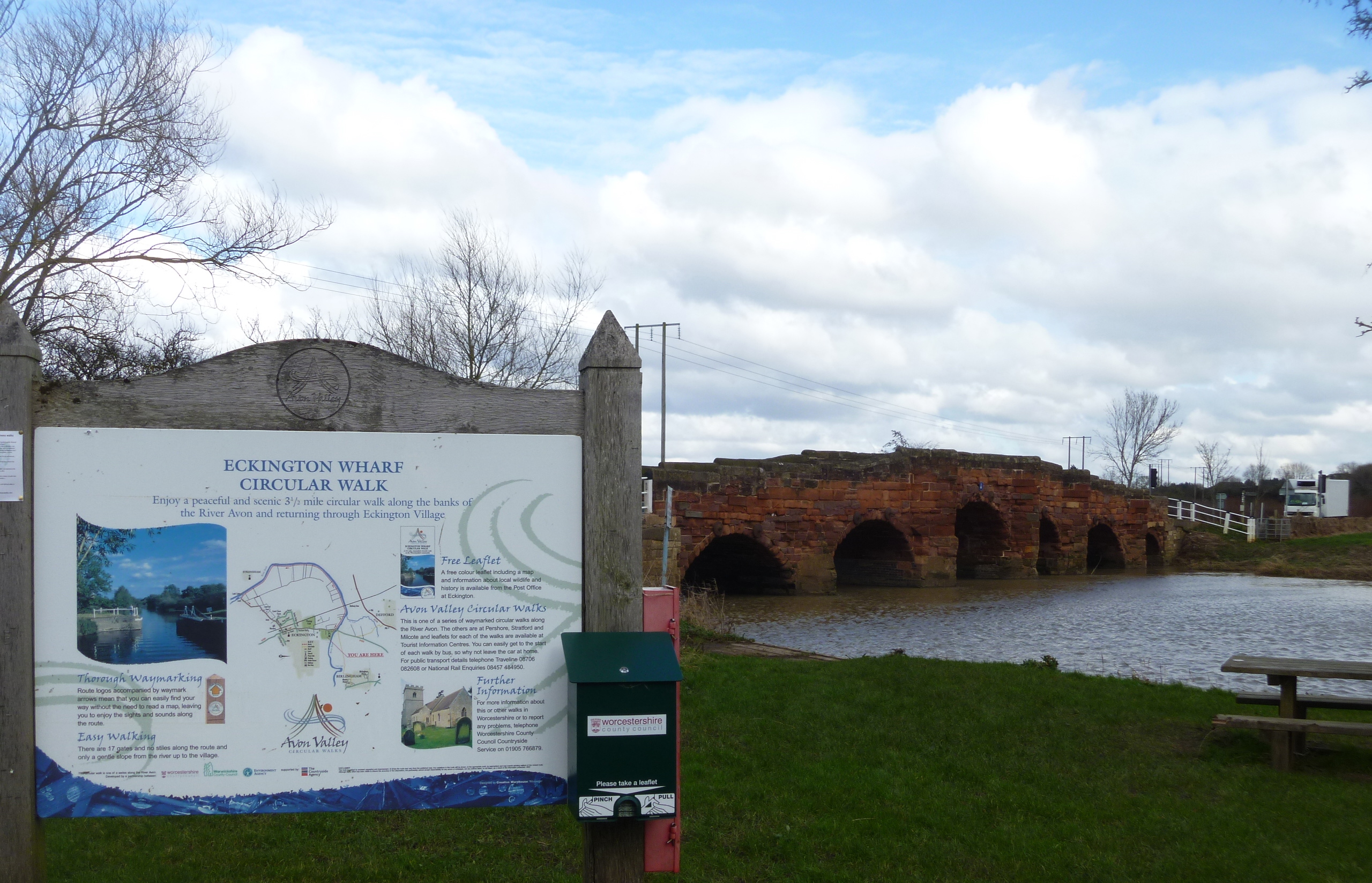
Information board

A three-and-a-half mile walk is recommended – for a warmer day, perhaps?

River Avon and Bridge

That water looks pretty chilly!

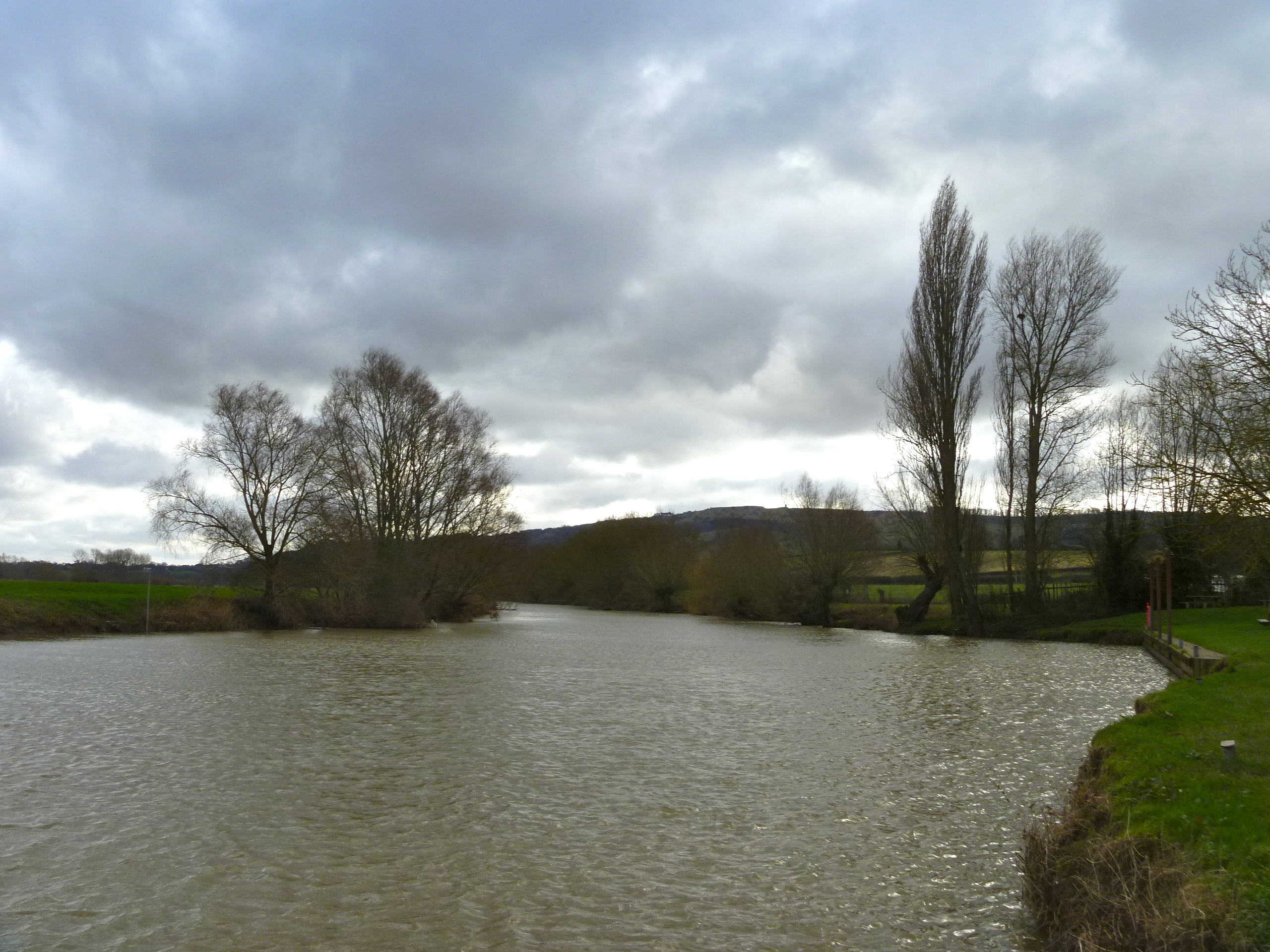
Bredon Hill and River

River Avon and Bredon Hill

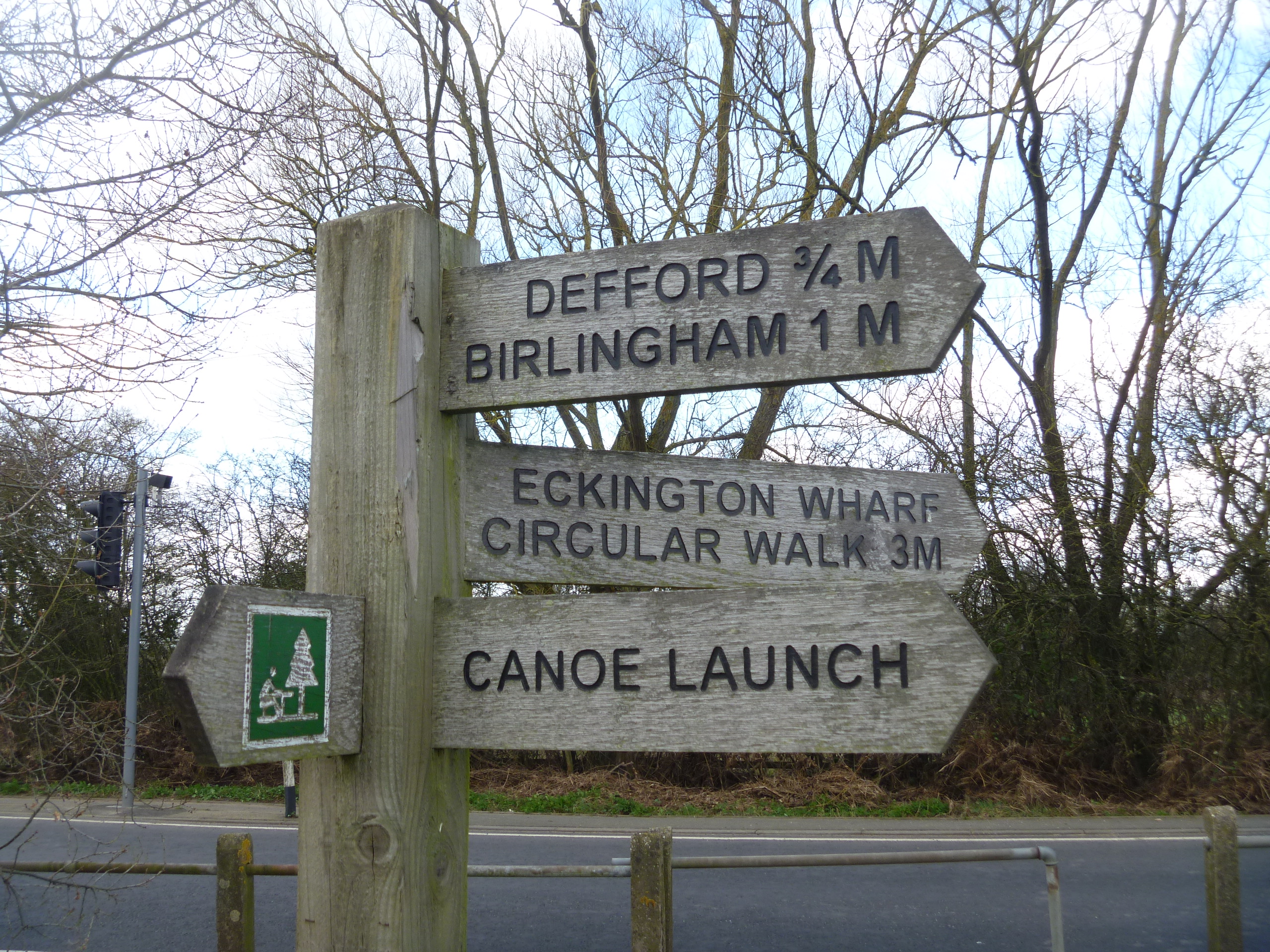
Canoe Launch

Canoe Launch and Walks

Other side

The Bridge from the ‘other’ side

‘Deck the halls’ at Oakwell

Oakwell Hall

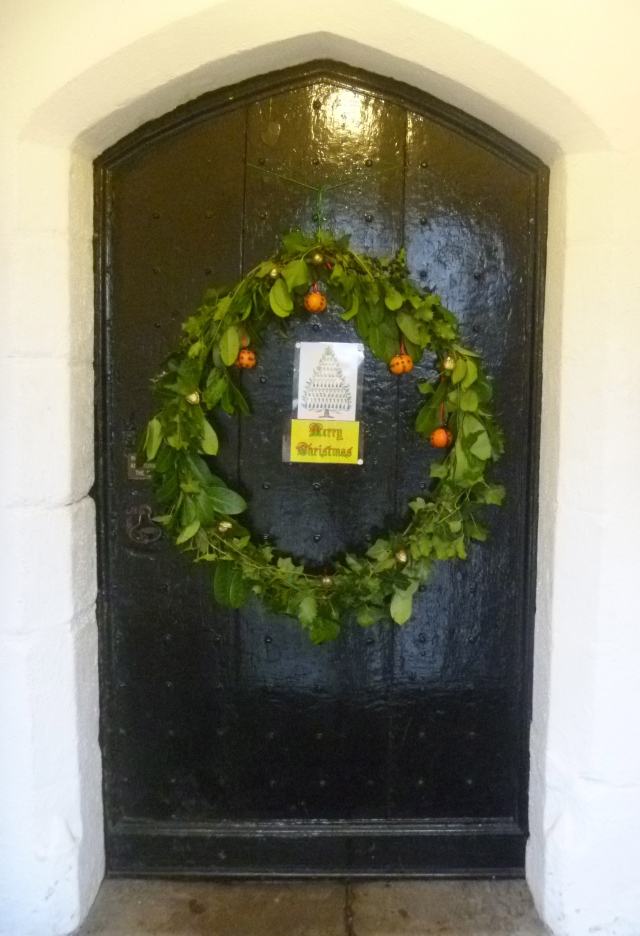
Step back in time and enjoy Oakwell Hall’s period rooms decorated with greenery from the park with the theme of traditional Christmas carols. Enjoy the rich and historic splendour of Oakwell Hall, decorated for a 1690 Christmas.”

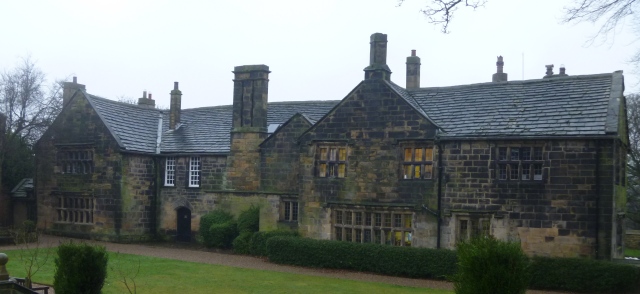
Oakwell Hall

“It was neither a grand nor a comfortable house; within
as without it was antique, rambling and incommodious.”

Charlotte Brontë’s description of ‘Fieldhead’ (Oakwell Hall) from ‘Shirley’.”

We have had days and days of constant rain. The dark misty clouds mean that the days seem even shorter than the time of year supposes that they should be, so I decided to ‘step back in time’ to a nearby house with Bronte connections – Oakwell Hall in Gomersall. It is now owned by Kirklees Council but has had an interesting history and the lovely house dates back to the 16th century. Read about the fascinating study of the timbers, panelling, layout and construction of Oakwell Hall here. It is such a shame that photography is no longer allowed inside Oakwell Hall as the greenery and decorations brighten up the rooms at this time of year.

Oakwell - rear

Rear view of Oakwell Hall

Thought to be built by one John Batt, whose initials appear above the door, Oakwell was occupied by him and his family for way over a century. Between 1789 and 1927 when the hall was bought by the local council it had several owners and was at times a private residence, at times occupied by short term tenants (families and schools) and at one point was threatened to be “taken down, brick by brick, and shipped to America”. A local appeal was then launched and with the help of two particular wealthy benefactors (Sir Henry Norman Rae and John Earl Sharman) the house was saved and passed to Batley Corporation (now Kirklees Council). Since 1927 the house has been a museum and more recently the surrounding parkland has come into Council ownership and the whole is now Oakwell Hall Country Park.

As you tour the house, after being greeted in the Great Hall, at one point on the ground floor you pass into the Buttery. This bare room with stone floor is now a small information space and here I read more about the Bronte connection with Oakwell Hall.

Whilst a pupil at Roehead School in Mirfield Charlotte Bronte made friends with Ellen Nussey and Mary Taylor. Ellen later attended a school at Oakwell Hall and CB frequently visited her here. She was inspired to base her descriptions of the house Fieldhead on Oakwell Hall and she also based The Yorke family in the same book on her friends The Taylors.

Accurate descriptions of the house interior and exterior can be lifted straight from Chapter 11 “Fieldhead” in Shirley.

“If Fieldhead had few other merits as a building, it might at least be
termed picturesque. Its regular architecture, and the gray and mossy
colouring communicated by time, gave it a just claim to this epithet.
The old latticed windows, the stone porch, the walls, the roof, the
chimney-stacks, were rich in crayon touches and sepia lights and shades.
The trees behind were fine, bold, and spreading; the cedar on the lawn
in front was grand; and the granite urns on the garden wall, the fretted
arch of the gateway, were, for an artist, as the very desire of the eye.”

“Mr. and Miss Helstone were ushered into a parlour. Of course, as was to
be expected in such a Gothic old barrack, this parlour was lined with
oak: fine, dark, glossy panels compassed the walls gloomily and grandly.
Very handsome, reader, these shining brown panels are, very mellow in
colouring and tasteful in effect …”

Talking with one of the Museum staff I also discovered that several filmings had taken place at Oakwell over the years. Notably in 1921 a silent film version of Shirley. 

A 2009 TV version of Wuthering Heights used Oakwell for its interior scenes. Fast forward to around 48 minutes in if you are only interested in seeing some interior shots of Oakwell. The exterior shots look to me as if they were filmed using East Riddlesden Hall near Keighley.

The interior scenes of  The Secret Diaries of Miss Anne Listeralso made for TV was filmed here at Oakwell. The true home of Miss Lister was nearby Shibden Hall at Halifax but I was told that the rooms at Oakwell were much larger to allow for all the cameramen’s paraphernalia.

Oakwell Gardens

On leaving the cosiness of the hall you enter the lovely, beautifully ordered, Elizabethan gardens. I made a mental note to revisit these on a less wet and grey day. I hurried home to light my own Christmas tree lights and relax with a mince pie.

My own Christmas tree

A MERRY CHRISTMAS EVERYONE!

The Year in Pictures : 366 – The Great Leap Forward

Around the beginning of November last year I received an invitation from a German lady who has since become (I suppose you would say) an online friend of mine.

My first 366 photo – 10 November 2011 : River Swale, Hudswell, Richmond, Yorkshire

We first ‘met’ through the Flickr Landmark Trust Group and we found that we share a mutual love of Lyme Regis. Anyway, she sent me an invitation to join her ‘group’ called “366 – The Great Leap Forward“. The idea, which I had never heard of before, was to take one photograph every day for a whole year. Normally this would be for 365 days but as 2012 is a leap year we had to take 366 pictures!

Queen Breaca introduces the group thus :

Is taking pictures your passion? Do you like exchanging your views on photography, cameras, picture editing as well as Life, the Universe and all the Rest with other, like-minded people? And have you recently considered joining one of those flickr – 365 projects, but were a little put off by all those very strict rules and regulations? 

Well, to be honest, the answer for me to all of these questions was “no”. However, flattered to receive an invitation and with great trepidation, I decided to accept the invitation and challenge. Indeed, challenge it was! Some days went by when I had to just snap something, anything. Personally, I don’t think I improved a lot over the year but QB, flatteringly again, declared that I had. I looked on the challenge as an opportunity to record every day of one year and I’m interested in it more for that reason than as an opportunity to take artistic photographs. Look at my set and you’ll see what I mean.

And what a year it has been for me – and also for the UK. Here are a few highlights (or lowlights) :

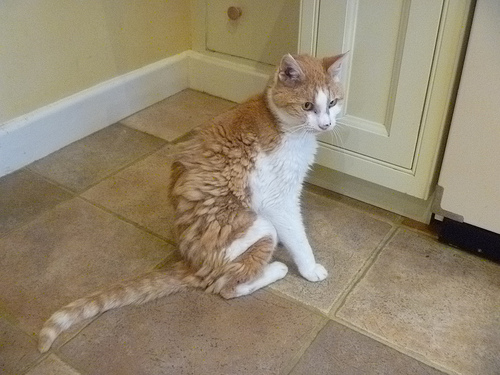
Not long after I joined our cat Harvey died (16 Nov 2011) ‘Sad Day’

Our Christmas Tree 2011

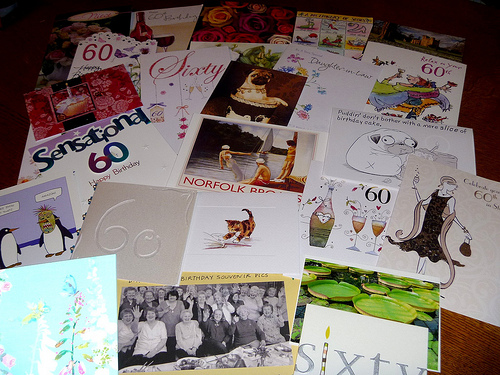
My 60th Birthday

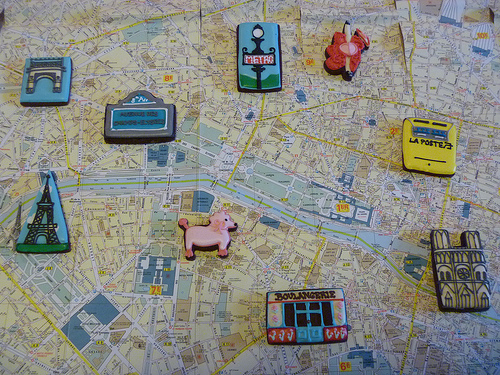
A wonderful trip to France to stay at The Windsor’s former weekend home near Paris

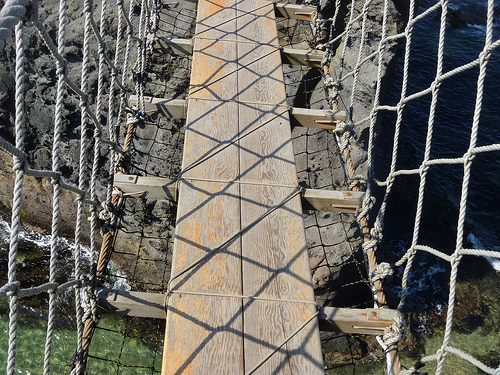
Revisiting Northern Ireland after 45 years!

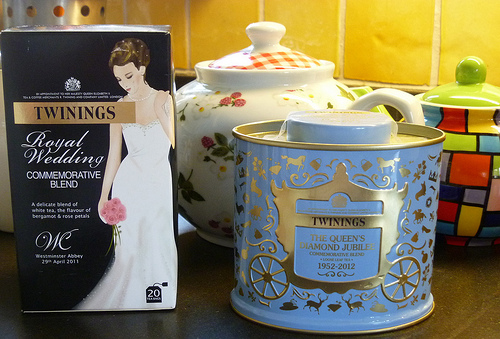
Queen Elizabeth II’s Diamond Jubilee

A fantastic walking holiday in Alsace

At the end of June I retired from my Library job

A lovely few days in Geneva in July

The successful London 2012 Olympic Games (the Brownlee Brothers are from Horsforth) in August

We spent three weeks in New England in September

A week in Devon in October

And a couple of fun pictures

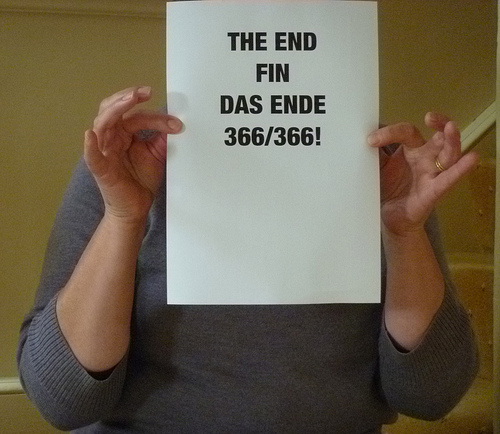
The End – 9 November 2012

It’s a relief to have completed the challenge successfully. It’s been a great experience and thanks to QB for her invitation and encouraging input!

“Patriotism is not enough. I must have no hatred or bitterness towards any one.” Edith Cavell (1865-1915)

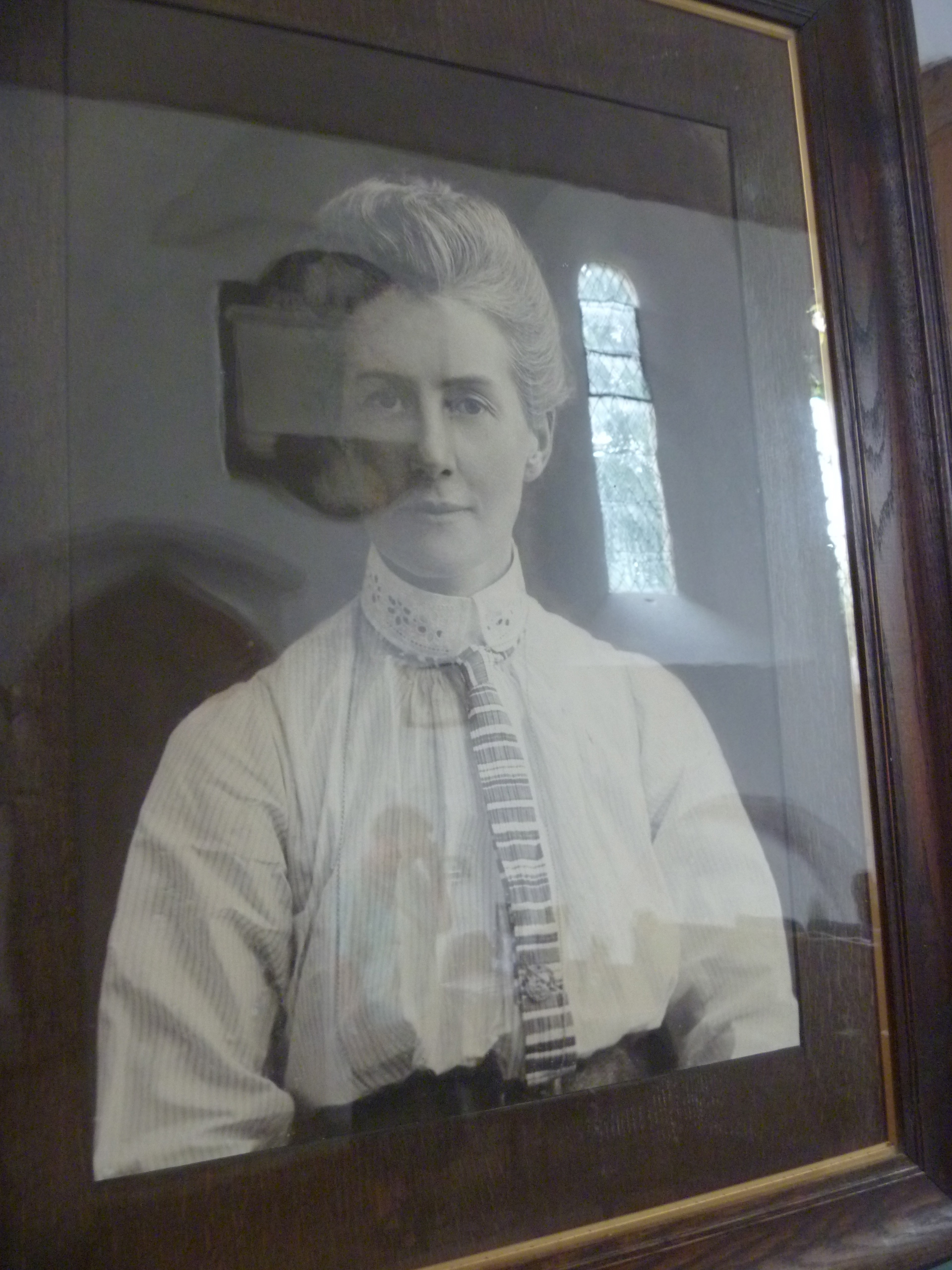
Photograph of Nurse Edith Cavell displayed in St Mary’s Church, Swardeston

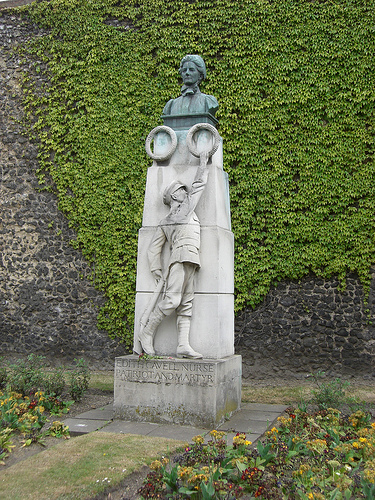
Growing up in Norwich I have always known about Edith Cavell our local Norfolk heroine of the First World War. My school bus passed by the Memorial to her located outside the Erpingham Gate at Norwich Cathedral, her grave lies within the Cathedral precincts and we had a school house called ‘Cavell’.

The Norwich Memorial to Edith Cavell

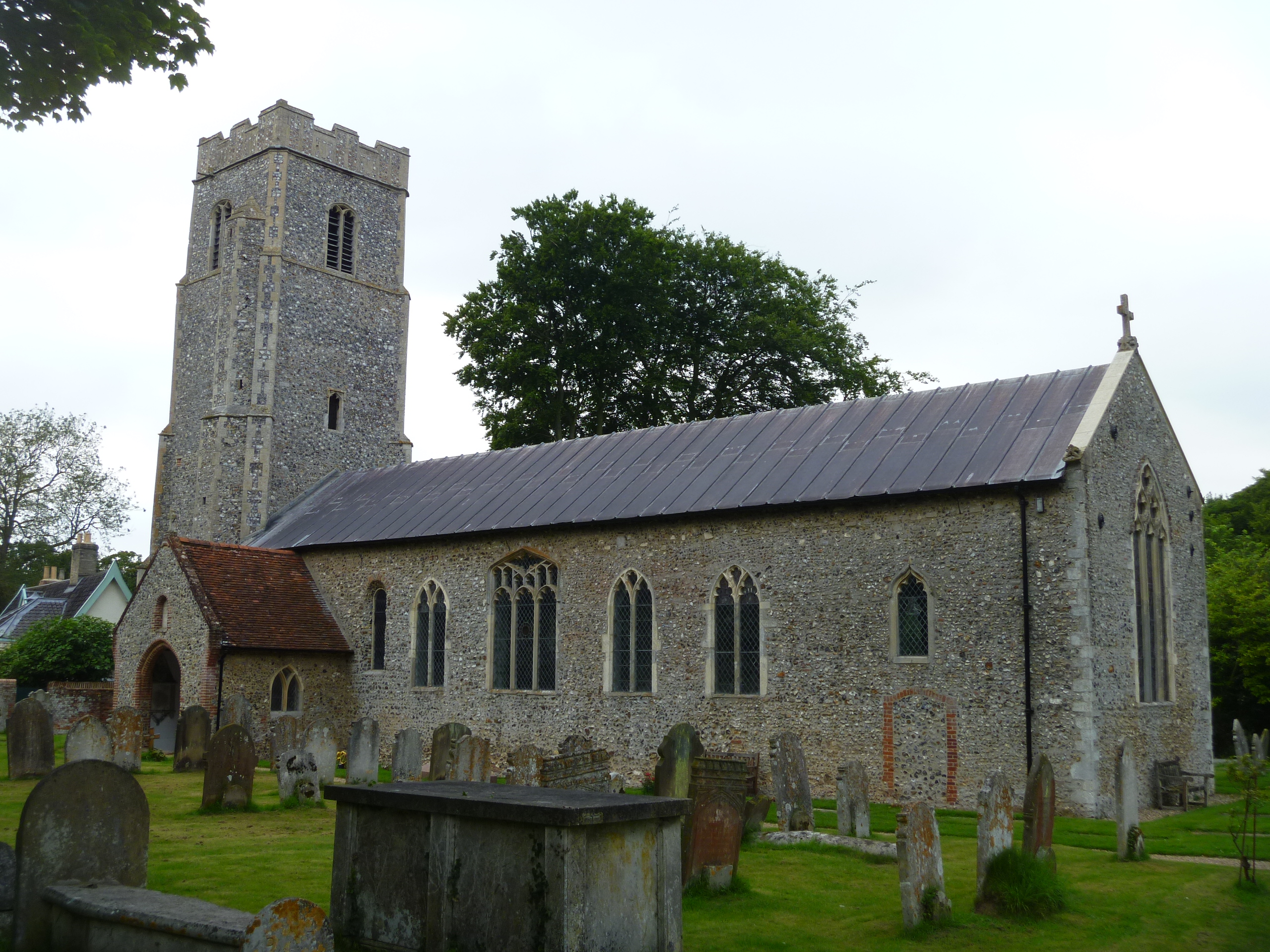
Born at Swardeston House in 1865  the family of the Reverend Frederick Cavell moved the following year in to the new Swardeston Vicarage which Edith’s father had paid to have built on land next to his parish church of St Mary the Virgin.

St Mary’s Church, Swardeston

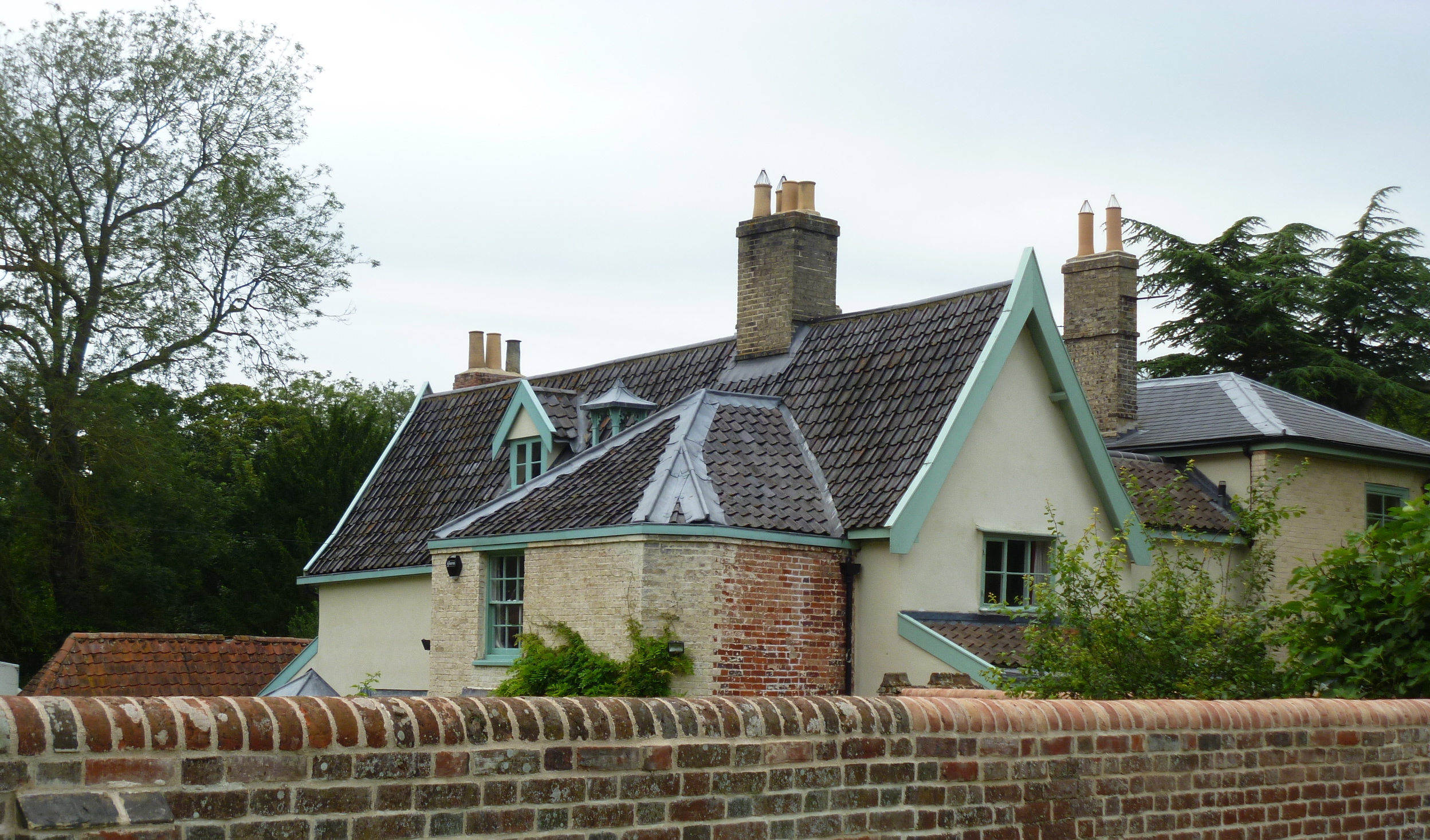
Swardeston Vicarage Today

It was here that Edith Cavell spent her early days. You can read much more about her early life, interests, education and travels here.

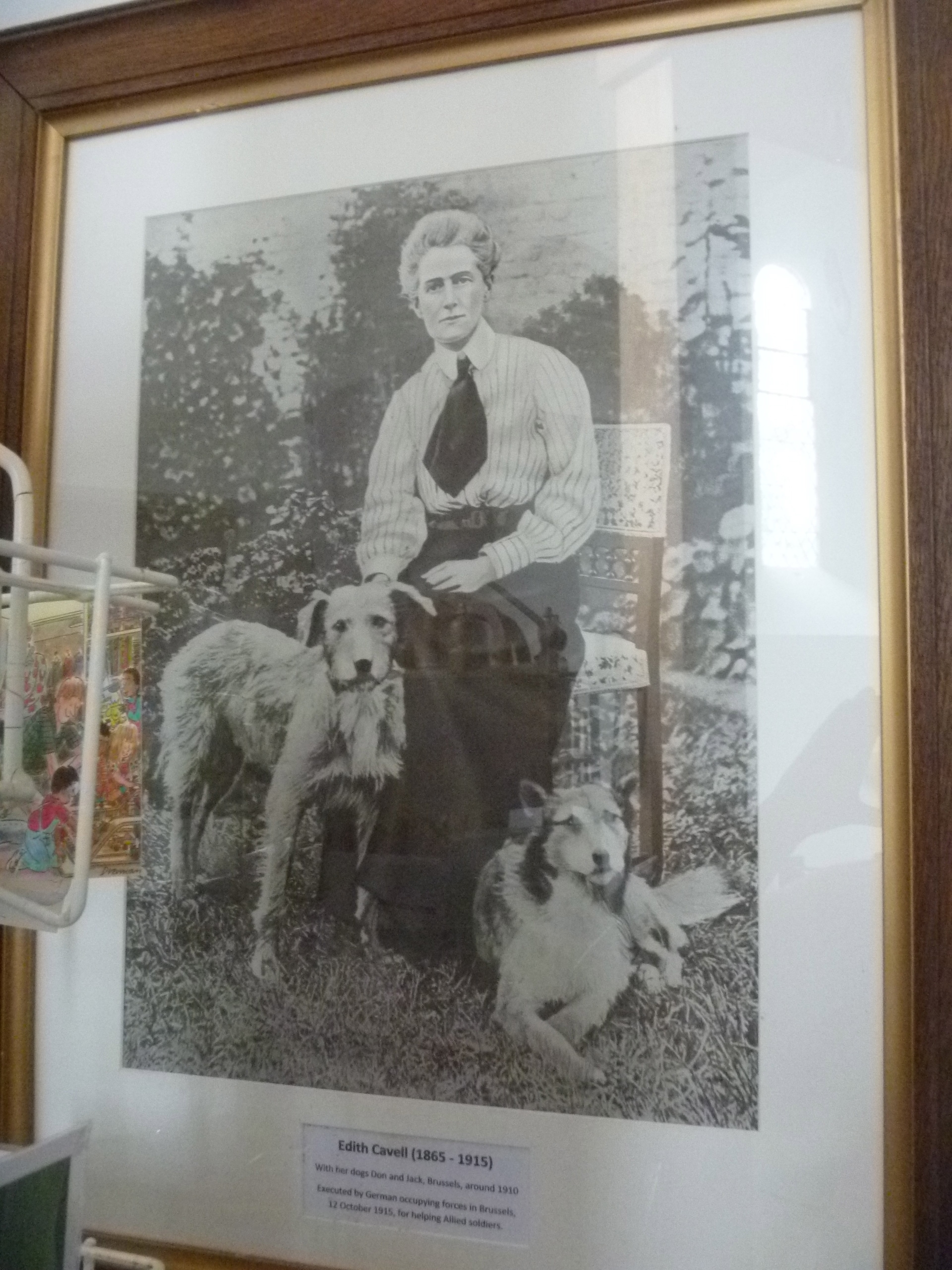
Edith Cavell in 1910 with her two adopted stray dogs Jack and Don (photo in Swardeston Church)

She had worked in Brussels, become fluent in French and later trained as a nurse working at times in both London and Brussels. She later turned to nurse training and such was her attachment to Belgium that when she heard of the invasion of Belgium by the Germans in 1914 she returned to that country and was already nursing there when Britain declared war on Germany on 3rd August 1914.

To Edith all men were equal and to be treated so at her hospital. She not only treated and nursed German and Belgian soldiers she later became involved in assisting British soldiers who were wounded and cut off from their retreating army beyond the front line.

“Edith also faced a moral dilemma. As a ‘protected’ member of the Red Cross, she should have remained aloof. But like Dietrich Bonhoeffer in the next war, she was prepared to sacrifice her conscience for the sake of her fellow men. To her, the protection, the concealment and the smuggling away of hunted men was as humanitarian an act as the tending of the sick and wounded. Edith was prepared to face what she understood to be the just consequences.” (Edith Cavell website)

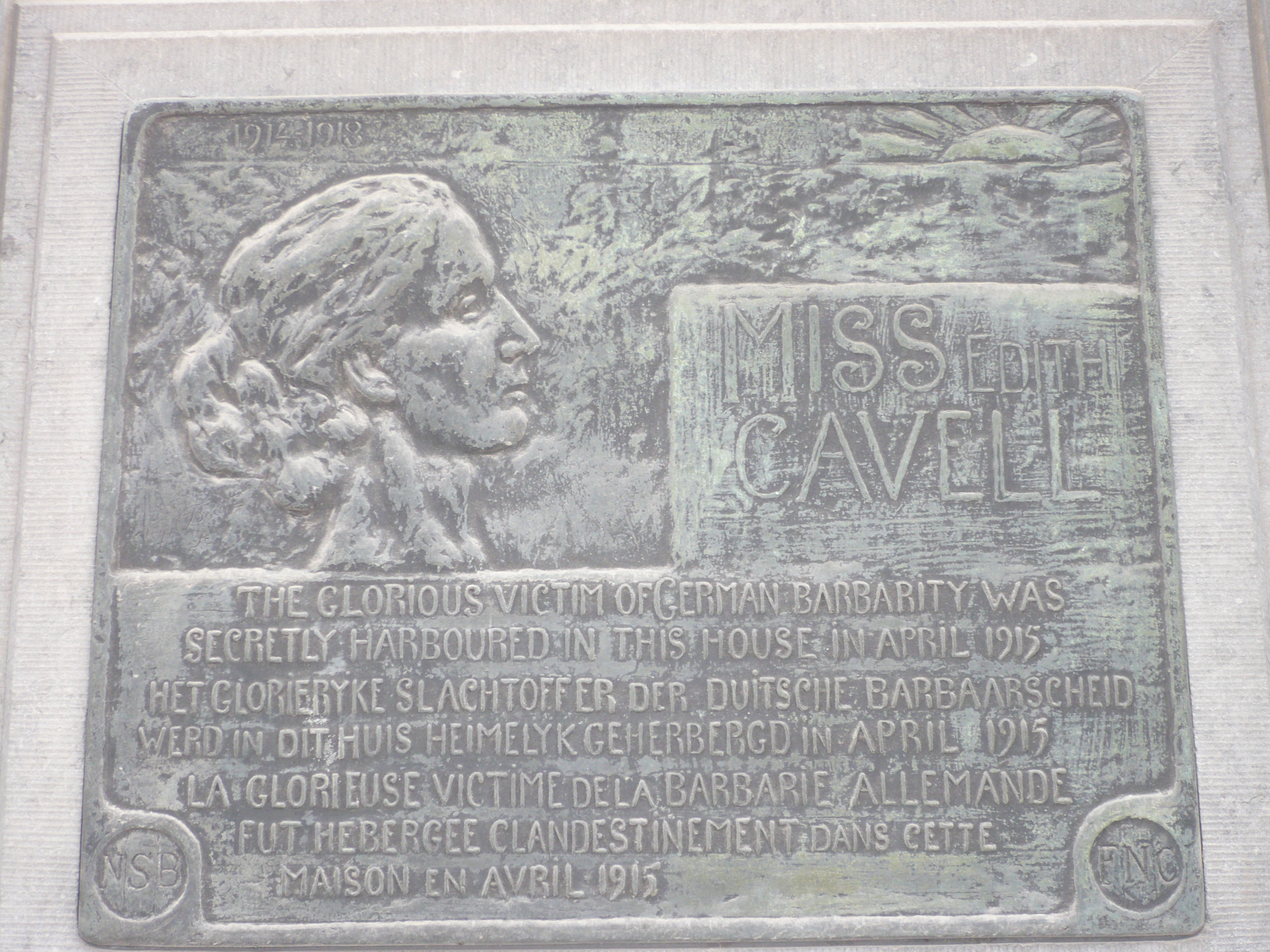
Plaque attached to a house in Ghent (Courtesy RB)

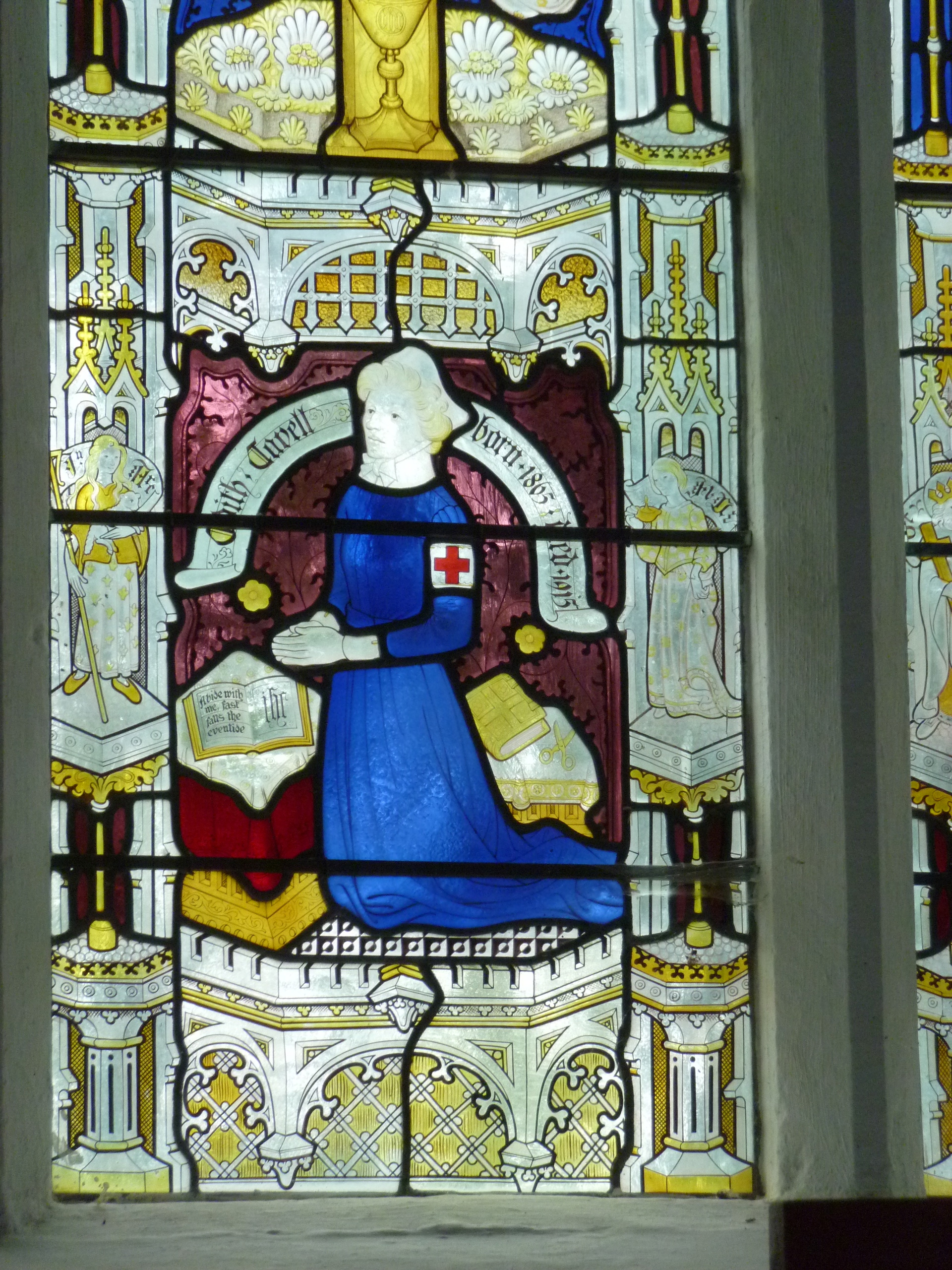
In August 1915 Edith was interned and the date for her execution as a collaborator was set as 12 October 1915. The evening before the English chaplain Stirling Gahan was allowed to visit her in her prison cell. There she received Holy Communion and they recited the words of the hymn Abide With Me together. This is what she said to him :

“I am thankful to have had these ten weeks of quiet to get ready. Now I have had them and have been kindly treated here. I expected my sentence and I believe it was just. Standing as I do in view of God and Eternity, I realise that patriotism is not enough, I must have no hatred or bitterness towards anyone”.

Despite Spanish and American attempts at intervention she was shot at dawn on Tuesday 12 October 1915.

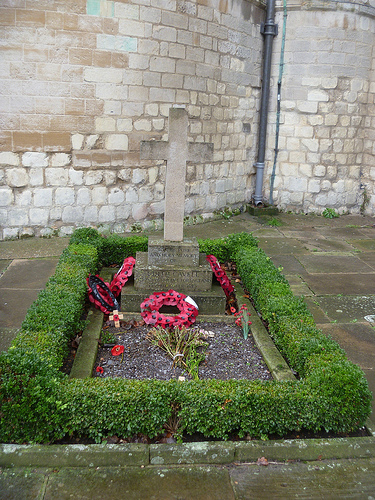
Edith Cavell’s Grave at Life’s Green

After the War, in 1919, Edith Cavell’s body was returned to England and a funeral service was held at Westminster Abbey on 15 May. A special train brought her remains to Norwich station from where she was buried in a spot called Life’s Green in the grounds of Norwich Cathedral. Ironically, her coffin was carried on a gun carriage!

Books and Film 

YouTube film Edith Cavell (1939) starring Anna Neagle

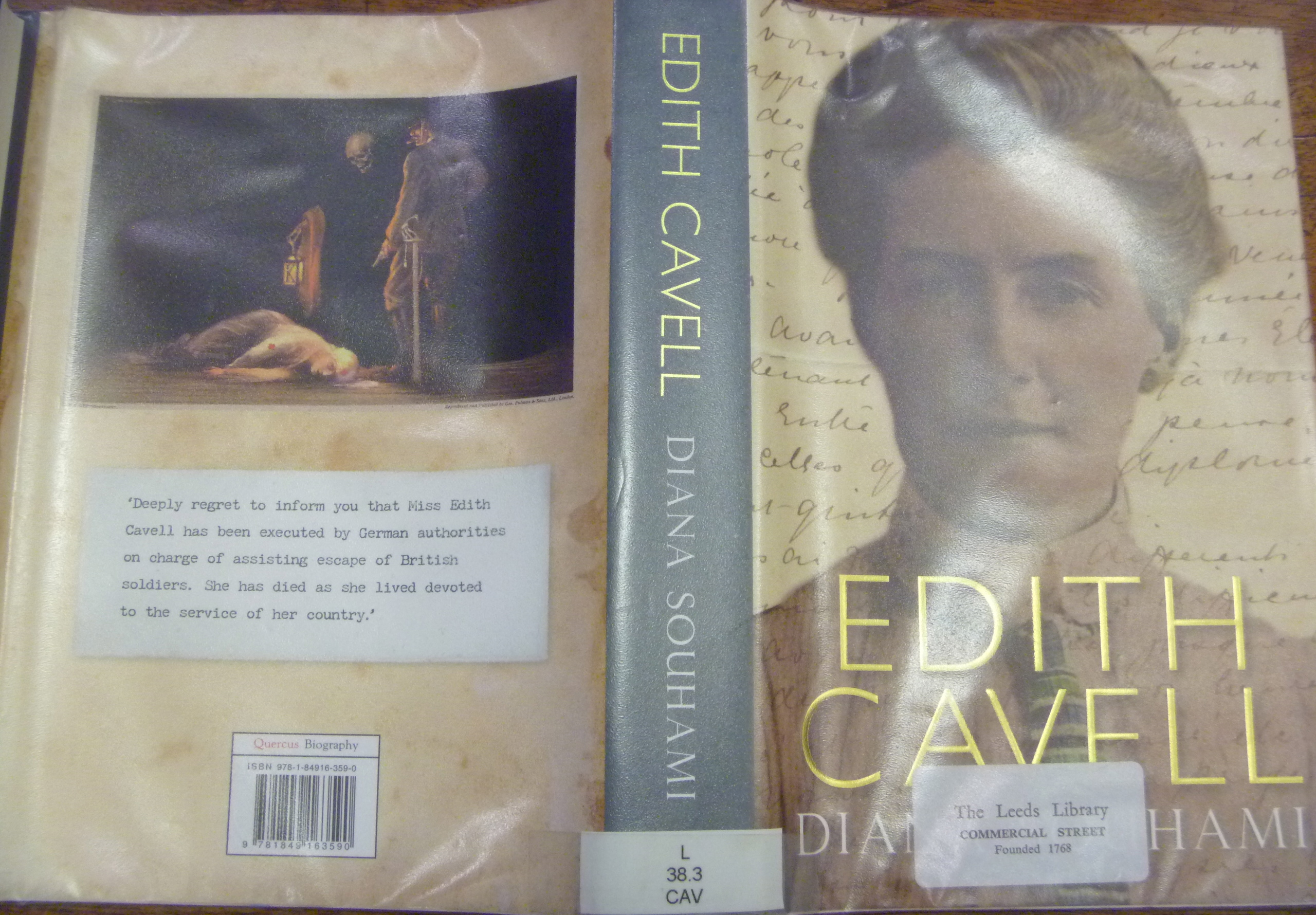
Friends Lynne and Lyn have both written eloquently about a recent biography of Edith Cavell by Diana Souhami. I heard Souhami speak in London about the biography and I’ve read it myself but I refer you to their superior reviews.

Lyn also read and reviewed a novel about Nurse Cavell Fatal Decision by Terri Arthur.

Other Memorials to Edith Cavell

Edith Cavell Window at Swardeston Church

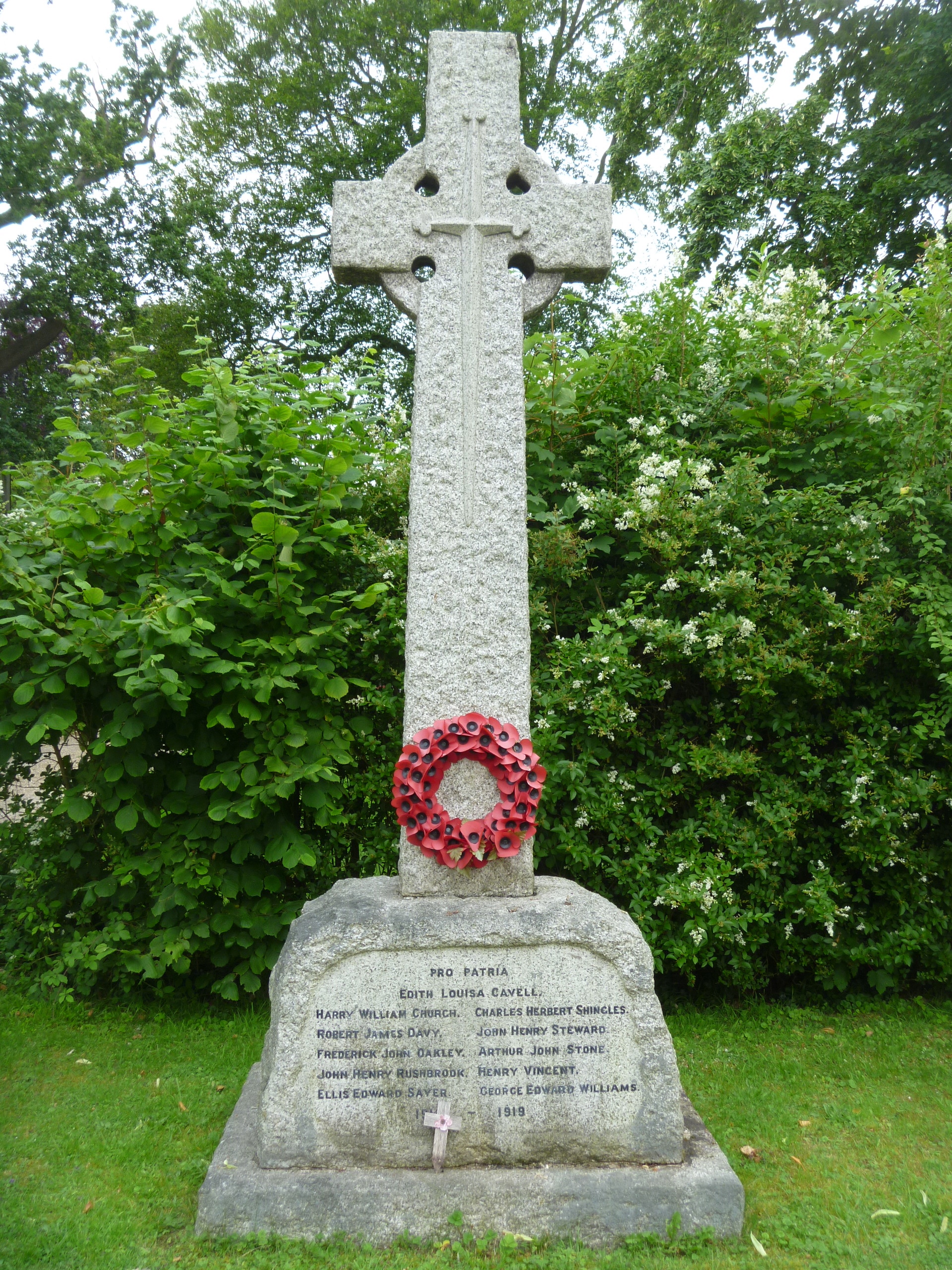
War Memorial at Swardeston, Norfolk

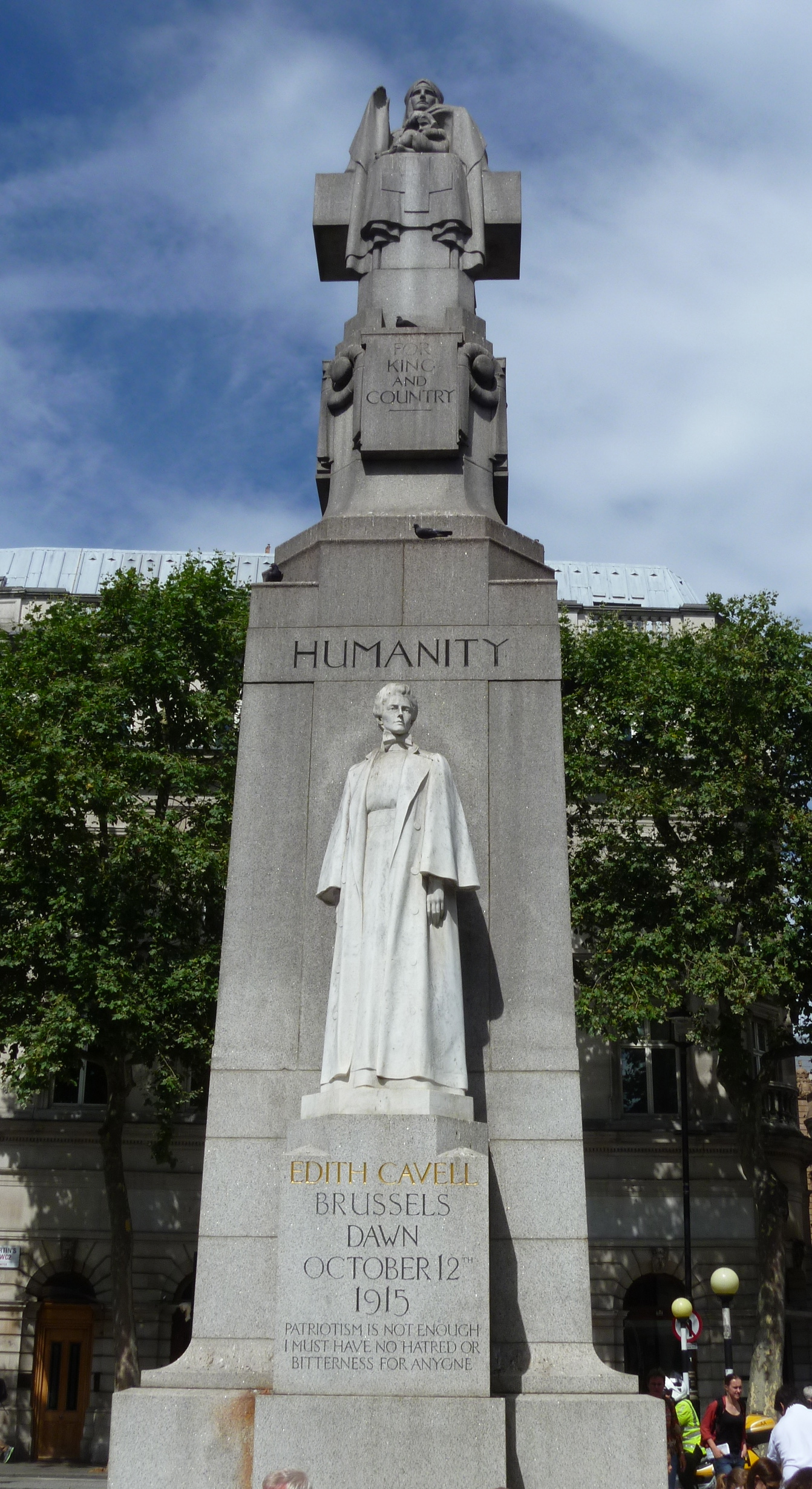
Statue erected in honour of Edith Cavell near Trafalgar Square, London.

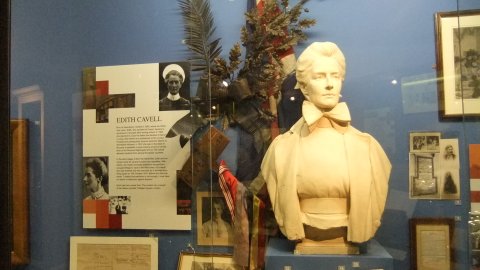
Edith Cavell bust in the London Hospital MuseumLynne‘s photo. She says : “Apparently it was in the sitting room of the nurses home I lived in there, not that we ever noticed it.”

Welcome to Milady’s Boudoir!


Welcome to Milady’s Boudoir! From this room – Milady’s Boudoir (as the Optimist calls it) – I hope to write about places to go, books to read and other ad hoc items which I hope you will enjoy reading.
The original Milady’s Boudoir was the magazine owned by Bertie Wooster’s Aunt Dahlia but I cannot even hope to post every week on such a wide variety of topics so I intend to write about literary connections as and when the spirit takes me. Some of these posts may have very tenuous connections with literature and some may have no connection at all!