Bergün and its Railway Museum

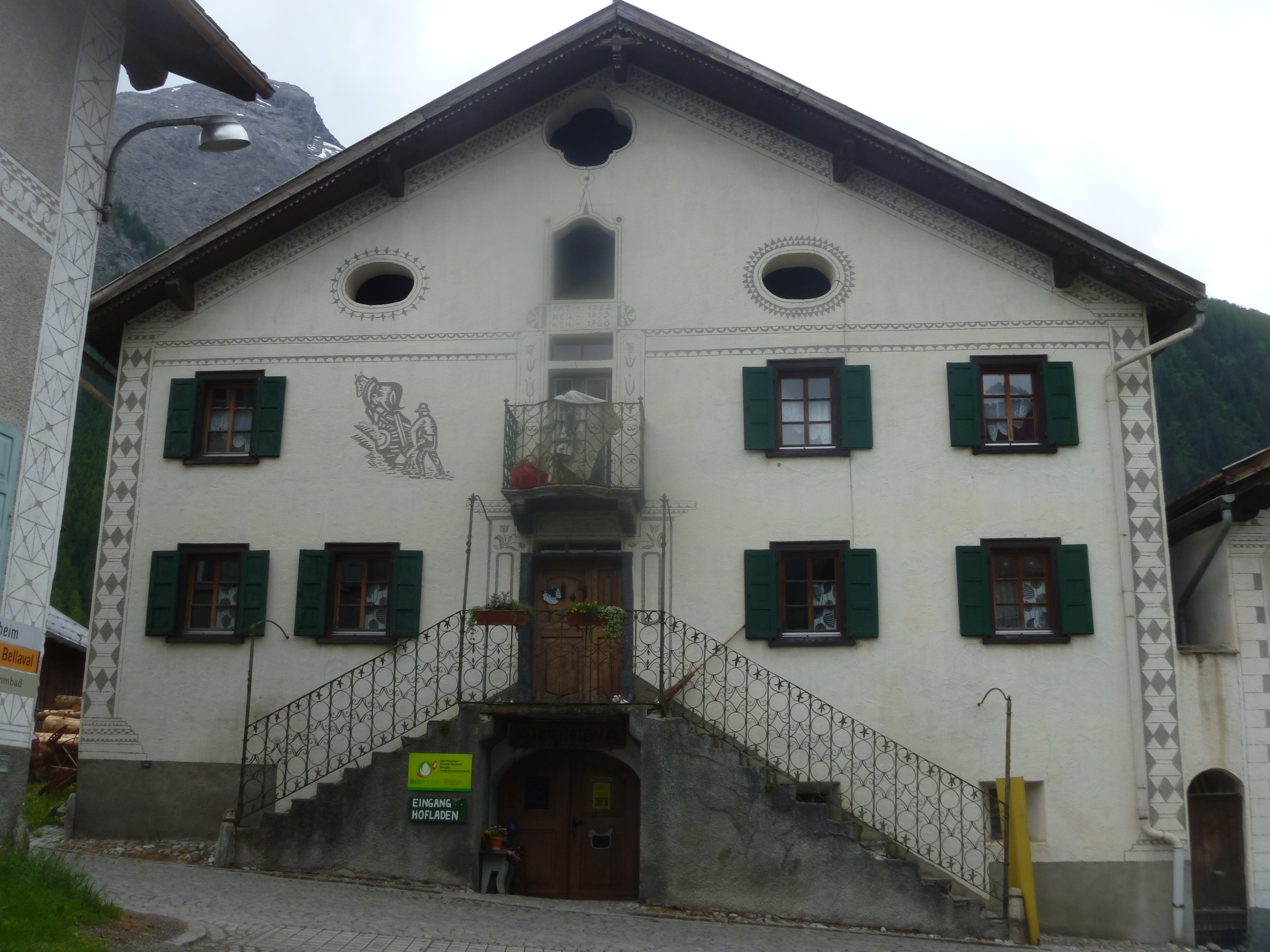
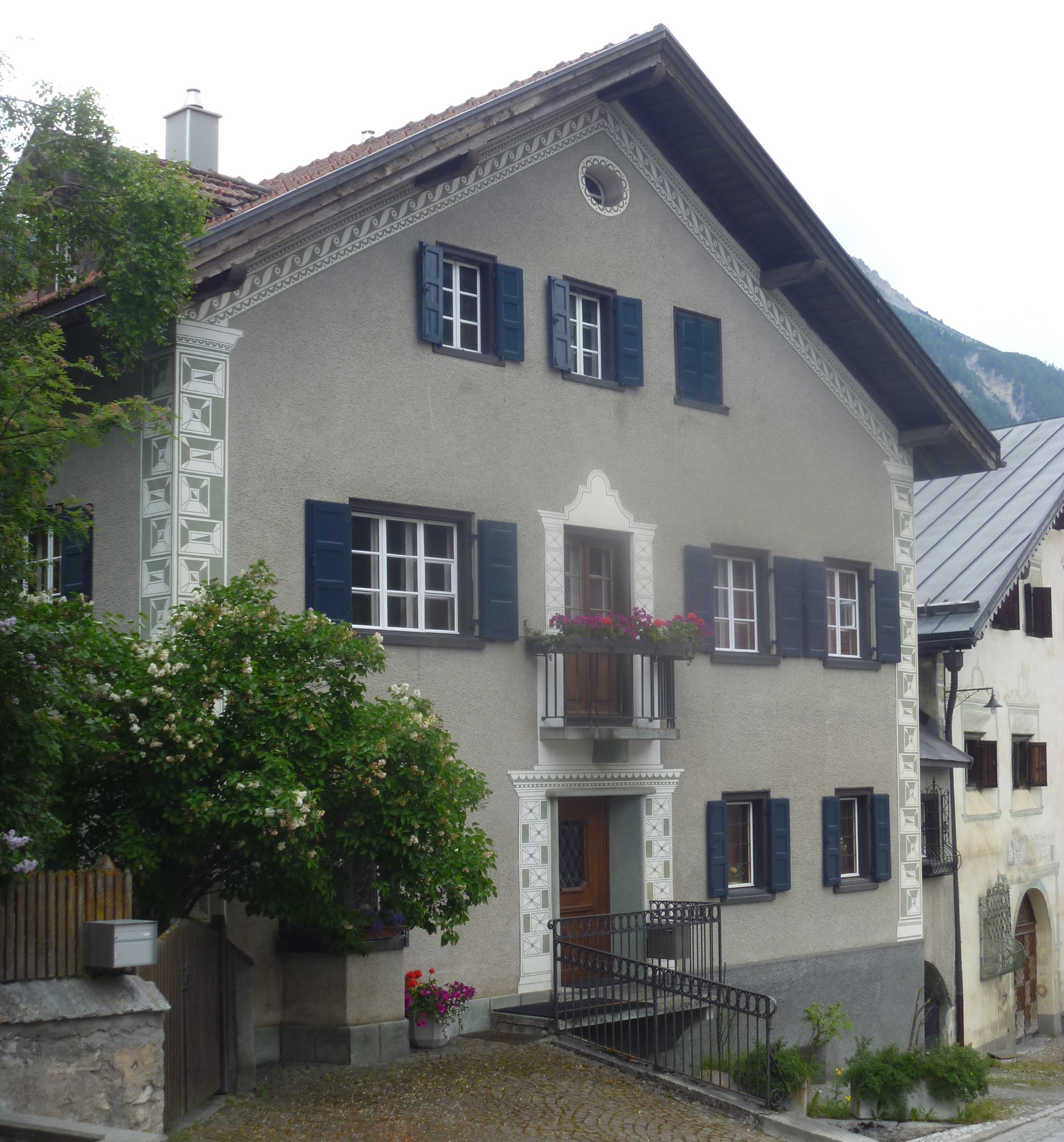
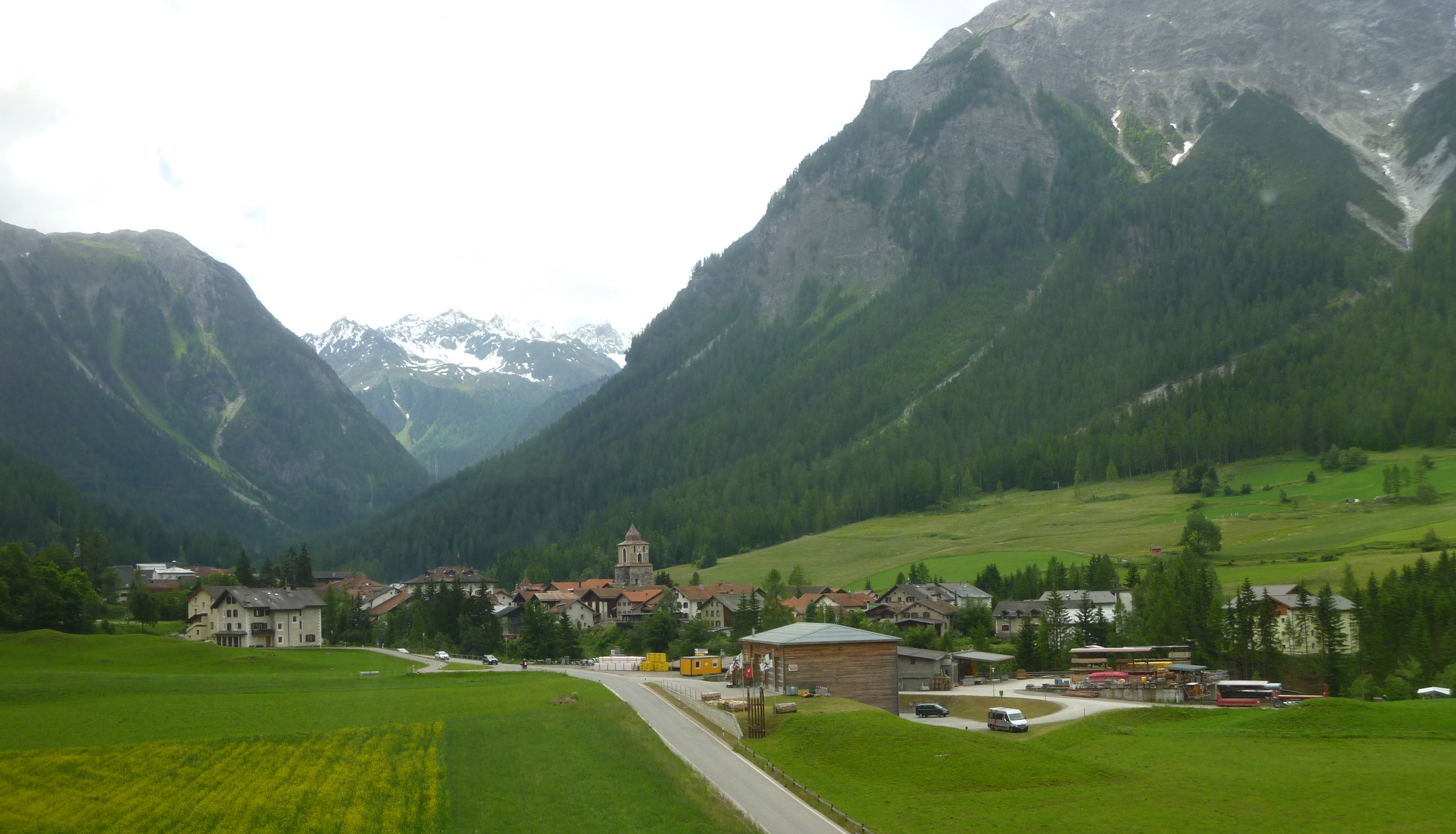
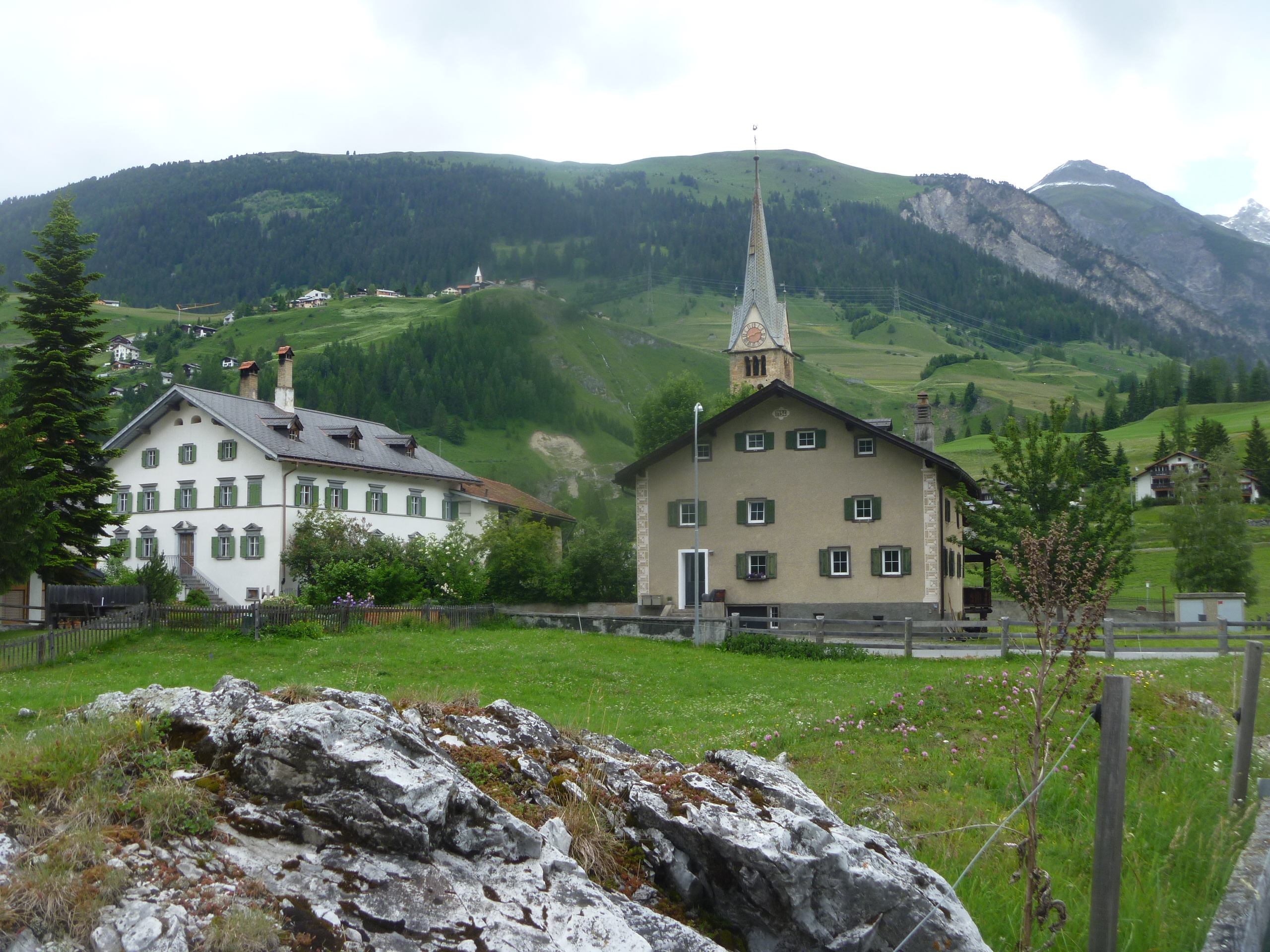
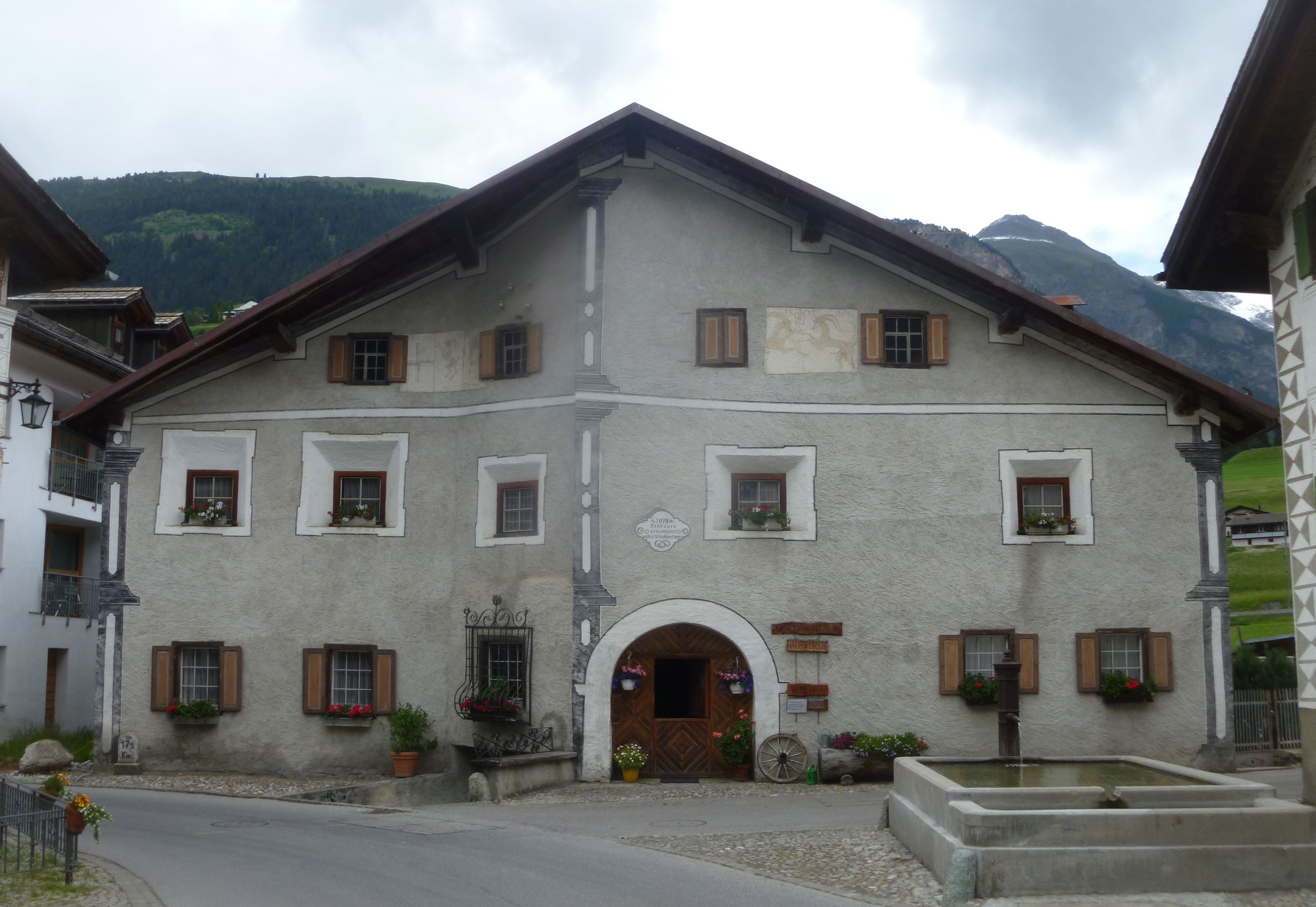
When I arrived in Bergün after the hike down from Preda along the Erlebnisweg [Historic Railway Trail] I was delighted to find such a lovely old traditional village with so many houses typical of the region. These picturesque Engadine houses are lavishly decorated with sgraffito, frescoes and oriel windows and there’s an 800 year old Romanesque church and a Roman tower all amazingly unchanged.
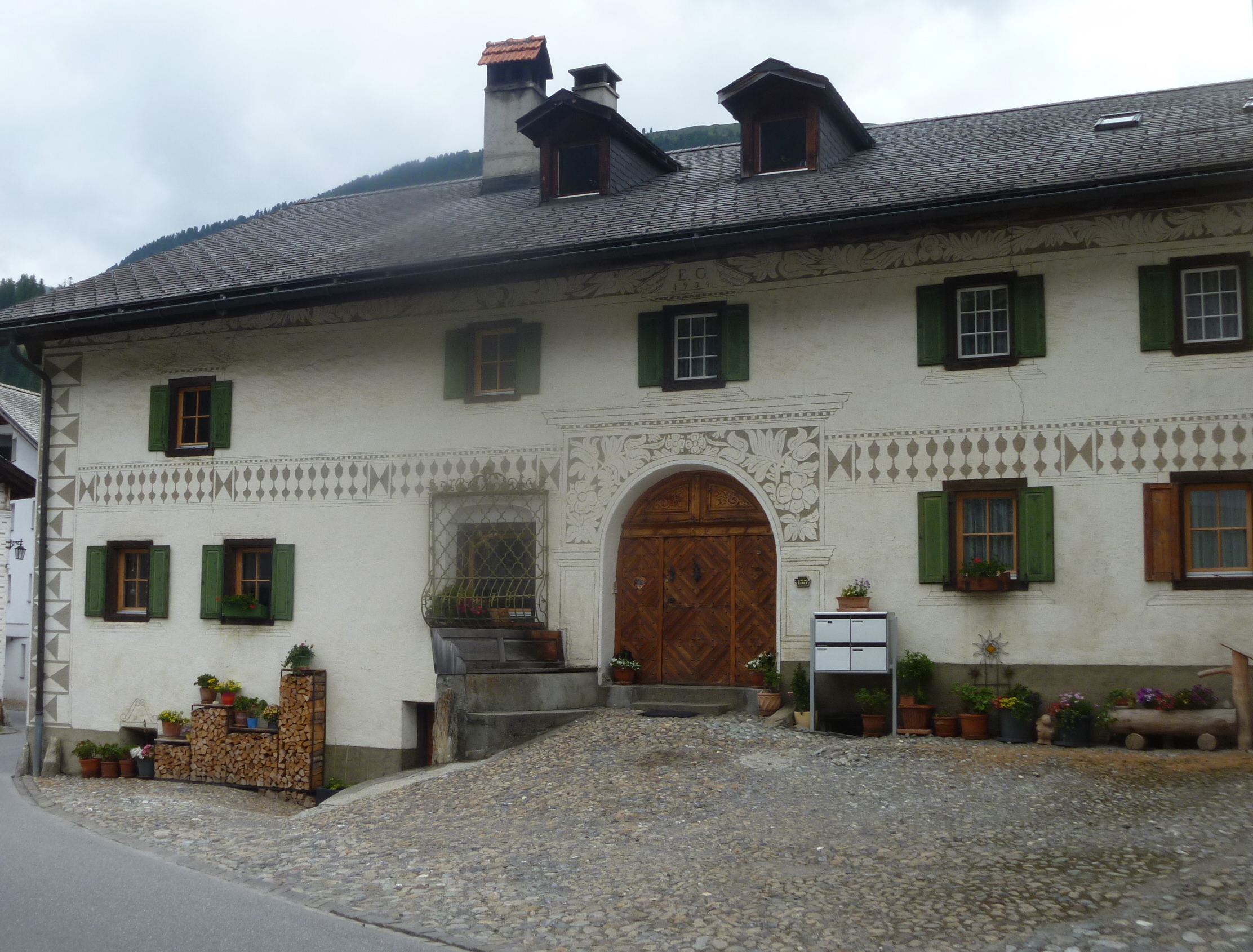
Engadine Farm Bergün

Engadine House 1

Engadine House 2

Engadine House 3

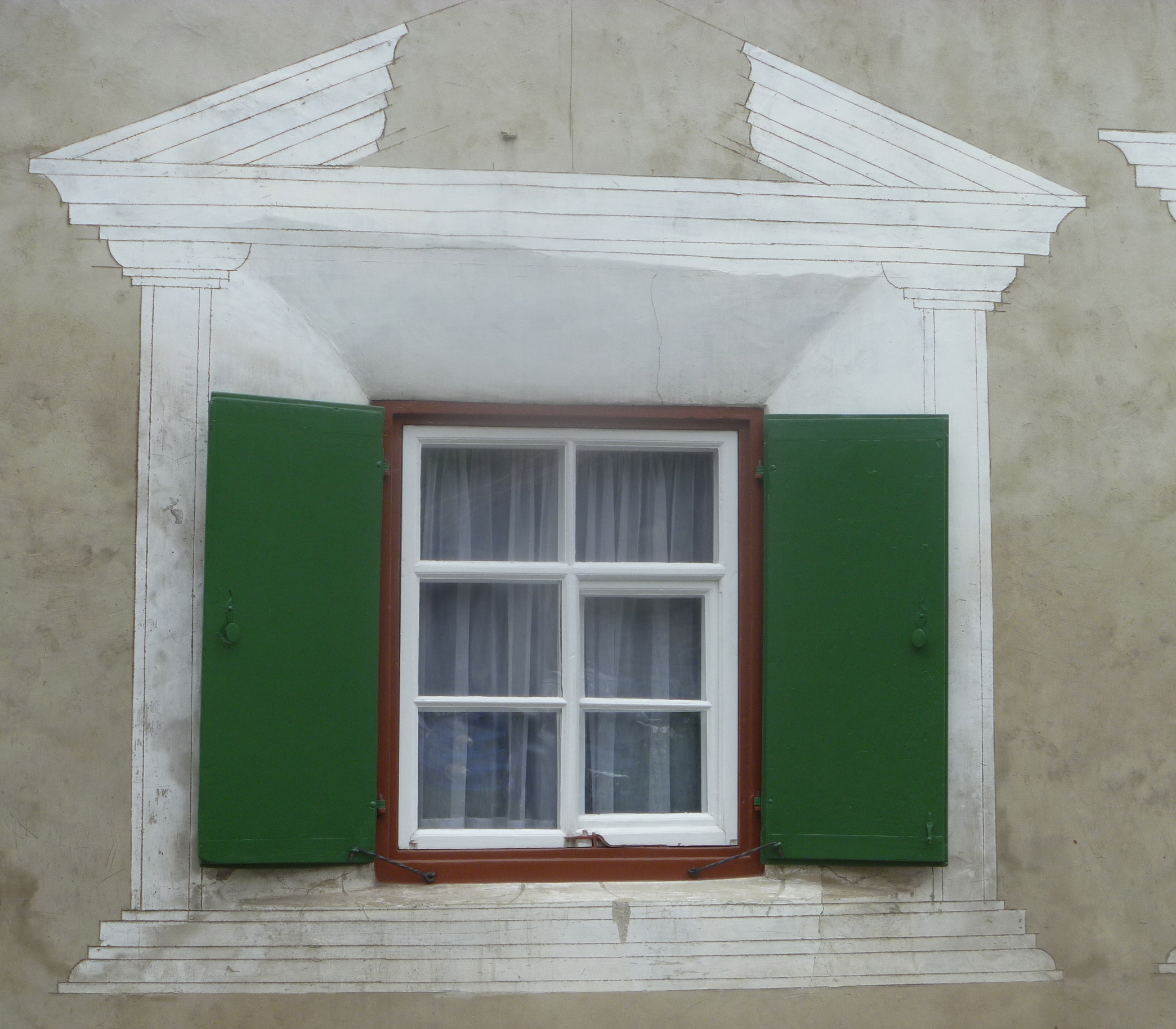
Trompe L'Oeil window

An example of the sgrafitto or trompe l’oeil window
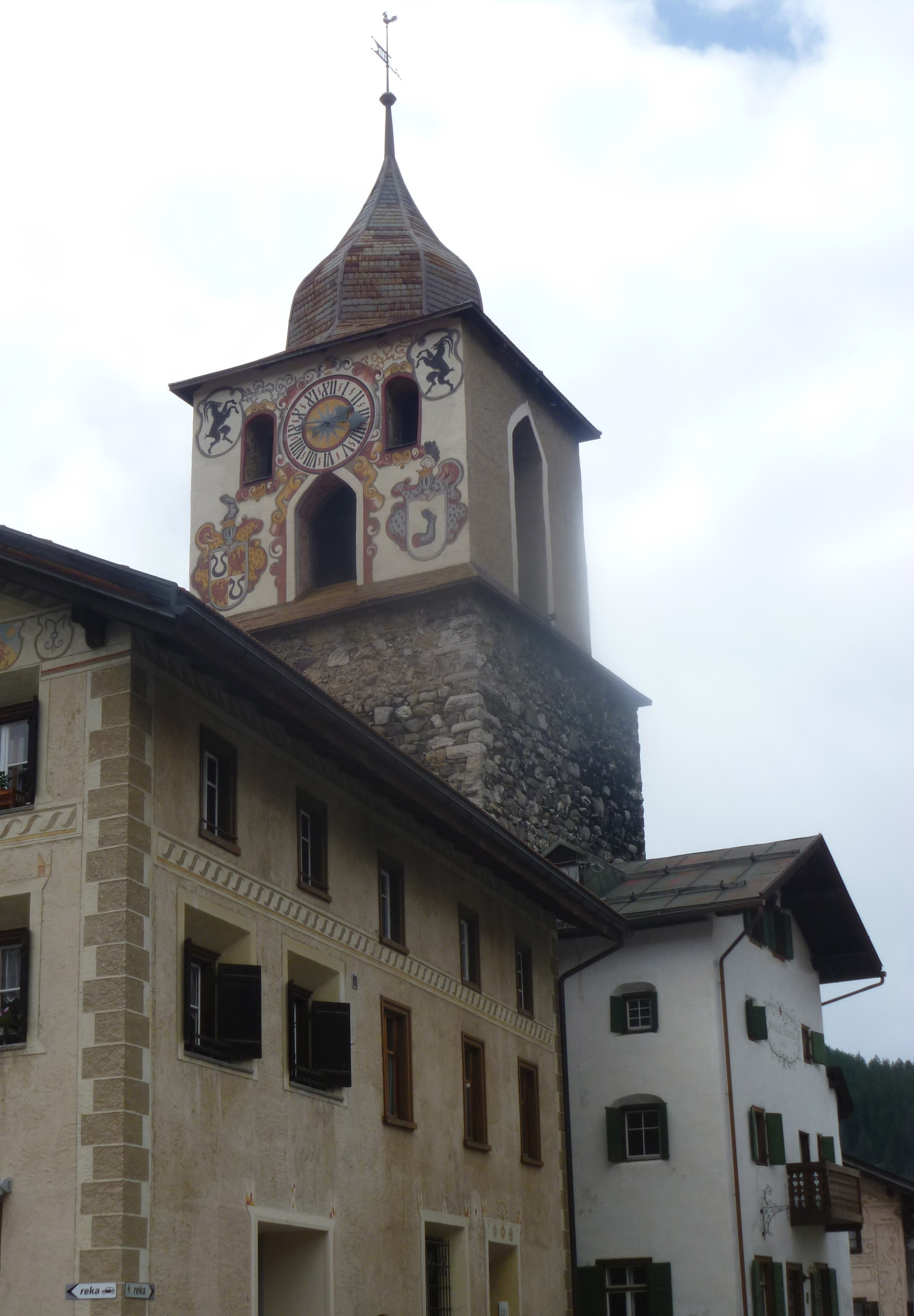
Bergün Church

The church

According to the Information Board just outside the village the railway has been a curse and a blessing for Bergün. Back in the nineteenth century the village did a brisk trade in accommodating overnight guests/tourists who were in transit by coach but after the opening of the railway in 1903 it was no longer necessary for horses to be rested and watered here.

Preda and Bergün are both popular for sledging in winter although quite where this is carried out is a mystery to me.
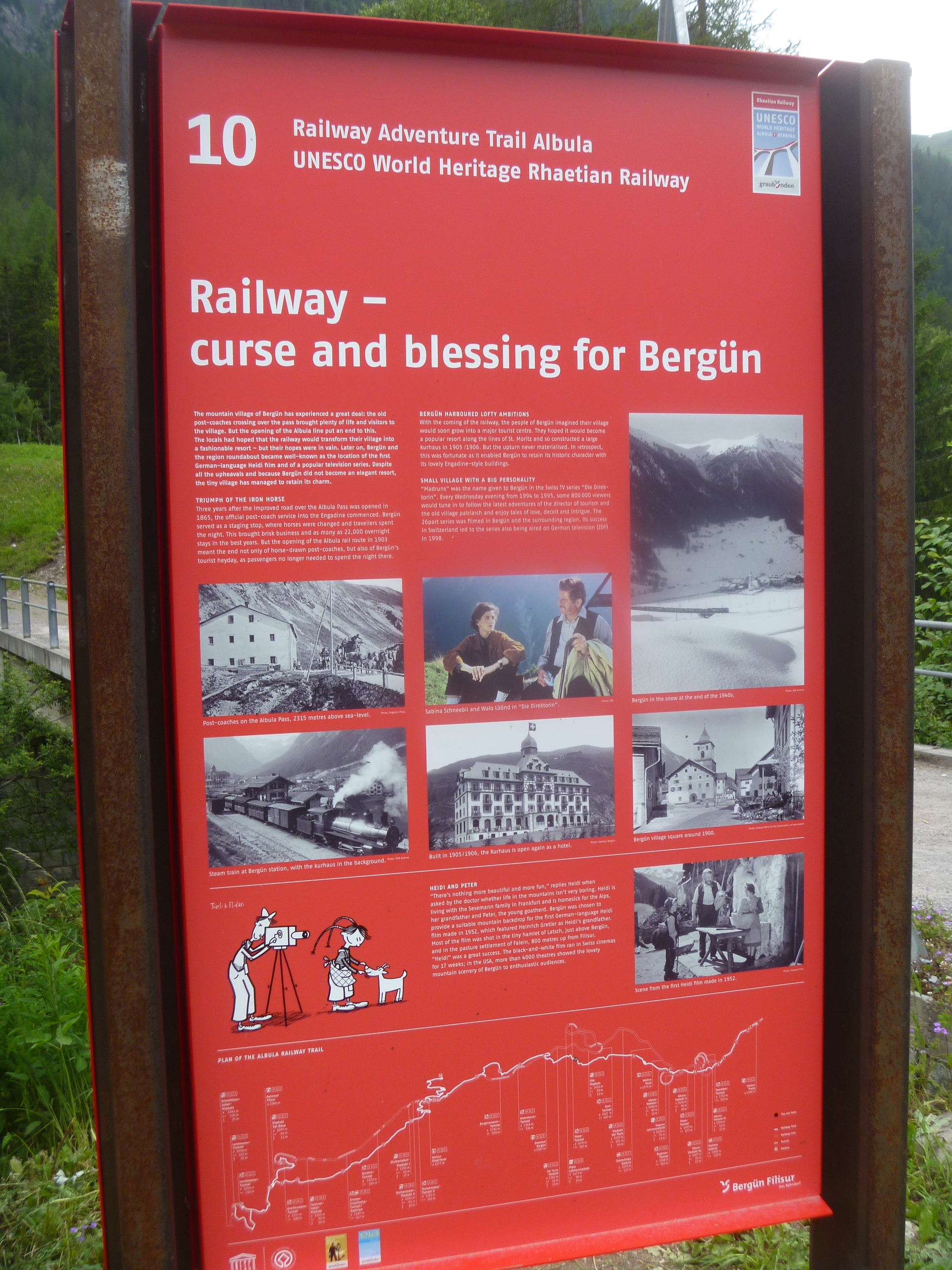
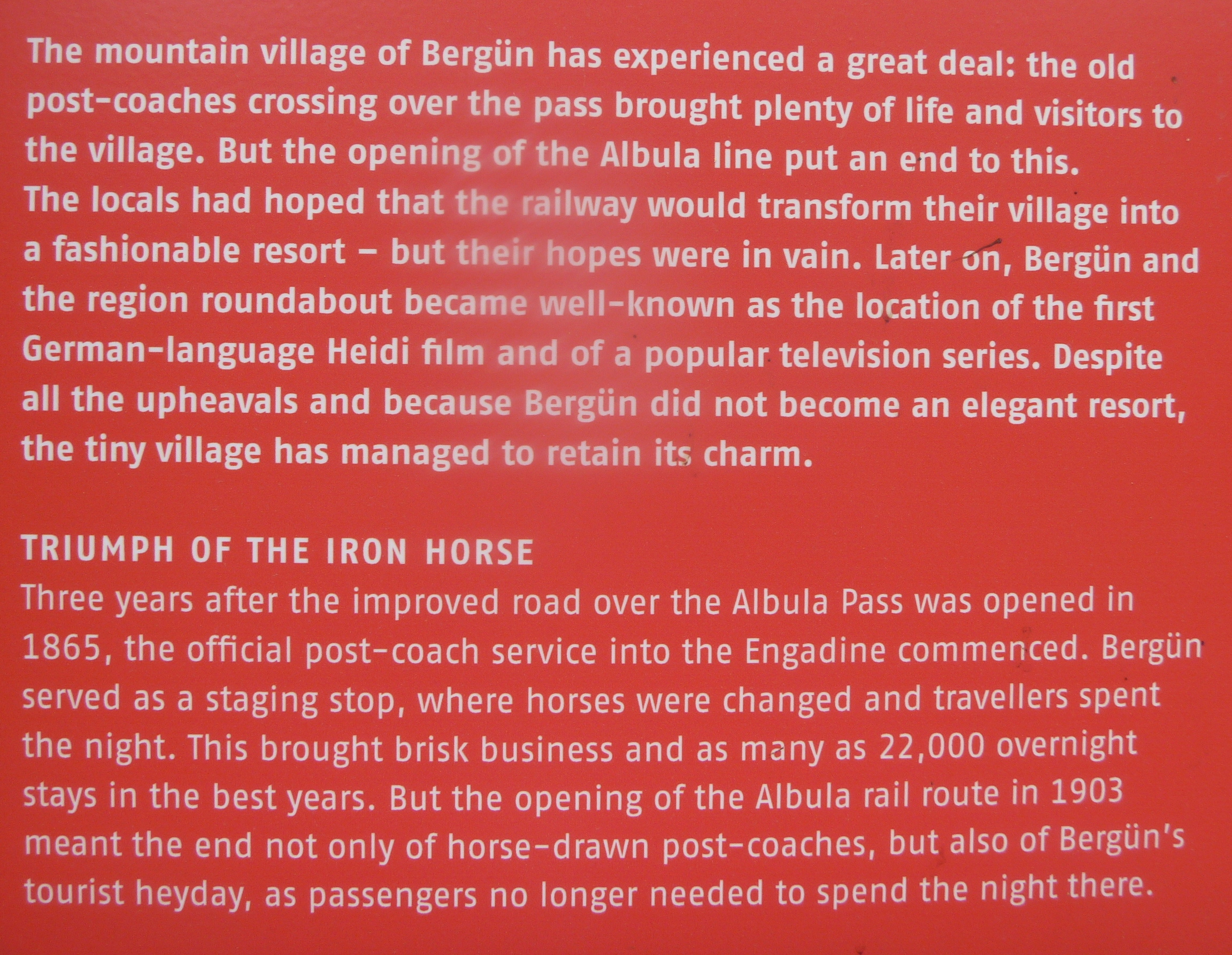
Info Board

Curse or blessing?

Finally, I arrived at the station where the Railway Museum is located in a converted station building. Despite all the ads for it that seemed to be appealing to children I found it a very adult museum but maybe I wasn’t viewing it from low enough down. For all that, this probably made it more interesting to me. Or would have, had I not been reading all the information boards along the footpath. A lot of the stuff was a bit repeated from them.
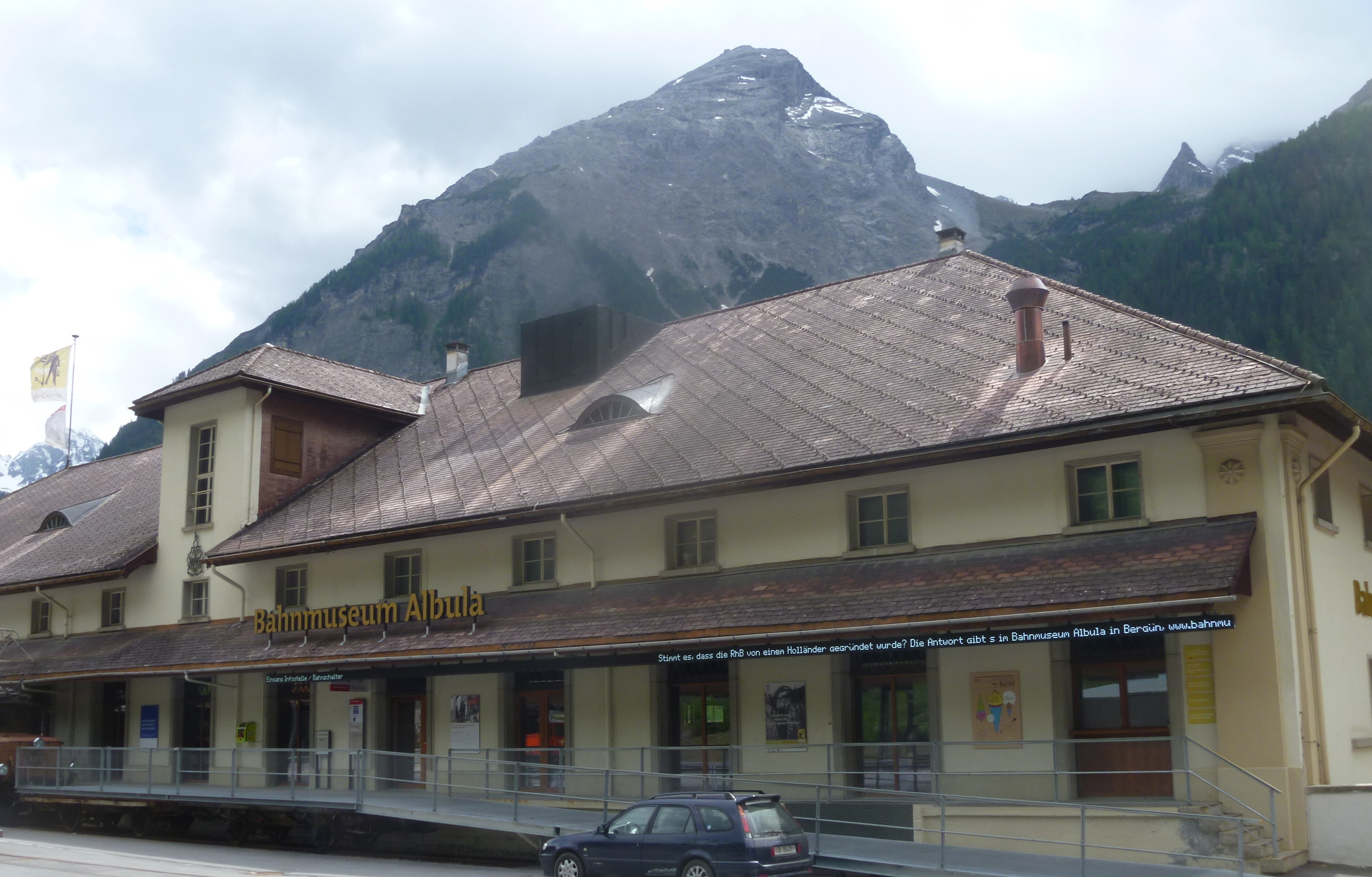
Museum

After the obligatory shop and cafe you enter the museum itself. The first room is filled with screens showing film of the Simla Railway. Like the Albula Line it is also protected by UNESCO World Heritage status. Built at the end of the 19th century it improved access from New Delhi to the cool summer British residence of Simla. Two Swiss artists made the films travelling on the railway itself. There is no hectic rush as the train and its passengers chug their way up from Kalka to Simla. There is no apparent Health and Safety Advice either by the looks of it. The films are actually very therapeutic and show a relaxed mode of travelling.
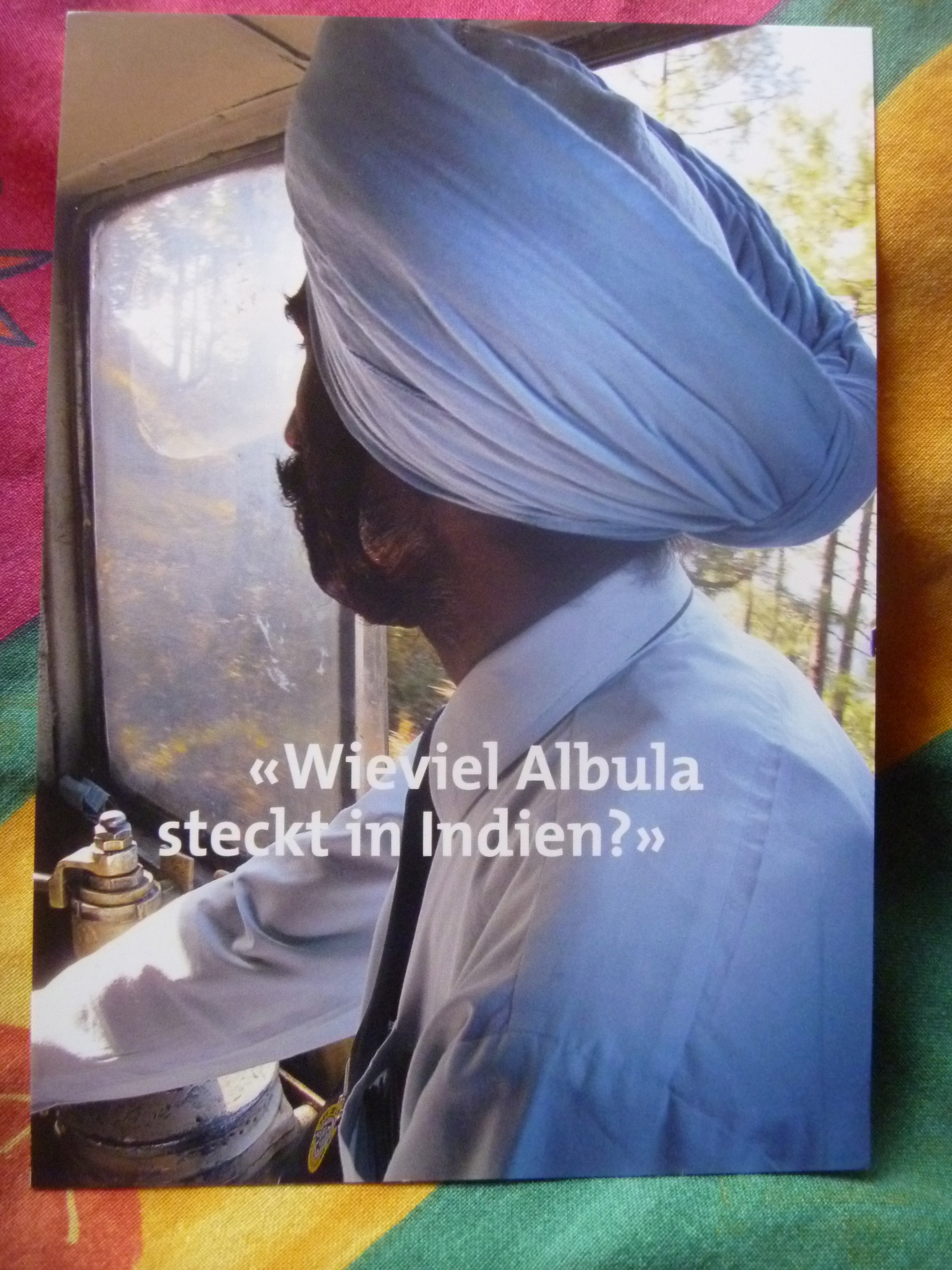
Simla Line

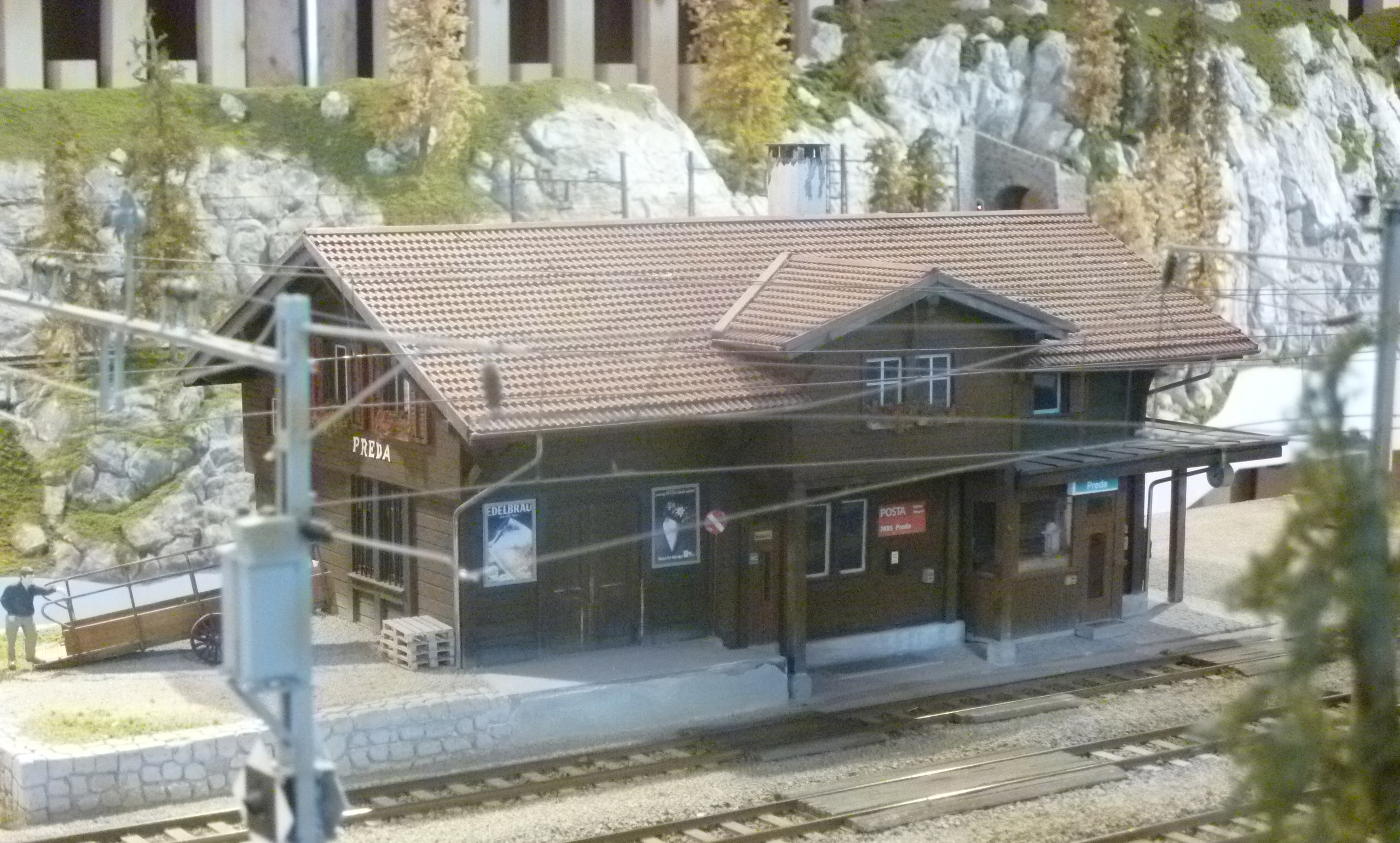
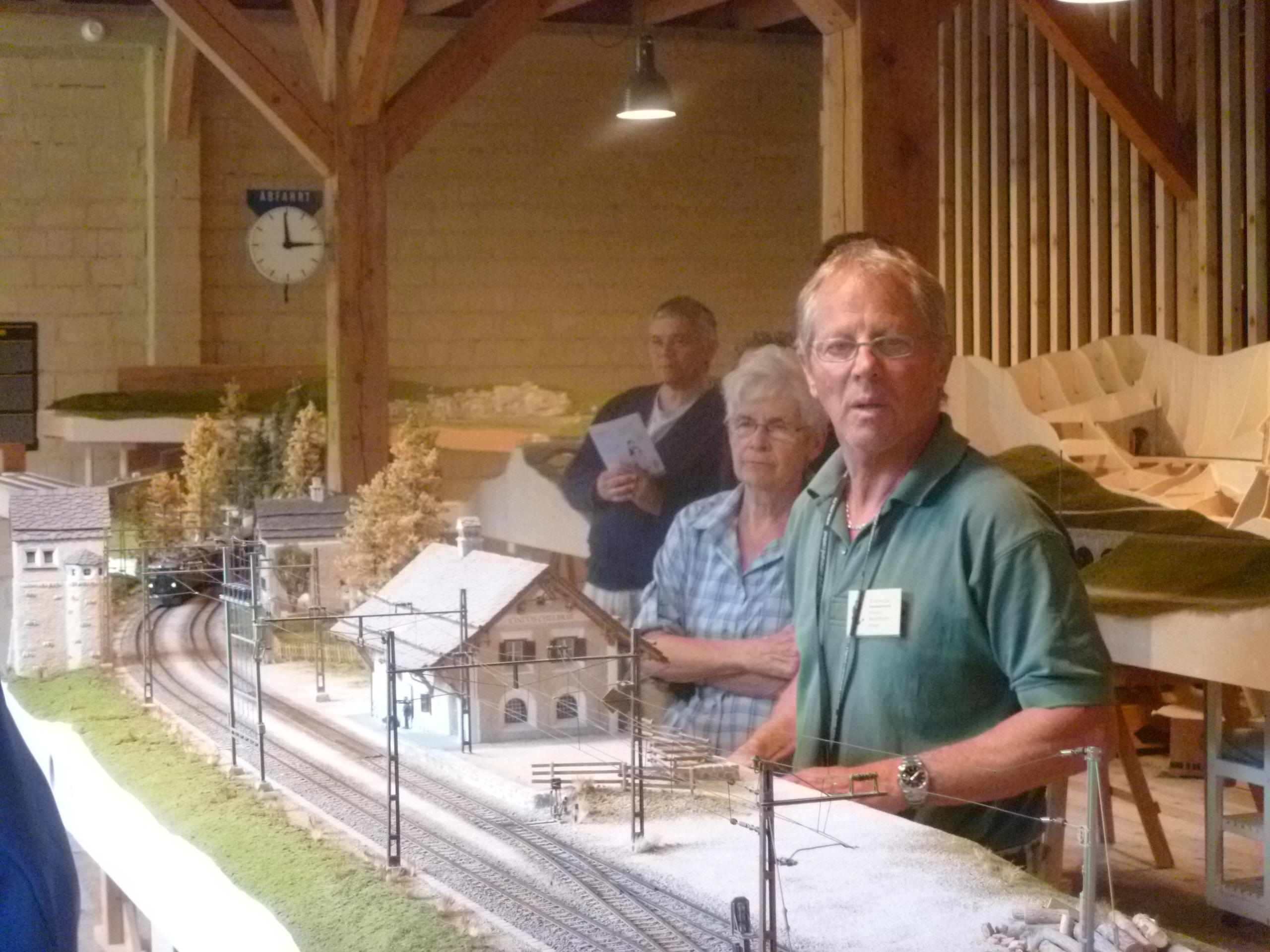
The next room is filled with Mr Bernhard Tarnutzer’s train set. Mr T is passionate about the Albula railway to such an extent that he is building his own miniature version (0m guage/Scale 1:45). He began building it at home but is so large now that it has been transferred to the Museum and has a ‘hall’ of its own. He was there on Friday demonstrating its operation to a few of us. The buildings, viaducts and tunnels have been recreated as they were in the 1950s and 1960s with every detail as near as dammit to real life. I’m not so sure however that it’s so interesting to children as it’s mounted at about a metre from the floor. There is still quite a bit of work outstanding until it’s finished.
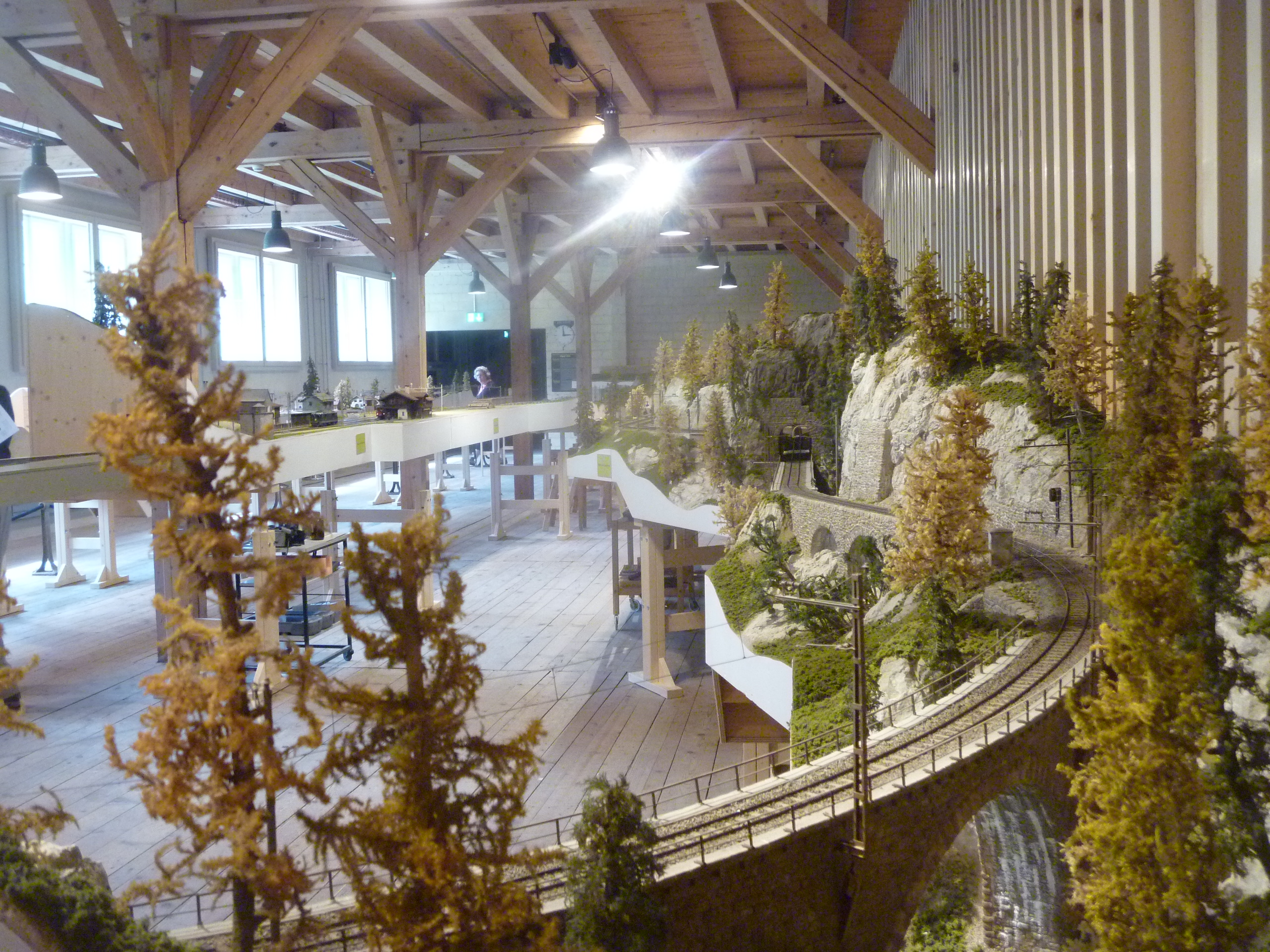
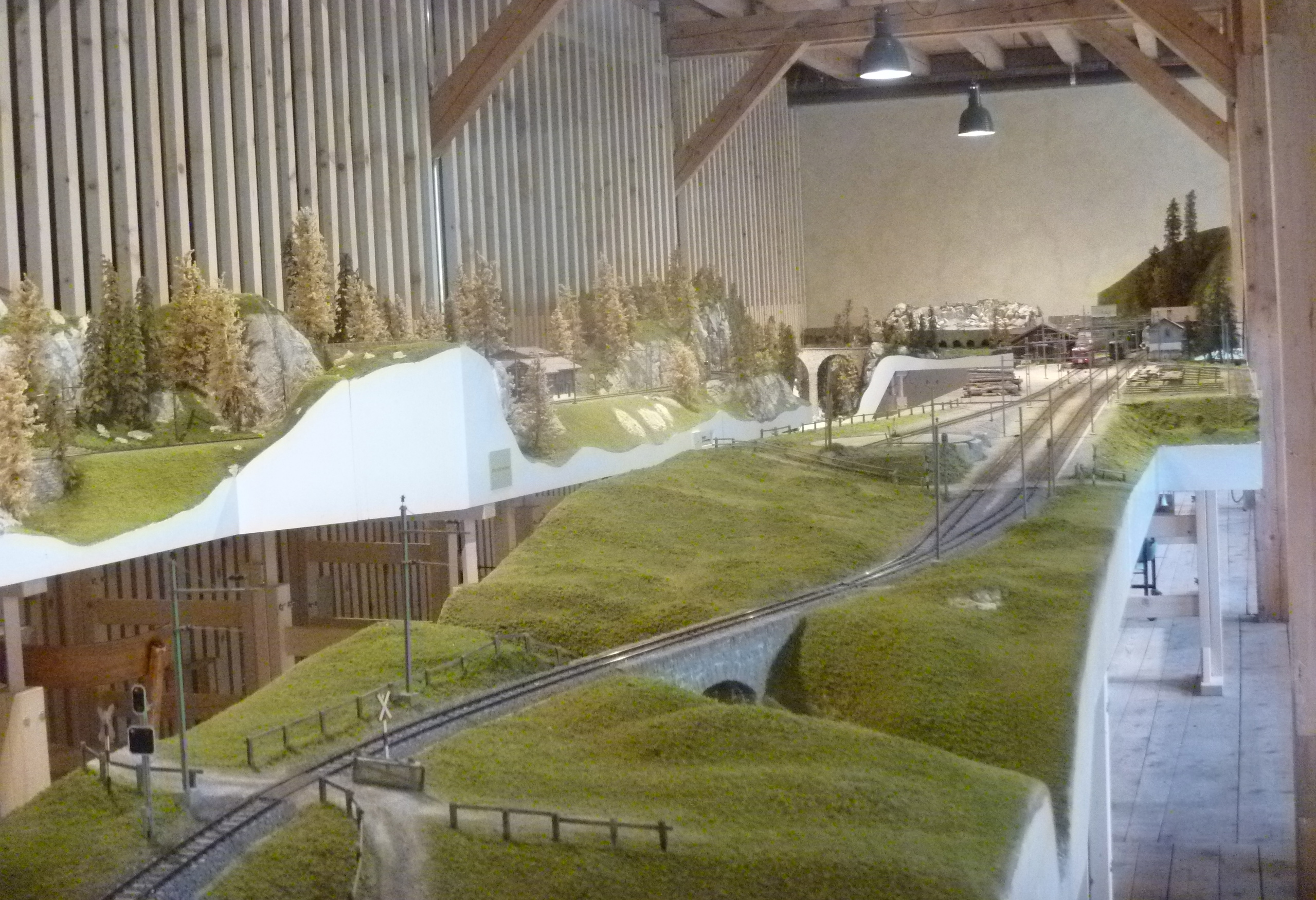
The train set 2

The train set 1

Preda Station Scale 1:45

Mr Tarnutzer

Mr Tarnutzer explains some technical points

Upstairs there’s lots of interesting stuff and artefacts connected with the building of the line, its history and operation and the resorts that it serves. There were a few hats for children (and me) to try on but otherwise a rather dark area and somewhat adult commentaries when you press the buttons for explanation.

A fascinating day in spectacular surroundings. Most enjoyable.

“High Mountains, deep gorges, harsh winters : ideal for a railway” : The Albula Experience Way

Now and then you spot a train

Swiss Railways [SBB] always make a few special offers each month and before coming away I received notification of the June offers from the SBB. In the list was a 30% discount for a return journey from your local station to Bergün and the same off the entrance fee to The Railway Museum Albula just by Bergün Station.

Bergün from train

Bergün from the train

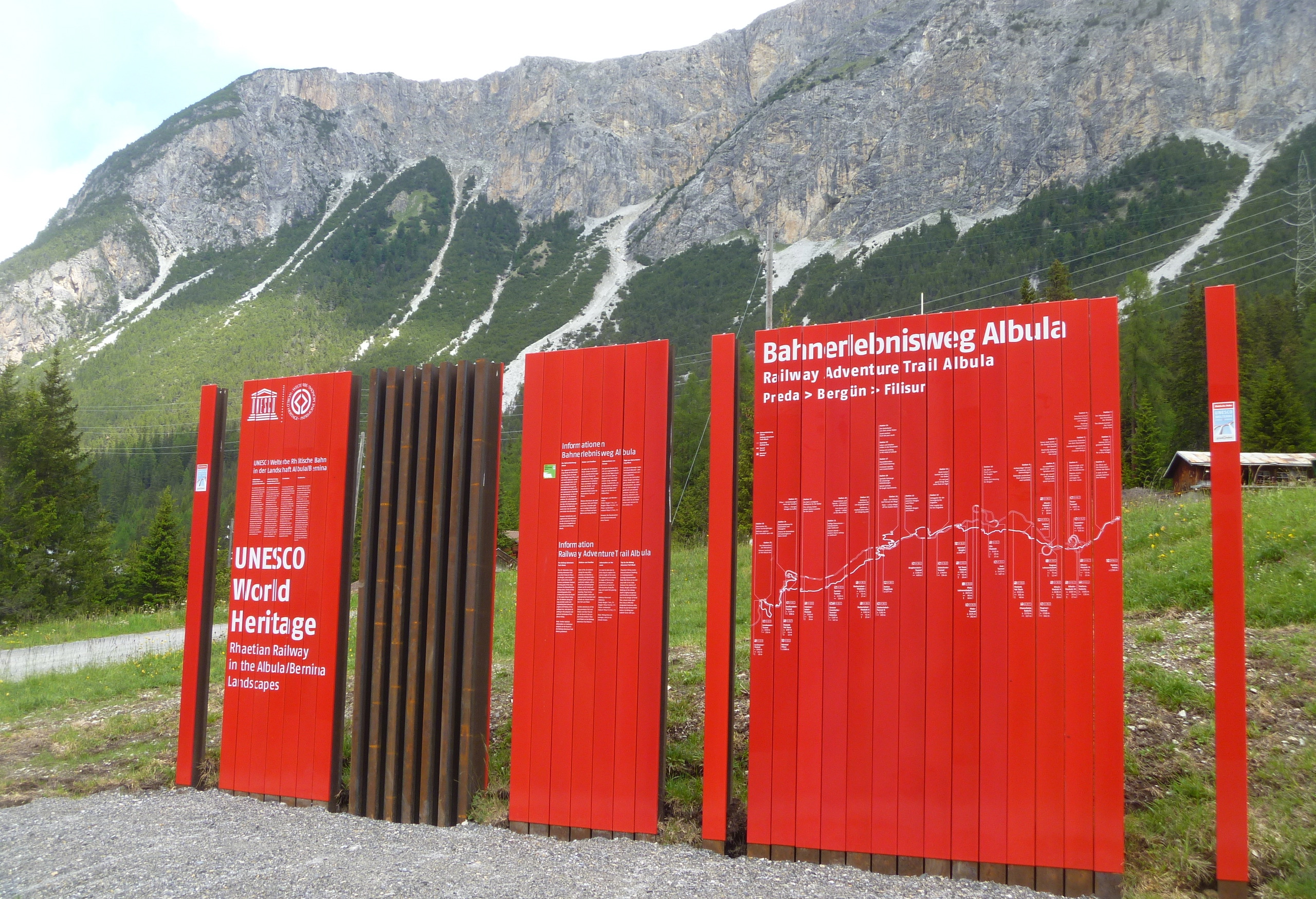
On further investigation I discovered a newly opened footpath the Albula Erlebnis Weg [The Albula Experience Footpath]. The path starts at Preda, the next station up the line. It’s all part of the UNESCO World Heritage Albula + Bernina.

UNESCO World Heritage

UNESCO World Heritage – A masterpiece of railway engineering

The line across Albula and Bernina, now more than a century old, is regarded as a truly unique masterpiece of the railway engineer’s art. Designed from the start to exist in perfect harmony with its surrounding countryside, the line stands as a monument to the pioneering days of railway-building. Since July 2008, the Albula and Bernina lines of the Rhaetian Railway have been on the UNESCO list of World Heritage sites.

Where landscape and railway blend into one: in a series of wide expanses and elegant man-made structures, along the winding route through abruptly-sloping Alpine valleys. Monumental landmarks along the way include the Landwasser Viaduct, the series of winding tunnels between Bergün and Preda and the Circular Viaduct at Brusio. The line continues to be a model of its type.” Source

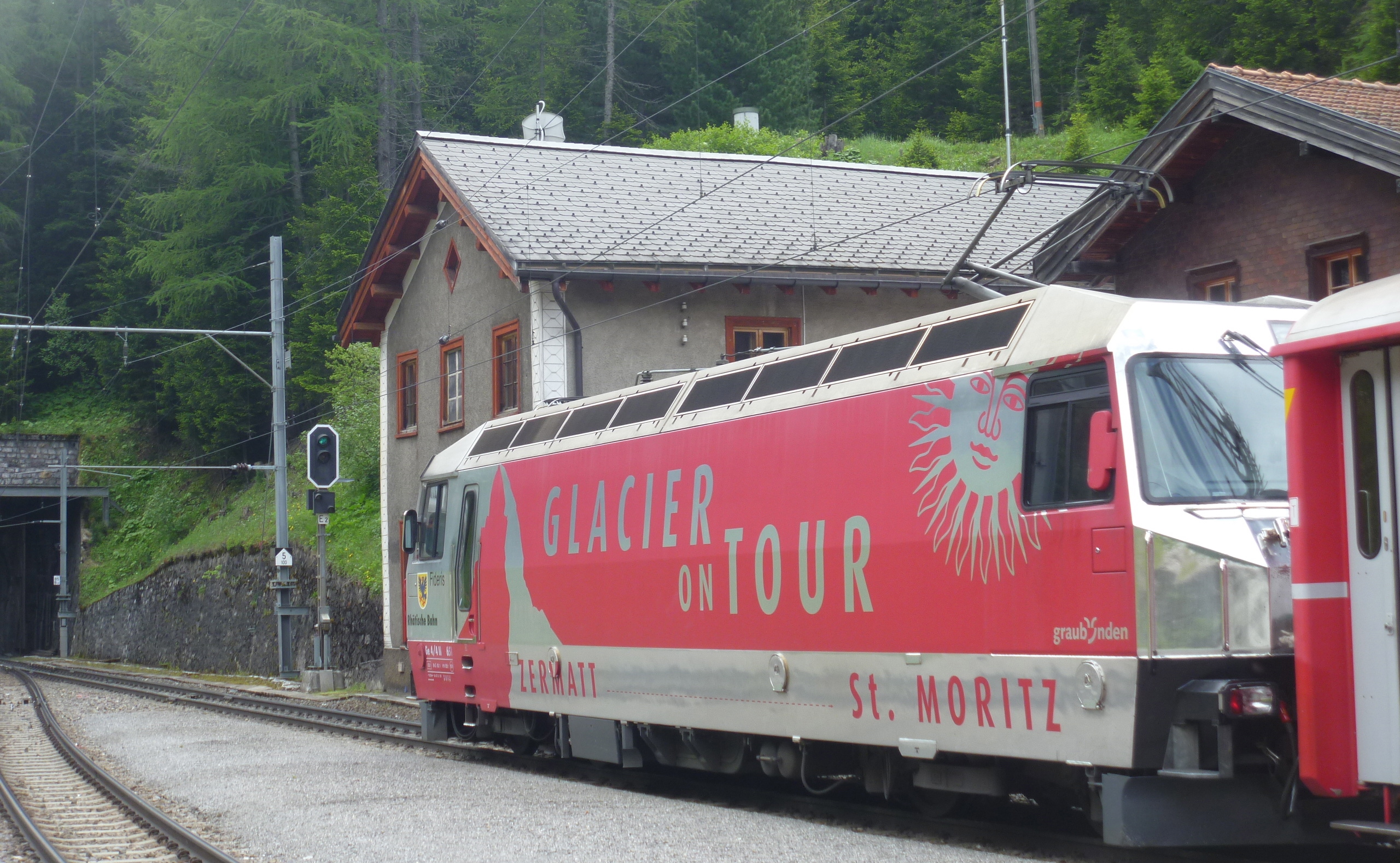
Last Friday was my day off so the perfect opportunity to take advantage of the offer whilst it was still on. The journey there and back involved 4 changes of transport. The line is up between Klosters and Davos-Glaris stations this summer so you must take two replacement bus services. Plus there is another change at Filisur for the Saint Moritz service – Glacier Express on tour.

Glacier on Tour

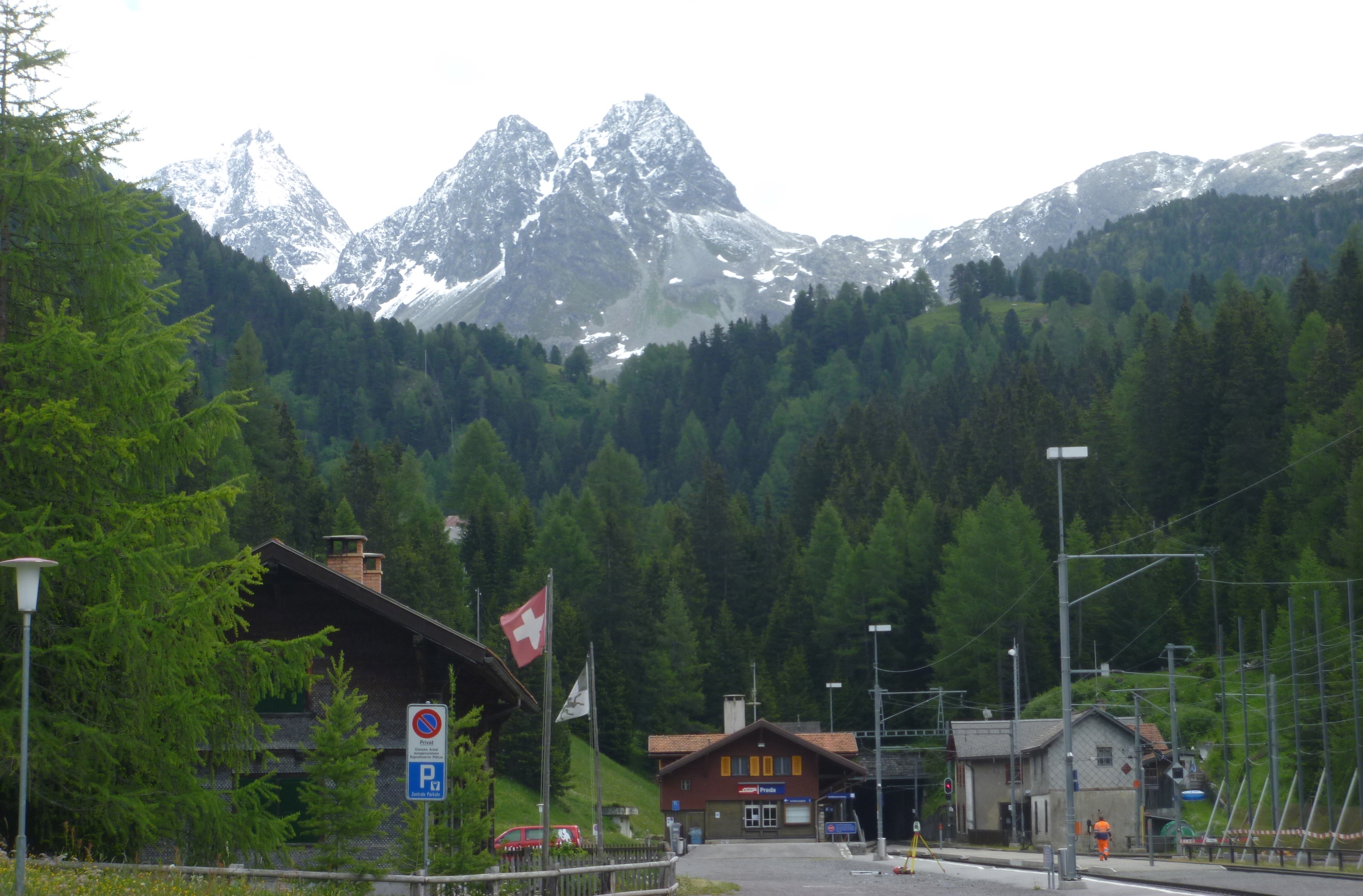
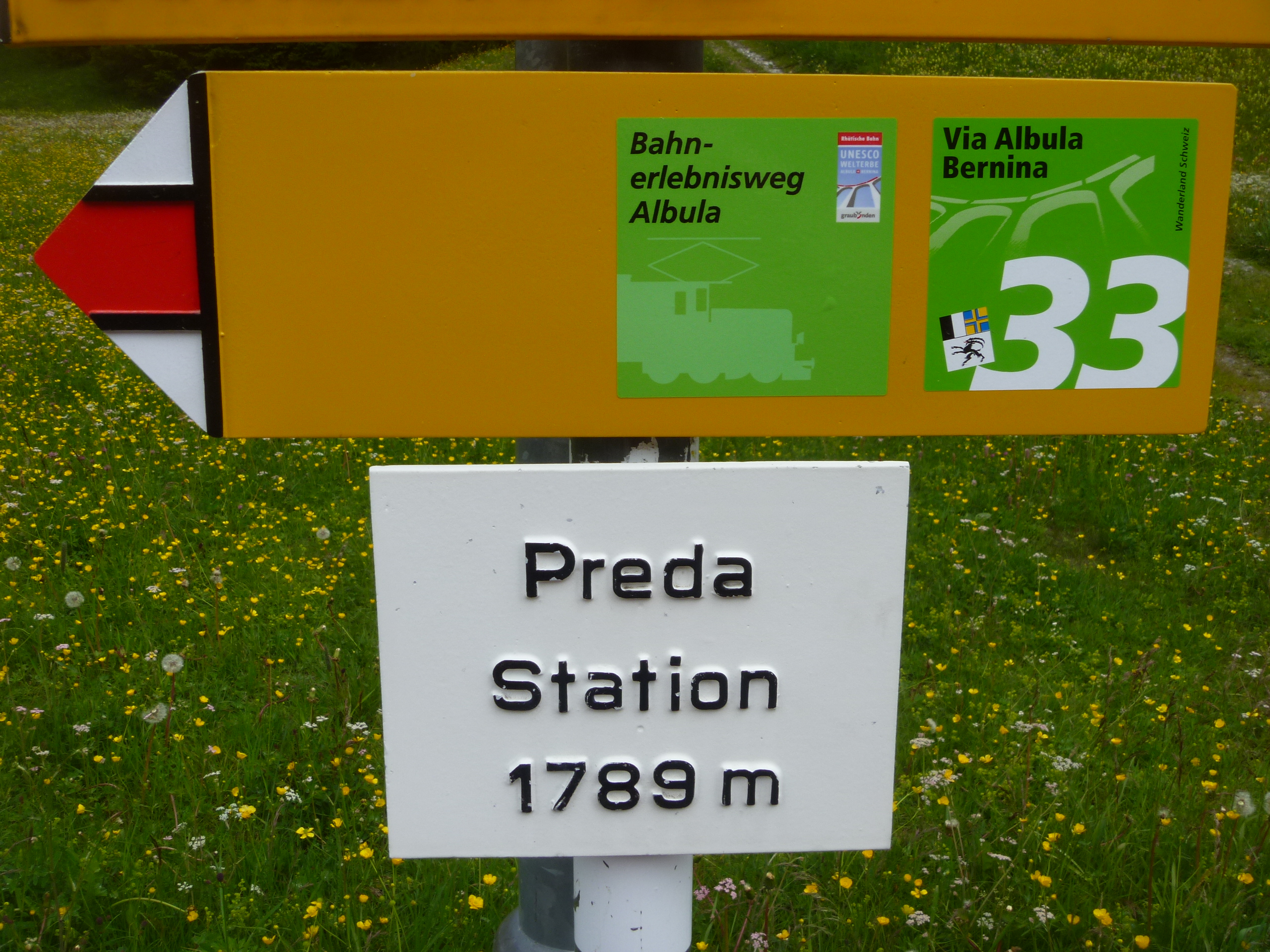
My add-on ticket took me as far as Preda. The weather this week has not been good but luckily I avoided all rain. However, I could have used a pair of gloves – it was freezing cold at Preda Station – 1789m ASL.

Leaving Preda Station

Leaving Preda Station

Preda station and sign

You can’t miss the Albula Way; it’s indicated clearly all along the route. Between Preda and Bergün there are ten information boards. The path continues down to Filisur with more boards but I only walked as far as Bergün as I had my Museum ticket.

Some features of the two hour walk :

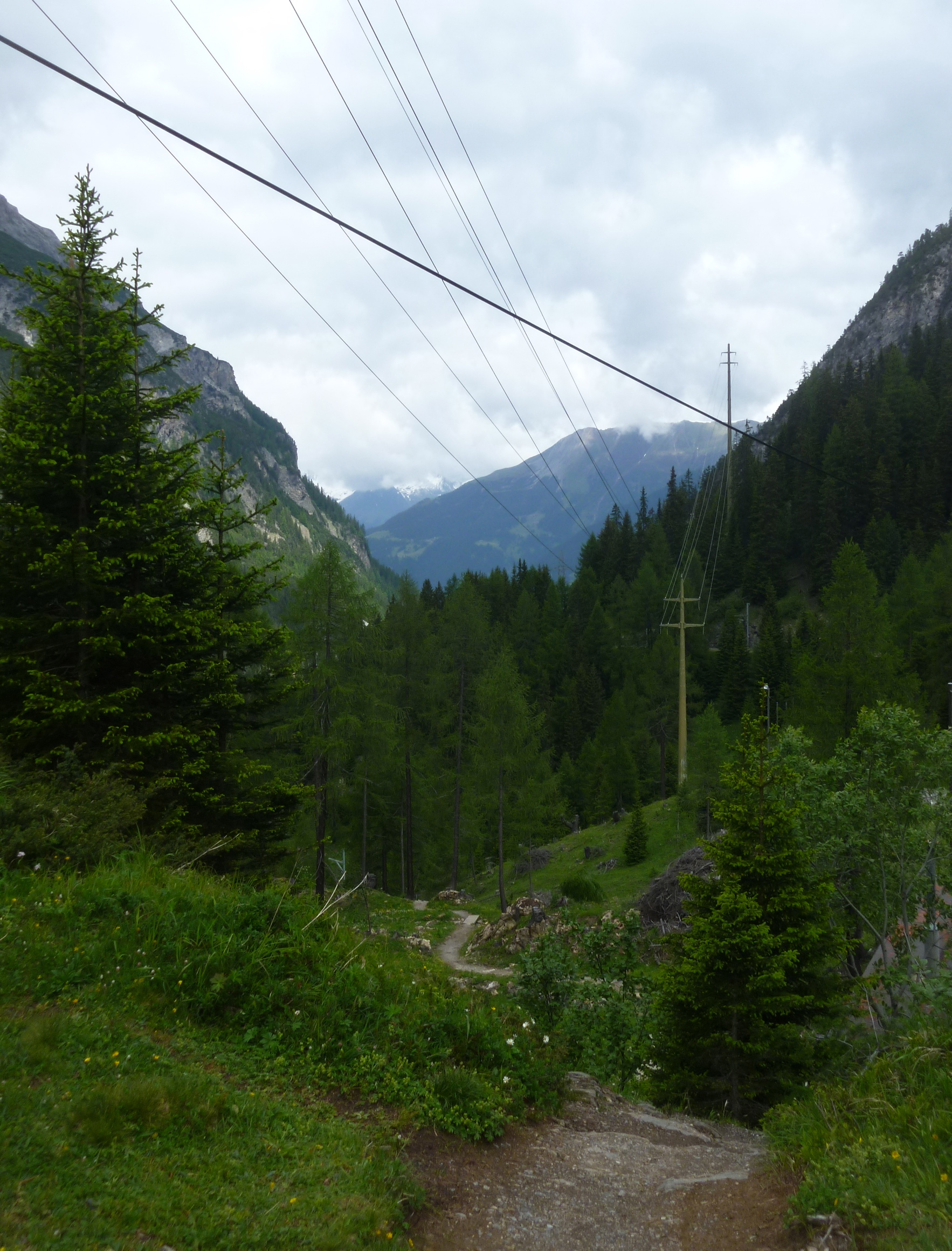
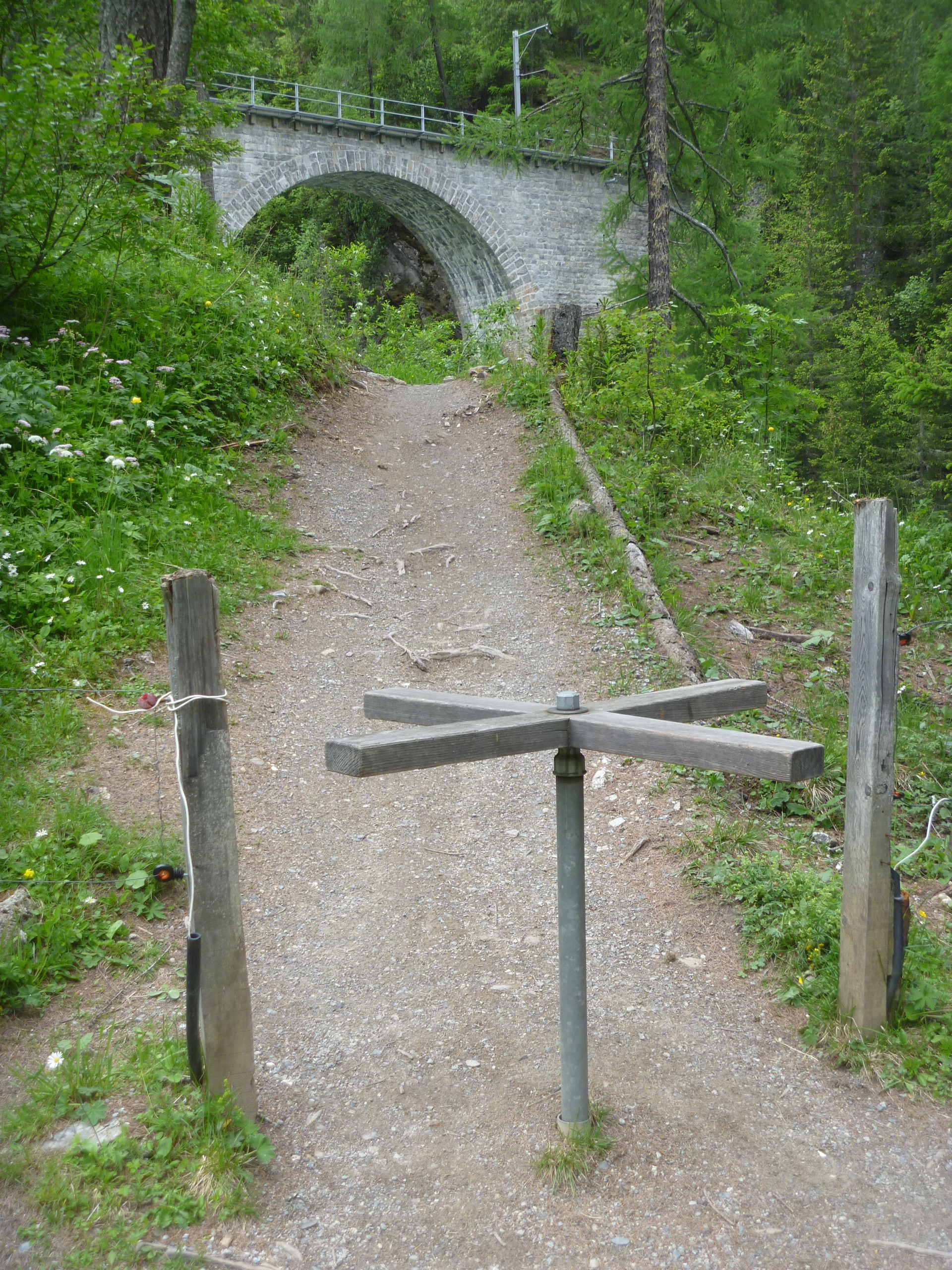
Path heads down to Bergün

The Path Heads Down to Bergün

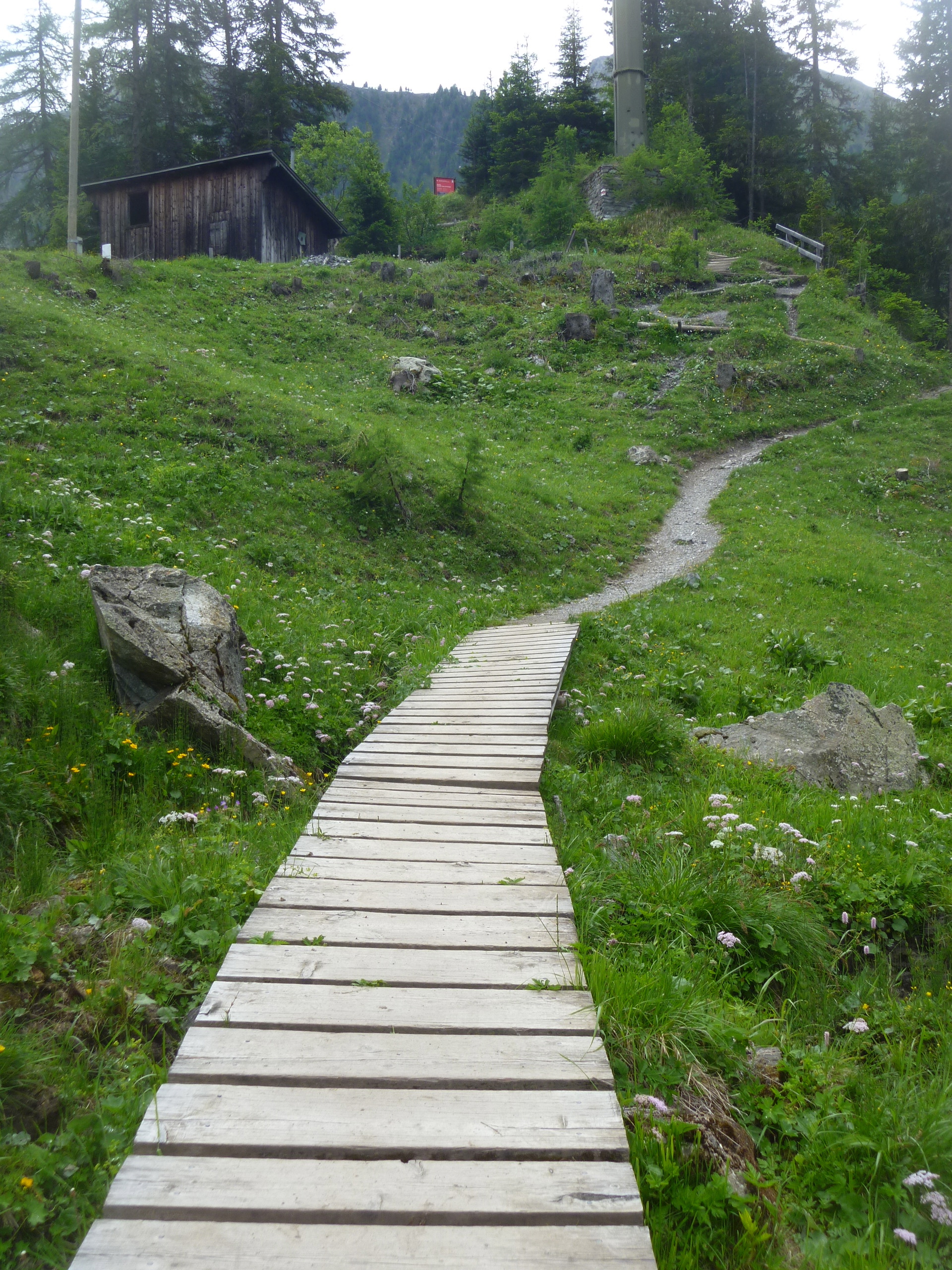
Don't worry about getting muddy!

Don’t worry about getting your boots muddy!

Swiss kissing gate

Swiss-style kissing gate

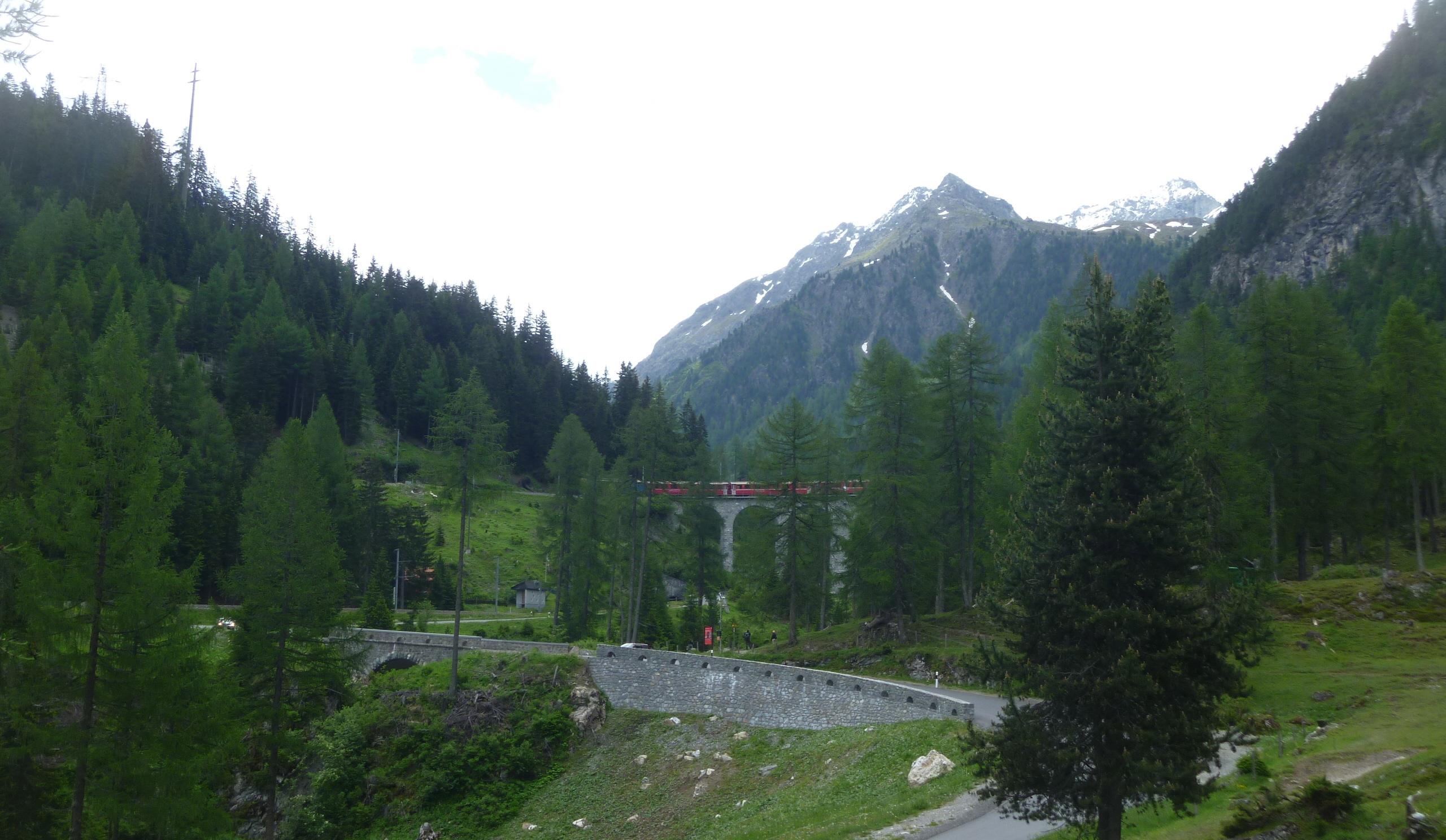
Another view of the train

Now and then you spy a train

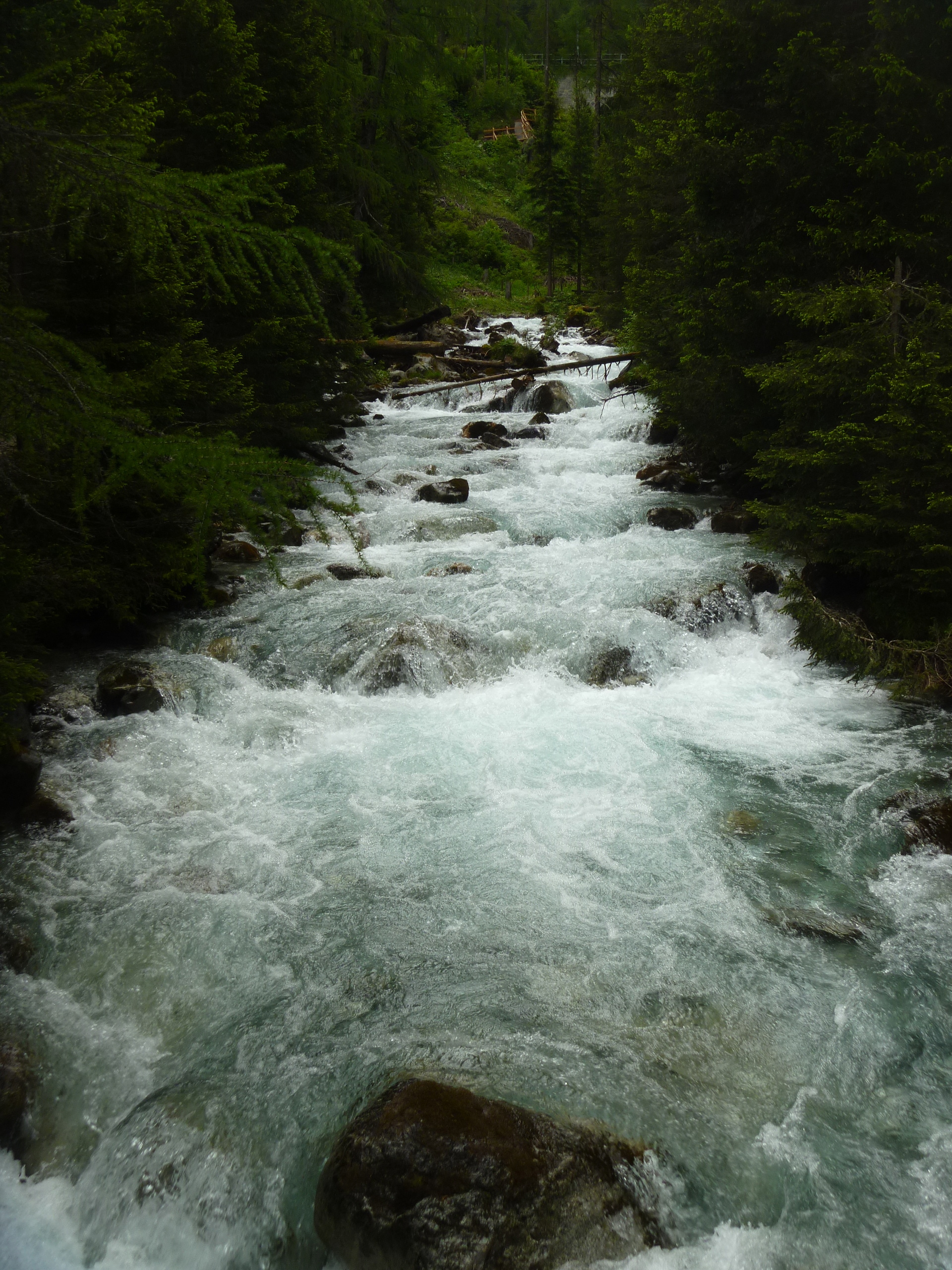
Lots of mountain torrents

You cross lots of mountain torrents

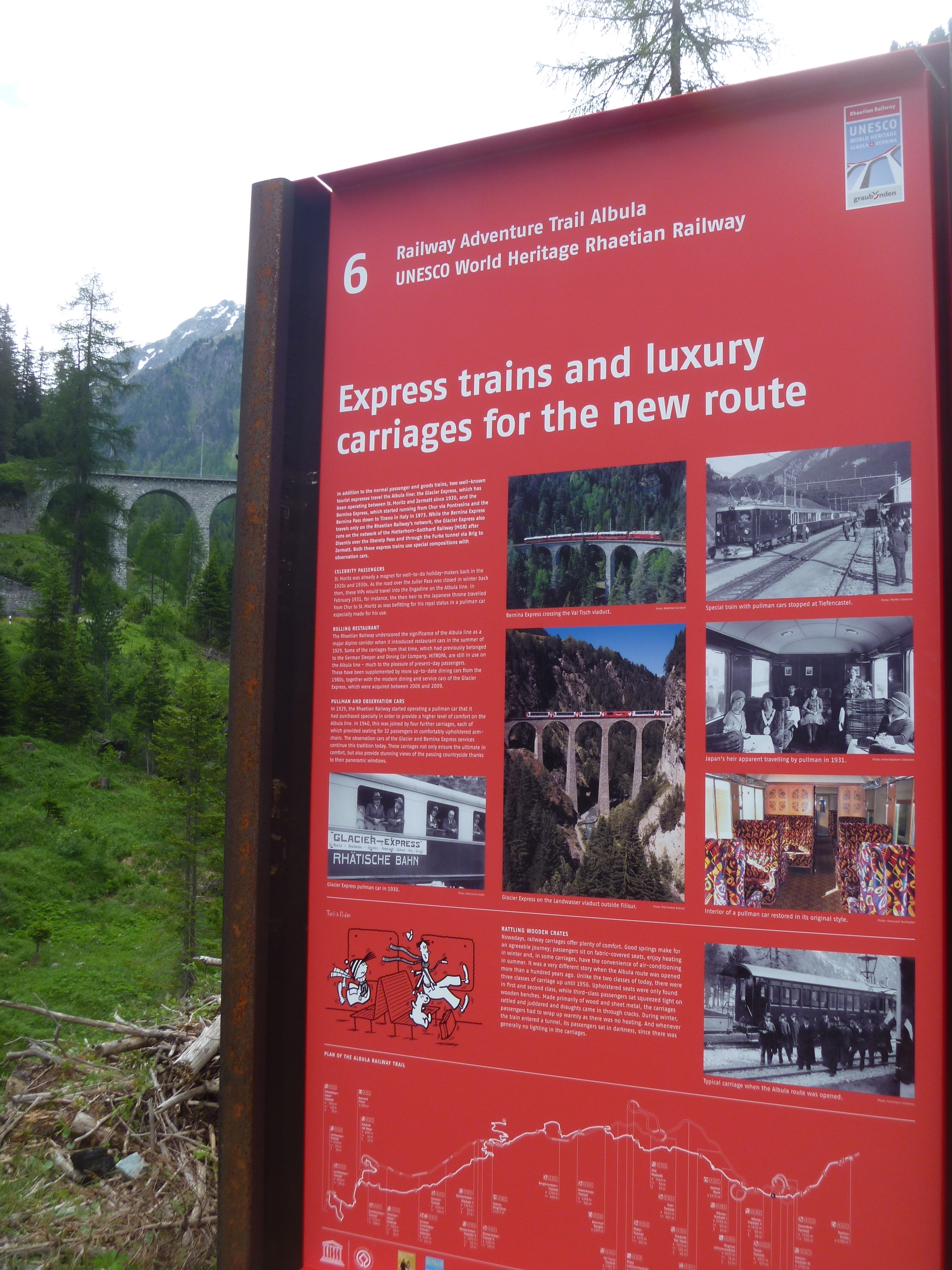
Typical Infor Board

You can stop and read the Information Boards

Arriving in Bergün

Finally, you arrive at Bergün

Down The Magic Mountain via The Thomas-Mann-Way

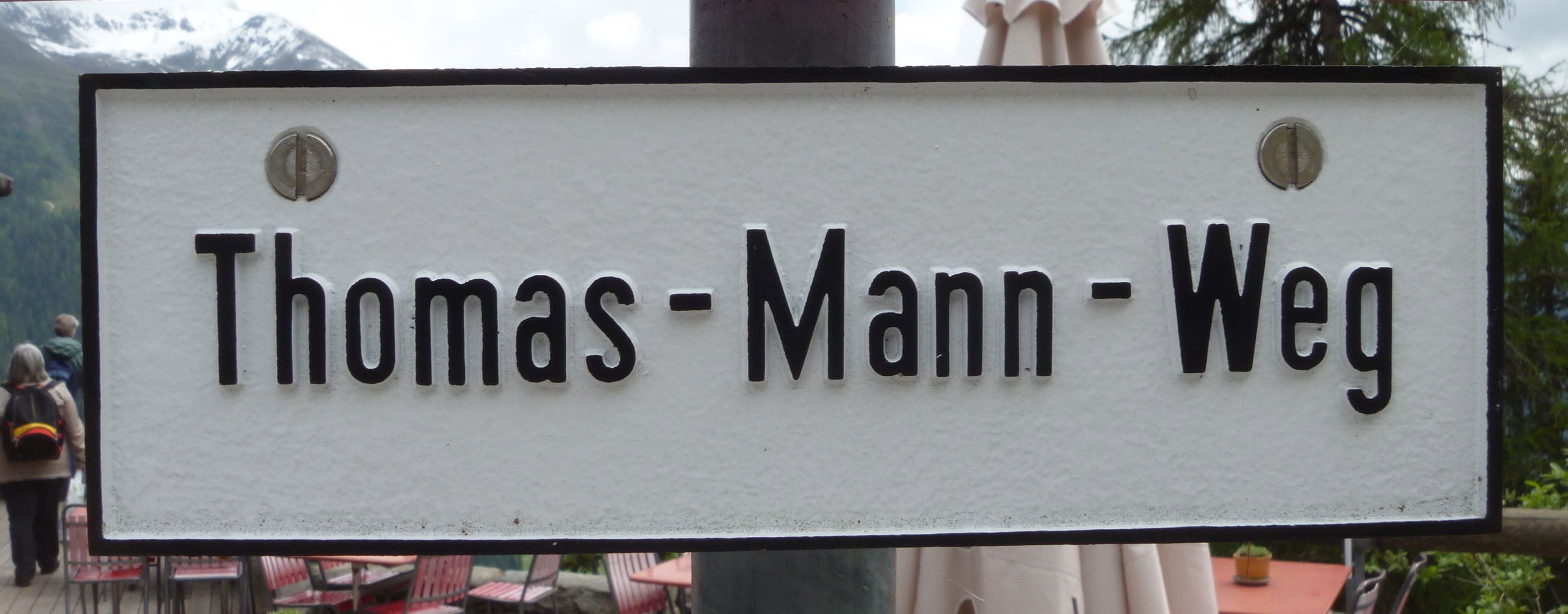
Thomas-Mann-Weg

On my bookshelves at home there’s a lovely pristine Everyman hardback edition of Thomas Mann’s “The Magic Mountain”  had I not had a weight limit restriction on my bag I may well have brought it with me but alas it was just too heavy to contemplate bringing. [Note. Yes, yes I know all about Kindles and the like but having made the comparison with real books have decided that they are just not for me] Where else would be the perfect place to read The MM but here within a William Tell’s arrow flight of the town of Davos where the ‘action’ of the book is set? Davos is just 20 miles away from Schiers.

Searching online for “Davos Thomas Mann” I found this :

A path has been created in commemoration of and in the name of the significant writer Thomas Mann. This path connects the centre points of his novel “The Magic Mountain”. With the novel, Davos has secured its place in world literature. The work contributed to the high level of fame enjoyed by Davos as a spa and holiday destination.

Even today, the “Magic Mountain” draws numerous culture enthusiasts to Davos, on the hunt for the main centre points of the novel of the same name by Thomas Mann. They can now be inspired by the Thomas-Mann-Way, which runs from the Waldhotel Davos (former woodland sanatorium) at 1620 m above sea level to the Schatzalp, 1880 m above sea level. Along the 2.6 km path are ten signs, which act as “literary stations” and provide information on the connections between Davos and the works of Thomas Mann. High points of the path include the “favourite place of Hans Castorp”, the hero of the novel, whilst the way ends at Thomas-Mann-Platz on the Schatzalp, which has been established behind the botanical garden Alpinum Schatzalp.

Thomas Mann (1875–1955) came to Davos from the 12th May to the 15th June 1912, in order to visit his wife Katia, who was being treated at the woodland sanatorium. During this time he took many walks around the area above the woodland sanitorium, an area through which the Thomas-Mann-Way runs. Thomas Mann described his impressions of Davos in the novel “The Magic Mountain”, which was published in 1924.”  Source

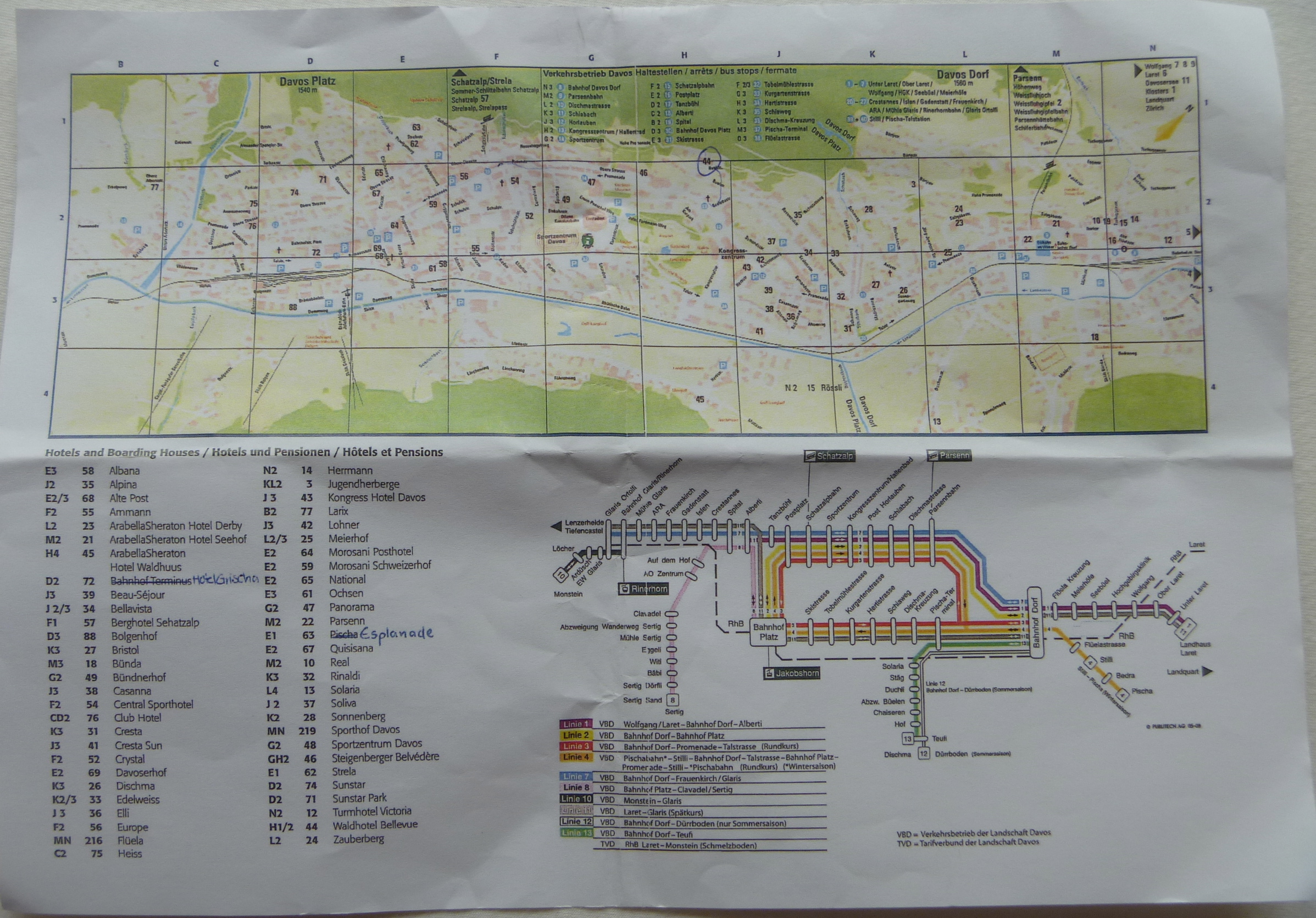
Great! I thought the ideal excursion for the afternoon. And indeed vary many things about it were ideal but not, I may say, the Thomas-Mann-Way. The website for Davos/Klosters is excellent so I had expected to pick up printed information at the Railway Station Tourist Information Office. Instead I had blank looks and was issued with a crummy map.

crummy map

I had remembered some aspects of the walk from the website but obviously not everything. I didn’t commit the map to memory. I wish I had as I can now see where I went wrong and could kick myself. As you can see from the sign at the top there are no arrows to indicate the route so there’s a bit of guesswork involved. As the starting point was quite a walk away I decided to take the funicular up to the end of the walk and find my way down in reverse. So I guess that was my mistake – but an easy one to make!

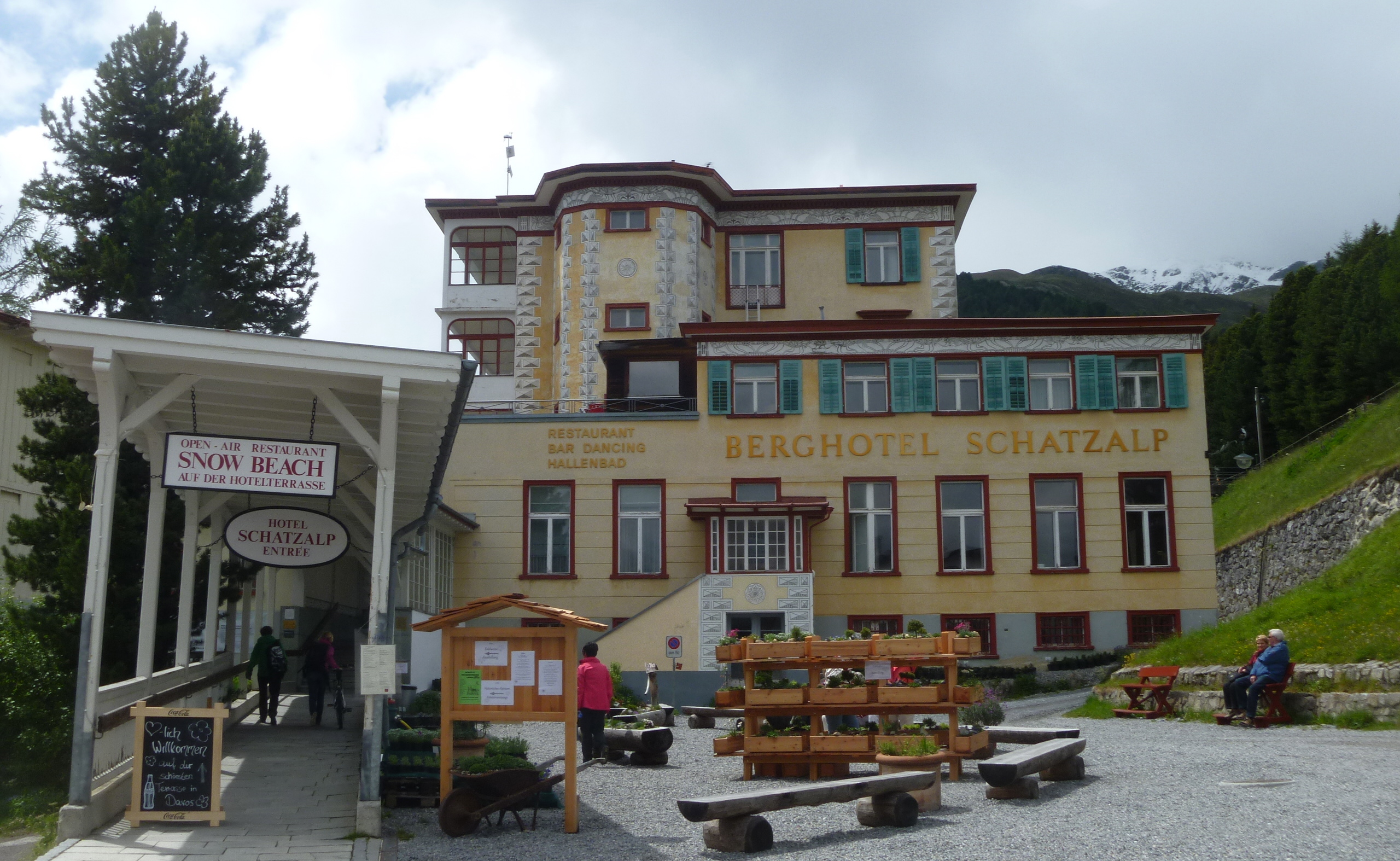
Berghotel Scahtzalp

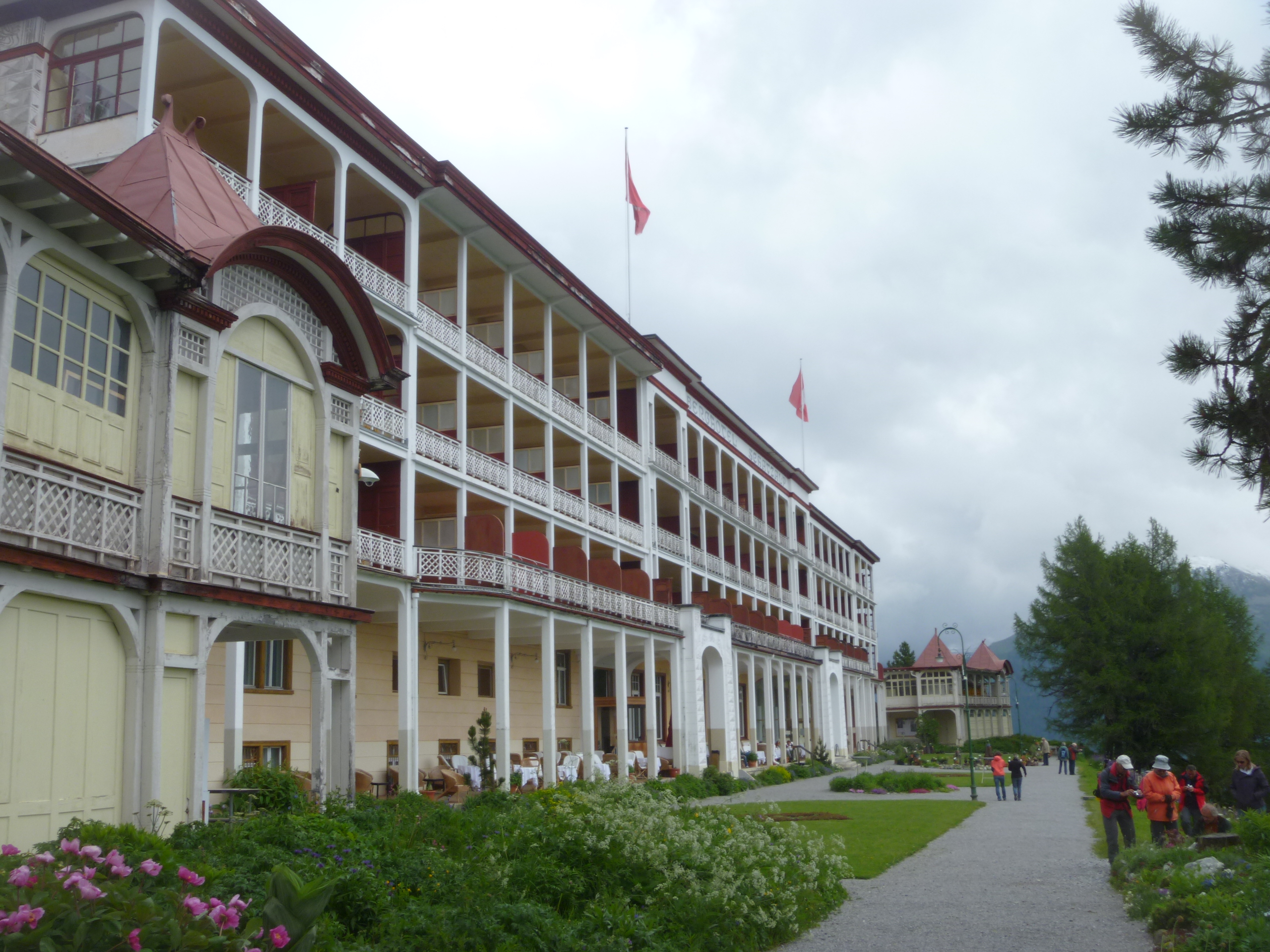
On arriving at Schatzalp there is the Berghotel in all its Art Nouveau [Jugendstil] glory. I wrote about the Alpinum here yesterday.

The Berghotel Schatzalp

It still has the look of a Sanatorium and air is fresh and clean and pure. Even at 8C it was fine as it was sheltered. The Hotel reception also did not have much information about TM but the kindly receptionist allowed me to wander around and take some snaps and sold me a couple of postcards and indicated the start of the TMWay.

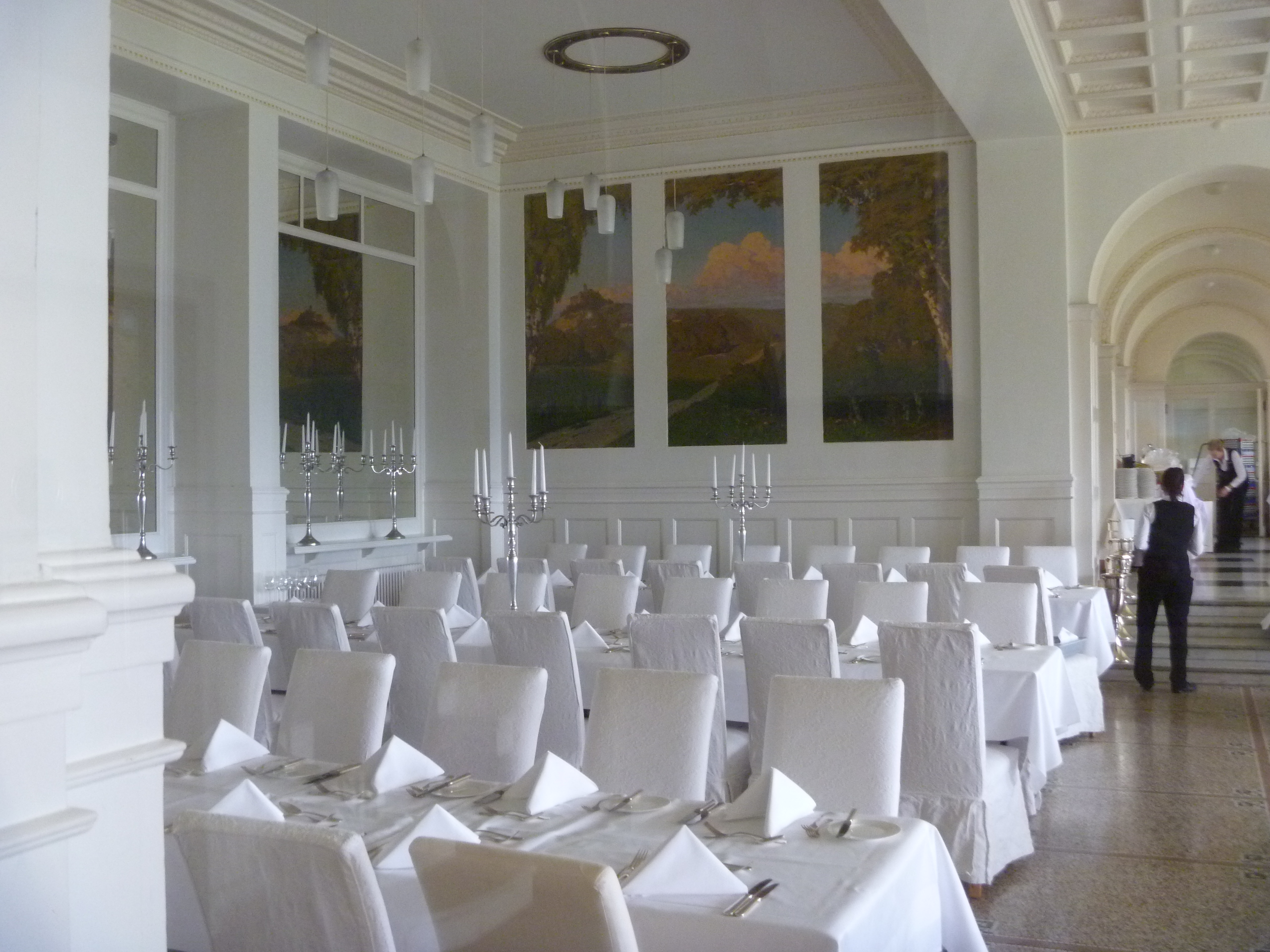
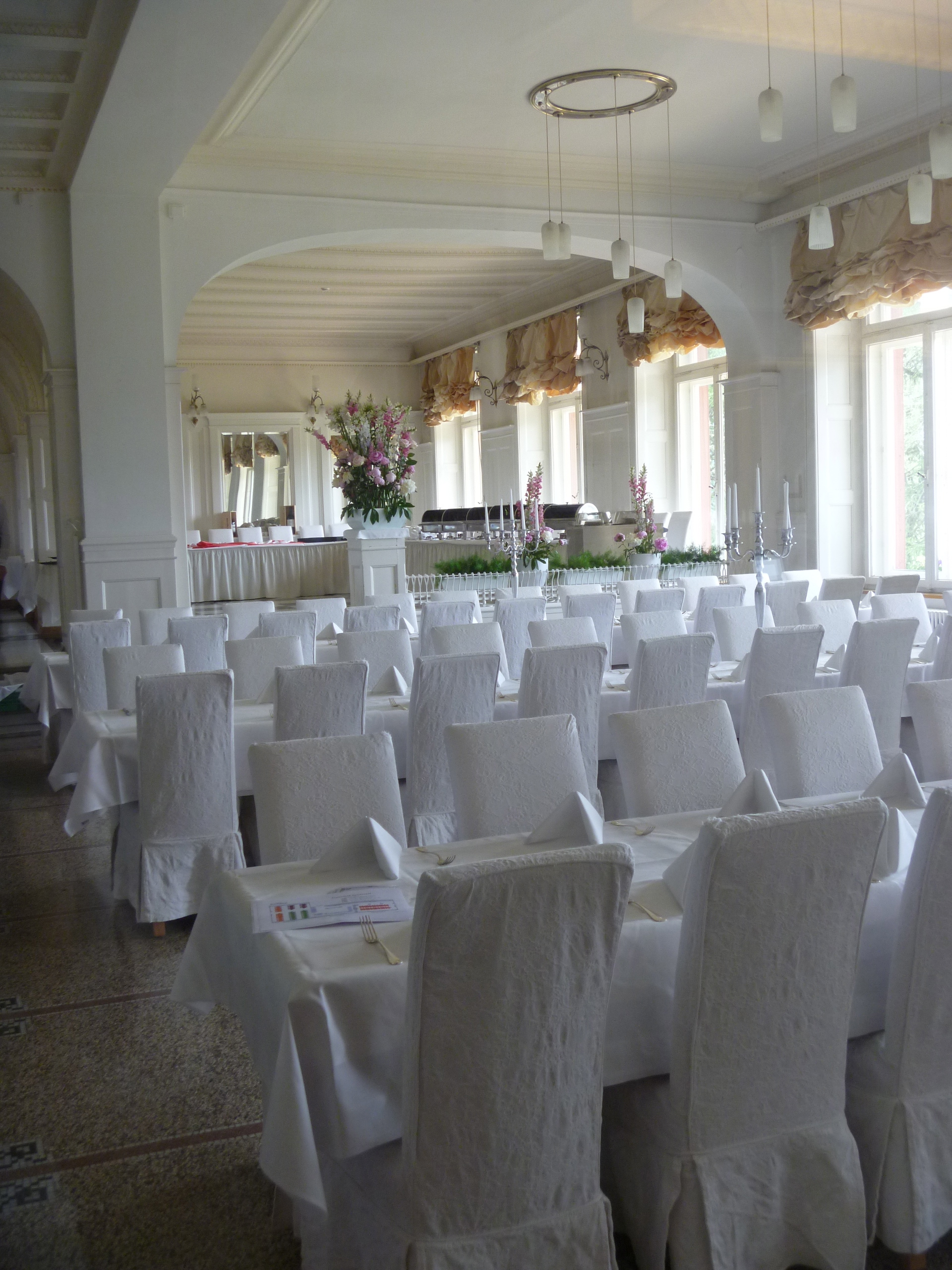
Dining Room 1

Dining Salon 2

The Dining Room

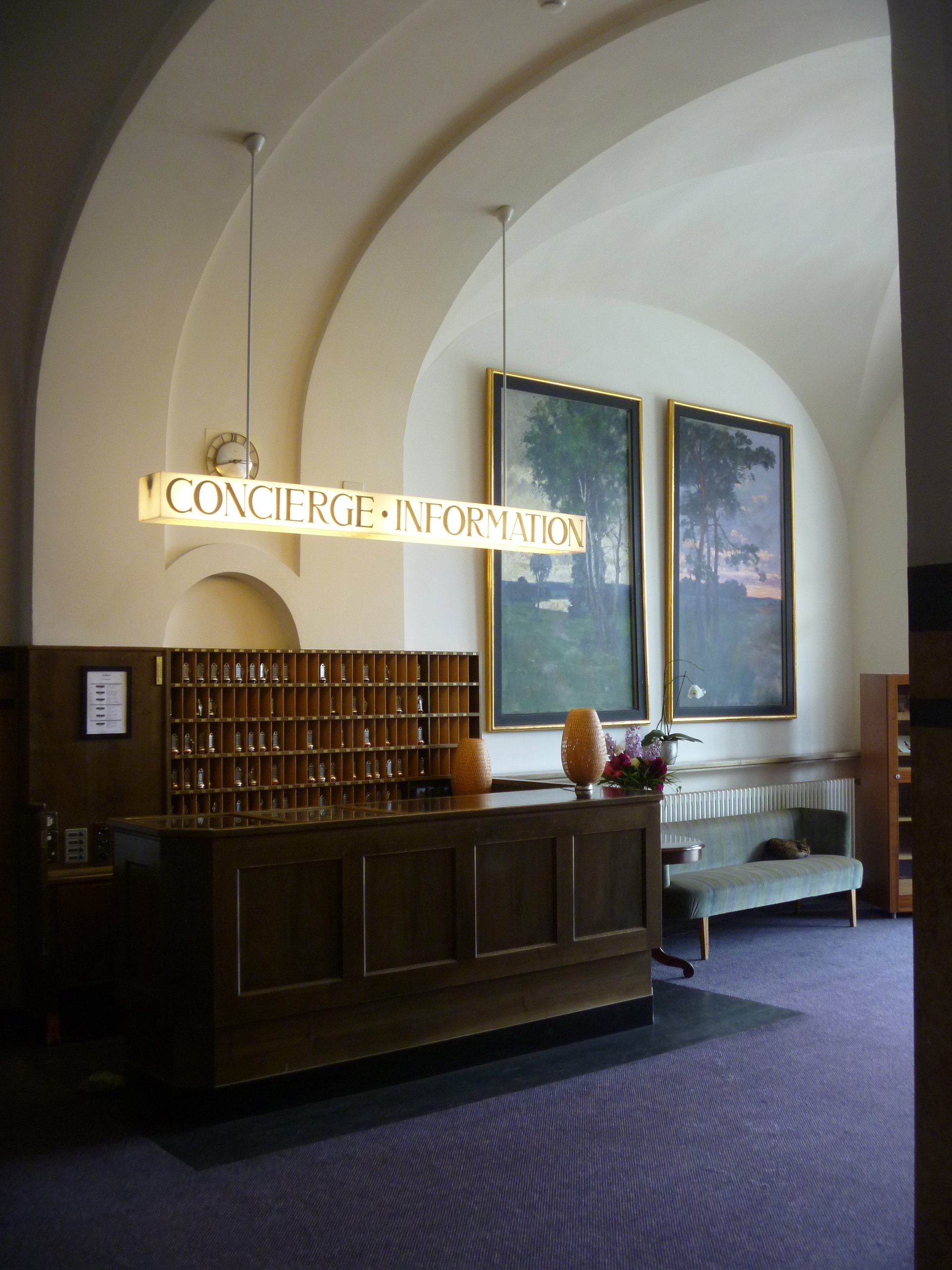
Reception

The Reception/Lobby

Art Deco fireplace

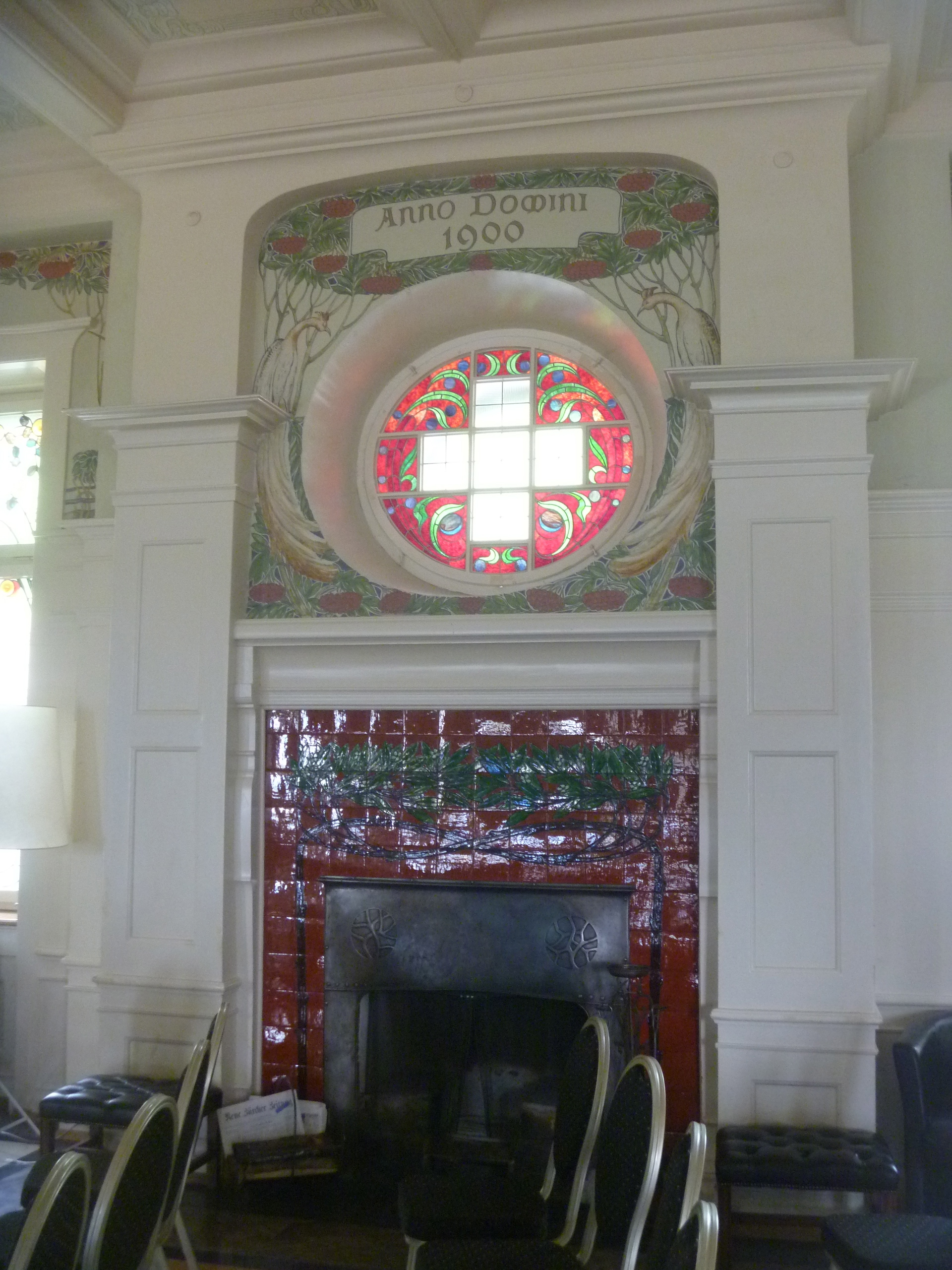
Art Nouveau Fireplace in a Meeting Room

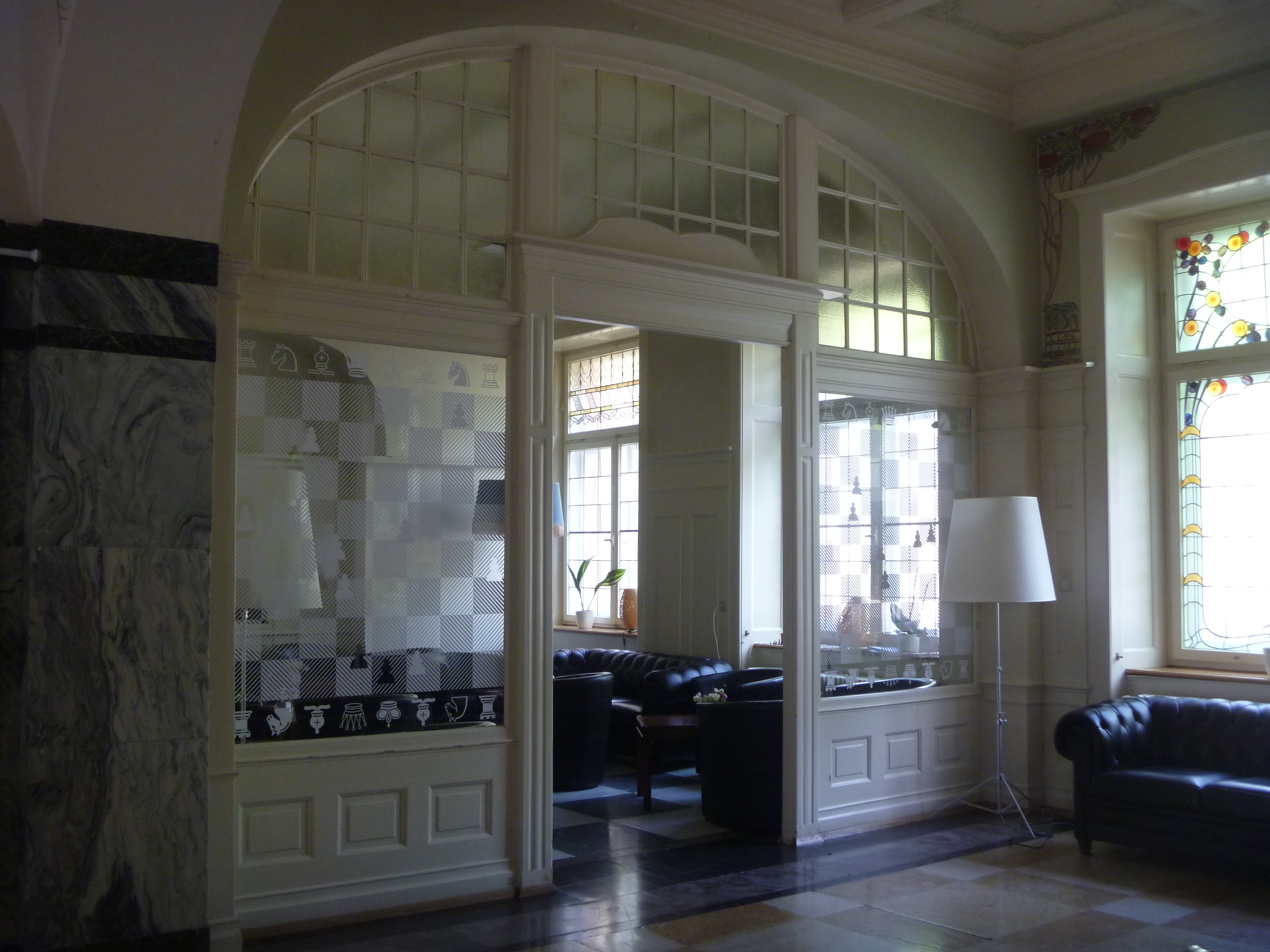
The hotel games room

The Original Hotel Games Room

I wished I had taken tea here on the verandah but I’d decided to do so at the end of the walk at the Waldhotel down in Davos. I thought they would maybe have more information on TM and the Magic Mountain/Davos connection. The only way to find out will be to go back again on another day!

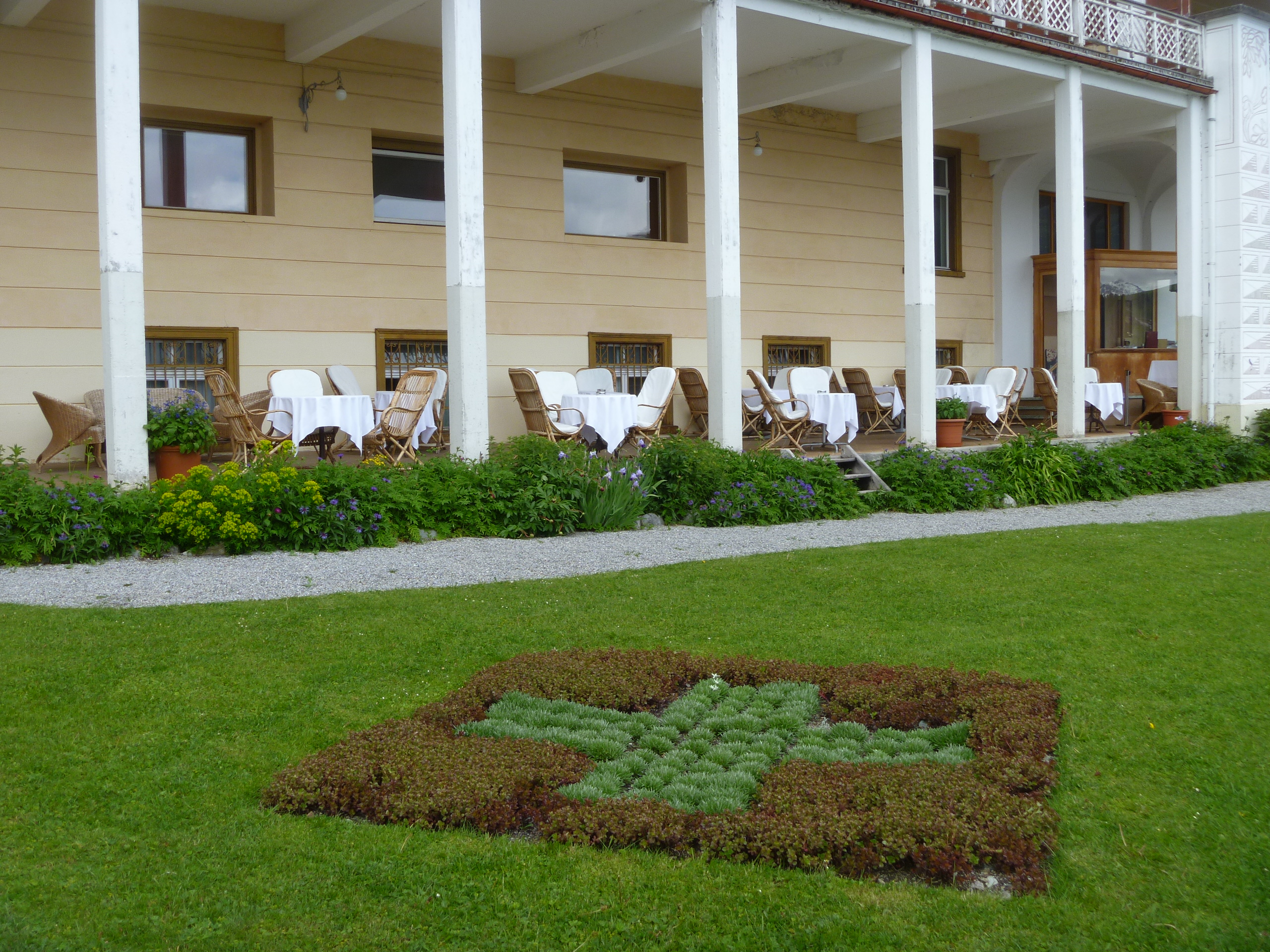
The verandah

The Verandah where tea is served

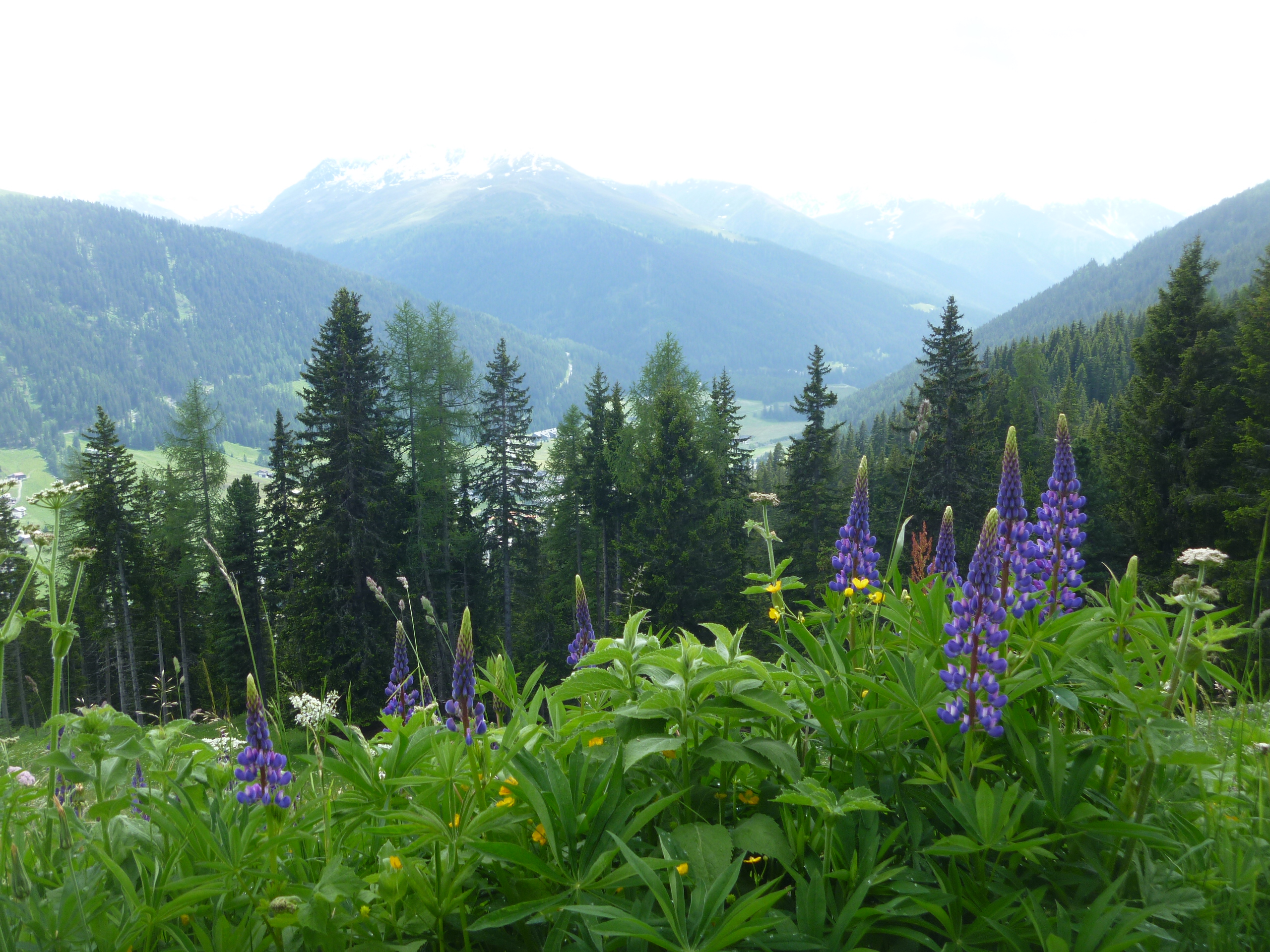
The view

Outdoor Reading Pleasure : Public Benches in Chur and a Swiss Artist in England

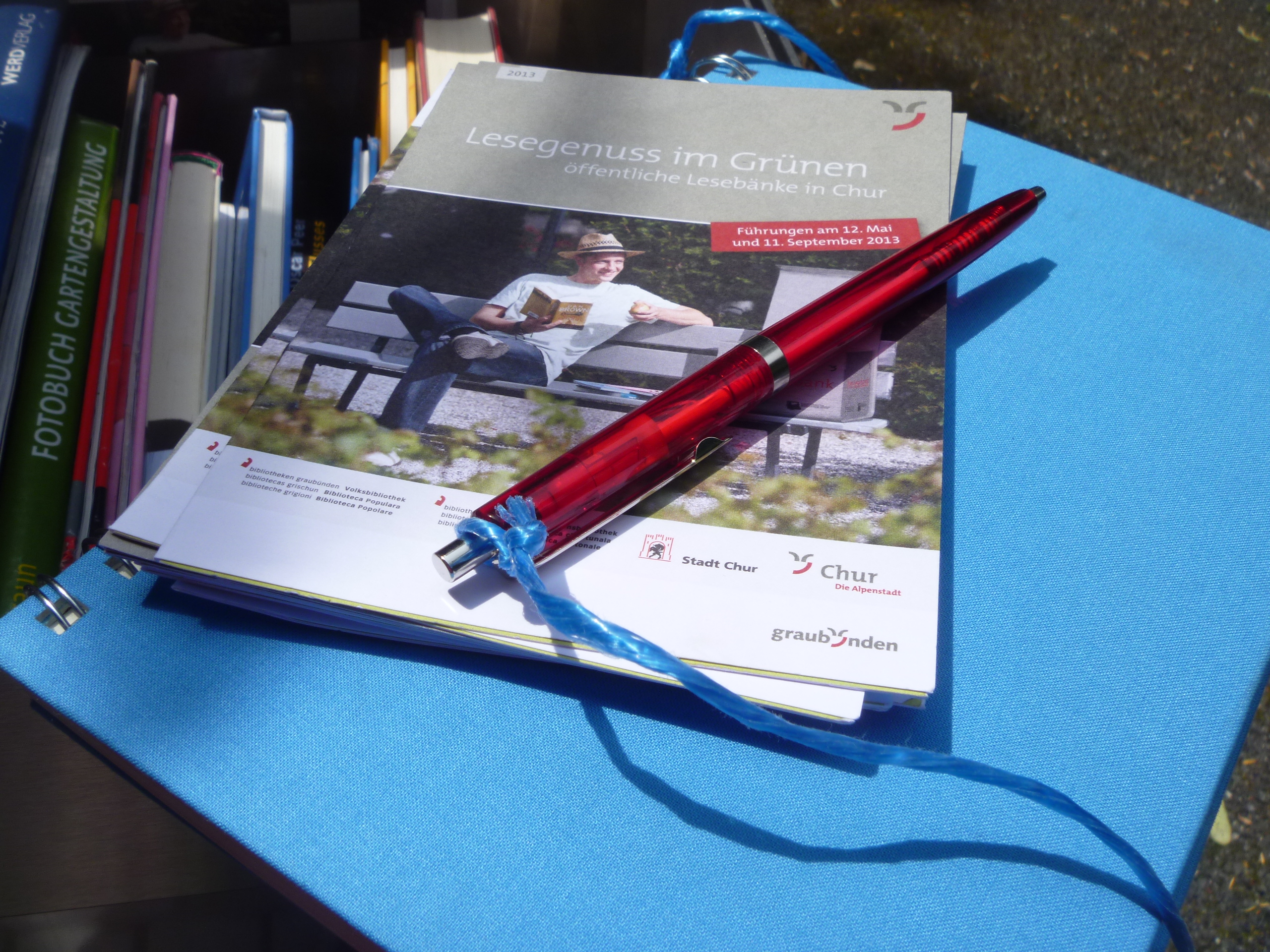
The above title is my translation of the name of a little leaflet I picked up in Chur Station on Sunday. In German it’s “Lesegenuss in Grünen – offentliche Lesebänke in Chur”. Anything with “reading” in the heading is bound to catch my eye. So today, when the work was done I made myself a cheese salad sandwich and headed off on the train again into Chur to find out more …

Intro leaflet

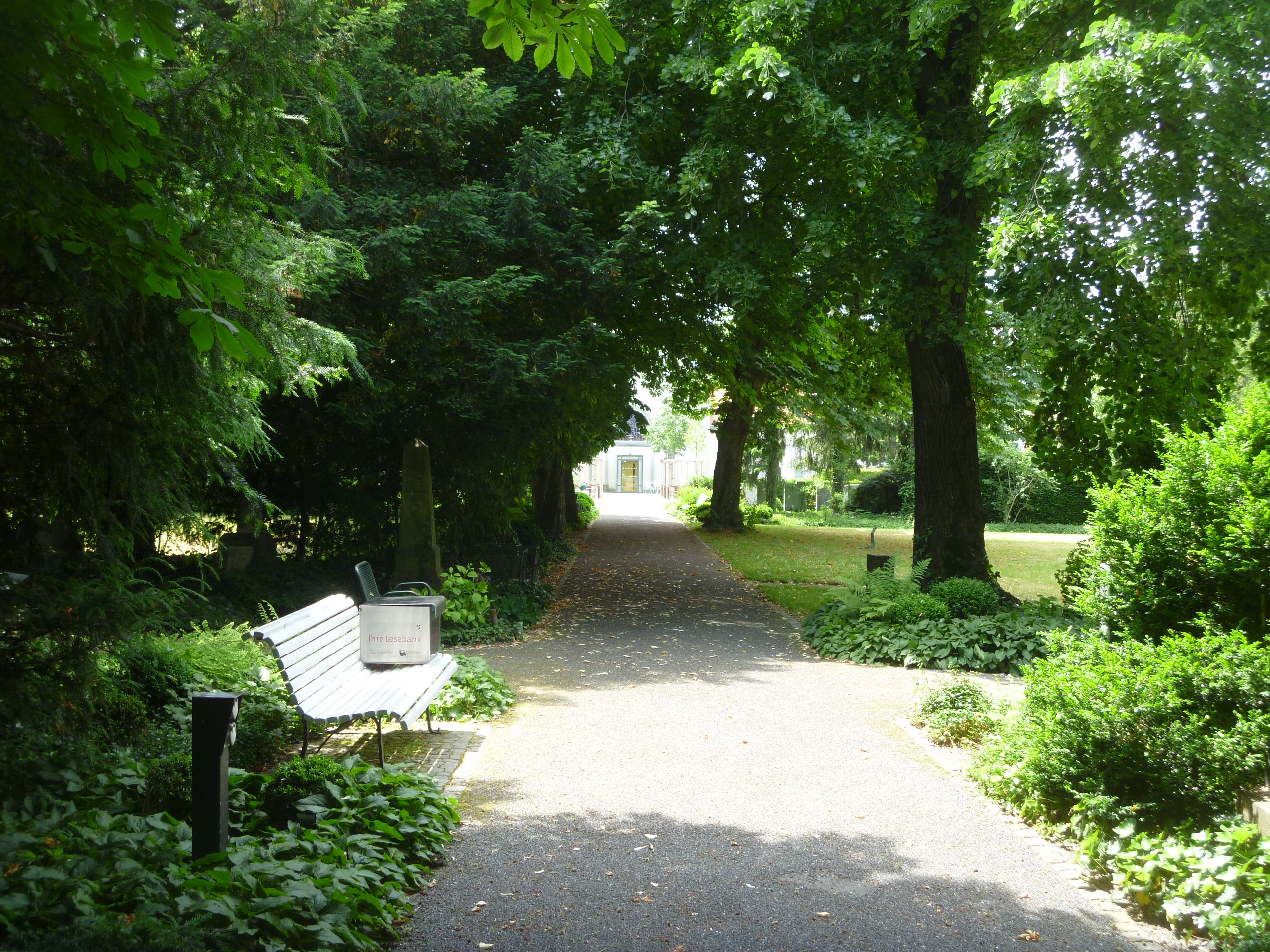
In addition to the Lesebank-Project leaflet I’d picked up a handy folded map of the city. The nearest Lesebank to Chur Station is in Friedhof Daleu. A Friedhof is a cemetery. Never mind. It turned out to be a lovely quiet shady garden with benches and chairs and I soon spotted the (empty) Lesebank on one of the main avenues.

Your Reading Bench

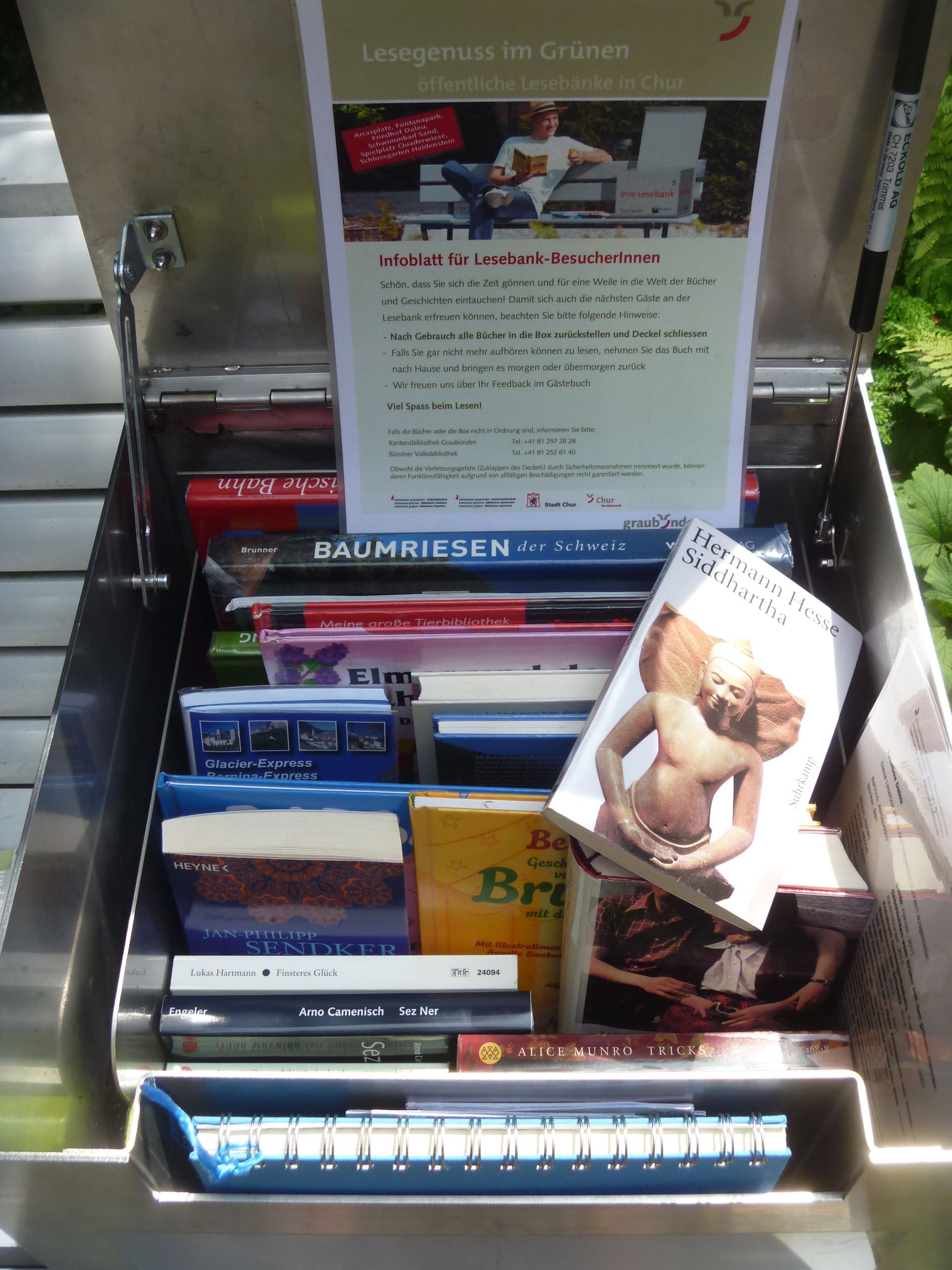
Inside the box is a selection of books – possibly about 30 – fiction and non-fiction, for children and adults, with a contents list and a ‘visitors’ book for comments. The Lesebank is the joint project of the Bündner Volksbibliothek and the Kantonsbibliothek. Two local public libraries but I’m not too sure what the difference between them is. There are 6 of these Reading Benches throughout the city.

The Contents

I wasn’t about to start reading a novel in German as the person before me had (Siddhartha, by Hermann Hesse) so I picked a small book called “The loveliest gardens and parks in Switzerland” to study whilst picnicking. I made a note of two gardens – both also cemeteries – in the Graubünden Canton.

Chur has several bookshops – all of which stocked at least a shelf or two of English language books – but nothing that I hadn’t either read already or fancied the look of.

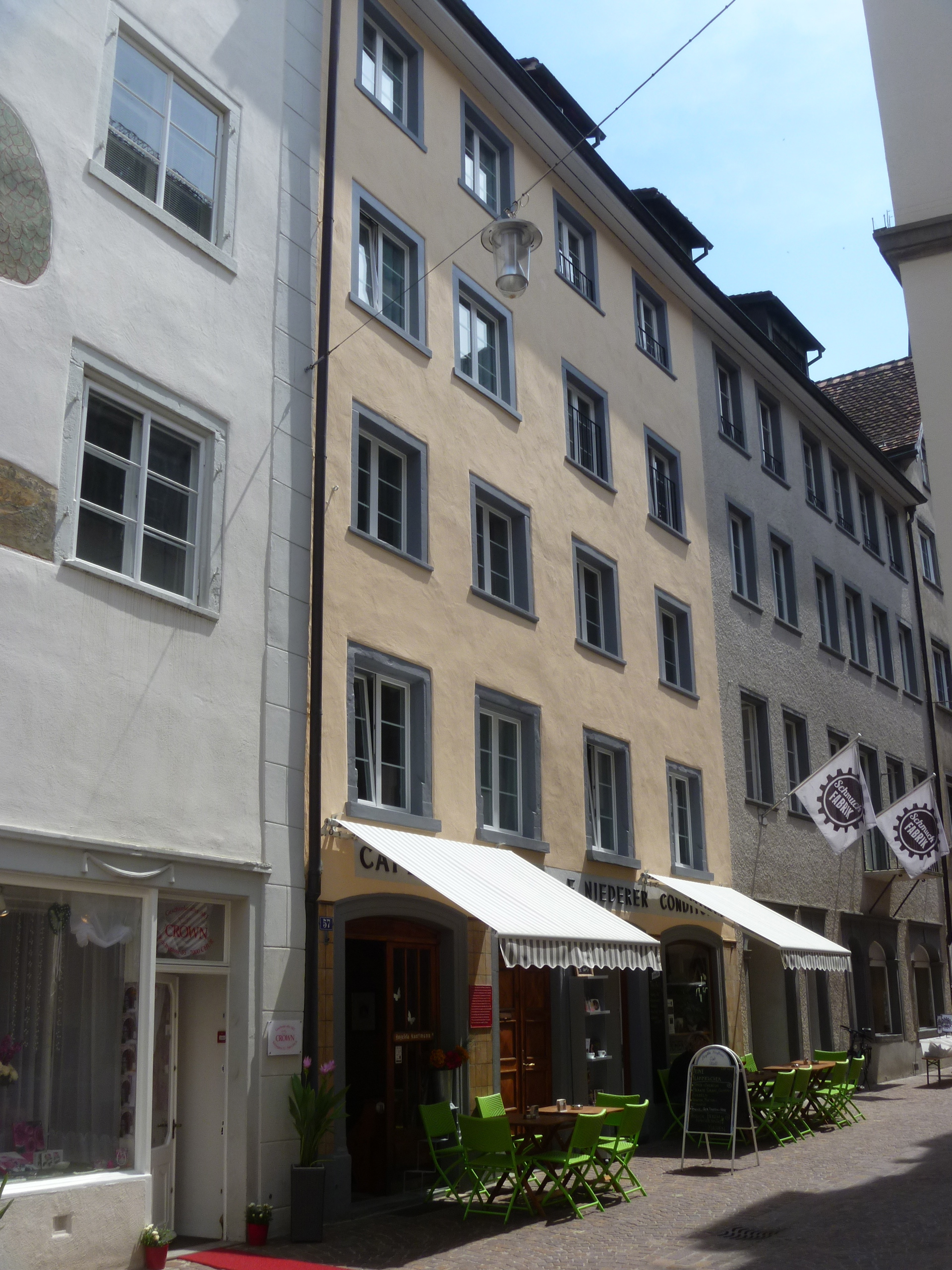
57 Reichsgasse

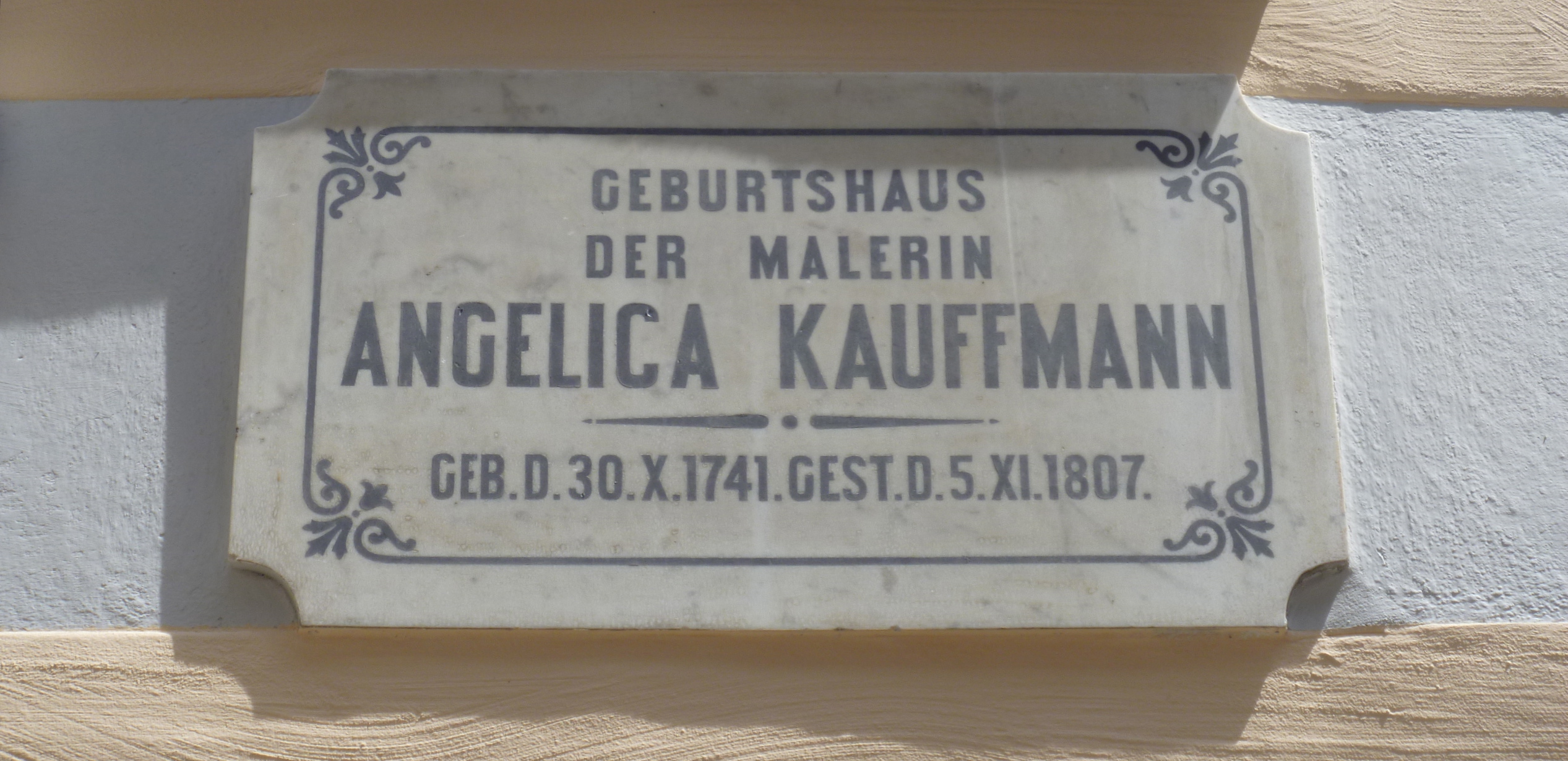
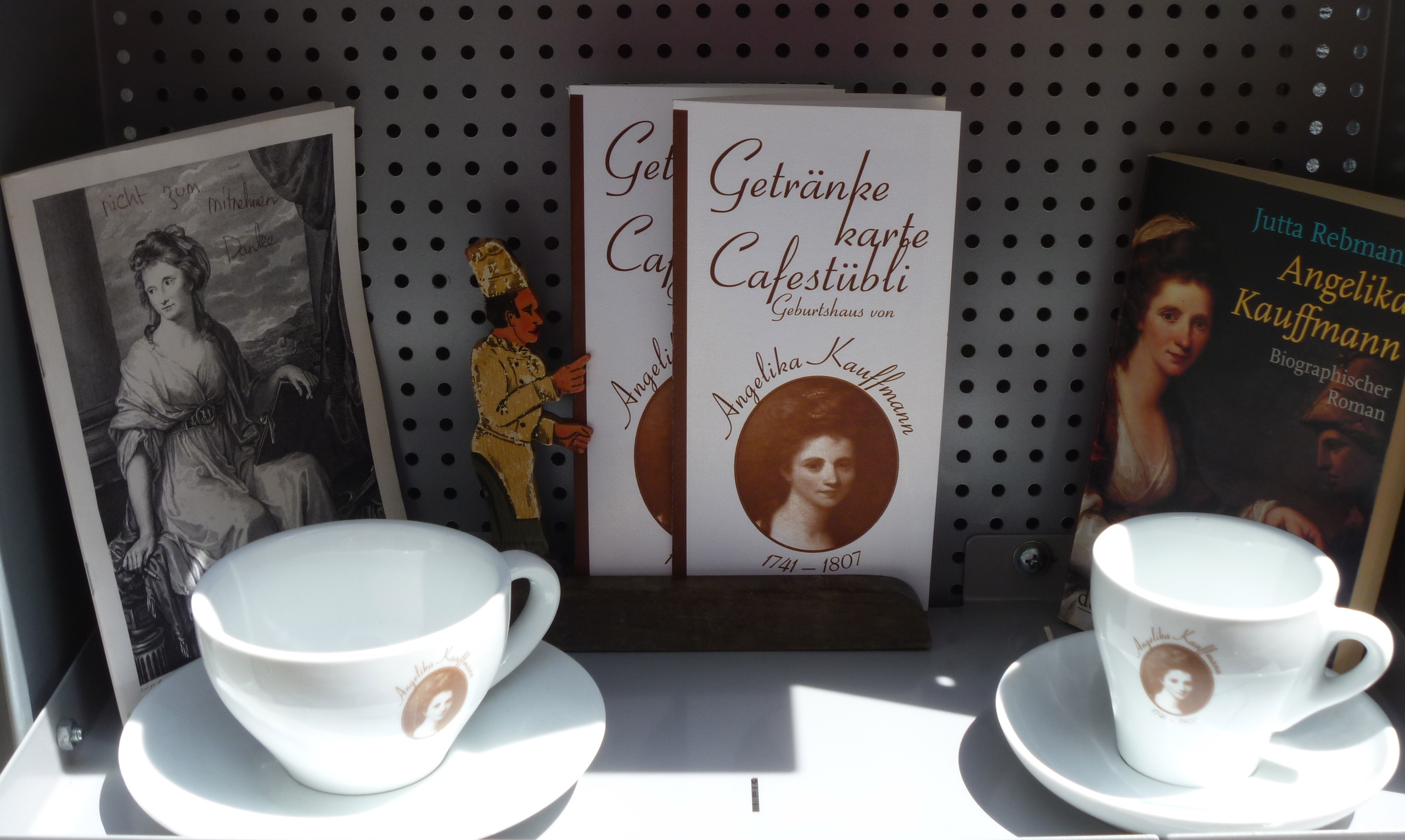
From the reading bench I went in search of the birthplace [57 Reichsgasse] of the painter and founder member of our Royal Academy Angelica Kauffman. Although born in Chur she travelled in Switzerland and Italy with her father who was also an artist and to London at the age of 25. She was a close friend of Sir Joshua Reynolds. The ground floor of her former home is now a cafe and there is a little hanging shelf unit where a few cards and books and the cafe drinks list are displayed.

AK Born here

AK display

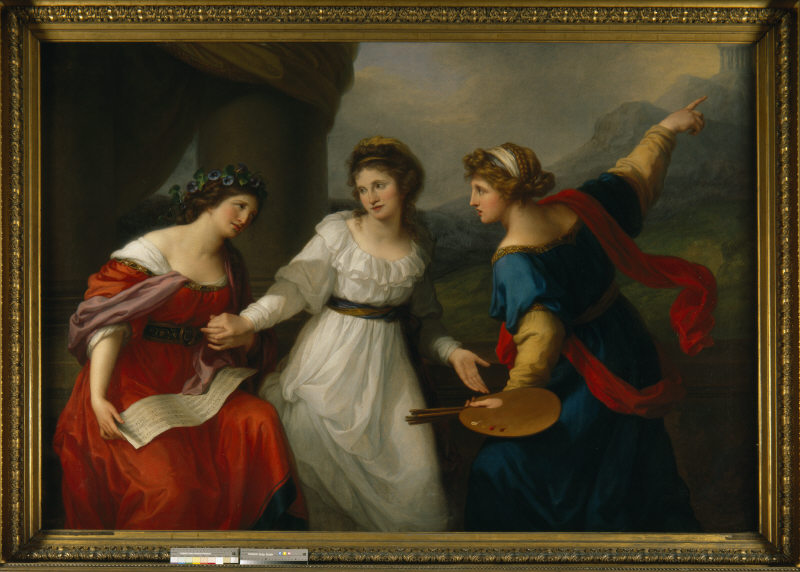
Here you can see a slideshow of Kauffman’s paintings – many of which are portraits – owned by public galleries throughout the UK including some National Trust properties. The Artist Hesitating Between the Arts of Music and Painting, 1791 or 1794, [below] was acquired with the help of the Heritage Lottery Fund in 2002 for Nostell Priory, in West Yorkshire.

Nostell Priory

Schiers Delight : My Four Week Summer ‘Gap’ Stay in Switzerland

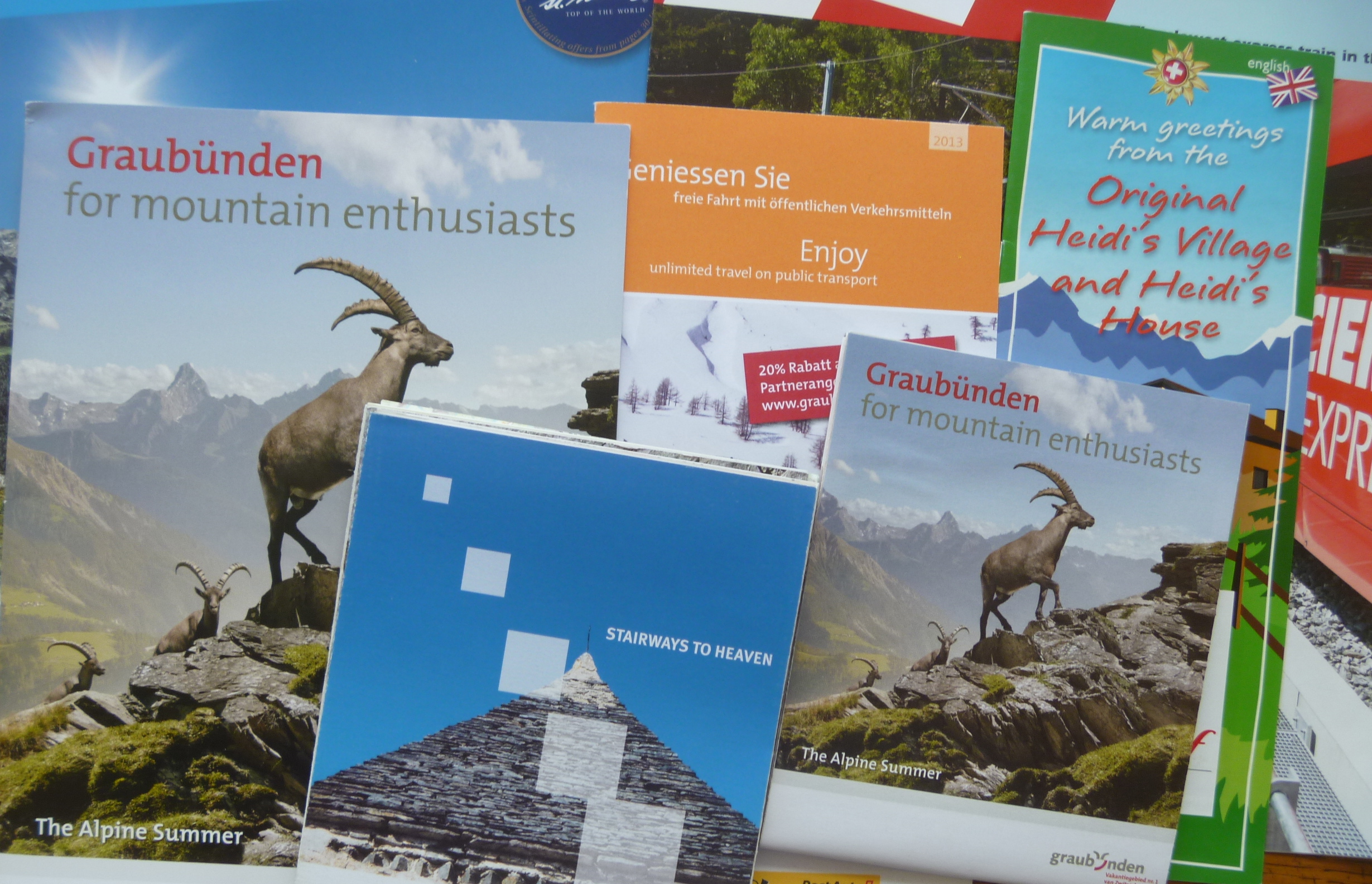
Brochures and maps 4

Next Saturday milady is transferring her boudoir to a chalet in the Swiss Alps!

I’m looking forward to a four week stay in Canton Graubünden in the far east of Switzerland. I’ll be helping a Swiss woman at her small B&B in exchange for my board and lodging and opportunities to go hiking and touring in this region with which I am quite unfamiliar.

Tickets

I have my flights booked and my half-fare train card ready. I have some local maps and I just need to pack my hiking boots, sunscreen and camera … oh! and my pinny (I’ll be doing the breakfasts) … and I’ll be off.

Brochures and maps 1

I’ll be posting here about any major expeditions I make but I have opened another blog in which I shall try to make a brief diary entry each day as a record of my stay.

Hiking

http://schiersdelight.wordpress.com/

Wentworth Castle Gardens : Restoration in Action

Back in March 2012 (was it really so long ago?) I attended a talk organised by the Leeds Library and given by Patrick Eyres celebrating 30 years of The New Arcadian Journal. I wrote about it here.

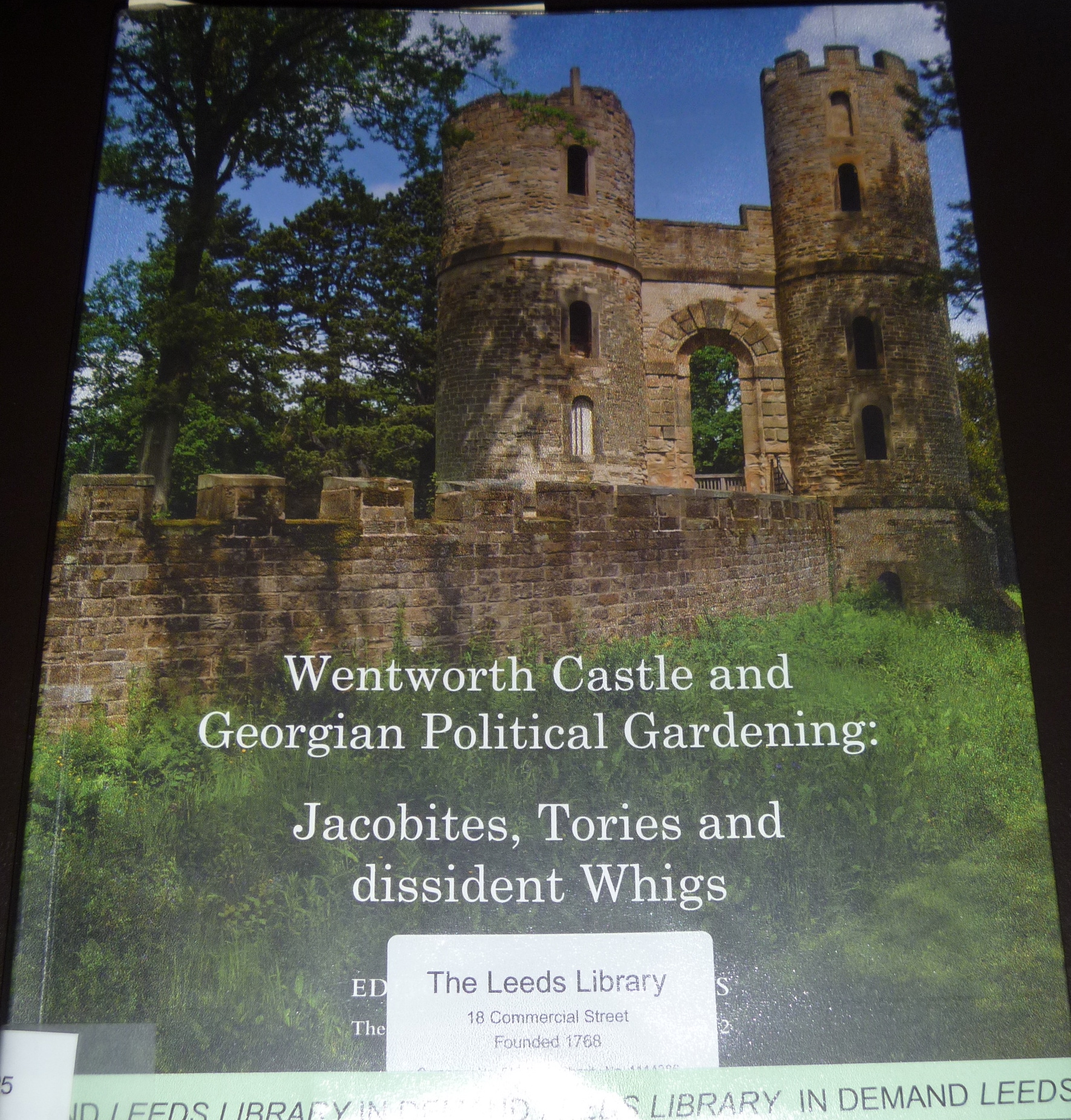
Wentworth Gardens Book

The substitute for the 2012 edition of the Journal is the publication of the proceedings of a 2010 conference : “Wentworth Castle and Georgian Political Gardening : Jacobites, Tories and Dissident Whigs“. It’s edited by Patrick Eyres and I recently borrowed it from the Library and read it with great interest.

Wentworth Castle

Wentworth Castle Front

The next step, obviously, was to visit the Castle itself. Or rather, the gardens surrounding the Castle. The Castle itself is a private College and not generally open to the public. I decided to visit the gardens on Tuesday this week on my way to visit my son in Sheffield. What a lovely place it is. The weather was also kind, so it was a real pleasure to spend a couple of hours exploring the gardens and features of Wentworth Castle Gardens not far from Junction 37 of the M1 motorway.
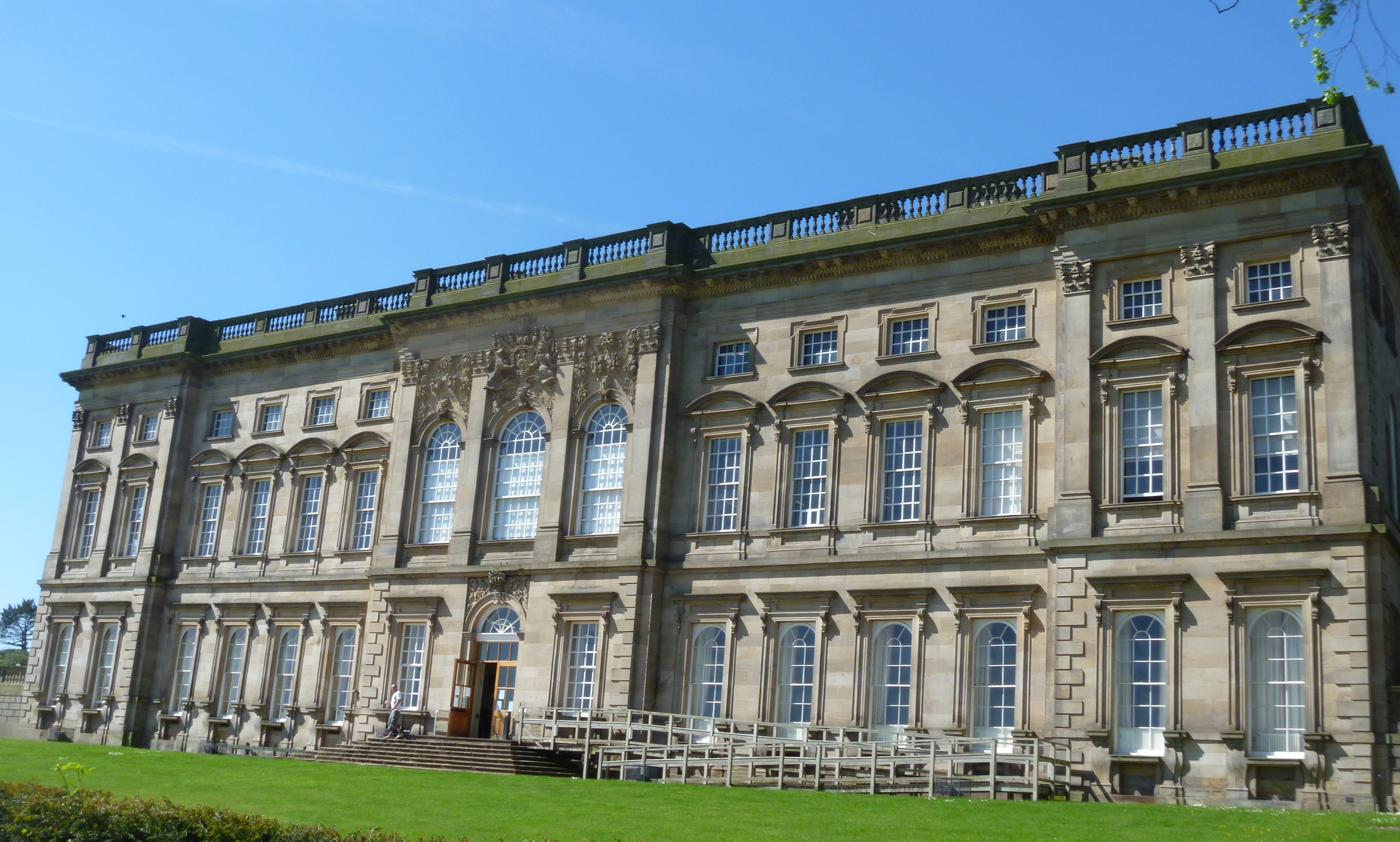
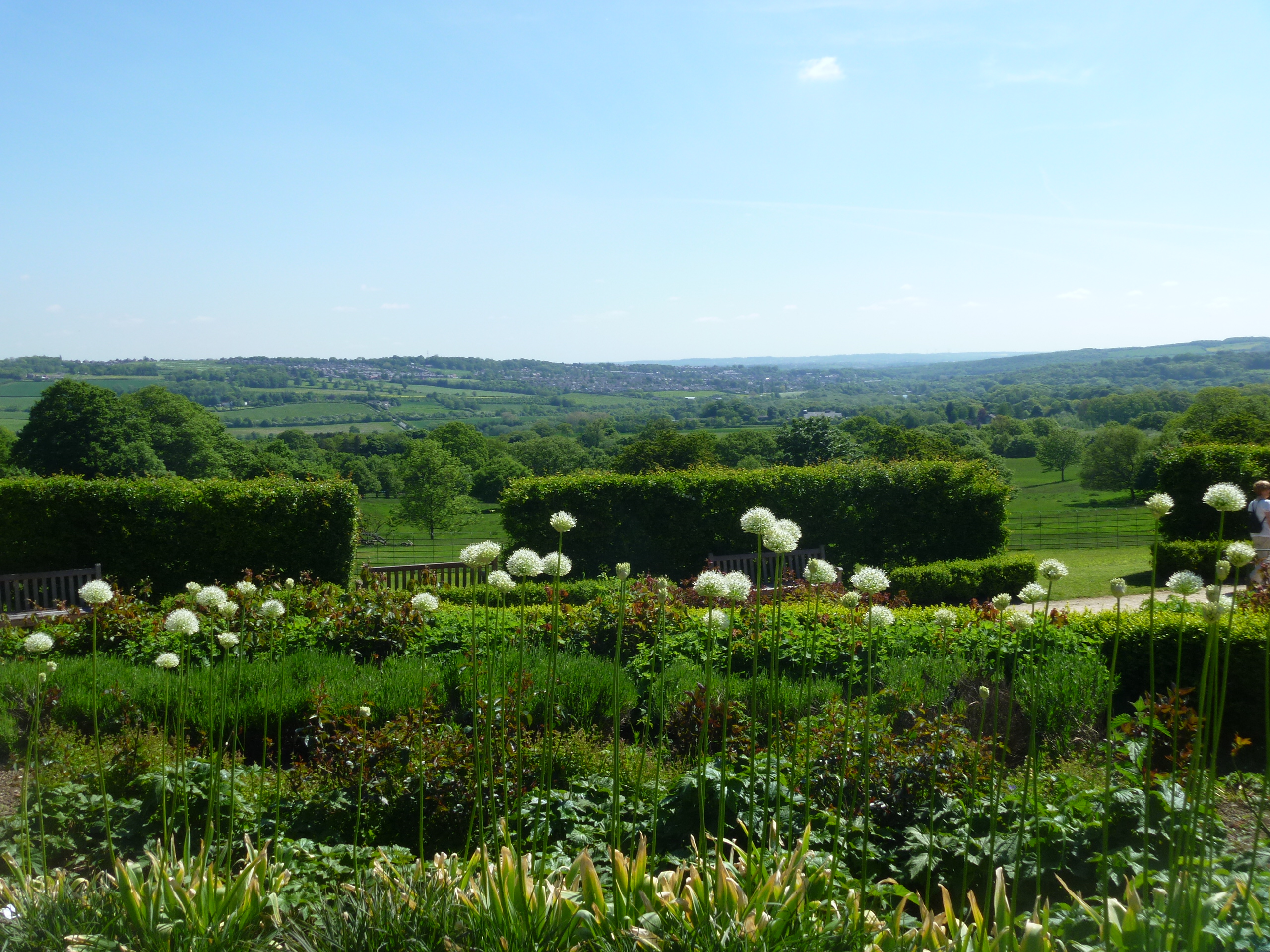
The View from Wentworth Castle

The View from Wentworth Castle

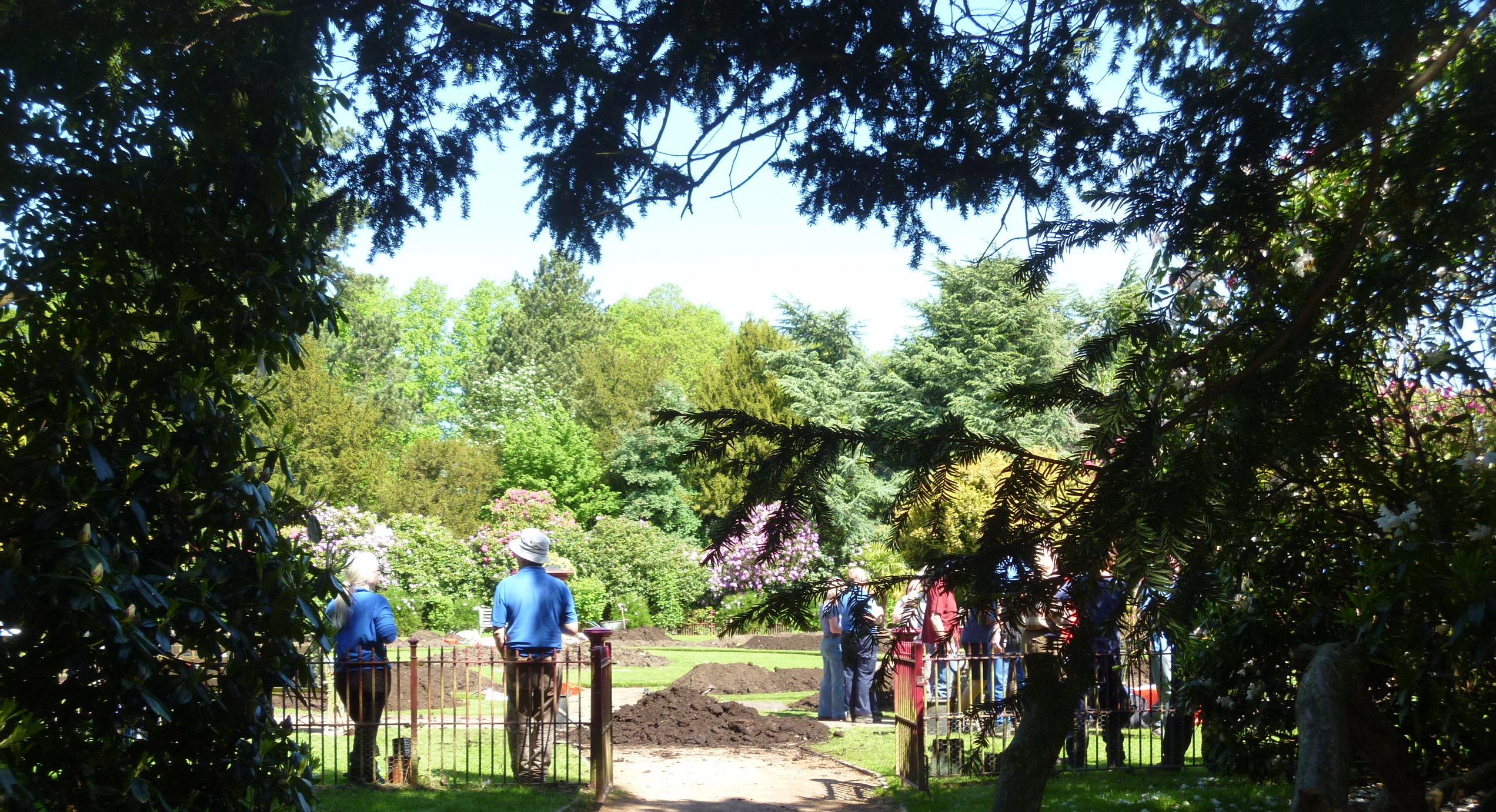
Volunteers

Garden Volunteers taking a tea-break

I got the impression that over the last few years there’s been a lot of work going on in order to recreate the gardens and restore the many garden features.

P1100110

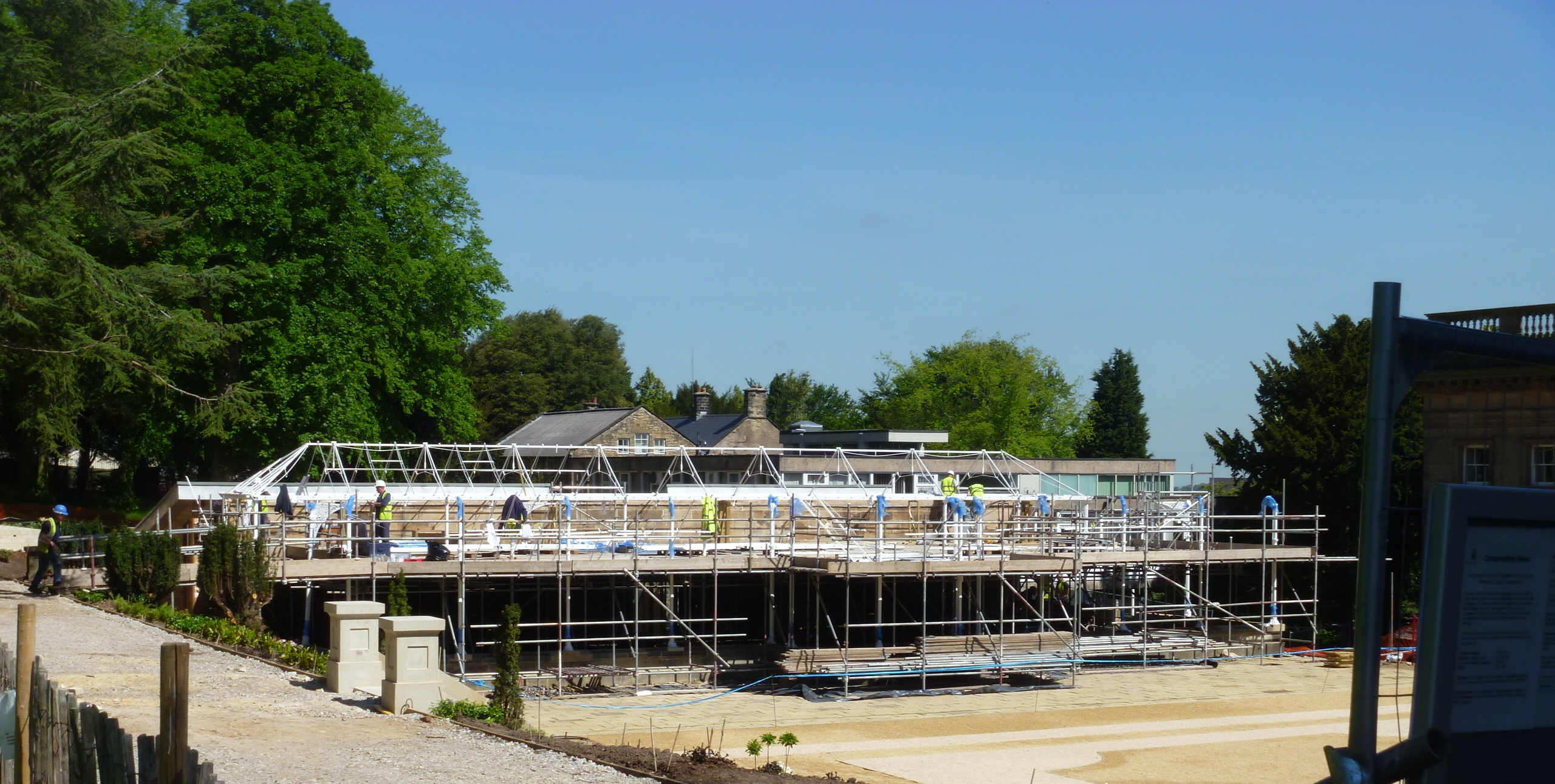
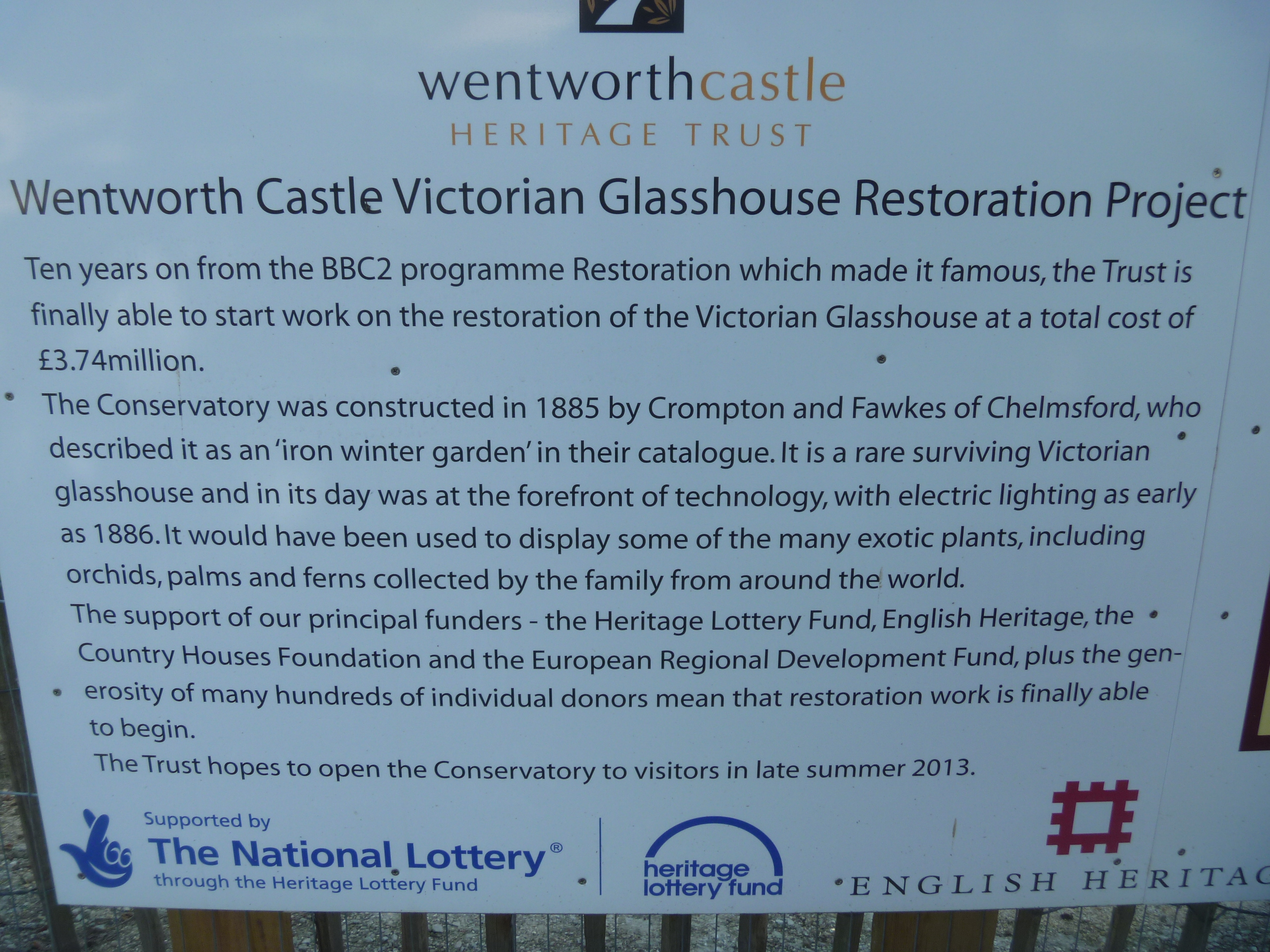
The latest exciting project is the Wentworth Castle Victorian Glasshouse Restoration Project.

“Made famous by the BBC’s Restoration programme in 2003, this beautiful iron glasshouse was in danger of being lost forever until it became the main focus of our restoration plans.  In 2011, the Trust finally succeeded in raising the £3.74million needed to rescue the delicate structure and was able to work up the final plans for the restoration project.”

Notice board

It is expected that it will be open late summer 2013. Read more about the work being undertaken here.
The Glasshouse is just behind the main castle building and the gardens rise behind them on a gentle slope. There are formal gardens and woodland, a lovely cedar walk, a garish azalea garden, a stumpery and fernery, and an informal ‘wilderness’.
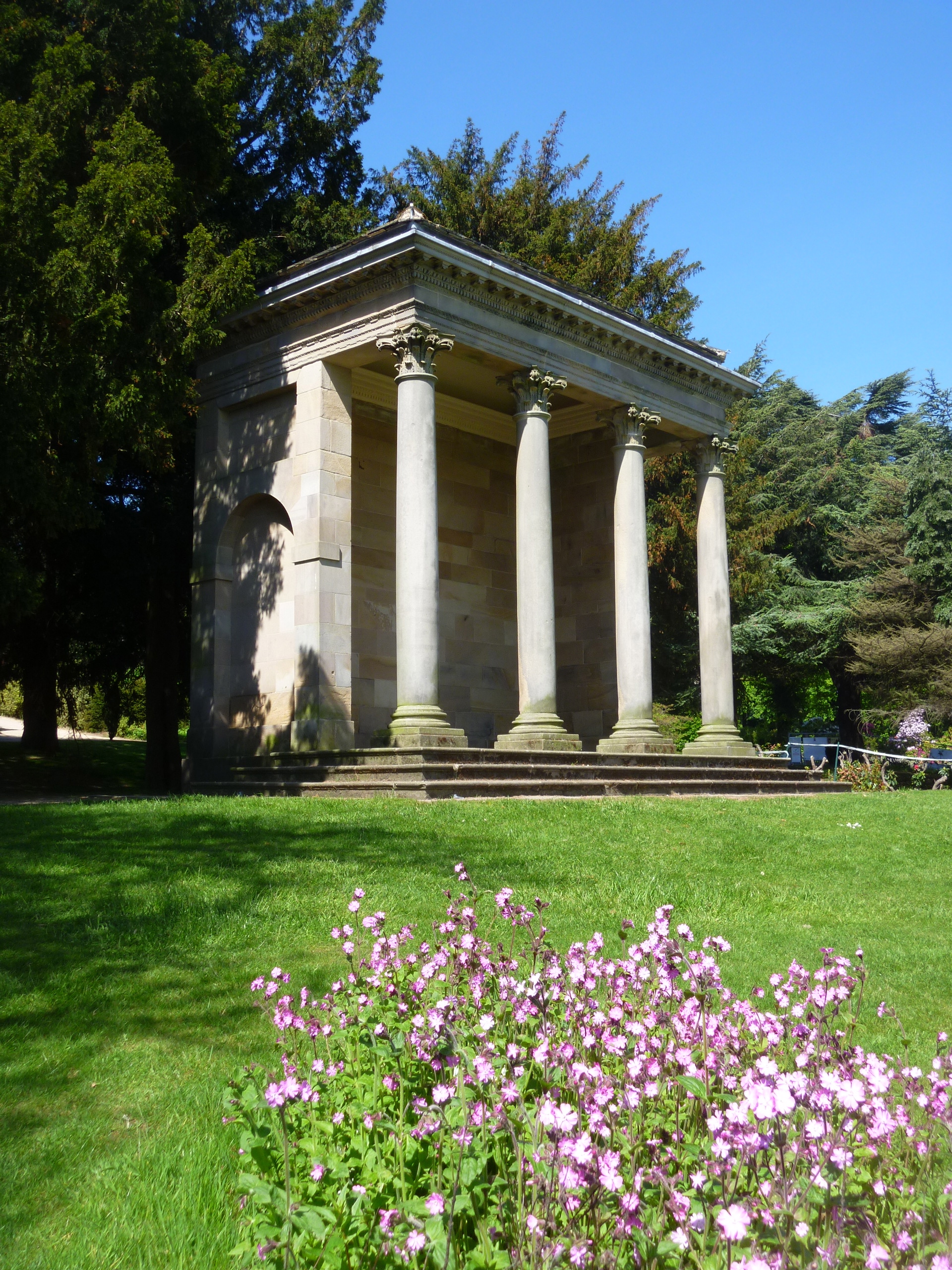
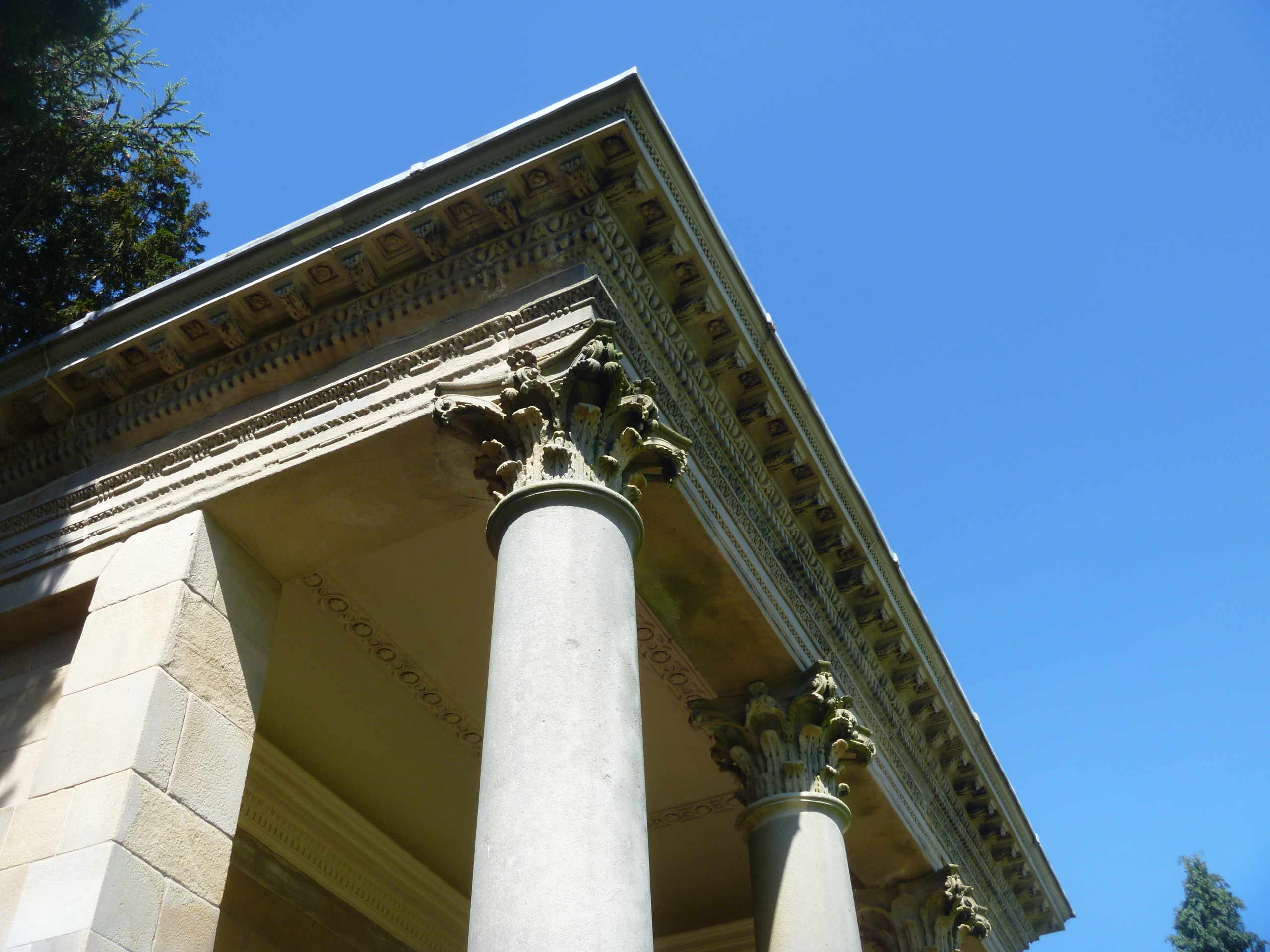
Corinthian Temple

The Corinthian Temple

Plasterwork

The ornate plasterwork of the Temple

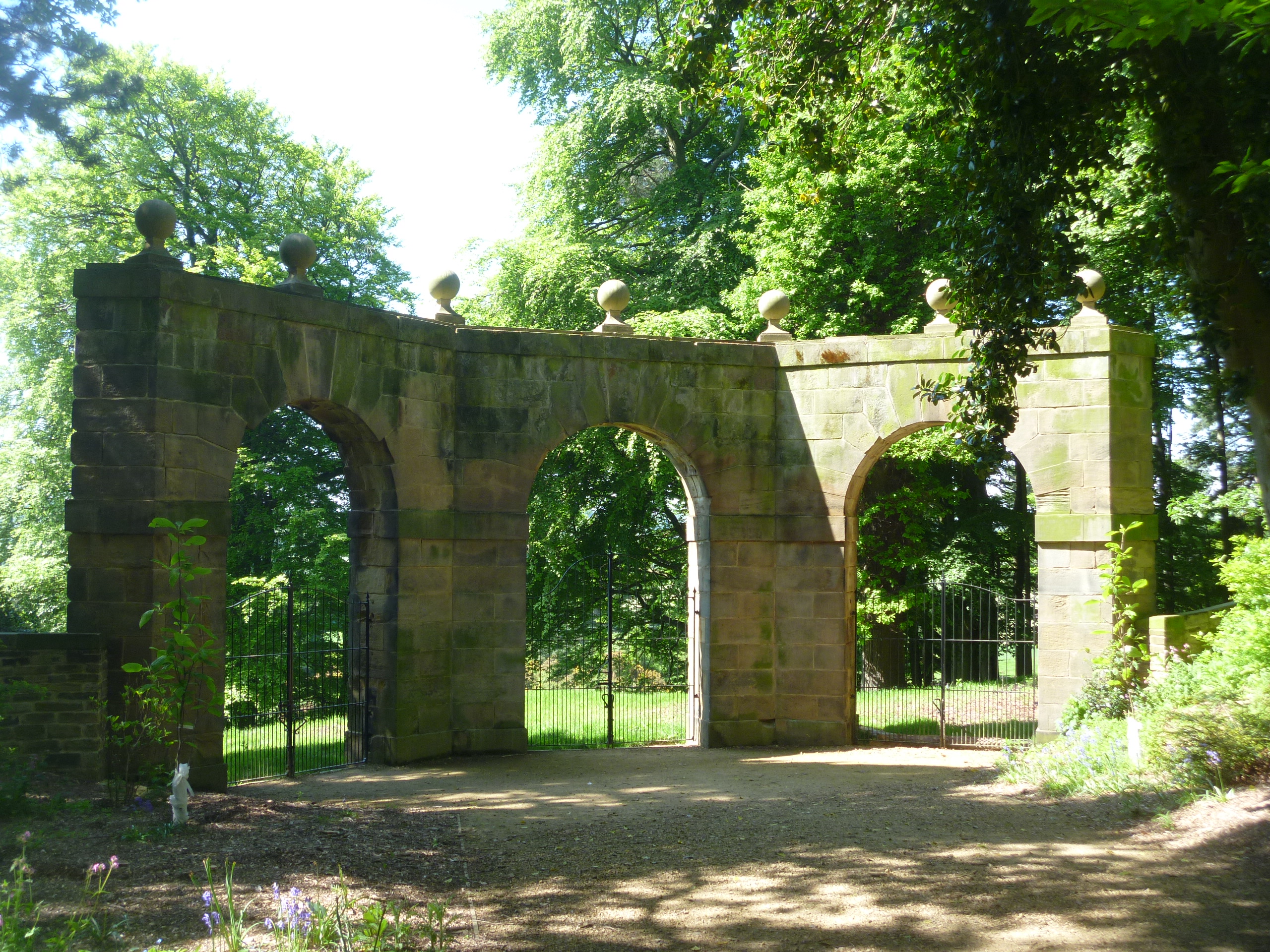
Archer's Hill gate

Archer’s Hill Gate

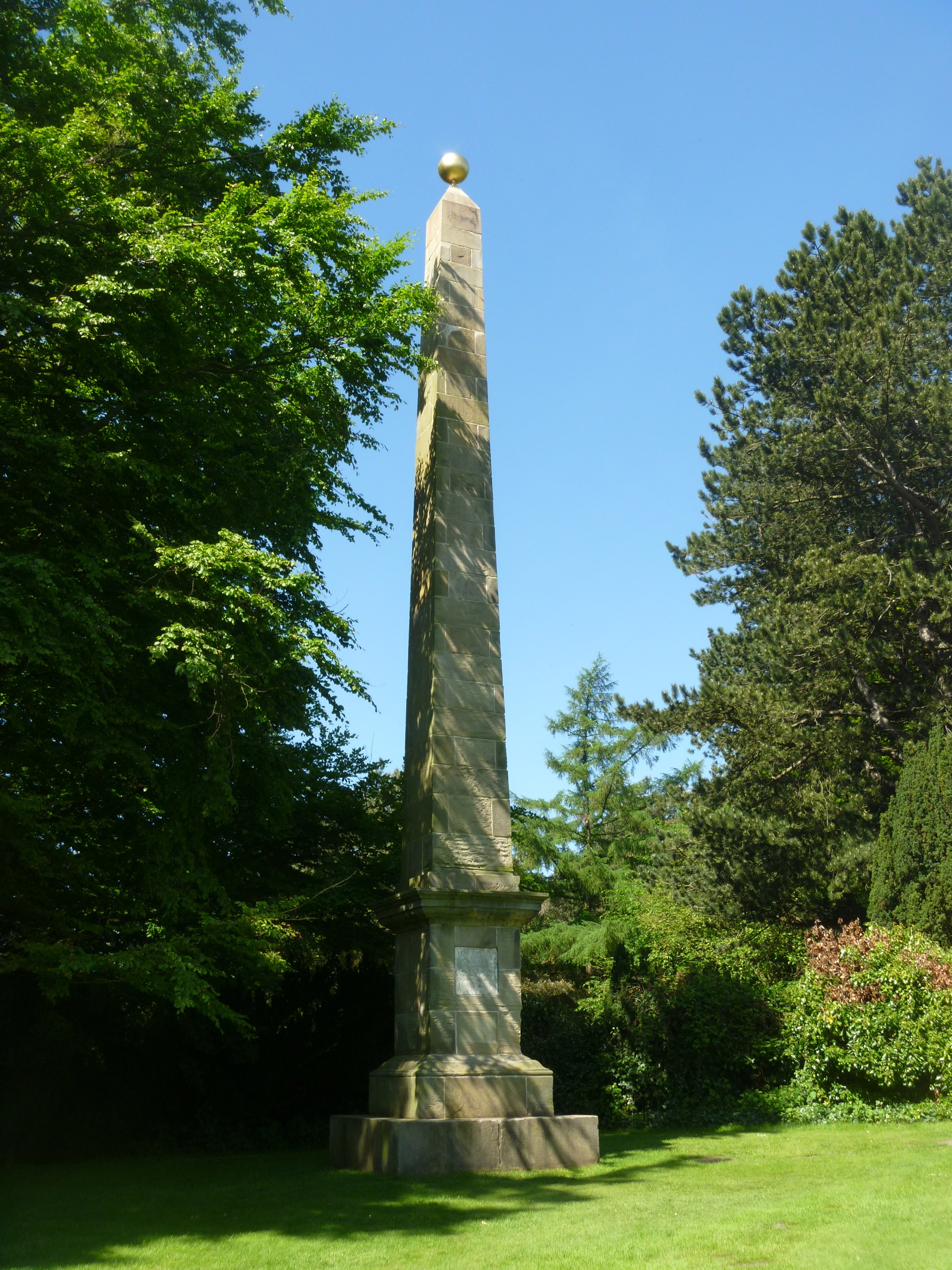
Sun Monument

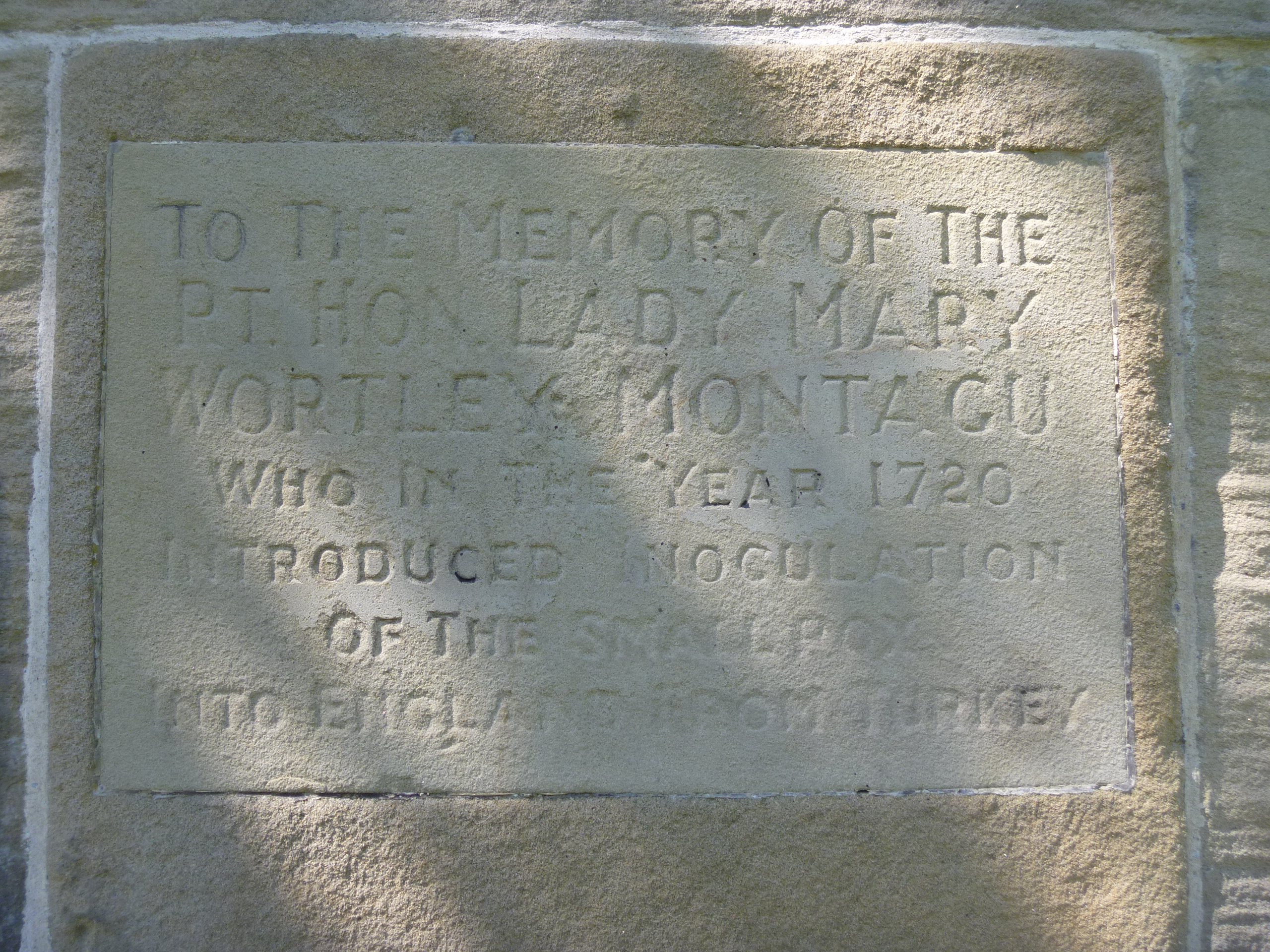
The Sun Monument to Lady Mary Wortley Montagu

Lady Mary Montagu

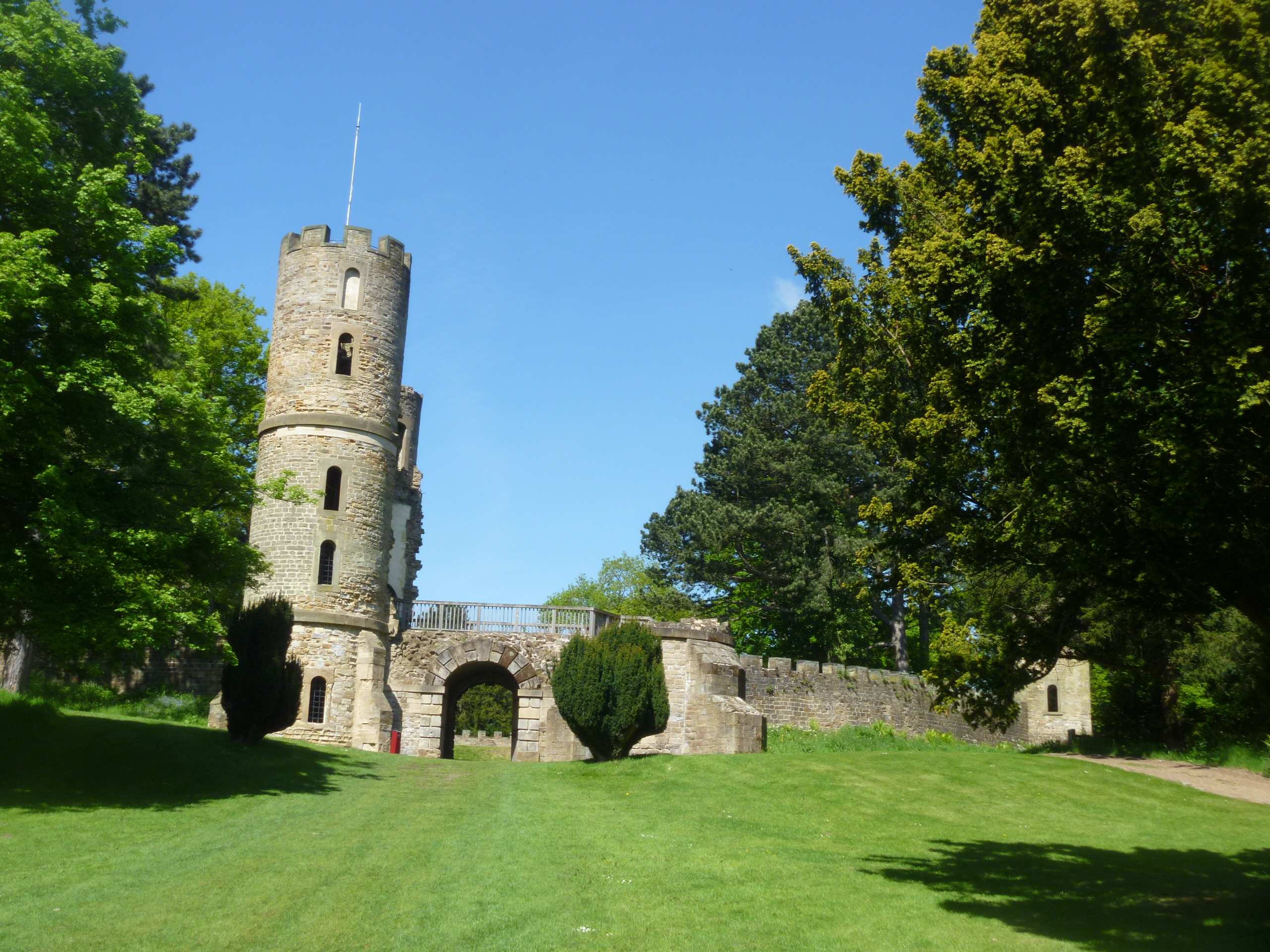
Stainborough Castle

Stainborough Castle

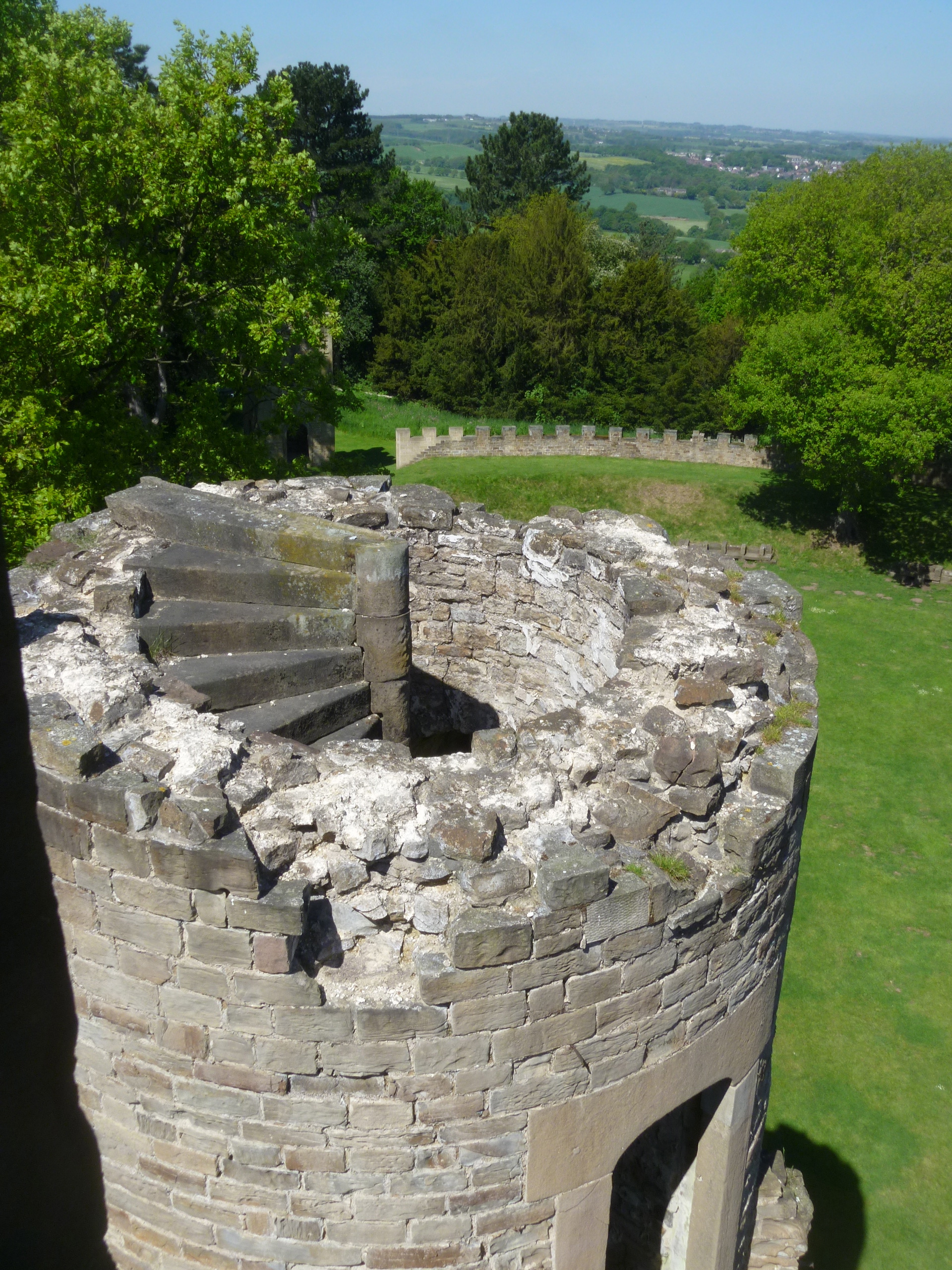
The view

The View from Stainborough Castle Tower

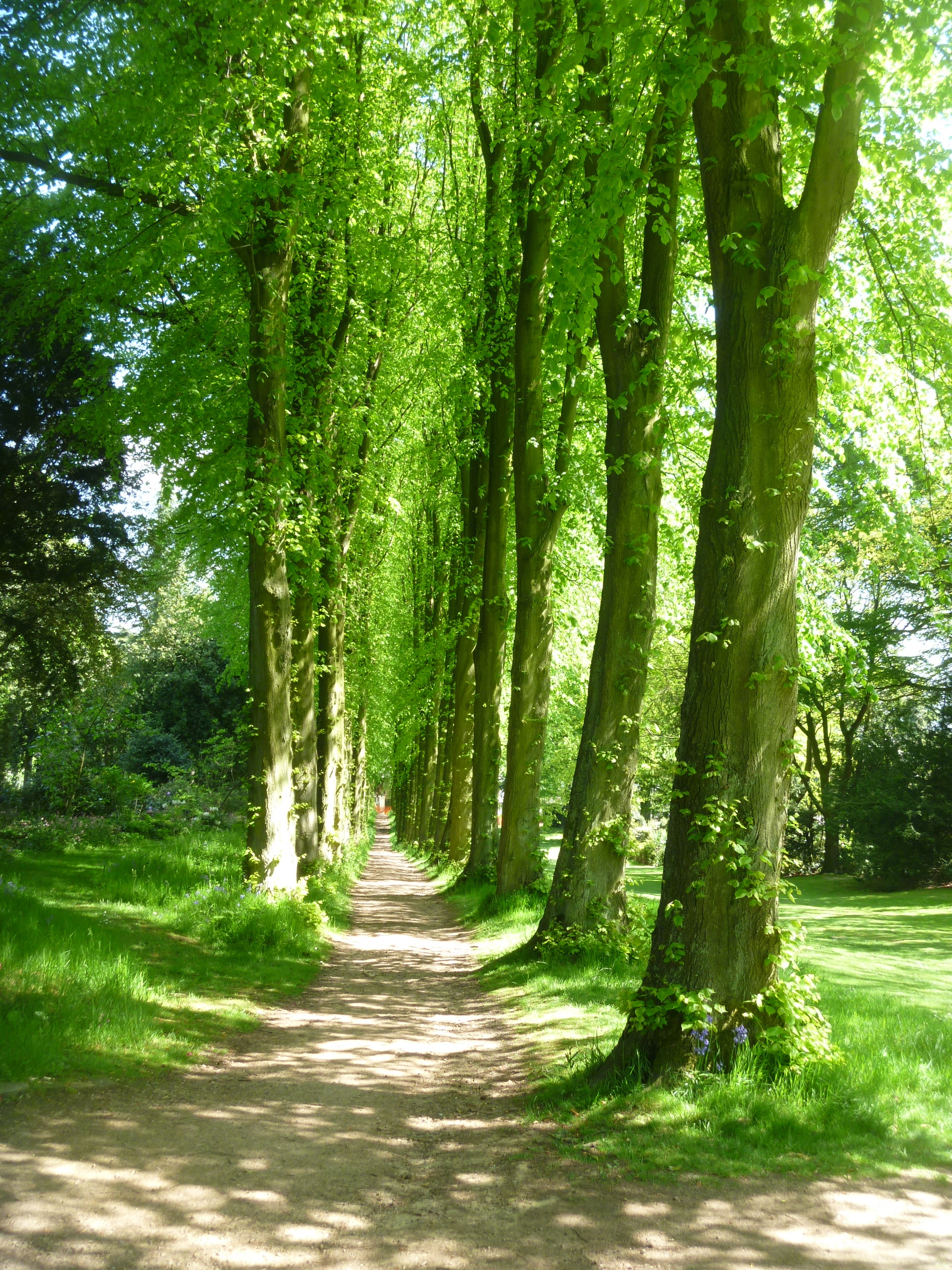
Lady Lucy's Walk

Lady Lucy’s Walk

Going back to the Wentworth Garden book I mentioned at the beginning there was one particularly interesting chapter towards the end. It wasn’t about gardens at all but about the Wentworths and Jane Austen novels. “A Big Name: Jane Austen and the Wentworths” is by Janine Barchas and in it she points out every instance of the appearance of a Wentworth-related name in Austen’s novels.

“In the long eighteenth century, the Wentworth family enjoyed pride of place among “abnormally interesting people” we now term celebrities.” Here are just some examples : Wentworth (Persuasion); Fitzwilliam (Pride and Prejudice); Darcy (Pride and Prejudice); Woodhouse (Emma); Watson (The Watsons). Fascinating!

Full Marks to Highgate Cemetery

For a long time I’ve been intrigued to visit Highgate Cemetery and my chance arose last Thursday. There are two cemeteries on opposite sides of the road – Swain’s Lane – in Highgate. The East Cemetery which is home to the more famous graves and still in use today (at a high price!) can be visited by anyone during opening hours for a charge of £4. The West Cemetery you have to book in advance during the week and join an organised tour. There are some more recent burials here (the so-called Russian dissident Alexander Litvinenko for one, and the author Beryl Bainbridge for another) but mostly it is full to bursting with Victorian funerary art and symbolism. The cost of the West tour also covers the entrance fee to the East Cemetery.

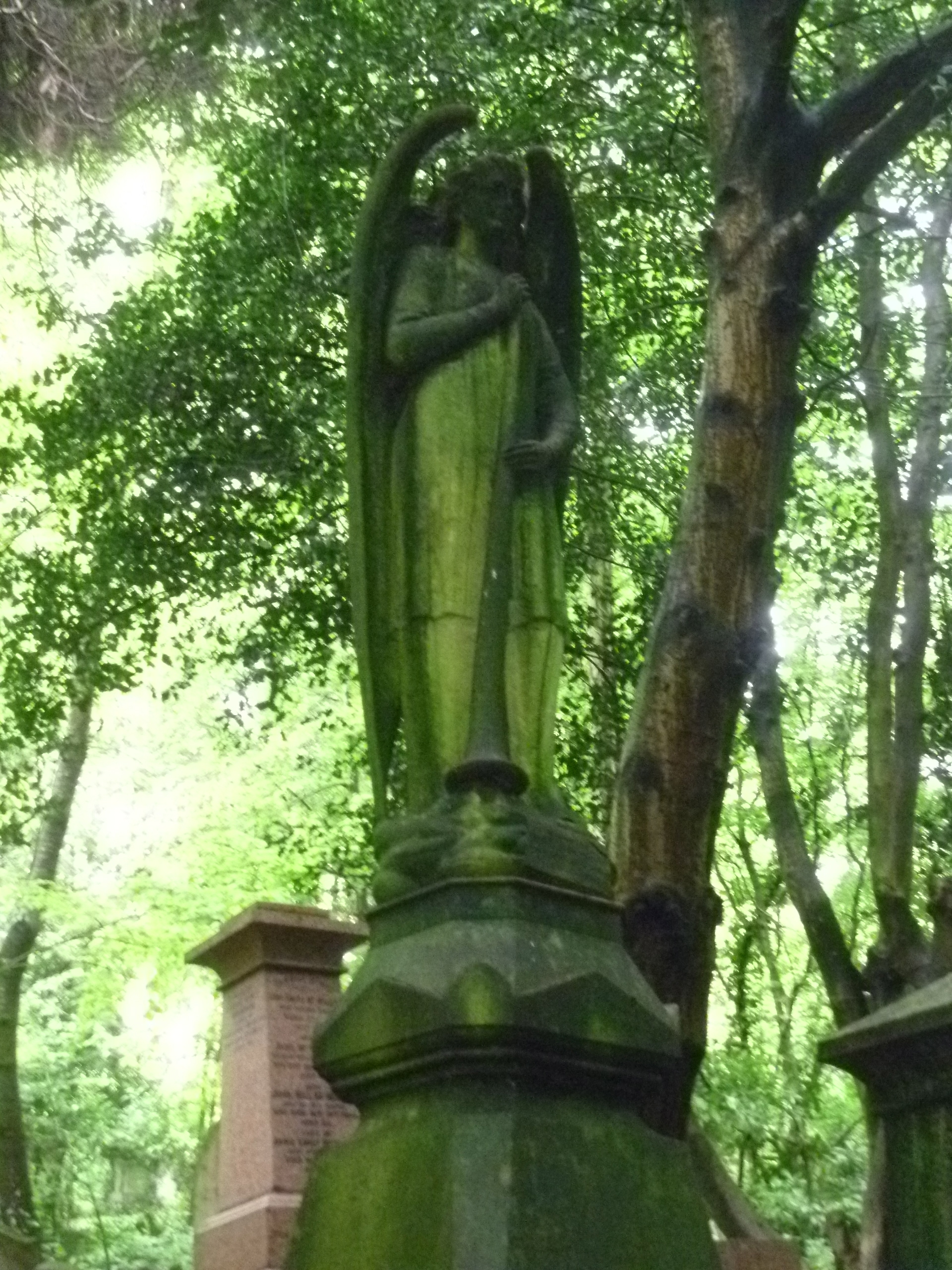
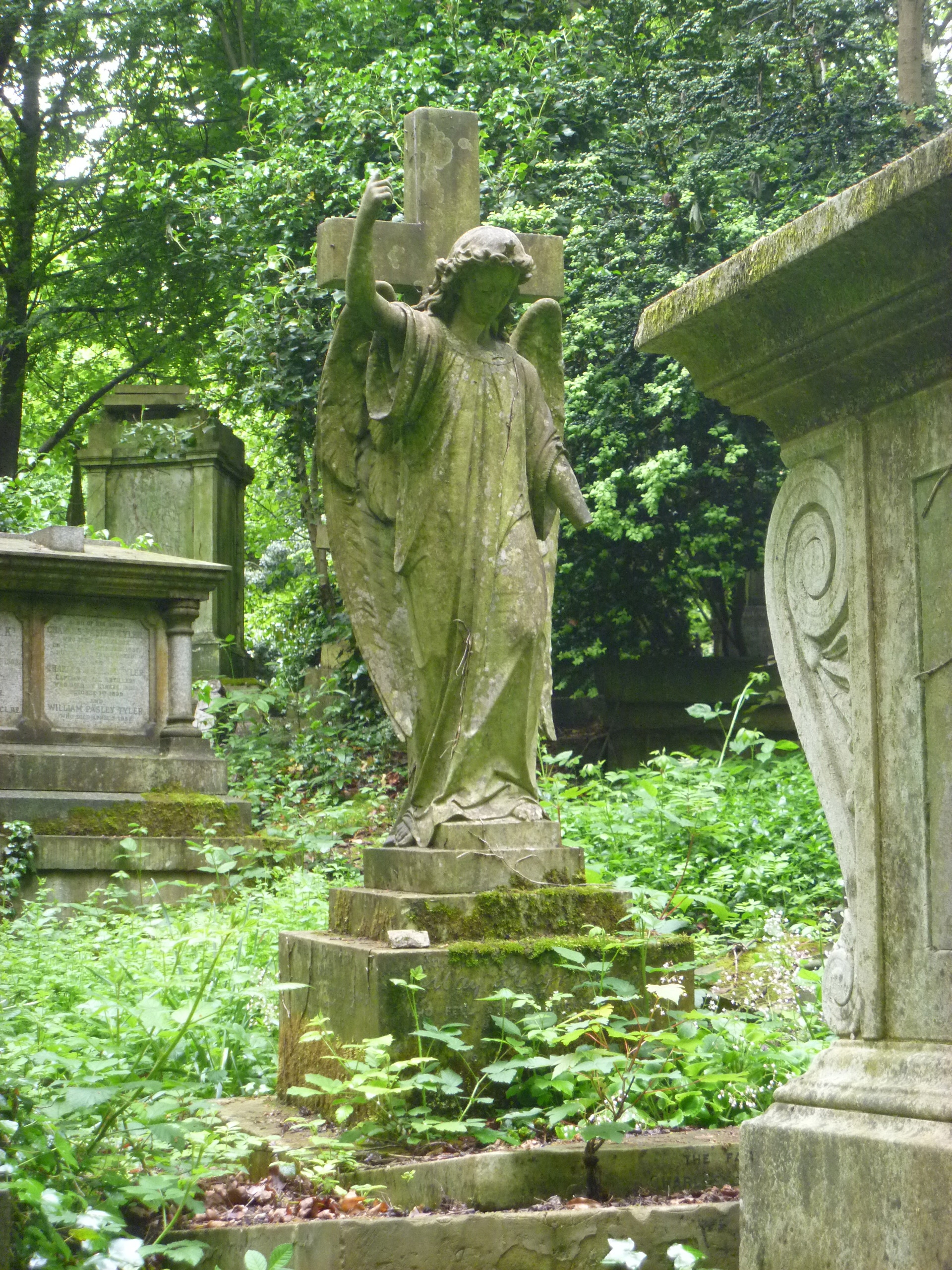
Angel and trumpet

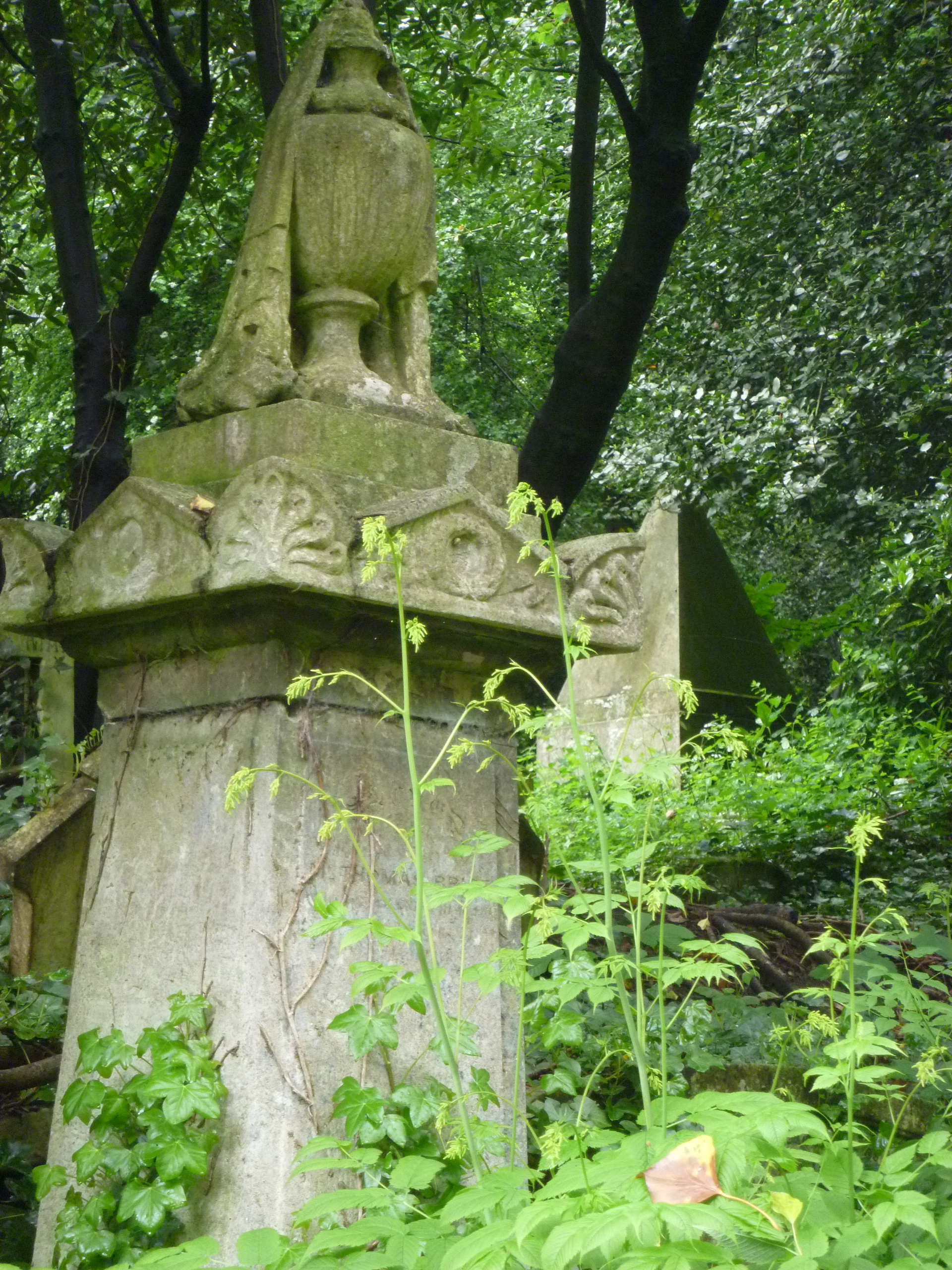
Draped urn

Highgate Cemetery was one of London’s ‘Magnificent Seven‘ cemeteries established during the early 19th century in order to alleviate overcrowding in the city’s churchyards :

Kensal Green Cemetery, 1832
West Norwood Cemetery, 1837
Highgate Cemetery, 1839
Abney Park Cemetery, 1840
Nunhead Cemetery, 1840
Brompton Cemetery, 1840
Tower Hamlets Cemetery, 1841

Highgate Cemetery West

Here is the description on the opening page of the cemetery website :

One of London’s greatest treasures
Highgate Cemetery is a haven of beauty and tranquility, a place of peace and contemplation where a romantic profusion of trees, memorials and wildlife flourish in the heart of London

Highgate West

Highgate W

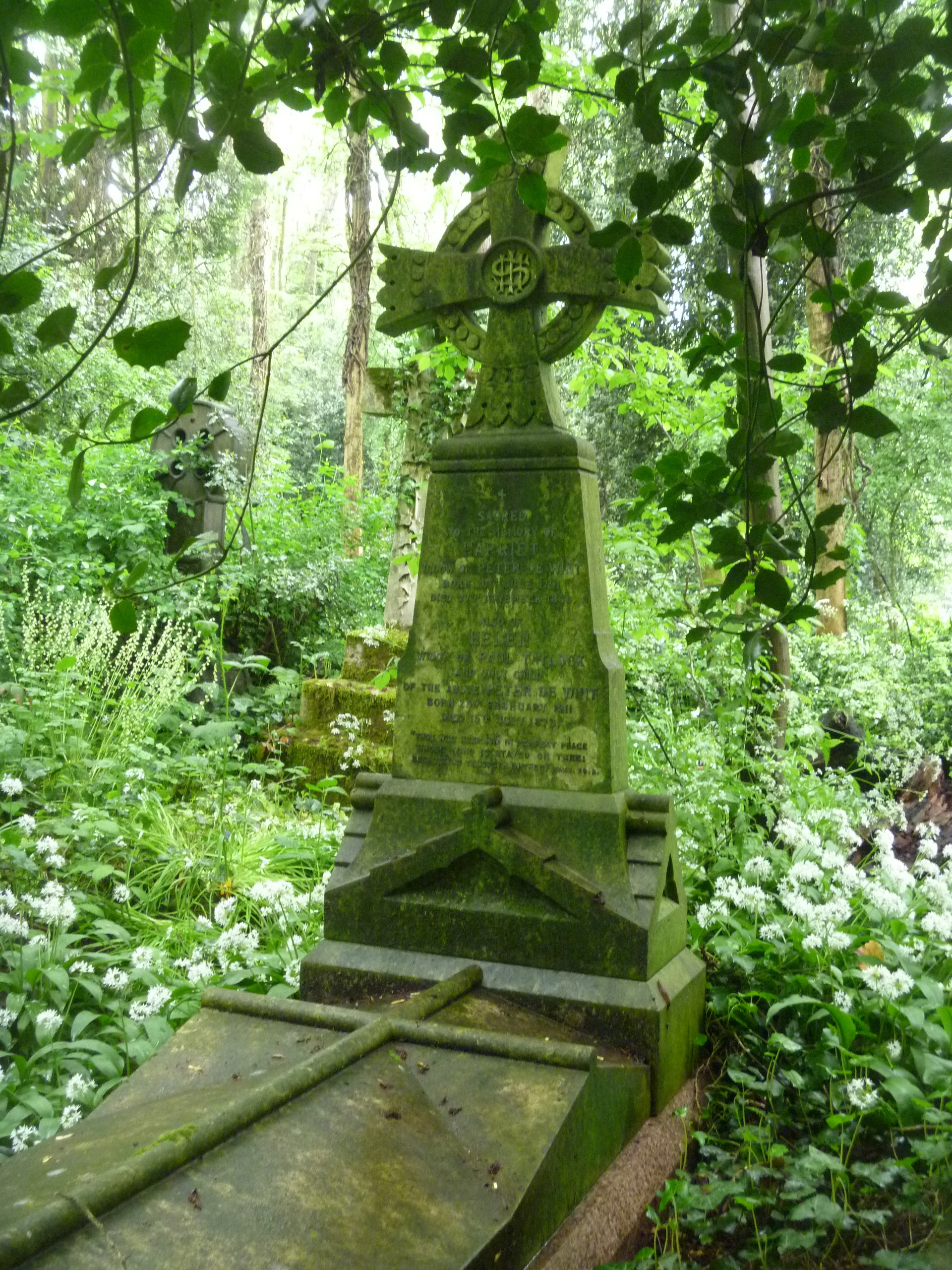
That description proved oh so true on my visit last Thursday. It is a wonderfully atmospheric place. During the introduction to the tour Gordon, our leader, explained the current policy of ‘managed neglect’. During the 1970s it was no longer profitable to run the cemetery commercially and it was left to go to rack and ruin and vandals and thieves. In 1975 a band of locally interested parties got together to rescue the cemetery and establish The Friends of Highgate Cemetery Trust which now runs the place, organising the paid staff as well as the countless volunteers, who help to guide tour groups and maintain this special landscape.

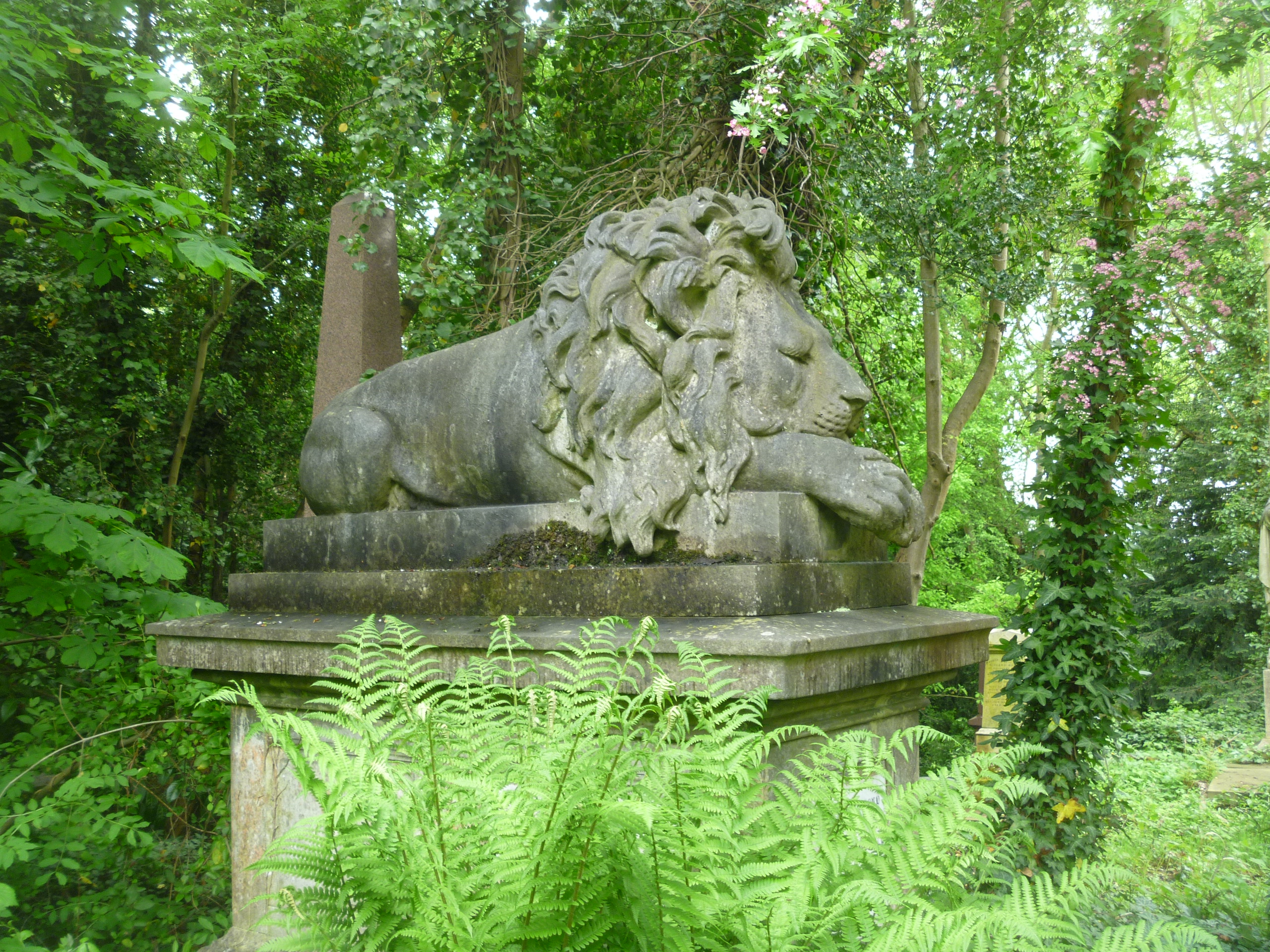
The broken column symbolises a life cut short

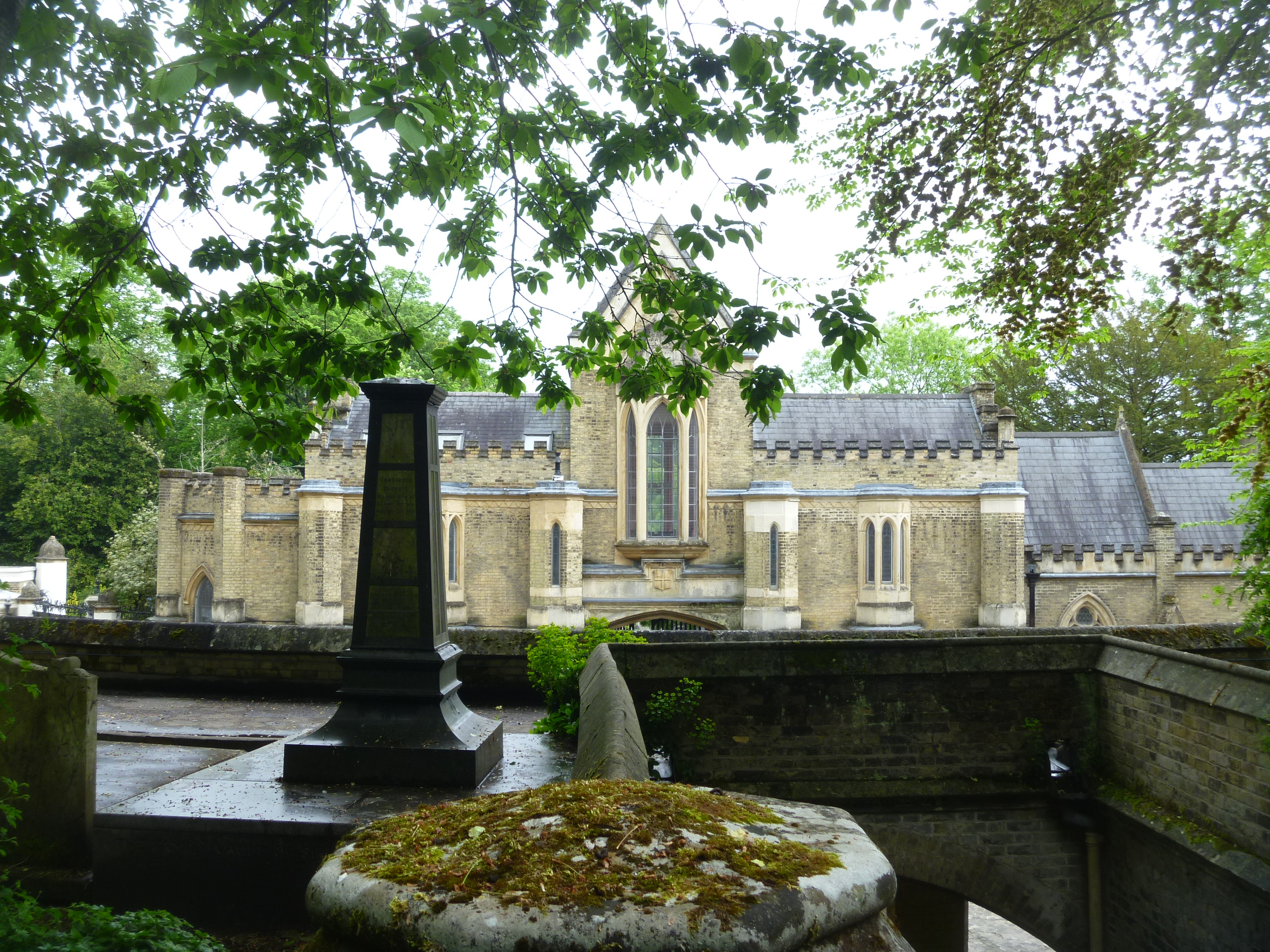
We visited a number of graves of significant people of the 19th and 20th centuries and the symbolism of many of the features was also explained to us. Three tier plinths represent faith, hope and charity; a trumpet means The Judgement Day; a broken column a life cut short. We heard stories connected with some of those buried here, were able to go into the Terrace Catacombs and the Julius Beer Mausoleum and visited the Egyptian Avenue, the Circle of Lebanon and the funerary chapel.

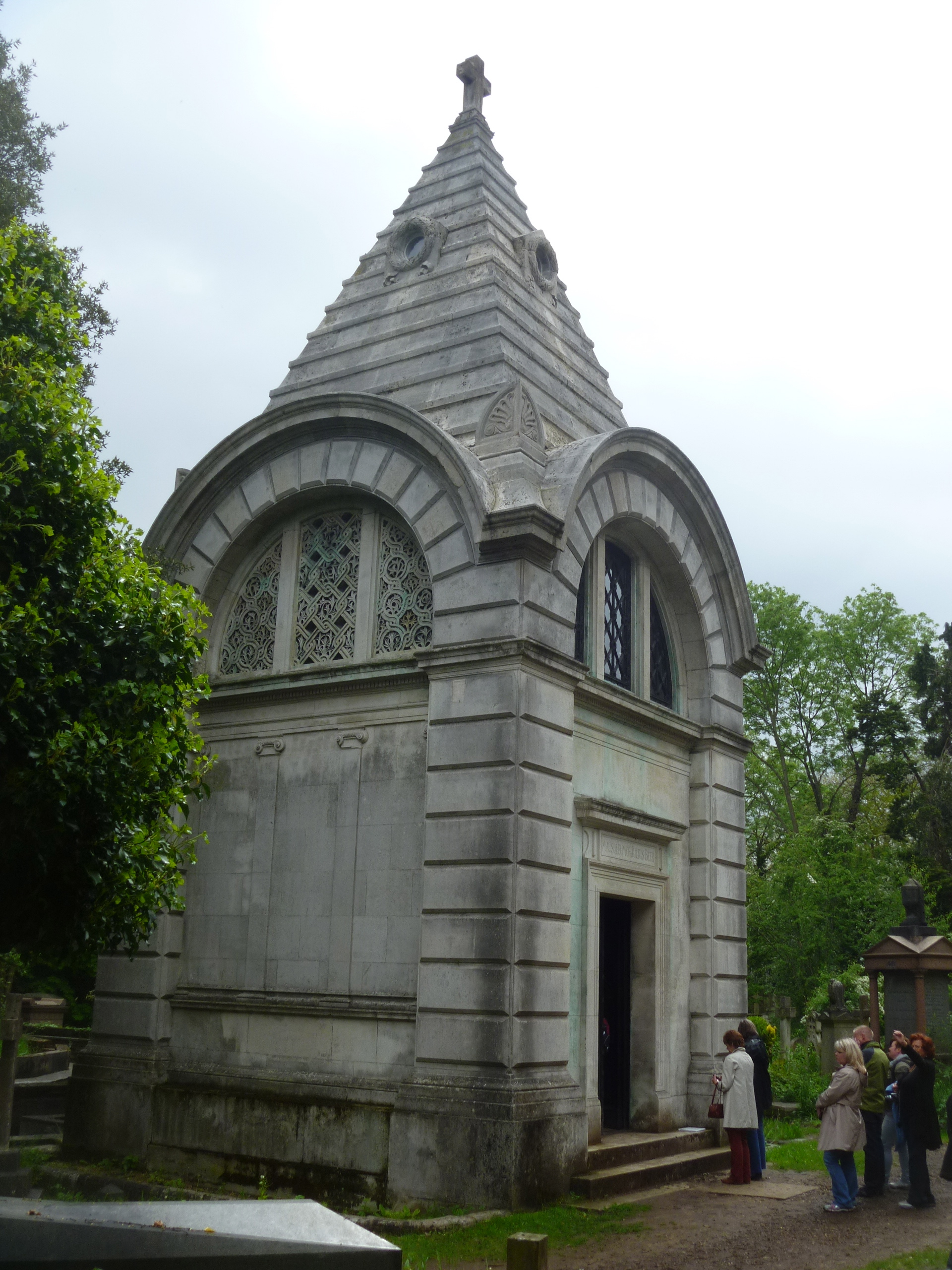
Mausoleum of Julius Beer

The Mausoleum of Julius Beer (no photography allowed inside)

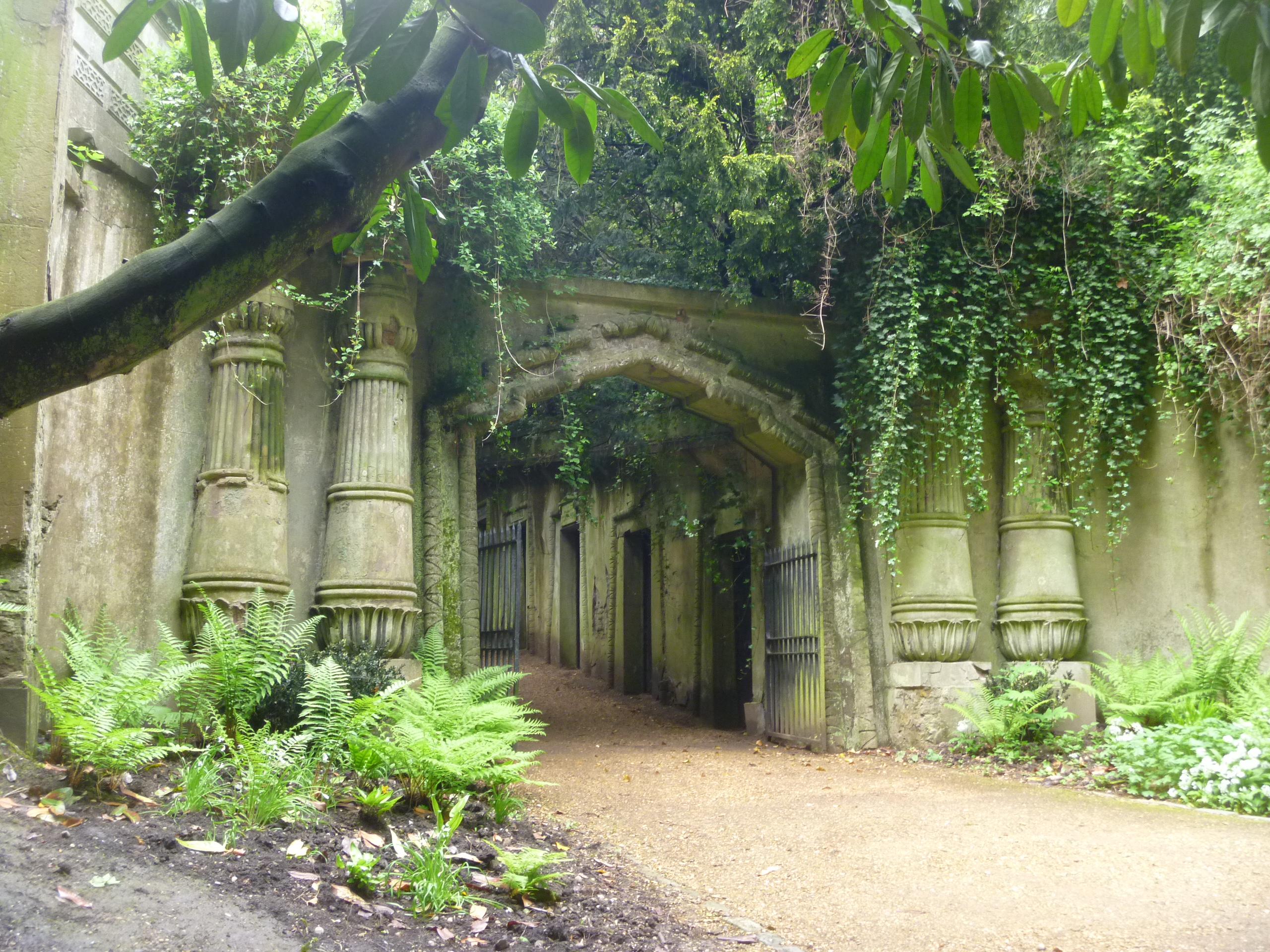
Egyptian Avenue

The Egyptian Avenue

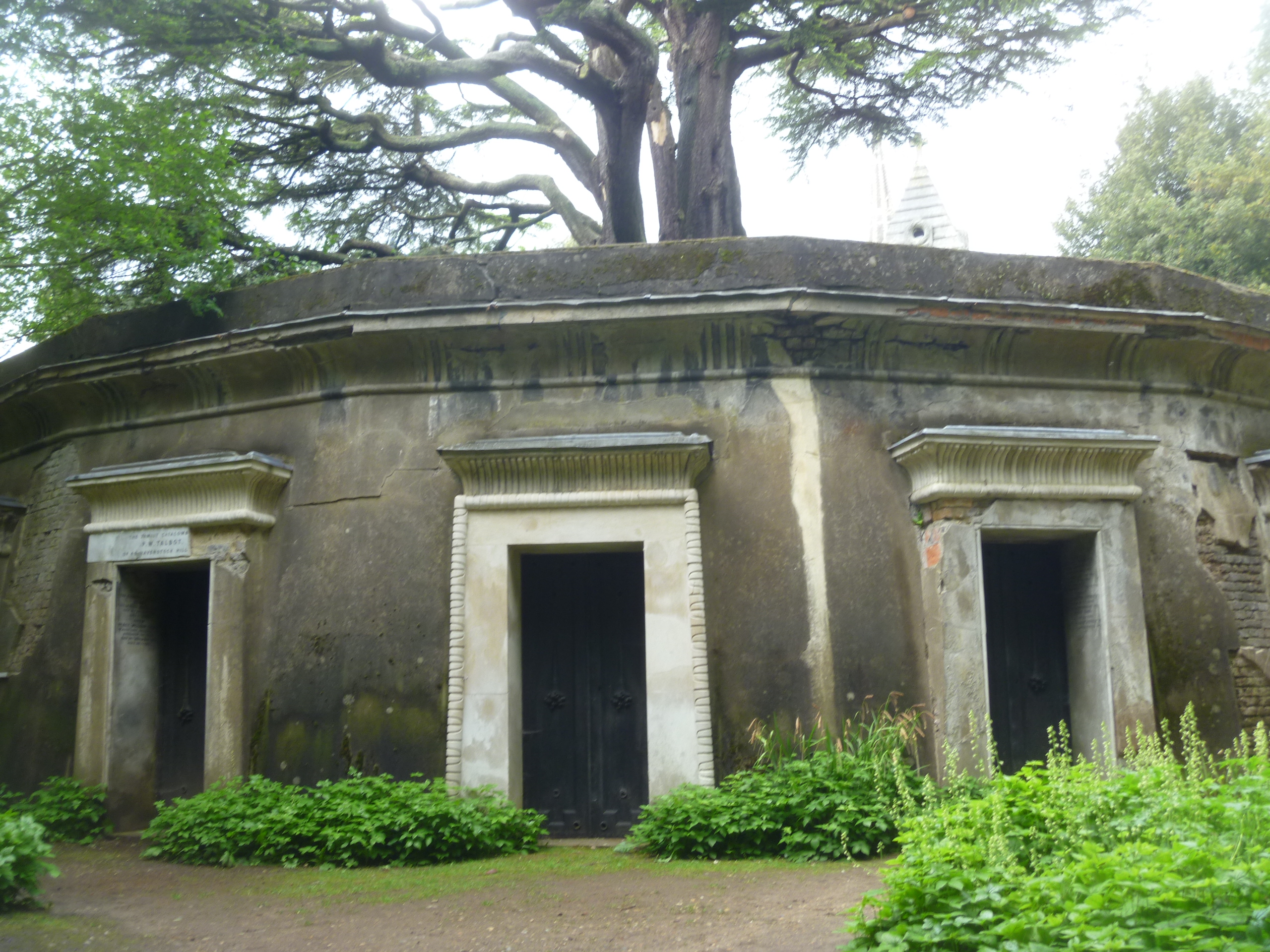
Cedar of Lebanon Circle

The Cedar of Lebanon Circle

George Wombwell's Nero

Animal friends even accompany their masters: Nero guards his master George Wombwell a Menagerist

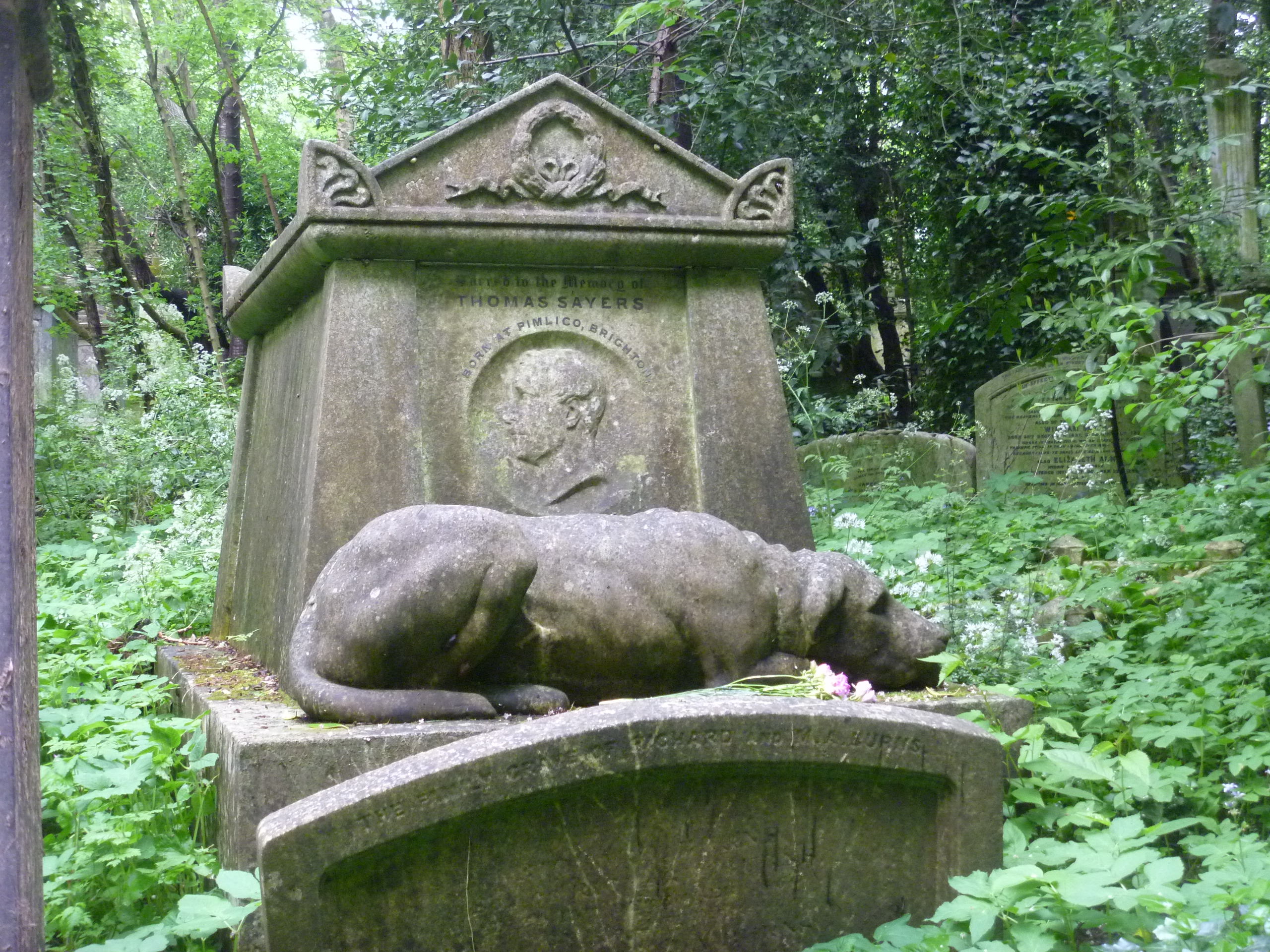
And Thomas Sayers’ bull mastiff, below

Thomas Sayers and his bull mastif

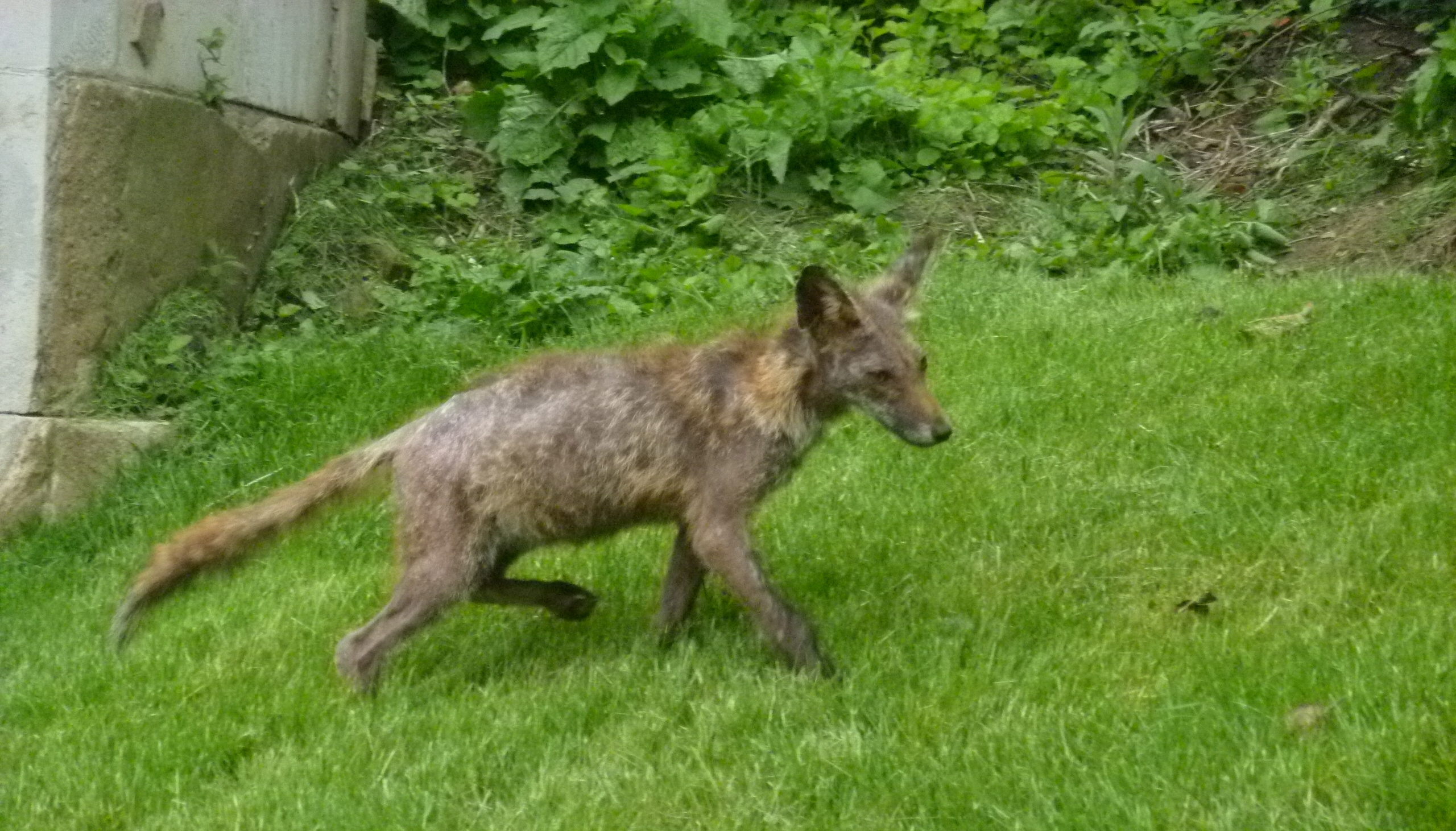
A live inhabitant

We even saw a live inhabitant!

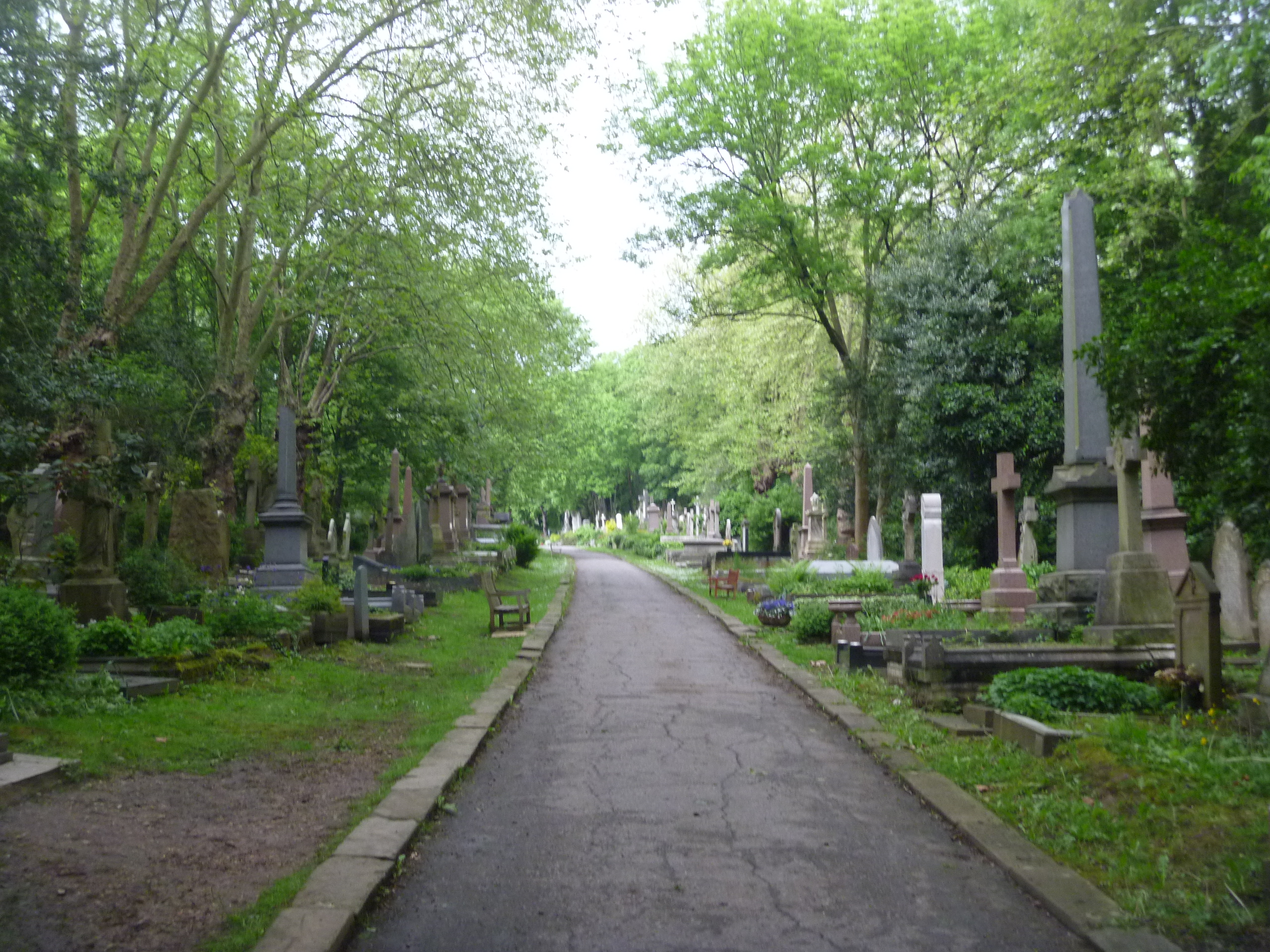
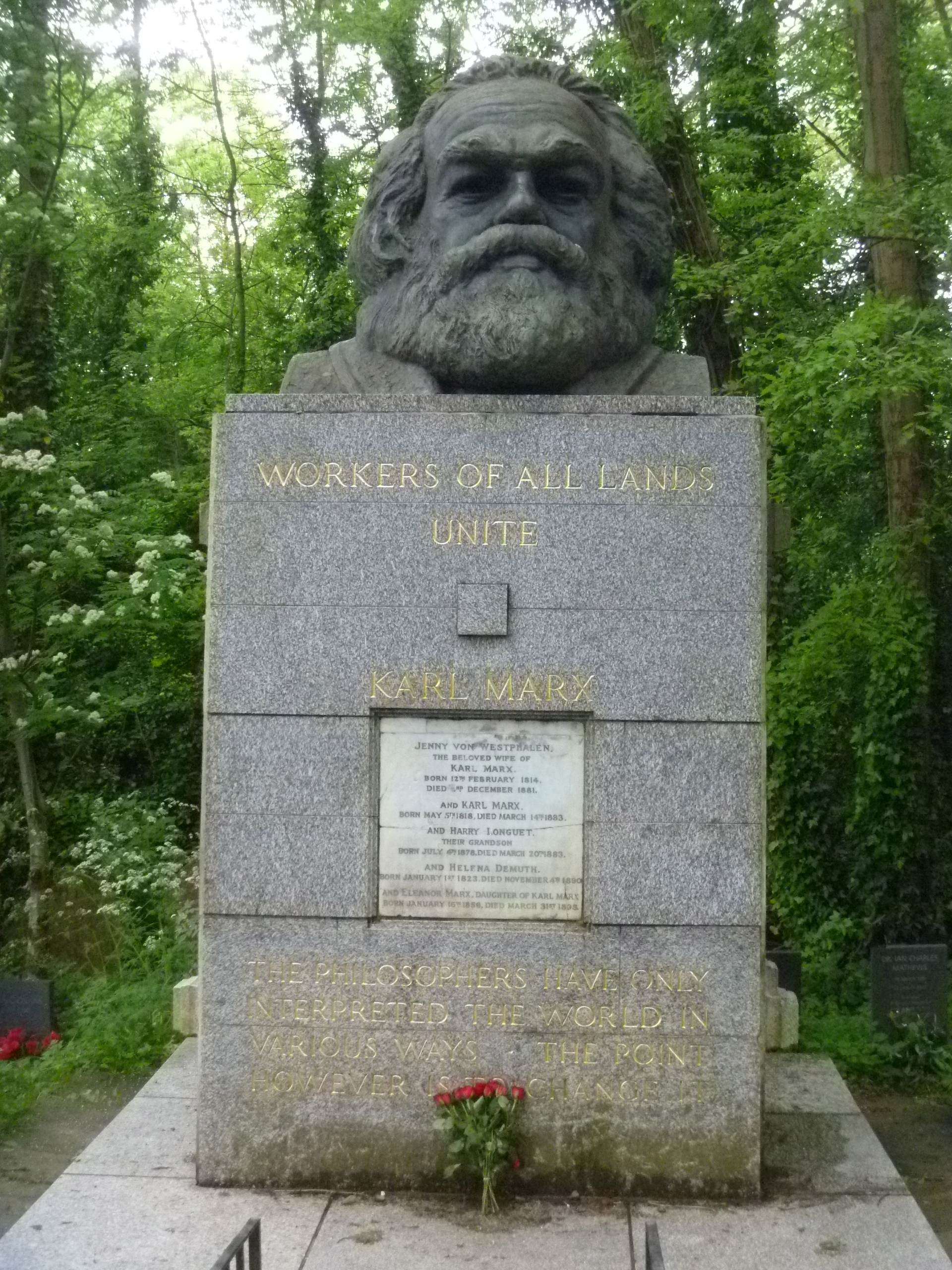
The East Cemetery has its own atmosphere and clearer to follow paths with less undegrowth and many more recent and famous graves and memorials – the most famous probably being that of Karl Marx erected and paid for by the British Communist Party in 1955. It is truly larger than life.

Highgate Cemetery East

Karl Marx

Watery North Devon Literary Connections

There are some watery literary connections in North Devon. Charles Kingsley author of The Water Babies lived in Clovelly as a child and returned many times as an adult and Henry Williamson lived for some time in Georgeham near Croyde and based his Tarka the Otter stories on local North Devon rivers.

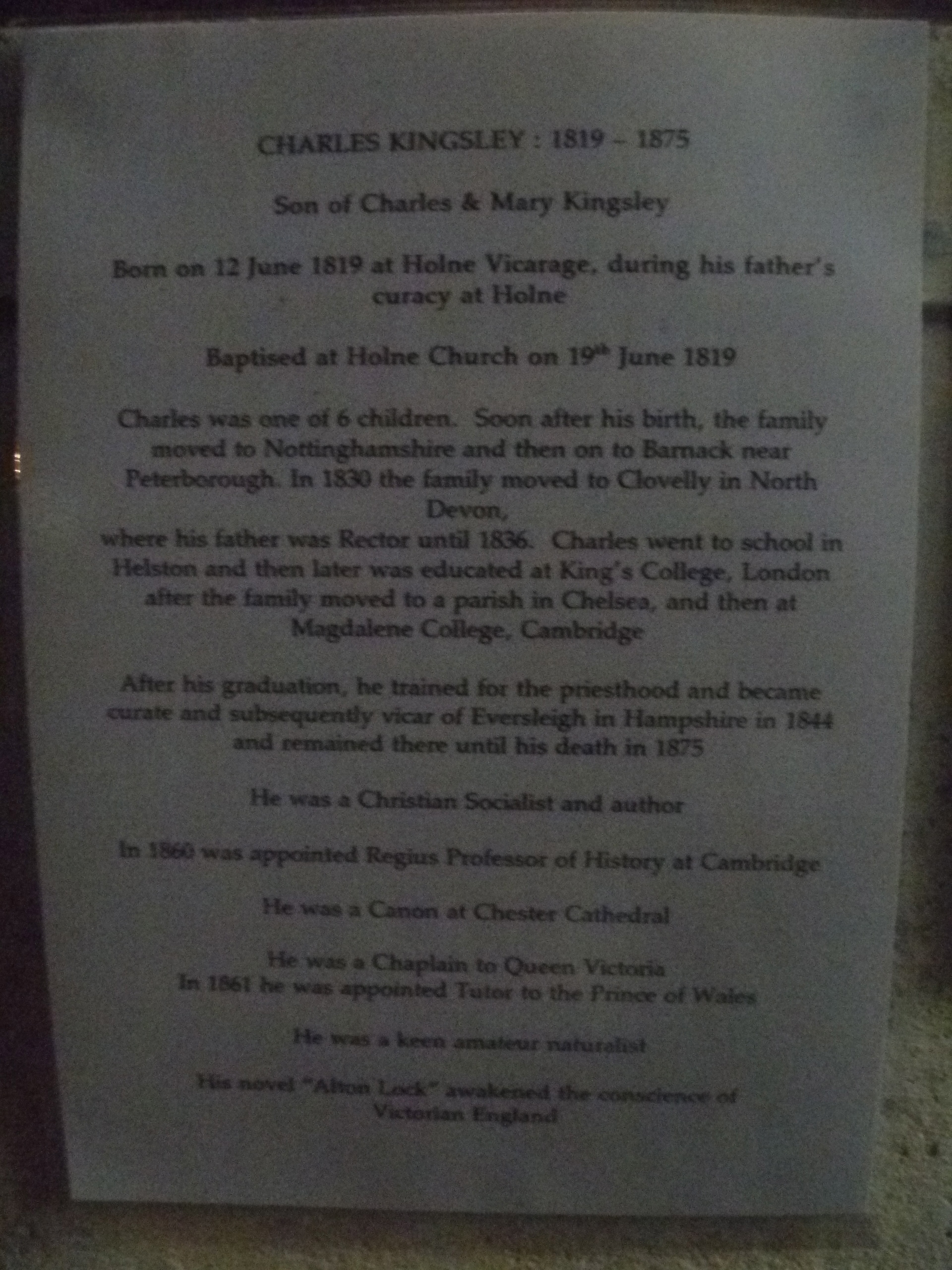
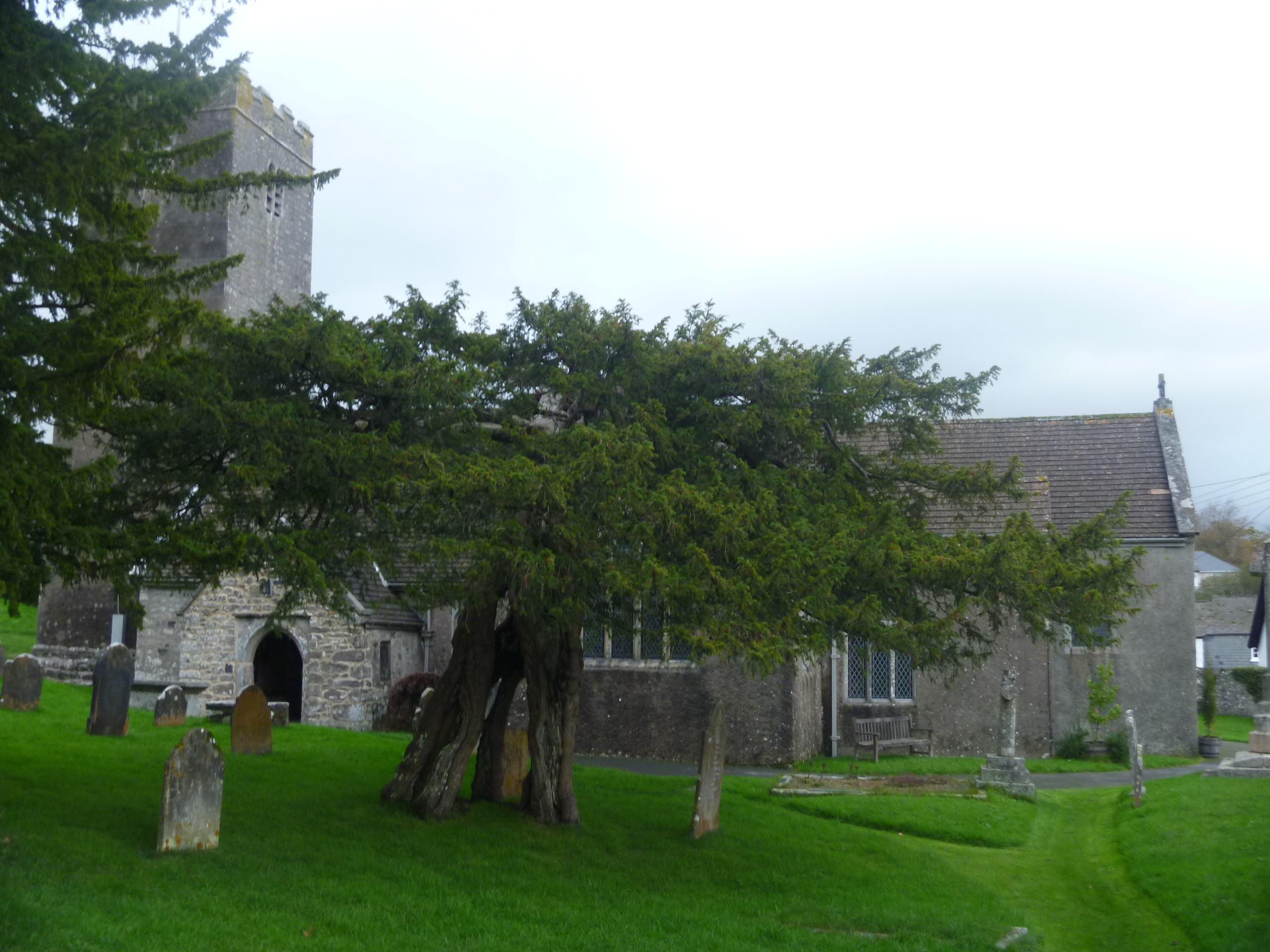
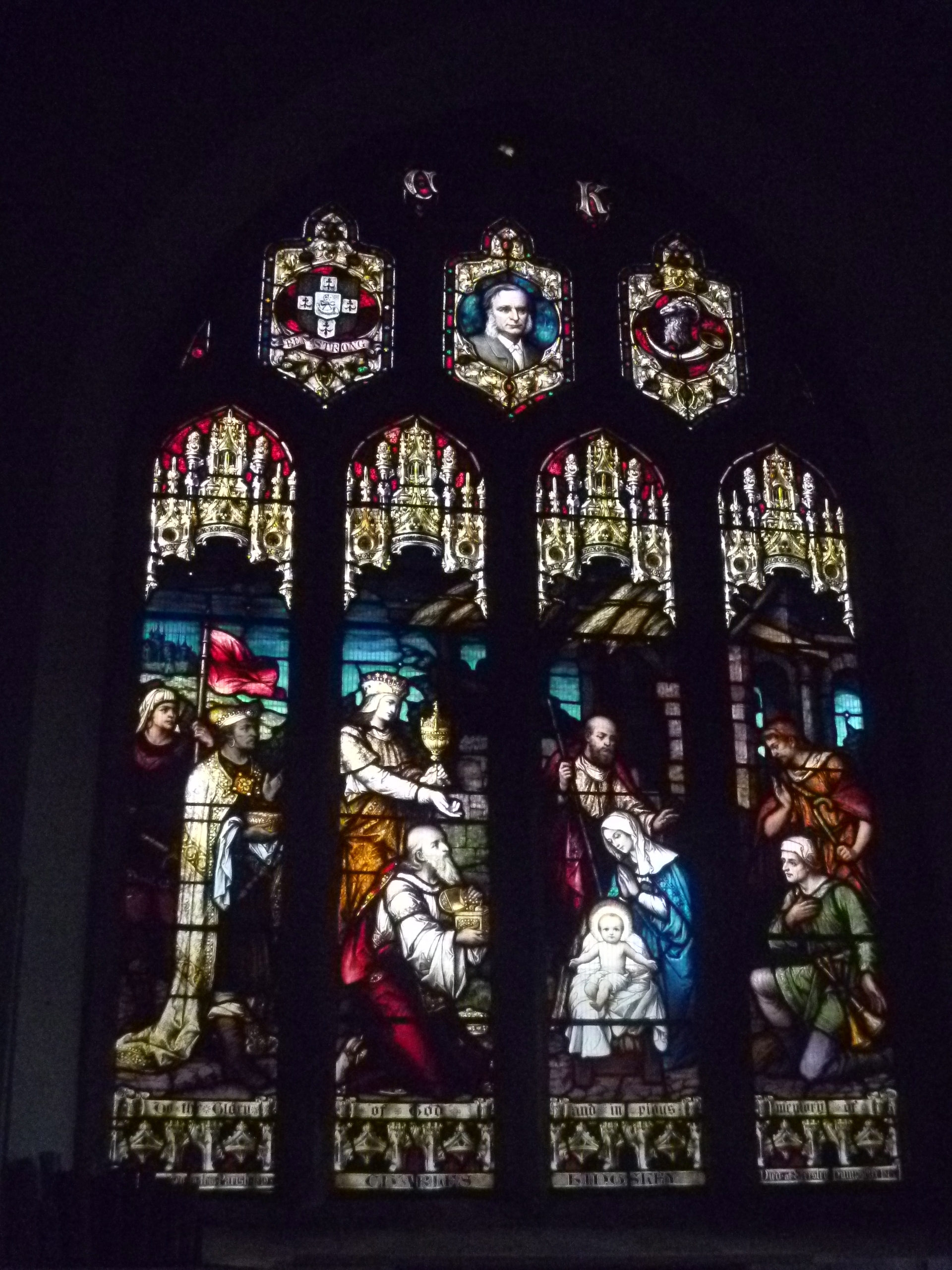
Charles Kingsley was born at Holne Vicarage on Dartmoor. I visited the church, but the vicarage was inaccessible, a couple of years ago when staying in the area. Here is a brief resumé of his life and a picture of the stained glass window in the church of St Mary the Virgin at Holne.

life of Charles Kingsley

Church at Holne

St Mary the Virgin, Holne, Dartmoor

Stained glass window

Charles Kingsley Window, Holne

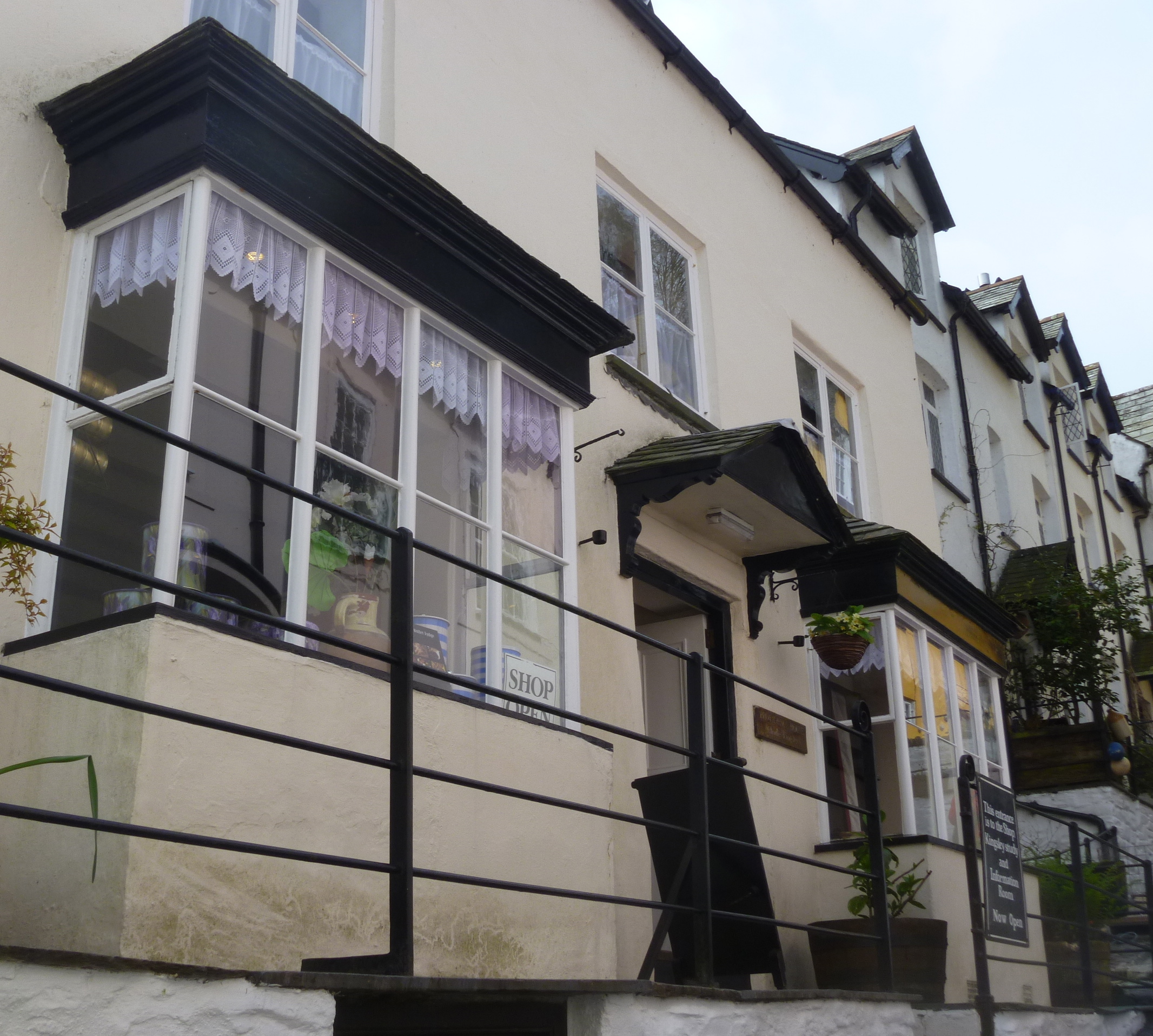
There is a Charles Kingsley Museum in Providence House (his former home) in Clovelly. The Kingsley family moved to Clovelly from Holne when Charles was 11 and they lived there for six years. Charles Kingsley visited the village frequently as an adult and wrote his novel “Westward Ho!” here.

Providence House Clovelly

Providence House, now The Charles Kingsley Museum, Clovelly

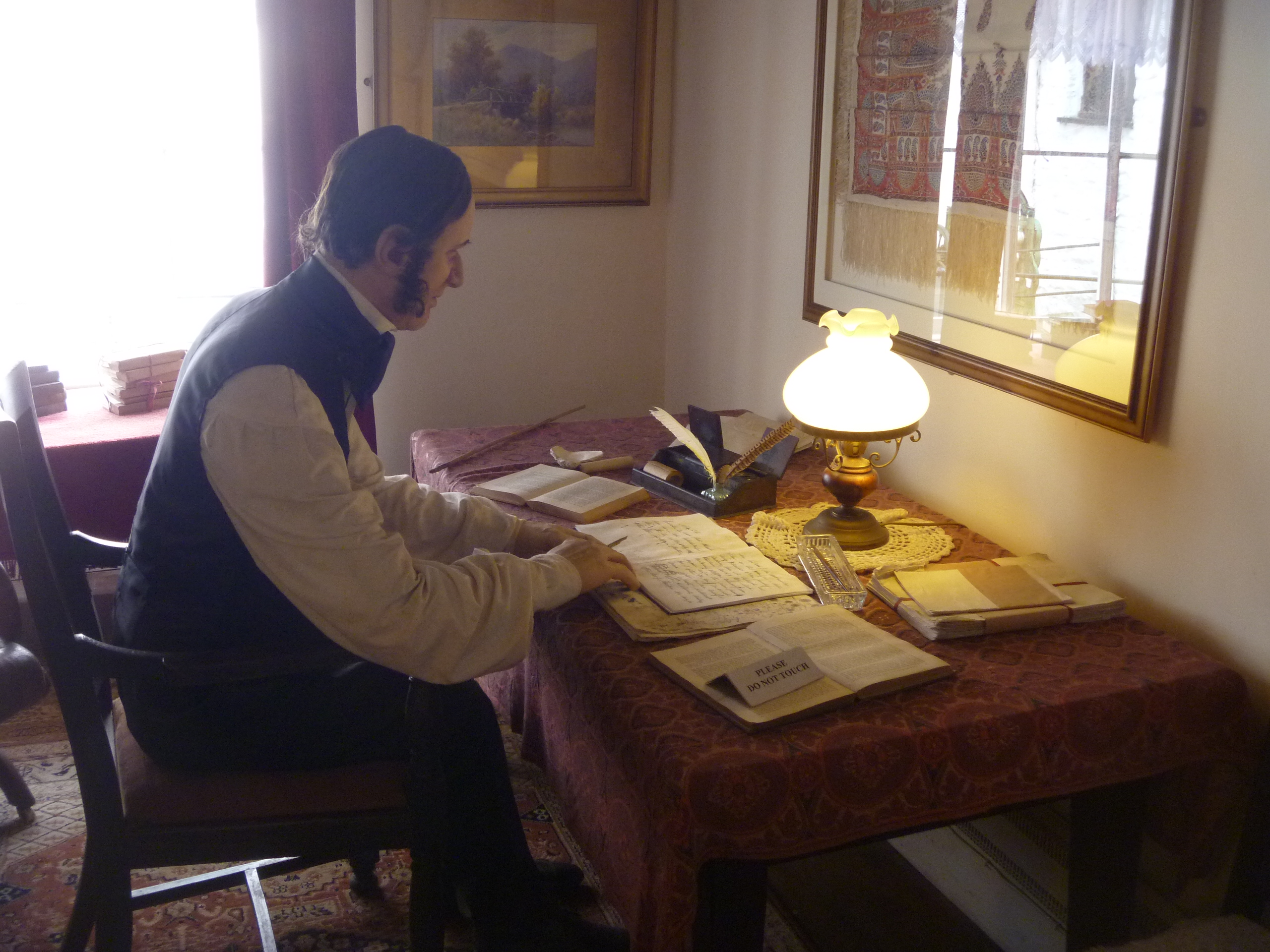
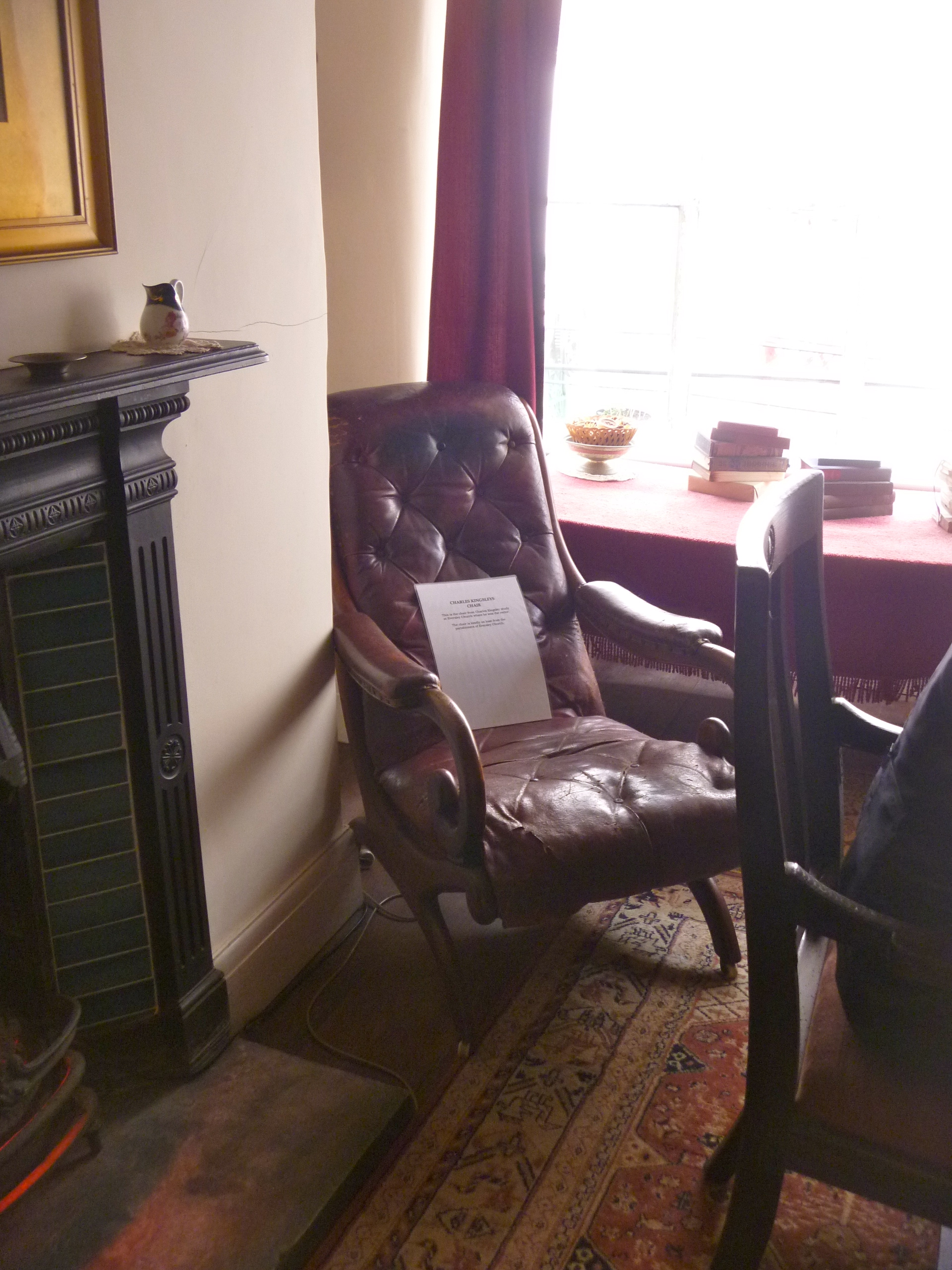
Step inside the Museum with me and see Charles Kingsley at work in his study and his chair and his Christening Shawl.

CK and his christening shawl

Charles Kingsley and his Christening Shawl

CK's chair

Charles Kingsley’s Chair (on loan from the parish of Eversley, Hampshire)

The leaflet supplied to visitors states that “the village also inspired him to write ‘The Water Babies’. I had always understood that Kingsley was inspired to write the book on his visits to Yorkshire whilst staying near Malham Tarn at a house called Bridge End in nearby Arncliffe in Littondale. Here is an article from The Yorkshire Post supporting this fact. Maybe he was also inspired by Clovelly on some aspect of the book?
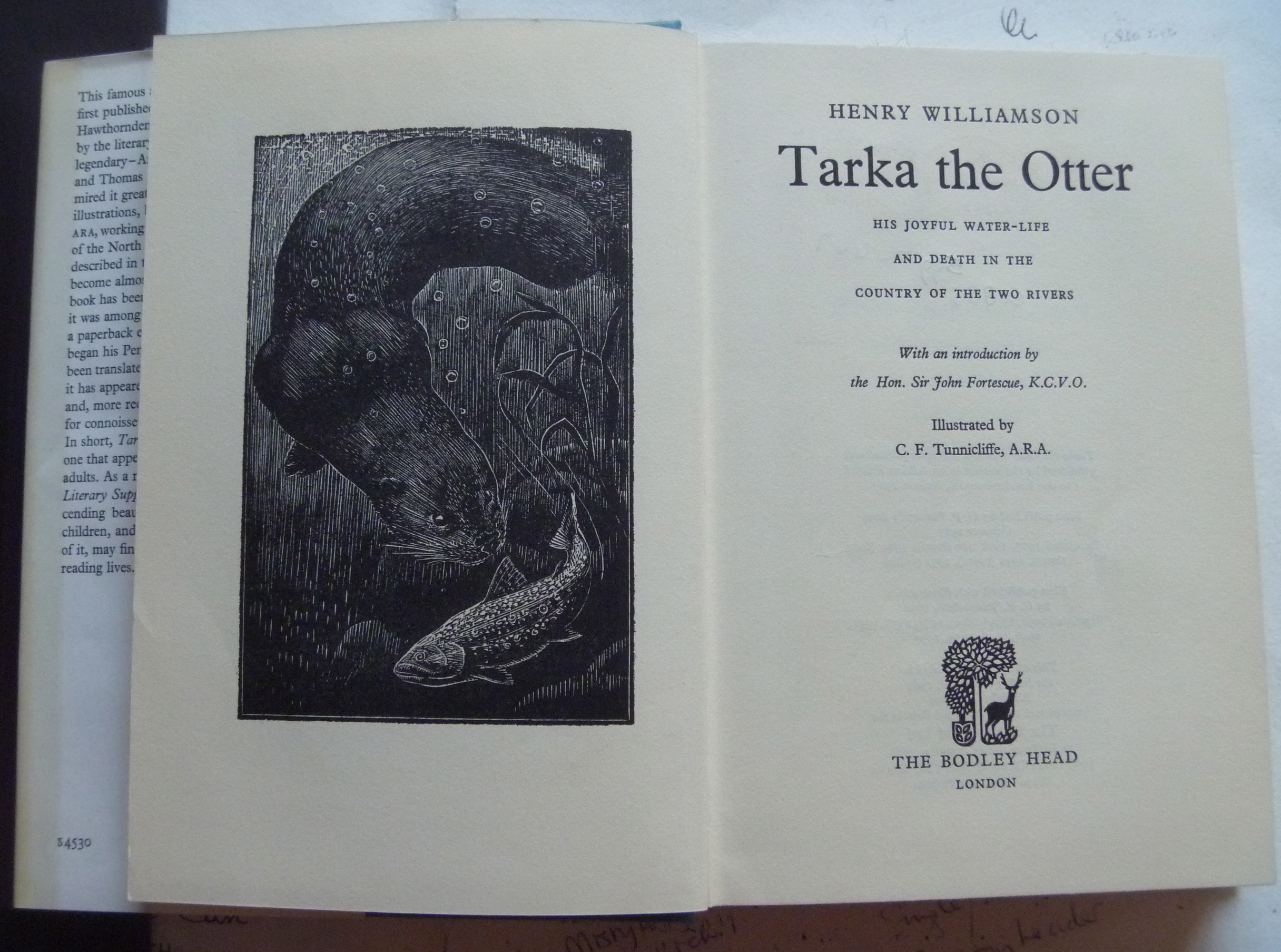
Tarka the Otter

From a wet and windy Clovelly I headed to Braunton for fish and chips and then to the local museum. I expected to find some information about local writer Henry Williamson who wrote ‘Tarka the Otter’. There was a small display about the author who wrote many more books than this famous nature writing including :

The great work of his mature years, A Chronicle of Ancient Sunlight, [which] stands as a true statement of the social history of this country in all its varied detail, through the life of the main character, Philip Maddison.”

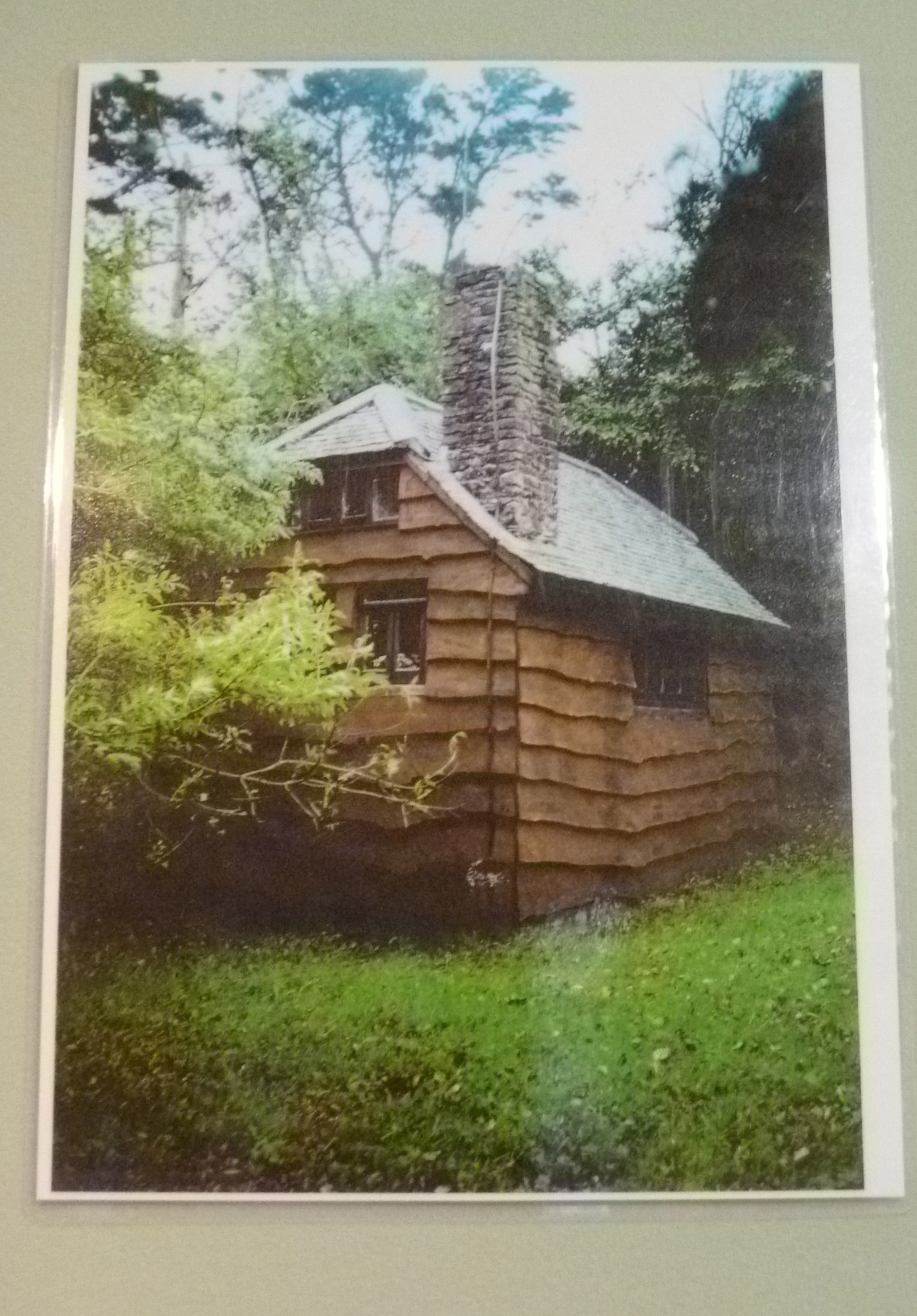
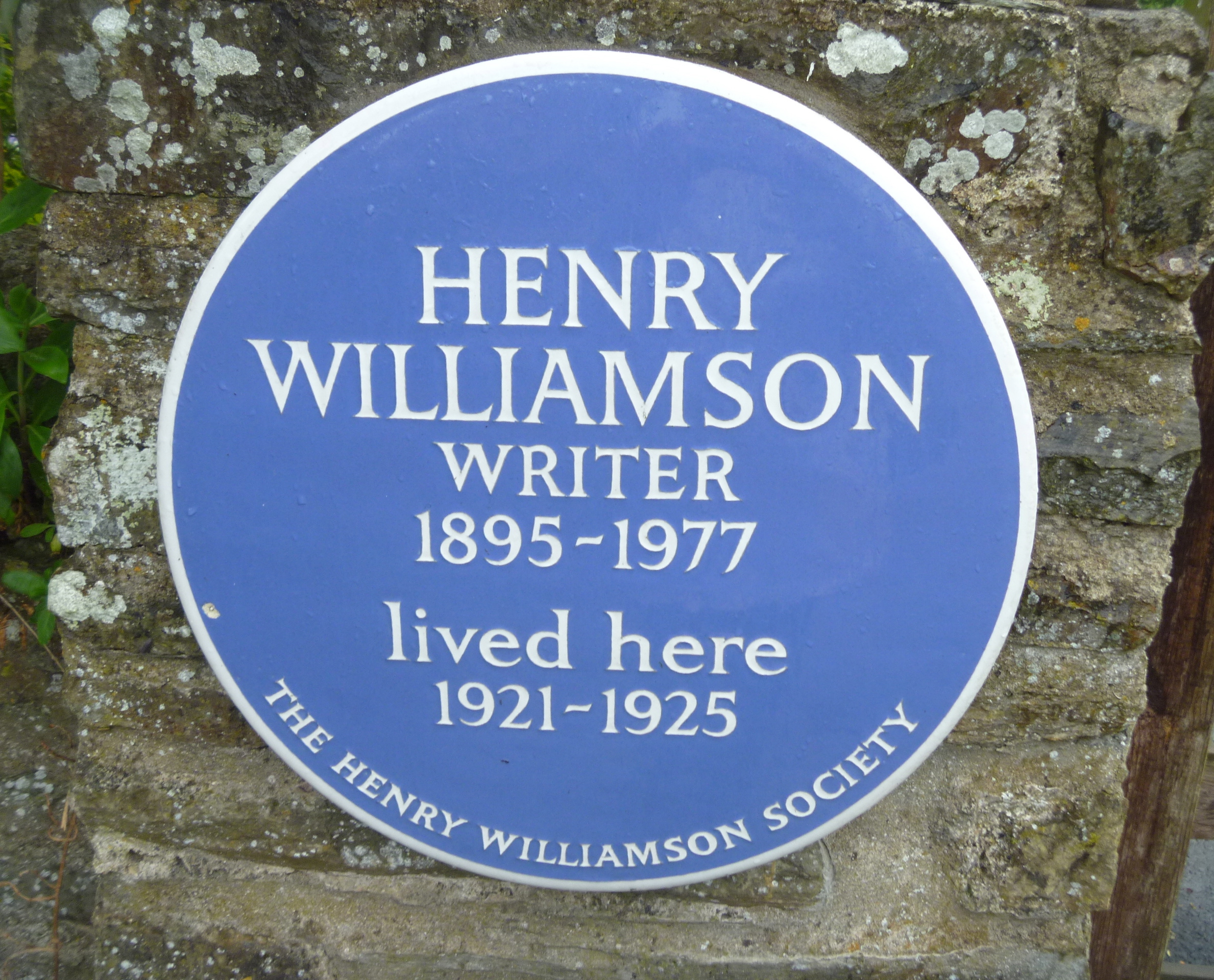
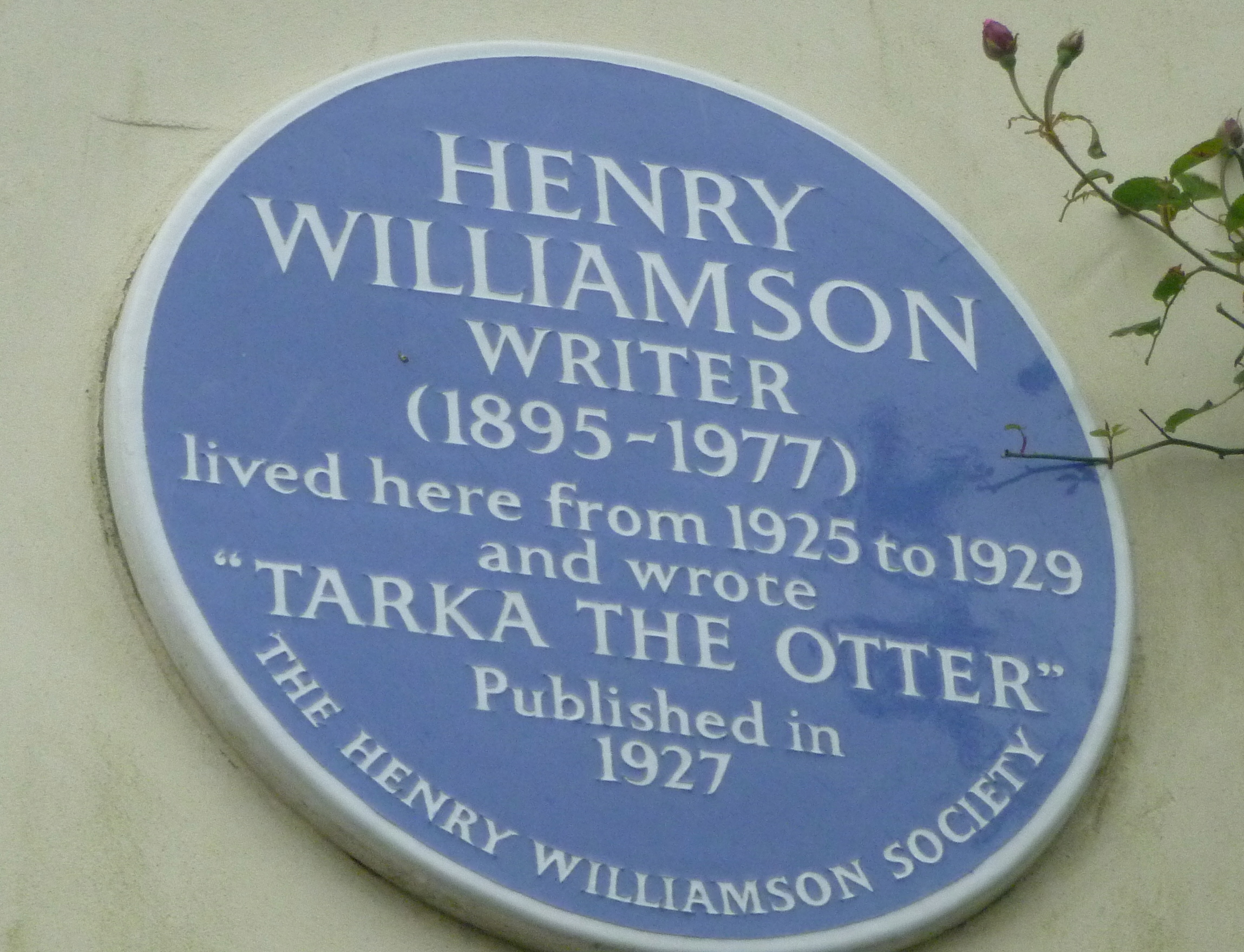
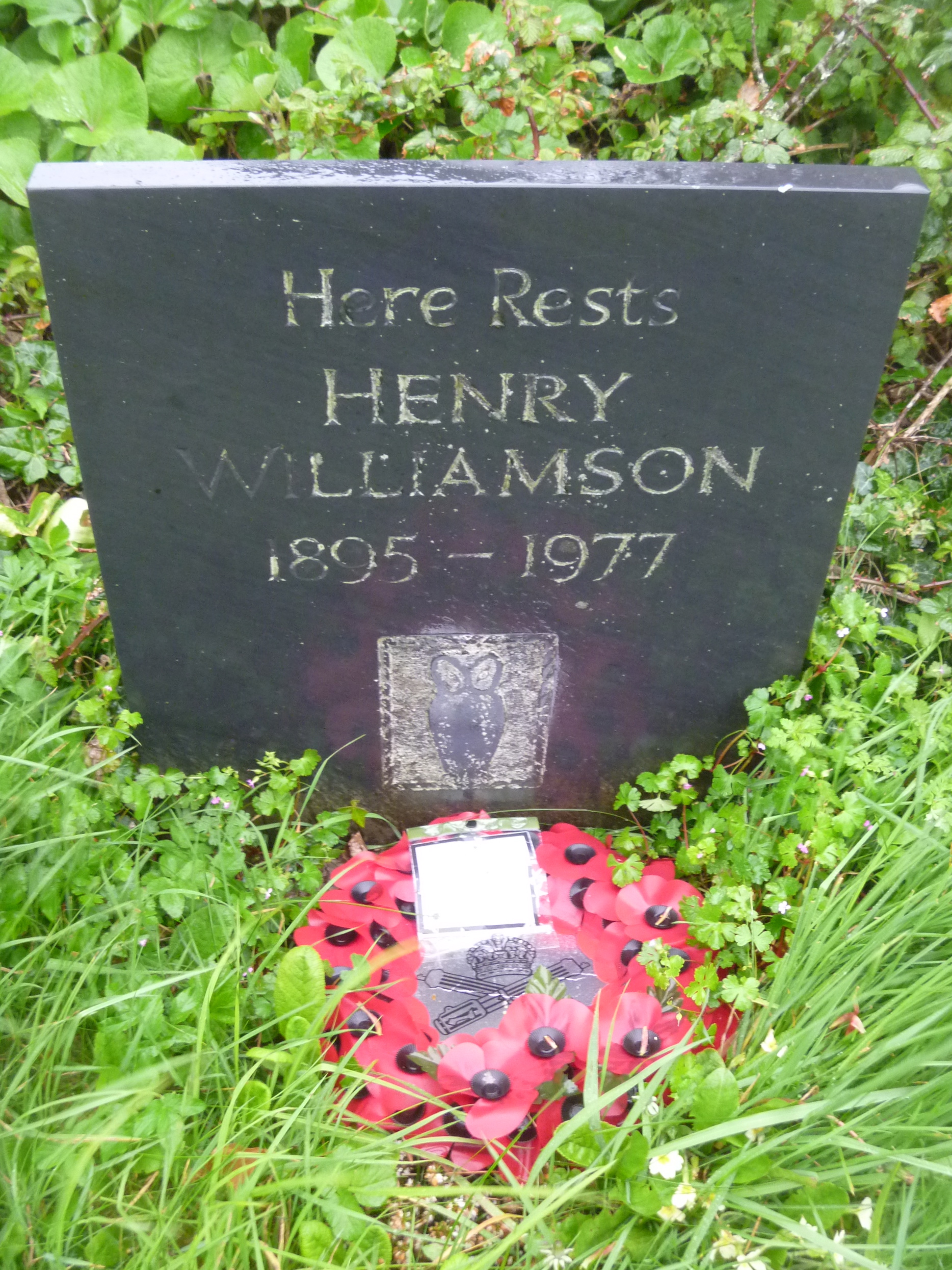
In north Devon it’s Tarka, Tarka everything. The Tarka Line (railway), The Tarka Trail (walking/cycling path), Tarka Holiday Parks (caravans), Tarka Radio (hospital radio) the list is never-ending. But finding places relating to the otter’s author takes a bit more research. The Henry Williamson Society have managed to secure a couple of blue plaques on his two homes in nearby Georgeham and his writing hut still stands in a garden at nearby Ox’s Cross. Through pelting rain I managed to snap the two Georgeham homes and Williamson’s grave but I had to forego finding the shed.

Hut

Henry Williamson’s hut at Ox’s Cross

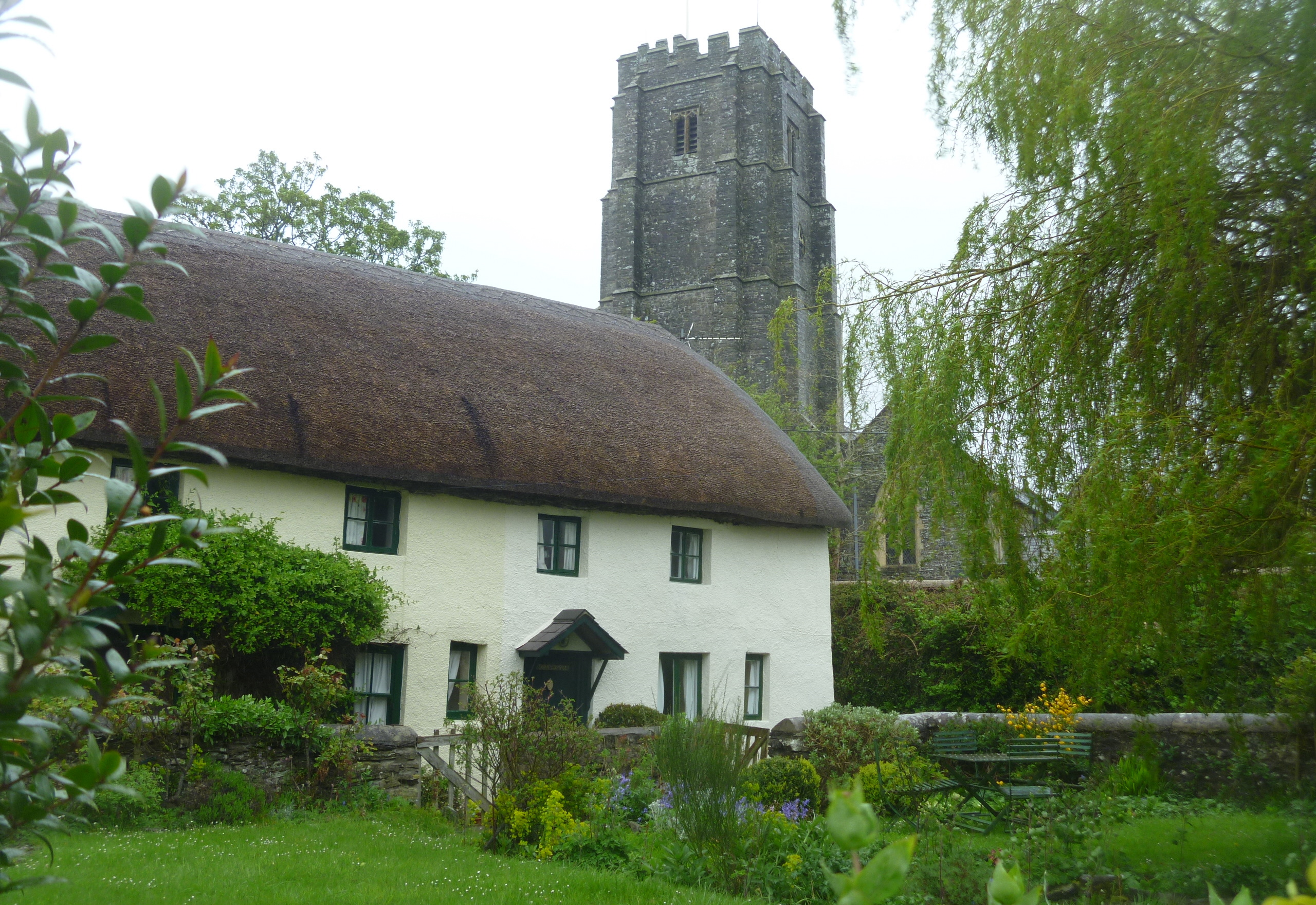
Williamson Skirr Cottage

Williamson’s first home in Georgeham : Skirr Cottage [named after the sound made by the wings of owls on the roof]

Skirr Cottage plaque

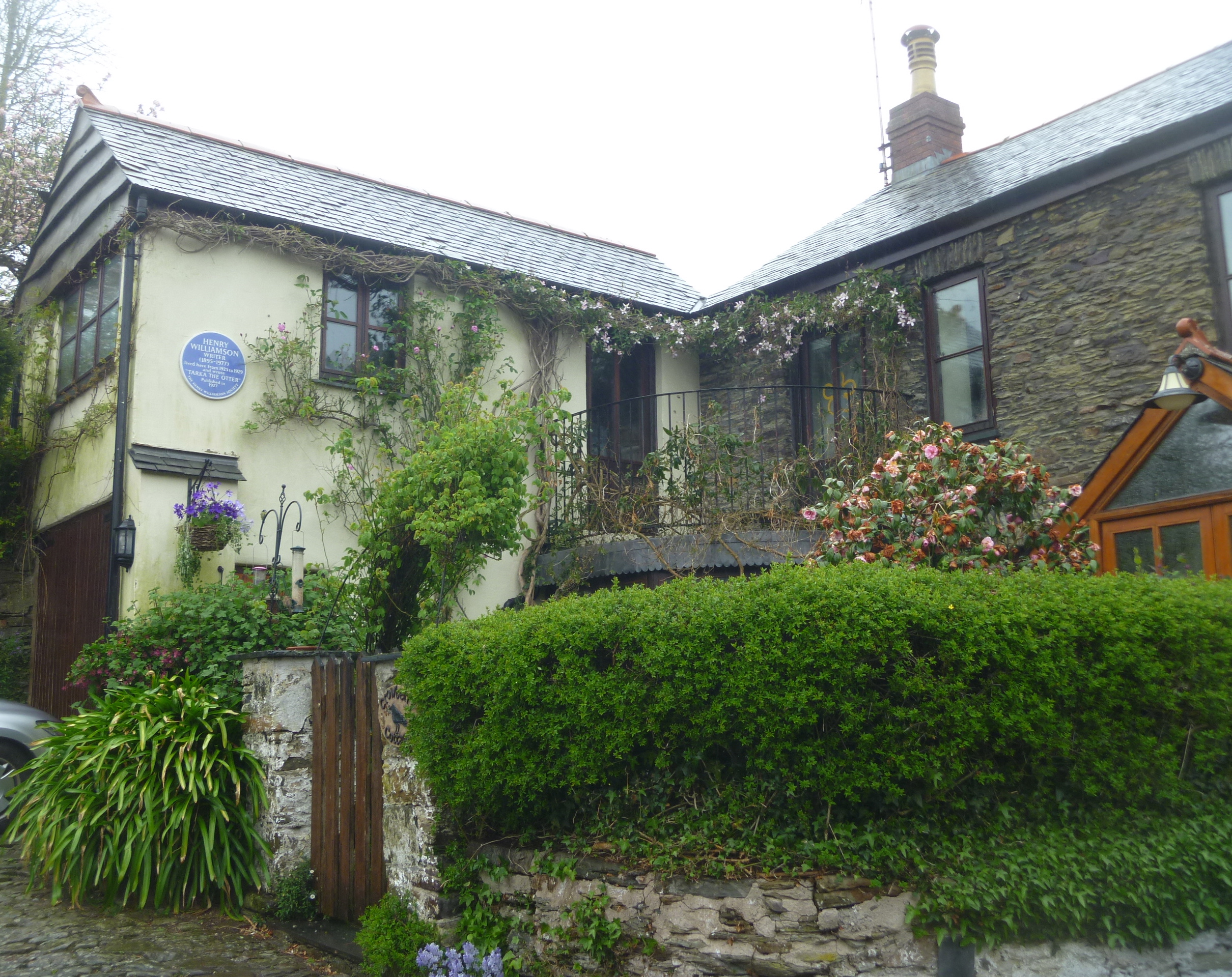
Crowberry Cottage

Crowberry Cottage – Williamson’s other home in Georgeham

Crowberry plaque

Read here about a journalist’s search for The Field and other Tarka and Williamson locations.

Williamson grave

Crowdless Clovelly

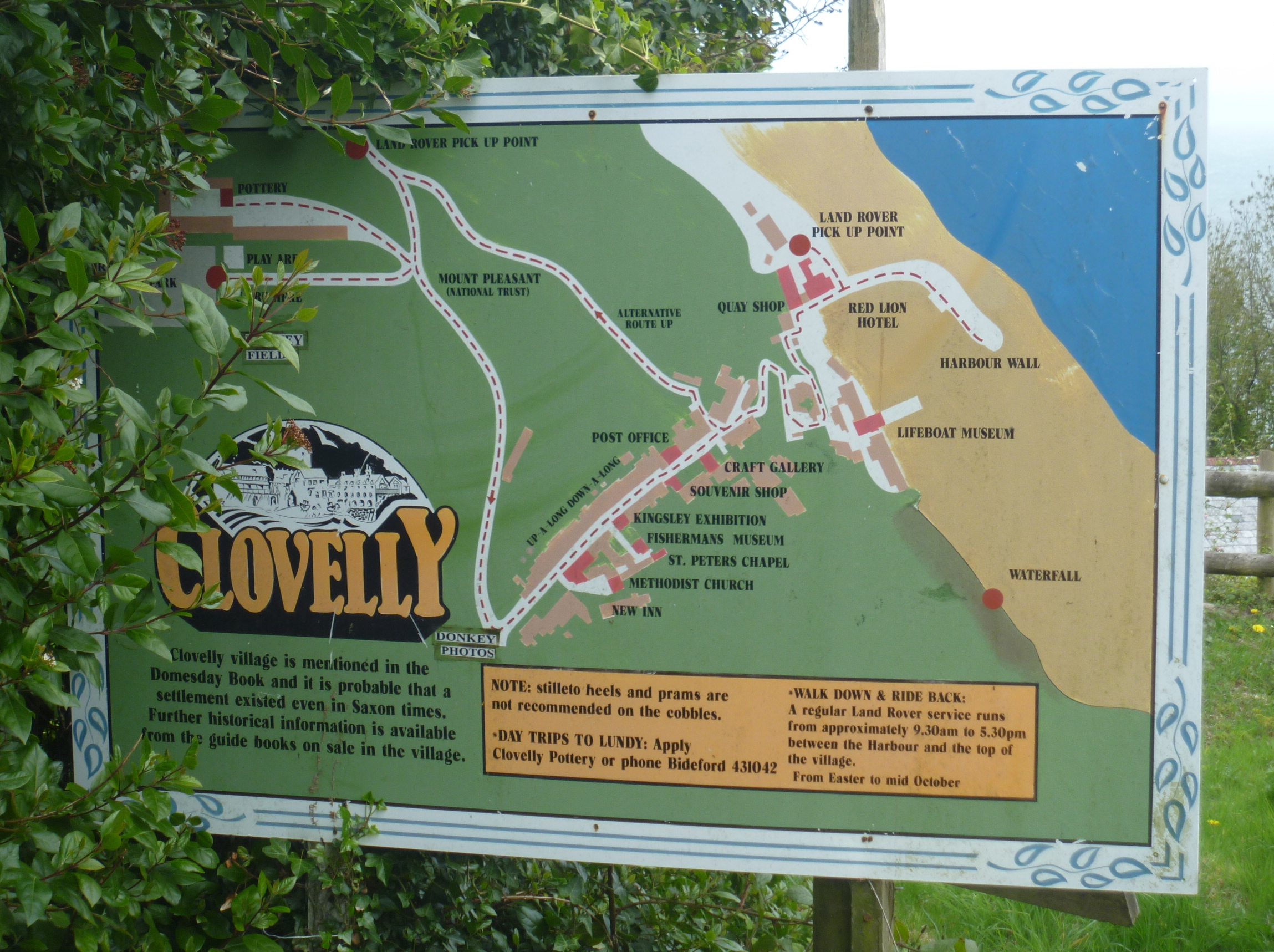
Clovelly info board

The famous and picturesque village of Clovelly on the North Devon coast is quite unique. Its streets are too steep for cars and in the past donkeys were used as the main form of transport. Donkeys are still kept at Clovelly but no longer used for heavy loads. Instead these days all goods are transported by sledge.
Clovelly Sledge transportation

Clovelly Sledge Transport

There is a huge car park at the top of the village and you enter Clovelly through the big visitor centre containing a ticket office  (yes, there’s a £6.50 charge to park and visit the village) and a shop selling everything from postcards and books of all kinds to sweets and souvenirs, a cafe and an audio-visual film show. The village is owned by one family – read more about the history of the village ownership here.

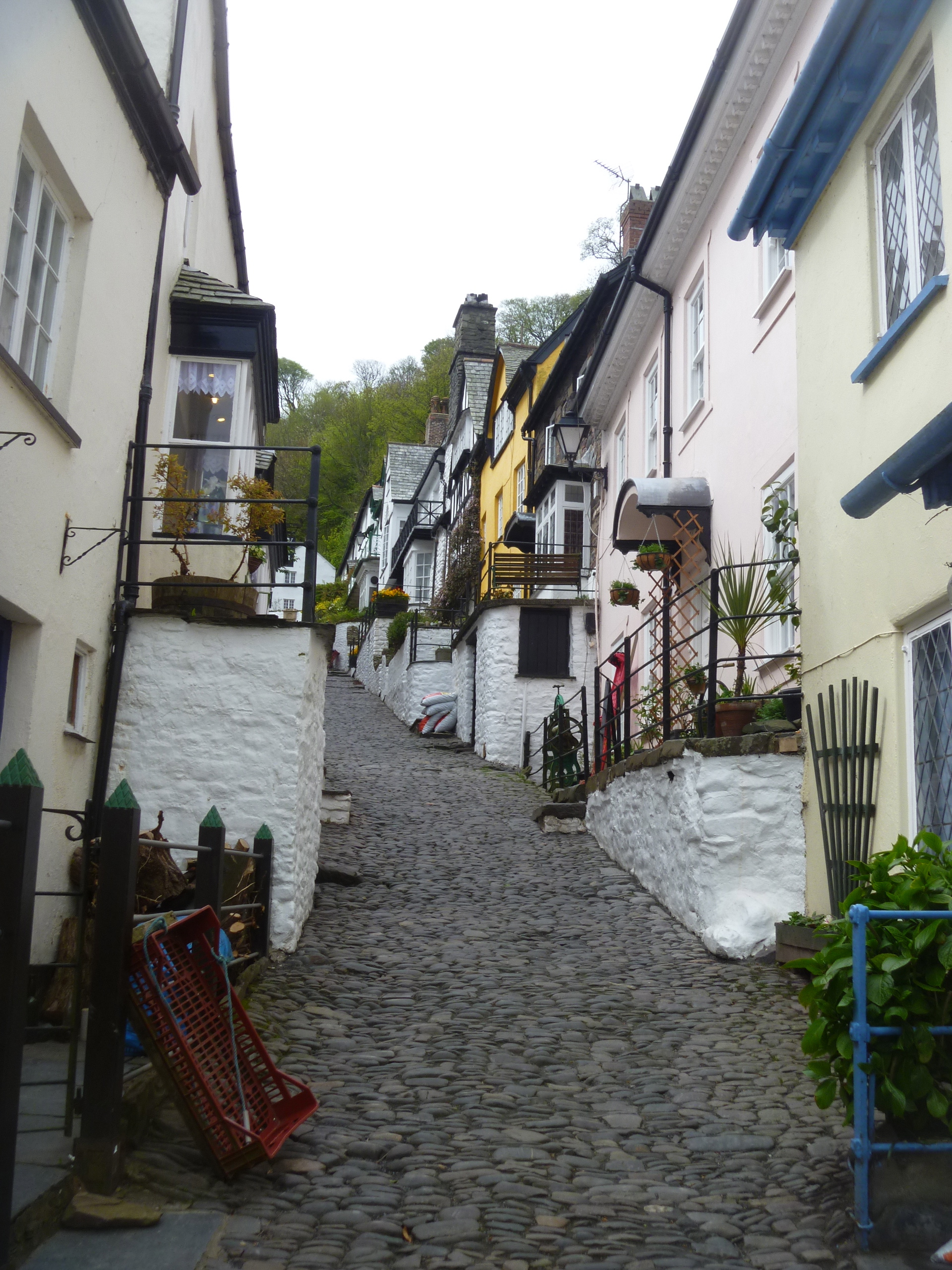
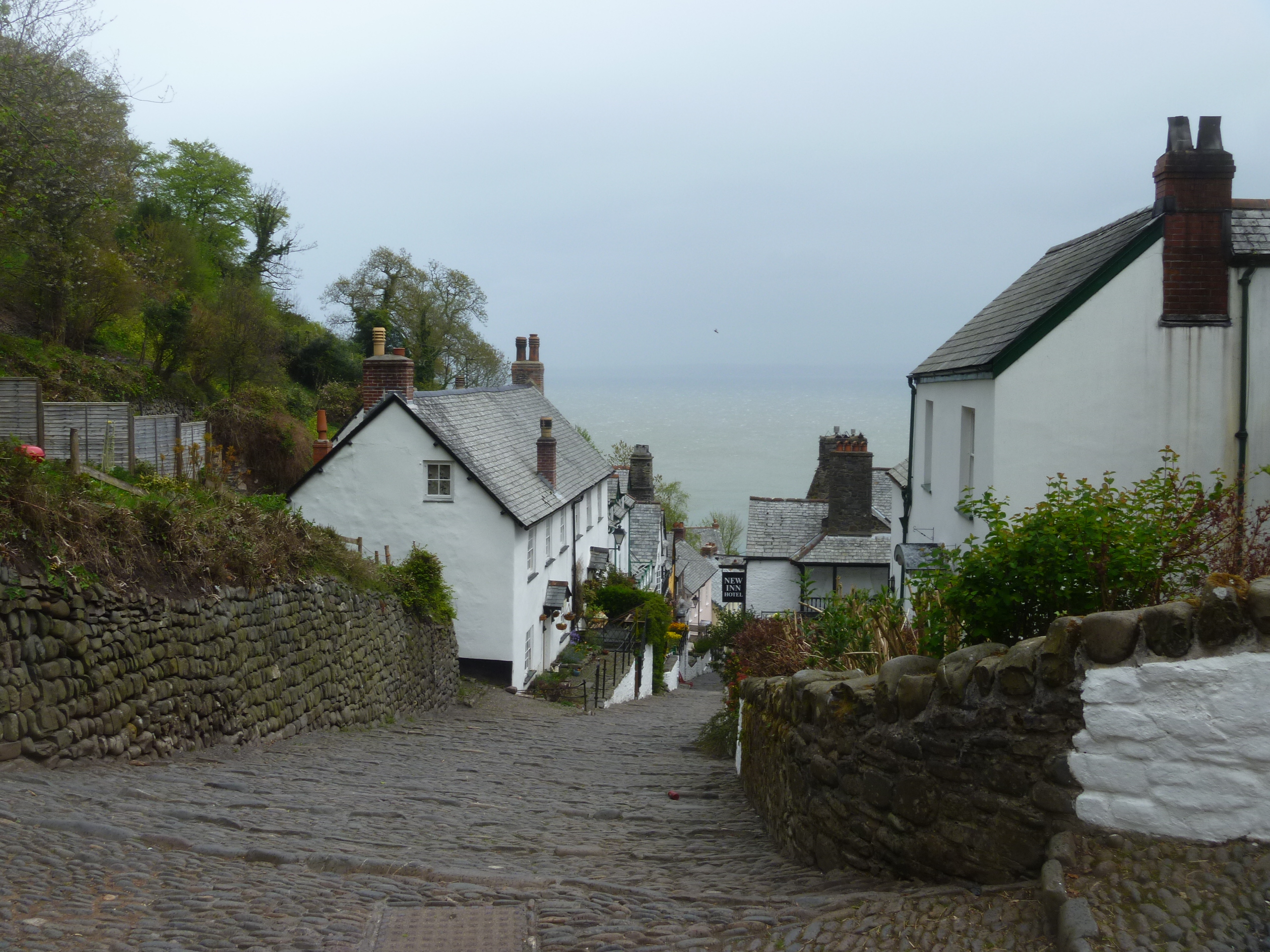
Looking up cobbled street Clovelly

The main street in Clovelly

Down the main street in Clovelly

I suppose the poor weather meant that the usual Clovelly crowds kept away and I had the village practically to myself. There was a small coach party of German tourists arriving at the same time as me but we soon spread out in the narrow streets and passages and shops and inns and around the harbour so my visit was not in any way spoiled by the famous crowds that I had heard of.

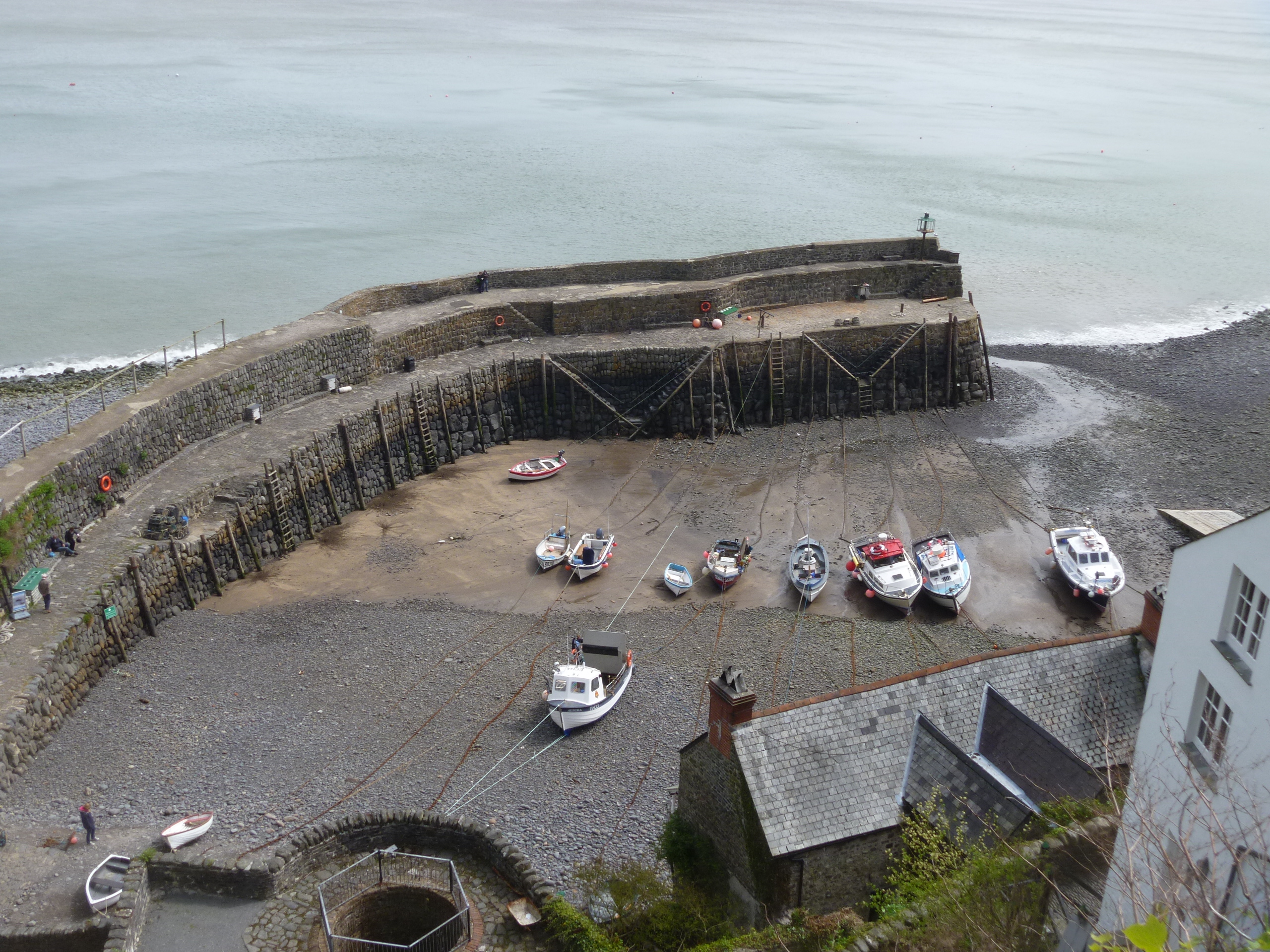
Clovelly Quay

The tide’s out at the quay

I decided to walk steadily down the main street and sit down for a while on the 14thC quay to study the map (so long as it stayed dry) and work my way slowly back to Hobby Drive and from there regain the car park.

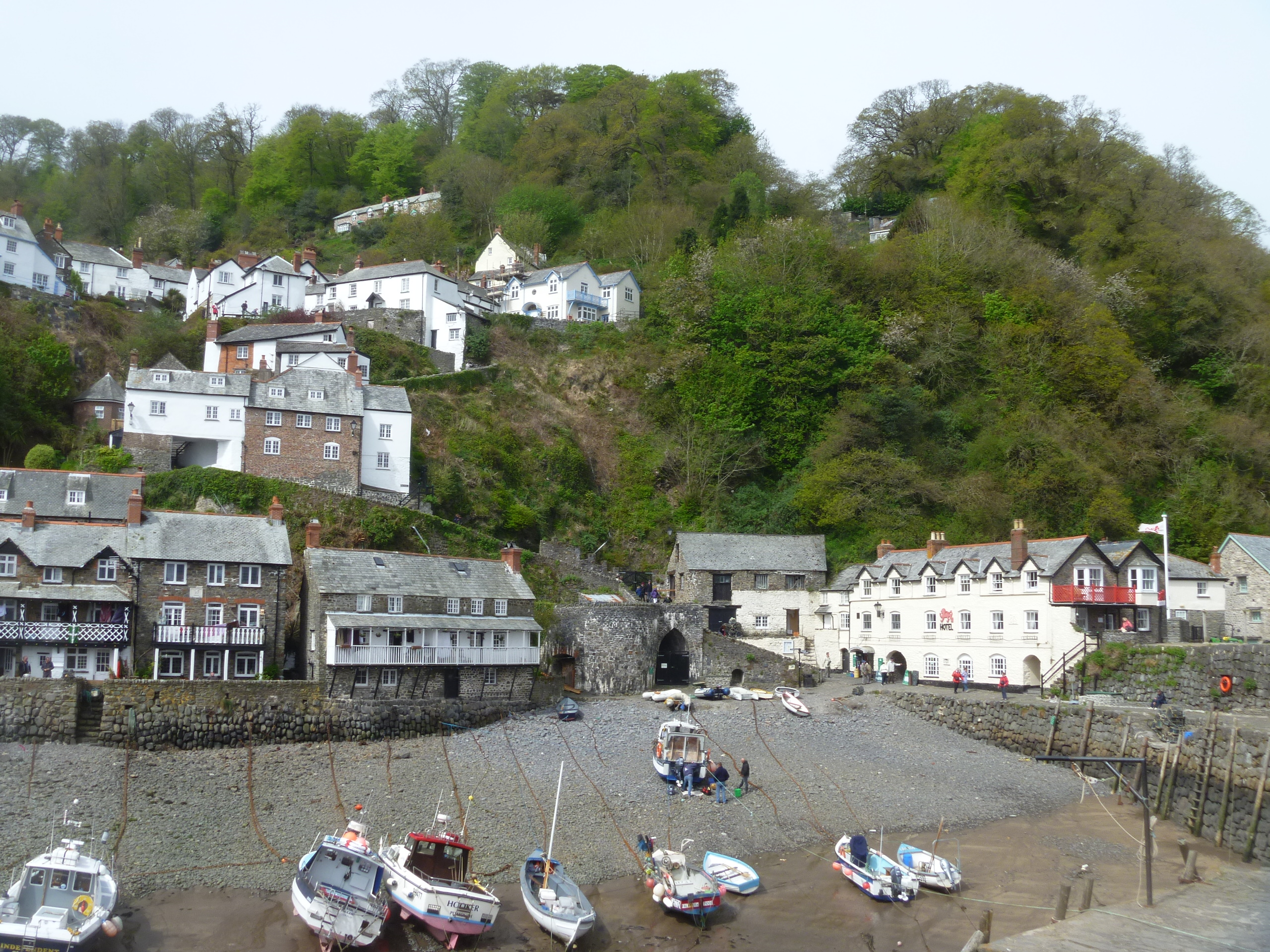
The tide is out at Clovelly Harbour

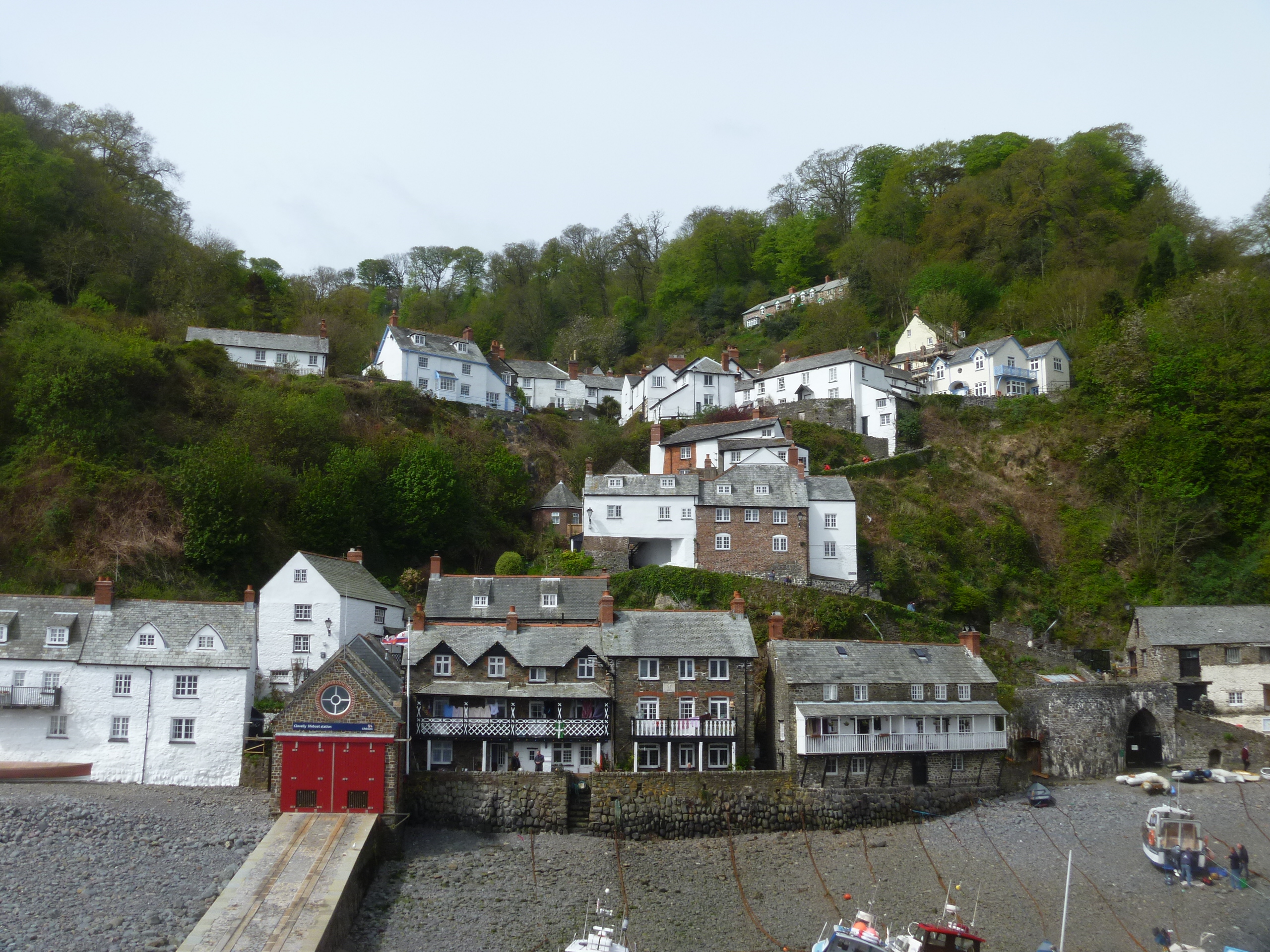
Clovelly and Lifeboat Station

Down at the harbour the tide was out but it looked as if there is still some kind of fishing industry being carried out here. The map and leaflet list all the places to see and I managed see/visit them all.

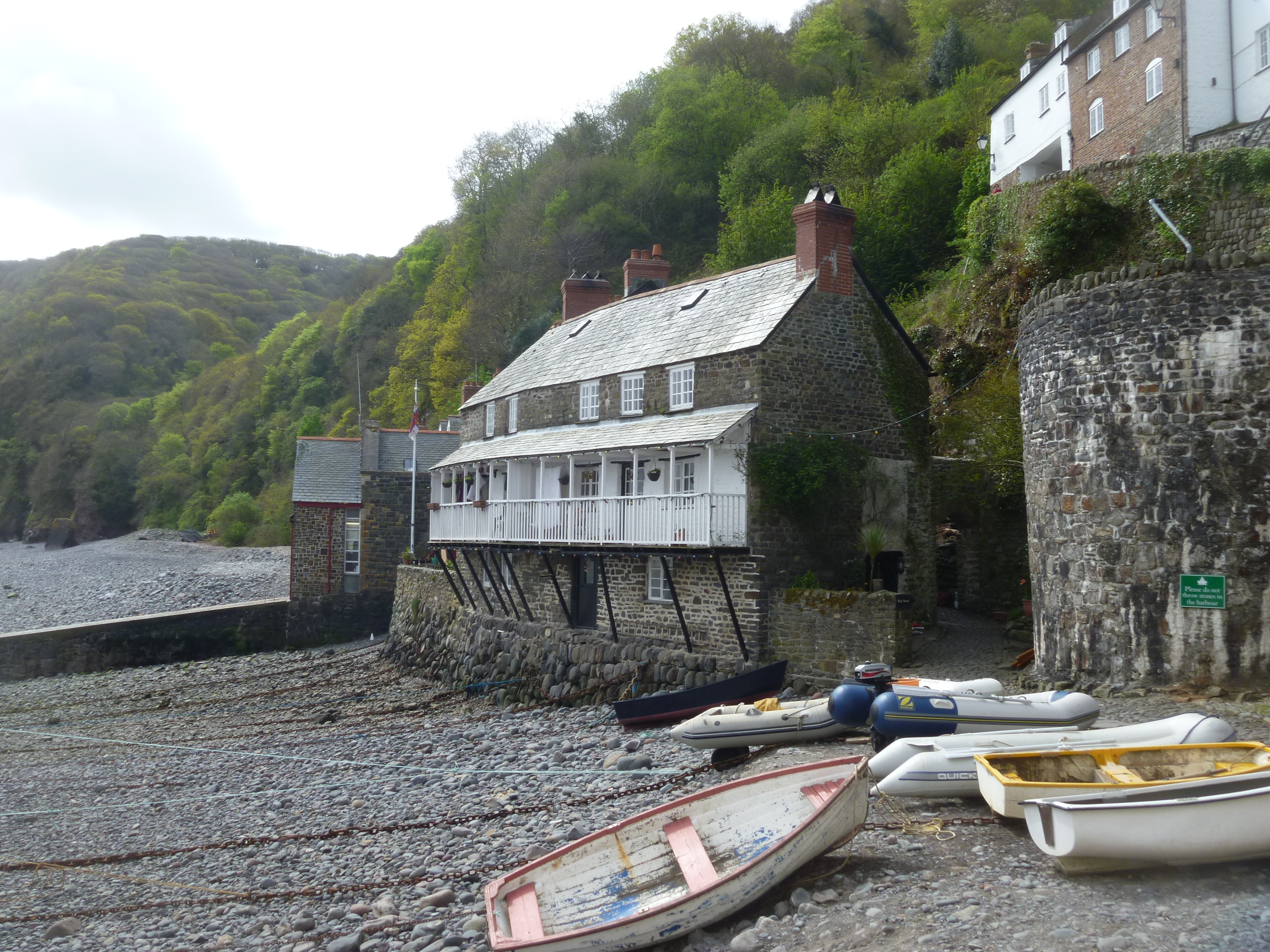
Crazy Kate's Cottage Clovelly

Crazy Kate’s Cottage [The oldest cottage in Clovelly, named after a fisherman’s widow]

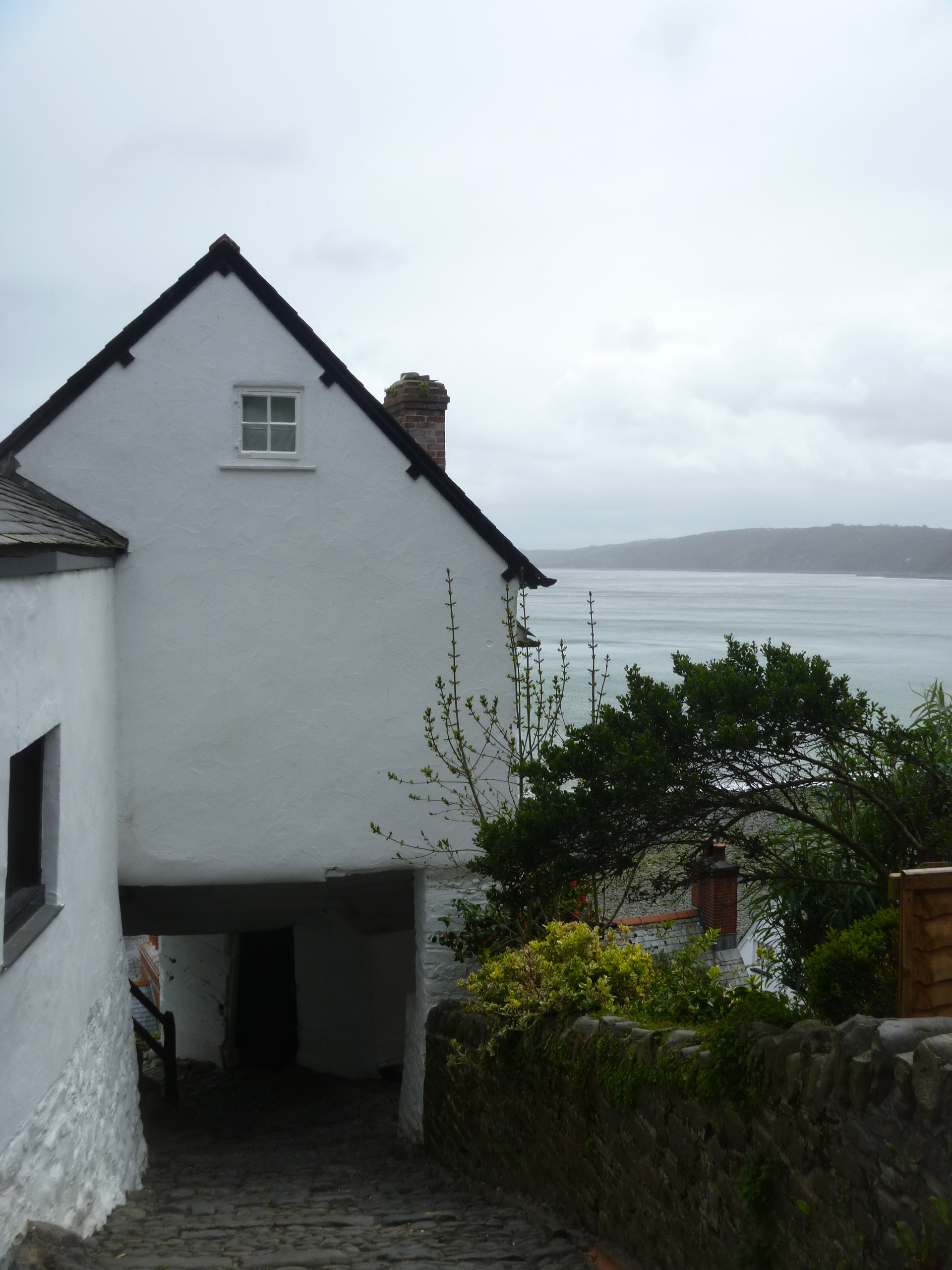
Temple Bar Cottage Clovelly

Temple Bar Cottage [here the street passes under the kitchen and dining room of a cottage]

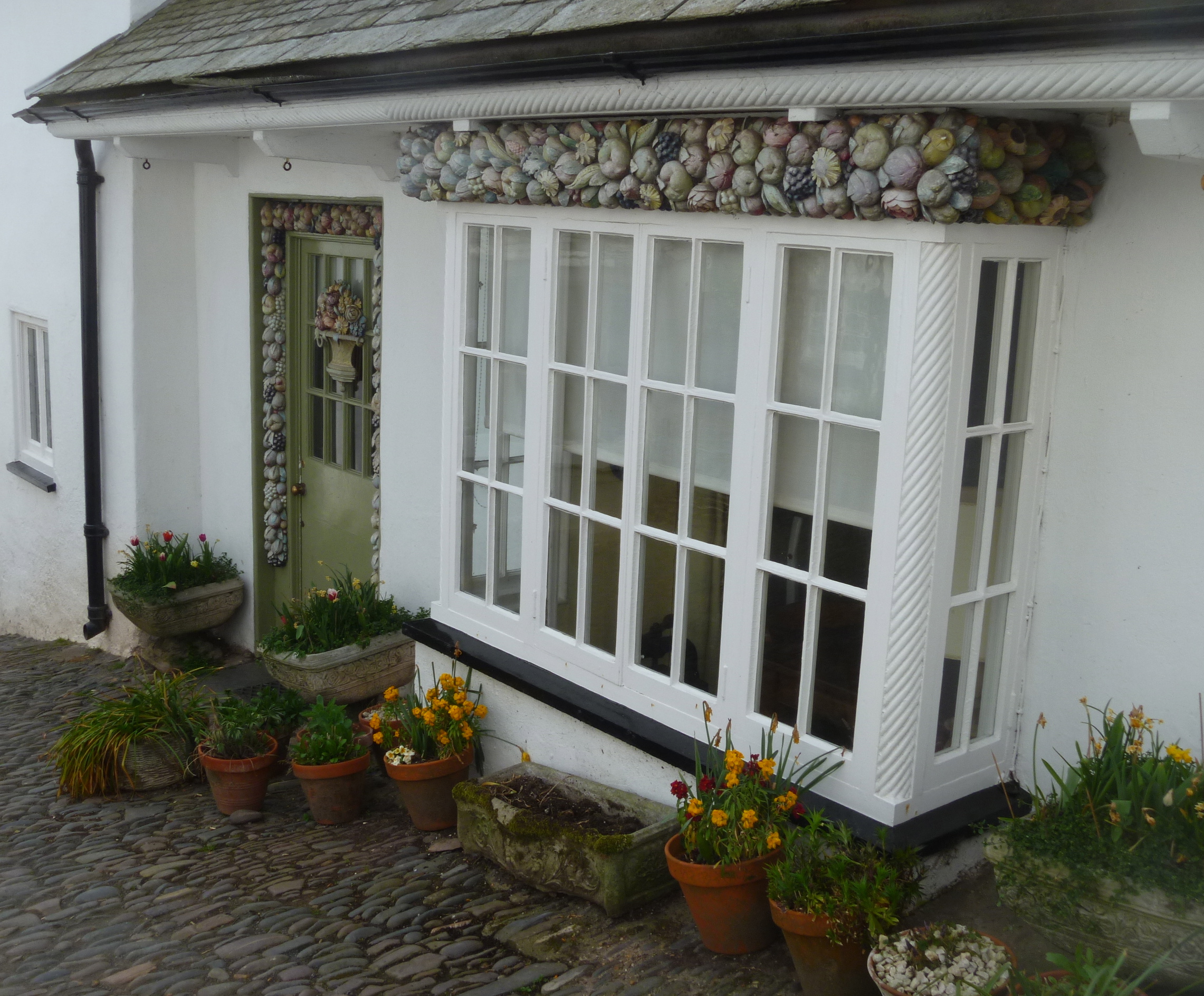
Oberammergau Cottage Clovelly

Oberammergau Cottage [decorated with wood carvings from Germany]

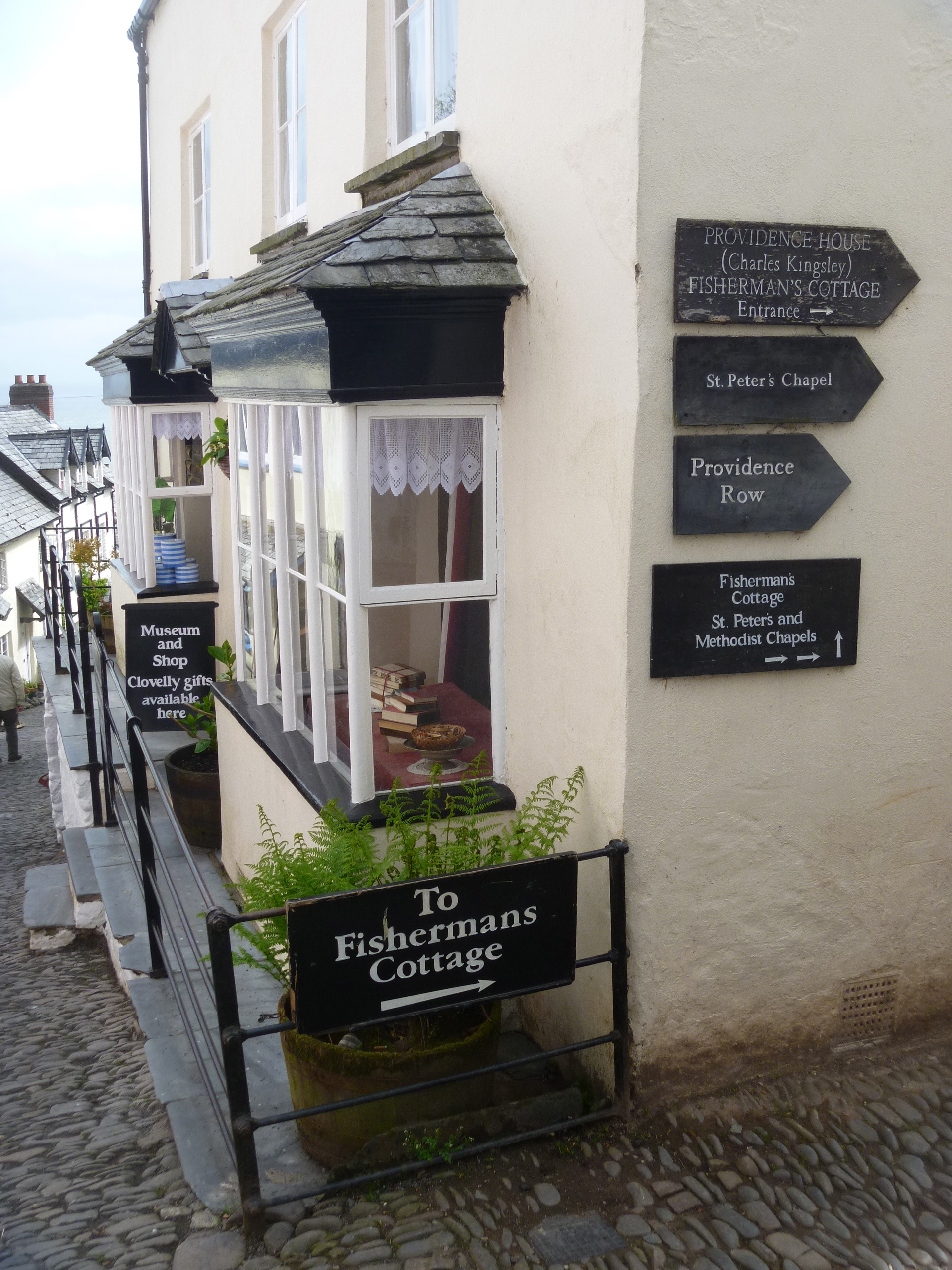
Clovelly Museum and signs

Kingsley Museum and Shop [find out more about Charles Kingsley and his times in Clovelly]

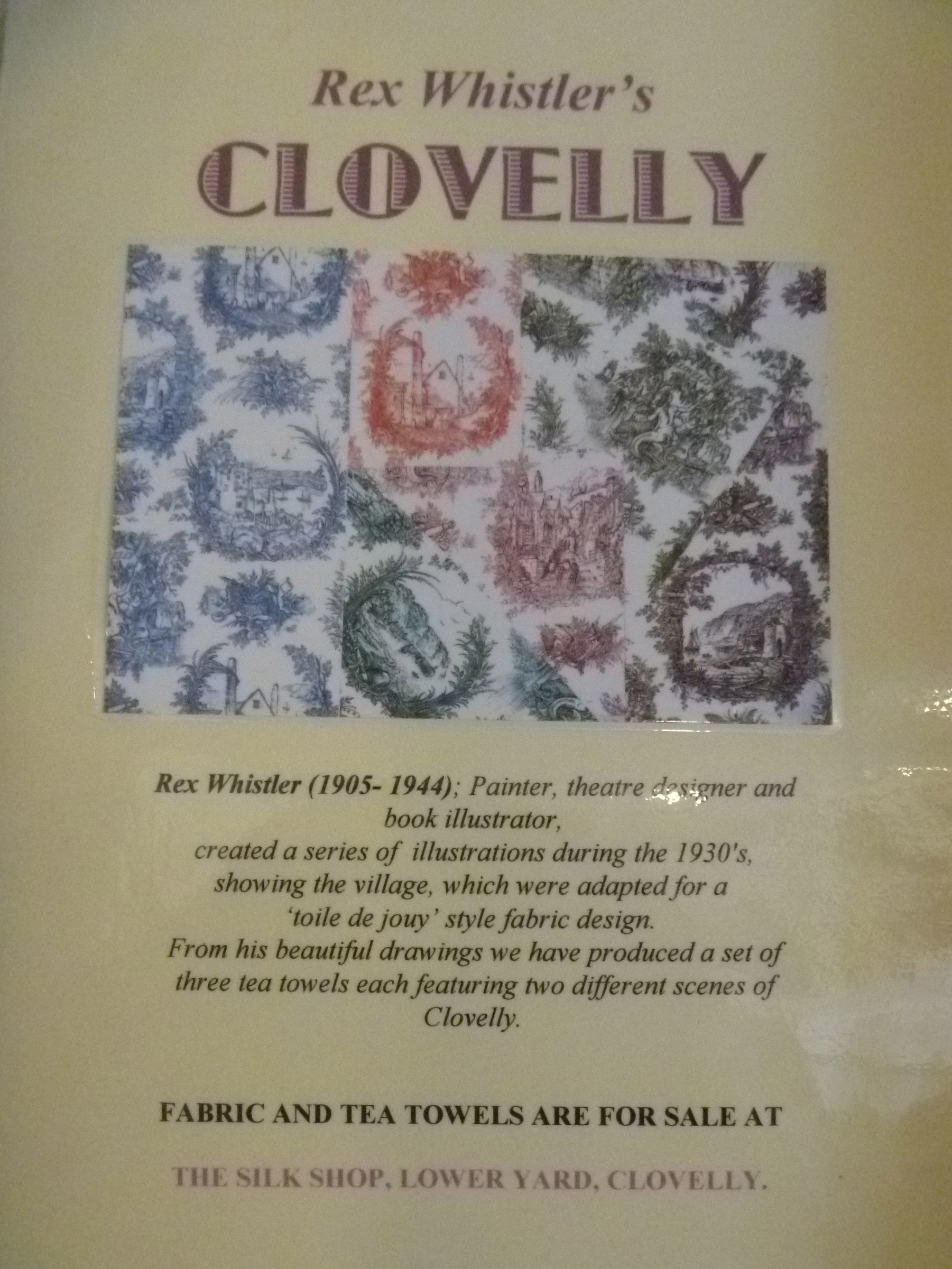
Rex Whistler's Clovelly poster

Rex Whistler’s ‘Clovelly’ toile de jouy fabric in the museum

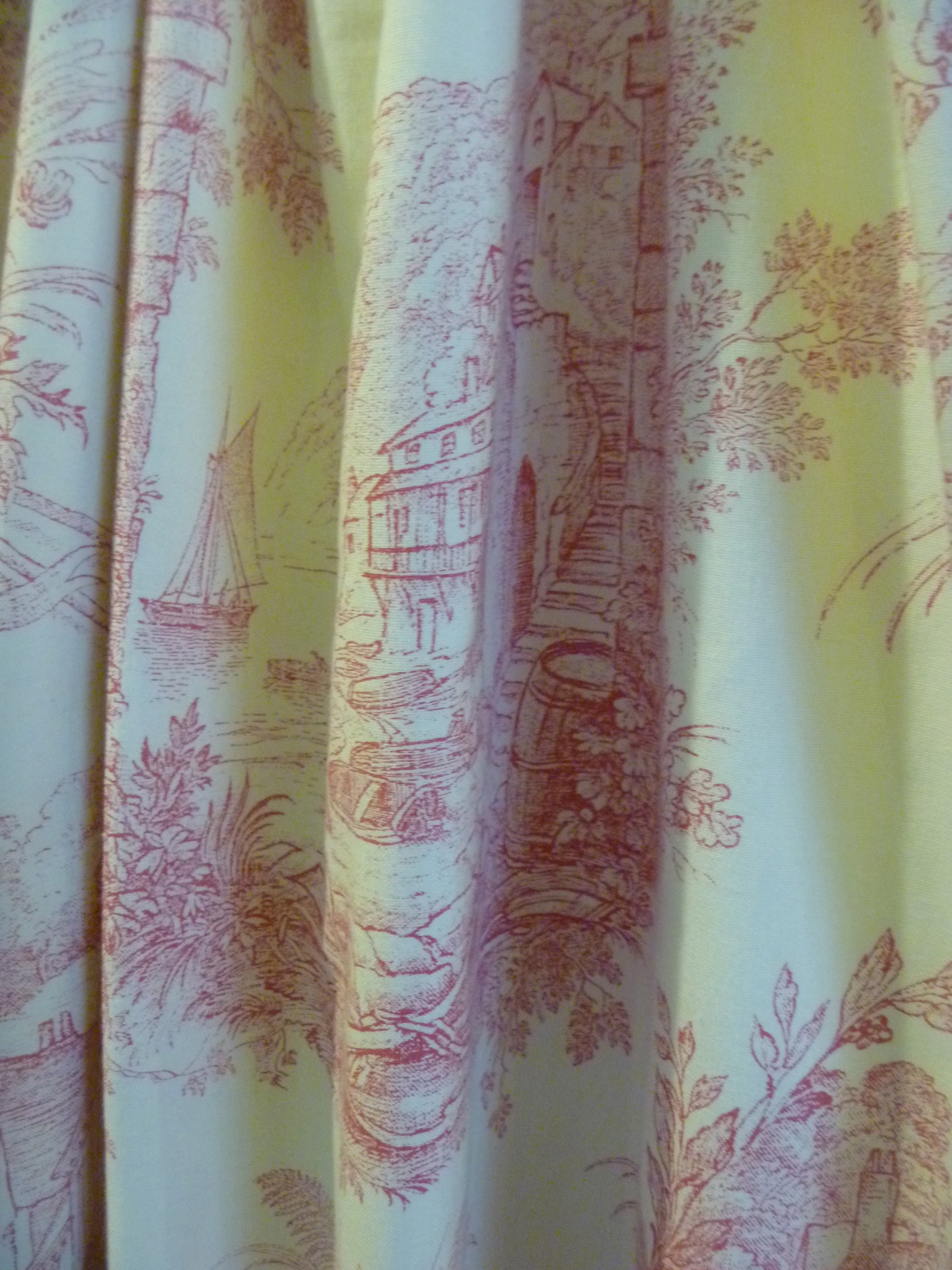
Toile de Jouy

Close-up of the fabric

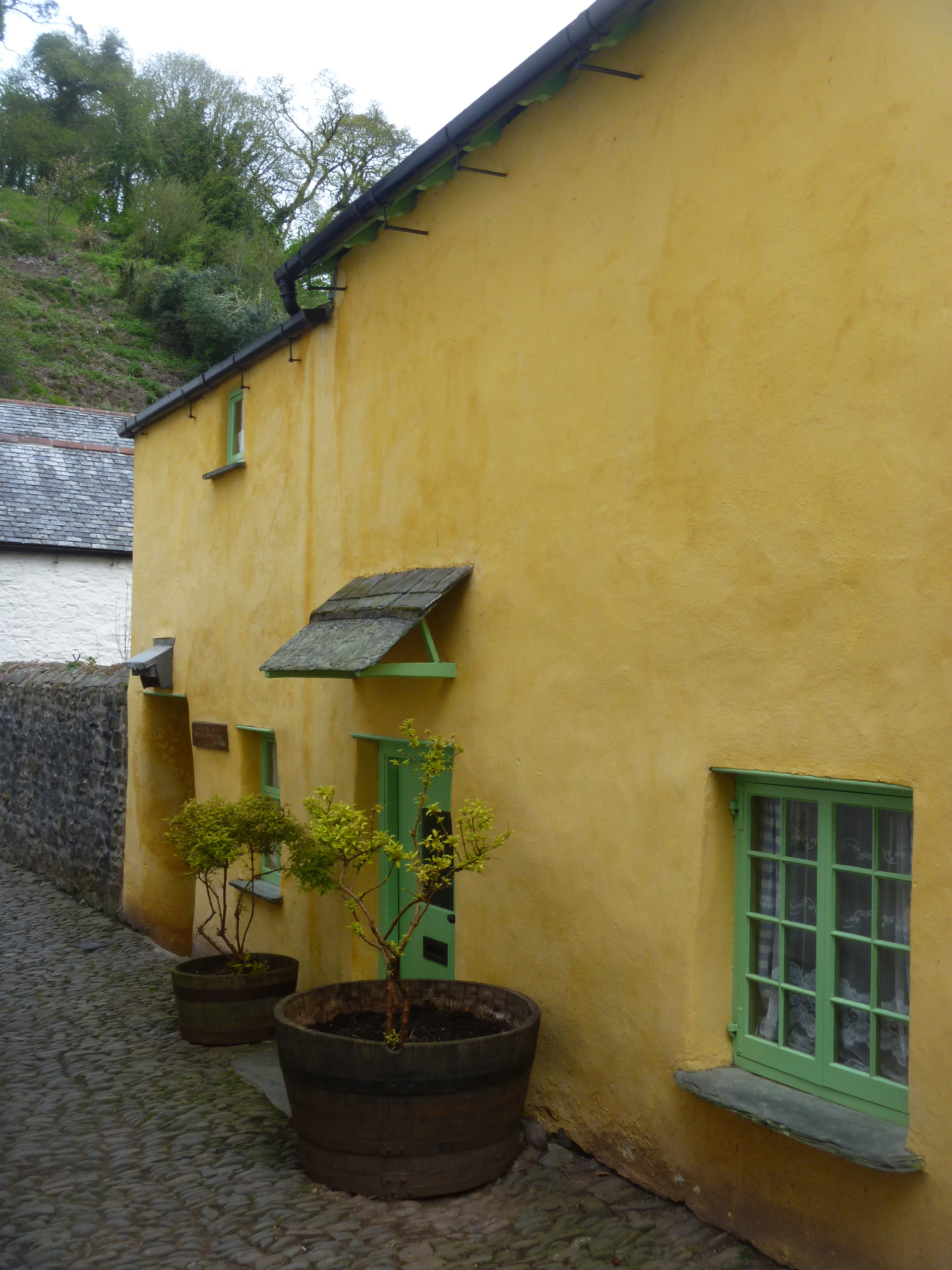
Exterior 15th century fisherman's cottage

Fisherman’s Cottage [see how a fisherman lived in the 1930s]

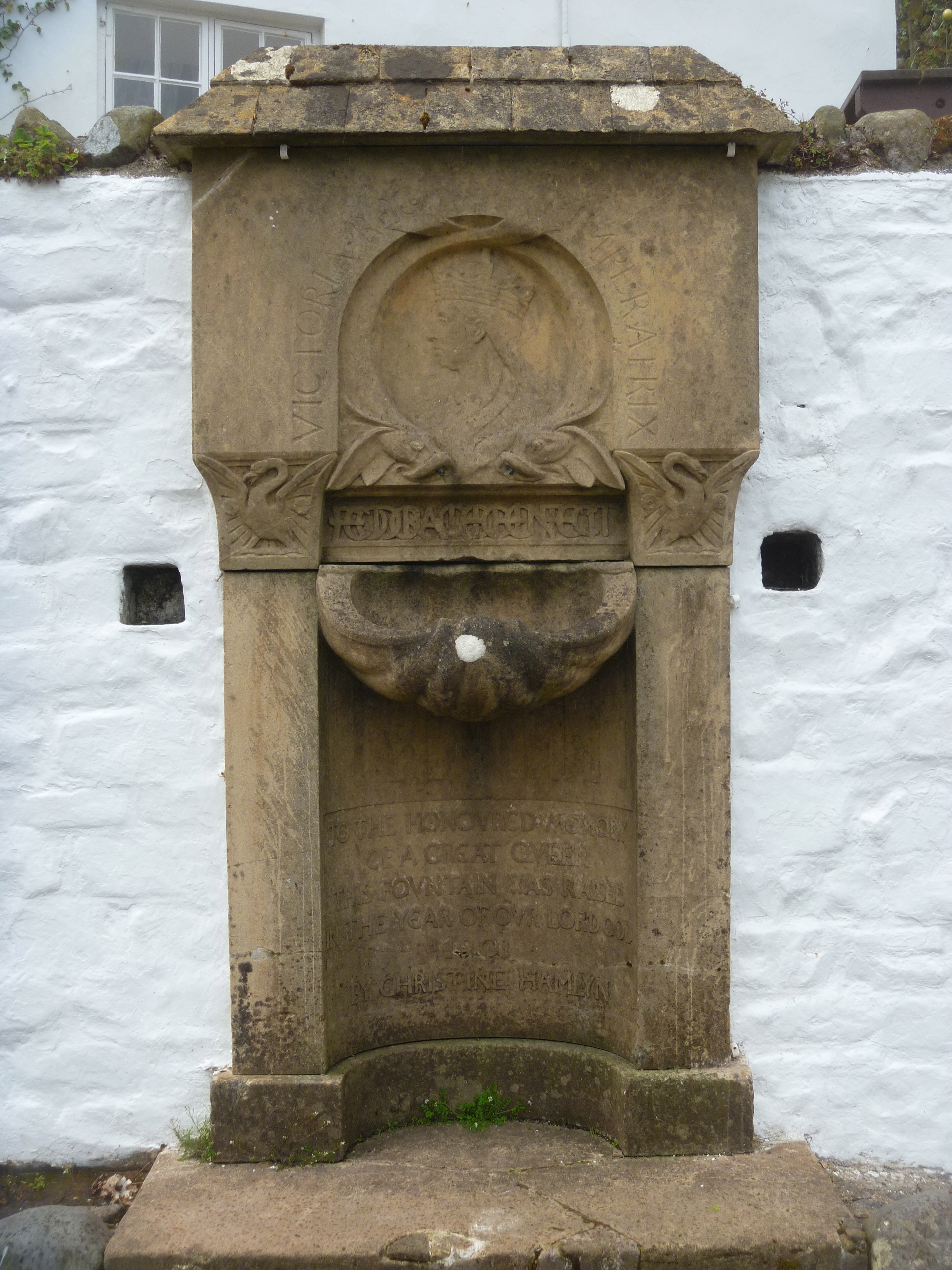
Queen Victoria Fountain

Queen Victoria Fountain [a stone fountain built as a monument to Queen Victoria]

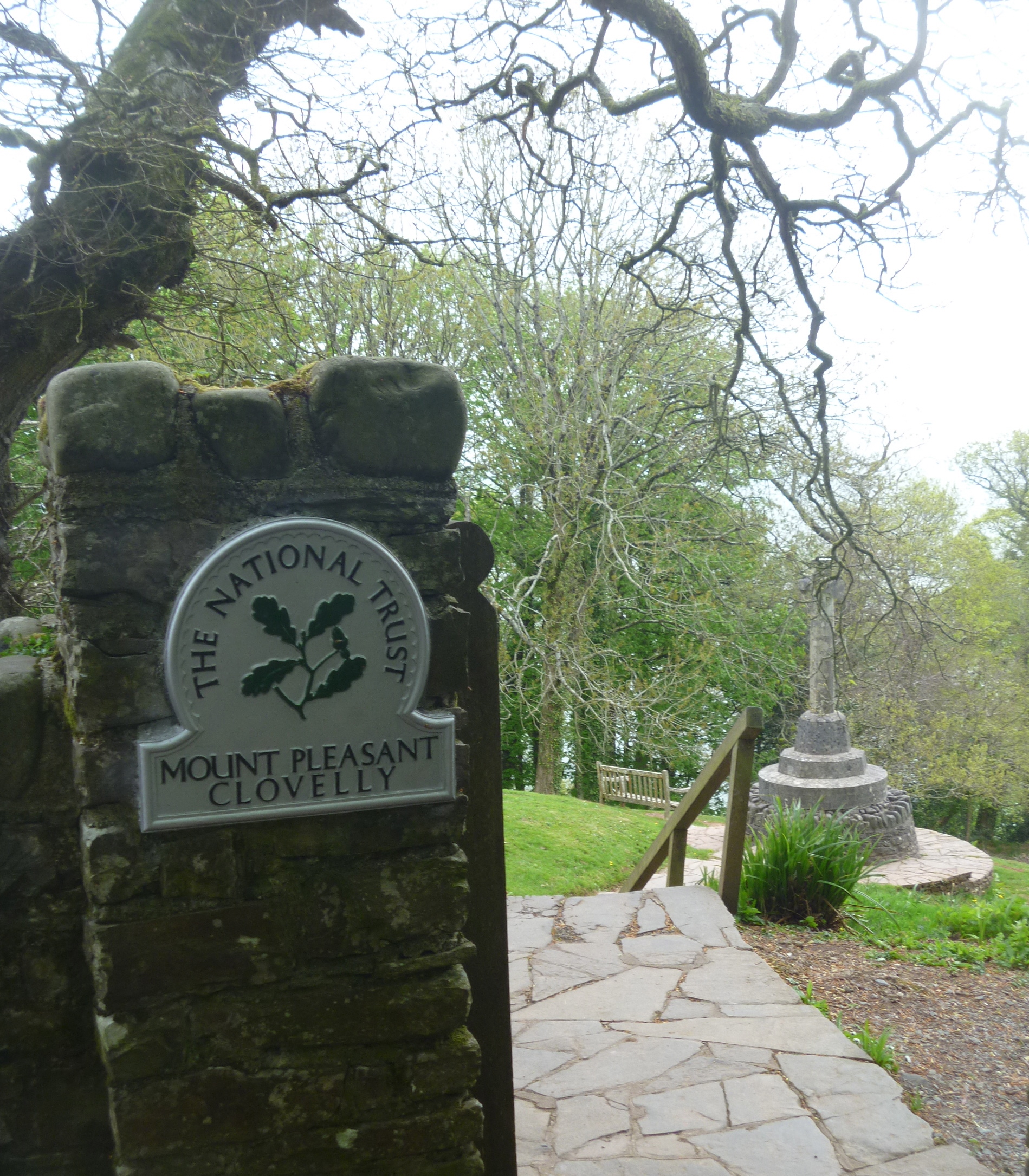
Mount Pleasant Clovelly

Mount Pleasant [a grassy picnic spot with war memorial and spectacular views]

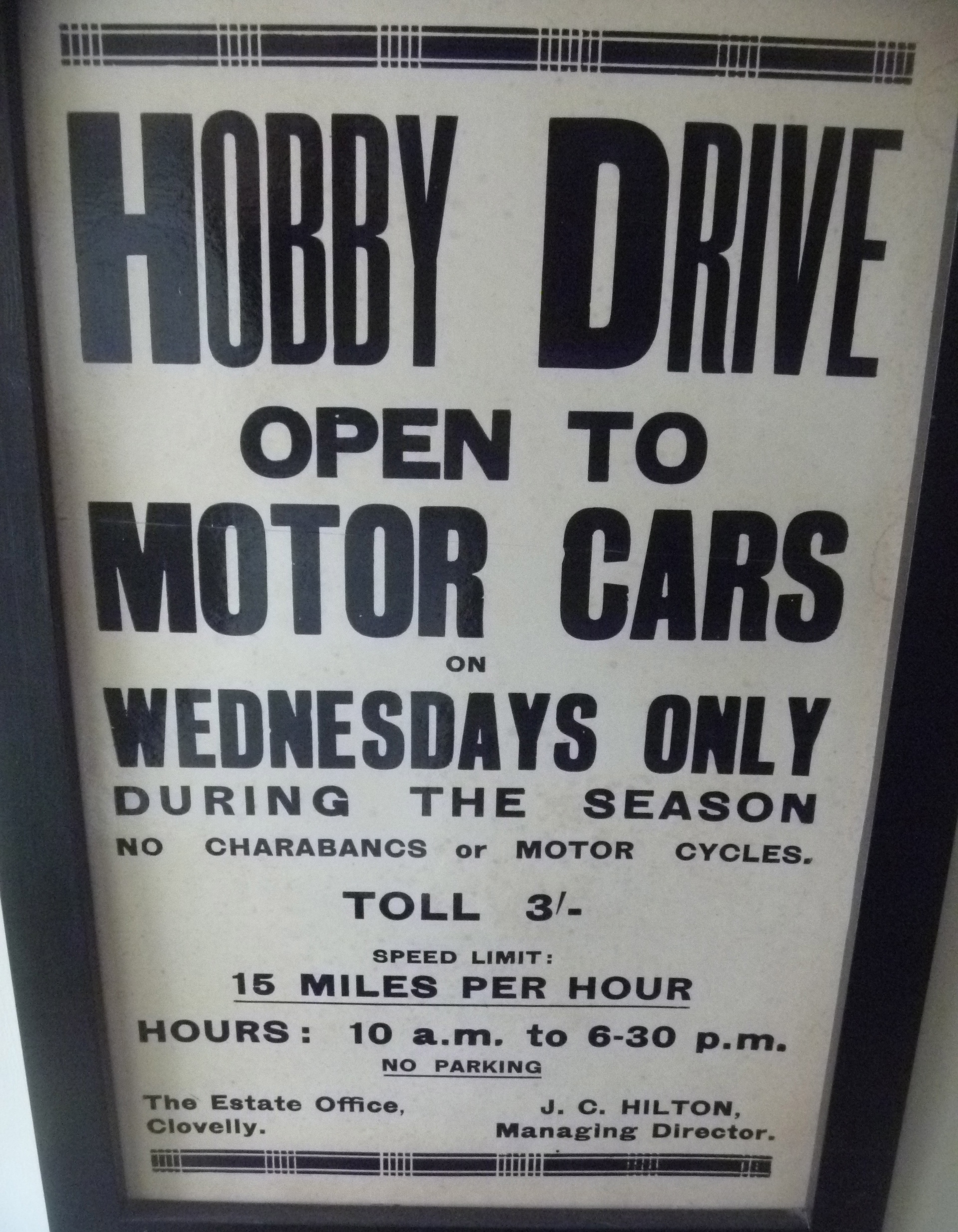
Hobby Drive poster

Hobby Drive Poster

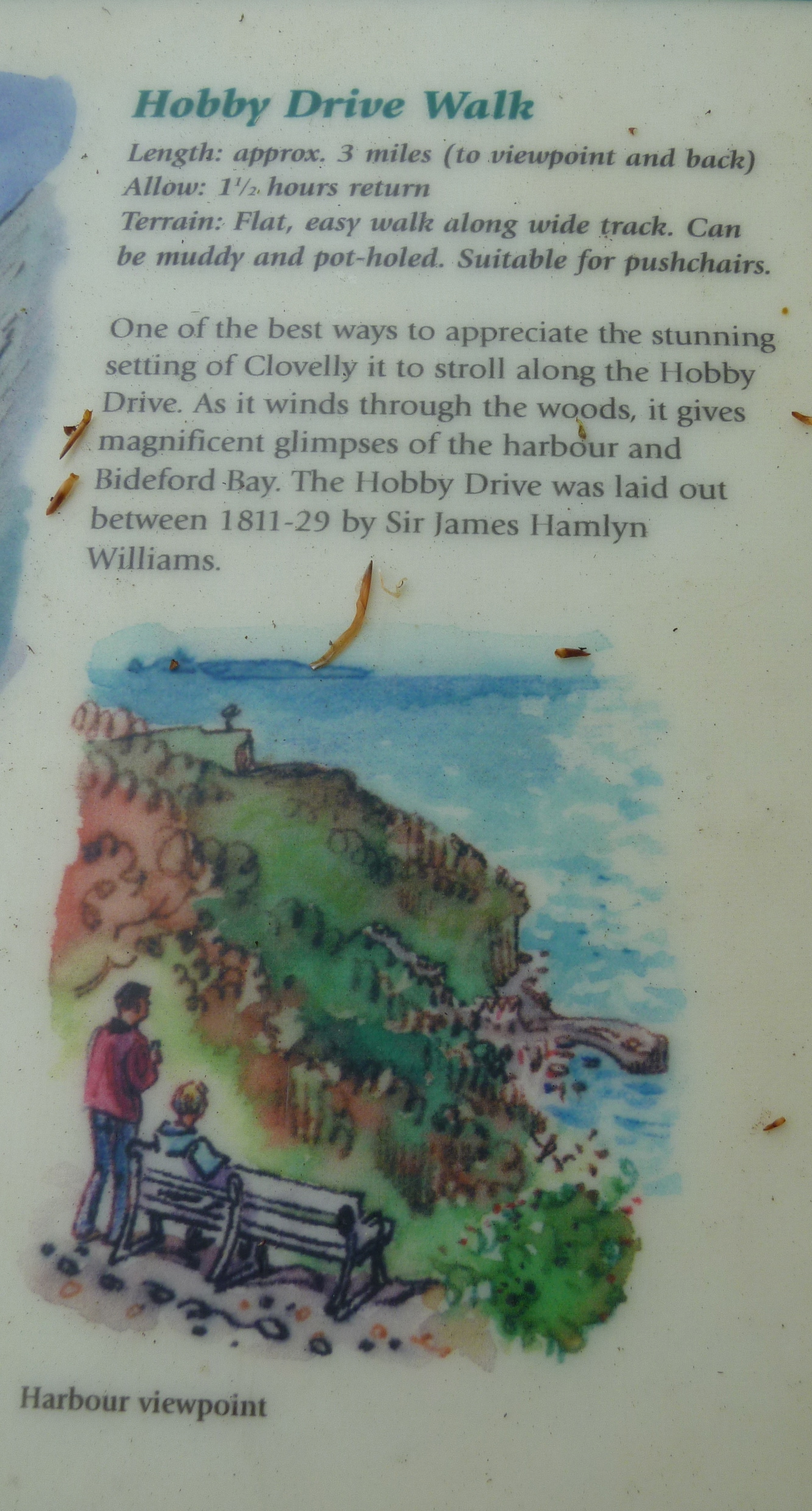
Hobby Drive Walk info

Hobby Drive Walk

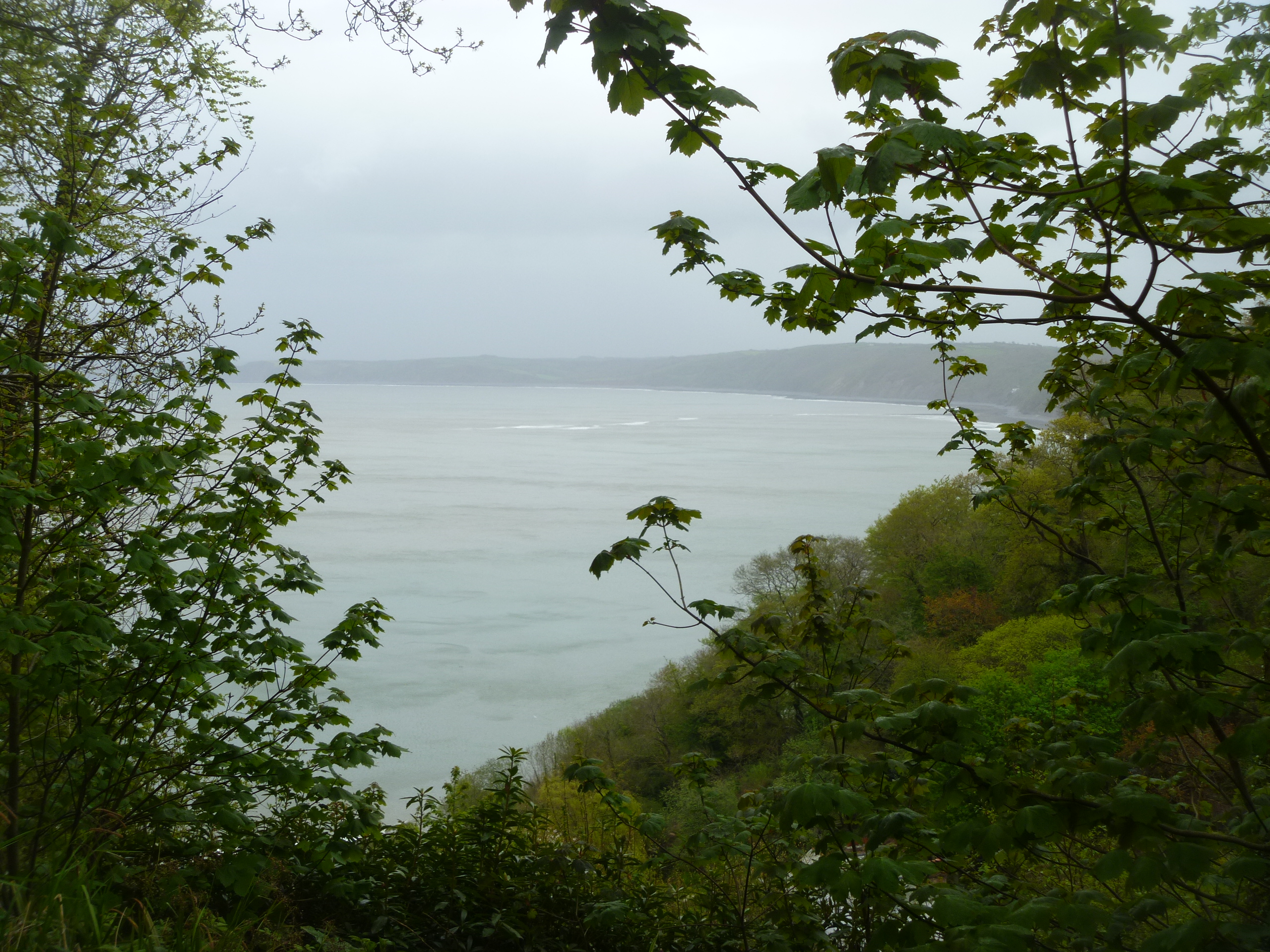
Bay from Hobby drive

Bideford Bay from Hobby Drive

Rain was threatening on the morning of my visit but it held off until I’d JUST begun my Hobby Drive walk. Then the heavens opened and reluctantly I gave up the walk and headed off to Braunton and shelter and sustenance at Squires fish and chip restaurant.

In and Around Anderton House : a Photo Album, 3 [Goodleigh to Gidleigh]

Anderton House view from single bedroom

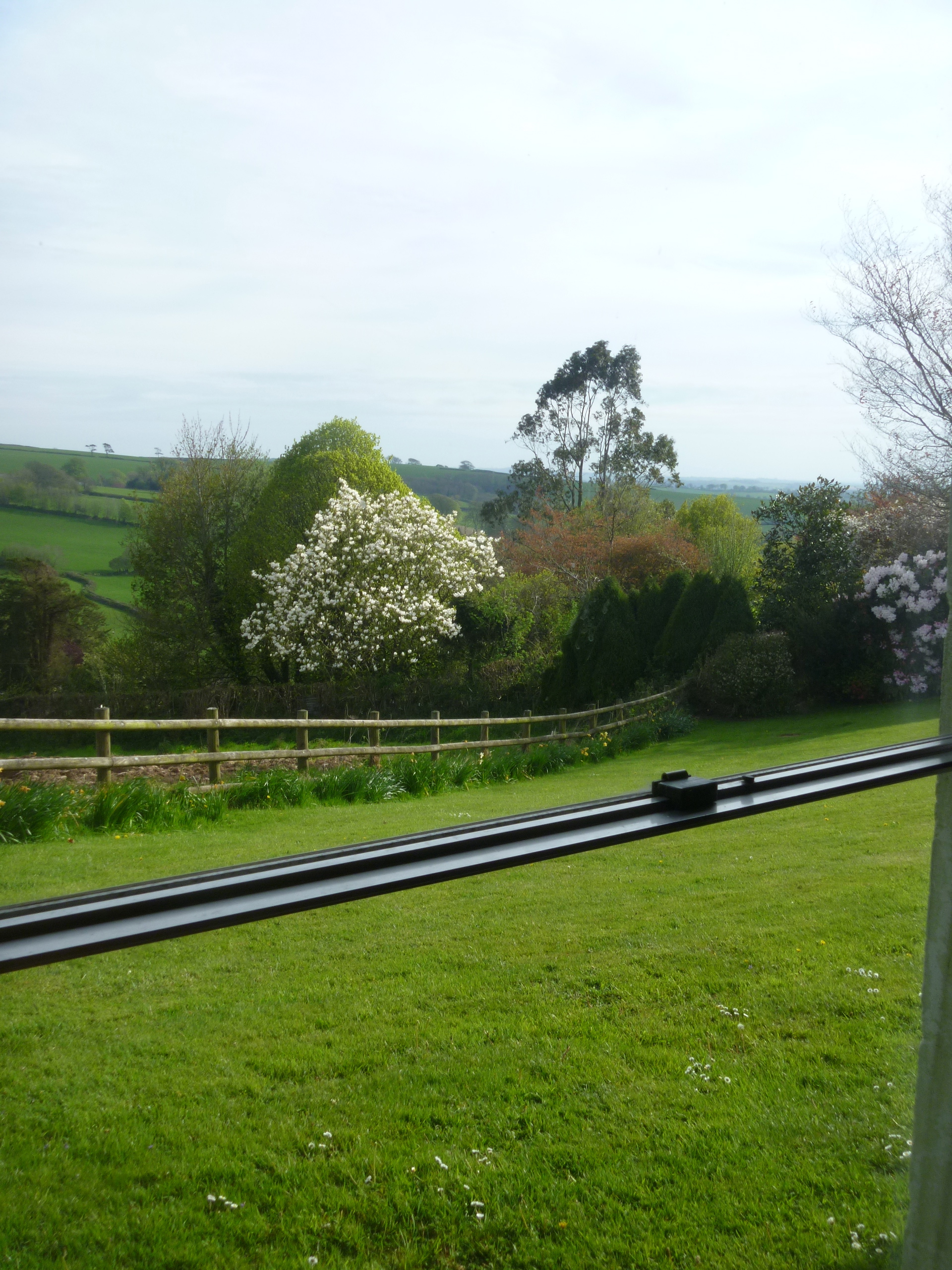
I have mentioned the wonderful views to be had from the glass walls of the sitting area and from each of the bedrooms at Anderton House but there is also a very relaxing garden on a couple of levels and sloping down the fields in front.

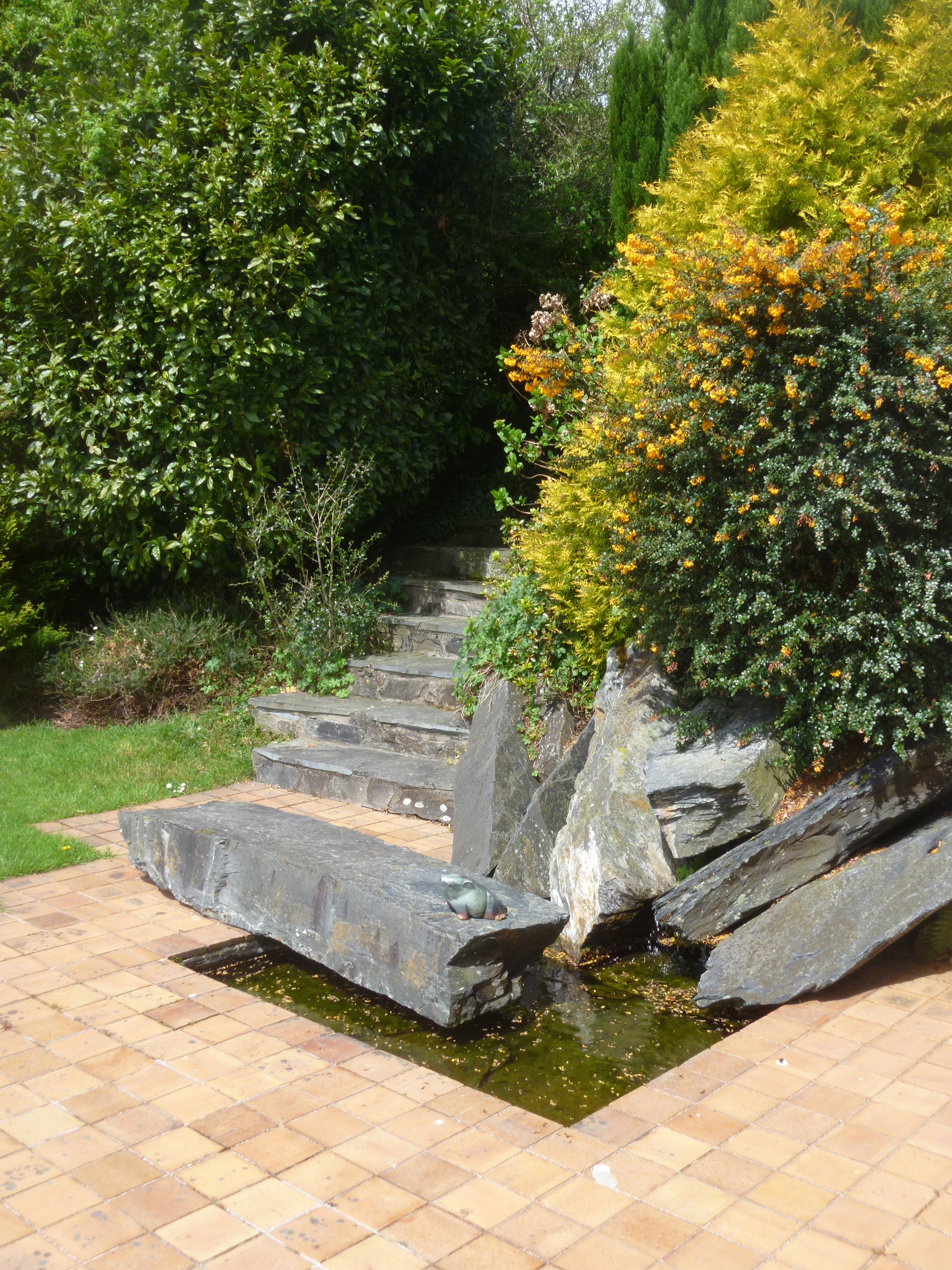
Anderton House water feature in garden

When the sliding glass door is opened, even fractionally, you can sit inside and hear the gentle tinkle of the water feature just outside.

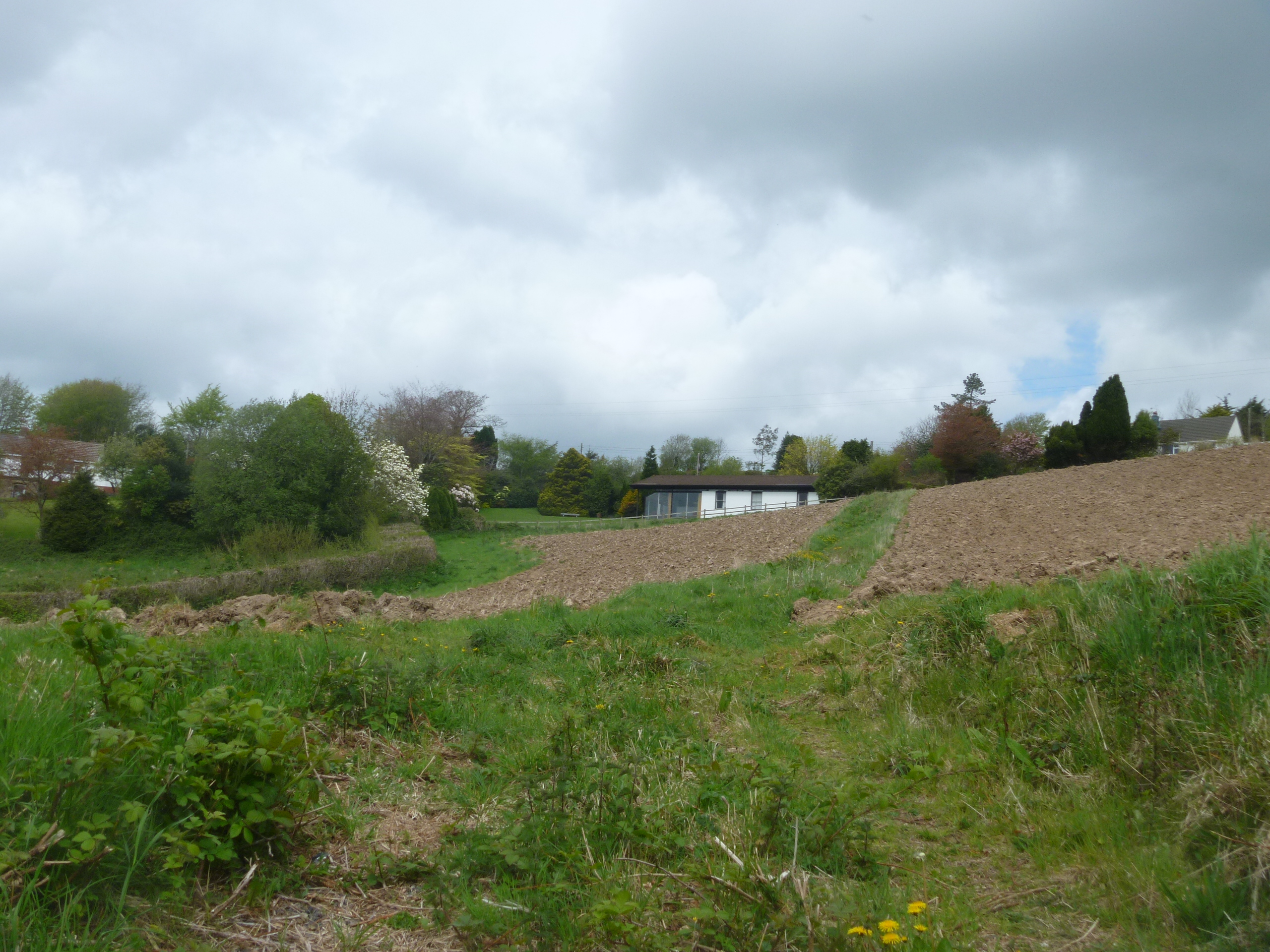
Anderton House and footpath

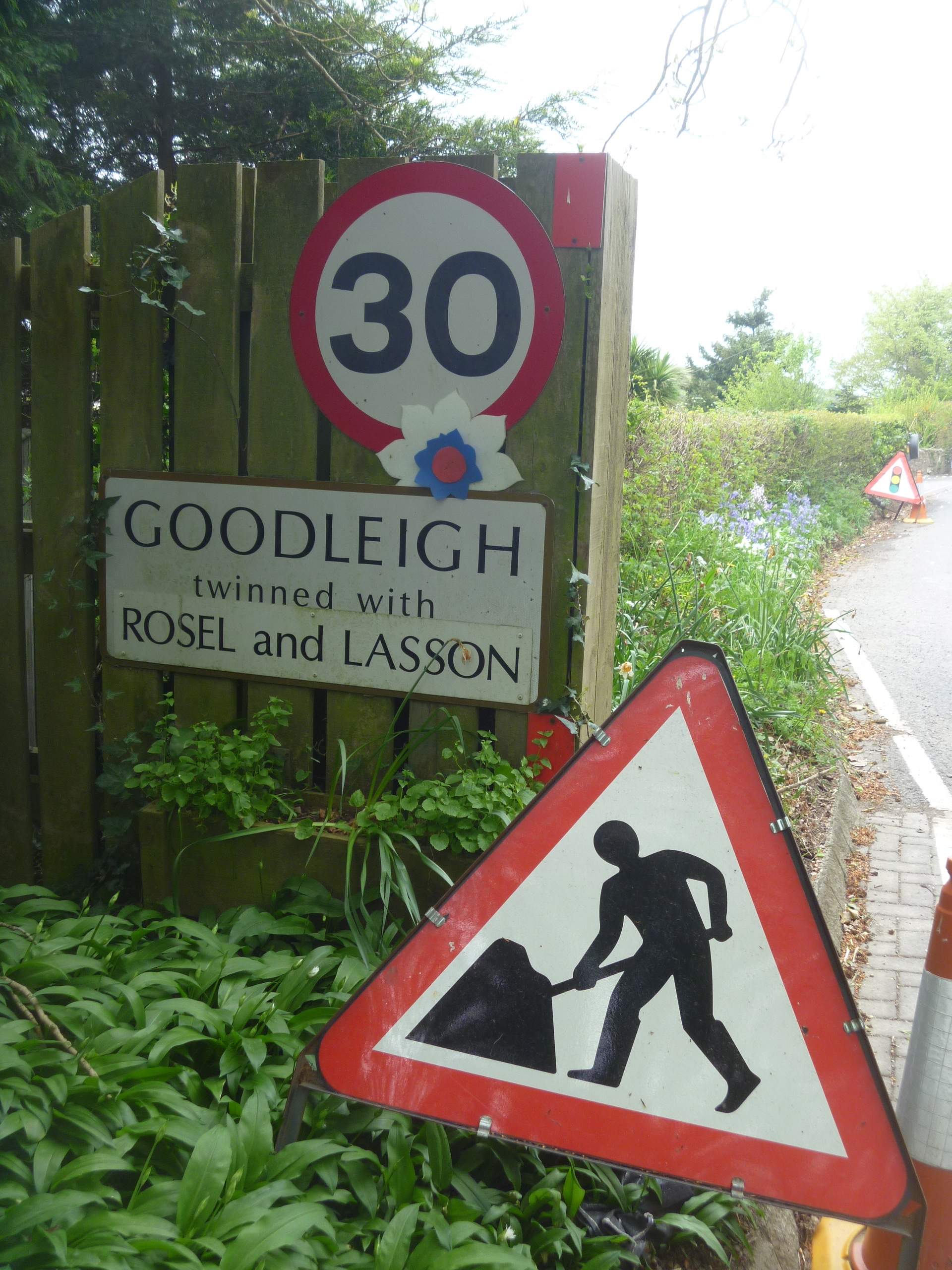
There’s a short Public Footpath across the field which leads down to the main road that runs through Goodleigh, two miles from Barnstaple. I surprised to see that the village had two twins. Both sound like villages in France and indeed they lie close to each other in Normandy, not far from the Normandy Landing Beaches of the Second World War.

Goodleigh twinnings

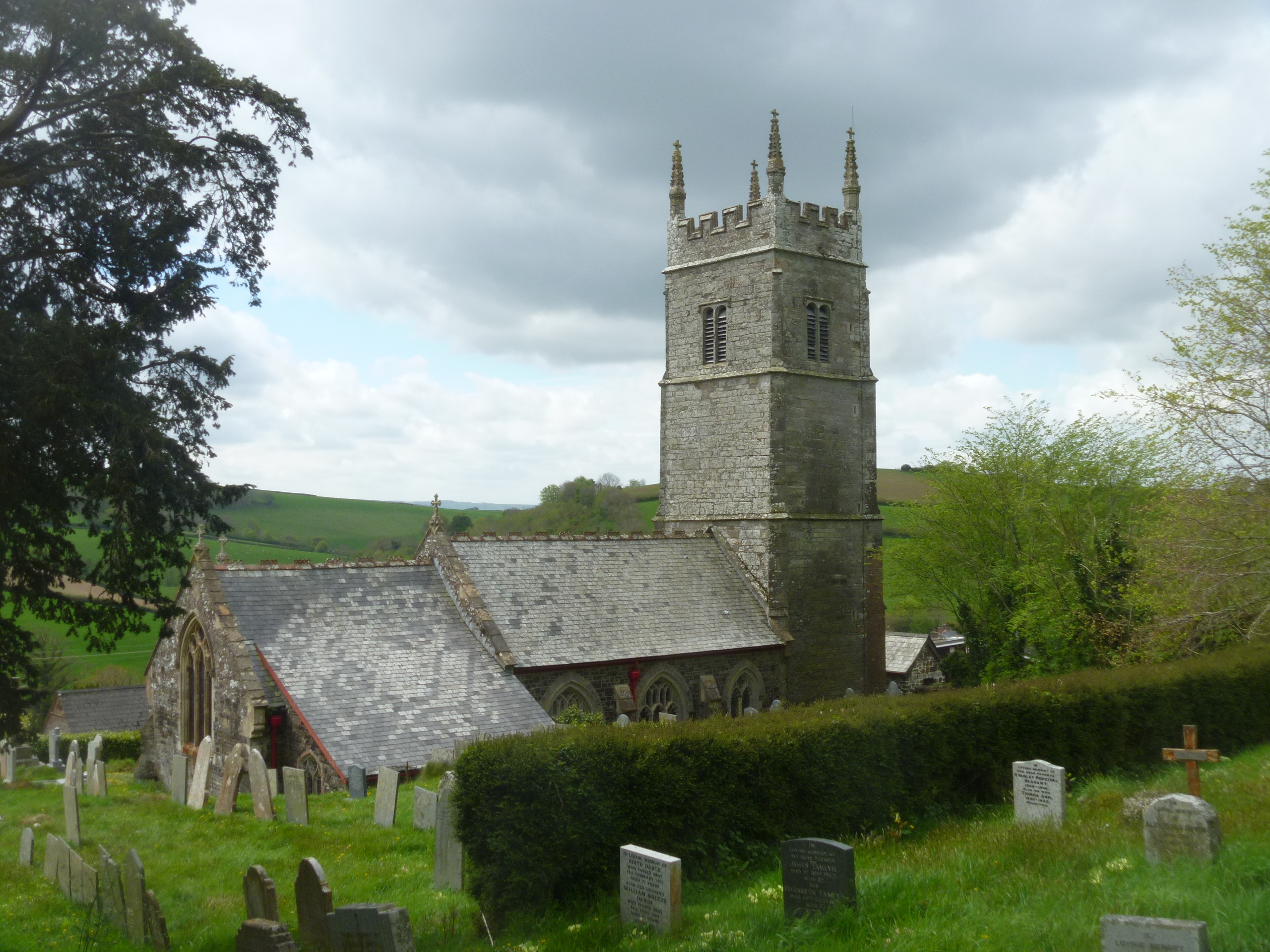
The church of St Gregory stands high above the main street and right on the street itself is The New Inn. We didn’t manage to get there but plenty of Landmarkers at Anderton House had enjoyed their meals.

Goodleigh Church

The Church of St Gregory, Goodleigh

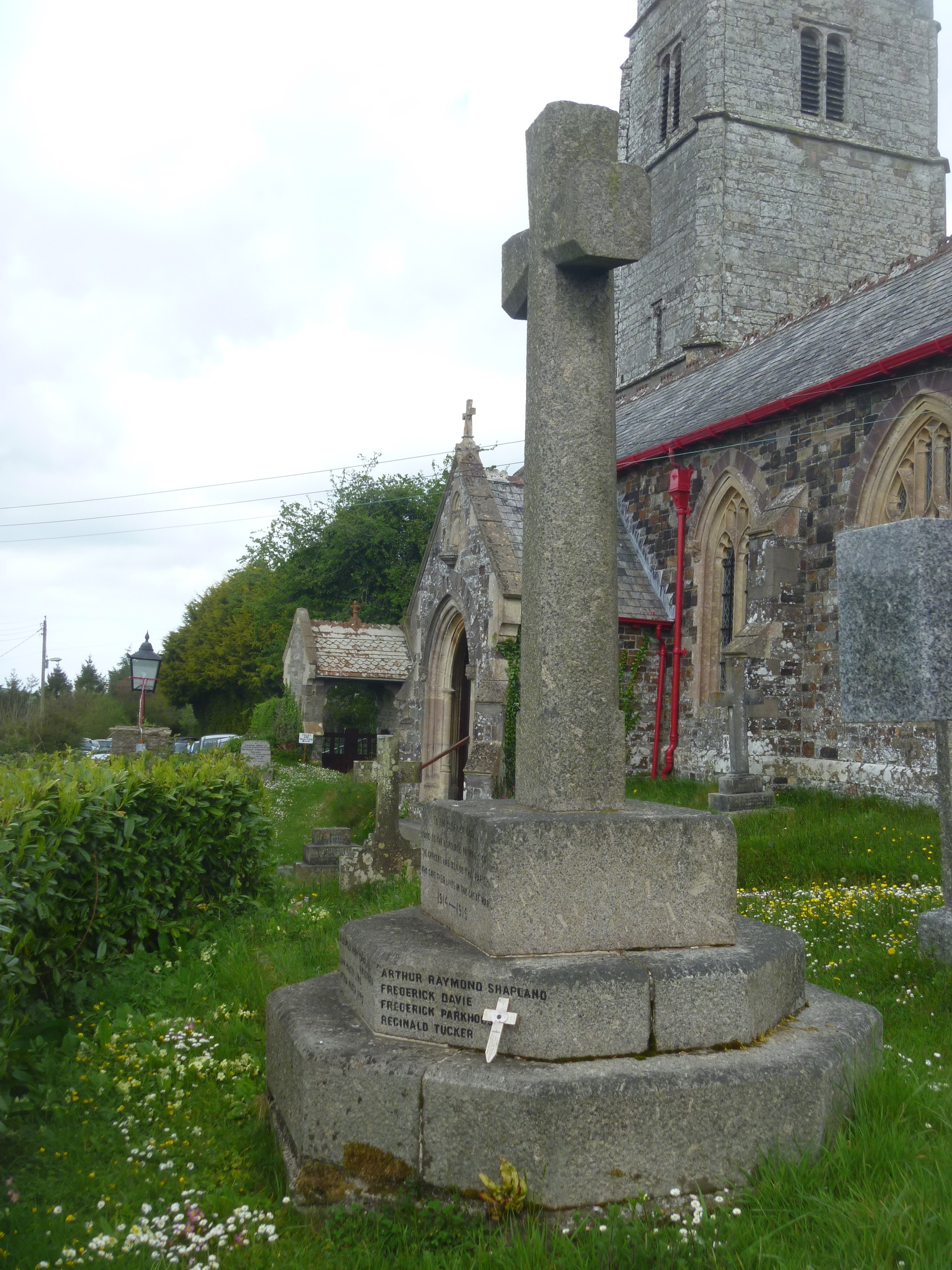
Goodleigh War Memorial

The Goodleigh War Memorial

New Inn

The New Inn, Goodleigh

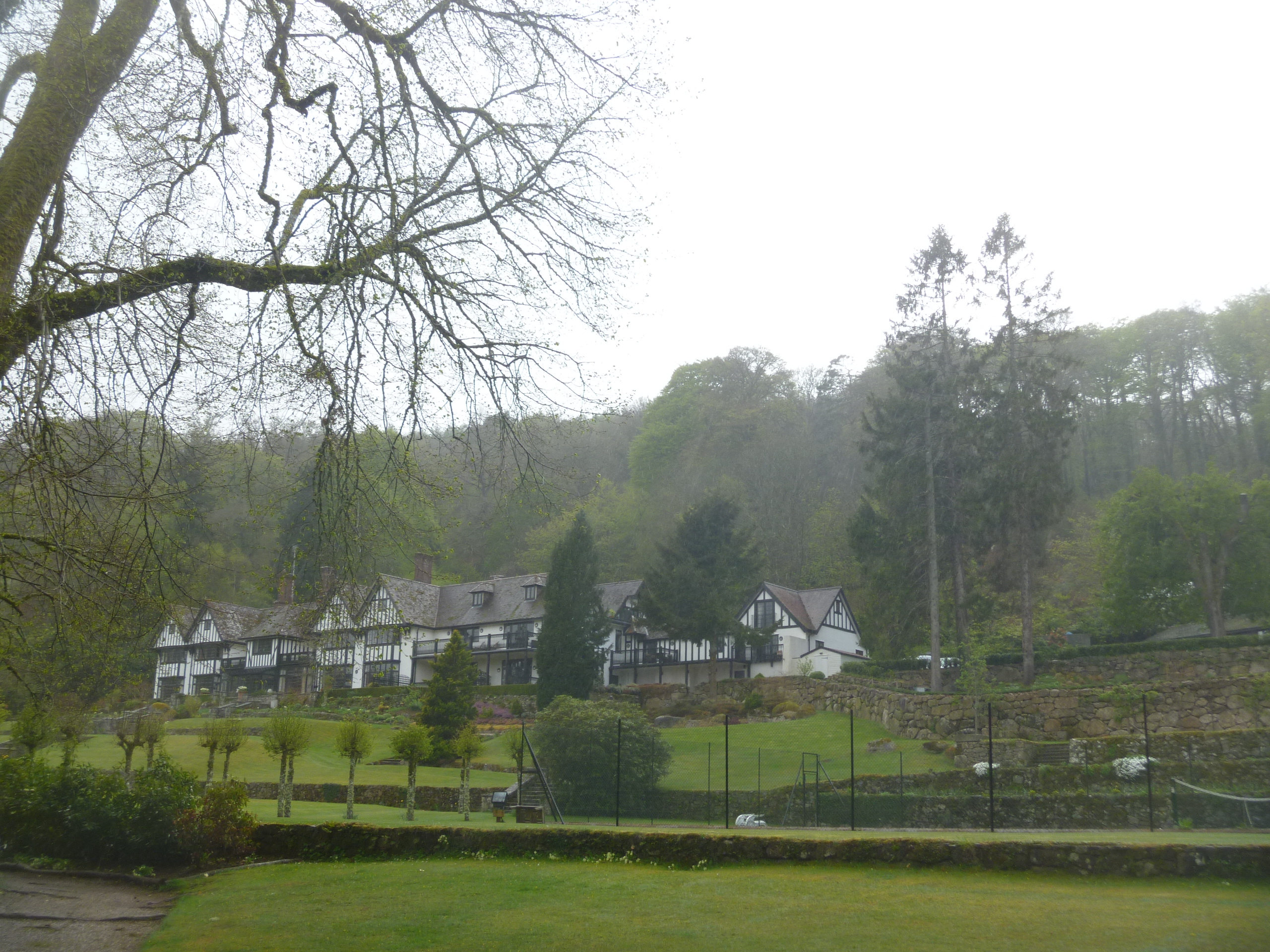
One of my favourite walks in Devon is through the grounds at Gidleigh Park. Although it’s a drive from Goodleigh we were really looking forward to it as after the very wet walk we had booked an Afternoon Tea. Yummy!

Gidleigh Park Hotel

Gidleigh Park in the rain!

Gidleigh Park

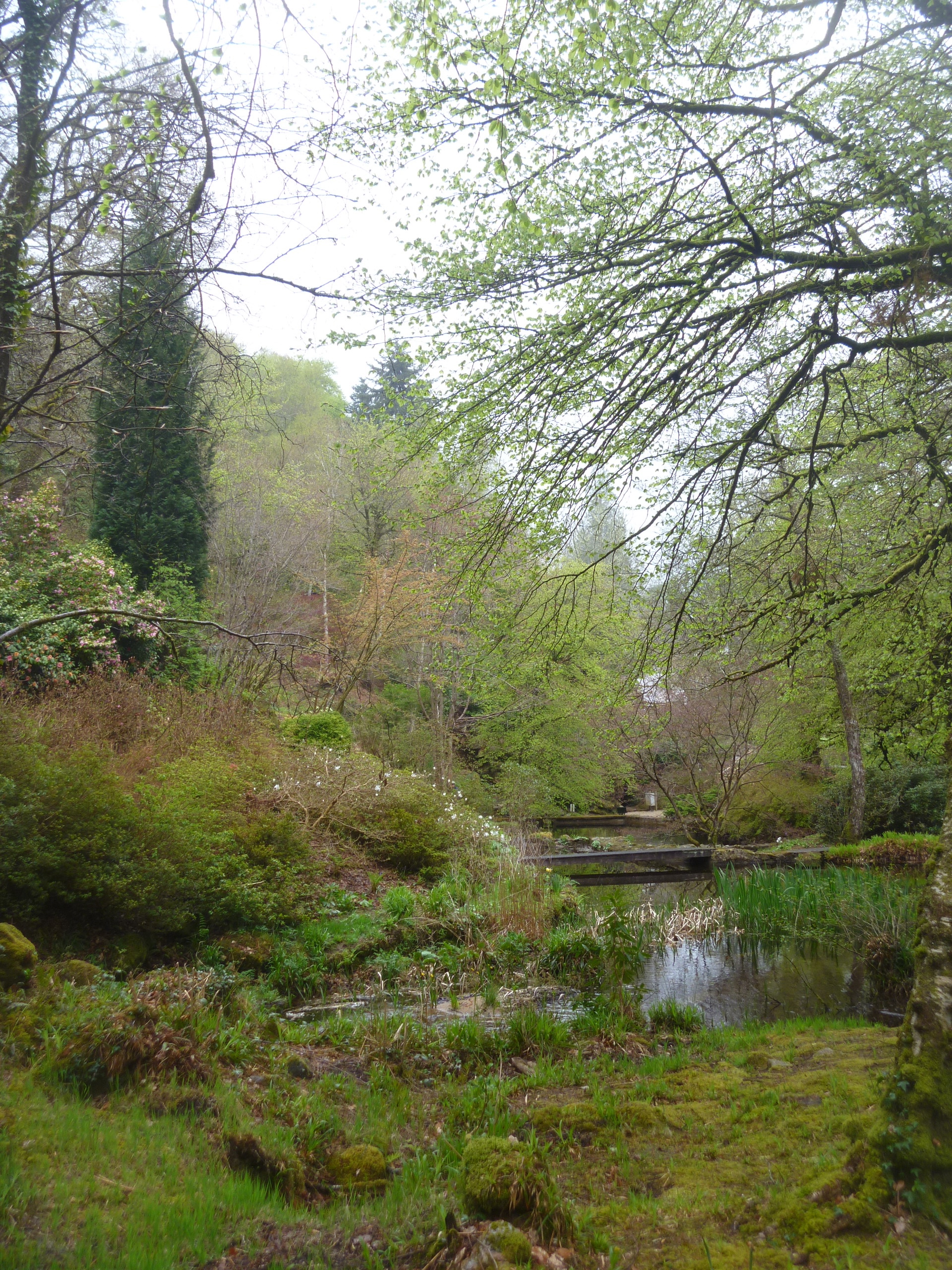
The Water Garden at Gidleigh – brimming over!

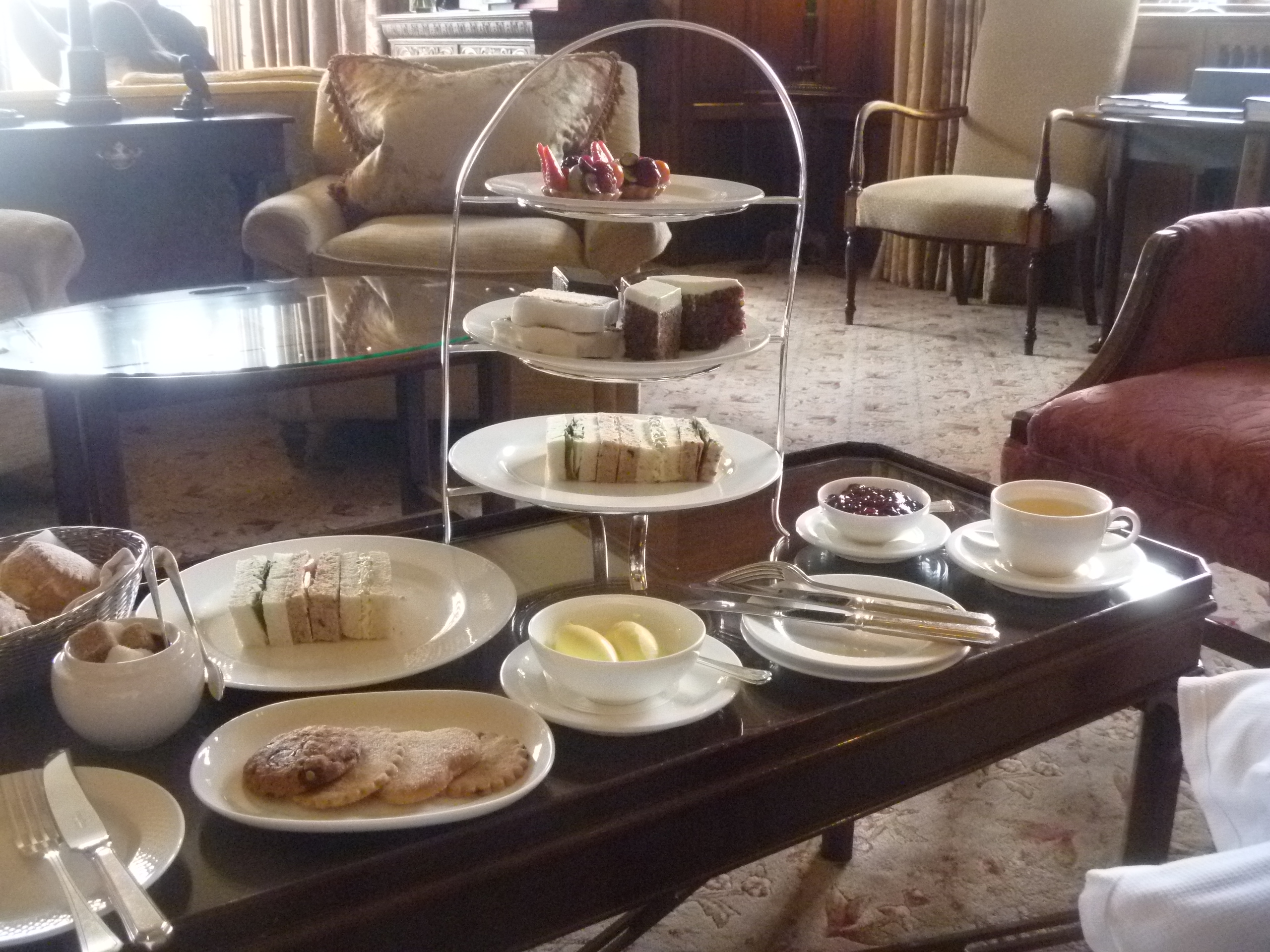
Tea at Gidleigh Park

The Afternoon Tea